




Curtains in Hóc Môn: choosing the right type for newly built homes, rentals, and your real budget
Hóc Môn curtains suited to newly built homes and practical budgets
Hóc Môn lies at the city’s northwestern gateway and is the fastest- and most visibly urbanizing area among the suburban districts. Traveling along residential routes bordering District 12 and Bình Tân, it is easy to see newly built townhouses appearing continuously, while undeveloped garden plots still remain in between. Population density increases year by year, bringing with it a very distinctive demand for curtains: most installations are entirely new for homes that have just been completed, rather than replacements for old curtain sets that have been used for many years.
Common house style: Three- to four-story tube houses with narrow frontages, where nearly the entire facade is given over to large panes of glass to bring light into the depth of the home. This layout brings beautiful morning light but turns the facade into a heat-absorbing sheet of glass in the afternoon, while also exposing the entire living room to passersby. The ground floor typically connects the kitchen and living room, so a curtain set made from the wrong material will absorb odors and collect grease very quickly.
Rental properties: The area has a significant number of boarding houses and rental homes serving laborers and workers employed nearby. Owners in this group face a completely different set of requirements from family households: they need curtains that can withstand tenants changing frequently, can be replaced individually when damaged without removing the entire system, and have a per-window price that can be multiplied across dozens of rooms while keeping the total cost within budget.
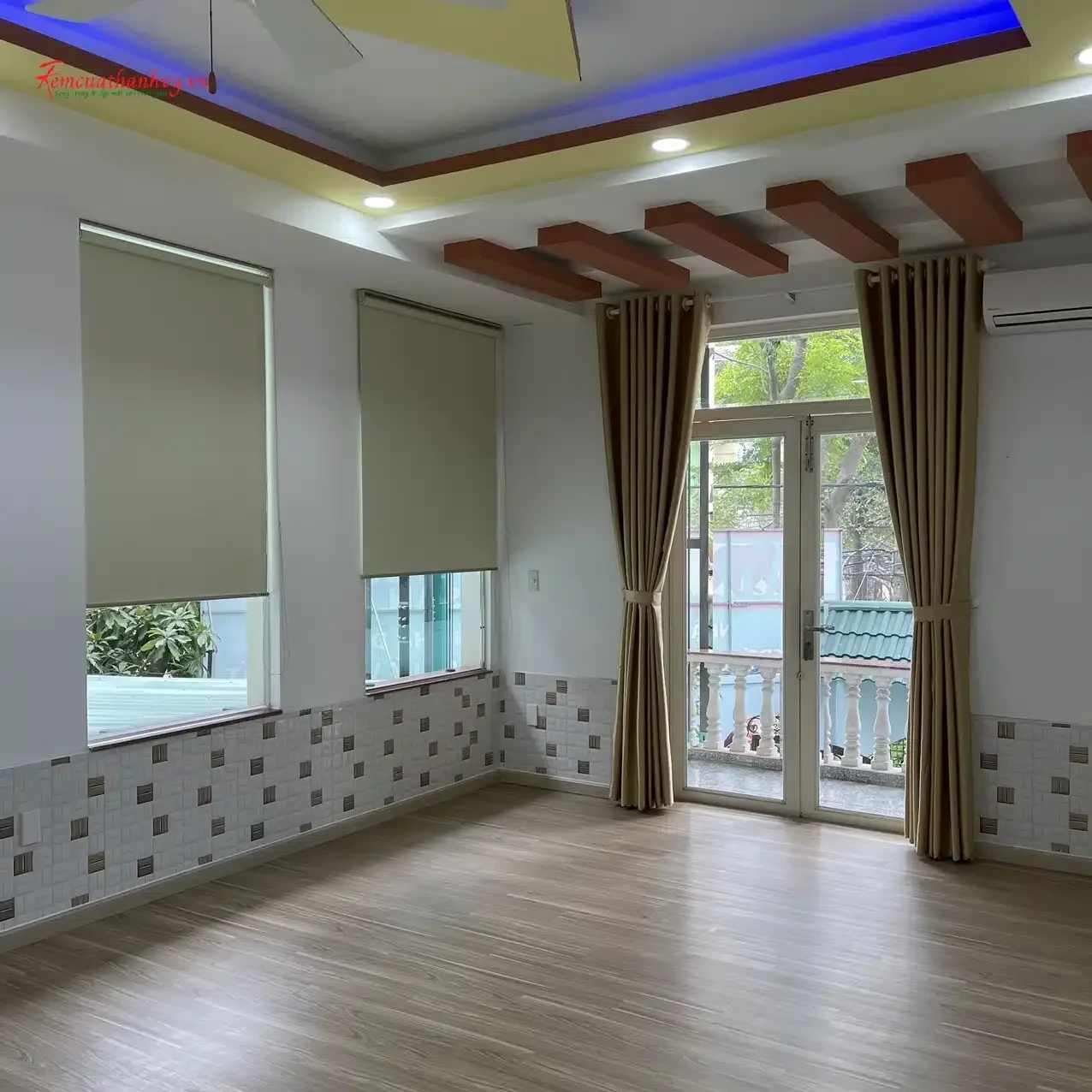
Typical budgets: Curtain spending in Hóc Môn is concentrated in the affordable to mid-range segments. What homeowners ask most often is not which imported fabric brand is used, but how long the curtain set will last, whether a single panel can be replaced separately if it tears, and whether replacement hardware is readily available or must be ordered. These are the criteria of durability, easy replacement and reasonable pricing — and all the advice below is written according to this order of priorities, rather than steering customers toward more expensive product lines.
Rèm Cửa Thanh Vy grew out of a private sewing workshop with more than fifteen years of experience before establishing its legal entity in 2025. Our workshop experience allows us to speak frankly about which options are worth the money for each situation and which are unnecessary costs, instead of pushing every window toward the same solution.
Hóc Môn curtains by commune
After the administrative reorganization, Hóc Môn District has 4 communes remaining. Choose the correct commune to view information about the merger, service coverage and curtain services in that area:
- Bà Điểm Commune — formed by merging Bà Điểm Commune, Trung Chánh Commune and Xuân Thới Thượng Commune
- Đông Thạnh Commune — formed by merging Đông Thạnh Commune, Nhị Bình Commune and Thới Tam Thôn Commune
- Hóc Môn Commune — formed by merging Hóc Môn Township, Tân Hiệp Commune and Tân Xuân Commune
- Xuân Thới Sơn Commune — formed by merging Tân Thới Nhì Commune, Xuân Thới Đông Commune and Xuân Thới Sơn Commune
Does your paperwork still show the former commune name? Check the former Hóc Môn commune lookup table.
Measure and assess the window before discussing fabric
A common habit among homeowners is to open their phones and look for beautiful curtain designs first, then consider whether their home’s windows can accommodate them. The correct order is the opposite. The window determines which curtain styles can be installed and which will get in the way; fabric is the final choice once the frame is clear.
Three minimum measurements: The overall width, including the amount of fabric that needs to extend onto both side walls; the height from the planned curtain-rod position to the finishing point; and the remaining clearance from the top edge of the window frame to the ceiling. The third clearance is often overlooked but is actually the most decisive: Hóc Môn tube houses often have high ground-floor ceilings, so mounting the rod close to the ceiling instead of close to the window edge makes the same window look considerably taller without costing anything extra in hardware. Information about the term also appears in the concept of curtains in architecture.

Actual sun exposure: Narrow-fronted homes receive most of their sunlight through the front and rear sides, so simply determining which direction the facade faces already resolves half the problem. A west- or southwest-facing facade receives very harsh angled sunlight from mid-afternoon onward, requiring a genuine heat-blocking layer rather than a decorative sheer. An east-facing facade faces much less pressure and can use thinner materials, saving a considerable amount.
Obstructions around the frame: This is the detail that most often causes completed curtains to require alterations. An air-conditioning unit mounted off to one side, a service box, a built-in cabinet, a staircase edge close against the window, or simply a door that opens inward with a protruding handle — each one forces changes to the sewing style and the position where the fabric gathers. Newly completed homes also introduce another variable: a stepped dropped gypsum ceiling that has already been finished, leaving the curtain recess with only its existing depth and making it impossible to extend.
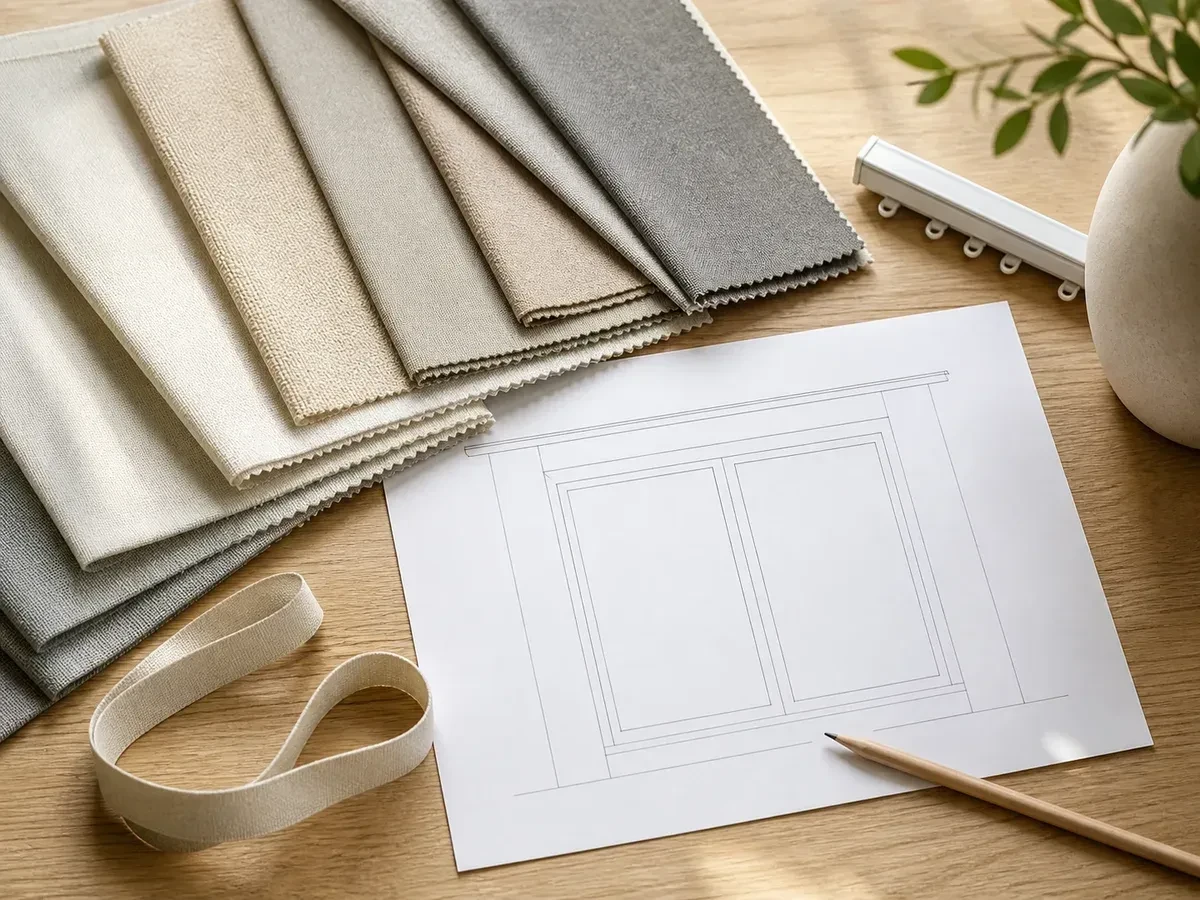
A hand-drawn diagram is enough: No blueprint is needed; simply sketch each floor plan quickly on paper, number the windows and write the measurements beside each one. This prevents confusion between rooms when discussing the project remotely, and when the installer comes to inspect, both sides will already be working from the same reference system. For multi-story homes or rows of rental rooms, a hand-drawn diagram saves a great deal of time when cross-checking later, especially during installation, when each curtain set must go to its correct window.
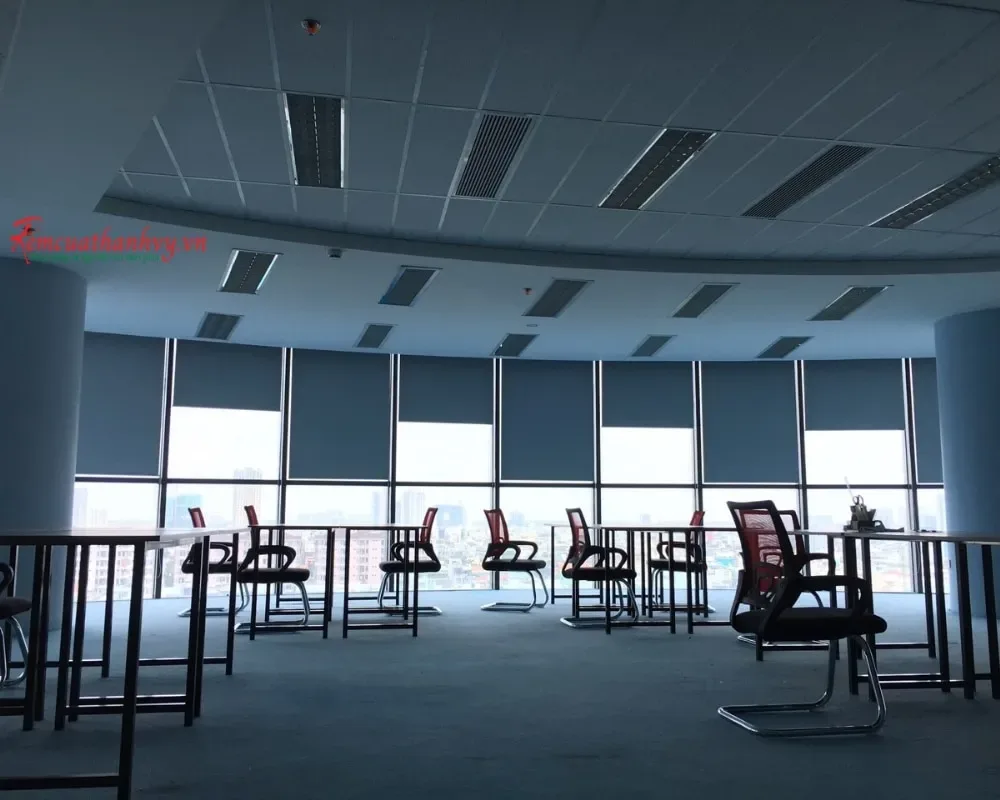
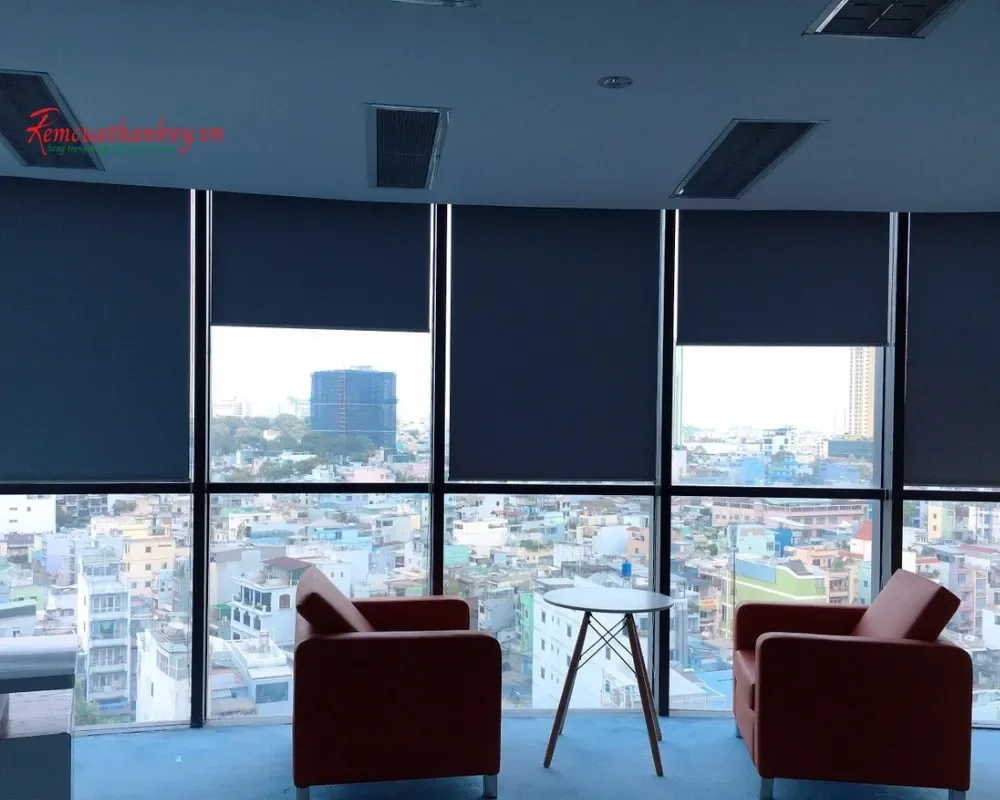
Wall material: Solid brick walls, thin hollow-brick walls, framed drywall partitions and the aluminum mullions of glass frames all require different expansion screws. Newly built homes often have sections where the wall is only one hollow brick thick at the point where the bracket needs to be mounted; if installed carelessly, the bracket may come loose after a few months, pulling away an entire patch of plaster. Checking this before drilling is the installer’s responsibility, but homeowners who know about it in advance will understand why the installation plan may need to shift up to the ceiling instead of being mounted into the wall.
Choose curtain groups according to each room’s function
No single curtain type is best for the entire house. The most cost-effective approach is to divide them by room: invest in areas that need complete light blocking, and use just-enough options where only privacy is needed. Below is how we group options for common room types in townhouses in Hoc Mon.
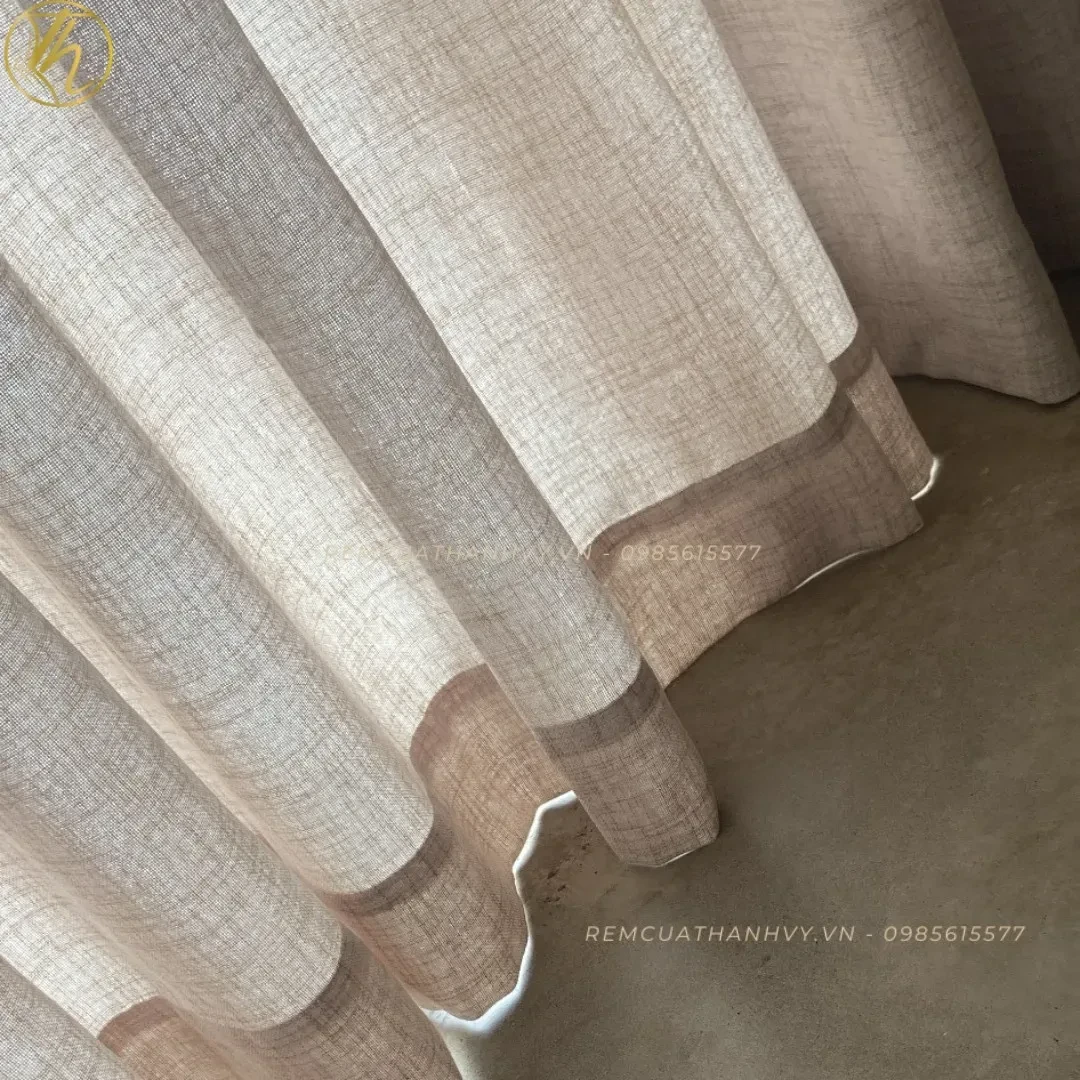
Double-layer curtains: Best suited for bedrooms and front-facing living rooms. The thick layer handles light blocking and cooling in the afternoon, while the inner sheer layer is used during the day so the room still receives light without allowing people outside to see through. A major advantage for rental homes and crowded households is that if one panel gets dirty or torn, it can be removed for washing or replaced separately while the rest of the set remains usable.
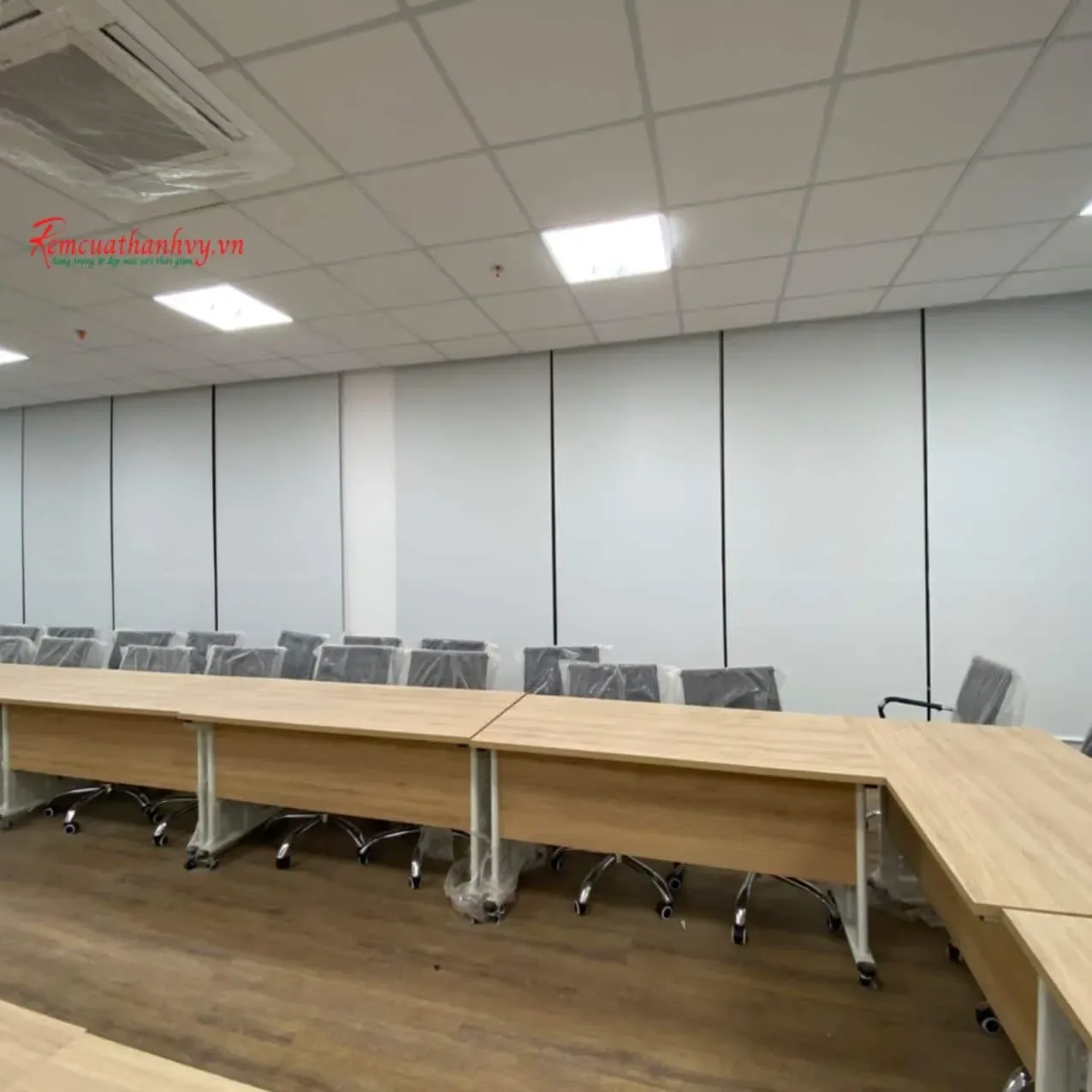
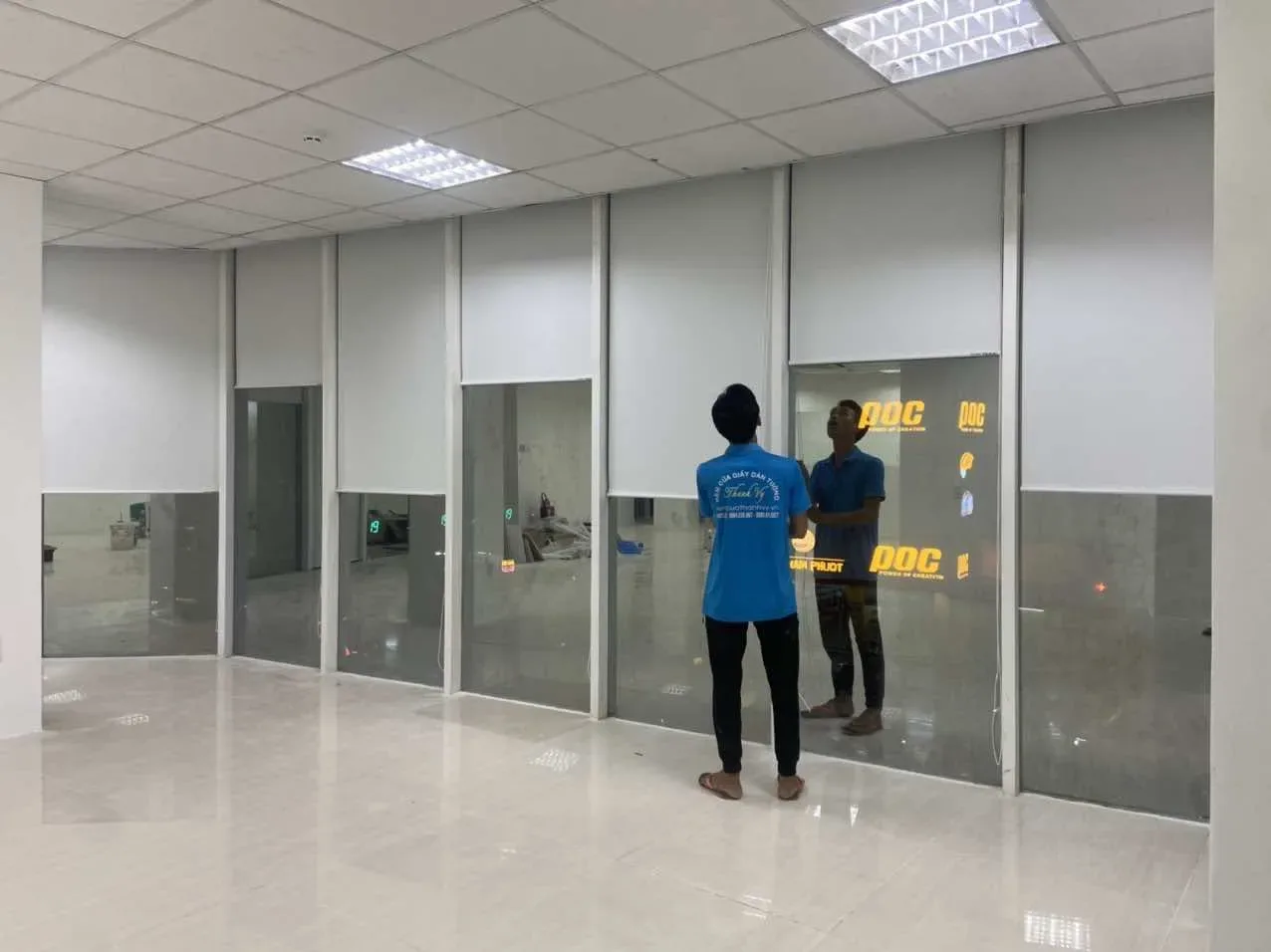
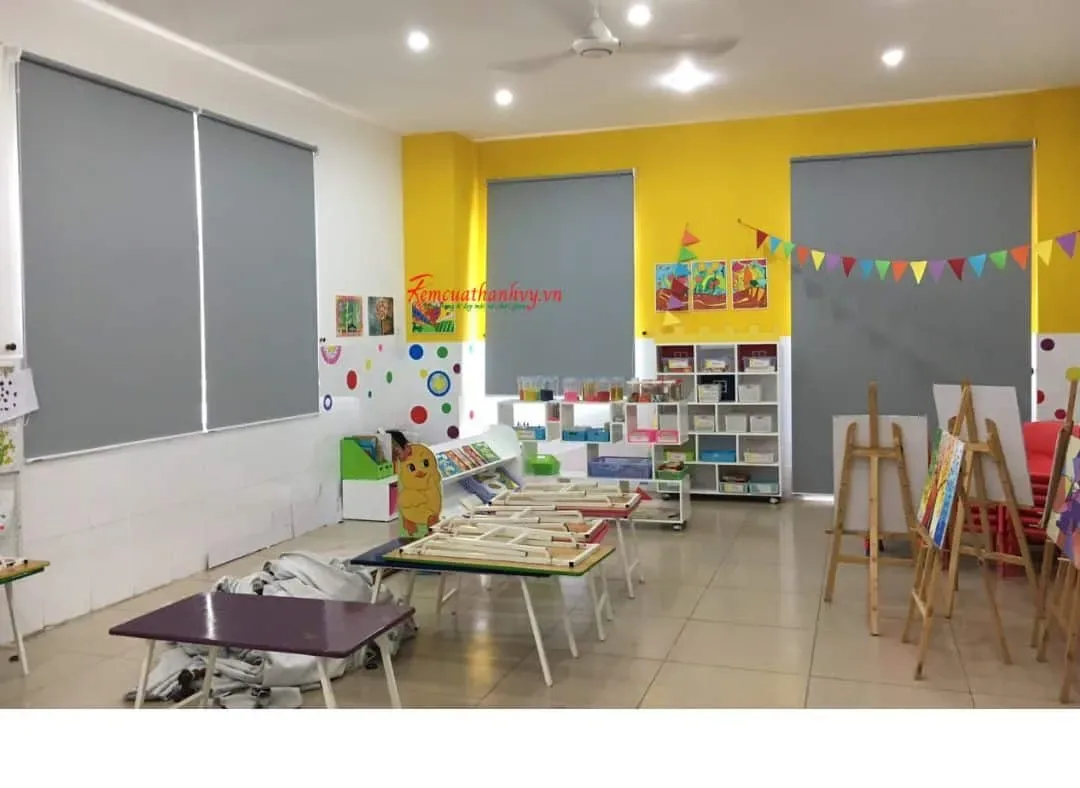
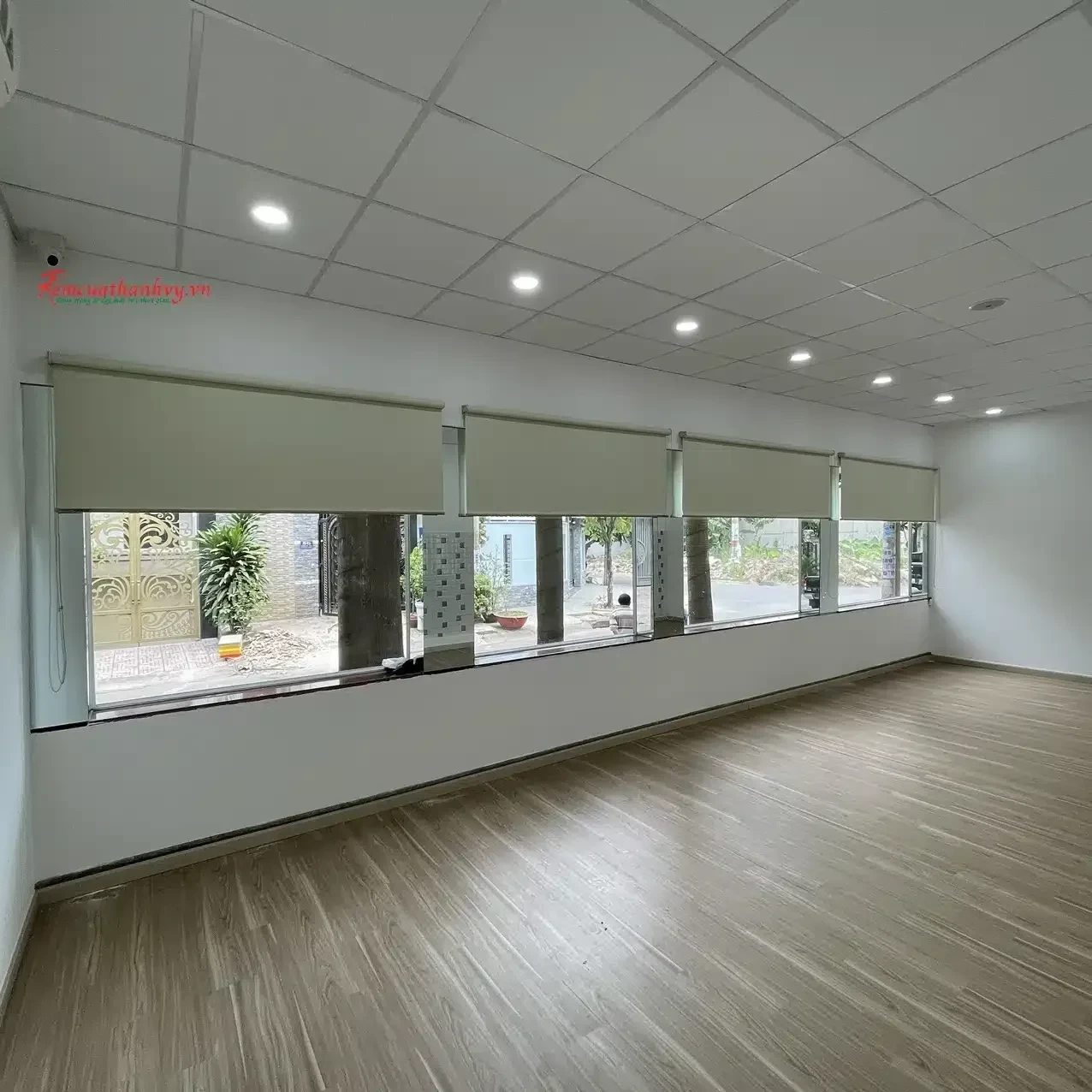
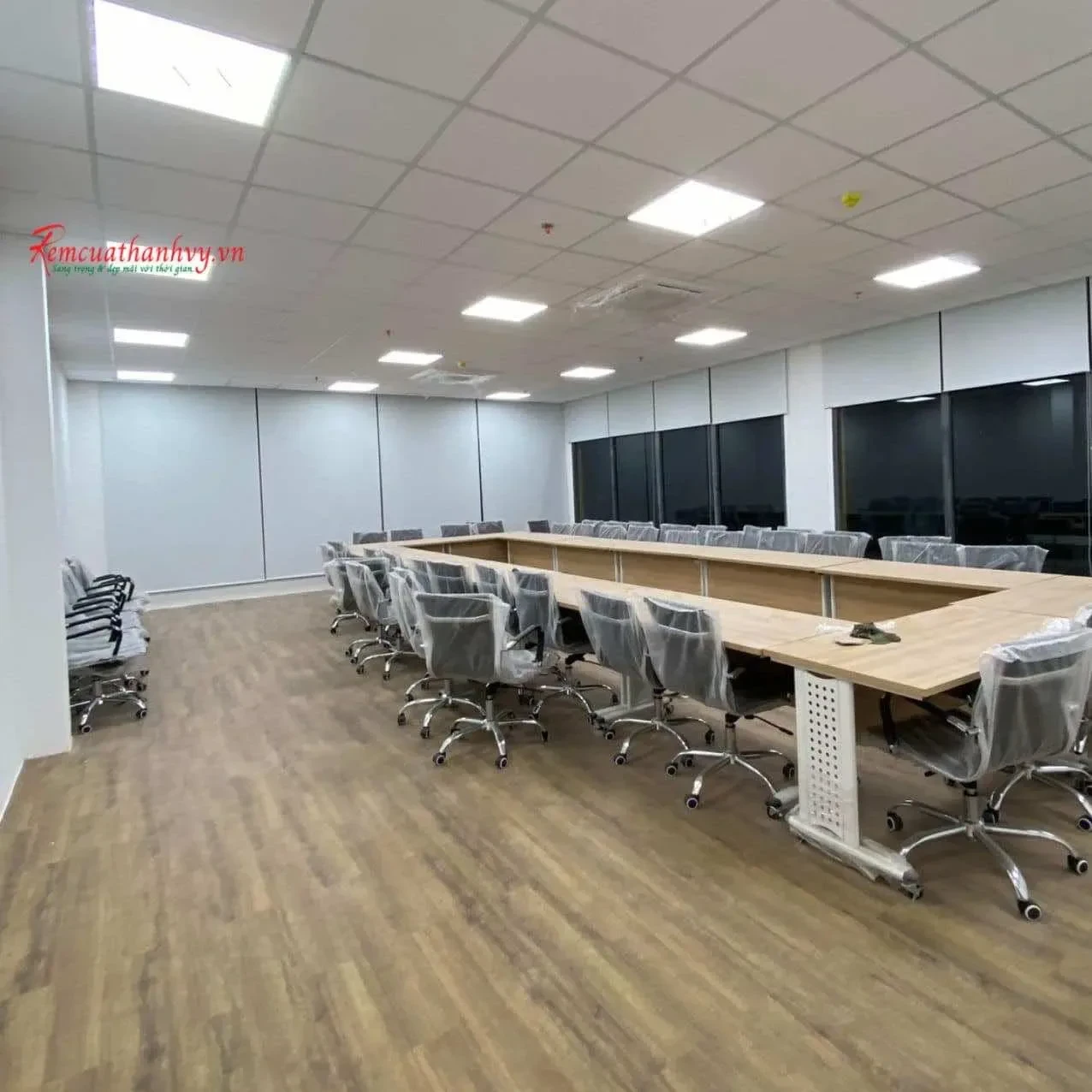
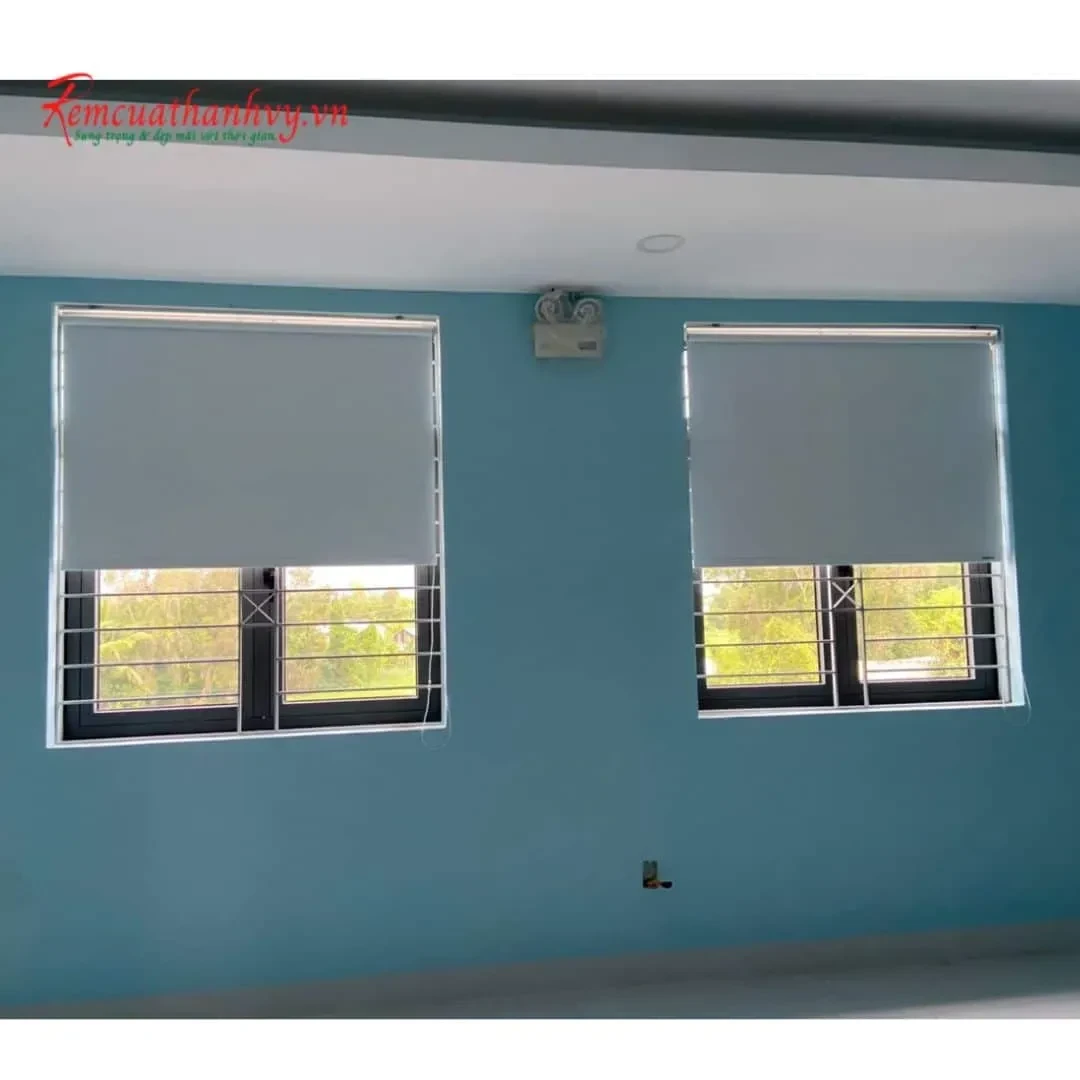
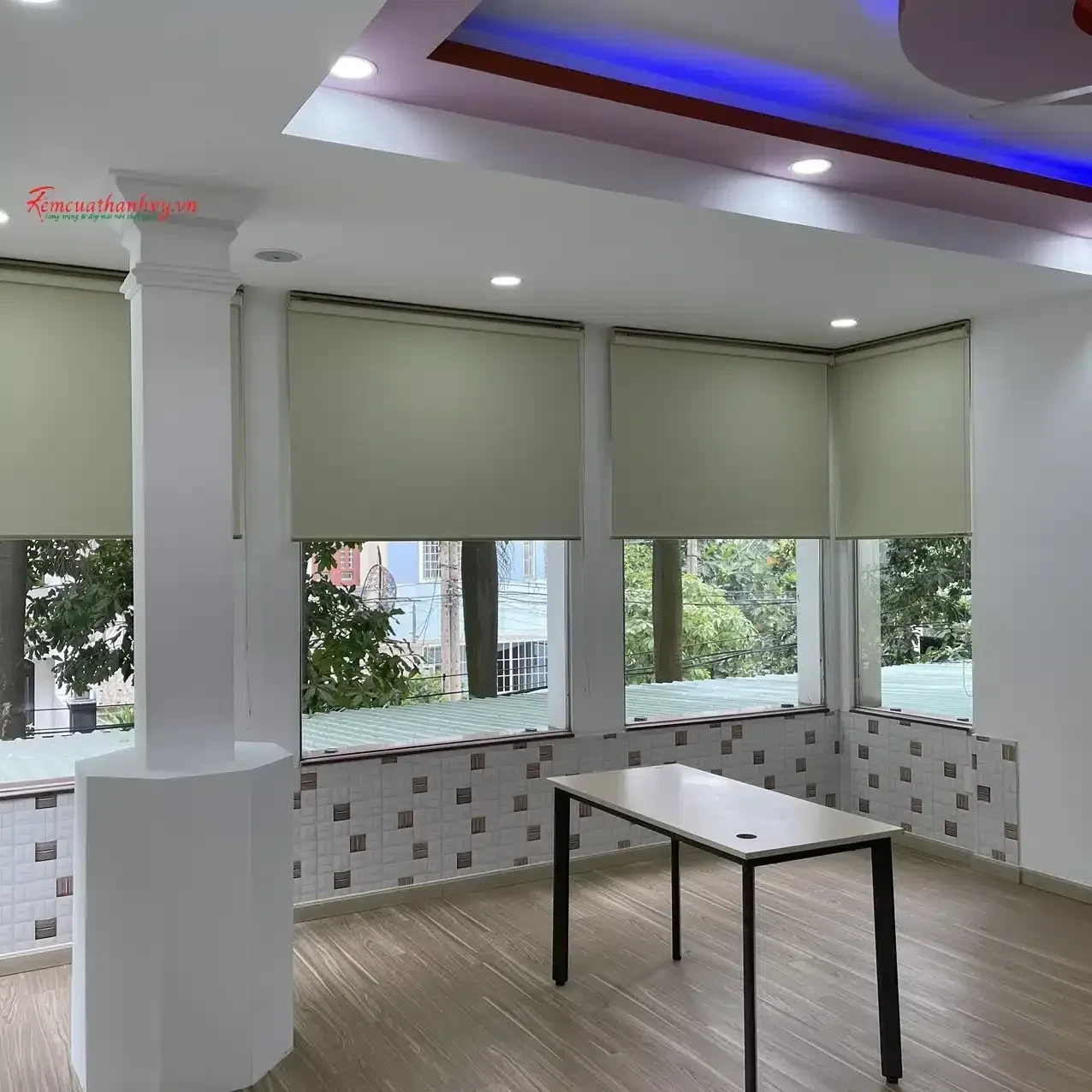
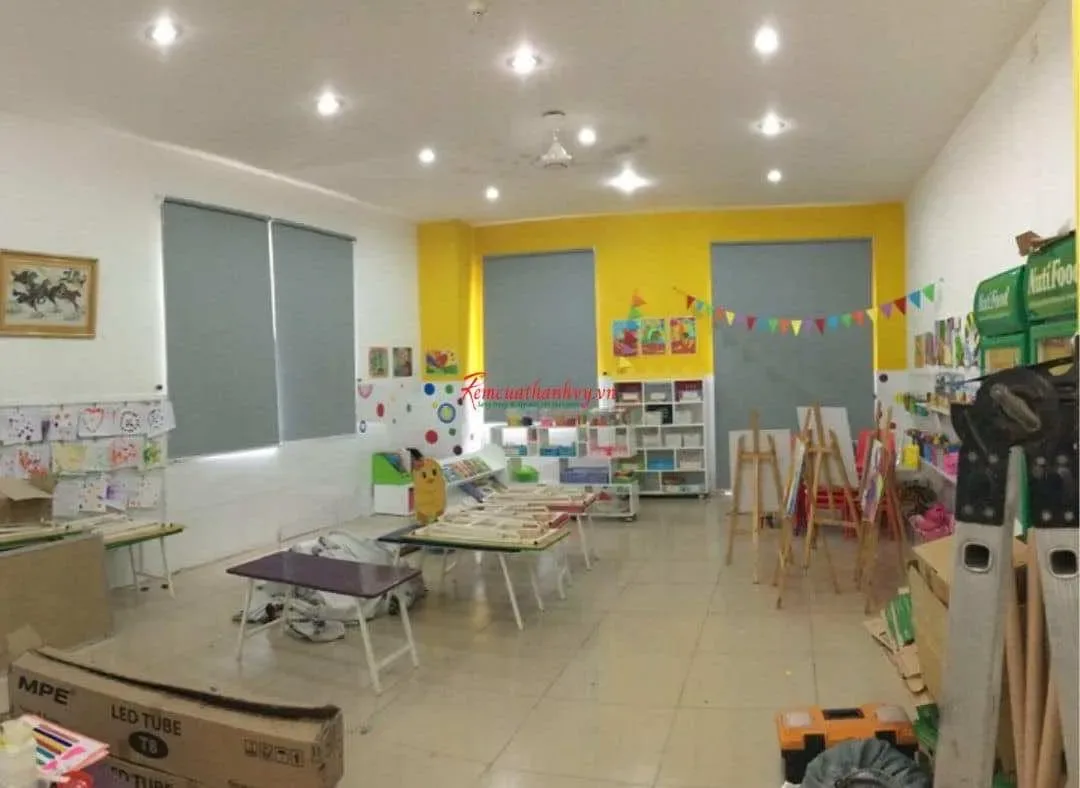
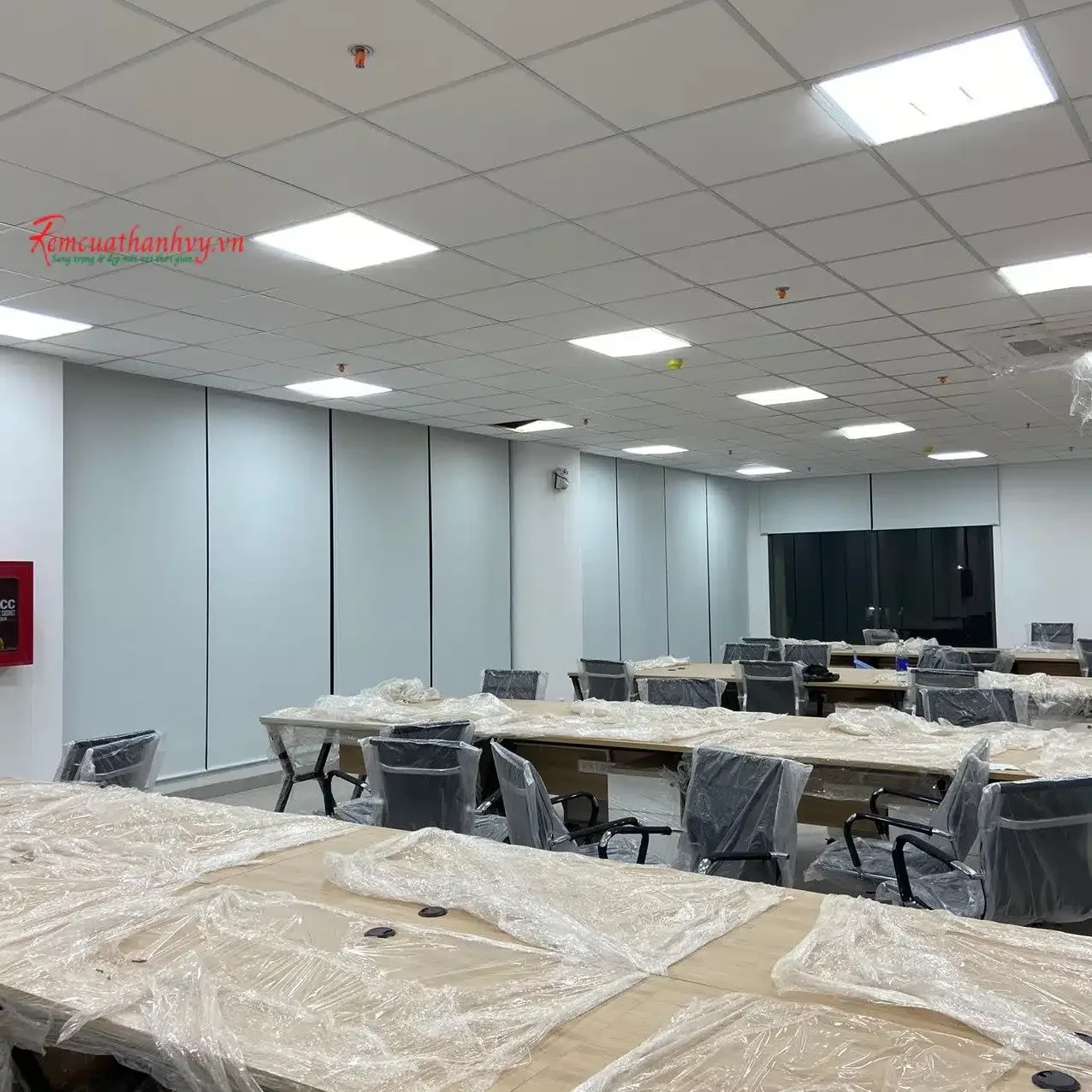
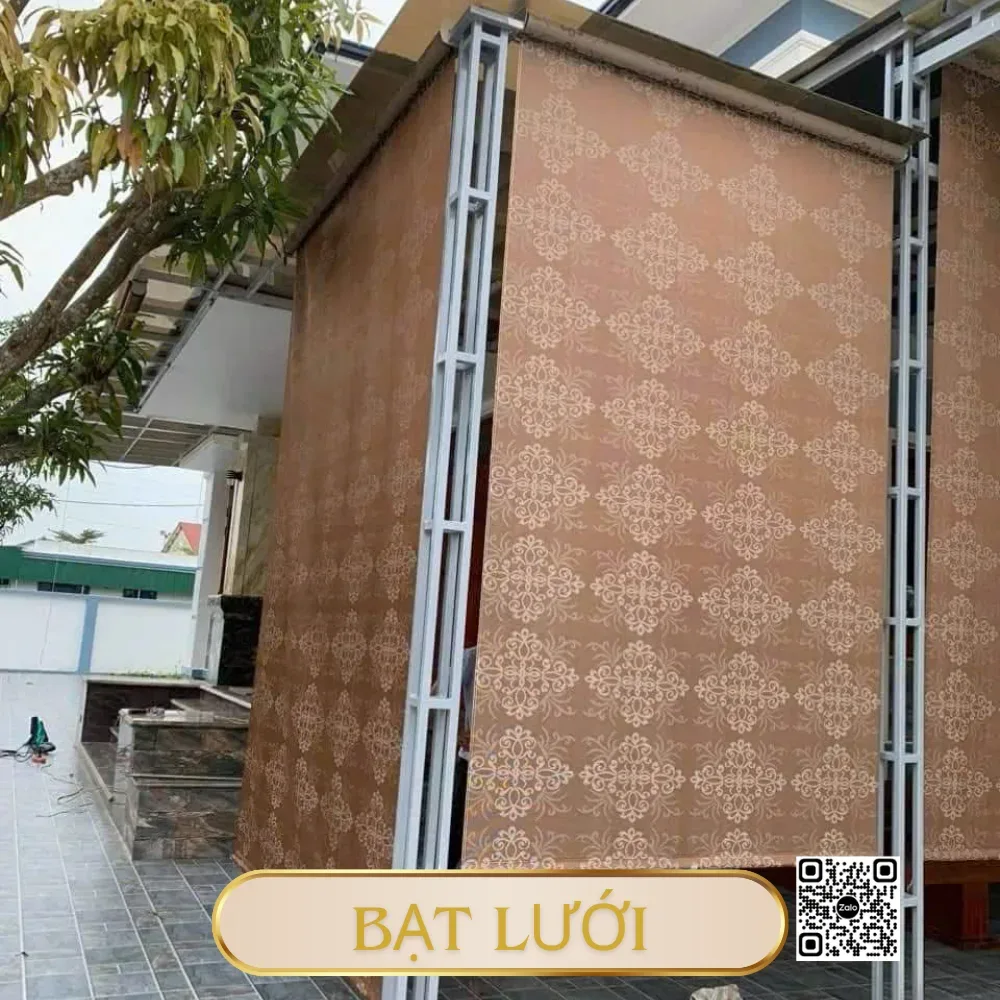
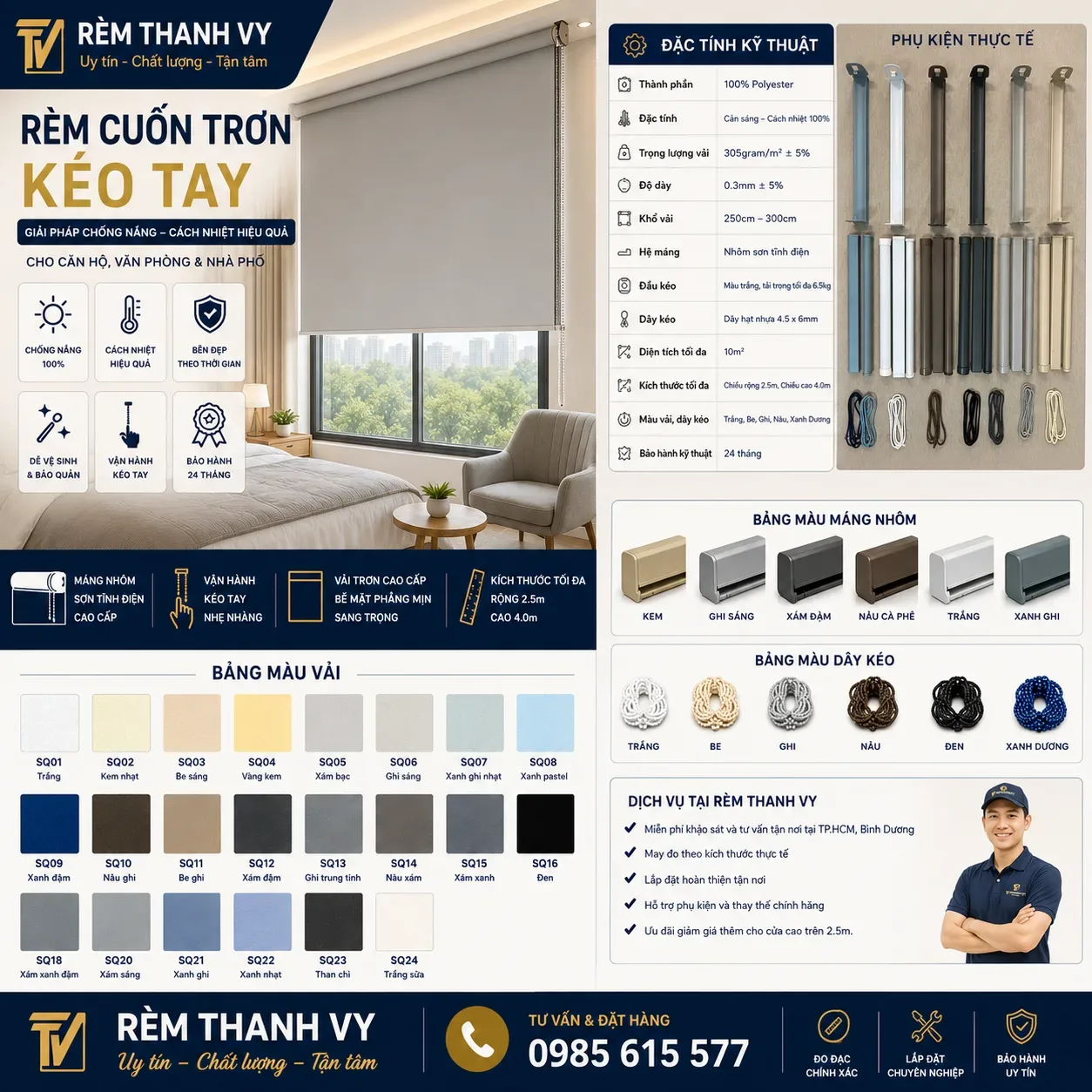
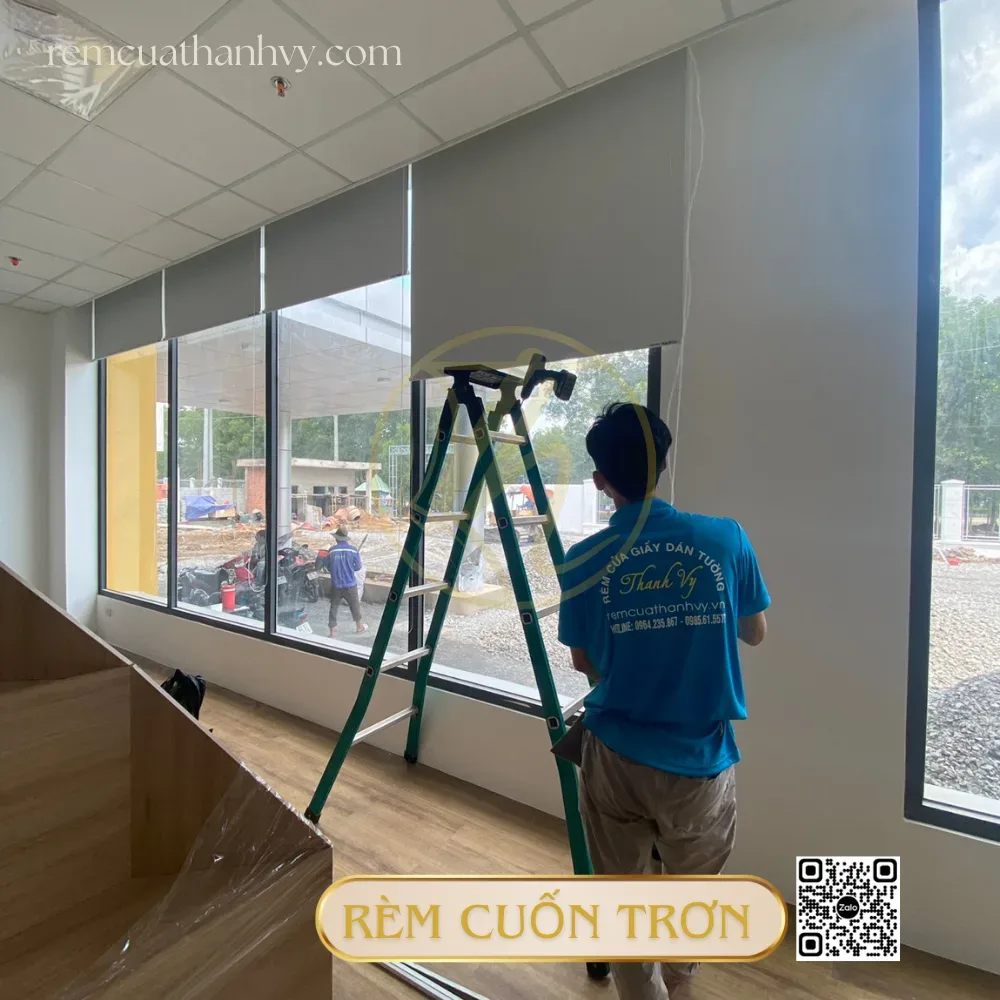
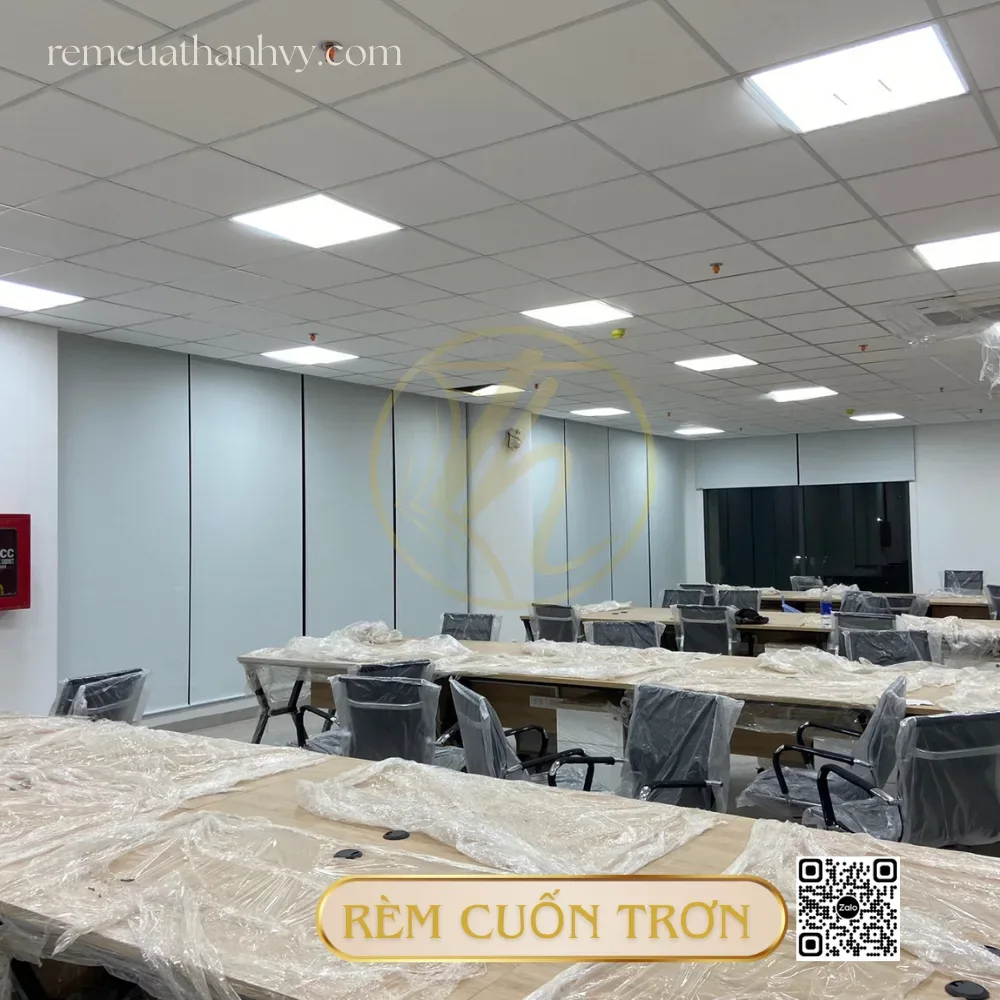
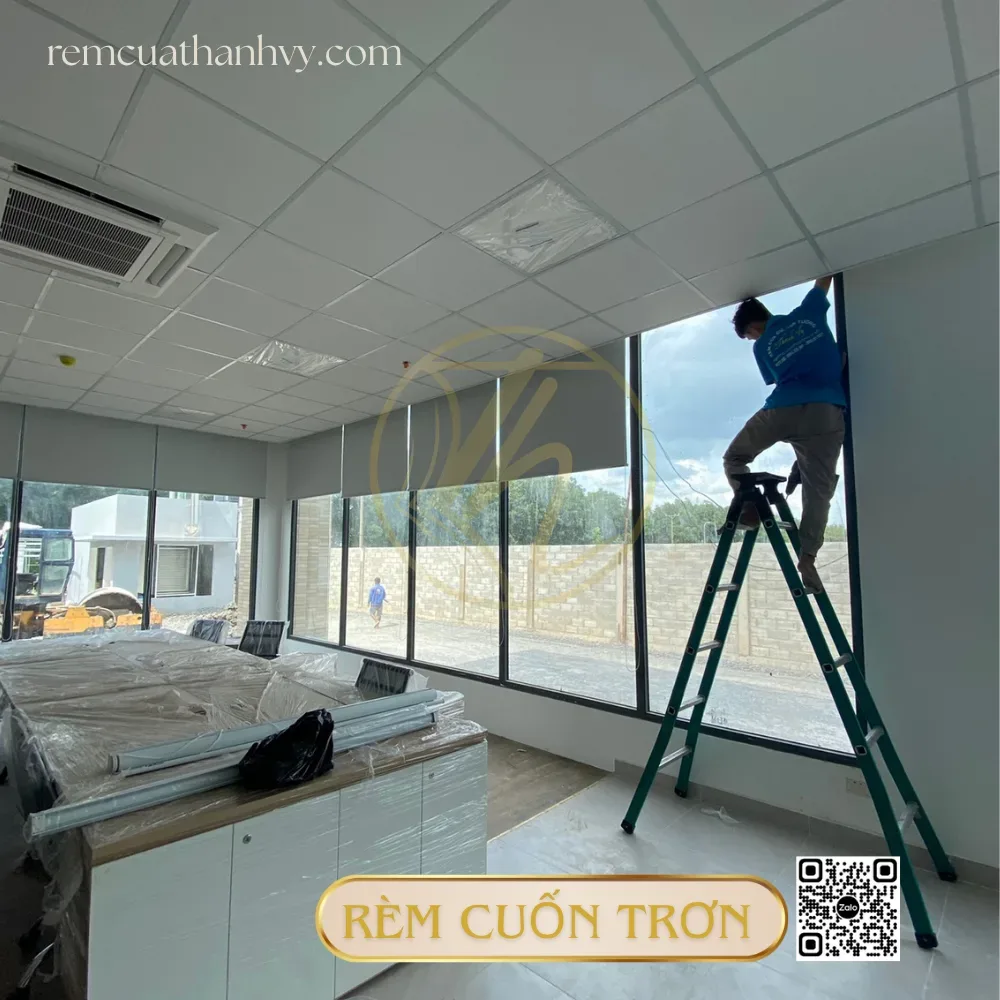
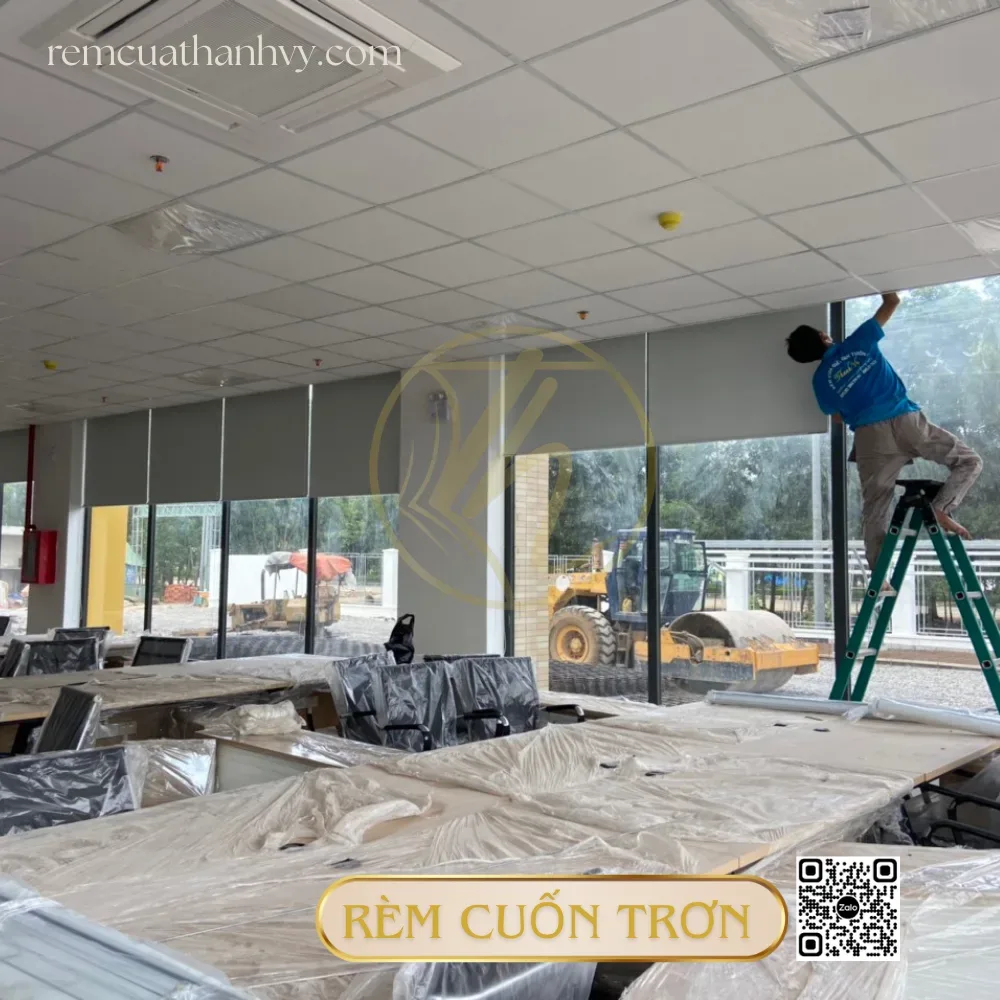
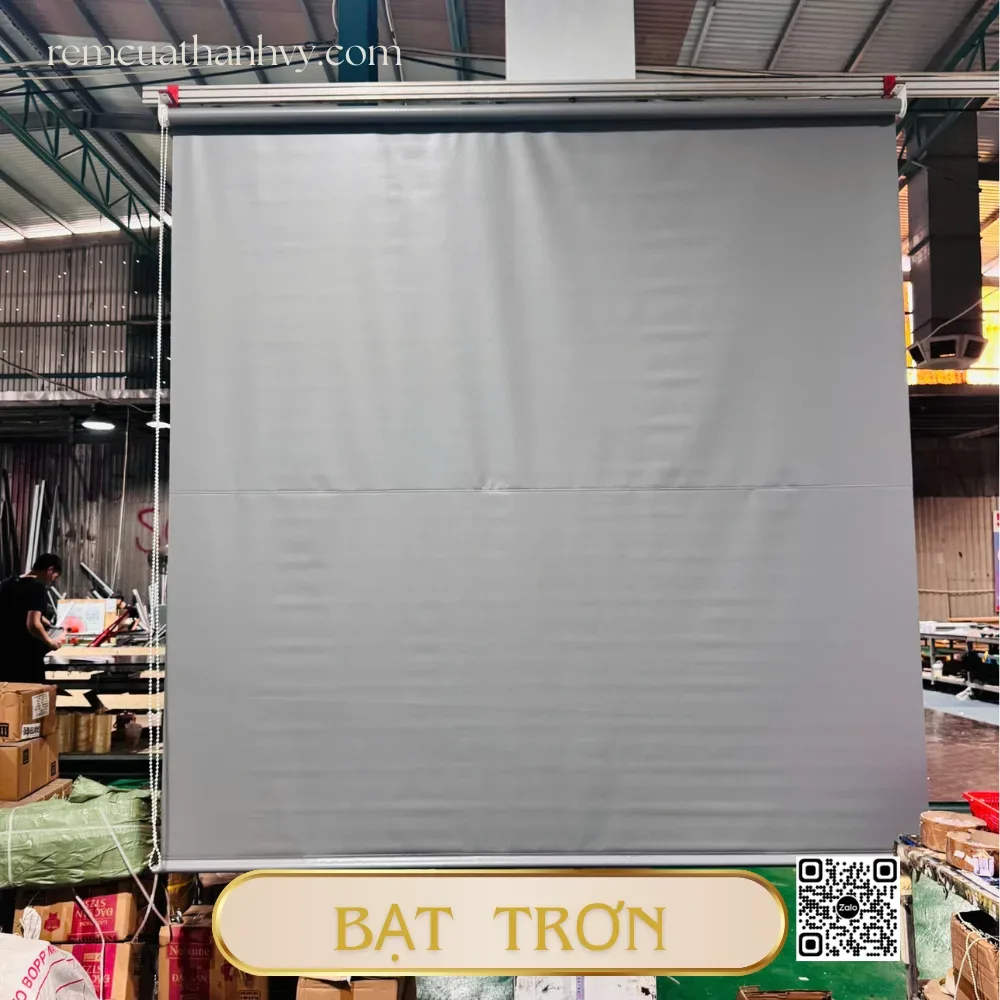
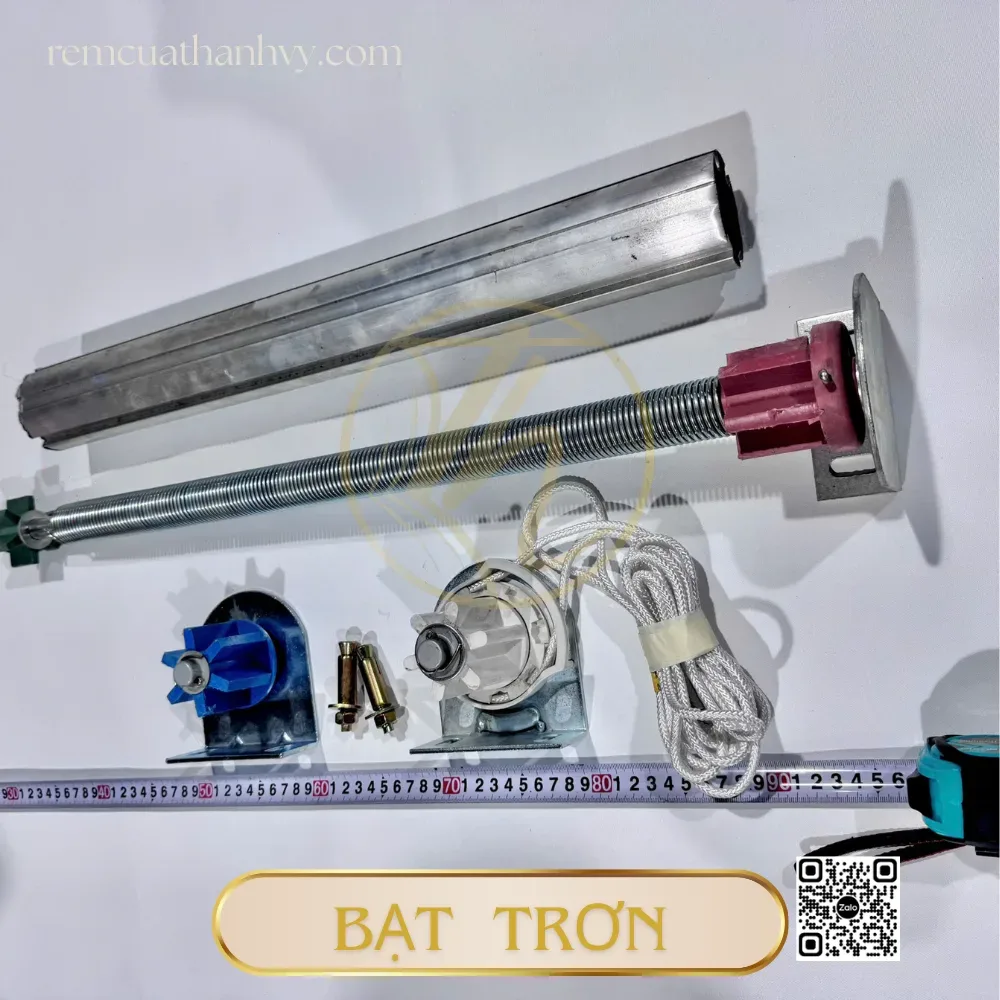
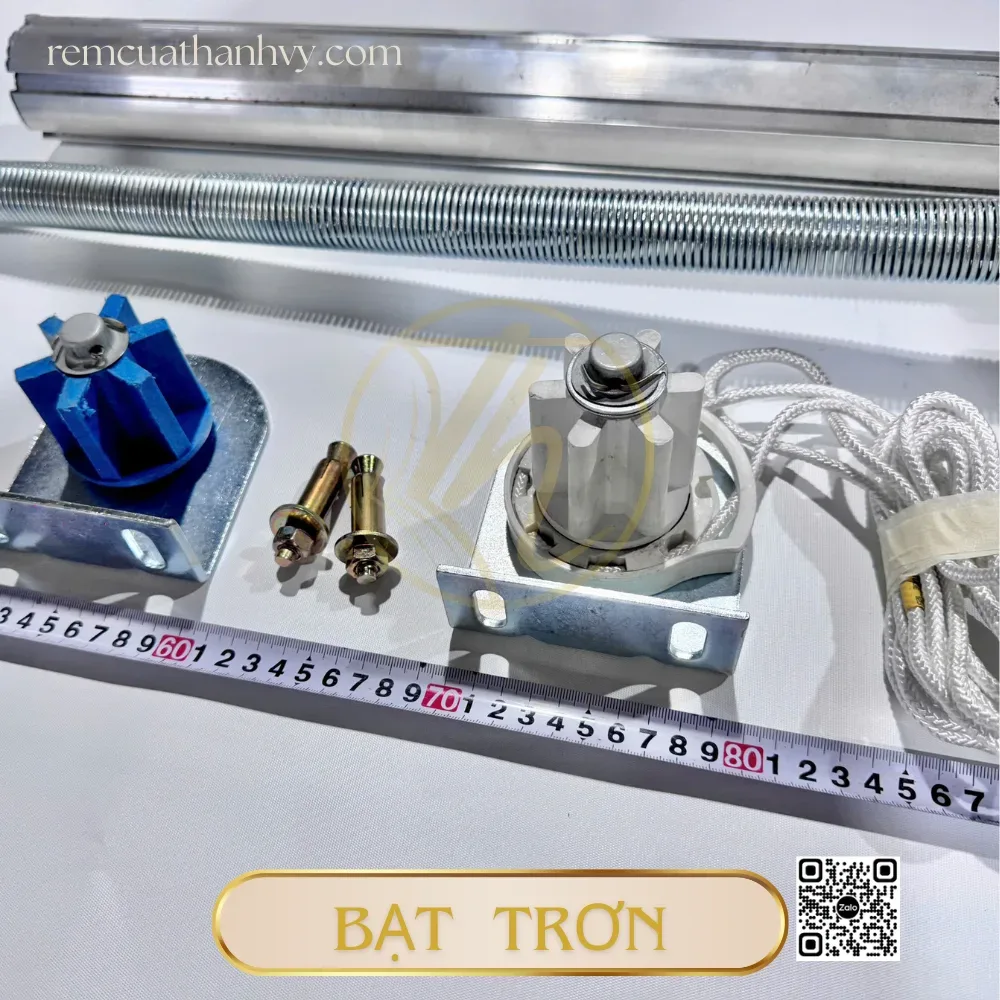
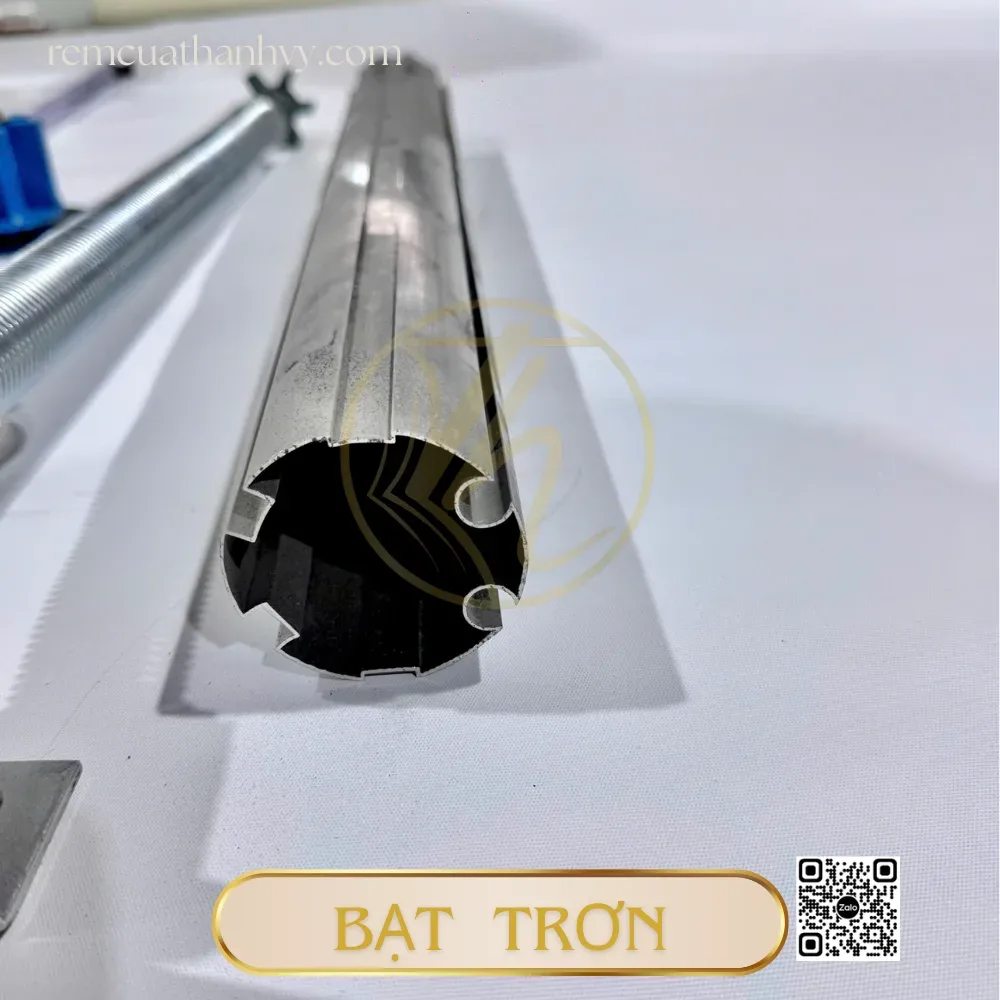
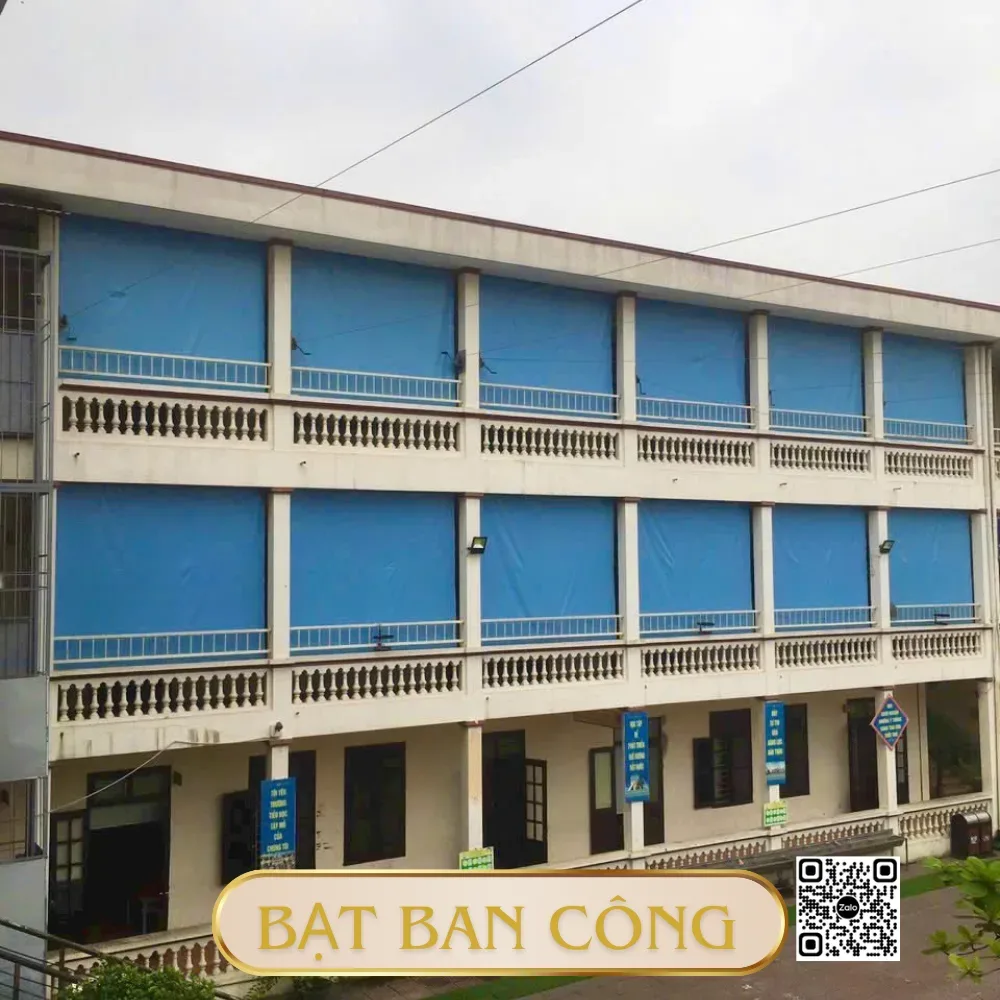
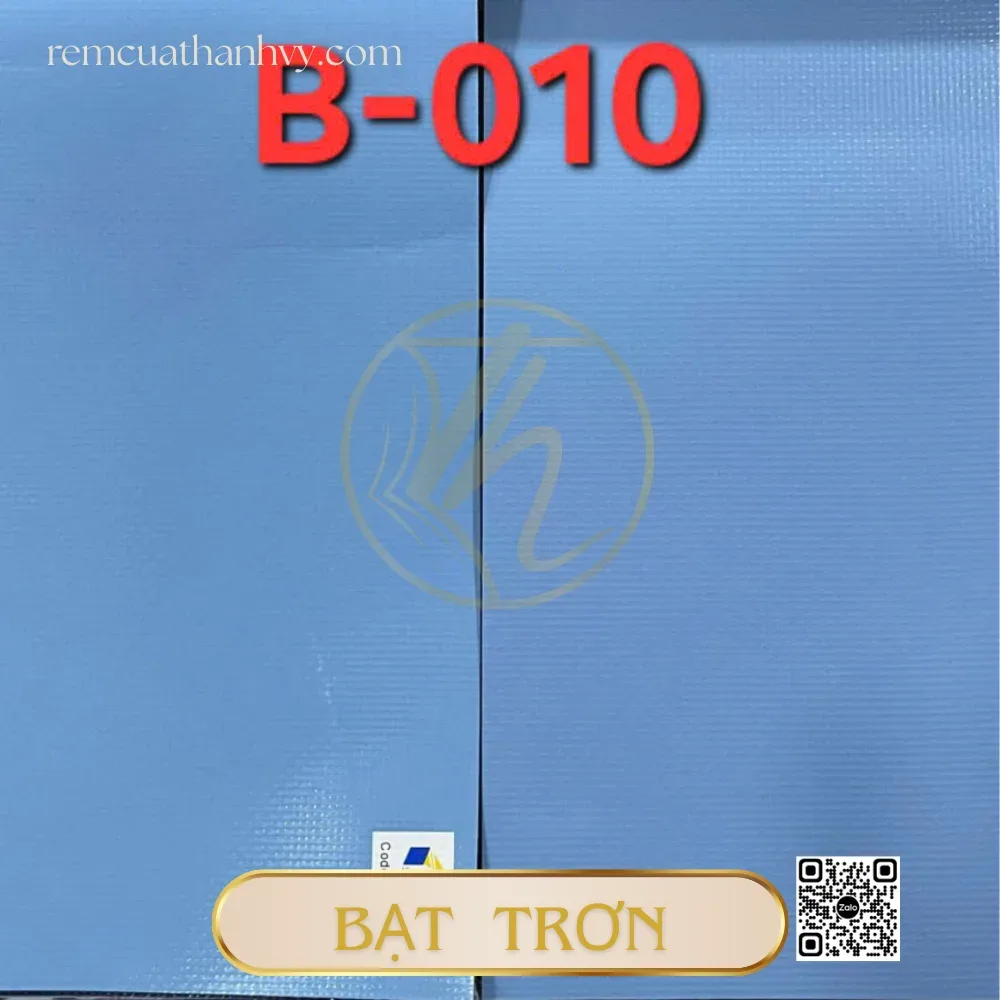
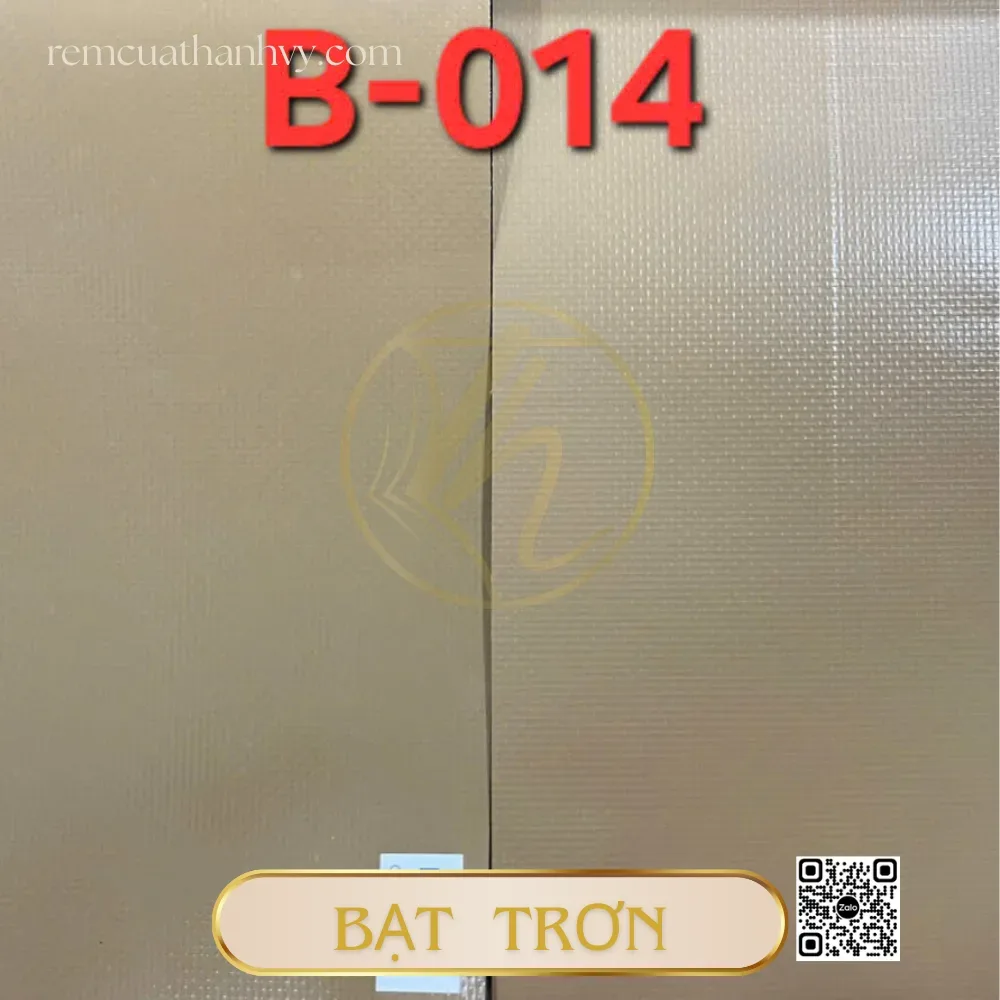
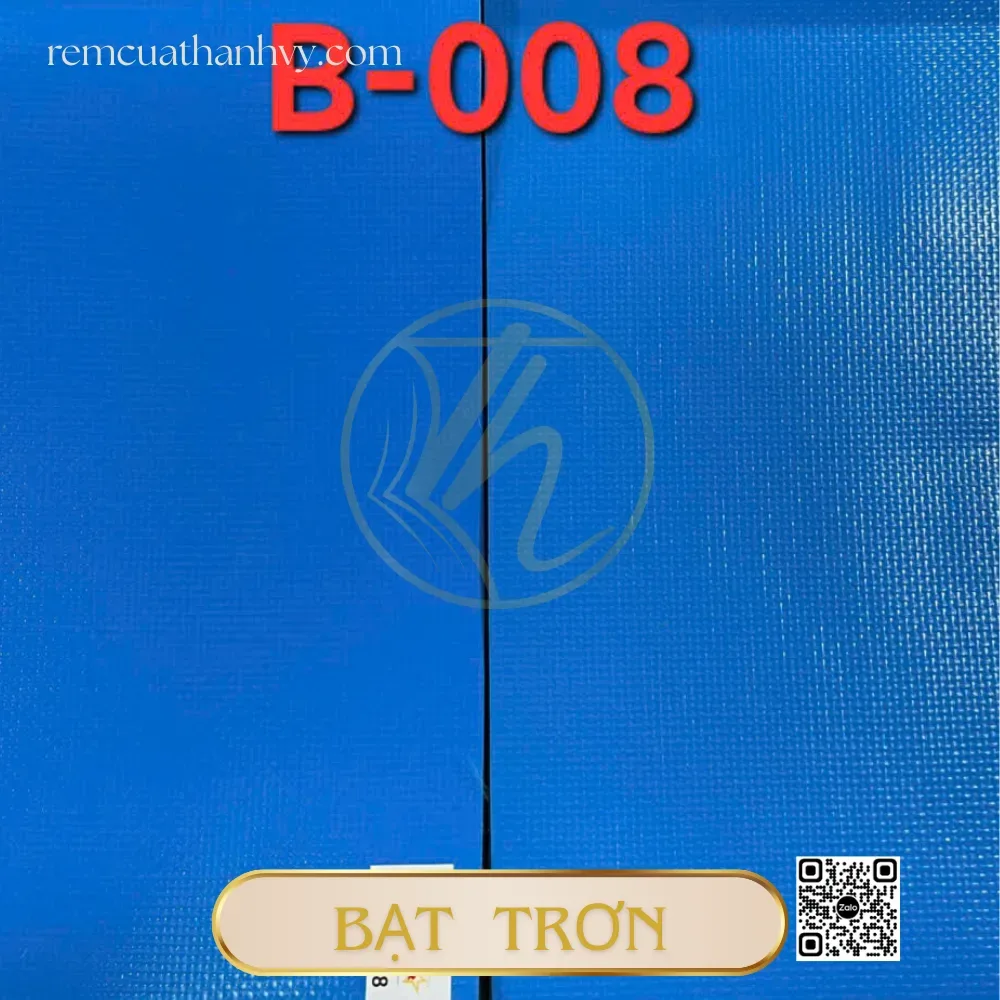
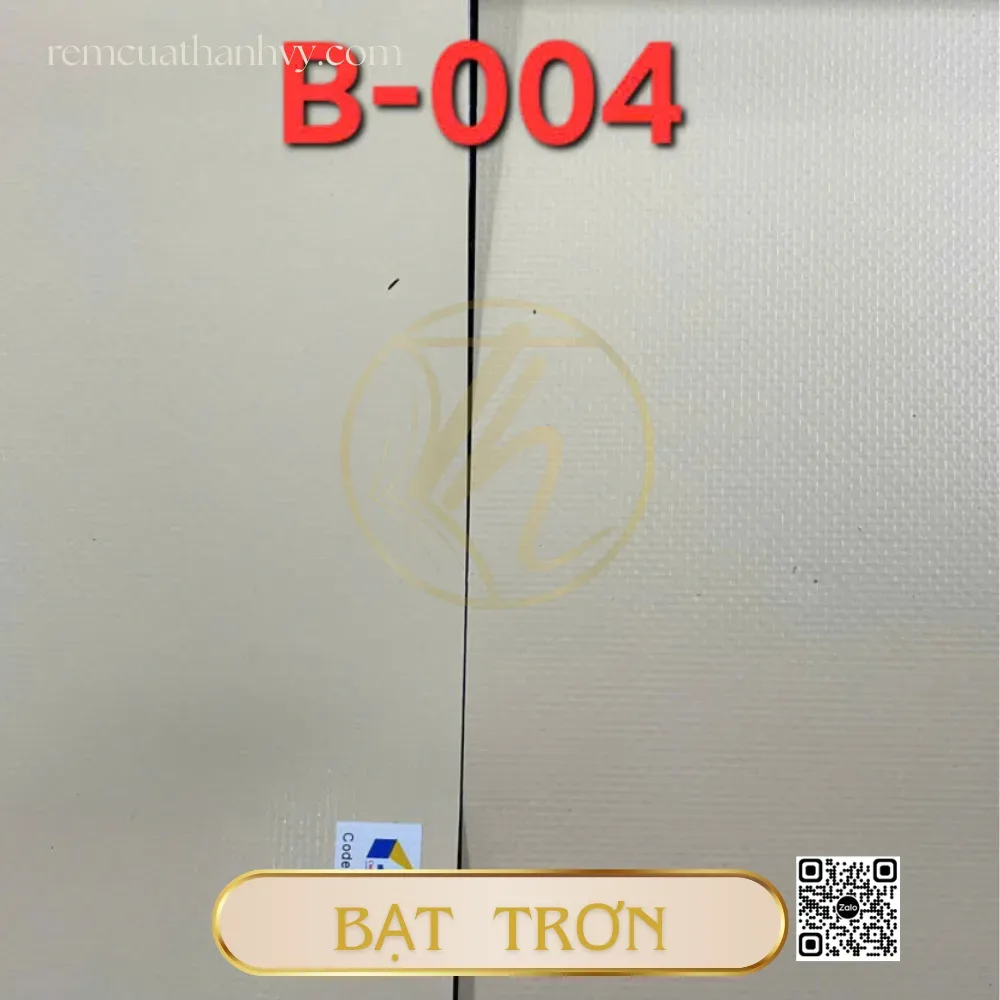
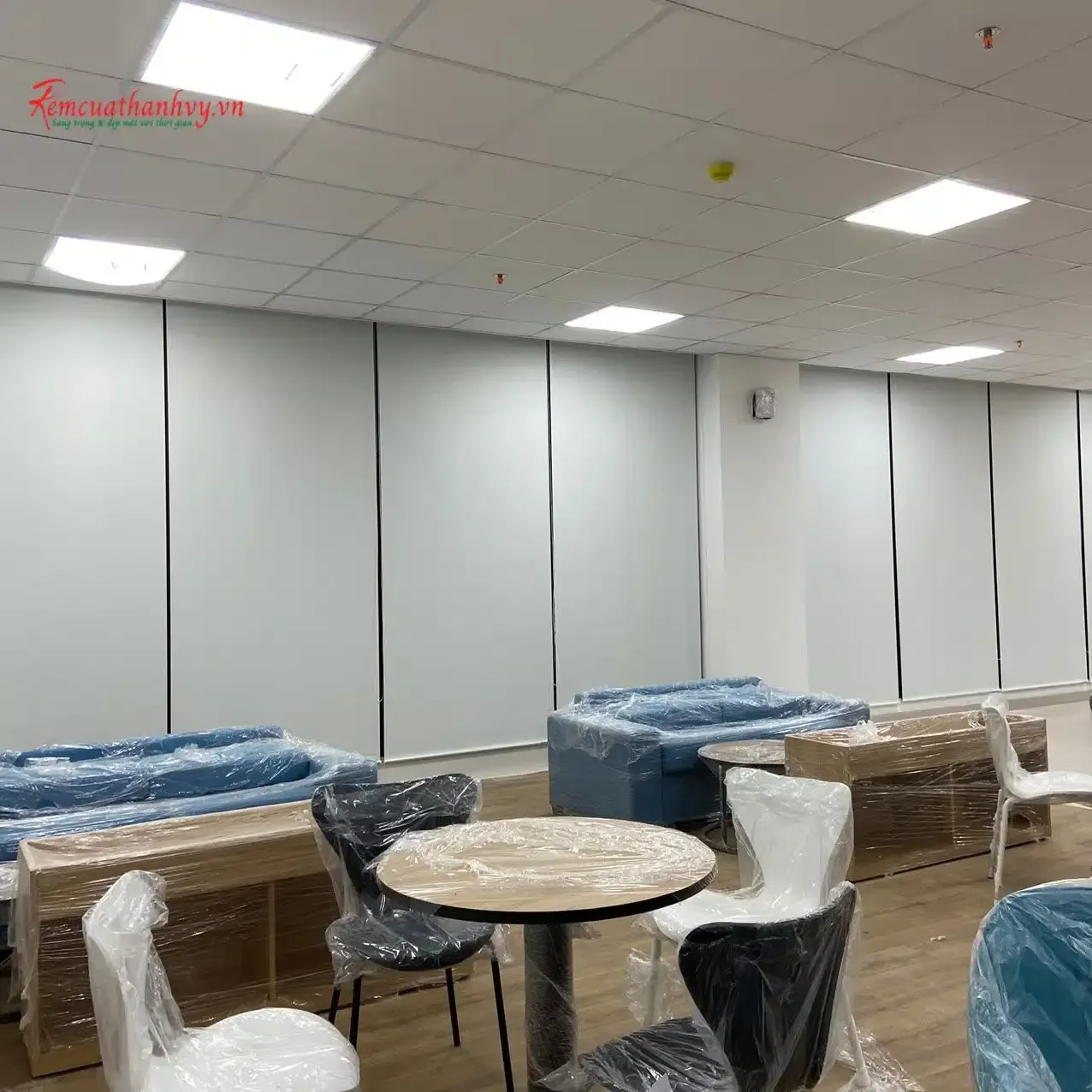
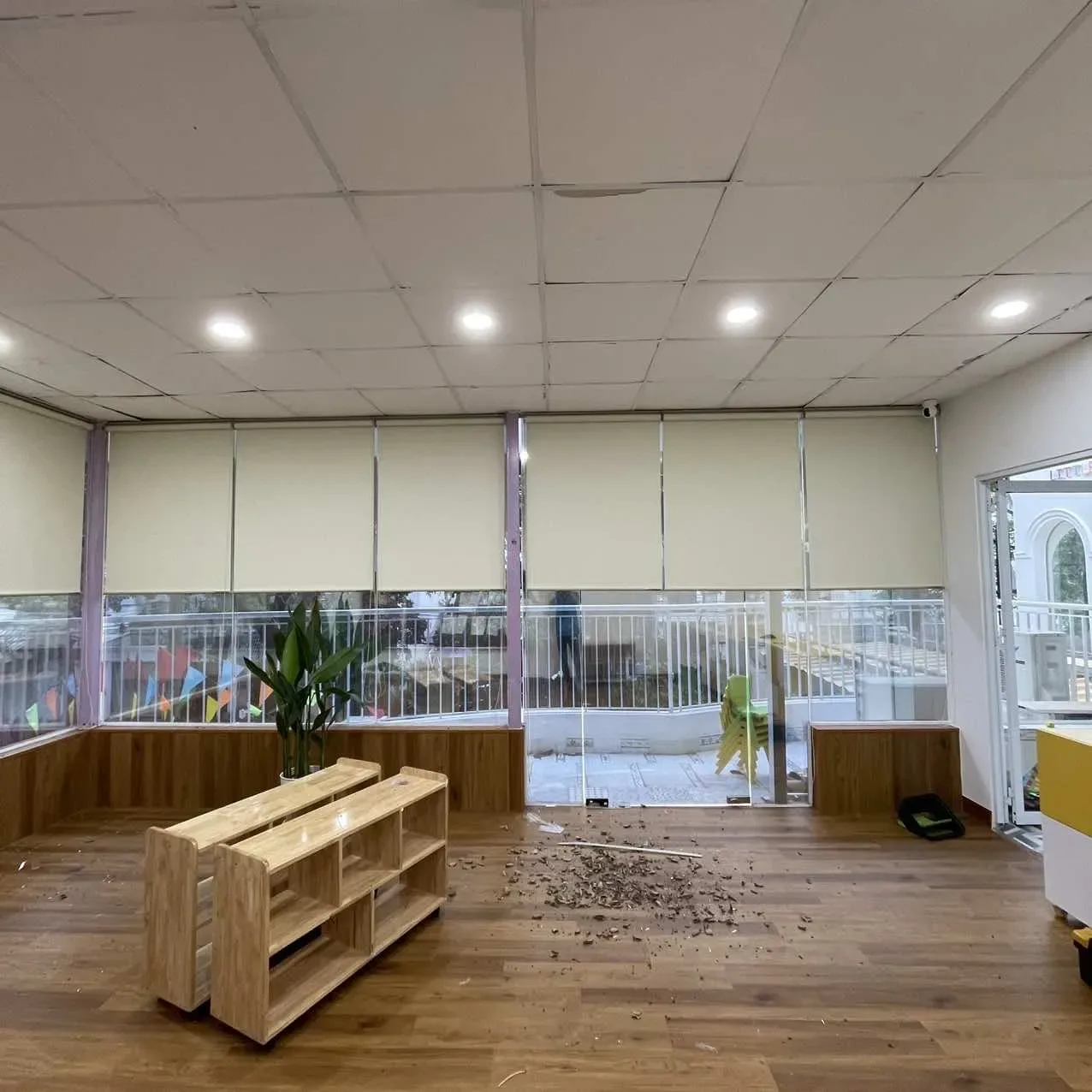
Roller blinds: A very practical choice for small windows, upstairs bedrooms, rental rooms, and areas where space-saving is important. The blind runs close to the glass, does not take up the already limited floor area, and has a smooth surface that can be cleaned with a damp cloth. For landlords, this is often the optimal solution because each room has an independent set, so problems in one room can be handled separately. Interested readers can learn more about the properties of linen fabric.
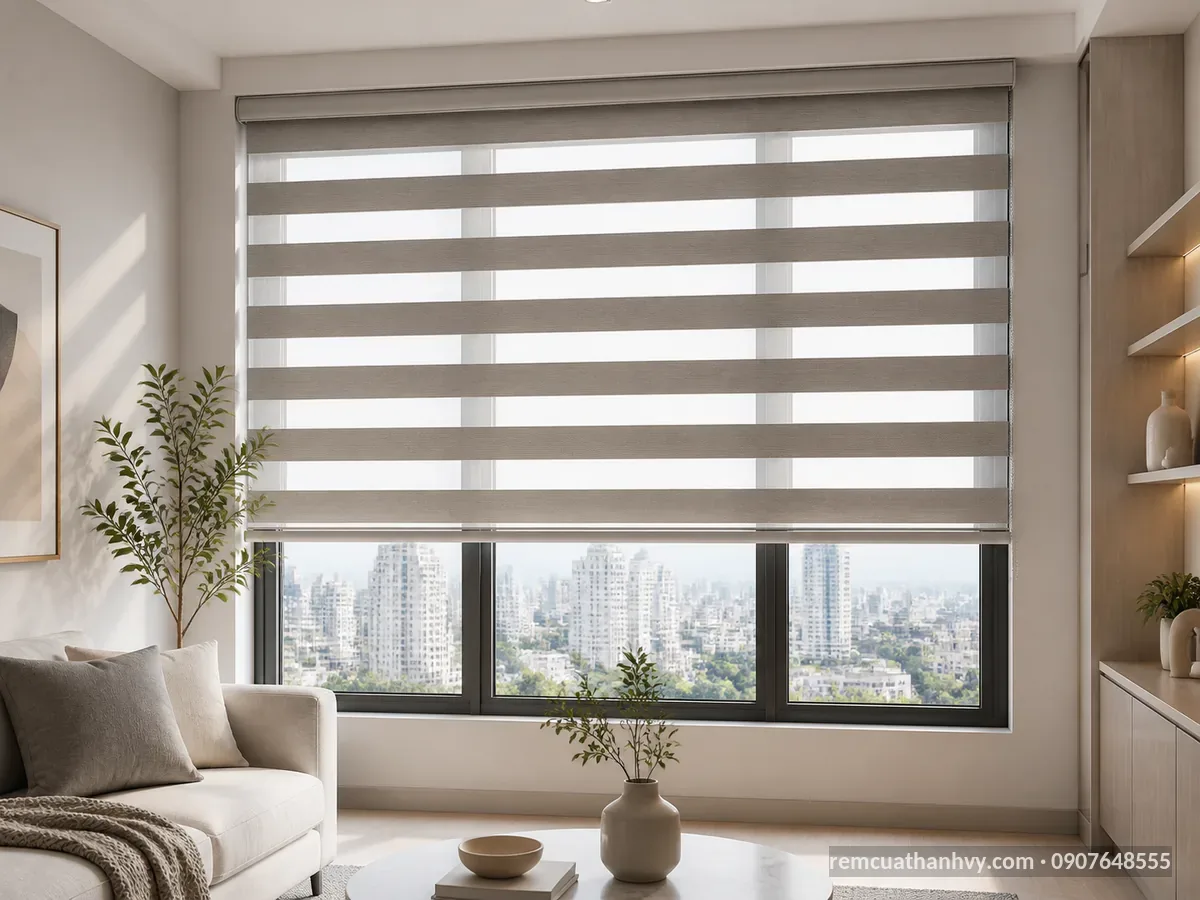
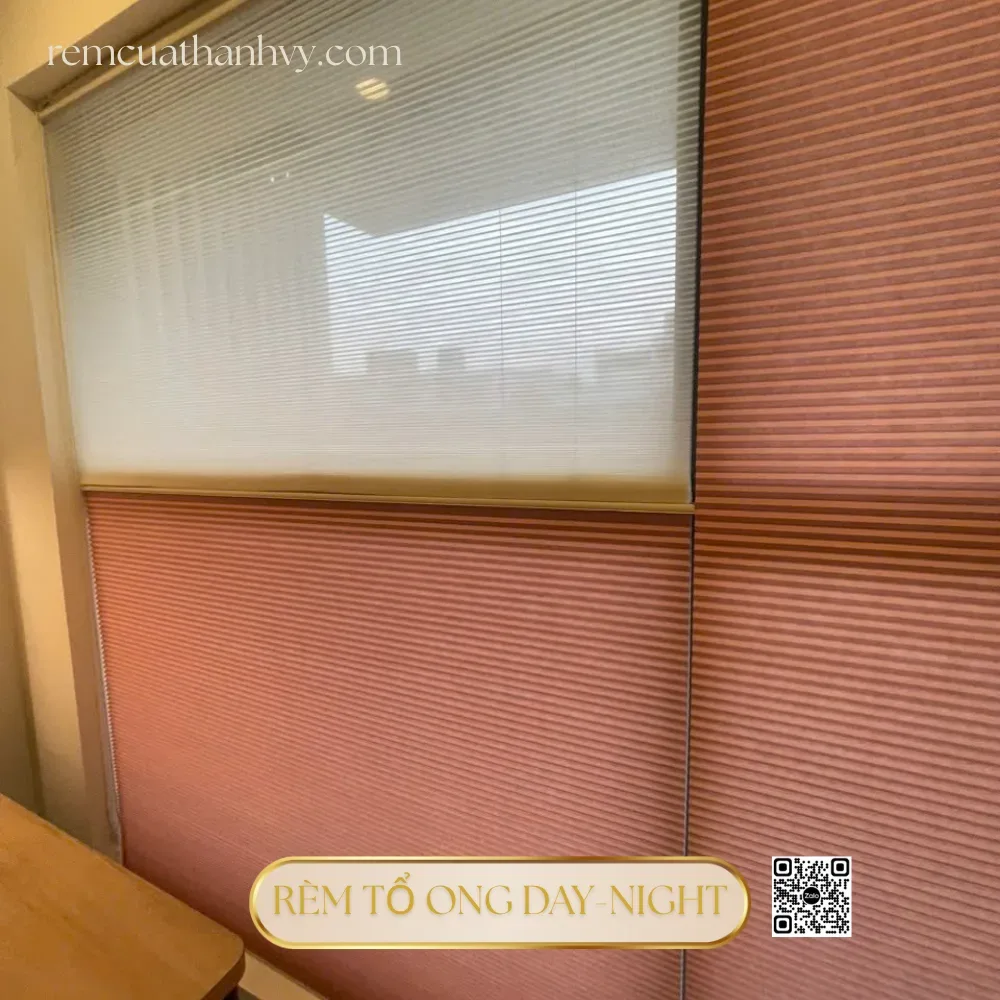
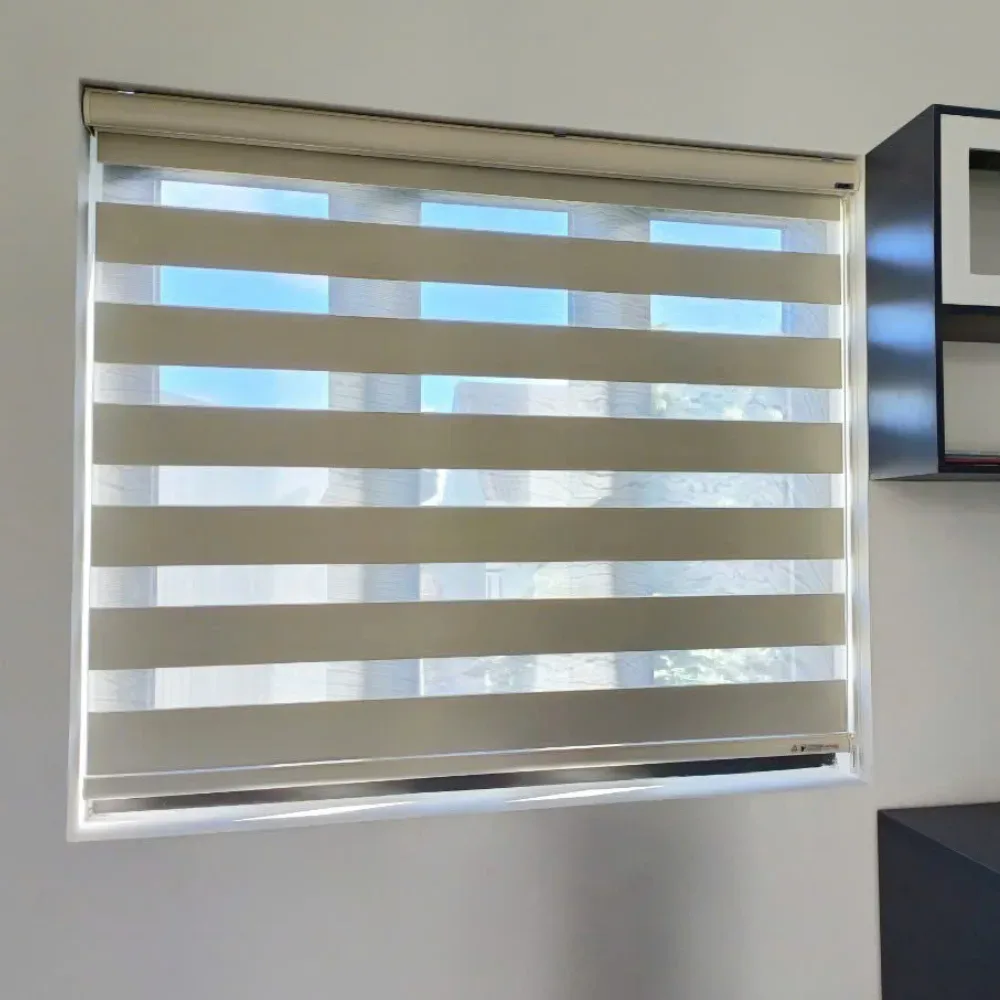
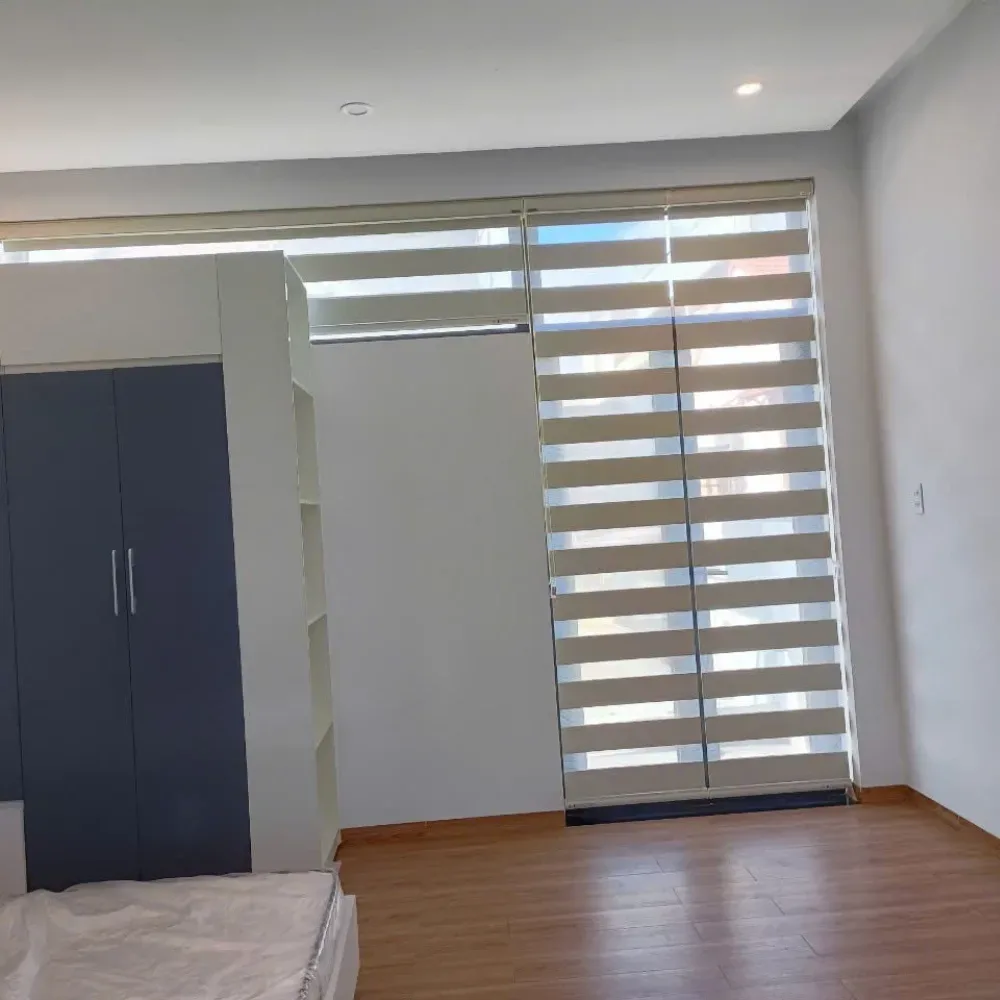
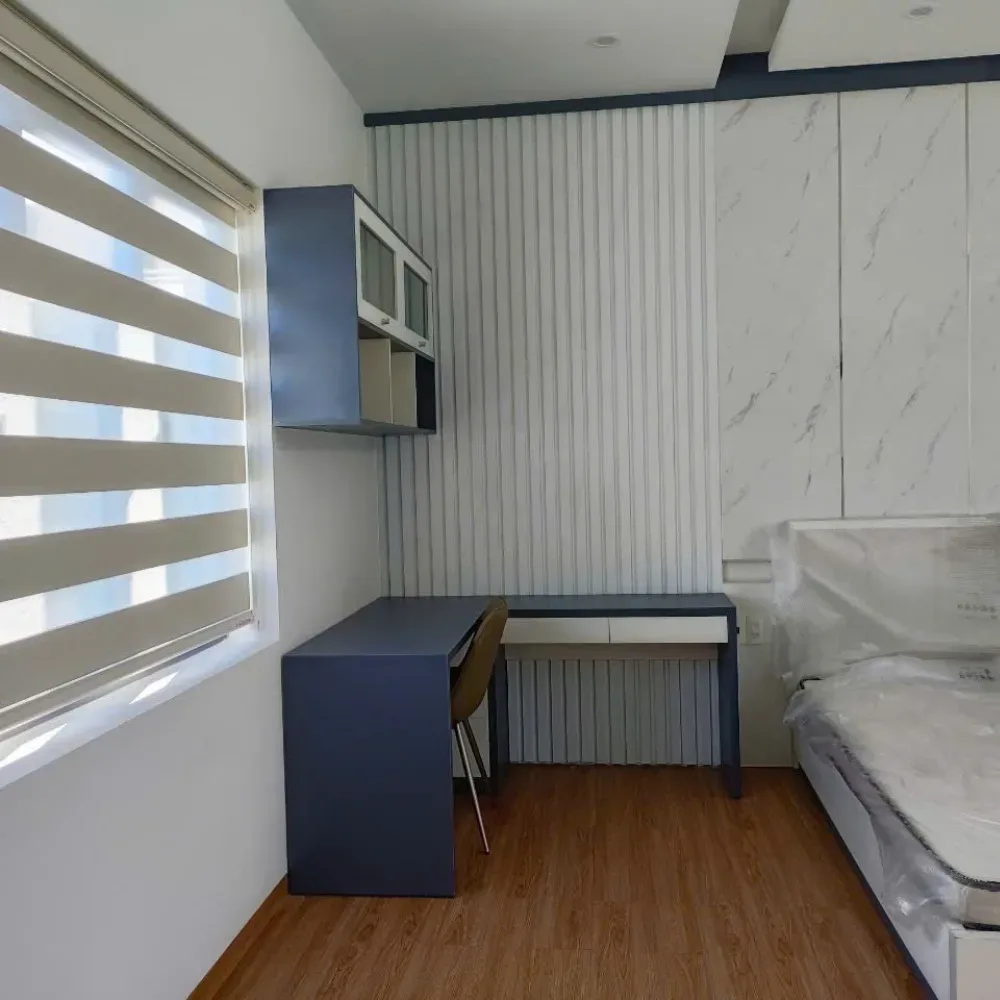
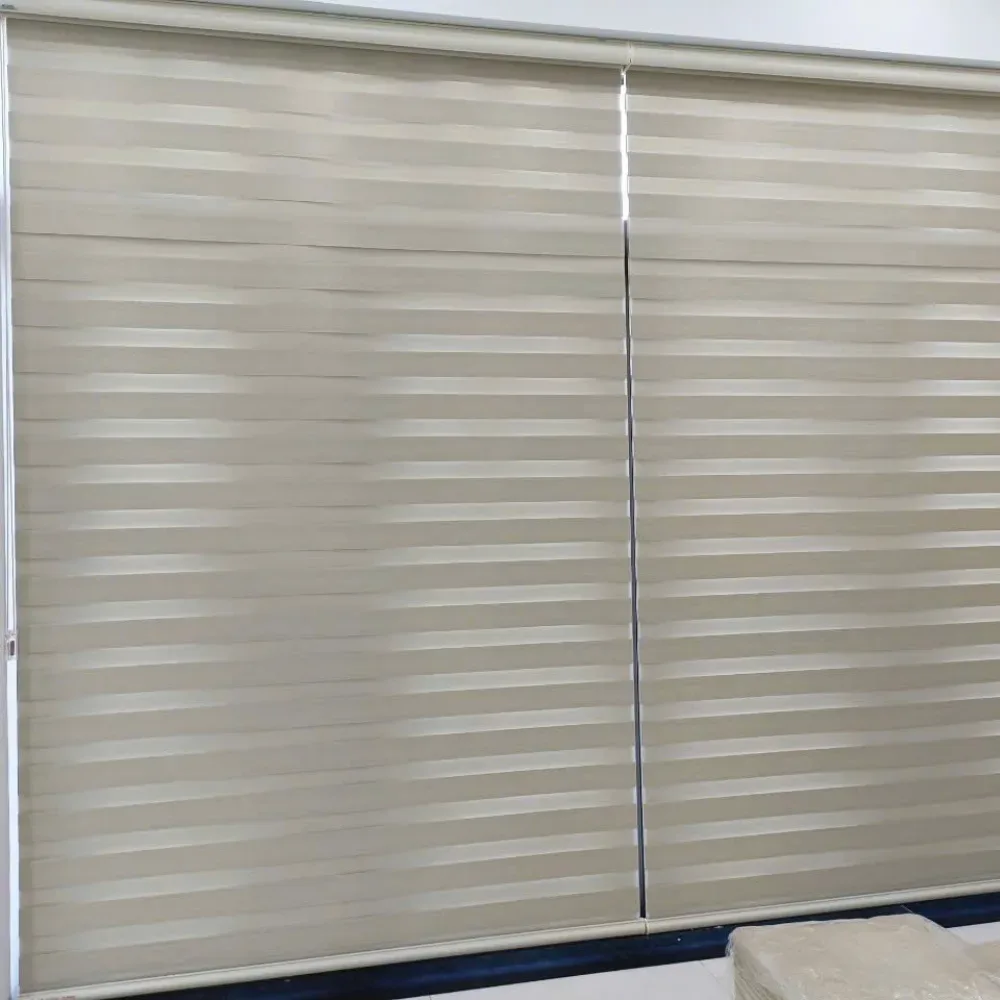
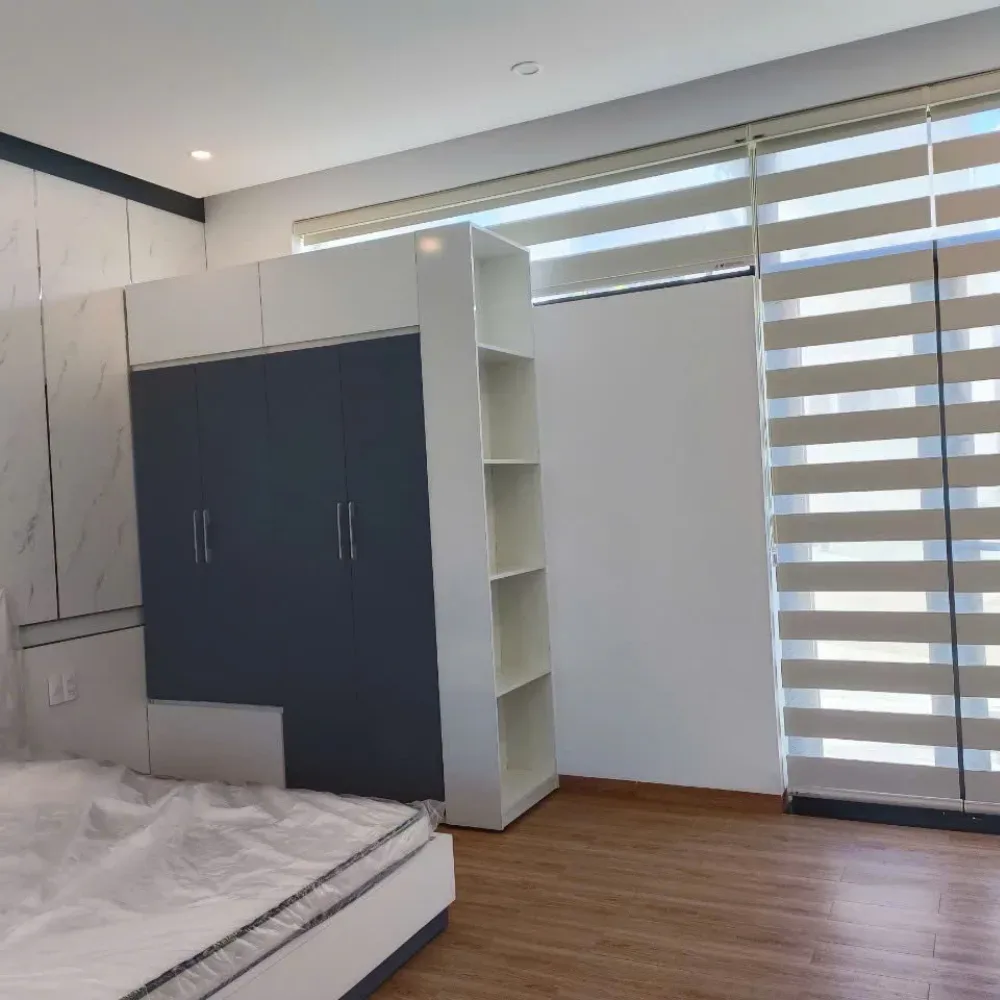
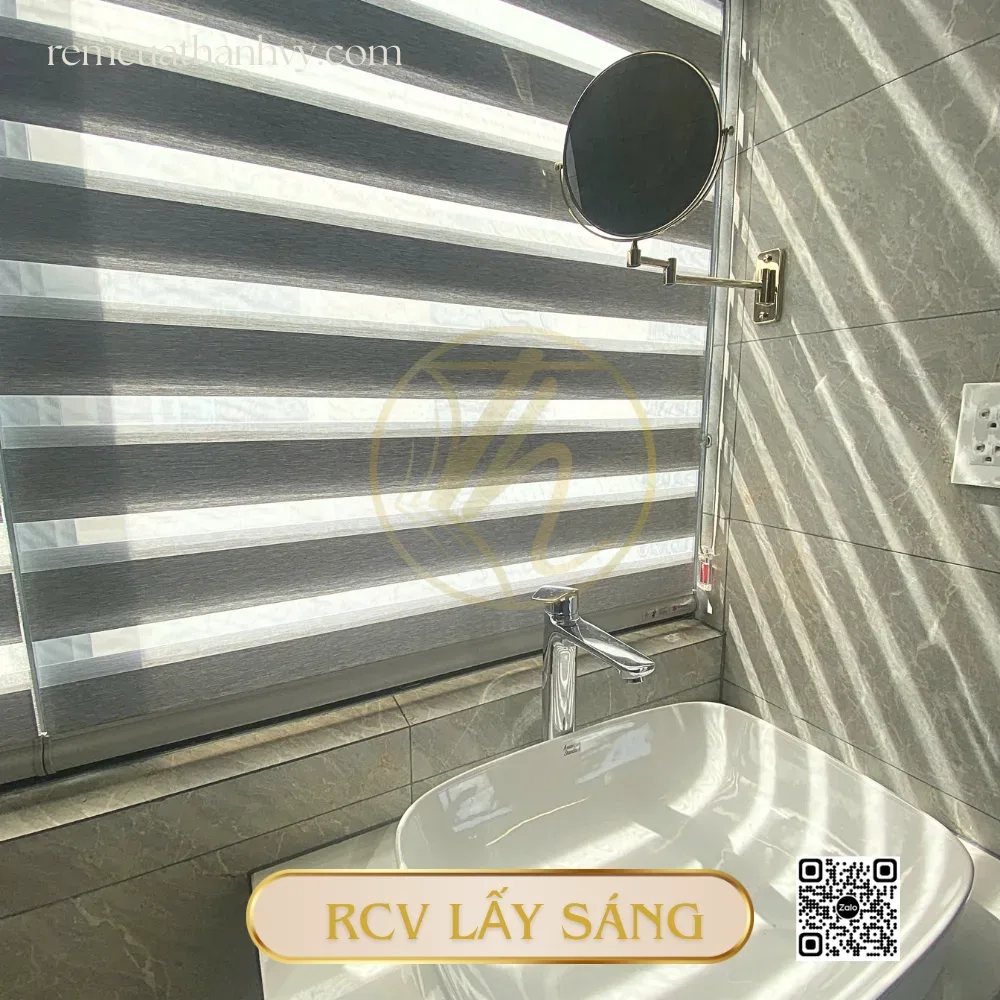
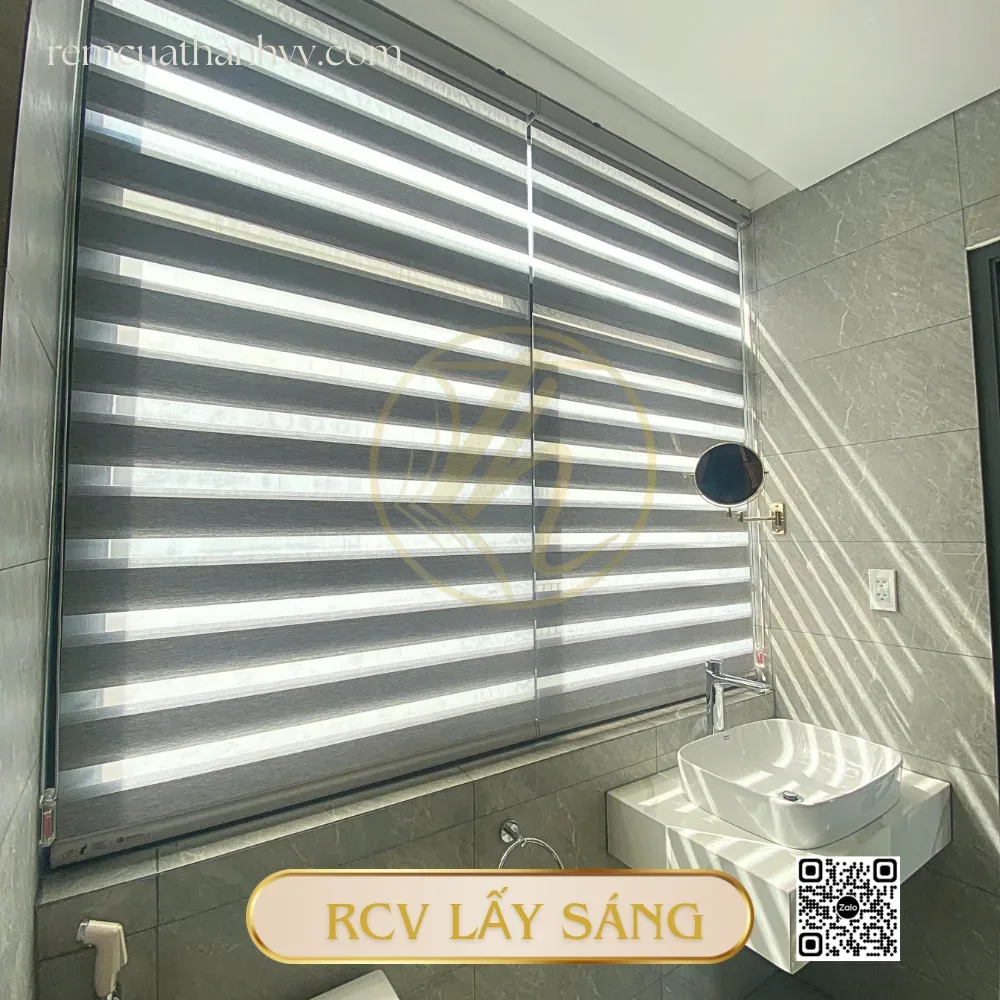
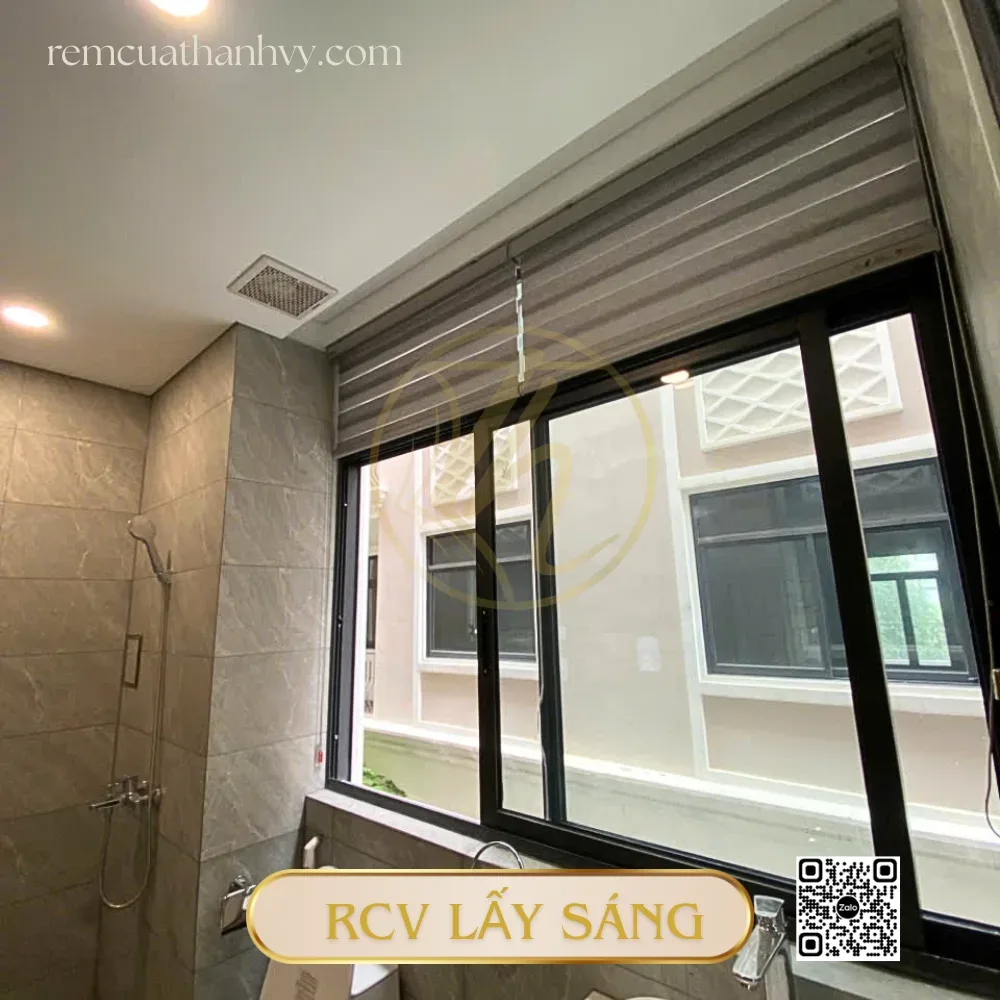
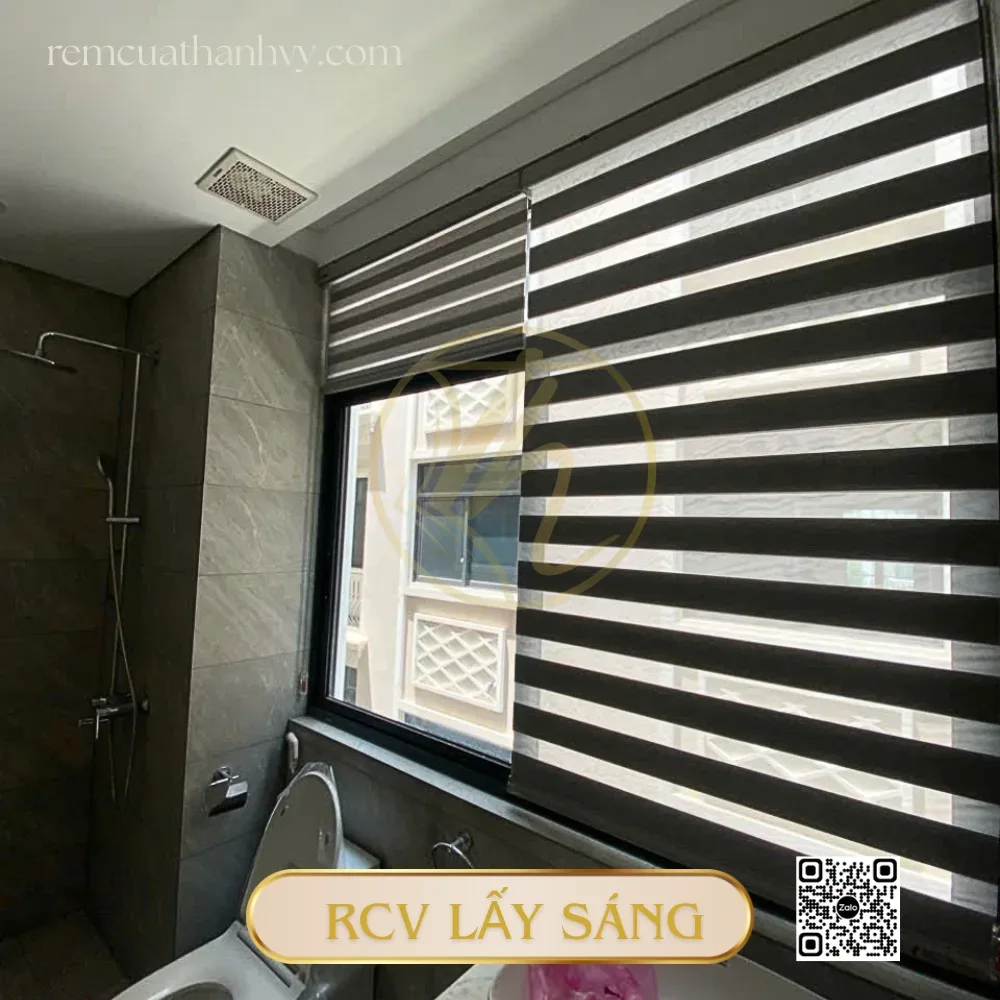
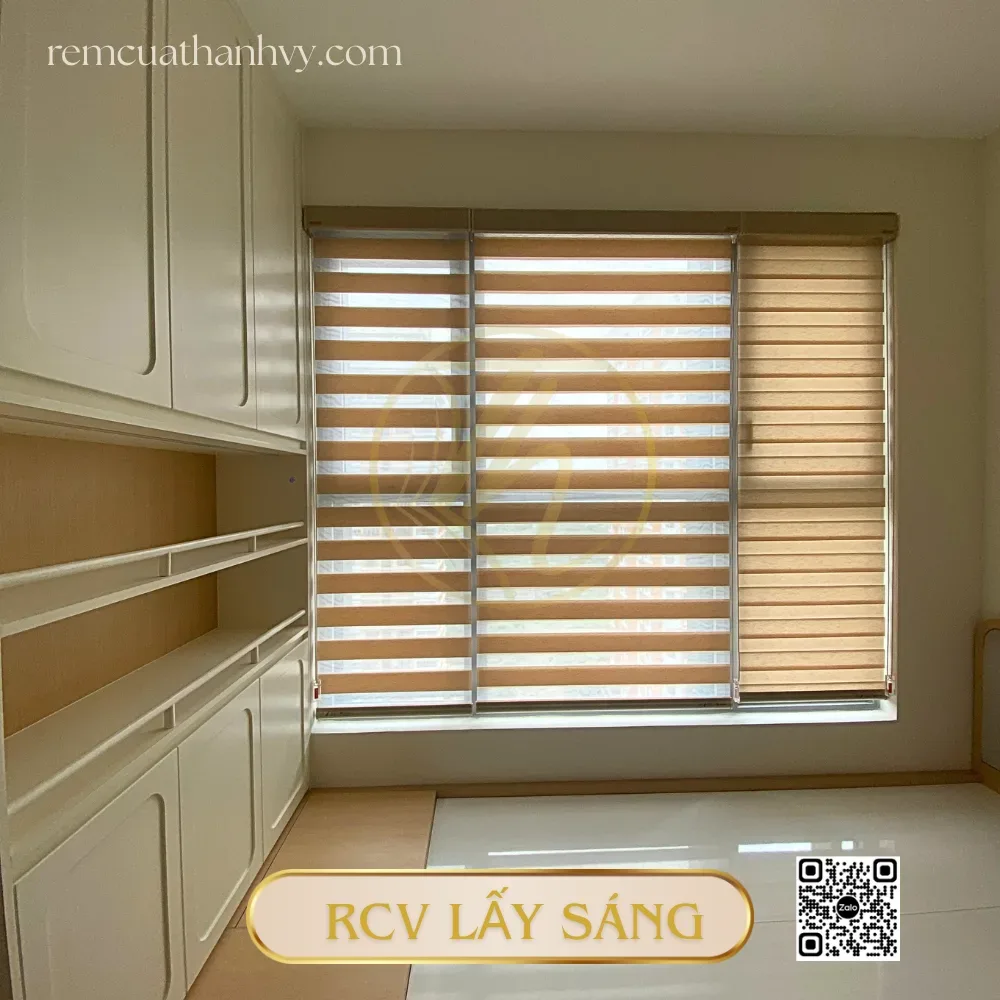
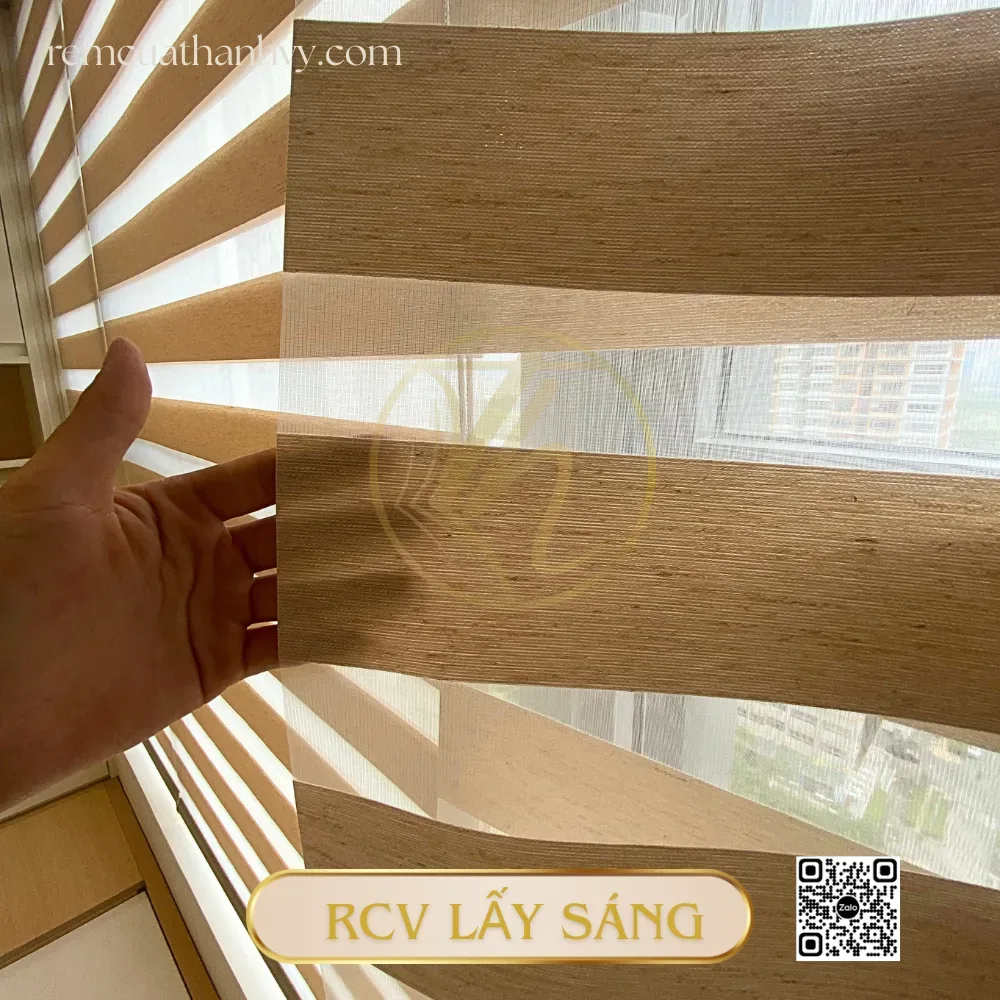
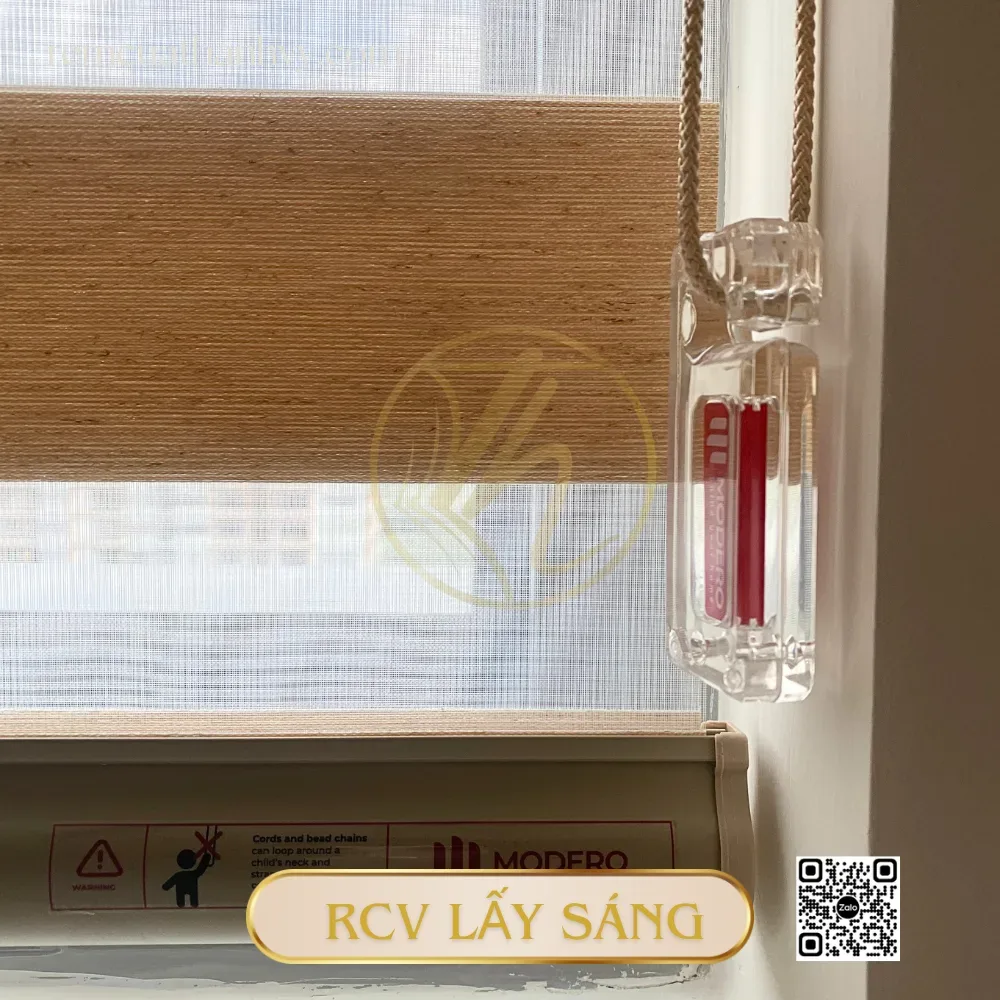
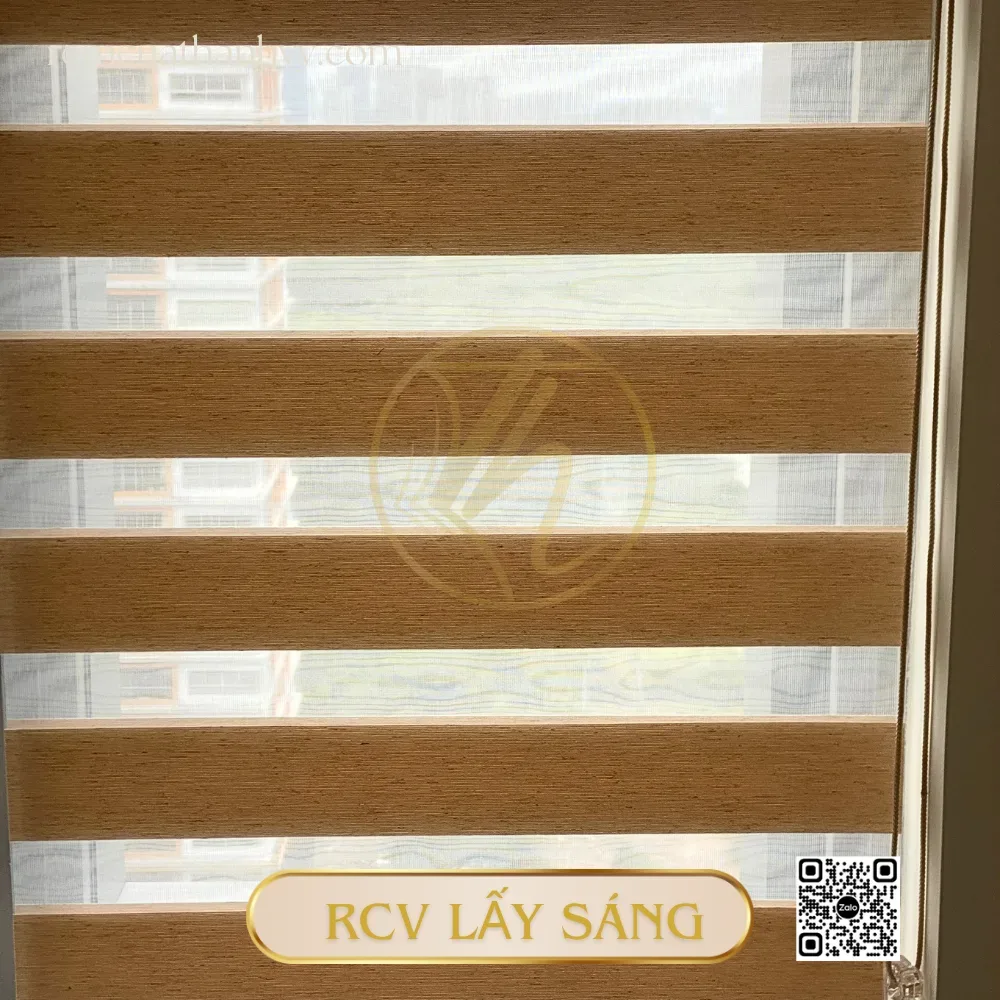
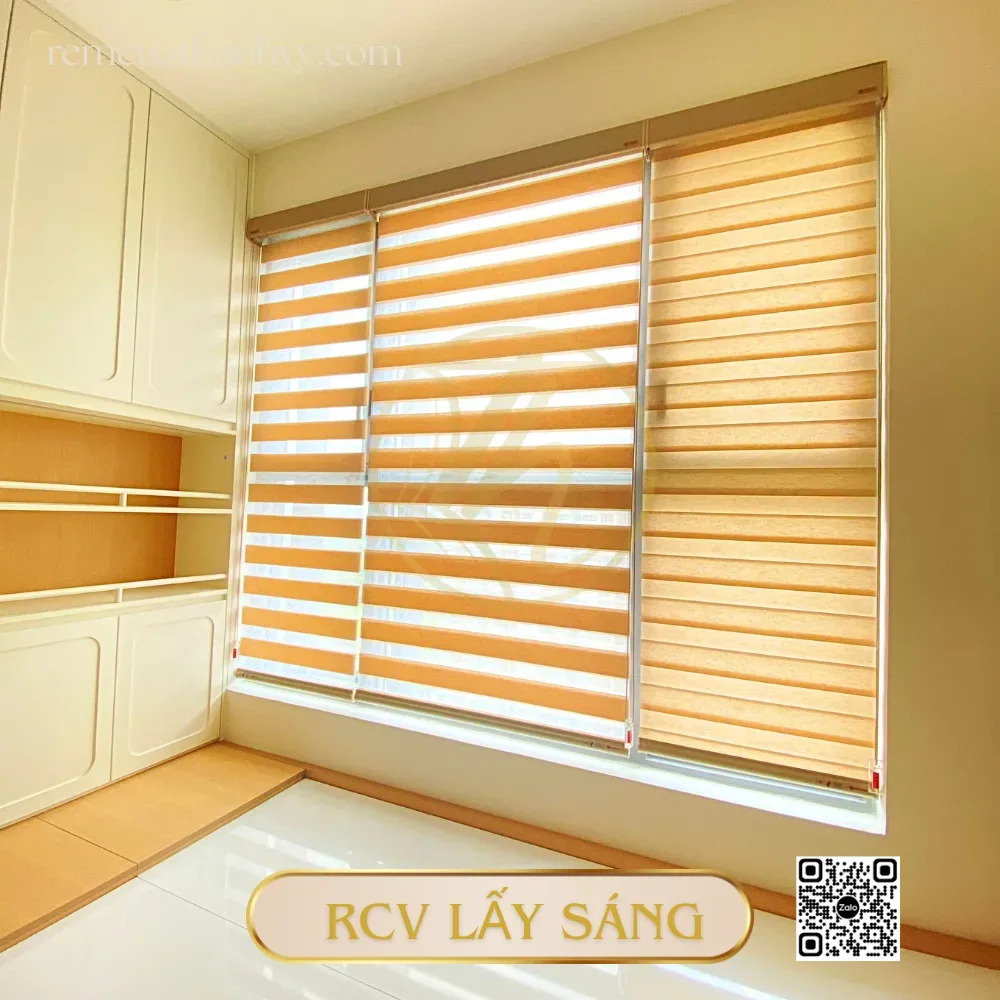
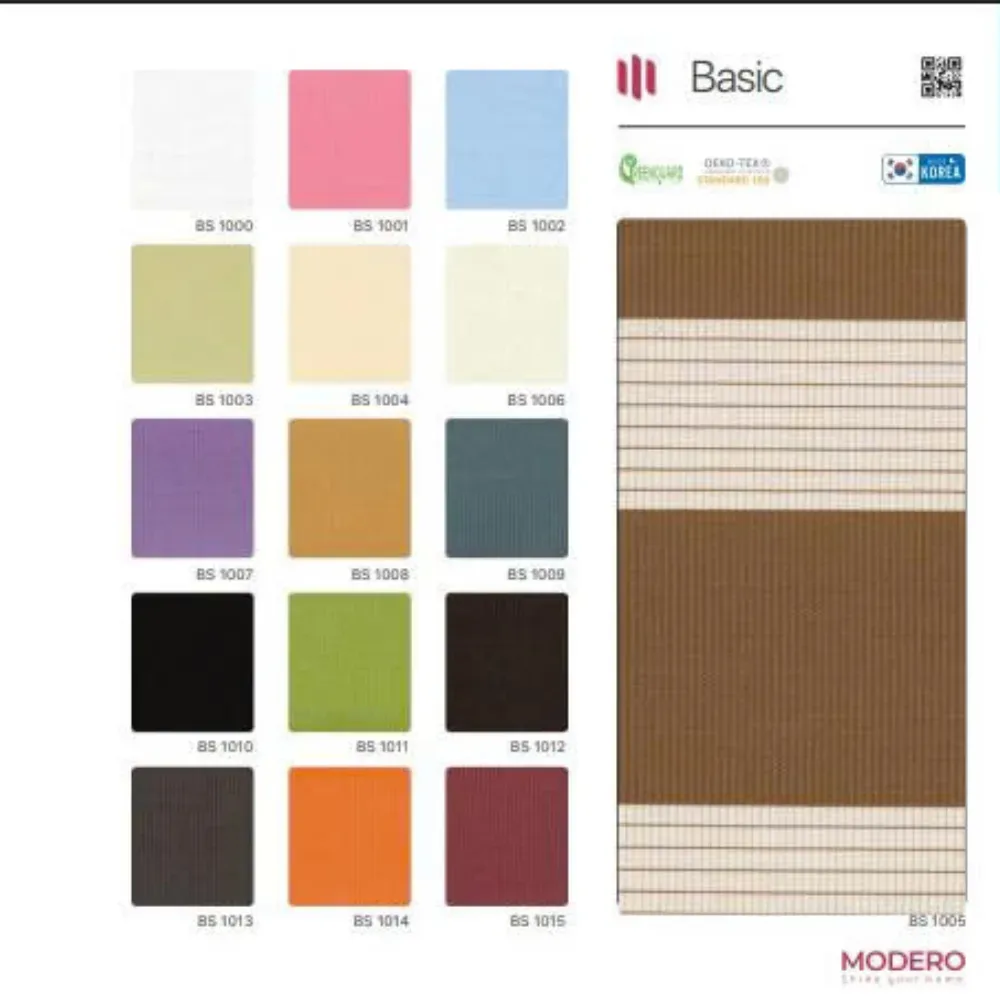
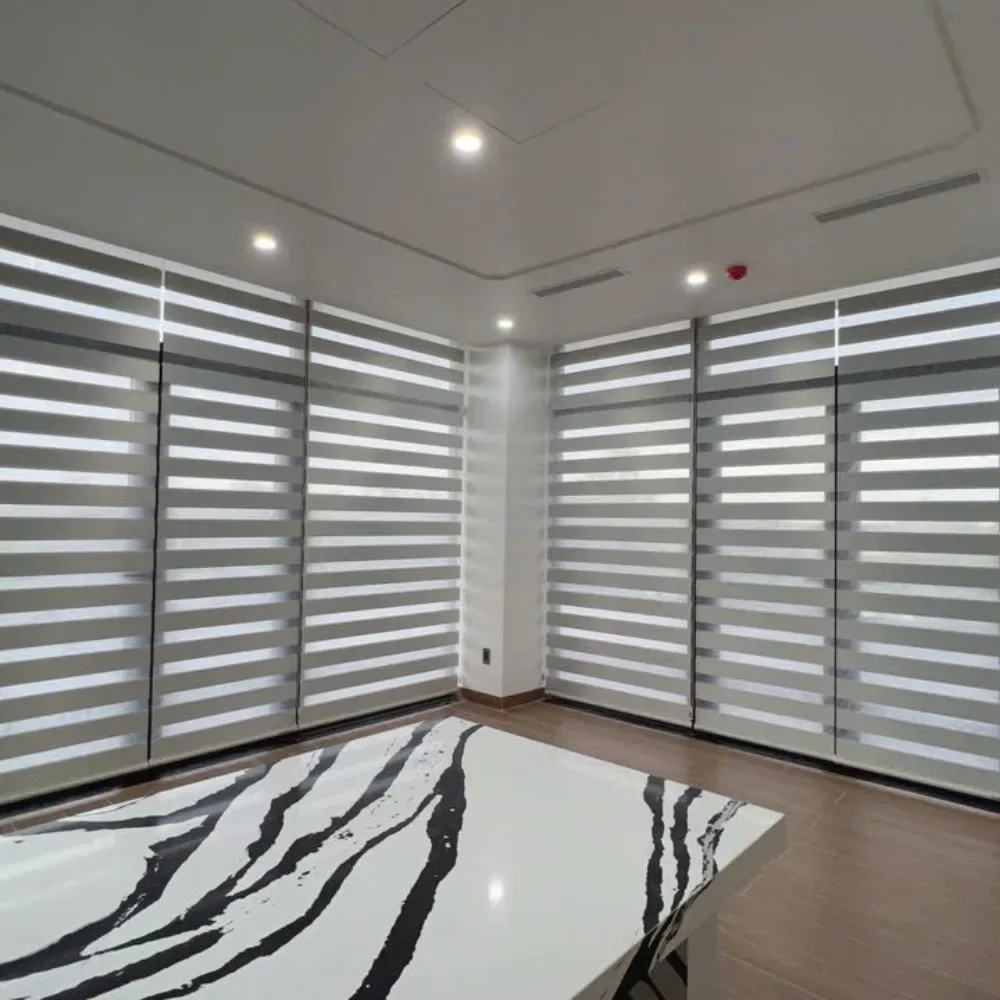
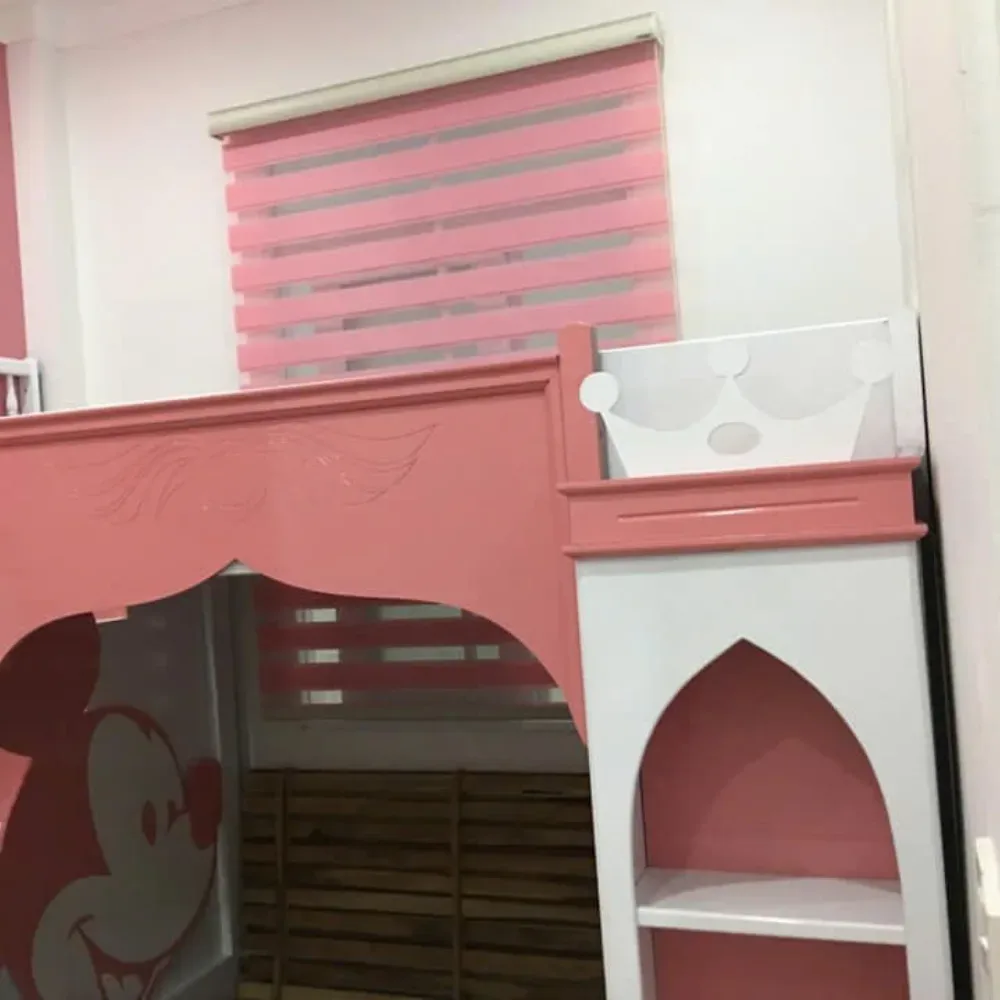
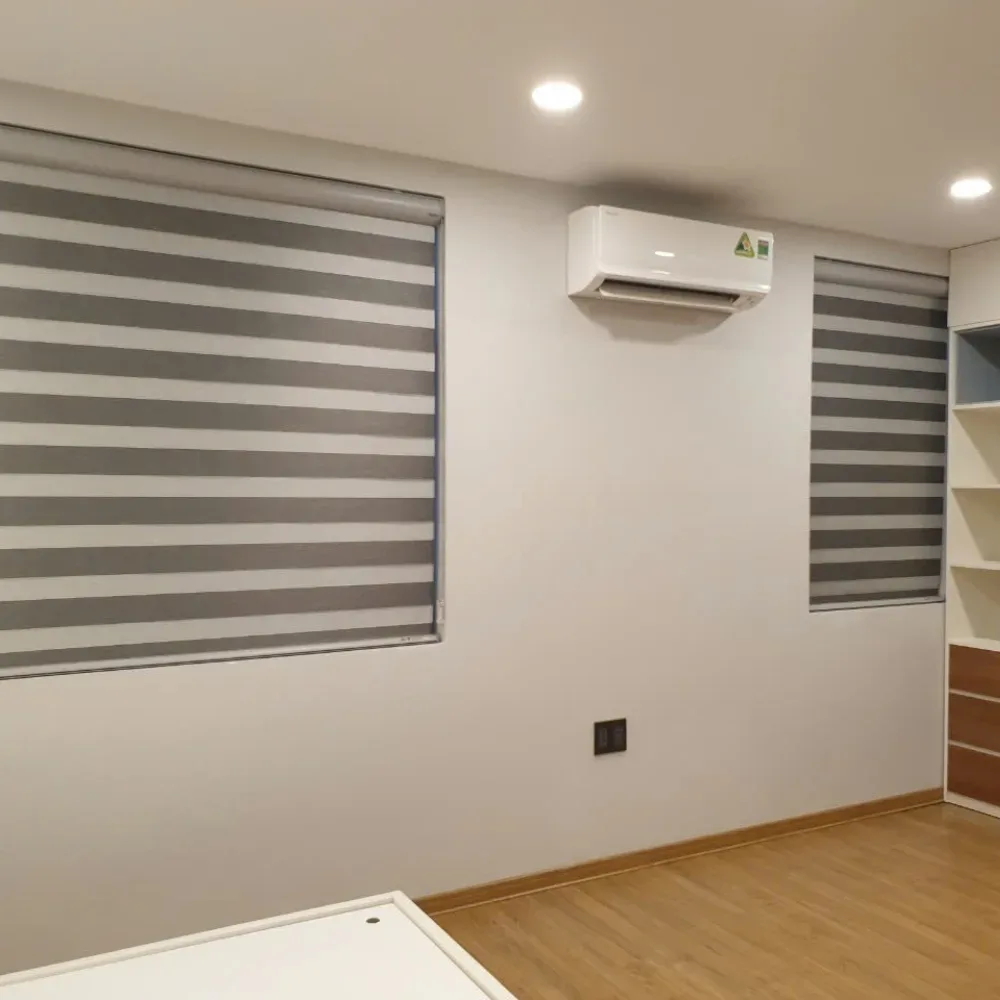
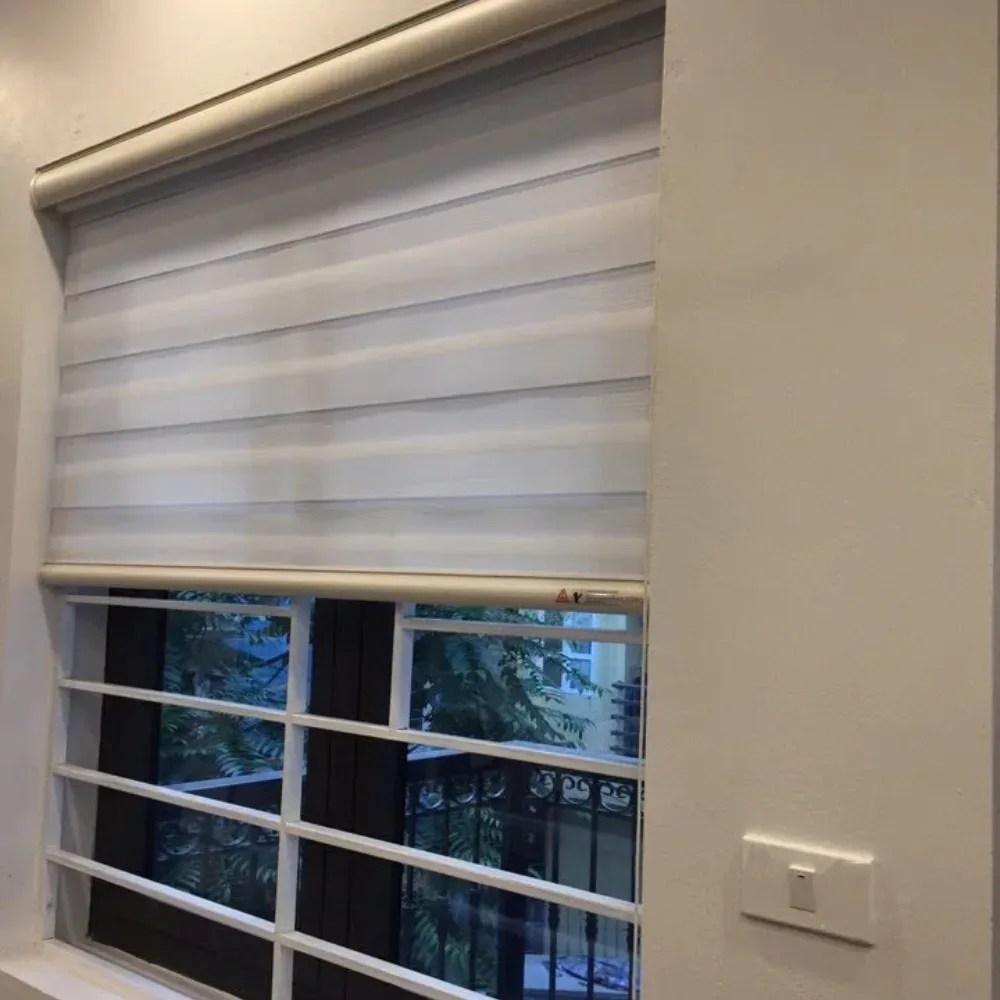
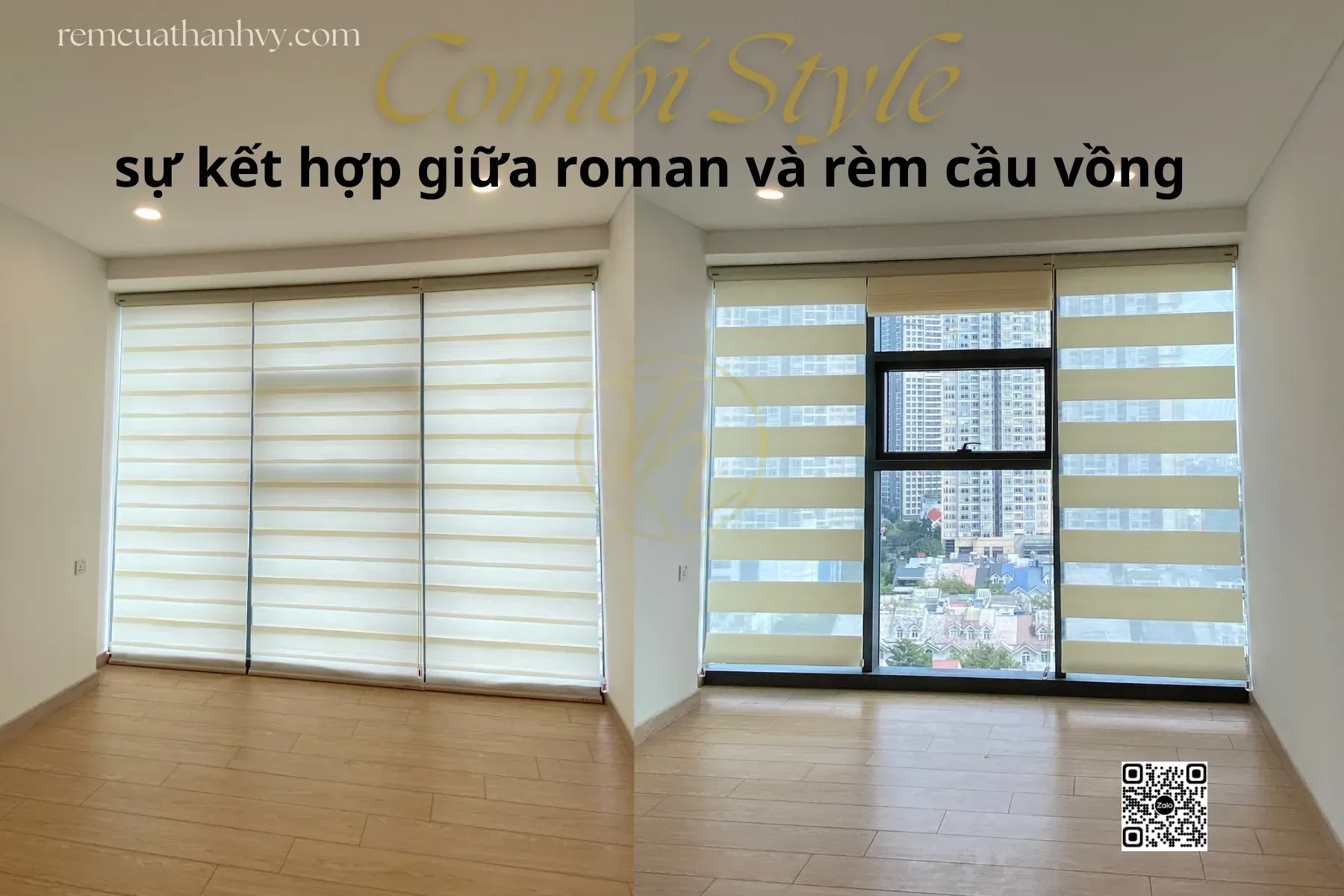
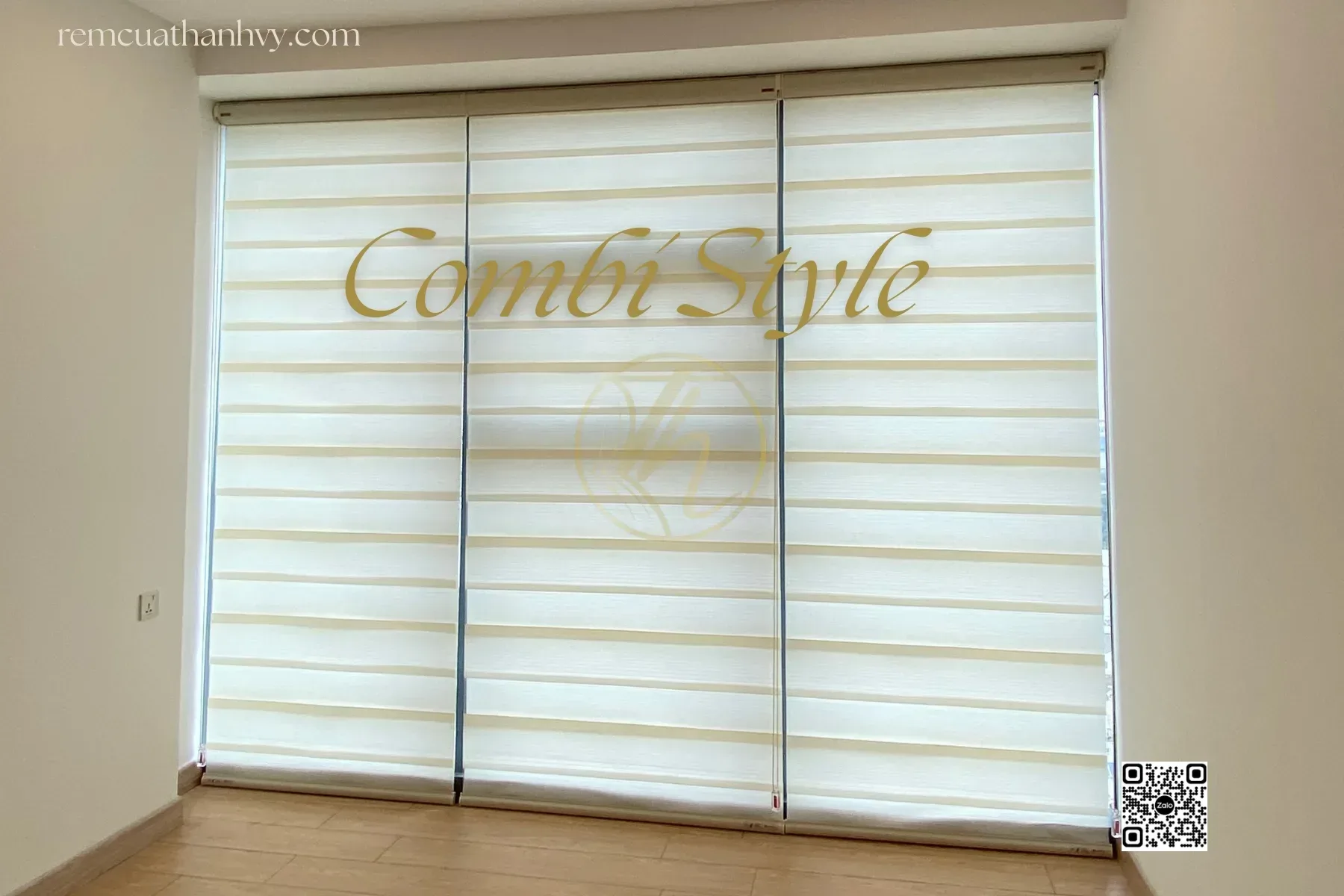
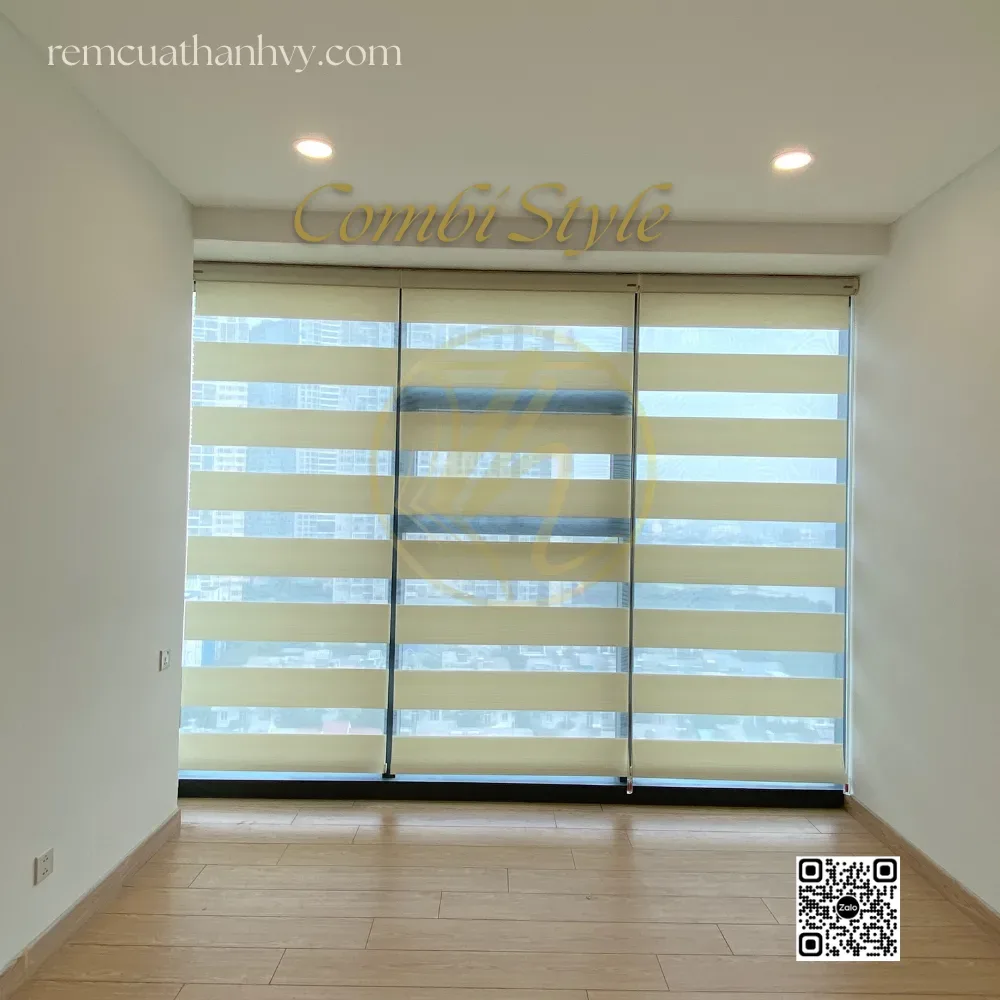
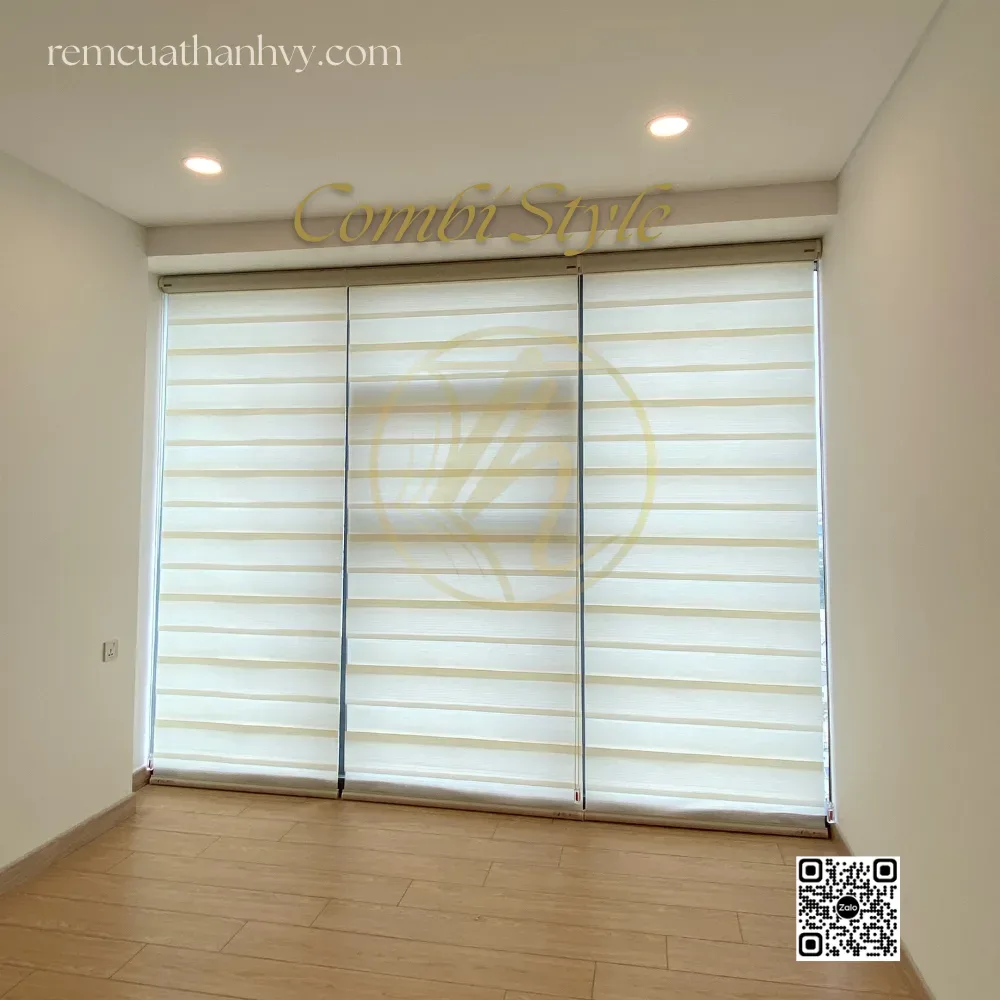
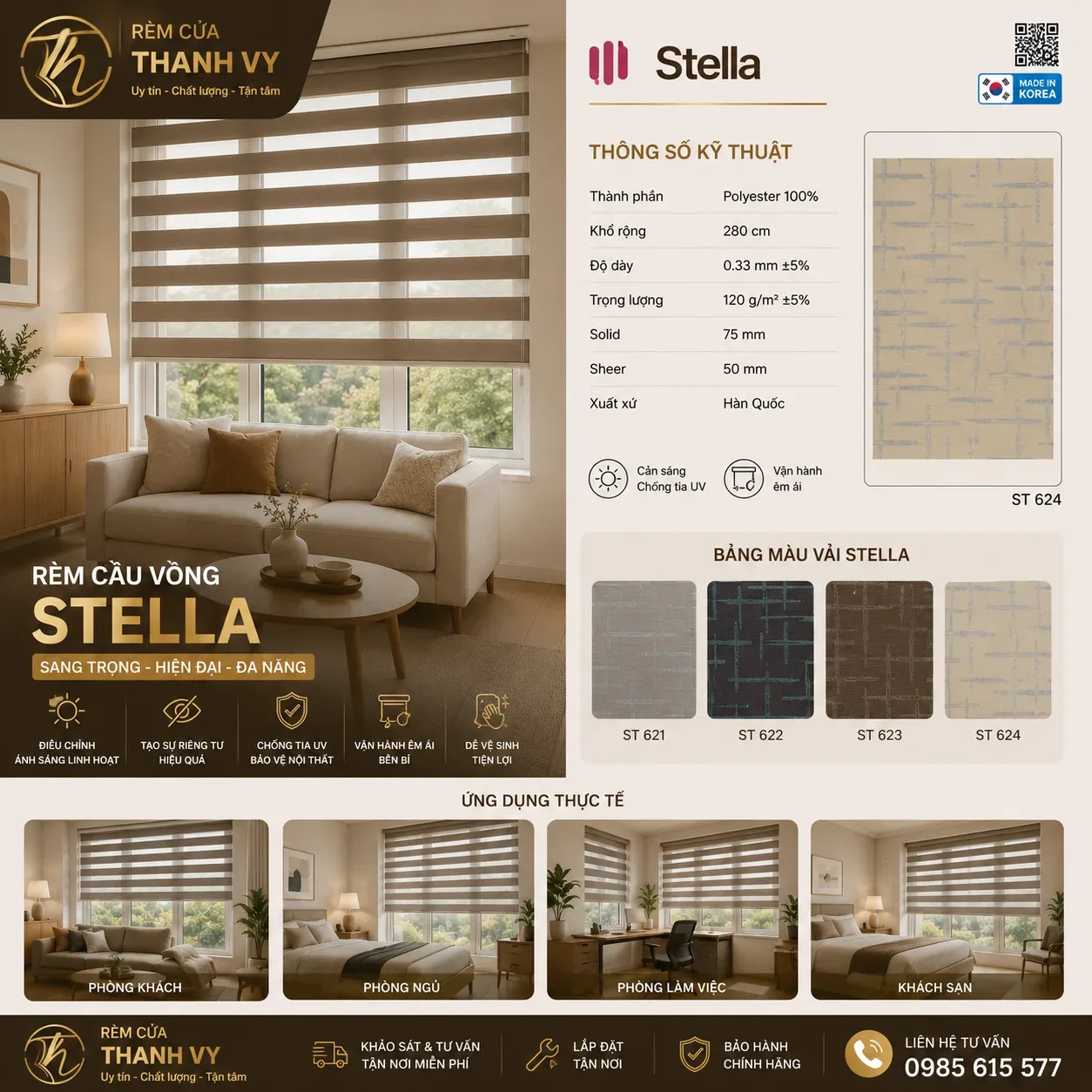
Rainbow blinds: Positioned between the two groups above in terms of price and use. The two offset mesh layers allow you to adjust the light level in increments instead of only raising or lowering the blind, which is especially convenient for an open-plan living room and kitchen when you want daylight while still maintaining privacy. They look modern, suit newly built homes, and do not require much wall depth for installation.
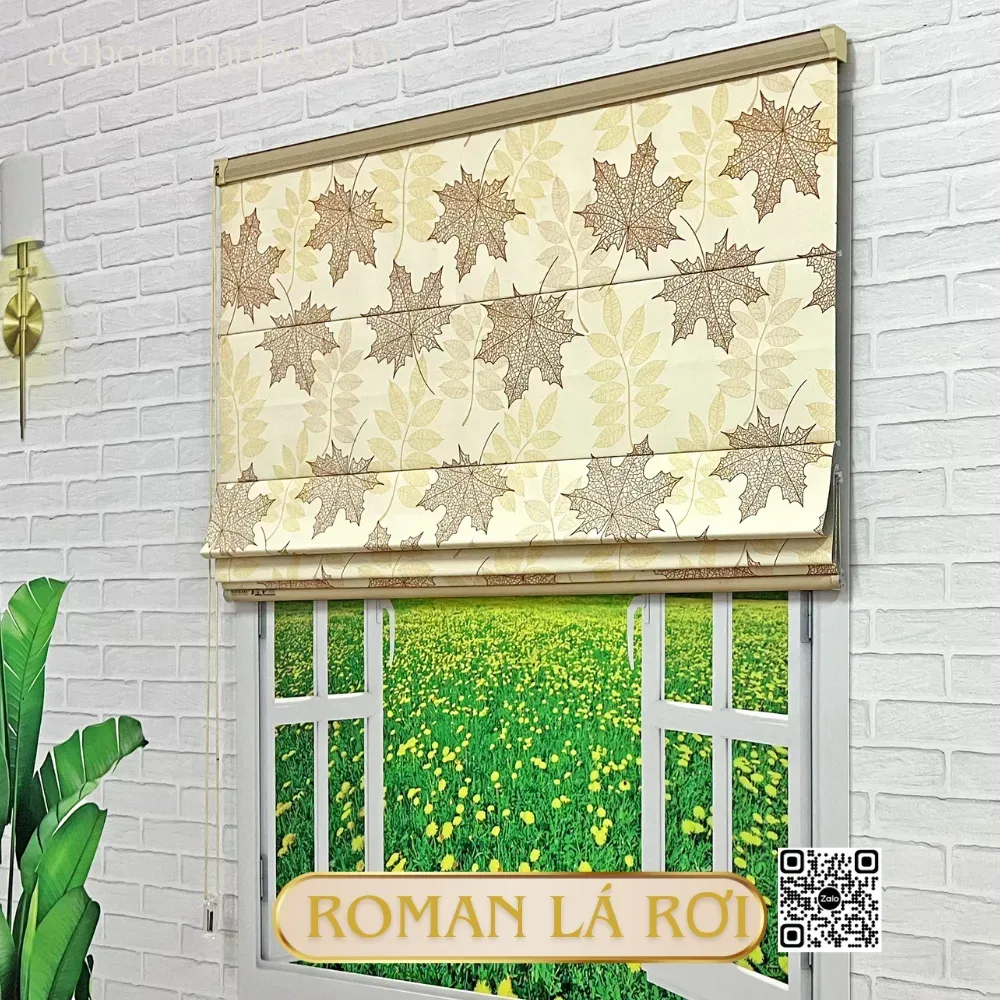
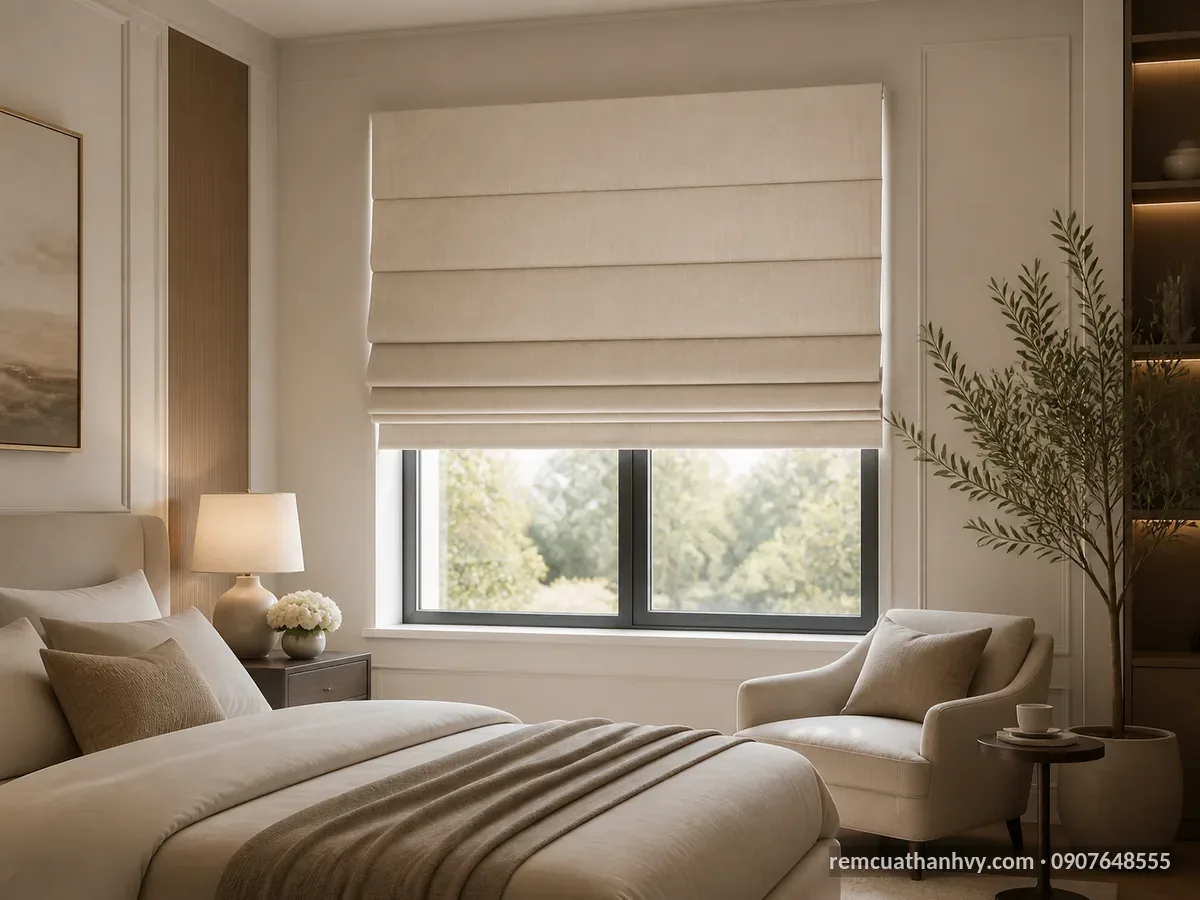
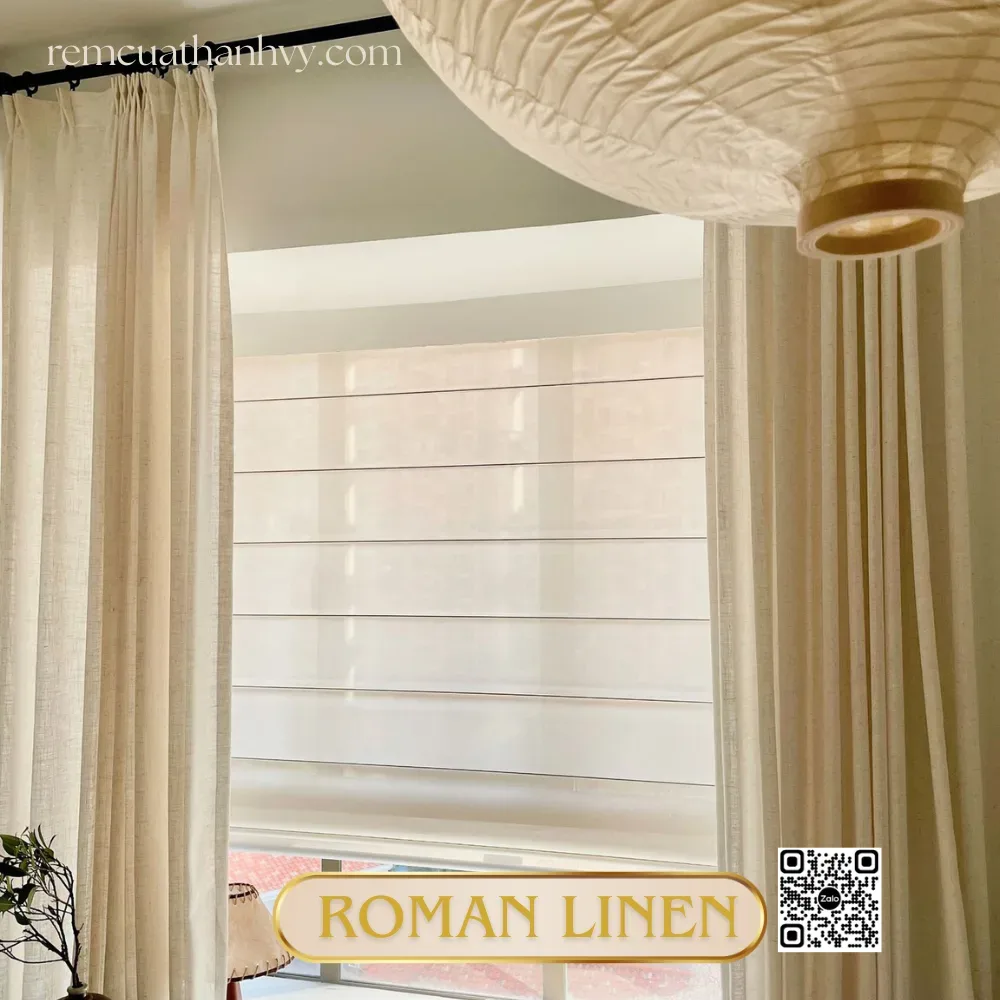
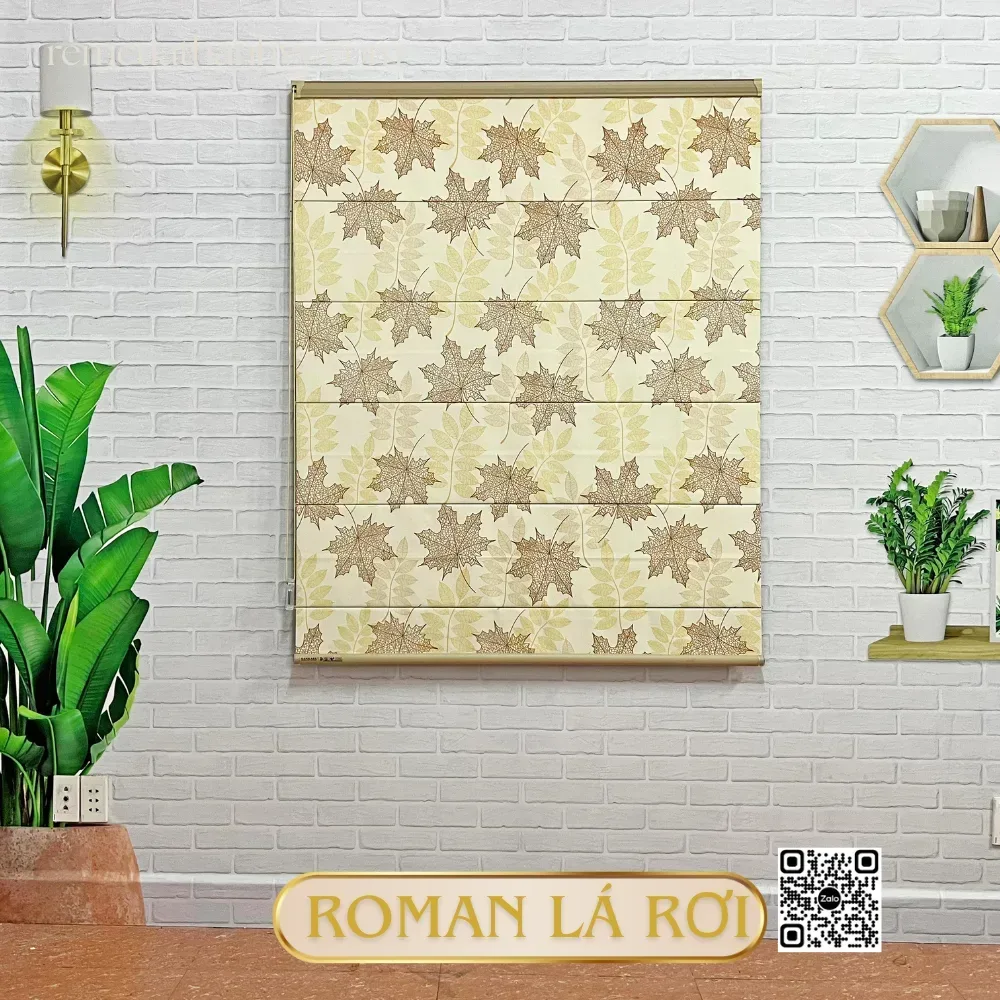
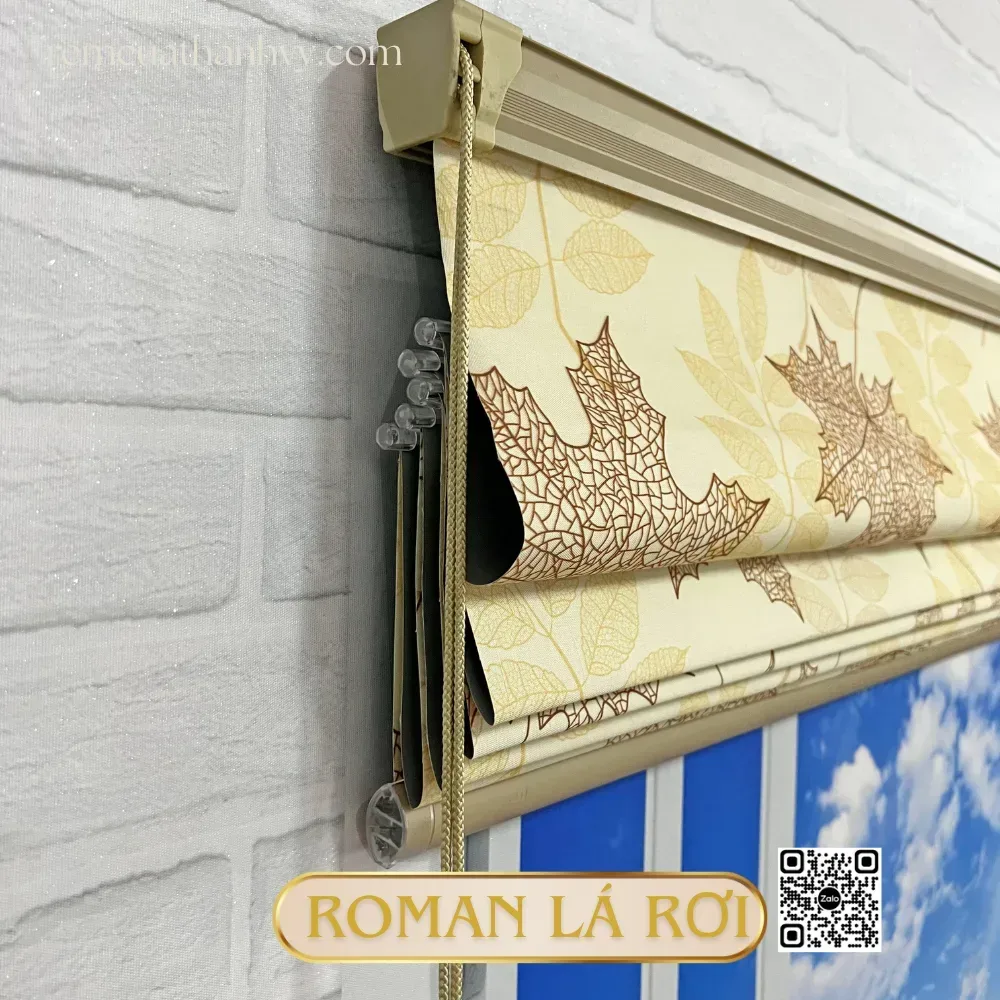
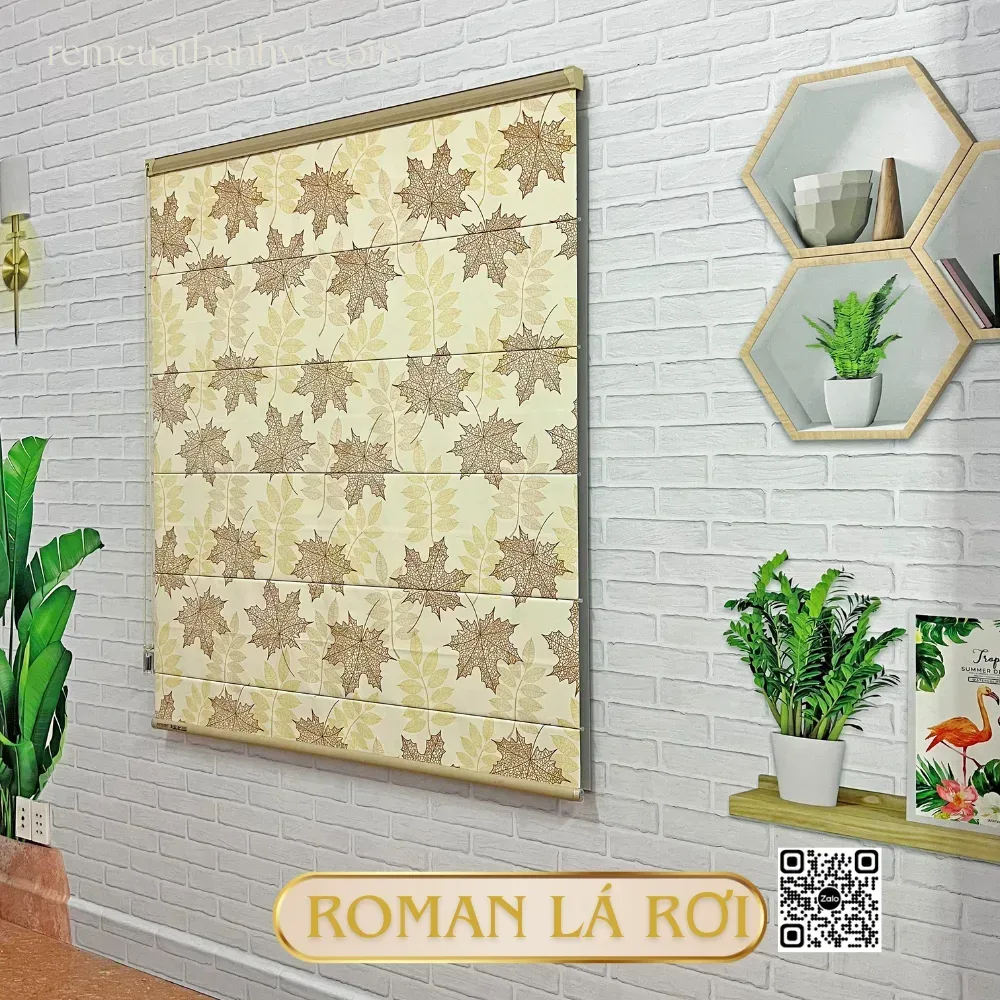
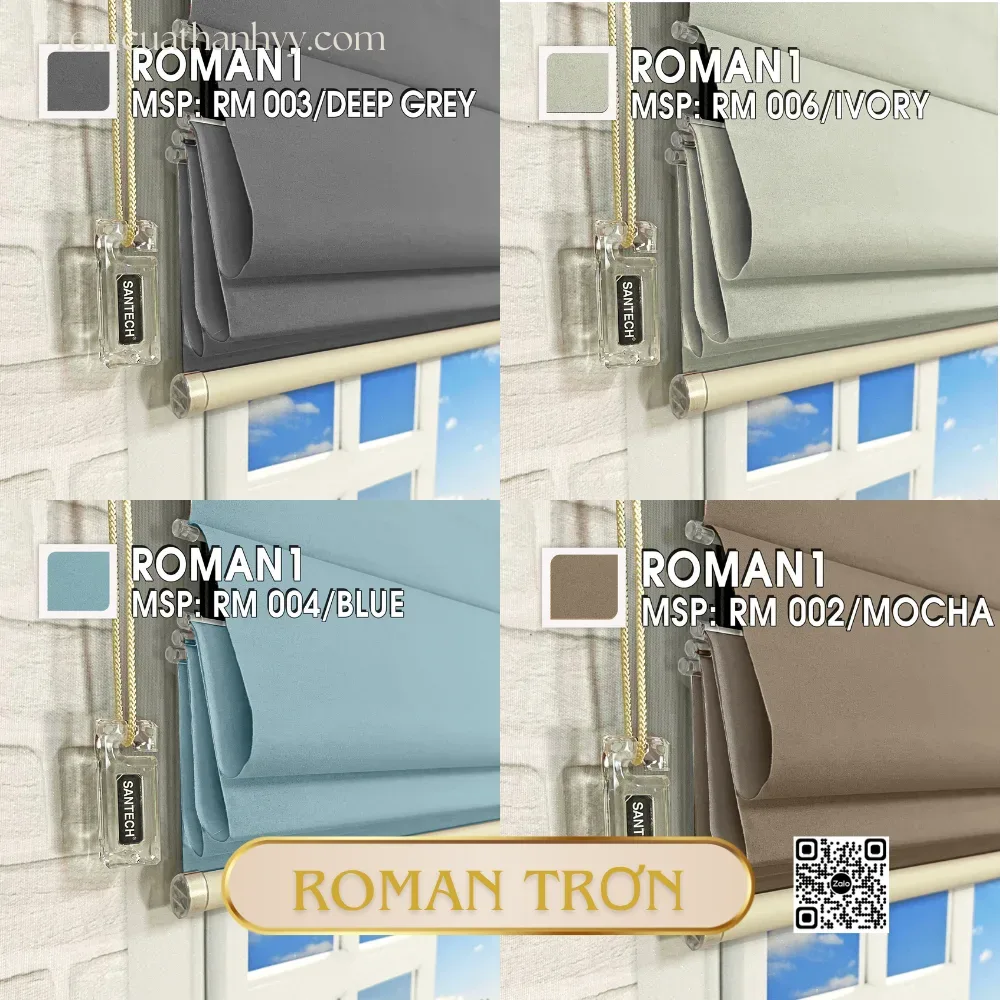
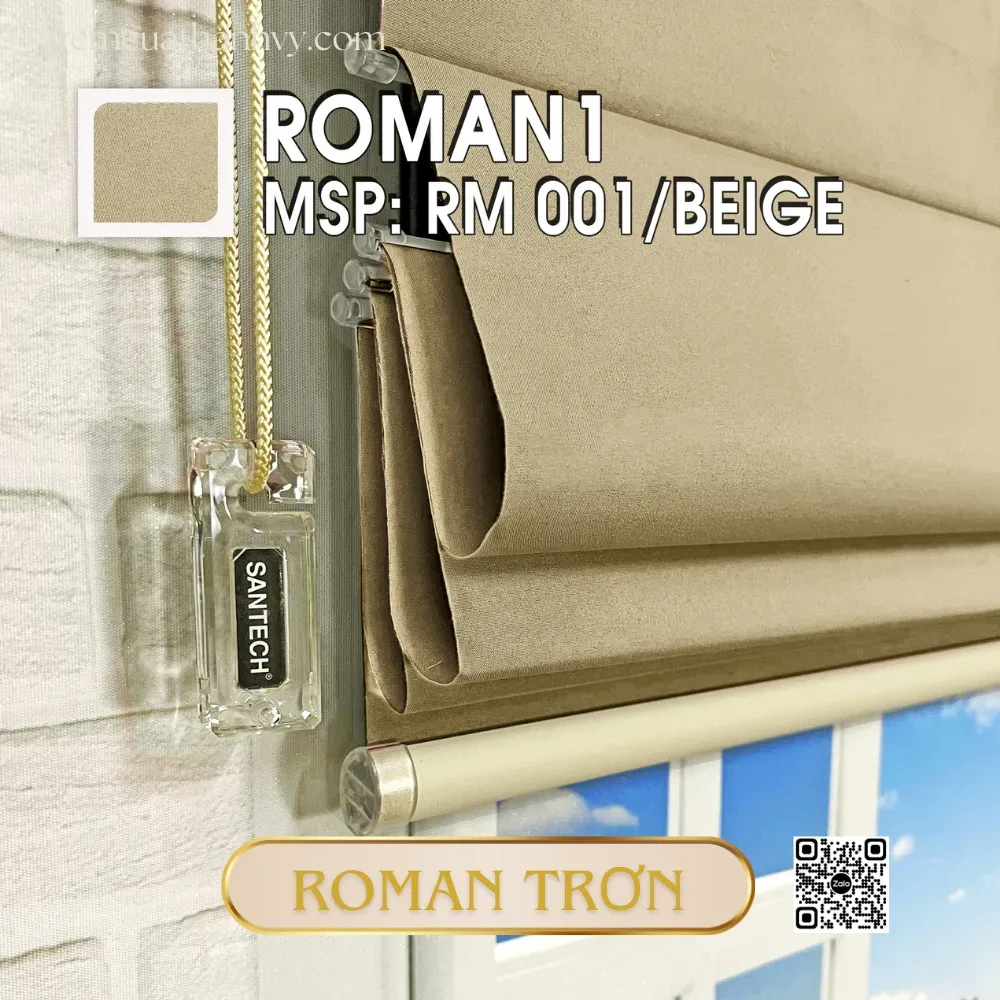
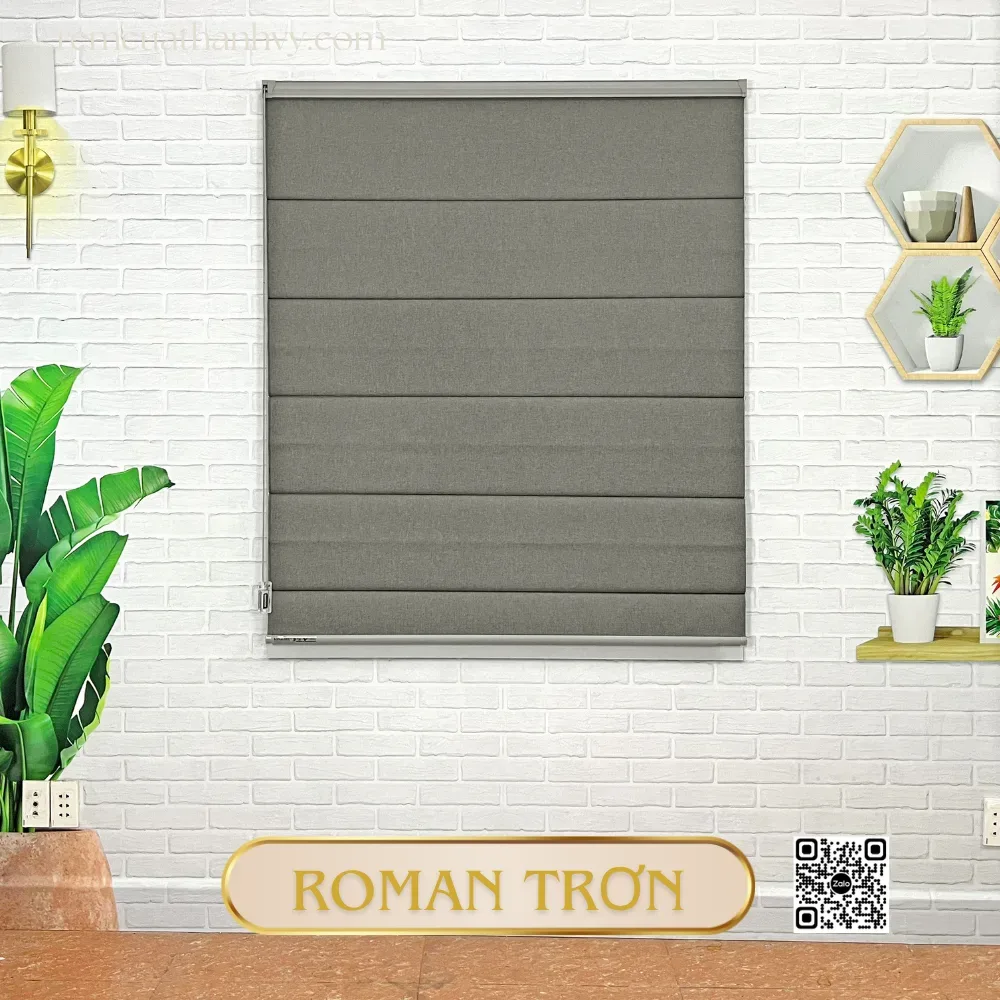
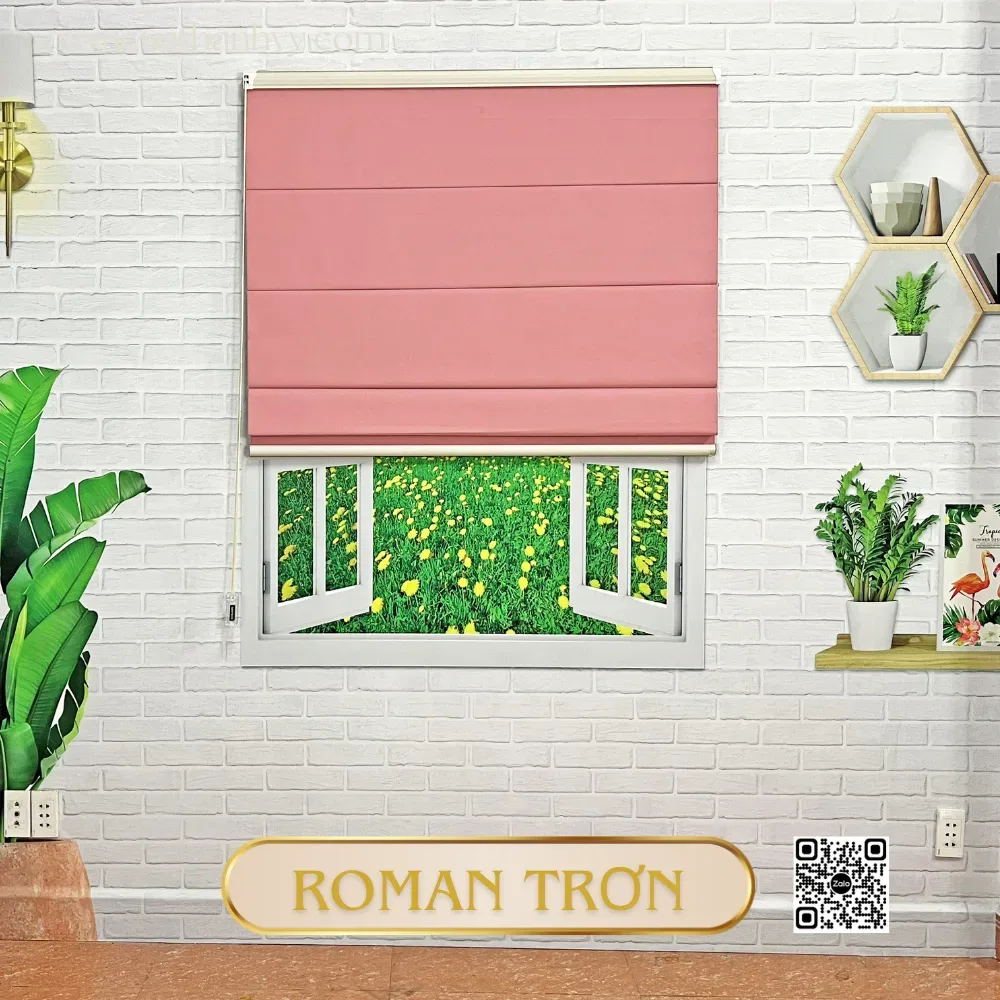
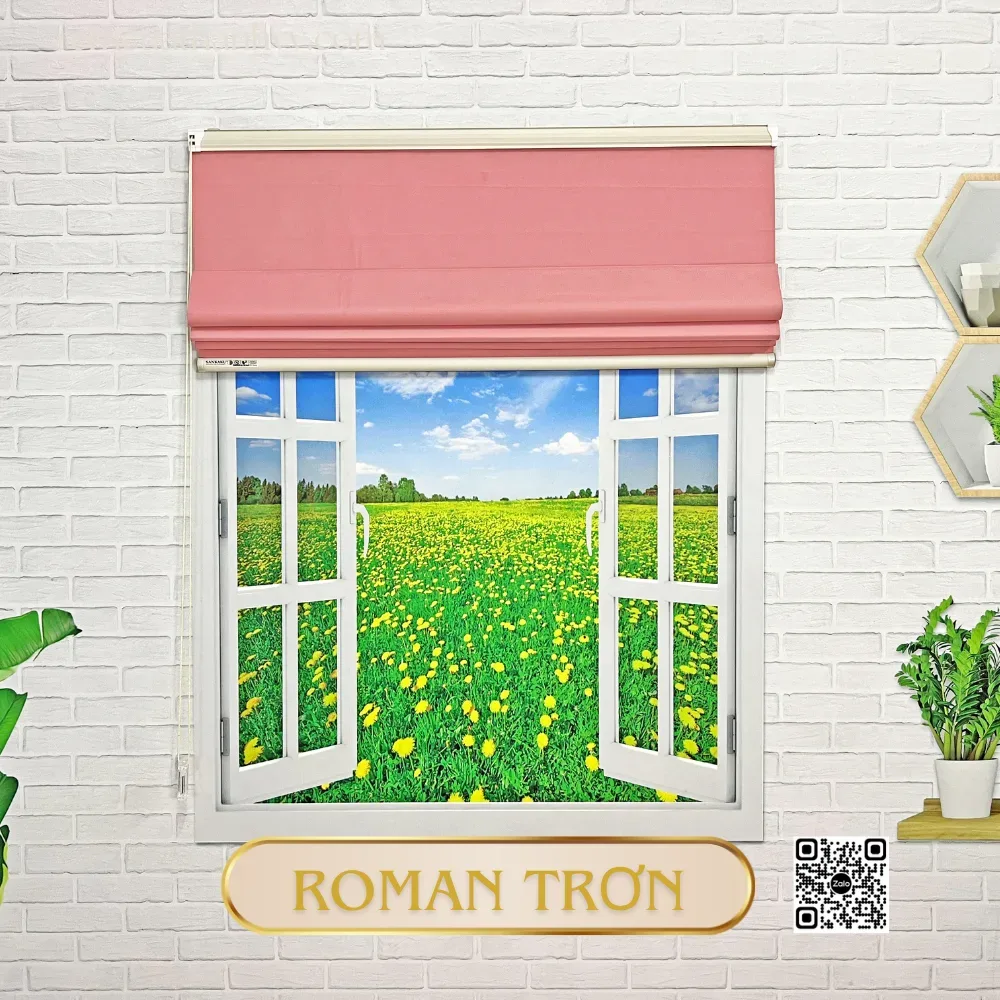
Roman blinds: Intended for small and medium-sized windows that need a softer look, such as a small bedroom window or reading area. When raised, the fabric folds neatly at the top; when lowered, it becomes a smooth, flat surface. They are not the type to use for large glass walls, but in the right location they provide excellent visual impact at a reasonable cost.
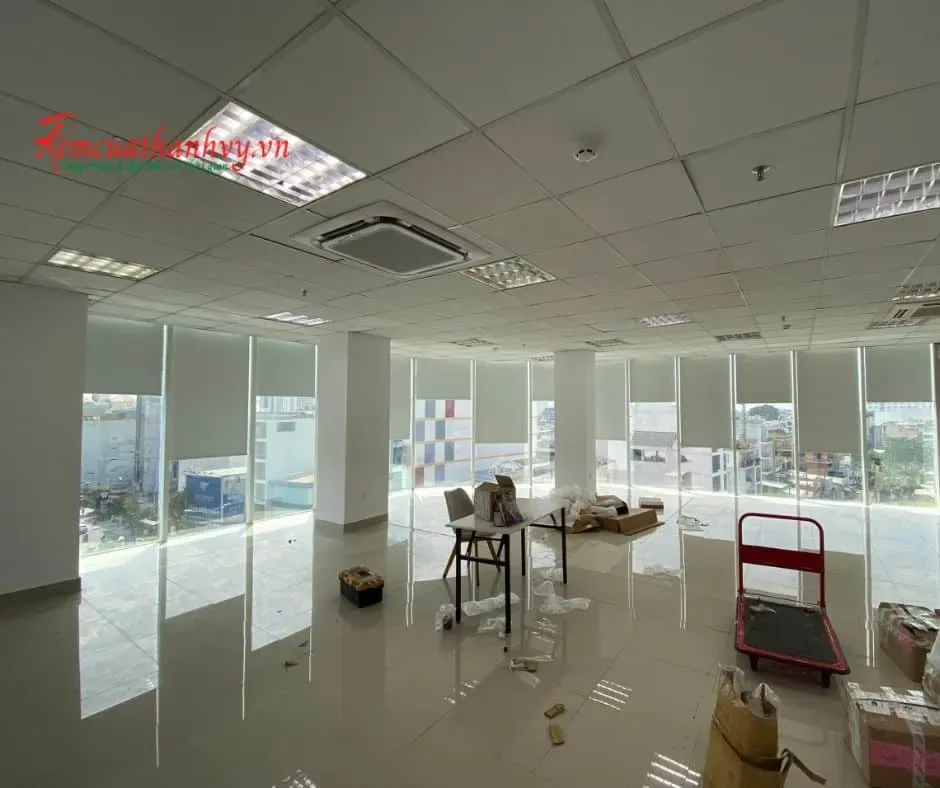
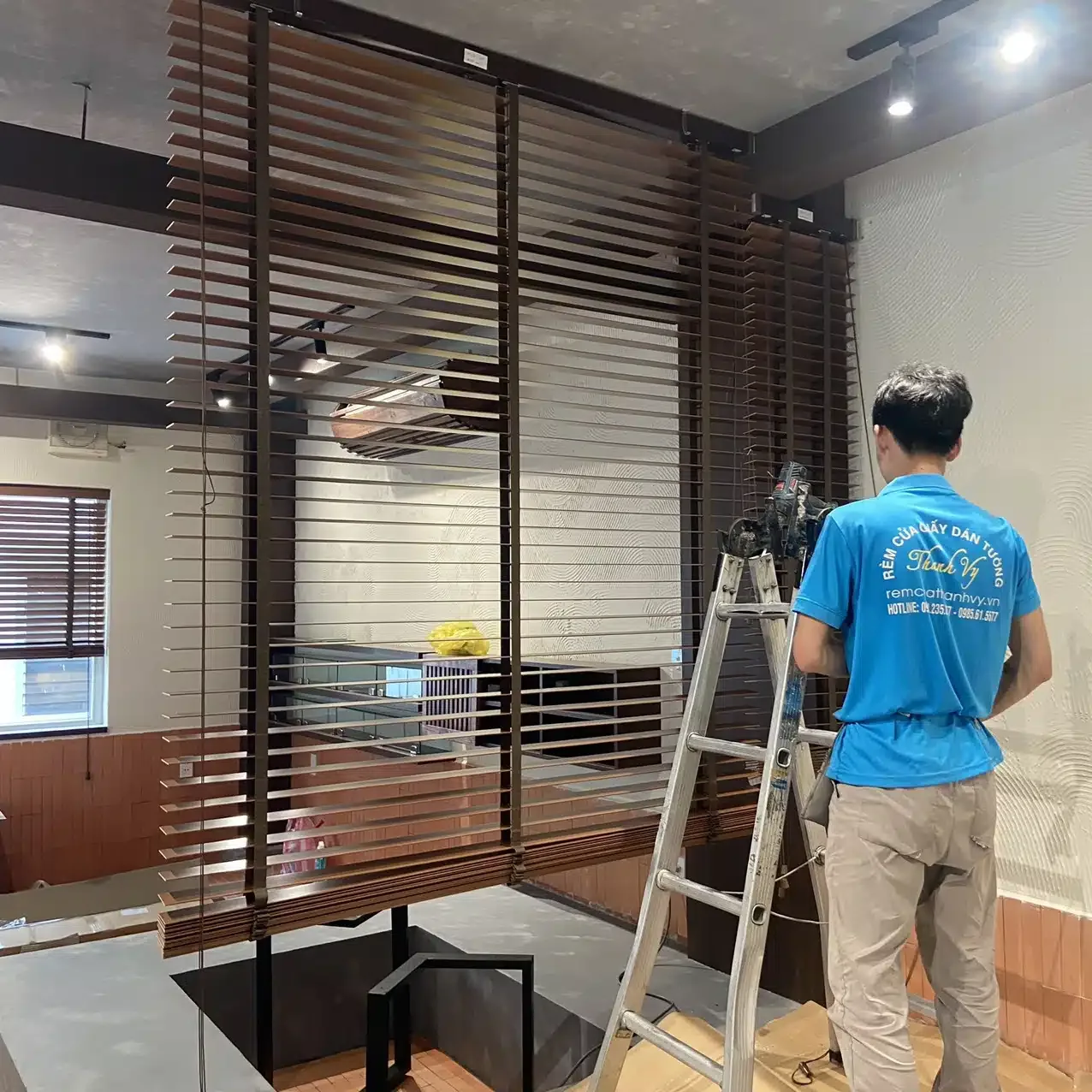
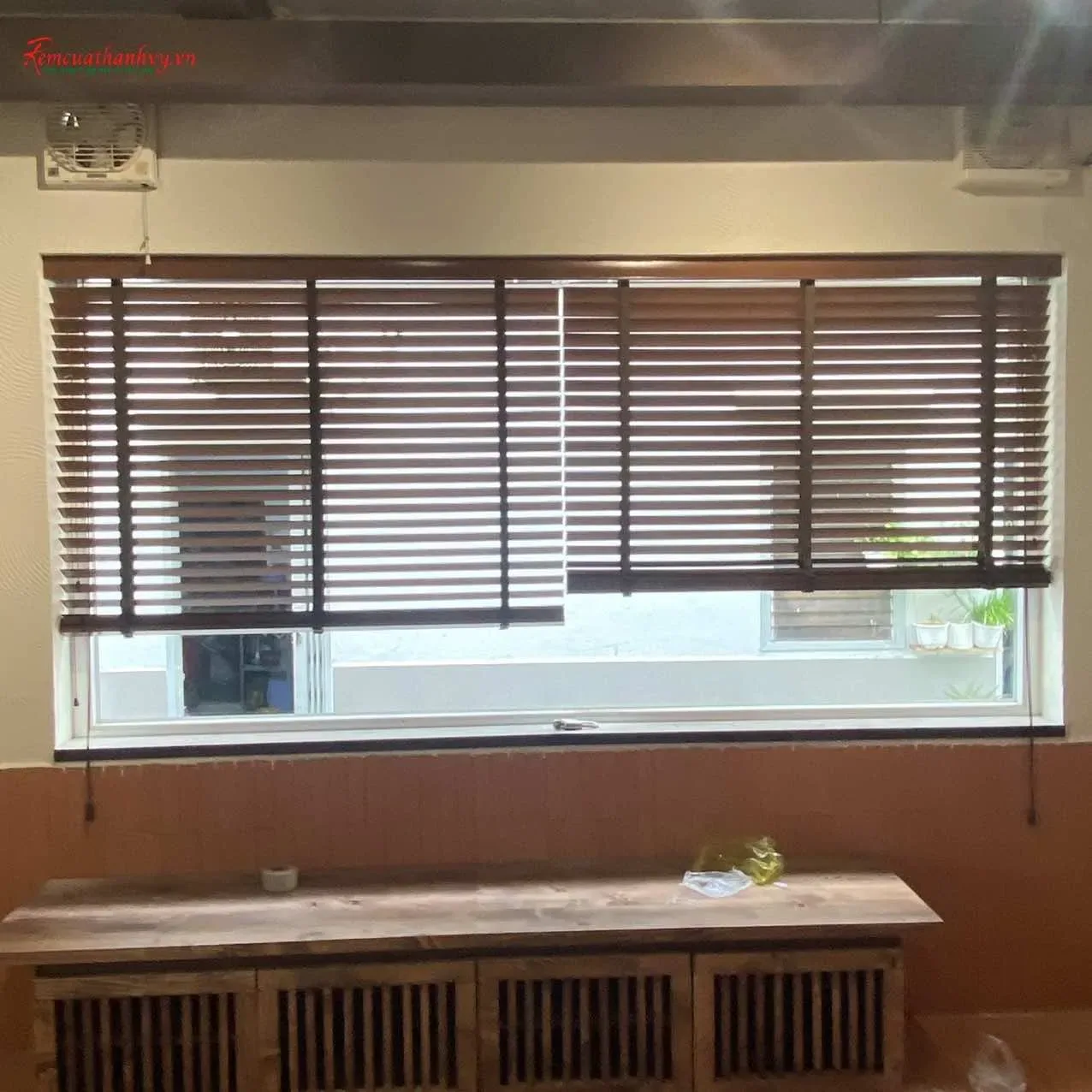
Aluminum and wooden blinds: Suitable for home offices, ground-floor business premises, and hallway windows. The slats can be tilted to let in air while still blocking views from outside, a useful feature for homes close to busy residential streets with frequent passersby.
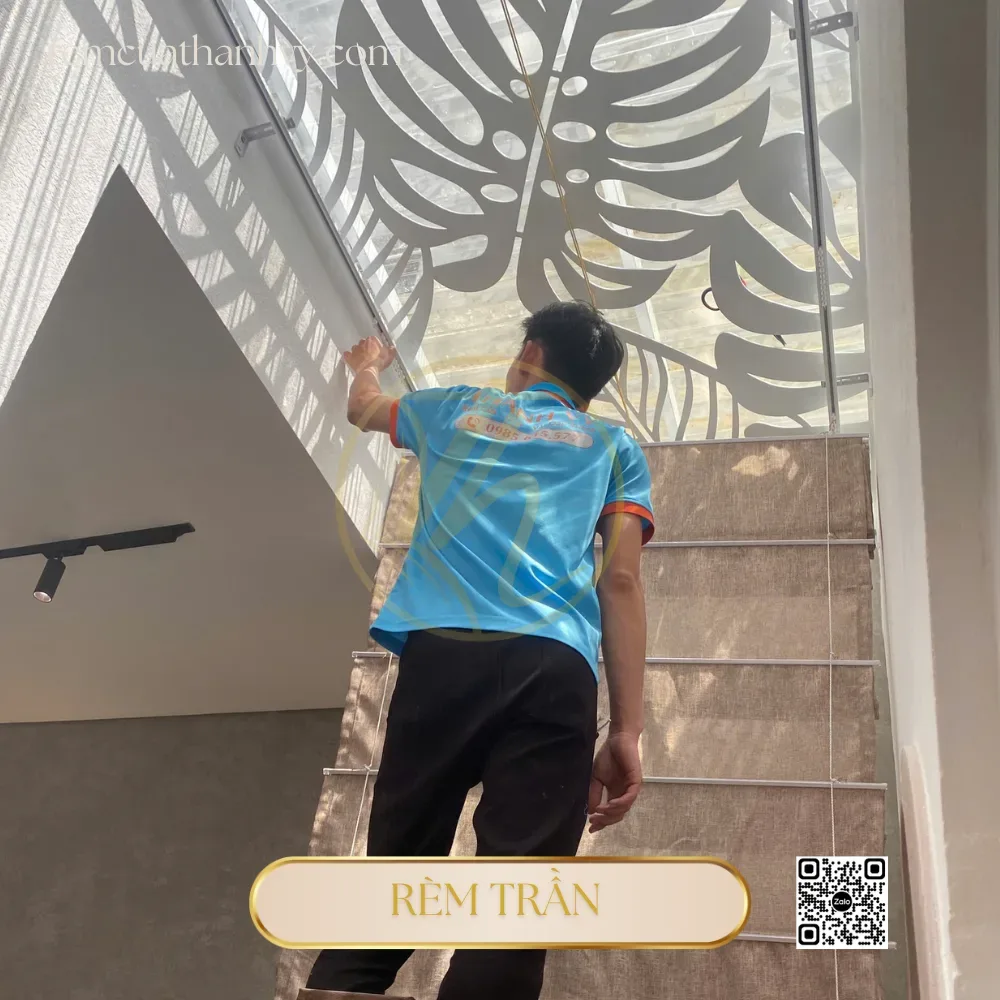
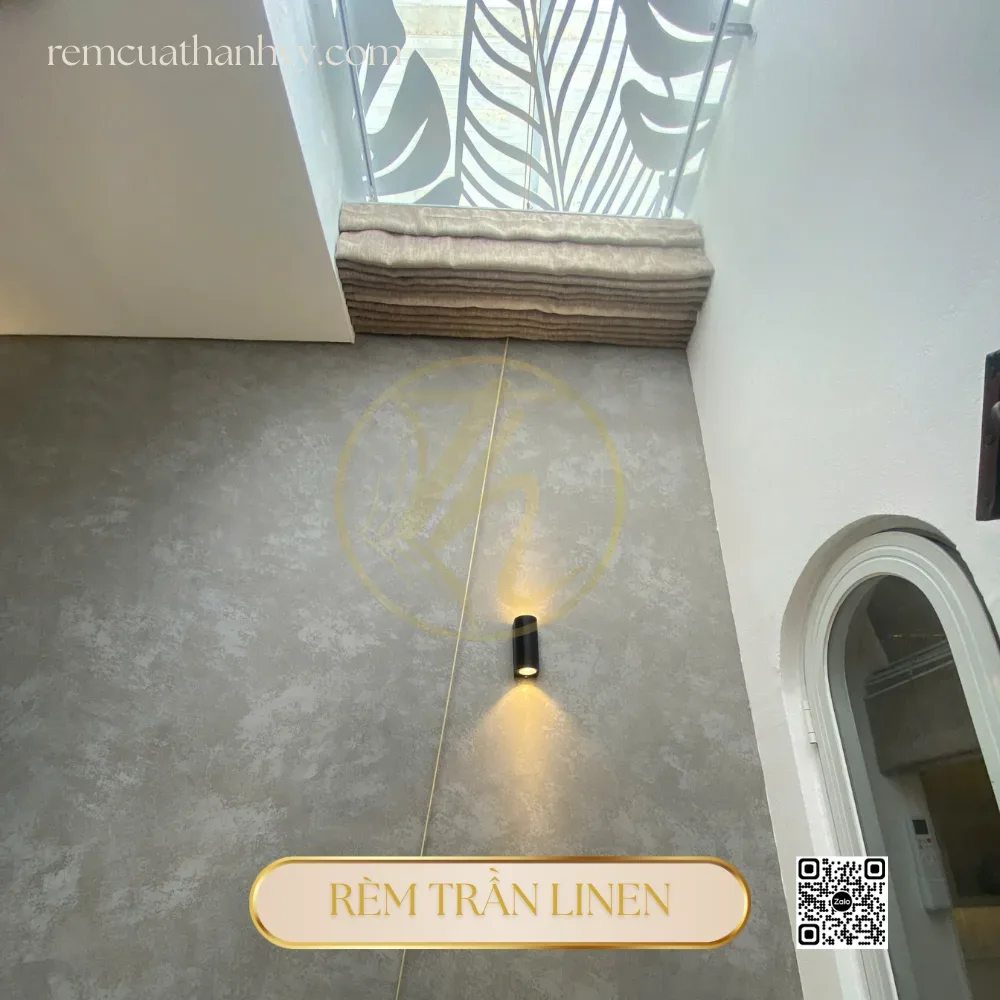
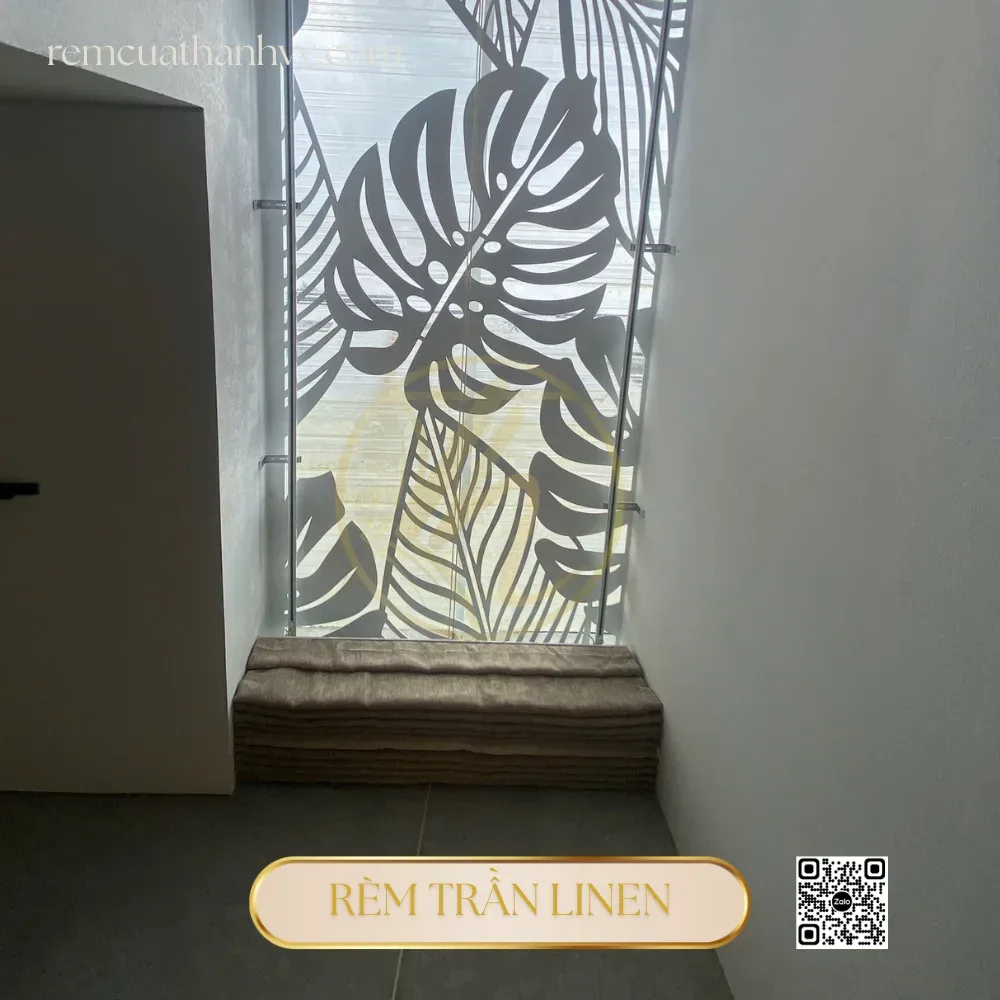
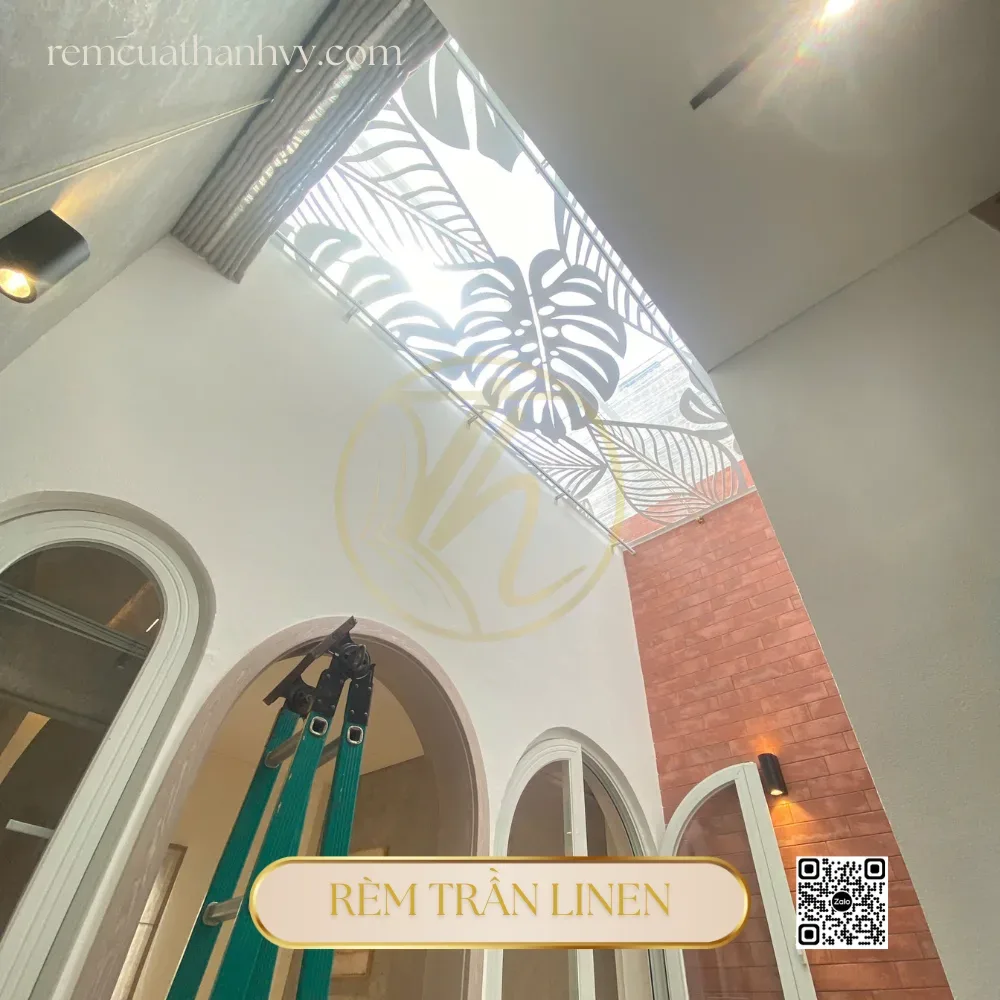
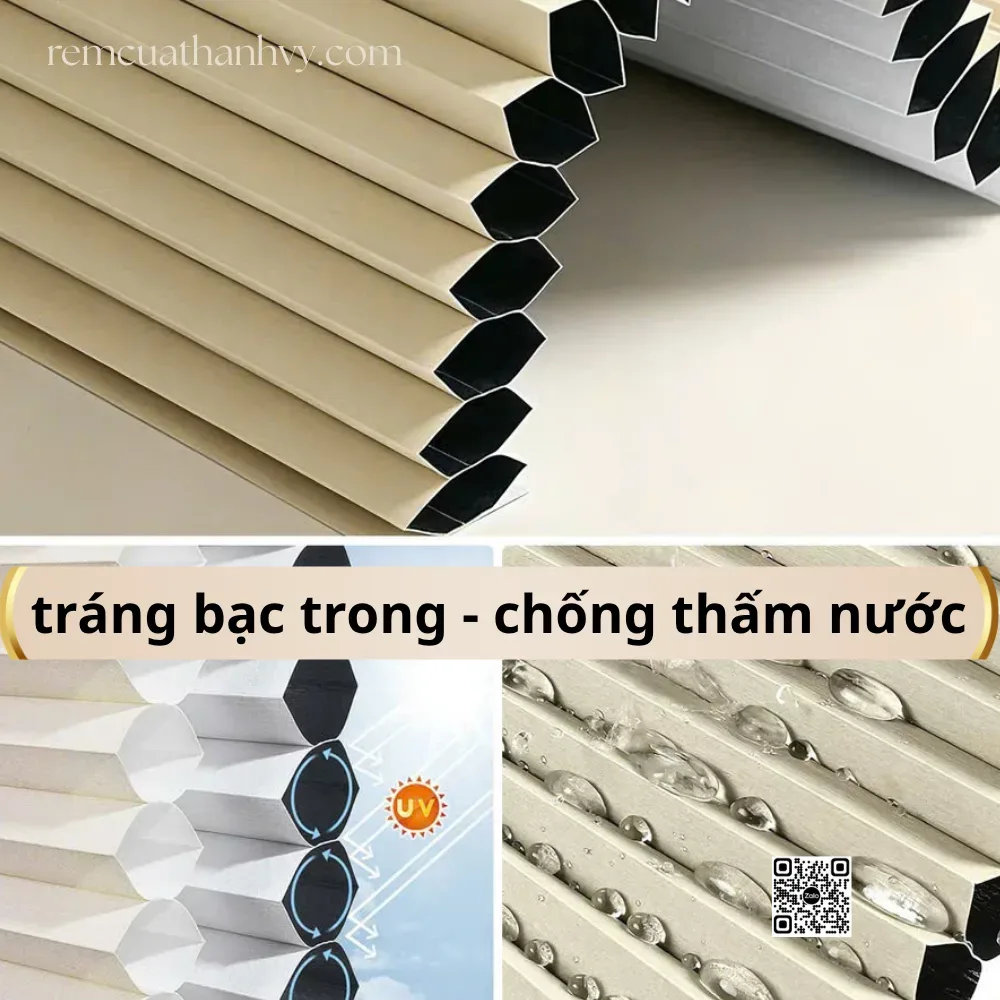
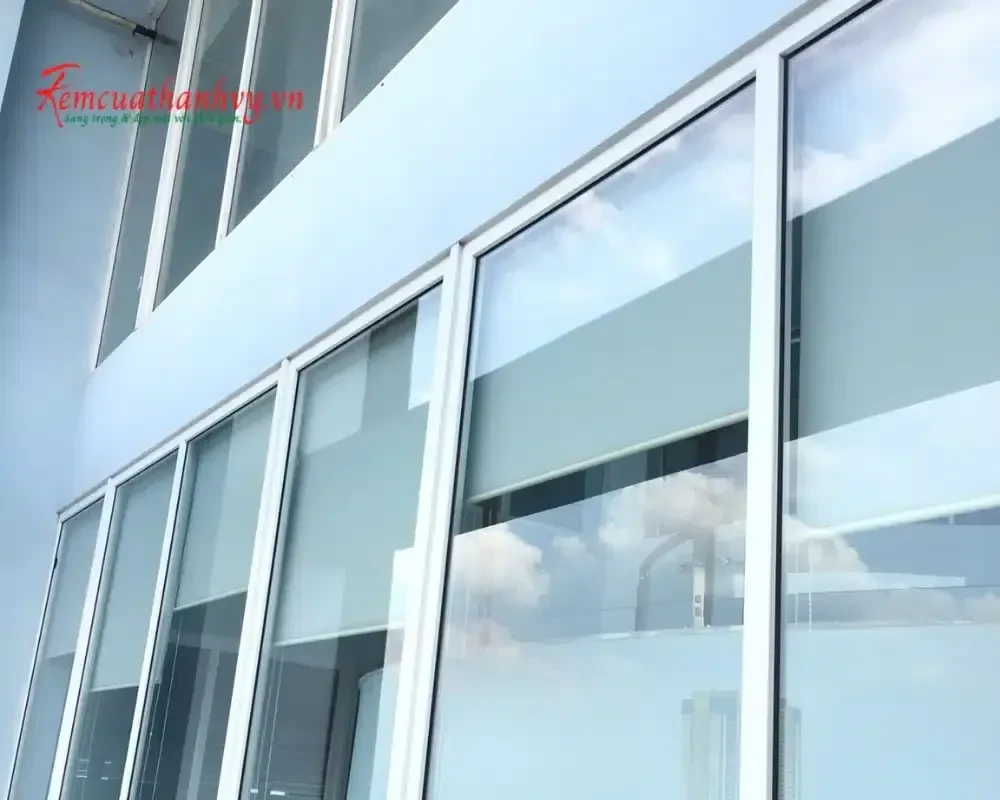
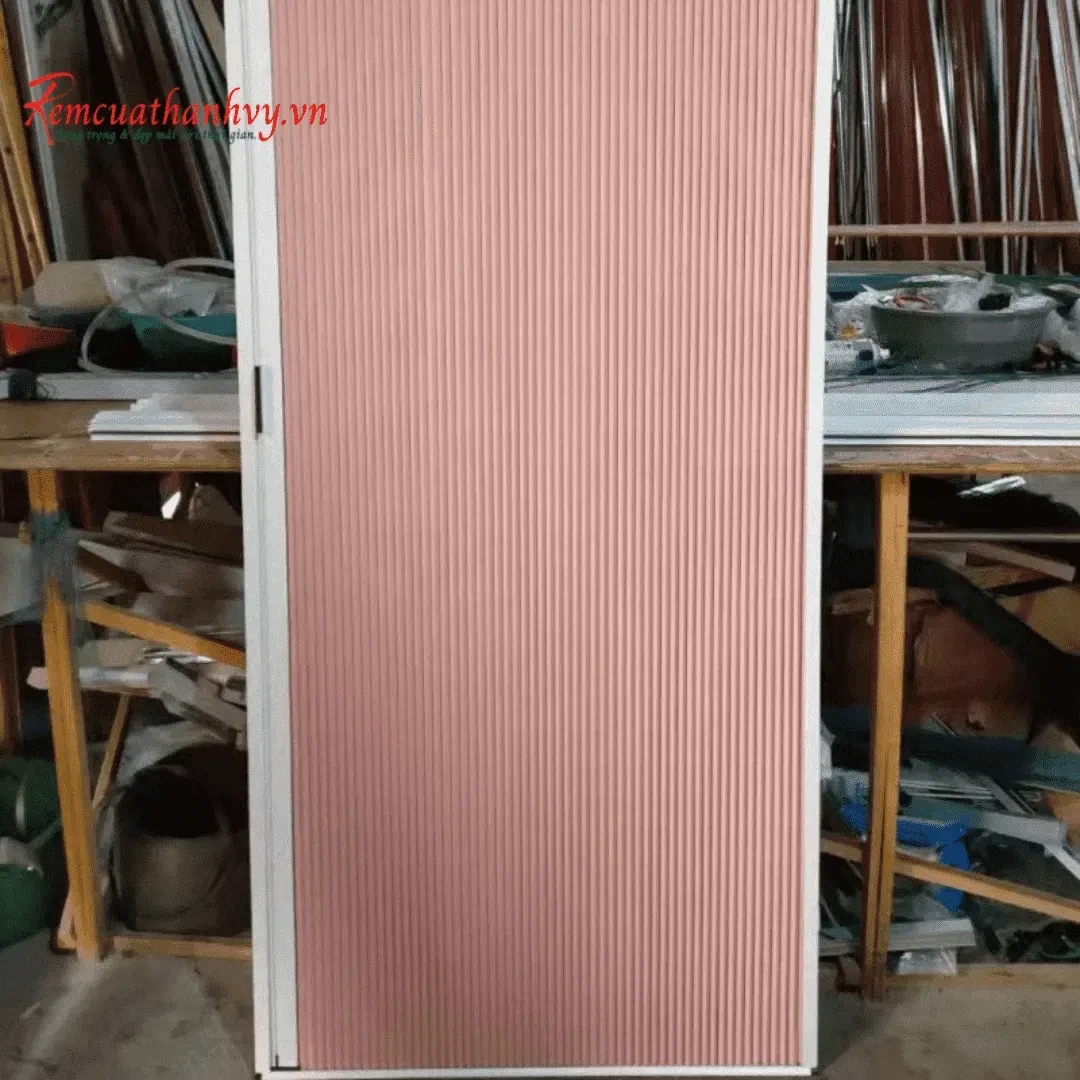
Honeycomb blinds: This group offers the best insulation thanks to its pressed-fabric structure, which creates air pockets between two layers. They are worth considering for front-facing glass walls exposed to afternoon sun or skylight openings, where the most heat enters and the air conditioner has to work hardest. Their cost is higher than that of the groups above, so the practical approach is to install them only in one or two locations exposed to heavy heat rather than throughout the house.
How to coordinate them throughout a house: The entire house does not have to use the same type, but you should also avoid giving every room a completely different style. An approach that often produces good results is to choose two groups: a primary group for important, highly visible rooms and a compact group for secondary rooms, then maintain a shared color palette between the two. This preserves visual consistency when viewed from outside while avoiding paying the same price for windows that are rarely used.
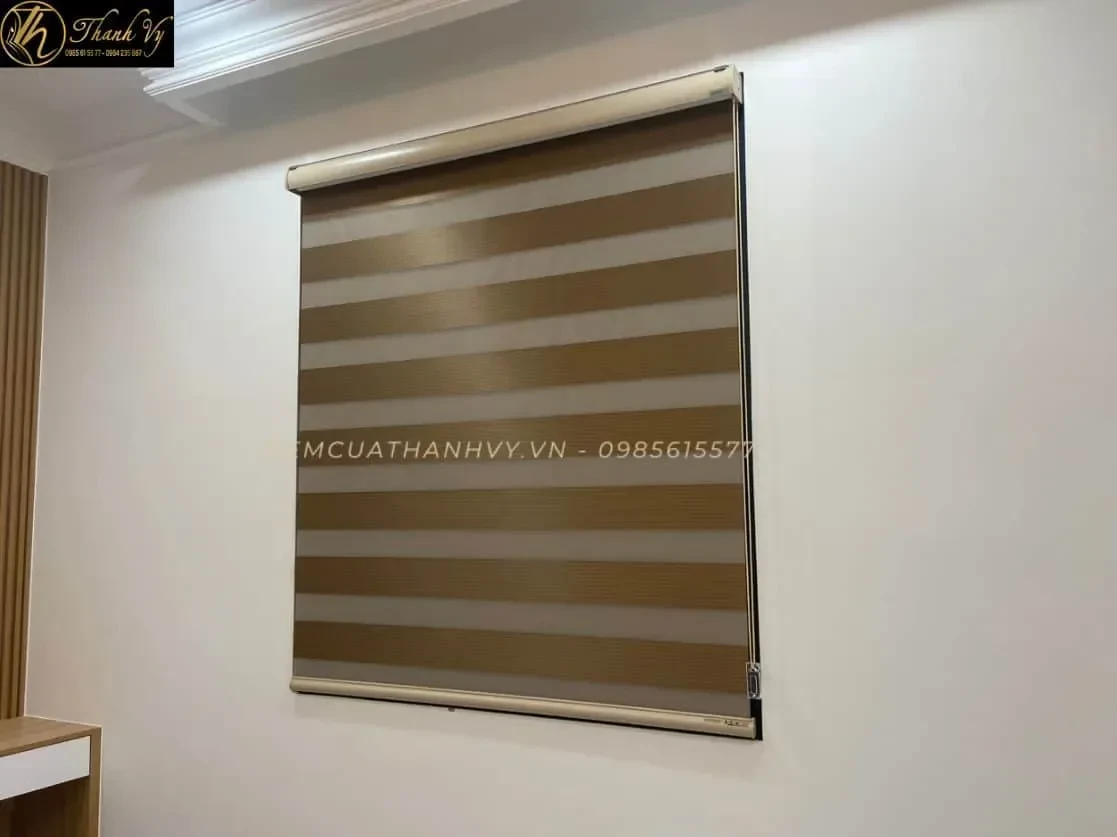
When ready-made models do not match the dimensions or the homeowner wants a custom-made style, the custom curtain sewing service in HCMC can handle what is missing without having to lower the standard to ready-made curtains.
Color and proportions must be tested on the actual wall
Most newly built homes in Hoc Mon have light-colored walls: white, cream, or light gray. Against such a background, a palm-sized fabric swatch held up in daylight will feel very different from a three-meter-high curtain hanging in a room with yellow lighting. This is why we always attach the swatch to the exact wall where it will be installed before finalizing the color. You can also compare it with the properties of natural wood.
Match the color to the light source: Rooms receiving intense sunlight through the front facade need a color with sufficient depth to prevent glare and keep streaks of light from showing through the fabric. Conversely, the rear rooms of tube houses often lack natural light; hanging dark-colored curtains will make the space feel heavy and enclosed. The simple rule is: choose a shade one step darker for sun-exposed front rooms and one step lighter for interior rooms than the color you like in the photo.
Proportion according to the actual height: The same fabric hung under a 2.7-meter ceiling and a 3.2-meter ceiling produces two completely different results. Tube houses are narrow, so the proportions should be drawn vertically: mount the rod high, let the fabric hang long, and limit horizontal details that cut across the sightline. Fabric that touches the floor too much will sweep up dust and quickly fray at the hem, while fabric that is too short will reveal a gap beneath it—the appropriate distance is to leave a small gap just large enough to keep the fabric from touching the floor when there is wind.
Coordinate with existing furnishings: Newly built homes often acquire furnishings in stages, with curtains usually being the final item. Therefore, the curtain color should follow the largest and hardest-to-change item in the room, typically the sofa or wooden cabinet system, rather than the wall color, which is easy to repaint. This approach keeps the curtains looking appropriate even if the homeowner changes the wall color a few years later.
Accessories and construction determine everyday durability
With a mainstream budget, the easiest place to cut costs is the hardware, and that is also exactly where problems appear first. The fabric rarely becomes damaged in the first few years; what annoys users and makes them call a technician is always the track, rollers, pull cord, and brackets.
Track and brackets: The track bears the entire weight of the fabric and withstands friction every time it is pulled. A thin track or brackets placed too far apart will sag in the middle after a few months, leading to jammed rollers and squeaking. The wider the window, the closer together the brackets must be. This is an unseen detail, but it determines how long the curtain set will remain functional.
Fabric fullness: The ratio of fabric to window width determines whether the curtain has beautiful waves or looks flat and stretched. Less fullness saves fabric, but leaves the curtain completely flat and still lets light through when pulled to one side; too much fullness makes the curtain heavy, takes up space when gathered, and makes it harder to pull. A reasonable level for homes is about two and a half times the window width, and this figure should be clearly stated in the quotation so the homeowner knows how many meters of fabric they are paying for.
Space for gathered fabric when open: Narrow-fronted homes do not have much extra wall space on either side of the window. If the gathering space is not planned in advance, the curtain will still cover part of the glass when fully pulled to one side, making the room darker than necessary. A common solution is to extend the track beyond the window edge, or divide the curtain into two panels that open in opposite directions so that each side gathers only half the amount of fabric. Information about the material also appears in the properties of aluminum.
Pull mechanism: Beaded cords, rotating wands, and motors all have their uses, but in homes with young children, any excess cord should be secured up high. For windows that are too high to reach, such as skylights or openings over multiple floors, a motor is a worthwhile investment because curtains in those positions will quickly be left unused if operated by hand.
Individual replacement capability: The most important criterion in the mainstream segment. Choose a commonly used hardware system with replacement parts readily available, so that if a roller breaks or a cord snaps later, you can replace that specific component instead of discarding the entire set. We prioritize widely used hardware systems for this reason, not because they are cheaper.

Wards where Thanh Vy Curtains provides measuring and installation services
After the administrative reorganization, the old and new ward names do not match, so the former names are included below for convenient reference when scheduling a measurement visit.
District 1
- An Phú Đông Ward — merged from Thạnh Lộc Ward before the merger.
- Thới An Ward — merged from Thạnh Xuân Ward before the merger.
- Trung Mỹ Tây Ward — merged from Tân Chánh Hiệp Ward before the merger.
- Tân Thới Hiệp Ward — merged from Hiệp Thành Ward before the merger.
- Đông Hưng Thuận Ward — merged from Tân Hưng Thuận Ward and Tân Thới Nhất Ward before the merger.
- Bình Thới Ward — merged from Ward 10, Ward 3, and Ward 8 before the merger.
- Hòa Bình Ward — merged from Ward 14 and Ward 5 before the merger.
- Minh Phụng Ward — merged from Ward 1, Ward 16, and Ward 7 before the merger.
- Phú Thọ Ward — merged from Ward 11 and Ward 15 before the merger.
- Bến Thành Ward — merged from Nguyễn Thái Bình Ward and Phạm Ngũ Lão Ward before the merger.
- Cầu Ông Lãnh Ward — merged from Cô Giang Ward, Cầu Kho Ward, and Nguyễn Cư Trinh Ward before the merger.
- Sài Gòn Ward — merged from Bến Nghé Ward before the merger.
- Tân Định Ward — merged from Đa Kao Ward before the merger.
- Diên Hồng Ward — merged from Ward 14, Ward 6, and Ward 8 before the merger.
- Hòa Hưng Ward — merged from Ward 12, Ward 13, and Ward 15 before the merger.
- Vườn Lài Ward — merged from Ward 1, Ward 10, Ward 2, Ward 4, and Ward 9 before the merger.
District 3
- Bàn Cờ Ward — merged from Ward 1, Ward 2, Ward 3, Ward 4, and Ward 5 before the merger.
- Nhiêu Lộc Ward — merged from Ward 11, Ward 12, Ward 14, and Ward 9 before the merger.
- Xuân Hòa Ward — merged from Võ Thị Sáu Ward before the merger.
When to install curtains during the home finishing schedule
Because most orders in Hoc Mon are for newly completed homes, the question of timing is just as important as the question of curtain type. Calling the installer too early can result in inaccurate measurements, while calling too late means the family may move in while the windows are still completely bare, forcing them to cover them temporarily with tarps or paper.
Recommended time for the first contact: Once the gypsum ceiling has been completed and the position and depth of the curtain recess are certain. The curtains do not need to be made yet, but an early site survey can identify whether the recess is too shallow or lacks space for mounting the rod, leaving enough time to ask the ceiling installer to fix it before painting. In many cases, homeowners have had to accept exposed rods simply because the issue was discovered after everything had been completed.
Official measurement time: After the glass doors have been installed and the final coat of paint has been completed. Measuring before painting means the paint and putty will change the edges of the recess by a few millimeters; measuring before the doors are fitted into their frames means all overall coverage measurements are merely estimates. This is the point at which usable measurements for cutting the fabric can be obtained.
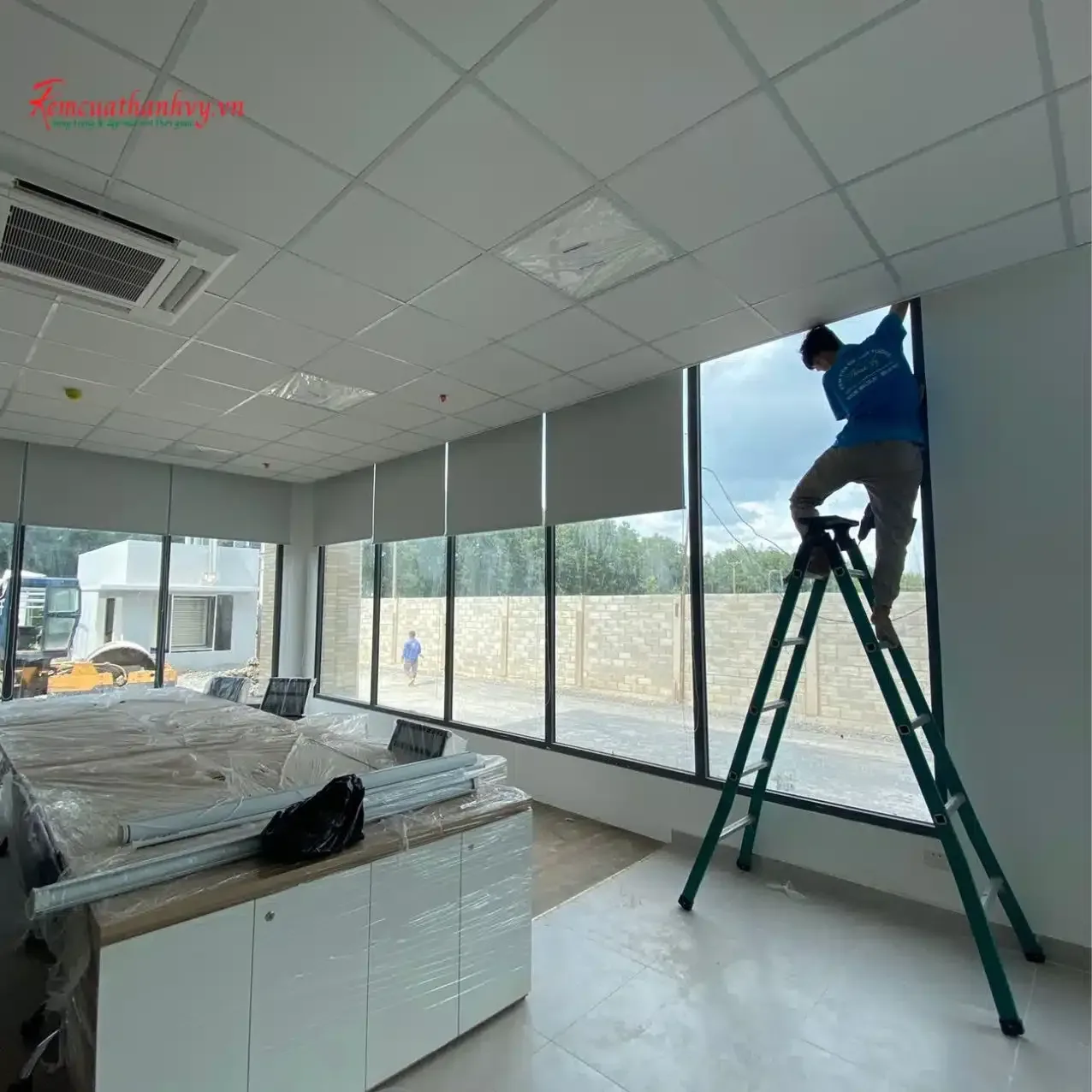
Installation time: It should be scheduled after the flooring is installed and before large furnishings are moved in. Drilling to mount the rod creates dust, and doing it after the sofa and bed have been arranged requires covering all the furniture, taking more time for both sides. On the other hand, if the curtains are installed before the flooring, the final height is not yet established, and the curtain hem will be short by exactly the thickness of the flooring.
For rental homes: Landlords often want all the curtains installed at once in time for the tenant move-in date. In this case, surveying the entire row of rooms once and producing the curtains in batches is considerably more economical than calling for each room individually. Rooms of the same size can also use the same specifications, so if one set is left over later, it can be installed in any room as a replacement. Interested readers can learn more about the role of windows.
For occupied homes adding curtains: This is entirely possible and does not require moving out. The installer only needs enough space in front of the window to set up a ladder; drilling dust can be caught and cleaned up immediately on site. Installation for each window takes tens of minutes, not an entire day.
What to prepare before calling for a consultation
The first discussion will be brief and get straight to the point if the homeowner has a few basic details ready. No specialized knowledge is needed—just things you can observe immediately in your own home.
Photos from sufficient angles: Each room should have one wide-angle photo showing both the window and the walls on either side, plus one photo taken straight on toward the window frame. The wide-angle photo shows how large the room is and whether there are any obstructions; the straight-on photo shows the frame type, how the panels open, and the condition of the ceiling recess. Take the photos during the day without turning on the lights, so they accurately show the amount of natural light the room receives.
Estimated measurements: A tape measure is sufficient. Measure the width and height of the window, and also note the distance from the top edge of the frame to the ceiling. An error of a few centimeters is not a problem because the installer will measure again during the site survey, but having an estimated figure allows the preliminary quotation to stay close to reality instead of giving an excessively broad range.
Priority needs for each room: Clearly state which rooms need to be dark for sleeping, which only need privacy, and which are mainly intended to look beautiful. These three needs lead to three groups of materials and three different price levels. If they are combined into a single request, the proposed solution will either be excessive for one area or insufficient for another.
Expected budget range: This is information homeowners are often reluctant to share, yet it is the most helpful. Once we know the spending range, we will bring only samples within that range and spend time discussing them in detail, instead of laying out dozens of samples and only discovering at the end that most of them are outside the plan.
Number of windows: Count the total number of windows to be fitted throughout the house, including those you plan to do later. The quantity directly affects fabric calculations and the installation schedule, and combining everything into one job is often cheaper than splitting it into two phases. You can also consult the An Giang Newspaper article about Thanh Vy premium fabric curtains.
When to have an on-site survey instead of finalizing the order through photos
For a square window with clear walls on both sides and no obstructions, discussing the project through photos along with measurements is sufficient to develop a solution. However, there are situations in which skipping the survey will almost certainly lead to rework, and these situations occur fairly often in Hoc Mon.
Large glass walls at the front of the house: Glass doors spanning almost the entire width of the house require on-site calculations for the number of panels, opening direction, and fabric stacking point. A wide curtain set with the wrong number of panels will be difficult to draw and will cover part of the glass when fully opened—something that cannot be assessed from photos alone.
Completed recessed ceiling curtain box: The depth and inner width of the recess must be measured, and it must be checked whether there is enough space for both fabric layers and the track system. At the same time, it is necessary to determine whether the top of the recess is concrete or gypsum board in order to choose the mounting method. Being short by just one or two centimeters can cause the inner fabric to rub against the edge of the recess every time it is drawn.
Out-of-square window frames: In quickly built homes or added extensions, the width measured at the top and bottom edges may differ by a few centimeters, or the wall may be slightly angled. Measuring at only one point and cutting the fabric accordingly will result in a curtain that leaves a gap on one side. An on-site survey measures multiple points and uses the correct working measurement.
Homes with many rooms at once: A row of rental rooms may look identical, but in reality they rarely match perfectly; a difference of a few centimeters from room to room is normal. Measuring each room on site before production avoids the situation where an entire batch of curtains arrives but only half of them can actually be installed.
Occupied homes already filled with furniture: Cabinets pushed against the wall, a bed placed directly beneath the window, or an altar positioned near the window can all change the installation plan and the way the fabric is stacked. Photos often hide these details because the camera angle is limited by the very furniture in the room. An on-site survey also helps determine the ladder placement and installation sequence in advance, so the family’s belongings do not have to be moved around unnecessarily.
High locations: Skylights, stairwell ventilation windows, and multi-story glass walls all require an assessment of whether a ladder can be set up and where the rod can be securely mounted. This is work that must be inspected in person because it is directly related to installation safety. Information about the company also appears in the Can Tho Newspaper article introducing auditorium curtains.
Decision checklist for people looking for curtains in Hoc Mon
How much light blocking is needed: Decide room by room instead of deciding for the entire house. A bedroom for someone working night shifts or a room with a frontage exposed to afternoon sun truly needs a blackout layer. Living rooms, kitchens, and dining rooms mostly only need glare reduction and privacy, so using maximum blackout curtains means paying for something you will not use.
How much privacy is needed: A house right next to a local road, with people passing frequently, and a house set back from the road by a yard have completely different needs. The point to check is at night when the indoor lights are on: many fabrics look very opaque during the day but clearly show people’s silhouettes when the light is behind them.
Space remaining around the window: Measure how much bare wall remains on both sides of the window. If there is less than twenty centimeters on each side, you should lean toward roller blinds or zebra blinds because these sit close to the glass; with more bare wall, fabric curtains can make better use of the space because there is room to stack the fabric when open.
Acceptable cleaning frequency: Homes with open kitchens, homes on dusty roads, or rental homes should all prioritize wipe-clean surfaces over types that must be removed for washing. If you choose fabric curtains, ask in advance how they are removed and reinstalled, because a curtain set that cannot be removed easily will rarely be washed on schedule.
Ability to repair and replace individual parts: Ask three direct questions before deciding: if one panel is damaged, can only that panel be replaced; are accessories in stock or must they be ordered; and after the warranty expires, approximately how much will it cost to replace one component? These three answers indicate more accurately than any durability promise how long the curtain set will stay with you.
Total cost for the entire house: Do not compare the price per square meter between providers; instead, compare the total for all window openings, including accessories and installation. A low price per square meter with accessories charged separately can result in a higher total than an all-inclusive quote that initially appears expensive.
Send your dimensions and needs, and the Thanh Vy Curtains team will advise on options and quote for your actual space.
The capabilities and service scope of Rèm Cửa Thanh Vy in Hoc Mon
Rèm Cửa Thanh Vy provides surveying and installation throughout all four communes of Hoc Mon after the reorganization, including Ba Diem Commune, Dong Thanh Commune, Hoc Mon Commune, and Xuan Thoi Son Commune. The area is broad and has many side roads, so we schedule appointments by area cluster during the day to shorten travel time and arrange time slots close to the homeowner’s requirements. Interested readers can view the Thanh Vy premium curtains section on Báo Hà Tĩnh.
Direct sewing workshop: Orders are cut and sewn at our workshop rather than being subcontracted through a third party. This allows us to handle non-standard requirements such as unusually tall windows, oversized curtains that require fabric joining, or custom sewing styles, while also shortening processing time when adjustments are needed after installation.
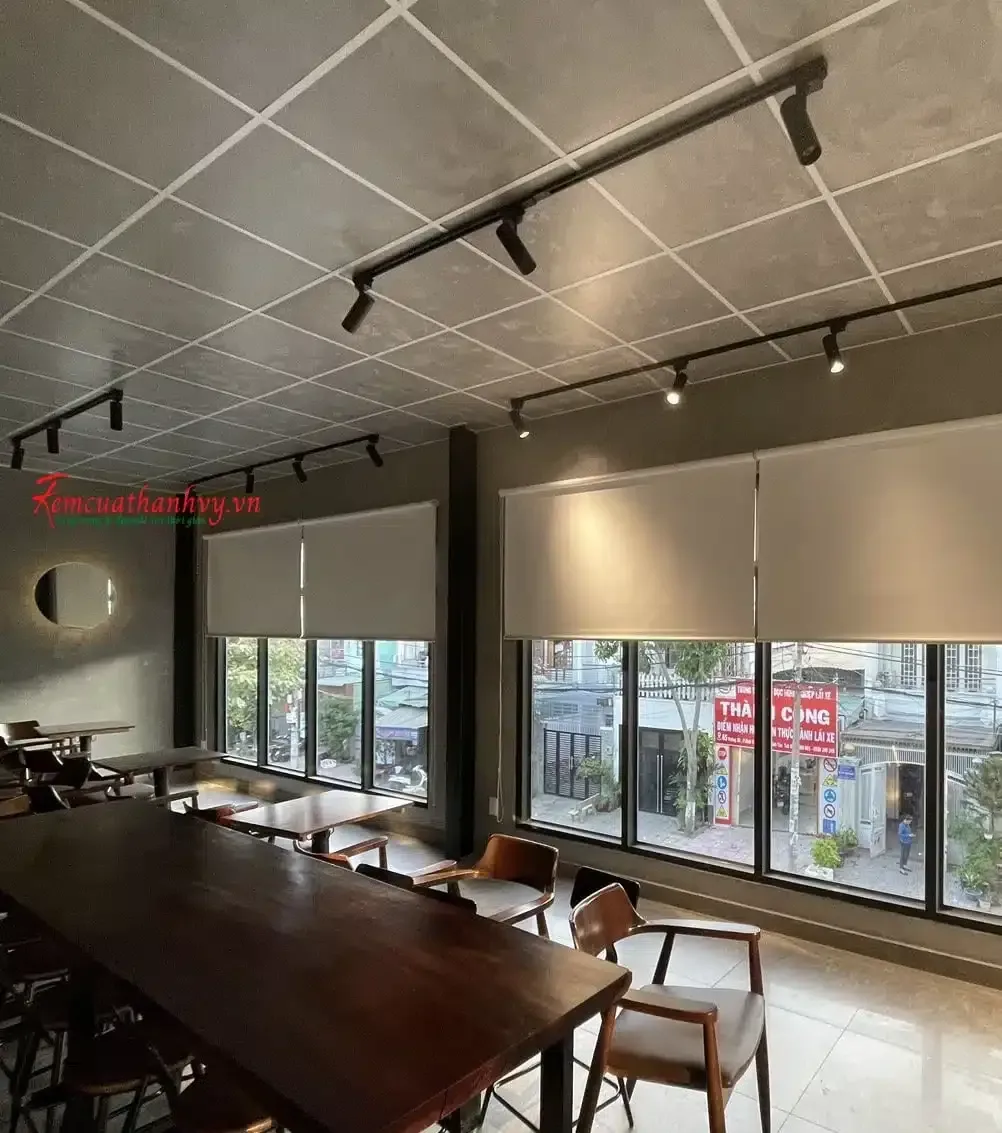
Consultation based on your actual budget: We work with every spending level and do not consider small orders secondary. A rental room needing one set of roller blinds receives the same proper surveying and consultation process as a home requiring installation throughout. Our approach is to start with the budget range you provide and optimize within it, rather than presenting an expensive option and gradually lowering it.
A sufficiently broad product range: Single-layer and double-layer fabric curtains, roller blinds, zebra blinds, Roman blinds, aluminum blinds, wooden blinds, and motorized curtains. The broad range allows each room to choose the right group instead of forcing the entire house to use one type simply because the installer only offers that type.
Post-installation responsibility: Once handed over, the curtain set remains our responsibility. Jammed tracks, uneven folds, height adjustments, or additional operating guidance are all handled within the warranty scope. This is something we take seriously, because a curtain set is truly evaluated after several years of use, not on the handover day.
If you are comparing nearby areas, the article Binh Tan curtains: Choosing according to light, privacy, and the condition of the windows offers additional perspective on choosing curtains for high-density urban homes.
Wards where Rèm Cửa Thanh Vy provides measuring and installation
After the administrative reorganization, the former and new ward names do not match, so the section below includes the former names for convenient reference when scheduling measurements.
District 4
- Khánh Hội Ward — merged from Wards 15, 8, and 9 before the merger.
- Vĩnh Hội Ward — merged from Wards 1, 2, 3, and 4 before the merger.
- Xóm Chiếu Ward — merged from Wards 13, 16, and 18 before the merger.
District 5
- An Đông Ward — merged from Wards 5, 7, and 9 before the merger.
- Chợ Lớn Ward — merged from Wards 11, 12, 13, and 14 before the merger.
- Chợ Quán Ward — merged from Wards 1, 2, and 4 before the merger.
What types of spaces does Thanh Vy serve in Hóc Môn?
The housing stock in Hóc Môn leans heavily toward residential homes and rental properties, unlike central areas where offices and commercial premises make up a large proportion. Our approach to each type of space therefore differs as well.
Newly built townhouses: This is the largest group. Common characteristics include many windows that need to be fitted at the same time, large glass façades, and homeowners spending on multiple finishing items, so they need a well-balanced solution. We often recommend focusing investment on the façade and master bedroom, while using more compact options for the remaining rooms. You can also refer to the concept of curtains in architecture.
Rooming houses and rental homes: The top priorities are cost per room and the ability to replace individual units. A practical approach is to standardize one specification for rooms of the same size, choose commonly available hardware systems, and make a few extra sets so the landlord can replace damaged ones independently without waiting for a technician.
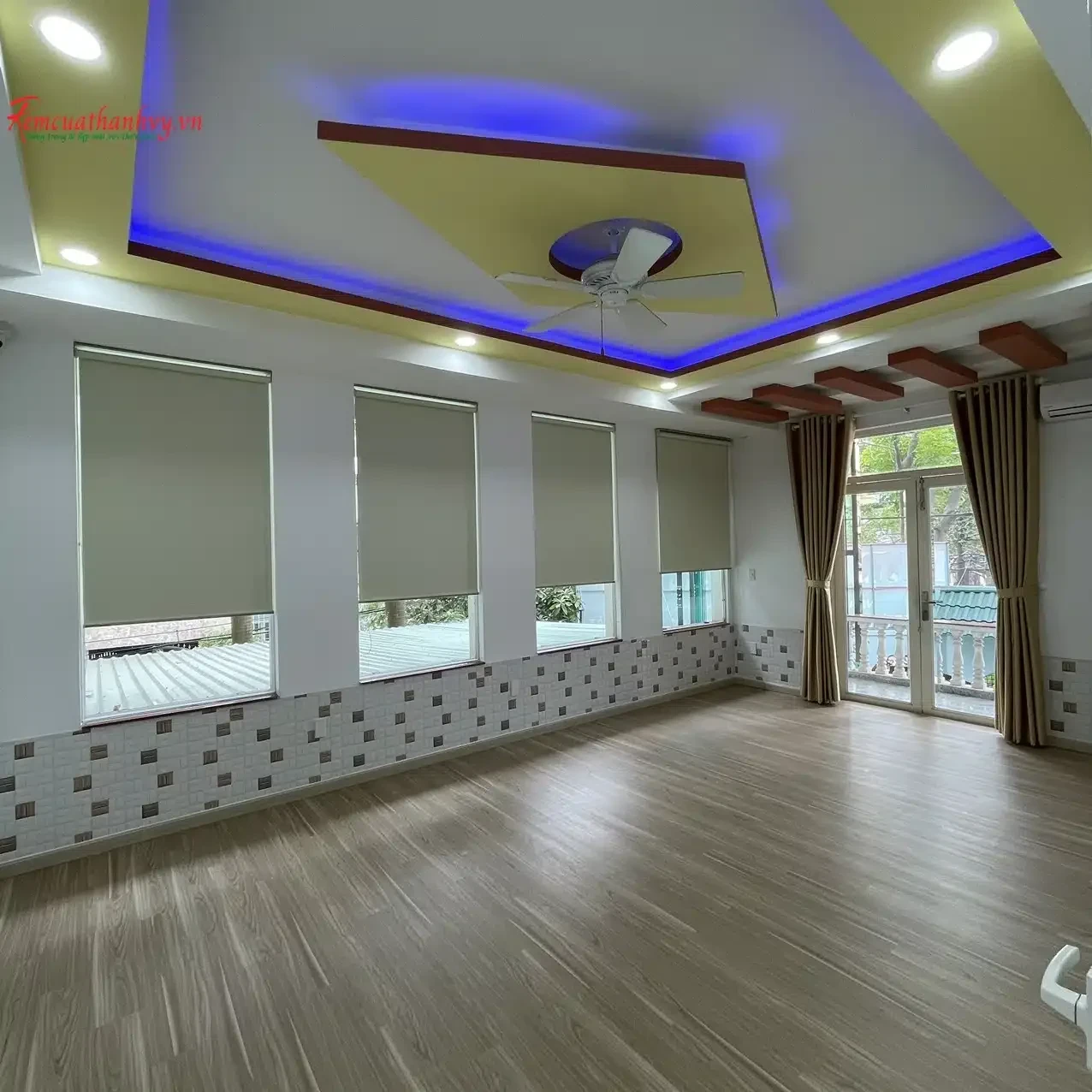
Garden homes and remaining single-story houses: There are still quite a few in the area, typically with many windows of uneven sizes and walls that may be made of old brick. This group requires careful inspection of the screw-fastening points and is usually better suited to roller blinds or lighter single-layer fabric curtains than heavy systems.
Apartments: Their number is gradually increasing along with the pace of urbanization. A specific consideration is the building management’s rules on drilling and installation hours, so we ask about the building regulations in advance to schedule the work within the permitted time slot.
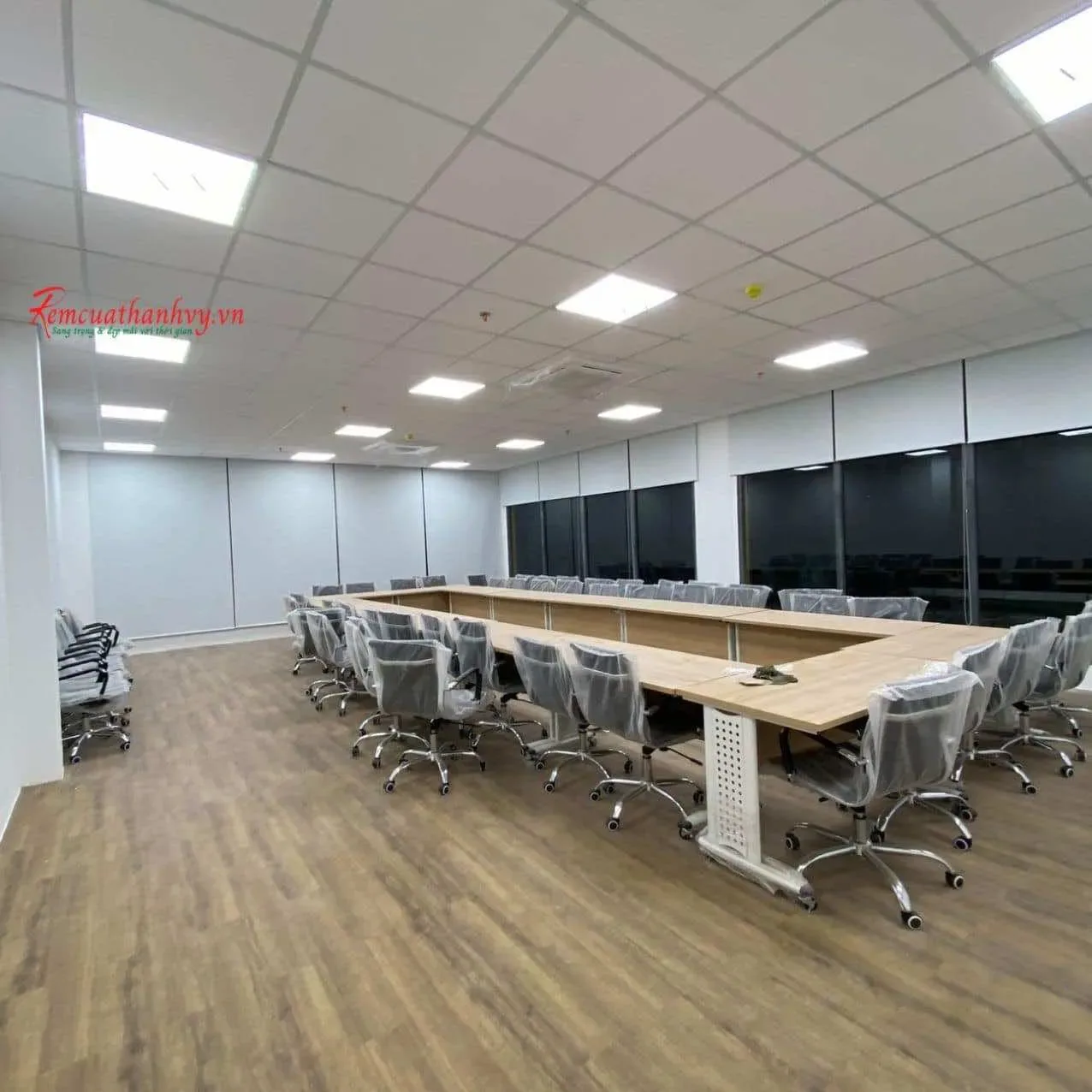
Ground-floor business premises: Restaurants, shops, and small clinics make use of the ground floors of residential homes. The main requirement is to block the afternoon sun for customers indoors while keeping the façade bright and attractive from the outside, which is usually addressed with mesh roller blinds or aluminum blinds rather than thick fabric curtains.
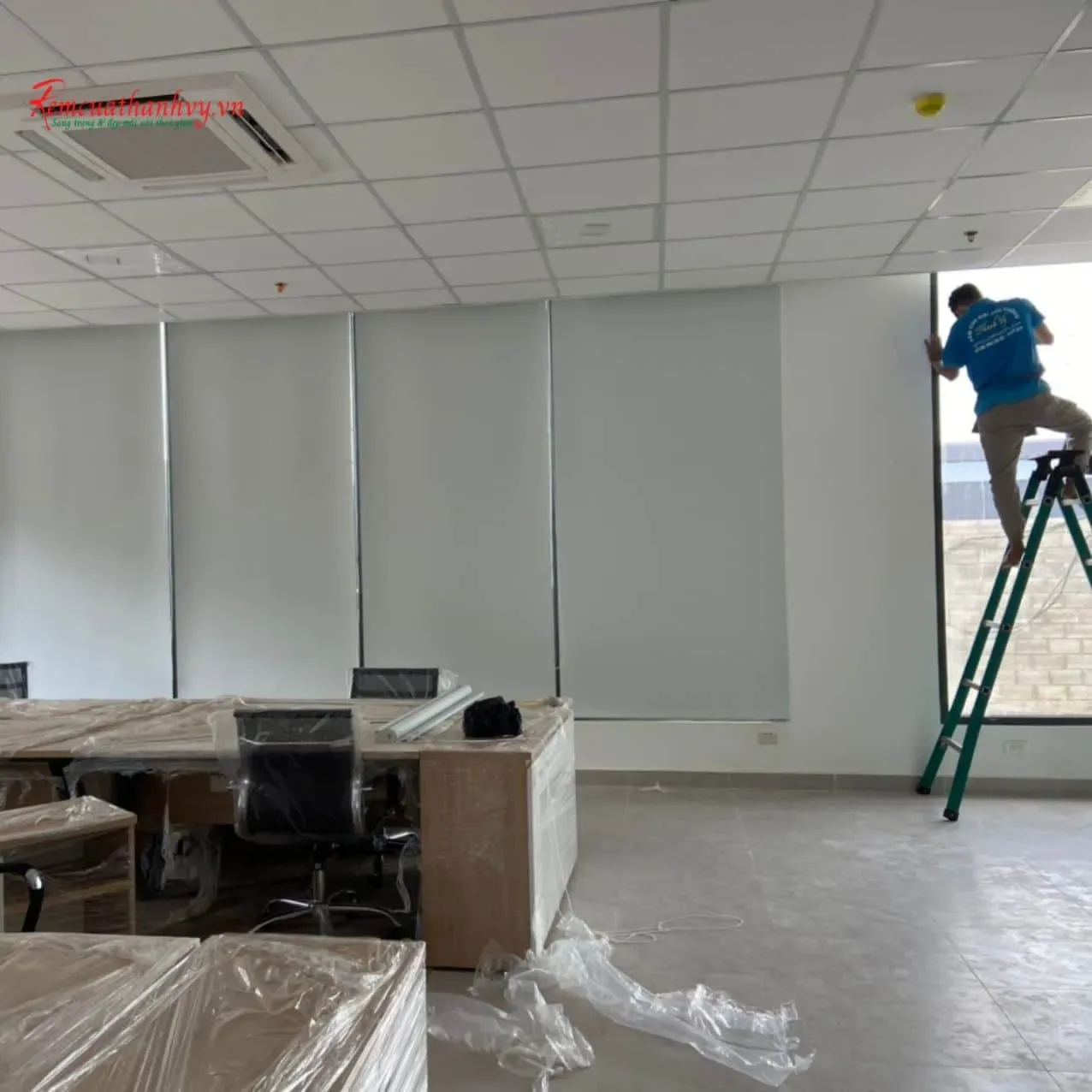
Offices and small workshops: Businesses combining offices with warehouse or workshop space in the area often need vertical blinds or roller blinds for work areas, with durability, easy cleaning, and quick replacement when damaged as the key criteria.
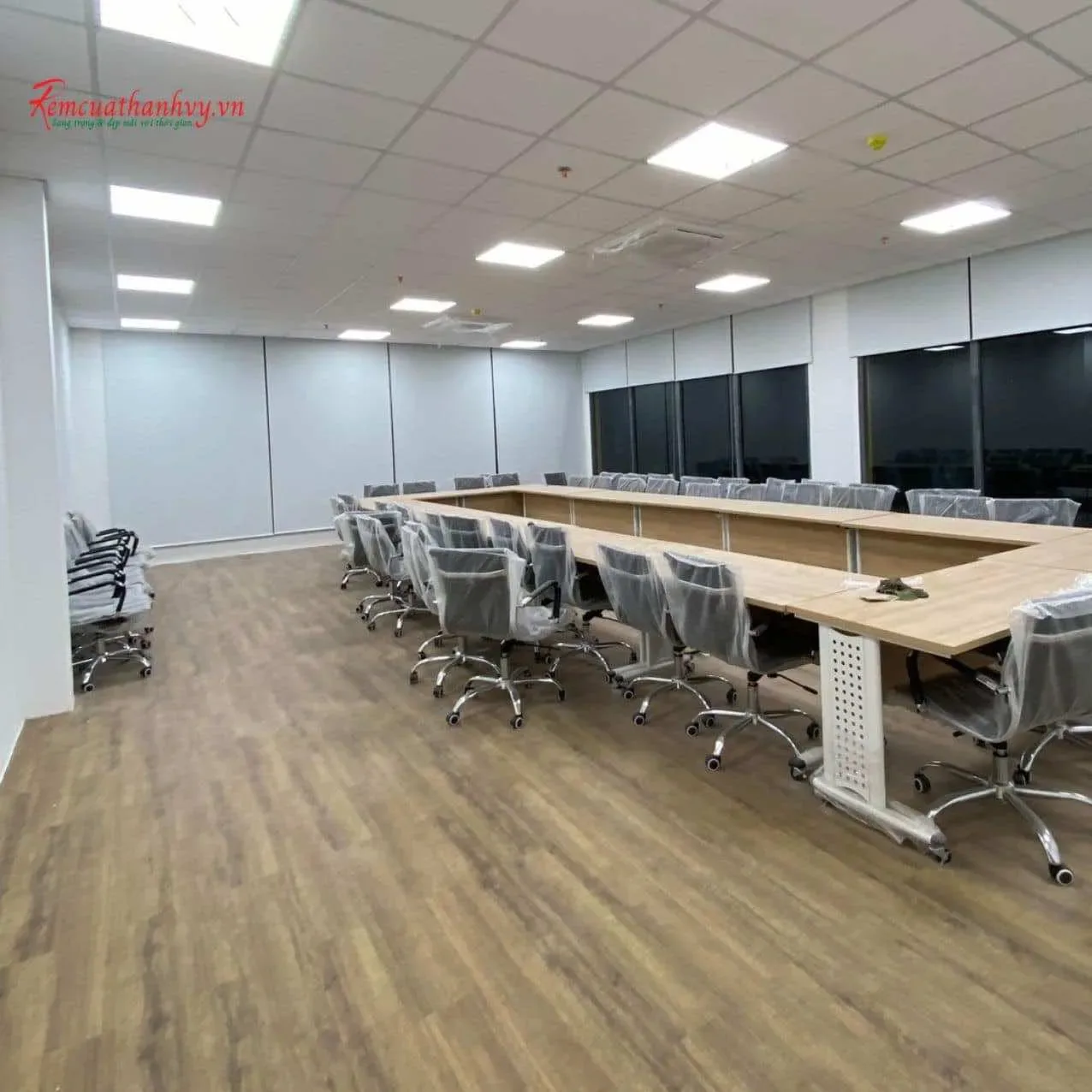
The in-home survey process
The survey is the step that determines the accuracy of the entire order. We keep this process streamlined so it does not take up much of the homeowner’s time while still collecting all the necessary data.
Recording initial requirements: When you contact us, we ask about the number of windows, the main needs of each room, and your budget range. Based on this, the technician prepares a suitable selection of fabric samples to bring along. Bringing the right samples is more important than bringing many samples, because too many choices often make it harder for homeowners to decide. Information about the material also appears in the characteristics of linen fabric.
Scheduling by area: We arrange survey appointments in the same area within one session to manage our time proactively and keep appointments on schedule. You can choose a convenient time slot, including outside office hours or on weekends for families whose members work all day.
On-site measurements: The technician measures both inside-recess and overall dimensions depending on the type of curtain, takes measurements at multiple points on the same window to detect deviations, checks the wall material exactly where the brackets will be mounted, and records all obstacles around the frame. All measurements are written on a form rather than memorized.
Testing samples in real conditions: Fabric samples are placed against the wall and held up to the light right in the room so you can see the exact color and light-filtering level. For bedrooms, we recommend testing during the time of day when the room receives the most sunlight to accurately assess light-blocking performance.
Finalizing the solution and quotation: At the end of the survey, you receive a specific proposal for each room along with a clearly itemized price list separating fabric, hardware, and installation labor. This clear breakdown lets you know where you can make adjustments if you want to reduce the total cost.
The custom measuring and sewing process
After the solution is finalized, the order is sent to the workshop. All cutting and sewing is handled by our own technicians, so any changes that arise can be addressed without having to negotiate through an intermediate manufacturing unit.
Inspecting the fabric before cutting: The fabric roll is laid out to check color consistency between sections and detect weaving or printing defects before it is placed on the cutting table. This step prevents a finished curtain from having a mismatched color streak right in the middle of the façade.
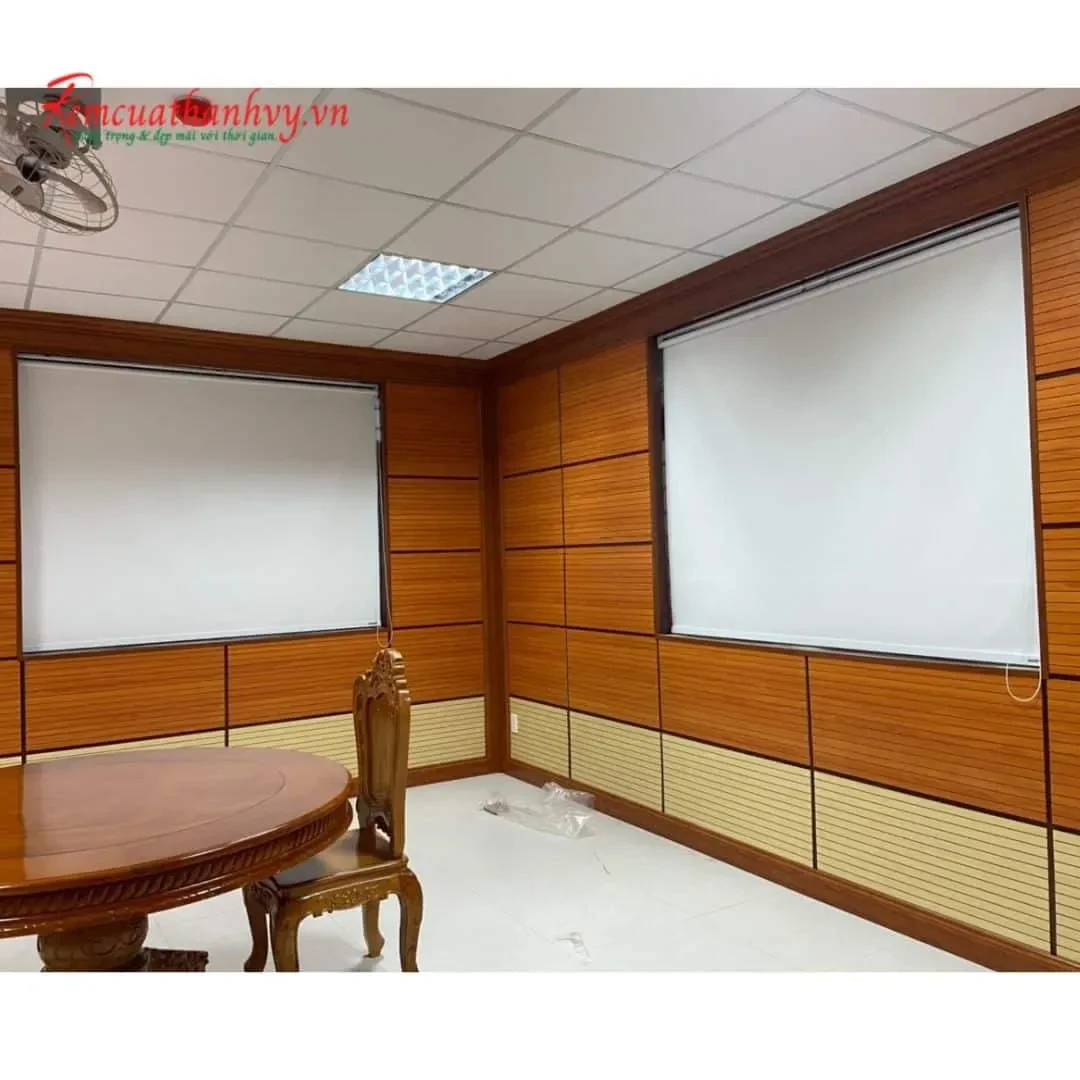
Calculating before cutting: The technician calculates the amount of fabric based on the measurements on the survey form plus the agreed fullness, while also planning how to join the widths so that the seam falls in the least noticeable position. For windows taller than the fabric width, the seam location directly affects the appearance, so it is always considered separately. Interested readers can learn more about the properties of natural wood.
Cutting and sewing: The fabric is cut on a flat table so the edges do not shift, and the hems are carefully finished to prevent the threads from shrinking after several washes. The curtain header, drawstring, and hook positions are sewn according to the selected track type, because each track system has different hook specifications and incorrect installation will prevent the curtain from moving smoothly.
Pleat pressing and shaping: For fabric curtains, pleat pressing determines whether the folds hang evenly and retain their shape after being opened and closed many times. The curtain panel is shaped at the workshop before being packaged, so it falls into place immediately when hung instead of needing to wait for the fabric to drape naturally over time.
Pre-shipping inspection: Each set is checked against the survey form for dimensions, number of panels, track type, and included accessories before packaging. This step prevents a situation where the technician arrives on-site only to discover that a detail is missing and has to schedule another visit.
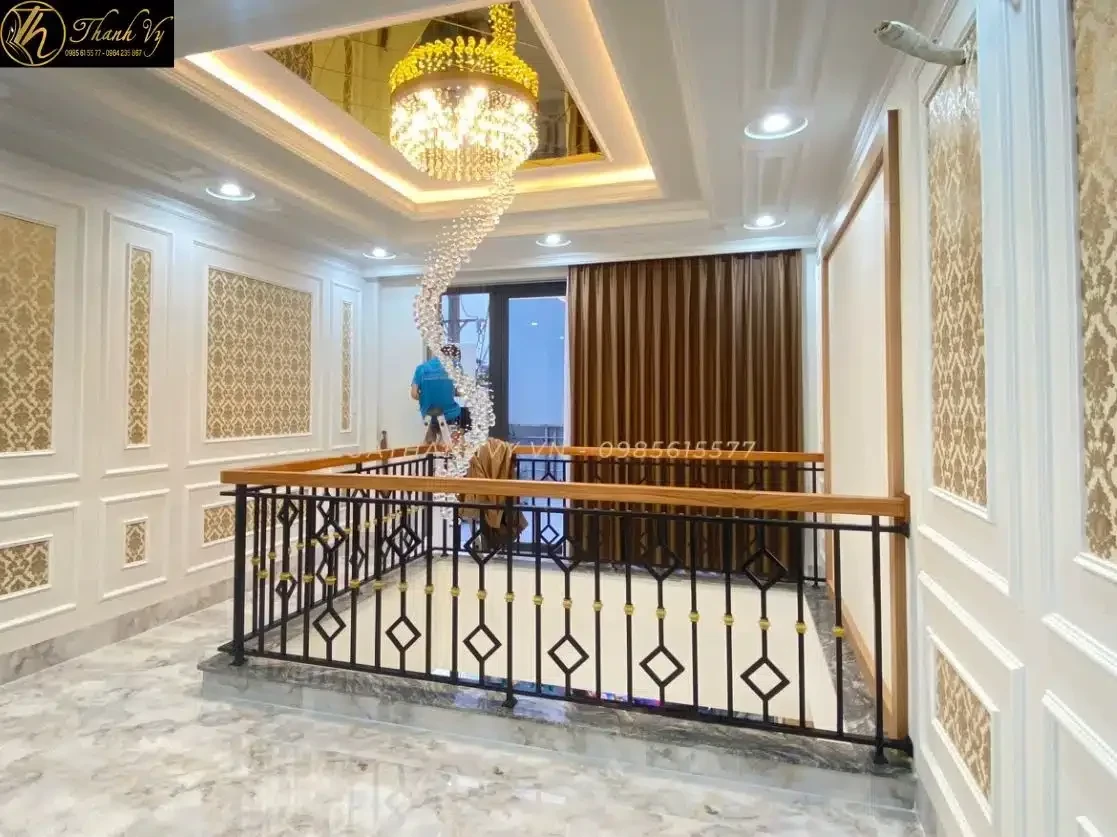
Installation and fitting process
Installation is when homeowners see the results, and also when problems are most likely to arise if the installers work carelessly. We standardize each step so the installation proceeds quickly, cleanly, and without leaving unfinished work.
Preparing the site: Before drilling, the area beneath the window is covered, and nearby belongings are covered or moved away. For homes that already have furniture, the installers bring their own protective coverings instead of borrowing the family’s. For new homes that have not yet been occupied, this step is still carried out so the floor and walls do not get stained.
Positioning and fastening the brackets: Bracket positions are marked with a ruler and spirit level before drilling, rather than estimated by eye. Wall plugs and screws are selected according to the wall material identified during the survey. Long tracks receive an additional center bracket to prevent sagging; this detail determines whether the curtain set will continue to operate smoothly after several years.
Hanging and adjusting: The fabric is hung, the pleats are evenly distributed, the hem height is adjusted, and the installers check whether the two panels close tightly in the middle. For roller and rainbow blinds, the installers check whether the shaft runs straight, because an improperly aligned shaft will cause the fabric to roll toward one side after a period of use. You can also refer to the properties of aluminum.
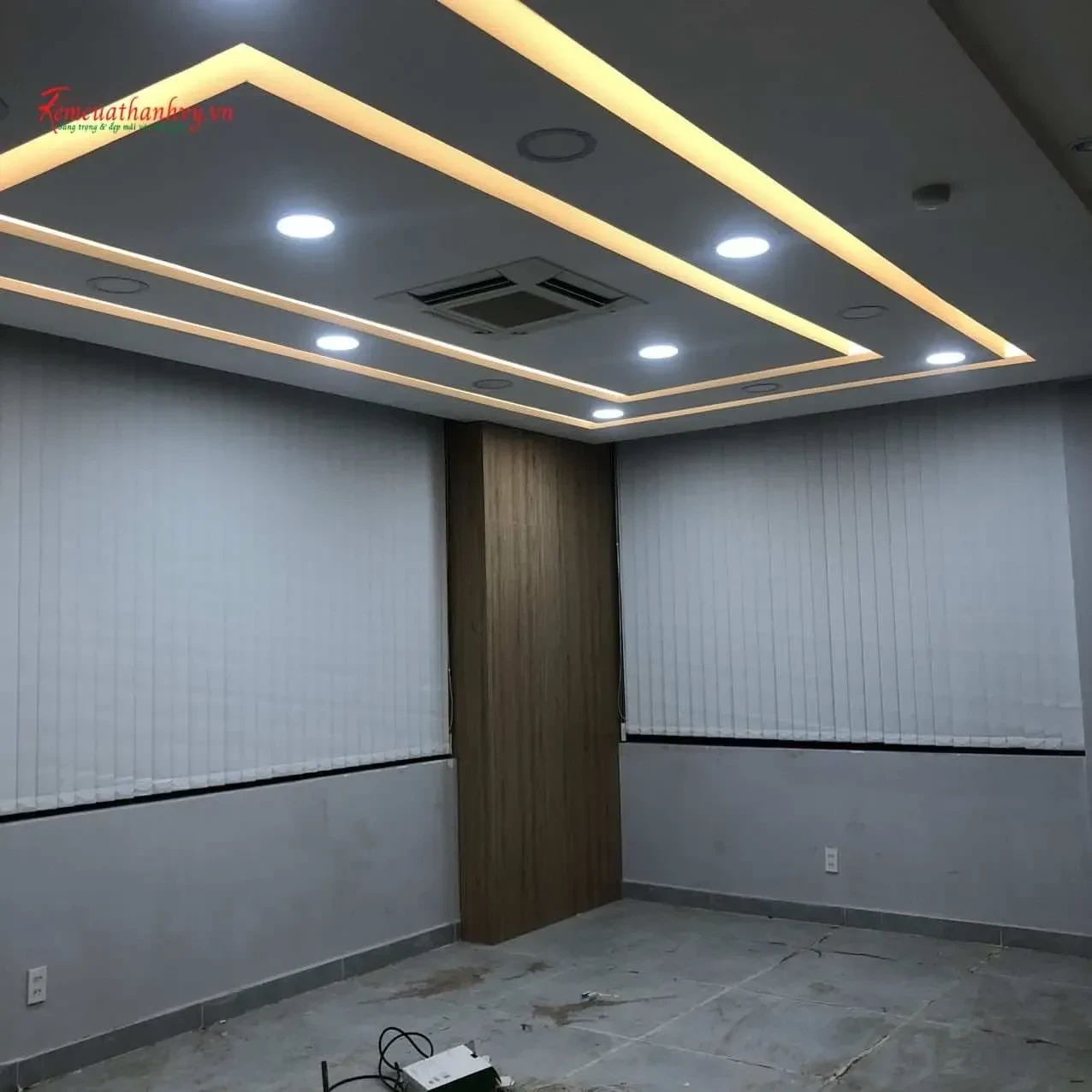
Test-running multiple times: The curtains are repeatedly opened and closed to detect sticking points, noise, or obstructions. For motorized curtains, the installers set up and test the upper and lower stop positions, ensuring that the curtains stop in the correct place rather than hitting the window sill.
Cleaning up and handover: Drilling dust, nylon scraps, and loose thread ends are thoroughly collected before the installers leave. They provide direct instructions on how to pull the curtains correctly, how to remove the fabric for washing, and which actions to avoid. Acceptance is carried out only after the homeowner has operated the curtains independently and is satisfied with them.
Warranty policy
Warranty is something homeowners ask about least when purchasing but care about most later, especially with curtain sets operated daily for many years.
Warranty coverage: This applies to defects arising from manufacturing and installation, including stitching, curtain-panel construction, tracks, and operating accessories. Cases such as stuck tracks, loose brackets, curtains that do not operate smoothly, or uneven pleats after a period of use are all handled within this scope.
On-site support: We come to your address to inspect and fix the issue instead of asking homeowners to remove the curtains and bring them in. In Hóc Môn, warranty requests arising within the same area are grouped into one travel schedule to shorten your waiting time.
Post-warranty support: The end of the warranty period does not mean the end of our responsibility. We still accept repairs, accessory replacements, and adjustments with clearly stated costs in advance. Because the accessory systems we use are common types, individual replacements are generally not expensive.
Care instructions: Most early damage results from incorrect handling rather than material quality, such as pulling the fabric instead of the cord, or machine-washing fabric that should only be hand-washed. The installers provide specific instructions upon handover, and you can ask again at any time. Information about the company also appears under the role of windows.
Cases not covered by the warranty: Damage caused by external factors, such as pets scratching and tearing the fabric, young children hanging on the curtains and pulling the brackets loose, or improper self-removal and reinstallation, is not covered by the warranty. We still accept these cases, but material costs apply, and the estimated cost will be provided in advance for you to decide.
Transparency commitment: Warranty conditions, duration, and cases outside the coverage are all clearly explained from the time of quotation, rather than discussed only after a problem occurs.
Wards where Rèm Cửa Thanh Vy provides measuring and installation services
After the administrative units were reorganized, the former and new ward names do not match, so the section below includes the former names for convenient reference when scheduling a measurement.
District 6
- Bình Phú Ward — merged from Ward 10 and Ward 11 before the merger.
- Bình Tiên Ward — merged from Ward 1, Ward 7, and Ward 8 before the merger.
- Bình Tây Ward — merged from Ward 2 and Ward 9 before the merger.
- Phú Lâm Ward — merged from Ward 12, Ward 13, and Ward 14 before the merger.
District 7
- Phú Thuận Ward — retained its name after the merger.
- Tân Hưng Ward — merged from Tân Kiểng Ward, Tân Phong Ward, and Tân Quy Ward before the merger.
- Tân Mỹ Ward — merged from Phú Mỹ Ward and Tân Phú Ward before the merger.
- Tân Thuận Ward — merged from Bình Thuận Ward, Tân Thuận Tây Ward, and Tân Thuận Đông Ward before the merger.
Why choose Thanh Vy Curtains for your needs in Hóc Môn
There are quite a few places in the area that make curtains, from small shops to businesses that place orders with other suppliers. Below are the points we believe are truly different, so you can compare them for yourself.
Built on workshop experience: More than fifteen years in the trade, starting at a private workshop before establishing a legal entity in 2025. Our workshop foundation means we understand the technical limitations of each type of fabric and each track system, so the advice we provide is based on what can actually be done, not just attractive descriptions on paper.
Advice based on your actual budget: We work extensively with the budget and mid-range segments, which match common spending levels in Hóc Môn. If a less expensive fabric is sufficient for that room’s needs, we will say so directly instead of pushing you toward a higher-end line.
Prioritizing future repairability: Our choice of accessories and sewing methods is aimed at making each curtain set easy to repair or replace in individual parts. This is a deliberate choice for homes where curtains must coexist with a family for decades, or rows of rental rooms with constantly changing occupants.
Small orders welcome: We survey, measure on-site, and provide the same warranty even for a single window as for an order covering multiple rooms. Many customers start with one room as a trial before completing the rest, and we consider that a reasonable approach.
Clearly itemized quotations: Fabric, accessories, and installation labor are listed separately in the quotation. You can see where the money goes and which parts can be adjusted if you want to change the total cost, instead of receiving an unexplained all-inclusive figure.
Comprehensive checklist before making a decision
Before paying a deposit to any provider, run through the following short list. Each item is something that has caused buyers regret when overlooked.
Have you identified the specific needs of each room: Write one line on paper for each room—for example, the bedroom needs darkness, while the living room needs privacy. Even a short line is enough to prevent the entire house from being forced into one solution.
Have you measured and counted all the windows: Including those you plan to leave for later, because the quantity affects fabric calculations and combining the work will often be more economical.
Have you viewed fabric samples in the actual room: Looking at photos or viewing them in a store cannot replace holding the sample against the right wall under the lighting that will be used every day.
Have you asked about the accessories: The type of track, type of bracket, bracket spacing, and the possibility of replacing individual parts. These details determine service life but almost never appear in advertisements.
Have you agreed on the installation time: For homes still being completed, determine where the installation date falls in the schedule to avoid having to reinstall or wait.
Have you carefully read the warranty terms: What is covered, how long the warranty lasts, and how repair costs are calculated after the warranty period.
Have you compared the total cost instead of the unit price: Add up the fabric, accessories, and installation labor for all the windows before comparing quotations. This is the only figure that accurately reflects what you will spend.
How to understand Hóc Môn curtain quotations
The figures in the table below are based on the product prices currently listed on the website, converted to square meters and excluding accessories and installation labor. The table is intended to show you the starting point for each curtain line so you can estimate your budget in advance, not the final figure; the official price can only be confirmed after an on-site measurement at your home. Leave your information in the form below, and Thanh Vy will contact you to confirm the specific cost for each window at your address in Hóc Môn.
One note when reading the table: the price per square meter does not reflect the total cost of a window. Smaller windows often have a higher converted unit price because accessories and installation labor remain nearly unchanged even when the fabric area is small. Conversely, installing multiple windows at the same time helps optimize travel and installation labor. Therefore, the figure worth comparing is always the total for all the windows in your home, not the starting price per square meter.
Featured curtain models
Fabric curtains

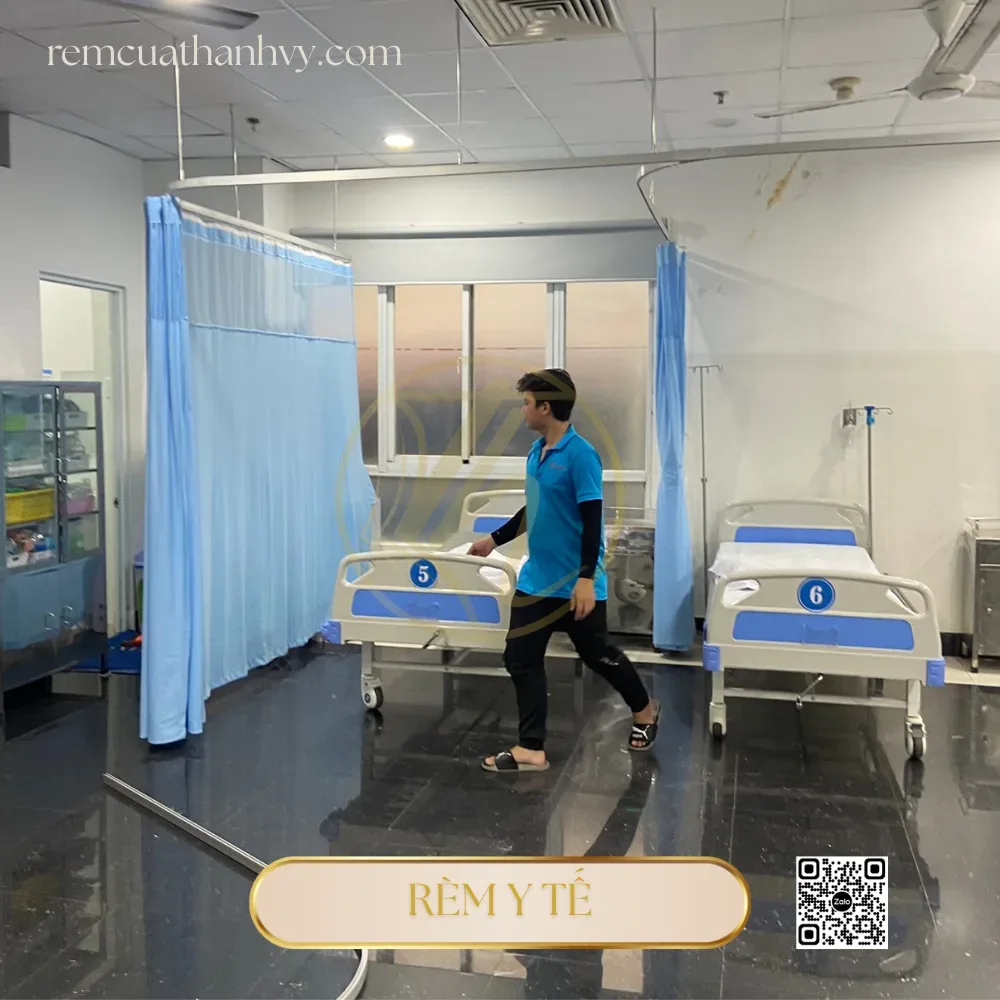
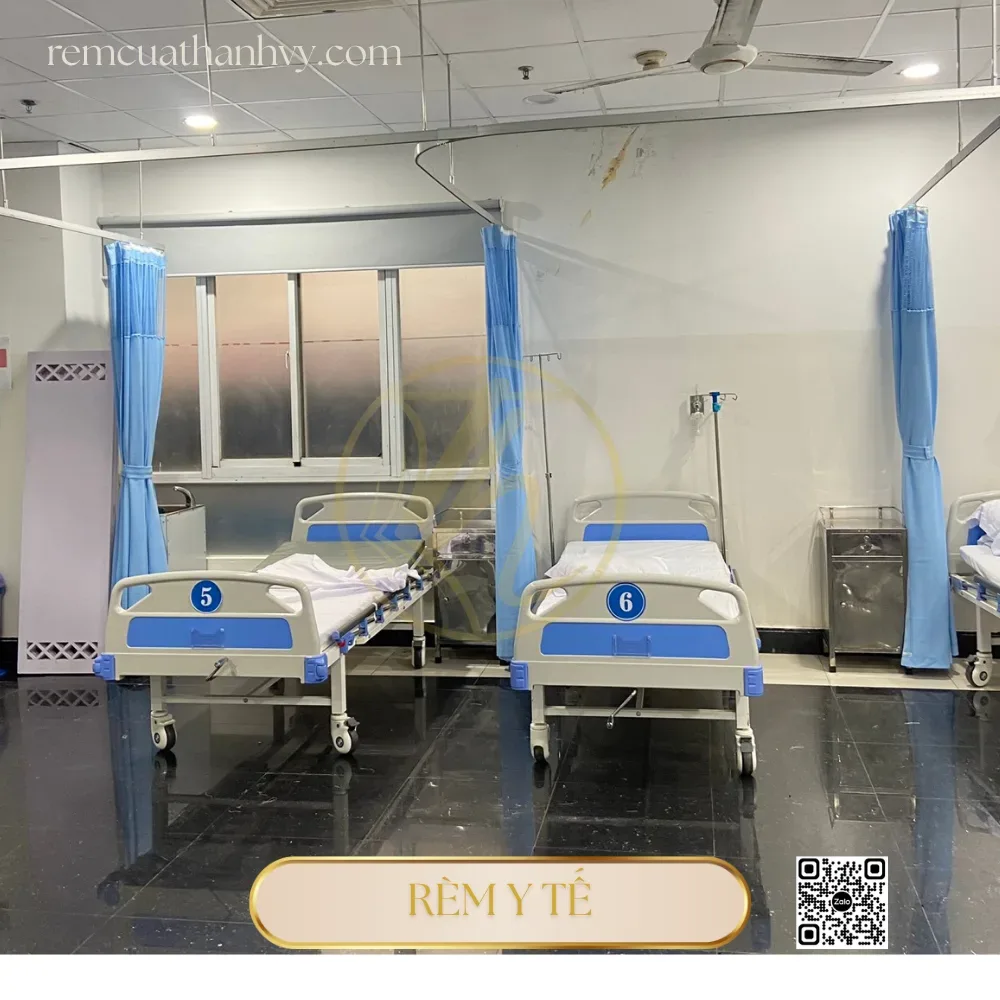
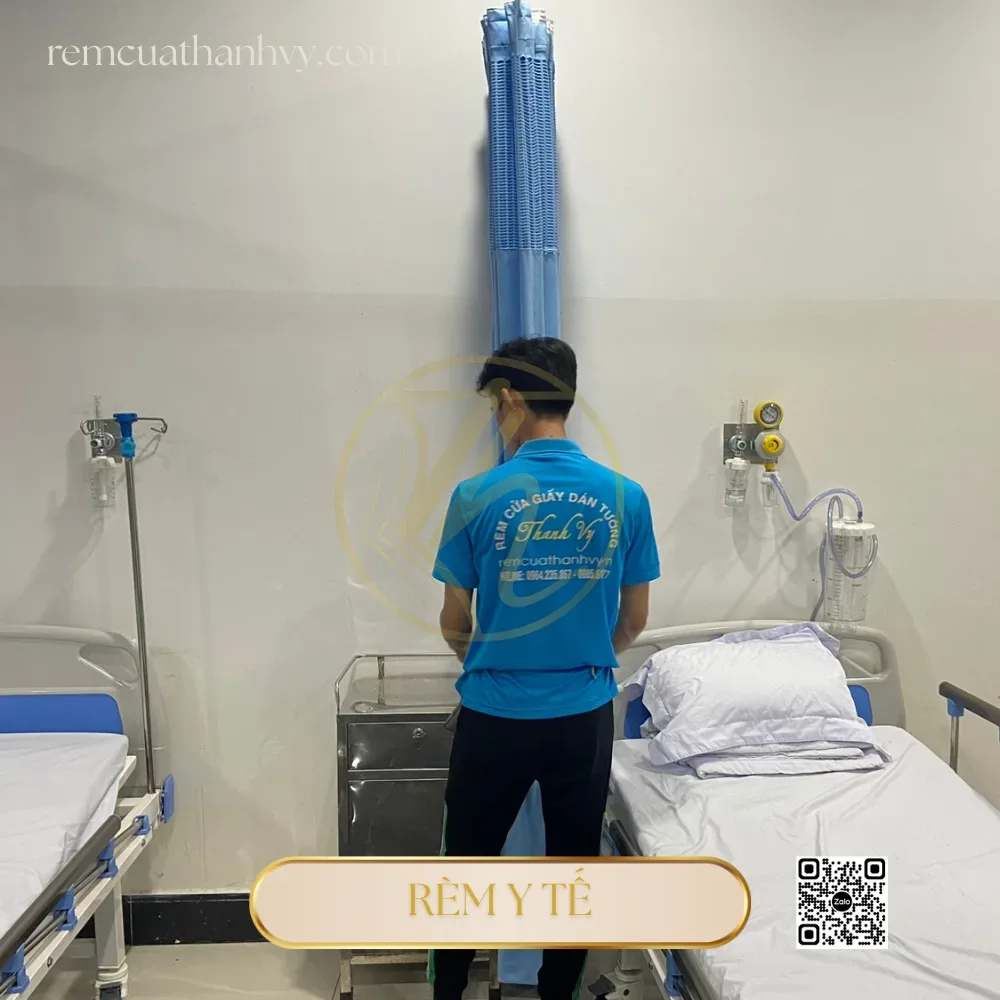
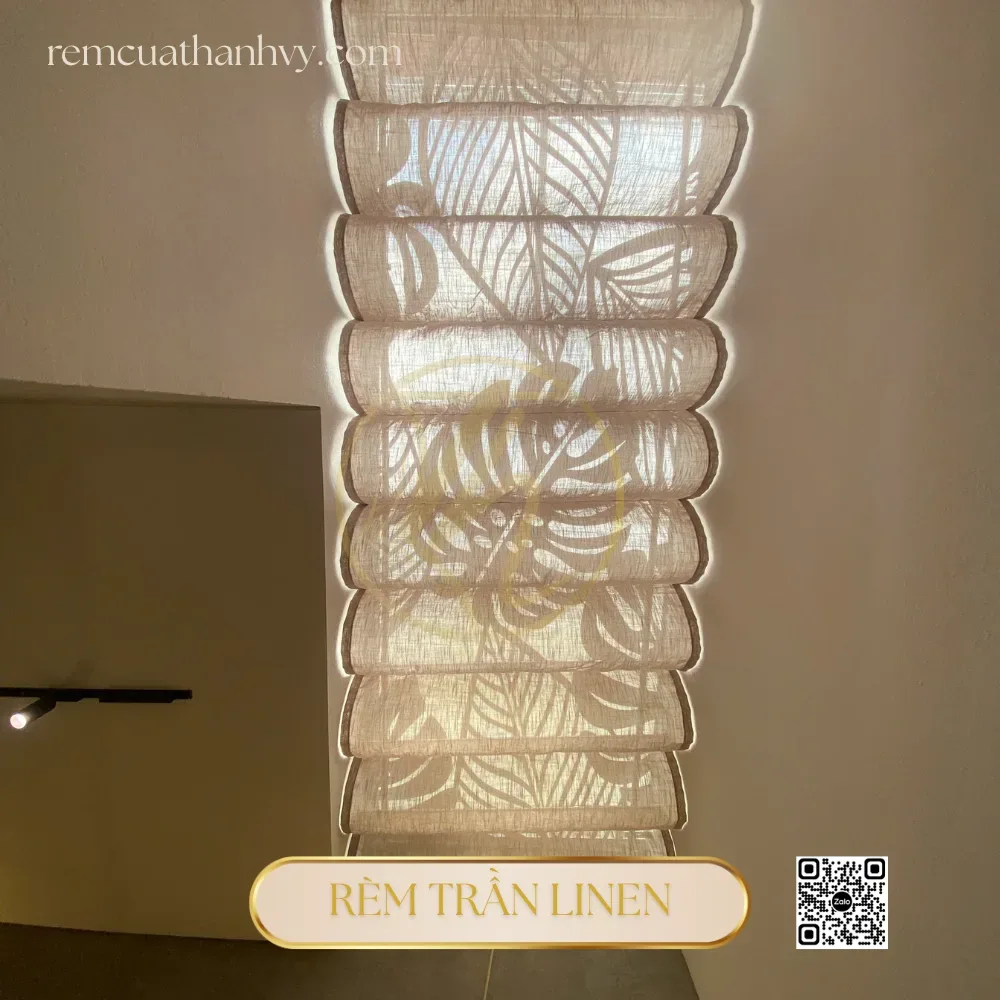
Roller blinds




Rainbow blinds
Roman shades






Thanh Vy curtain projects completed
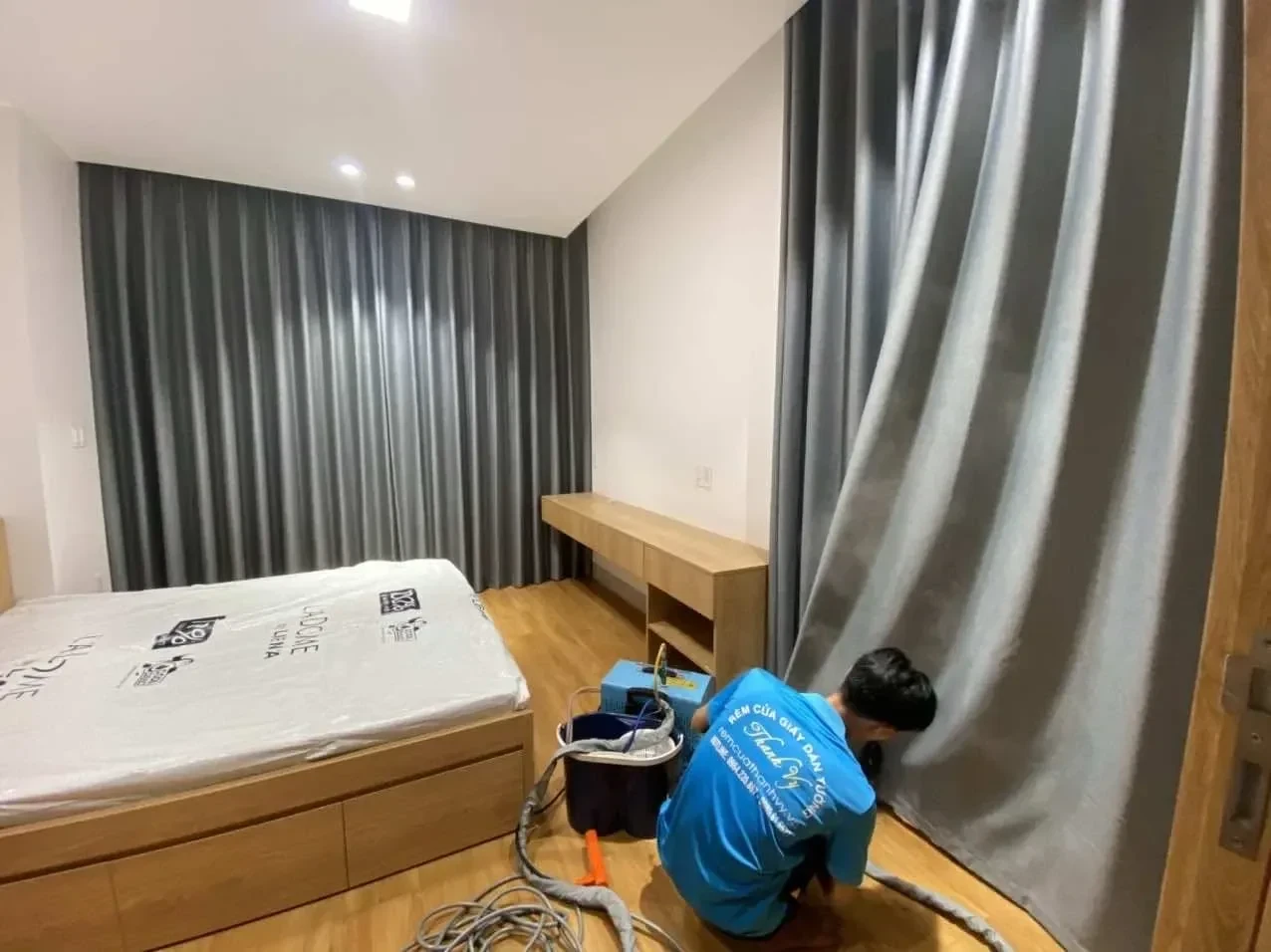
2-Layer Wave-Fold Fabric Curtains for Ho Tram Villa Bedroom
In 2024, Thanh Vy Curtains completed a 2-layer wave-fold fabric curtain project for the master [...]
Sep
2-Layer Fabric Curtains + Horizontal Striped Roller Blinds – Duc Hoa Apartment, Long An
This project was carried out in a modern apartment in Duc Hoa, Long An – [...]
Sep
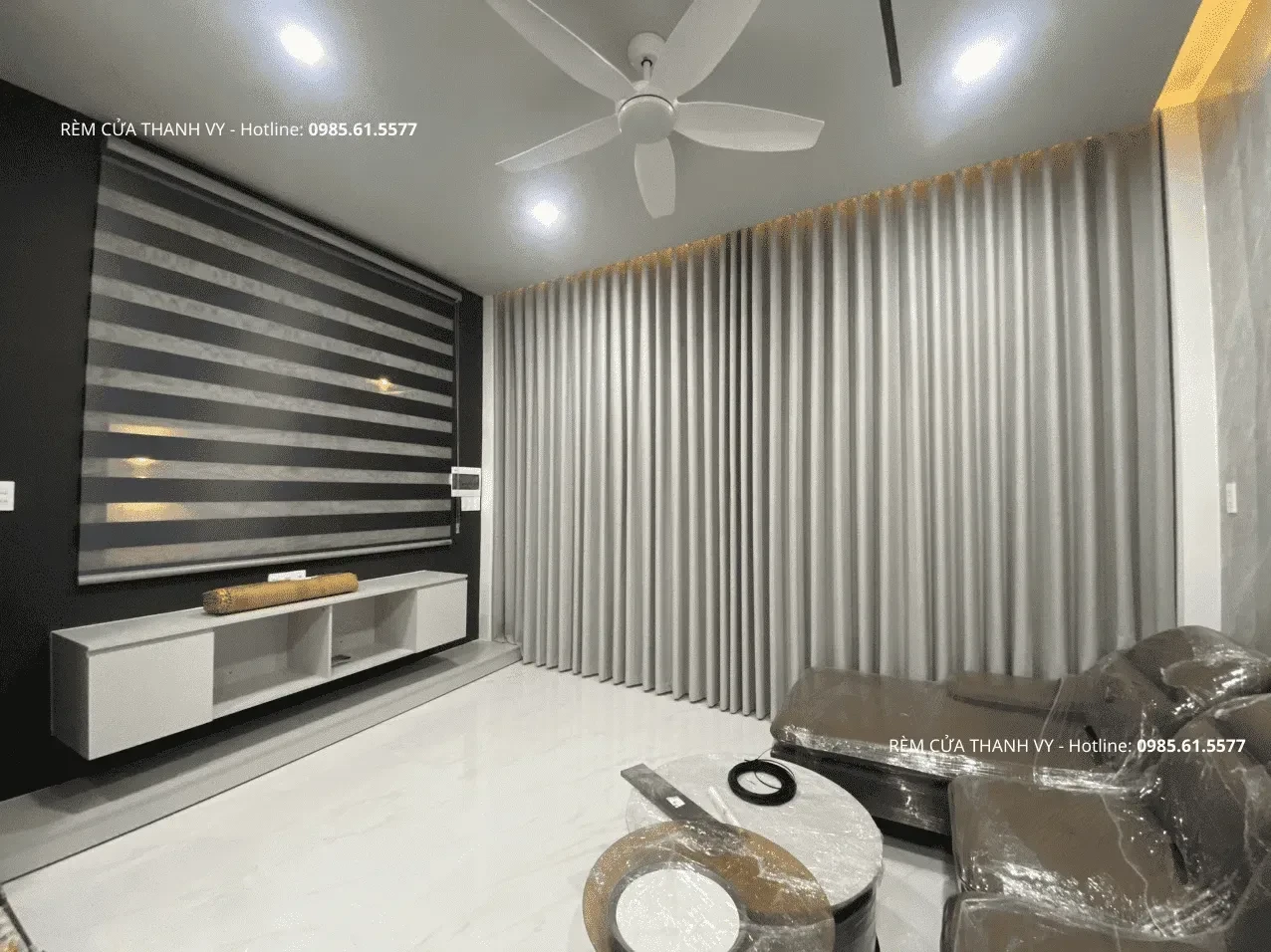
Fabric Curtains Combined with Zebra Blinds – Hiep Binh Chanh, Thu Duc
This project in Hiep Binh Chanh, Thu Duc, features a modern townhouse living room with [...]
Sep
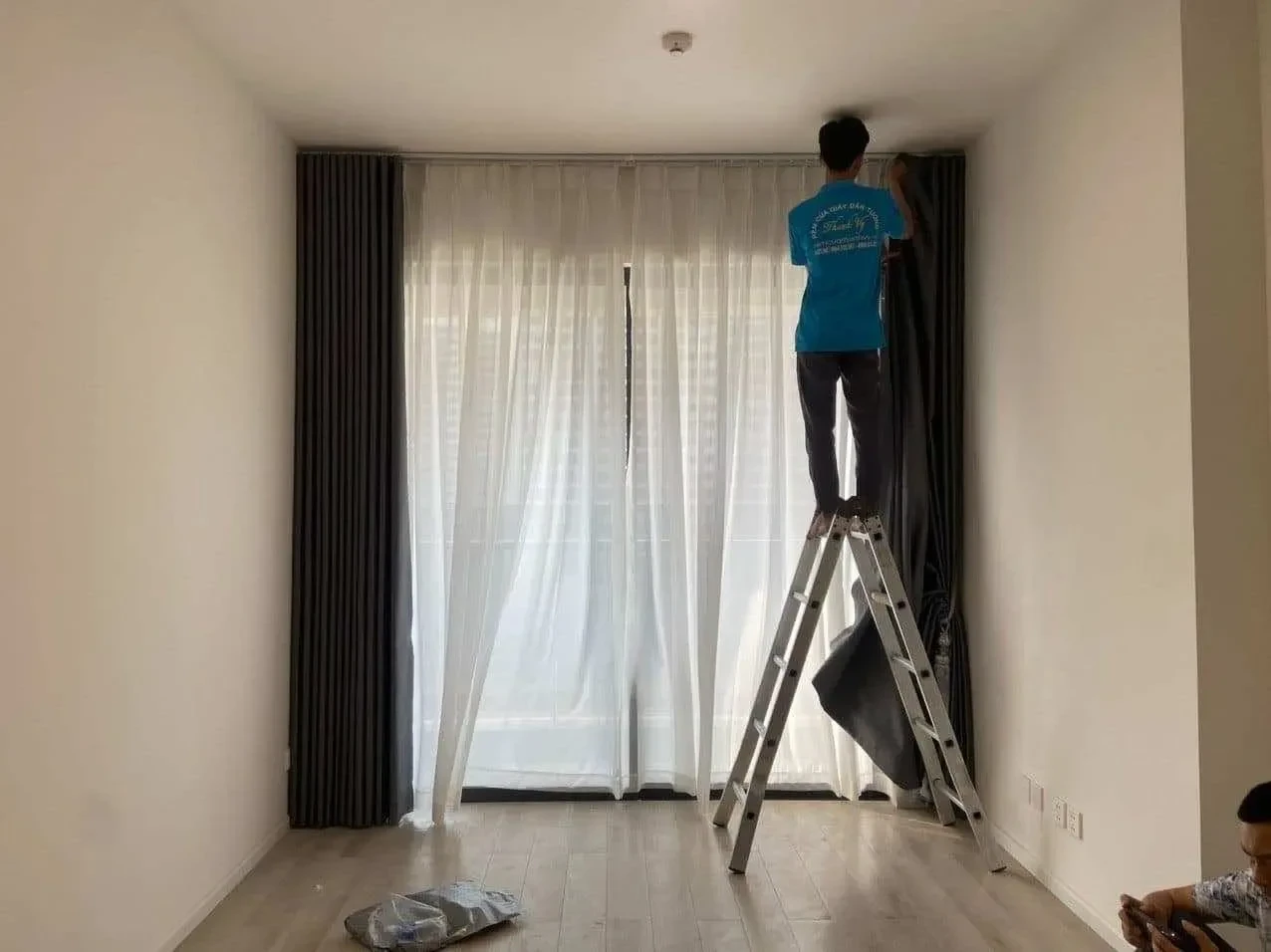
Black-and-White Double-Layer Curtains for a Masteri Centre Point Apartment in District 9
This project involved installing a double-layer curtain system for a high-rise apartment at Masteri Centre [...]
Sep
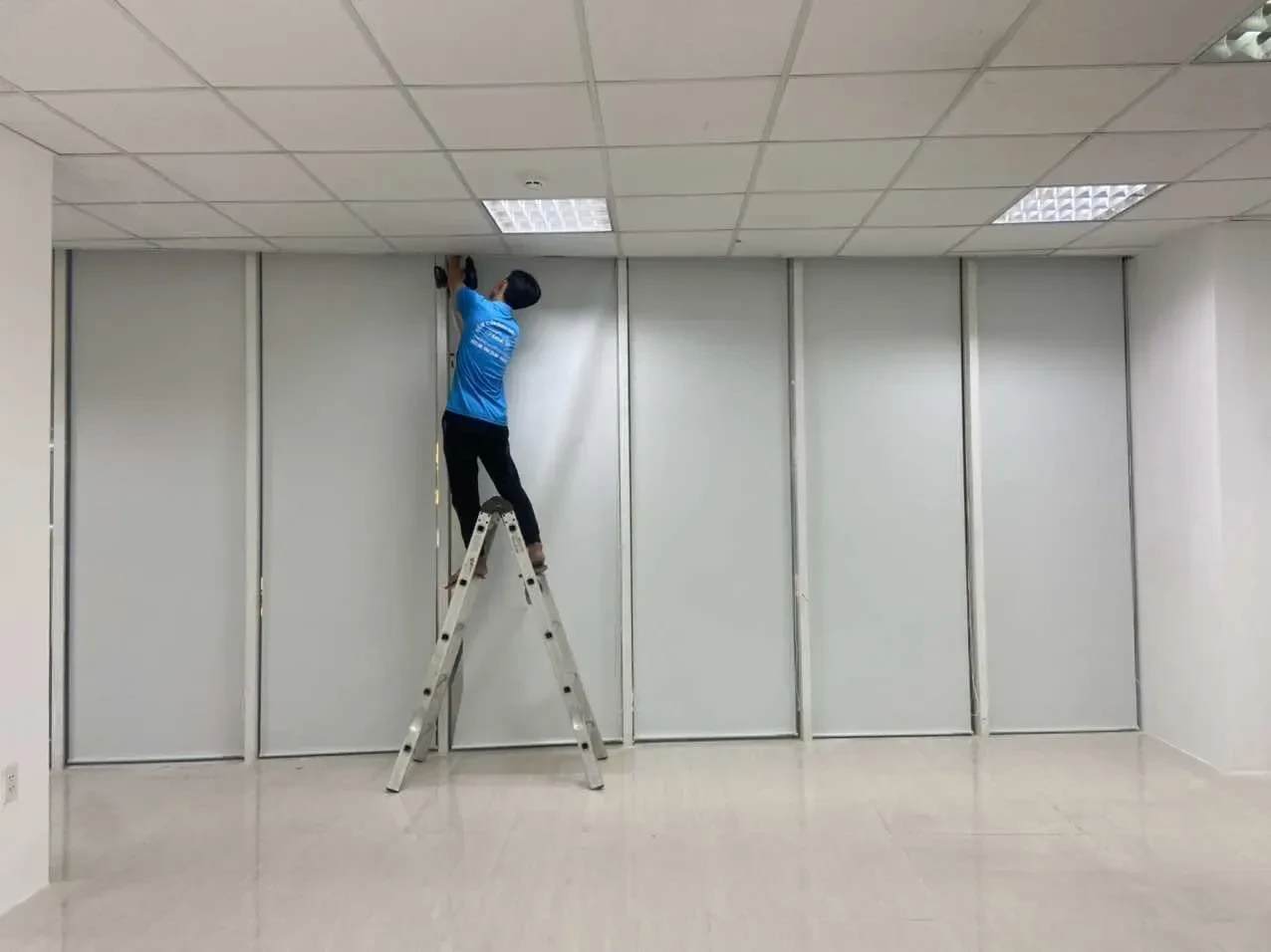
Office Roller Blinds in District 11 – Le Dai Hanh Street
This project involved installing roller blinds on an upper floor of a modern office building [...]
Sep
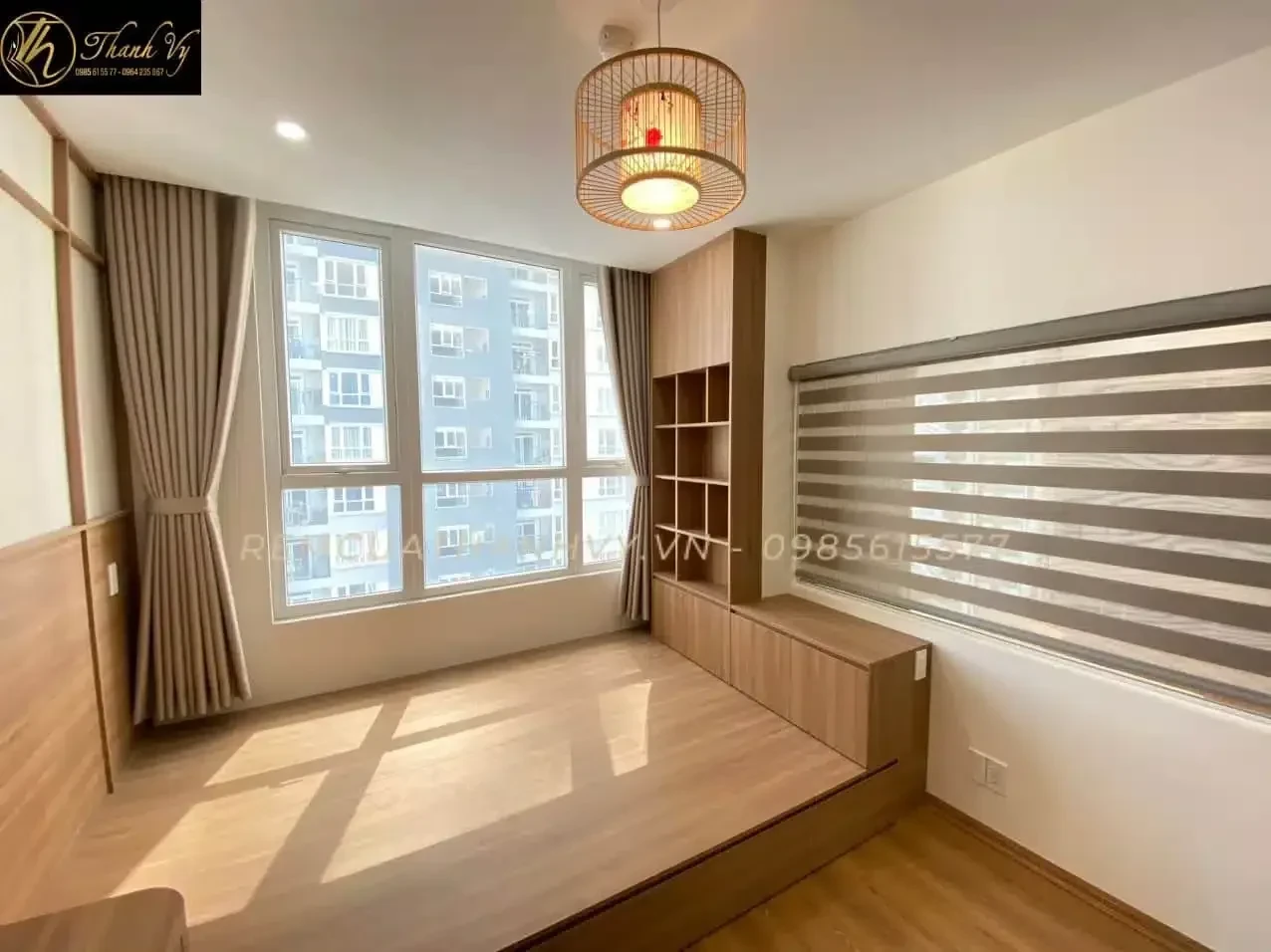
Blue Roman Shade Blinds for The Western Capital Apartment, District 6
This project at The Western Capital apartment complex (District 6) is a typical example of [...]
Sep
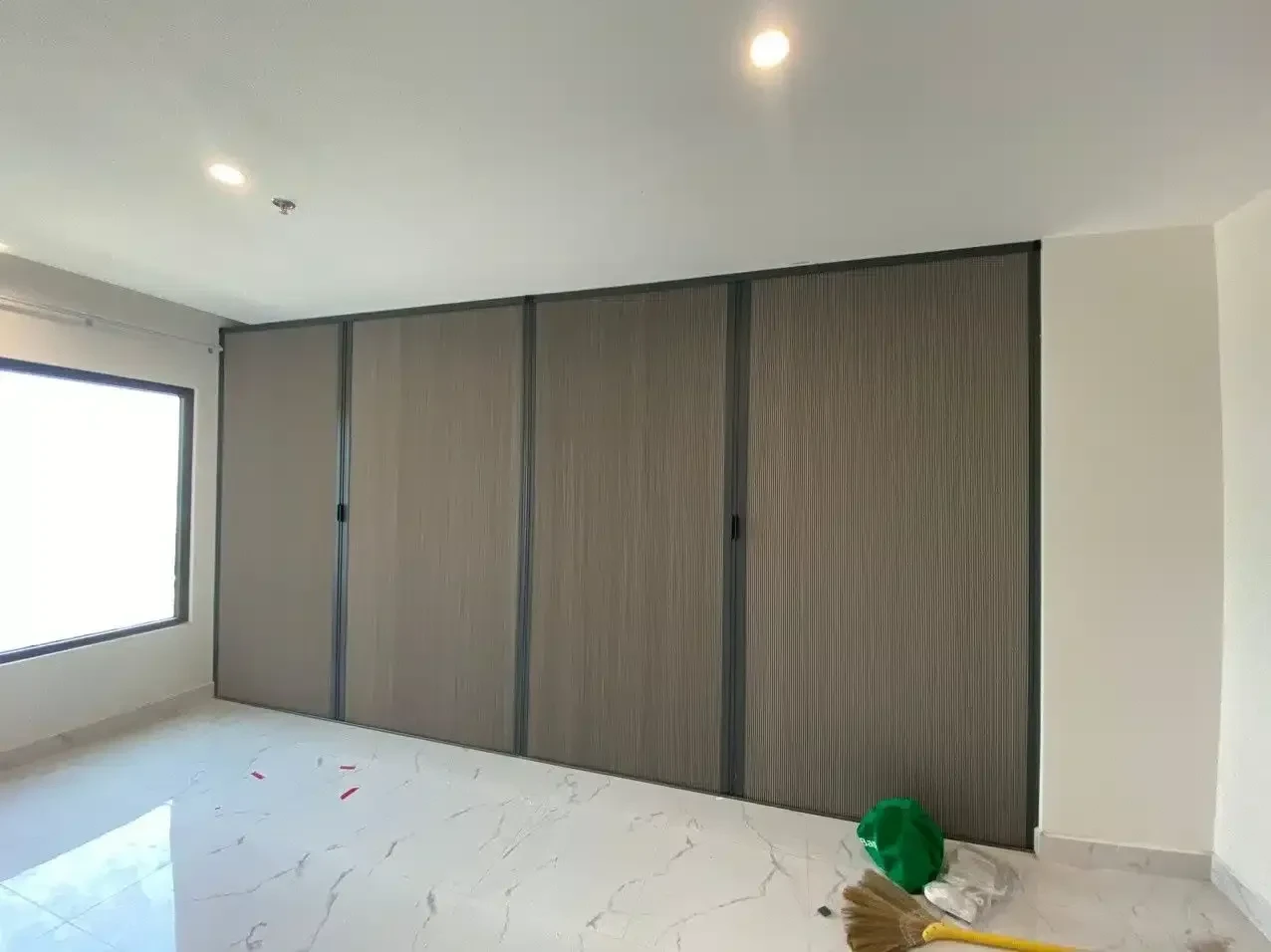
Glass Partition with Roller Blinds at Vinhomes Grand Park – BS-16 Apartment
This project at Vinhomes Grand Park, in the BS-16 tower, was a luxury apartment interior [...]
Sep
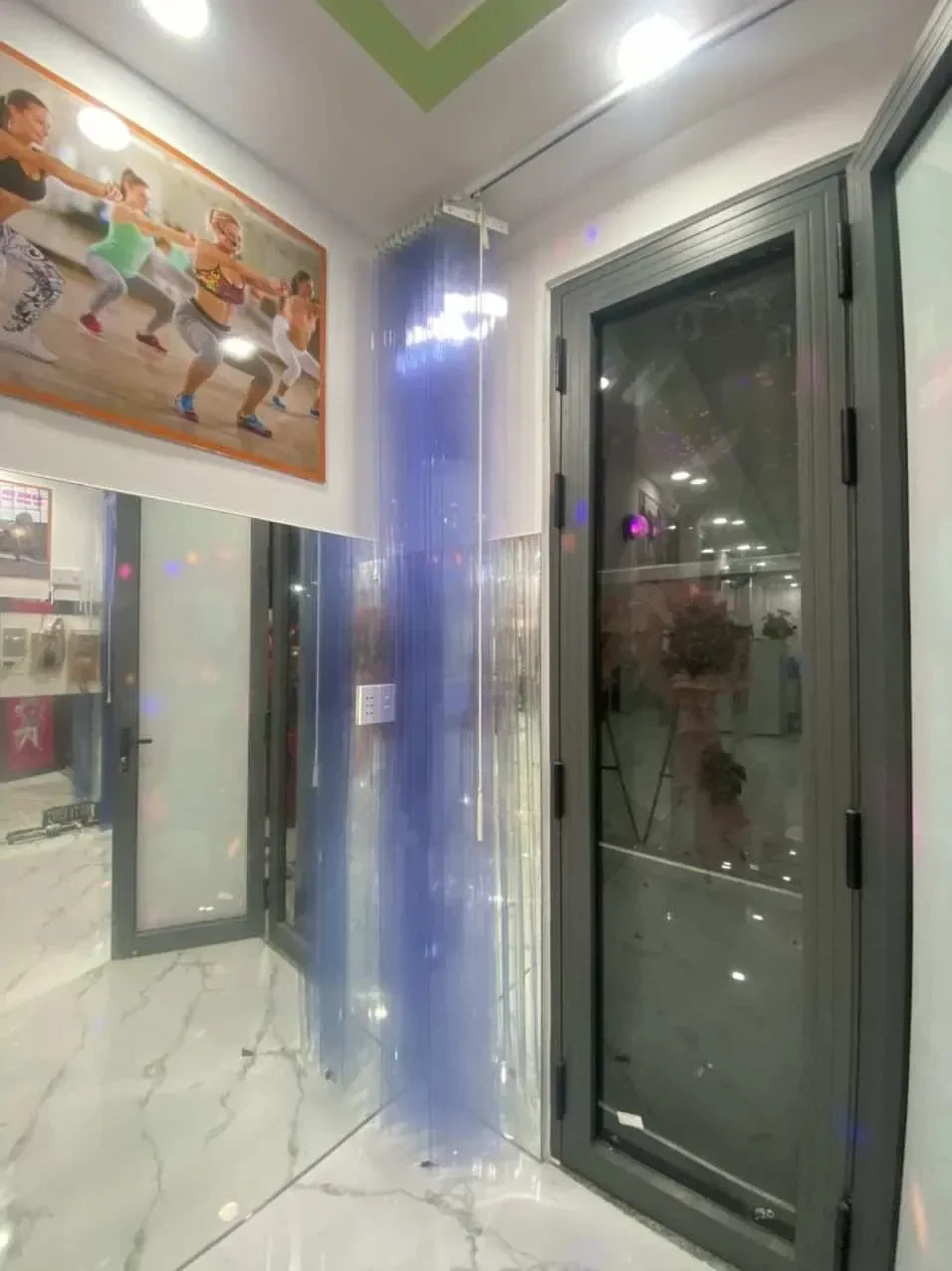
PVC Curtains in Bình Tân District – Ngọc Liên Club
Ngọc Liên Club, a modern fitness and yoga space in Bình Tân District, required a [...]
Sep
For further information, please contact Thanh Vy Curtains
We provide free consultation and on-site measuring at your home.
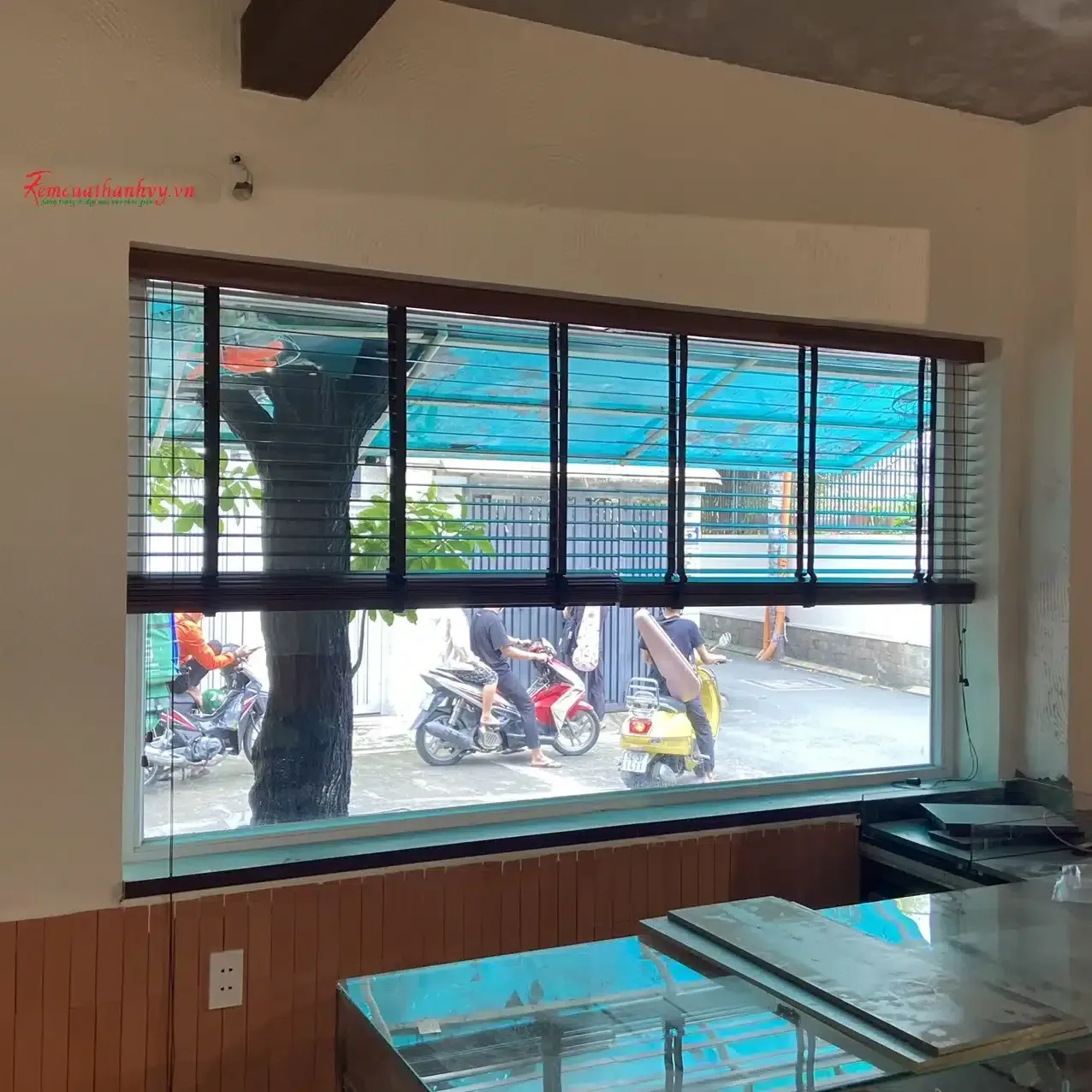
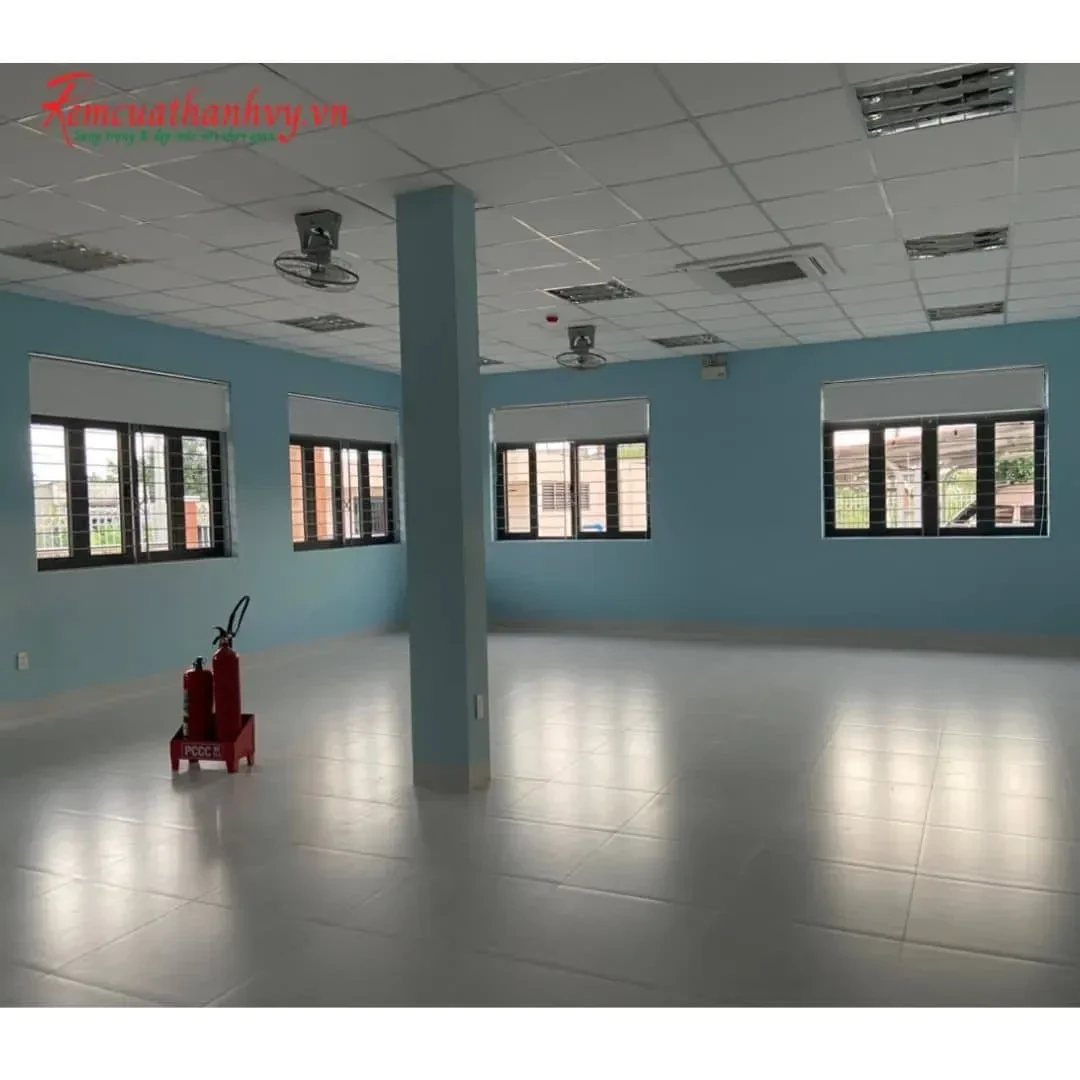
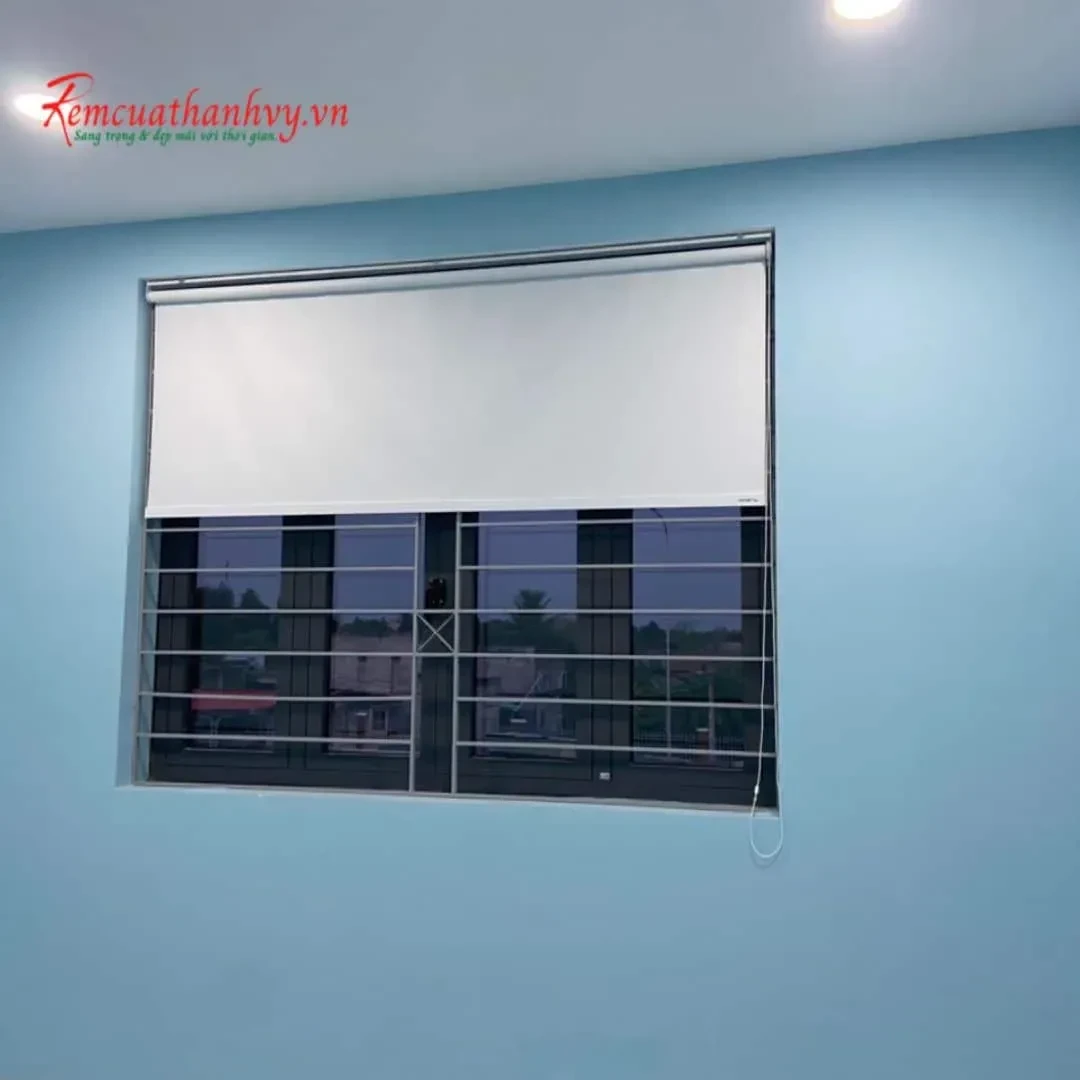
Related projects
Fabric Curtains Combined with Zebra Blinds – Hiep Binh Chanh, Thu Duc
This project in Hiep Binh Chanh, Thu Duc, features a modern townhouse living room with [...]
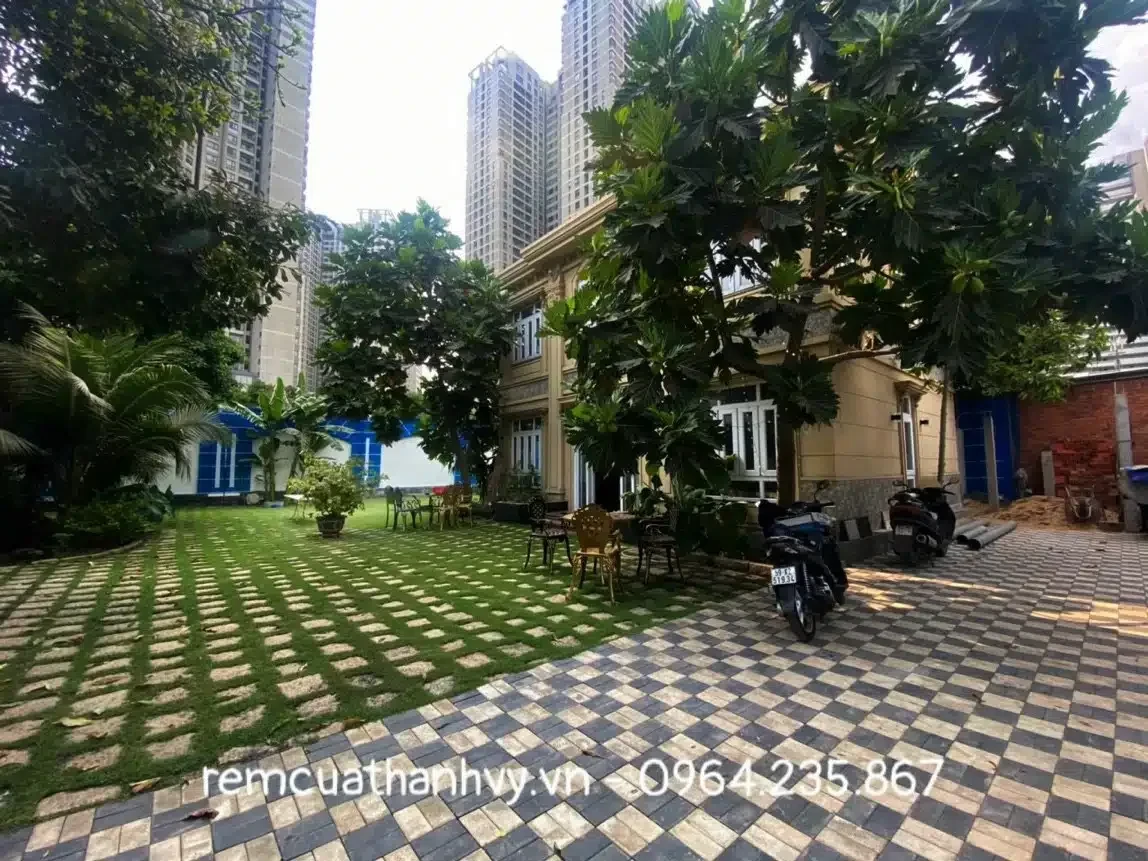
Dark Gray Fabric Curtains & Zebra Blinds – Thao Dien Townhouse, District 2
This project in Thao Dien, District 2 – one of the most upscale townhouse areas [...]
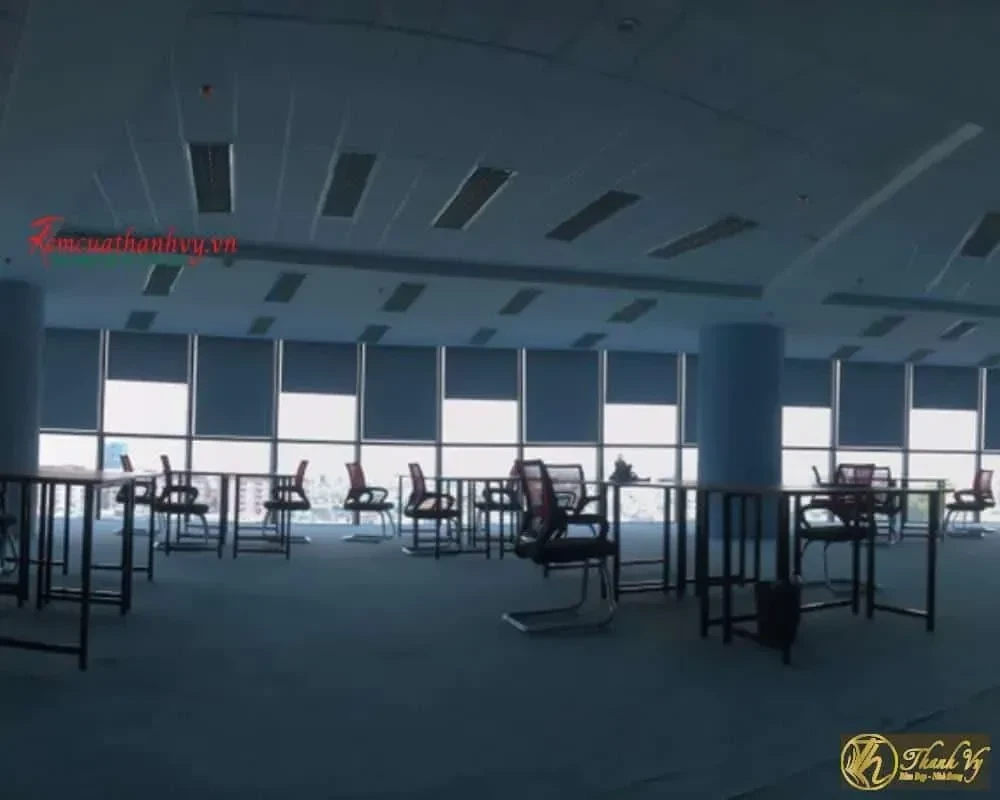
High-Rise Office Roller Blinds in District 11: Professional Day-Night & Blackout Solutions
This project is a typical example of a roller blind solution for a modern office [...]
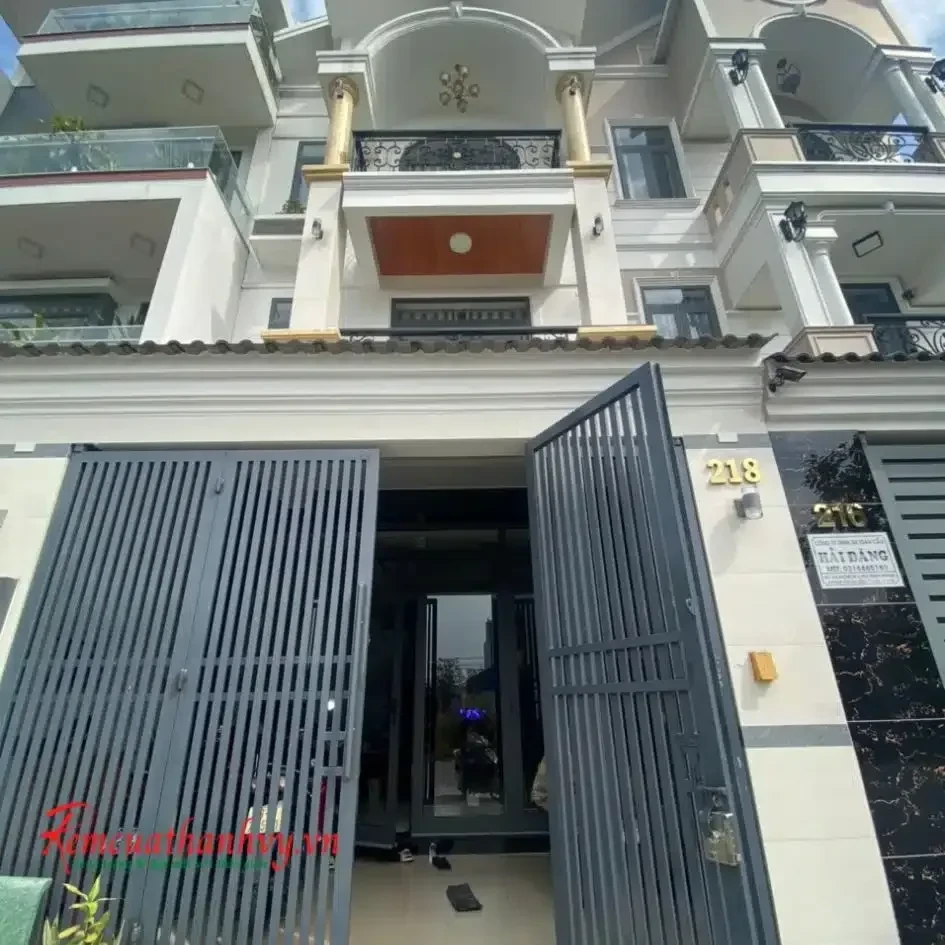
3D Patterned Fabric Curtains for a Townhouse Living Room in Bình Chánh
This project was completed at a three-story townhouse in Bình Chánh District, Ho Chi Minh [...]
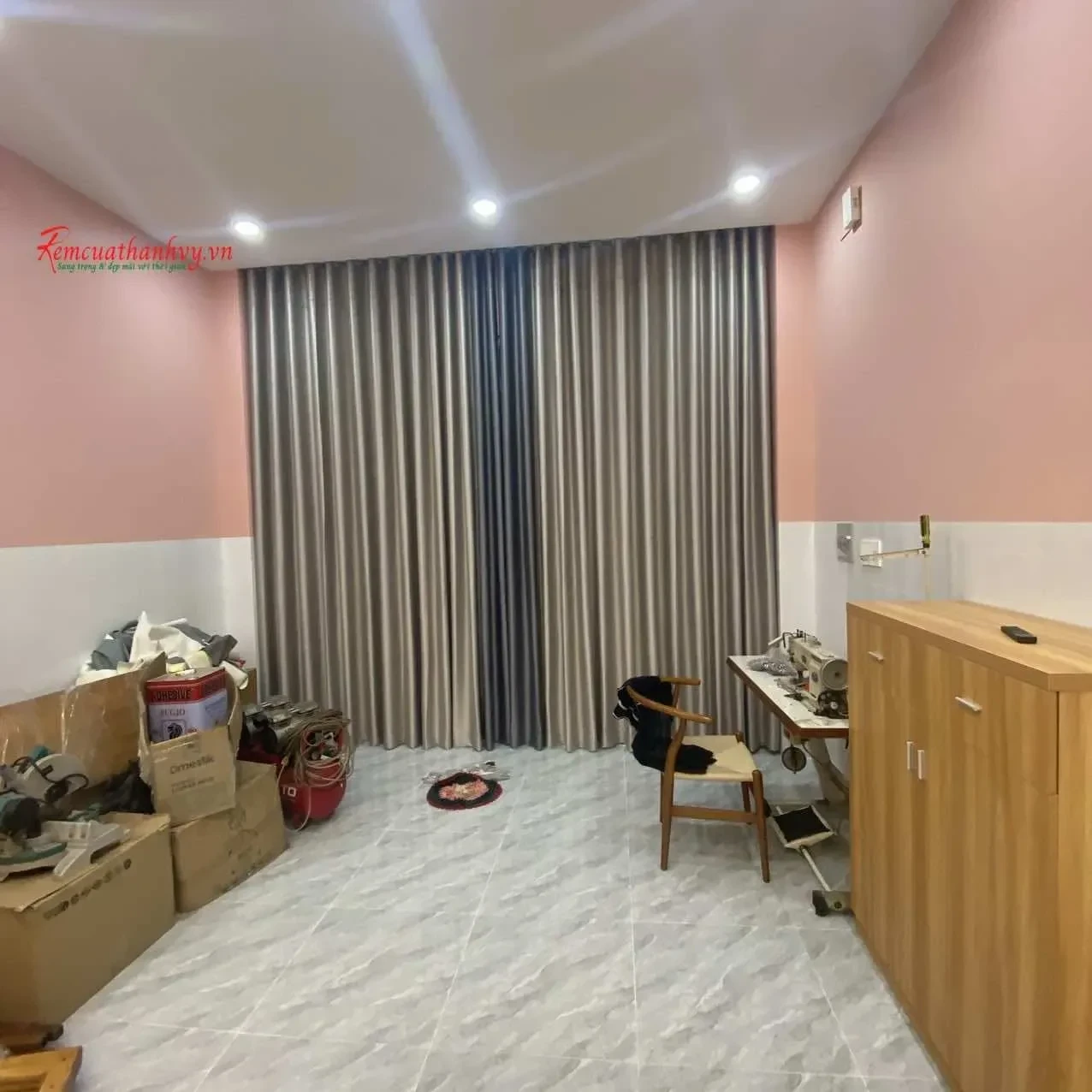
Color-Combination Fabric Curtains on Street 52, Binh Tan – A Modern Townhouse Space
This project on Street 52, Binh Tan District is a typical example of combining two [...]
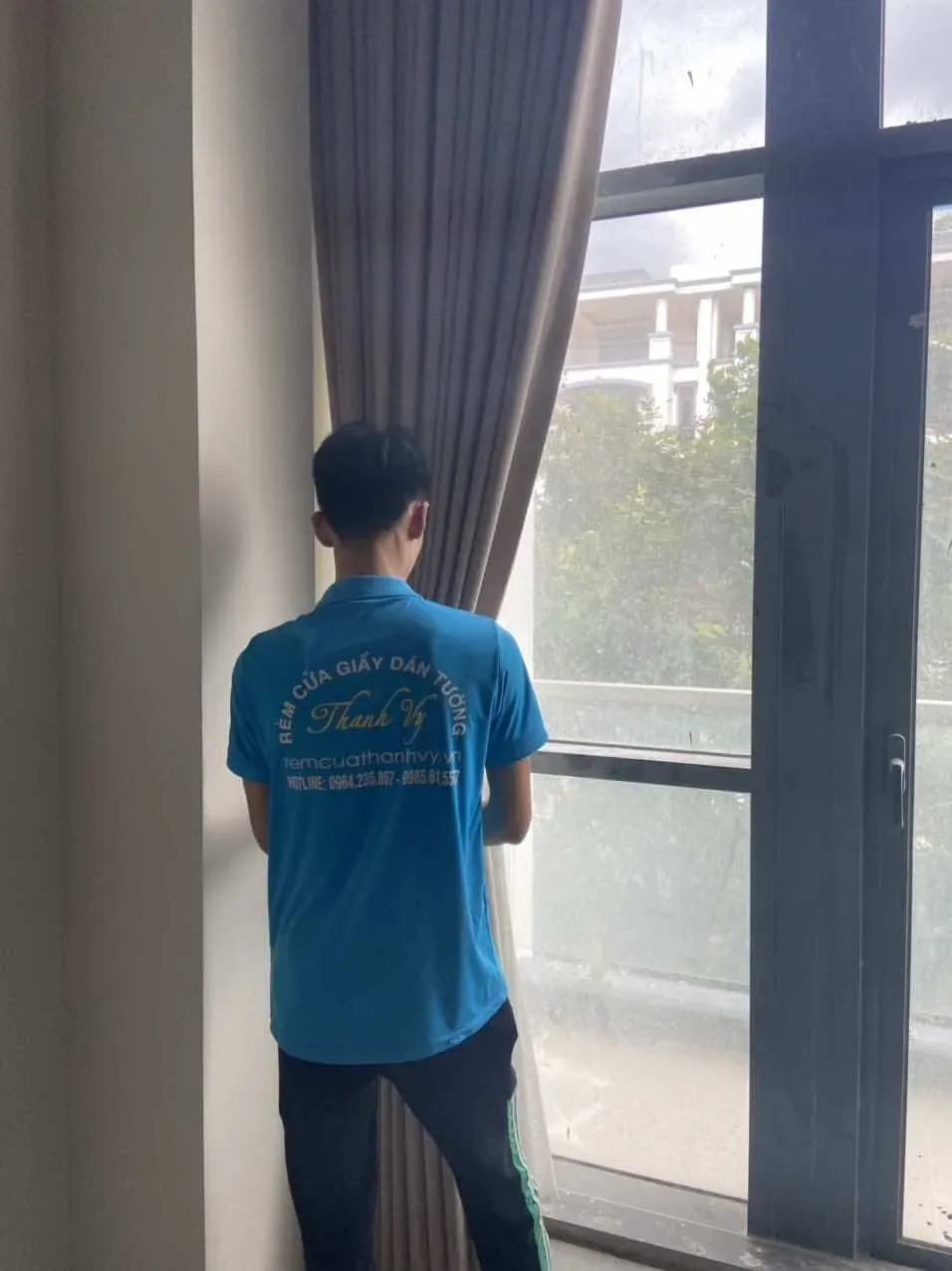
Double-Layer Blackout Curtains at the MAXEU Office – Van Phuc Urban Area
The blackout curtain installation at MAXEU interior design company, 189 Nguyen Thi Nhung, Van Phuc [...]
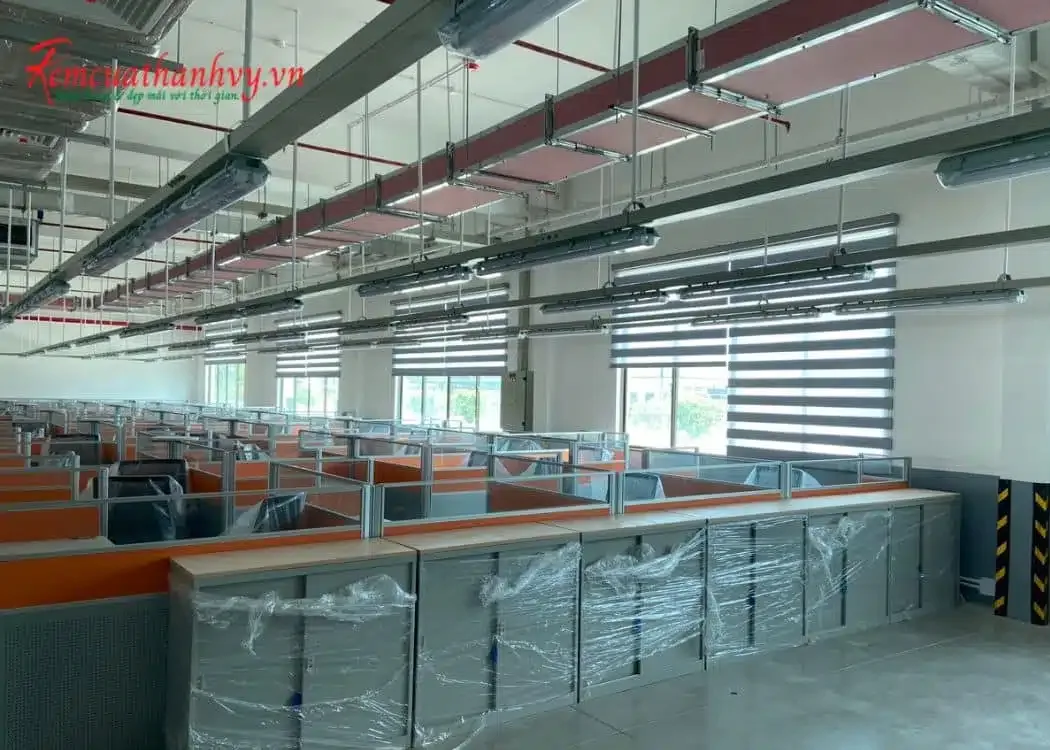
Zebra Office Blinds EAGLE NICE Duc Hoa, Long An
This project involved installing a zebra roller blind system (horizontal-striped blinds) for the EAGLE NICE [...]
Two-Layer Roller Blinds for the Tân Thạnh District Party Committee Office, Long An
This project is a meeting room at the Tân Thạnh District Party Committee in Long [...]
Related areas
Curtains in Ba Diem Commune, Hoc Mon: on-site measurement and installation by new address
Curtain measurement and installation in Ba Diem Commune, Hoc Mon. New ward merged from 3 [...]
Dong Thanh Commune Curtains, Hoc Mon: on-site measuring and installation at your new address
Curtain measuring and installation in Dong Thanh Commune, Hoc Mon. A new commune merged from [...]
Hoc Mon Commune Curtains, Hoc Mon: On-site measurement and installation at the new address
Curtain measurement and installation in Hoc Mon Commune, Hoc Mon. A new commune merged from [...]
Curtains in Xuan Thoi Son Commune, Hoc Mon: On-site measurement and installation at your new address
Curtain measurement and installation in Xuan Thoi Son Commune, Hoc Mon. A new ward merged [...]
Related reviews
Roller Shades or Zebra Shades? A Detailed Comparison to Help You Choose
This article compares roller shades and zebra shades by construction, light control, aesthetics, price, durability, [...]
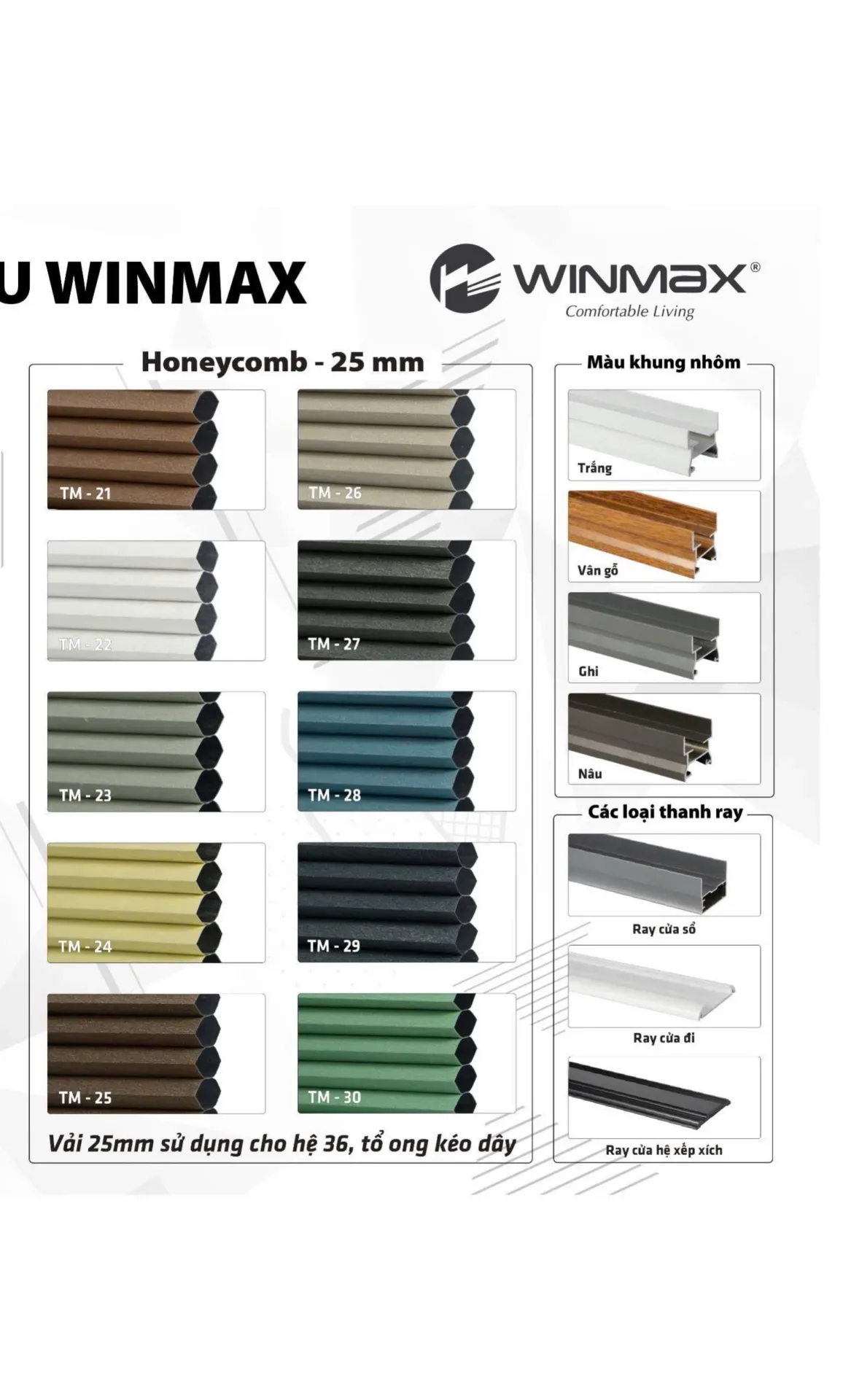
Roller Blinds vs. Honeycomb Shades: A Detailed Comparison to Help You Choose
This article compares roller blinds and honeycomb shades based on thermal insulation, soundproofing, light control, [...]

Are Fabric Curtains Good? How to Assess the Real Needs of Each Space
This article helps readers answer whether fabric curtains are good by assessing light, privacy, usage [...]
Comparing Fabric Curtains and Zebra Blinds: Which One Fits Your Needs?
This article compares fabric curtains and zebra blinds in terms of light, privacy, stackback, the [...]
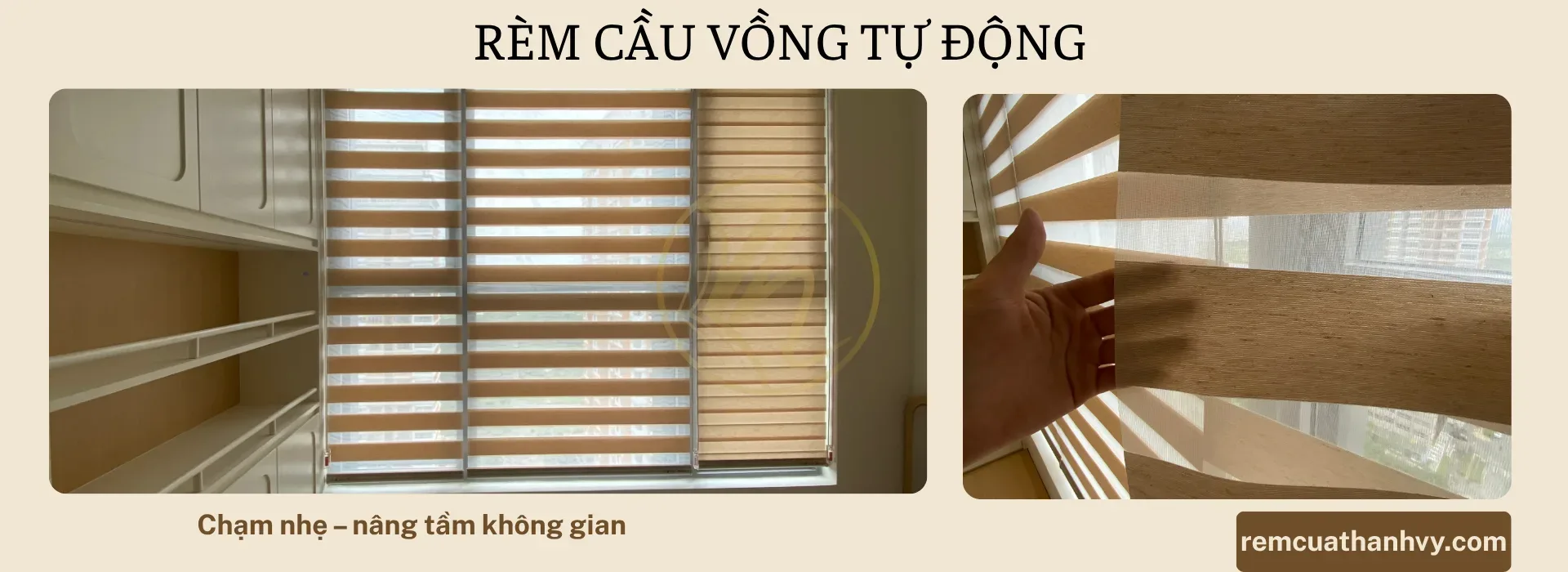
Are Rainbow Blinds Any Good? A Comprehensive A-Z Review
This article provides an objective review of whether rainbow blinds are worth it, covering their [...]
Related posts
Which ward does the former Hóc Môn District belong to now? Lookup table of 12 wards
Lookup table of the 12 former wards in Hóc Môn District and their new ward [...]
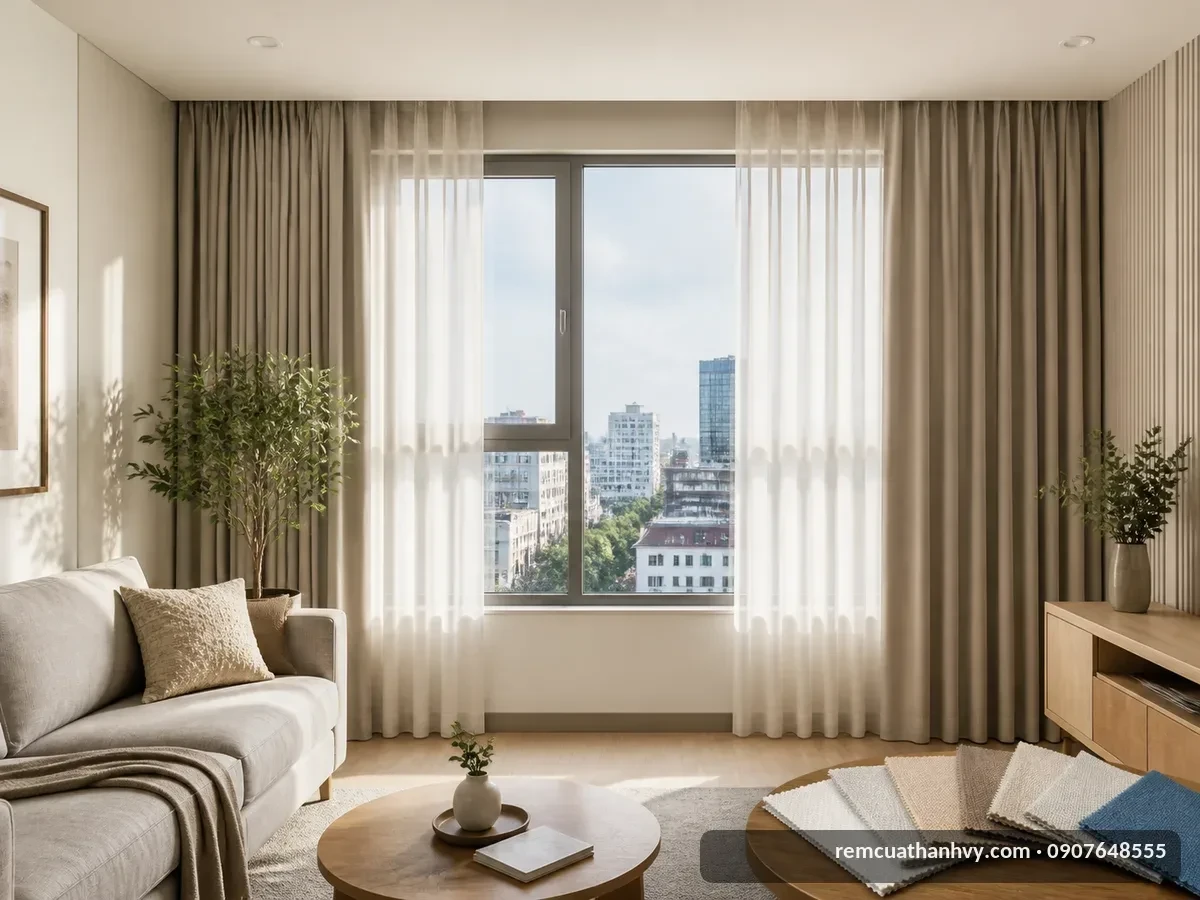
What Are Bamboo Blinds? Features, Pros, Cons & Uses
An explanation of what bamboo blinds are, their pros and cons, when to use them, [...]

What Are Double-Layer Curtains? Features, Pros, Cons & Applications
An explanation of what double-layer curtains are, their pros and cons, when to use them, [...]
What Are Thermal Curtains? Features, Pros, Cons & Applications
An explanation of what thermal curtains are, their pros and cons, when to use them, [...]

What Are Rainbow Blinds? Features, Pros & Cons, and Applications
An explanation of what rainbow blinds are, their pros and cons, when to use them, [...]




No comments yet!