


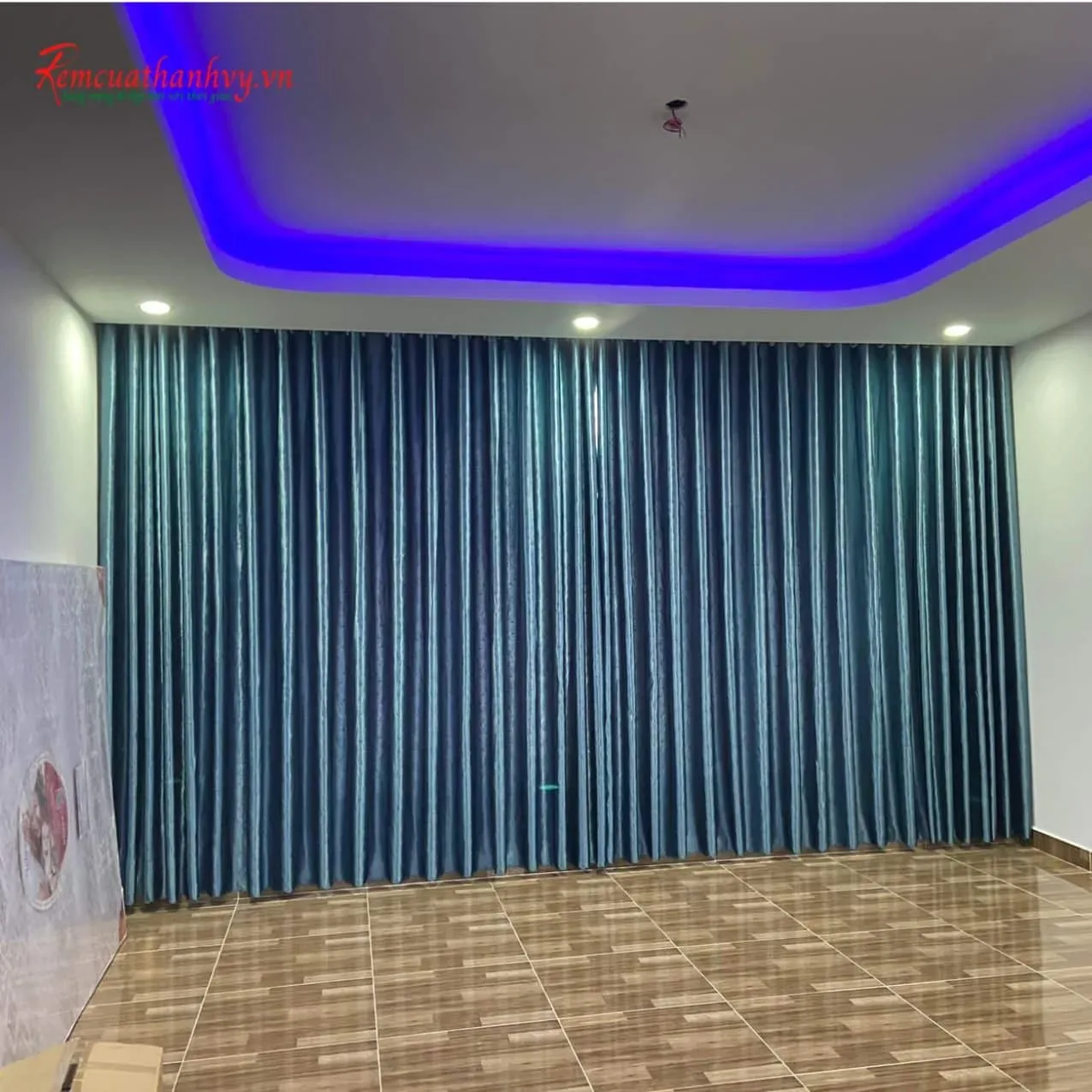
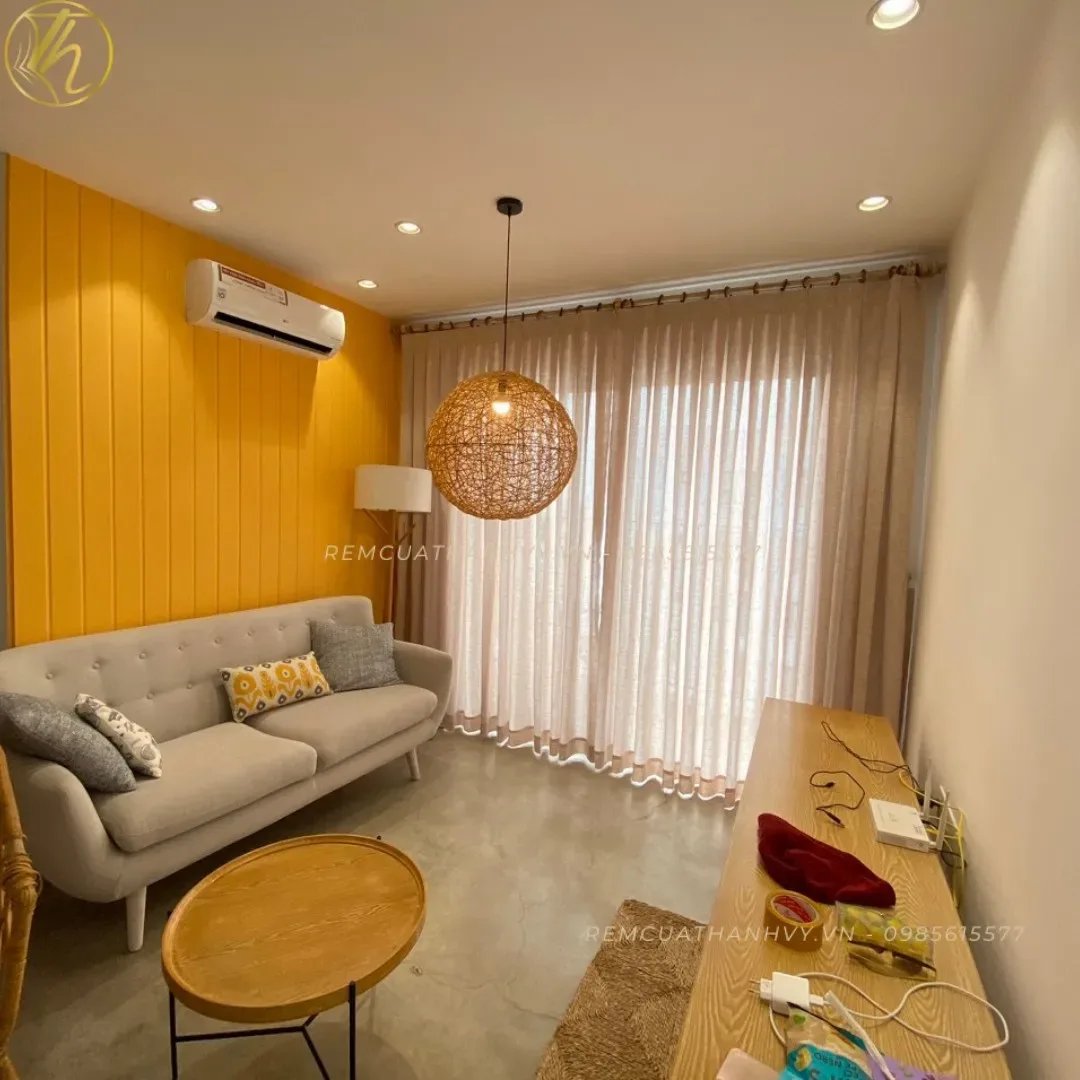
Curtains in District 1: What to prioritize for homes, apartments, and workspaces
Window treatments in District 1 often need to balance privacy, aesthetics, and ease of operation
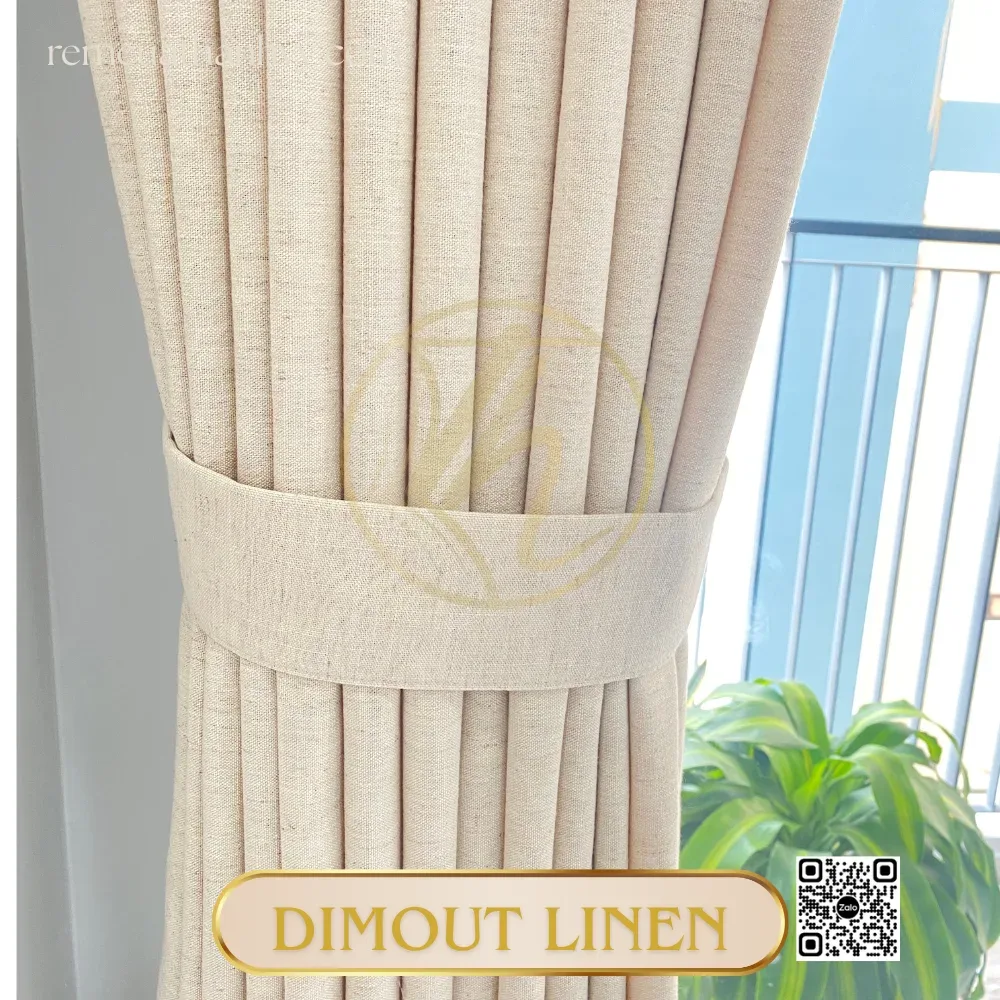
People looking for window treatments in District 1 often face a fairly distinctive challenge: the space needs to look neat and polished while still managing strong light, views from outside, and fairly frequent use. In settings such as apartments, street-front townhouses, or workspaces with extensive glazing, window treatments do more than block light; they also directly contribute to the overall sense of order.
So, rather than immediately asking which design looks good or which type is popular, start with three simpler questions. Does the room need a quiet atmosphere or plenty of light? How is the window or door opened throughout the day? And when the window treatment is open, will it obstruct a walkway, block a view, or bump into furniture? Only after answering these questions can the choice of window treatments in District 1 reflect actual needs rather than being guided entirely by reference images.
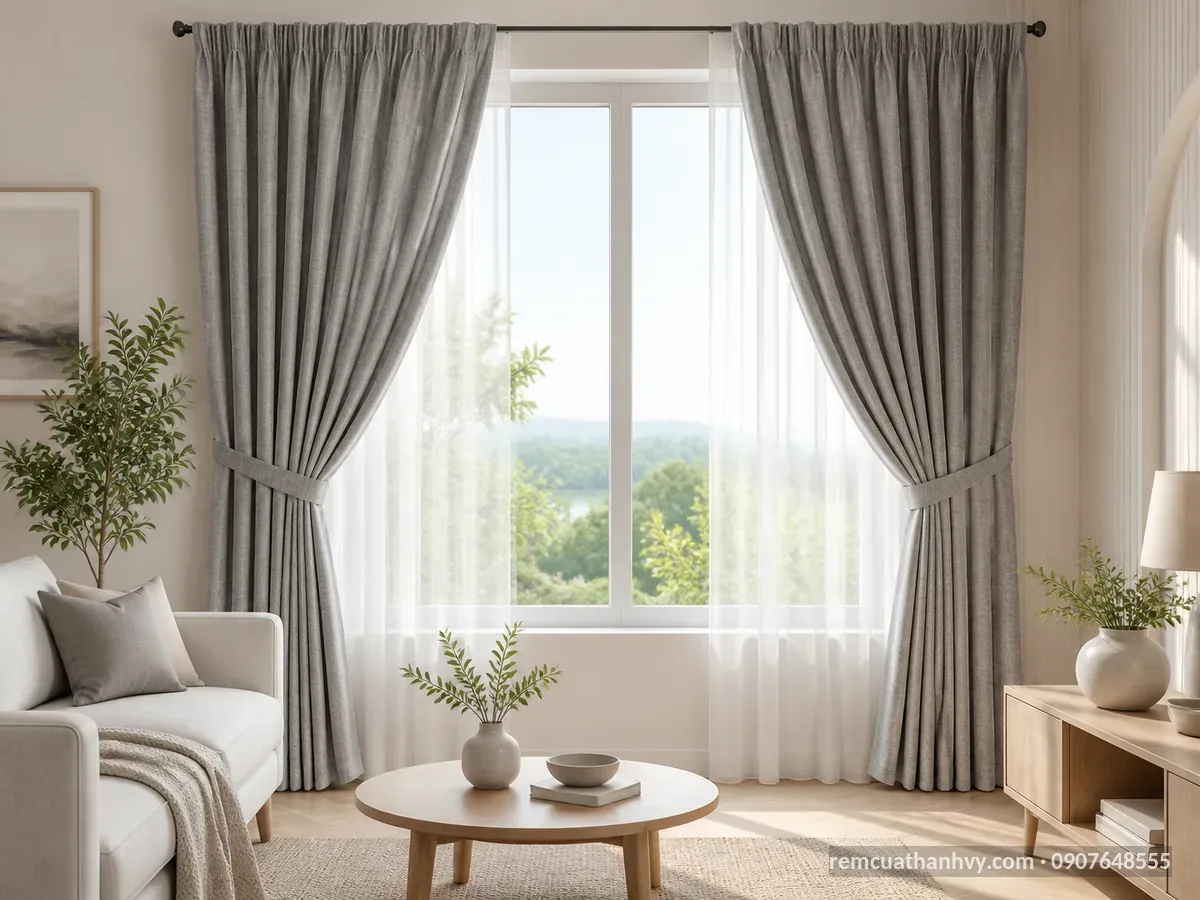
Window treatments in District 1 by ward
District 1 has 4 wards following the reorganization. Select the appropriate ward to view information on mergers, streets, and window treatment services in that area:
- Bến Thành Ward — merged from Bến Thành Ward, Thái Bình Ward, Phạm Ngũ Lão Ward
- Cầu Ông Lãnh Ward — merged from Cầu Kho Ward, Cầu Ông Lãnh Ward, Cô Giang Ward, Cư Trinh Ward
- Sài Gòn Ward — merged from Bến Nghé Ward
- Tân Định Ward — merged from Đa Kao Ward, Tân Định Ward
Does the address on your documents still show the old ward name? Check the District 1 former ward lookup table.
Assess the existing window or door before discussing materials
The same glass opening can feel very different in use depending on sun exposure, views from outside, and the surrounding space. A living room window may need to let in daylight while preventing people from seeing inside late at night. A bedroom window, on the other hand, prioritizes tighter light control. In a workspace, the goal may be to reduce screen glare without making the room feel dark and heavy.
These differences show why choosing window treatments in District 1 should not begin with materials. Without a clear purpose for the opening, readers can easily be drawn to an attractive surface or a minimalist-looking installation and forget that, once installed, the window treatment still needs to open and close conveniently for months and years to come. Accurately assessing existing conditions is always a step toward a more lasting choice.
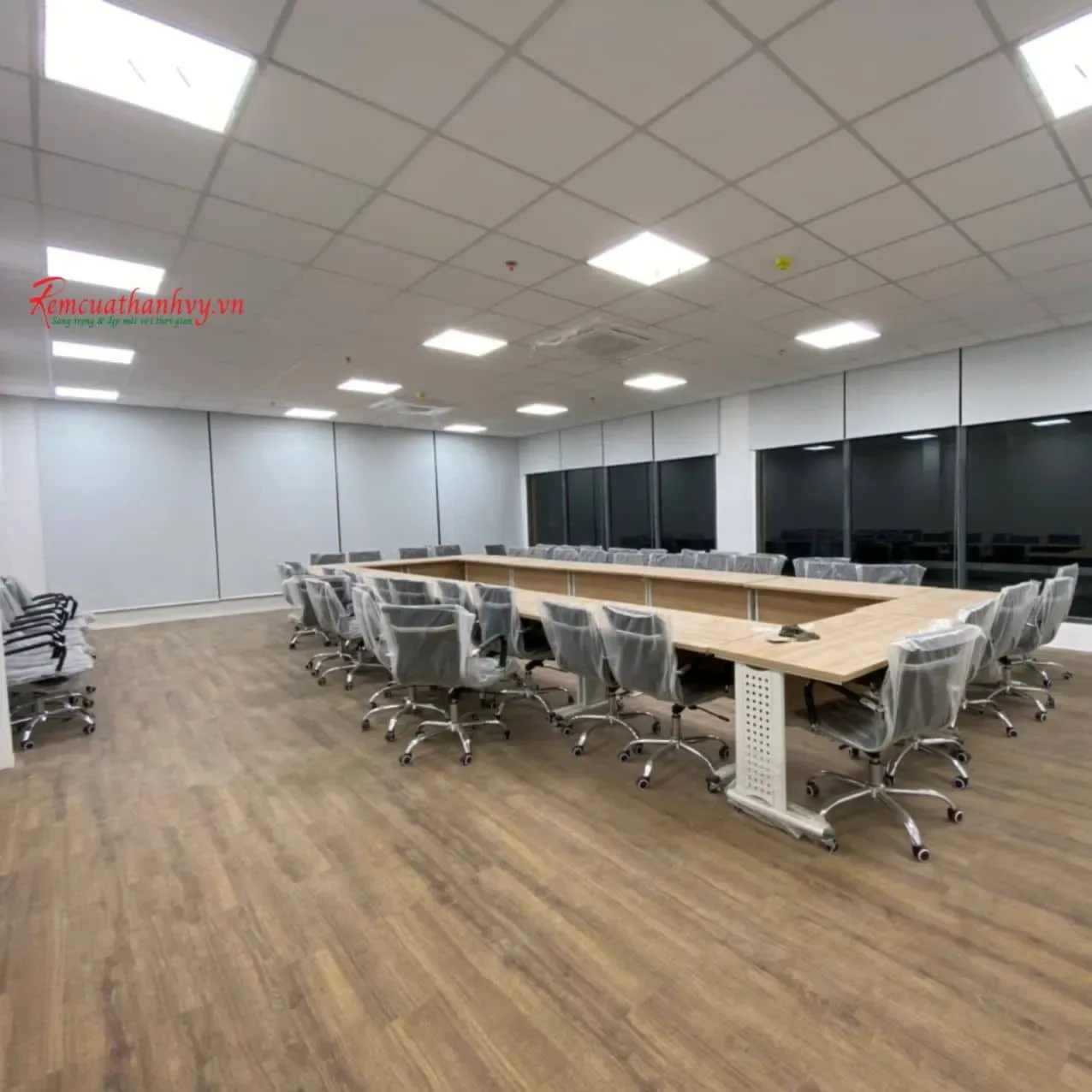
Choose a window treatment category based on its intended purpose
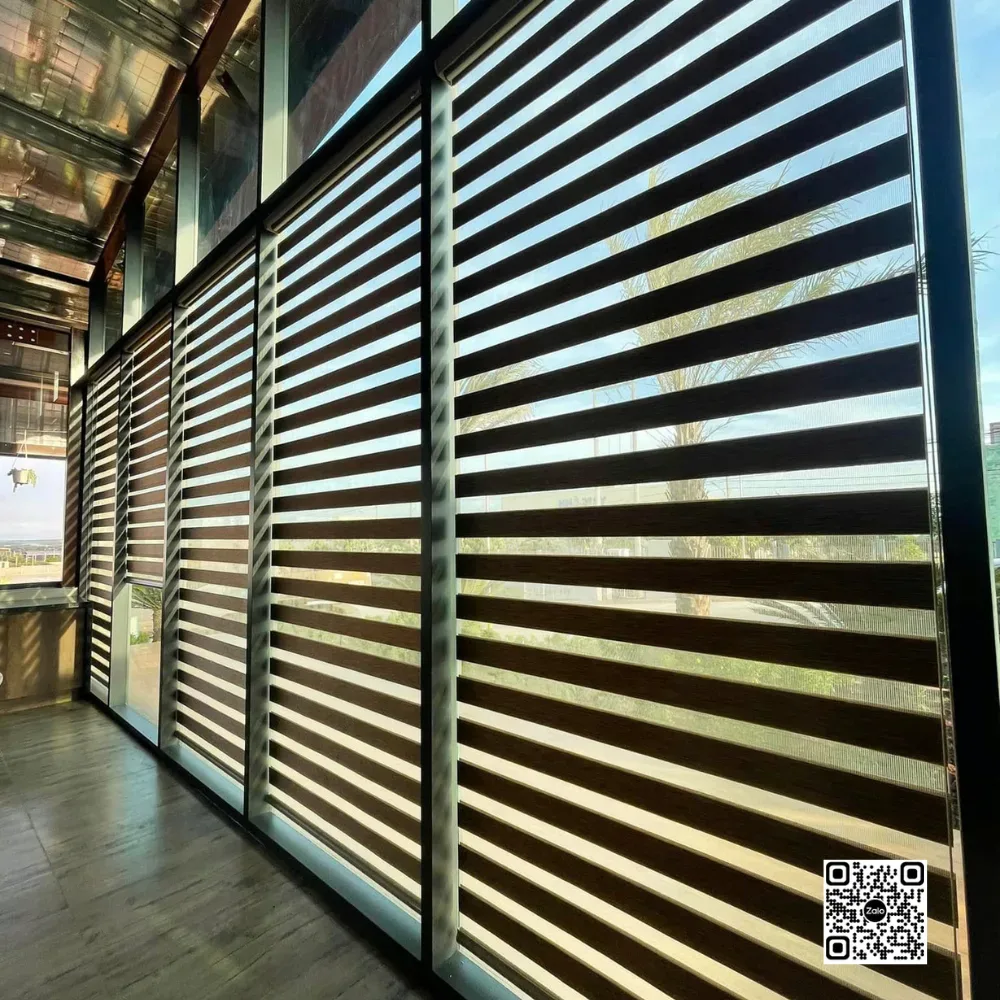
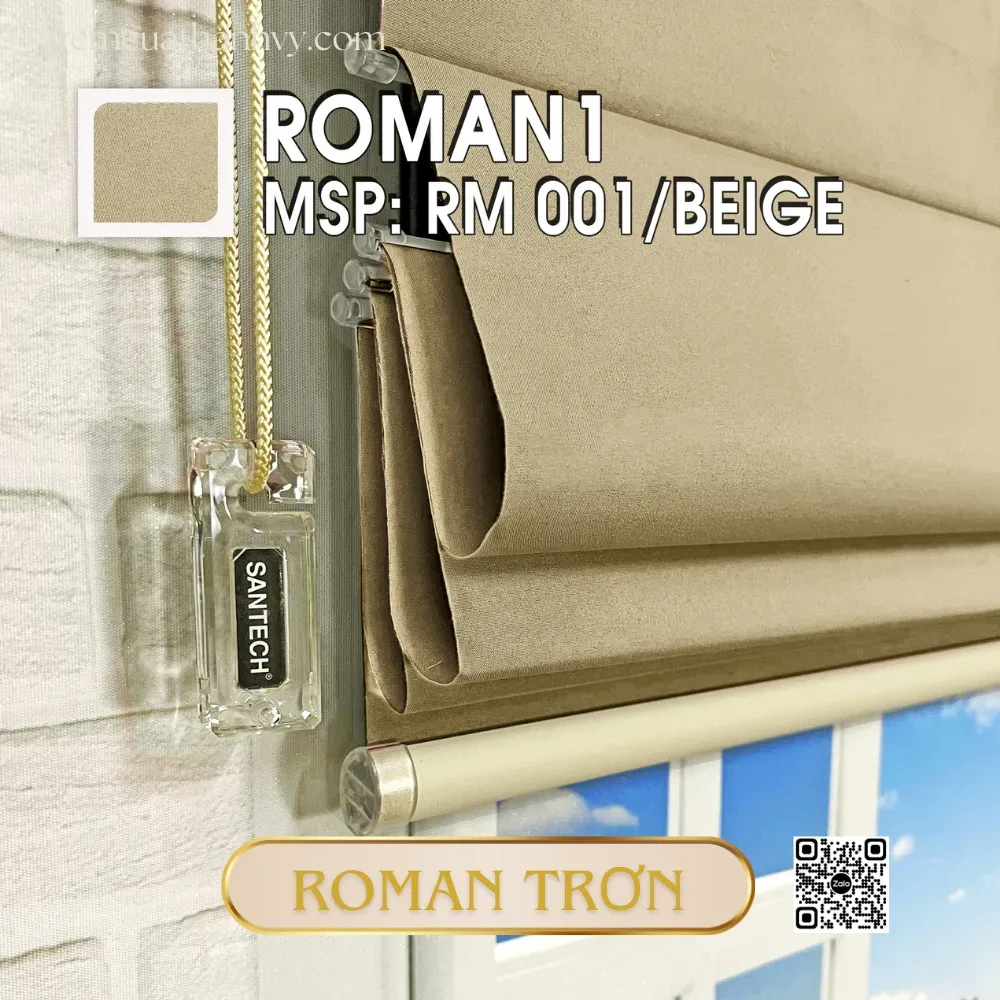
Each window treatment category addresses a different type of need. If softness and flexible light control are priorities, fabric curtains are often given greater consideration. If you want a streamlined covering that takes up little space and is intuitive to operate, roller or folding solutions may be more suitable, depending on the setting. When light and privacy need to be balanced at multiple levels, users may also be interested in configurations that allow more flexible adjustment throughout the day. Interested readers can explore the concept of window coverings in architecture.
What should be avoided is treating the name of a window treatment type as a ready-made answer. A window treatment in District 1 is only suitable when its specific configuration matches the actual opening, the way it opens, and actual usage habits. If two options being compared are not described using the same criteria, readers will find it very difficult to know what they are trading off for a more attractive surface or more streamlined operation.
Criteria to use when comparing two options
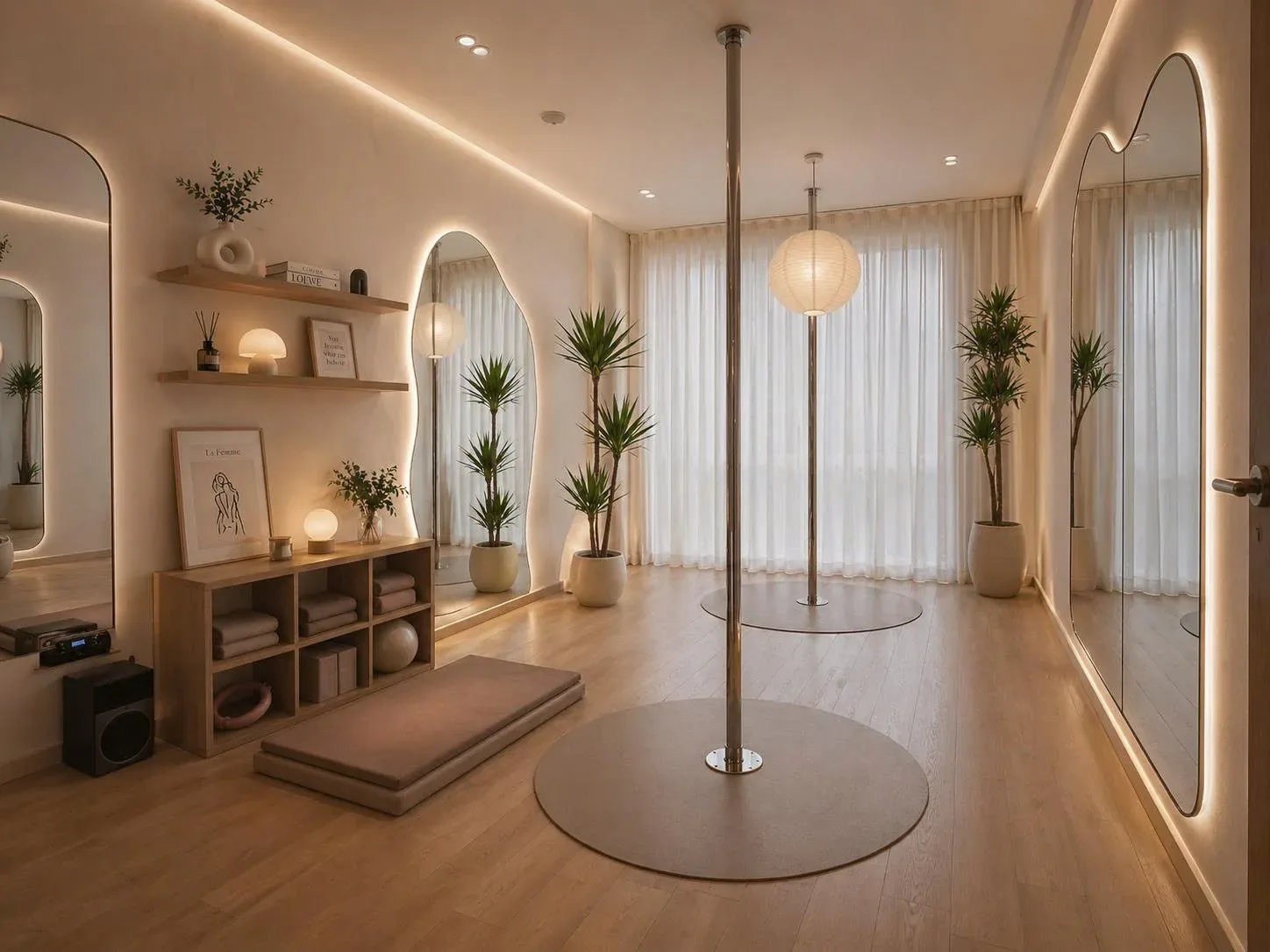
When you are undecided, compare the options using five consistent criteria. The first is light: how the room changes when the curtains are fully closed, and whether there is still enough natural light during the day. The second is privacy: whether people in the room feel at ease in the evening. The third is compactness: how much space the curtains take up when open and whether they make the edges of the window look heavy. The fourth is cleaning: whether the surface suits your household’s cleaning routine. The fifth is reliability: given your current frequency of use, whether the operating mechanism is easy to handle and causes little trouble.
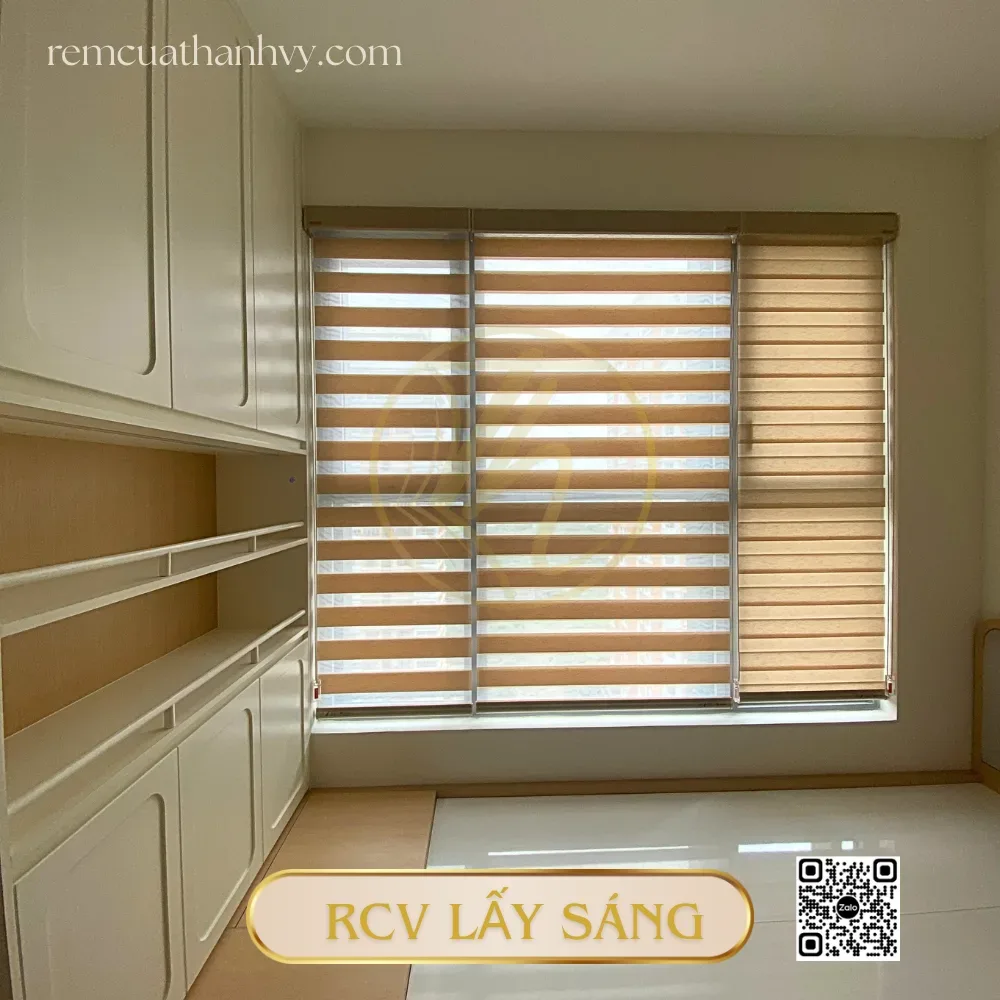
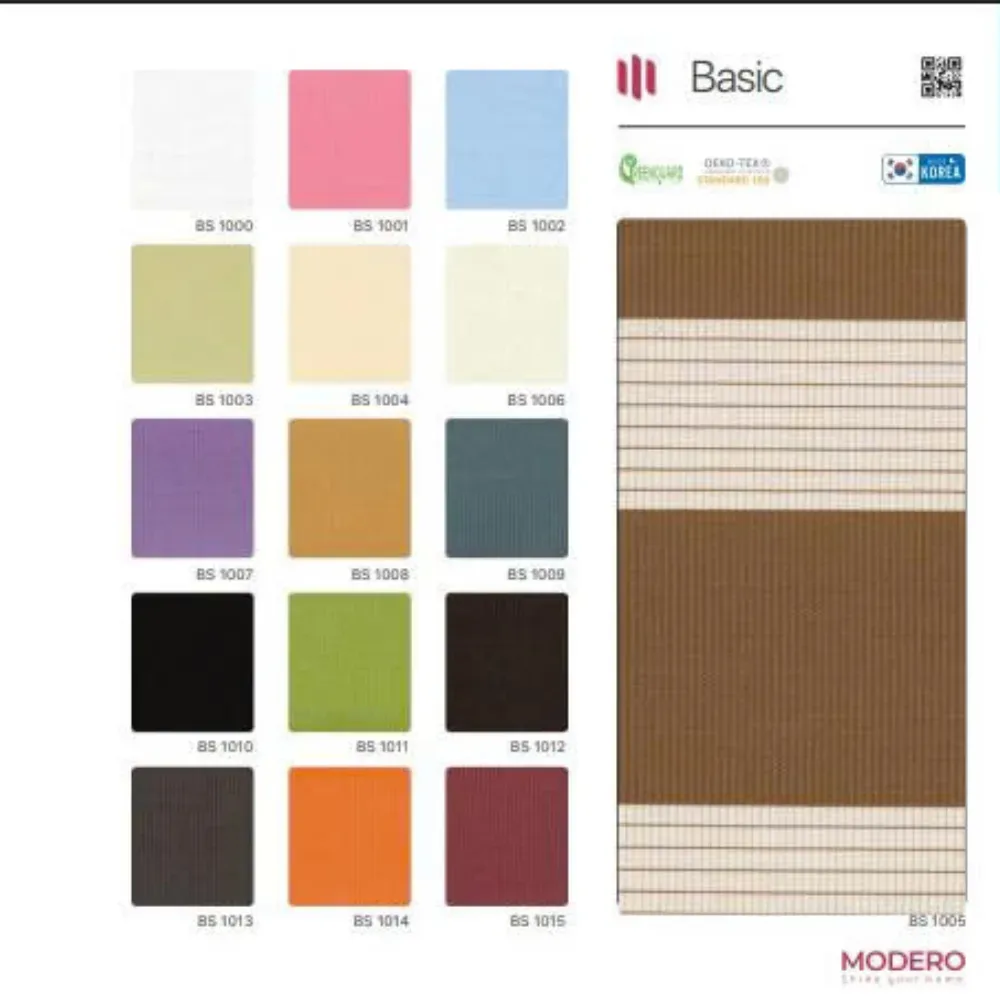
Comparing options using these five criteria makes choosing curtains in District 1 much more concrete. Readers no longer have to rely on statements such as “this option is more premium” or “that option is a better seller,” but can look directly at the actual experience they will have after installation.
Color and proportions need to suit the actual setting
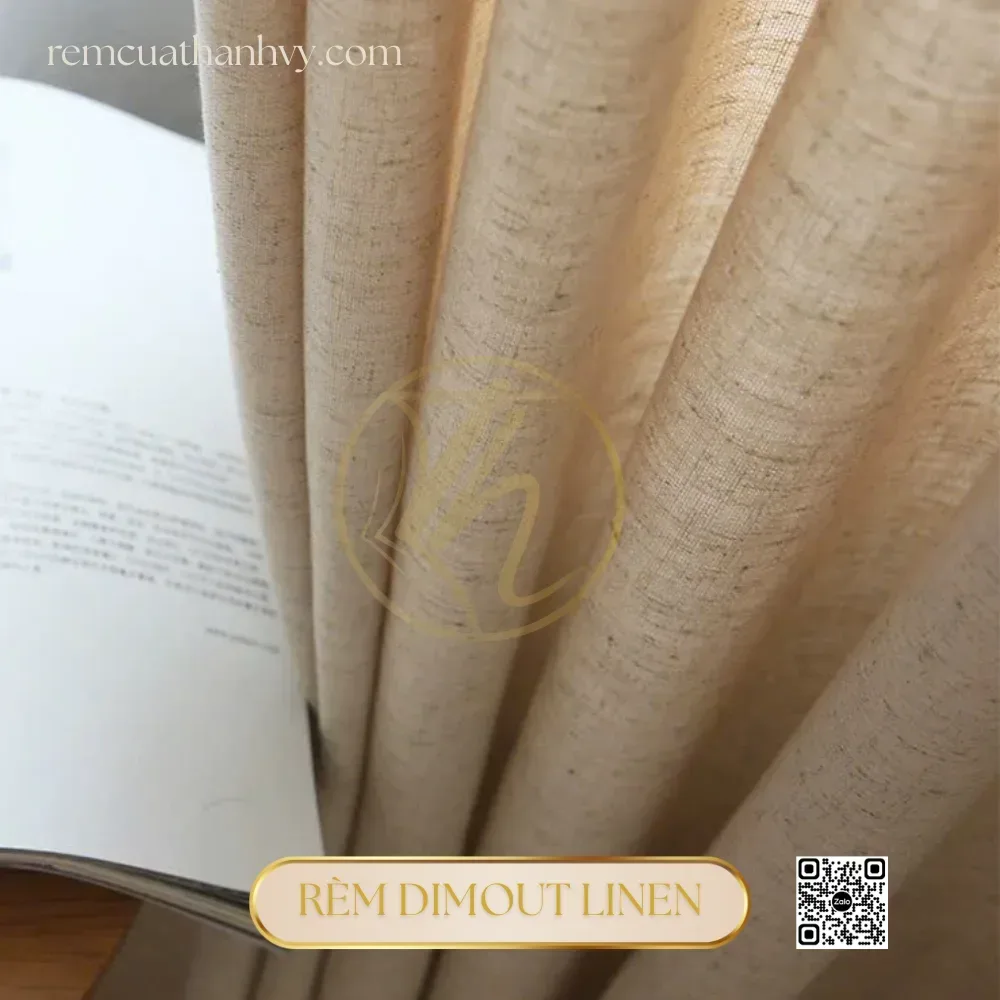
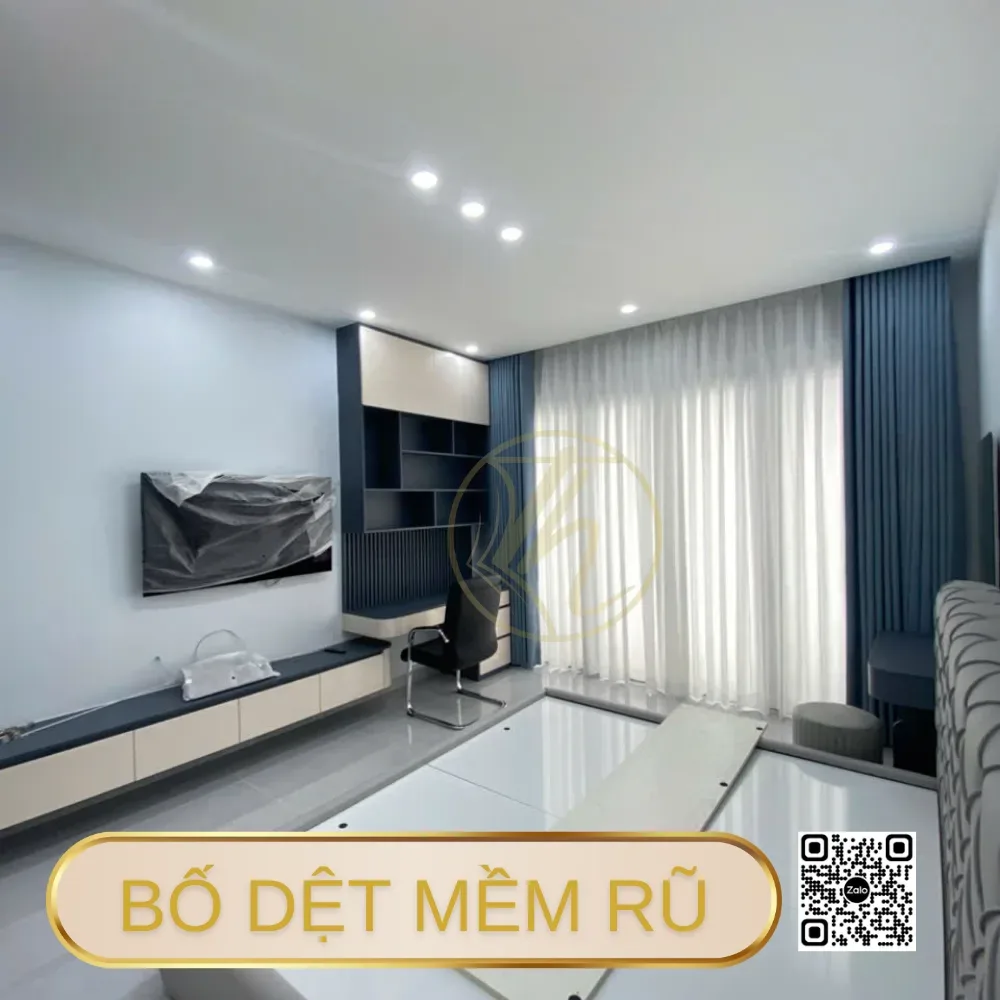
Spaces in District 1 often have a noticeable concentration of furniture and finished surfaces, so curtain colors can strongly affect the overall feel. Neutral tones are usually safe, but safe does not always mean best. If the walls, floors, and furniture are already very light, a deeper shade can still work as long as the overall proportions do not feel heavy. Conversely, in small rooms or rooms with lots of furniture, an overly dark color can make the window look heavy. You can also refer to the properties of linen for comparison.
Proportions are just as important as color. A set of curtains with dense pleats or a bulky stack can look beautiful on a wide window, yet make a small window feel rigid and cramped. Therefore, before finalizing your choice of curtains in District 1, you should view samples under lighting close to the room’s actual conditions and place them next to the existing surfaces. This is how to avoid making a decision based on beautiful images detached from the context of use.
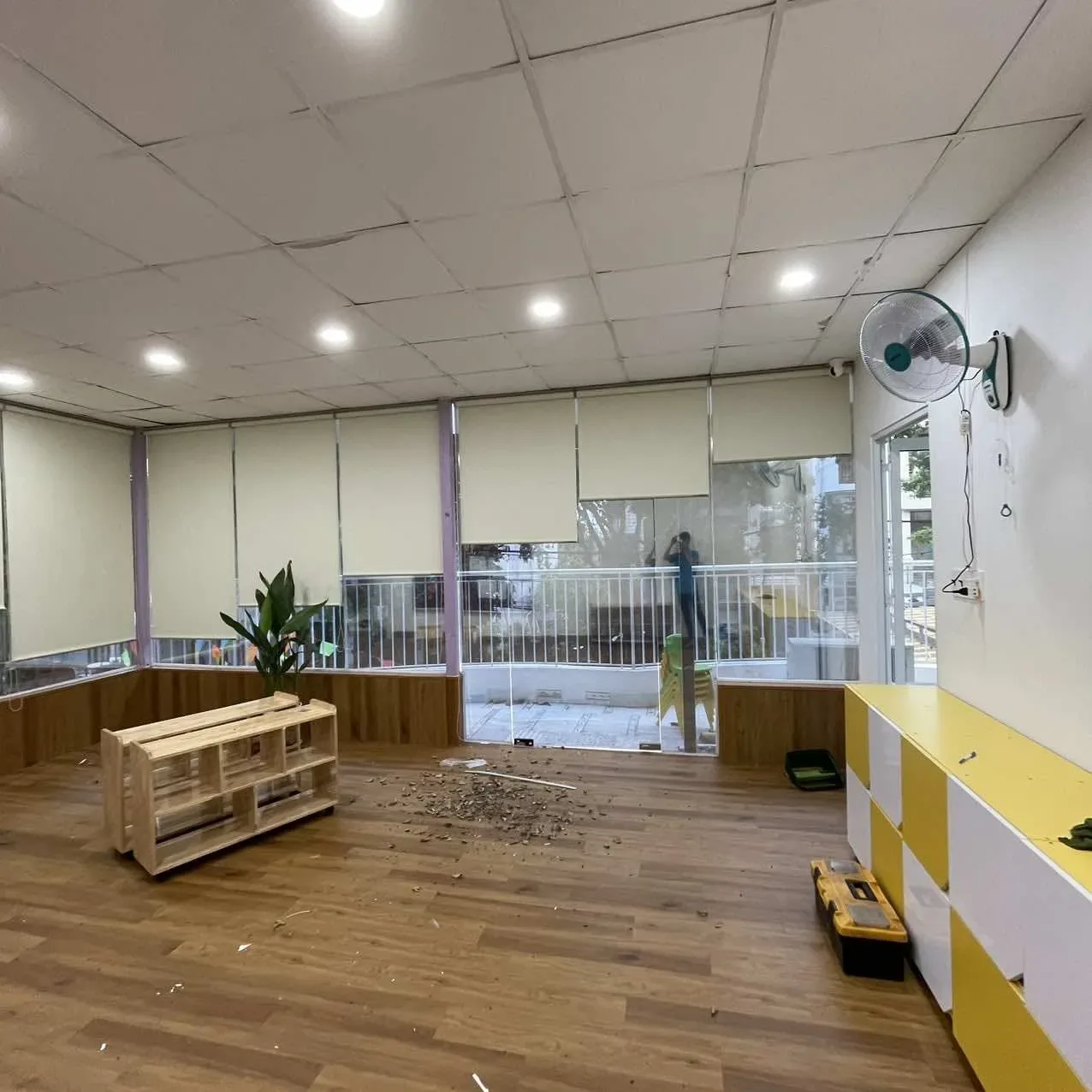
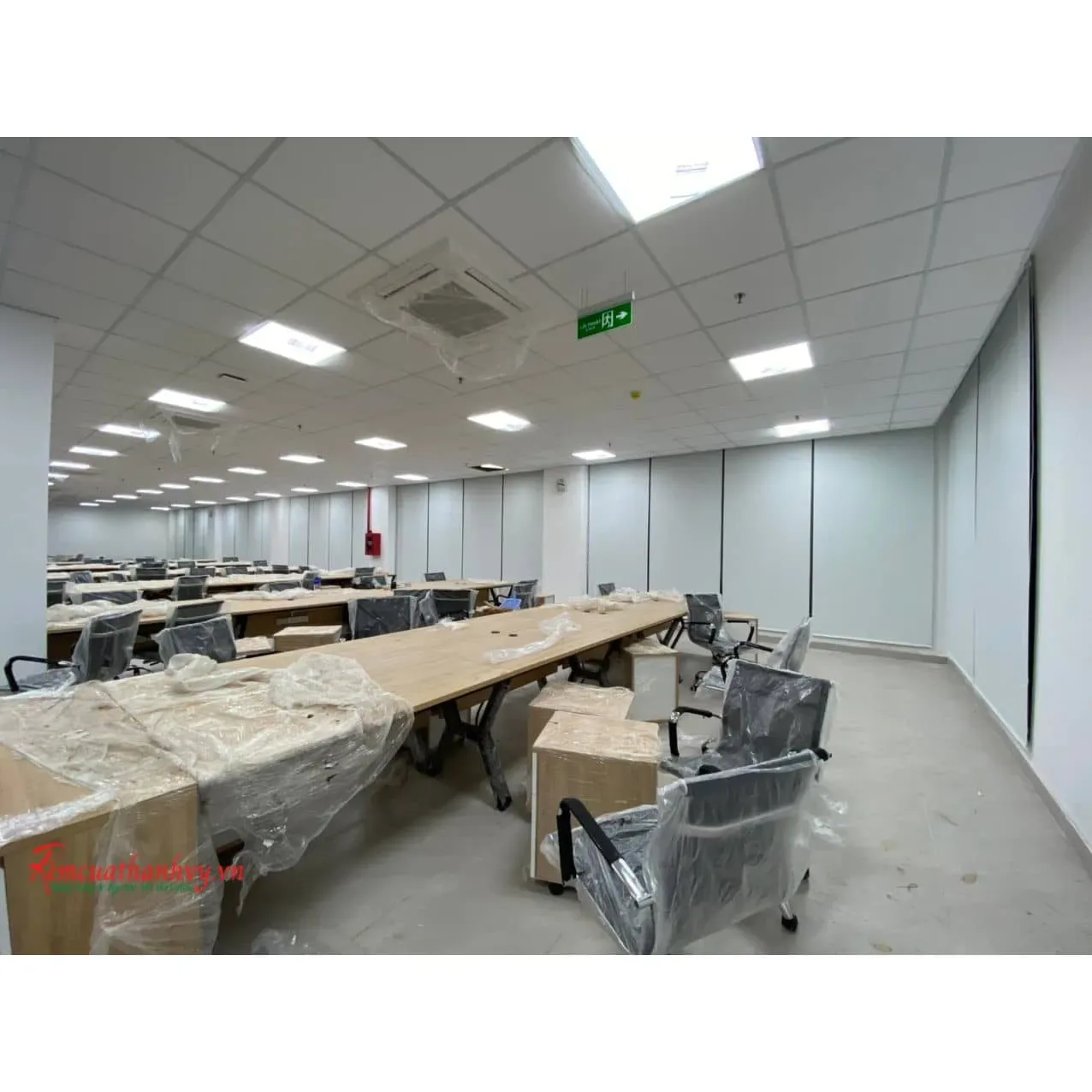
Wards where Rèm Cửa Thanh Vy provides measuring and installation services
Following the reorganization of administrative units, the old and new ward names differ, so the section below includes the old names for easy reference when scheduling a measurement appointment.
District 1
- An Phú Đông Ward — consolidated from the former Thạnh Lộc Ward.
- Thới An Ward — consolidated from the former Thạnh Xuân Ward.
- Trung Mỹ Tây Ward — consolidated from the former Tân Chánh Hiệp Ward.
- Tân Thới Hiệp Ward — consolidated from the former Hiệp Thành Ward.
- Đông Hưng Thuận Ward — consolidated from the former Tân Hưng Thuận Ward, Tân Thới Nhất Ward.
- Bình Thới Ward — consolidated from the former Ward 10, Ward 3, Ward 8.
- Hòa Bình Ward — consolidated from the former Ward 14, Ward 5.
- Minh Phụng Ward — consolidated from the former Ward 1, Ward 16, Ward 7.
- Phú Thọ Ward — consolidated from the former Ward 11, Ward 15.
- Sài Gòn Ward — consolidated from the former Bến Nghé Ward.
- Diên Hồng Ward — consolidated from the former Ward 14, Ward 6, Ward 8.
- Hòa Hưng Ward — consolidated from the former Ward 12, Ward 13, Ward 15.
- Vườn Lài Ward — consolidated from the former Ward 1, Ward 10, Ward 2, Ward 4, Ward 9.
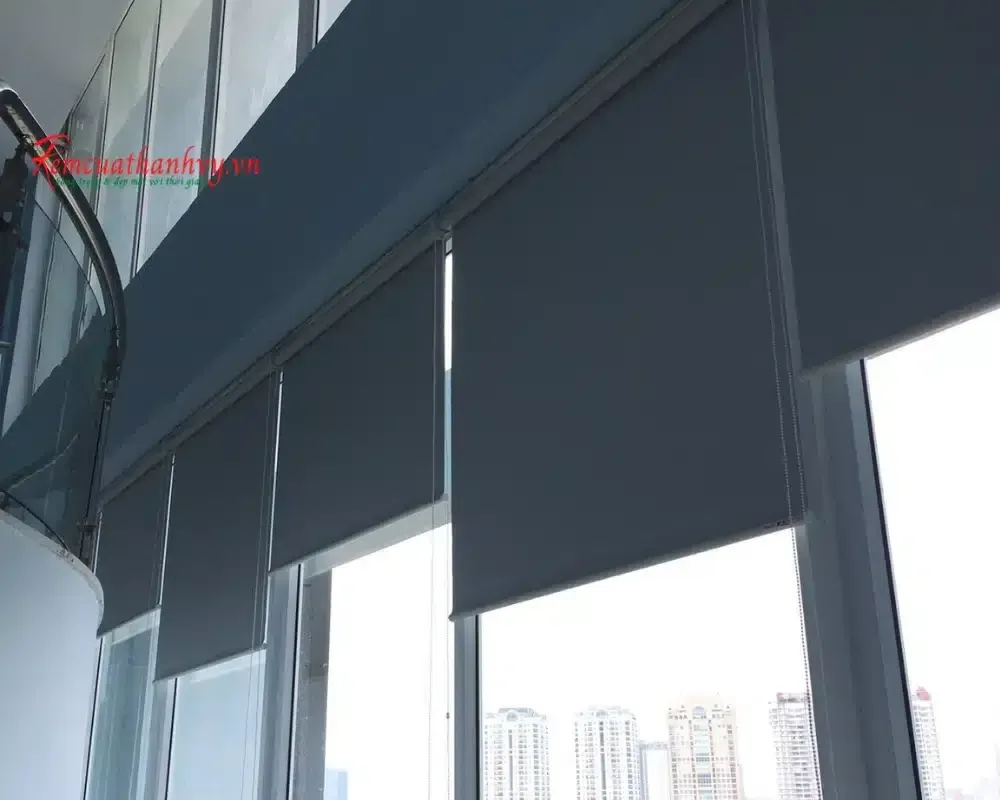
District 3
- Bàn Cờ Ward — consolidated from the former Ward 1, Ward 2, Ward 3, Ward 4, Ward 5.
- Nhiêu Lộc Ward — consolidated from the former Ward 11, Ward 12, Ward 14, Ward 9.
- Xuân Hòa Ward — consolidated from the former Võ Thị Sáu Ward.
District 4
- Khánh Hội Ward — merged from the former Ward 15, Ward 8, and Ward 9.
- Vĩnh Hội Ward — merged from the former Ward 1, Ward 2, Ward 3, and Ward 4.
- Xóm Chiếu Ward — merged from the former Ward 13, Ward 16, and Ward 18.
Small technical details that make a big difference in everyday use
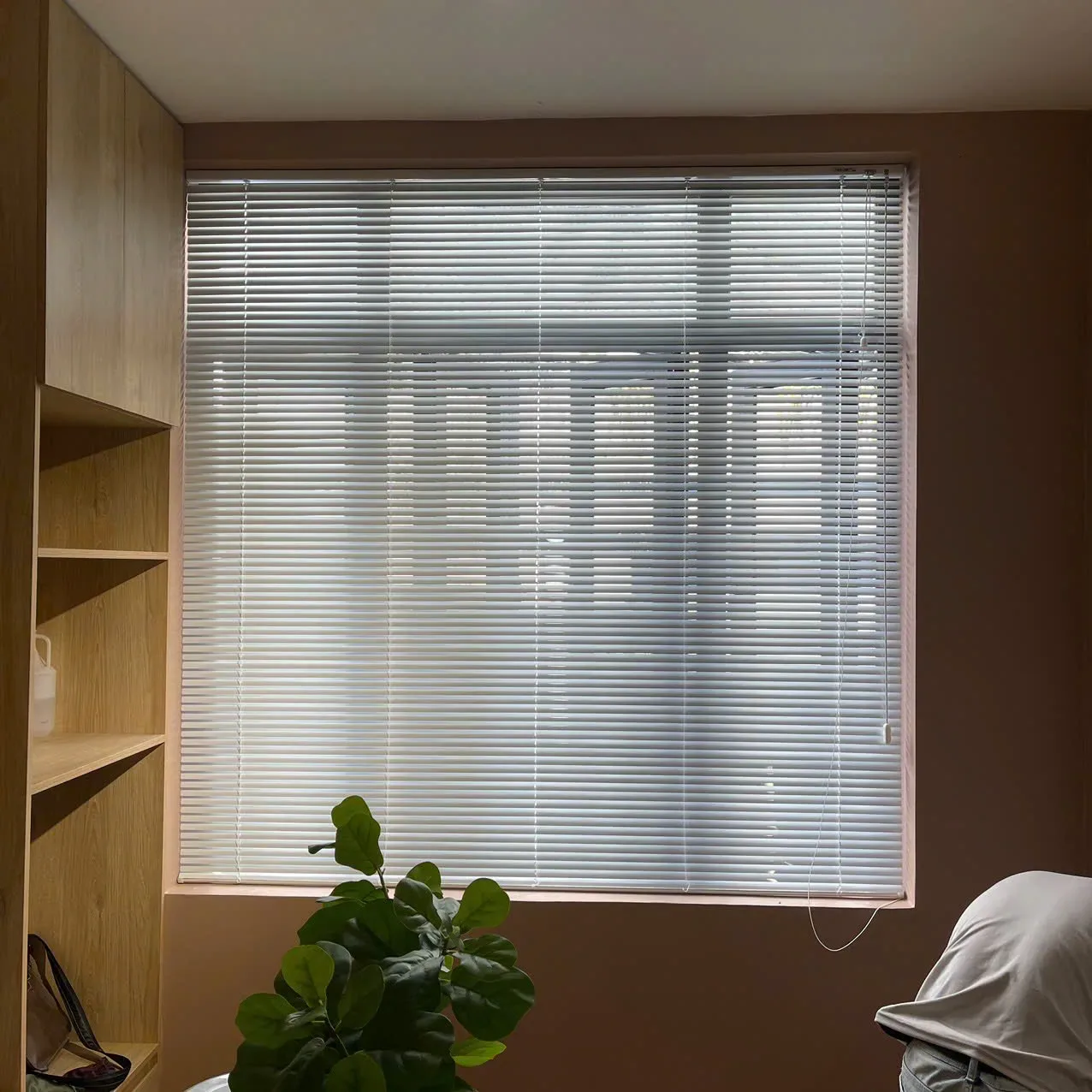
Many inconveniences after curtain installation stem from details overlooked early in the process. Door handles, protruding sills, air conditioner placement, cabinets and shelves near the opening, areas where walkways need to stay clear, or the need to fully cover the edges of the glass can all change the final choice. For curtains in District 1, where spaces are often carefully optimized, these points deserve even earlier consideration.
Readers should clearly note where the curtains will stack when open, whether they need to open fully or only partially, and when they will be opened and closed most often. If this is a door used daily, a setup that only looks good when closed but is inconvenient when open will quickly become a source of frustration at home. Paying close attention to small details from the start is always cheaper than making corrections after custom curtains have been ordered or installation is complete.
How to prepare information for a more valuable consultation
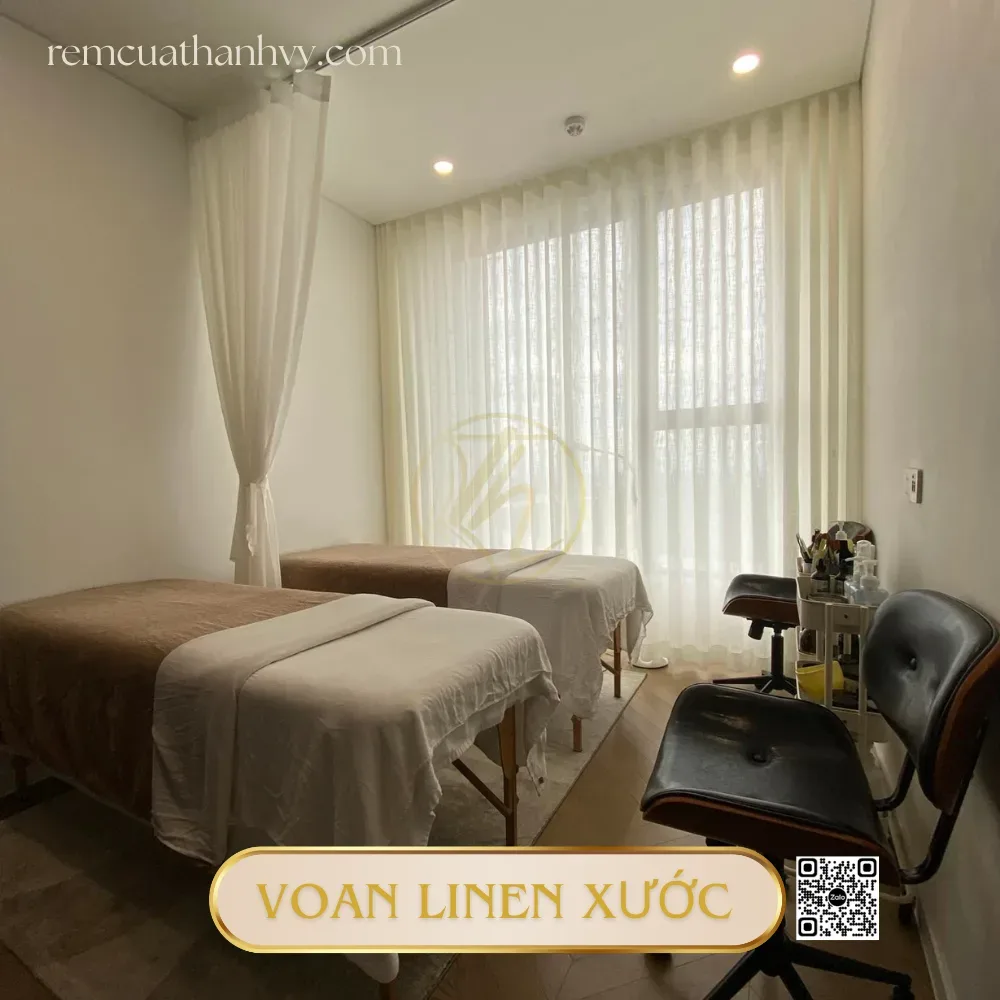
Instead of sending just a brief question, readers can prepare a simple but useful set of information. Take photos of the entire opening and the wall space on both sides, measure the approximate width and height, note when glare in the room is strongest, and clearly describe your priority: rest, work, privacy, or aesthetics. If there are obstacles or the door needs to be opened frequently, mention this clearly from the start. Information about the provider also appears in properties of natural wood.
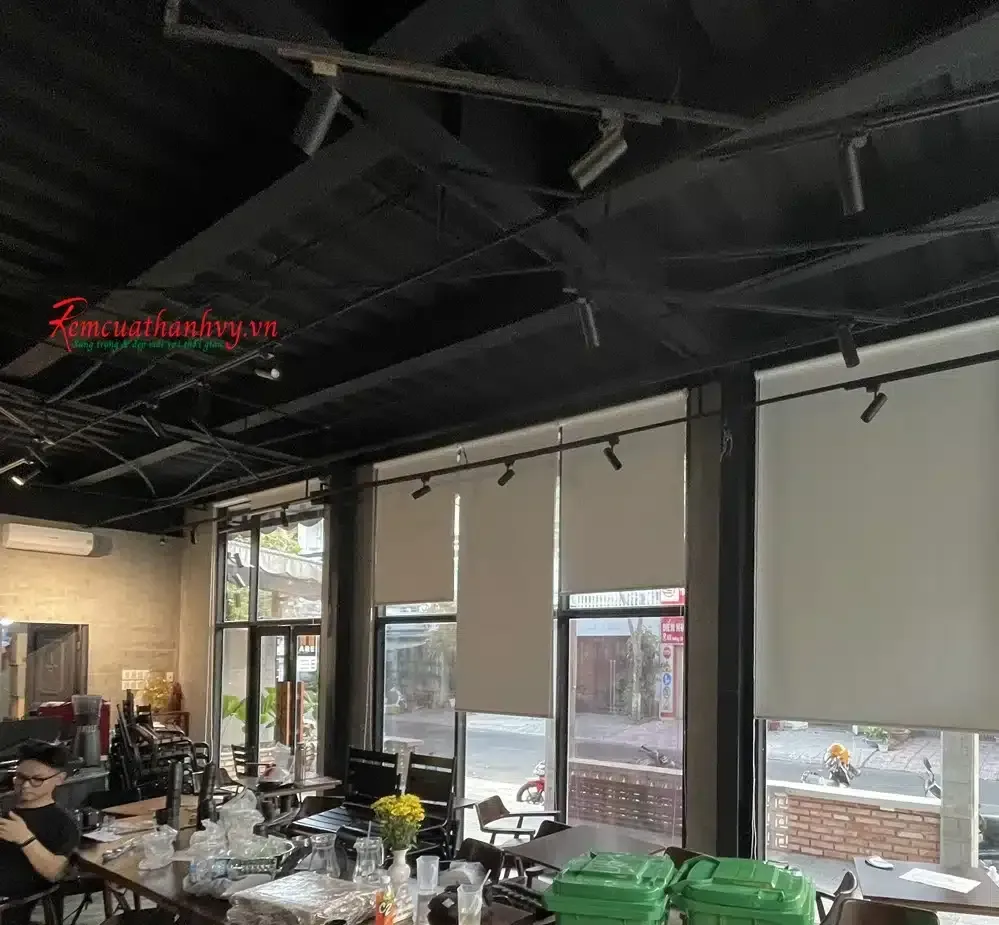
With this information, the consultant can move straight to comparing options instead of asking repeated follow-up questions. People looking for curtains in District 1 will also find it easier to evaluate the options because each is based on the same information. This does not make the process more complicated; on the contrary, it helps reduce the risk of choosing incorrectly due to insufficient initial information.
When to conduct a more detailed site assessment
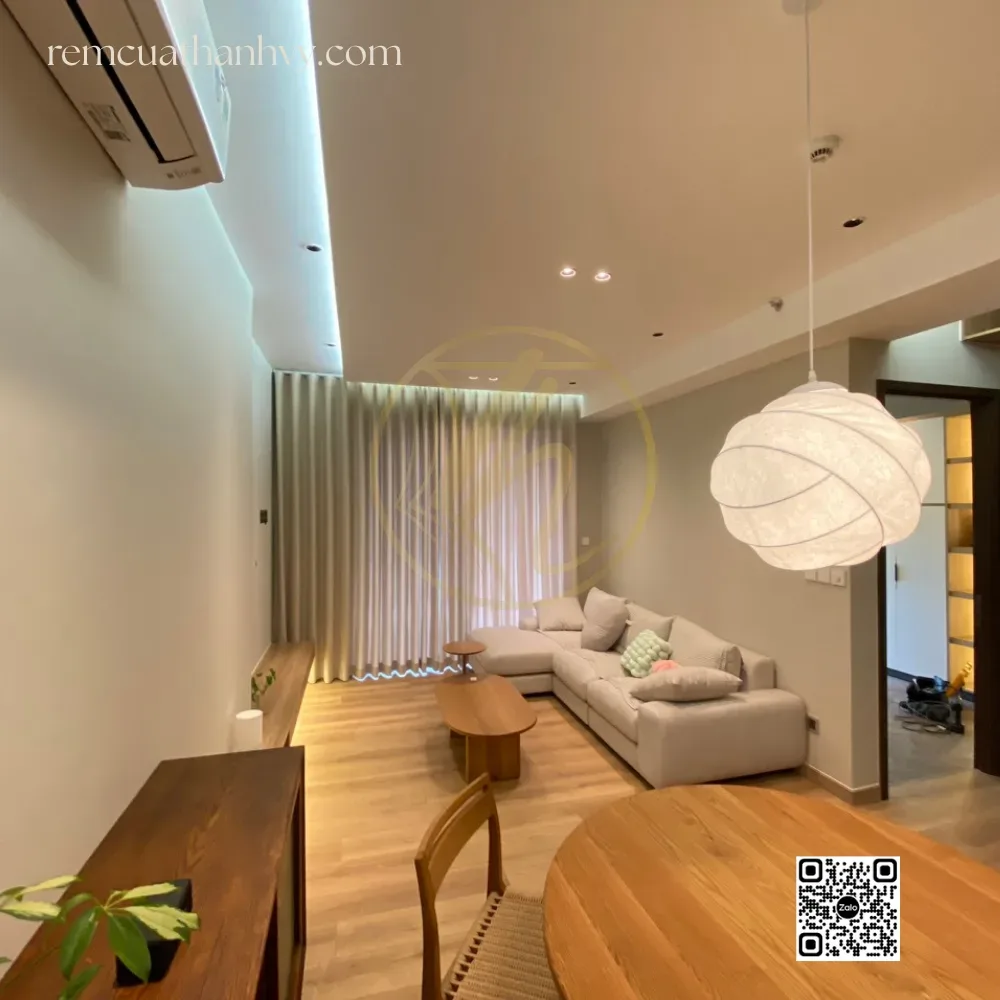
Remote discussions are sufficient for screening initial options, but if the opening has several potential complications, such as a deep recess, a narrow installation area, handles in the way, or difficulty accommodating the curtain stack, or if the user is deciding between two very different installation styles, a more detailed assessment makes sense. The purpose of this step is not to make the process more cumbersome, but to verify the factors that could change the final setup.
For those considering curtains in District 1, a timely assessment helps reduce decisions based on intuition. Readers will have a clearer idea of whether the option they like suits the actual opening, rather than merely looking right in their imagination or in reference photos. A decision finalized after an accurate look at actual conditions is usually much more confident and firm.
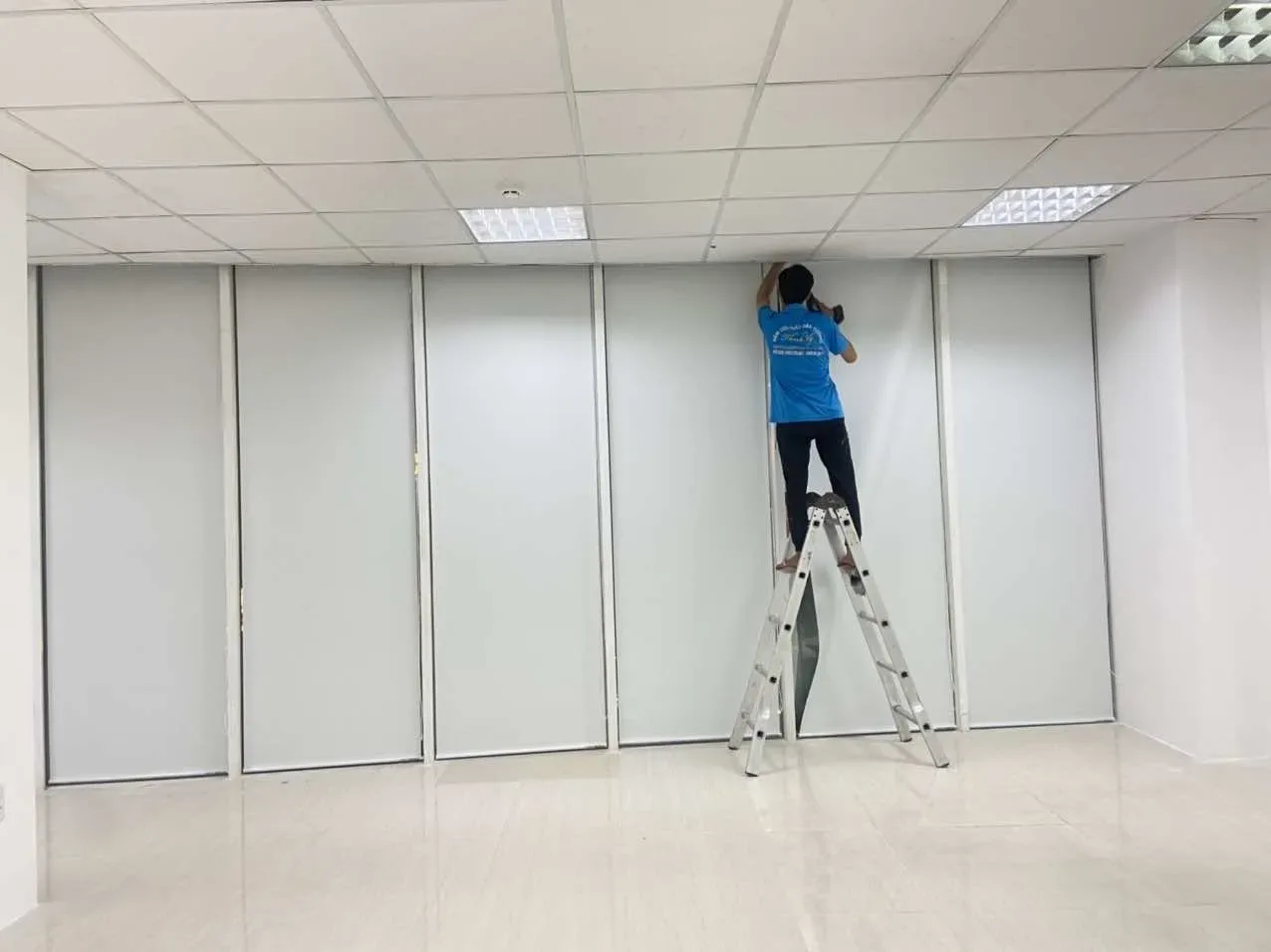
A decision checklist for anyone looking for curtains in District 1
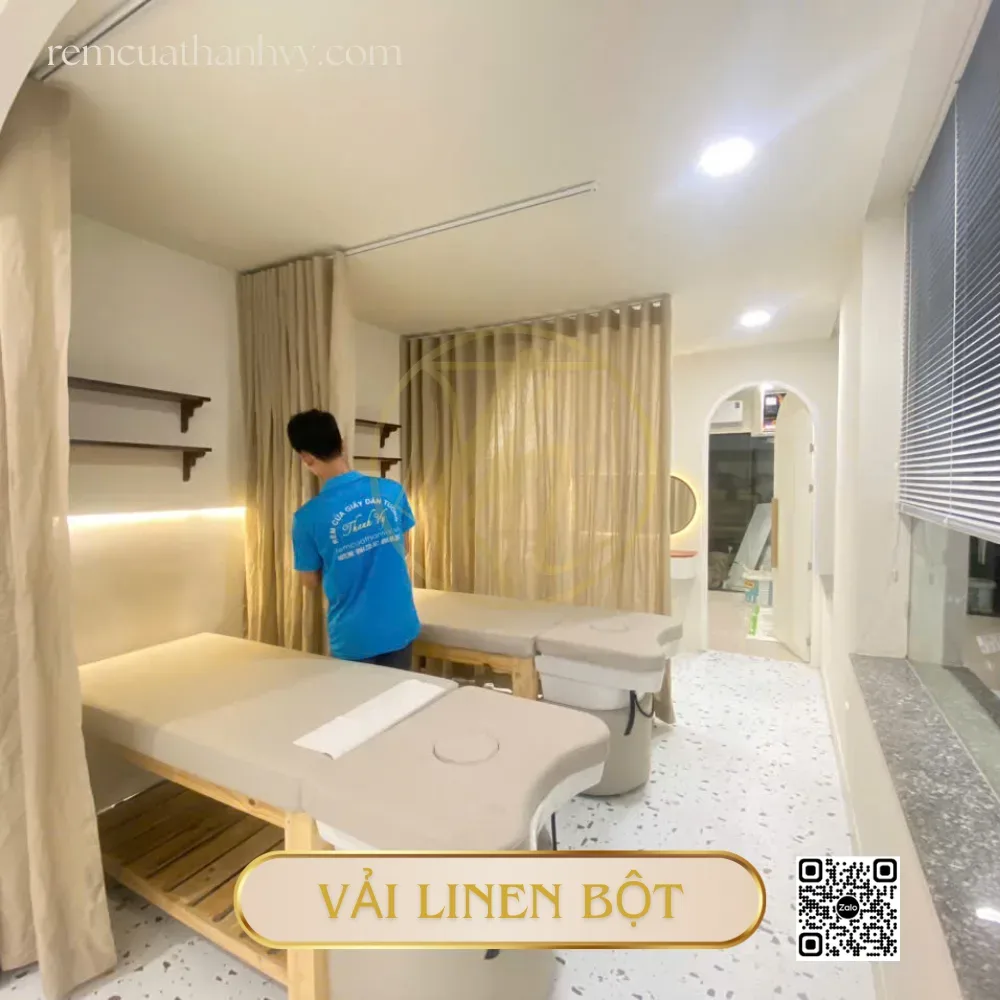
Choosing curtains in a central area like District 1 requires carefully weighing aesthetics against practical functionality, as townhouses and apartments here are typically in densely built areas with intense sunlight. To help you make the right decision before spending your money, the practical checklist below will help you assess your needs as objectively as possible. Interested readers can explore the properties of aluminum.
Before contacting a curtain installation provider in District 1, rate your needs against the following criteria:
Light control: Do you need a completely dark space for sleeping (requiring 100% blackout fabric), or just gentle light filtering for work? Determine whether your windows face direct, intense afternoon sunlight. Privacy level: For closely adjacent apartments or townhouses in District 1, visibility from outside is a priority concern. Do you need double-layer fabric curtains for daytime privacy while maintaining a view outside, or just simple roller blinds for an office? Compactness and space efficiency: If room space is limited, prioritize window coverings designed to fit close to the window frame, such as zebra blinds or roller blinds. Avoid bulky pleated fabric curtains if your living space needs a minimalist, airy feel. Ease of cleaning: Do you have time to take curtains down and wash them regularly, or would you prefer window coverings that can simply be wiped clean in place with a damp cloth? For window coverings along dusty main roads in District 1, antibacterial fabrics or plastic/metal blinds will be economical choices in the long run. Stability and operation: Do you prioritize the convenience of an automated system or the durability of a traditional manual mechanism? Check the quality of the curtain rods and accompanying accessories, because a good set of curtains is not just about the fabric but also about smooth daily opening and closing.
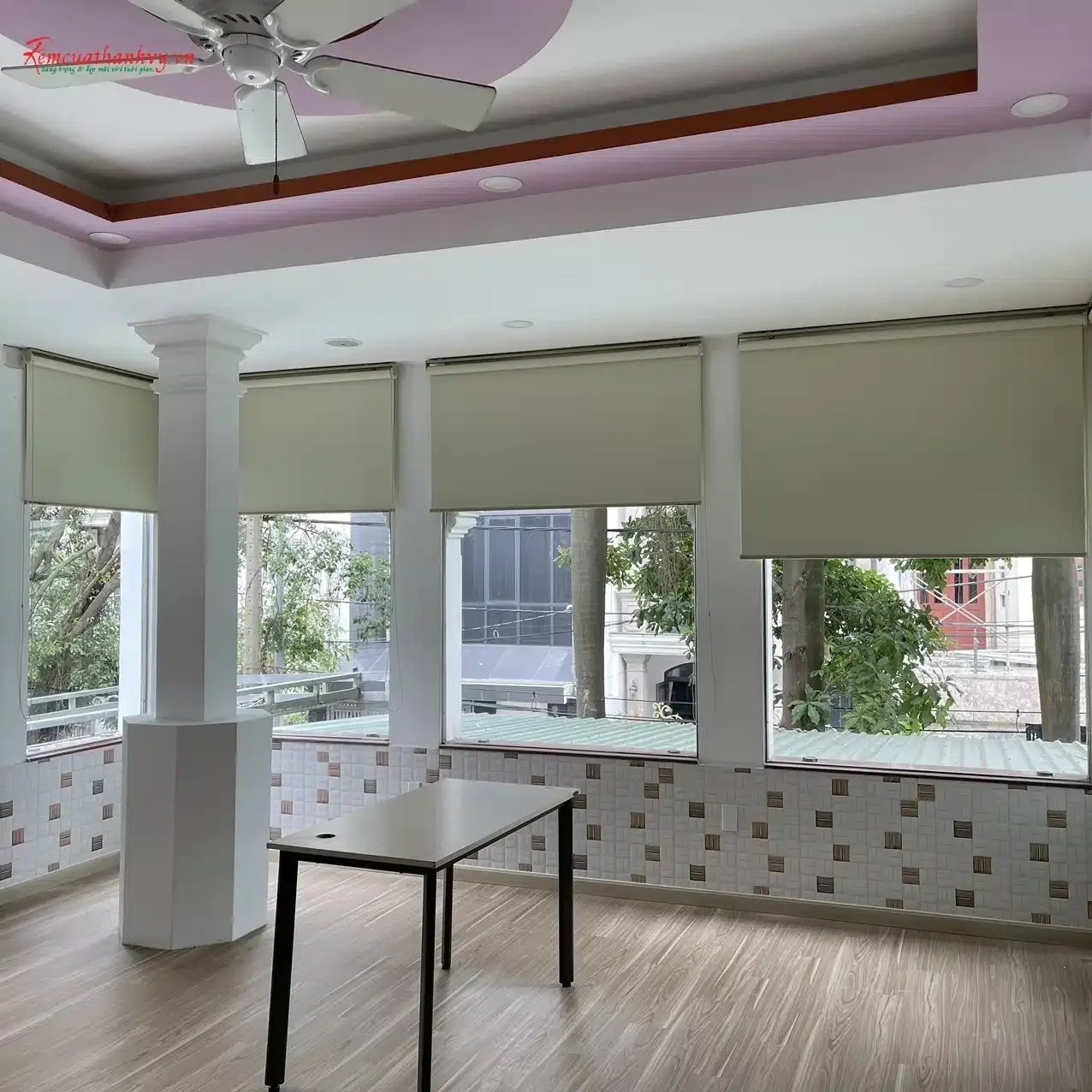
Once you have assessed the criteria above, communicating with your installer will be easier. Rather than following generic sales pitches, ask for advice based on your own list of priorities. The right curtains are not necessarily the most expensive ones, but those that address the specific issues in your living space.
Make a note of the points you consider most important and bring it with you when viewing samples in person. This careful preparation will not only help you save money but also ensure that your installed curtains bring maximum comfort to your life in the heart of vibrant District 1.
Rèm Cửa Thanh Vy’s capabilities and scope of services in District 1
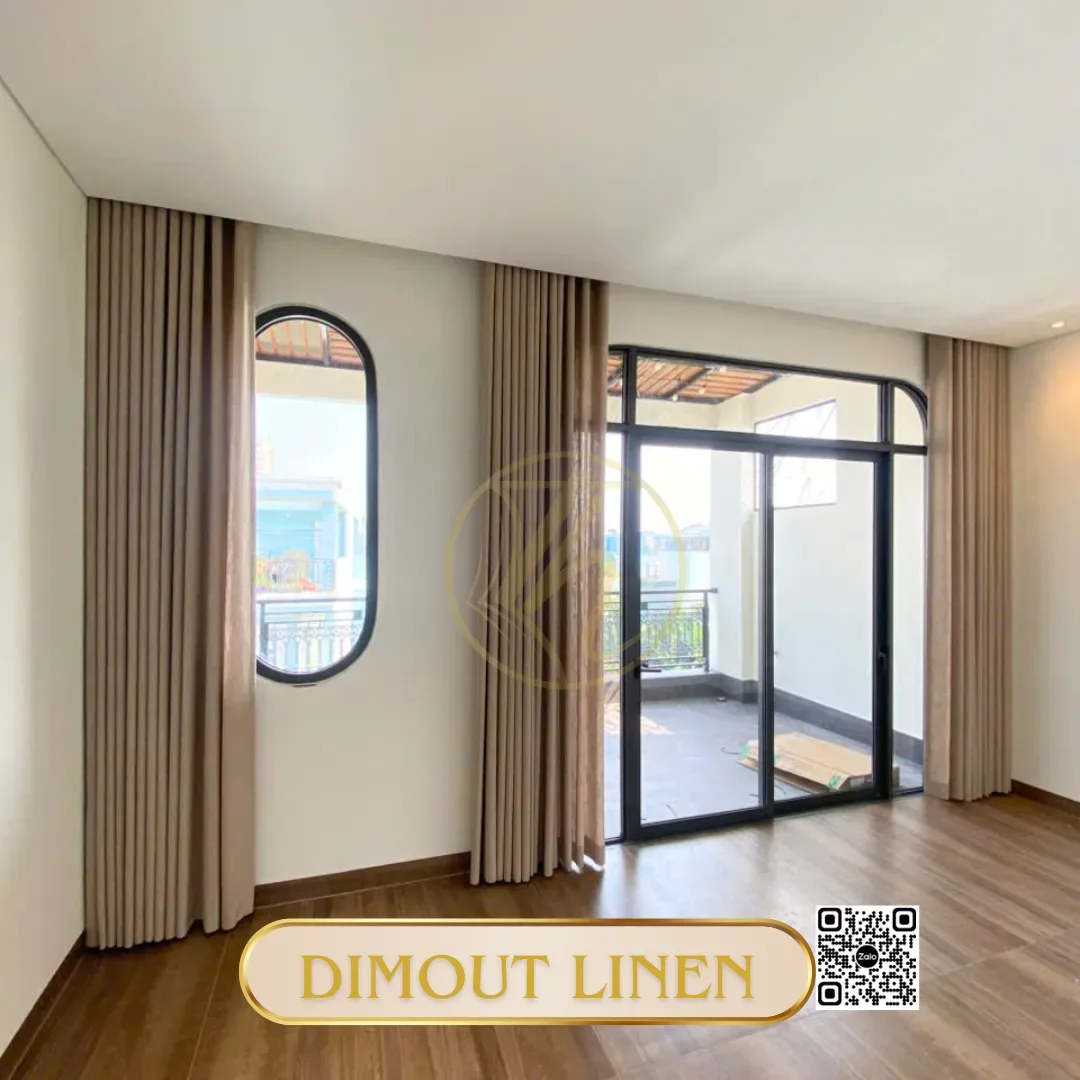
District 1 is a dynamic administrative and commercial center, home to many upscale apartments, offices, restaurants, and elegant business spaces. To meet diverse needs for both aesthetics and sun-blocking and heat-reducing performance, Rèm Cửa Thanh Vy provides comprehensive solutions for curtains in District 1, covering every stage from initial consultation through completion and post-installation support. For further reference, see the role of windows.
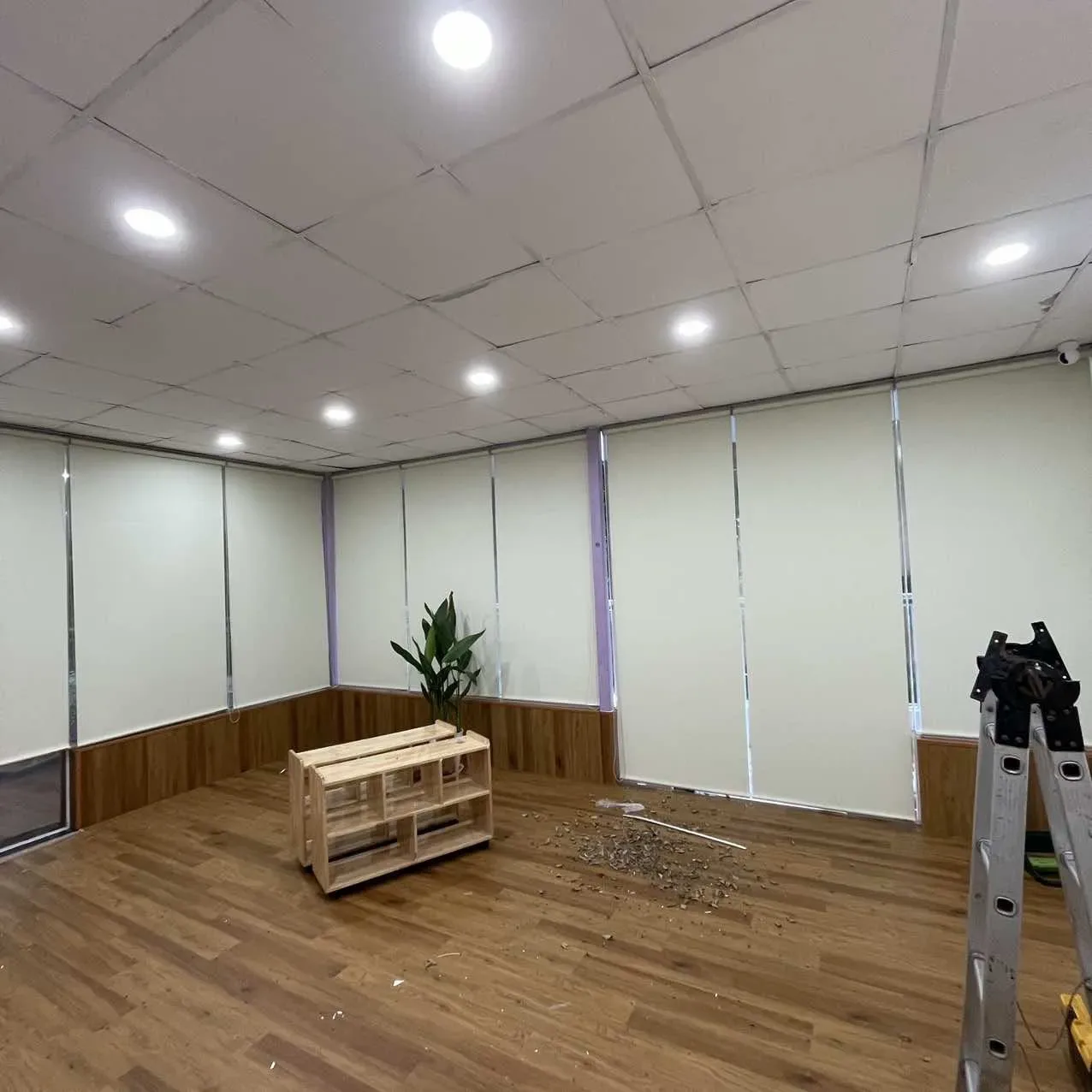
In terms of service scope, Rèm Cửa Thanh Vy follows a professional, end-to-end workflow to ensure that every finished product meets high standards of precision:
On-site consultation and assessment: Staff bring material samples directly to the project site in District 1 to take actual measurements. A thorough assessment helps accurately evaluate the direction of sunlight, window dimensions, and the home’s overall style, enabling recommendations for suitable window coverings such as double-layer fabric curtains, office roller blinds, zebra blinds, or smart automated curtains. Custom tailoring: Every curtain product is meticulously crafted based on the specific measurements of each window frame. Experienced sewing professionals ensure neat, straight seams, proper shaping, evenly hanging folds, and optimized light-blocking and thermal insulation performance according to the design. Complete installation: The installation technicians work efficiently and carefully, paying close attention to keeping the surrounding space clean. The installation process ensures structural safety, secure curtain rods, and smooth operation of the accessory system. Warranty and after-sales care: Following acceptance and handover, Rèm Cửa Thanh Vy maintains reliable maintenance and technical support policies. All feedback or adjustment requests during use are received and handled attentively, protecting customers’ long-term interests.
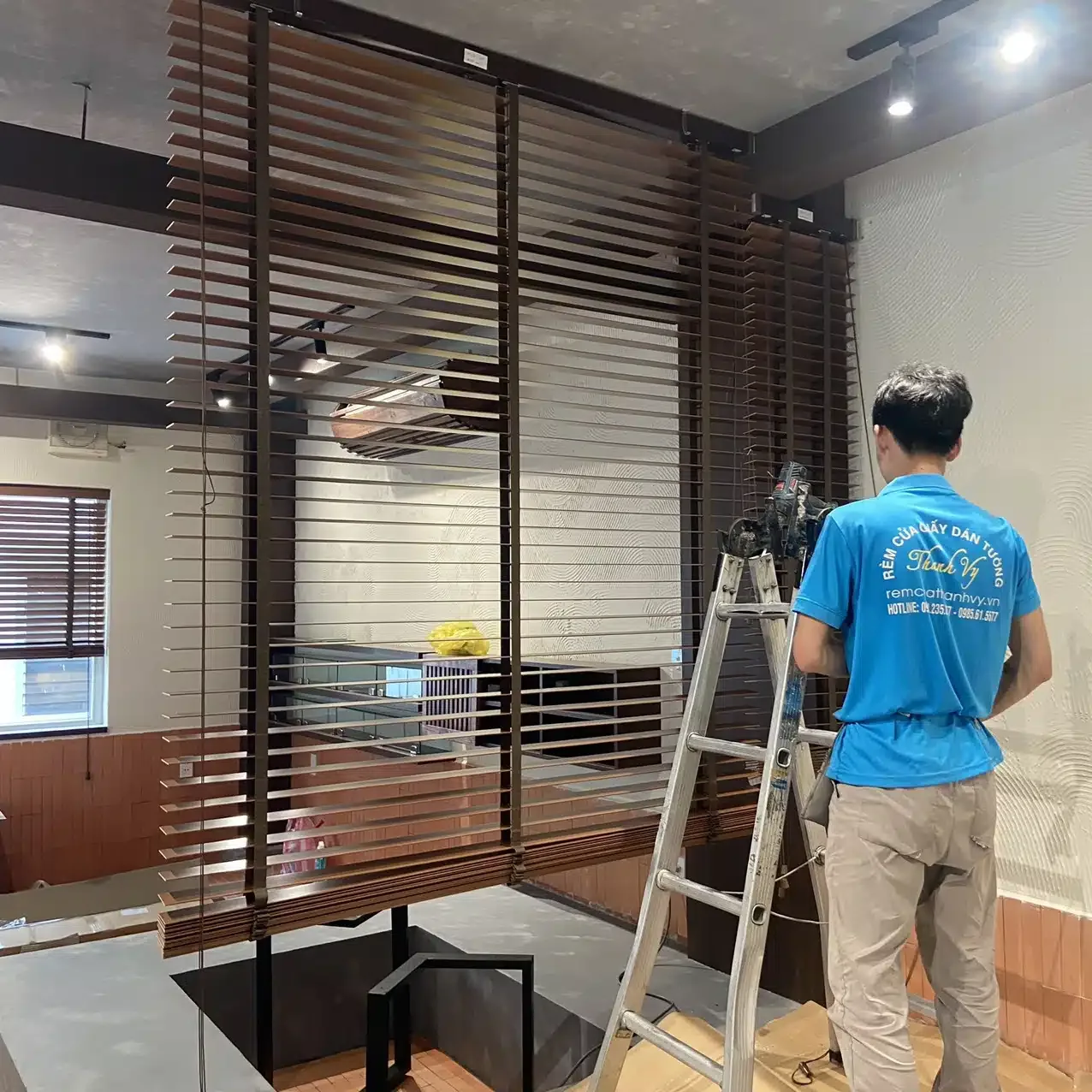
Rèm Cửa Thanh Vy’s installation capabilities lie not only in its variety of designs, clearly traceable materials, and modern accessories, but also in its ability to flexibly handle large windows or complex architectural features. Whether for residential spaces or commercial premises in the central area, the company aims to optimize functionality, enhance aesthetics, and ensure reasonable costs. With a focus on substantive development,
What types of spaces does Thanh Vy serve in District 1
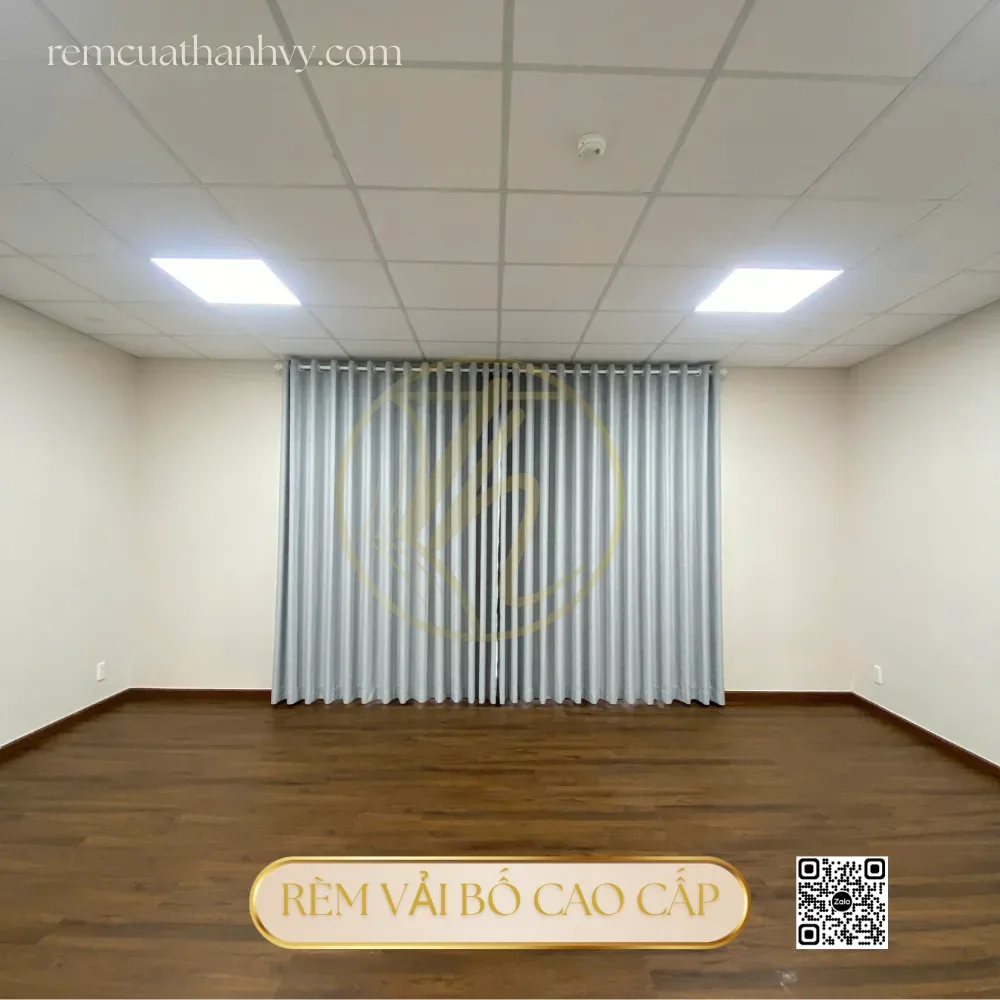
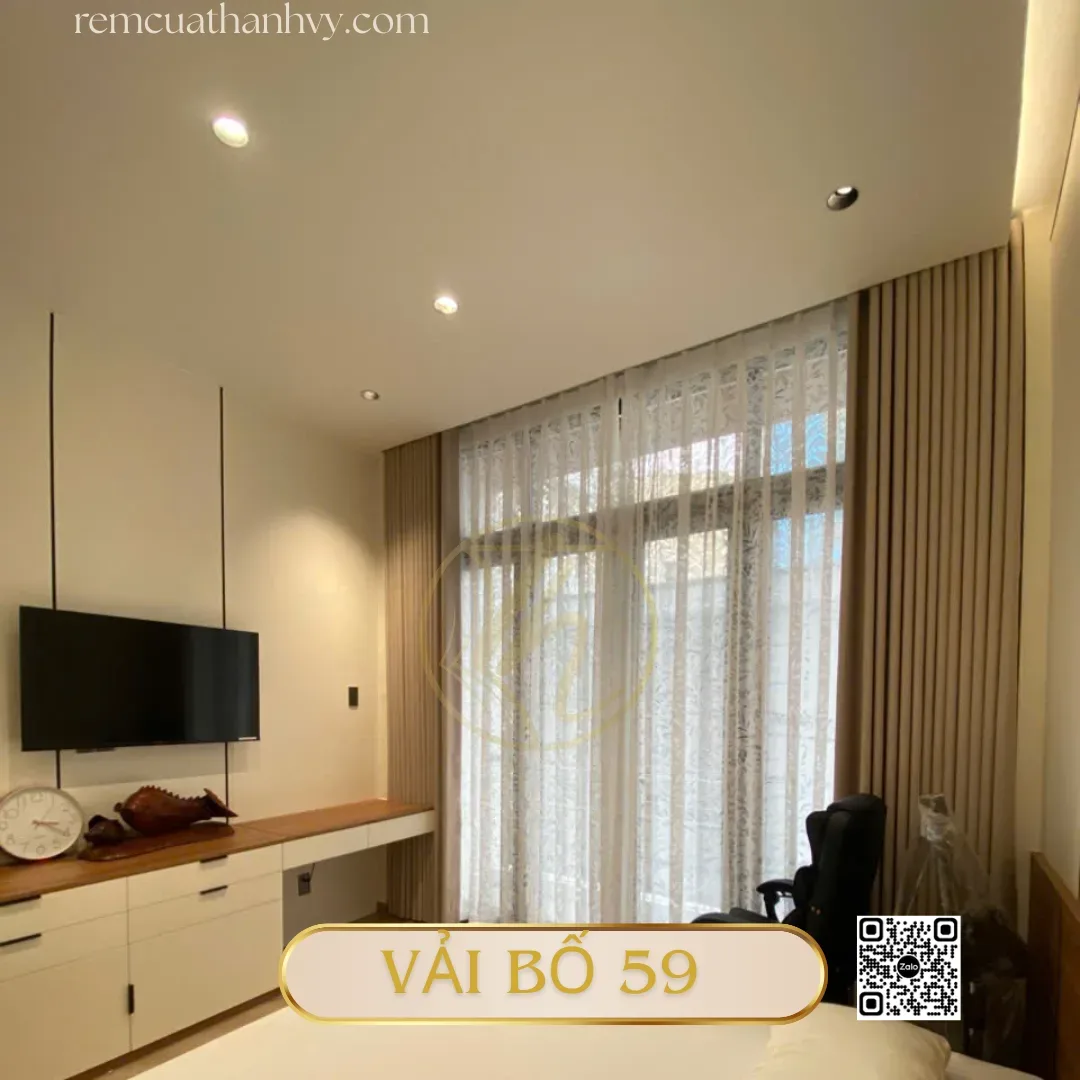
In a dynamic central area like District 1, installation needs for curtains in District 1 are highly varied due to the mix of modern and traditional architecture. Rèm Cửa Thanh Vy handles requests and implements fabric curtain and blind solutions suited to each distinct type of space, optimizing both functionality and aesthetics. Information about the company also appears in an article in Báo An Giang about Thanh Vy premium fabric curtains.
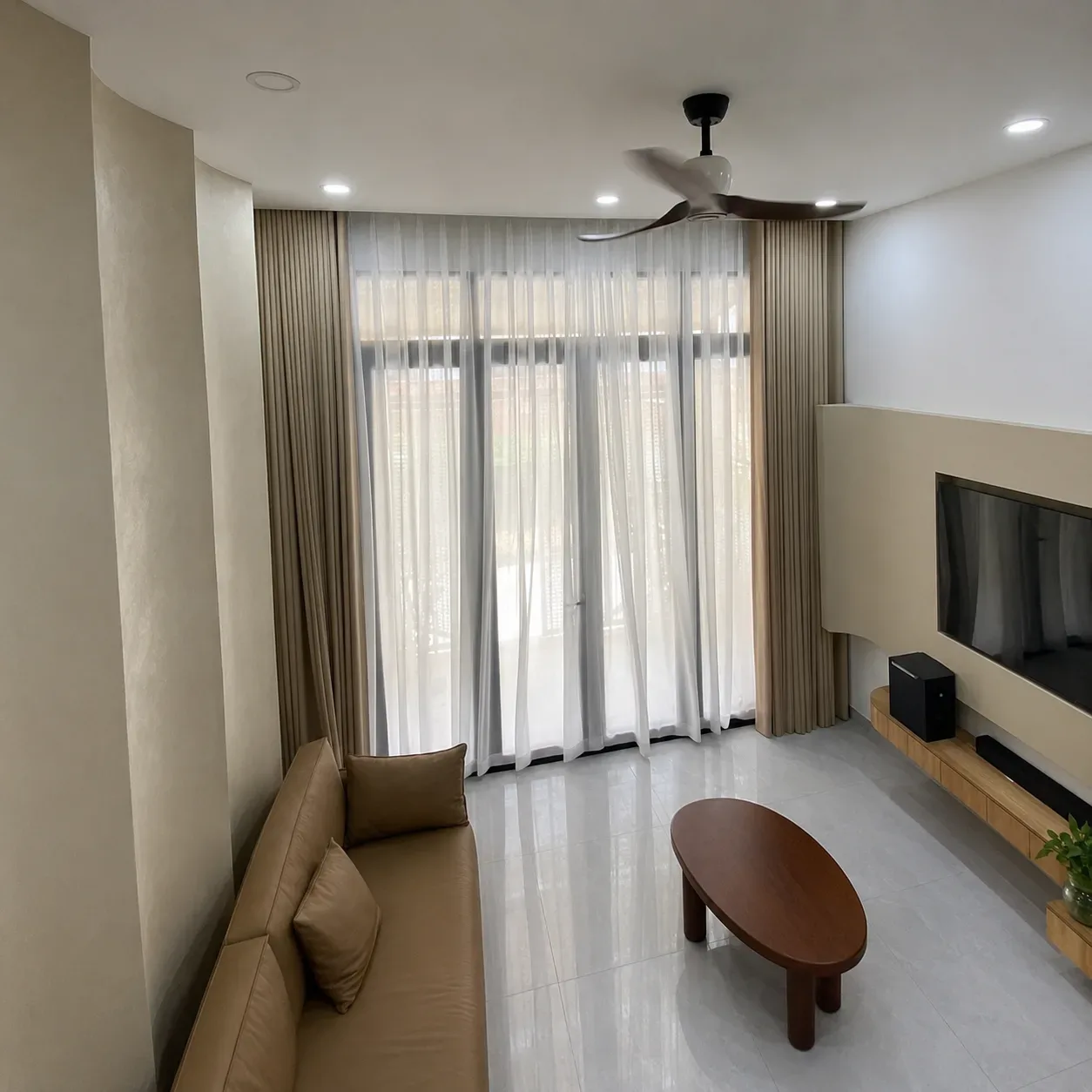
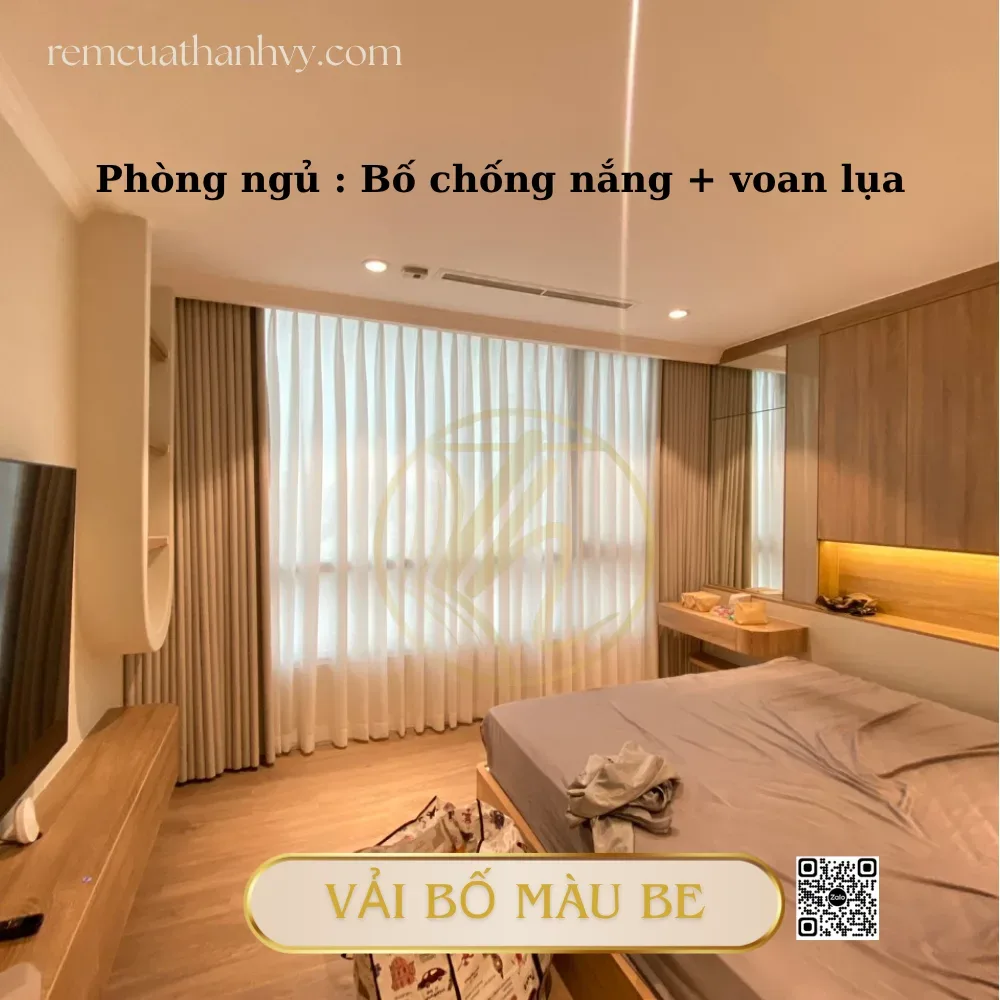
Luxury apartments and modern condominiums High-rise apartments often feature large glass windows exposed to direct sunlight and high temperatures. For this type of space, the preferred solutions are 2-layer fabric curtains (combining a complete blackout fabric layer with a soft sheer layer) or zebra blinds. With flexible light control, these window treatments help keep rooms cool, protect furnishings, and provide the necessary privacy.
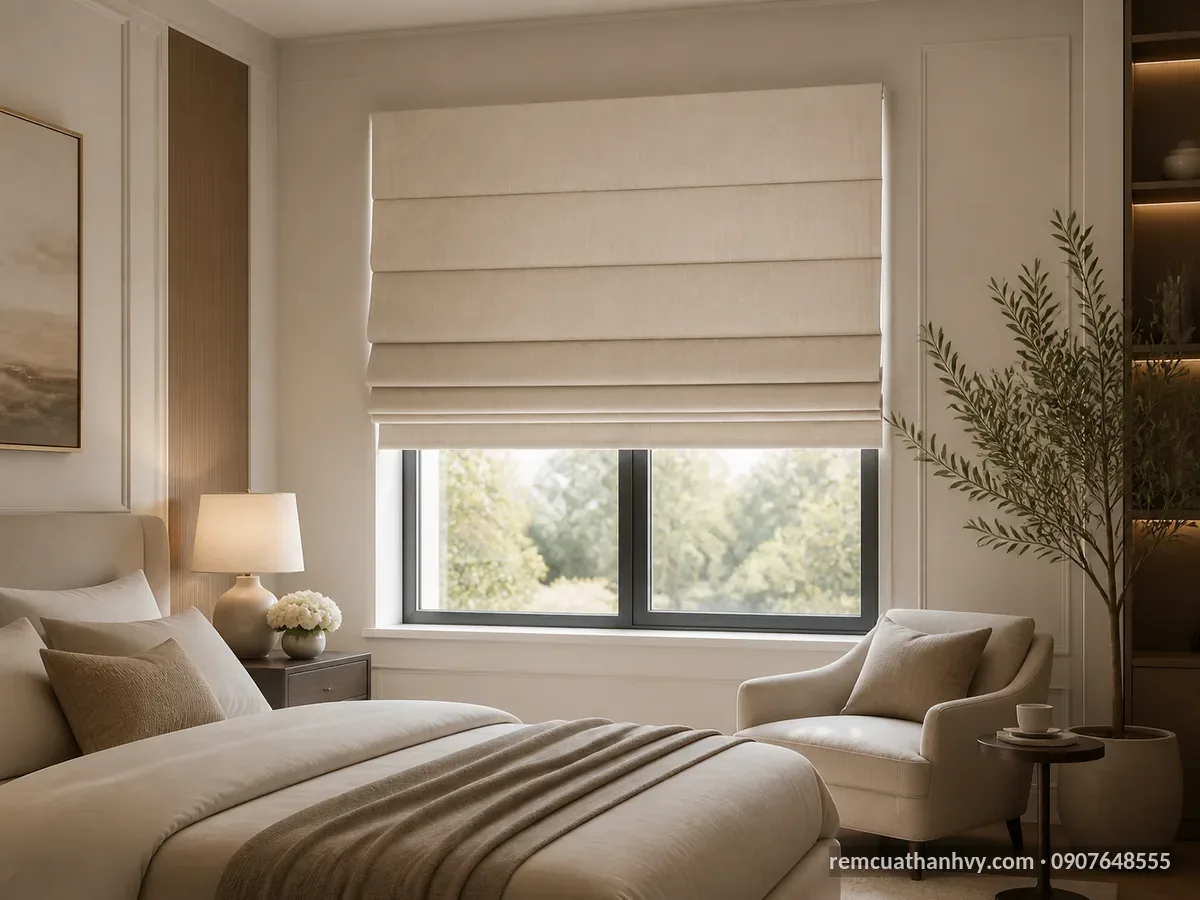
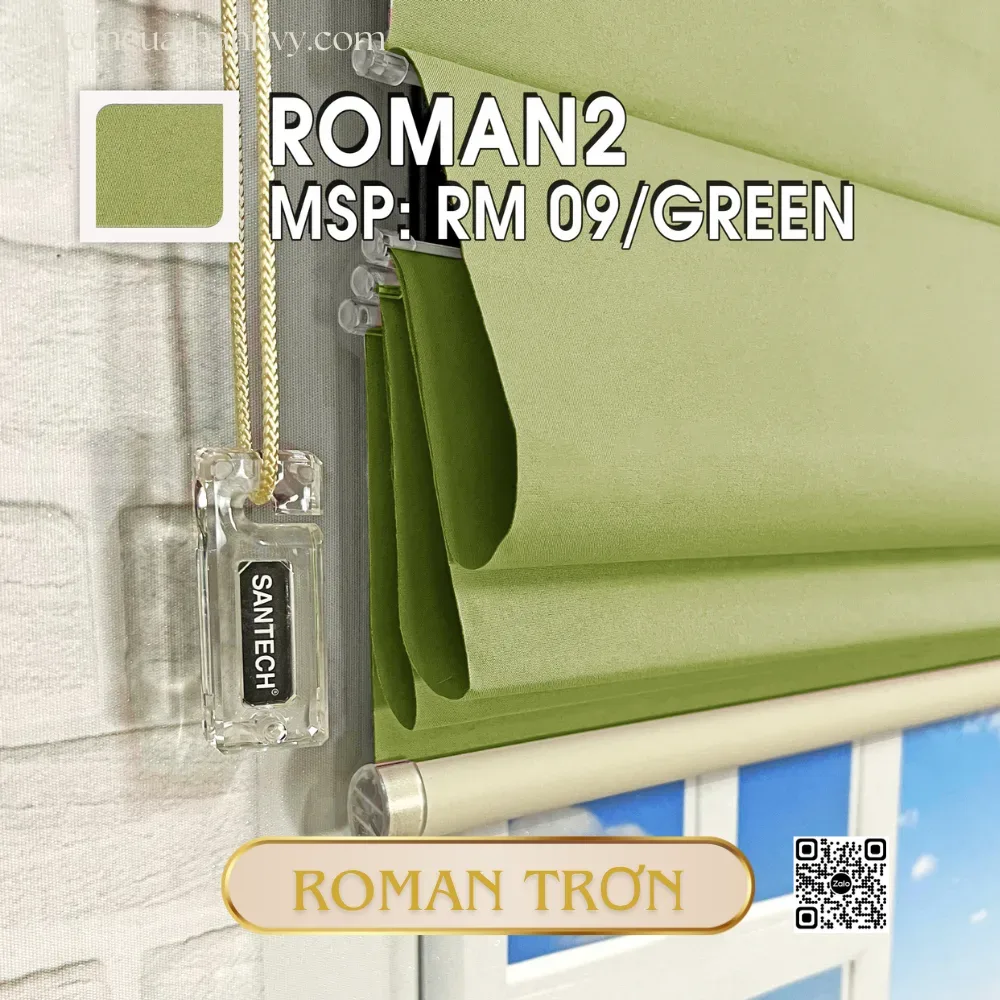
Townhouses and tube houses Townhouses in District 1 are sometimes limited in width, with ground-floor spaces prone to street dust or lacking natural light. Thanh Vy often recommends compact fabric curtains, wooden blinds, or Roman shades. For shared living spaces, window treatments should use materials that are easy to clean and dust-resistant. Meanwhile, in upstairs bedrooms, lightweight fabrics in light tones help visually expand the space, giving the home an airy feel.
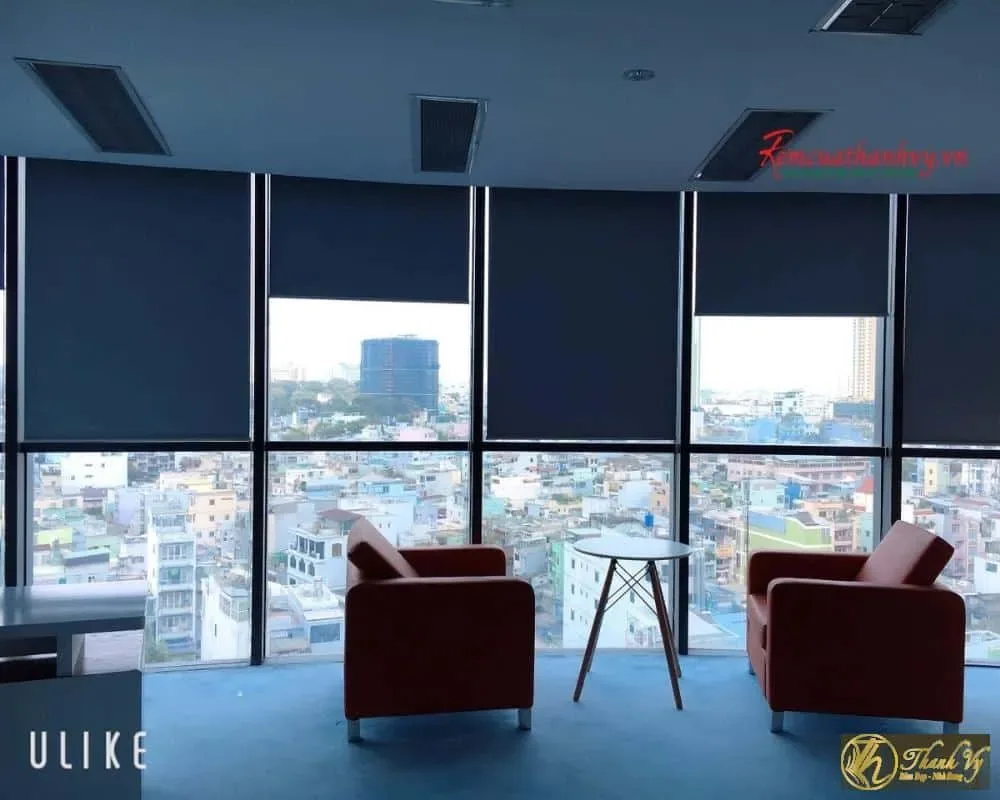
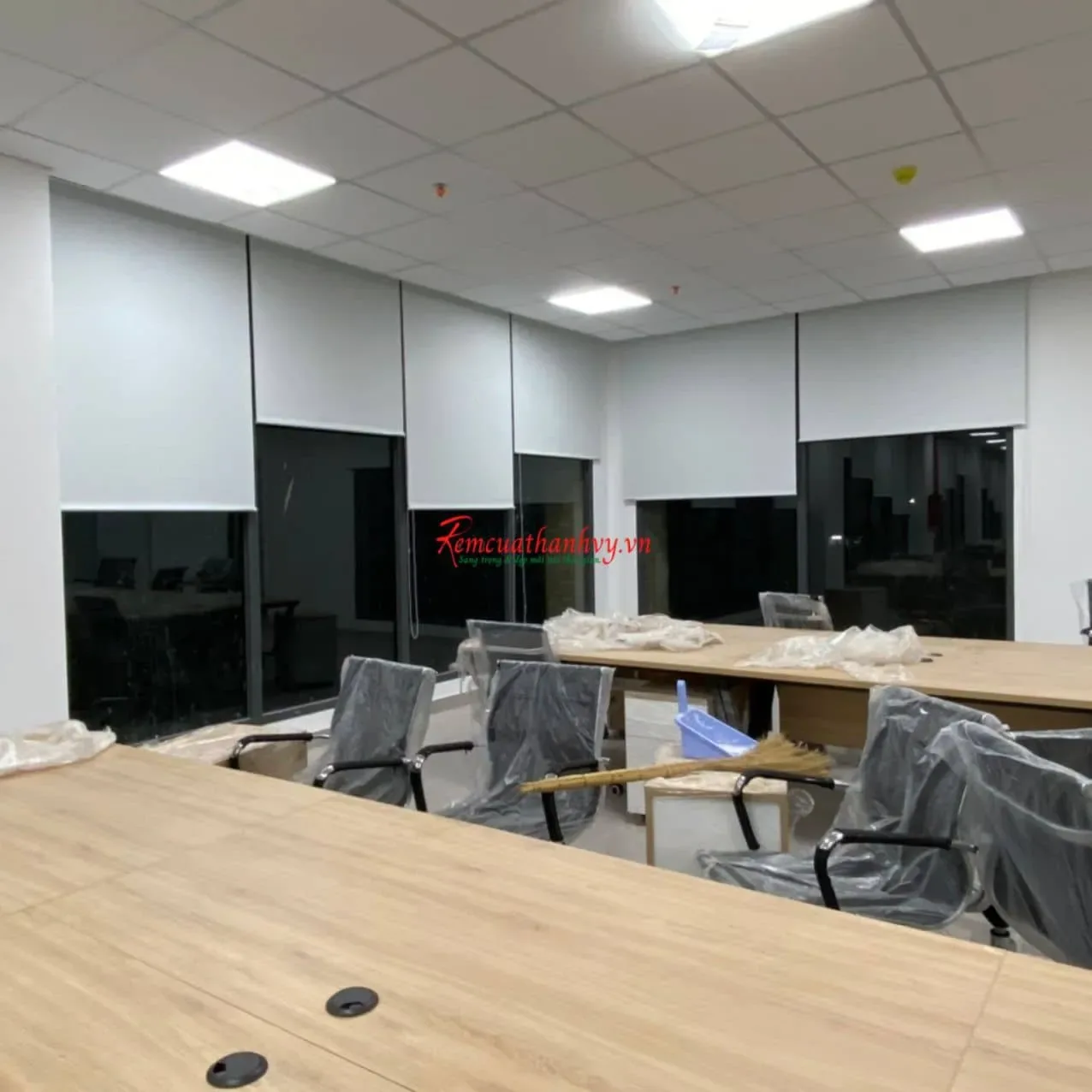
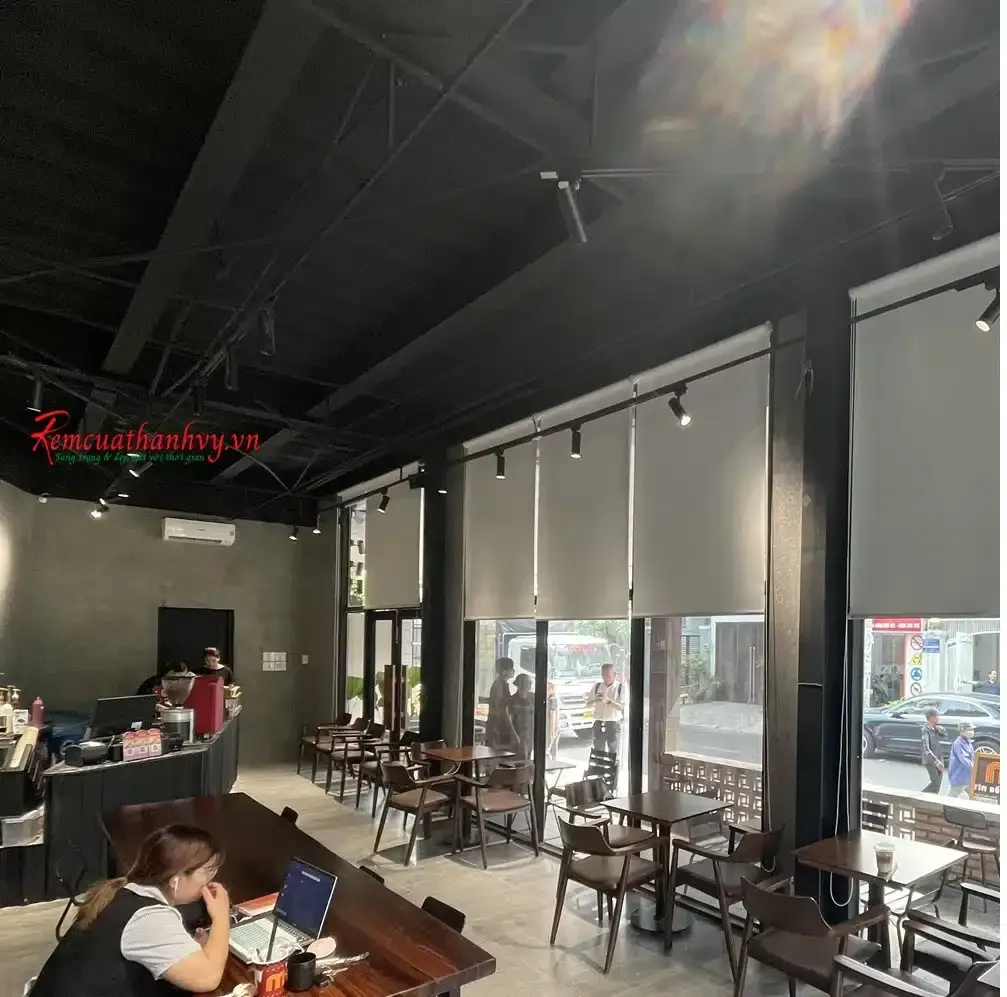
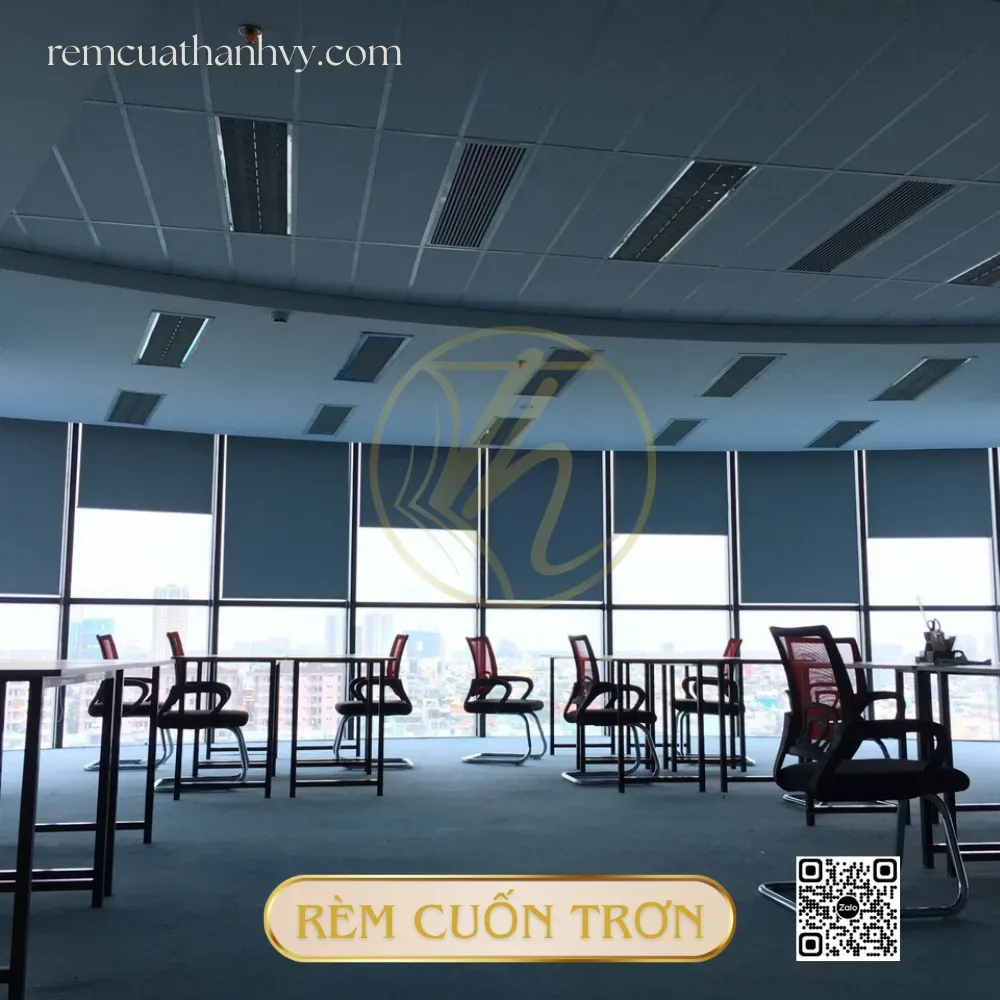
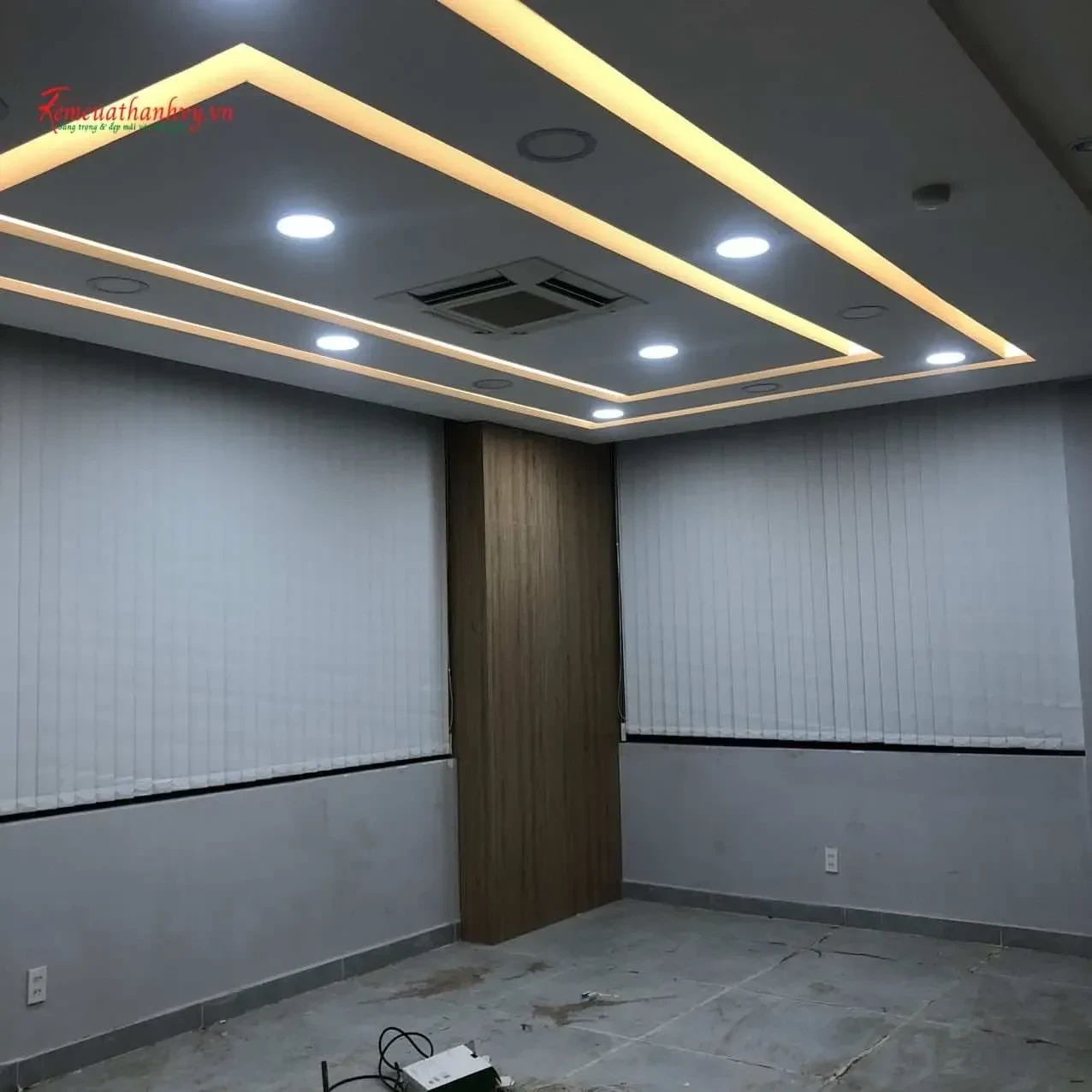
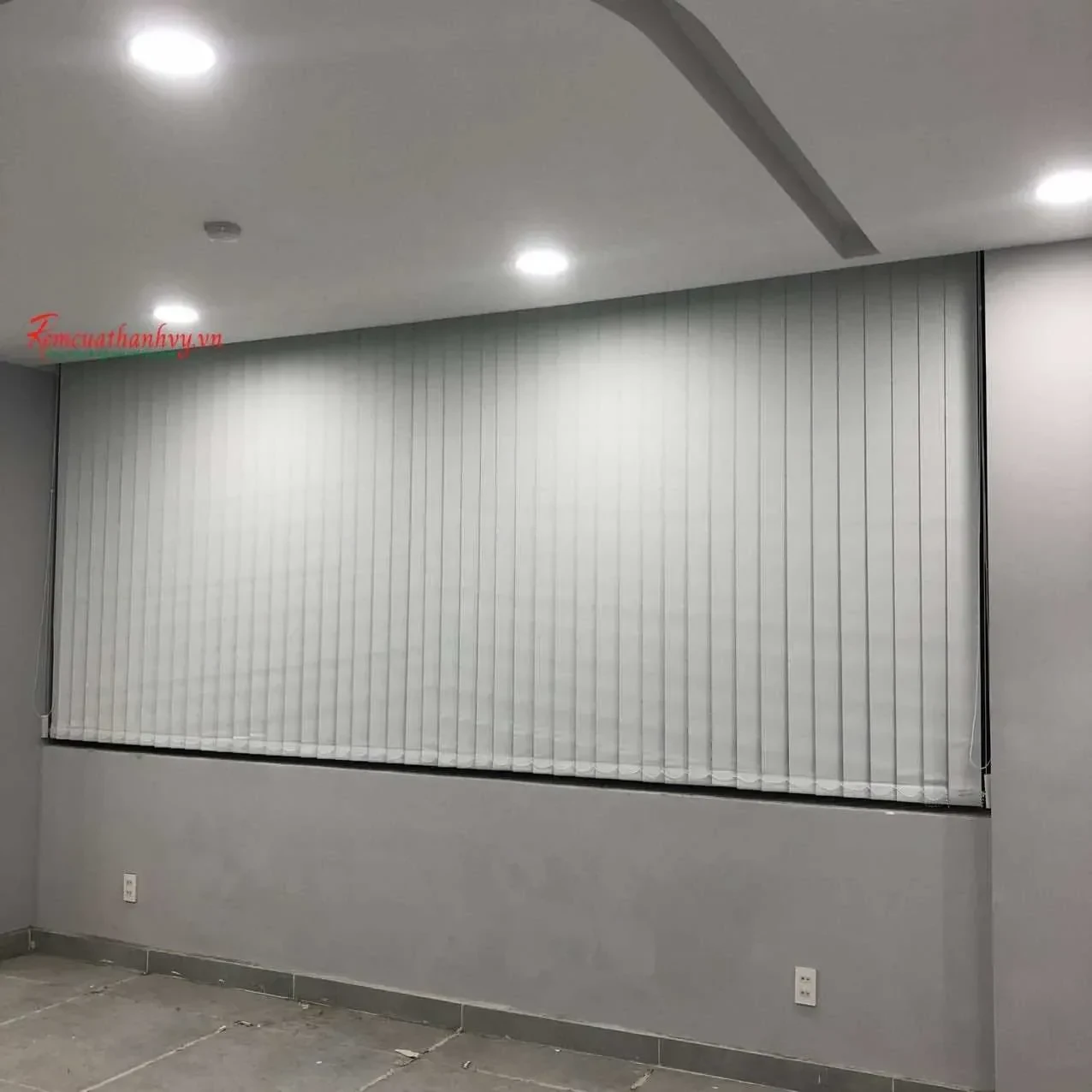
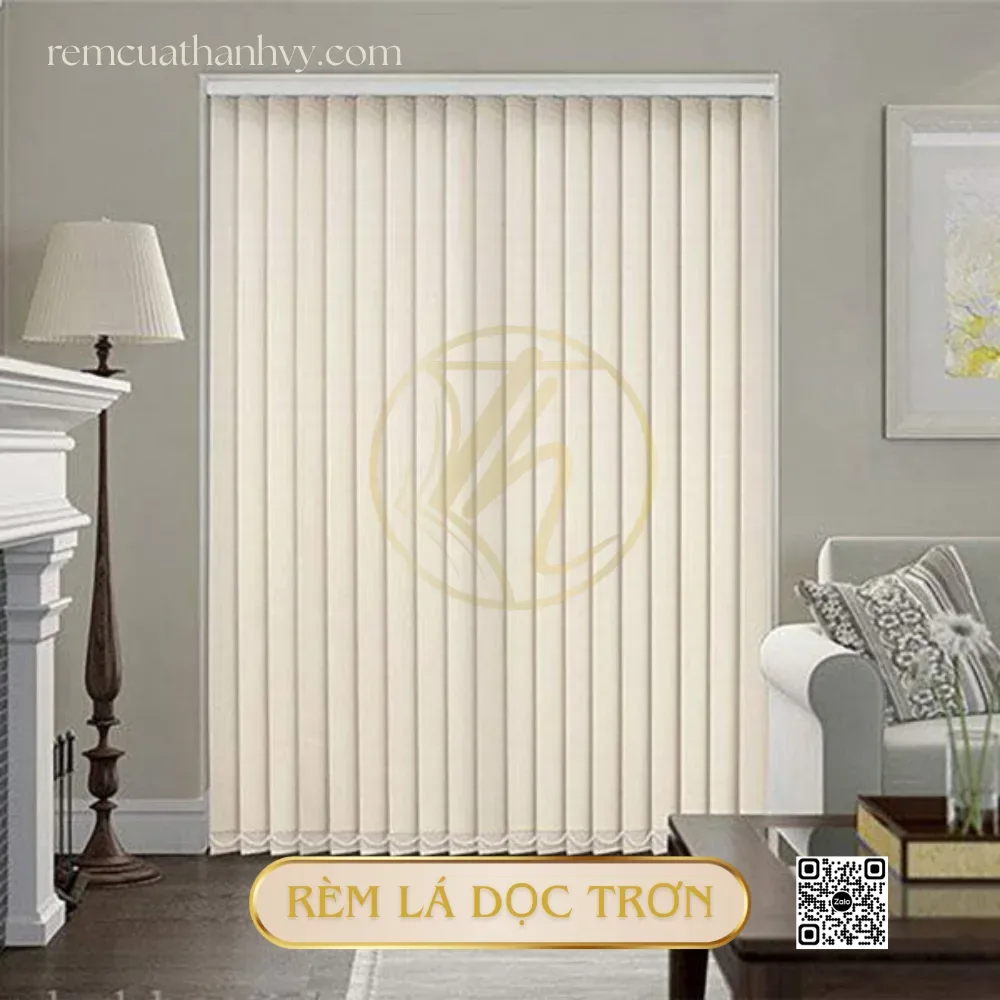
Small offices and workspaces Office environments require professionalism, minimalism, and efficient use of space. Blackout roller blinds or vertical blinds are highly suitable choices. These blinds help reduce glare on computer screens, are easy to operate to adjust light levels, and are convenient to clean regularly. The flat, compact design of roller blinds also helps make narrow work areas more organized.
**Front
Wards where Rèm Cửa Thanh Vy offers measuring and installation
Following the reorganization of administrative units, the old and new ward names do not match, so the section below includes the old names for easy reference when scheduling a measurement appointment.
District 5
- An Đông Ward — formed by merging the former Ward 5, Ward 7, and Ward 9.
- Chợ Lớn Ward — formed by merging the former Ward 11, Ward 12, Ward 13, and Ward 14.
- Chợ Quán Ward — formed by merging the former Ward 1, Ward 2, and Ward 4.
Send your dimensions and needs, and the Thanh Vy Curtains team will advise on options and quote for your actual space.
District 6
- Bình Phú Ward — formed by merging the former Ward 10 and Ward 11.
- Bình Tiên Ward — formed by merging the former Ward 1, Ward 7, and Ward 8.
- Bình Tây Ward — formed by merging the former Ward 2 and Ward 9.
- Phú Lâm Ward — formed by merging the former Ward 12, Ward 13, and Ward 14.
District 7
- Phú Thuận Ward — retained its name after the merger.
- Tân Hưng Ward — formed by merging the former Tân Kiểng Ward, Tân Phong Ward, and Tân Quy Ward.
- Tân Mỹ Ward — formed by merging the former Phú Mỹ Ward and Tân Phú Ward.
- Tân Thuận Ward — formed by merging the former Bình Thuận Ward, Tân Thuận Tây Ward, and Tân Thuận Đông Ward.
In-home assessment process
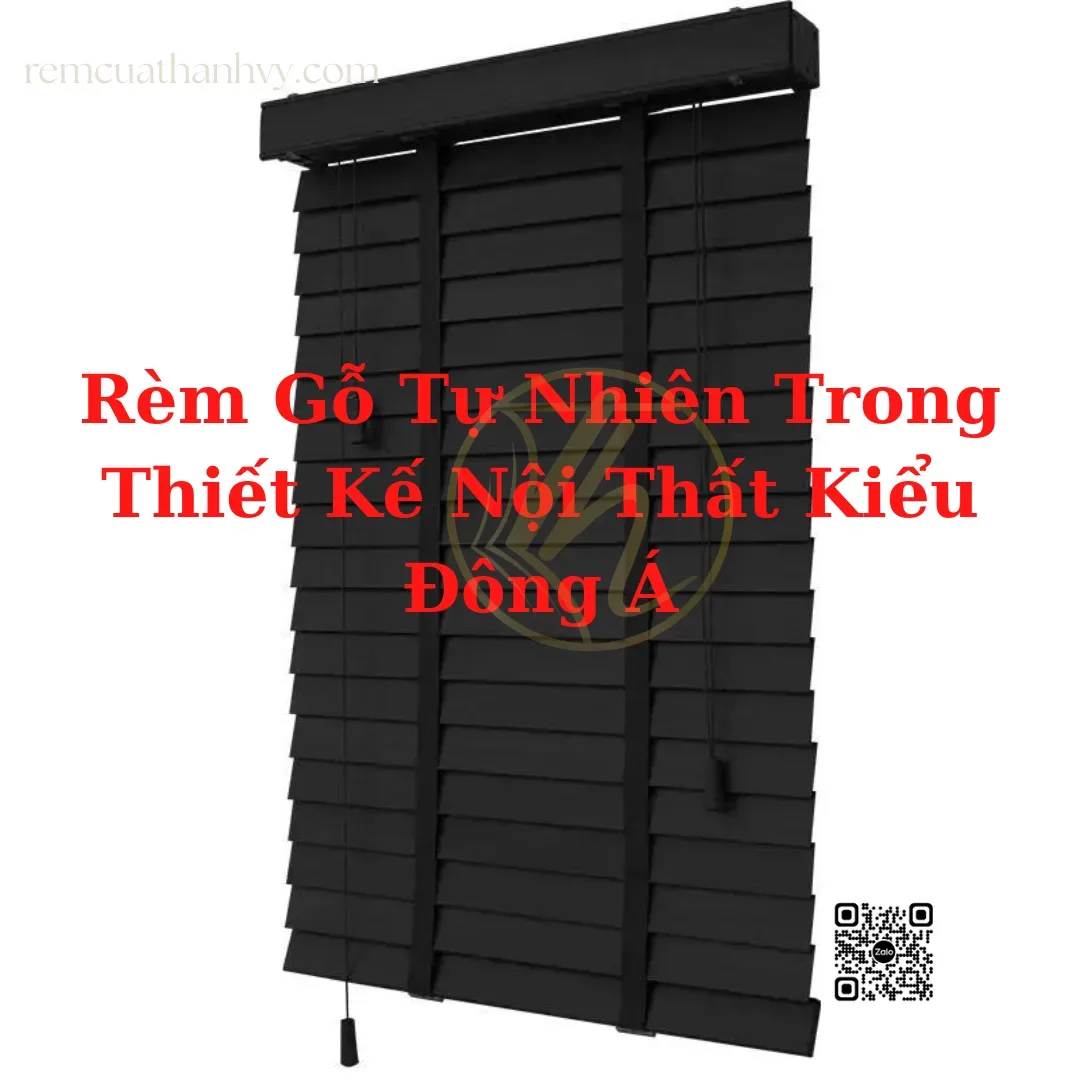
Installing curtains is not simply a matter of choosing an attractive fabric; it also requires technical precision to ensure lasting visual appeal and functionality. For customers seeking curtain installation in District 1, the in-home assessment process is systematically designed to help you make the best decision for your living space. Interested readers can view the article introducing auditorium curtains in Báo Cần Thơ.
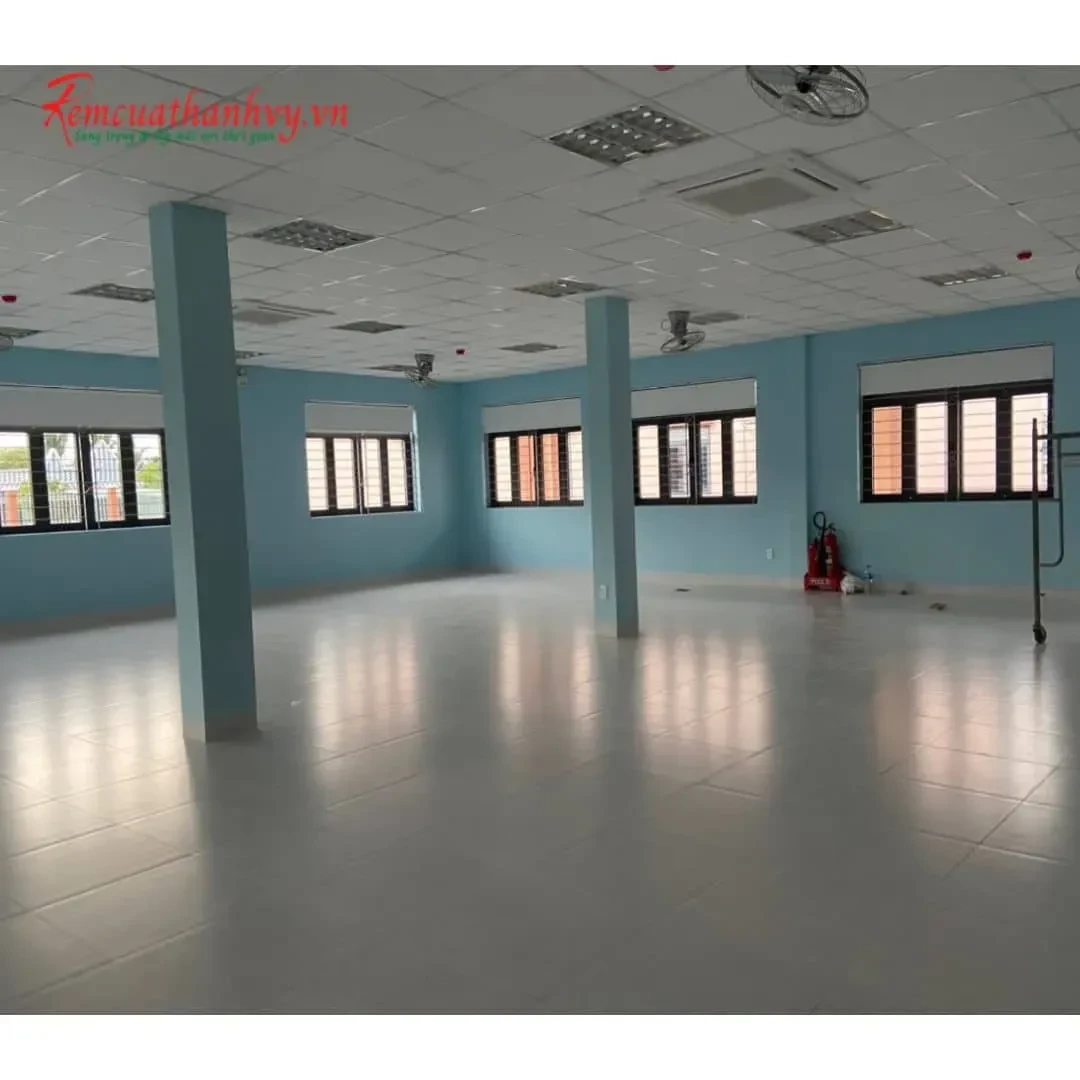
The first step is scheduling an appointment. When you contact us, the technical team will gather preliminary information about the location and your curtain needs. We will agree on the most convenient time slot for the homeowner’s schedule so the technical team can visit the site. This helps customers arrange their work in advance without disrupting family routines.
Upon arrival, the most important step is taking on-site measurements. Rather than estimating by eye, the technician will use specialized measuring tools to determine the exact dimensions of the openings down to the millimeter. We pay particular attention to ceiling height, curtain recess locations, the distance from the curtain rod to the floor, and surrounding obstacles such as door handles or air conditioners. These measurements directly determine how the fabric will drape and how effectively the curtains will block light once installed.
Next comes documenting the existing condition of the space. At this stage, the technician will observe the direction of sunlight, natural light levels, and the room’s current interior style. Assessing the wall or ceiling material (drywall, concrete, or wood) is also essential to choosing the most secure and safest method for installing the curtain rod. Any distinctive architectural features in District 1, where many apartments and townhouses feature diverse designs, are carefully recorded.
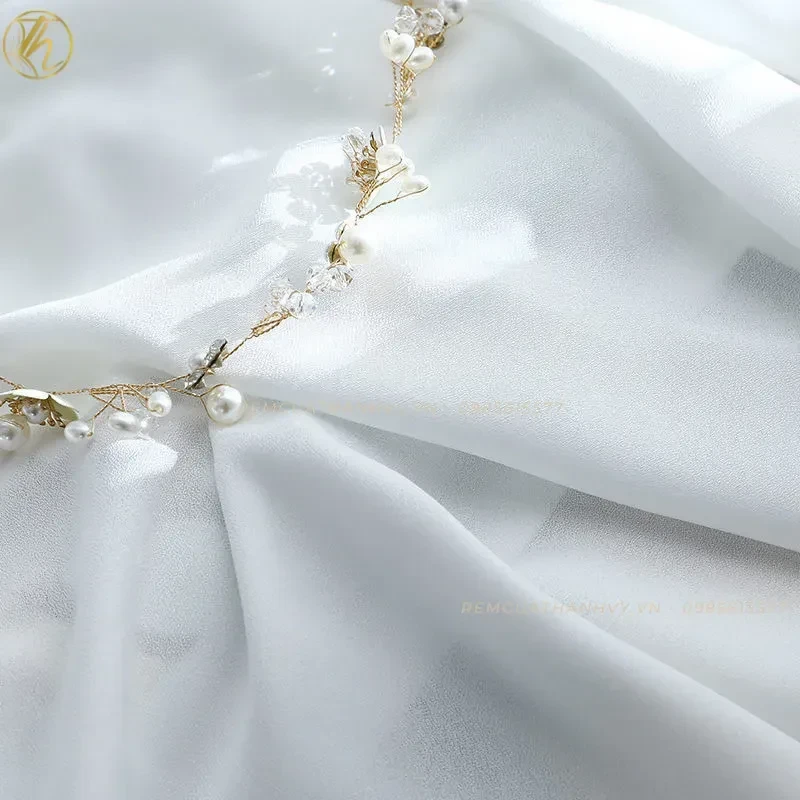
Finally comes the configuration consultation stage. Based on the measurements taken and the existing conditions, we will introduce suitable options for fabric materials, curtain styles (fabric curtains, zebra blinds, roller shades…) and accompanying accessories. This is when you can examine actual fabric samples firsthand to get a feel for their thickness, colors, and light-blocking capabilities. The technician will analyze the advantages and disadvantages of each configuration to give you the most objective perspective before you make your final decision. You can also cross-reference the Thanh Vy premium curtains section in Báo Hà Tĩnh.
The in-home assessment process helps eliminate avoidable errors during installation. Thorough preparation, from measurement to configuration consultation, provides the foundation for finished curtains that not only operate smoothly but also blend perfectly with your home’s overall interior.
Custom curtain-making process
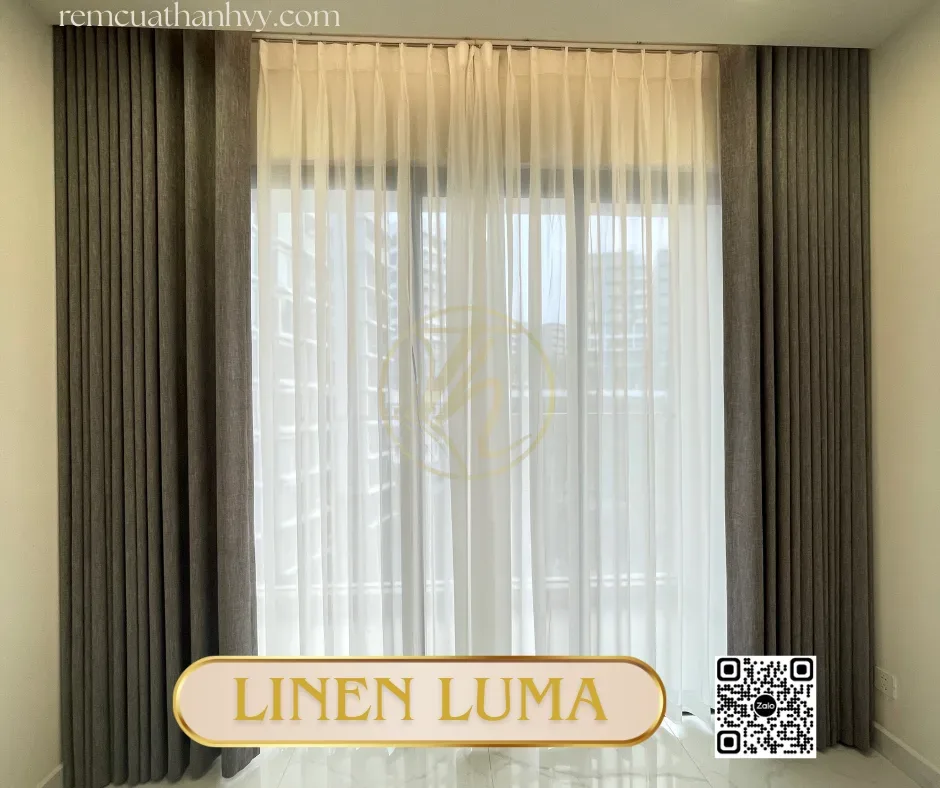
Custom-made curtains are an ideal solution for living spaces that demand meticulous attention to detail and high aesthetic standards. Especially for curtain installation in District 1, home to many upscale apartments and elegant offices, a professional custom curtain-making process will ensure that the final product fits the actual architecture perfectly. This process typically follows a carefully structured series of steps to deliver the best customer experience.
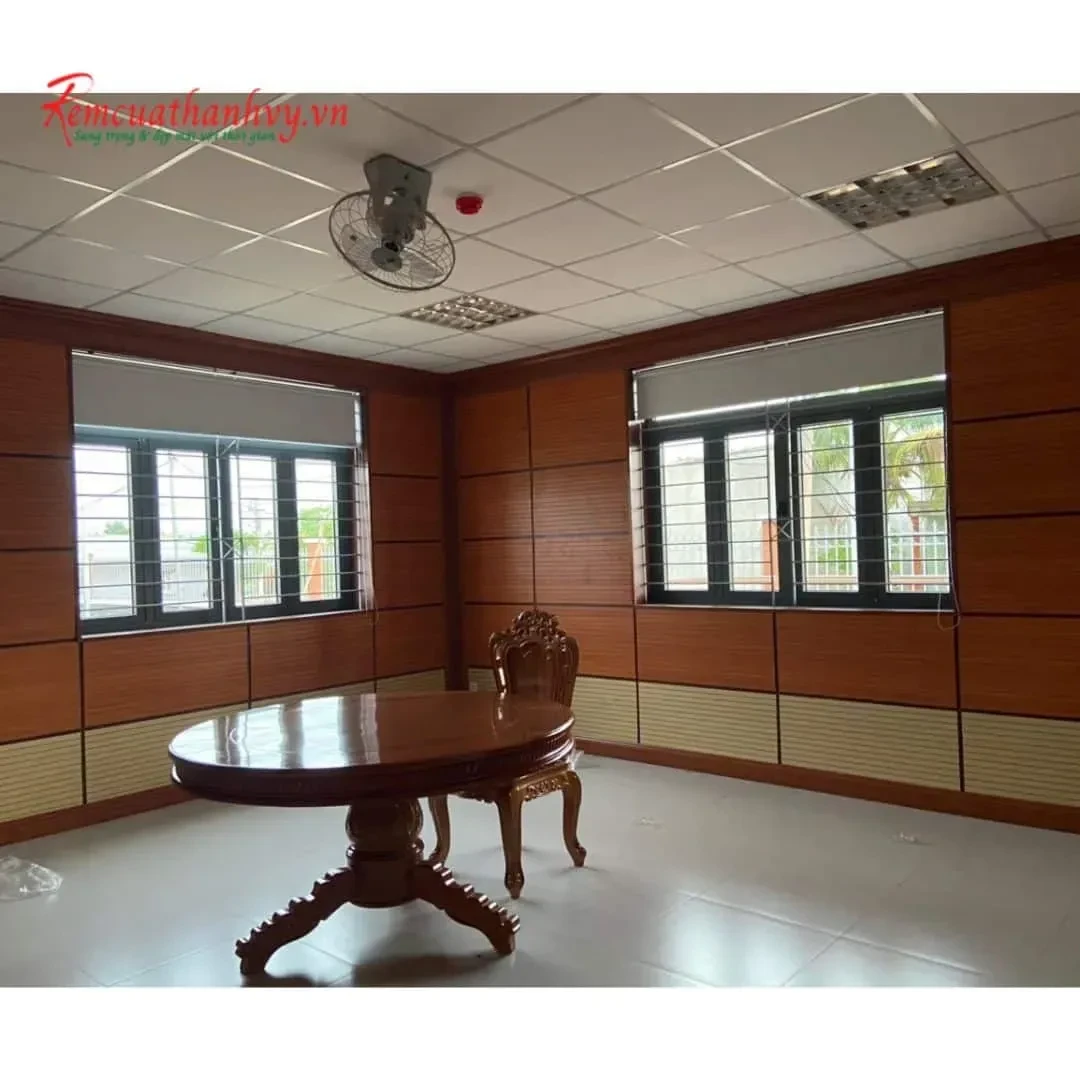
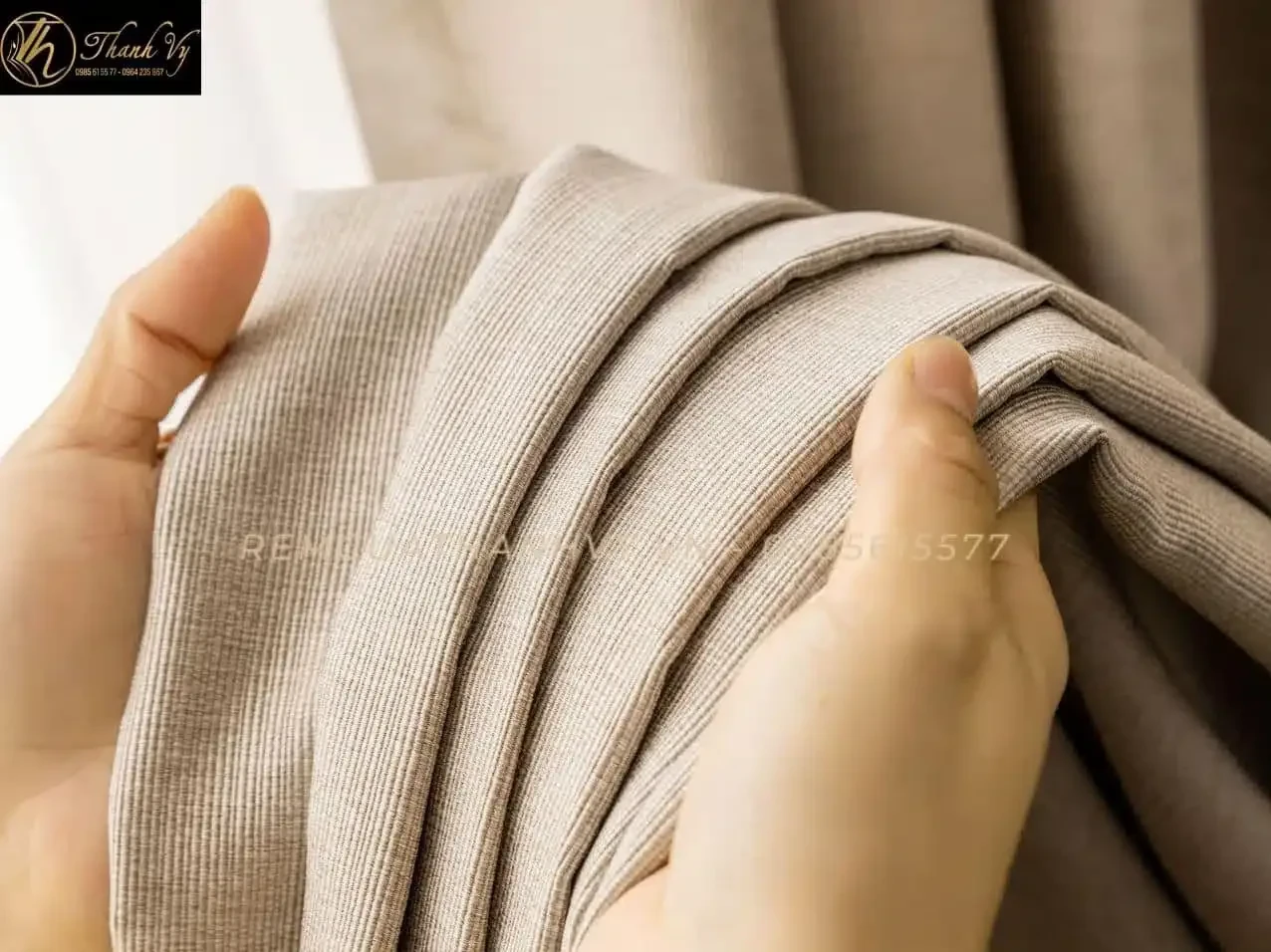
The first and foundational step is consultation and material selection. Depending on their needs, such as sun protection, light blocking, or simply decoration, customers will be introduced to suitable fabric options. From lightweight sheer fabrics and modern canvas fabrics to premium brocades, each material brings a distinct character to the room. Choosing the right colors and patterns from the start helps define the style of the homeowner’s entire interior space.
Once the material has been agreed upon, the technician will conduct an on-site assessment and take actual measurements. This is an essential step in preventing sizing errors during the actual installation. The technician will take detailed measurements of the width and height of each opening, while also considering the most appropriate position for the curtain rod in relation to the ceiling and wall structure. Accurate measurements ensure that the finished curtains drape naturally, with neither excess nor insufficient fabric, creating a Information about the company also appears in the concept of curtains in architecture.
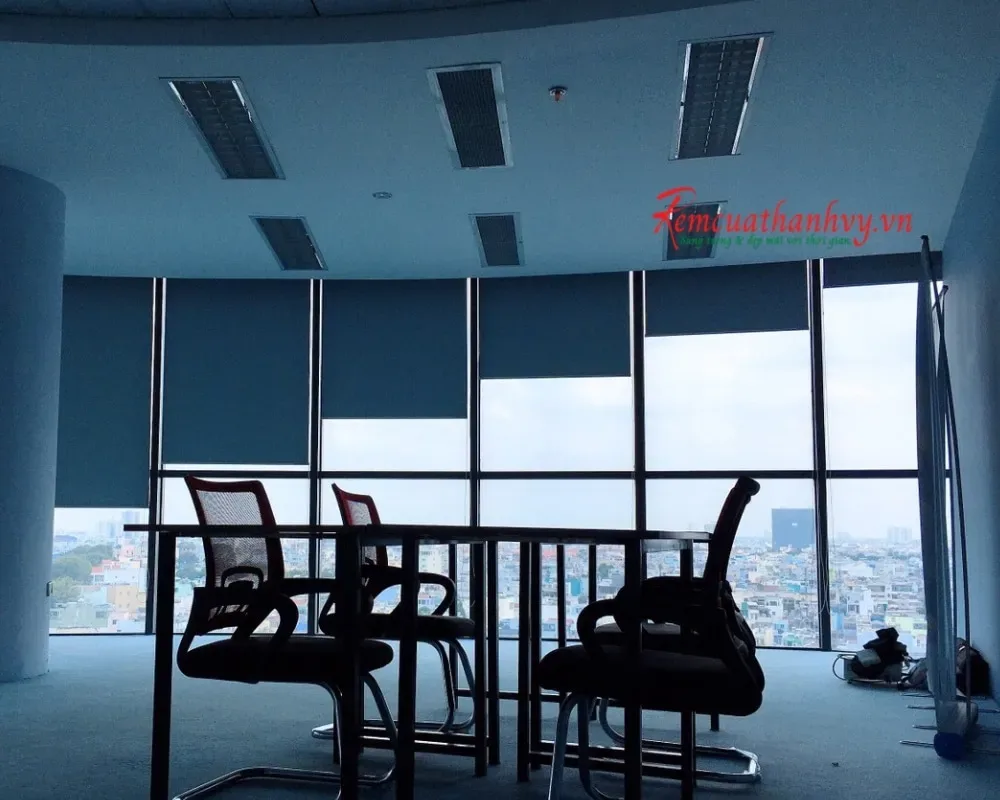
Installation process
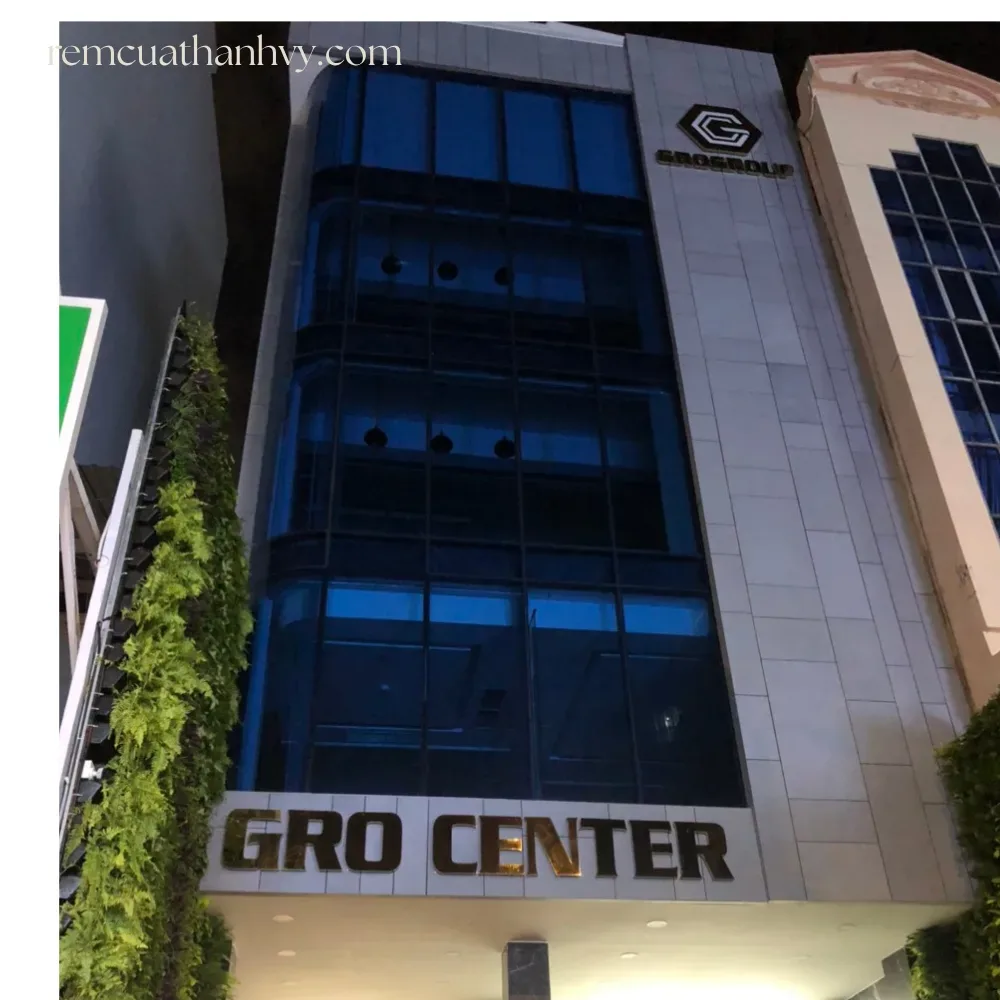
A complete installation process plays a decisive role in the appearance and long-term operational durability of the entire curtain system. Whether for upscale apartments, townhouses, or office spaces requiring rigorous standards, as with curtain installation in District 1, following the technical steps in sequence on-site helps curtains hang properly and operate smoothly. Below are the standard installation steps:
Preparation and pre-installation inspection: Technicians reassess the window frame location and check the structural integrity of the wall surface or drywall ceiling to select suitable anchors and screws. At the same time, all materials, including curtain fabric, tracks, rods, and related accessories, are carefully checked for dimensions and quantities against the original design.
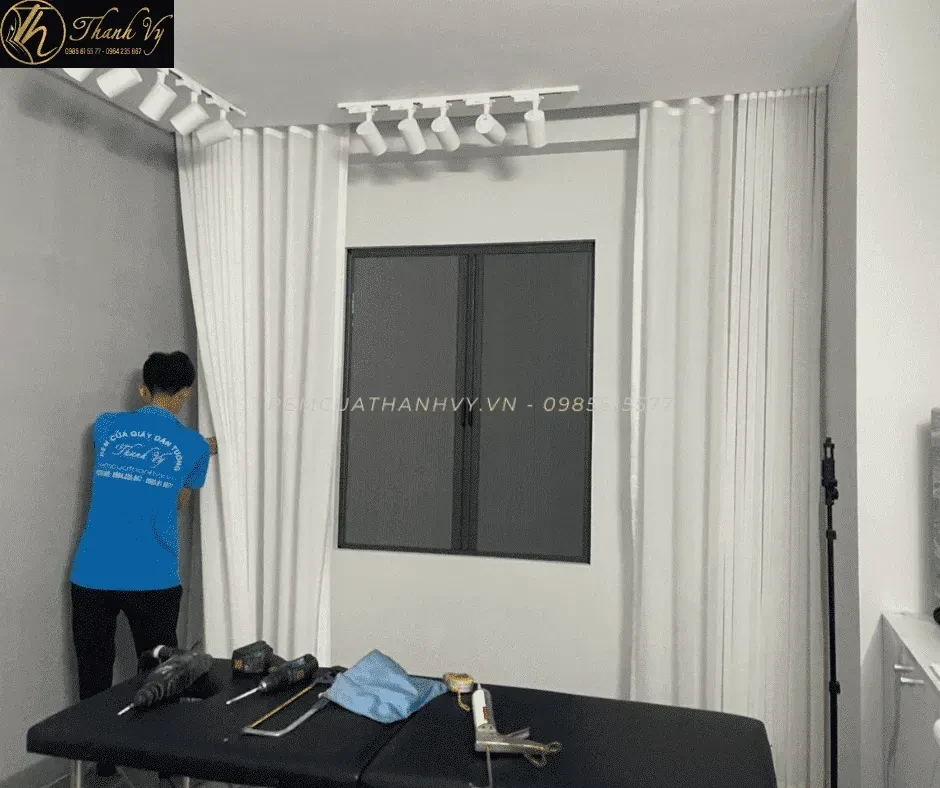
Installing curtain rods or tracks: Support bracket mounting positions are measured and marked precisely using a ruler or laser level. After holes are drilled and anchors are firmly inserted, the curtain rod or track is secured in place. For projects with recessed ceiling curtain pockets, this step requires careful alignment to ensure the tracks are perfectly straight, evenly spaced, and clear of the edges.
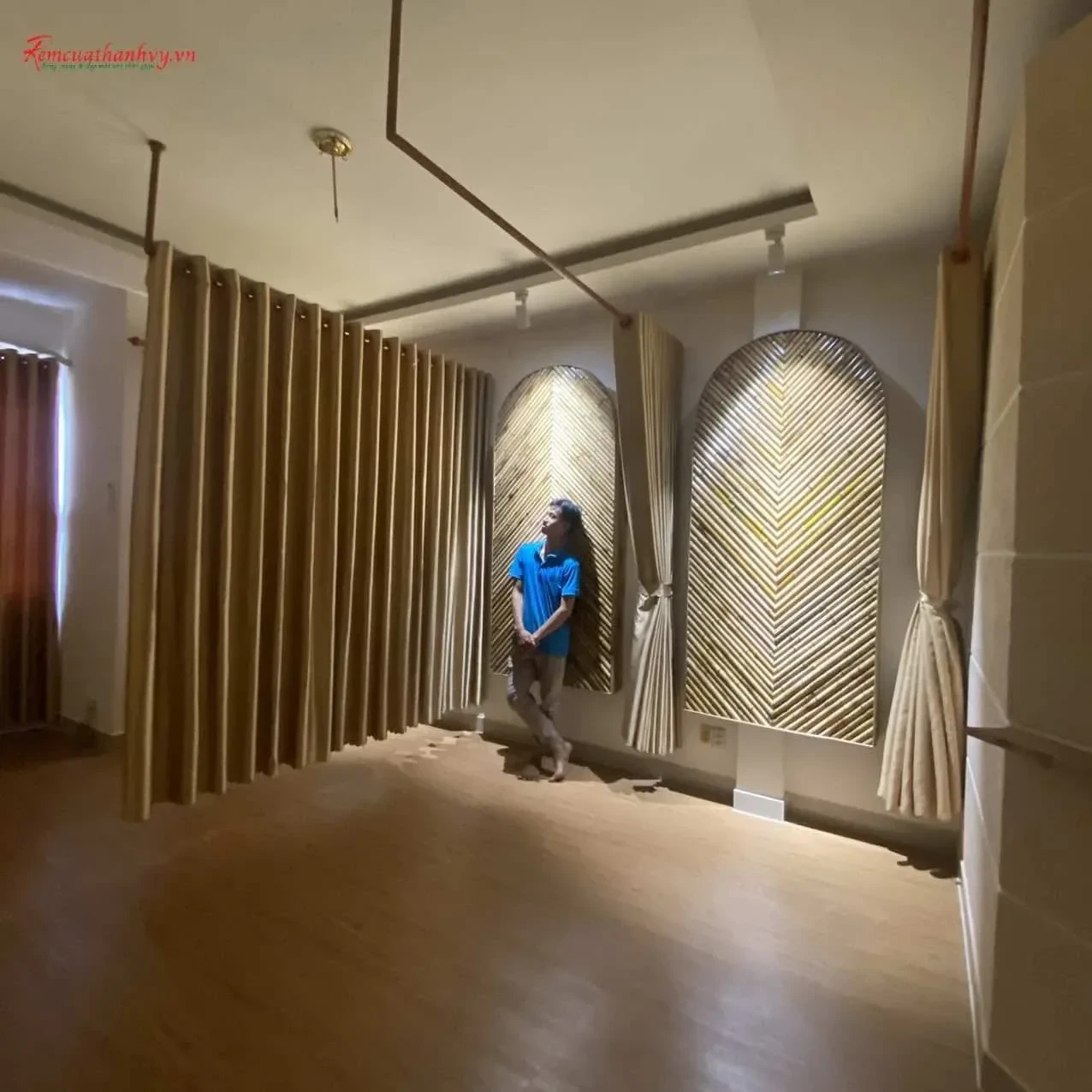
Hanging and shaping the curtains: Depending on whether the specification calls for pleated curtains, wave curtains, roller blinds, or slatted blinds, technicians hook the curtains onto the track or secure the roller shaft. Each fold is smoothed out, adjusted to drape evenly, and neatly shaped. For curtain systems equipped with smart motors, technicians connect the power supply and couple the motor to the drive shaft at this stage. Interested readers can explore the properties of linen.
Checking technical operation: The system is opened and closed several times to check the smooth movement of the gliders and pull cords or the responsiveness of the remote control. Technicians check light gaps and the clearance between the curtain hem and the floor to prevent curtains from dragging on the floor or leaving excessive light gaps that detract from their appearance.
Cleanup and handover: Once installation is complete, the work area will be swept
Warranty policy
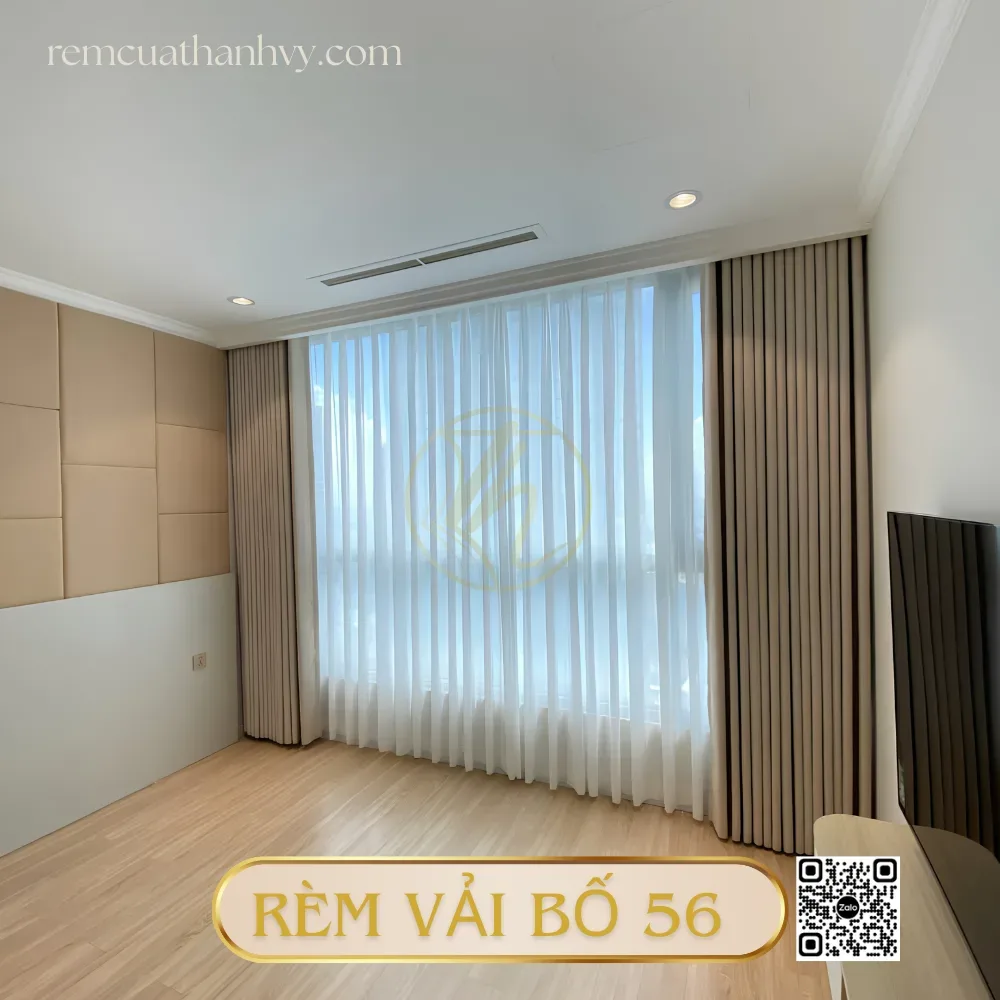
When choosing curtain installation in District 1, understanding the warranty policy is key to ensuring long-term protection for your living and working spaces. We believe that quality curtains should not only look attractive when first installed but also remain durable and operate smoothly throughout actual use. That is why we always prioritize after-sales service so customers can use their curtains with peace of mind.
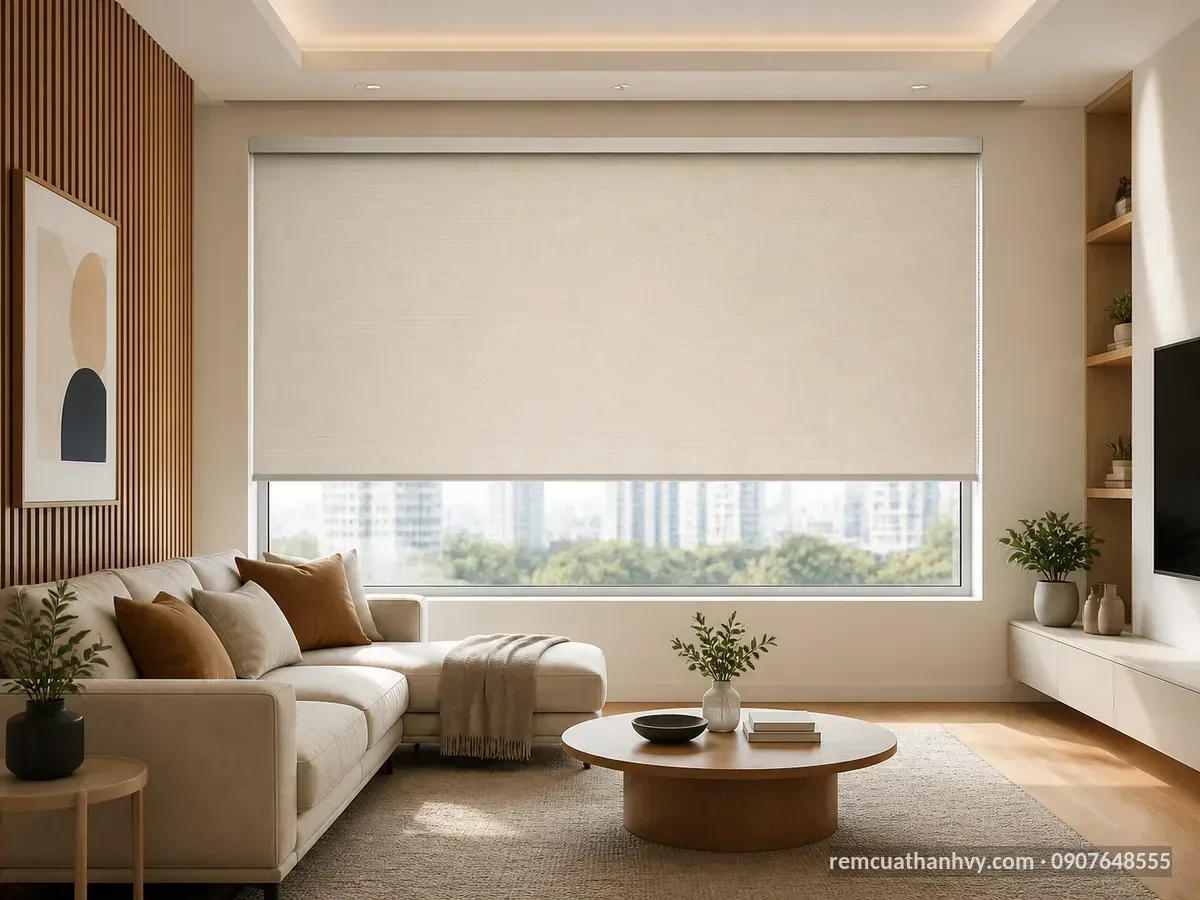
For curtain products, the warranty policy covers three main areas: accessories, stitching, and operating mechanisms. For accessories such as rods, support brackets, pull cords, and end caps, we are committed to thoroughly checking sturdiness and load-bearing capacity to ensure complete safety during installation. For stitching, consistent, secure seams and fabric folds are top priorities, helping curtains maintain their proper shape without coming undone over time. In particular, for modern options such as roller blinds, zebra blinds, and motorized curtains, the operating mechanism receives the most attention. We ensure that the drive assembly, springs, or motor system operates smoothly without unpleasant noise or jamming when opened.
All specific details about coverage, applicable conditions, and items eligible for technical support are clearly set out in the current warranty policy and specifically confirmed when a quote is provided for each project. Making this information transparent from the consultation stage helps customers in District 1 understand the maintenance schedule and follow the proper usage and cleaning instructions to maximize product lifespan. Further comparisons can be made by referring to the properties of natural wood.

We understand that the urban environment in District 1, with its exposure to sun and wind and frequent use, demands exceptionally durable curtains and blinds. Therefore, the warranty process goes beyond repairs when problems occur to include periodic inspections and advice on addressing minor issues that arise during everyday use. If you encounter any technical or operational problems, our technical team will review the information and promptly propose a solution, preserving the appearance and functionality of your curtains. Customer satisfaction comes not only from the finished product but also from responsible, ongoing support throughout its use after installation is complete.
Why choose Rèm Cửa Thanh Vy for your needs in District 1
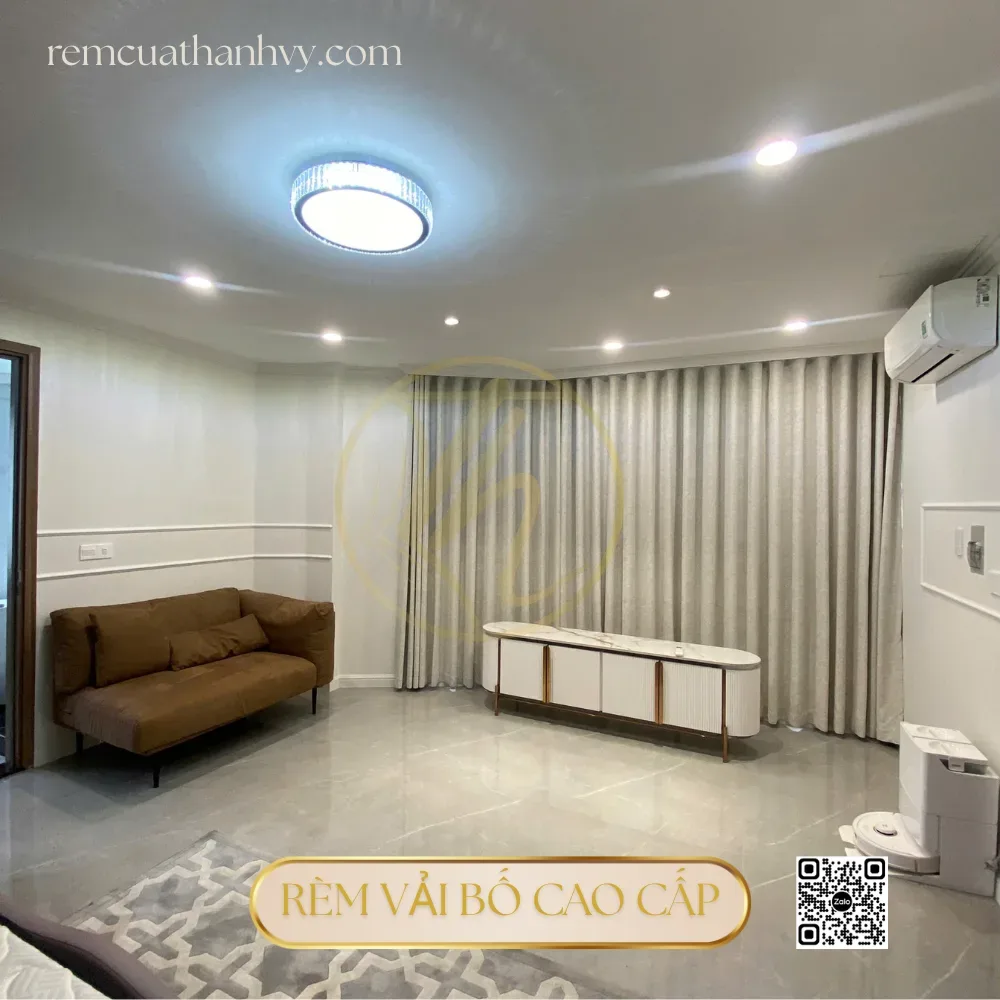
When looking for a supplier and installer of curtains in District 1, choosing a partner who understands the architectural characteristics of the downtown area is essential. District 1 features a wide variety of spaces, from luxury apartments, modern townhouses, and offices to restaurants and cafés with distinctive styles. Each space requires a different screening and decorative solution in terms of materials, design, and operation.
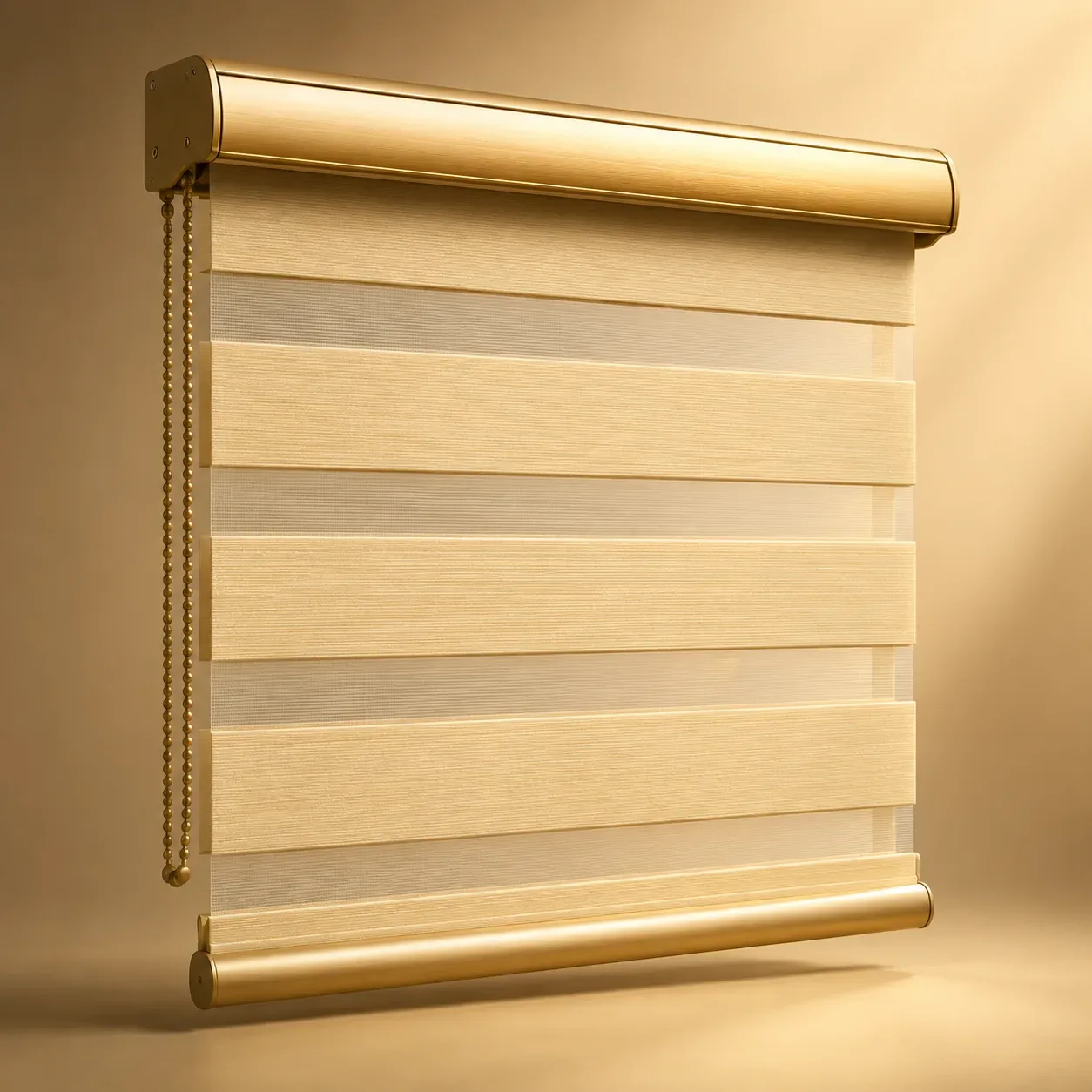
Rèm Cửa Thanh Vy builds its services around practicality and the specific usage needs of each customer. The process begins with listening to your wishes and thoroughly surveying the actual conditions at the site. Our consultants bring fabric and material samples directly to your location so you can easily visualize how they will work with the natural light, interior color palette, and room size. This helps minimize color discrepancies or sizing errors in the finished installation.
A diverse selection of designs is an advantage that makes it easy for customers to find the best solution. From soft double-layer fabric curtains for living rooms and compact roller shades for offices to staircase curtains and elegant wooden blinds, every option is carefully selected for durability, light-blocking performance, and aesthetics. Fabrics come from traceable sources, and sturdy accompanying hardware ensures smooth, lasting operation throughout use. Information about the company also appears in the properties of aluminum.

In addition to the products, installation at Rèm Cửa Thanh Vy is carried out by skilled installers who work accurately and quickly while keeping the homeowner’s space clean. We understand that in a downtown area like District 1, time and tidiness are always top priorities. Therefore, every stage, from measuring and custom sewing to final installation, is streamlined for timely completion while strictly adhering to technical standards.
When choosing our curtain services in District 1, customers can rest assured of transparent pricing, advice tailored to their actual needs, and no unexpected additional costs. A suitable set of curtains not only enhances the overall architecture but also provides maximum privacy and comfort for everyday life. Contact Rèm Cửa Thanh Vy for an on-site survey and consultation in your space.
Wards where Rèm Cửa Thanh Vy provides measuring and installation services in District 8
Following the reorganization of administrative divisions, the old and new ward names differ, so the section below includes the old names for easy reference when scheduling a measuring appointment.
- Bình Đông Ward — formed by merging the former Ward 6 and Ward 7.
- Chánh Hưng Ward — formed by merging the former Ward 4, Ward 5, Hưng Phú Ward, and Rạch Ông Ward.
- Phú Định Ward — formed by merging the former Ward 14, Ward 15, Ward 16, and Xóm Củi Ward.
Tips for choosing curtains based on housing characteristics in District 1
In District 1, which brings together many distinctive types of homes and buildings, choosing curtains requires a discerning eye and an understanding of the urban setting. For luxury serviced apartments, elegance, modern styling, and flexible light control are often top priorities. Intense urban light from surrounding high-rise buildings can cause glare and heat up indoor spaces, so curtains that offer good UV protection and effective light blocking while maintaining ventilation when needed are an ideal choice. Materials such as canvas curtains and synthetic silk curtains, or roller shades and zebra blinds with advanced technology, can meet these requirements while enhancing the apartment’s sophisticated interior. In addition, with the high density of high-rise buildings, maintaining privacy is another consideration, and curtains of an appropriate thickness can address this issue effectively.
For older street-front townhouses in the downtown area or offices and showrooms on District 1’s bustling streets, choosing curtains carries an additional layer of aesthetic and cultural significance. These buildings often have distinctive architecture, so curtains need to harmonize with the overall style while remaining functional. Traffic noise, an unavoidable characteristic of the downtown area, calls for curtains with good sound absorption, such as thick, multilayer fabric curtains or curtains with specialized construction. The appearance of the facade is also very important, as curtains sometimes contribute to a building’s appealing look, especially for stores or showrooms seeking to make an impression on customers. Therefore, it is essential to consider curtain colors, patterns, and styles that suit the architecture and surroundings, while ensuring the curtains can skillfully regulate natural light and prevent harsh sunlight from shining directly into the interior. Interested readers can learn about the role of windows.
Long-term curtain maintenance and cleaning in District 1
District 1’s urban environment, with heavy traffic and constant dust and fumes from construction sites, makes curtains especially prone to discoloration and fine dust buildup after only a short period of use. To keep curtains durable, beautiful, and as soft as the day they were installed, homeowners should remember that regular cleaning through gentle weekly vacuuming is essential. For thick fabrics or premium light-blocking curtains, removal and washing must follow the manufacturer’s technical instructions, avoiding harsh cleaning chemicals that can fade the fabric or damage synthetic fibers. In addition, taking advantage of dry weather to wash and air-dry curtains will help them retain a naturally fresh scent while effectively preventing the growth of bacteria and mold deep within the fabric fibers.
Beyond surface cleaning, operating components such as tracks, hooks, and motorized curtain motors also require regular inspection and maintenance to prevent sticking and squeaking caused by dirt trapped in the track grooves. The area’s characteristic hot, humid climate, combined with continuous air conditioning use in enclosed downtown spaces, can easily cause metal components to lose lubrication or accumulate deposits, creating unpleasant noises when curtains are drawn. When this happens, homeowners should apply a specialized lubricant spray to moving joints and tighten the wall-mounting screws to ensure the curtains continue to move smoothly and quietly. Proactive care and prompt attention to these minor issues not only significantly extend the lifespan of the entire curtain system but also provide maximum comfort in everyday living.
Comprehensive checklist before making a decision
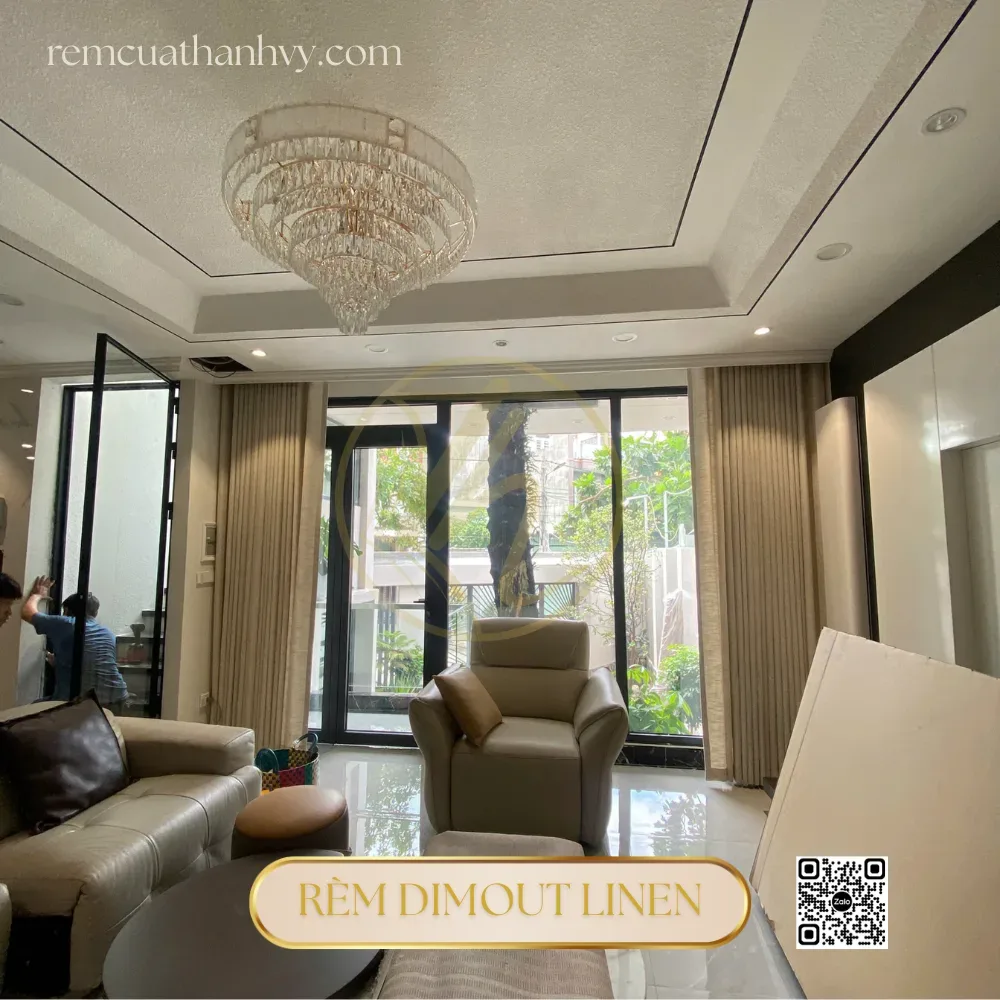
Before making your final decision on purchasing and installing curtains, a comprehensive checklist will help you review all the important factors, ensuring the greatest satisfaction and the best fit for your living space. Here are the points you need to consider:
1. Identify the intended purpose:
Do you need curtains to block light, keep out sunlight and heat, retain warmth, or simply for decoration? How much privacy do you want? Do you need curtains that completely block the view or only obscure visibility from outside? Do they need to offer dust protection, sound insulation, or fire resistance?
2. Choose the right type of window treatment:
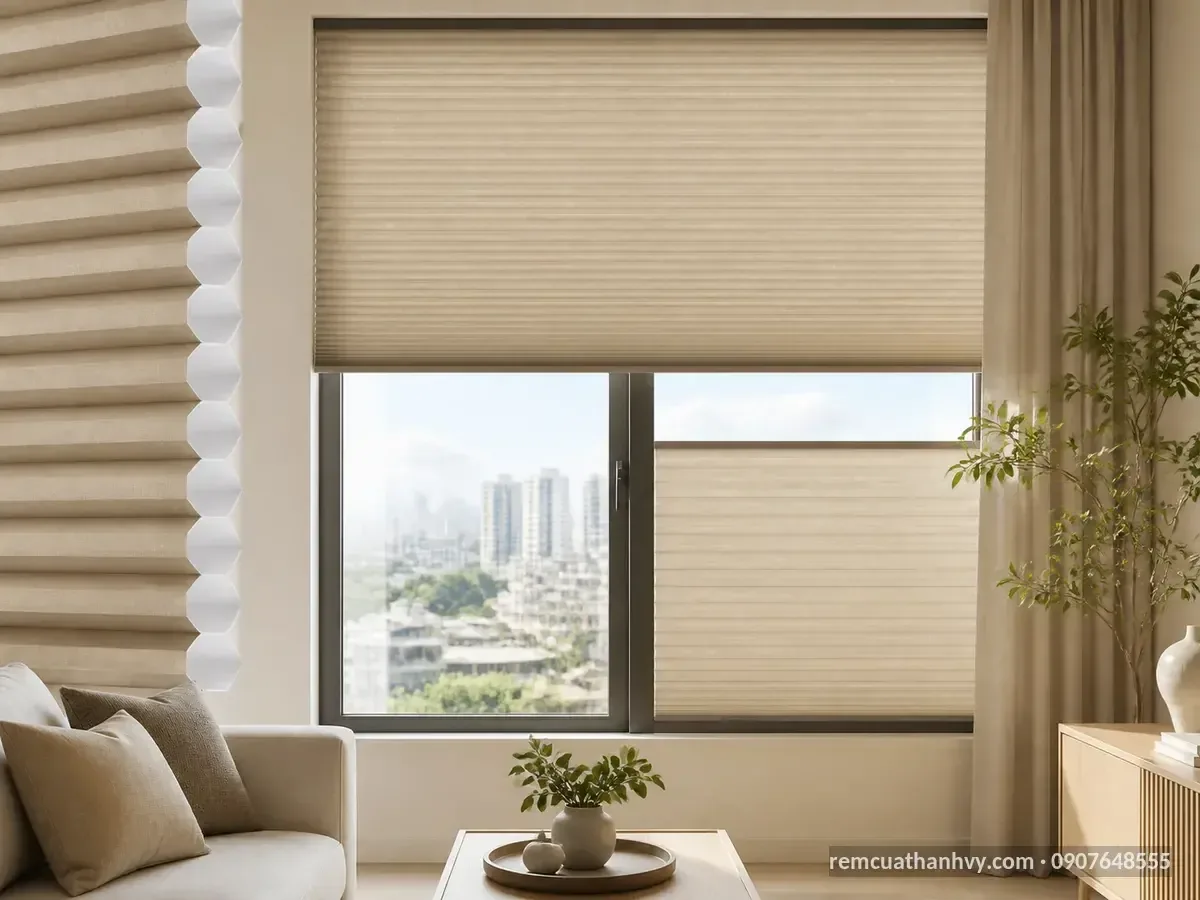
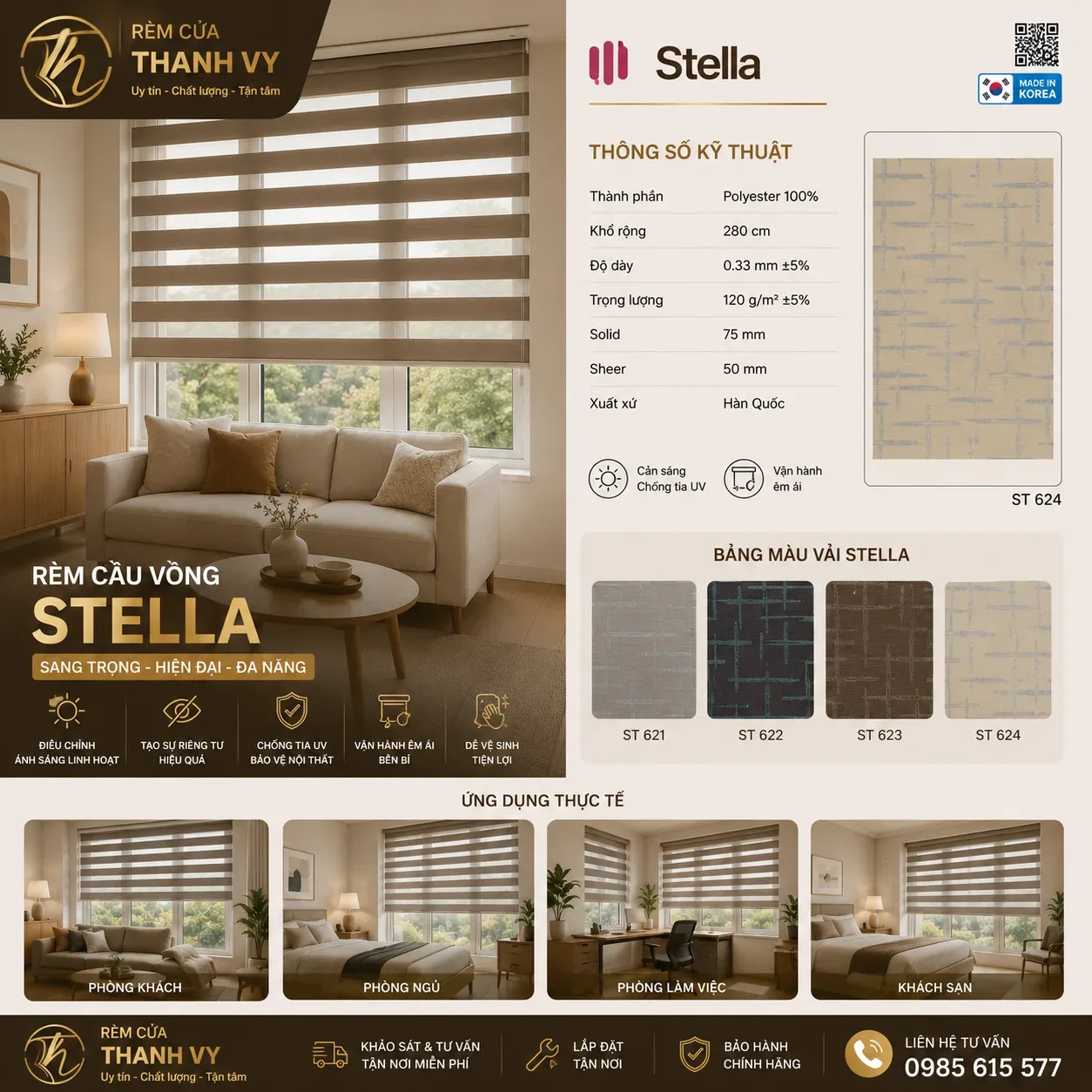
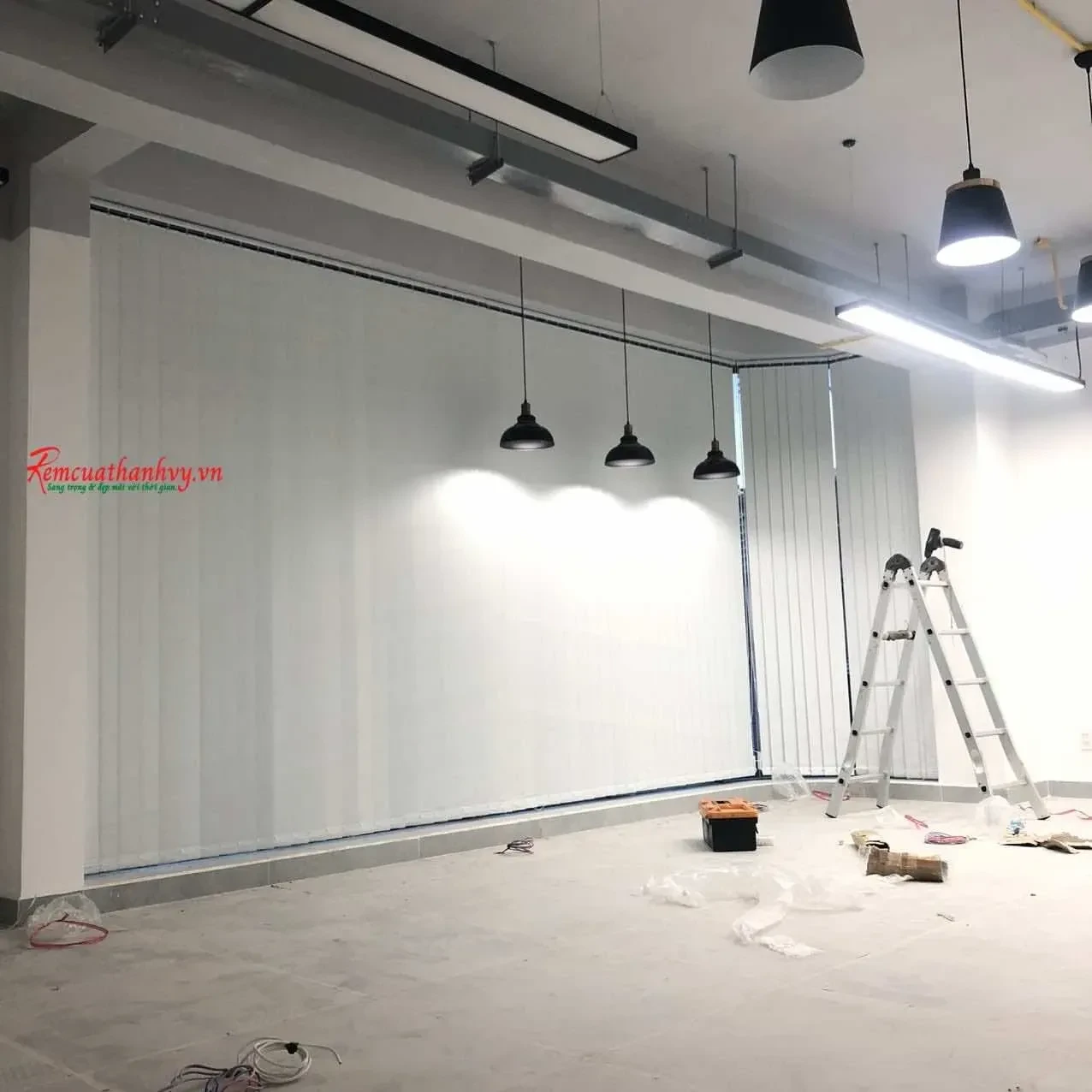
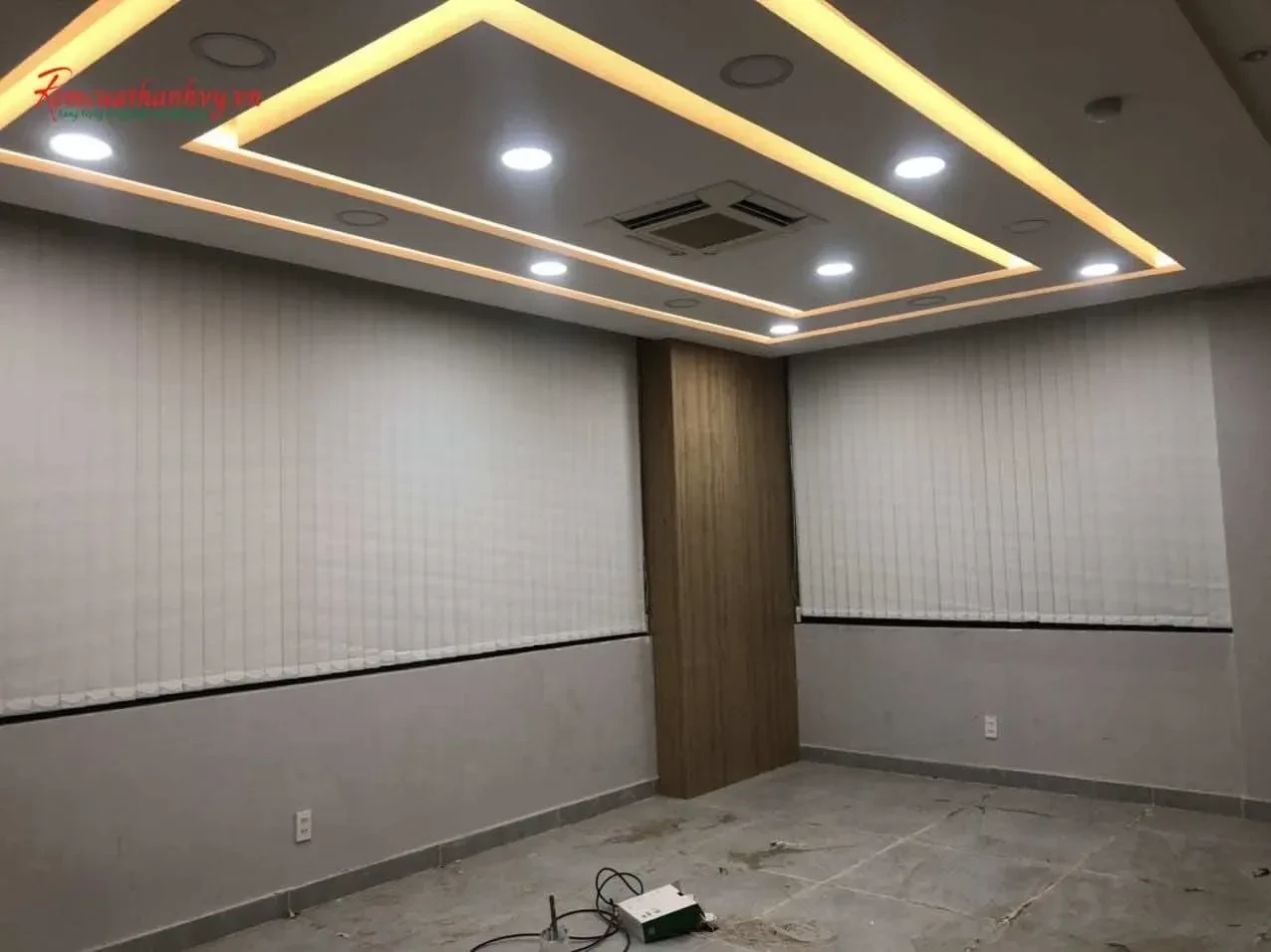
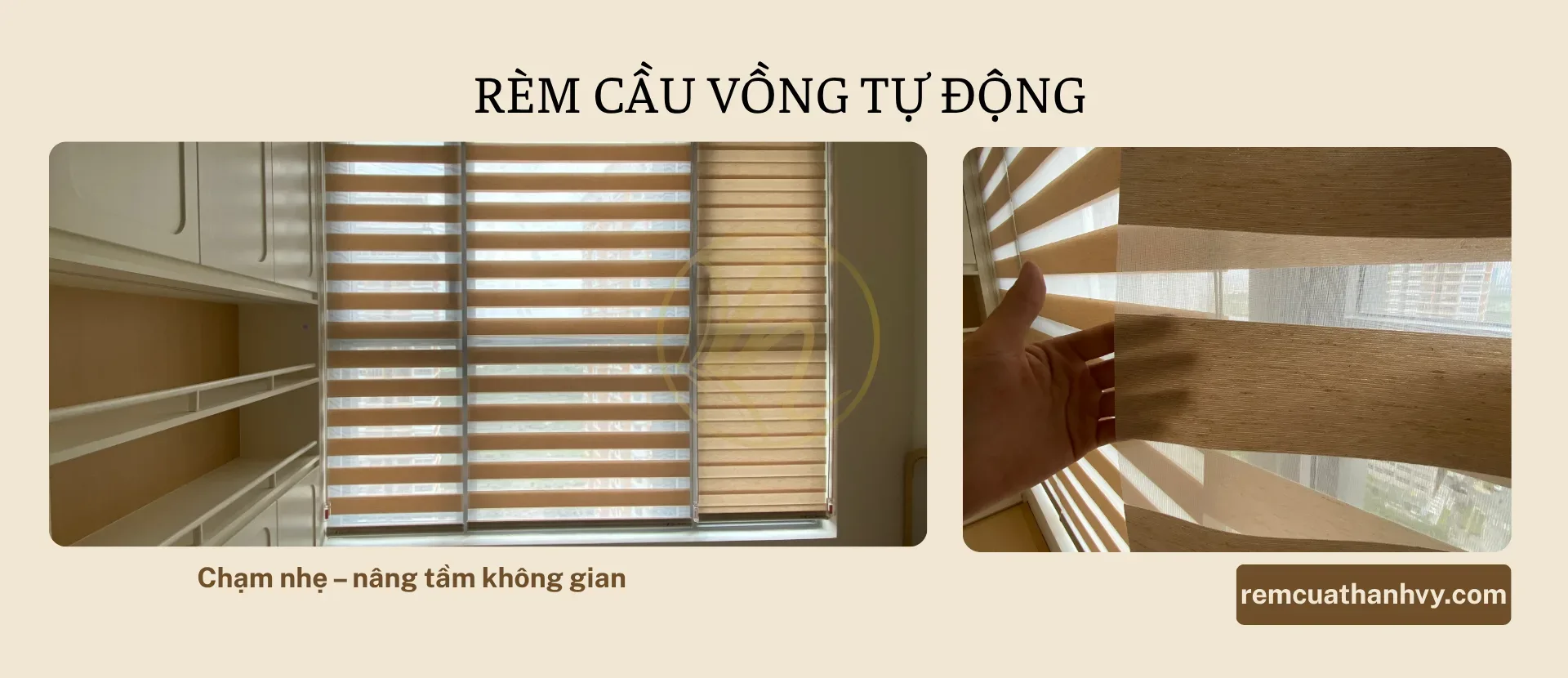
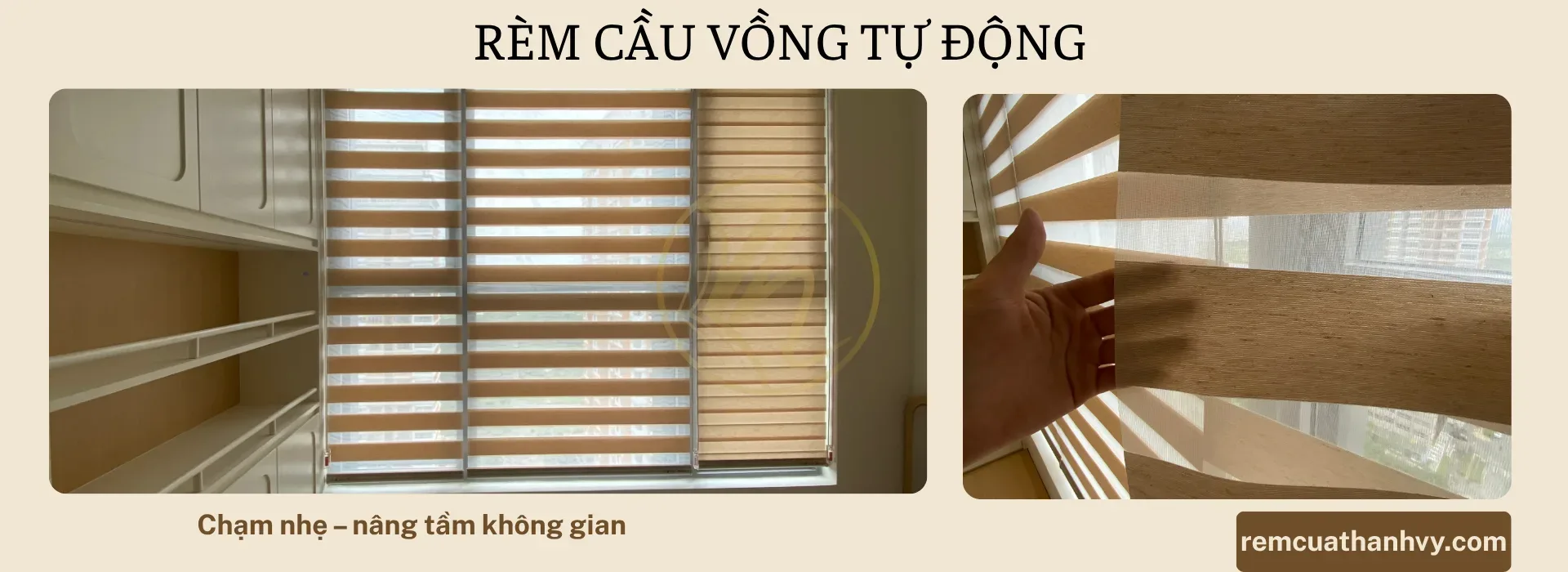
Fabric curtains: Available in a wide range of materials, colors, and patterns, suitable for many interior styles. Consider the thickness and light-blocking ability of each fabric. Roller shades: Modern and compact, suitable for small spaces or minimalist styles. Available in light-blocking, sun-blocking, or light-filtering options. Venetian blinds: Include wood, aluminum, and plastic blinds. Allow flexible light adjustment at various angles. Zebra shades: Combine the features of roller shades and Venetian blinds, offering a distinctive look and effective light control. Vertical blinds: Commonly used in offices and for large glass doors, with slats that can be flexibly rotated.
3. Materials and colors:
Is the fabric colorfast and easy to clean? Will it shrink or fade over time? Does the curtain color complement the room’s dominant color scheme (walls, flooring, furniture)? Does the color affect the feel of the space (dark colors create a cozy feel, while light colors create a sense of spaciousness)?
4. Dimensions and styles:
Have the width and height of the window/installation location been accurately measured? Does the curtain style (ceiling-recessed curtains, grommet curtains, wave curtains…) suit the overall design of the room and the curtain rod system?
5. Included accessories:
Is the curtain rod sturdy and of good quality? Is the material (aluminum, stainless steel…) suitable for the curtain weight and the environment in which it will be used? Are the pull cords and decorative accessories (if any) durable and attractive and easy to use?
6. Budget:
Have you set an estimated budget for window treatments? Compare prices from different suppliers to make the best choice.
7. Supplier and installer:
Have you researched the reputation of the supplier and installer? Do they have clear warranty and maintenance policies? Are their consultation, site inspection, measurement, and installation processes professional?
Comprehensive checklist before making a decision:
The intended purpose of the window treatments has been clearly identified. The appropriate type (fabric curtains, roller shades, Venetian blinds, zebra shades, vertical blinds…) has been selected. The material meets requirements for durability, light/sun blocking, and ease of cleaning. The color complements the interior and creates the desired feel for the space. The dimensions have been accurately measured. The style and included accessories (rods, pull cords) have been carefully considered. A budget for window treatments has been planned. The supplier and installer are reputable and have been researched. The supplier’s warranty and maintenance policies have been clarified.
Taking the time to carefully review the items on this checklist will help you make an informed choice, avoid unnecessary mistakes, and find curtains you love that enhance the beauty of your home, whether you are looking for curtains in District 1 or any other area.
Understanding curtain quotes in District 1
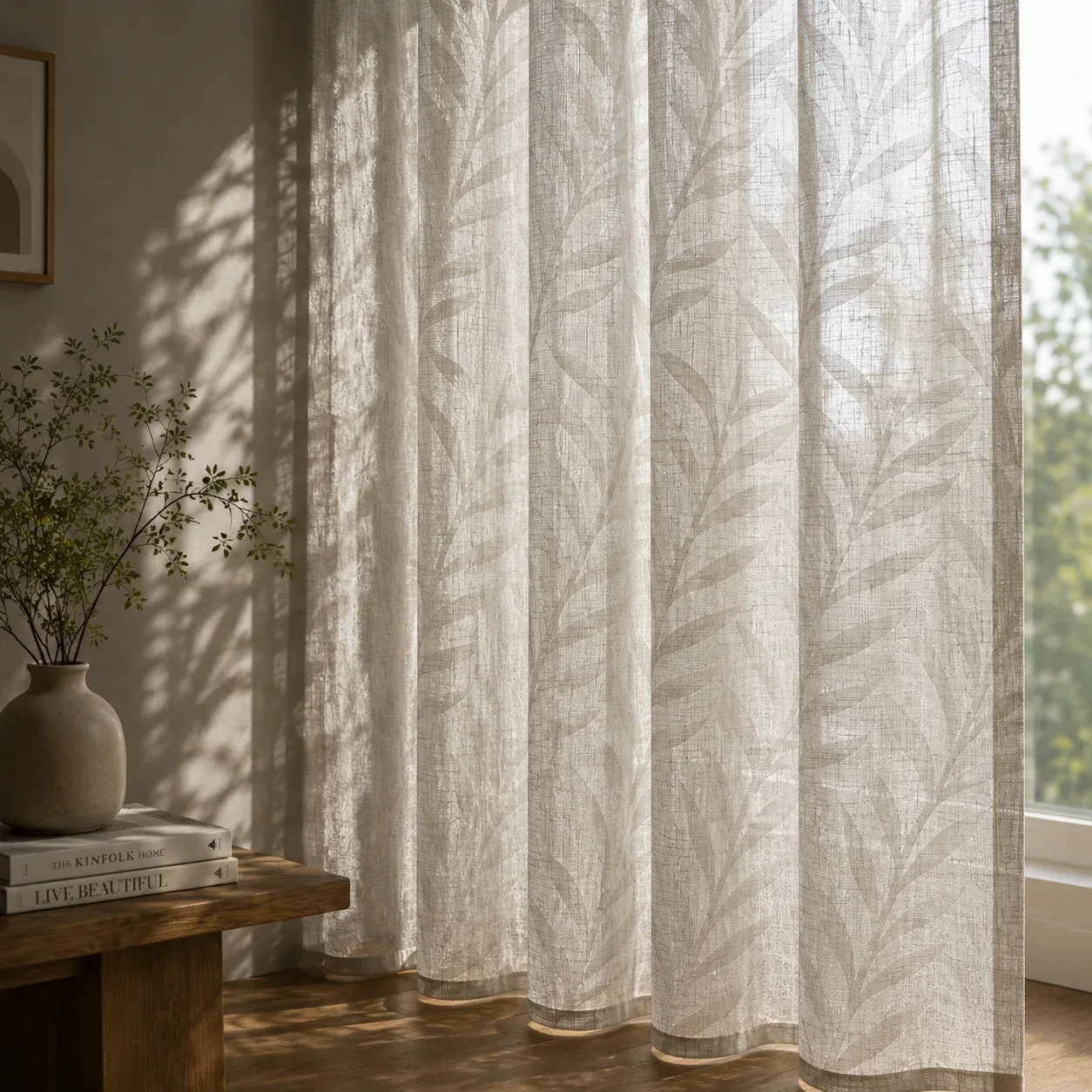
A common question when looking for curtains in District 1 is “how much does a set of curtains cost?” In practice, a useful quote needs to clearly explain what is being priced, rather than simply providing a number detached from dimensions, materials, sewing style, and installation scope. Two openings of similar width may still require different configurations if one is a sliding door and the other is a hinged door; a location with a high ceiling, a deep recess, or furniture in the way also creates different requirements from a standard flush window.
Four groups of factors commonly affect an actual quote: installation location and dimensions (required coverage, clearance on either side, hanging height, door or window type); material range and finish (thickness, light transmission, surface texture, ability to hold pleats); accessories and installation approach (tracks, rods, brackets, operating mechanisms suited to existing conditions); and service scope (site assessment, production, delivery, installation, instructions for use — these are not always automatically included in a single total). Because these factors depend on the actual conditions of each opening, this content does not provide a fixed price list per square meter or by curtain type — the exact cost needs to be confirmed through an on-site assessment.
To get an immediate estimate without waiting for an on-site assessment, you can use the estimation tool below — enter the actual dimensions of your opening to receive a price range based on your selected material and sewing style.
Featured curtain and blind styles
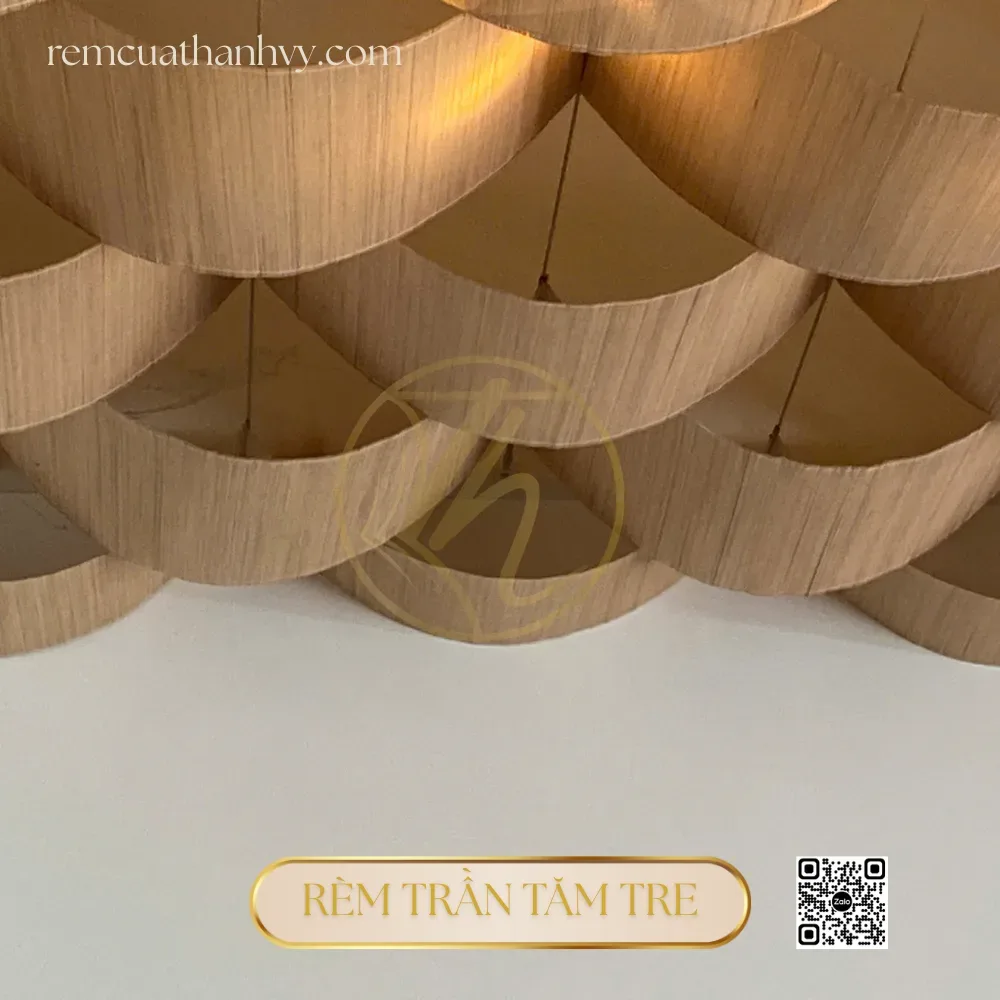
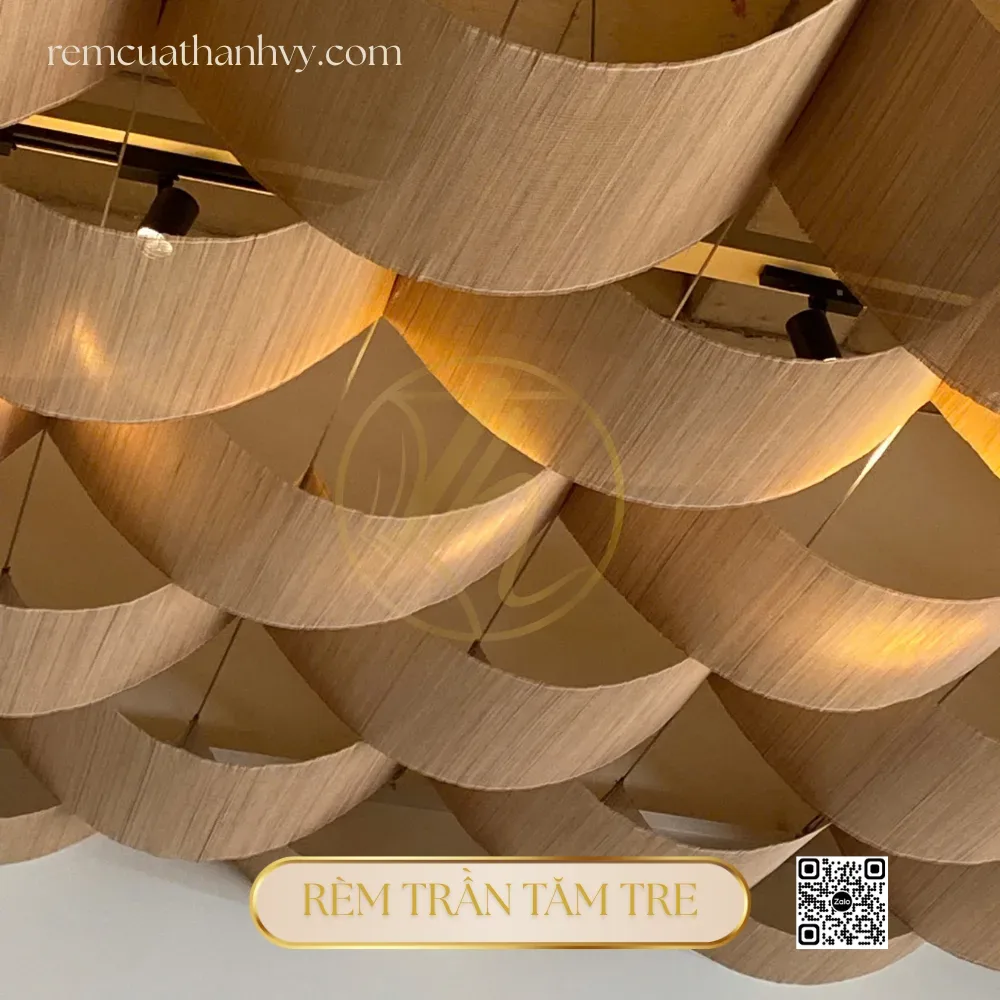
Fabric curtains
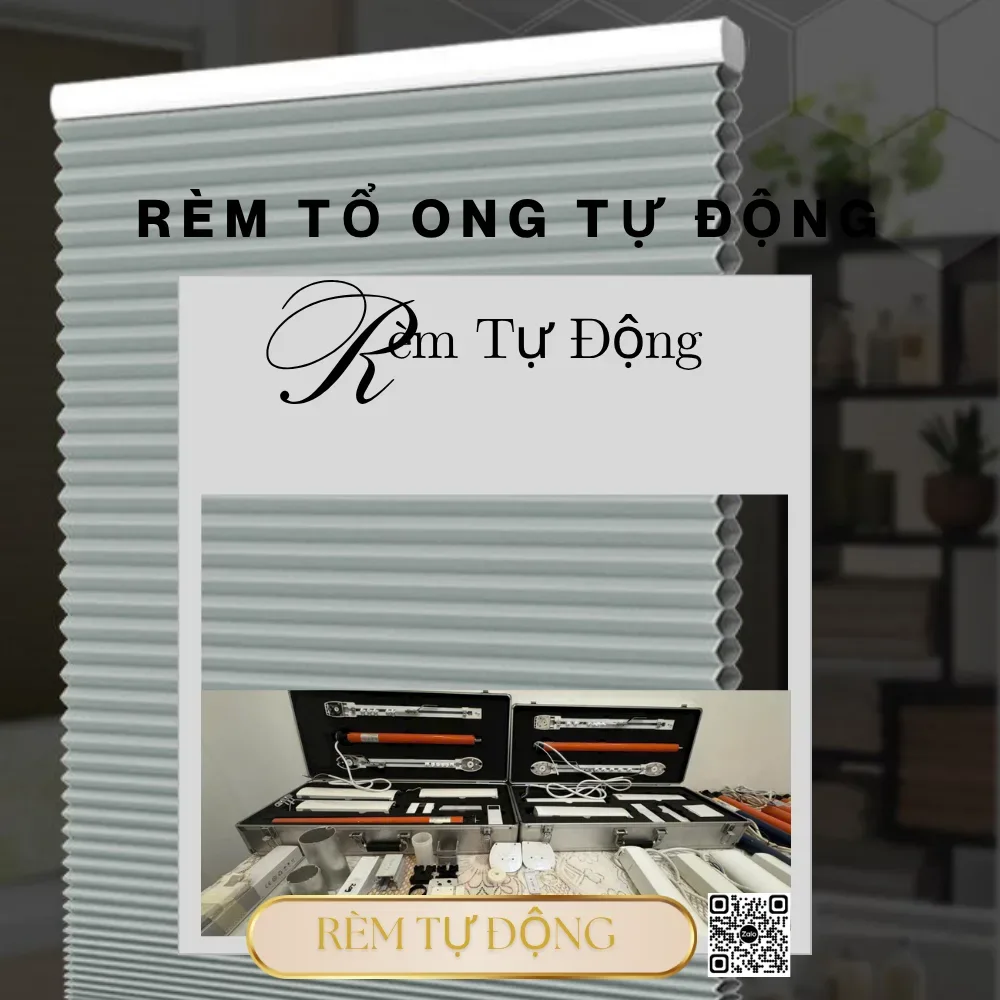
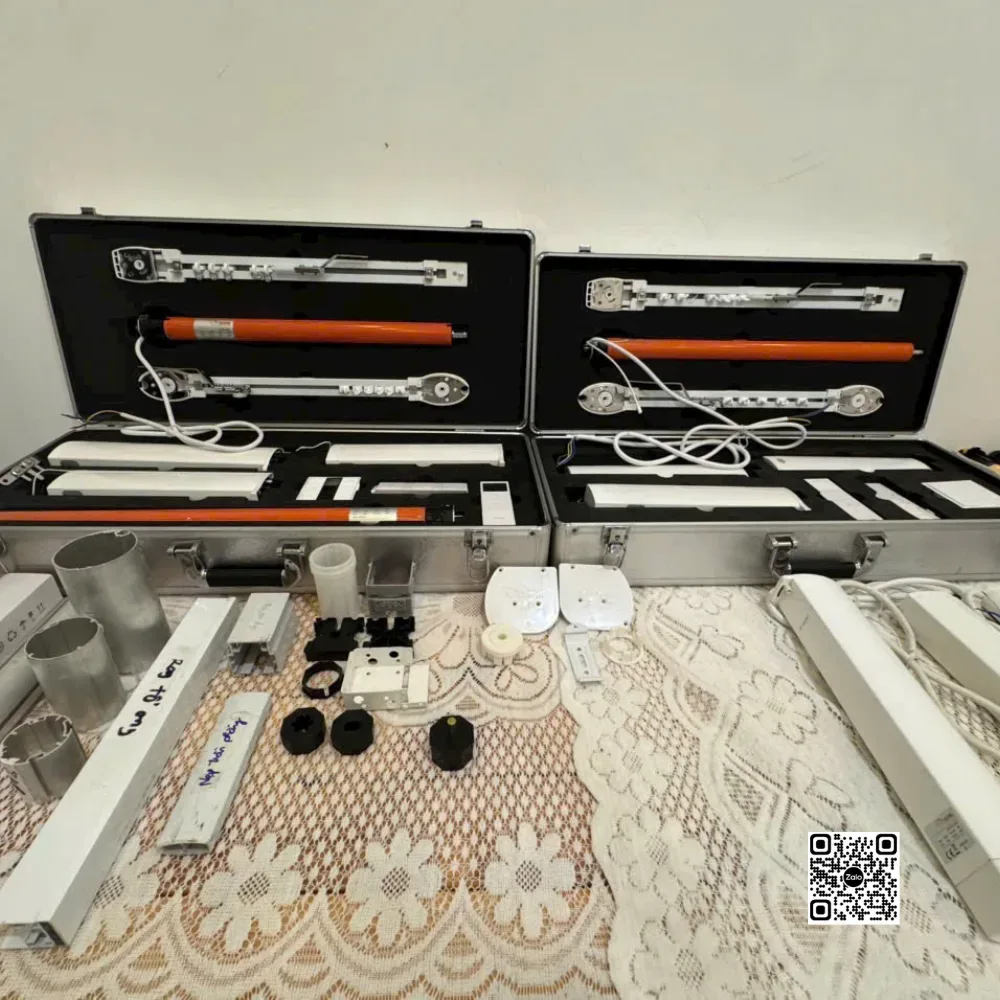
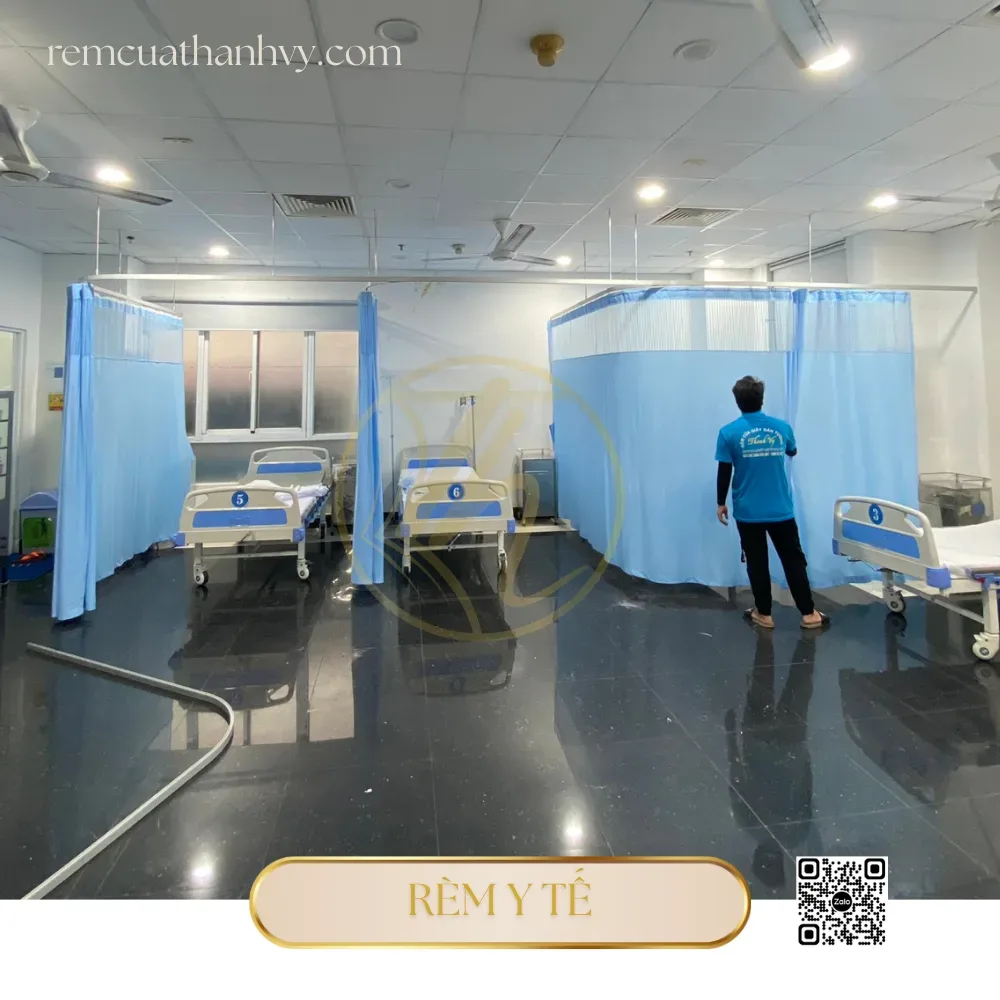
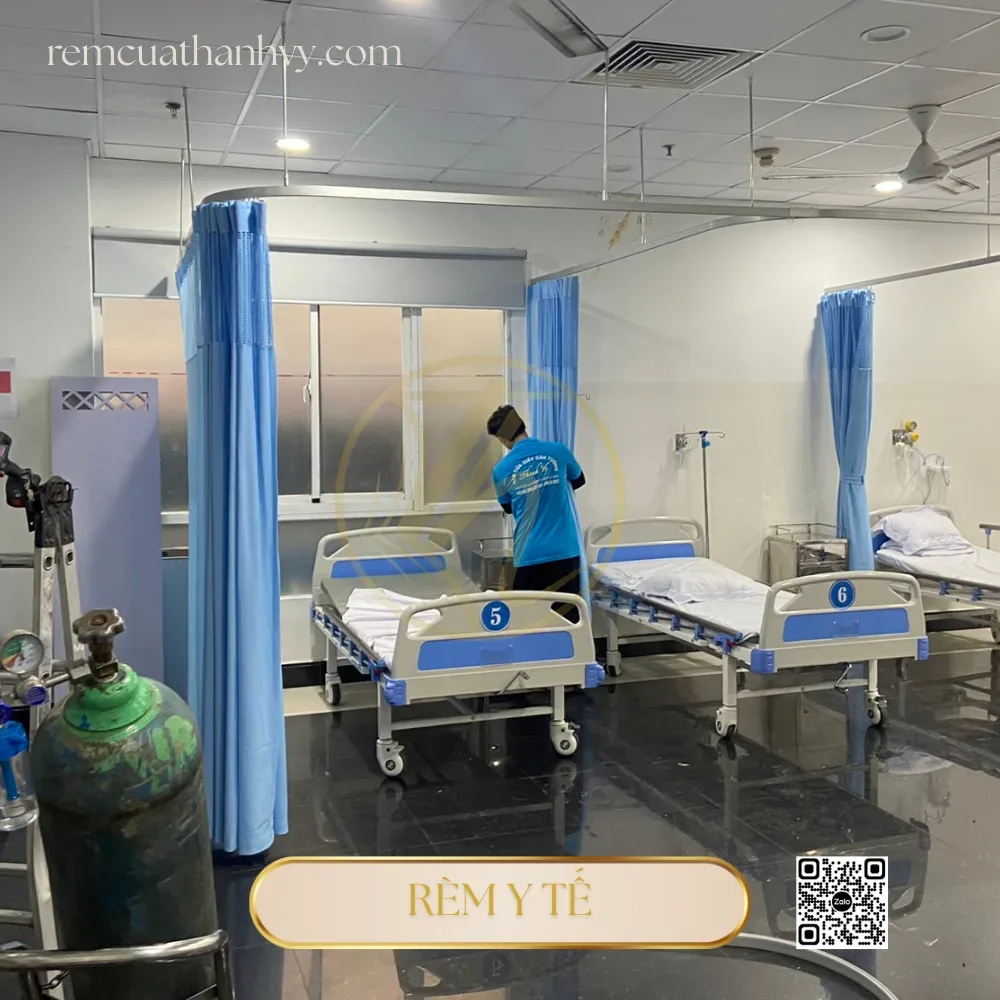
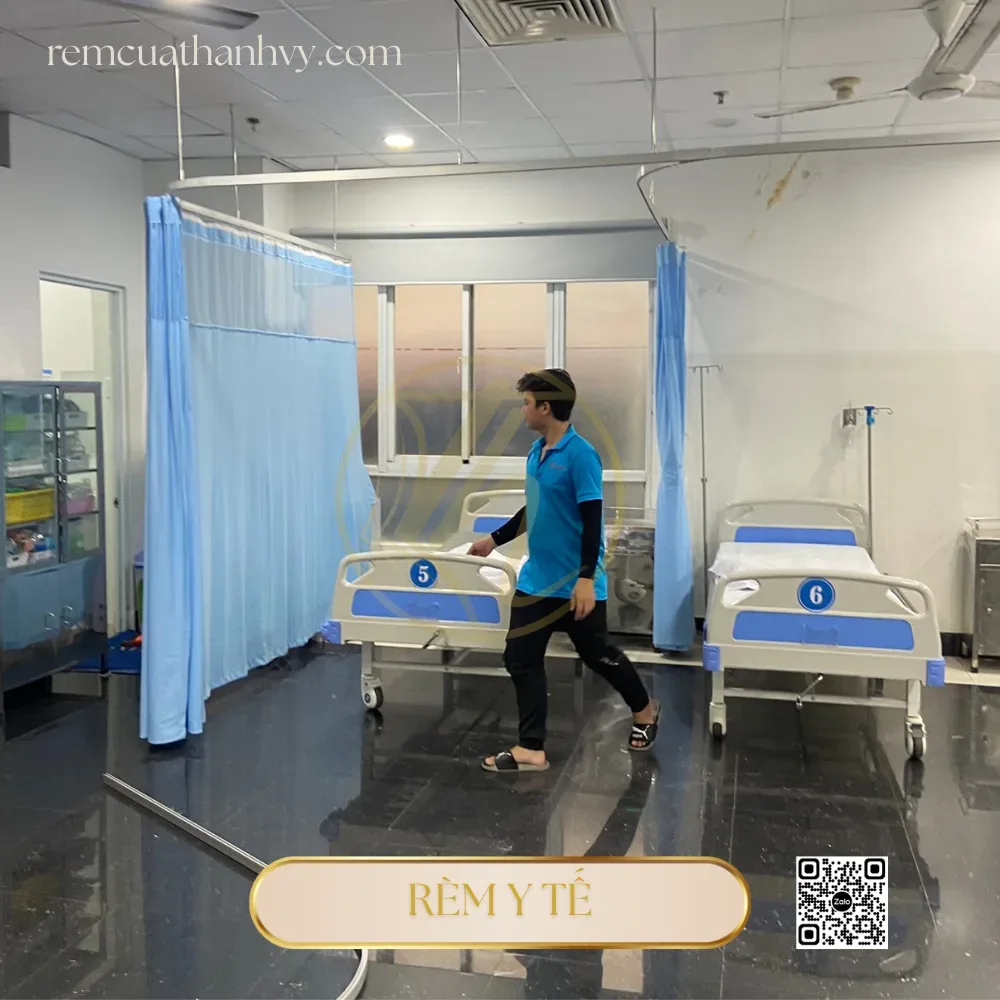
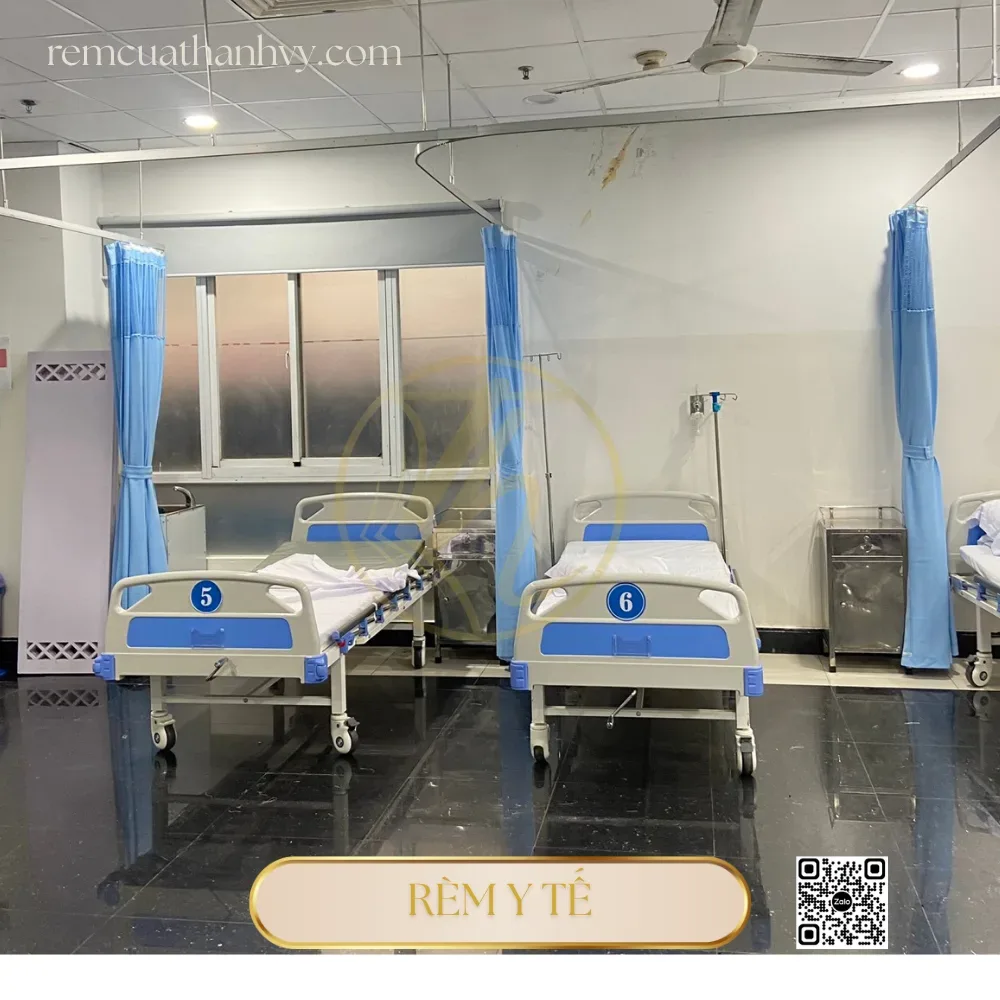
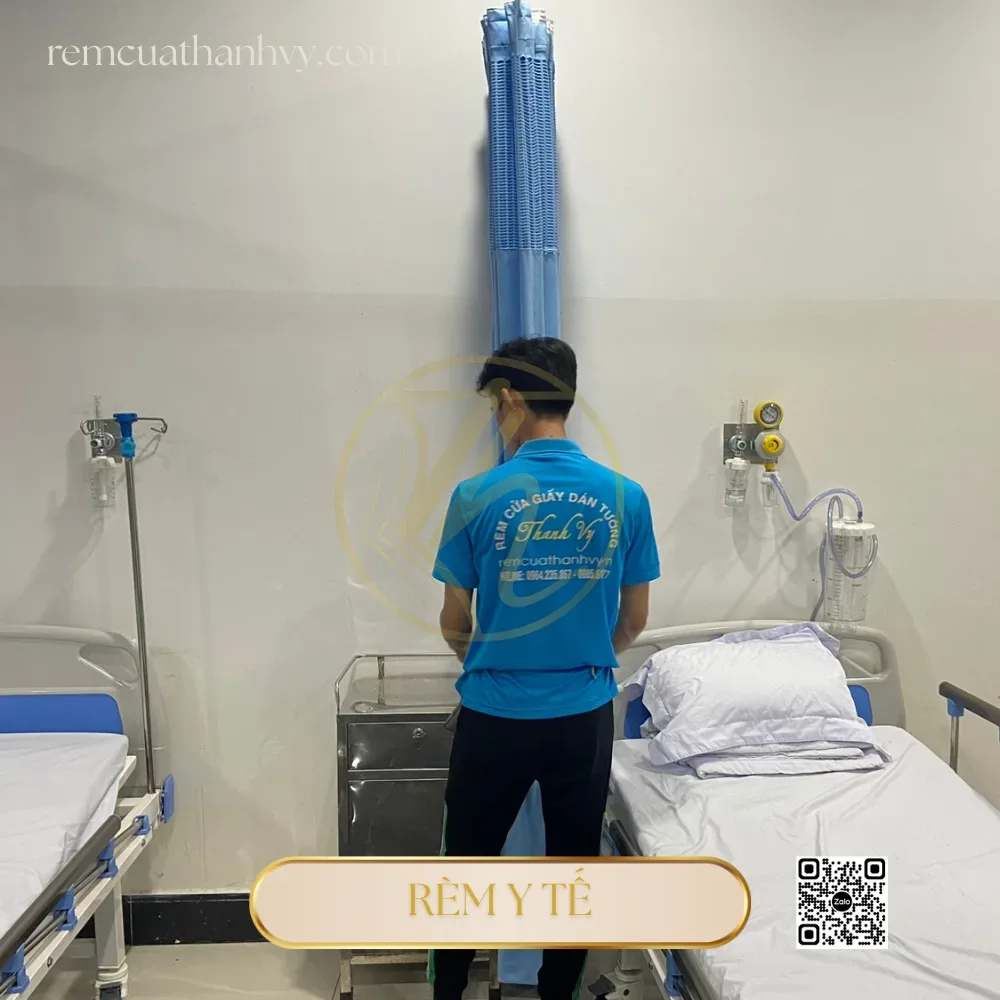
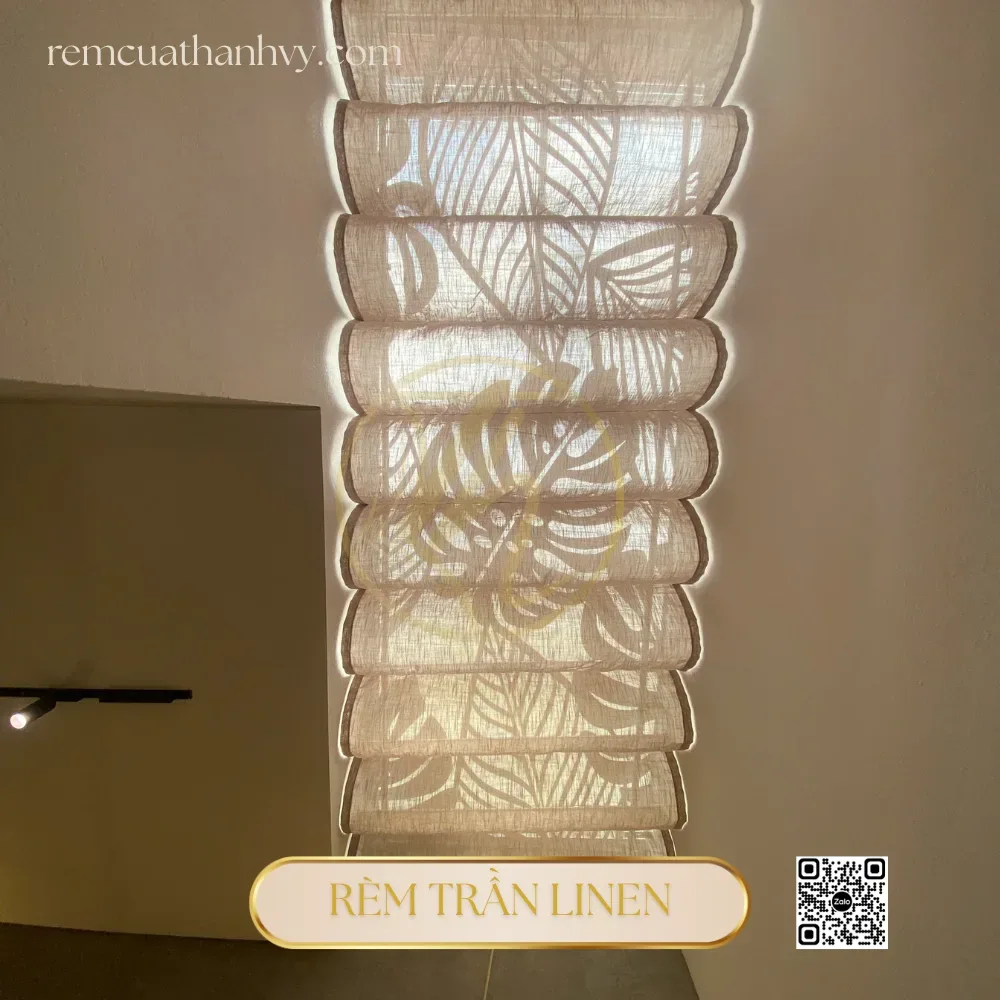
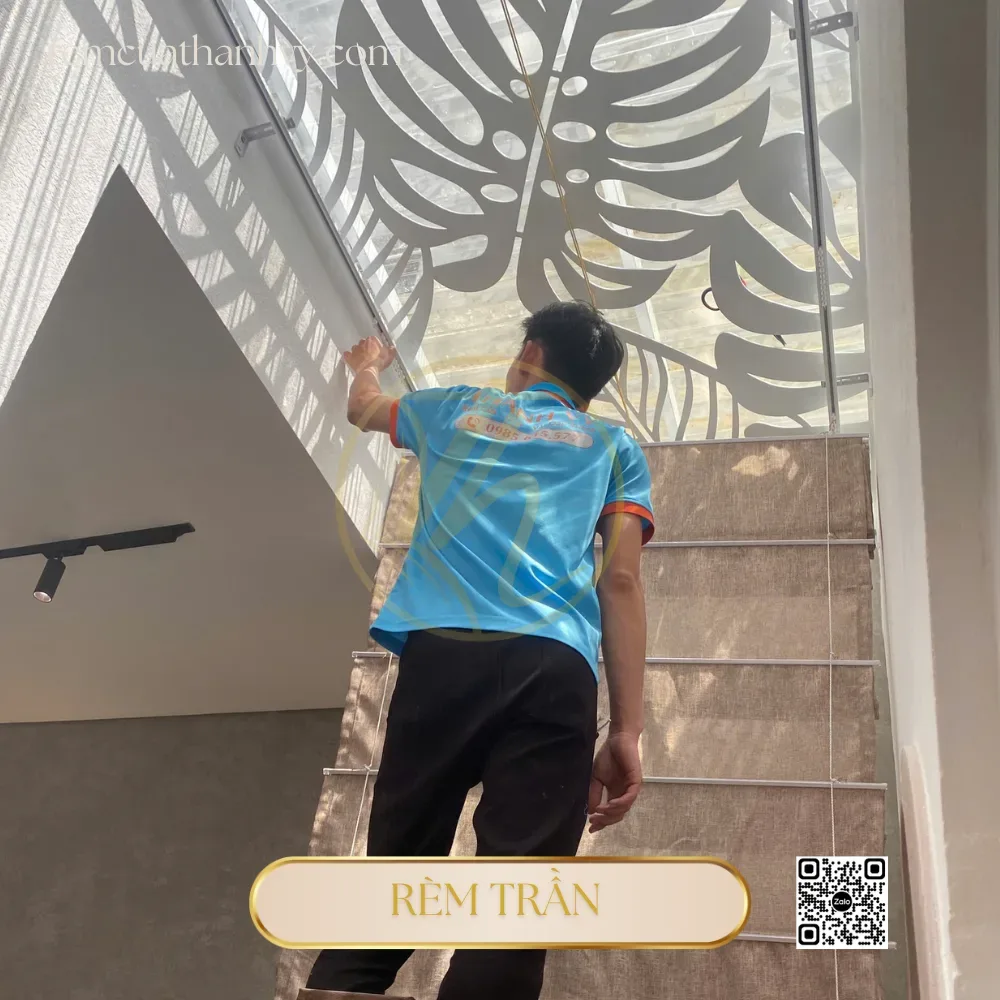
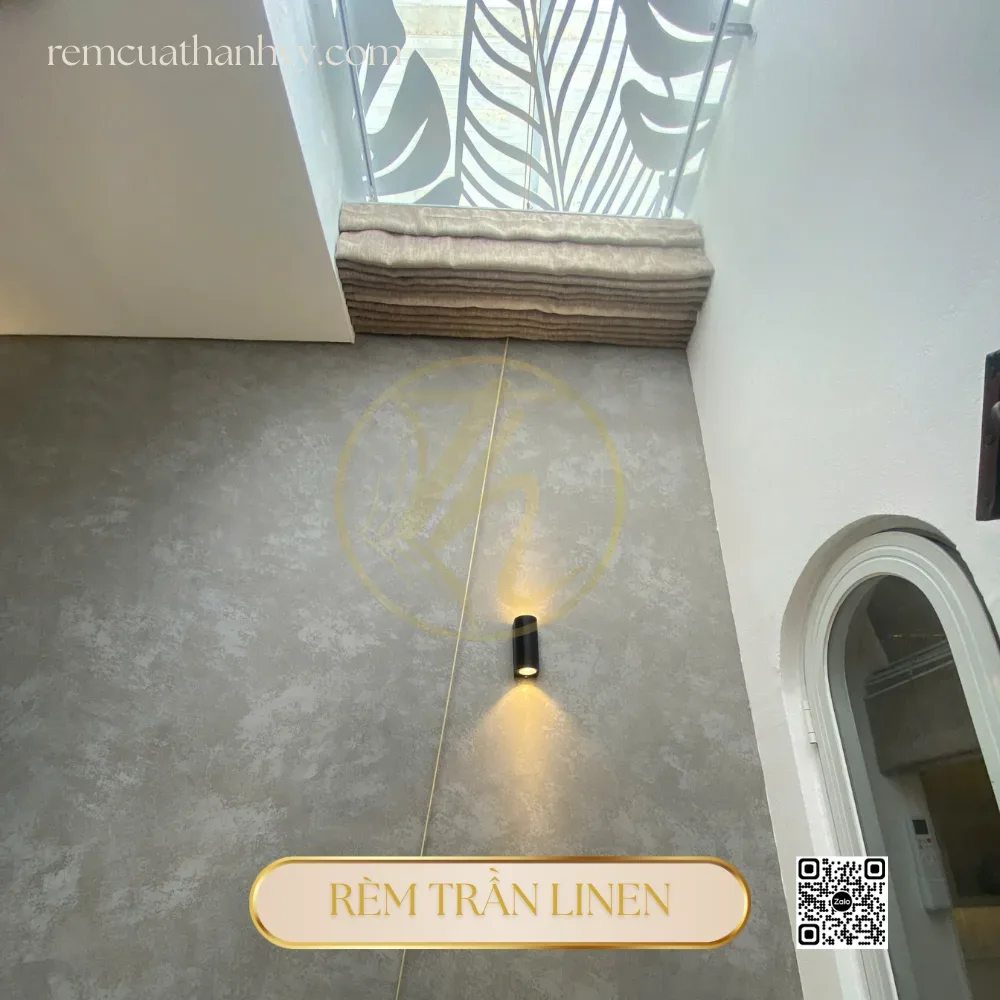
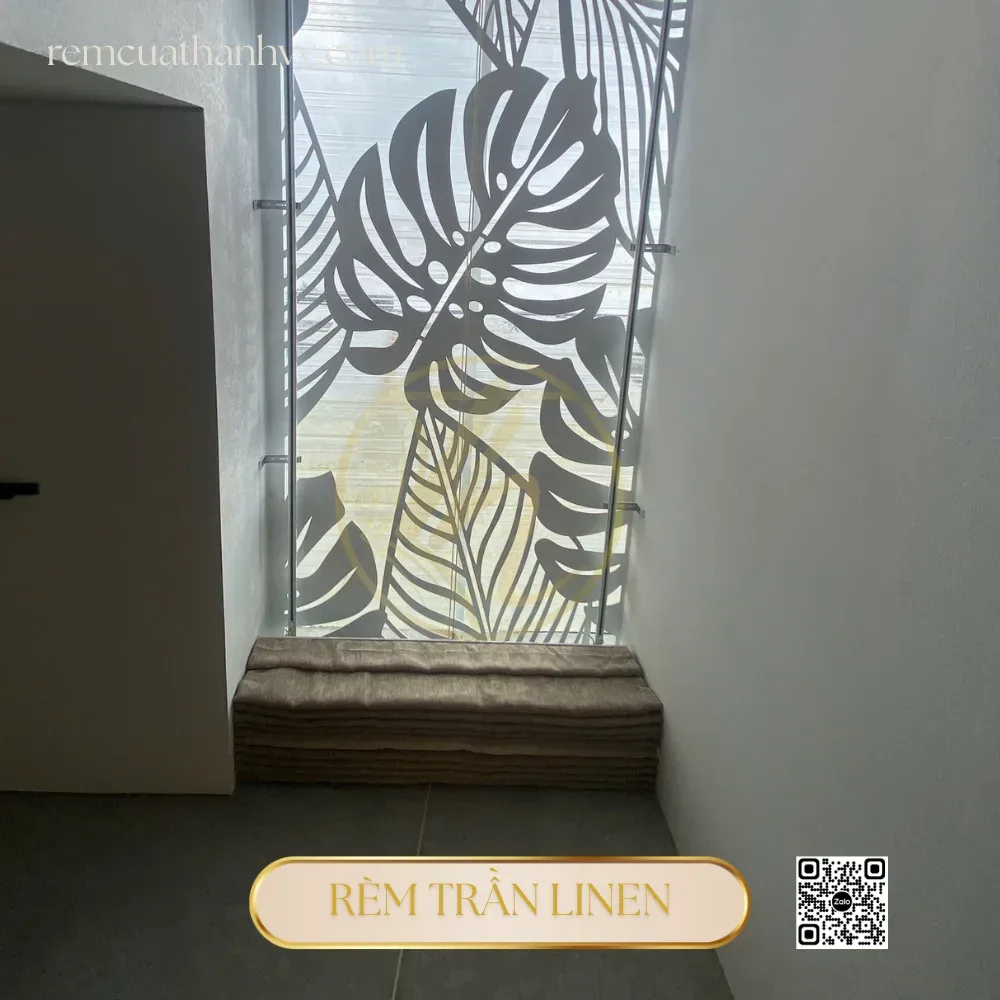
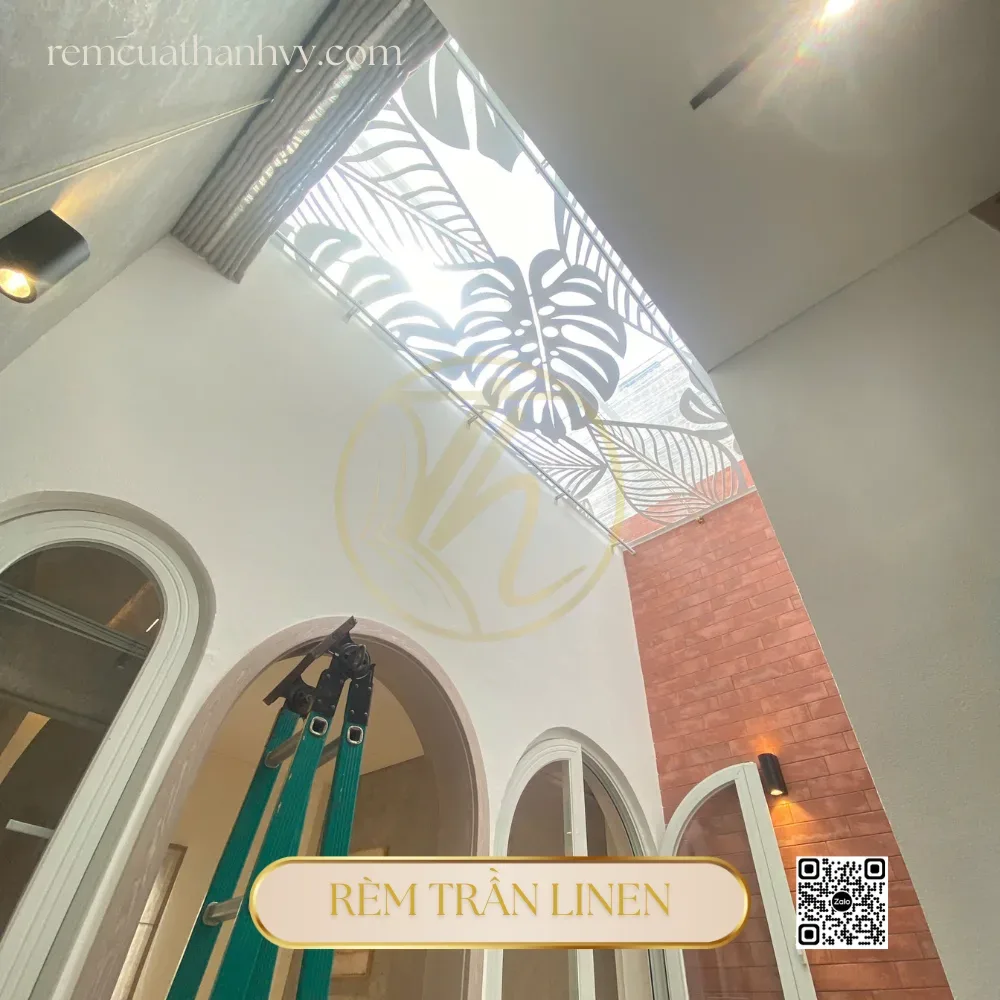
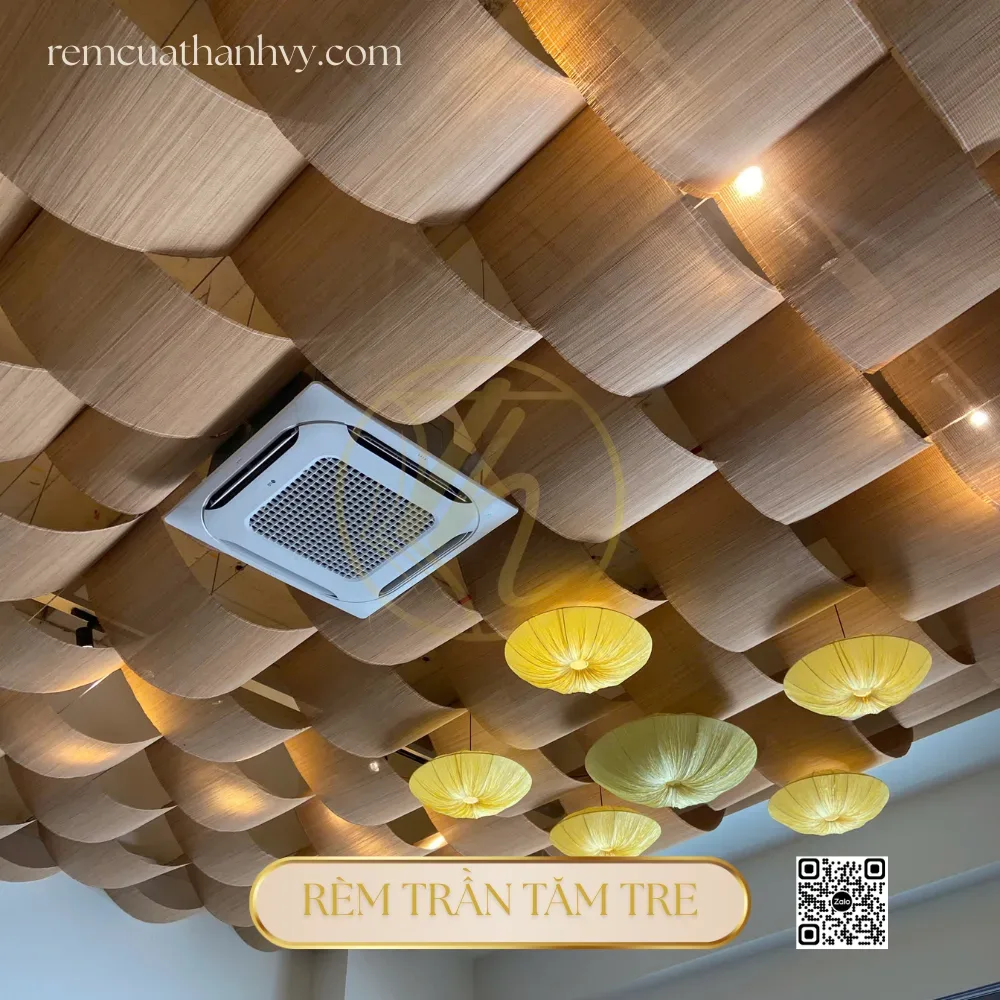
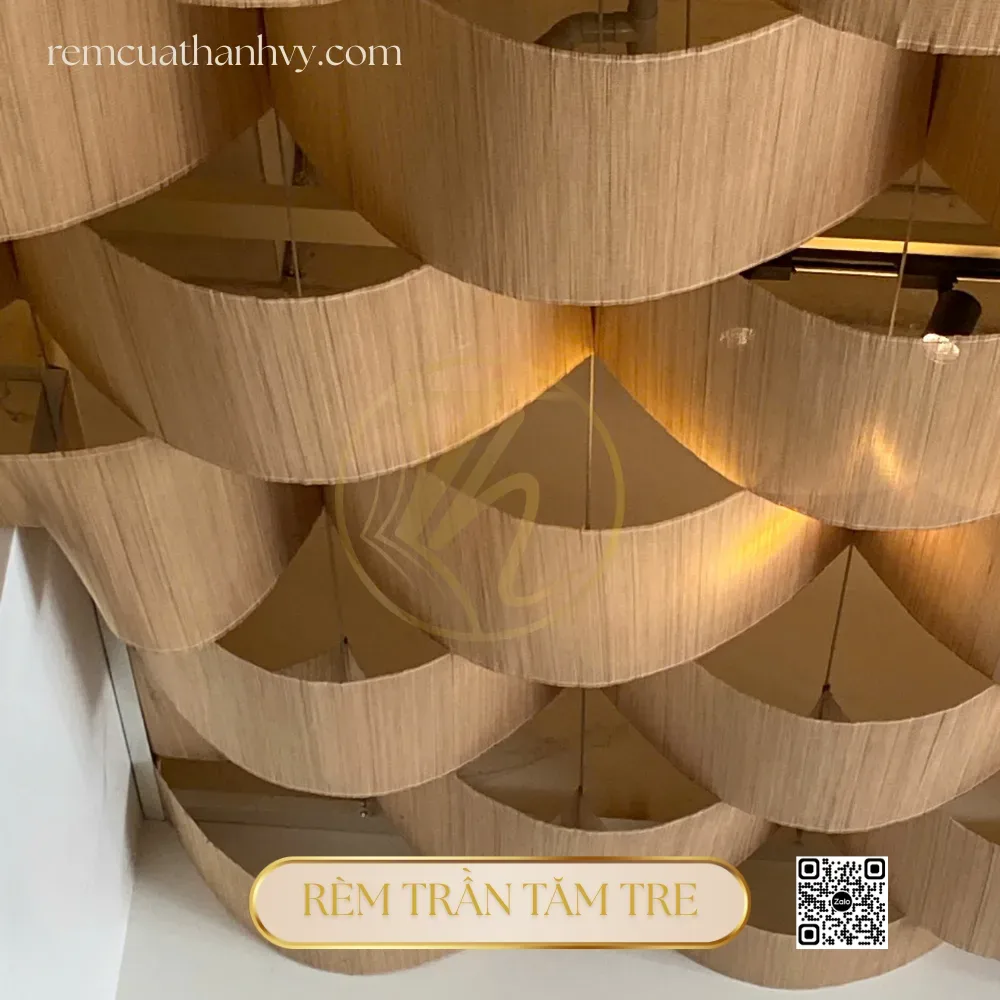
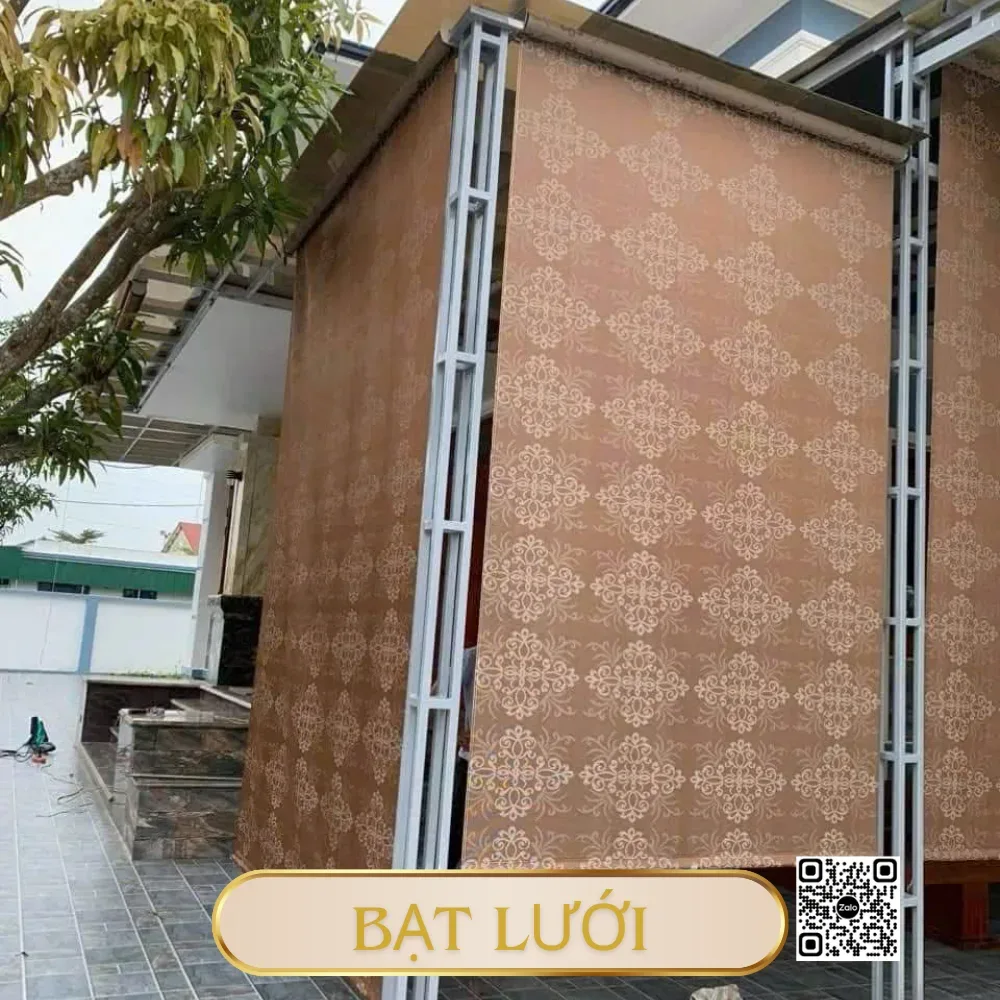
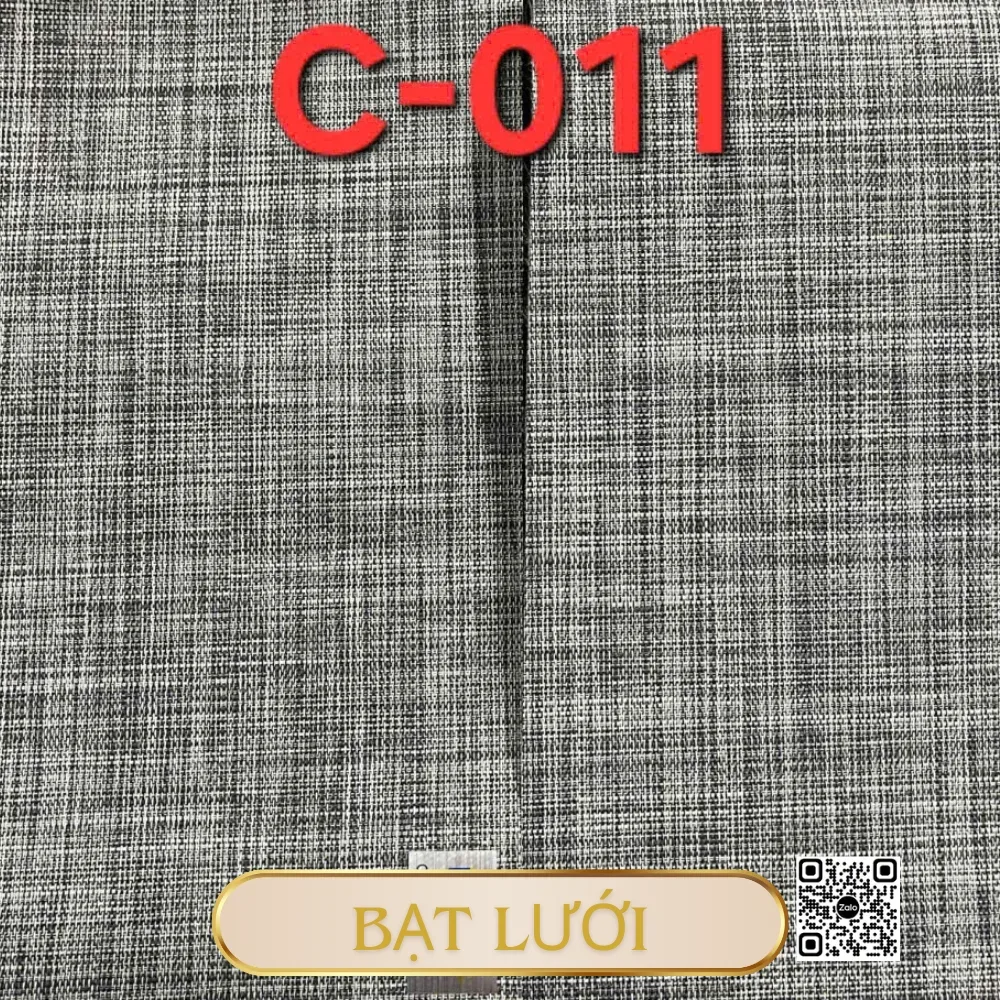
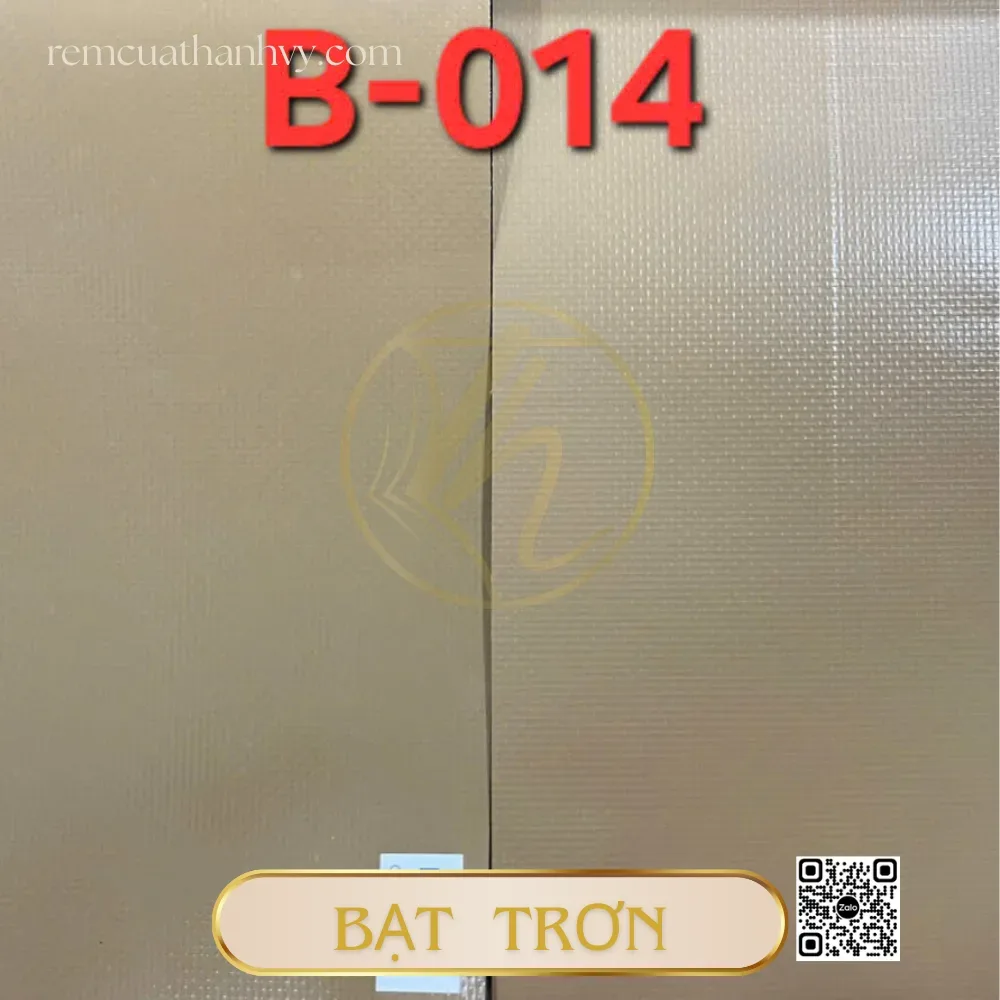
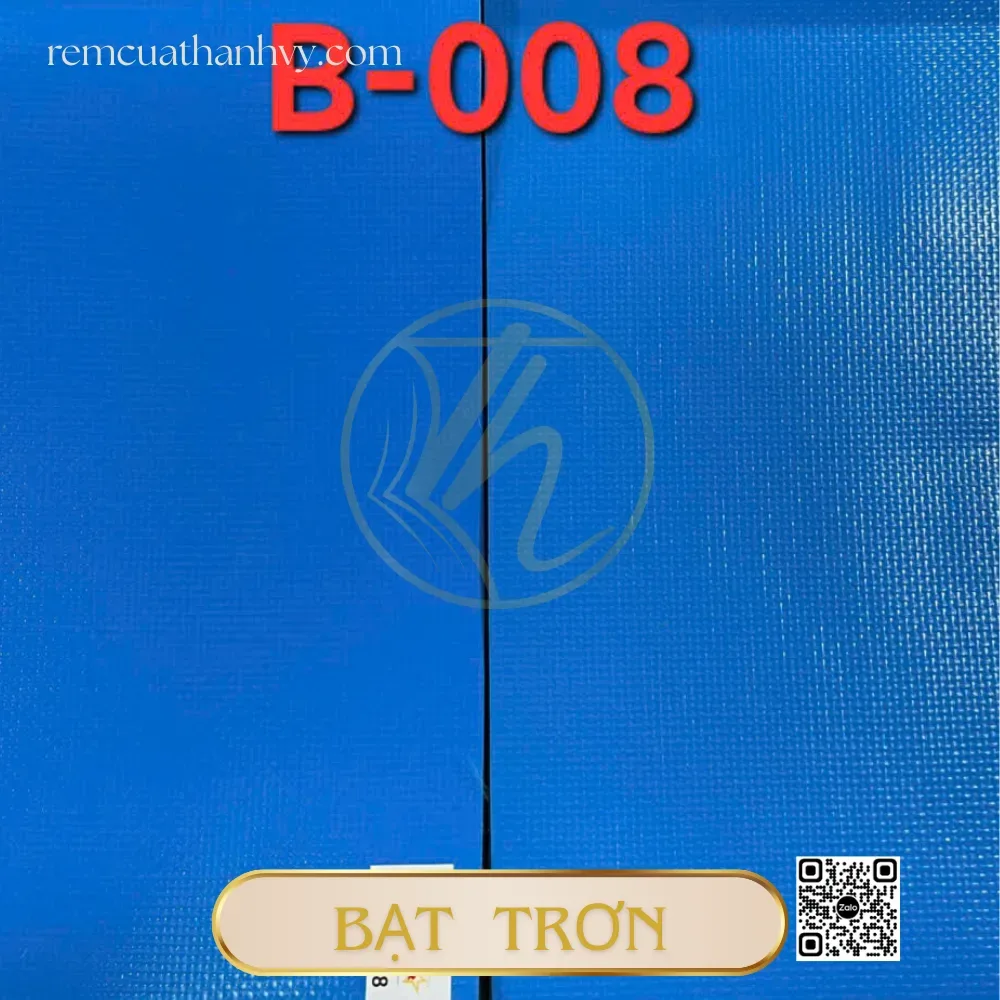
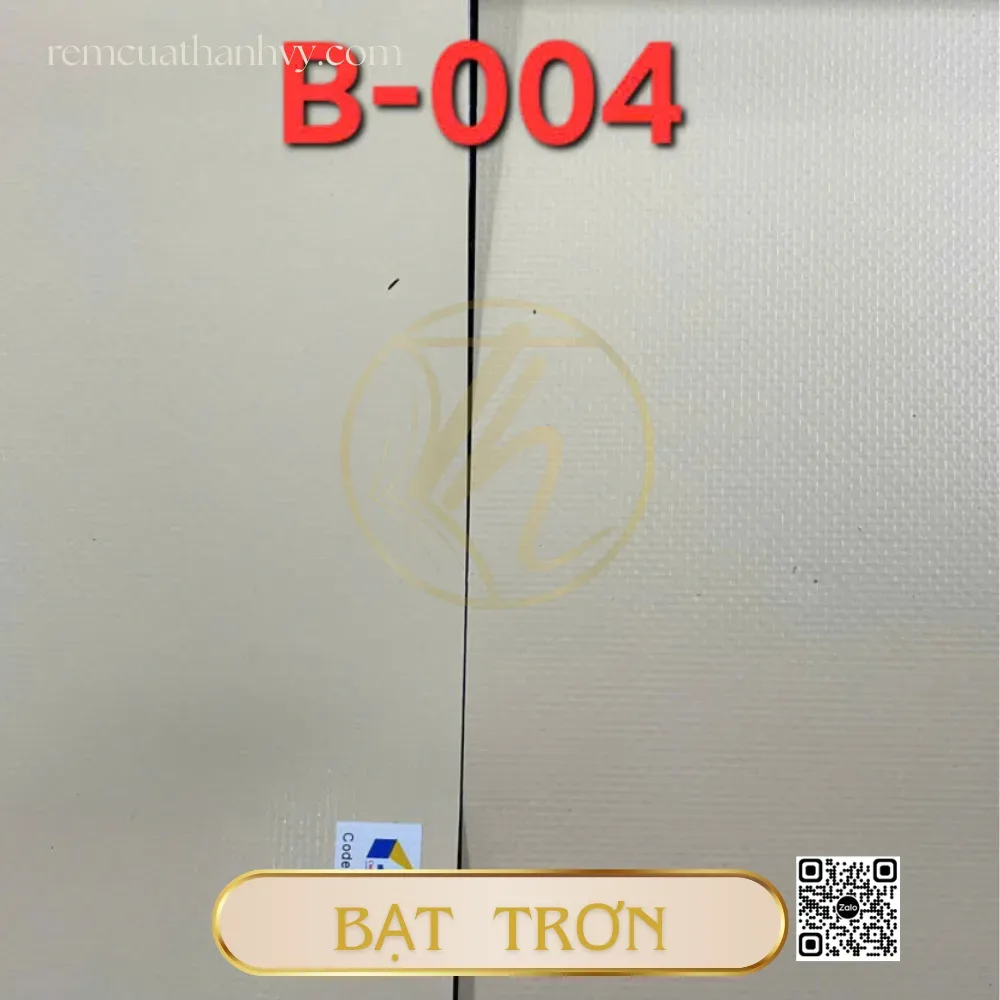
Roller shades



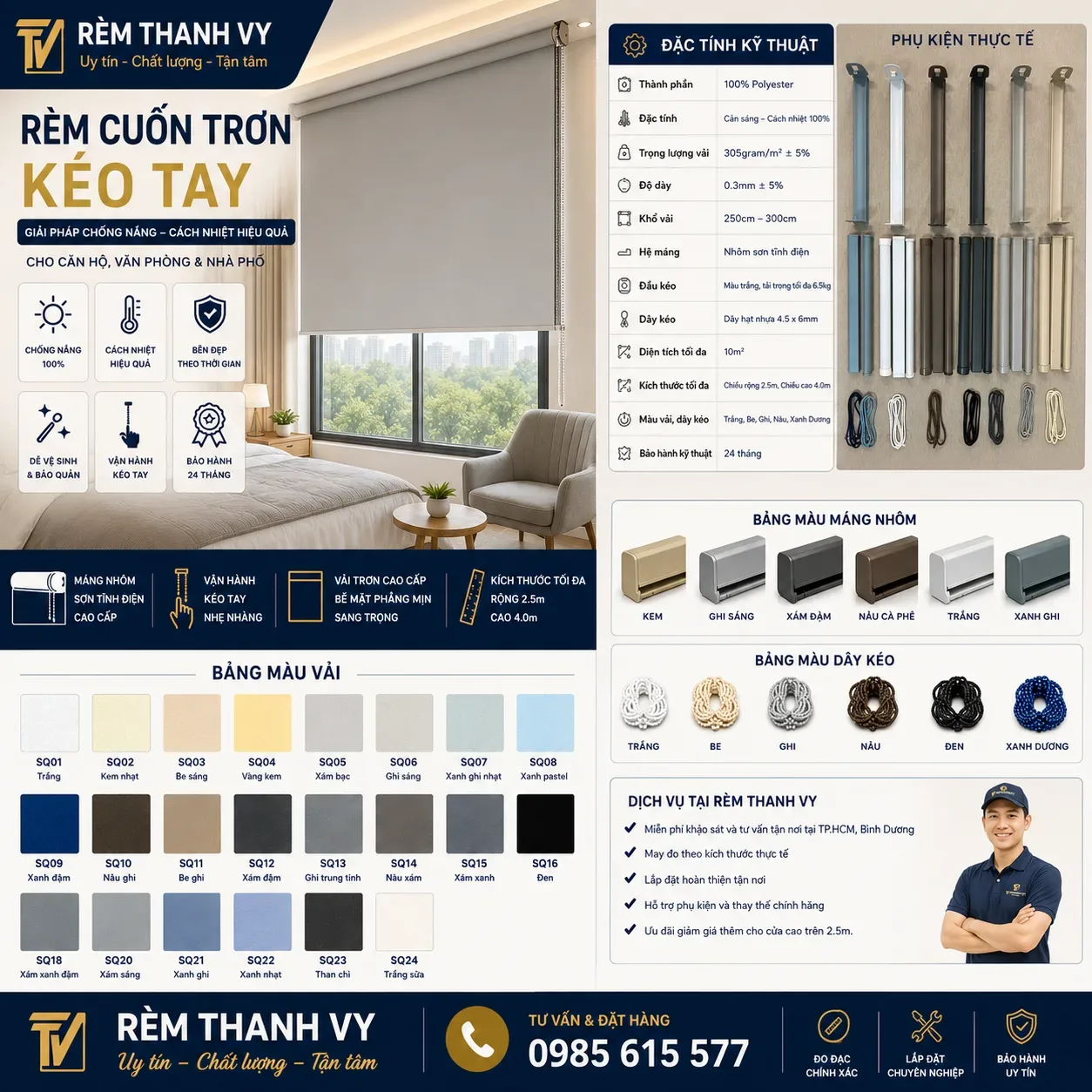
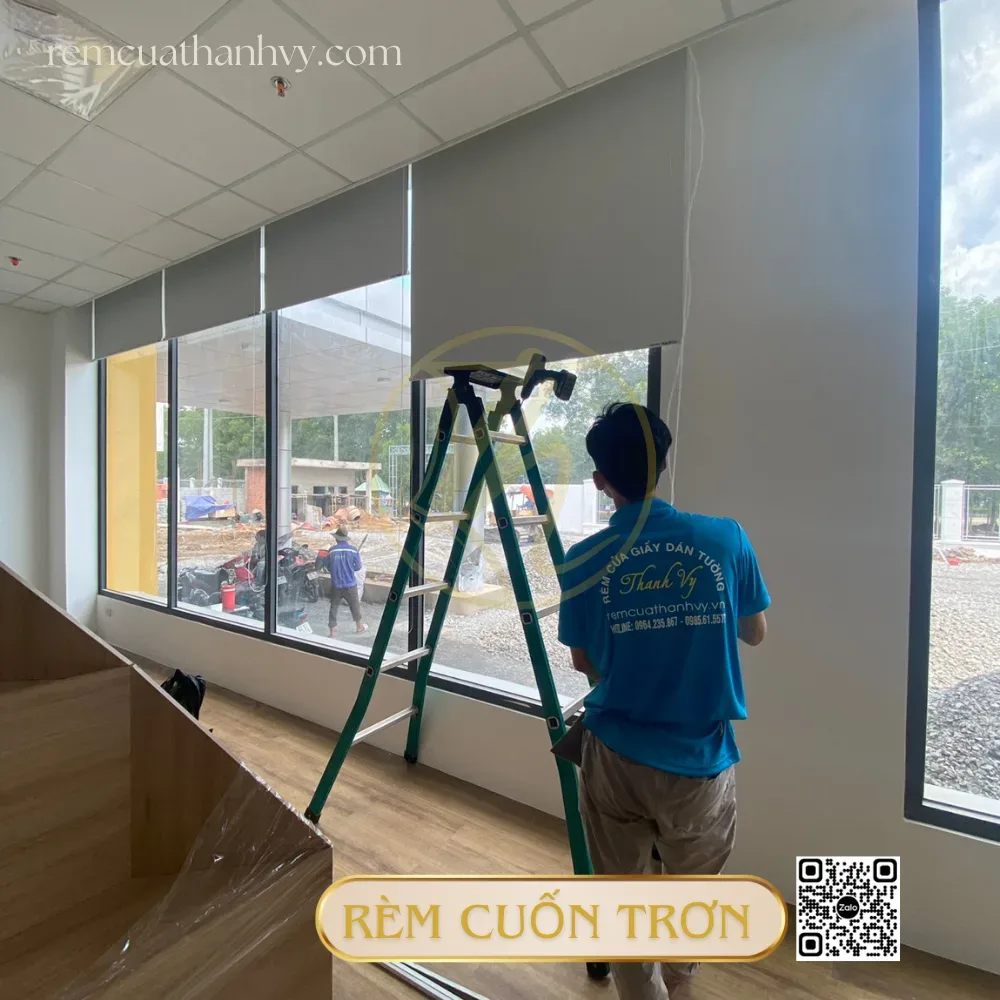
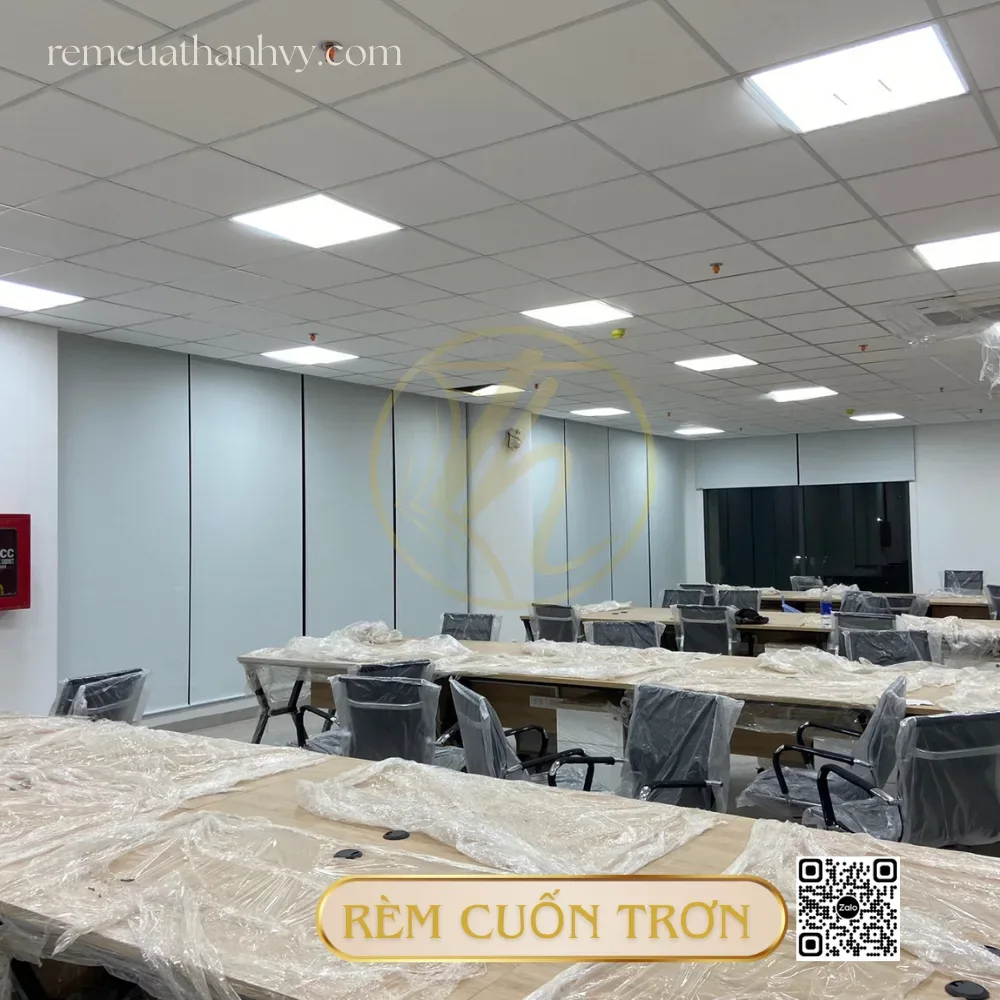
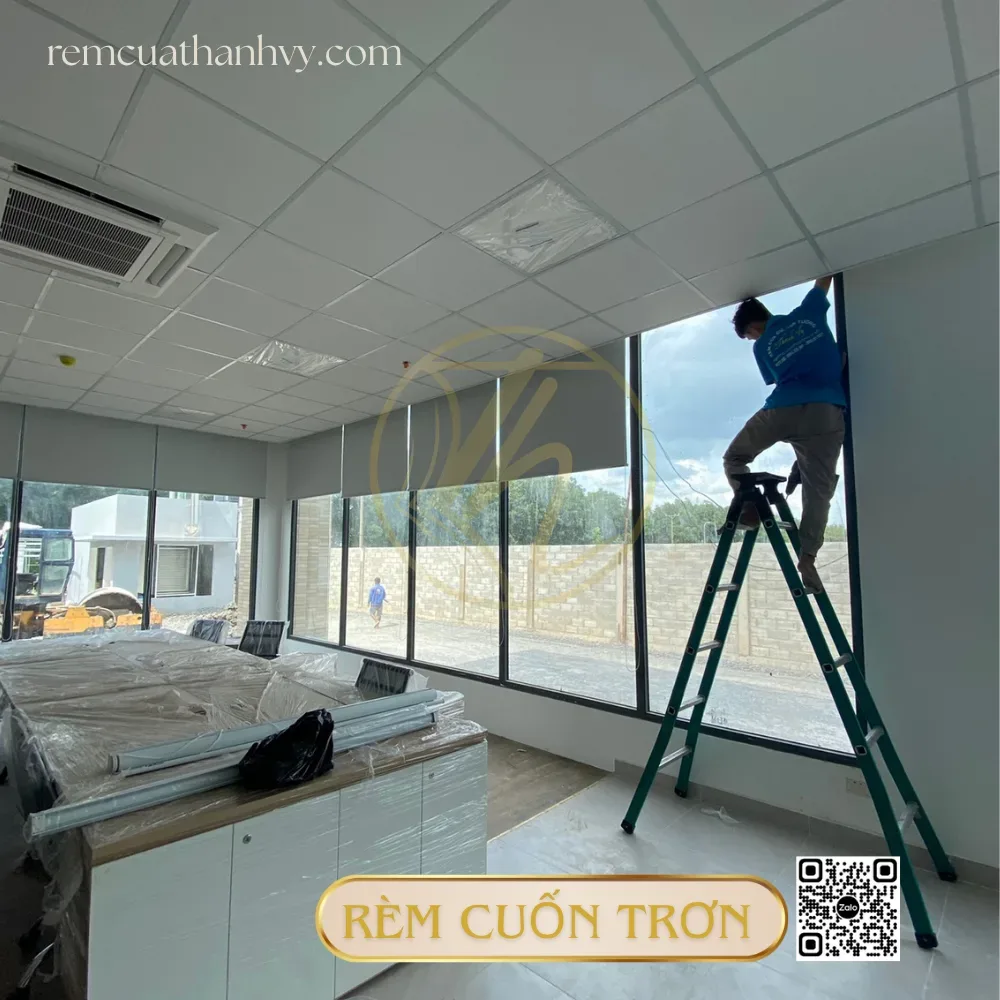
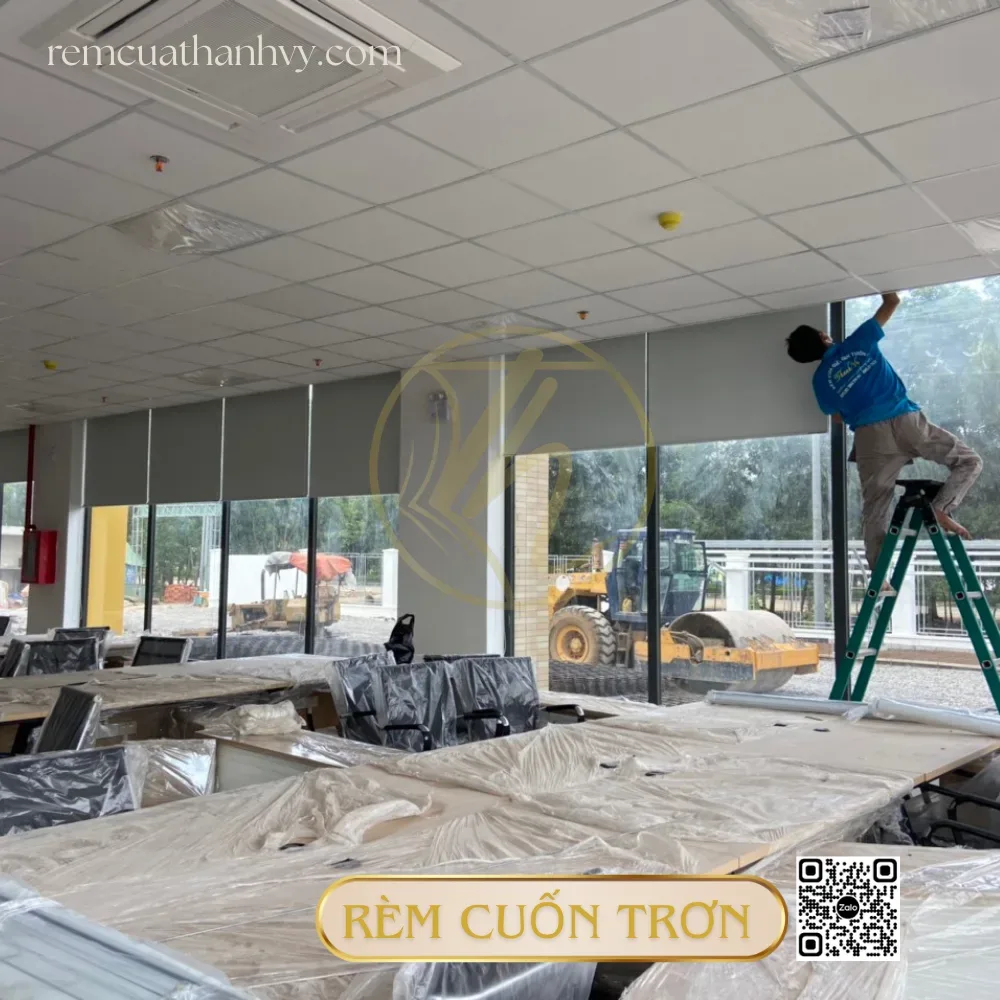
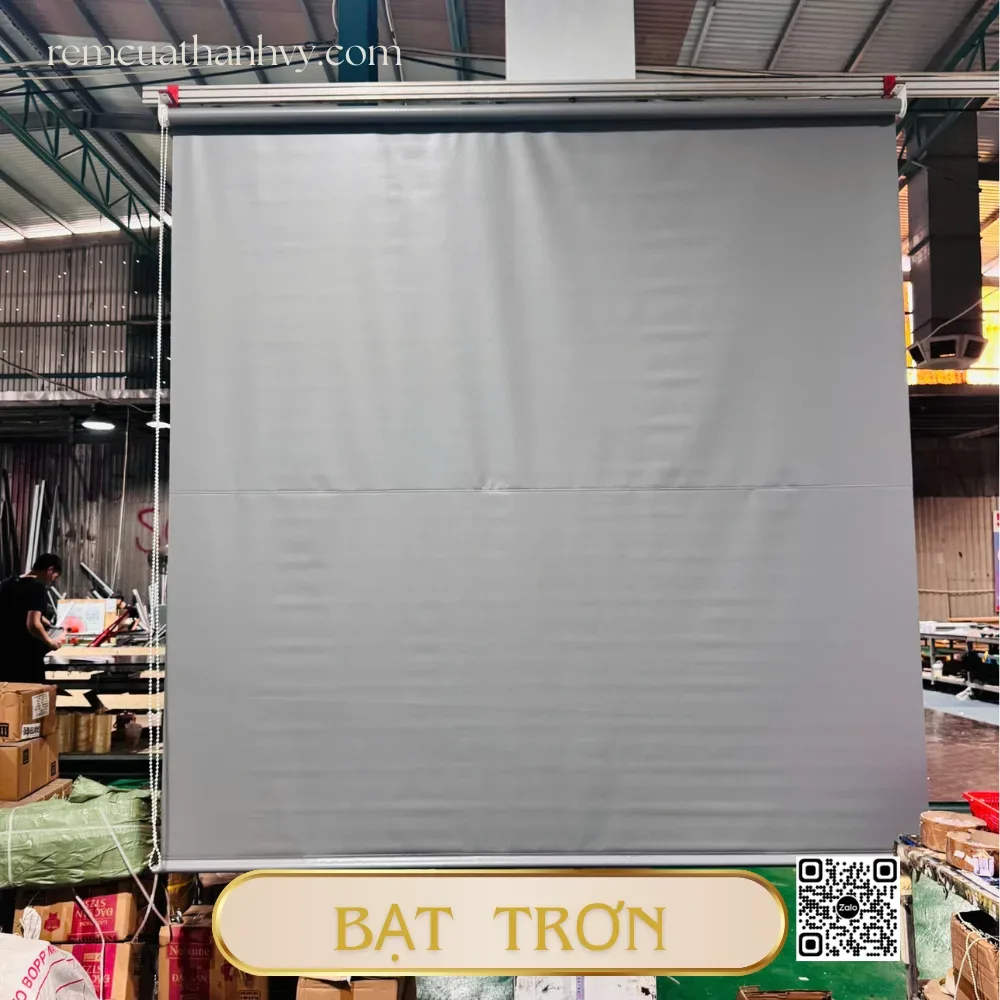
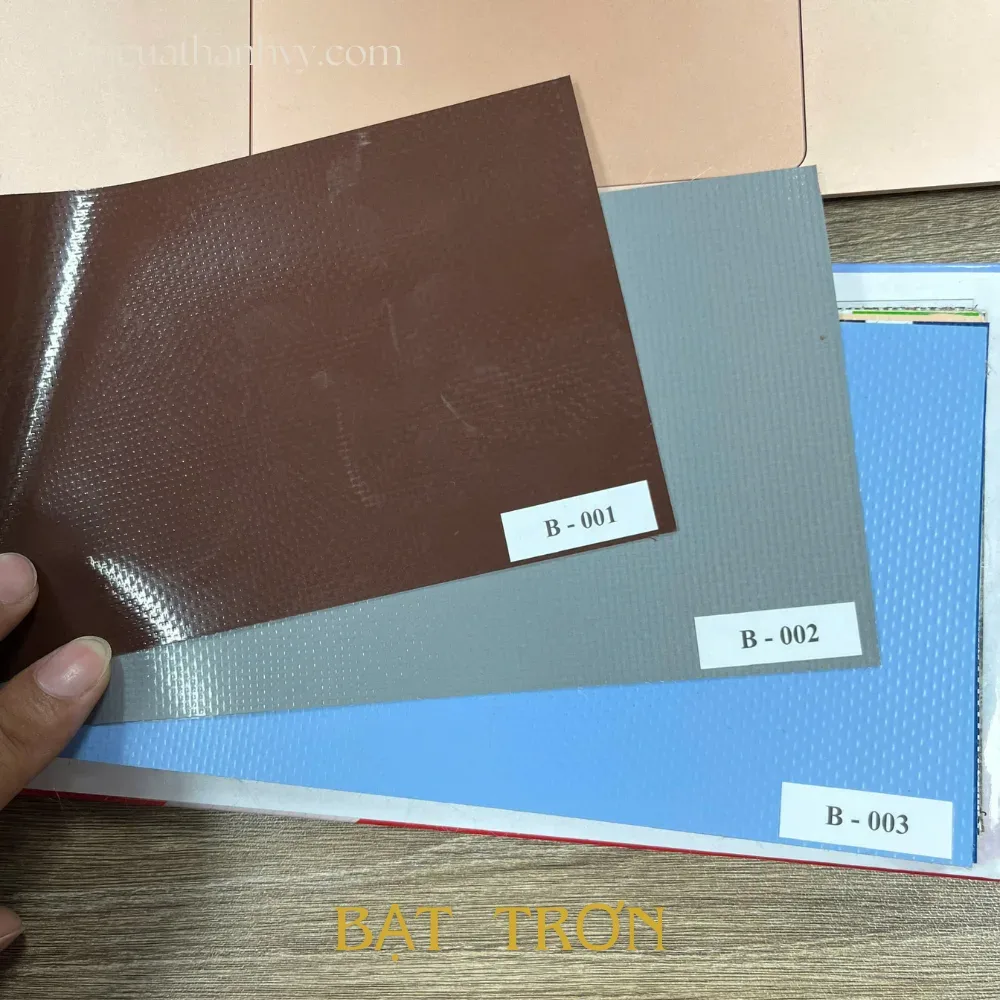
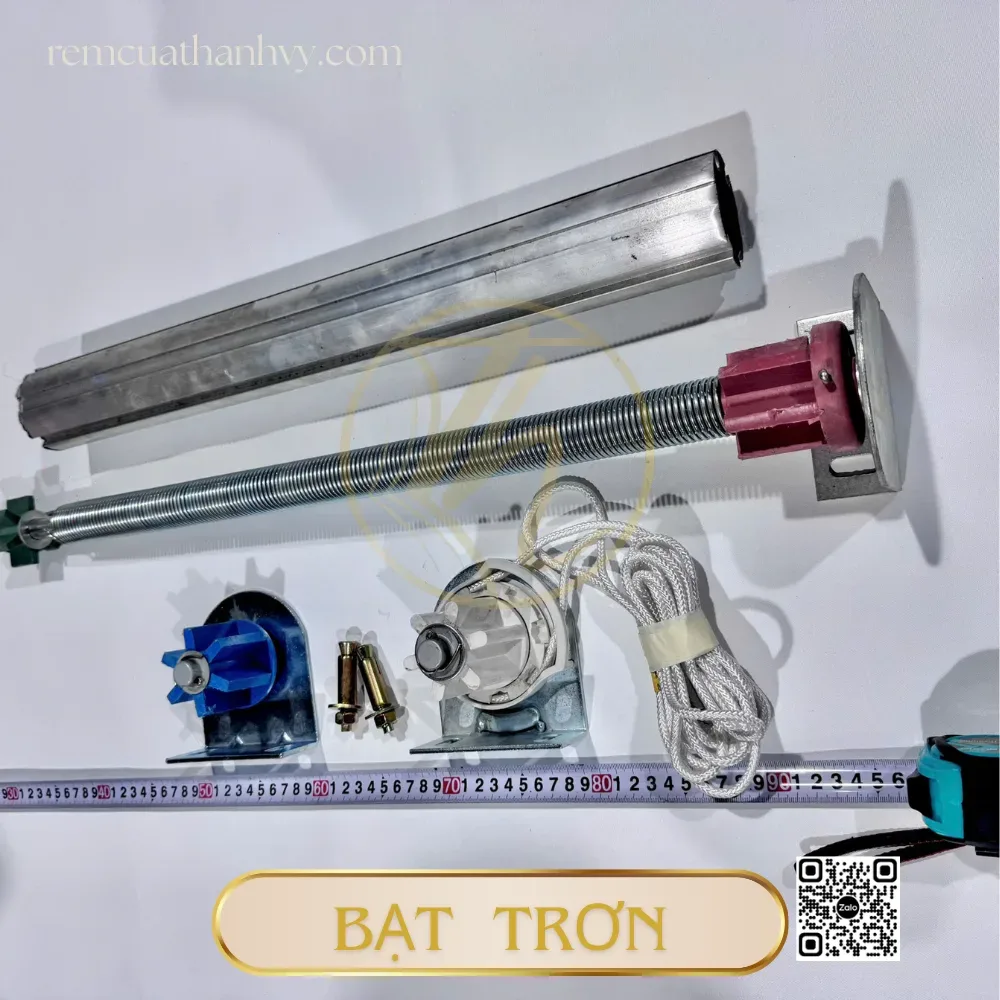
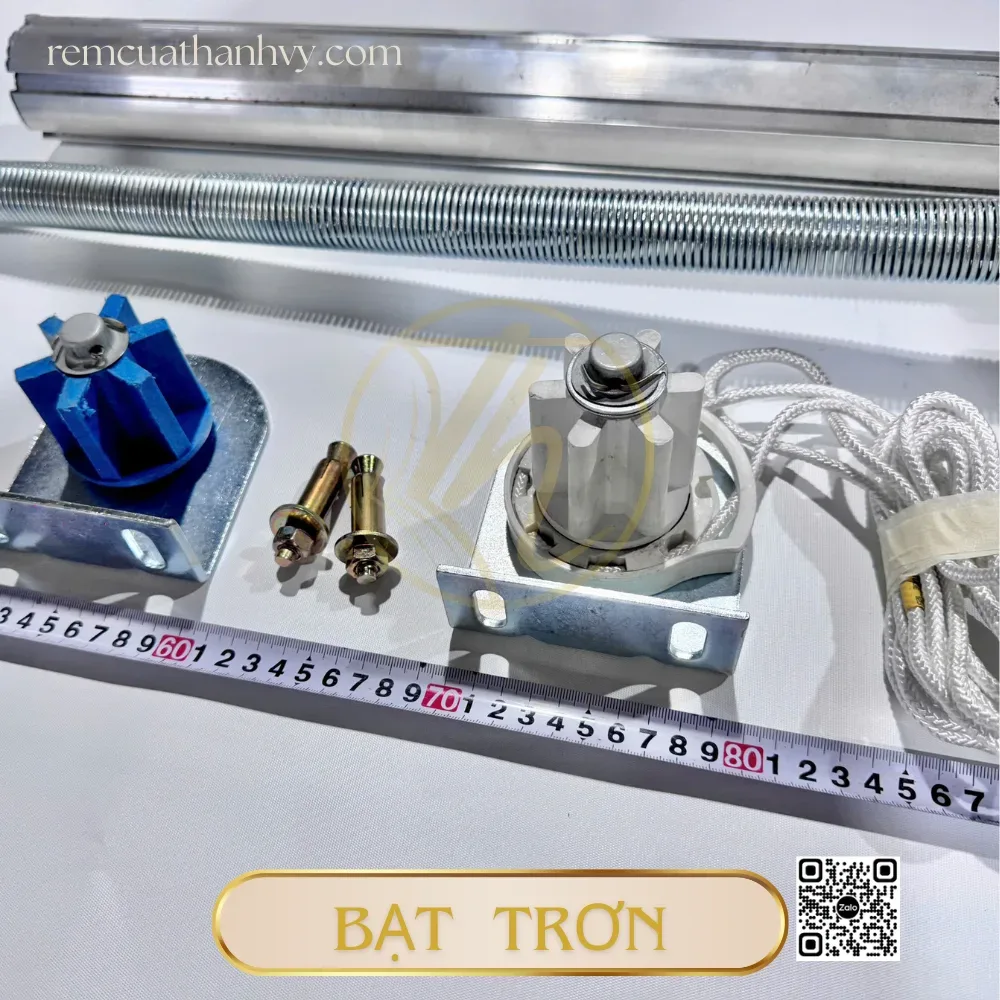
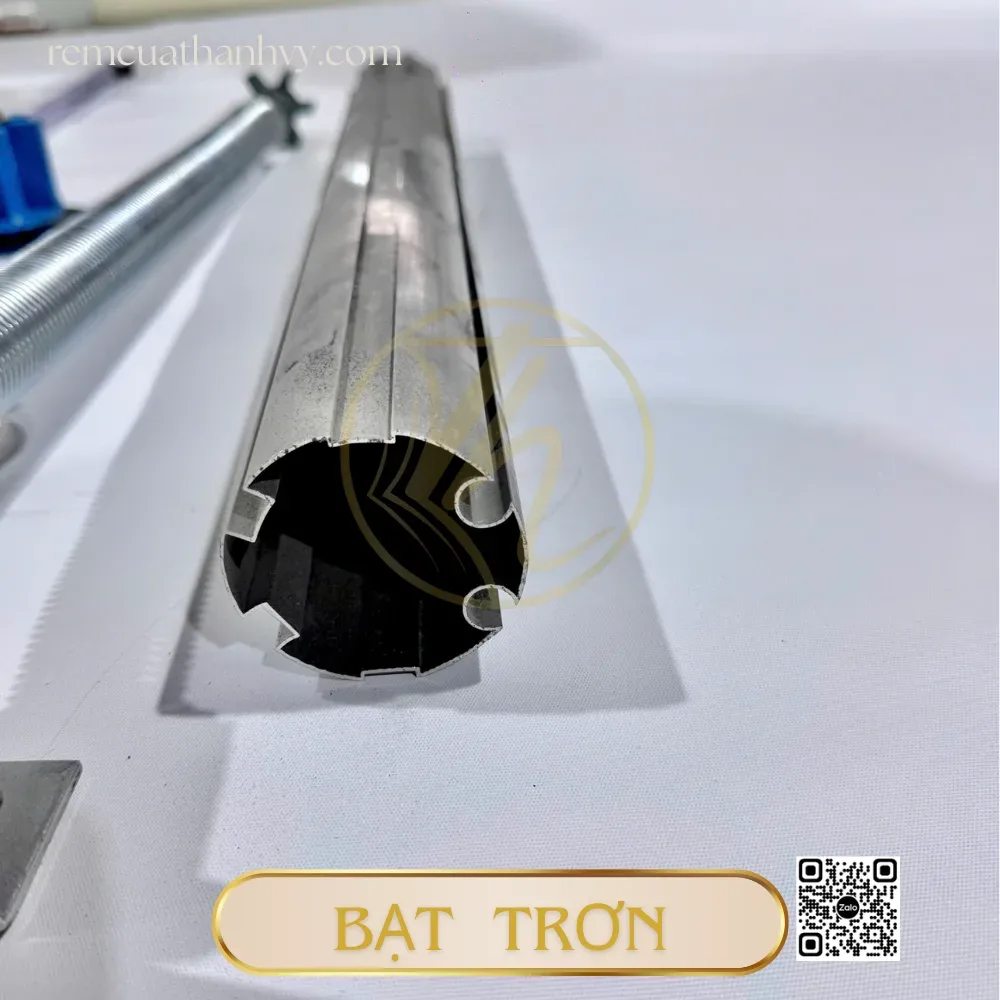
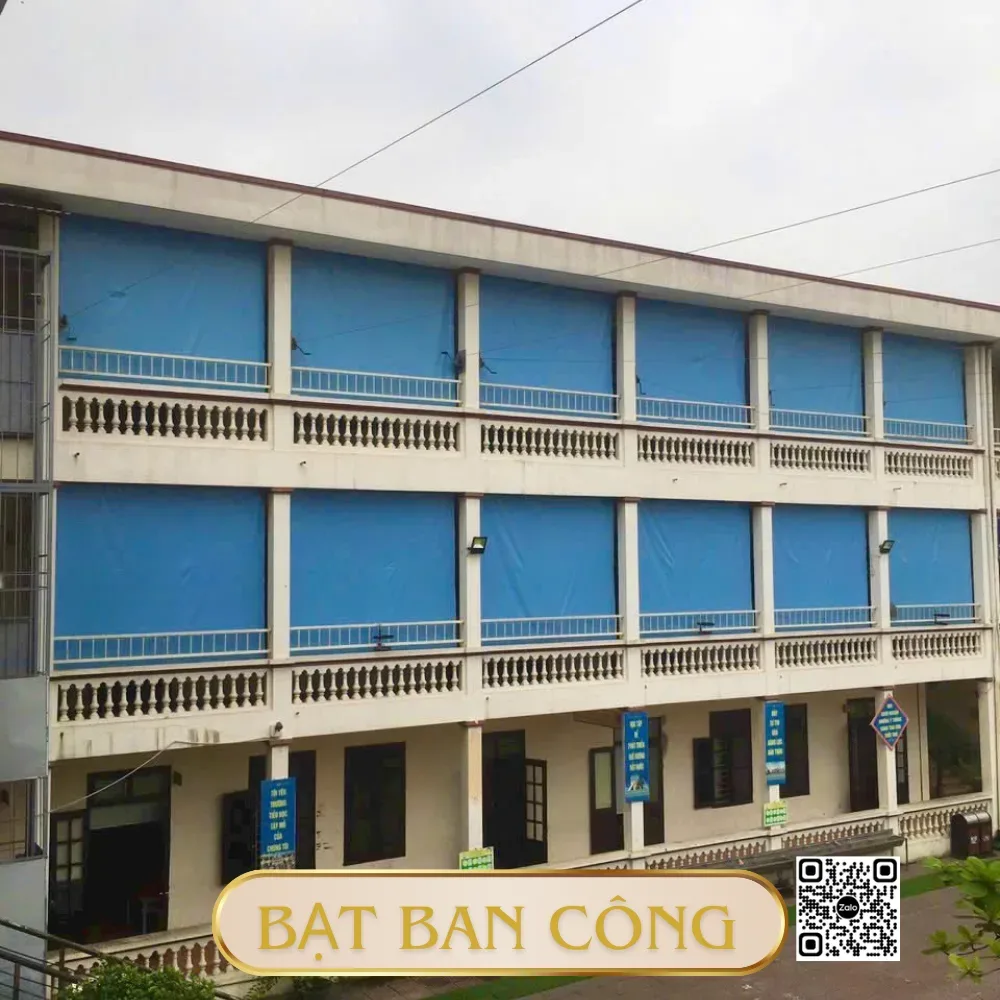
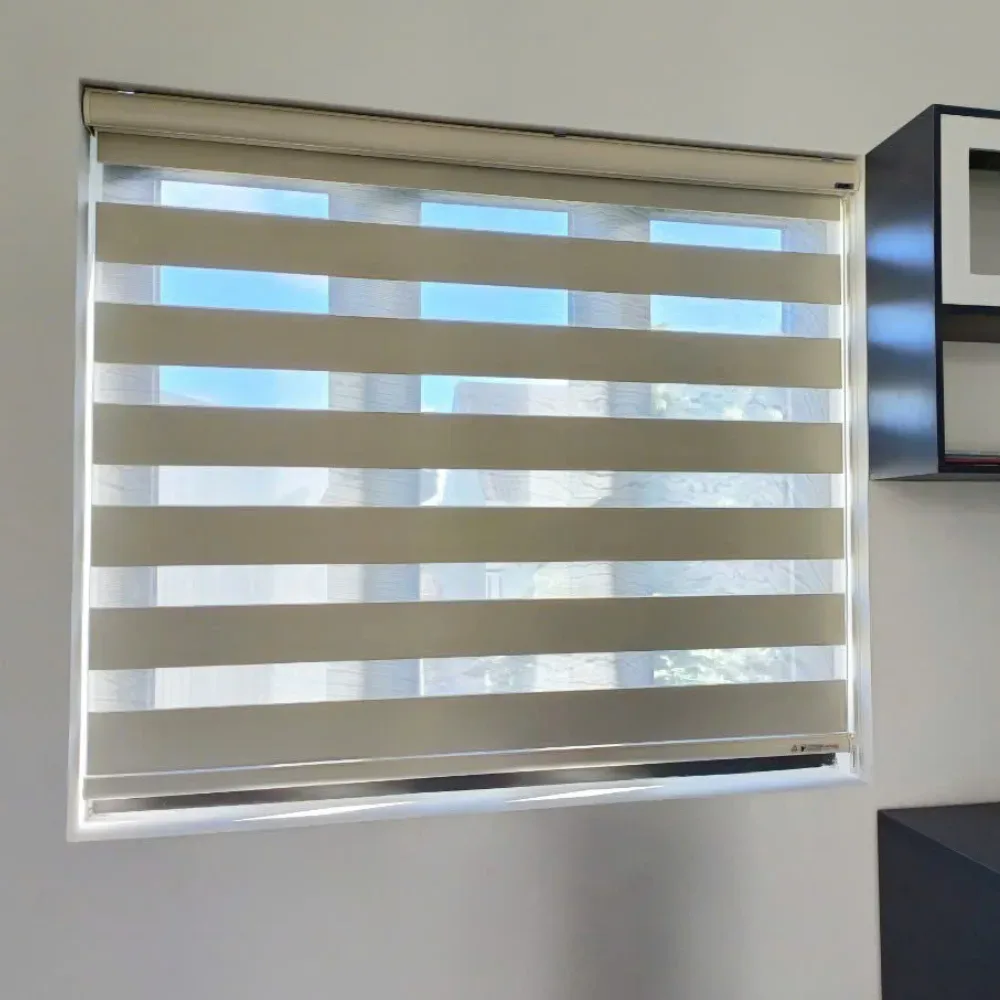
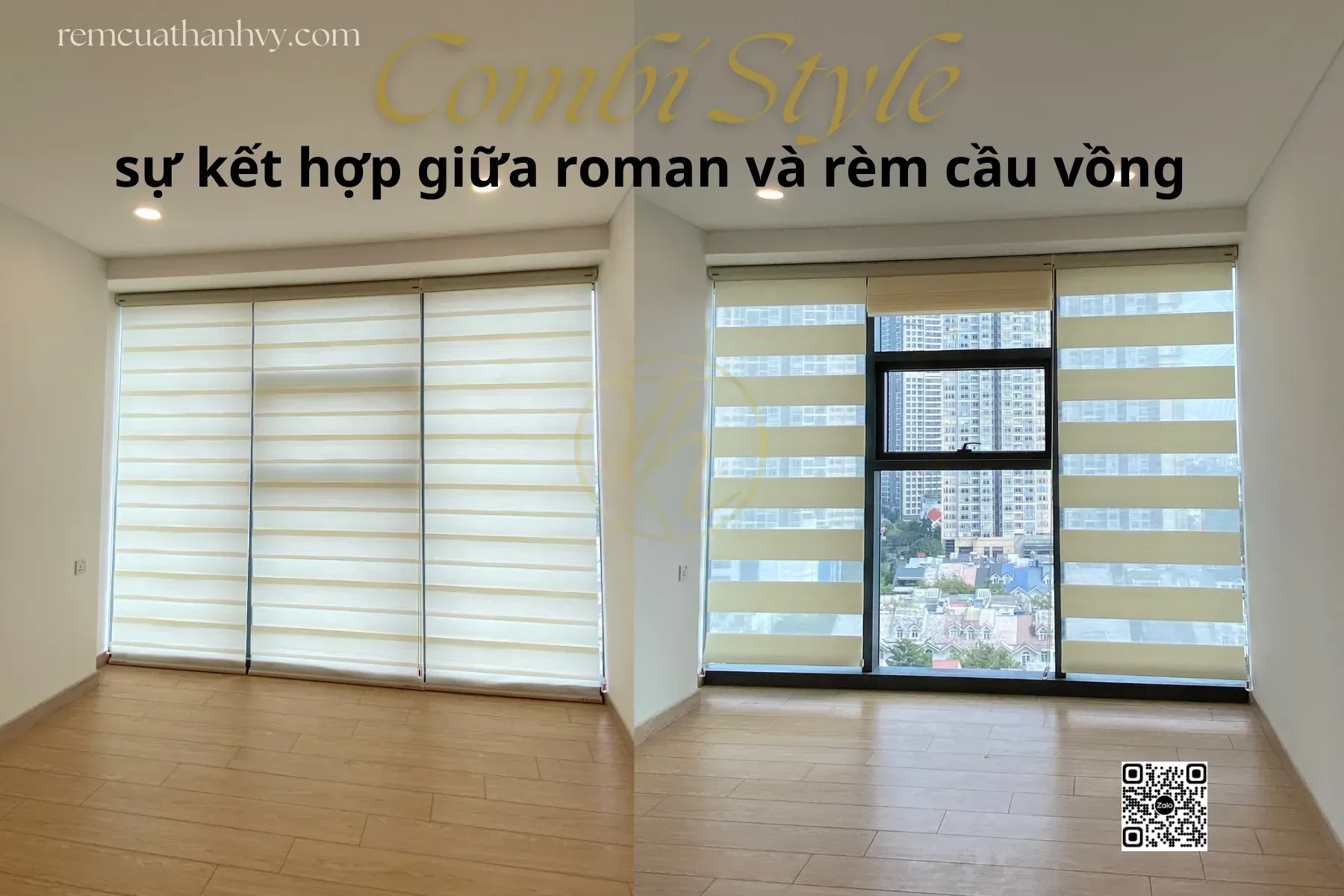
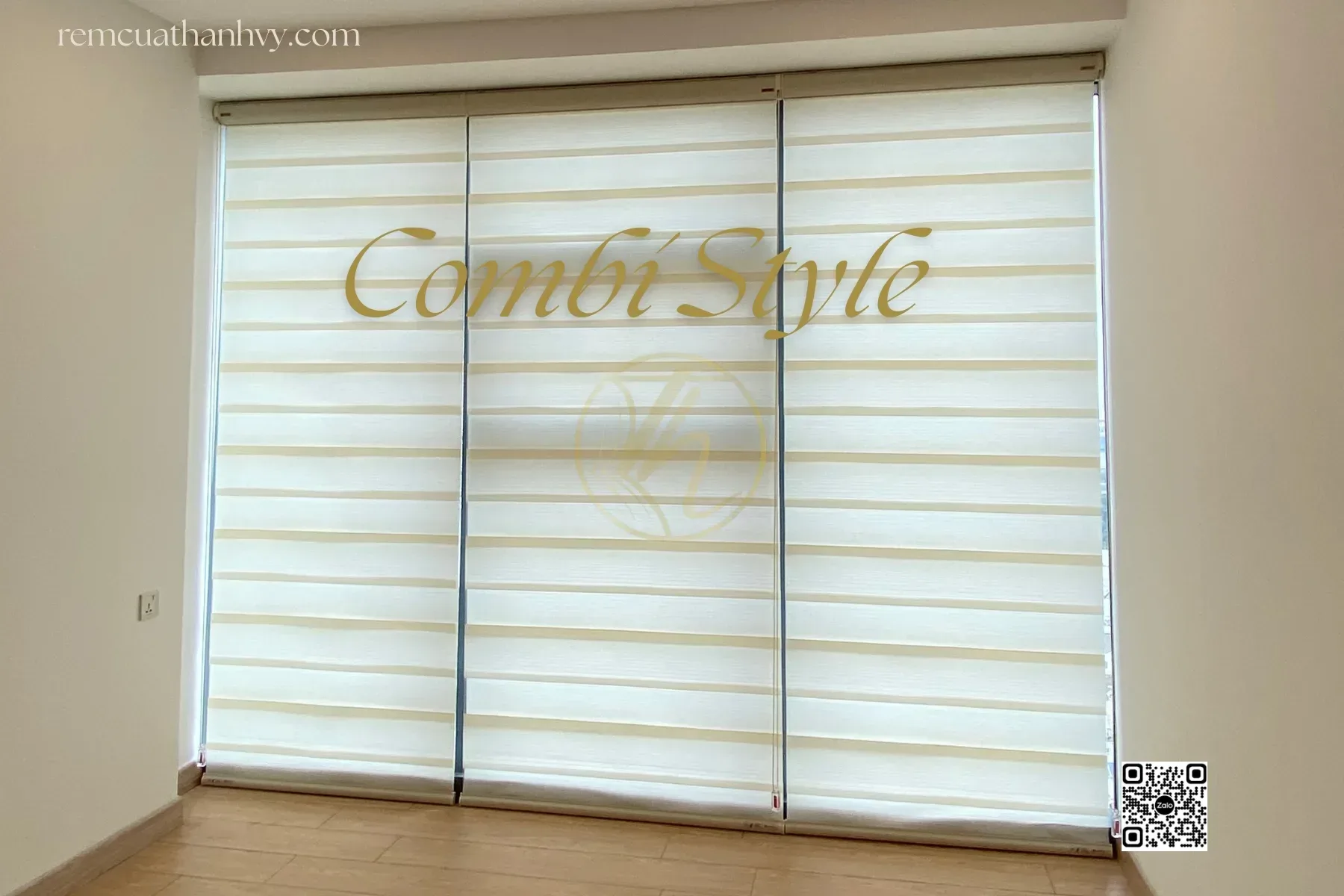
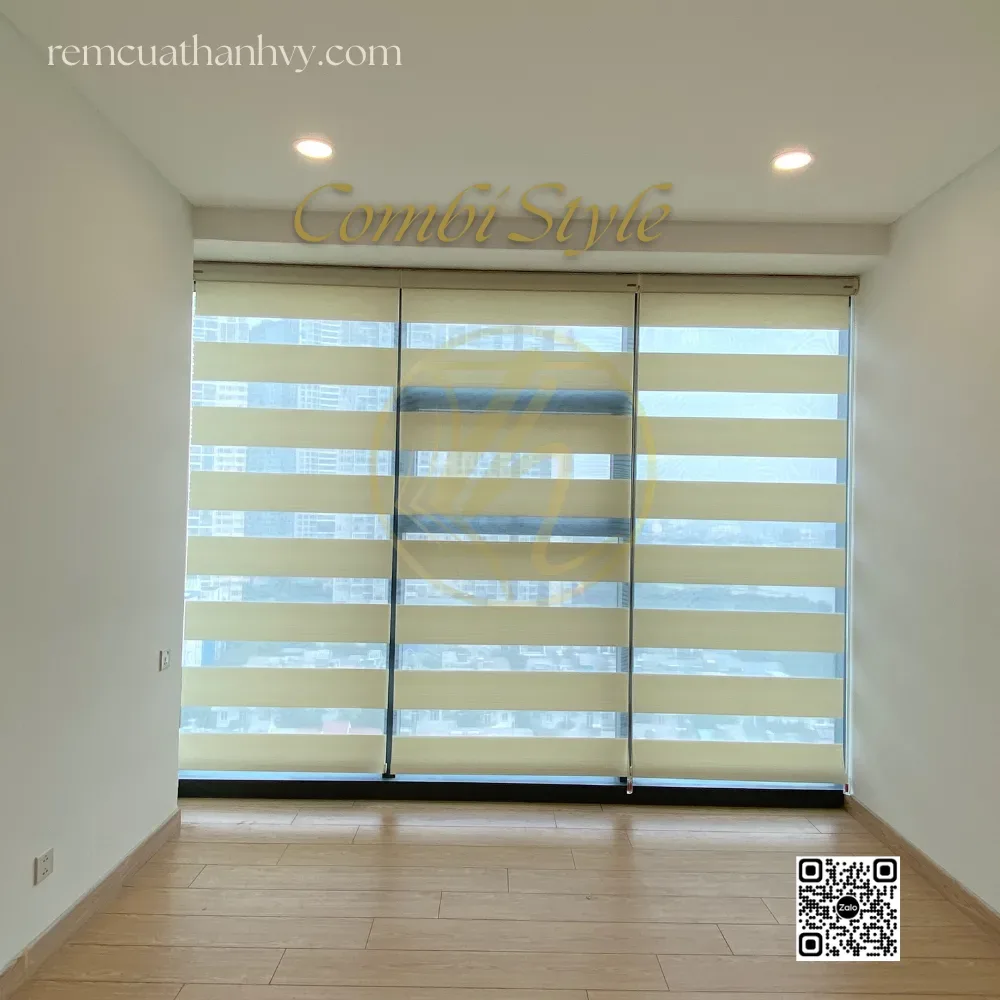
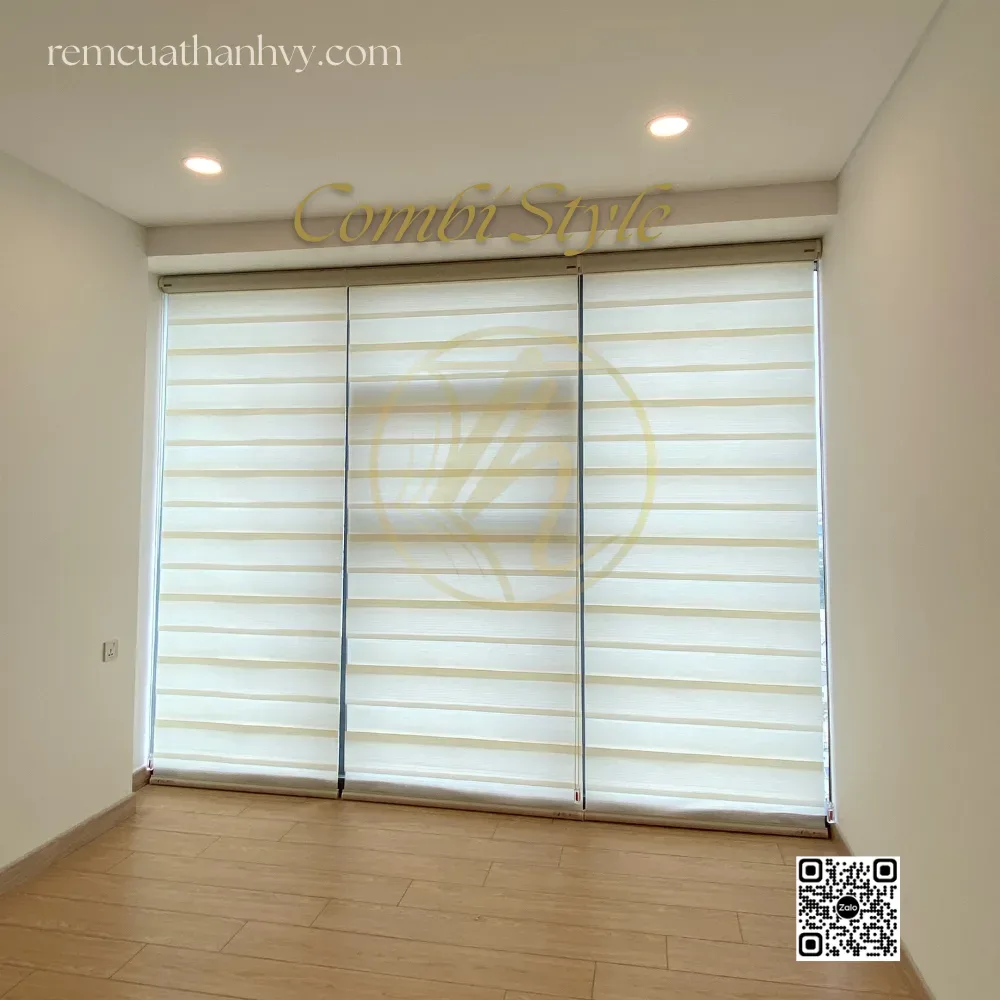
Zebra shades
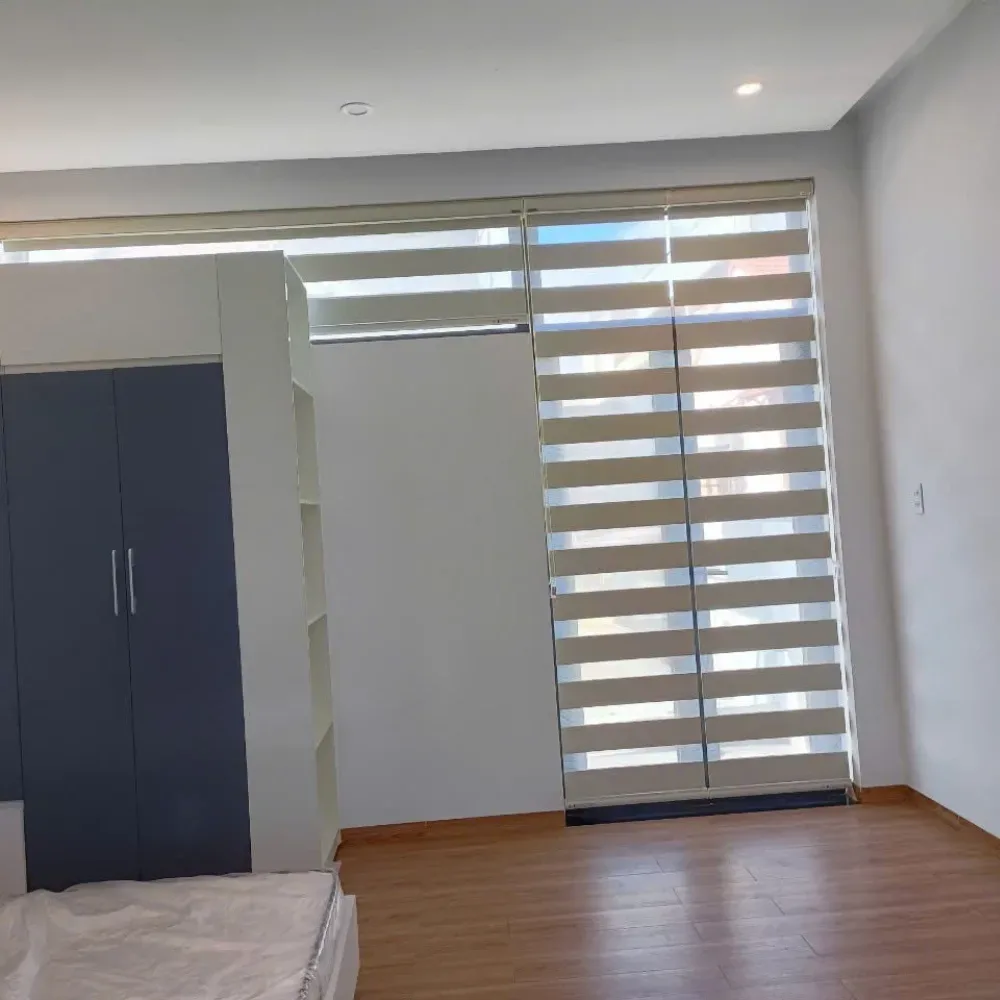
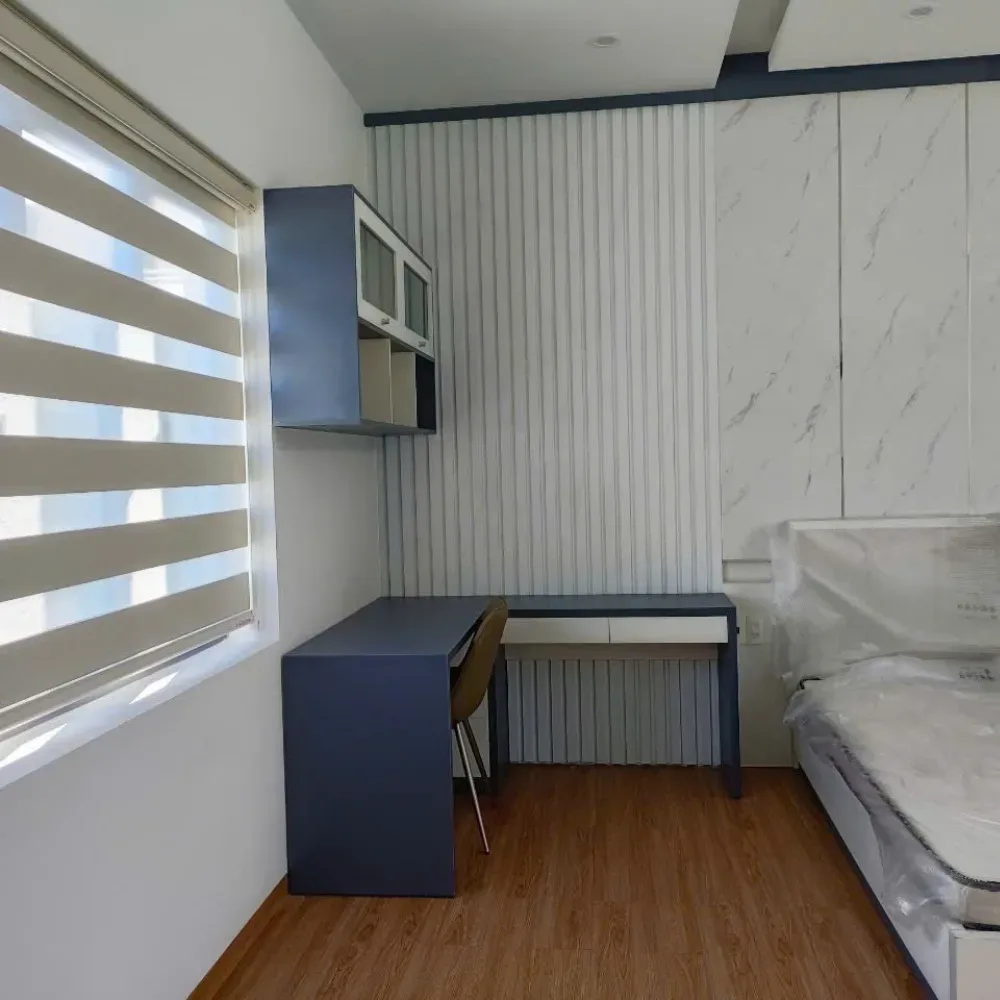
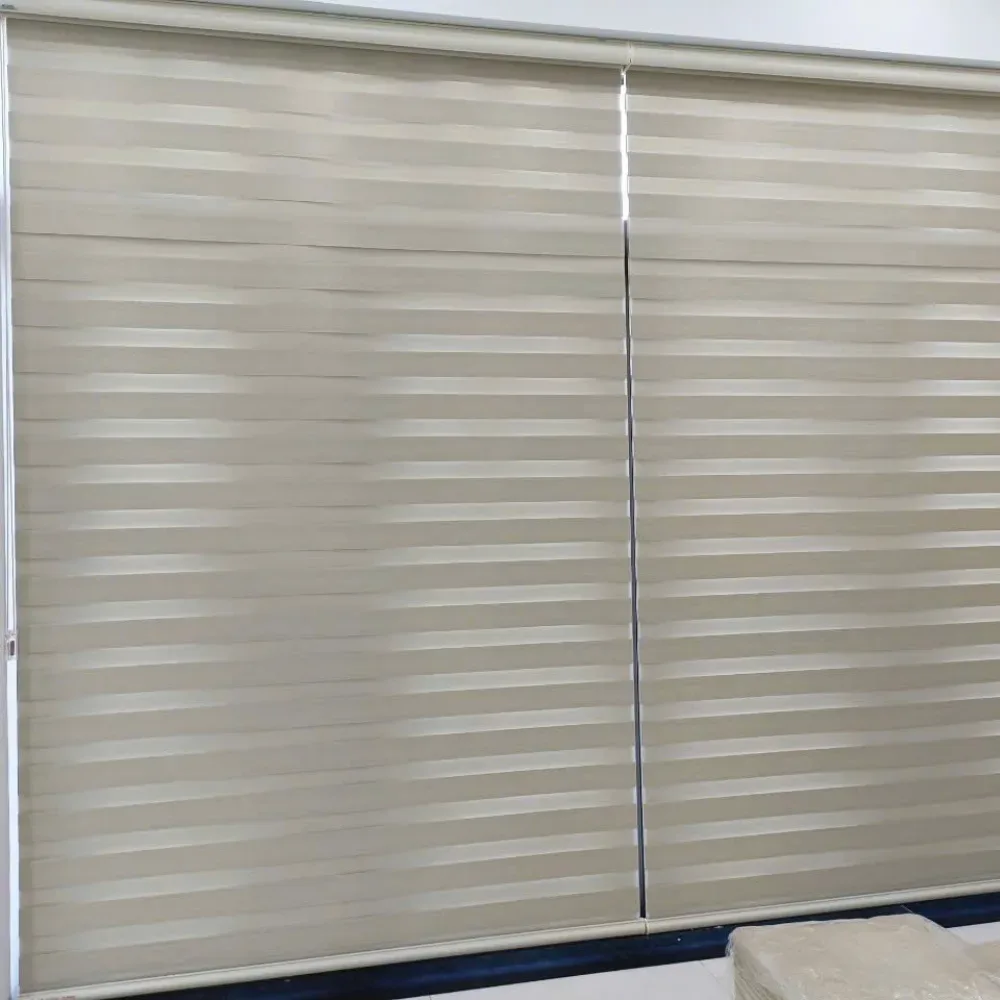
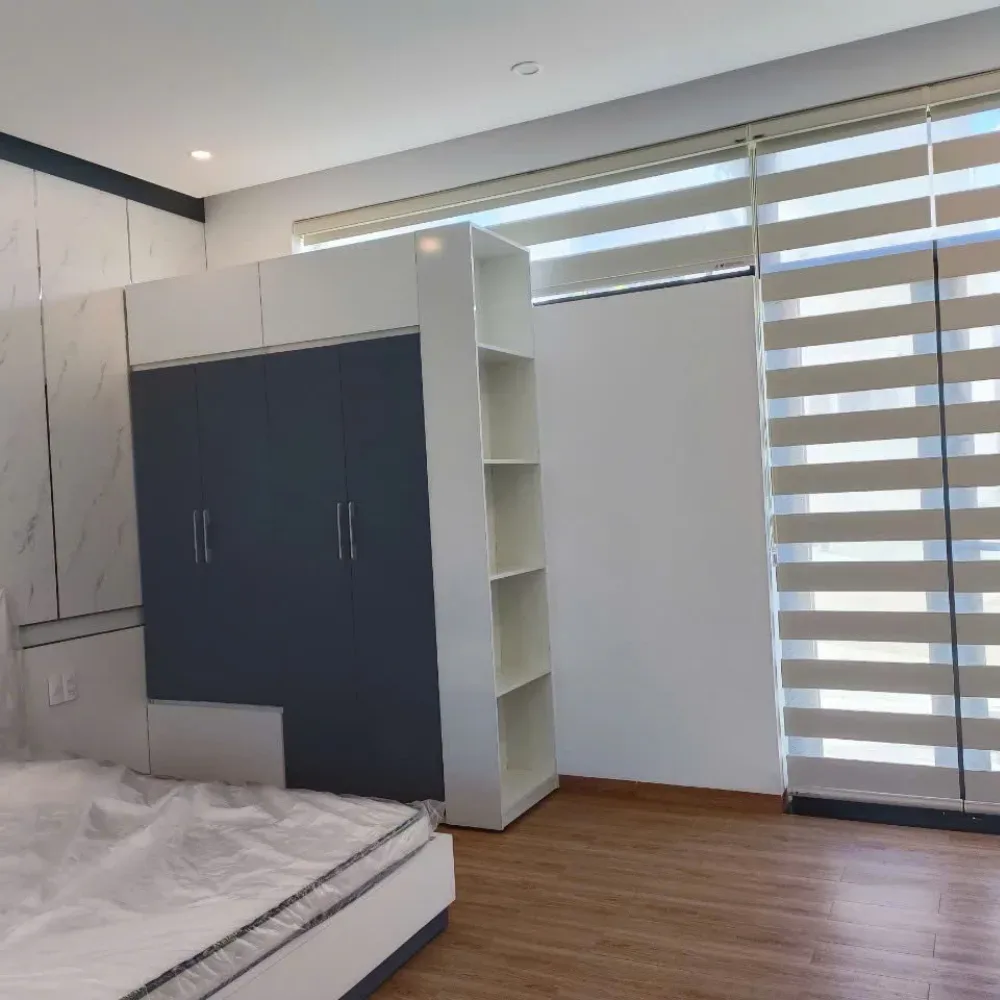
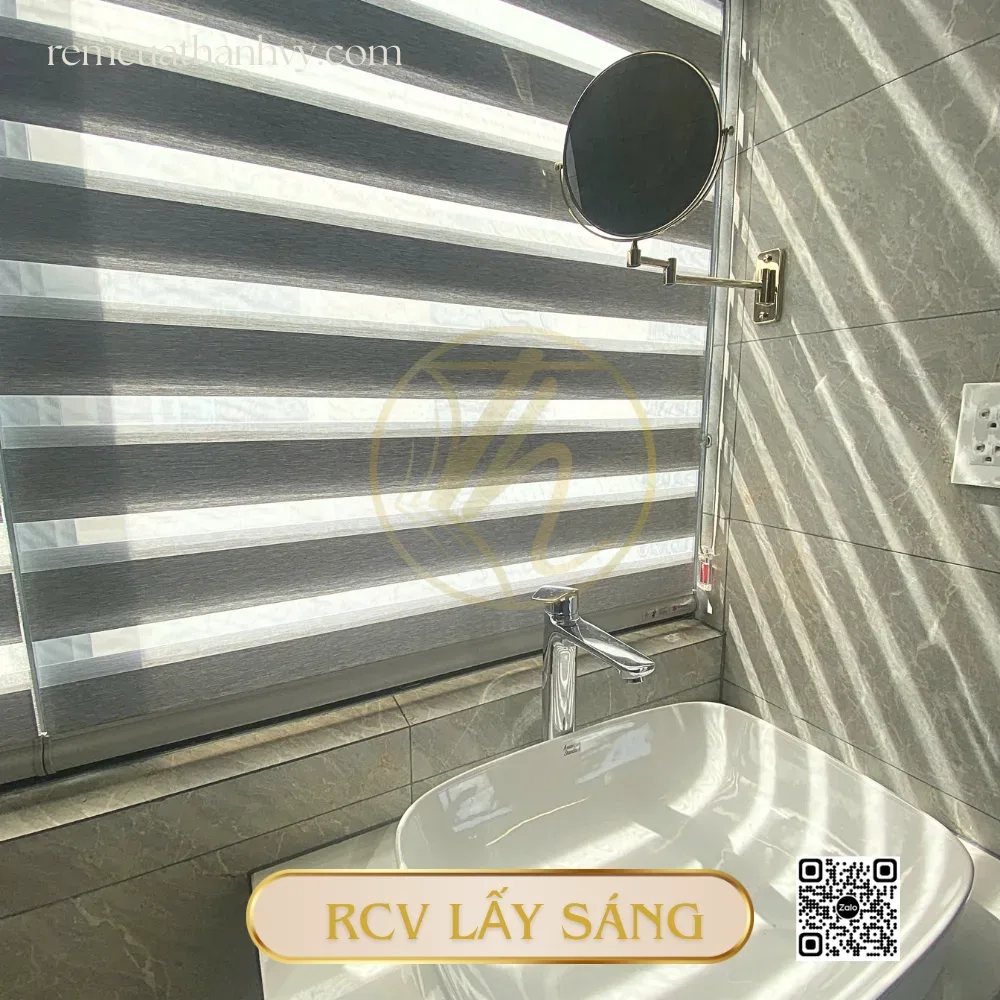
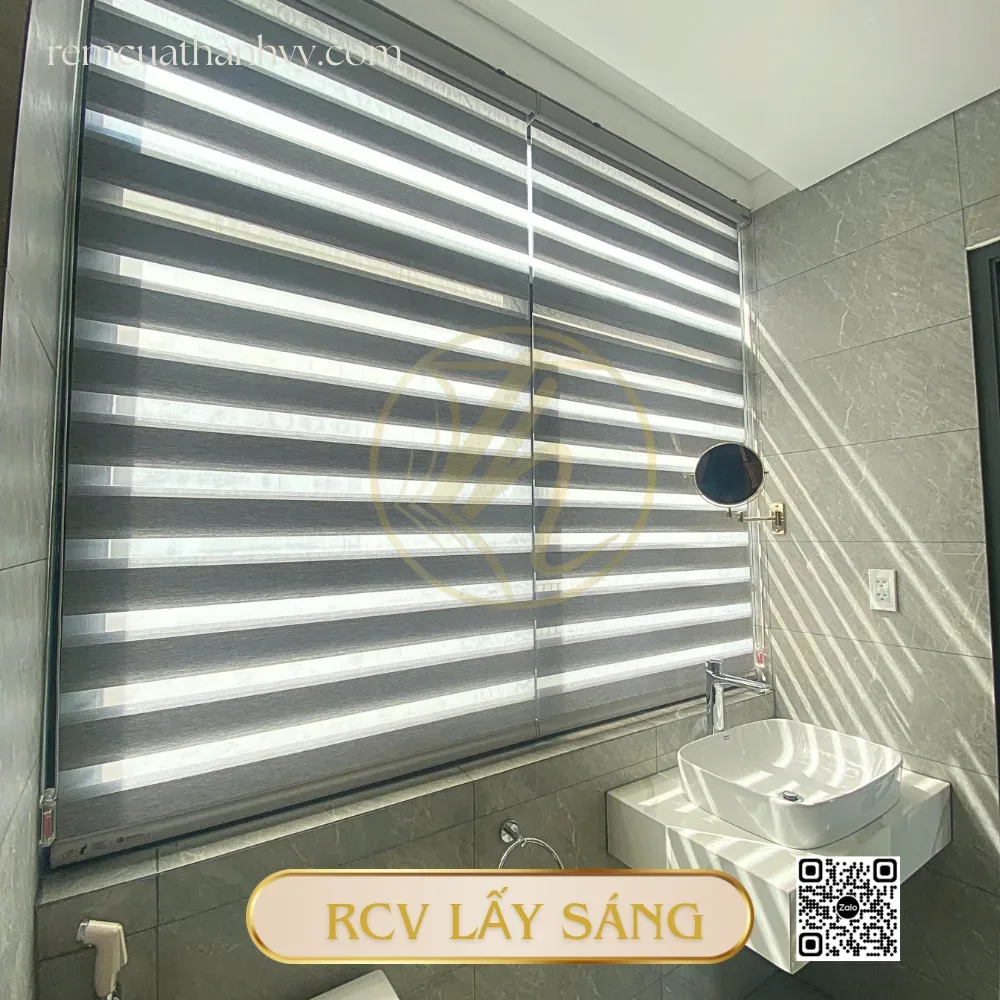
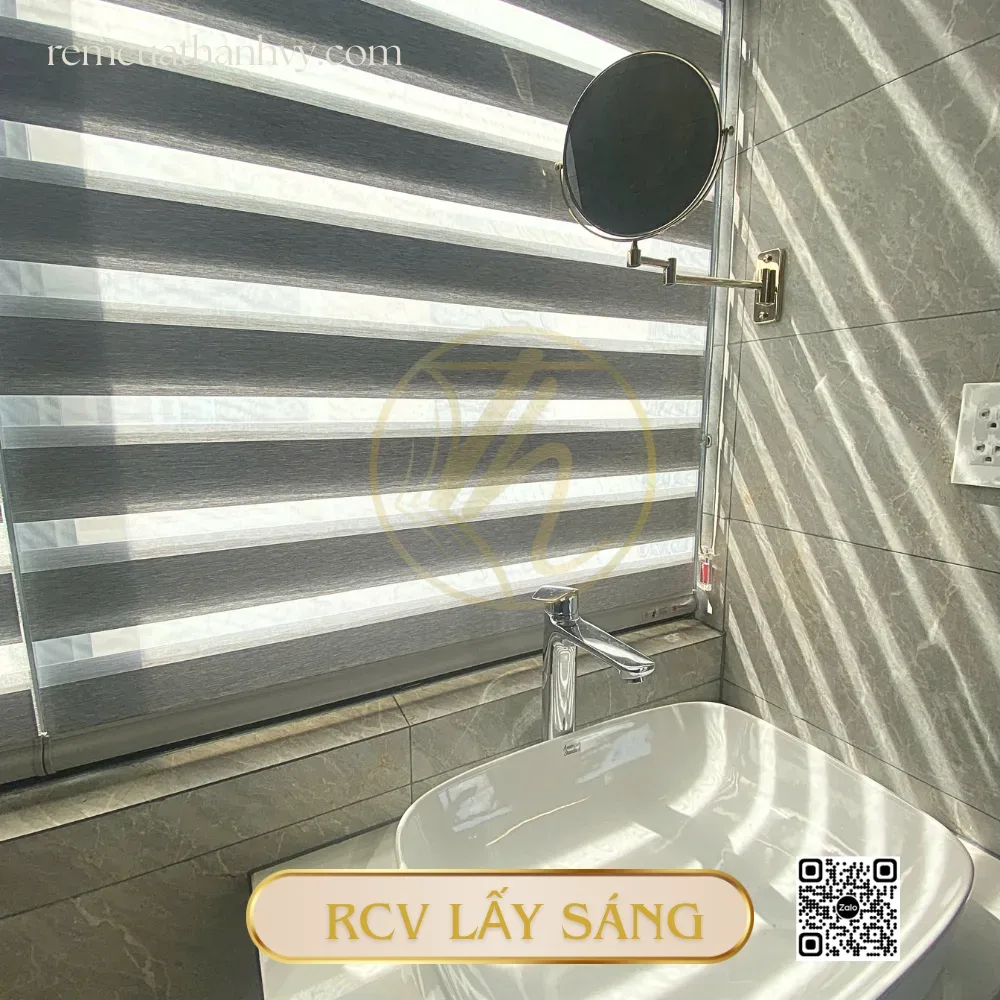
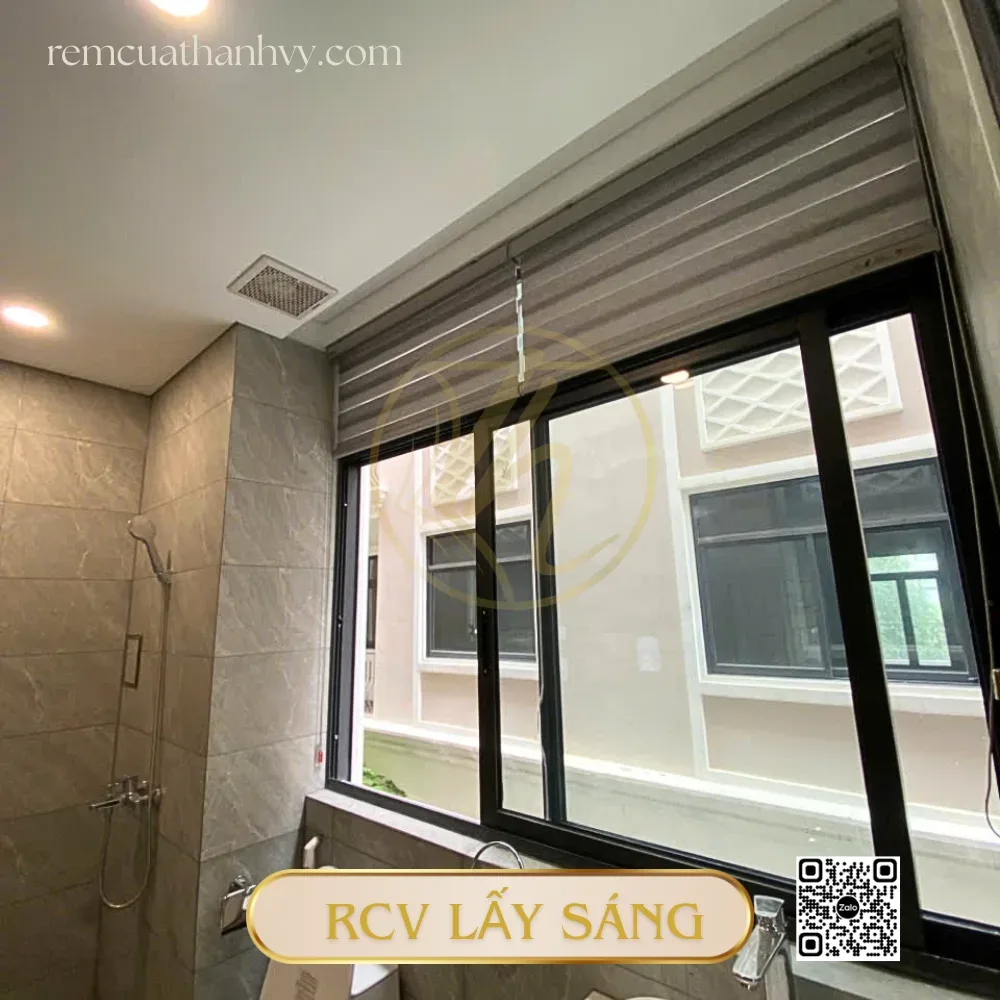
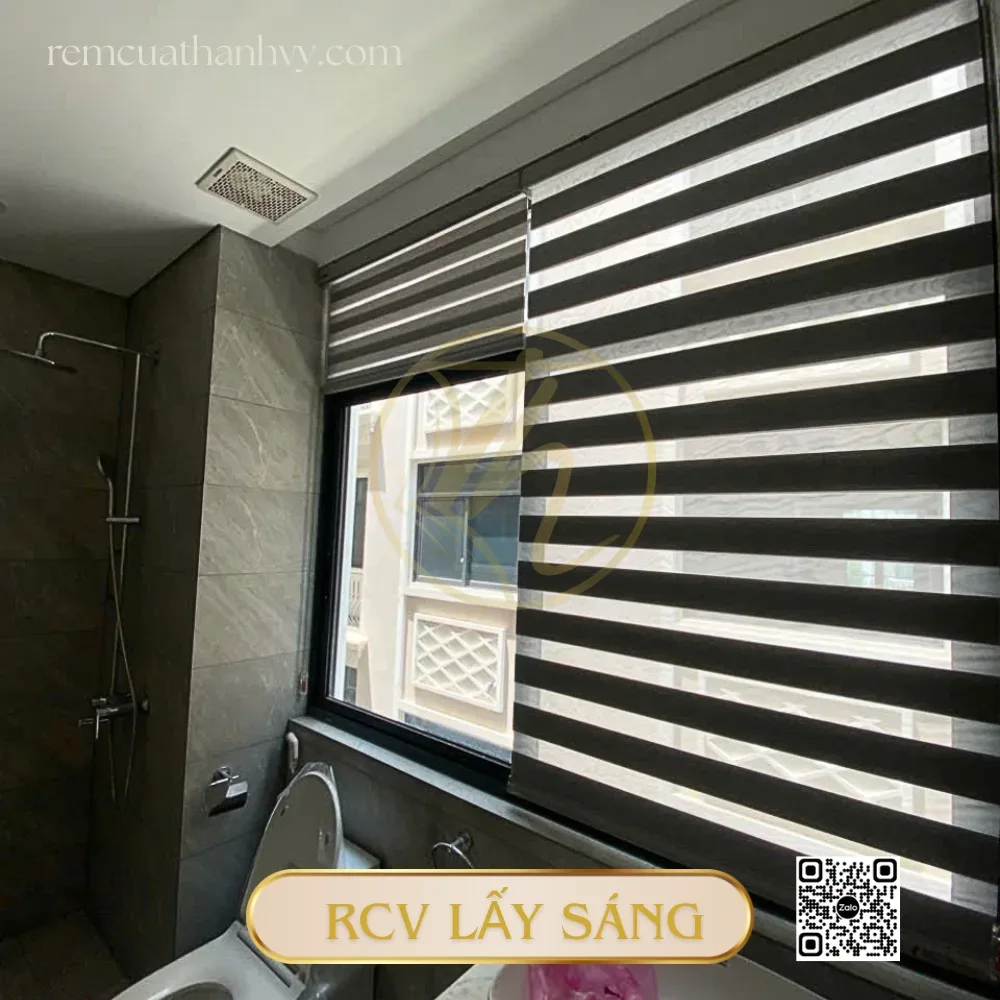
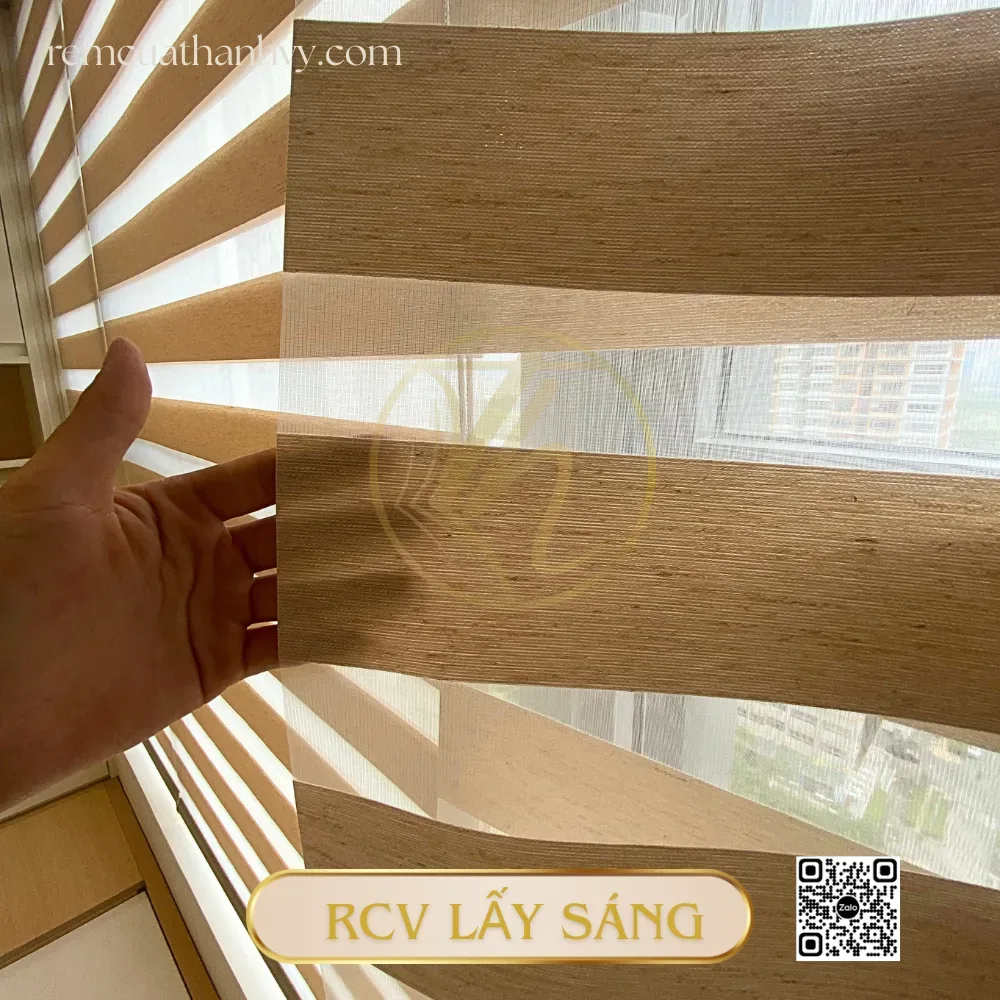
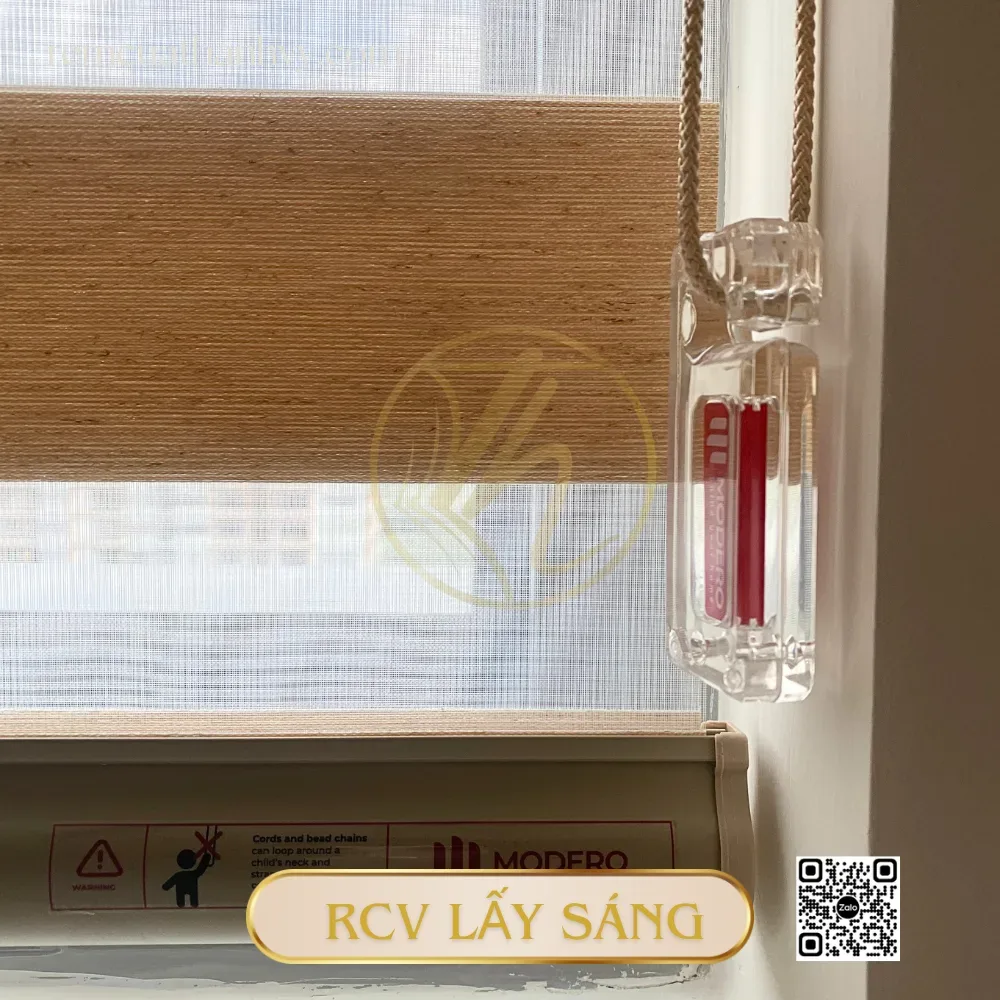
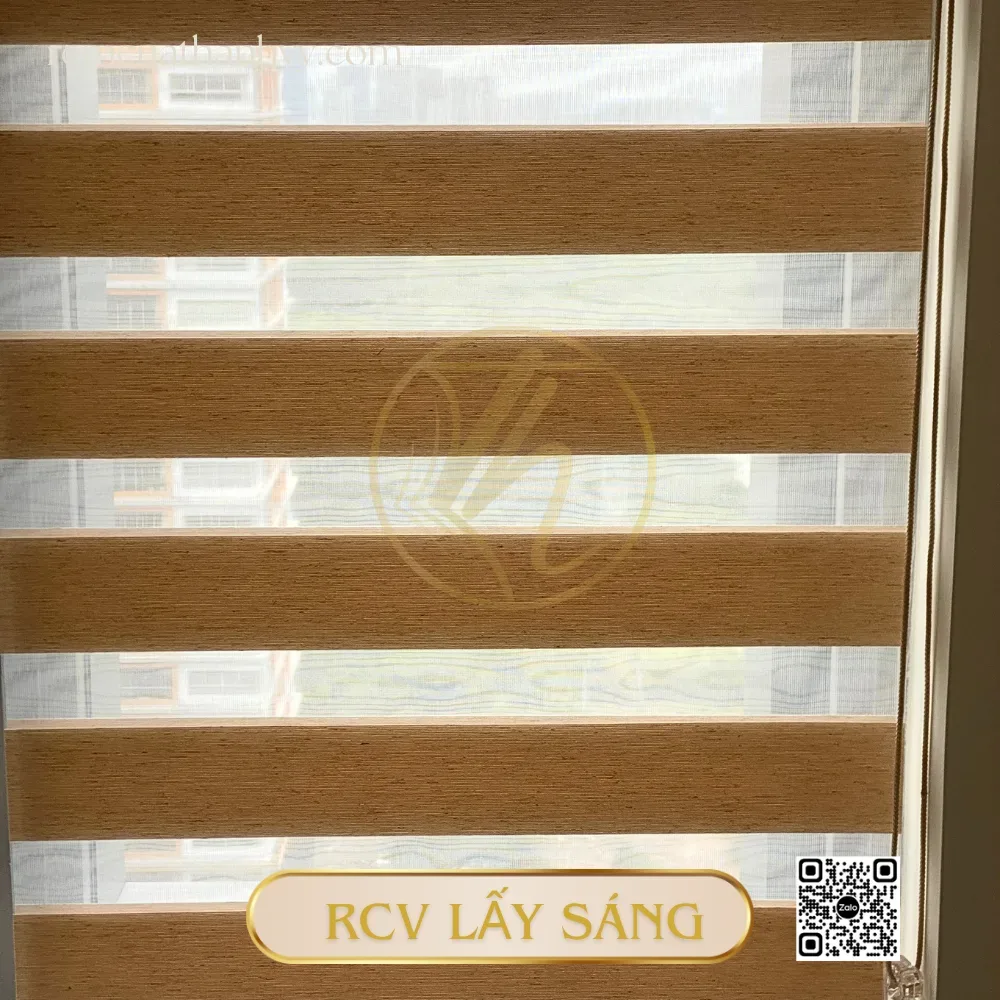
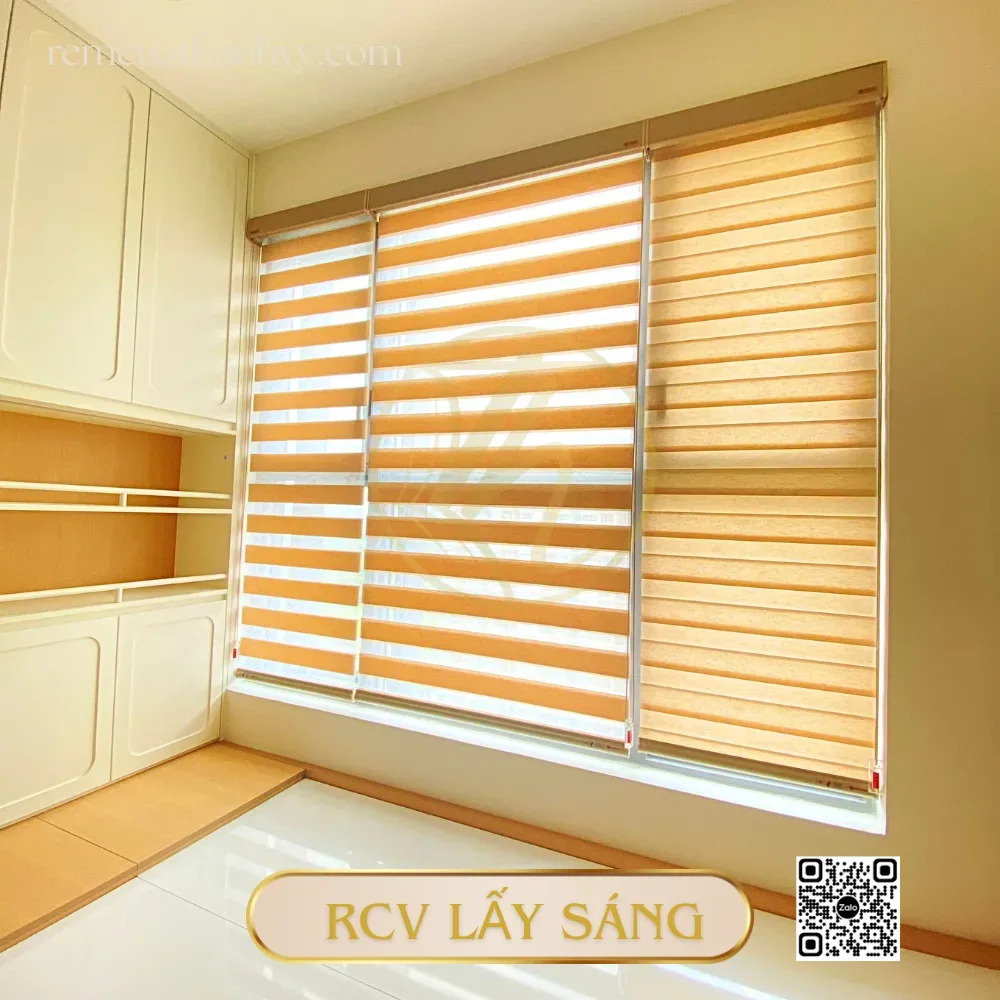
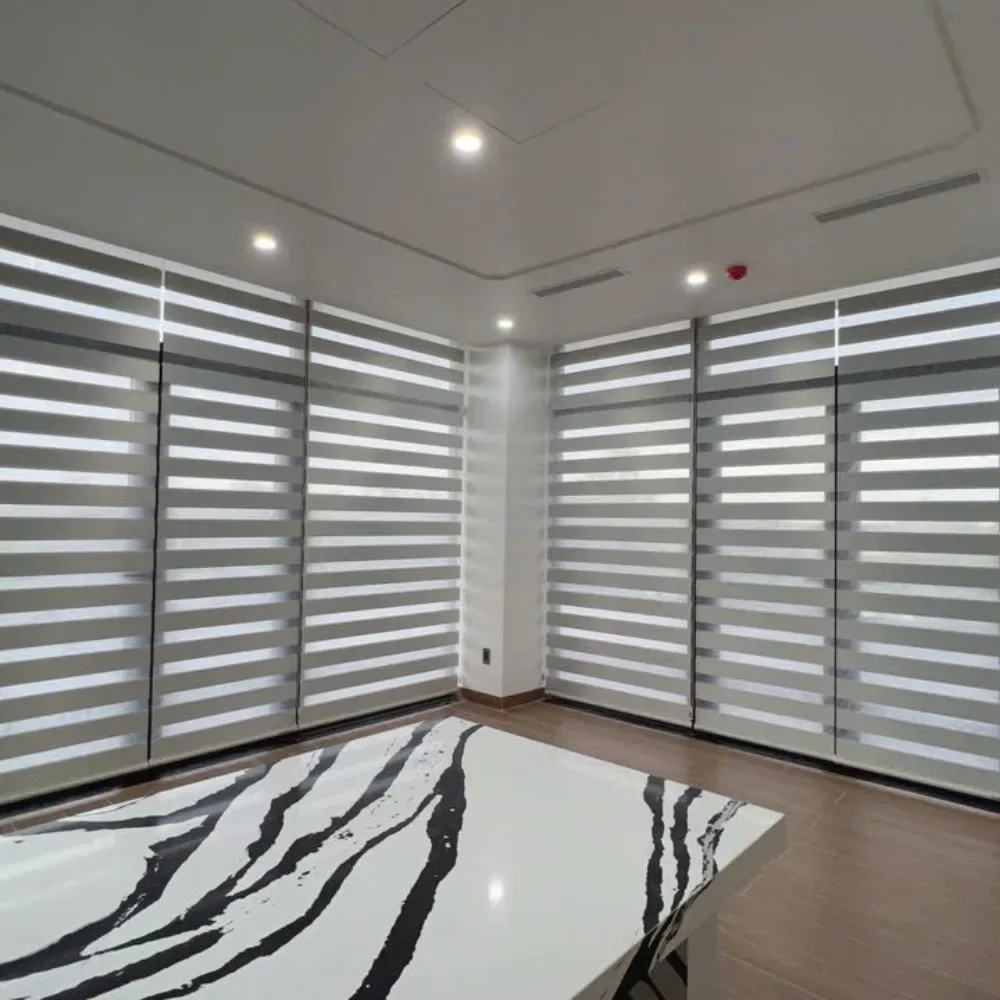
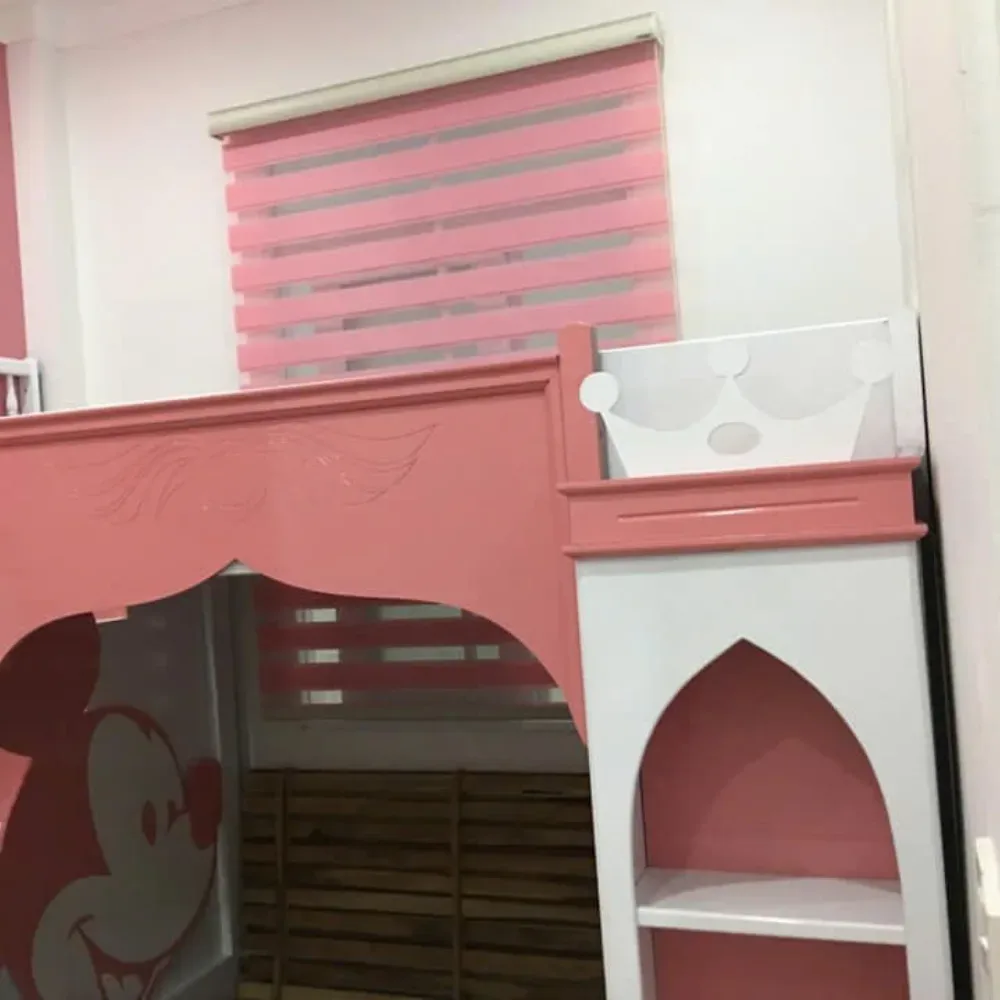
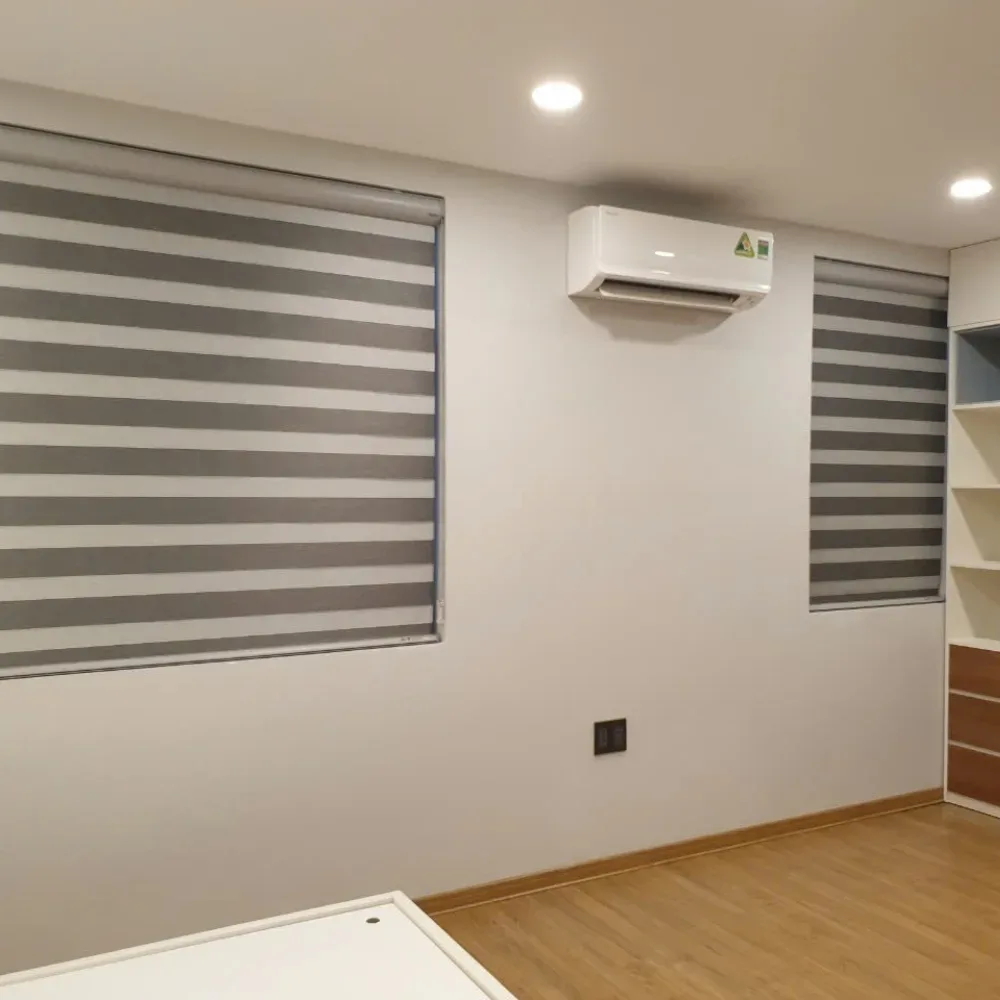
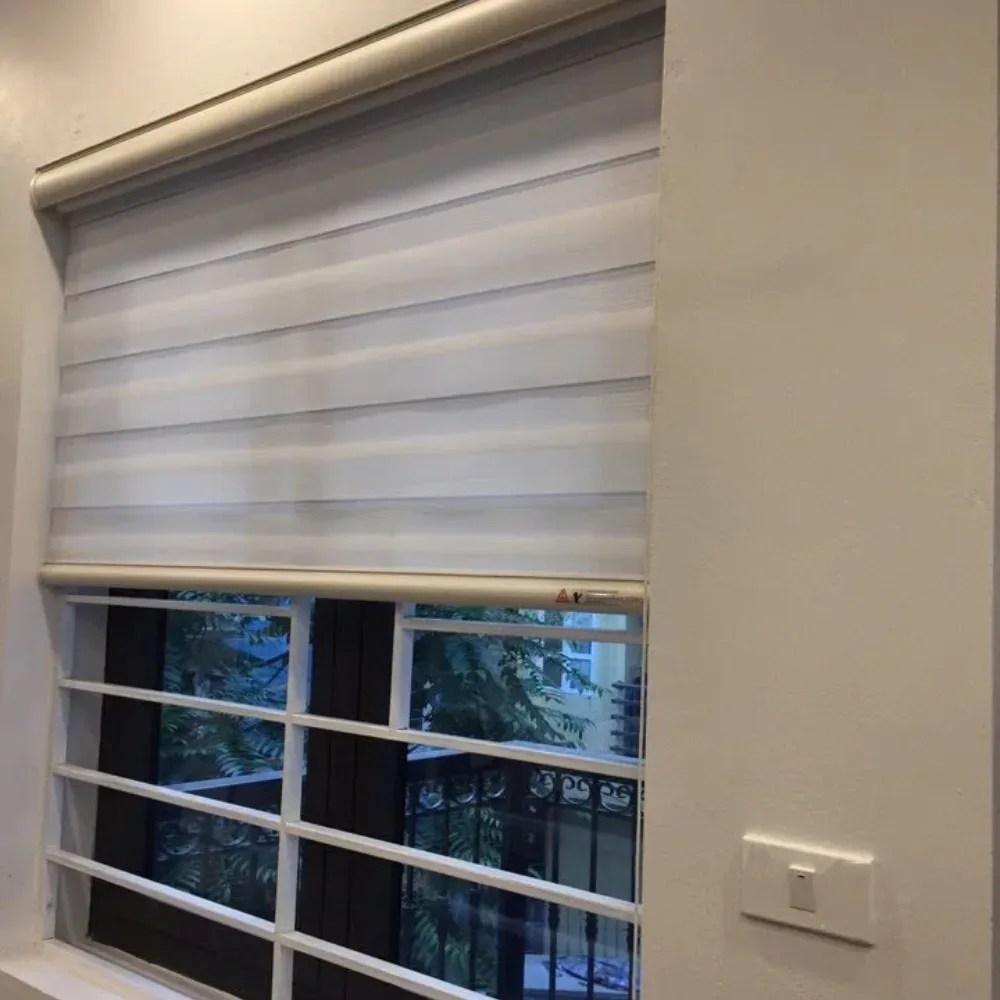
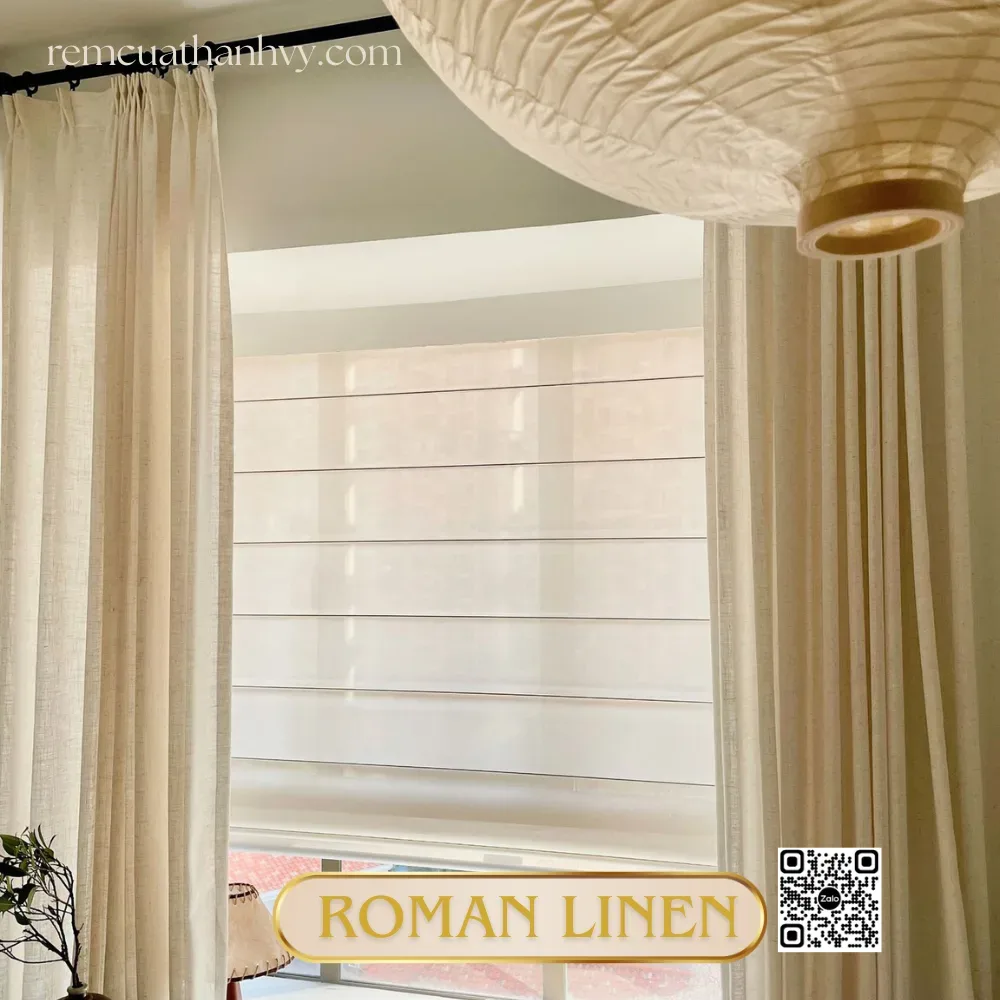
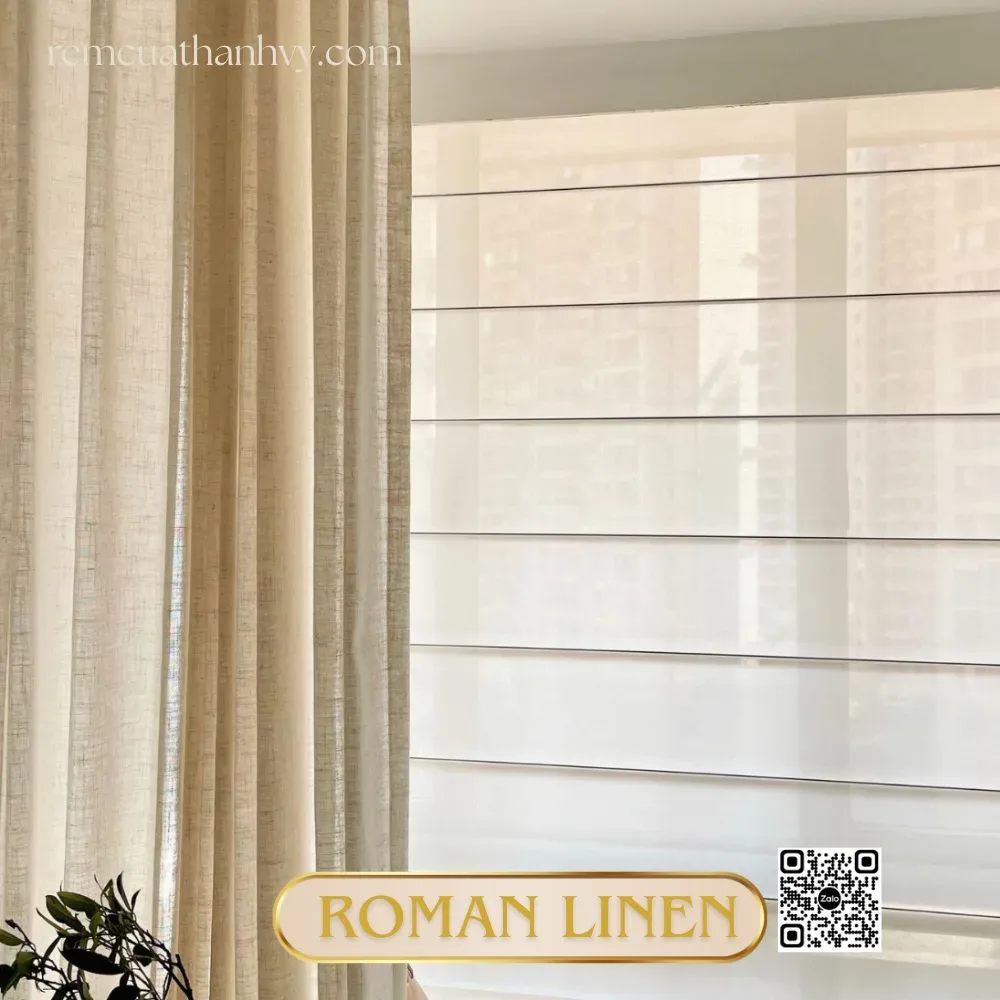
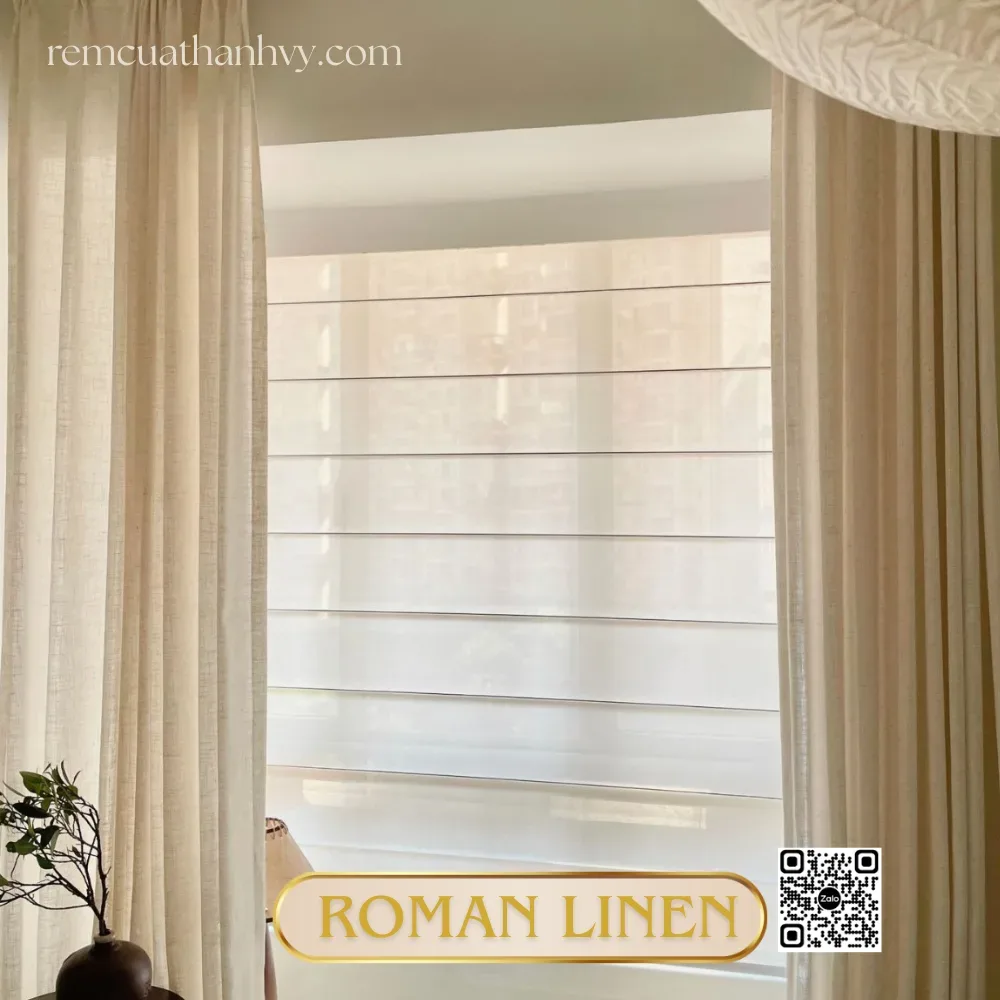
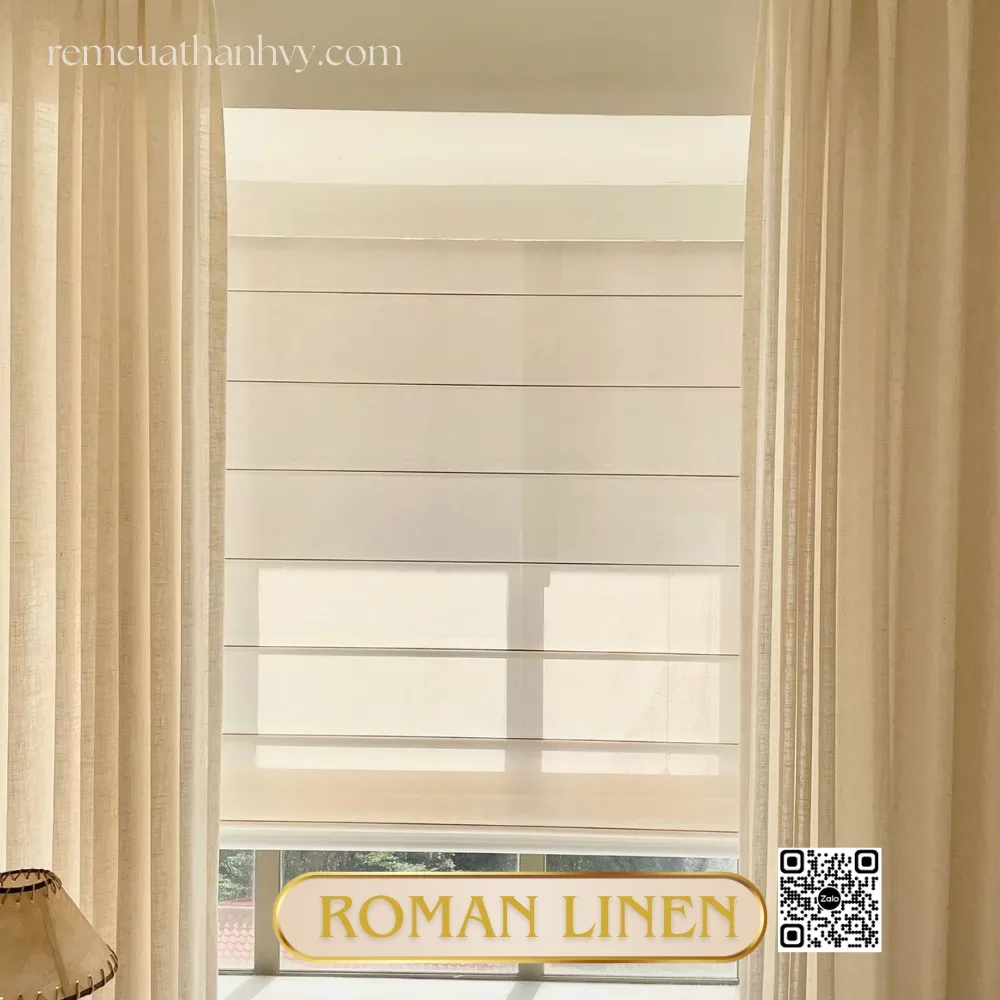
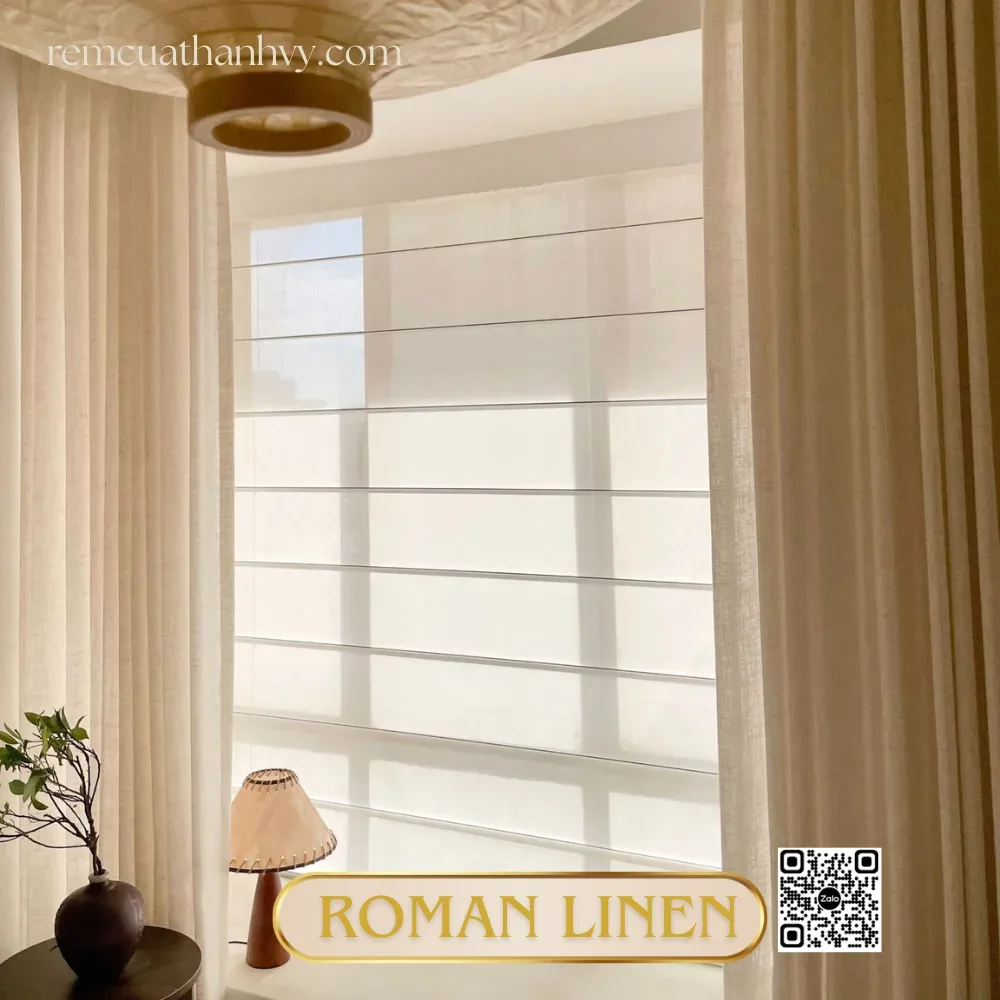
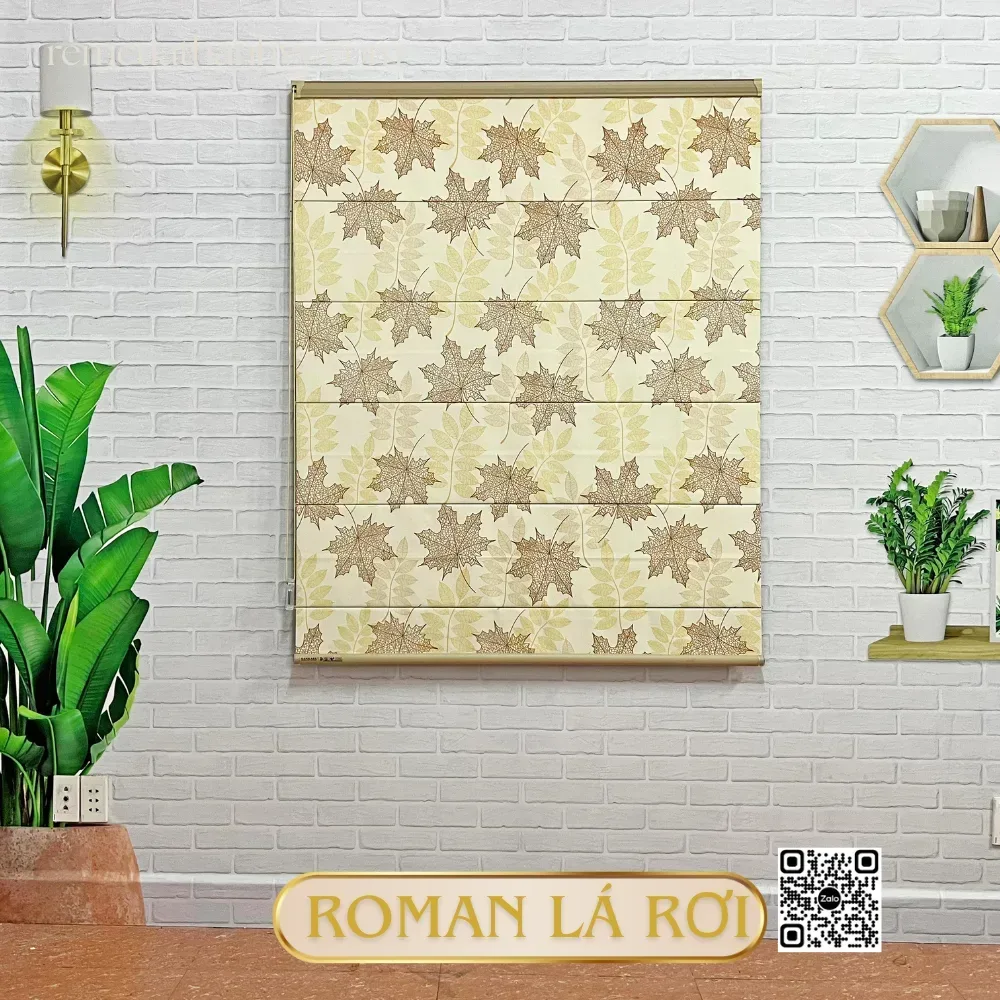
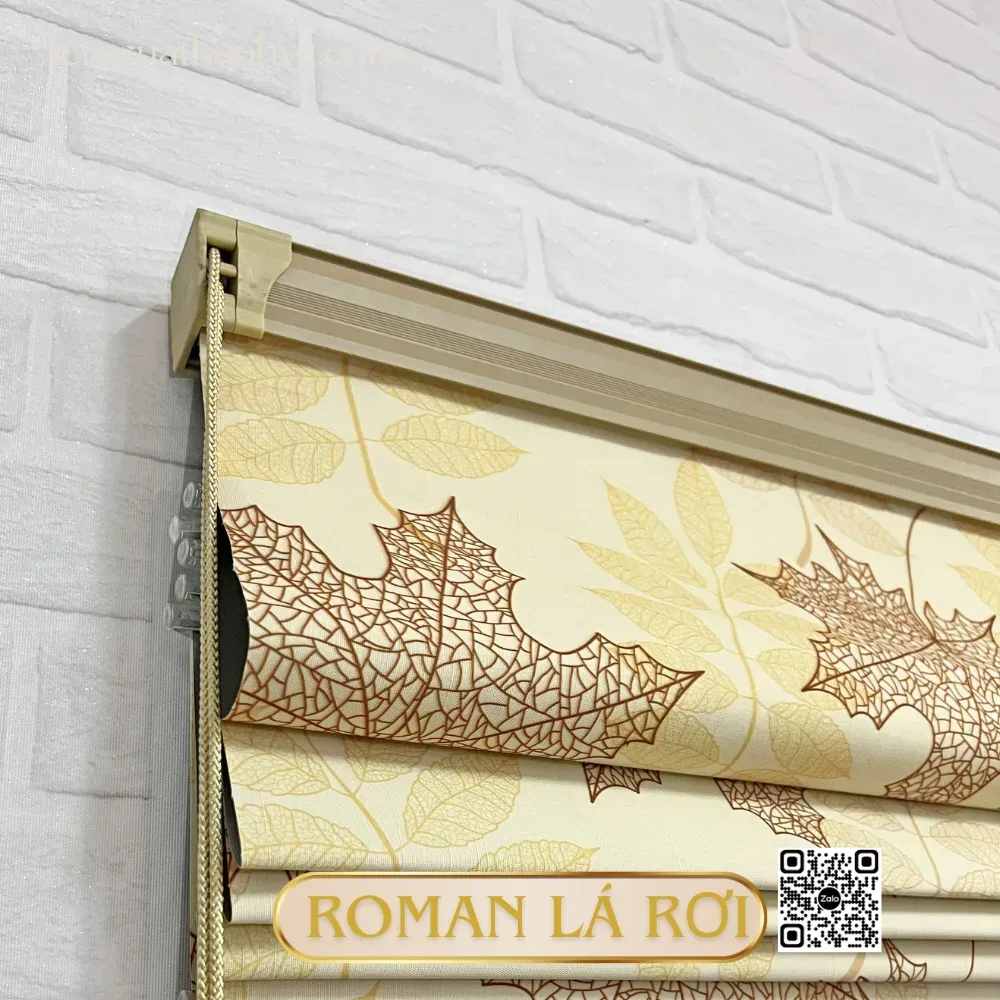
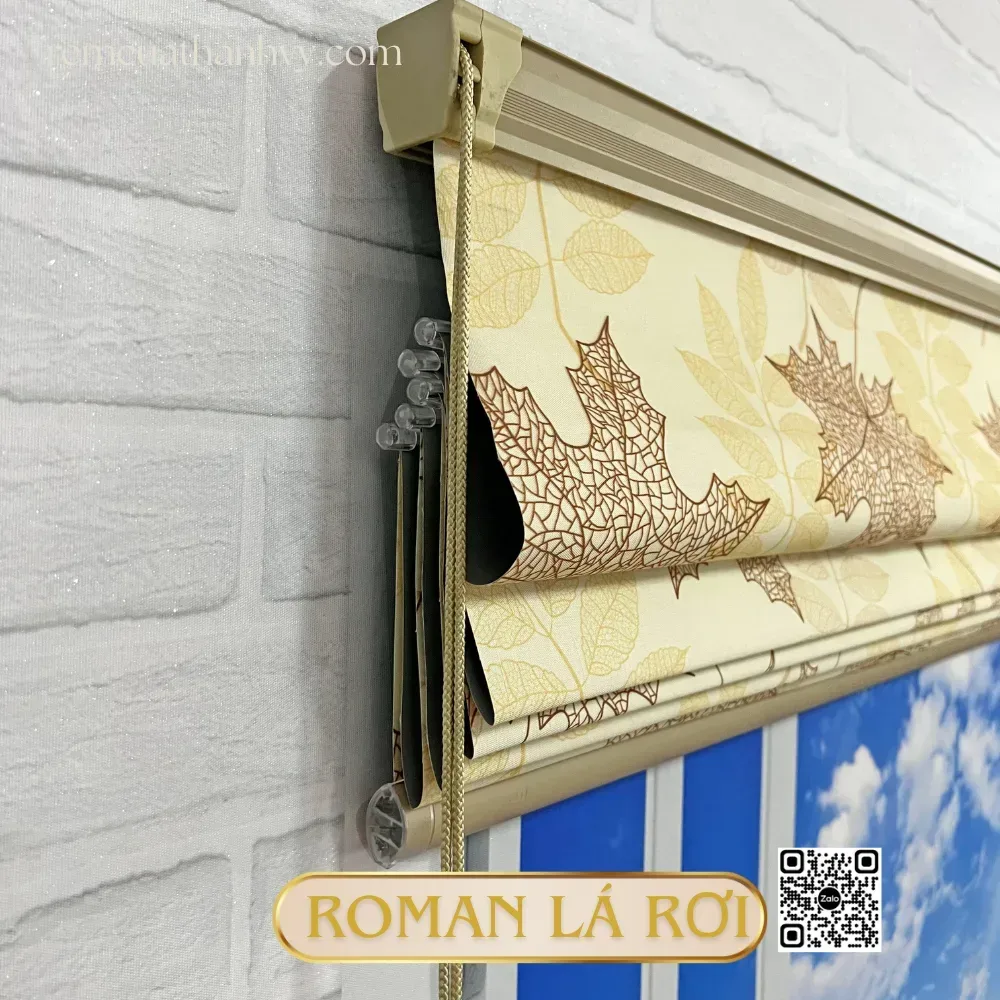
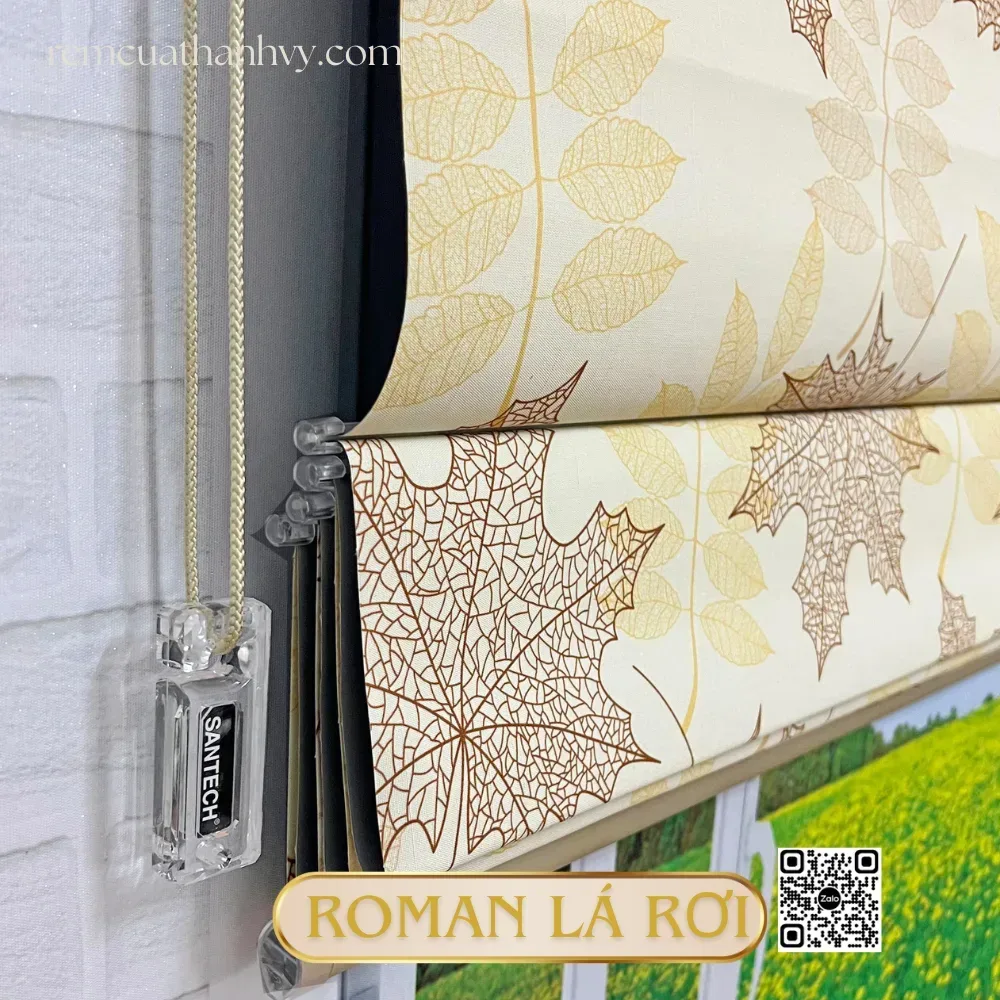
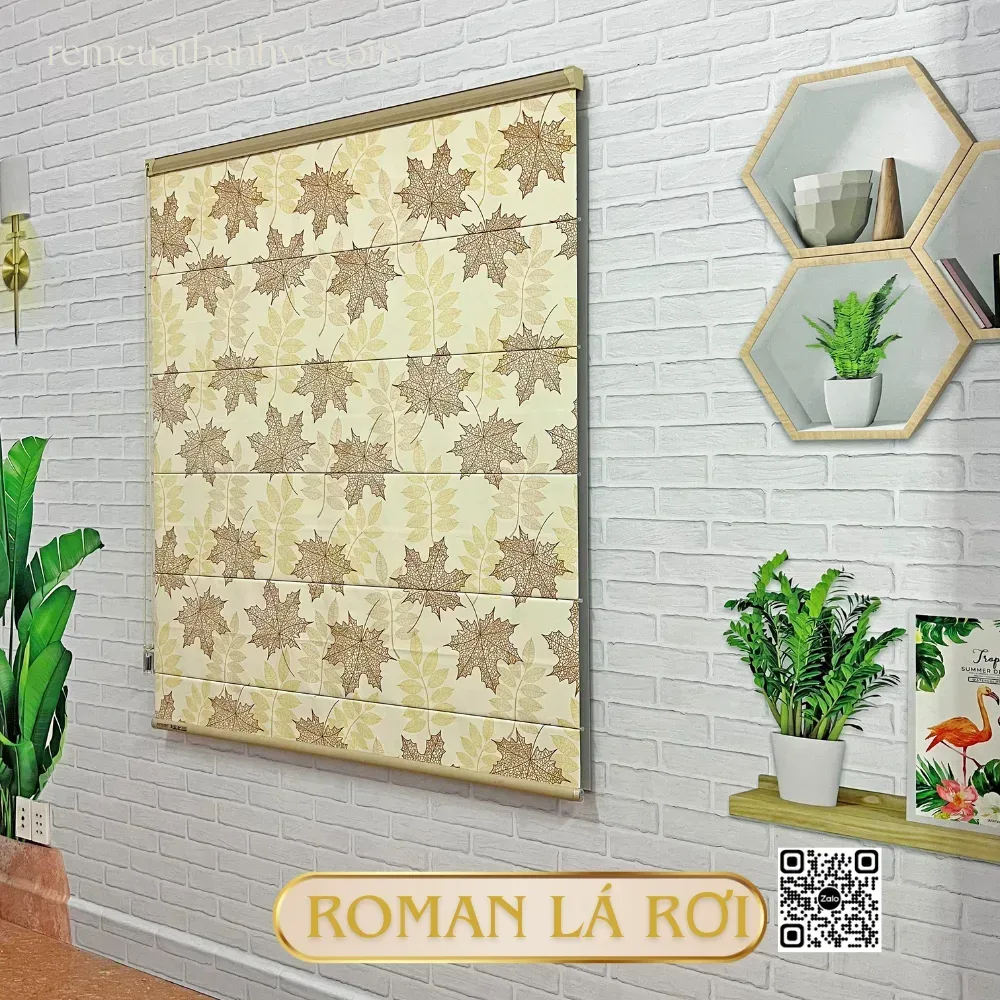
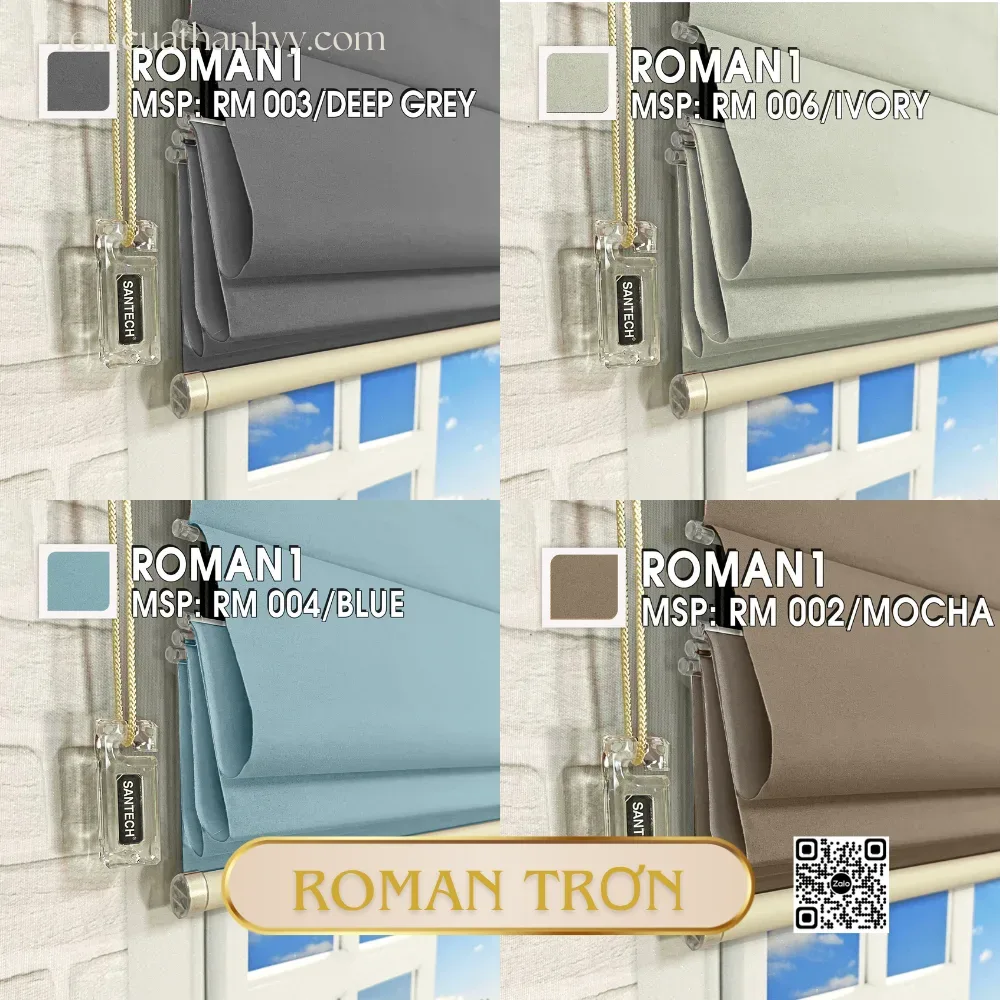
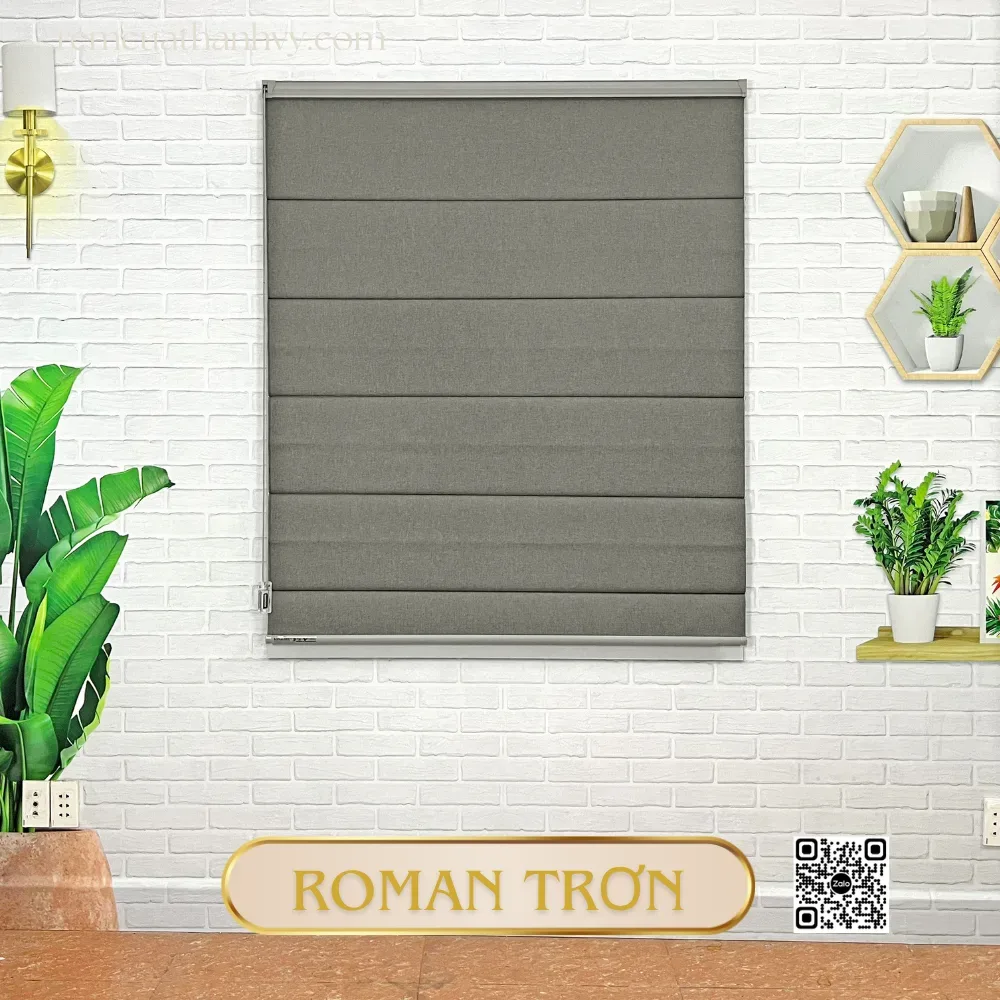
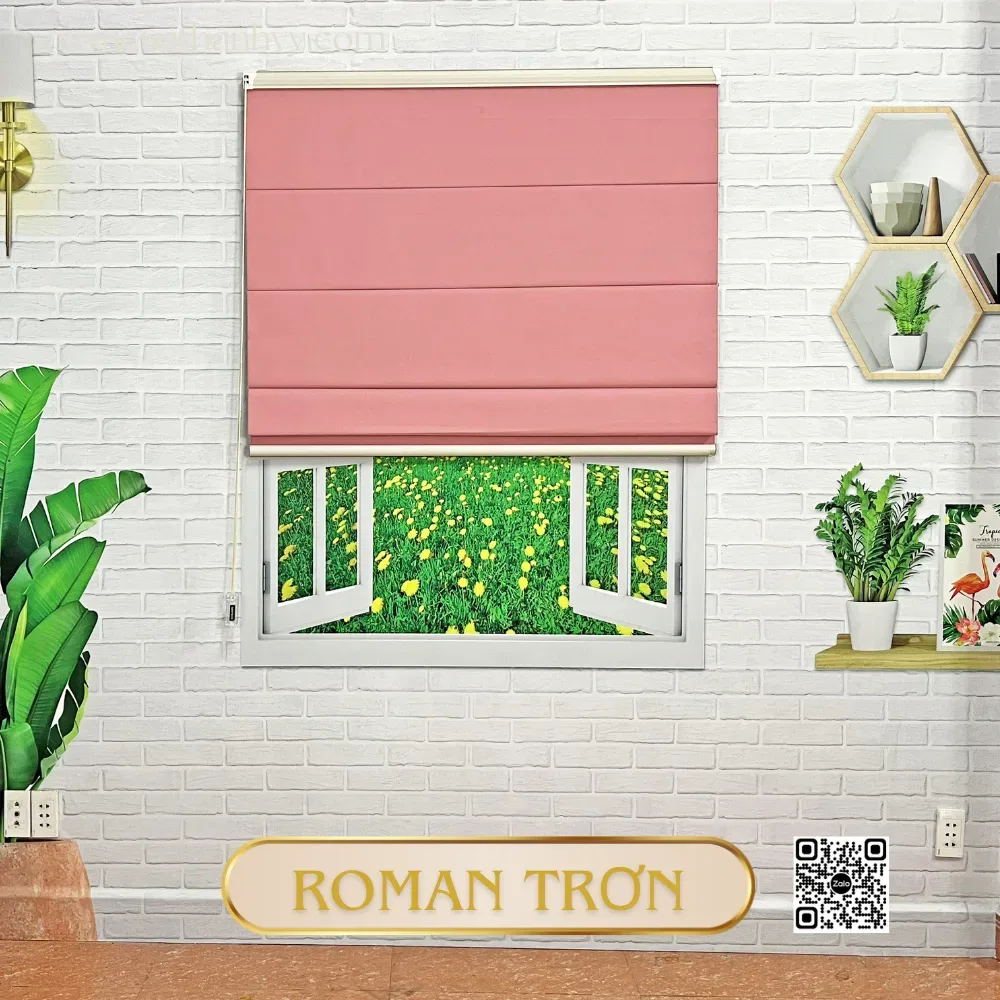
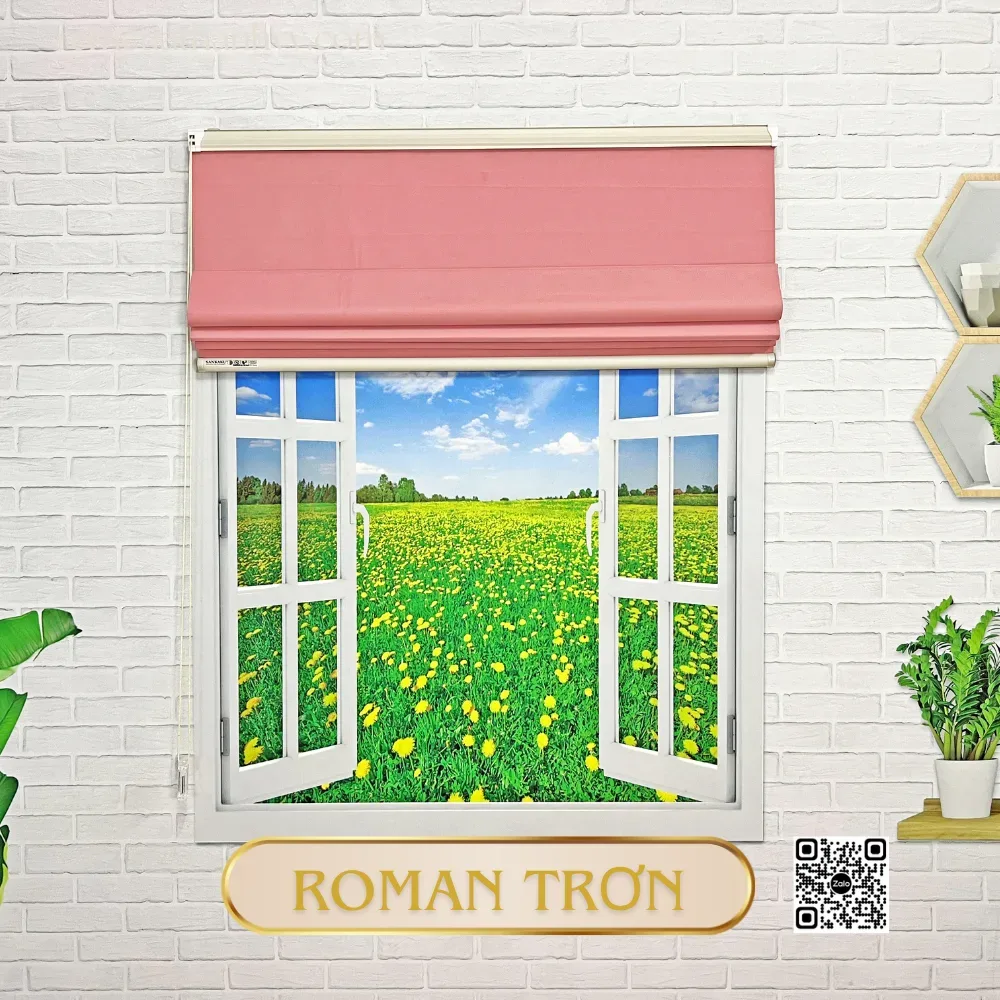
Roman shades
Curtain projects completed by Thanh Vy
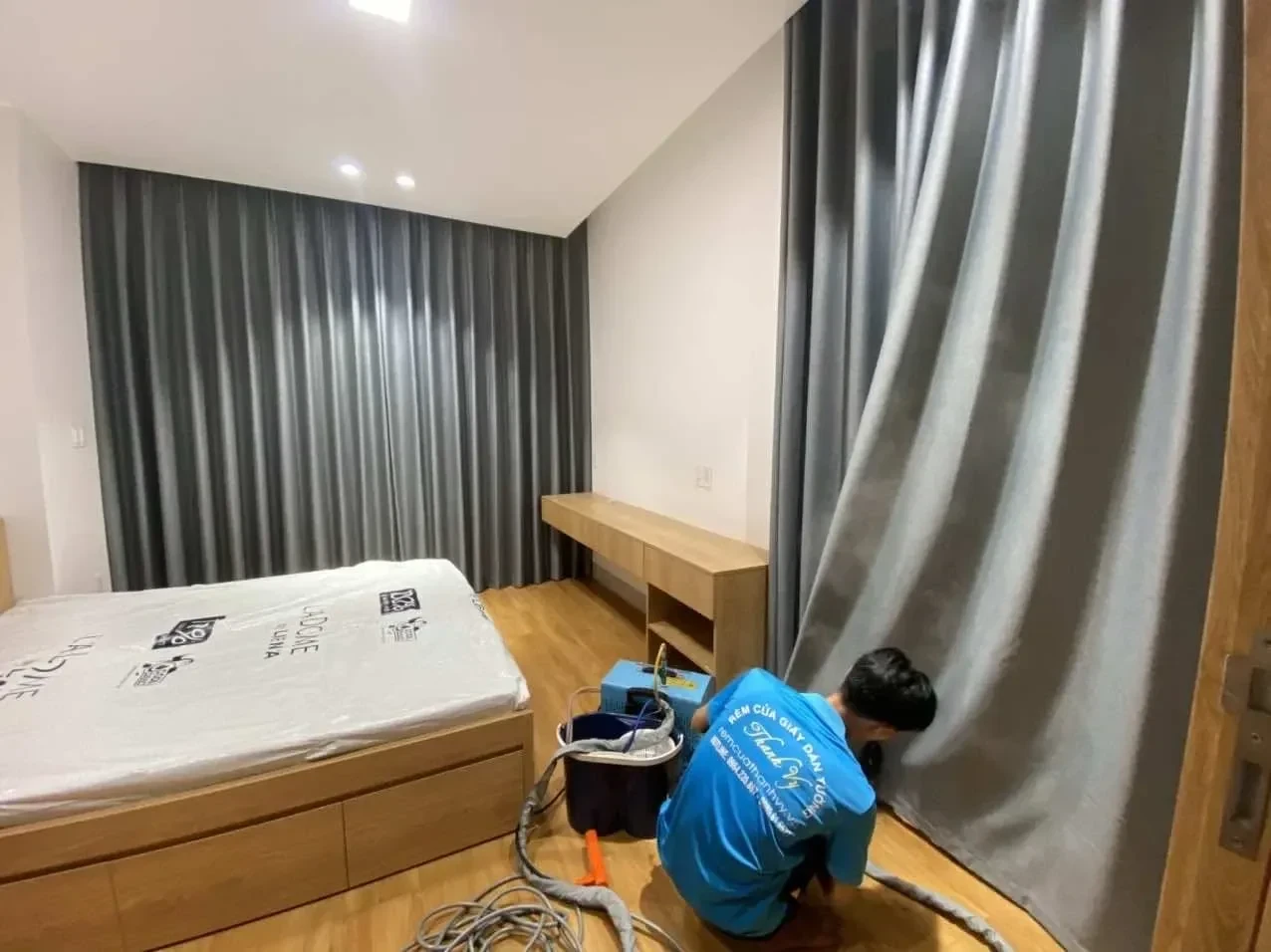
2-Layer Wave-Fold Fabric Curtains for Ho Tram Villa Bedroom
In 2024, Thanh Vy Curtains completed a 2-layer wave-fold fabric curtain project for the master [...]
Sep
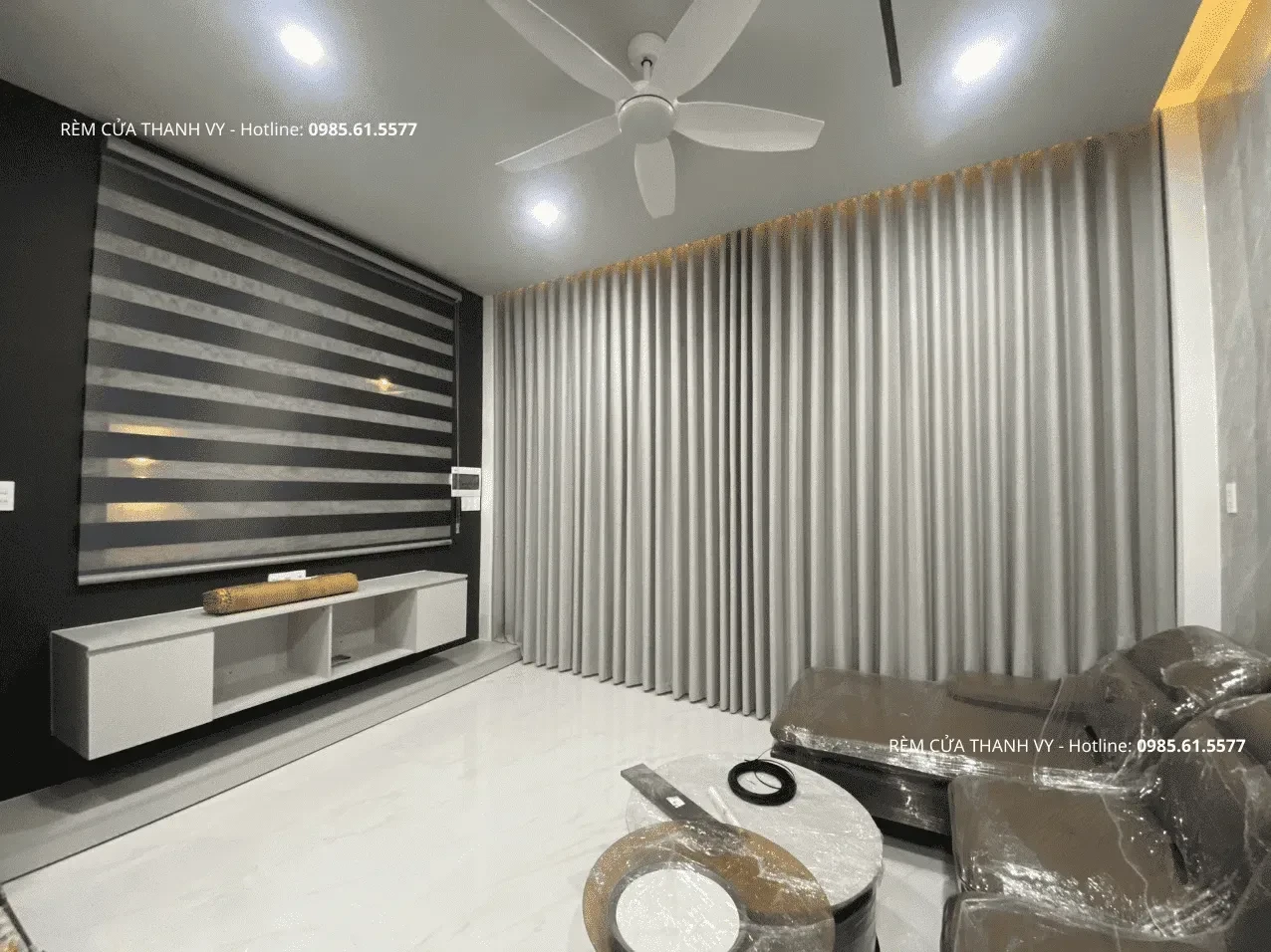
2-Layer Fabric Curtains + Horizontal Striped Roller Blinds – Duc Hoa Apartment, Long An
This project was carried out in a modern apartment in Duc Hoa, Long An – [...]
Sep
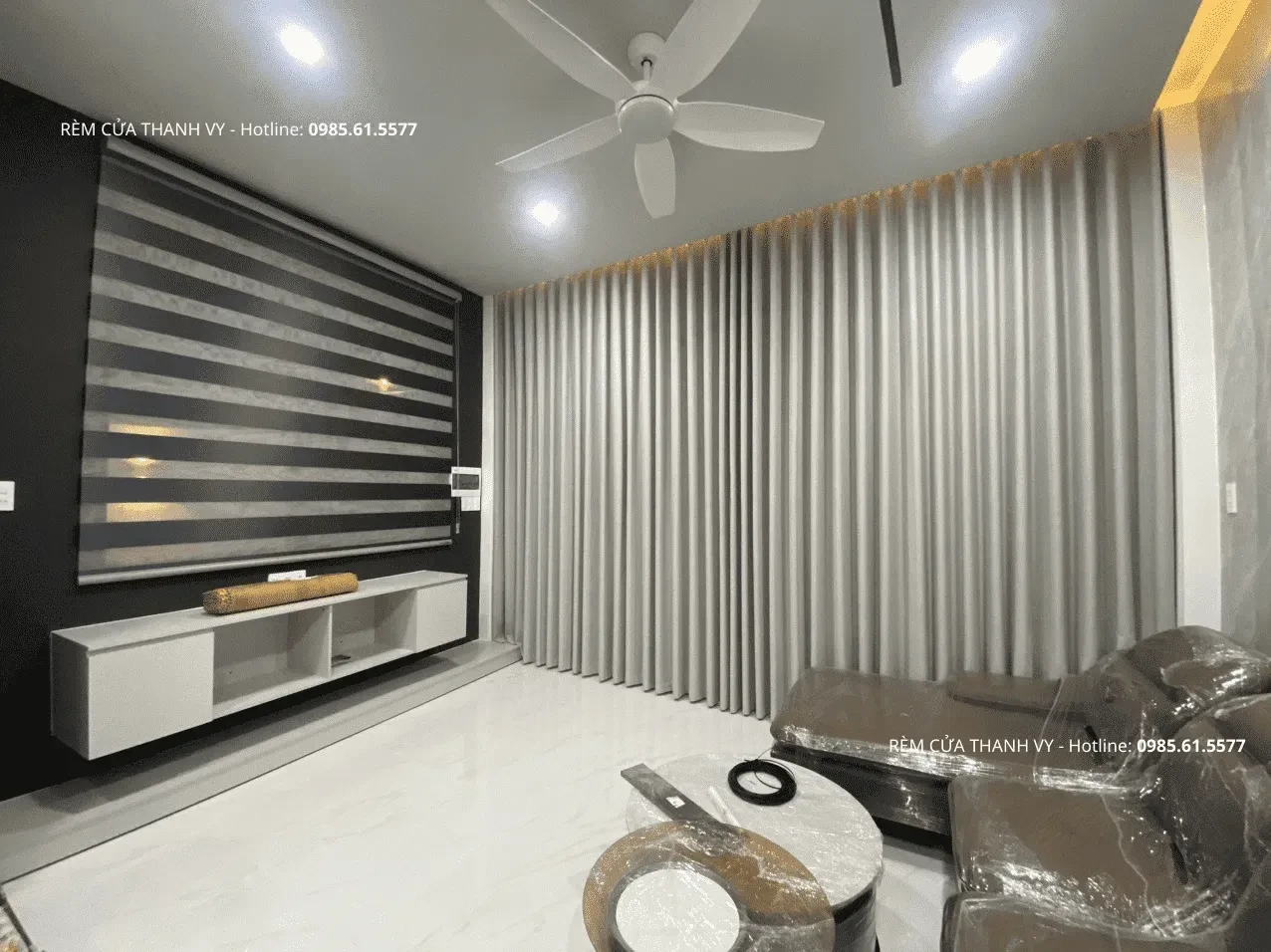
Fabric Curtains Combined with Zebra Blinds – Hiep Binh Chanh, Thu Duc
This project in Hiep Binh Chanh, Thu Duc, features a modern townhouse living room with [...]
Sep
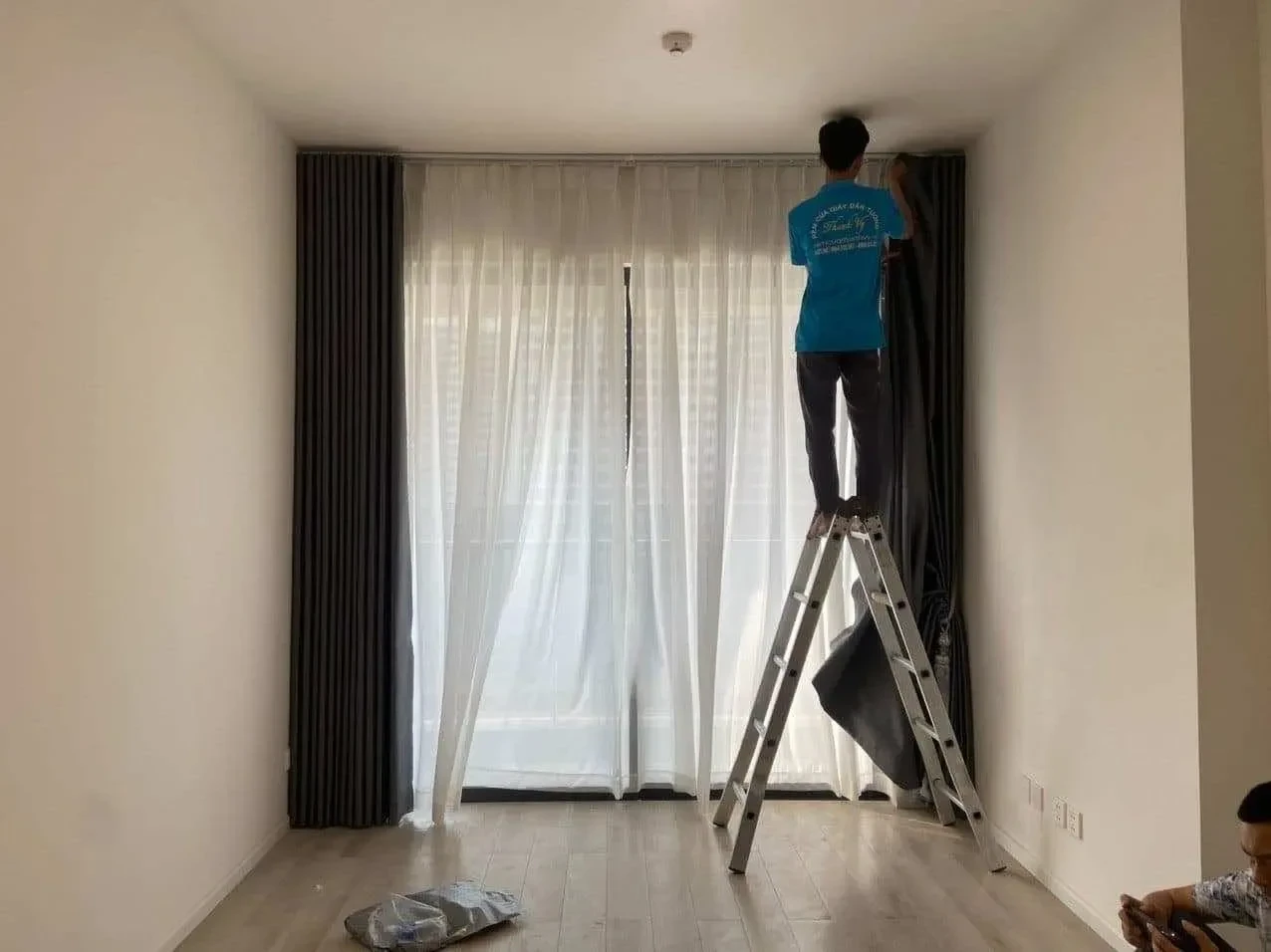
Black-and-White Double-Layer Curtains for a Masteri Centre Point Apartment in District 9
This project involved installing a double-layer curtain system for a high-rise apartment at Masteri Centre [...]
Sep
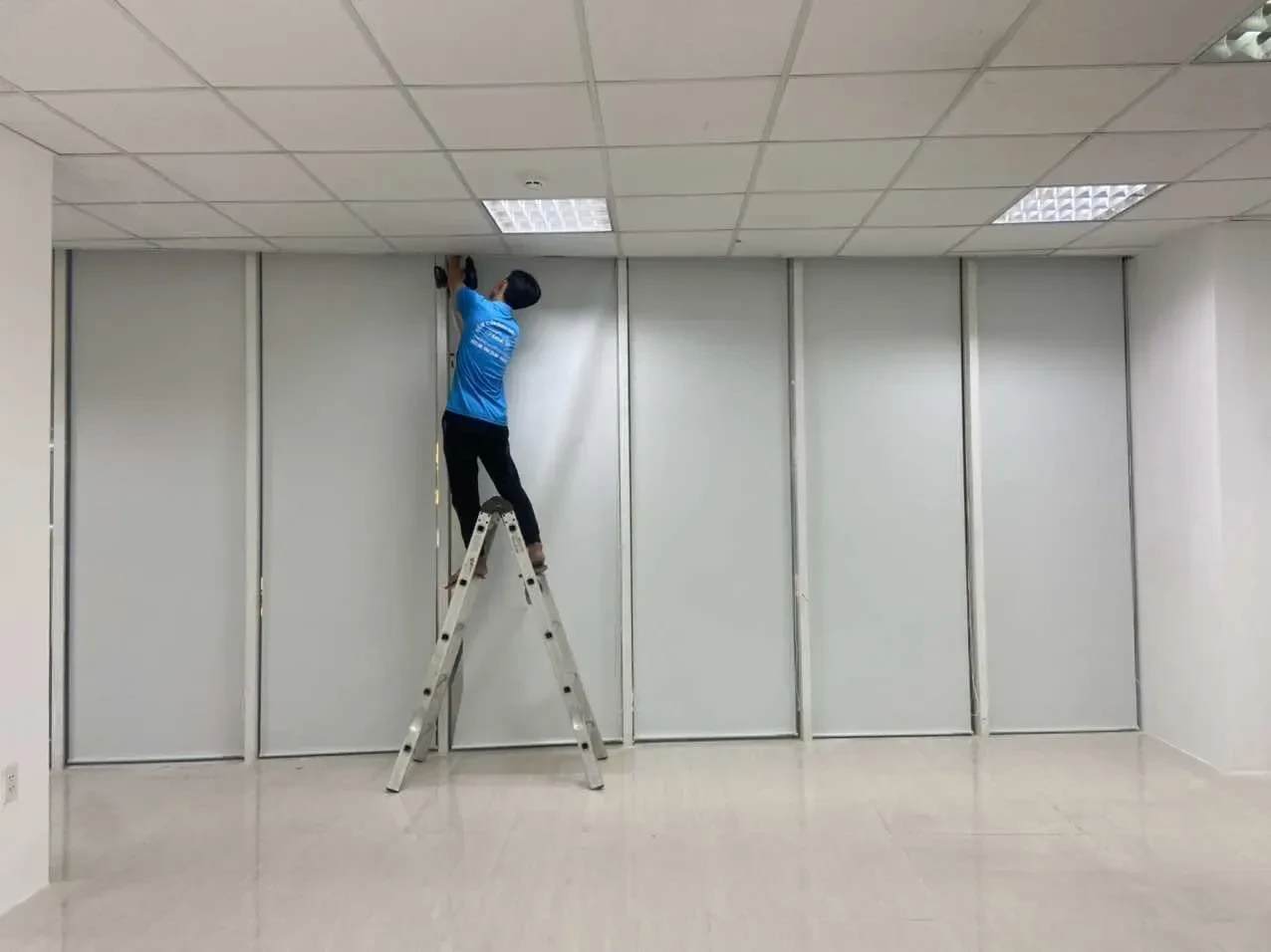
Office Roller Blinds in District 11 – Le Dai Hanh Street
This project involved installing roller blinds on an upper floor of a modern office building [...]
Sep
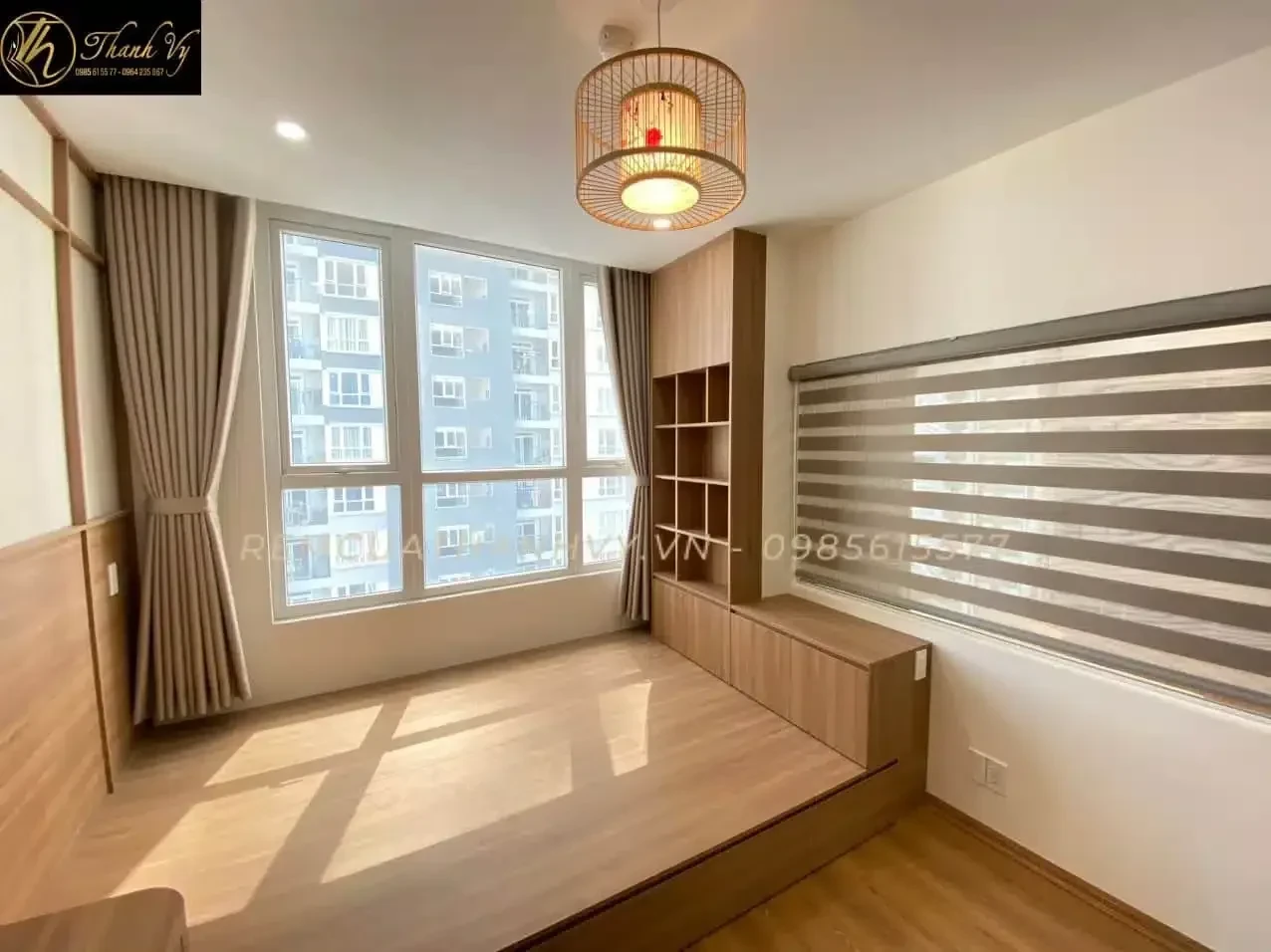
Blue Roman Shade Blinds for The Western Capital Apartment, District 6
This project at The Western Capital apartment complex (District 6) is a typical example of [...]
Sep
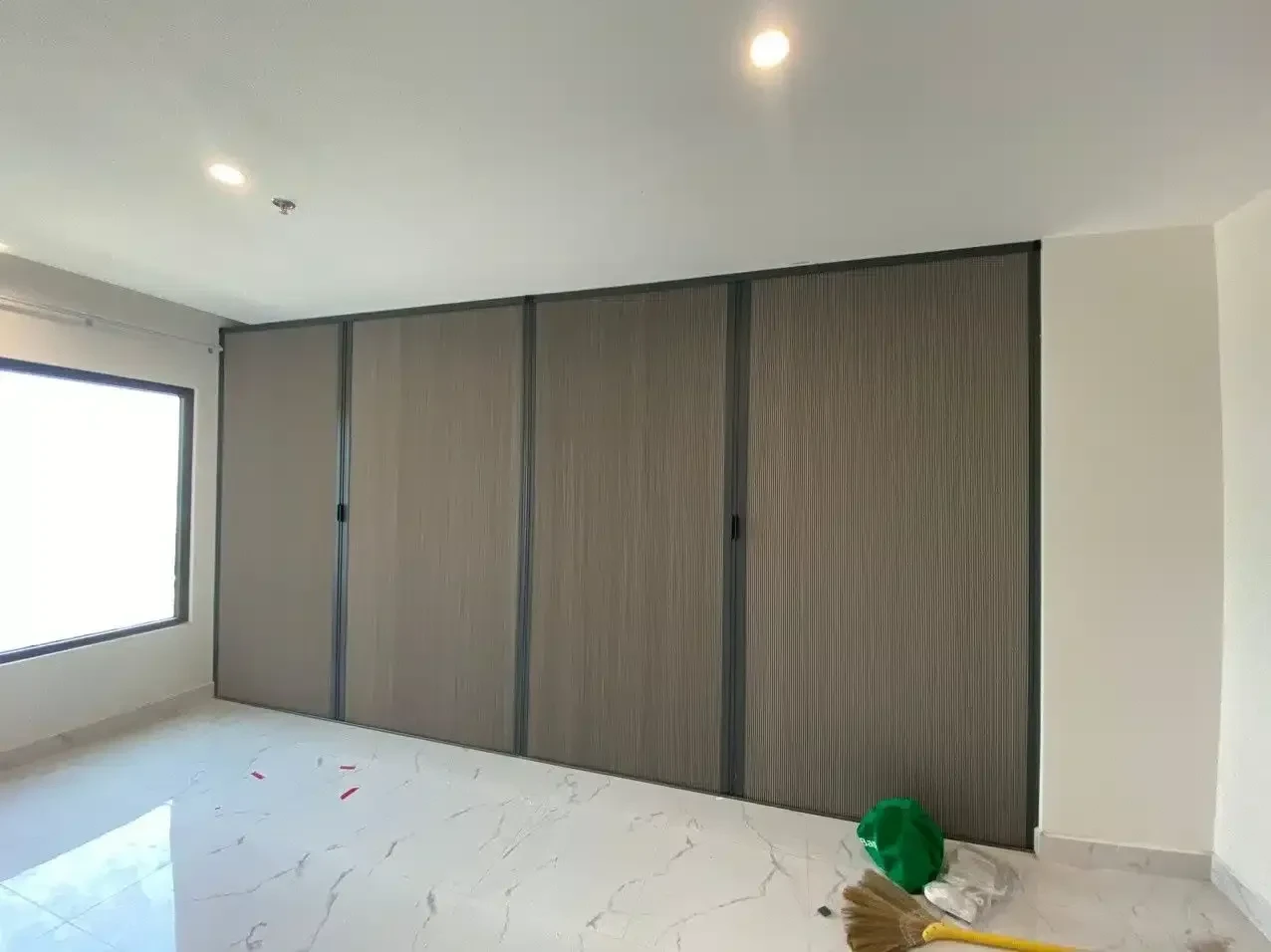
Glass Partition with Roller Blinds at Vinhomes Grand Park – BS-16 Apartment
This project at Vinhomes Grand Park, in the BS-16 tower, was a luxury apartment interior [...]
Sep
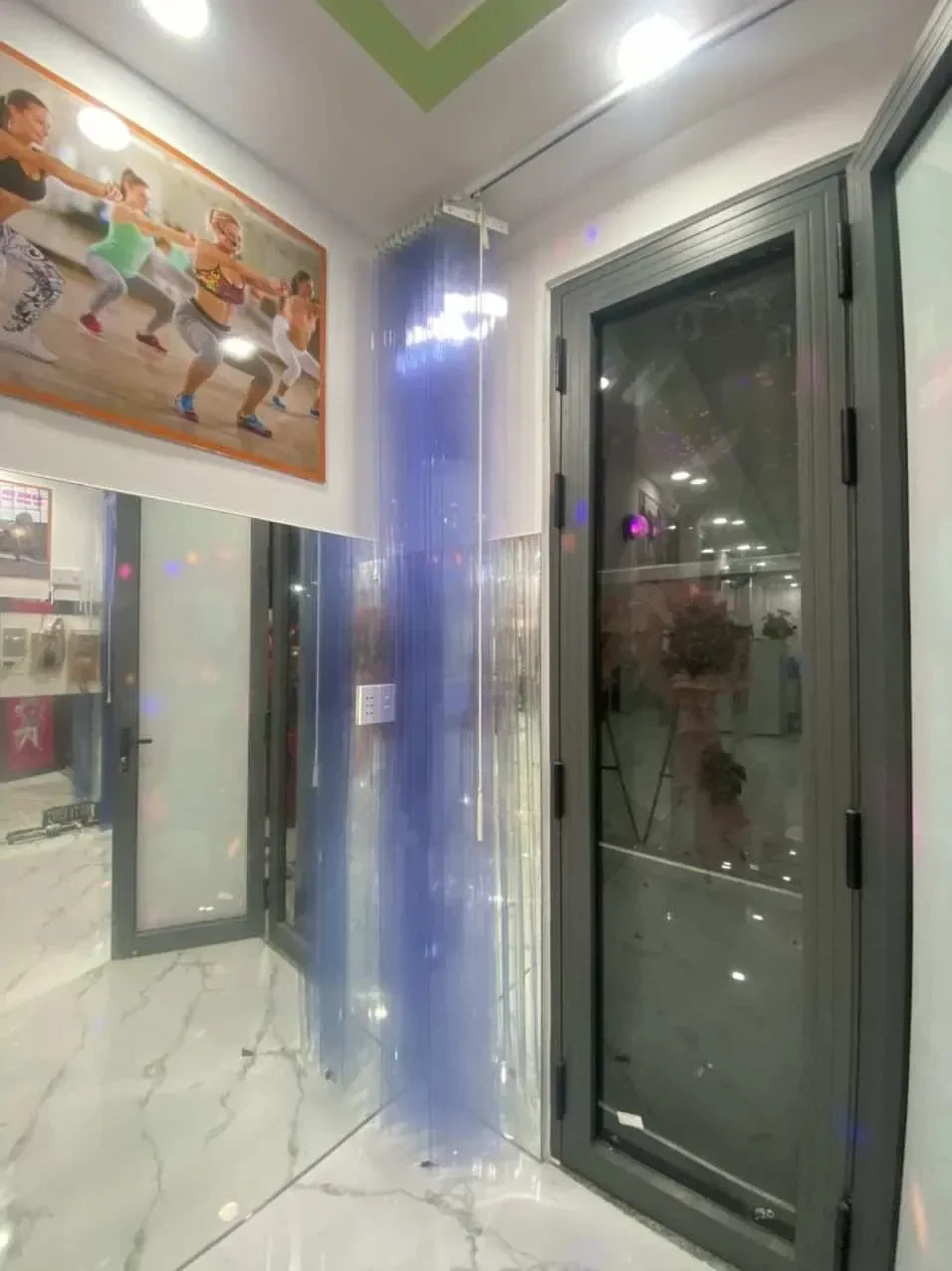
PVC Curtains in Bình Tân District – Ngọc Liên Club
Ngọc Liên Club, a modern fitness and yoga space in Bình Tân District, required a [...]
Sep
The price list is drawn directly from currently listed product prices, calculated per m², excluding accessories and installation labor — it serves as a reference for starting prices for each curtain and blind range, not as a replacement for the final quote after an on-site assessment.
The price range returned by the tool is an initial estimate; the exact cost still needs to be confirmed through an in-home assessment. Fill out the form below so Thanh Vy can contact you right away and confirm a detailed quote for curtains in District 1.




No comments yet!