


Roman Shades in District 1: Custom-Made On-Site, Great Prices | Thanh Vy
Why Roman blinds in District 1 are favored by many luxury apartments and old-style townhouses
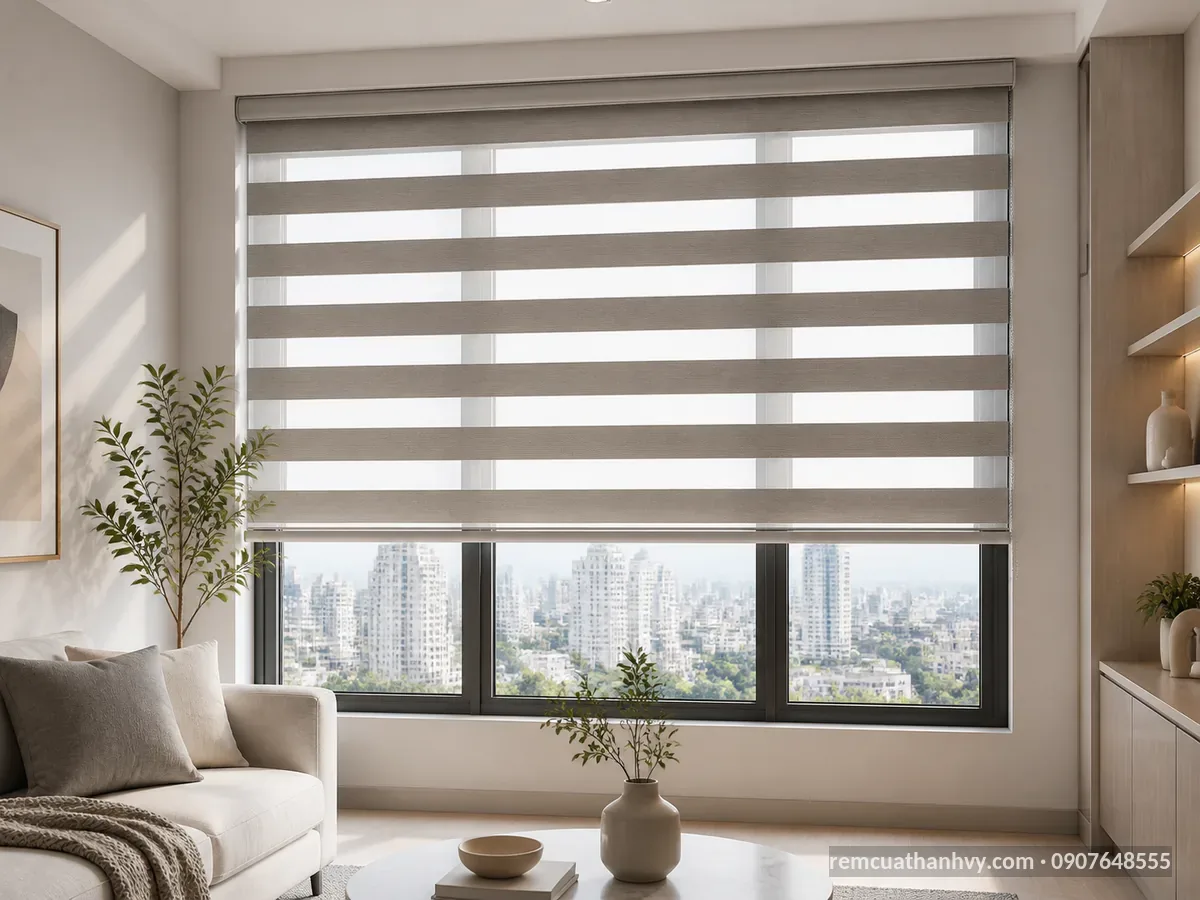
Roman blinds in District 1 are most suitable for luxury serviced apartments, office buildings, and French-colonial townhouses in the central area, where homeowners need a sun-blocking solution that is both highly aesthetic and harmonious with a carefully invested interior style. With such a diverse range of living spaces, the demand for Roman blinds in District 1 often comes from the desire for a sun-blocking solution that ensures high aesthetic value while also matching the carefully invested interior style. Readers can also compare with the introduction to Rèm Cửa Thanh Vy’s auditorium curtain solution in Báo Cần Thơ.
Unlike simple roller blinds or traditional horizontally drawn fabric curtains, Roman blinds have a distinctive form with layered folds when raised, creating a softer and more luxurious feel. This is why many luxury apartments, serviced apartments rented to foreigners, or old townhouses that need to coordinate with refined interiors often consider Roman blinds instead of simpler sun-blocking solutions. Interested readers can review the concept of curtains in architecture before making a decision.
However, choosing suitable Roman blinds is not limited to aesthetics. Given that buildings in District 1 often have windows or glass doors of various sizes, from modern apartments to old townhouses with traditional wooden frames, users need to clearly understand how Roman blinds operate and how they suit each specific type of space before deciding to invest.
Features of the Roman layered structure and its suitability for luxurious spaces in District 1
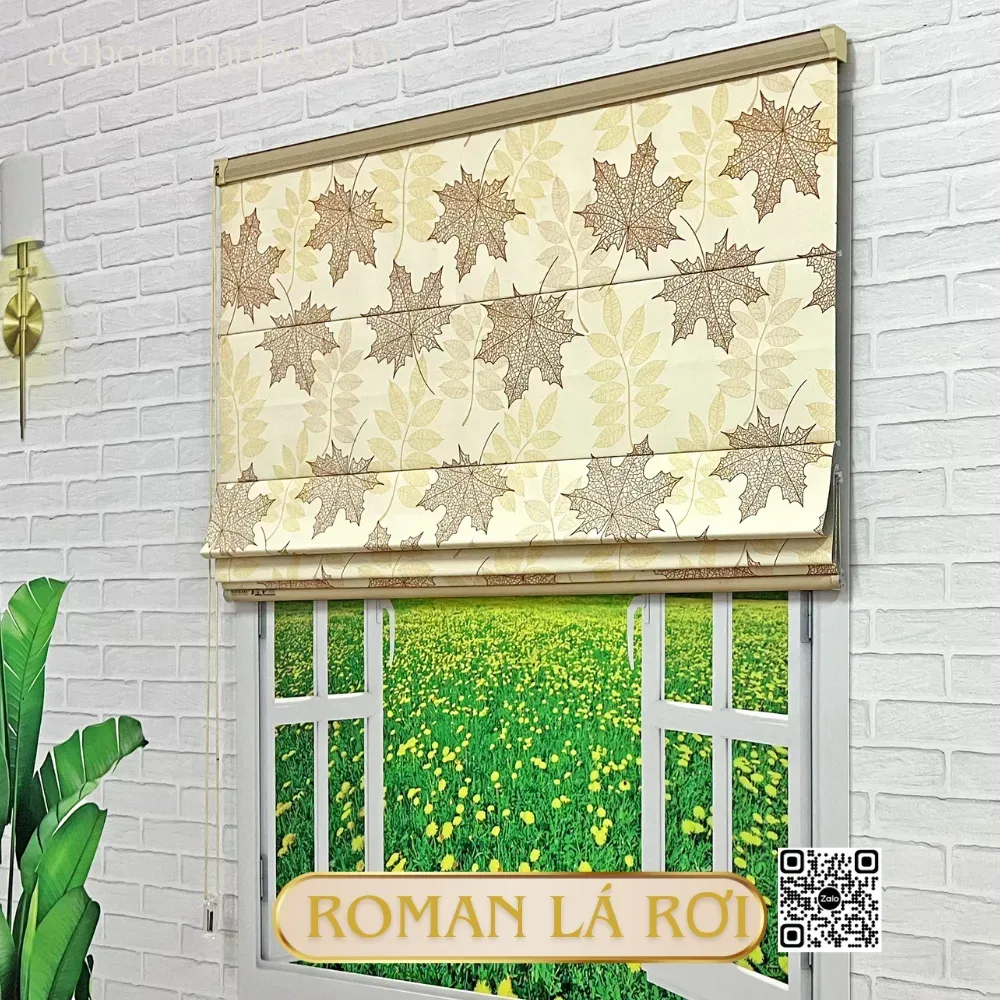
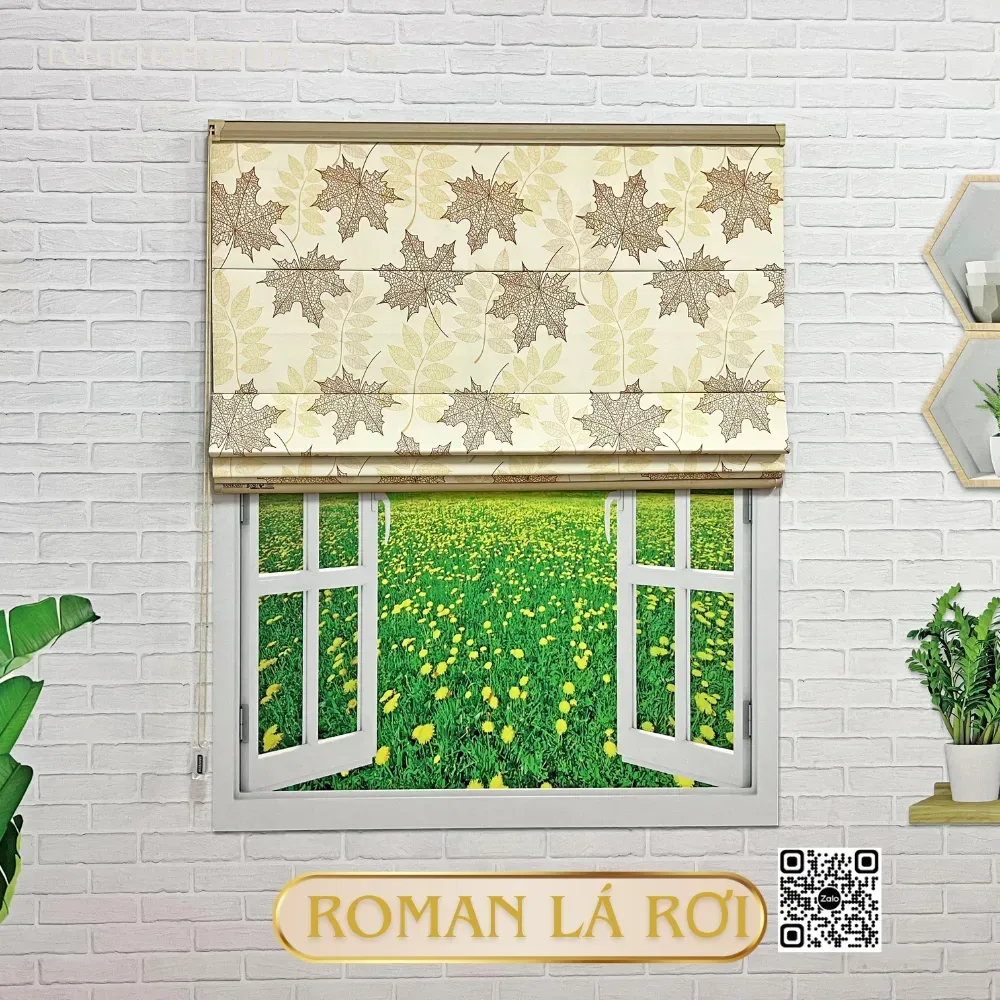
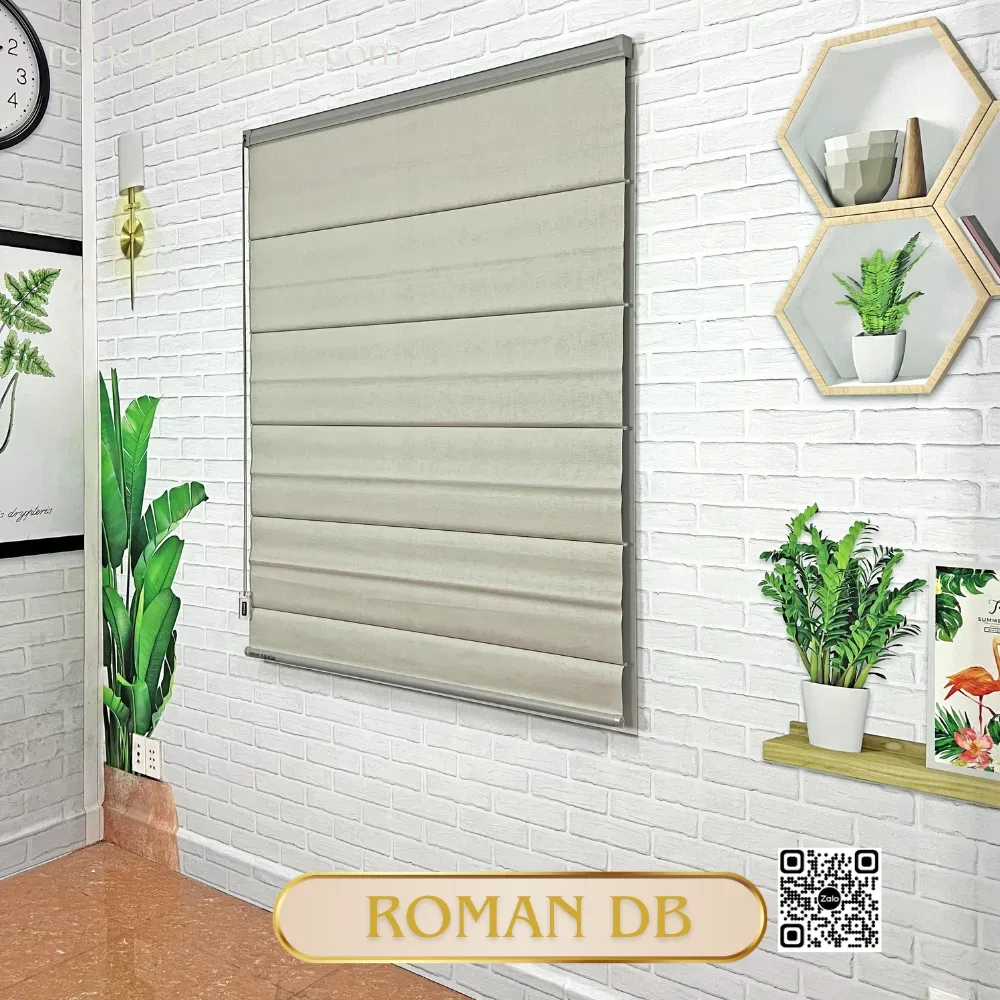
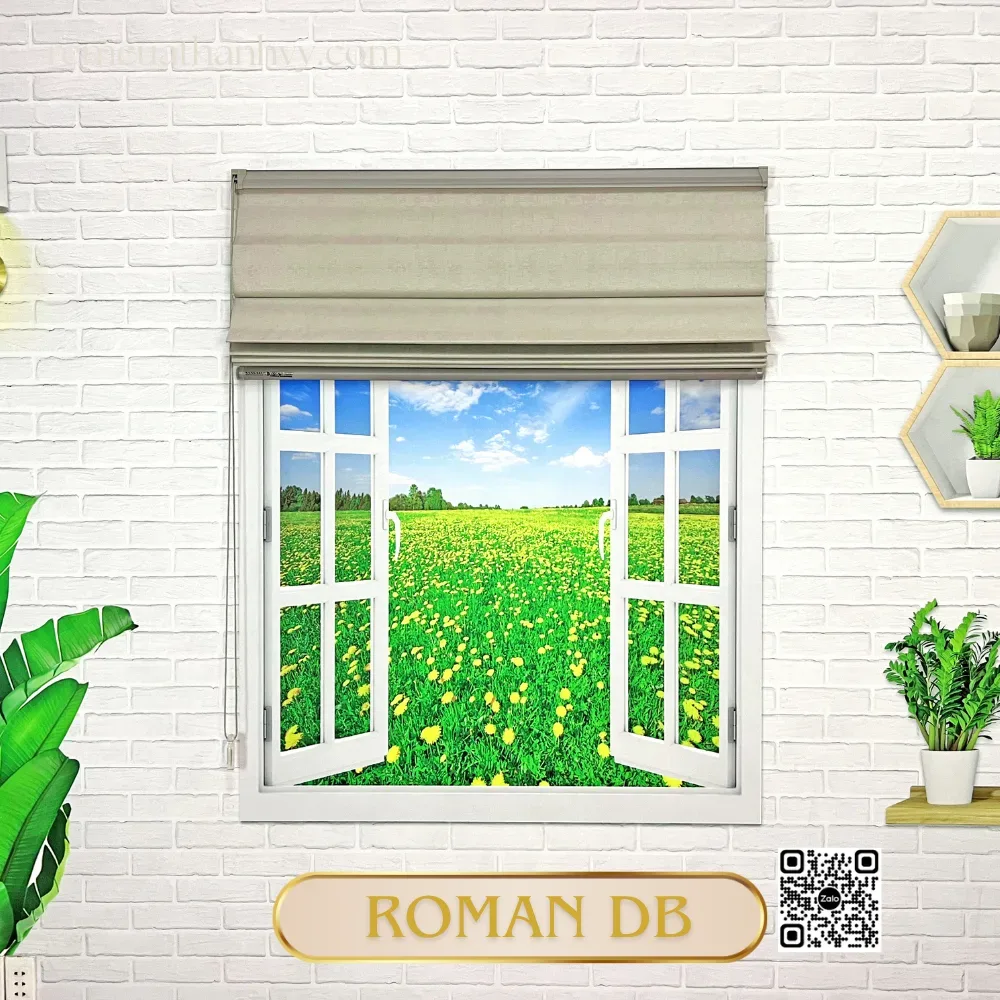
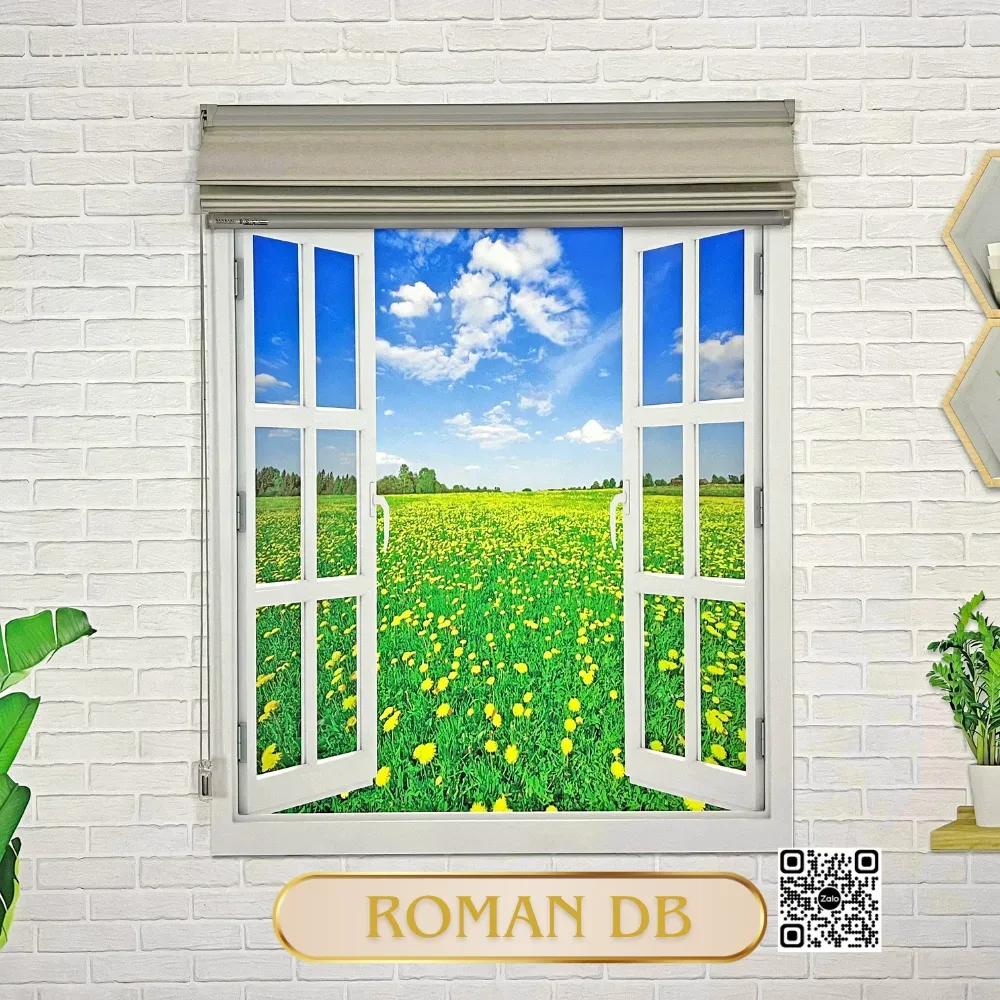
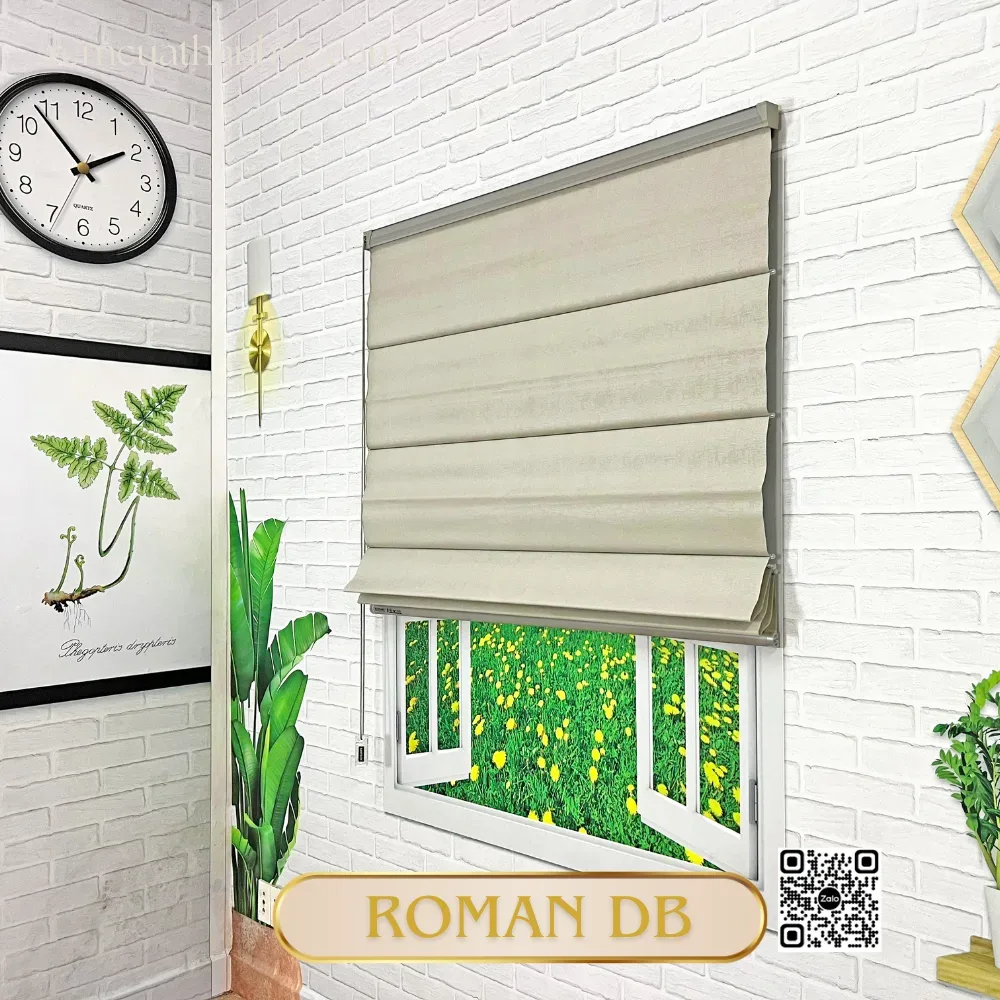
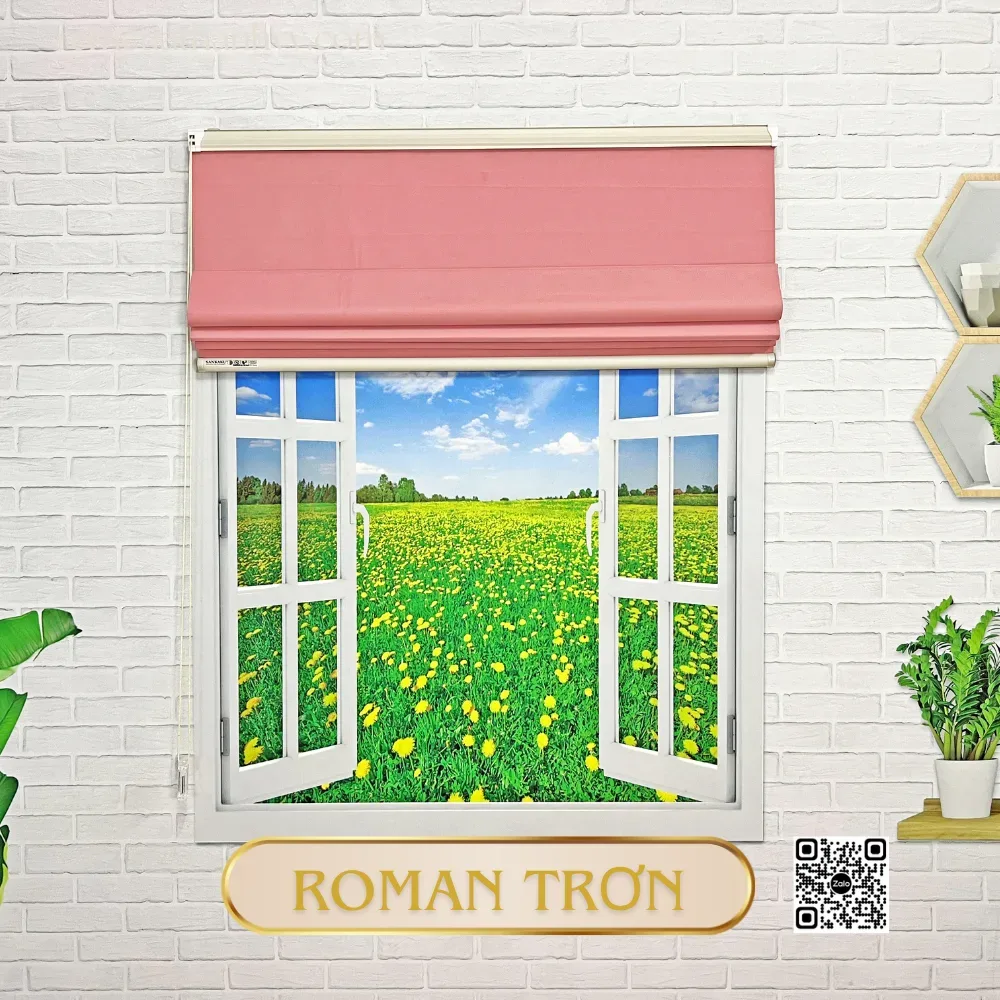
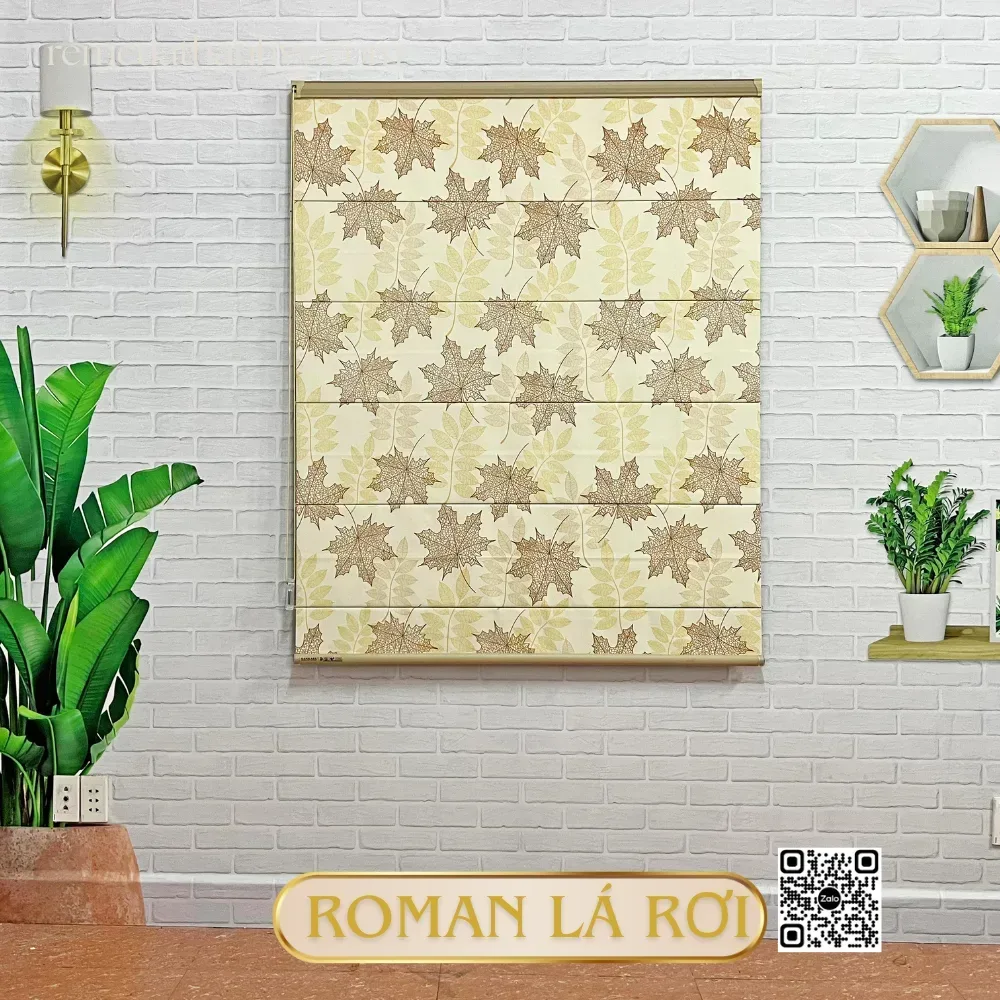
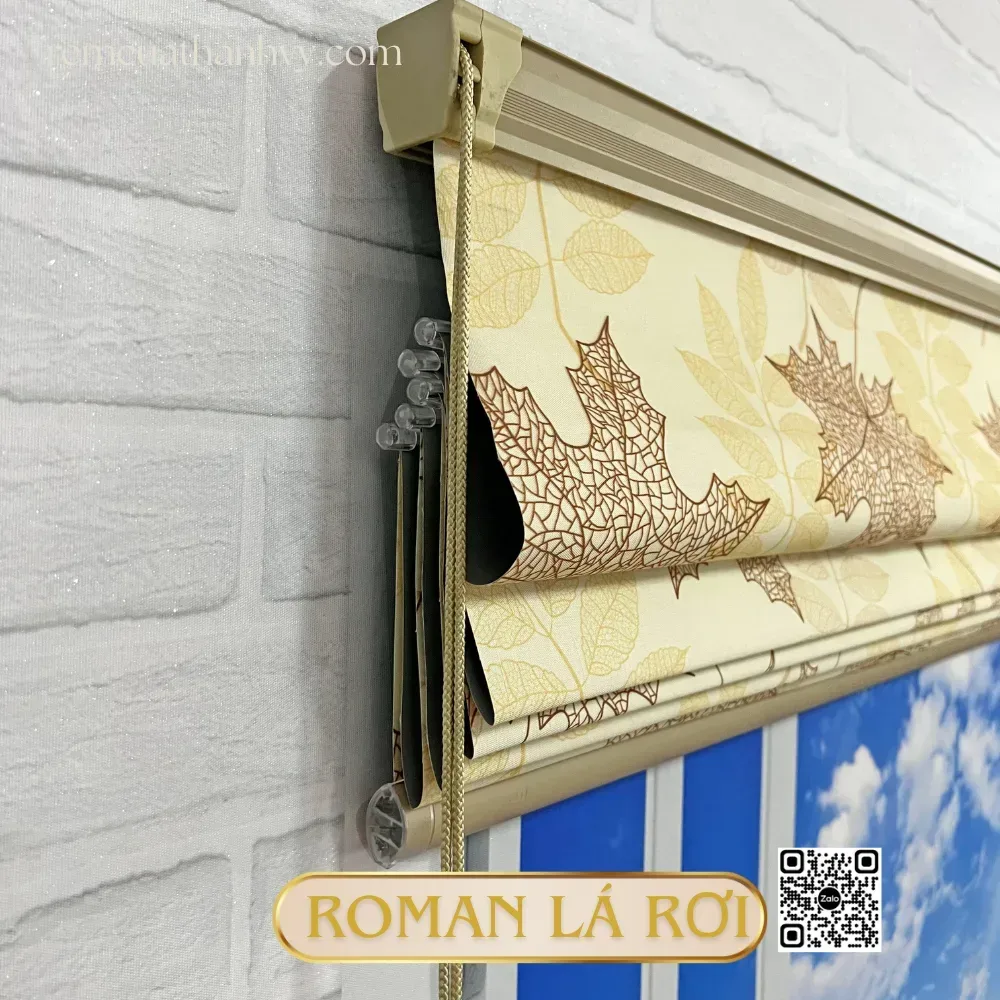
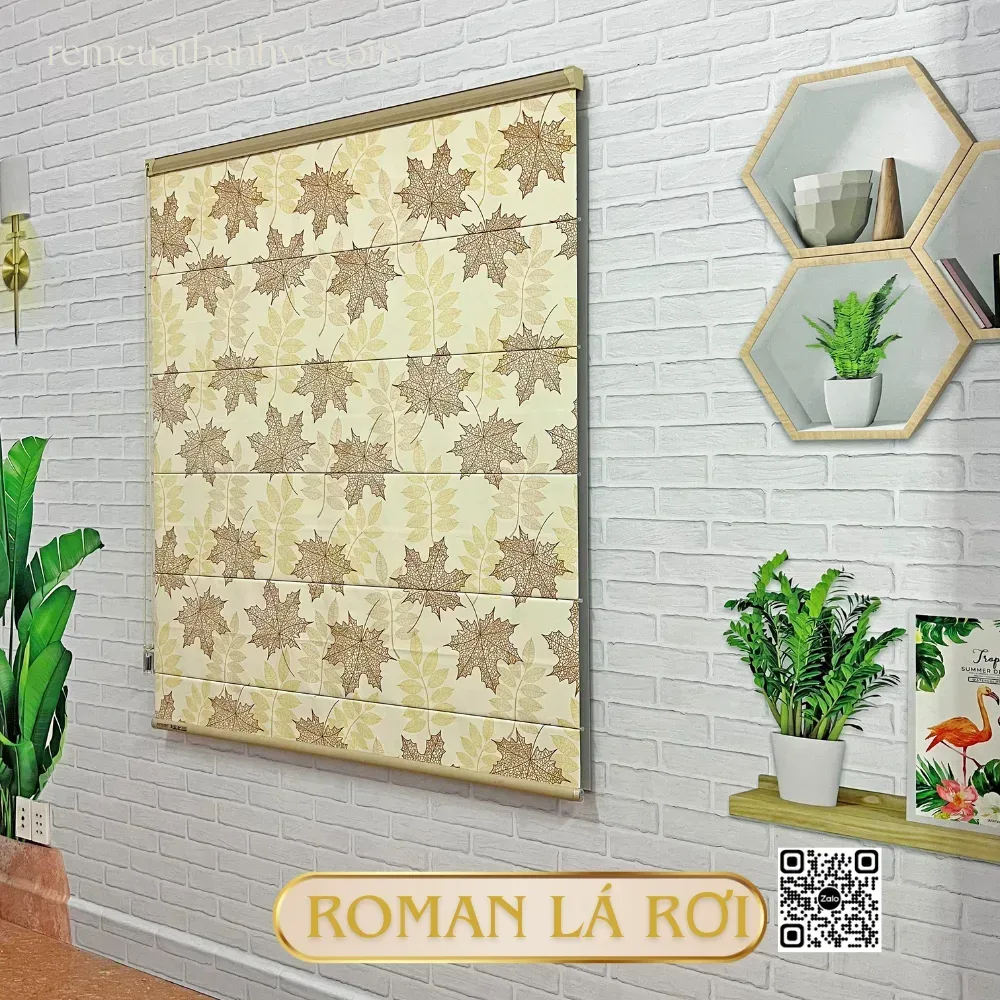
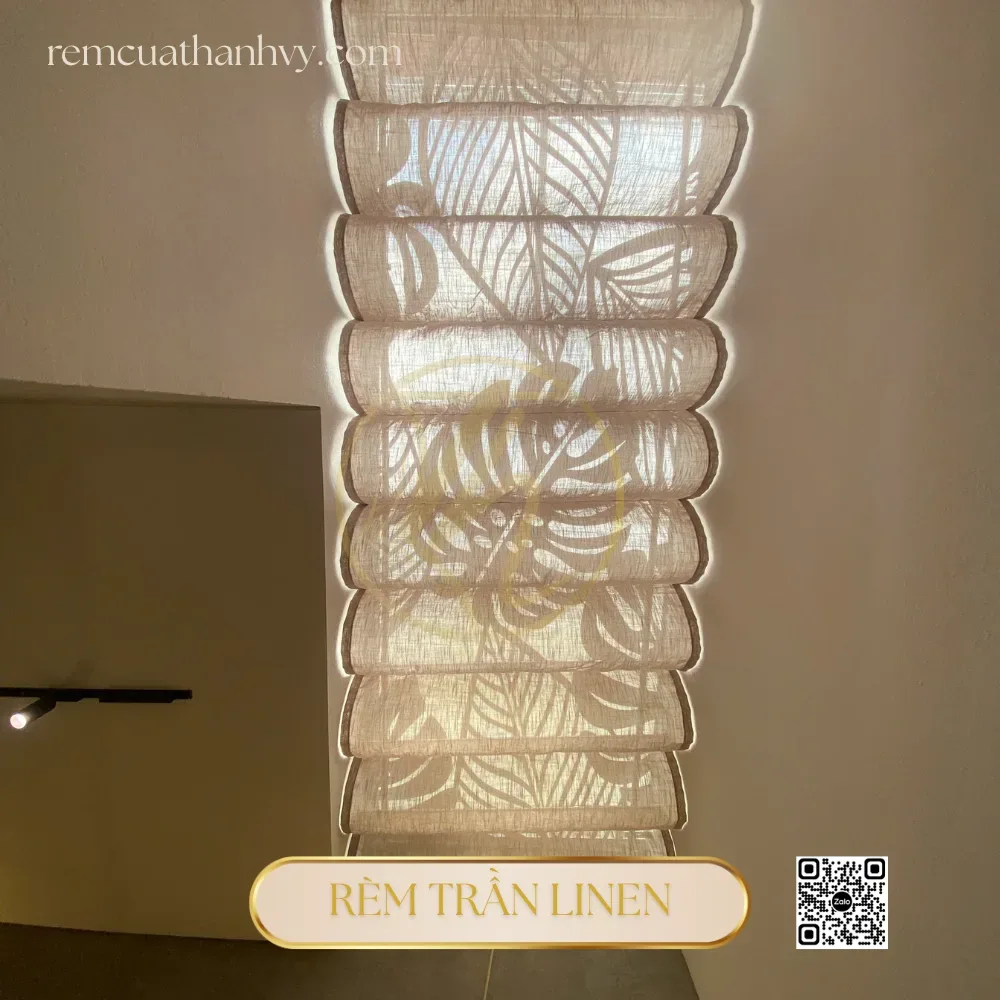
The core difference of Roman blinds lies in their operating structure: horizontal parallel rods are attached inside the fabric panel across its width, combined with a lifting cord system threaded through these rods. When raised, the fabric folds into evenly layered pleats stacked above the window frame; when lowered, the entire surface spreads out softly like a single continuous curtain. This mechanism is completely different from roller blinds, which use a round tube to roll up the fabric, and also differs from horizontally drawn fabric curtains that use sliding tracks on both sides.
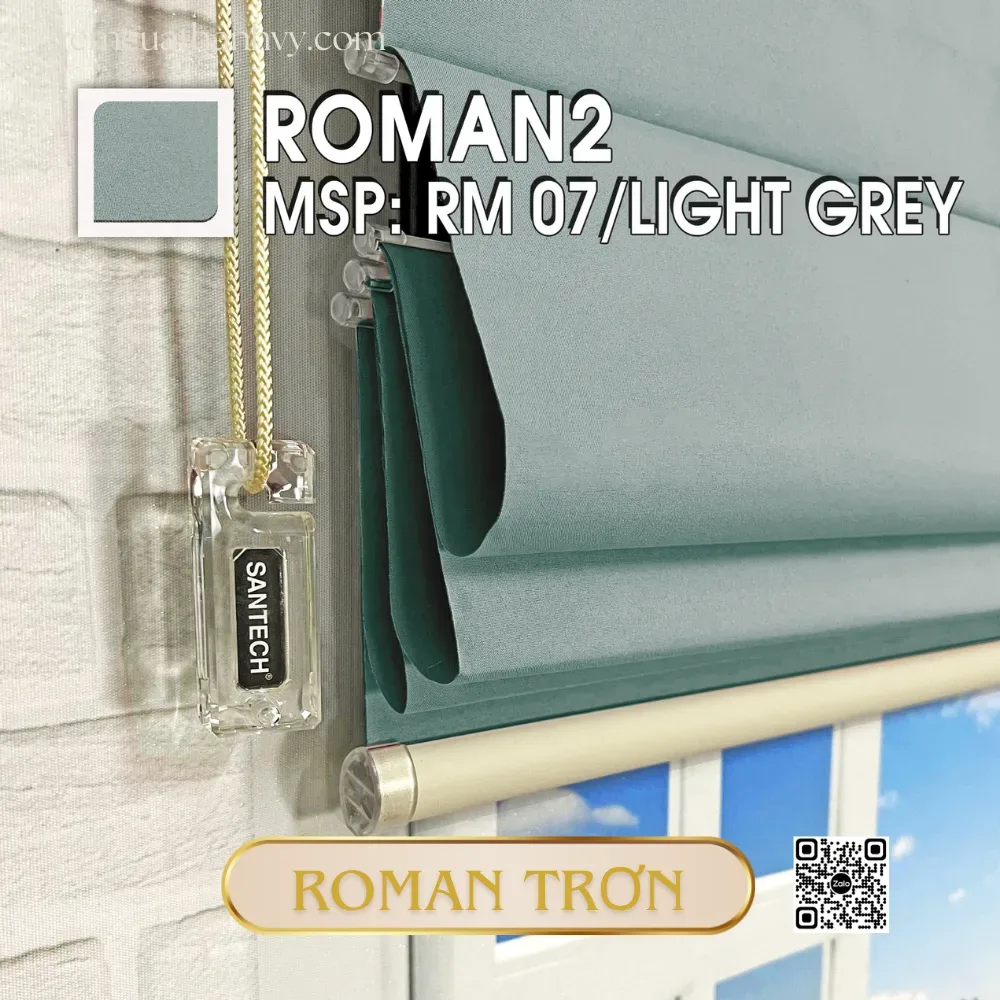
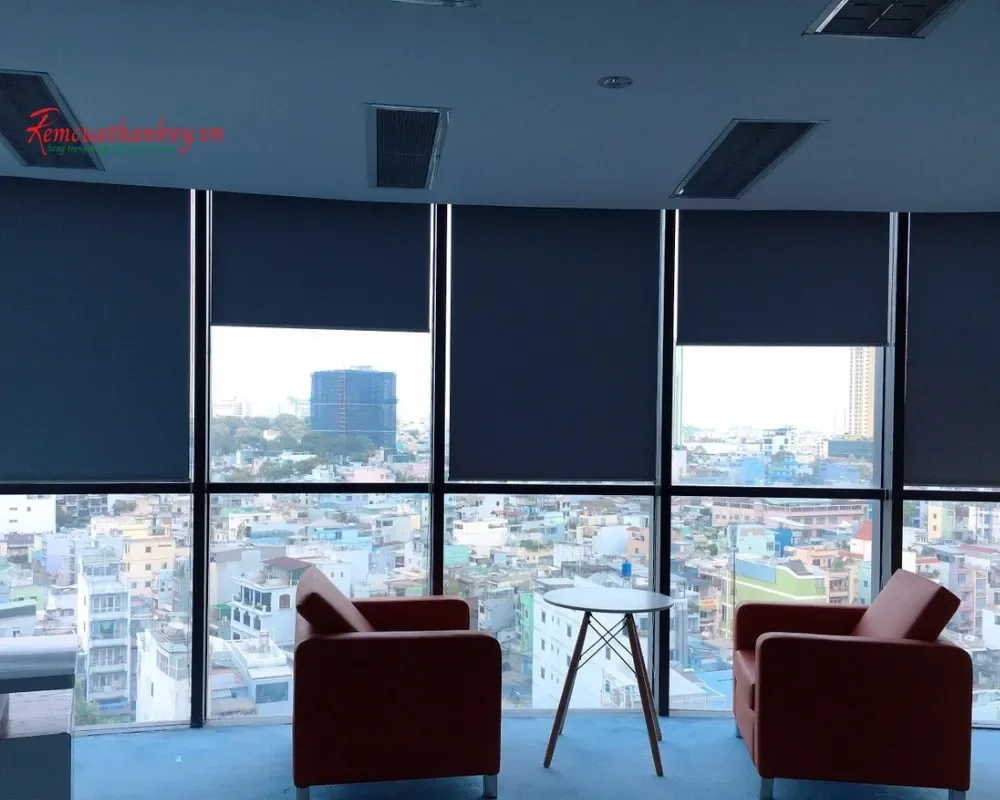
Thanks to this layered structure, Roman blinds create a feel that combines a clear architectural accent when open with the natural softness of fabric when closed — a feature suited to spaces that emphasize aesthetics, such as luxury apartments, living rooms in old townhouses, or small representative offices in the central area. For office towers with large glass windows, wide Roman blinds also create a more luxurious accent compared with monotonous sun-blocking solutions.
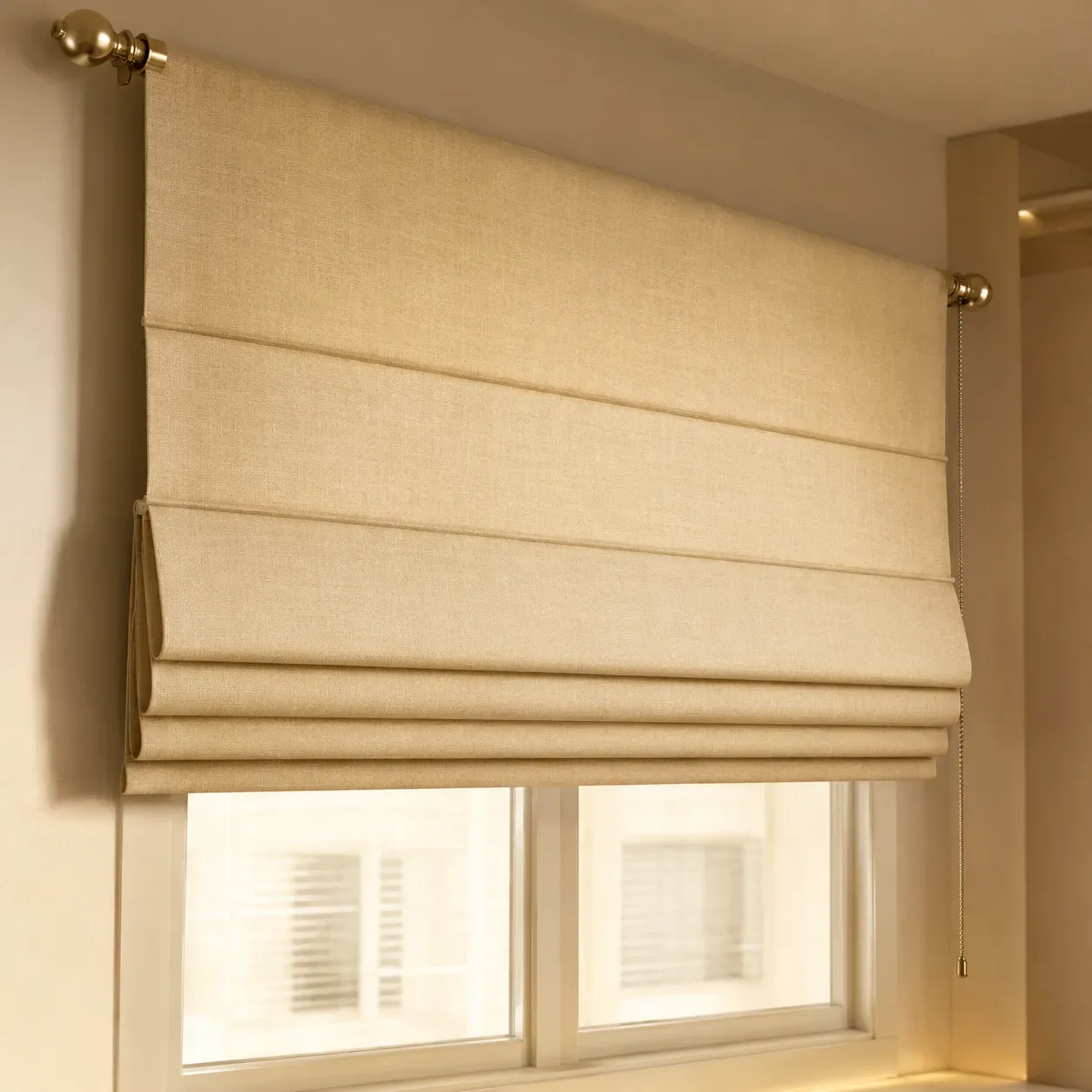
For French-colonial townhouses, where window frames often feature distinctive patterns or decorative details, Roman blinds with soft folds tend to harmonize better with the overall architecture than solutions with a hard, flat surface. This is also why many homeowners renovating old townhouses in this area consider Roman blinds as part of a coordinated overall interior design.
Choosing light transmission and privacy levels according to the characteristics of central living spaces
For serviced apartments rented to short-term guests or foreigners, the need for natural light is usually quite high because it directly affects the stay experience. In this case, Roman fabric with moderate light transmission, allowing light to diffuse evenly into the room while still maintaining basic privacy, is often a well-balanced choice suitable for rental properties.
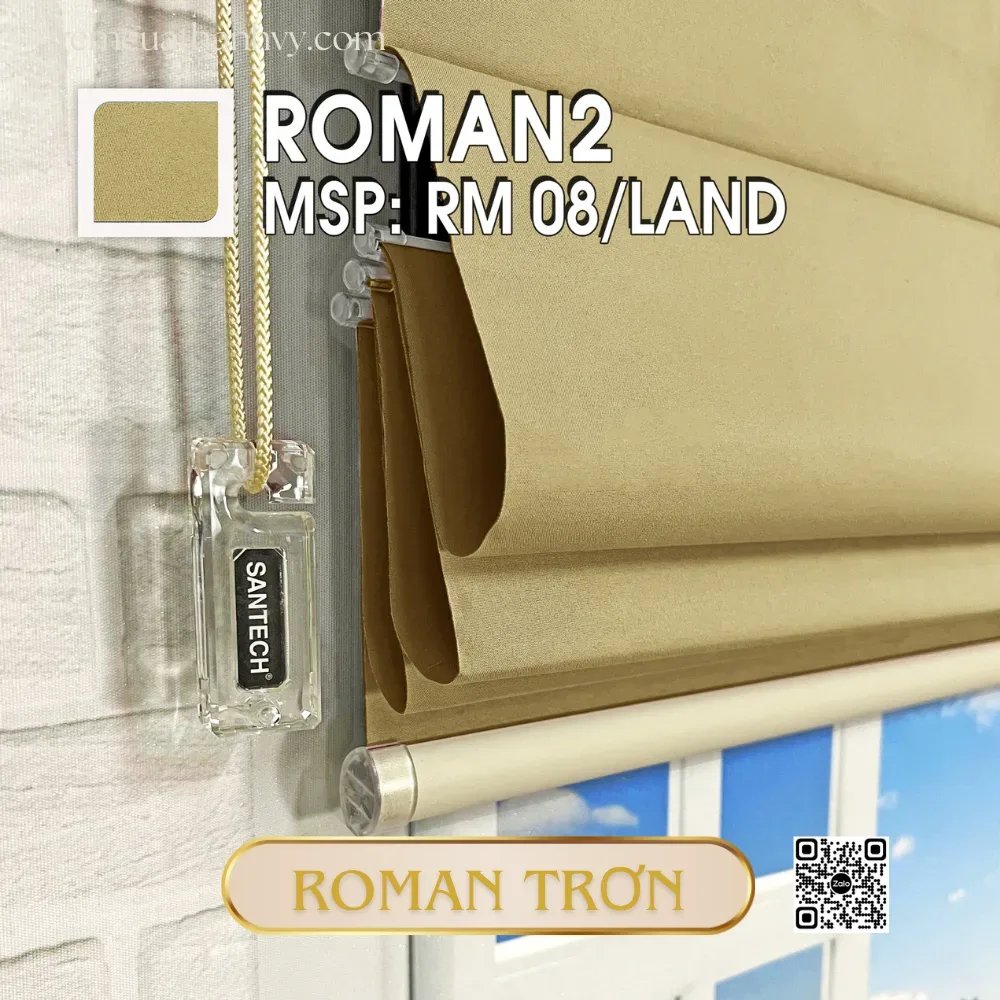
For old townhouses or apartments with windows facing busy streets, especially in the evening when indoor lights can easily shine outside, consider thicker fabric to ensure better privacy, particularly for bedrooms or the family’s private living spaces.
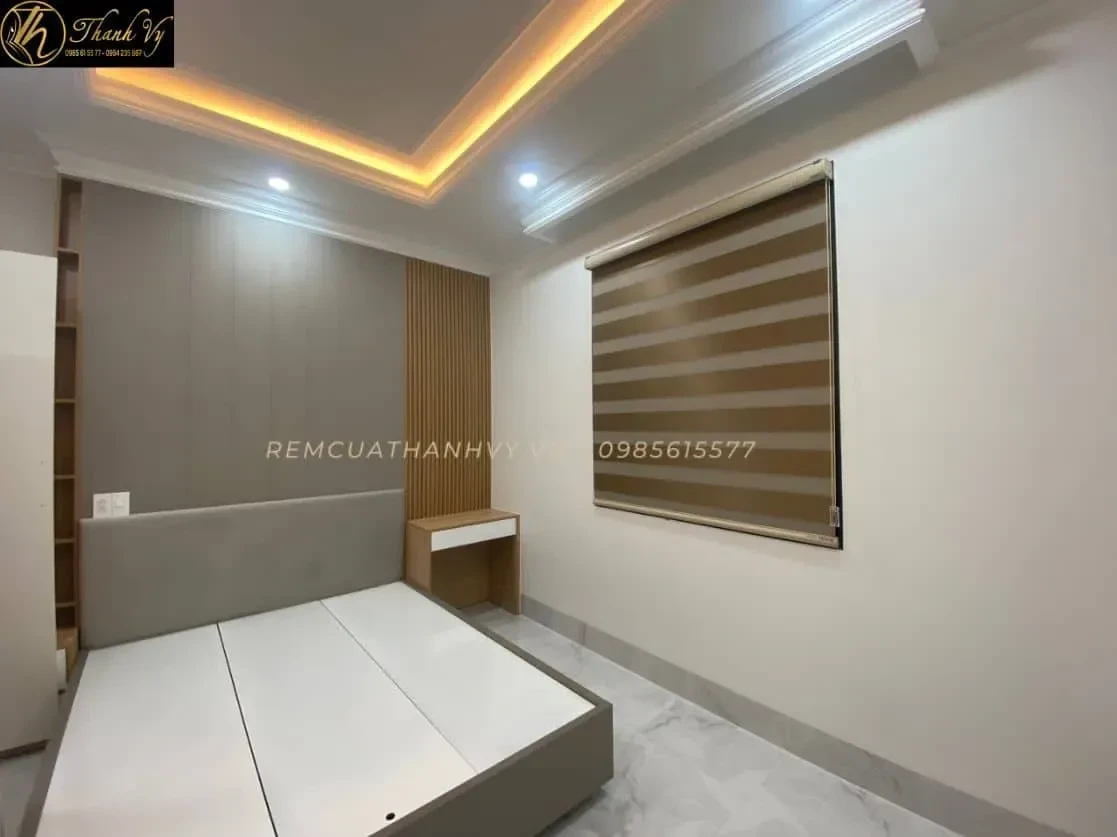
It should be noted that the light-blocking level of Roman blinds also depends on how the folds are designed and how closely the blind fits the window frame when closed; no fabric can block light completely under every installation condition. Therefore, when discussing options with a made-to-measure provider, ask specifically about the actual light-blocking performance of each fabric sample along with the appropriate installation method, rather than relying solely on impressions from sample images.
Before finalizing your option, you can also review Fabric Curtains in District 6: How to Choose Fabric and Sewing Styles or Fabric Curtains in District 3: How to Choose by Room and Needs.
Quick answer: For old townhouses or apartments facing busy streets, choose thicker Roman fabric to ensure privacy in the evening, but note that no Roman fabric can block light completely under every installation condition — ask the made-to-measure provider clearly about actual performance before placing an order.
Installation style and sewing techniques directly affect the elegance of Roman shades
Roman shades can be installed inside the frame (recessed) or outside the frame (overlapping), depending on the actual structure of each window opening. For modern apartments with standard-sized window frames, inside-frame installation is often preferred because it gives the overall space a neat appearance without reducing the room’s usable area. However, the frame must be deep enough to accommodate the shade when it is fully raised and folded.
For old townhouses with traditional wooden window frames, the size and shape of the windows are sometimes not completely uniform due to the characteristics of older architecture, so outside-frame installation is often more flexible and also provides better coverage for any gaps that may result from minor size discrepancies.
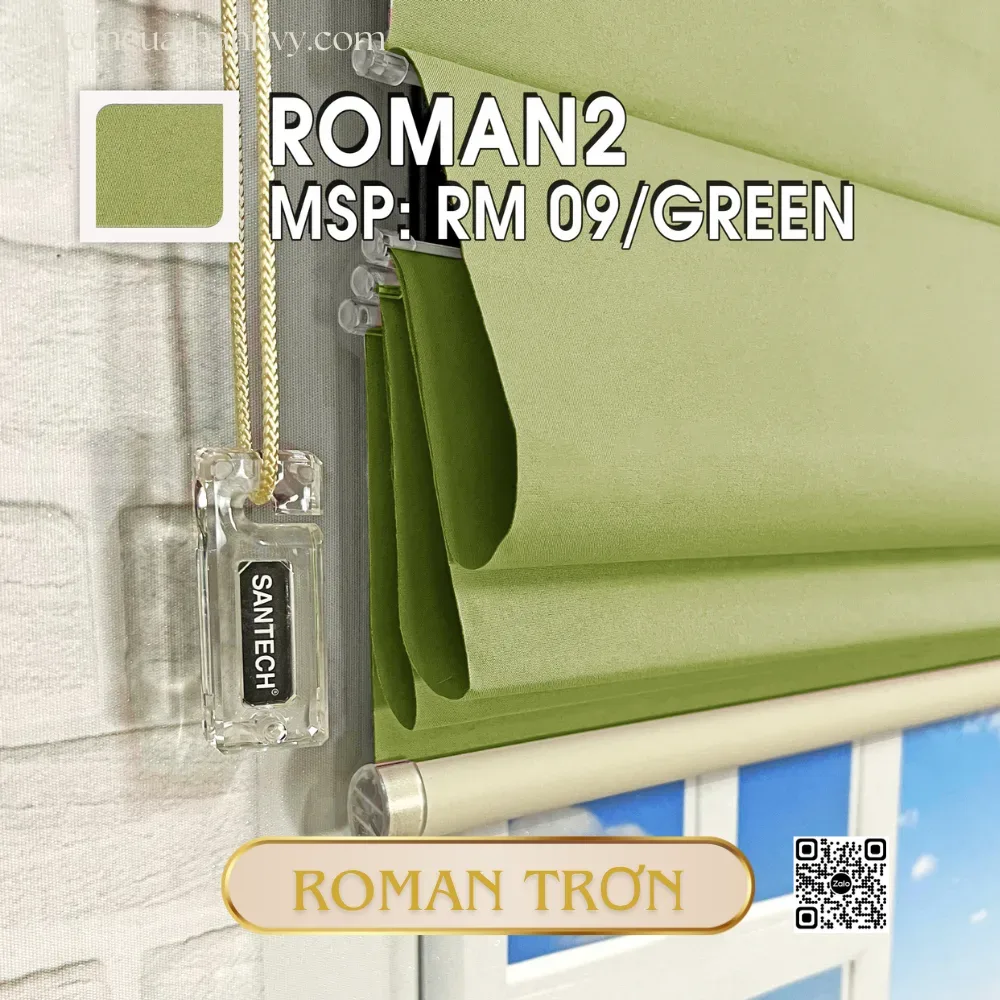
Another important technical factor is the sewing method and arrangement of the horizontal rods inside the shade. The spacing between the rods must be calculated proportionally to the overall height of the window so that, when raised, the folds stack evenly and neatly without shifting or overlapping asymmetrically. For the characteristically tall windows found in many apartments and office buildings in District 1, calculating the appropriate fold ratio becomes even more important to ensure an attractive appearance when the shade is open.
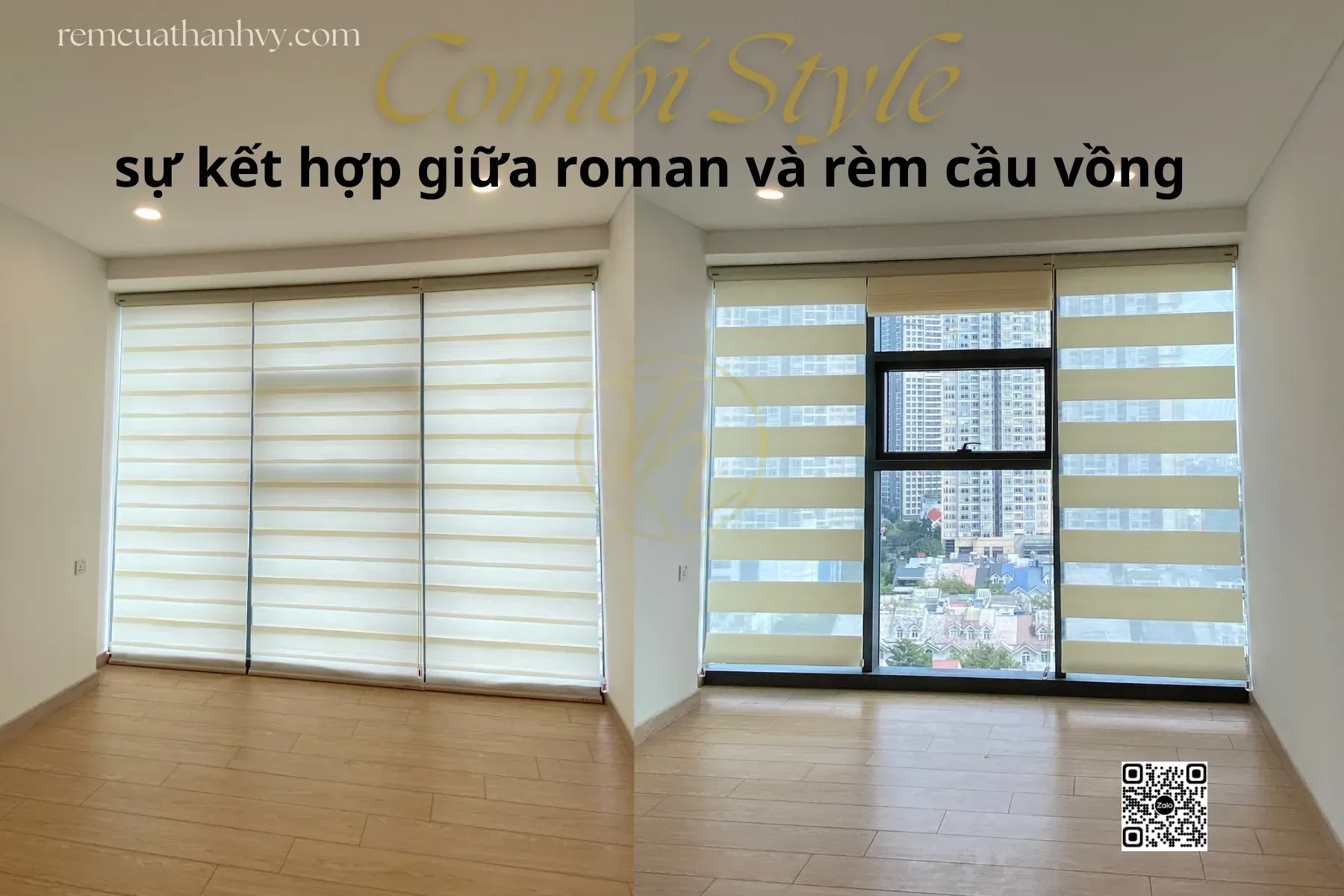
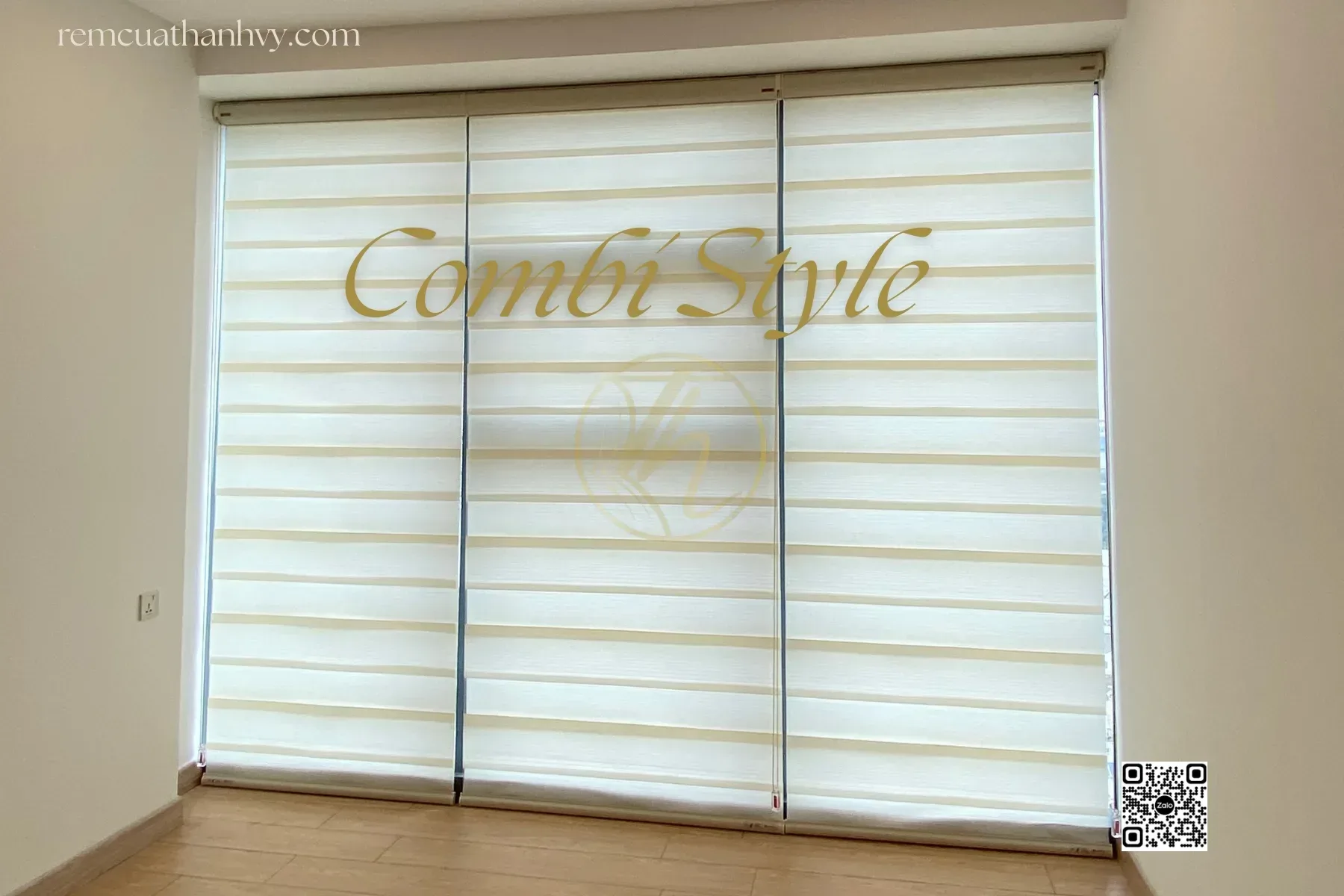
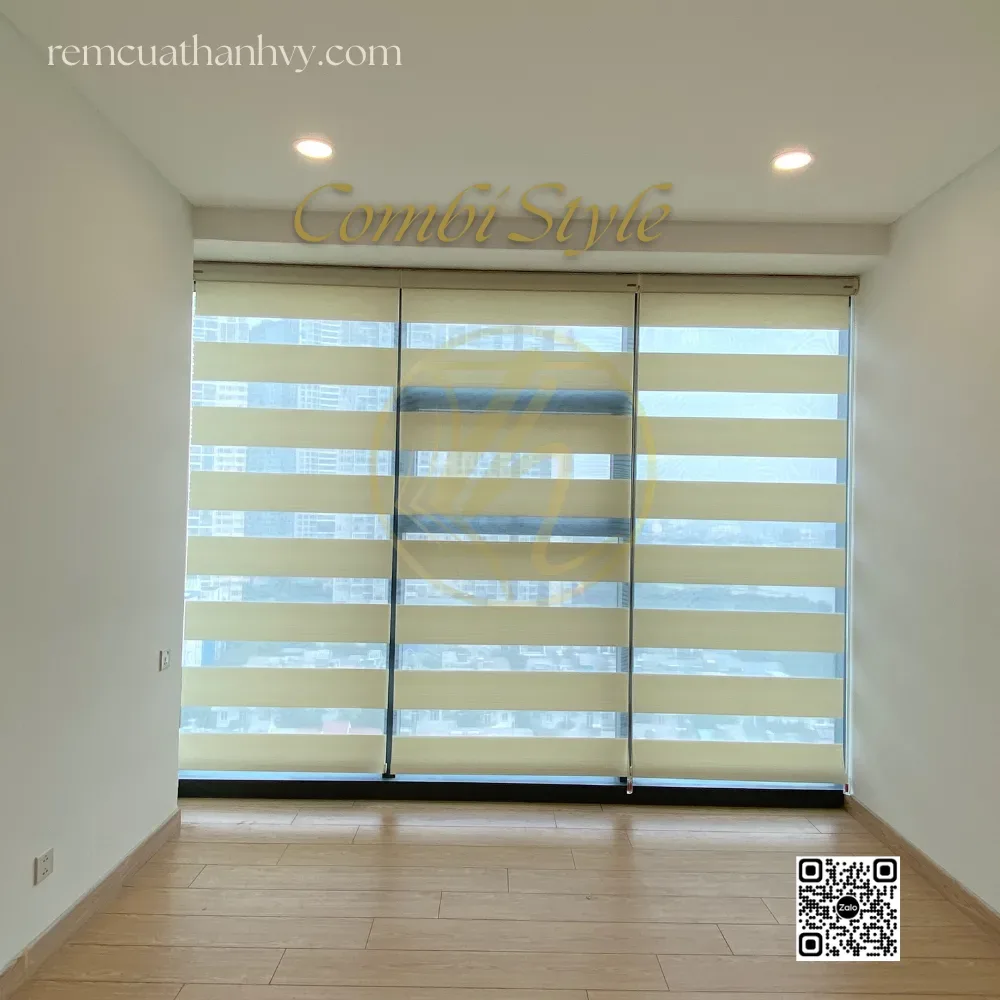
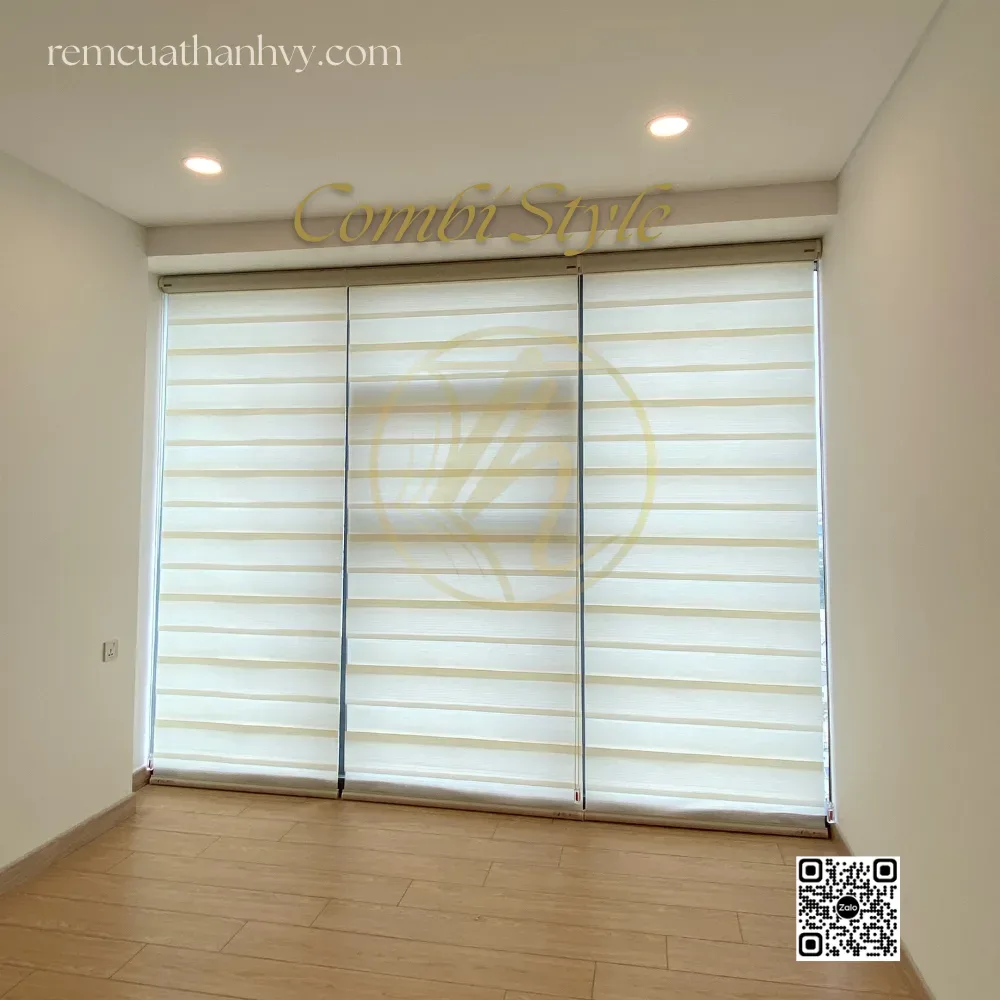
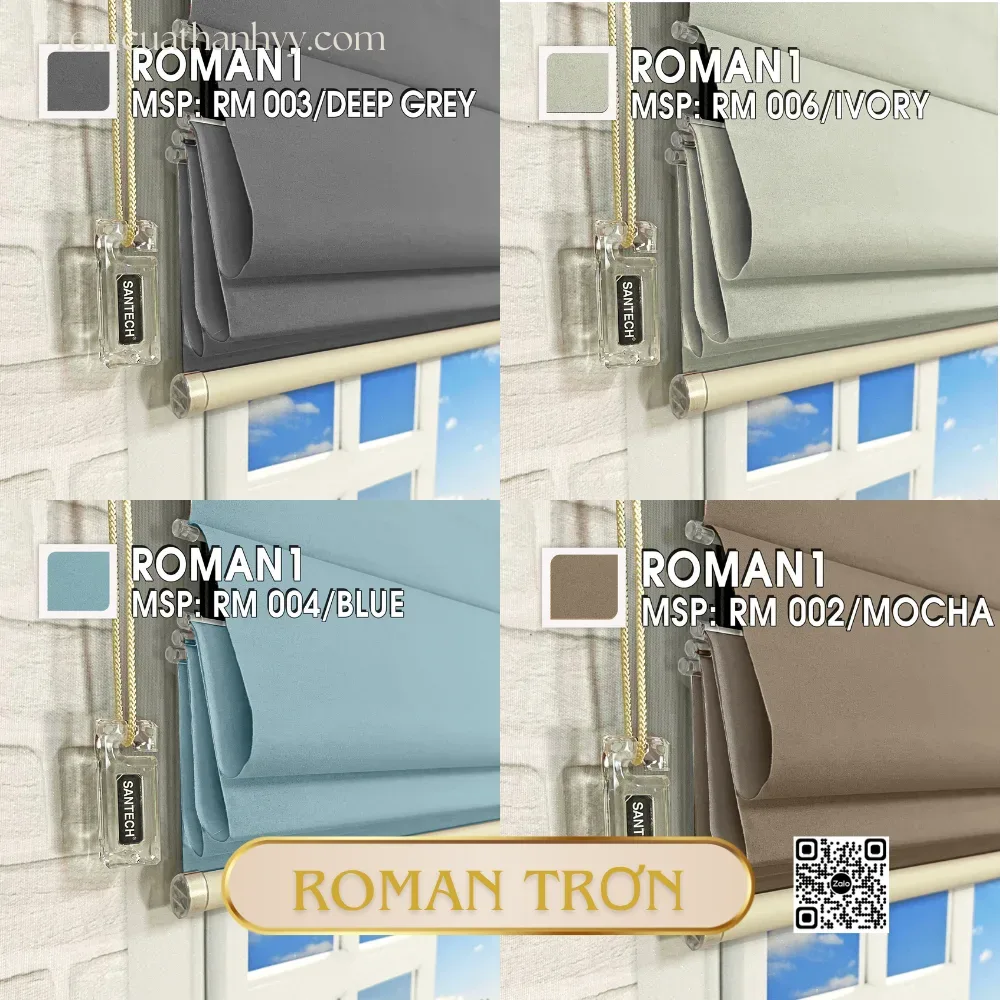
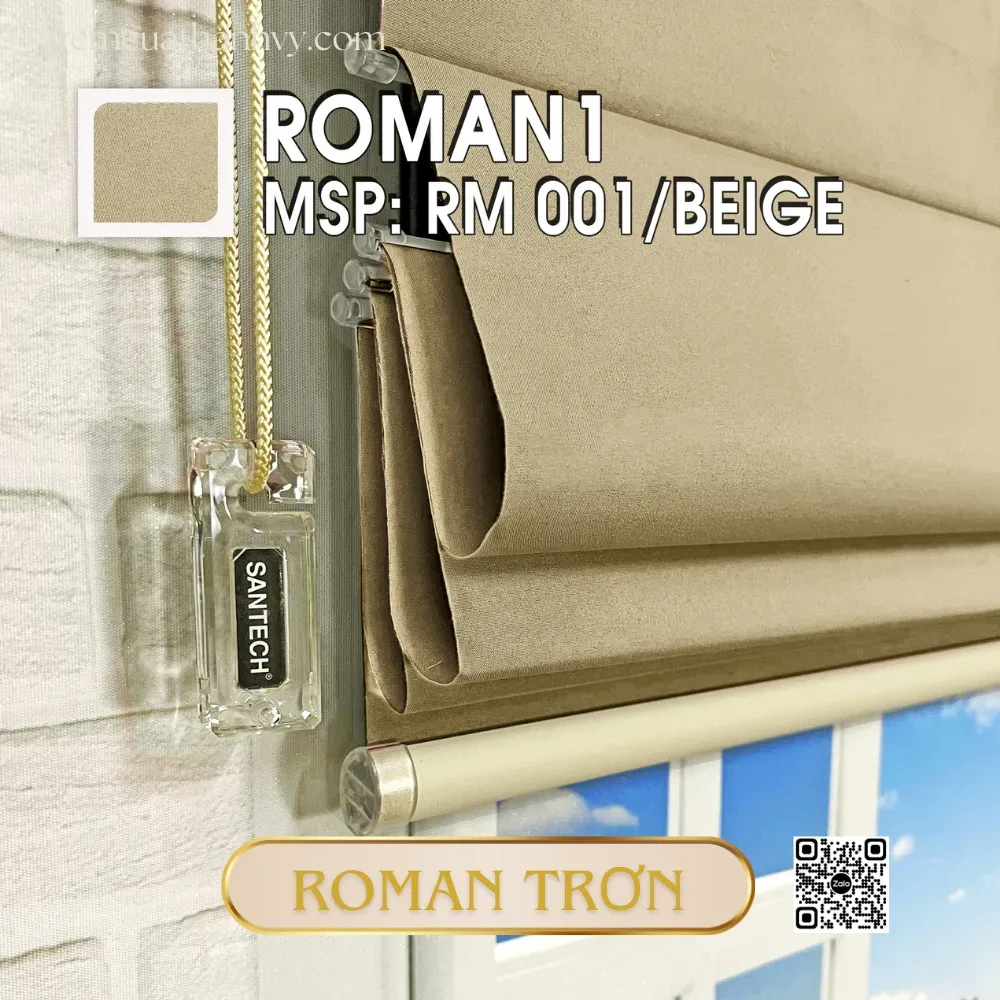
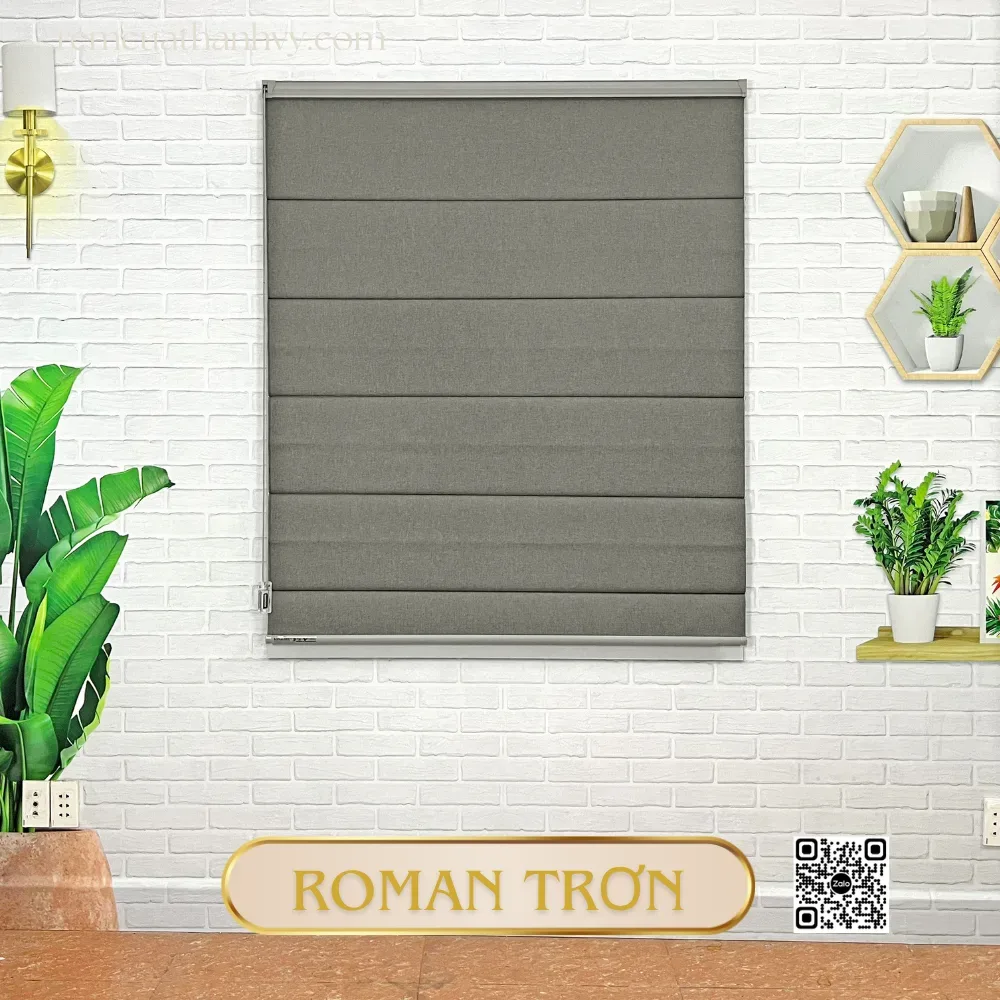
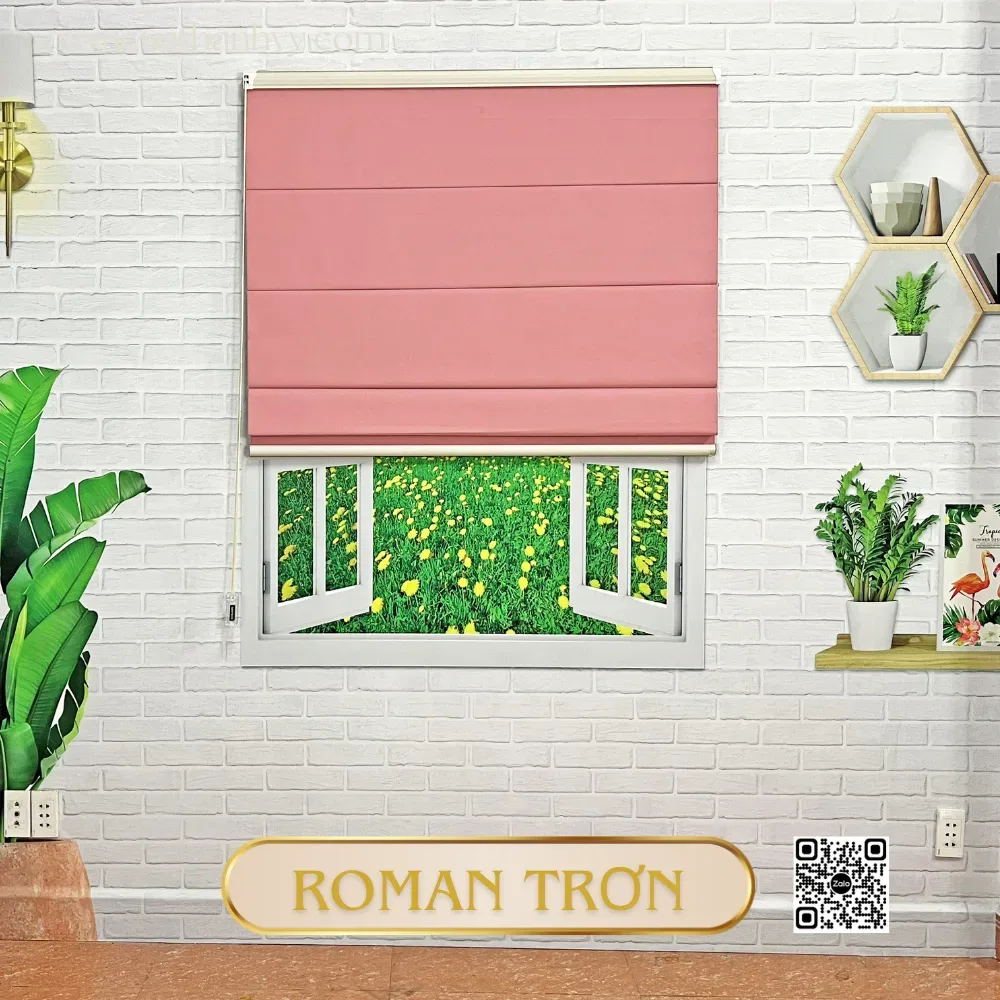
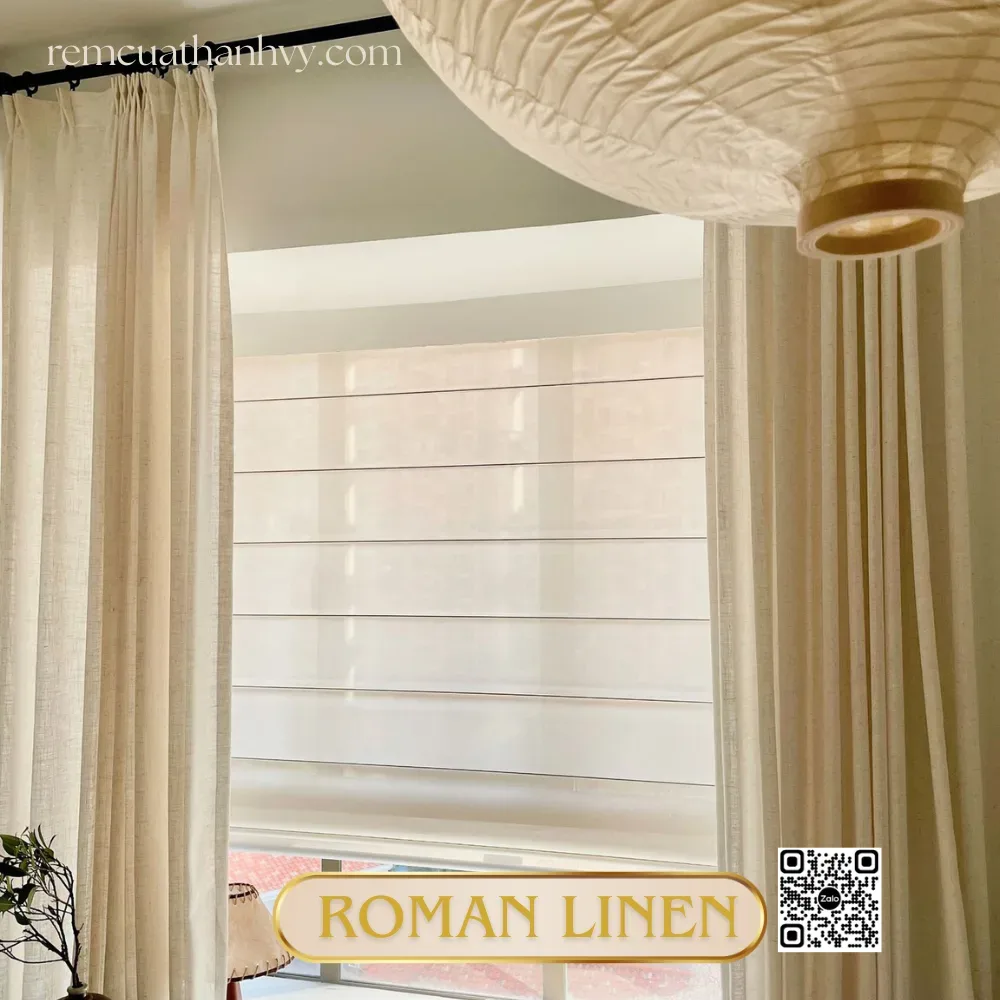
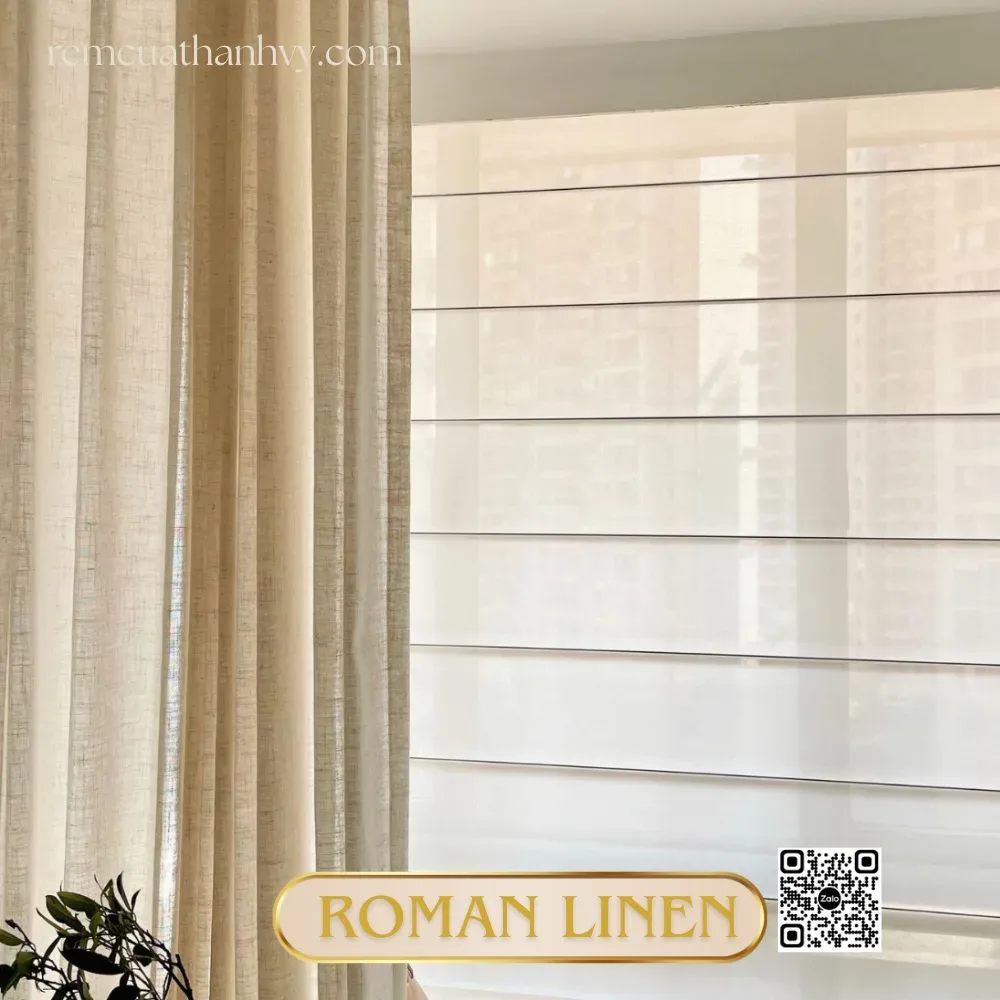
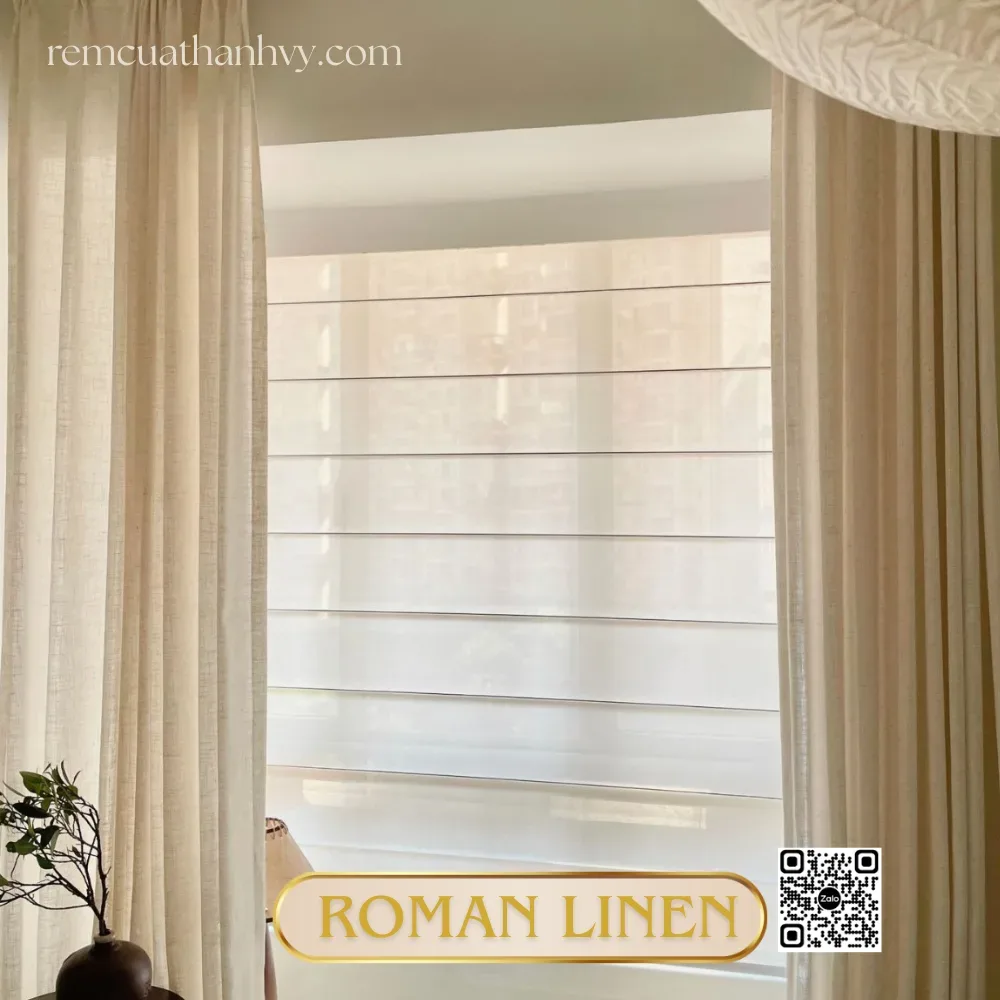
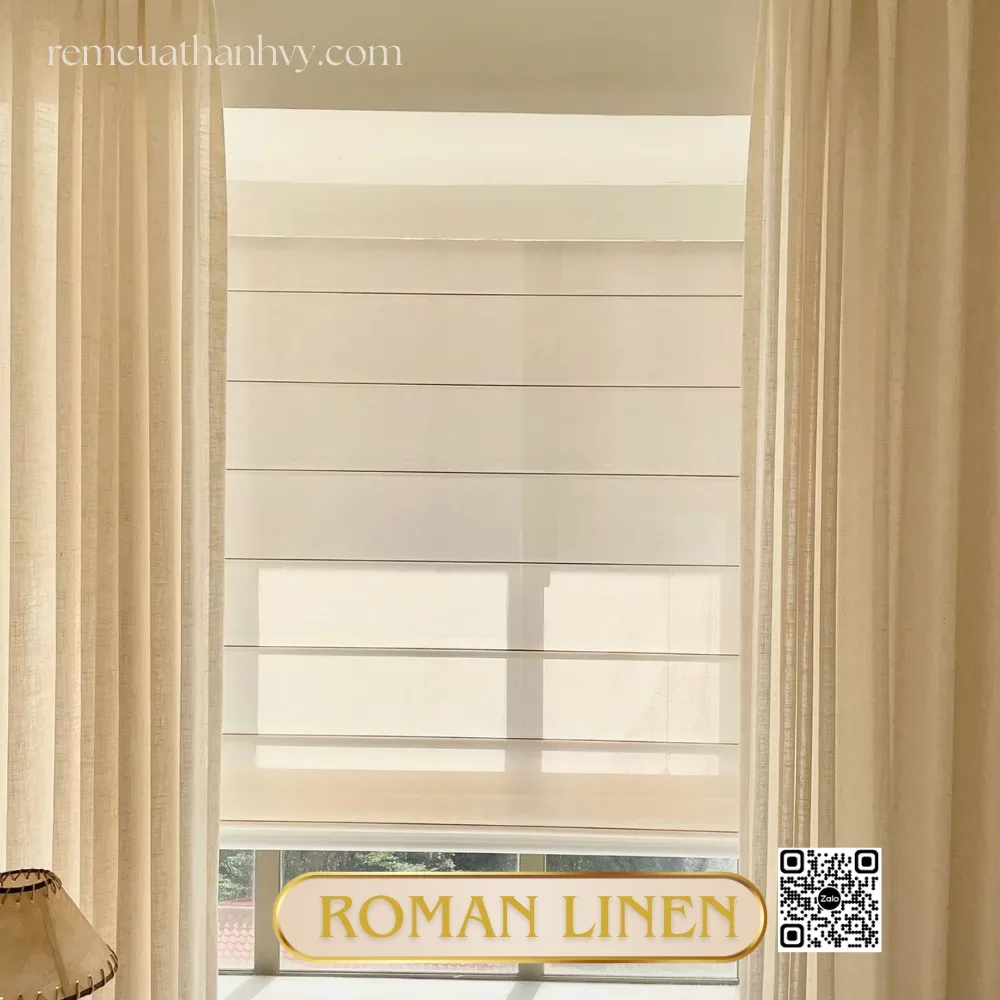
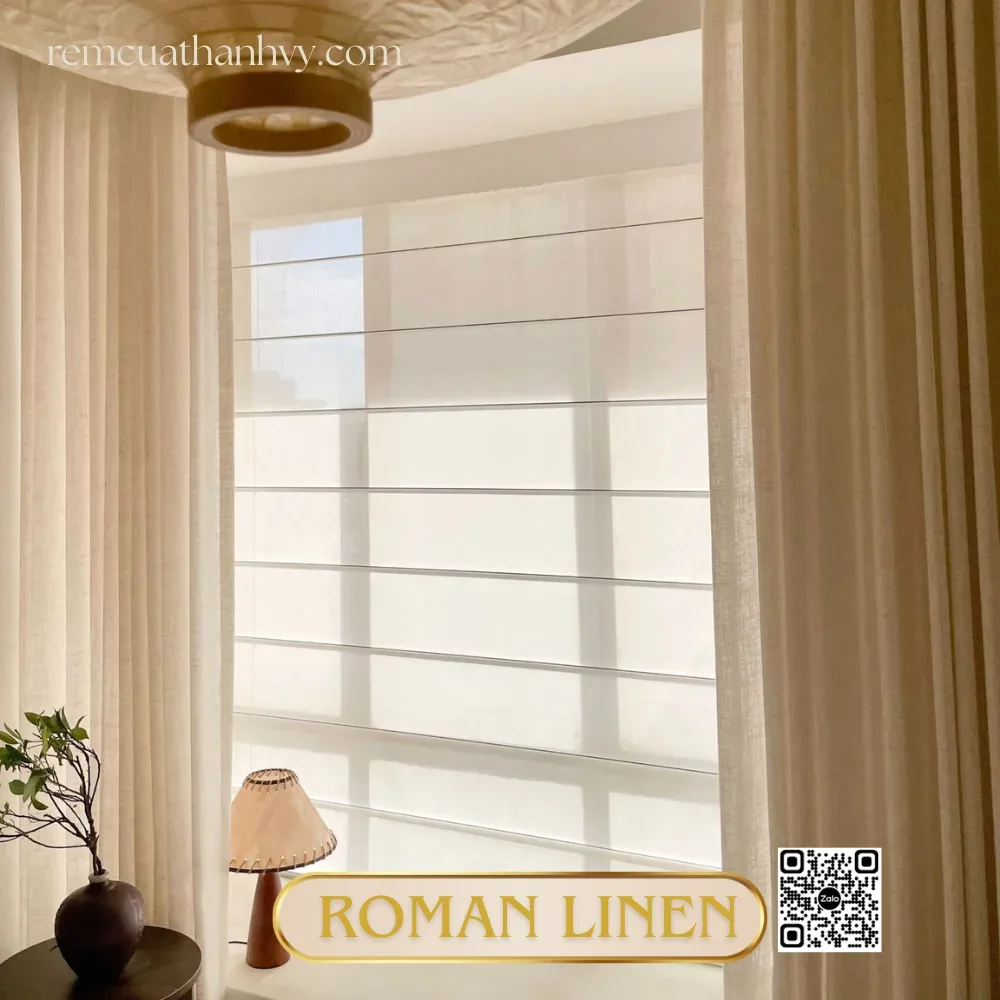
Roman shade applications for each space: living rooms, bedrooms, balconies, and offices
In the living rooms of luxury apartments or old townhouses, Roman shades in neutral or warm tones are often chosen to create an aesthetic accent while harmonizing with the other furnishings in the entertaining area. This is also an area where fabrics with good drape should be prioritized so that the folds look even and dimensional when raised.

Bedrooms in serviced apartments or old townhouses in central areas often need to prioritize privacy and light-blocking capabilities, especially rooms with windows facing busy streets or located near neighboring high-rise buildings that may overlook them. A heavier fabric combined with an inner lining may be a suitable solution for this space.
For balconies in high-rise apartments, which are directly exposed to sunlight and rain, note that standard indoor Roman shade fabric is generally not suitable for outdoor installation. Therefore, if installation in this area is needed, the custom sewing provider should be consulted clearly about specialized fabric.
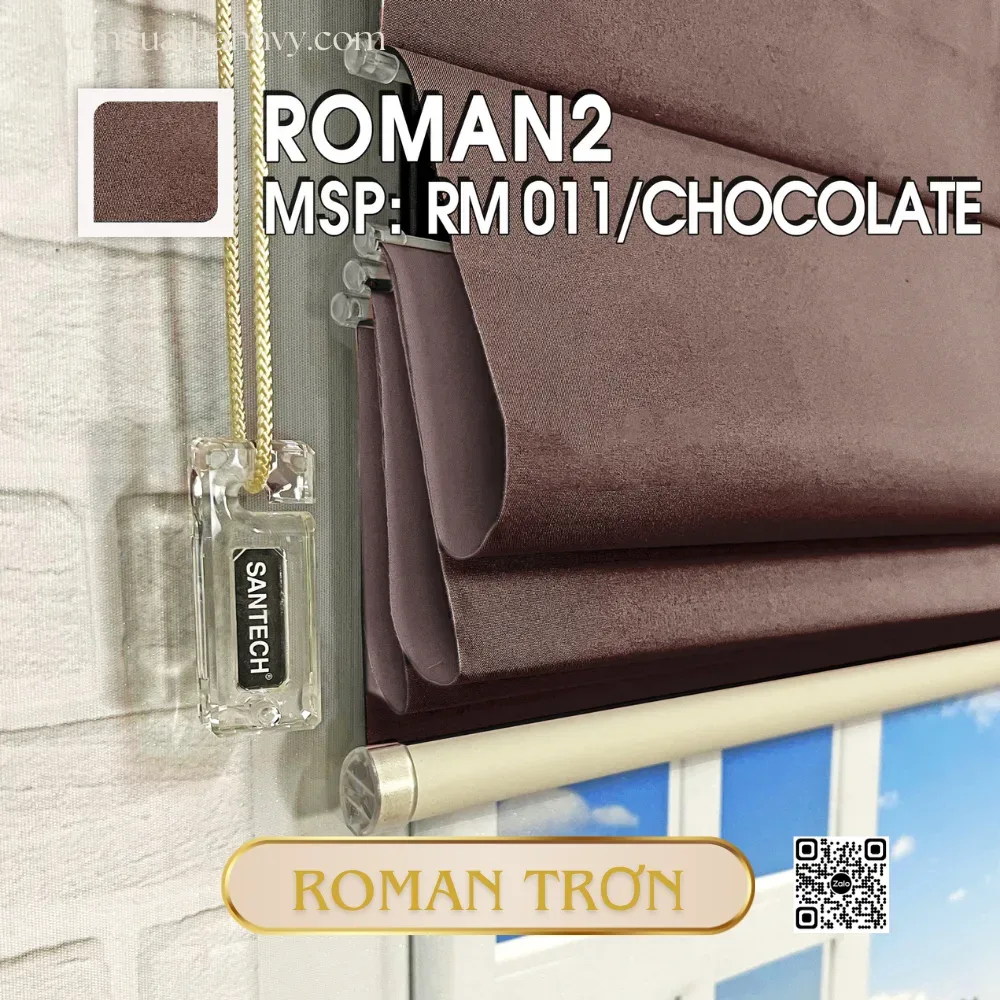
For representative offices or workspaces in serviced apartments, Roman shades with moderate light filtration allow the workspace to receive sufficient natural light while creating a professional and elegant impression when welcoming clients or business partners.
The measurement and site survey process and the checklist to prepare before ordering custom sewing
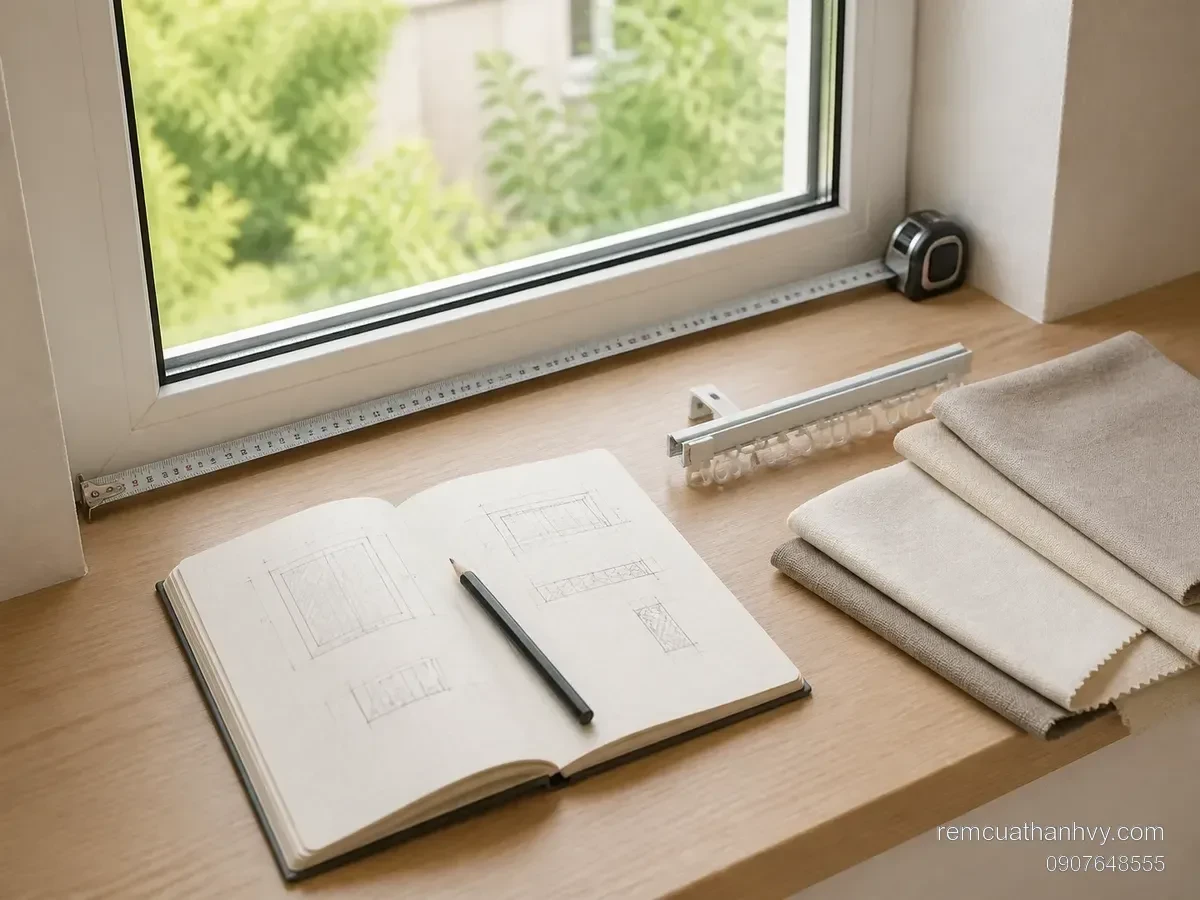
Given the diverse architecture in District 1, from modern apartments to old townhouses, an on-site survey of each window opening is essential before ordering Roman shades. The technician needs to accurately measure the width and height of the window, check the depth of the window frame to determine the appropriate installation style, and record distinctive architectural details if it is an old townhouse in order to advise on the corresponding sewing style.
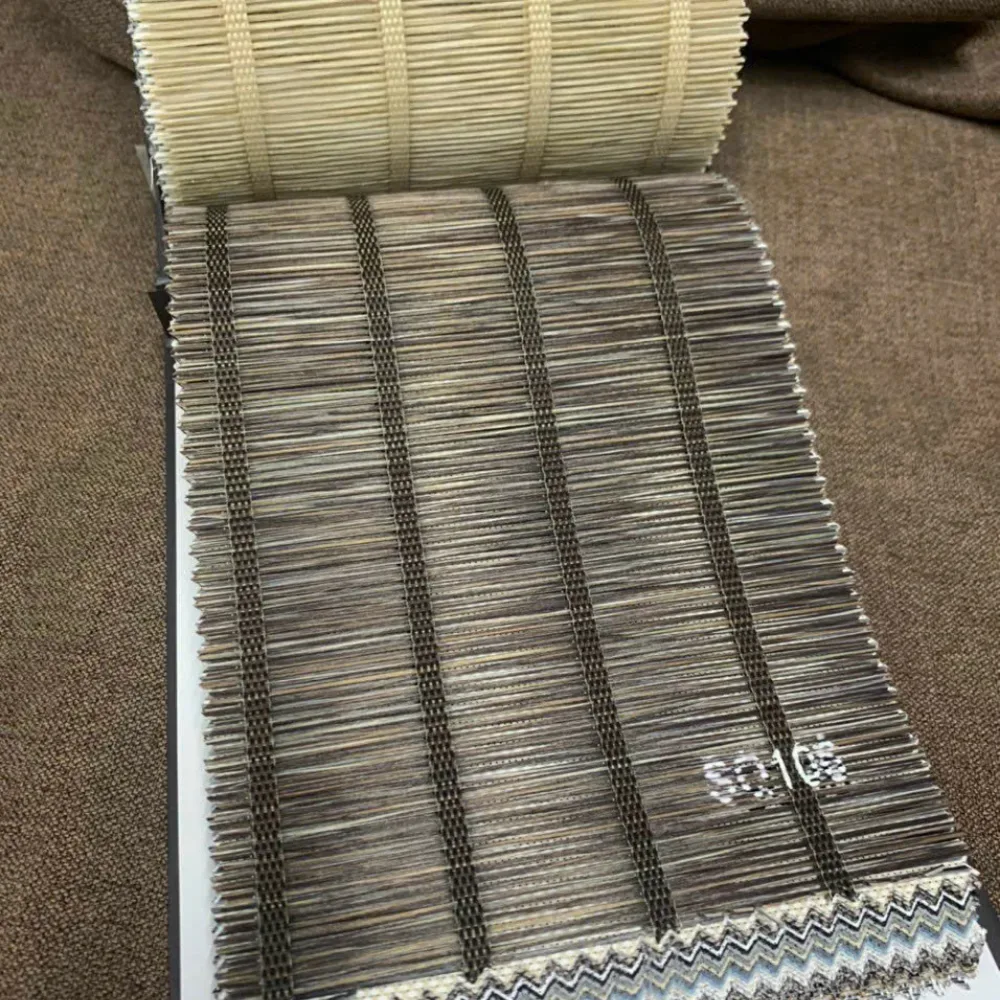
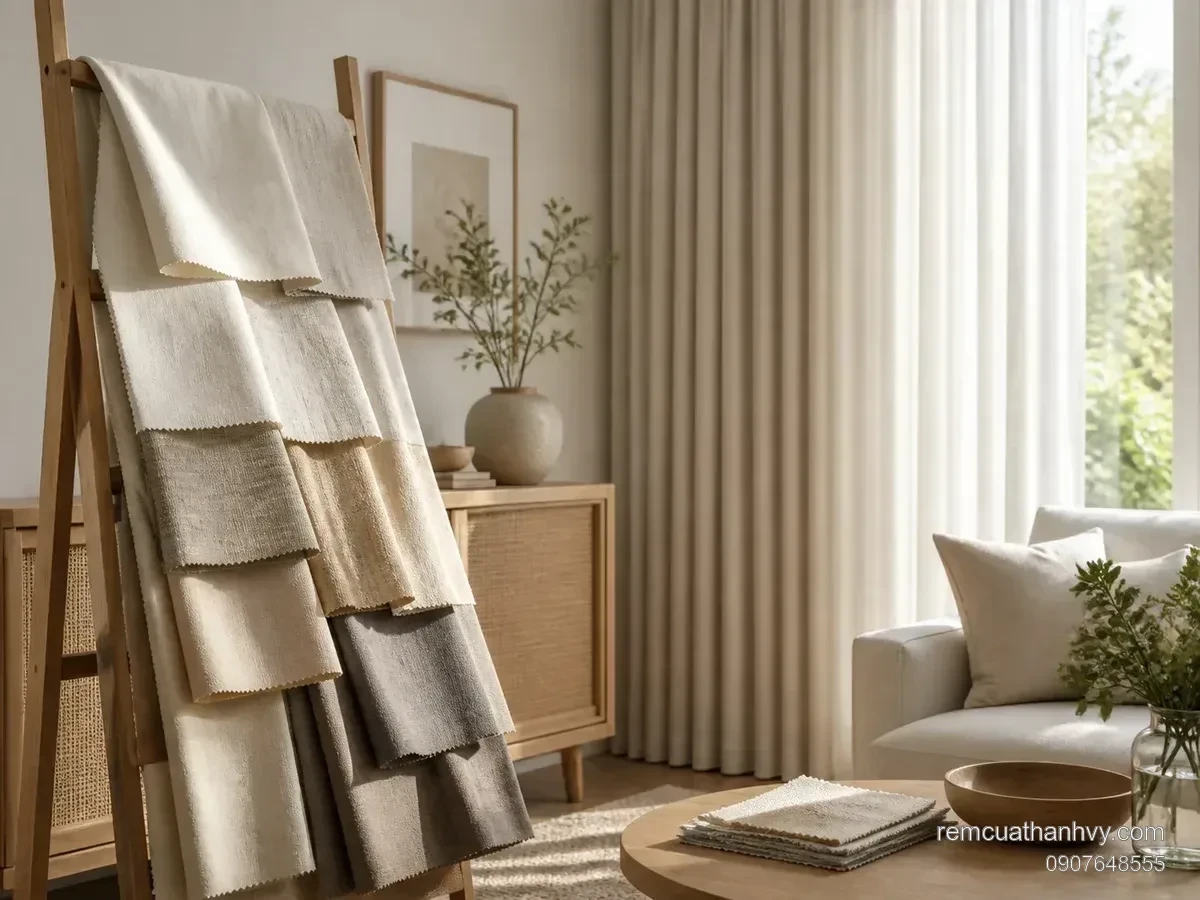
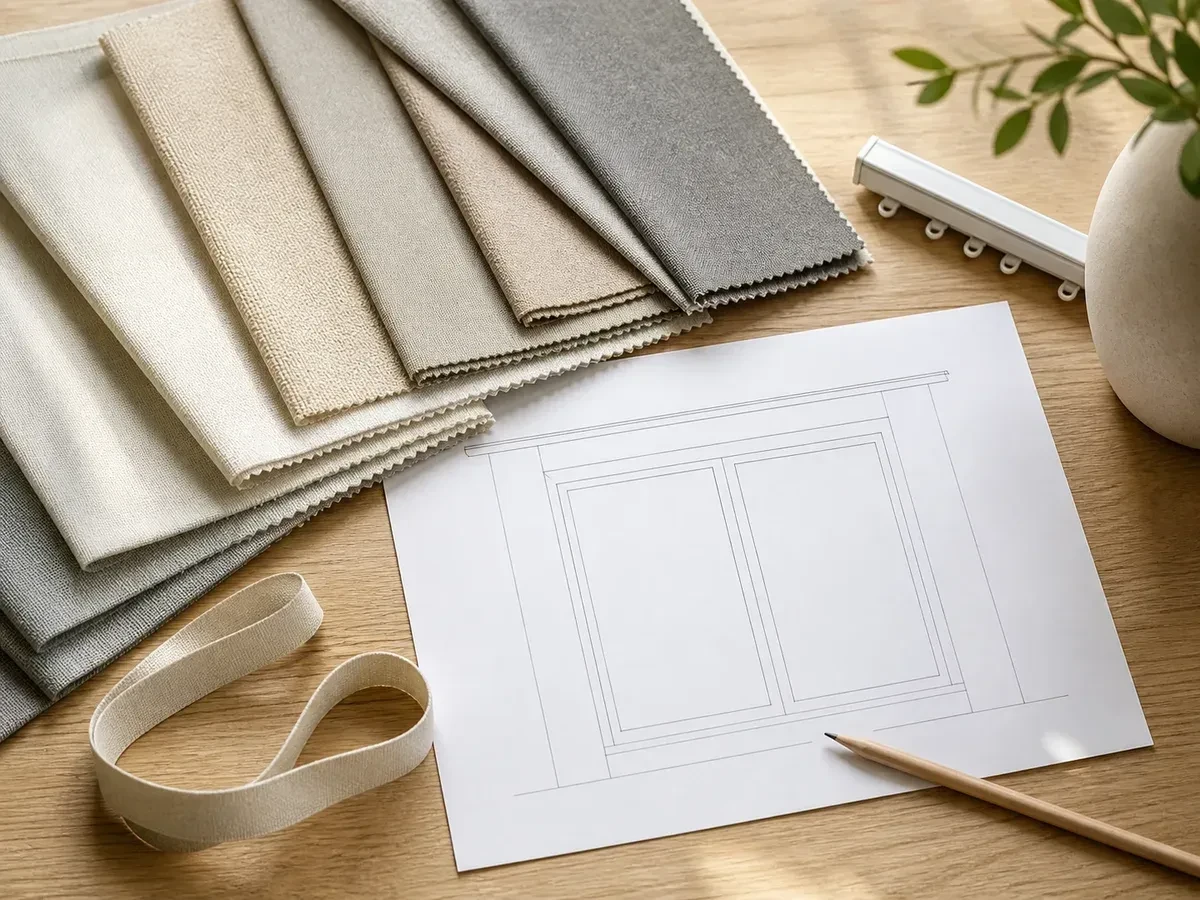
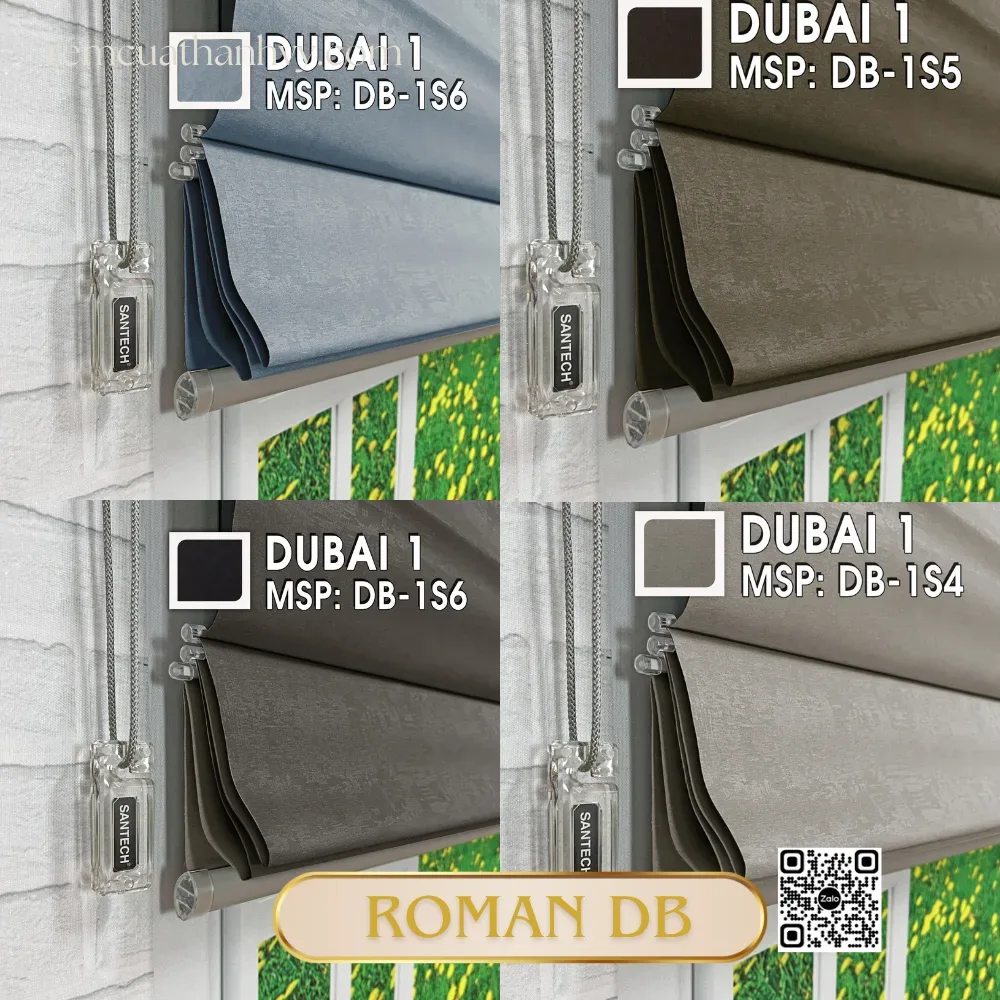
Before ordering custom sewing, you should request to see actual fabric samples and illustrative images of the folds when raised, because the impression of the fabric’s drape and thickness when viewed in person may differ from images in a catalogue. In addition, ask clearly about the completion time, the warranty policy for the pull-cord system and internal rods, as well as the possibility of adjustments if fit issues arise after installation.
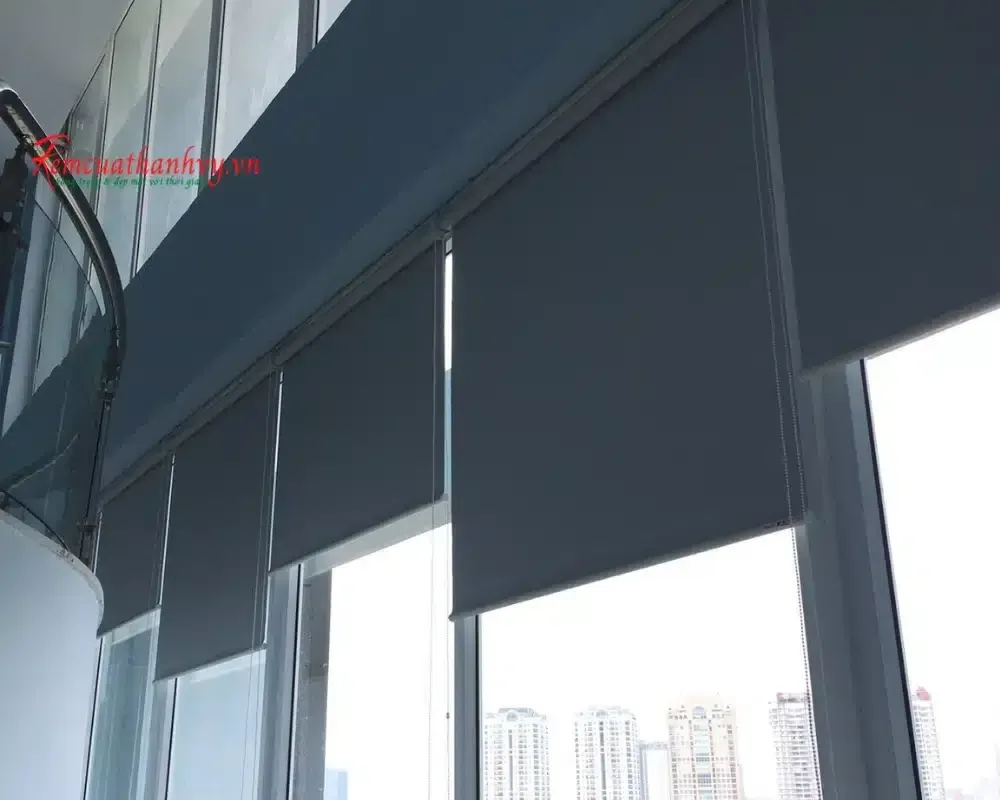
A basic checklist should include: identifying the primary purpose of each room, prioritizing aesthetics versus light-blocking capability, providing information about the architectural style of the house or apartment (modern or classic) so that a suitable sewing style can be recommended, and estimating the budget for each type of fabric.
Things to Note When Choosing a Roman Blind Tailoring and Installation Provider in District 1
When looking for a Roman blind tailoring provider in the District 1 area, priority should be given to providers experienced in working with both characteristic types of properties in this area: modern apartments requiring precise installation techniques, and old townhouses with architectural features that require more flexible handling. An on-site survey helps the installation provider recommend the right sewing style and installation method for each specific type of space.
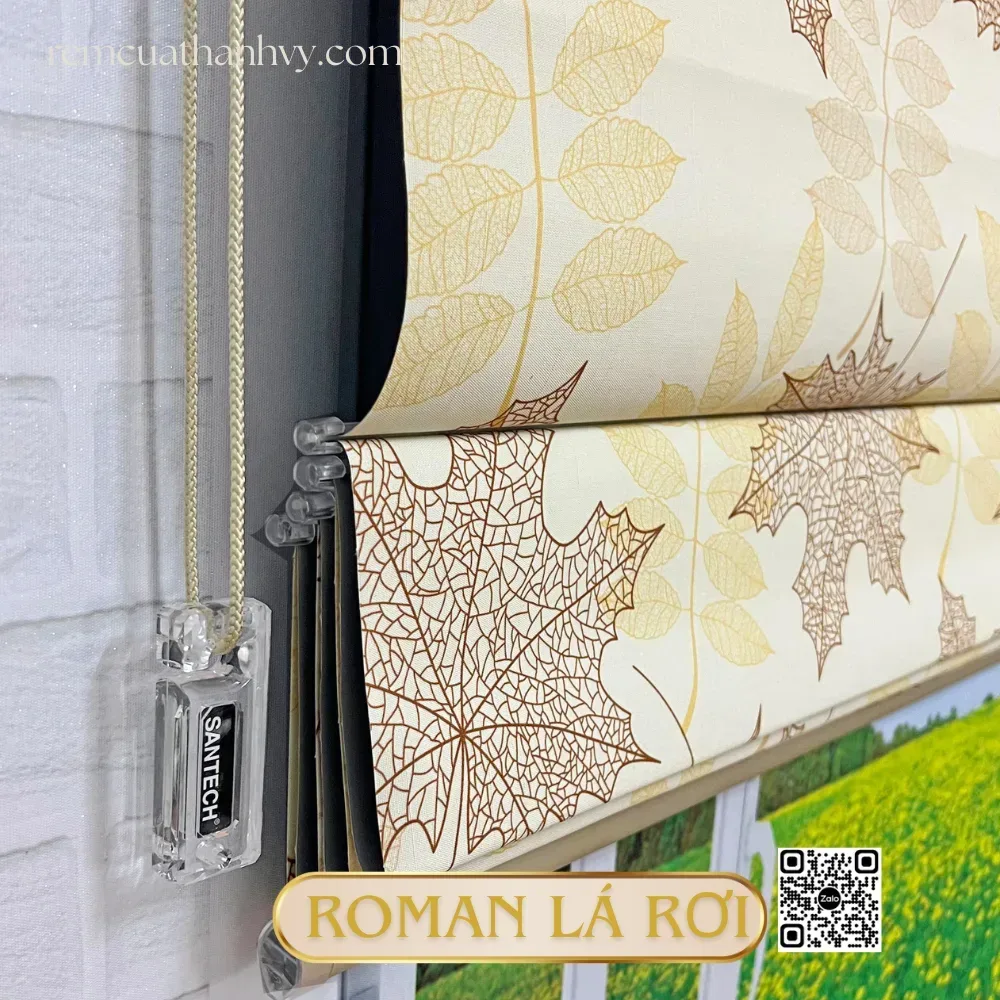
In addition, given the high aesthetic standards often seen in the luxury apartment and old townhouse segments in District 1, it is advisable to carefully learn about the tailoring provider’s ability to advise on color and material coordination, as well as review previously completed Roman blind samples to evaluate craftsmanship and the evenness of the folds when raised. An experienced provider is usually willing to clearly explain how to calculate the appropriate fold ratio for each customer’s specific window height. You can also refer to polyester fibers in the textile industry to better understand the material aspect.
In general, choosing suitable District 1 Roman blinds requires careful consideration of the home’s architectural characteristics, the intended use of each space, and the installation provider’s craftsmanship in handling the folds and installation fit, so that the blinds are both beautiful and durable over time.
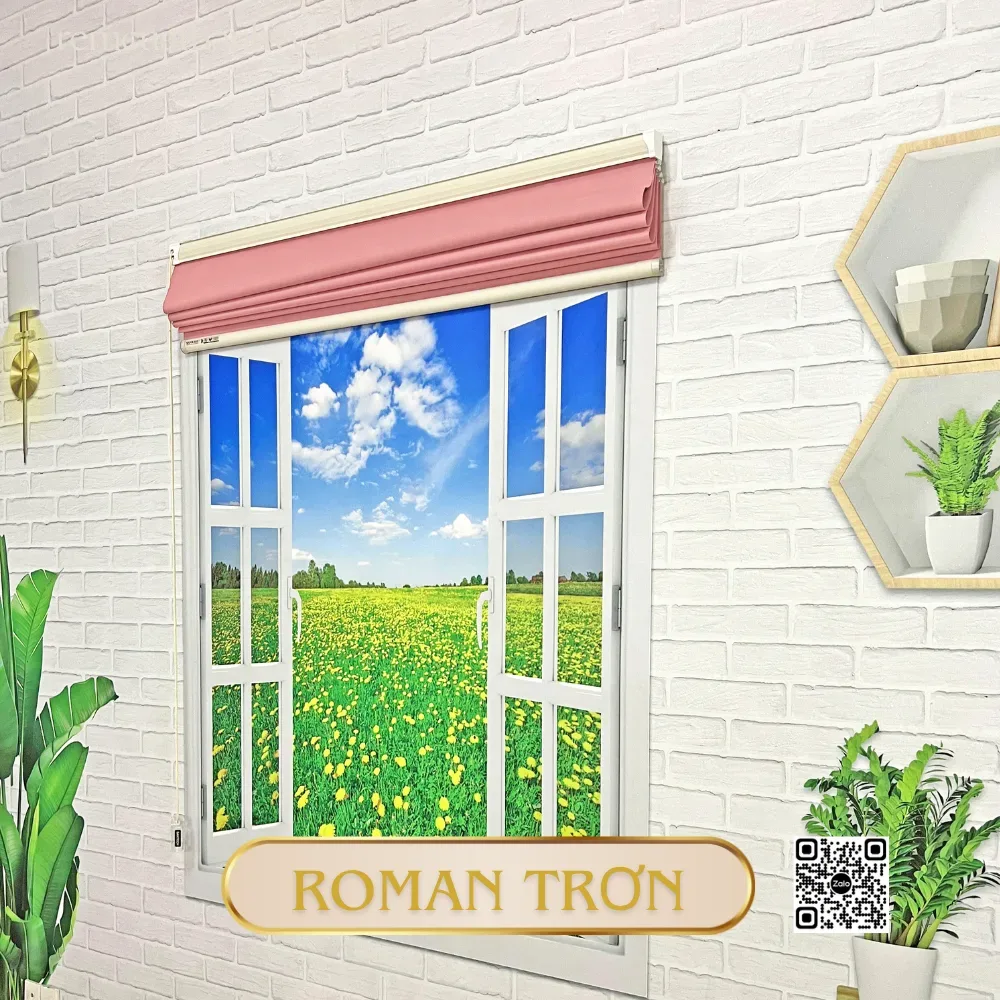
Window Blind Styles Recommended for Installation in District 1
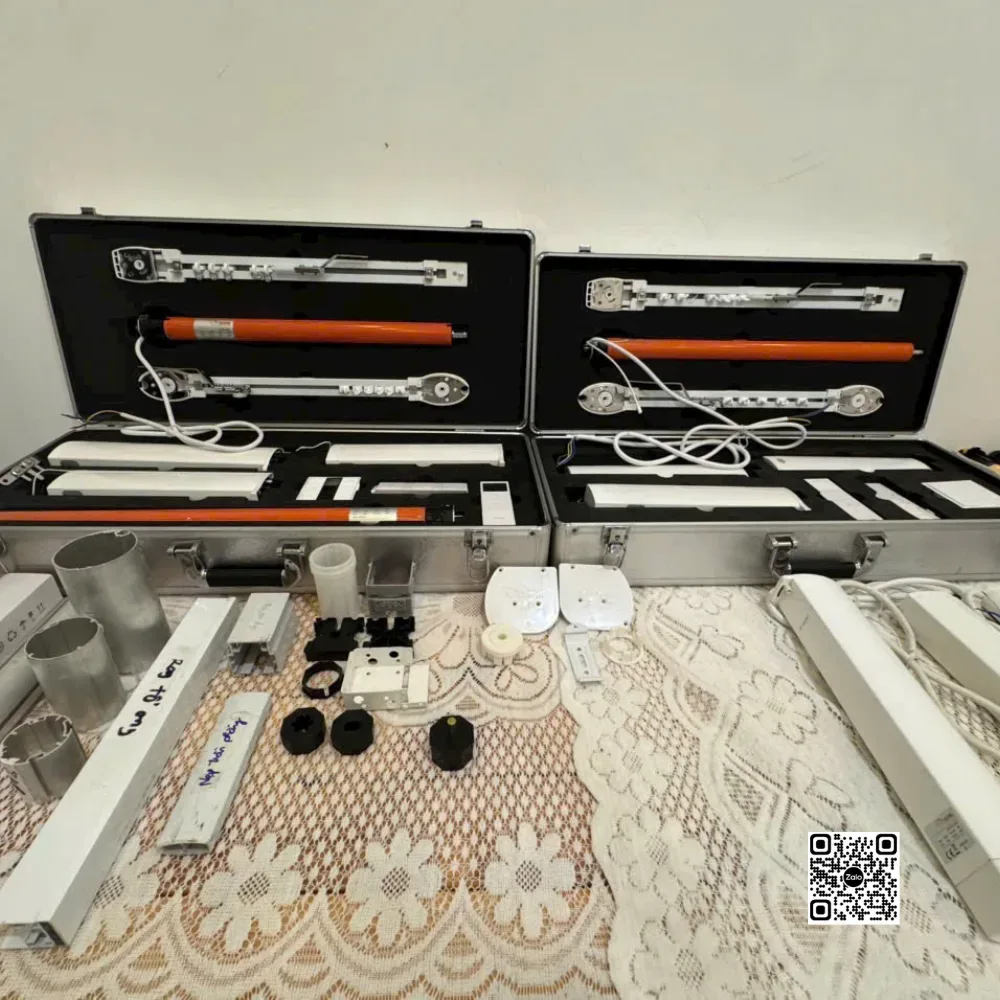
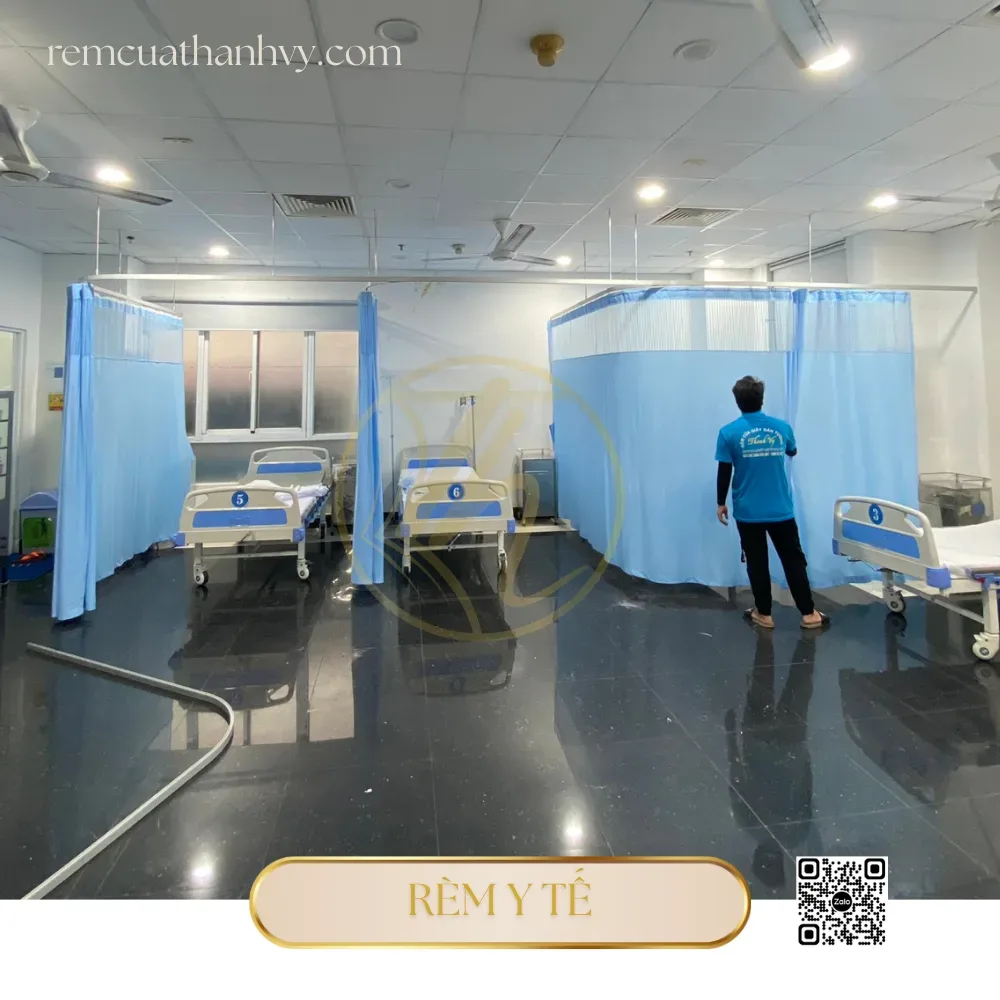
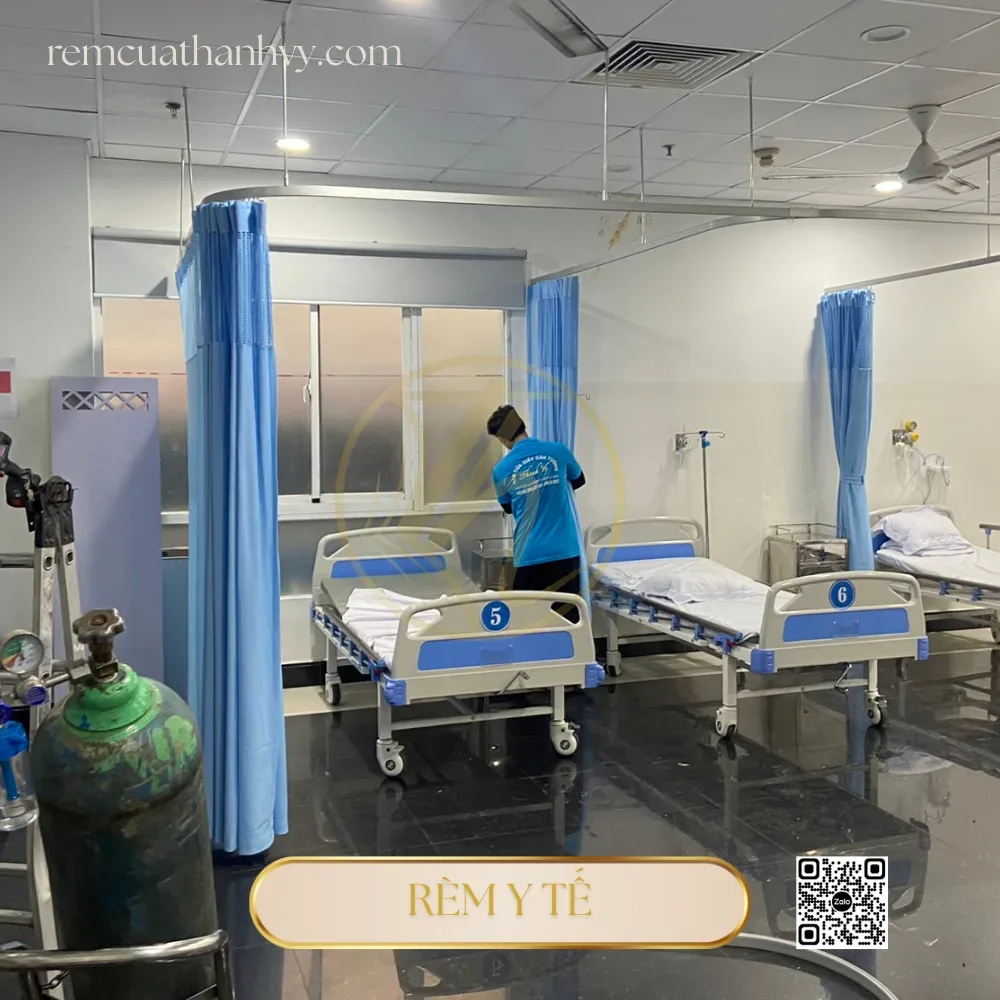
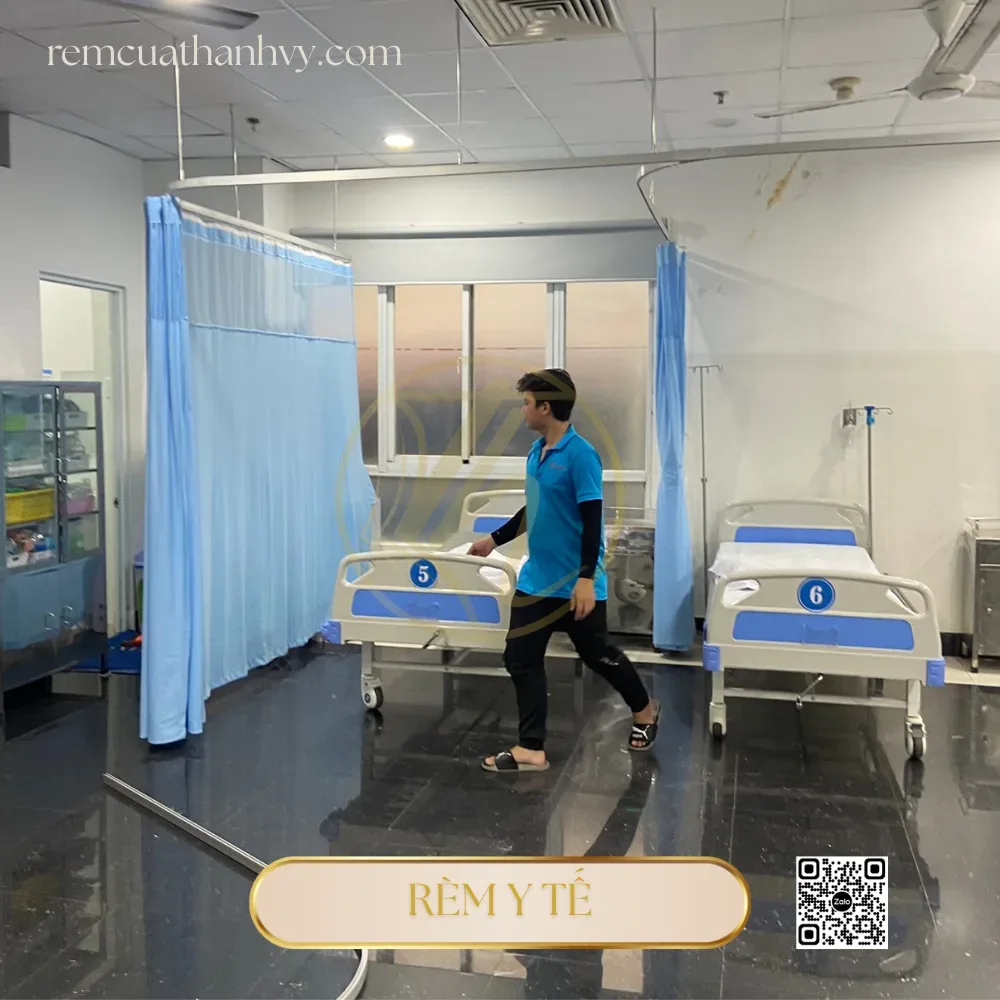
Below are the actual product groups currently available at Rèm Cửa Thanh Vy, arranged according to common usage needs in the District 1 area.
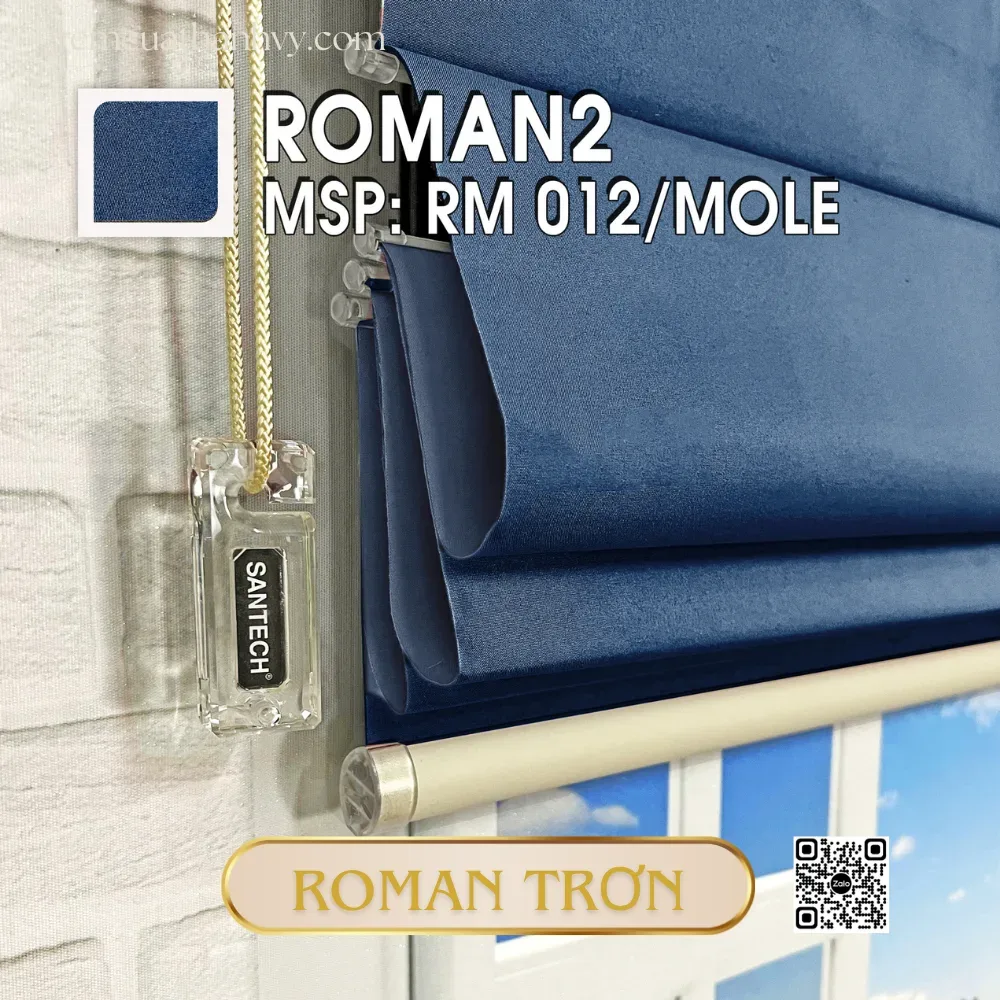
Send your dimensions and needs, and the Thanh Vy Curtains team will advise on options and quote for your actual space.
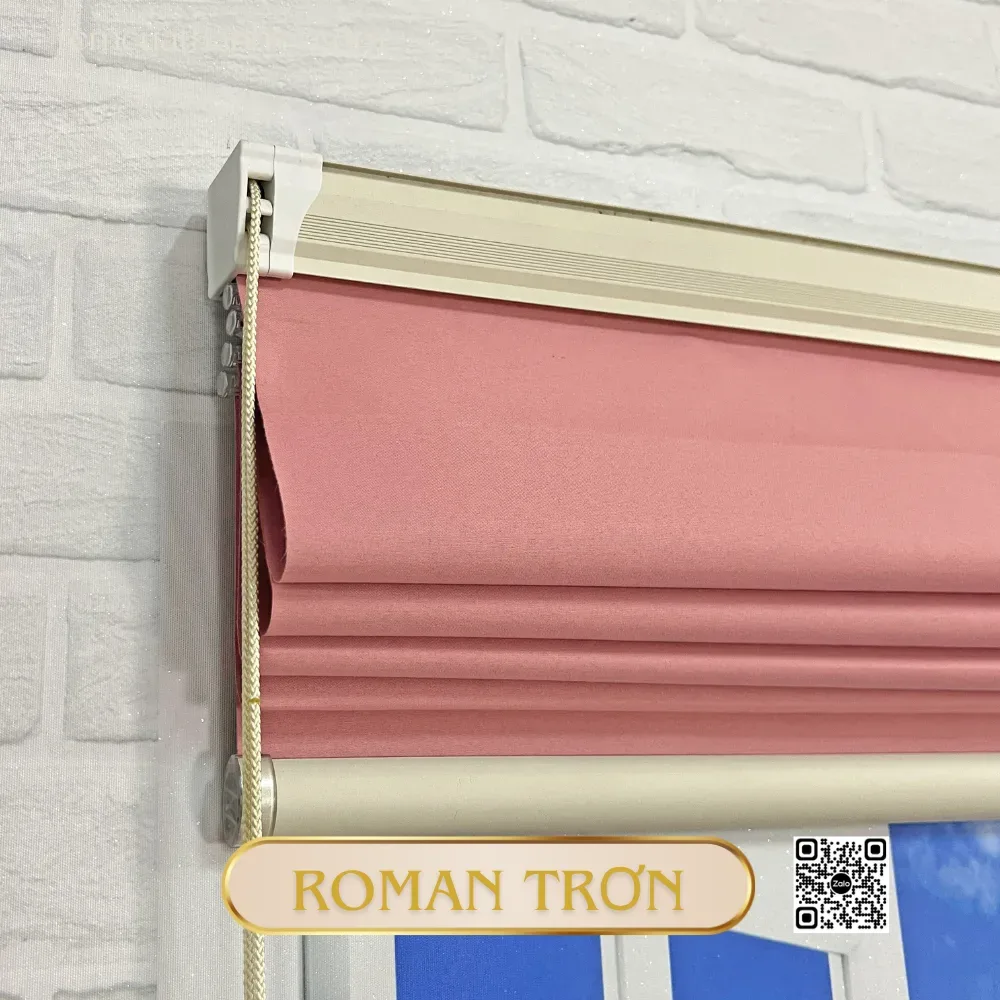
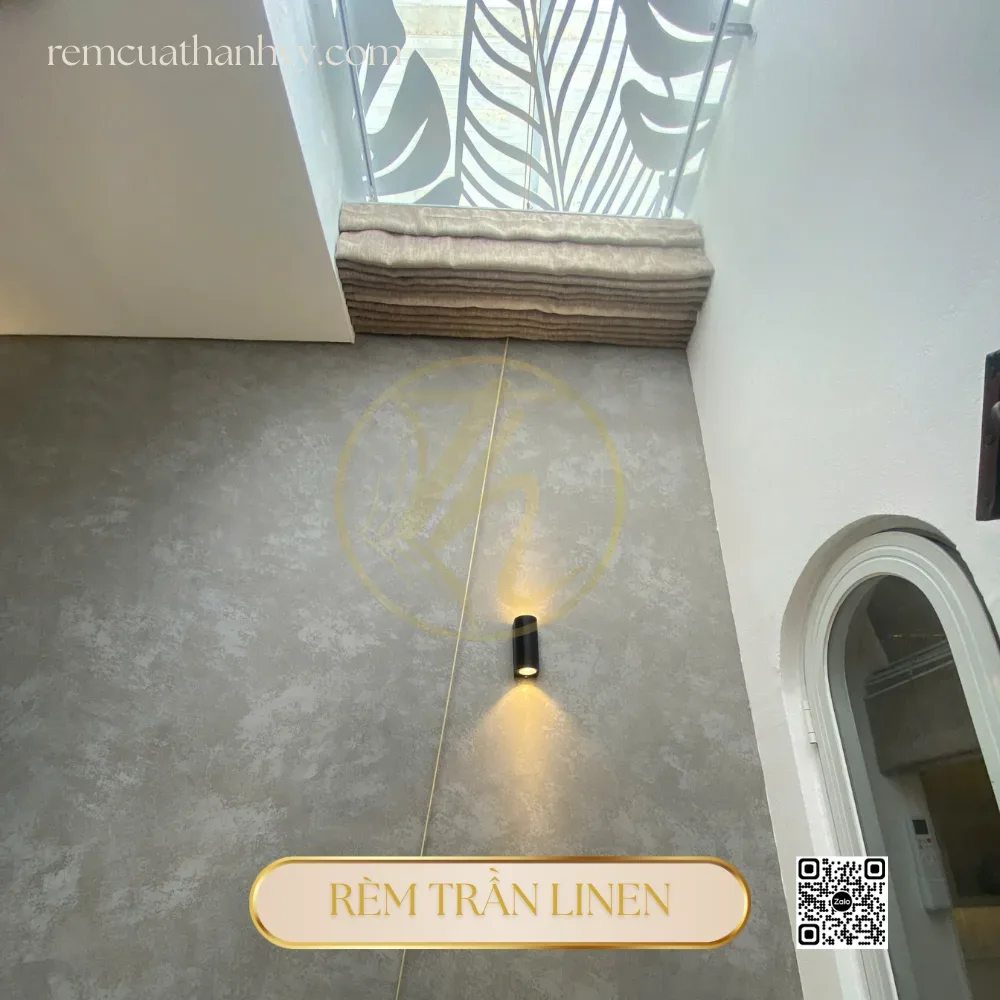
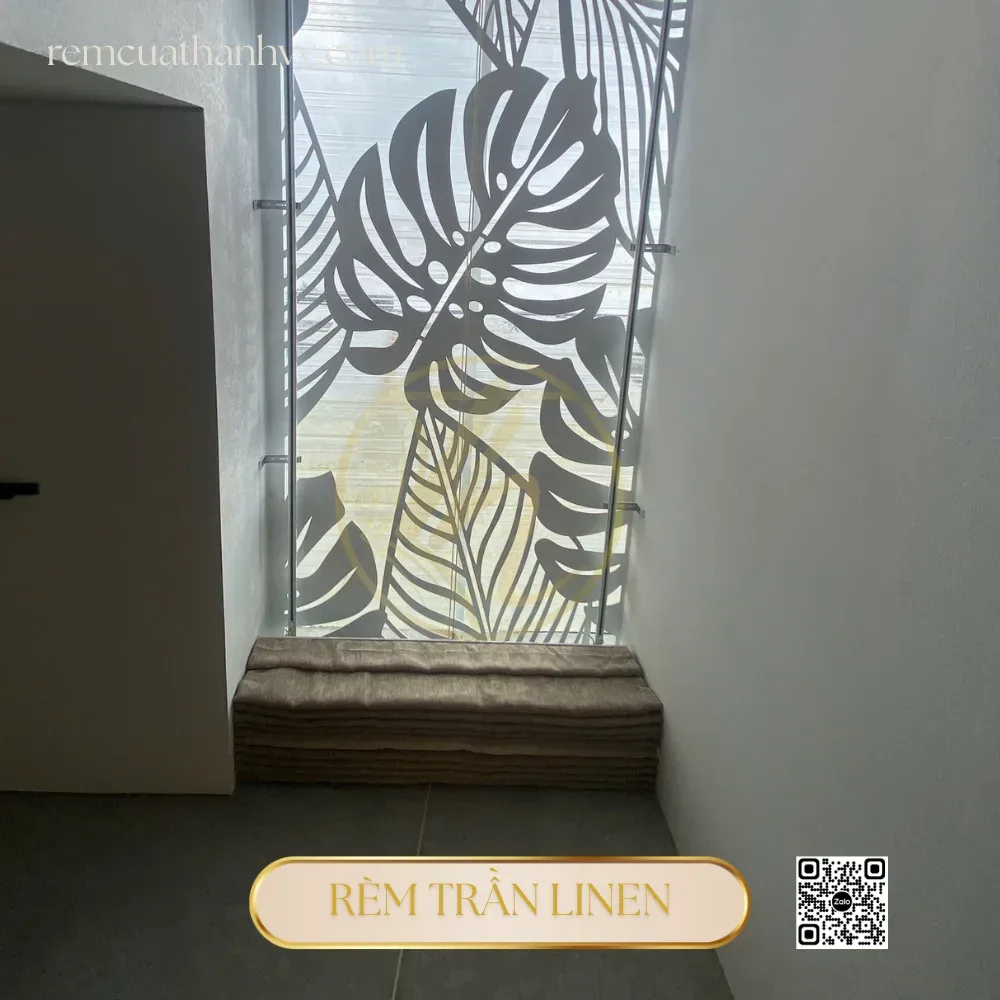
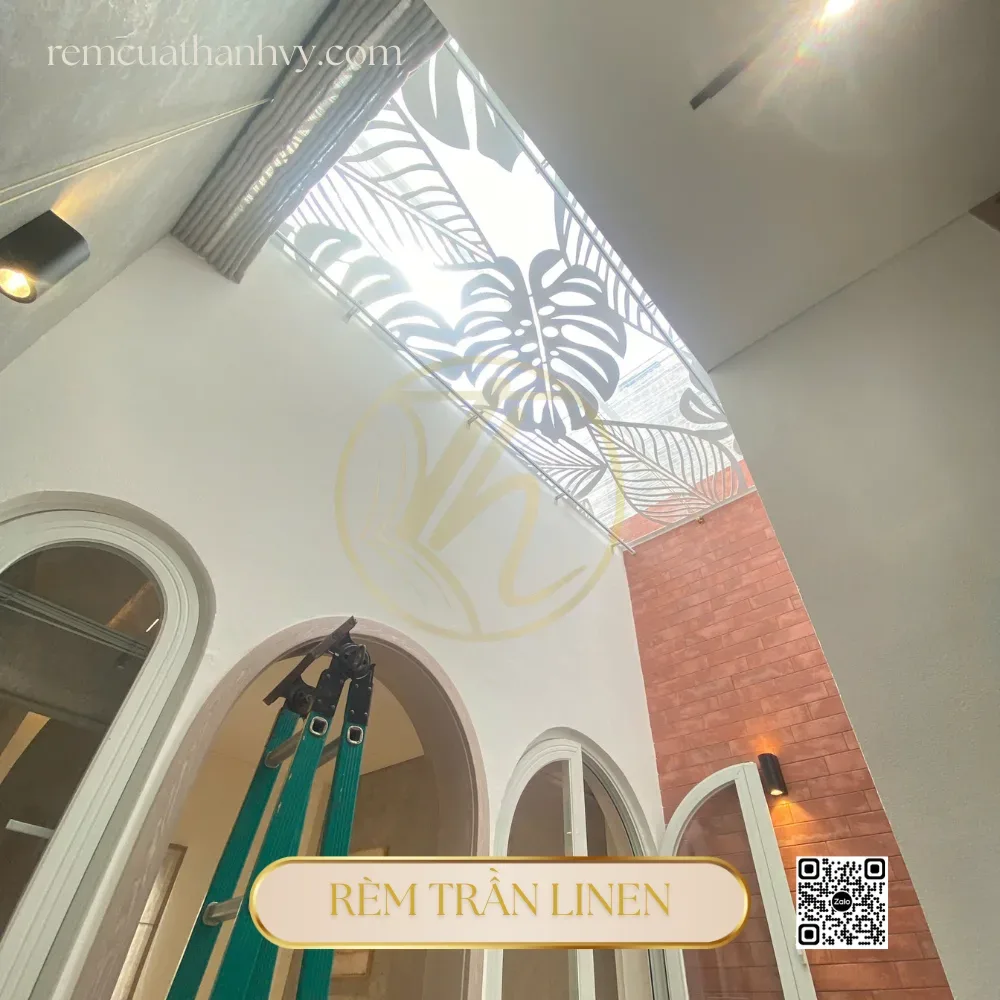
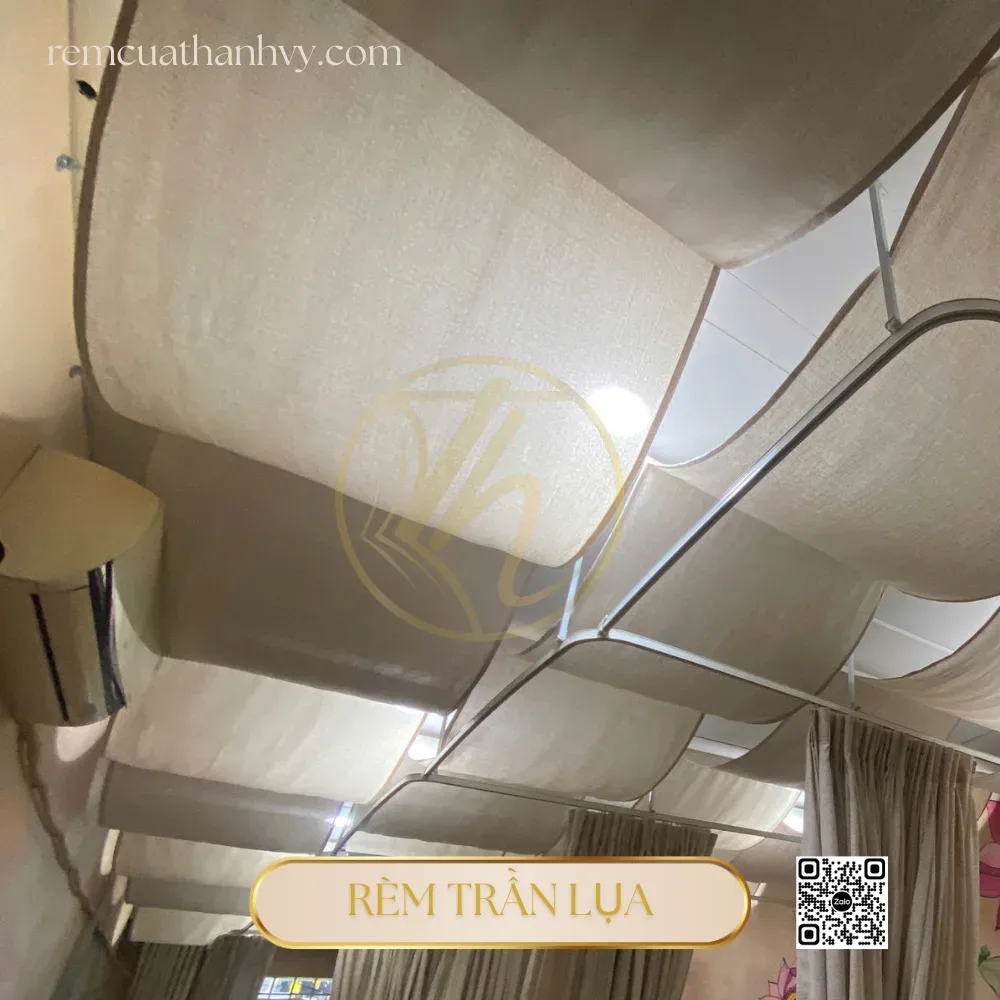
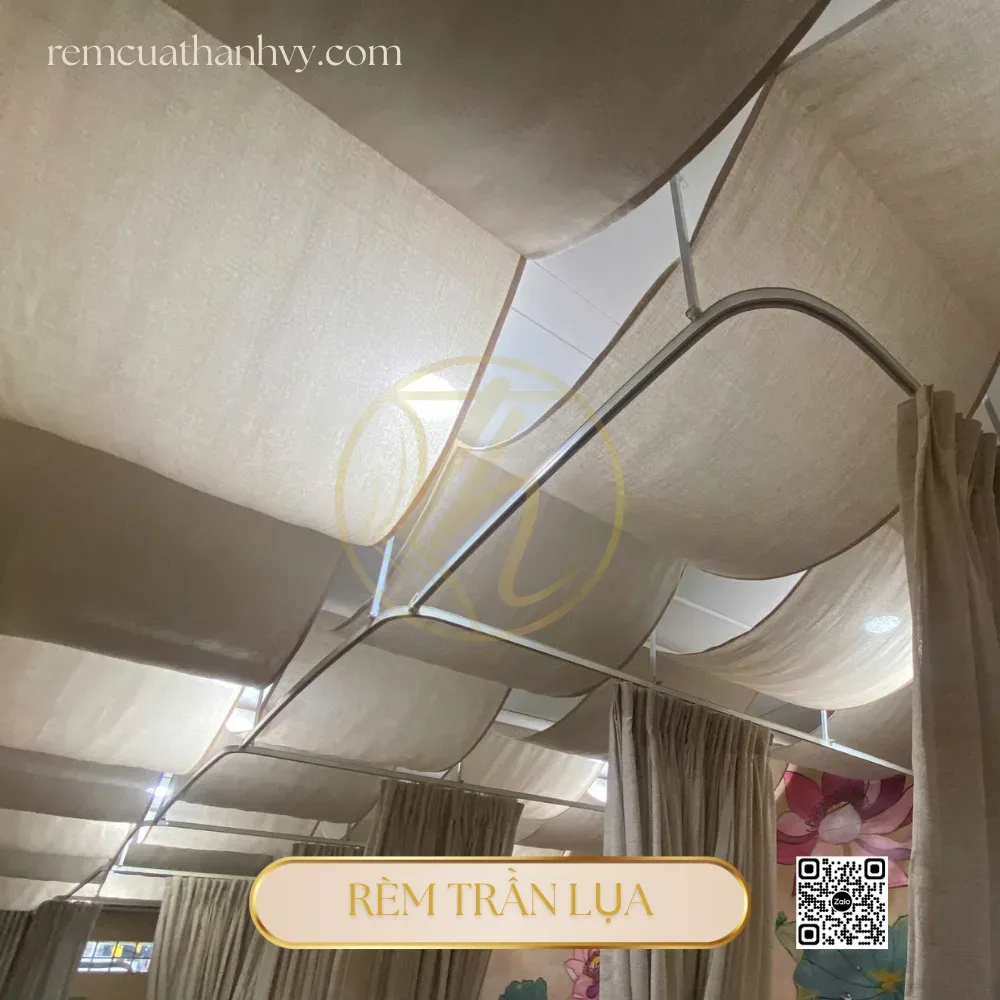
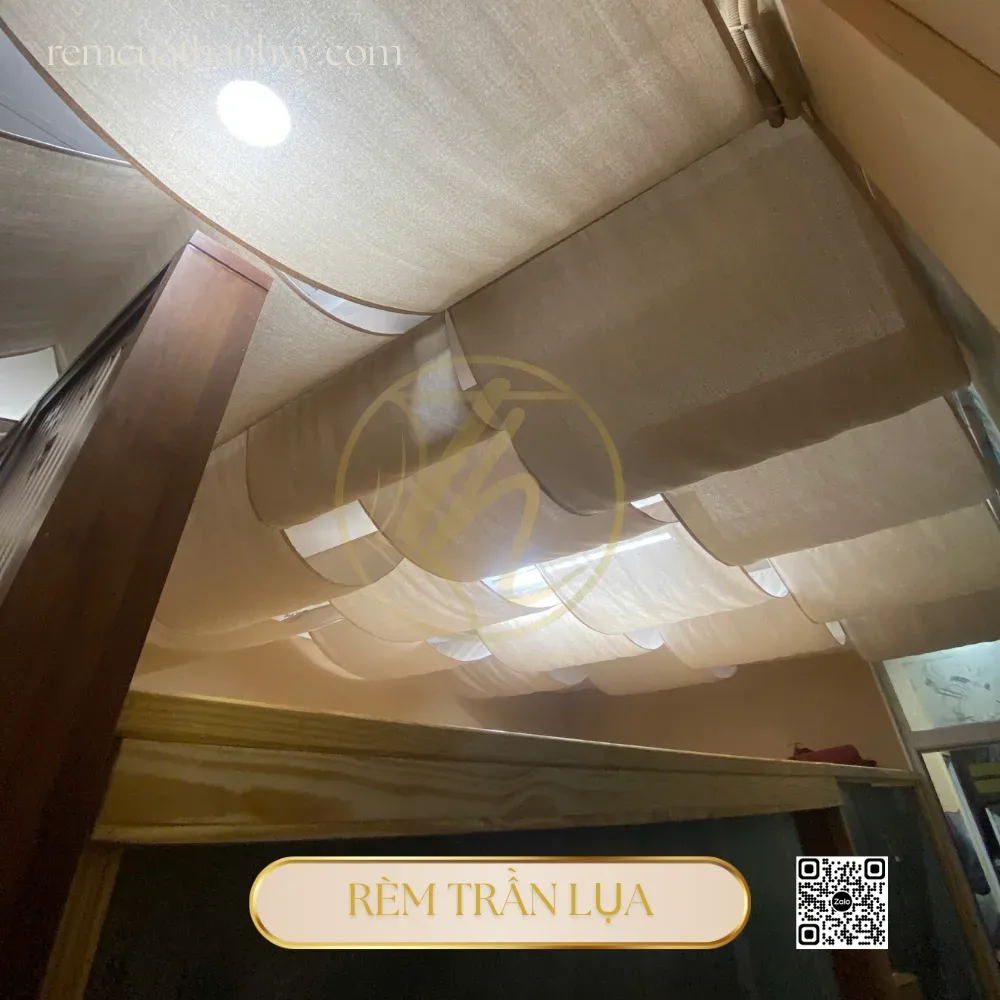
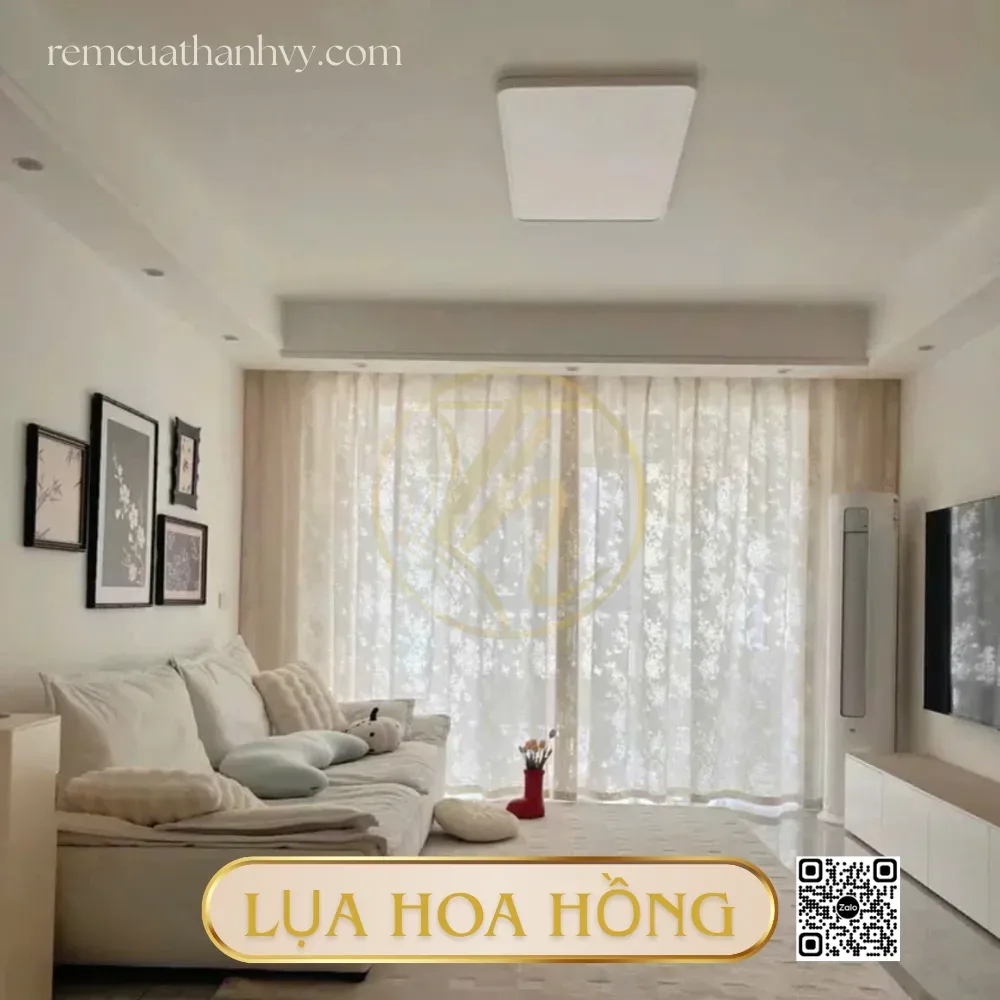
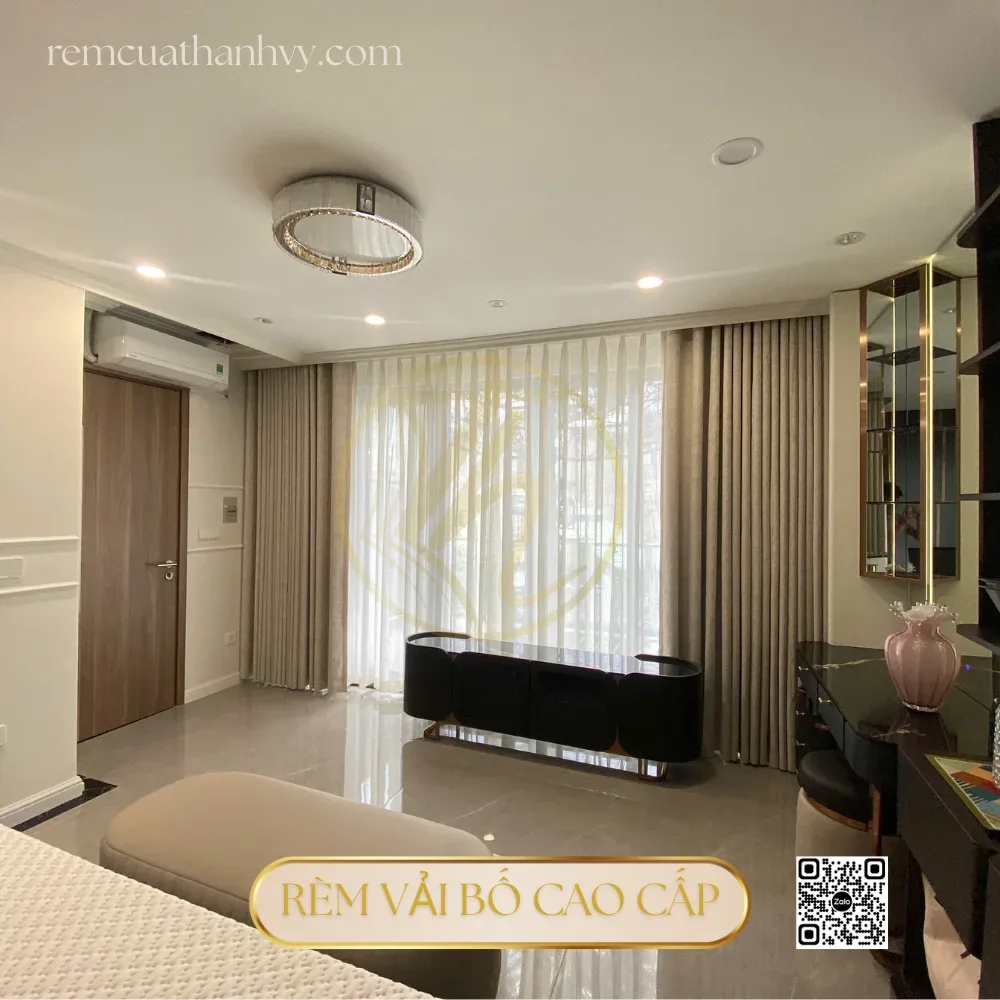
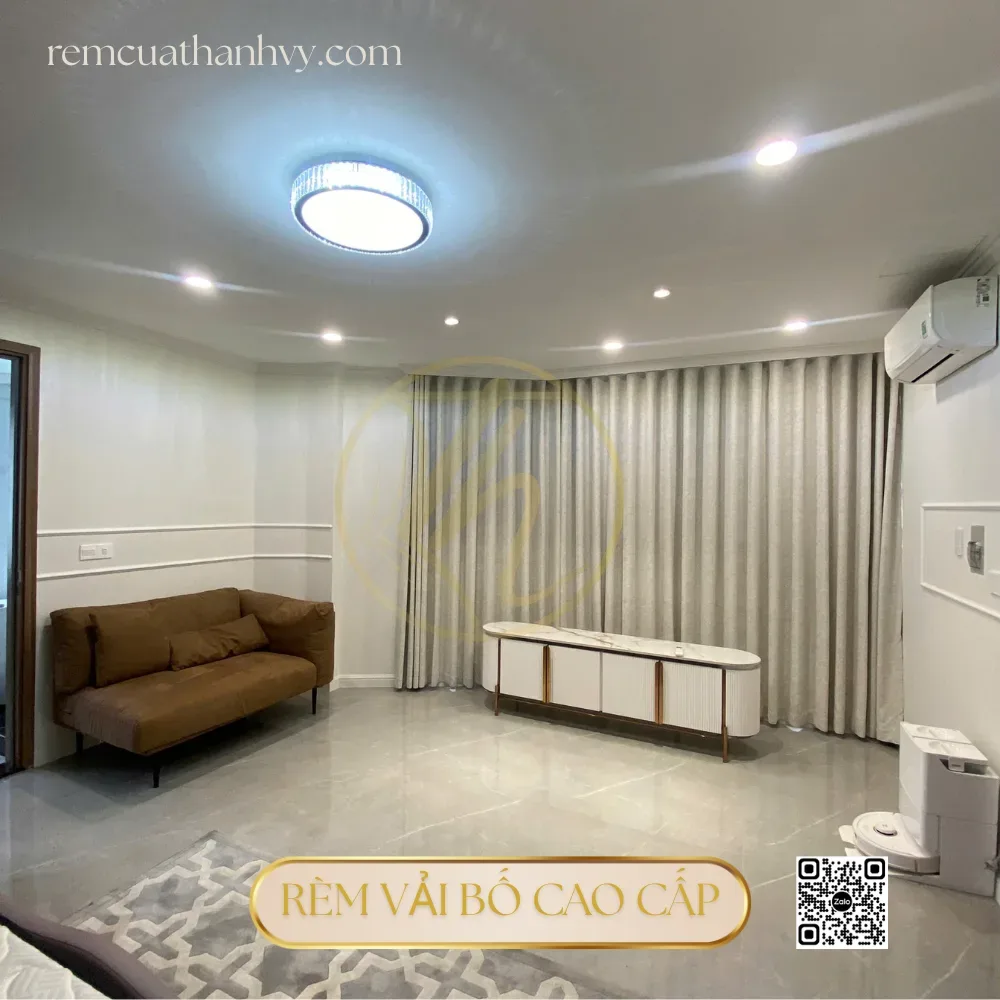
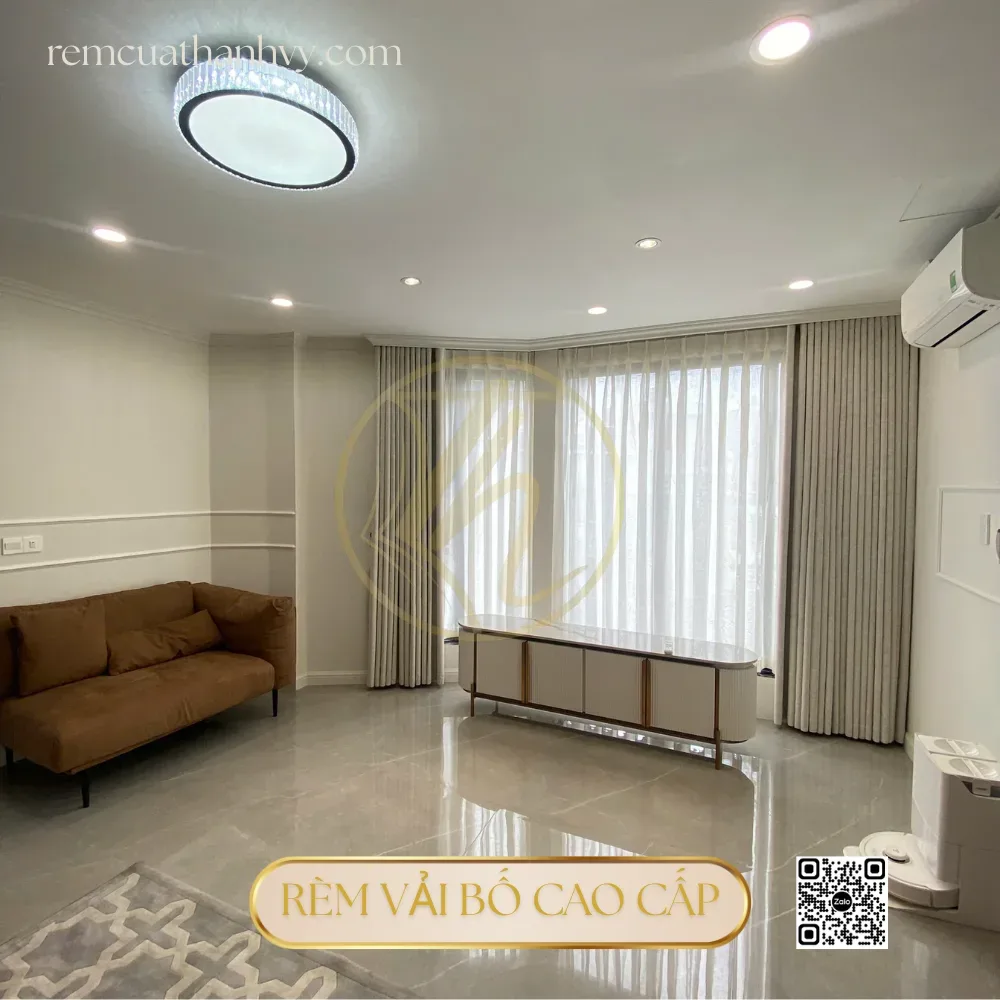
Roman Blinds
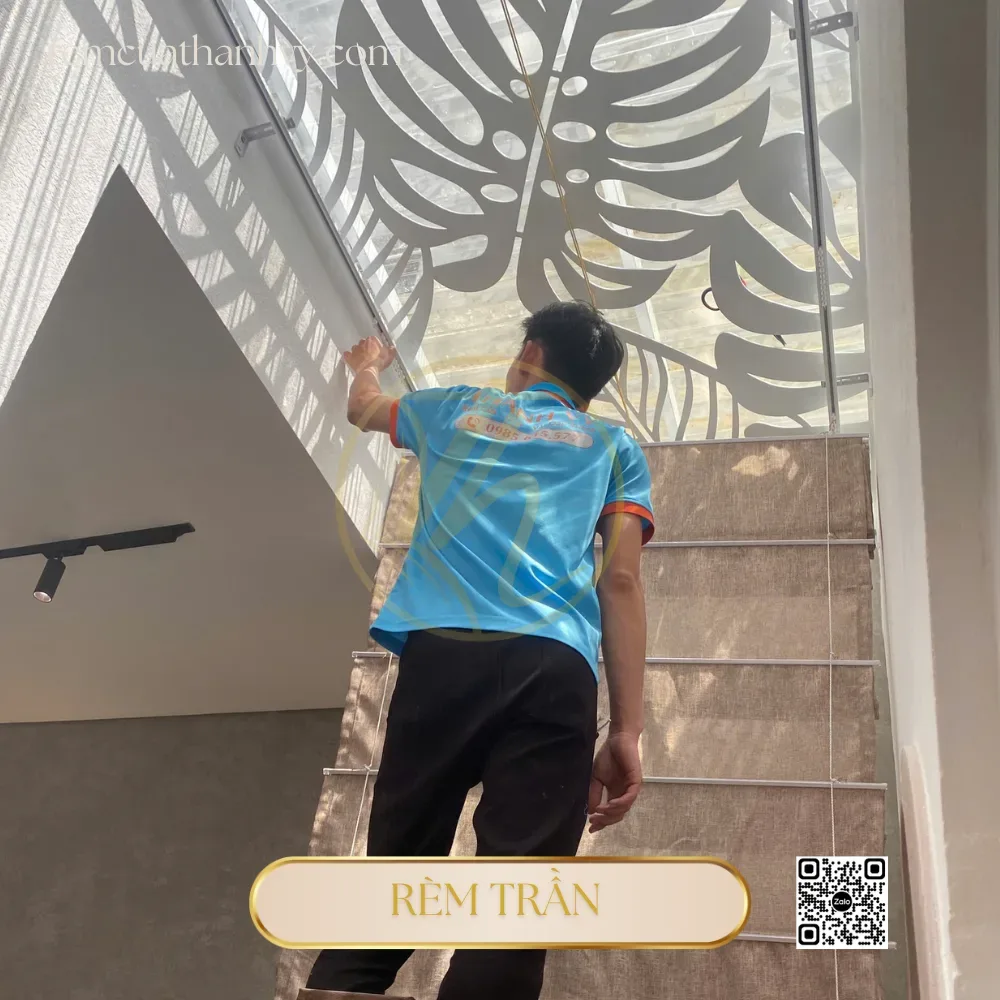
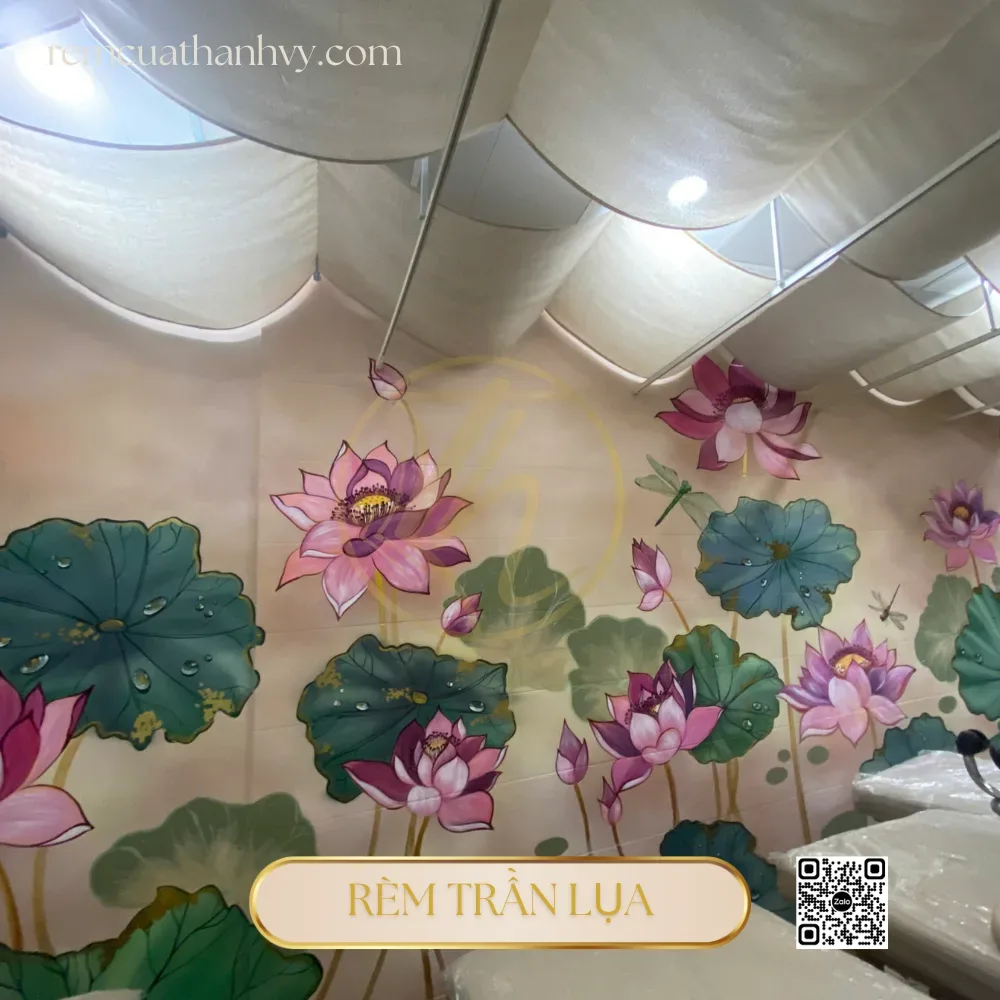
Roman blinds fold horizontally when raised, creating neat pleats and suiting medium-sized windows.
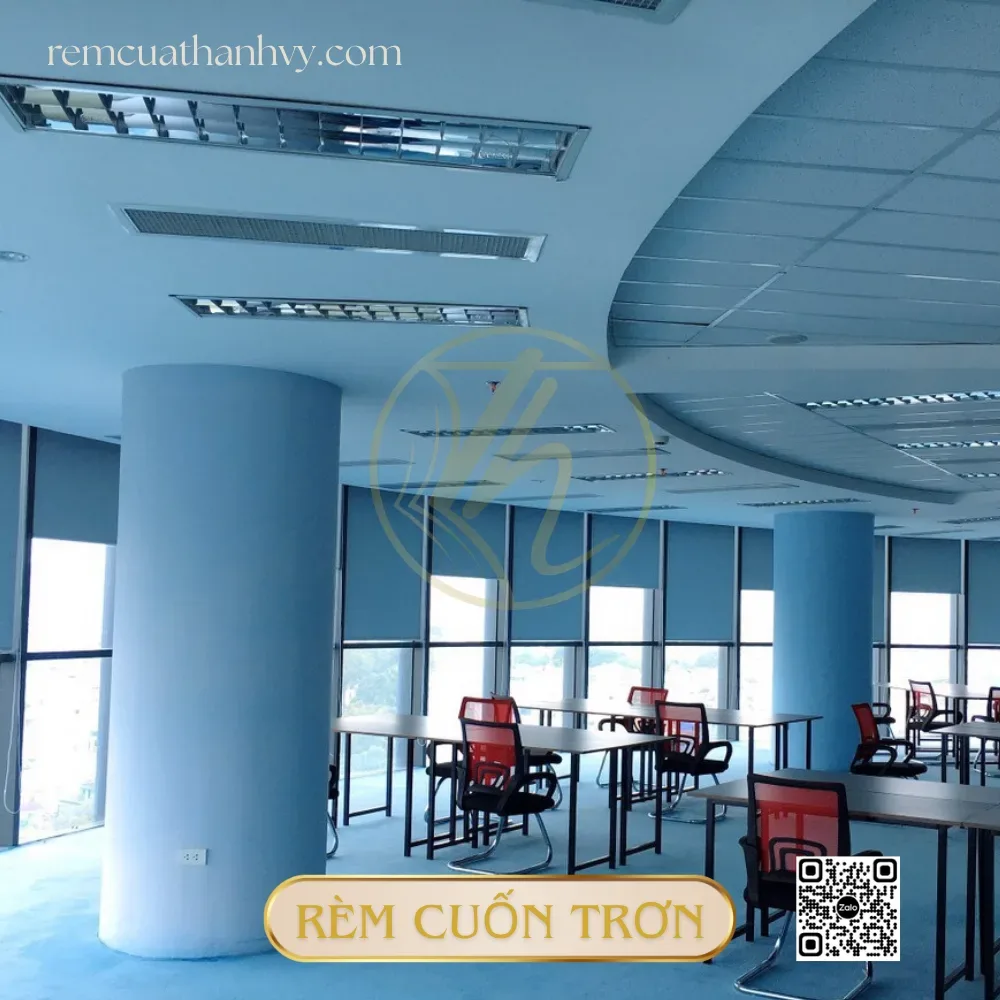
Premium Light-Blocking Fabric Blinds
Thick, multi-layered fabric strongly reduces light and limits visibility from outside.
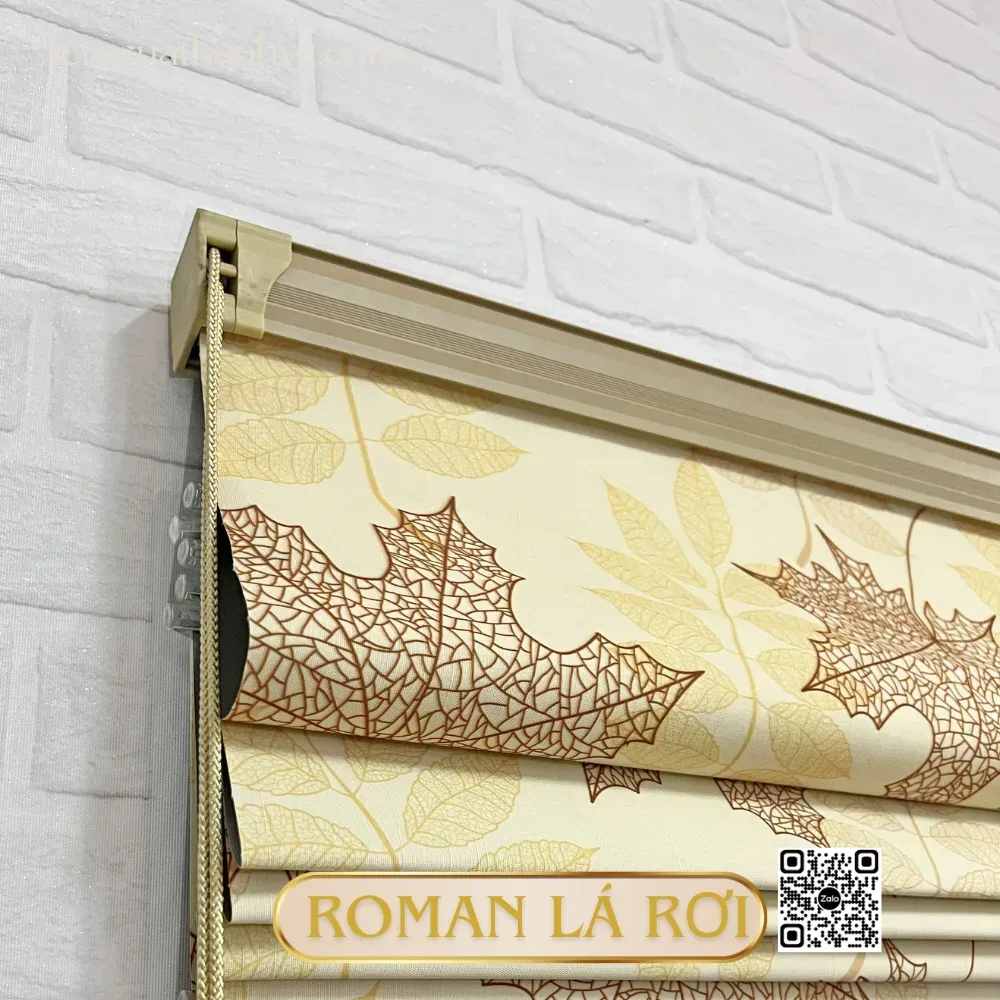
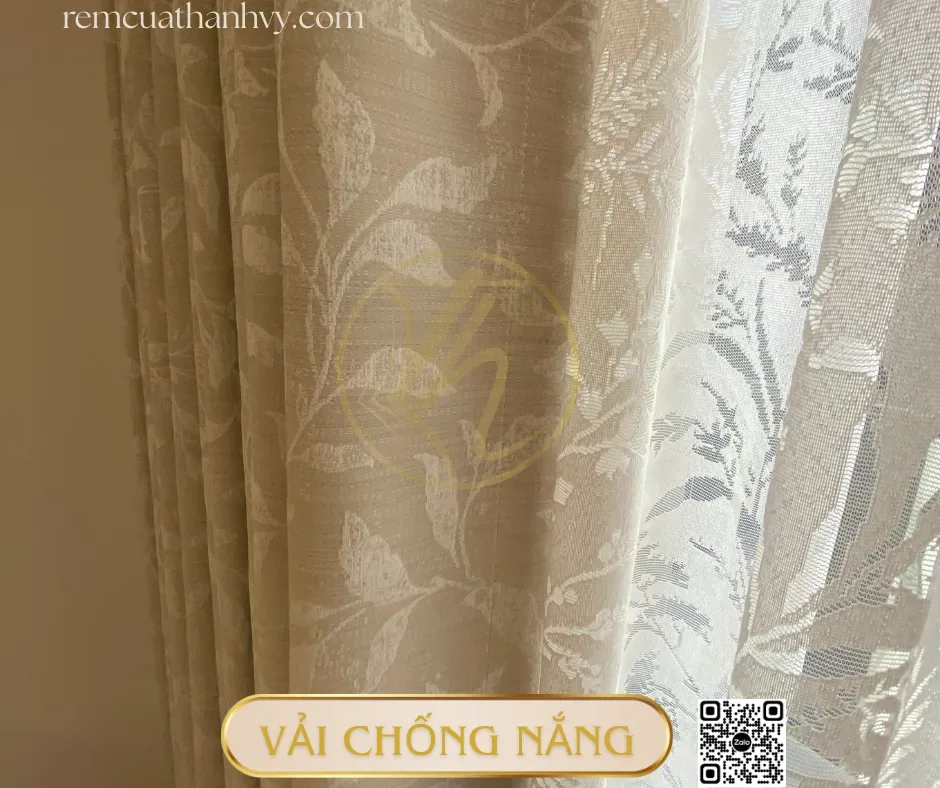
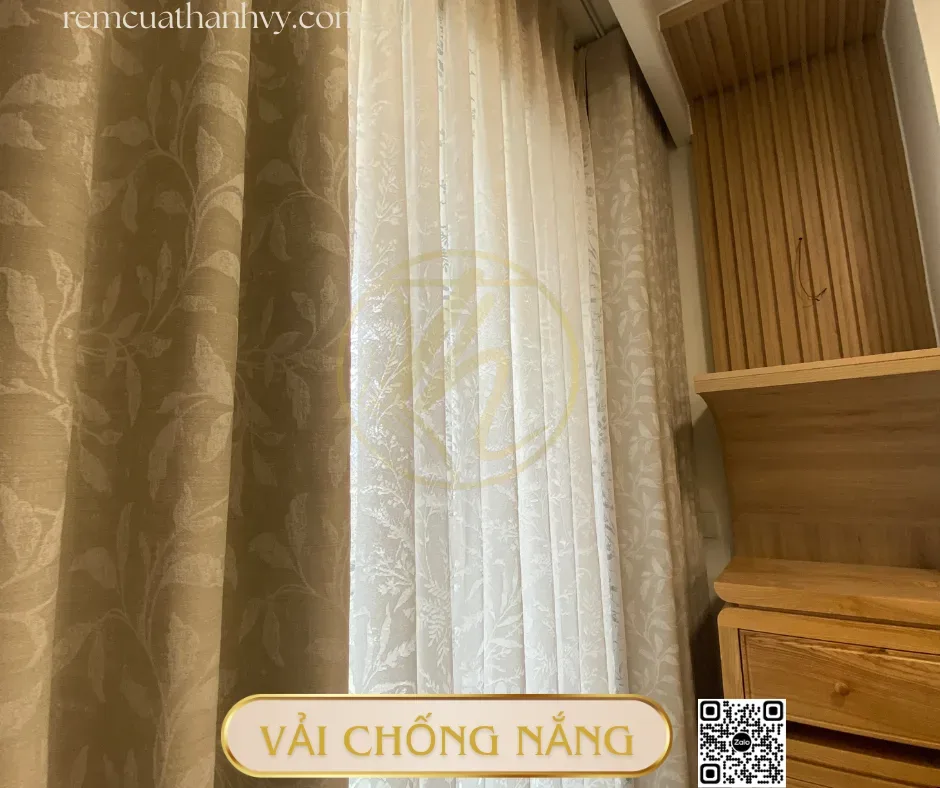
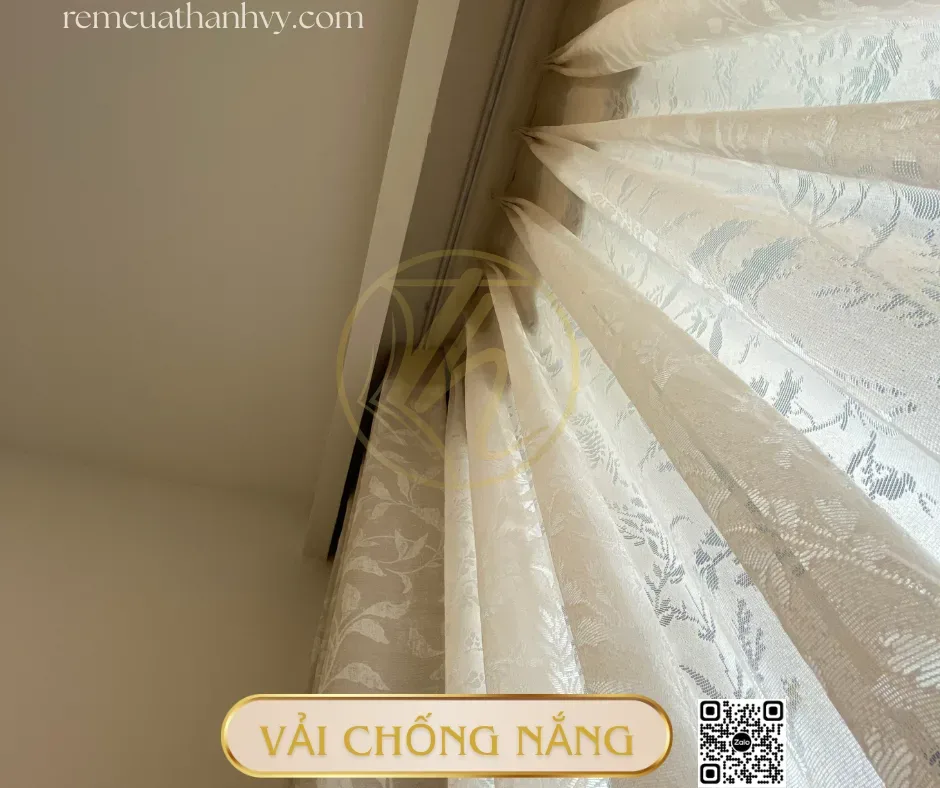
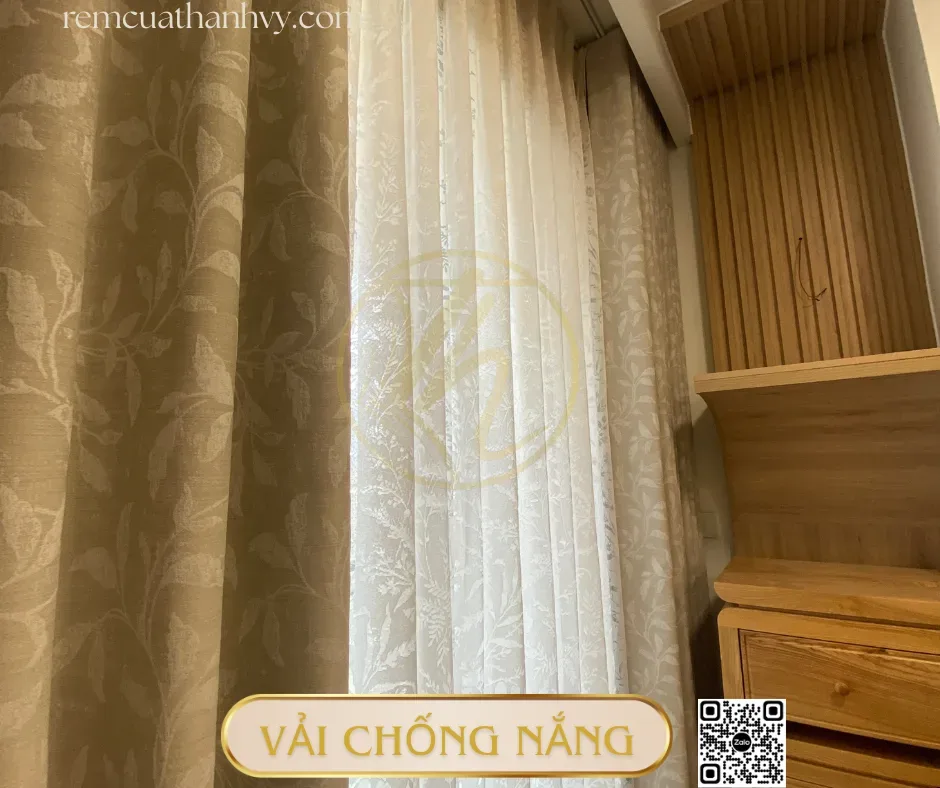
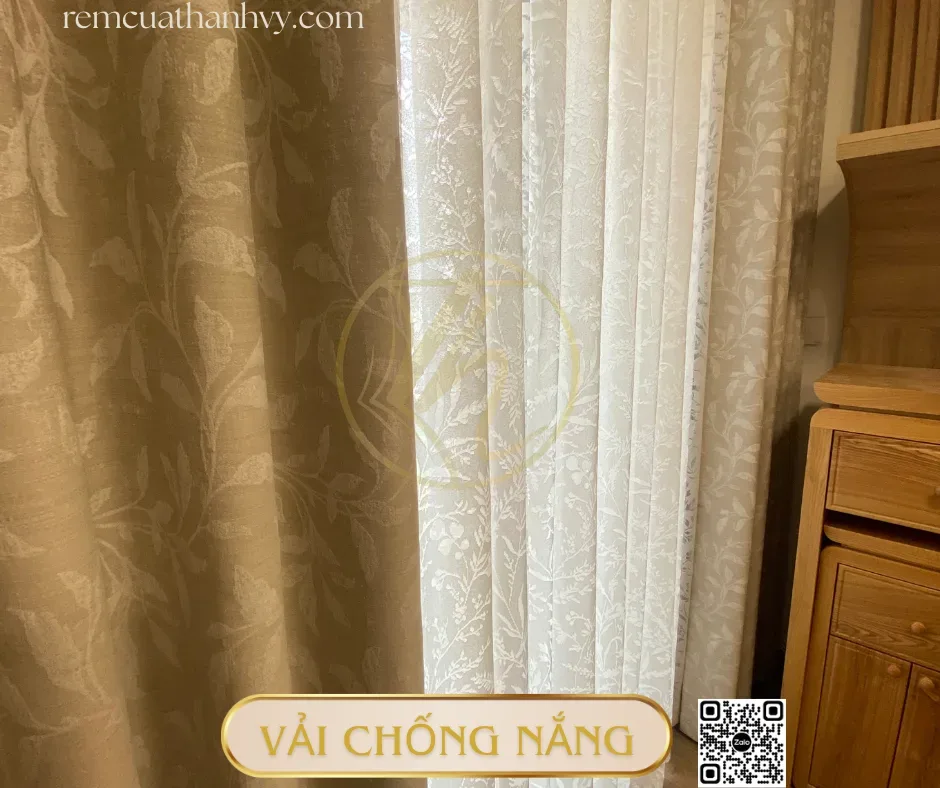
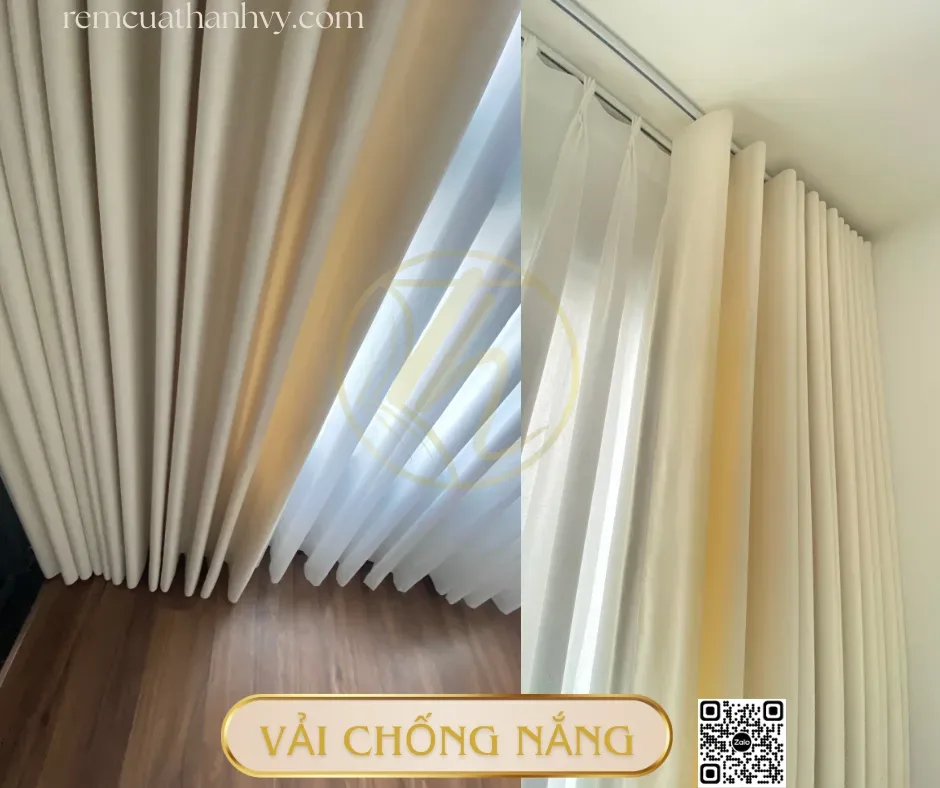
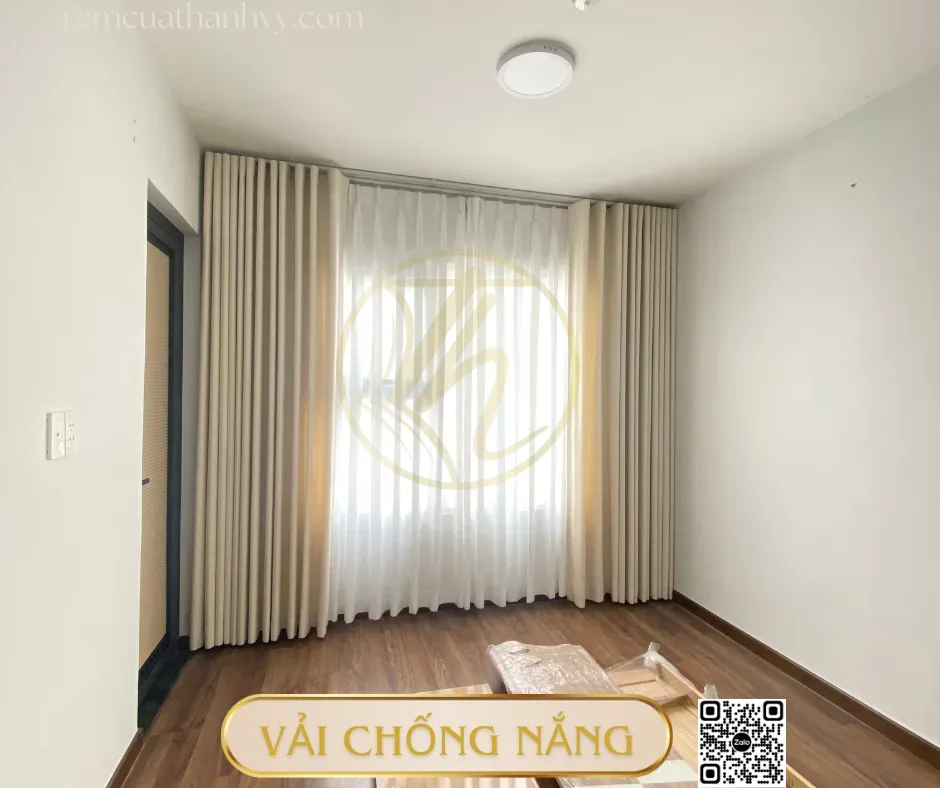
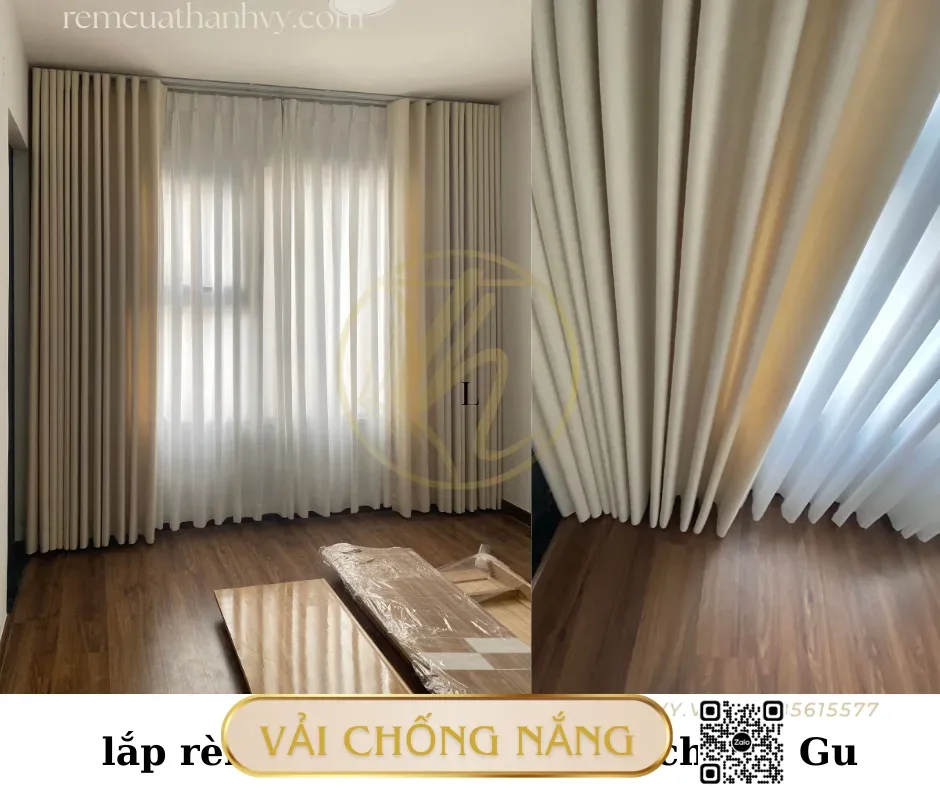
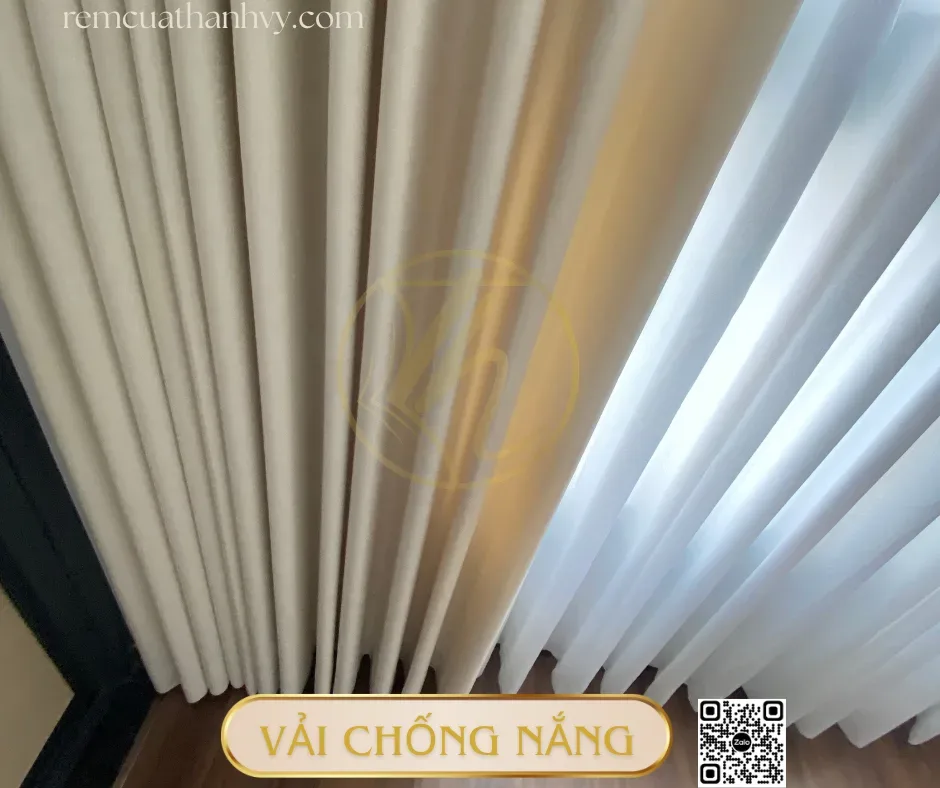
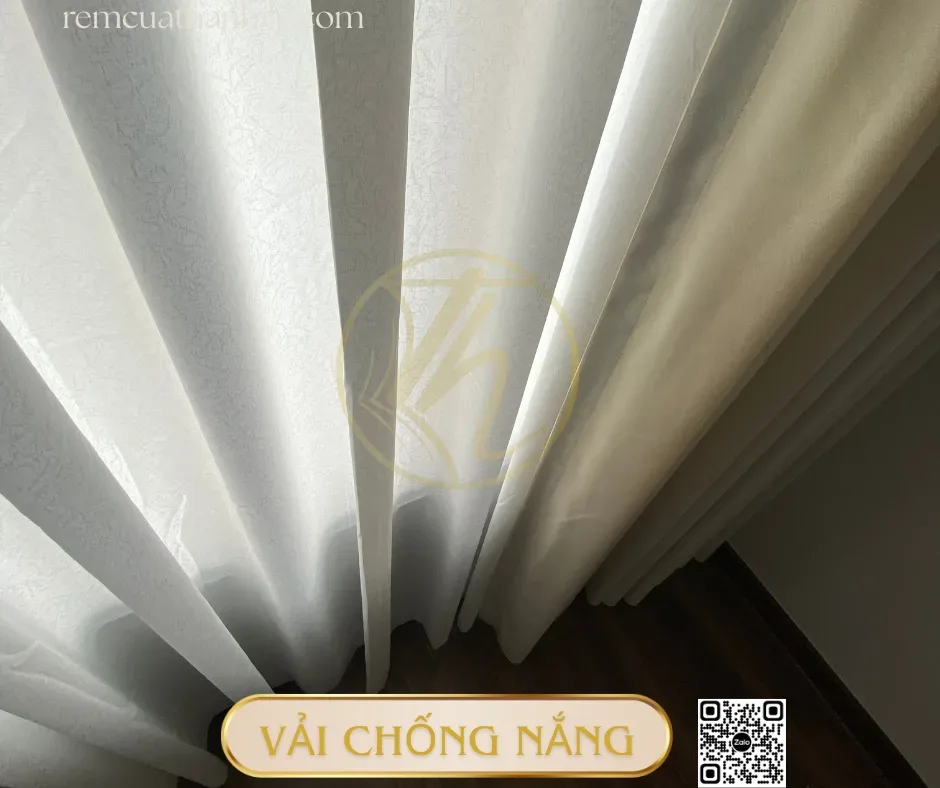
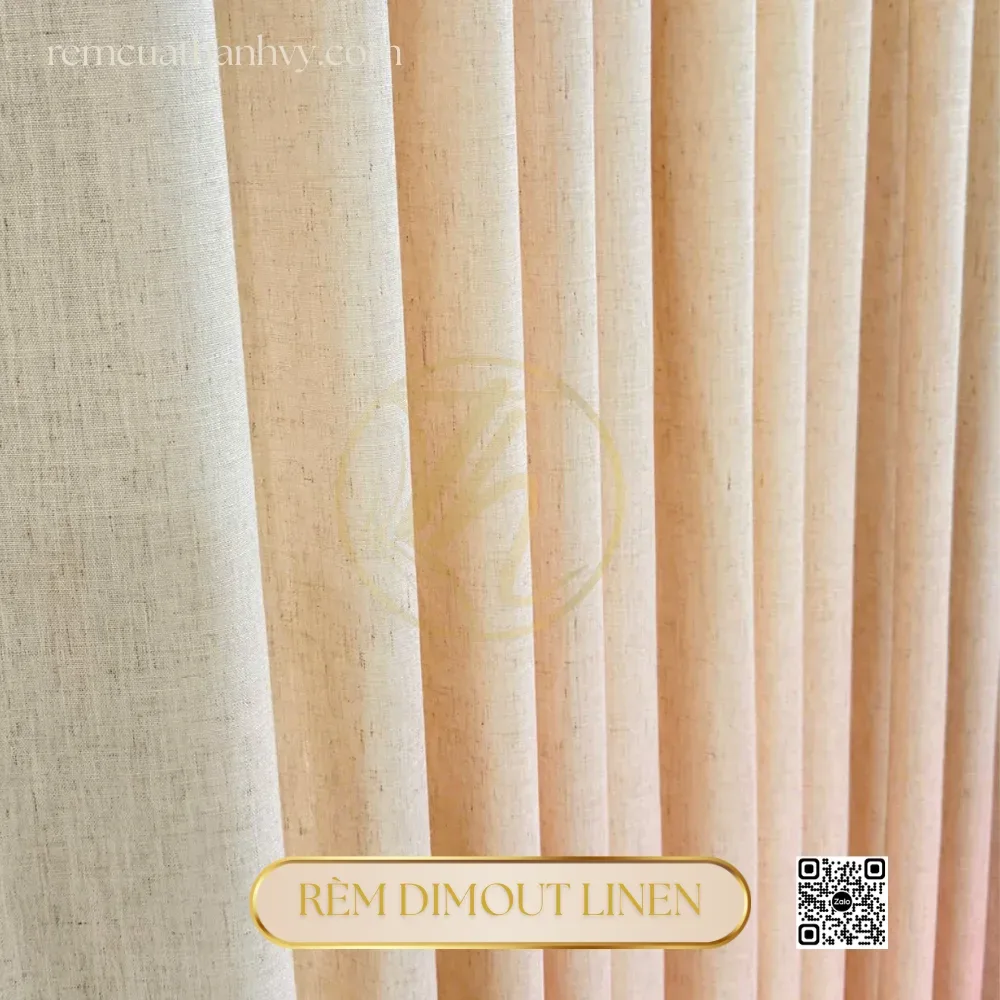
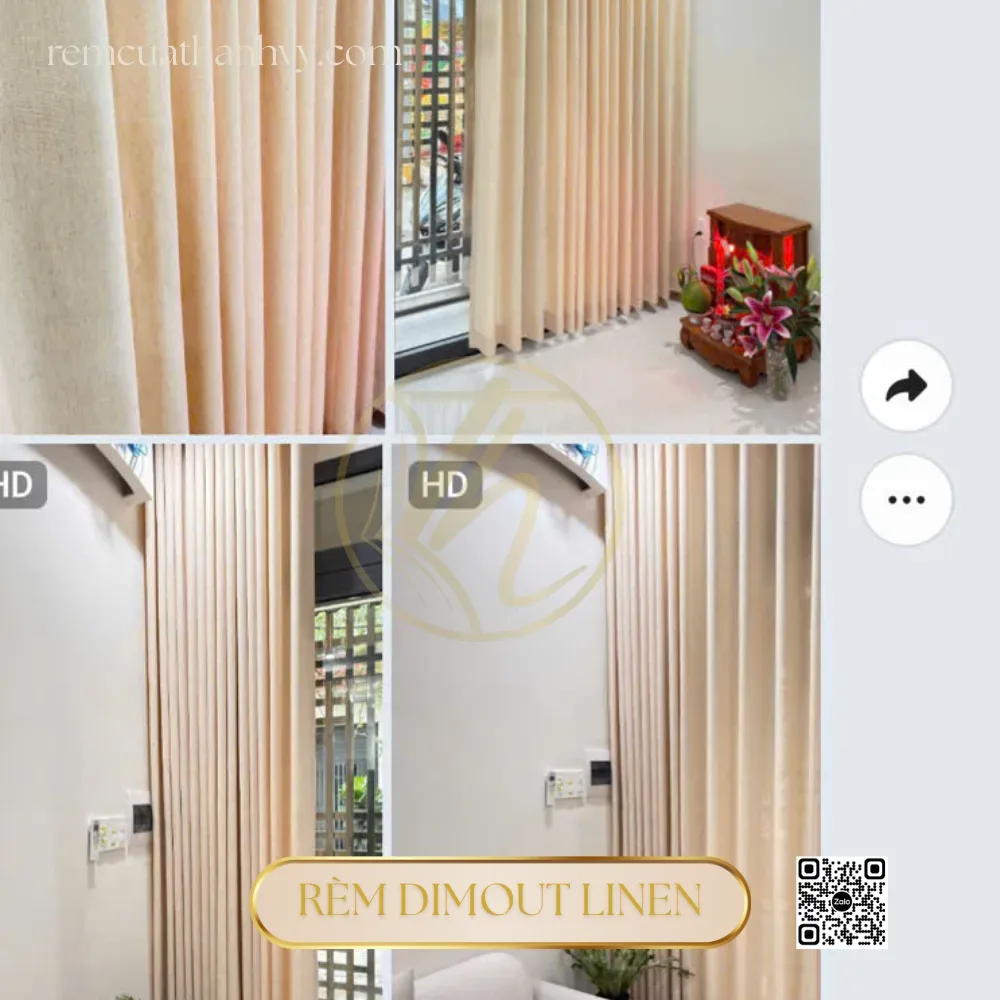
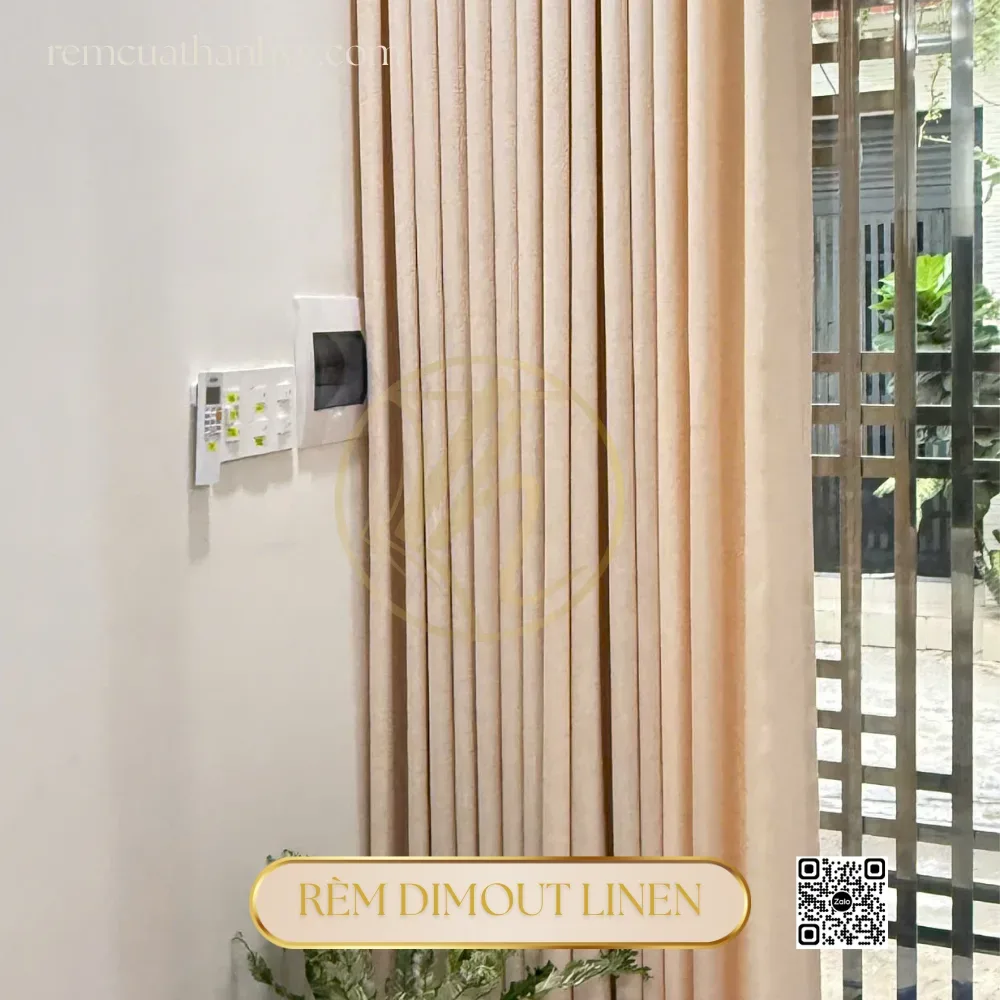
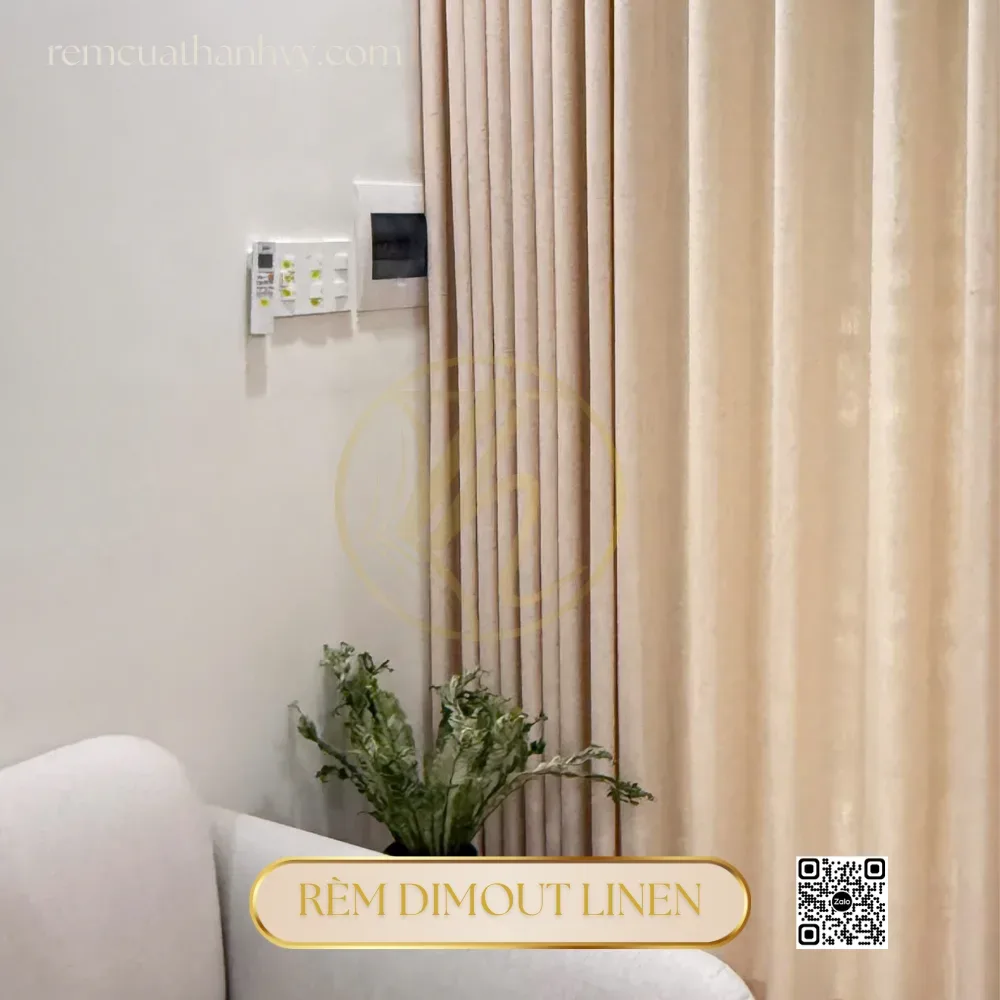
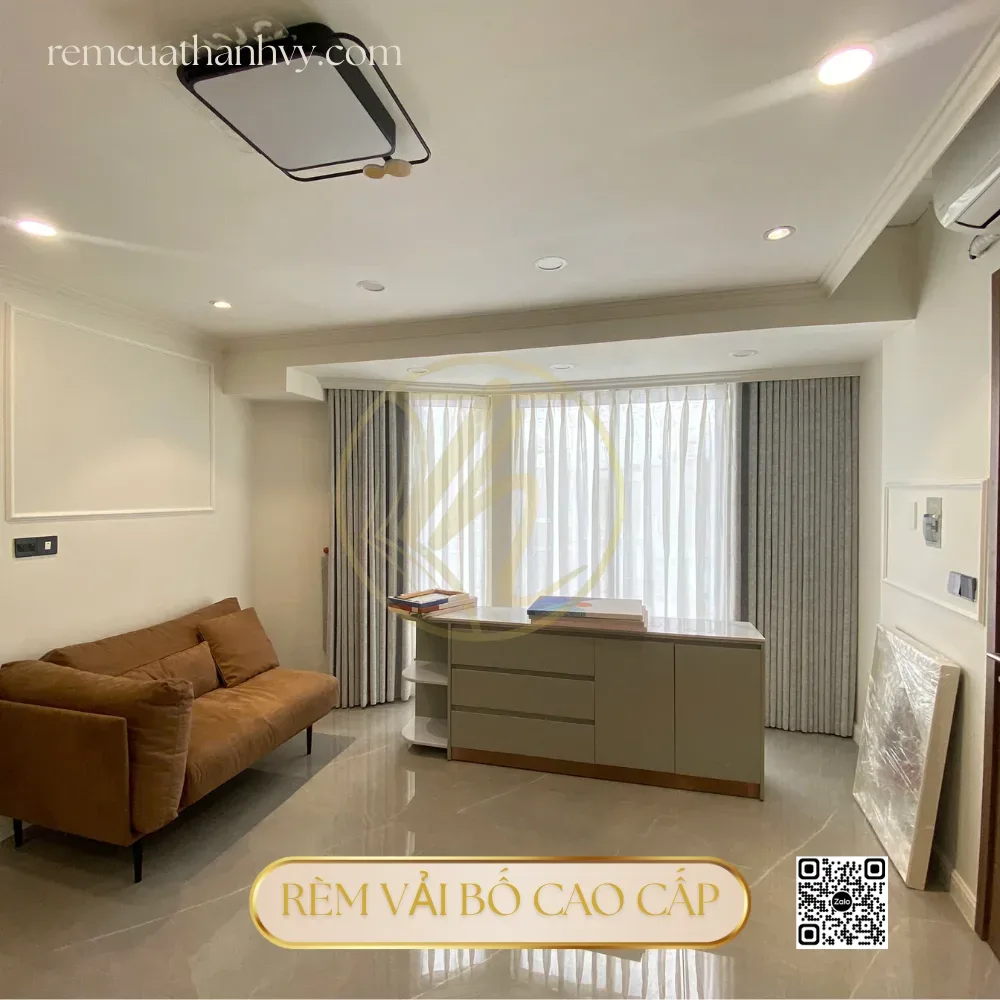
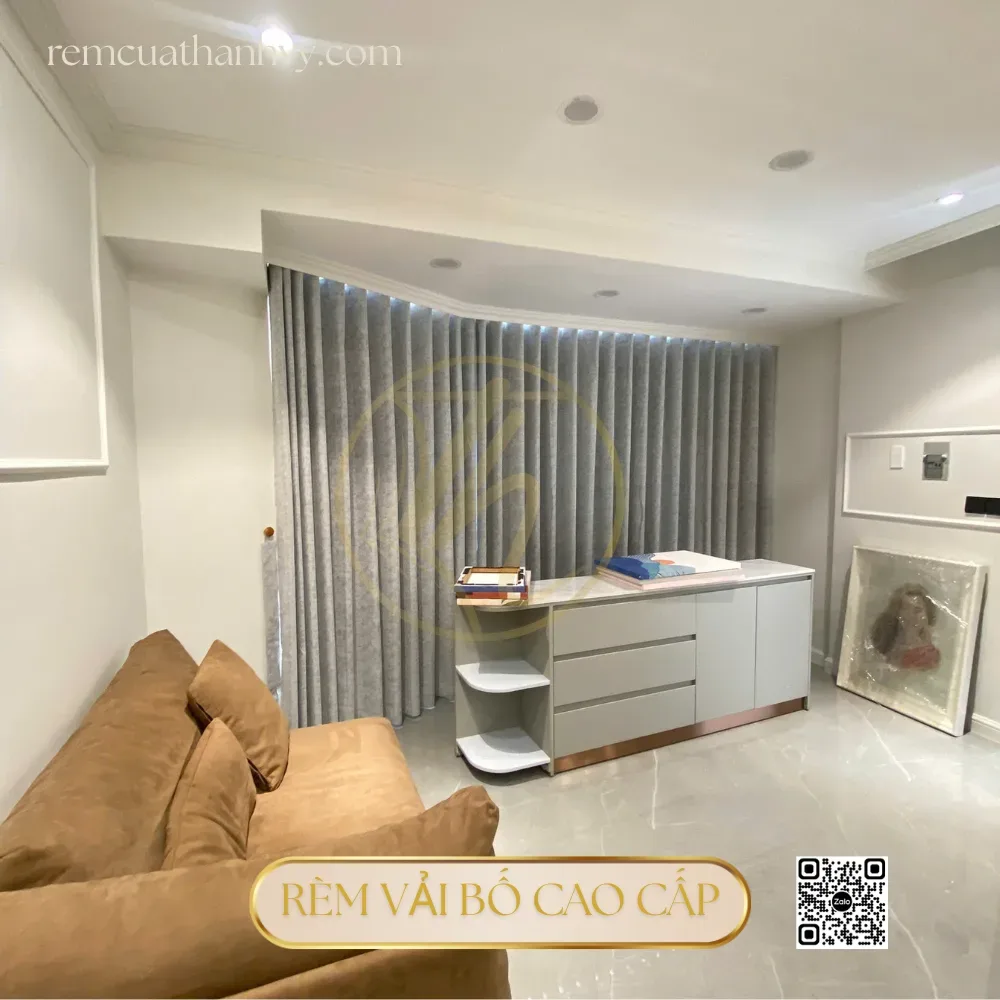
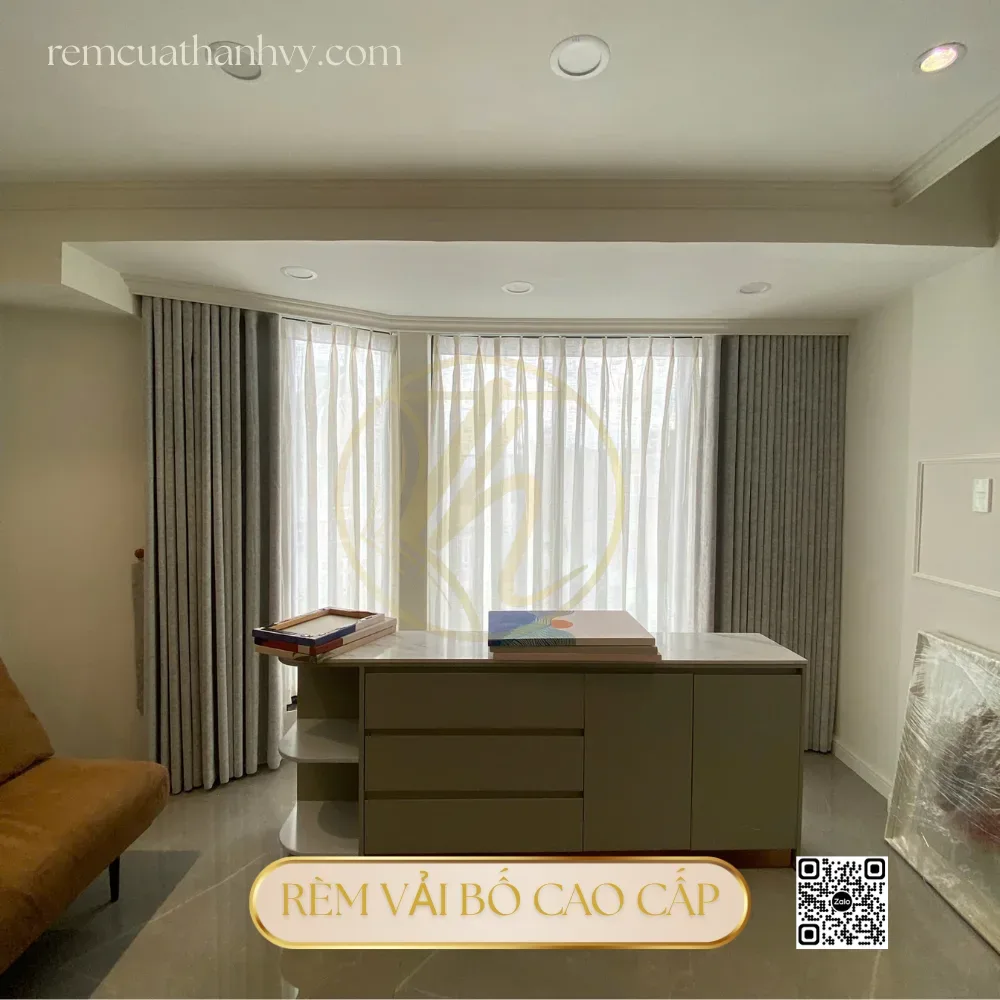
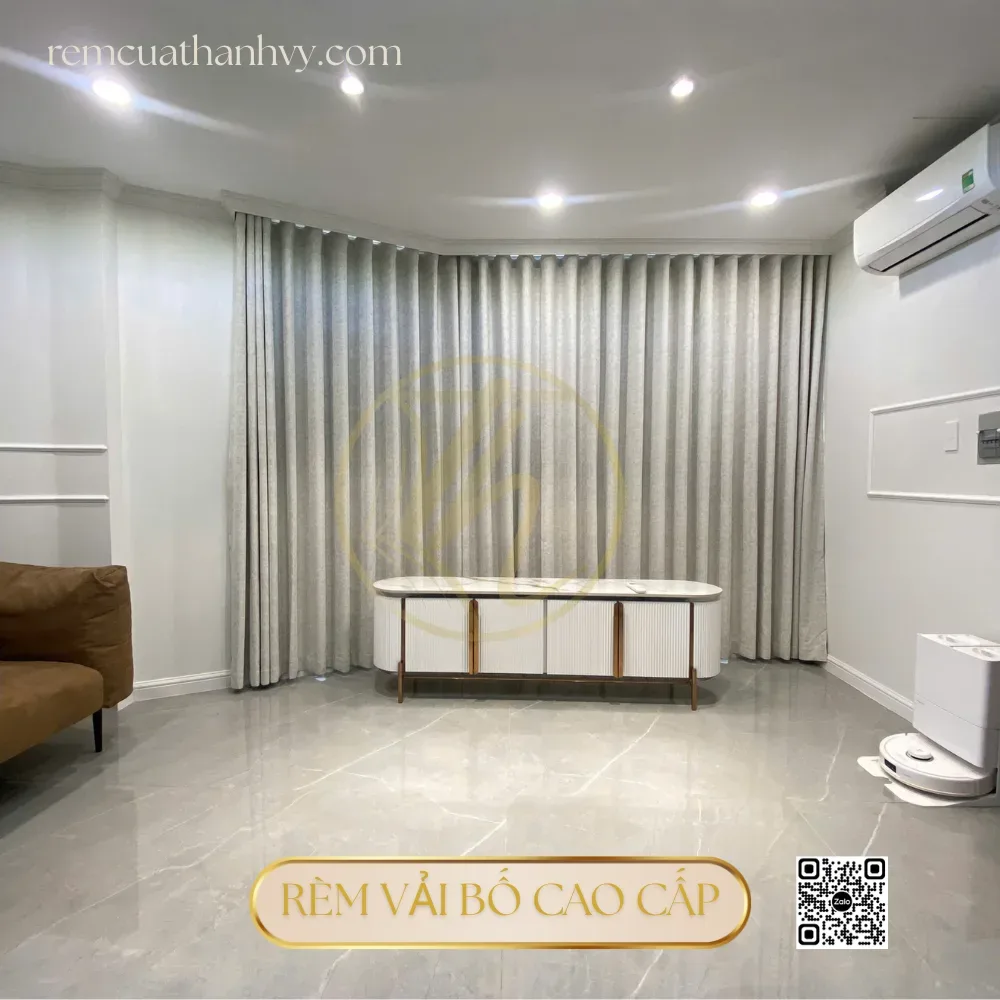
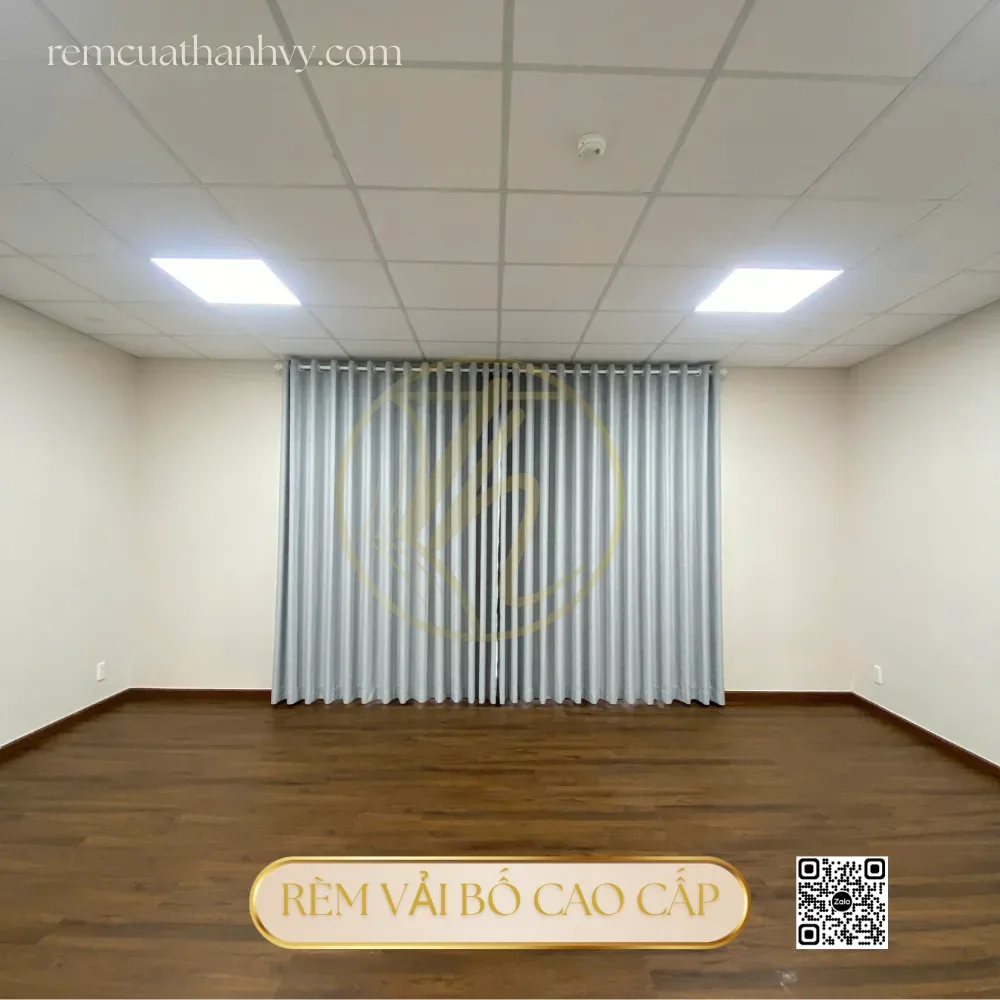
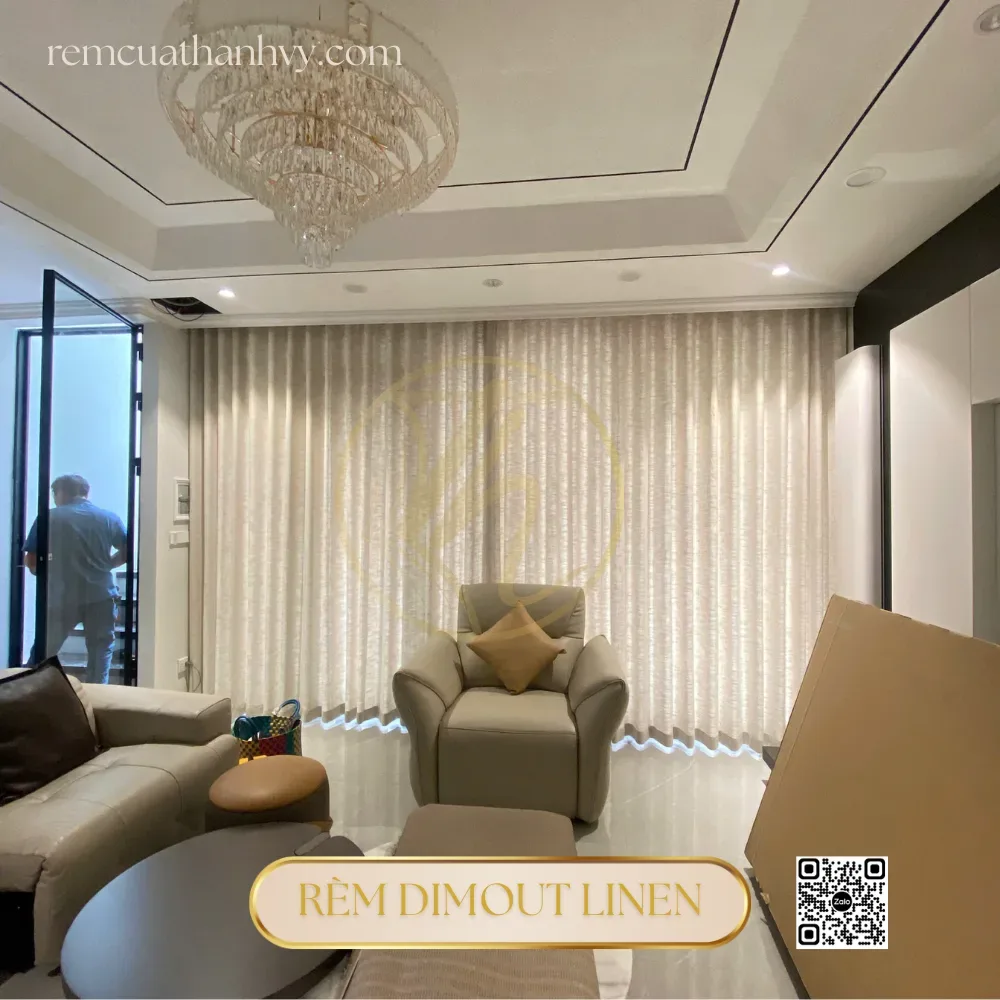
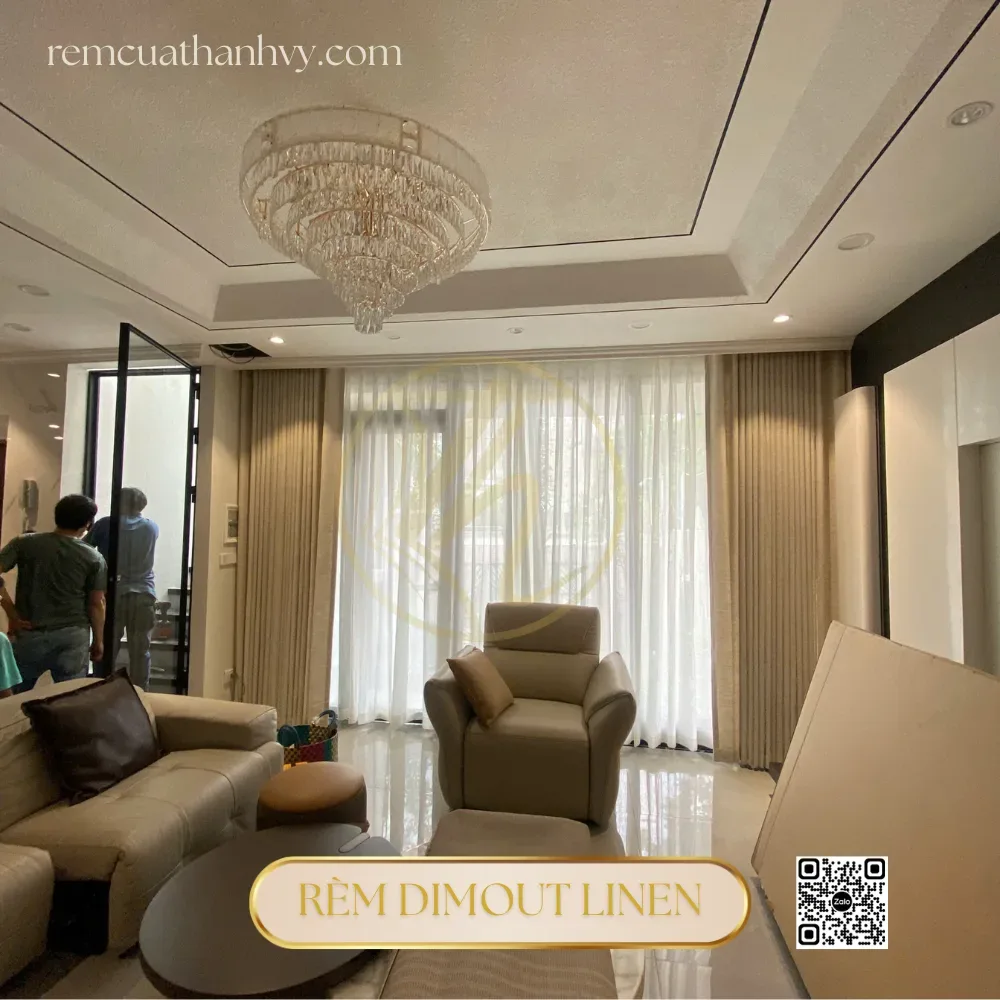
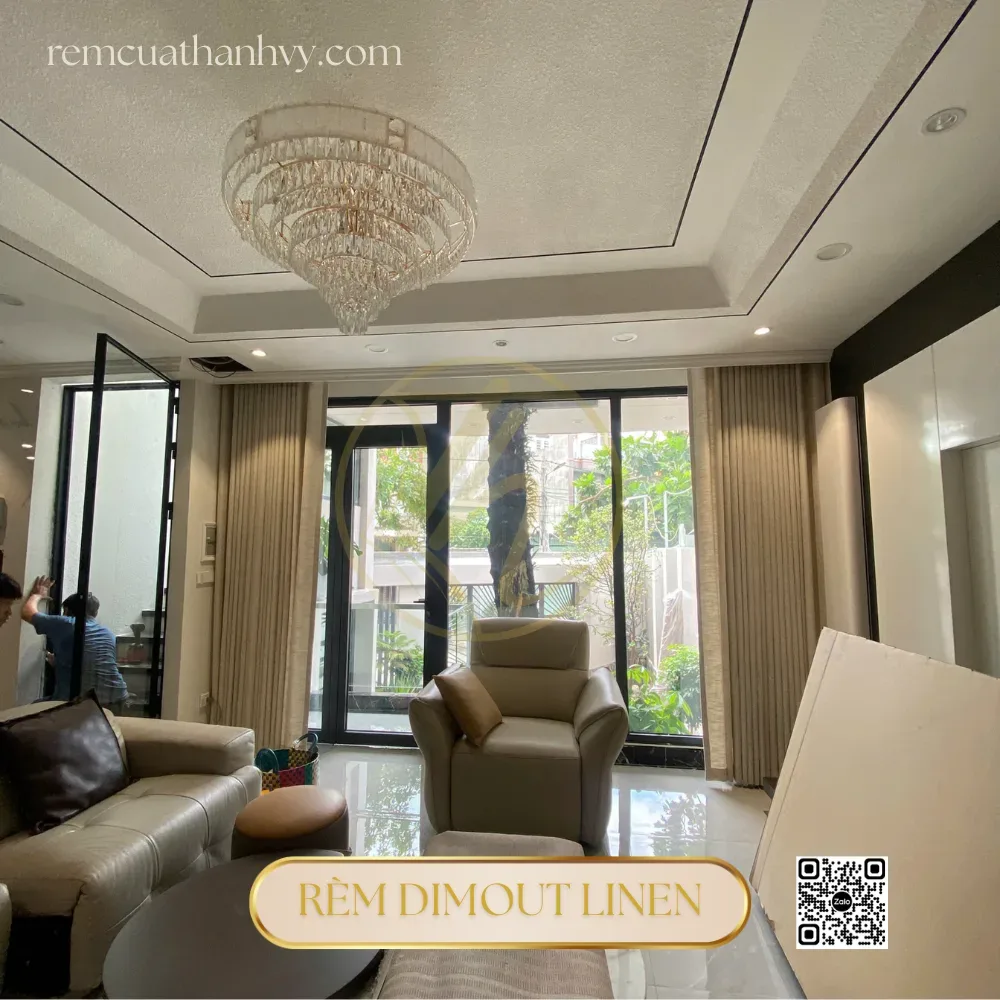
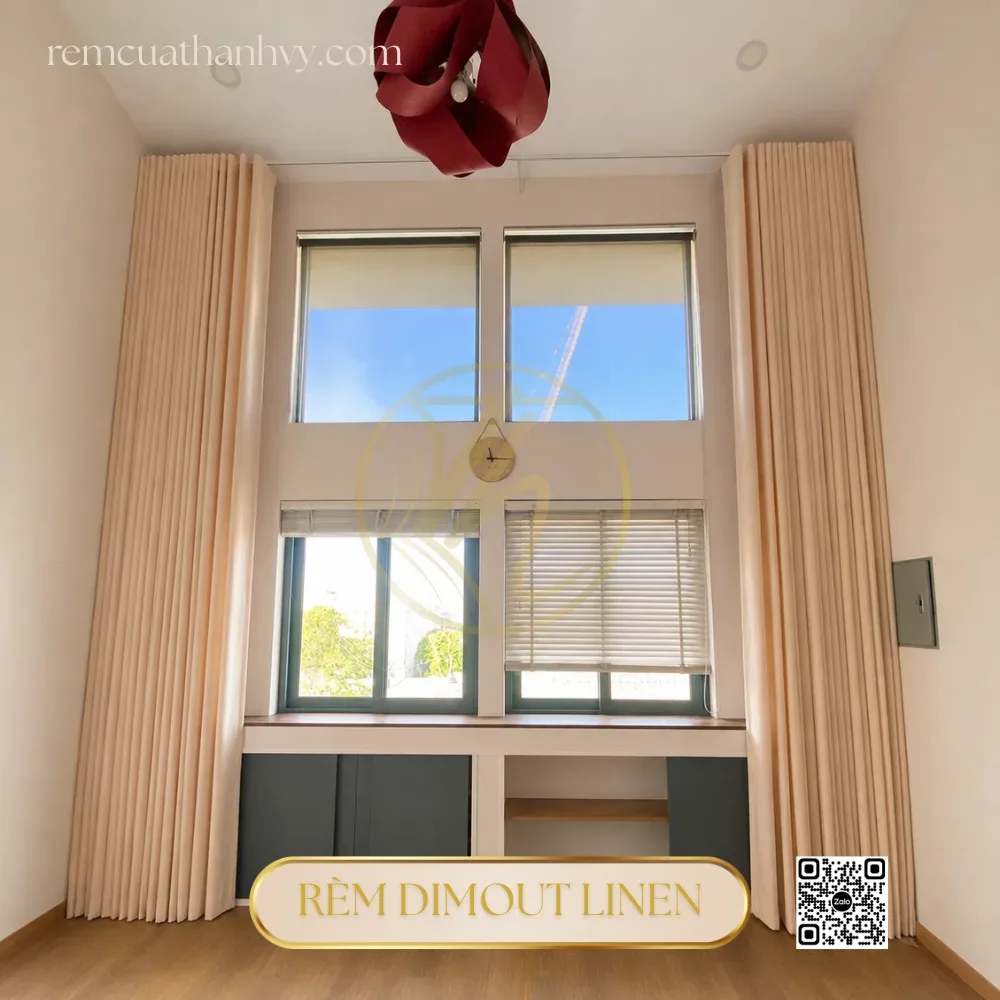
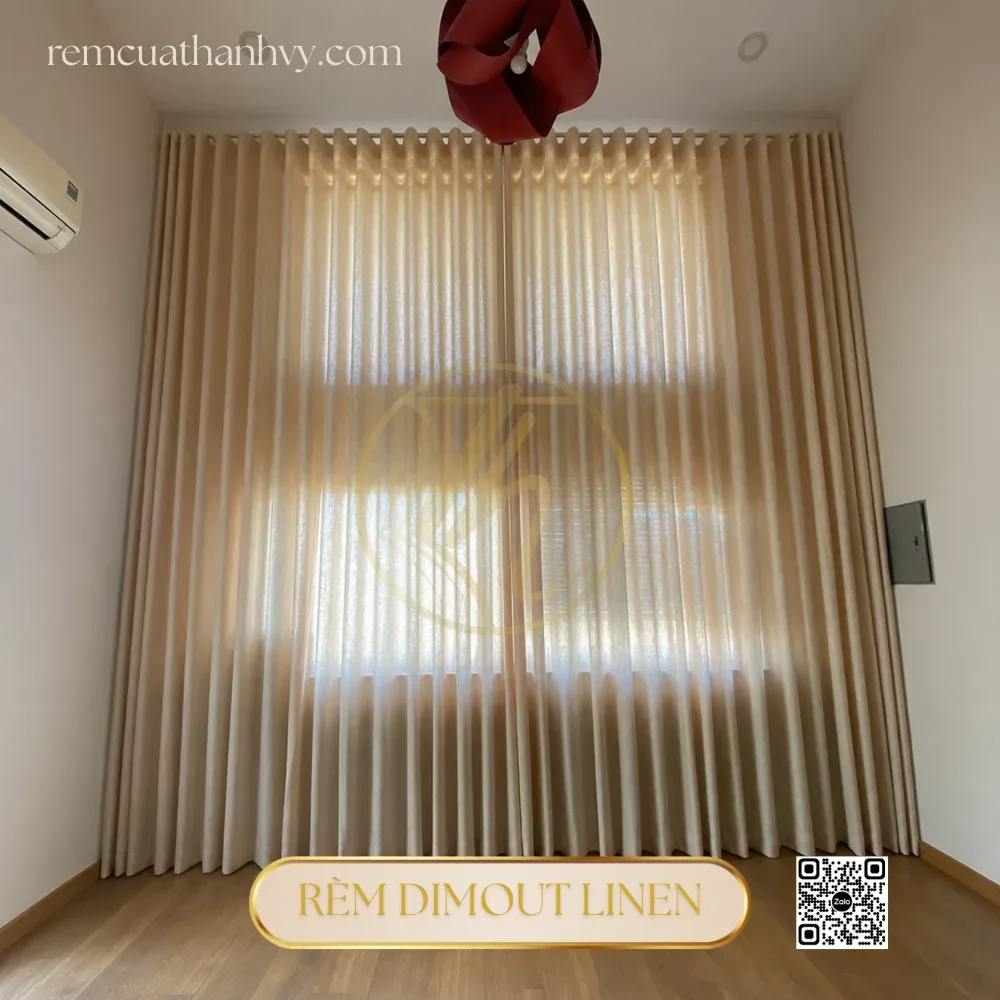
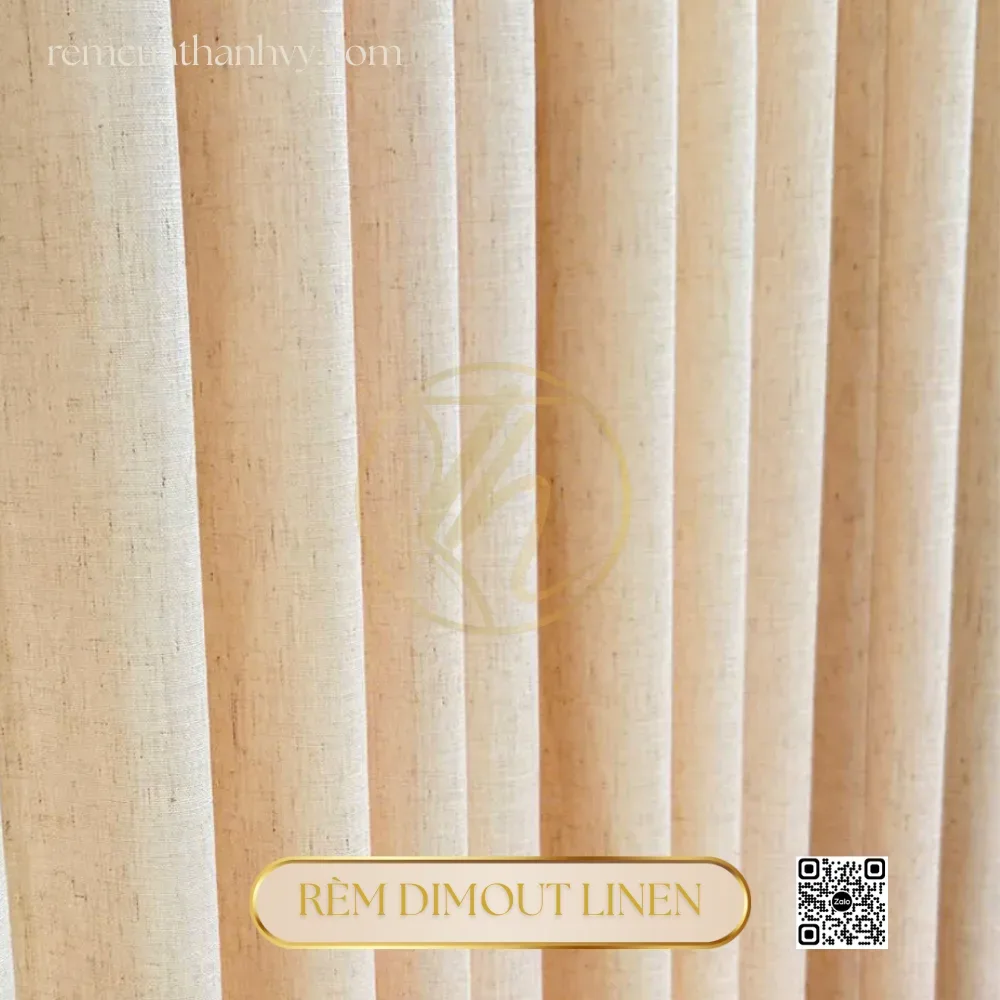
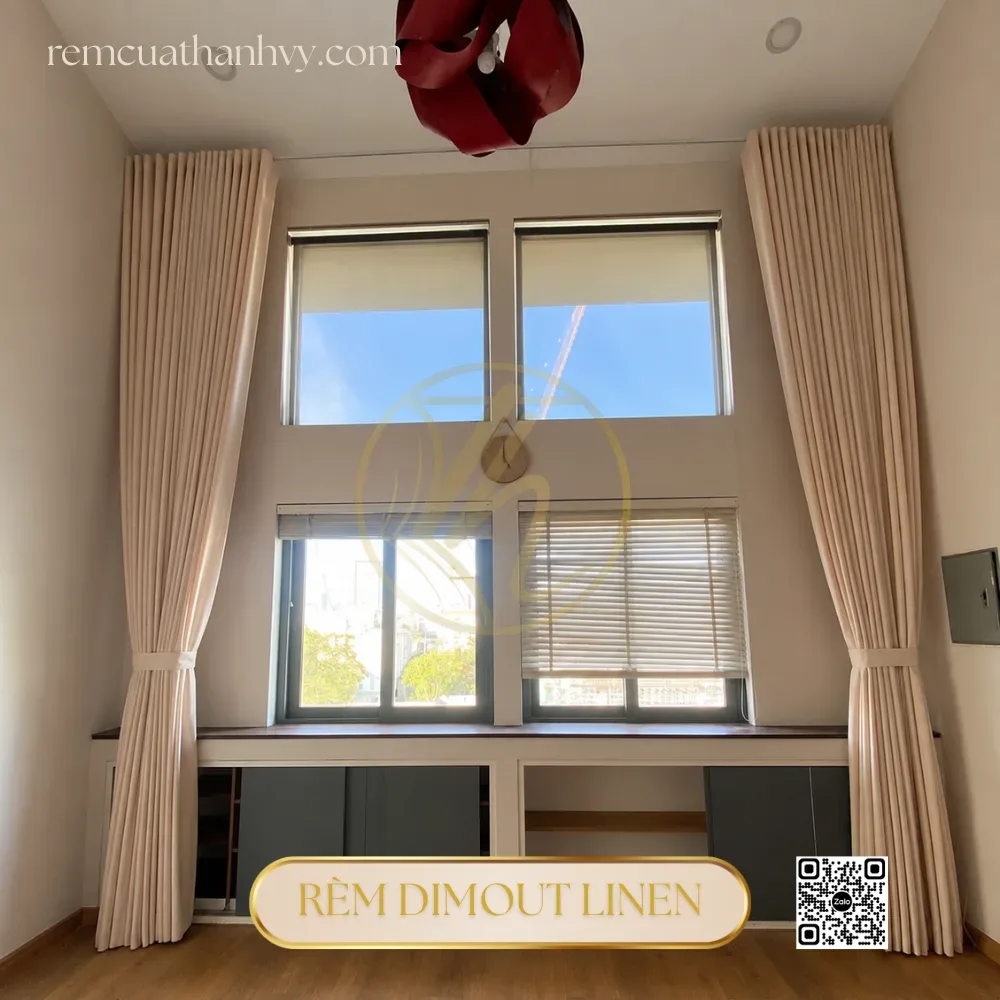
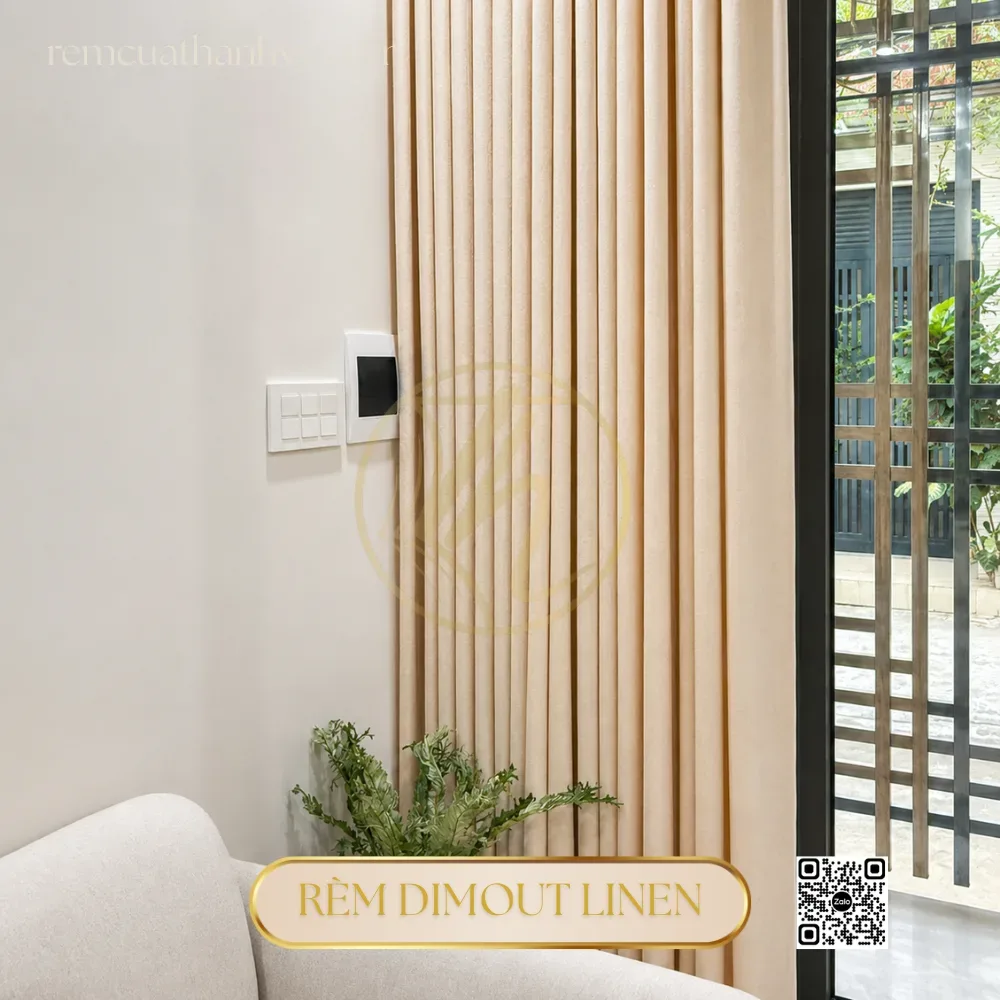
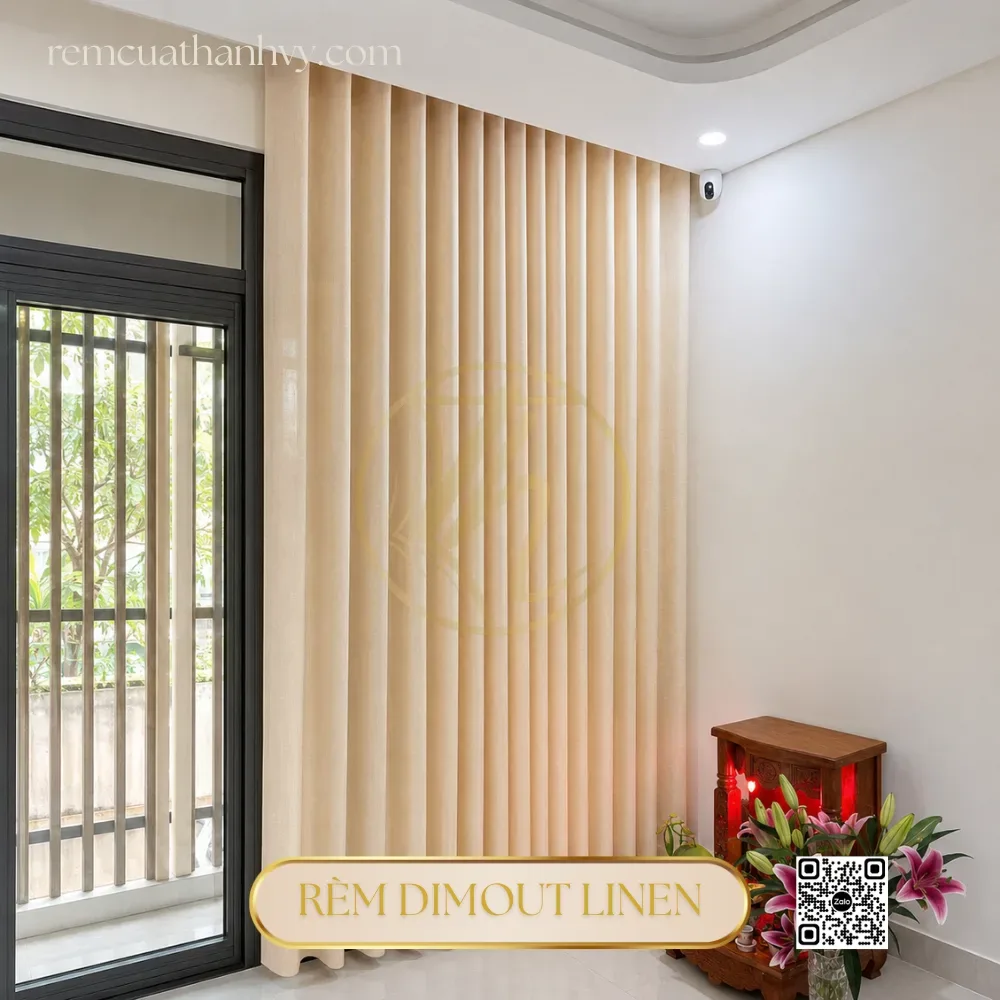
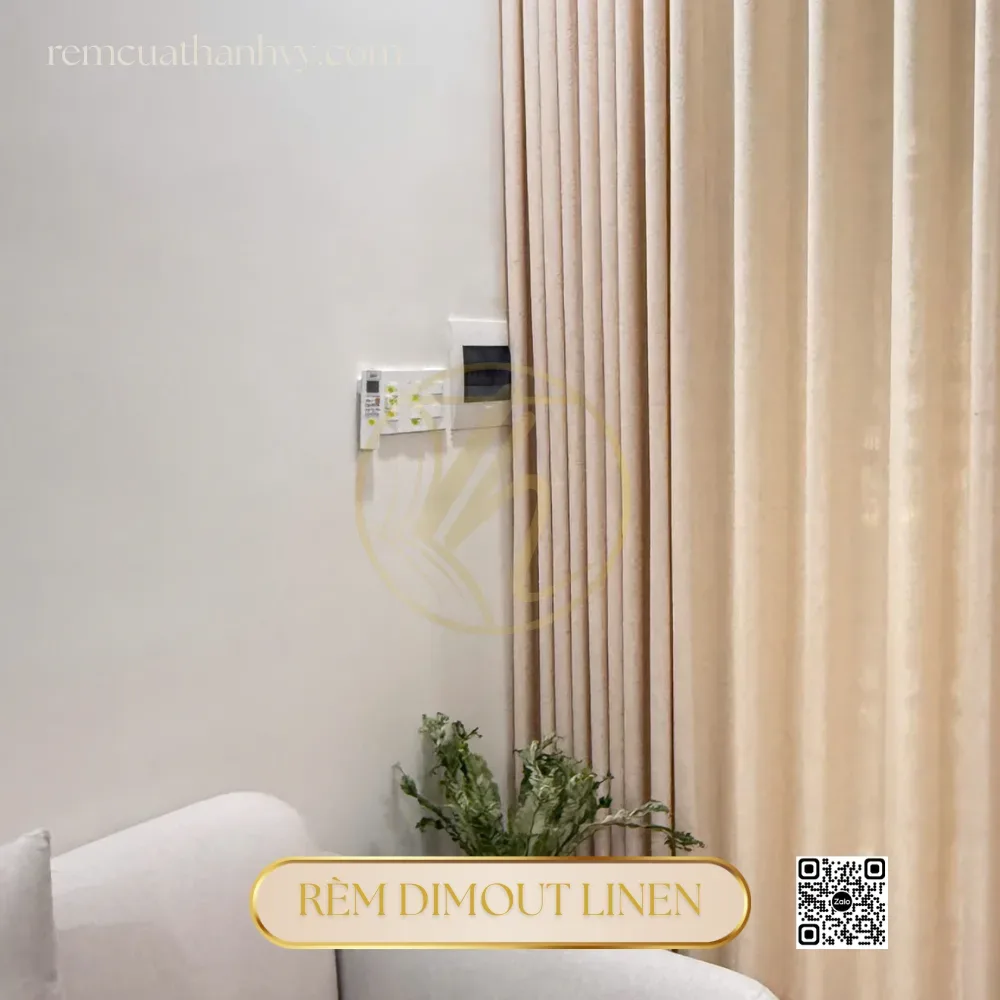
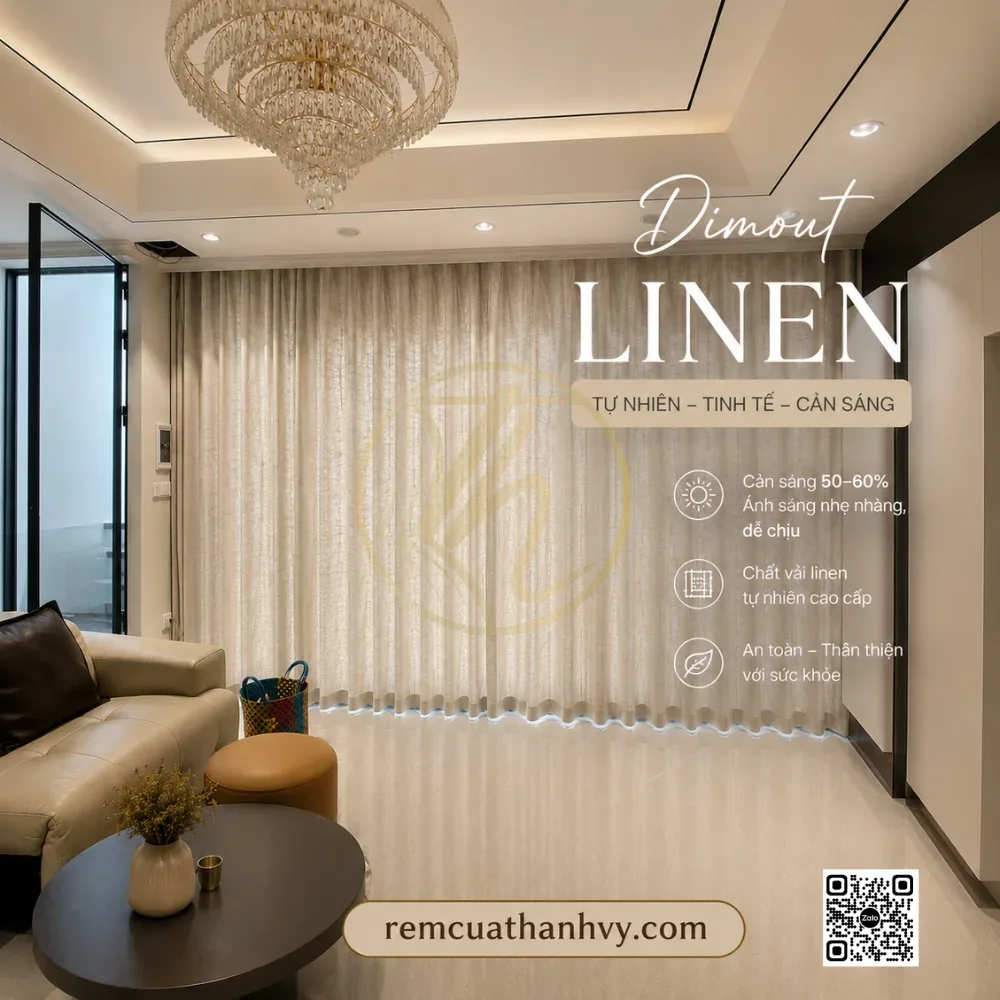
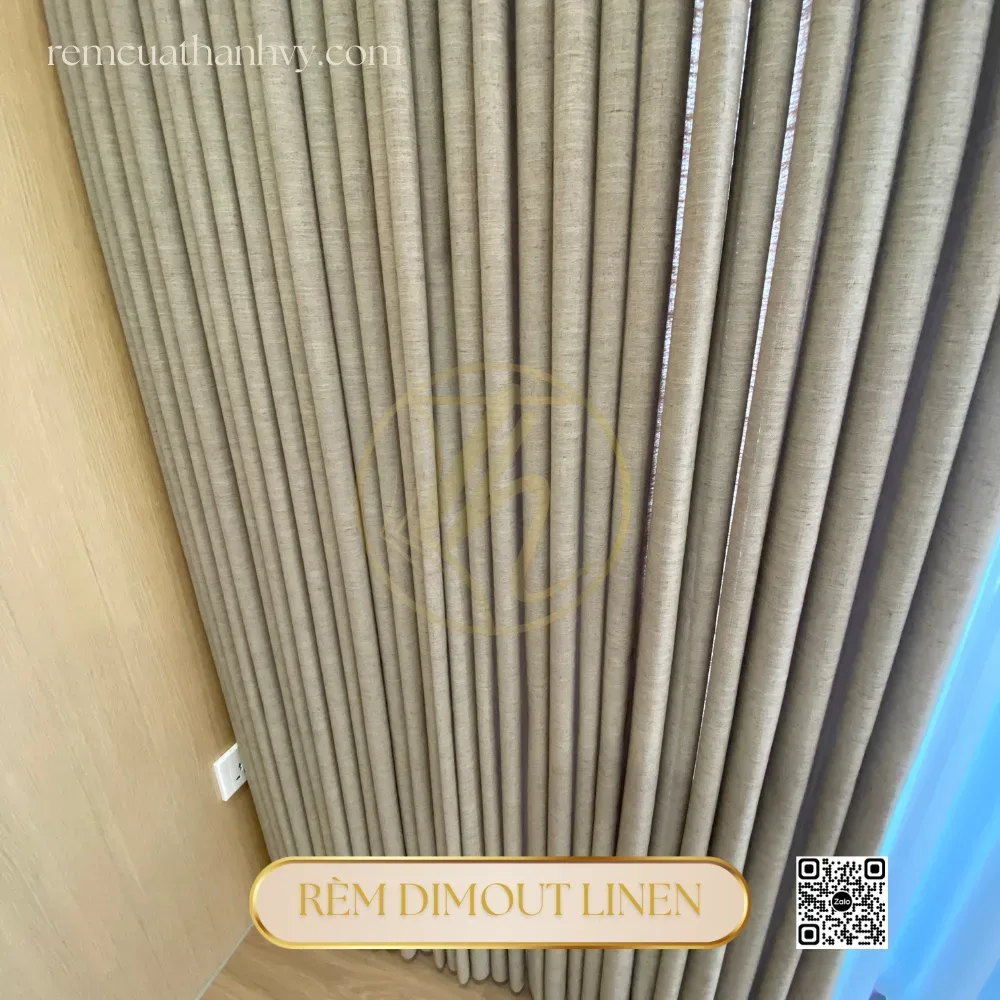
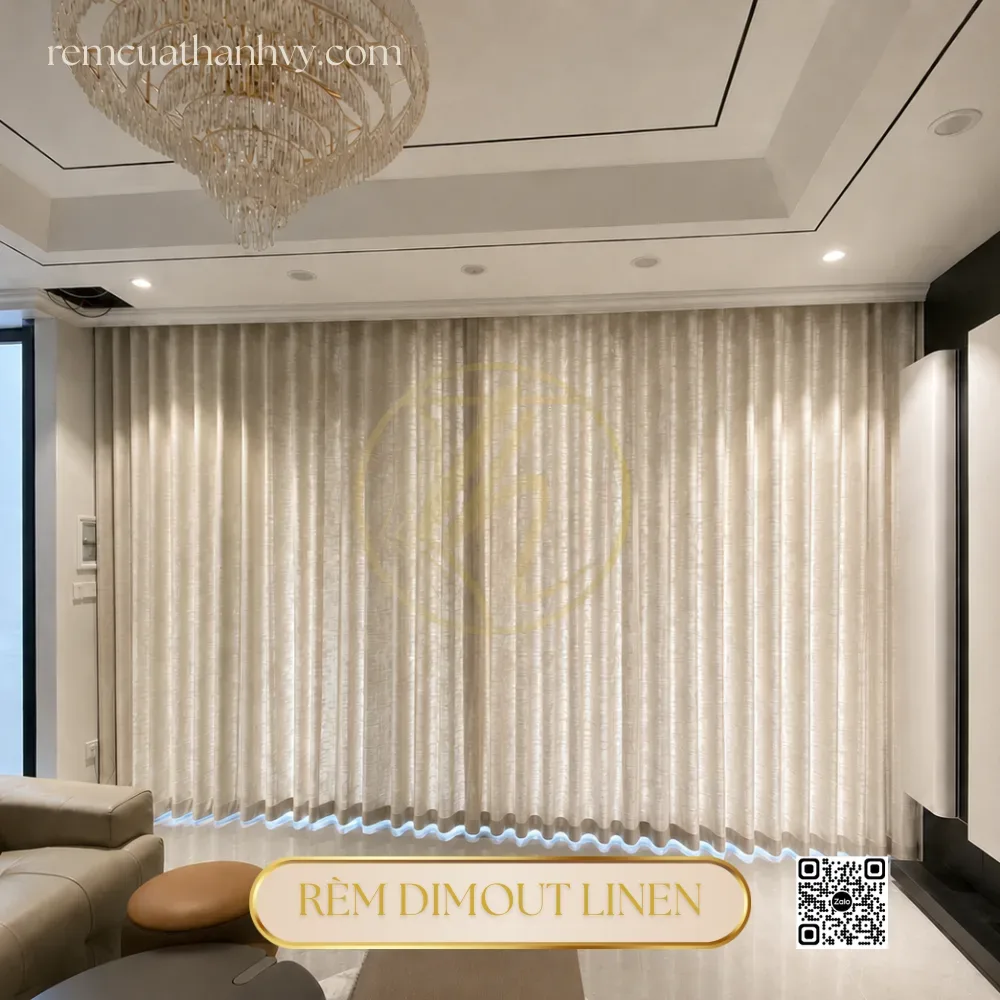
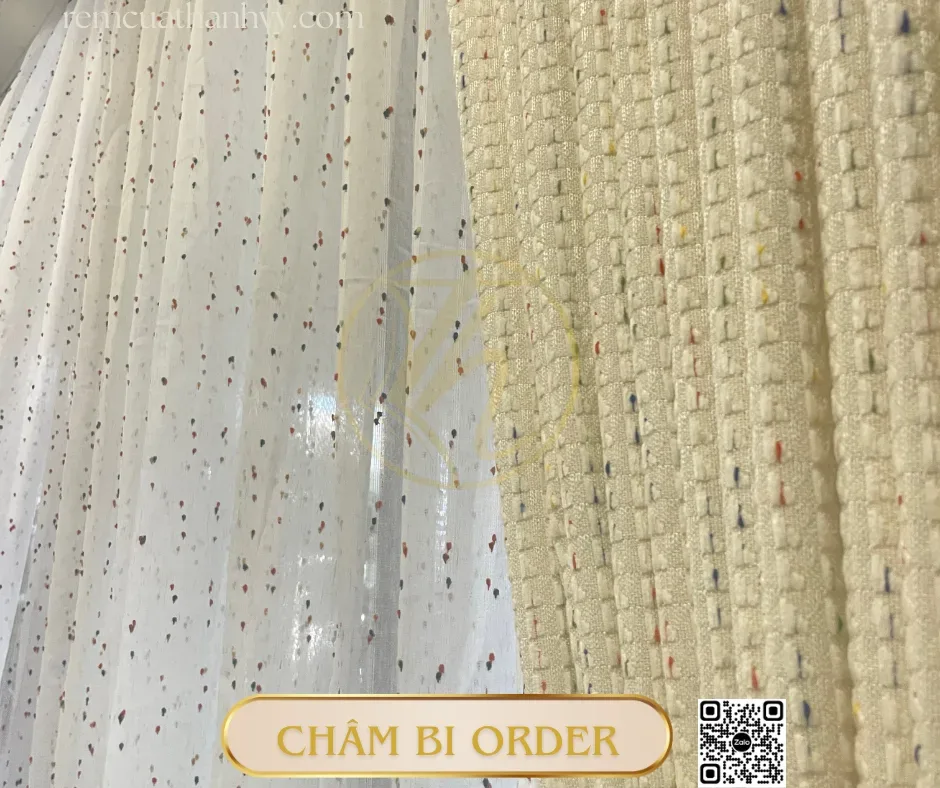
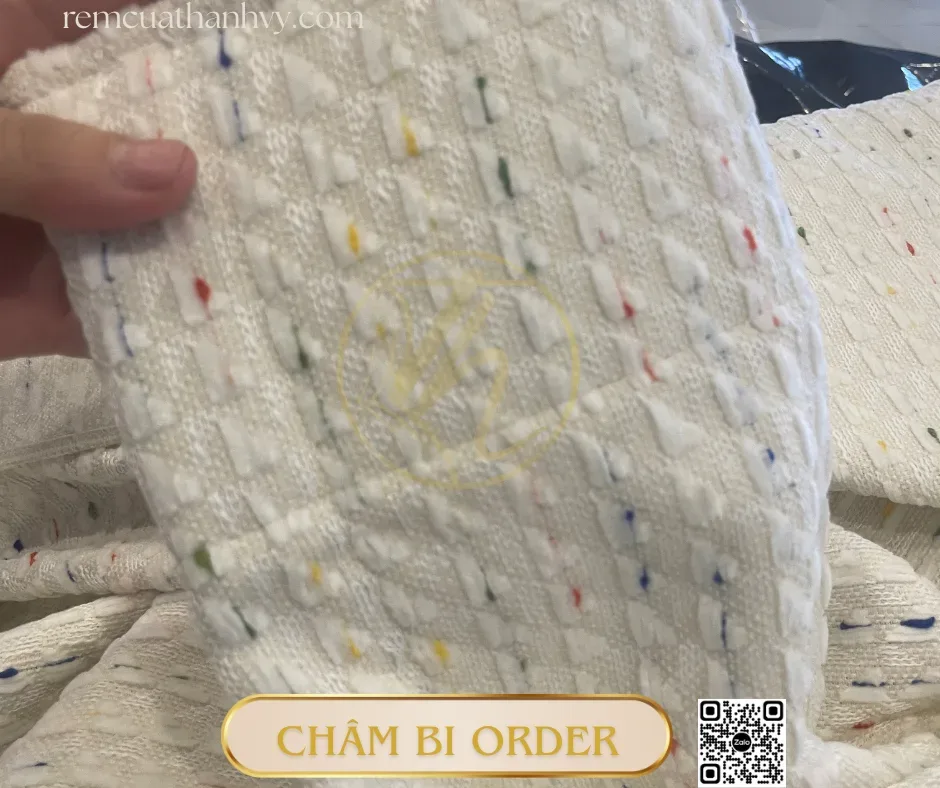
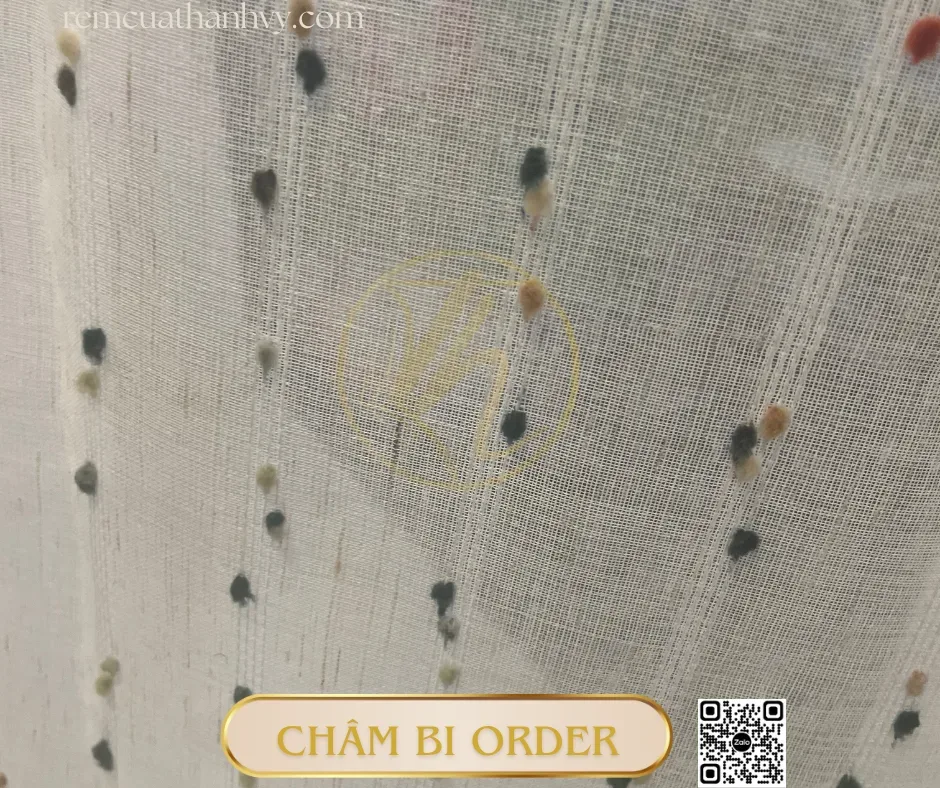
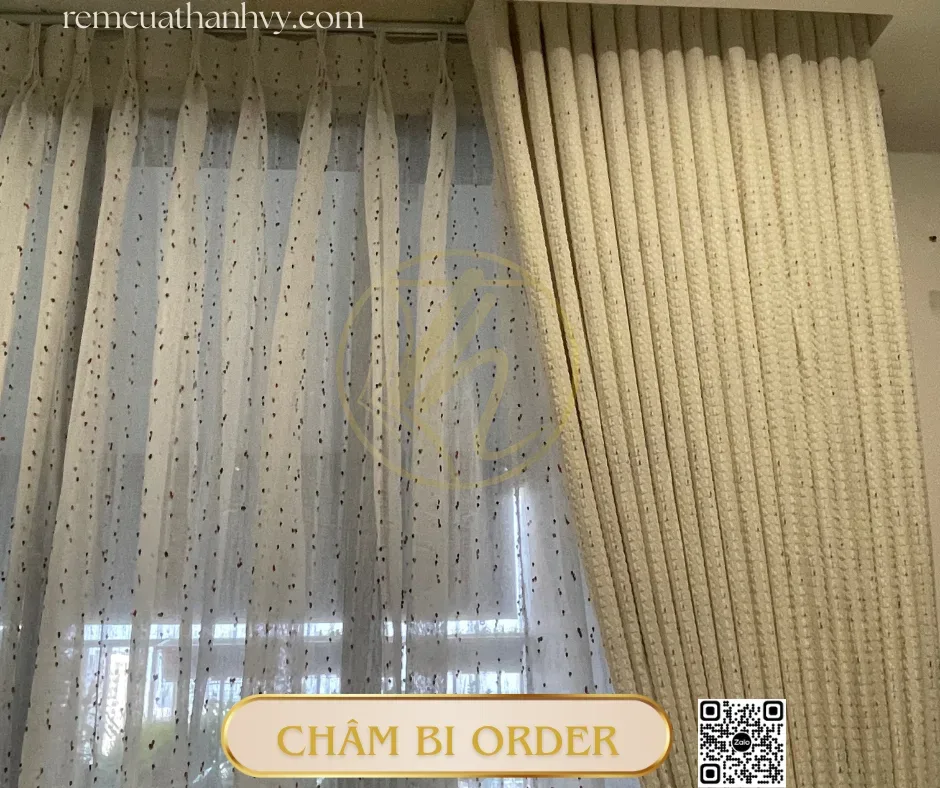
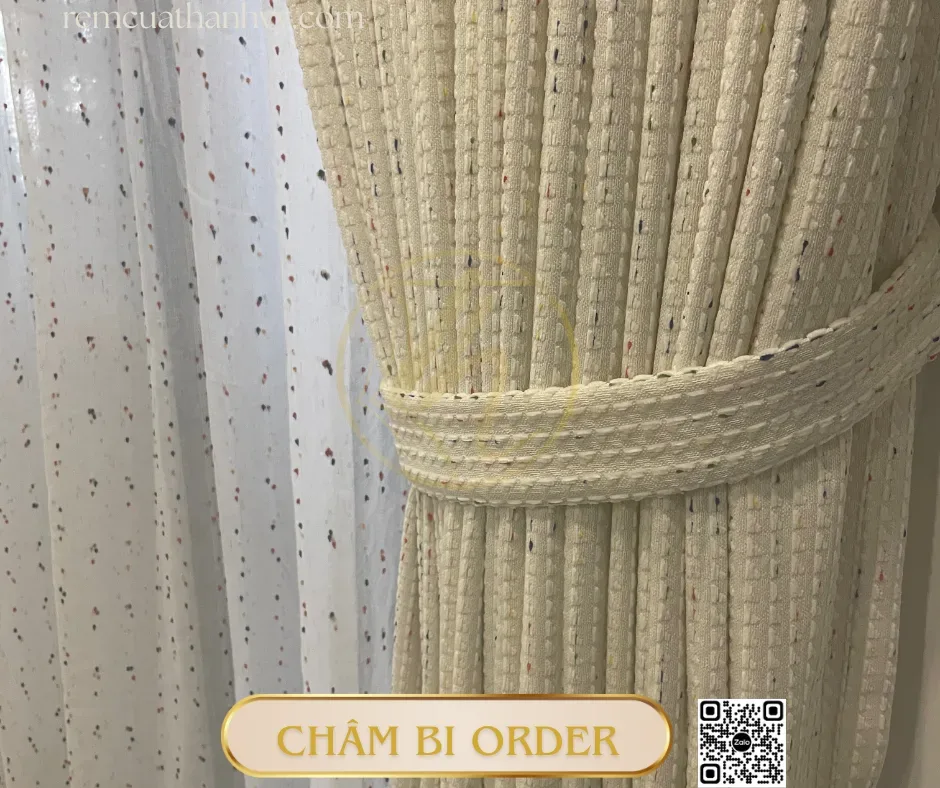
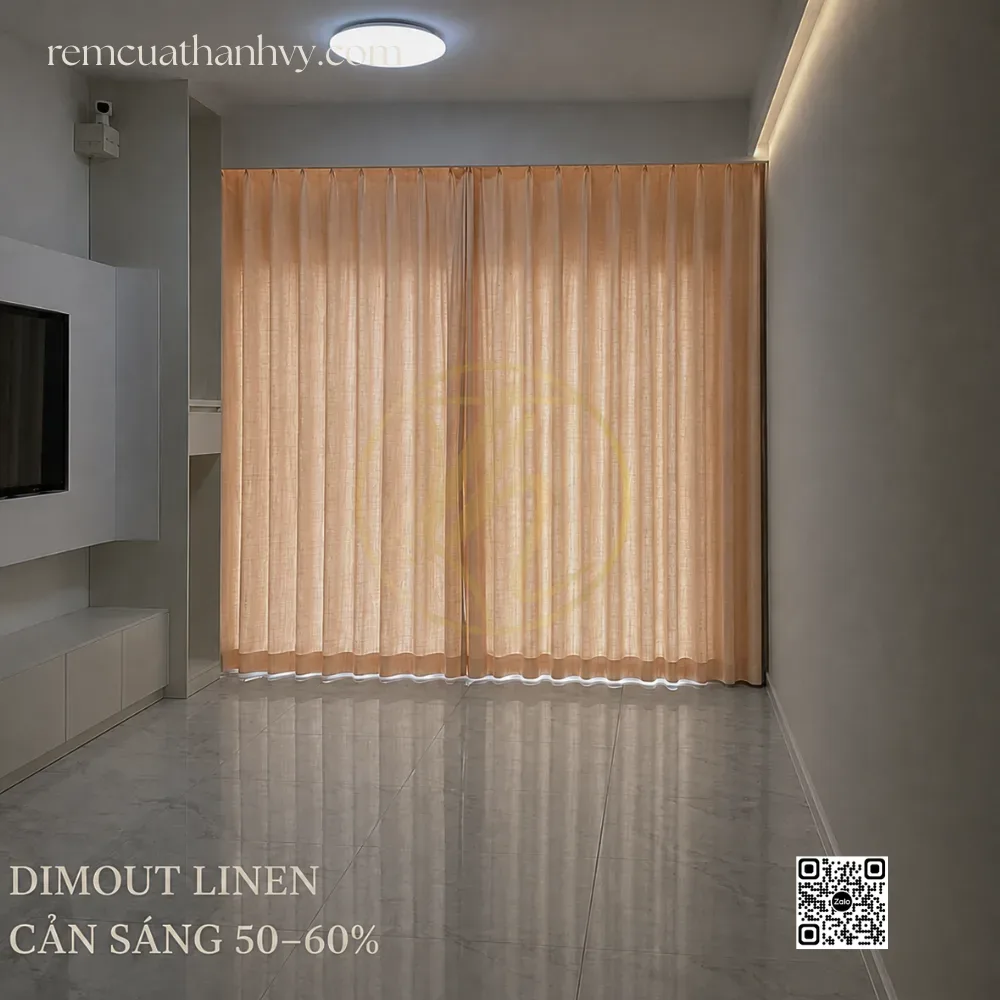
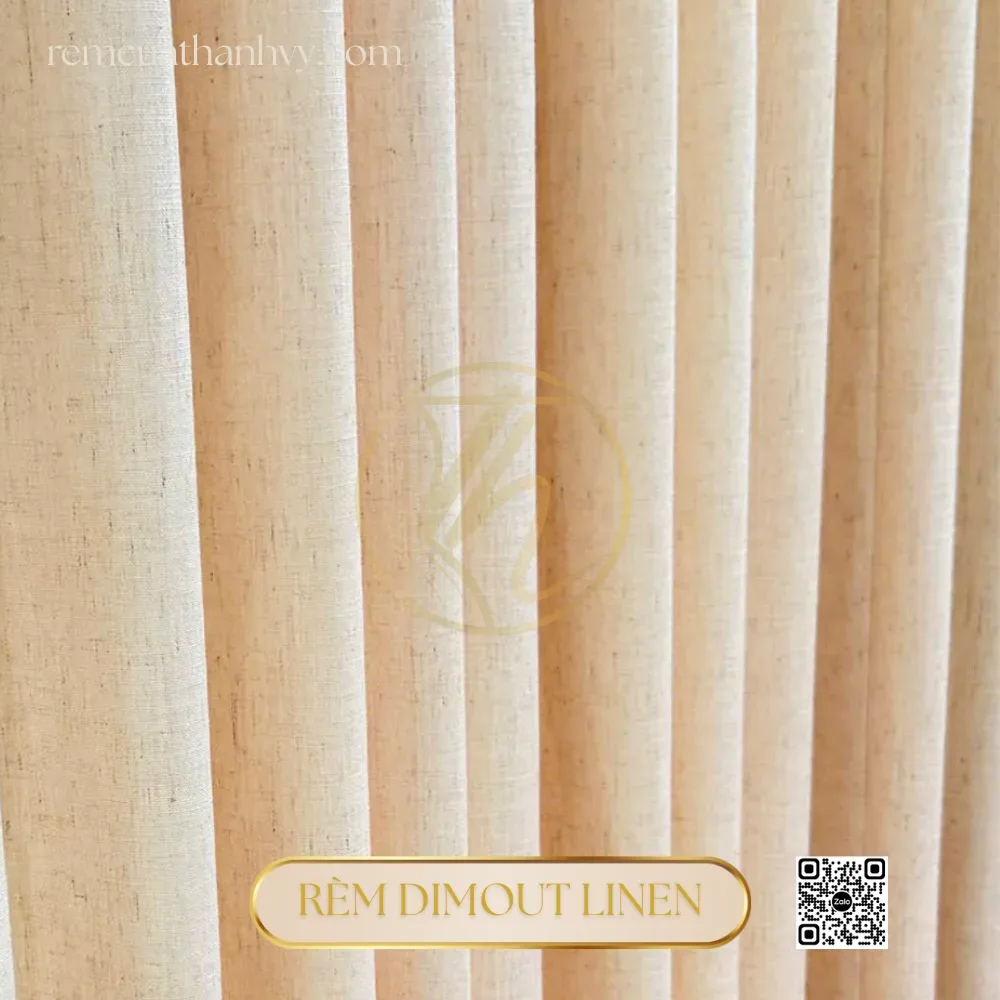
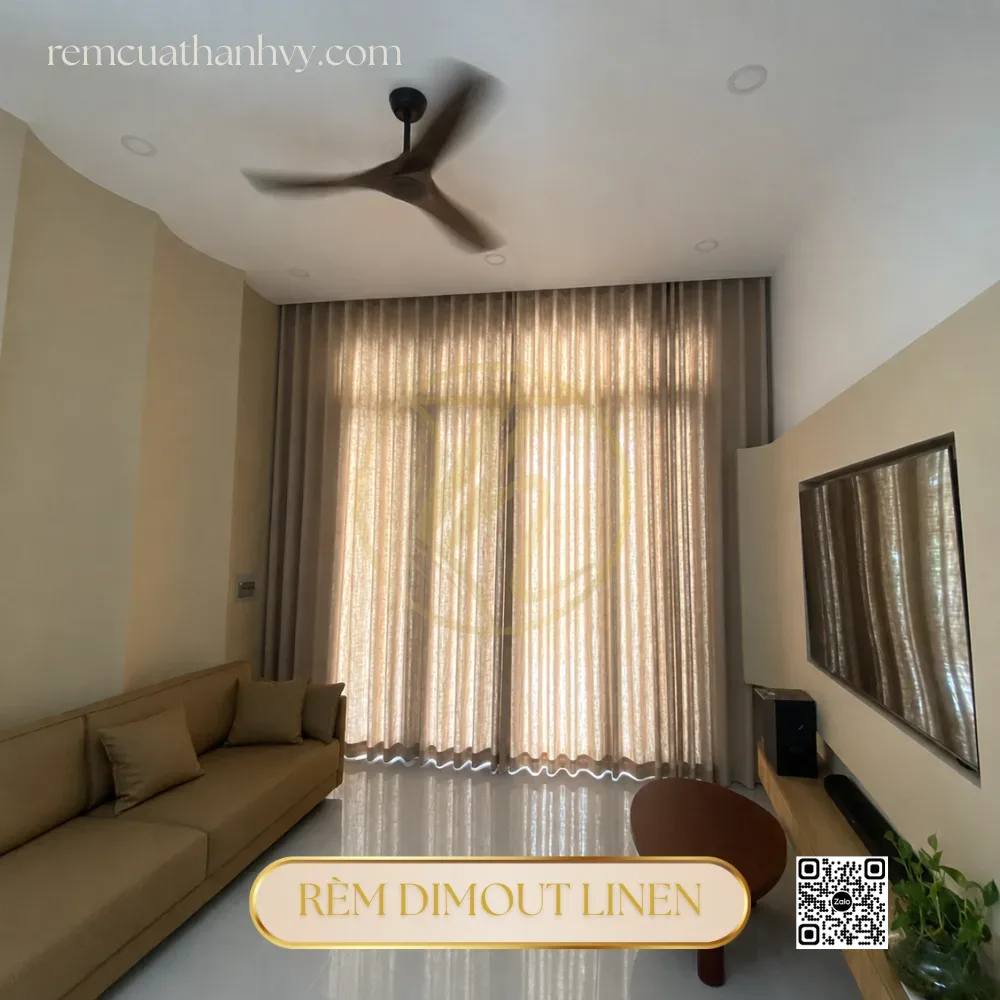
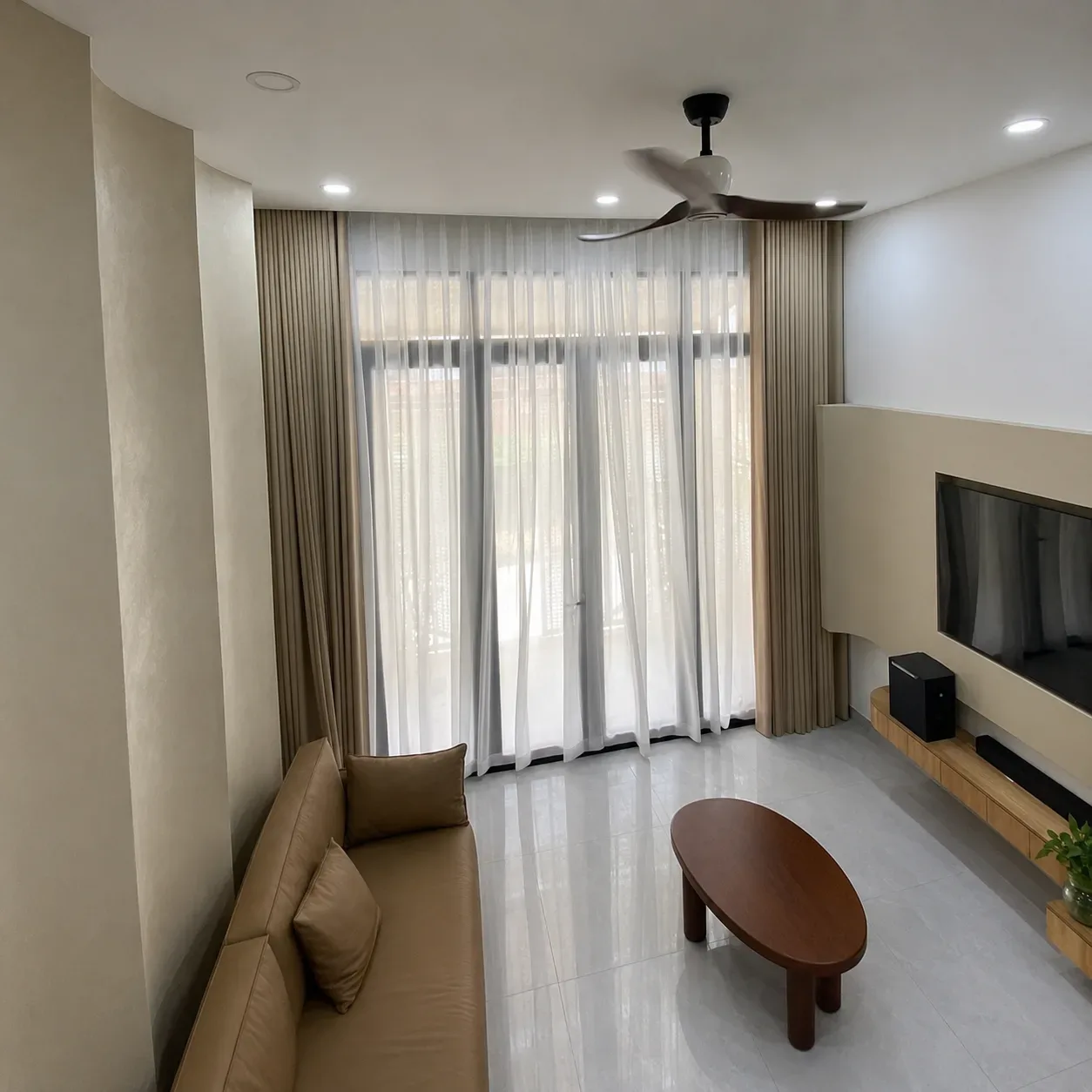
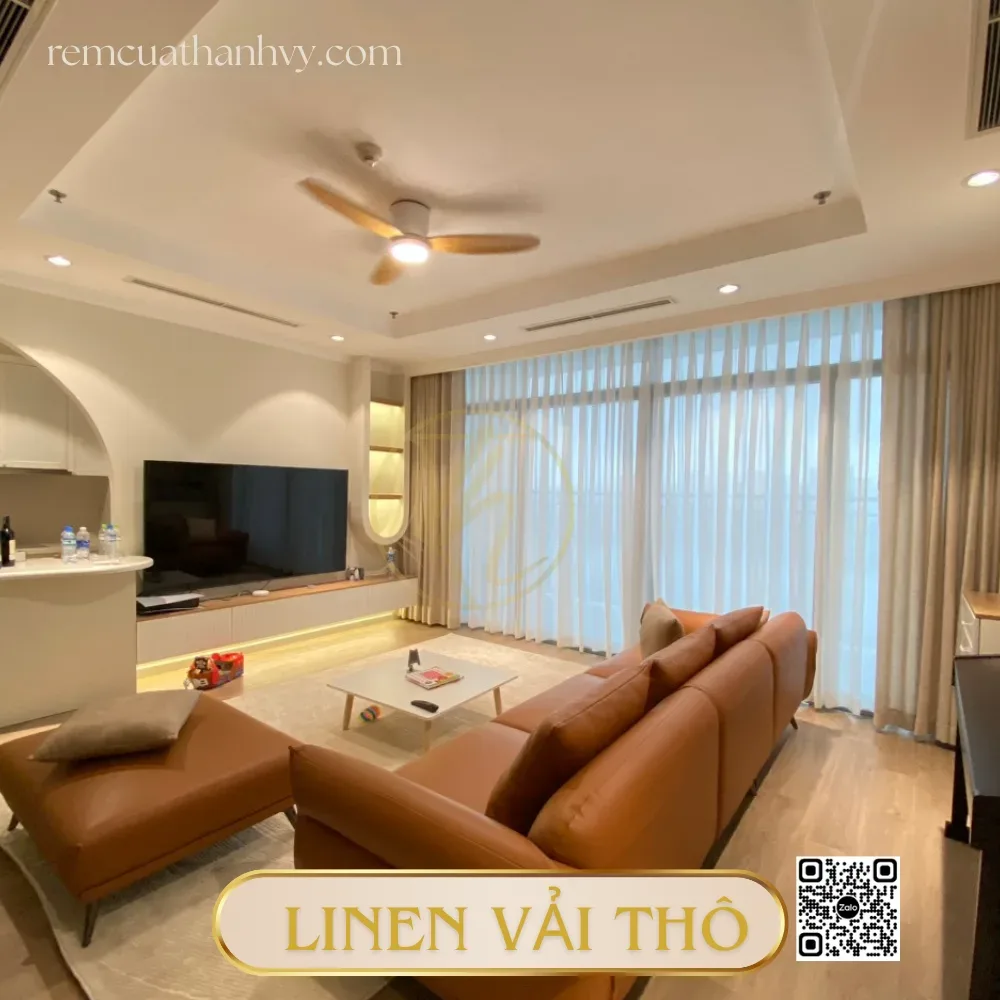
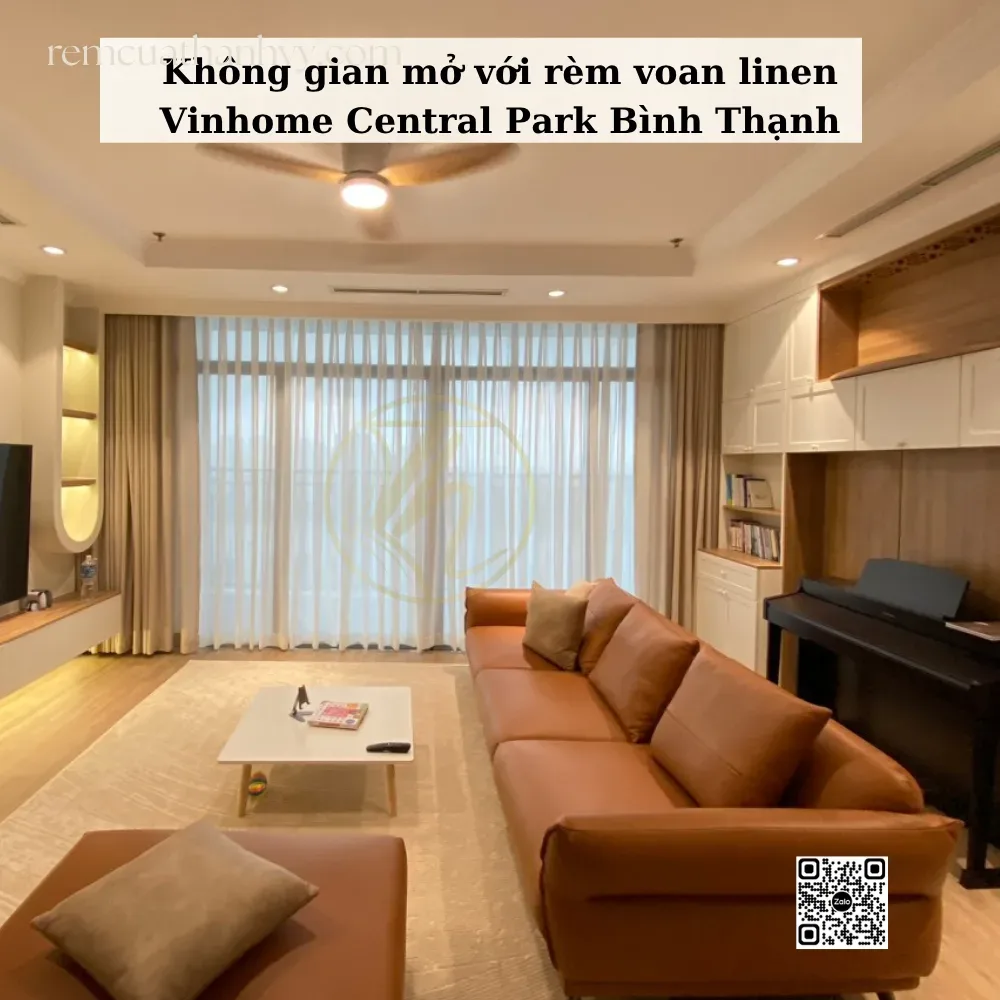
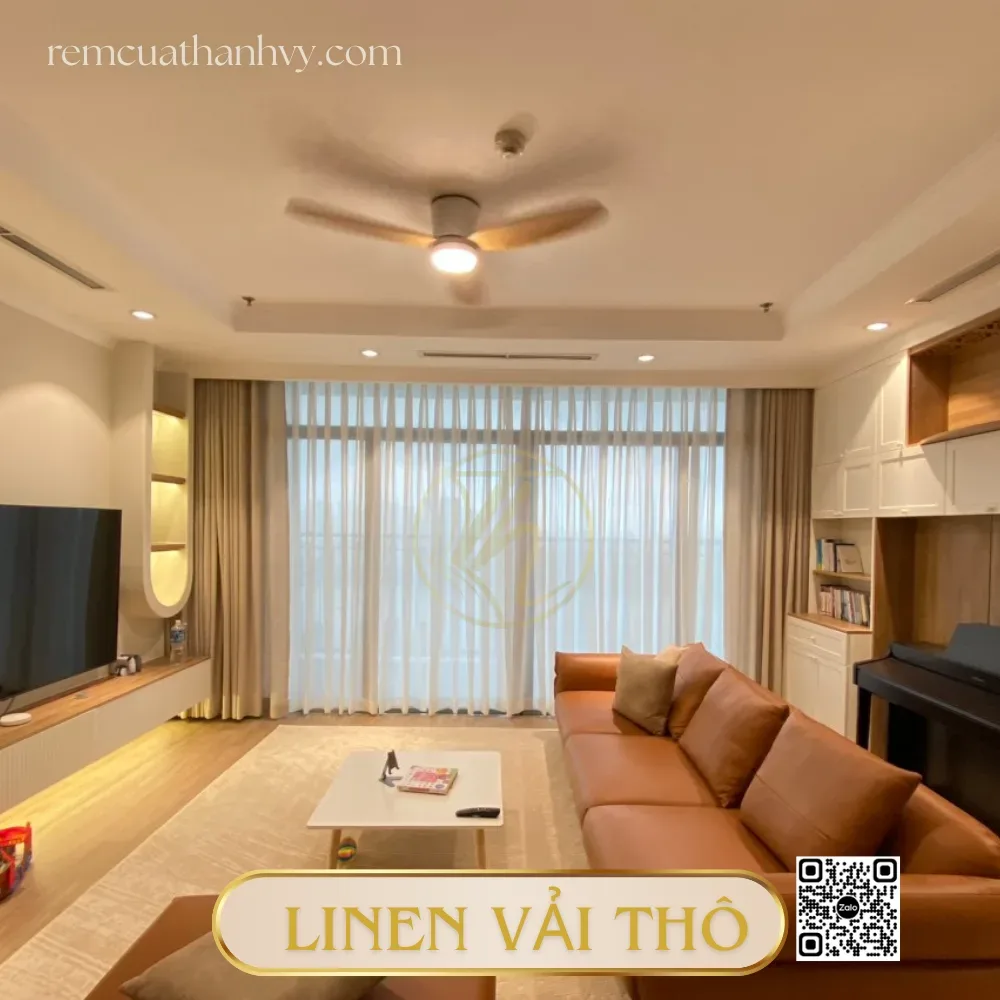
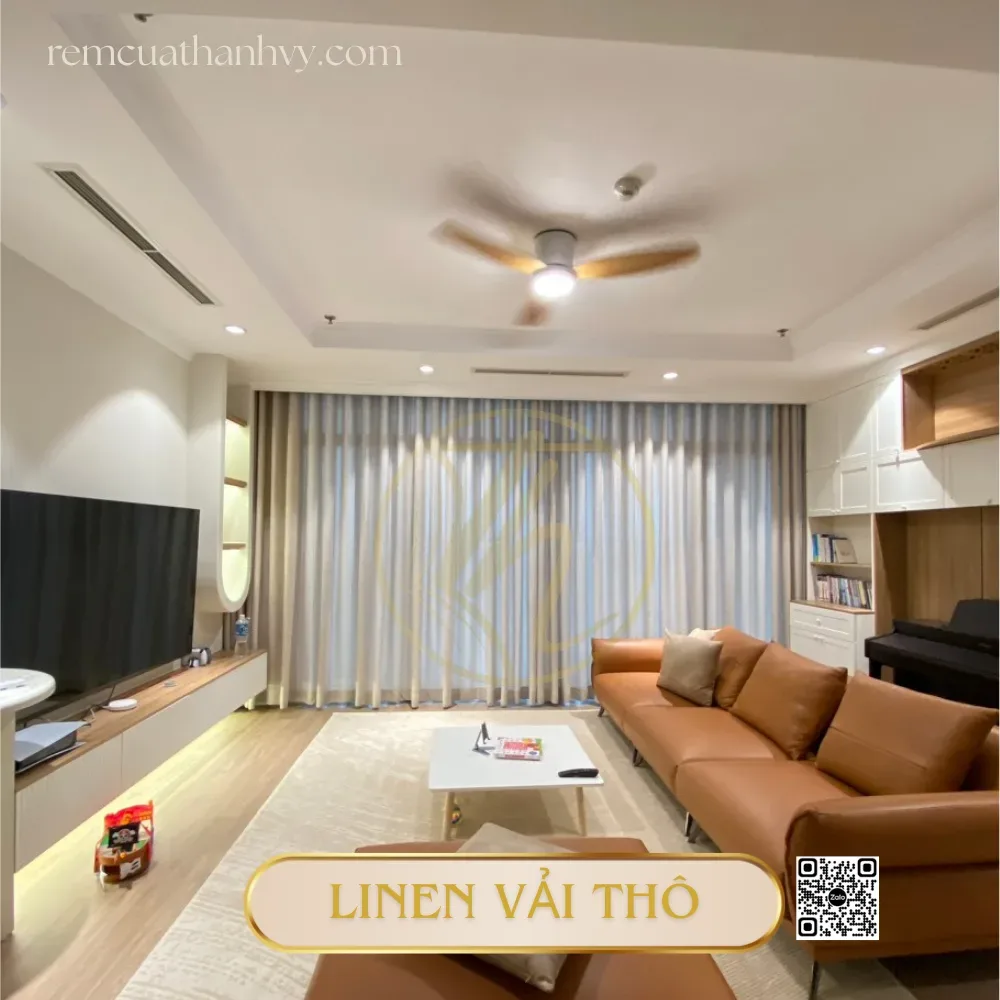
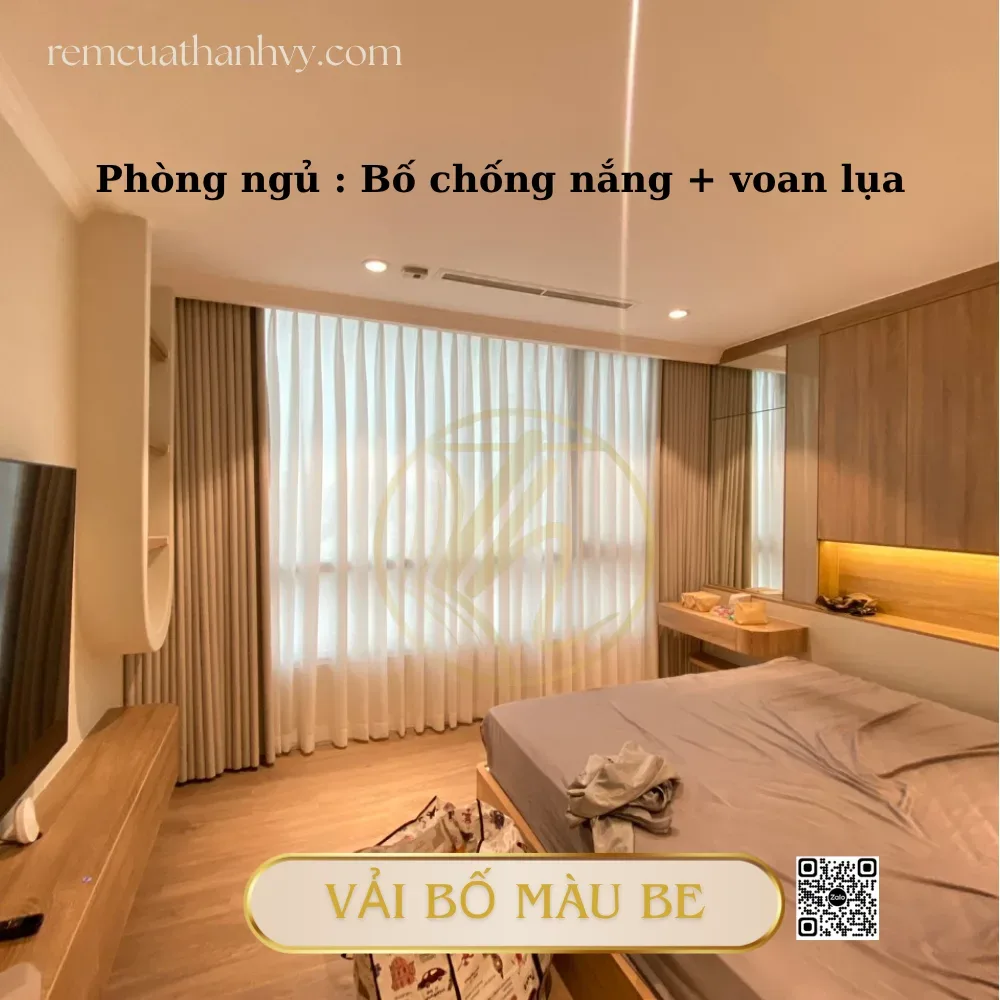
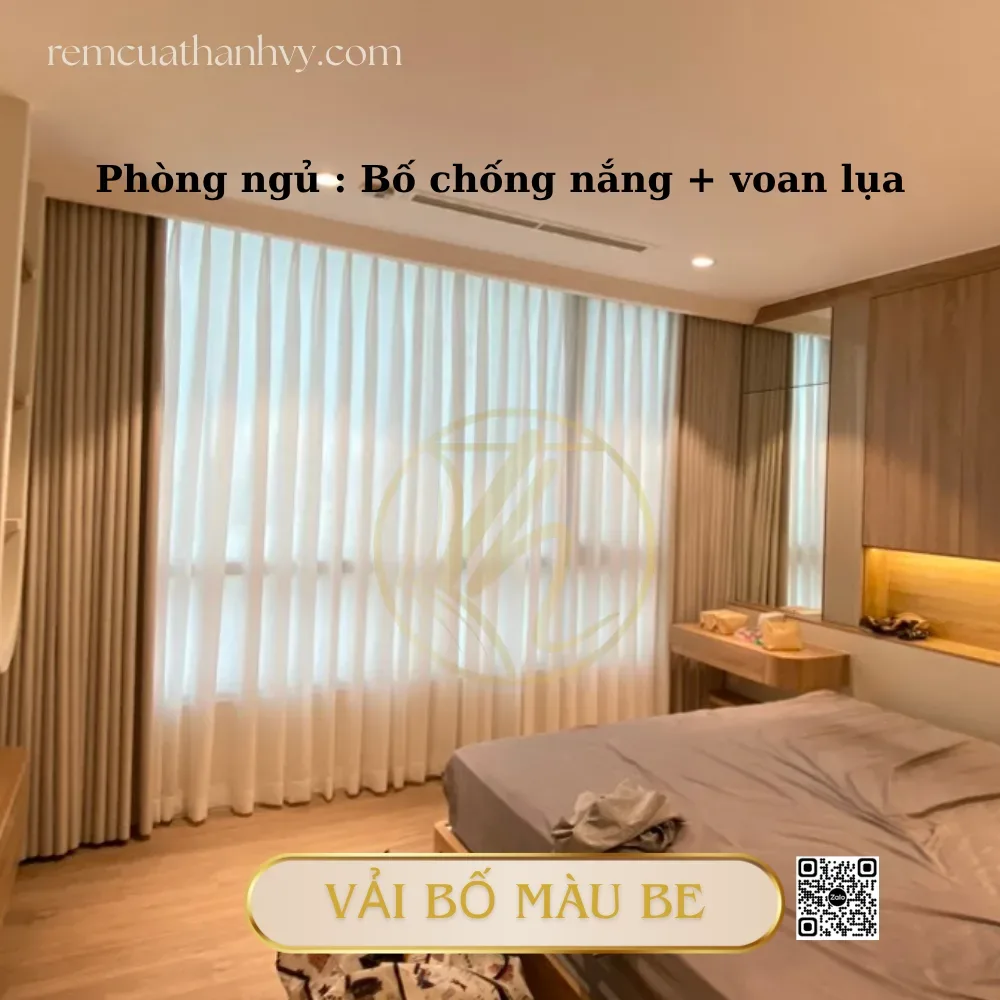
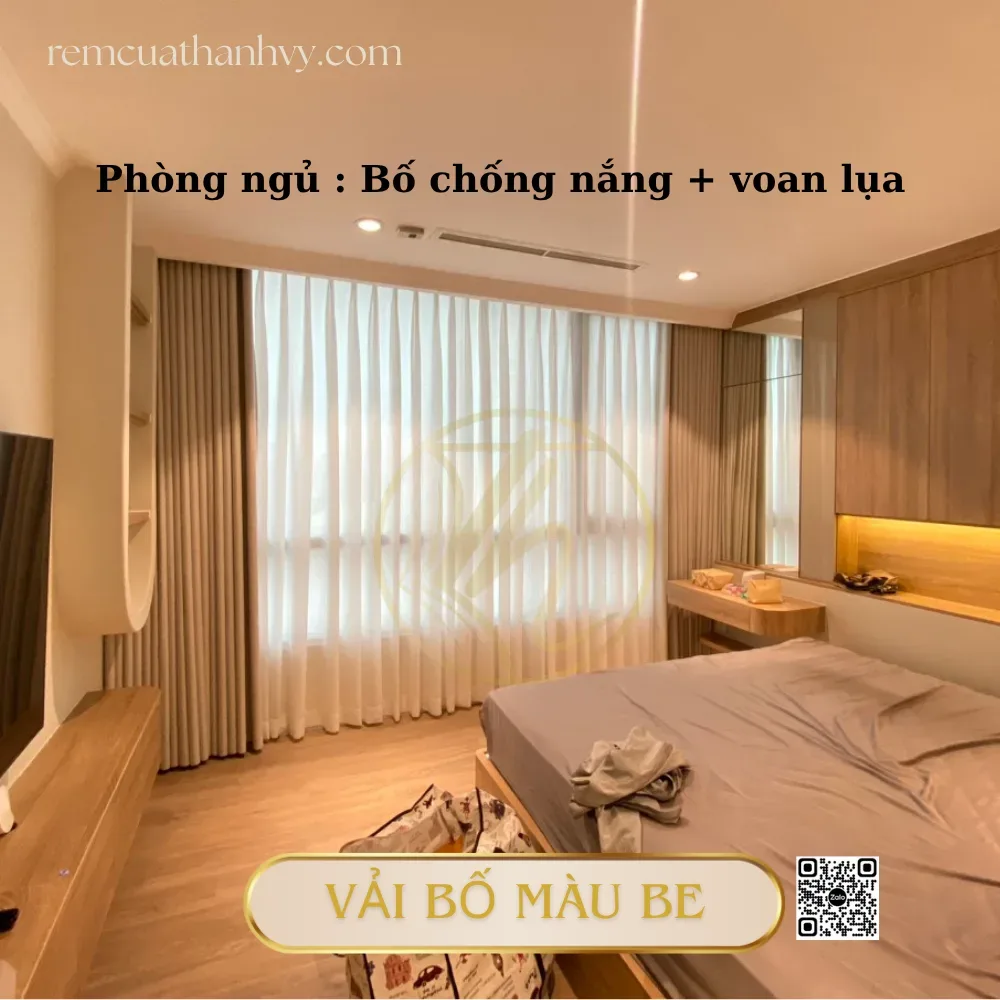
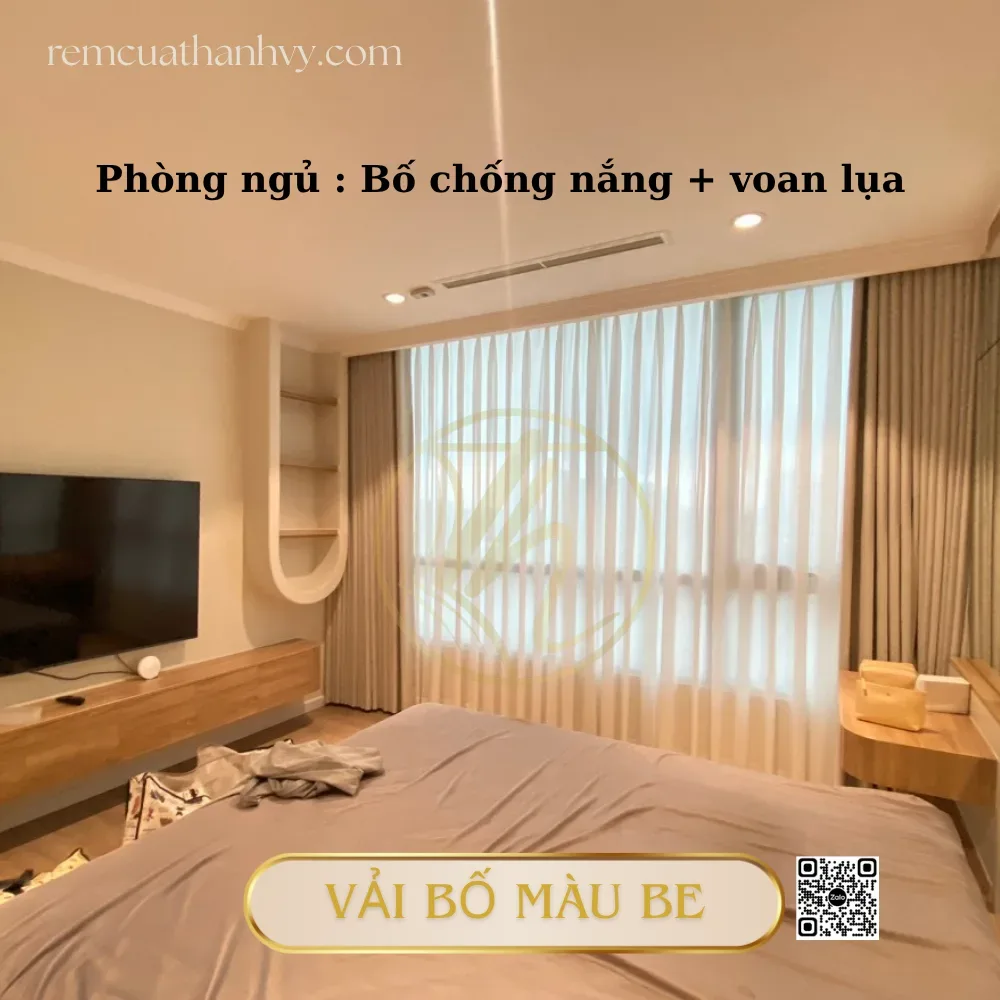
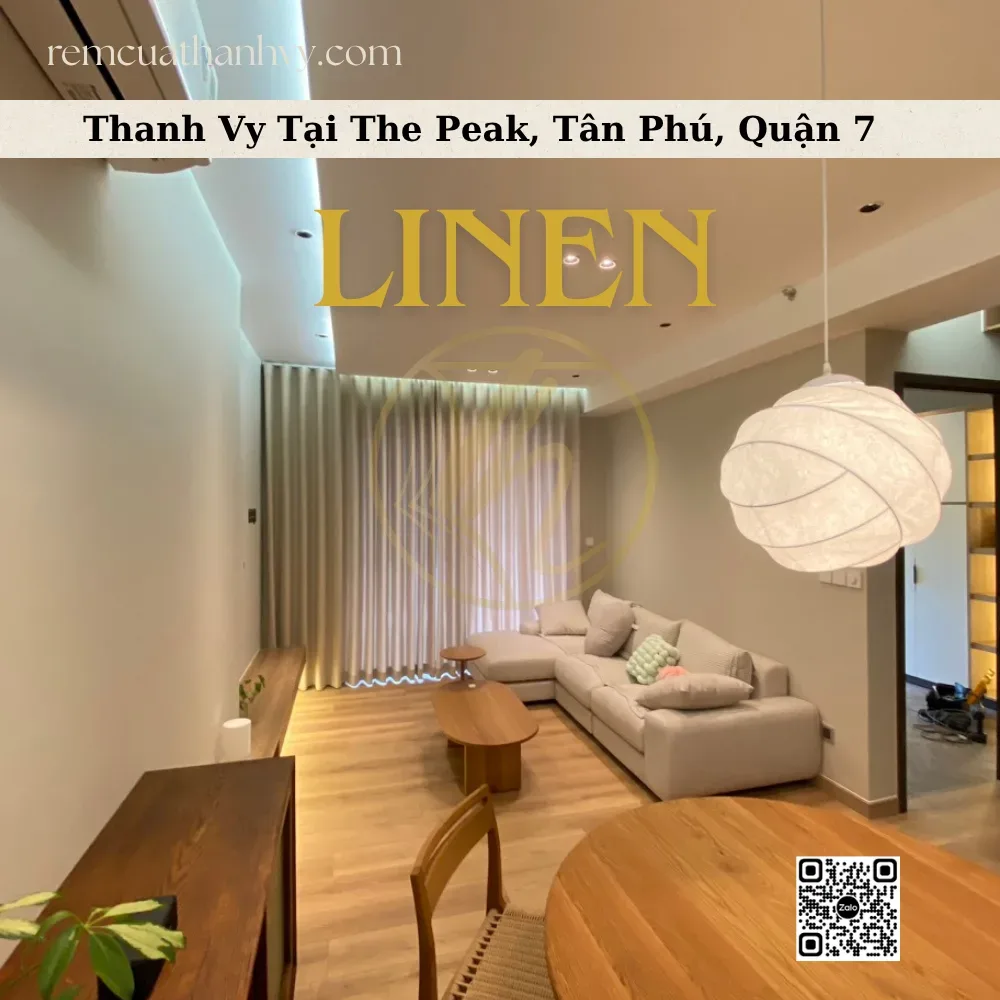
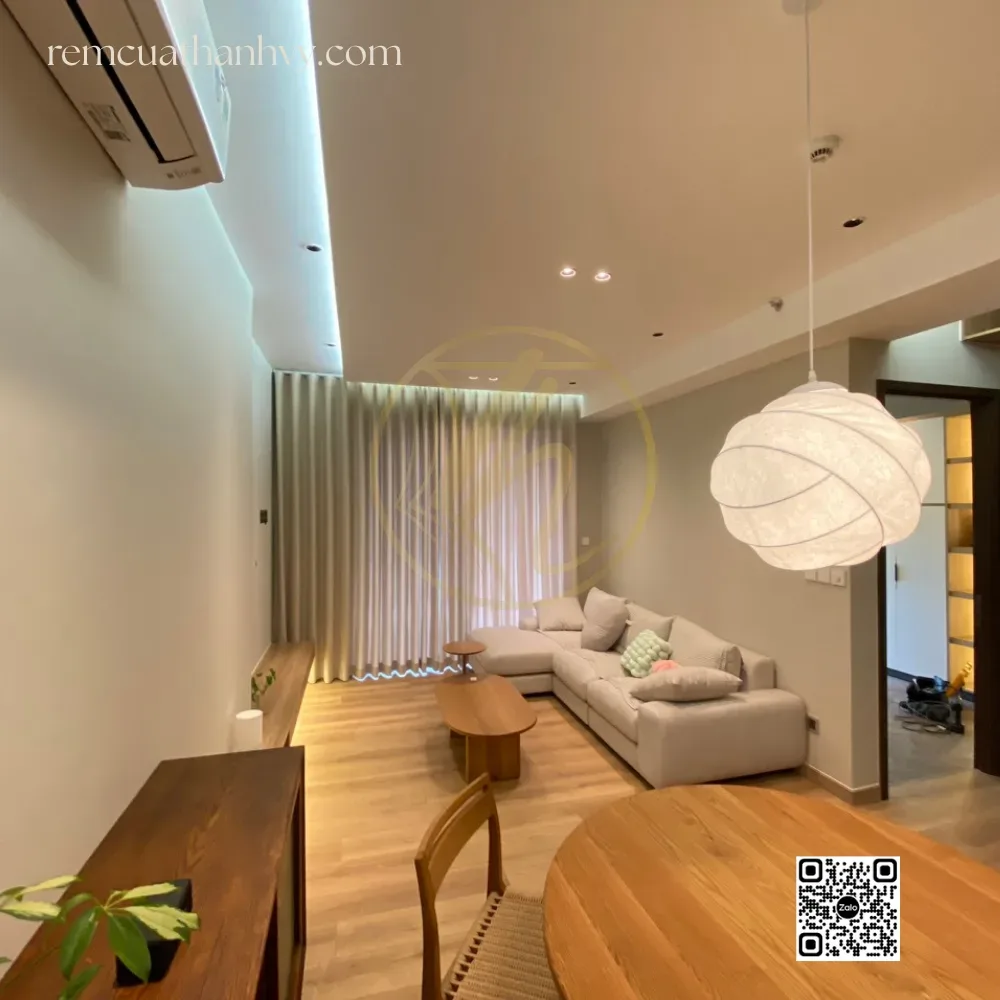
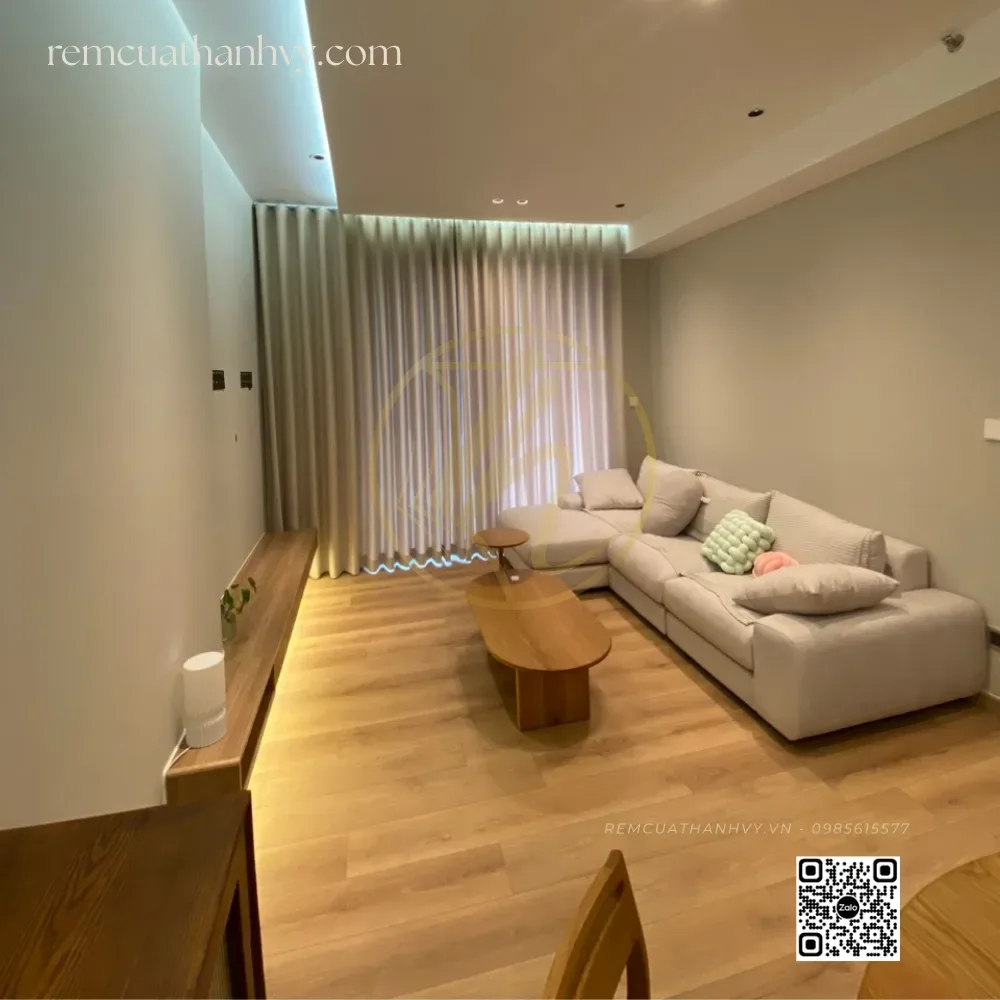
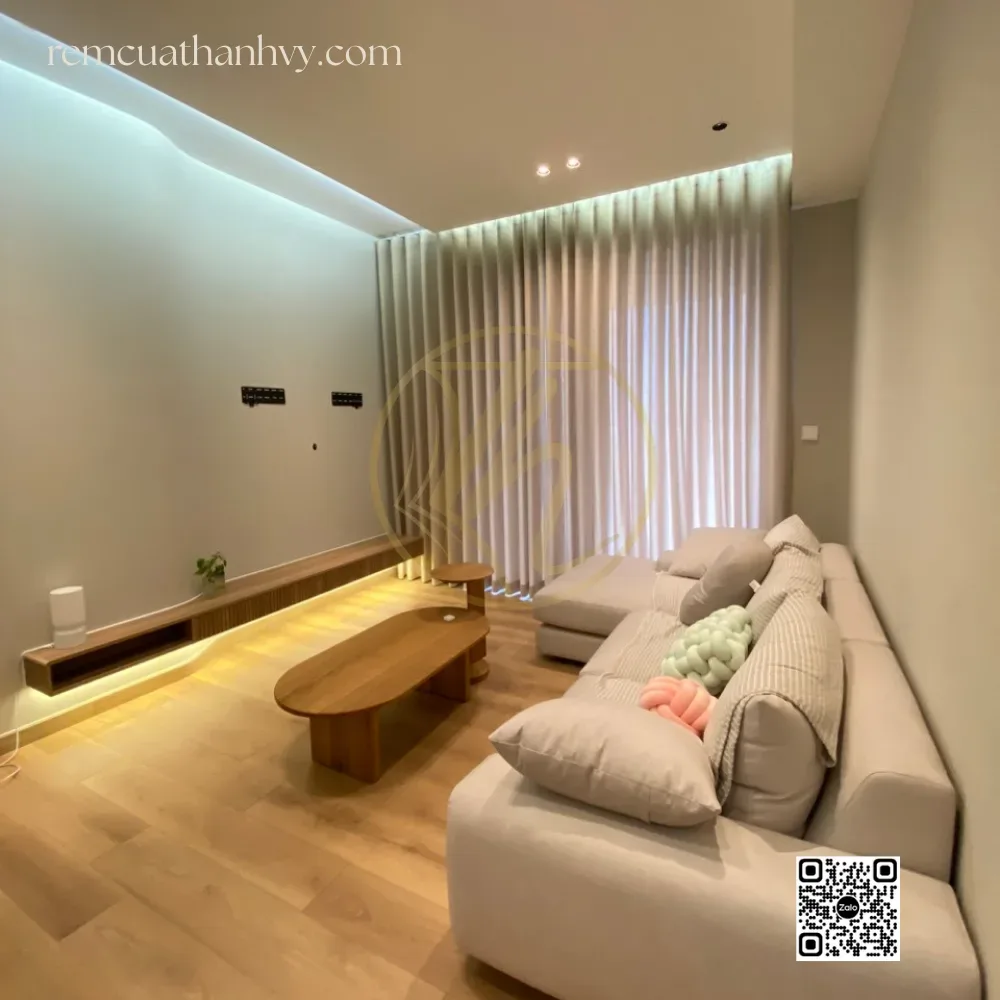
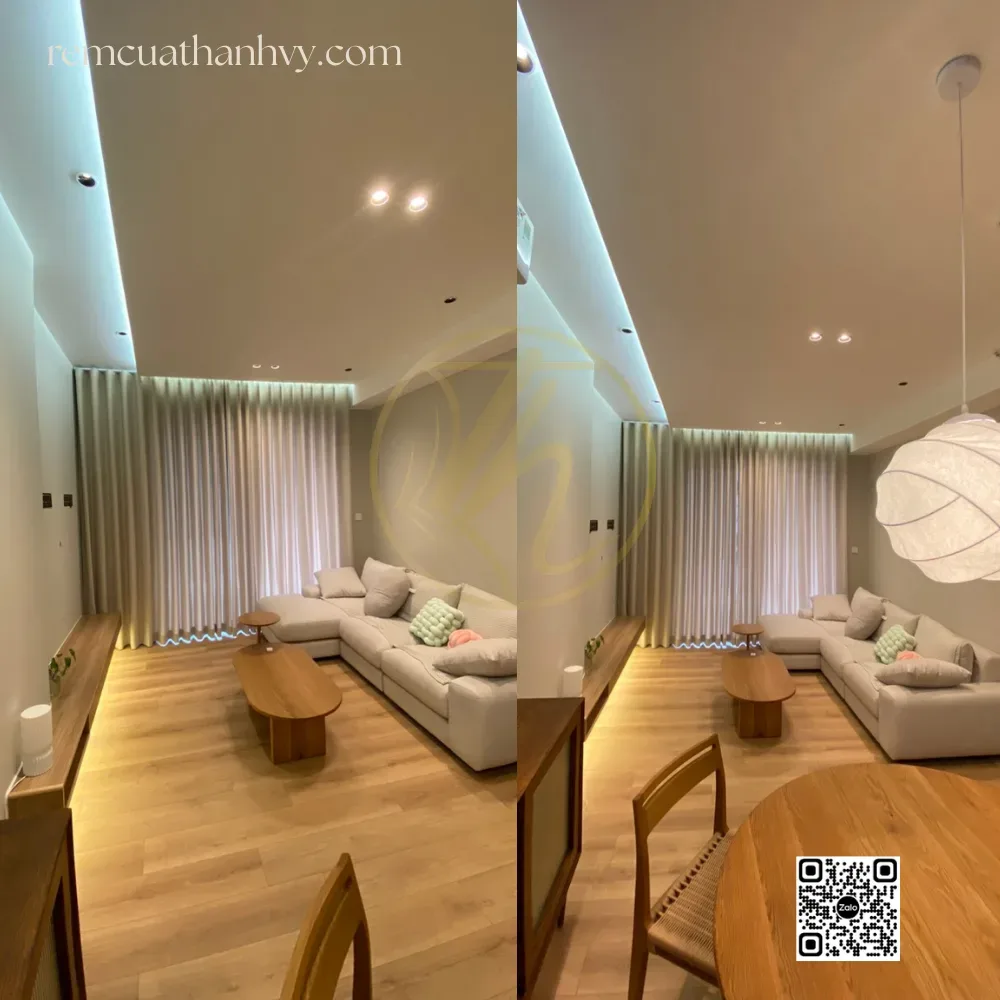
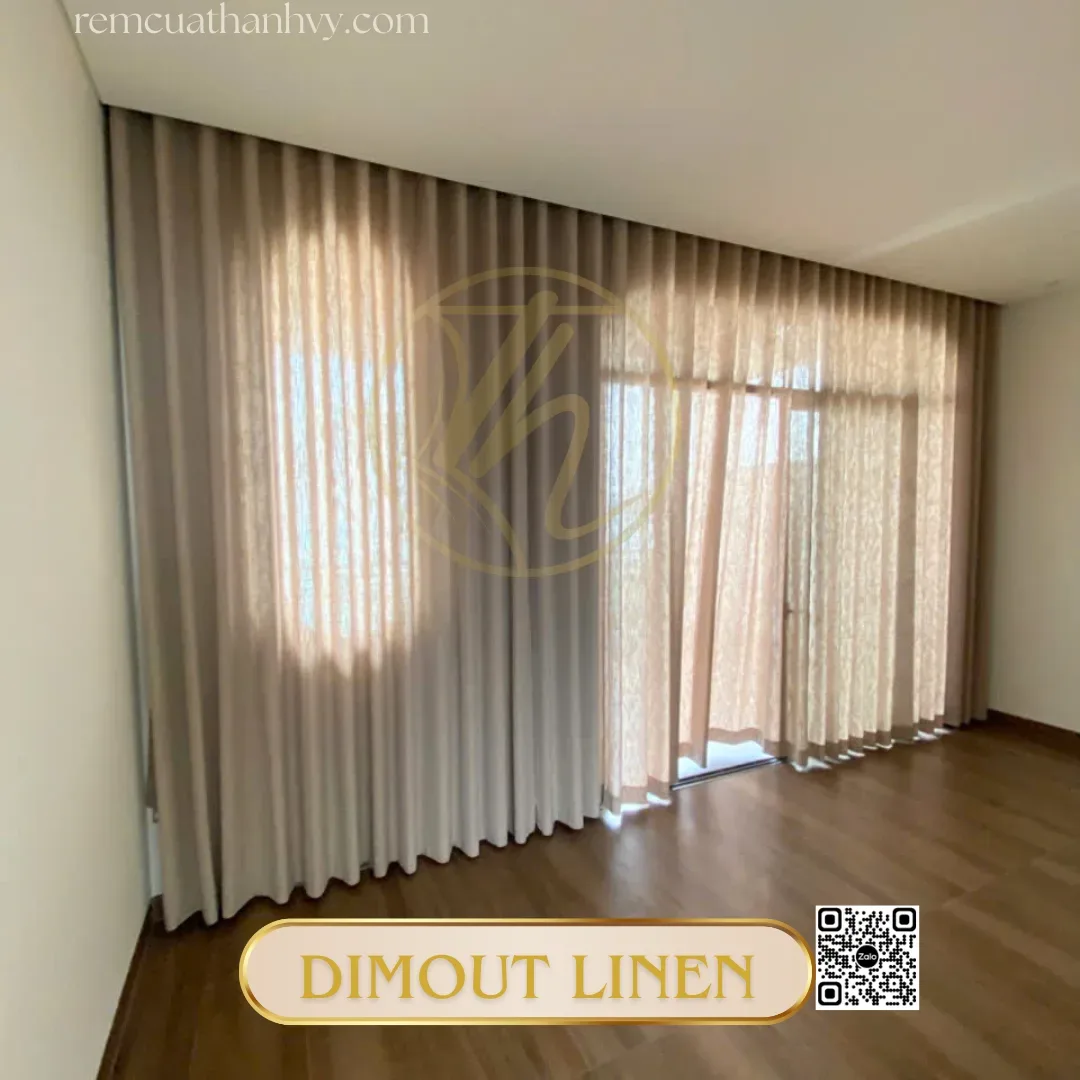
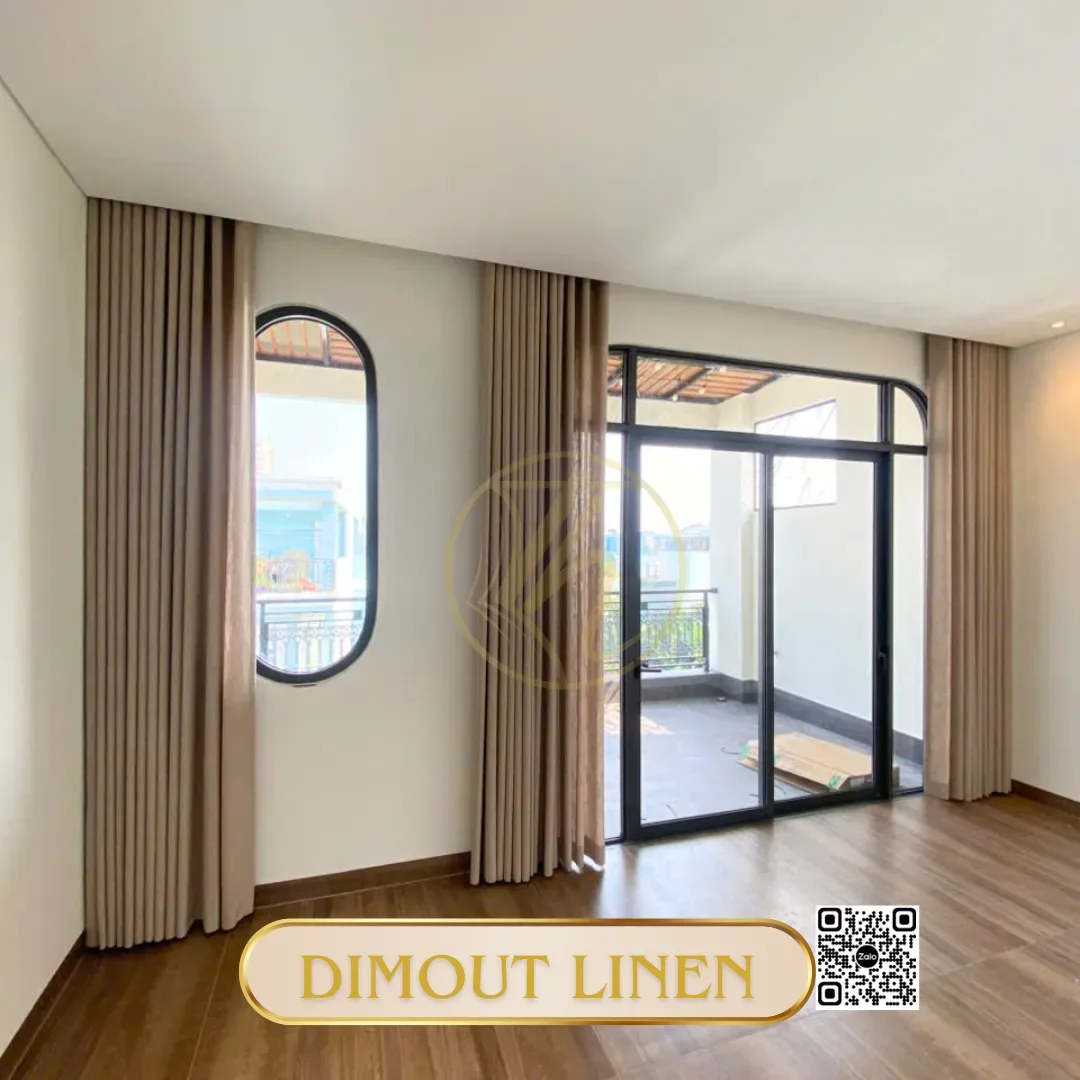
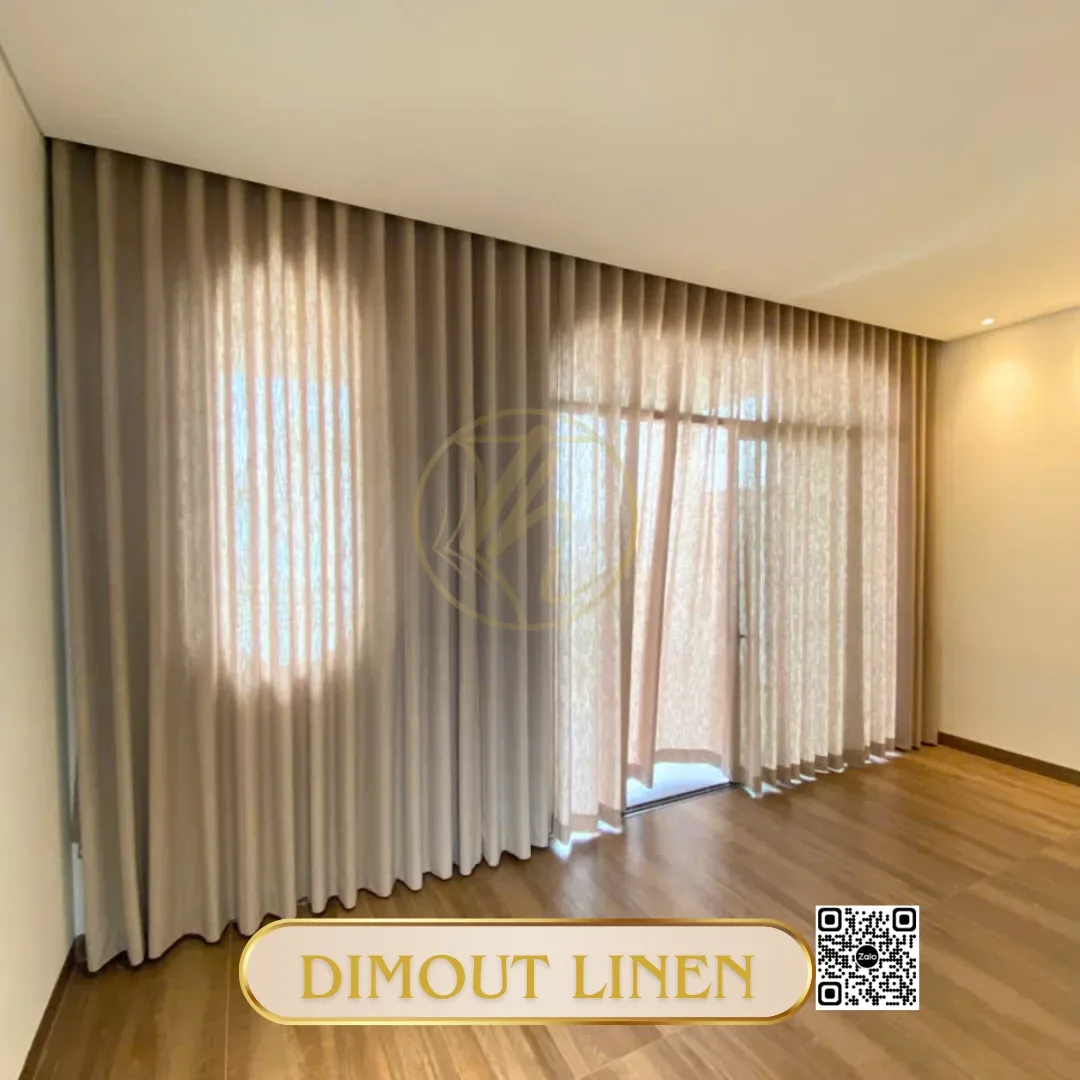
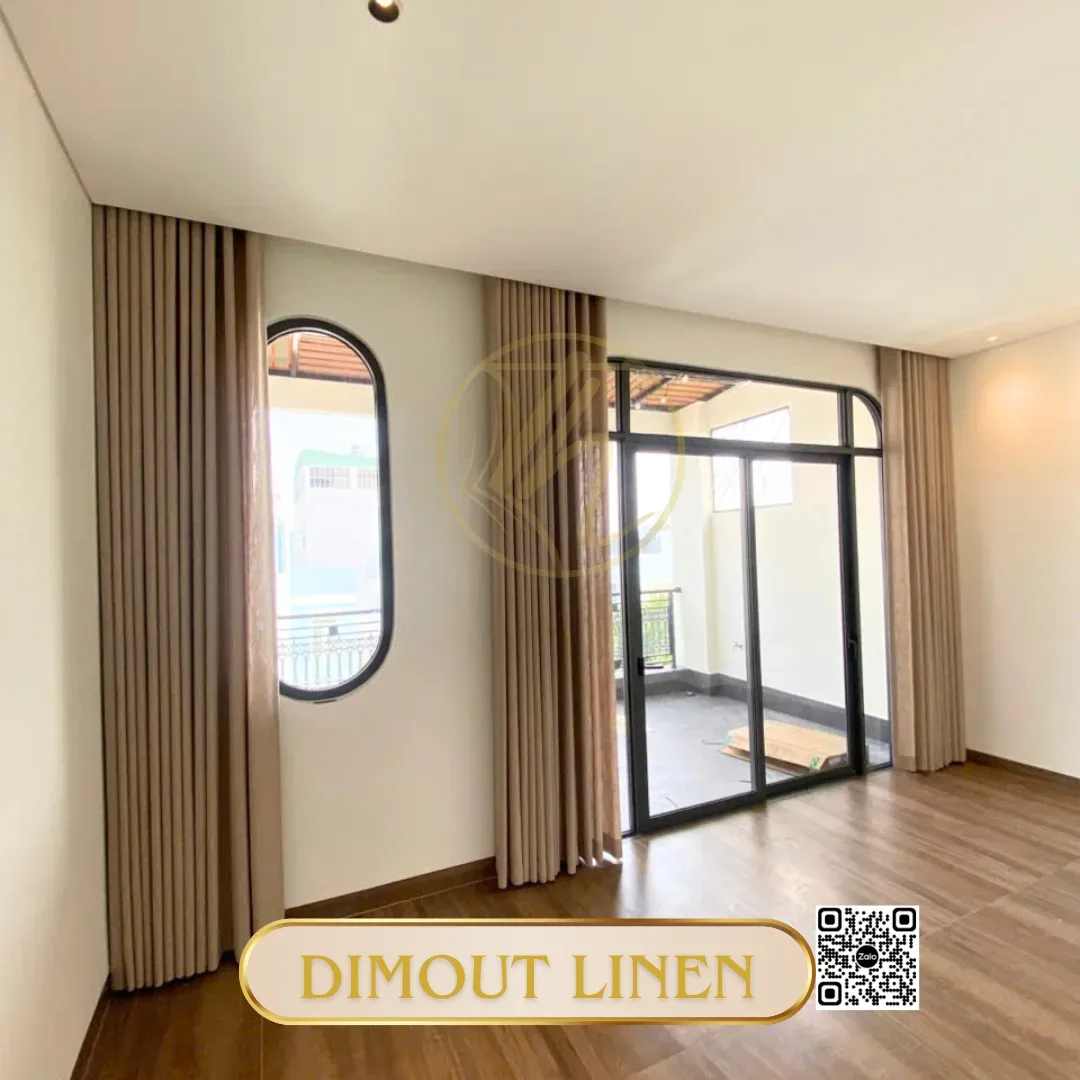
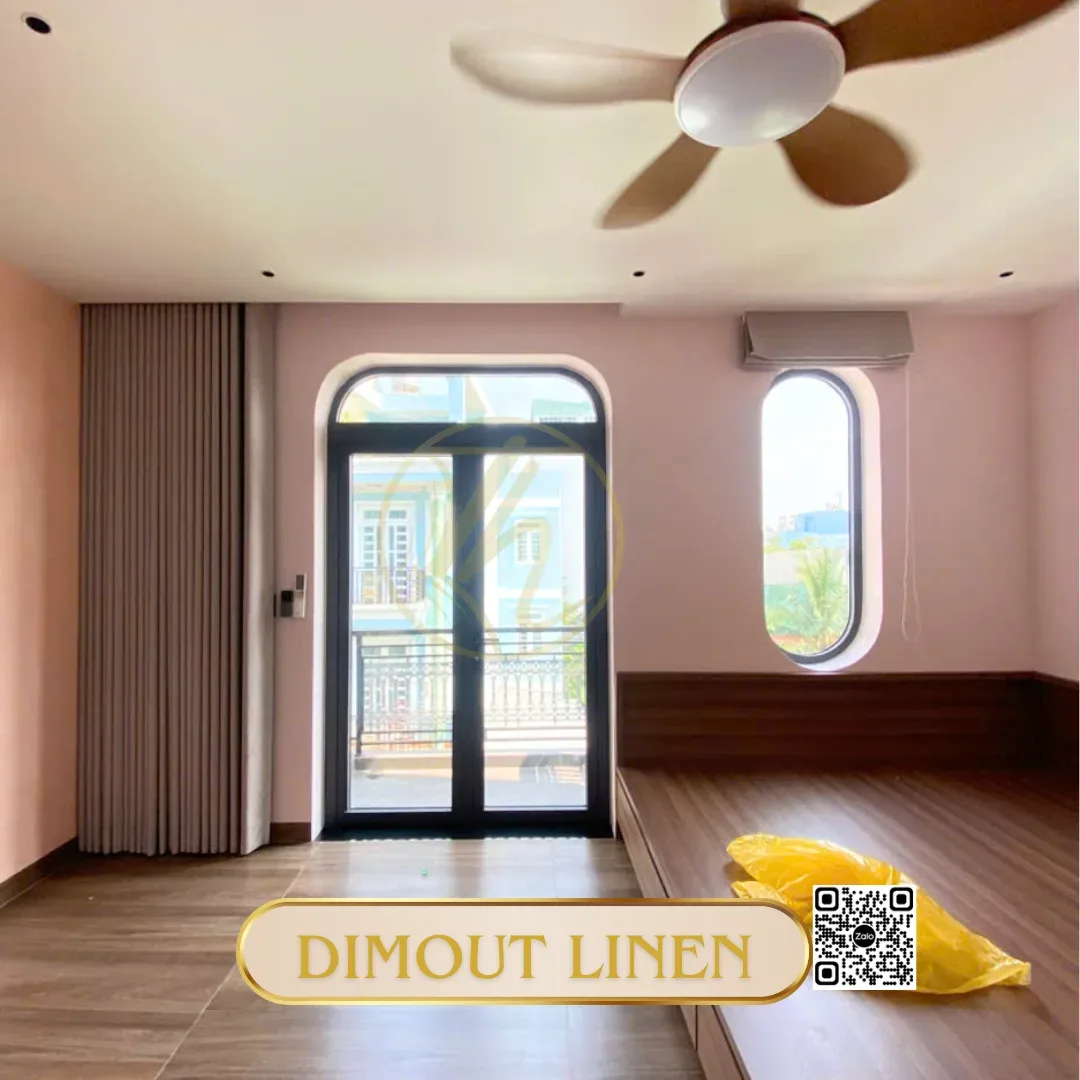
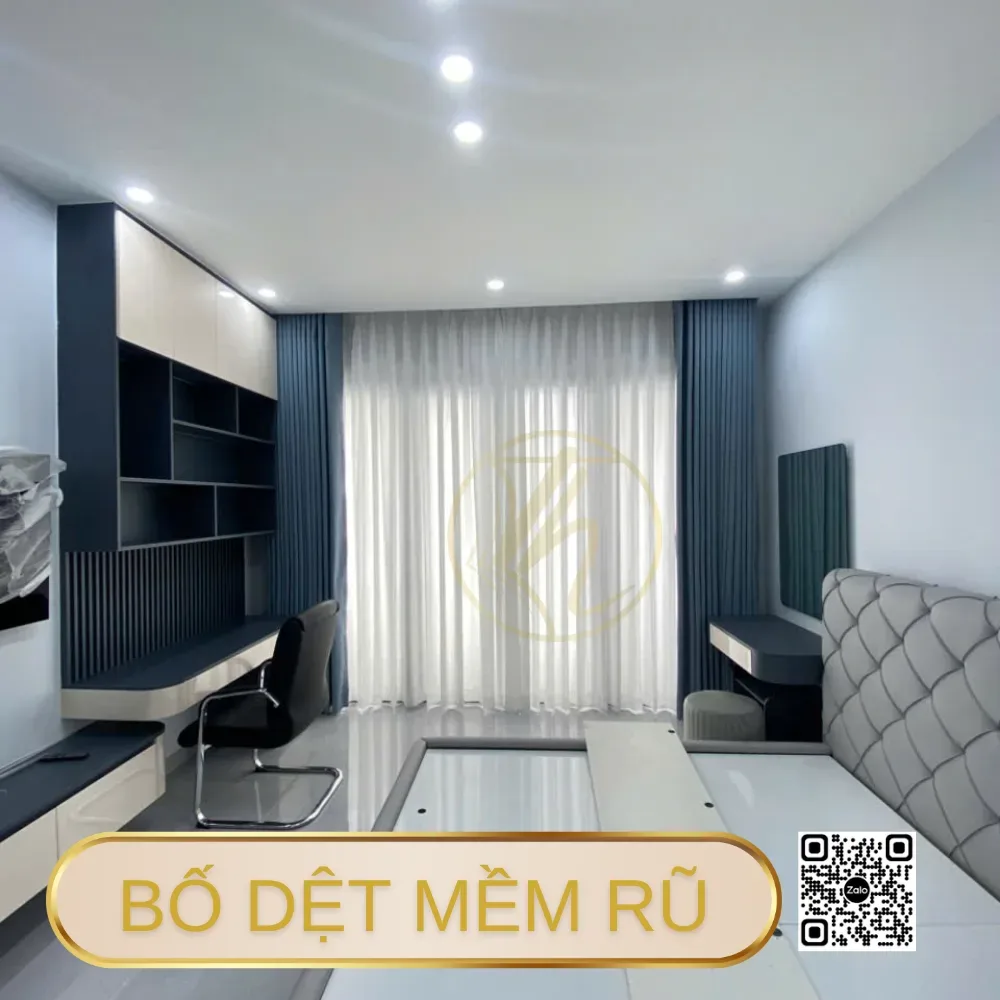
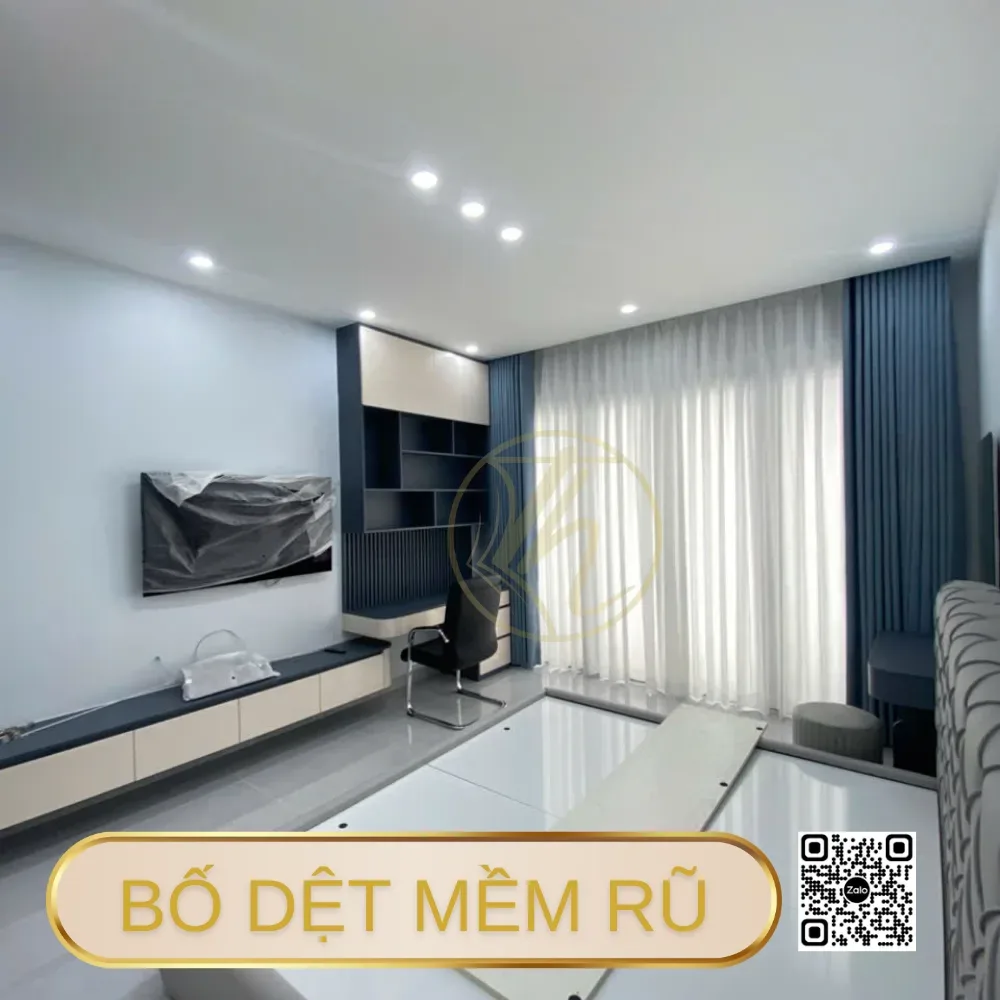
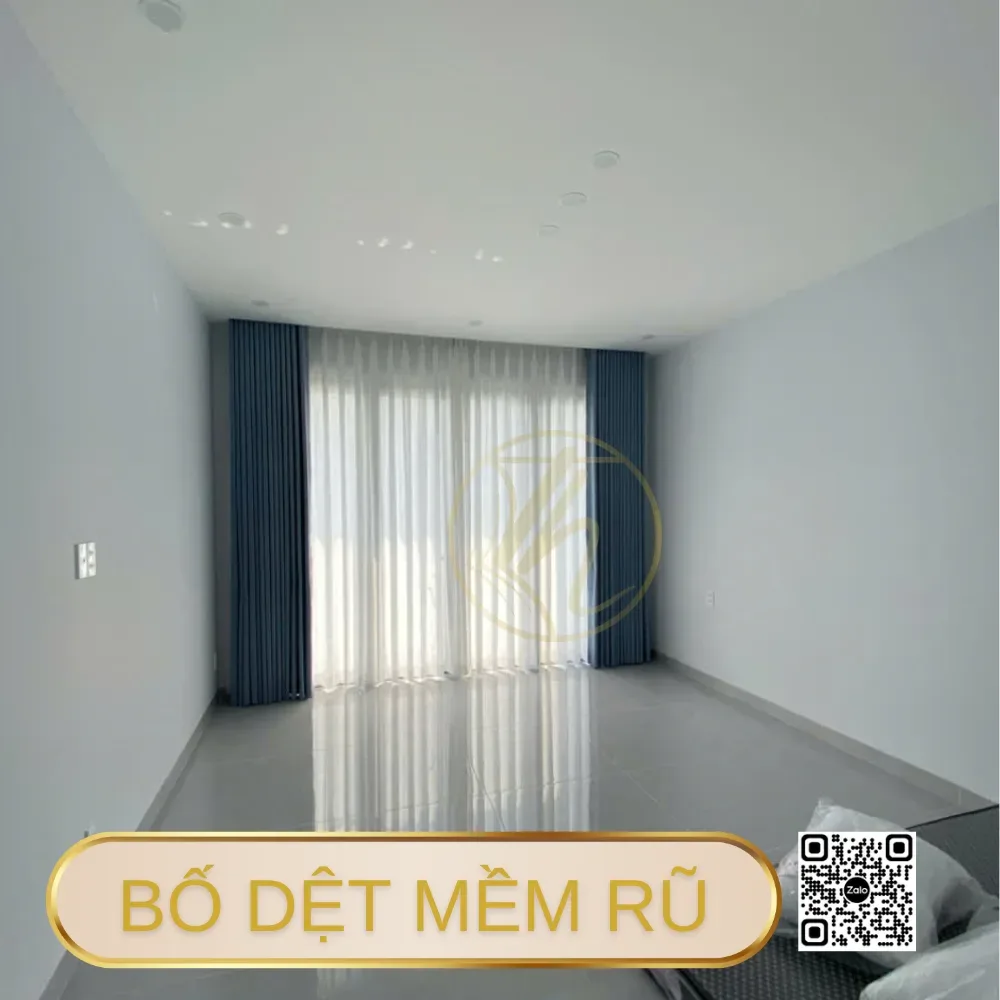
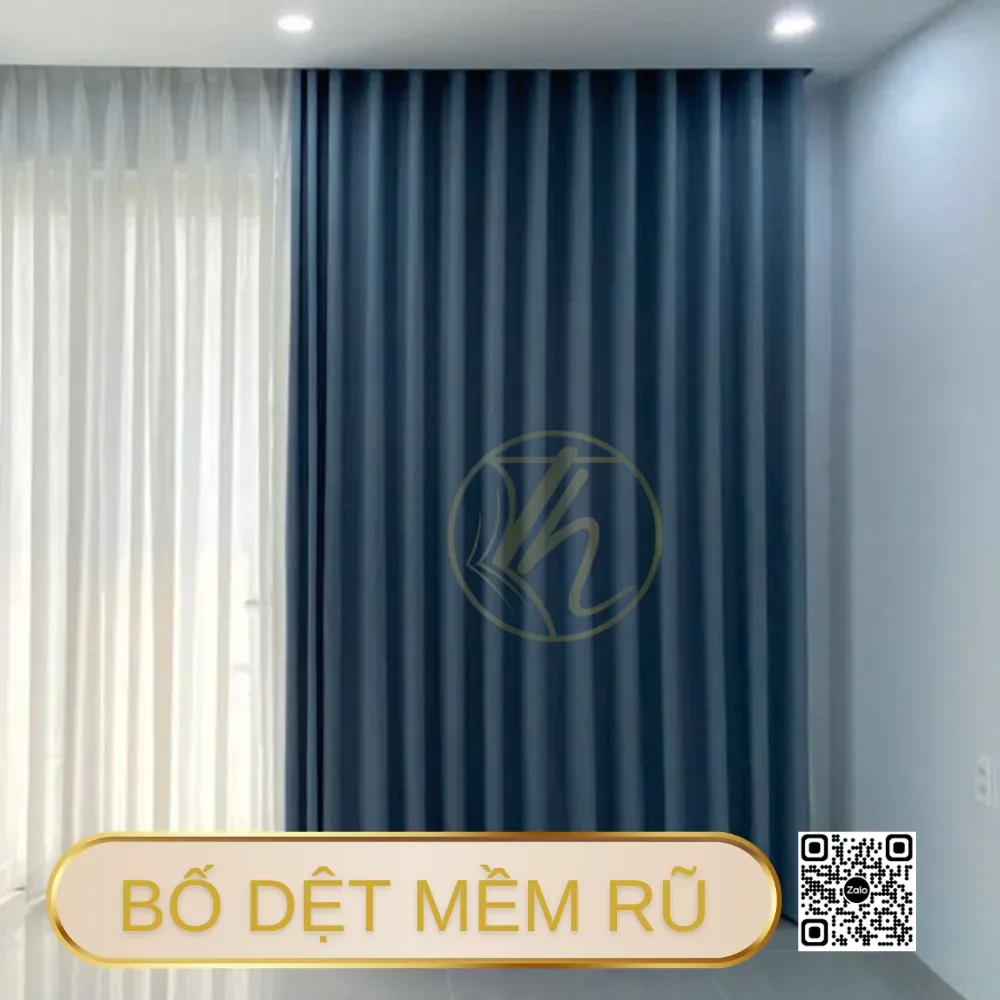
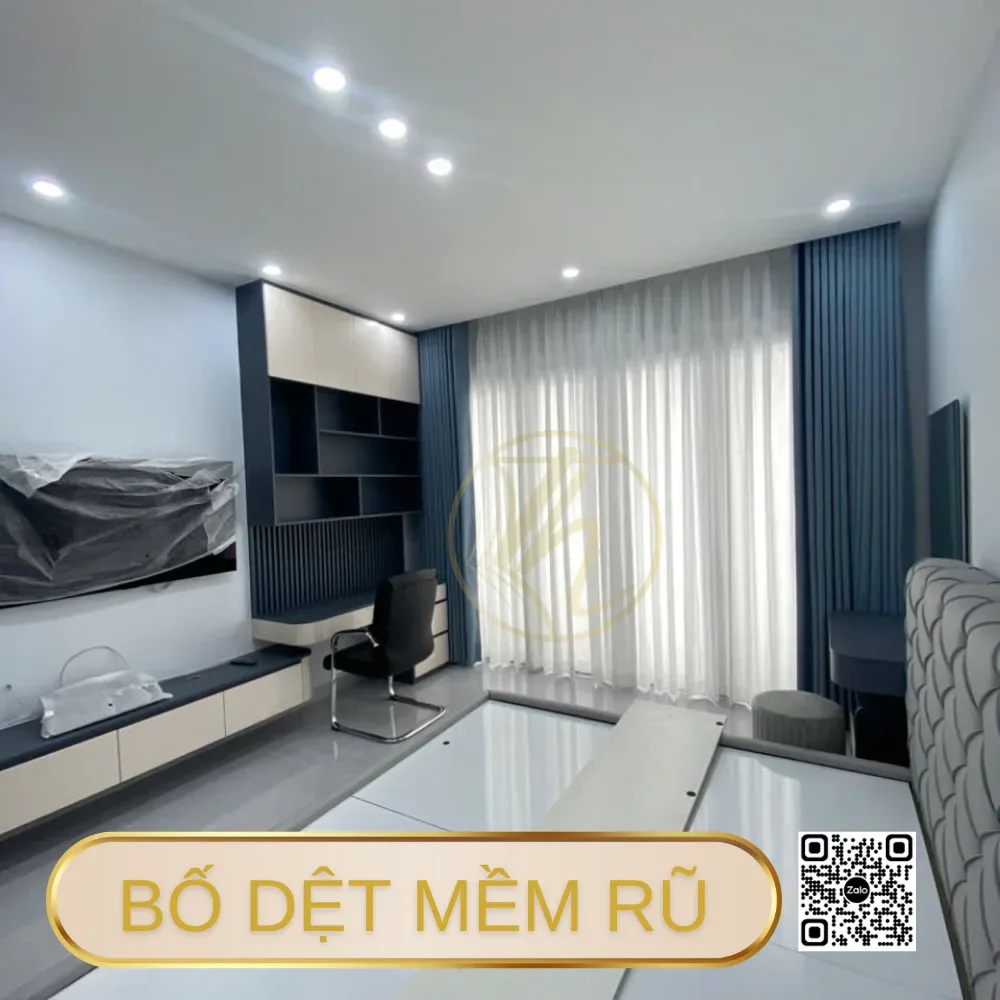
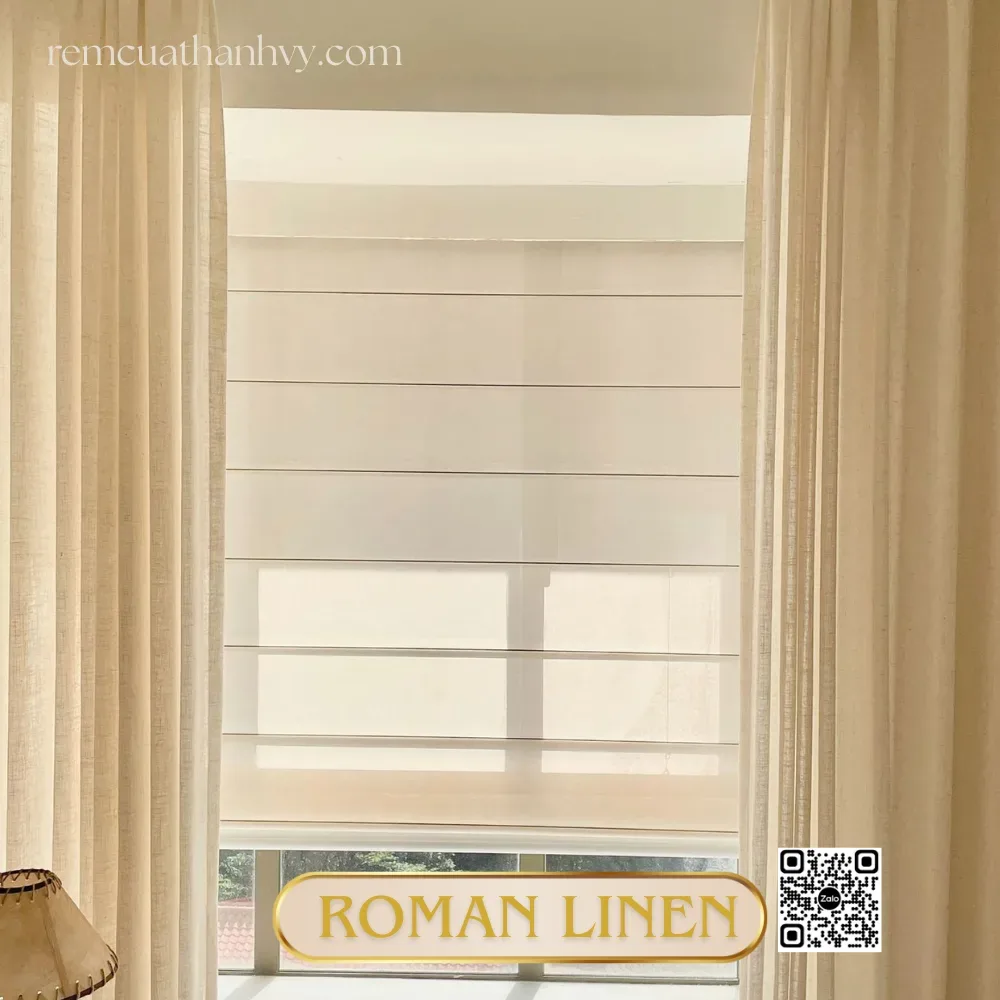
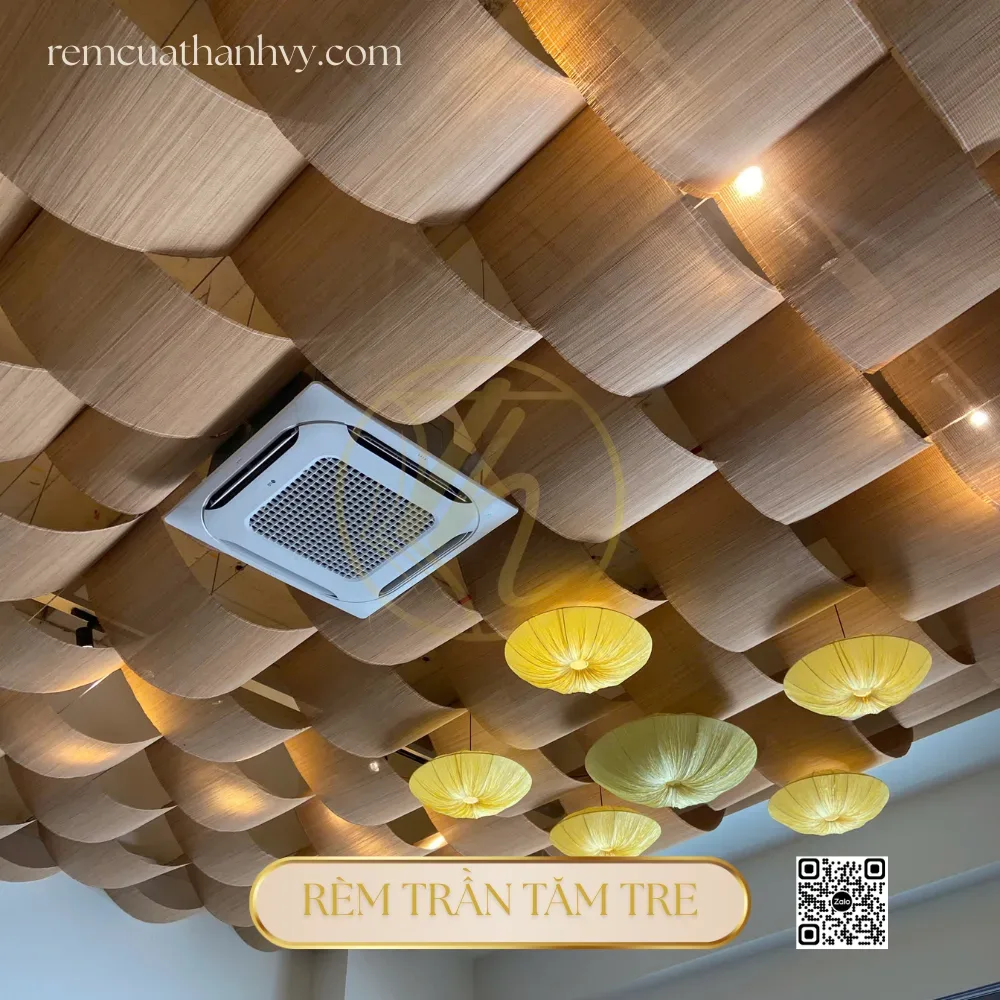
Fabric Blinds
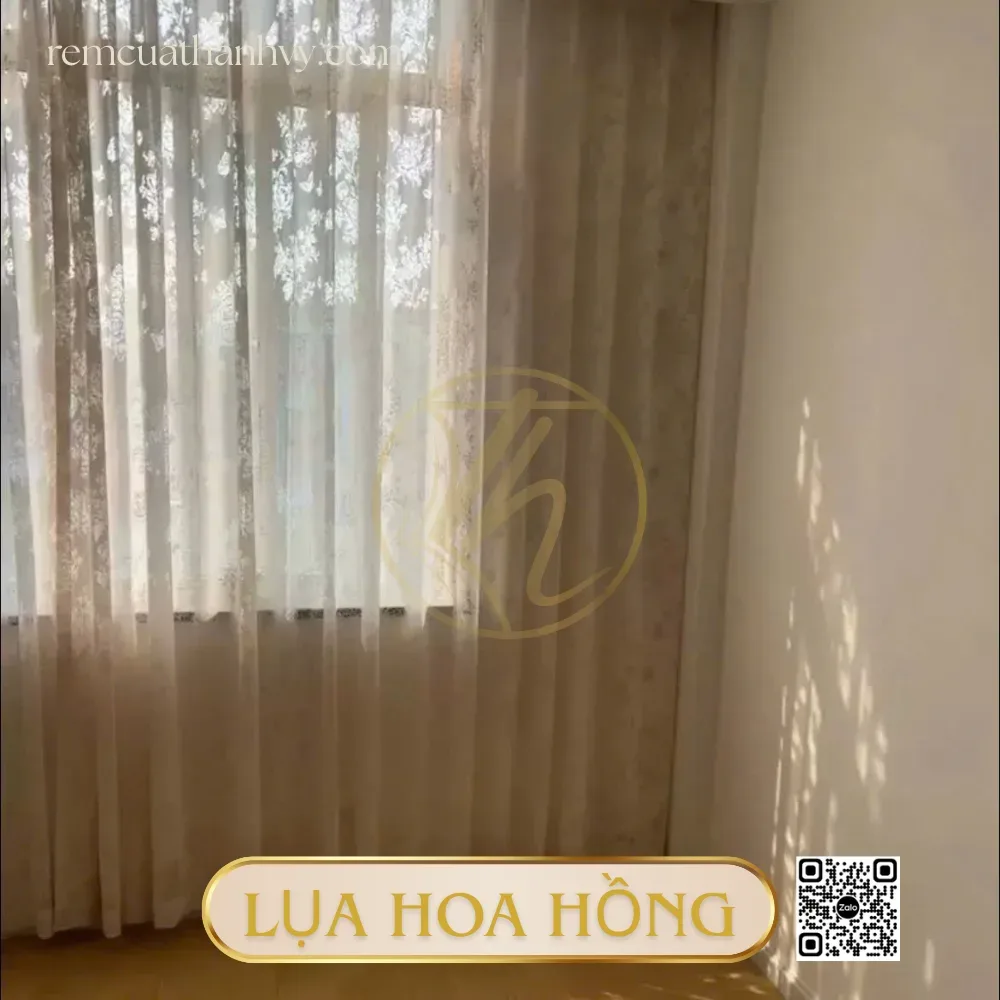
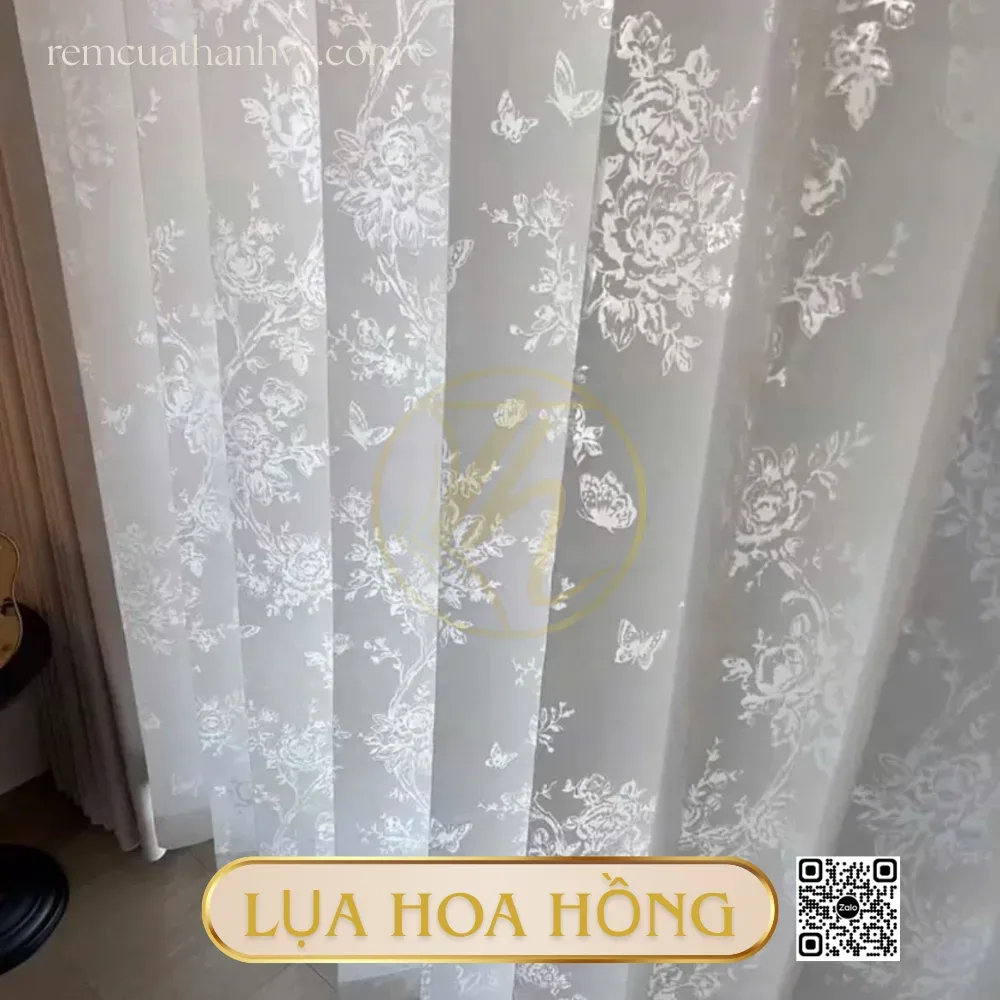
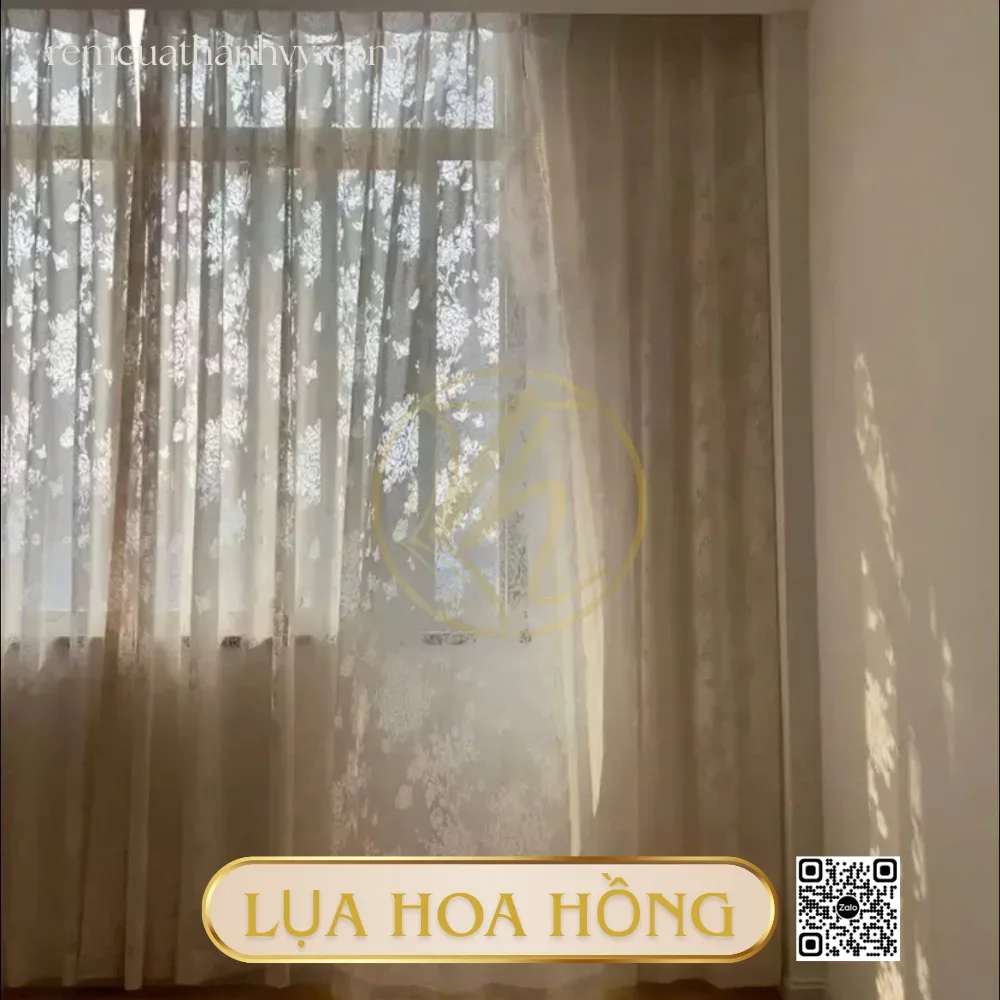
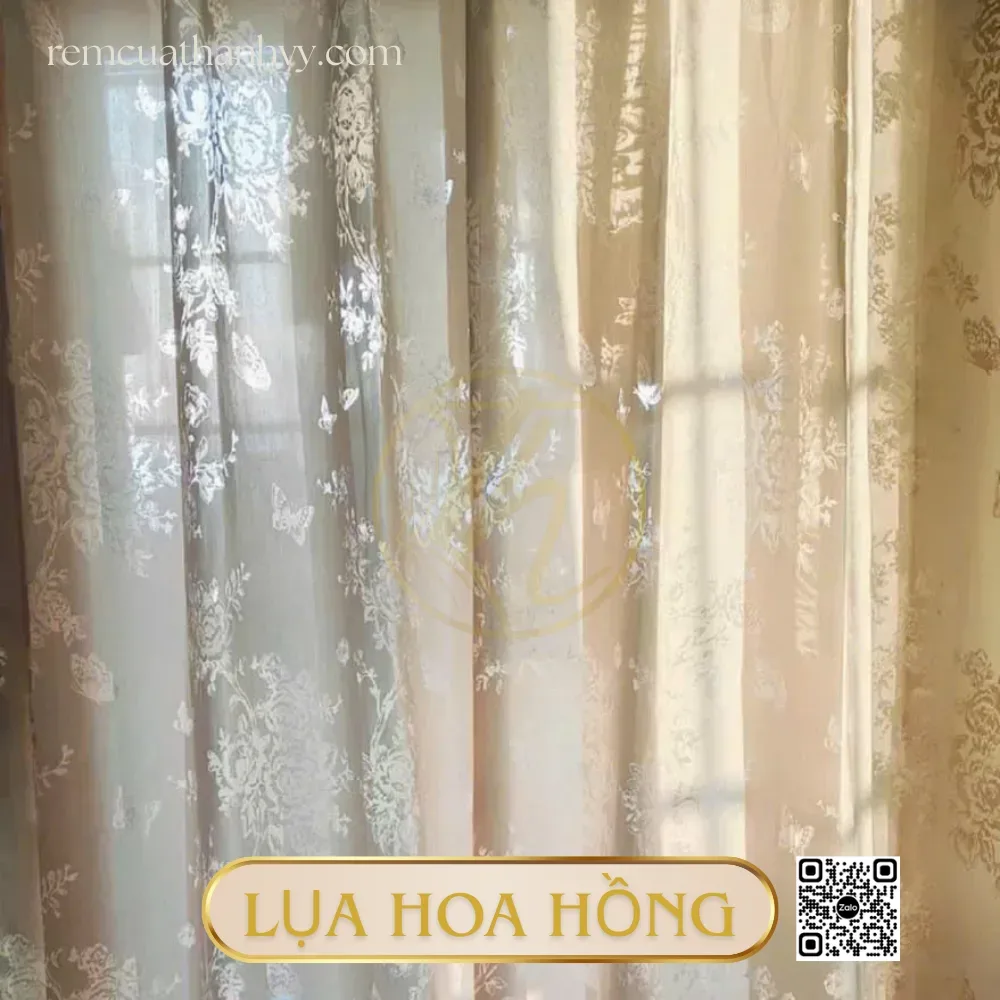
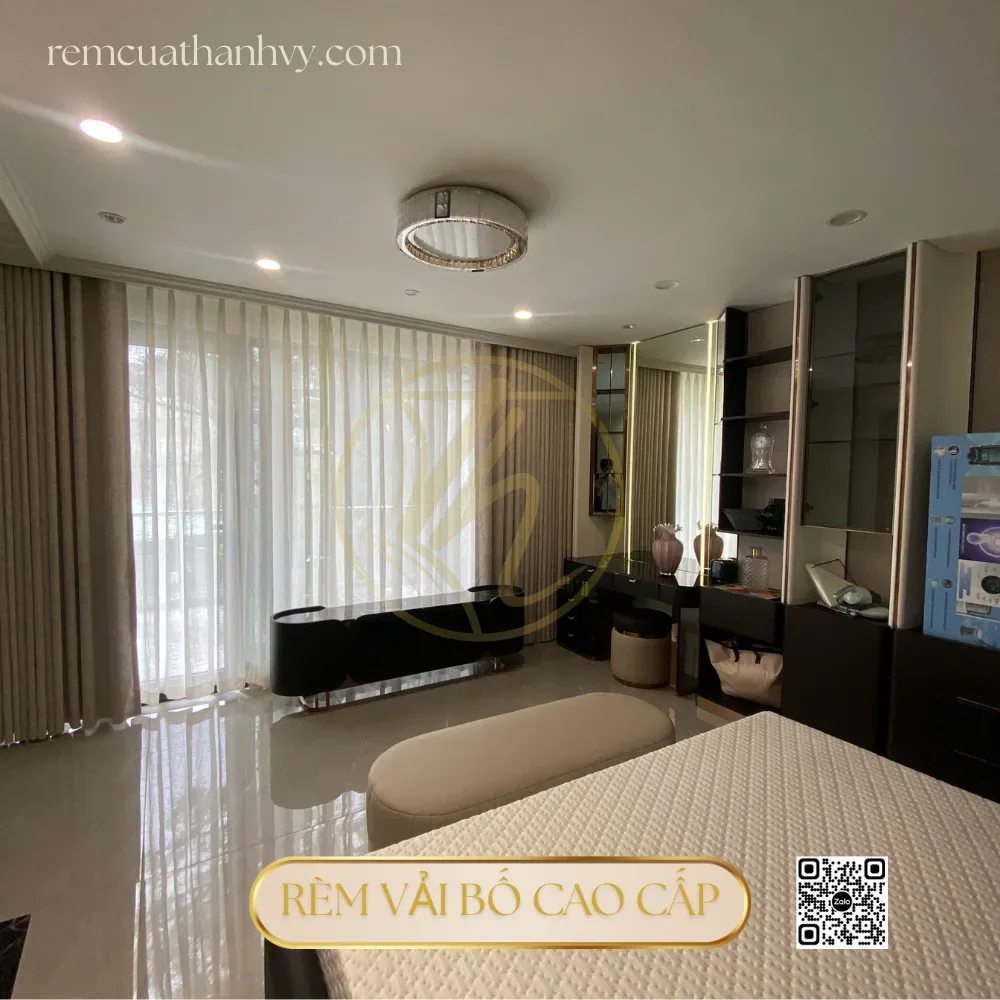
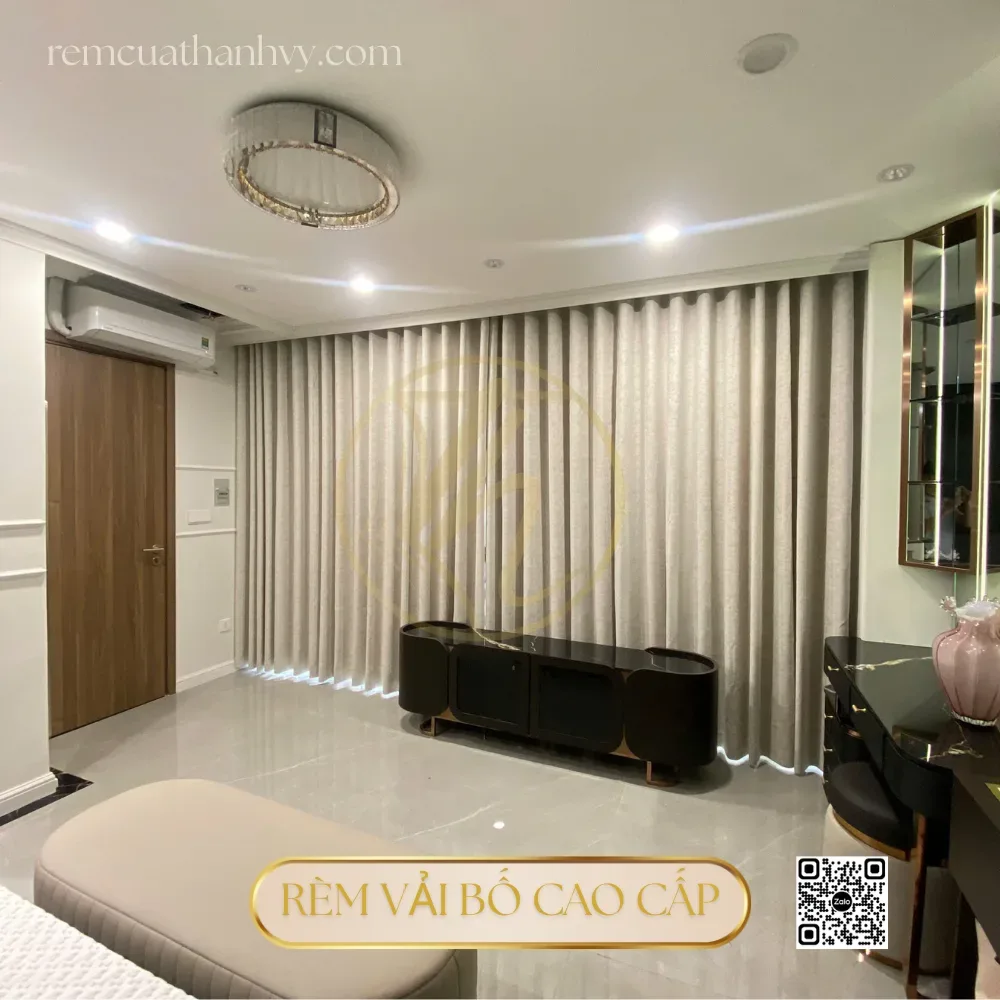
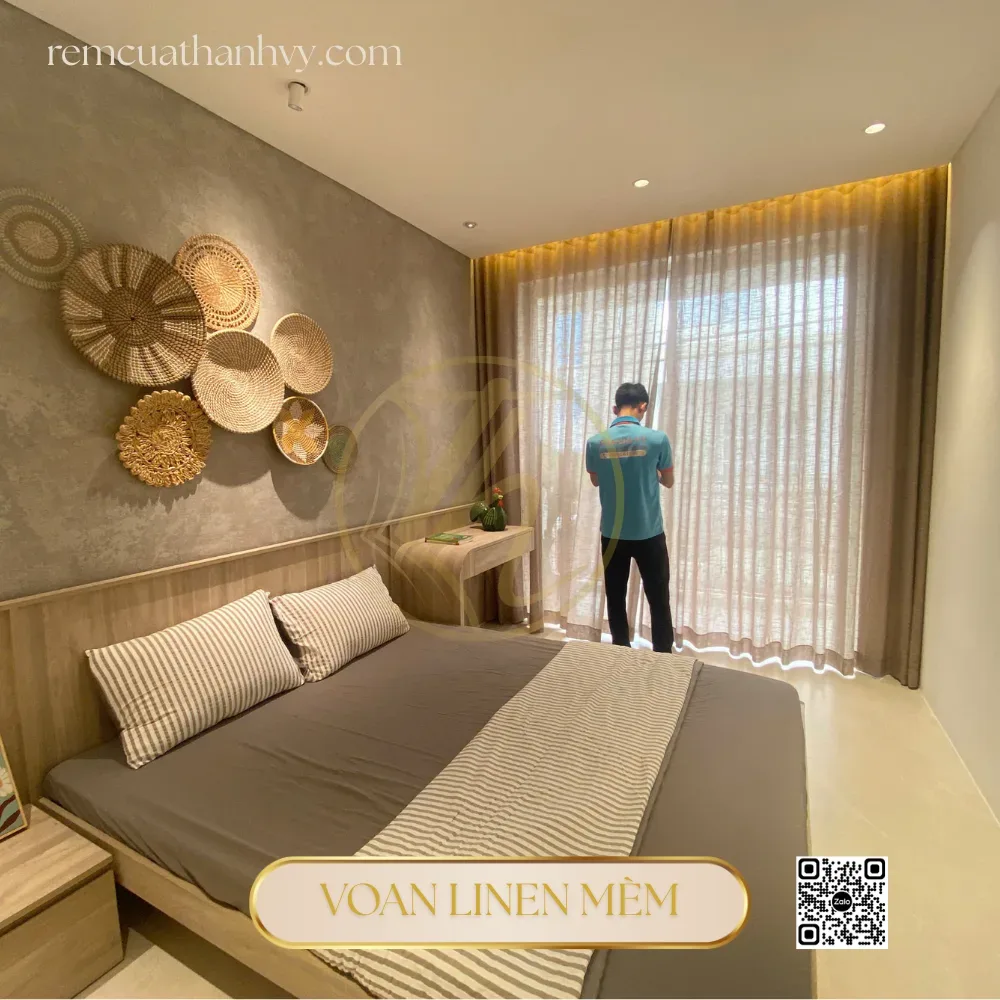
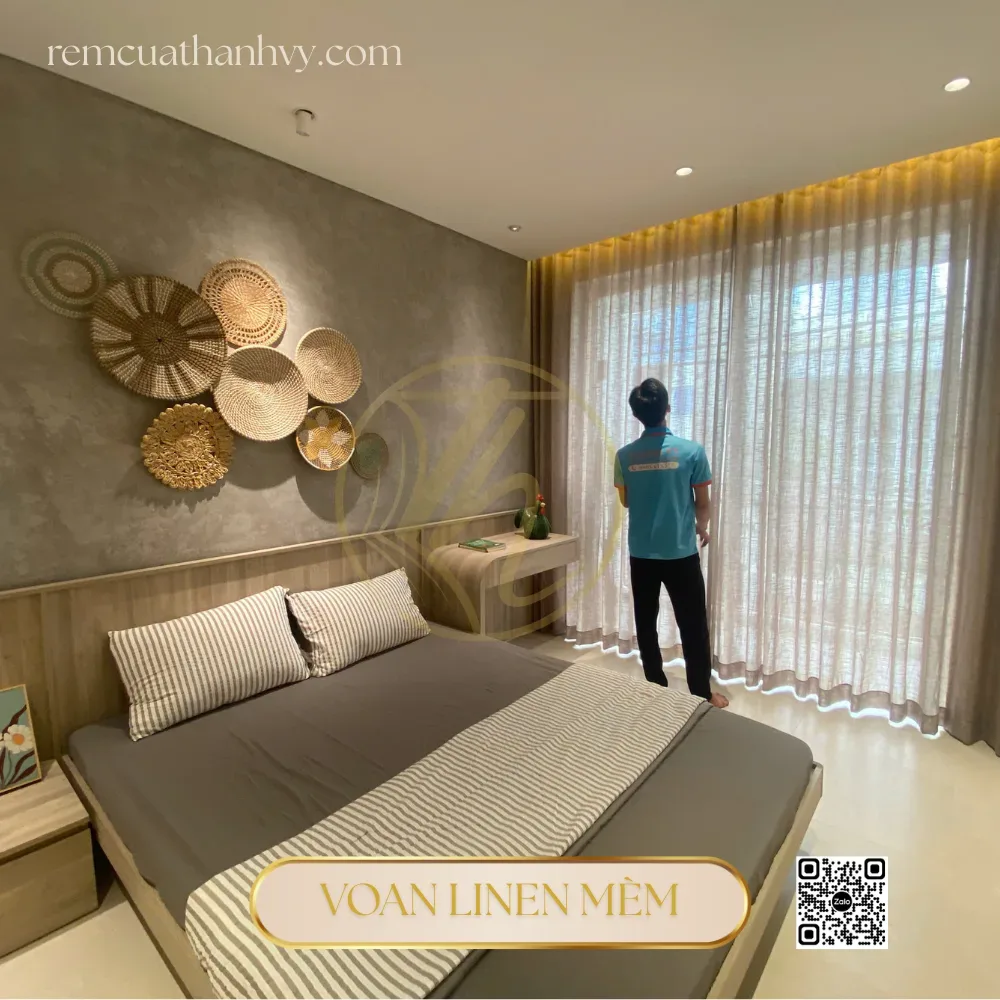
Fabric blinds are the most popular group, with various thicknesses to choose from based on lighting and privacy needs.

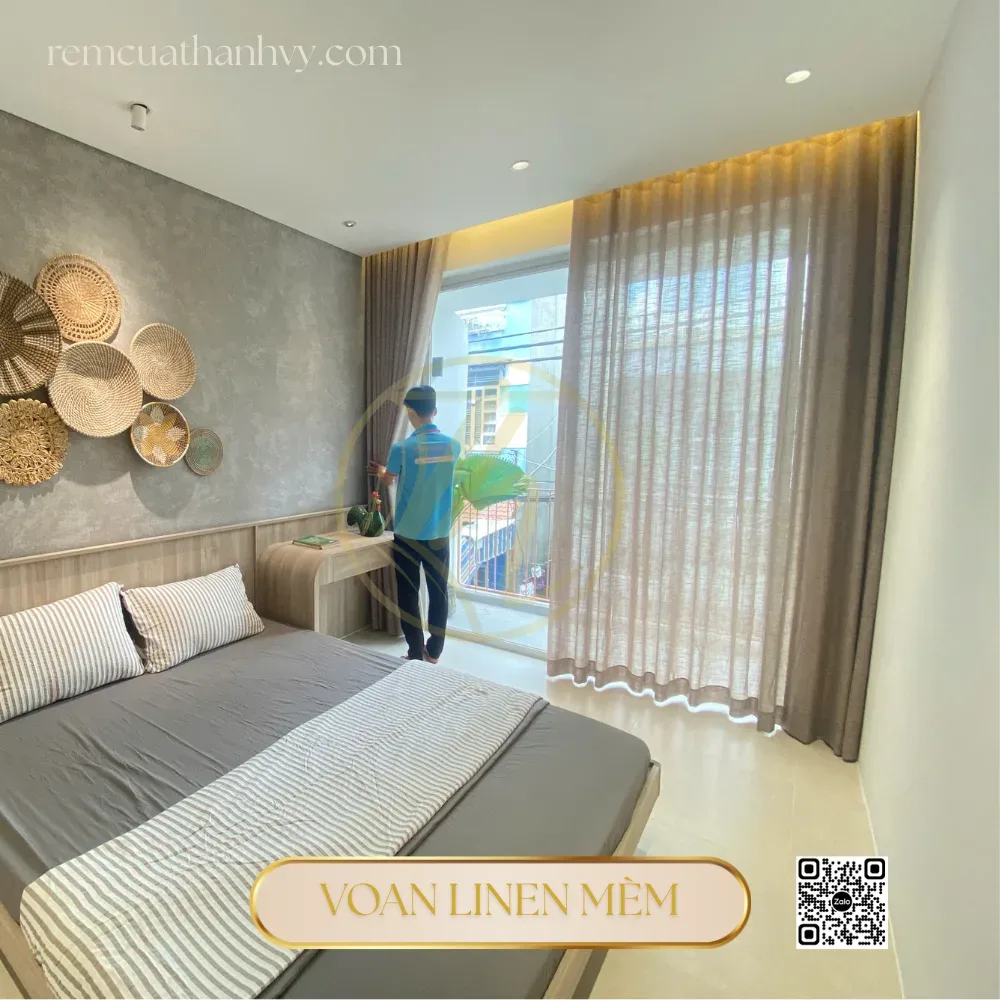
For further information, please contact Thanh Vy Curtains
We provide free consultation and on-site measuring at your home.
Related projects
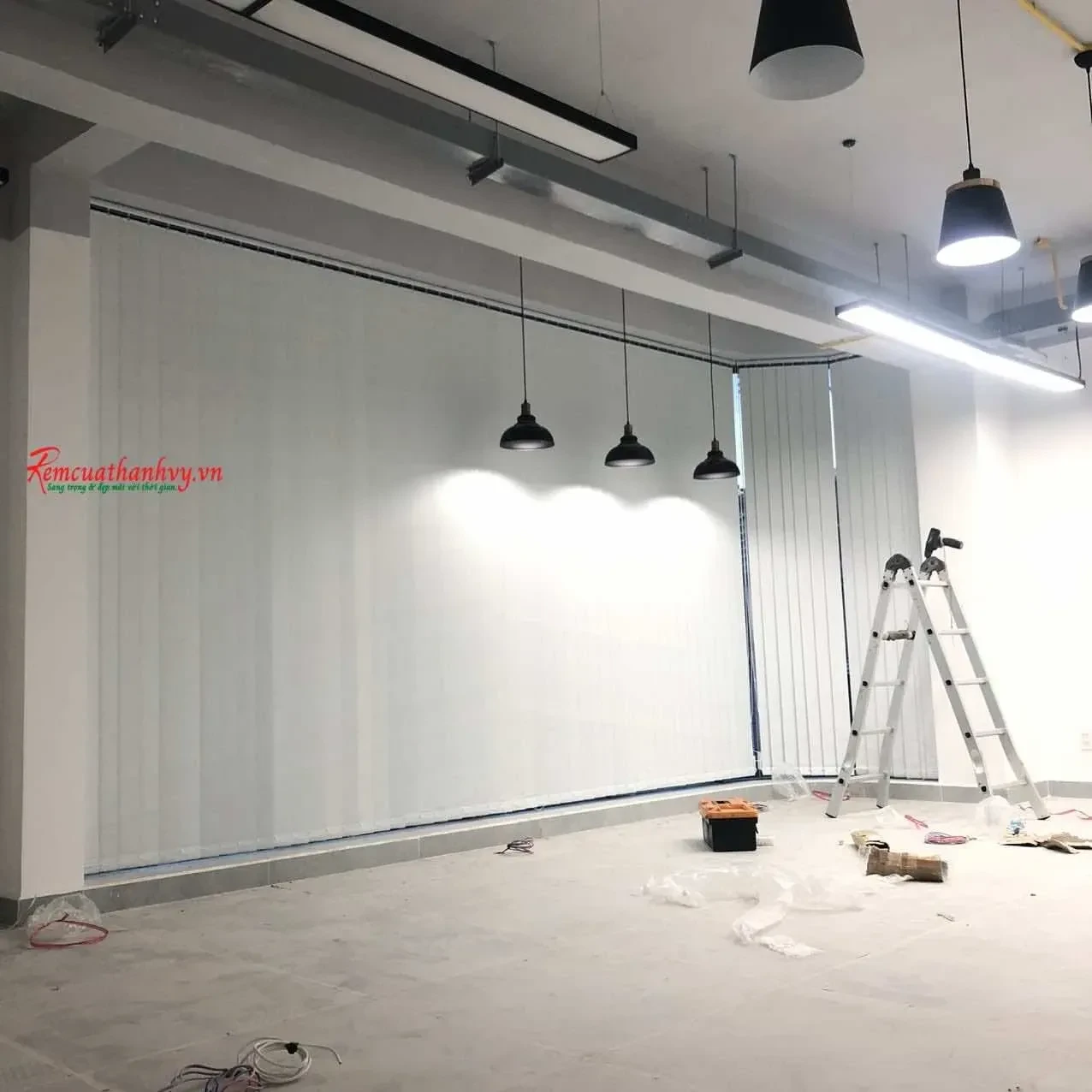
Vertical Blinds for Grocenter District 1 Showroom – Professional Lighting Solution
This project was carried out at Grocenter, 132-134 Dien Bien Phu, Da Kao, District 1 [...]
Related areas
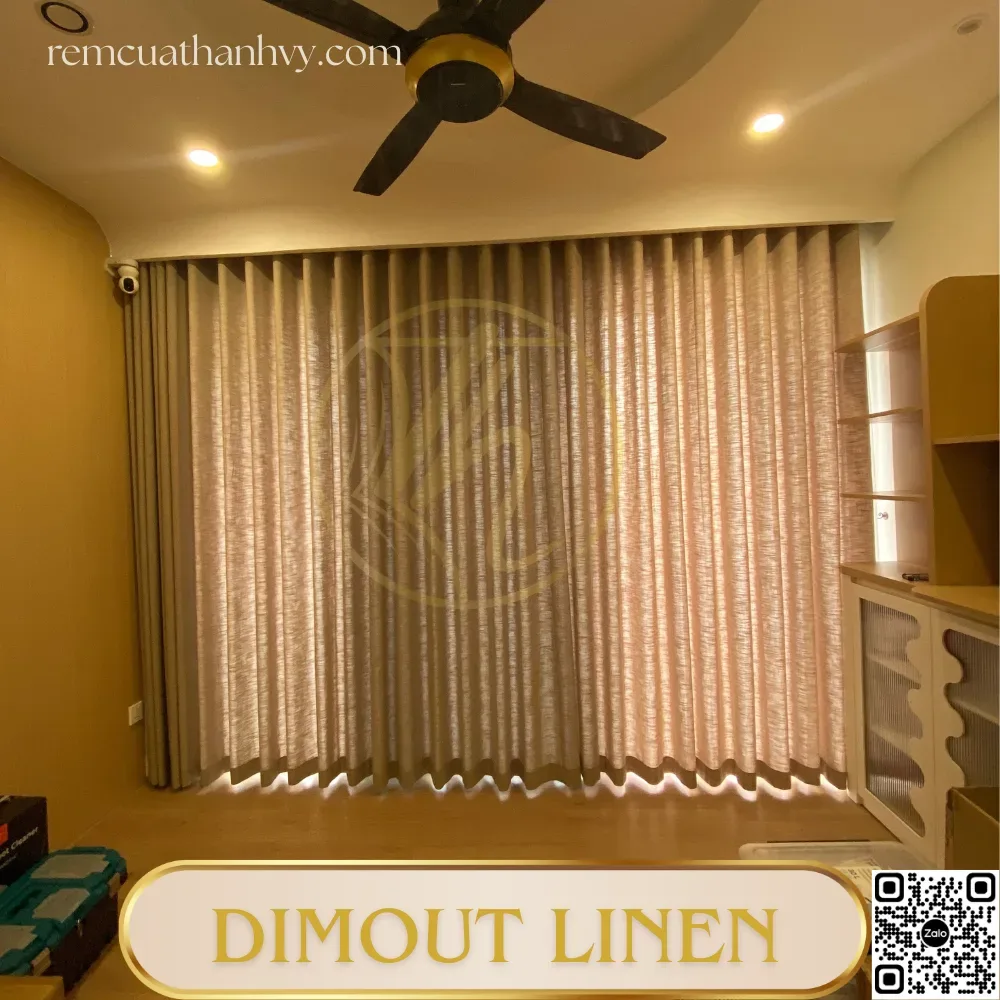
Curtains in District 1: What to prioritize for homes, apartments, and workspaces
A guide to choosing curtains in District 1 based on light levels, privacy, window proportions, [...]
Curtains in District 6: What to Prioritize for Each Space
To choose the perfect curtains in District 6, contact Rèm Cửa Thanh Vy for dedicated [...]
Curtains in District 3: What to prioritize when choosing for each space
**Curtain selection advice:** Customers in District 3 should prioritize two-layer fabric curtains or neat Korean [...]
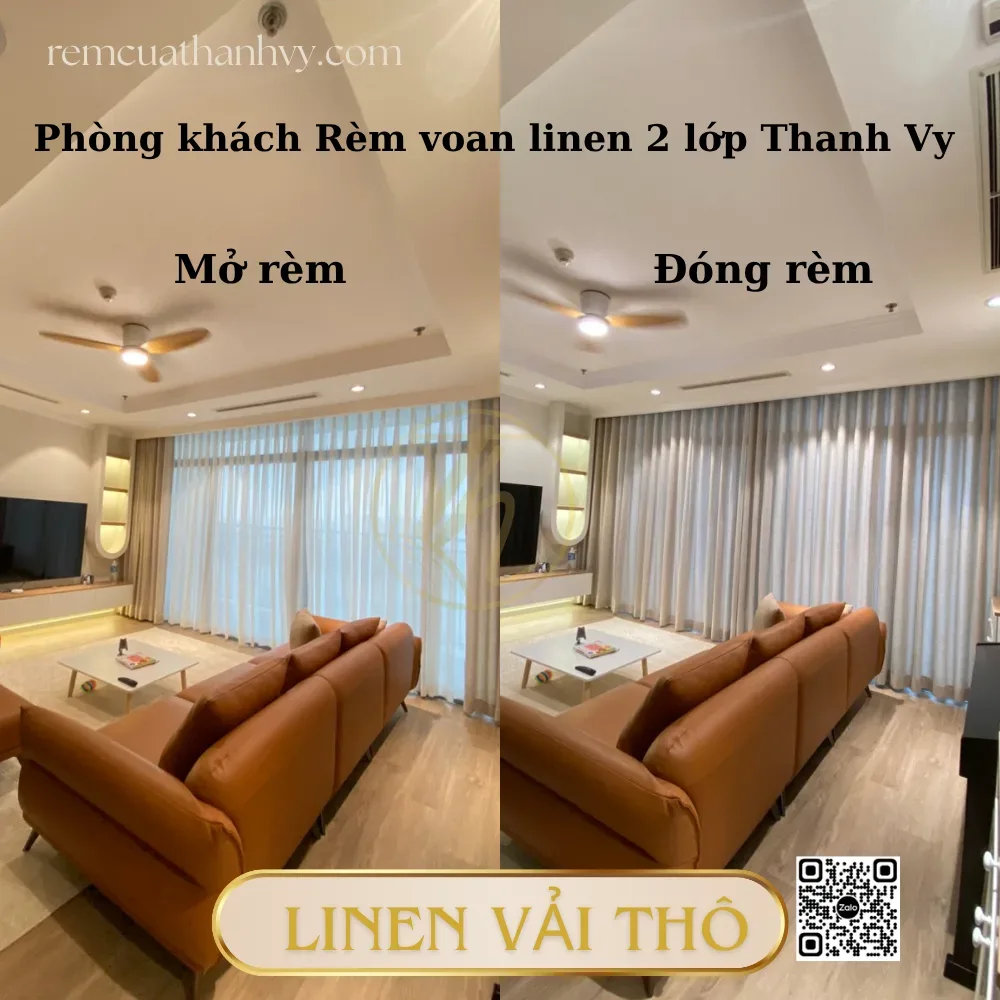
Linen curtains in Binh Tan: Choosing the right Nordic style for every space
When choosing curtains in Binh Tan, it is essential to carefully consider sun-blocking materials and [...]

Window Treatments in Binh Tan: What to Prioritize for Each Space
Thanh Vy Window Treatments offers tailored window treatment solutions in Binh Tan, backed by extensive [...]
Related reviews
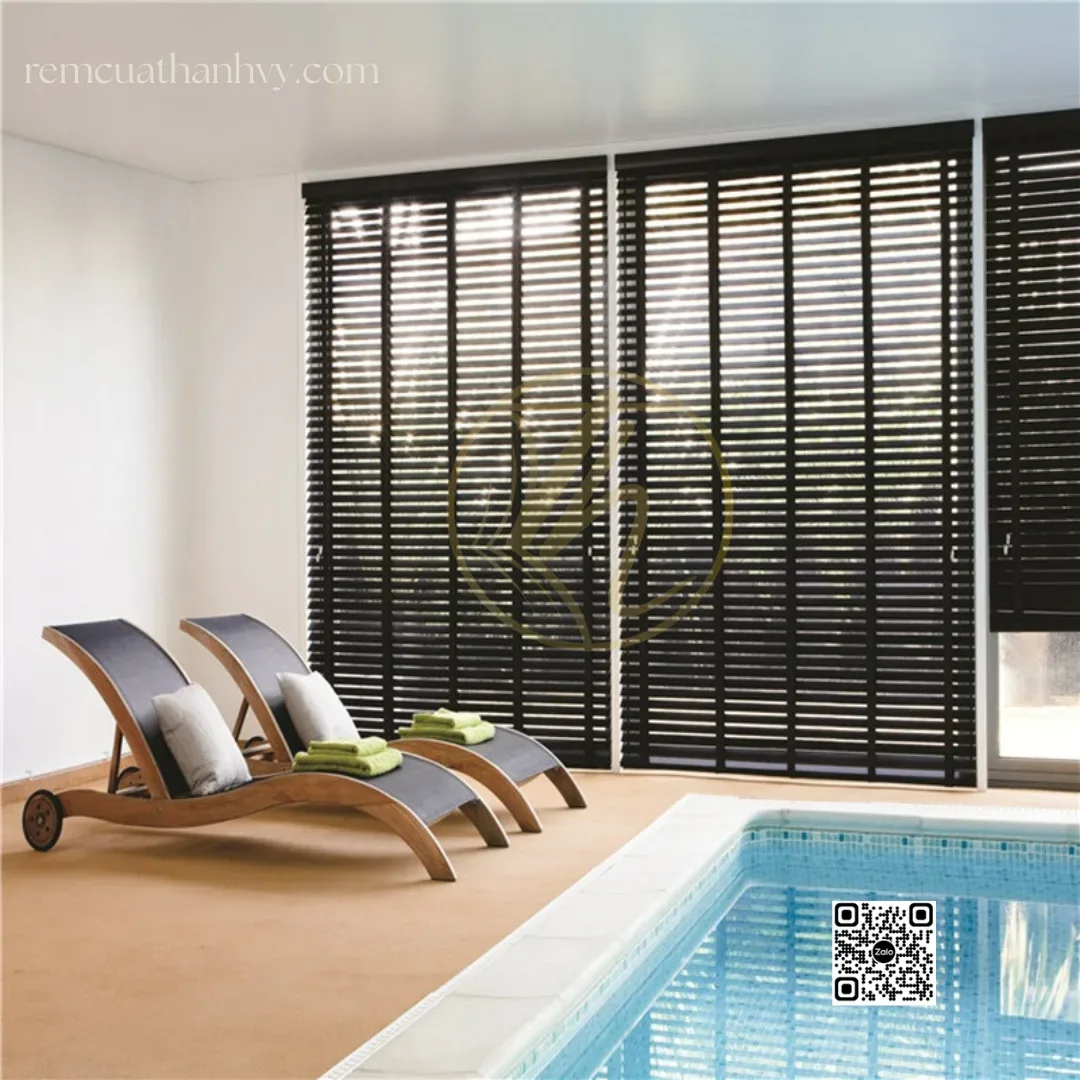
Roman Blinds vs. Wooden Blinds? A Detailed Comparison to Help You Choose
Compare roman blinds and wooden blinds based on light control, privacy, operation, aesthetics, cleaning, and [...]
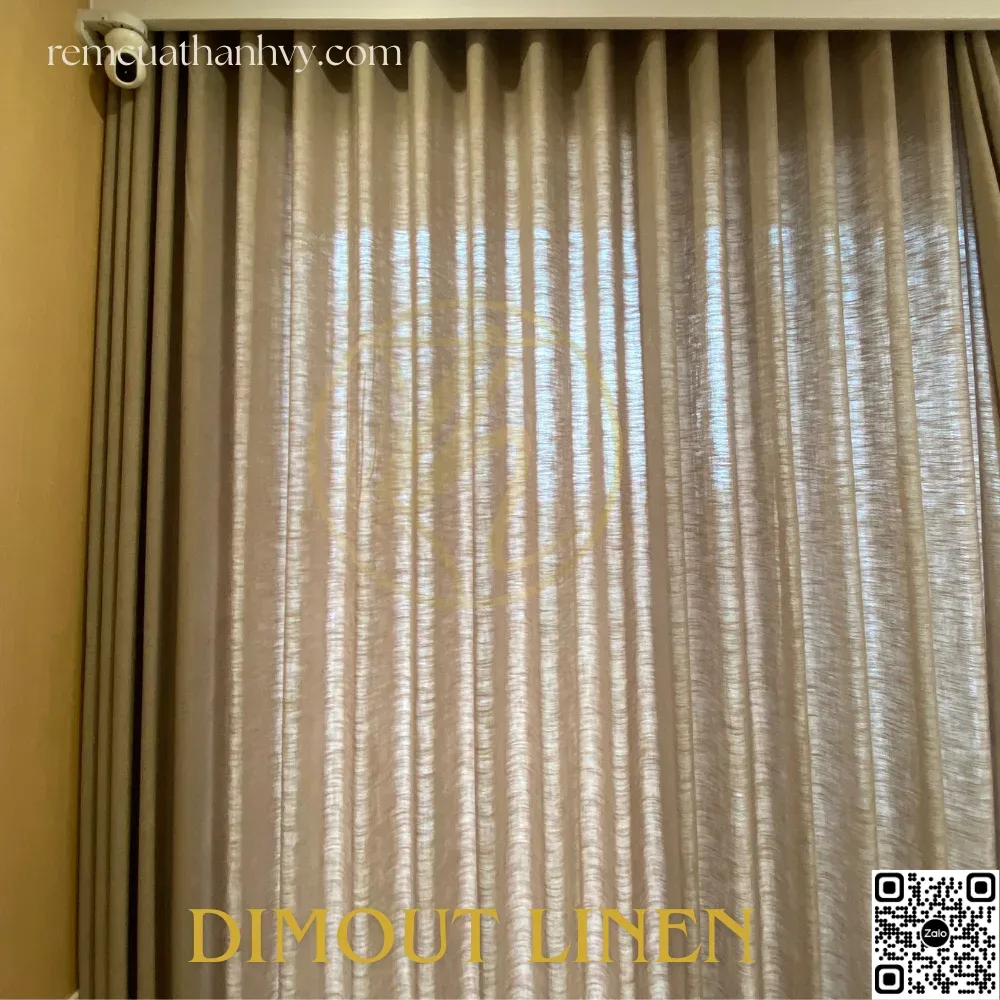
Fabric Curtains vs. Linen Curtains? A Detailed Comparison to Help You Choose
Compare fabric and linen curtains based on light control, privacy, operation, aesthetics, maintenance, and cost [...]
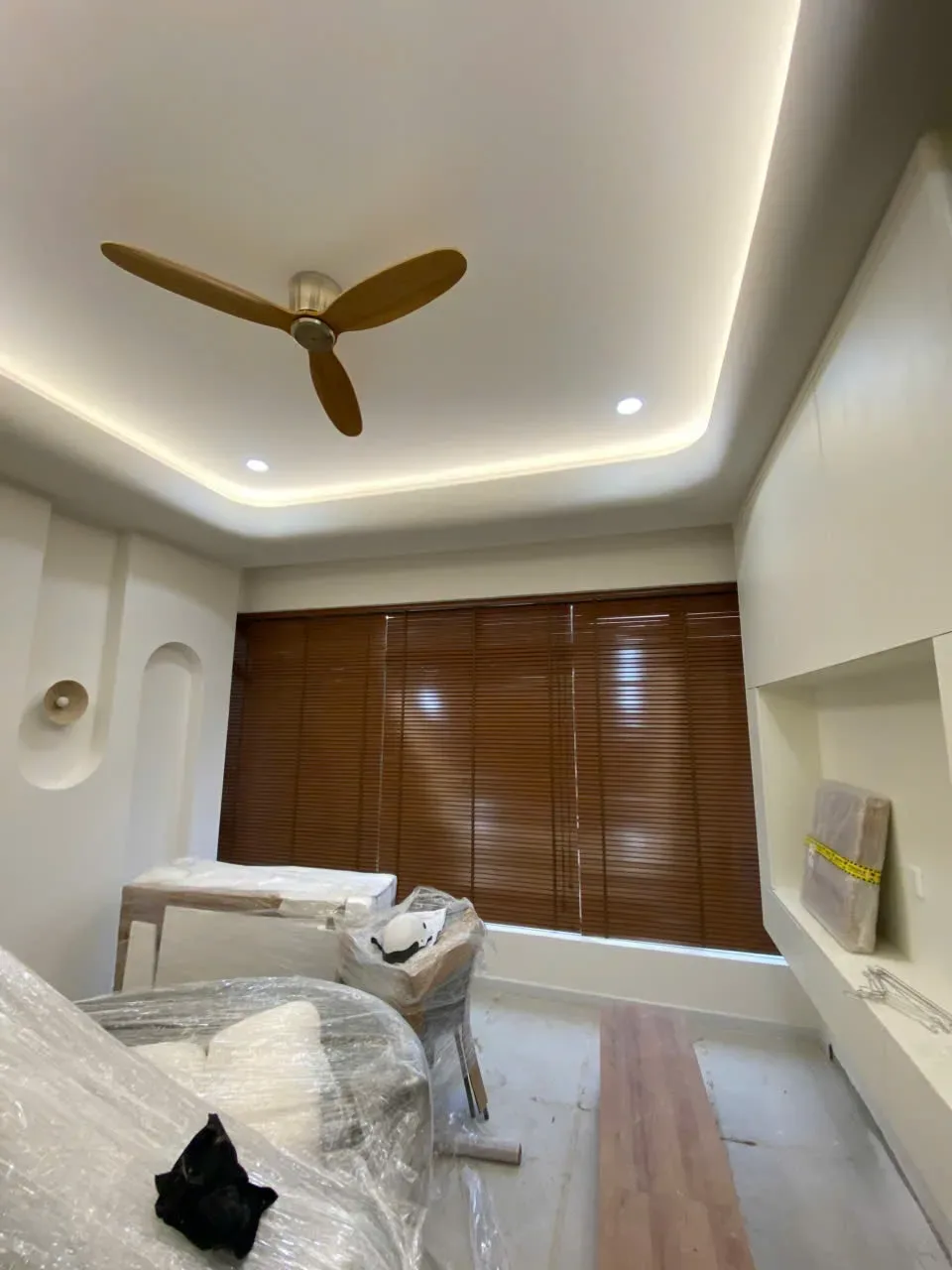
Roller Blinds vs. Wood Blinds? A Detailed Comparison to Help You Choose
Compare roller blinds and wood blinds based on light control, privacy, operation, aesthetics, maintenance, and [...]
Related posts
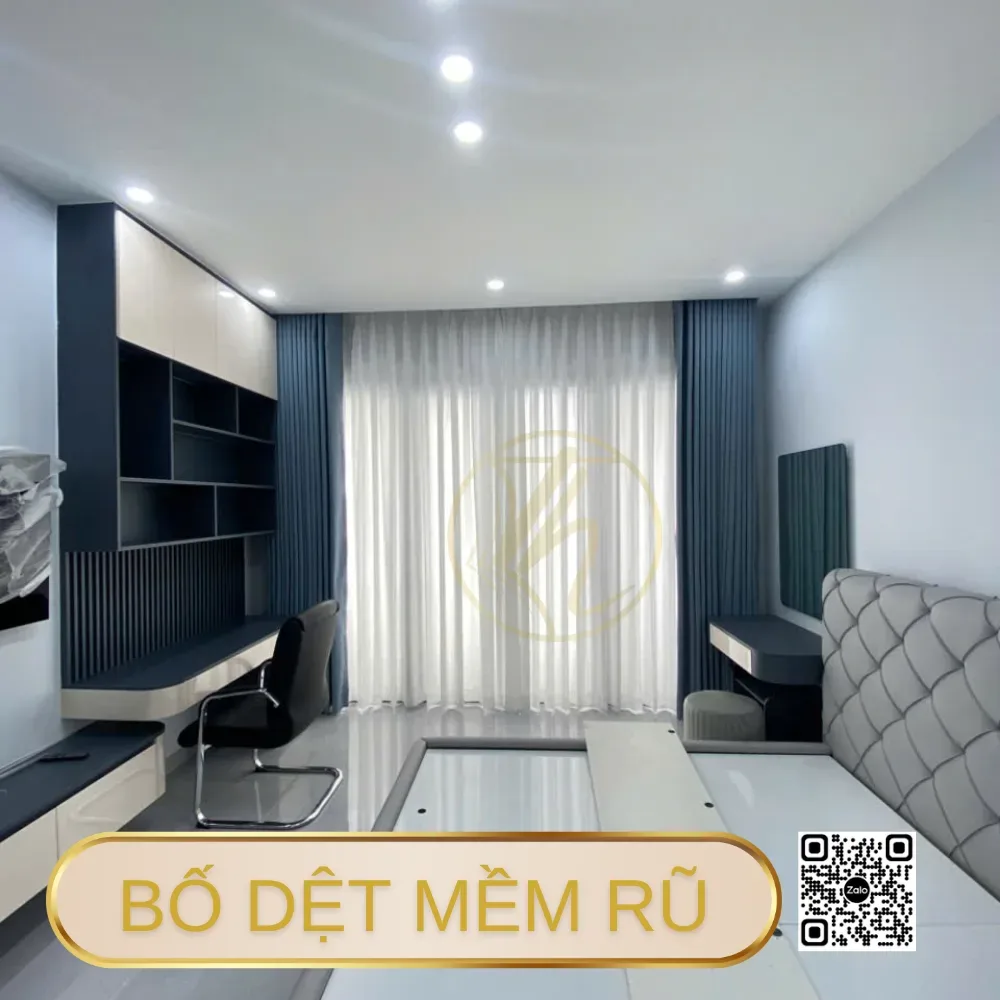
Fabric Curtains in District 3: How to Choose by Room and Need
This article helps readers choose fabric curtains in District 3 based on light blocking needs, [...]
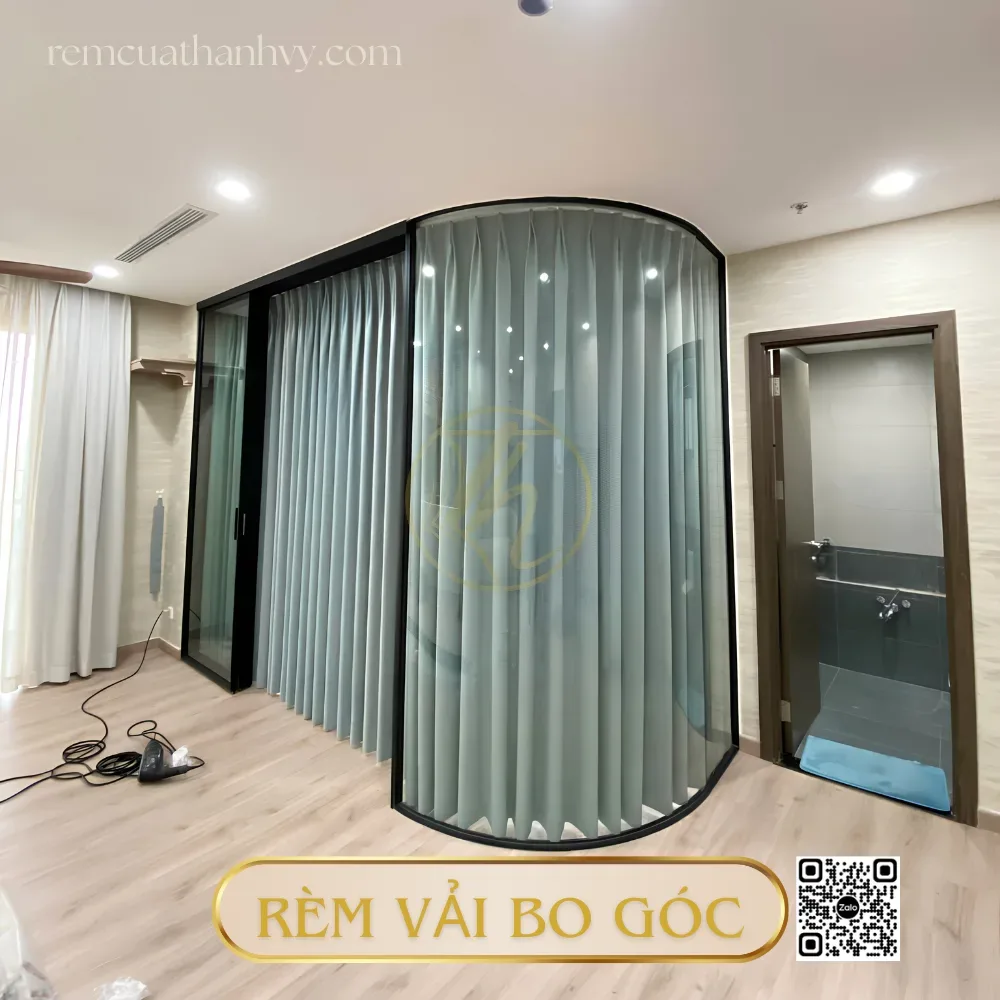
Fabric Curtains in District 6: How to Choose Fabrics and Sewing Styles
A guide to choosing fabric curtains in District 6 for every space, light level, material, [...]
No comments yet!