


Linen Curtains in District 1: Custom Made on Site, Great Prices | Thanh Vy
Why linen curtains are increasingly chosen by many families in District 1
District 1 linen curtains are no longer a rare choice like a few years ago. Many apartment buildings, renovated townhouses, and even small offices in the central area are gradually switching to this material instead of traditional thick fabric curtains, because of the lighter, brighter space feel and less stuffiness in apartments with not-so-large areas. Readers can cross-reference further via the article introducing hall curtains on Can Tho Newspaper.
The characteristic of the District 1 area is high construction density, many closely packed buildings, and not every apartment gets full natural light all day long. In this context, a material that both gently filters light and does not make the space heavy like linen is often more comfortable than two-layer thick curtains. However, linen is not the right choice for every apartment; it is most suitable when the main demand is to soften light and maintain natural aesthetics, and may not necessarily be optimal if the primary goal is near-absolute blackout.
Therefore, before choosing linen curtains for an apartment or townhouse in District 1, you should clearly define whether you are prioritizing lightness and natural feel, or stronger blackout and privacy capabilities. This way of framing the issue makes choosing fabric, color, and sewing style much clearer afterwards, instead of just relying on a nice sample photo on the internet.
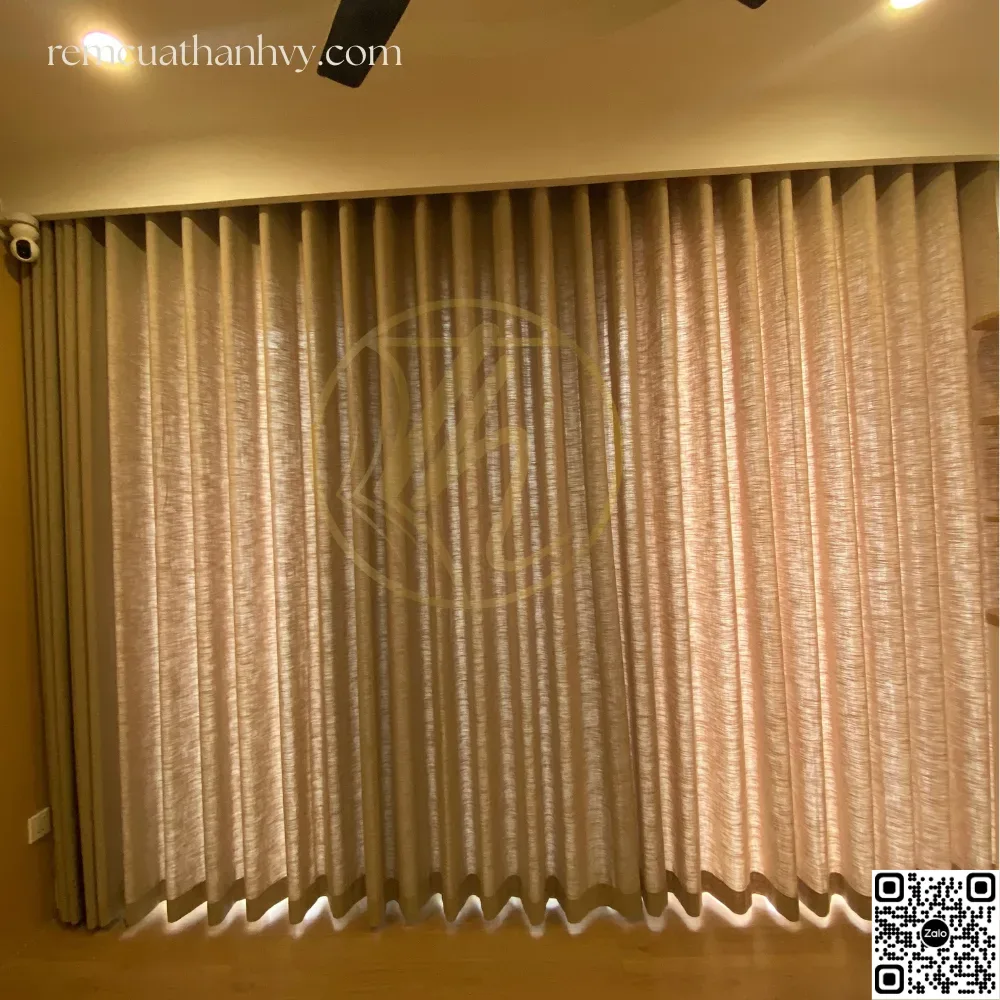
Characteristics of linen material and suitability for apartments and townhouses in the central area
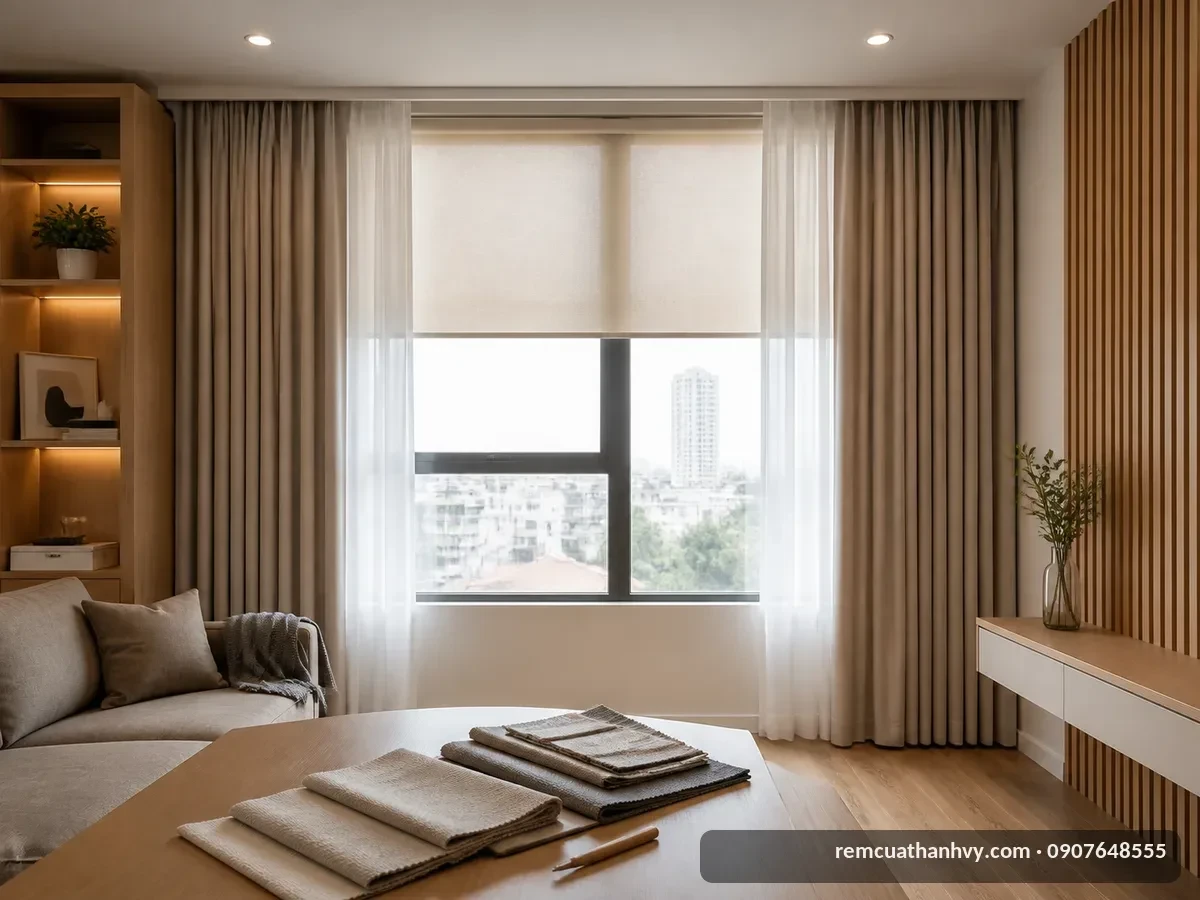
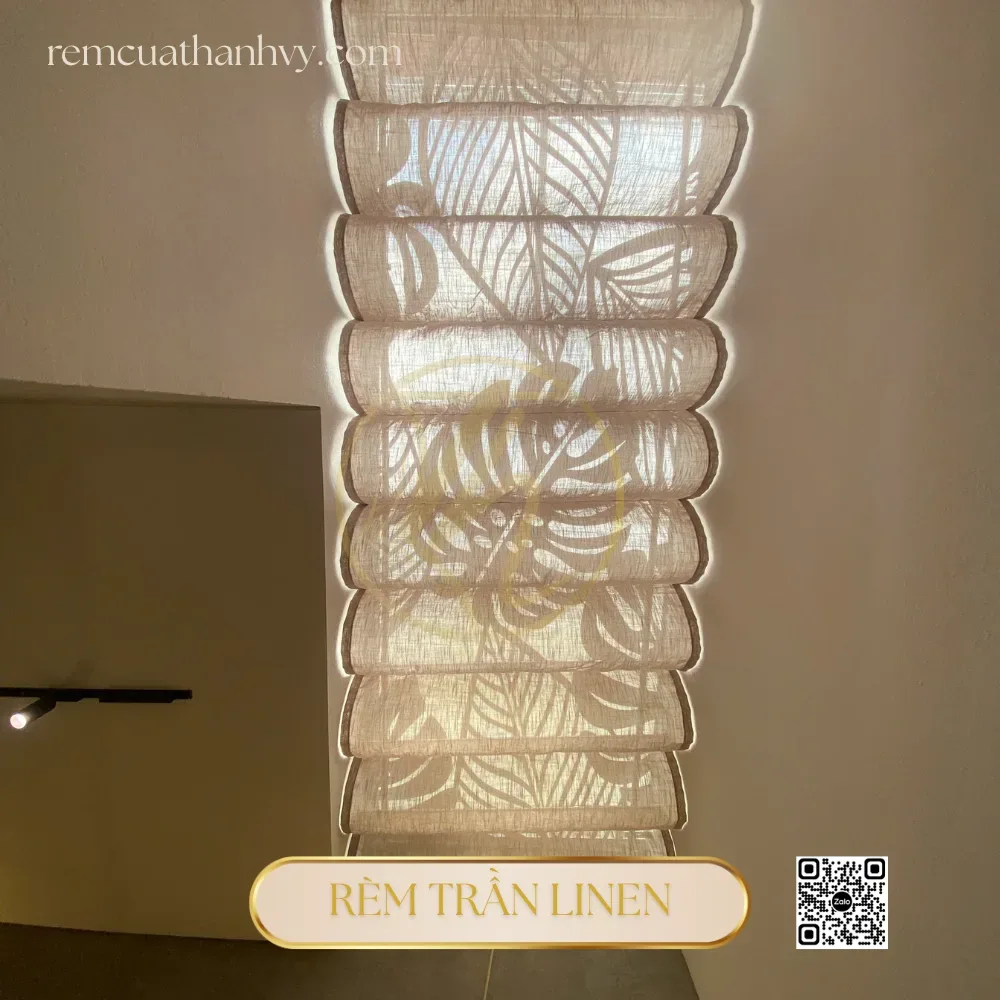
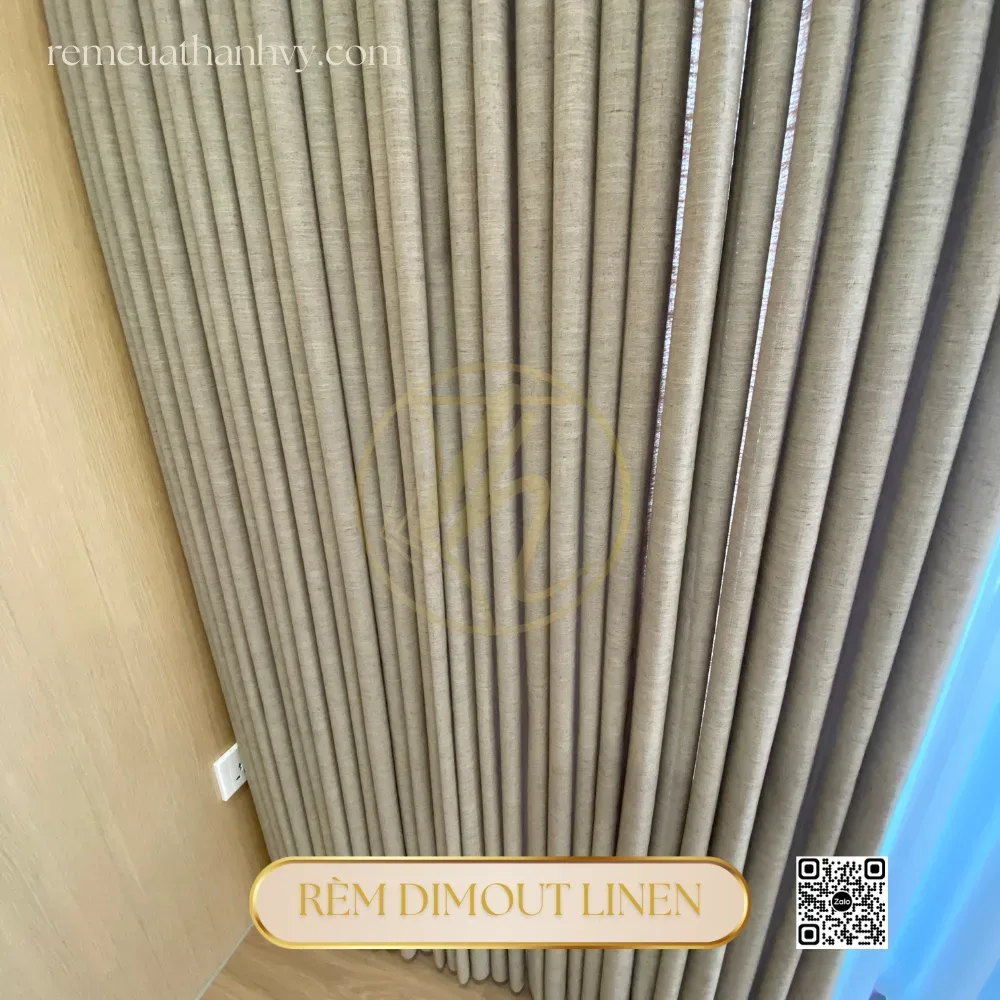
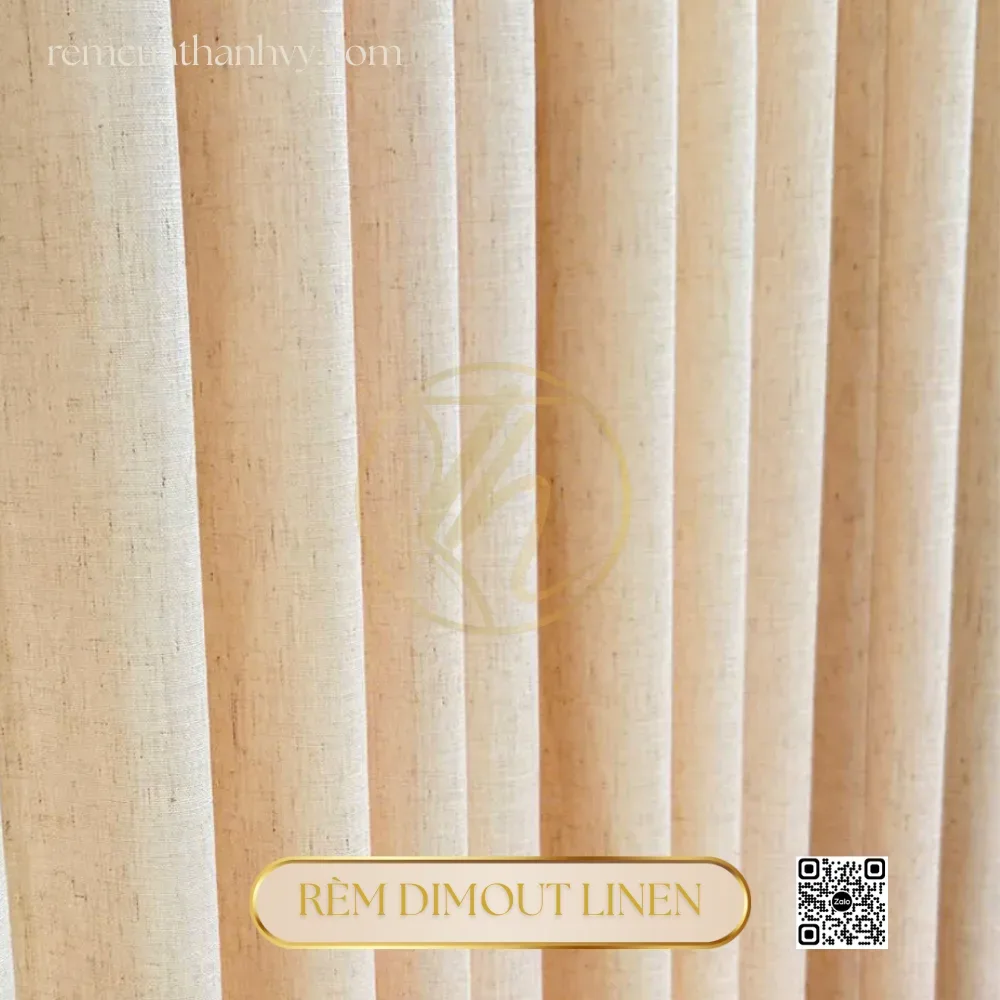
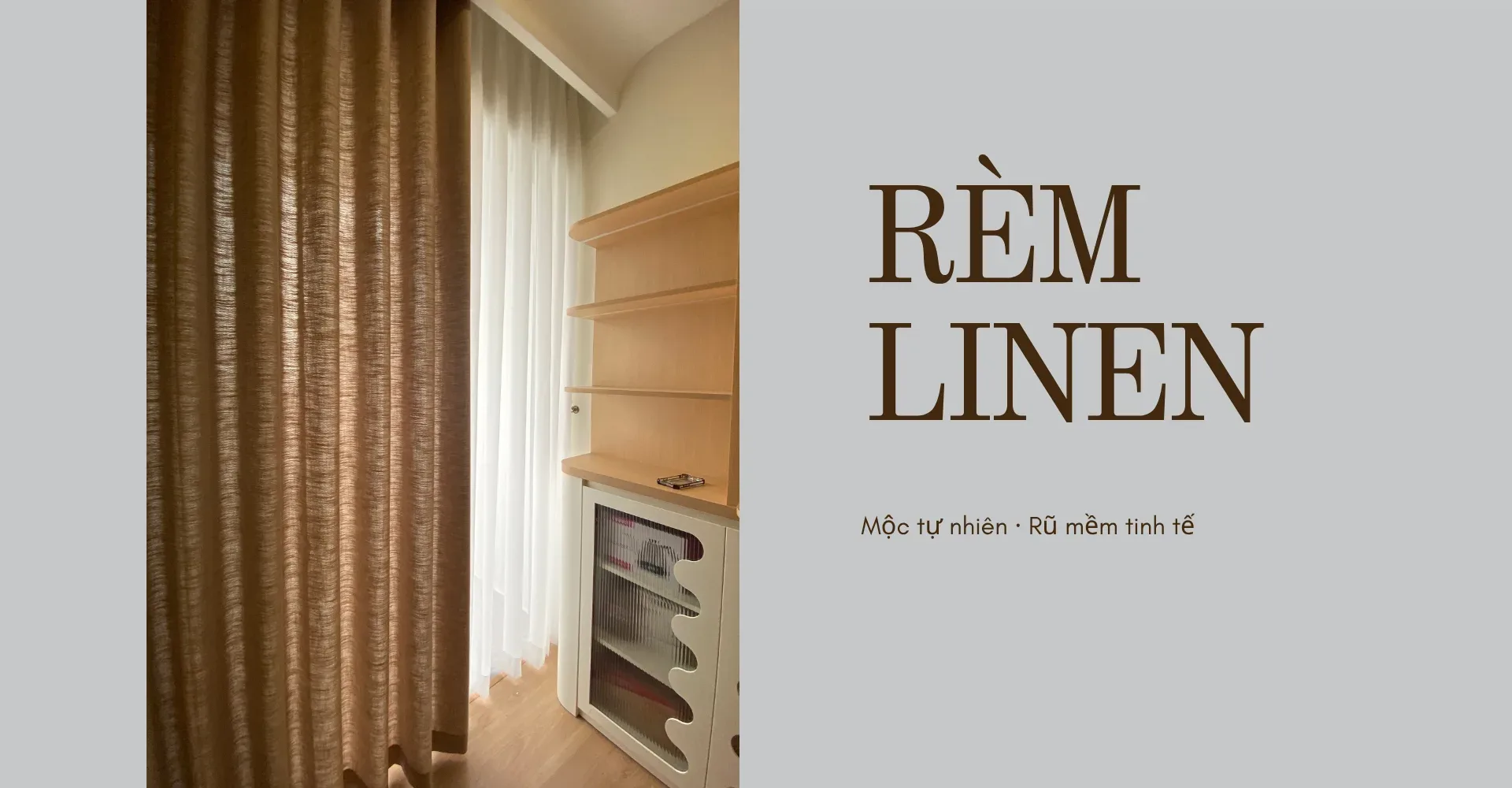
Linen is a fabric with a naturally slightly rough surface, soft drape, and the ability to let light pass through in a much softer way than many thick woven fabrics. It is this yarn texture that creates the characteristic appearance: not glossy, not too flat like industrial fabric, but giving a feel close to natural materials. This is also why linen is often chosen for spaces with minimalist, rustic modern styles or a mix of wooden furniture and neutral color tones, which are quite common in apartments and renovated townhouses in District 1. Interested readers can view the properties of natural wood before deciding.
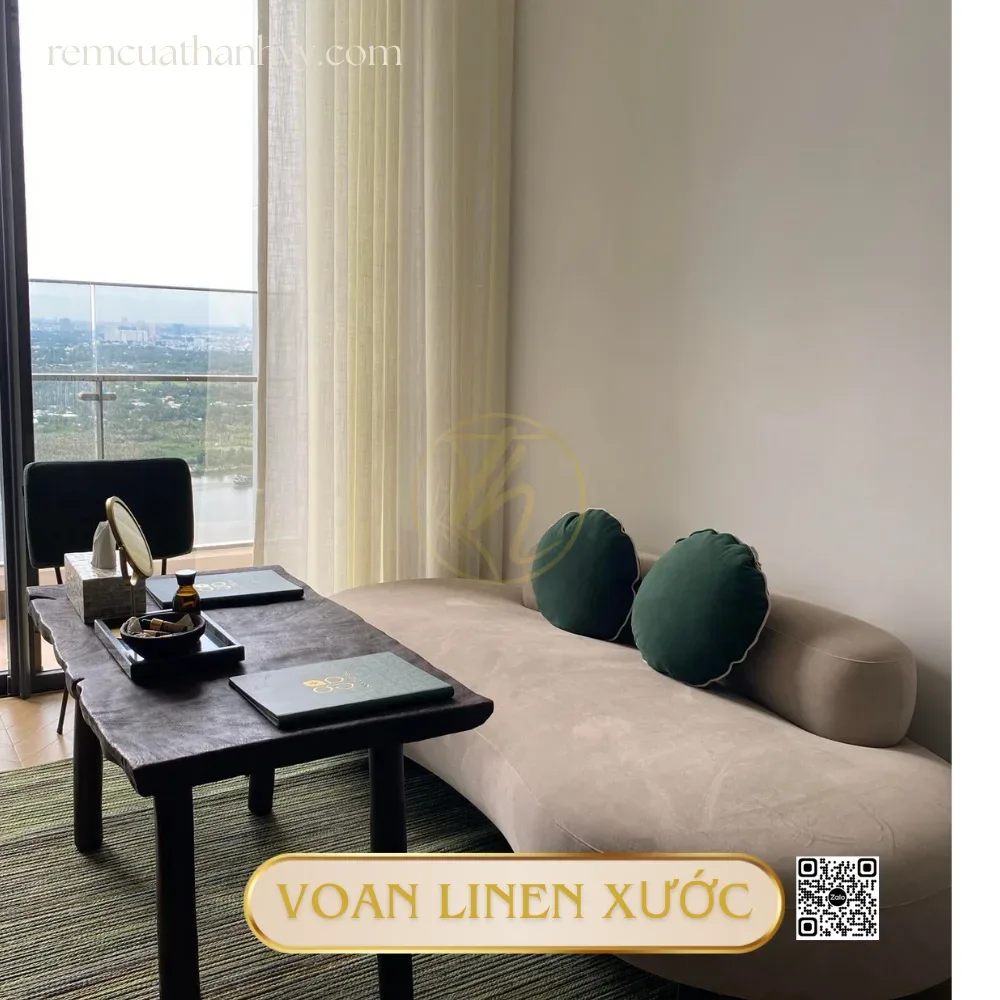
Before finalizing the plan, you can also check out District 3 Fabric Curtains: How to choose by room and demand or District 6 Fabric Curtains: How to choose fabric and sewing style.
Important note: A clear process with on-site surveying instead of relying solely on measurements provided by the customer helps limit discrepancies and avoids unwanted adjustments after the curtains have been sewn.
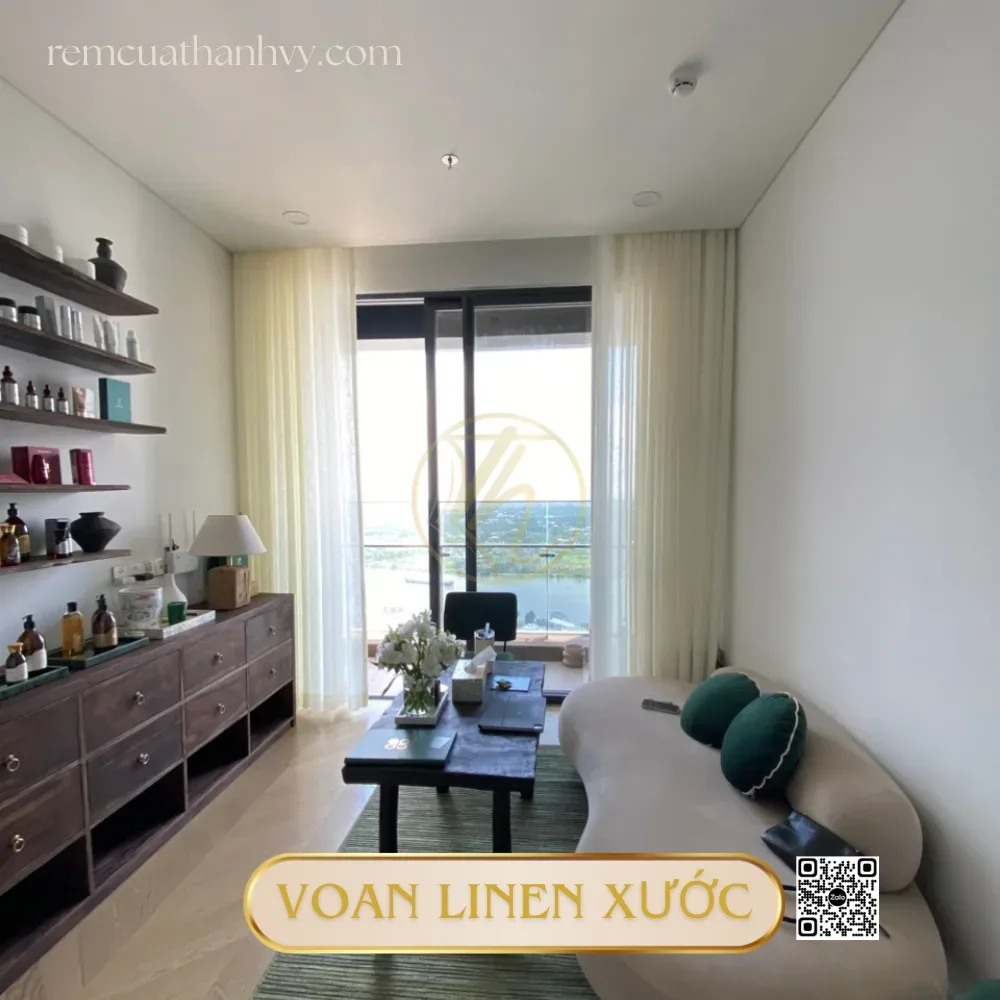
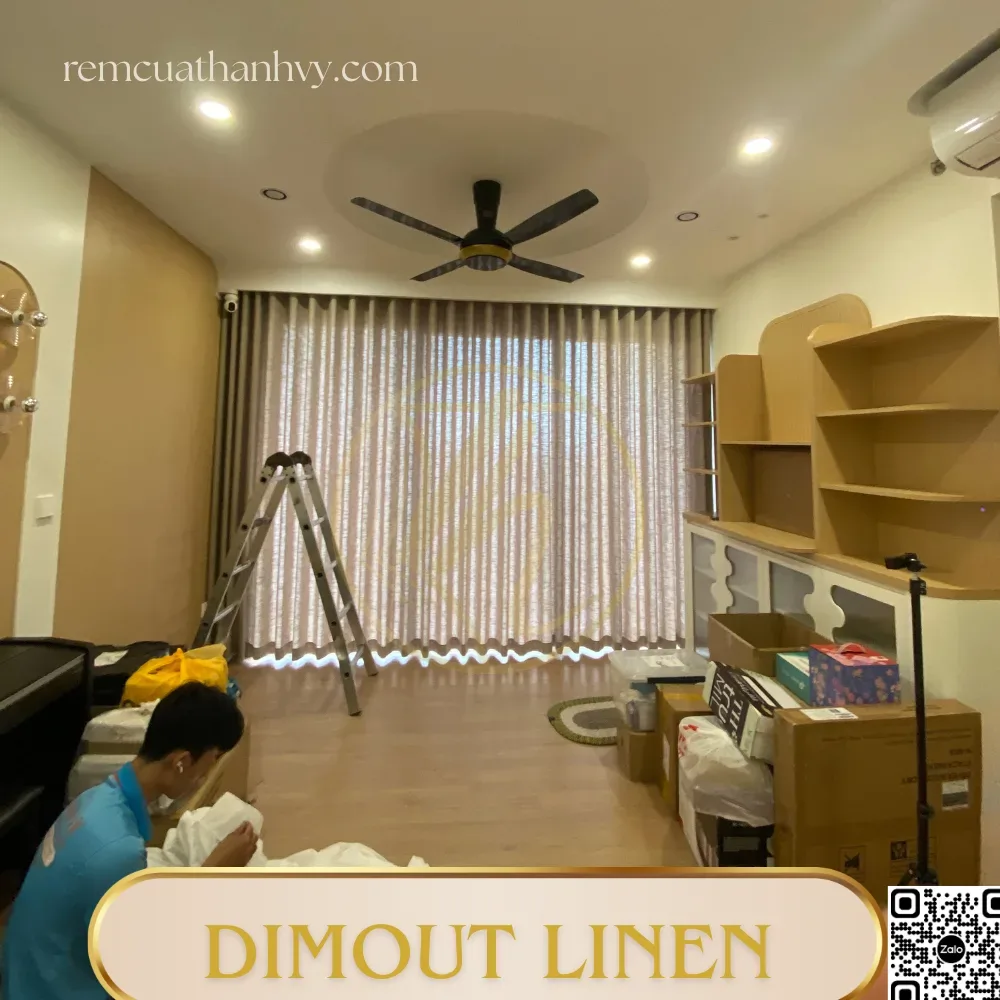
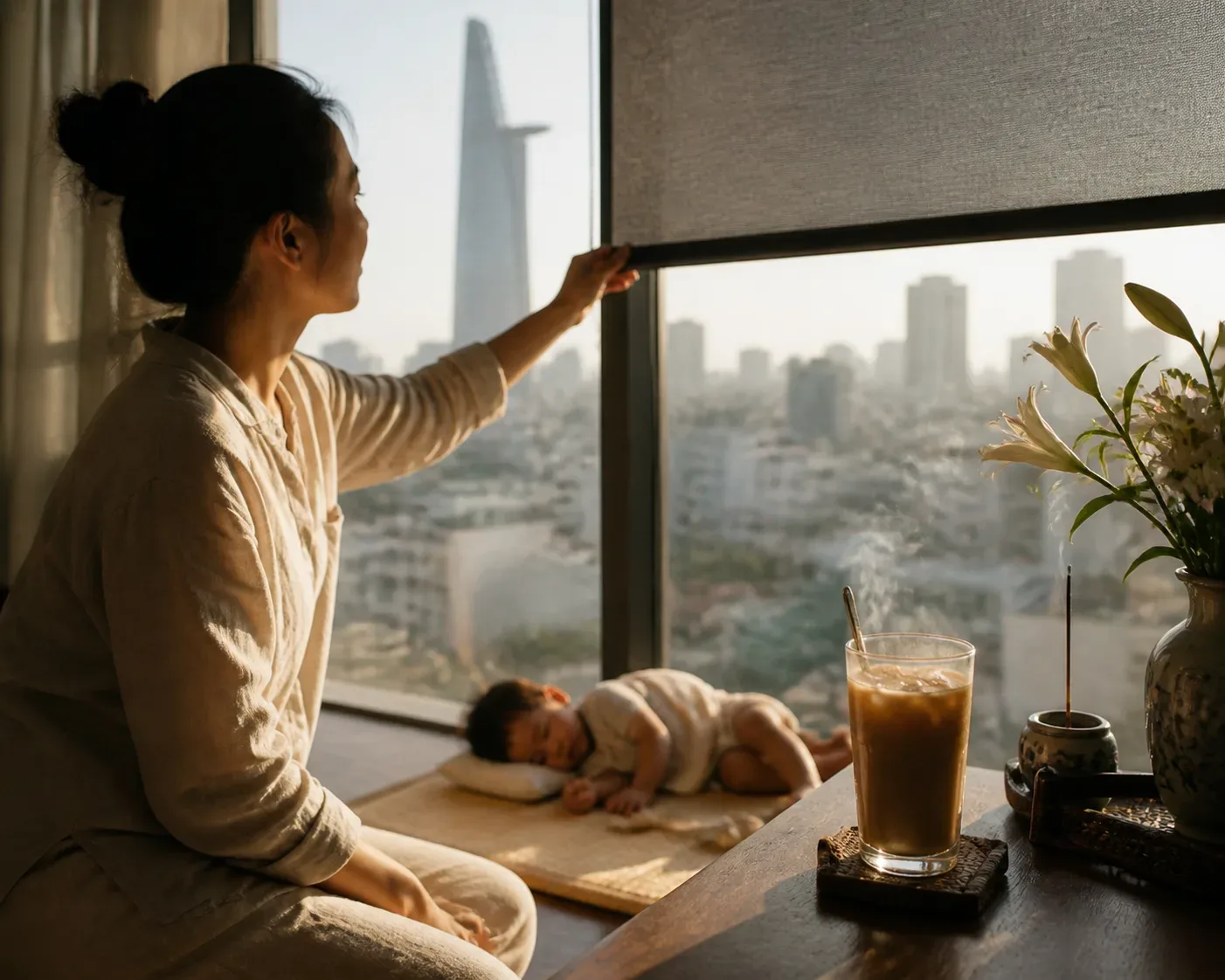
For medium and small-sized apartments, curtains that are too thick or too dark can easily make the space look smaller than reality. Linen solves this problem quite well thanks to its lightweight property and ability to keep light evenly distributed in the room instead of making the room completely dark when drawing the curtains during the day. For townhouses with large windows facing the facade or light wells, linen also helps balance natural light intake and avoid direct harsh glare.
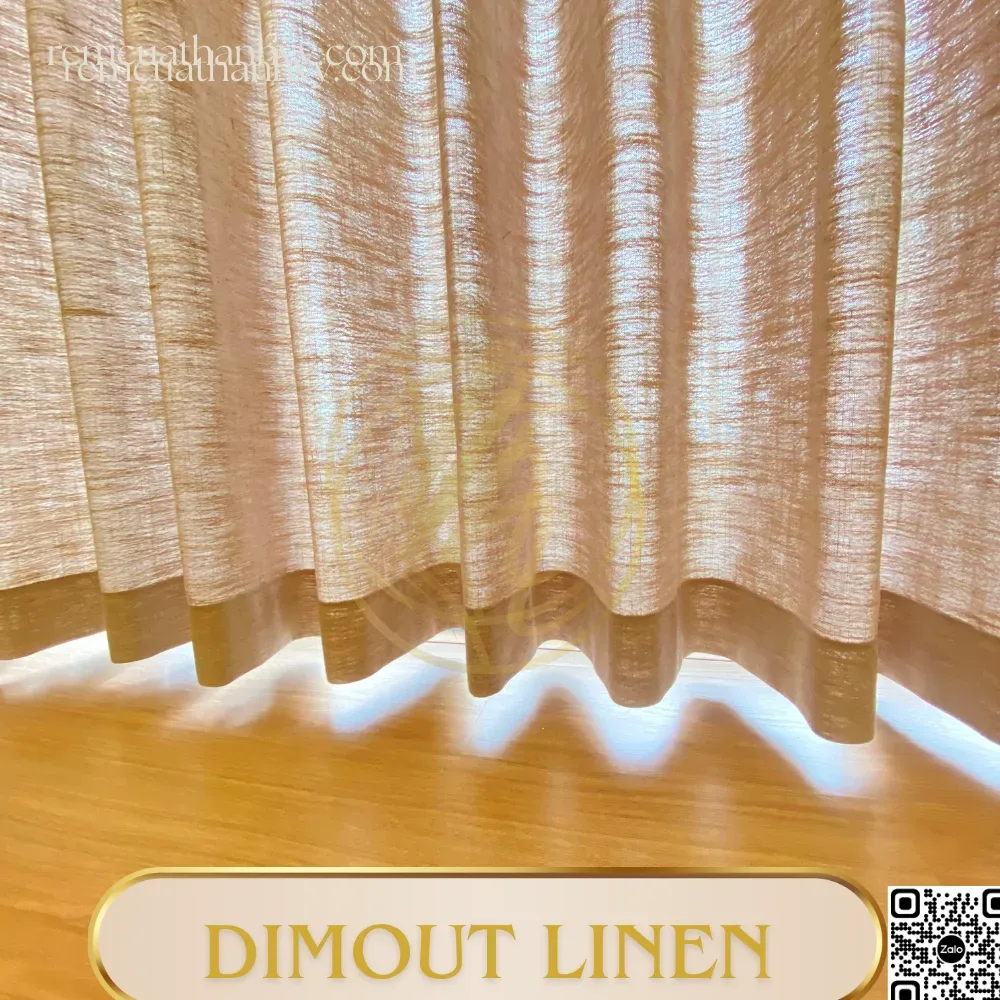
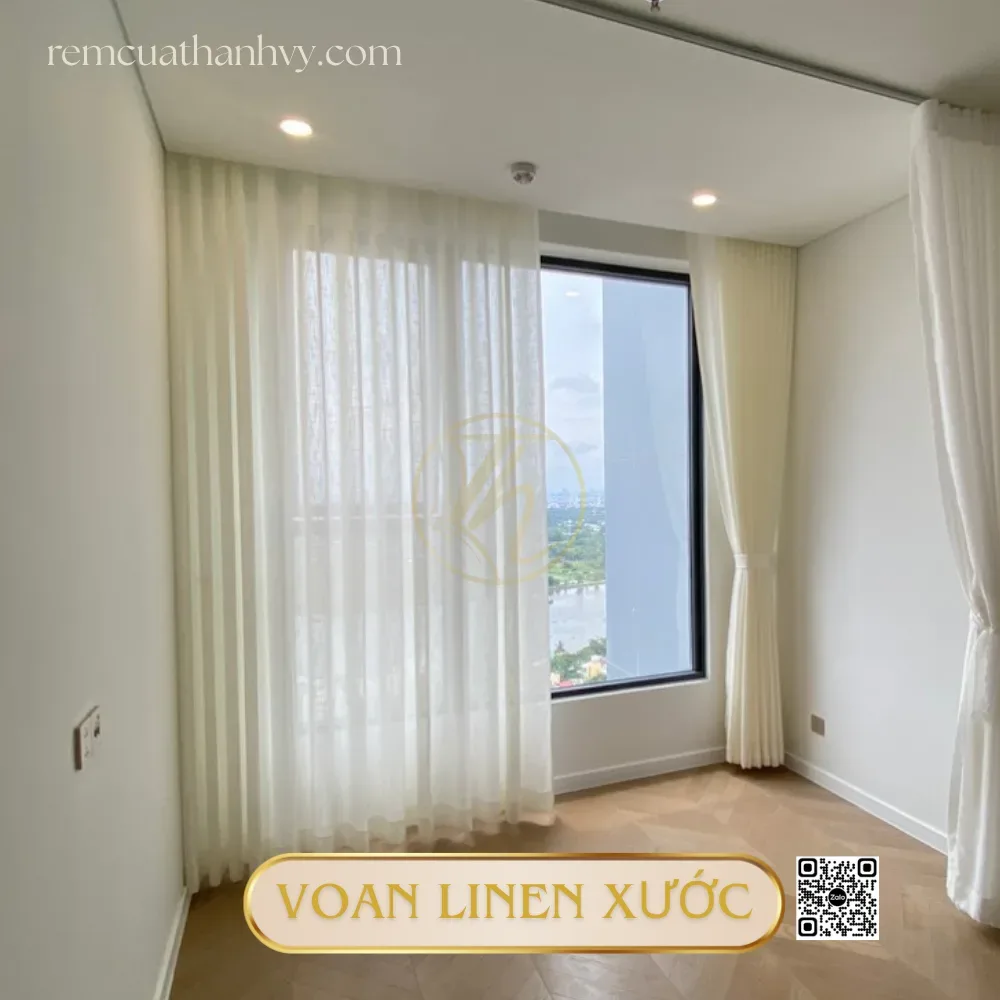
Even so, although called linen, the thickness and weave density among fabric lines can vary quite a bit. Some types lean toward a thin, lightweight feel, almost semi-transparent when the sun shines through; other types are woven thicker to increase privacy while retaining the characteristic surface of linen. Therefore, you should ask clearly about the blackout level and thickness of each sample.
Choosing linen curtain colors and thickness according to actual lighting conditions
A common mistake when choosing linen curtains is deciding on colors based solely on fabric sample photos or online illustrations while ignoring the real lighting conditions of the room. The same light beige or ivory white color, when hung on a west-facing window receiving harsh afternoon sun, will feel completely different compared to hanging on a north-facing window receiving only indirect light. Therefore, before finalizing the color, you should clearly determine the window orientation, the peak sunlight hours of the day, and the level of glare the space is experiencing.
For apartments or rooms receiving direct afternoon sun, you should consider linen with a slightly thicker weave density or match it with an inner lining layer to control glare and perceived heat without losing the natural look of linen. Conversely, if the window receives only indirect light or the space is naturally a bit dark, a thin, light-colored layer of linen will help the room feel airier and naturally brighter.
Regarding color, neutral tones like ivory white, beige, light gray, or earthy brown remain safe choices that easily coordinate with many interior styles, especially suitable for modern apartments in District 1 that prioritize gentle color tones. If the space already has many bright patches like white walls or light-colored wooden floors, a slightly bolder linen shade sometimes creates more emphasis and depth instead of looking completely flat. The most important thing is still to view the fabric sample under the real light of the room before deciding.
Sewing styles and hanging methods directly affect the finished feel
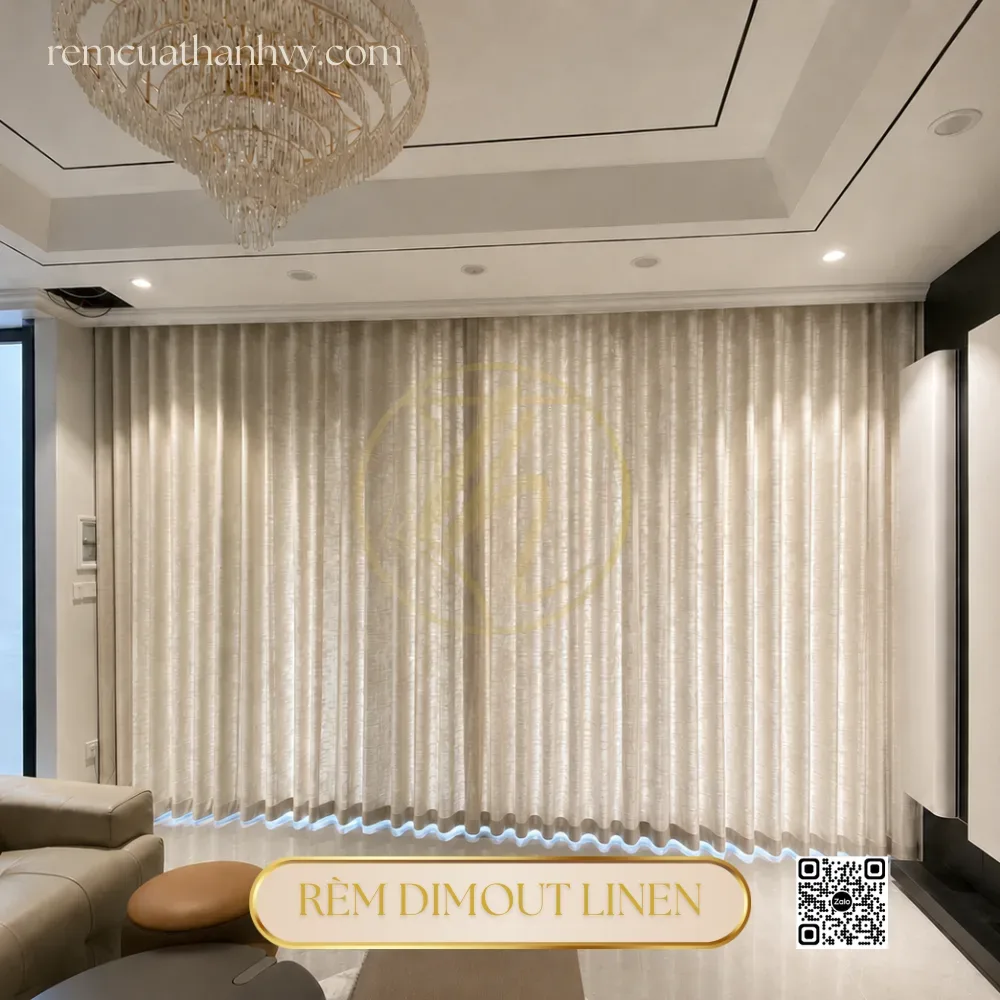
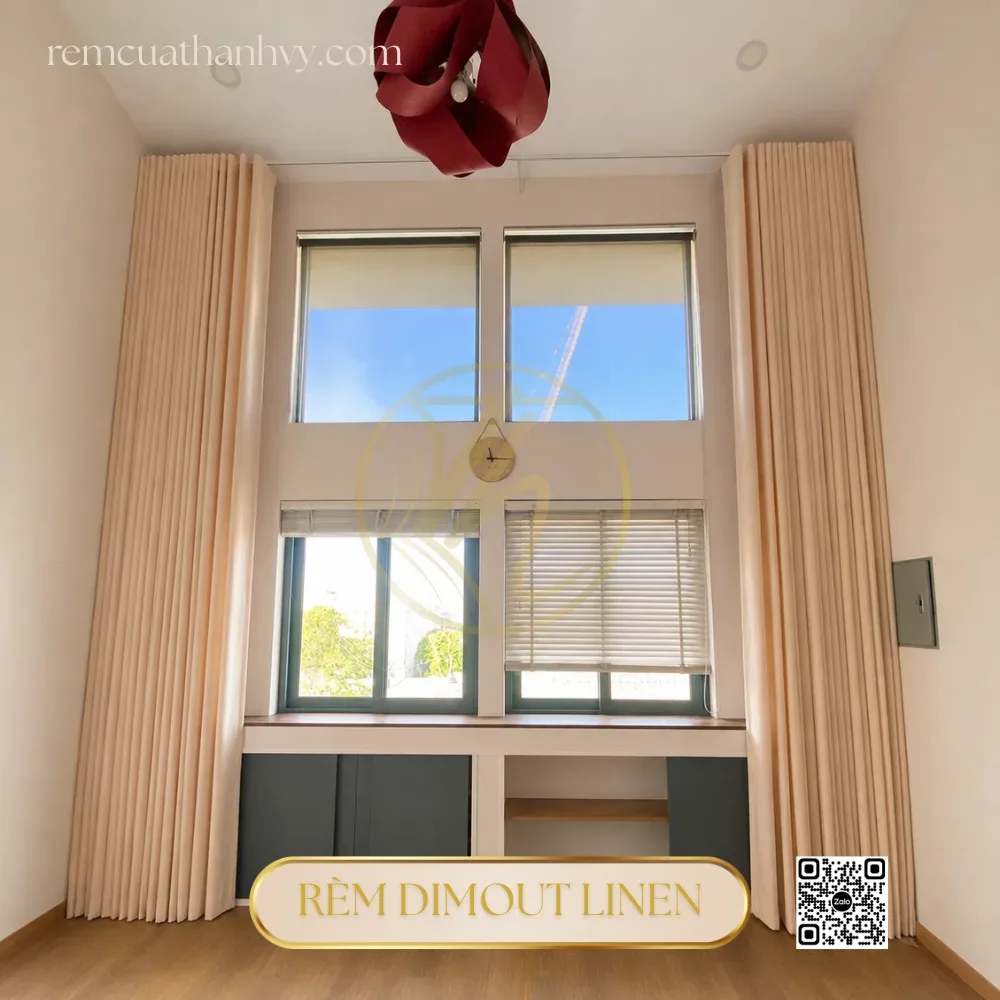
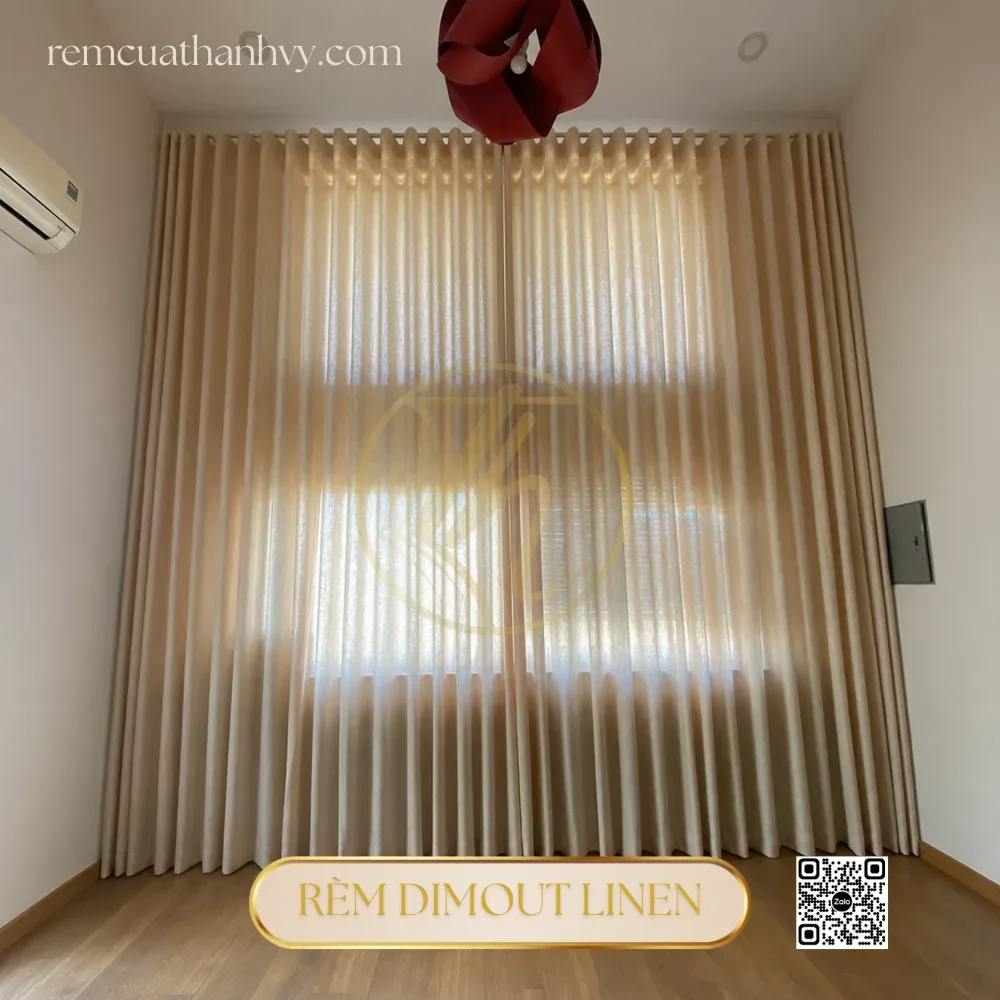
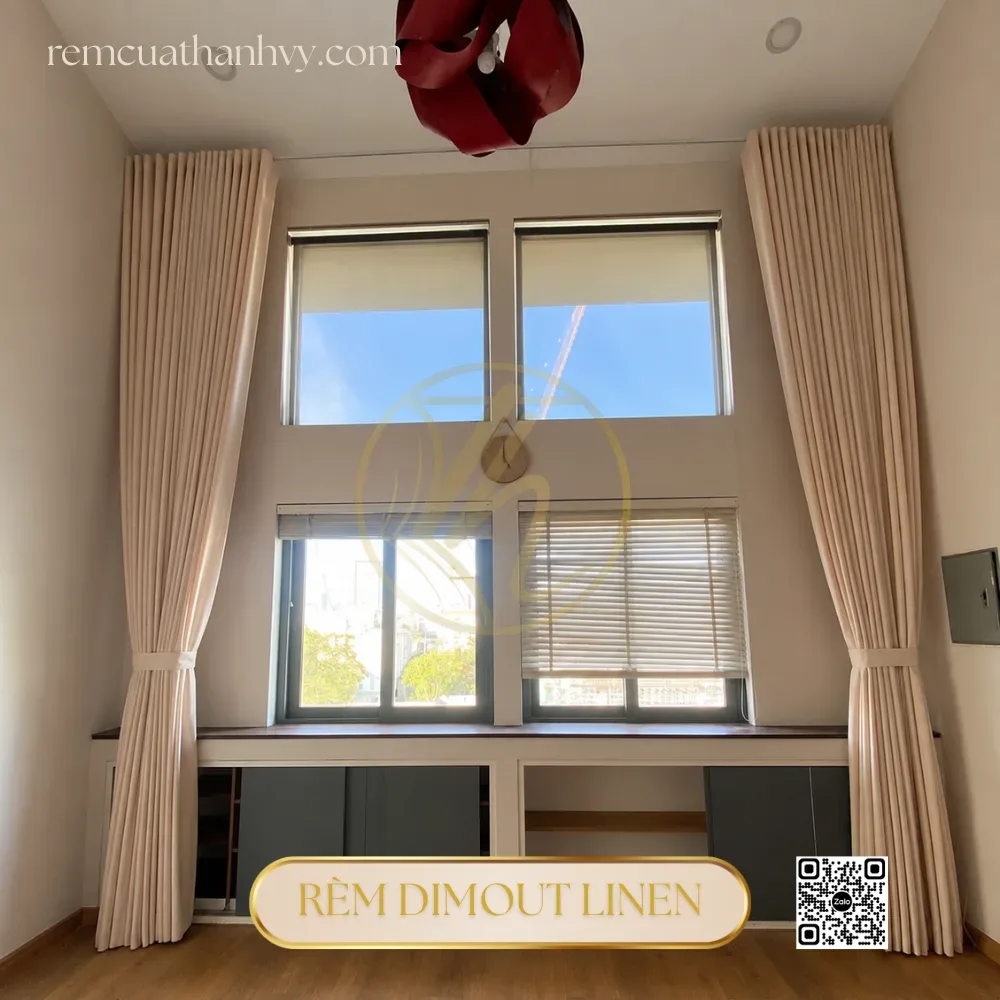
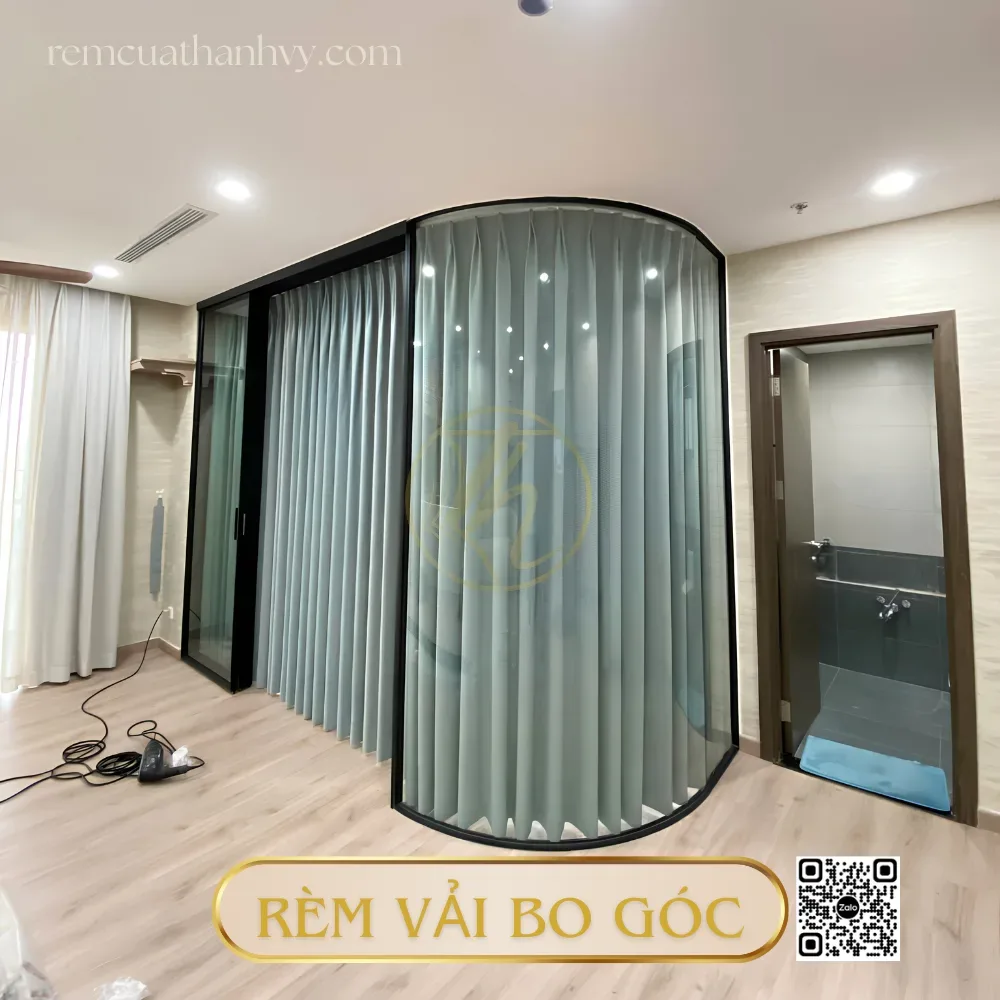
Beautiful material is only half the story. The sewing style and hanging method determine whether the linen curtain set, when actually installed, achieves the neat, natural feel as expected. For wide windows and high ceilings, a sewing style that creates distinct pleats usually brings out the soft characteristics of linen well. Conversely, for small windows or many obstacles like wardrobes, shelves, and air conditioners close to the window, simpler sewing styles should be prioritized.
The hanging method also needs consideration according to the overall style of the apartment. Concealed ceiling tracks or neat tracks are usually suitable for modern, minimalist spaces, helping the curtain header not reveal many mechanical details. Curtain rods are more reasonable if the space follows a decorative, light classical style or if you want the hanging part to become a distinct aesthetic detail.
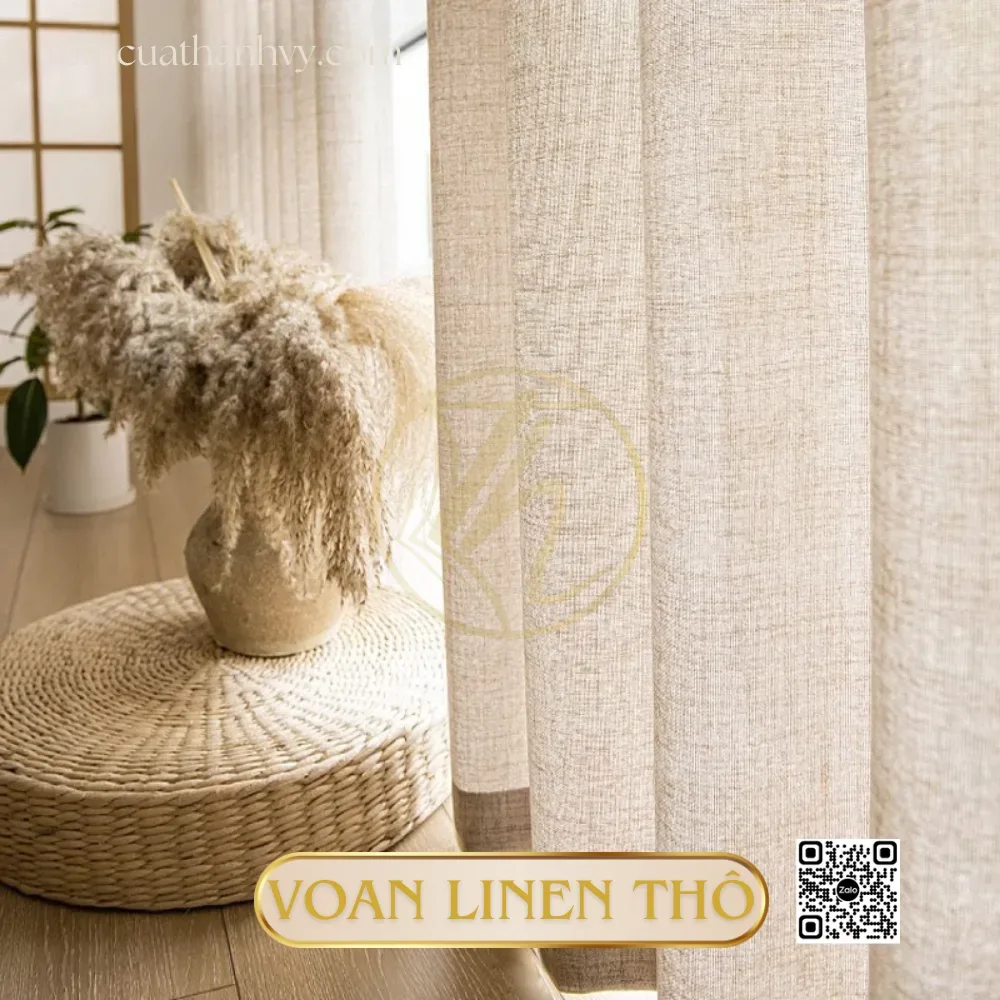
An easily overlooked point is the stacked curtain portion when opened. With linen, because the fabric is soft and has a drape, the stacked portion sometimes takes up more space on both sides than imagined, especially if the curtain set is multi-layered, which can block electrical outlets, touch cabinets, or make movement near the window inconvenient. Therefore, before finalizing the sewing style, you should clearly visualize where the curtains will sit when fully opened, not just when tightly closed.
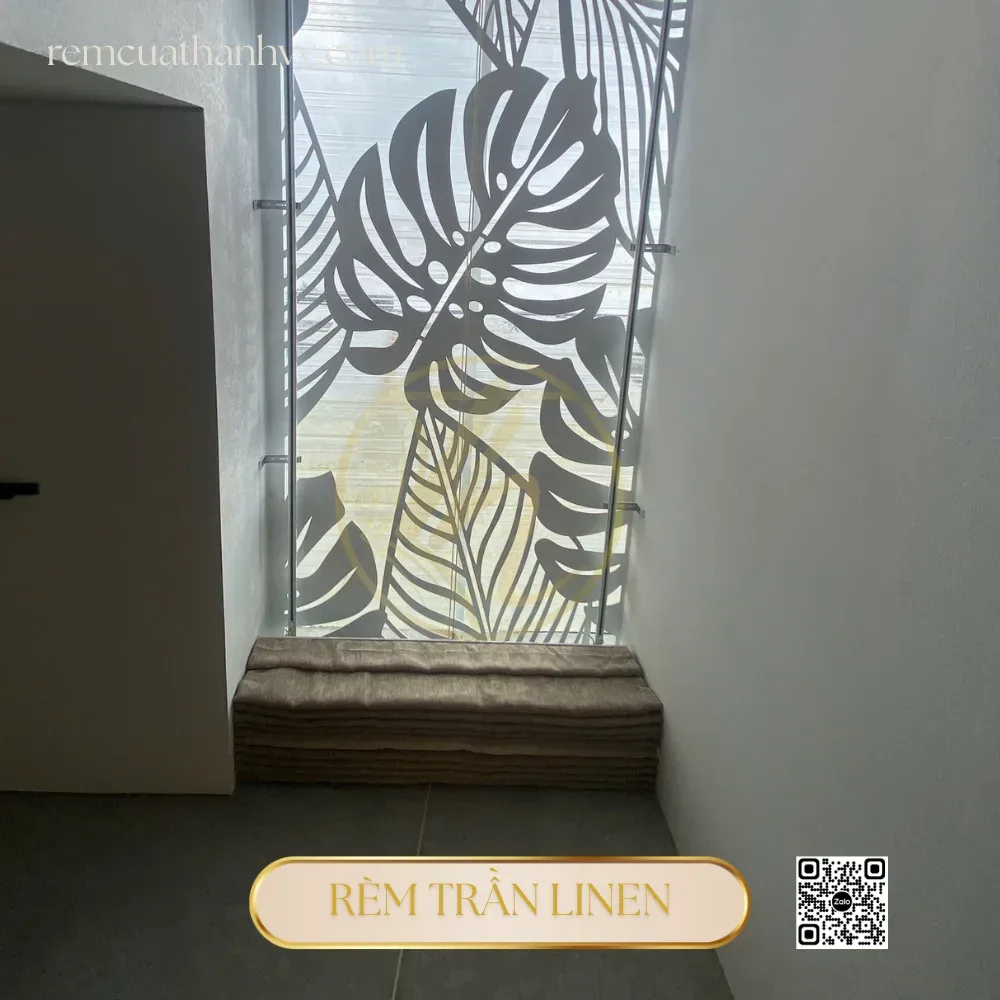
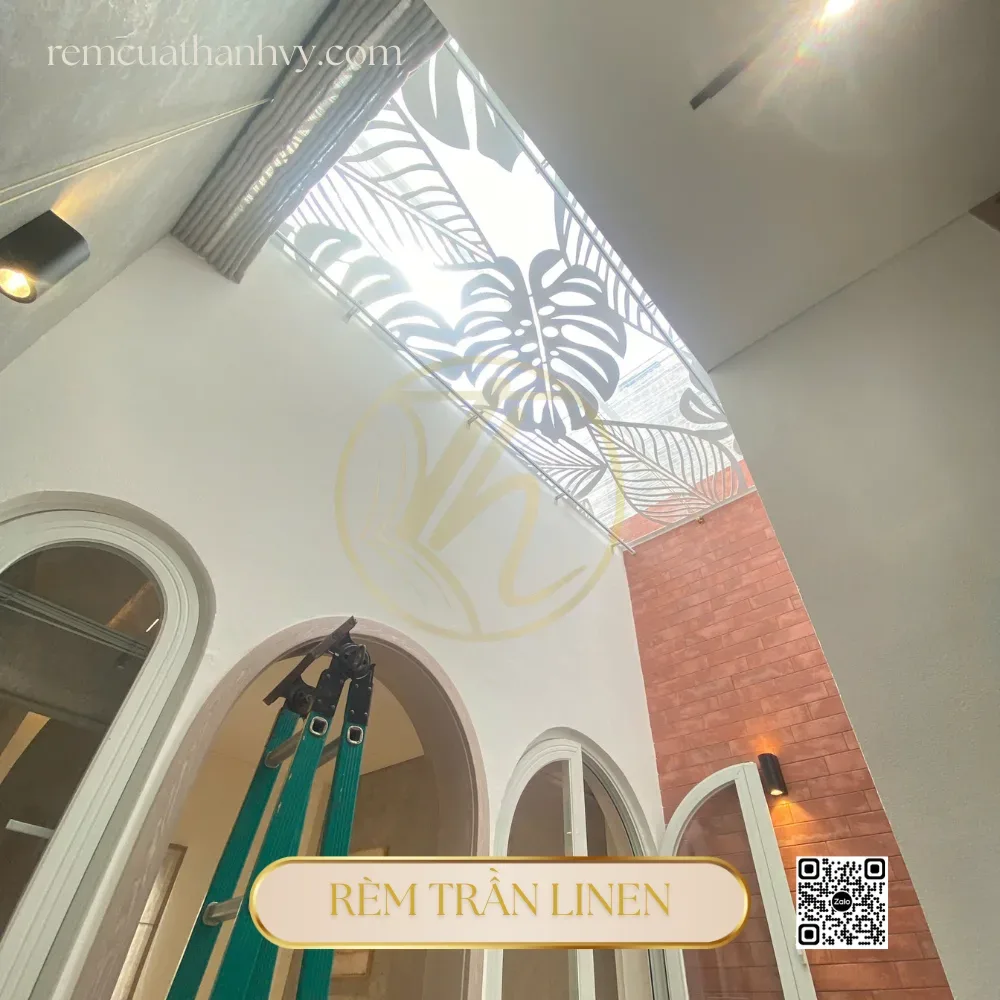
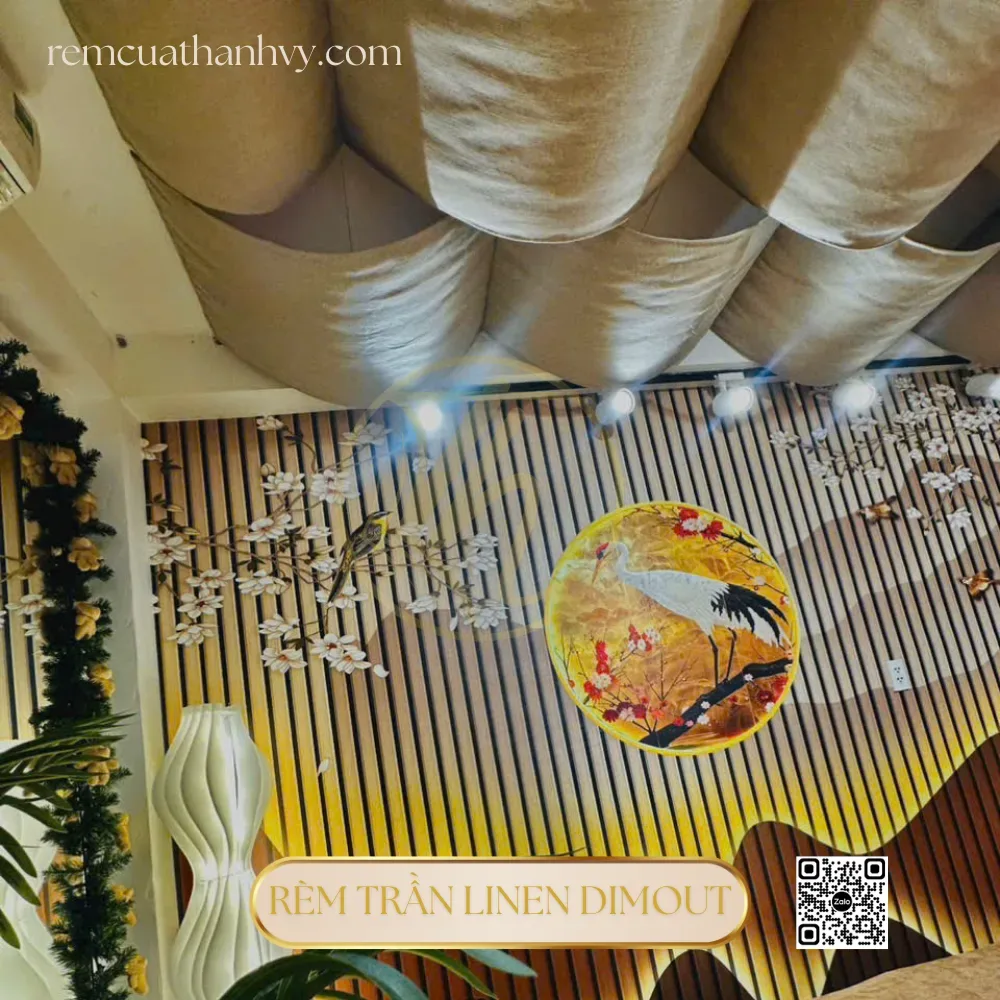
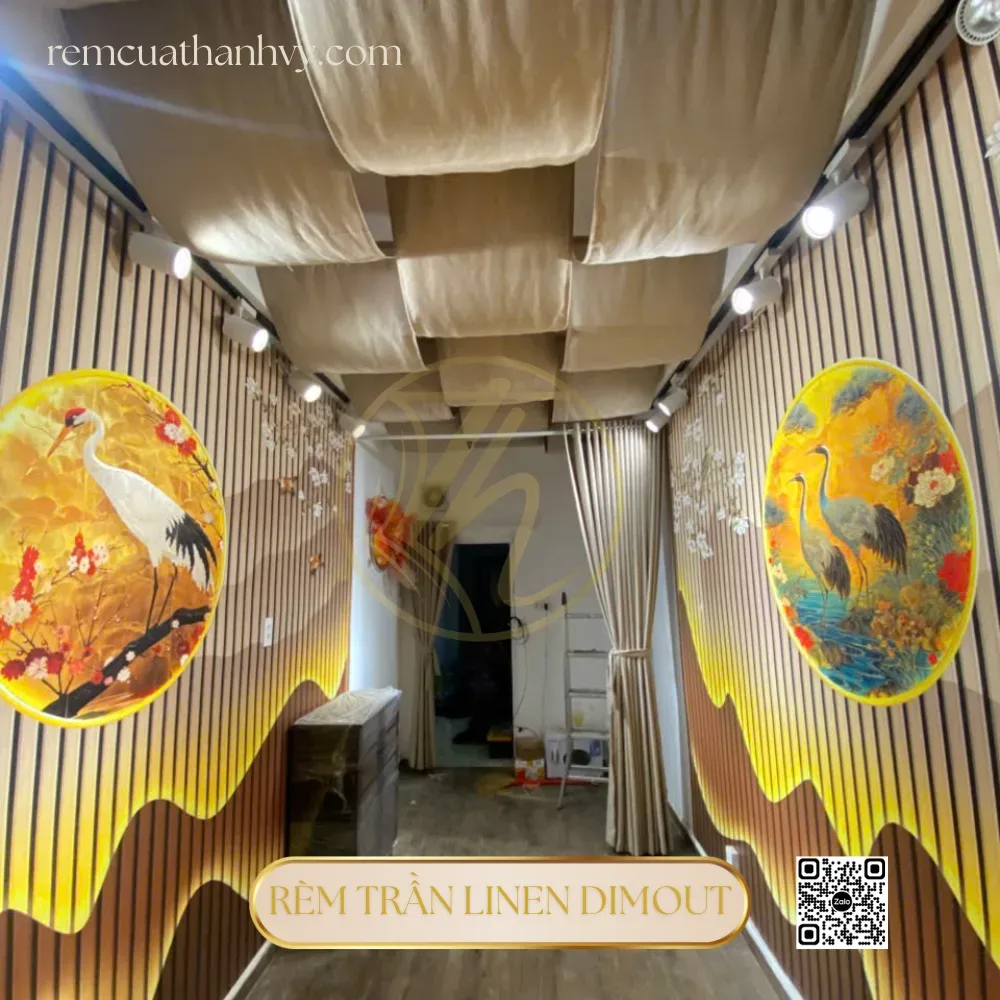
Linen curtains for each space: living room, bedroom, and balcony
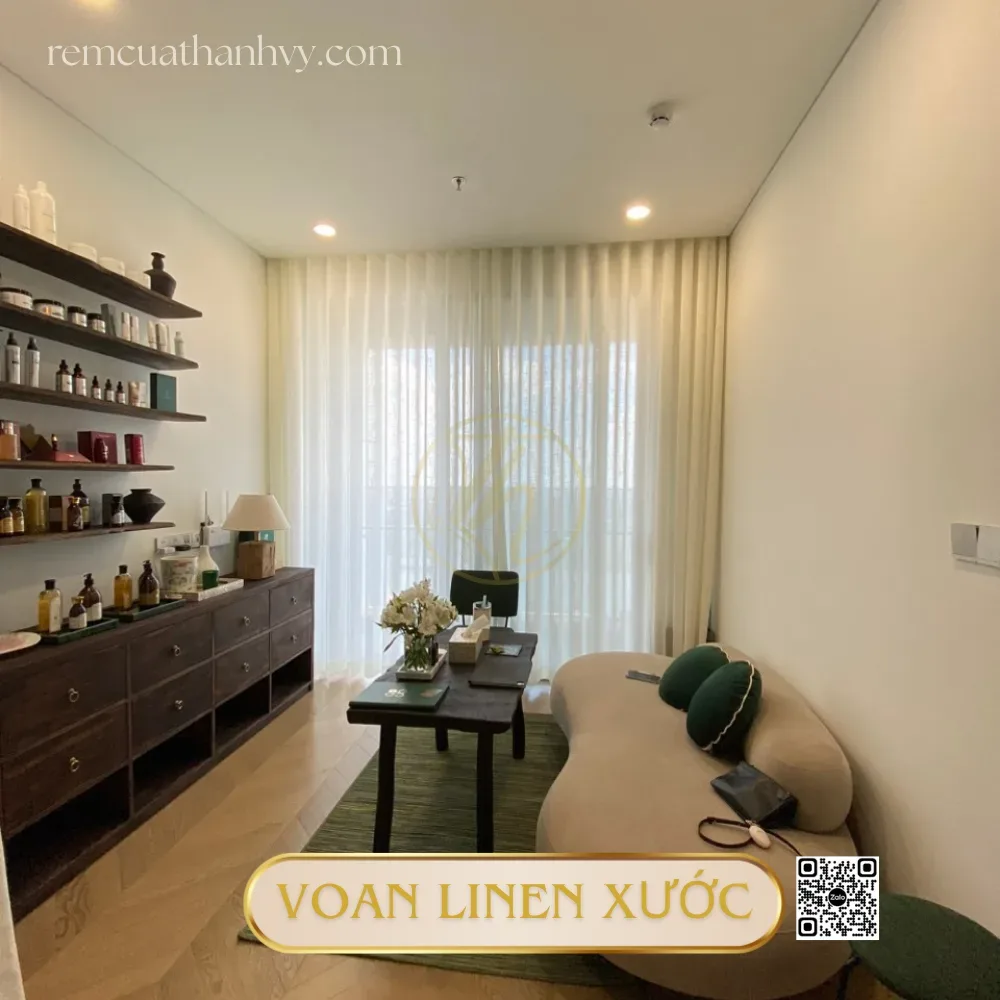
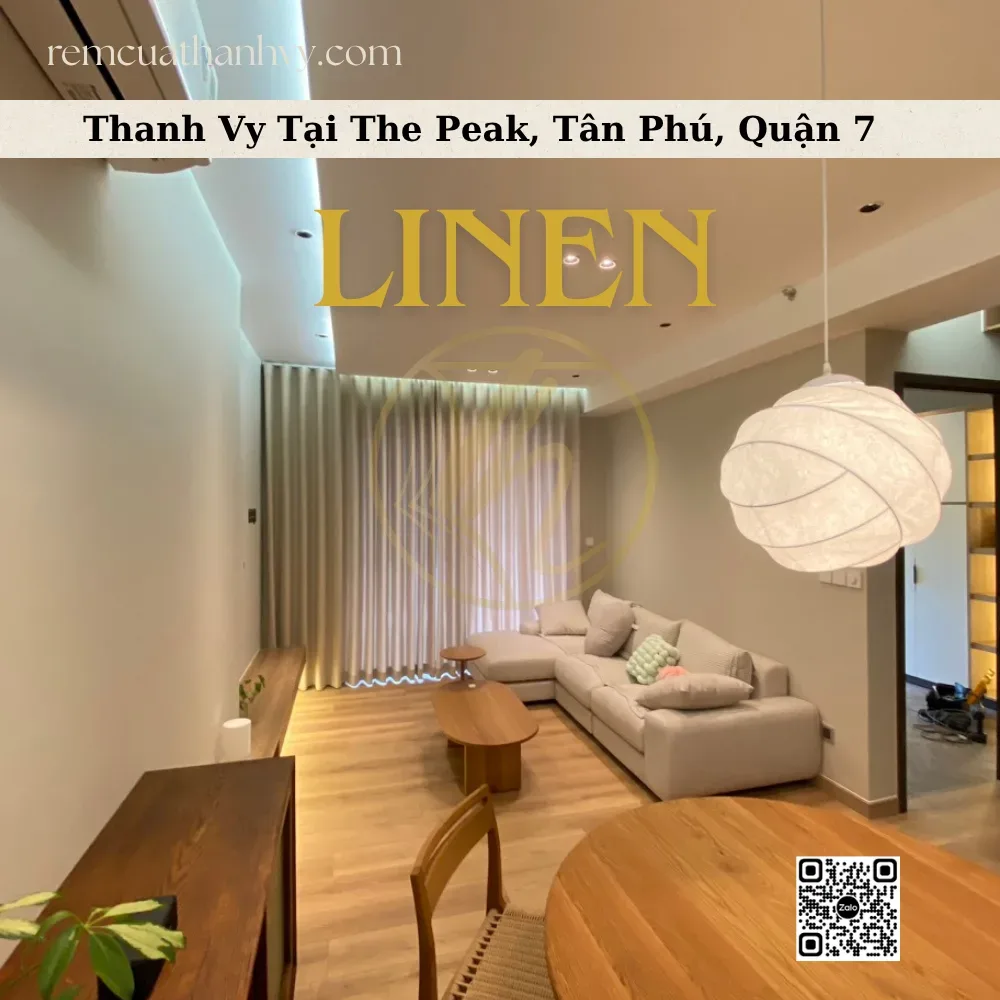
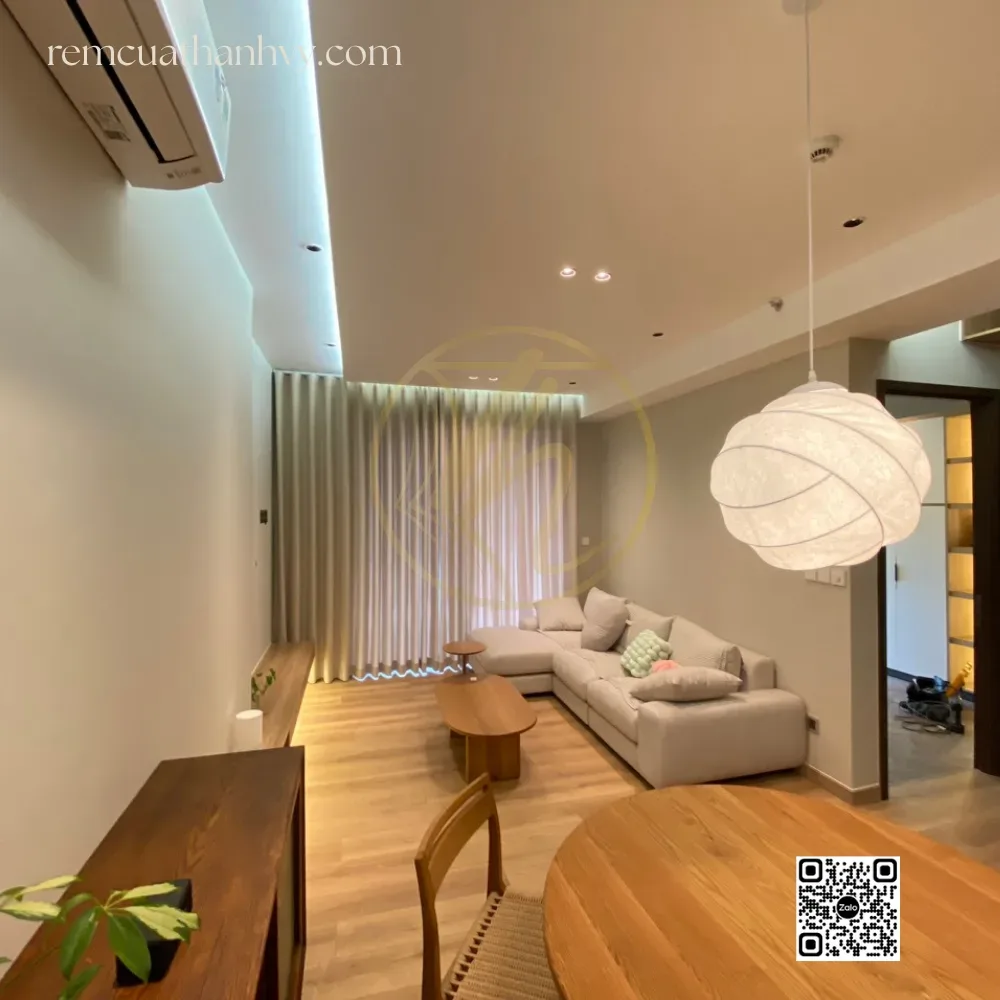
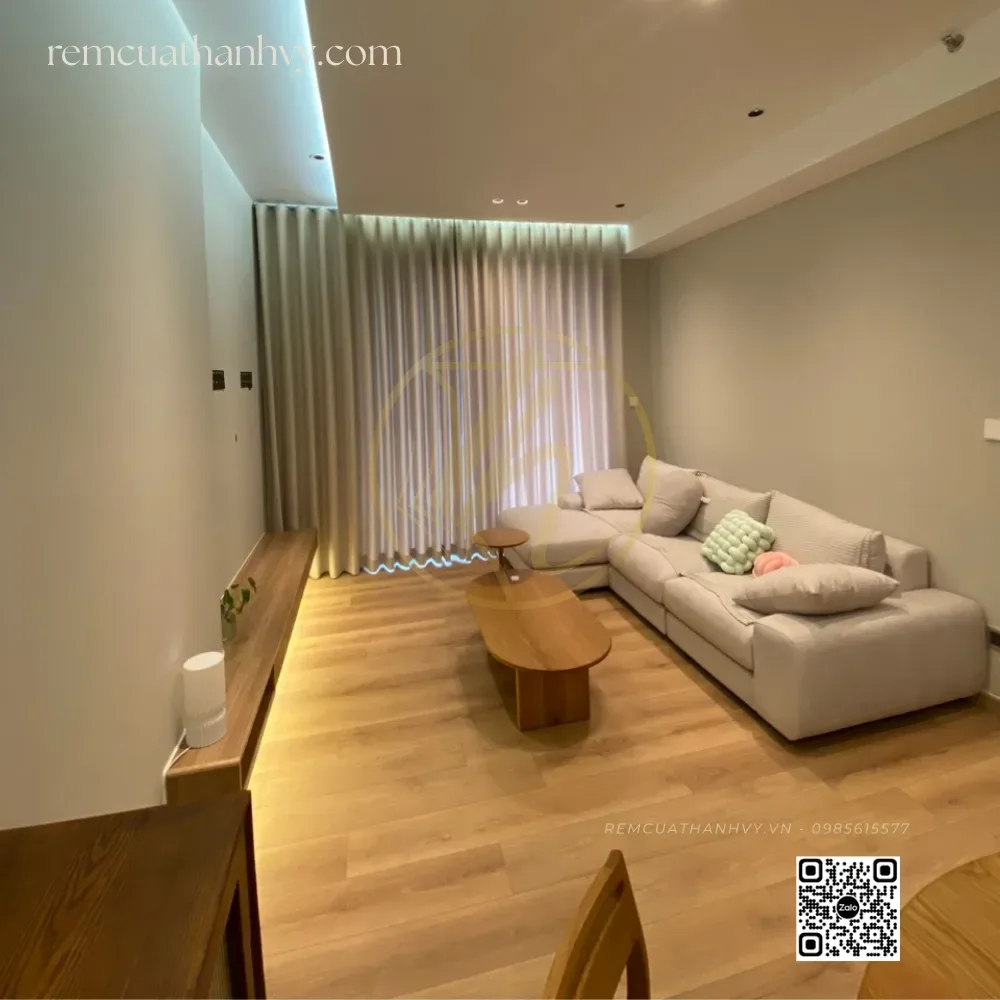
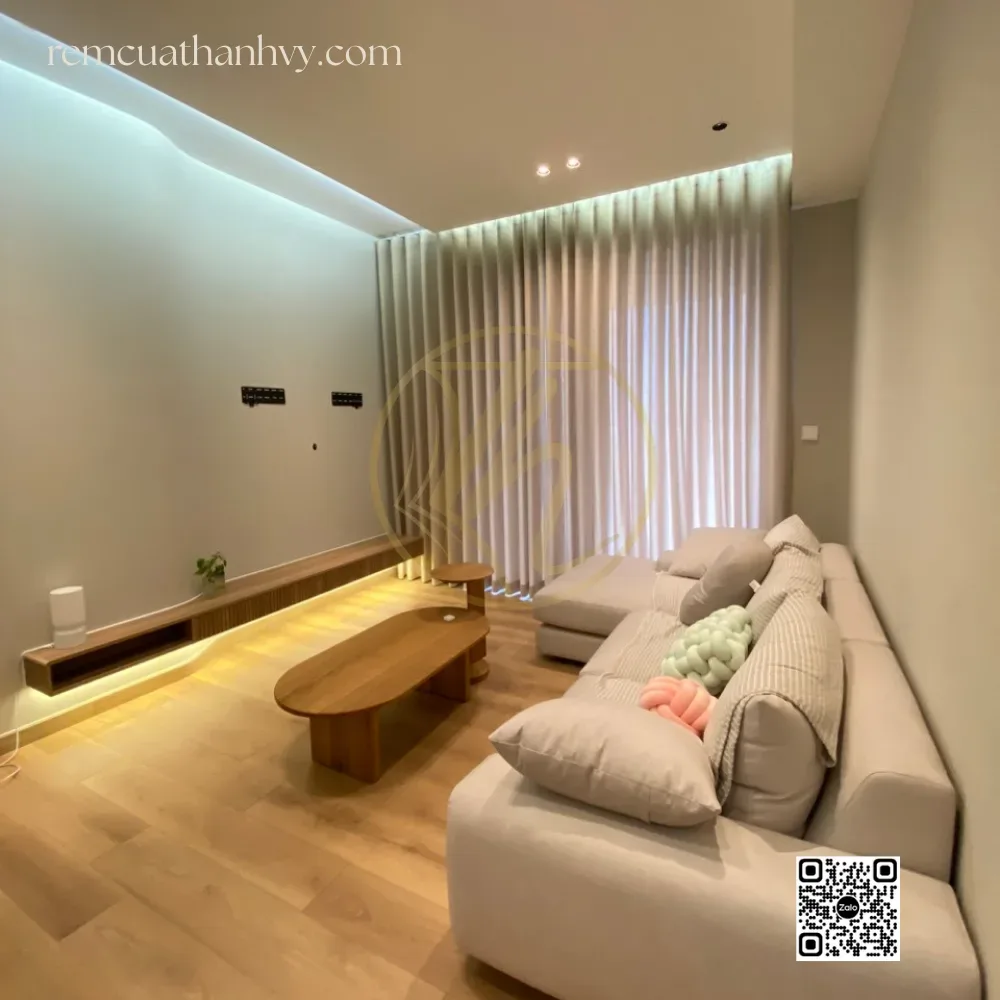
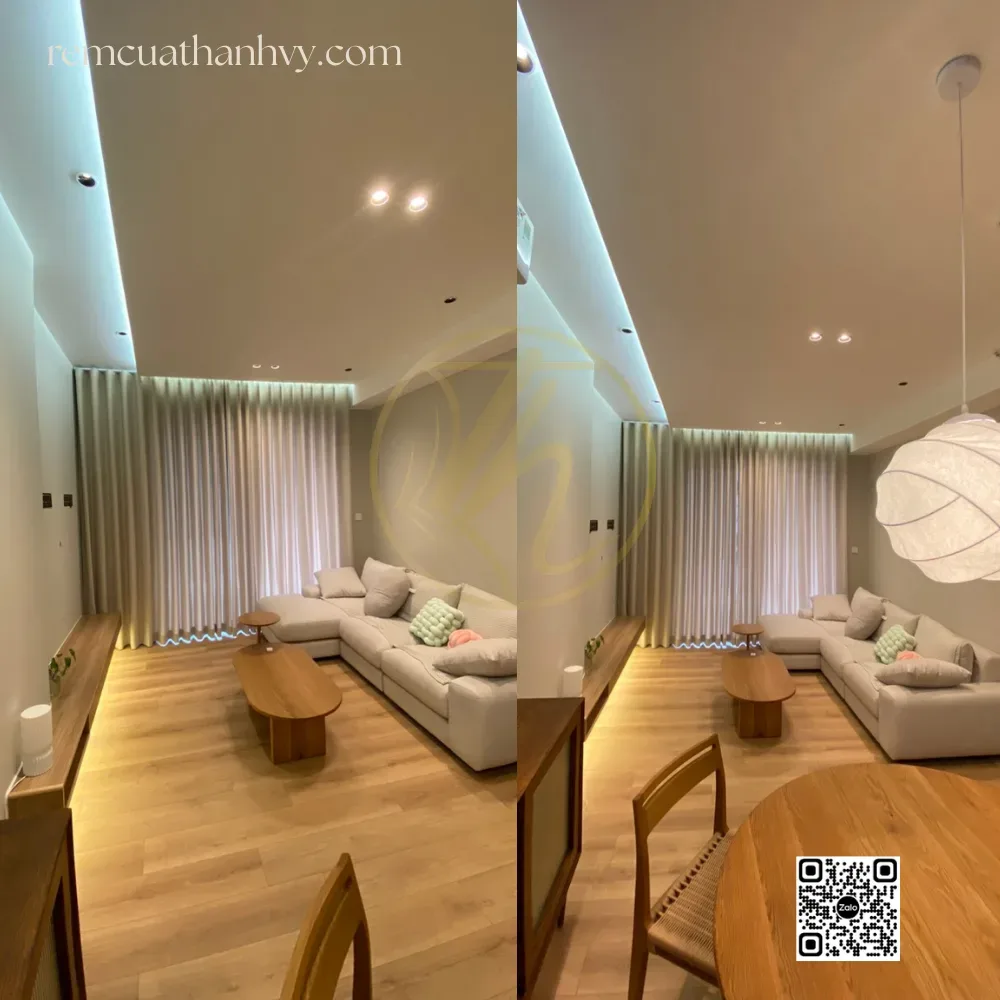
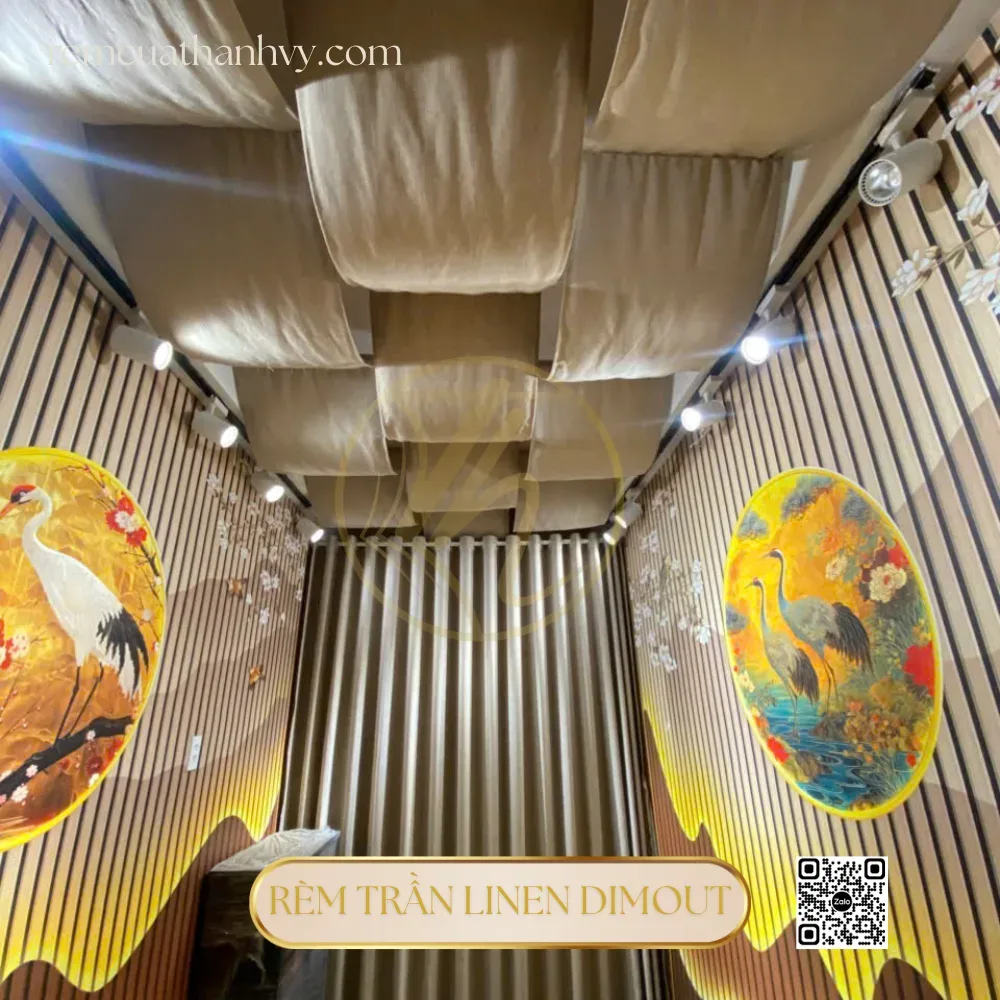
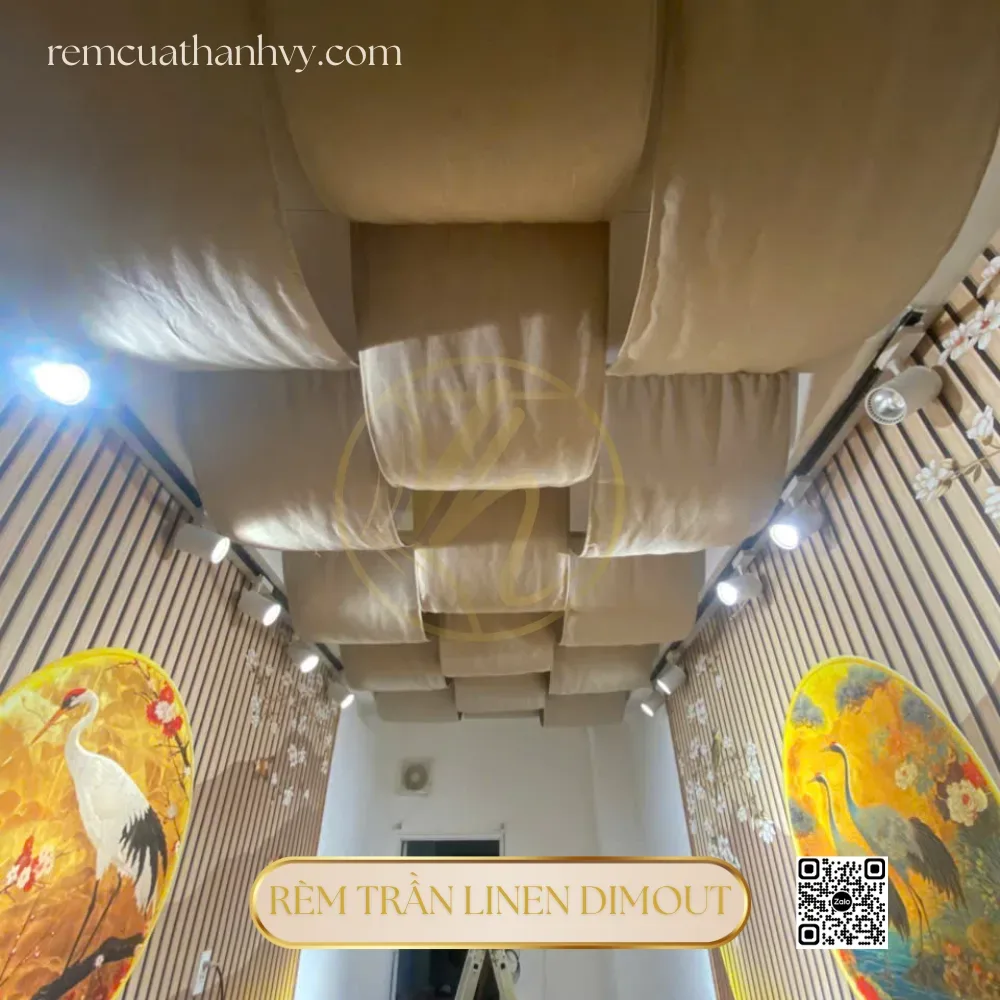
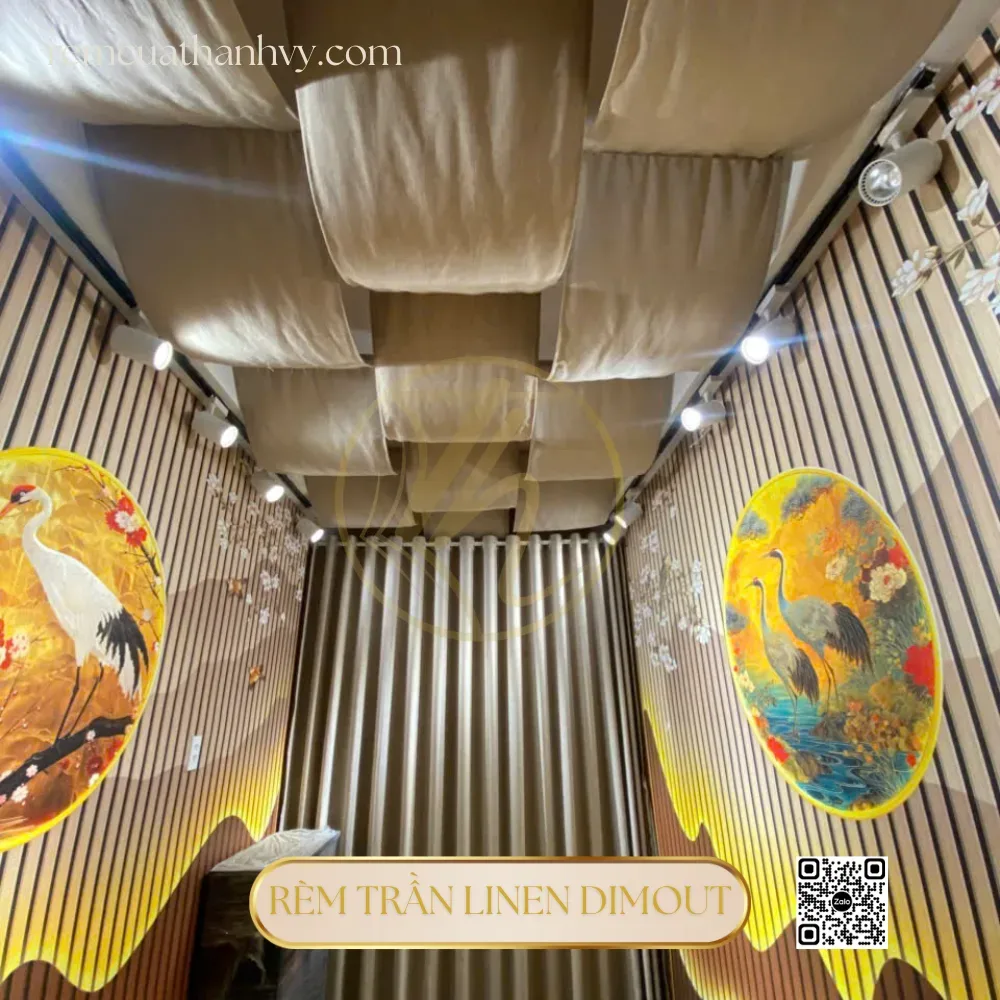
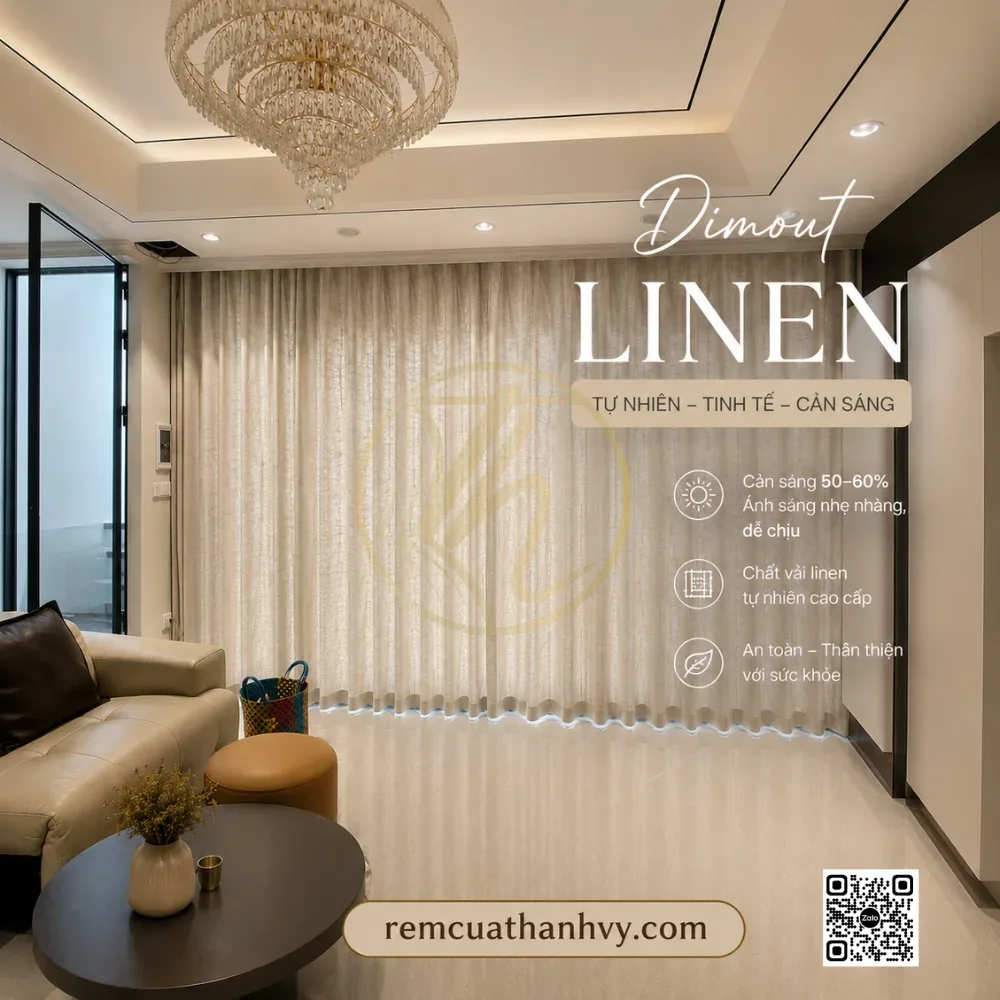
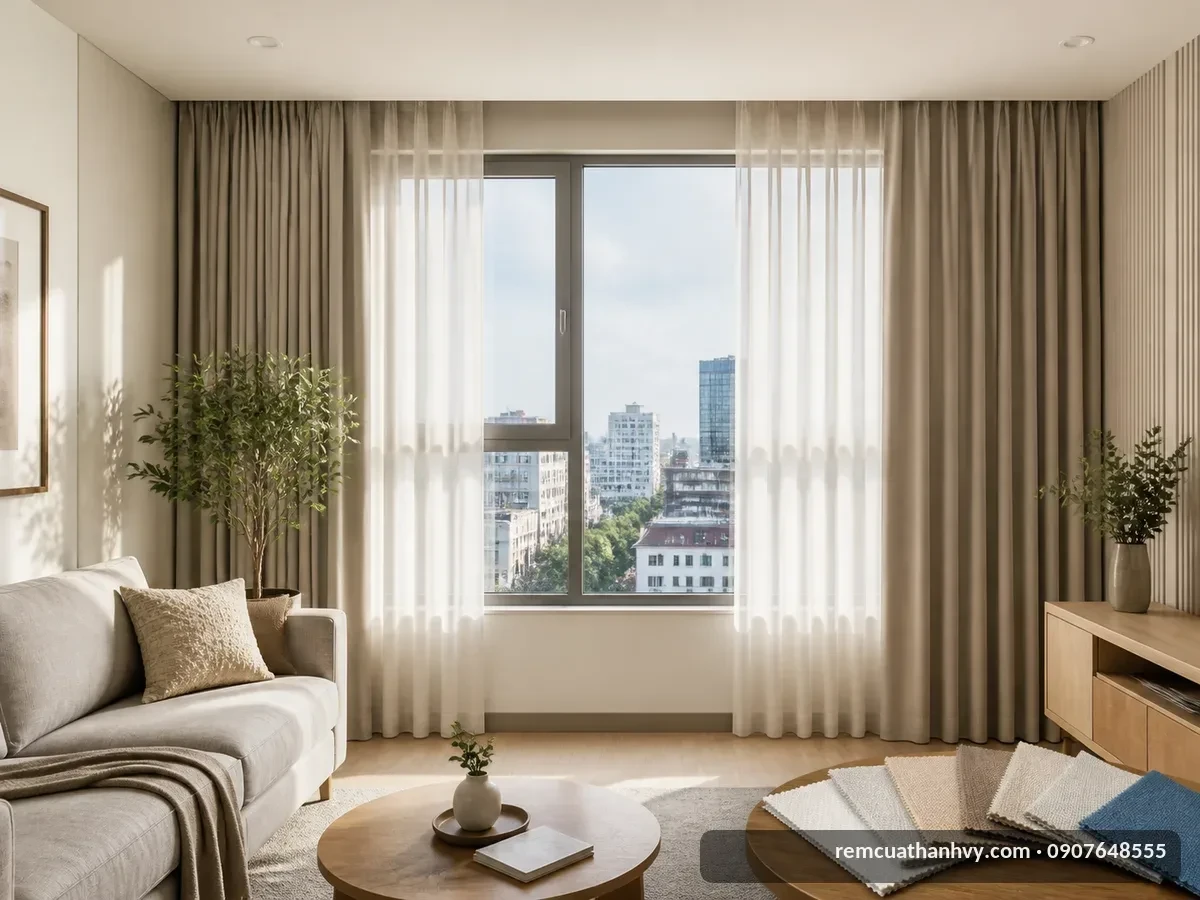
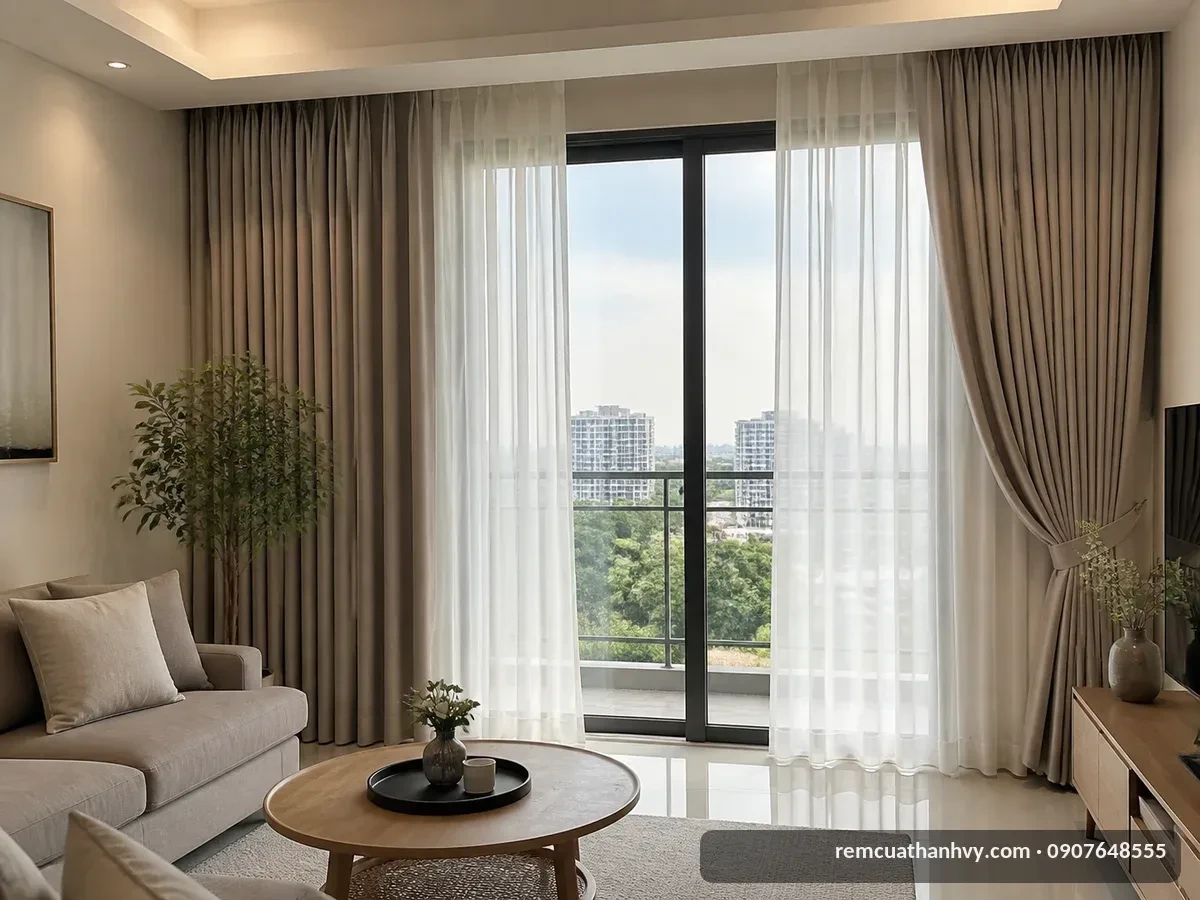
Not every space in the house should apply the same linen curtain selection formula. The living room of an apartment or townhouse in District 1 usually needs to balance natural daytime light and a friendly feel when hosting guests. Linen performs quite well here by maintaining gentle light without making the living room gloomy, especially suitable when paired with wooden furniture, neutral color tones, or the popular minimalist style.
The bedroom is another story. If you only need a gentle resting space, accepting softly filtered light in the morning, a single-layer linen still meets needs well. But if you need to sleep in near-complete darkness or are very sensitive to light, you should thoroughly discuss the plan of adding an inner blackout layer, instead of just using standalone linen and then being disappointed that the room is still brighter than expected.
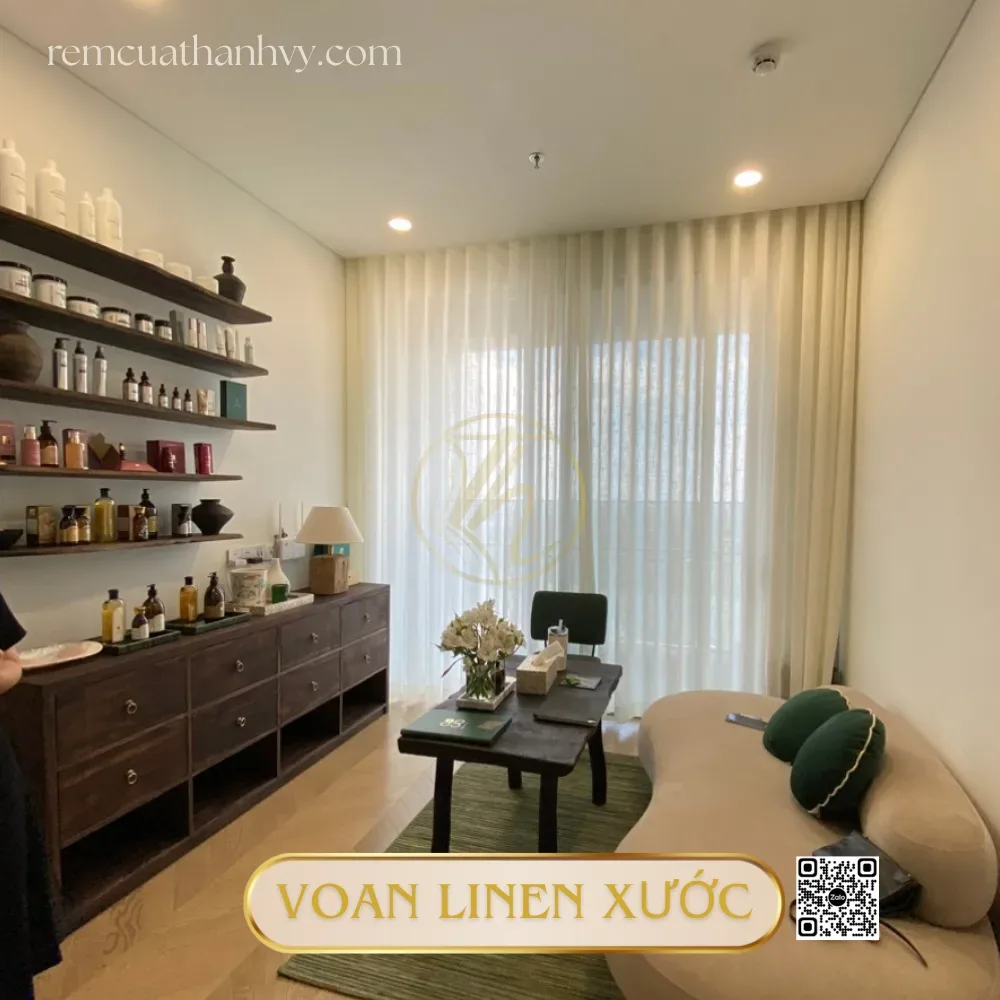
For balconies or areas near large glass doors, besides aesthetics, you need to pay attention to moisture resistance and the frequency of exposure to sun and wind if there is no proper roof shelter. Some linen lines blended with other fibers to increase durability and stabilize fabric folds in semi-outdoor usage conditions will be more suitable than original linen. This is a detail you should ask the tailoring unit about clearly before choosing, to avoid the fabric degrading faster than expected.
Preliminary survey measurement process and checklist before finalizing
Before ordering a set of linen curtains, the step of surveying the current window condition is just as important as choosing the fabric. For apartments in District 1, where many buildings have different window structures, light wells, or loggias, actual measurements and photos of each window frame provide much more accurate consultation than just verbal descriptions. Information to prepare includes the required width to cover, intended hanging height, clearance space on both sides where curtains will stack when opened, along with overall wide-angle photos of the window frame to clearly see the correlation with surrounding walls, ceilings, and furniture.
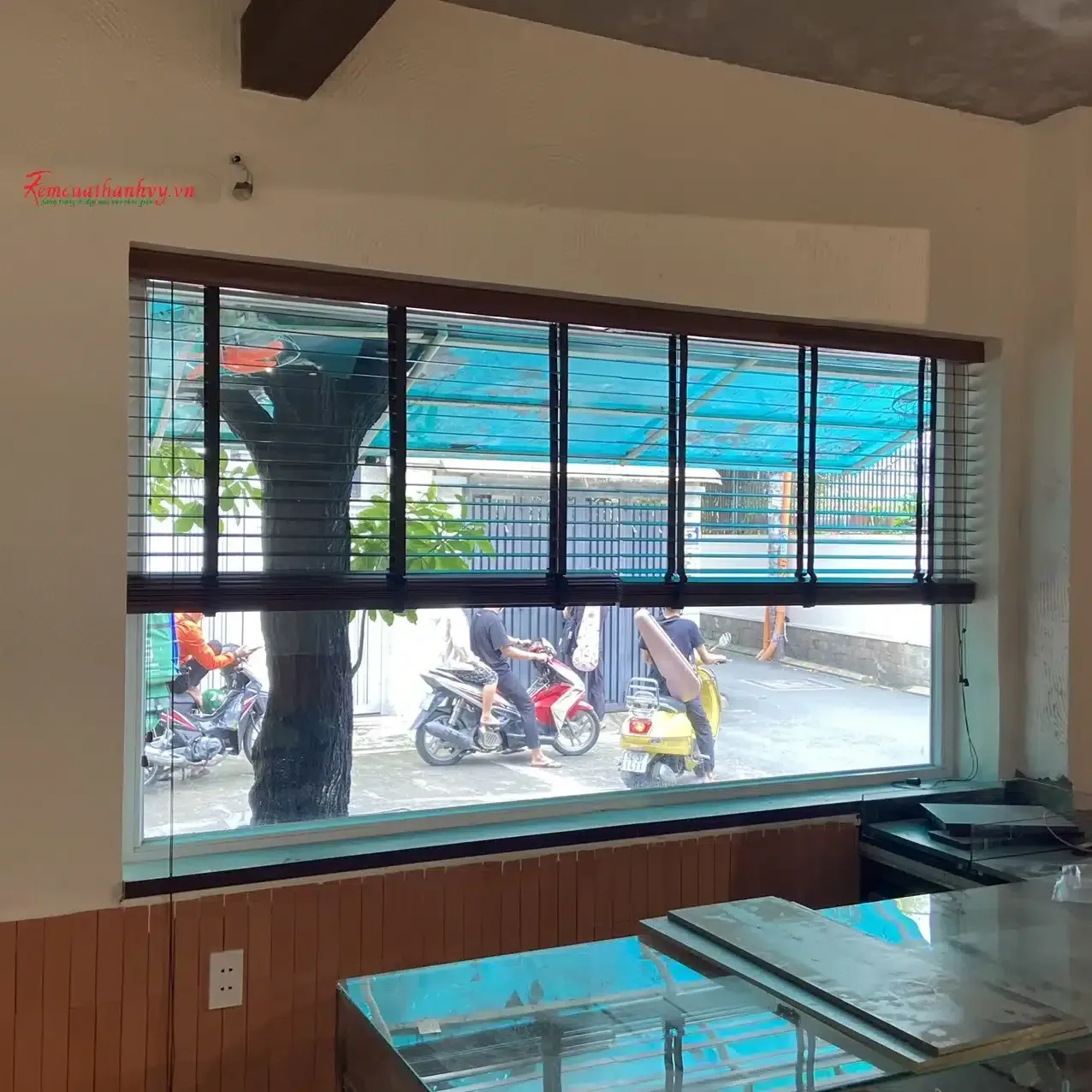
Besides measurements, you should note down obstacles near the window such as air conditioners, cabinets, desks, or old curtains if any, as these details directly affect the appropriate sewing style and hanging method. For multi-story townhouses, you should survey each floor separately, because the sun orientation and light on each floor can differ significantly even in the same house.
Before finalizing the final plan, you should review a short checklist: is the main goal to soften light or is extra nighttime privacy needed, has the fabric color been viewed under the room’s real light, are the sewing style and hanging method suitable for surrounding obstacles, and will the stacked curtain portion upon opening affect daily living activities?
Notes when choosing an on-site linen curtain tailoring unit in District 1
Given the central area’s characteristic of having many housing types, from high-rise apartments to narrow street-facing townhouses, choosing a unit with experience in on-site surveying and tailoring will make the linen curtain installation process smoother. A professionally working unit will proactively ask about sun orientation, usage habits, and actual obstacles before offering a plan, instead of just relying on a ready-made sample to pitch sales.
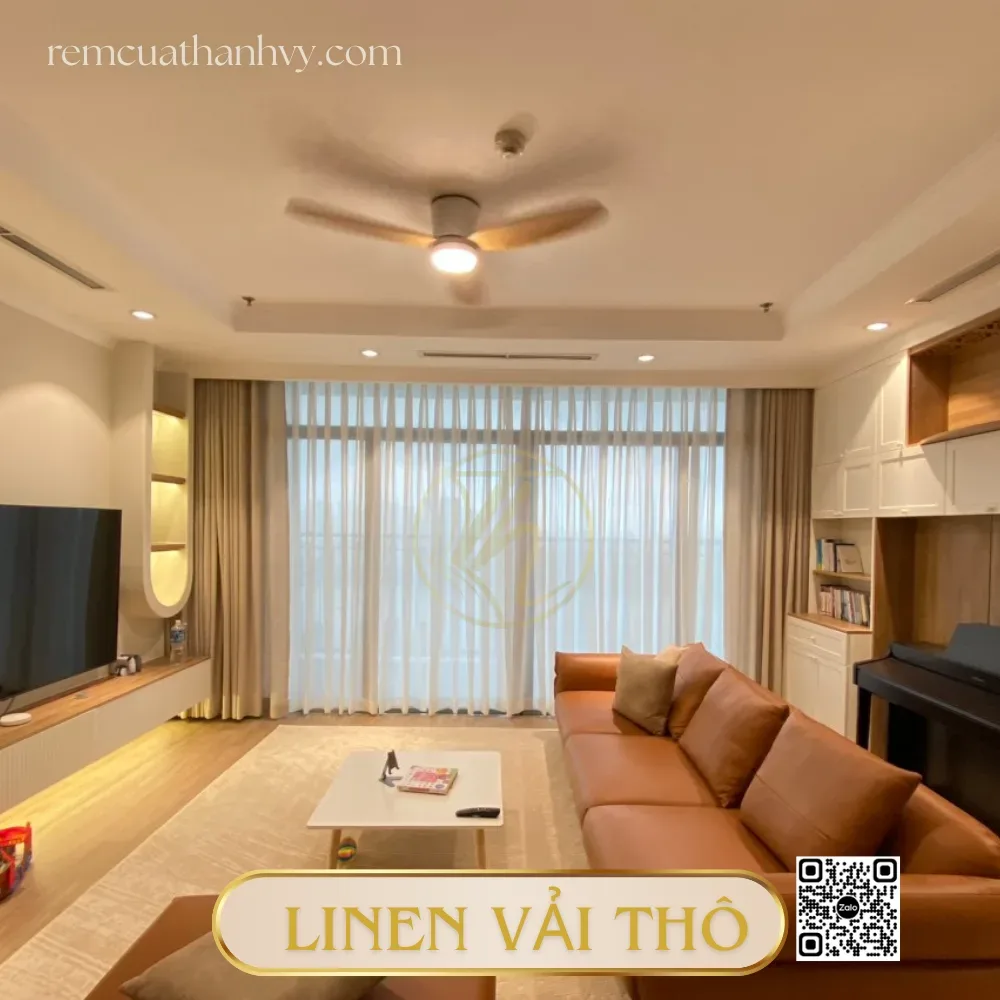
One point to note is to request to view fabric samples directly rather than deciding solely through phone images, because the color and thickness of linen viewed through photos can differ quite a bit from reality, especially neutral shades which are very sensitive to photography lighting. If possible, you should view samples right in your home space or under lighting conditions most similar to the room where they will be installed.
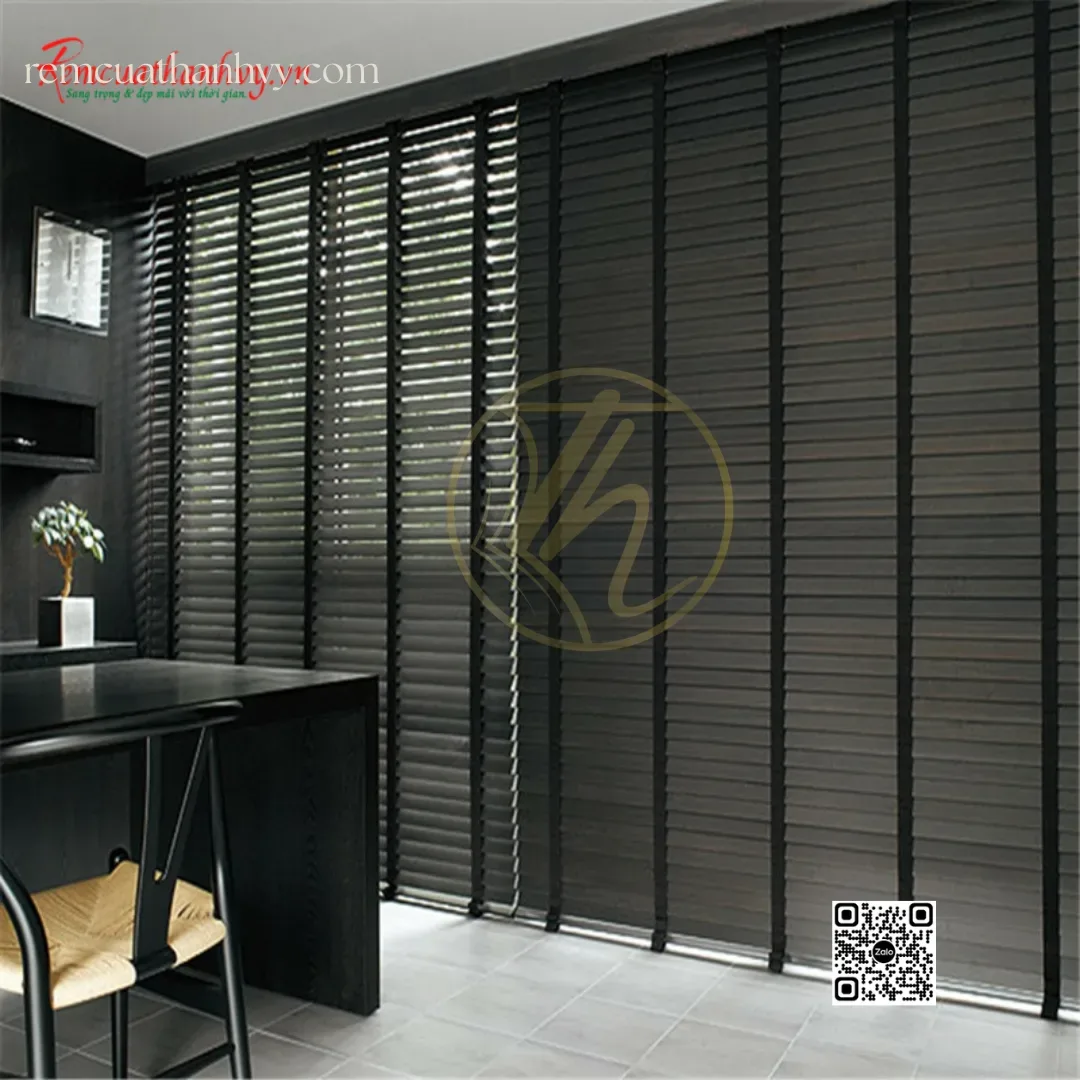
Additionally, you should ask clearly about the actual measurement process and completion time. A clear process with on-site surveying instead of relying solely on customer-provided measurements helps limit discrepancies and avoids unwanted adjustments after the curtains are sewn.
Overall, District 1 linen curtains are a worthwhile option to consider for those who want a living space that is gentle, naturally bright, and close to rustic materials. The true value of the curtain set is only fully unleashed when fabric selection, color choice, sewing style, and window condition surveys are carried out based on the actual conditions of each home, rather than relying solely on intuition or a nice online sample image. You can refer further to the properties of linen fabric to better understand the material part.
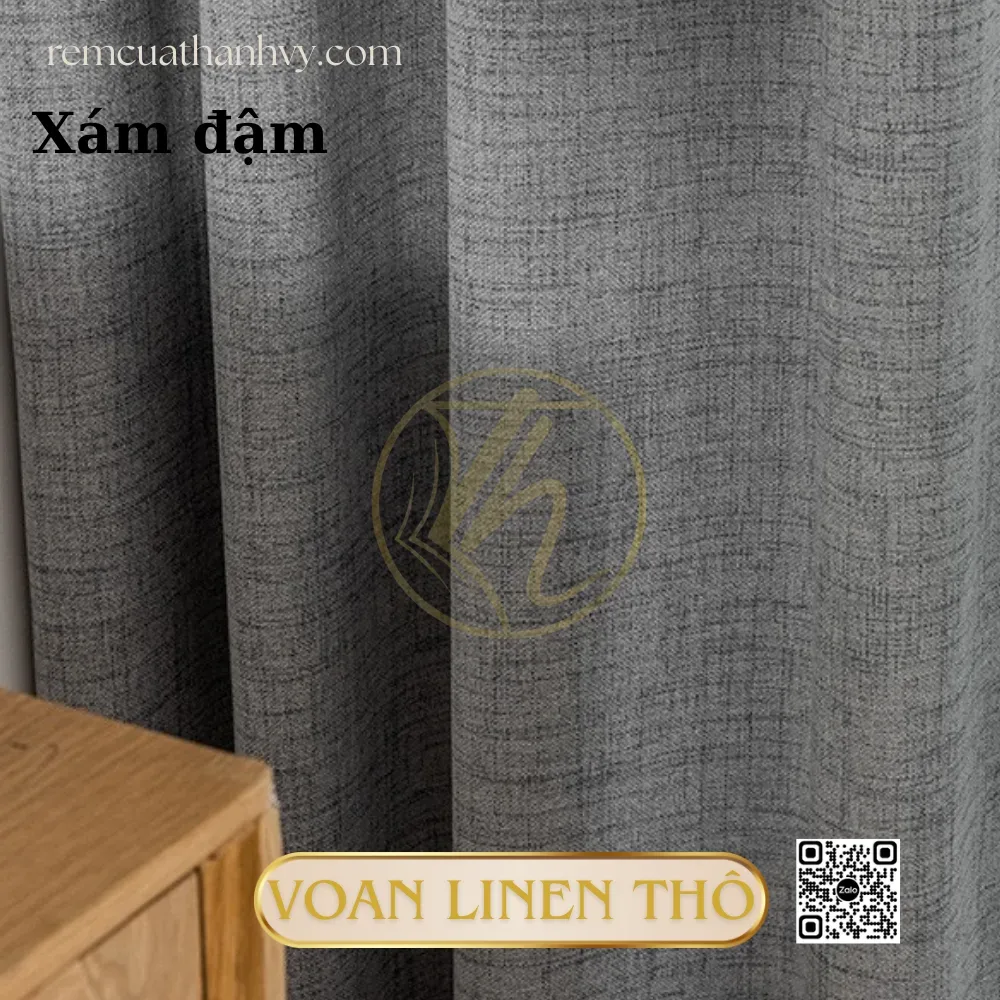
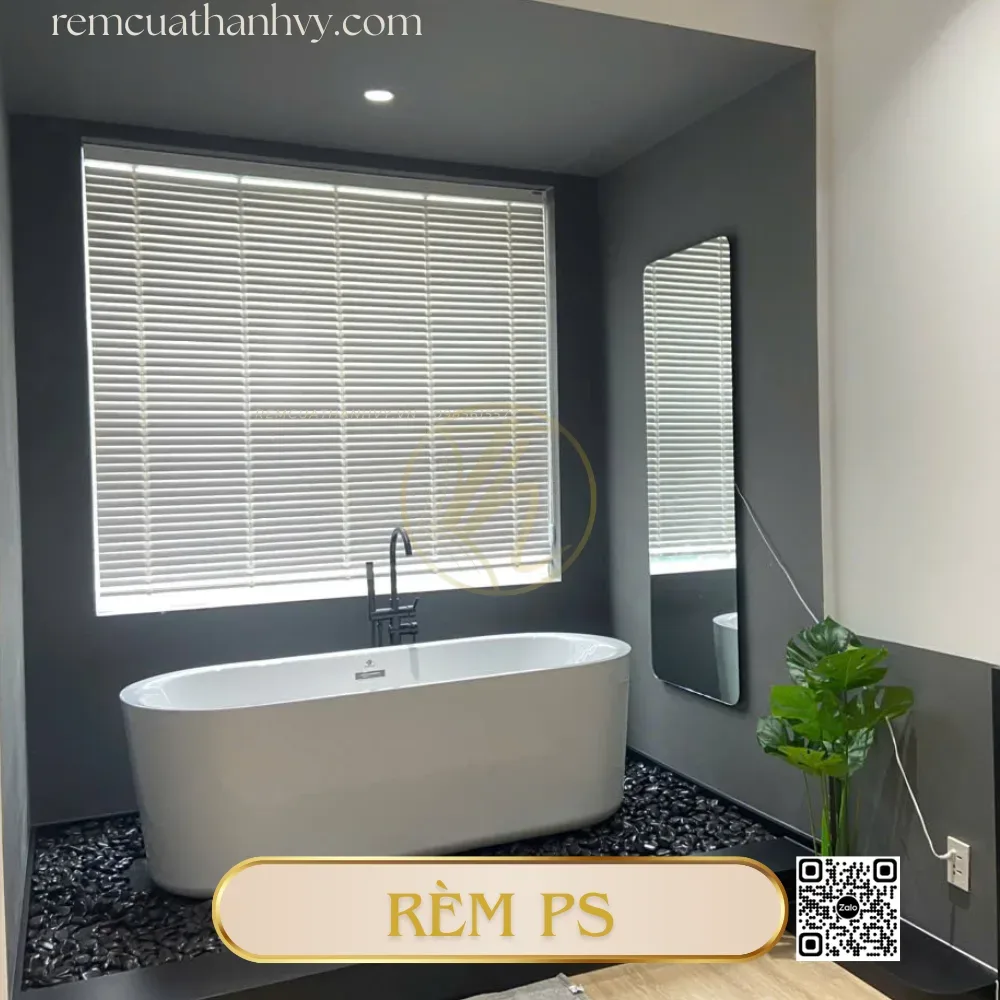
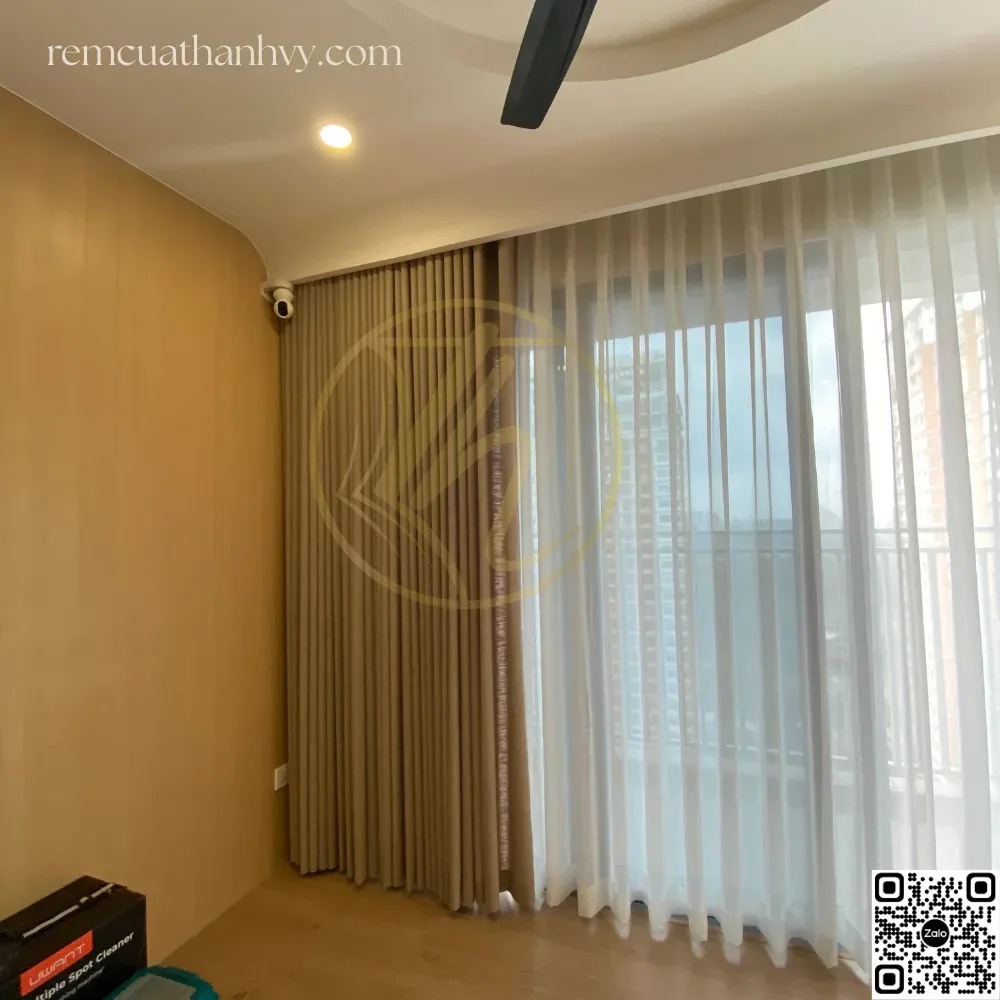
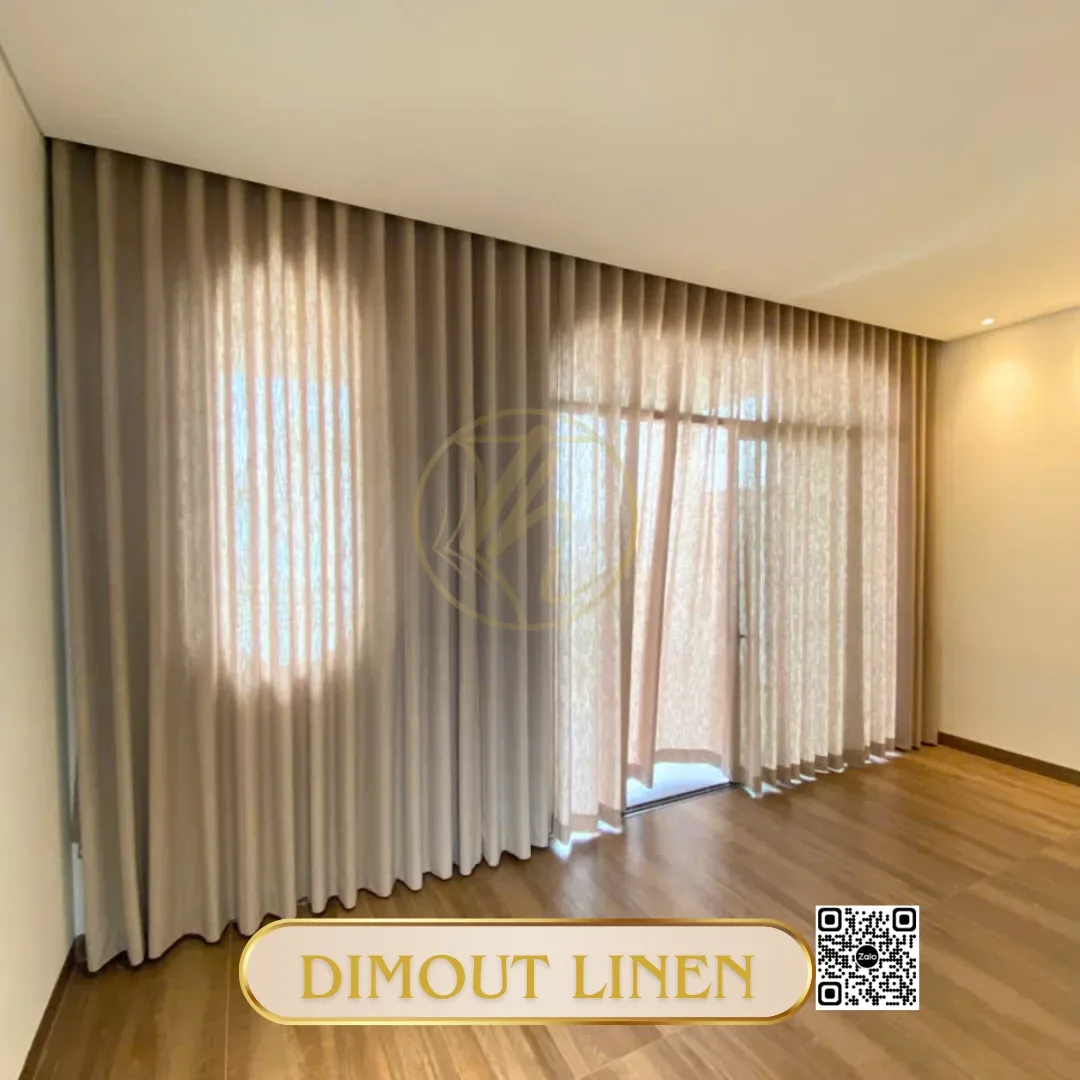
Curtain models to install in District 1
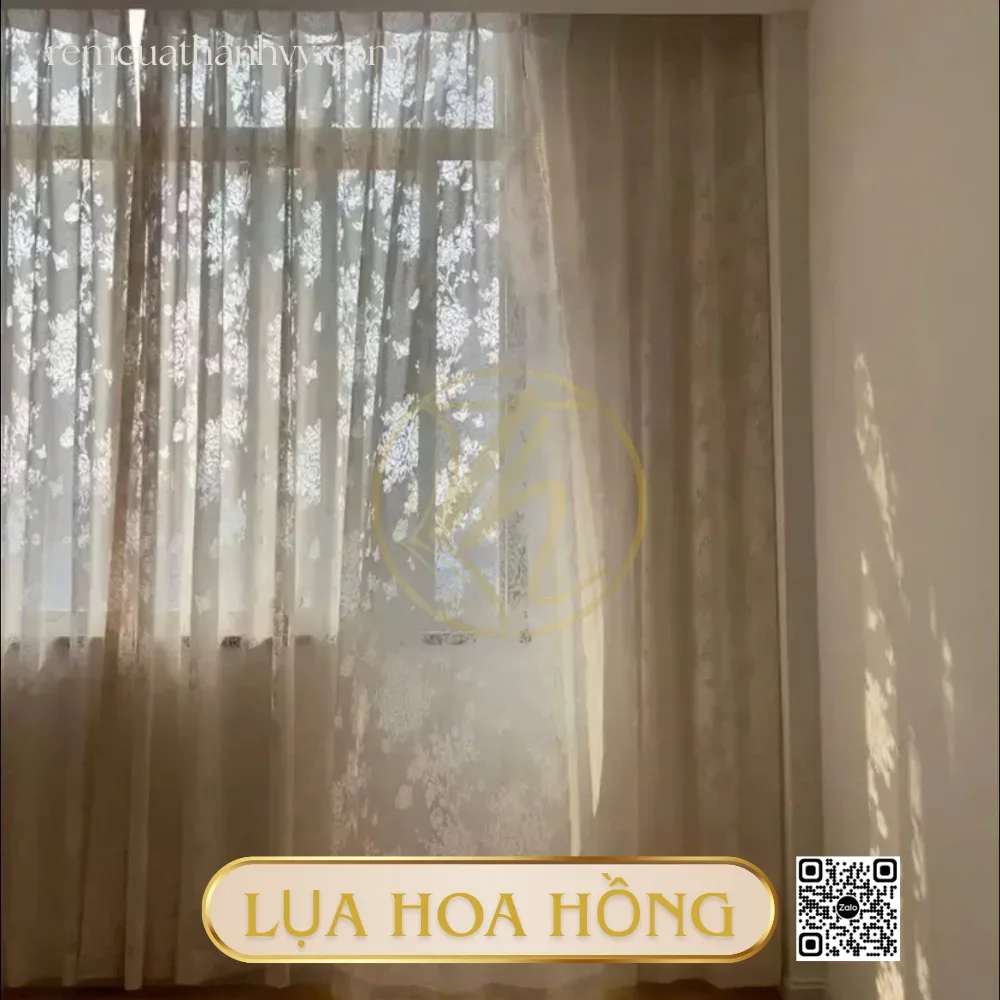
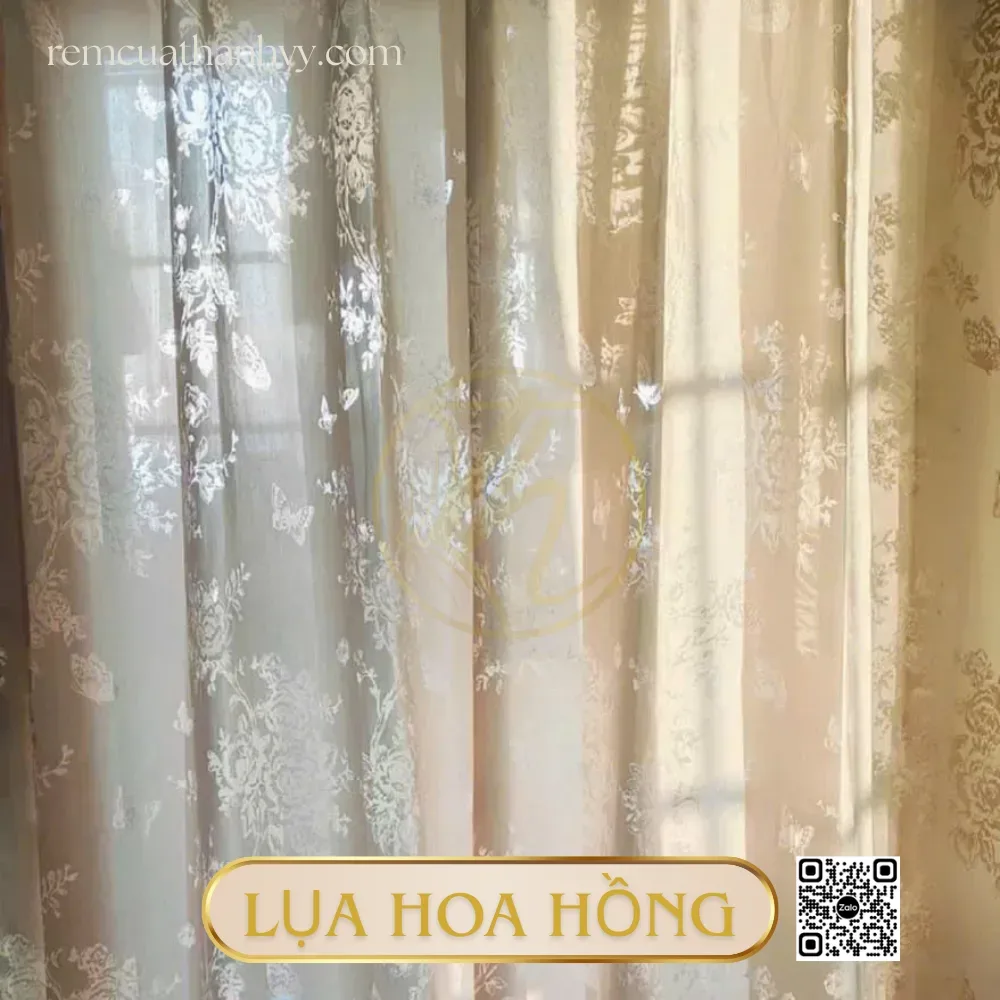
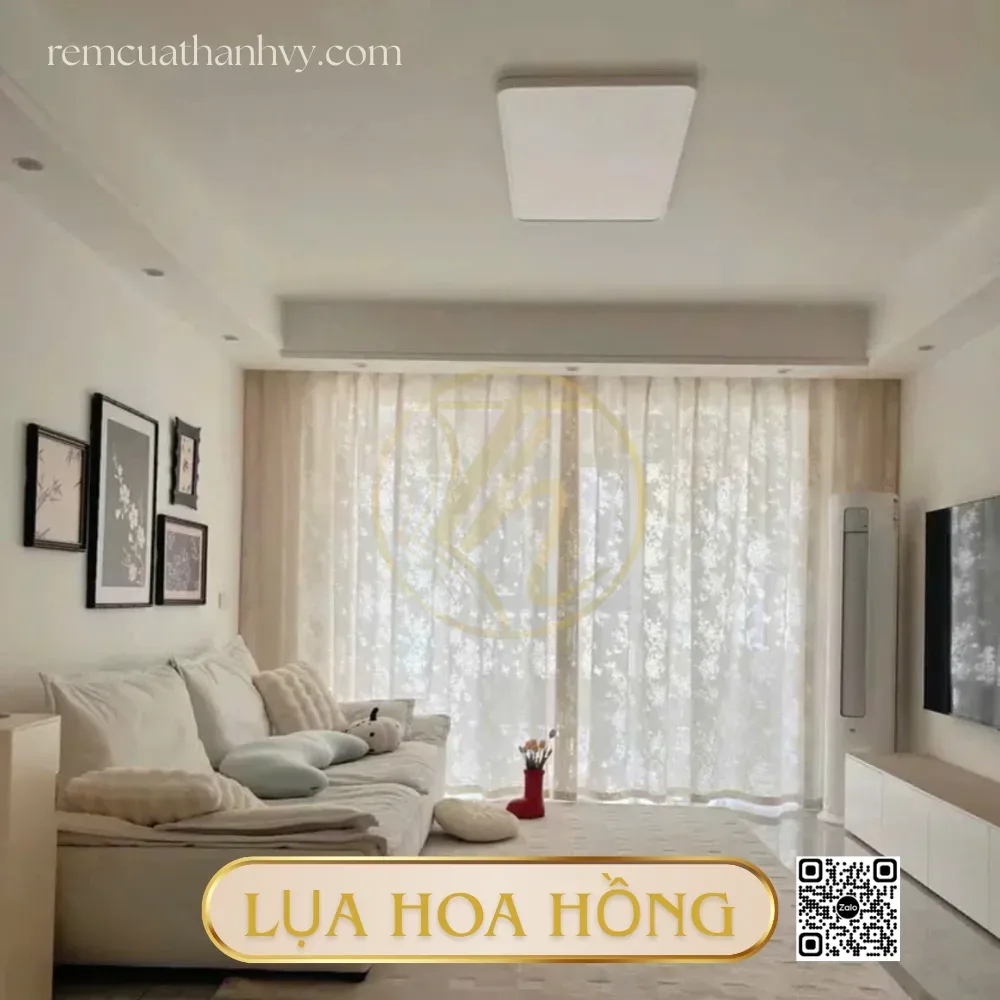
Below are actual product groups currently available at Thanh Vy Curtains, ranked by popular usage demand in the District 1 area.
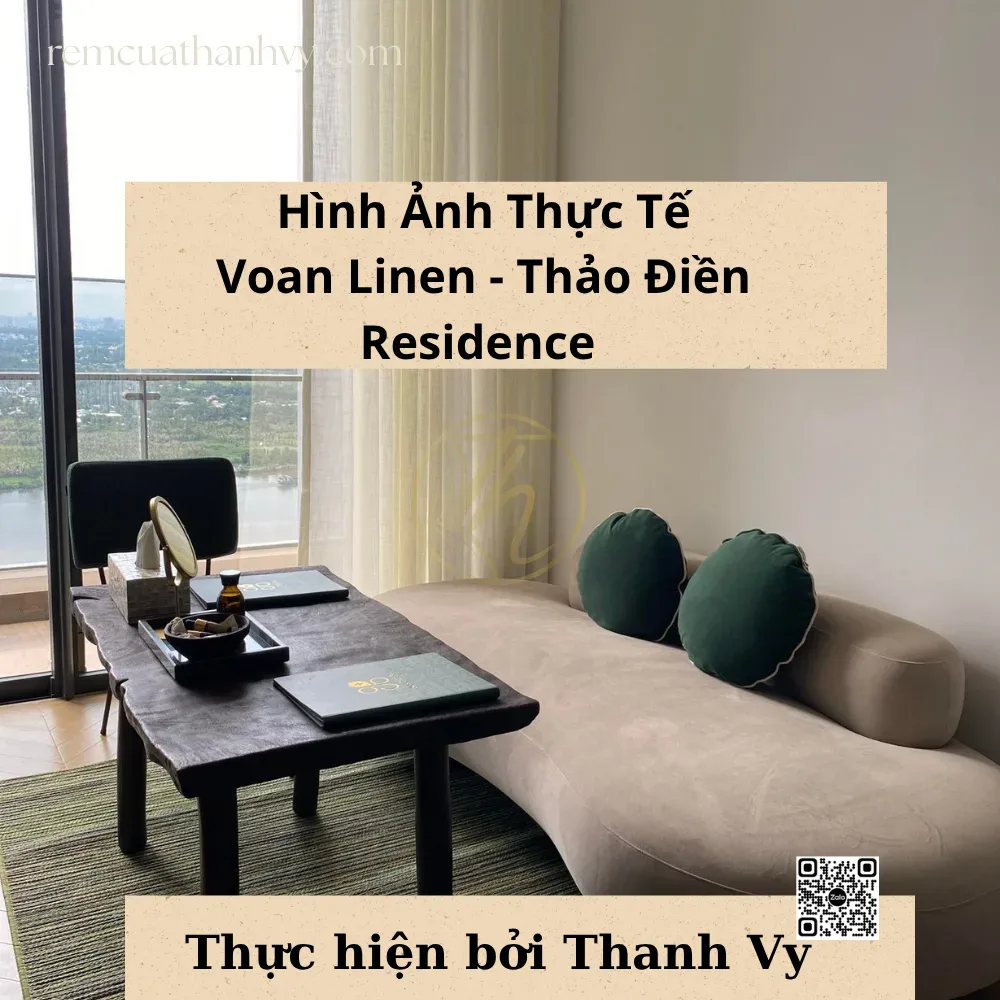
Send your dimensions and needs, and the Thanh Vy Curtains team will advise on options and quote for your actual space.
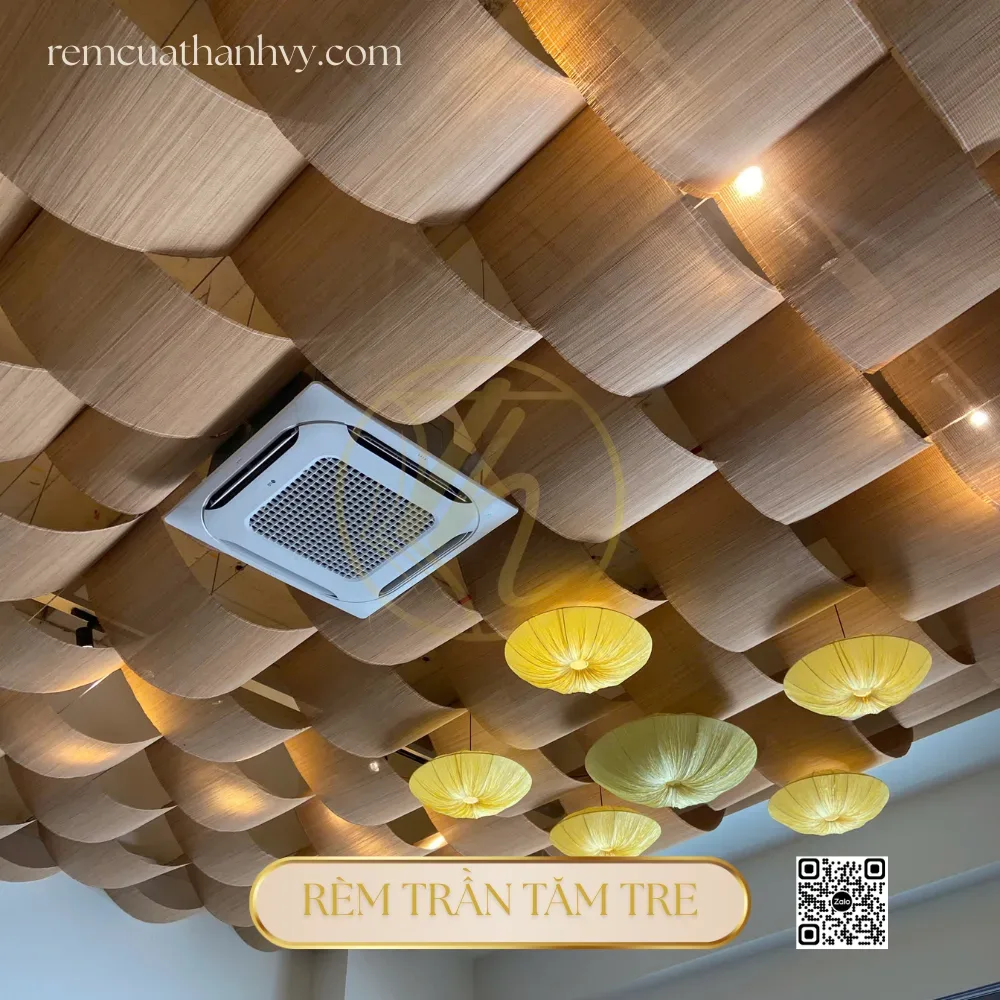
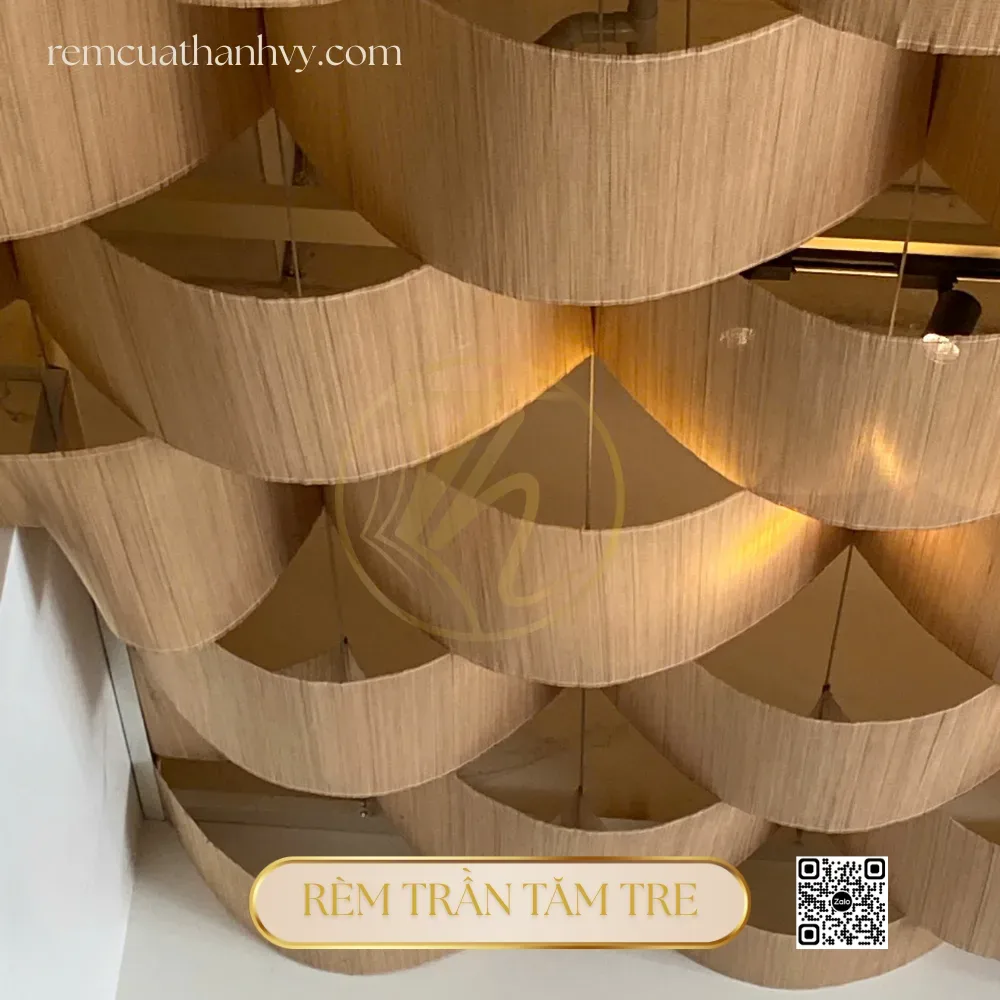
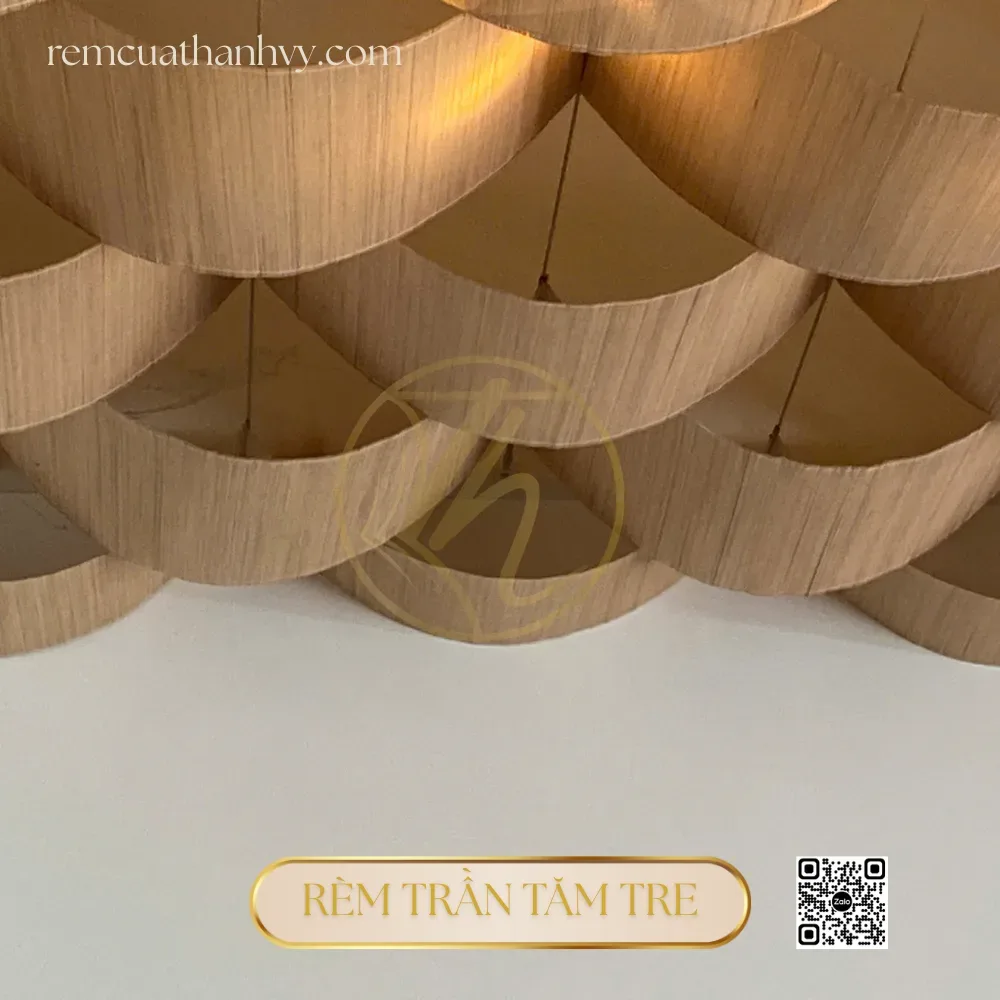
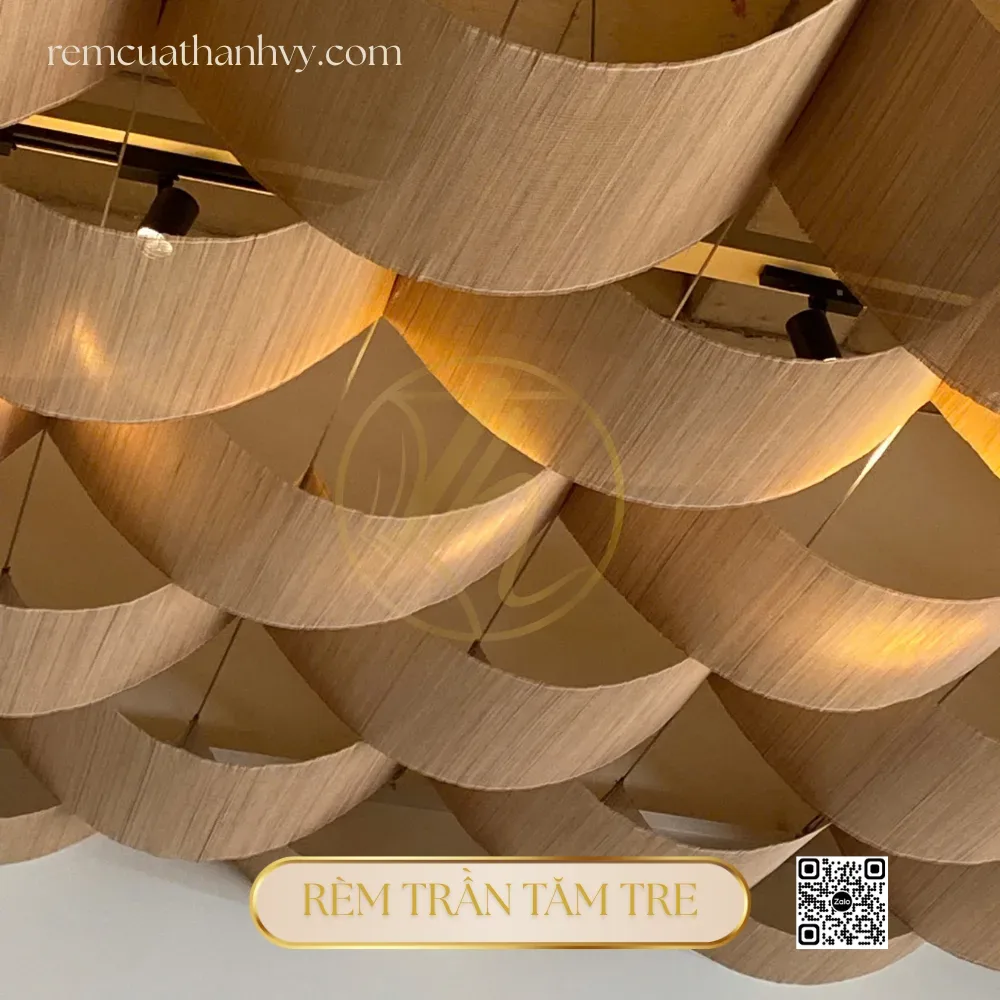
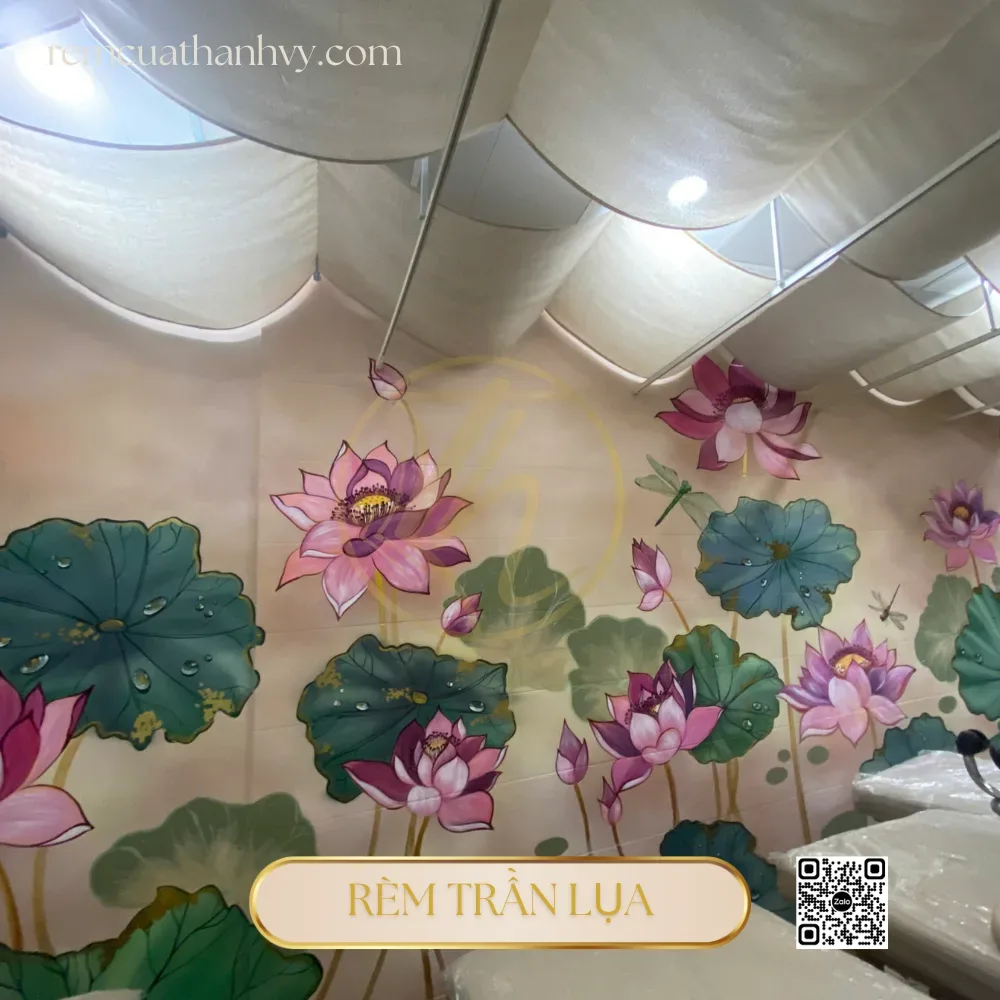
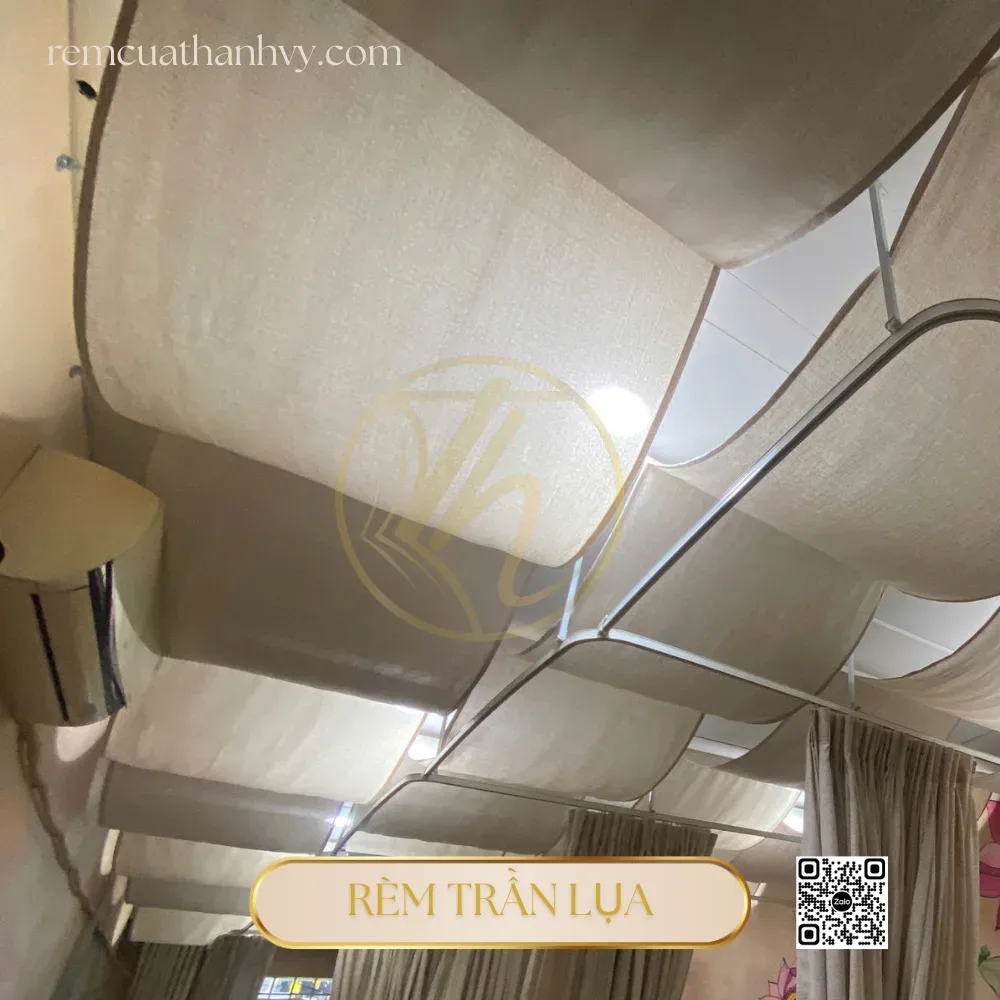
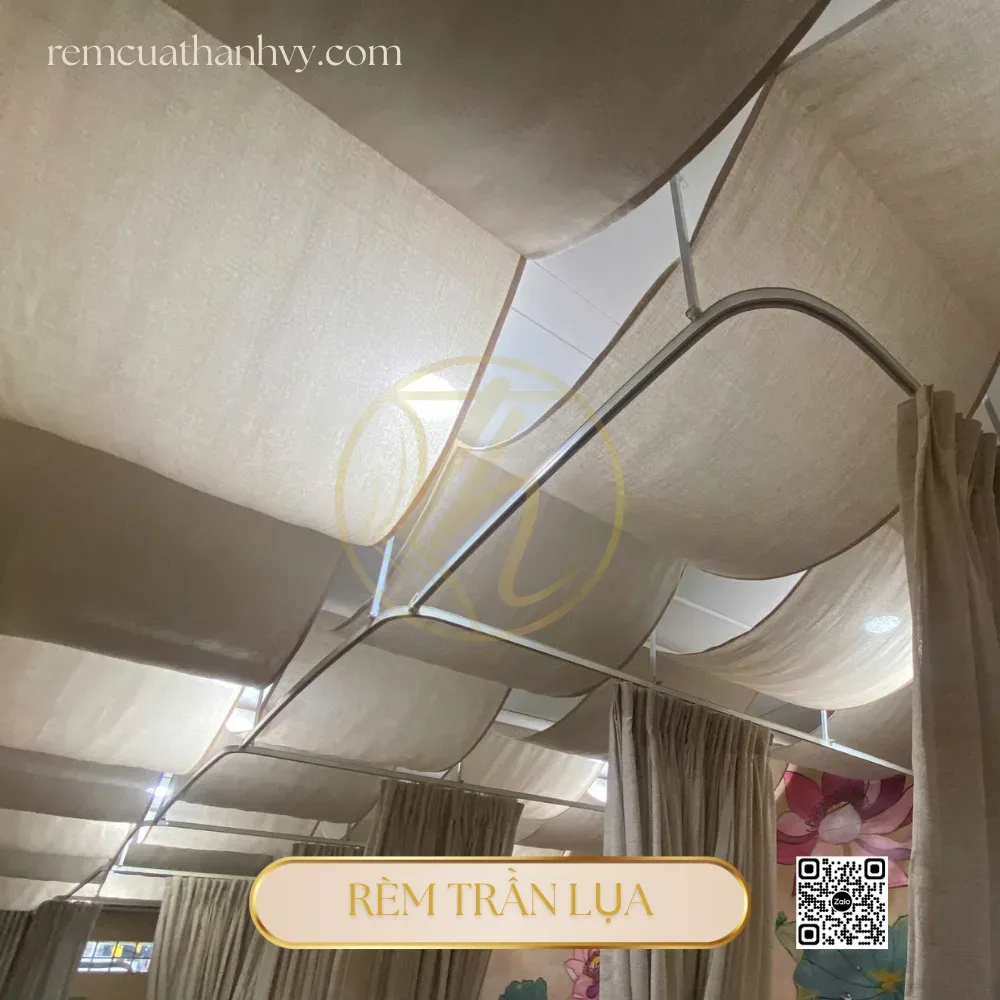
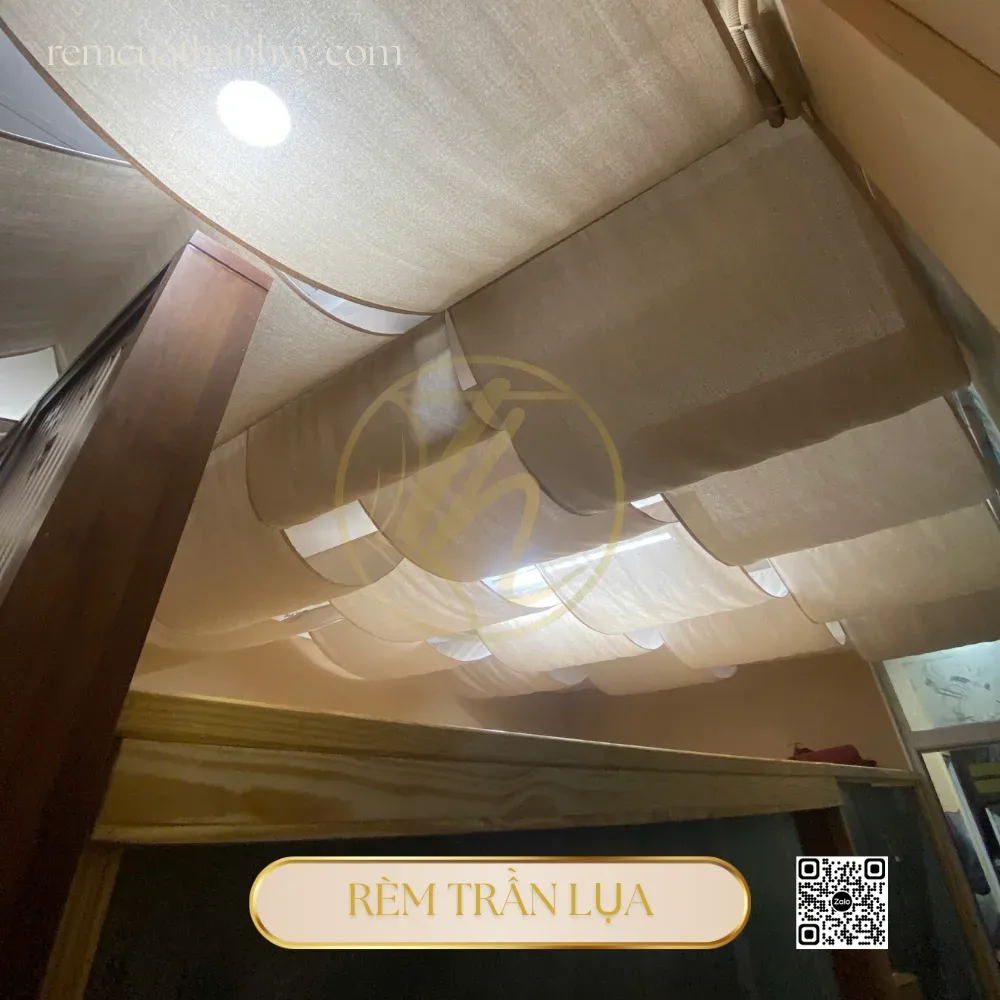
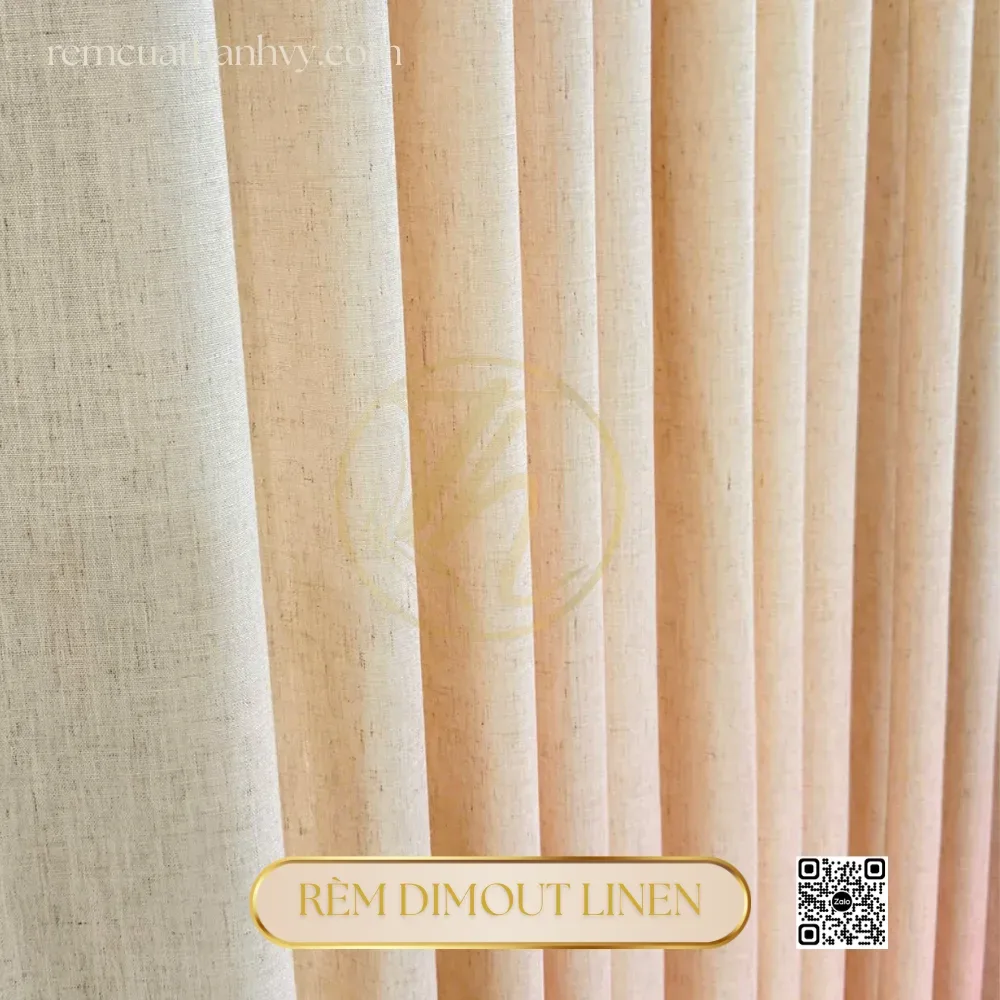
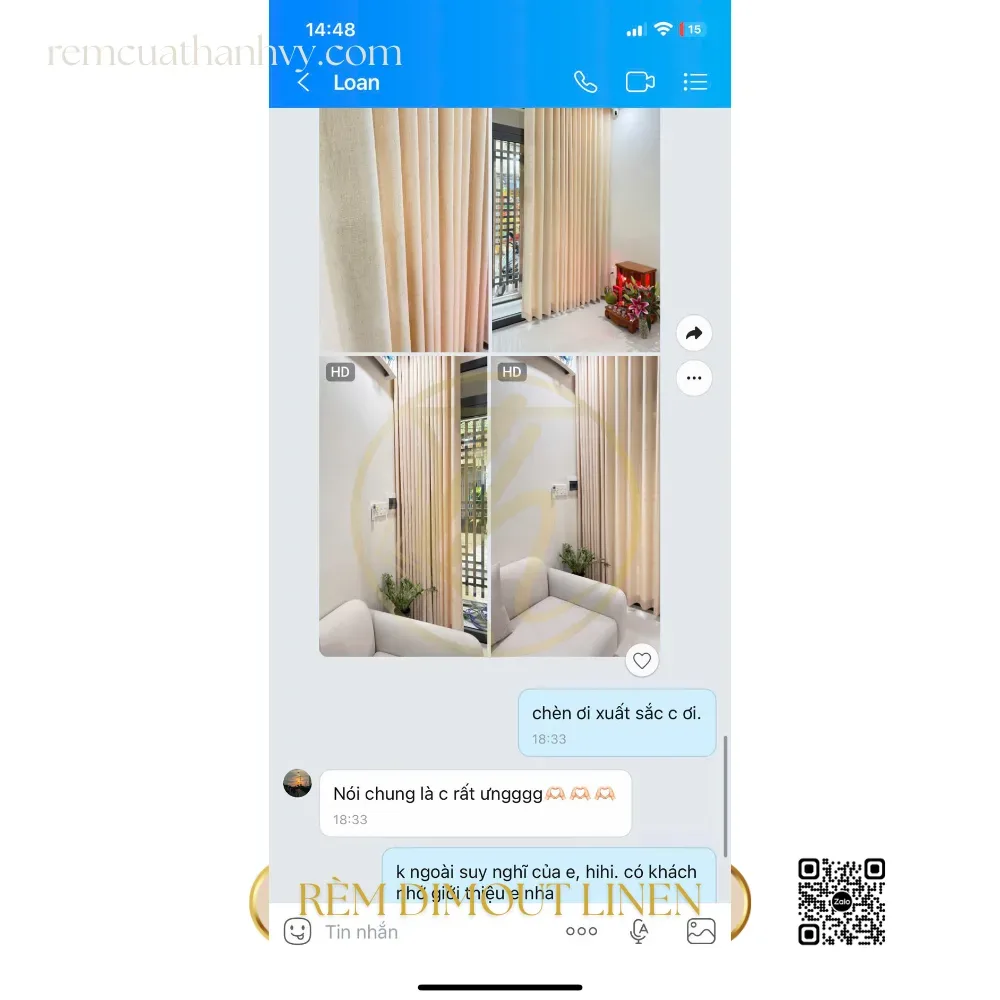
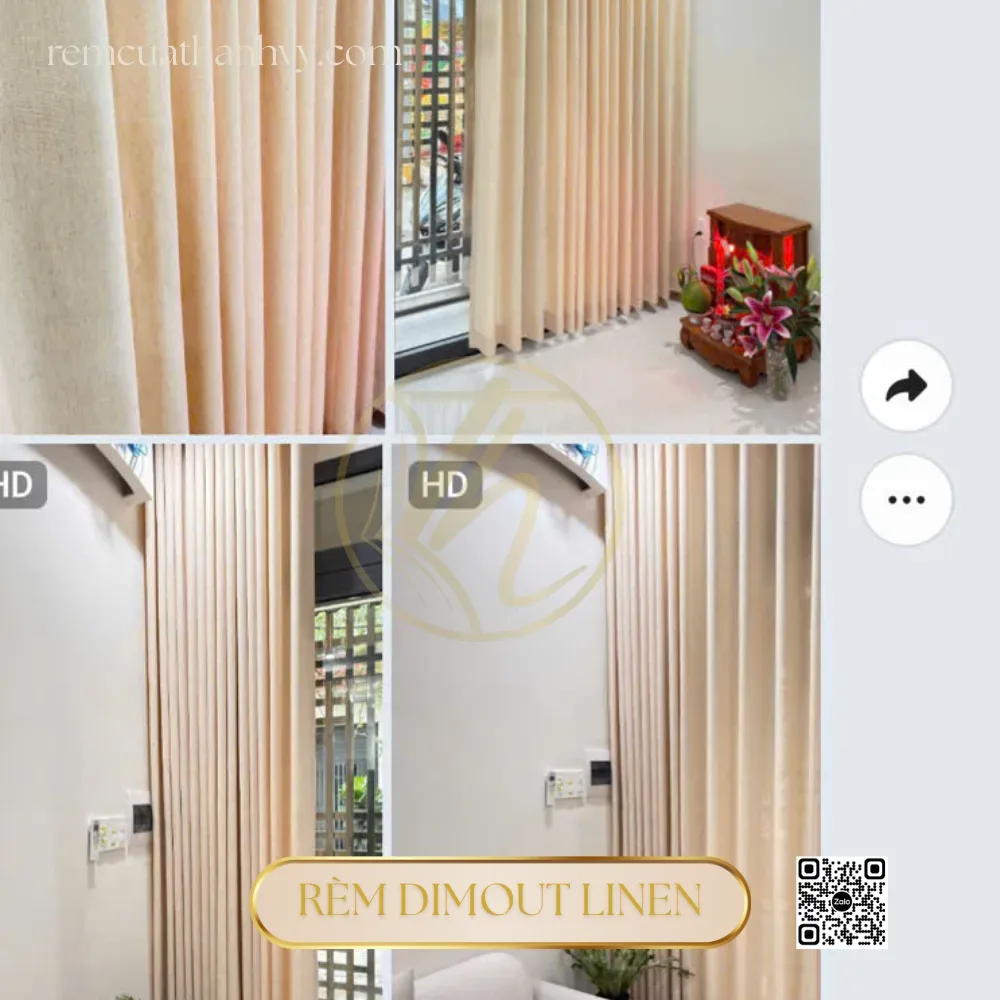
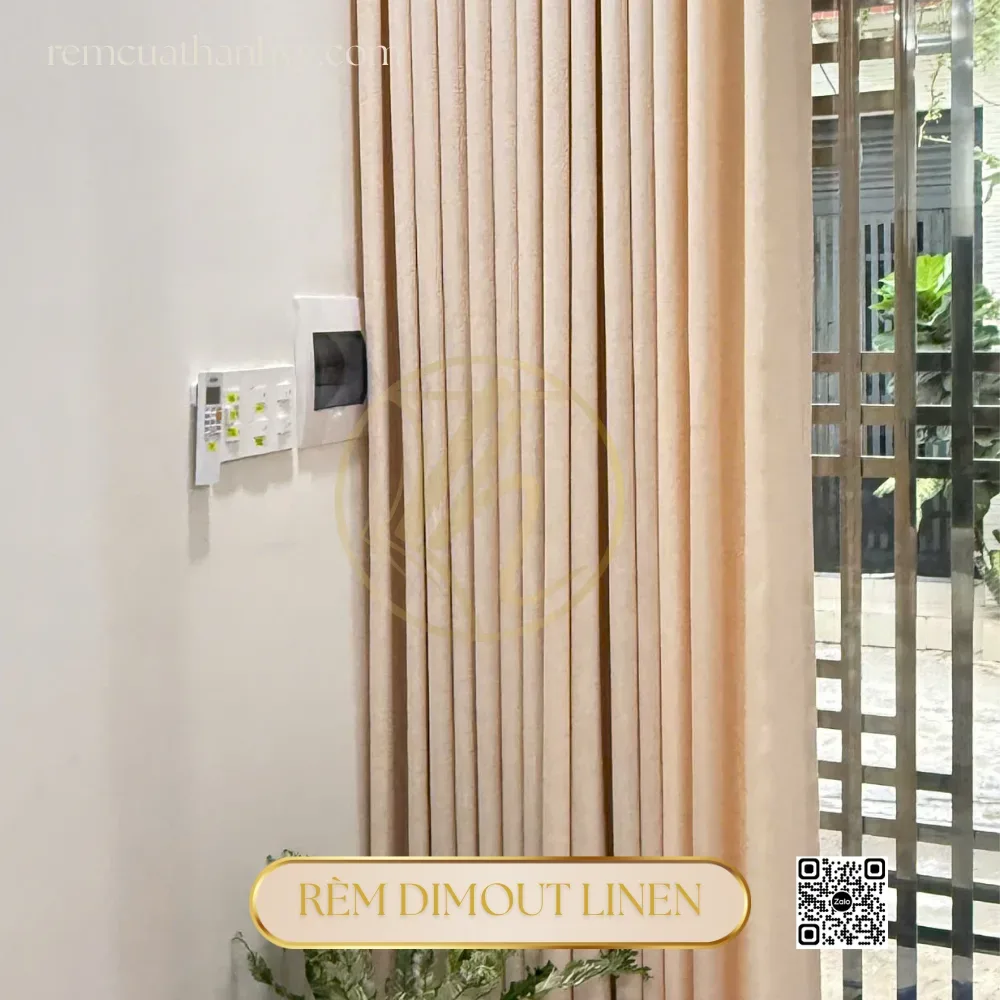
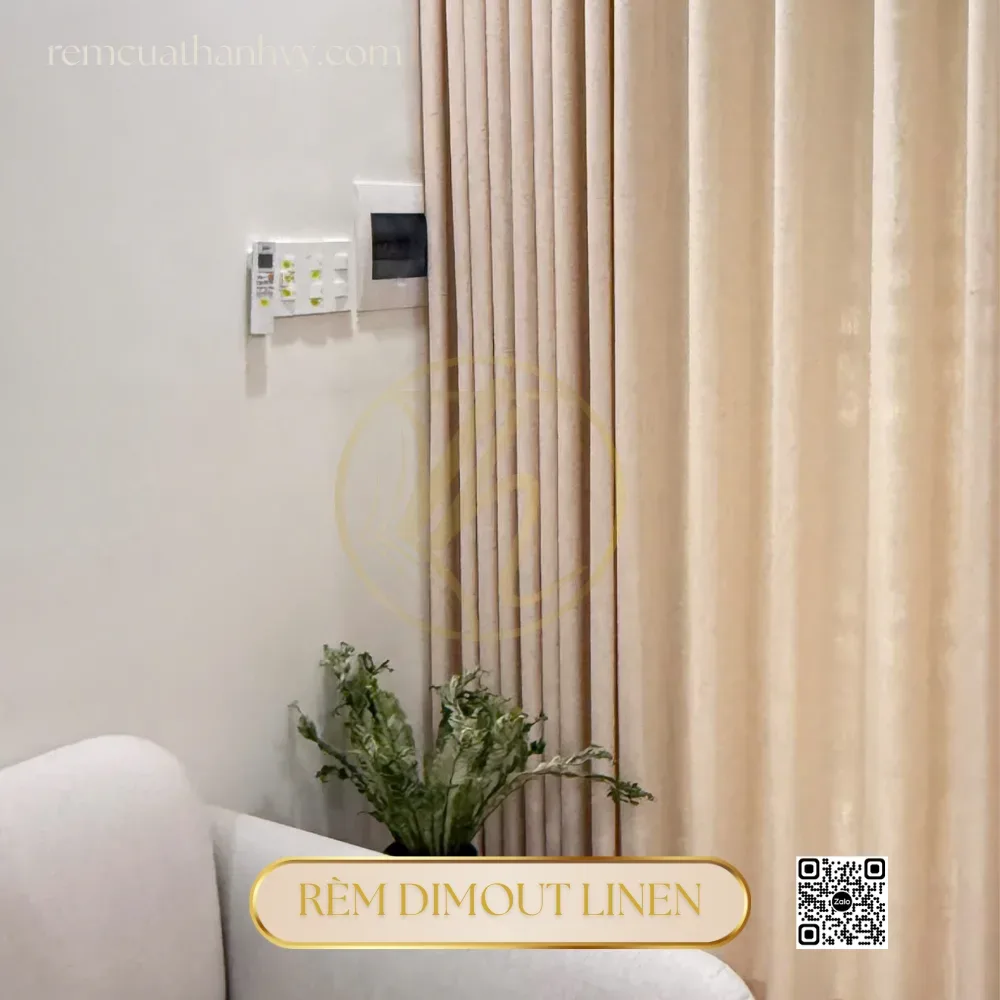
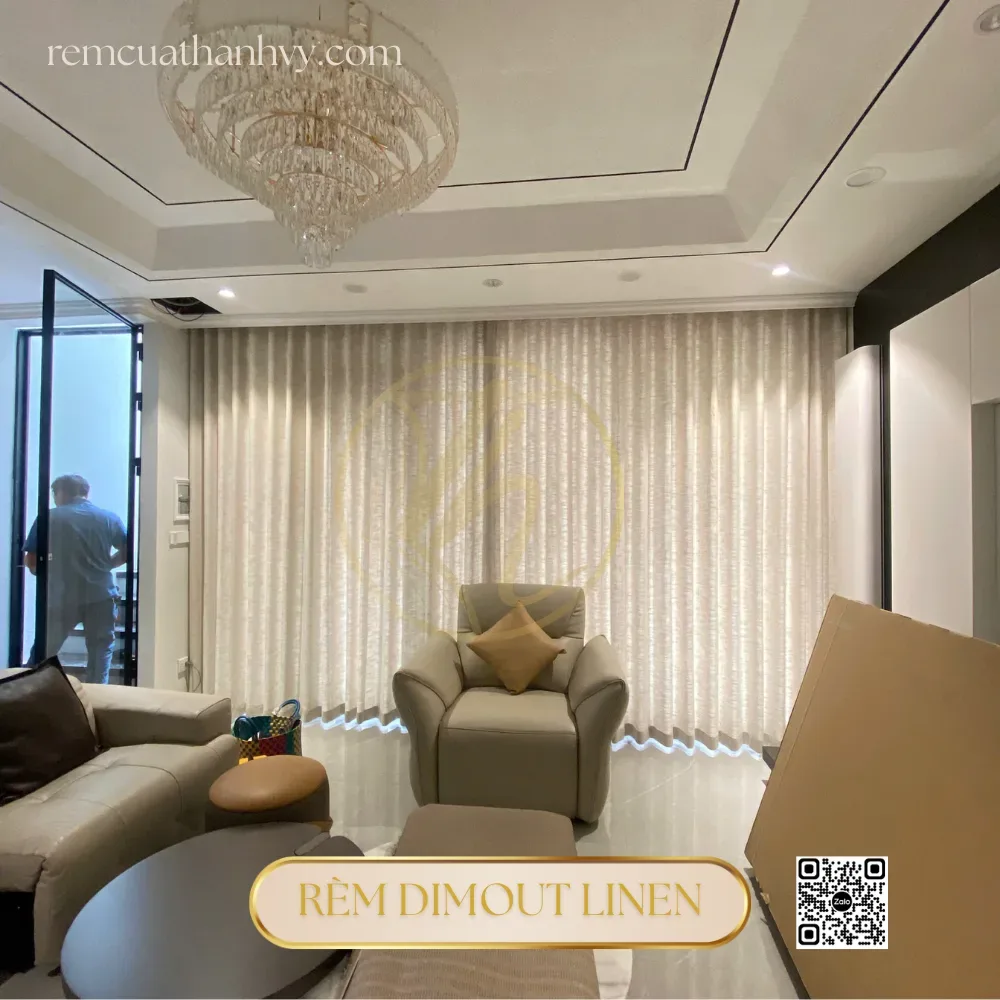
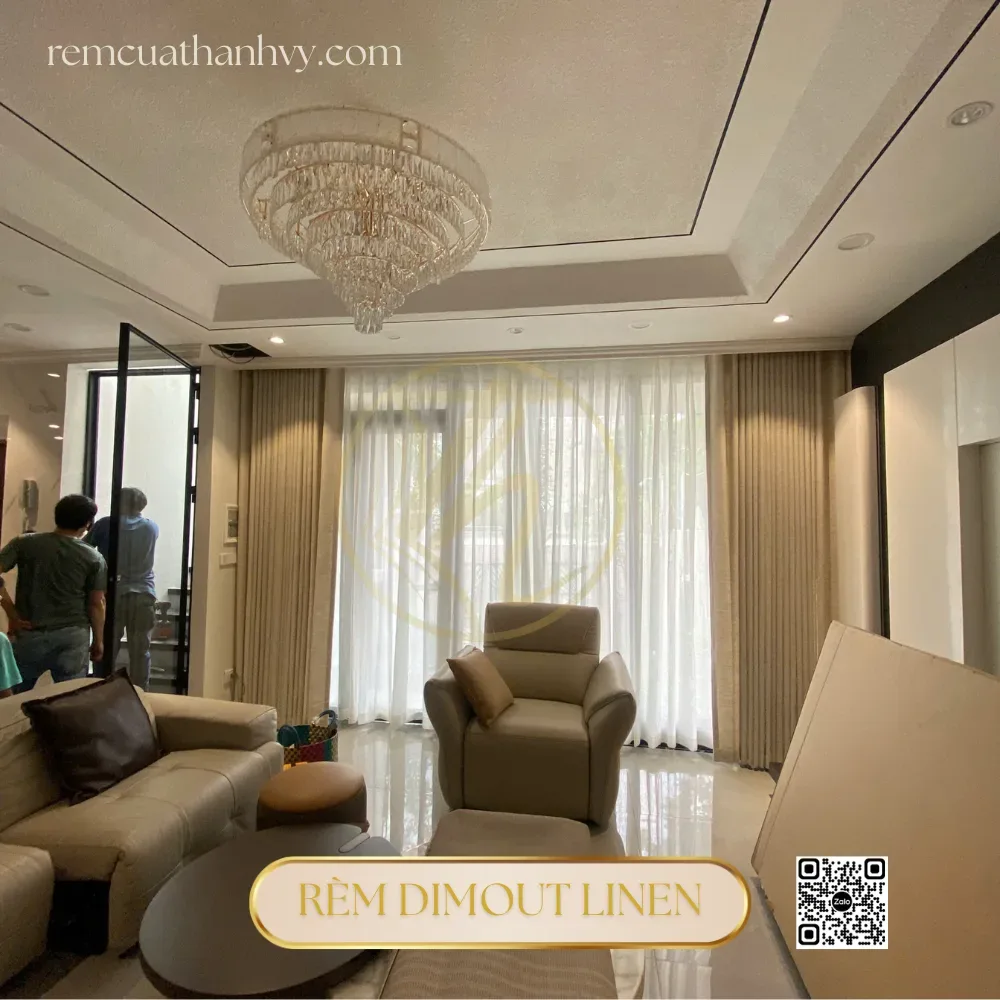
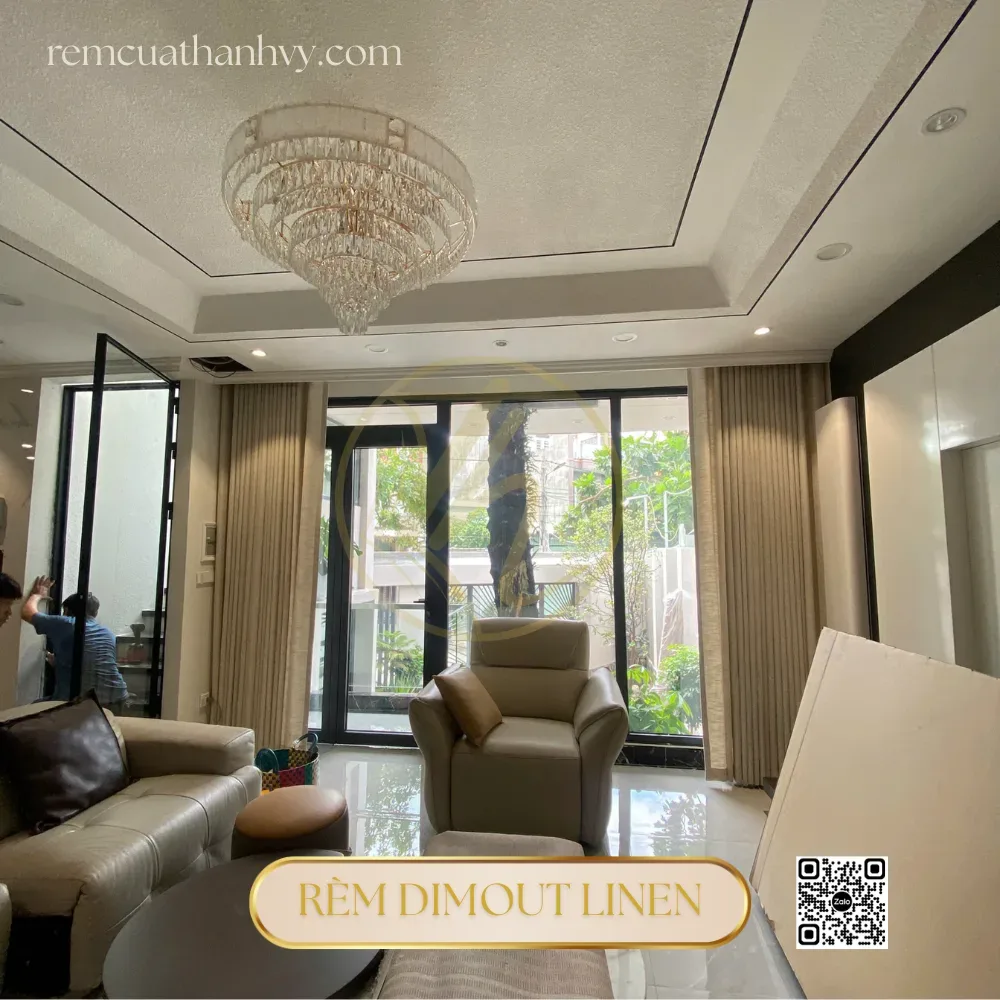
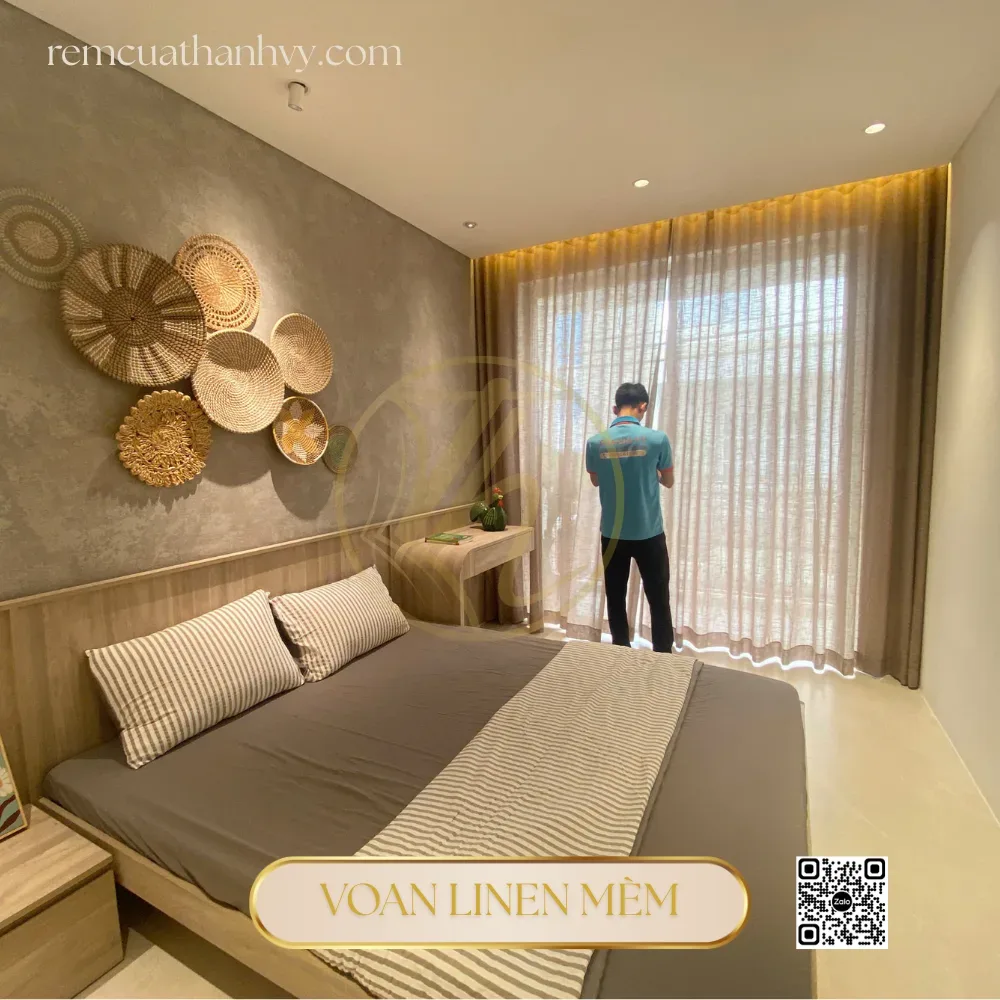
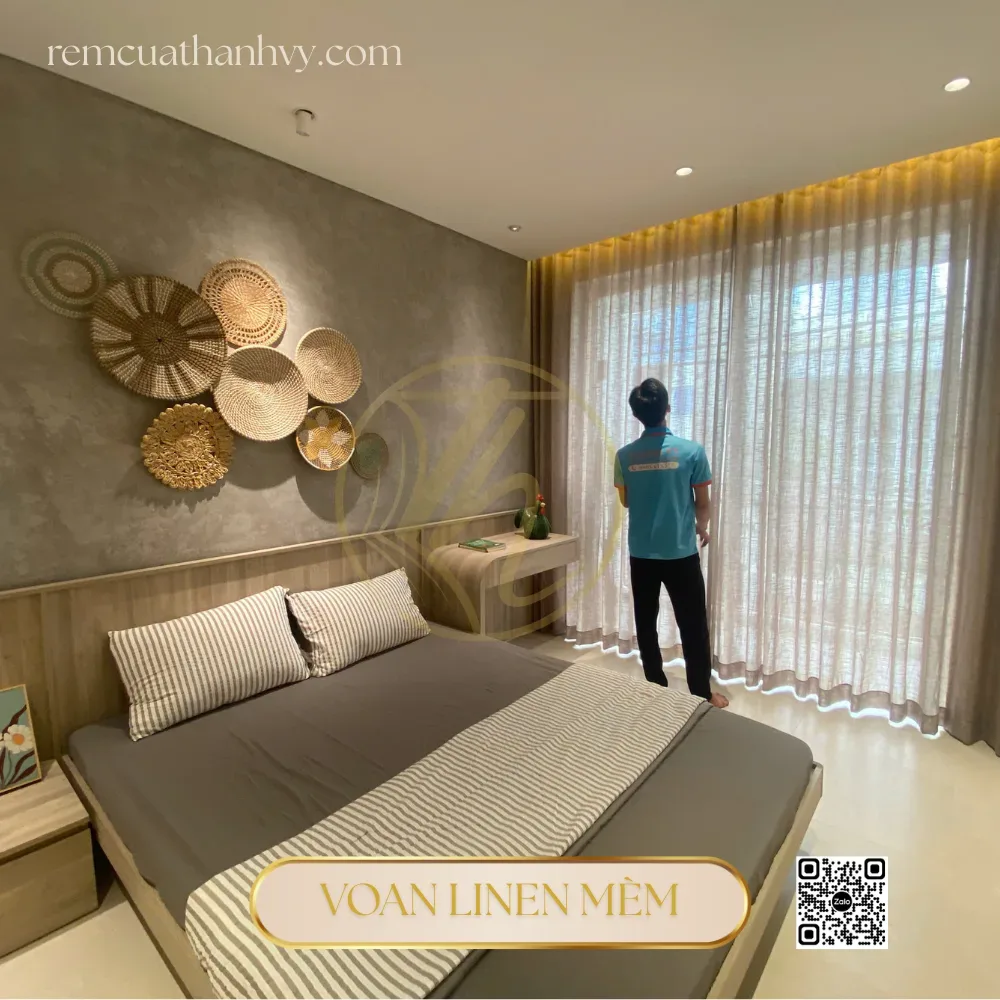
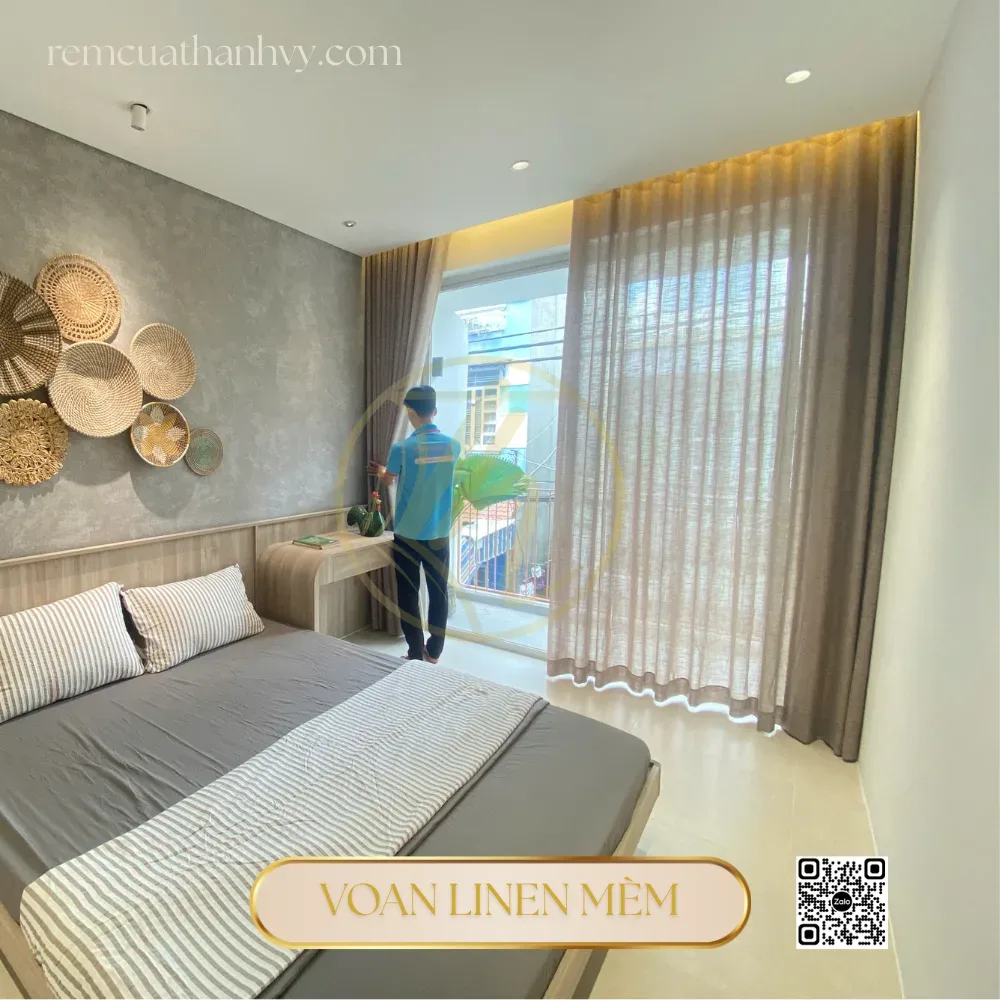
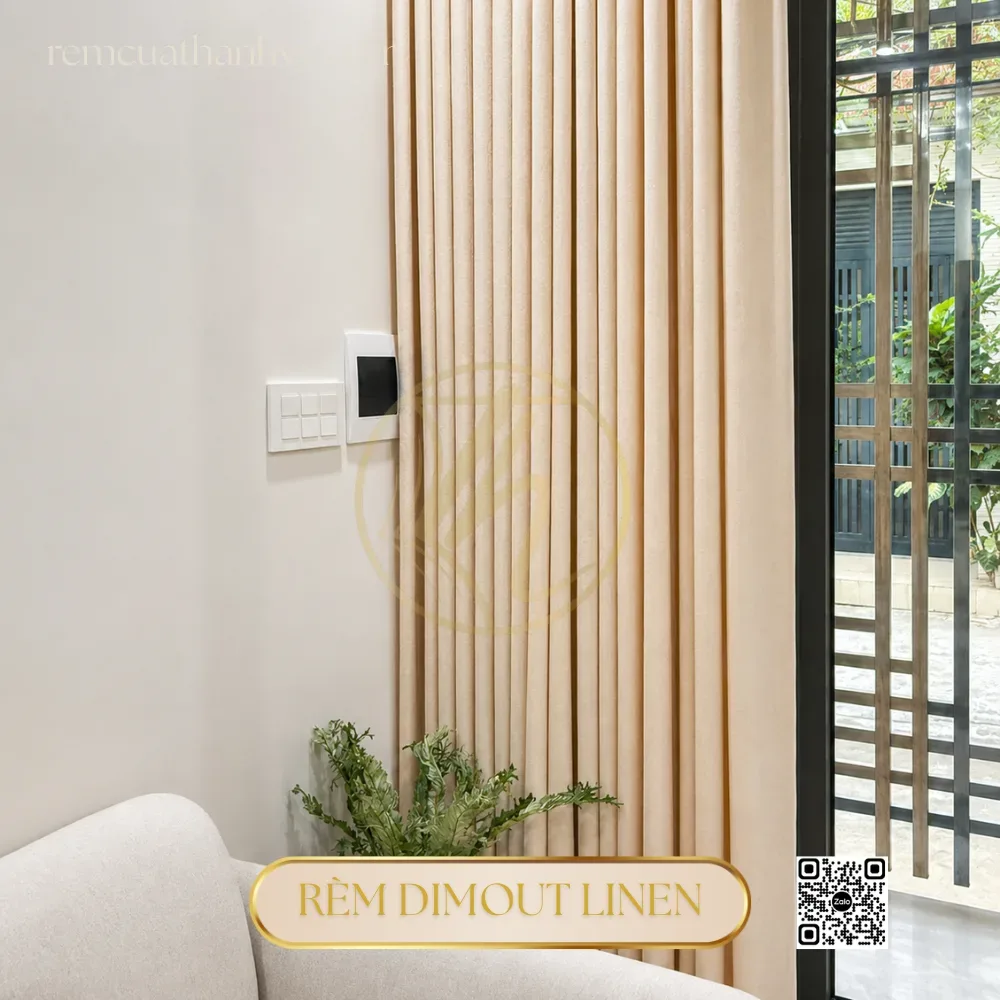
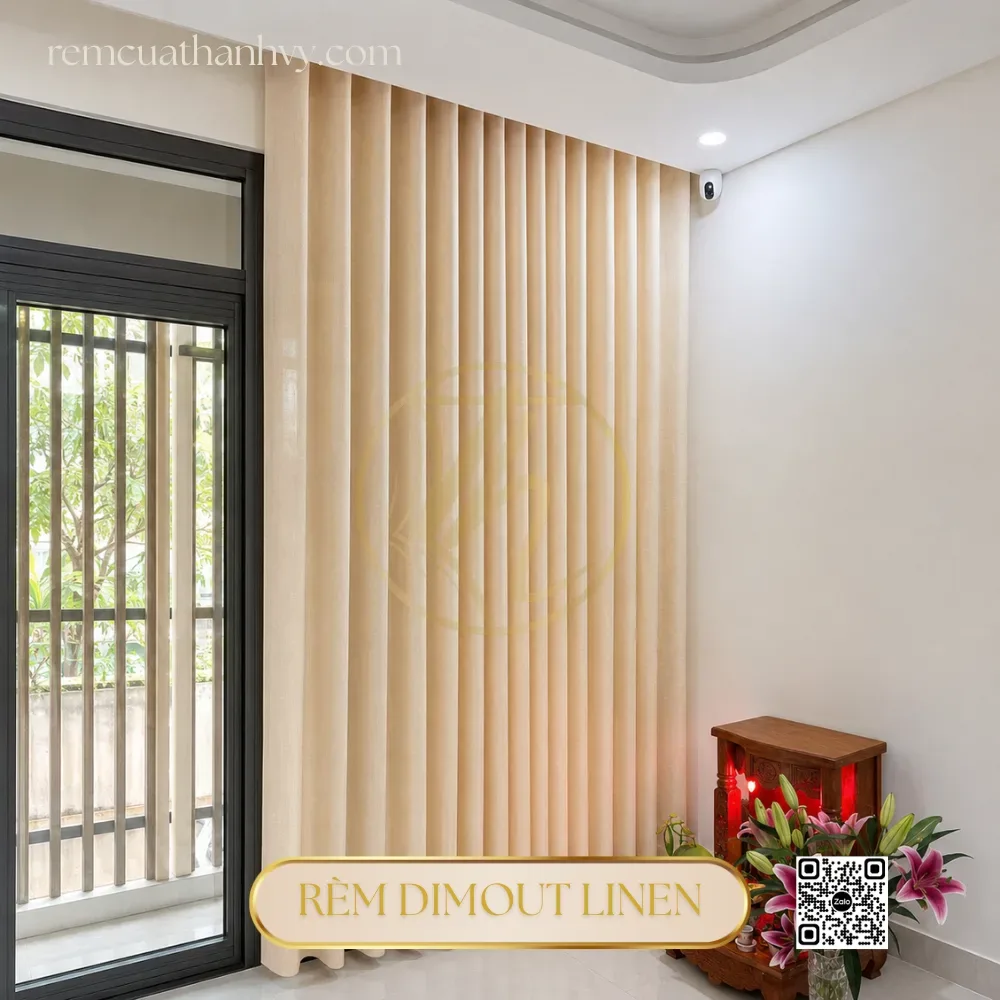
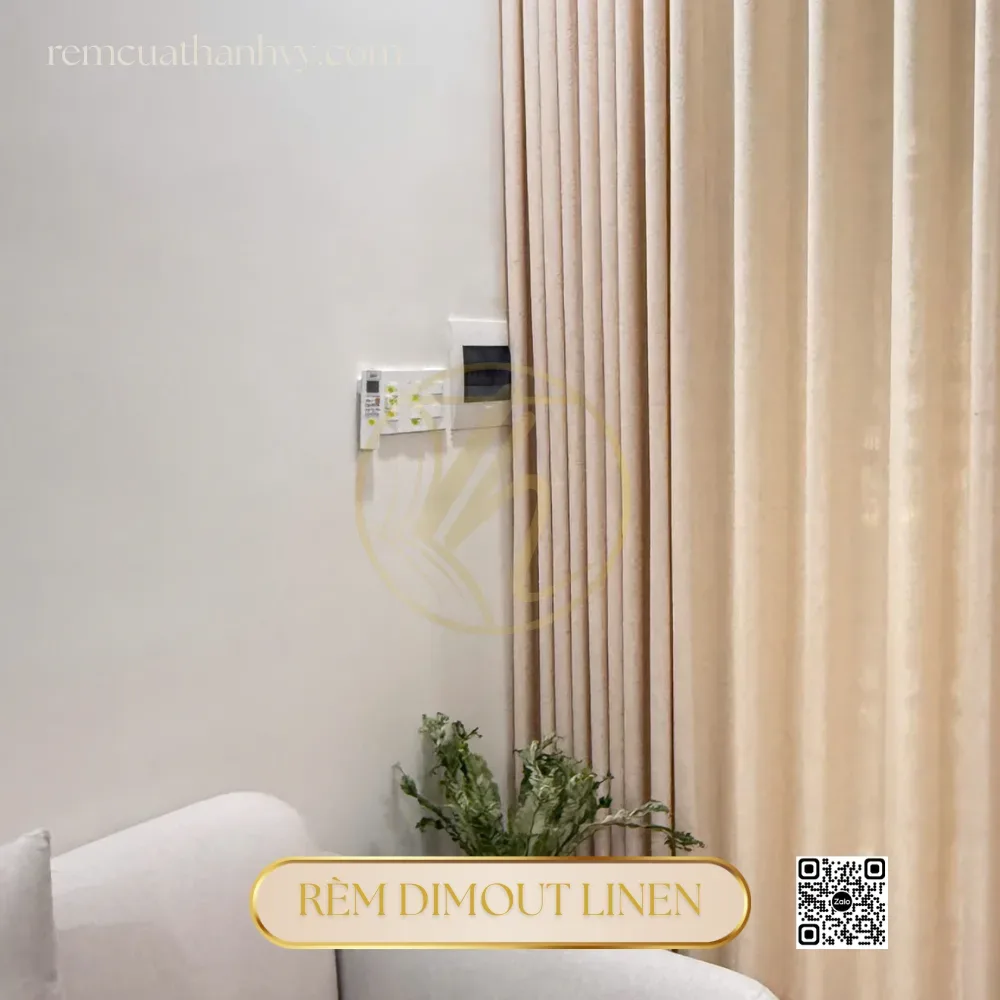
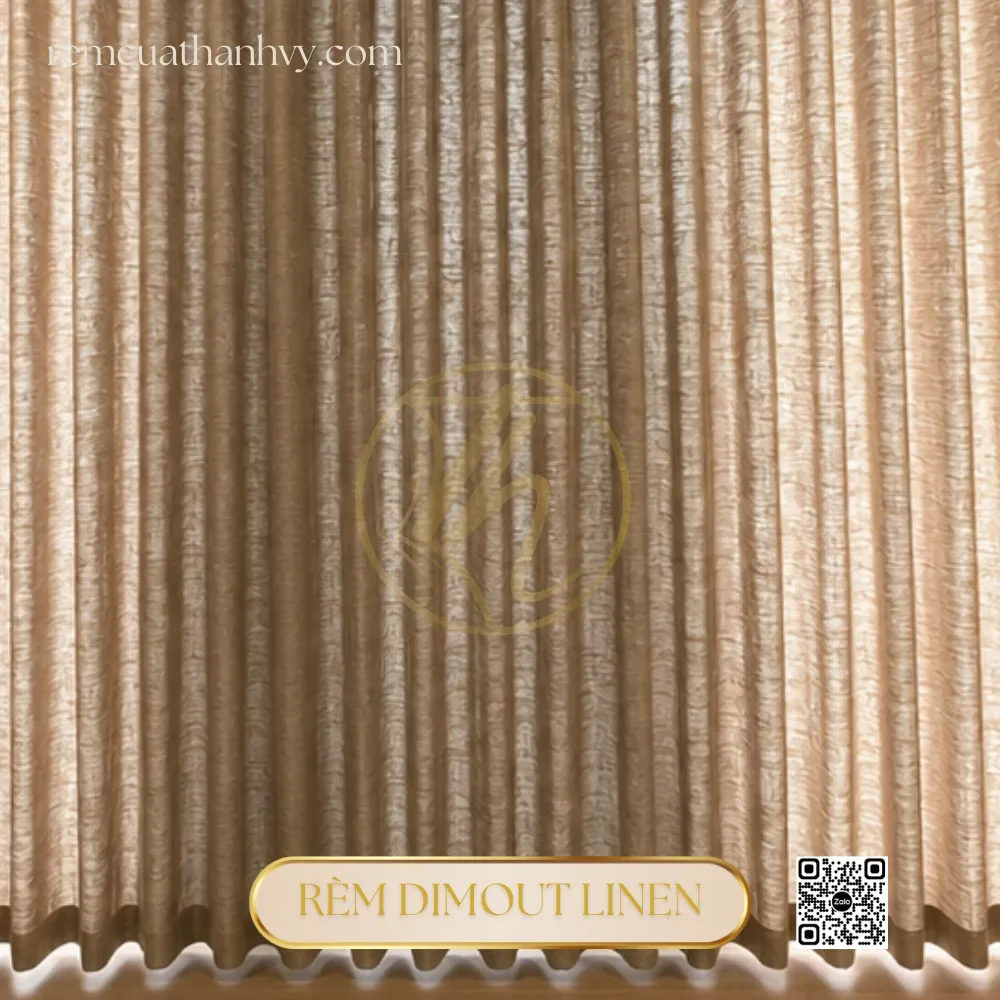
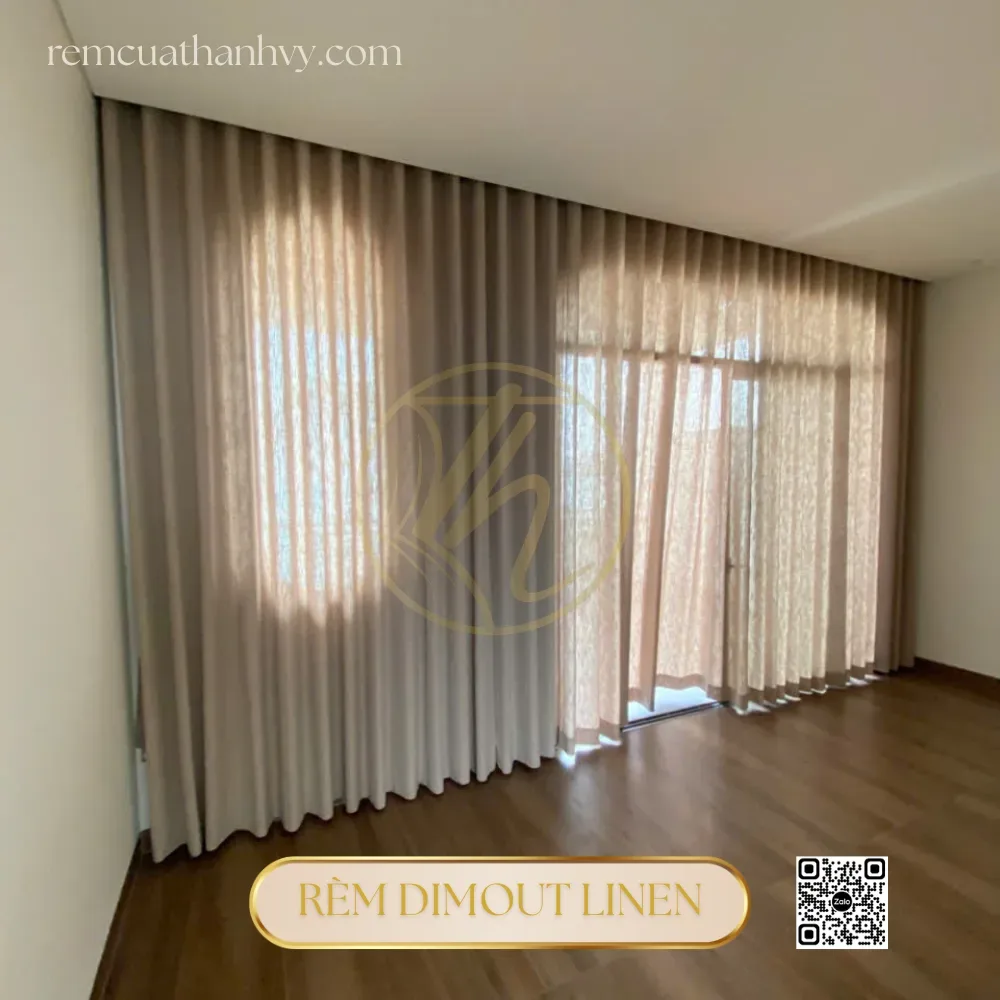
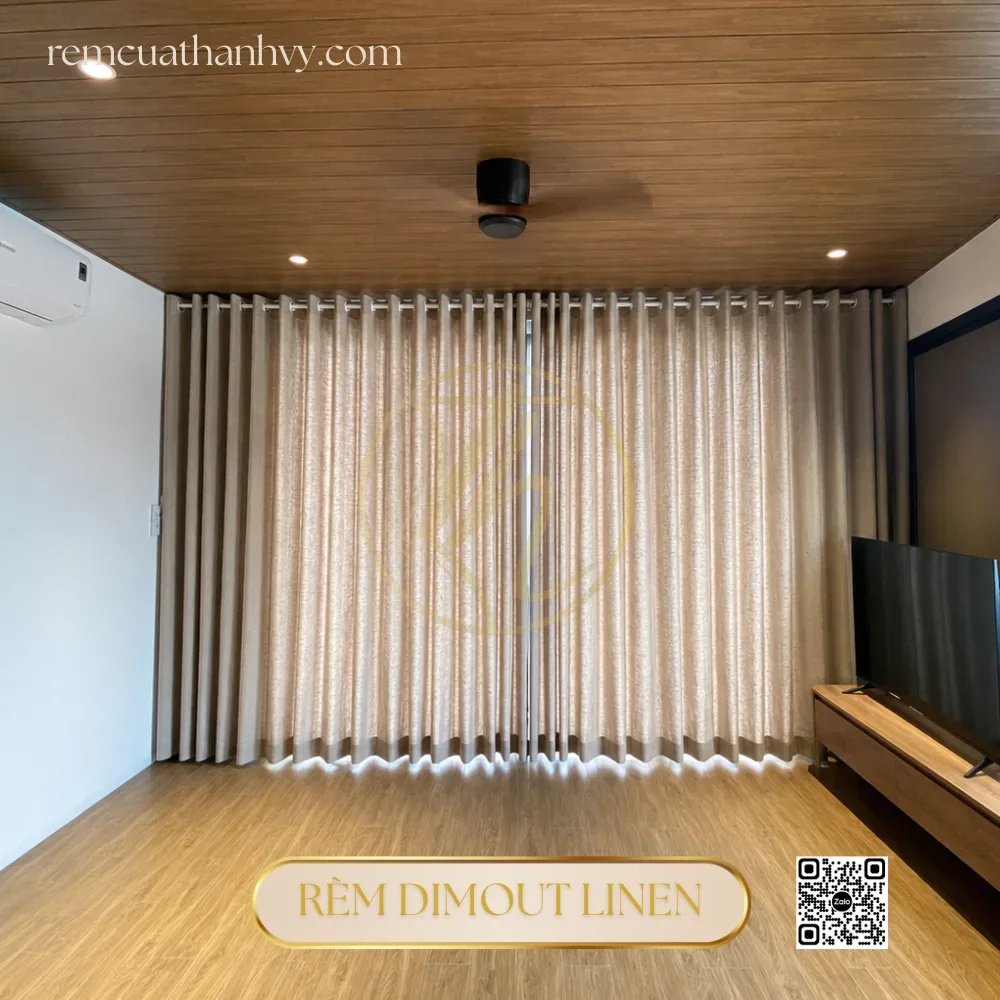
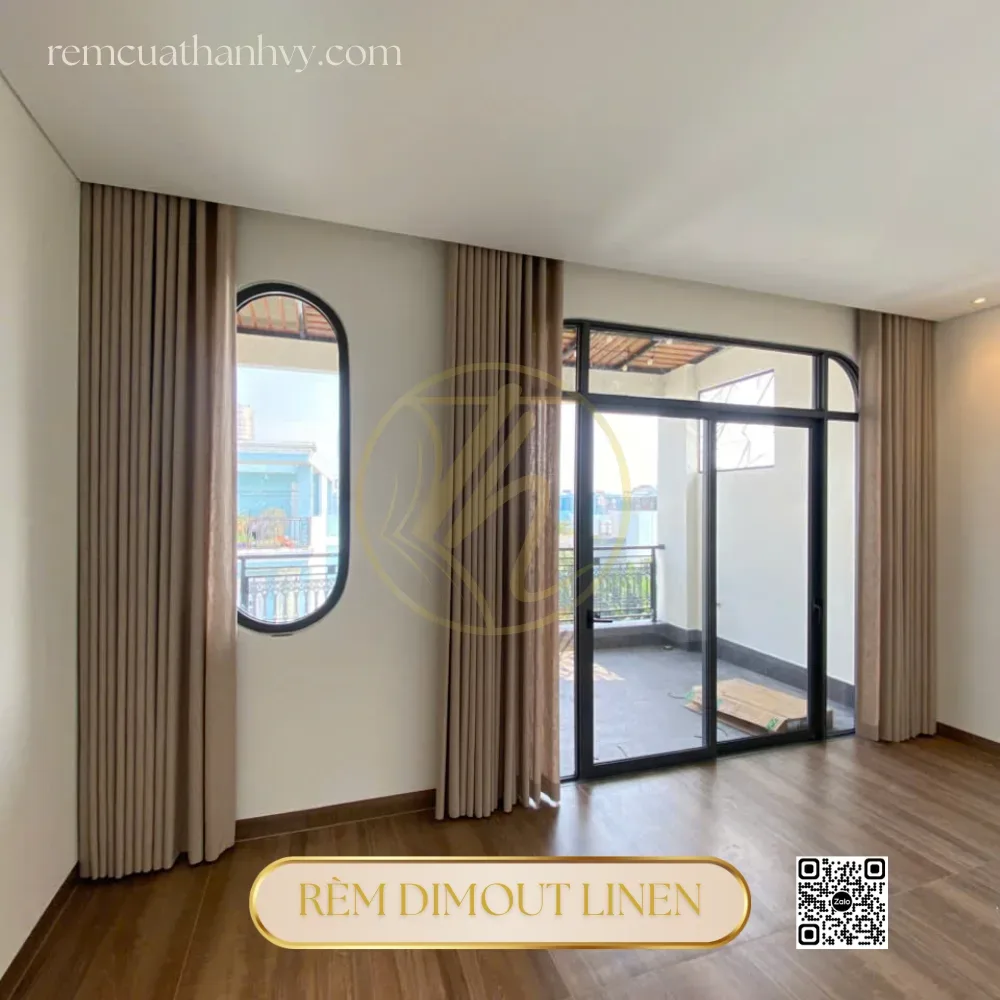
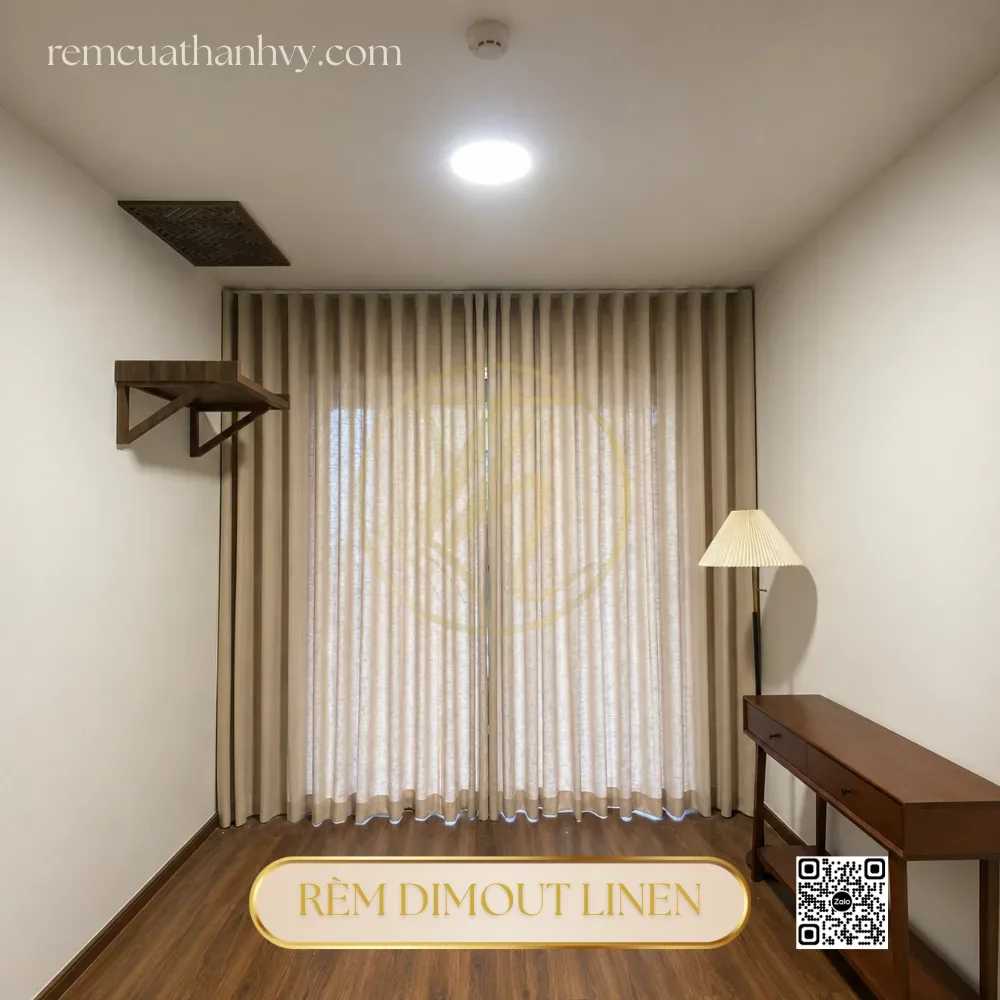
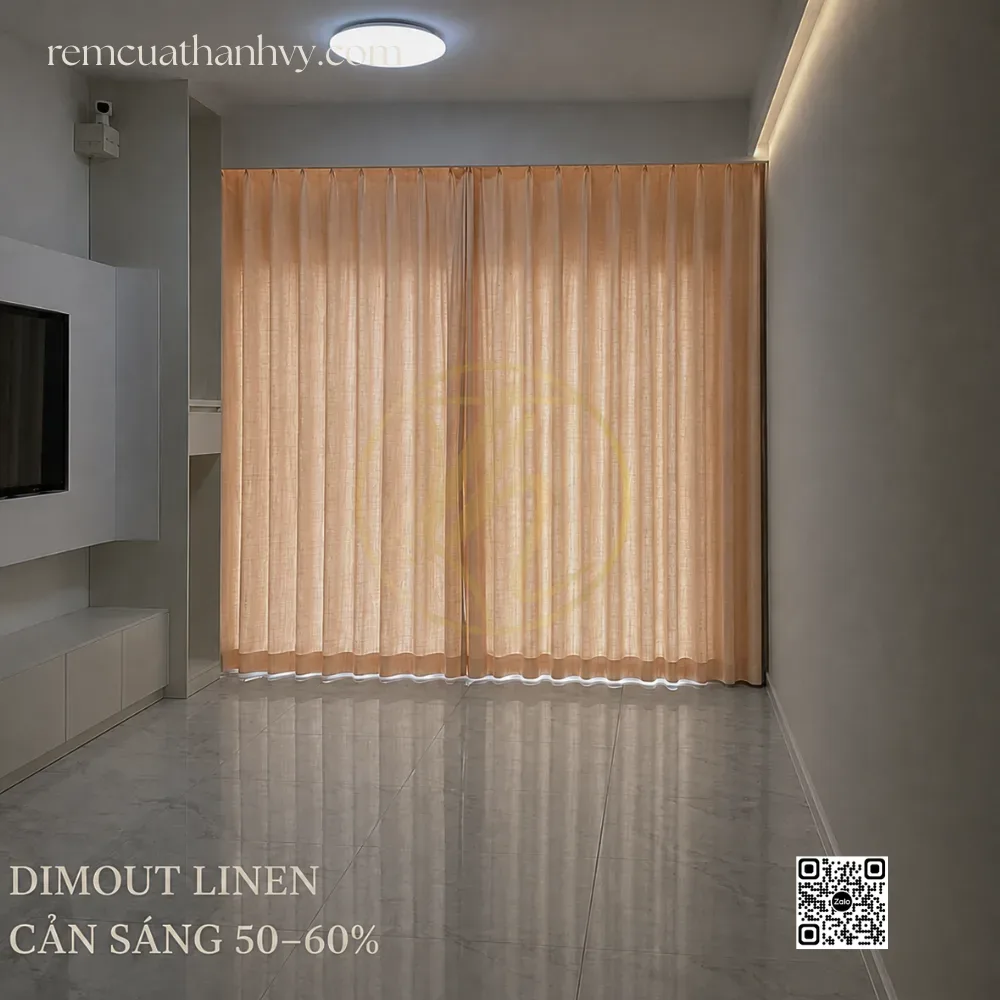
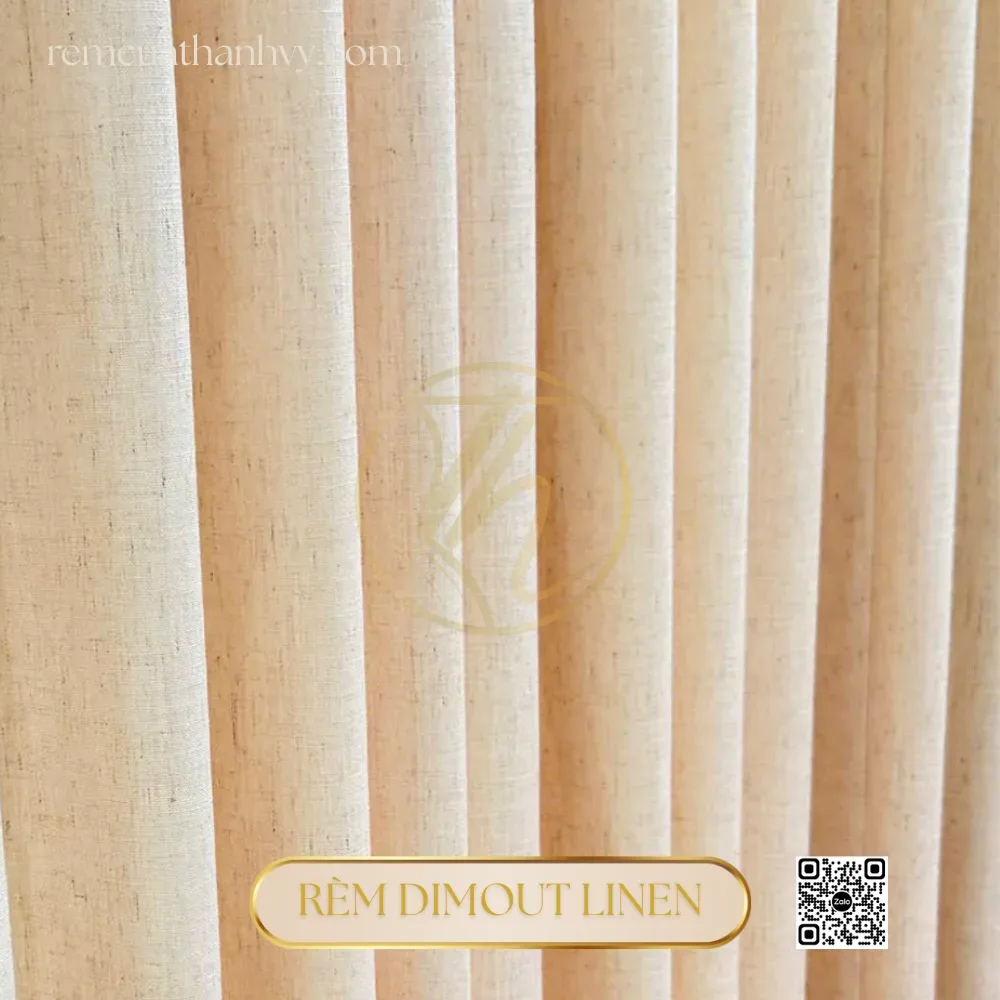
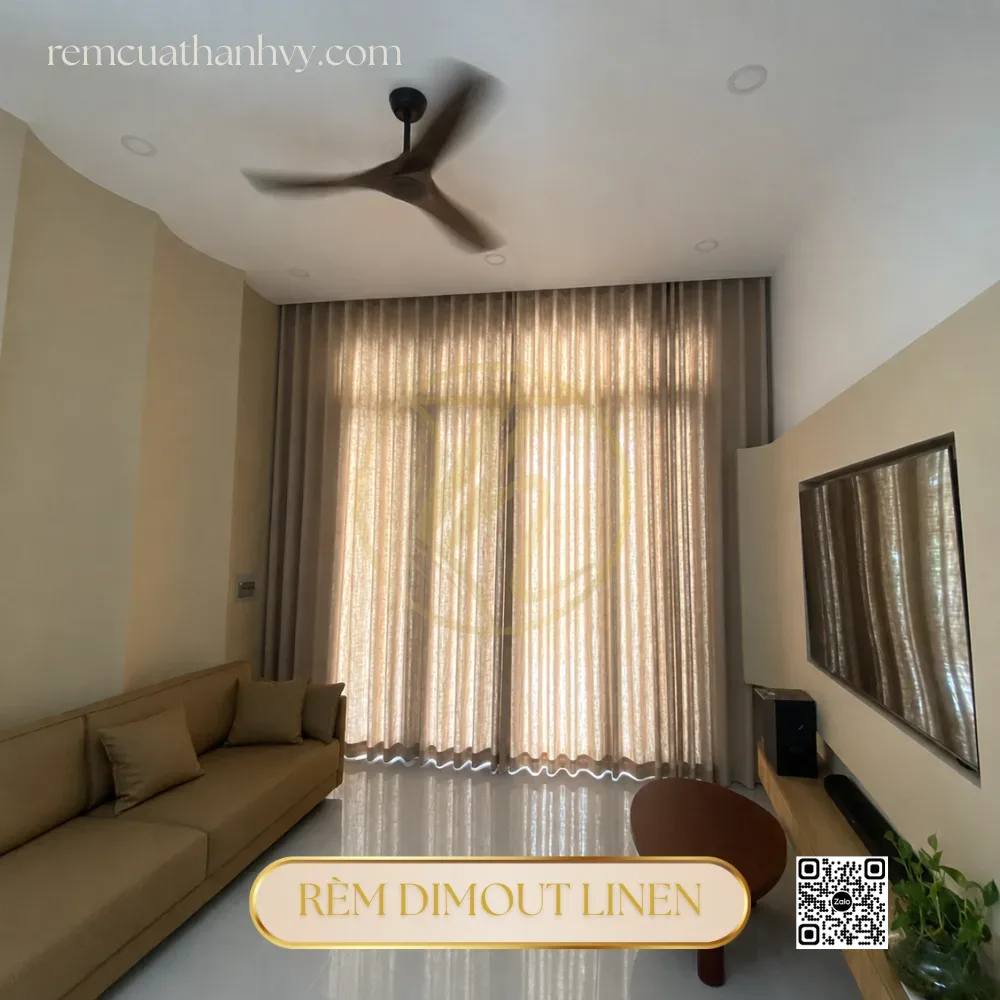
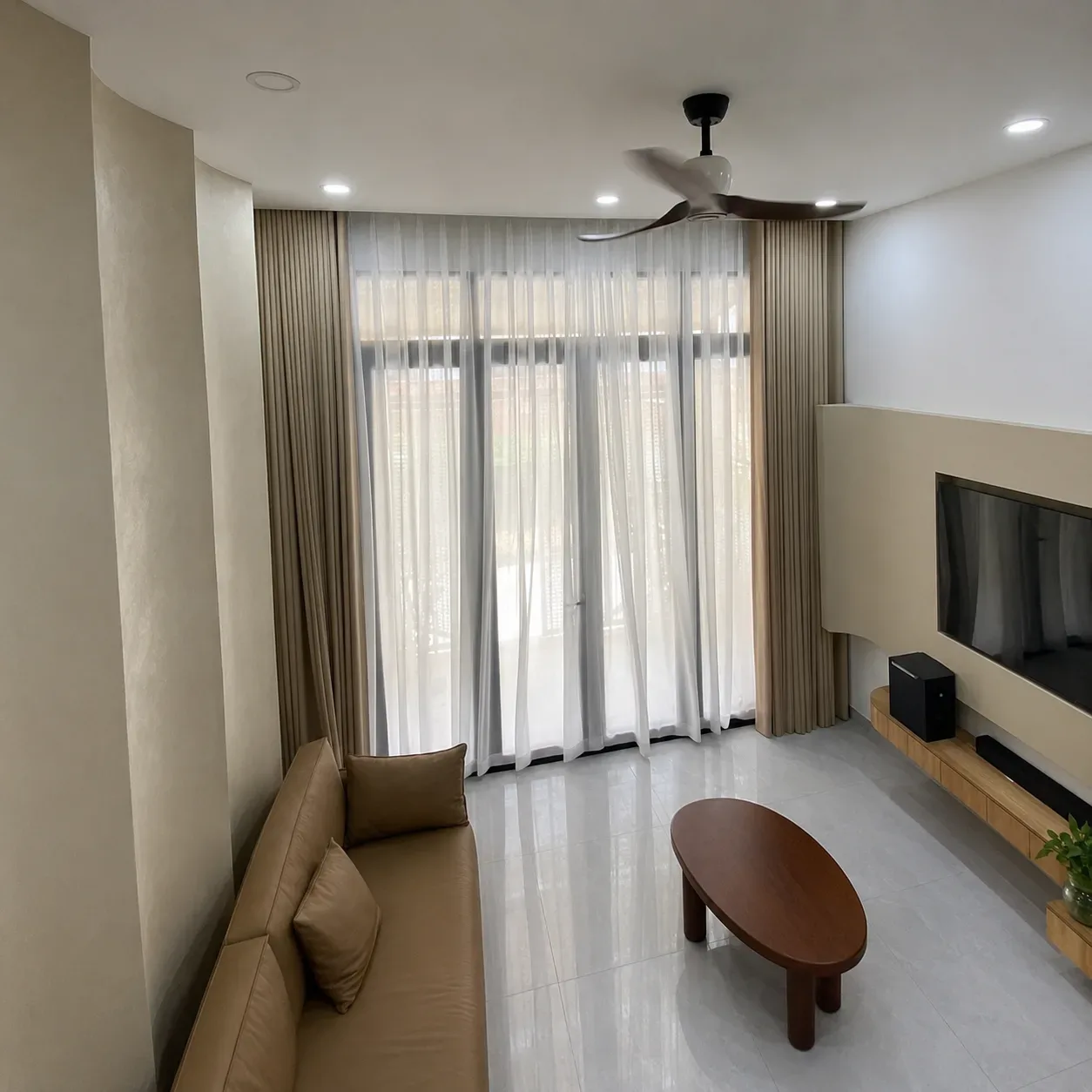
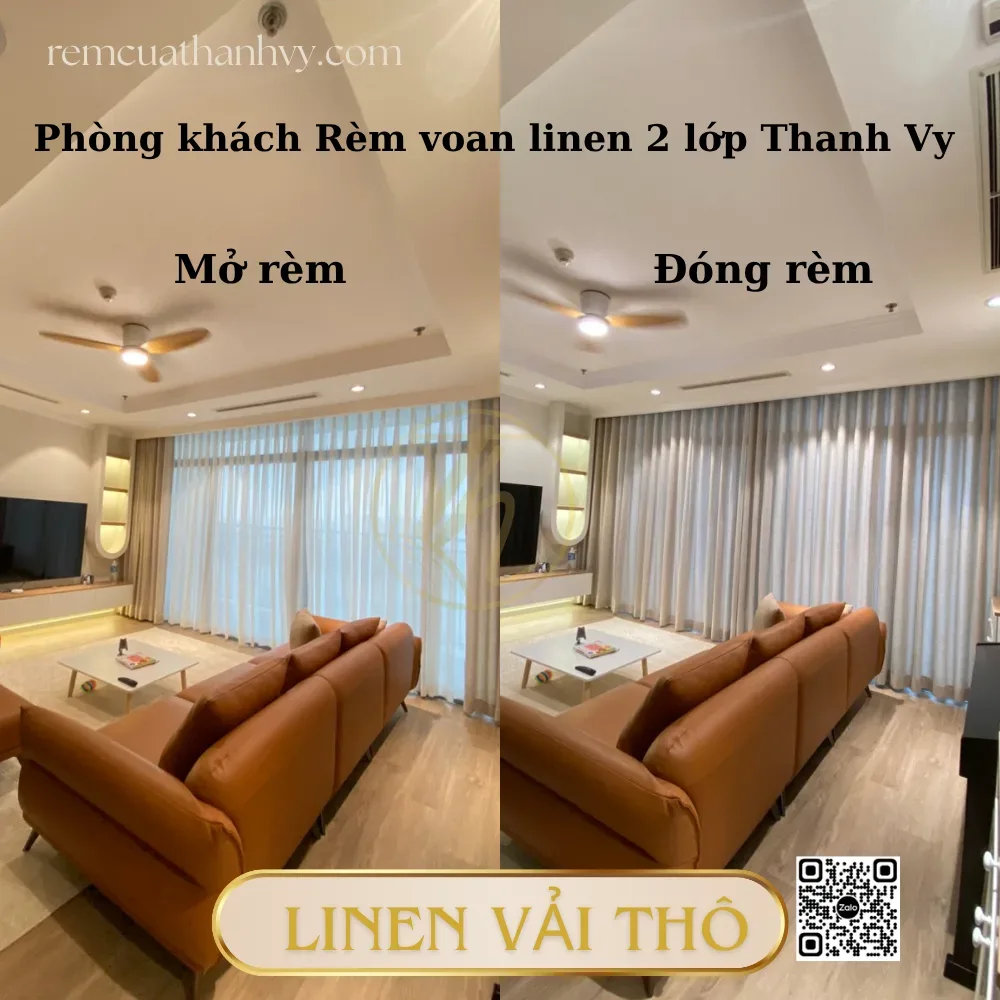
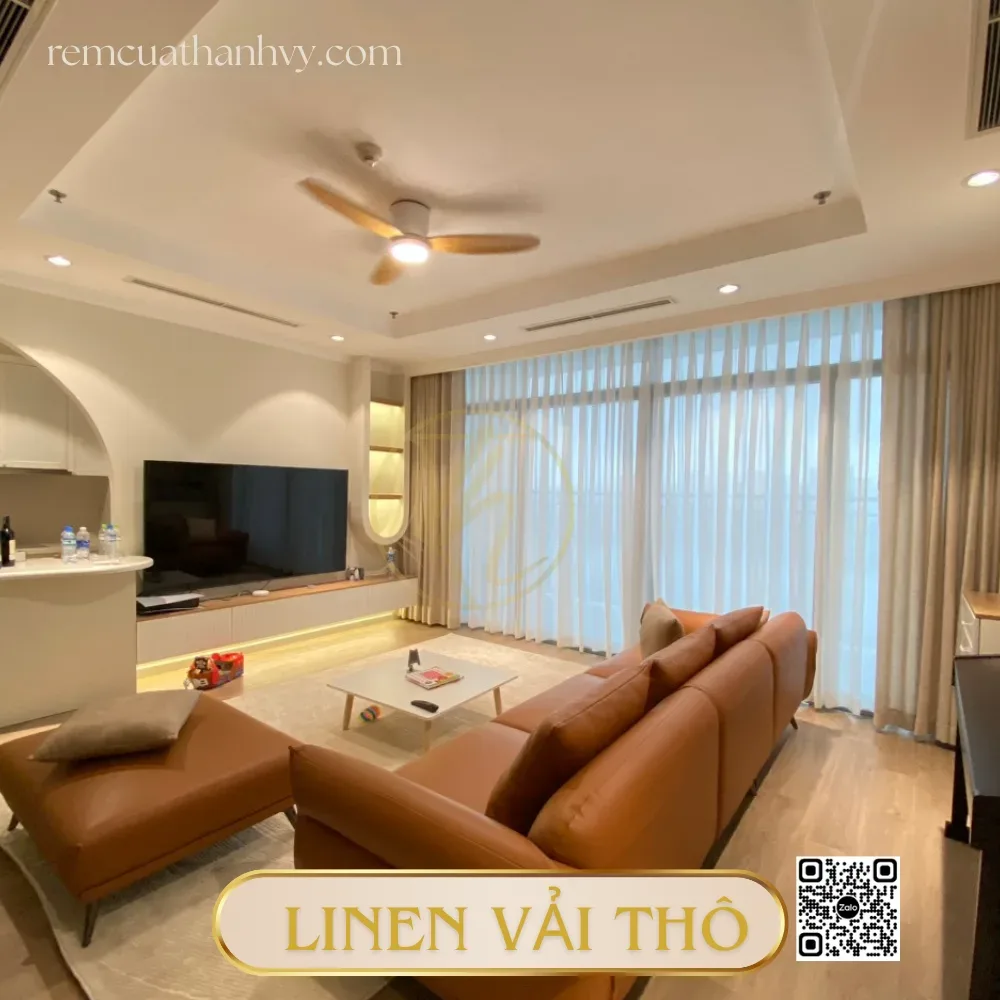
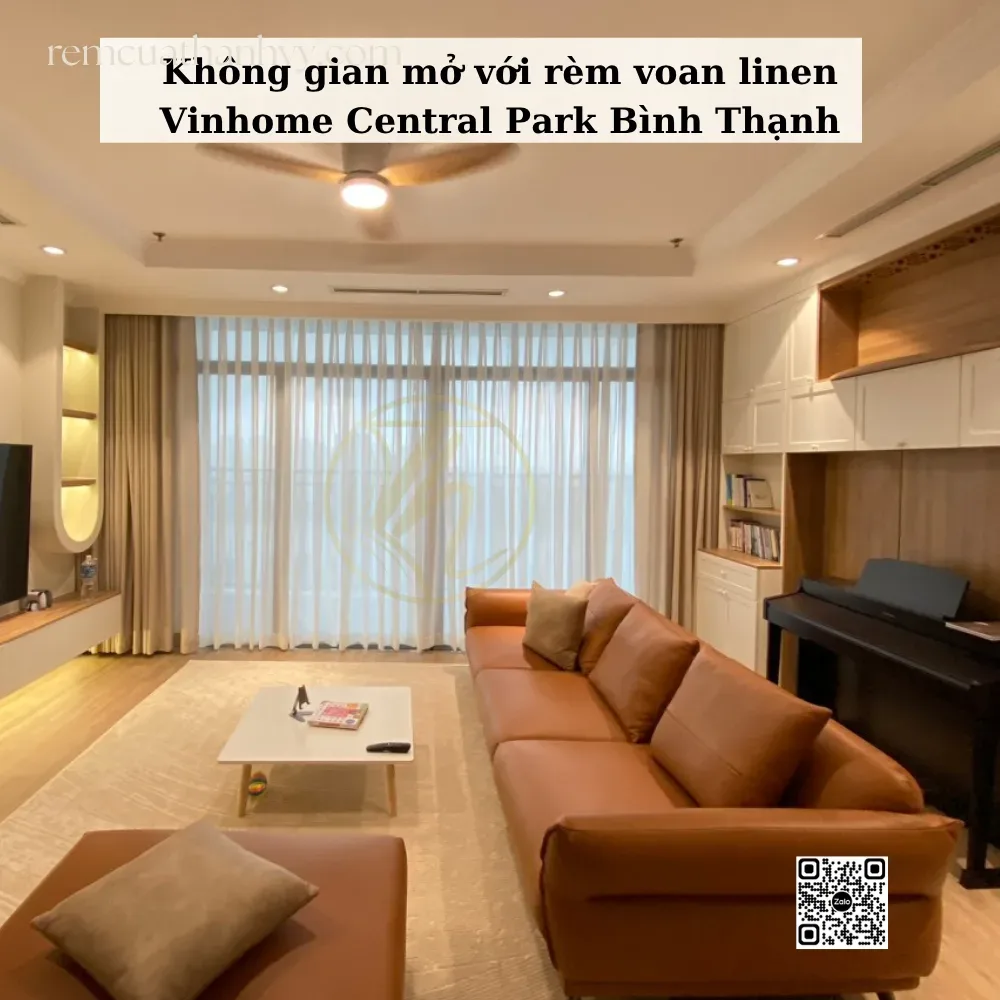
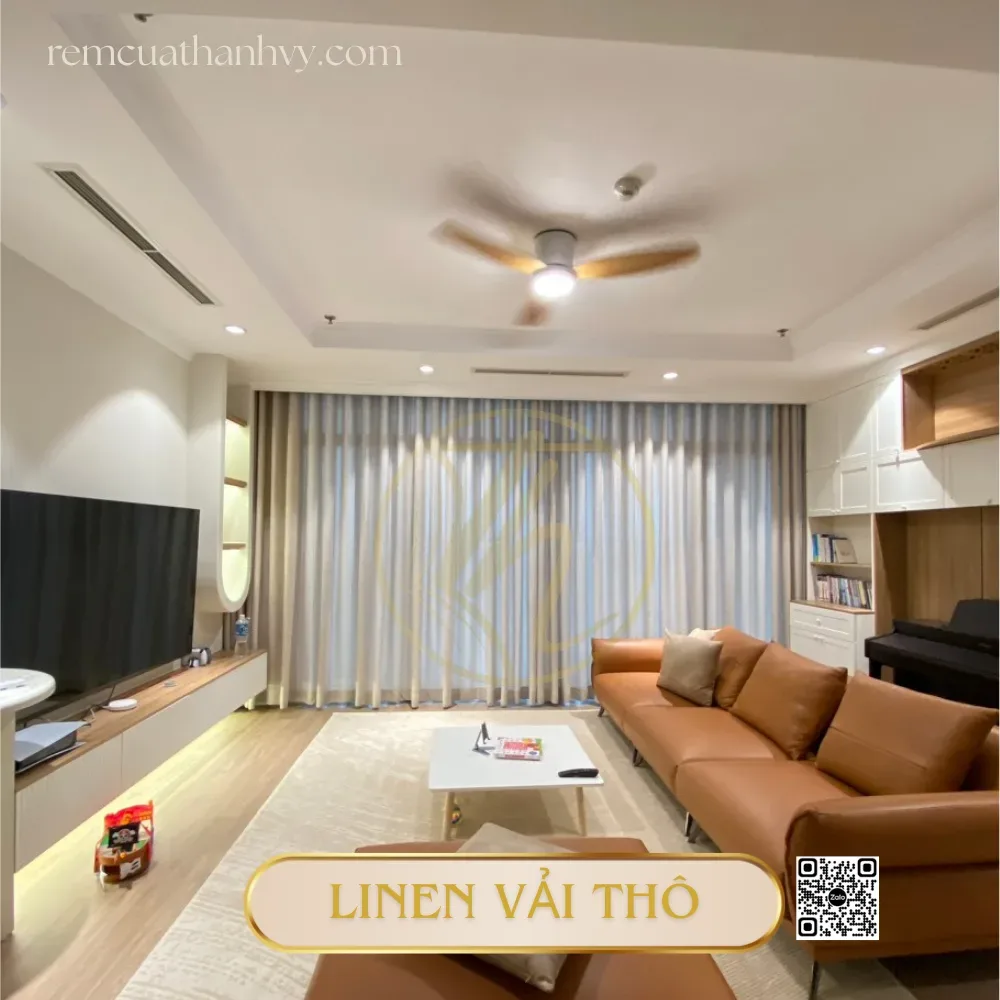
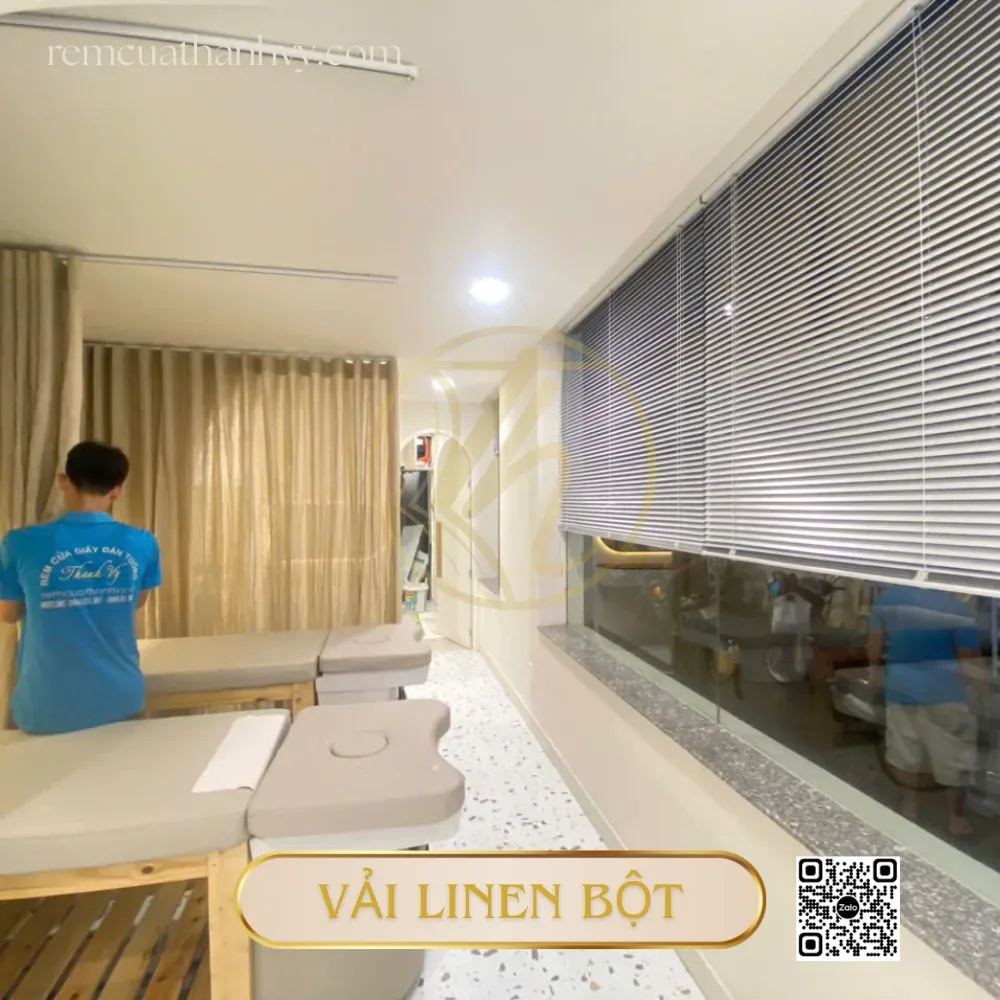
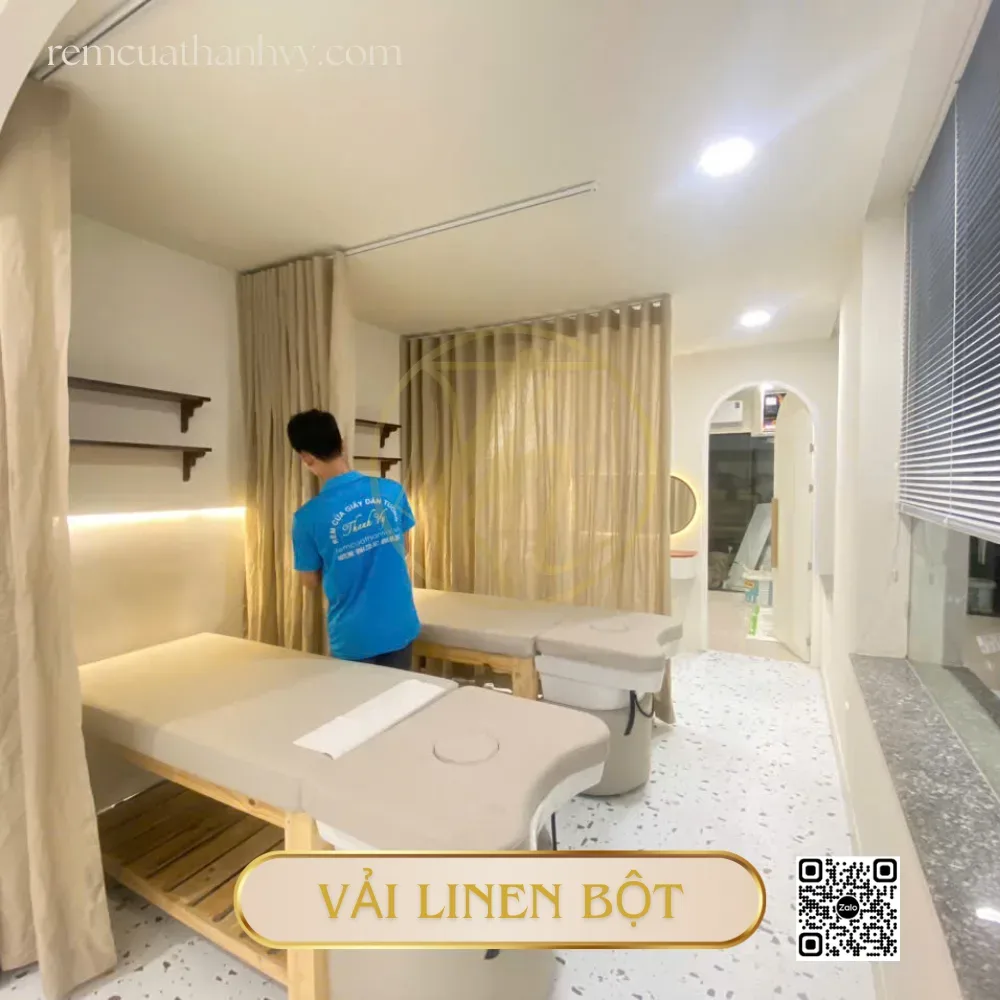
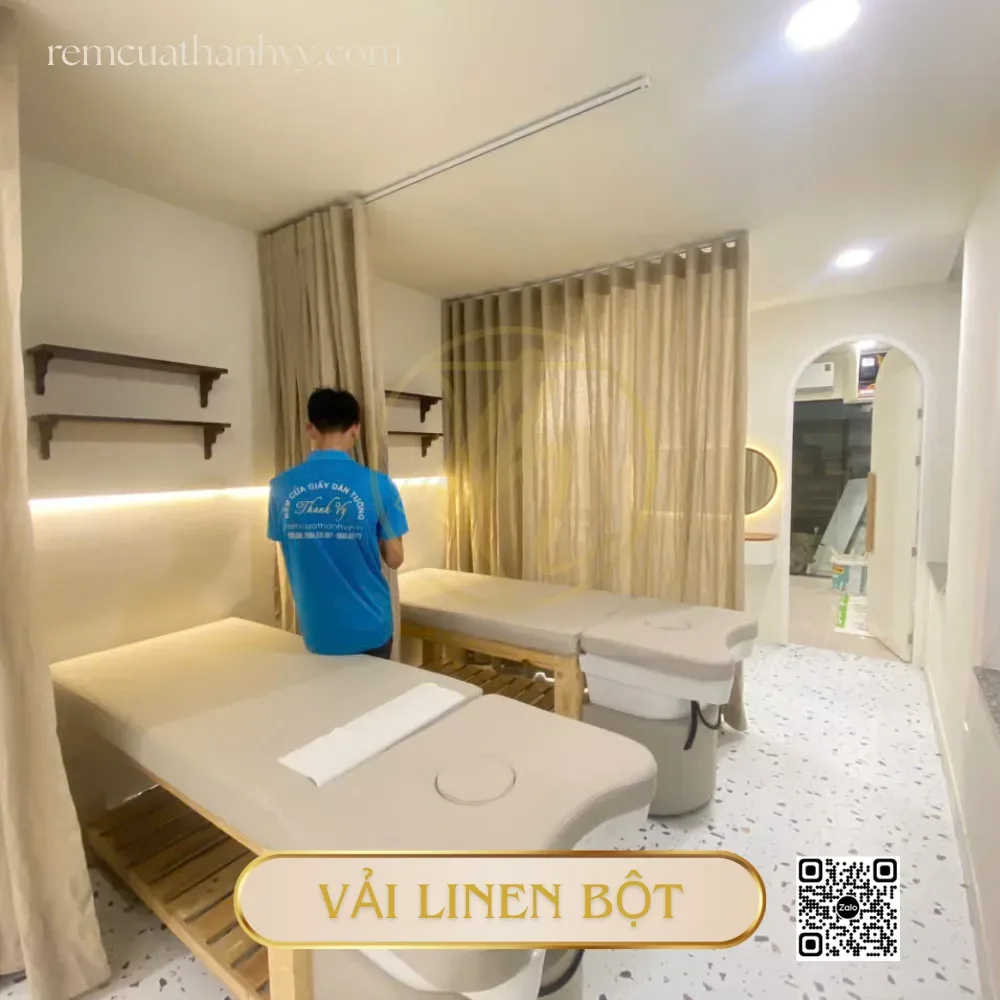
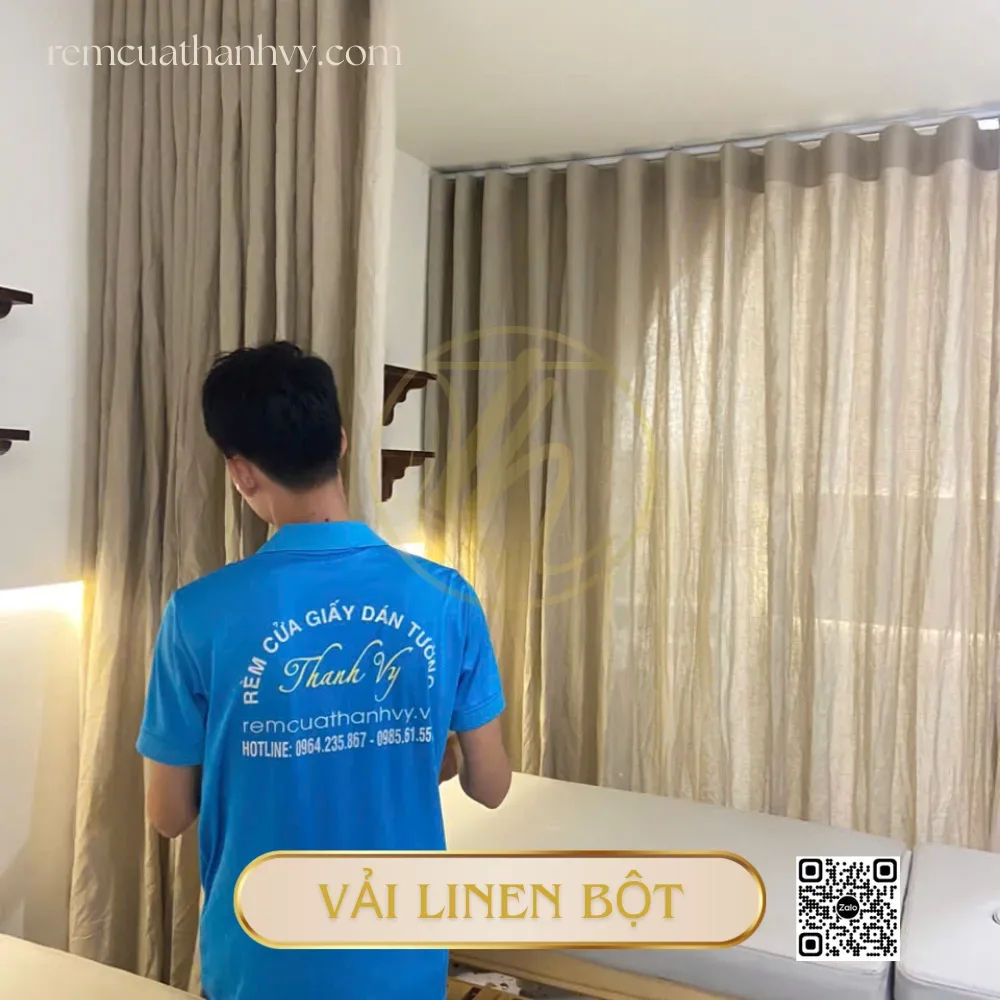
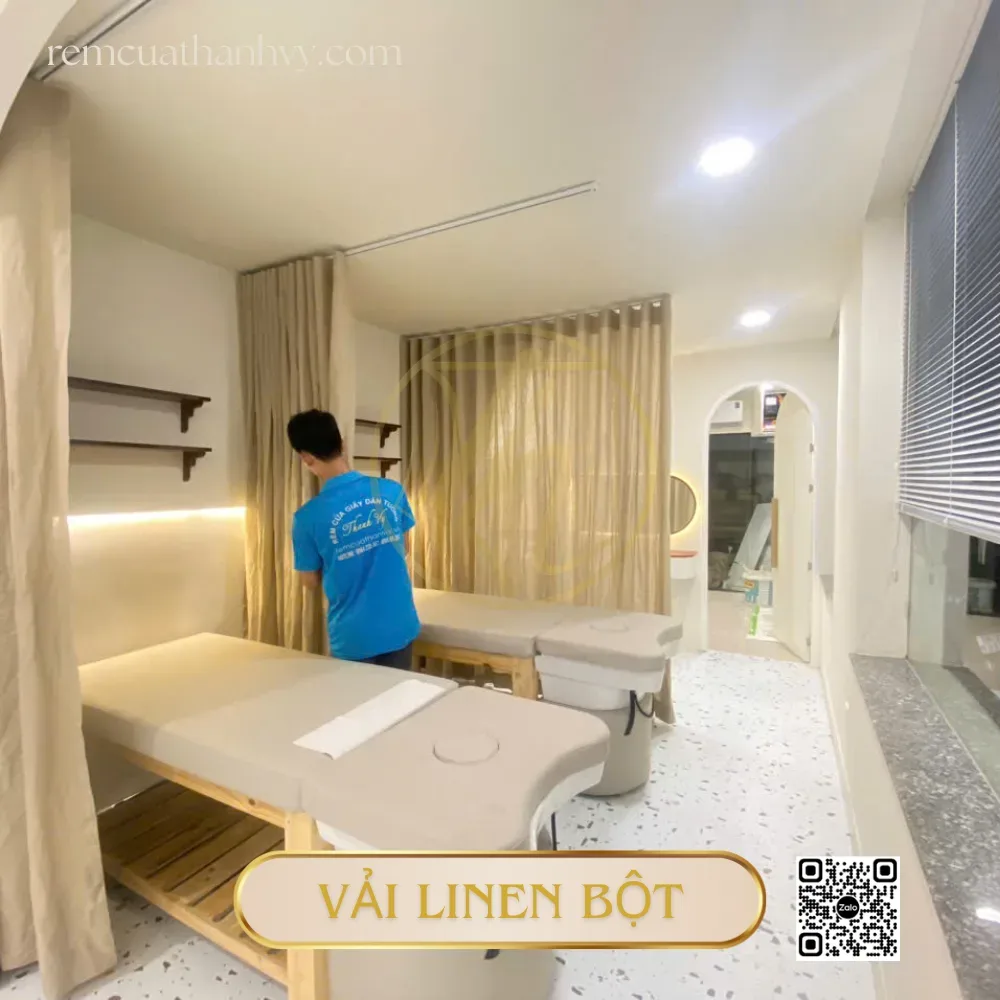
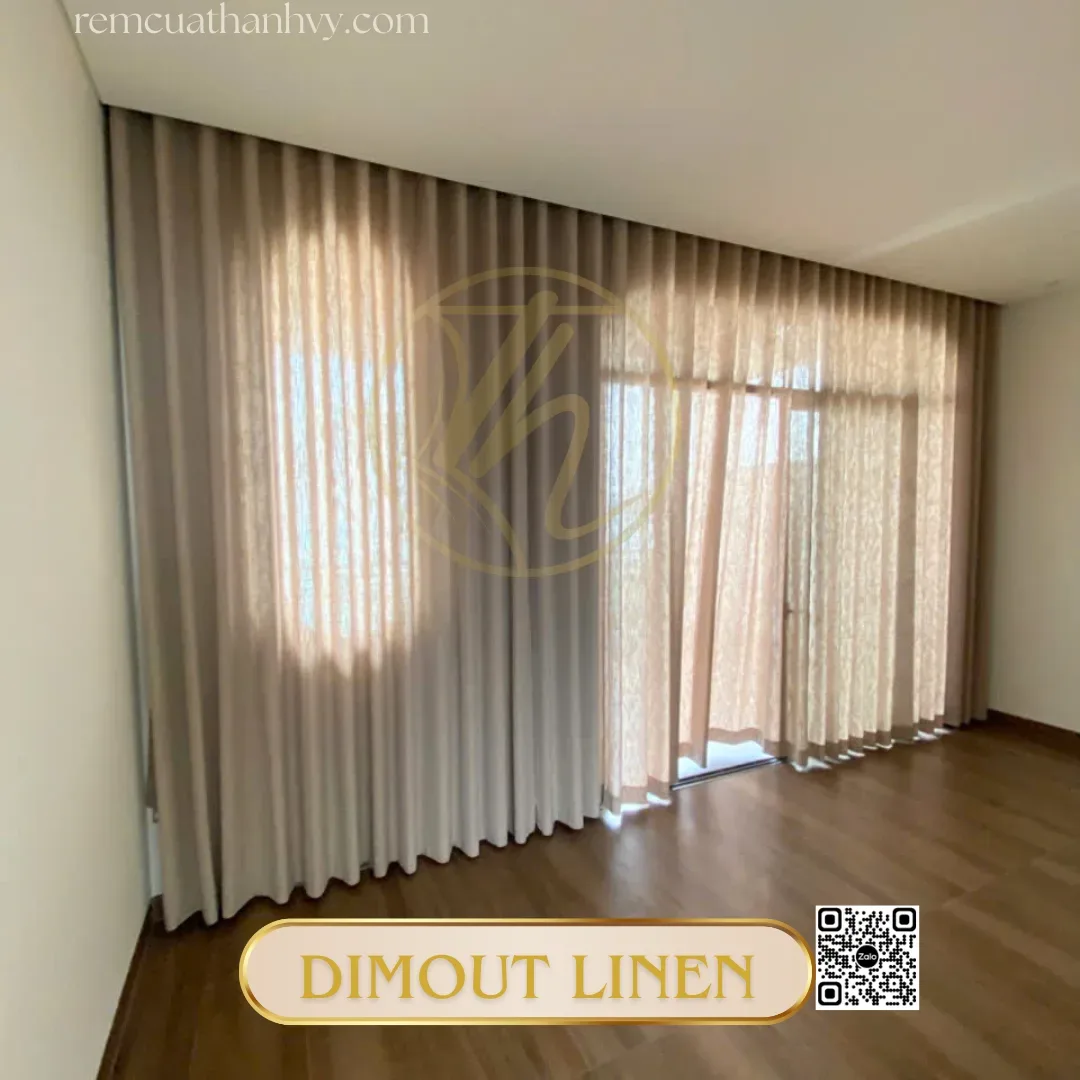
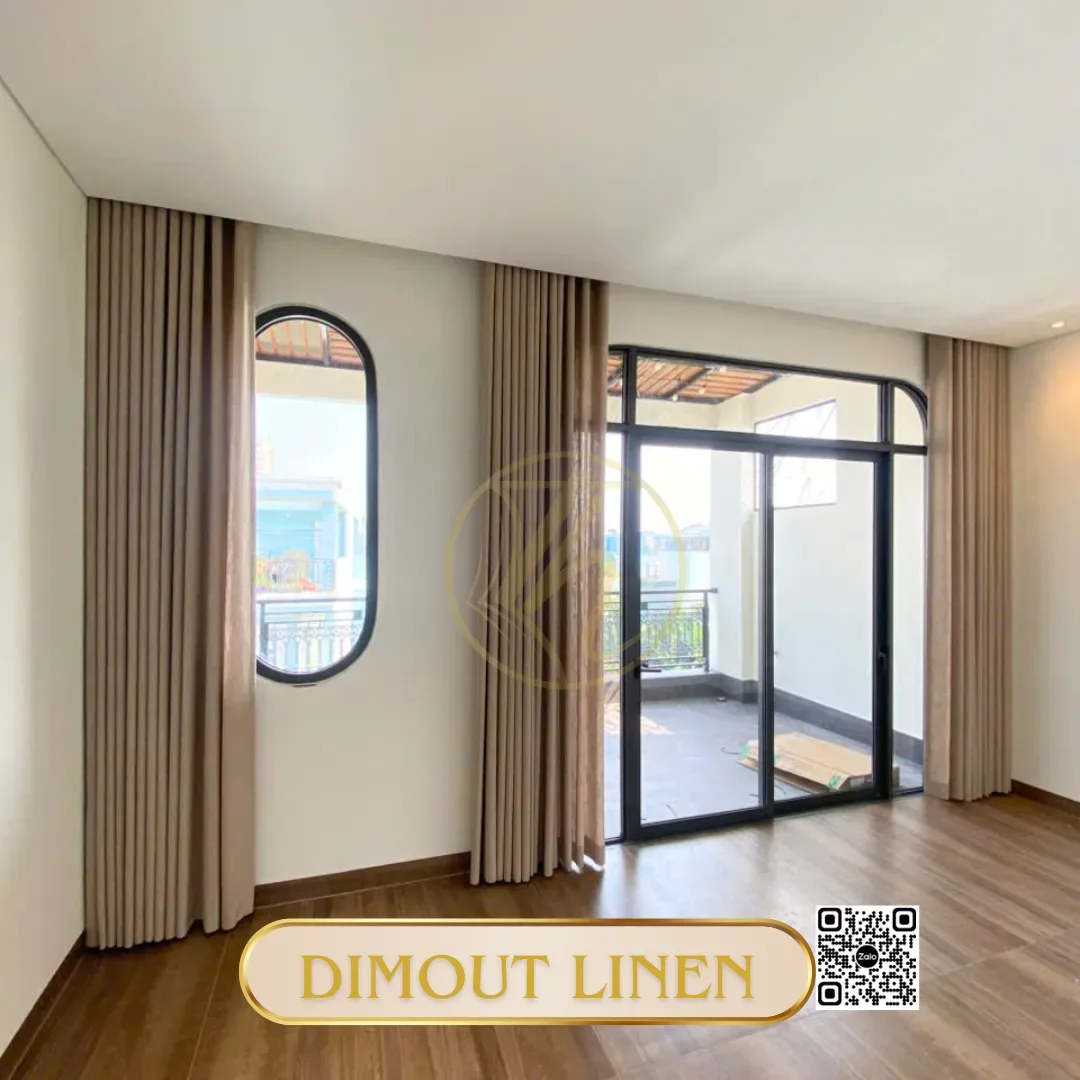
Linen Fabric Curtains
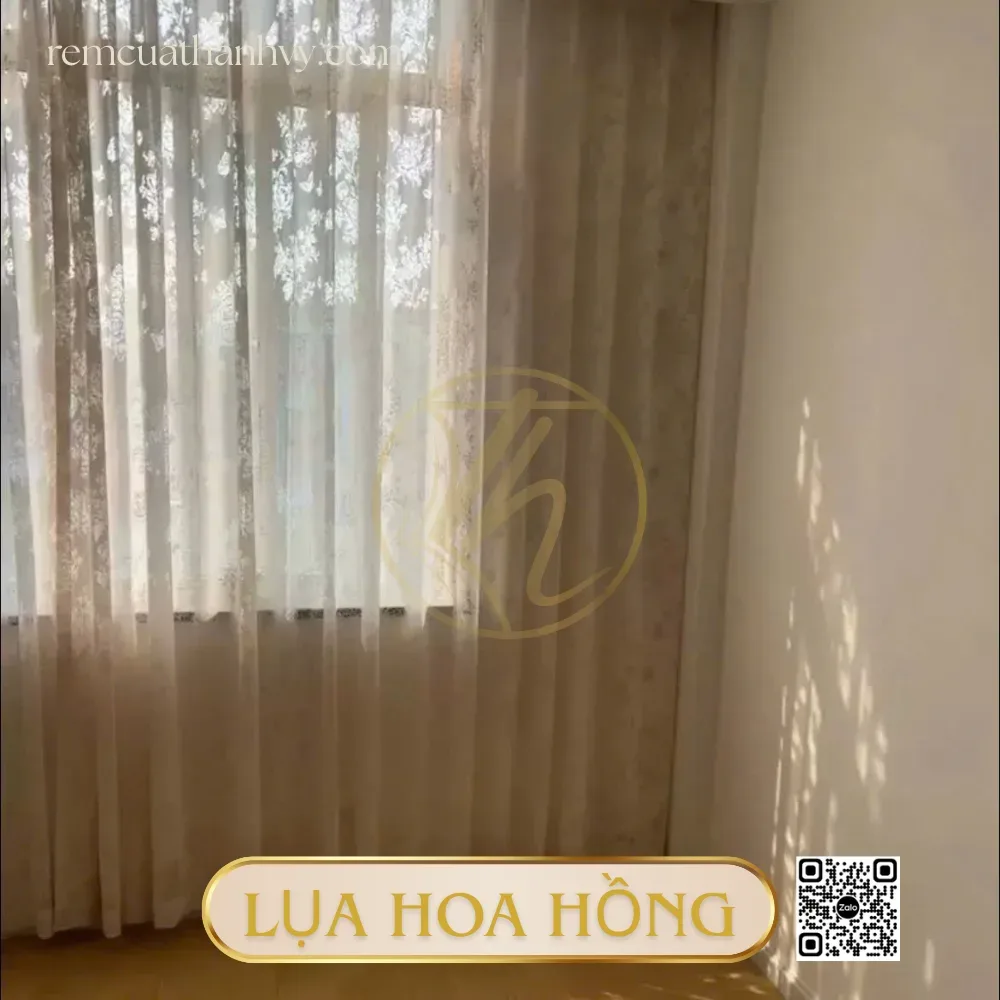
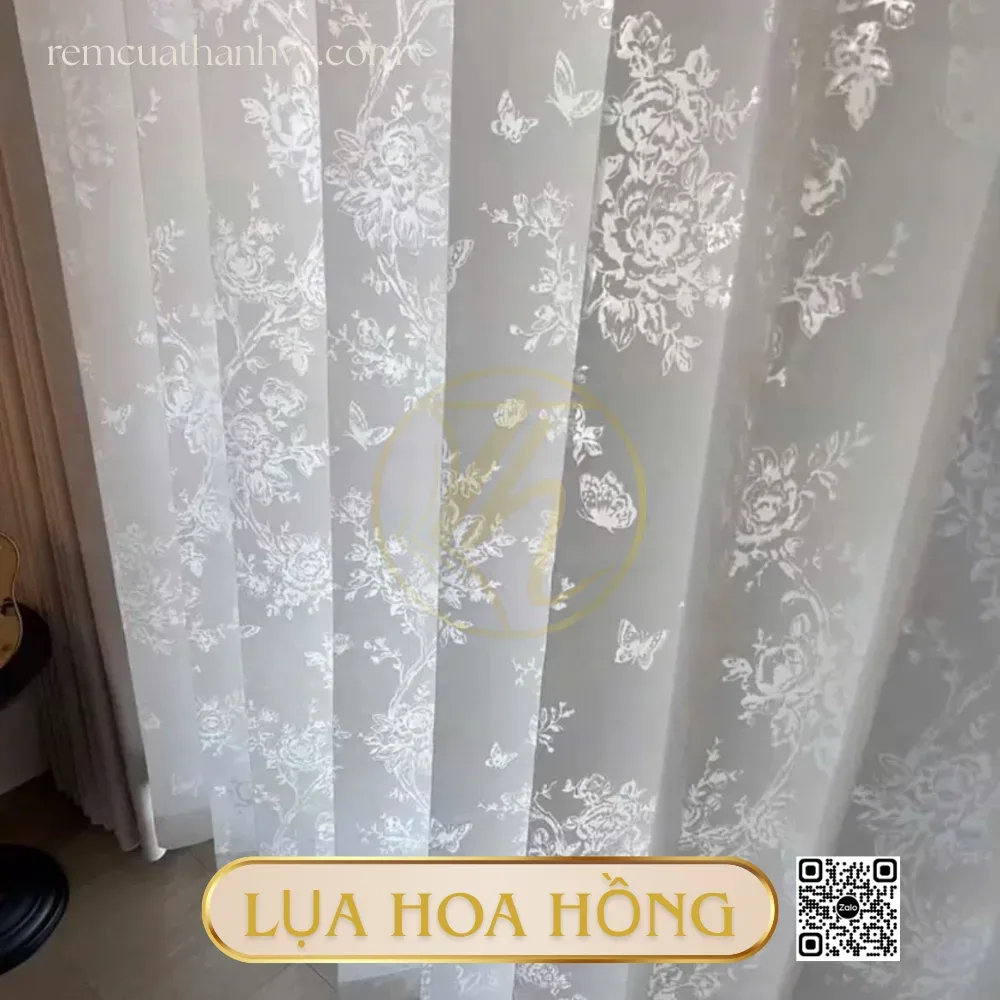
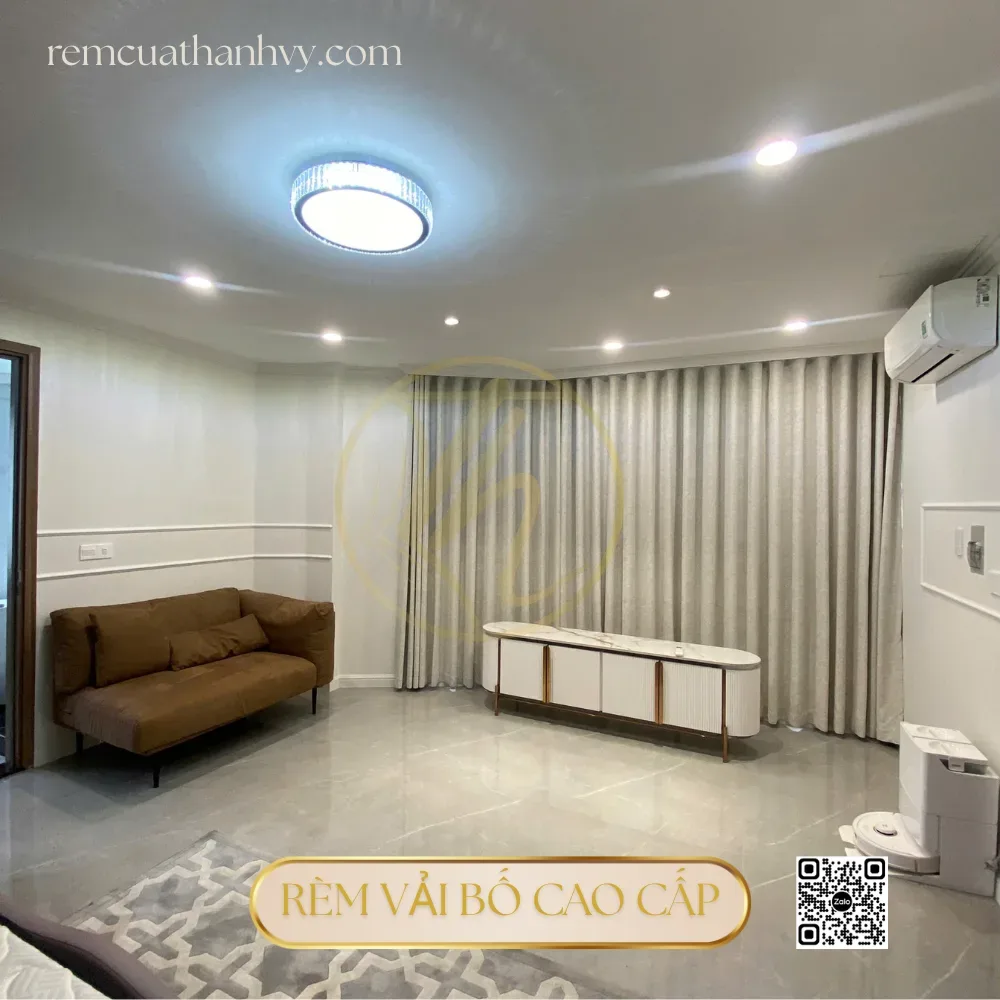
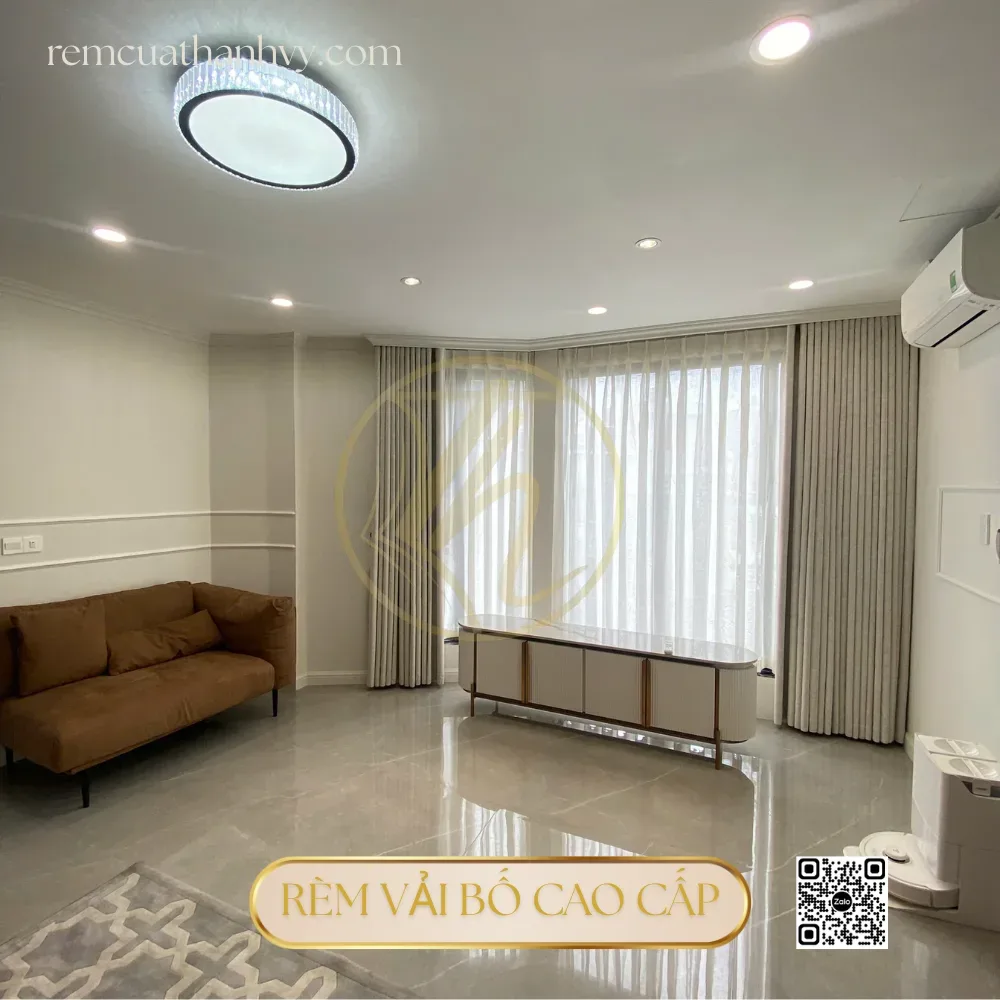
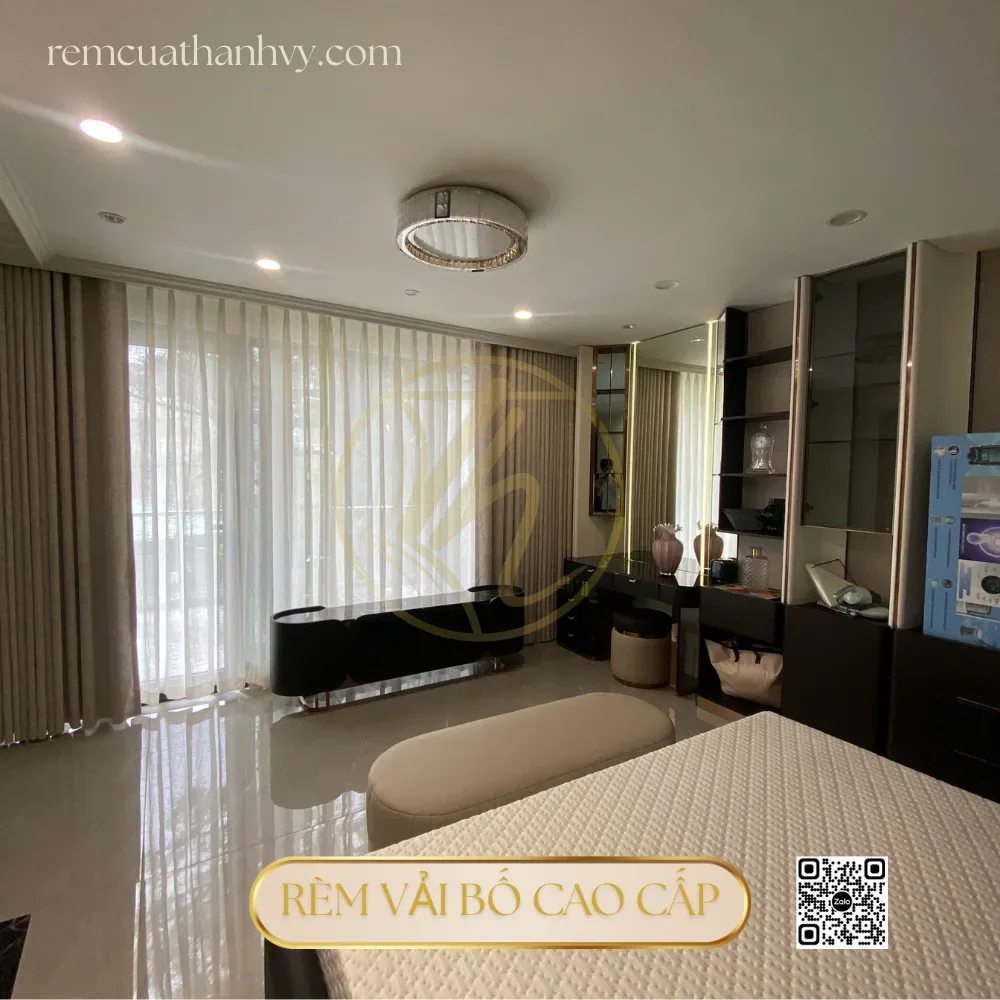
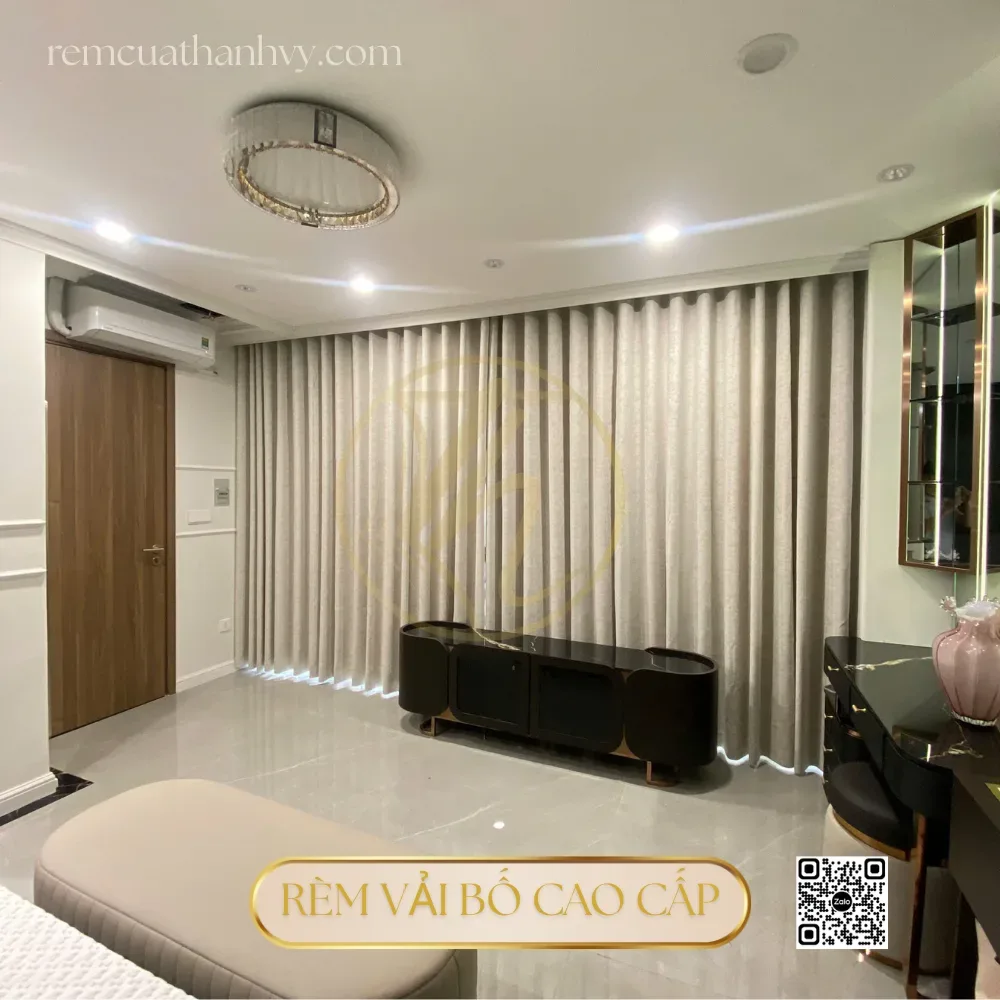
Linen material maintains natural drape and medium blackout, suitable for living rooms or bedrooms requiring both light intake and privacy.
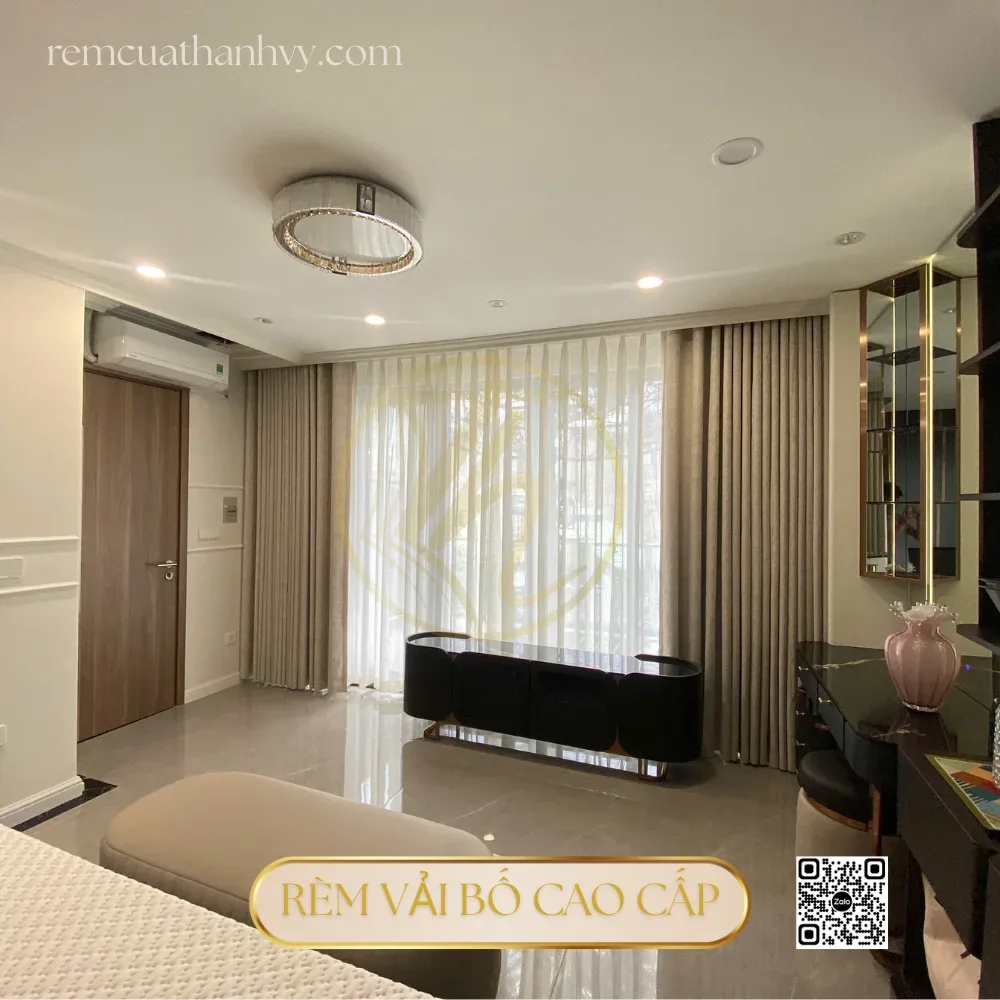
High-End Blackout Fabric Curtains
Thick multi-layered fabric helps reduce strong light and limits outside see-through visibility.
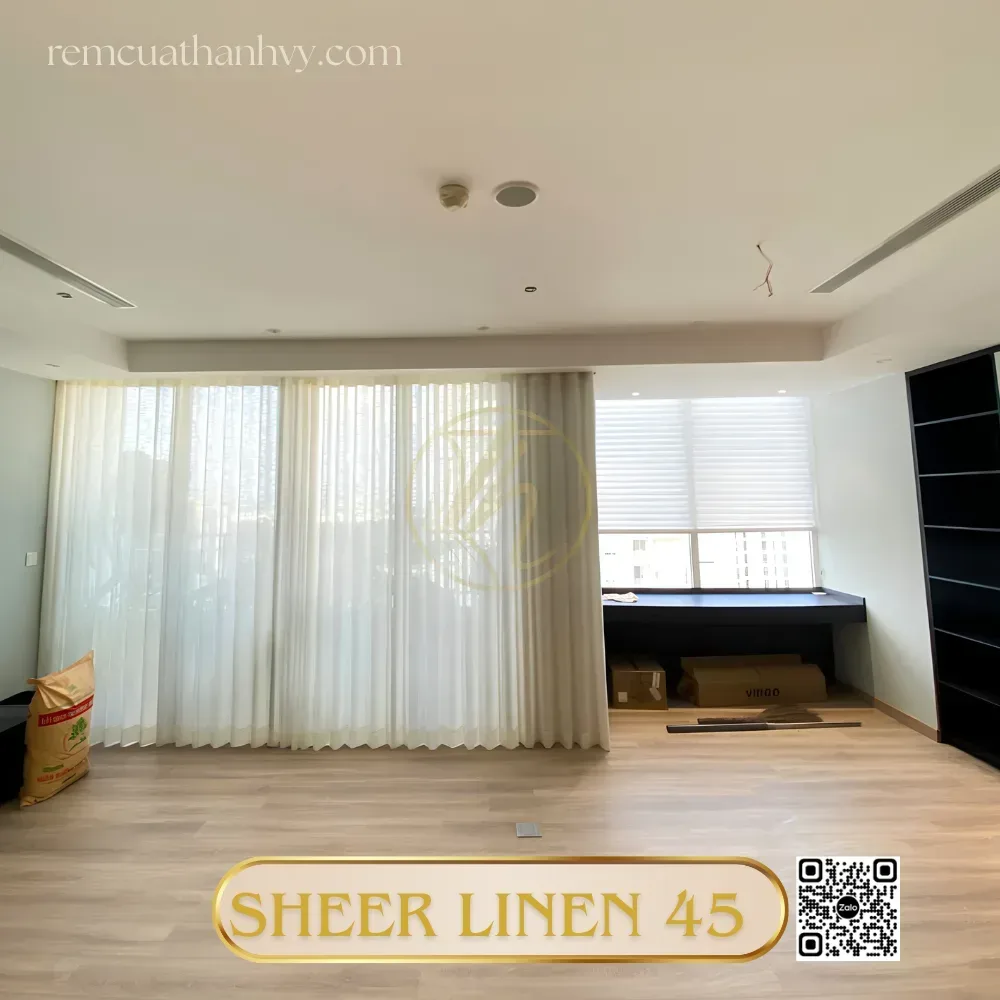
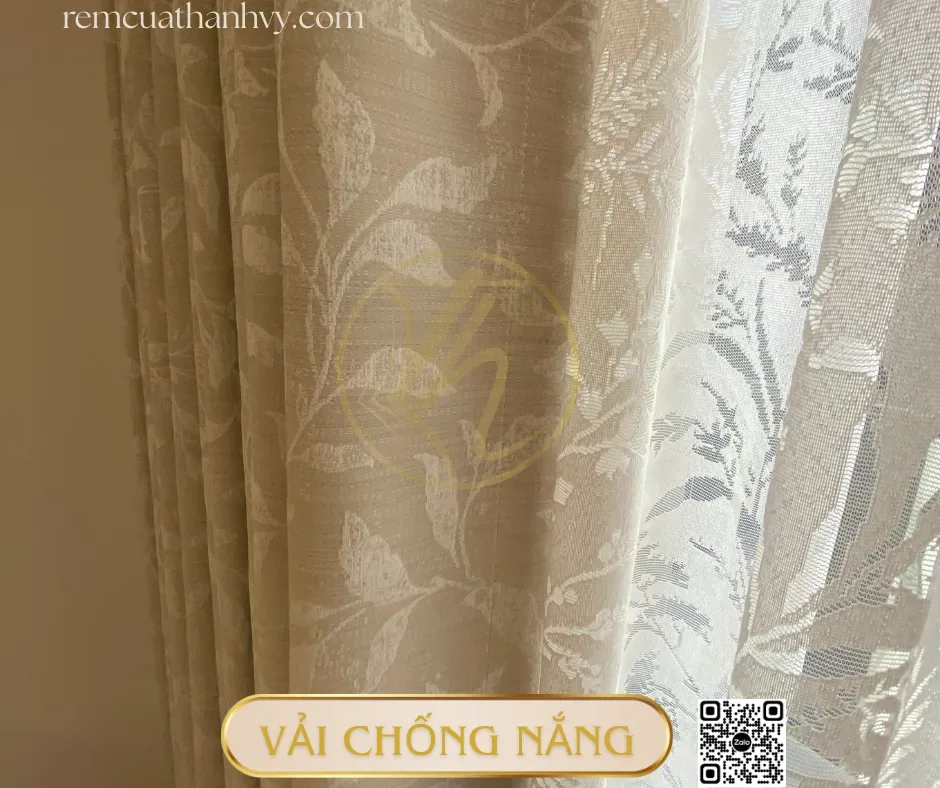
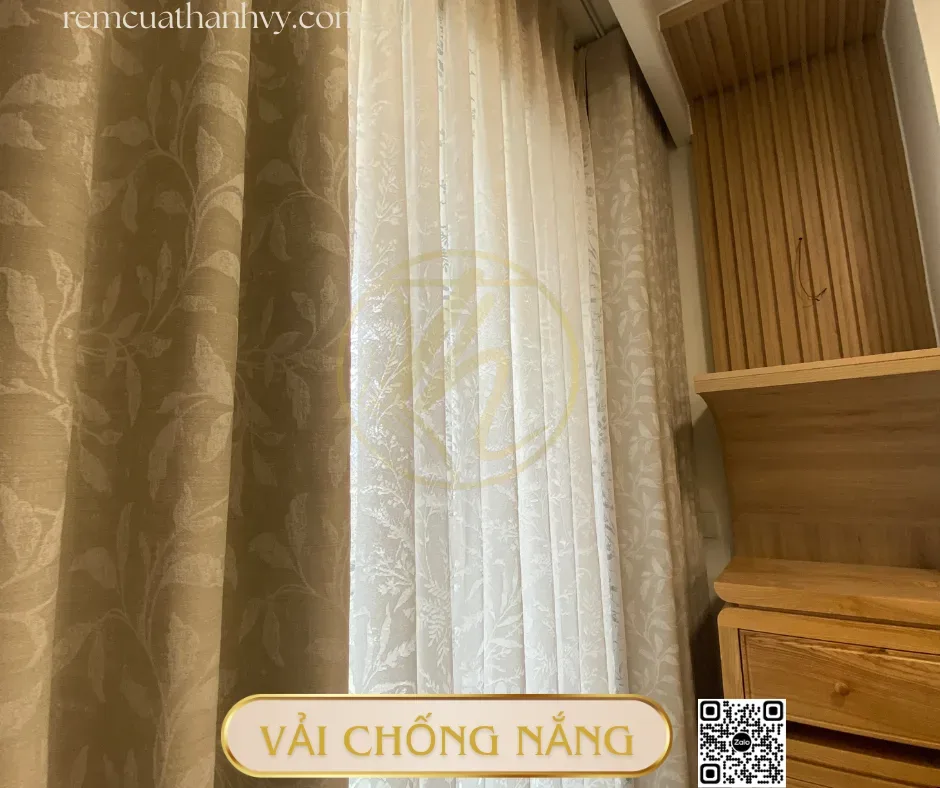
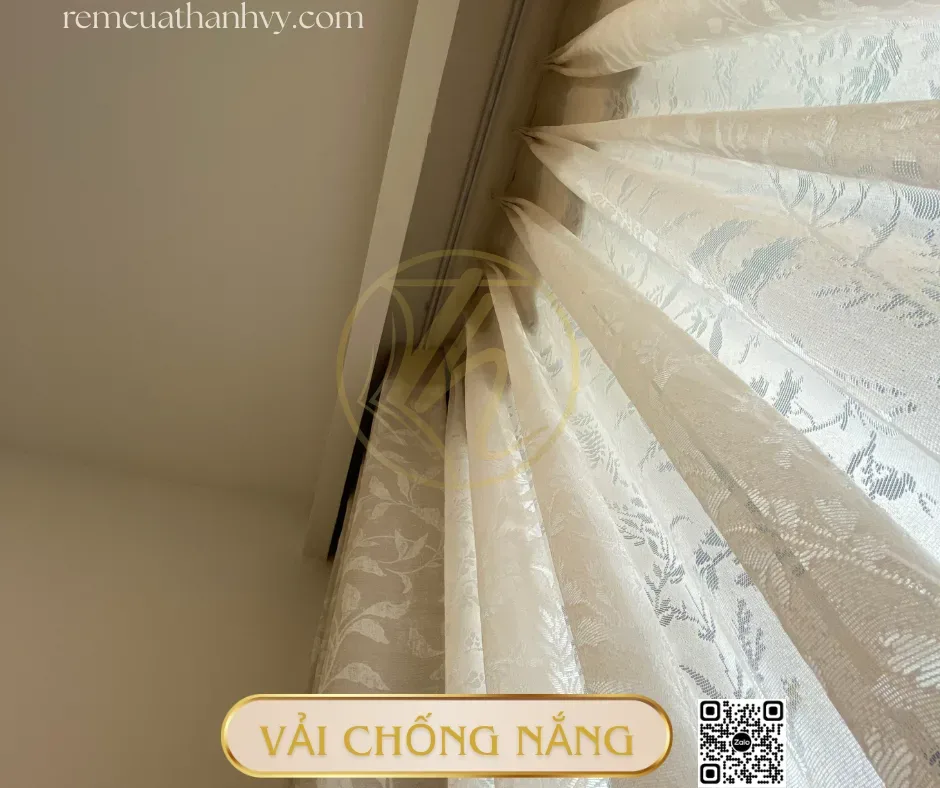
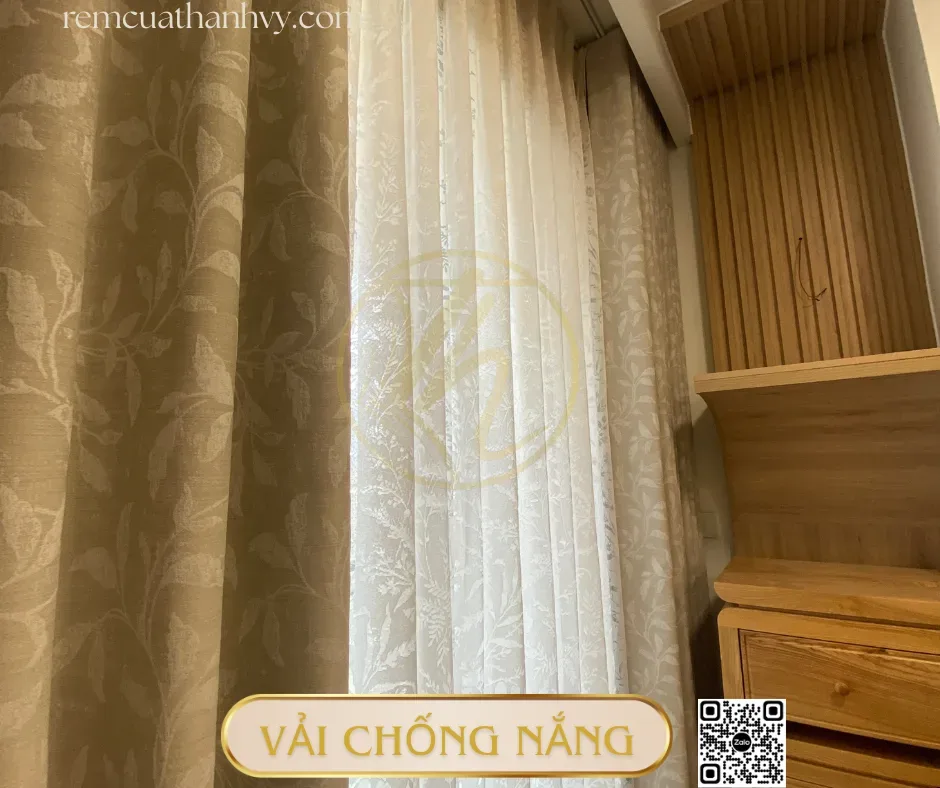
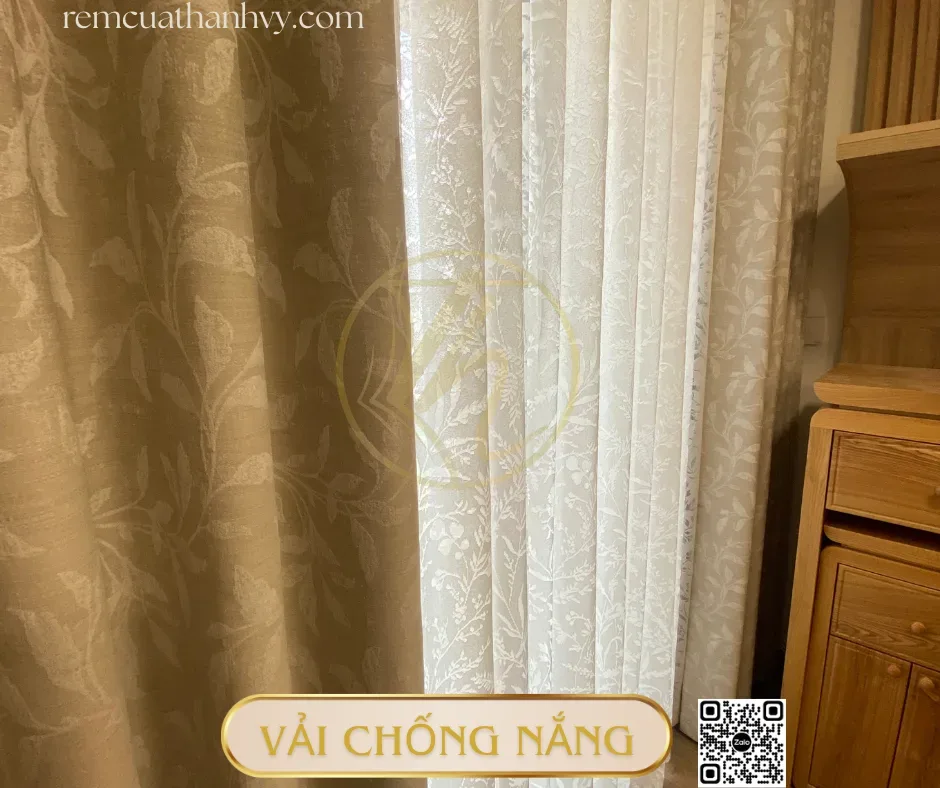
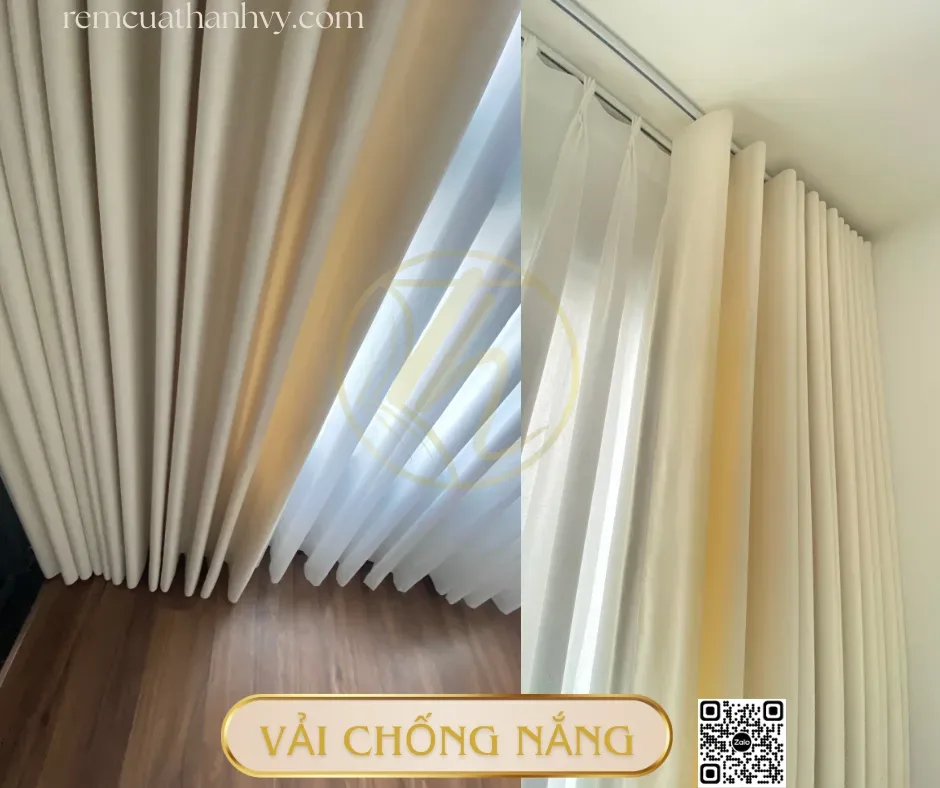
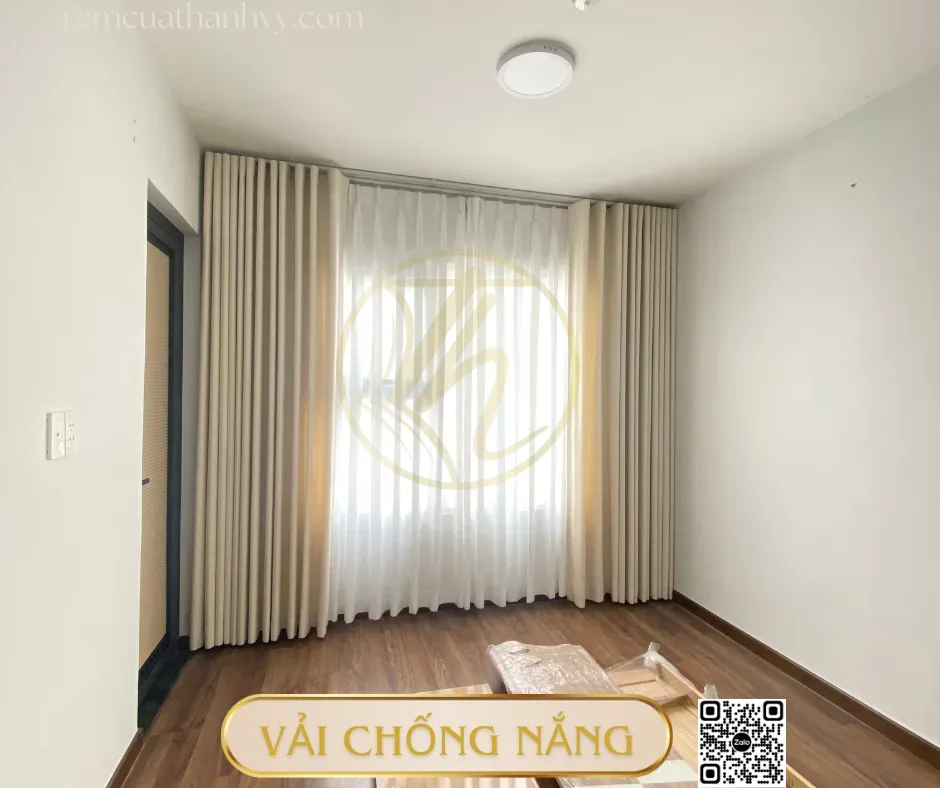
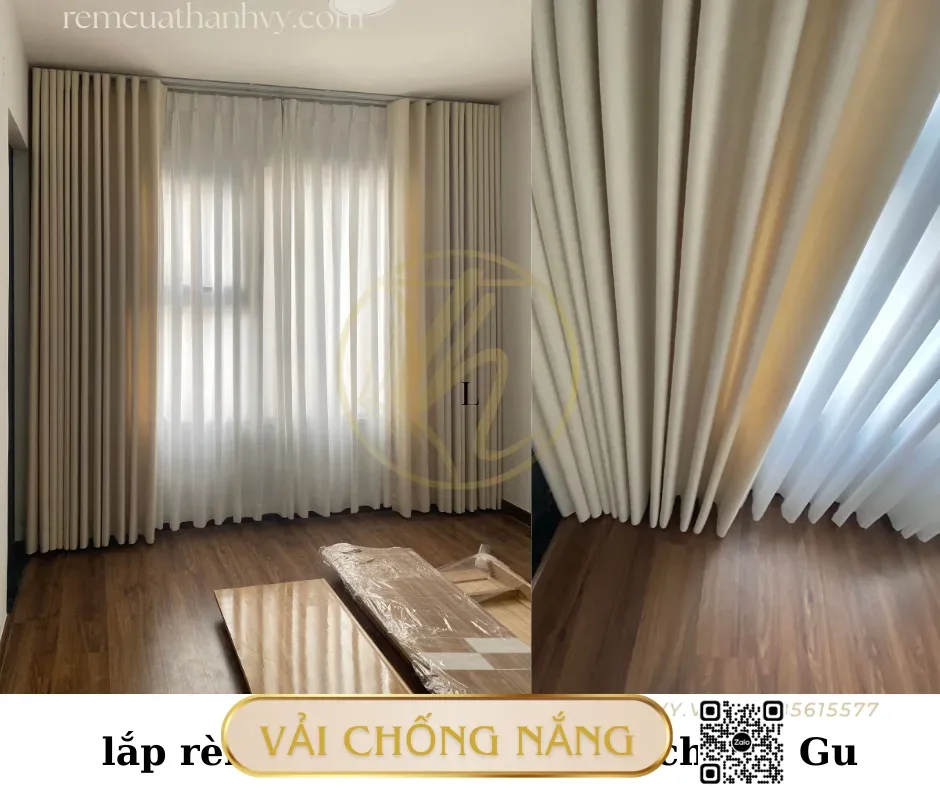
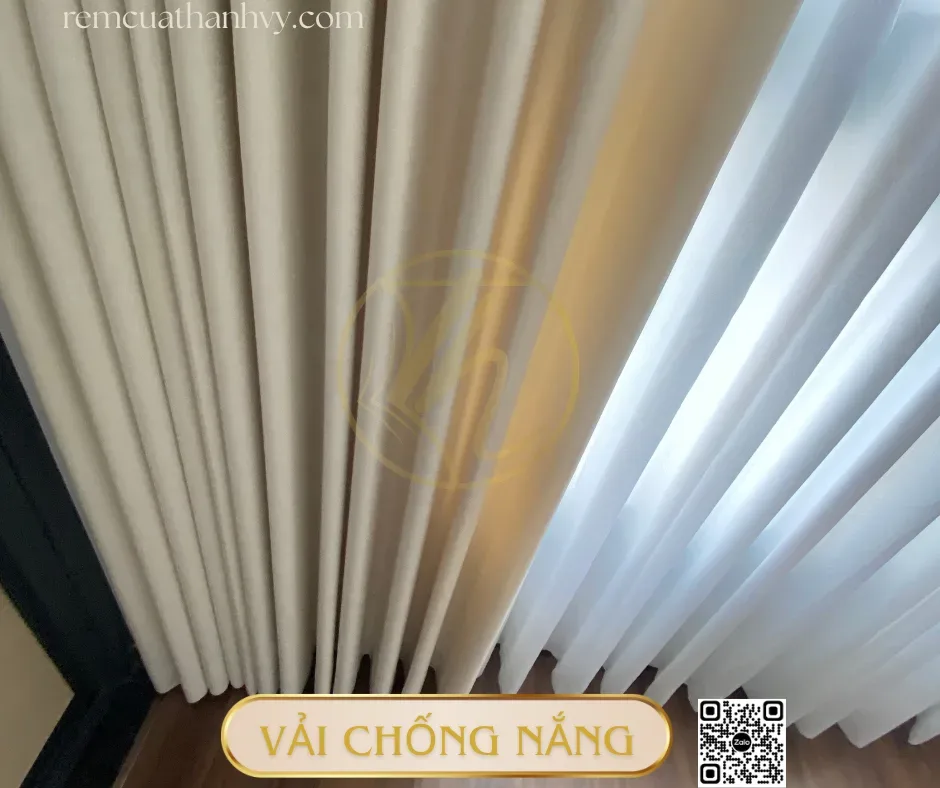
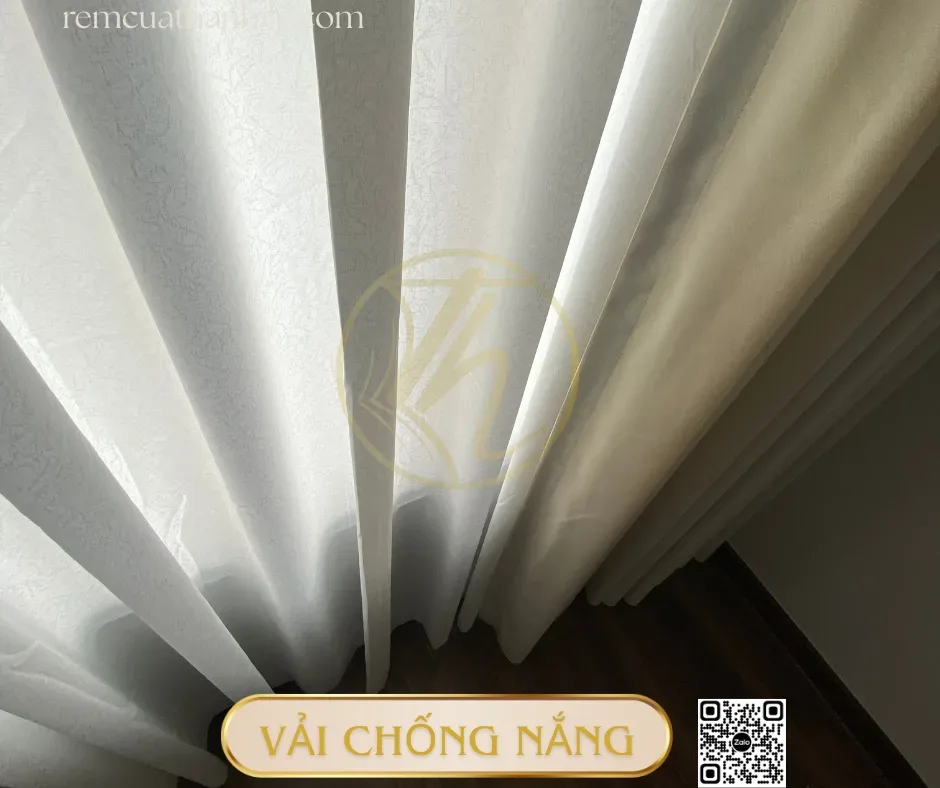
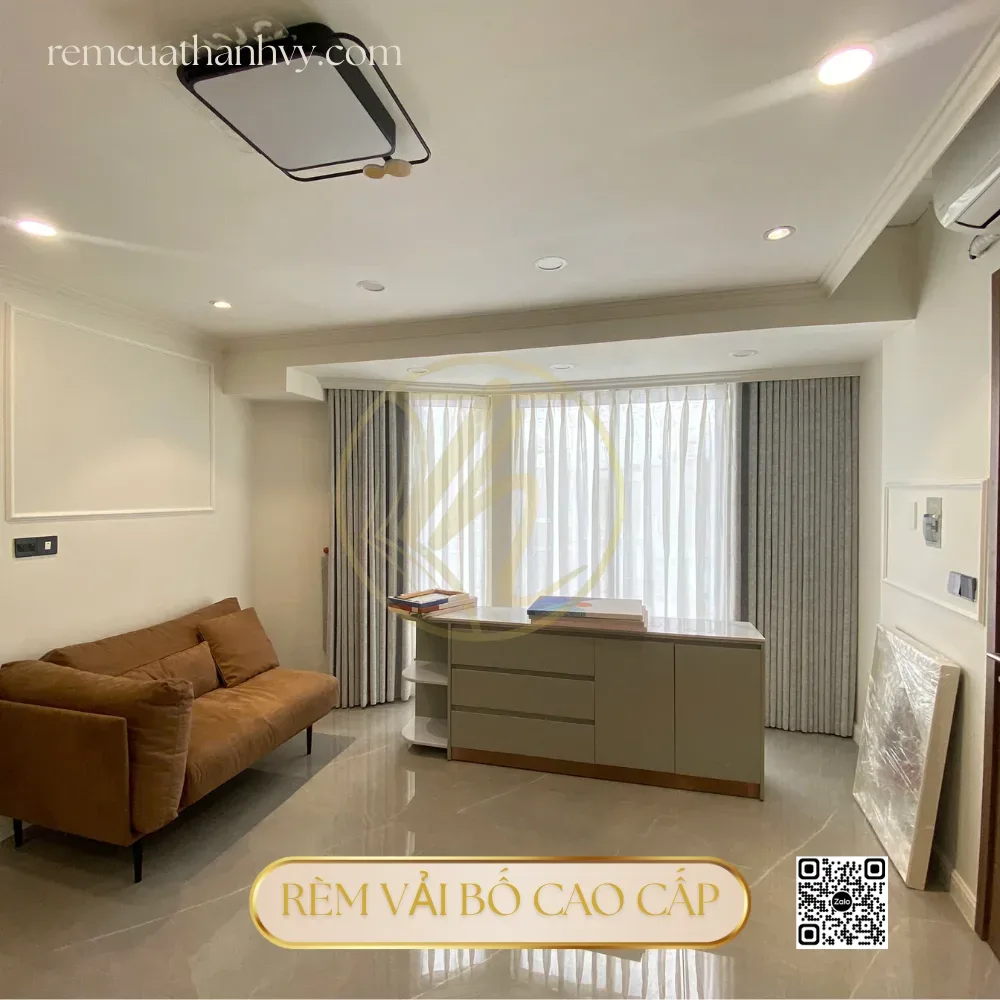
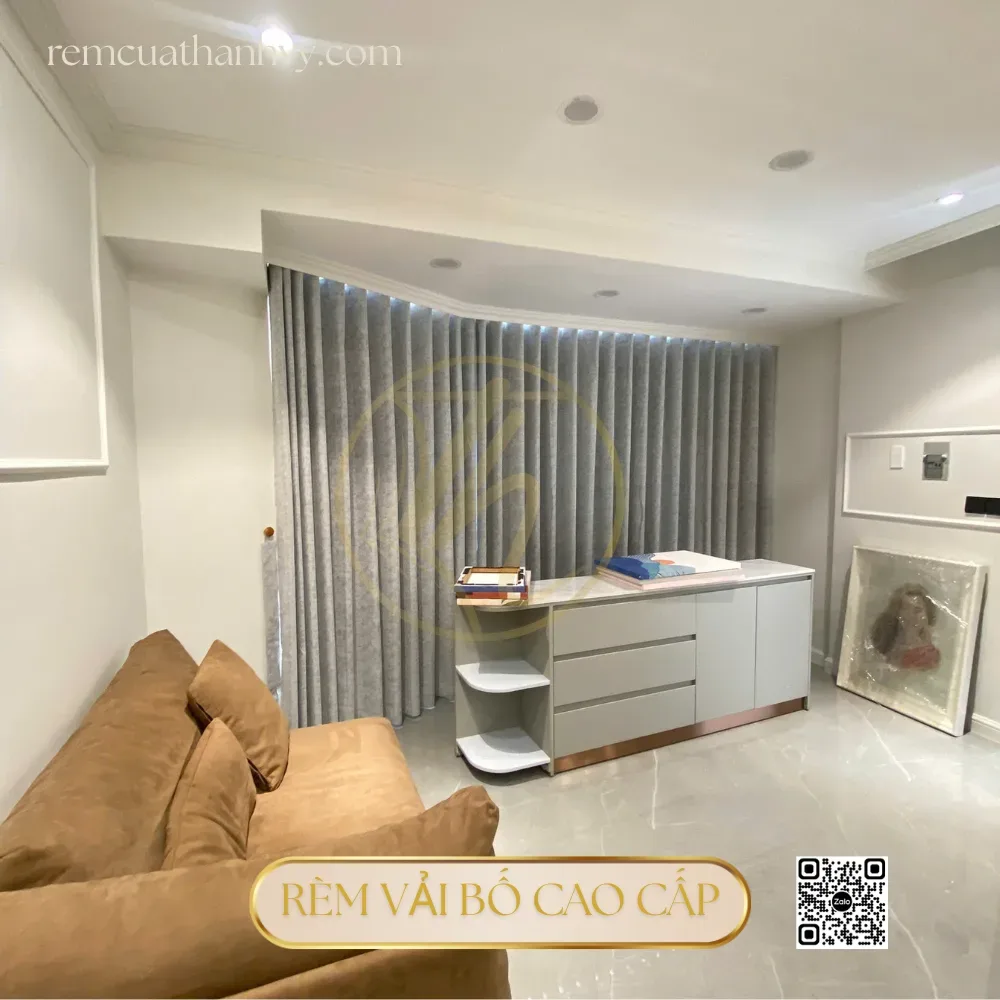
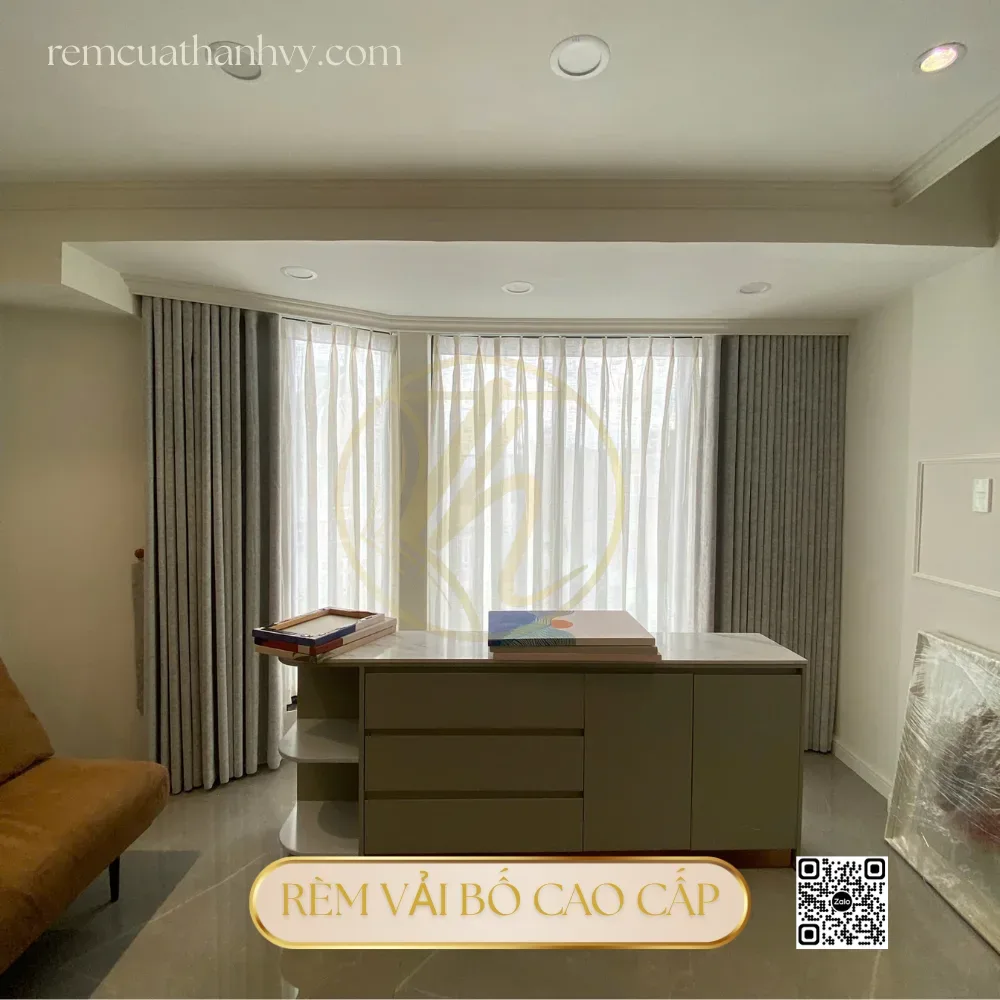
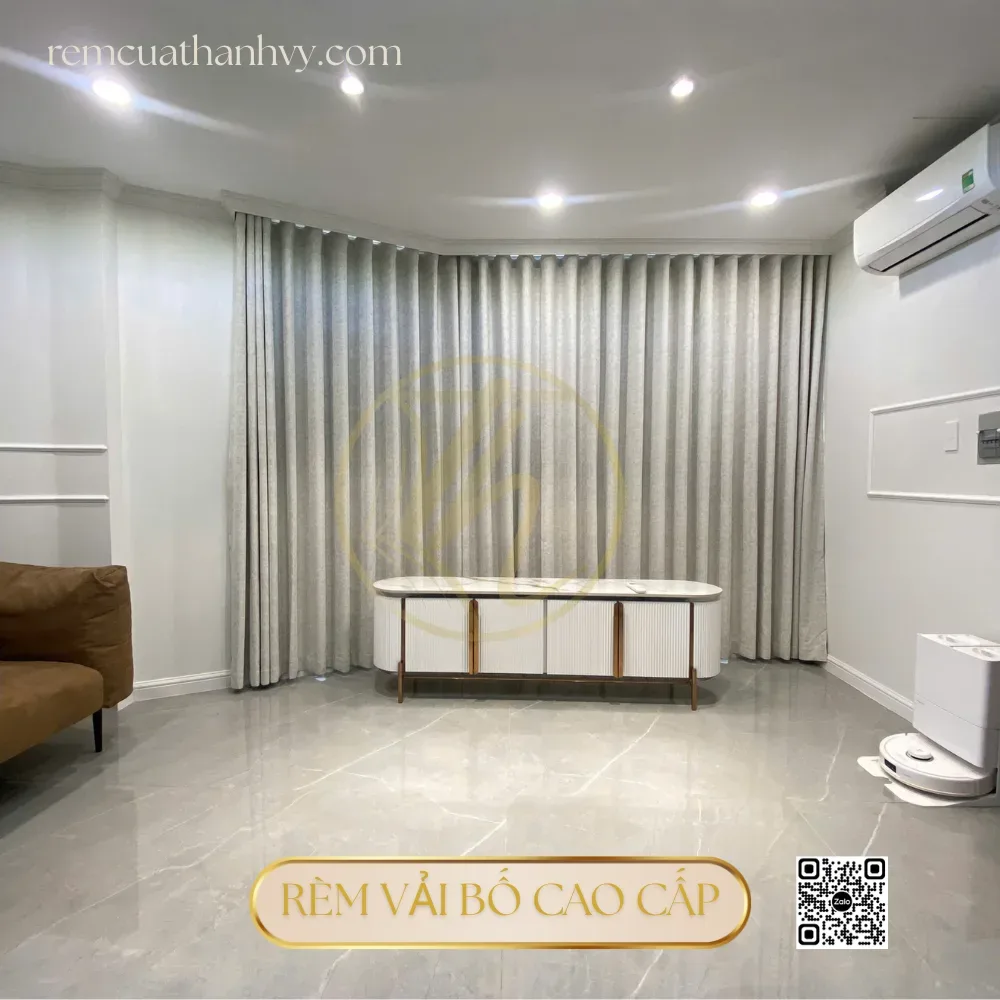
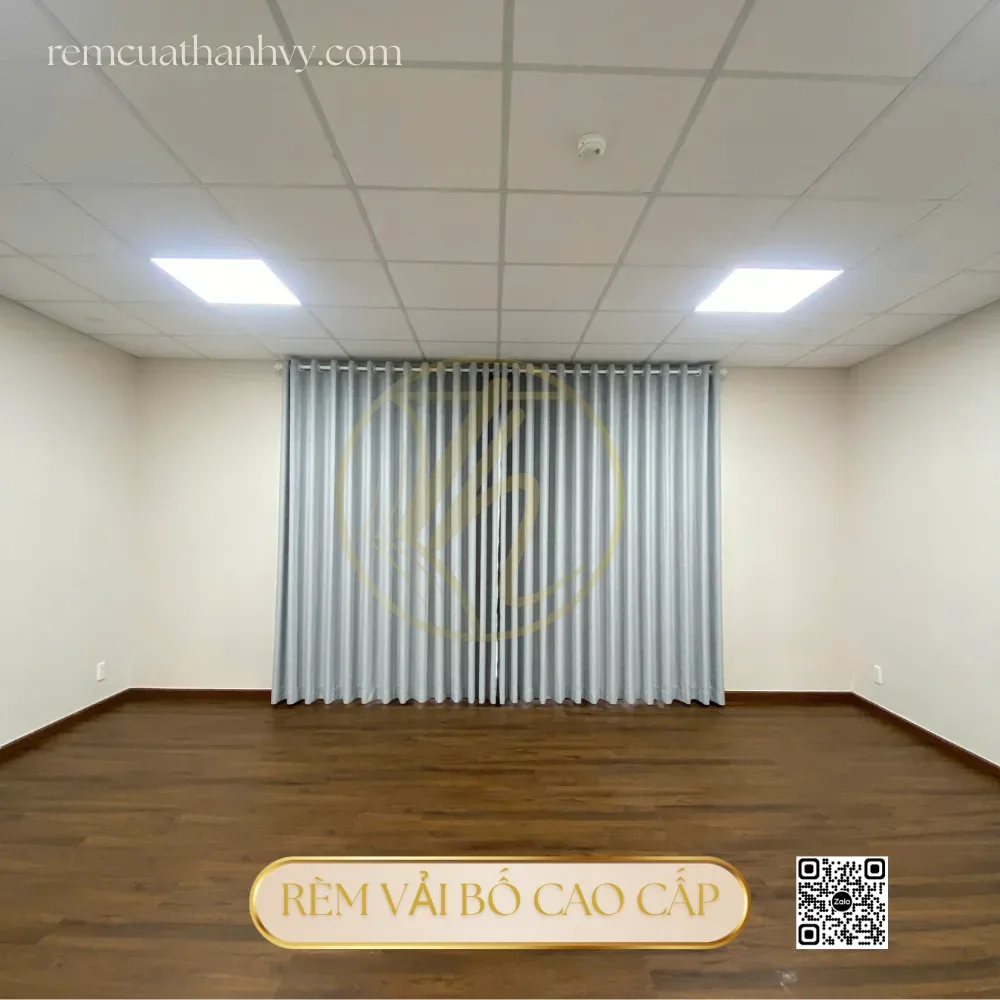
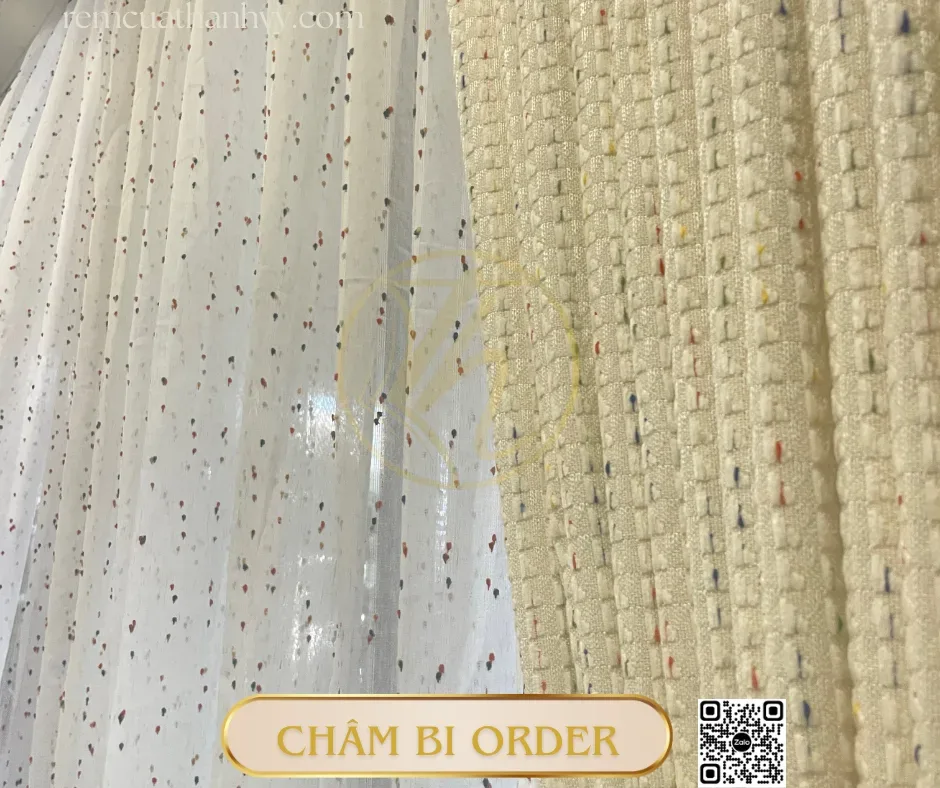
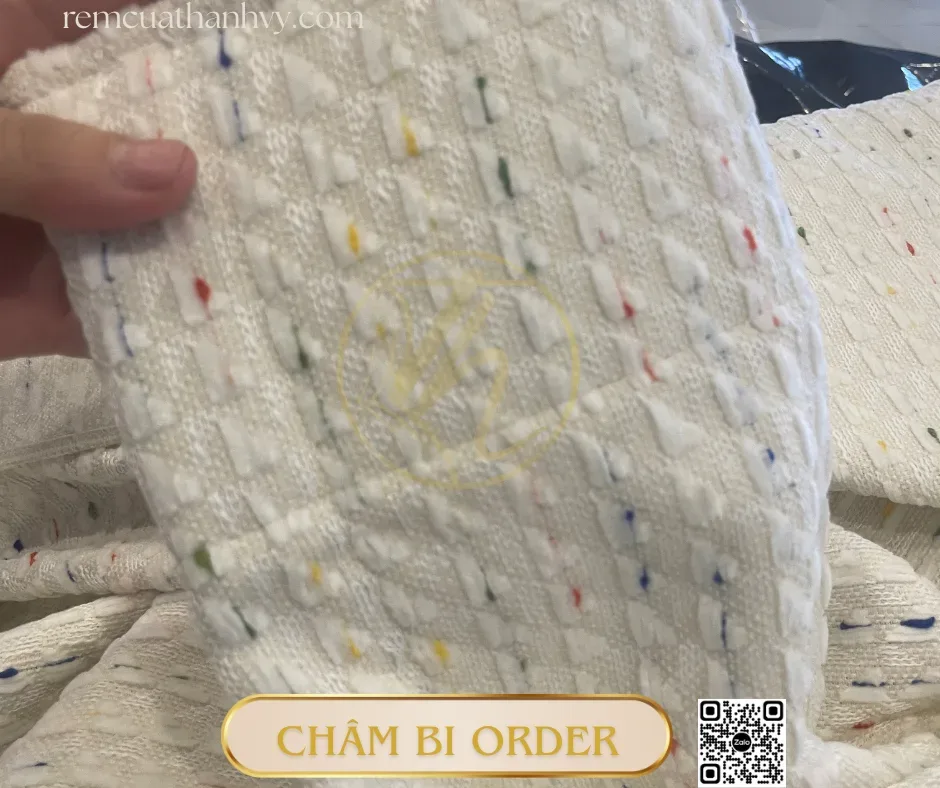
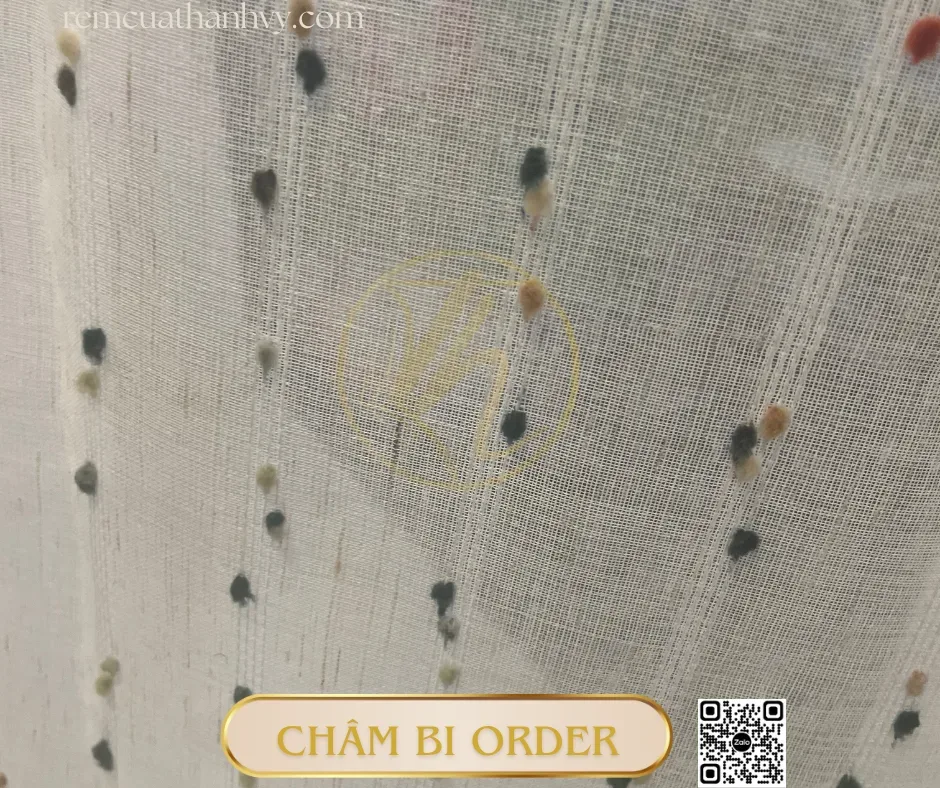
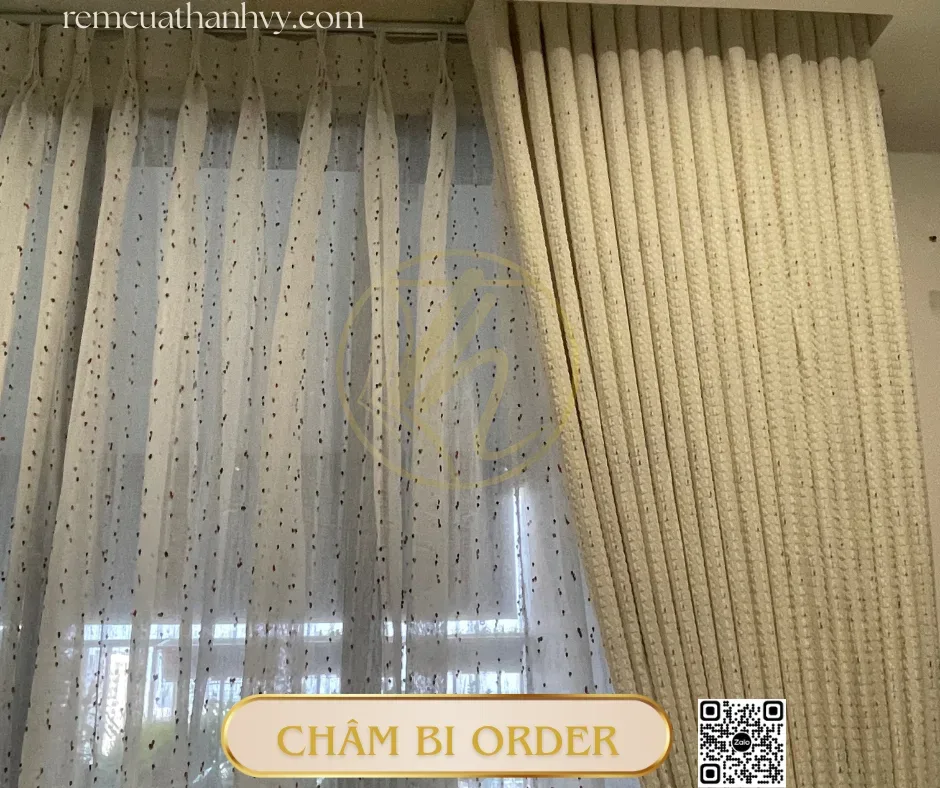
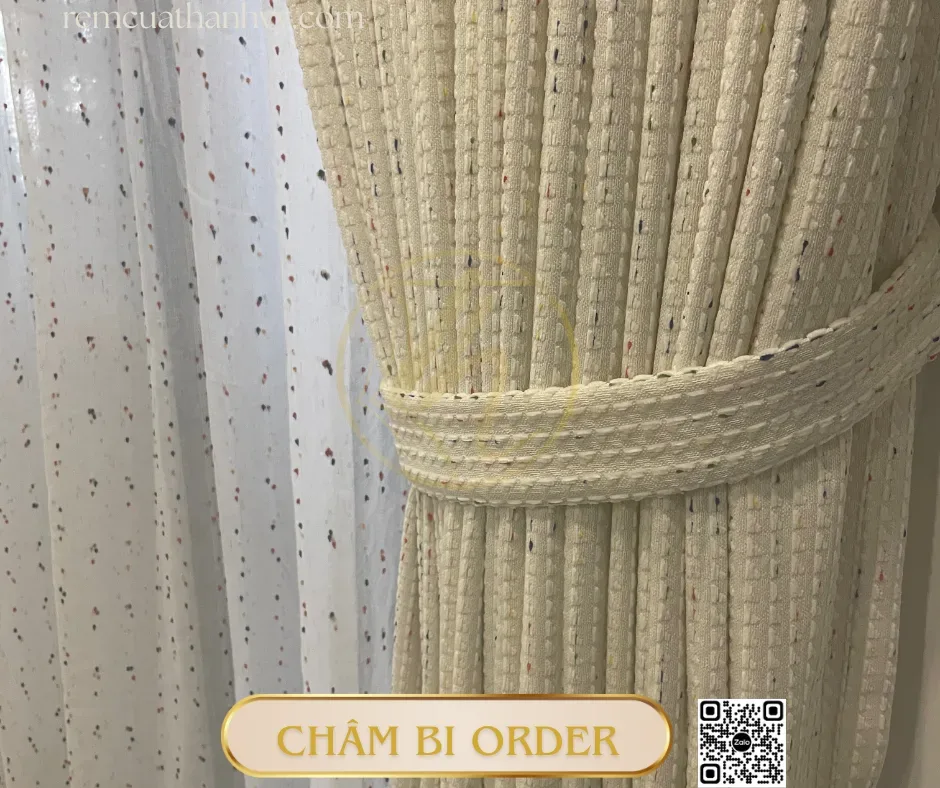
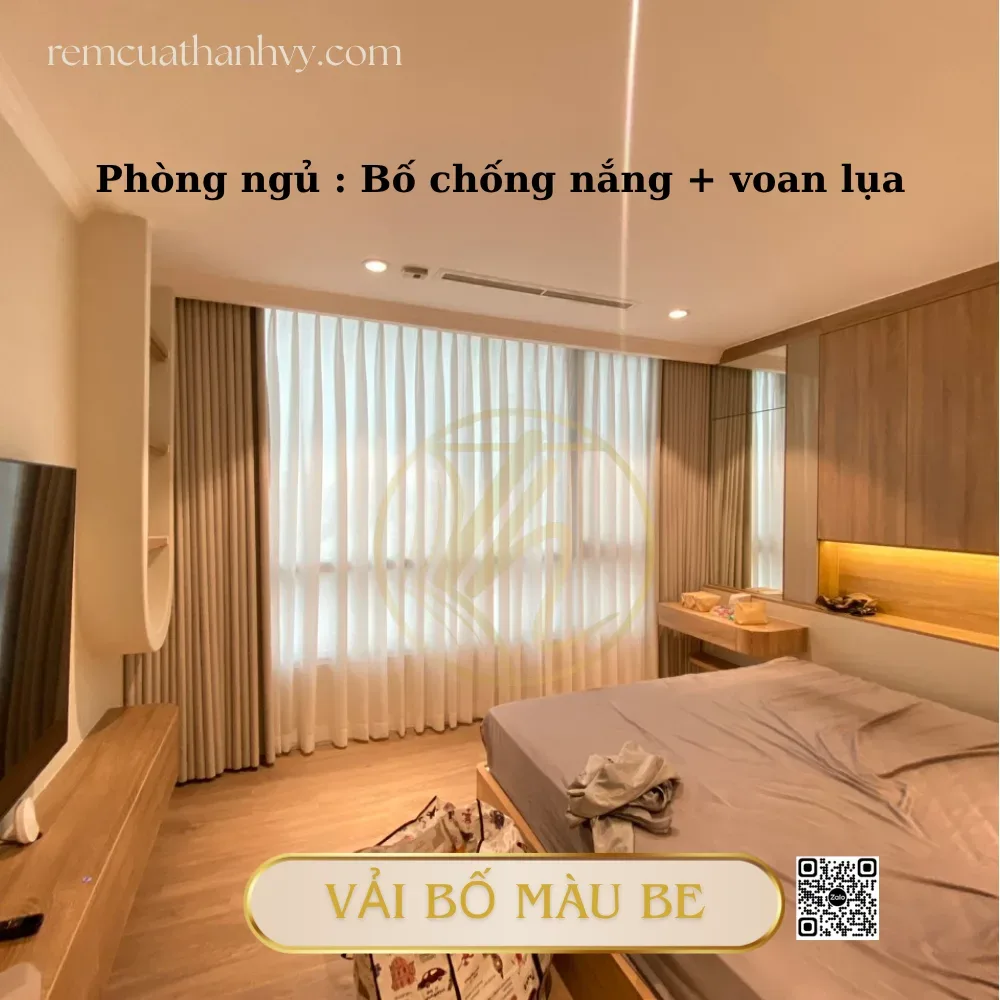
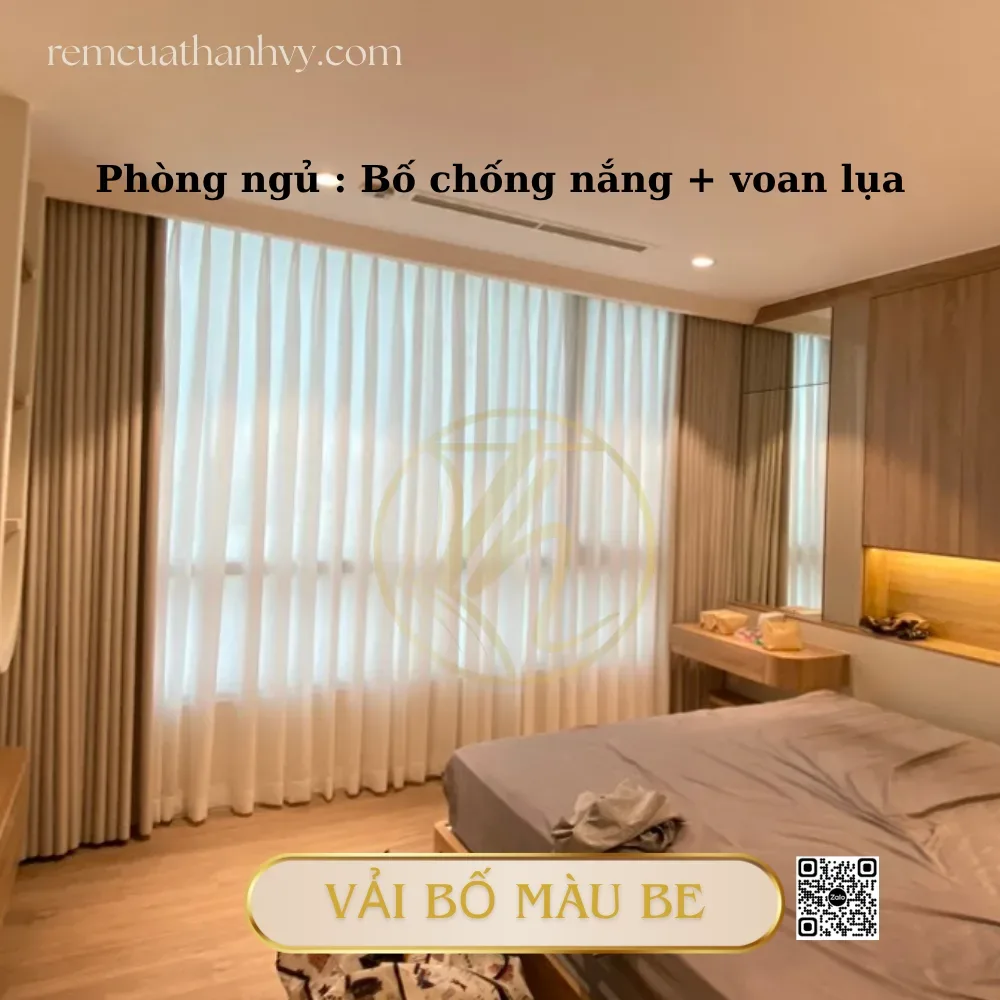
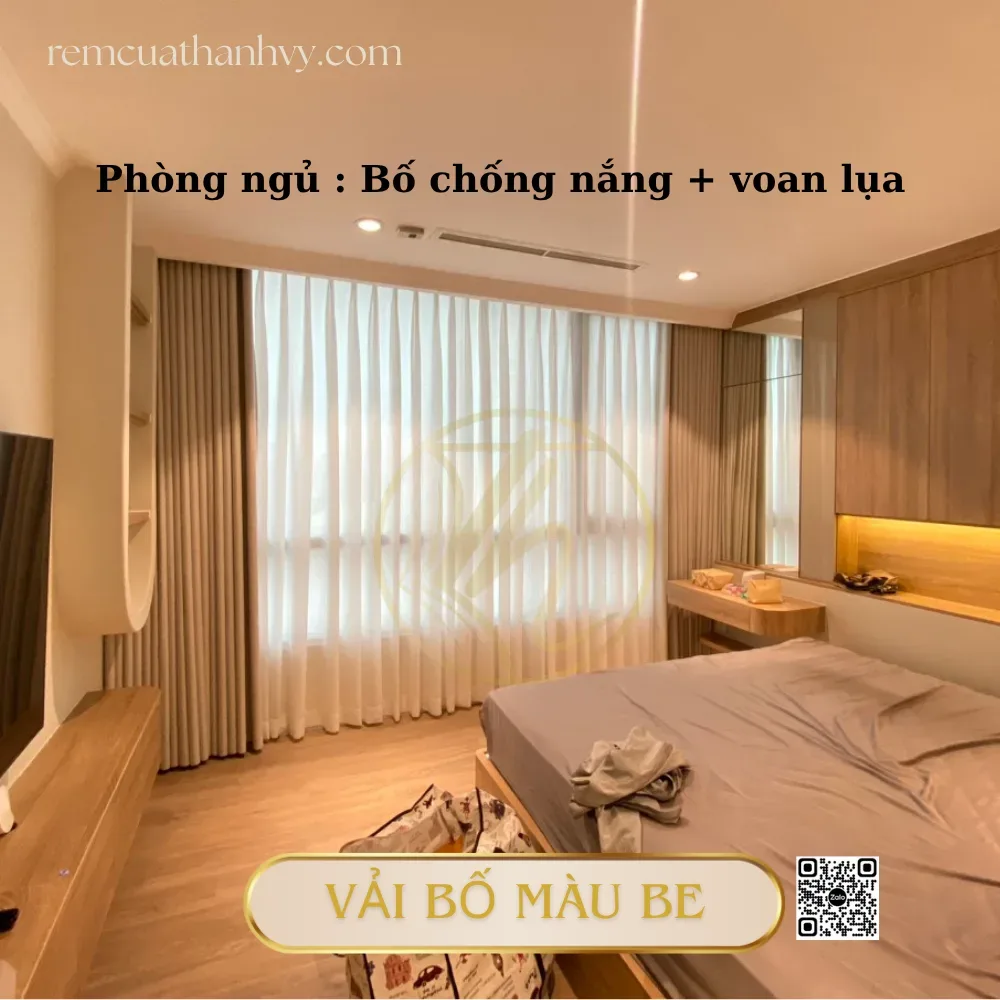
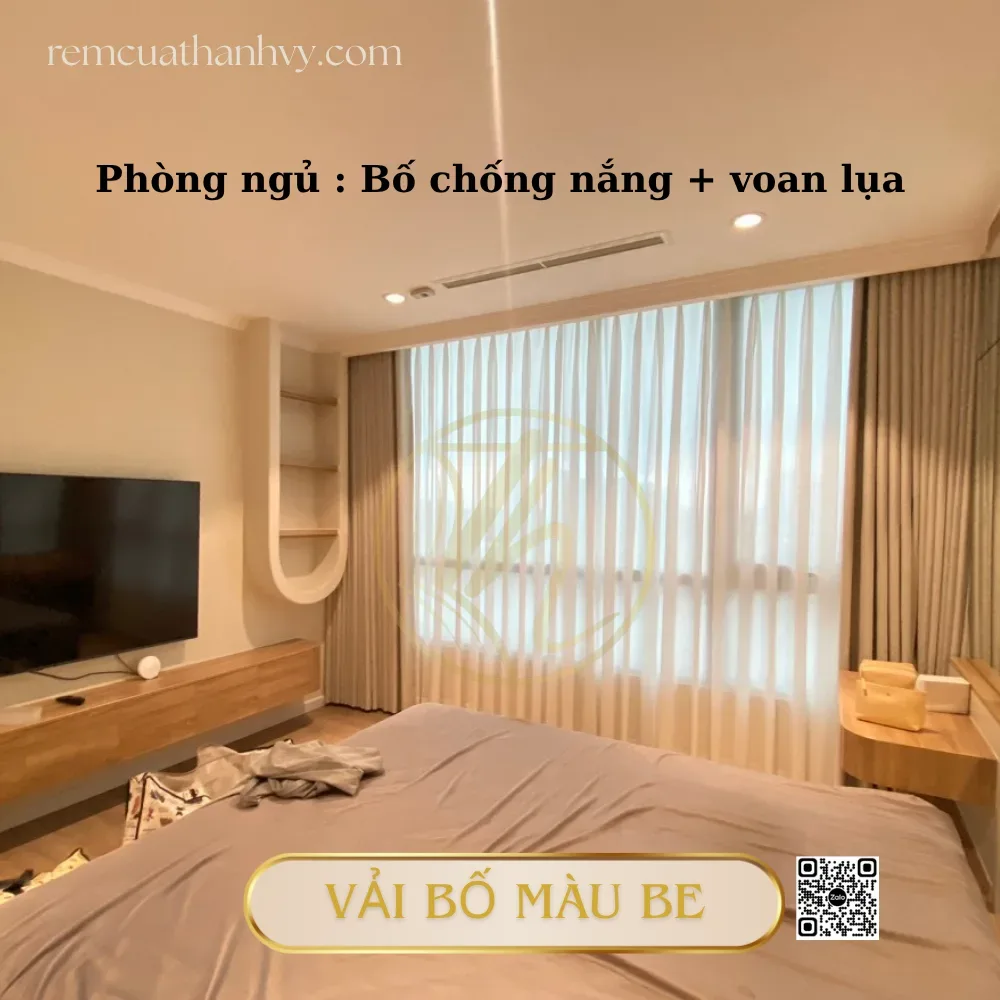
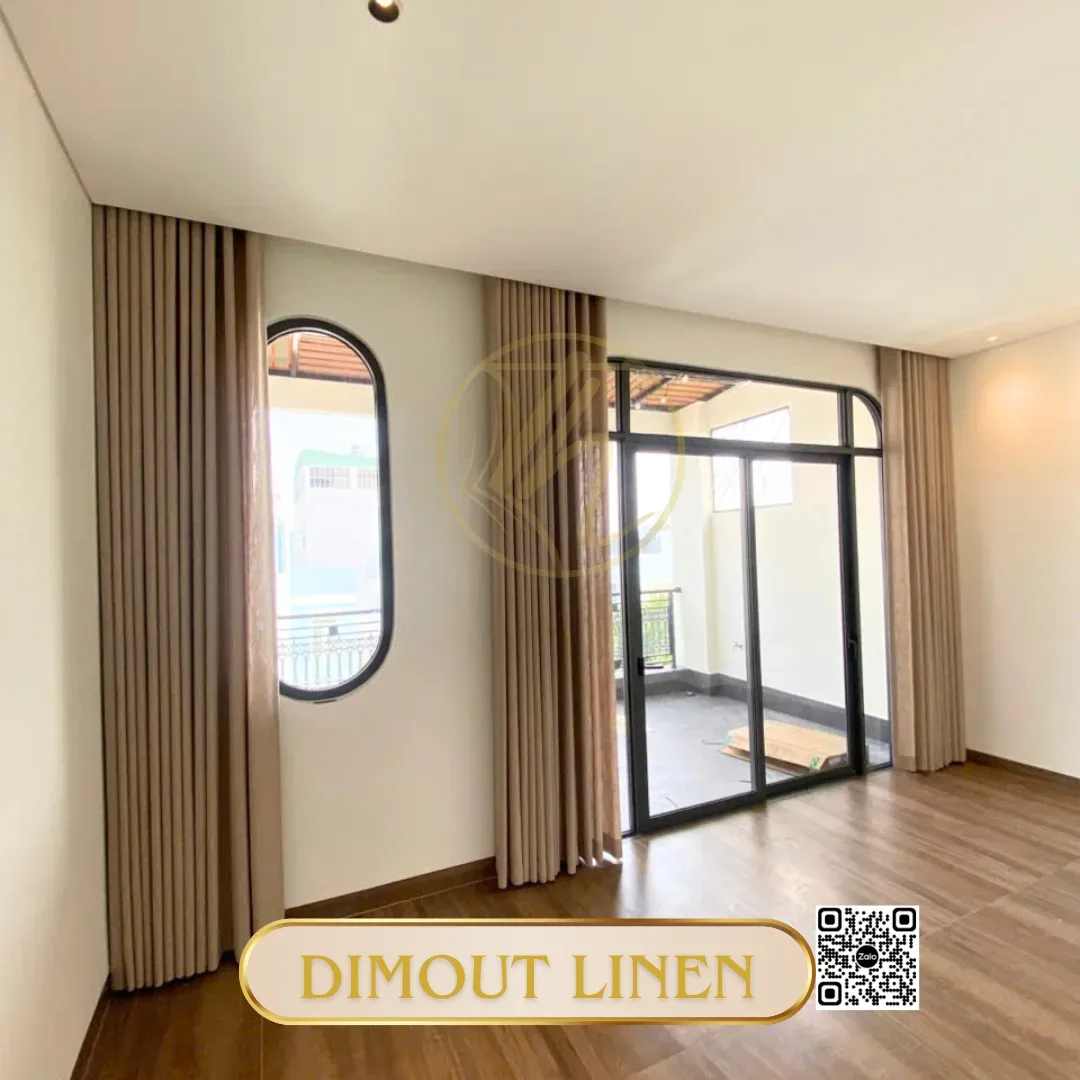
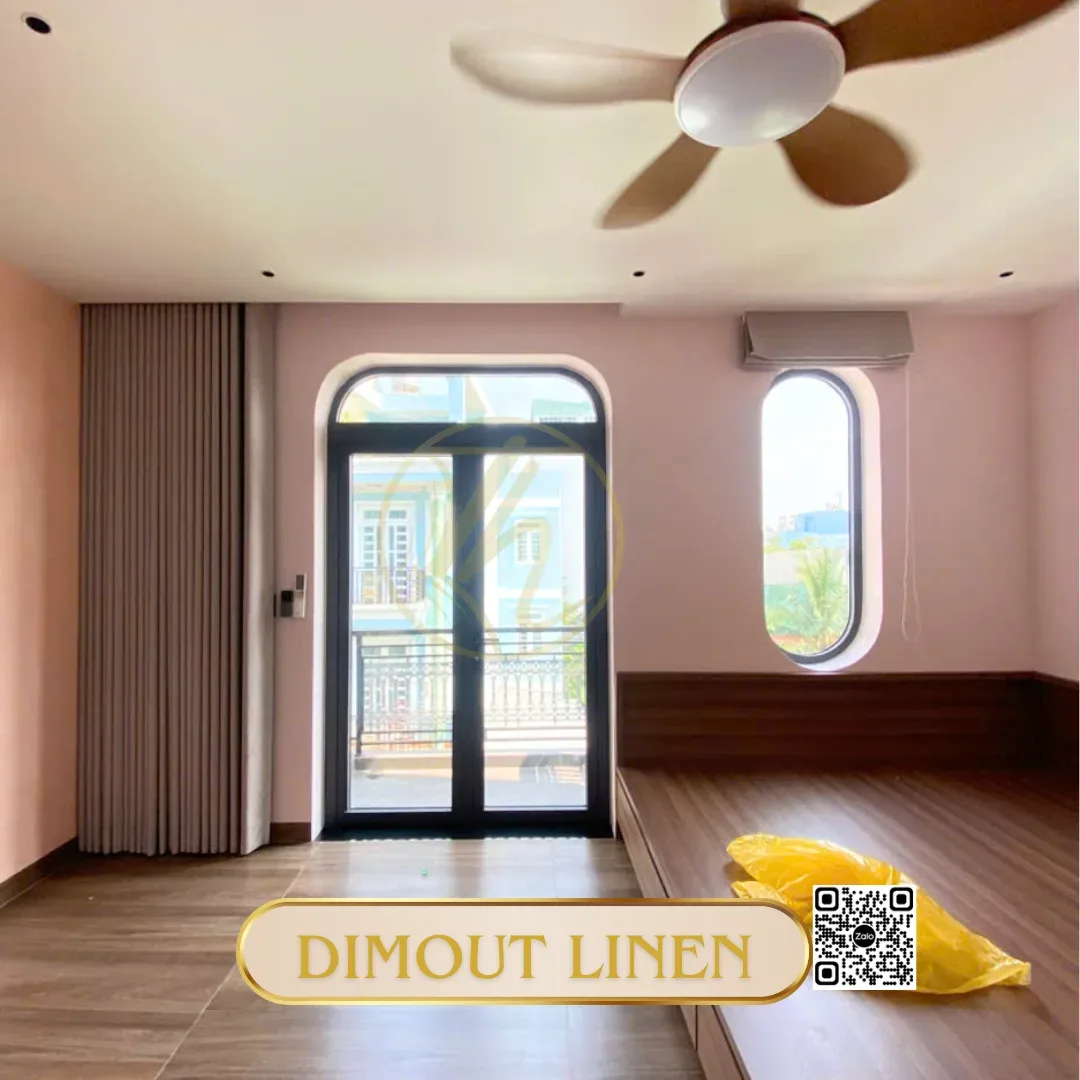
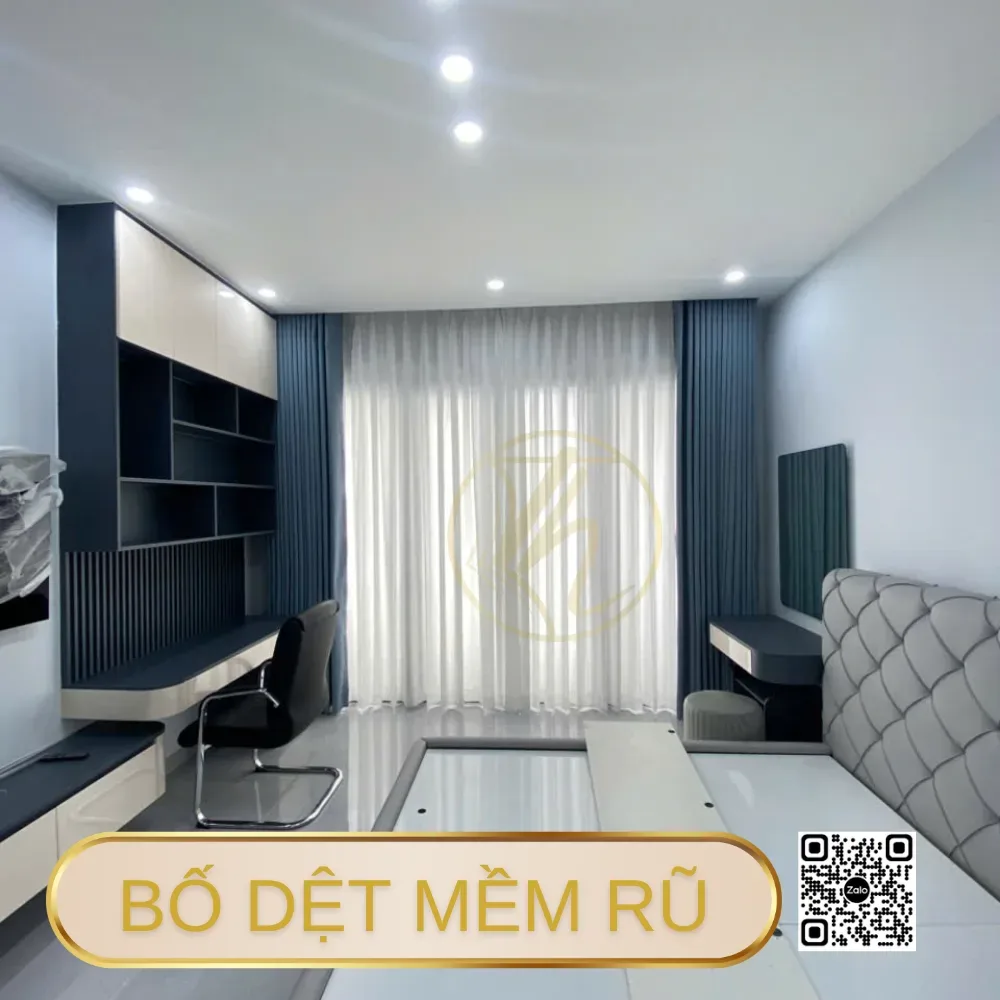
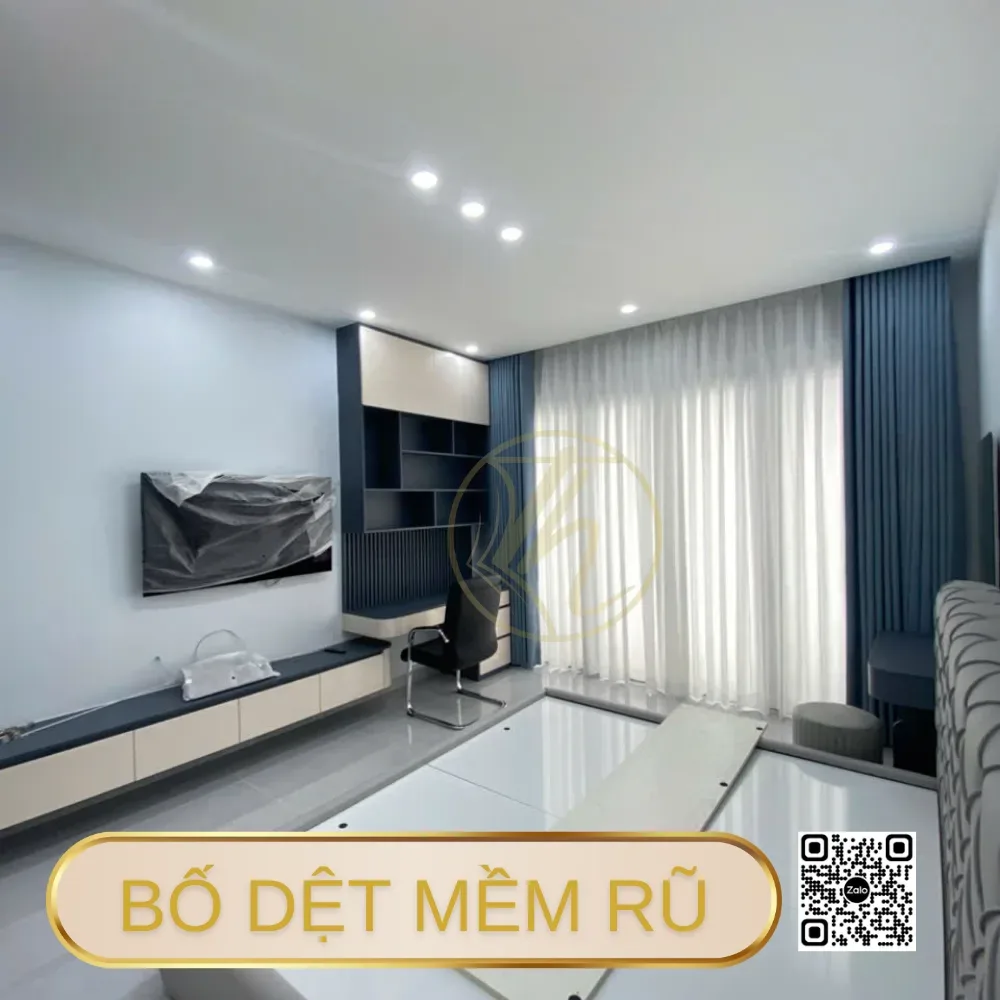
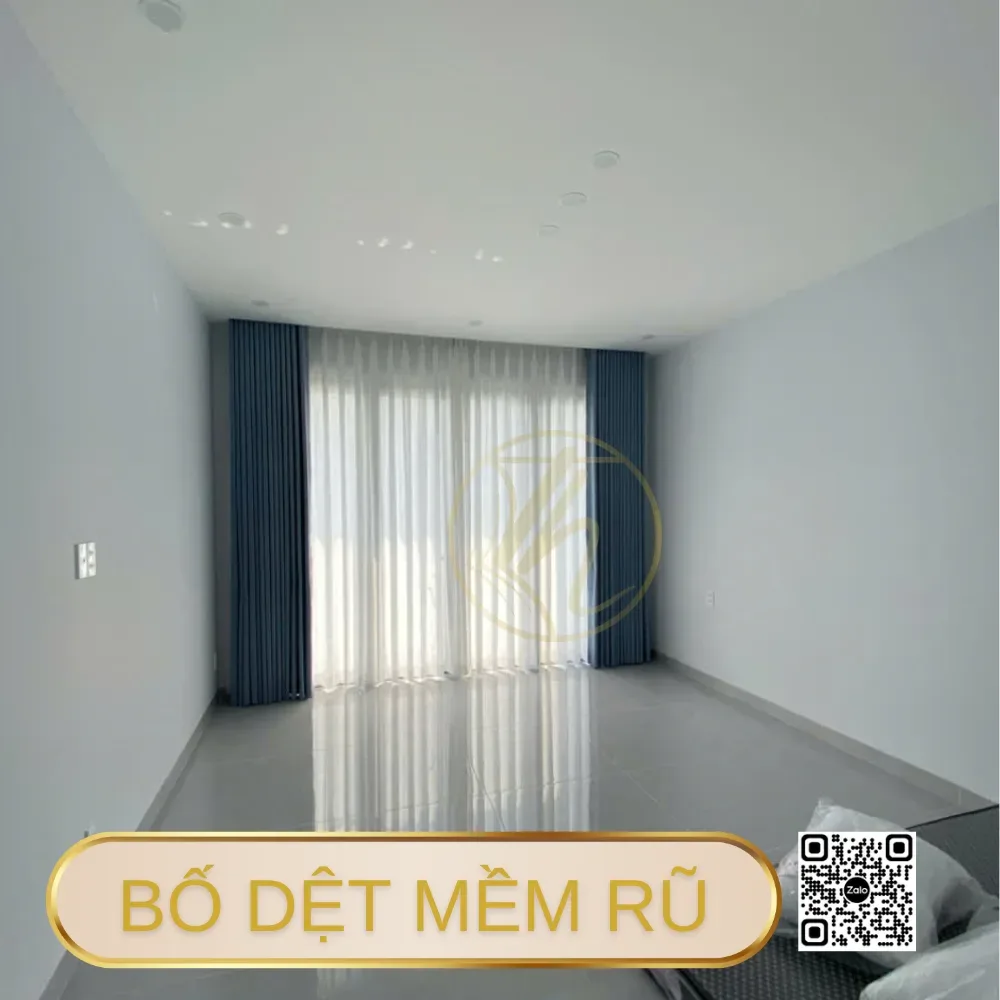
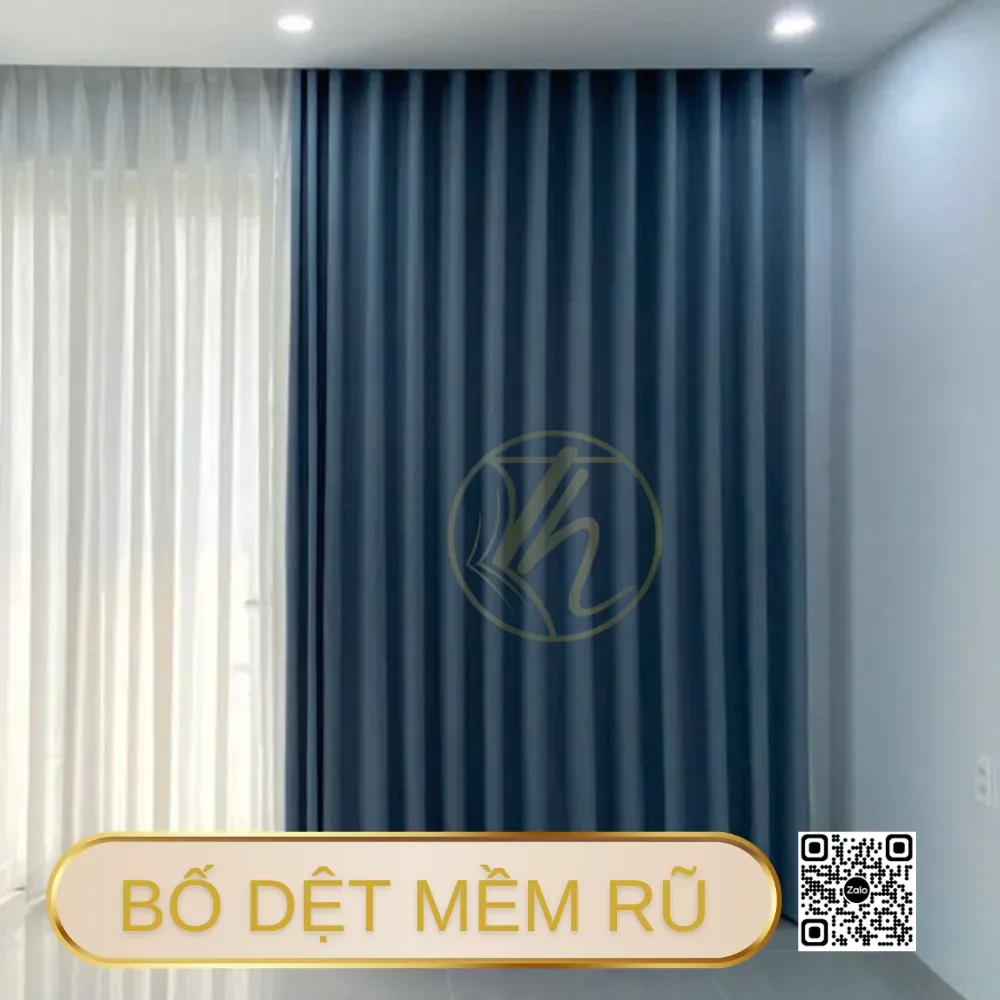
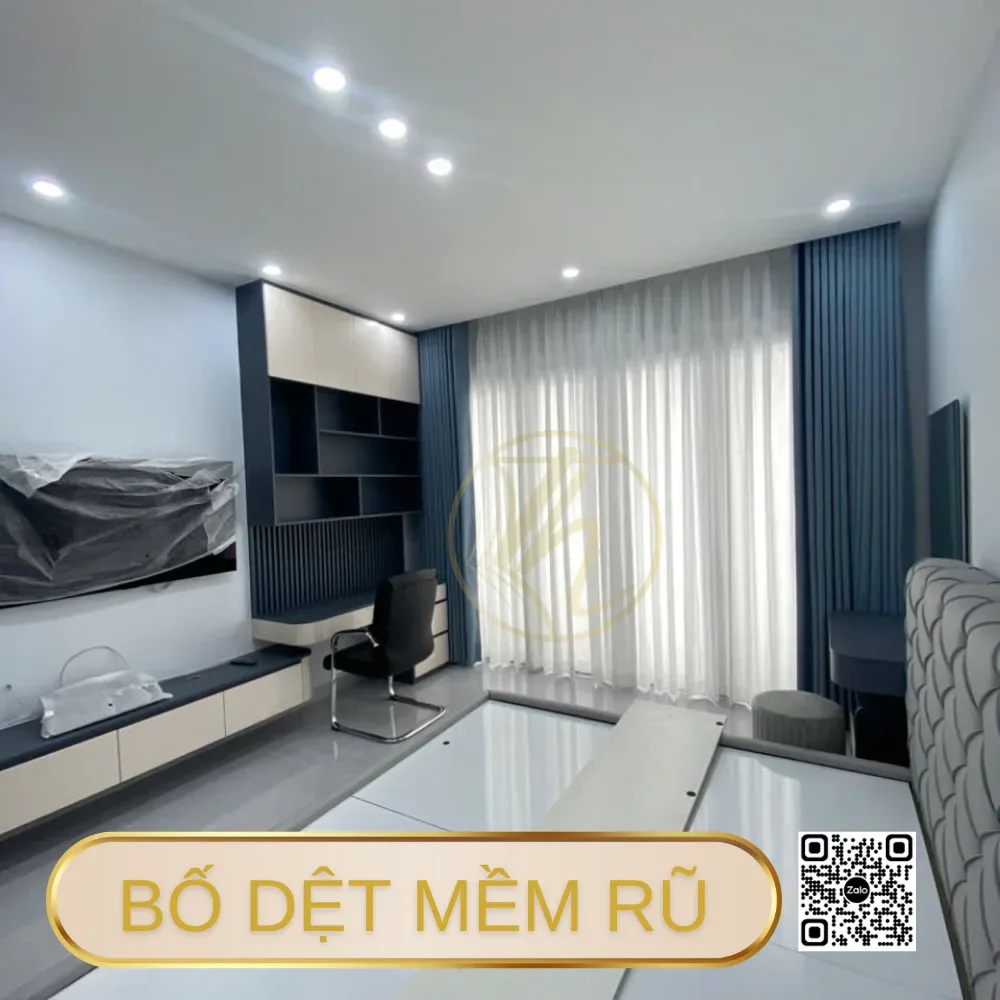
Fabric Curtains
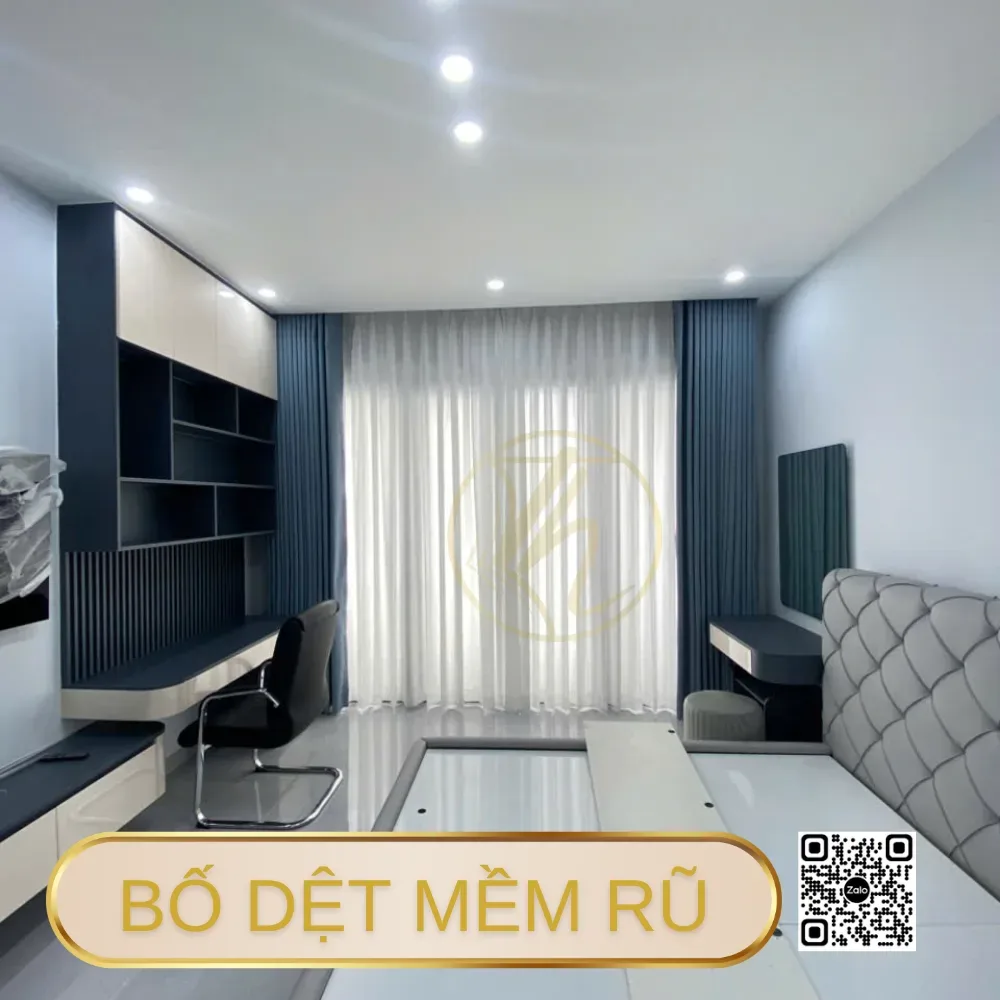
Fabric curtains are the most popular group, with many thickness levels to choose from according to light and privacy needs.
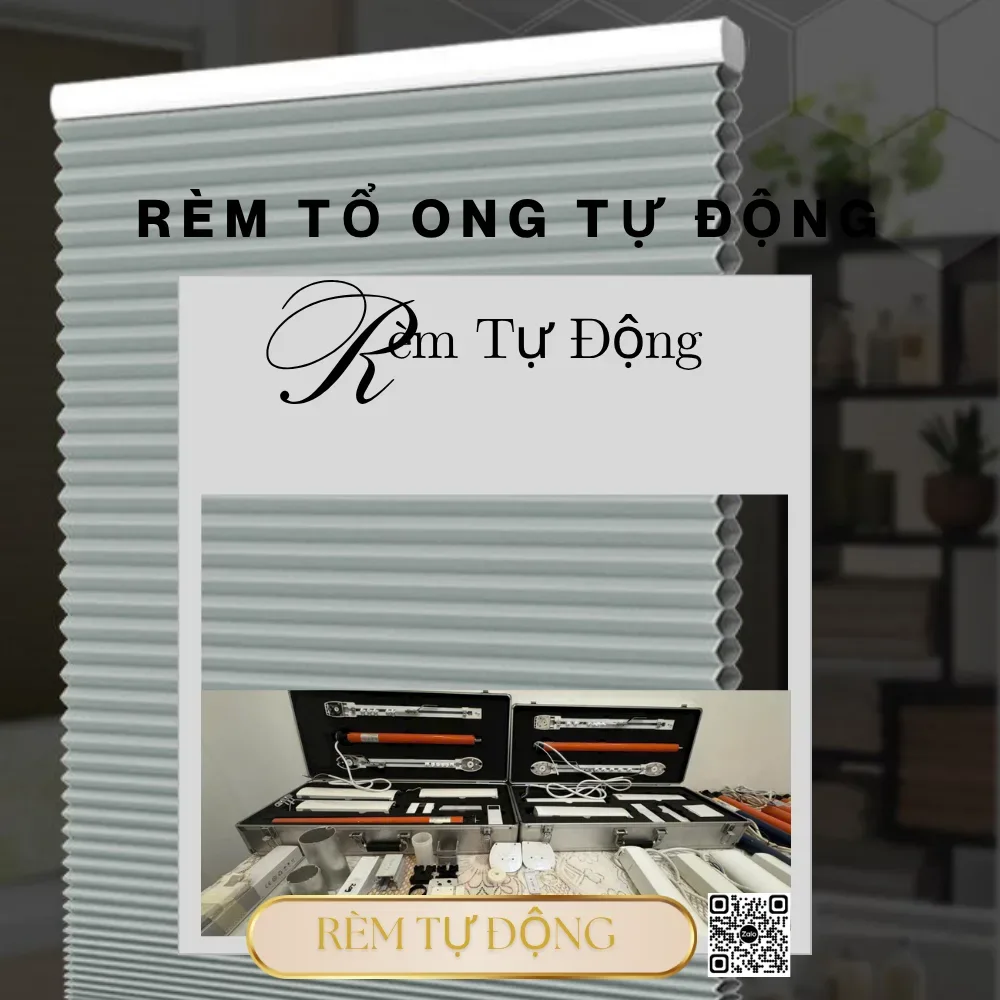
For further information, please contact Thanh Vy Curtains
We provide free consultation and on-site measuring at your home.
Related projects
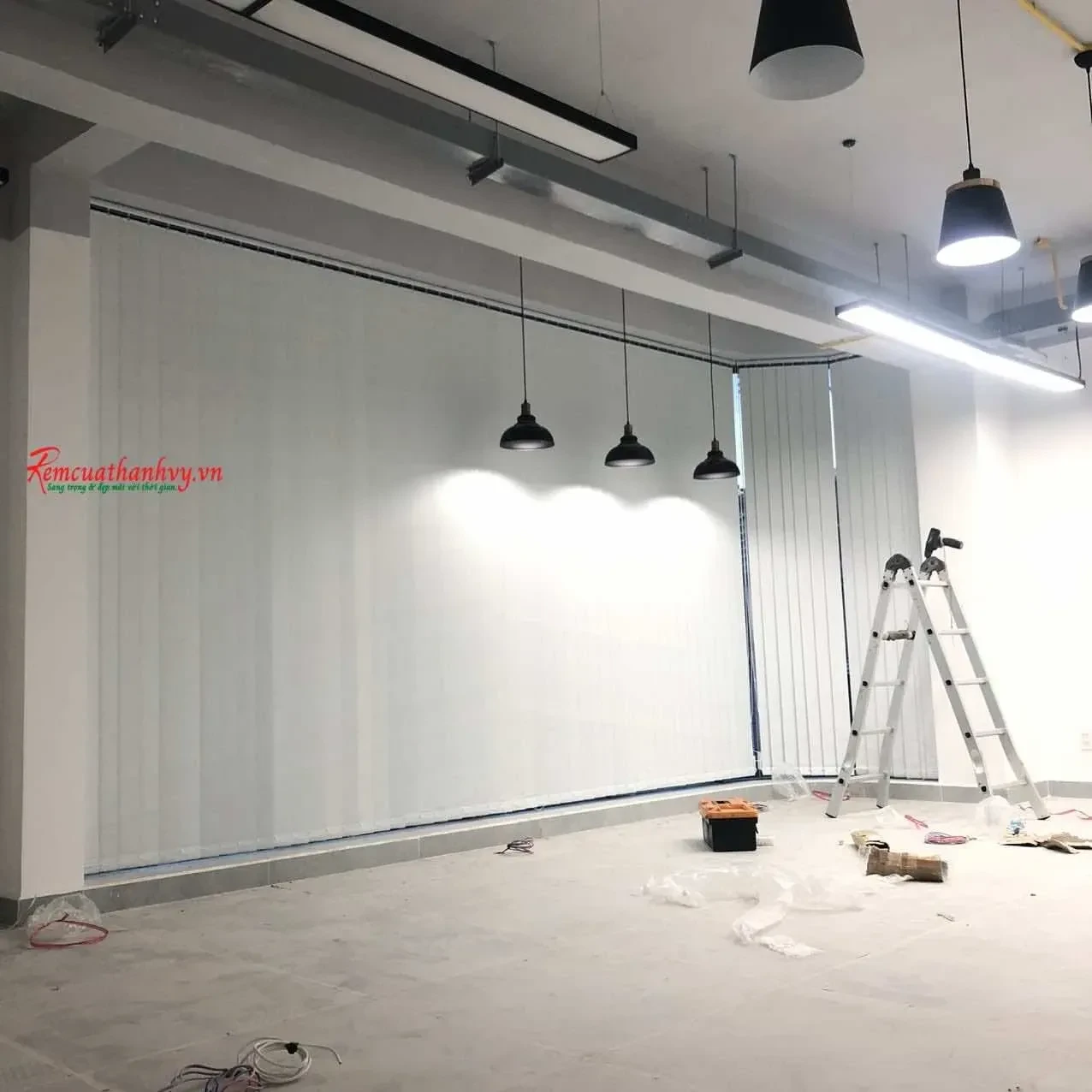
Vertical Blinds for Grocenter District 1 Showroom – Professional Lighting Solution
This project was carried out at Grocenter, 132-134 Dien Bien Phu, Da Kao, District 1 [...]
Related areas
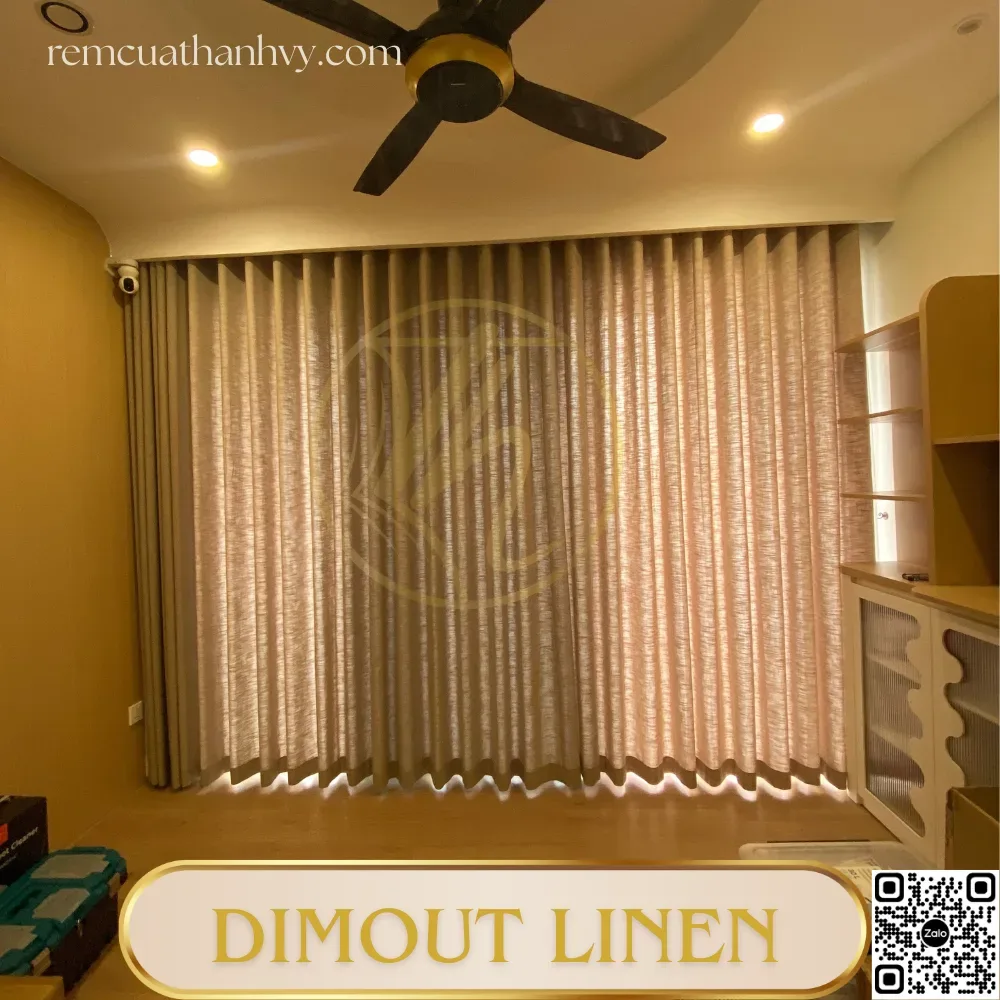
Curtains in District 1: What to prioritize for homes, apartments, and workspaces
A guide to choosing curtains in District 1 based on light levels, privacy, window proportions, [...]
Curtains in District 3: What to prioritize when choosing for each space
**Curtain selection advice:** Customers in District 3 should prioritize two-layer fabric curtains or neat Korean [...]
Curtains in District 6: What to Prioritize for Each Space
To choose the perfect curtains in District 6, contact Rèm Cửa Thanh Vy for dedicated [...]
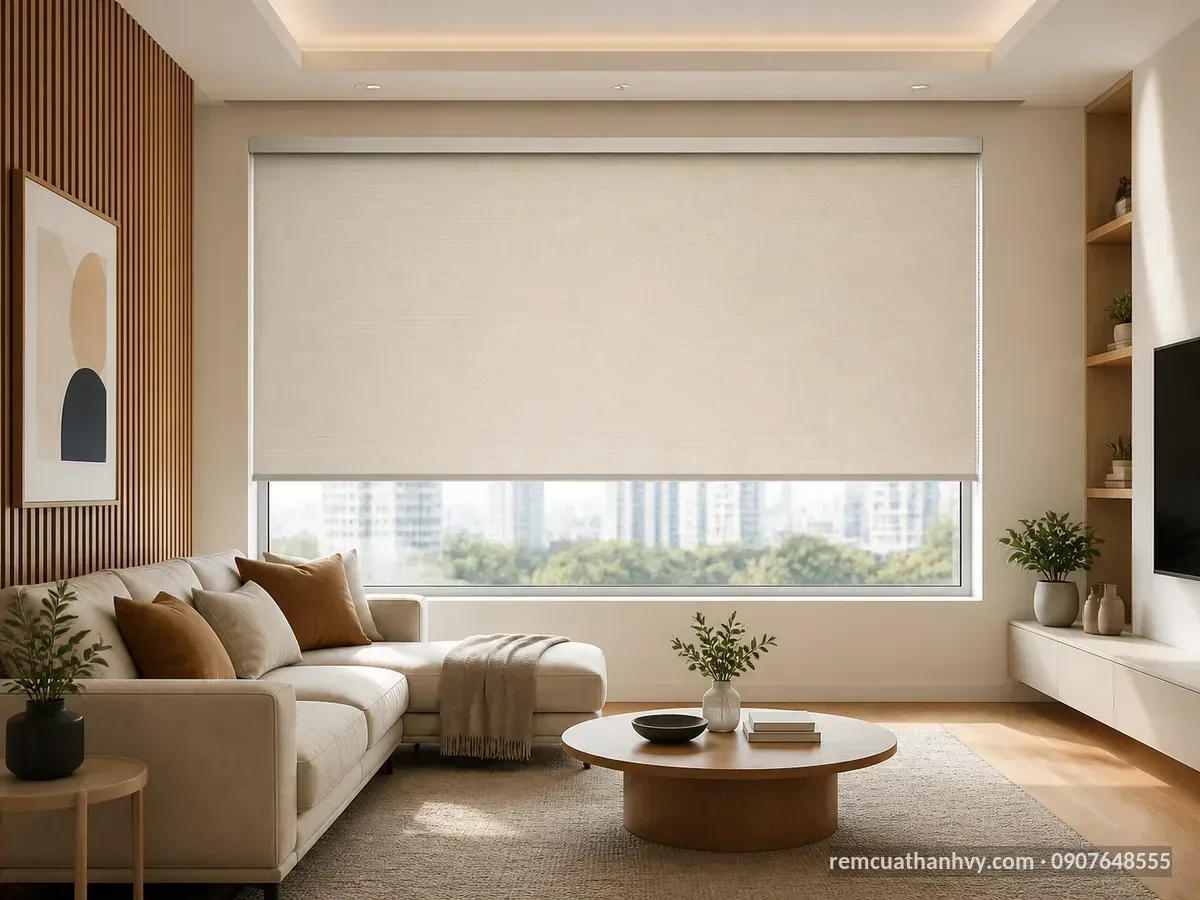
Thu Duc Curtains: Priorities when choosing for each space
With years of hands-on workshop experience, Rem Cua Thanh Vy is ready to advise on [...]
Related reviews
Linen Curtains or Combi Blinds? A Detailed Comparison to Help You Choose
An objective comparison of linen curtains and combi blinds covering aesthetics, light control, durability, maintenance, [...]

Fabric Curtains vs. Roman Shades: A Detailed Comparison
Compare fabric curtains and Roman shades based on light control, privacy, operation, aesthetics, maintenance, and [...]
Linen Curtains or Cellular Shades? A Detailed Comparison to Help You Choose
Compare linen curtains and cellular shades by light control, privacy, operation, aesthetics, cleaning, and running [...]
Related posts
Fabric Curtains in District 3: How to Choose by Room and Need
This article helps readers choose fabric curtains in District 3 based on light blocking needs, [...]
Fabric Curtains in District 6: How to Choose Fabrics and Sewing Styles
A guide to choosing fabric curtains in District 6 for every space, light level, material, [...]
No comments yet!