


Roman Blinds District 8: Custom-Made On-Site, Best Prices | Thanh Vy
Characteristics of the humid climate and the need to choose suitable roman shades in District 8
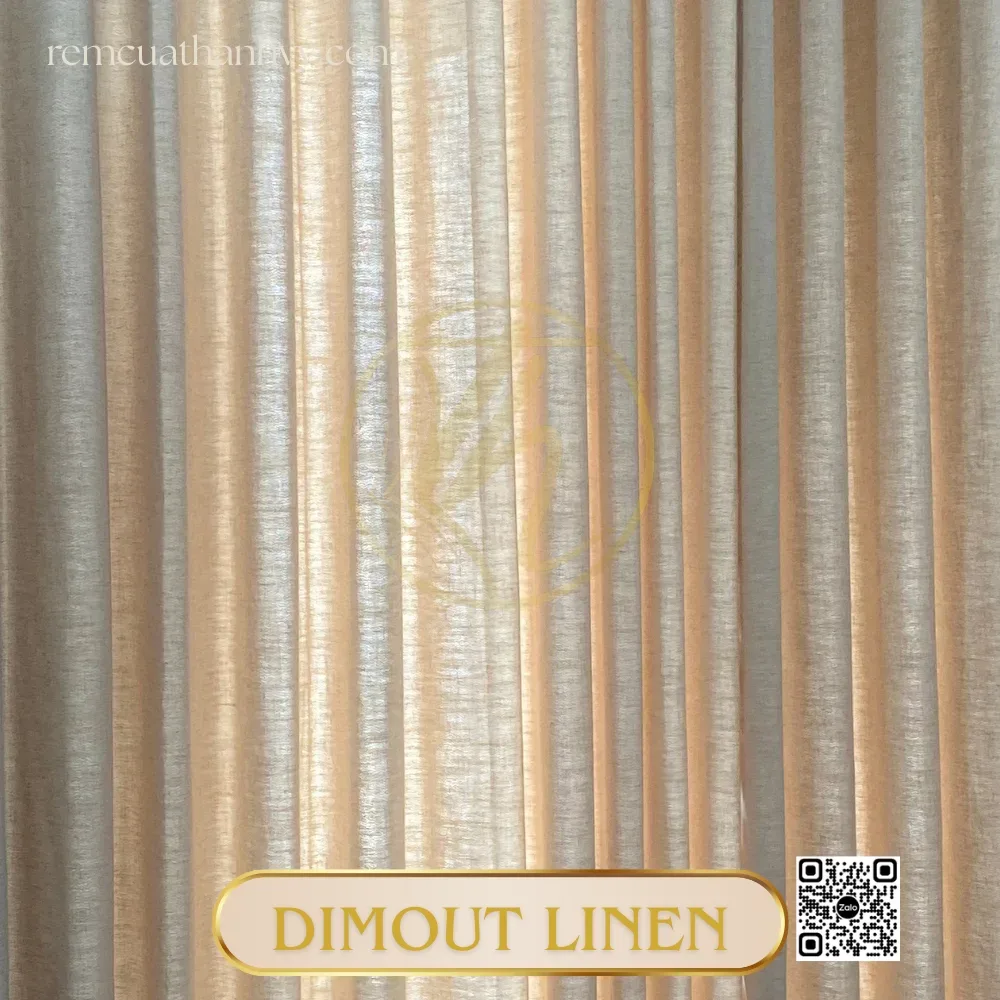
In District 8 — an area with high air humidity due to its location along many canals such as Doi Canal and Te Canal — priority should be given to choosing roman shades made of moisture-resistant synthetic fiber fabrics that are easy to wipe clean, rather than natural cotton or linen which are prone to absorbing odors and growing mold if not cleaned periodically. This characteristic directly affects the choice of materials for interior products that are frequently exposed to the air, including window curtains. When researching roman shades, many families in District 8 often ask the first question not about the style, but about the fabric’s mildew resistance — a legitimate concern given the area’s characteristics. You can refer to the characteristics of linen fabric to better understand the material.
Besides the climate factor, housing in District 8 largely consists of low-rise townhouses, level 4 houses, or adjoining houses in residential areas planned along routes such as Pham The Hien and Ta Quang Buu, with window sizes and proportions that vary considerably depending on each construction project through different periods. Roman shades in District 8 therefore need to be consulted on a case-by-case basis rather than applying a general formula, especially regarding the selection of fabric types that are moisture-resistant and easy to clean.
Aside from the climate factor, some areas in District 8 are undergoing urban renewal with many newly built or renovated housing projects, leading to a demand for interior finishing where curtains are a category considered last yet heavily influencing the overall feel of the living space.
The layered structure of roman shades and their suitability for low-rise houses and canal-side houses
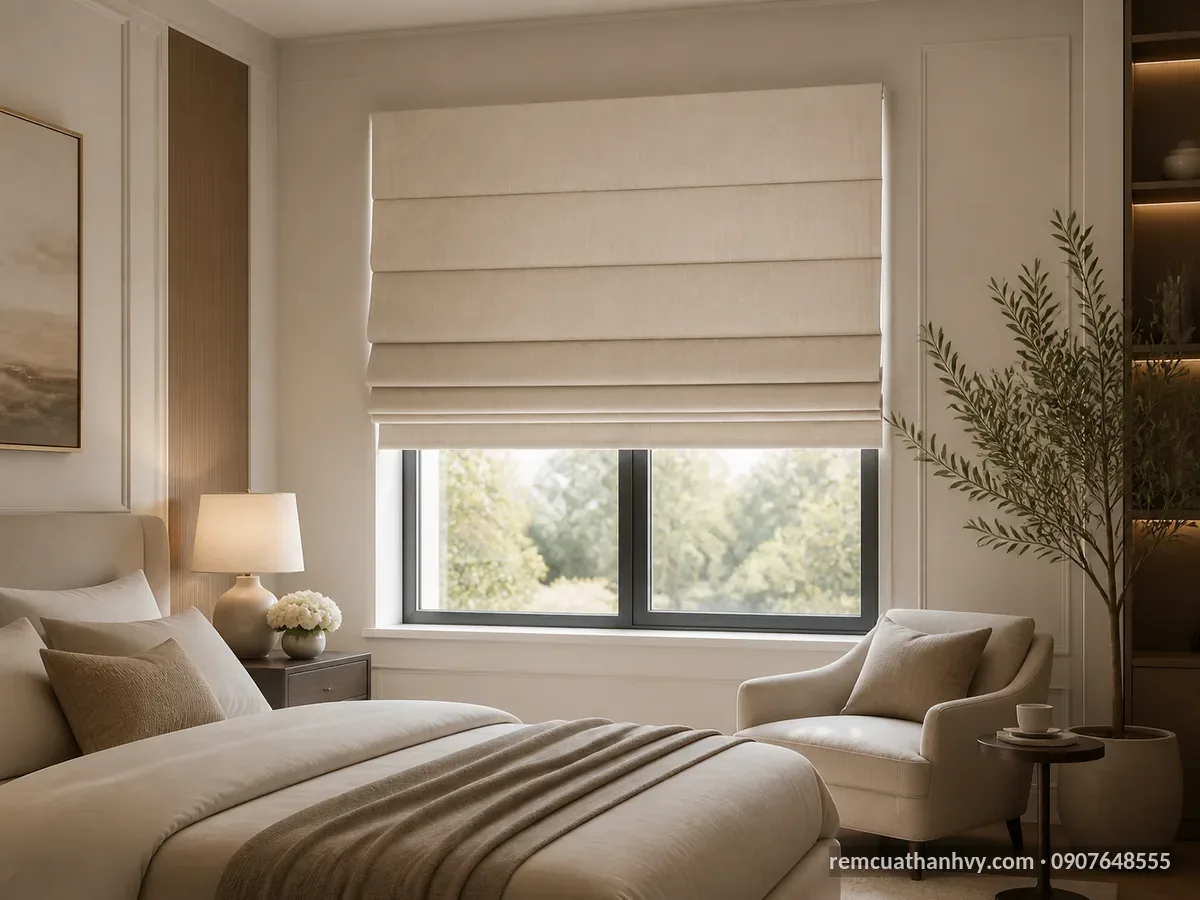
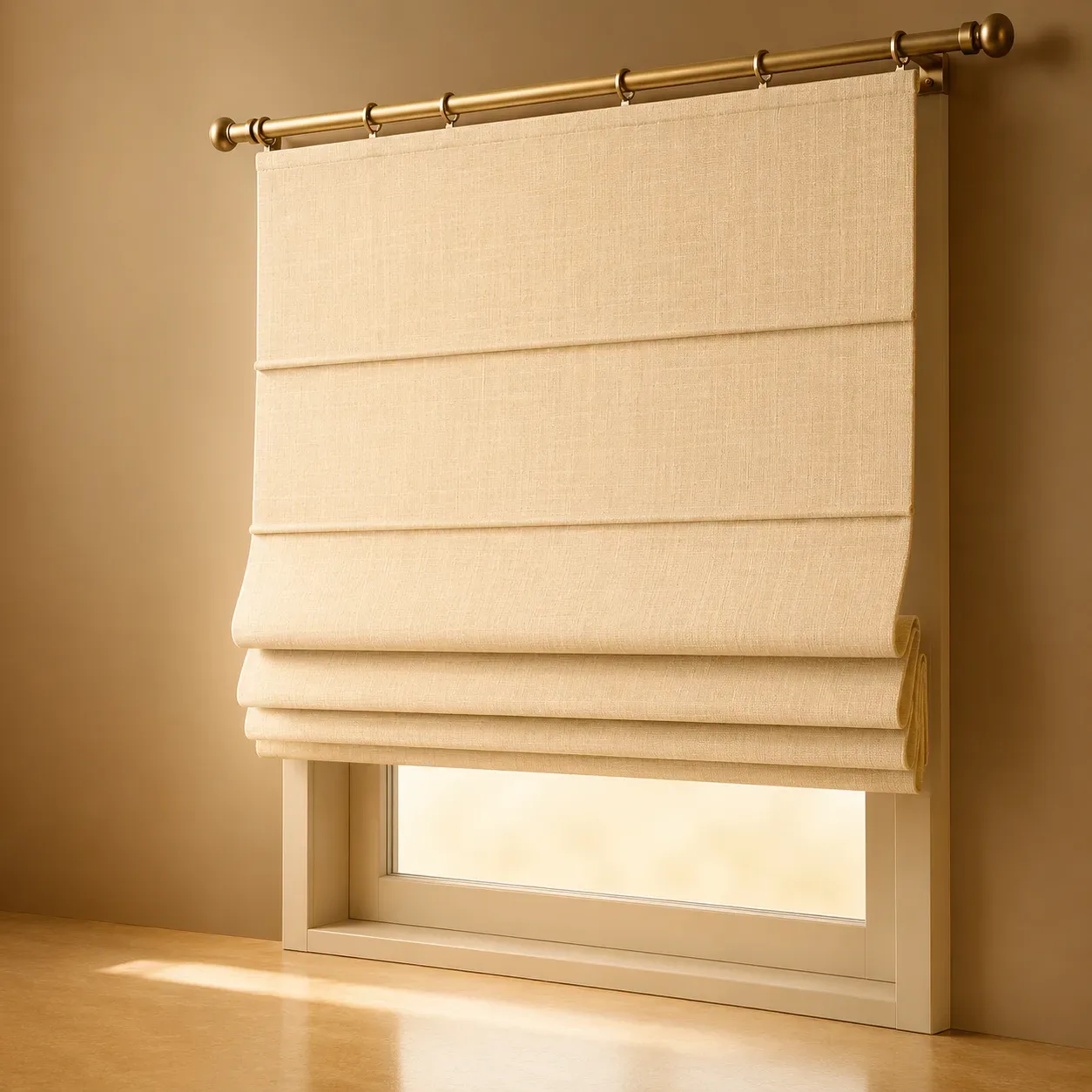
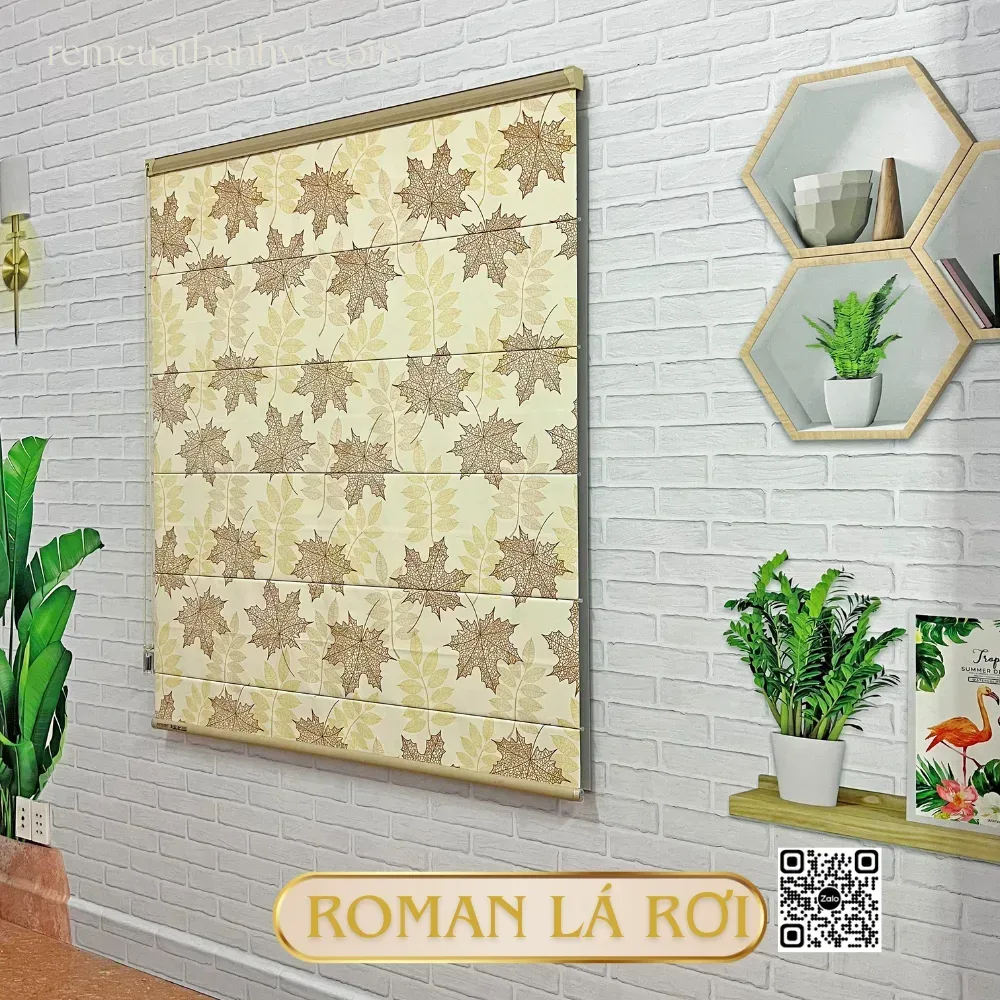
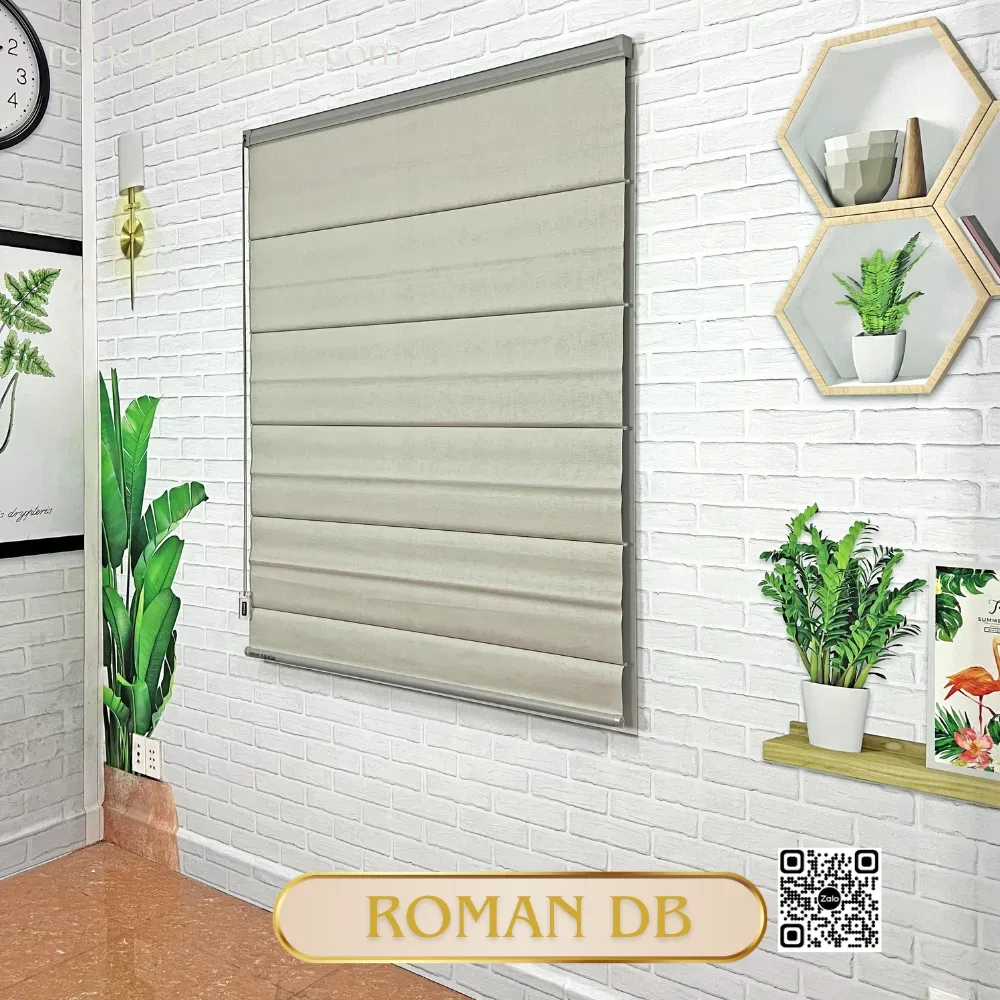
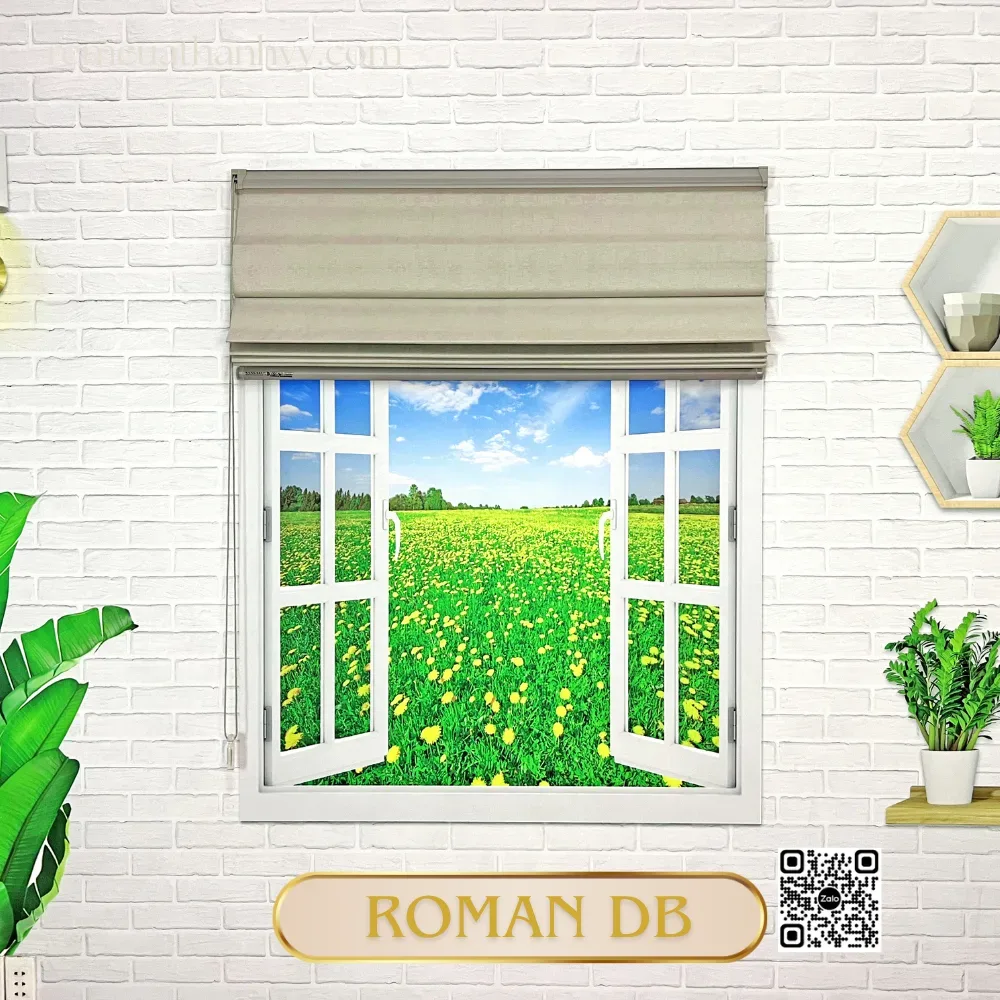
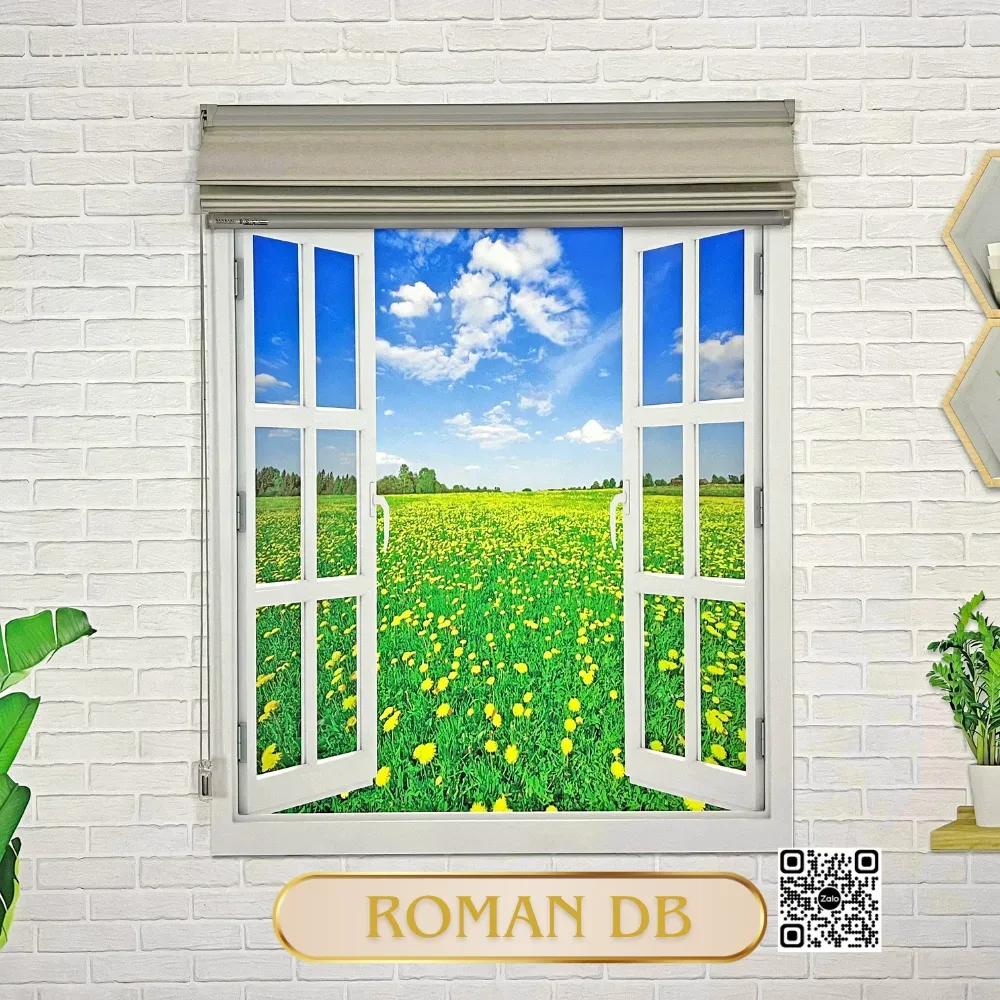
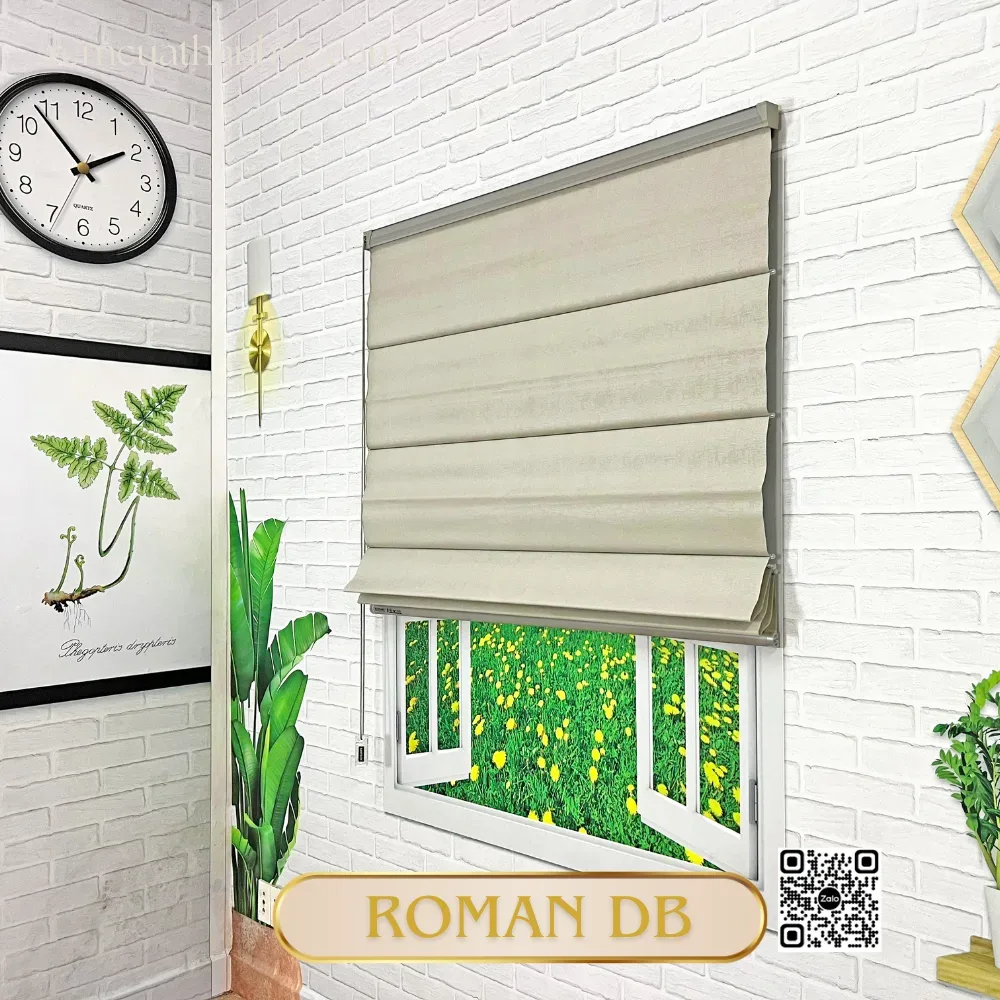
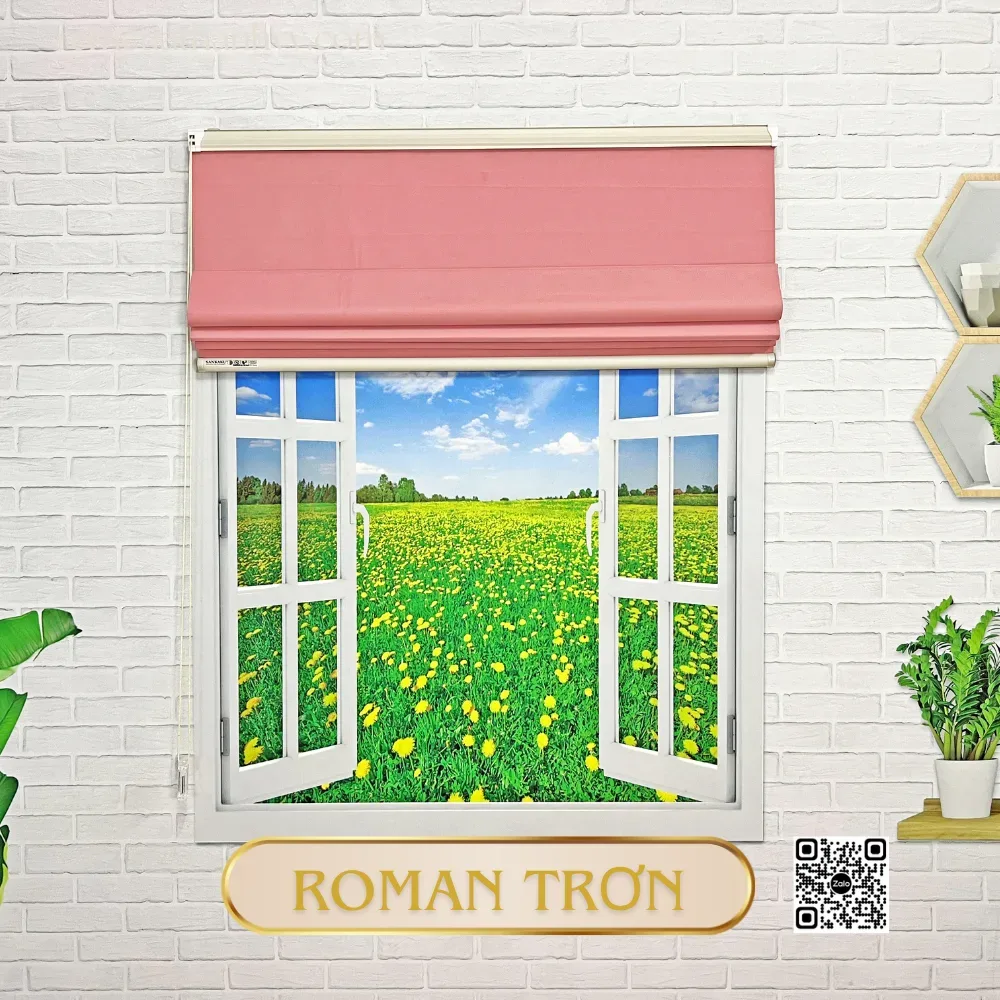
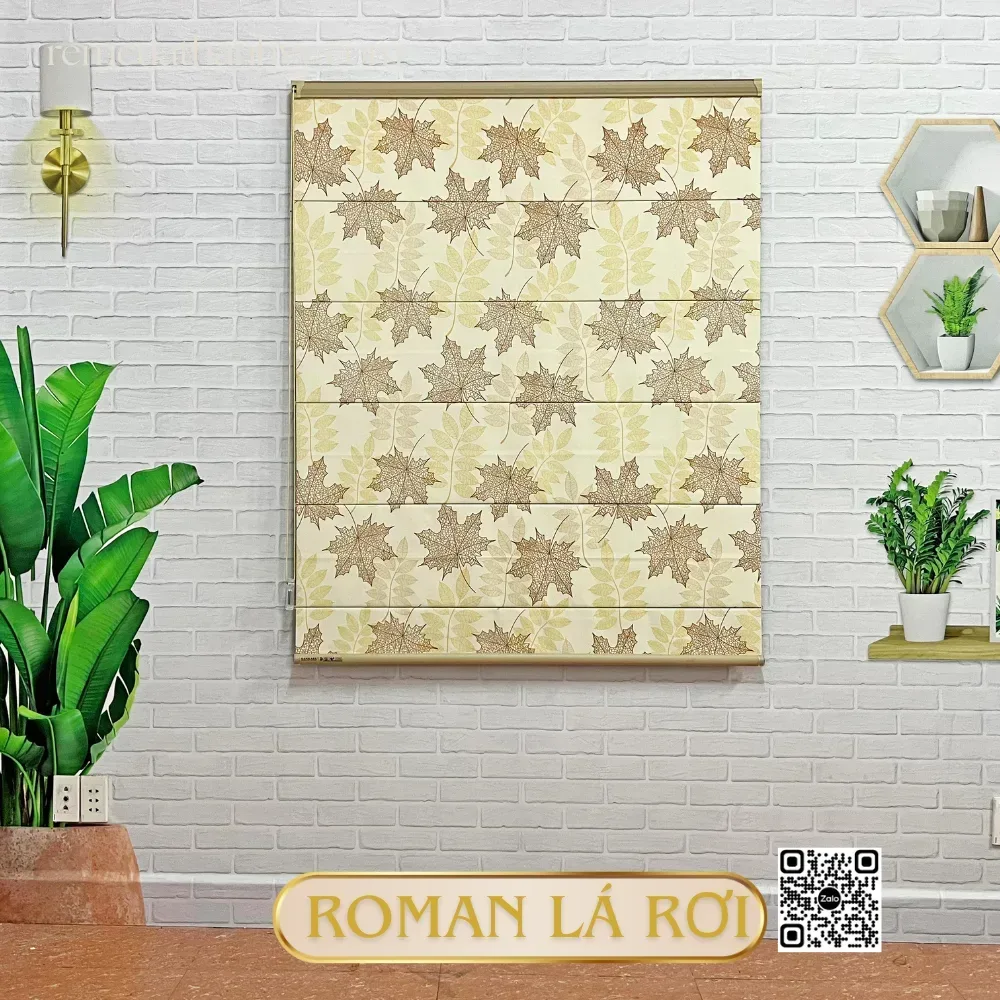
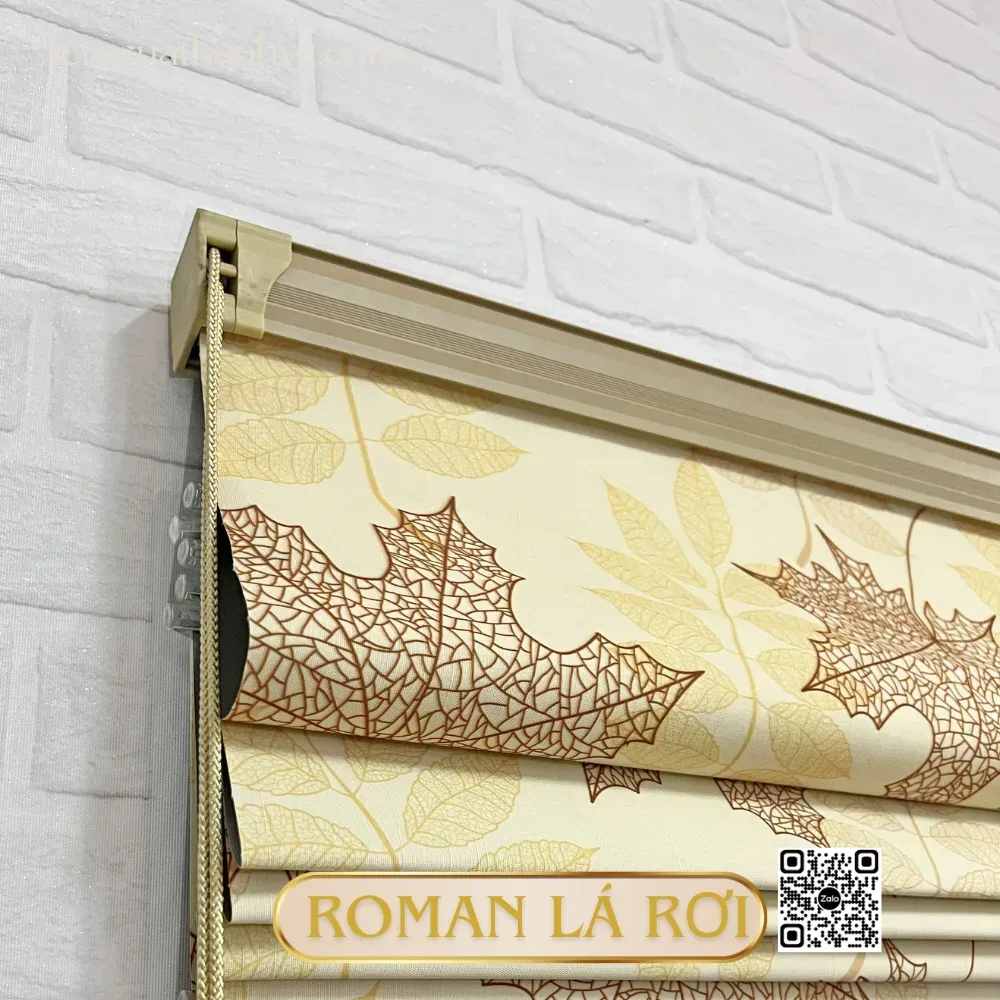
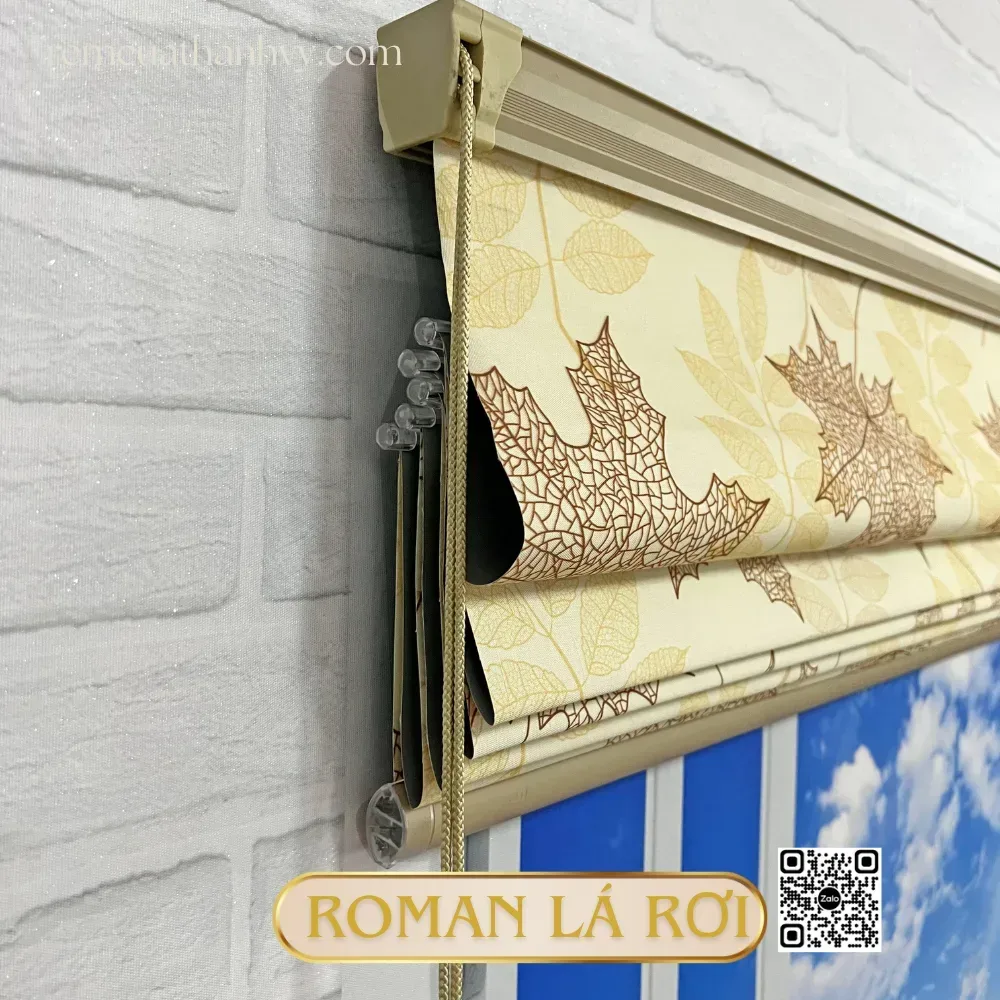
Roman shades operate on a layered mechanism: horizontal slats are fixed inside the fabric at equal intervals; when pulling the cord or chain, the folded layers of fabric move upward over the window frame, and when released, they spread flat to cover the window completely. The neat characteristic of this mechanism suits low-rise houses with limited ceiling heights — quite common in District 8 — because the shades do not require a large space above to roll up like certain types of thick roller blinds.
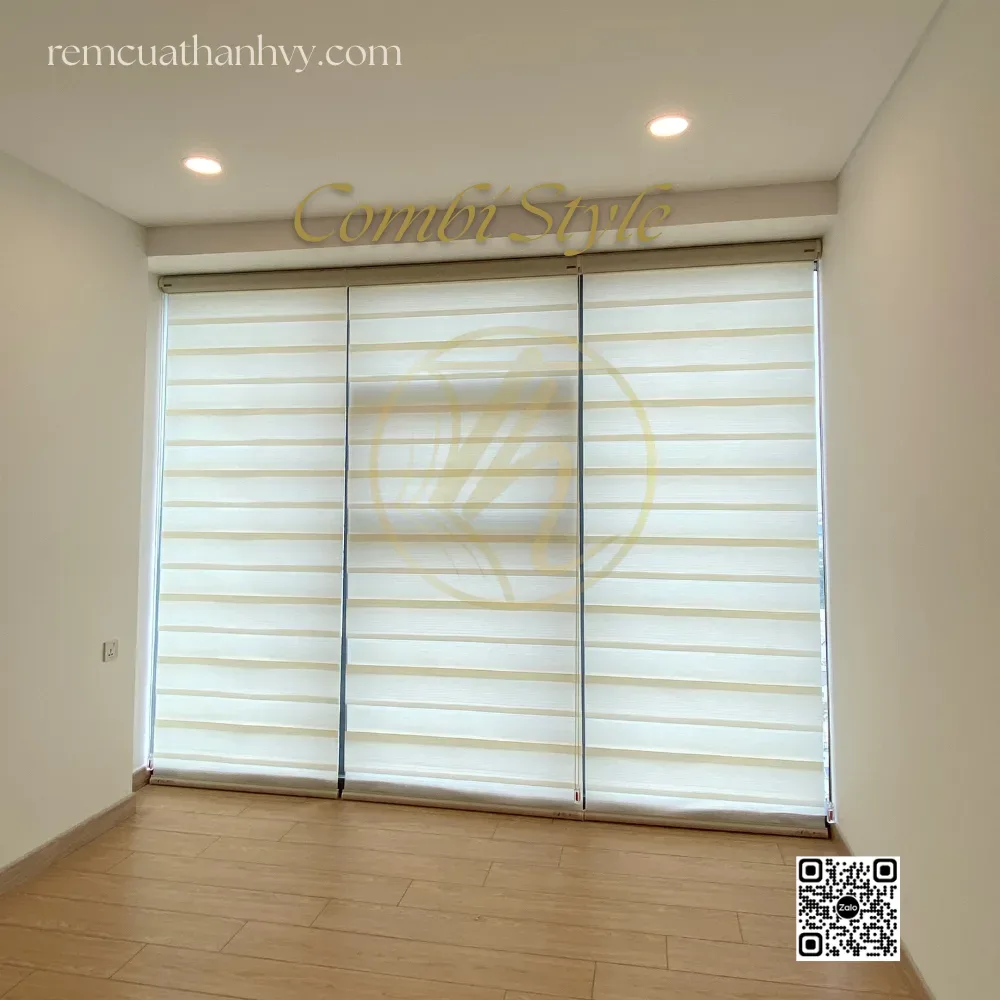
For canal-side houses or those in densely built residential areas, windows are usually smaller and lower than townhouses in the center, partly to limit direct lines of sight from the outside into the living space. Roman shades in medium and small sizes still maintain a good proportion on these types of windows, avoiding looking “diluted” or out of balance like some curtain styles designed for large-format windows.
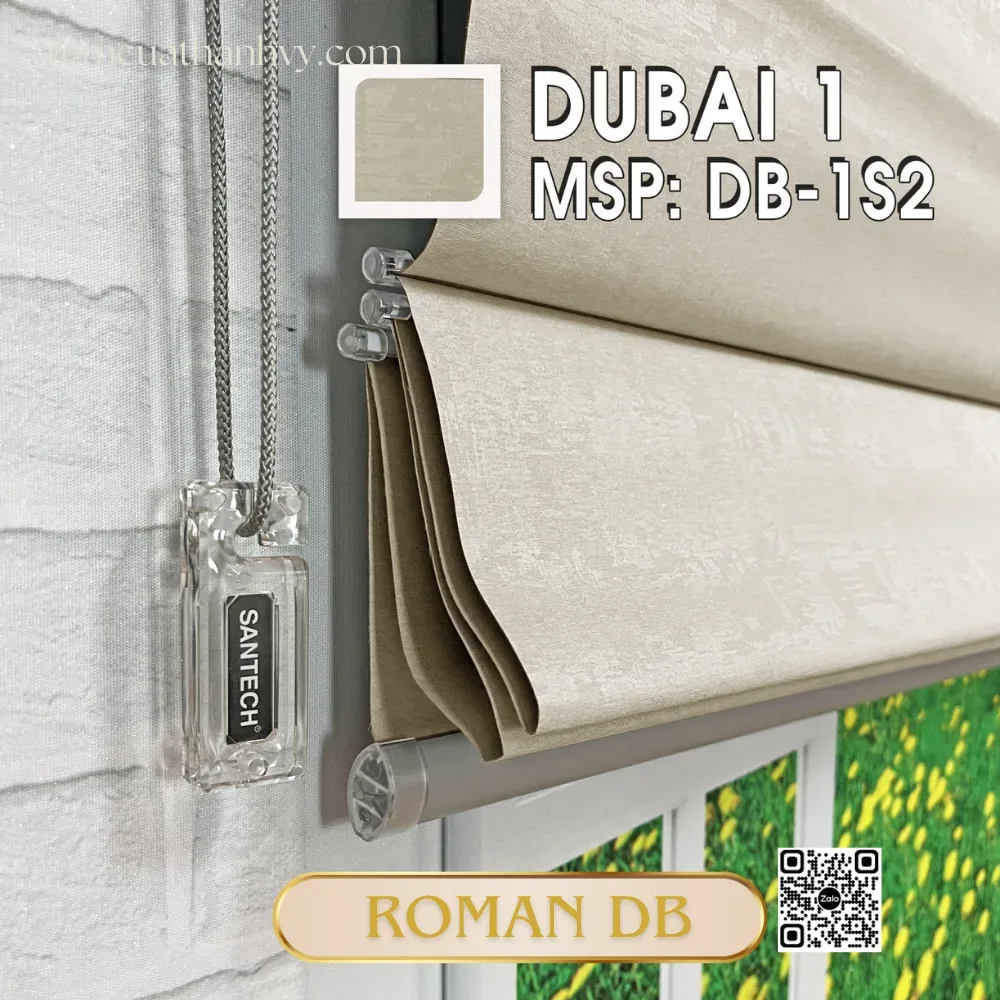
For newly built or renovated houses with modern aluminum-framed glass windows, roman shades are also a choice that helps create a soft accent, reducing the “bare” feel of the metal frame — something many homeowners in the new residential areas of District 8 care about when completing interiors post-construction.
Choosing roman shade fabrics according to lighting needs and actual humidity conditions
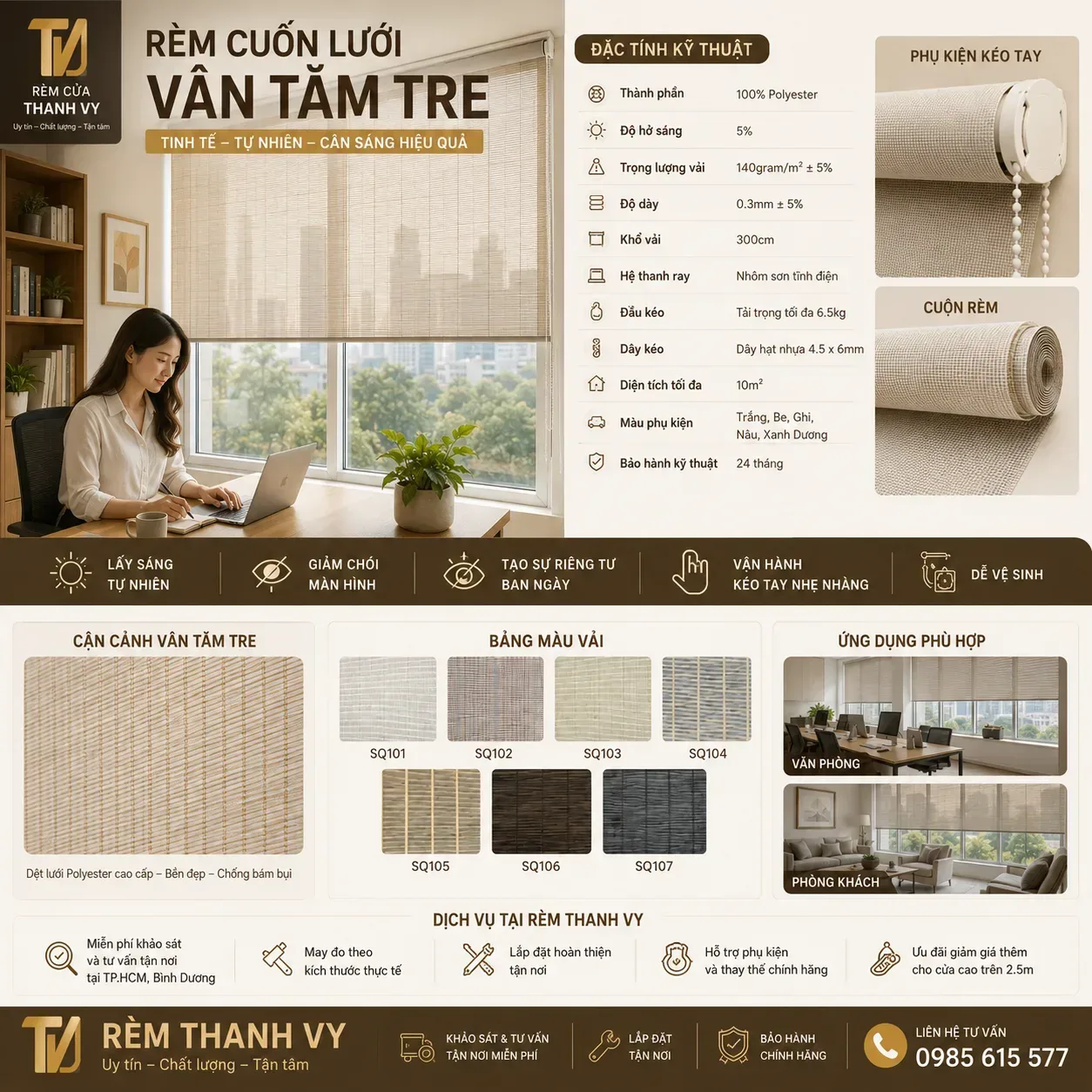
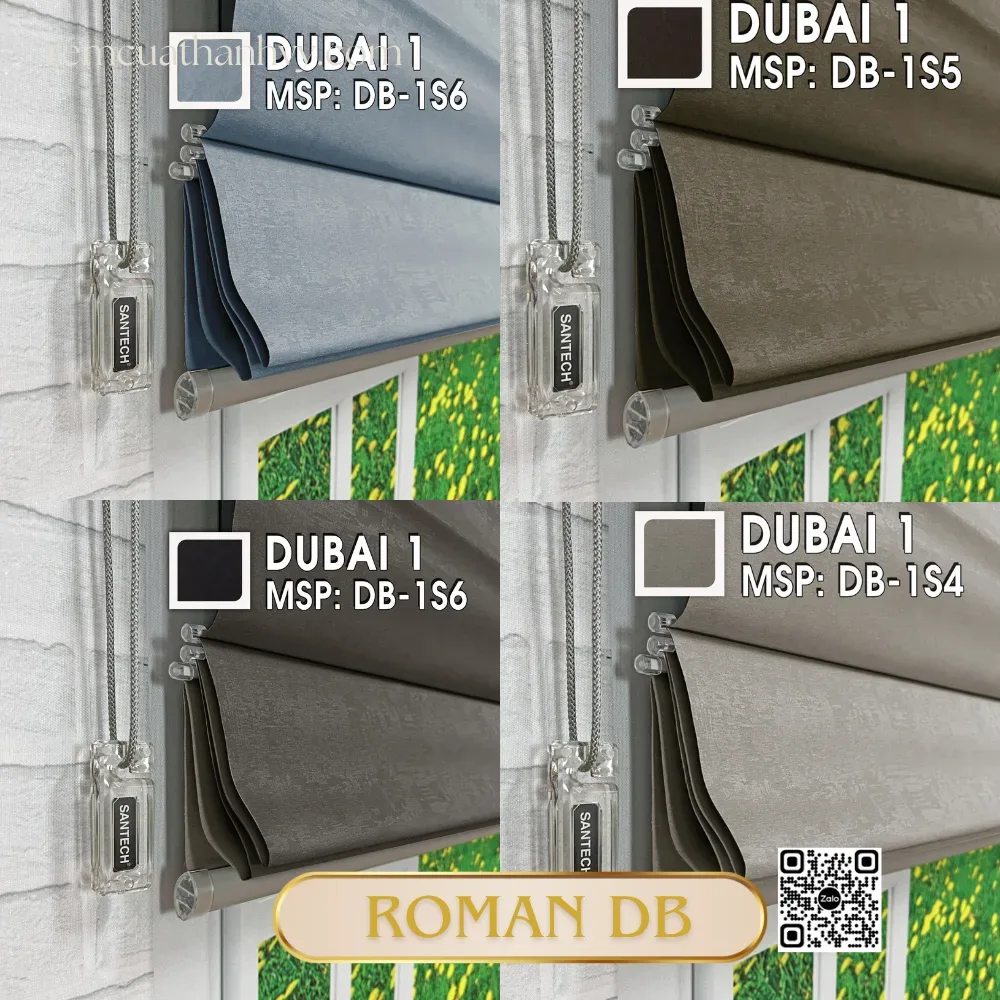
Given the high humidity characteristic in many areas of District 8, priority should be given to synthetic fiber fabrics with moisture-resistant capabilities, low moisture absorption, and ease of cleaning when making roman shades, rather than choosing fabrics solely based on color aesthetics. Natural cotton or linen, though beautiful and soft, are prone to absorbing odors or developing mold under prolonged humid conditions if not cleaned periodically; therefore, if one still wants to use these materials, a plan for more frequent airing and sunning is necessary.
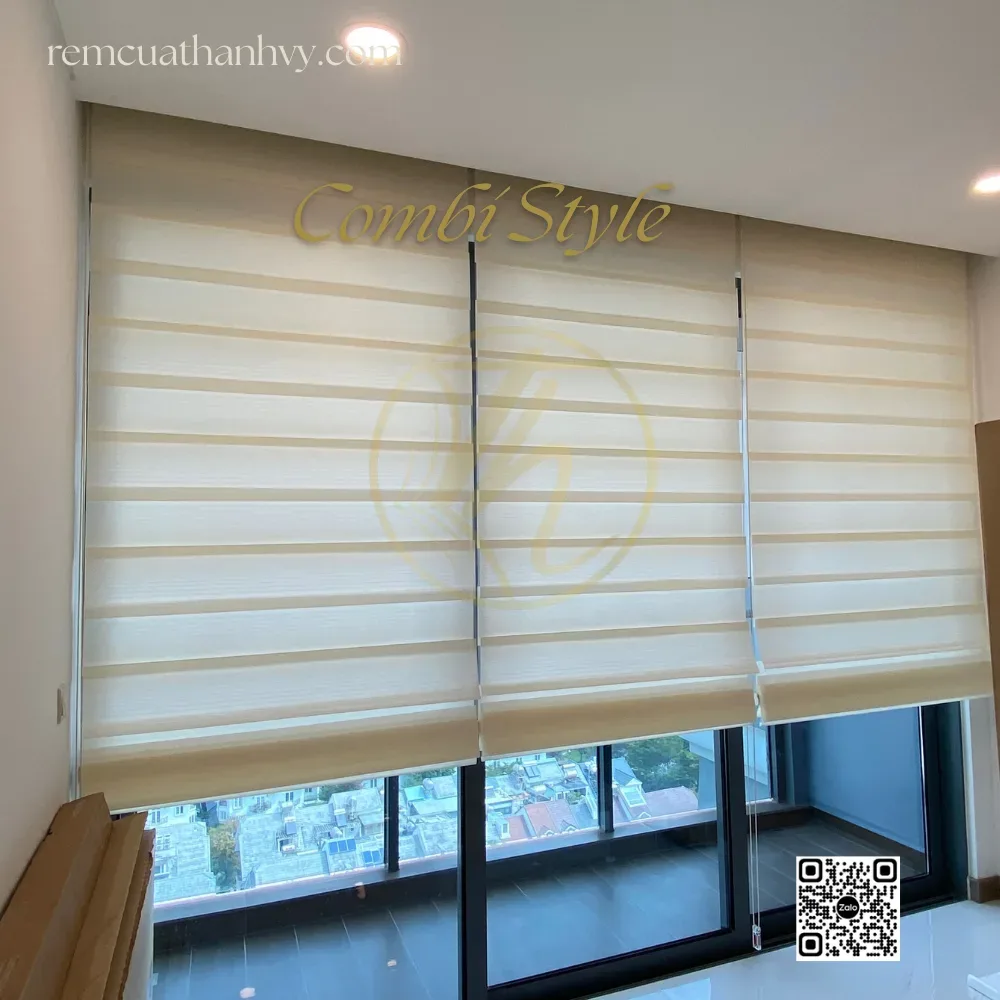
Regarding lighting needs, for living rooms or common areas requiring natural daytime light, semi-sheer roman shade fabrics help diffuse gentle light, reducing glare without making the space completely dark. For bedrooms or rooms facing directly onto canals — where they may endure quite harsh sunlight reflected off the water surface during certain times of the day — thicker fabrics or fabrics with blackout linings should be chosen to reduce the intensity of light and heat beating into the room.
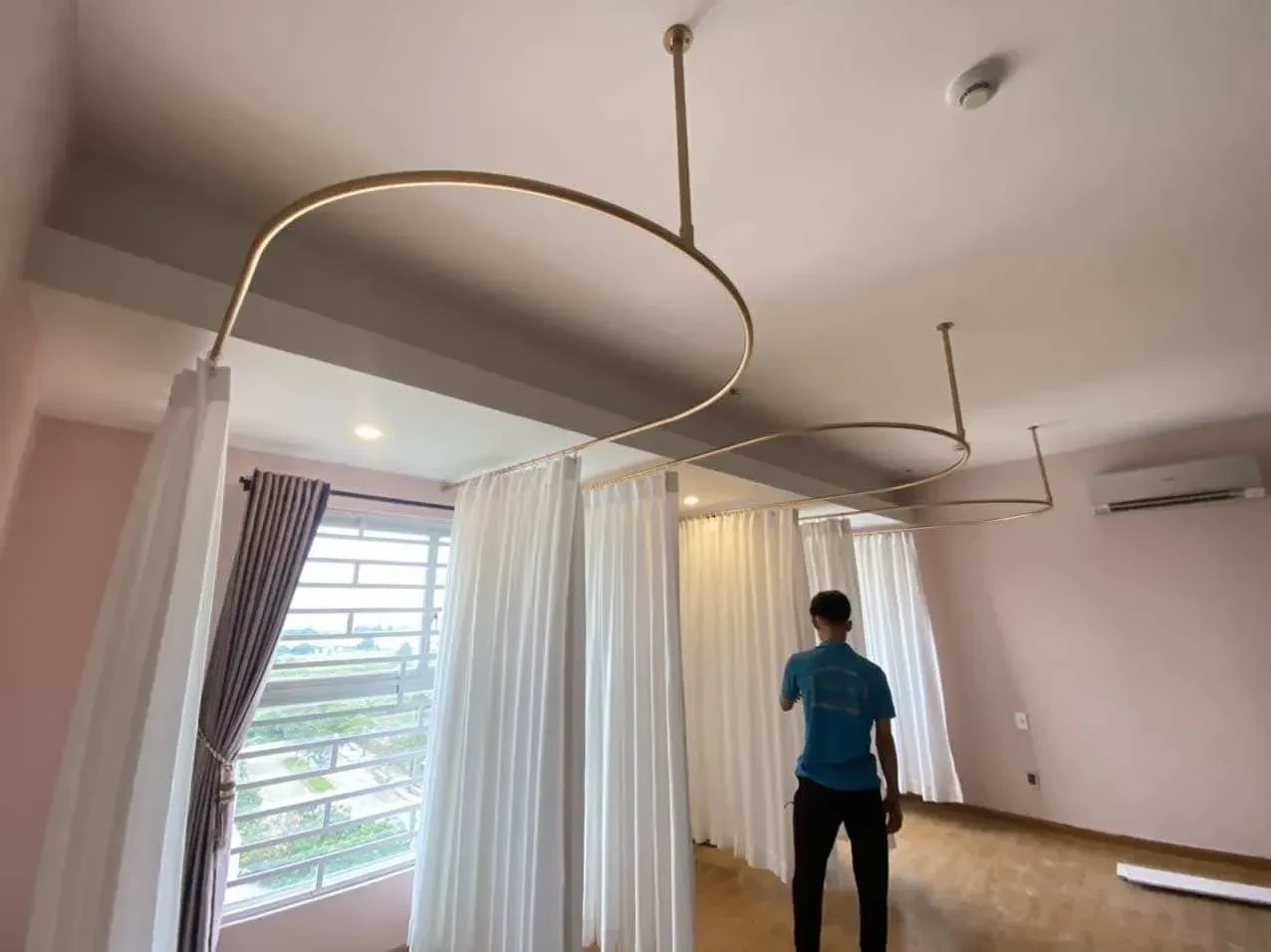
According to general guidelines from the U.S. Department of Energy, using curtains and window-covering materials can help limit direct sunlight and reduce the amount of heat absorbed into a room if properly arranged according to the sun’s orientation, although this is only a general reference principle and not a specific committed figure for each type of fabric or construction in Vietnam.
How sewing styles and installation methods of roman shades affect townhouse window proportions
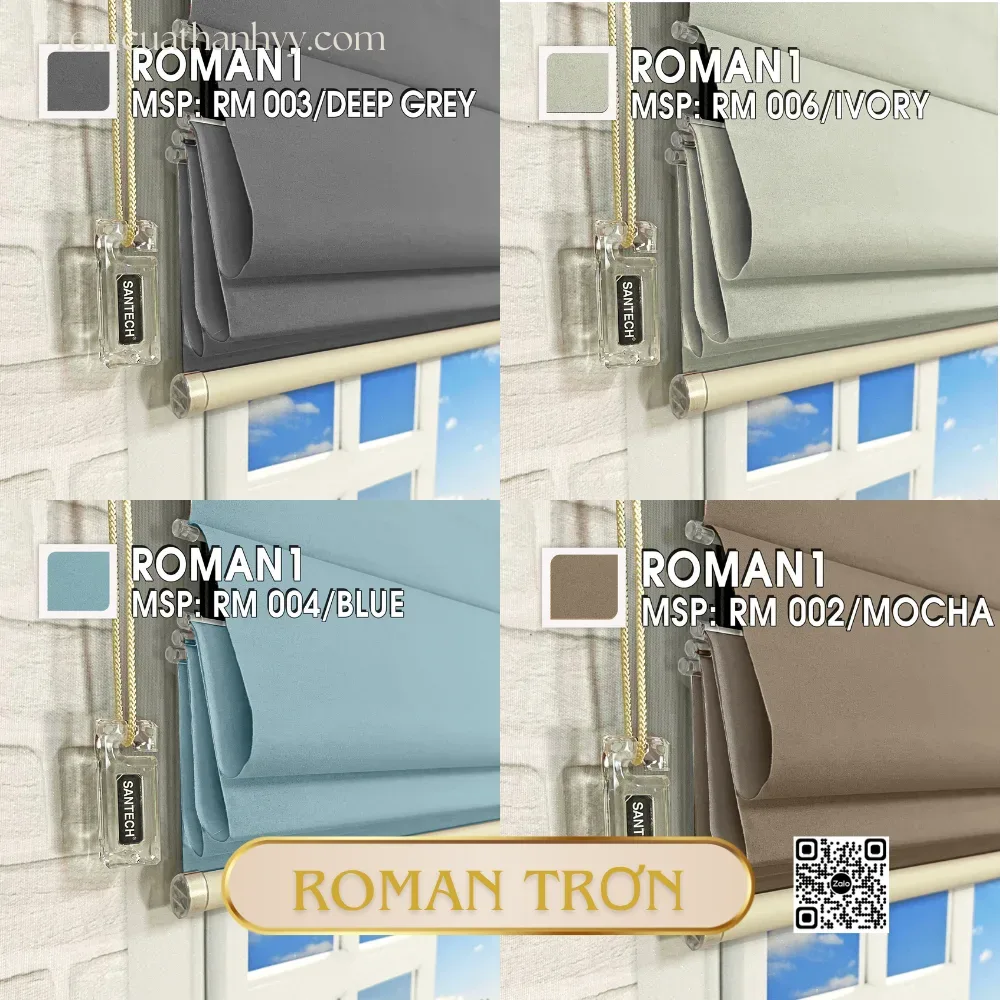
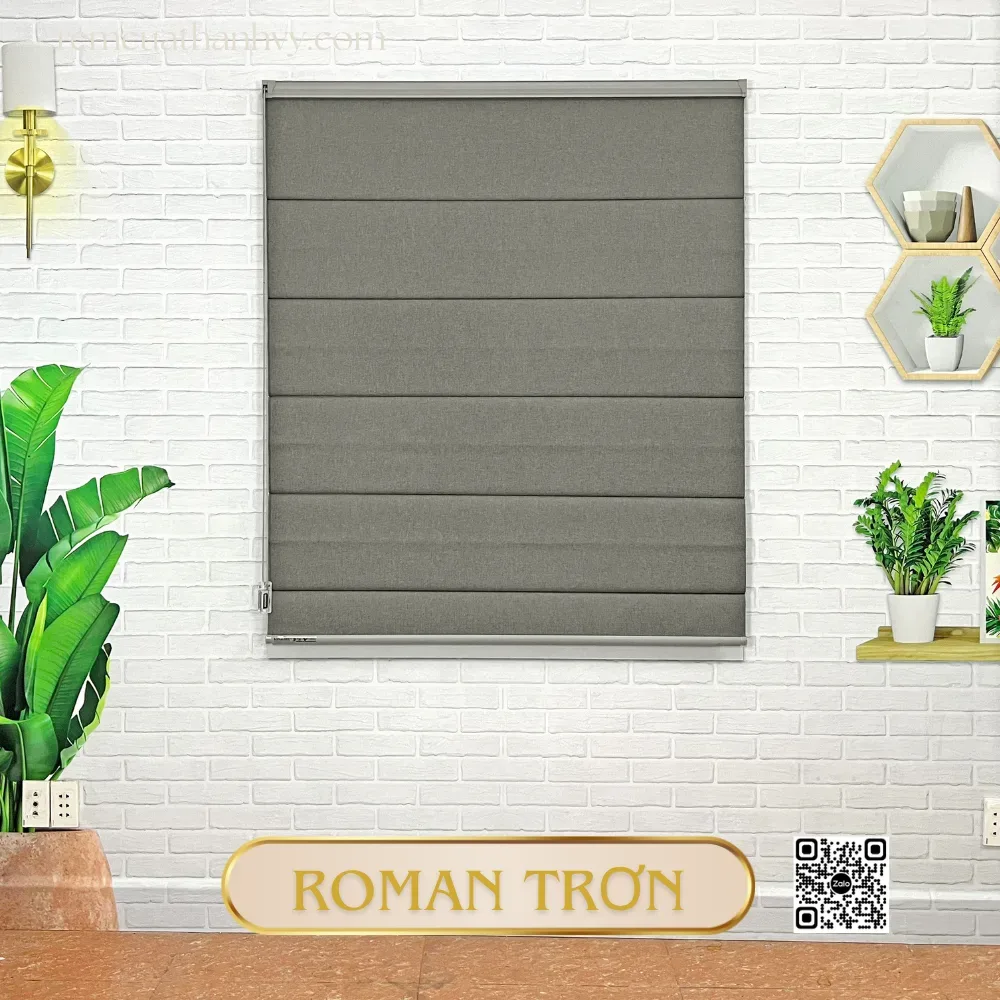
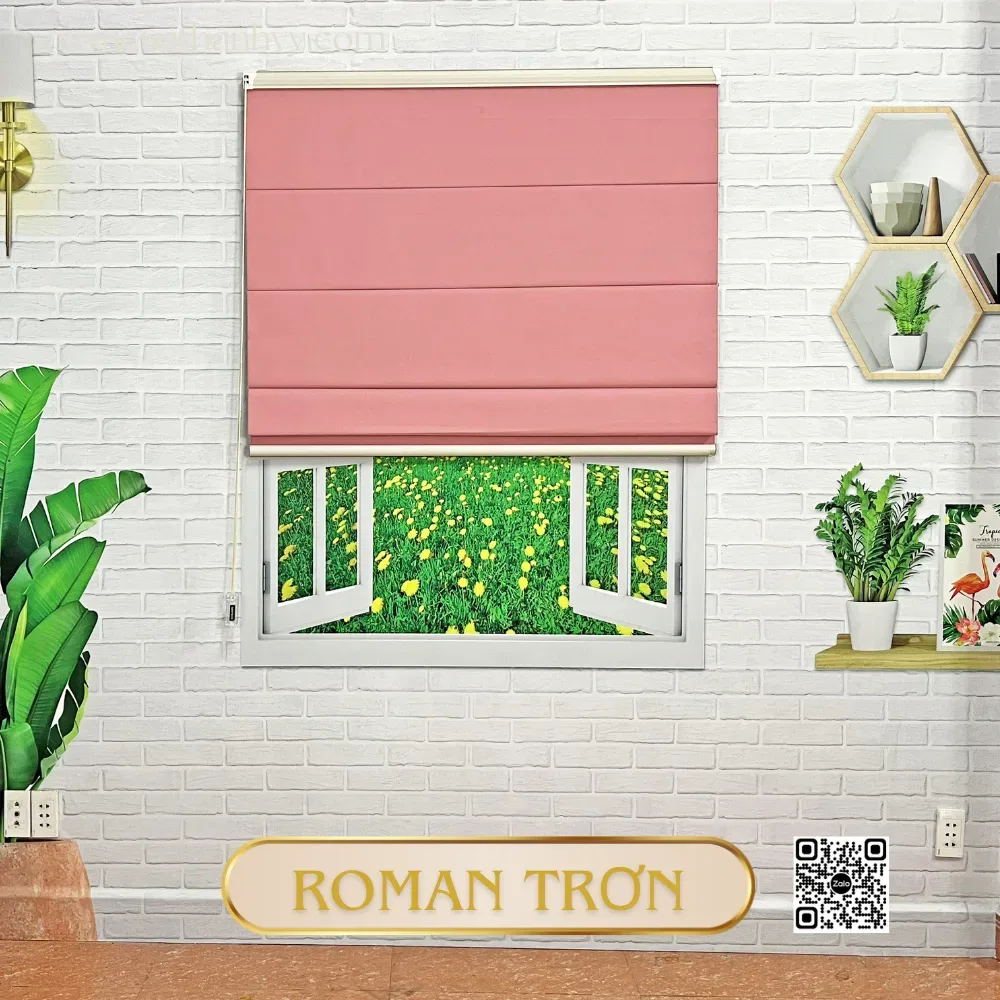
For District 8 townhouses with small window frames and square proportions, the flat fold sewing style usually brings a neat, modern appearance, suitable for most minimalist interior styles currently favored in newly built or renovated houses. For homes wanting to create a softer accent, the soft fold style with gentle ripples, though less common, remains a feasible option depending on the homeowner’s aesthetic taste.
Regarding the installation position, for level 4 houses or low-rise houses with shallow window frames, outside mount roman shades are usually more convenient because they allow full coverage of the frame including the surrounding wall edges, while limiting light leakage through gaps on both sides — which is more likely to happen with inside mount styles if the window frame is not deep enough.
One point to note for housing in high-humidity areas is the material of the tracks and metal accessories: priority should be given to types with anti-oxidation coatings, stainless steel, or powder-coated aluminum rather than regular metals, to prevent rust from affecting the smoothness of pulling the shades over time, especially for houses located right next to canals.
If you are considering further, you can consult District 3 Fabric Curtains: How to Choose by Room and Need and District 6 Fabric Curtains: How to Choose Fabrics and Sewing Styles to compare before making a decision.
Important note: For houses in high-humidity areas or right next to canals, tracks and metal accessories should be chosen with anti-oxidation coatings or made from stainless steel and powder-coated aluminum, avoiding regular metals that rust easily and cause the shades to pull less smoothly over time.
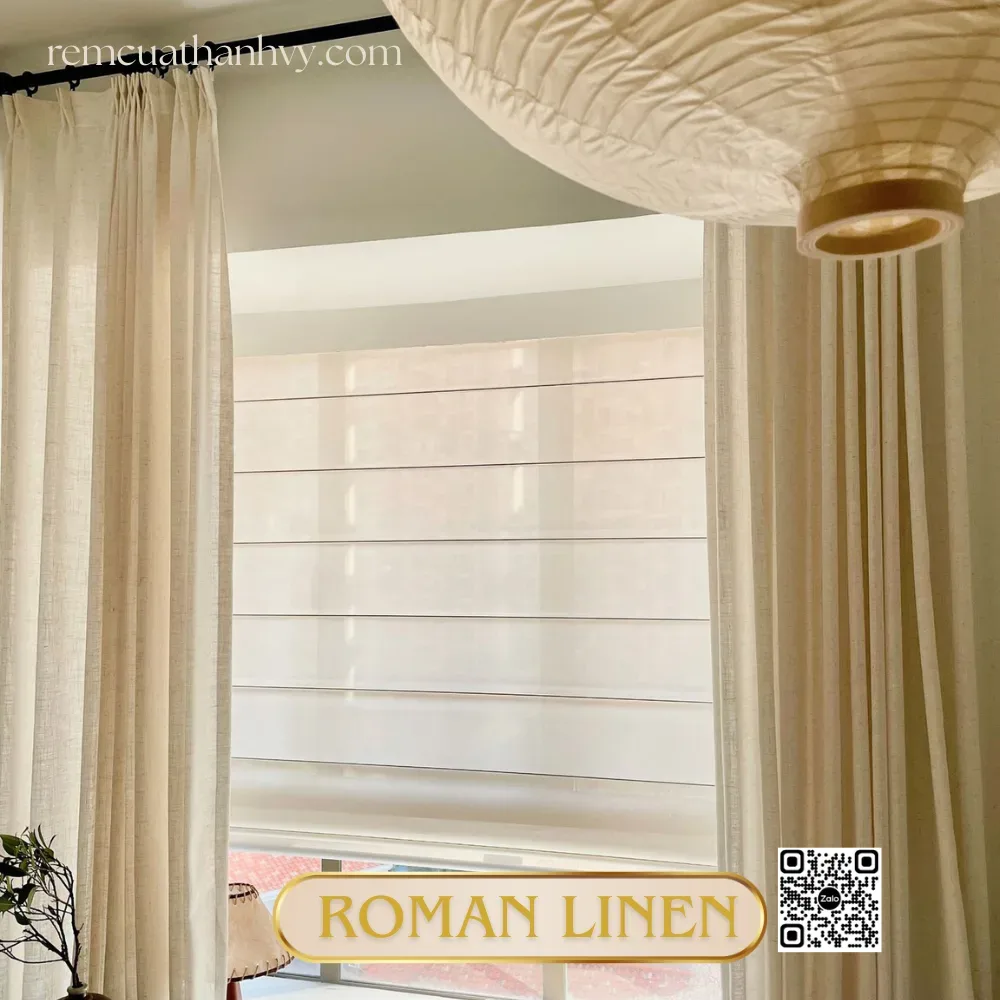
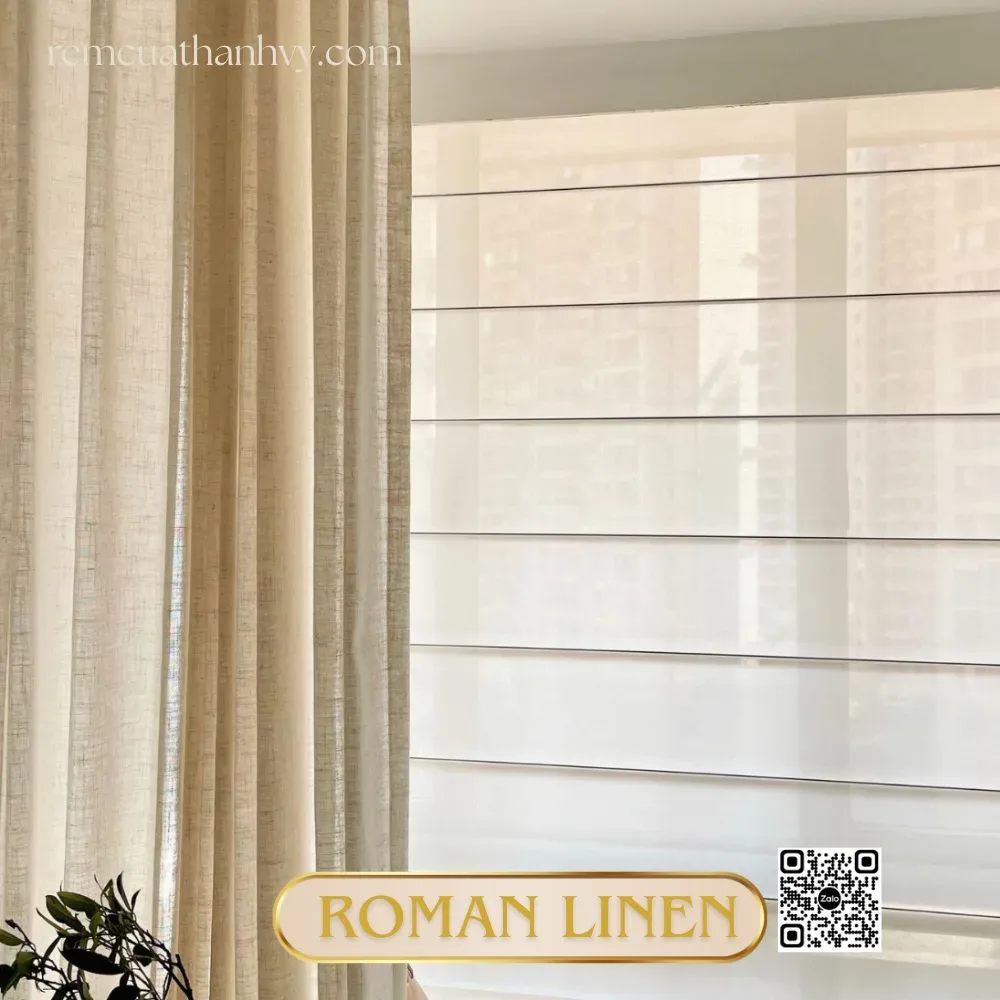
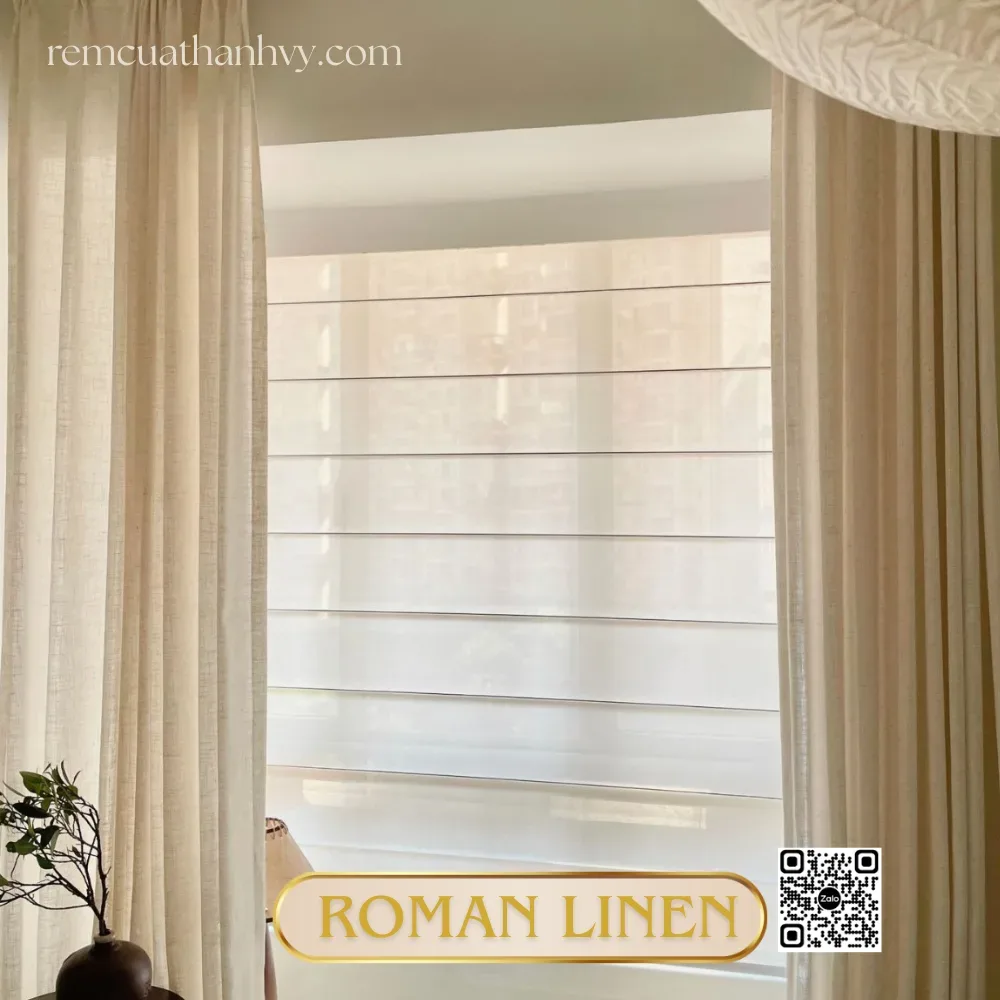
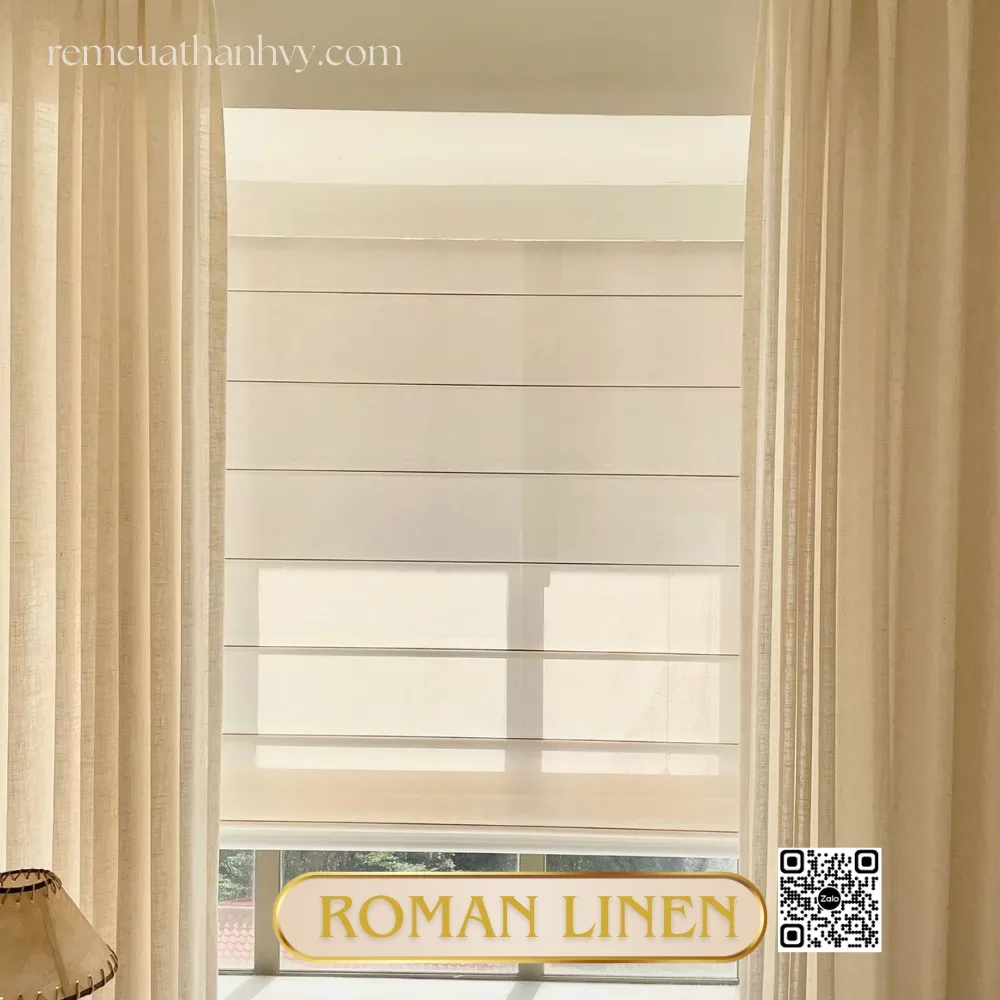
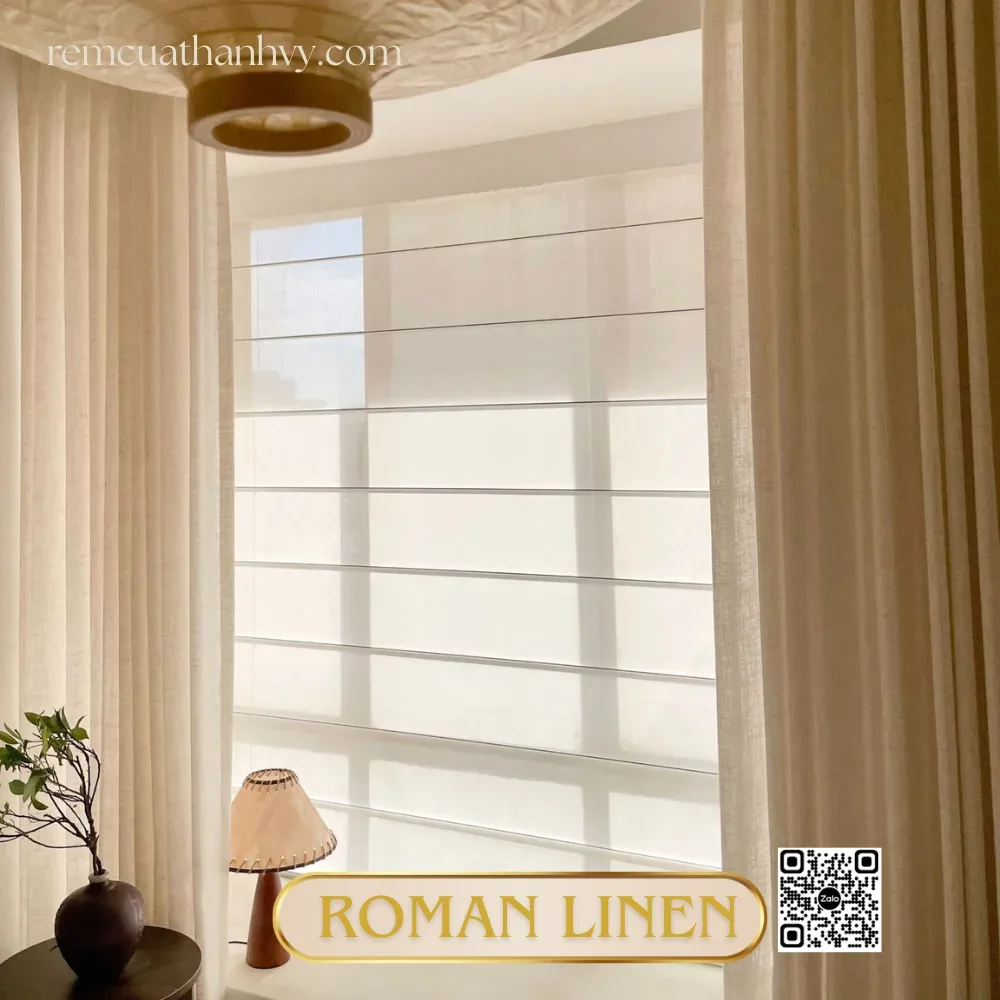
Application of roman shades by space: living room, bedroom, canal-adjacent balcony area
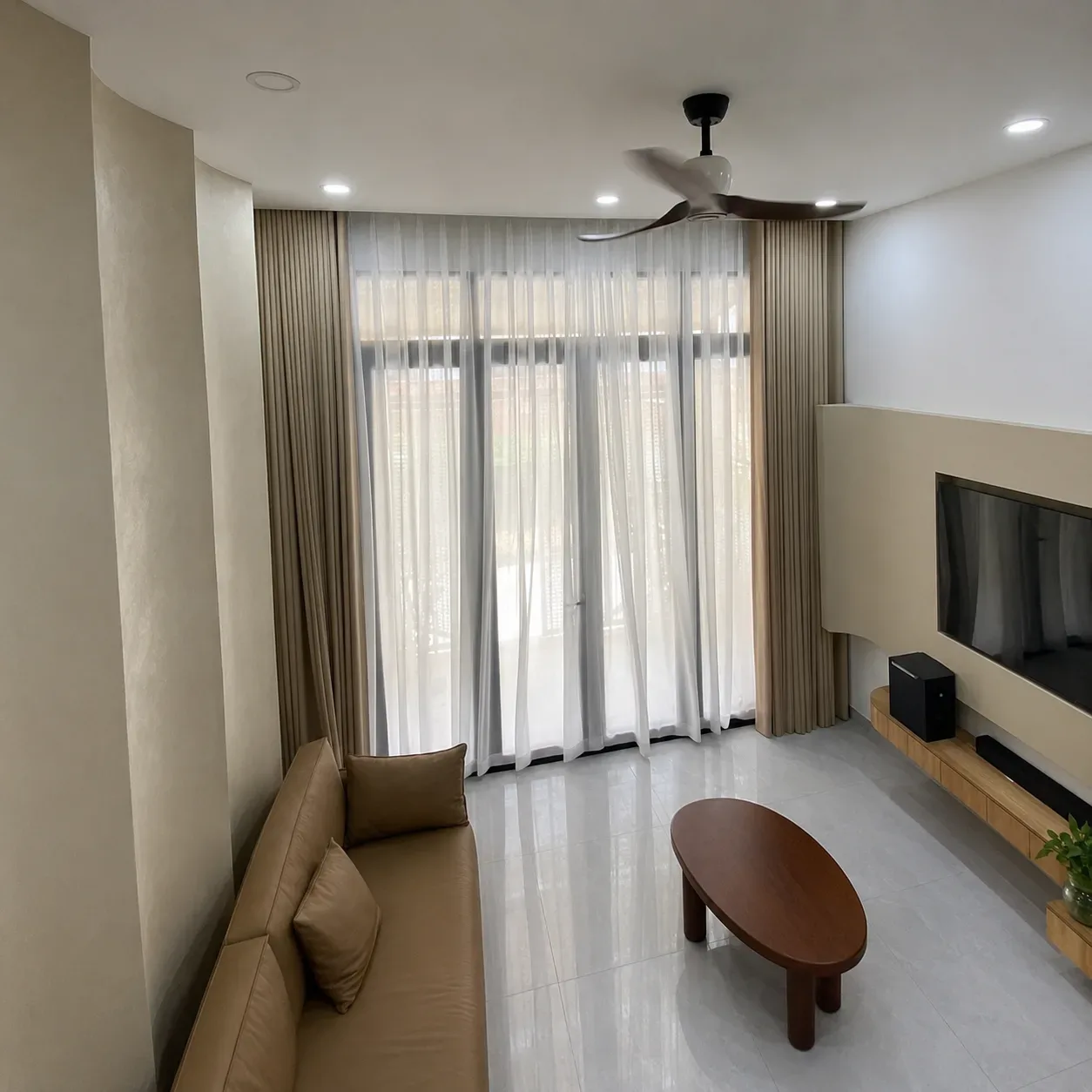
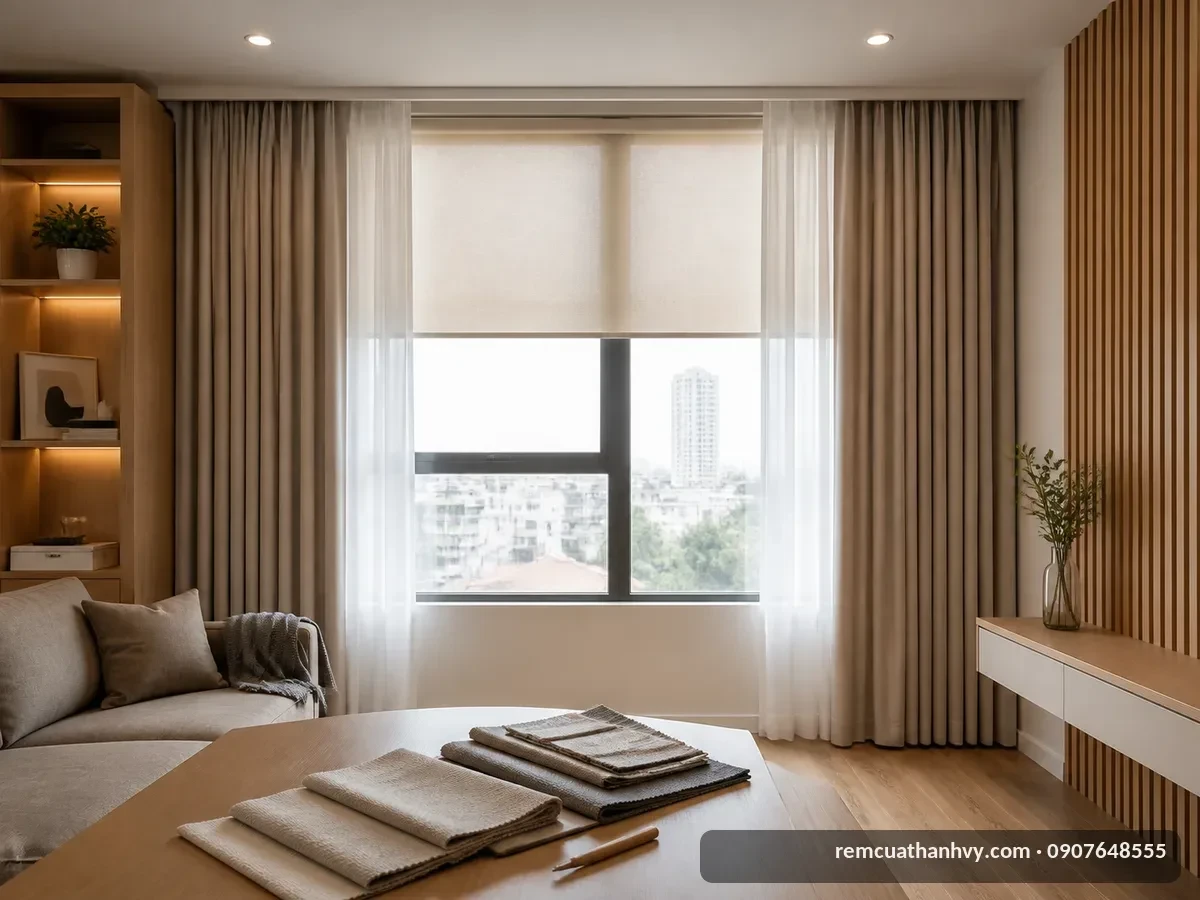
In the living rooms of District 8 townhouses, roman shades with bright, neutral tones help spaces feel larger and more airy — which is particularly meaningful for homes with modest areas or low ceilings. For homes with windows facing busy streets, combining semi-sheer roman shades for daytime lighting and adding a thicker curtain layer for evening use is a balanced solution between light and privacy.
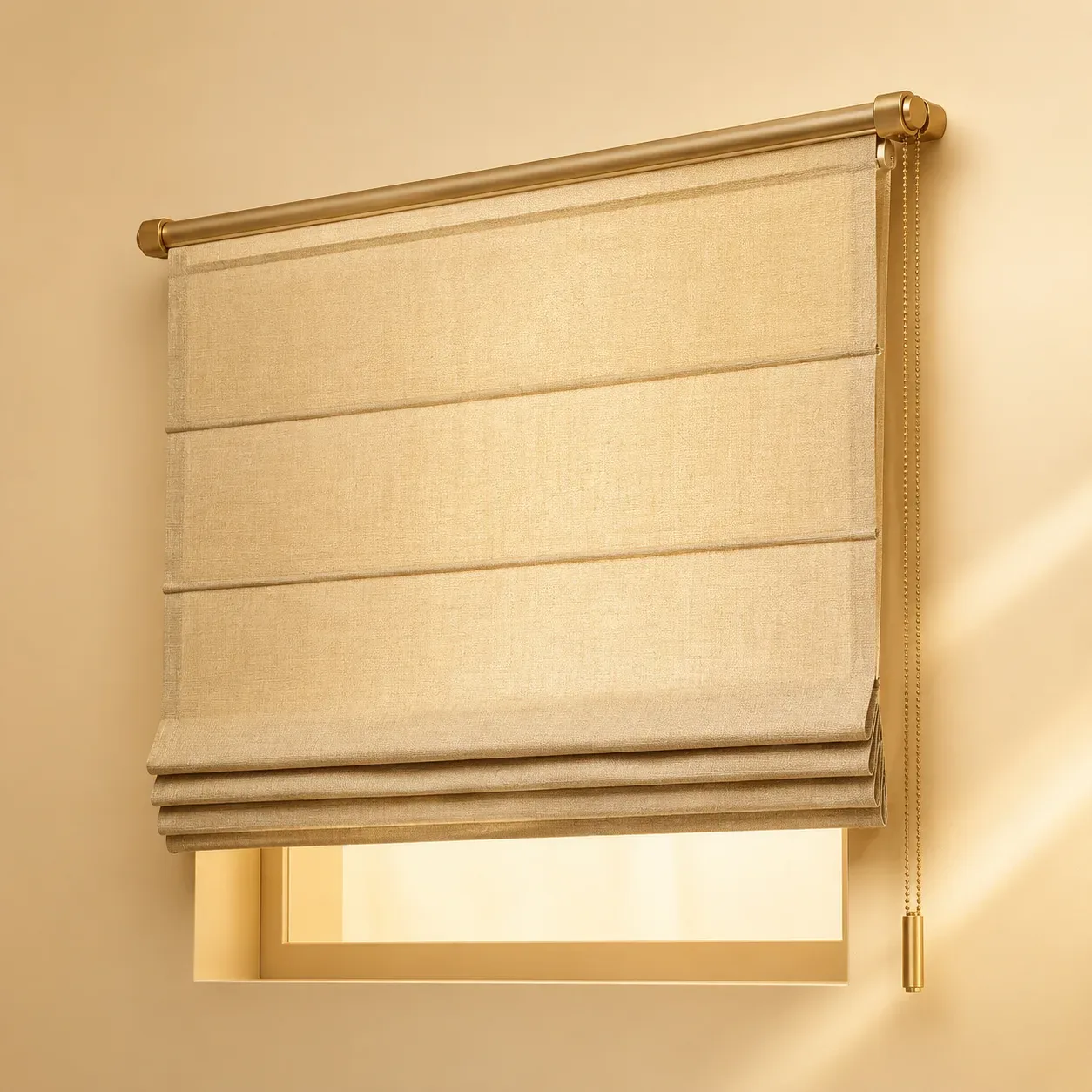
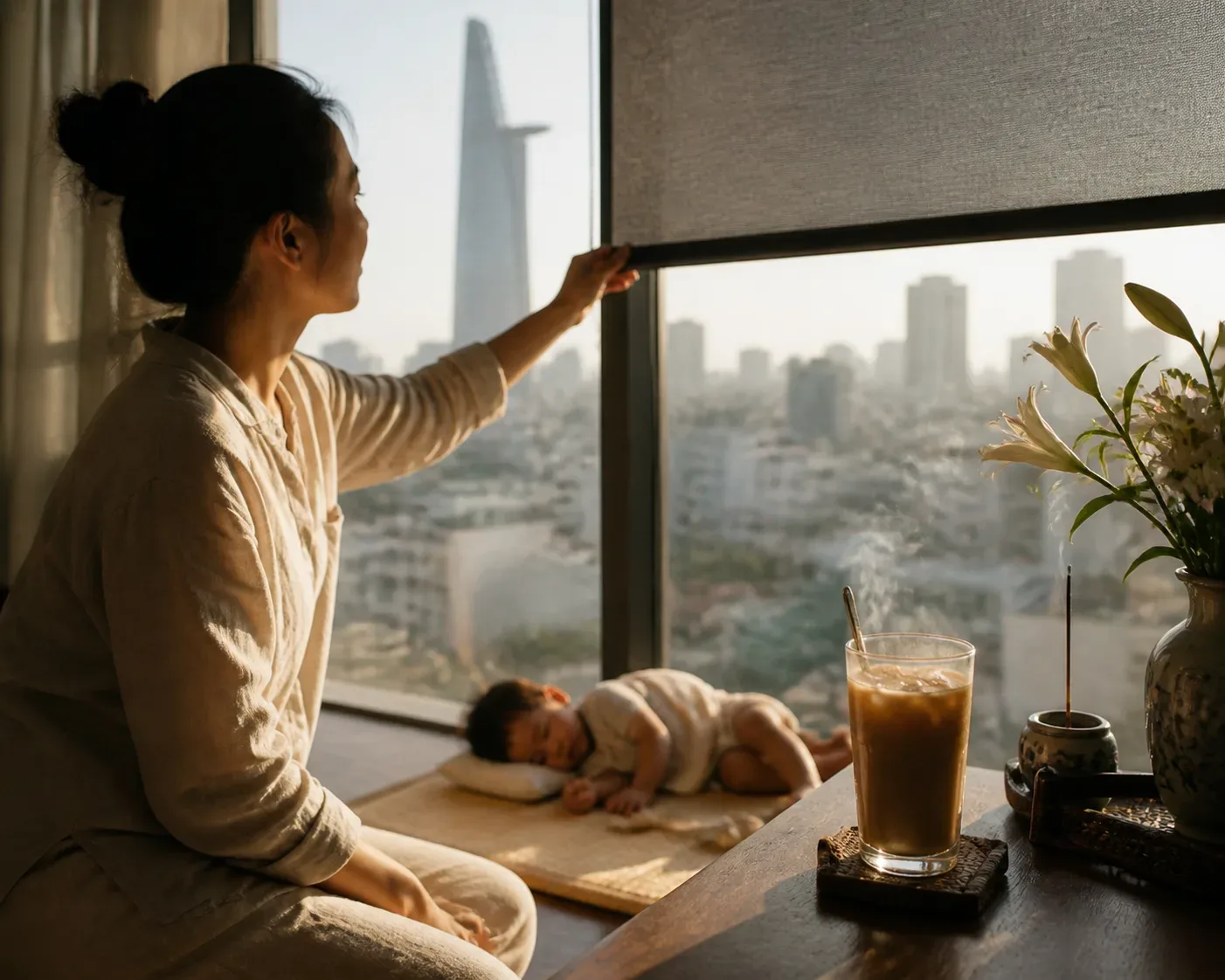
In bedrooms, prioritize roman shade fabrics with blackout linings combined with warm tones to support better sleep, which is especially important if the bedroom is on an upper floor directly exposed to morning sunlight. For rooms with young children, special attention must be paid to the operating mechanism of the shades: according to recommendations from the U.S. Consumer Product Safety Commission, cords of blinds and shades can pose entanglement hazards for young children and pets if left hanging loosely, so families with young children should prioritize cordless mechanisms or those with secure cord-locking devices.
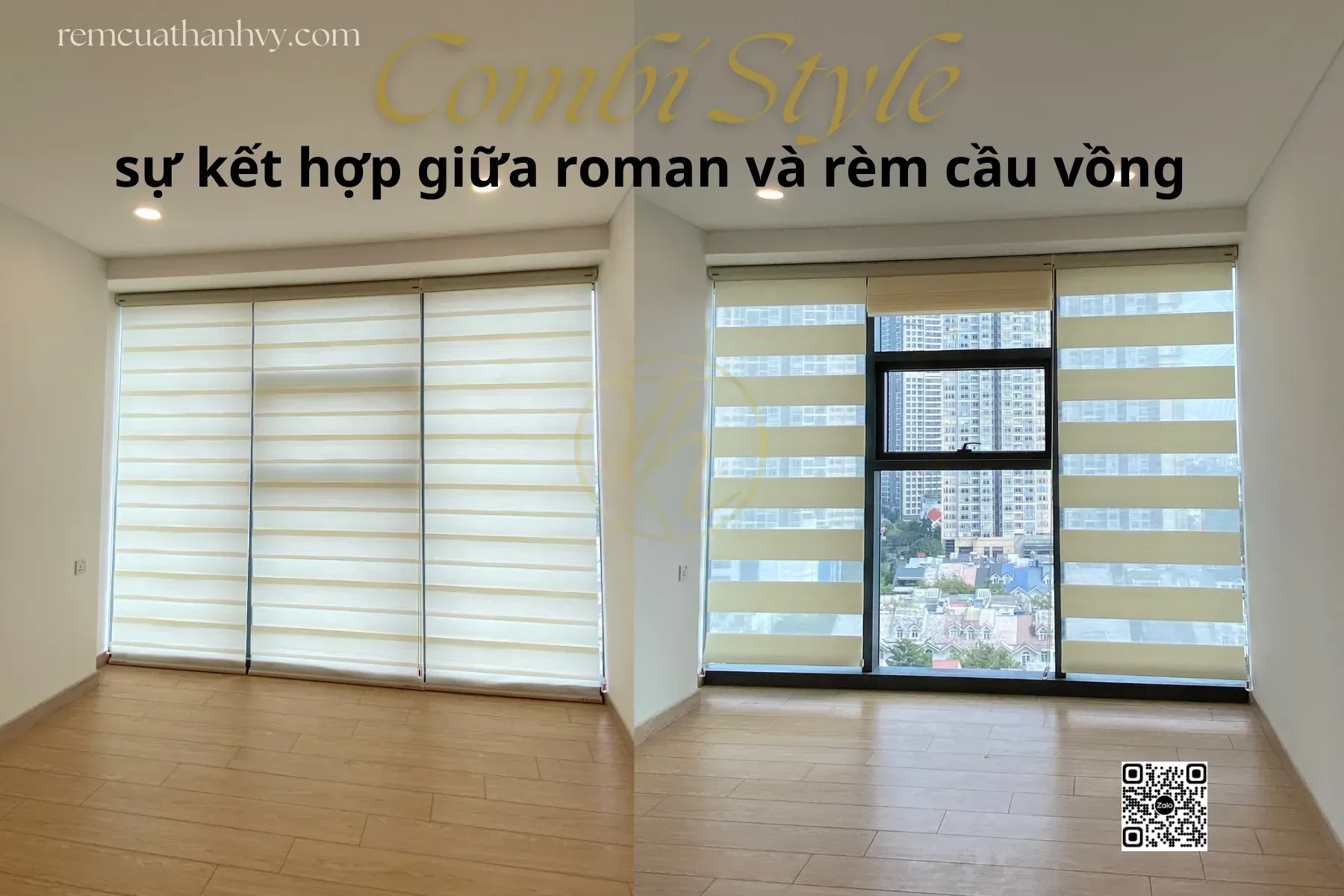
For balcony areas or secondary windows facing canals, which are frequently exposed to moisture and dust from the external environment, small-format roman shades that are easy to detach and clean periodically should be chosen, avoiding prolonged exposure to humidity without being wiped and aired out.
Survey measurement process and checklist before finalizing a roman shade order in District 8
Because many houses in District 8 have construction structures spanning different periods, window frames may not be uniform in size even within the same house. Therefore, on-site survey and measurement steps are necessary to accurately determine the width, height, and frame depth of each individual window, avoiding the situation of sewing to a general size and then having to readjust after installation.
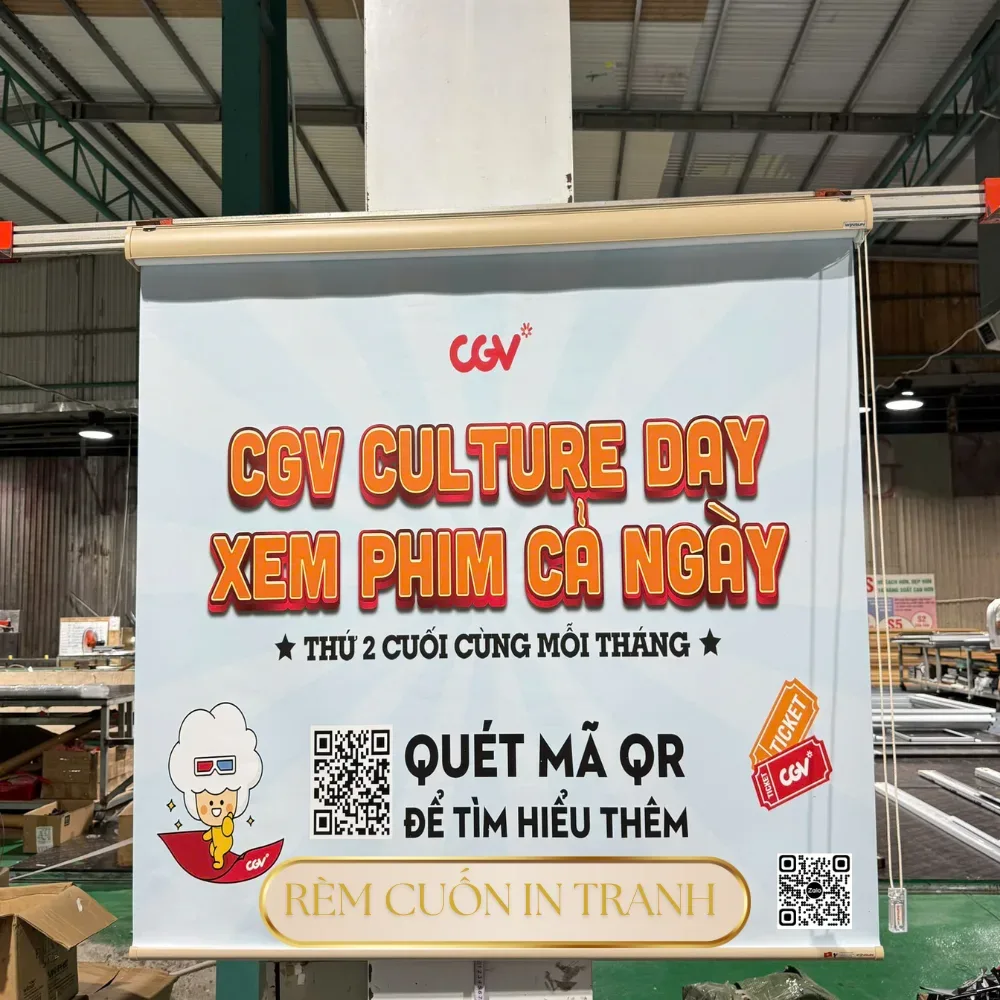
The checklist before finalizing an order should include: checking the humidity and condition of the walls surrounding the window frame, confirming the fabric type suited to the discussed humidity conditions, checking the track material for anti-oxidation capabilities, and clearly confirming the warranty period as well as support policies in case issues arise, such as jammed pull cords or warped slats.
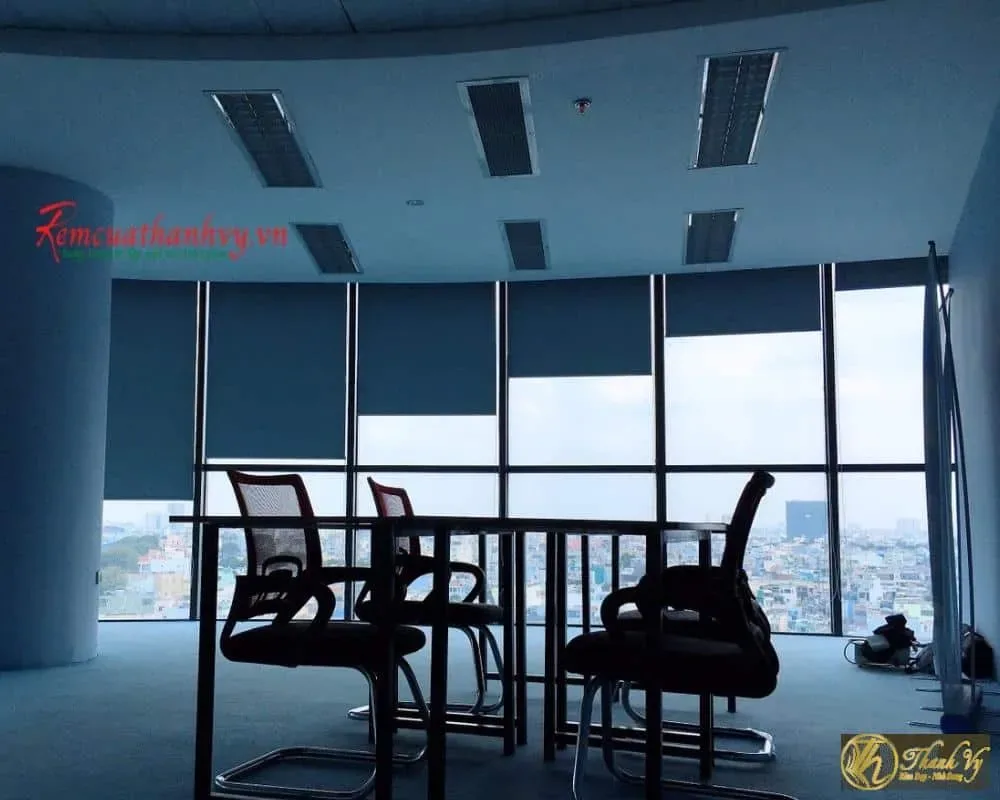
Additionally, for new residential areas in the interior finishing stage, advance discussion should be held with the manufacturing unit regarding the overall construction progress of the house so that curtain installation is scheduled at an appropriate stage, preventing dust from other construction items from affecting the newly installed shades.
Notes when choosing a custom manufacturing and installation unit for roman shades suitable for District 8 conditions
Given the humid climate and many residential areas located deep in small alleys along canals, homeowners in District 8 should prioritize custom manufacturing units with practical experience in advising fabrics suited to high-humidity conditions, rather than just advising based on general sample catalogues applied to all areas. On-site surveying before quoting helps the construction unit accurately assess the actual condition of the window frame and provide appropriate fabric and accessory solutions. Readers can cross-reference via the article in An Giang Newspaper about Thanh Vy high-end fabric curtains.
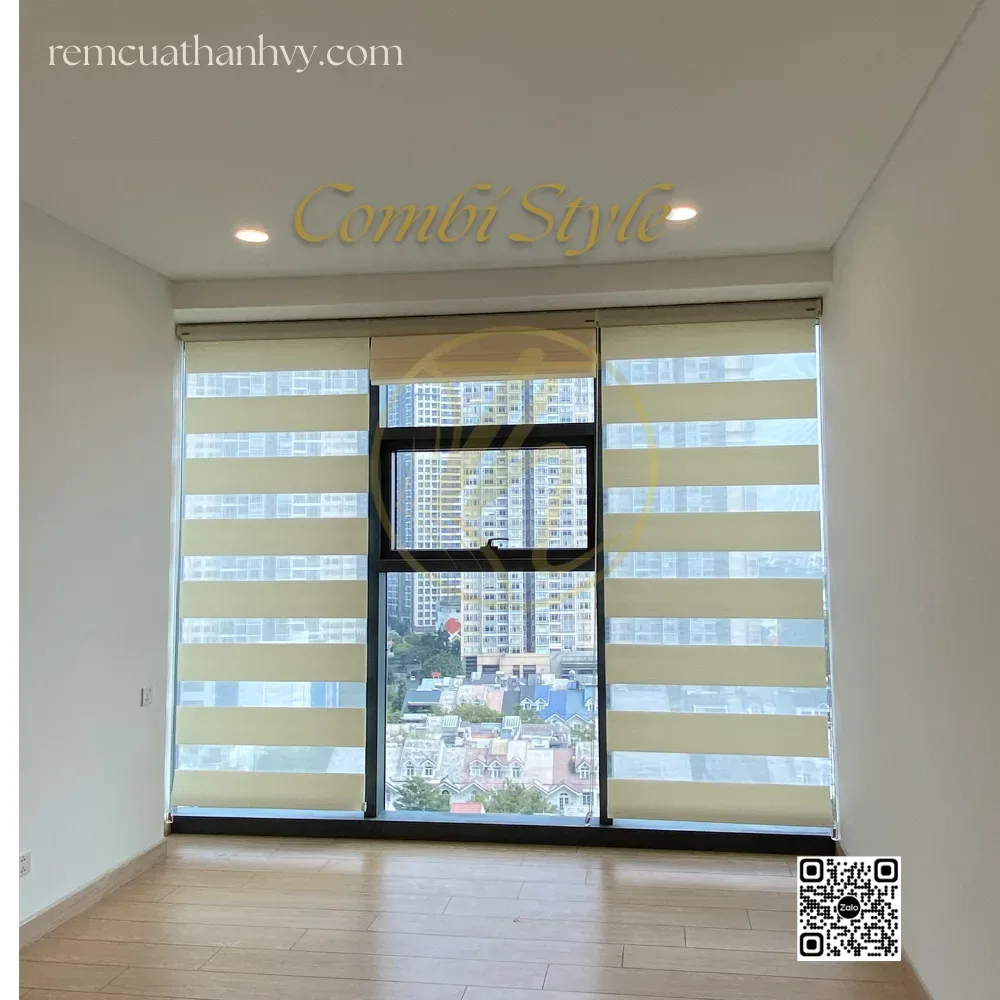
It is also necessary to ask clearly about warranty policies for issues arising from humidity such as rusted tracks or slight fabric stretching over time, as these are specific problems of high-humidity areas that not every unit has experience handling. A construction unit familiar with District 8 housing characteristics will have experience traveling, measuring, and installing in small alleys close to canals, helping save time and avoid unexpected costs. In short, choosing suitable roman shades for District 8 housing requires placing moisture-resistant material factors and practical advisory expertise first, alongside ensuring aesthetic proportions suitable for each type of low-rise townhouse window characteristic of the area. Interested readers can view polyester fibers in the textile industry before deciding.

Curtain models that should be installed in District 8
Below are actual product groups available at Thanh Vy Curtains, sorted by popular usage demand in the District 8 area.
Send your dimensions and needs, and the Thanh Vy Curtains team will advise on options and quote for your actual space.
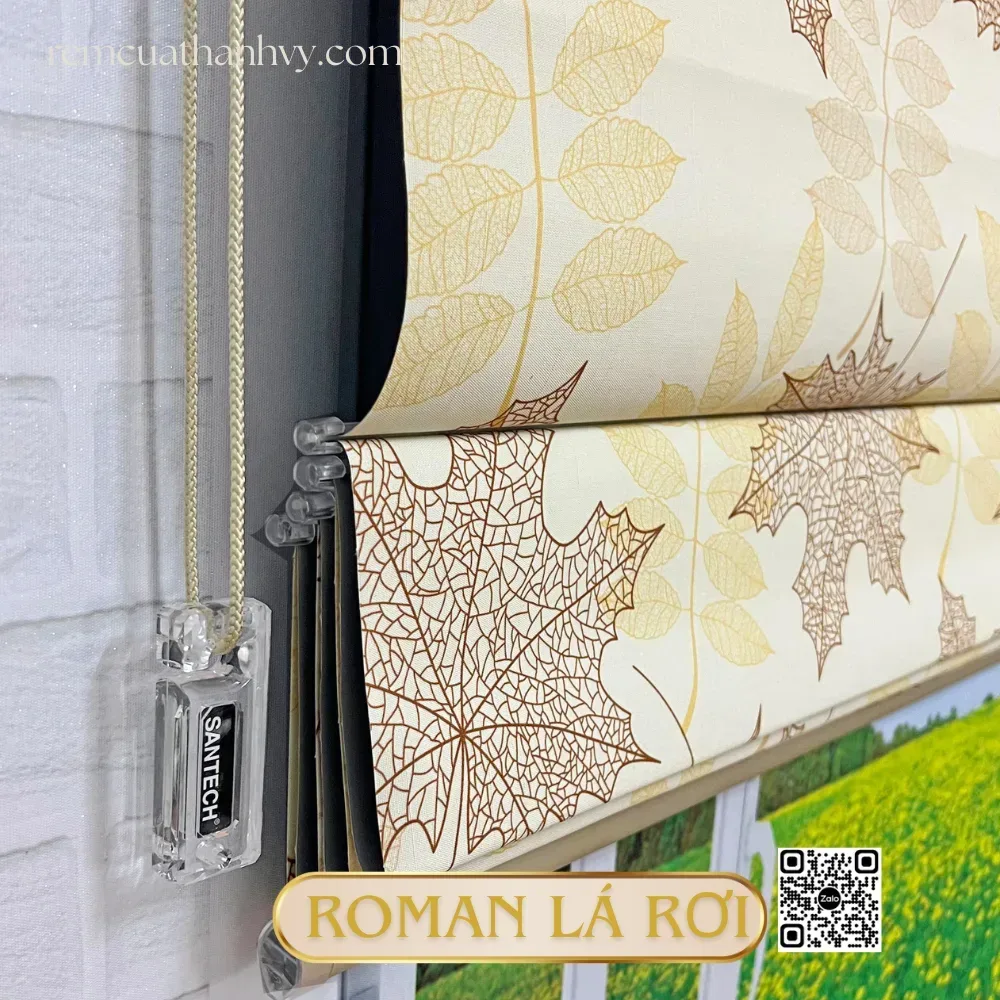
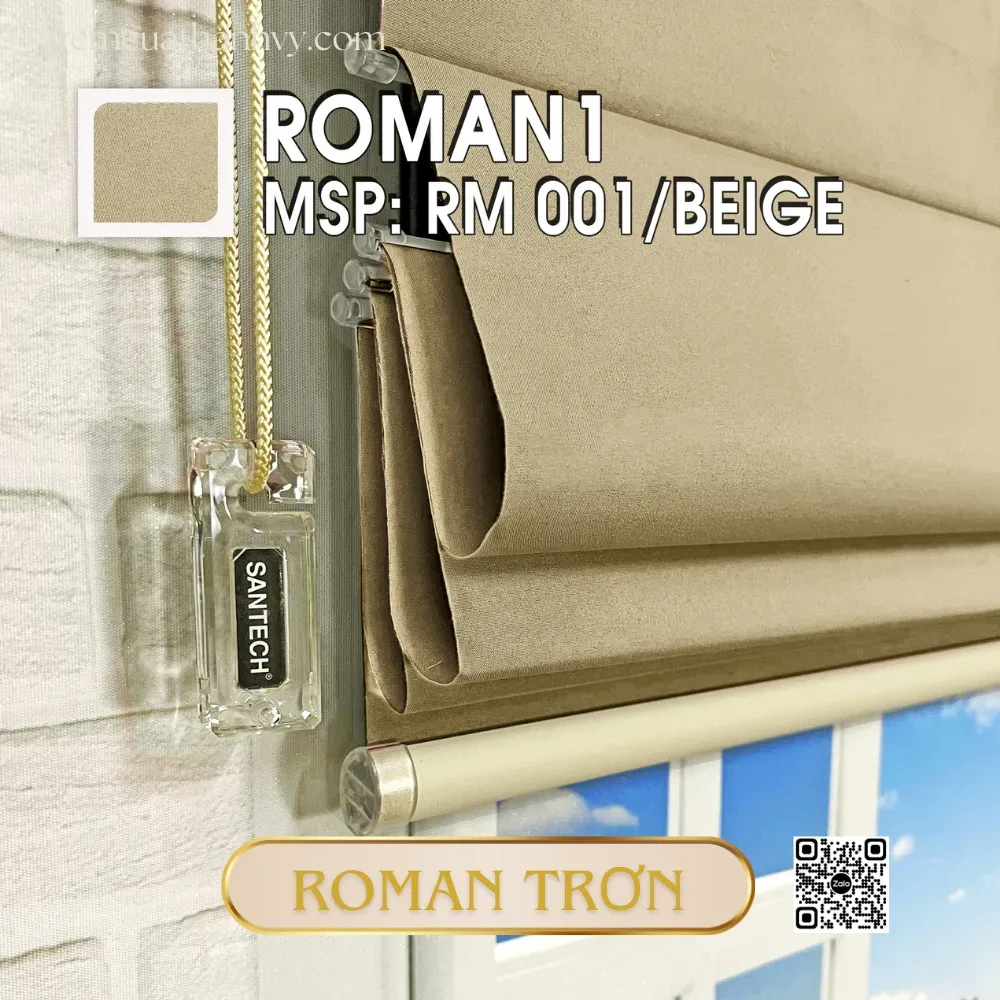
Roman Shades
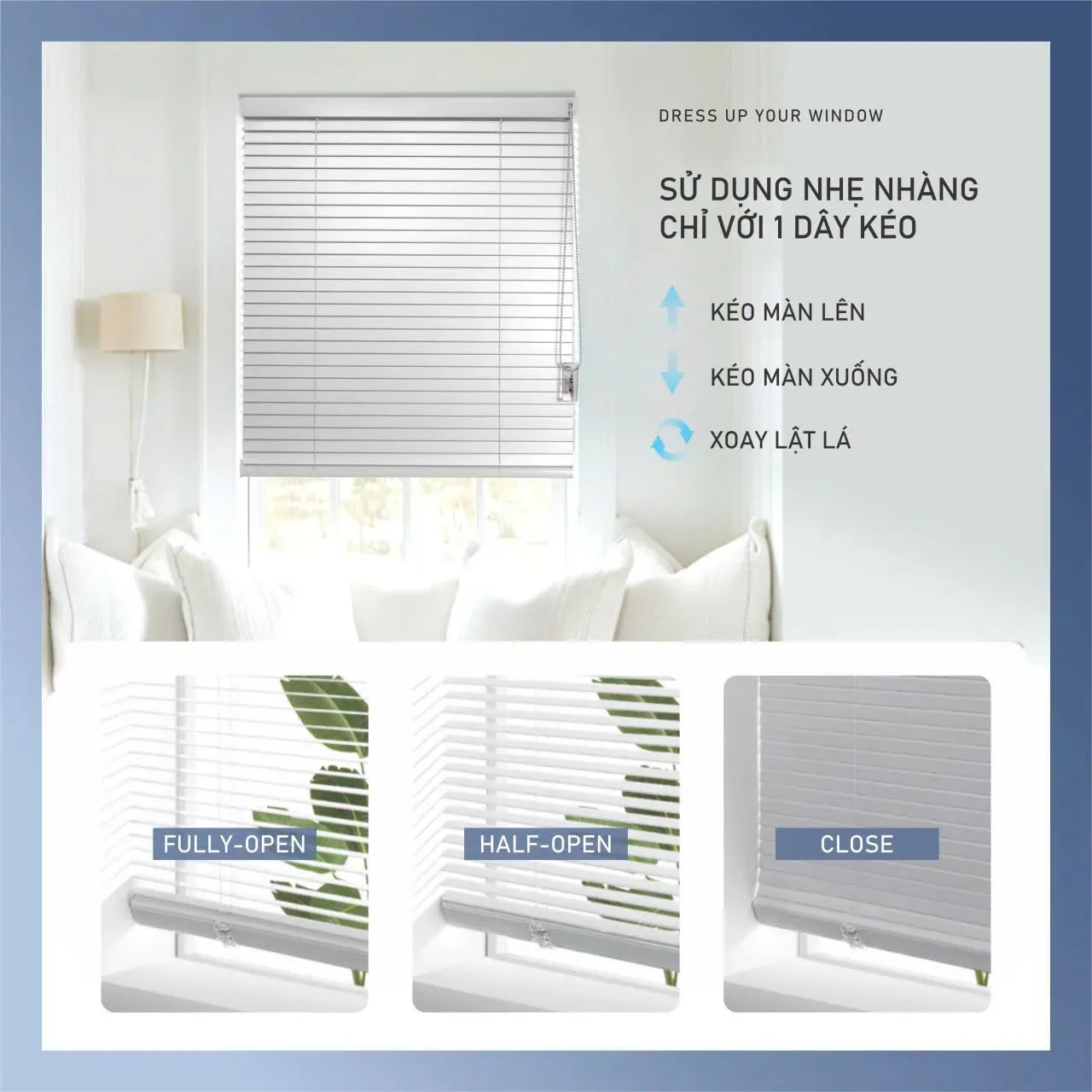
Horizontal layered roman shades when pulled up, creating neat folds and fitting medium window frames.
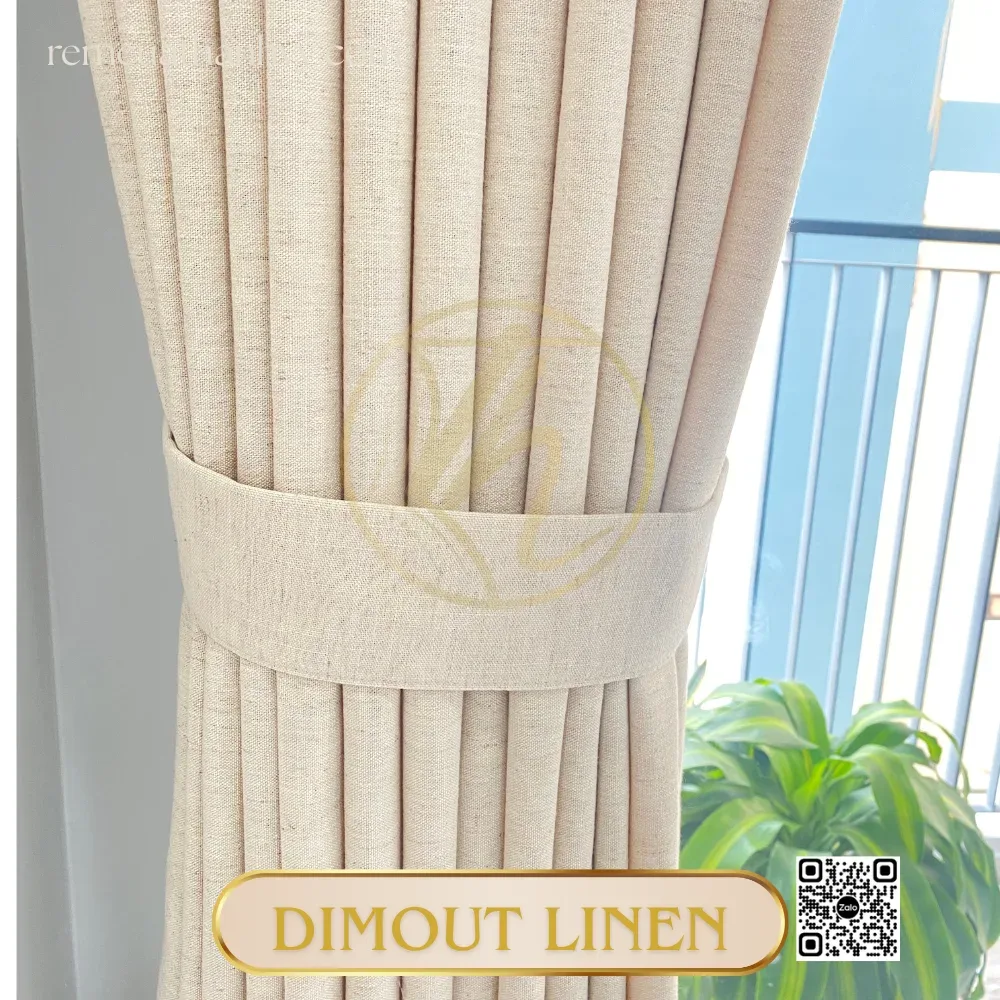
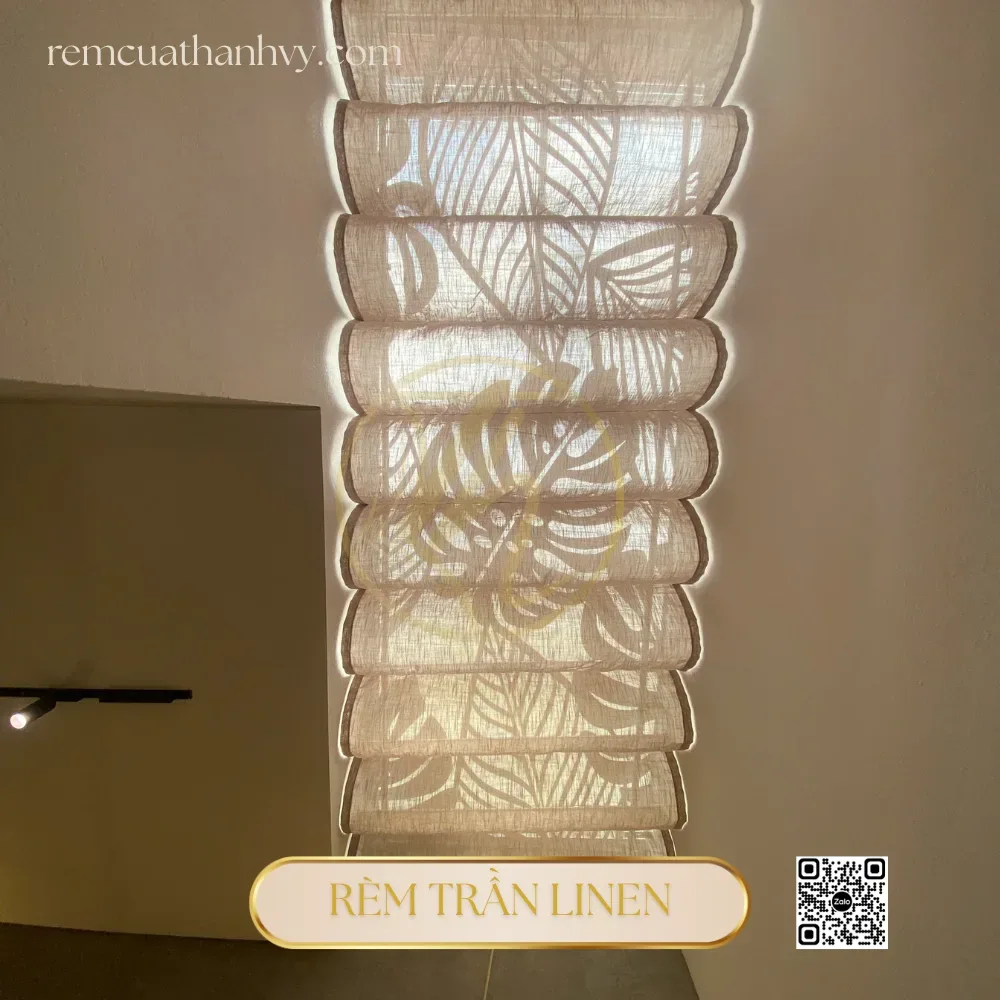
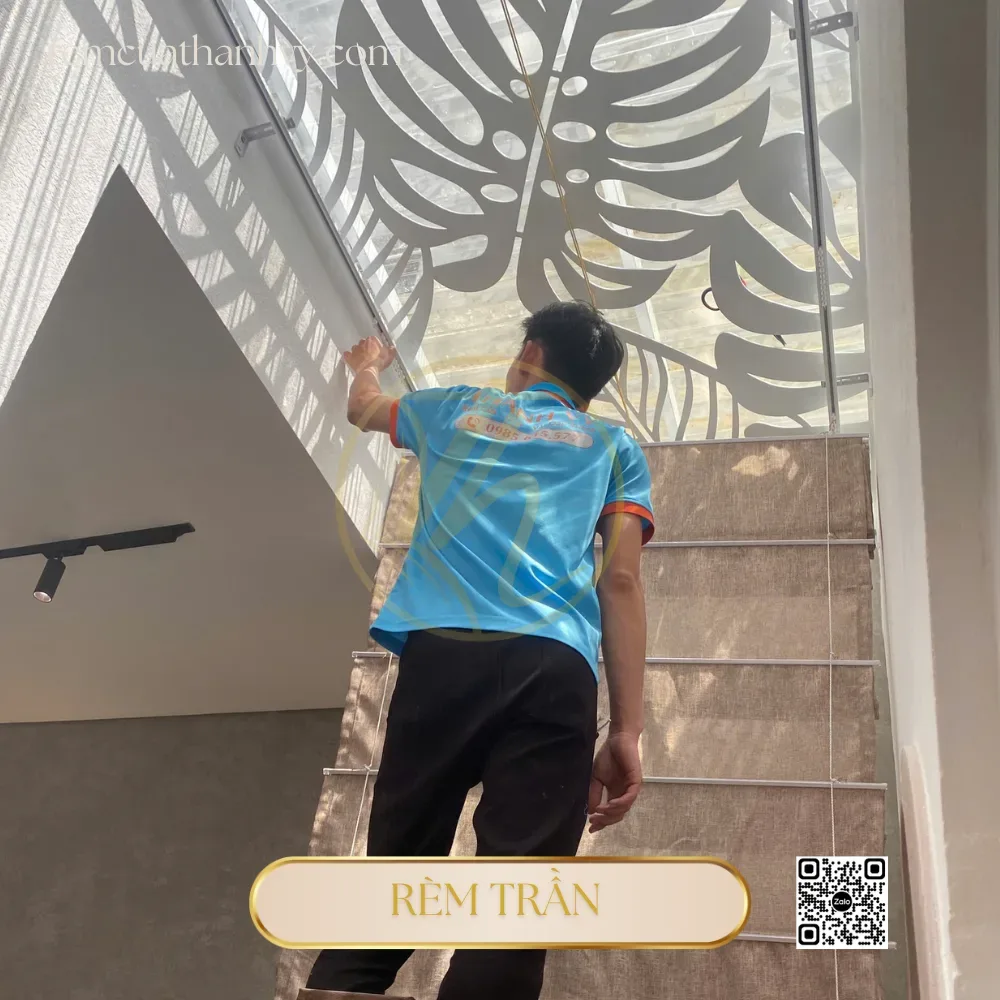
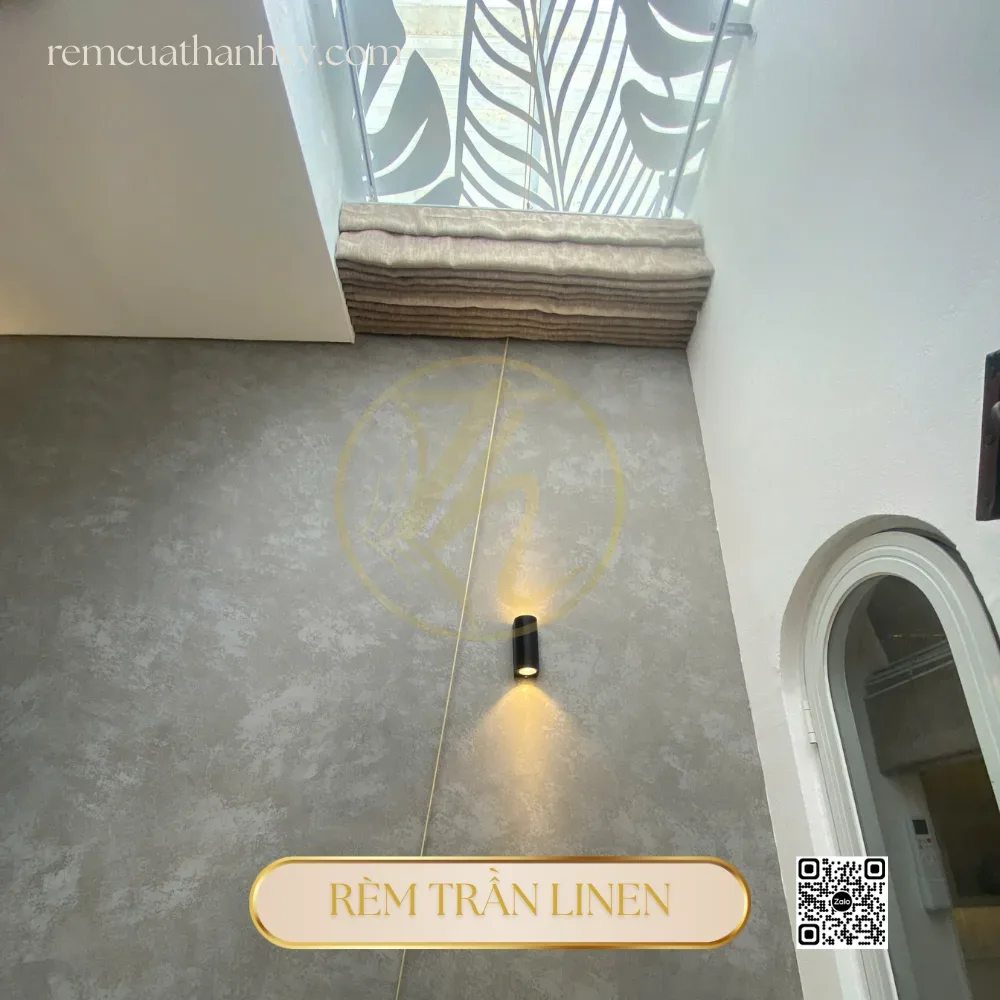
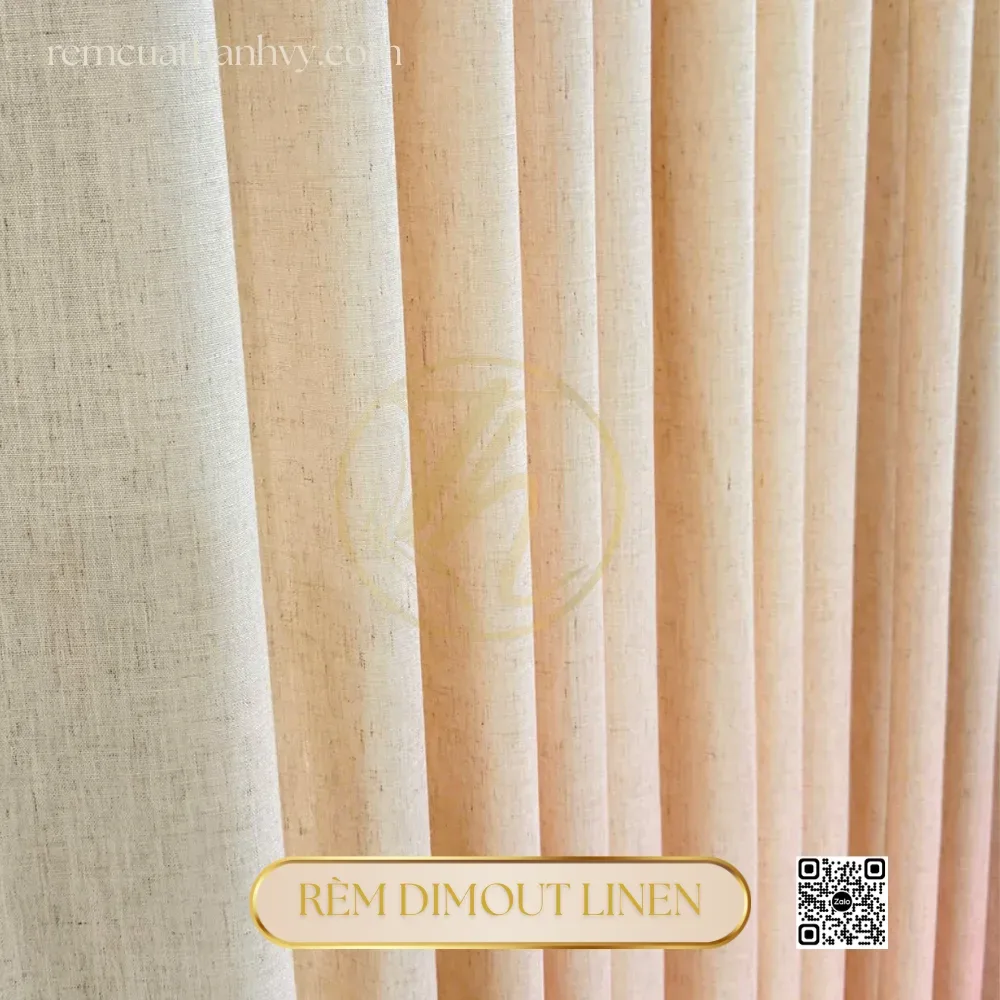
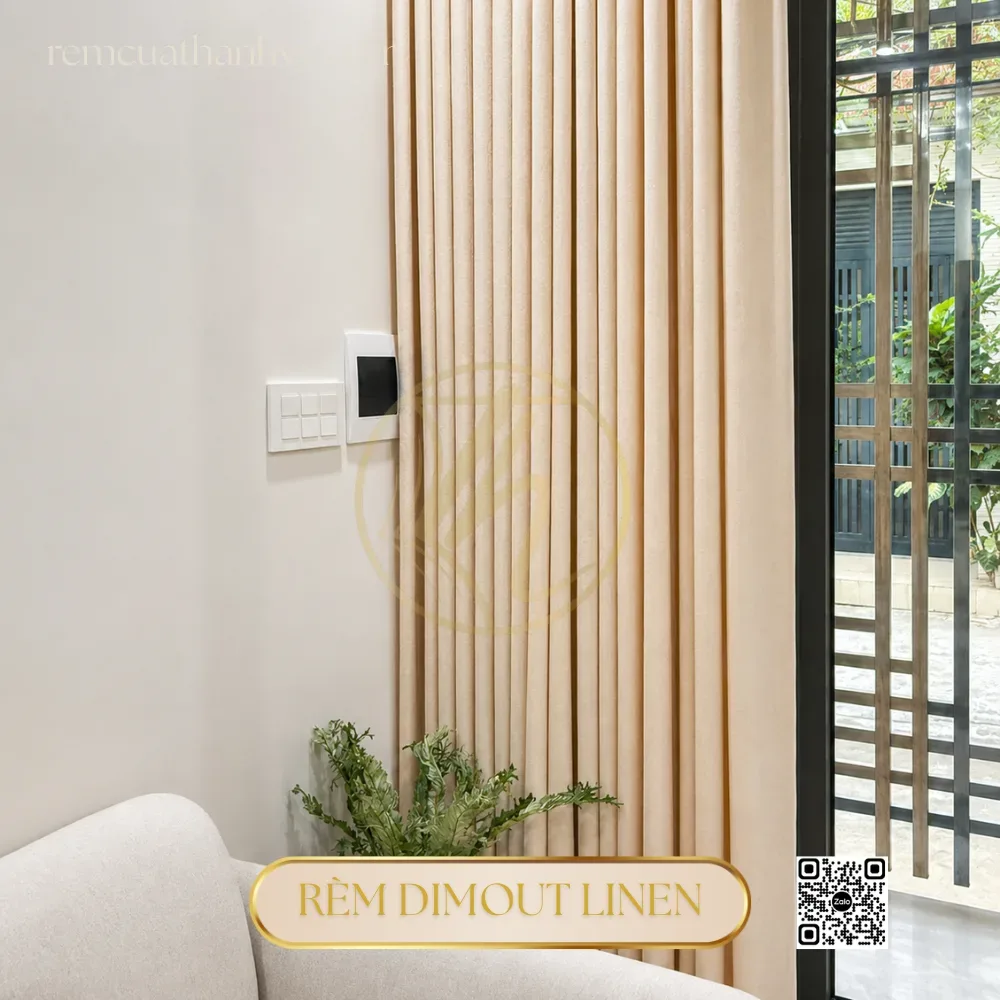
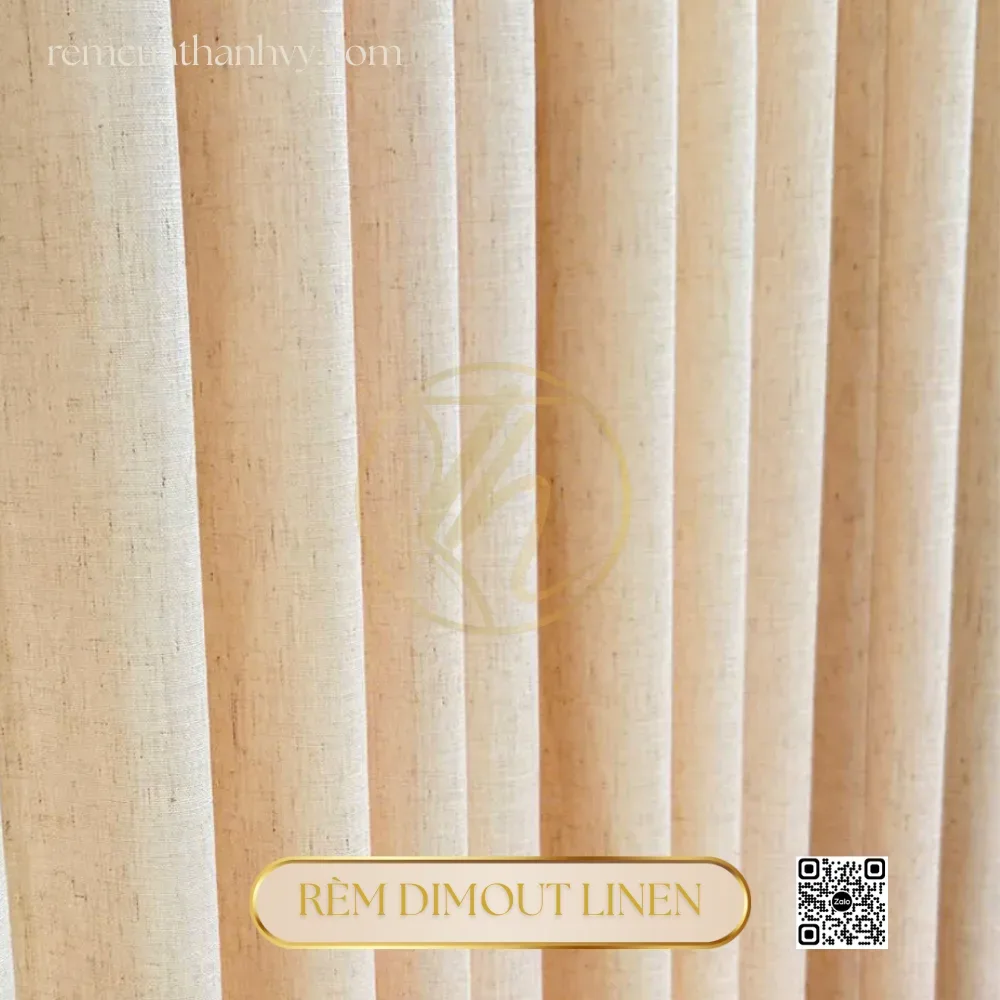
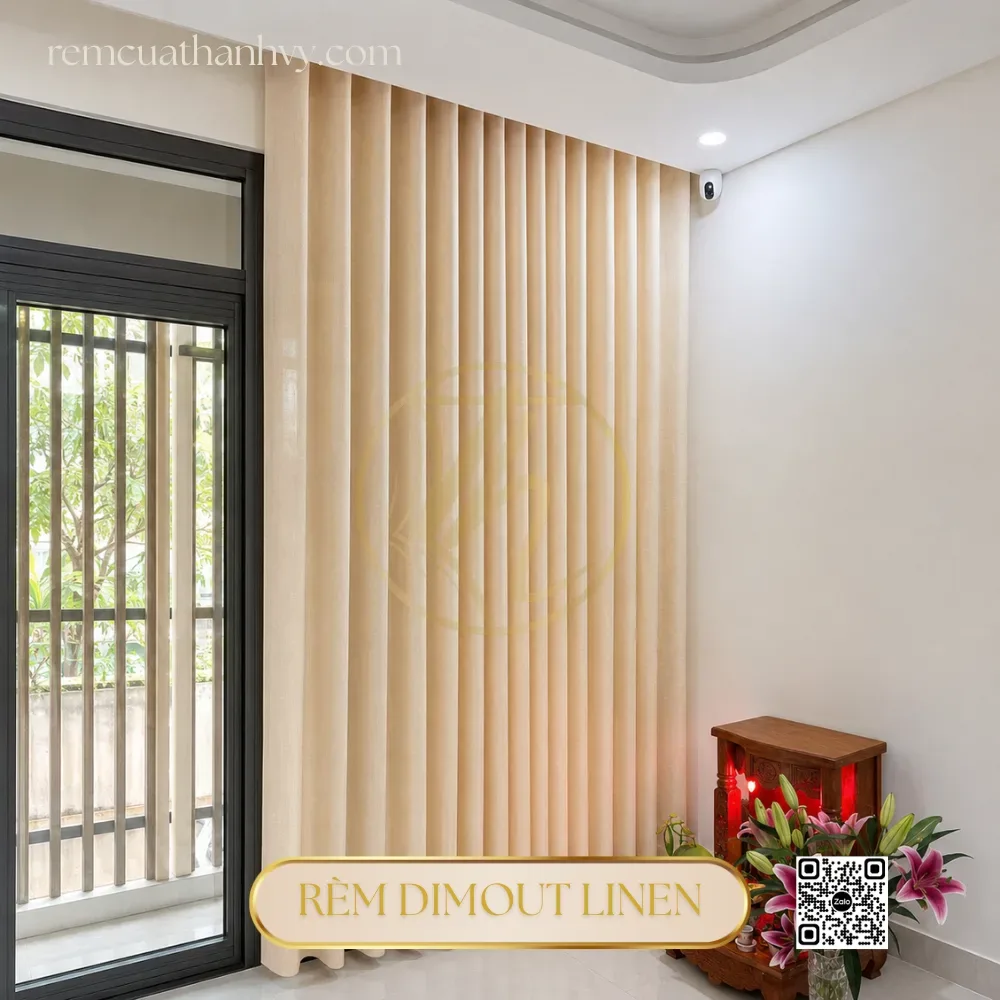
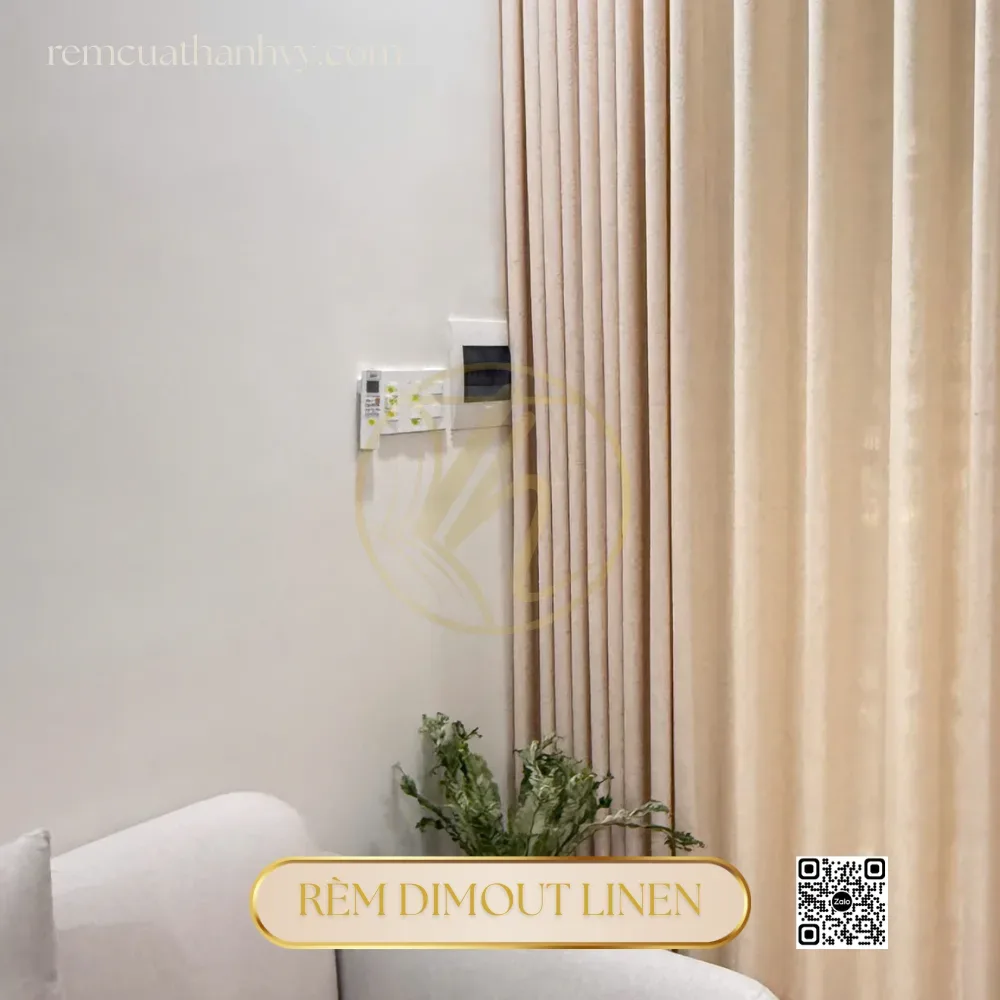
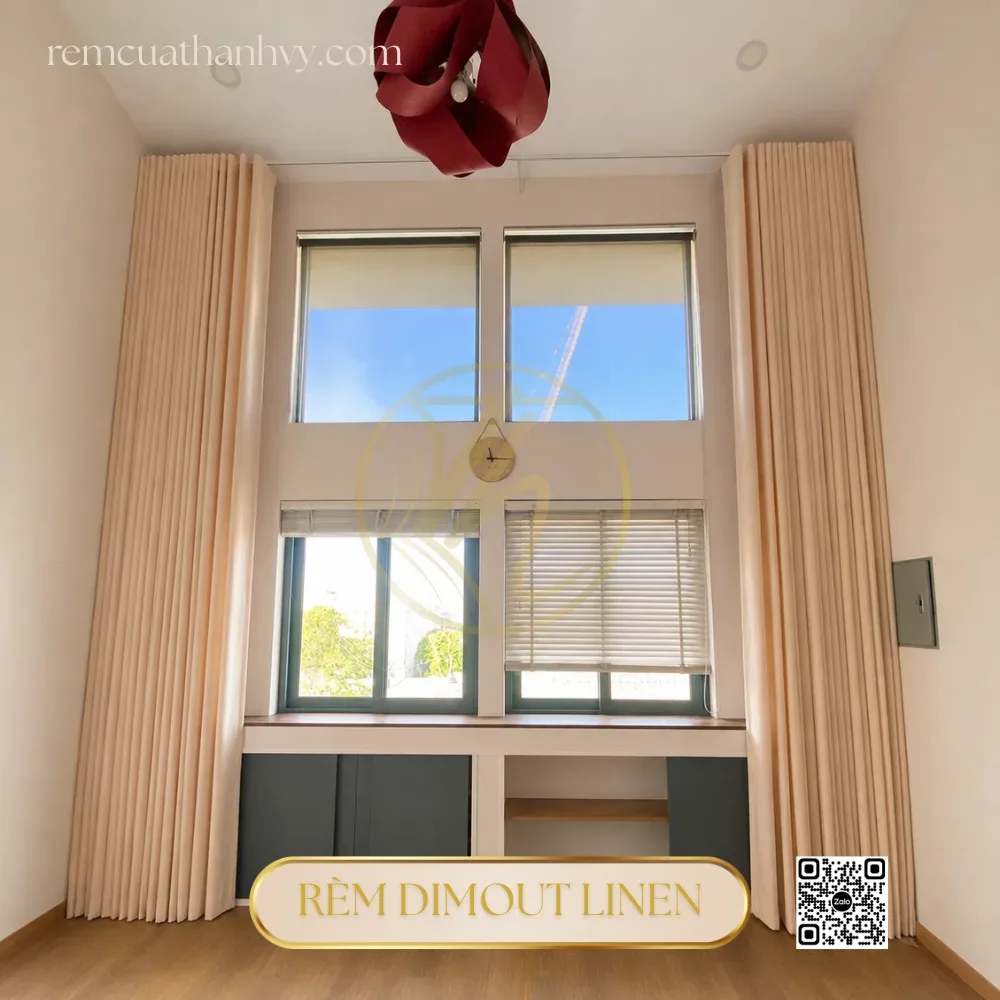
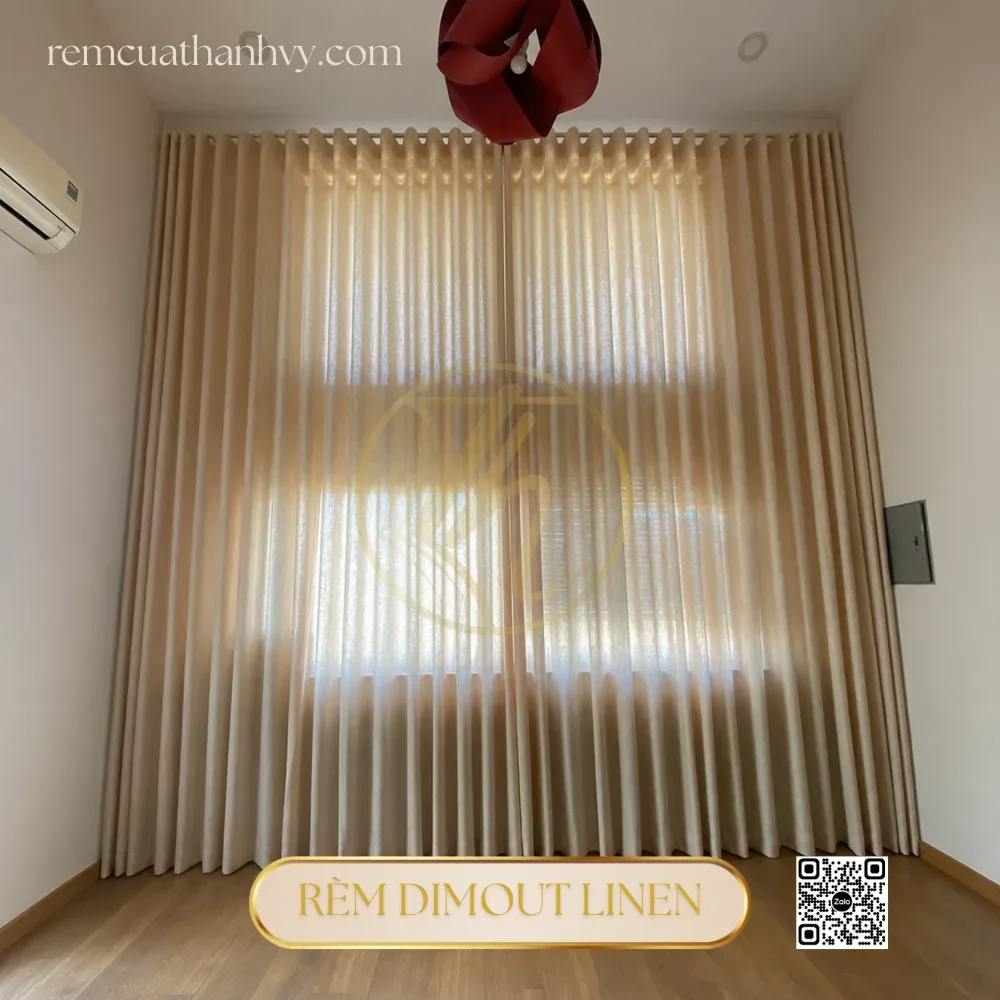
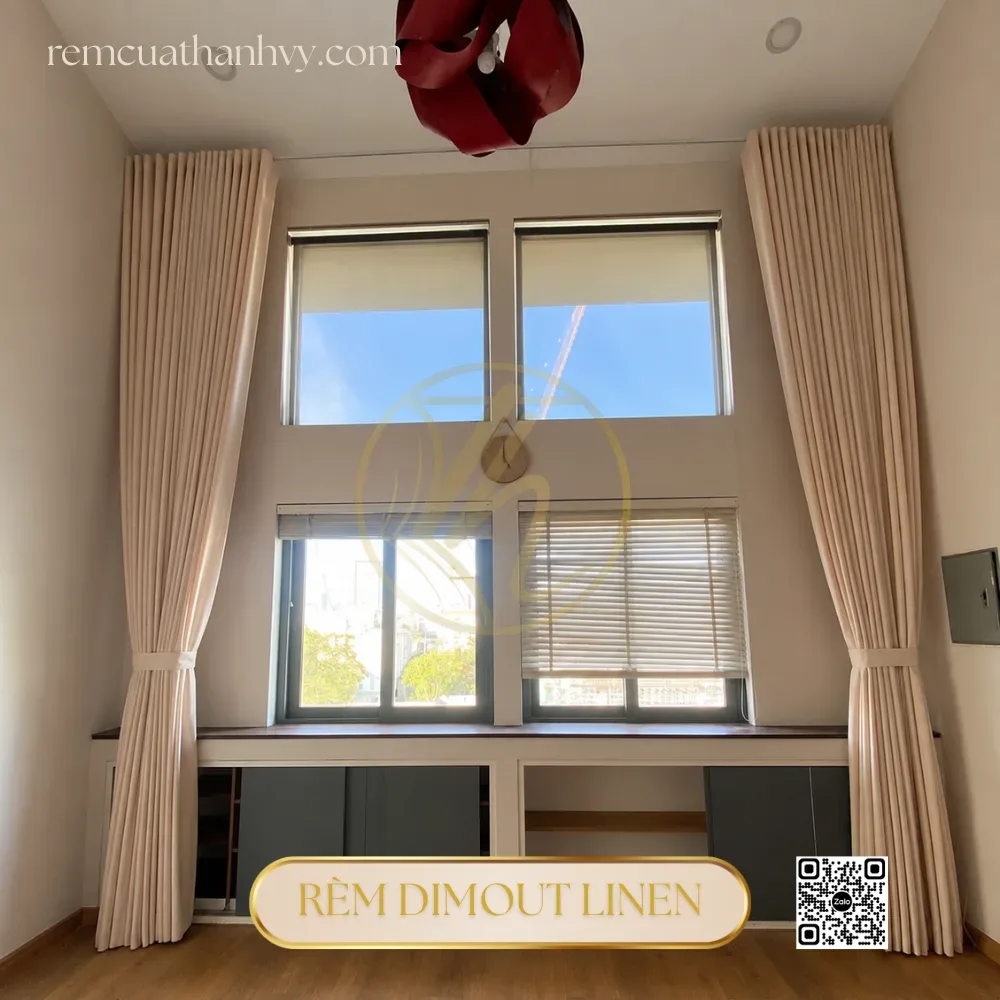
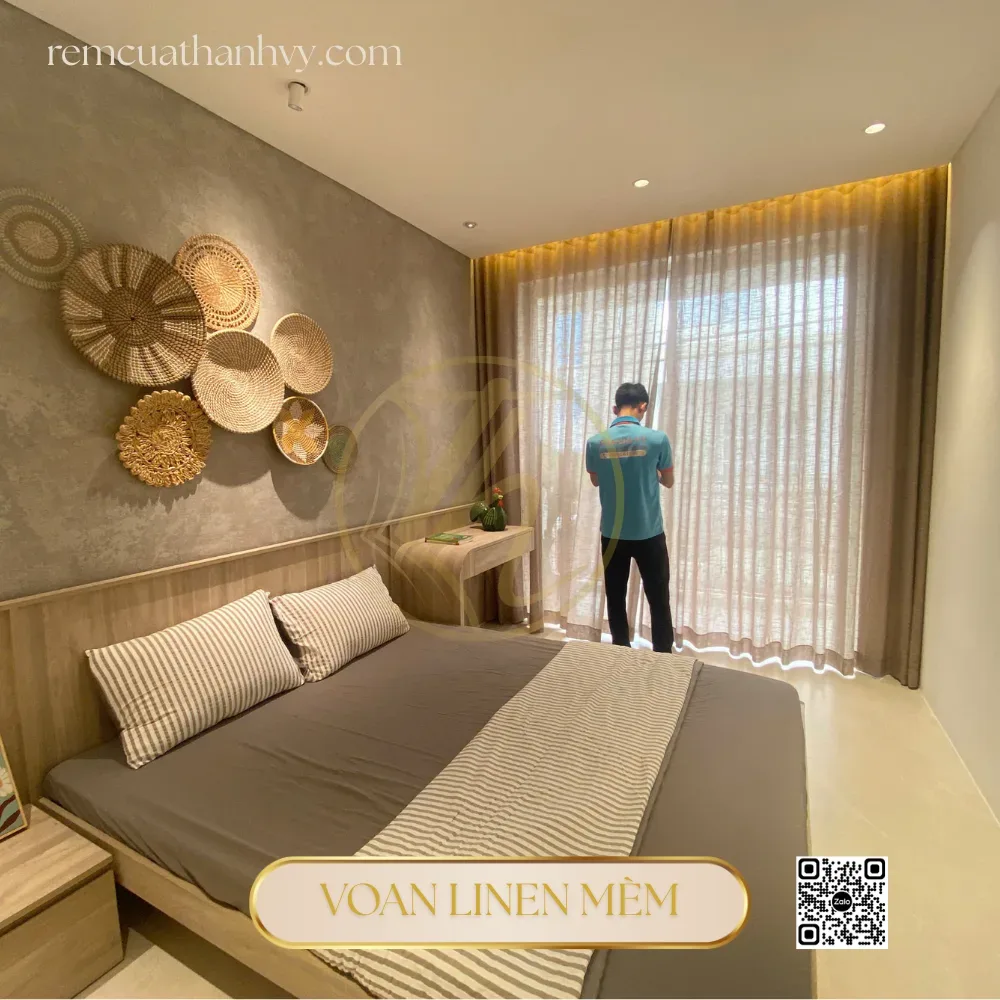
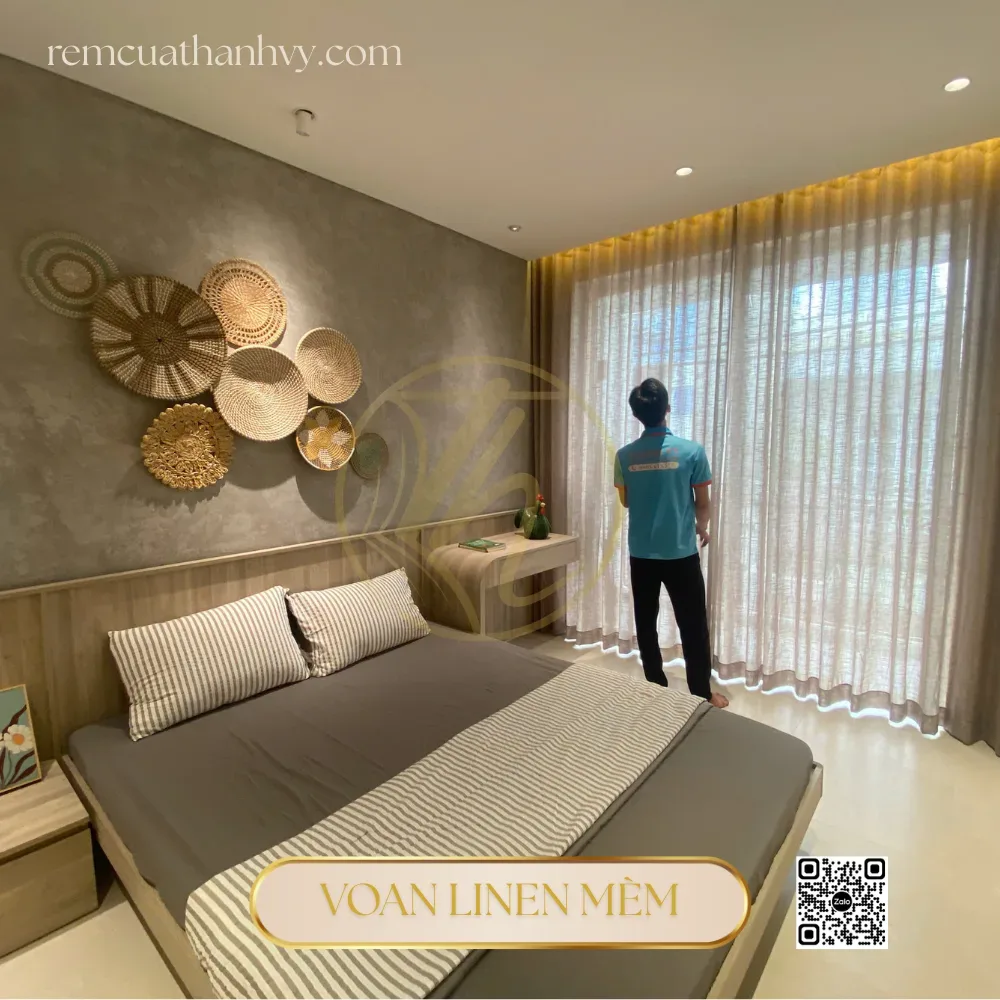
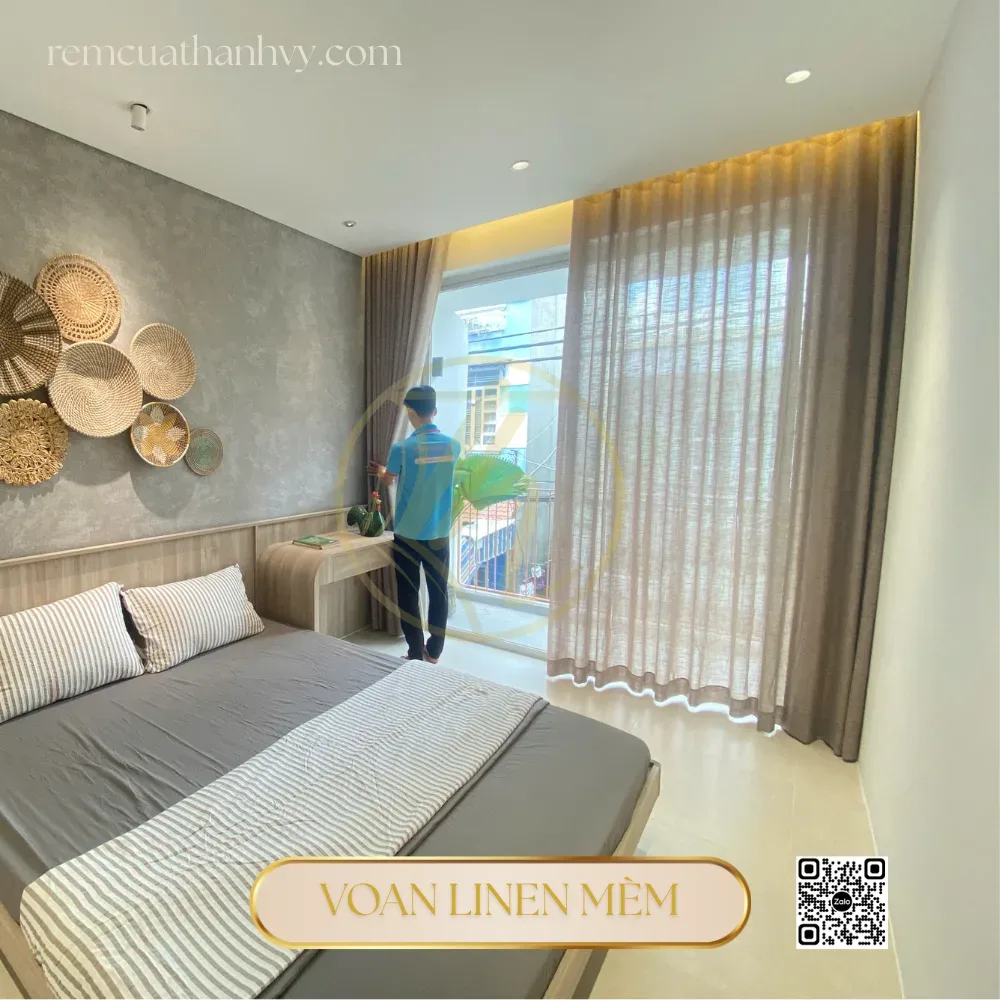
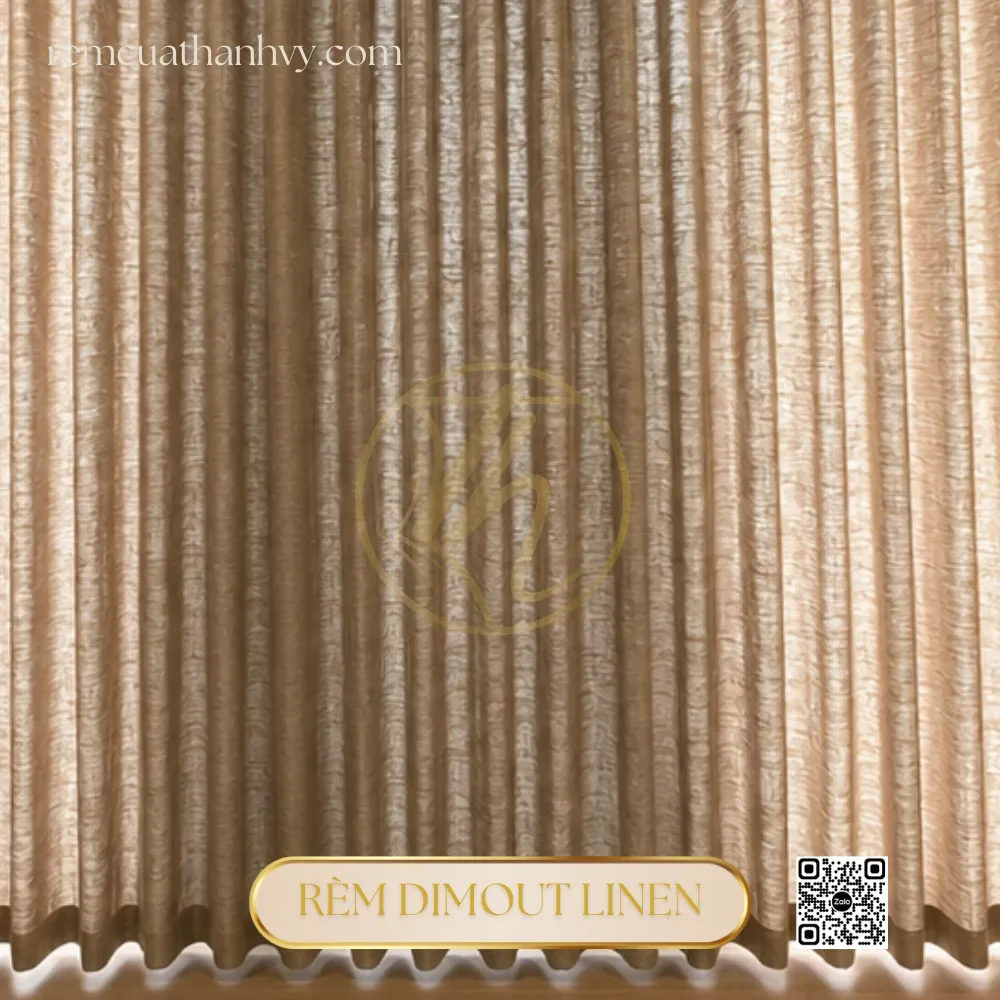
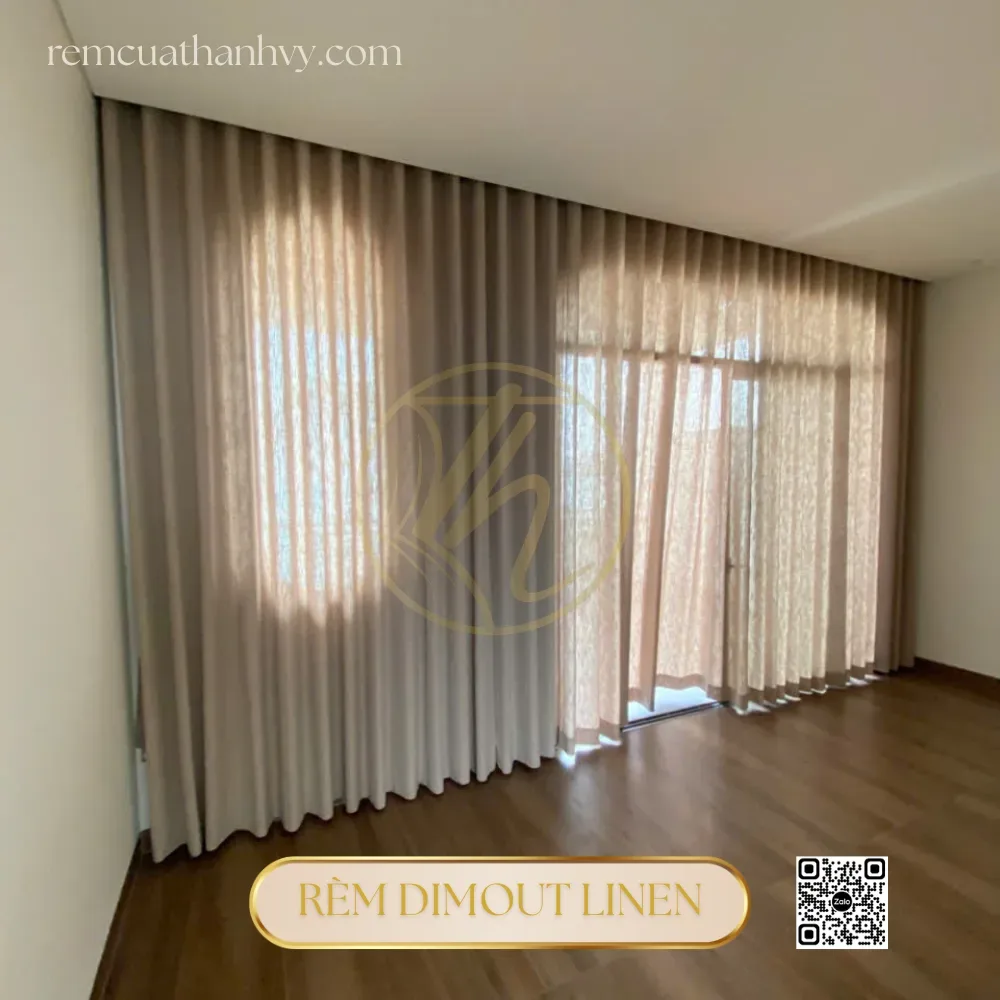
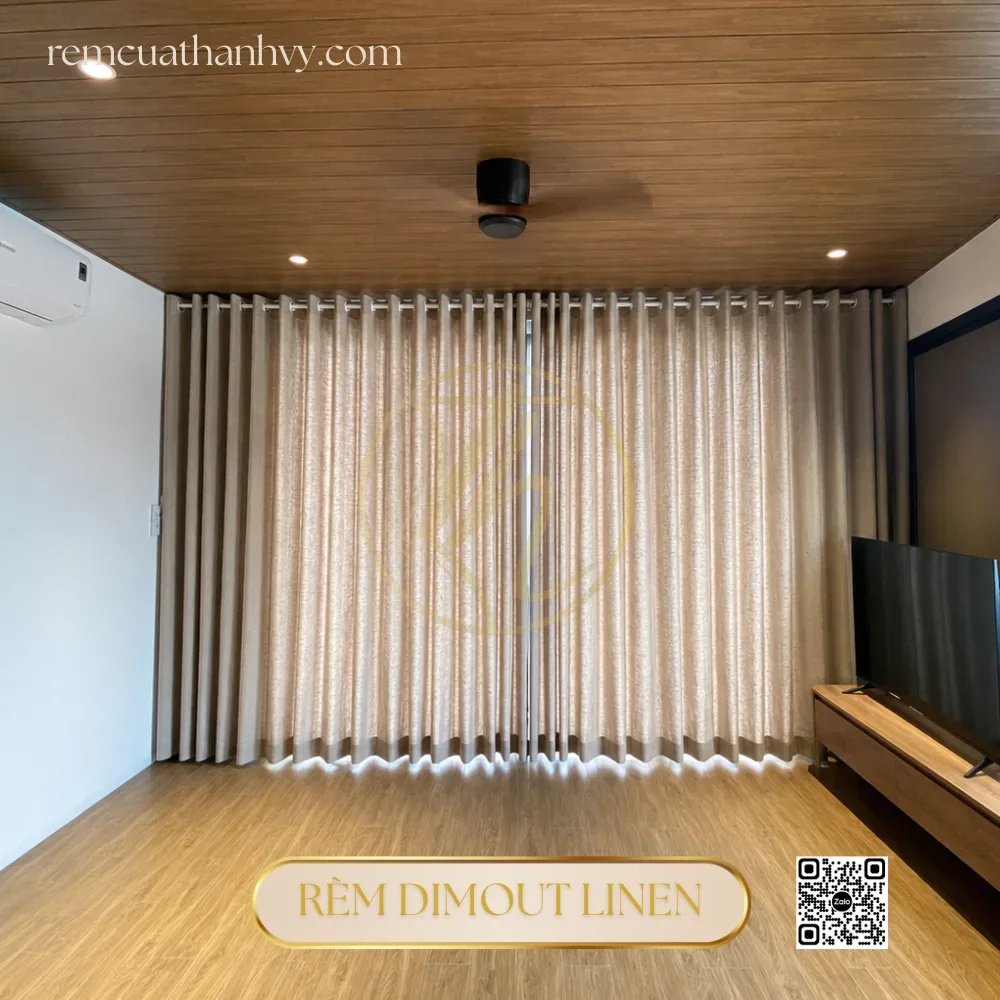
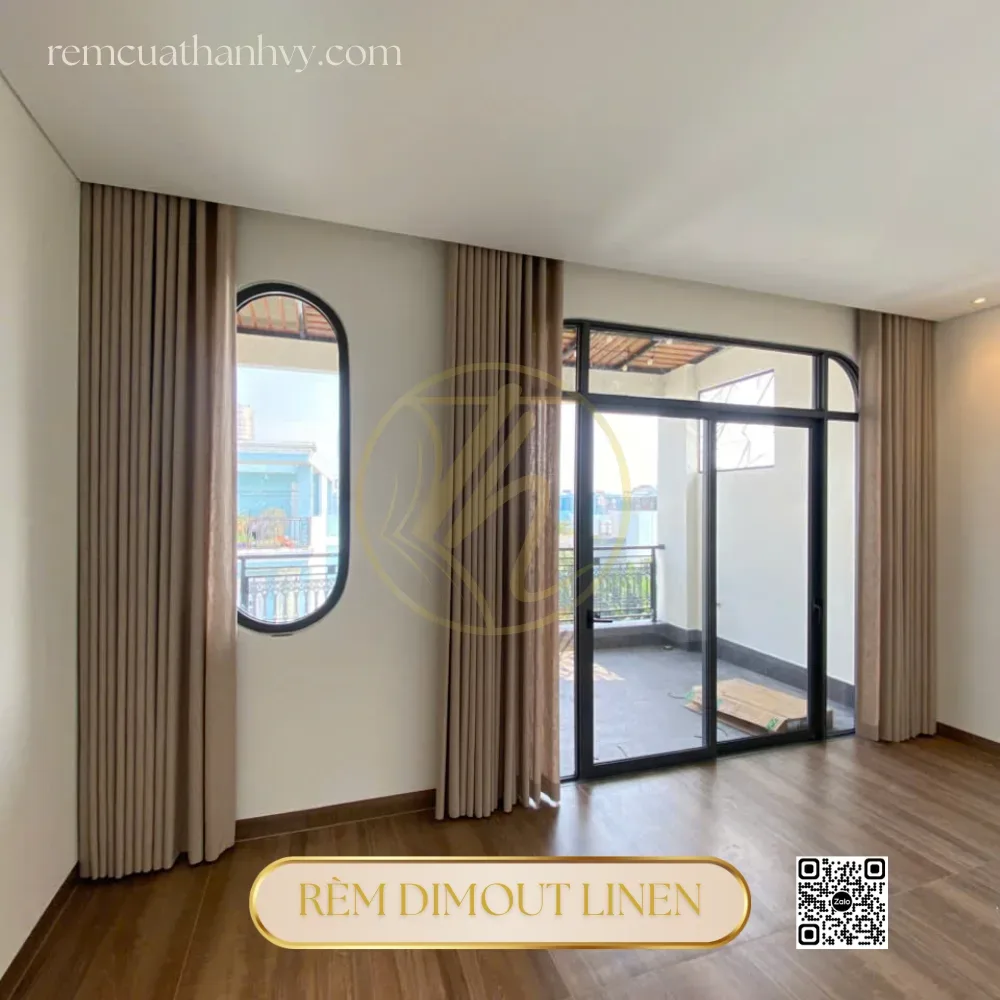
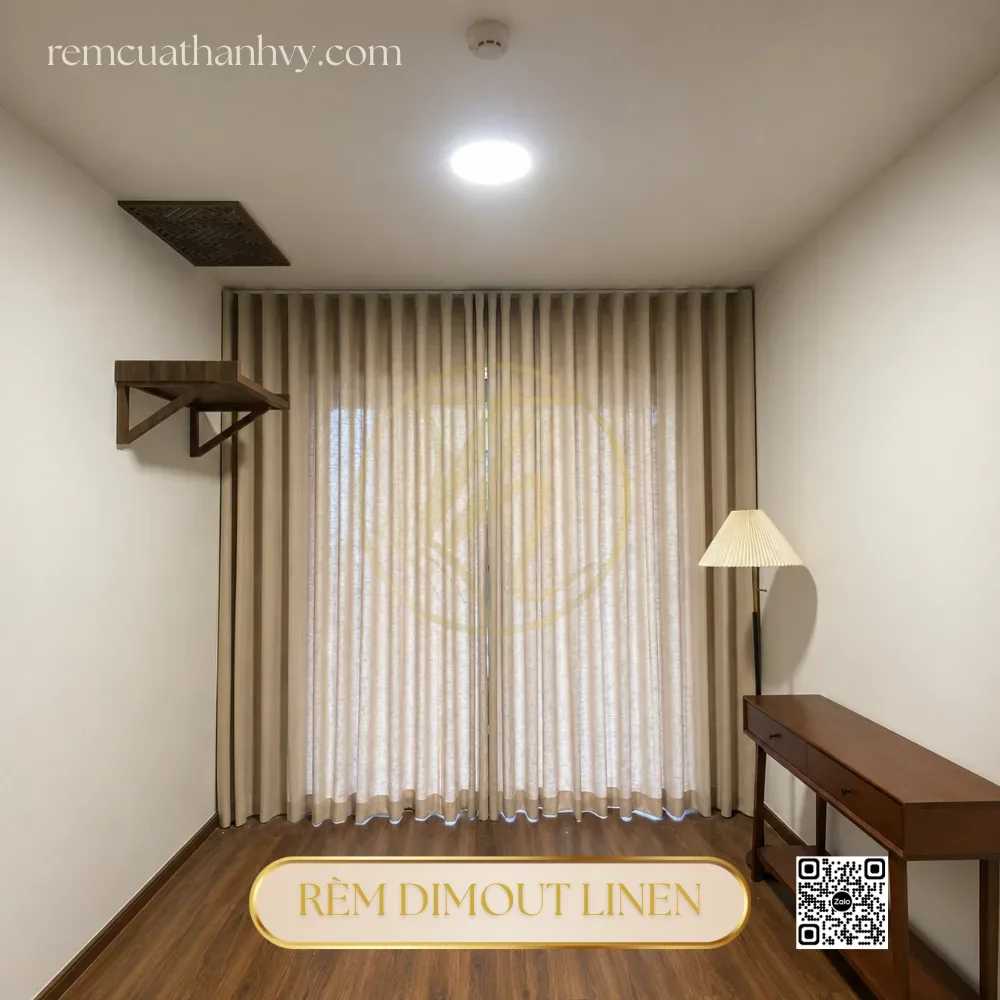
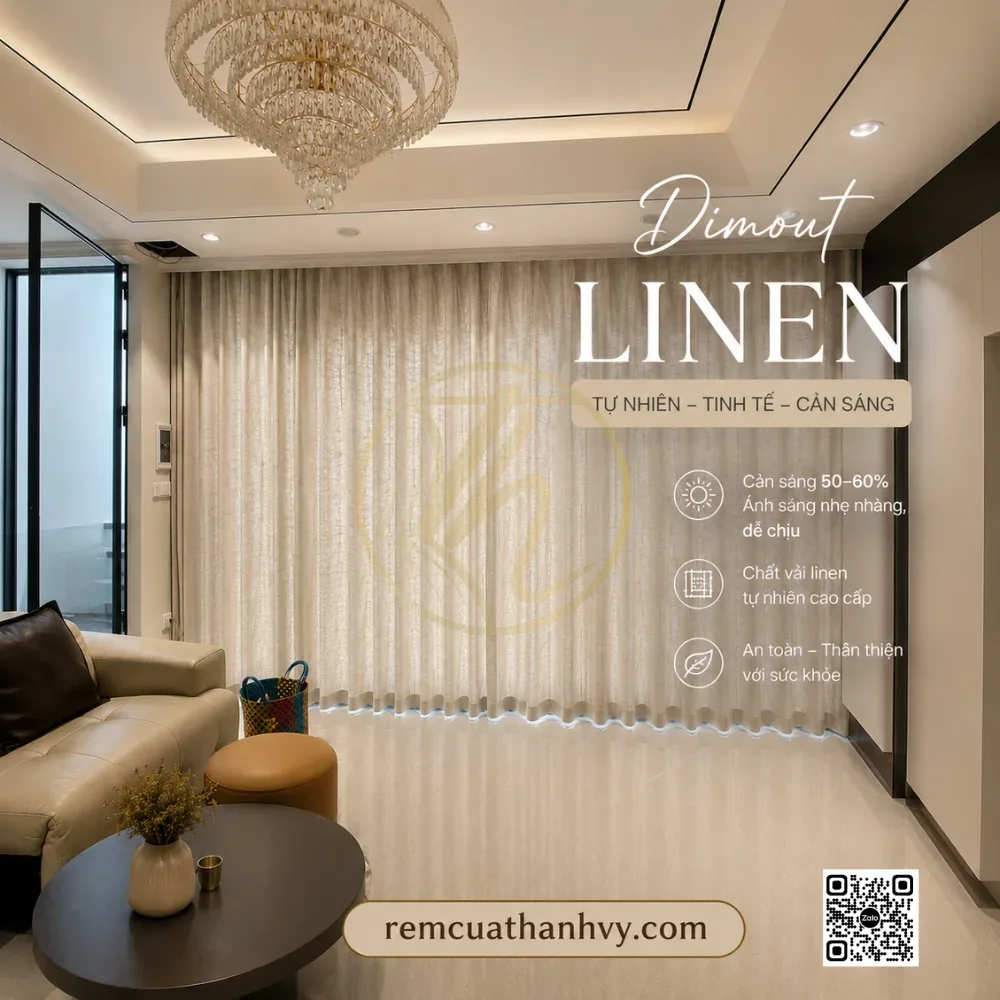
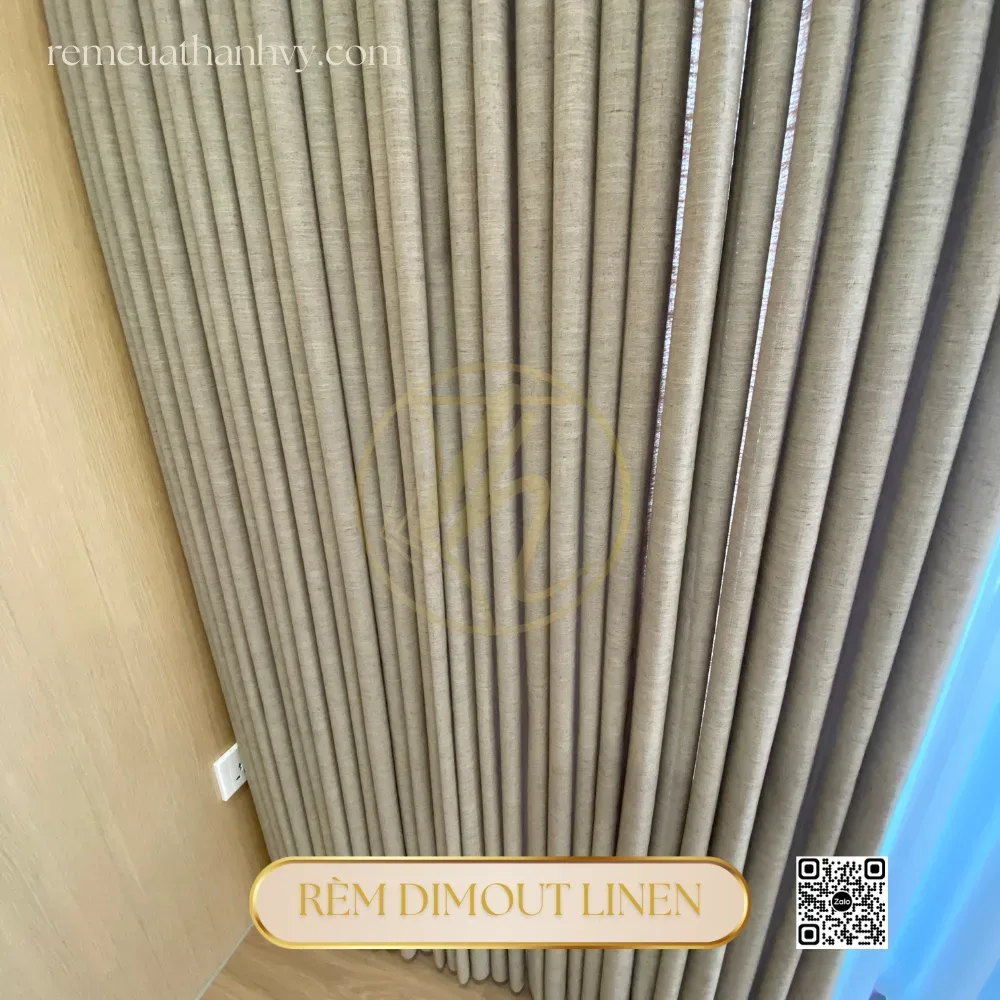
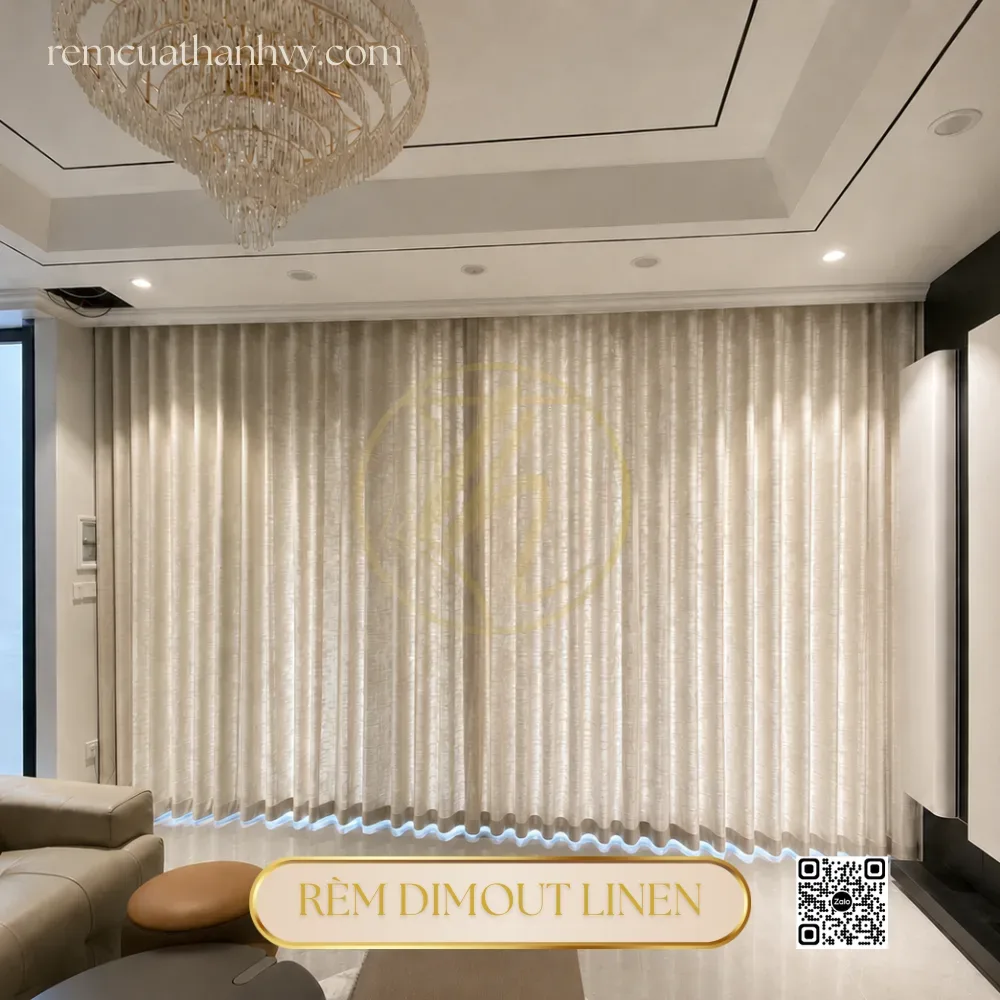
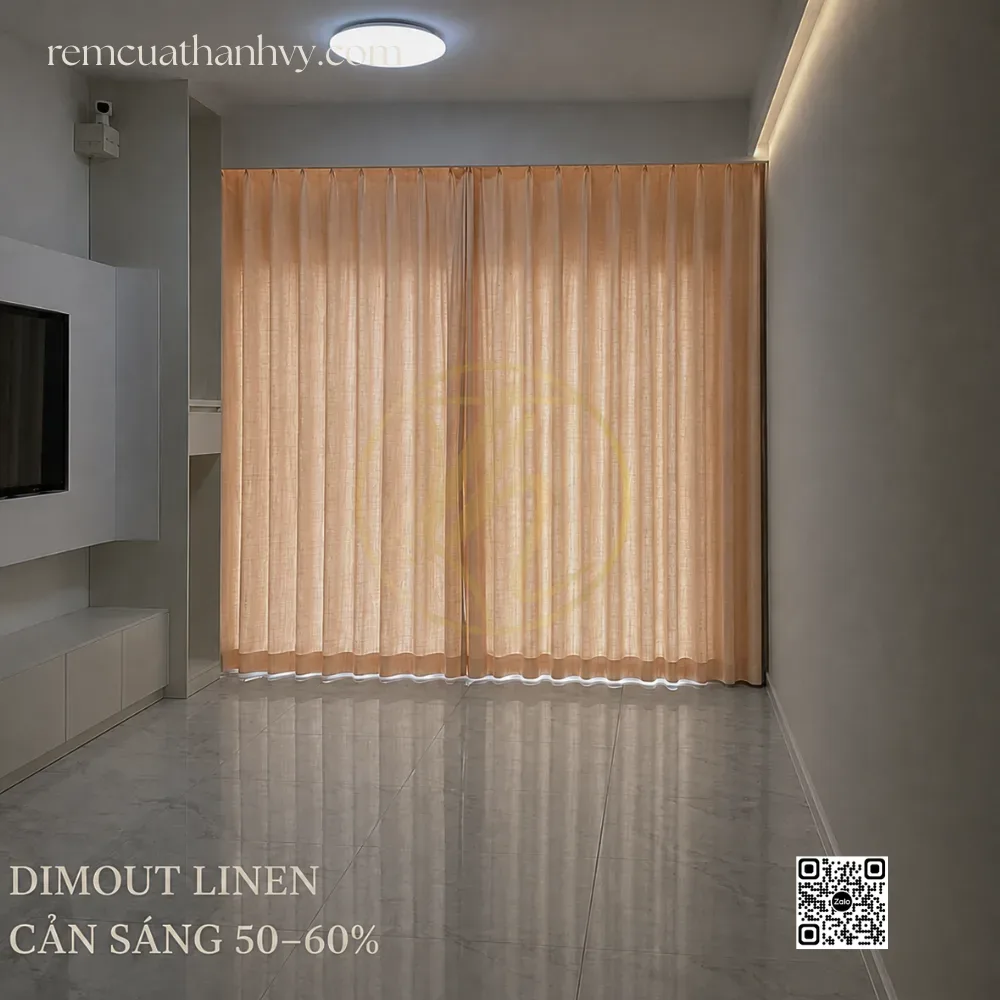
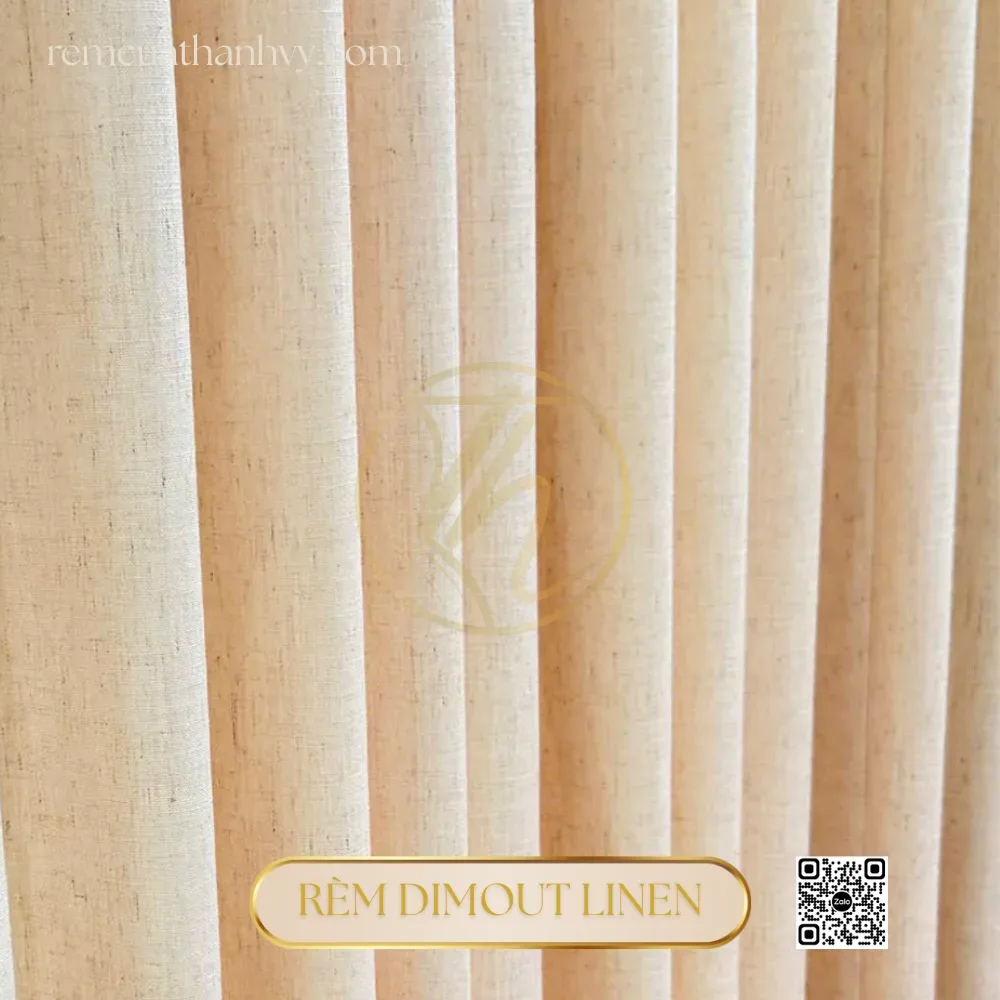
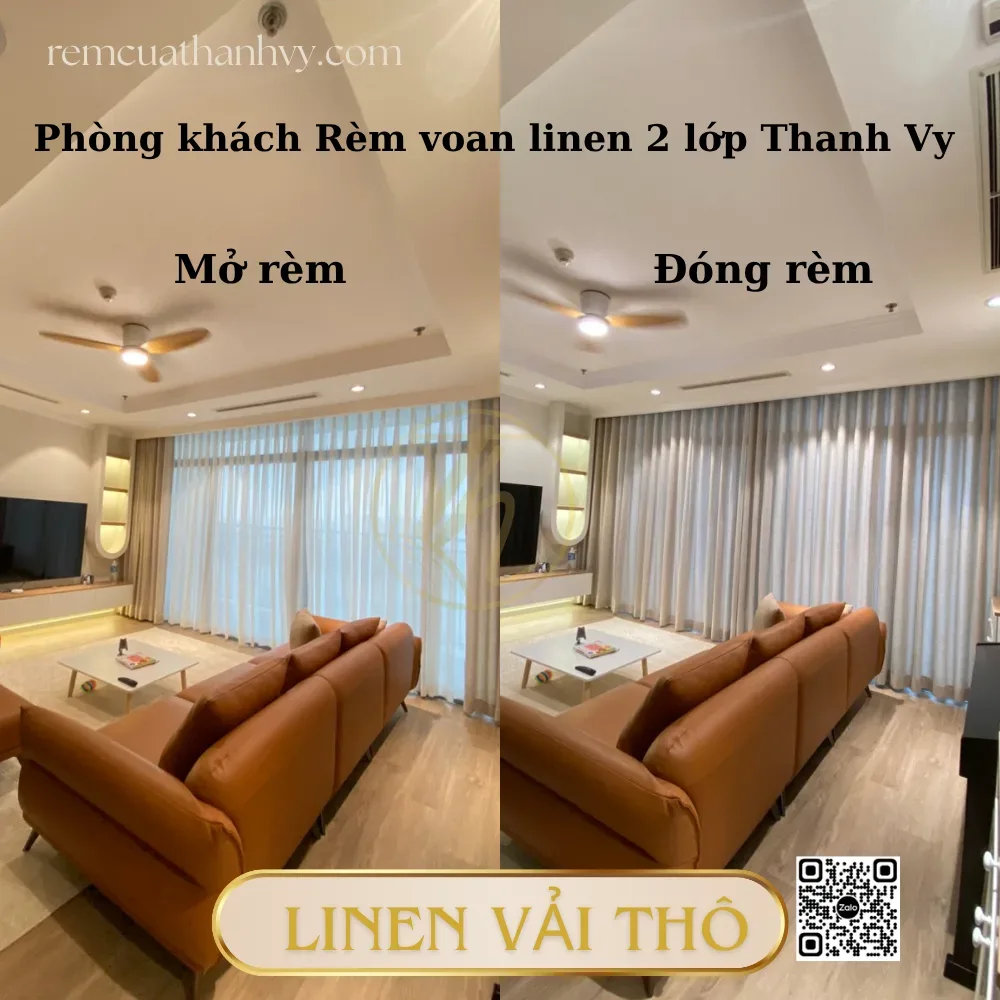
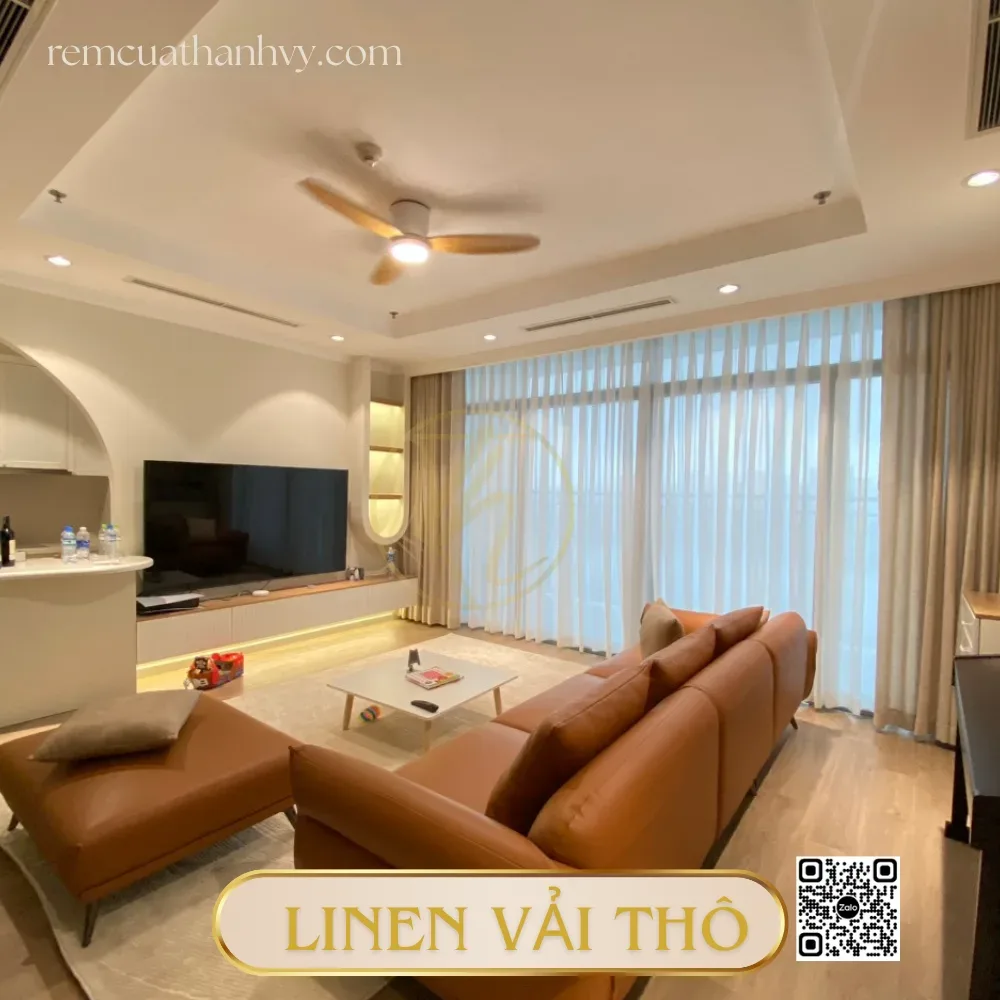
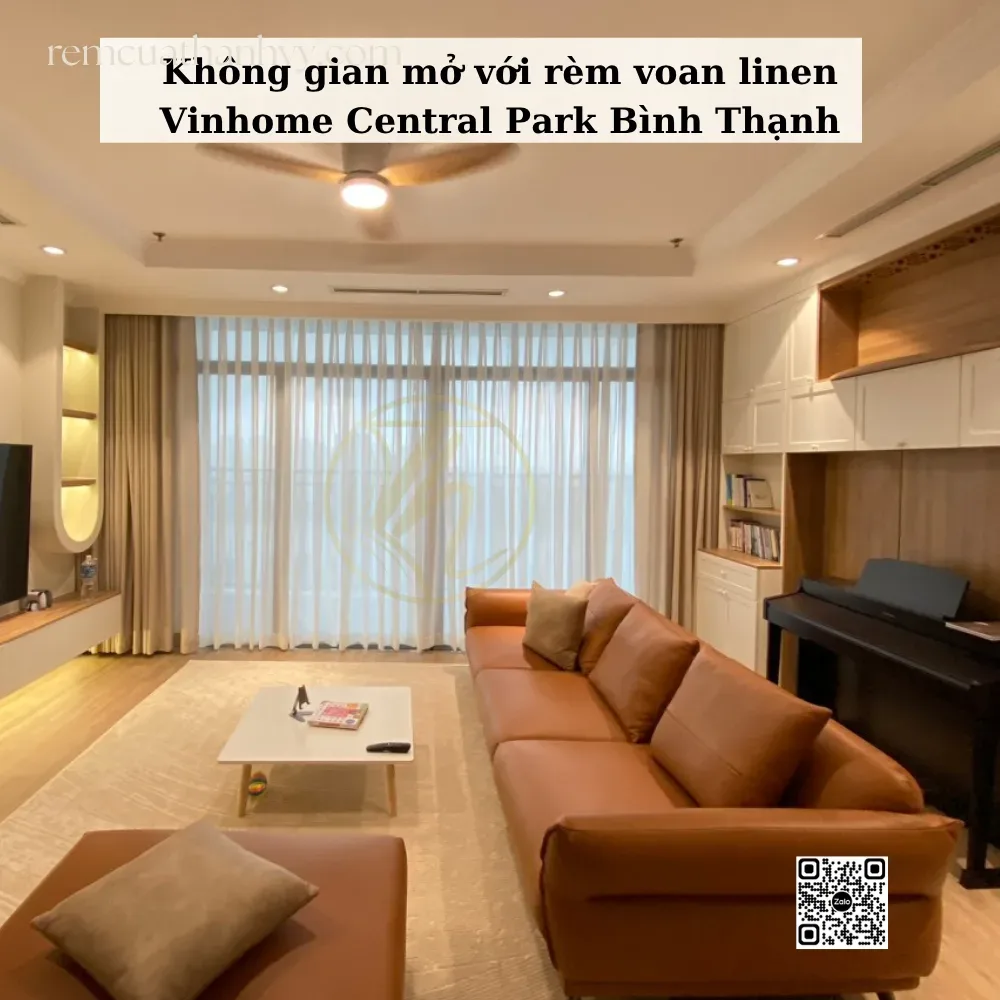
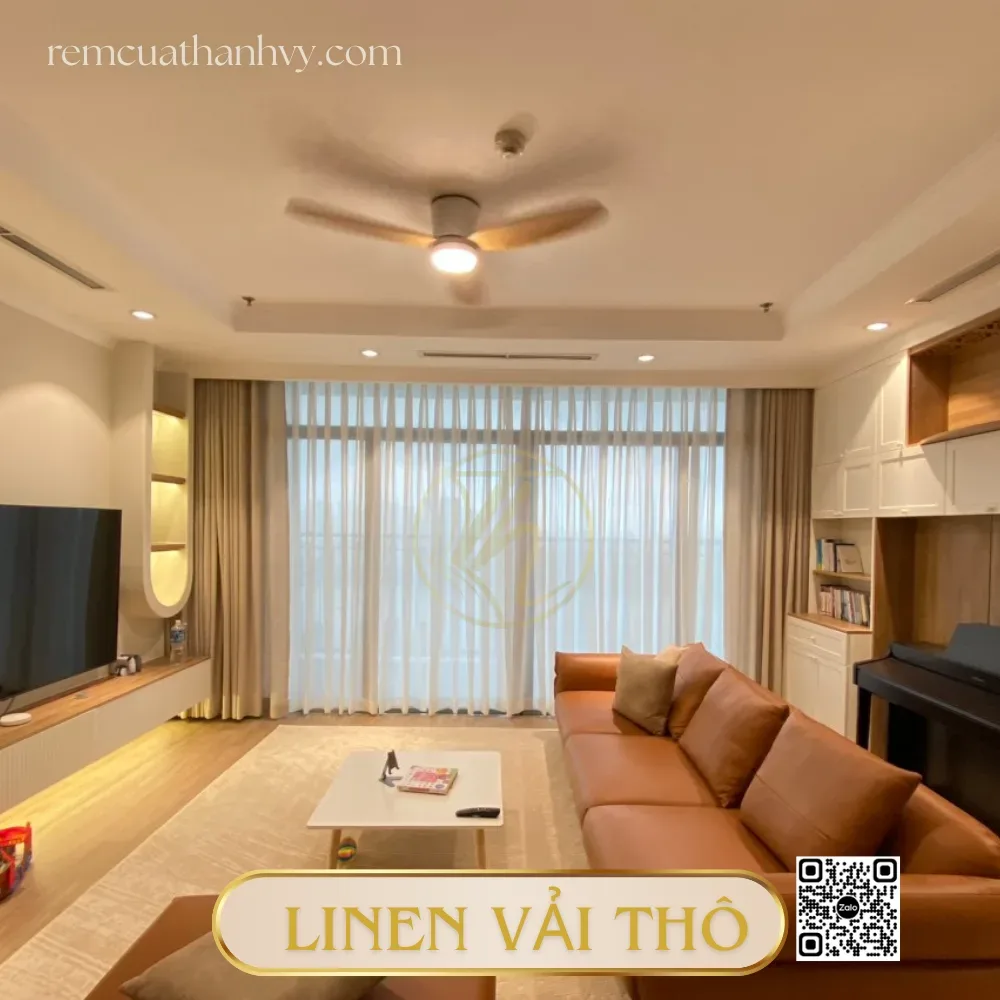
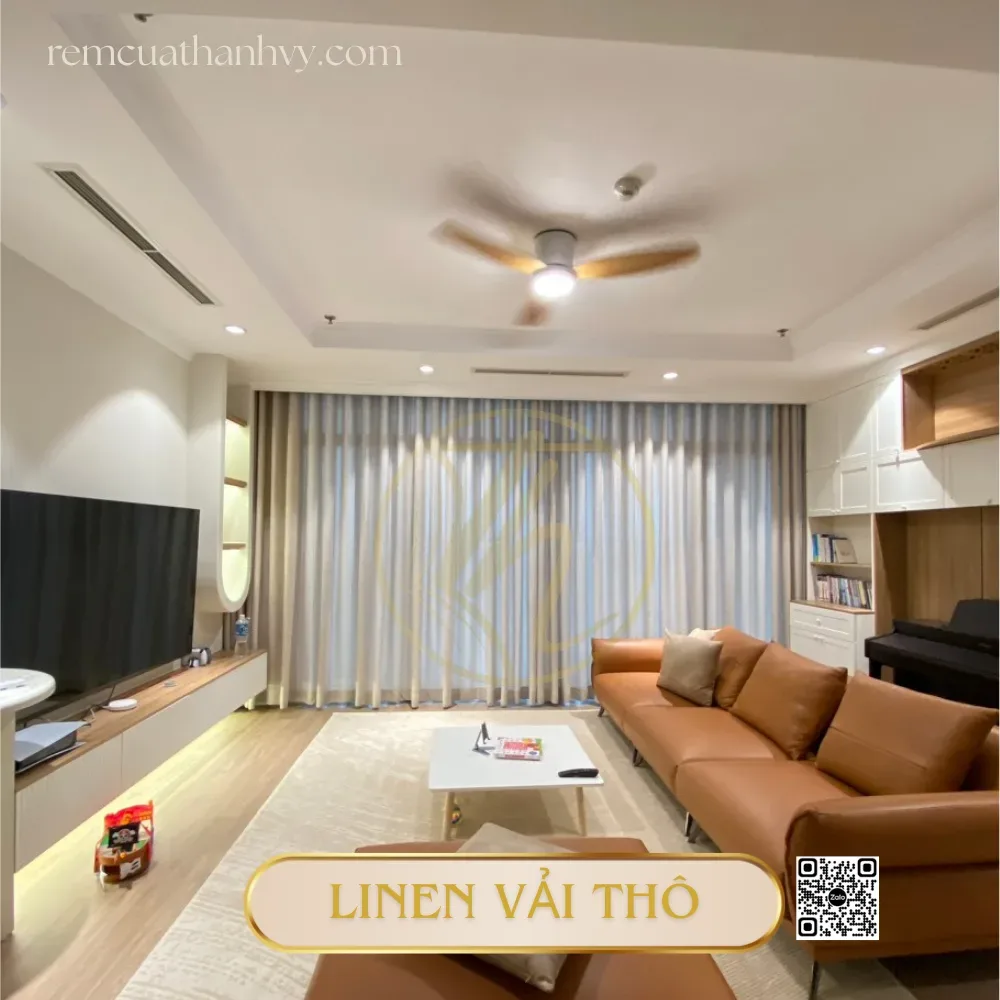
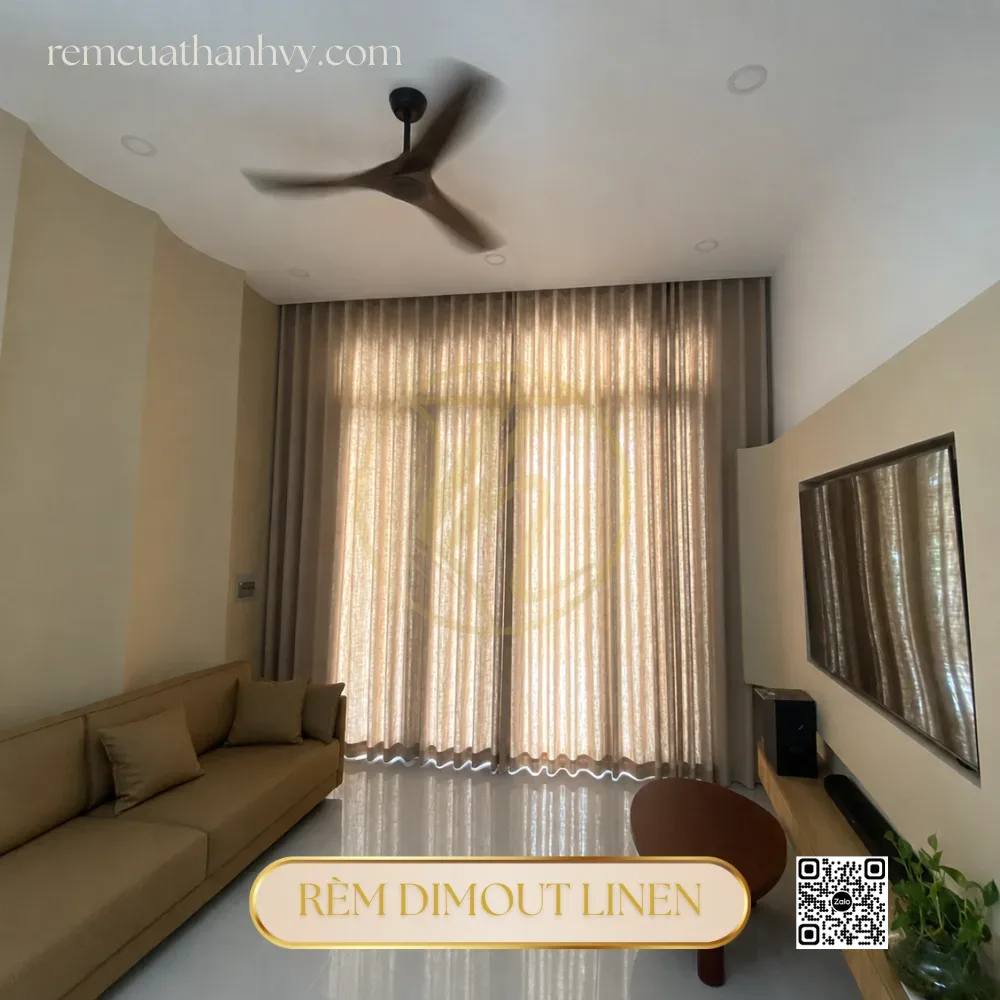
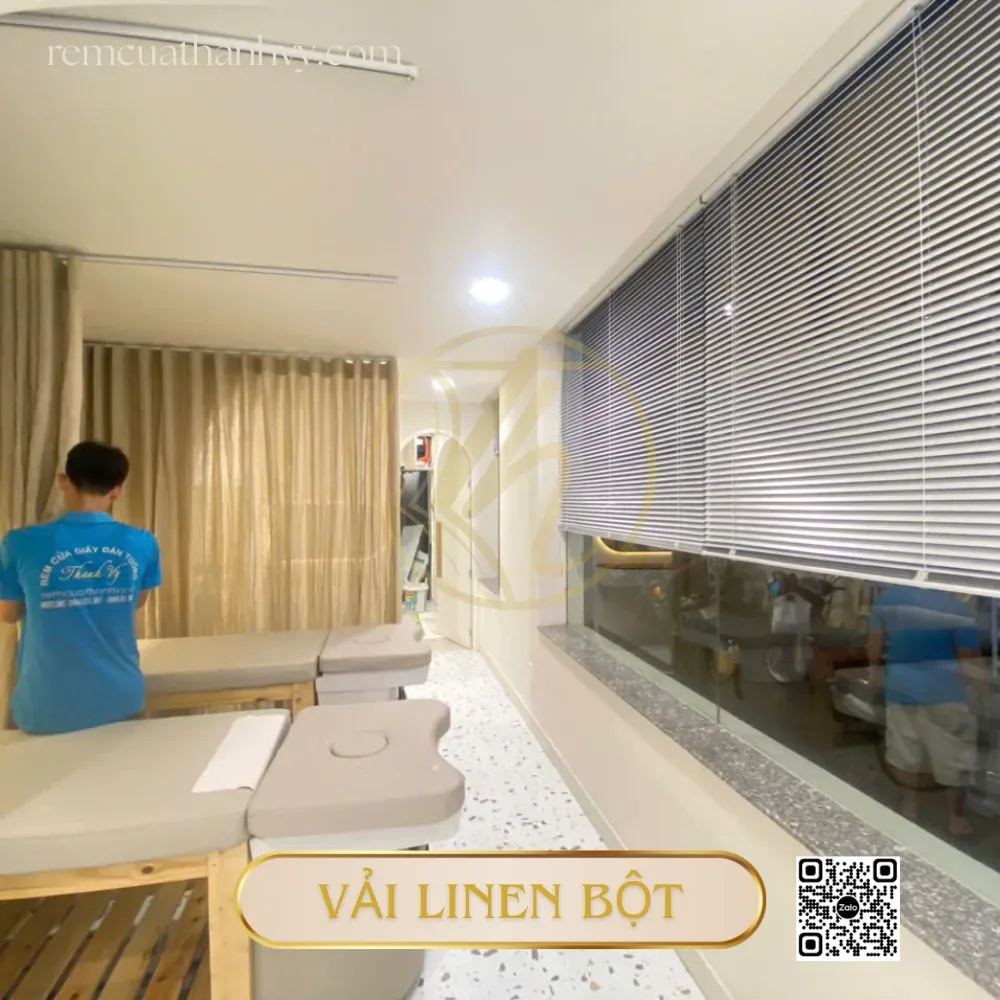
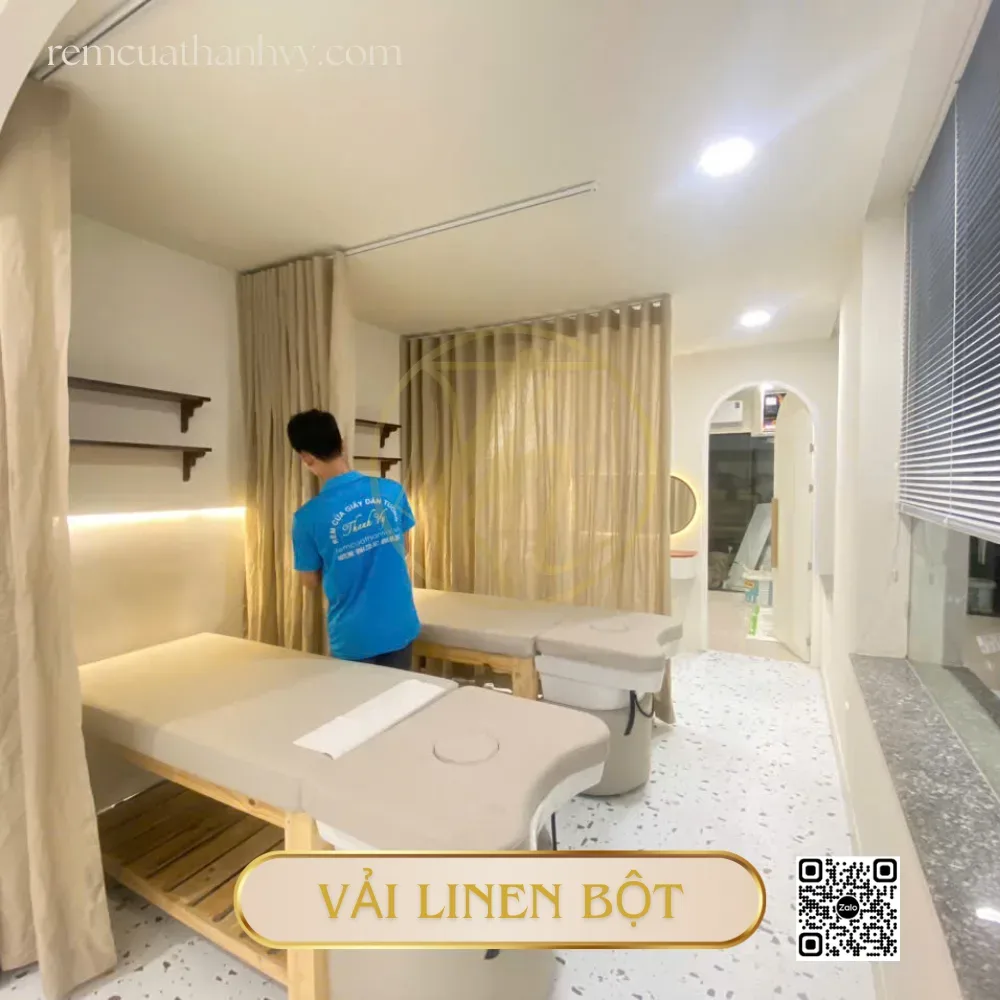
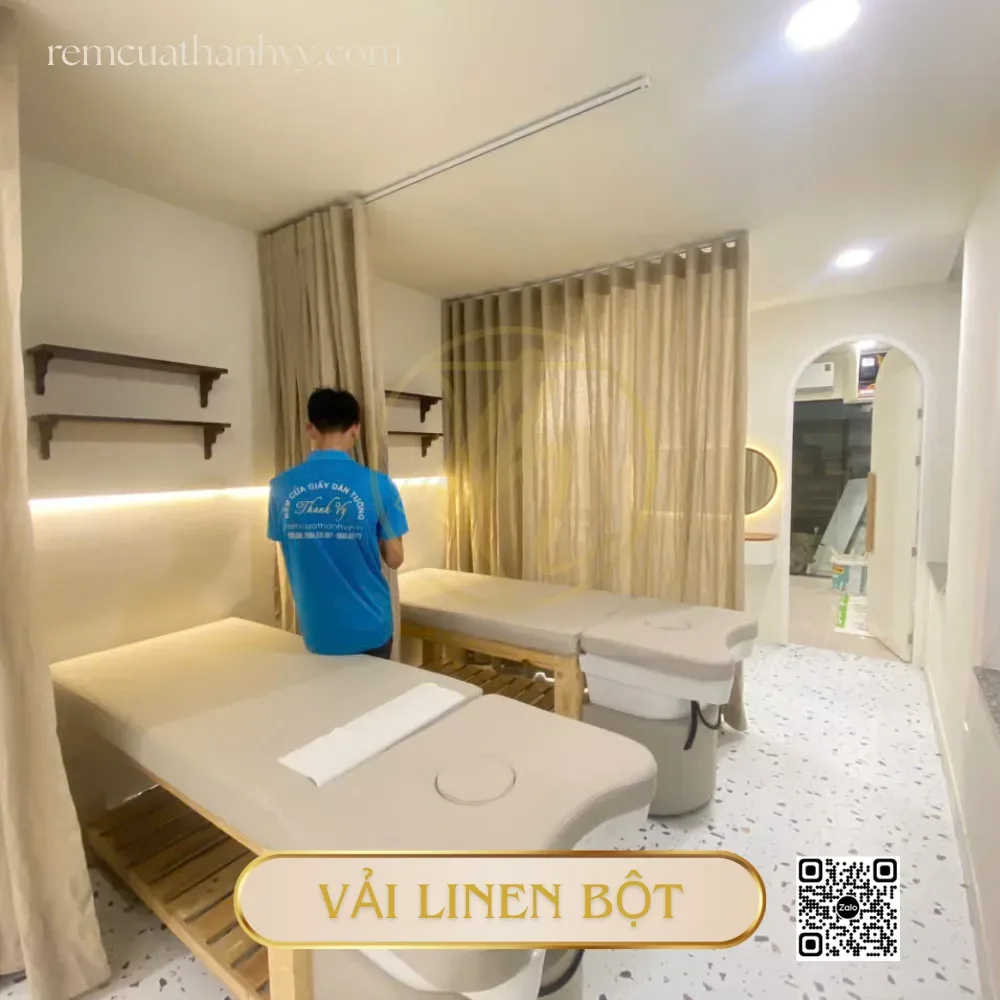
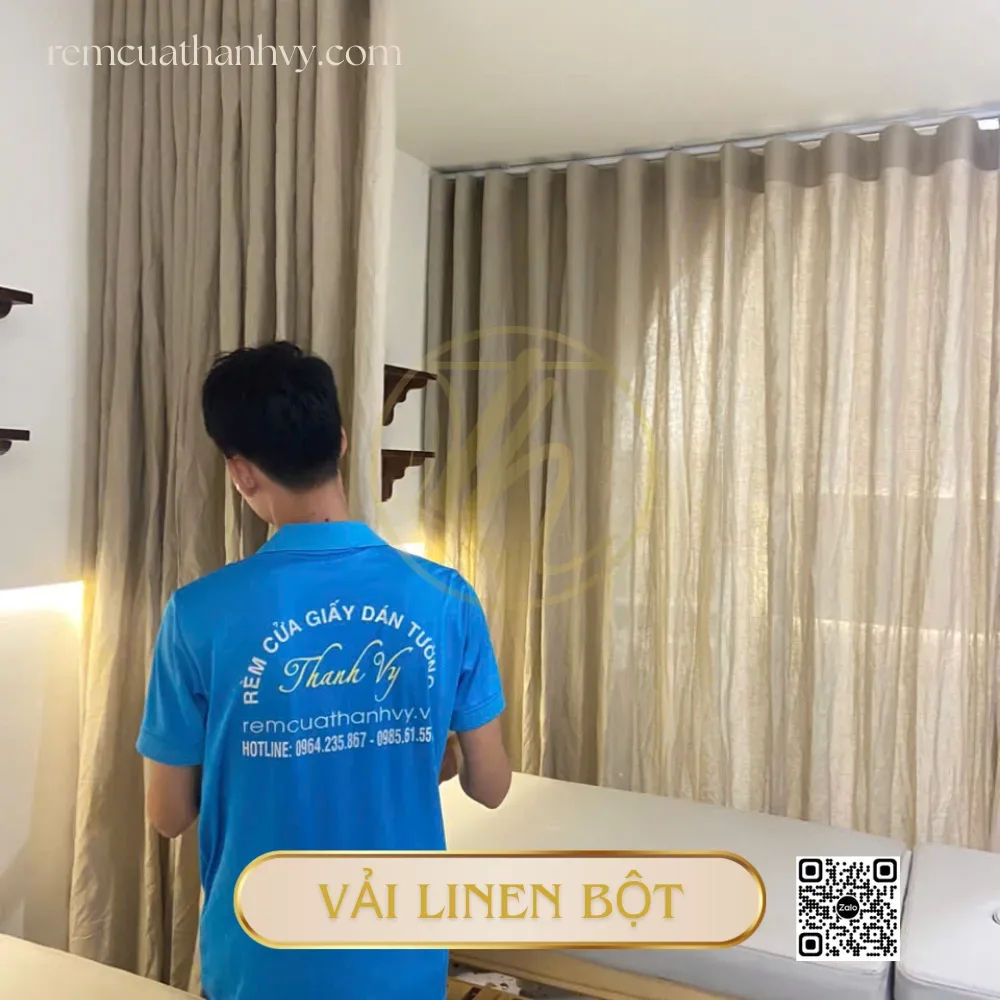
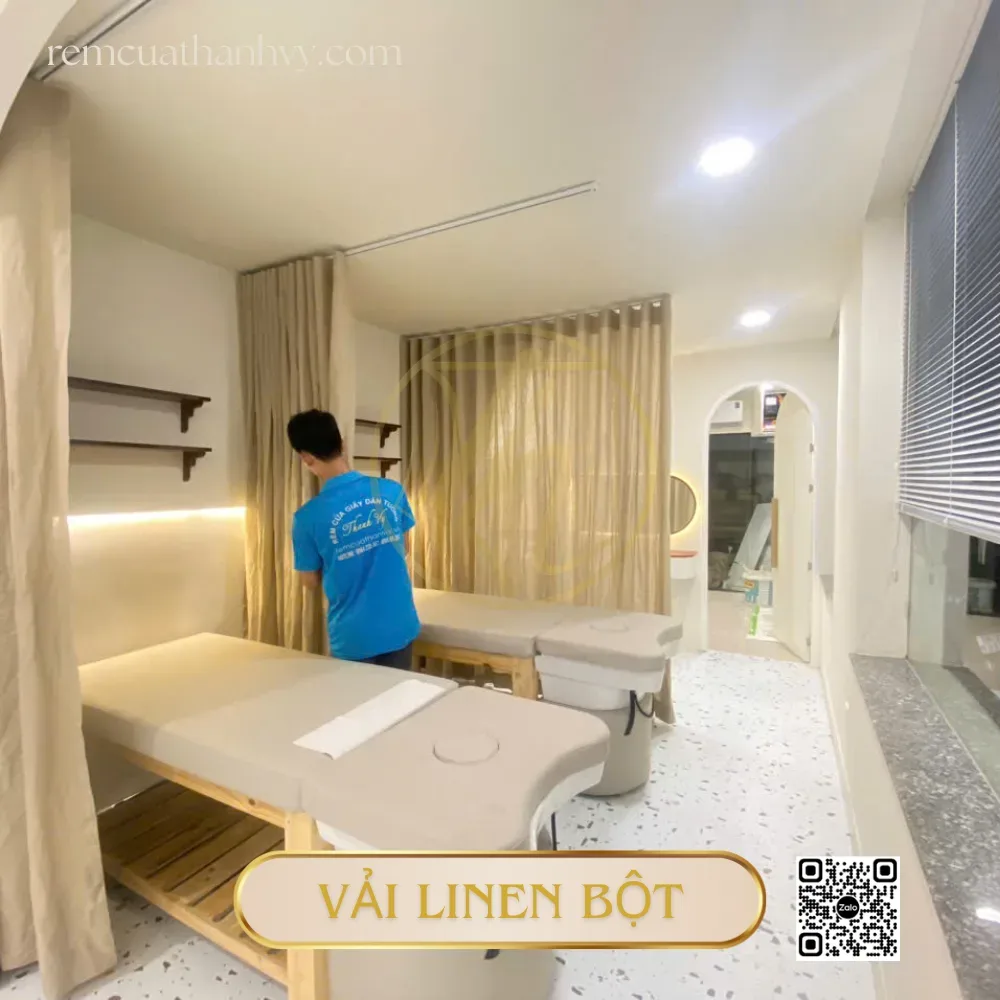
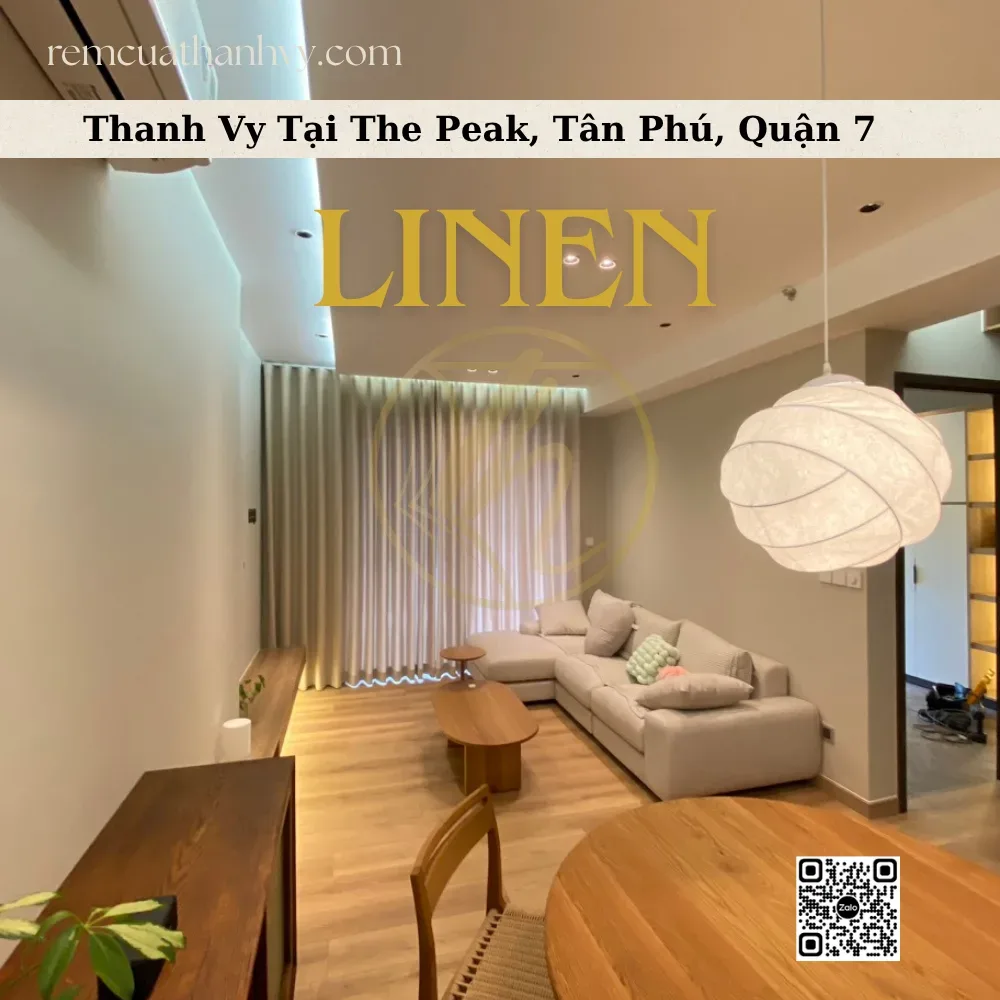
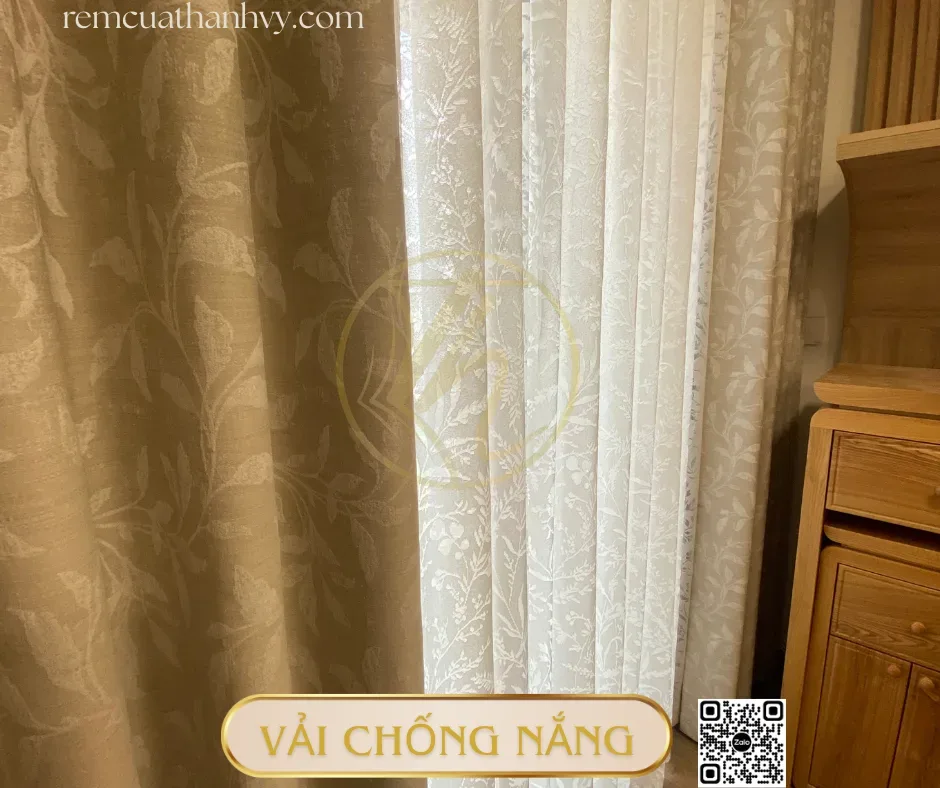
Linen Fabric Curtains
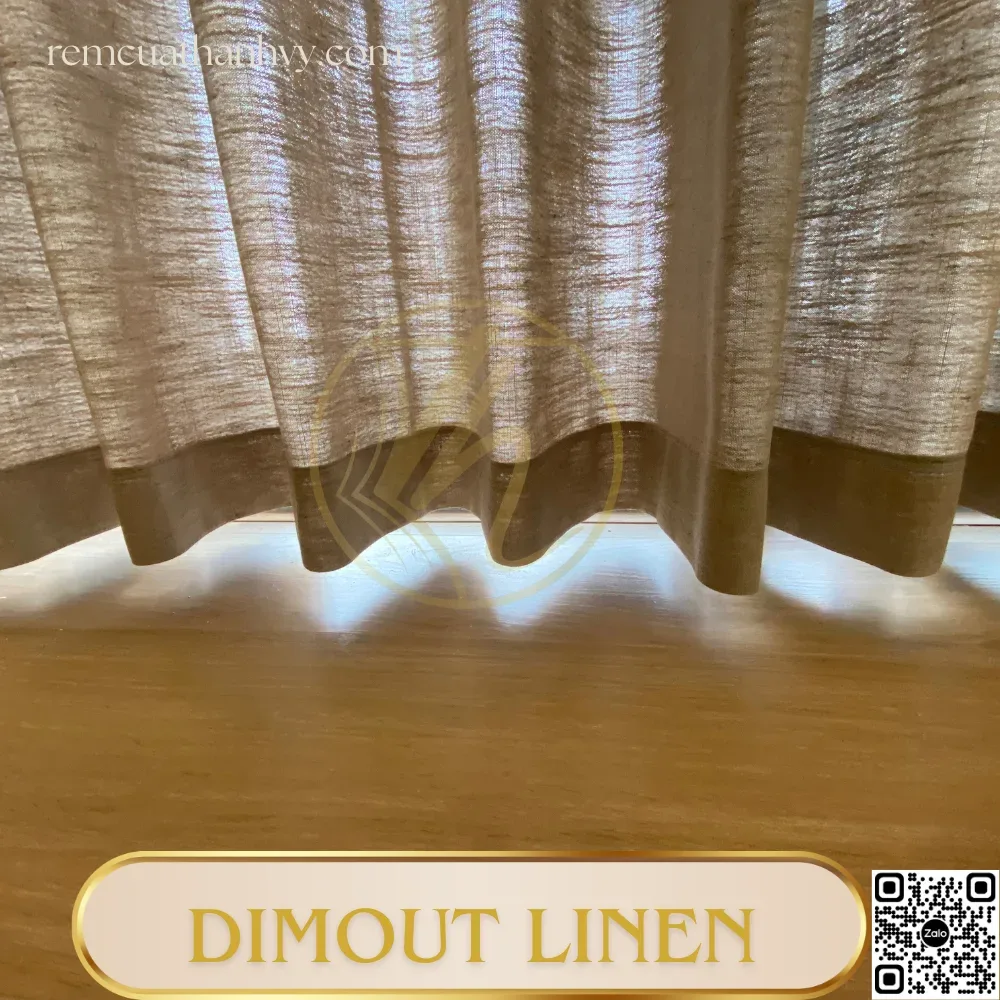
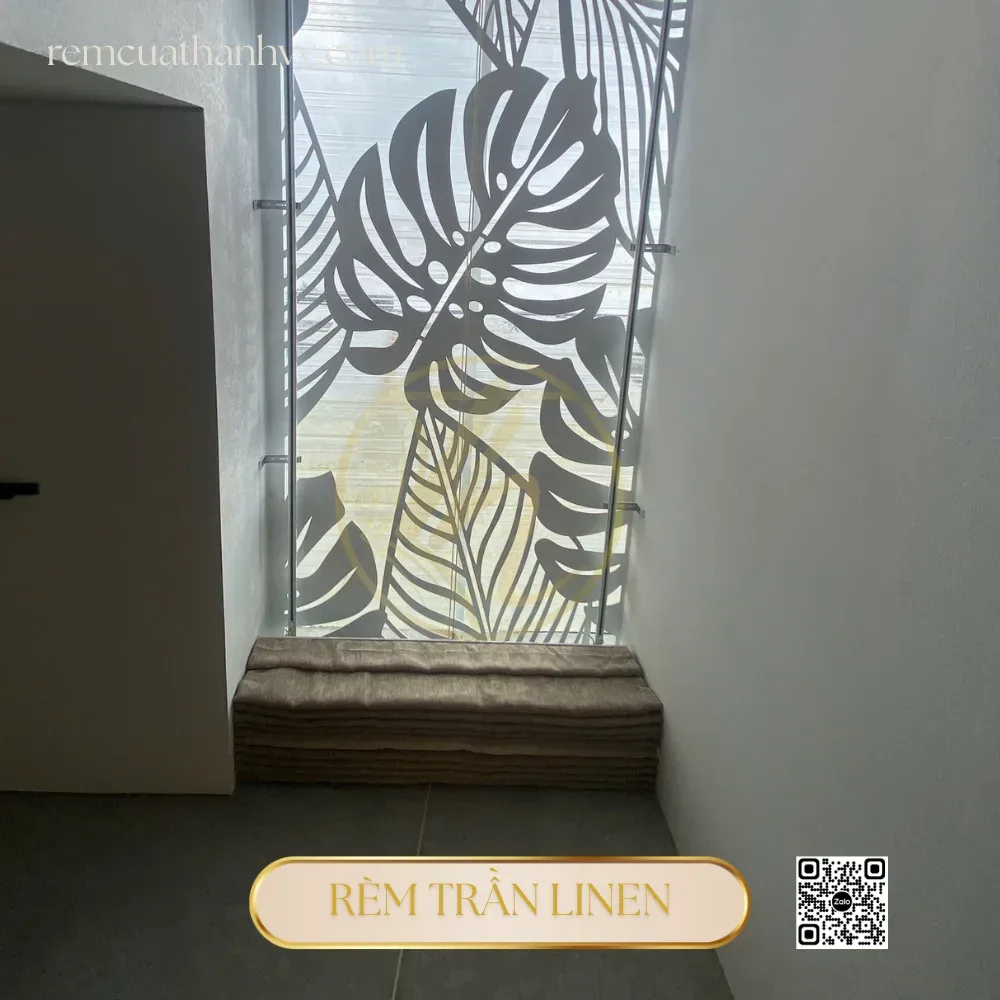
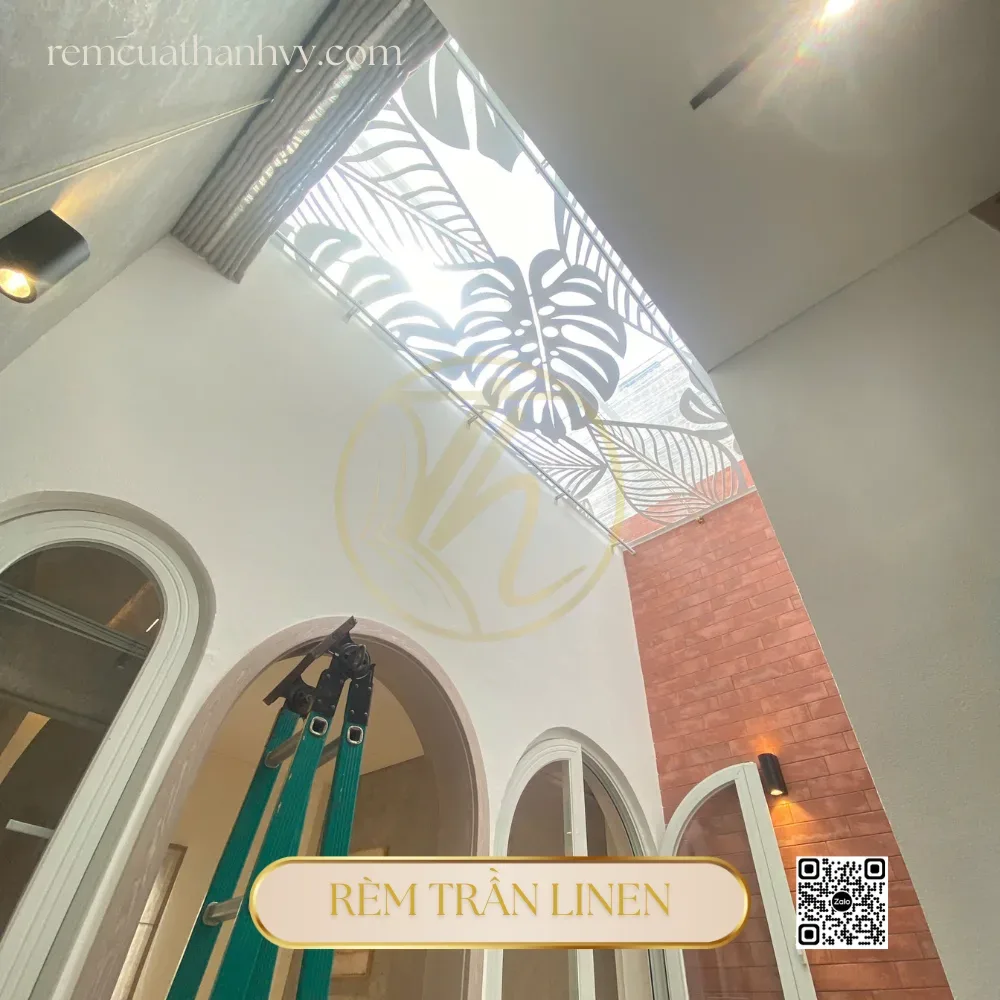
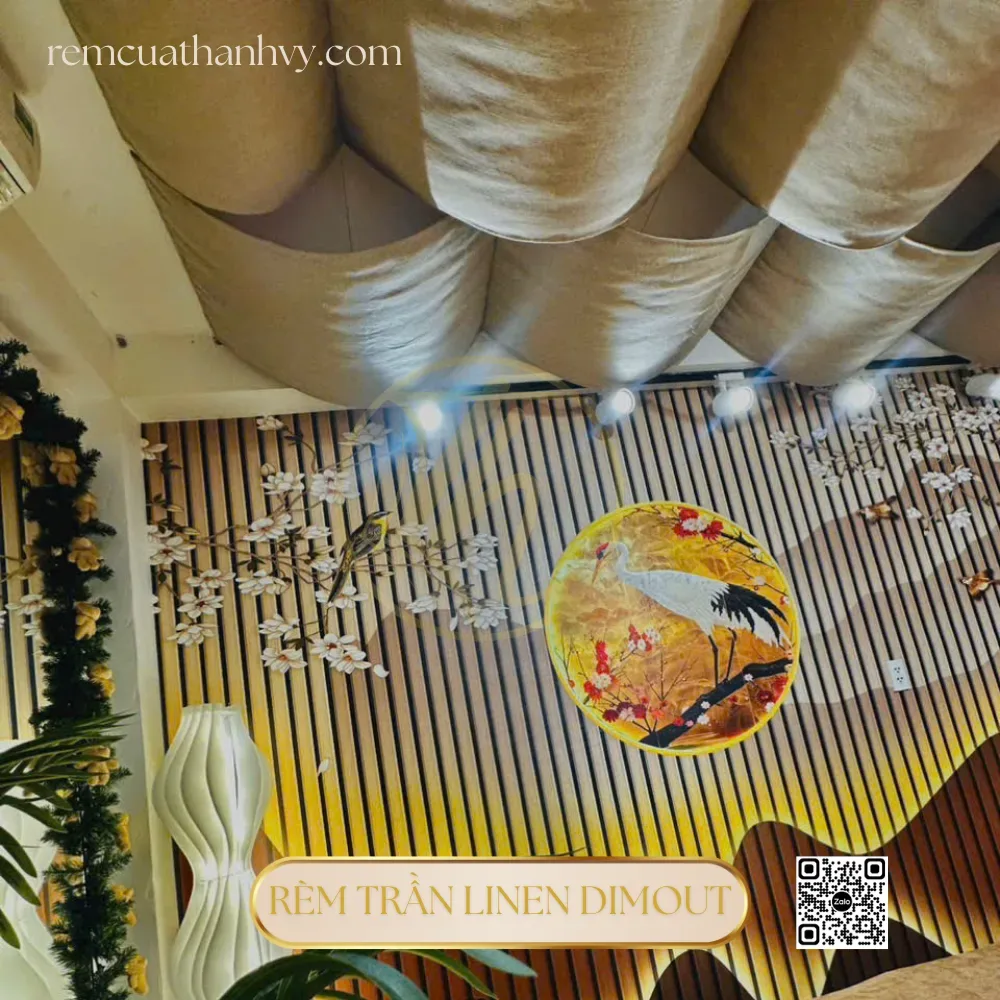
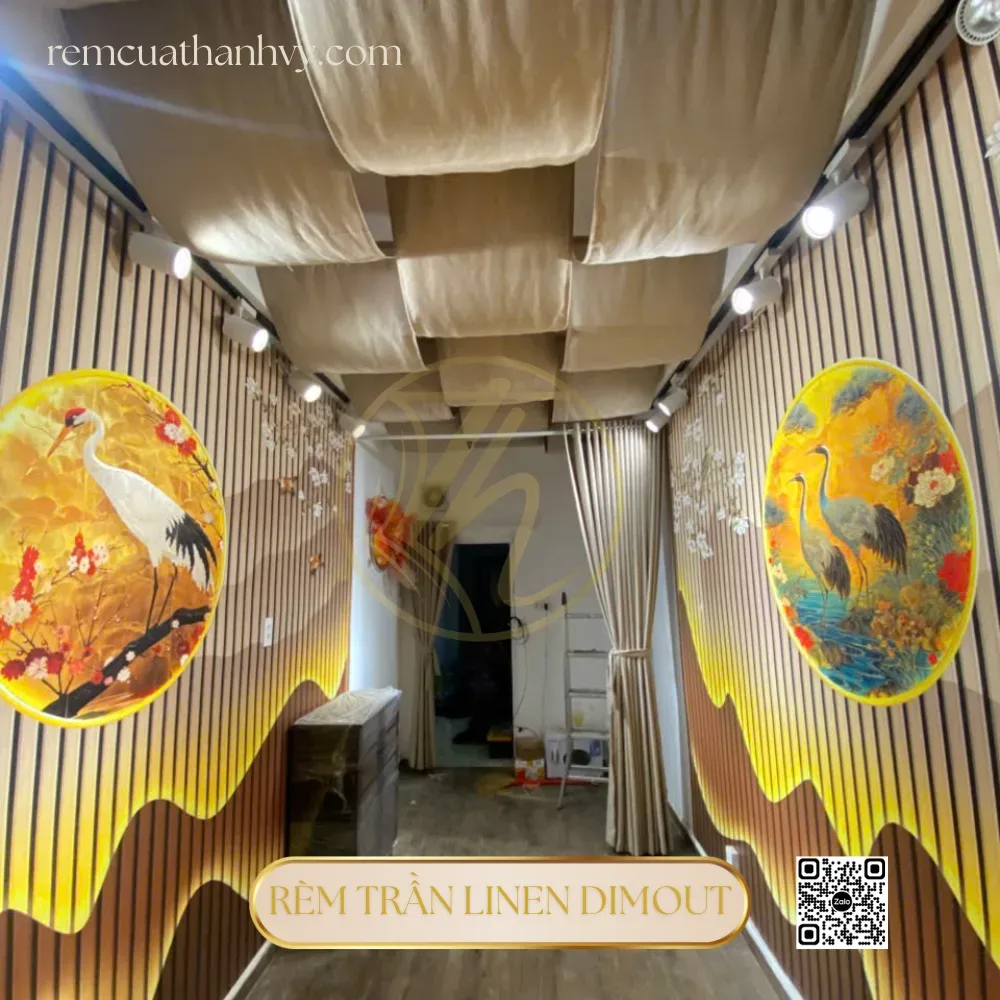
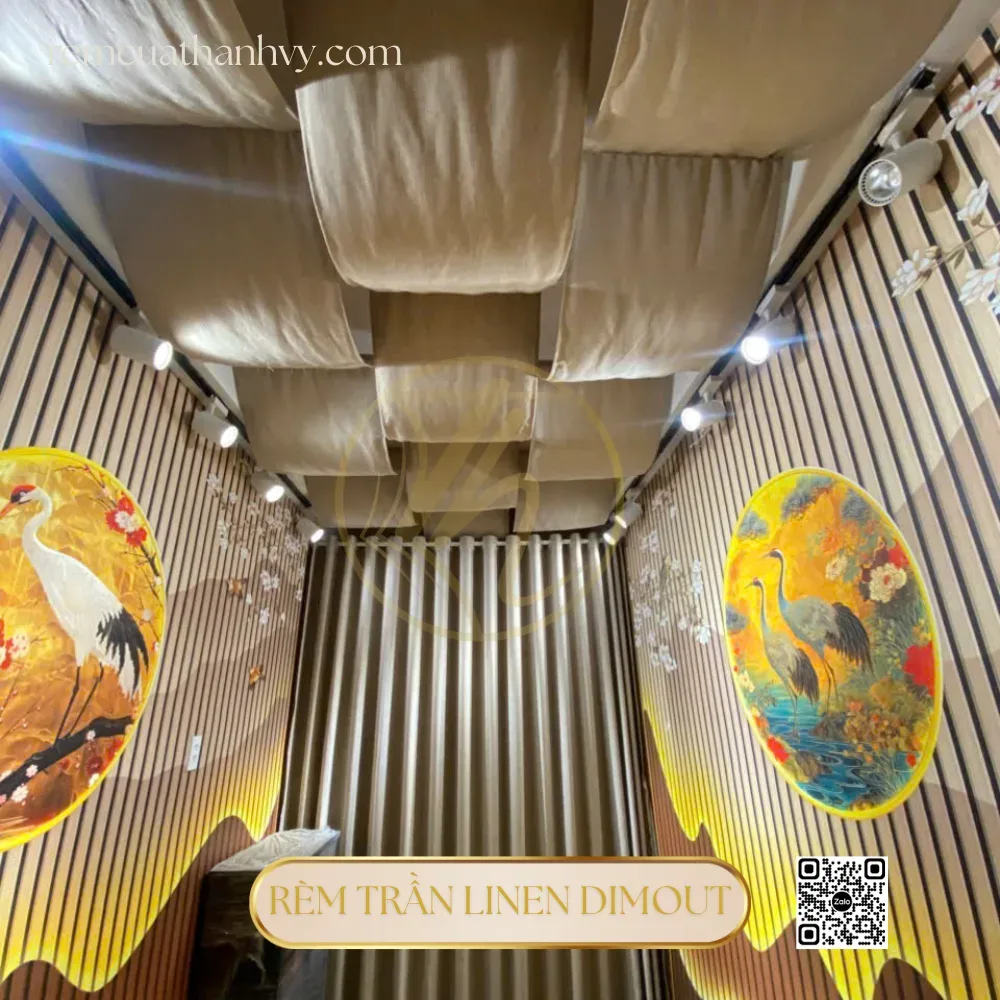
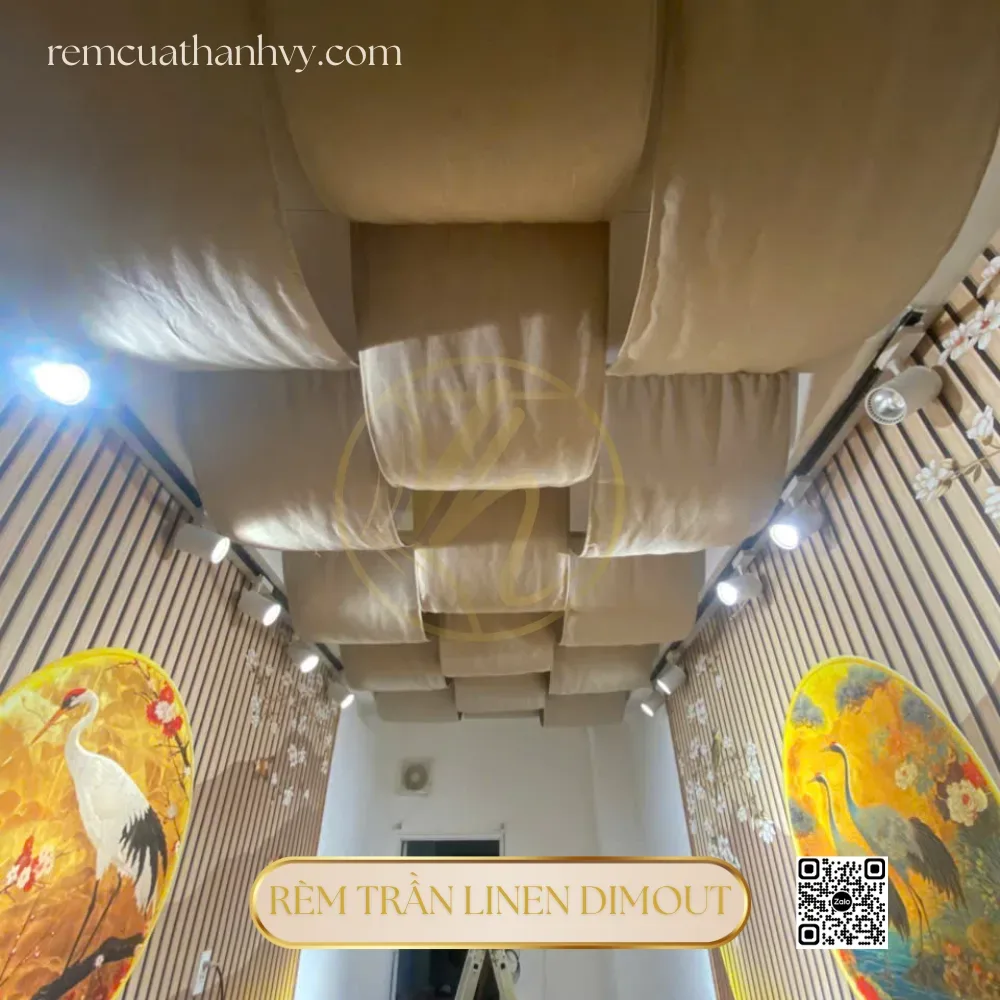
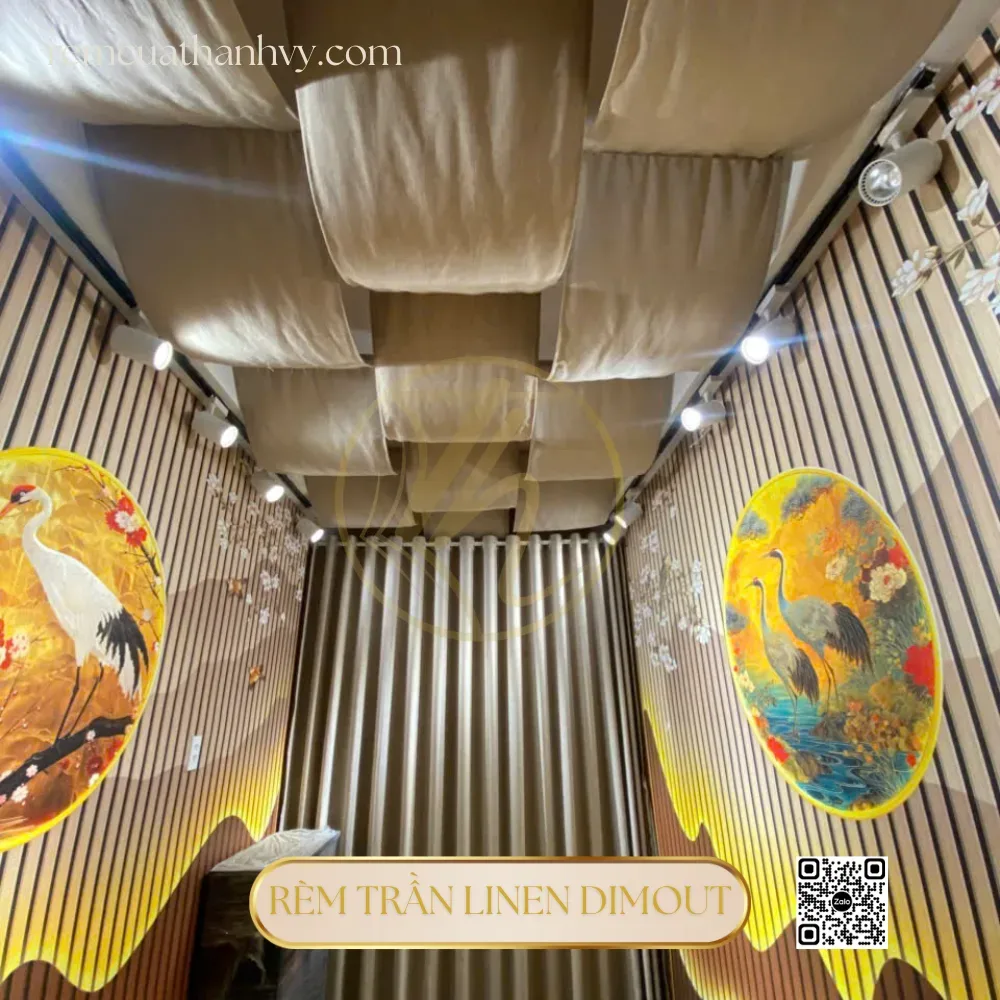
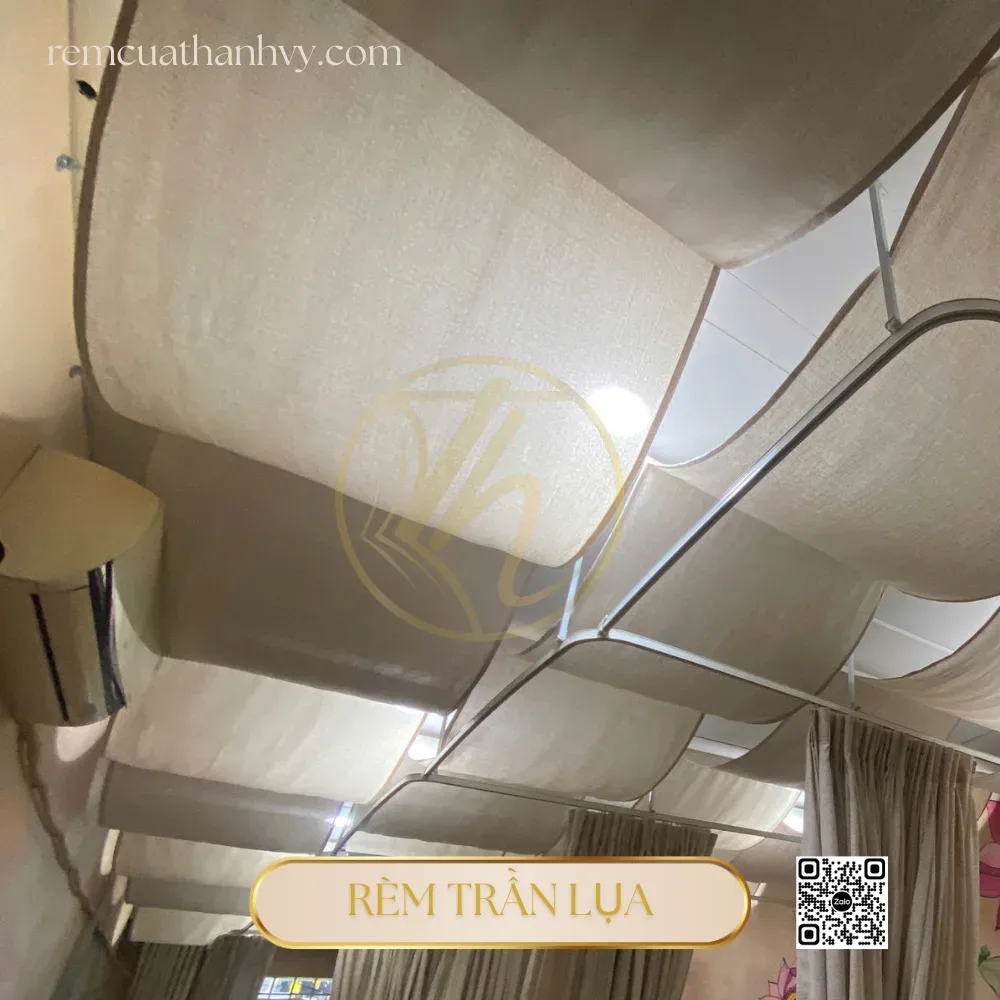
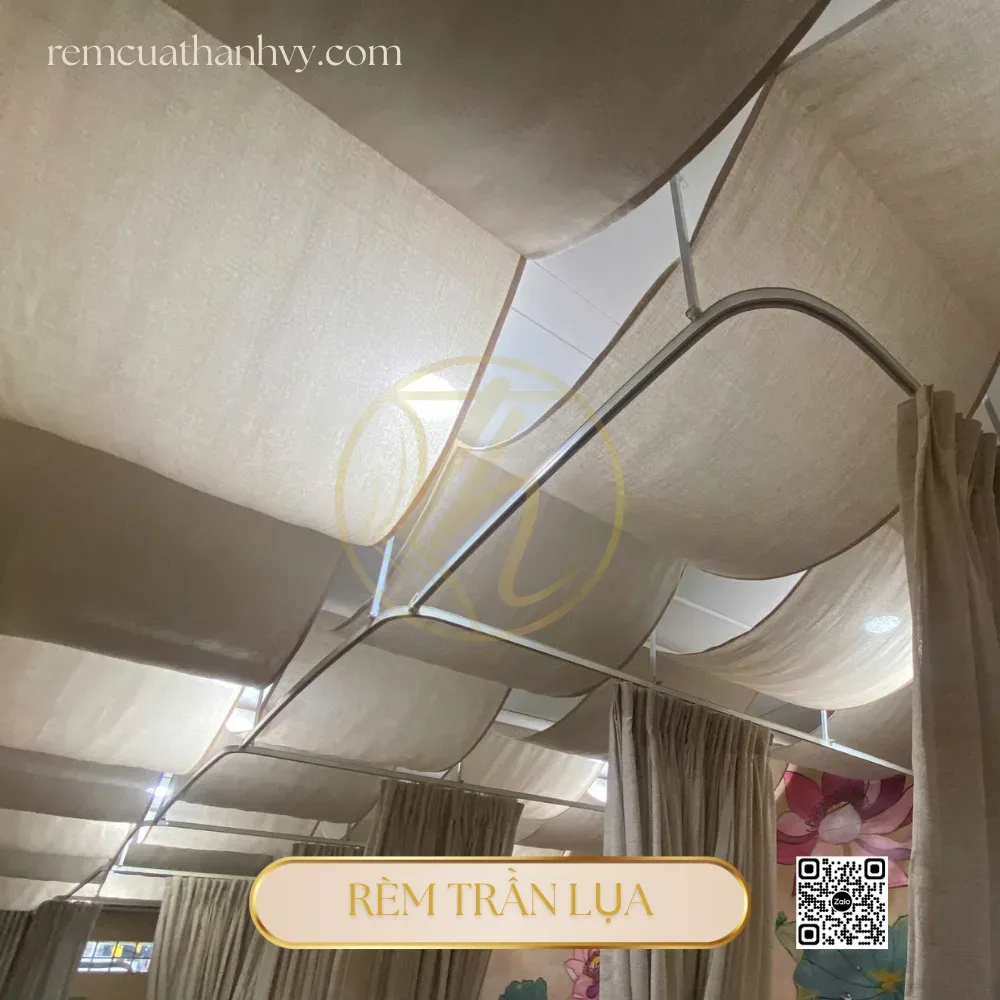
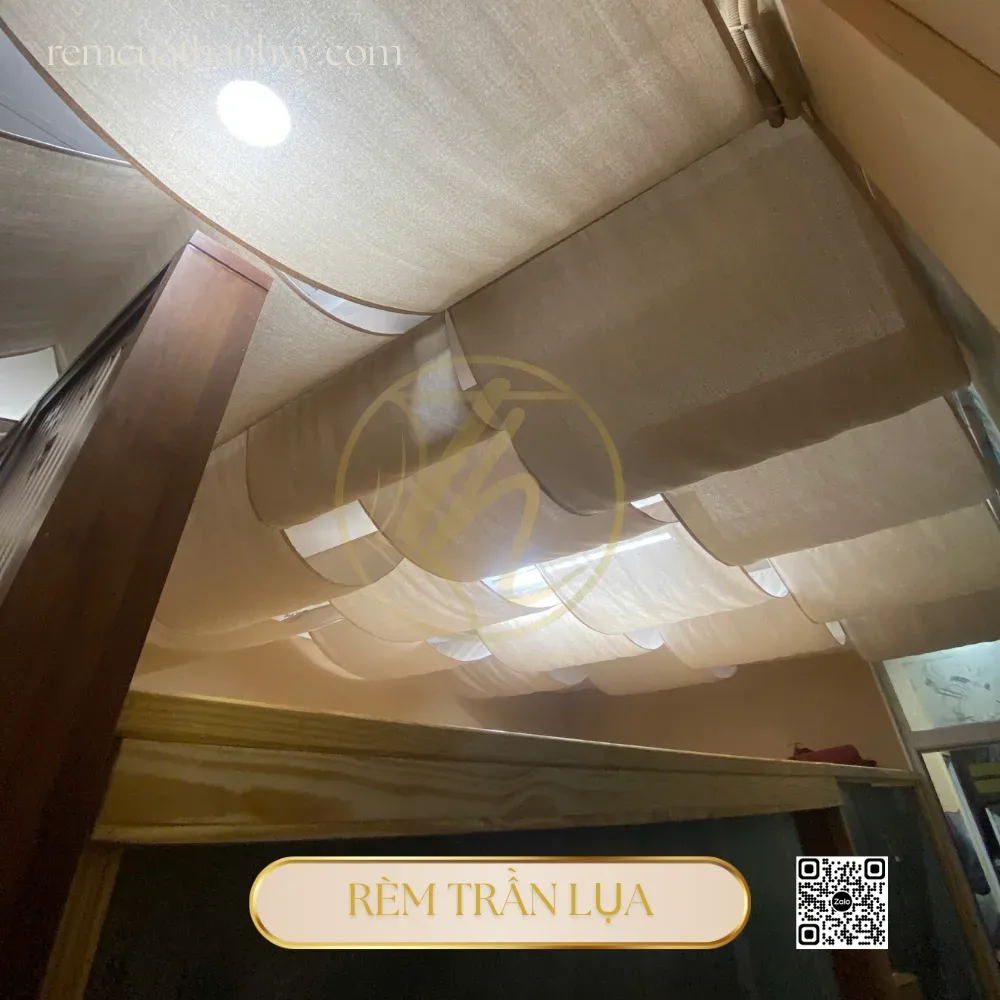
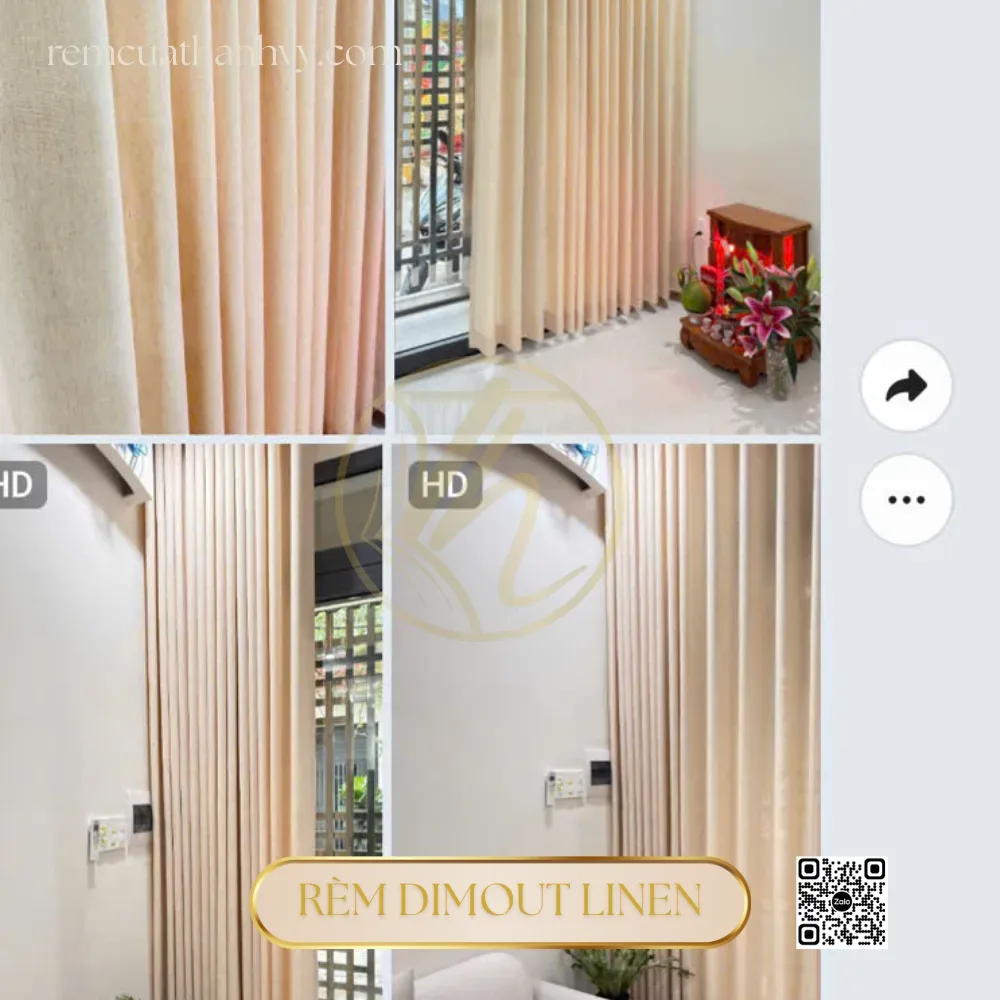
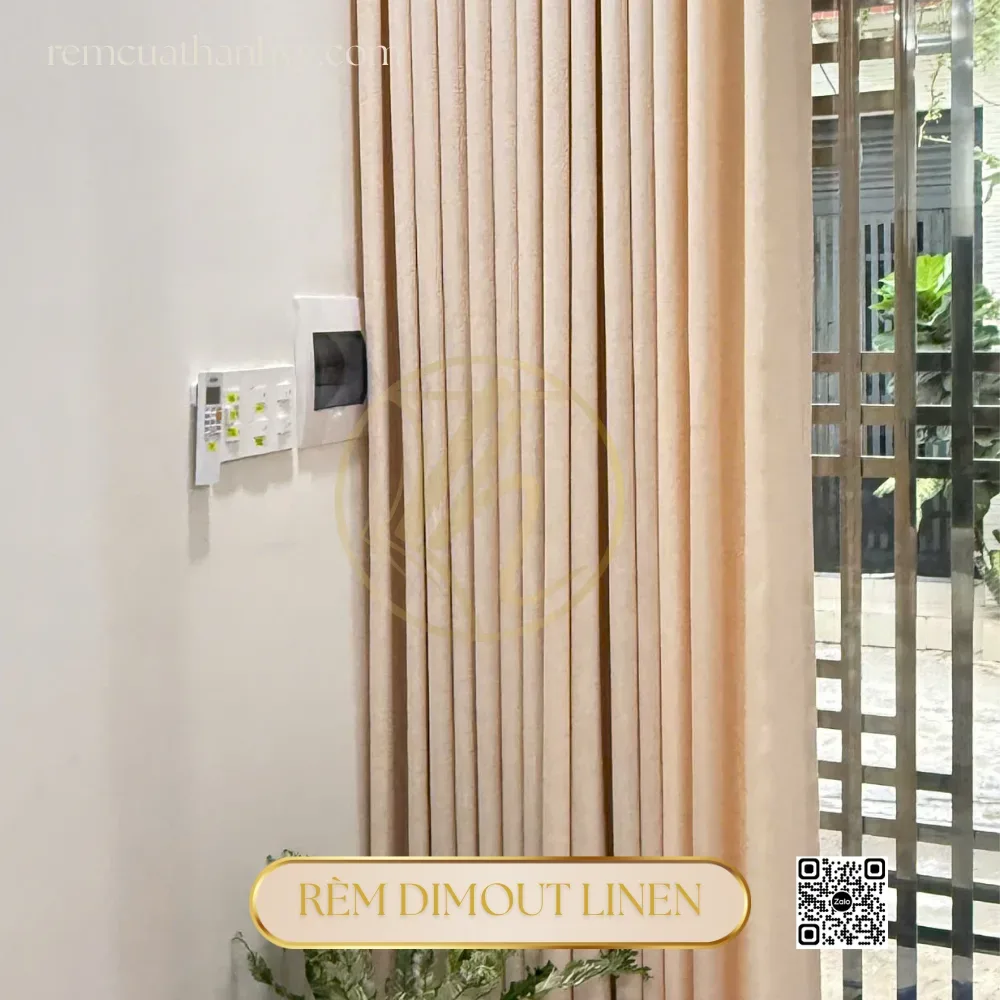
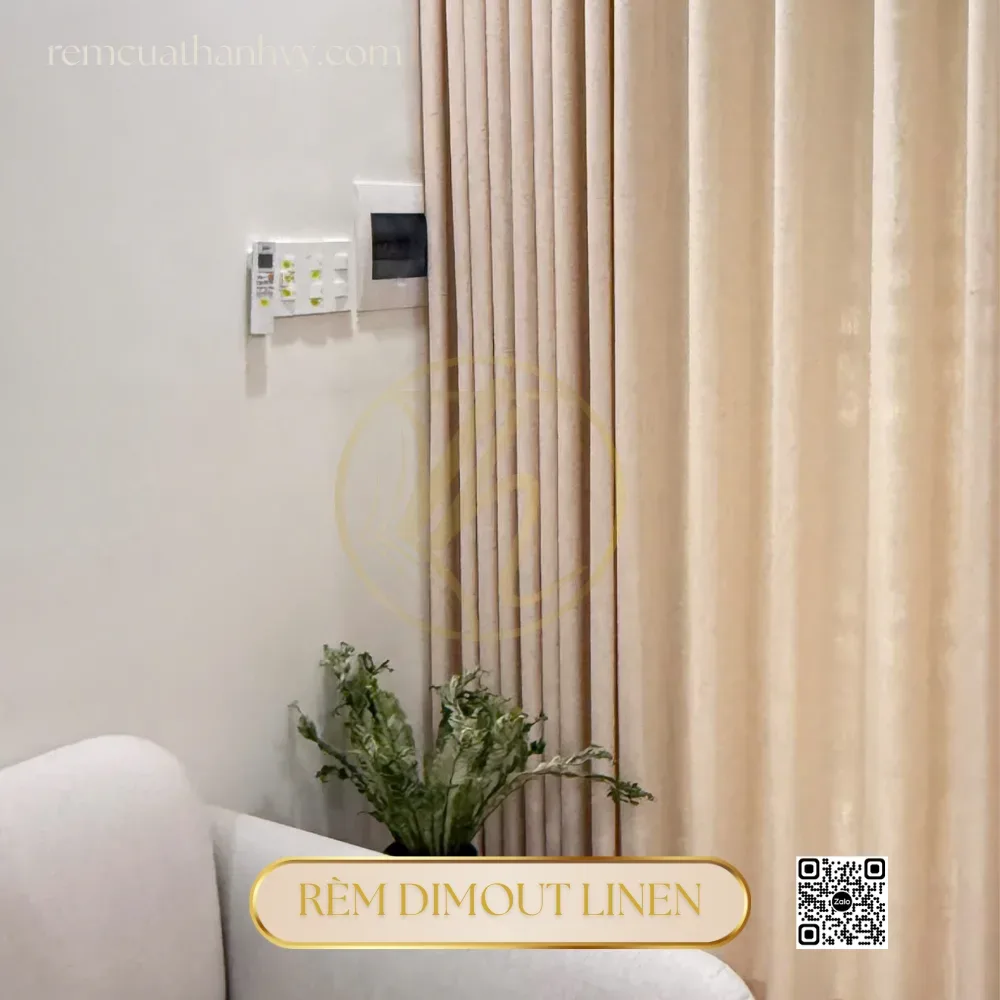
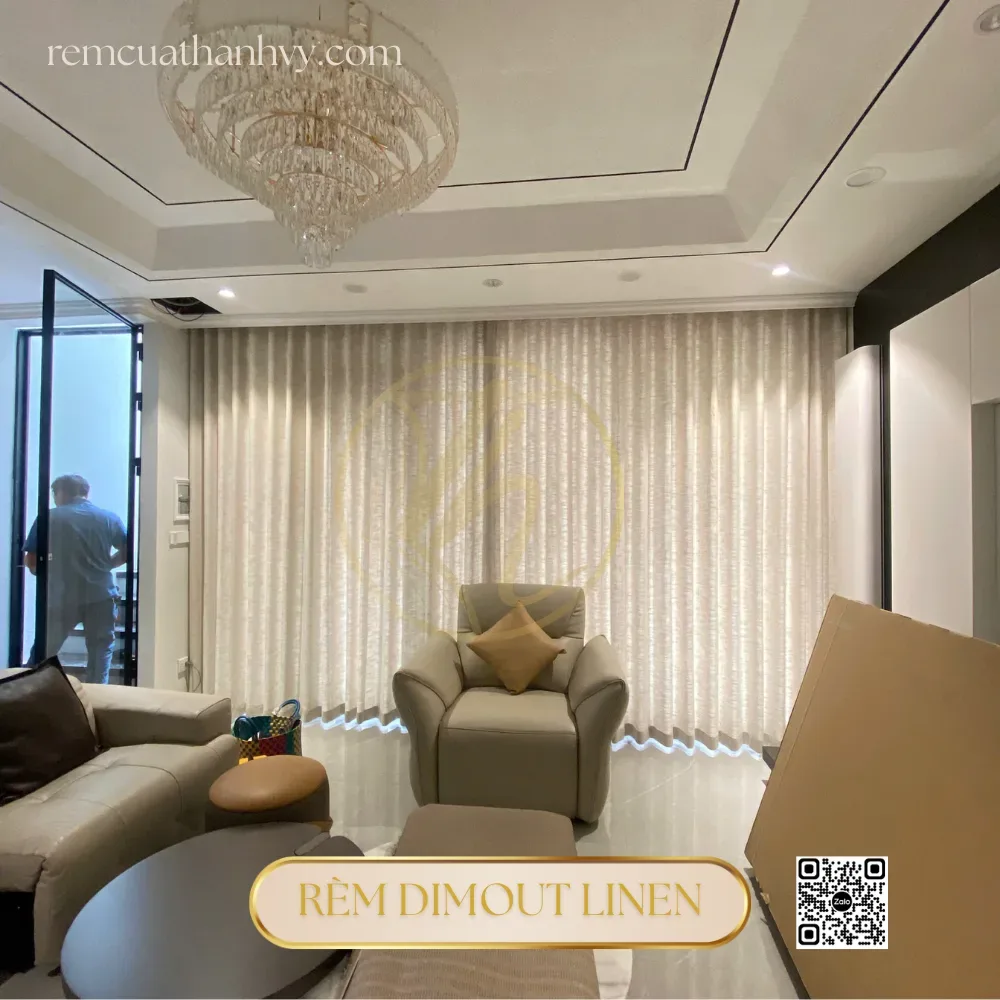
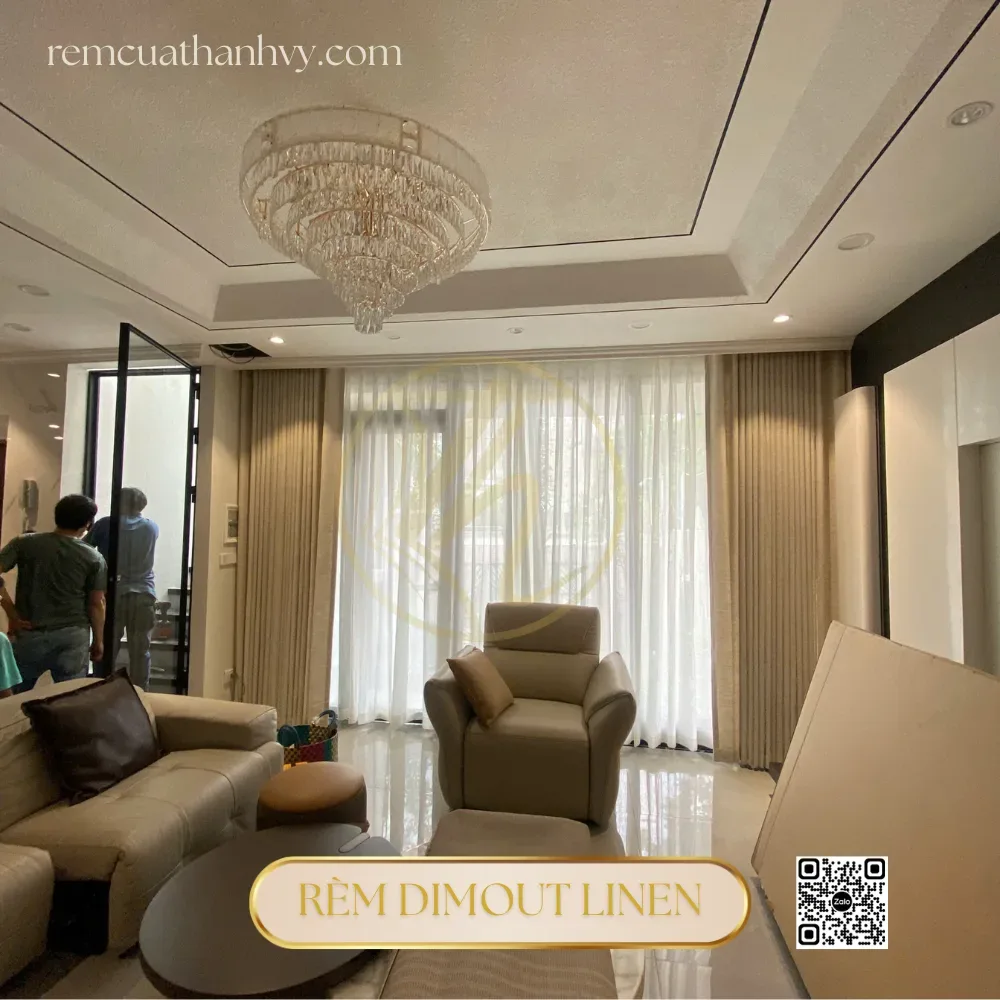
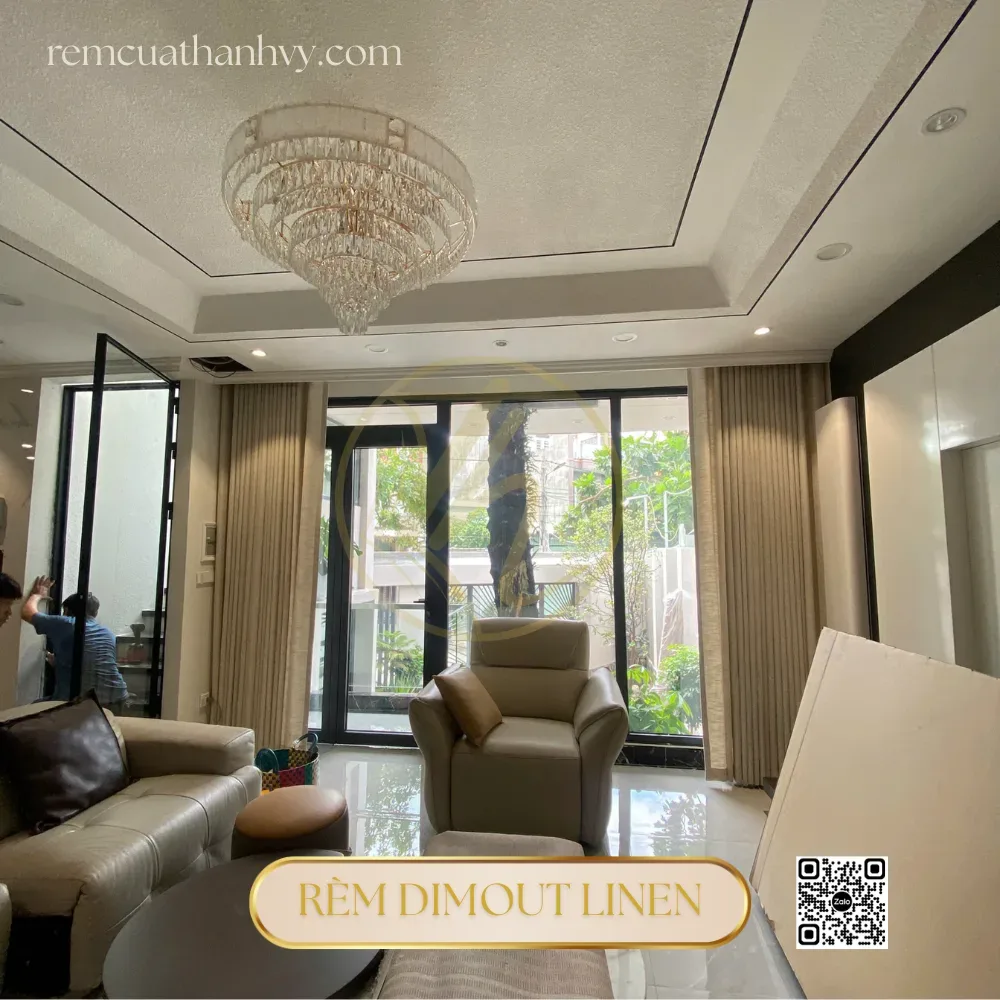
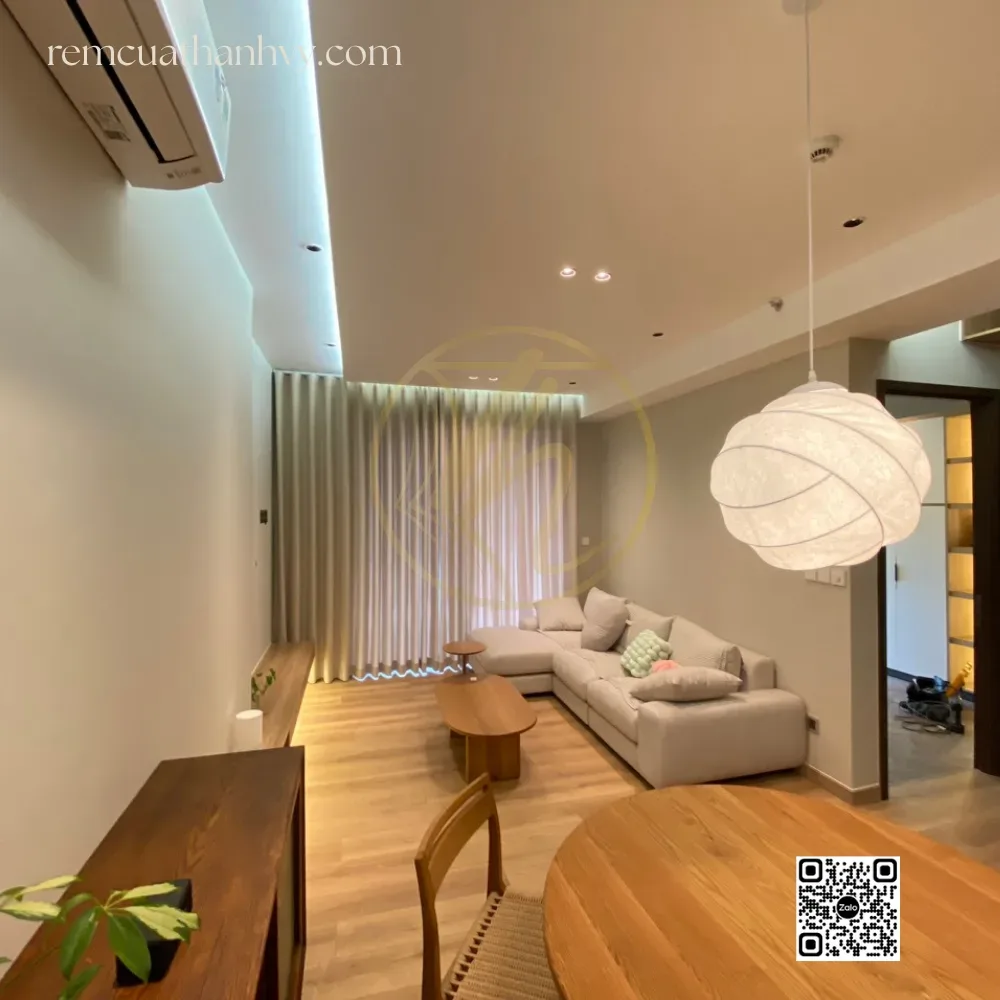
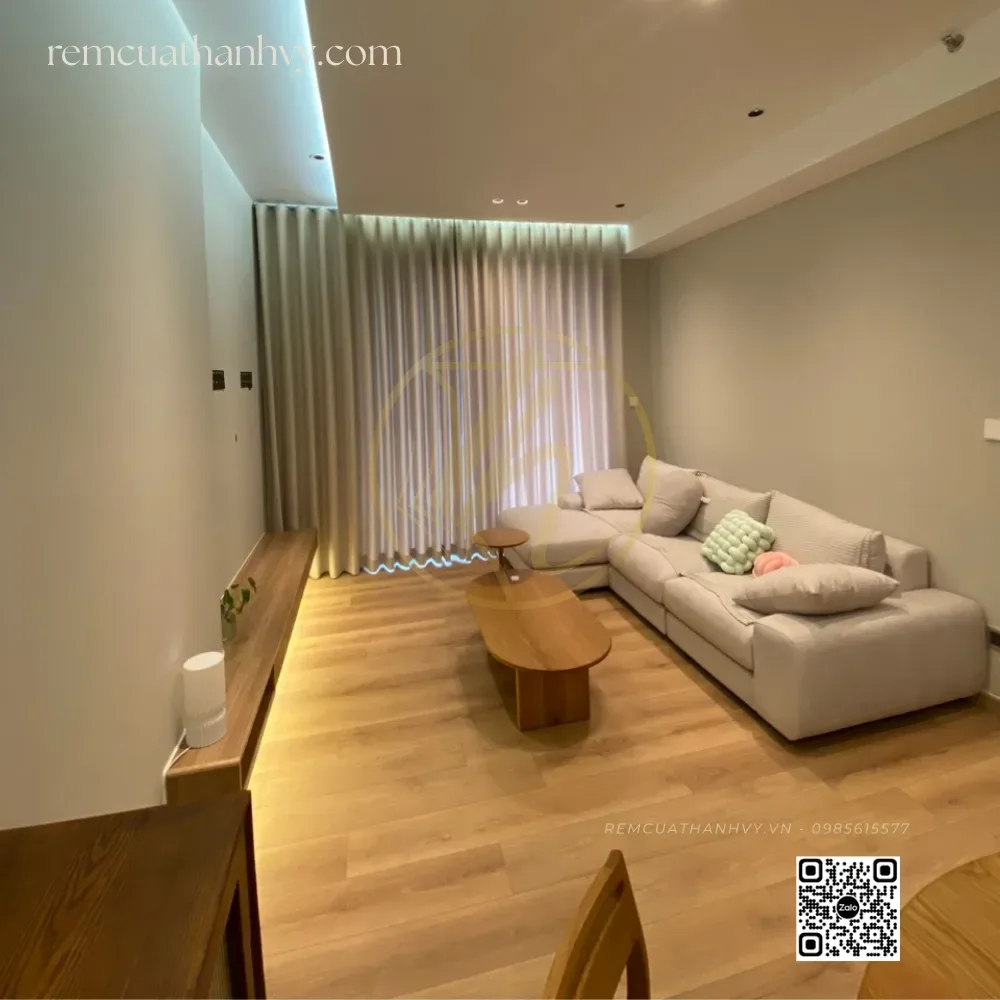
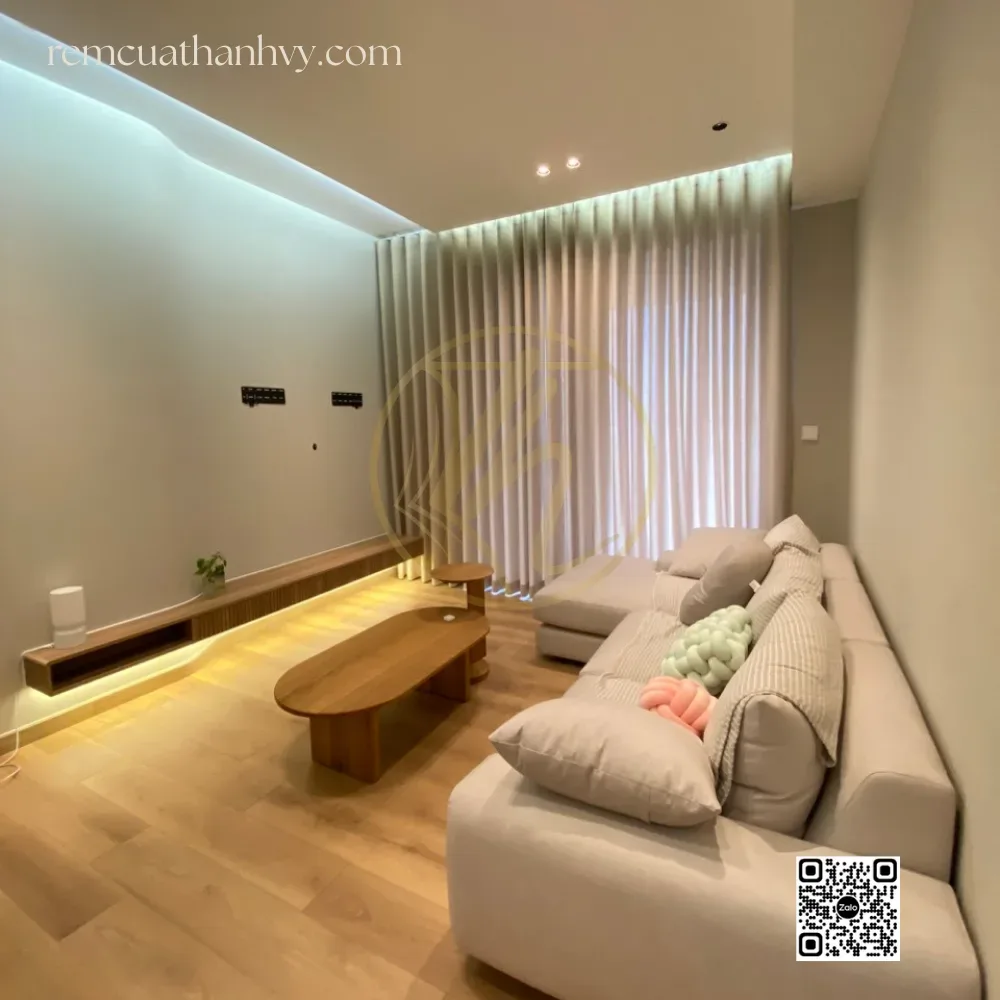
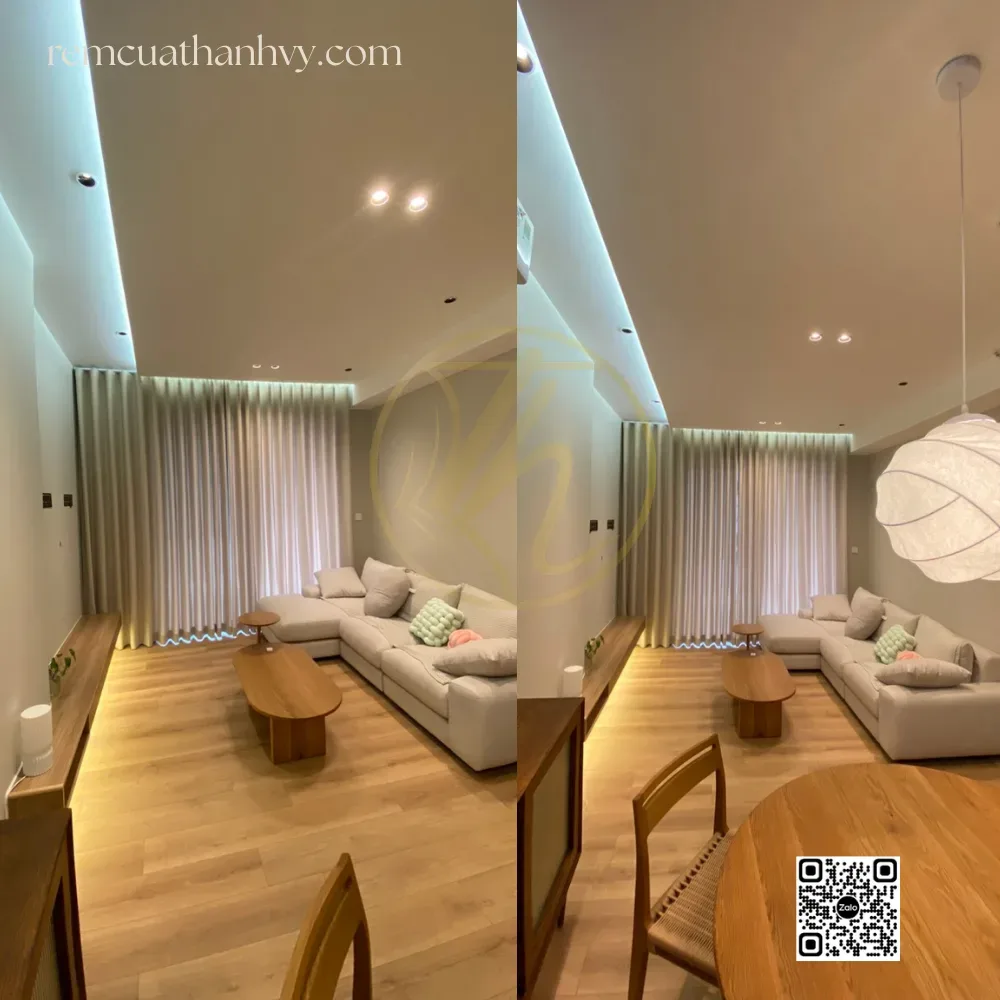
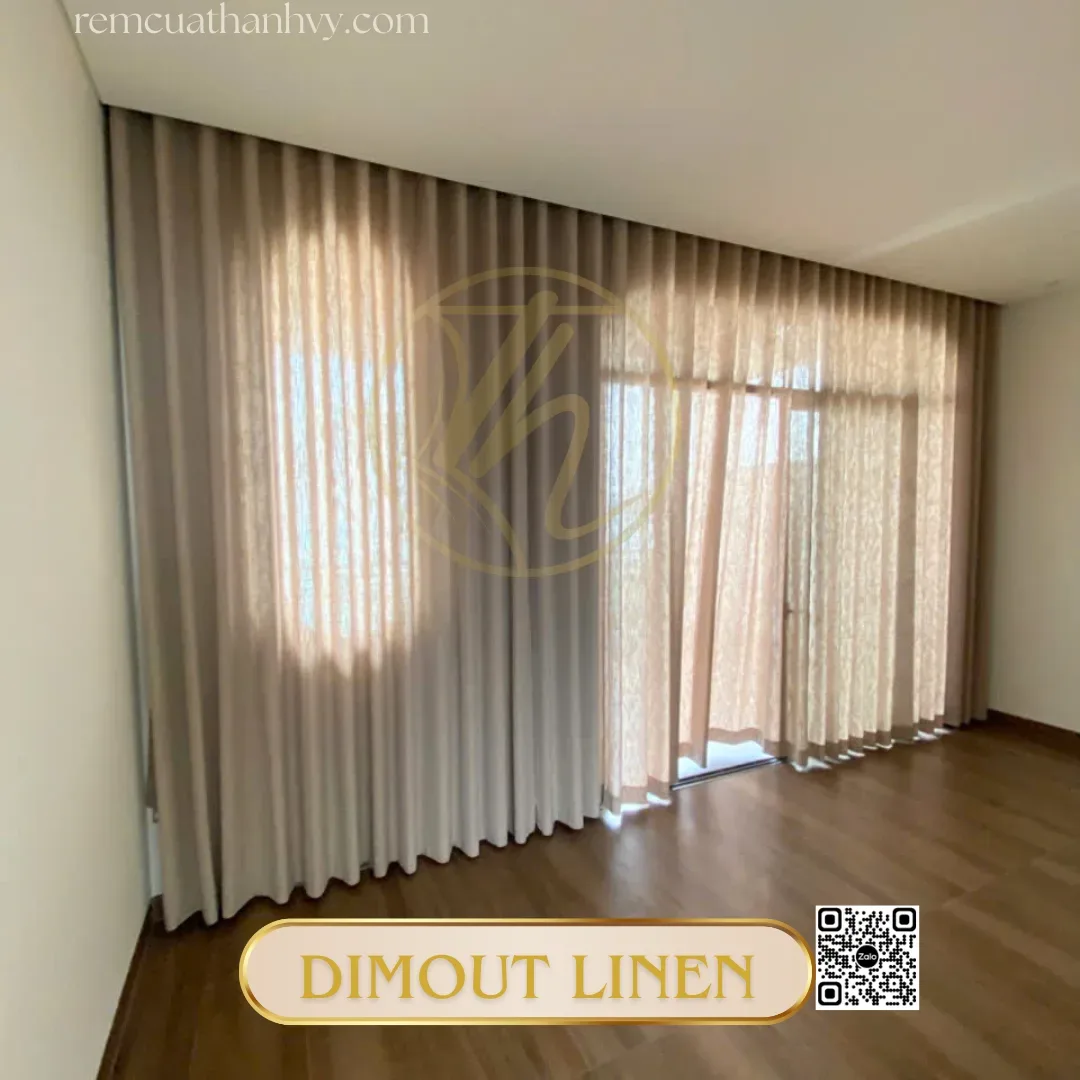
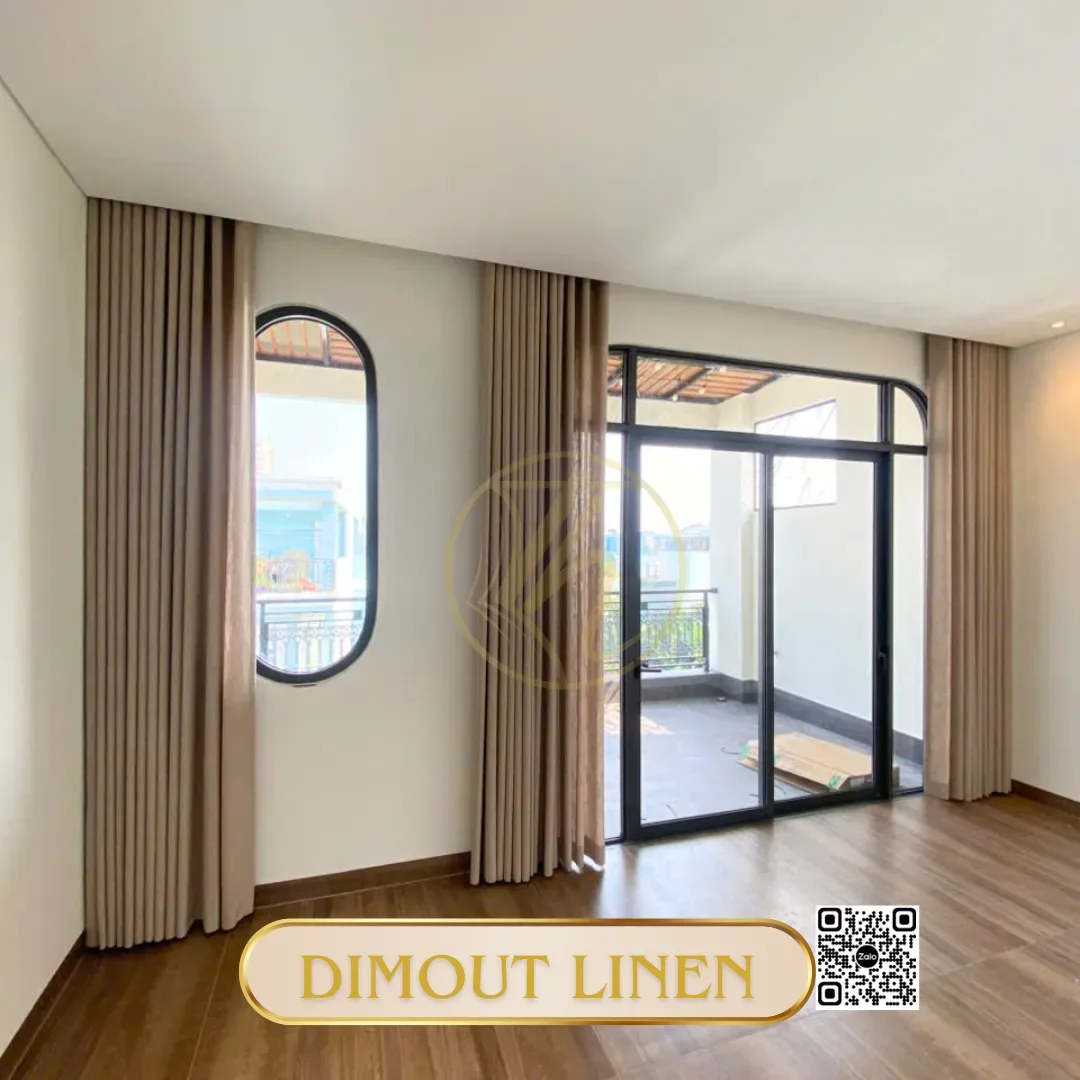
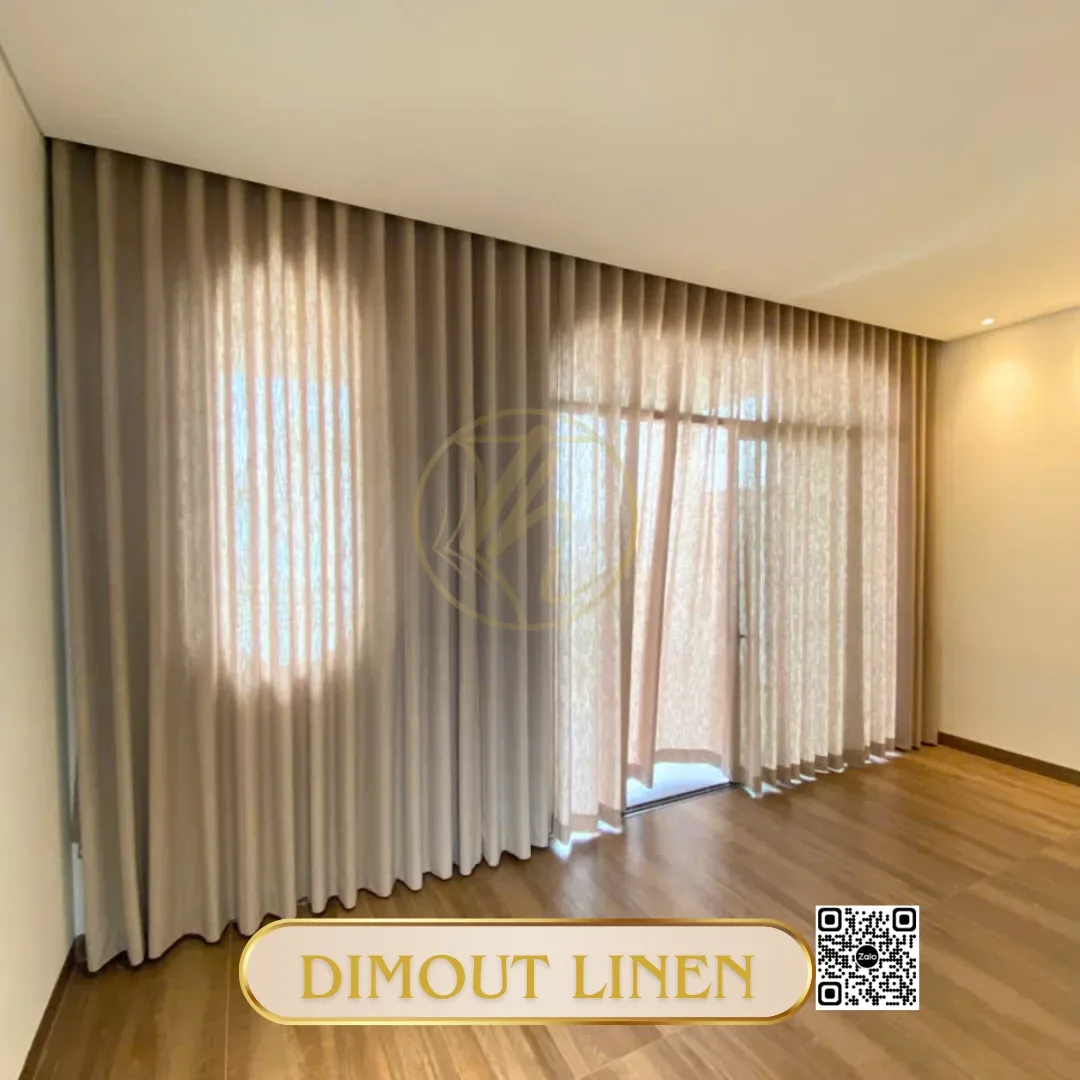
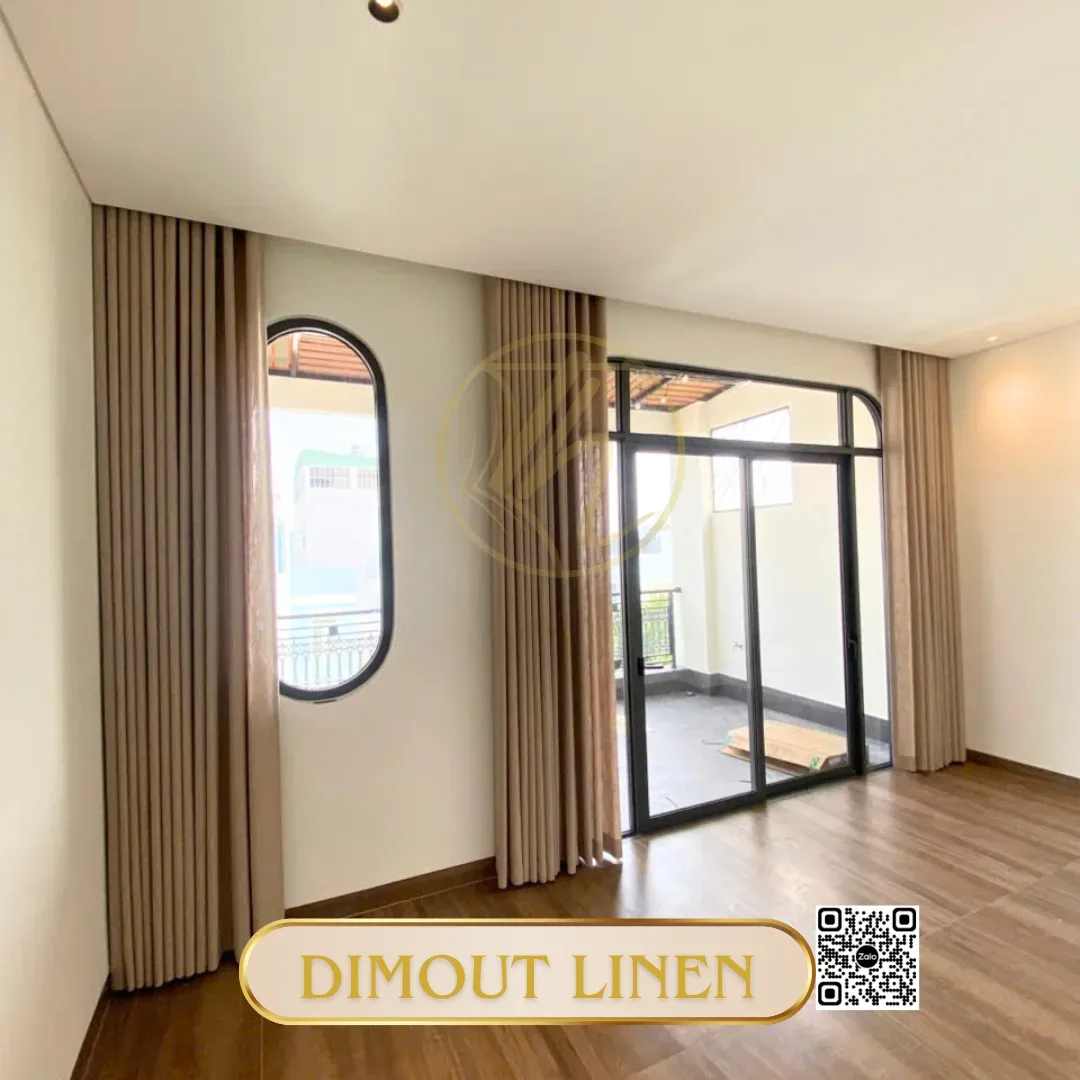
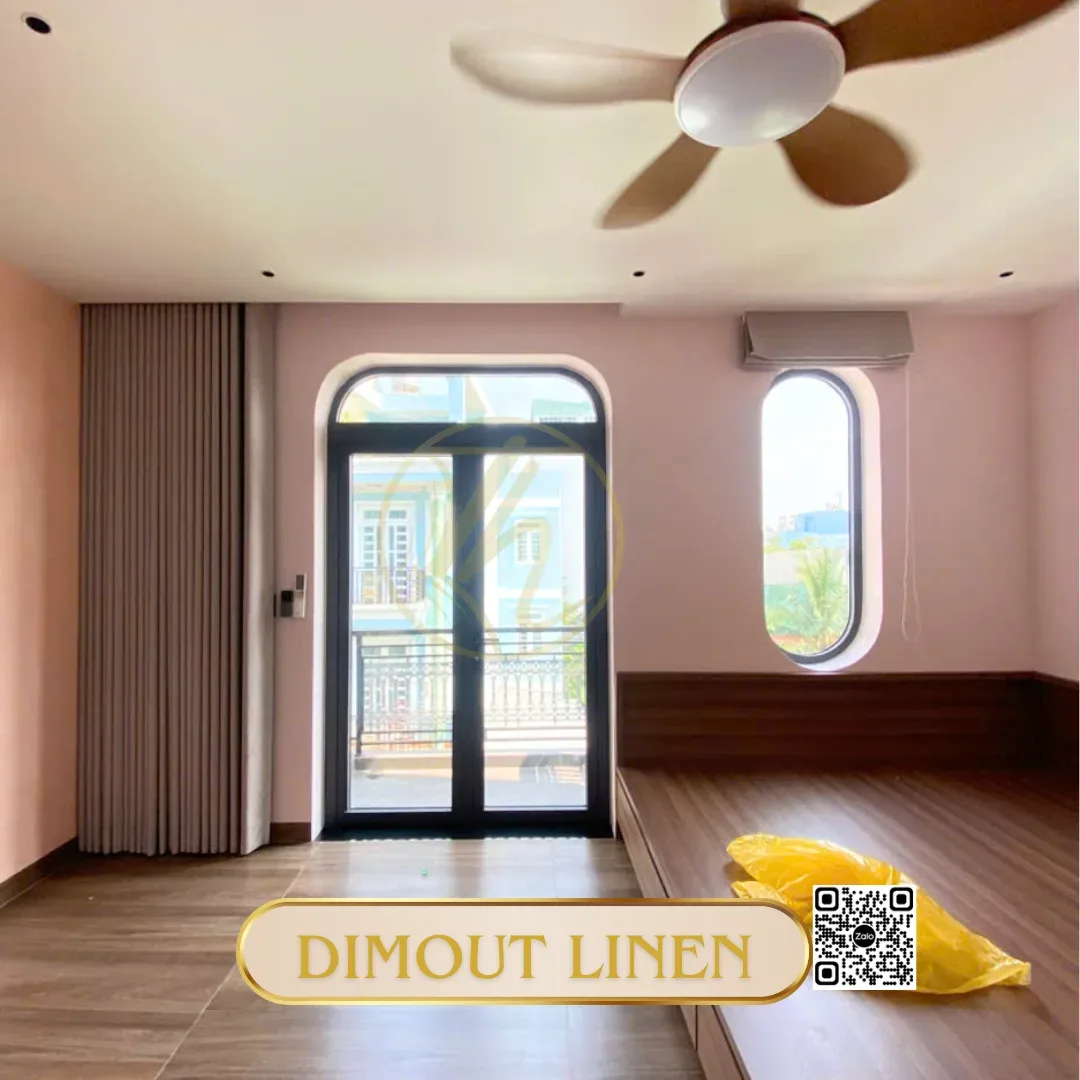
Linen offers a mildly rough surface with low gloss, making it compatible with wooden interiors and neutral tones.
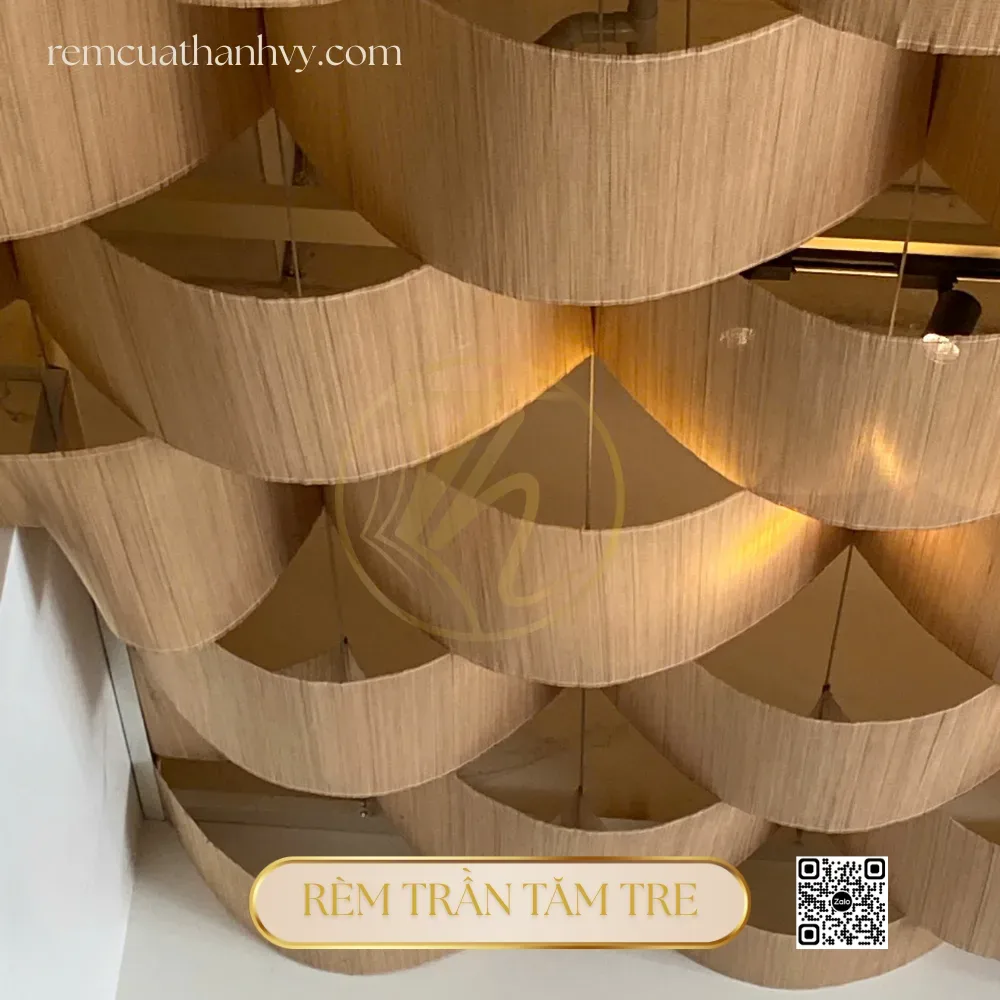
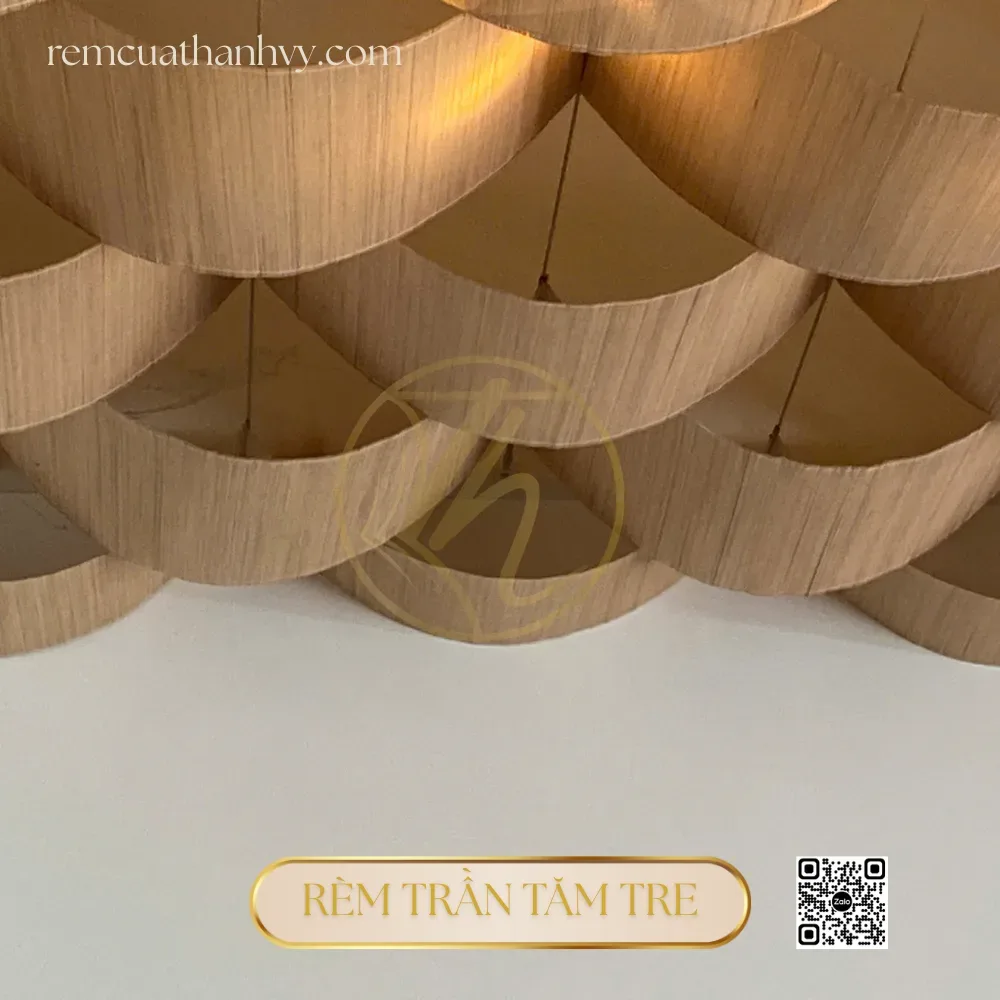
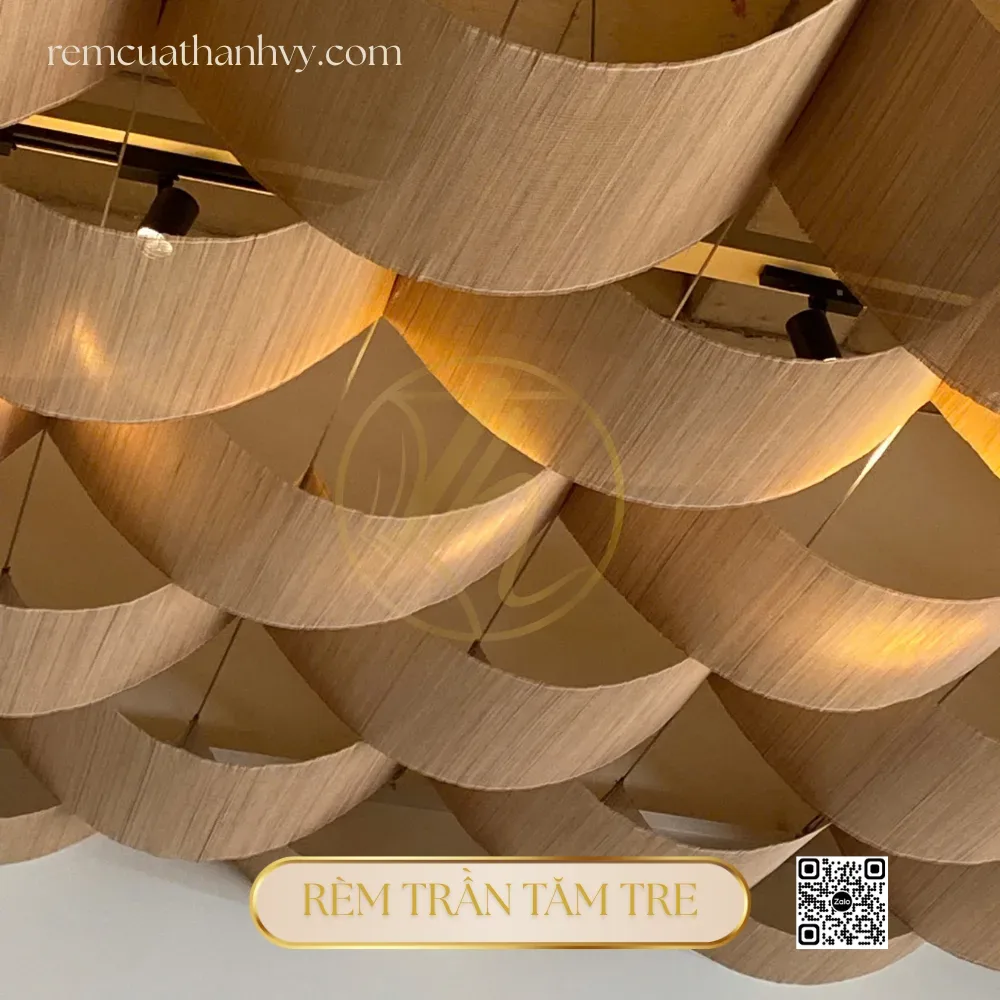
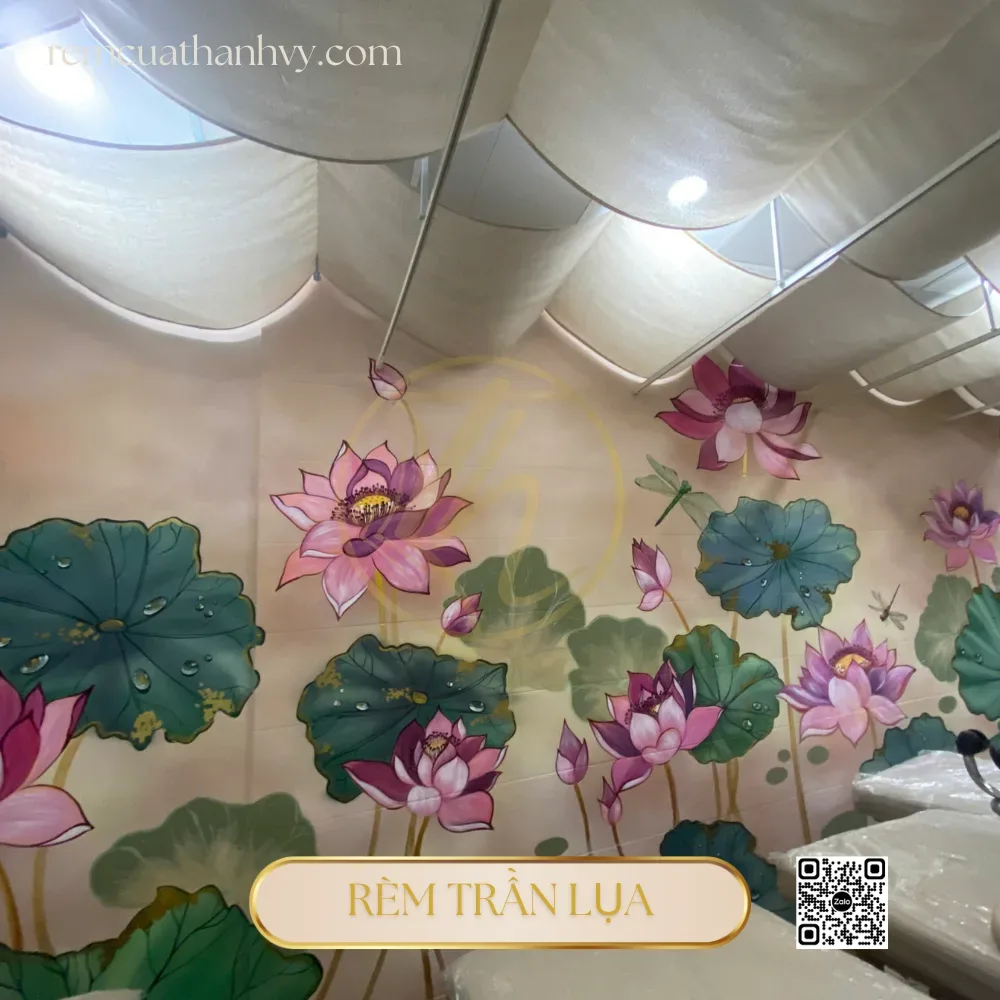
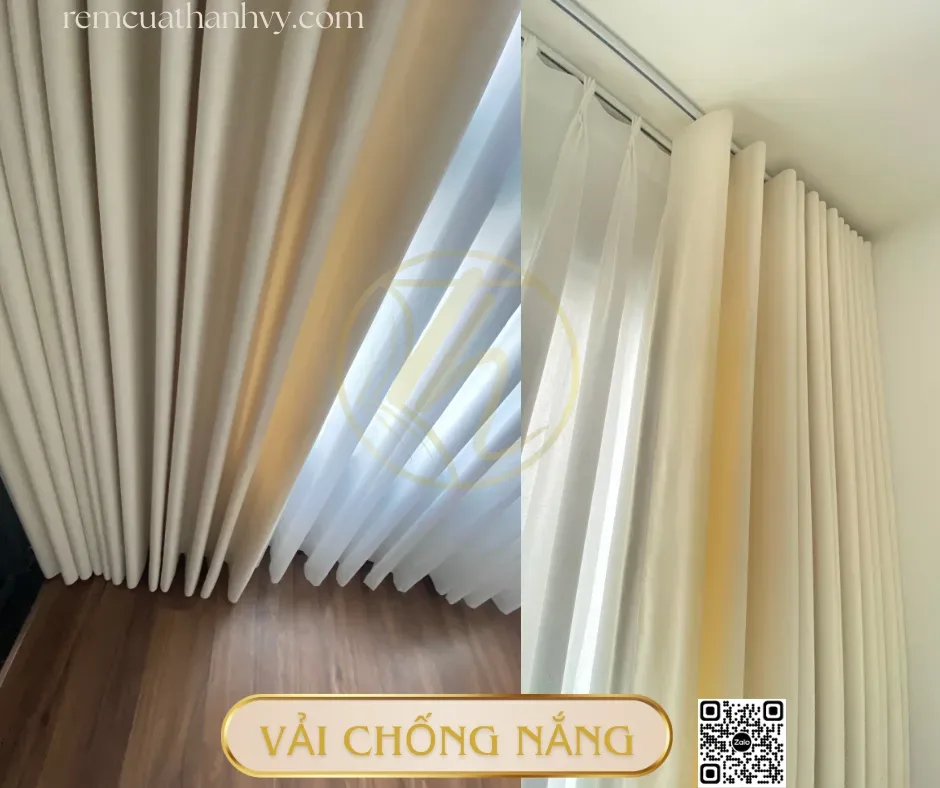
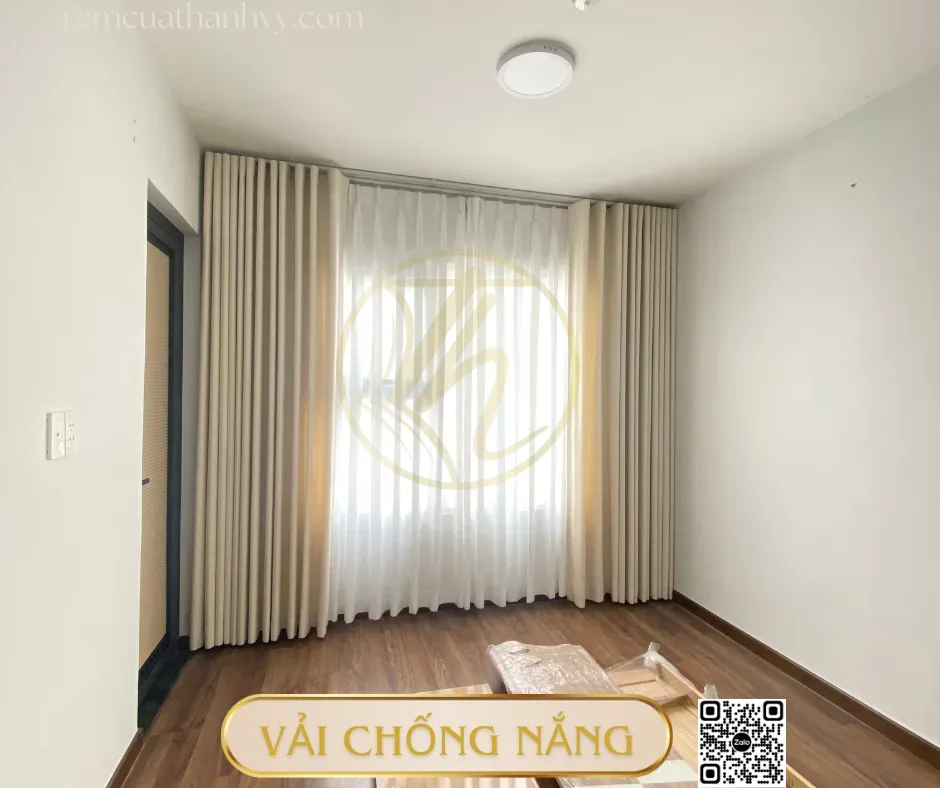
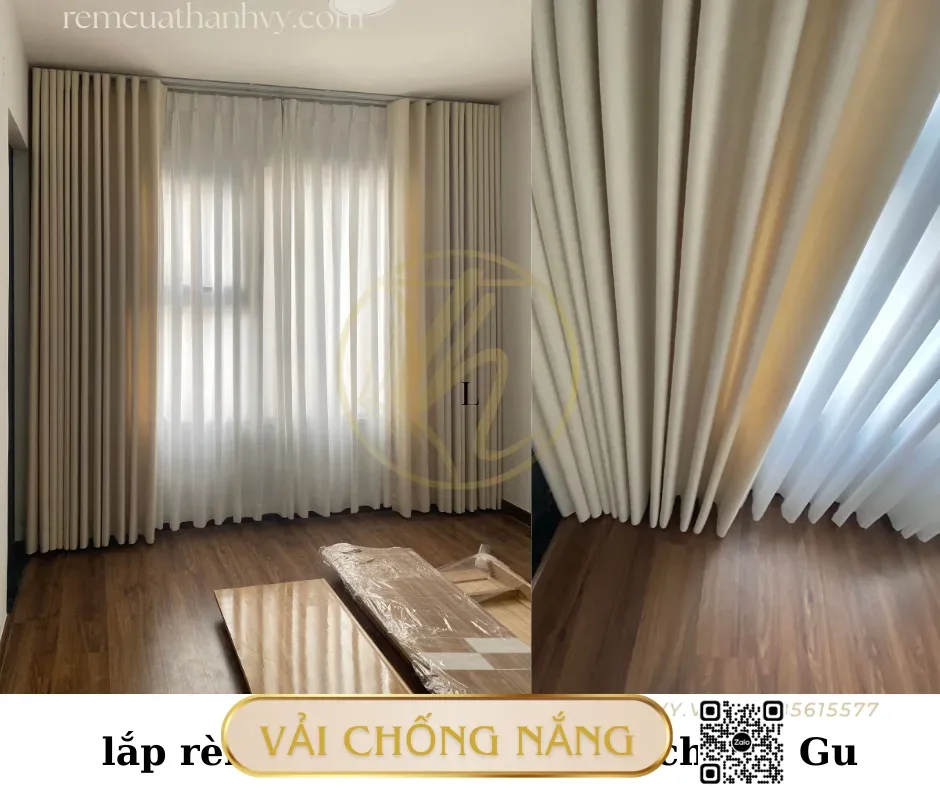
High-End Blackout Fabric Curtains
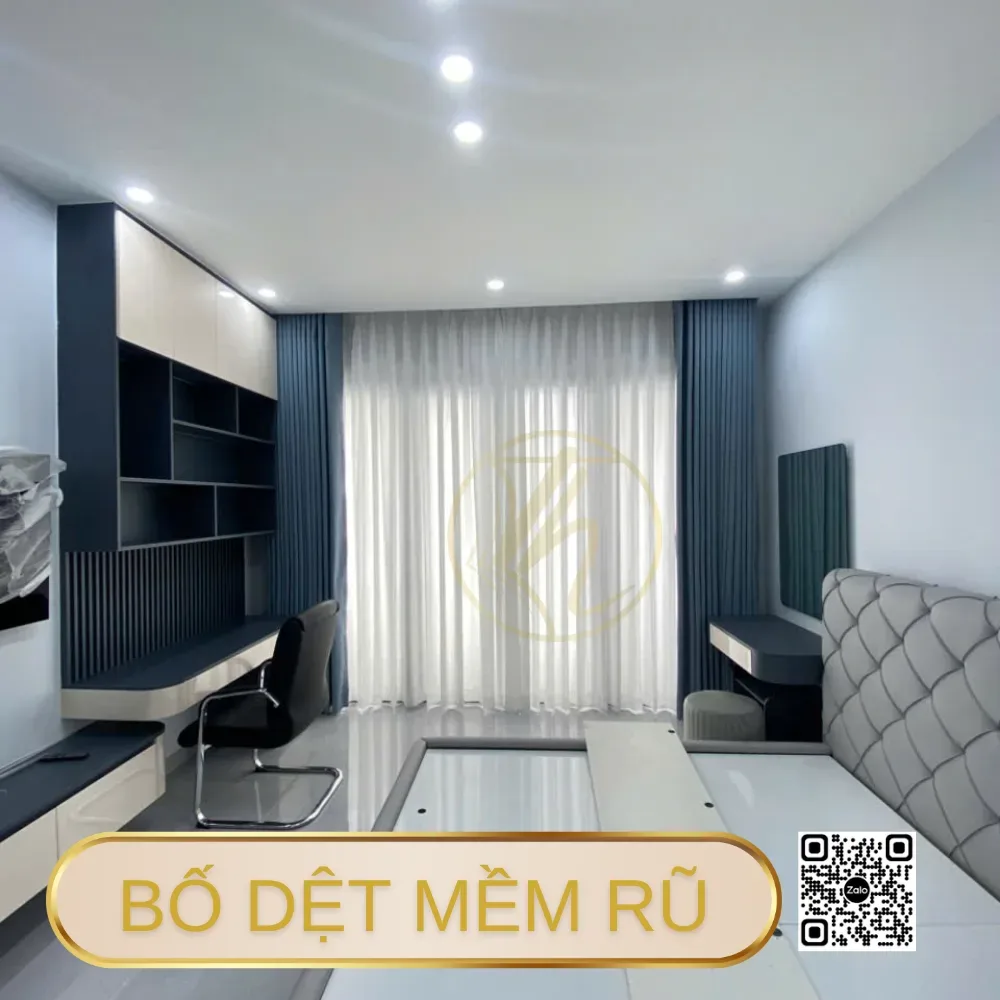
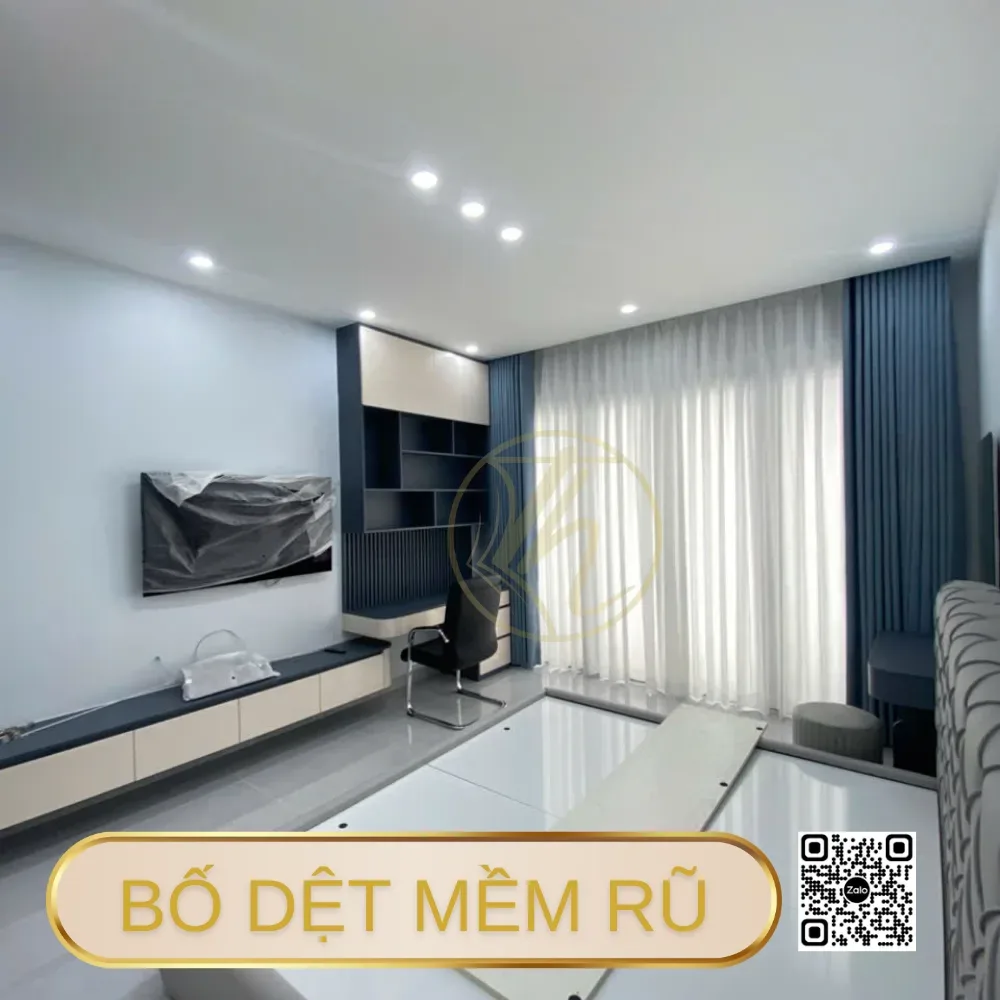
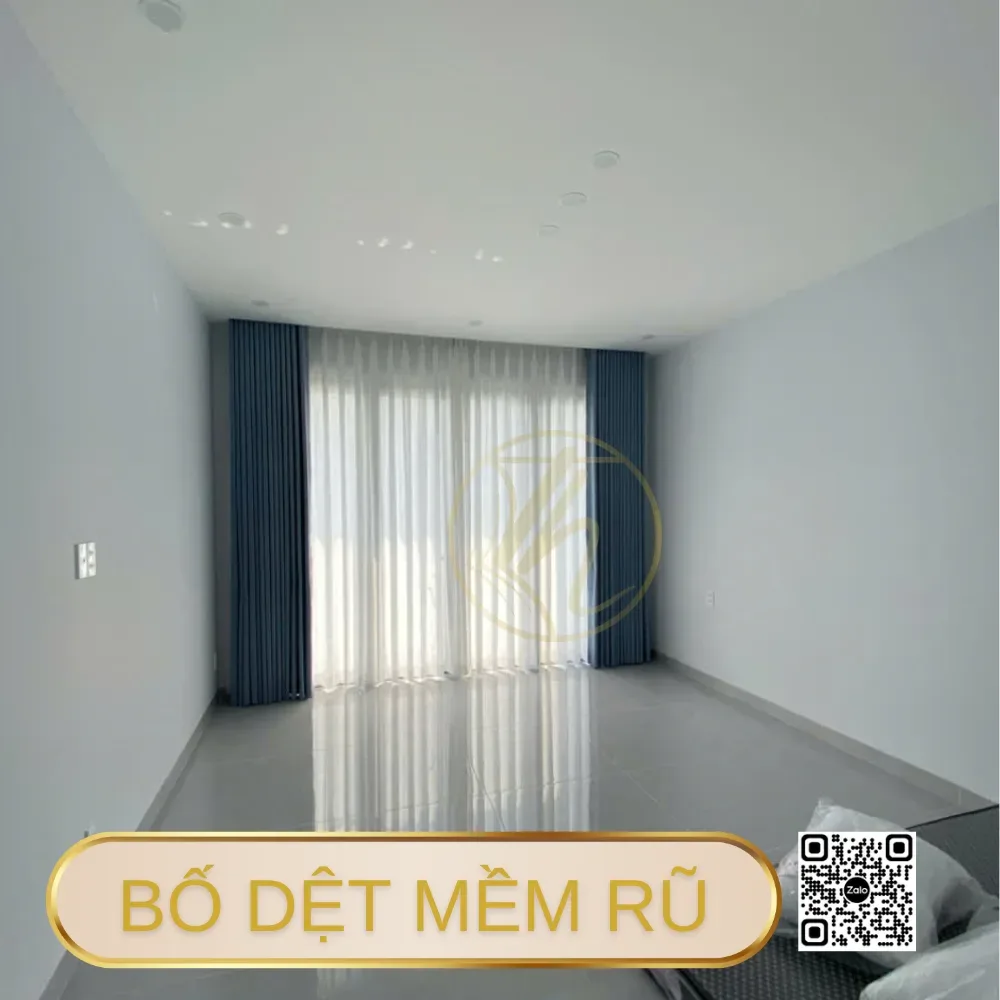
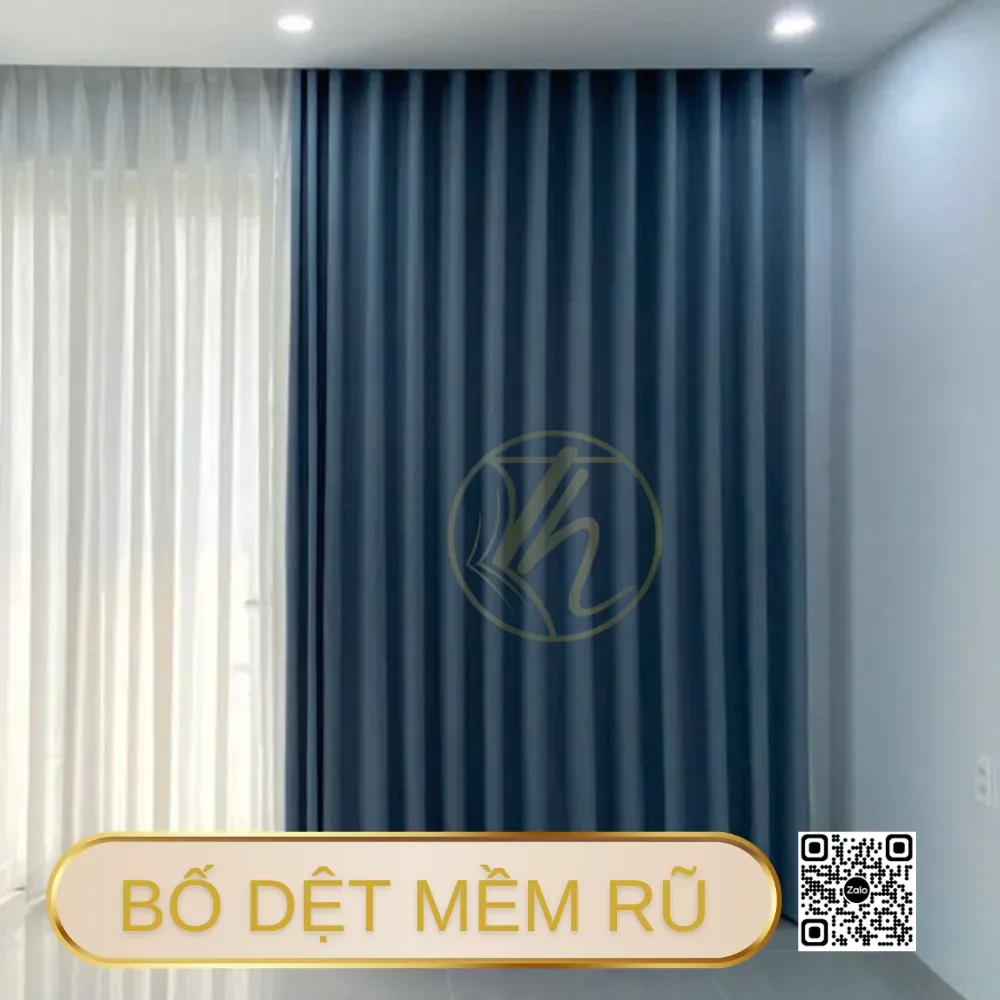
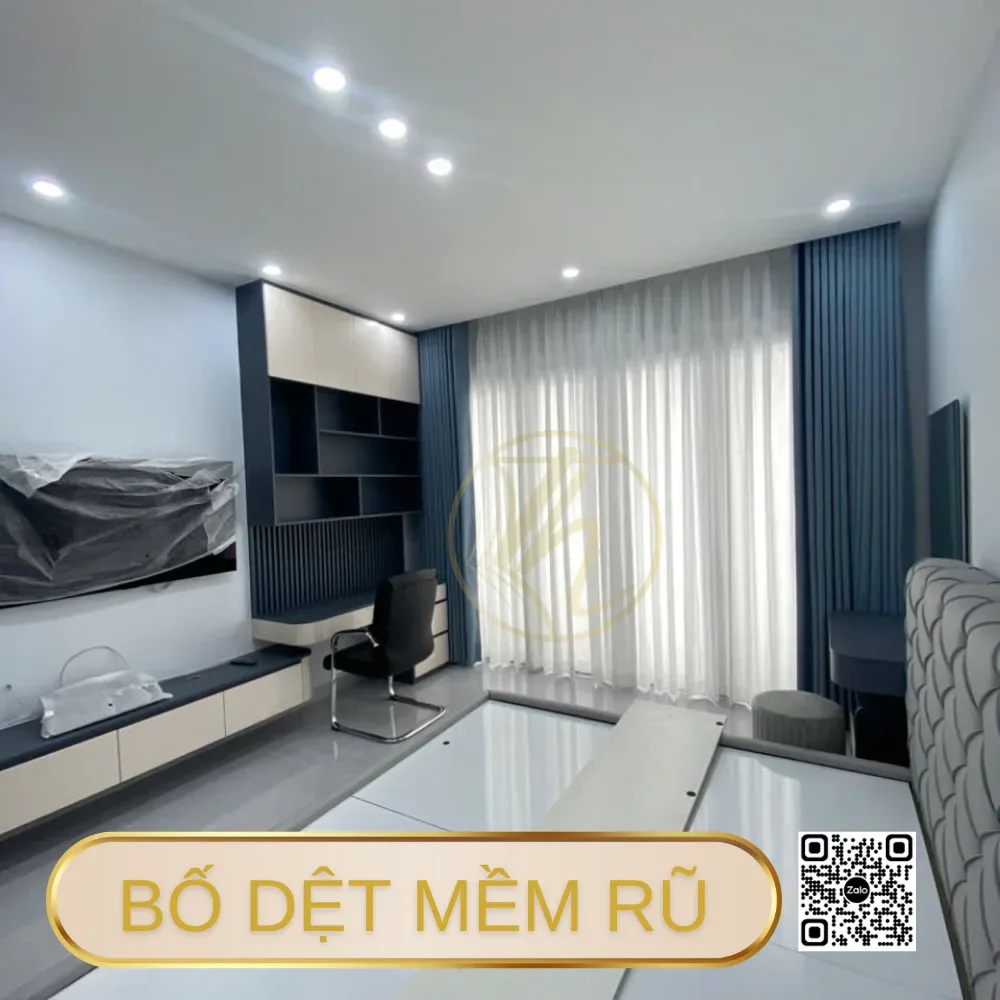
High-end blackout fabric group used when significant room darkening is needed, usually for bedrooms or projection rooms.
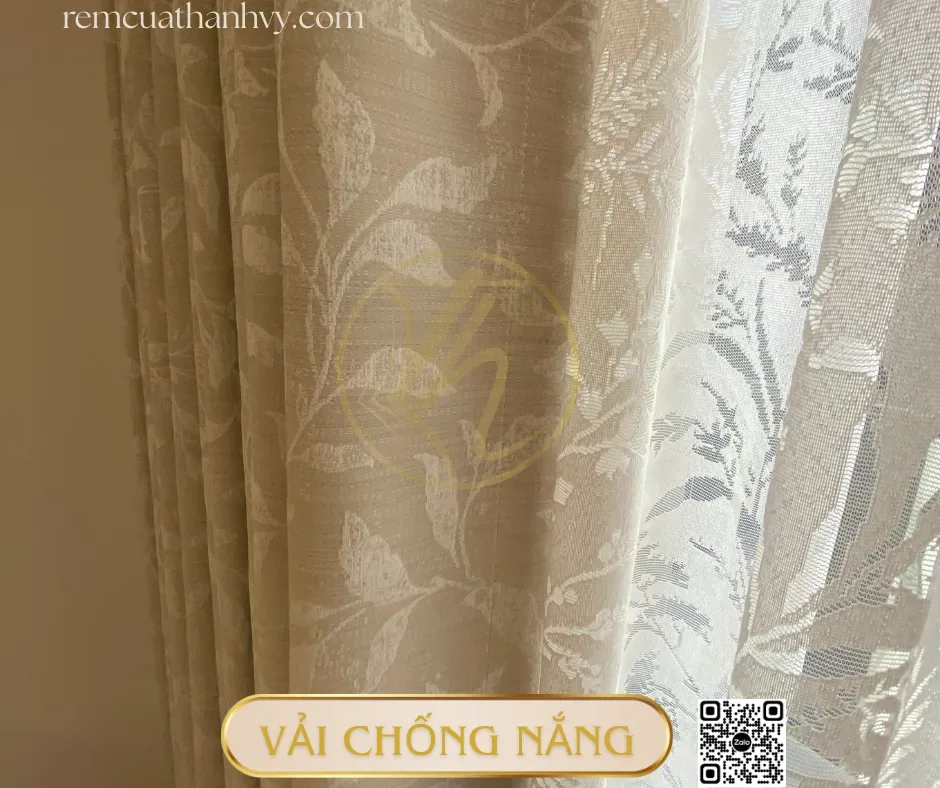
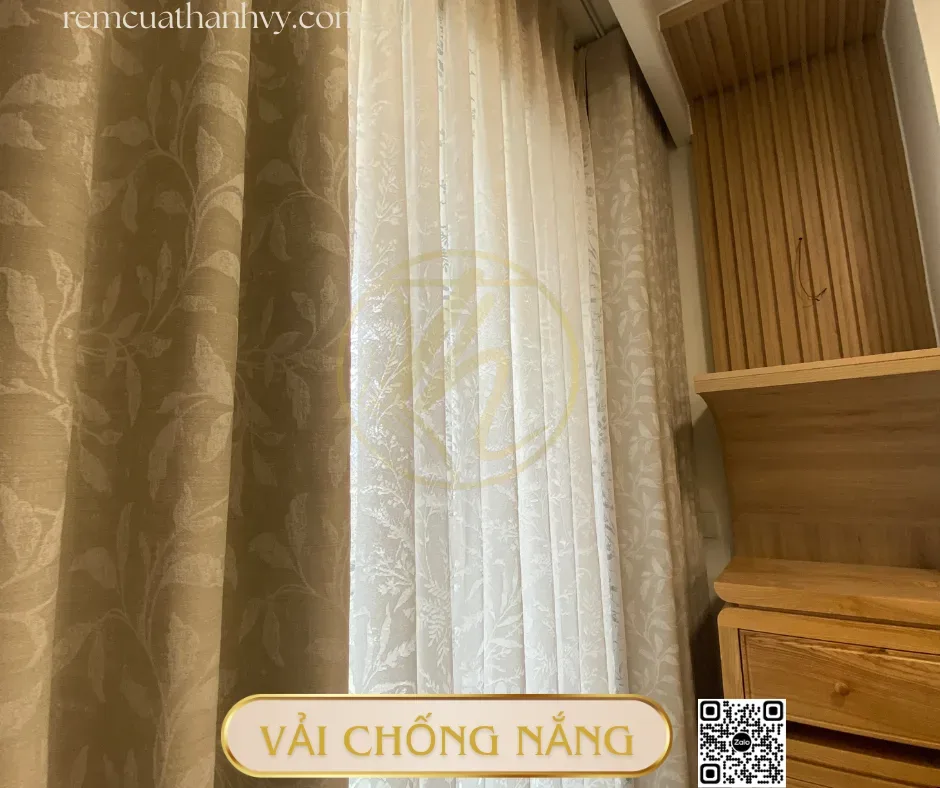
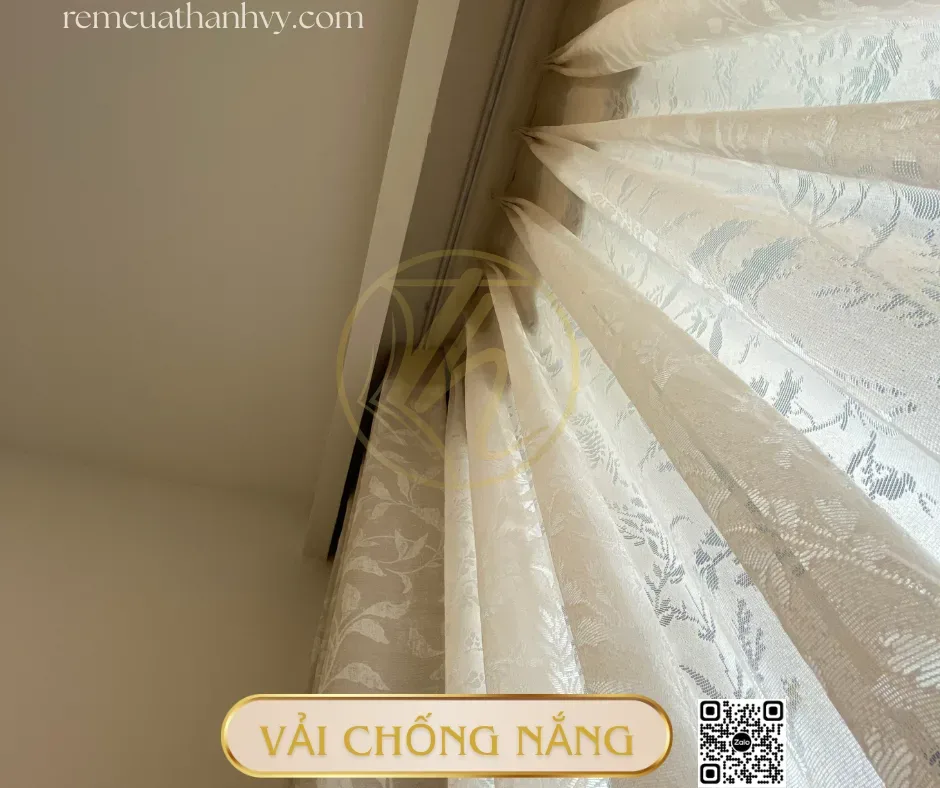
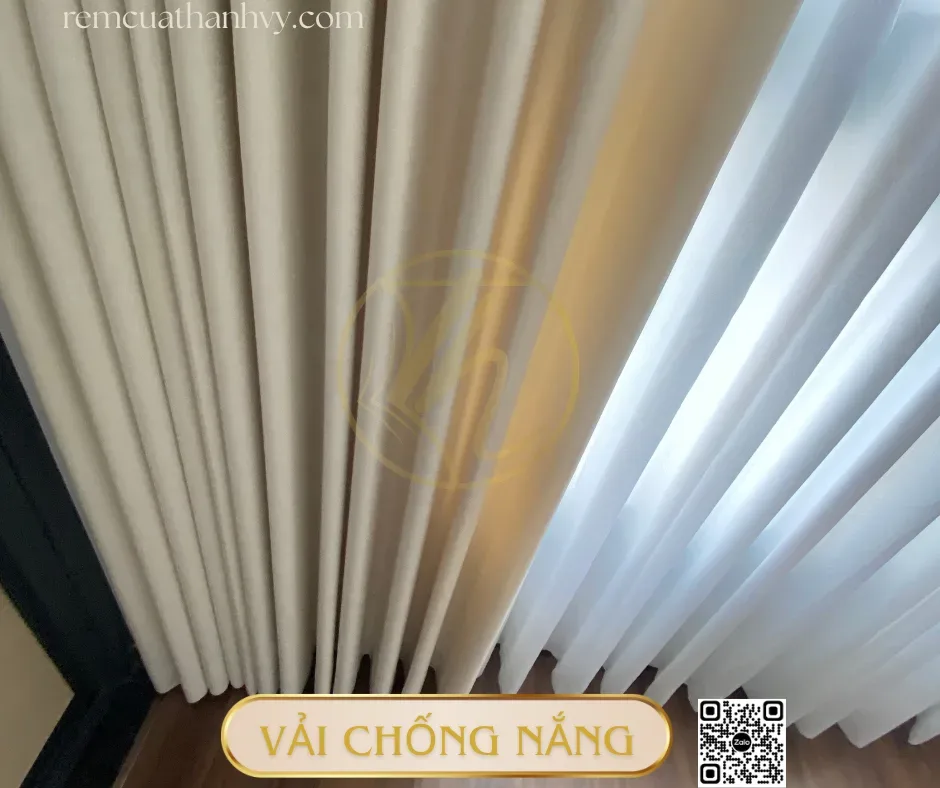
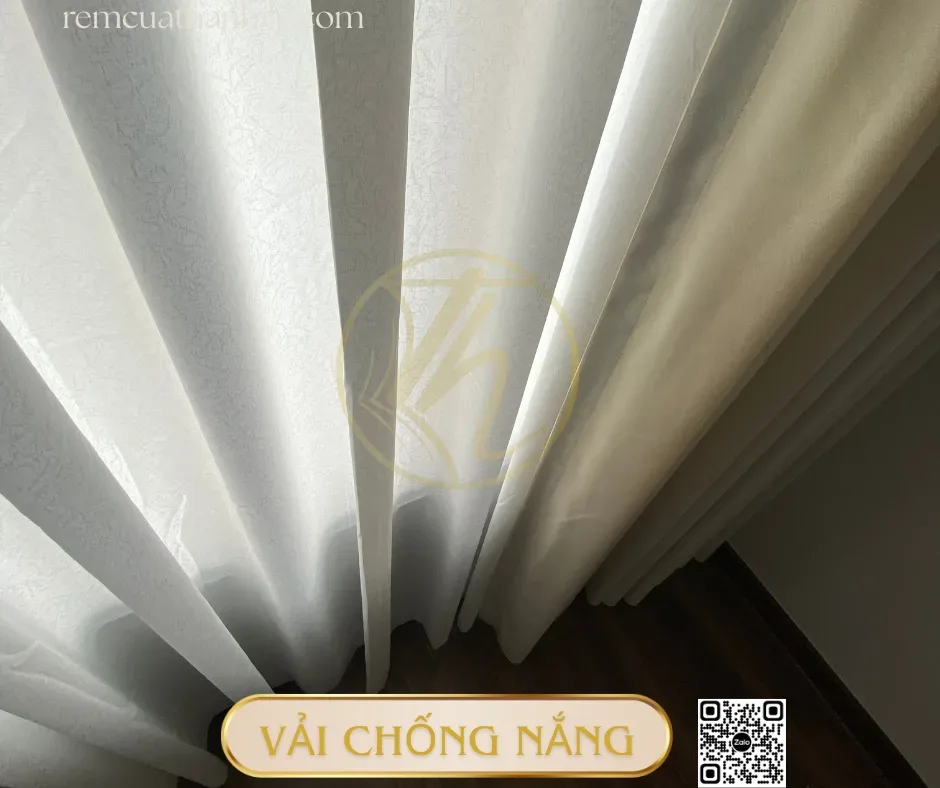
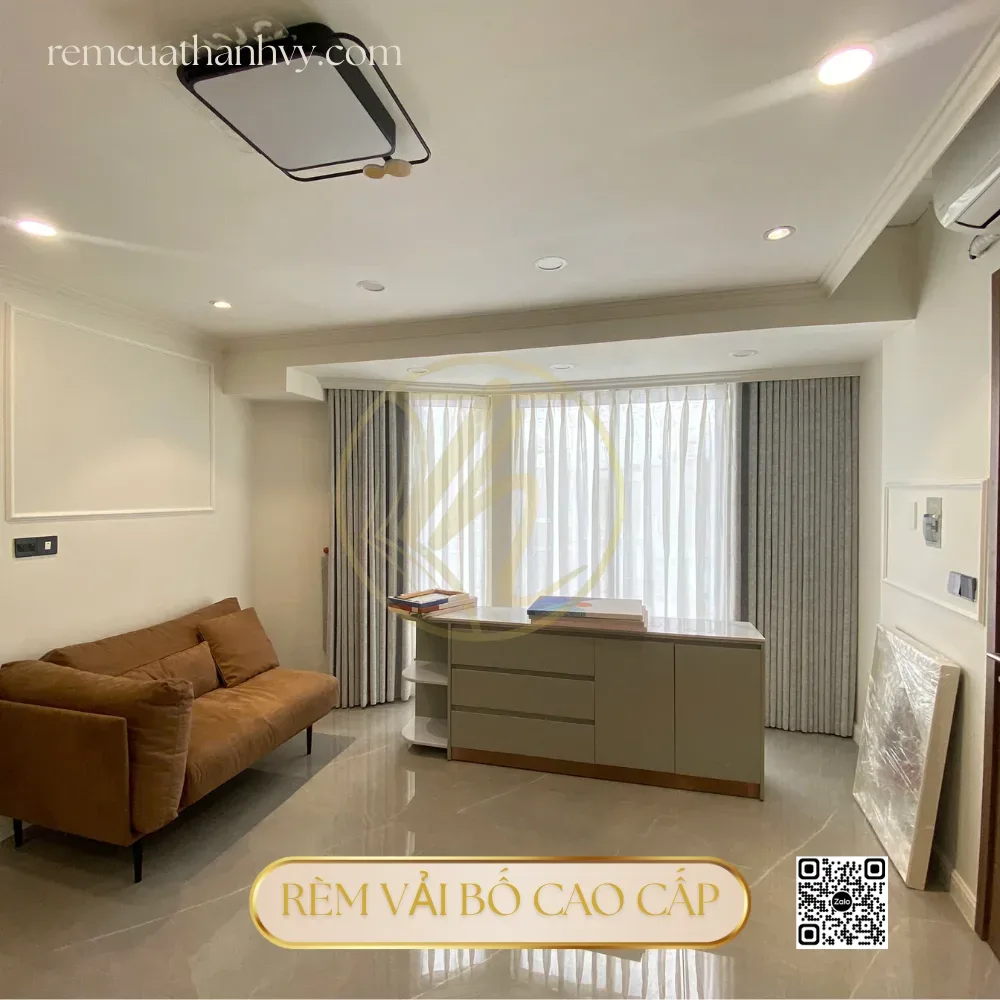
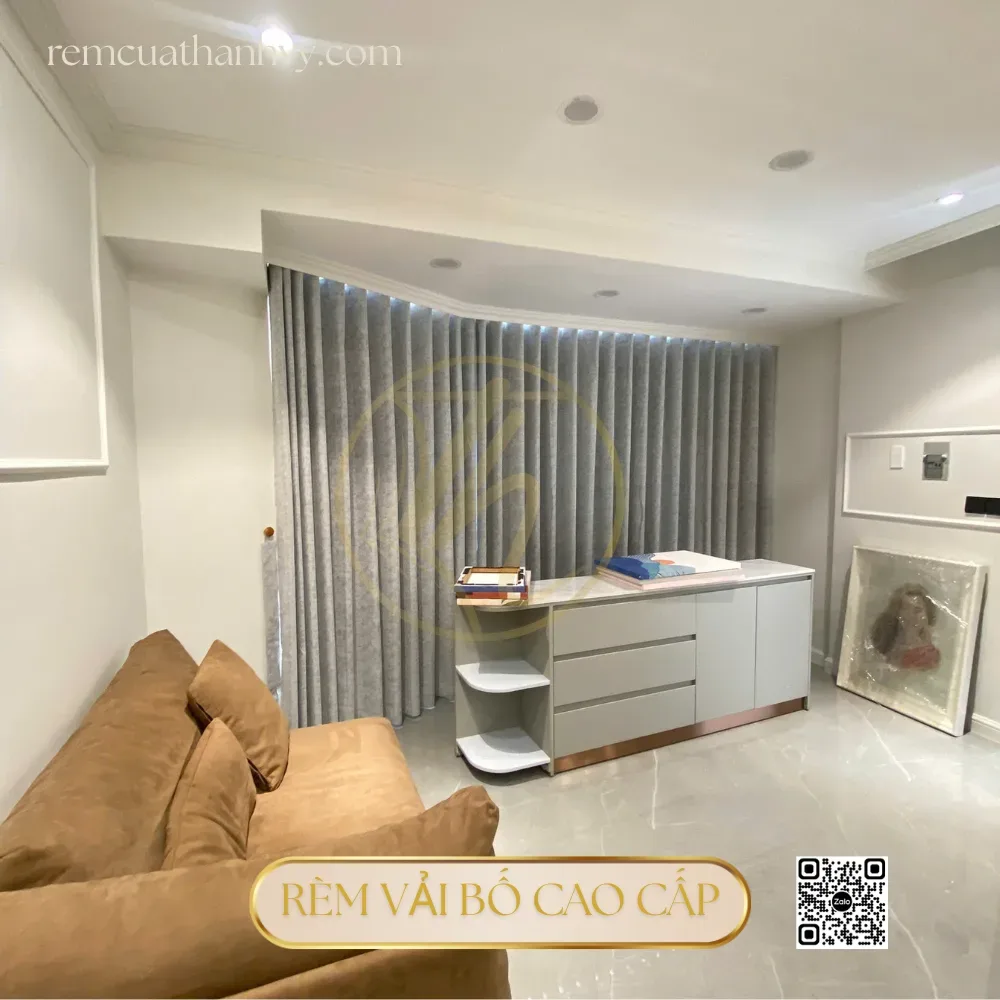
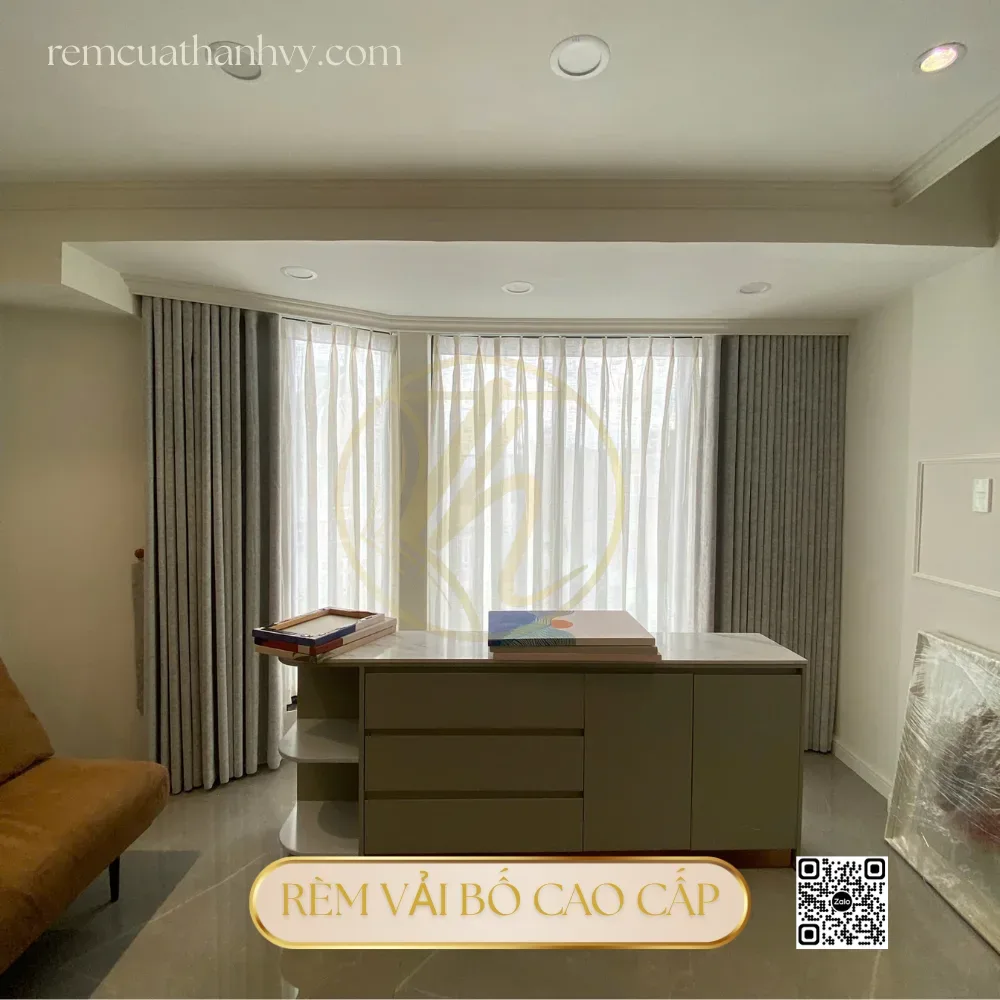
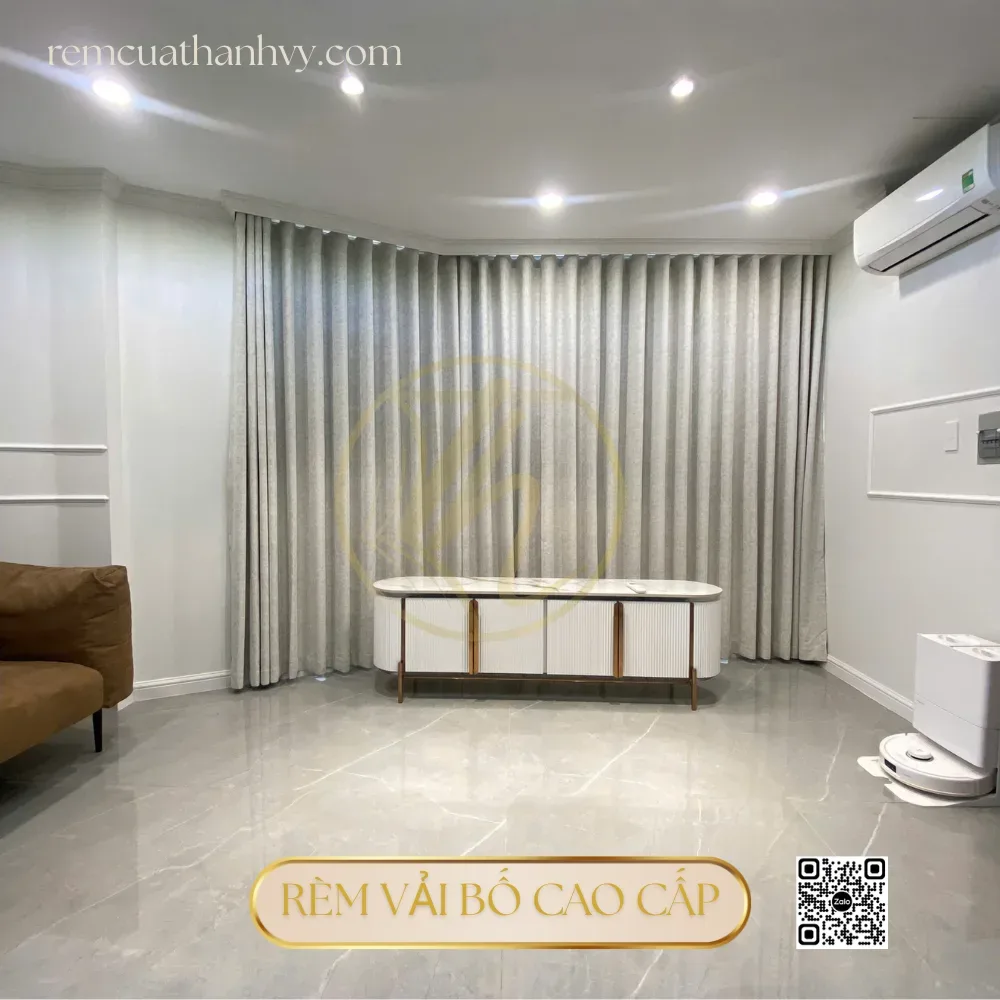
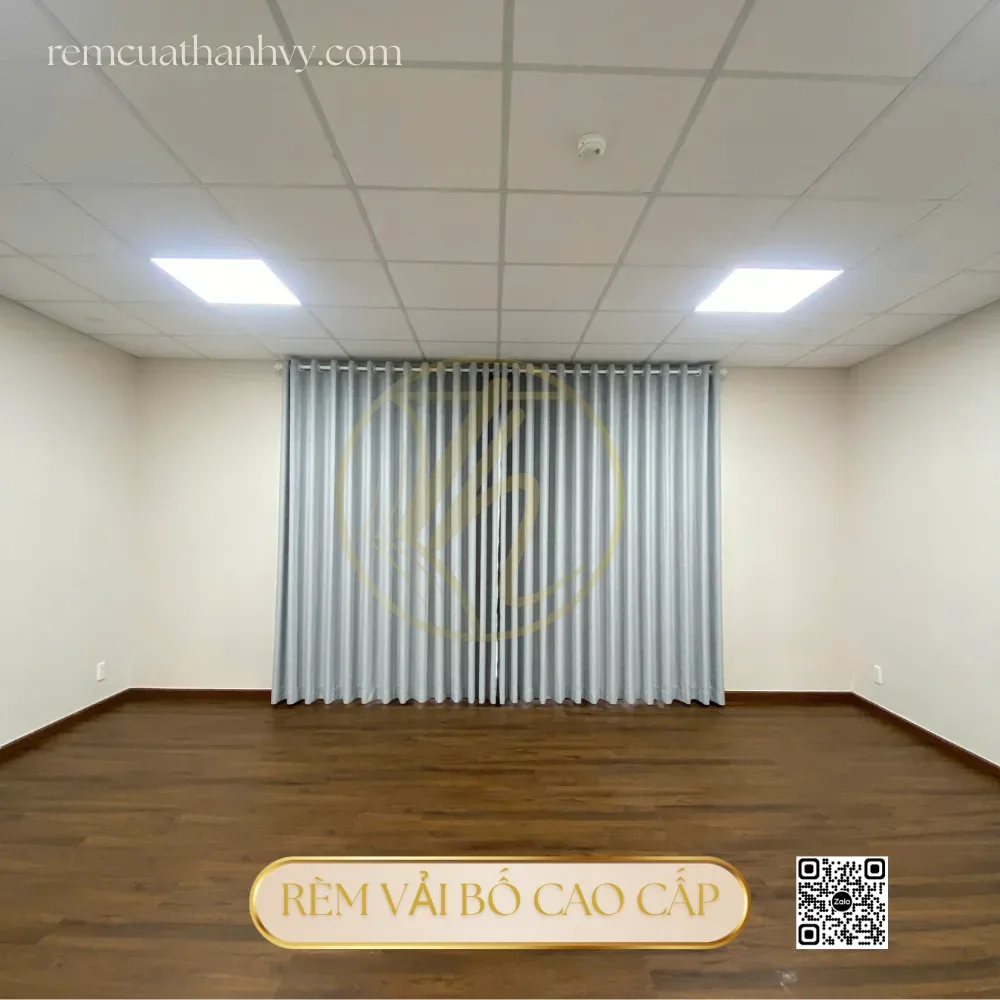
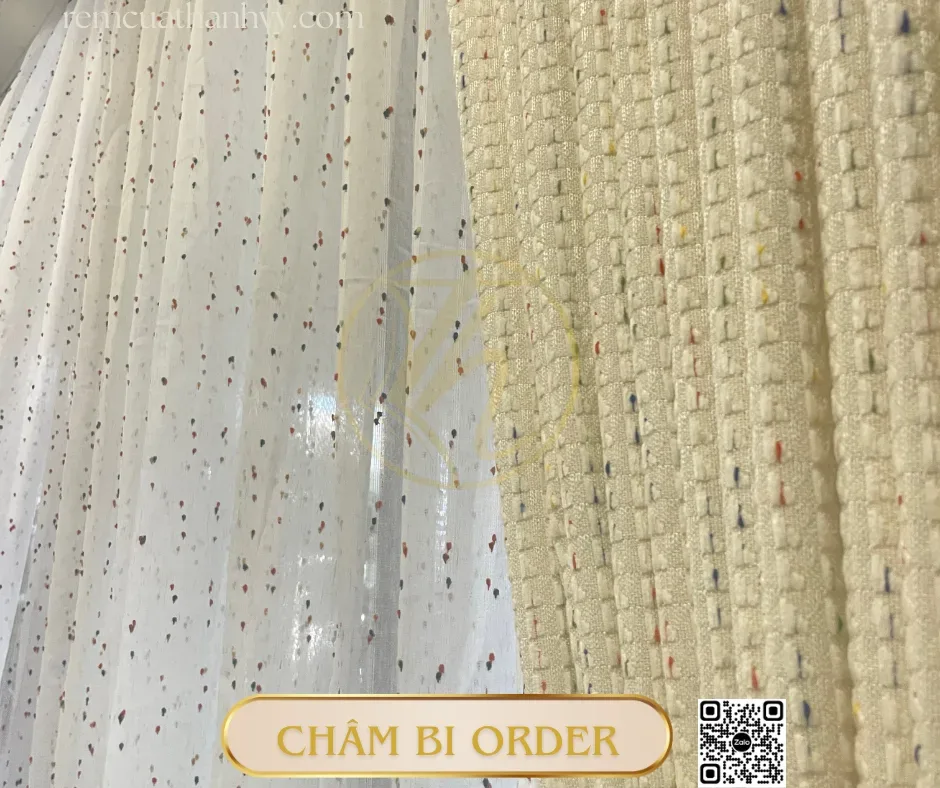
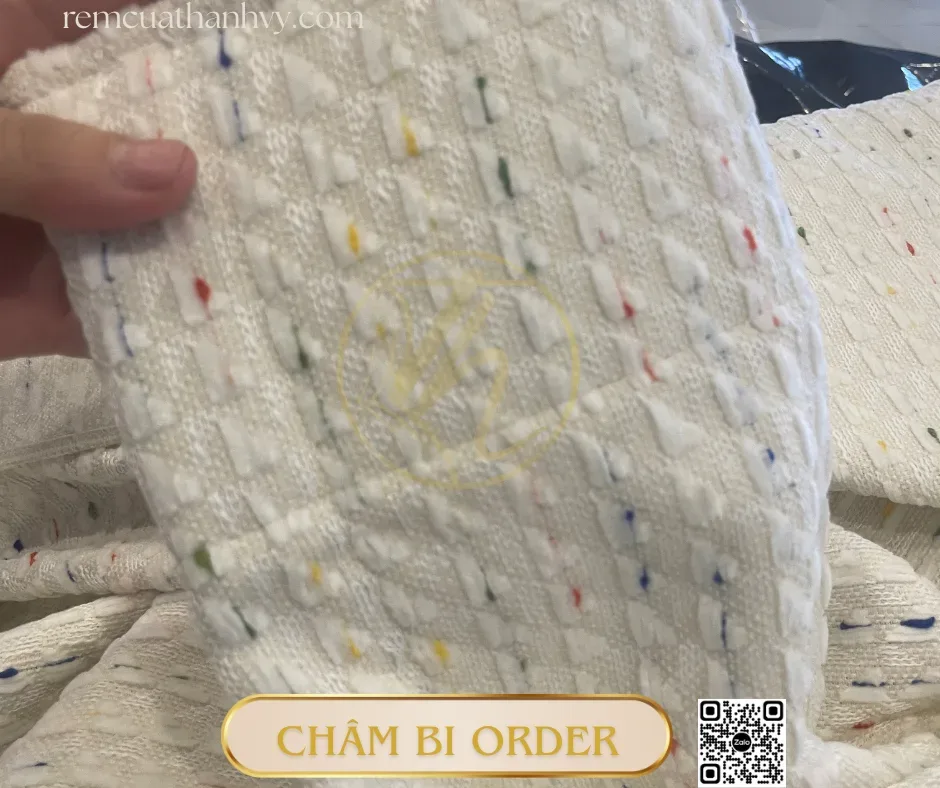
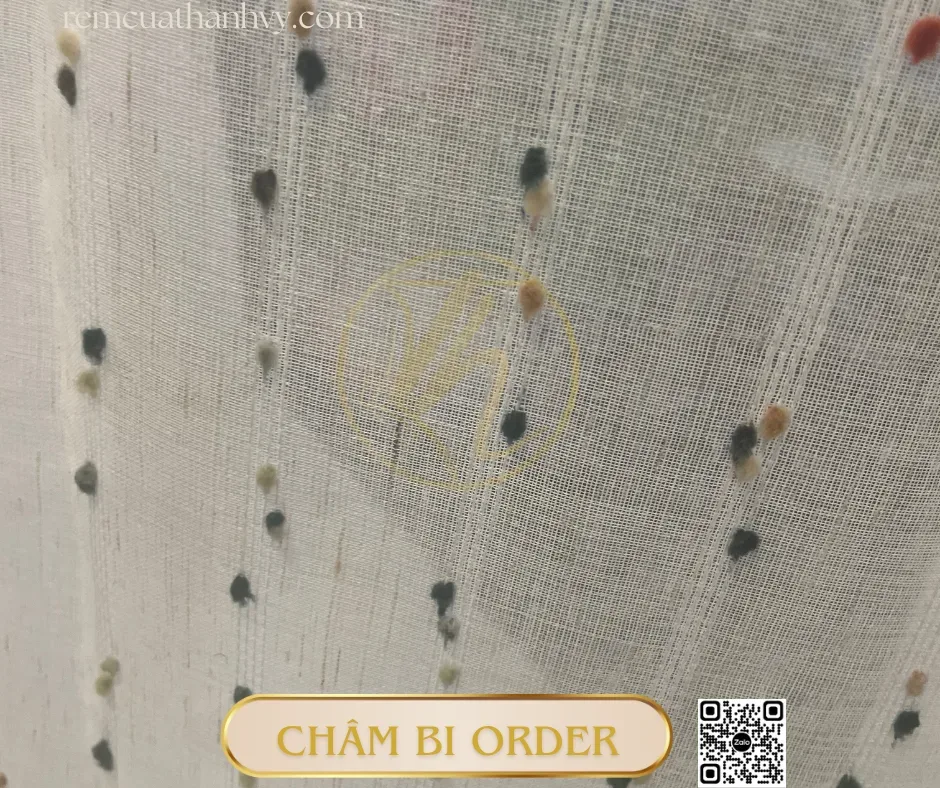
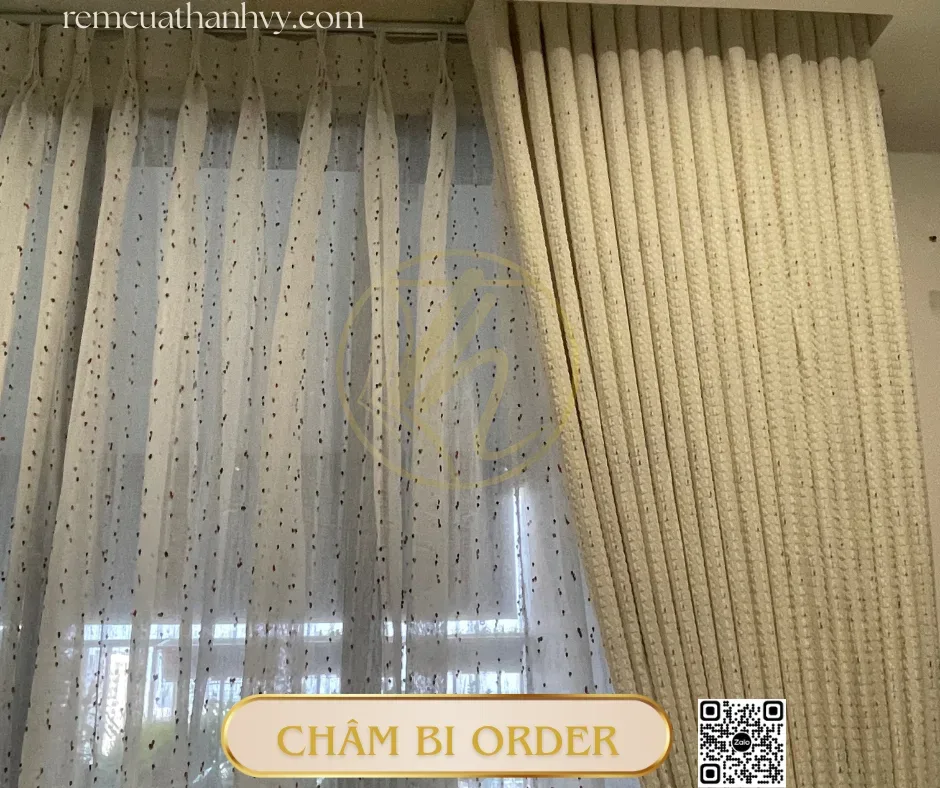
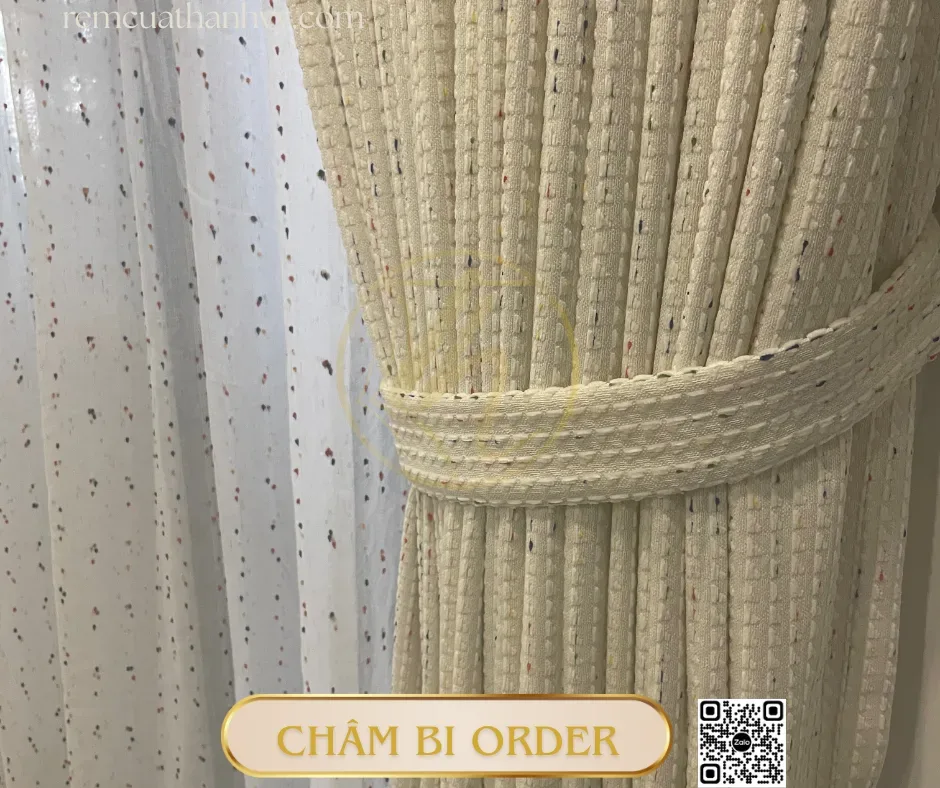
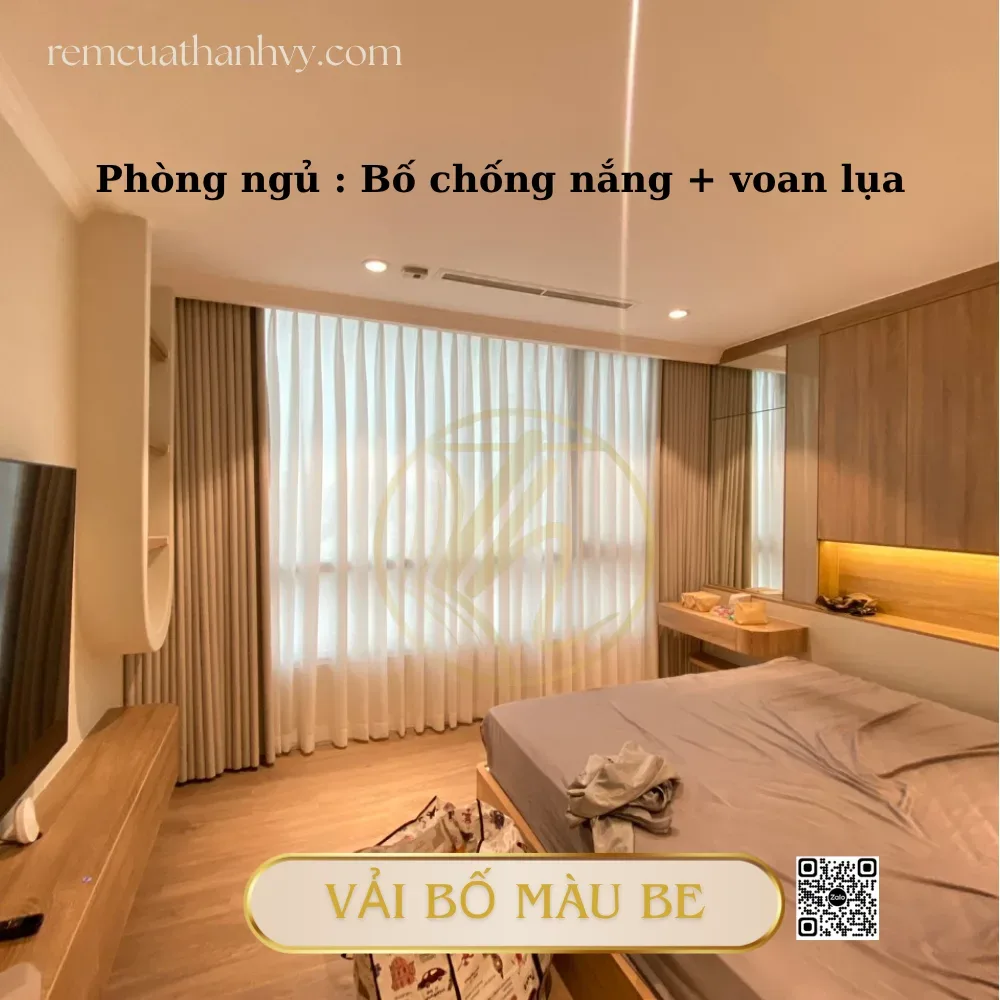
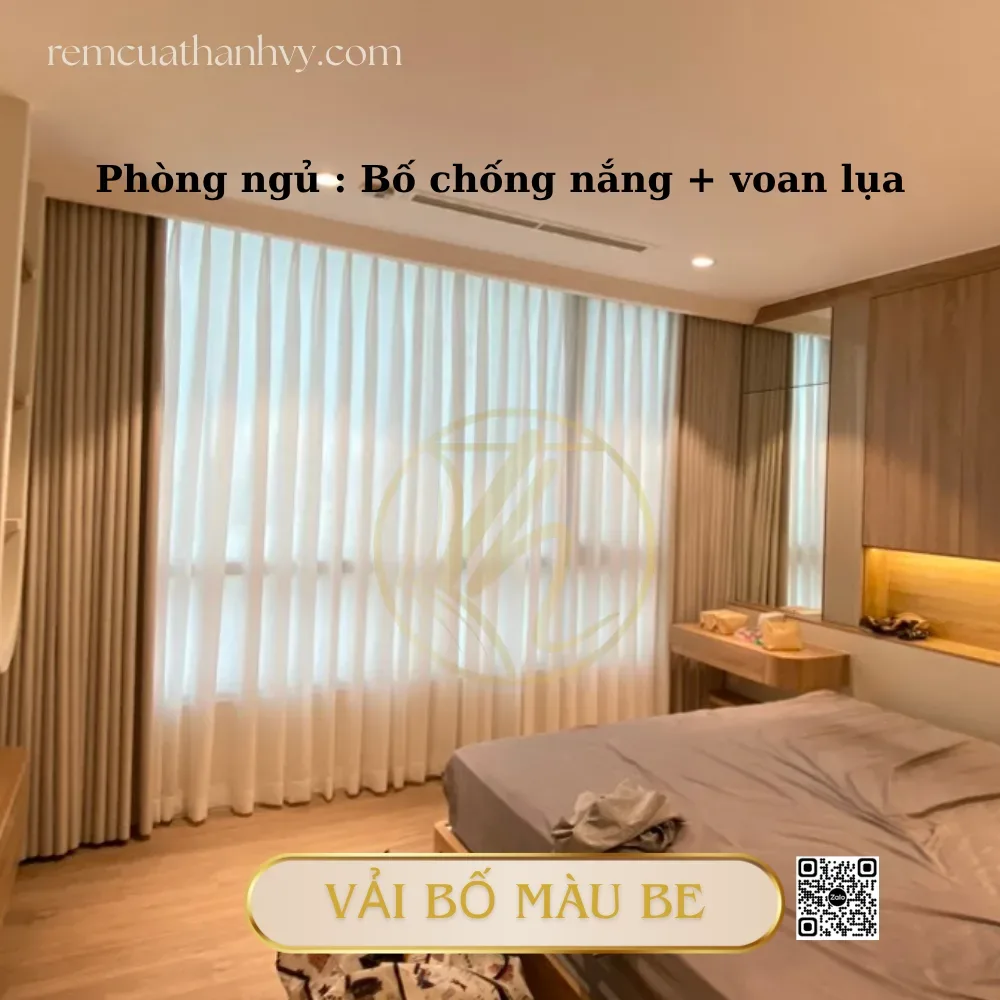
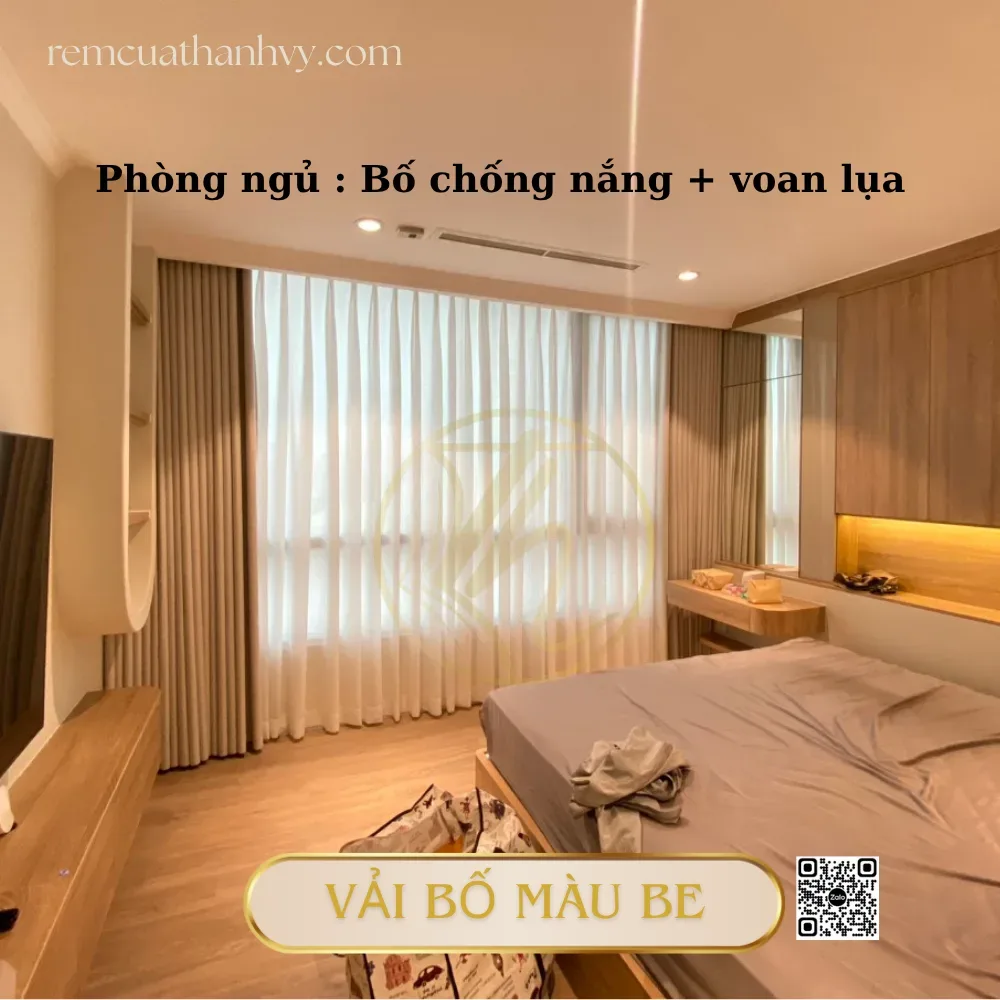
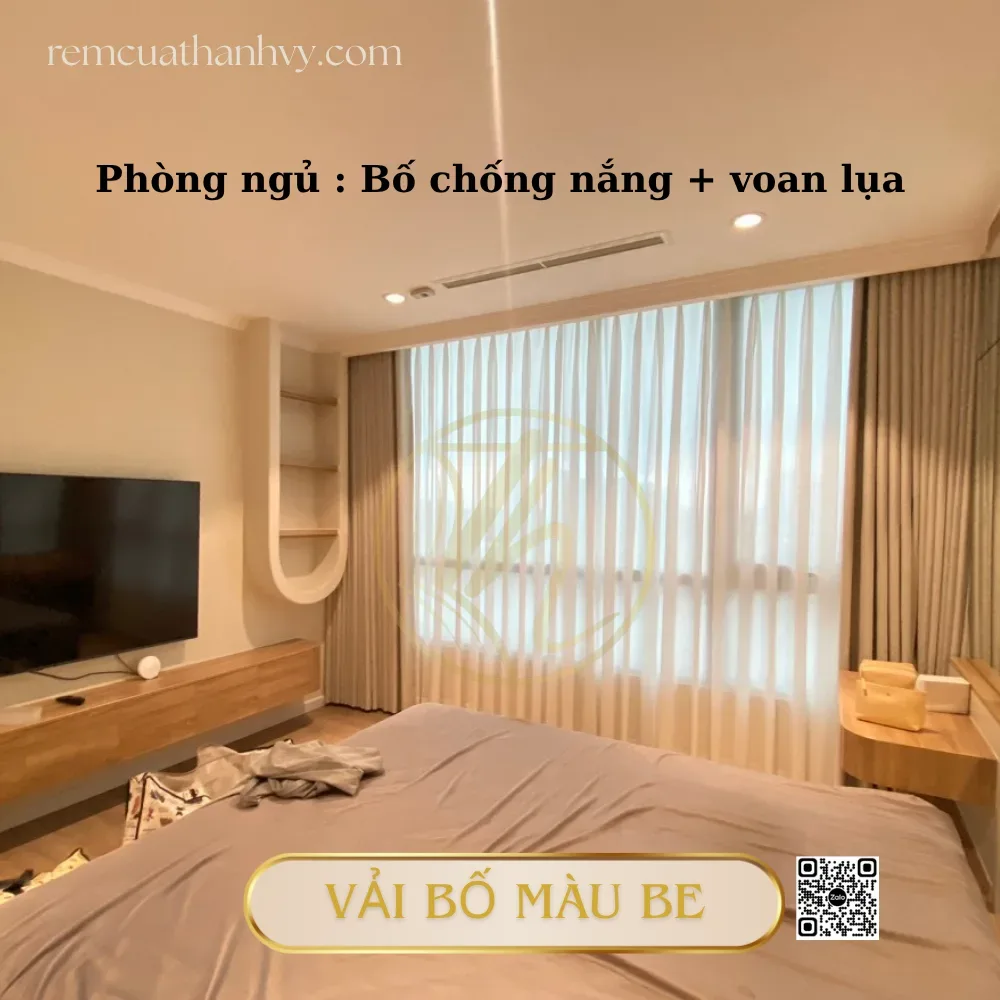
For further information, please contact Thanh Vy Curtains
We provide free consultation and on-site measuring at your home.
Related areas
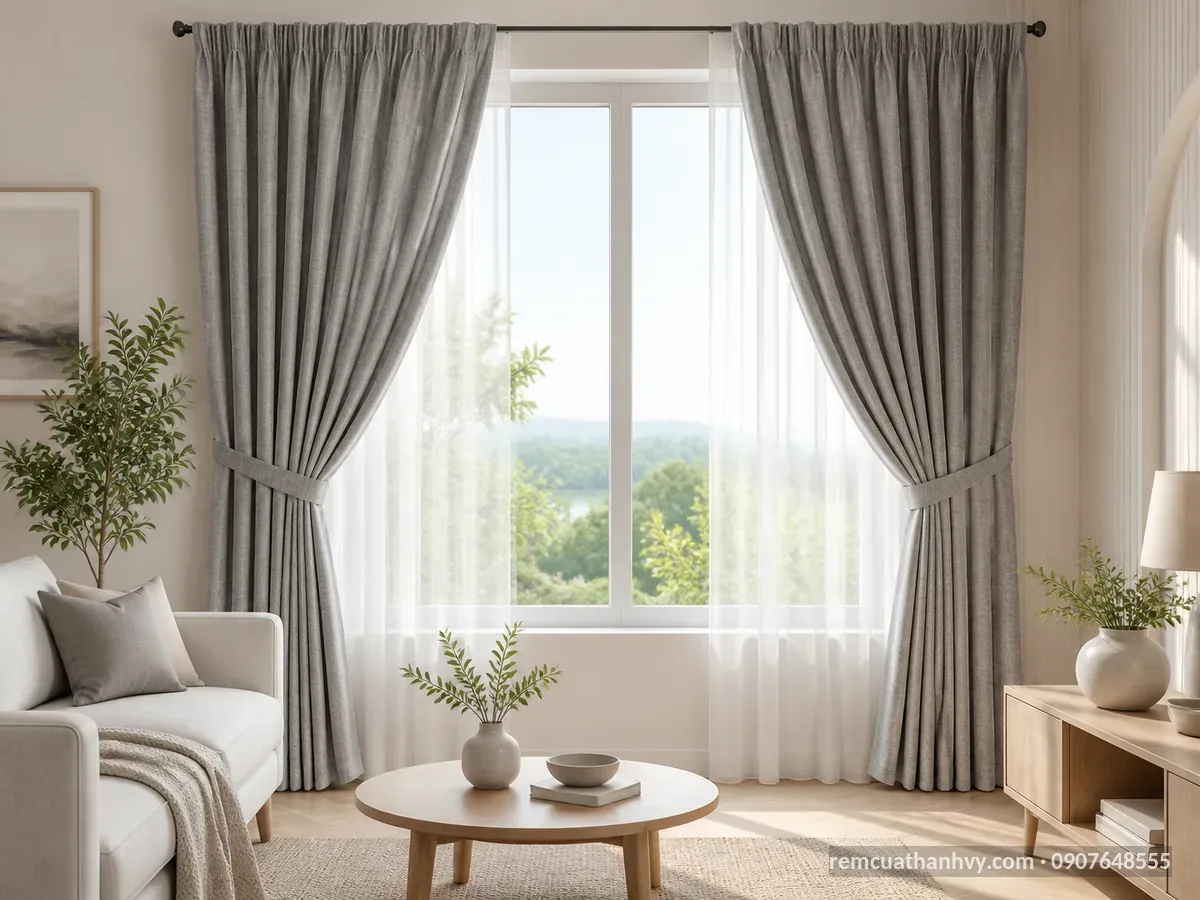
Curtains in District 8: Priorities when choosing for each space
Rèm Cửa Thanh Vy provides professional curtain solutions in District 8 with a wide range [...]
Curtains in District 3: What to prioritize when choosing for each space
**Curtain selection advice:** Customers in District 3 should prioritize two-layer fabric curtains or neat Korean [...]
Curtains in District 6: What to Prioritize for Each Space
To choose the perfect curtains in District 6, contact Rèm Cửa Thanh Vy for dedicated [...]
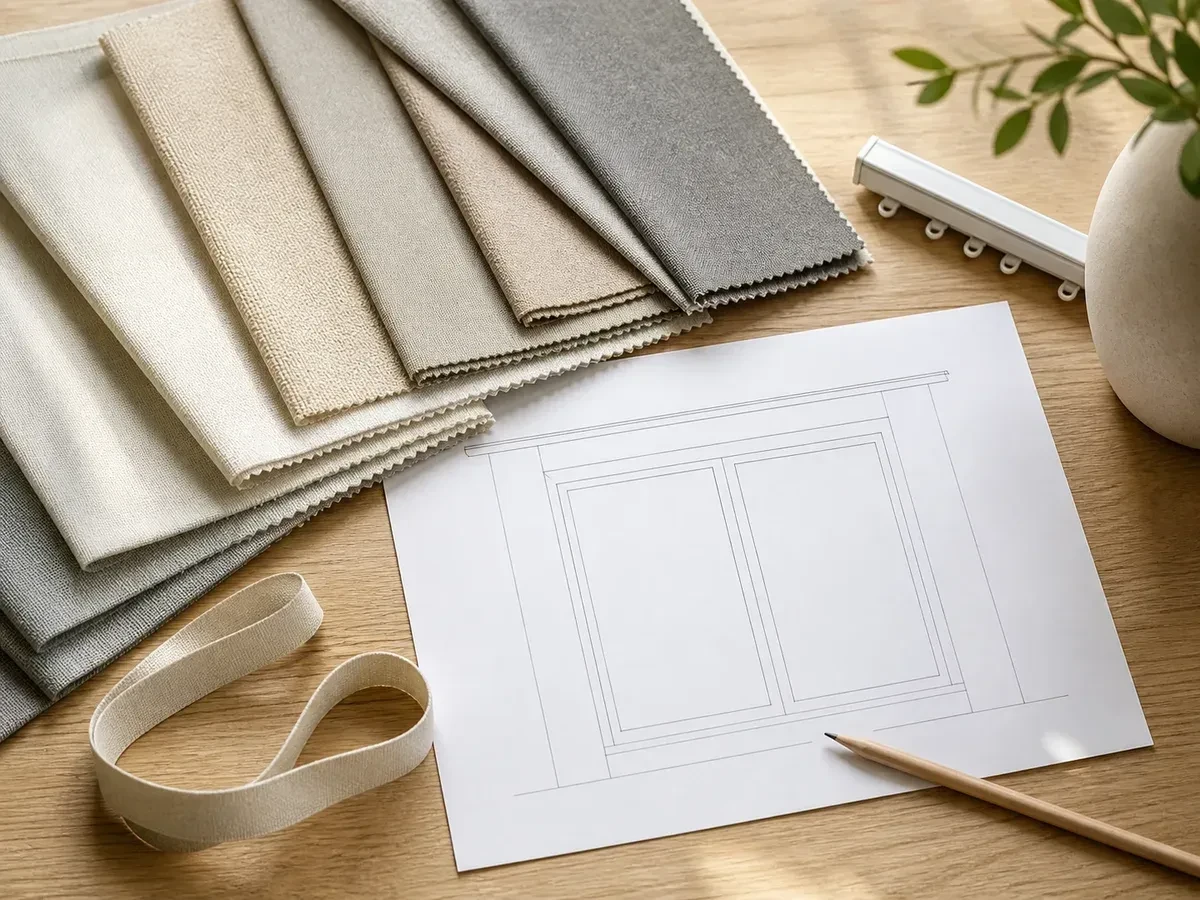
Curtains in Binh Chanh: What to prioritize when choosing for each space
To choose the perfect curtains in Binh Chanh, you should prioritize color-fast, sun-blocking fabrics combined [...]
Related reviews
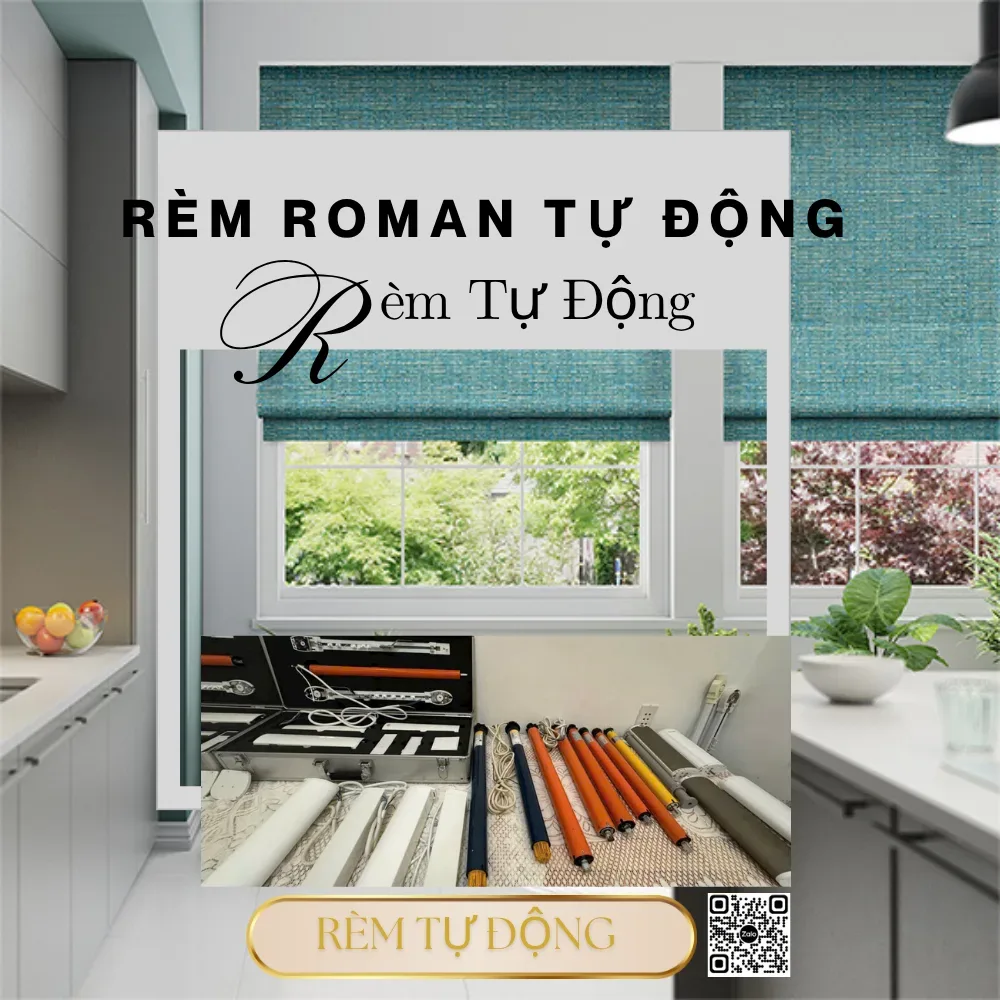
Are Roman Shades Good? A Detailed Review from A to Z
This objective review explores whether Roman shades are a good choice by examining their layered [...]
Are Fabric Curtains Good? How to Assess the Real Needs of Each Space
This article helps readers answer whether fabric curtains are good by assessing light, privacy, usage [...]
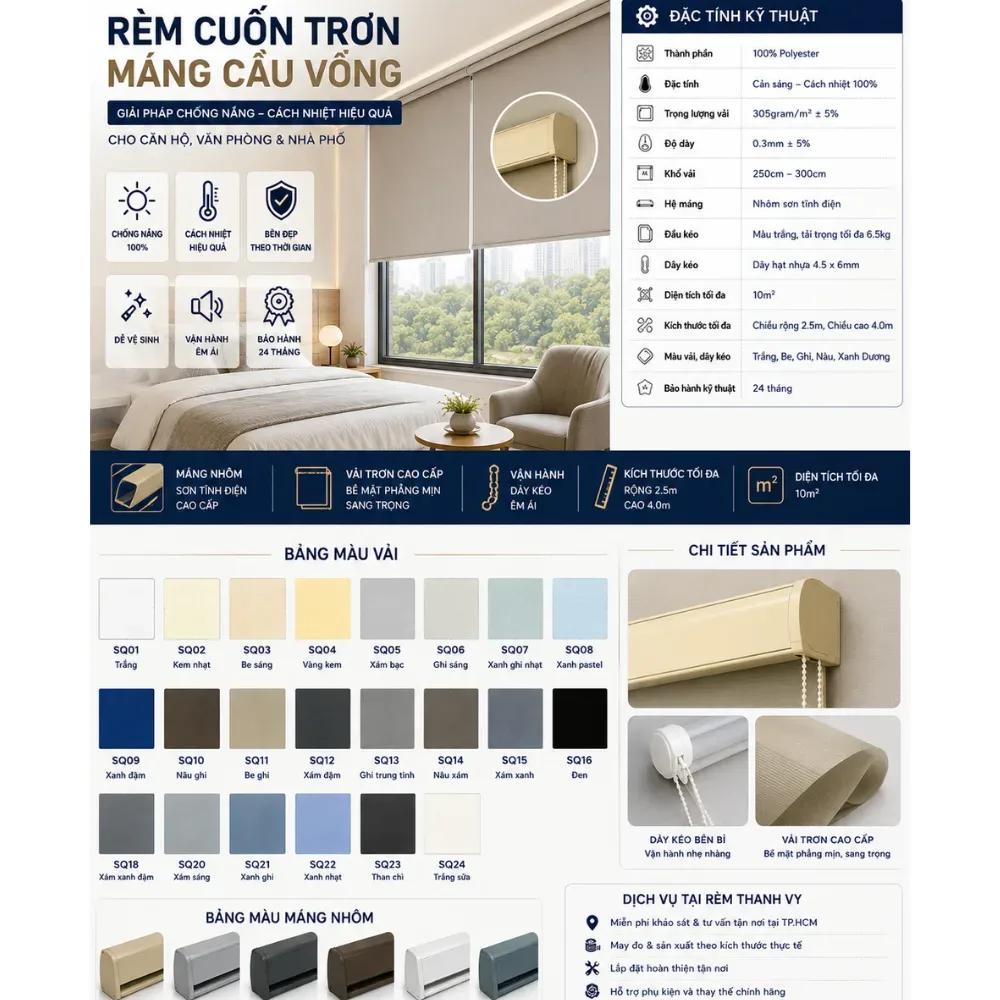
Roller Blinds vs. Roman Blinds? A Detailed Comparison to Help You Choose
Compare roller blinds and roman blinds by light control, privacy, operation, aesthetics, cleaning, and cost [...]
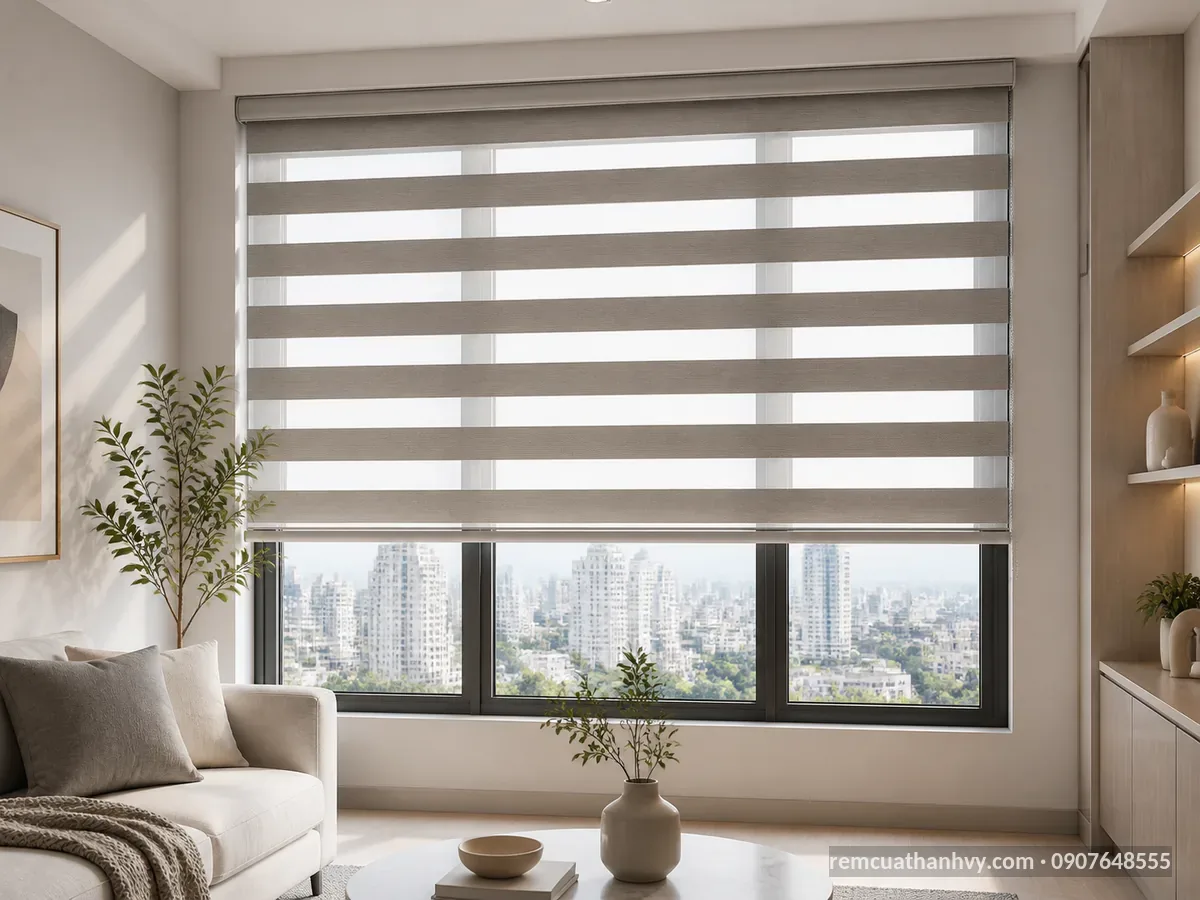
Rainbow Blinds vs. Roman Blinds: A Detailed Comparison
Compare rainbow blinds and roman blinds across light control, privacy, operation, aesthetics, cleaning, and cost [...]
Comparing Fabric Curtains and Zebra Blinds: Which One Fits Your Needs?
This article compares fabric curtains and zebra blinds in terms of light, privacy, stackback, the [...]
Related posts
Fabric Curtains in District 3: How to Choose by Room and Need
This article helps readers choose fabric curtains in District 3 based on light blocking needs, [...]
Fabric Curtains in District 6: How to Choose Fabrics and Sewing Styles
A guide to choosing fabric curtains in District 6 for every space, light level, material, [...]
No comments yet!