


District 7 Curtain Price List 2026
Current Price Range of Curtains in District 7 by Curtain Type
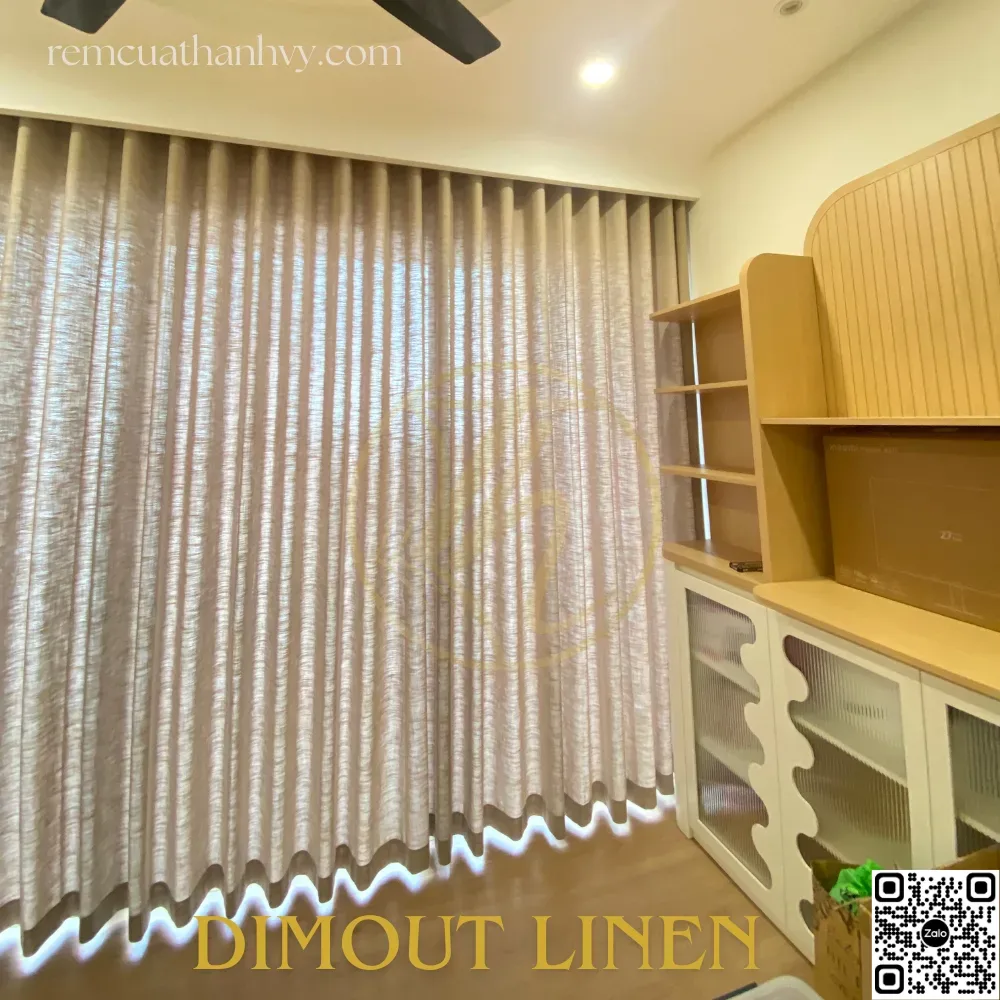
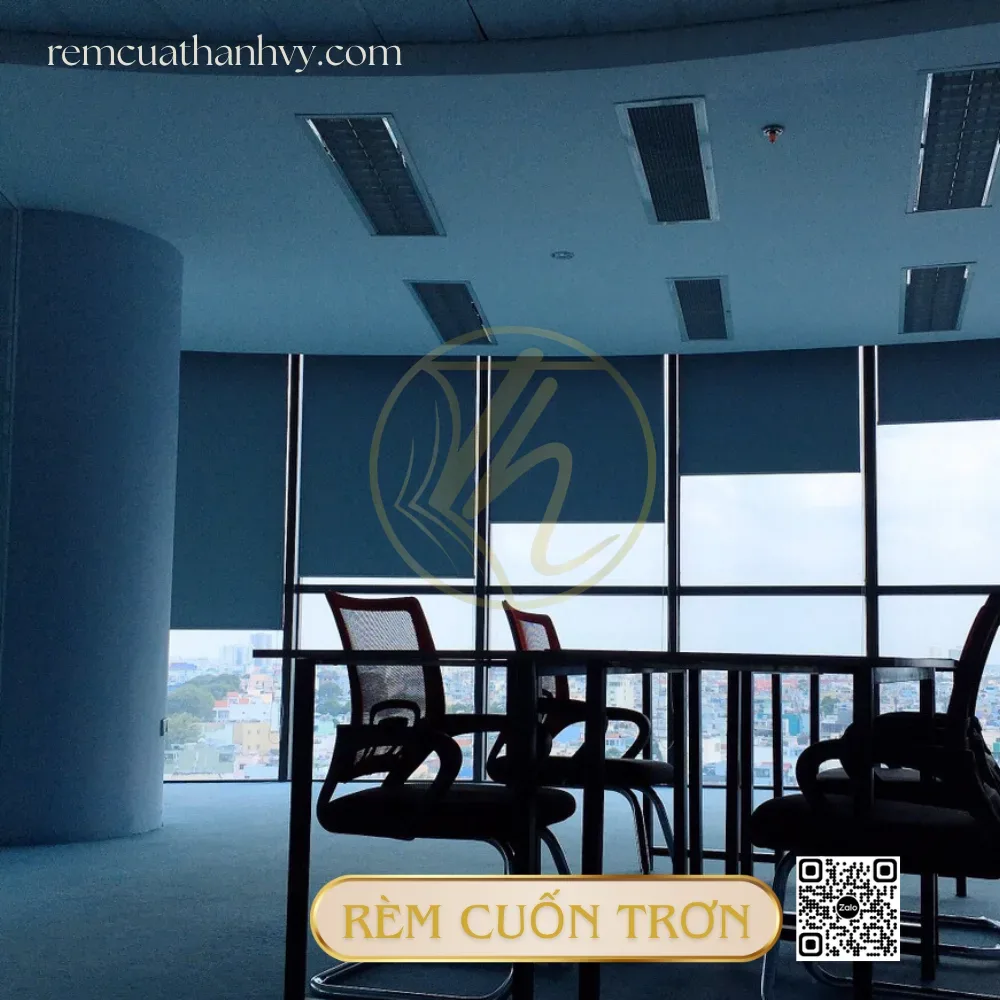
When researching curtain price quotes in District 7, the first thing to understand is that there is no single uniform price for all types of curtains. Fabric curtains made with eyelet or pleat styles, roller blinds, roman shades, and wooden blinds fall into different cost segments due to varying manufacturing methods and material allowances. Fabric curtains typically consume more fabric because they require drape, whereas roller blinds use full-width coated fabric panels so that the calculation by window area is more compact. Products from this provider were previously mentioned in the An Giang Newspaper article about Thanh Vy high-end fabric curtains.
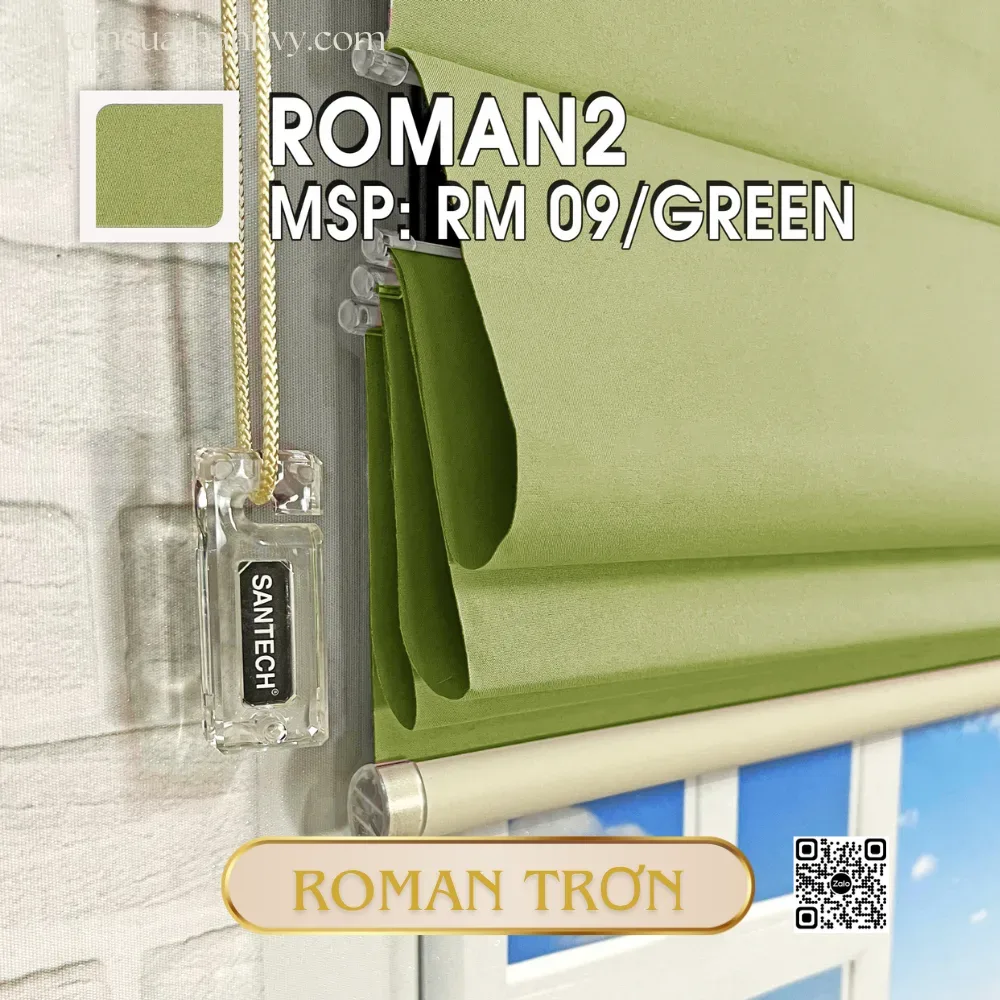
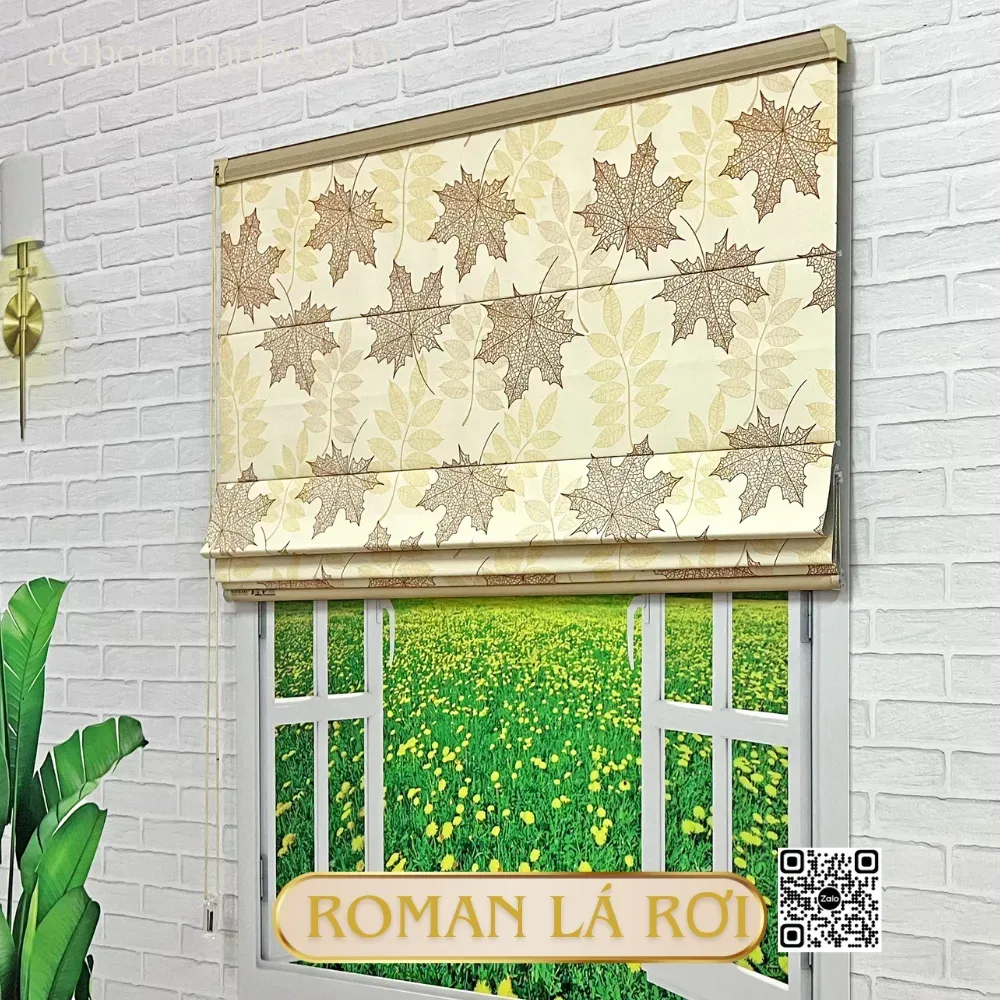
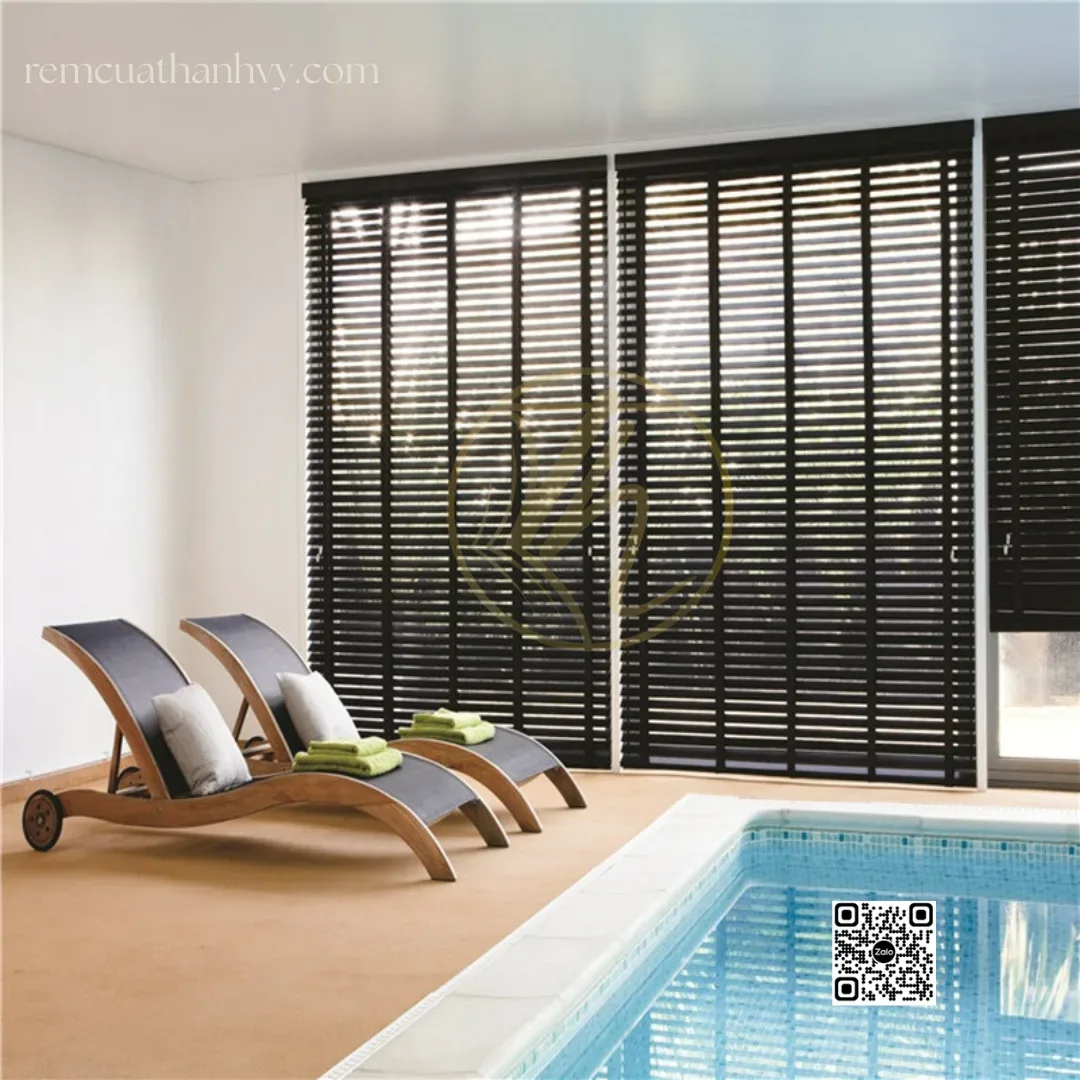
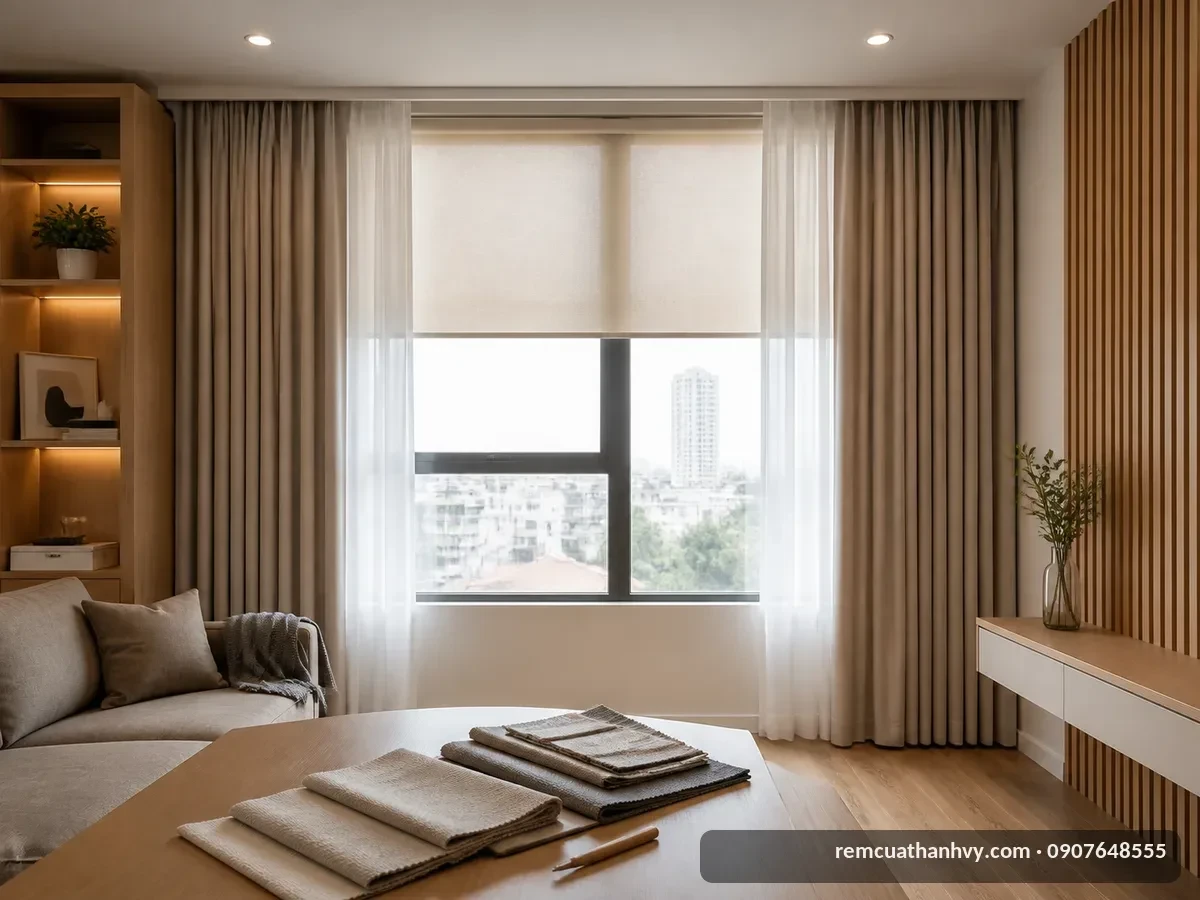
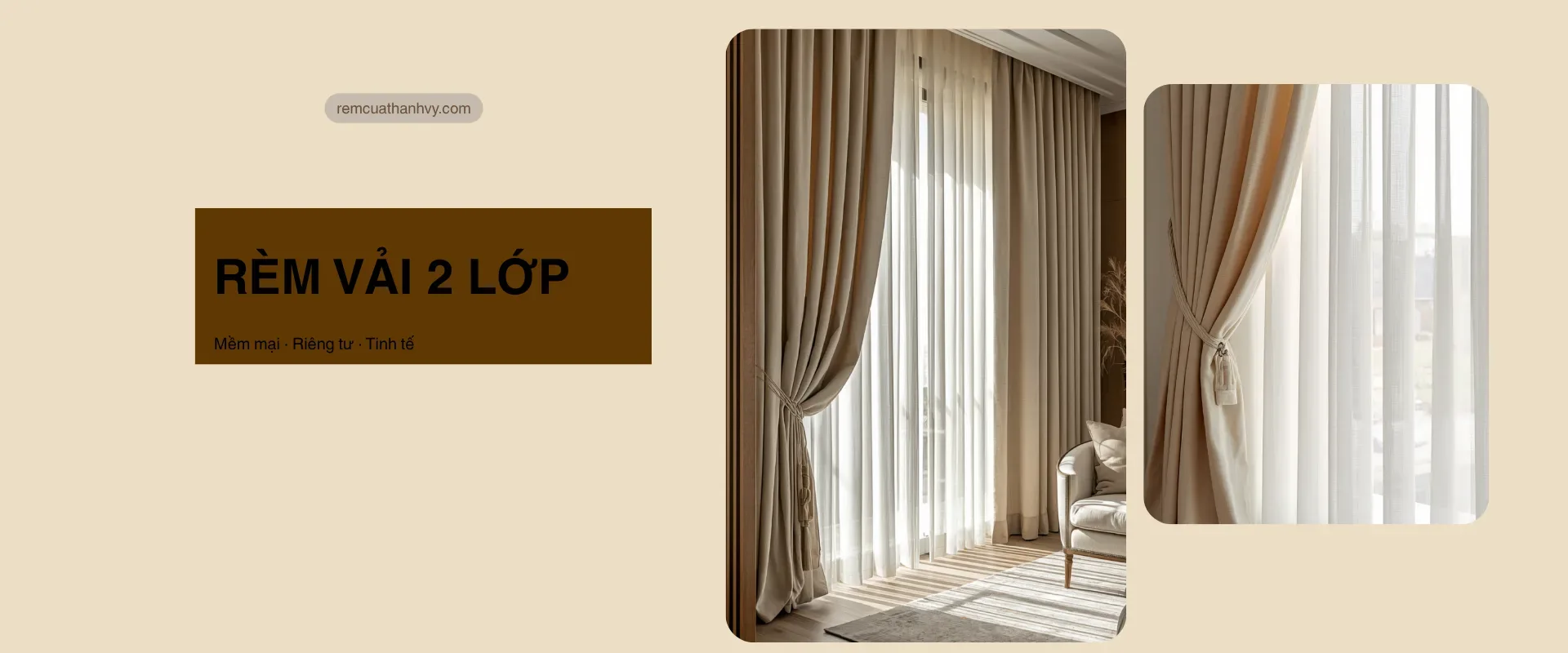
Roman shades sit somewhere in the middle: they require both nice fabric to hold layered folds and a cord system and horizontal bars, resulting in higher accessory costs than standard roller blinds. Wooden or aluminum Venetian blinds are priced based on the slat material and control mechanism, depending very little on fabric widths, making their price comparison completely different from the fabric curtain group. Therefore, when asking “how much do curtains in District 7 cost?”, the exact answer always needs to be accompanied by the counter-question: which type of curtain are you asking about, and for what space? Specifically, double-layer fabric curtains (main layer combined with sheer or mesh) always have a higher total cost than single-layer curtains, because the unit price is calculated per linear meter doubled plus accessories; many families in District 7 choose this option for the living room to both block the sun and maintain natural light, while bedrooms typically prioritize a single thick layer of fabric.
Factors Causing Curtain Price Quotes to Vary Between Providers
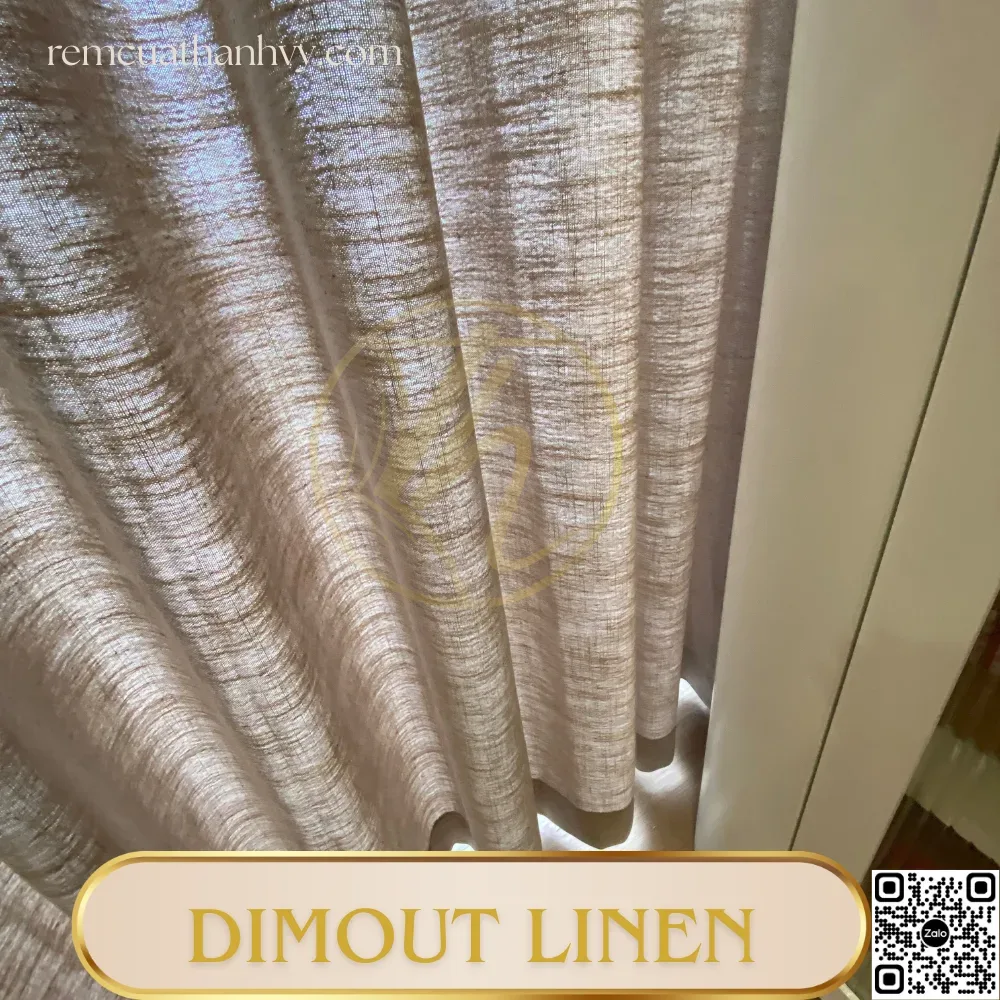
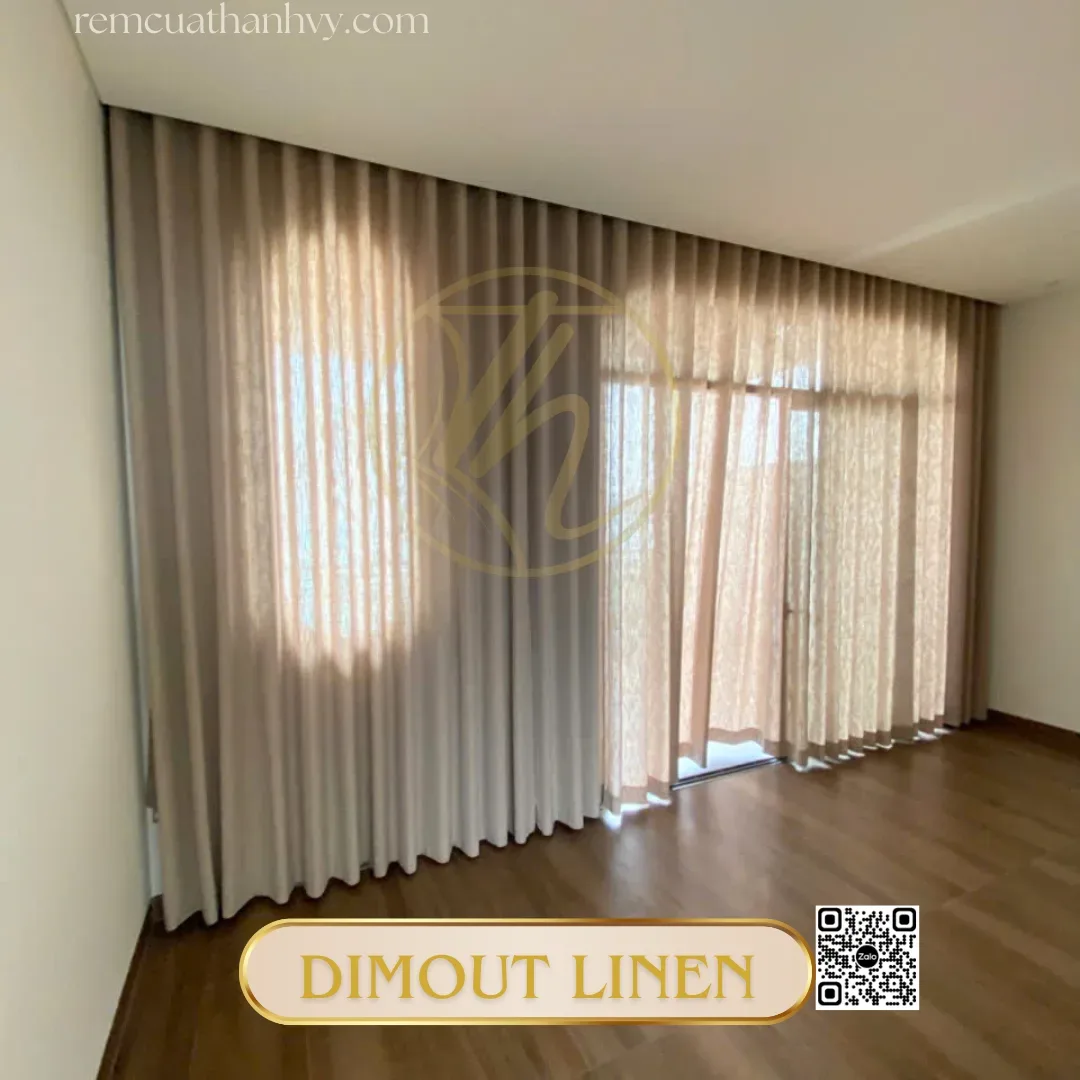
Fabric material is the factor that most obviously affects the price, but it is not the only one. Blended cotton, linen, velvet, or silver-coated sun-blocking fabrics all have different unit prices, and even within a single fabric line, there are many price points depending on thickness, colorfastness, and origin. Therefore, two price quotes that both list “high-end fabric curtains” are not necessarily talking about the same type of fabric, and consumers should ask for the exact fabric code name or view actual samples before comparing. Background information on the characteristics of linen fabric helps with cross-referencing when choosing materials.
Two related choices worth reviewing further are District 8 Curtain Price Quote: How to Properly Compare Specifications and Tan Phu Curtain Price Quote: How to Read and Match Your Needs Correctly.
Important note: Some townhouses with plaster drop ceilings near windows also require specialized handling techniques to ensure suspension rods bear loads well over time, preventing screws from coming loose after a period of use.
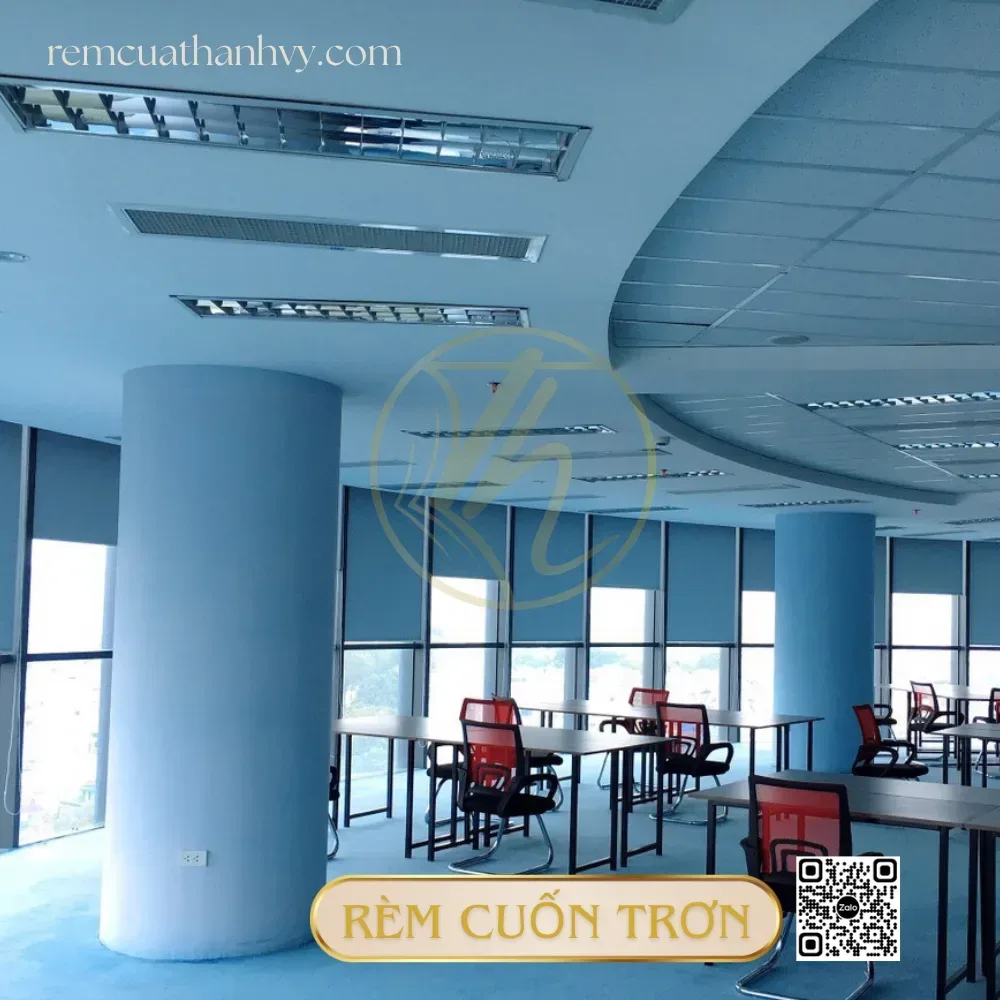
Dimensions and pleat ratios also directly impact fabric allowances. Thickly pleated curtains (2 to 2.5 times the window width) consume more fabric than sparsely pleated styles, leading to higher costs even with the same type of fabric. For apartments in Phu My Hung with large floor-to-ceiling glass windows, the increased coverage area drives up the total order value accordingly, even though the unit price per meter may remain the same given the identical fabric configuration and sewing style.
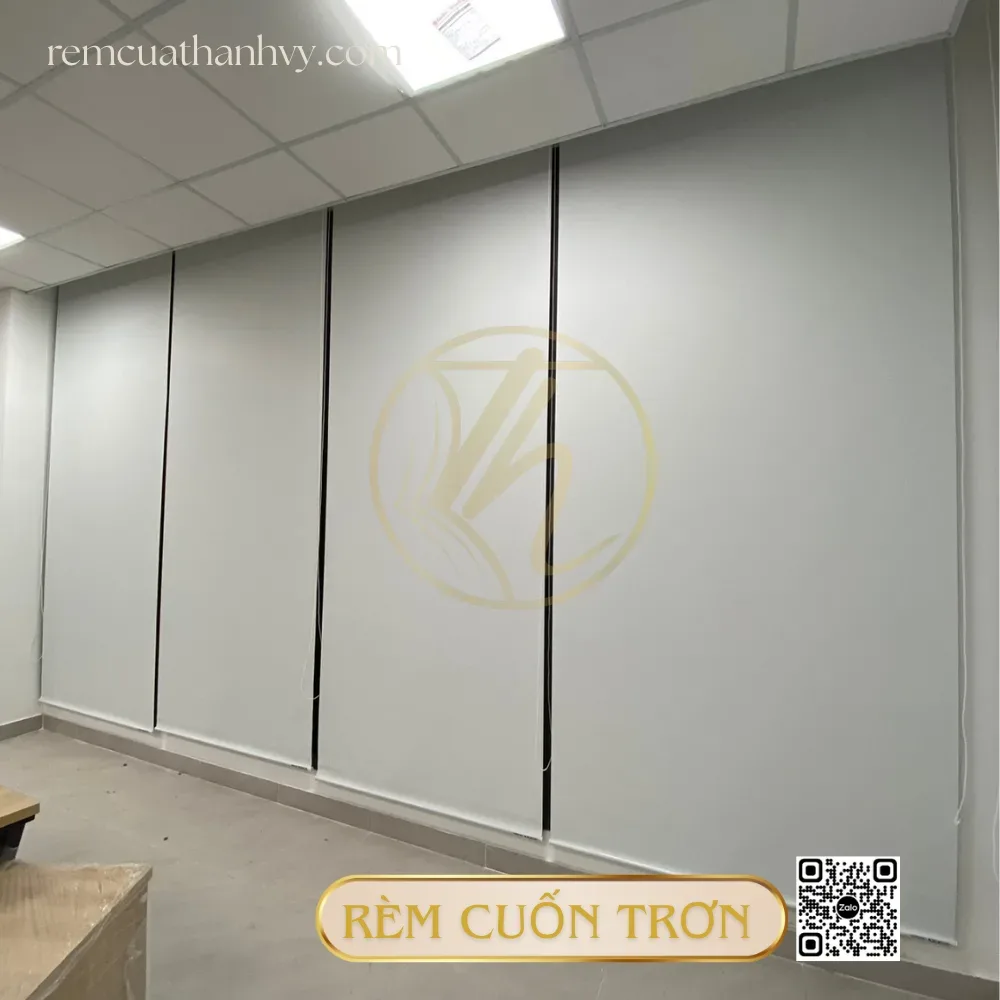
Included accessories are the parts most easily overlooked when comparing prices yet significantly impact the total cost. Manual tracks, motorized tracks, stainless steel or wooden rods, hanging hooks, and hem weights are all separate items; some providers include basic accessories in a package, while others separate them to make the fabric price sound cheaper, so consumers need to proactively ask which items are included in the quote. Installation labor is also a variable: townhouses with concrete walls are usually simpler to install, whereas apartments using plaster ceilings or technical boxes require selecting appropriate screws to ensure long-term stability, causing two price quotes for the same curtain model to differ even if they look indistinguishable to the naked eye.
How to Read a Curtain Price Quote to Avoid Incurring Extra Costs During Installation
A complete price quote should clearly display each item instead of grouping them into a single lump sum: fabric unit price per linear meter or square meter, sewing costs based on pleat style, accessory costs, and installation labor costs. When items are clearly listed, adjusting the plan to fit the budget is easier, for example, simply changing the track type without having to redo the entire quote. One point that requires careful inquiry is how linear meters are calculated: some places calculate based on the actual window width, while others calculate based on the width multiplied by the pleat ratio, causing two quotes that look identical on paper to result in quite different total amounts; it is also advisable to ask clearly whether the quote includes extra fabric at both edges of the window to completely cover light gaps.
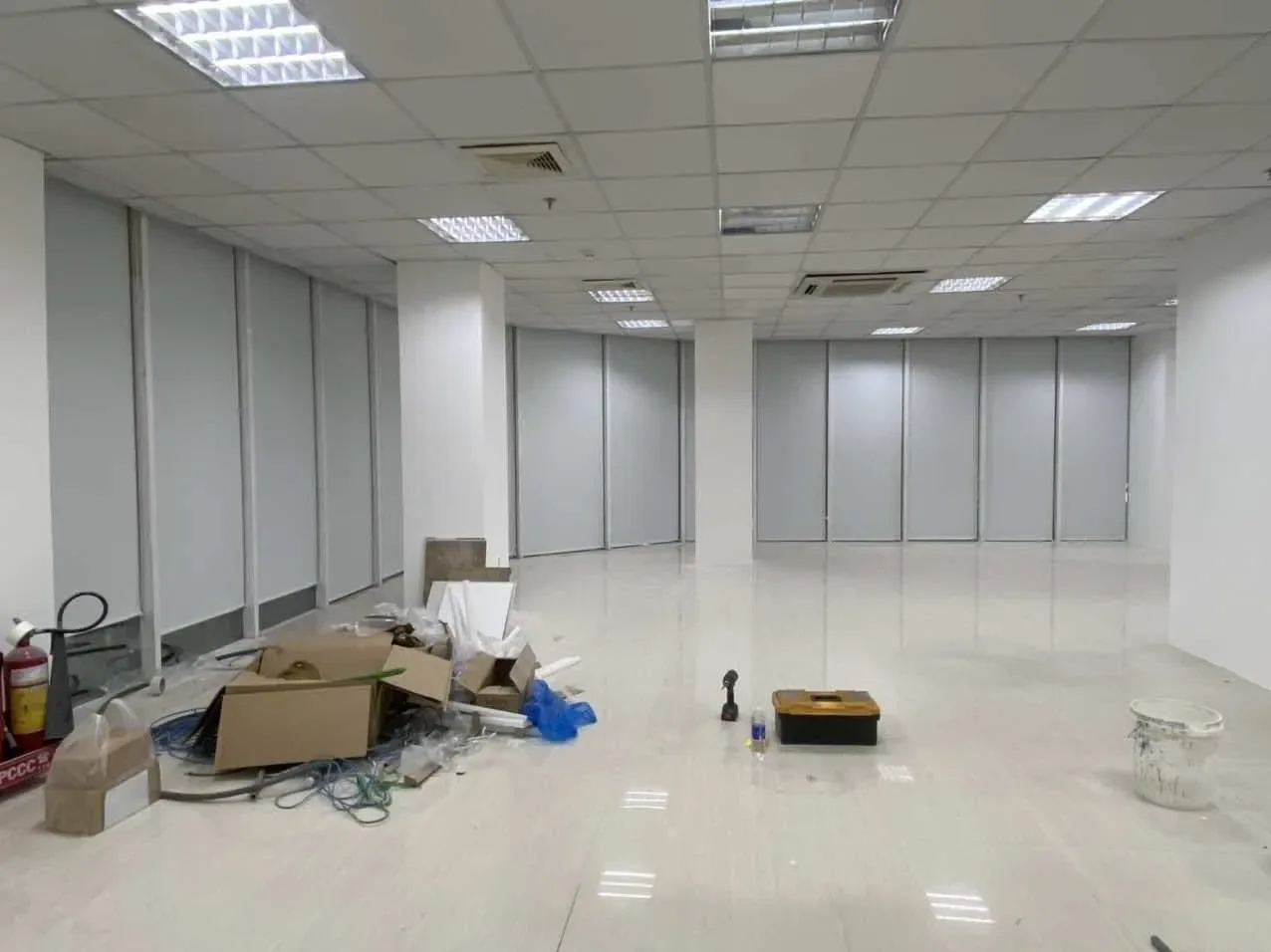
Cost overruns usually come from three sources: inaccurate measurements leading to re-sewing, walls or ceilings differing from the initial description requiring a change in anchoring methods, and customers changing their minds about fabric types or sewing styles after placing the order. To minimize this risk, request an on-site survey before finalizing measurements, and clearly ask about the warranty policy for mechanical accessories such as tracks and motors, as well as how manufacturing defects in the fabric are handled. A transparent price quote always comes with clear warranty terms, rather than just listing prices.
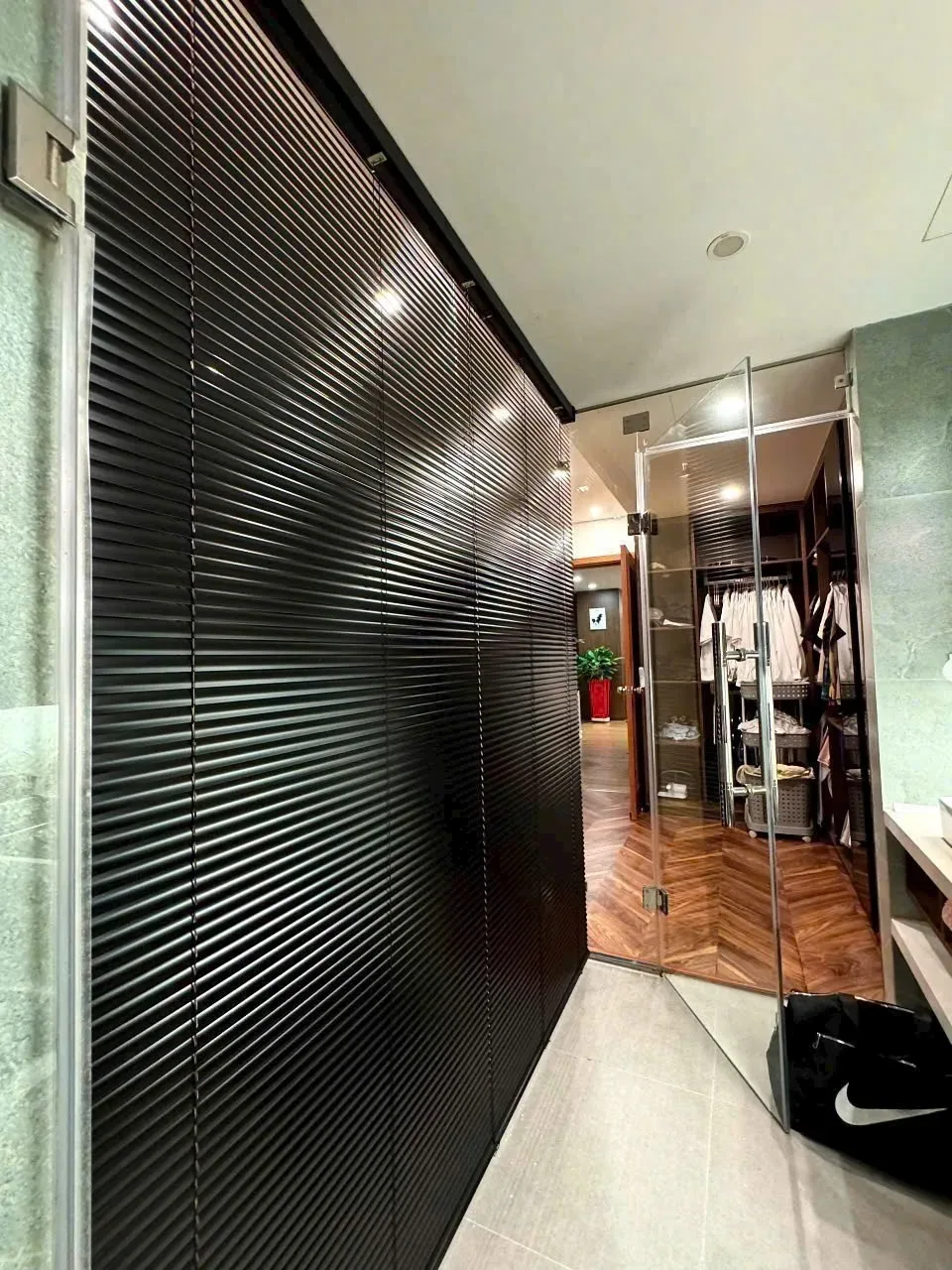
Actual Process of Surveying, Quoting, and Installing Curtains
The common process when ordering curtains typically begins with a preliminary consultation step via phone or Zalo, where the customer describes the room type, sun exposure, and style preferences so the provider can suggest suitable curtain types and provide an initial reference price range, though this is not yet a final figure since actual measurements are missing.
Next is the on-site survey step, where technical staff accurately measure window dimensions, check wall or ceiling materials, inspect electrical outlet locations if the customer chooses motorized curtains, and directly advise on fabric samples based on the room’s actual lighting, because fabric colors under showroom lighting and natural home lighting can feel quite different.
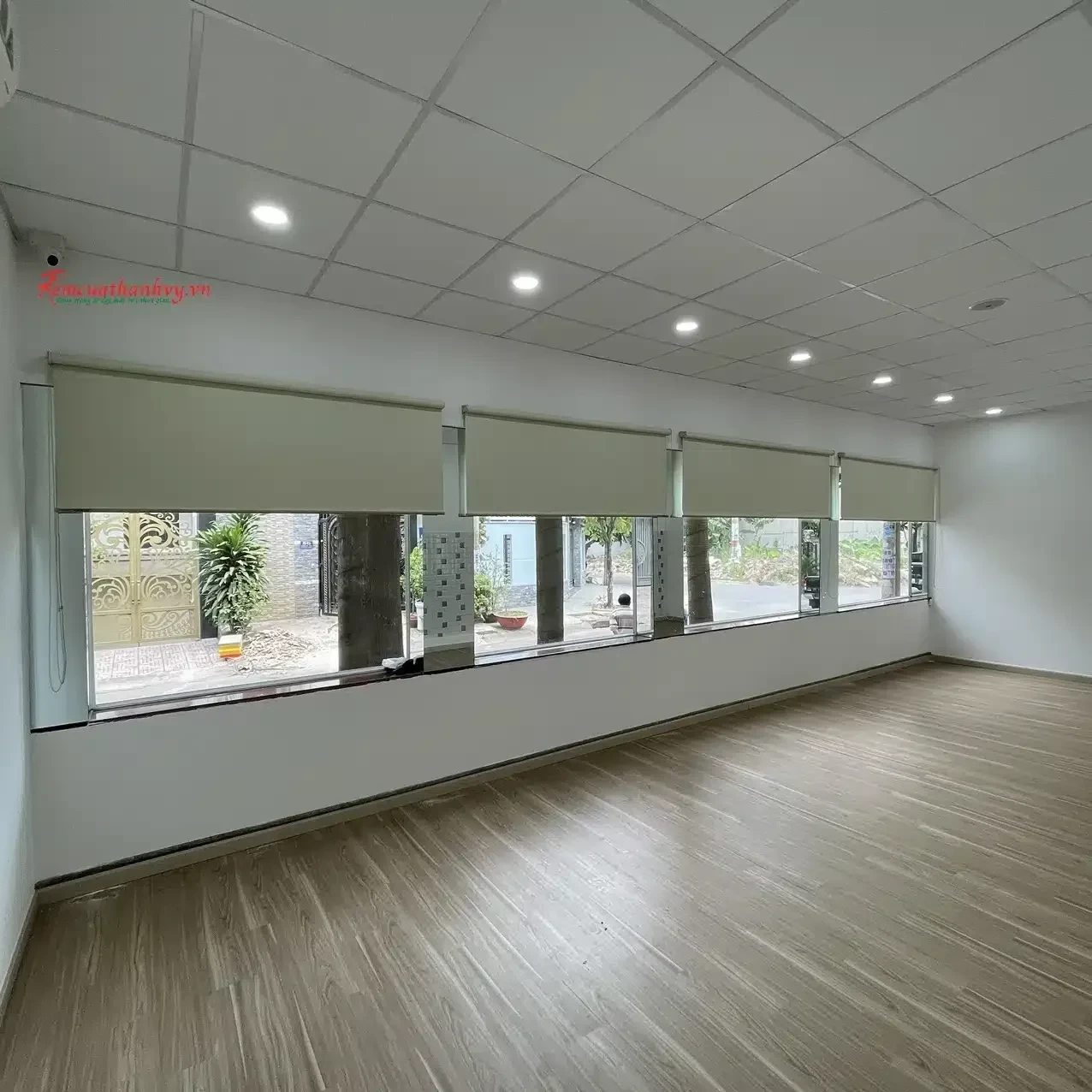
Based on the measurements and selected fabric samples, the provider issues a detailed itemized price quote as mentioned in the previous section; customers should read it carefully and re-ask about any unclear points before signing confirmation and proceeding with production, with sewing times usually depending on the model’s complexity and the number of windows to be made. The final step is on-site installation: simple curtain models usually install quickly, while multi-layer curtain systems or automated curtains integrated with controls may take more time due to wiring and operational testing; after installation, request staff to demonstrate how to use, clean, and handle basic troubleshooting.

Things to Keep in Mind When Choosing a Curtain Installation Provider in District 7
District 7 has a fairly diverse residential demographic, ranging from high-rise apartments in the Phu My Hung area to townhouses in neighboring wards. For apartment condominiums, glass windows are usually large and have aluminum or steel-core plastic frames, requiring drilling techniques and appropriate screw selection so as not to affect the structure of the window frame or waterproof rubber gaskets. Choosing a provider with experience in apartment installations will help minimize the risk of damaging window frames during the installation process. Interested readers can view the characteristics of aluminum before making a decision.
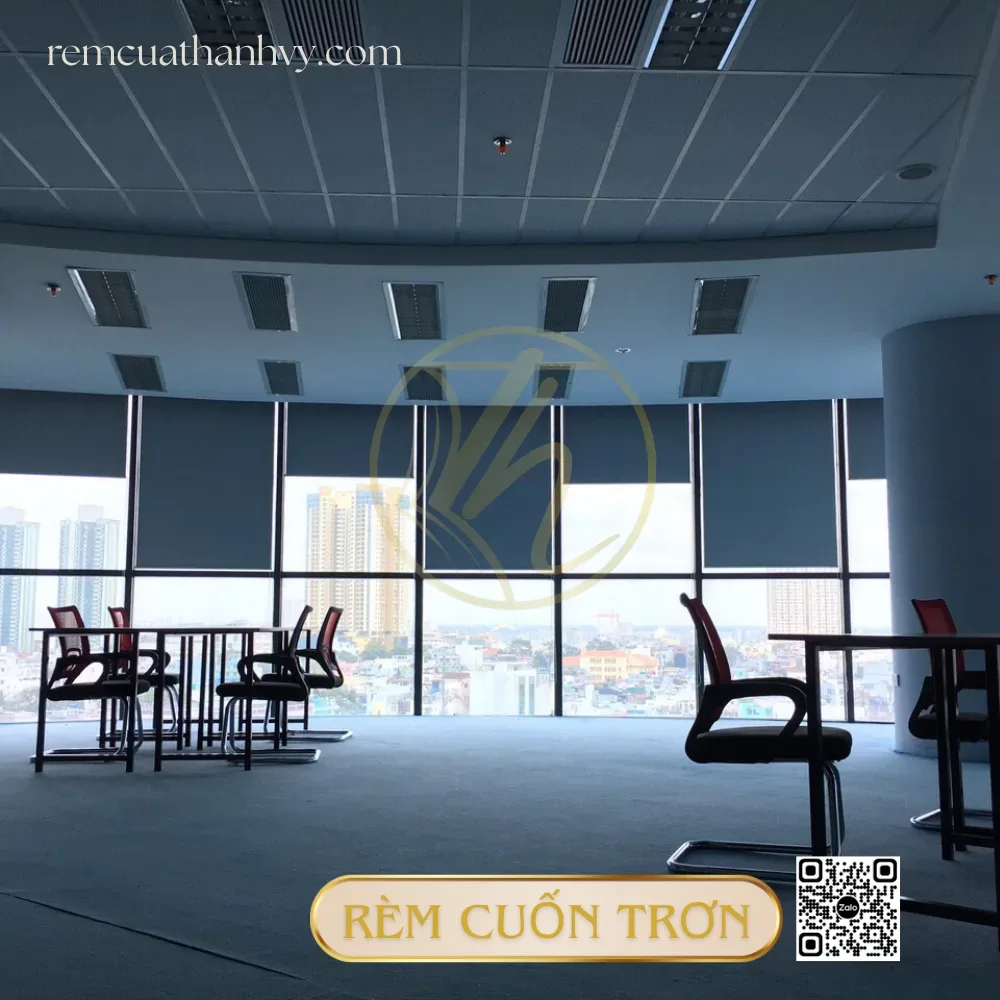
With townhouses, brick or concrete walls facilitate smoother installation, but ceiling height and the position of structural bracing beams during drilling and hanging rod installation still need to be noted. Some townhouses with plaster drop ceilings near windows also require specialized handling techniques to ensure suspension rods bear loads well over time, preventing screws from coming loose after a period of use.
When choosing an installation provider, prioritize places that are willing to conduct direct surveys rather than just quoting over the phone, have real fabric samples to view and touch, and clearly communicate their warranty process. Additionally, ask about the expected completion time, because for townhouses or apartments requiring multiple windows installed simultaneously, production and installation schedules also affect the overall experience, not just the price point.
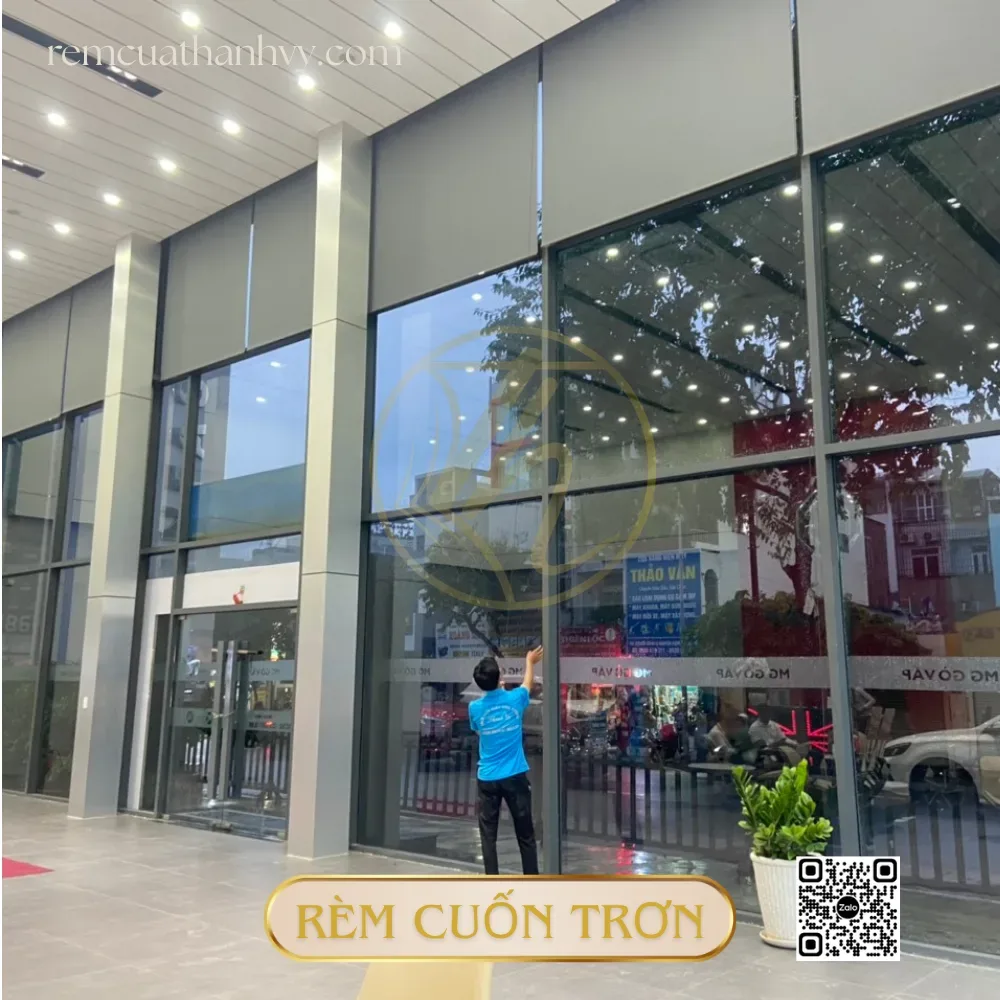
Experience in Choosing the Right Curtain Type for Each Space in the Home
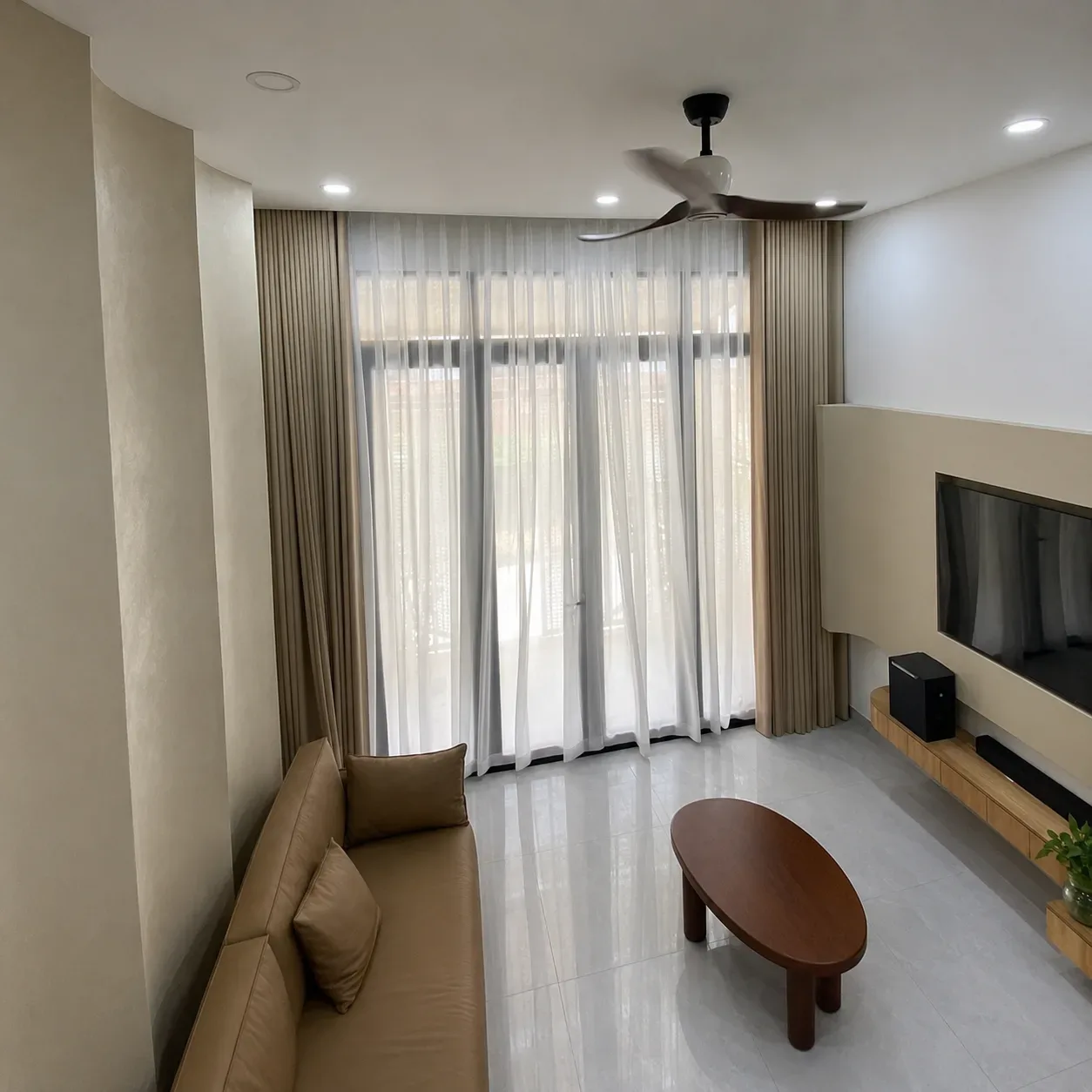
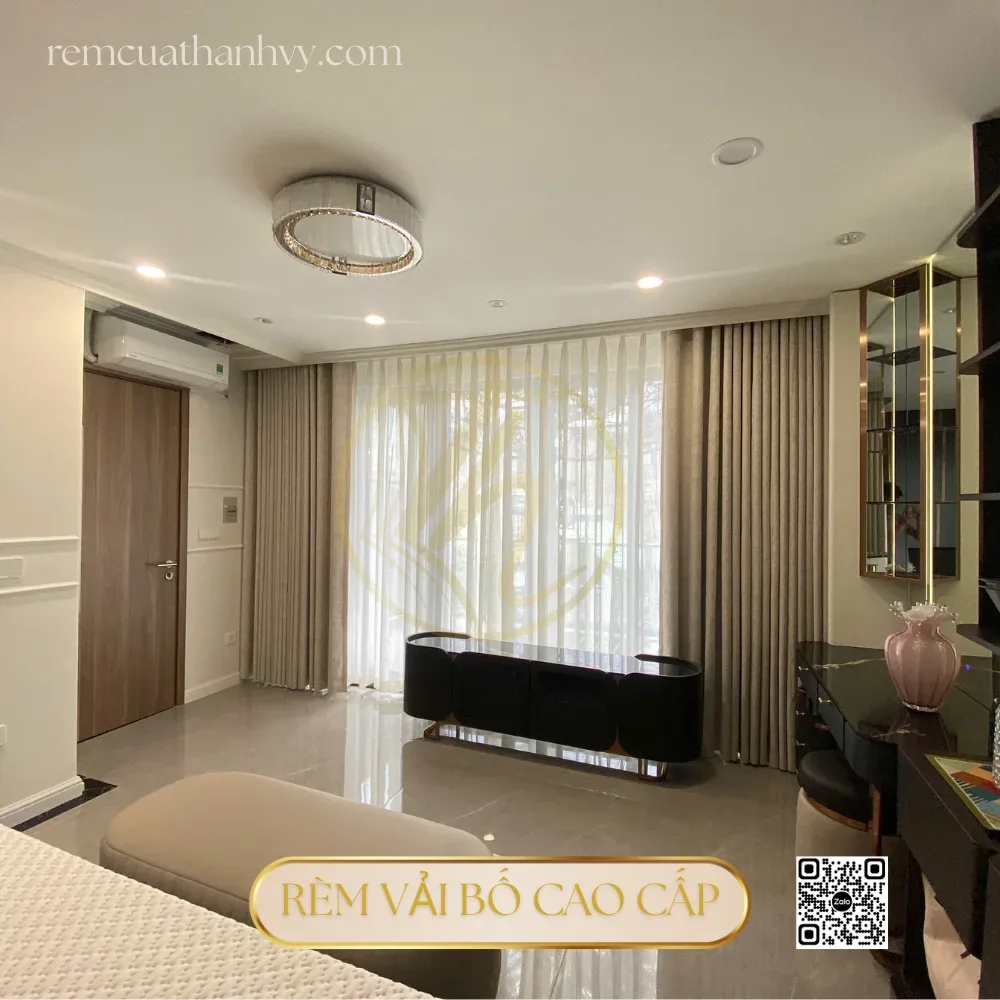
The living room is typically the space most heavily invested in terms of aesthetics, as this is where guests are received and also serves as the family’s common living area. For living rooms with large glass windows opening onto balconies or city views, many families choose double-layer fabric curtains to both flexibly control light according to the time of day and maintain elegance for the space.

Bedrooms prioritize light-blocking and privacy factors over pure aesthetics. Thick fabric curtains, specialized blackout curtains, or roman shades with an added blackout lining are popular choices, especially for east-facing or west-facing bedrooms subjected to harsh sunlight. Controlling light and heat entering rooms through windows is also an aspect mentioned by many foreign consumer guidance documents as a practical benefit of curtains, although the degree of effectiveness depends on specific materials and installation methods.
Kitchens and work areas are usually suited for roller blinds or Venetian blinds because they are easy to clean, neat, and do not get in the way during operations. For families with young children or pets, cord systems and operating mechanisms should be carefully considered, prioritizing designs without loose hanging cords or equipped with safety cord locks, a precaution recommended by foreign consumer agencies for all types of corded curtains and blinds.
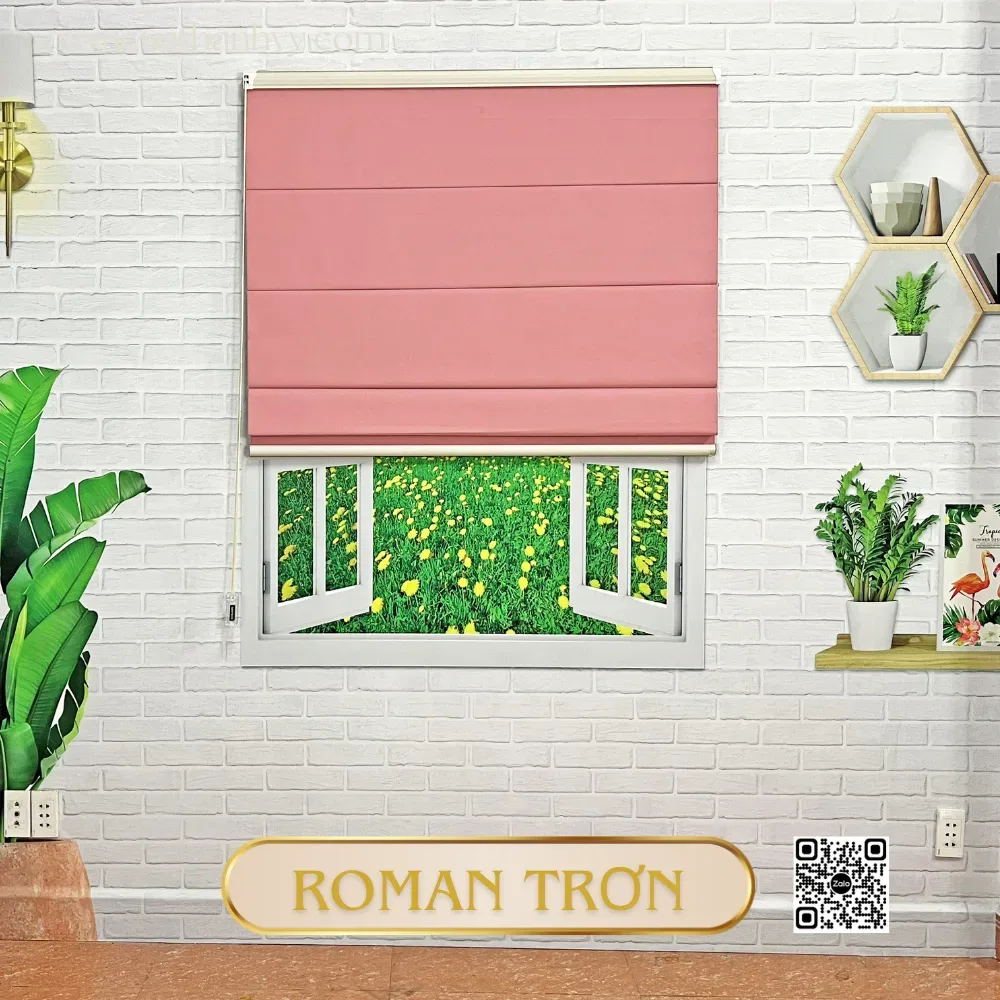
Balconies or infrequently used auxiliary windows can use simpler options to save costs, allocating more budget to main spaces. Allocating budgets according to spatial priorities, rather than standardizing the entire house at the same cost level, generally makes the total cost more reasonable while still ensuring usage effectiveness.

If you are considering additional options in other areas to compare price ranges, you can refer to content regarding District 8 curtain price quotes, Tan Phu curtain price quotes, or District 1 curtains for a broader comparative perspective. For specific needs regarding sizes, styles, or materials not available in standard models, custom-made curtains are also a direction worth considering.
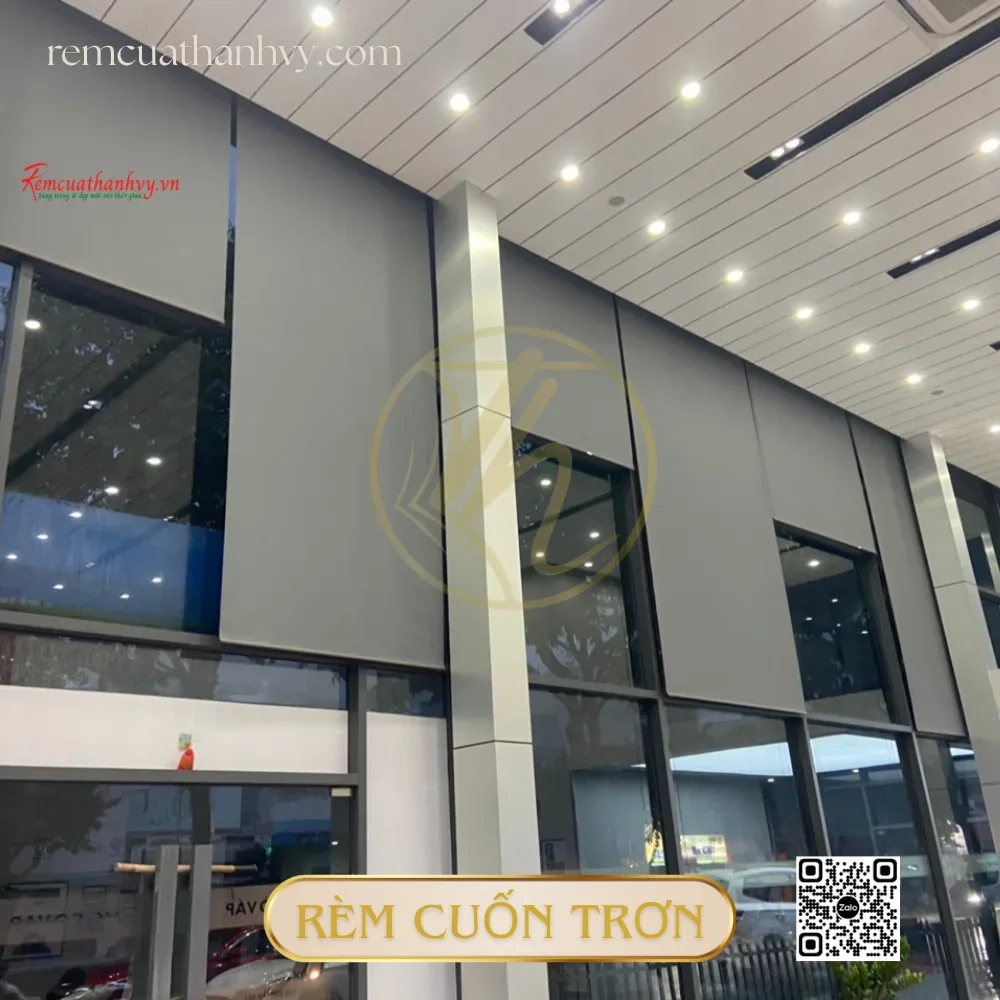
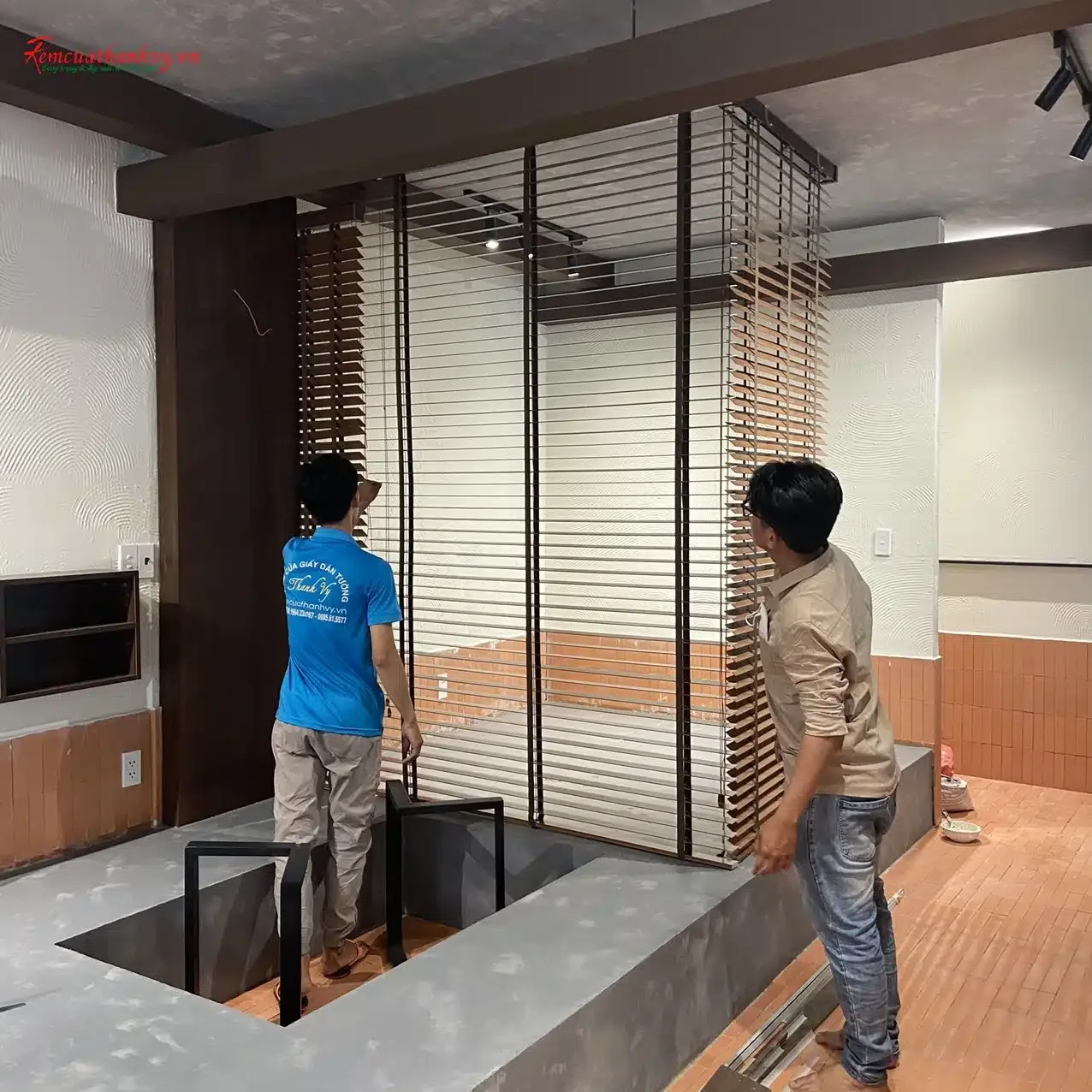
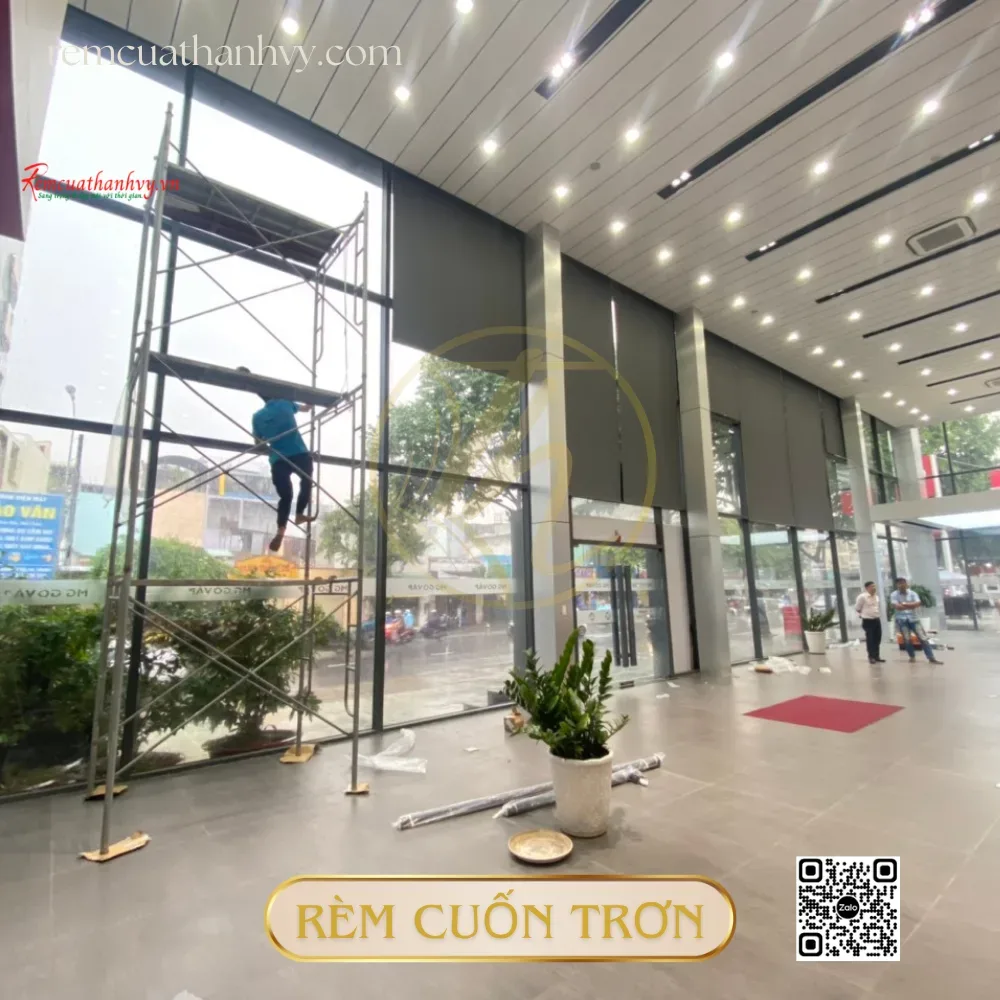
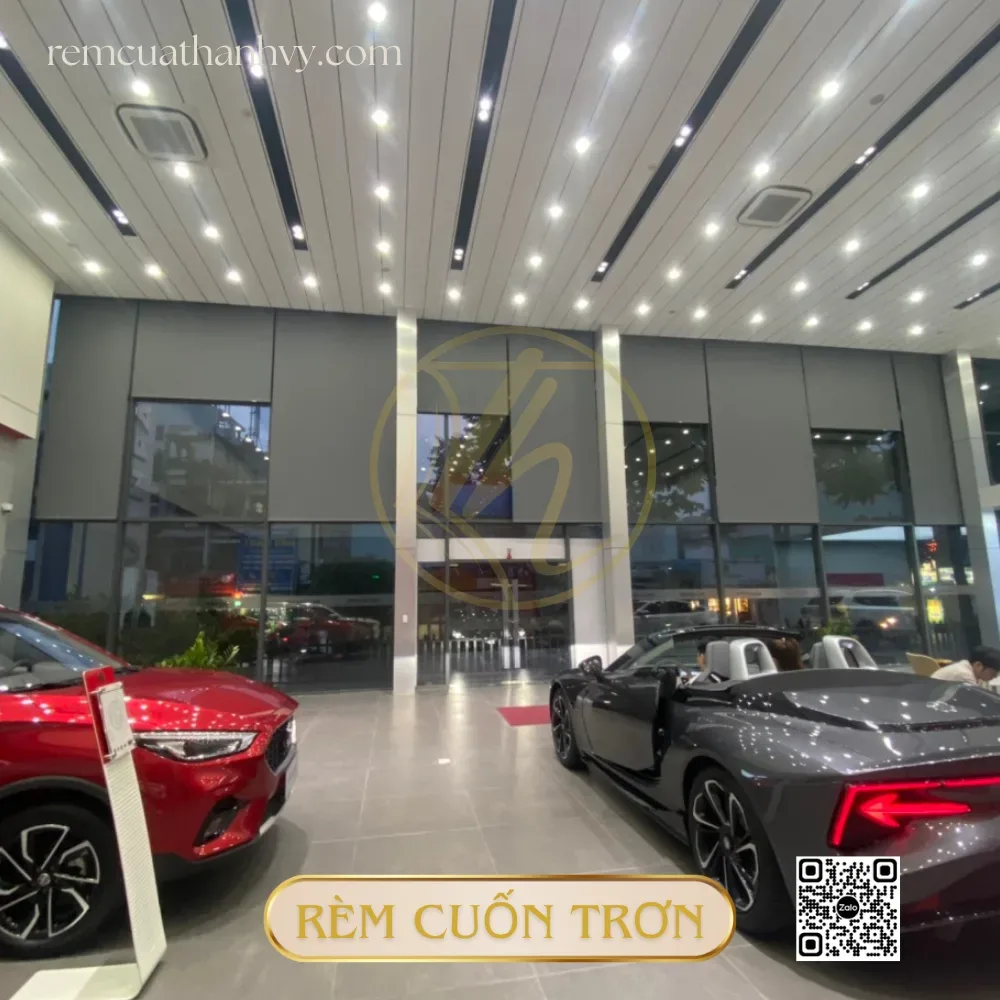
Send your dimensions and needs, and the Thanh Vy Curtains team will advise on options and quote for your actual space.
Curtain Models to Install in District 7
Below are actual product groups currently available at Rem Cua Thanh Vy, categorized by popular usage needs in the District 7 area.
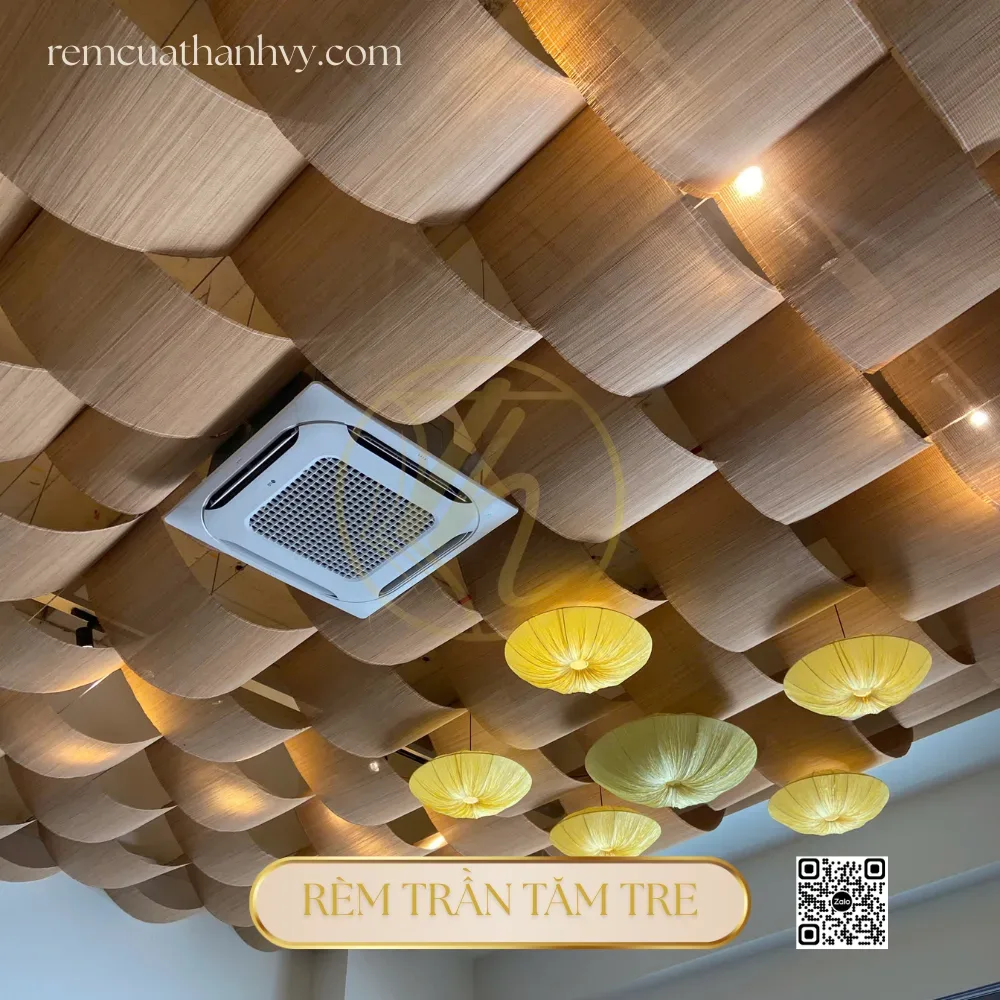
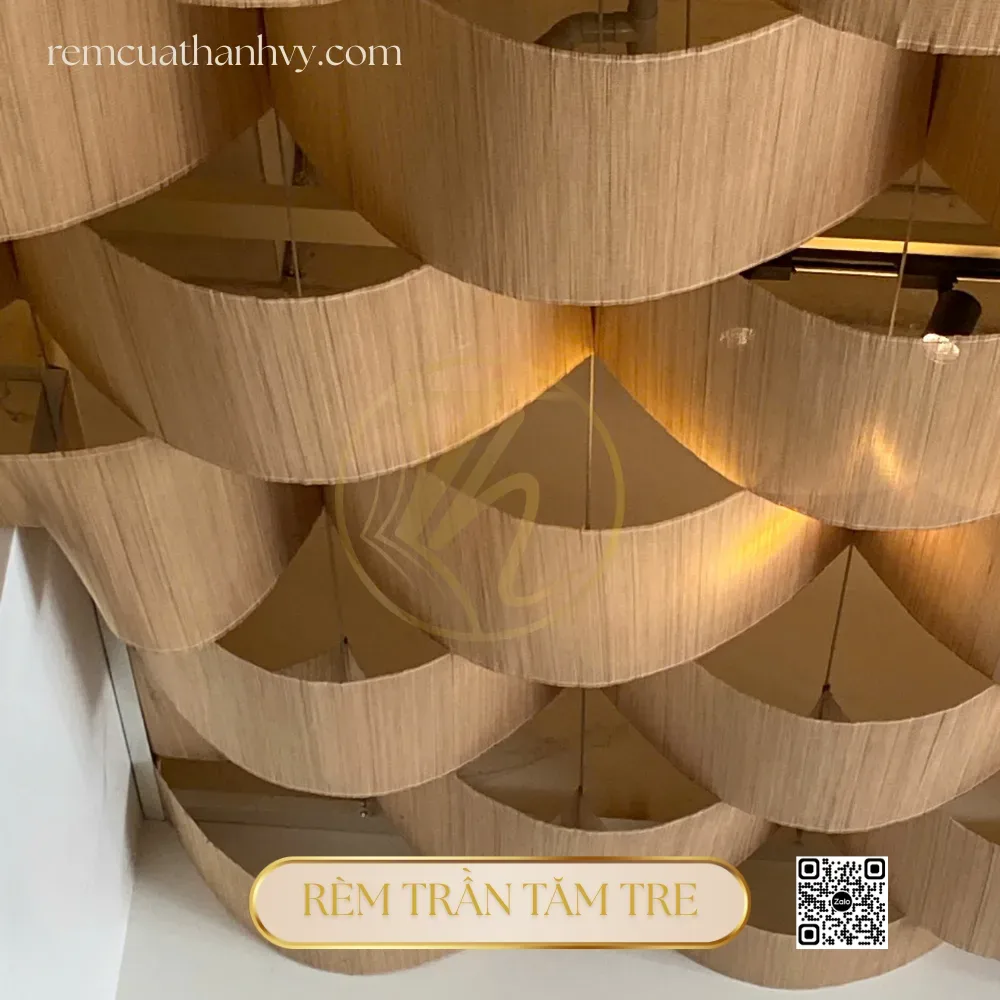
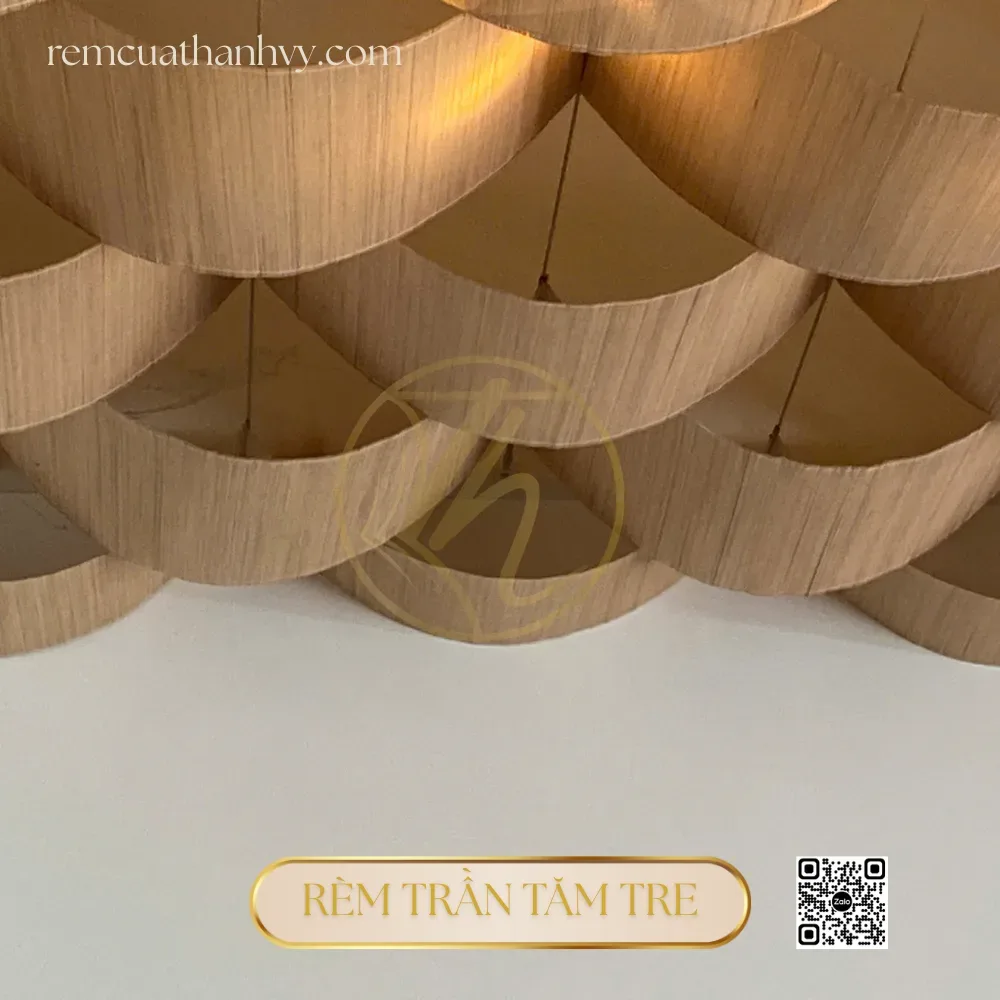
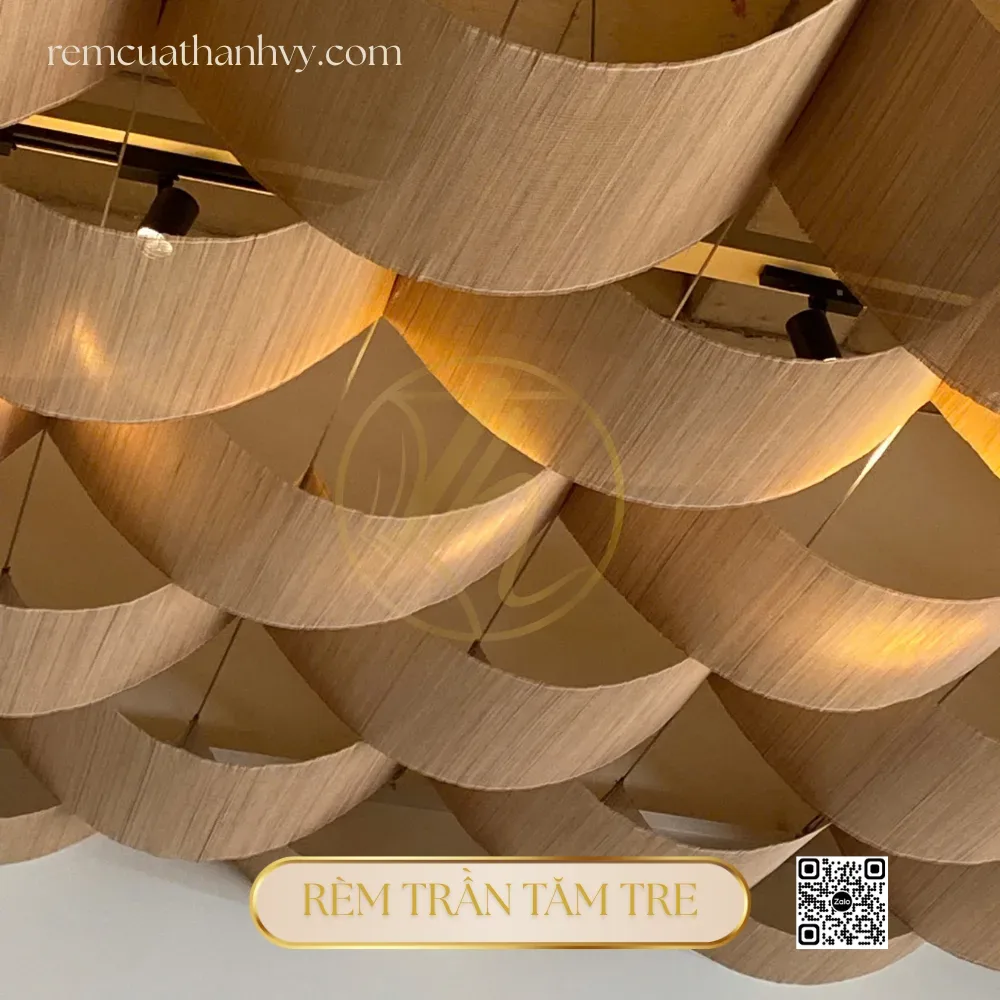
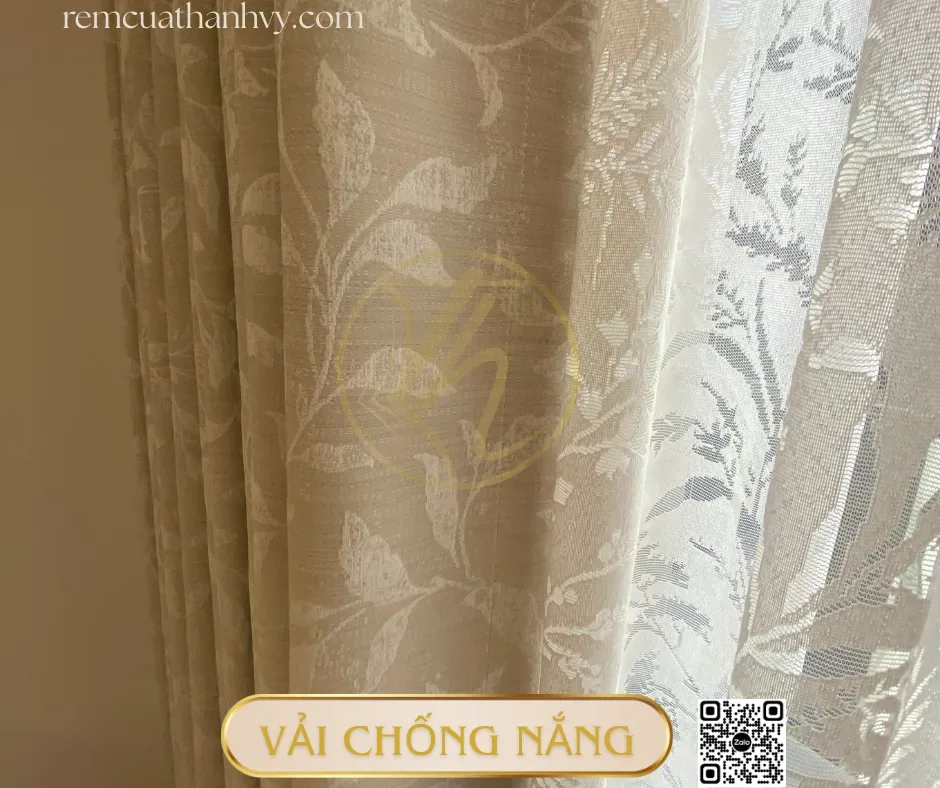
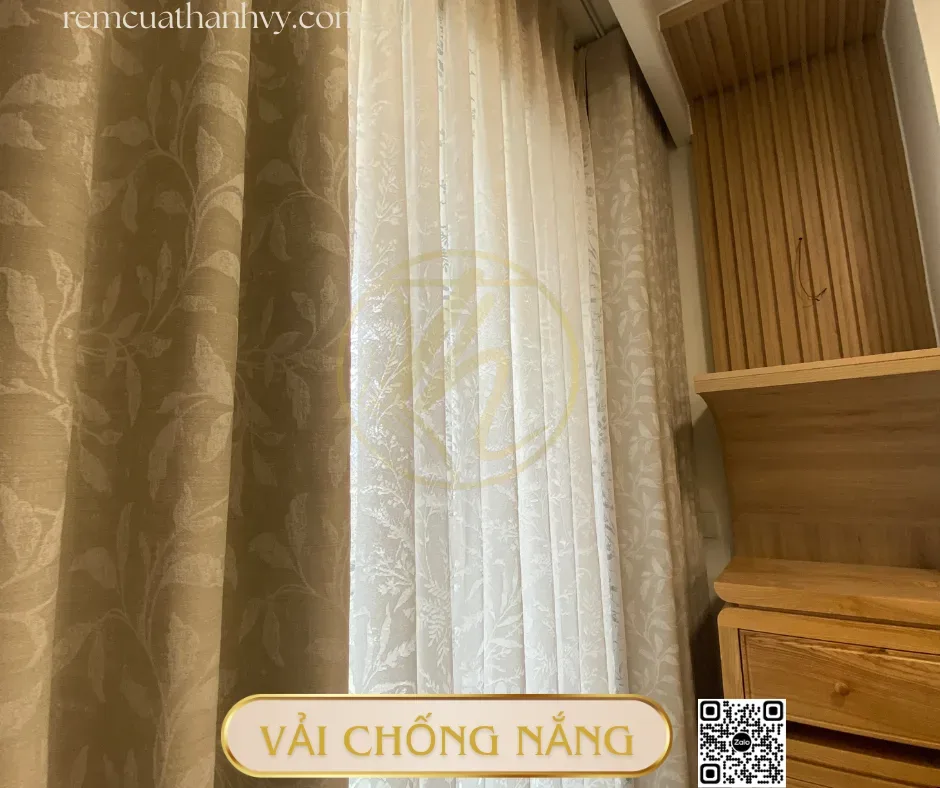
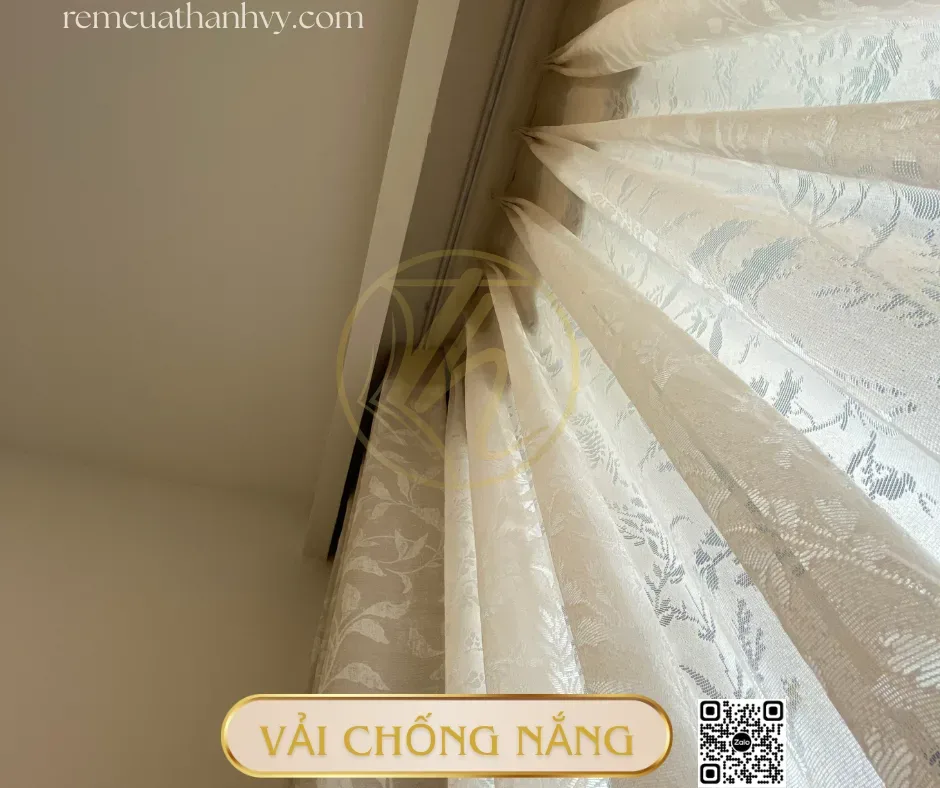
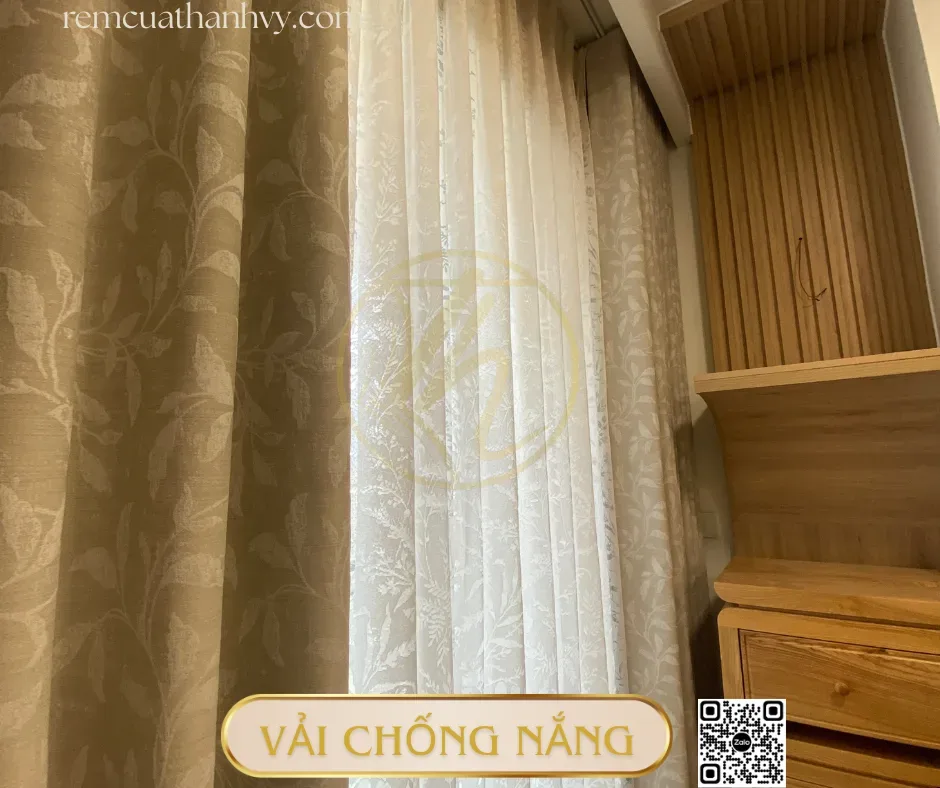
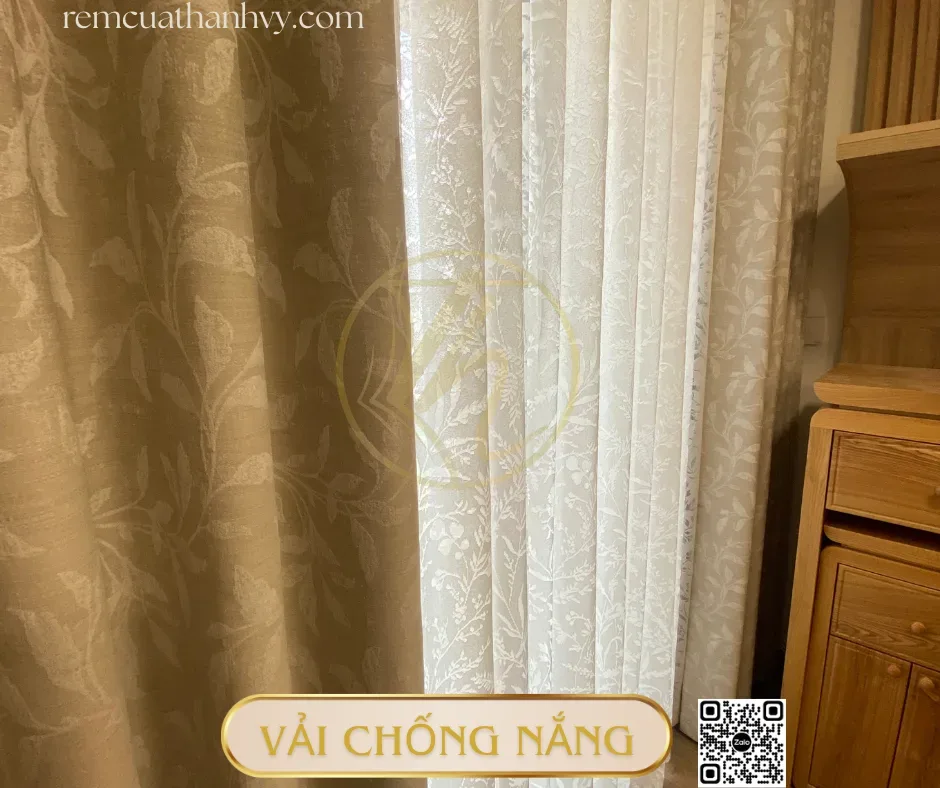
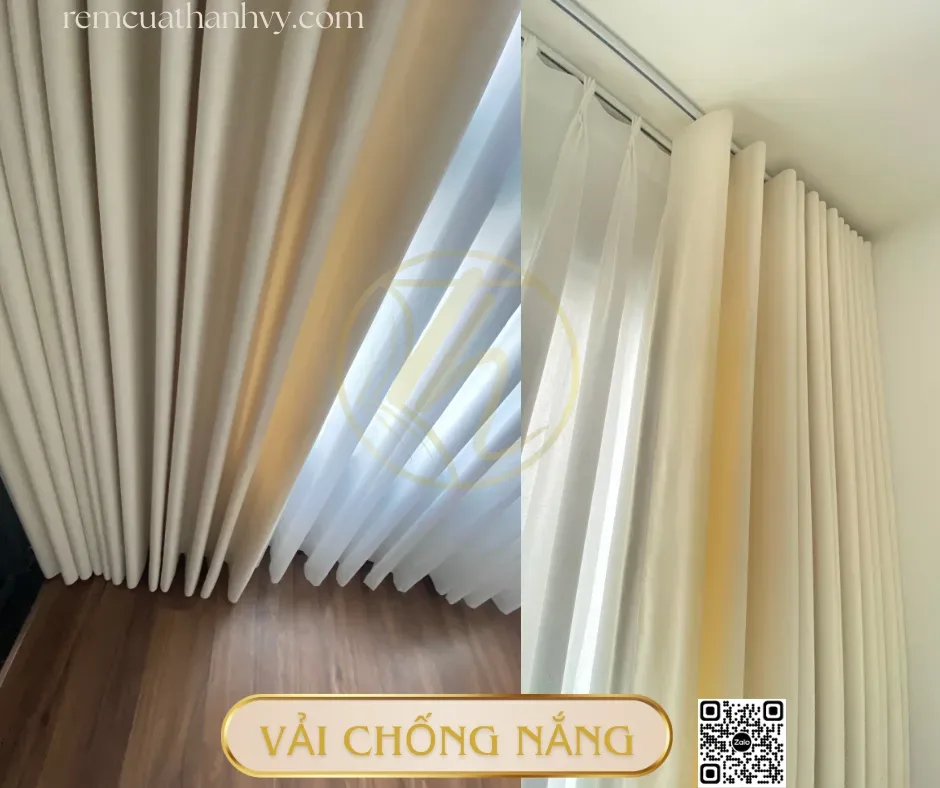
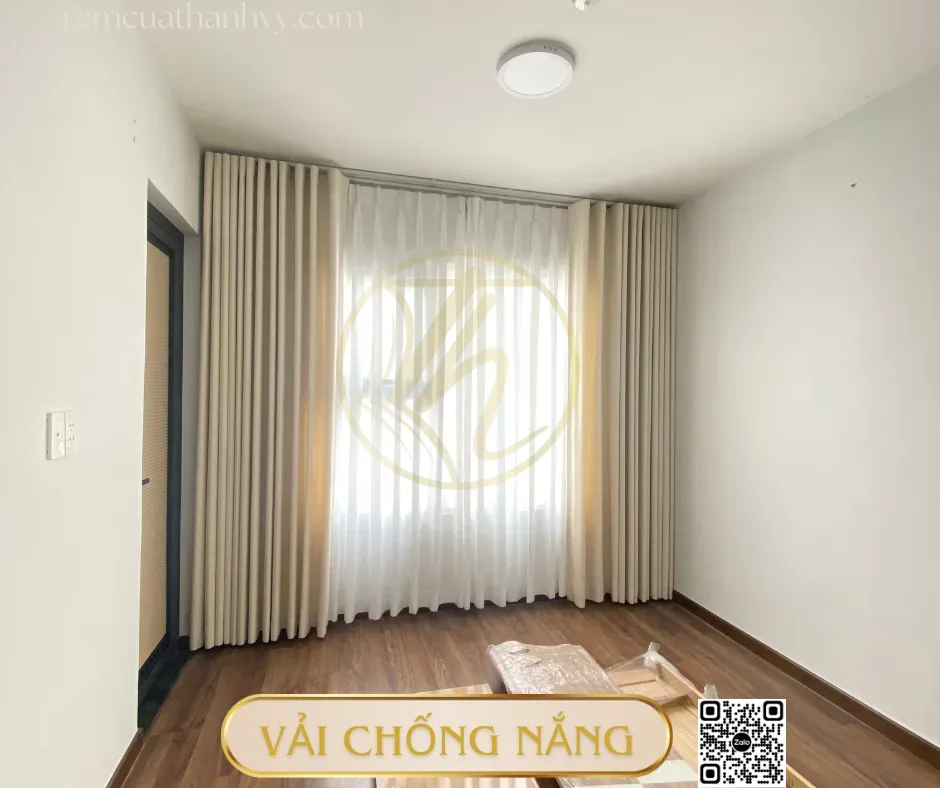
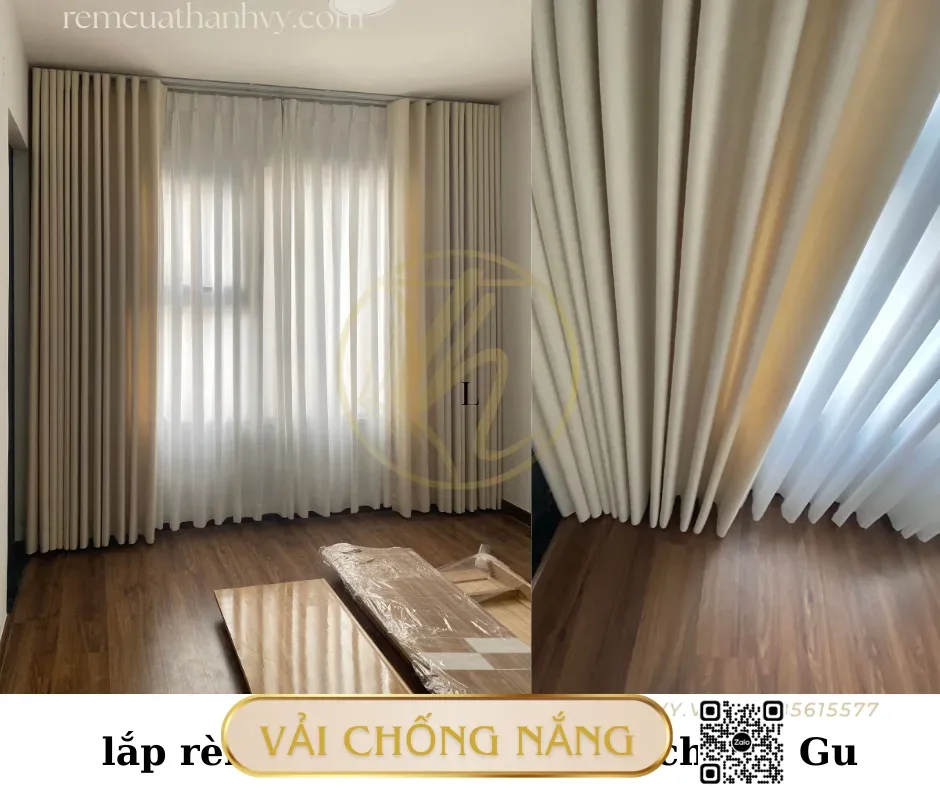
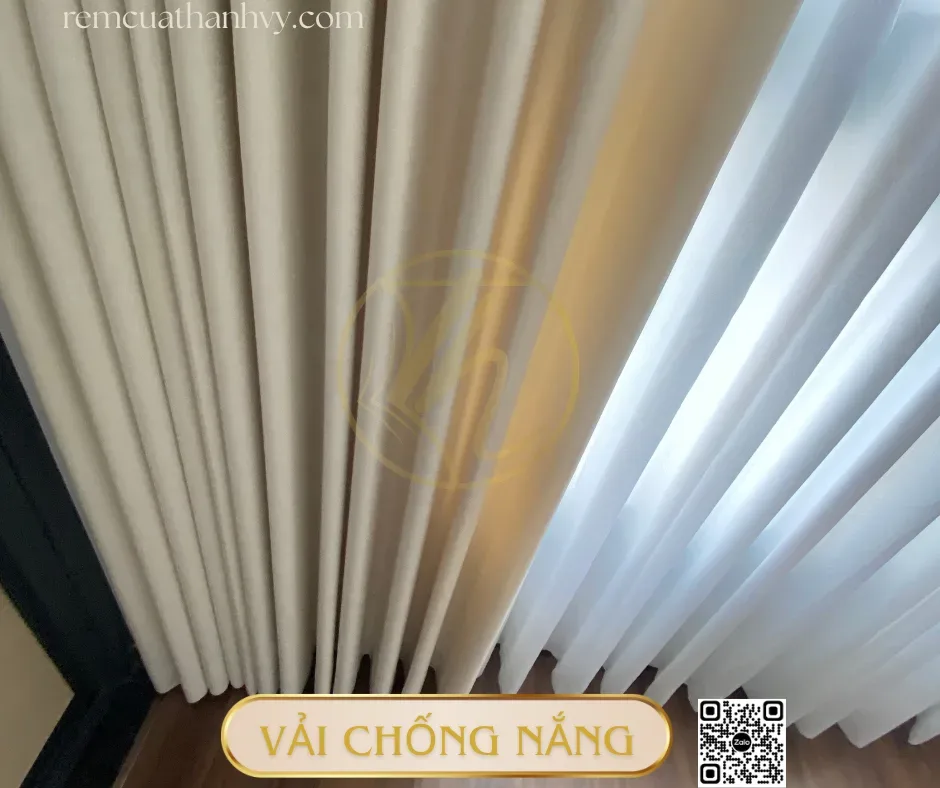
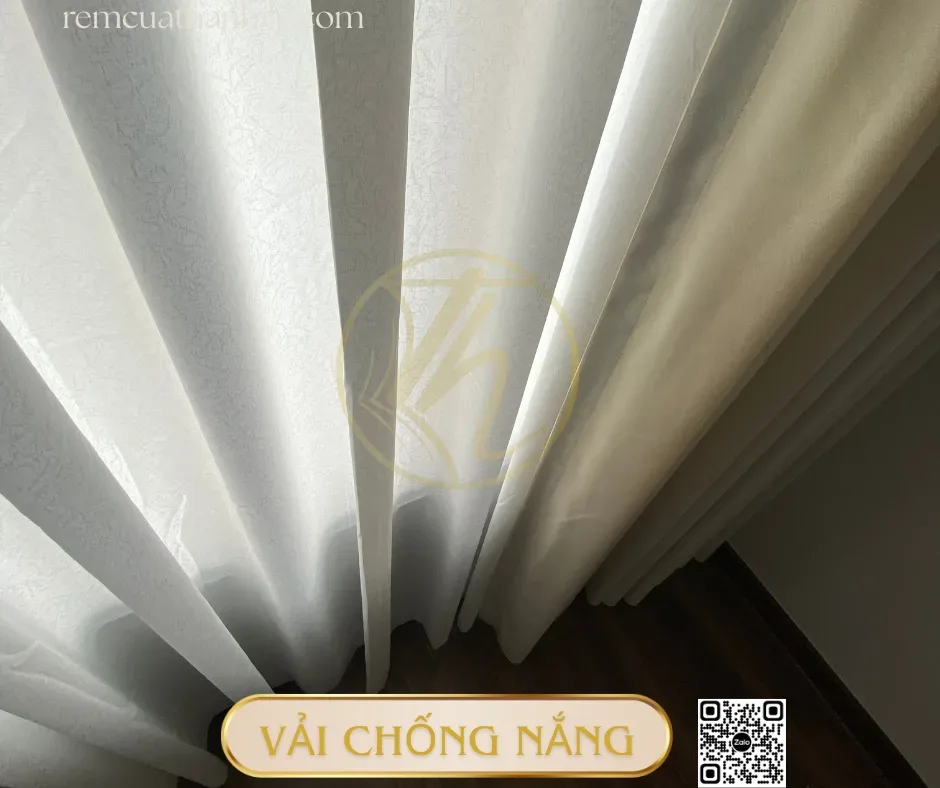
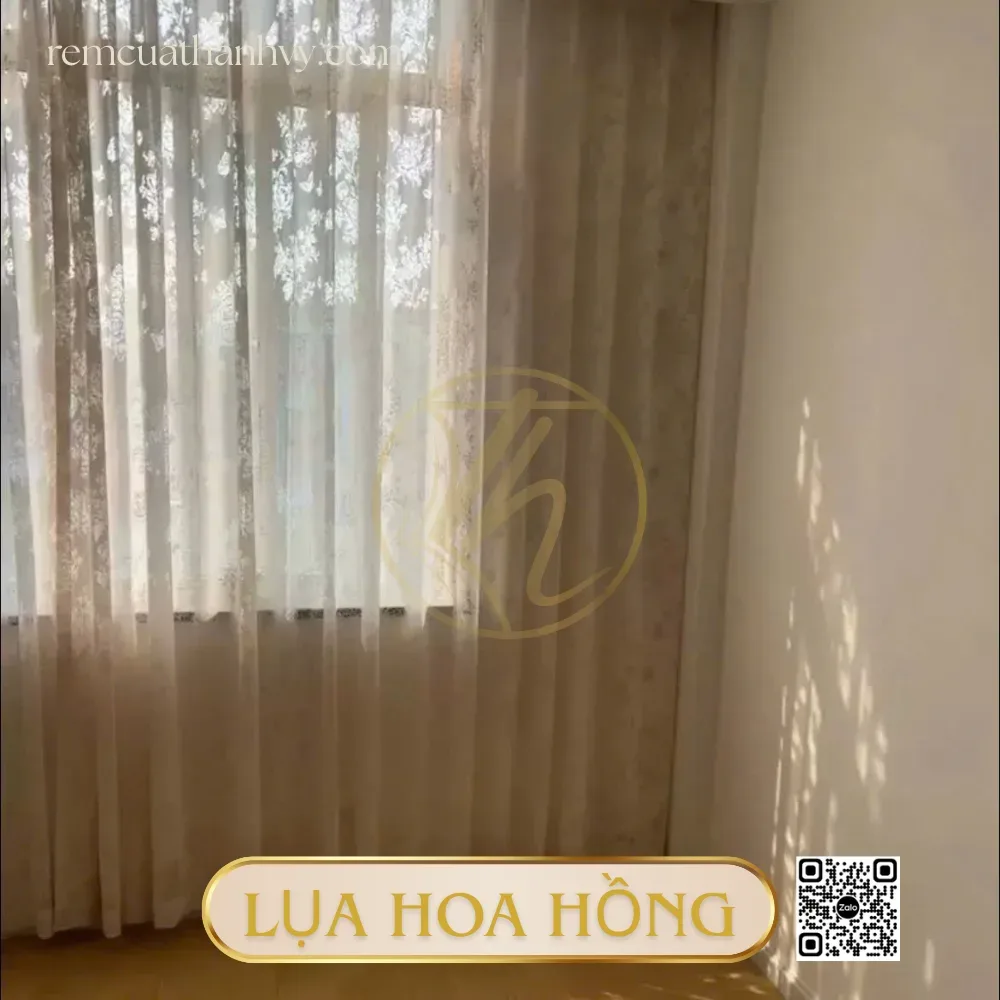
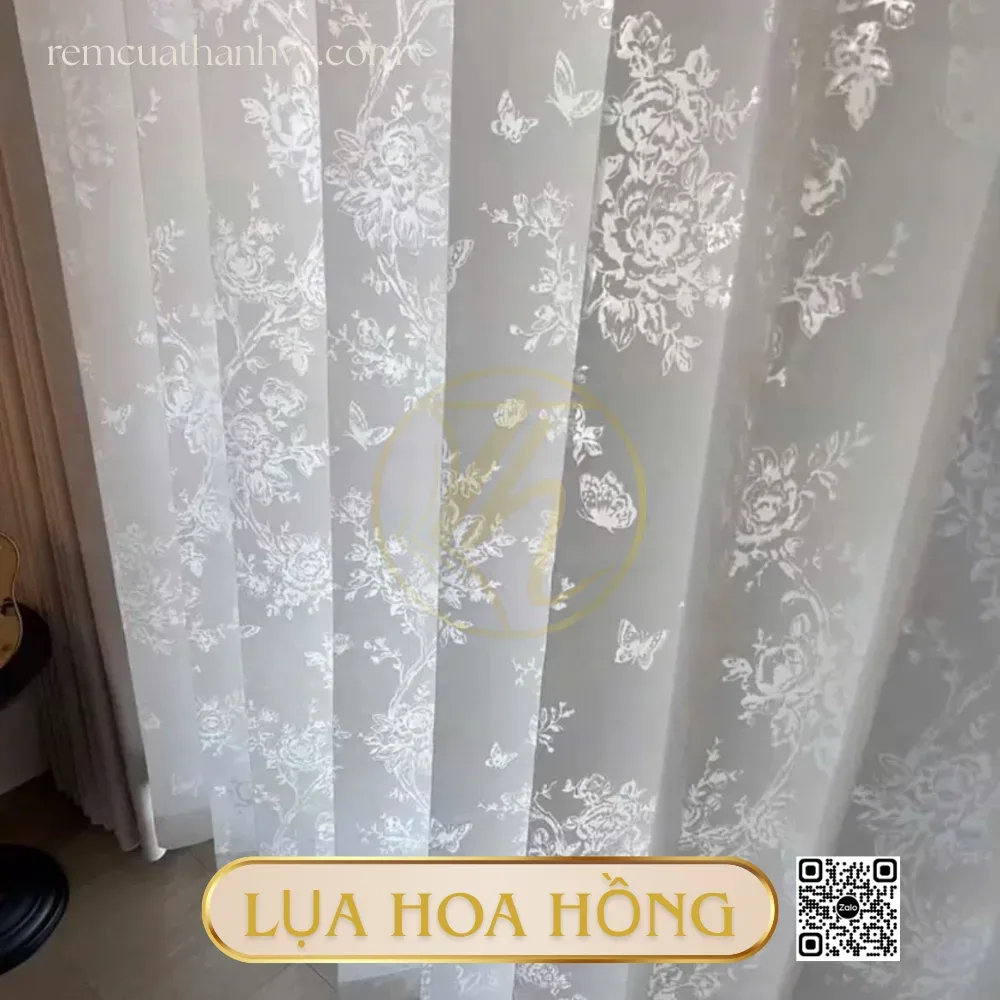
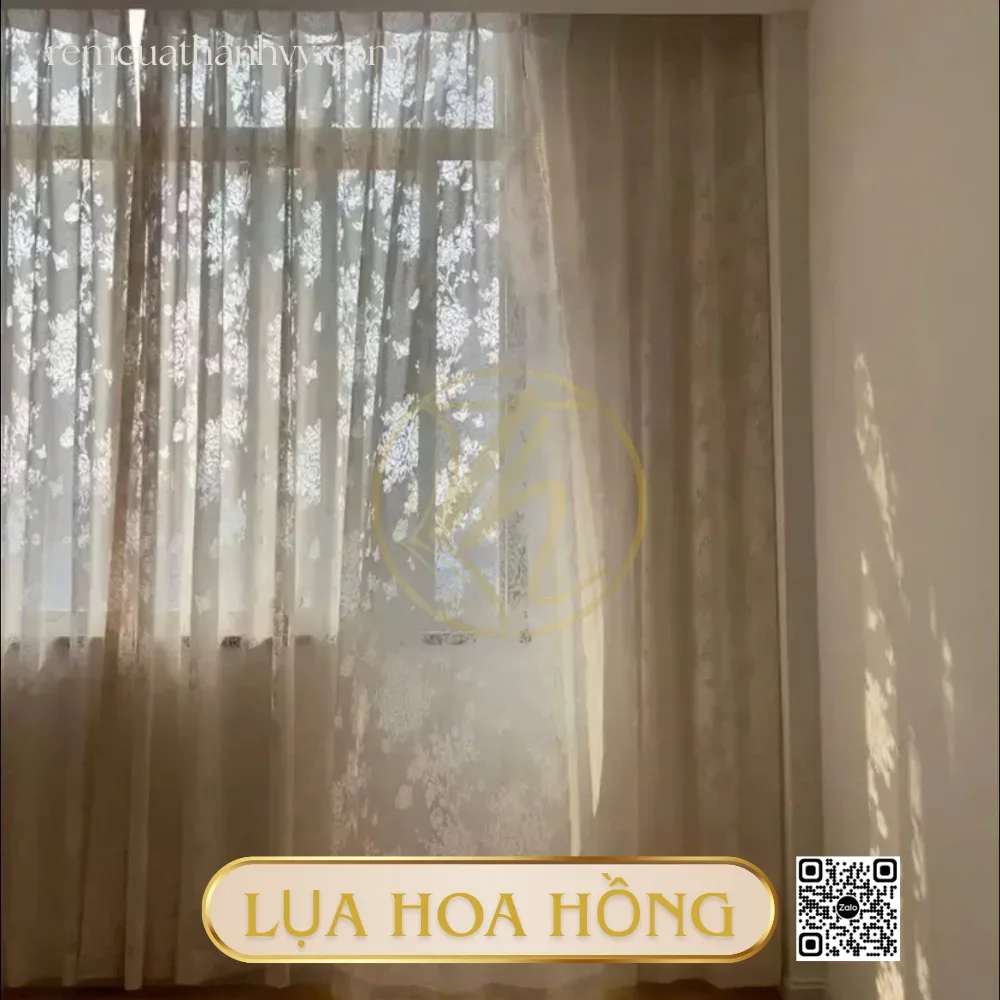
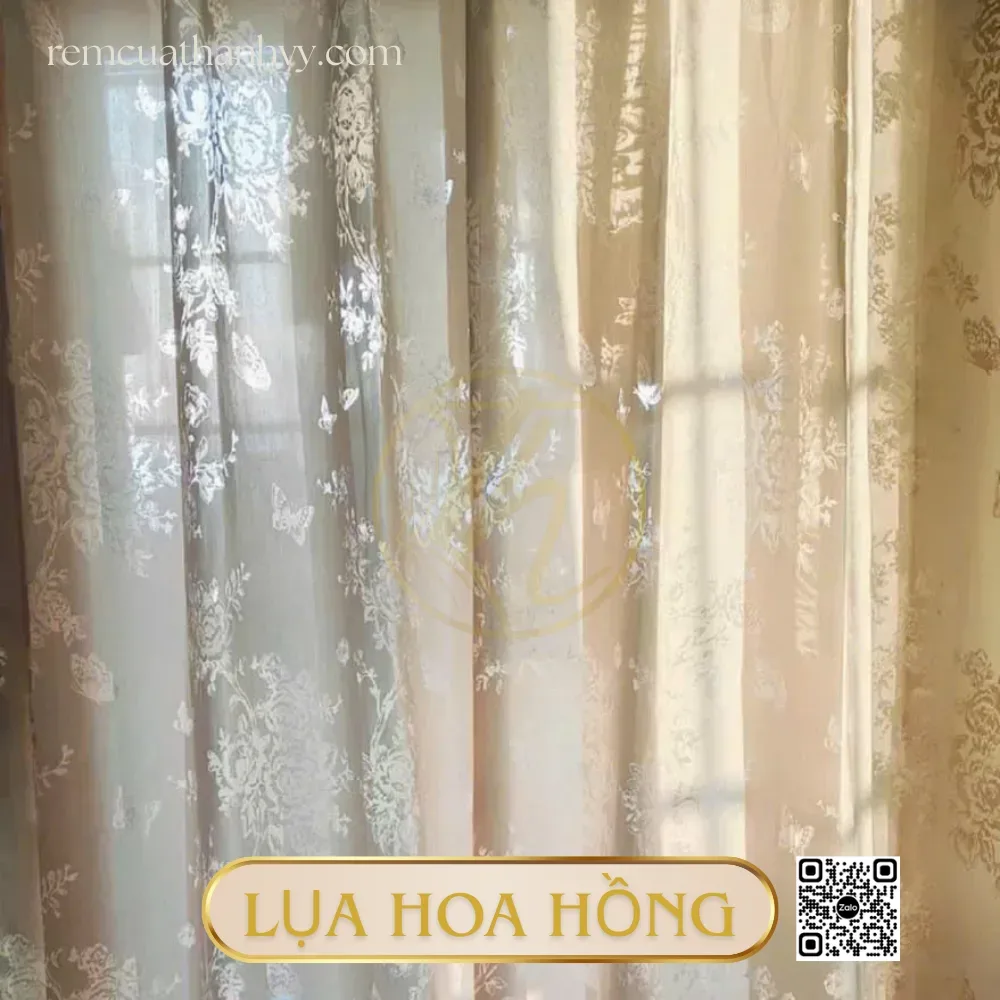
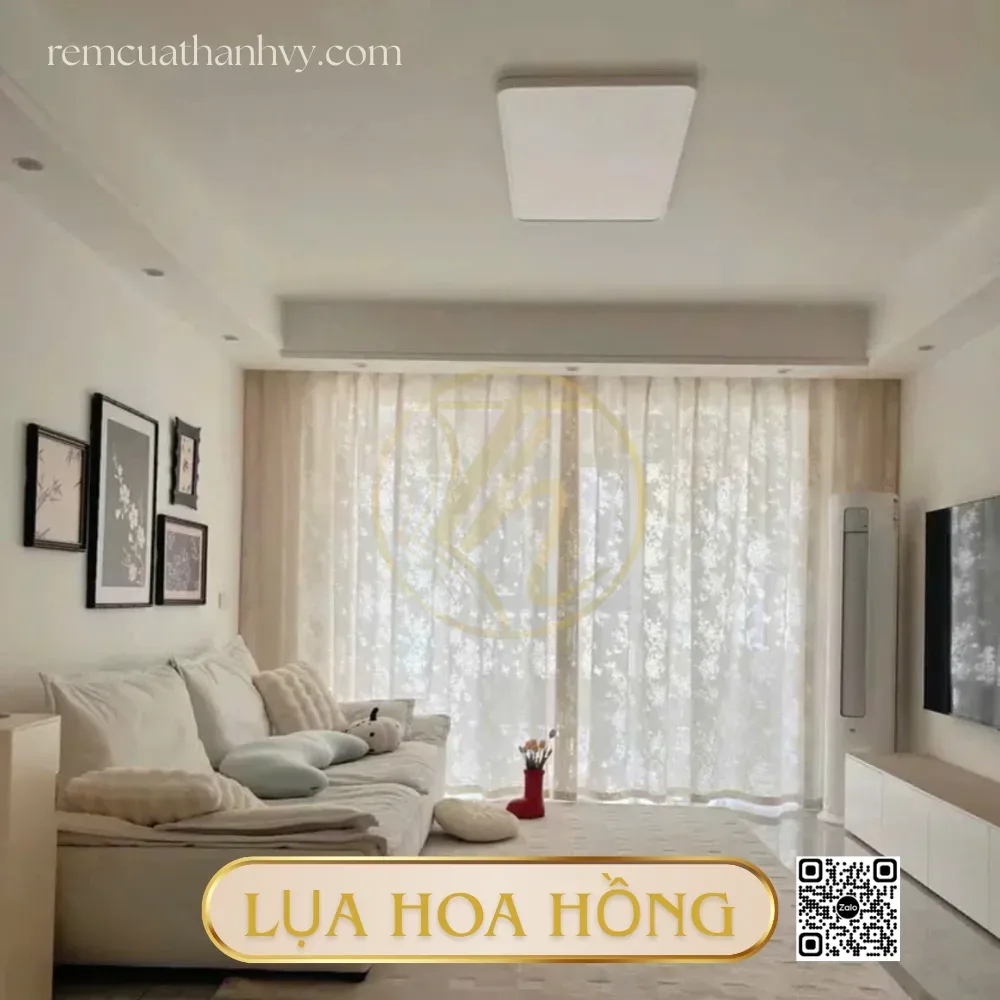
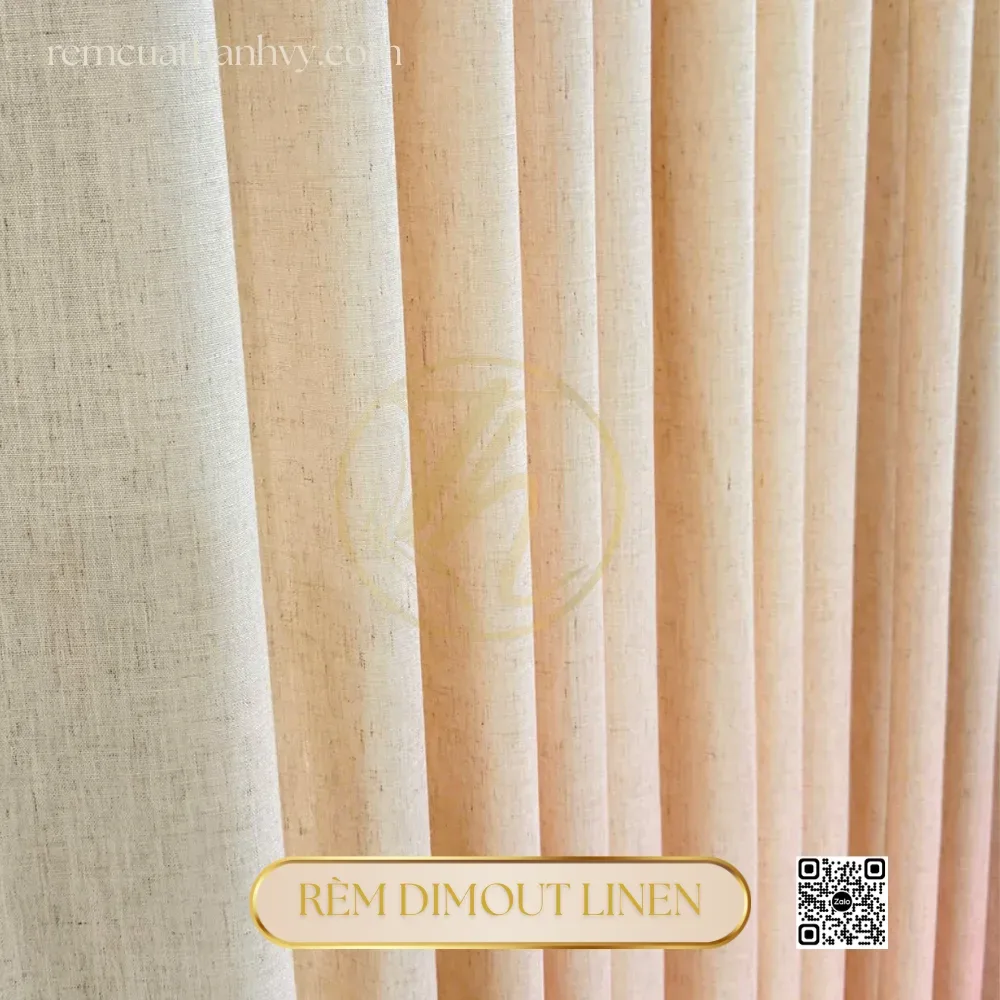
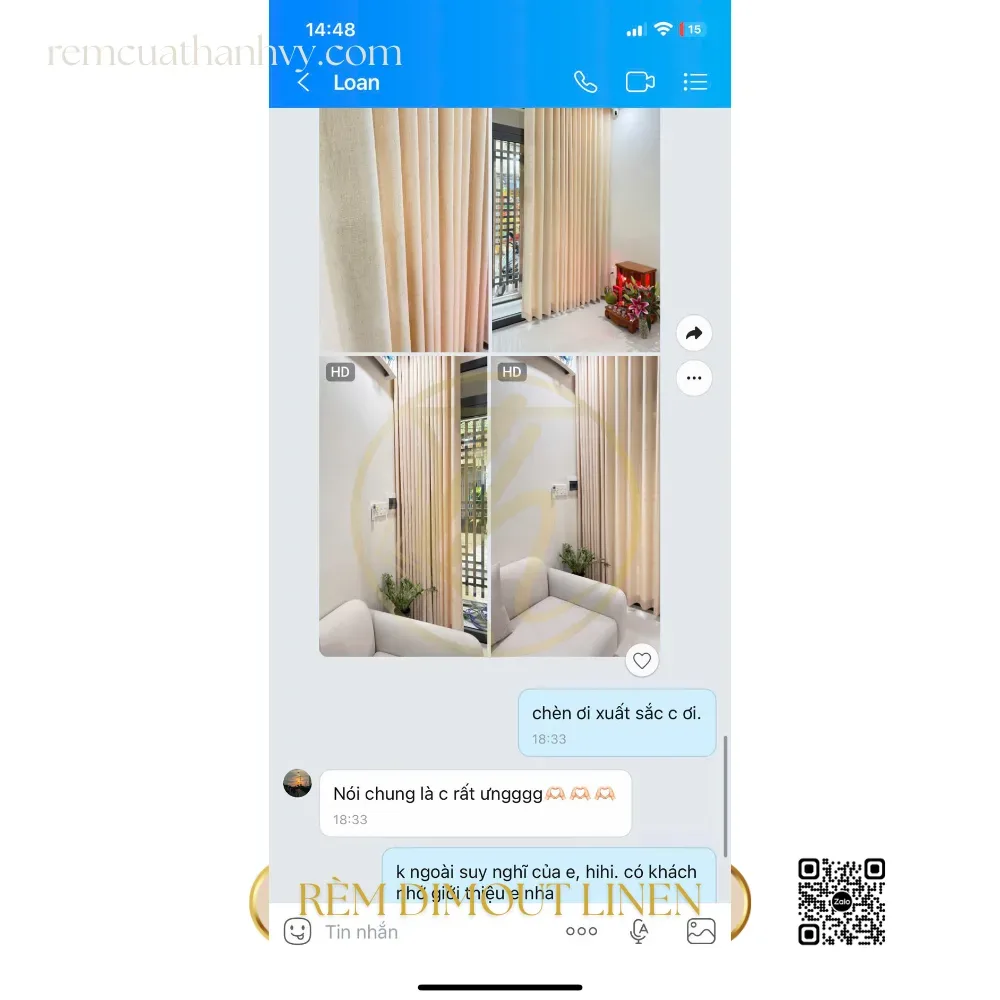
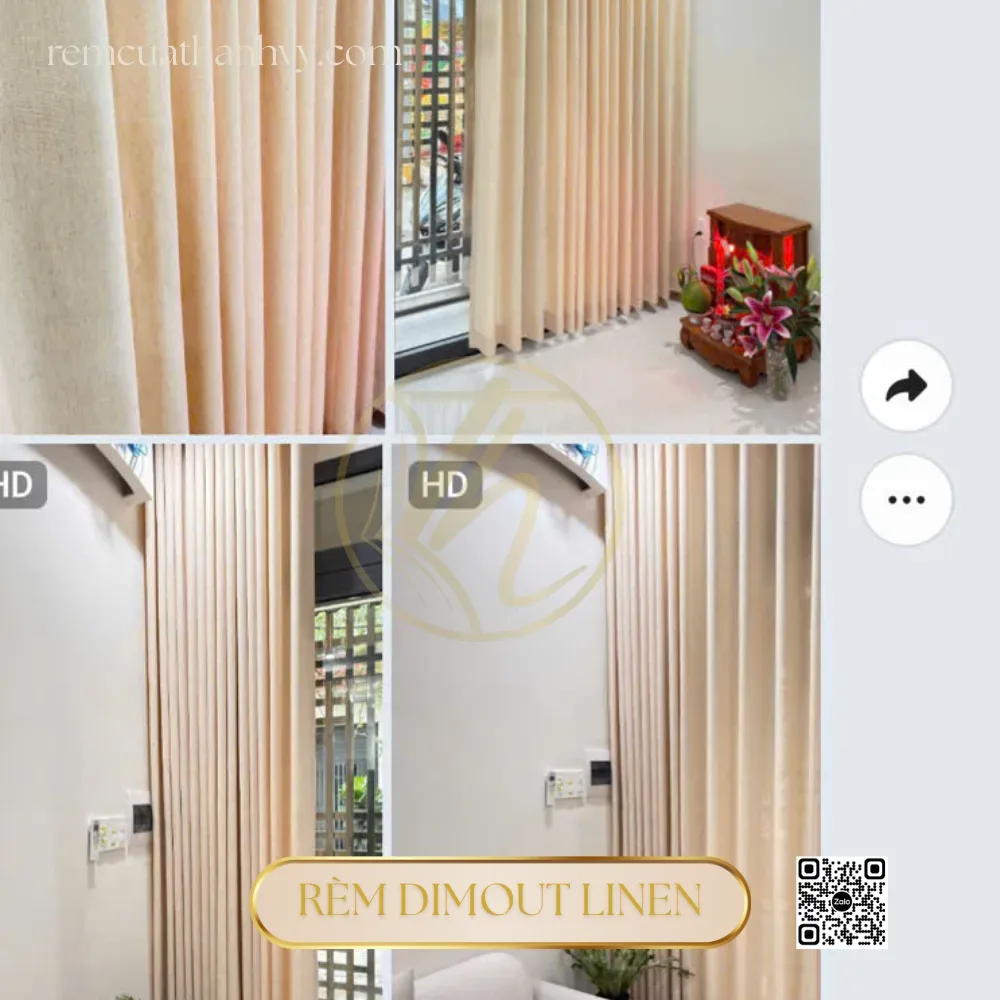
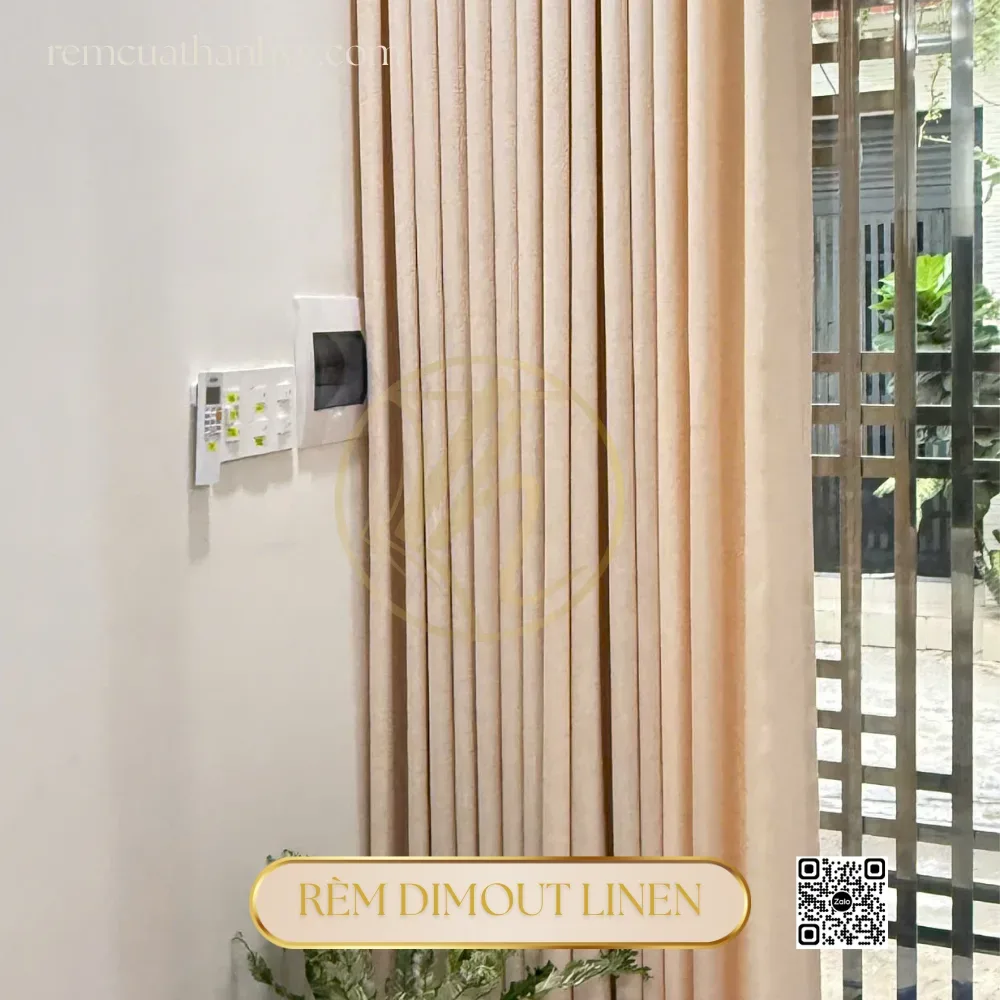
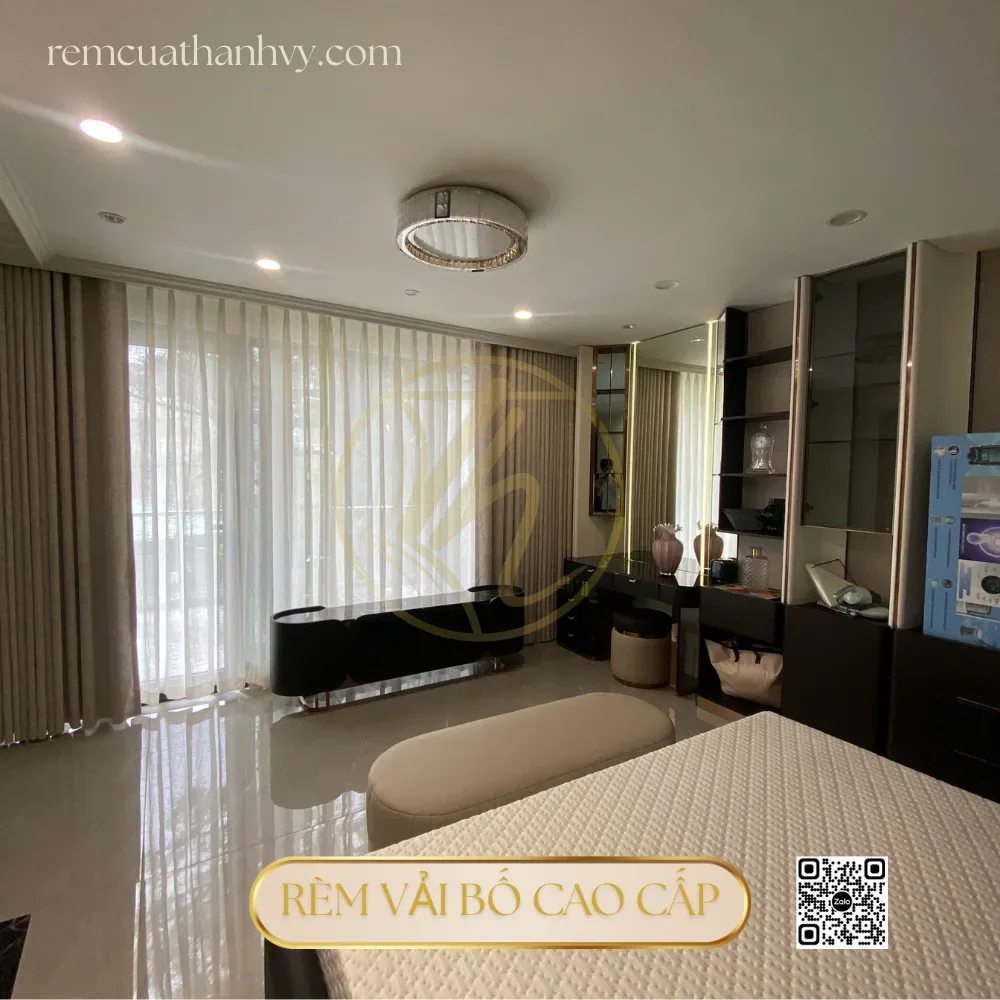
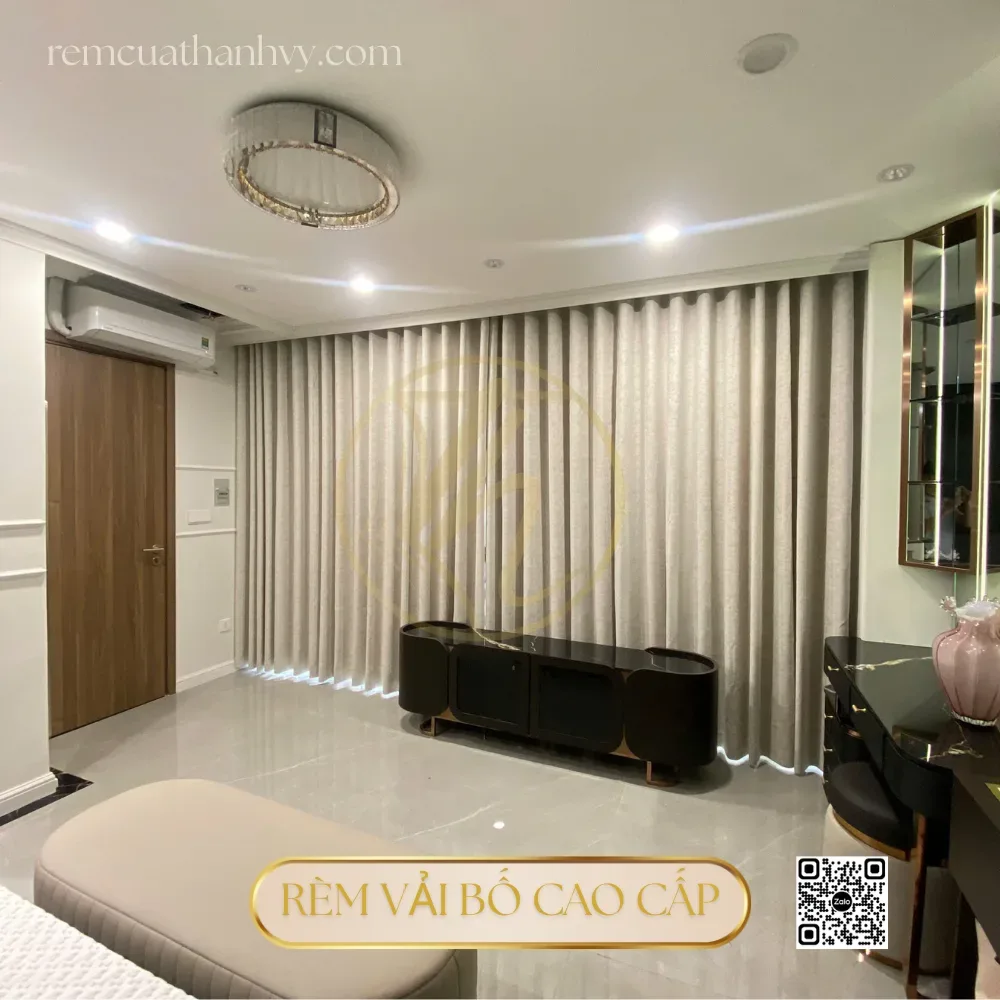
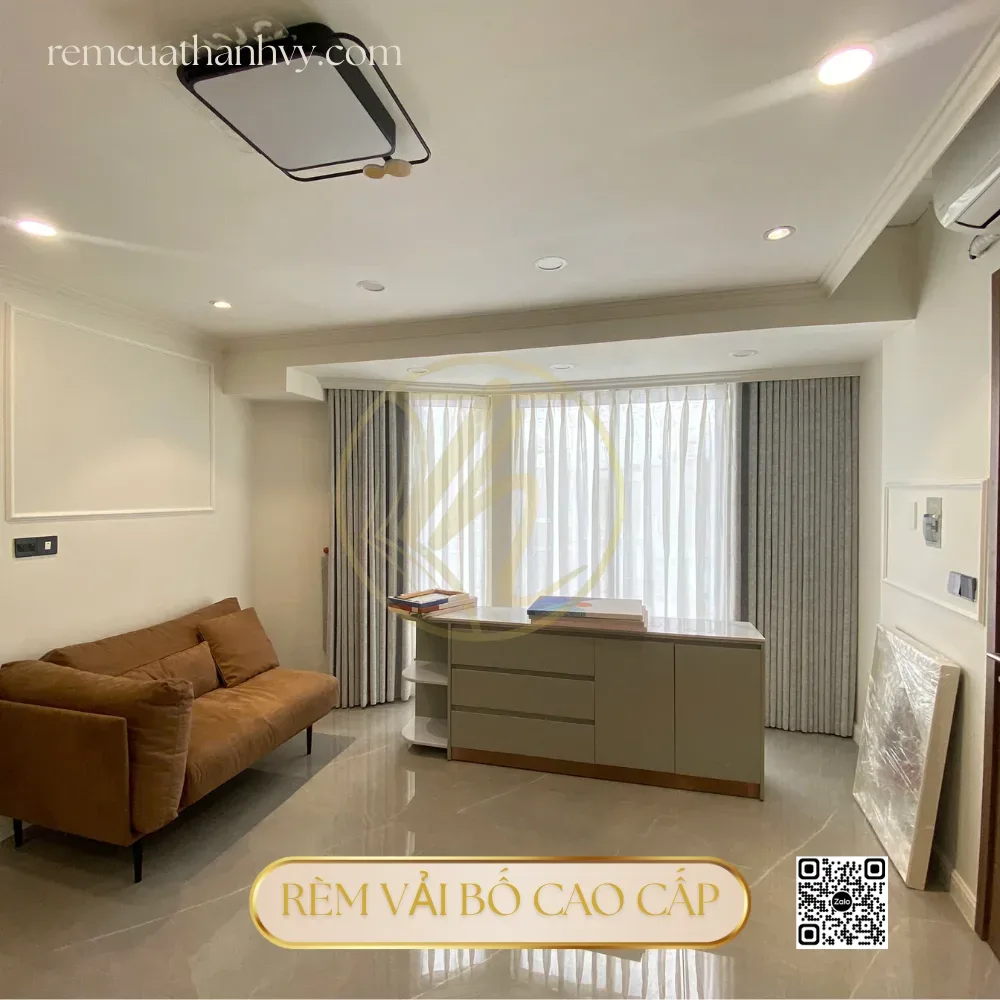
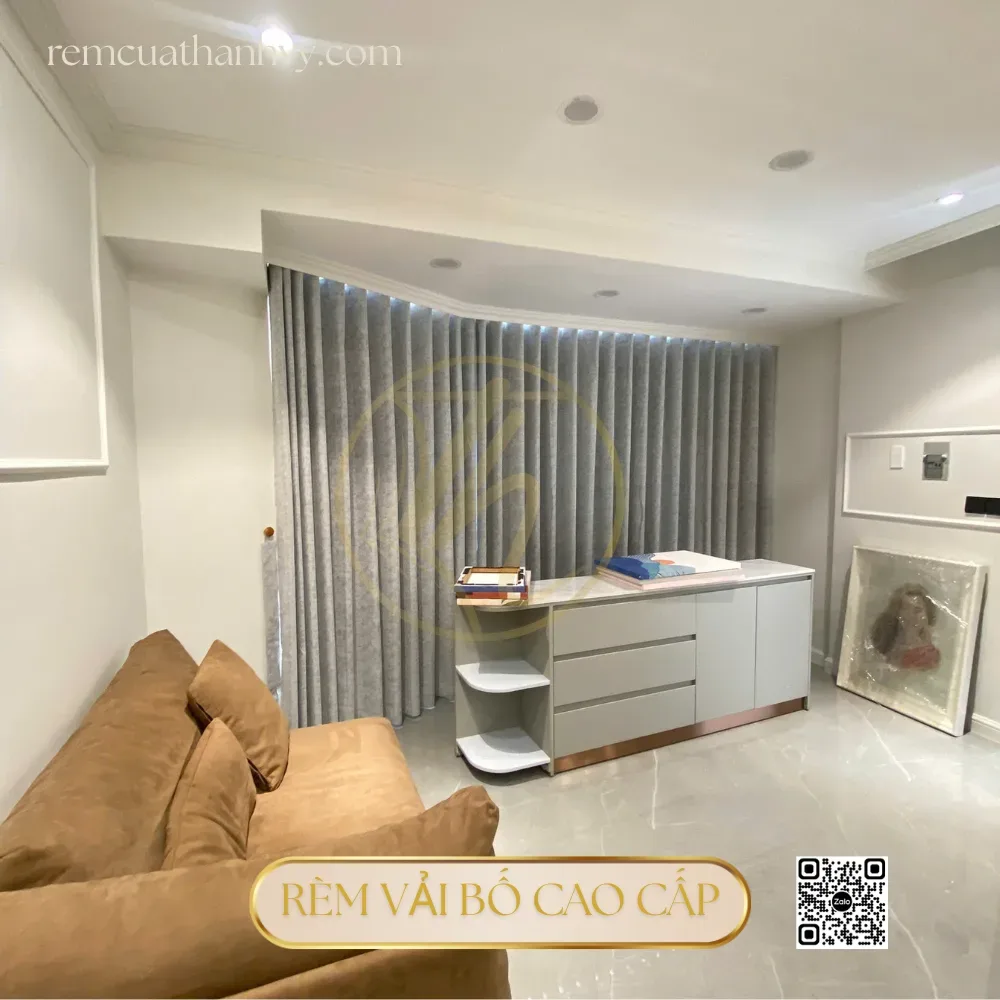
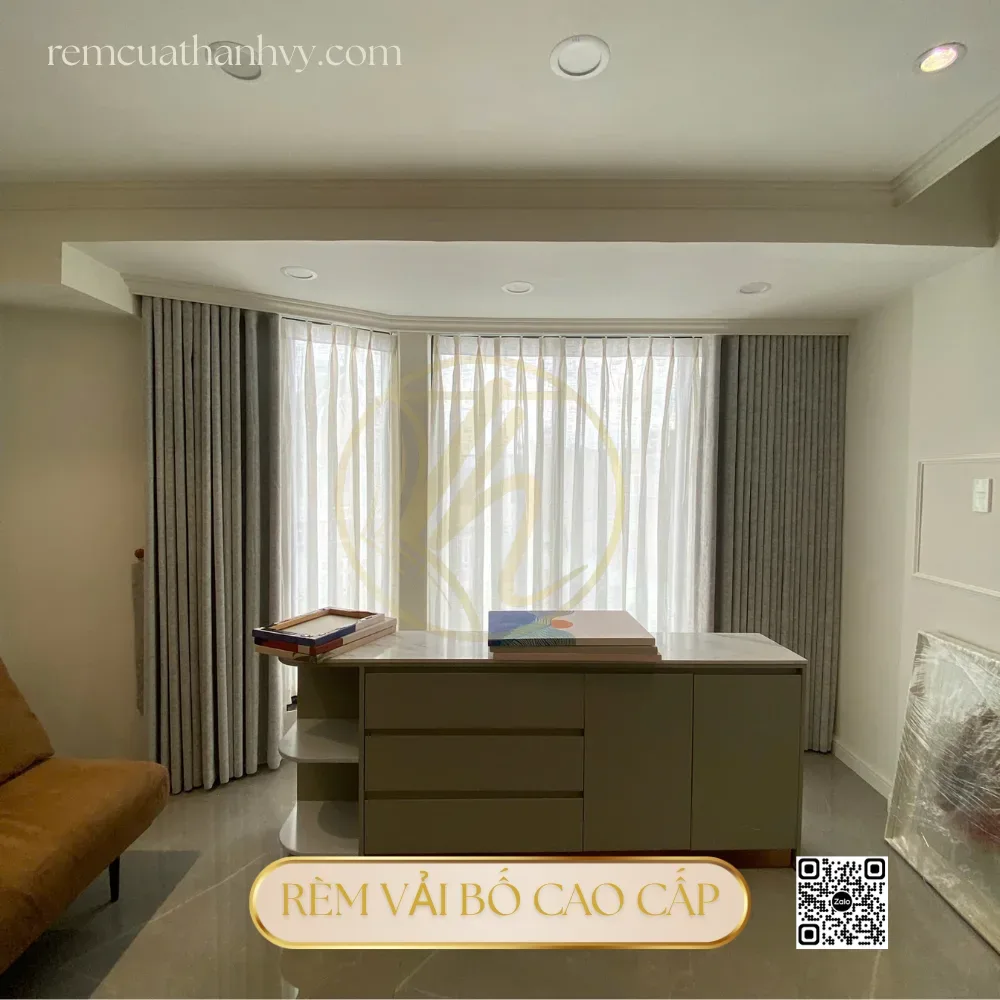
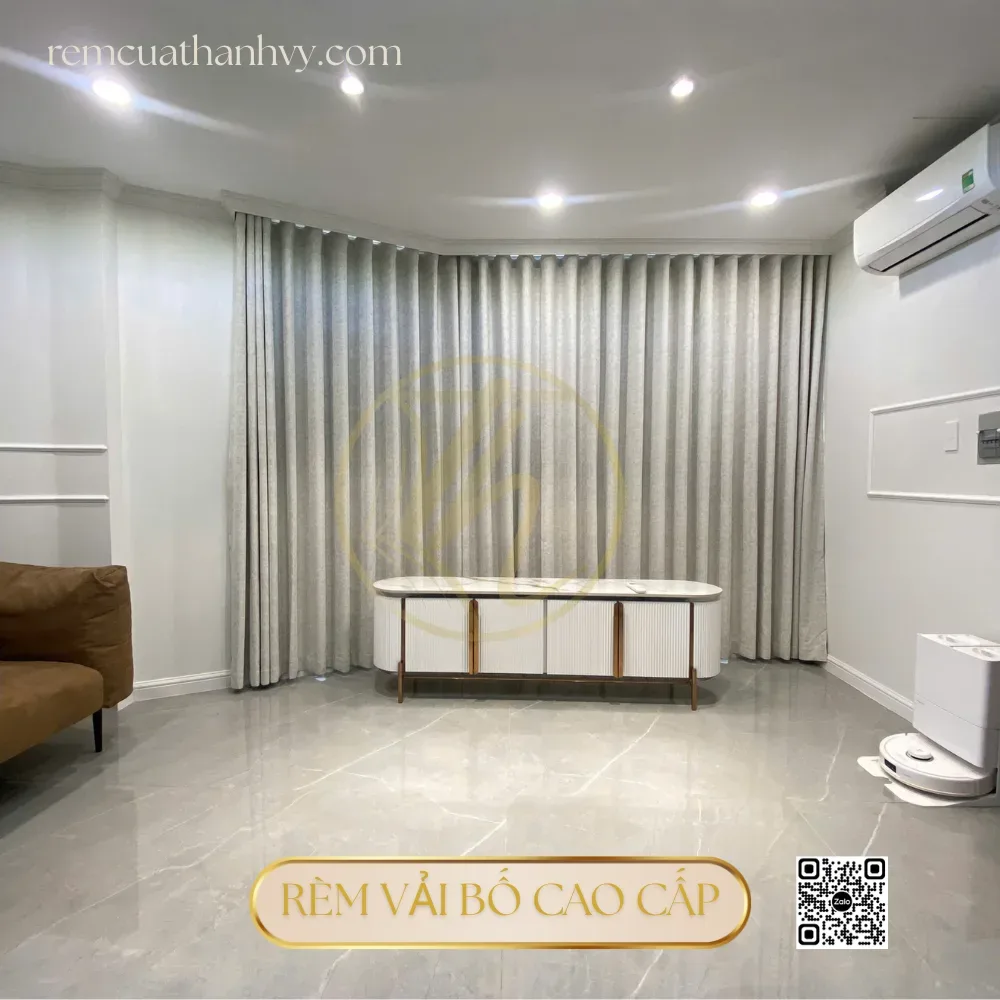
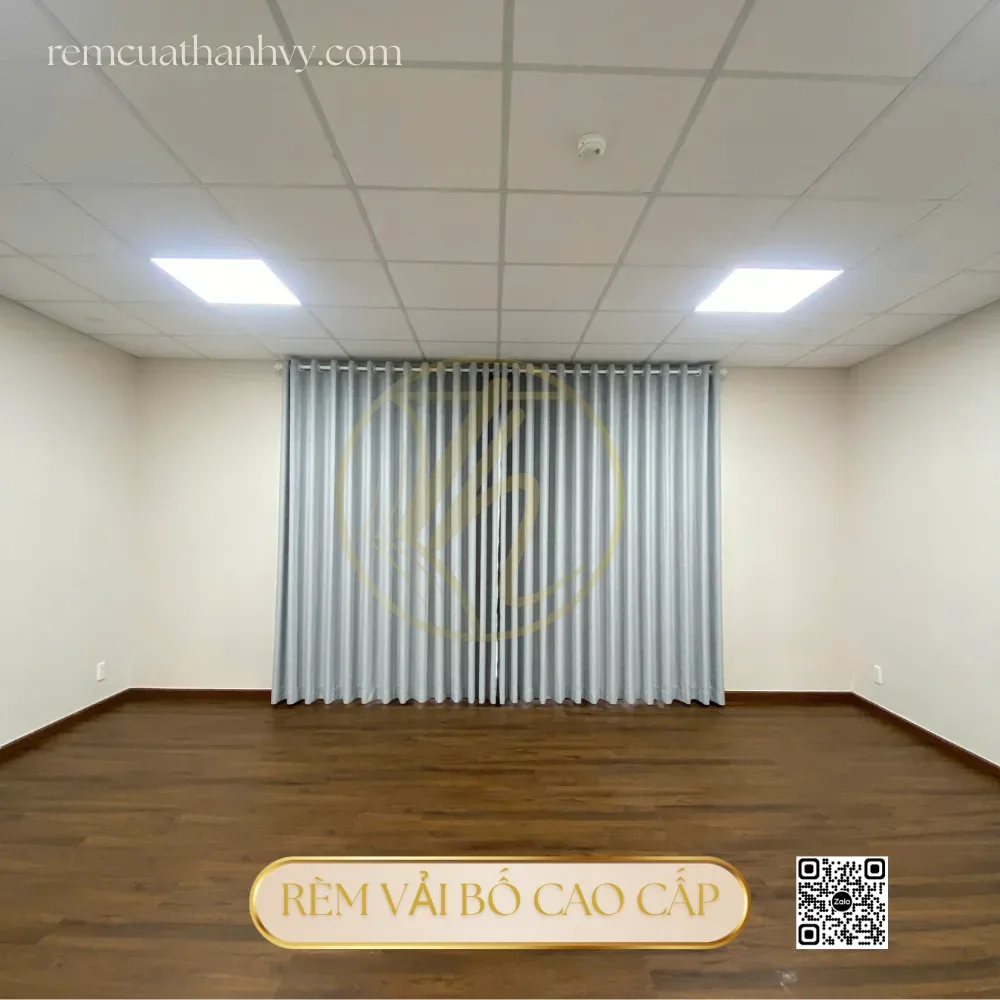
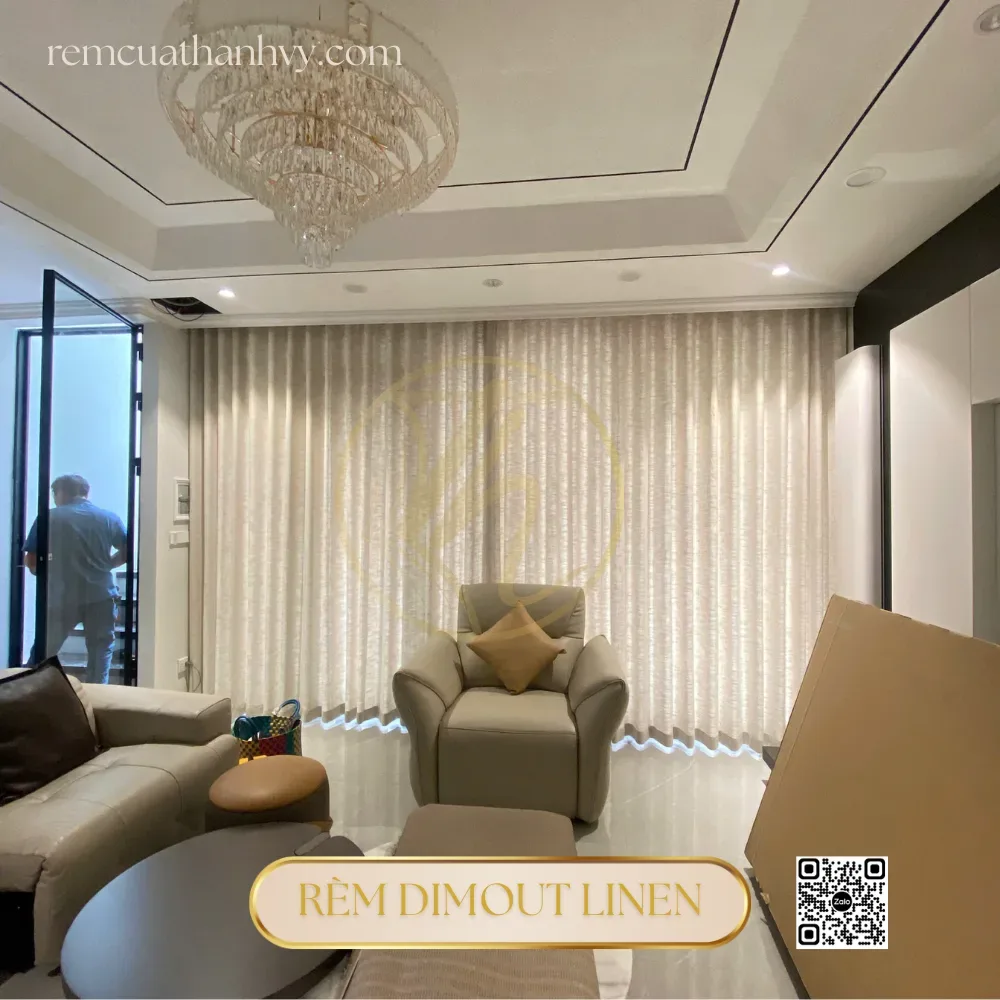
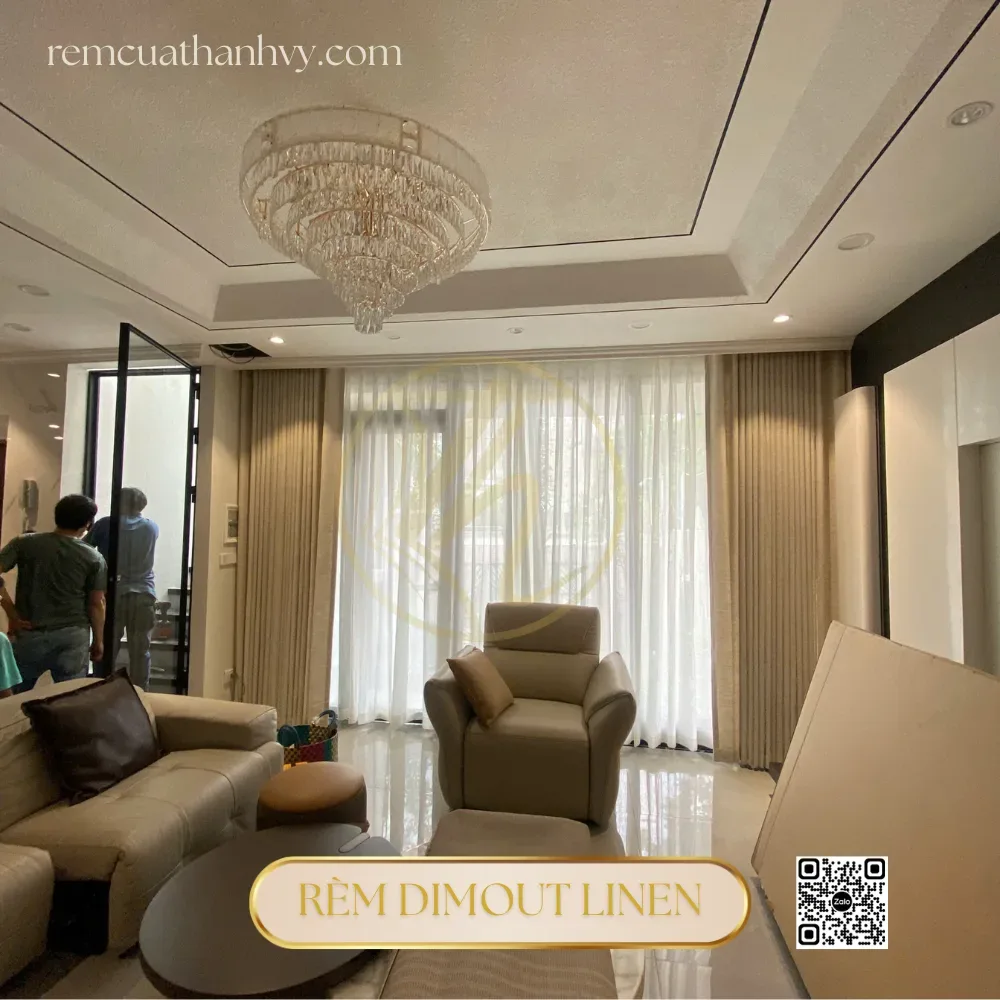
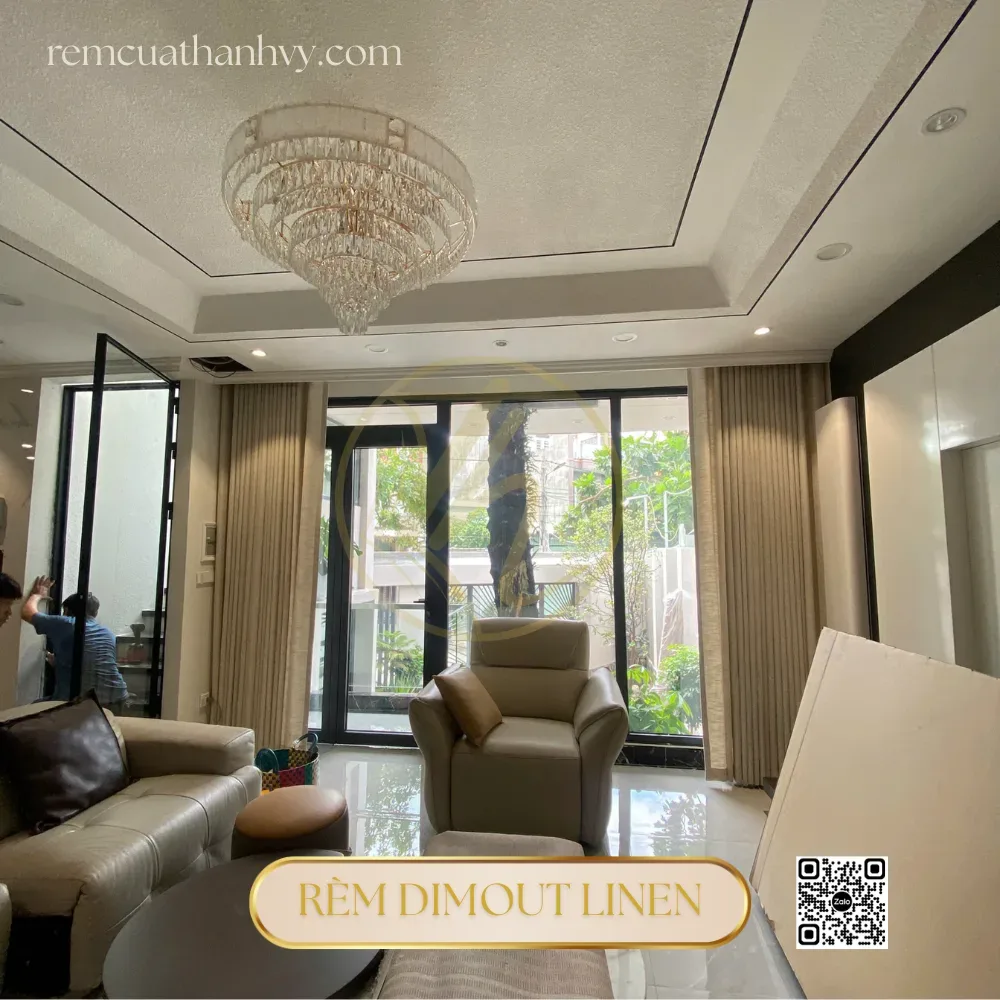
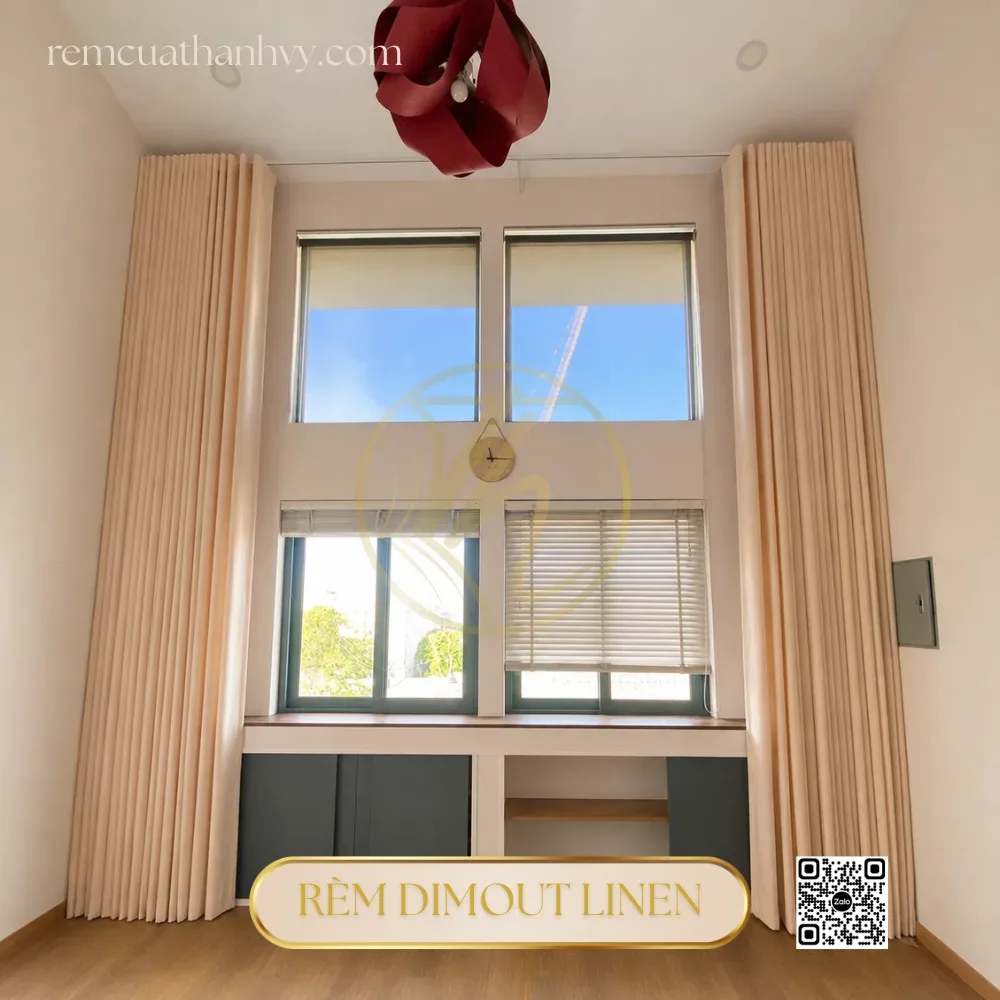
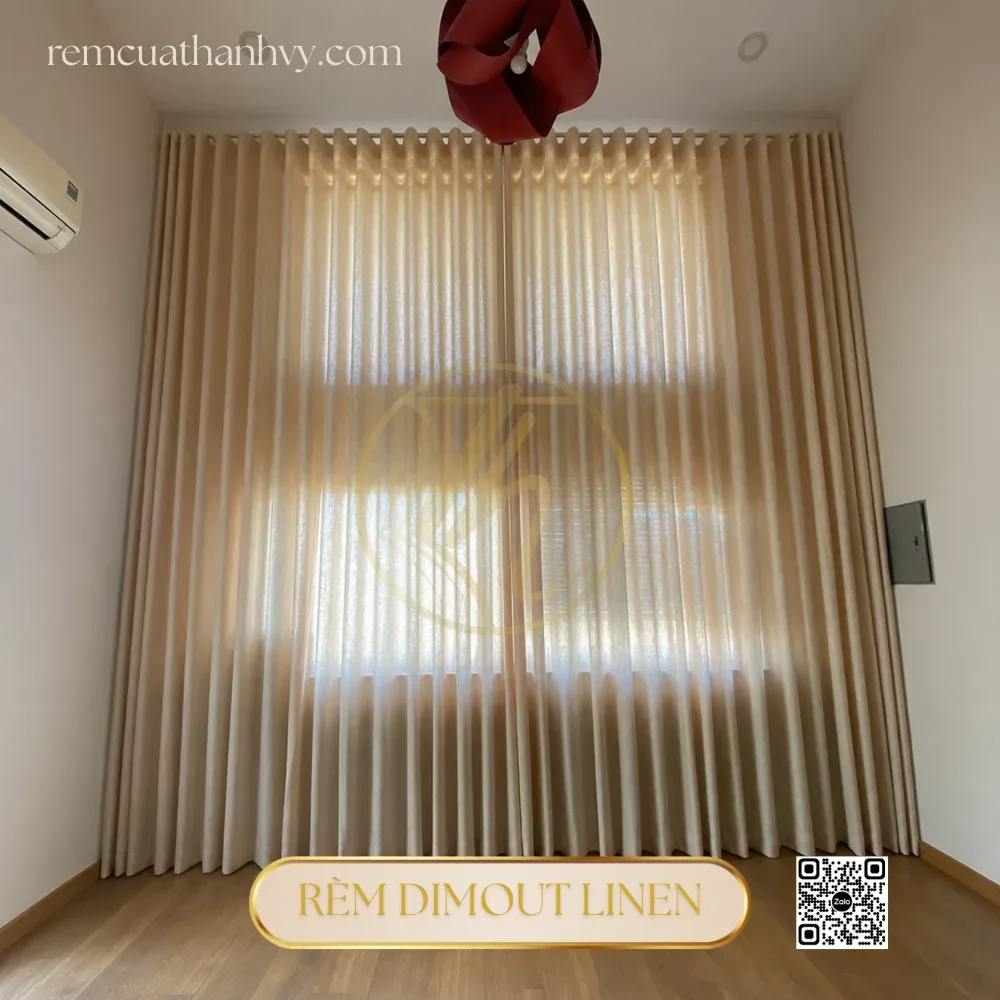
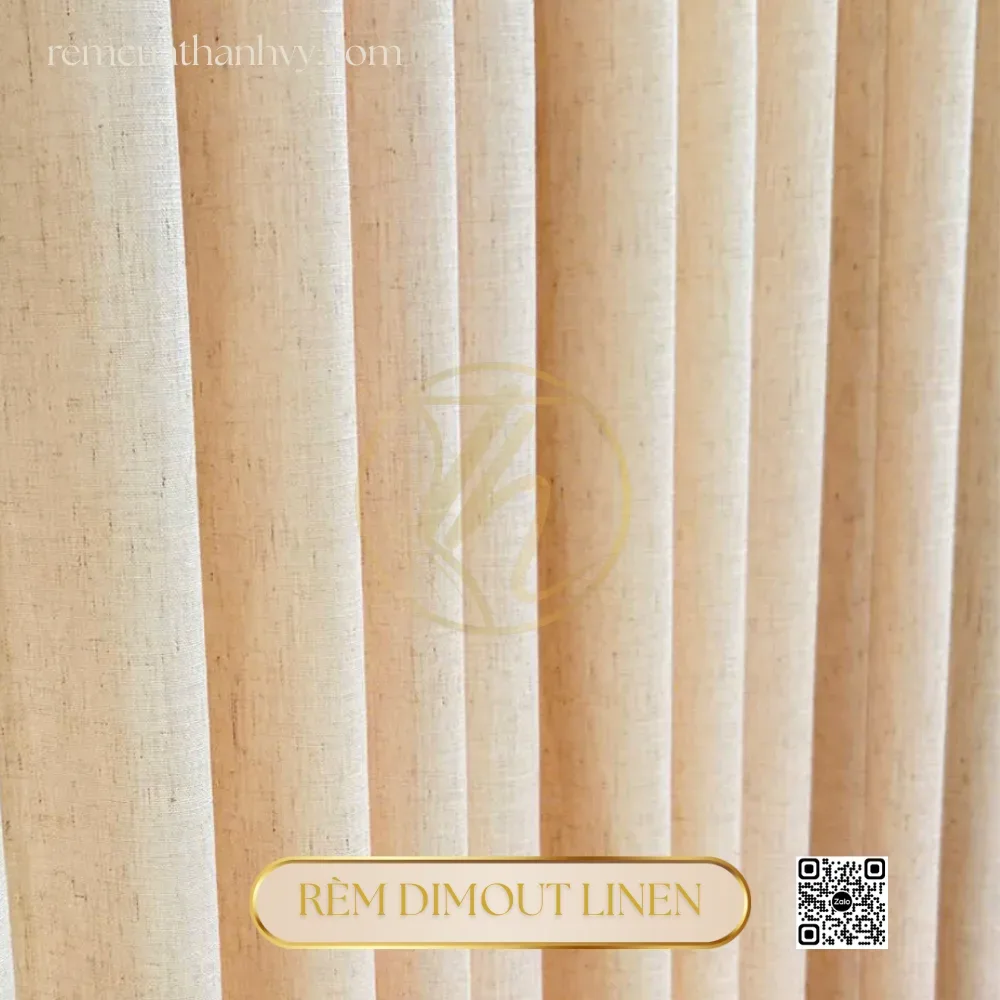
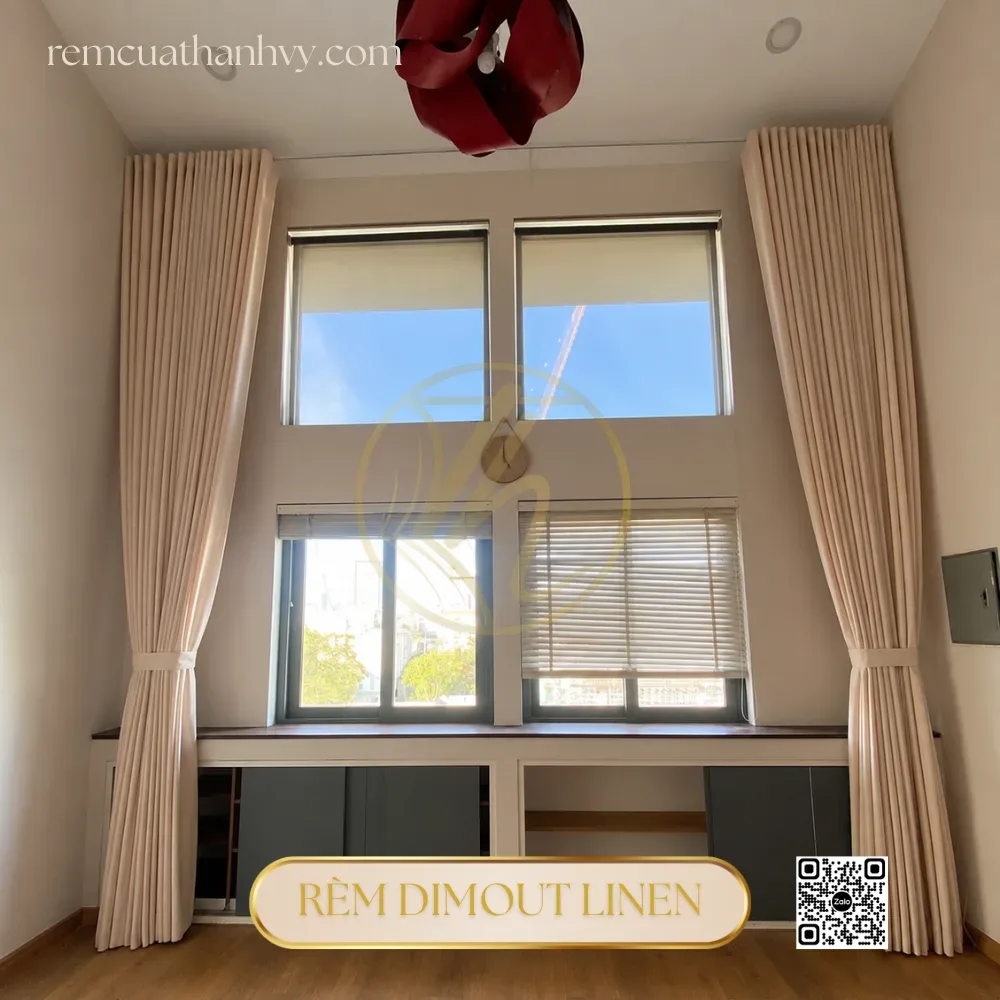
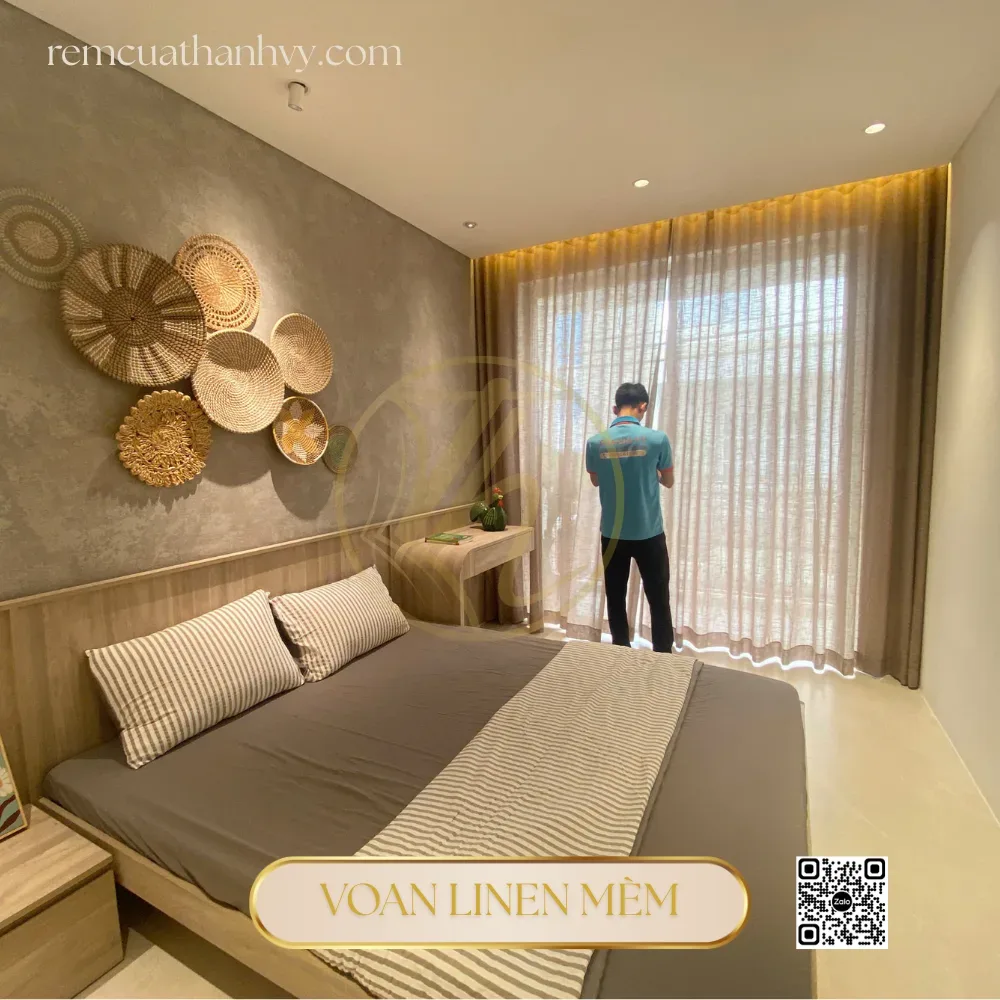
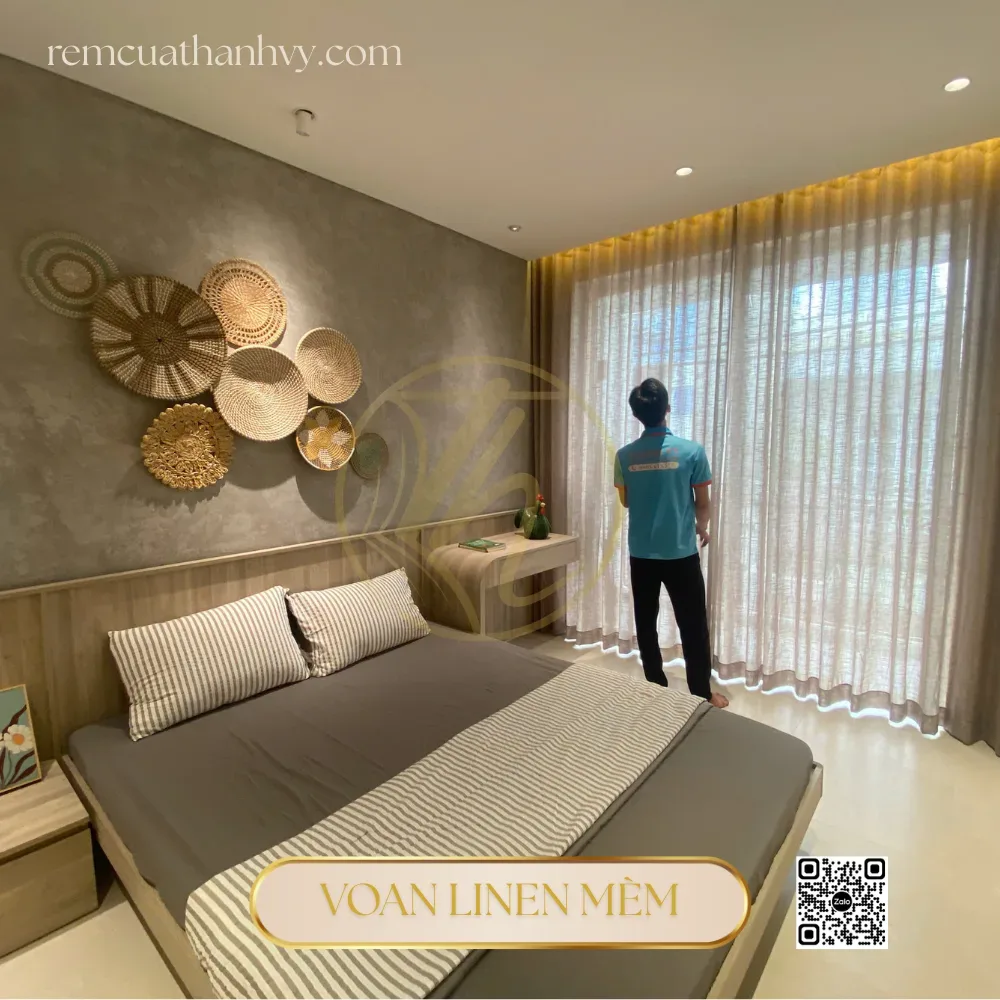
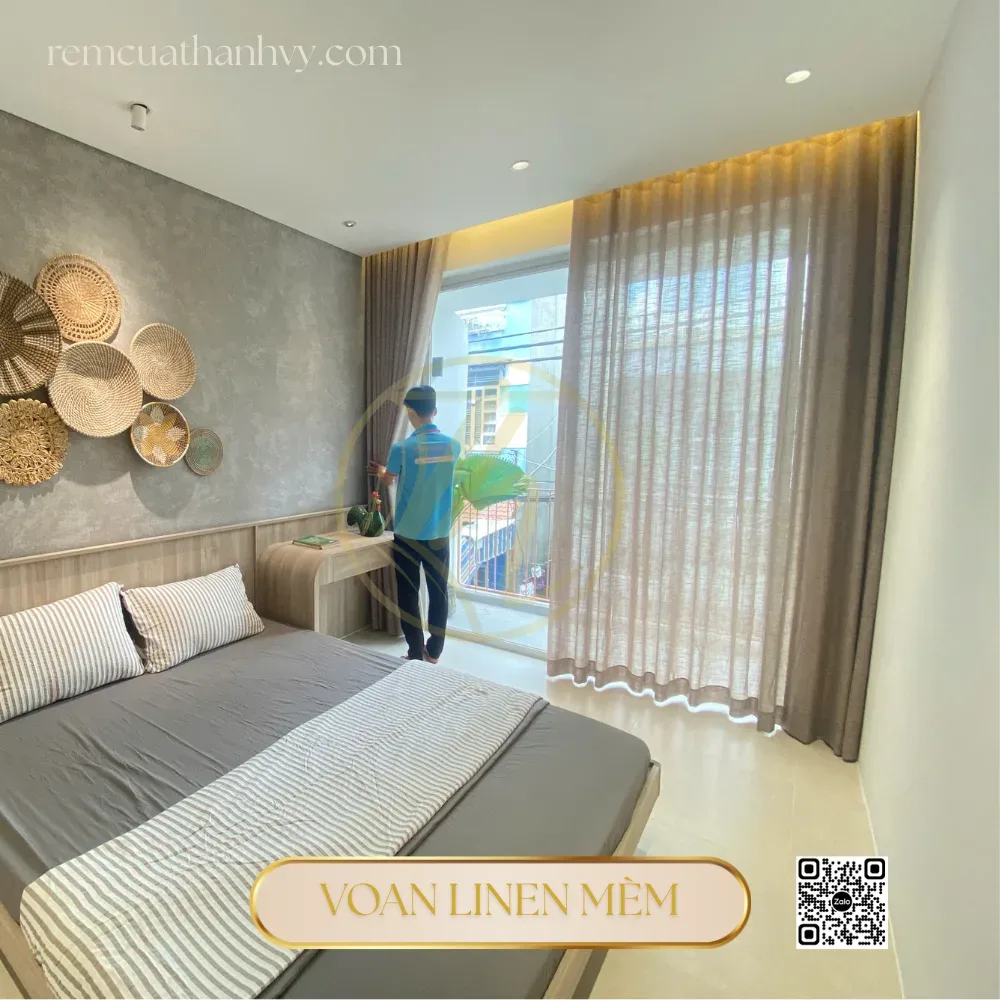
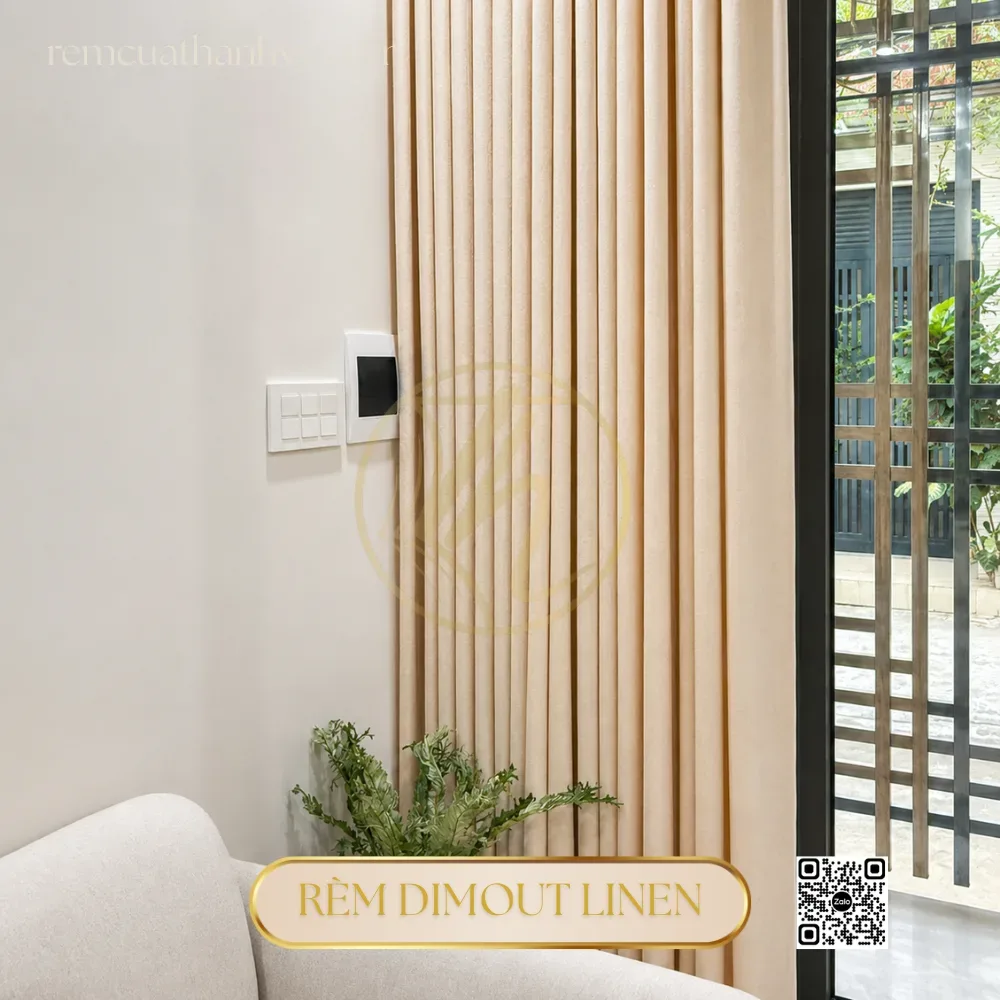
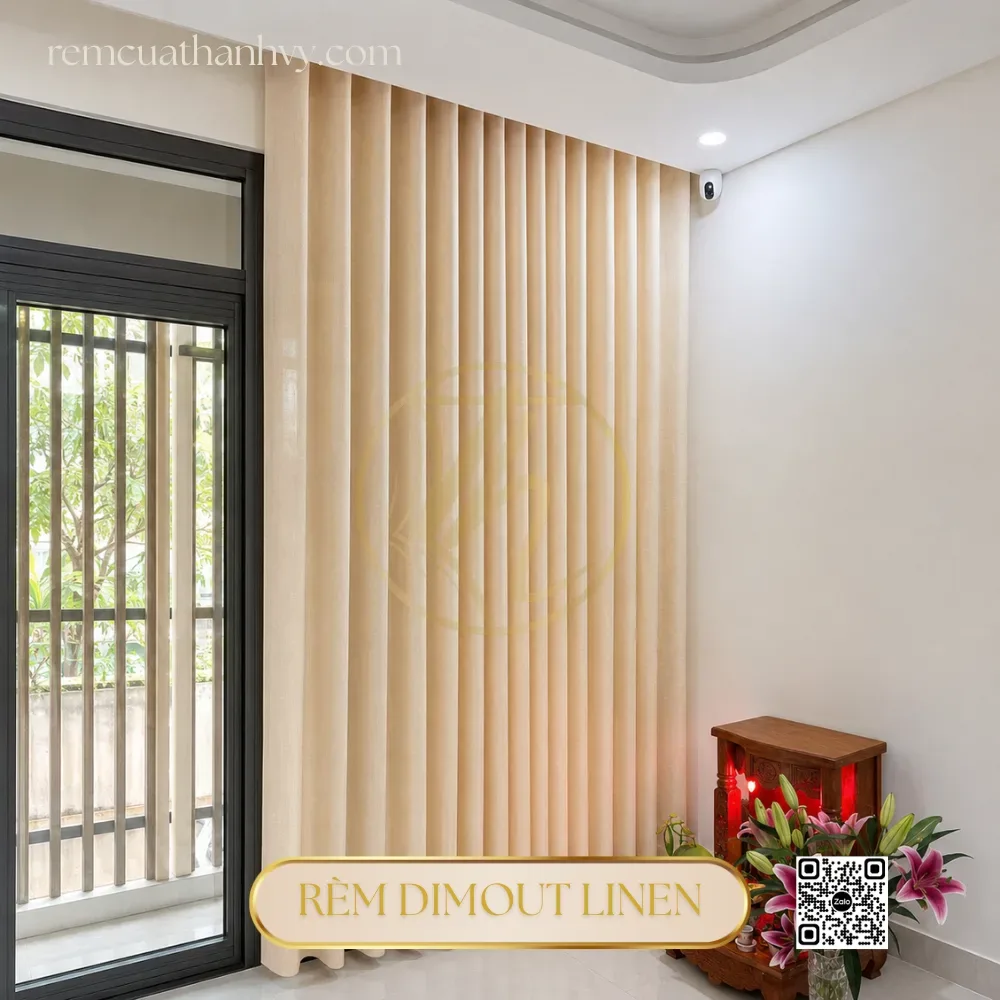
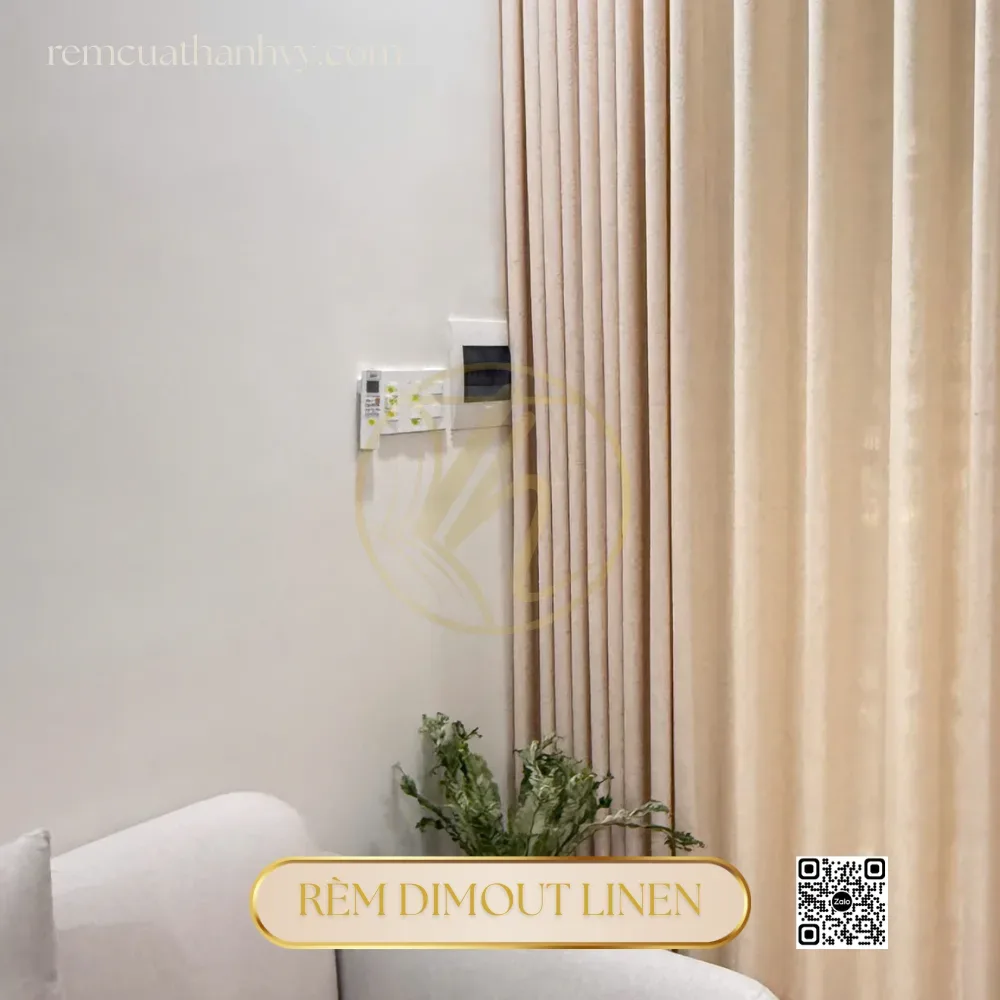
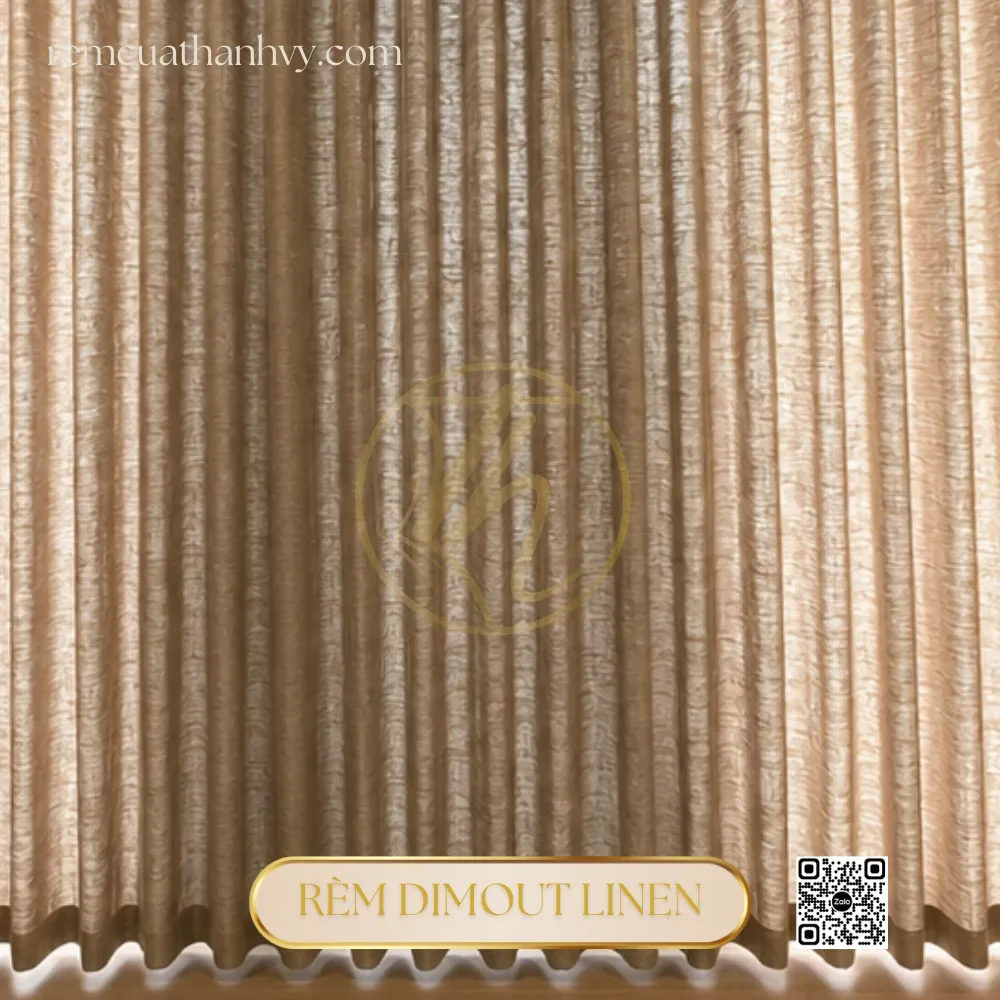
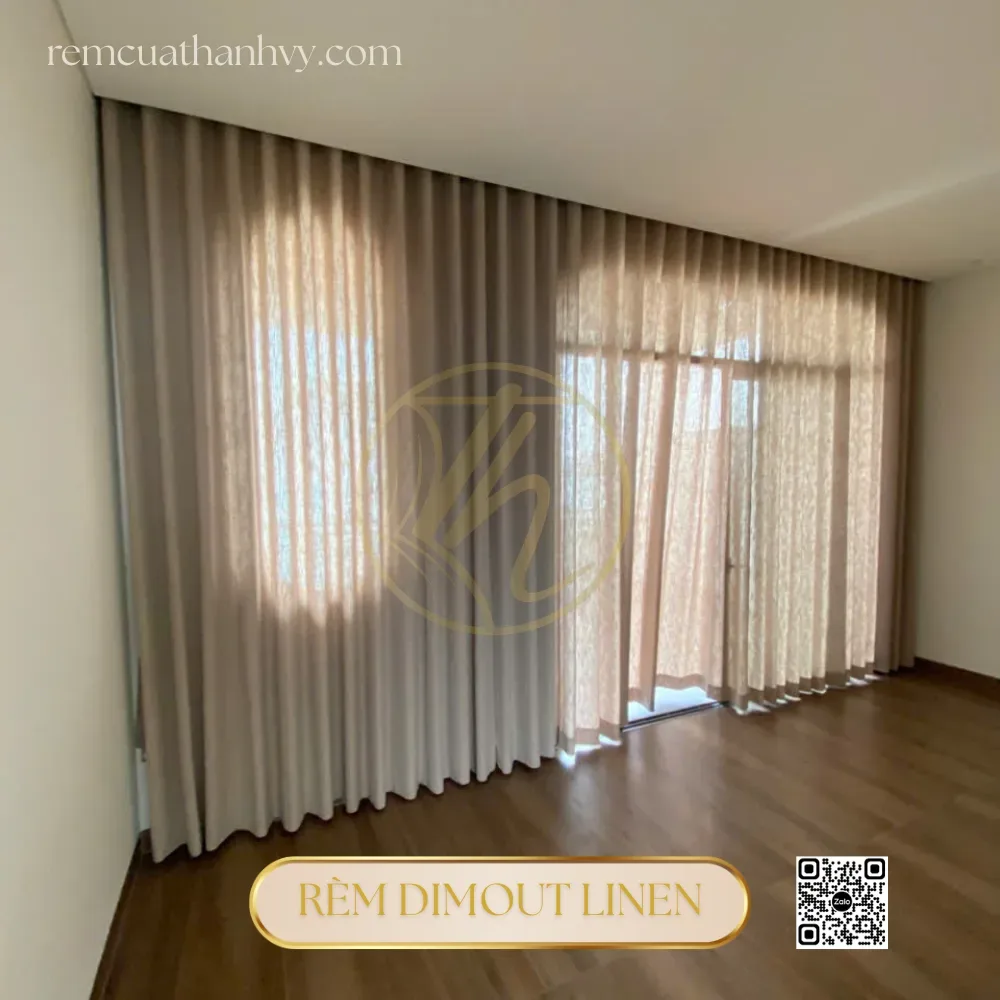
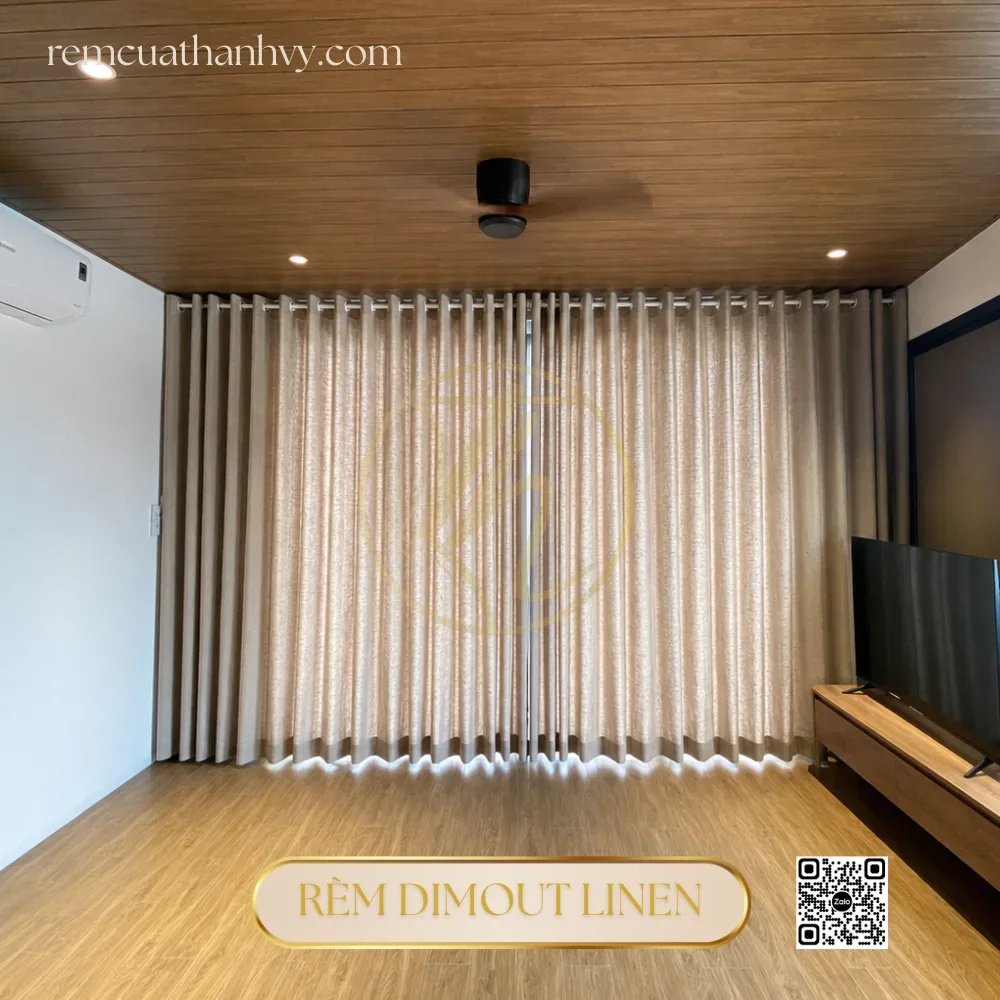
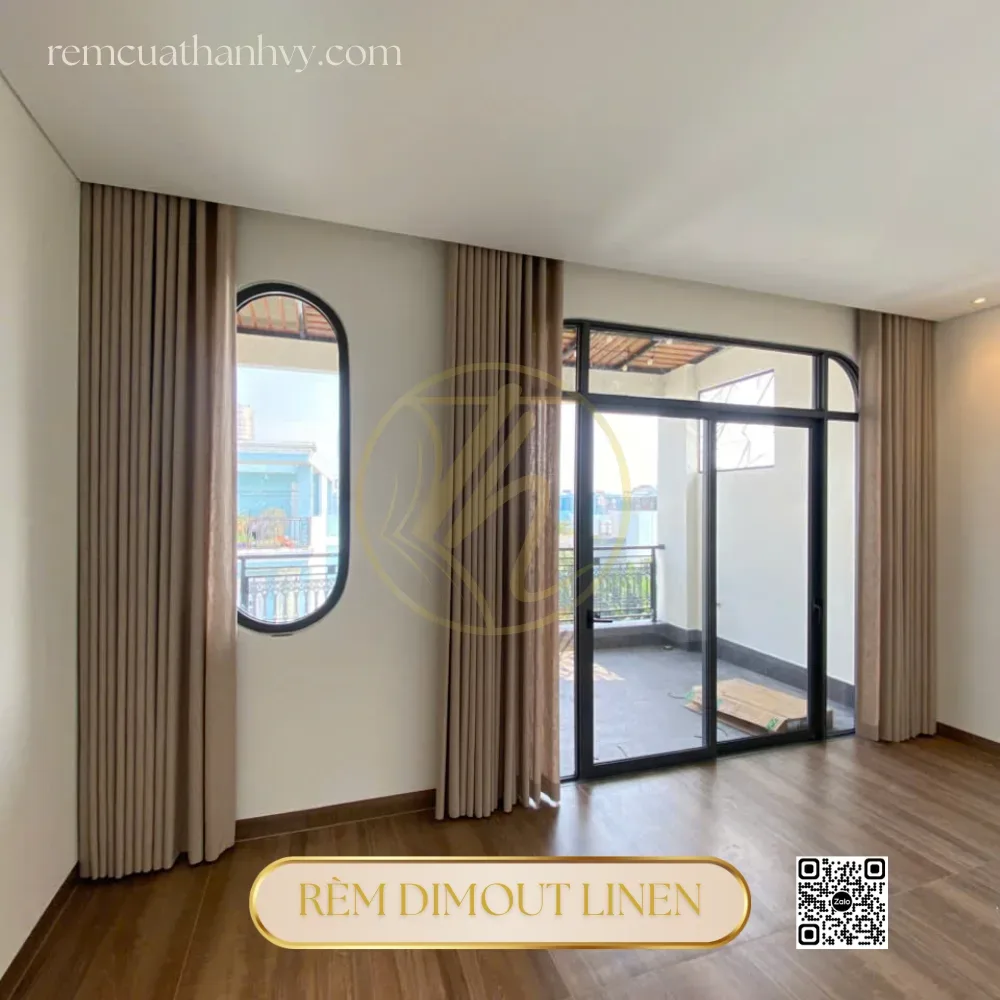
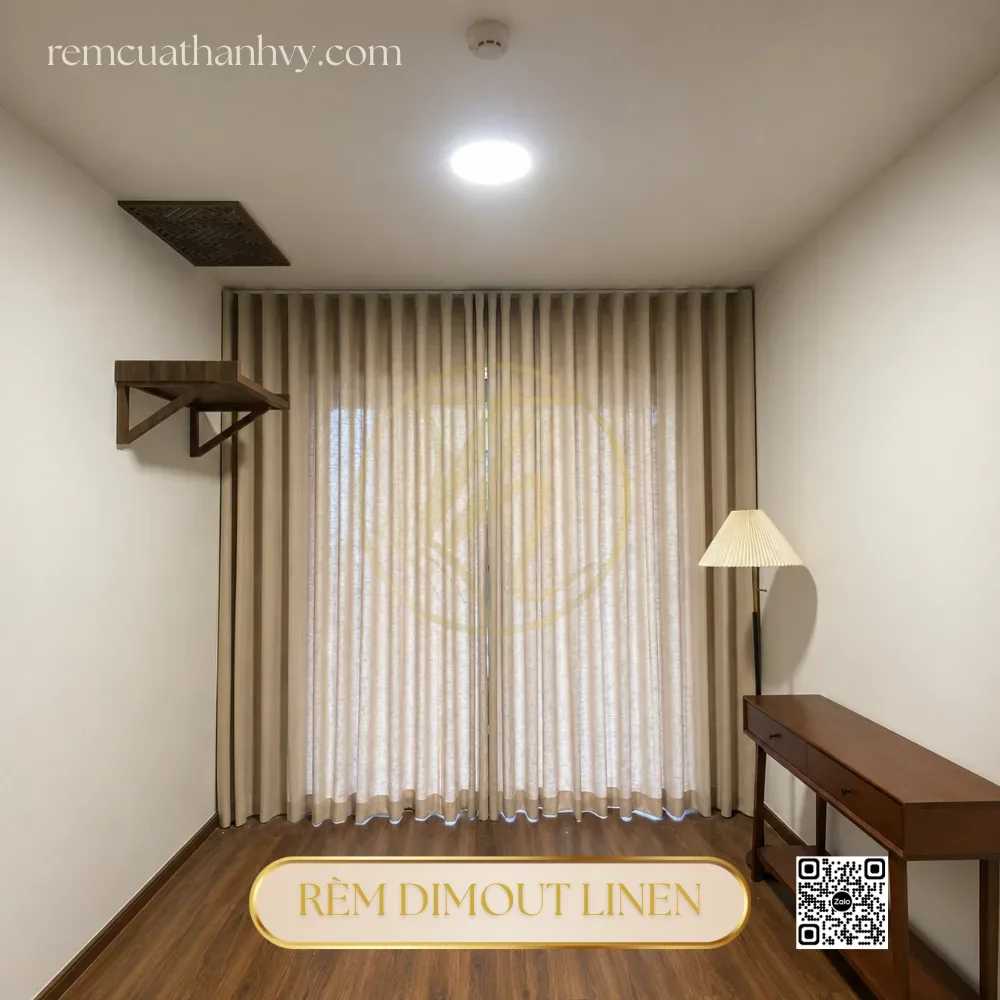
Fabric curtains
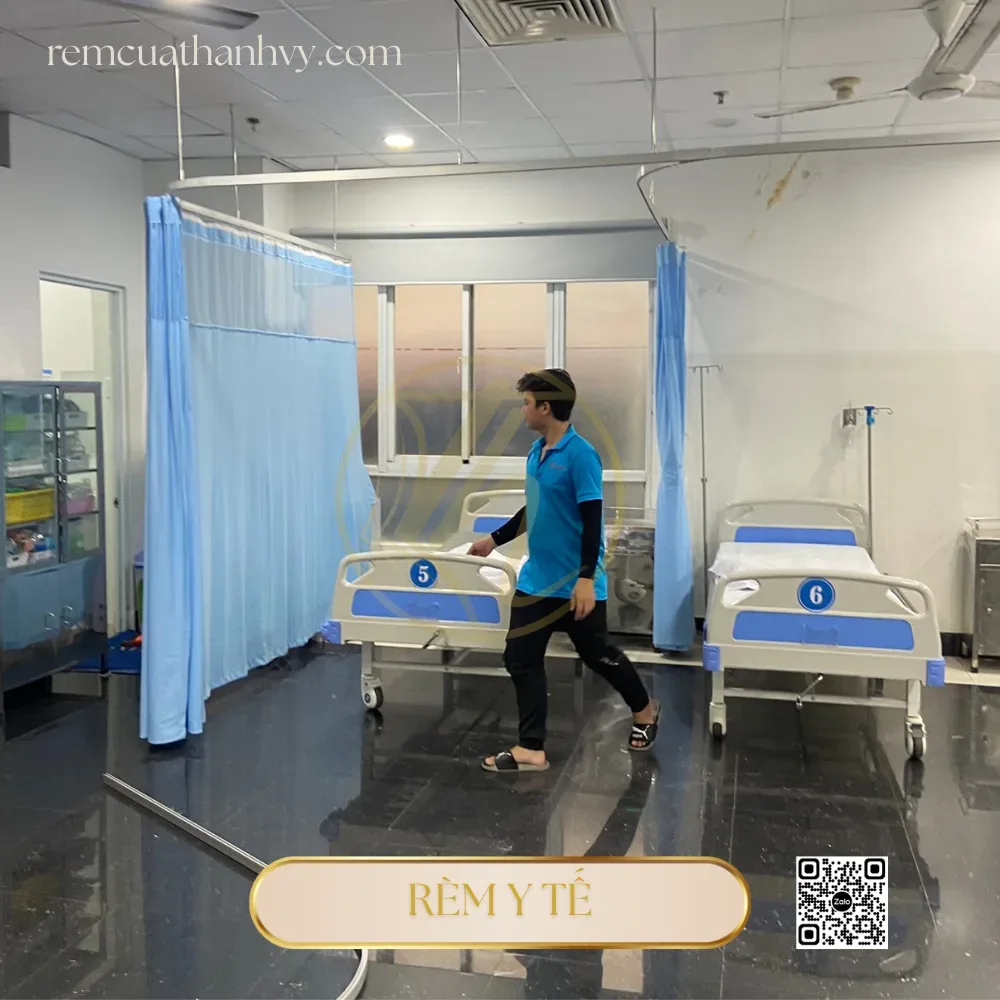
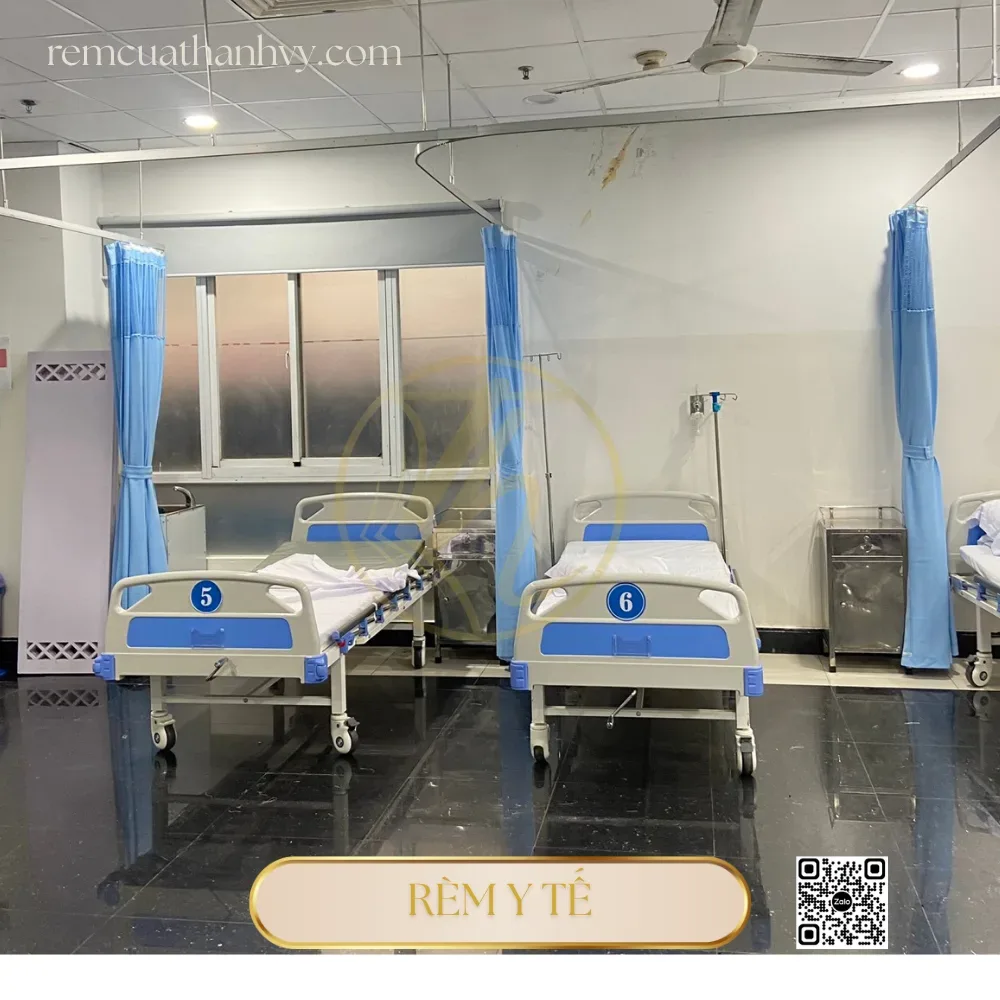
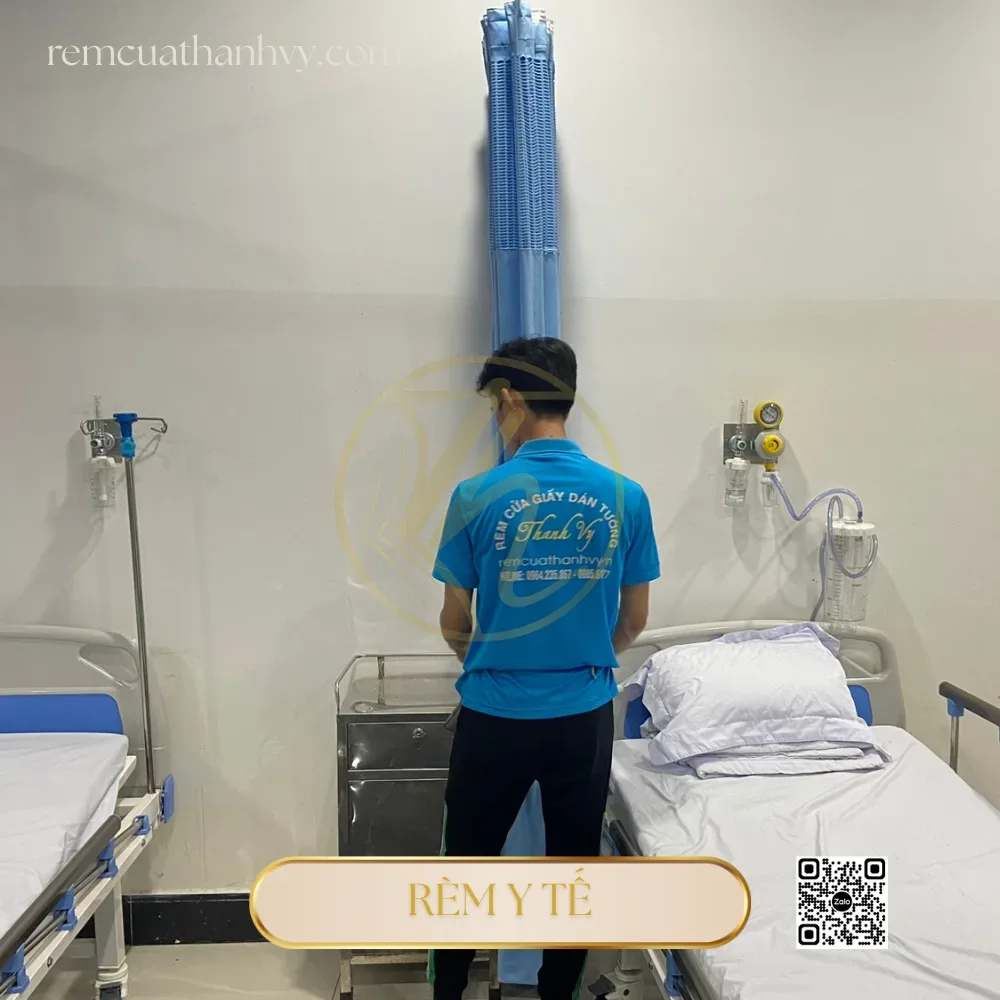
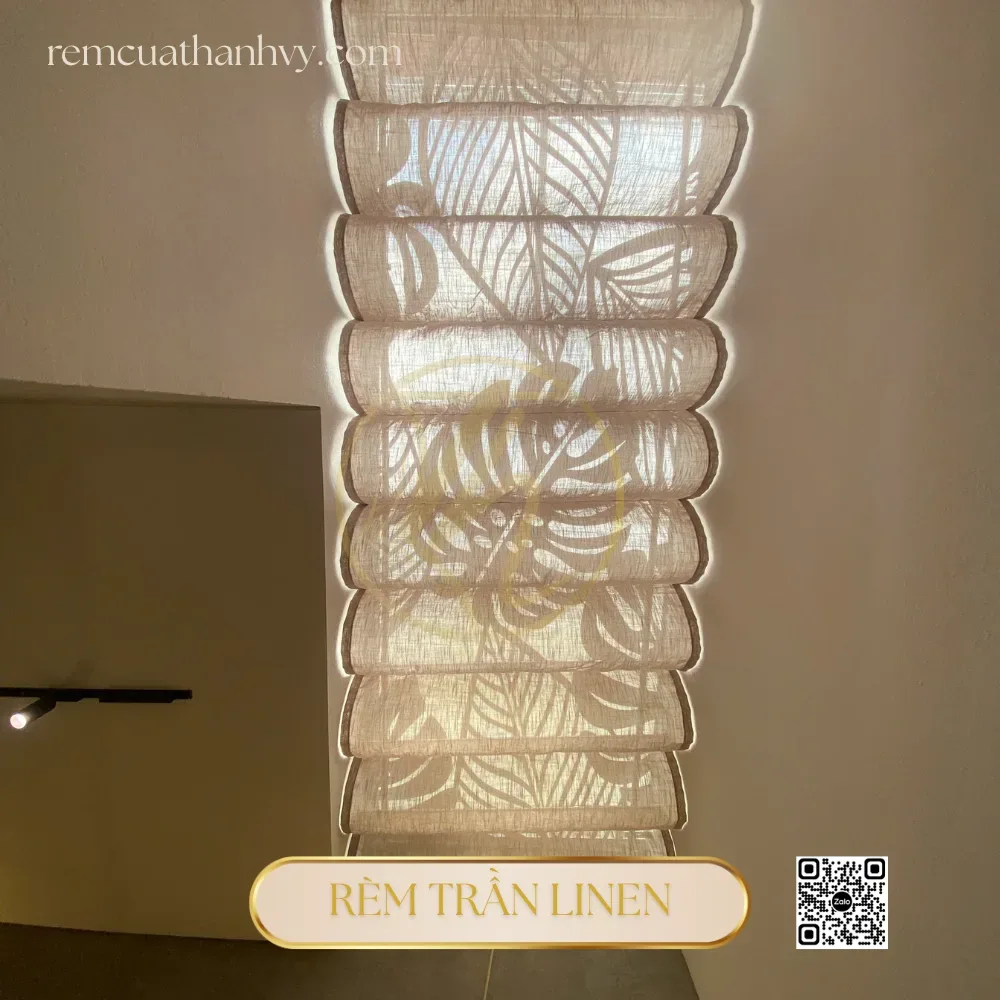
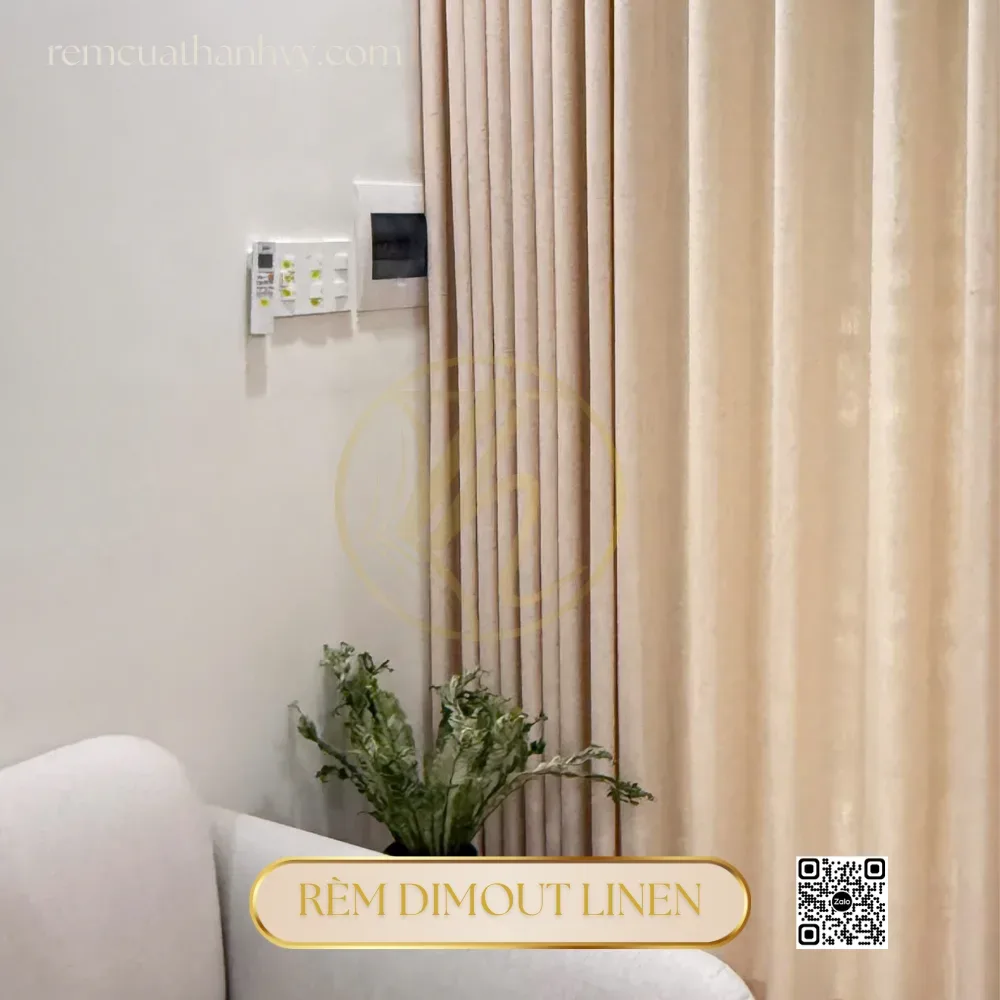
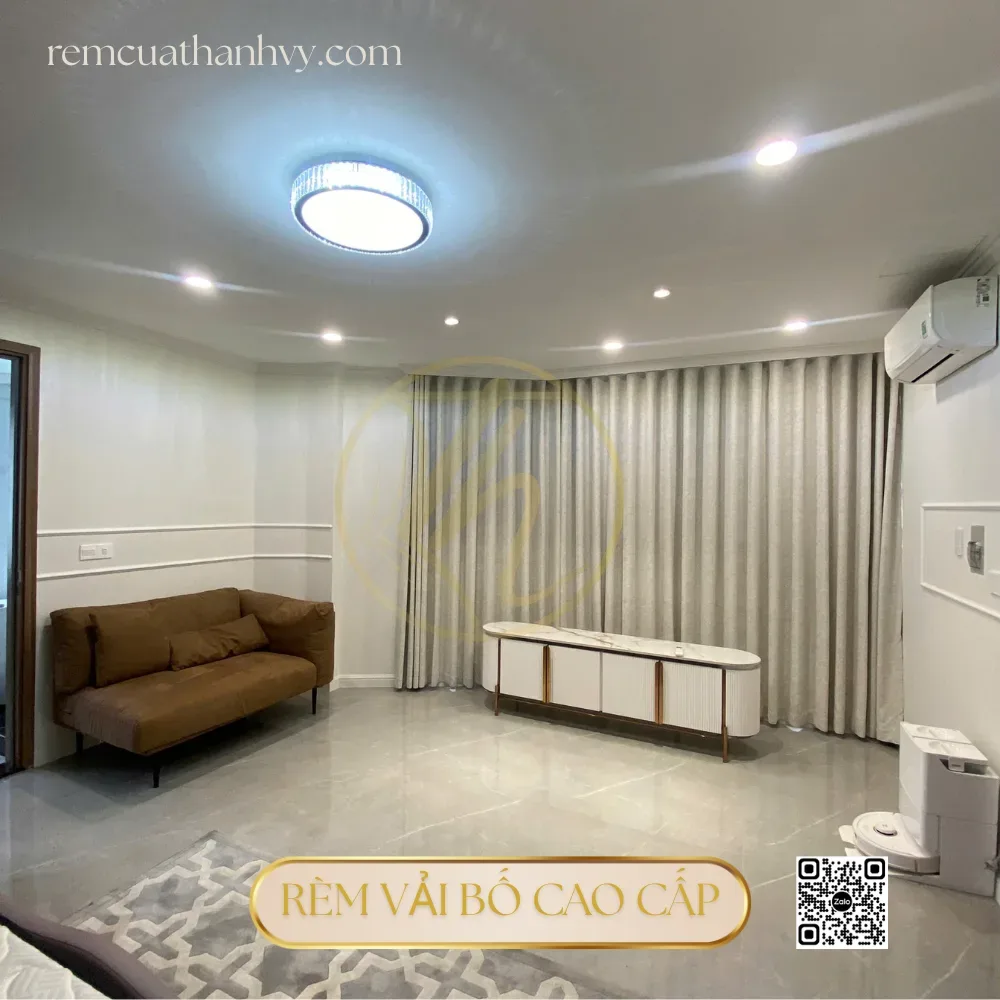
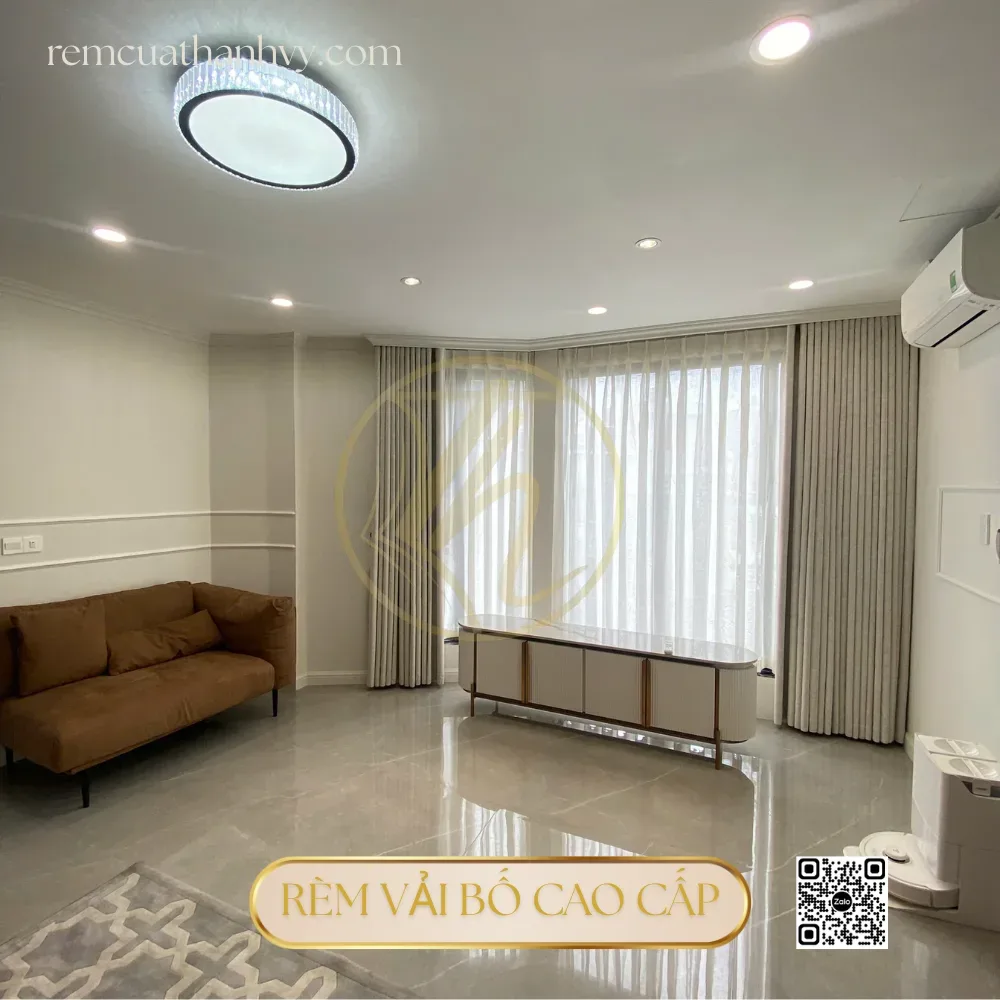
Fabric curtains are easy to coordinate with interior furnishings and feature a wide price range.
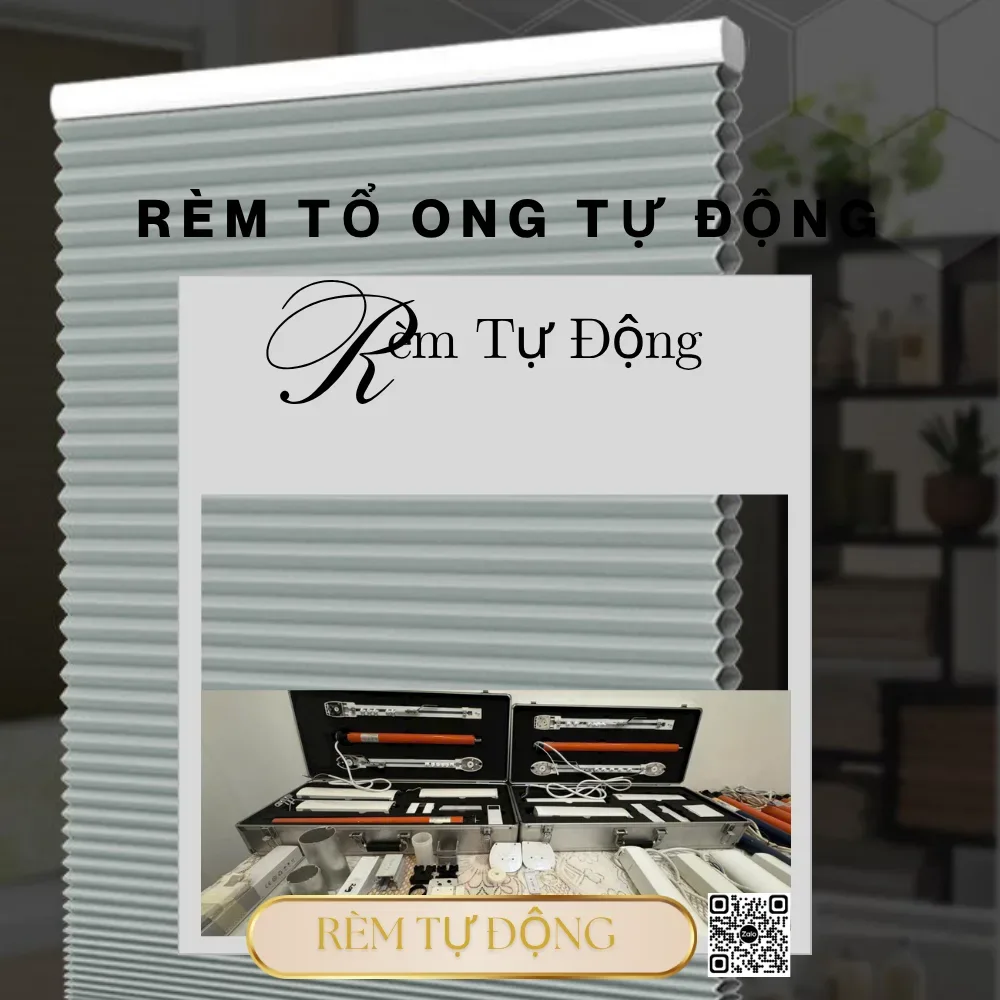
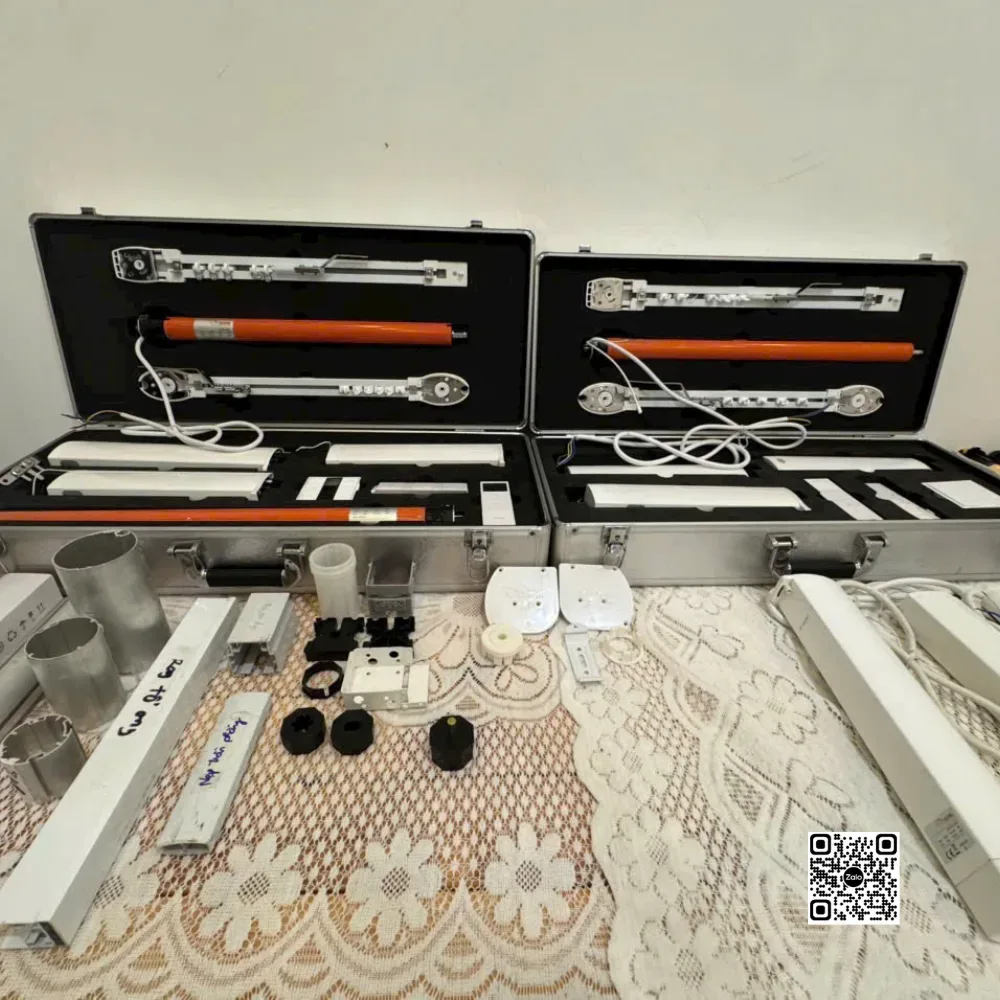
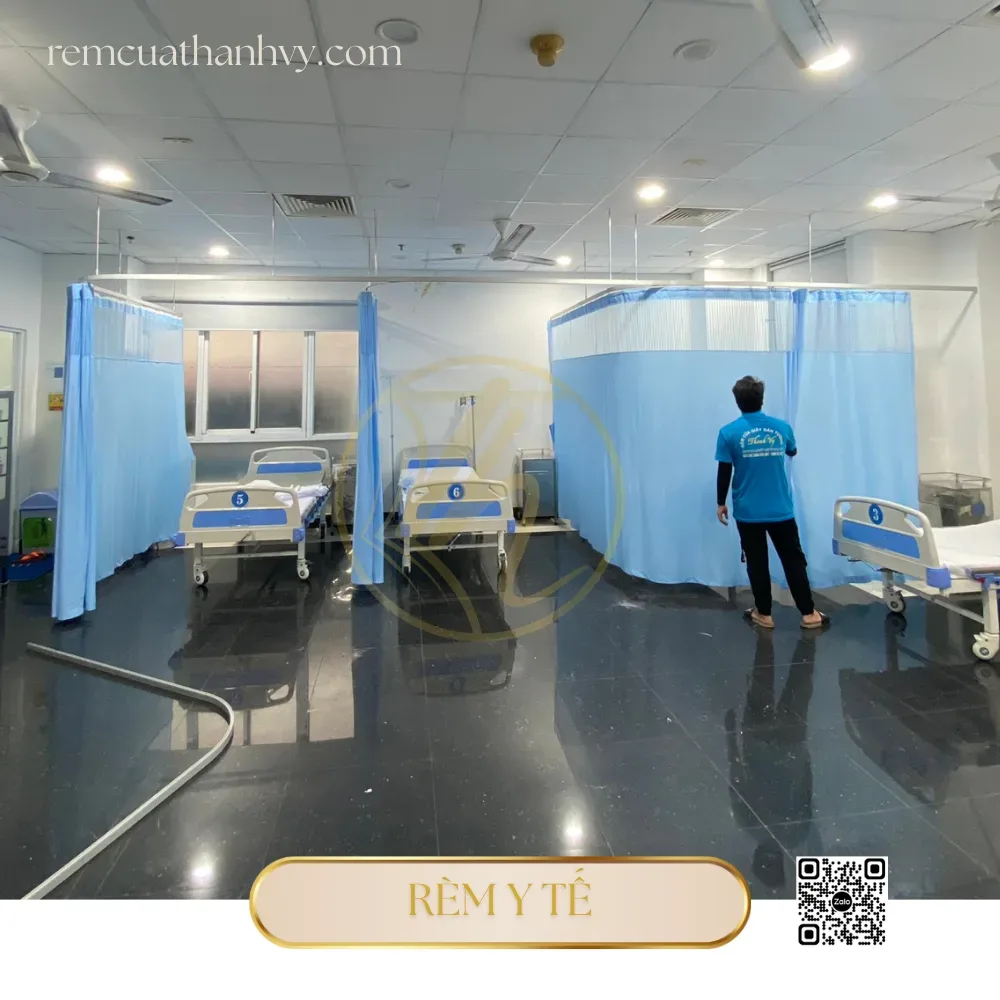
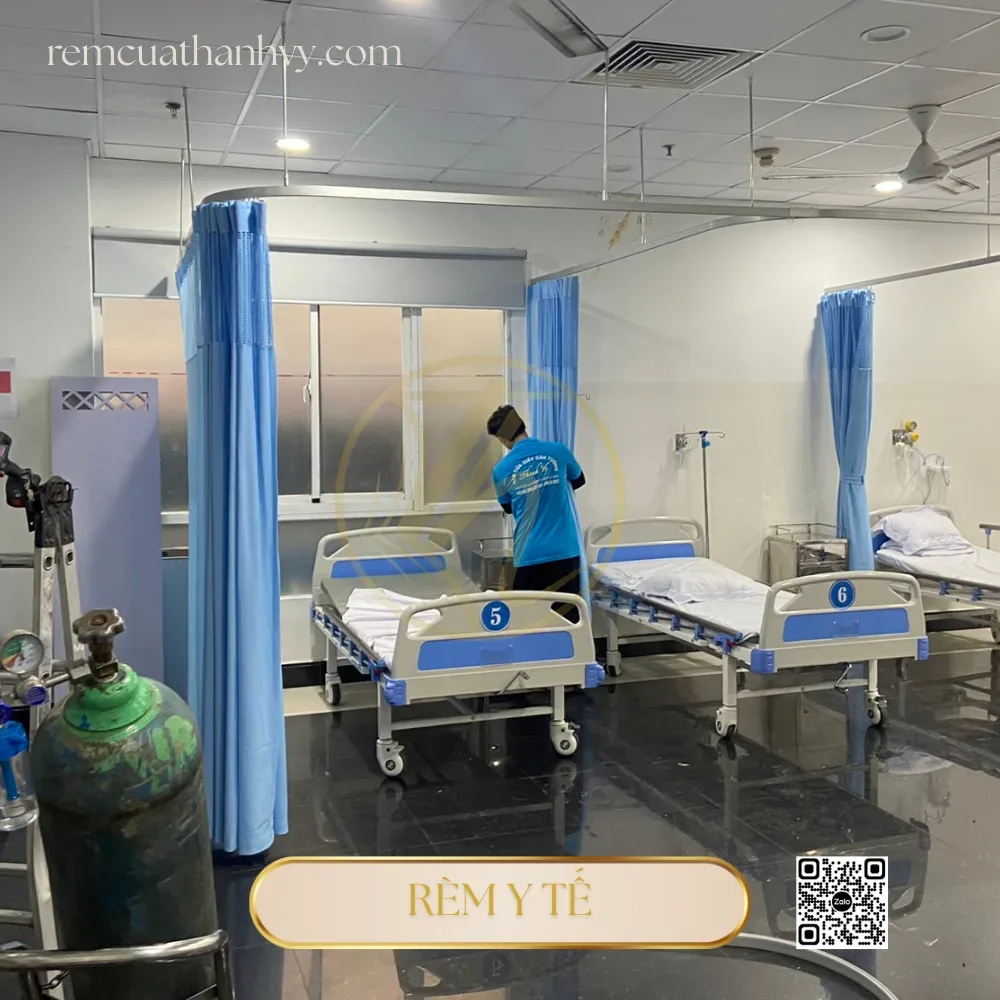
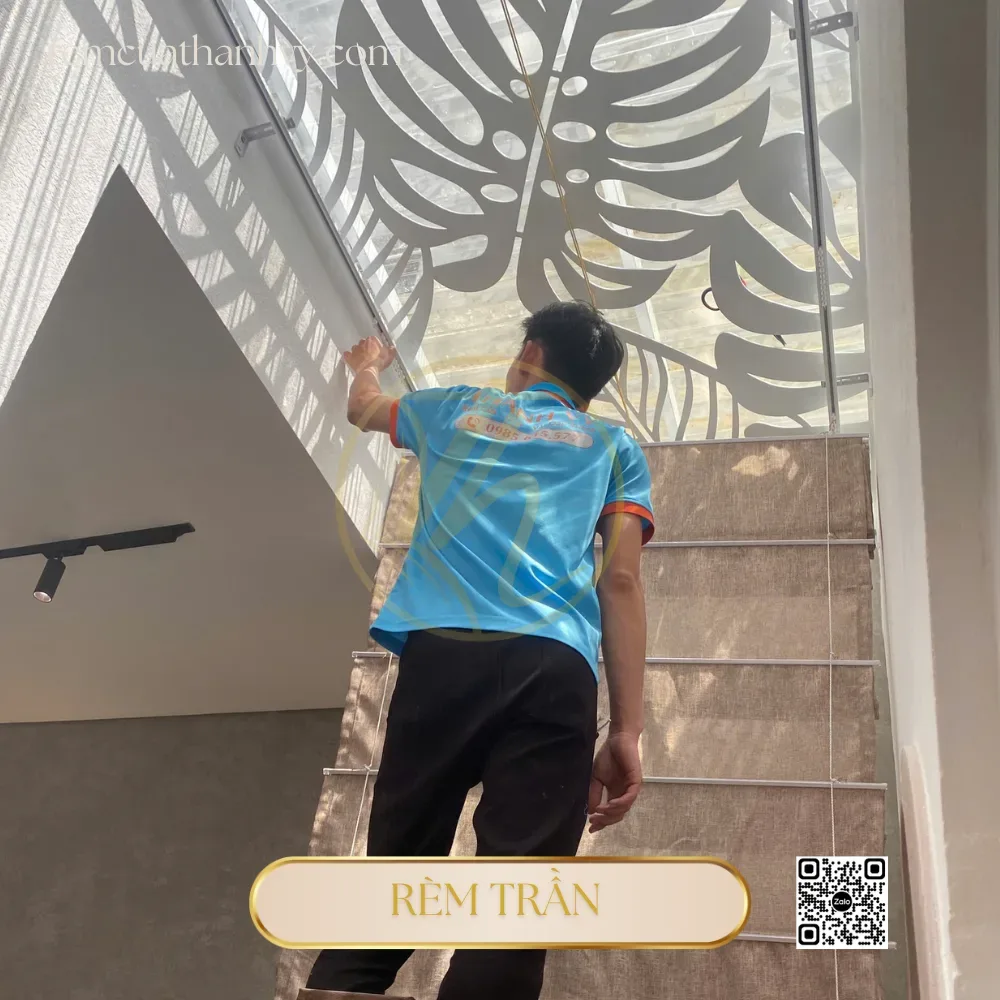
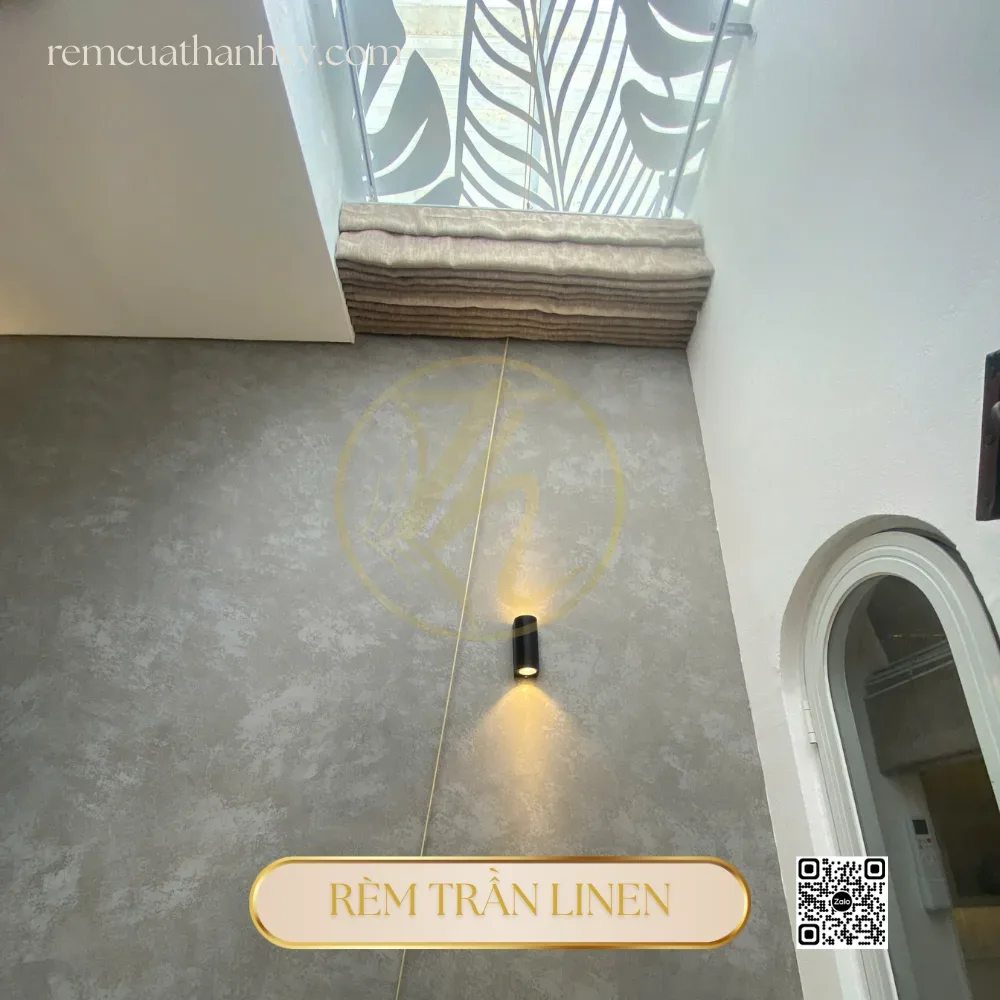
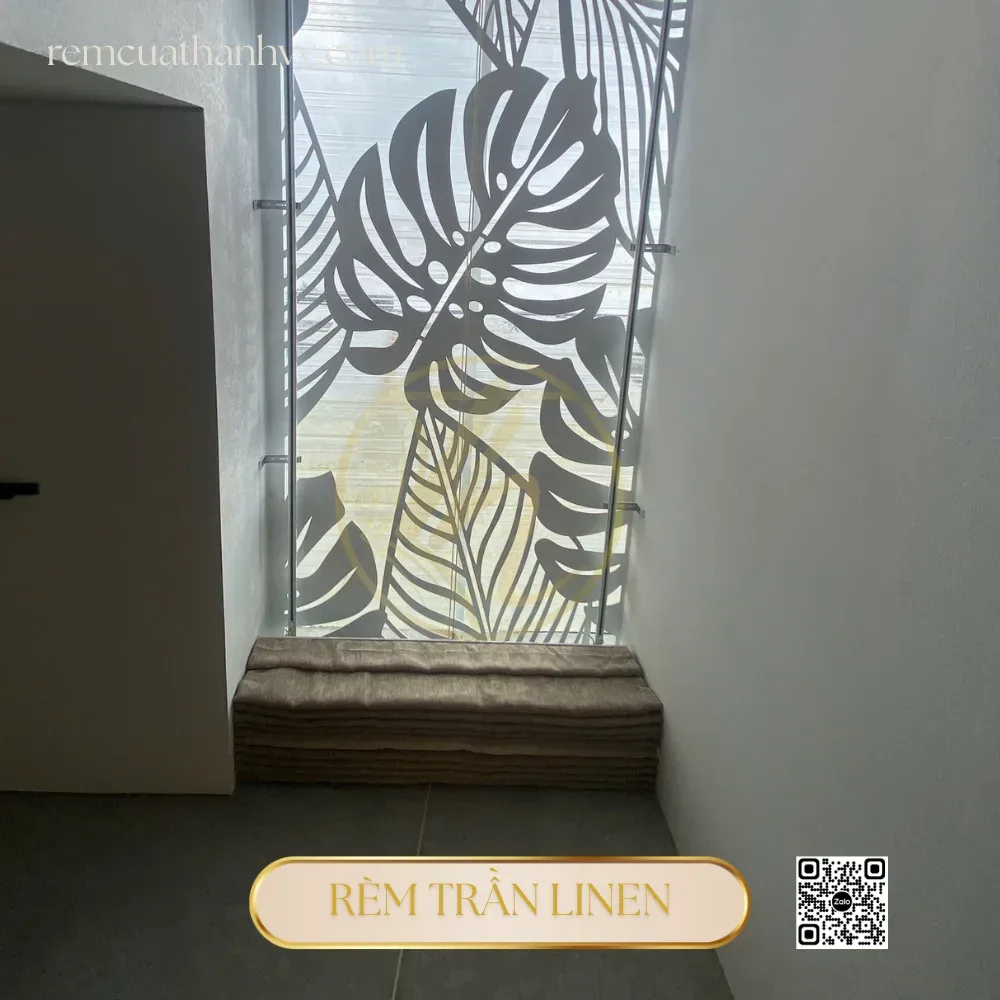
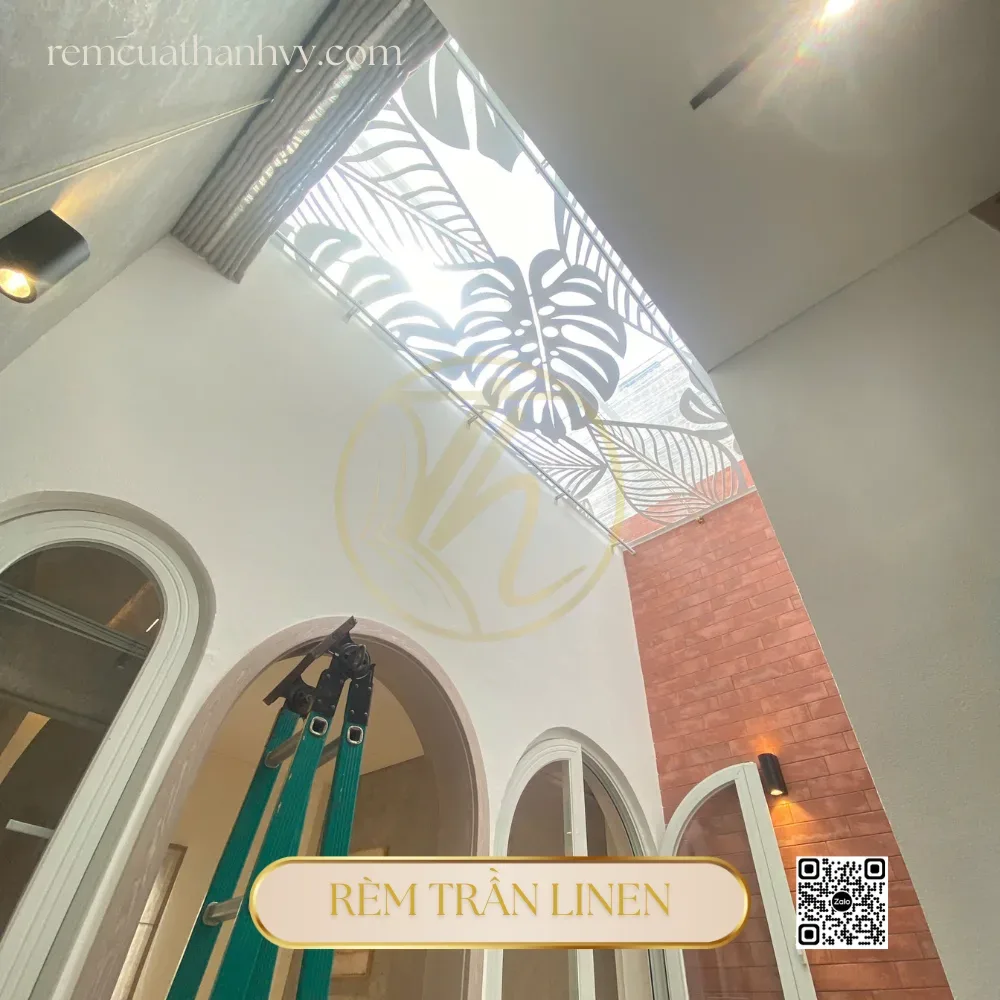
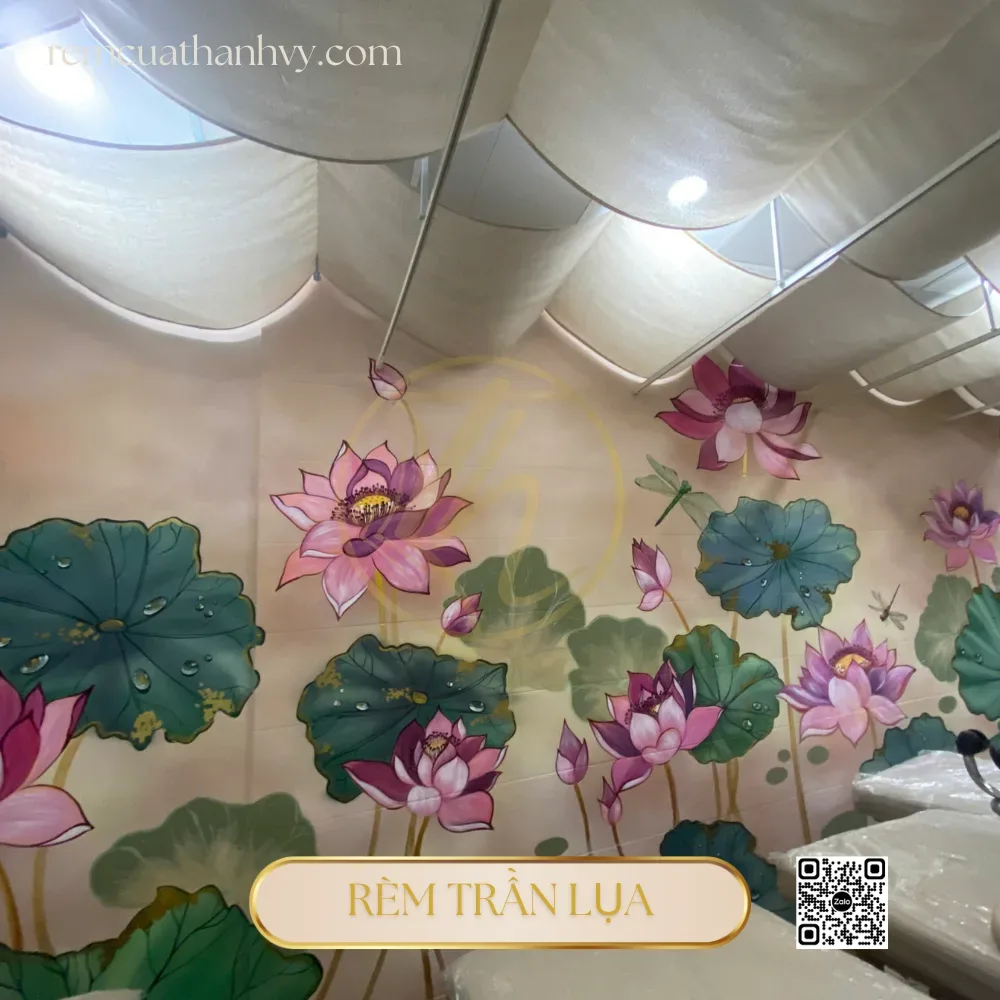
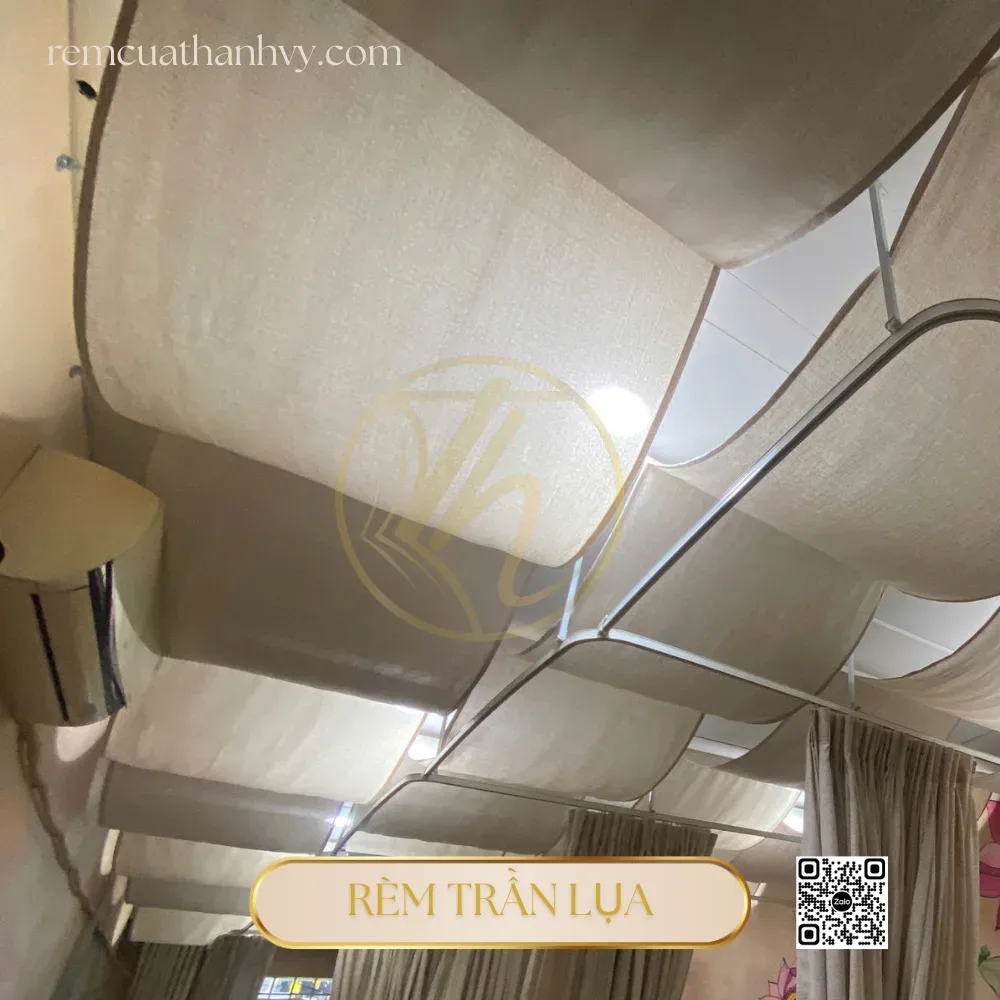
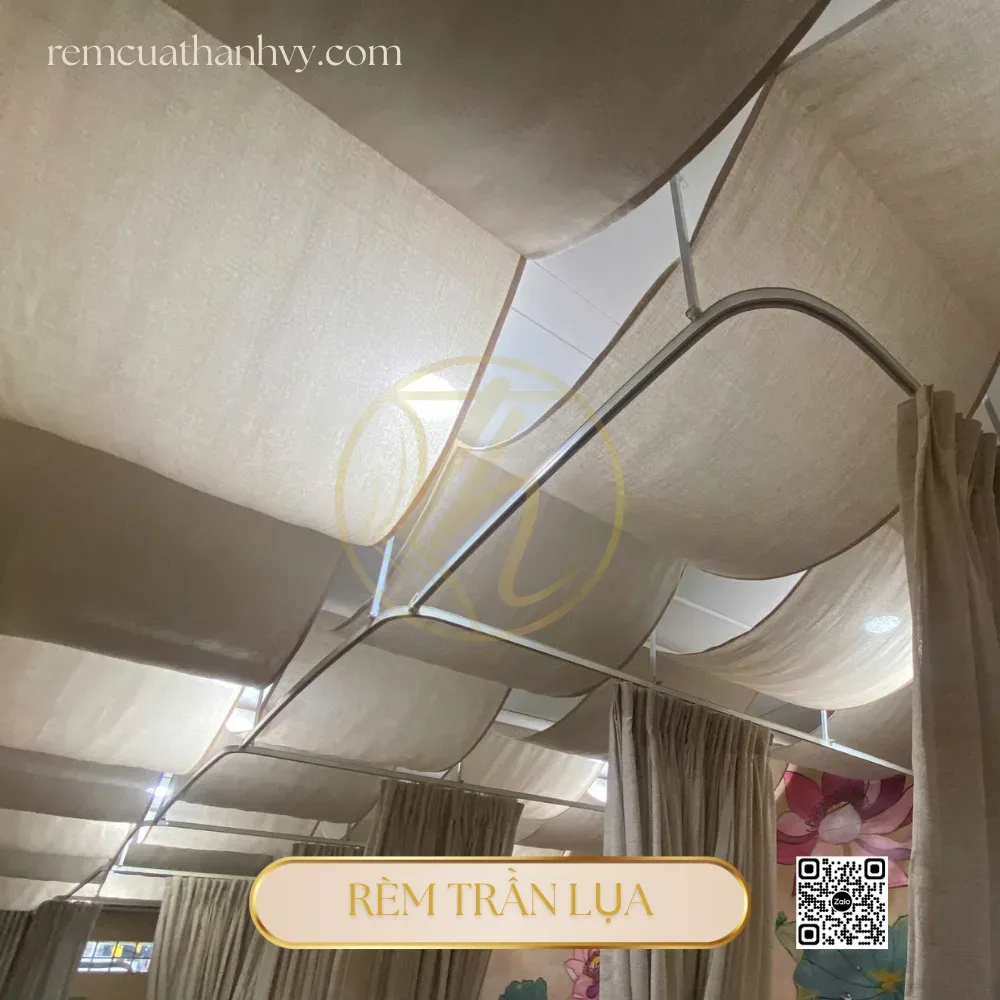
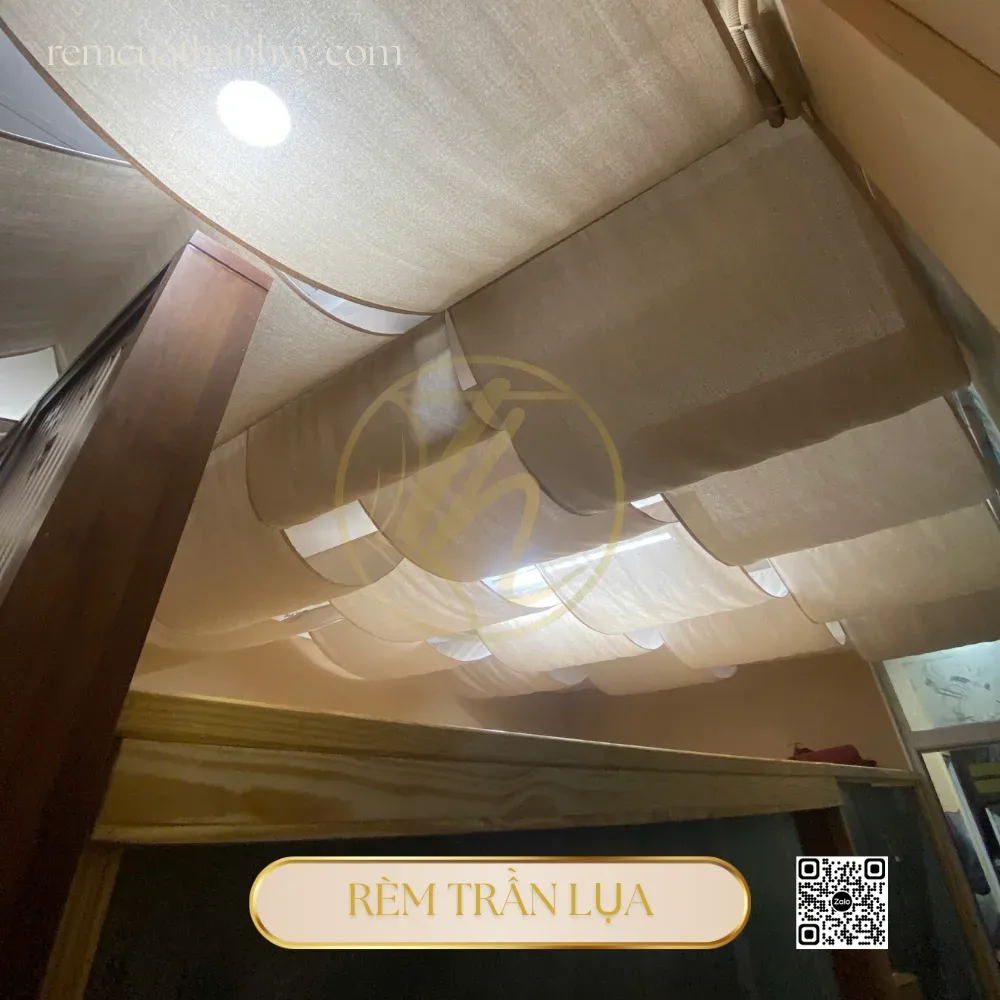
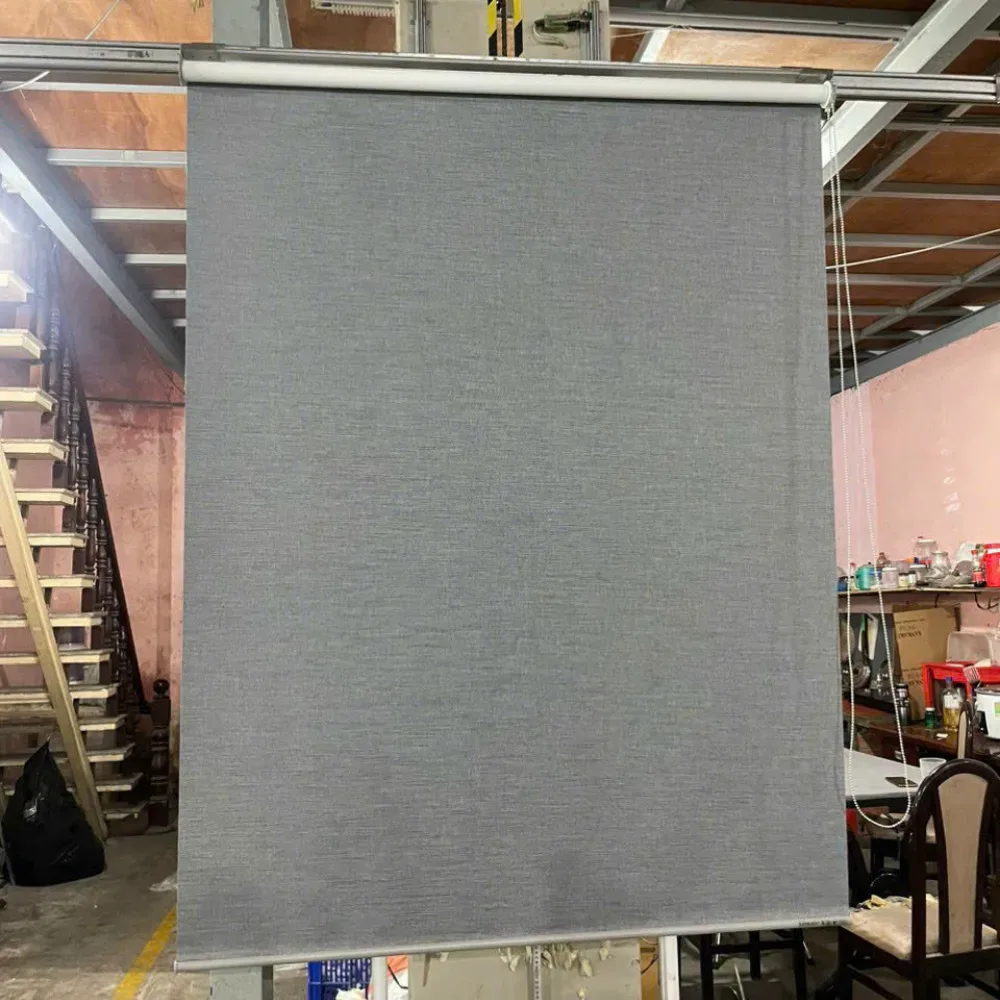
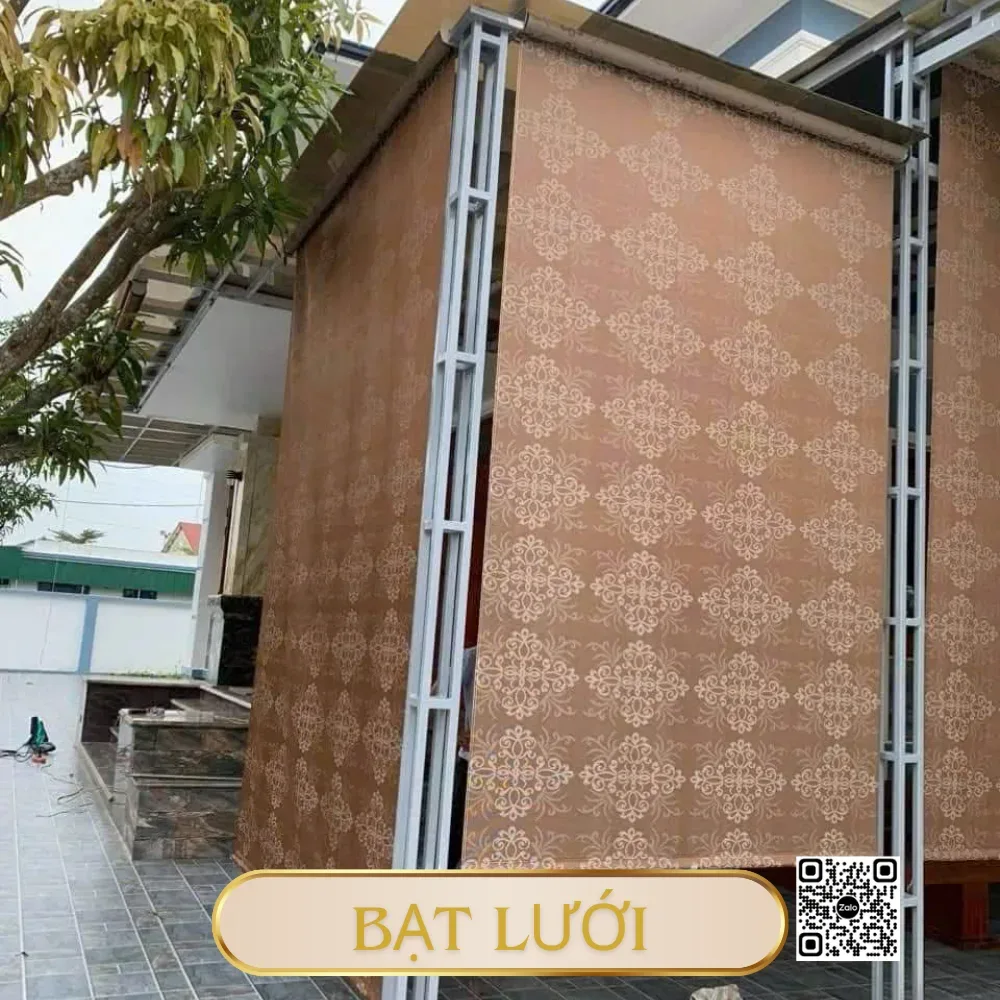
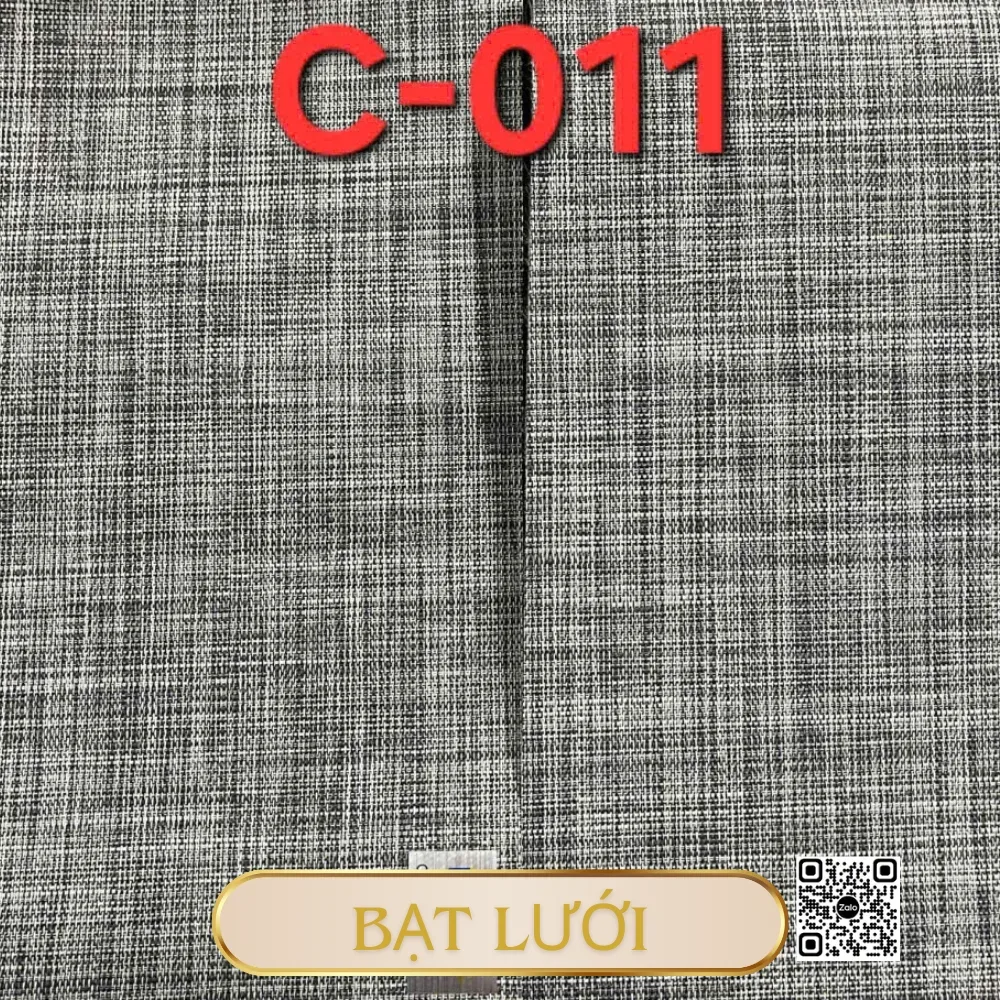
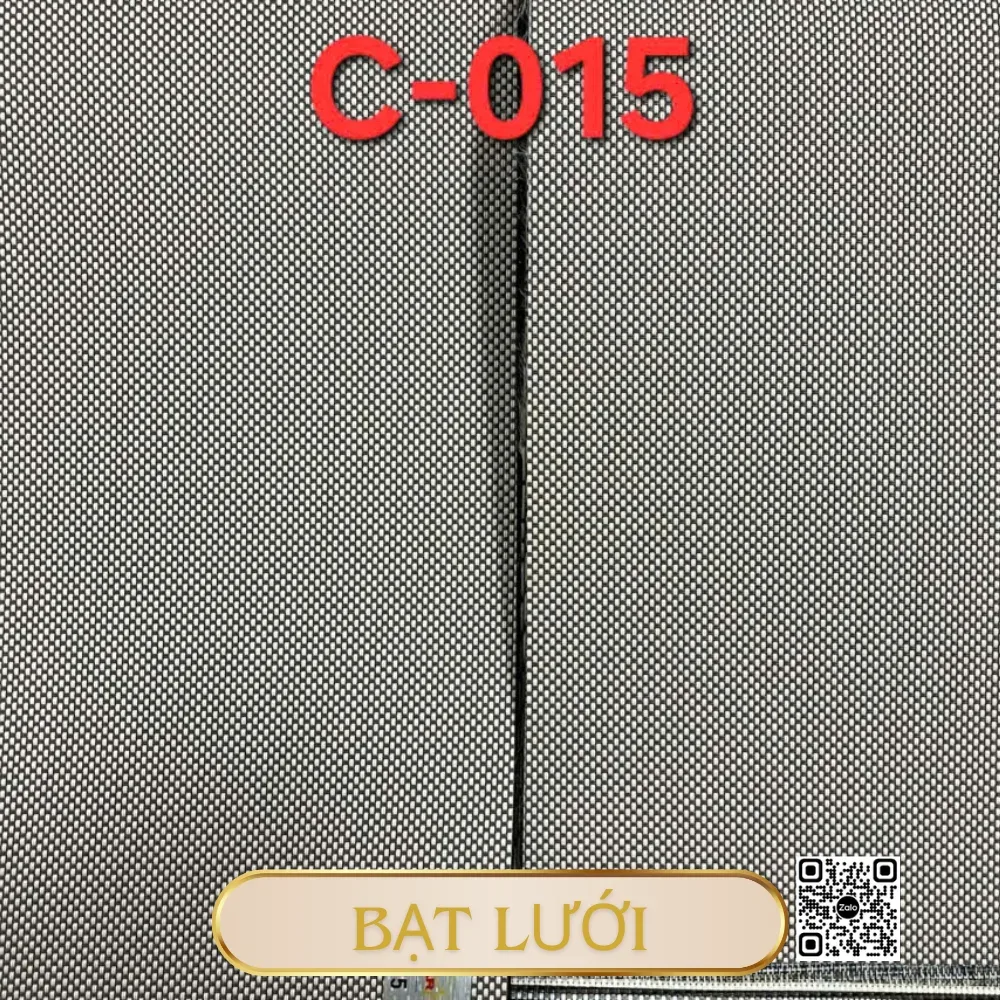
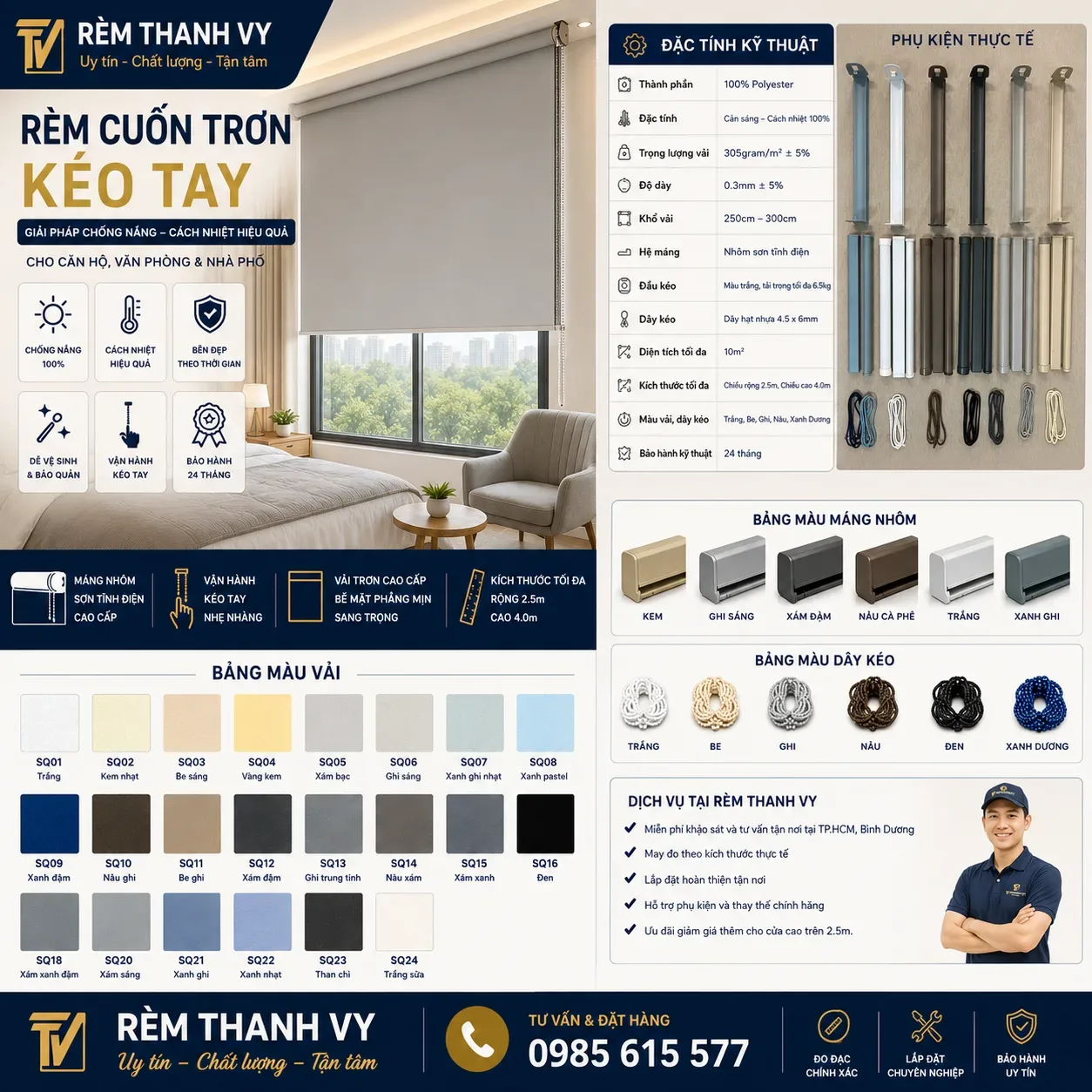
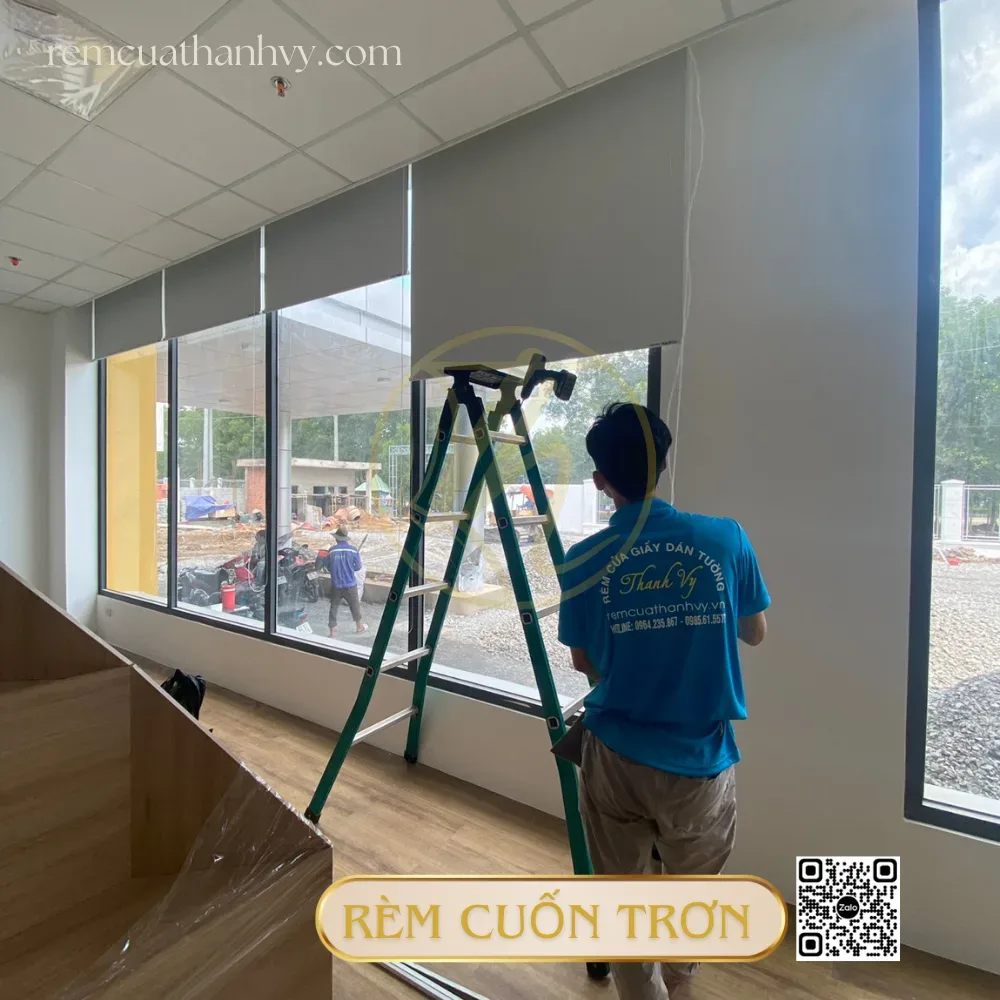
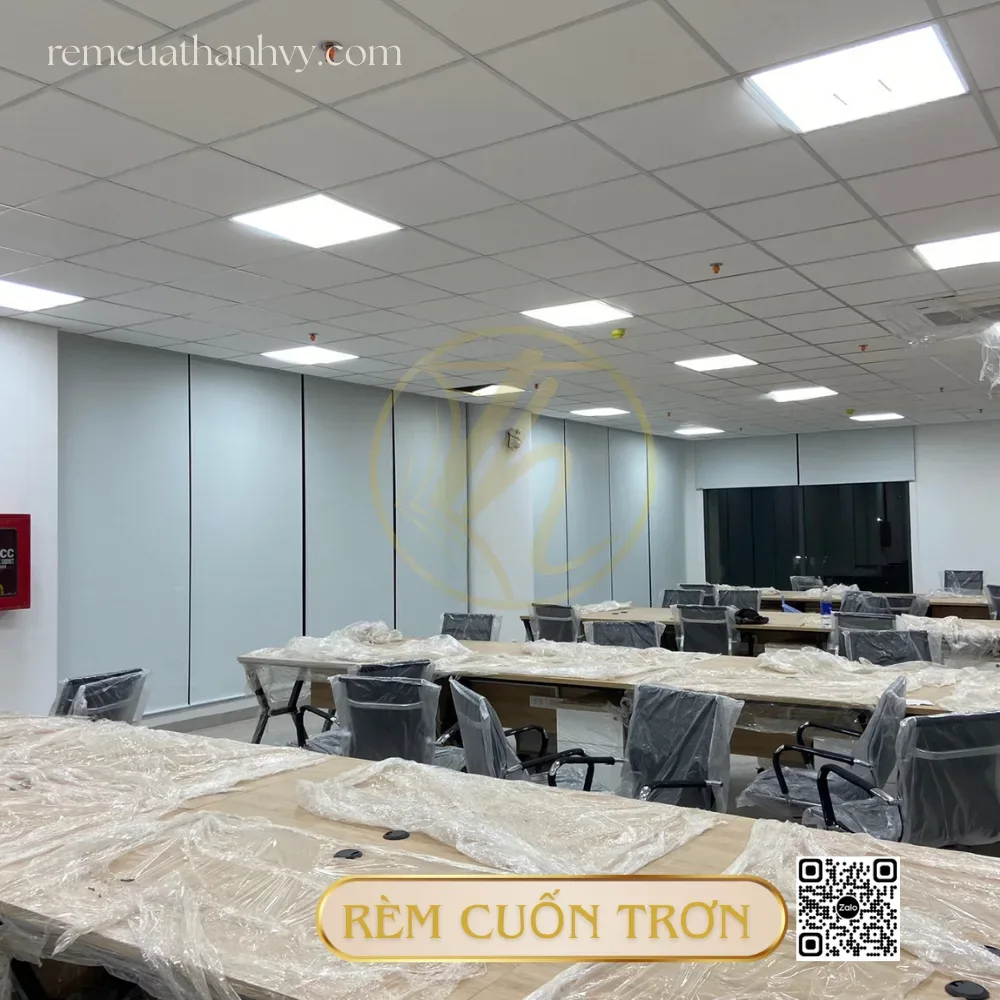
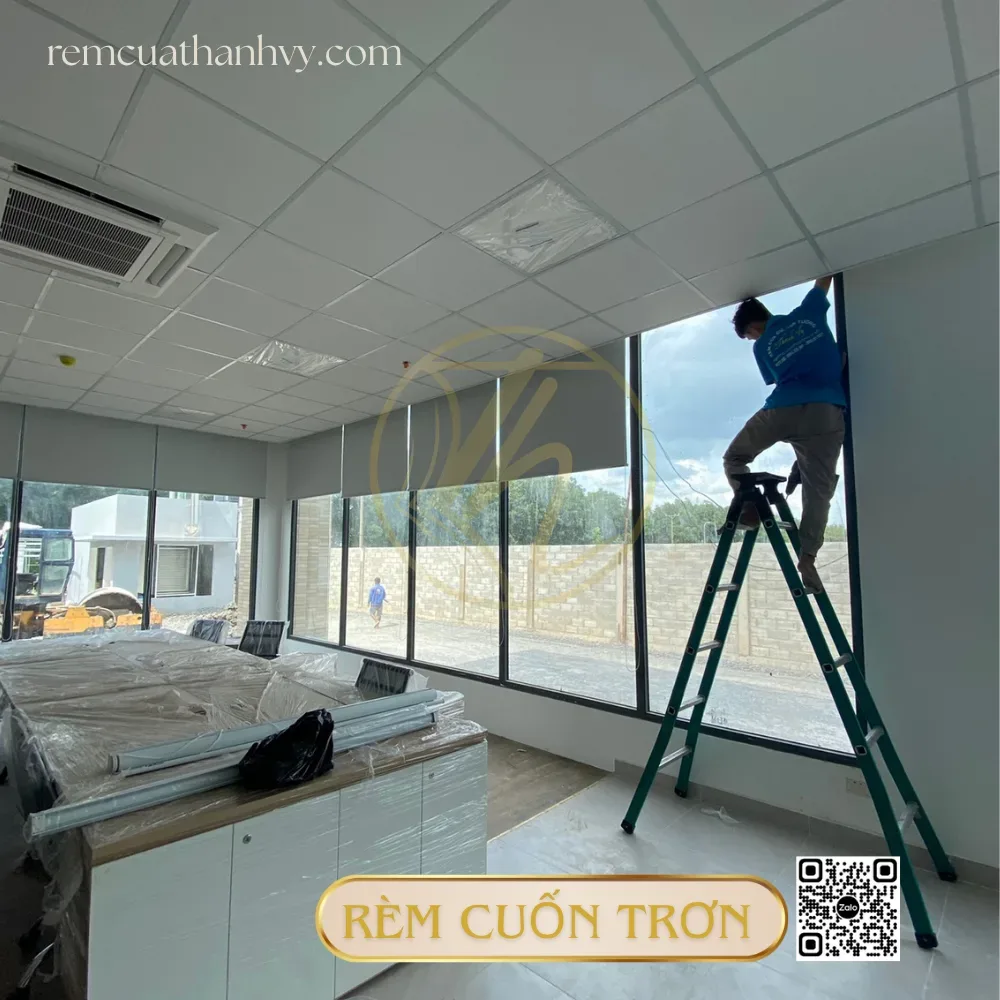
Roller blinds
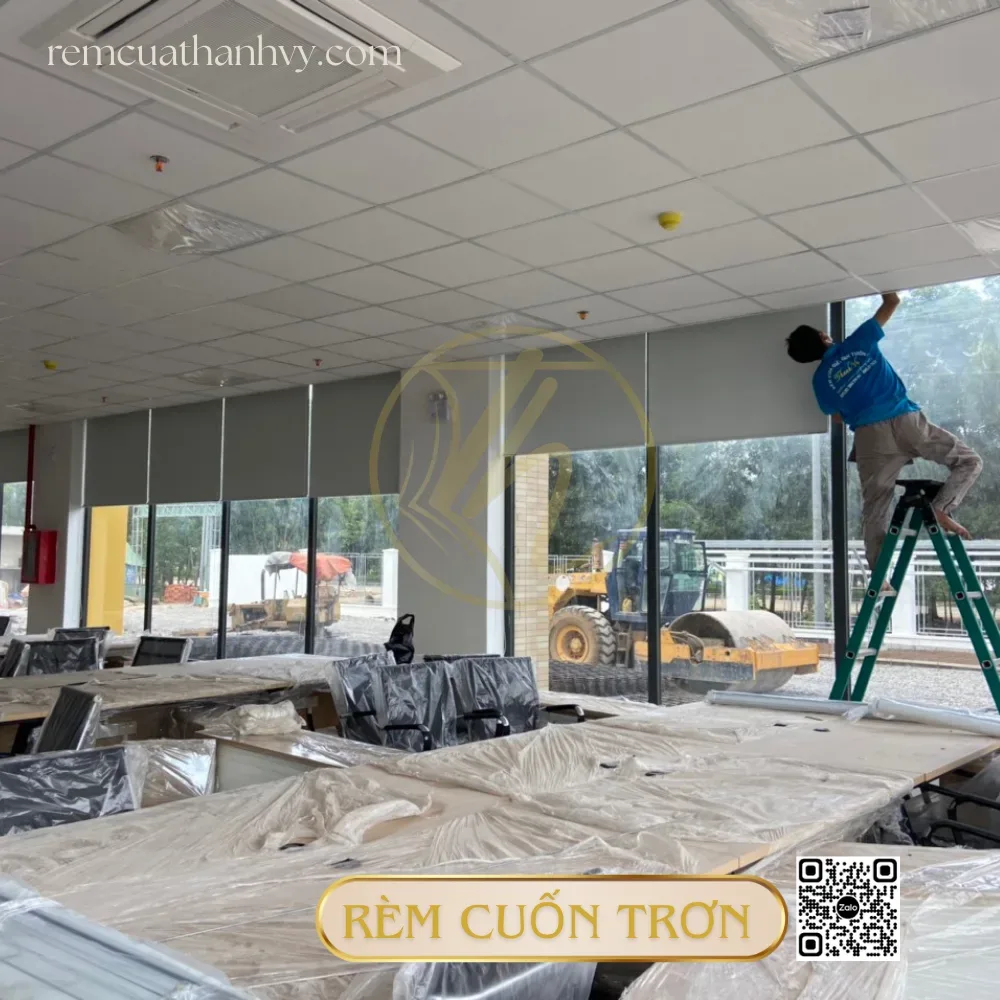
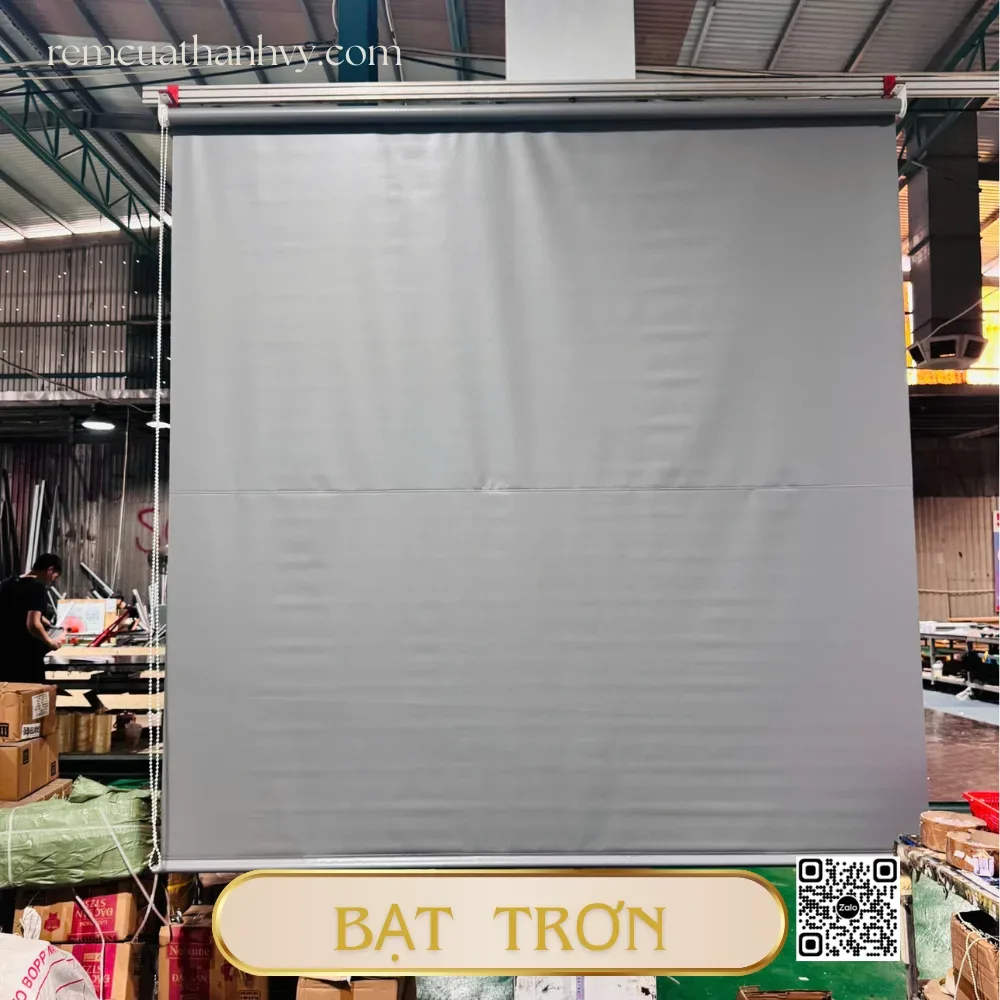
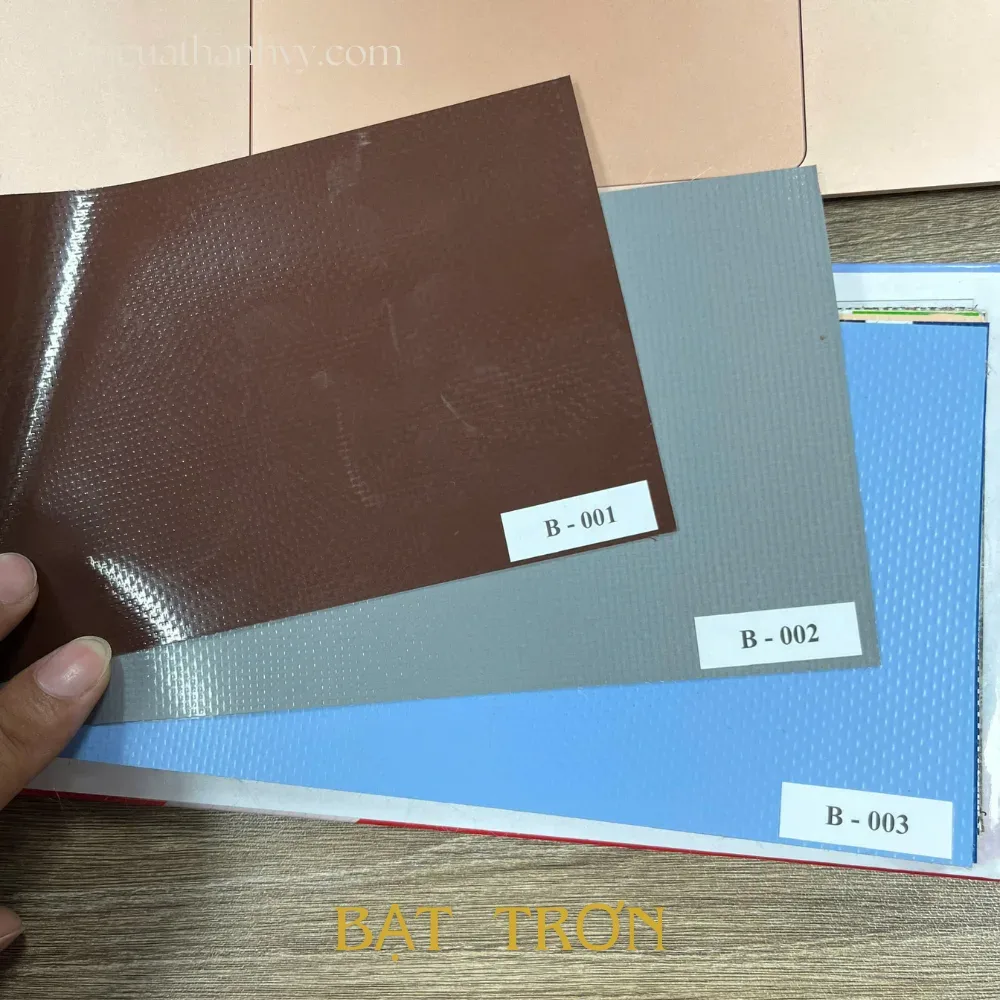
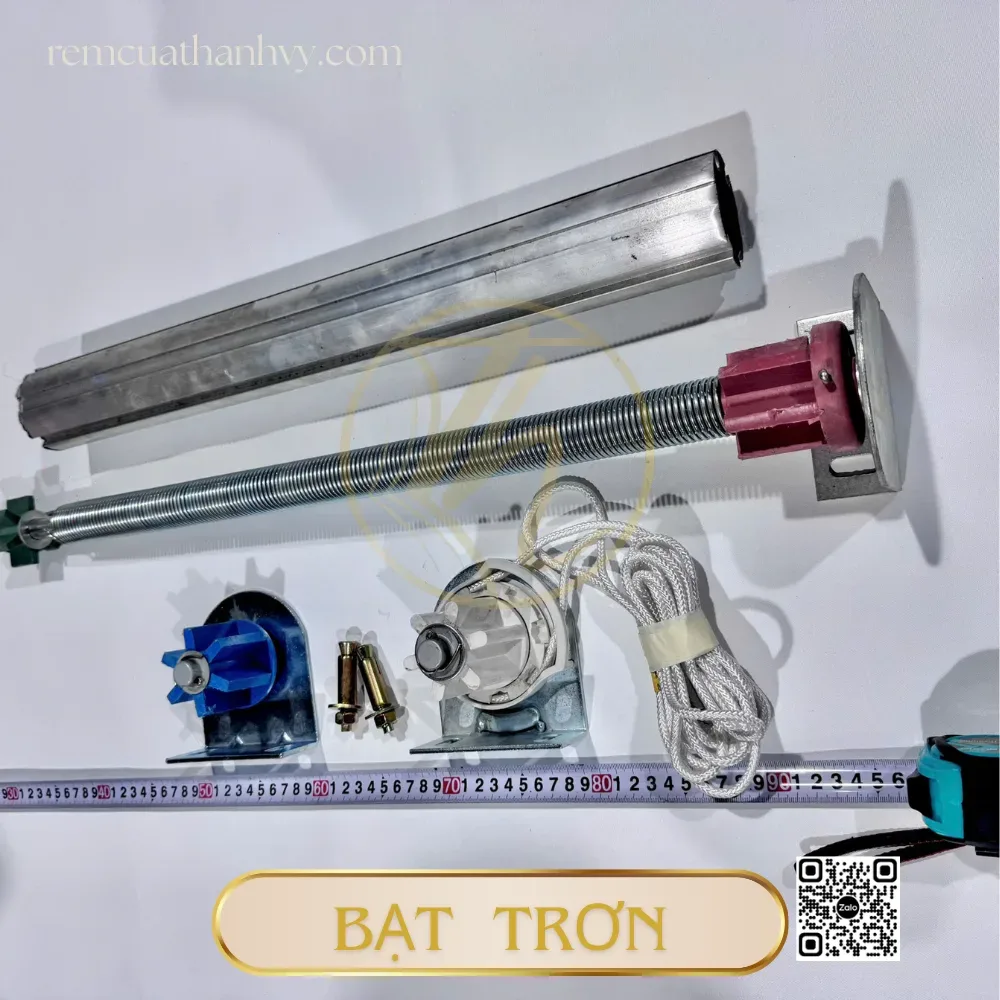
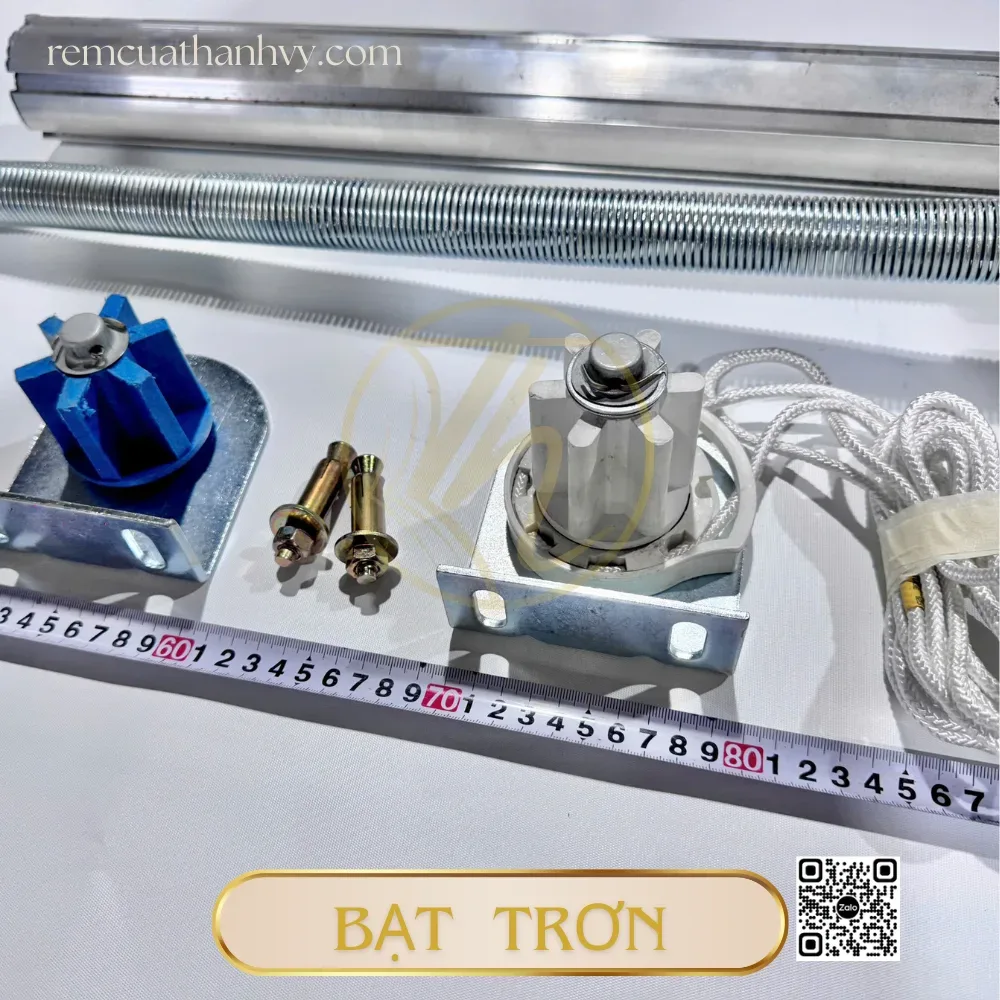
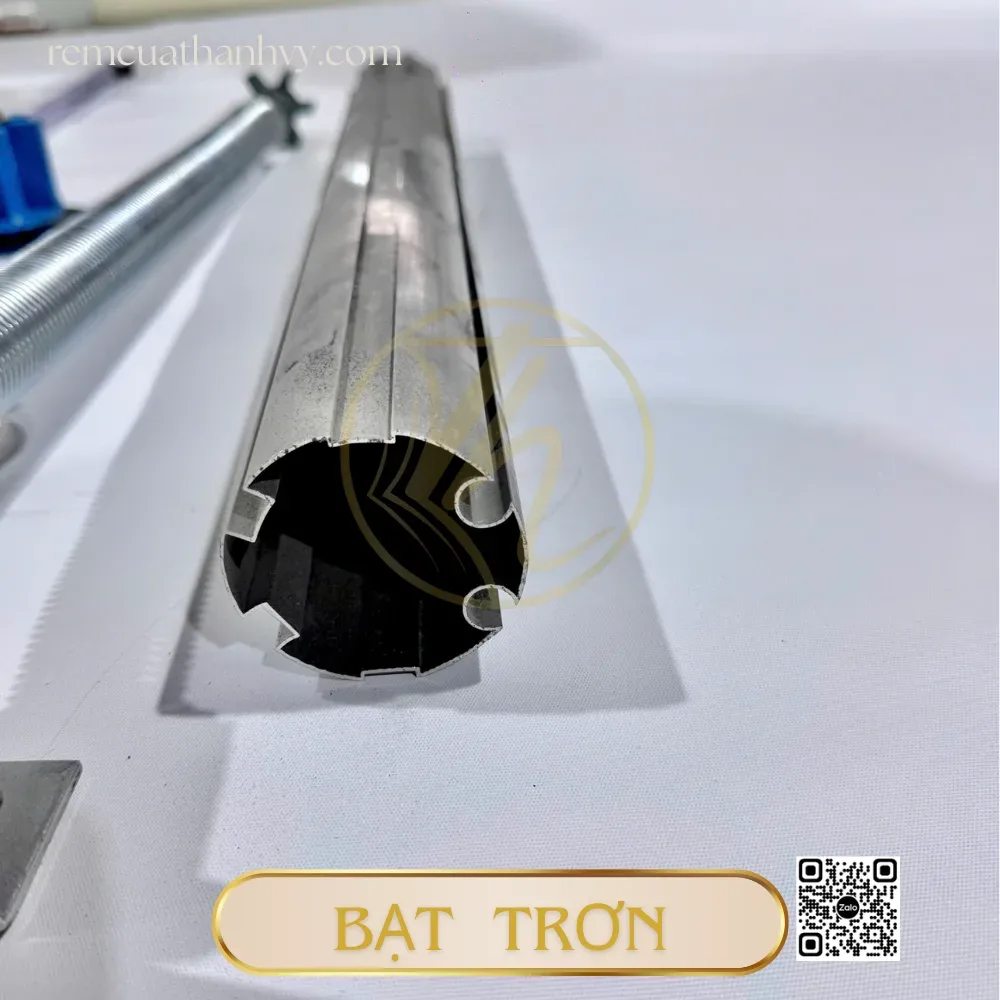
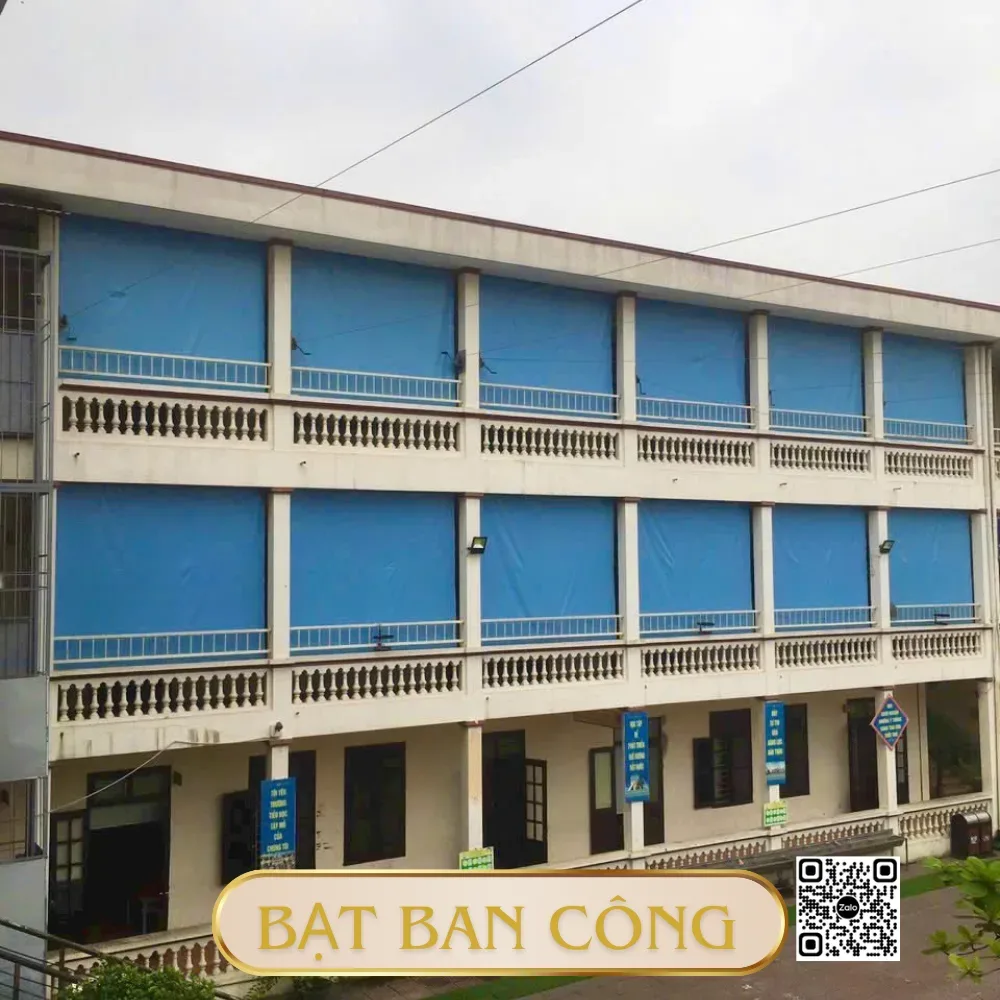
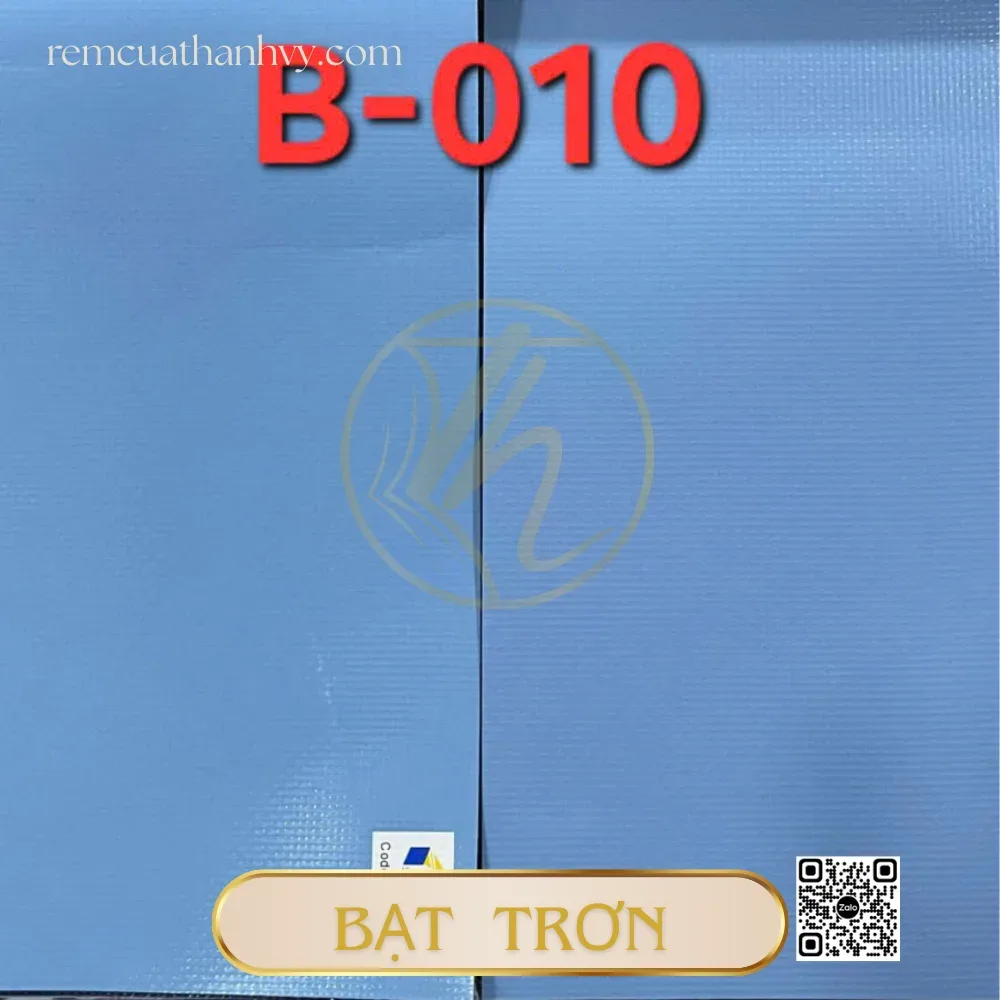
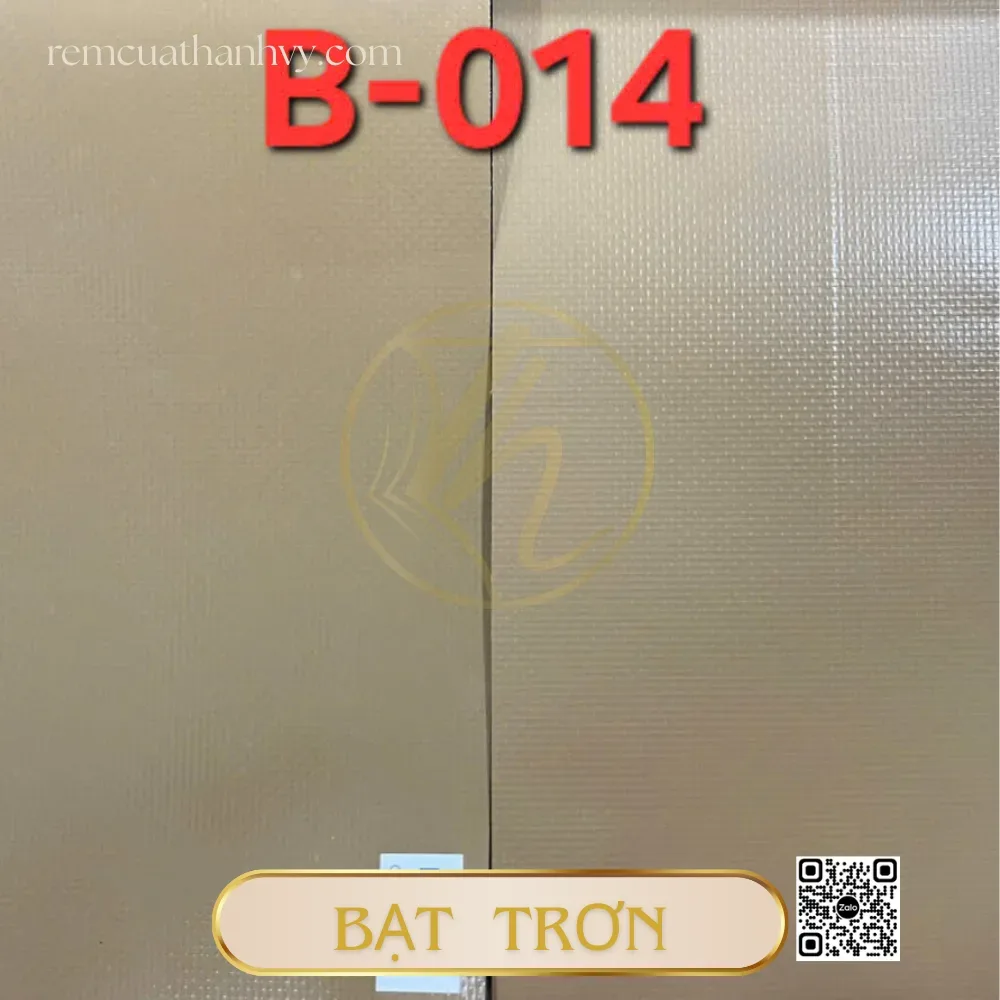
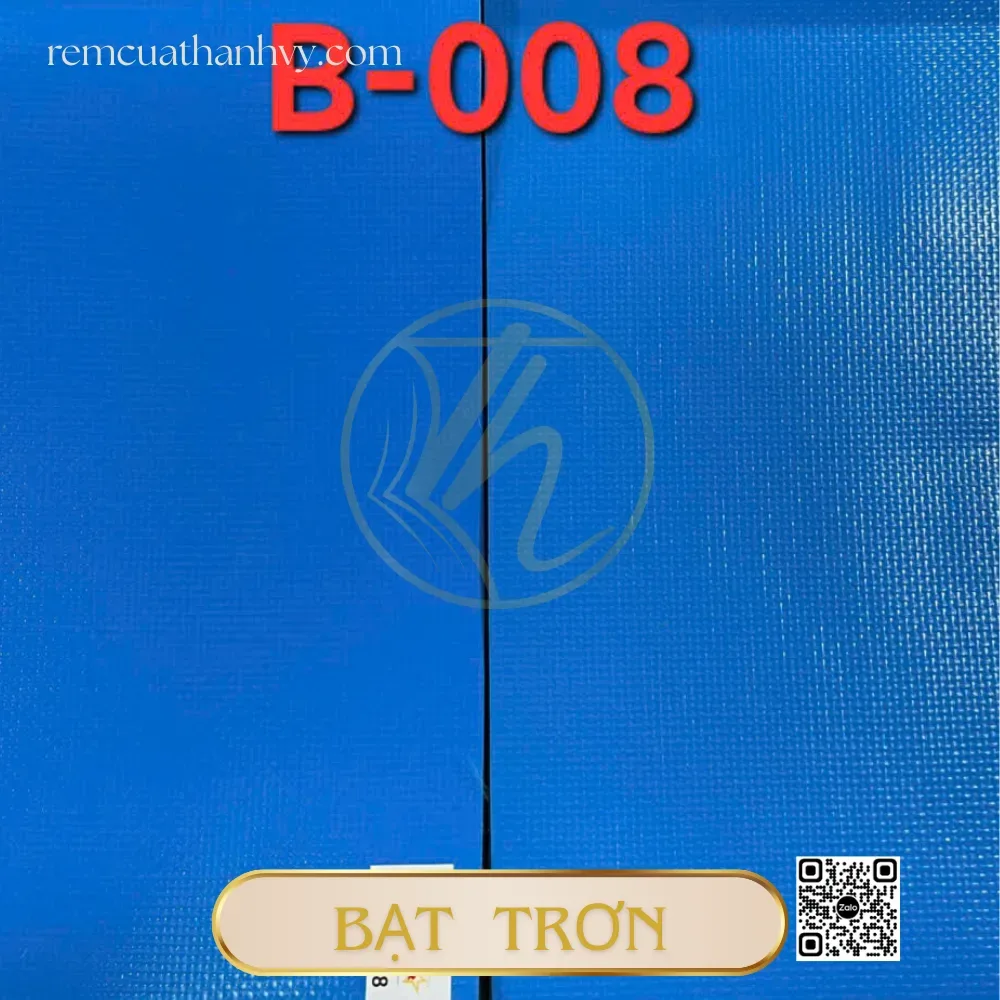
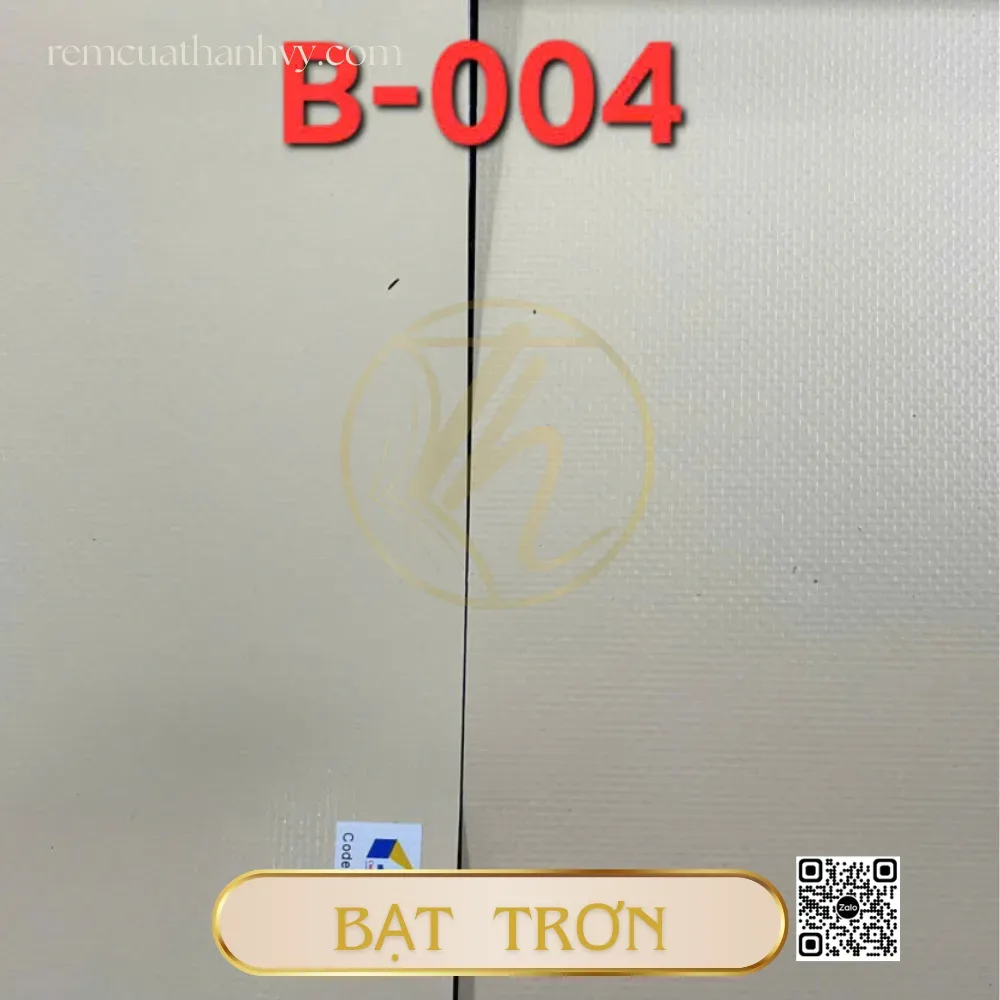
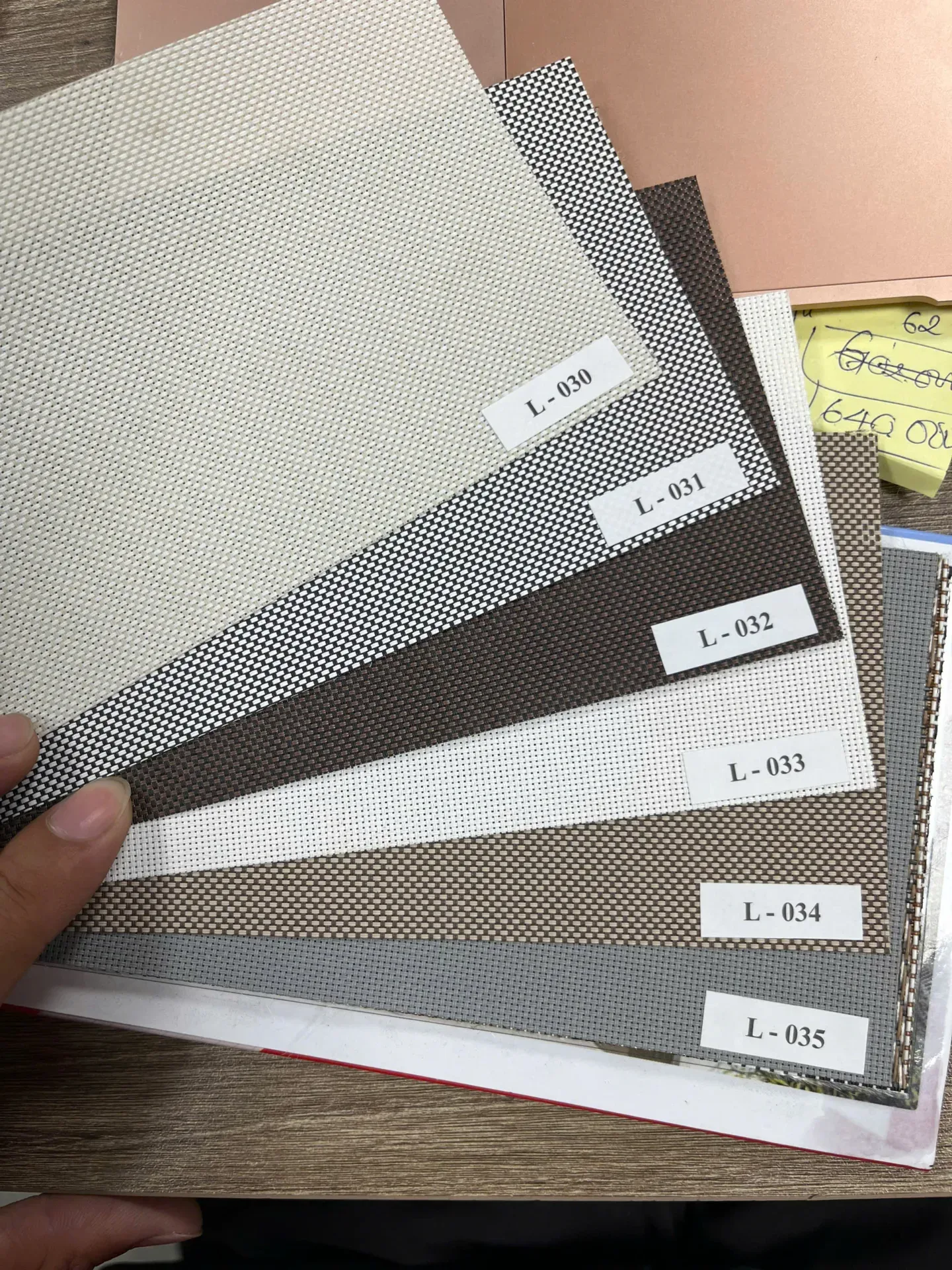
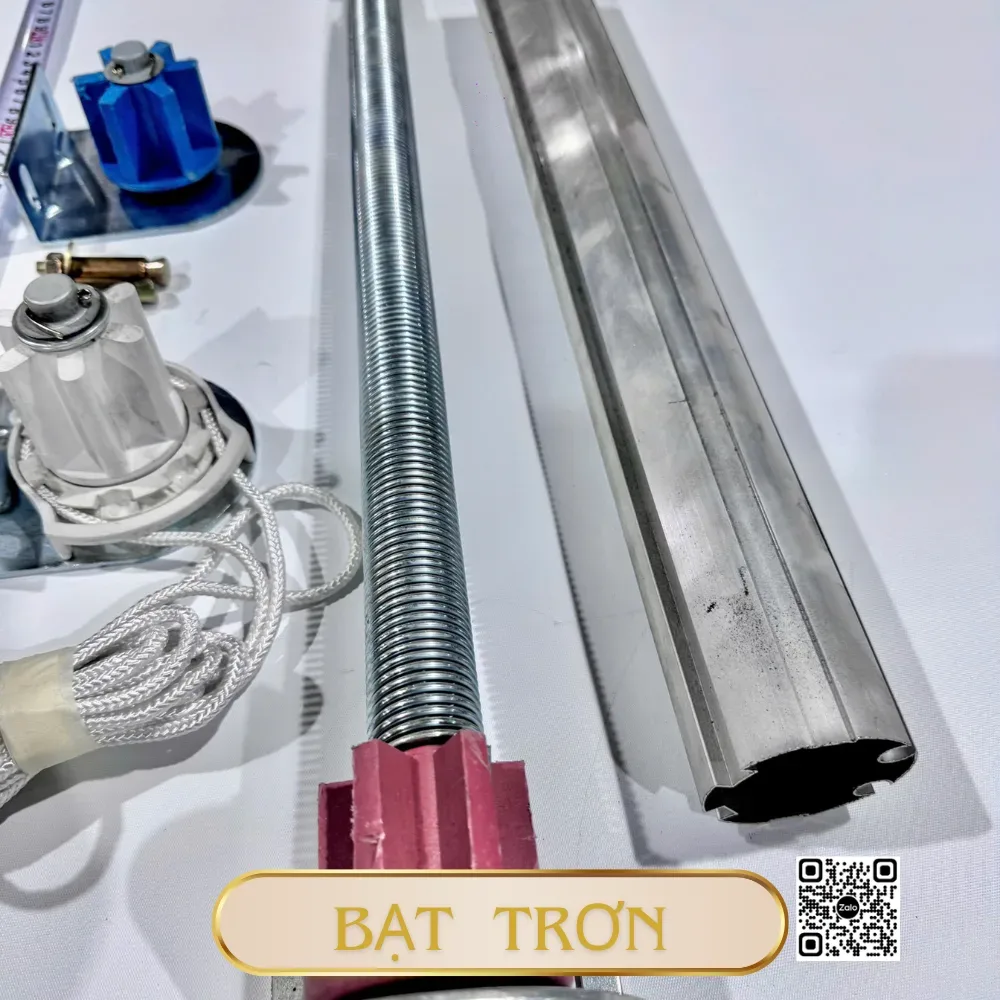
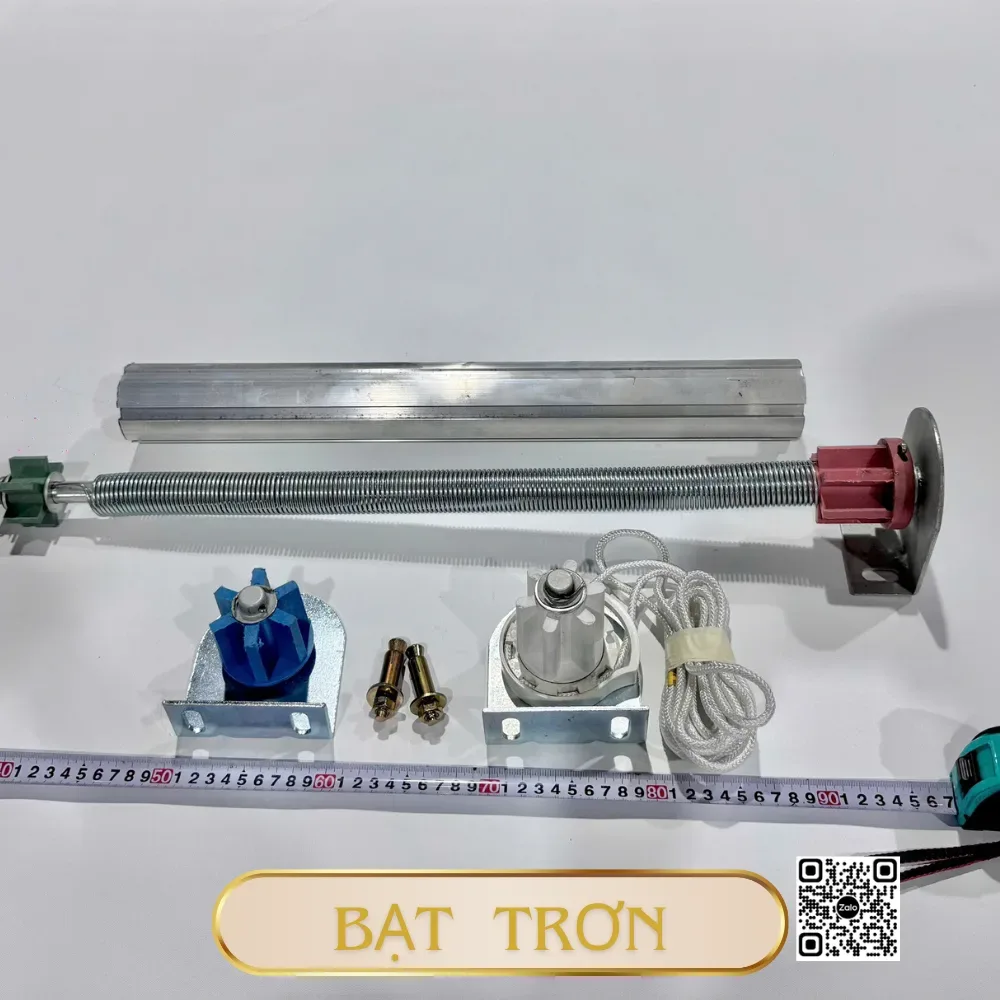
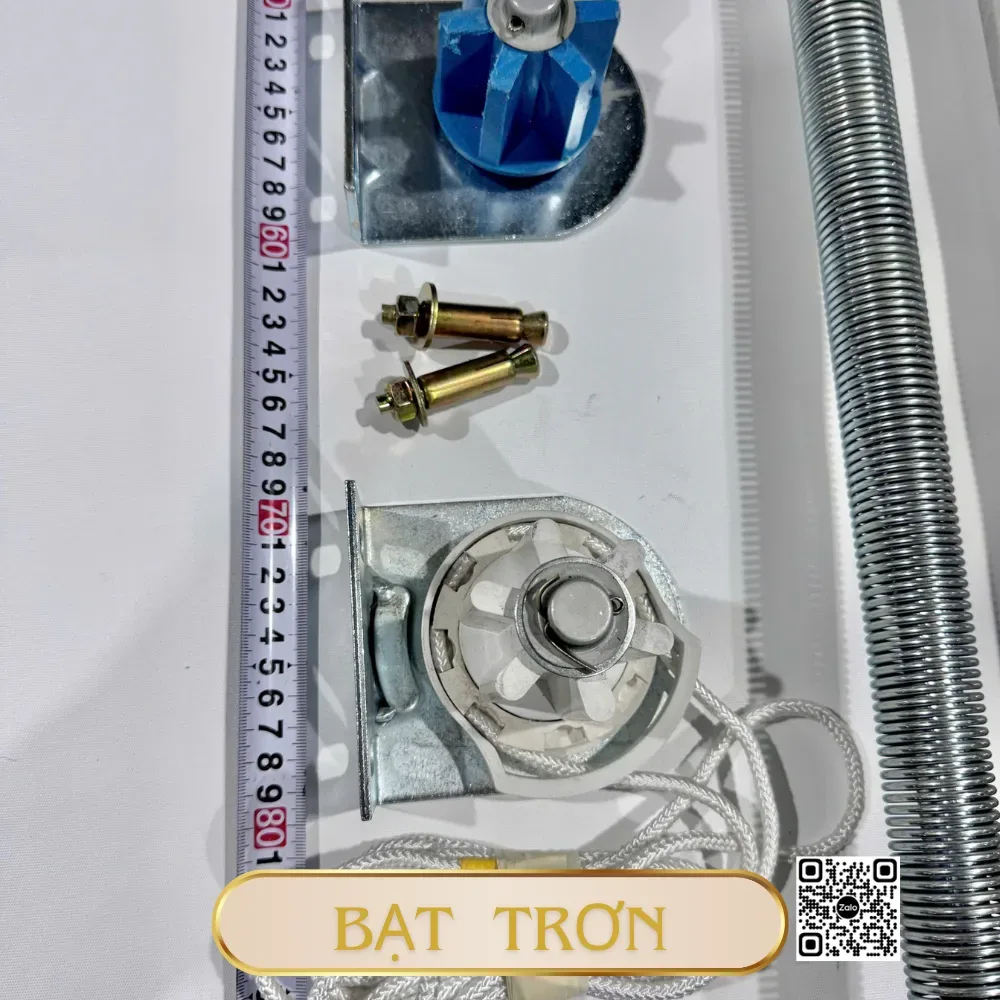
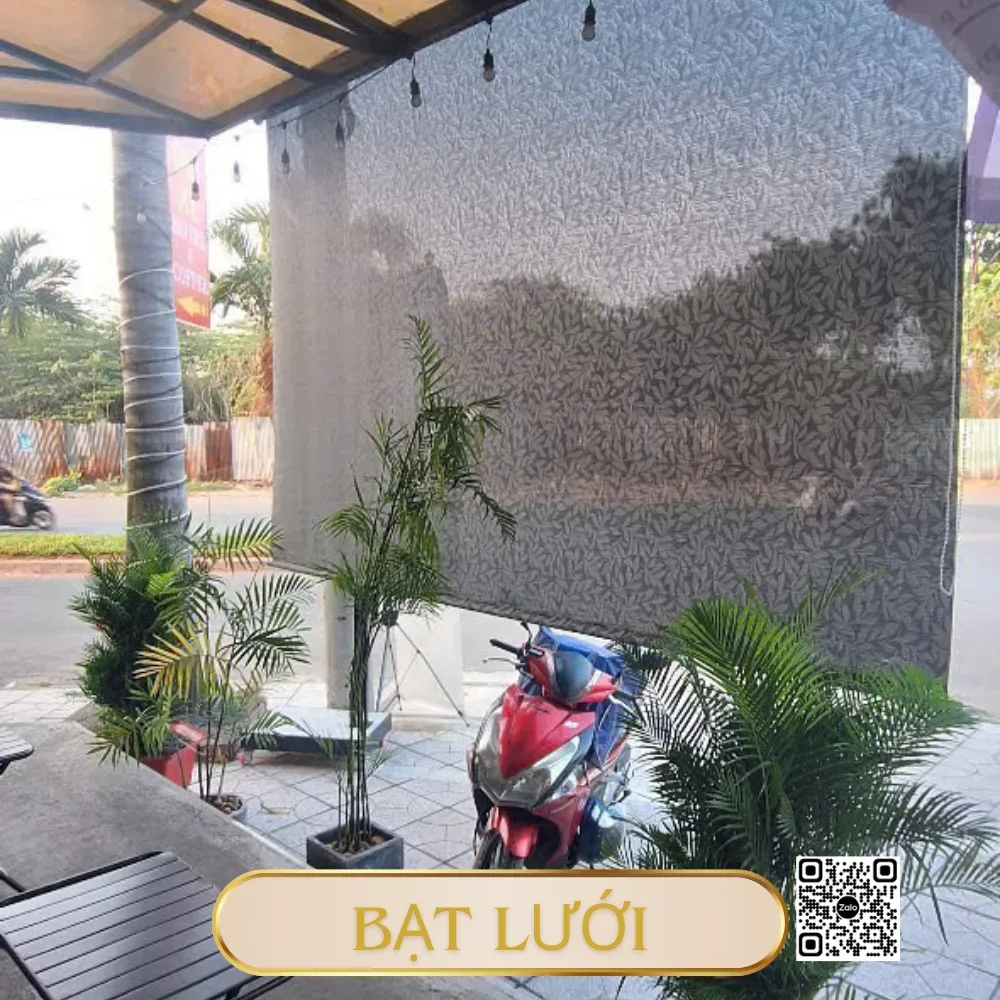
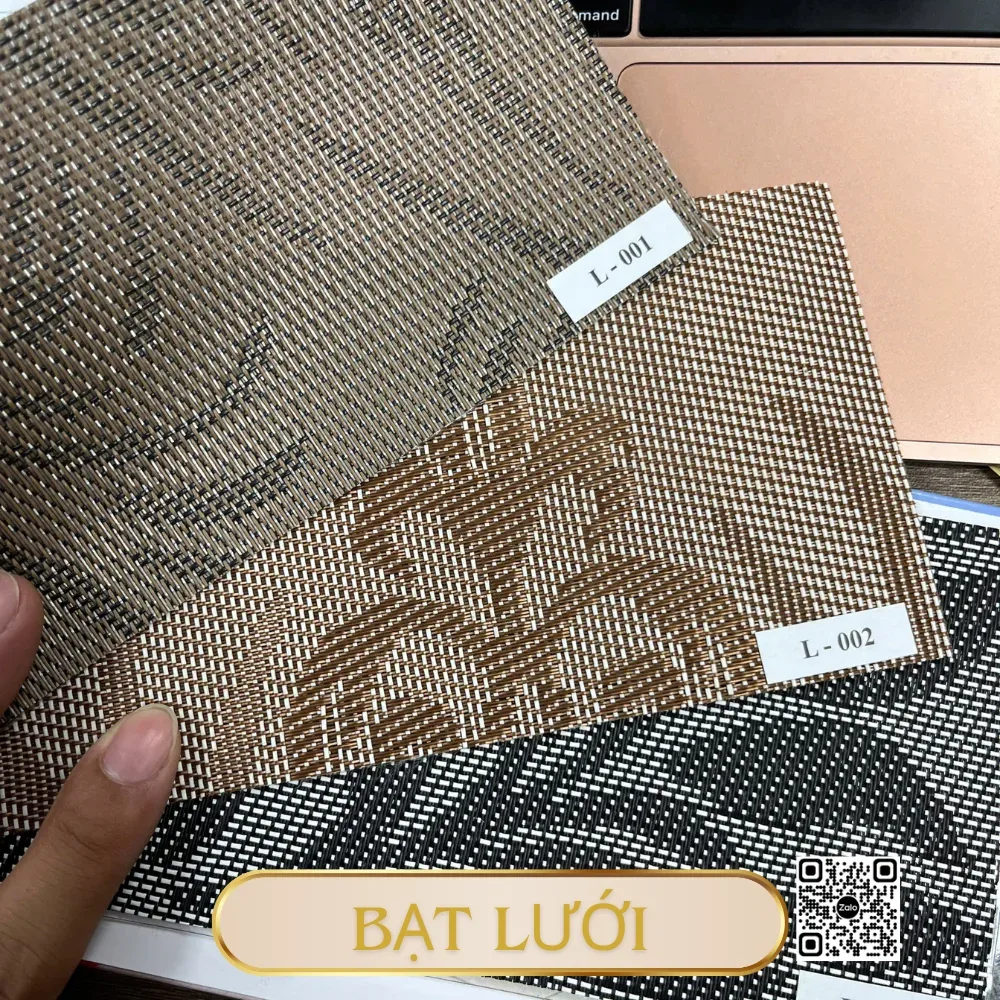
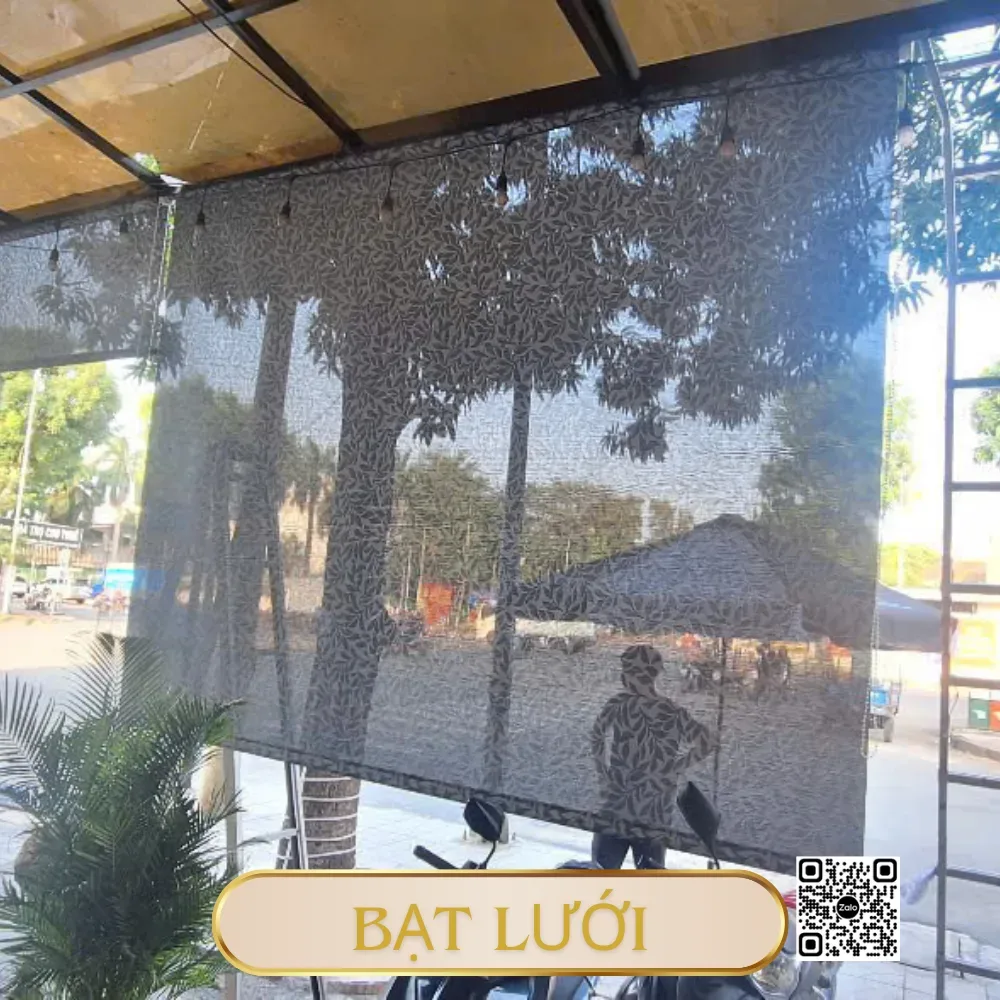
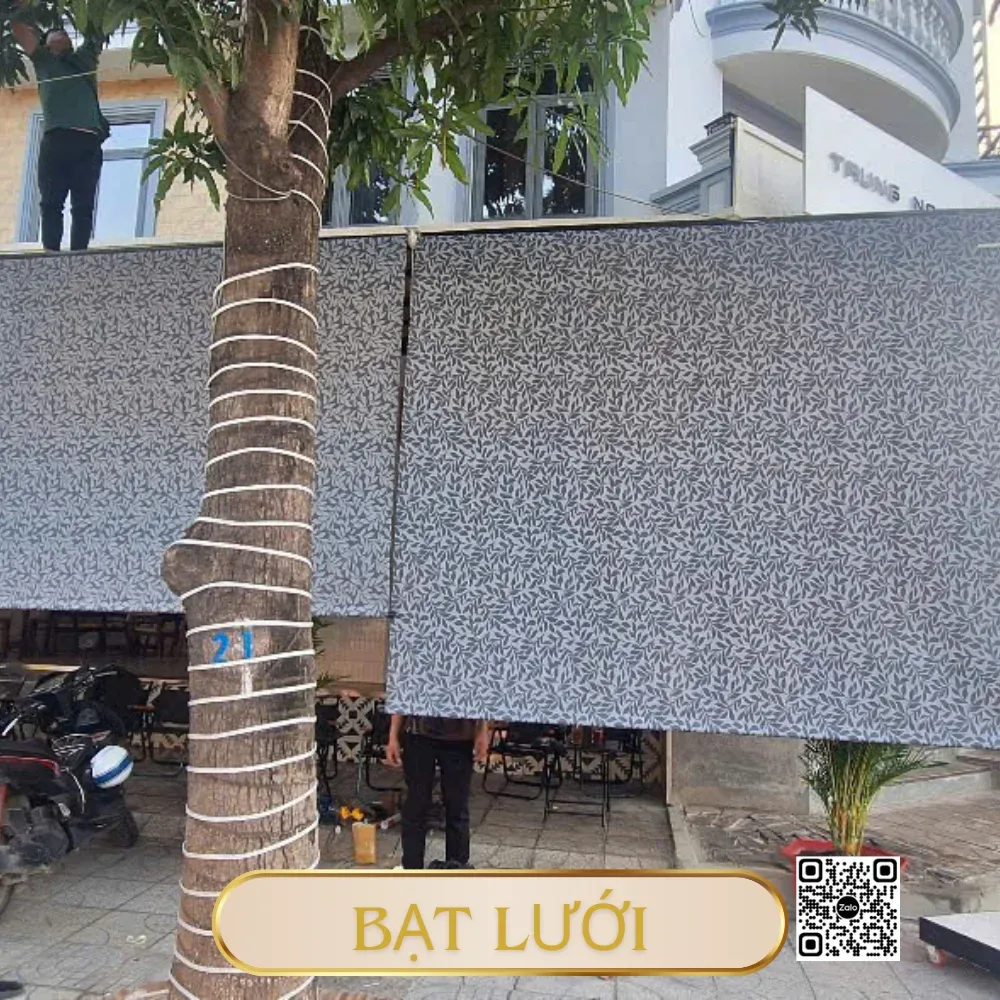
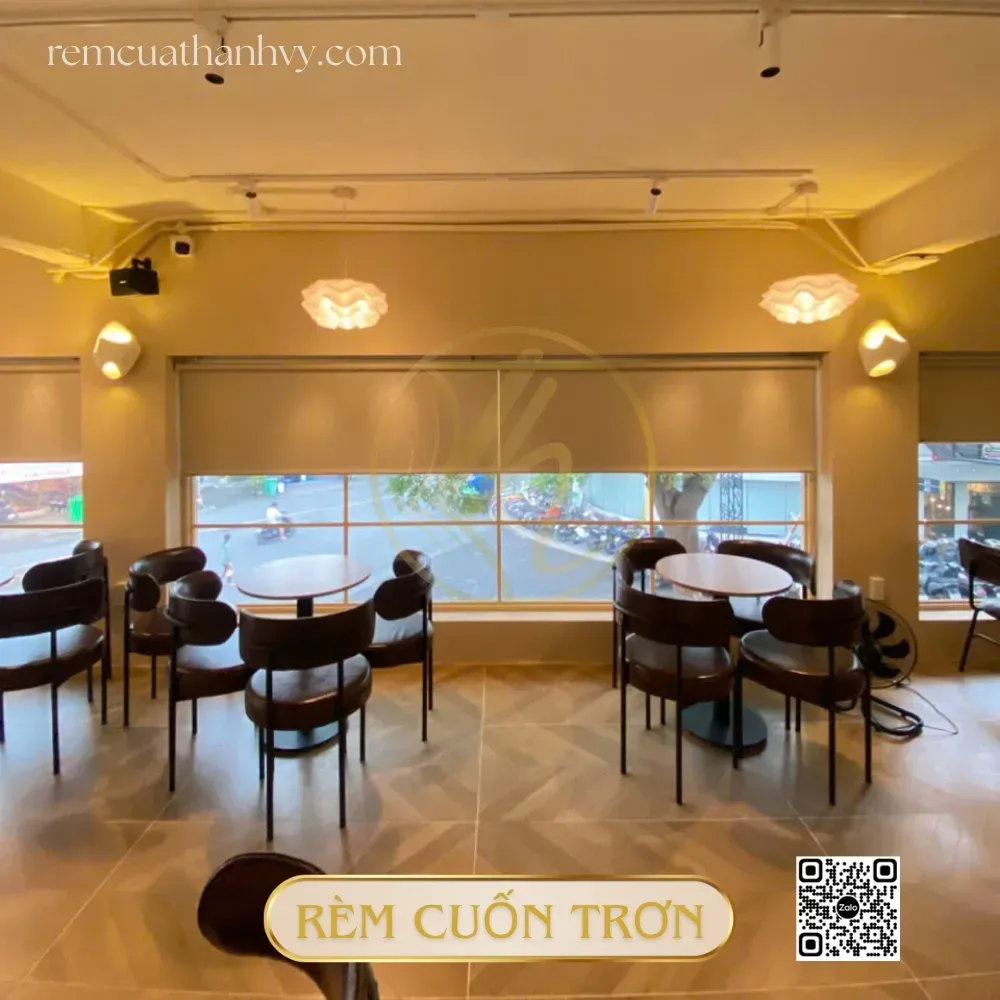
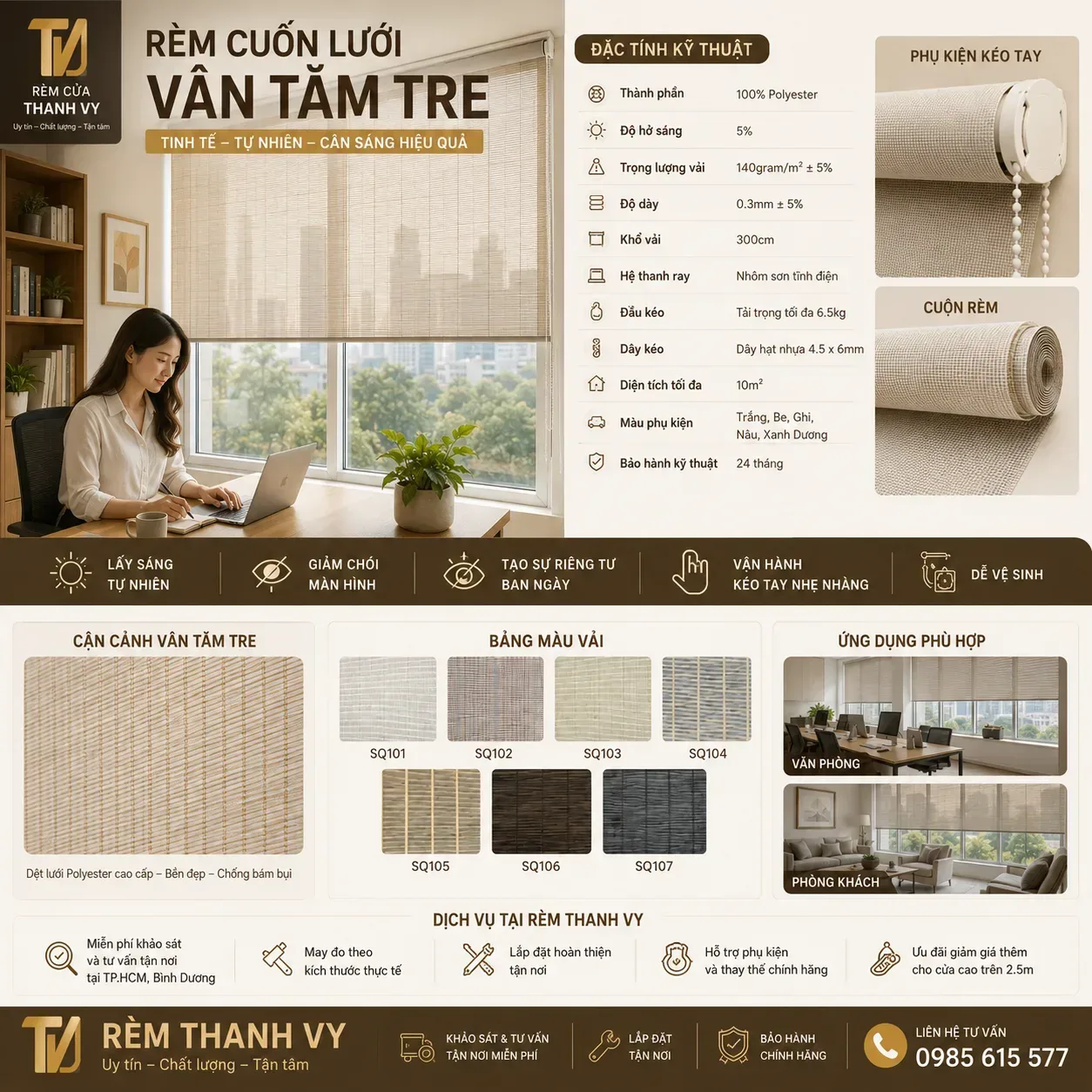
Roller blinds have a compact body, take up little space beside the window frame, and are suitable for small windows and areas requiring quick operation.


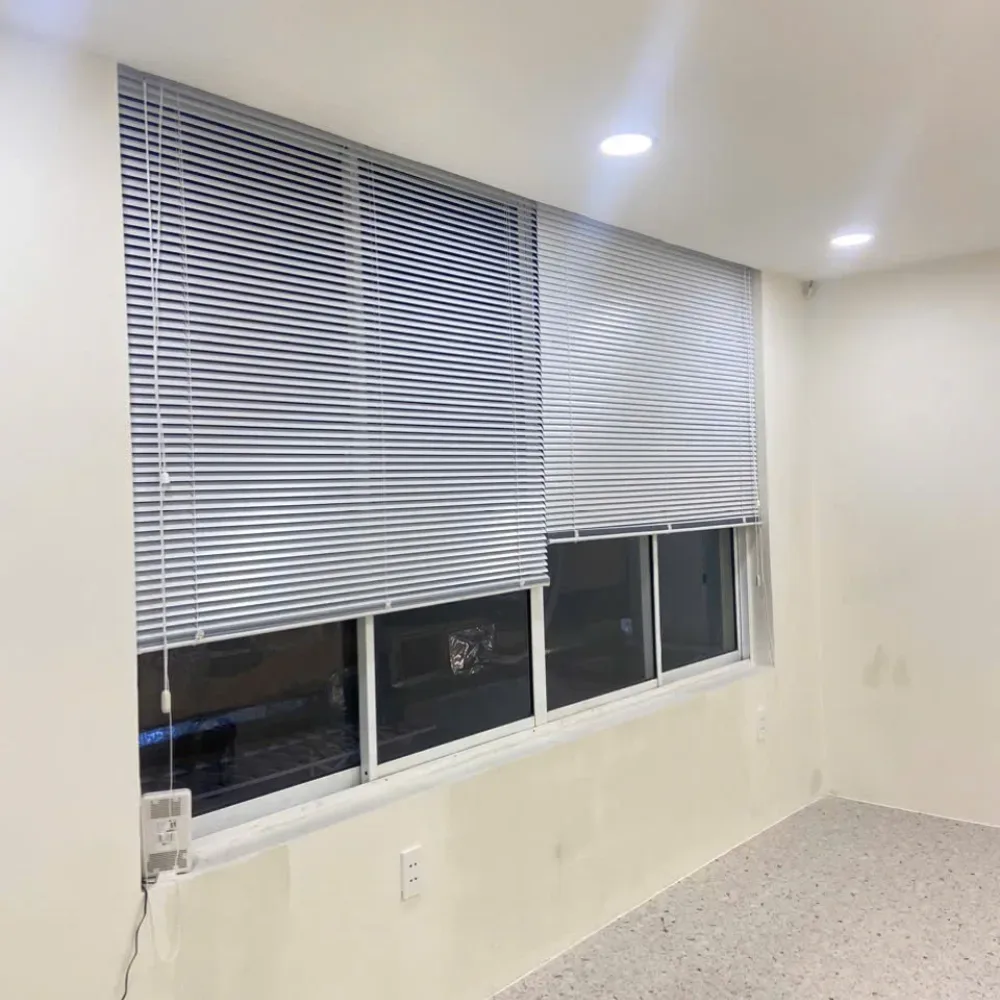
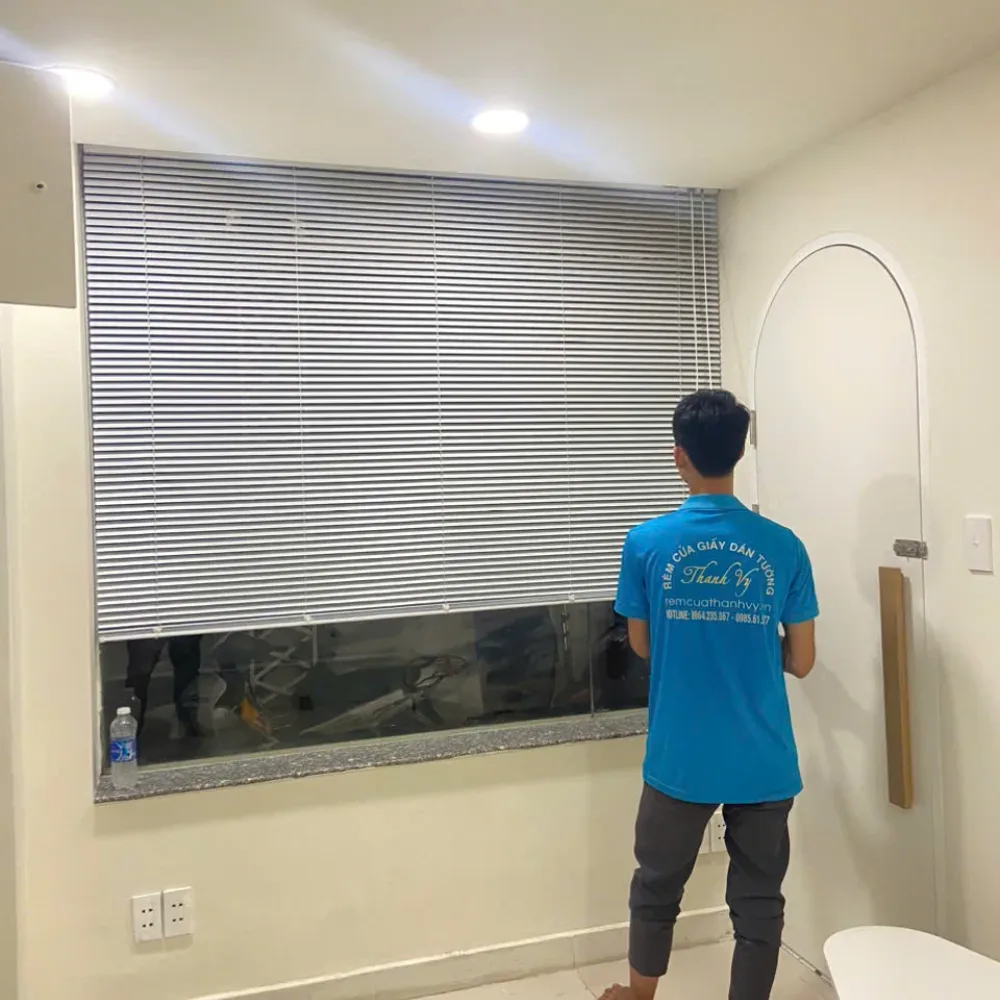
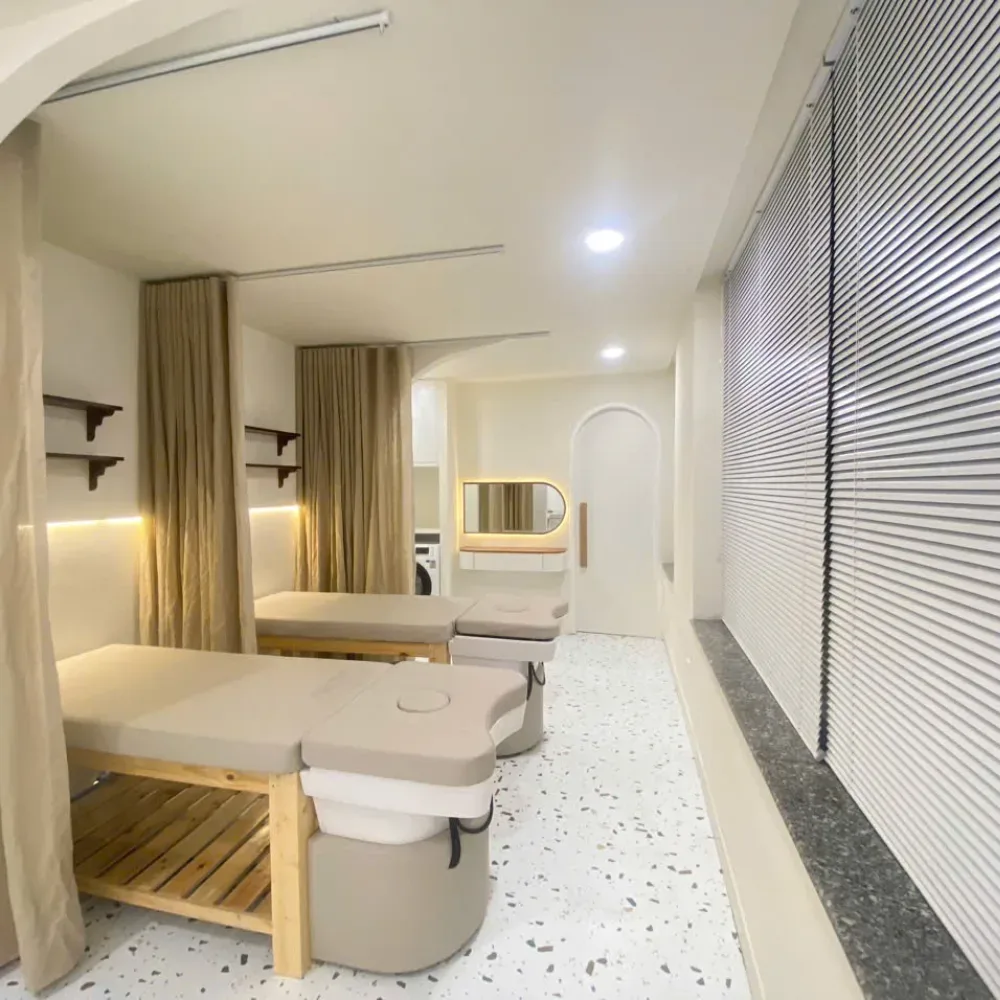
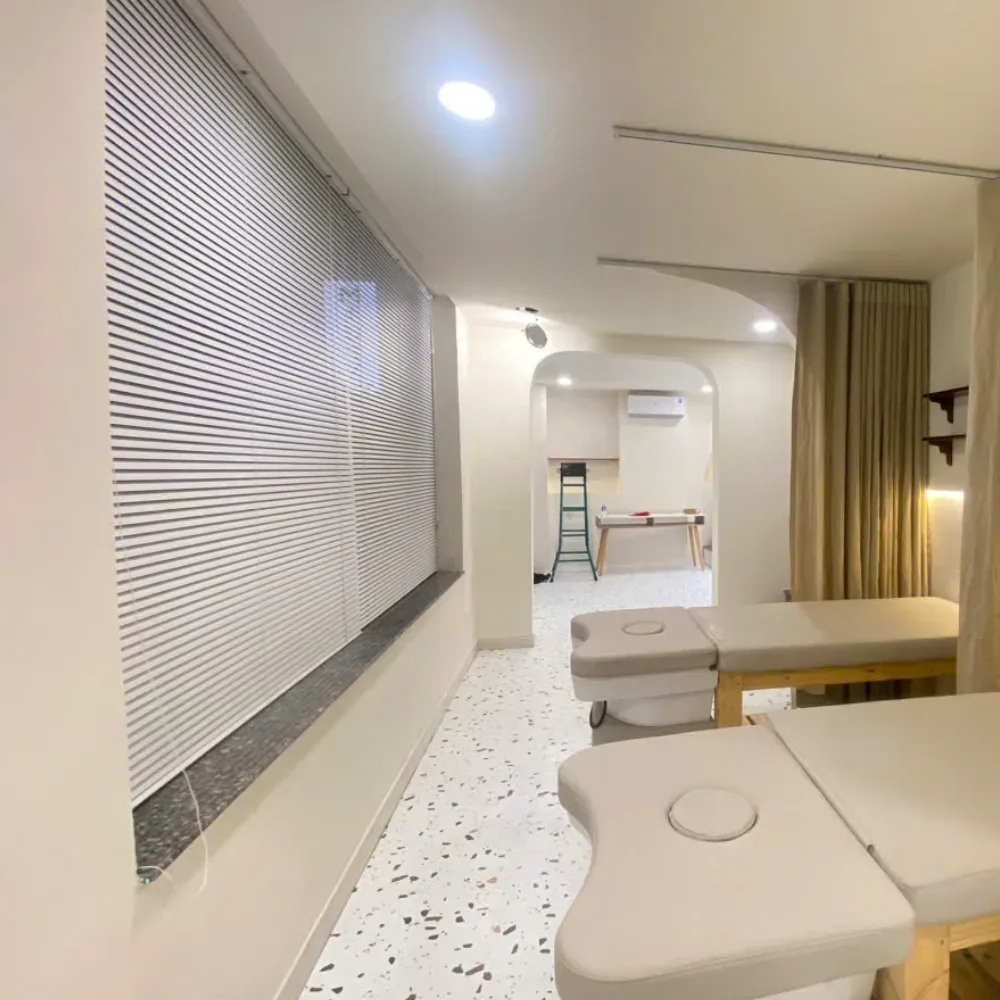
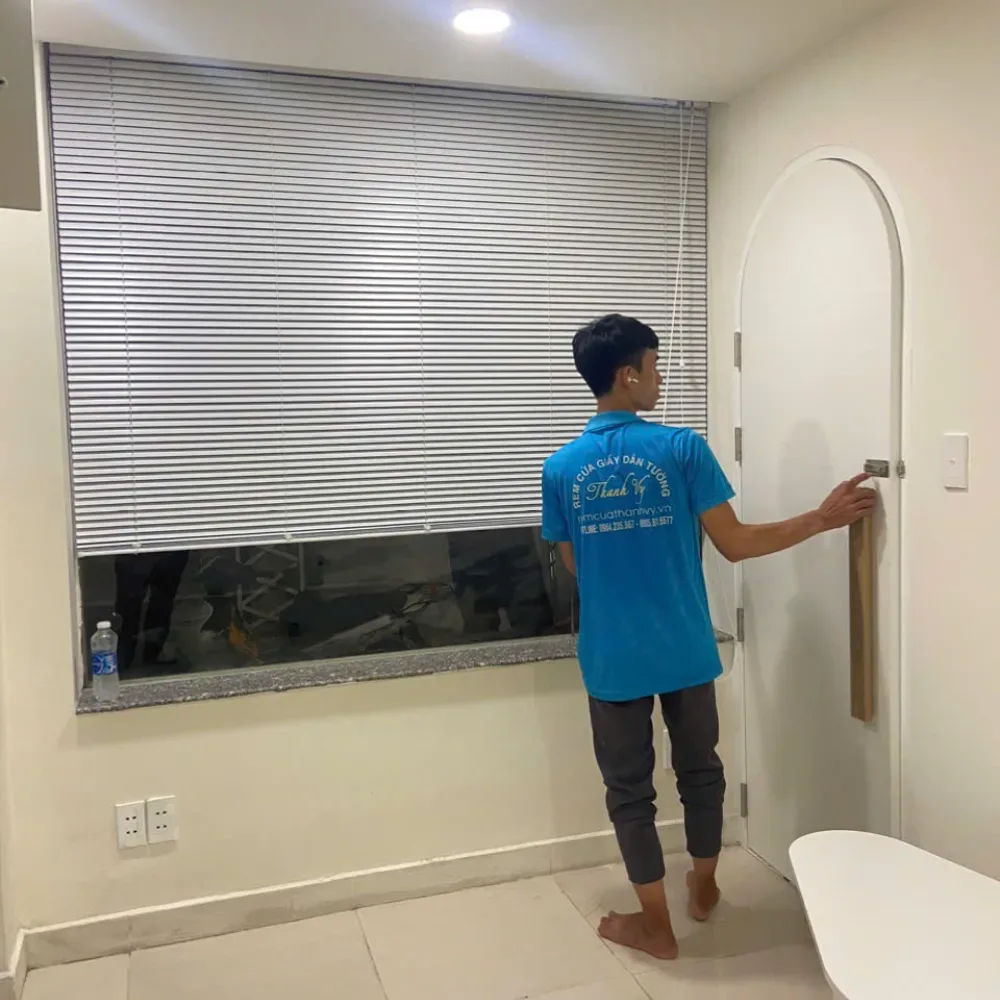
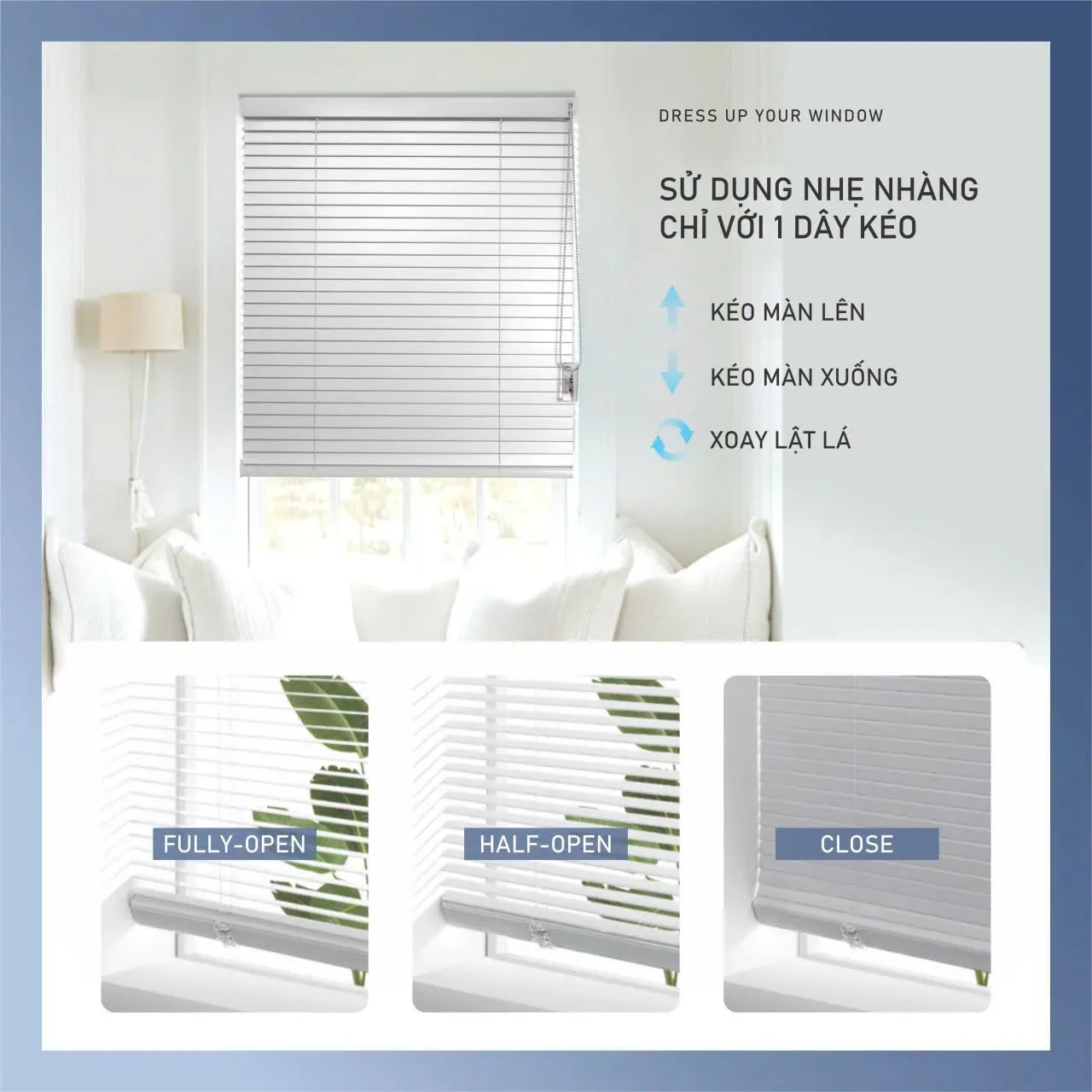
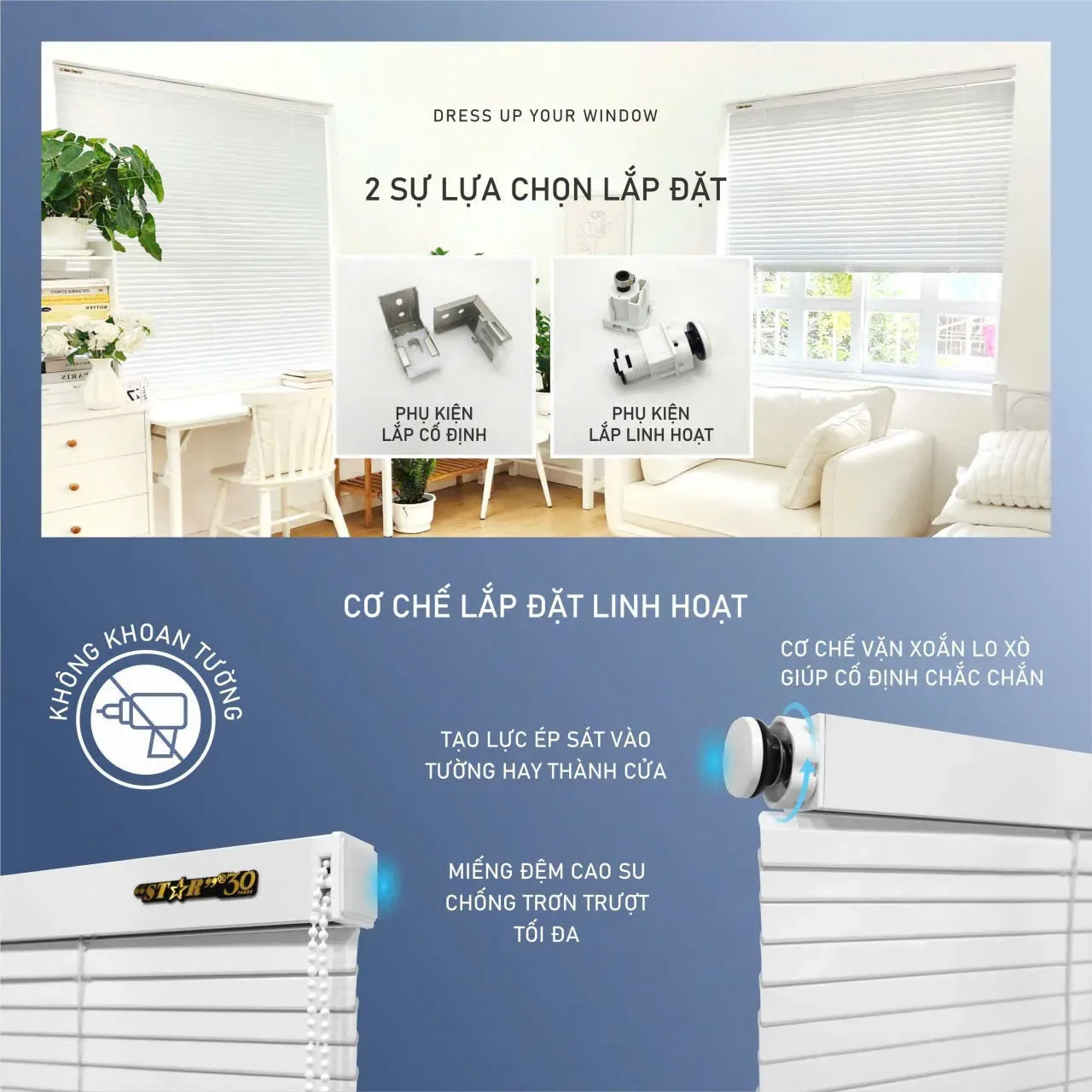
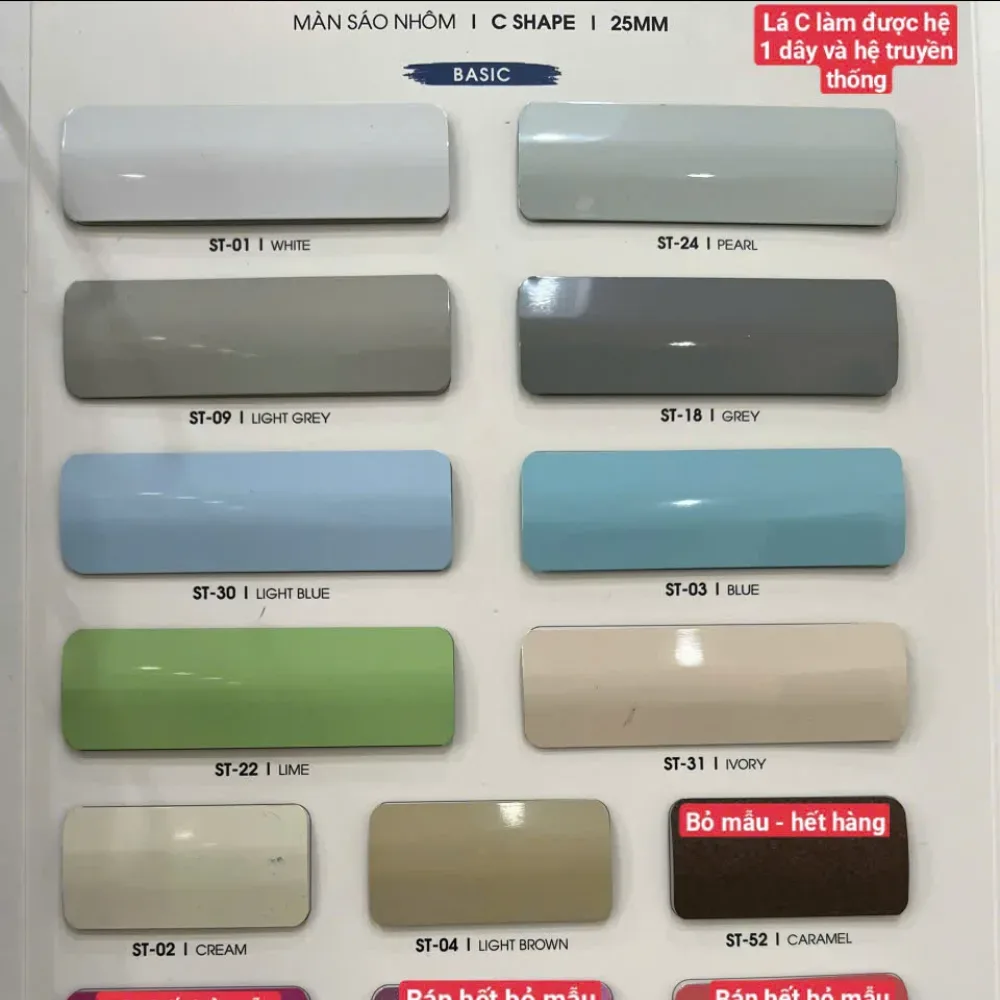
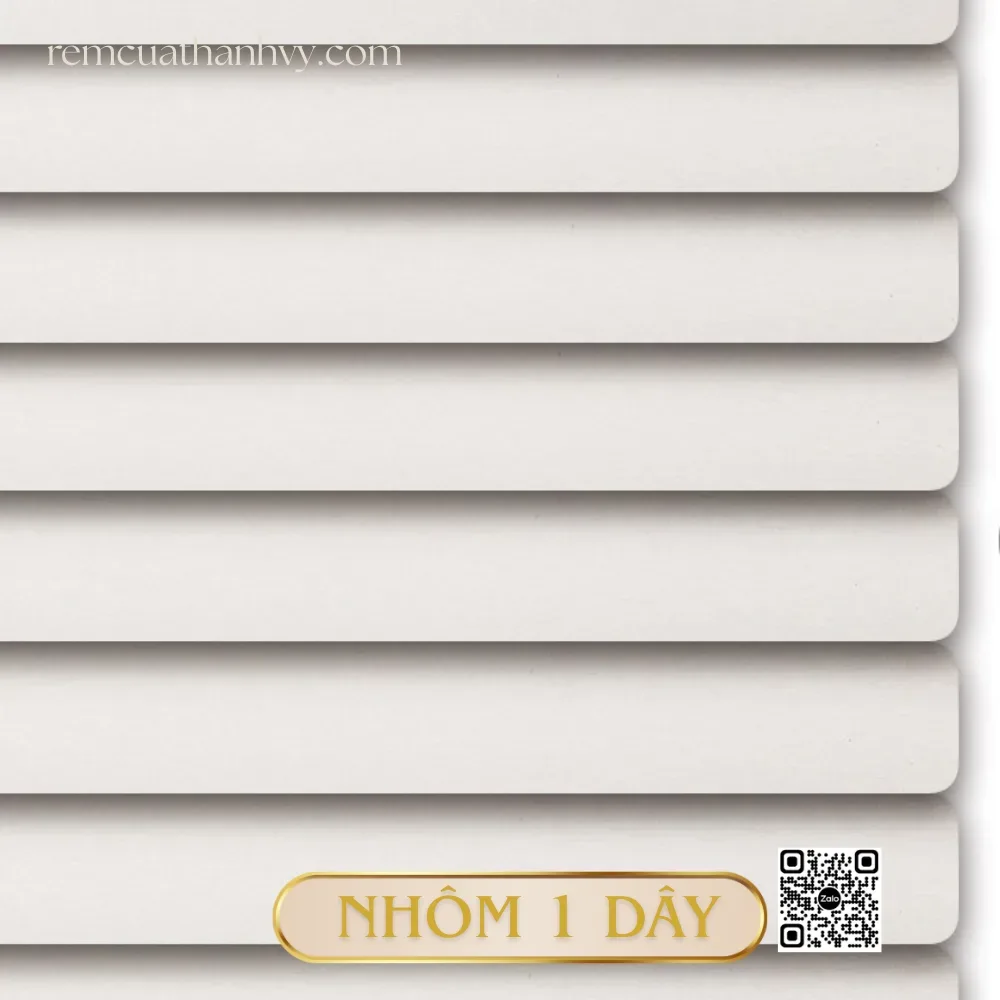
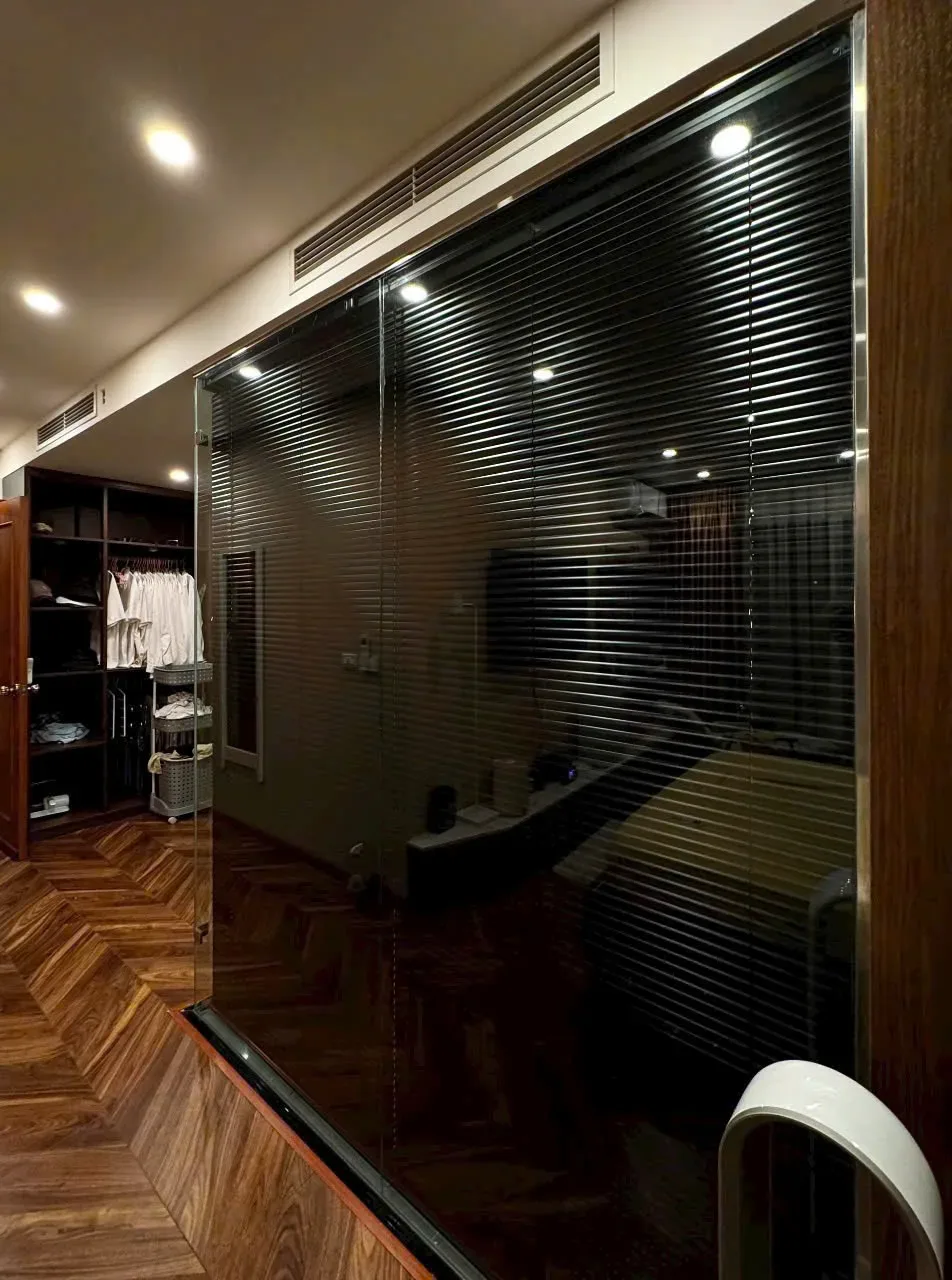
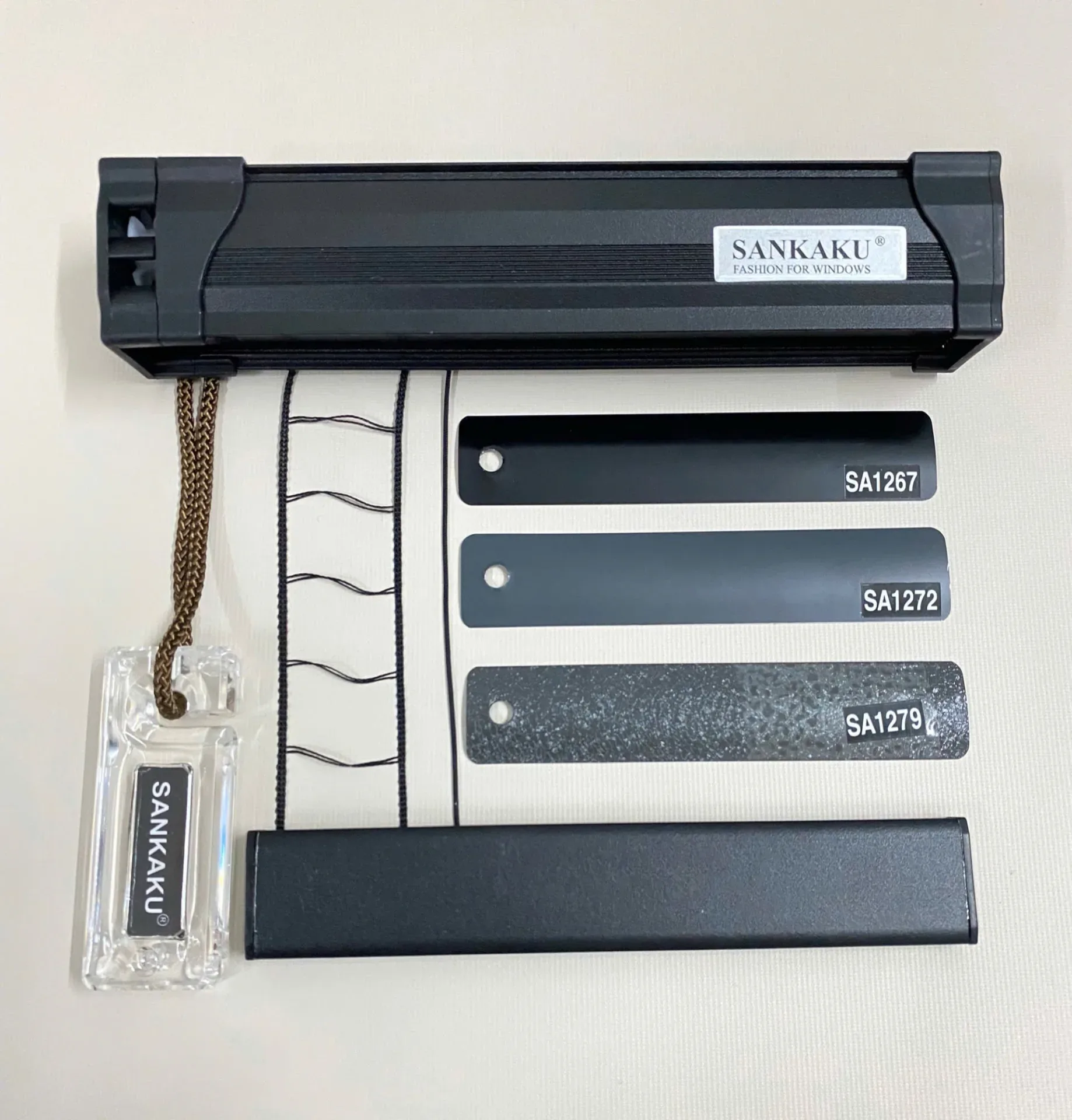
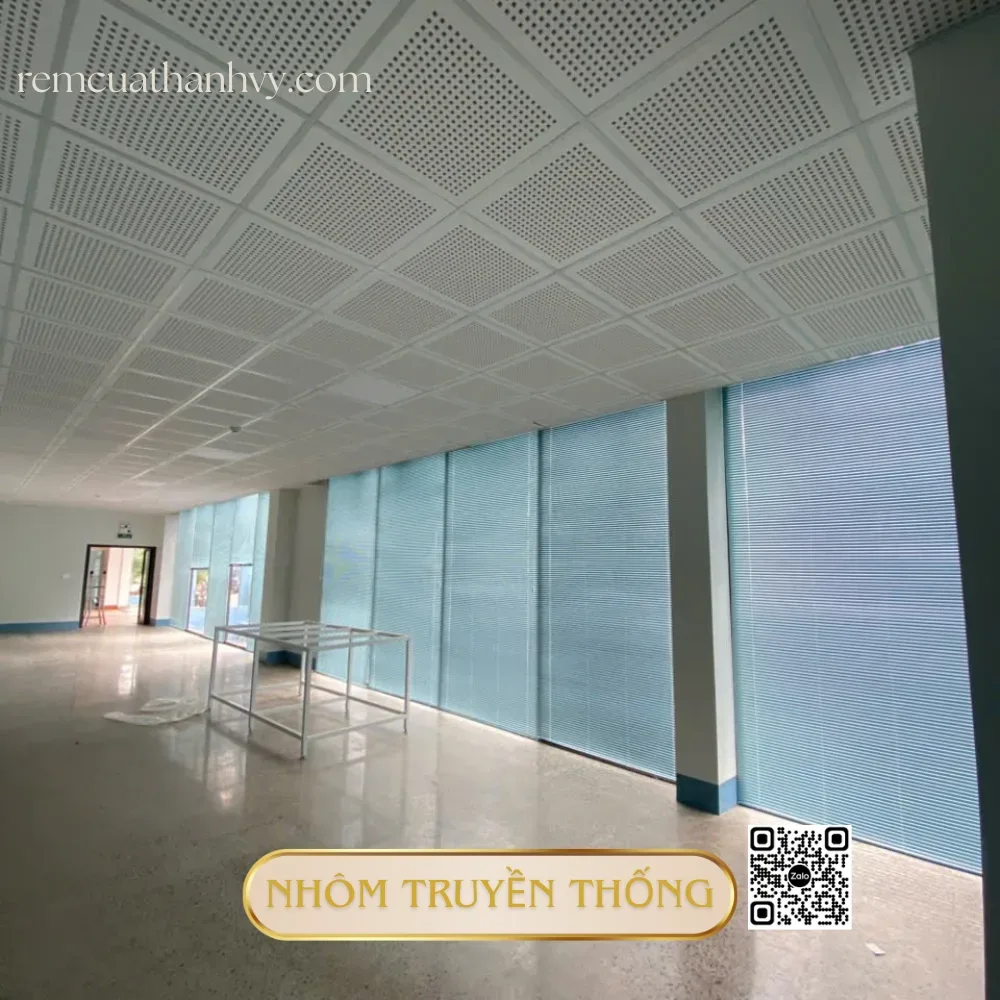
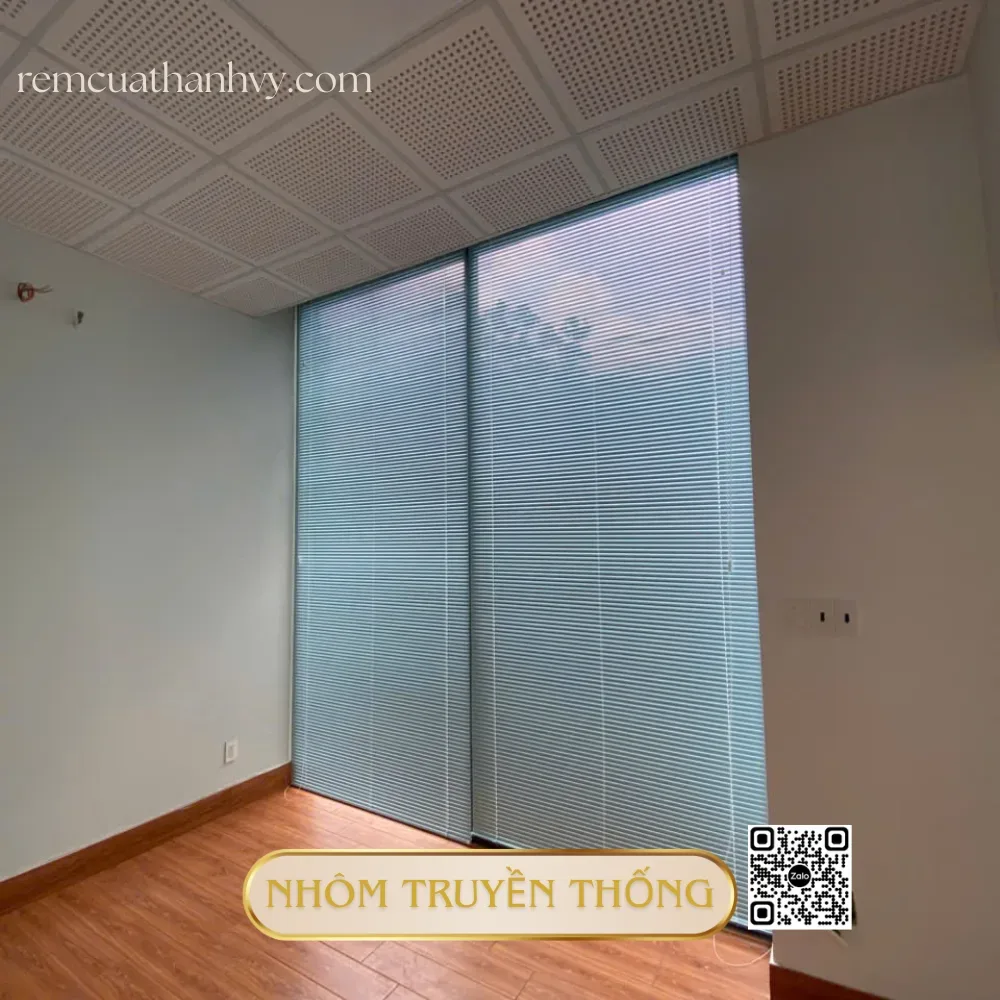
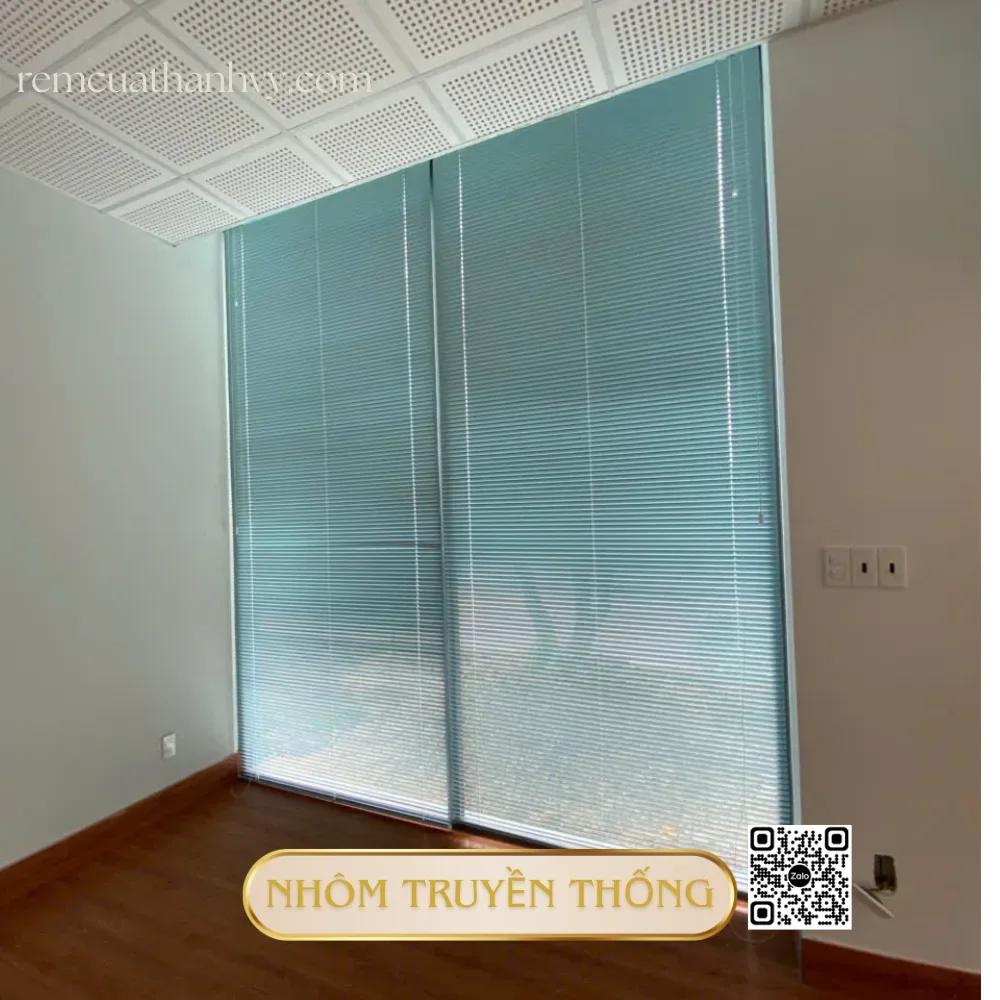
Aluminum Venetian blinds
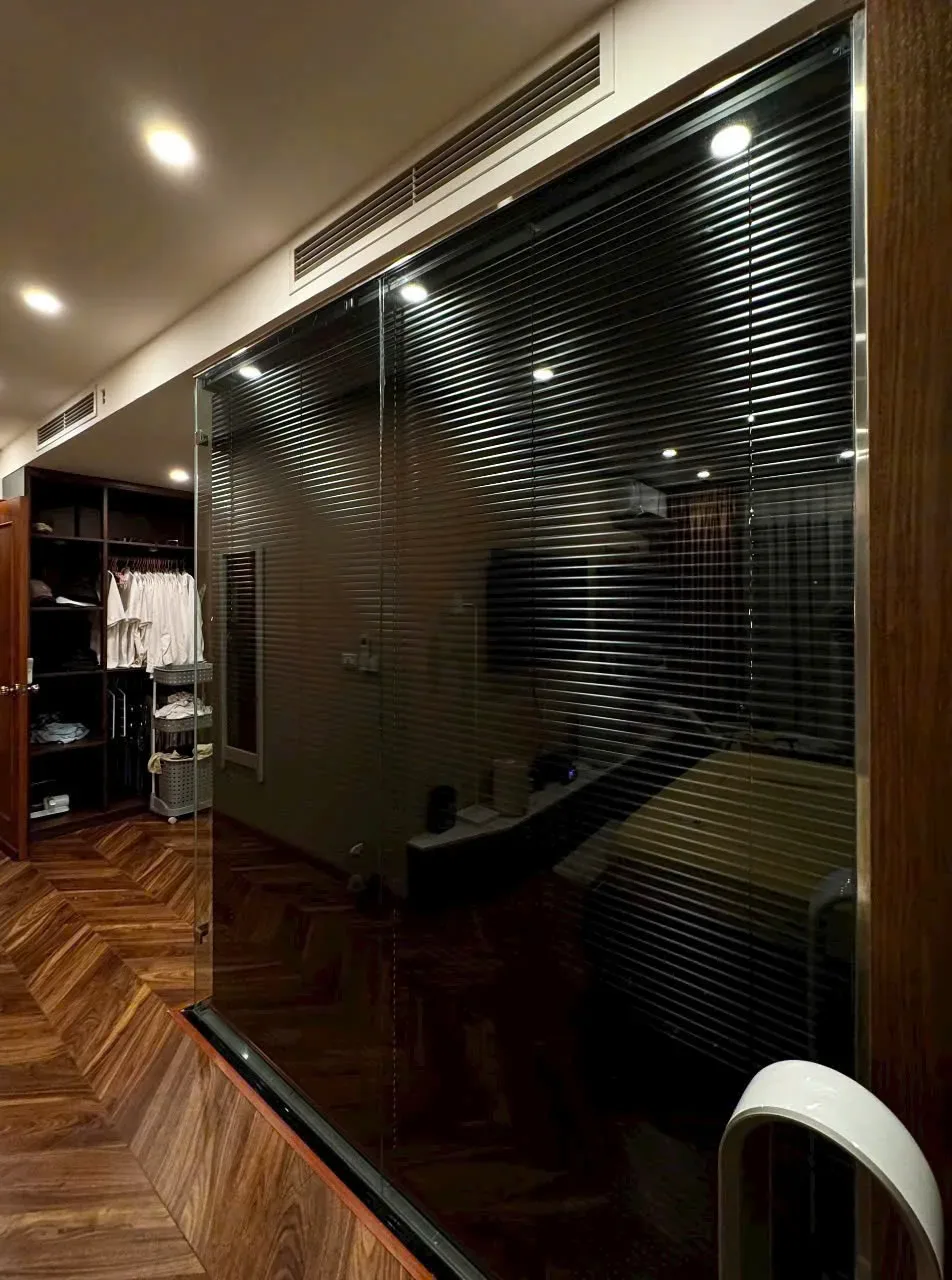
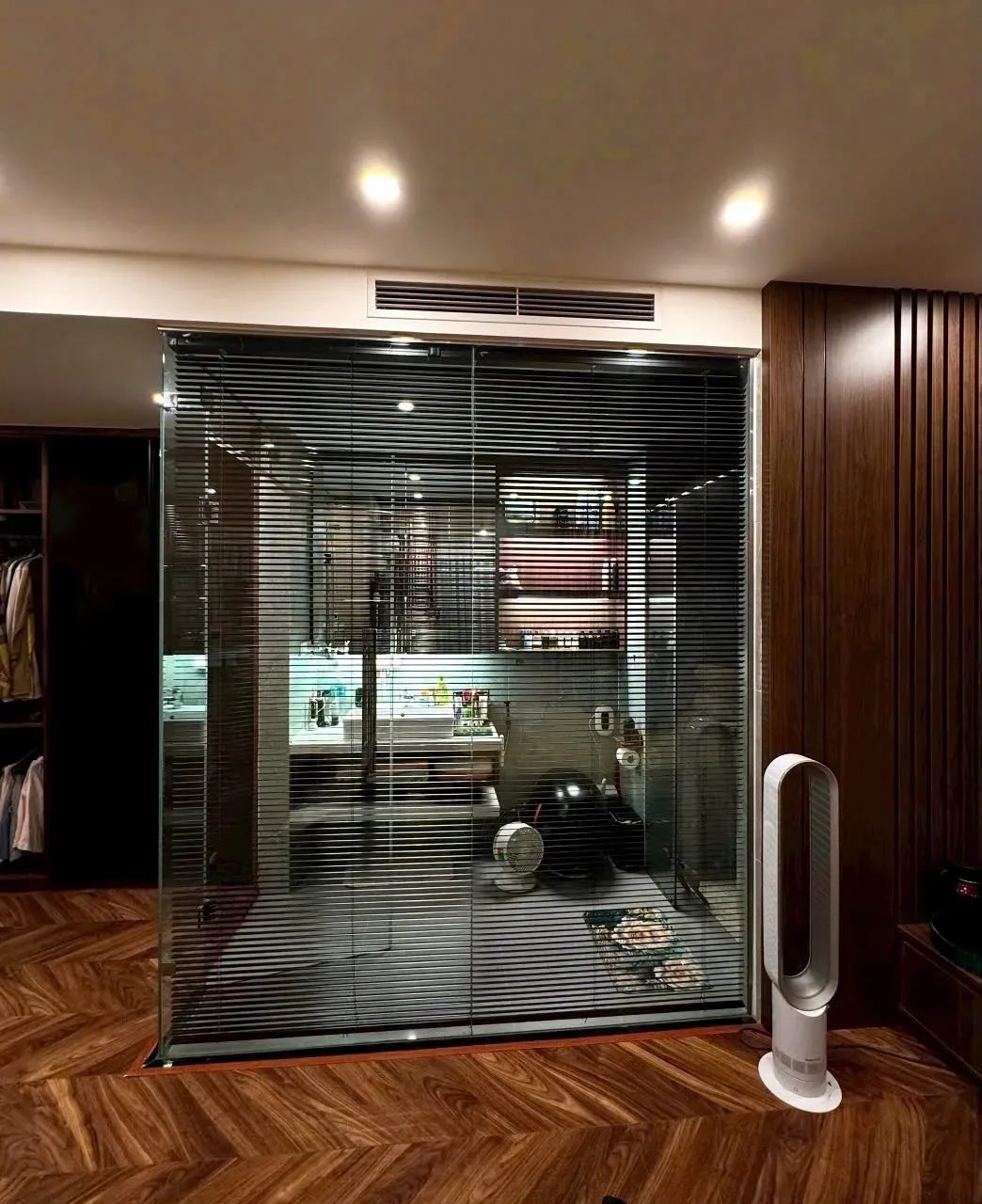
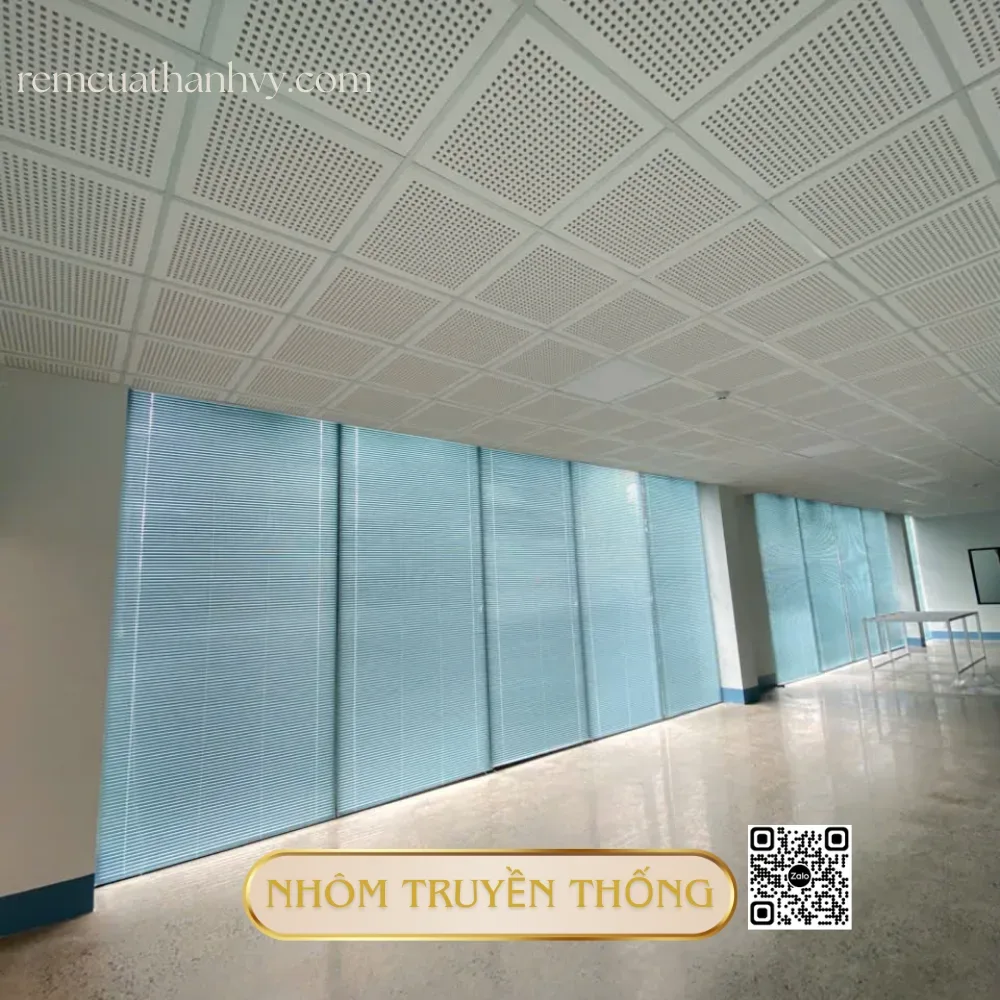
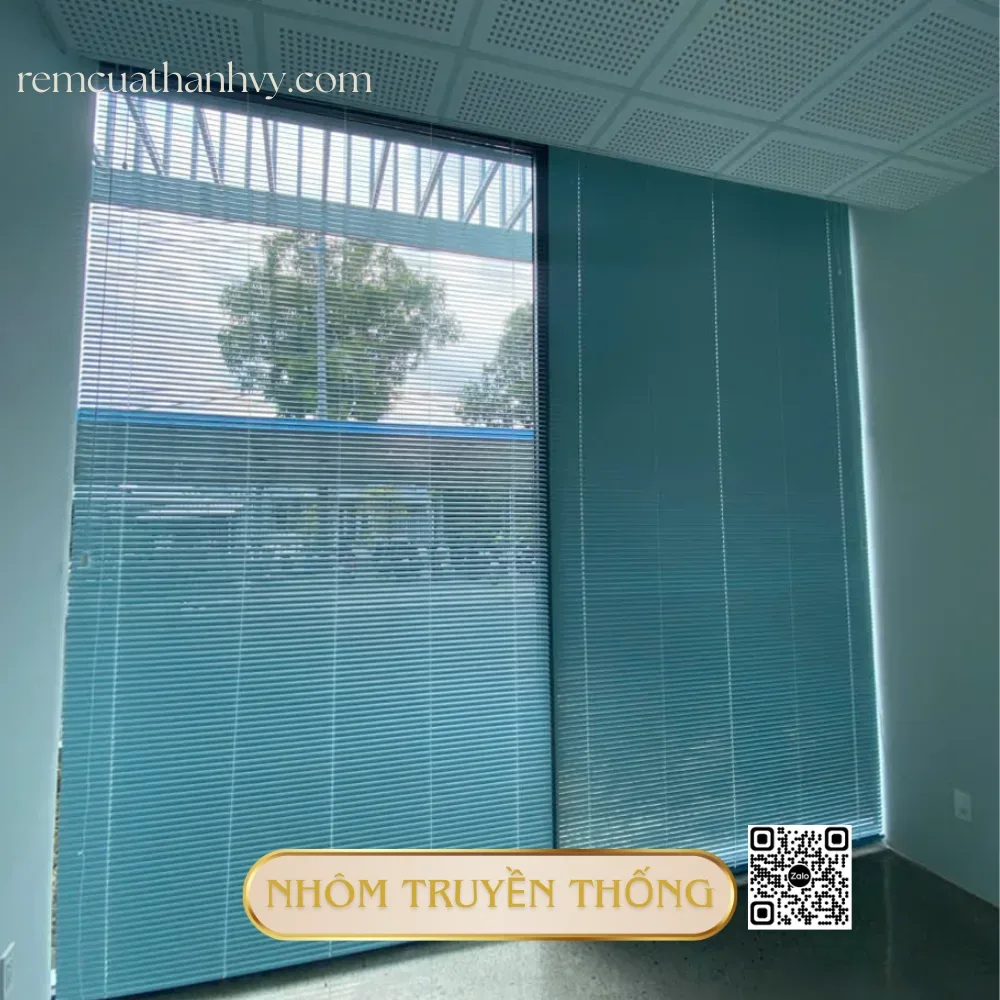
Aluminum slats rotate to adjust light by angle and are easy to wipe clean when dust accumulates.
For further information, please contact Thanh Vy Curtains
We provide free consultation and on-site measuring at your home.
Related projects
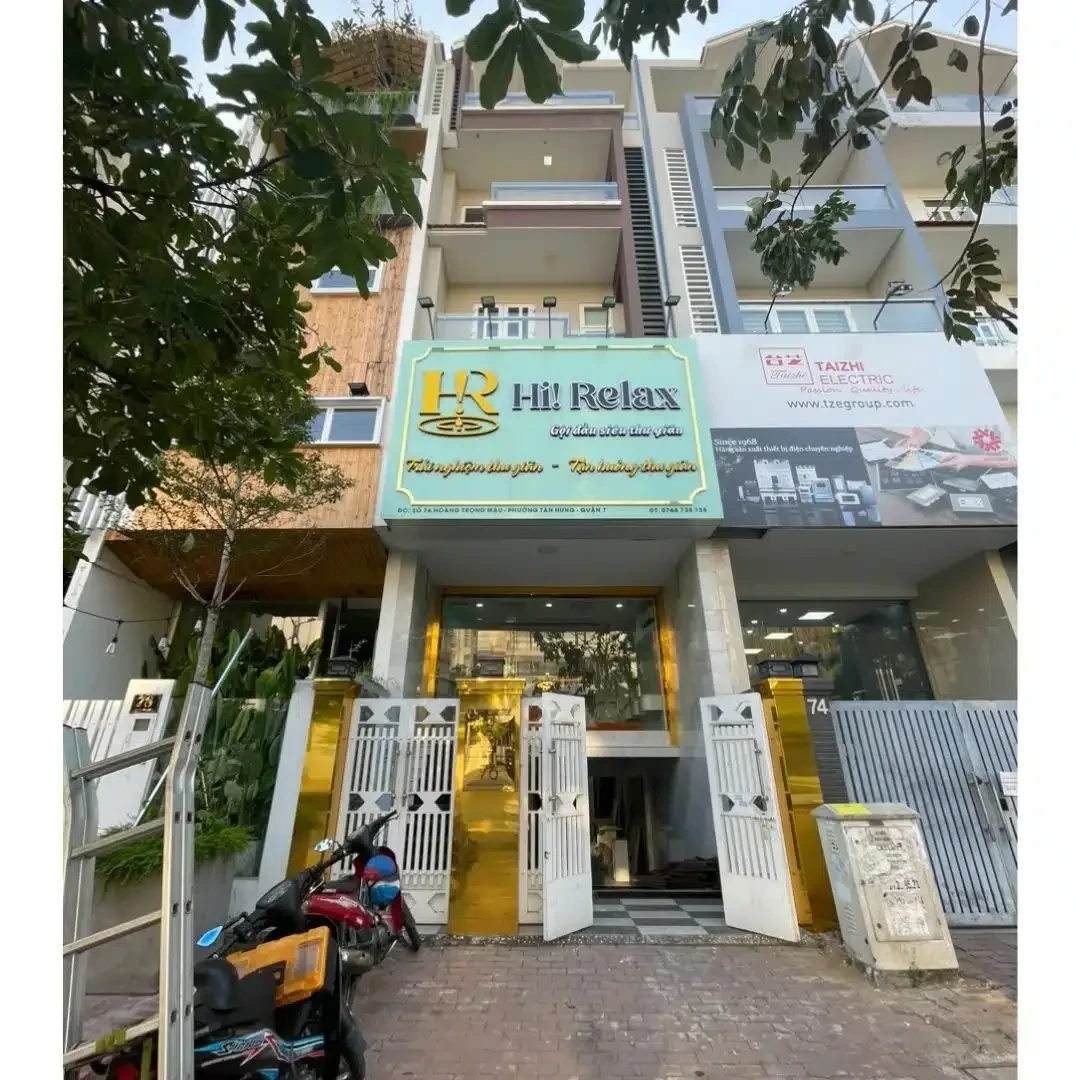
Thermal Insulation Curtains for Hi! Relax Q7 Spa – A Private, Modern Treatment Space
The curtain installation project for Hi! Relax Spa at 74 Hoàng Trọng Mậu, Tân Hưng, [...]
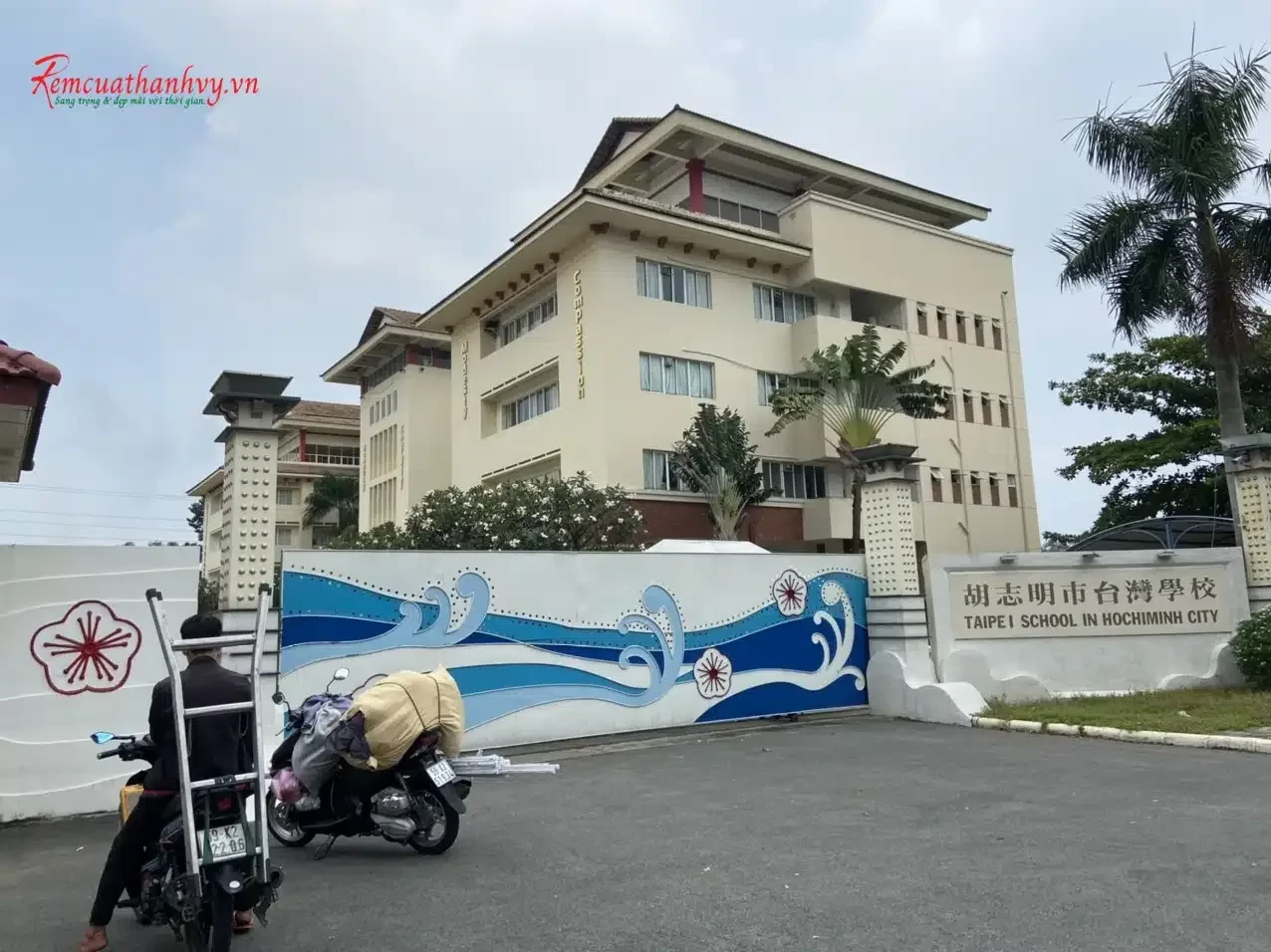
Blackout Fabric Curtains for the Conference Room – Taipei University, District 7
This project was carried out in the multipurpose/conference room of Taipei University, District 7 — [...]
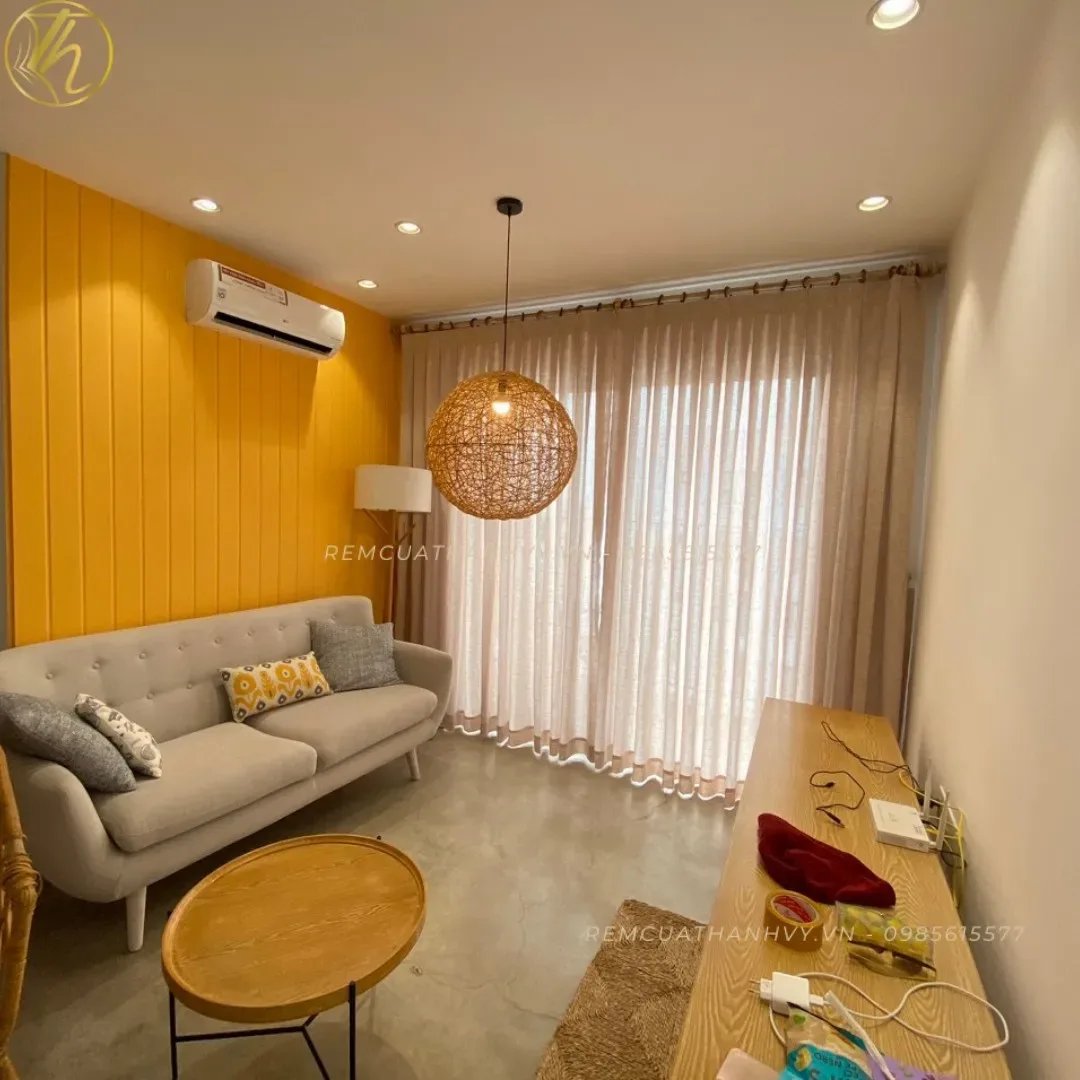
Linen Sheer Curtains Combined with Bamboo Roller Blinds at M-One Nam Sai Gon, District 7
This project at an apartment in M-One on Be Van Cam Street, District 7, is [...]
Related areas
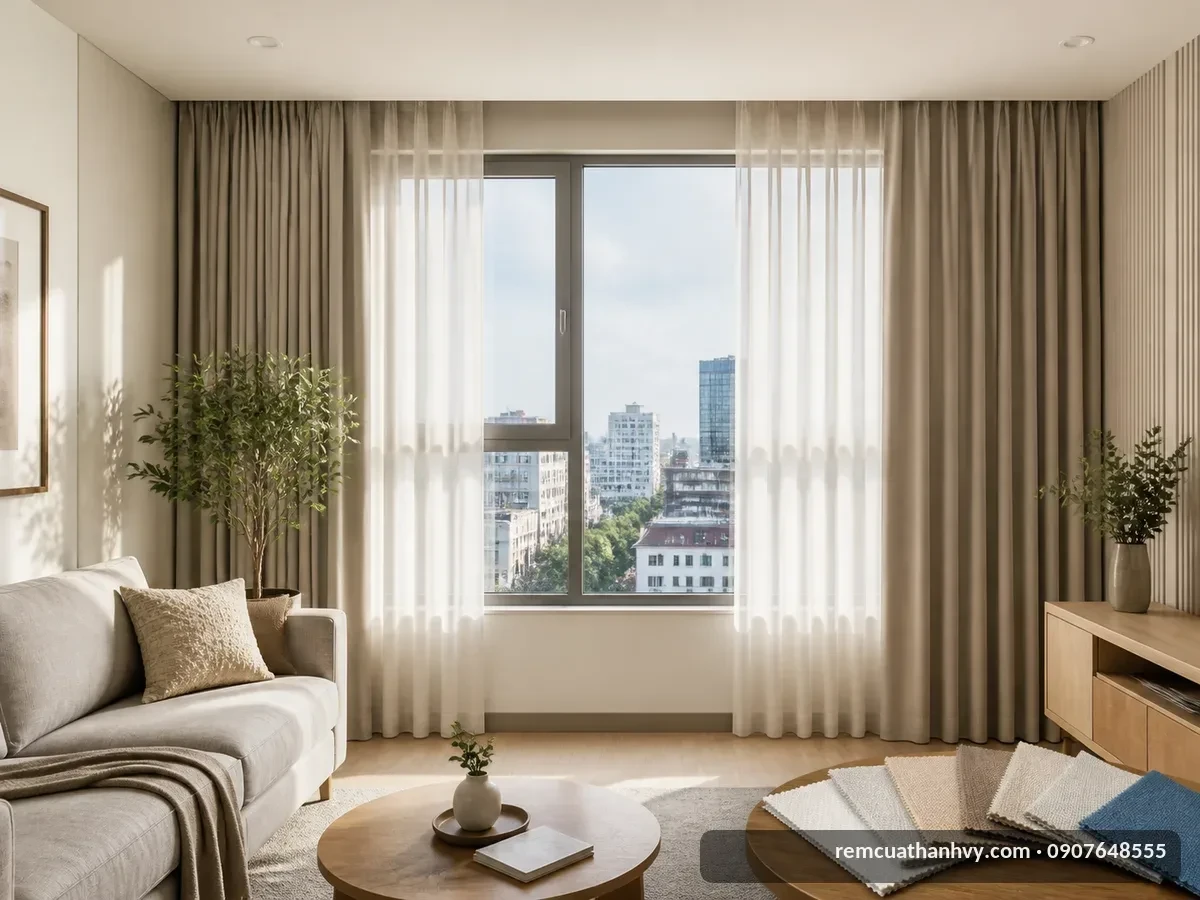
Curtains in District 7: Priorities when choosing for each space
Thanh Vy Curtains provides optimal curtain solutions for living spaces in District 7, using durable [...]
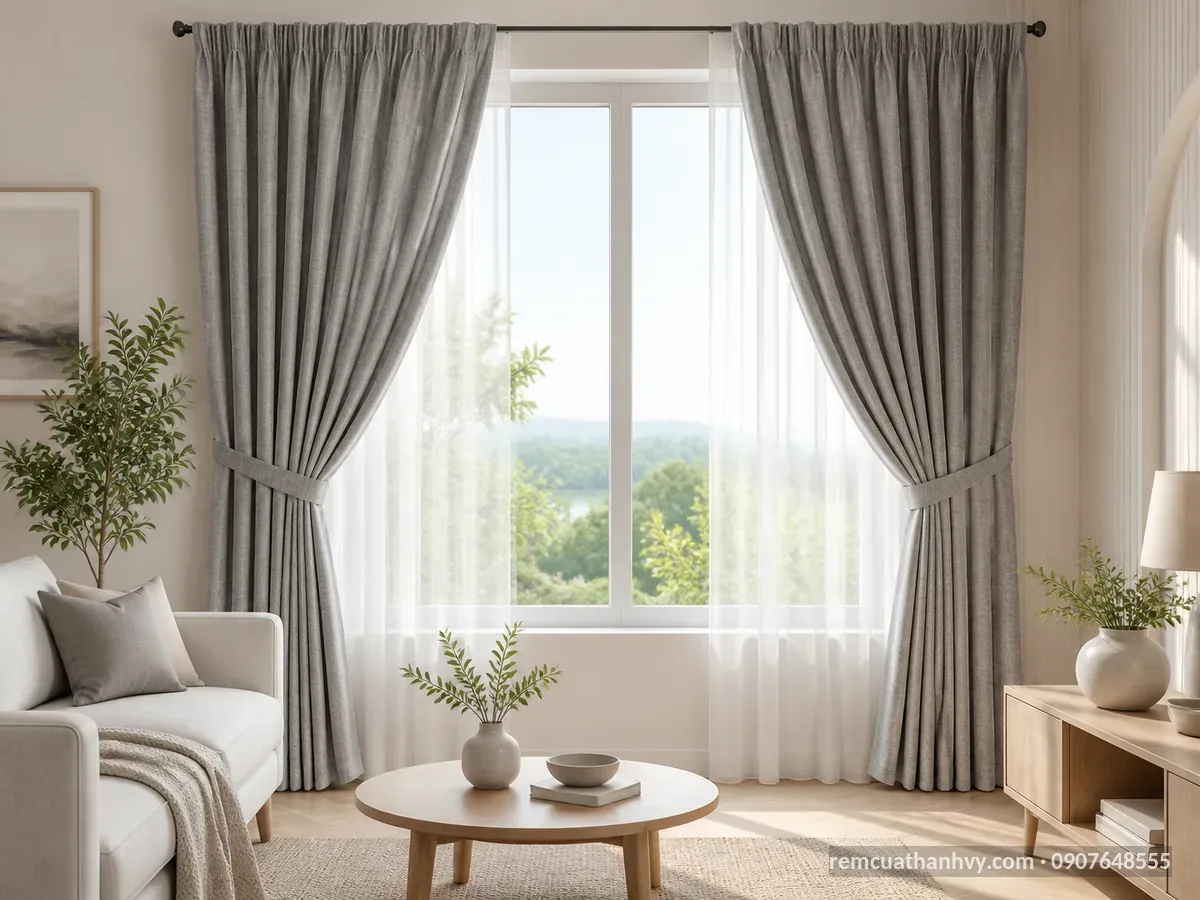
Curtains in District 8: Priorities when choosing for each space
Rèm Cửa Thanh Vy provides professional curtain solutions in District 8 with a wide range [...]
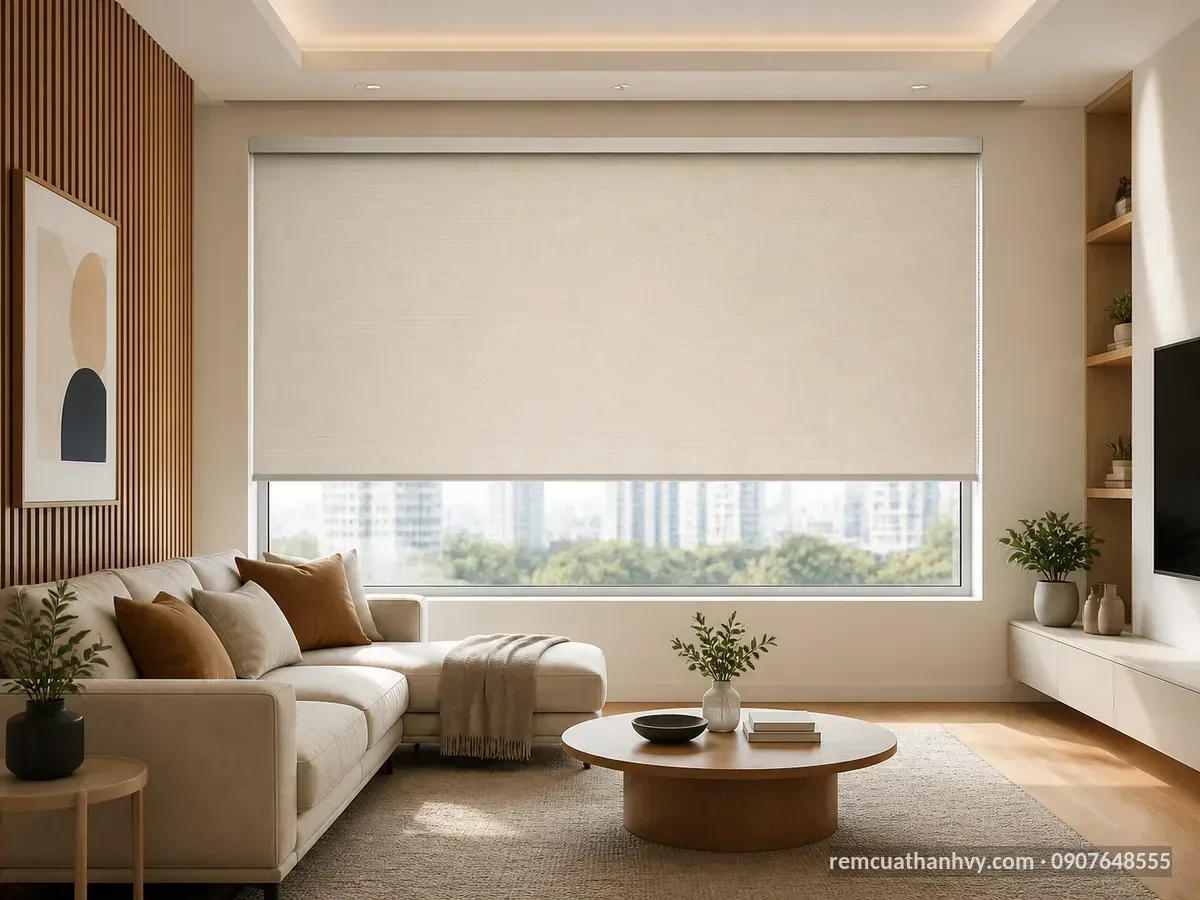
Tan Phu Curtains: How to Choose Based on Your Needs and Existing Windows
A guide to choosing Tan Phu curtains based on light, privacy, installation style, stacking space, [...]
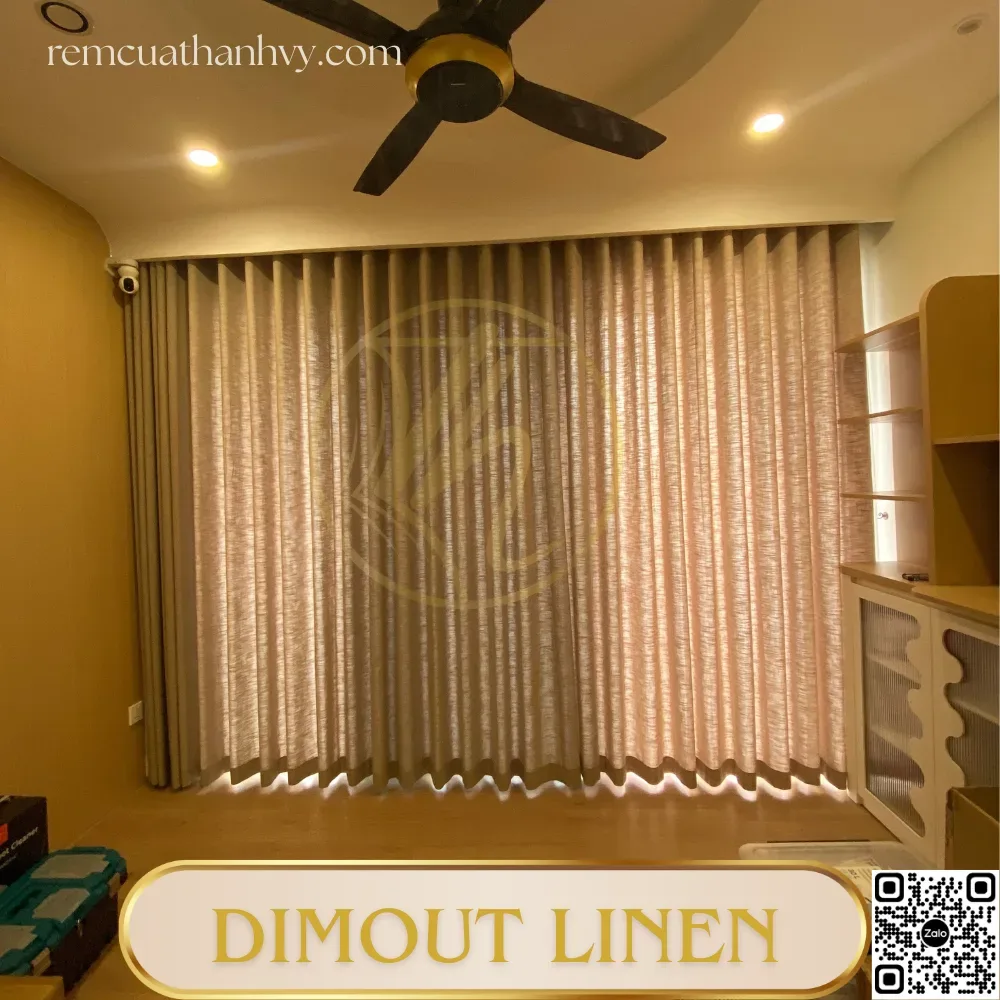
Curtains in District 1: What to prioritize for homes, apartments, and workspaces
A guide to choosing curtains in District 1 based on light levels, privacy, window proportions, [...]
Related reviews
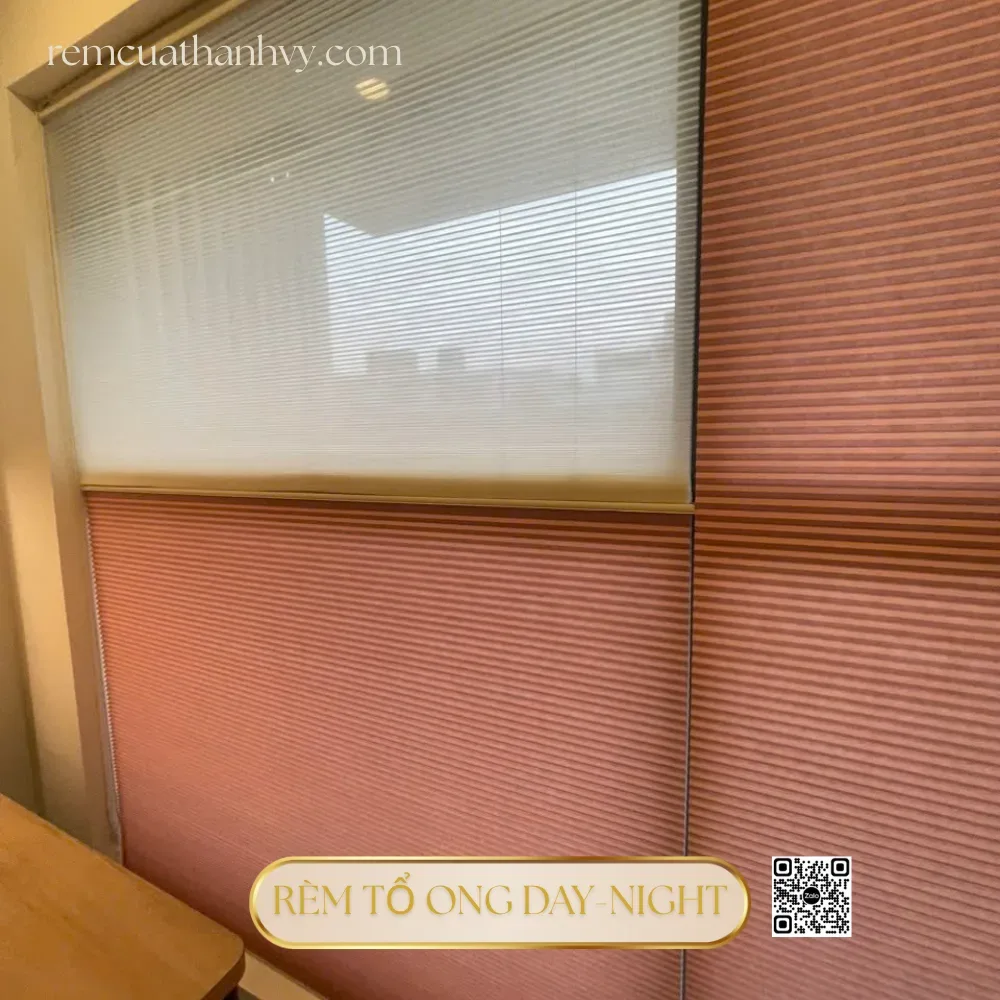
Fabric Curtains or Honeycomb Blinds? A Detailed Comparison to Help You Choose
Compare fabric curtains and honeycomb blinds based on light control, privacy, operation, aesthetics, maintenance, and [...]
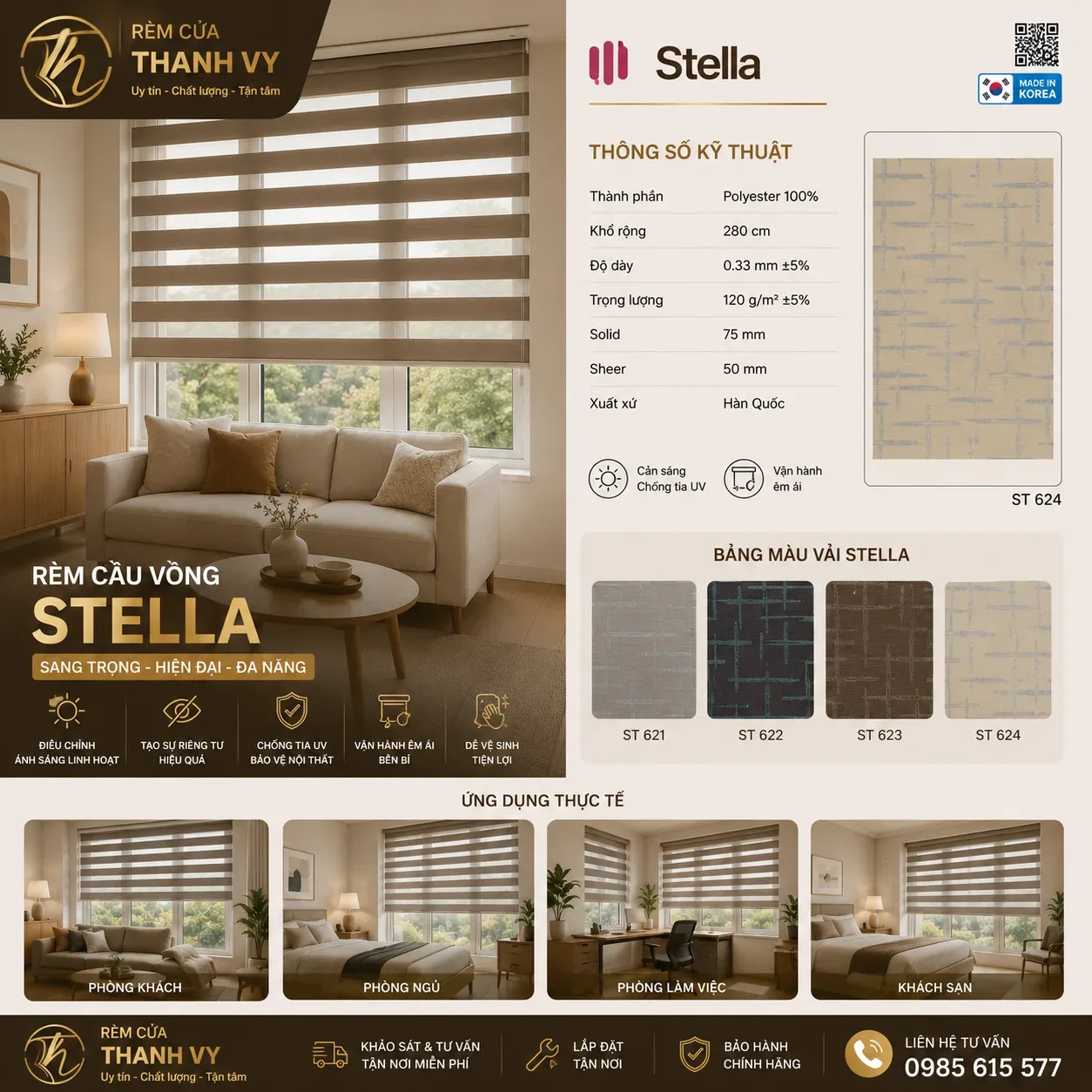
Roller Shades or Zebra Shades? A Detailed Comparison to Help You Choose
This article compares roller shades and zebra shades by construction, light control, aesthetics, price, durability, [...]
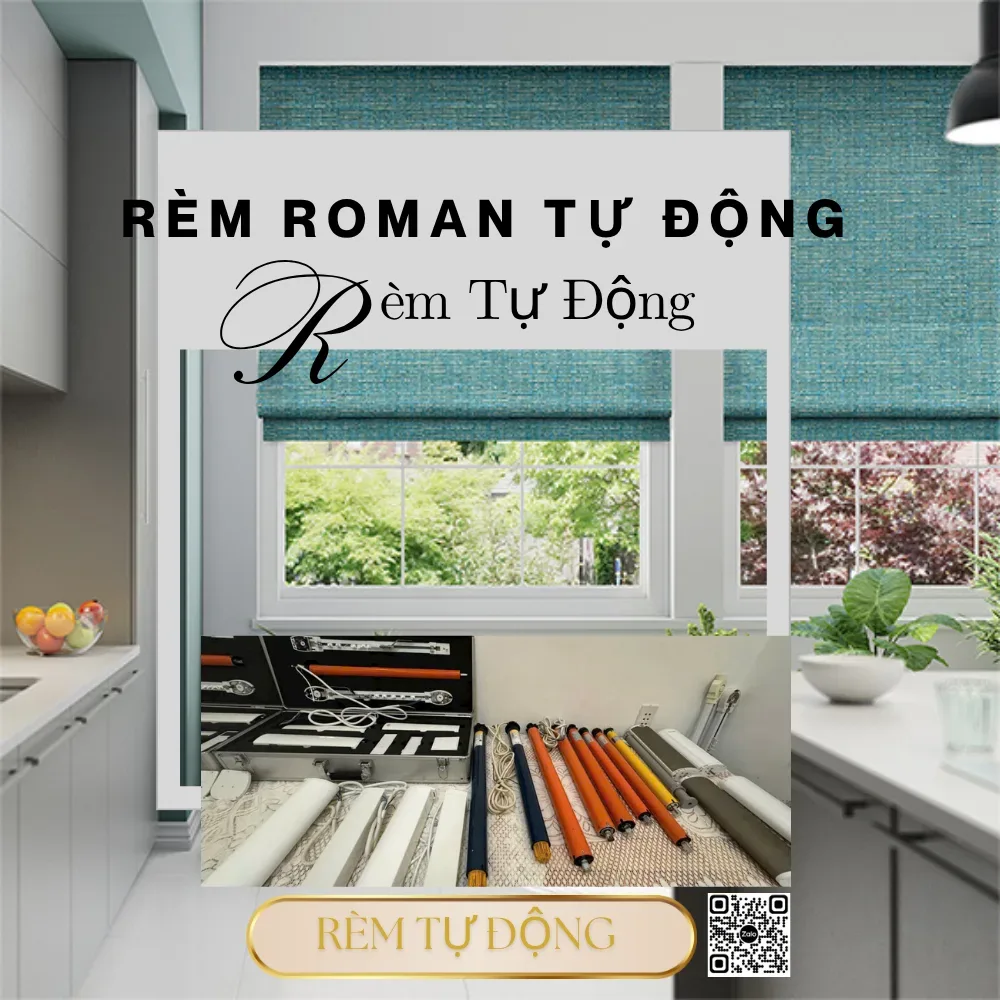
Are Roman Shades Good? A Detailed Review from A to Z
This objective review explores whether Roman shades are a good choice by examining their layered [...]
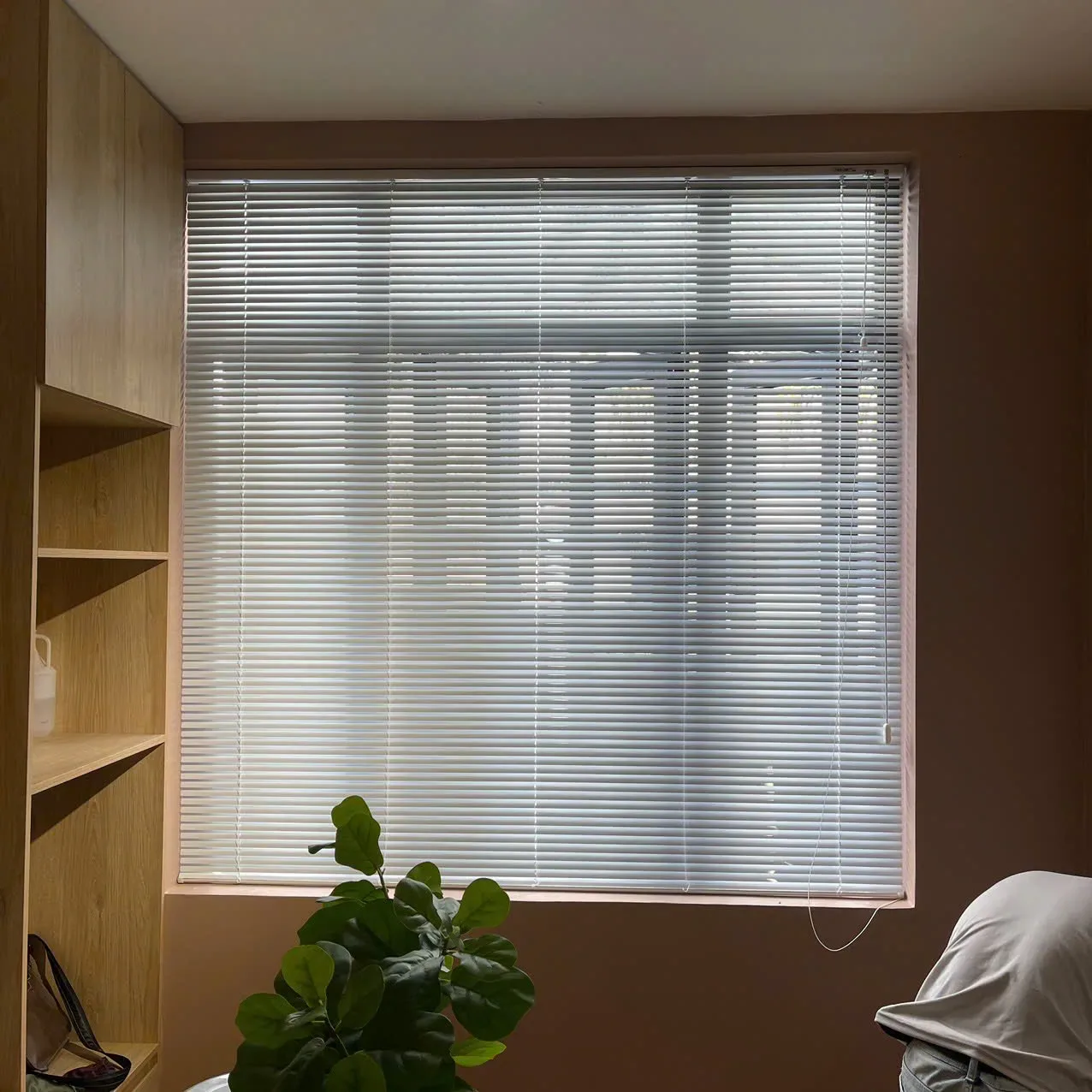
Wooden Blinds or Honeycomb Shades? A Detailed Comparison to Help You Choose
An objective comparison of wooden blinds versus honeycomb shades regarding aesthetics, light control, insulation, durability, [...]
Related posts
Curtain Price Quotes in District 8: How to Compare Configurations Correctly
A curtain price quote in District 8 is only reliable when you are comparing the [...]
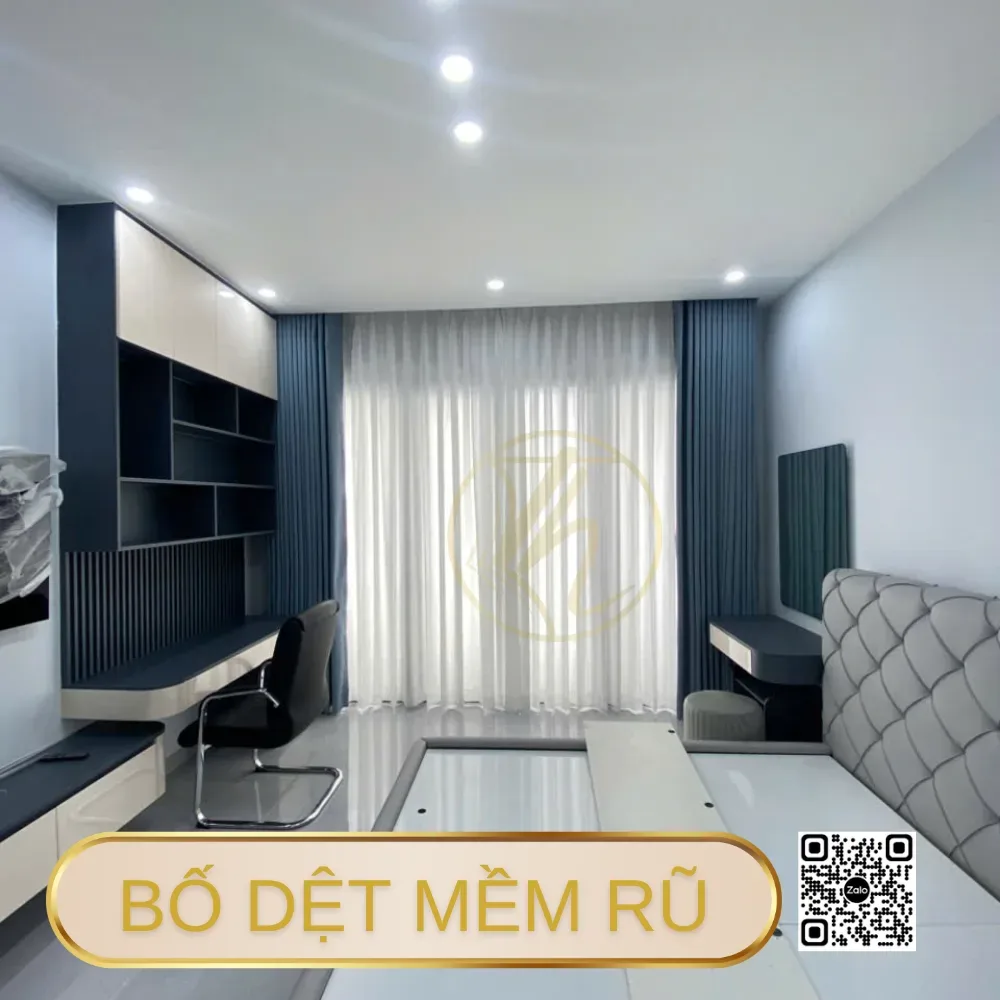
Curtain price quotes in Tan Phu: How to read and compare based on your needs
A curtain price quote in Tan Phu should be read as a complete configuration, not [...]

No comments yet!