


Roller Shades or Zebra Shades? A Detailed Comparison to Help You Choose
Roller shades or zebra shades: where to start the comparison
The question of roller shades or zebra shades often comes up when people notice that the two look fairly similar: both roll up and down, and both feel more streamlined than traditional fabric curtains. But on closer inspection, these two types of shades address somewhat different needs, and that is what ultimately determines which one suits each window. Interested readers can learn about polyester fibers in textiles before deciding.
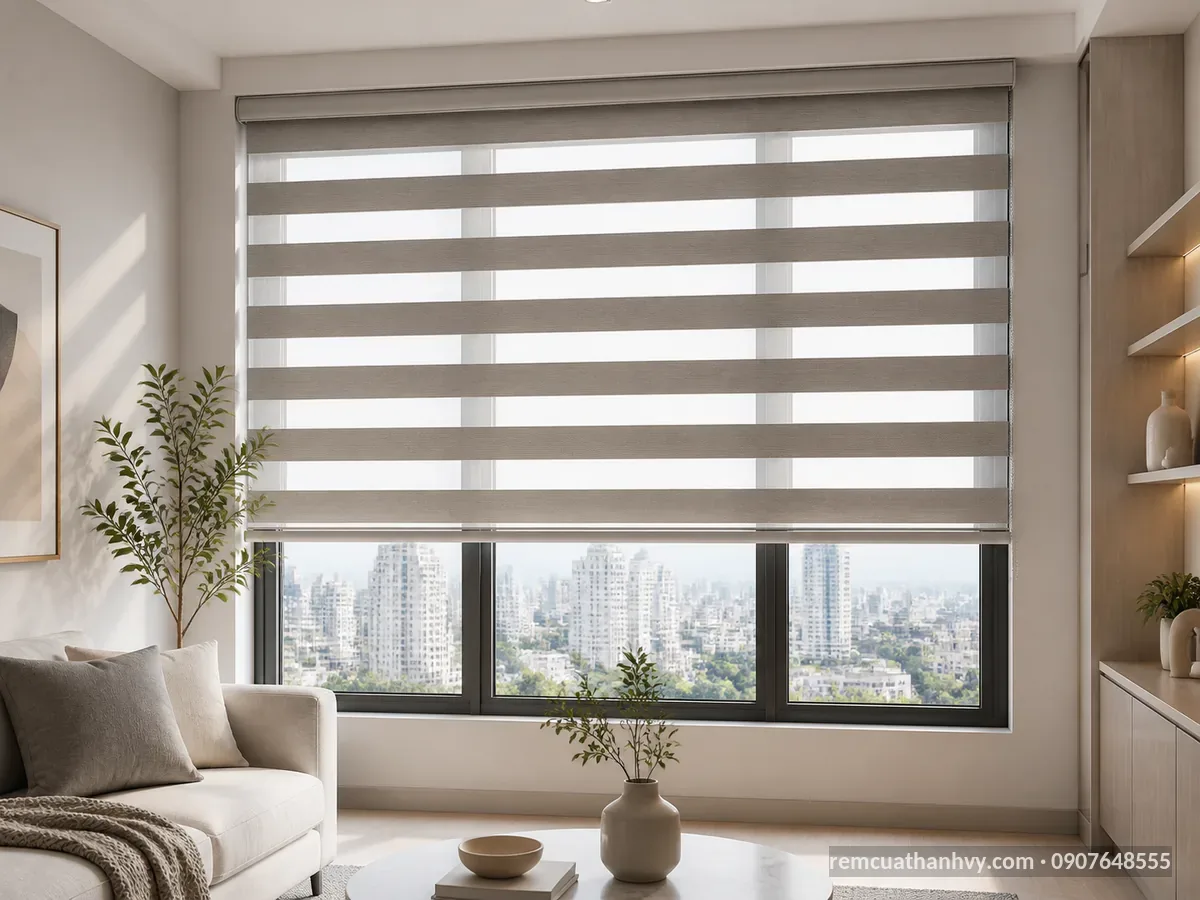
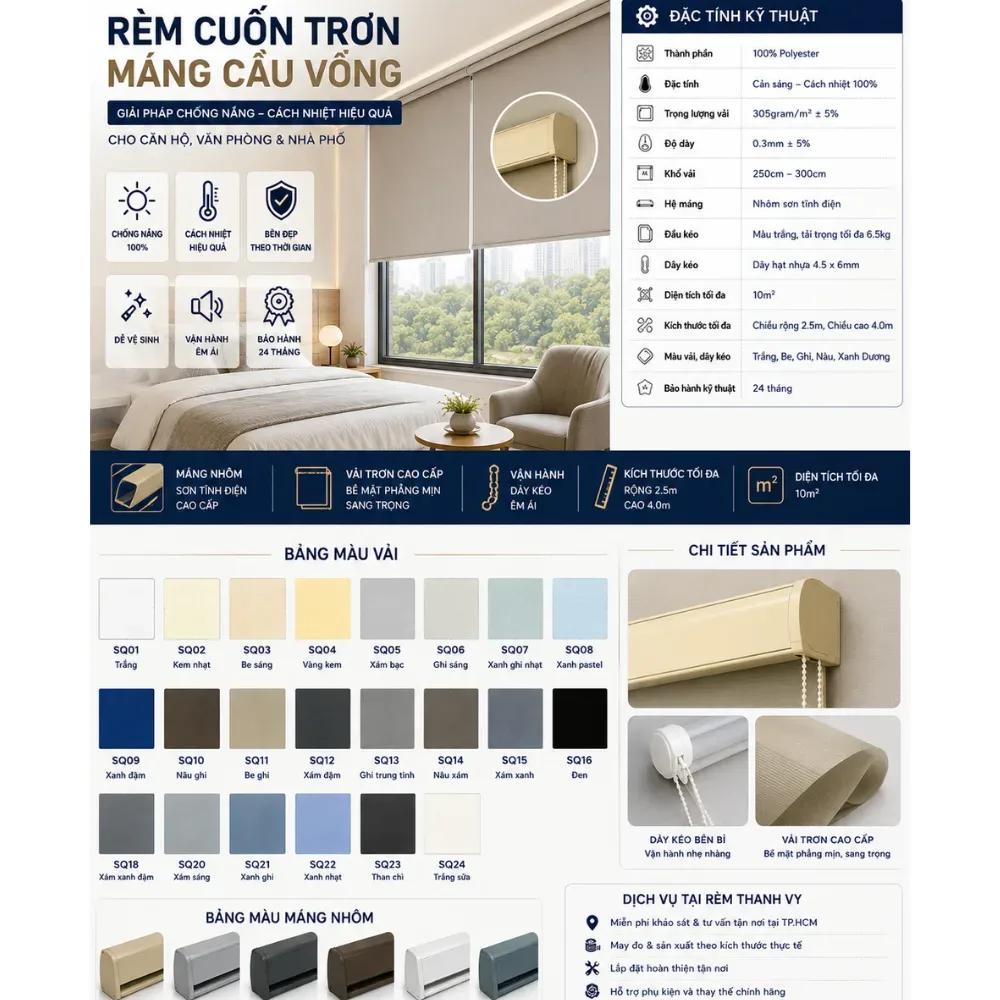
Roller shades (roller blinds) use a single continuous layer of fabric, are simple to operate, and emphasize a lightweight, minimalist design. Zebra shades (double roller or zebra blinds) use two layers of fabric with alternating sheer and opaque bands, allowing light to be adjusted to various levels without fully raising or lowering the shade. This difference in construction leads to differences in price, durability, cleaning methods, and even the visual impression of the window.
This article will objectively compare both types against specific criteria so readers can weigh them against the actual needs of their space, rather than choosing based on gut feeling or whichever type gets more attention.
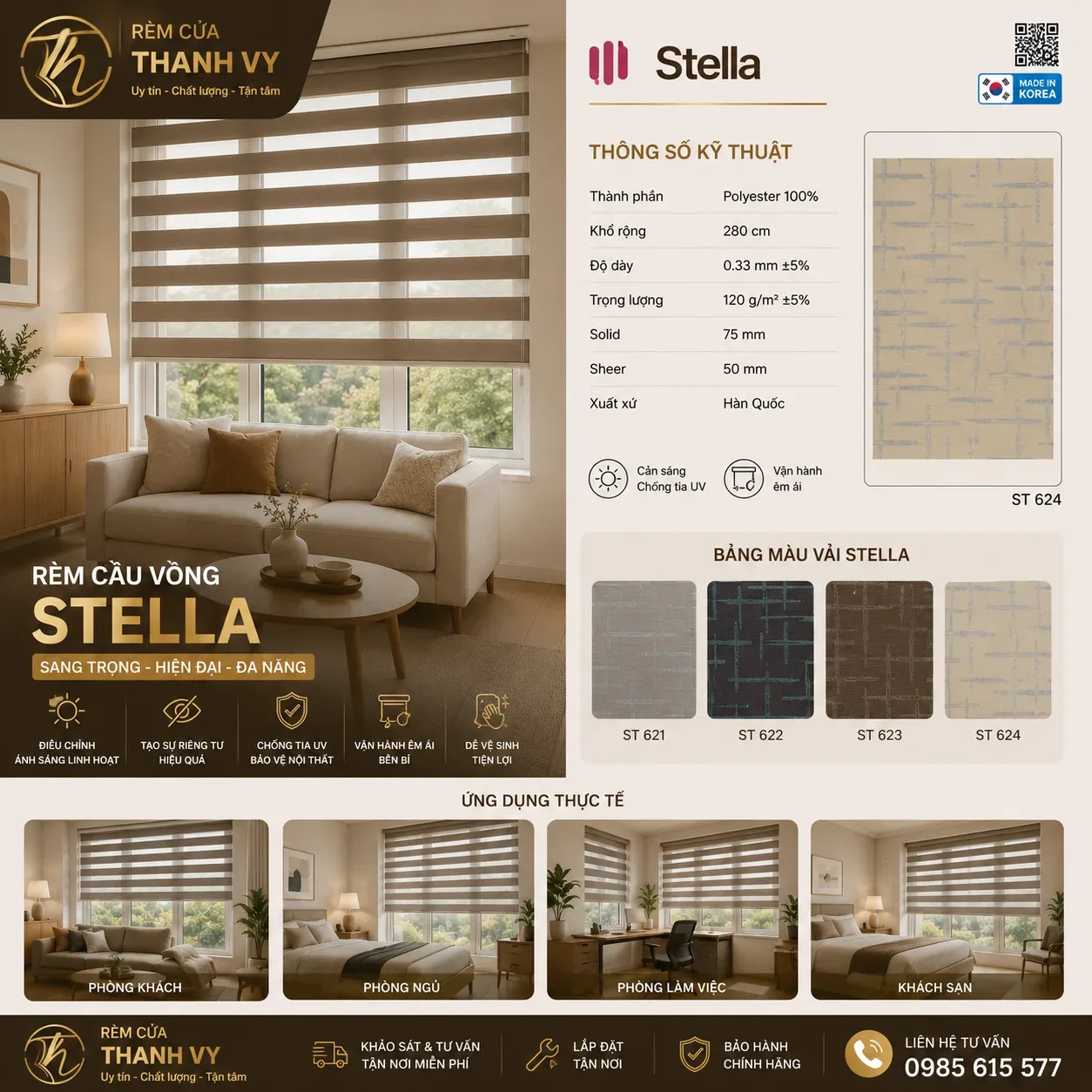
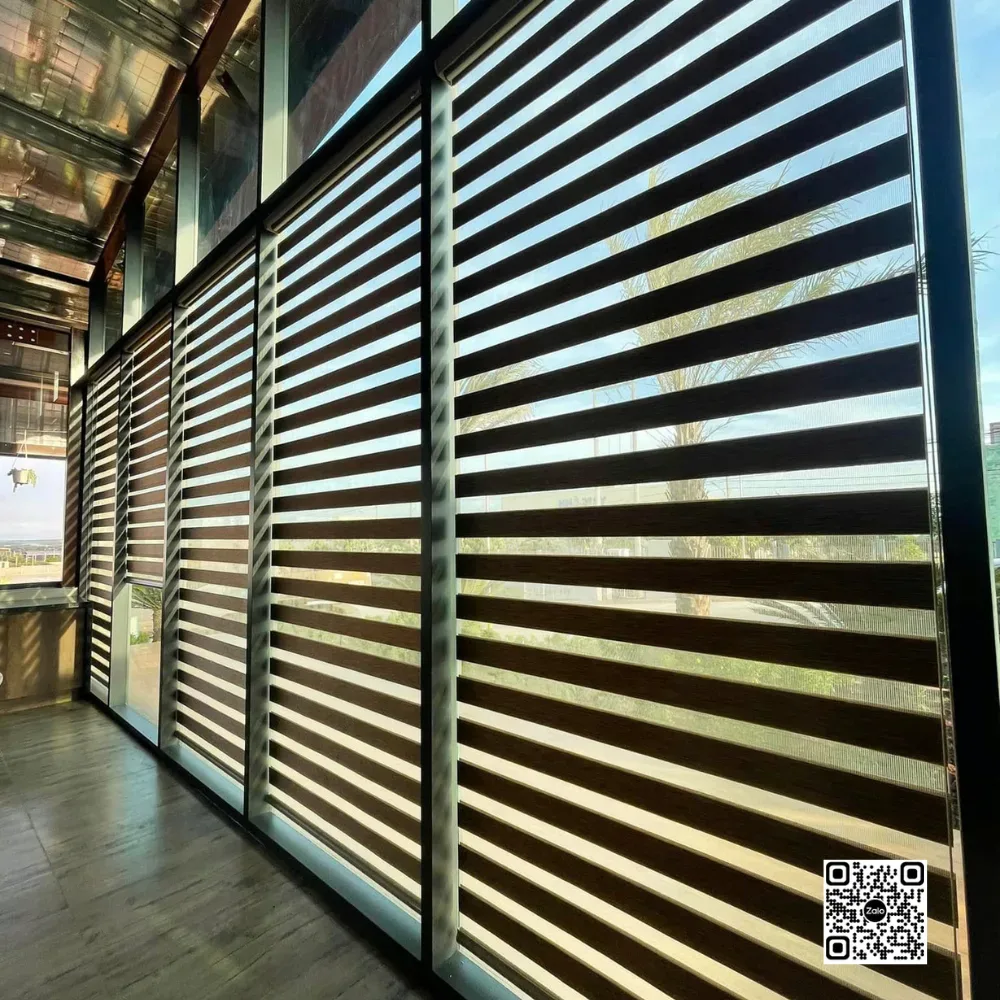
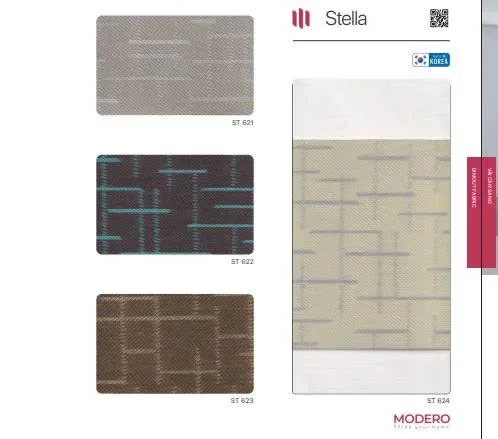
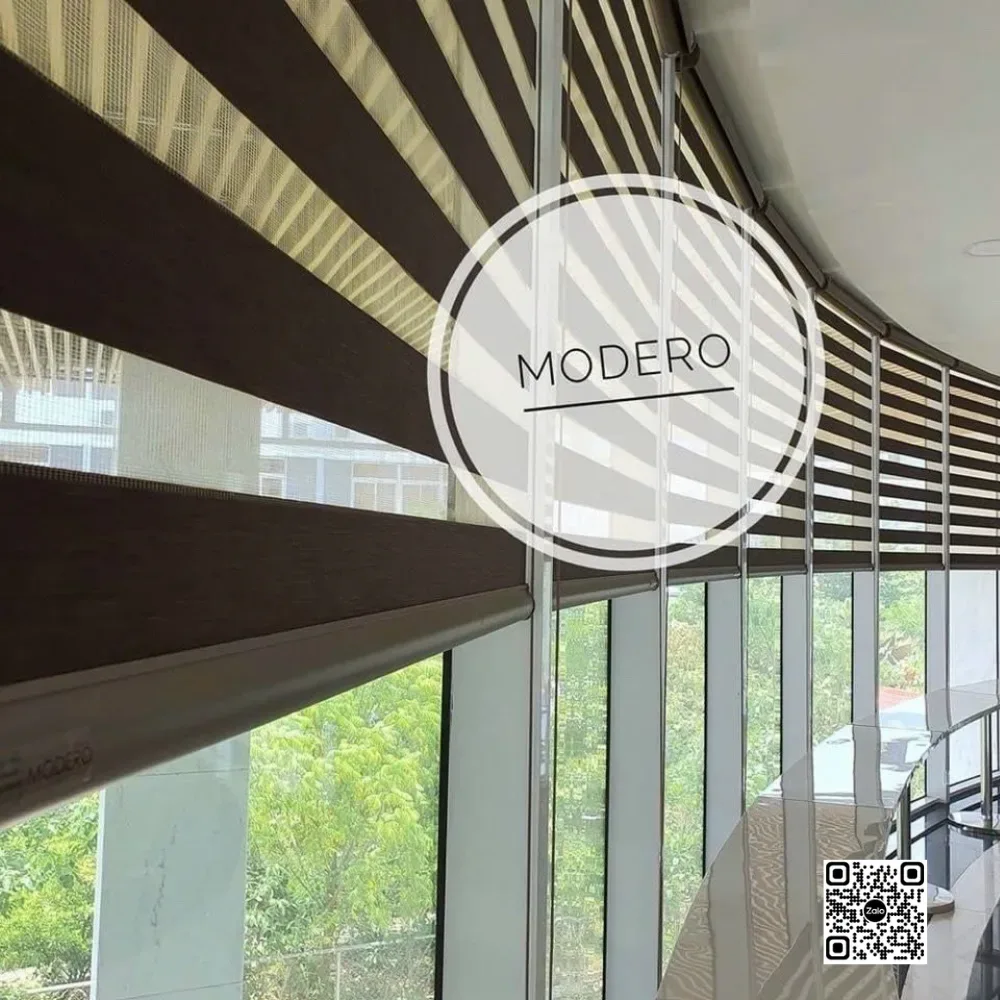
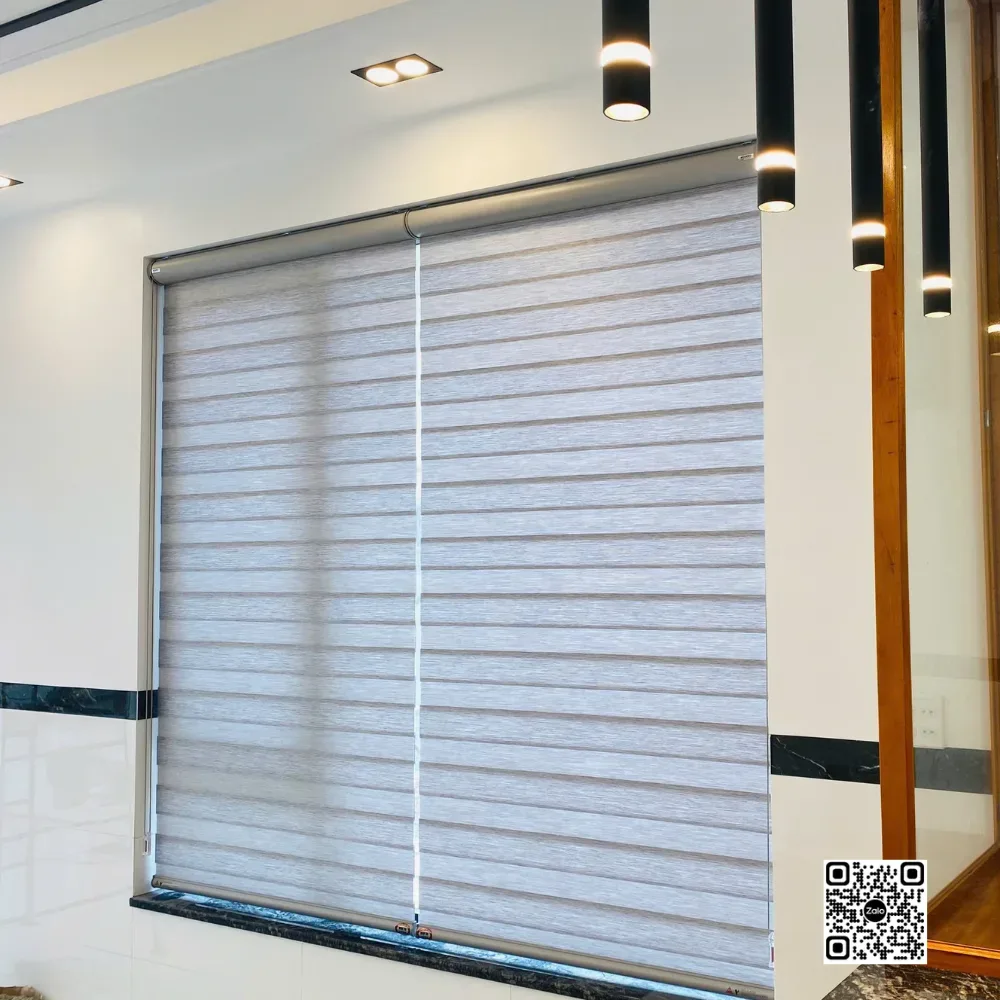
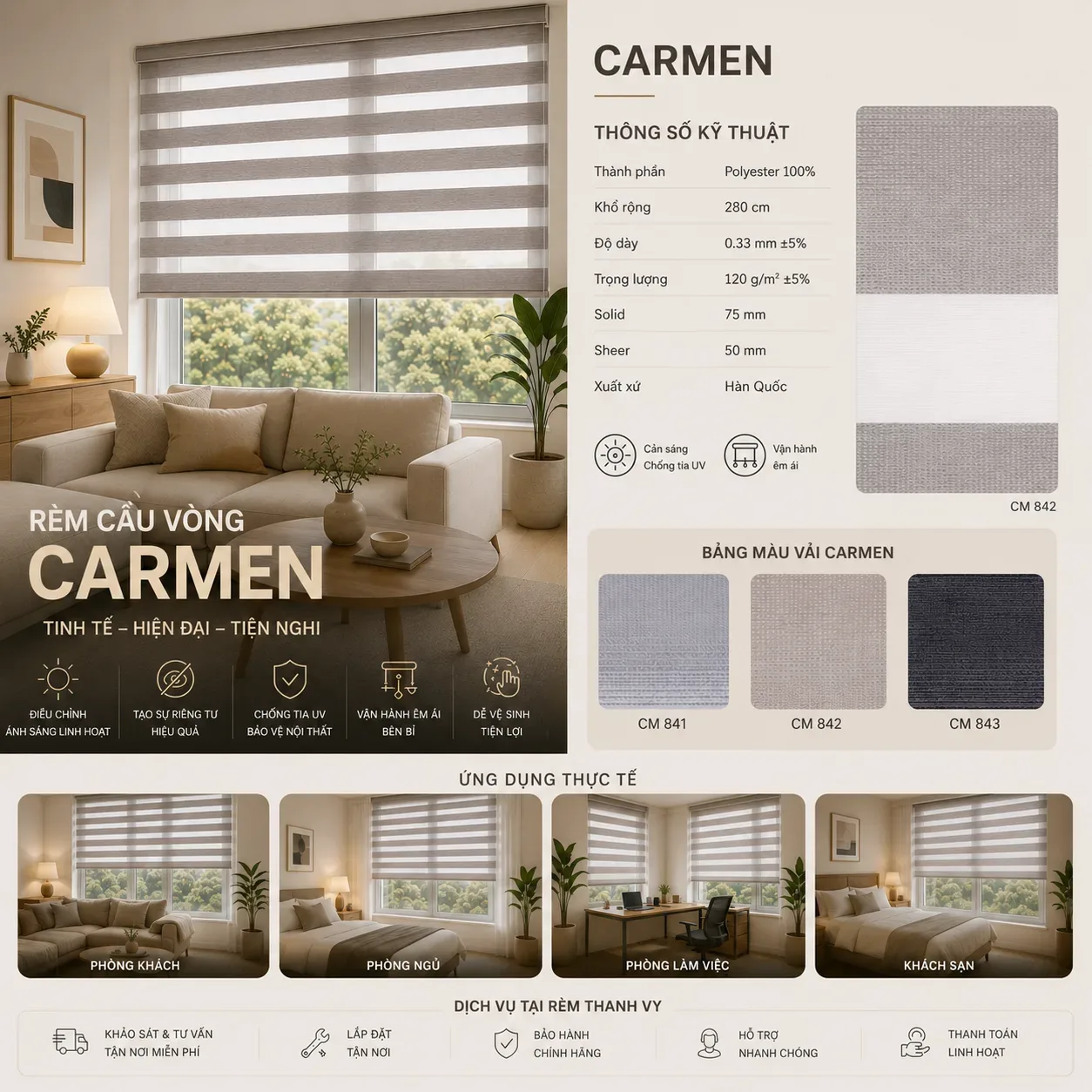
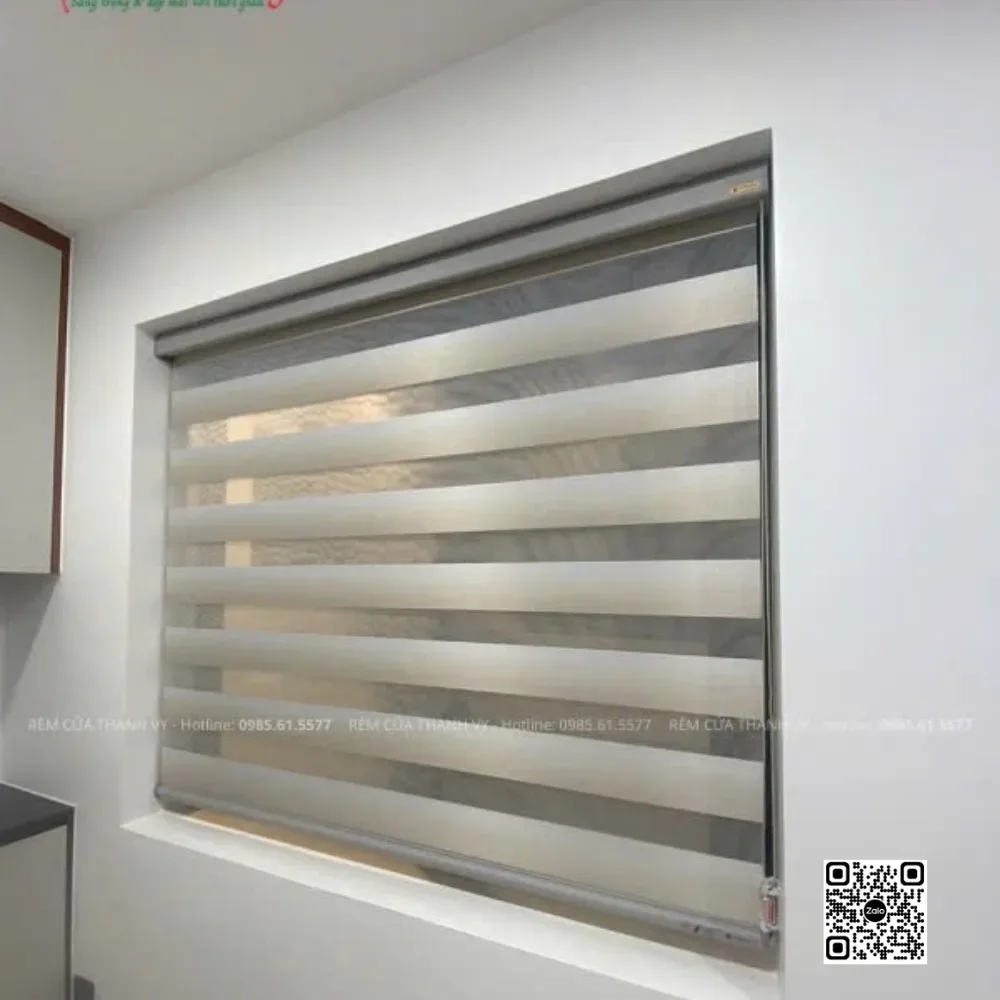
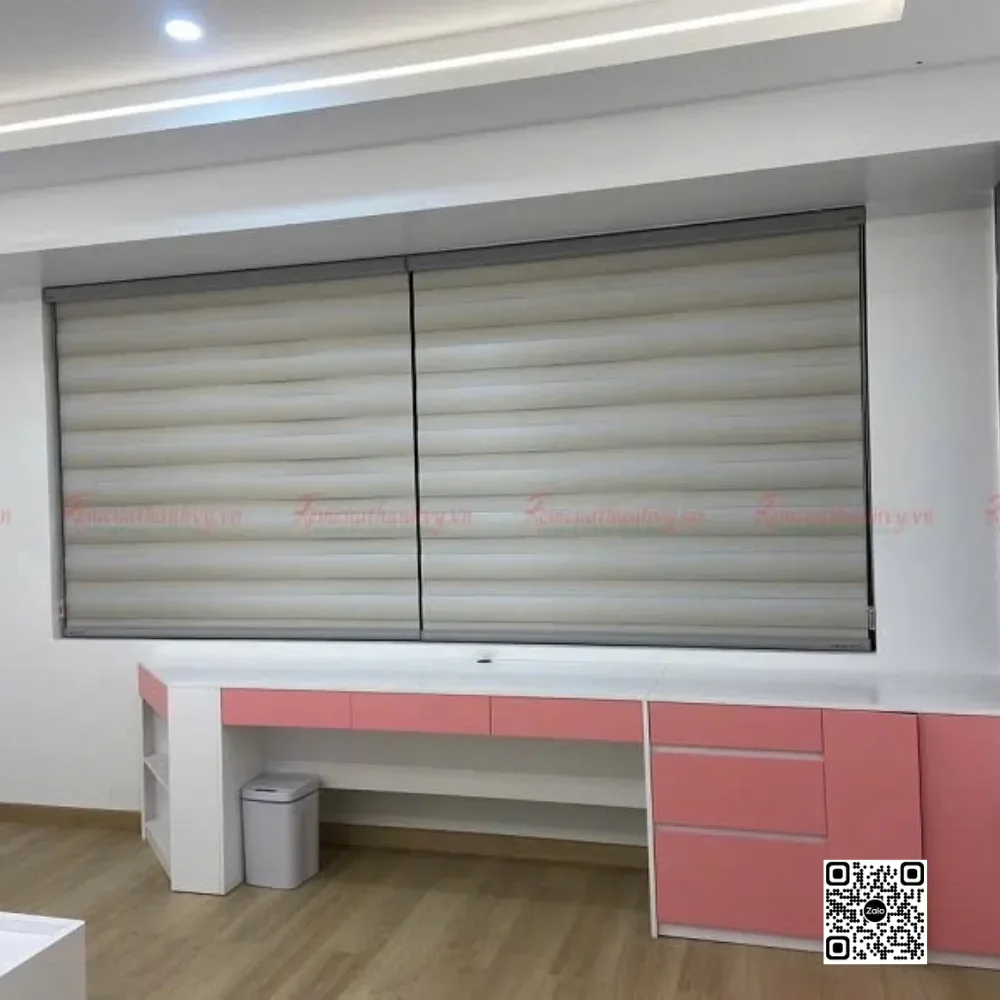
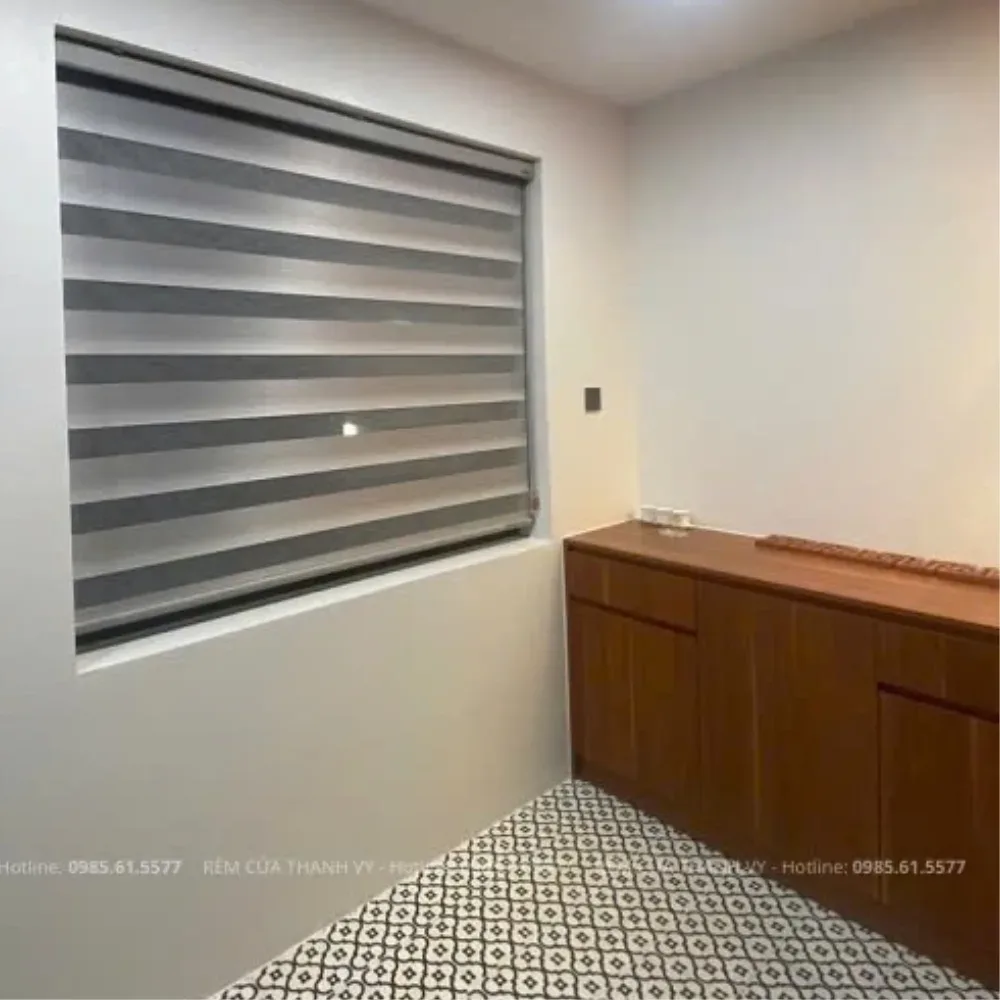
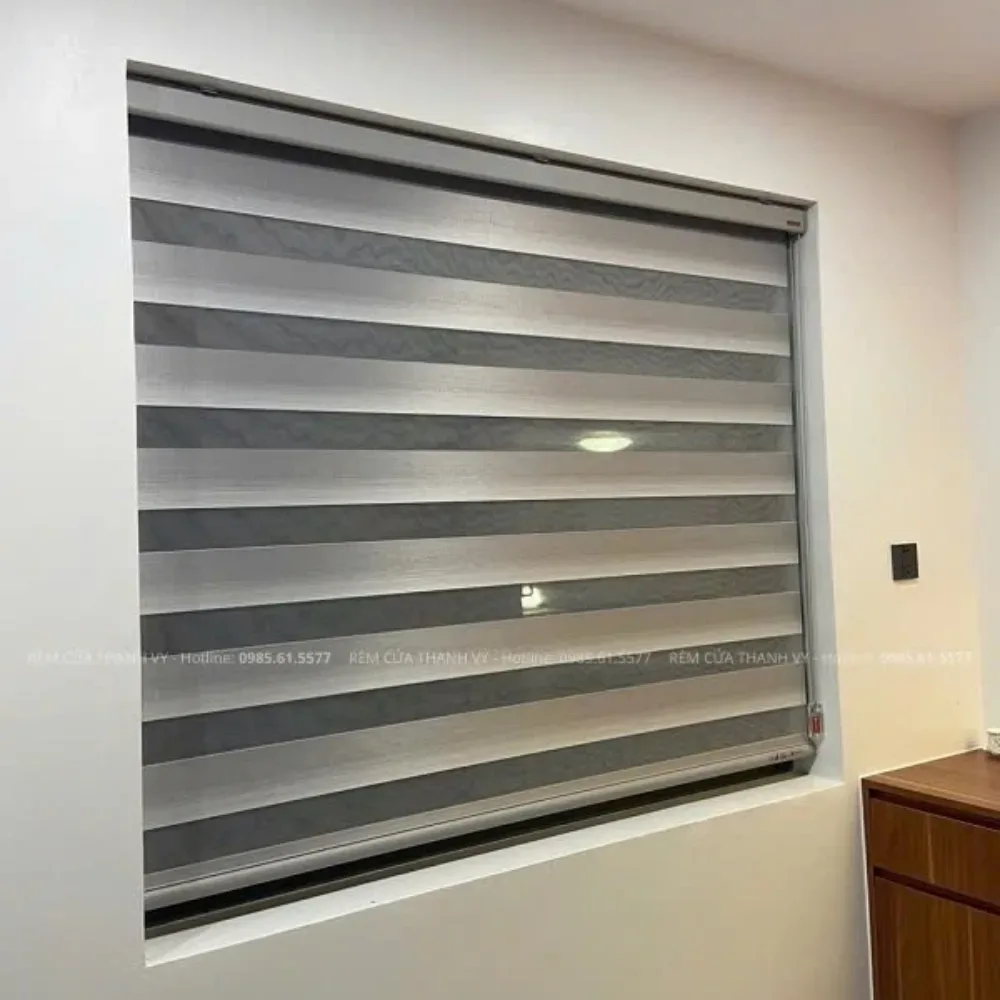
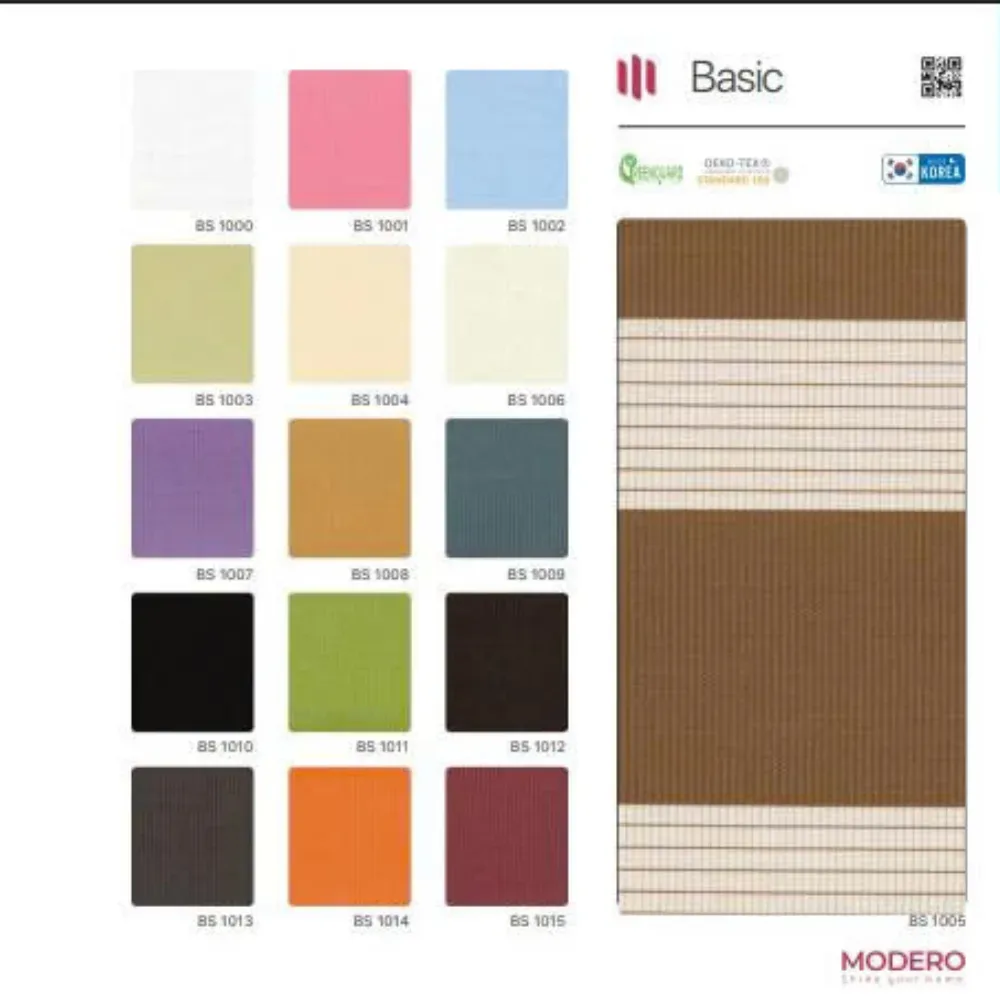
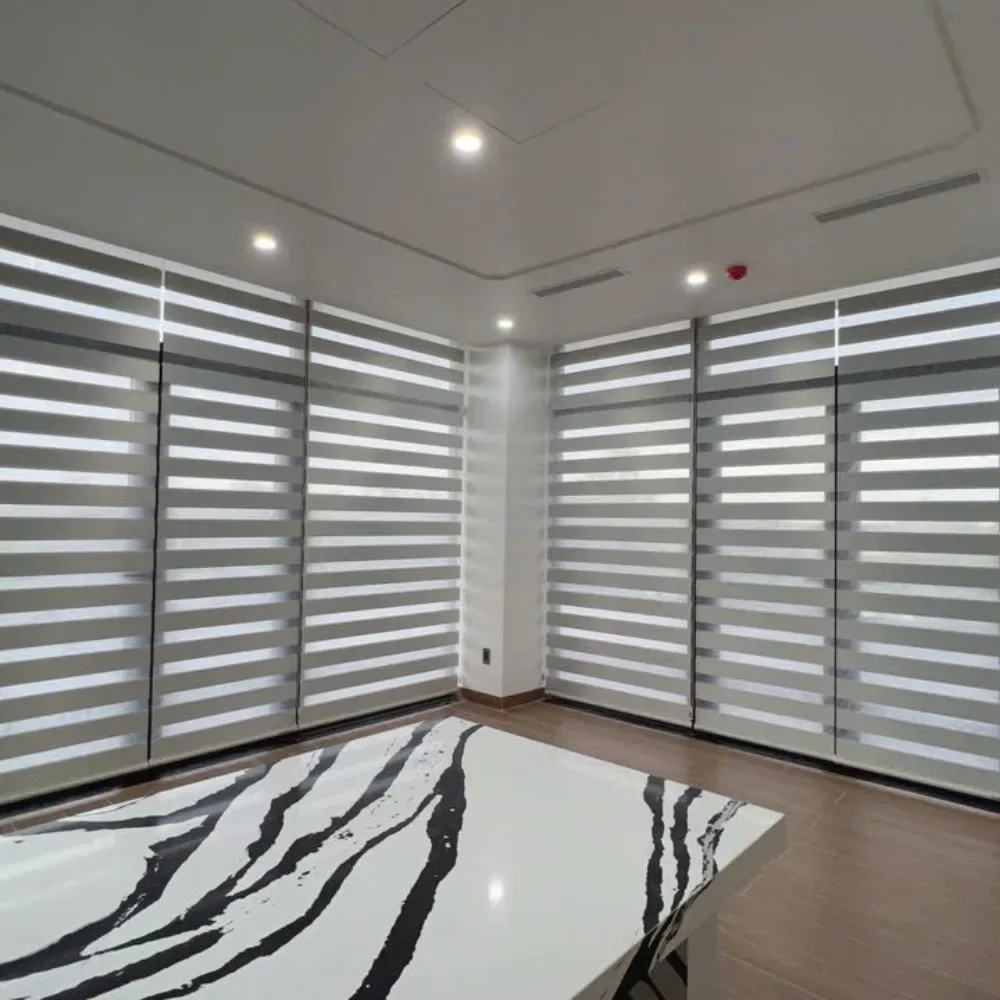
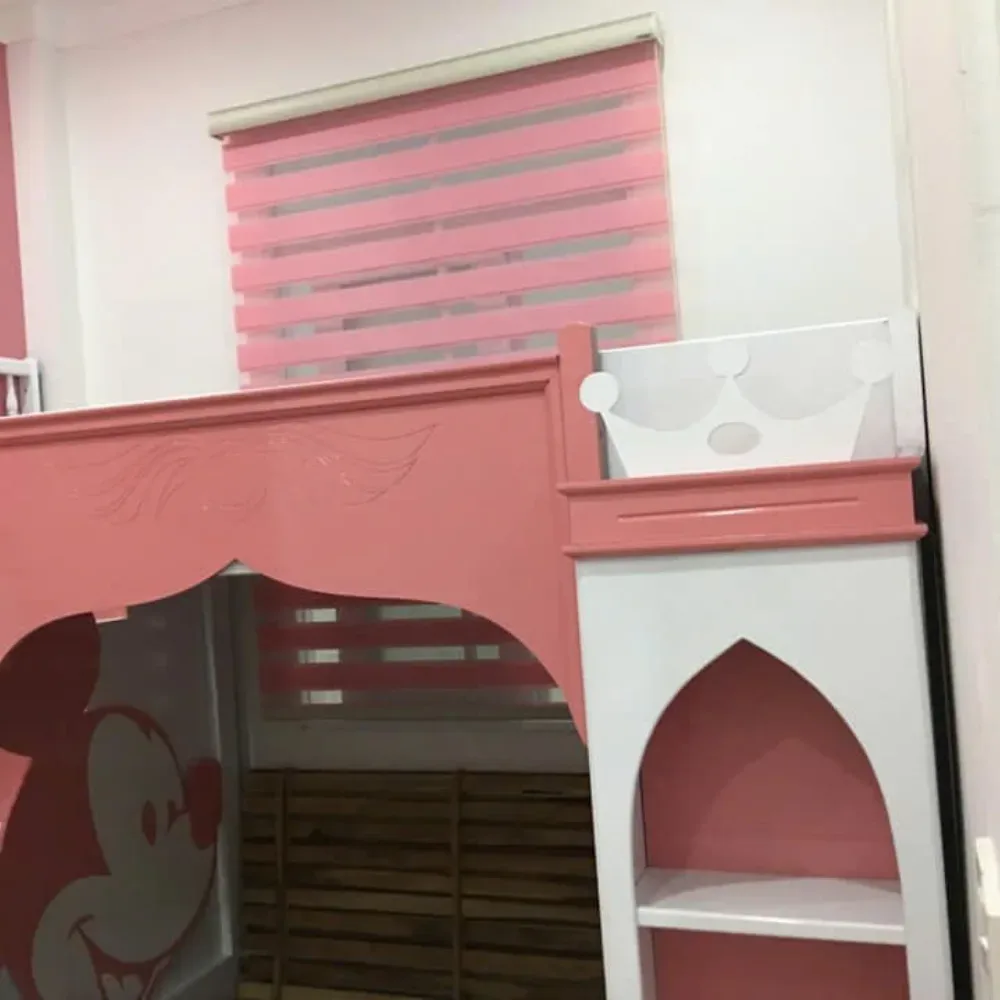
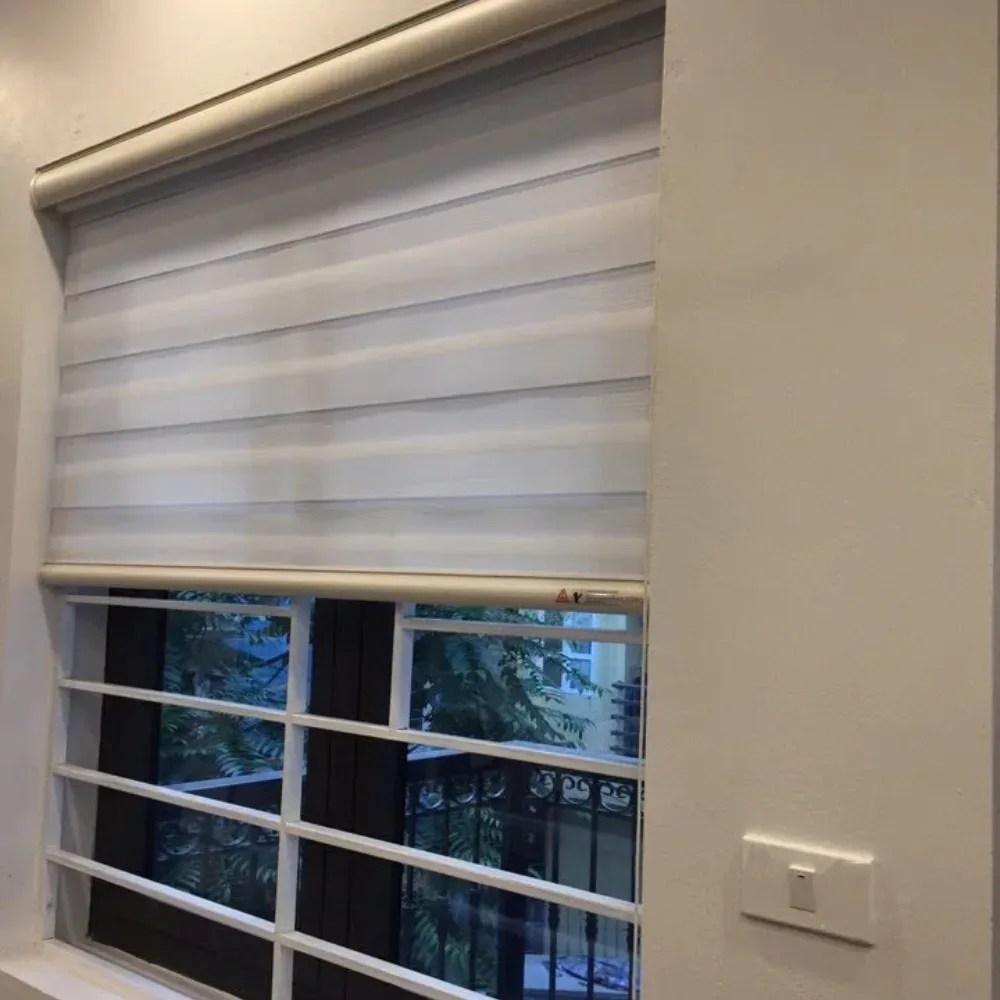
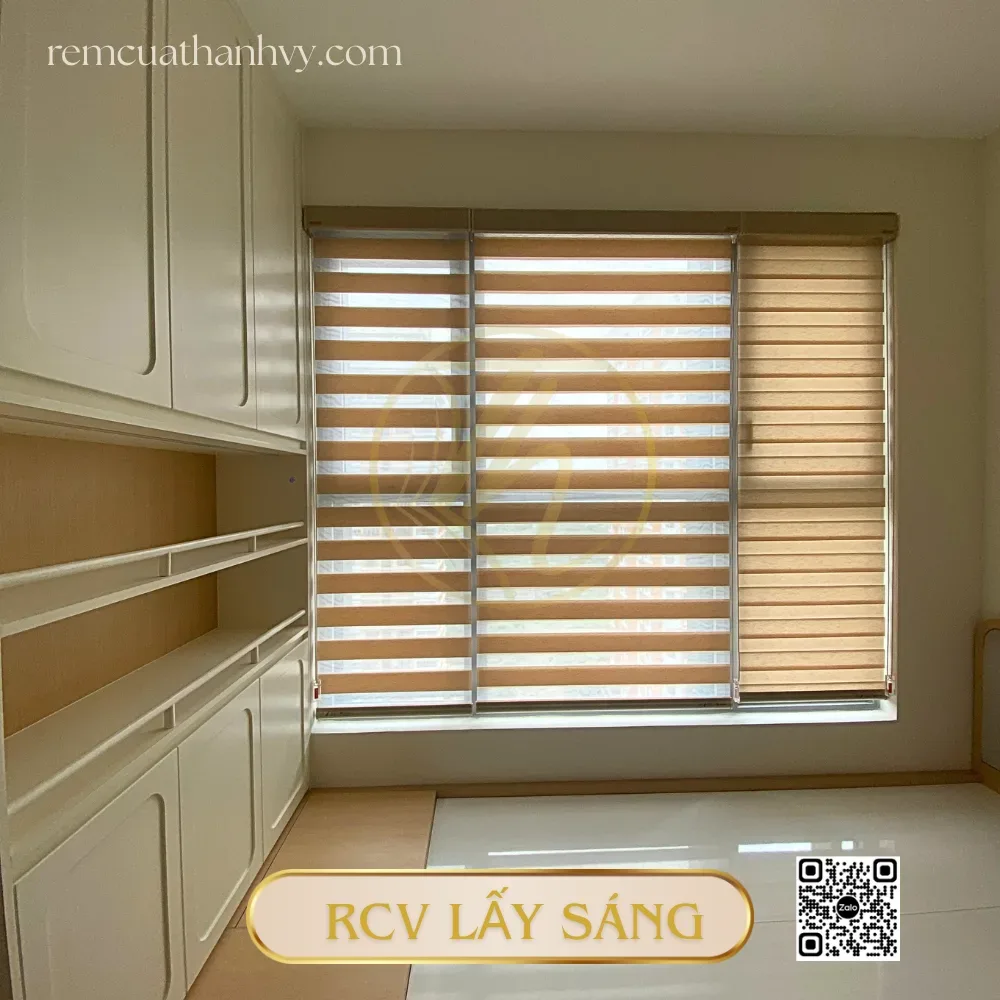
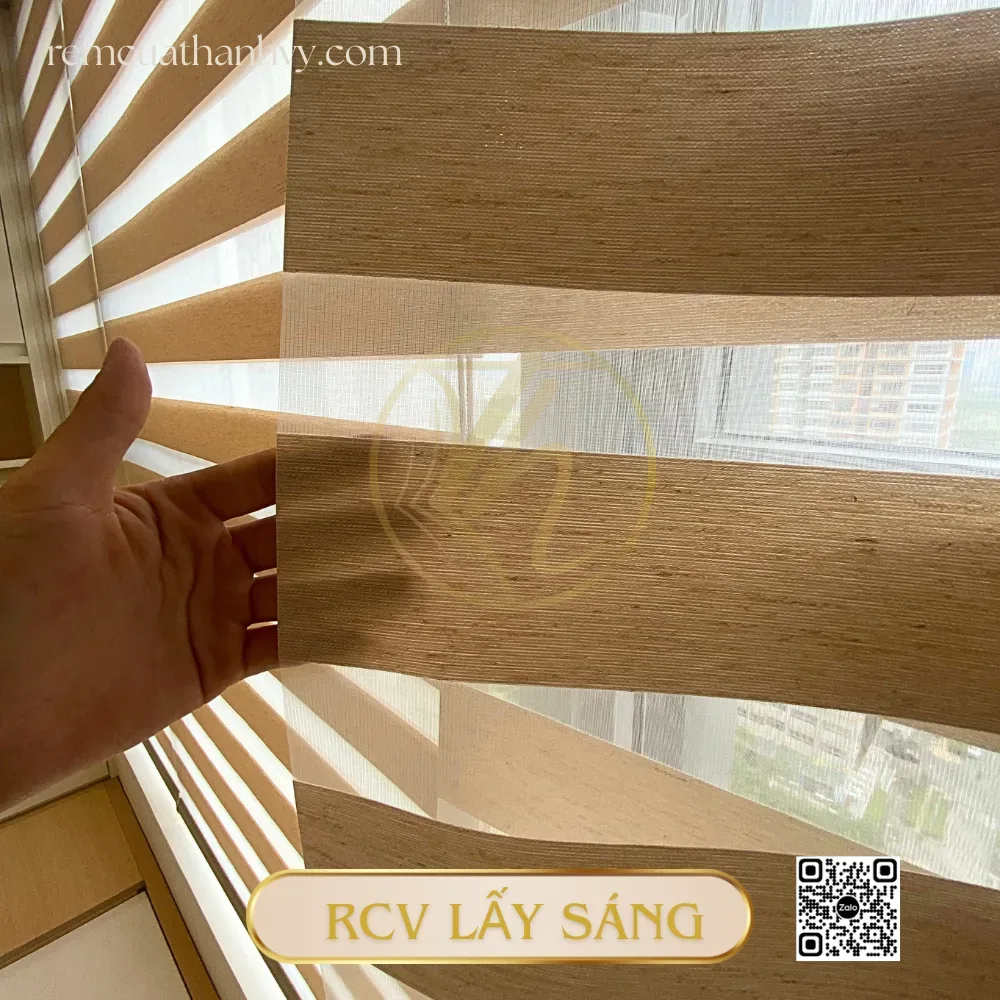
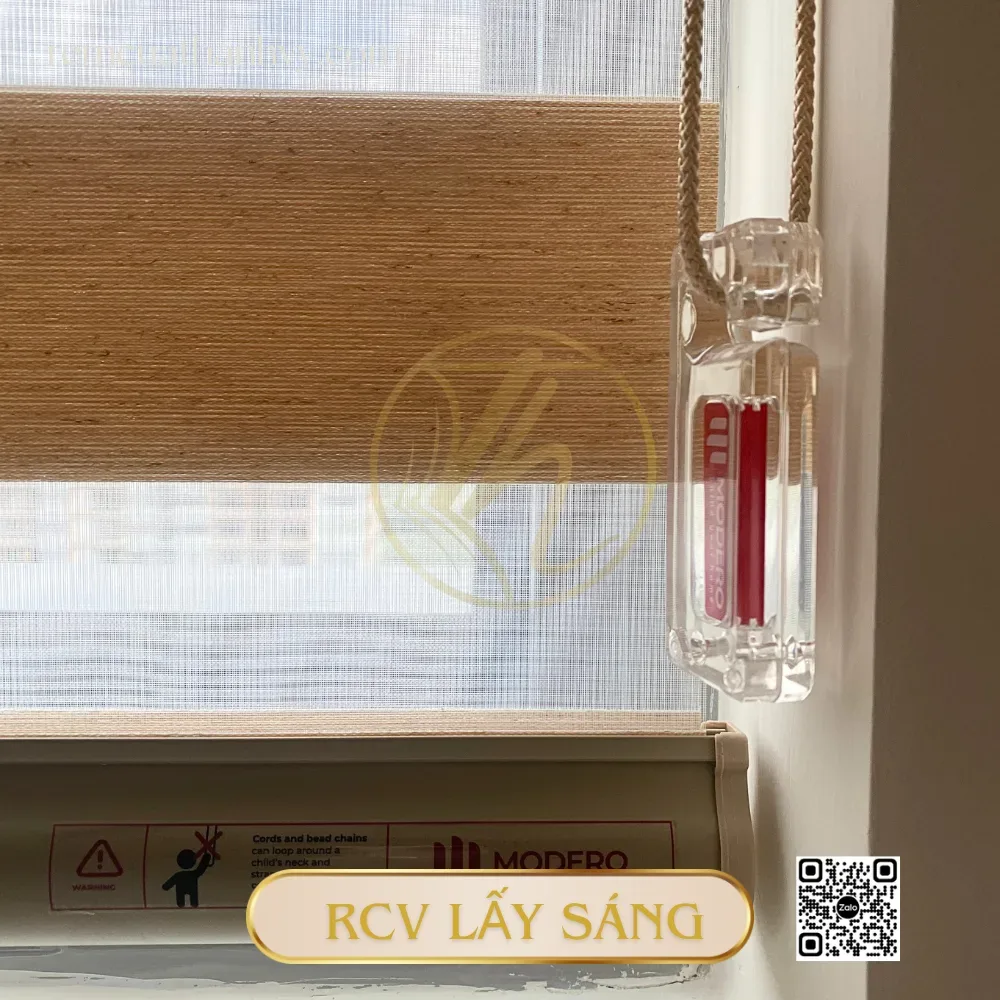
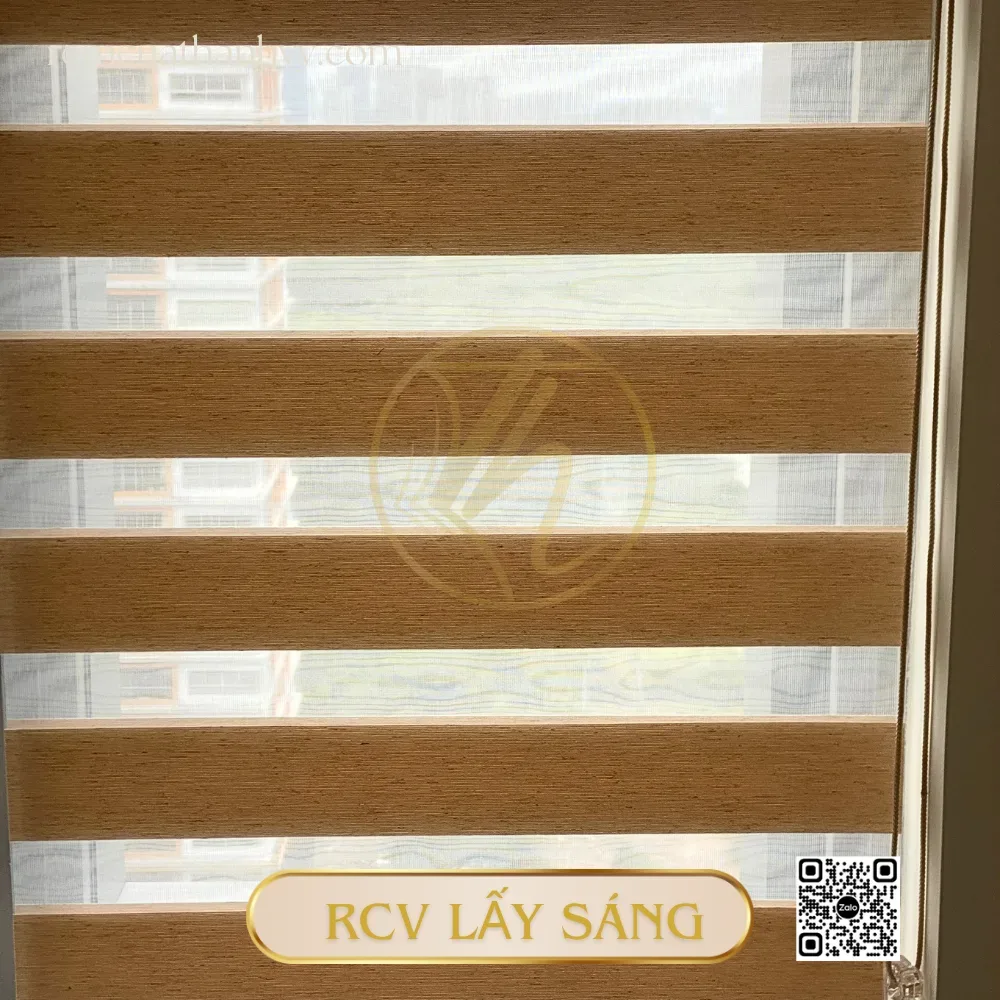
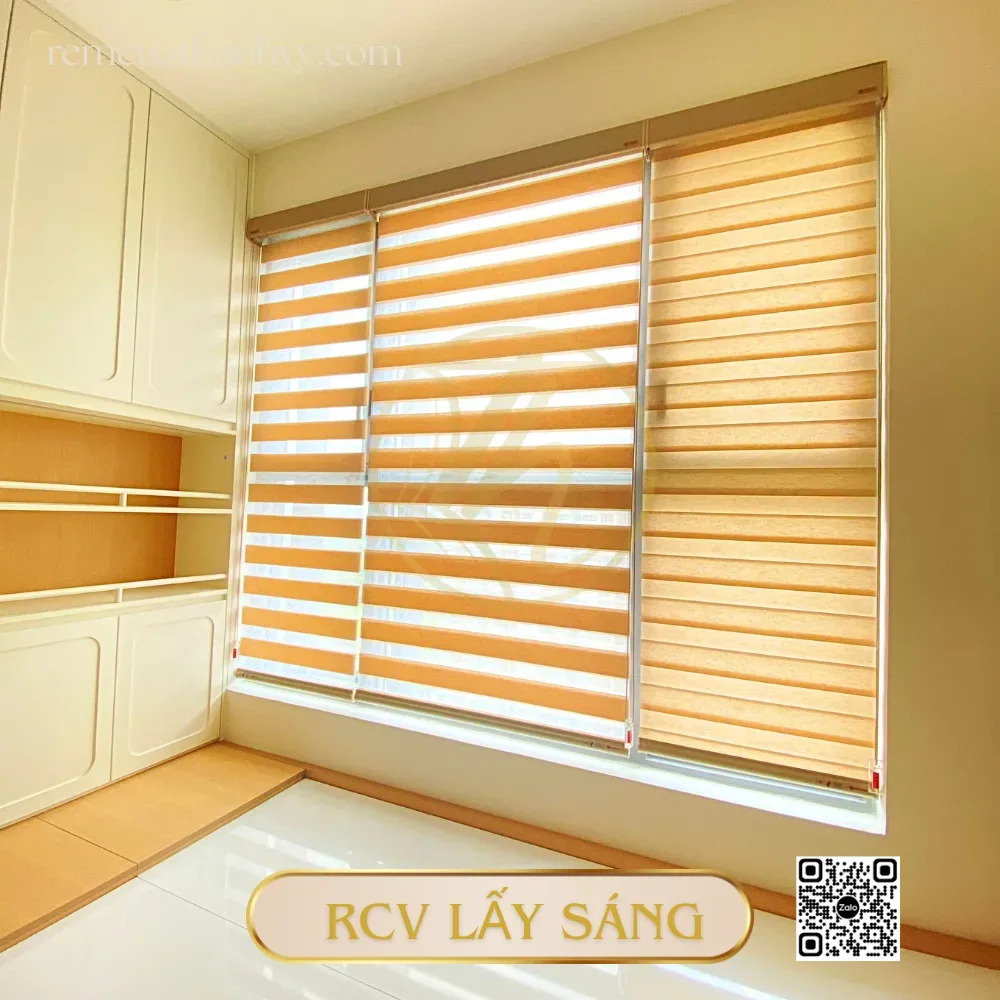
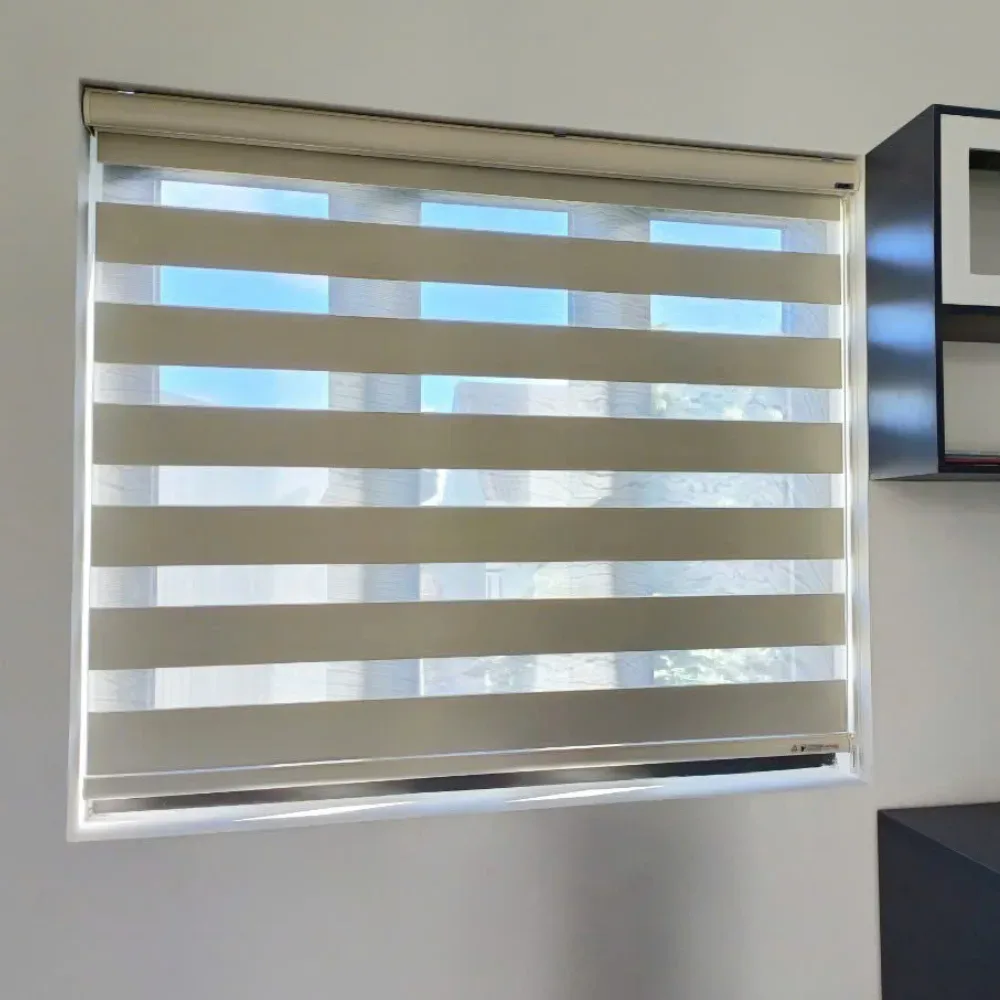
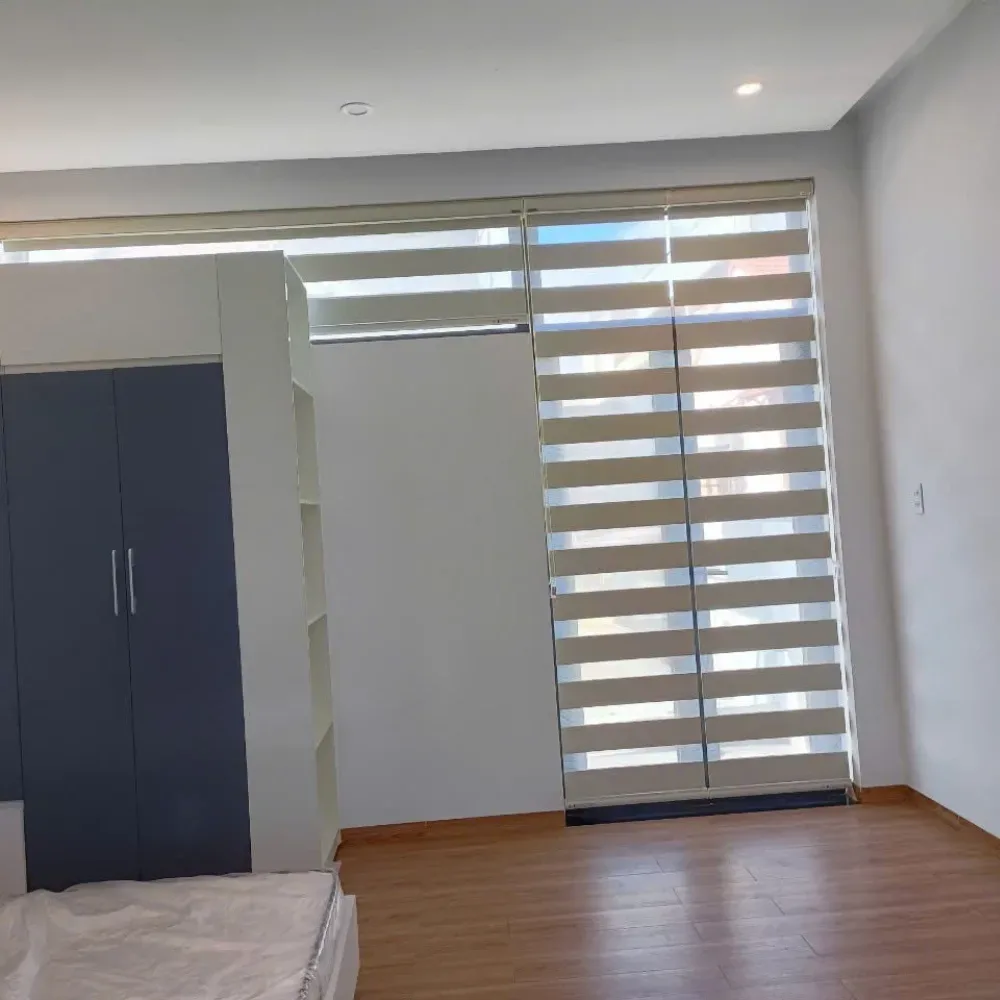
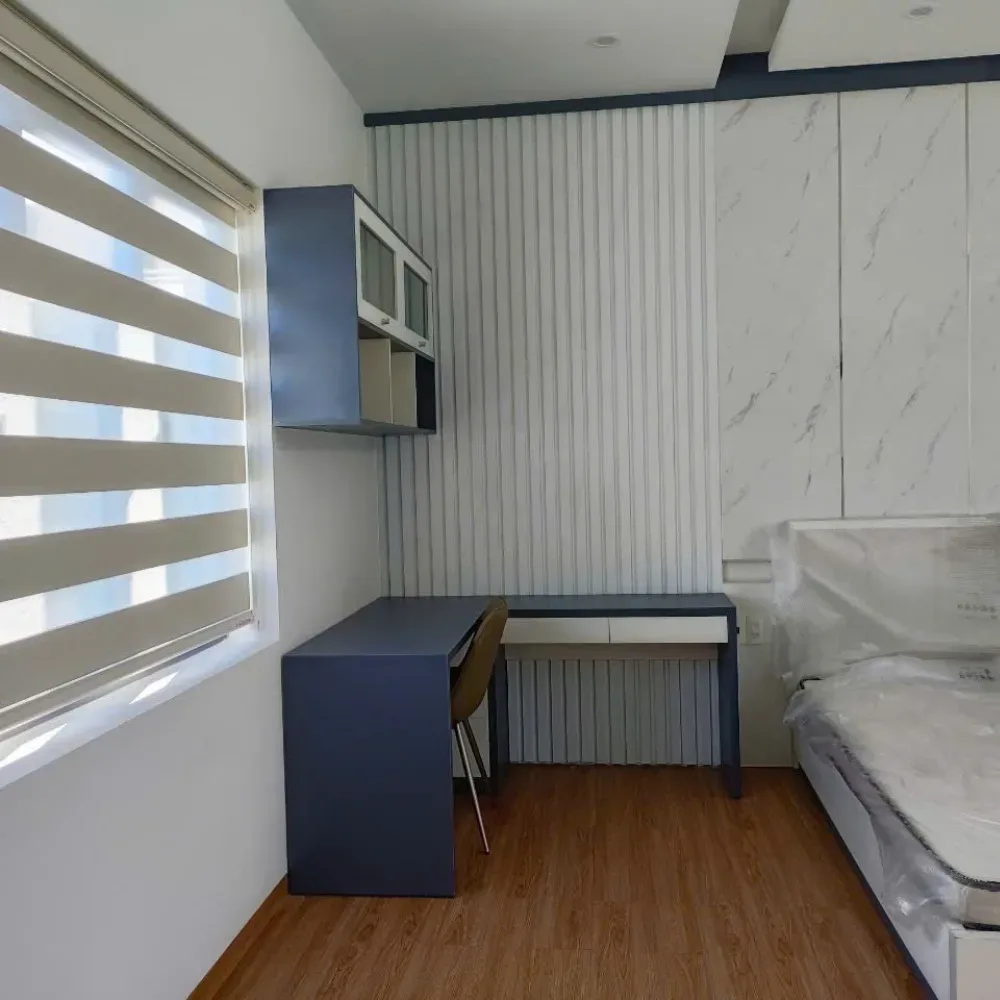
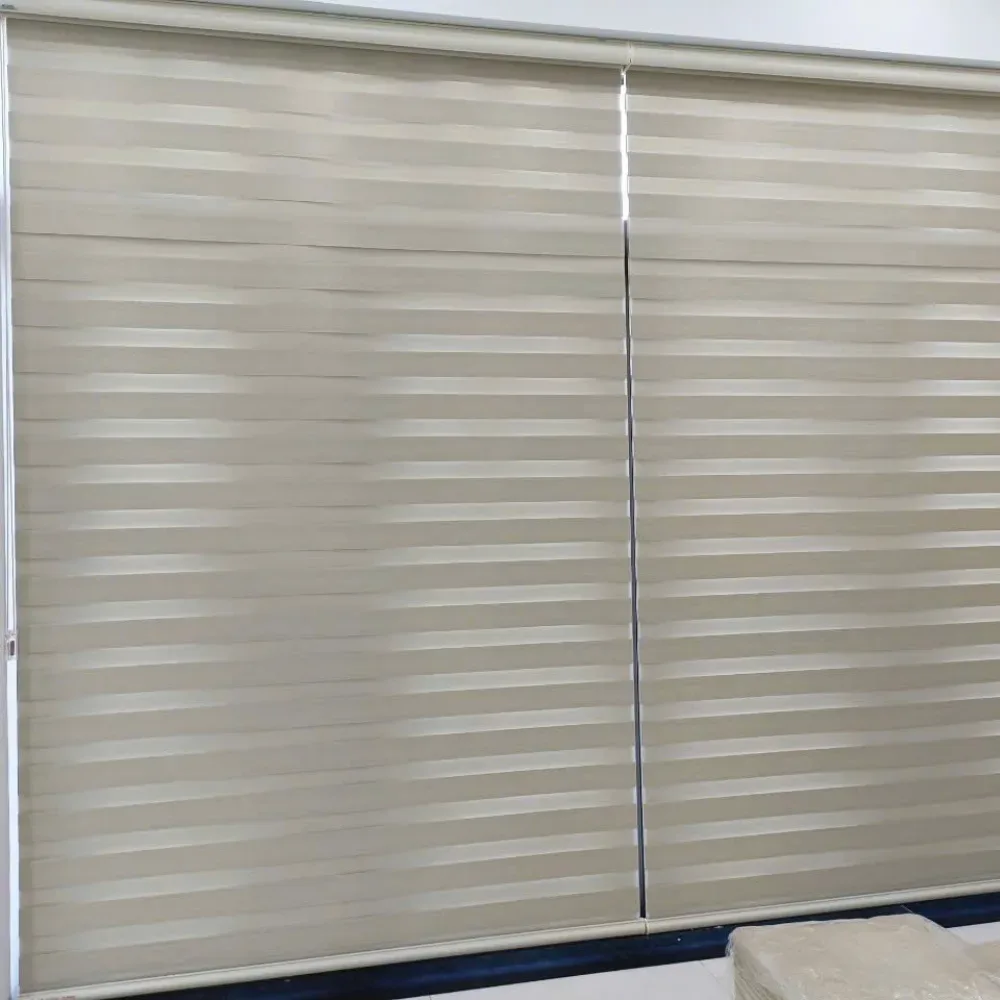
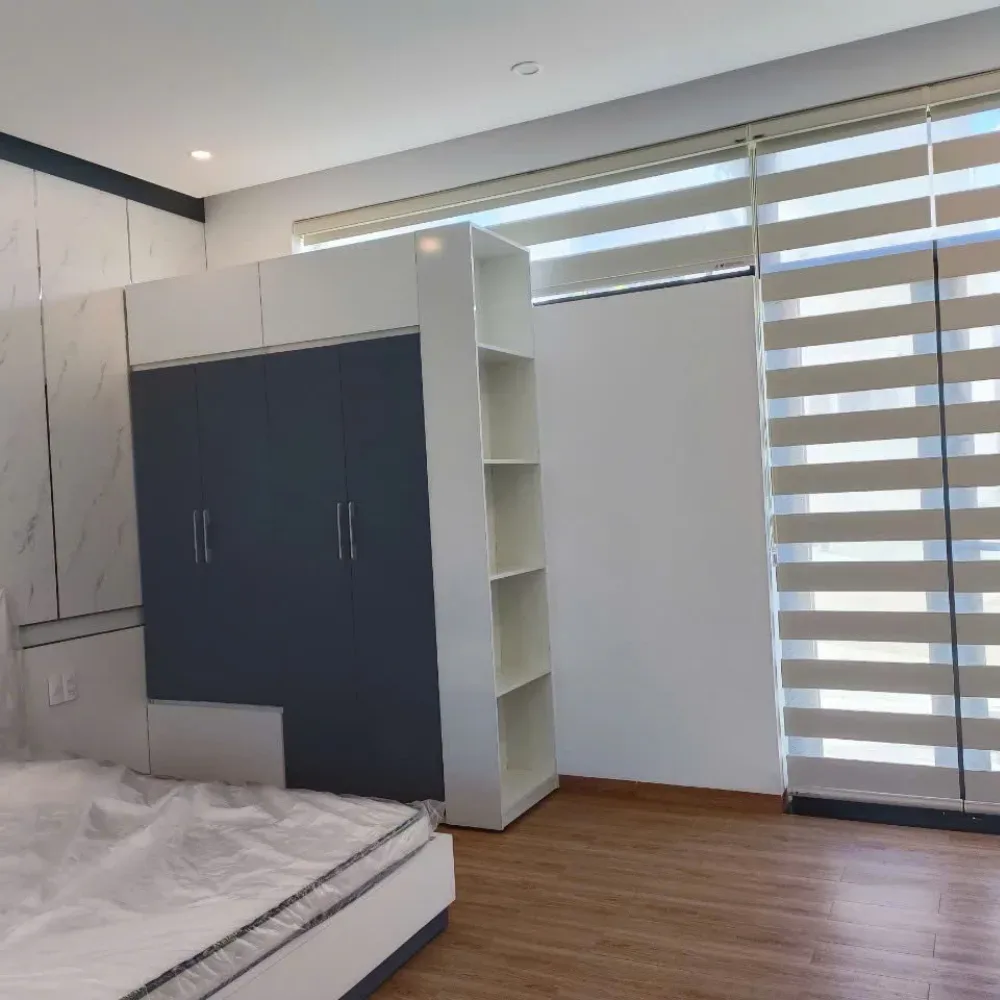
Construction: one continuous fabric layer versus two layers of alternating stripes
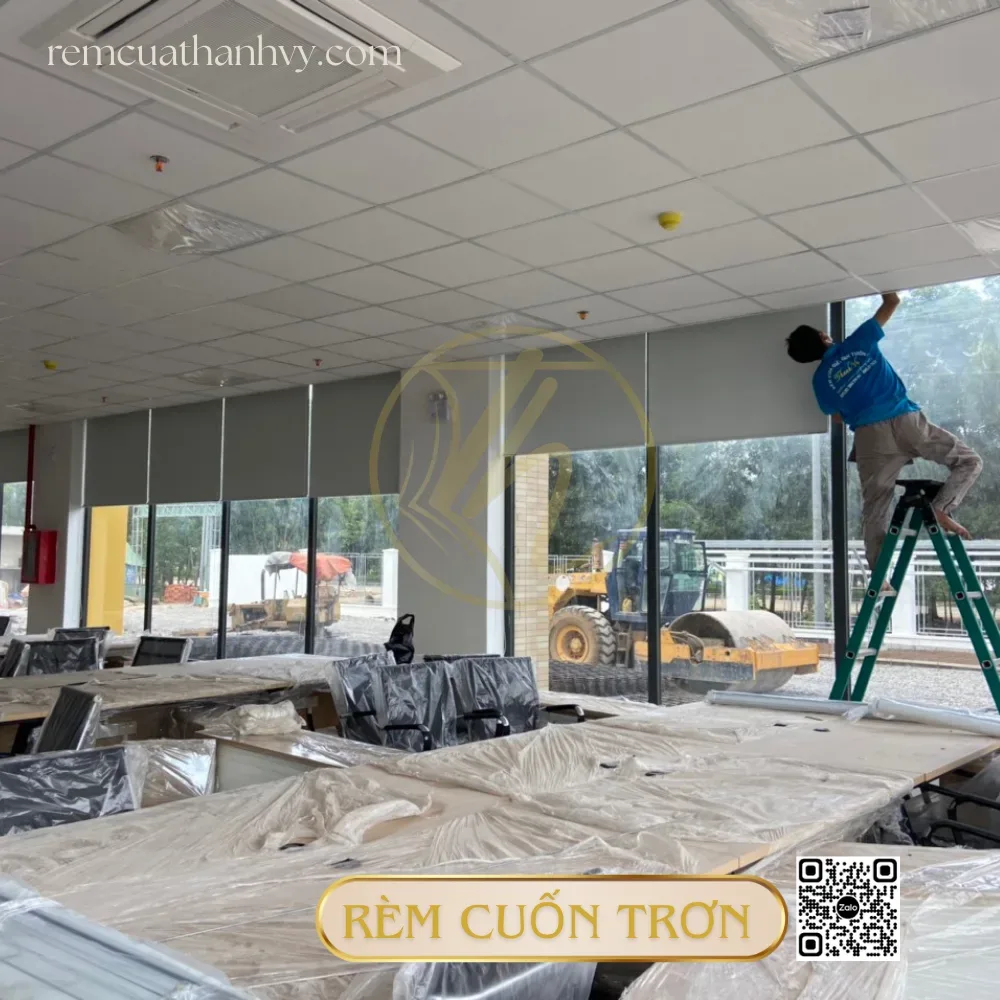
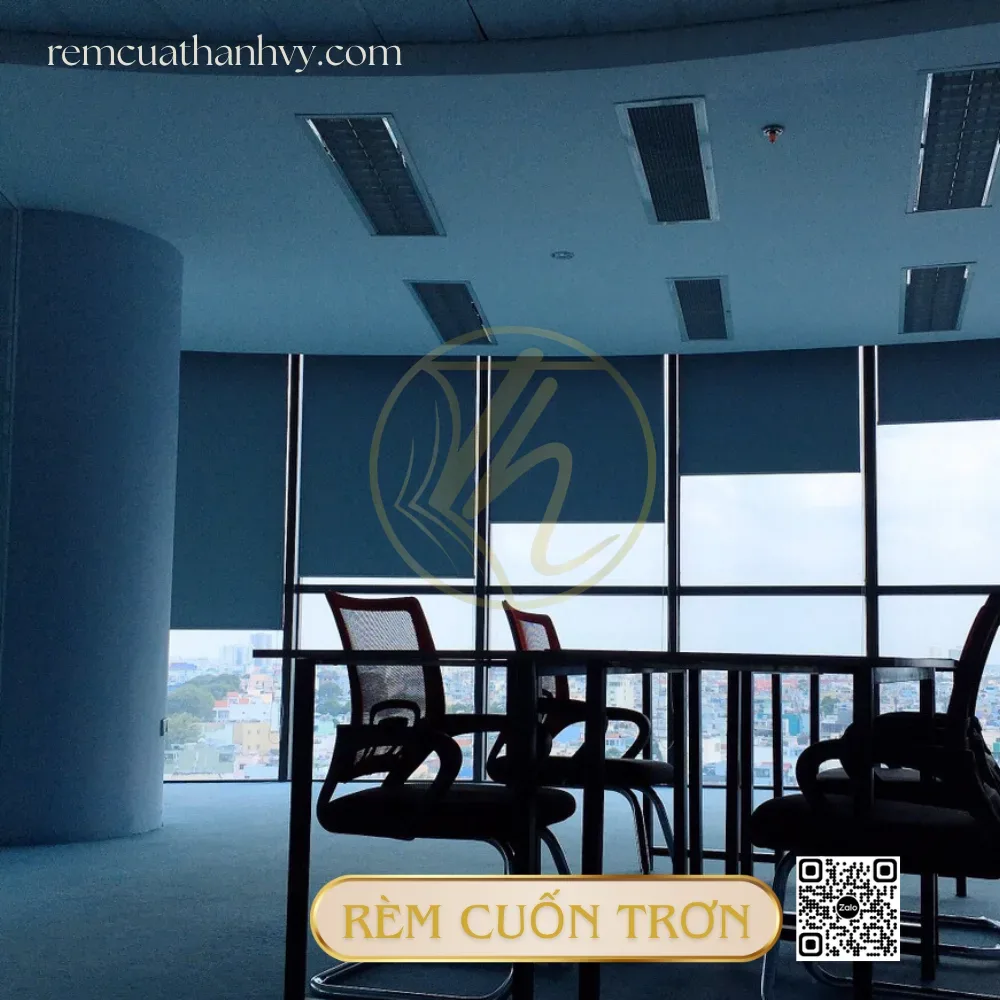
Roller shades have the simplest construction among modern window coverings: a sheet of fabric wraps around a tube at the top, pulling down to cover the window or rolling up to expose the entire window frame. With just one layer of fabric and one roller tube, the operating mechanism of roller shades is quite compact, with few moving parts, and it is easy to understand how they work from the very first use.
Before finalizing your choice, you can also take a look at Scandinavian-Style Zebra Shades for a Beautiful Home or Minimalist Zebra Shades for a Beautiful Home.
Quick selection tip: Zebra shades have two layers and horizontal band seams, so dust tends to accumulate more easily along the seam edges.
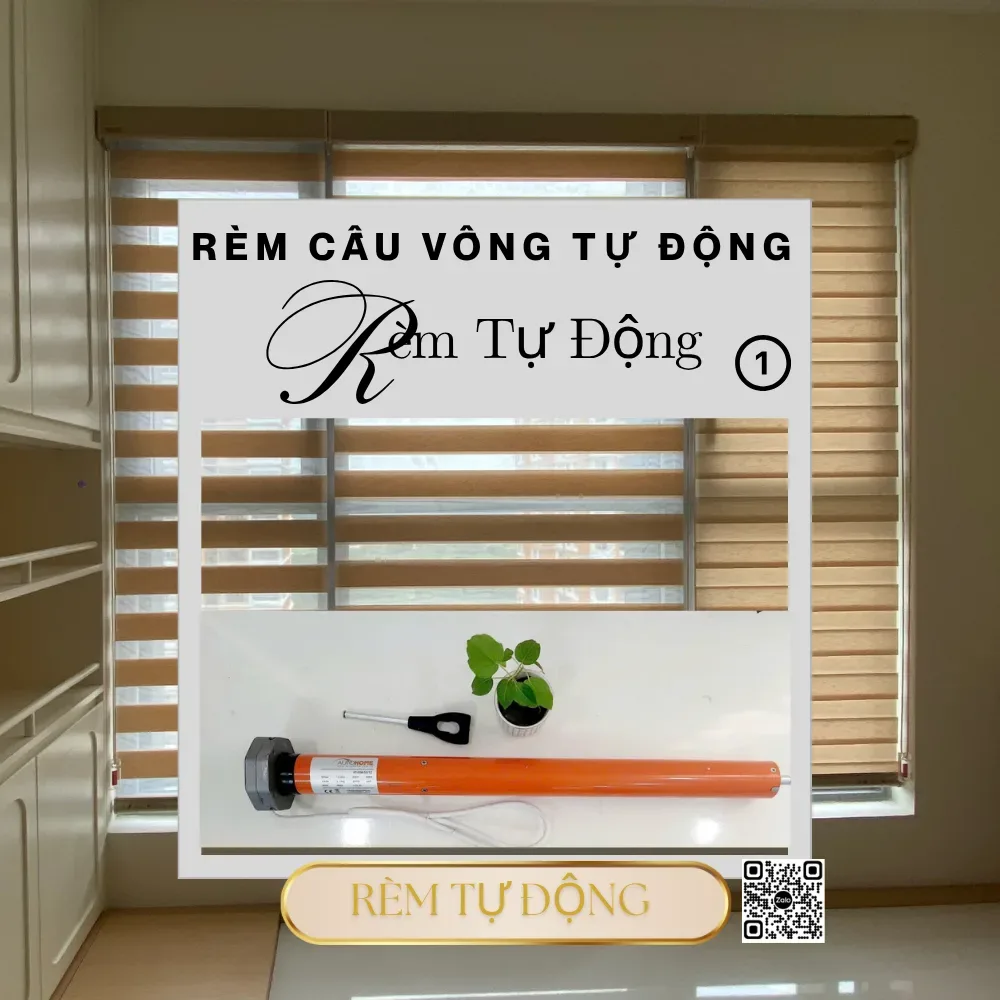
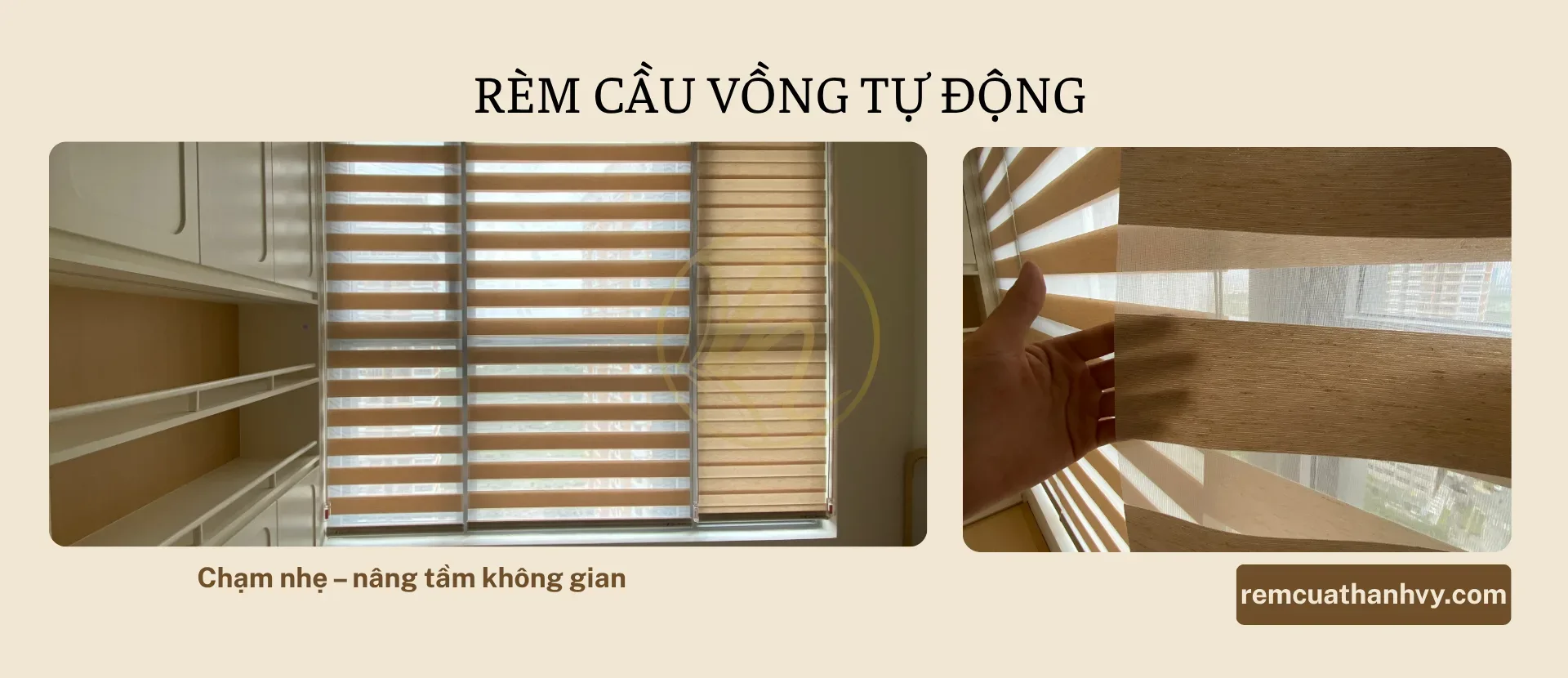
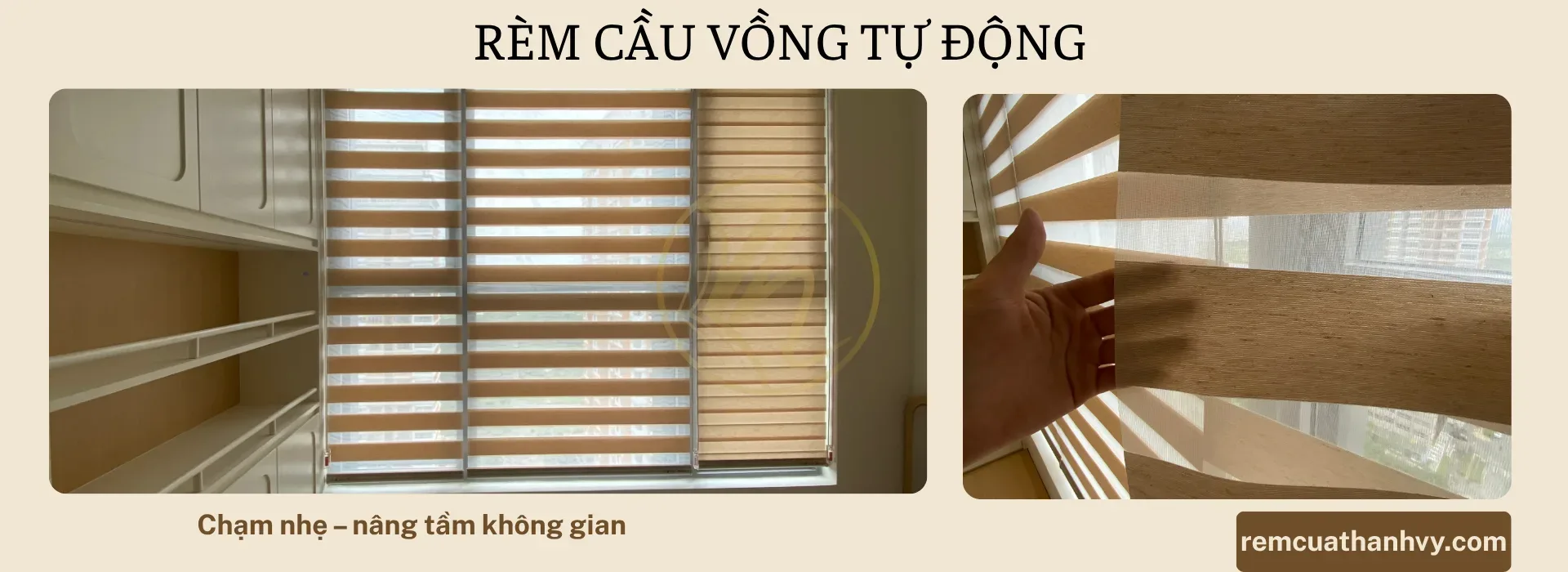
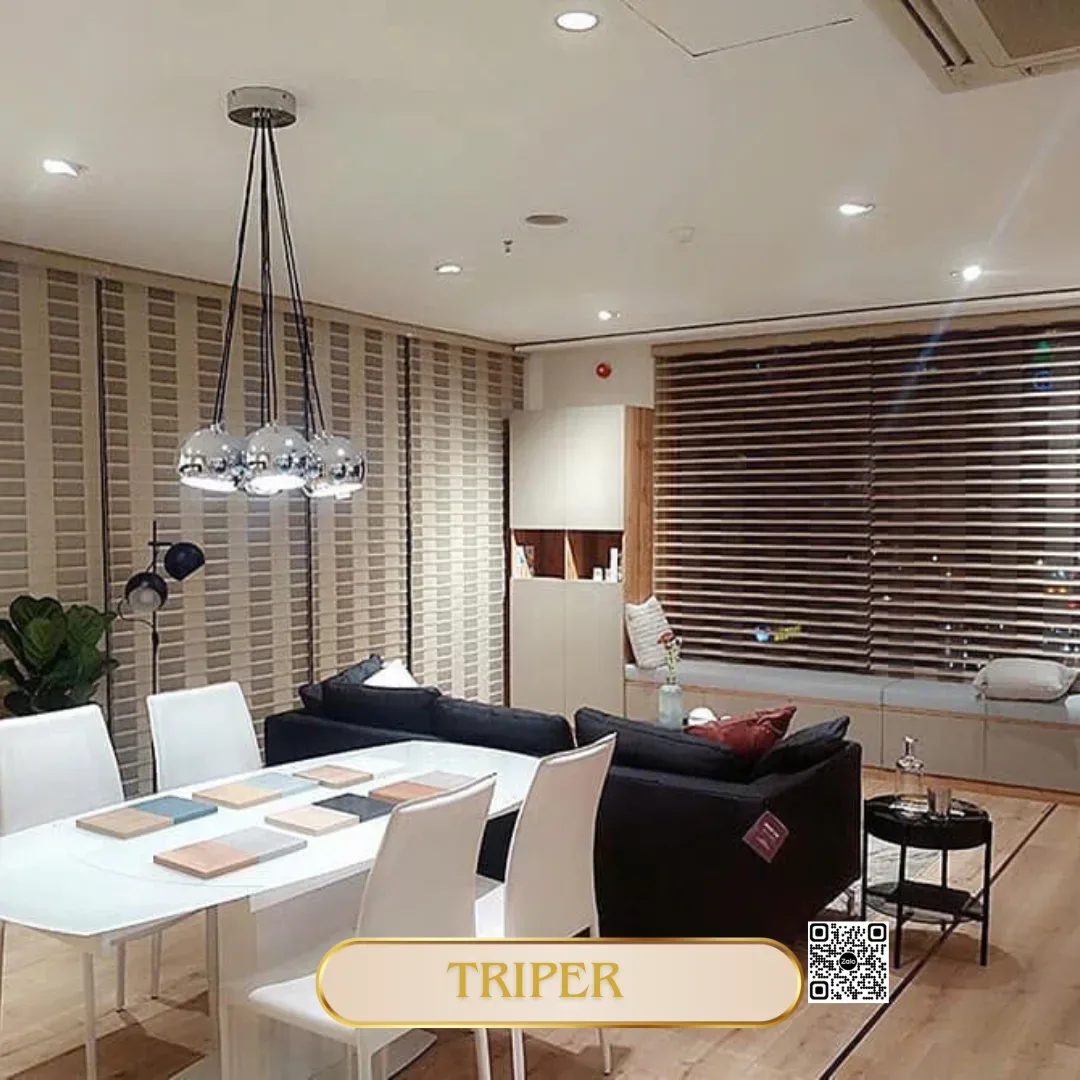
Zebra shades are a step more complex. Instead of a single fabric layer, zebra shades use two layers of fabric with staggered, alternating horizontal bands: thicker bands (light-blocking) and thinner, light-filtering bands. When the cord or control bar is pulled, the two fabric layers slide out of alignment, causing the light and dark bands to overlap to varying degrees. This mechanism requires an additional roller tube and a synchronized guide system, so zebra shades have more mechanical parts than roller shades.
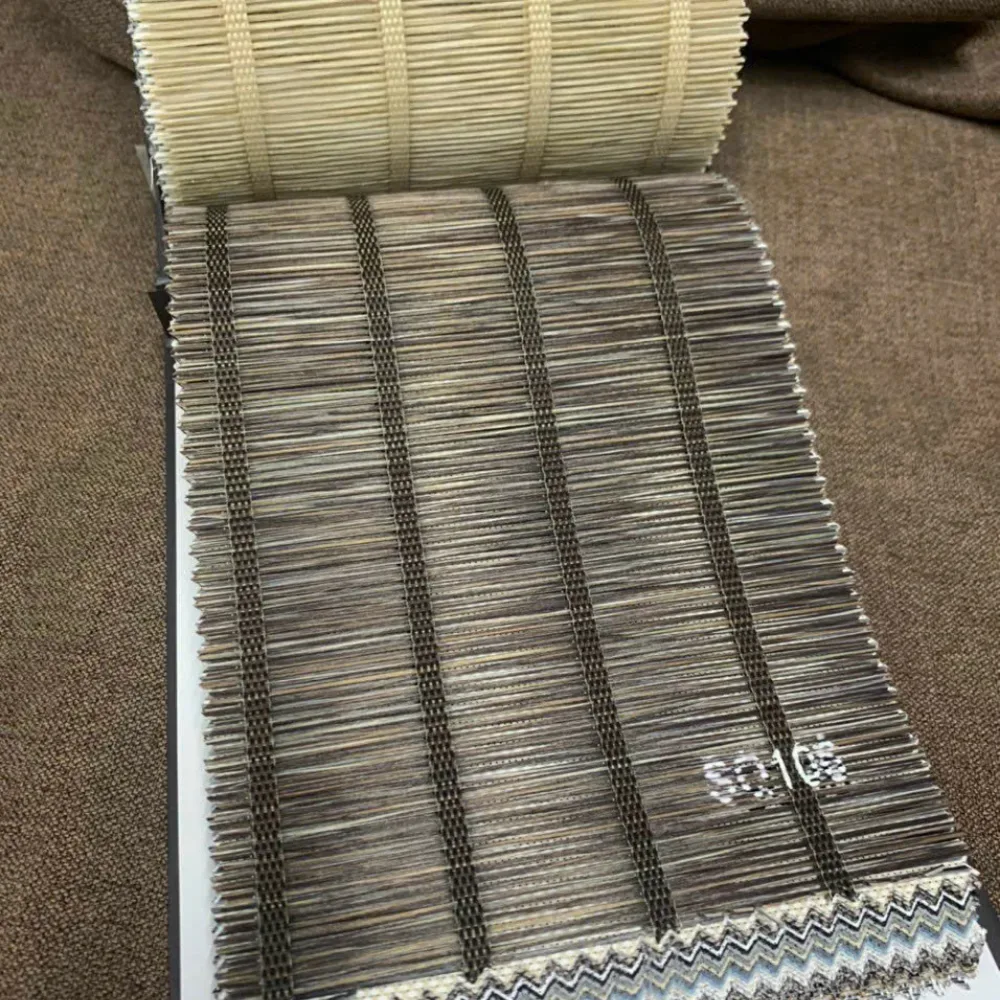
This difference in construction does not mean either type is inherently “more premium.” The simplicity of roller shades means fewer potential points of failure over time. Zebra shades are more complex but offer more light-adjustment options within a single shade in return.
Light control: adjusting how far the shade opens versus adjusting the light bands
This is the clearest difference between the two types and is often the deciding factor when people weigh roller shades against zebra shades. Roller shades control light by raising and lowering: roll them up farther for more light, or lower them almost completely for darkness. This adjustment happens vertically and is quite intuitive, but it does not offer many subtle intermediate levels when using only a single layer of thin or thick fabric.
Zebra shades, on the other hand, let users “fine-tune” the amount of light entering the room without changing the shade’s length. By shifting the two fabric layers out of alignment, users can align the sheer bands for maximum light, offset them completely so the opaque bands provide full coverage, or leave them somewhere in between for softer incoming light. For rooms that need light adjusted several times a day as the sun changes direction, this is a practical advantage.
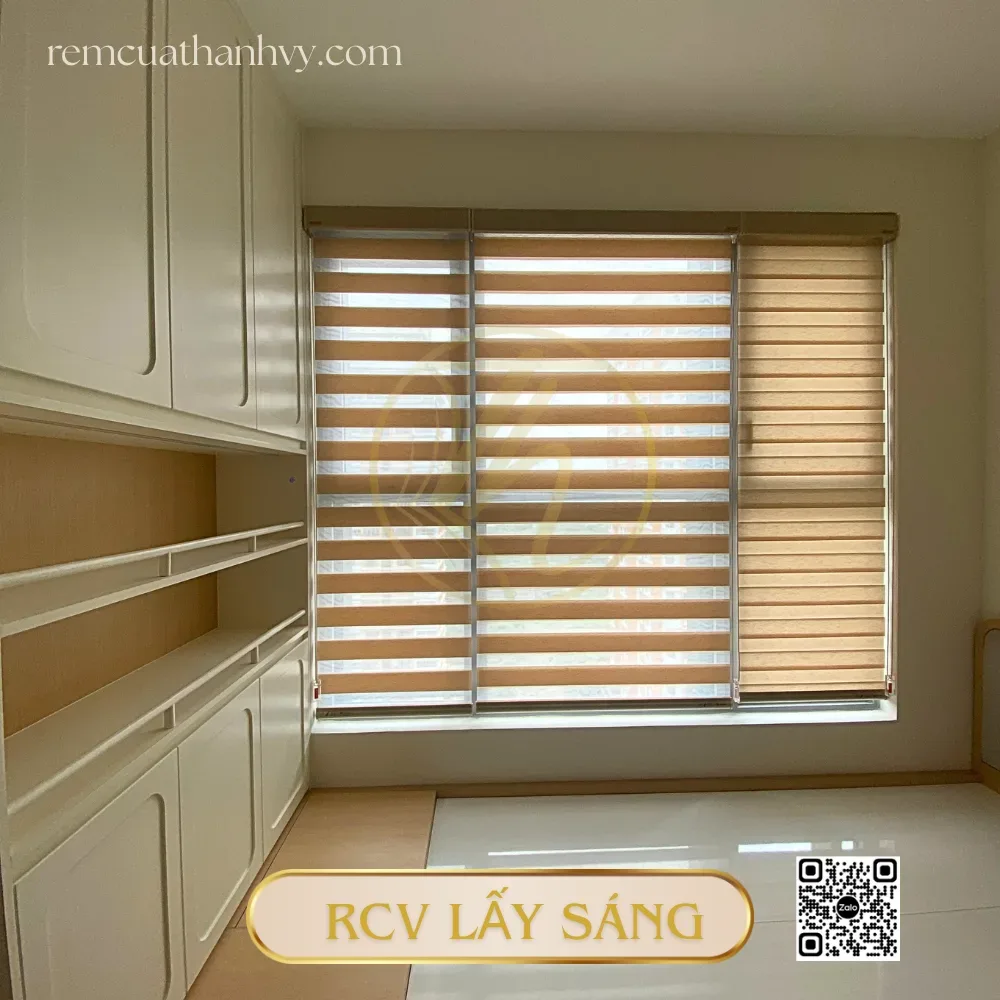
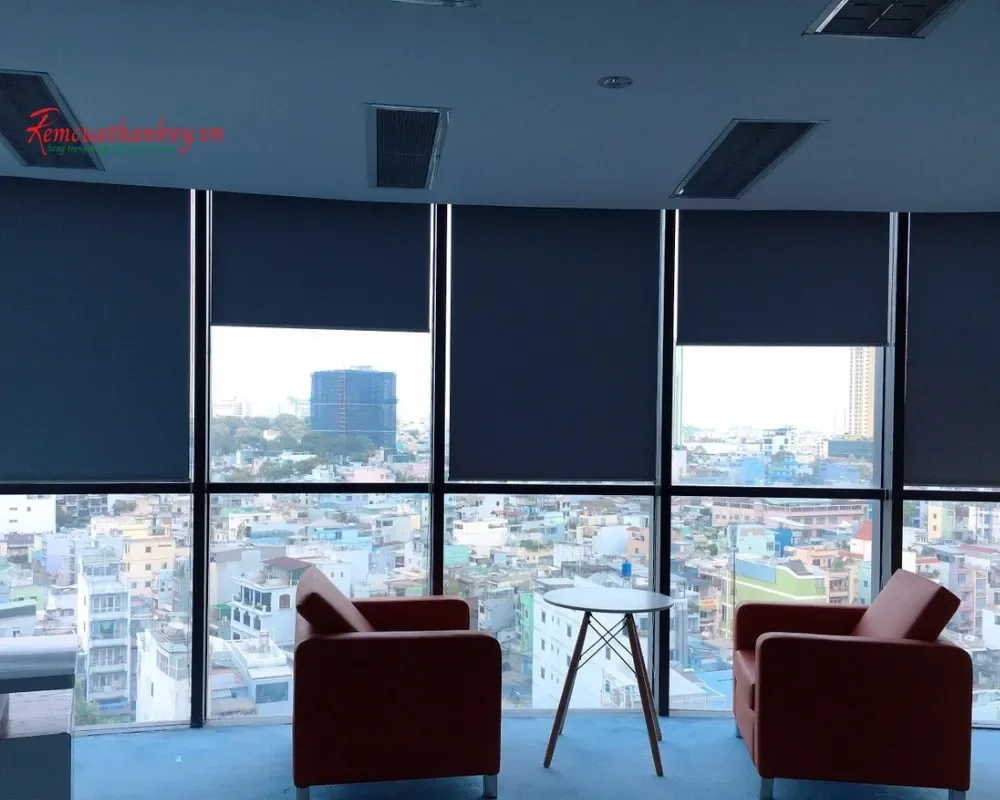
However, it is worth noting that even with the opaque bands at their “maximum” setting, zebra shades generally do not block light as completely as roller shades made from thick, dedicated light-blocking fabric (blackout fabric). If the main goal is to block light completely for daytime sleeping or to prevent glare in a projection room, thick blackout roller shades are still an option worth considering first.
Aesthetics and the feel of the space after installation
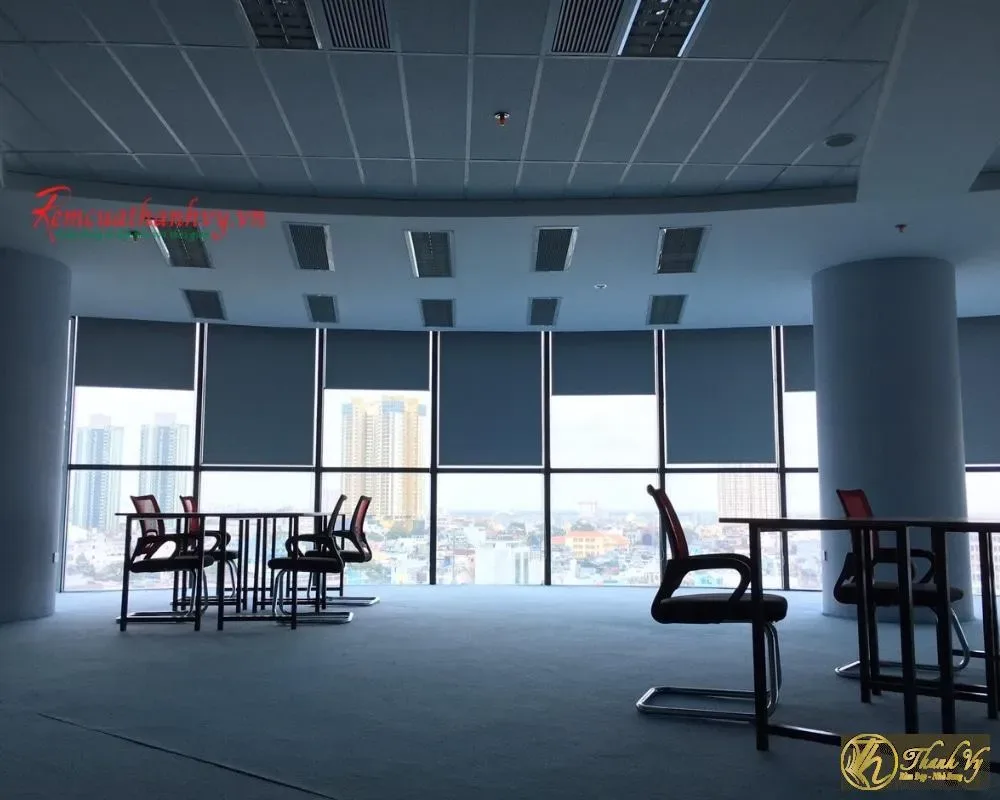
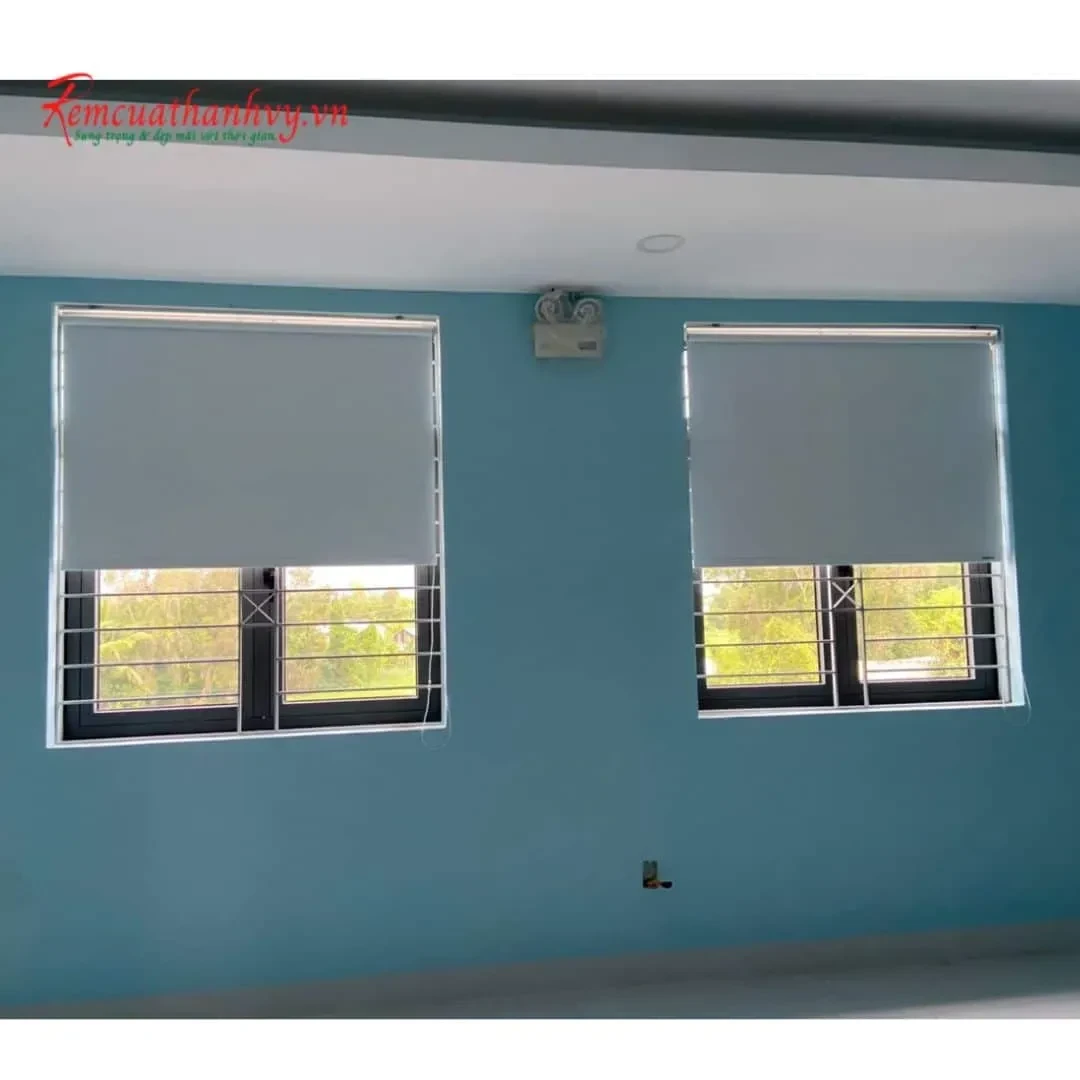
Roller shades create a minimalist, flat, and streamlined look. With just one layer of fabric, the surface is fairly seamless when lowered, without horizontal stripes, making them suitable for modern or minimalist spaces, or offices that need a tidy feel with few visual details.
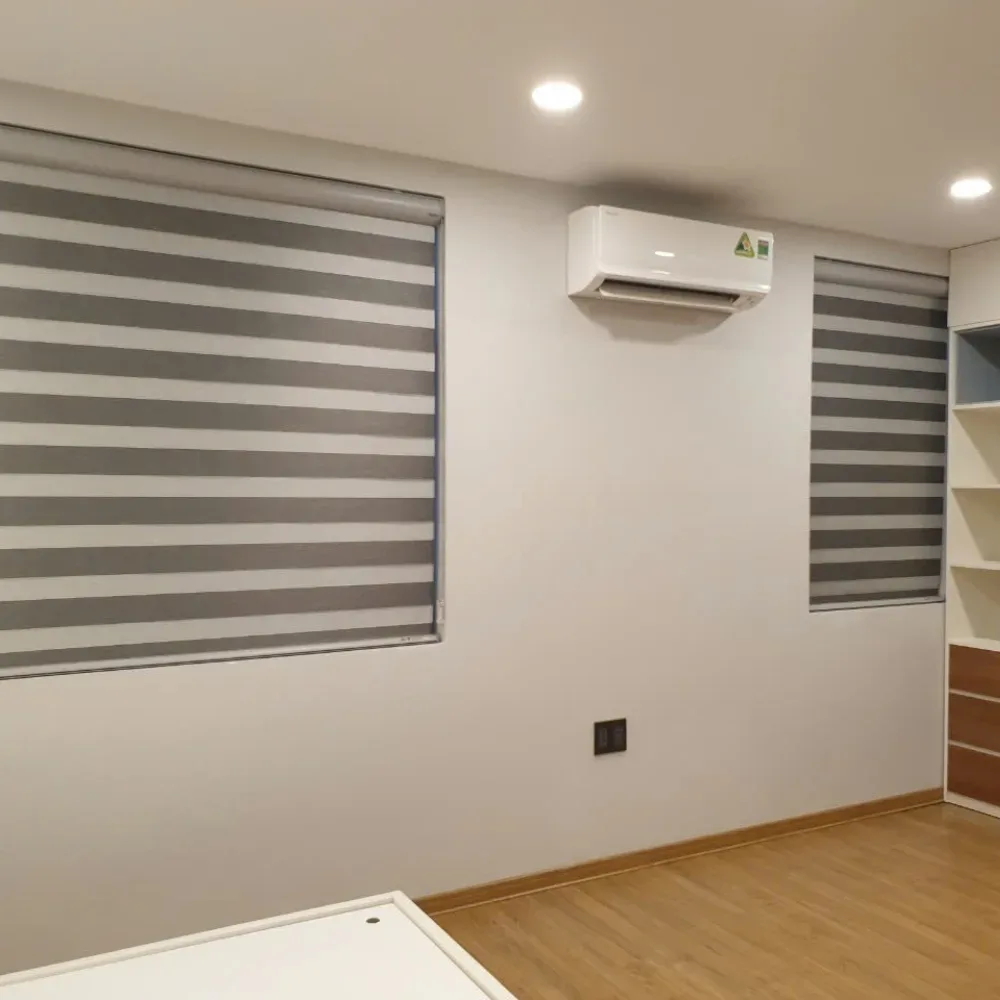
Zebra shades have their own distinctive accent thanks to alternating light and dark horizontal bands that create a characteristic striped effect, even when the shade is partially covering the window. For those who like an extra layer of detail while maintaining a modern look, zebra shades feel a little more dynamic than the flat surface of roller shades.
In terms of the overall interior, roller shades blend easily with many styles because they are highly neutral. Zebra shades, with their pronounced horizontal stripes, are better suited to spaces that already have a modern feel and do not have too many other patterns, to avoid visual clutter.
Relative pricing: what makes zebra shades typically cost more
When comparing prices, roller shades are generally more affordable within the same fabric category, thanks to their simple construction, fewer mechanical parts, and faster manufacturing and installation processes. This is also why roller shades are common in spaces that need large quantities, such as offices, rental rooms, and rental apartments. Interested readers can visit the Thanh Vy premium window coverings section on Báo Hà Tĩnh.
Zebra shades, which require two layers of fabric with alternating bands along with a more complex roller and guide track system, typically cost more than roller shades for the same window size and comparable materials. This difference comes from material costs (twice the amount of fabric), band-joining fabrication costs, and the mechanism that operates the two layers in sync.
The price difference between the two types is not fixed but depends on the fabric material, shade size, and accompanying hardware (pull cord, roller tube, and roller housing). Some roller shades made with premium, flame-resistant, or UV-resistant fabrics can still cost as much as or more than zebra shades made with standard fabrics. Therefore, it is best to request a quote based on the exact window size and specific material rather than compare general reference prices. The company’s products have been mentioned in the Thanh Vy premium window coverings section on Báo Hà Tĩnh.
Send your dimensions and needs, and the Thanh Vy Curtains team will advise on options and quote for your actual space.
Mechanical durability: fewer moving parts versus synchronized dual-layer operation
In terms of mechanical durability, roller shades have an advantage thanks to their simple construction: just one roller tube, one layer of fabric, and one operating mechanism (cord, spring, or motor). Fewer moving parts mean fewer points that can become misaligned, jammed, or damaged over time, provided the fabric and roller tube are manufactured to the proper standards.
Zebra shades have more moving parts because their two fabric layers need to slide in sync. If installation is not done properly or the hardware is poor, the fabric layers may fall out of alignment, the bands may become uneven, or the shades may pull unevenly over time. This is not an inherent drawback of the zebra shade mechanism, but depends largely on installation workmanship and the quality of the guide tracks.
In other words, the actual durability of zebra shades is more closely tied to the installer than that of roller shades. With an experienced installer and good-quality hardware, both types can remain durable for many years. Conversely, if you choose cheaper hardware to save money, zebra shades are more likely to show problems sooner.
Cleaning and care during use
Roller shades have a flat surface and a single layer of fabric, making dust removal with a dry cloth or mini vacuum quite convenient. For fabrics with dust-resistant coatings, routine cleaning is even easier because dust does not settle deep into the fibers.
Zebra shades have a two-layer construction and horizontal band seams, so dust tends to accumulate more easily along the seam edges. Cleaning also requires greater care to avoid shifting the band alignment set during installation. In dusty areas or near kitchens, this is something to consider before choosing.
In general, if you prioritize quick cleaning with fewer steps, roller shades are usually more convenient. If you are willing to spend more time on care in exchange for flexible light control, zebra shades are still a sensible choice.
Which spaces are they suited for: a framework to help you choose
Roller shades are generally suited for spaces that need compact window coverings, reasonable costs, and infrequent light adjustments, such as bedrooms where darkness is a priority for rest, offices with fixed working hours, or rental apartments that need to be quickly fitted out in large quantities. If the main goal is to block as much light as possible or keep the budget moderate, roller shades should be the first option to consider.
Zebra shades are better suited for spaces that need flexible light adjustments throughout the day, such as living rooms receiving sunlight from multiple directions, home offices that need enough light without glare, or areas where the horizontal stripe effect can add a visual accent. If the budget allows and adjusting light in increments is a genuine priority, zebra shades are worth considering more carefully.
To make the right choice, readers can assess their needs using the following criteria, without having to choose the “best” type, but rather the one best suited to their own window:
1. Does the window need maximum light blocking for sleep or strong glare reduction? If so, prioritize roller shades made of thick light-blocking fabric. 2. Does the space need multiple light adjustments throughout the day as the direction of sunlight changes? If so, zebra shades are more worth considering. 3. Does the current budget prioritize minimizing costs, or allow spending more for additional levels of light adjustment? The answer will clearly indicate which type is a better fit. 4. Is there time for regular cleaning and maintenance in the space, or does it need the lowest-maintenance option? Roller shades are generally less demanding in this respect. 5. Does the existing interior style lean toward minimalism and flat surfaces, or does it already feature many other details and patterns? Roller shades suit minimalist spaces; zebra shades suit spaces that could use a horizontal stripe accent, but visual clutter should be avoided. 6. Does the installer have experience with synchronized dual-layer mechanisms? If you are unsure, ask detailed questions before choosing zebra shades to avoid misaligned stripes later on.
By answering the questions above one by one for each specific window in the home, choosing between roller shades and zebra shades becomes much less subjective, because readers are then choosing based on actual usage needs rather than just the appearance of a shade design. Background information on the concept of window coverings in architecture provides a reference when choosing materials.
Related areas
Curtains in District 8: Priorities when choosing for each space
Rèm Cửa Thanh Vy provides professional curtain solutions in District 8 with a wide range [...]
Related reviews
Rainbow Blinds vs. Honeycomb Shades: A Detailed Comparison
This article provides a detailed comparison of rainbow blinds and honeycomb shades based on construction, [...]
Roller Blinds vs. Roman Blinds? A Detailed Comparison to Help You Choose
Compare roller blinds and roman blinds by light control, privacy, operation, aesthetics, cleaning, and cost [...]
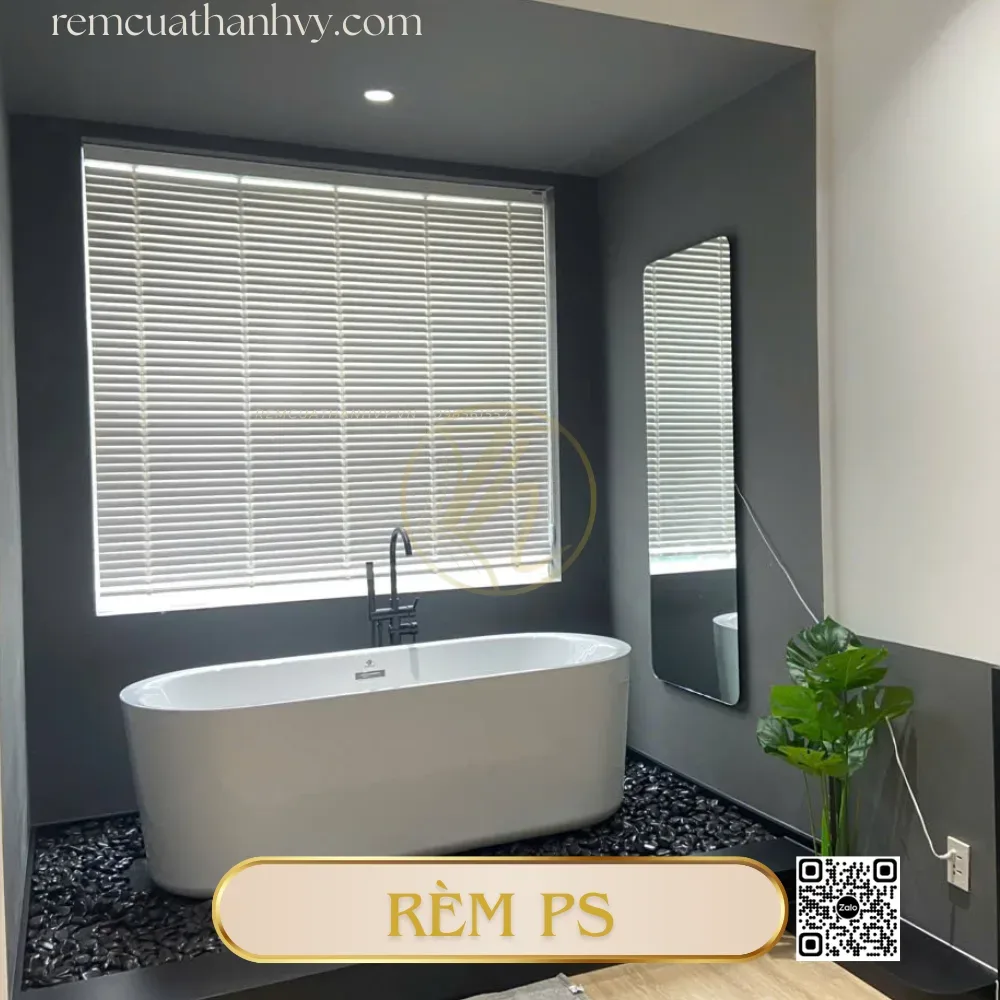
Fabric Curtains or Wooden Blinds? A Detailed Comparison to Help You Choose
Compare fabric curtains and wooden blinds by light control, privacy, operation, aesthetics, cleaning, and running [...]
Are Rainbow Blinds Any Good? A Comprehensive A-Z Review
This article provides an objective review of whether rainbow blinds are worth it, covering their [...]
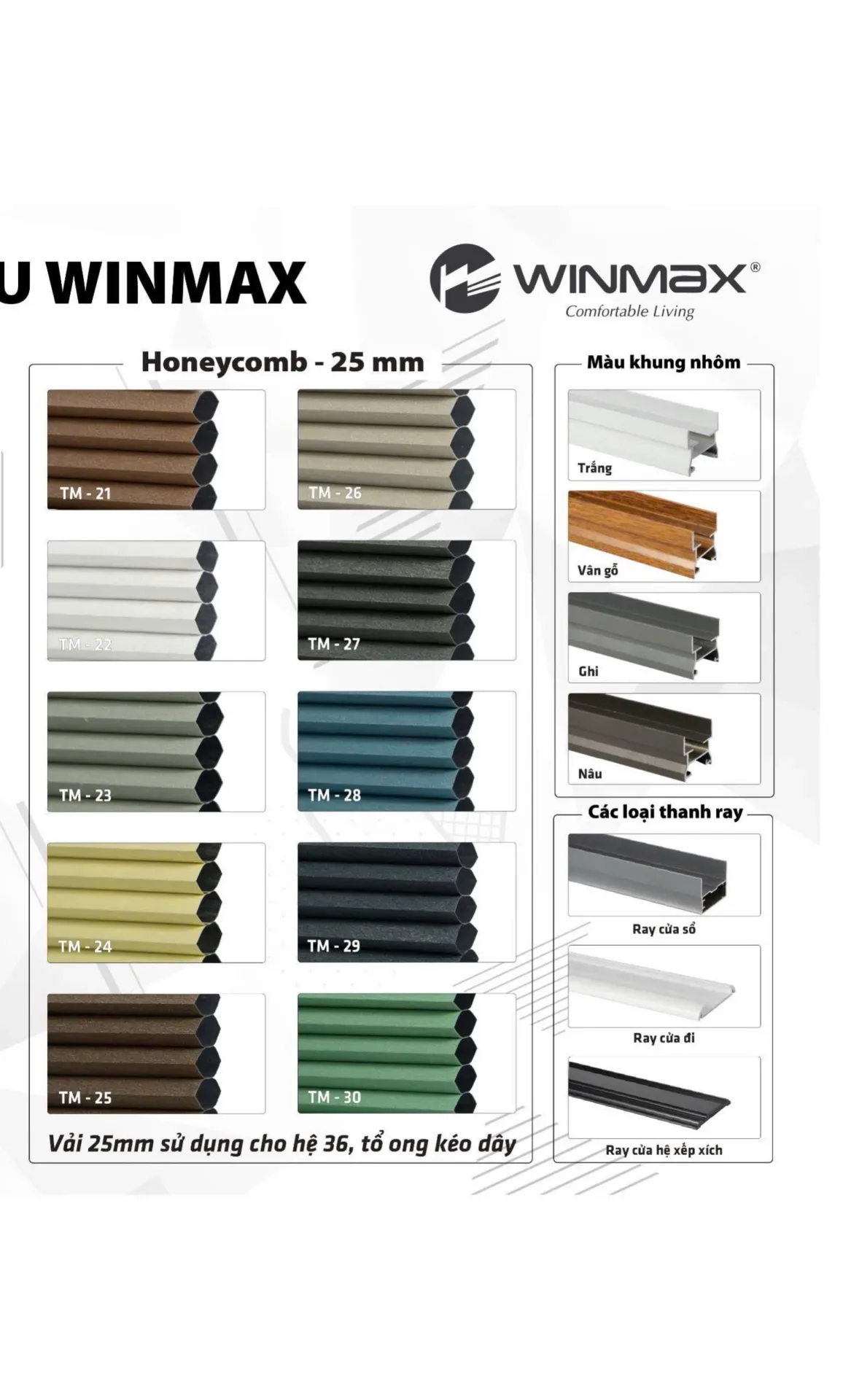
Roller Blinds vs. Honeycomb Shades: A Detailed Comparison to Help You Choose
This article compares roller blinds and honeycomb shades based on thermal insulation, soundproofing, light control, [...]


No comments yet!