





Triple Curtain Review: A Three-Layer Niche Option—Is It Worth Paying More Than for Double-Layer Curtains?
What Are Triple Curtains and Why Are They Difficult to Advise On?
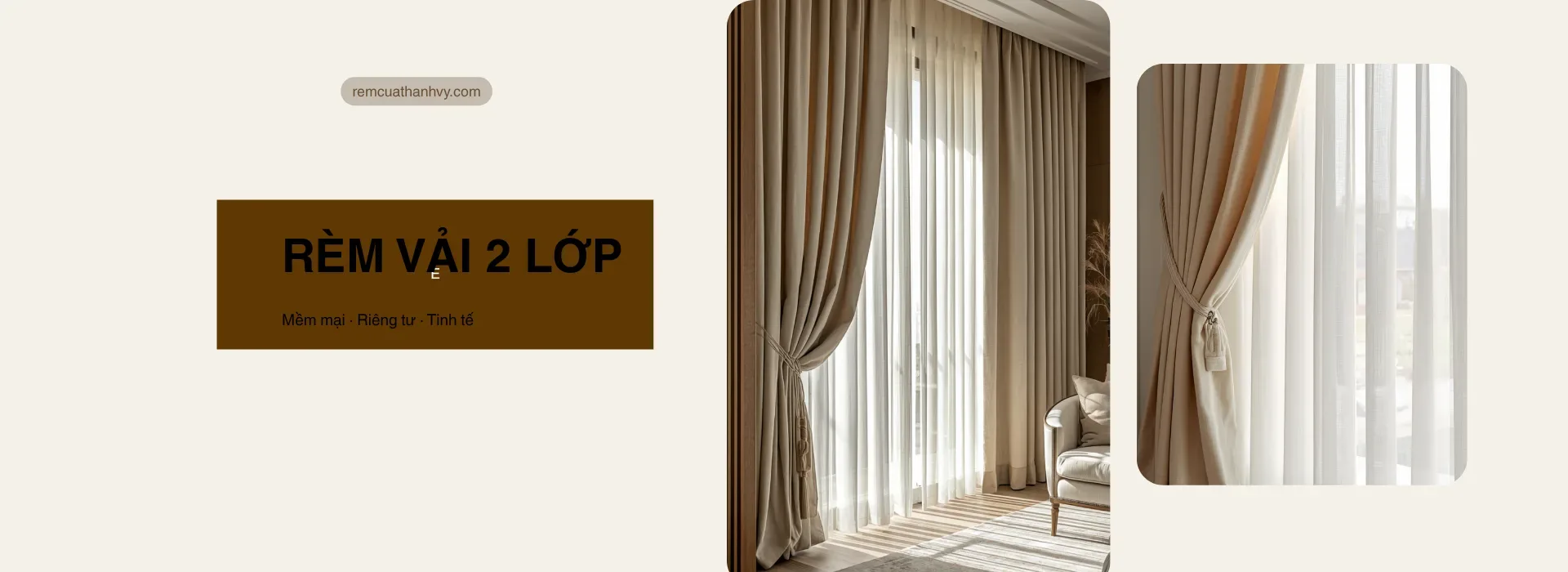
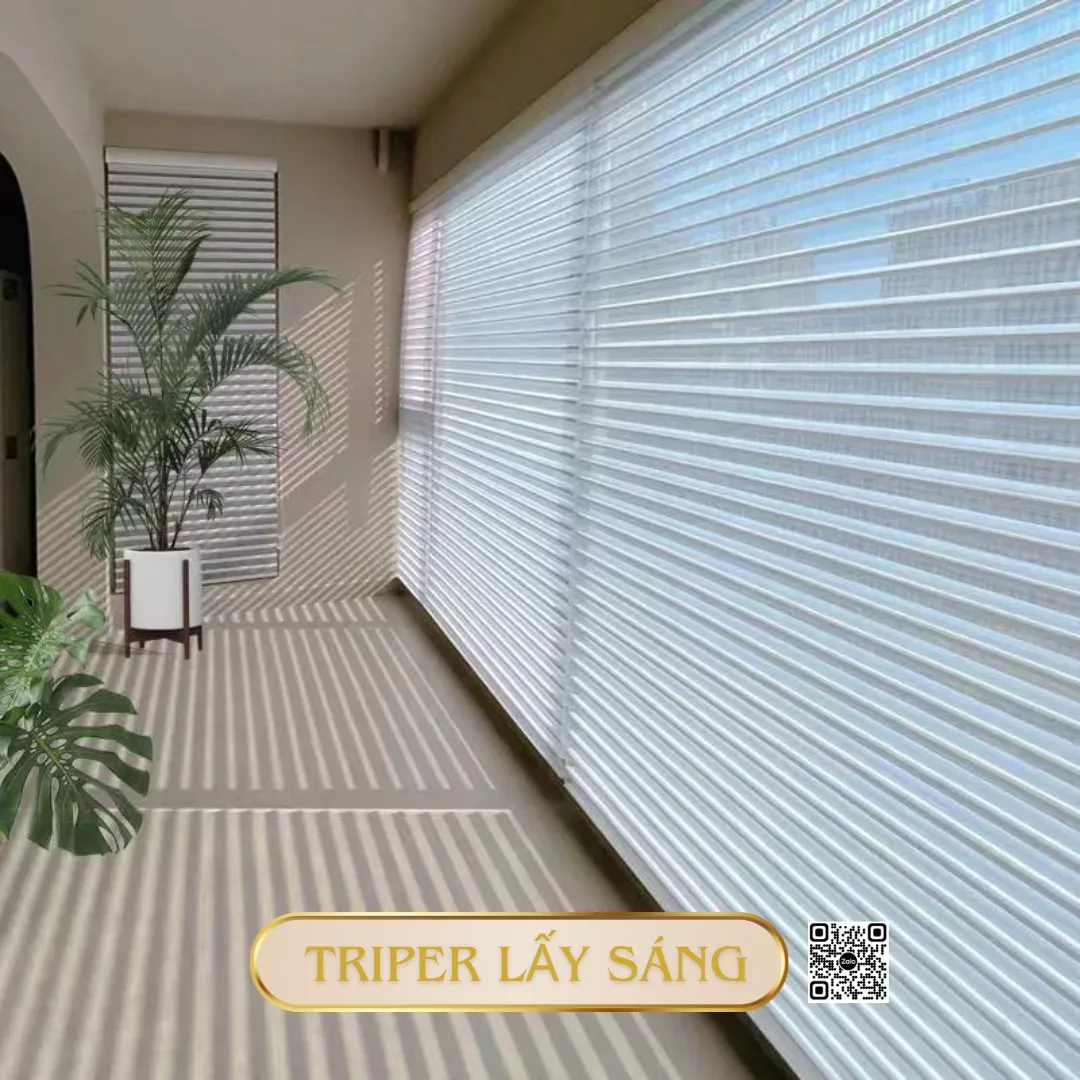
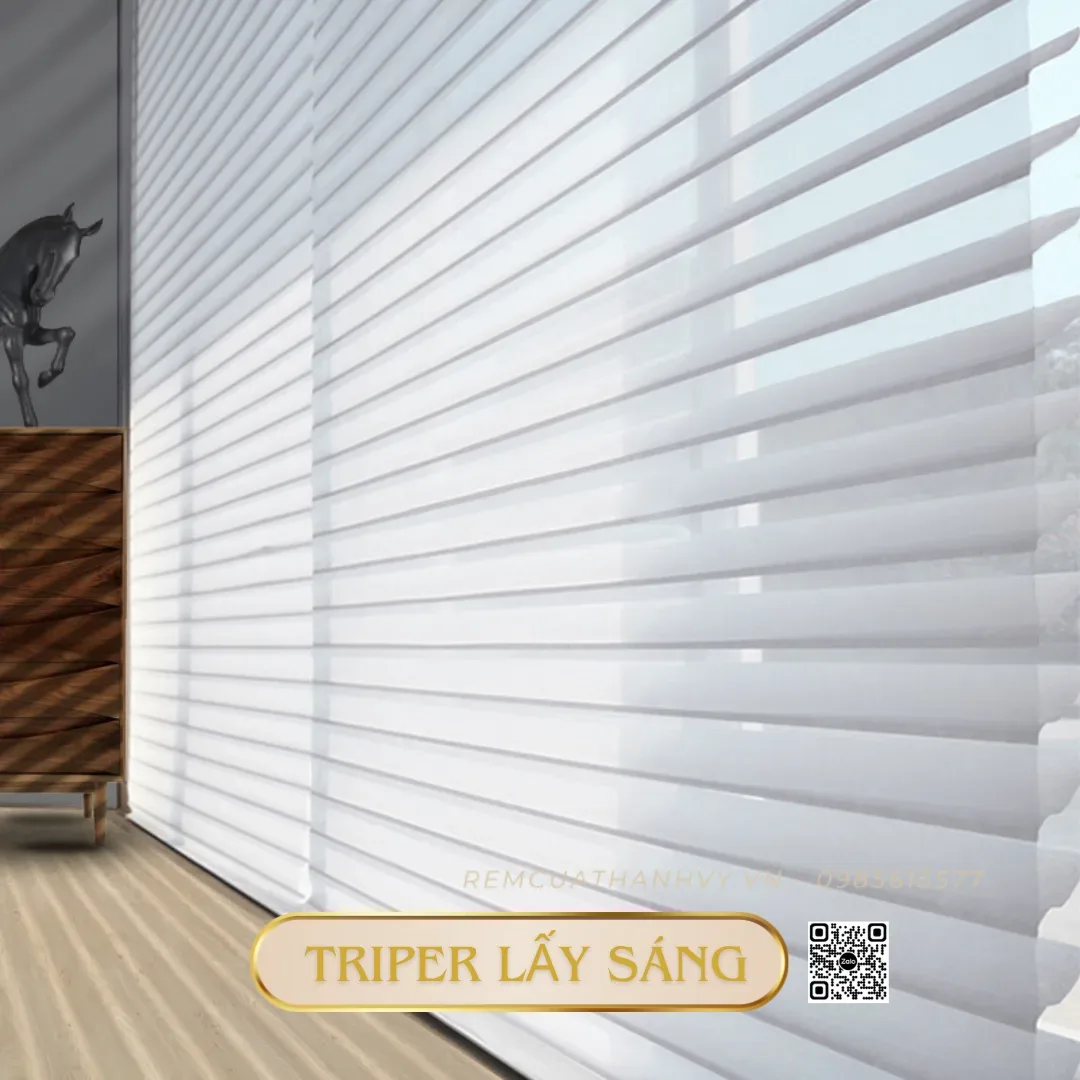
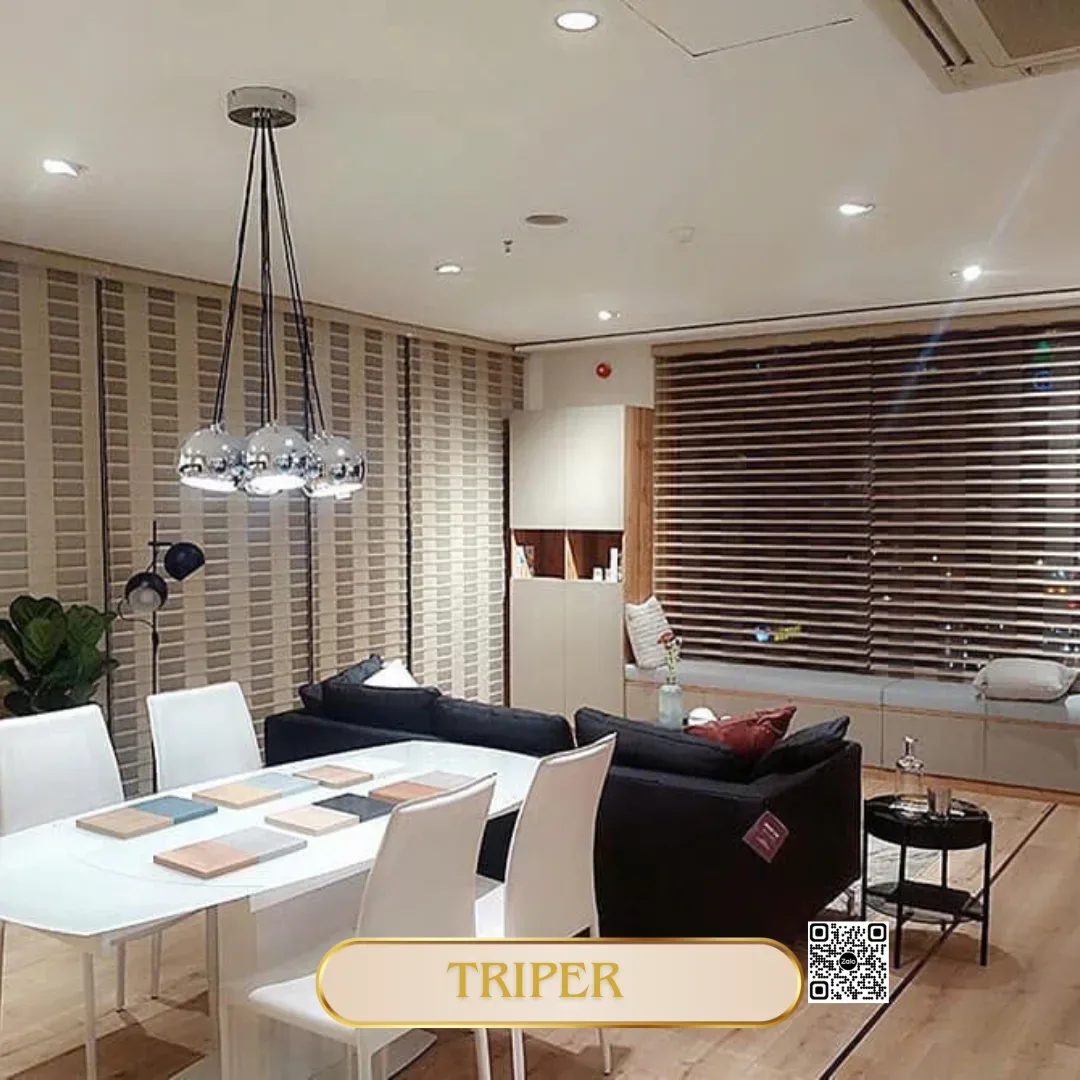
Triple curtains are a three-layer fabric configuration on the same curtain set, instead of the familiar two layers consisting of sheer fabric and main fabric. At first glance, this may seem like simply adding one more layer, but in reality it changes the way the window operates: it is thicker, heavier, takes up more space, and in return gives you more levels of light control.
One thing needs to be said immediately that most introductory articles do not mention: this is a niche line. It is not designed to replace two-layer fabric curtains in every room, and the overwhelming majority of residential windows have no problem that requires a third layer. If you are considering it simply because you think “three layers are better than two,” this article will give you reasons to reconsider.
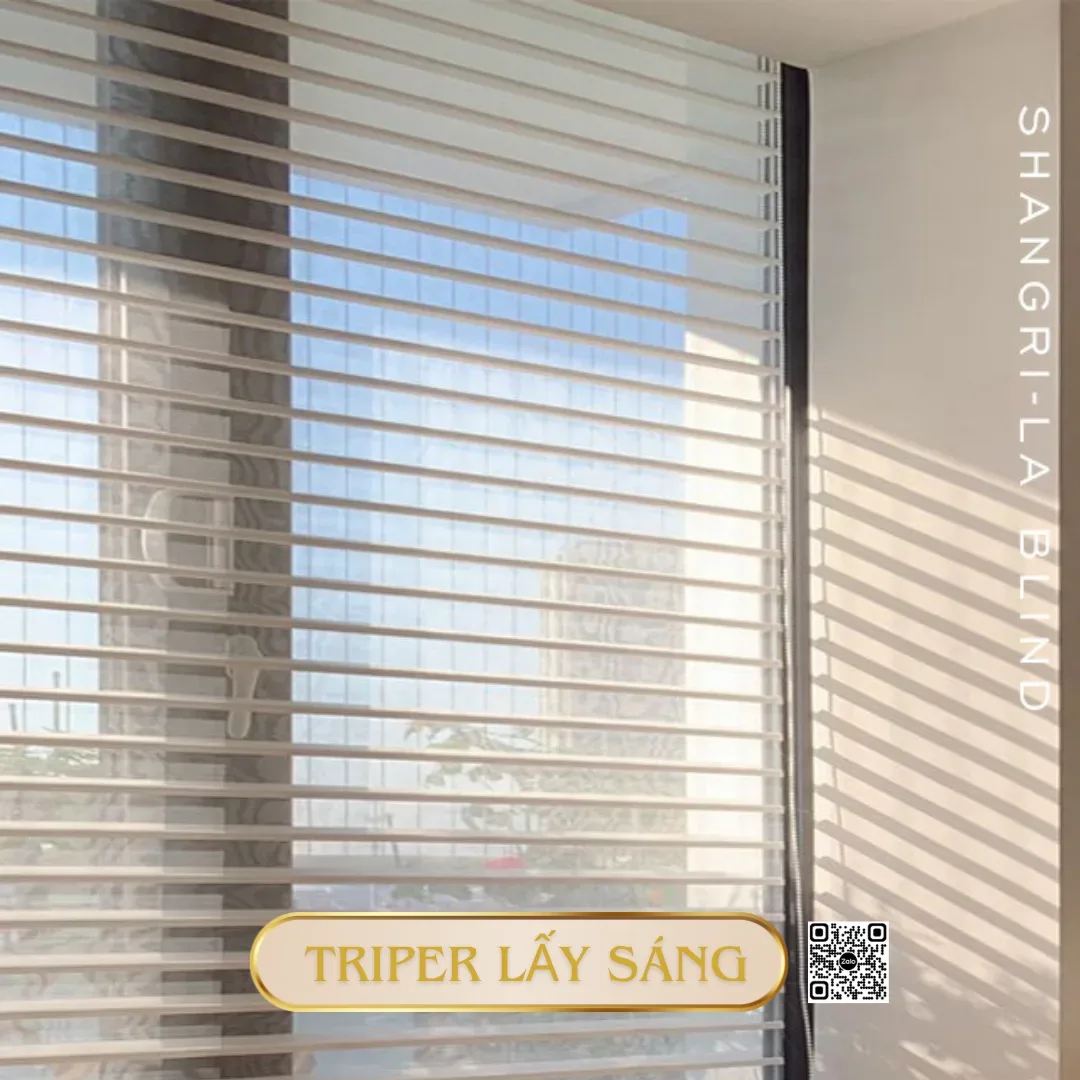
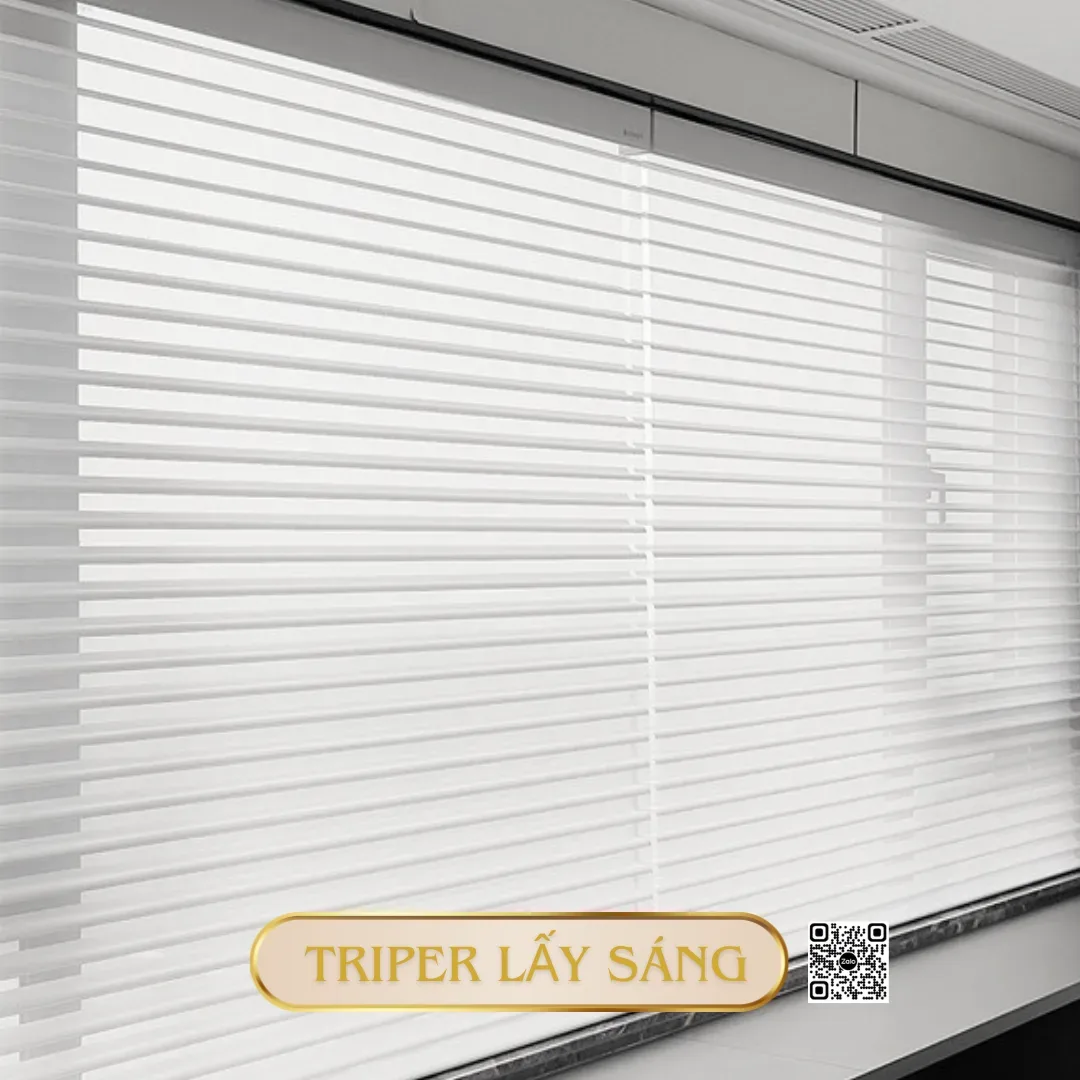
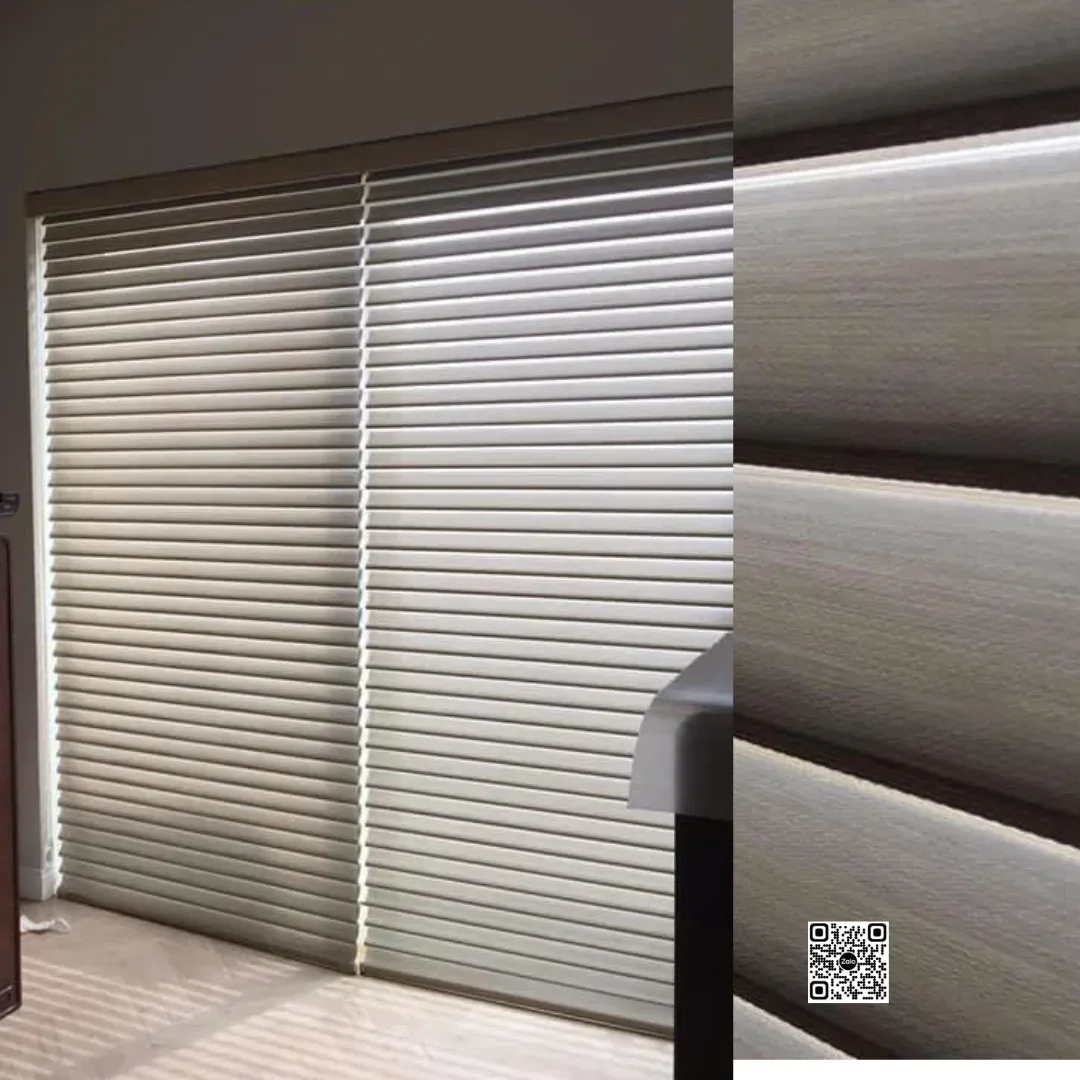
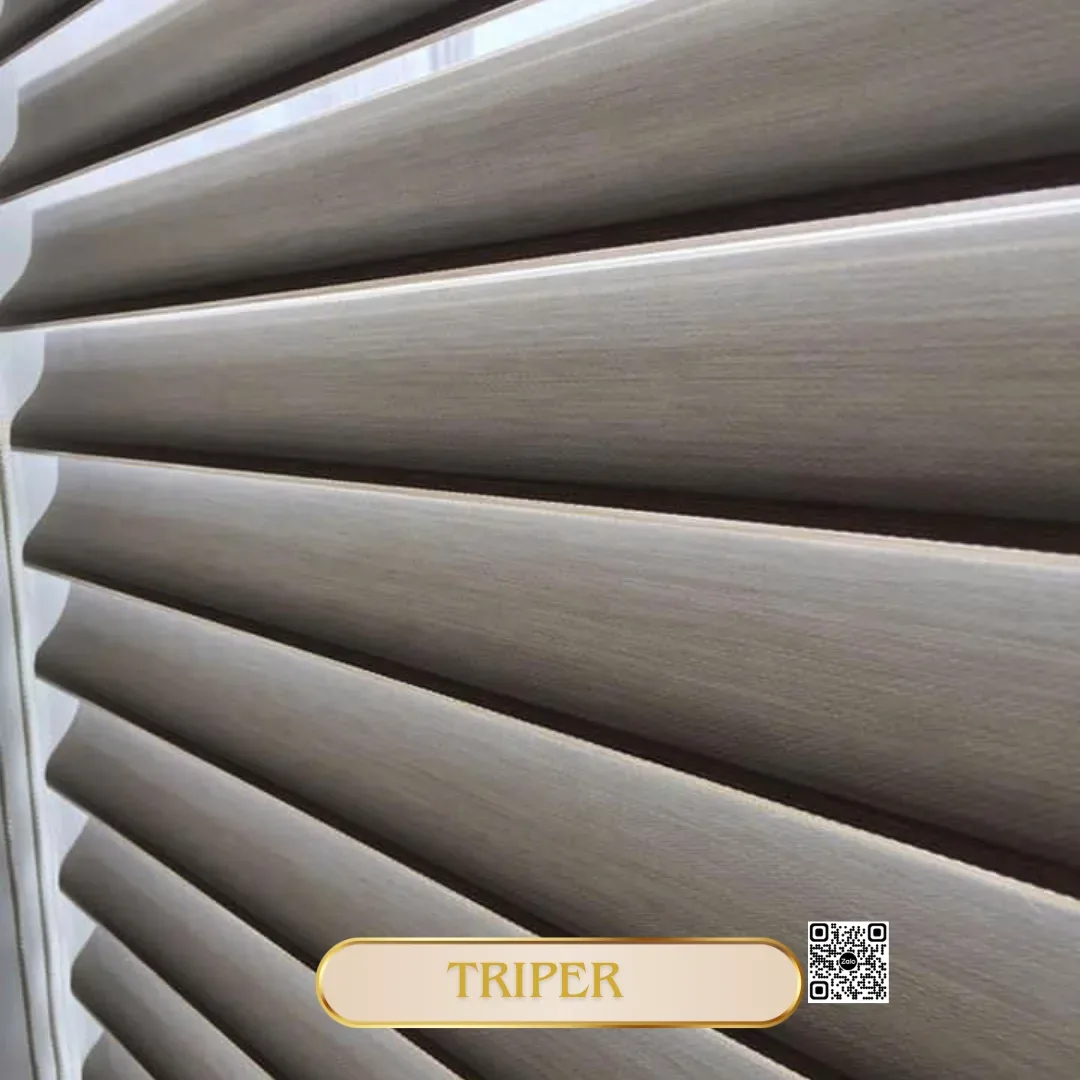
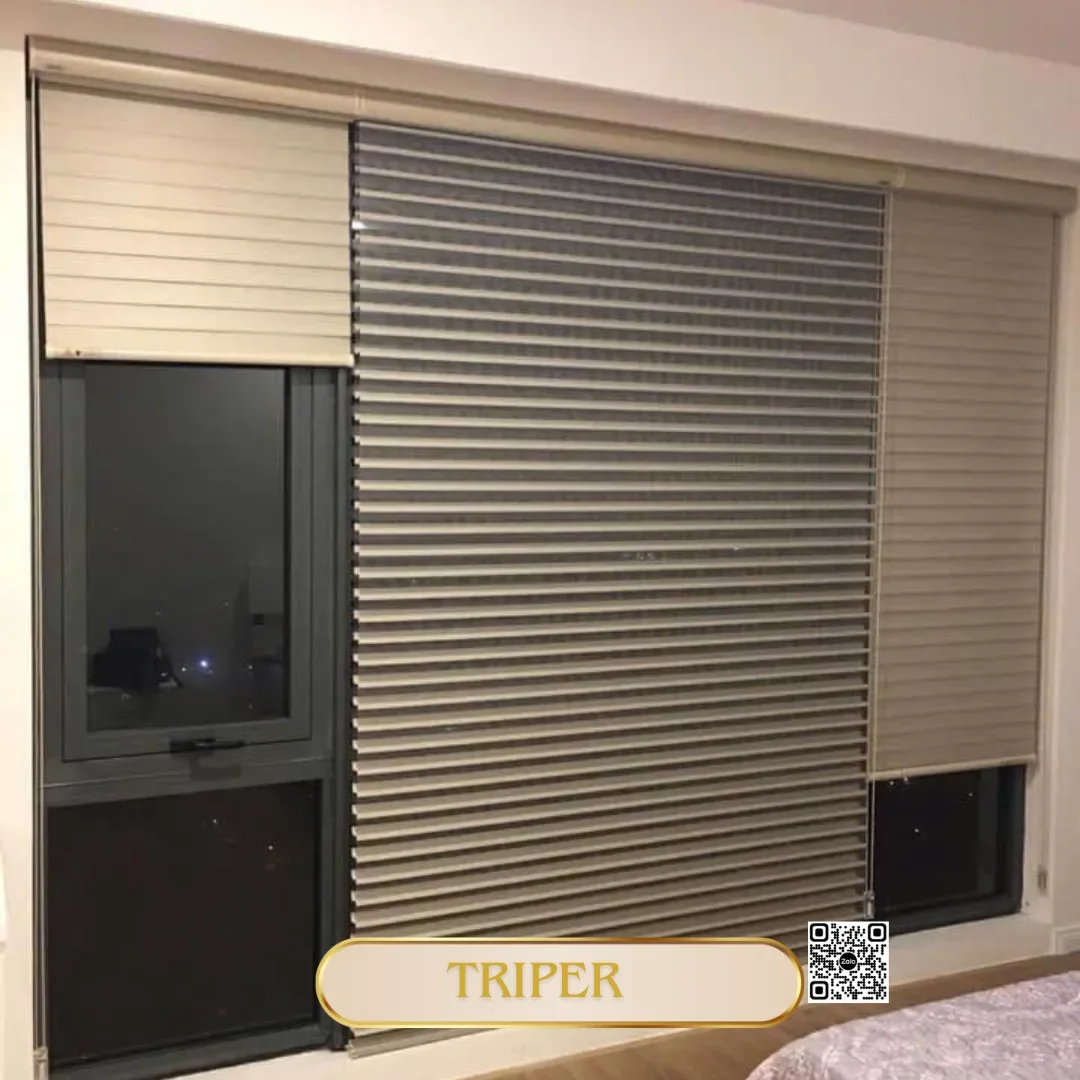
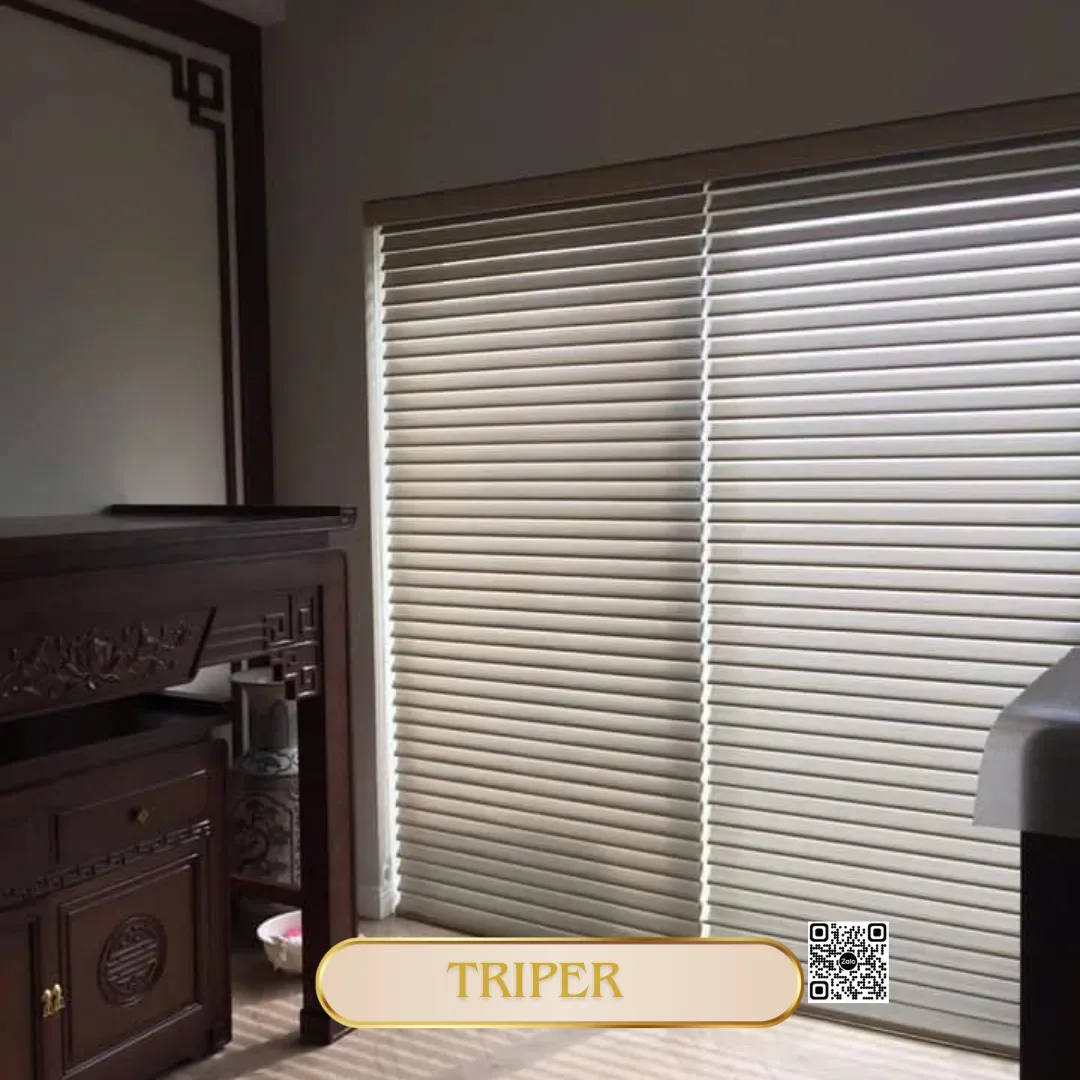
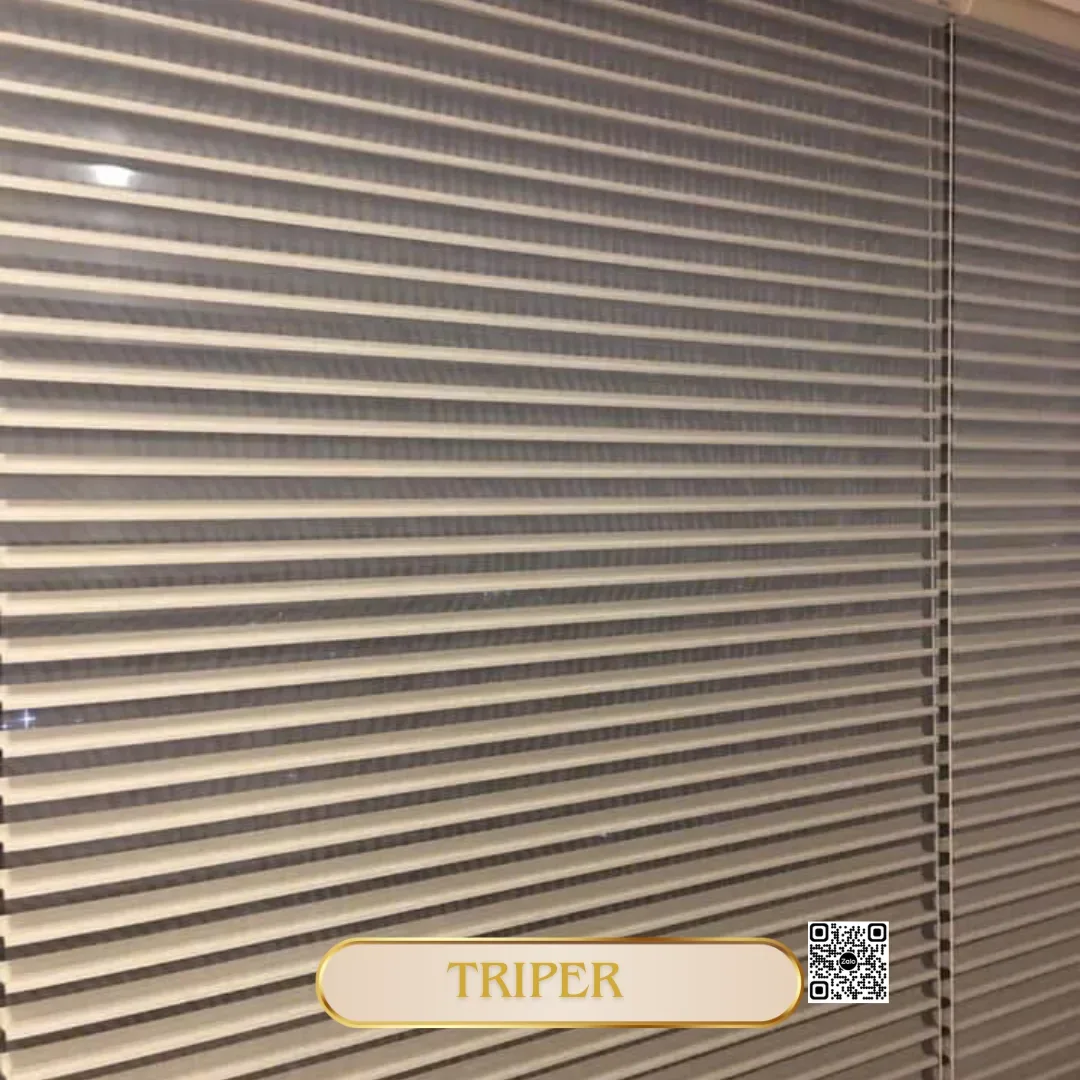
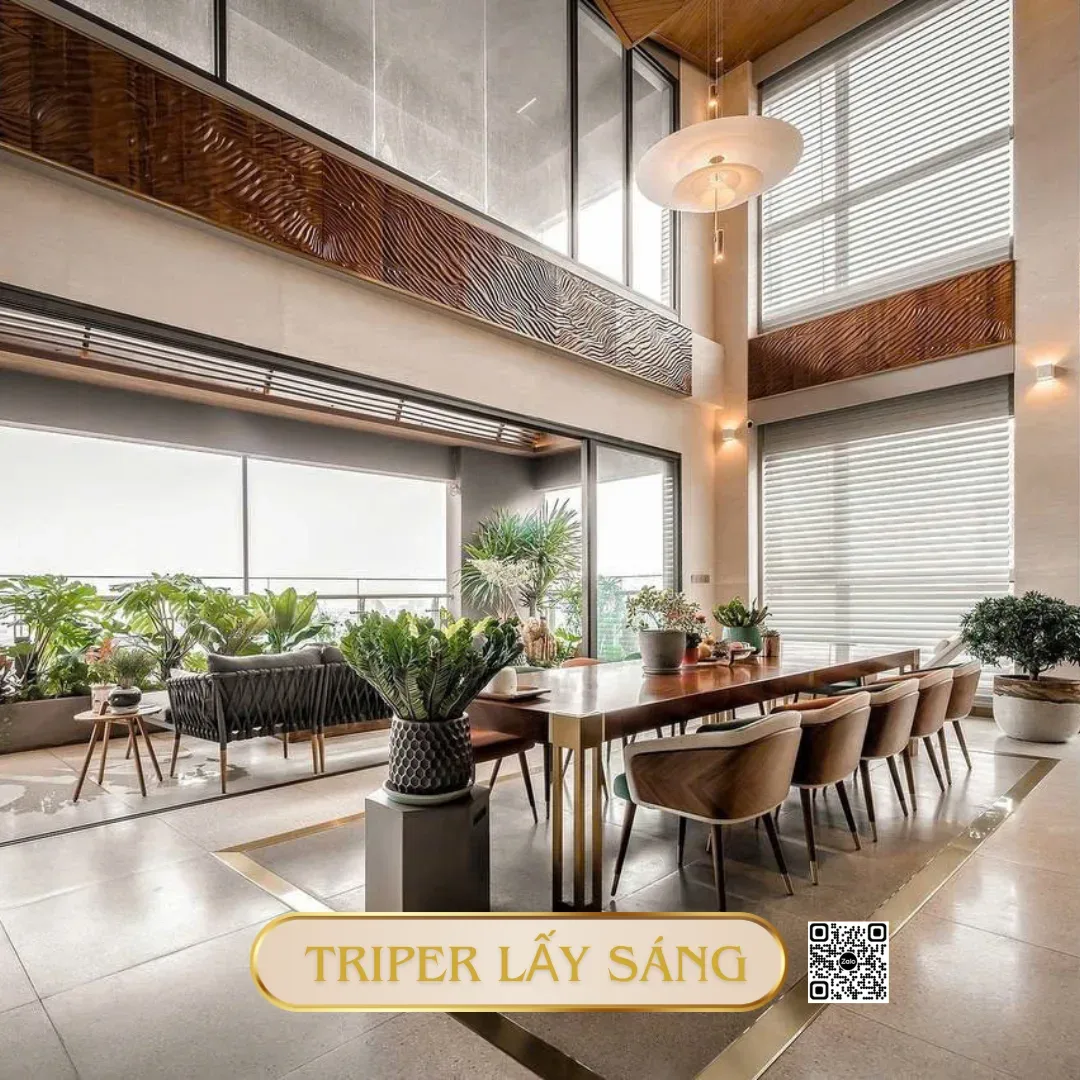
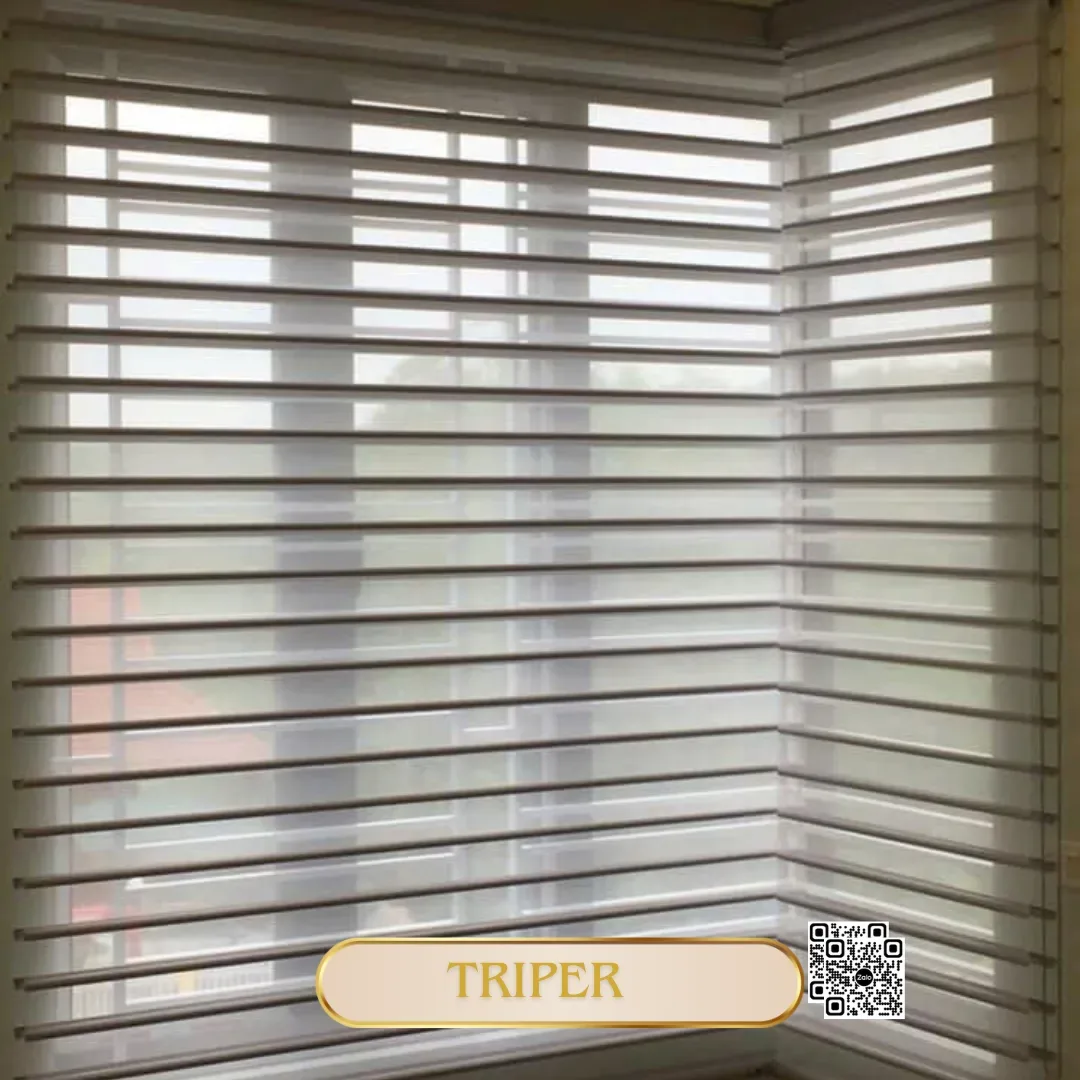
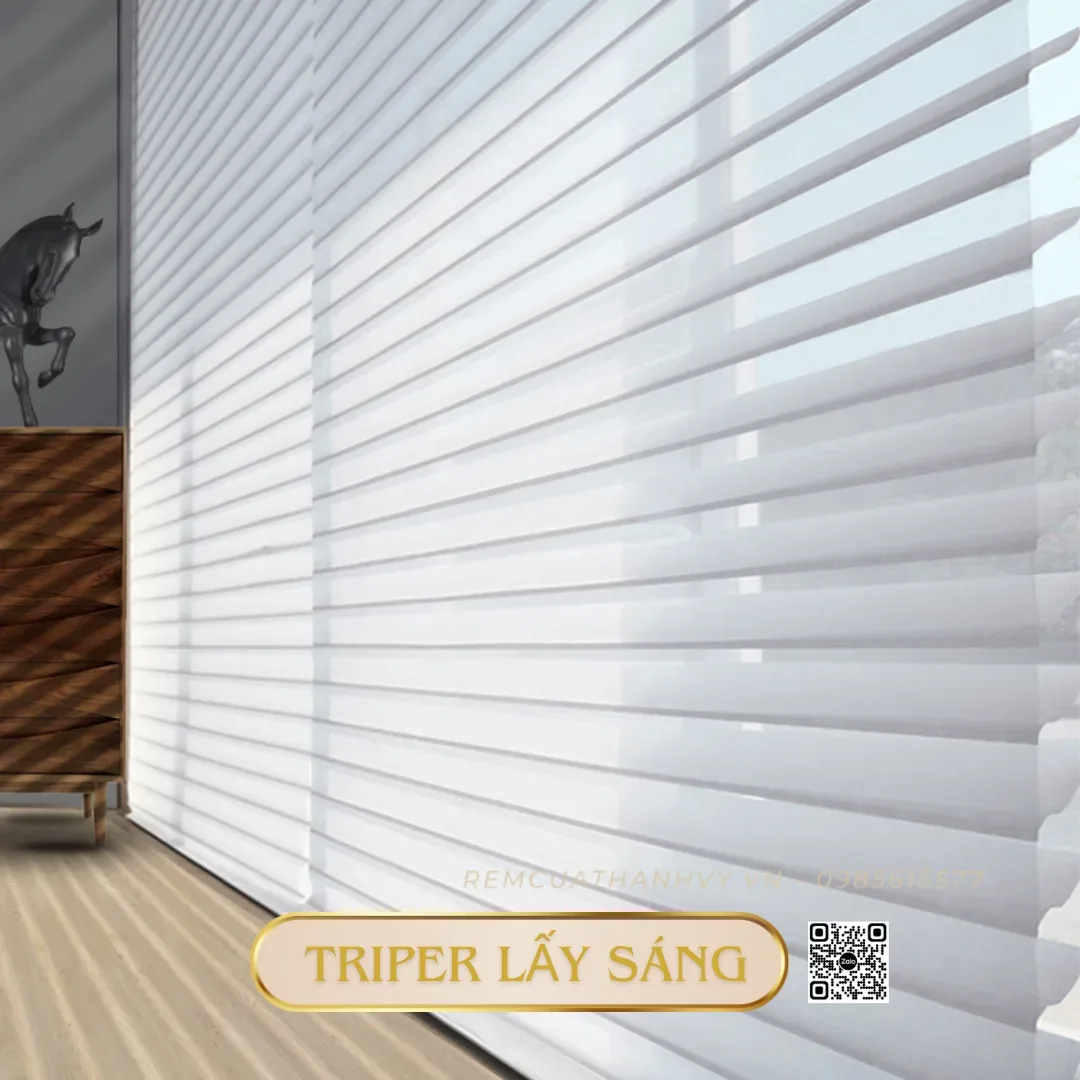
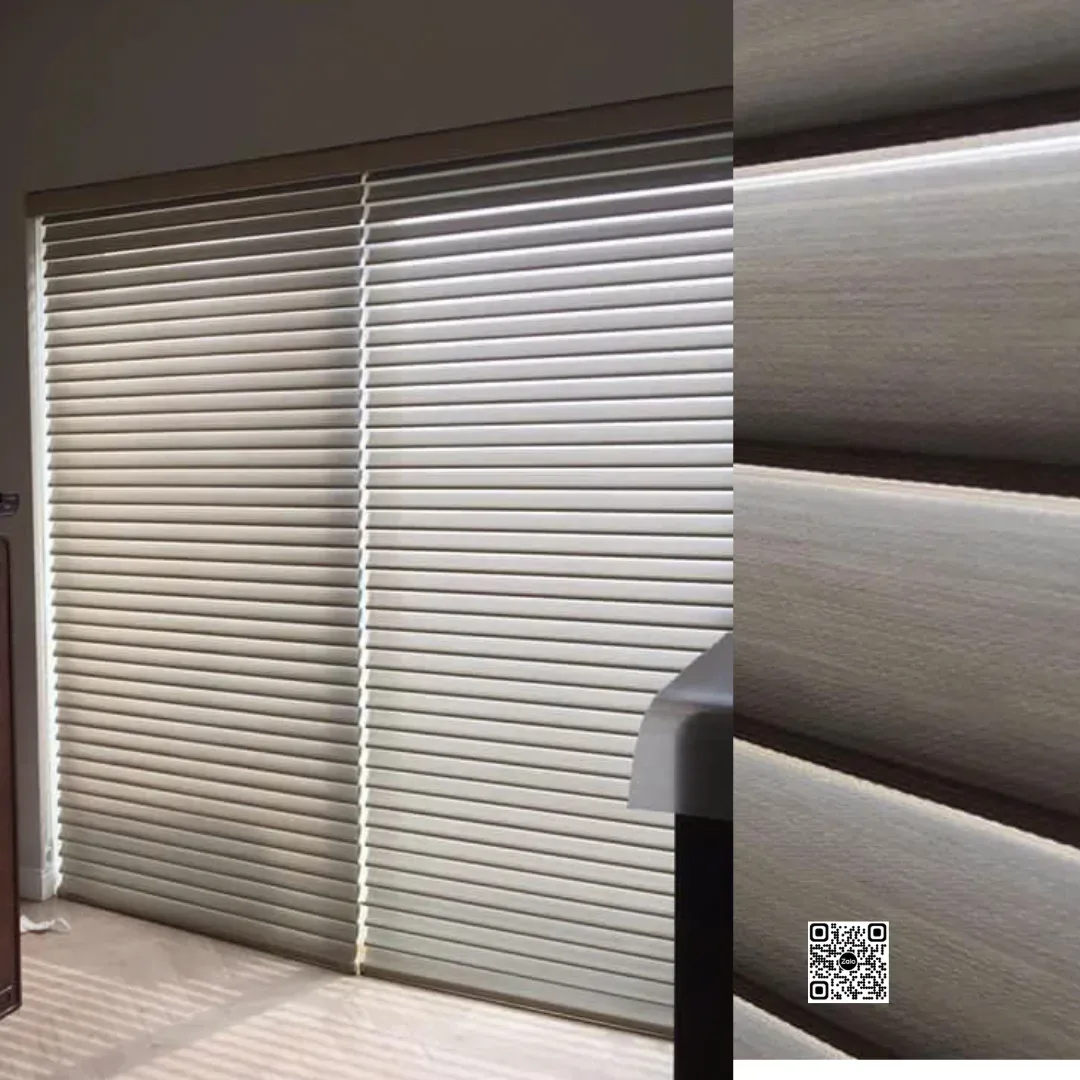
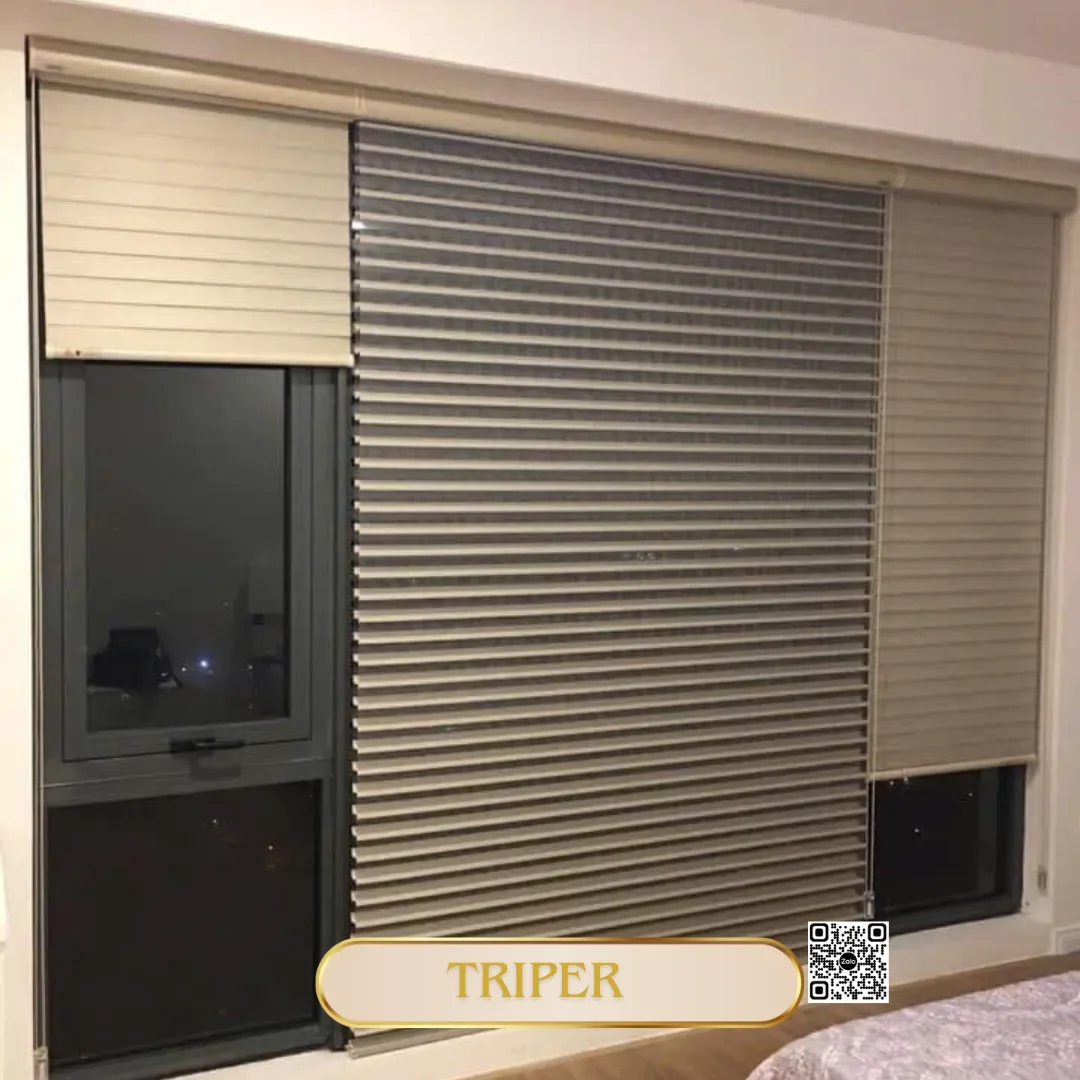
This Category Has Only Three Models, and That Is Important Information
At the time of writing, Thanh Vy has exactly three products in this group: Premium 3-Layer Triple Curtains, Brown Triple Curtains, and White Light-Filtering Triple Curtains. Three models, not thirty. Readers can also compare them through the introduction to auditorium curtains in Can Tho Newspaper.
That number is not bad, but it has real implications that buyers should consider in advance. The range of colors and materials for coordinating with interiors is significantly narrower than that of common curtain lines. If you need matching curtains throughout a multi-room home with various color schemes, this line may not be able to cover everything. And if, a few years later, you need to add an identical set for a newly renovated room, the chance that the old fabric is still in stock is lower than with a popular fabric line that is still selling well.
Therefore, the most sensible way to use a niche category is to choose it for one or two windows with specific problems, rather than make it the standard choice for the entire house.
What Problem Does the Third Layer Solve?
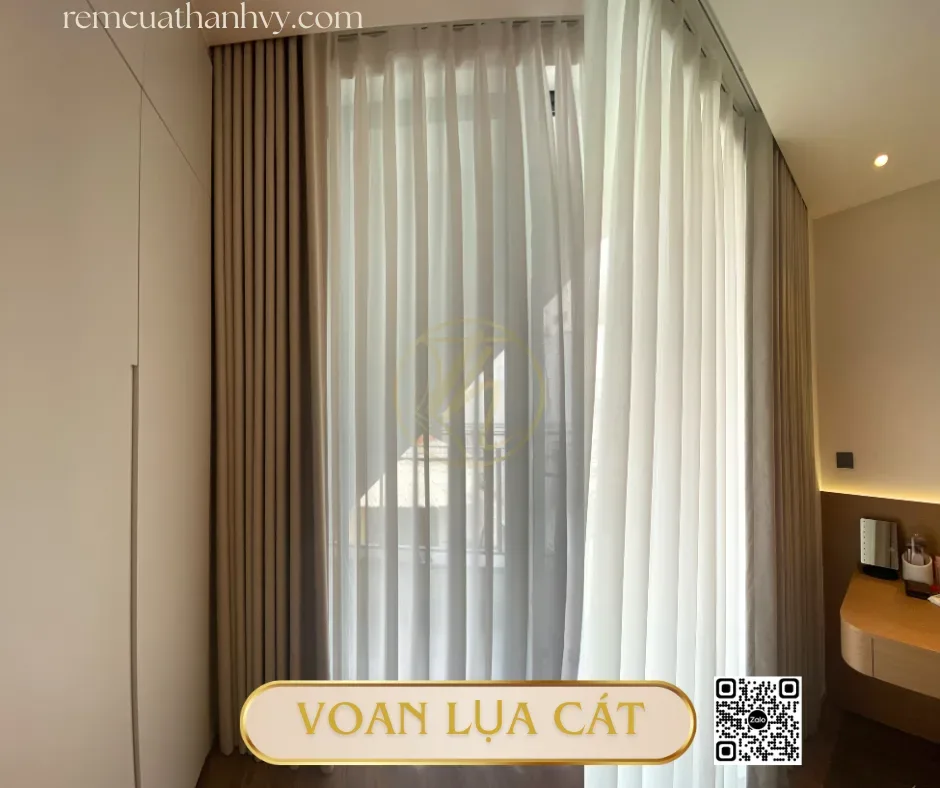
The true value of the three-layer configuration lies in the number of intermediate levels between the two extremes of bright and dark. With two-layer curtains, you have three familiar states: fully open, sheer curtains only, and main fabric fully closed. With three layers, the middle range is divided more finely, allowing you to retain some natural light while increasing privacy, or reduce glare without making the room completely dark. Interested readers can learn about polyester fibers in the textile industry before deciding.
This is useful in a few very specific situations: a bedroom where occupants sleep at different times, a room used both day and night with varying lighting needs, a screening room or home office affected by screen glare during a certain period, or a window that directly faces a neighboring house while still needing to let in daylight.
But let us be honest: if your room only needs to be bright during the day and private at night, two-layer curtains have already solved the problem, and the third layer adds nothing besides cost and thickness.
Compared with Two-Layer Curtains, What Are You Paying Extra to Get?
This is the most important comparison in the article, so each aspect should be separated clearly.
In terms of light control: three layers win, but they win in the middle range rather than at the two extremes. To make the room as dark as possible, one suitable thick fabric layer is enough, and the gaps around the curtain box are what determine the final level of darkness, not the number of fabric layers.
In terms of cost: three layers are definitely more expensive than two layers made from fabric of the same grade, because they require more fabric, more sewing, and more hanging accessories. This is something to ask about directly when requesting a quote, and it is also why buyers should request two parallel options for the same window.
In terms of operation: two layers are lighter, slide more smoothly, and have fewer minor failures simply because they contain fewer components. Three layers are heavier, so the requirements for the rails, runners, and the way they are attached to the ceiling or wall are also higher.
In terms of maintenance: every additional fabric layer is another layer that must be washed, removed, and reinstalled. For people with little free time, this is a difference that is more noticeable than the difference in lighting.
Unavoidable Structural Drawbacks
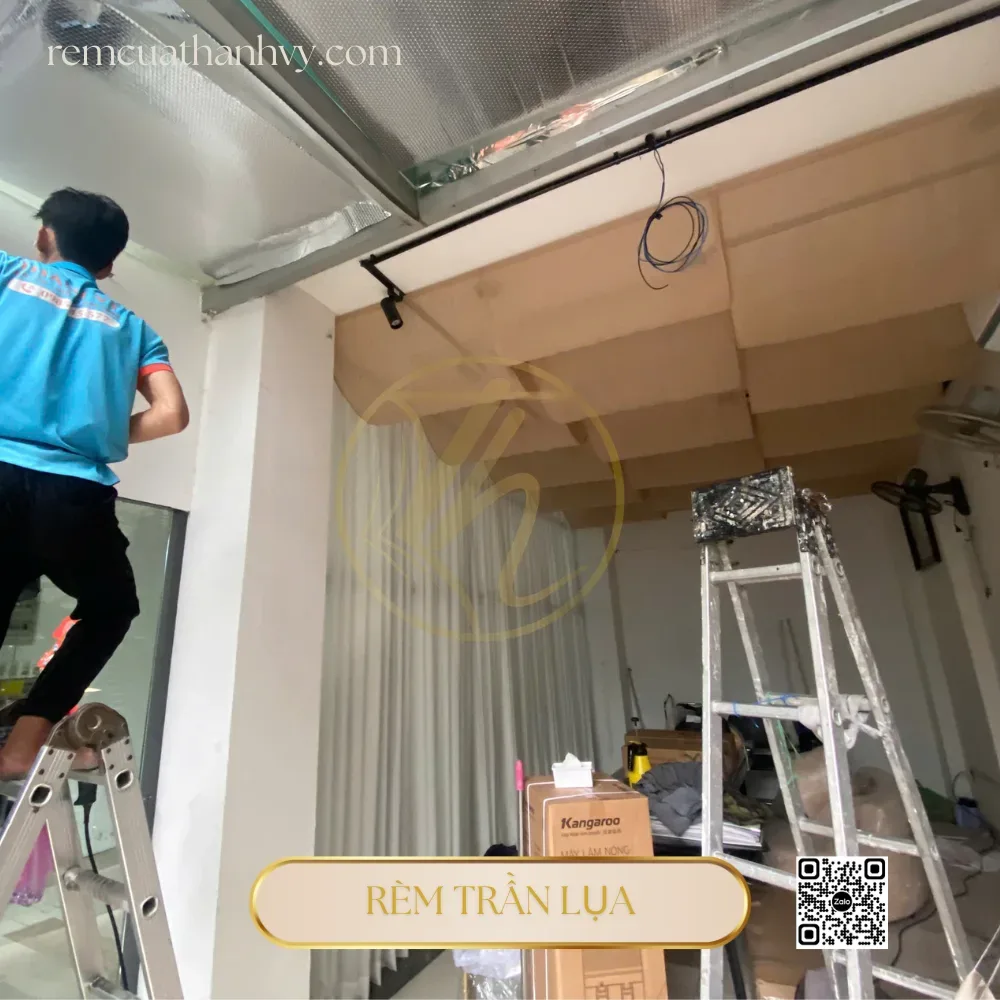
First is the depth of the curtain box. Three layers of fabric need more hanging depth than two layers. Low ceilings, narrow curtain boxes, or windows close to a side wall are three situations that make this configuration difficult to install attractively, and they require measurements in advance rather than being handled after the order is placed.

Second is the stack-back space on both sides. When opened, the gathered fabric becomes thicker, and the more layers there are, the more space they occupy over the glass. With small windows, the stack-back may cover a significant portion of the light-opening area, meaning you pay for the third layer and then lose light because of it.
Third is the weight. Heavier curtains require stronger mounting points. A gypsum-board ceiling without reinforcement, or a thin hollow-brick wall, are places that need to be carefully addressed before installation; this is not something to leave for the installer to improvise during the work.
Fourth is daily operation. The more layers the configuration has, the more steps are involved in operating it. This is not a problem for a window used only a few times a day, but for a balcony door used constantly, the inconvenience accumulates much faster than many people expect. Information about the material can also be found in the characteristics of linen fabric.
The product page is missing crucial information
This is a real drawback and needs to be stated clearly. None of the three models in the category currently displays a price, the attributes section is empty, and the descriptions of two of the three models are nearly identical. As a result, readers cannot determine for themselves exactly what the three layers consist of, how wide the fabric is, or whether the hanging method uses a track or a rod.

For a niche line, missing information causes more harm than it does for a mainstream line, because buyers have no comparable model to use as a reference. The result is that you have to make contact just to get a figure, and cannot compare it on the spot with the two-layer option.
The practical approach: when asking, don’t ask “how much do Triple curtains cost?” Provide the window dimensions and request quotes for two options for that same window, one two-layer and one three-layer, along with a description of each fabric layer. Only when you have two figures side by side can the question “is it worth paying more?” be answered.
Send your dimensions and needs, and the Thanh Vy Curtains team will advise on options and quote for your actual space.
What the three current models tell us
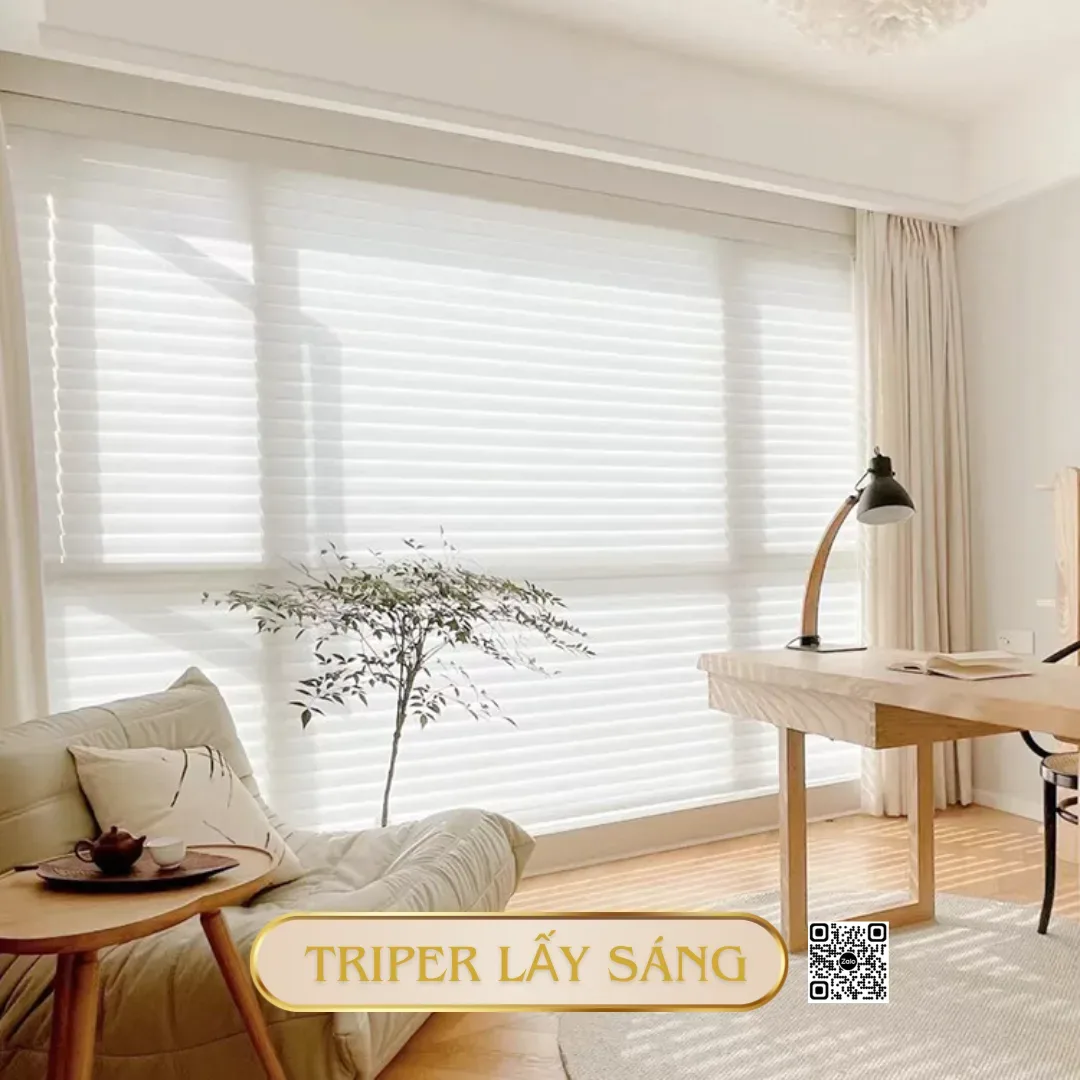
White Light-Filtering Triple Curtains is the only model with its own description, and that description clearly states the intended direction: three fabric layers, prioritizing natural light and increased privacy. This is the most reasonable use of a three-layer configuration—using it to preserve light while remaining private, rather than to make the room dark.
Brown Triple Curtains follows a dark-toned direction, suited to spaces with lots of wood or dark-colored furnishings. Note that a dark tone combined with three fabric layers will make the window area look significantly heavier, so proportions need to be considered carefully in small rooms or rooms with low ceilings.

Premium 3-Layer Triple Curtains is named after its configuration rather than its color, so this is exactly the model you need to ask about most carefully: does “premium” here refer to premium fabric, hanging hardware, or sewing, and how does it differ from the other two models? Without a specific answer, the word does nothing to help with the decision.
Which windows are truly suited to this configuration
It is best suited to large windows or glass doors, sufficiently high ceilings, a curtain box or deep hanging space, and enough room on both sides to gather the fabric without covering the glass. A main bedroom facing harsh sunlight, a living room with a large glass frontage facing the street, or a home office that experiences glare at certain times are all places where the third layer has a purpose.
Conversely, small windows, windows close to a side wall, windows in rooms with low ceilings, or entry doors used many times a day are places where this configuration is more likely to cause inconvenience than solve a problem.
Who should choose it and who should not
You should choose it if you genuinely need multiple light levels within the same window, have sufficient hanging space, and accept paying extra for that flexibility. Choose it if you are addressing a specific window with a specific problem, rather than selecting a standard curtain setup for the entire house.

You should not choose it if your budget is tight—using the same amount of money to improve the fabric quality and track quality of a two-layer set usually delivers a better experience than spreading it thinly across three layers. Do not choose it if the ceiling is low or the curtain box is narrow. Do not choose it for small windows or doors with constant traffic. Do not choose it if you dislike multi-step operation and removing multiple layers for washing. And do not choose it if your sole goal is to make the room completely dark—that is addressed through the type of fabric and by blocking light gaps around the window, not by adding more layers of fabric.
Checklist before asking for a price
1. What problem does this window have that two-layer curtains cannot solve? 2. How deep is the curtain box or hanging space? 3. How much room remains on both sides of the window to gather the fabric without covering the glass? 4. Is the ceiling concrete or drywall, and are the mounting points secure? 5. How many times a day will this curtain be operated? 6. What specific layers make up the three layers, and how is each layer washed? 7. What is the price for two layers for this same window? You can also refer to polyester fibers in the textile industry to better understand the material component.

Question seven is the most important one. Without it, any assessment of whether it is worth the money is merely subjective.
Quick takeaway: Triple curtains are worth considering when a window genuinely needs multiple light-to-dark levels and has enough hanging space; they are not worth paying extra for if you only need daylight during the day and privacy at night, or if the ceiling is low, the window is small, or the curtain box is narrow.
Conclusion: a niche line for a narrow problem
The three models in this category are not intended for the majority, and that is not a disadvantage if you are truly someone with the problem they solve. The three-layer configuration buys flexibility in the middle range, in exchange for cost, thickness, weight, and maintenance work. Those who need that middle range will find it worthwhile; those who do not need it are paying for a feature they will not use.
The cheapest way to check before deciding: stand at that window during the most uncomfortable time of day and see which light level you are actually missing. If you can answer that question with a specific situation, ask for prices for both options and choose. If not, a well-made two-layer curtain remains the more reasonable choice.

For further information, please contact Thanh Vy Curtains
We provide free consultation and on-site measuring at your home.


No comments yet!