




Rainbow Blinds vs. Honeycomb Shades: A Detailed Comparison
Why many people are torn between rainbow blinds and honeycomb blinds
When looking to buy curtains for a new home or replacing old ones, many people pause for quite a while on the question of whether rainbow blinds or honeycomb blinds are the more reasonable choice. Both belong to the modern roller blinds group, operate neatly, and are suitable for townhouses, apartments, or offices. But if you look closely, these two types solve two different problems, so choosing the wrong one is usually not because the blinds are of poor quality, but because the intended use was misidentified. You can refer to the article introducing auditorium curtains on Can Tho Newspaper for further comparison.
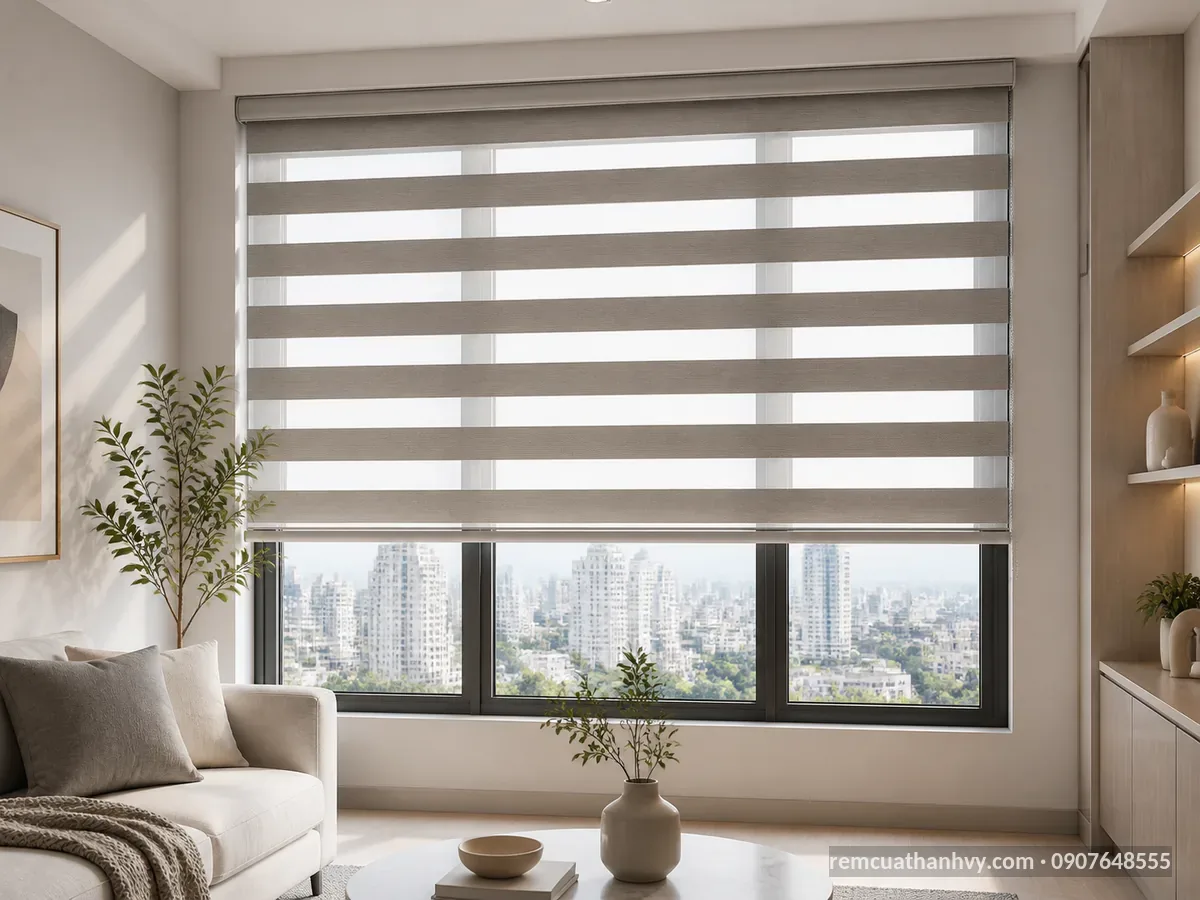
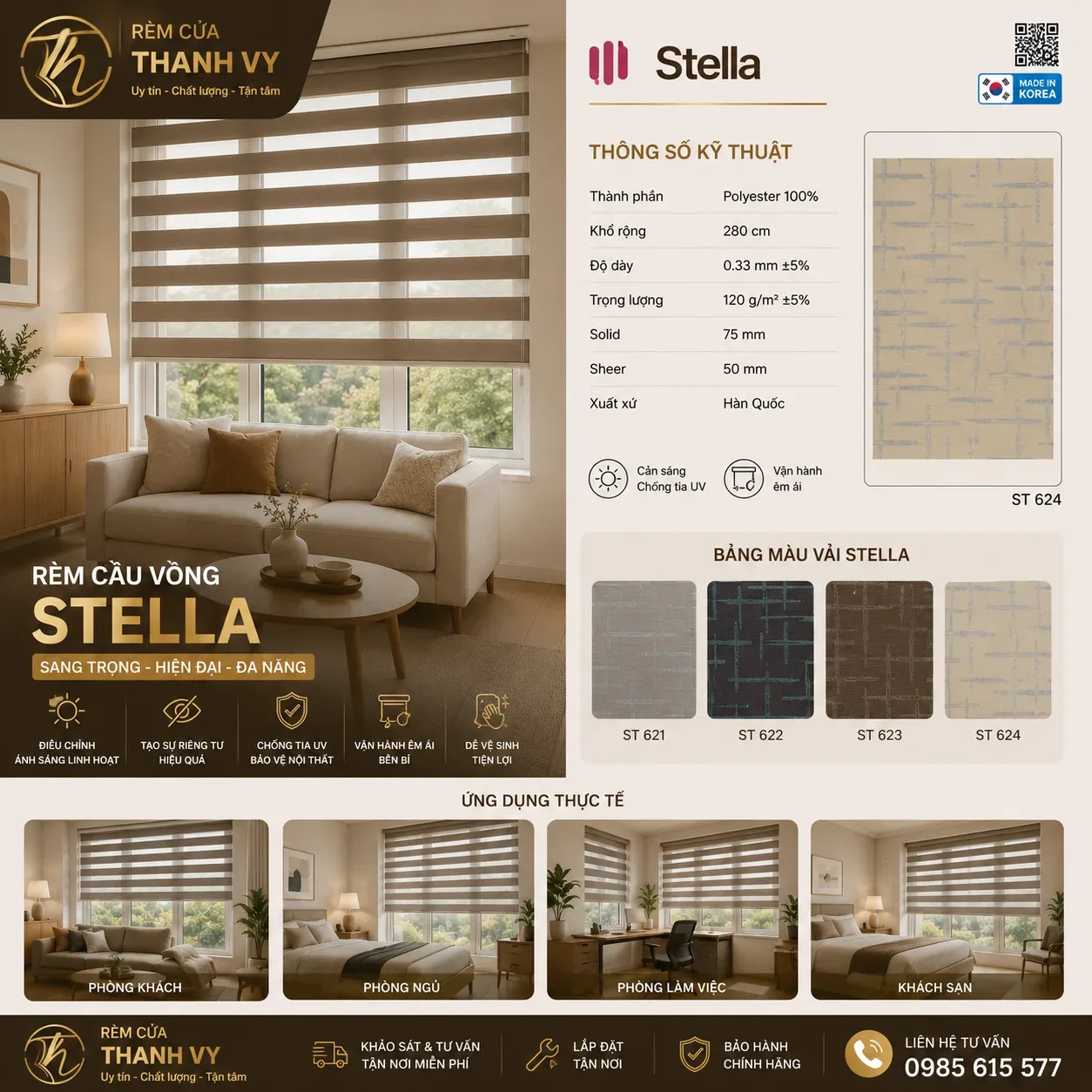
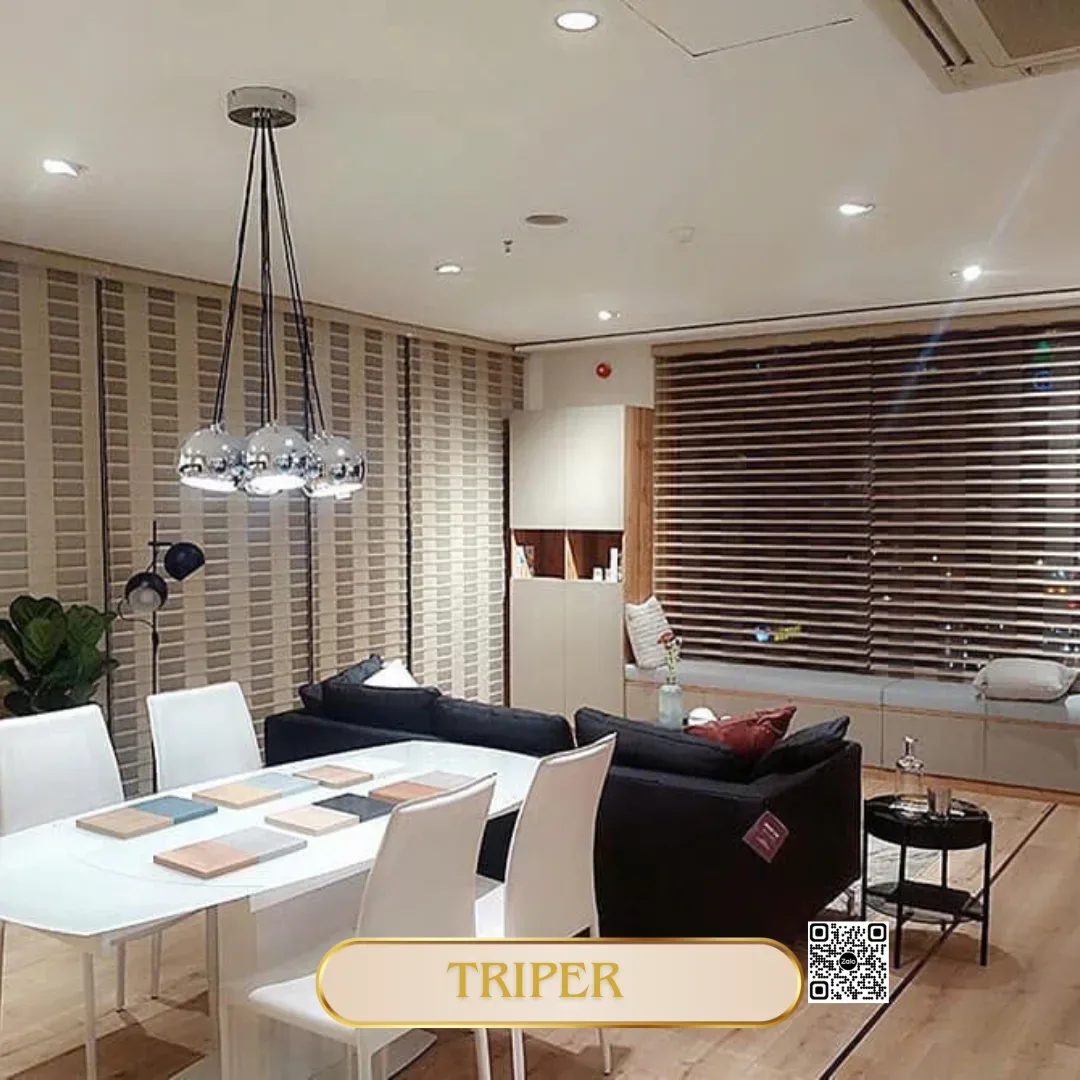
Rainbow blinds, also known as zebra or double roller blinds, score points thanks to their ability to combine sheer and opaque fabric strips to create multiple light levels with just one pulling motion. Honeycomb blinds stand out due to their hollow honeycomb structure, designed primarily to retain heat and reduce sound transmission better than standard single-layer blinds. Therefore, comparing rainbow blinds or honeycomb blinds is only meaningful when placed against the actual needs of each room. This article goes through each criterion: construction, thermal insulation, sound insulation, light adjustment, durability, cost, ease of cleaning, and suitability for each space.


How do the construction and operating principles differ?
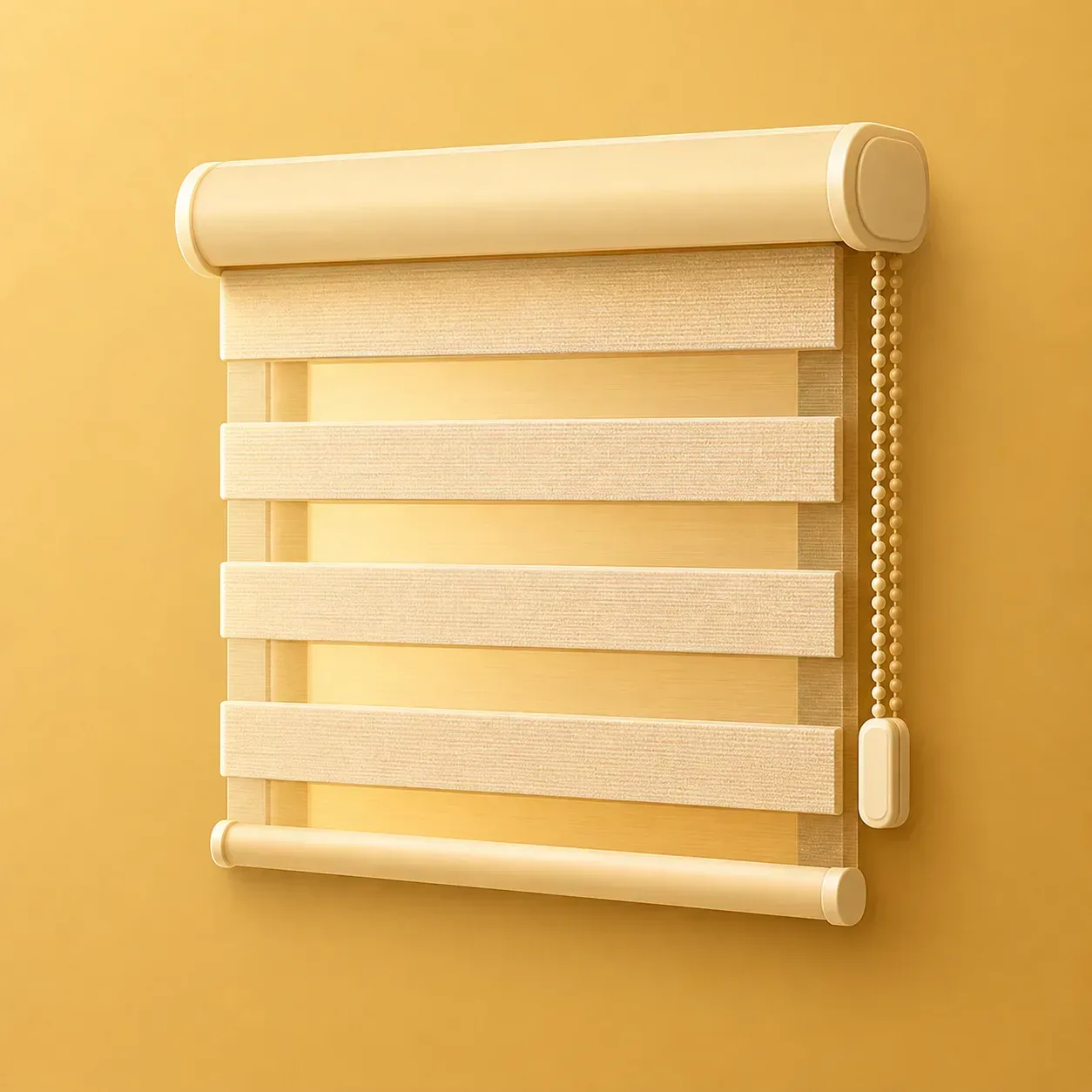
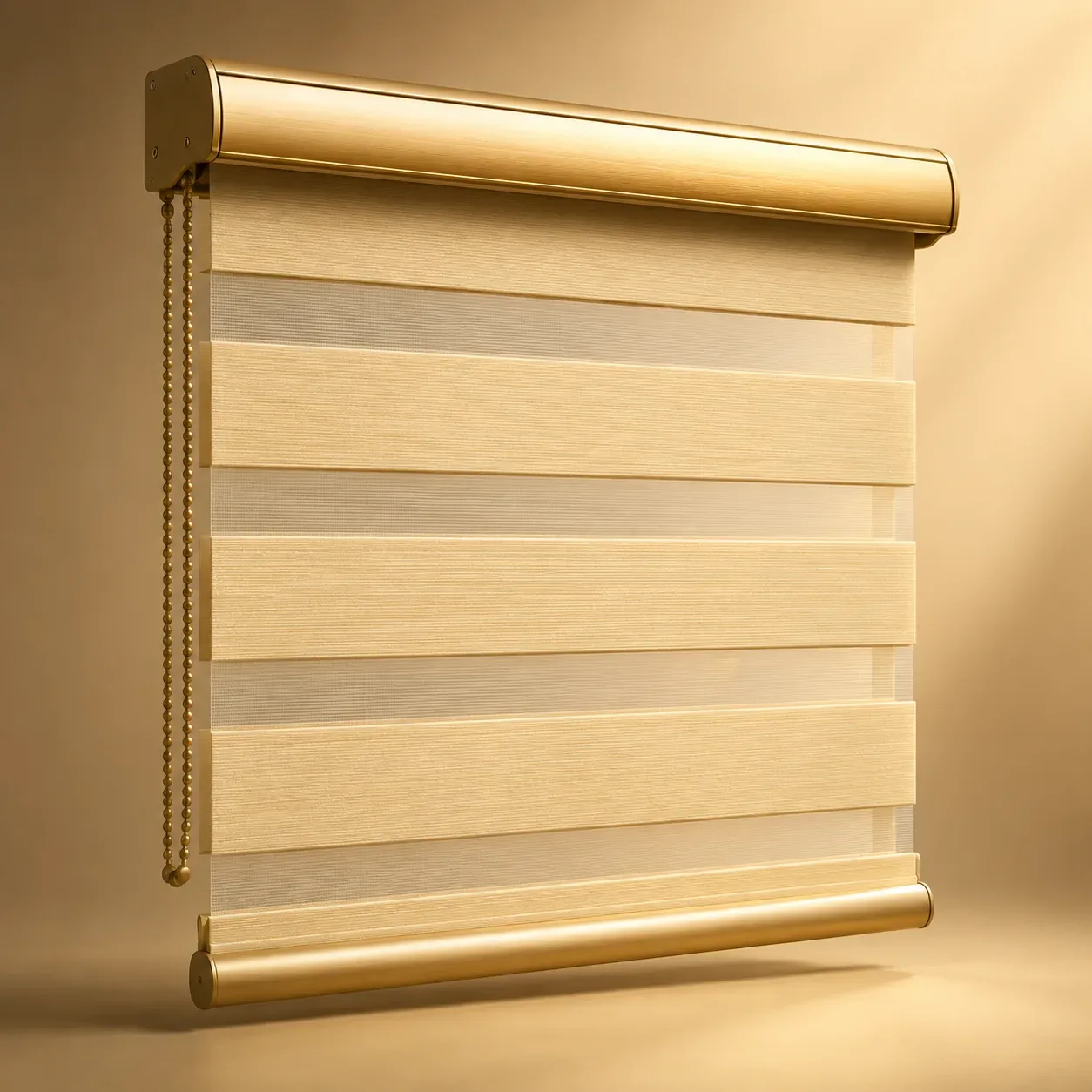
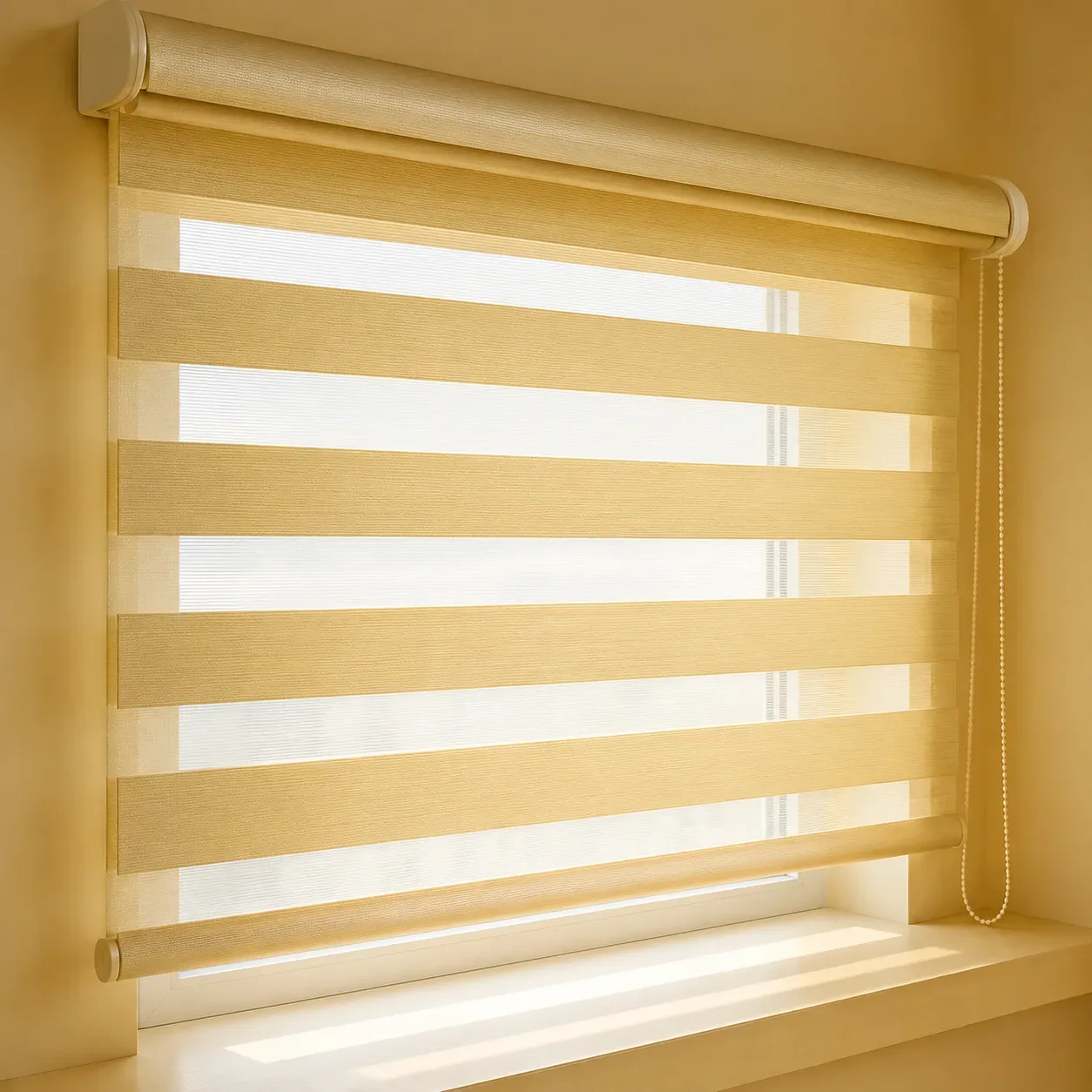
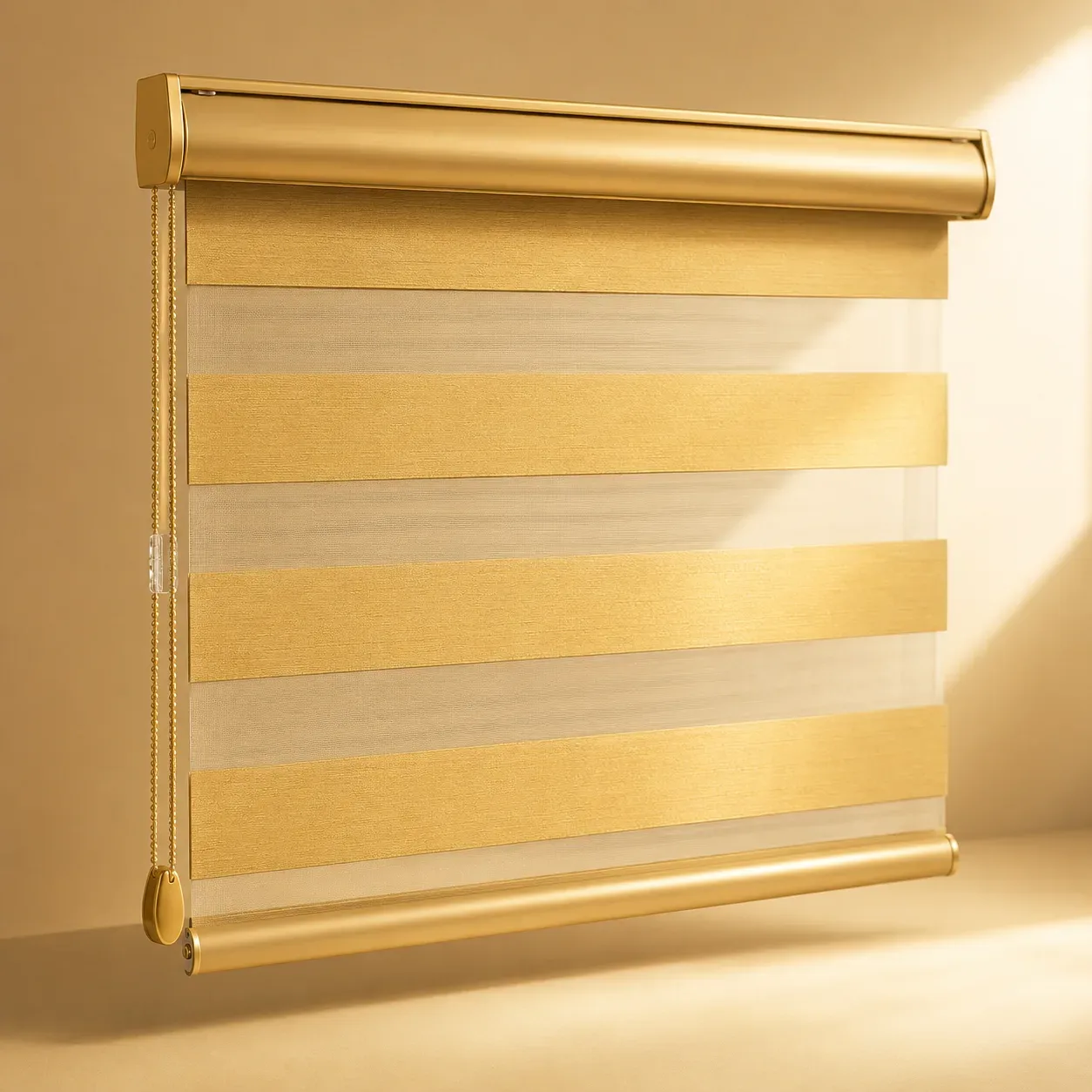
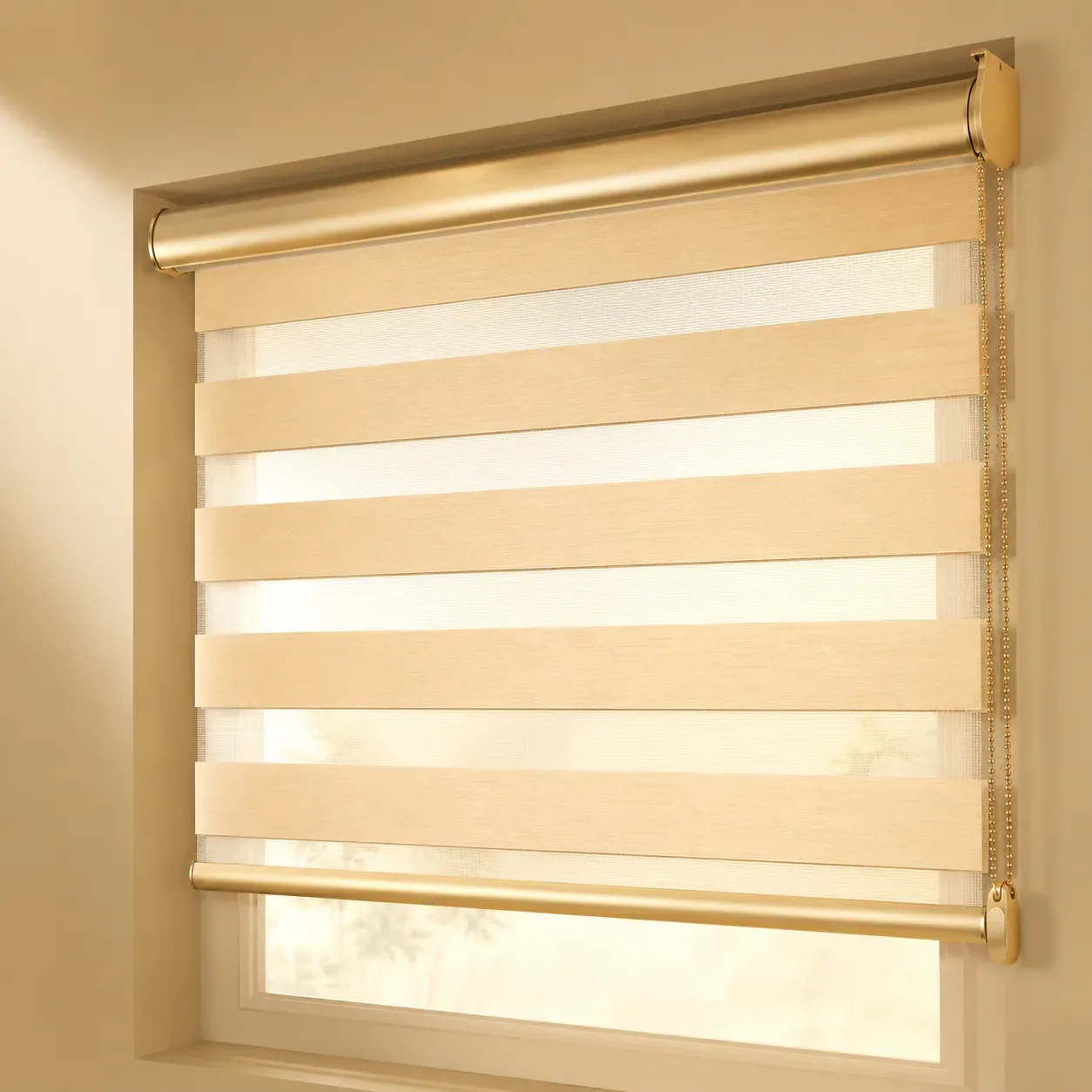
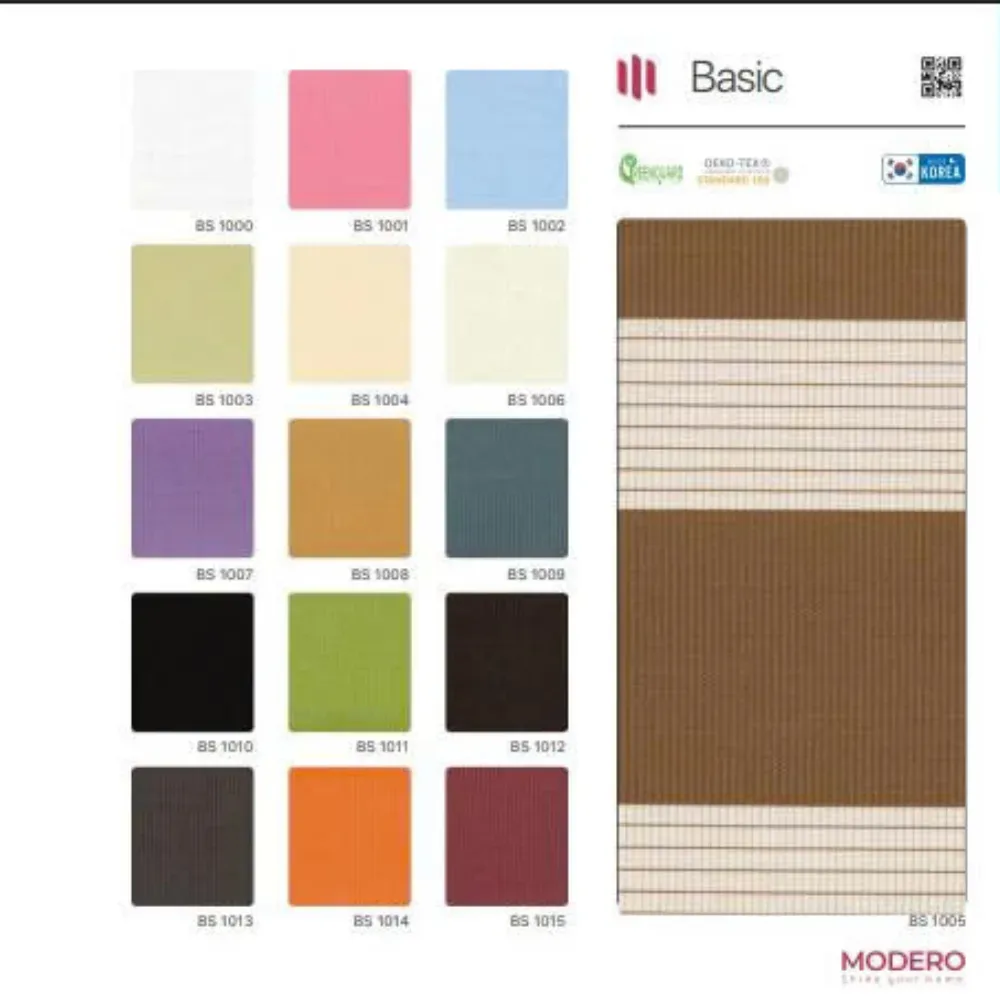
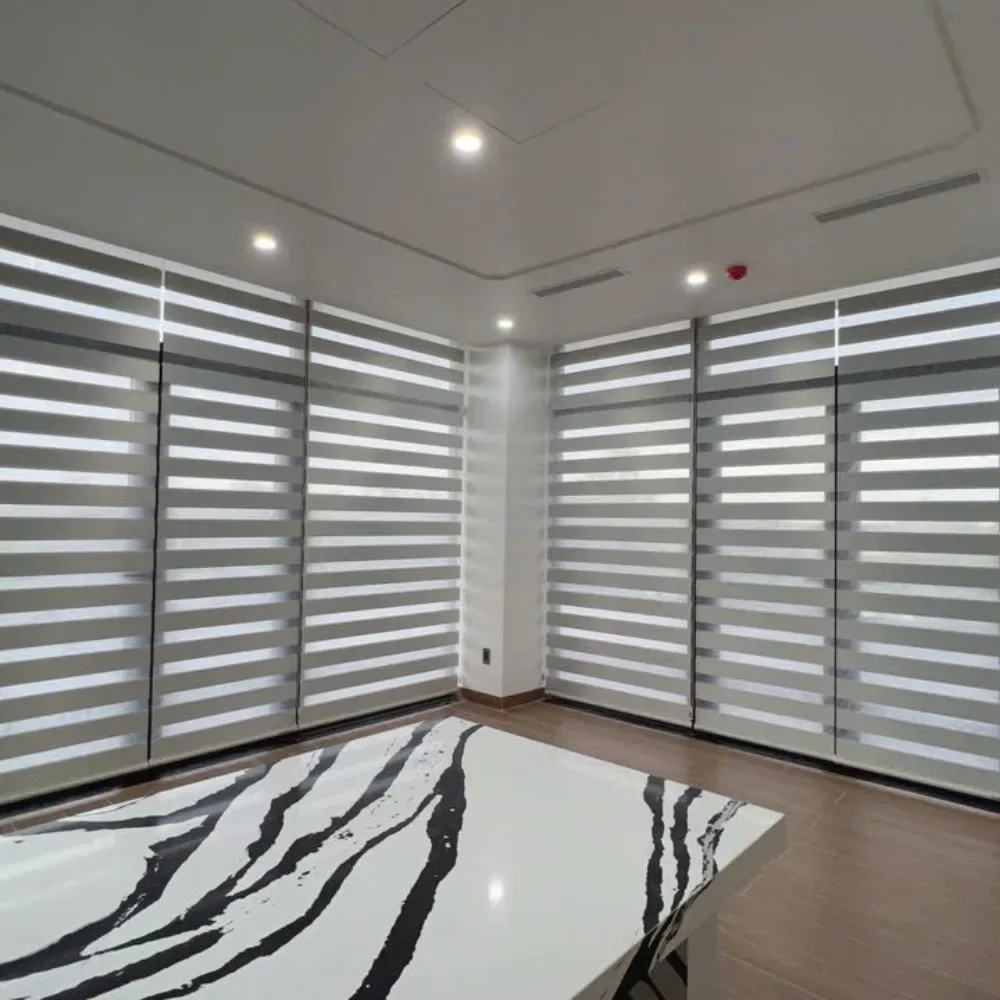
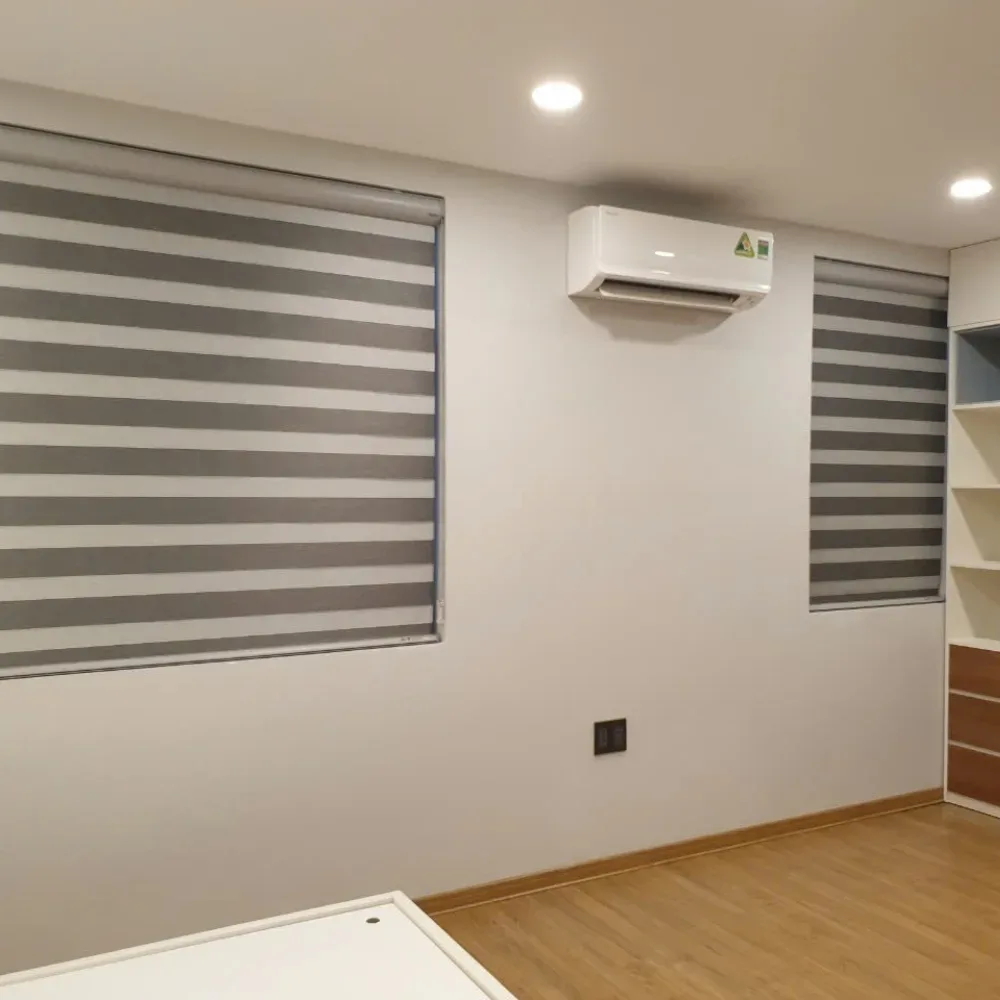
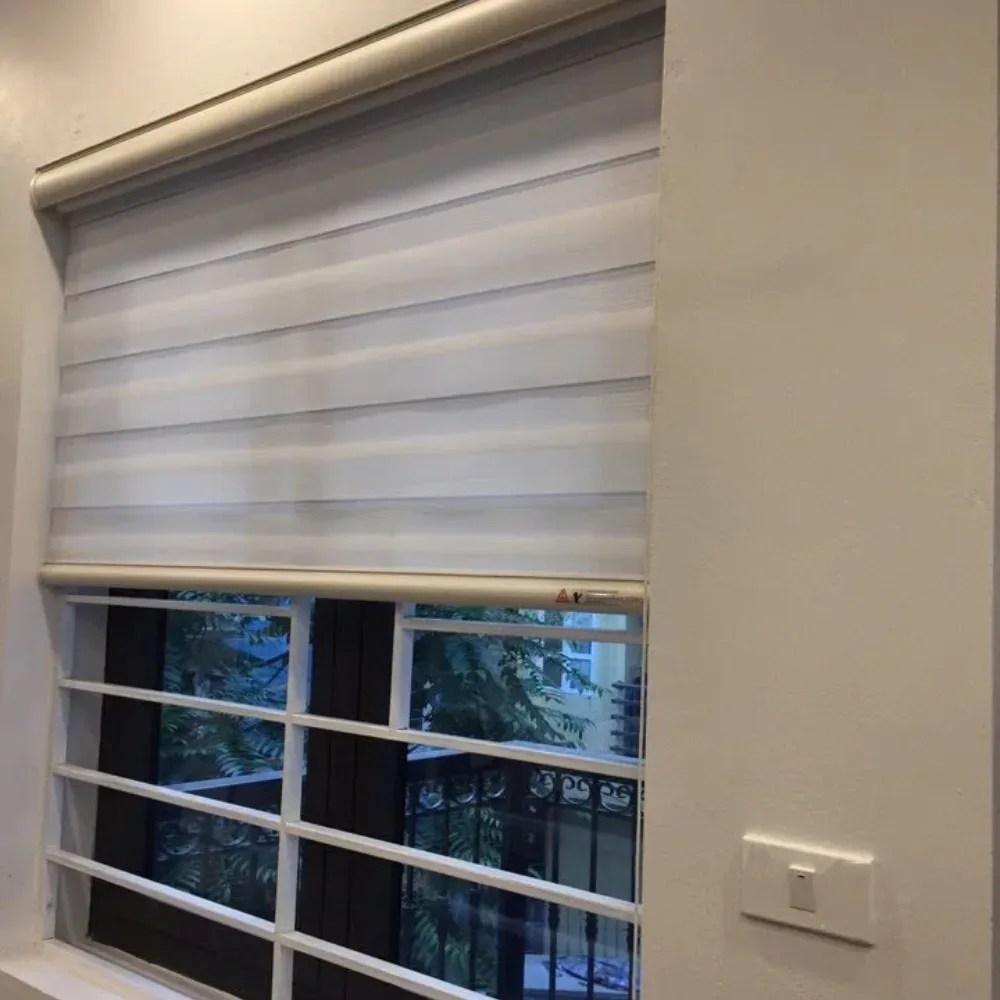
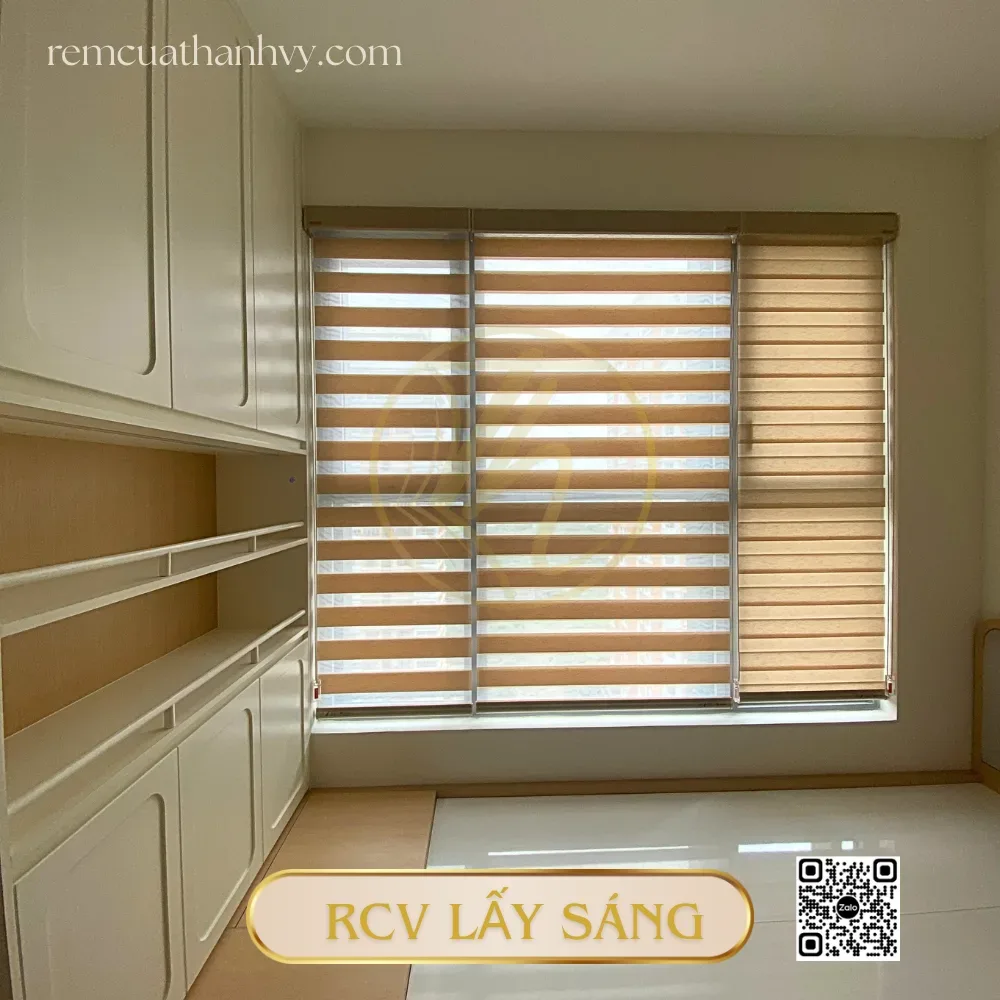
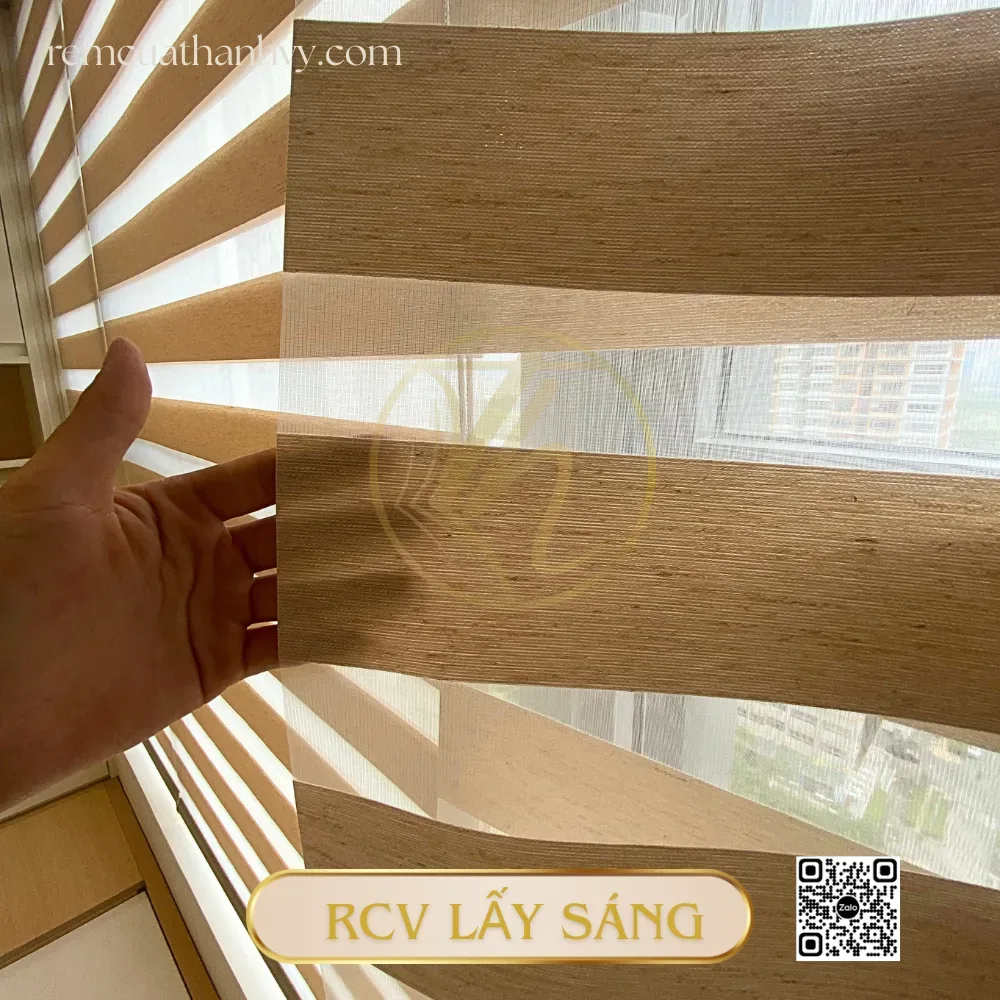
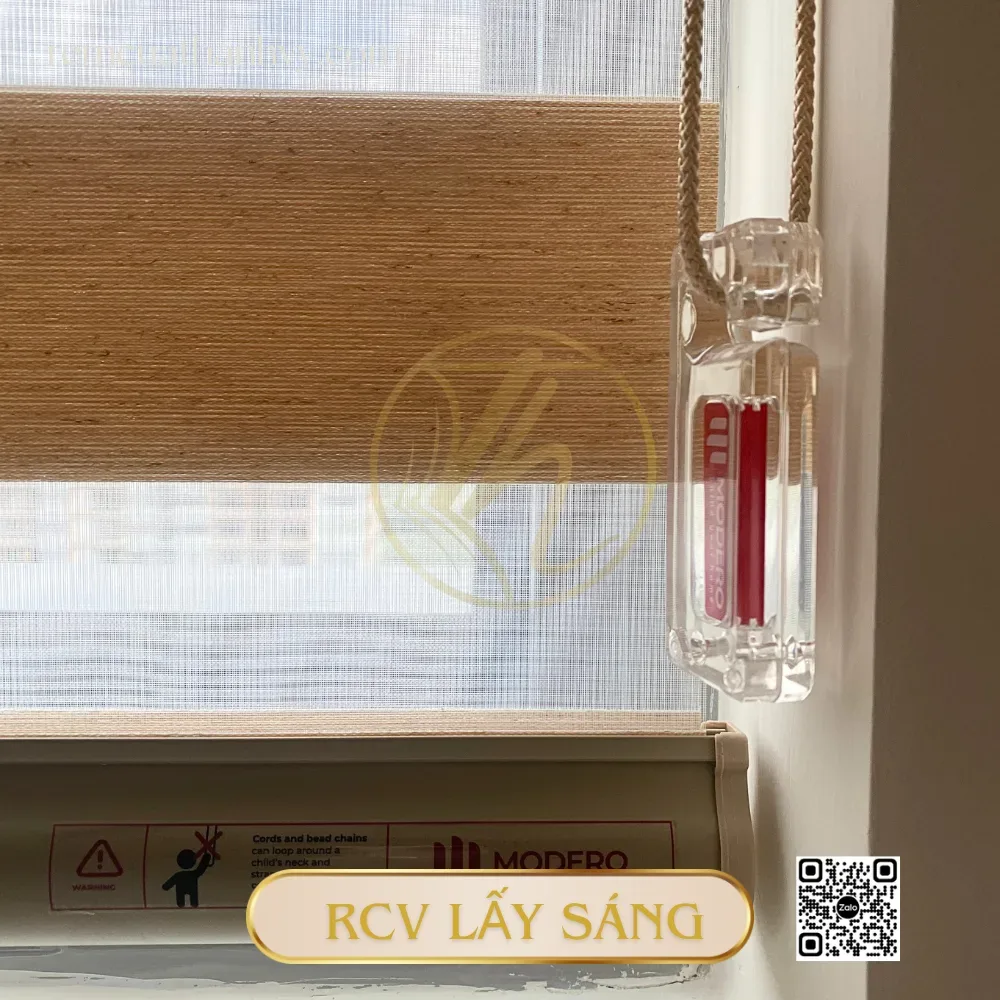
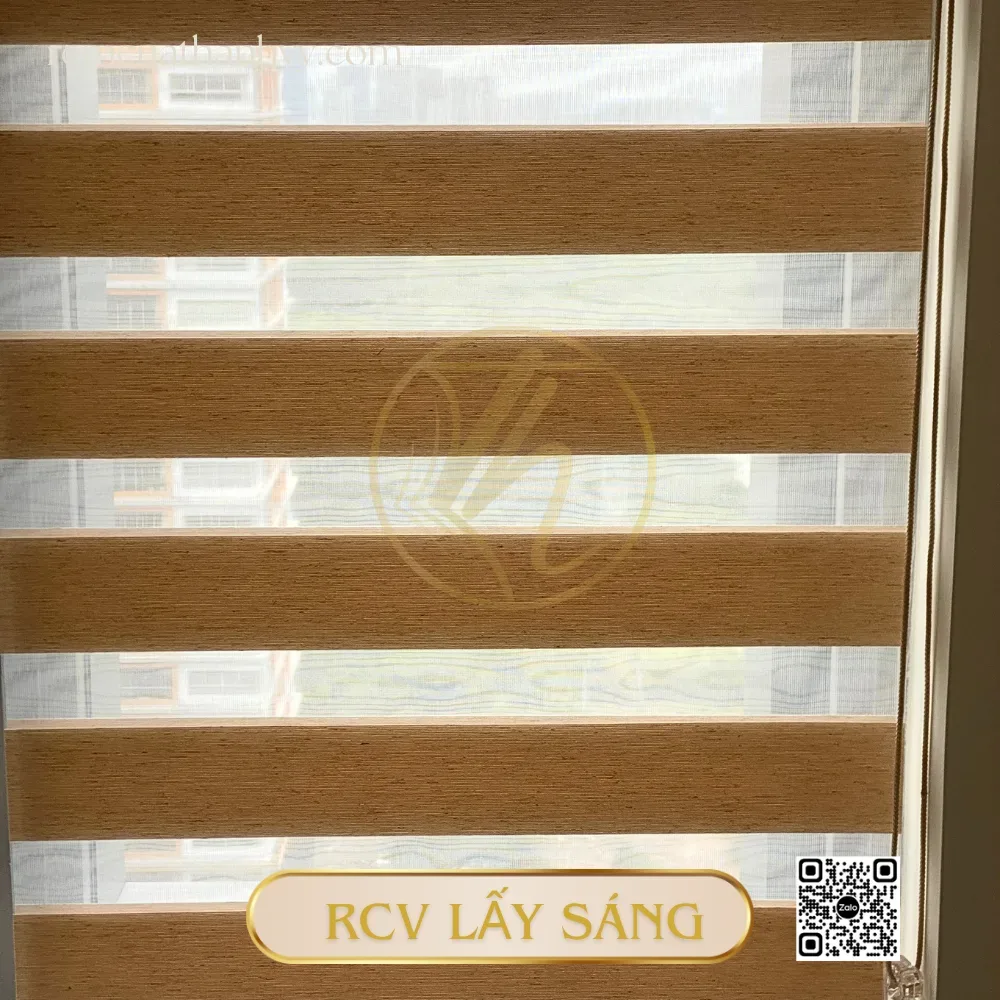
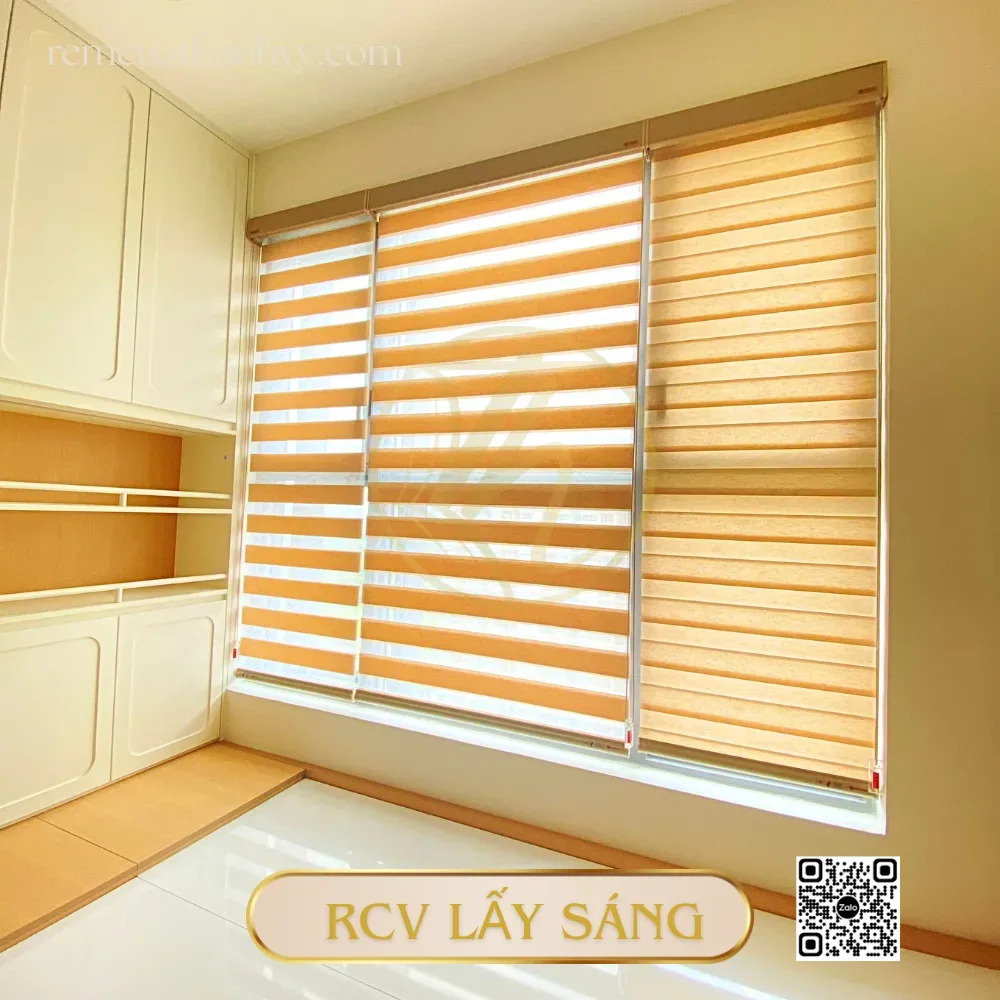
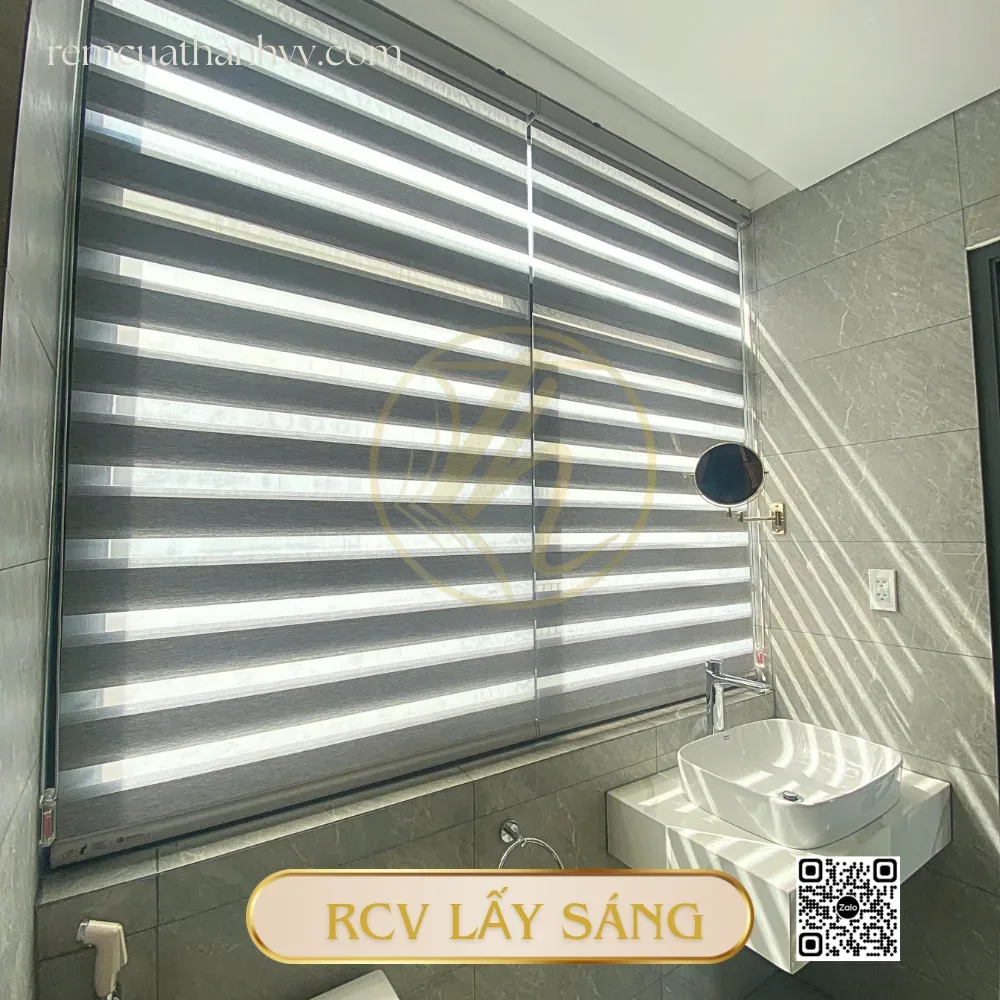
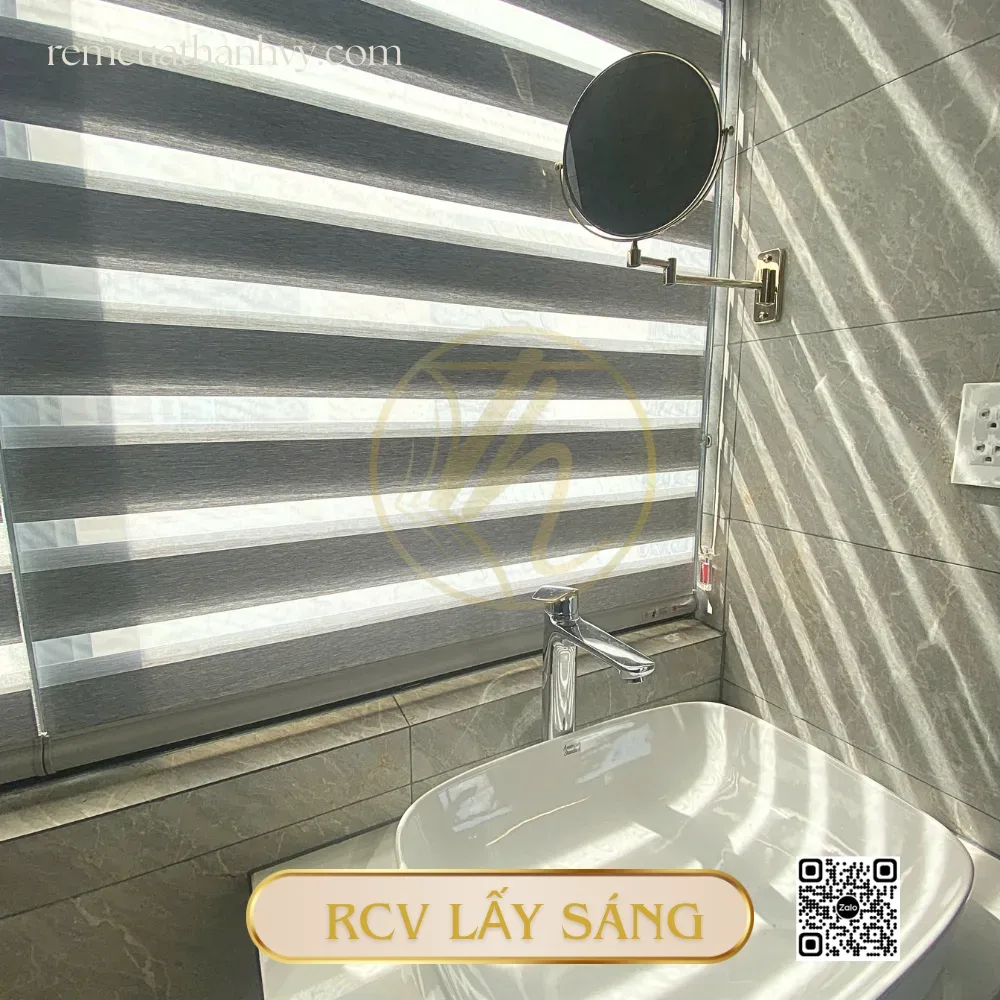
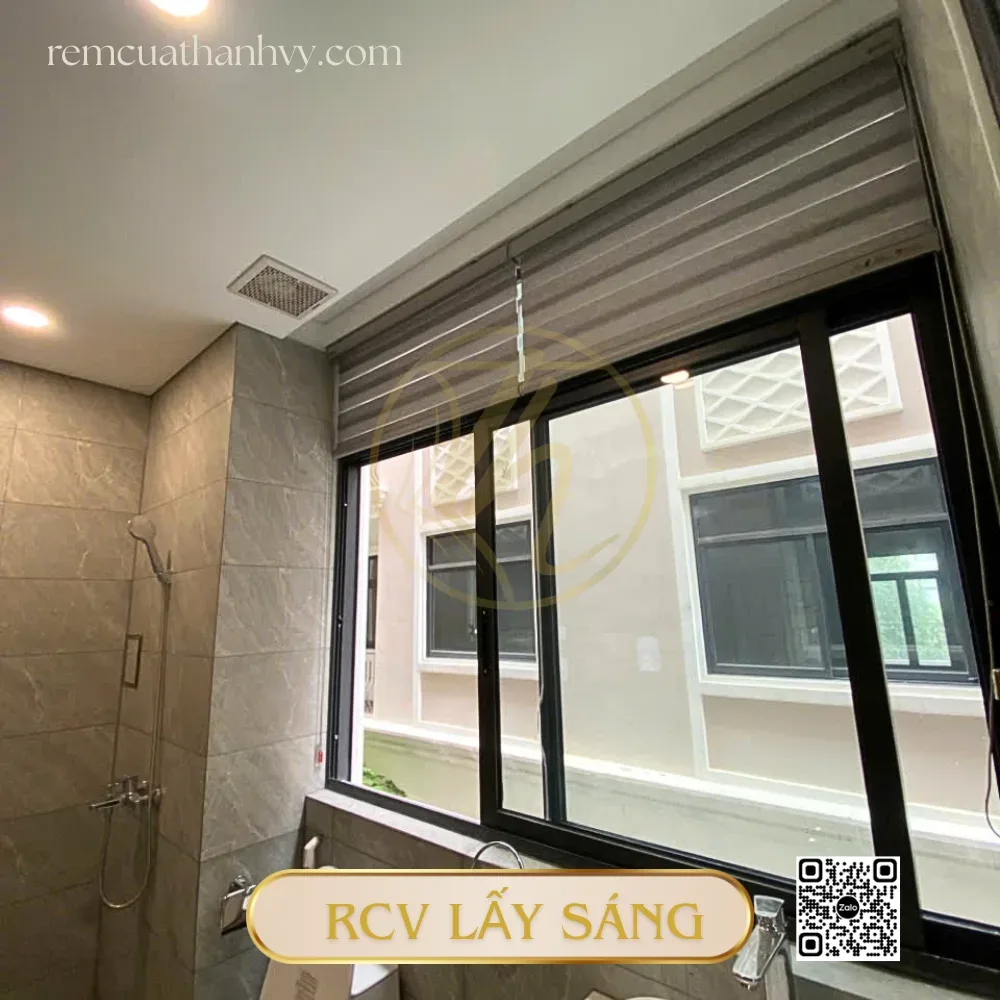
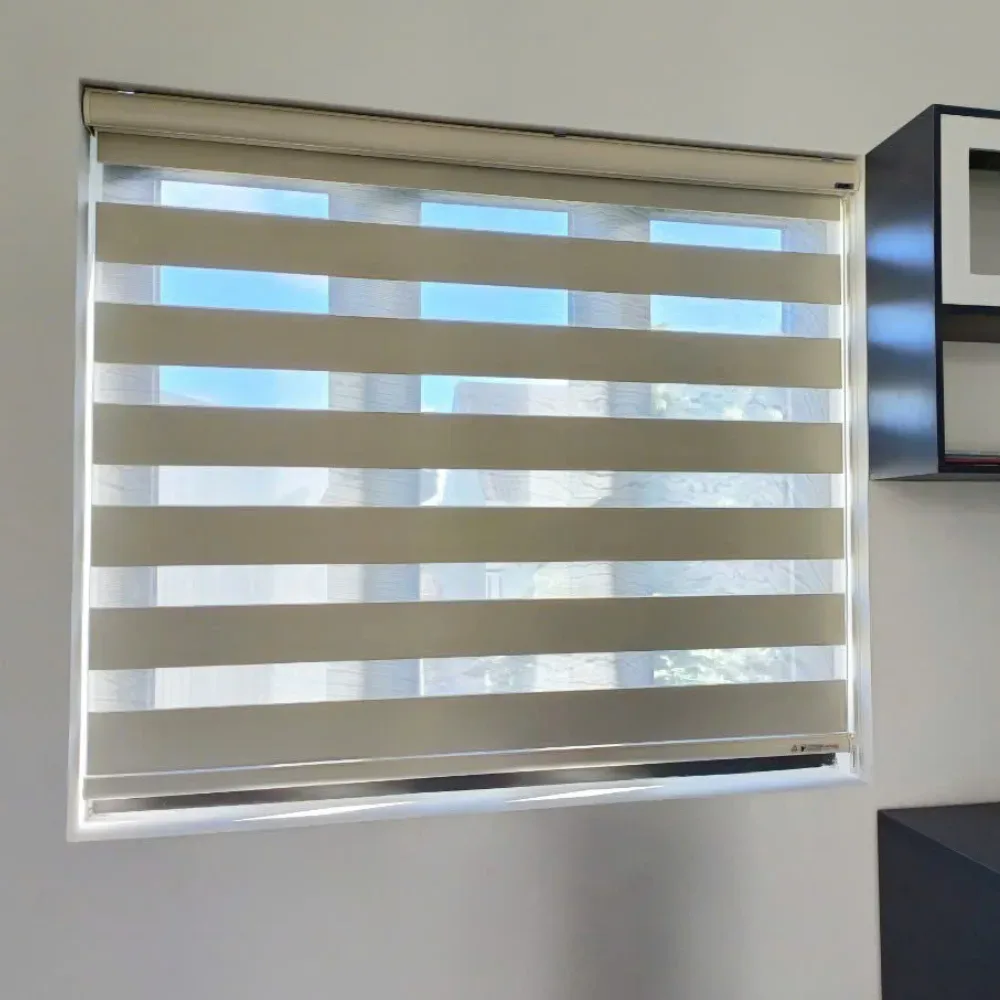
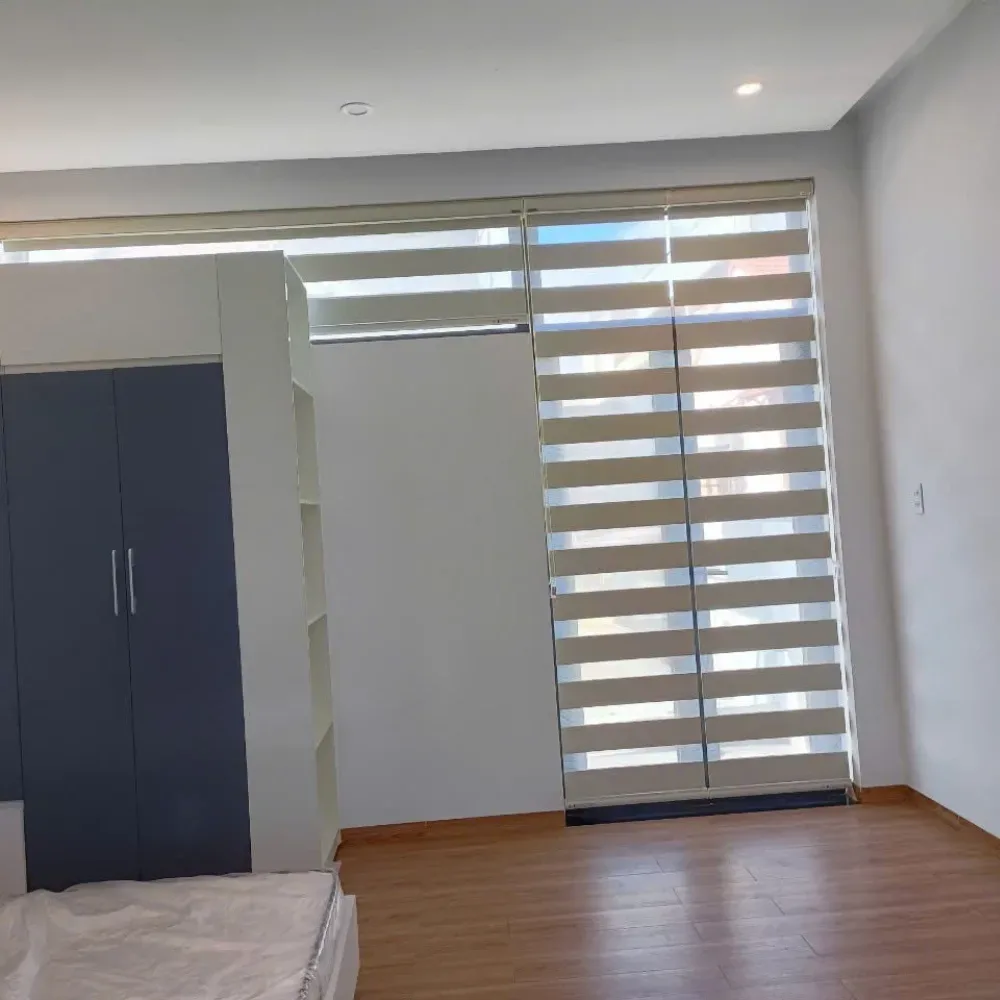
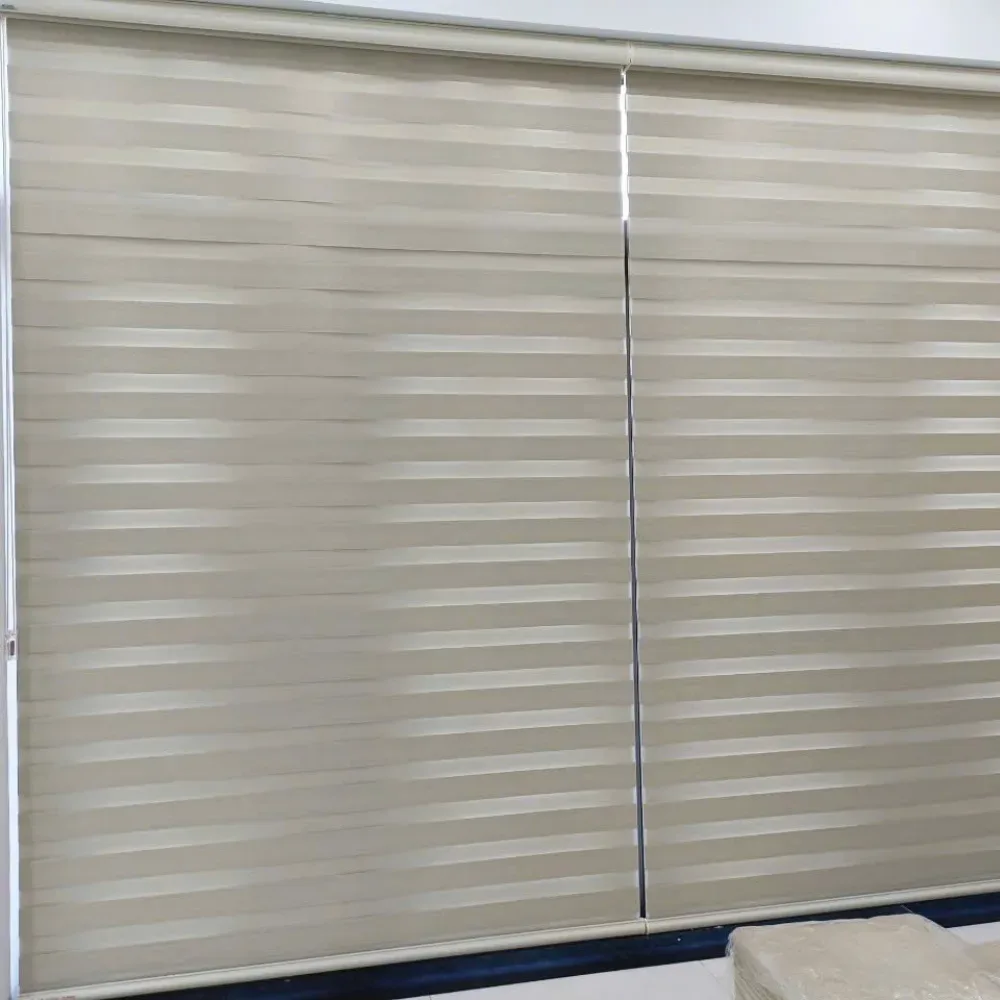
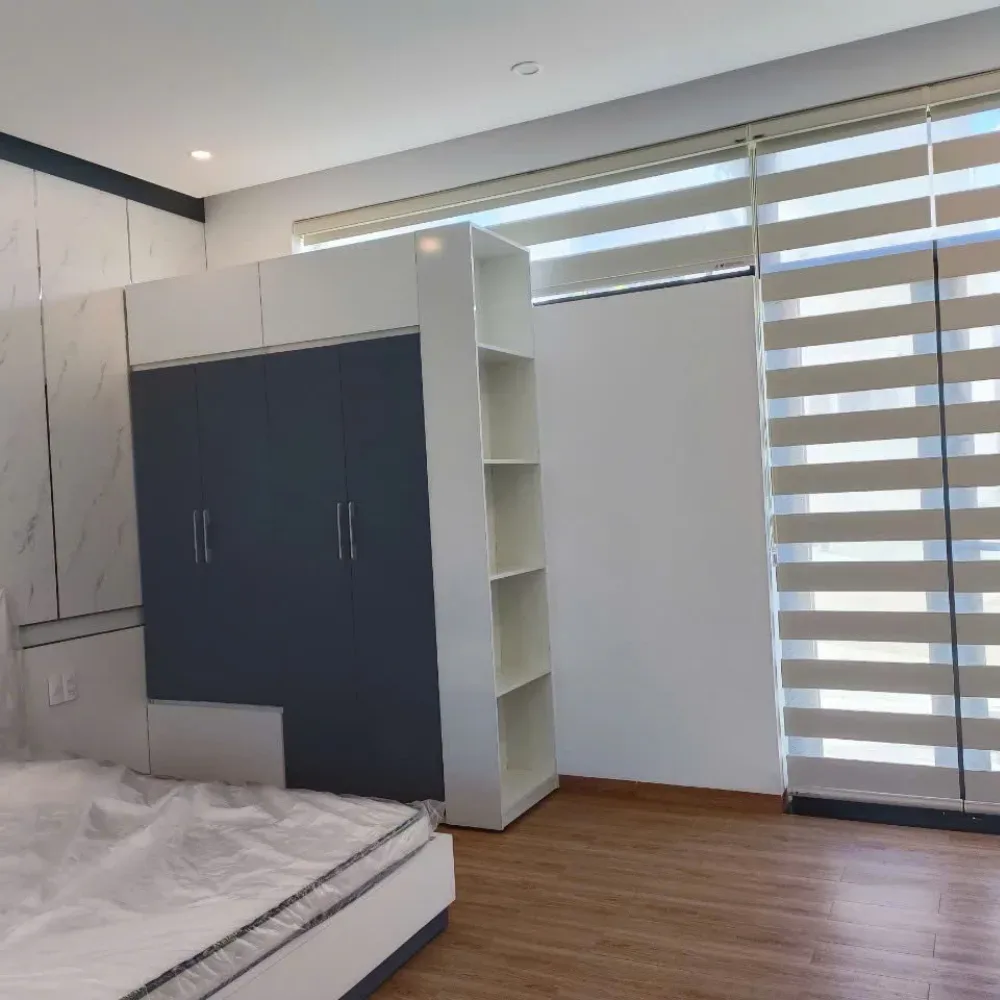
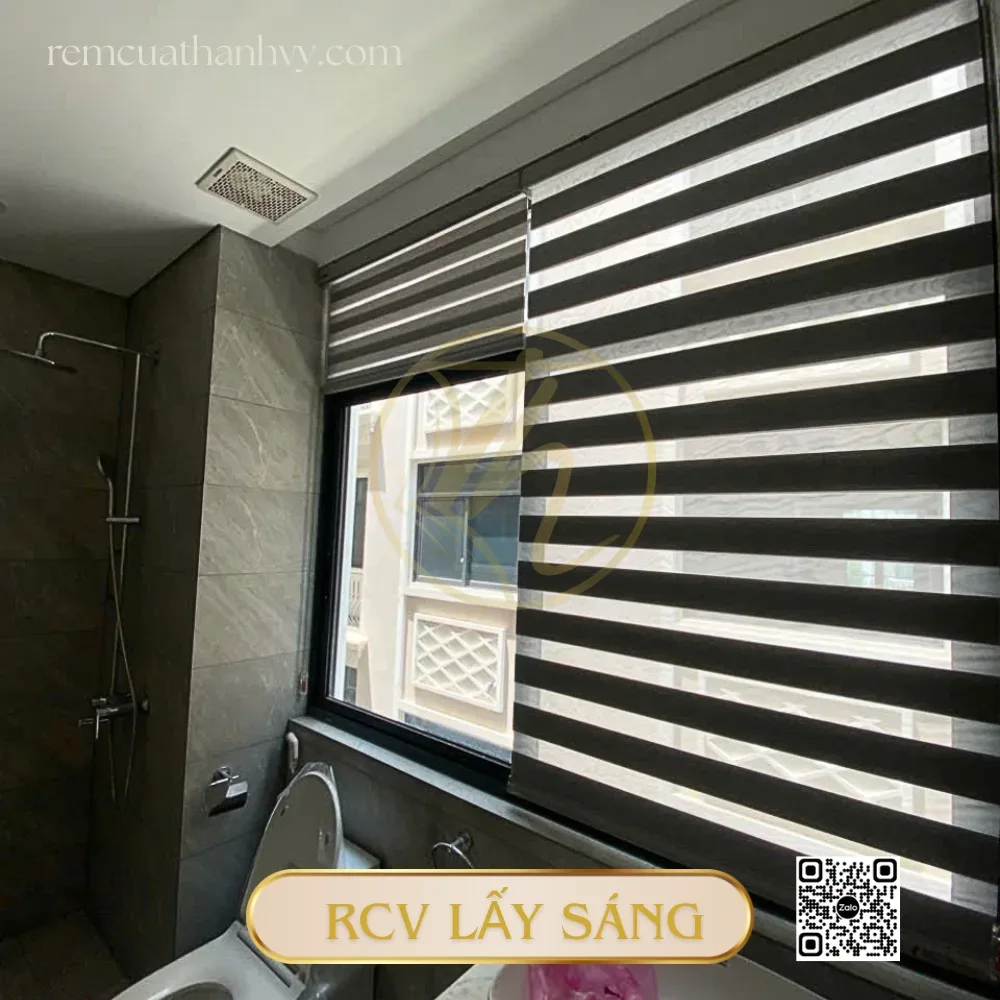
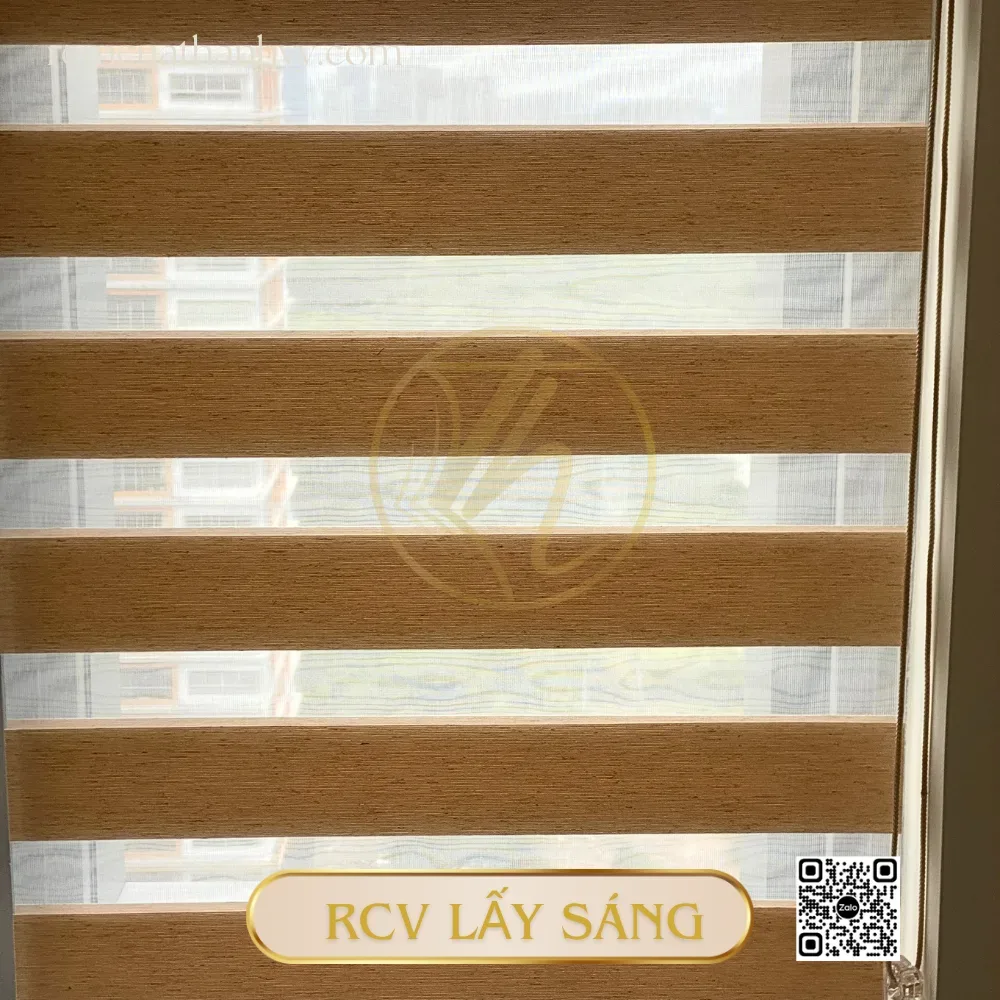
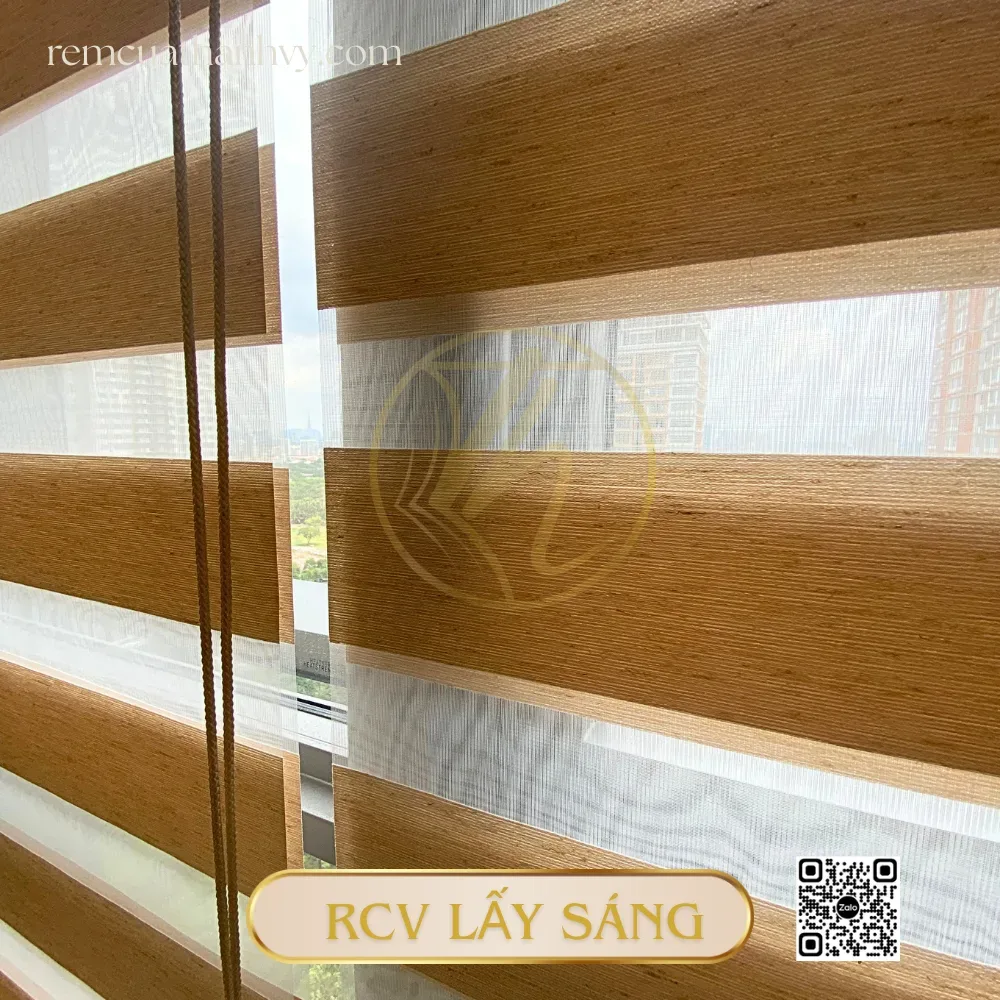
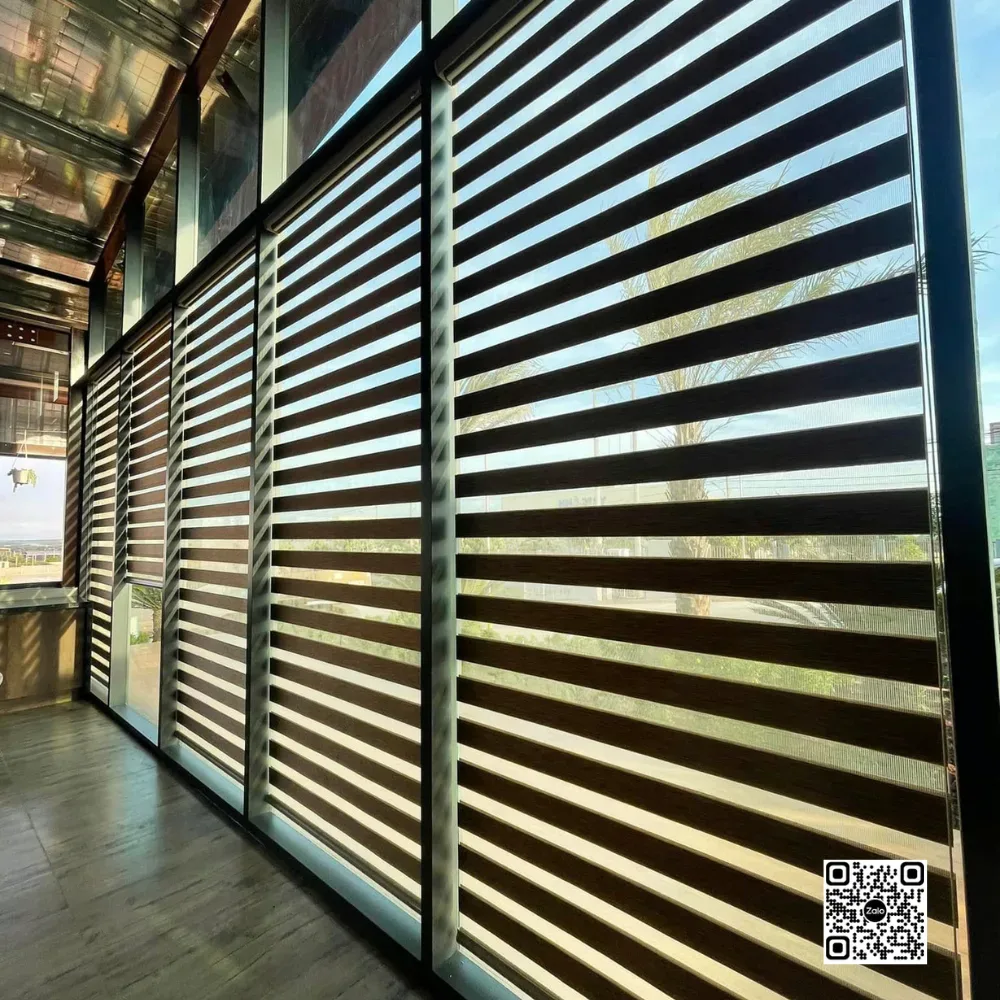
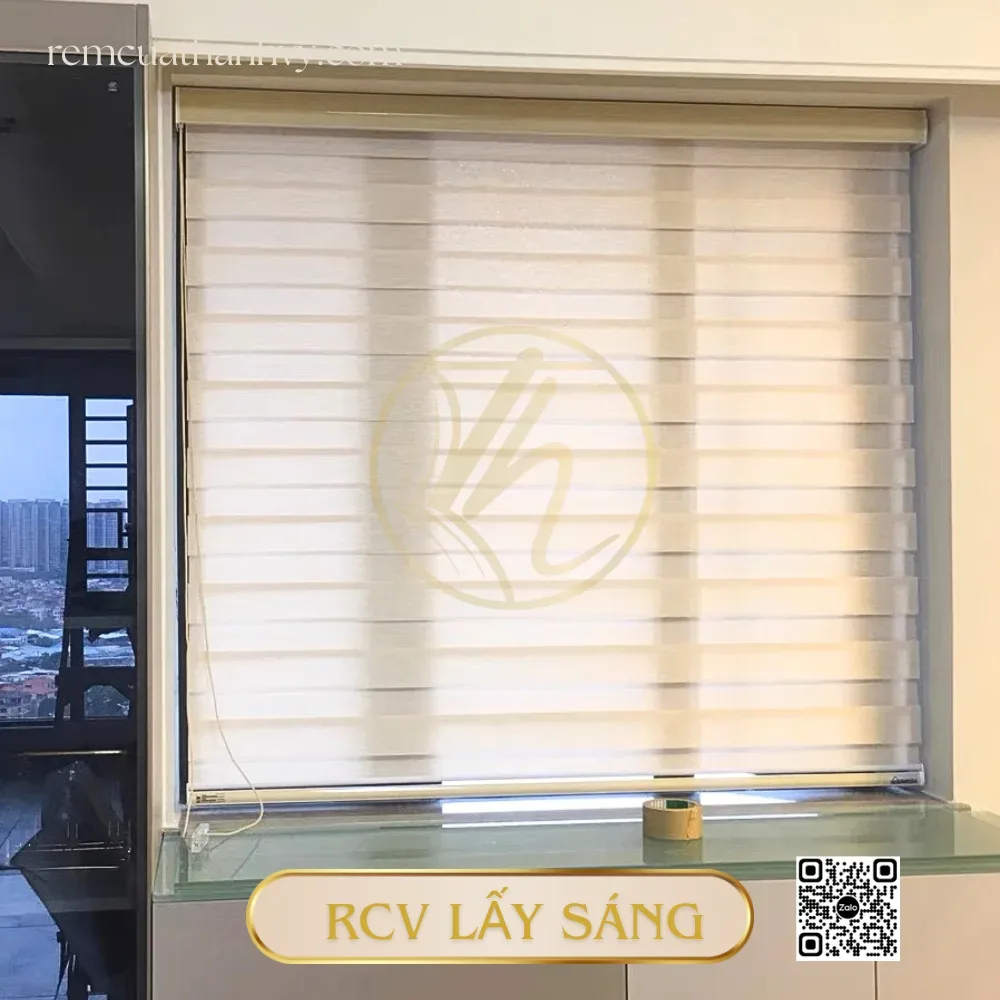
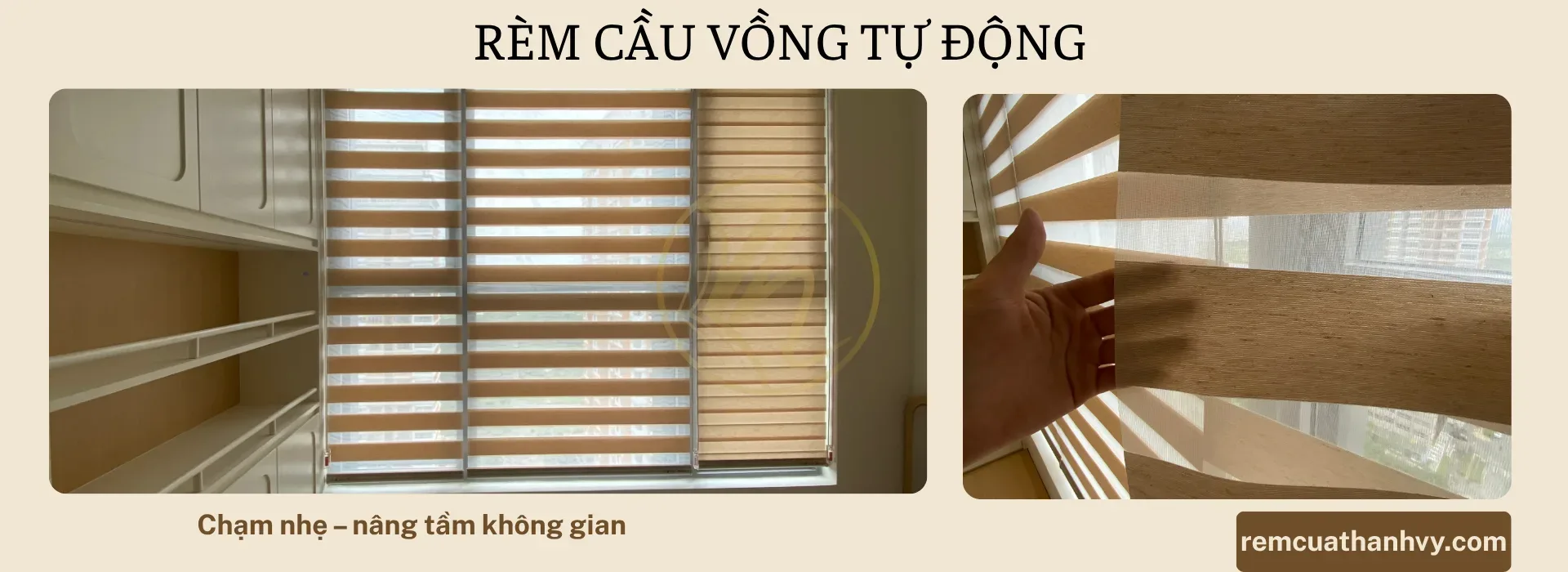
Rainbow blinds consist of two layers of fabric running parallel on the same roller tube, with each layer having alternating strips of light-filtering and blackout fabric. When pulling the cord or using the control, the two layers of fabric slide past each other, causing the strips to overlap or misalign, creating a light effect that changes continuously from nearly transparent to nearly fully covered.
Before finalizing your decision, you can also check out Are Rainbow Blinds Good? A Detailed Review from A-Z for more perspective.
Quick selection tip: Honeycomb blinds, due to their many hexagonal folds, are more prone to dust accumulation in the creases and require a soft brush or a mini vacuum to clean without deforming the structure.
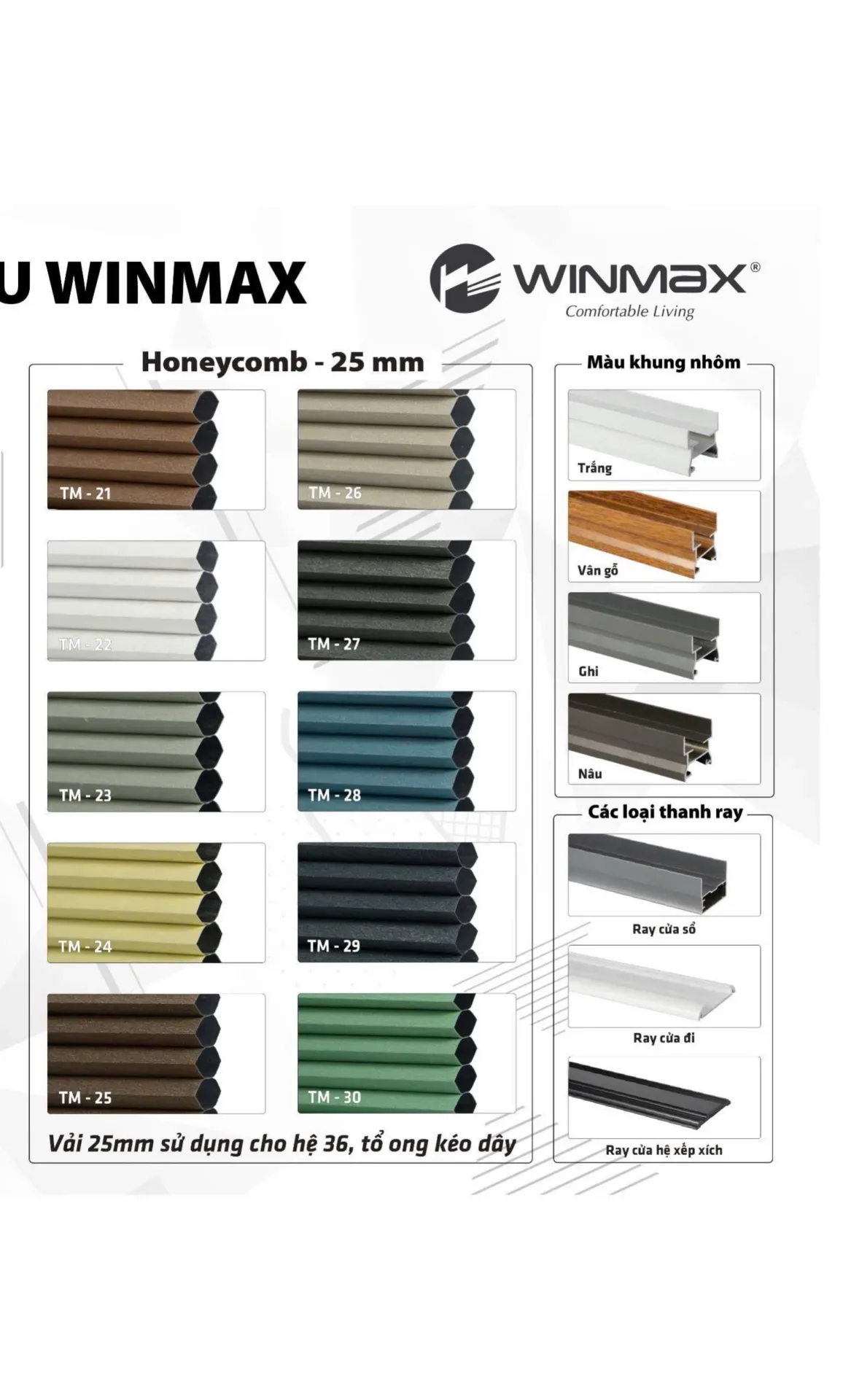
Honeycomb blinds have a completely different construction: the fabric is folded into hollow hexagonal cells in the middle, and this hollow space acts as an air cushion. Honeycomb blinds operate on a folding mechanism that moves up and down like Roman blinds; there is no concept of alternating light and dark strips like in rainbow blinds. Because the mechanisms are different, the daily usage experience is also different: rainbow blinds provide a sense of “adjusting the level” of light, while honeycomb blinds tend to open and close in stages, in exchange for an additional layer of thermal insulation between the two sides of the fabric.
Thermal and sound insulation: the clear strength of honeycomb blinds
This is the criterion where honeycomb blinds are usually superior when compared directly. The hollow honeycomb structure creates small air pockets between the inner and outer sides of the blind, acting as a natural thermal insulation layer, helping to reduce heat transfer through the glass and keep the temperature more stable when using air conditioning, compared to flat single-layer blinds.
According to energy-saving guidelines from the U.S. Department of Energy, blinds and window coverings in general can contribute to reducing direct heat gain when selected and installed appropriately for the sun’s direction. This is true for both types of blinds, but honeycomb blinds utilize this principle more effectively thanks to their specialized hollow structure, whereas rainbow blinds mainly insulate through the thickness and density of the fabric weave. Interested readers can view the role of windows before making a decision.
Regarding sound insulation, the air cushion inside the honeycomb also helps reduce noise from the outside, although the reduction level still depends on the thickness of the blinds and the tightness of the window frame. Rainbow blinds do not have a similar hollow structure, so their sound insulation capability is only at a basic level. If the room faces West or is near a noisy street, this is a criterion that should be prioritized.

Light adjustment and privacy: the forte of rainbow blinds
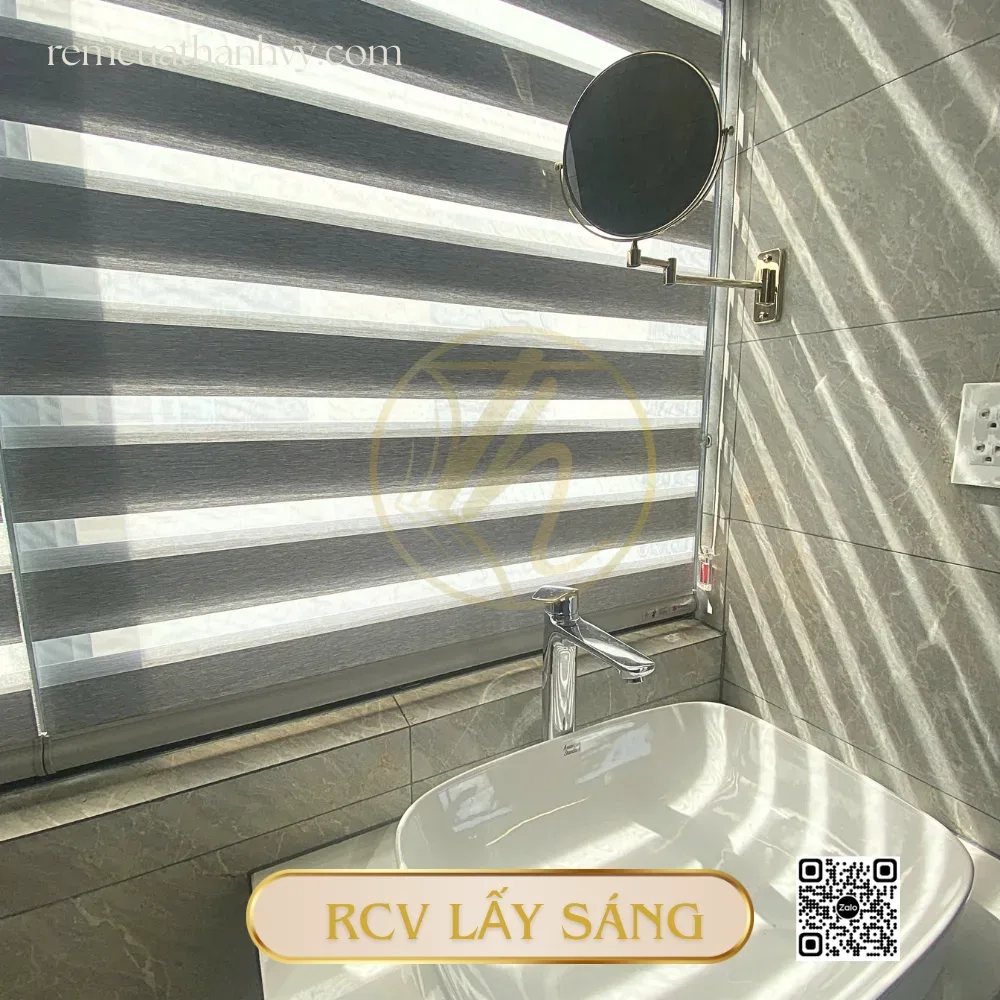
Contrary to the thermal insulation criterion, when it comes to flexible light adjustment at different times of the day, rainbow blinds are usually rated higher. Thanks to the mechanism of two layers of fabric sliding out of phase, users can fine-tune the light level almost continuously, from soft daylight to more privacy in the evening, with just a single pulling motion. People who have researched whether rainbow blinds are good for bedrooms or living rooms that need to be opened and closed many times a day usually see this as a major plus.
Honeycomb blinds can also adjust light and dark but in a different way: mainly by pulling up and down in sections, or with top-down bottom-up models, they can be pulled from the top down or bottom up to both let light in from above and maintain privacy below. It should be noted that even when partially misaligned, light passing through the sheer strips of rainbow blinds can still reveal blurry silhouettes at night when the lights are on; if absolute privacy is needed at night, you should choose blackout honeycomb blinds.
Durability and relative cost between the two types
Both types use rolling or pulling mechanisms with cords, chains, or motors, so the lifespan of the frame and roller tube depends more on the quality of the components than the fabric style. The difference lies in the fabric and surface: rainbow blinds are less prone to deformation over time if used correctly, but the two-layer sliding track needs to be kept free of dust to avoid jamming or misalignment; honeycomb blinds are compact when folded, but if thin fabric is used and pulled strongly and continuously, the folds may sag or lose their shape after a long time, especially in lower-priced lines. In humid environments or near kitchens, both types require choosing moisture-resistant and dust-resistant fabrics, as the fabric material is the deciding factor, not the blind structure. Information about the company also appears in the article introducing auditorium curtains on Can Tho Newspaper.
Regarding price, rainbow blinds in the popular segment are usually slightly more accessible than honeycomb blinds of the same size and basic material, because the two-layer flat fabric structure is simpler to produce than pressed honeycomb folds. This price gap is not fixed and depends on the fabric brand, thickness, and control type.
Honeycomb blinds, especially double-cell or blackout lines, are usually priced higher because of their complex construction and thicker materials to achieve thermal and sound insulation goals. If budget is important and the main need is just light adjustment, rainbow blinds are usually more cost-effective; if the goal is long-term cooling energy savings, the price difference of honeycomb blinds can be offset by the insulation efficiency over time. Regardless of which type you choose, you should request a quote based on the actual dimensions of each window to optimize both cost and effectiveness.
Send your dimensions and needs, and the Thanh Vy Curtains team will advise on options and quote for your actual space.
Ease of cleaning and maintenance: which one to choose for each area
Rainbow blinds with their flat surface and fewer folds are usually easier to dust with a dry cloth or a soft-bristled vacuum cleaner, so many families choose them for living rooms or offices that need quick cleaning. Honeycomb blinds, due to their many hexagonal folds, are more prone to dust accumulation in the creases and require a soft brush or a mini vacuum to clean without deforming the structure. For areas near kitchens with evaporating grease, consider stain-resistant materials if choosing honeycomb blinds, or prioritize rainbow blinds if frequent cleaning is required.
A safety point to note is the pull cord or control chain of both types of blinds. According to recommendations from the U.S. Consumer Product Safety Commission, families with young children or pets should consider cordless mechanisms or keep cords and chains out of reach. This is something you should ask the installation company about during the consultation phase, regardless of which type you choose.
Suitable for which spaces: living room, bedroom, kitchen, and office
In the living room, where both aesthetics and flexible light adjustment according to daily routines are needed, rainbow blinds are usually preferred thanks to their smooth light-transition effect and diverse designs. For bedrooms that require deep sleep or for people sensitive to light, blackout honeycomb blinds have an advantage thanks to their ability to cover completely and keep the temperature more stable at night.
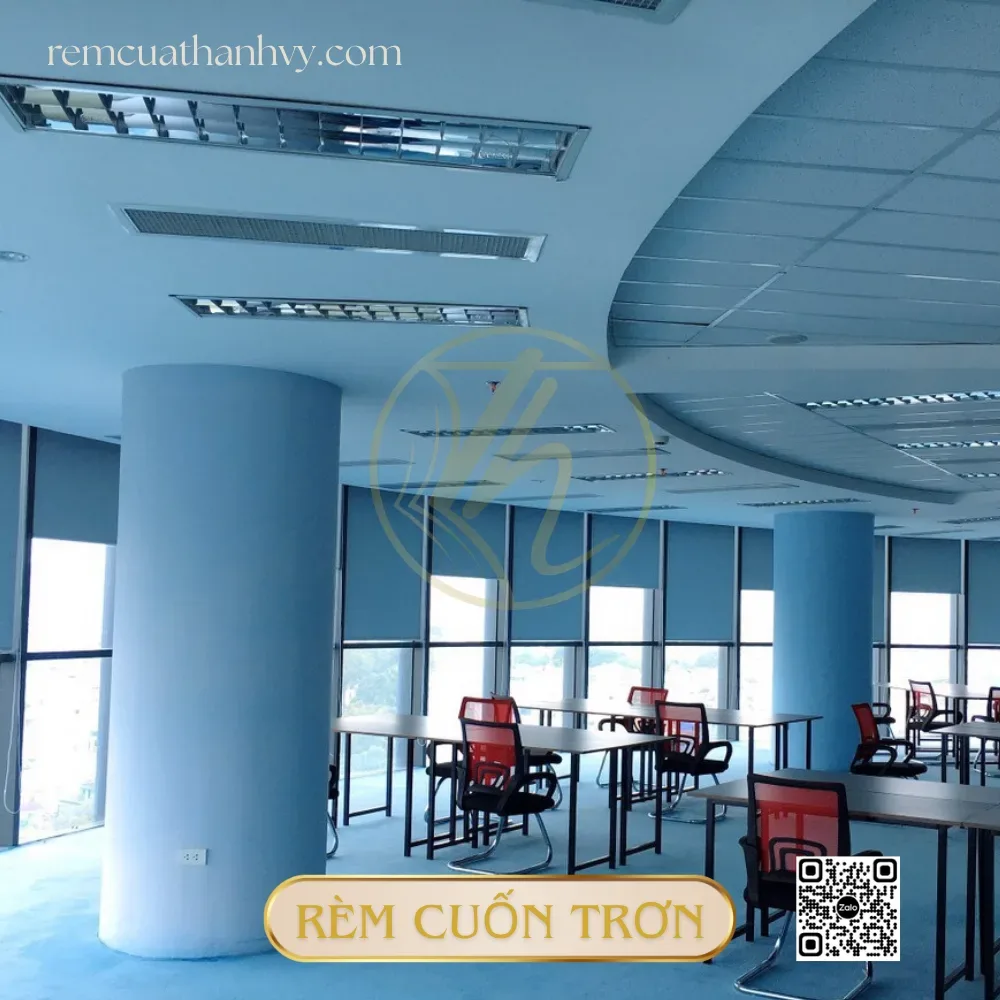
The kitchen area needs the most careful consideration because it has both humidity and grease, and requires quick opening and closing; if the kitchen window is small, rainbow blinds with a flat, easy-to-wipe surface are usually more convenient. For offices that need both sound insulation for concentration and glare reduction for screens, honeycomb blinds show their strengths if the budget allows. For areas with a hot and humid climate year-round like many southern provinces, including customers looking for Binh Duong curtains, honeycomb blinds are often rated higher for bedrooms and West-facing offices, while rainbow blinds remain reasonable for living rooms that need aesthetics and high flexibility.
Framework of criteria to help you choose the right type of blind
Instead of trying to find which one is absolutely “the best,” a more practical way is to answer four questions for yourself before deciding between rainbow blinds or honeycomb blinds.
First, what is the biggest priority: thermal insulation, sound insulation, or flexible light adjustment? For thermal and sound insulation, honeycomb blinds are more suitable; for flexible light adjustment and diverse aesthetics, rainbow blinds perform better. Second, sun direction and window position: for West-facing windows, prioritize honeycomb blinds or thick, heat-blocking rainbow blinds; for North-facing or low-sun windows, you can choose based on aesthetics and budget.
Third, cleaning frequency and budget: for dusty areas or near kitchens, consider rainbow blinds because they are easier to wipe and more cost-effective; if you accept a higher investment in exchange for long-term thermal insulation efficiency, honeycomb blinds are worth considering. Fourth, space characteristics: for non-standard window sizes, you should discuss directly with the custom curtain maker to get advice on fabric configuration, control mechanisms, and installation ratios suitable for the actual room.

There is no one-size-fits-all answer when comparing rainbow blinds or honeycomb blinds. The best choice is always the one that fits your sun direction, usage habits, budget, and home space. You can refer to the concept of curtains in architecture to better understand the material part.
Related areas
Curtains in Binh Duong: What to prioritize when choosing for each space
When choosing curtains in Binh Duong, prioritize sun-blocking materials that match your interior style and [...]
Related reviews
Are Rainbow Blinds Any Good? A Comprehensive A-Z Review
This article provides an objective review of whether rainbow blinds are worth it, covering their [...]


No comments yet!