


Are Thermal Curtains Good? An In-Depth A-Z Review
Are Thermal Curtains Good? They Should Be Chosen Based on Real Needs
Thermal curtains can be good or not, depending on whether they match the lighting needs, privacy levels, installation locations, and maintenance routines of each space — there is no universal answer for every room. Looking for inspiration helps initially, but it is not enough to decide on a curtain set that works well in a real space. A proper choice needs to clearly answer three questions: to what extent does that location need light control, what is the desired level of privacy, and is daily opening and closing convenient? Interested readers can review the concept of curtains in architecture before deciding.
For residential spaces, decisions should be based on the actual condition of the windows rather than the product name. Hanging height, stack-back width, sun orientation, walls and ceilings, furniture near the window, and daily living habits all affect the final result. The content below helps readers view curtains as a long-term solution, not merely a decorative item.
Are Thermal Curtains Good? What Criteria Does It Depend On?
The short answer is they can be good if that curtain line matches the needs, installation location, and maintenance methods. No curtain type is good for every space. A choice is considered good when it properly resolves the issues of light, privacy, operation, and aesthetics in a specific room.
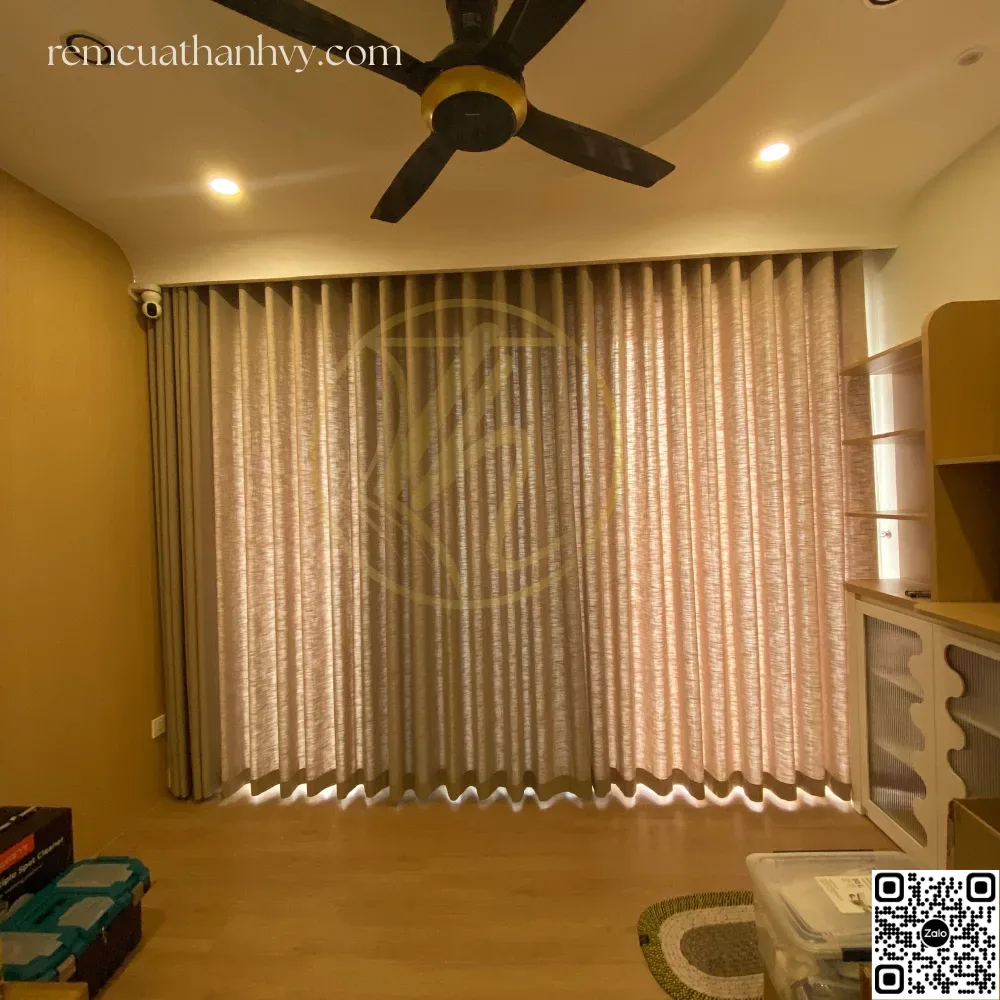
Conversely, curtains can cause disappointment if chosen solely for their appealing pictures or generic recommendations. Before concluding, consider whether they suit the frequency of use, desired cleaning level, hardware durability, and long-term budget.
Before finalizing an option, you can also look over Notes When Installing Curtains for Townhouses or What Are Double-Layer Curtains? Features, Pros & Cons, and Applications.
Quick answer: Thermal curtains are considered good when they properly resolve the issues of light, privacy, operation, and aesthetics for a specific space; if chosen merely for pretty pictures while ignoring frequency of use, cleaning levels, hardware durability, and long-term budget, the curtains can easily disappoint users after installation.
Criteria to Finalize Before Seeking Consultation
Before comparing samples, finalize the primary purpose of the curtain set. If you need glare reduction, priorities will differ from situations requiring full blackout when lights are on in the evening. If the door opens frequently, a compact option with smooth operation may be more important than the thickness of the material. If the room has small children or pets, operating mechanisms and pull cords should also be considered as part of the decision.
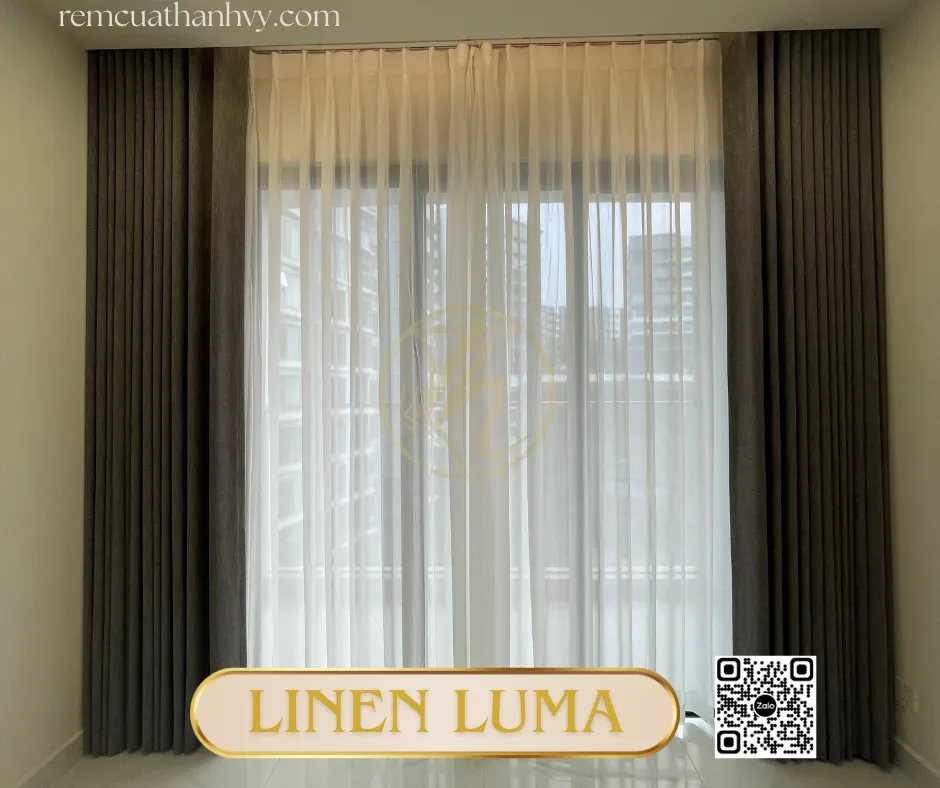
A clear consultation request should include a panoramic photo of the window opening, photos of both mounting edges, rough measurements, the most problematic sun orientation, and the desired interior style. With this sufficient data, the consultant can compare configurations against the same criteria: functionality, aesthetics, service durability, maintenance, and projected budget.
Materials, Colors, and Finishing Styles
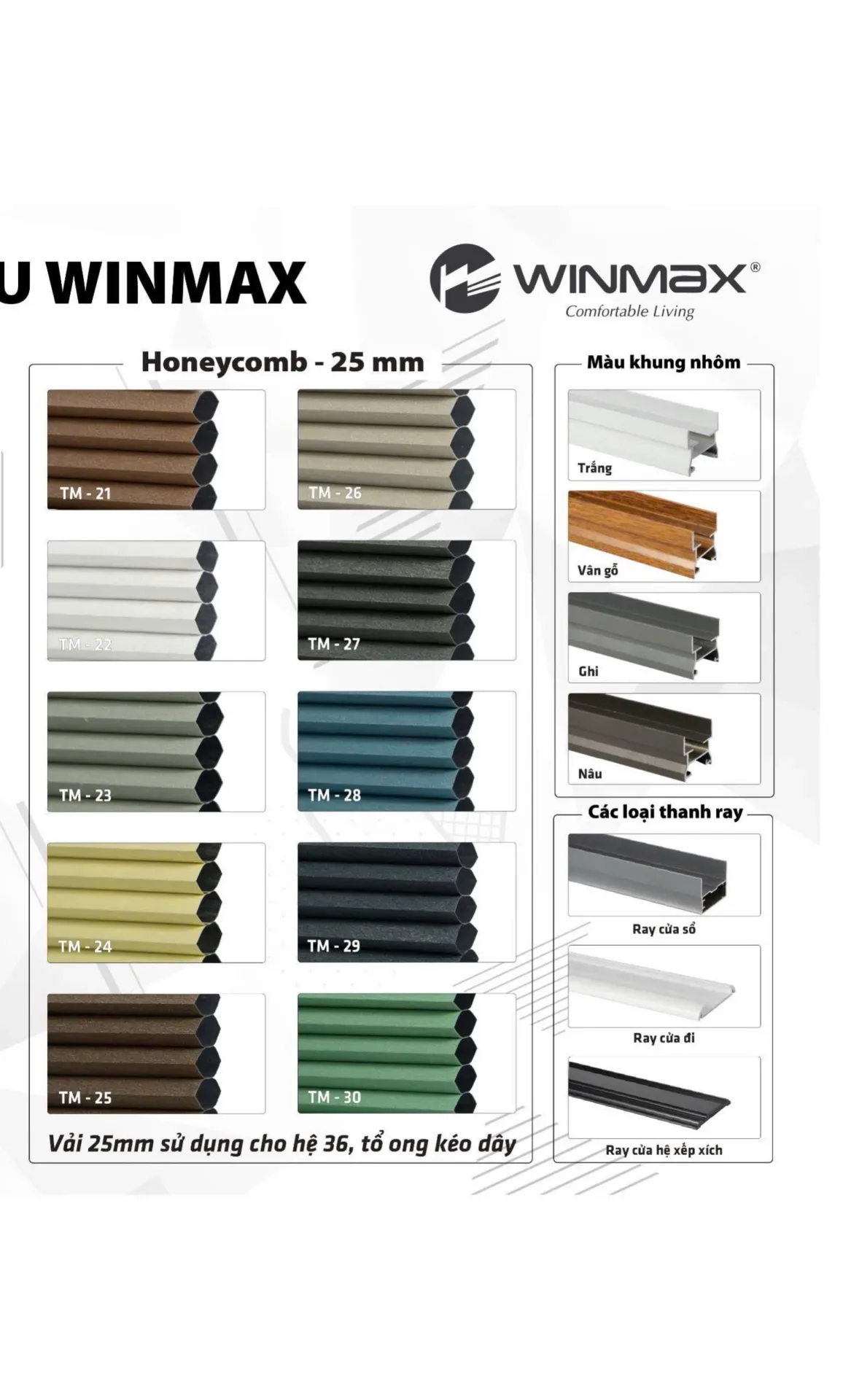
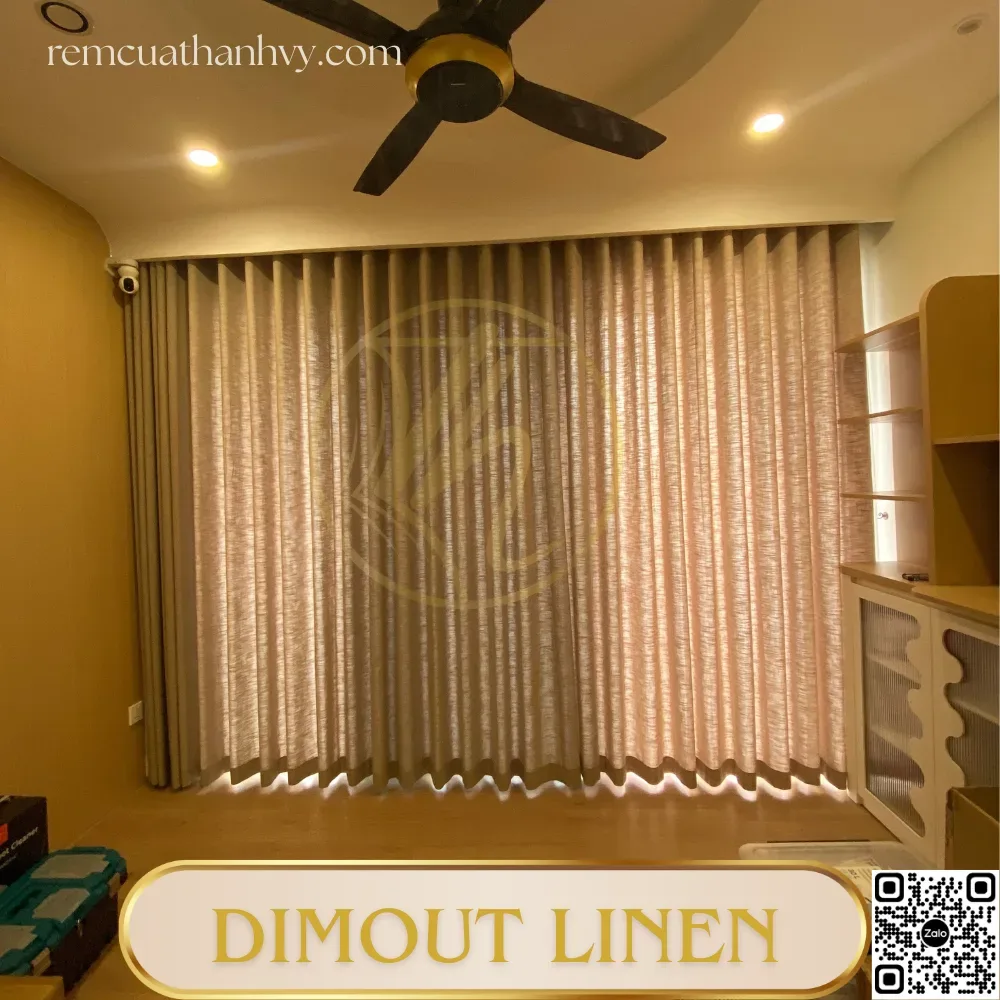
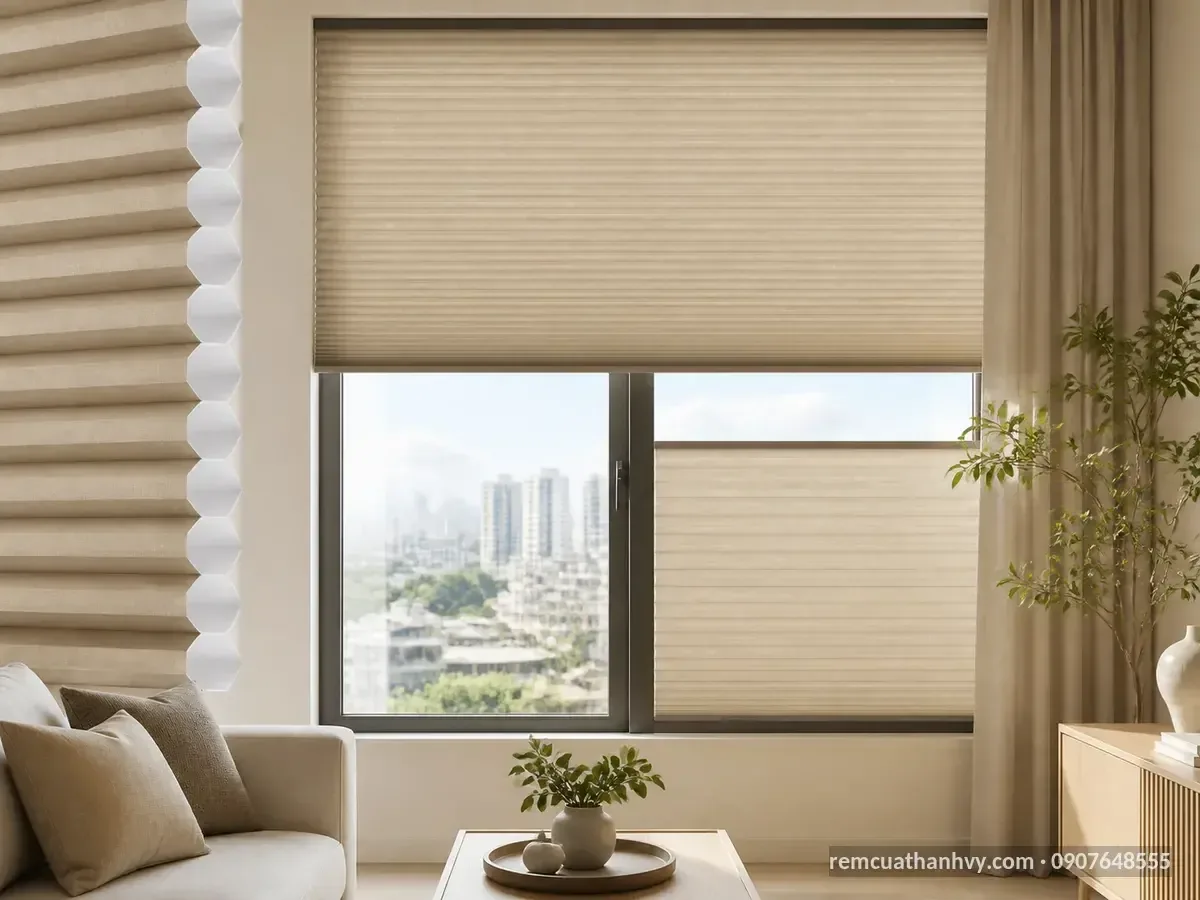
Curtains can evoke very different feelings depending on the material and finishing method. Thicker surfaces create a more private and solid feel, while lighter surfaces help the space feel airier. Neutral colors are easy to match over the long term, but not every room requires light shades. The key is to view the color under the room’s actual lighting conditions, as natural light and interior fixtures can alter tones significantly.
Finishing styles should be chosen based on window proportions. Large openings require calculating coverage, stack-back width, and balance with the walls and ceiling; small openings should avoid overly heavy configurations. If torn between two options, ask for a clear description of the differences in operation, cleaning, light perception, and maintenance costs instead of just looking at sample photos.
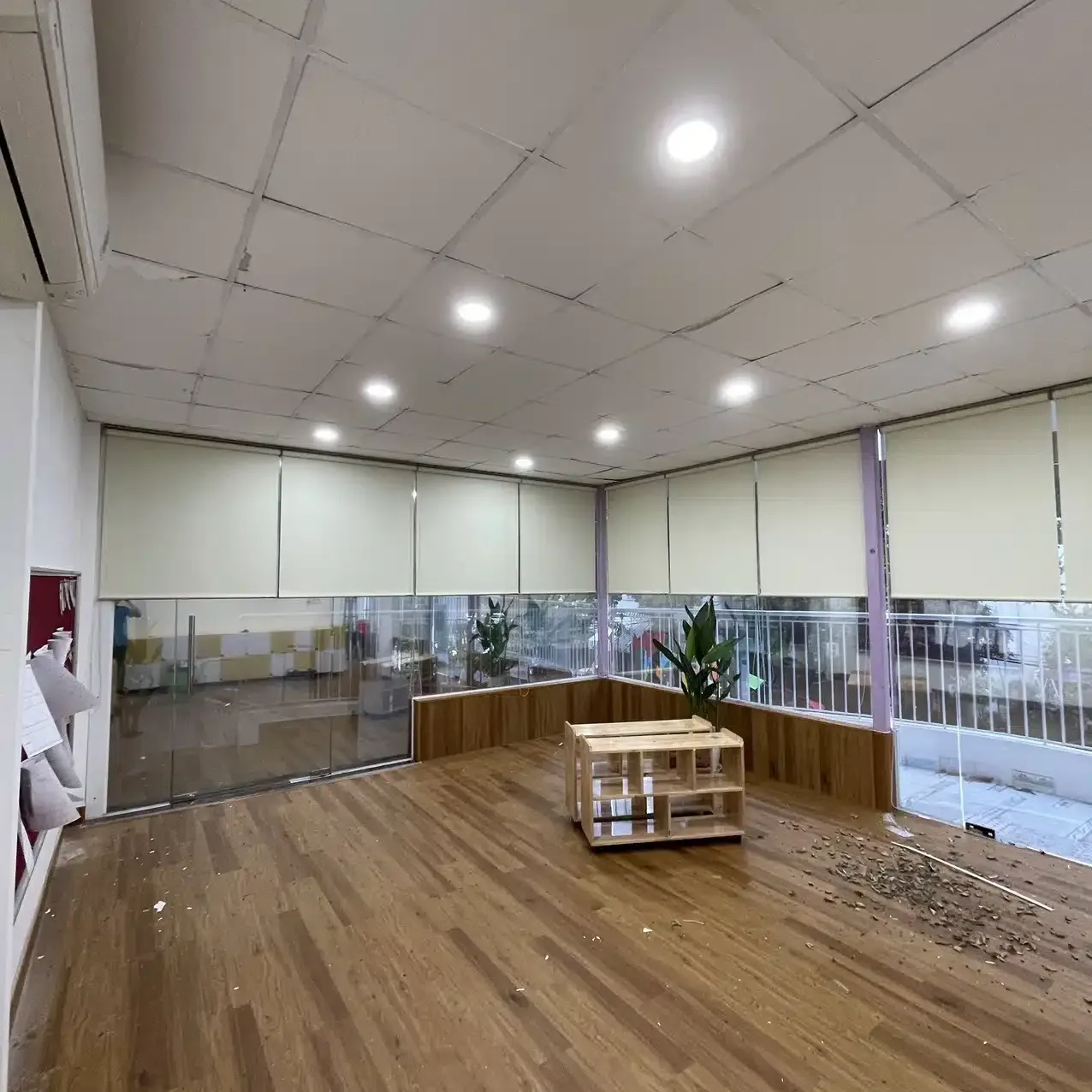
Send your dimensions and needs, and the Thanh Vy Curtains team will advise on options and quote for your actual space.
How the Workflow Should Proceed
A reasonable workflow typically begins with discussing needs, reviewing existing site photos, and filtering initial options. Only then does it proceed to detailed measurements or on-site surveys if the opening involves multiple influencing factors. Once dimensions, materials, and accessories are confirmed, the quote should clearly state the scope: which materials, which finishing styles, which accessories, preparation lead time, and conditions for potential additional costs. The provider’s products were once featured in the premium curtains section on Thanh Vy in Ha Tinh Newspaper.
Readers do not need to know all the technical jargon, but should insist that every option be explained in verifiable terms. A good solution does not simply claim to be “beautiful” or “high-end”; it must explain why it fits the lighting, usage habits, and physical window conditions of the exact space requiring curtains.
How to Compare Two Options Fairly
Comparing whether thermal curtains are good should place options on an equal footing. Look in turn at light blocking capacity, privacy level, the remaining curtain profile when drawn open, ease of cleaning, included accessories, and overall feel in the room. A cheaper option may lack accessories, omit installation scope, or use an inferior configuration.
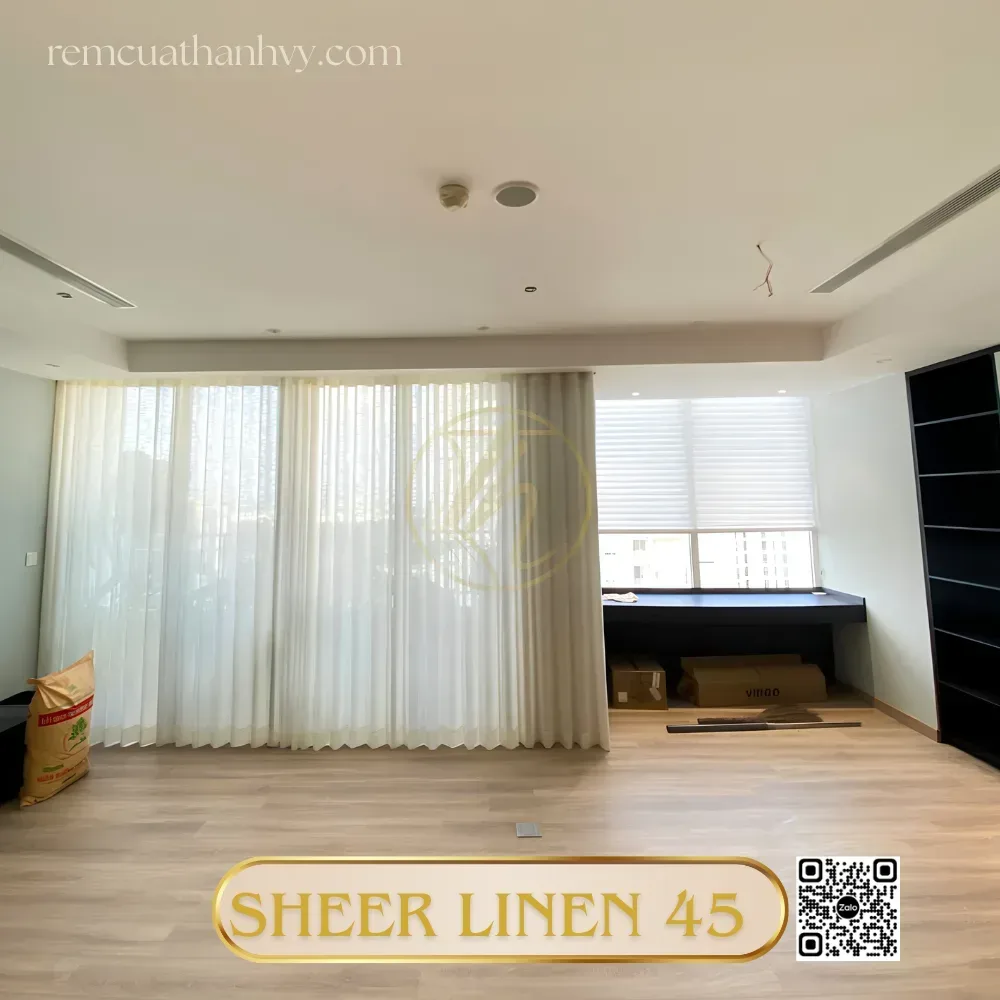
If the challenge concerns a residential space, do not just ask which style is currently popular. Ask which option better fits the light direction, frequency of use, and budget. When criteria are clearly stated in writing, the final decision will rely less on guesswork and reduce the likelihood of post-installation adjustments.
Notes on Safety, Cleaning, and Long-Term Use
Curtains are touched frequently, so daily usability is just as important as how they look right after installation. Dusty locations, areas near kitchens, or doors near balconies require attention to ease of cleaning. Rooms with young children should prioritize compact operating mechanisms, secured cords, or cordless options where suitable.
Service life depends on making the right choice from the beginning and subsequent maintenance. Avoid choosing materials that are overly difficult to maintain for high-traffic areas, and avoid configurations that are too sheer for areas needing high privacy. A good set of curtains maintains both function and visual appeal after many months of use, not just on the first day of inspection.
When to Reach Out for Specific Consultation
You should reach out once you have window photos, rough dimensions, and the primary purpose of use. If unsure which type to select, send additional room photos and describe the times of direct sun exposure or the privacy issues encountered. This information helps consultants target suitable solutions directly, rather than sending too many samples that do not align with your goals. Background information on the role of windows helps provide a reference point when choosing materials.
Regarding whether thermal curtains are good, the most reliable approach is to finalize your needs, narrow down to 2–3 options, and only make a final decision after thoroughly understanding the scope of materials, hardware, installation, and care. This allows readers to better manage their budget while still choosing a solution tailored to their real space.

Related areas
Tan Phu Curtains: How to Choose Based on Your Needs and Existing Windows
A guide to choosing Tan Phu curtains based on light, privacy, installation style, stacking space, [...]
Related reviews

Are Double Layer Curtains Good? An In-Depth Review From A to Z
A guide on choosing double layer curtains based on living space, lighting, privacy, materials, header [...]


No comments yet!