


Wall Mural Review: How Long It Lasts, Which Walls It Suits, and Who Shouldn’t Use It
Why are wall murals being purchased?
Almost everyone who looks for wall murals starts from the same situation: there is a blank wall, they want it to look different, but they do not want to hack into it, repaint the whole room, or drill holes to hang anything. That is a real problem, and wall murals answer it faster than any other option.
But let’s be clear from the outset: this is a surface-decorating product, not a finishing material. It covers the existing wall but cannot repair it. If the wall is damp, peeling, uneven, or has hairline cracks, the mural will inherit all those defects when applied; it is just that they may not be visible at first.
Therefore, this article is not about which designs look beautiful. The only three proper evaluation criteria are: what type of surface the adhesive can stick to, what happens when it is removed, and whether your wall belongs to the suitable or unsuitable group.
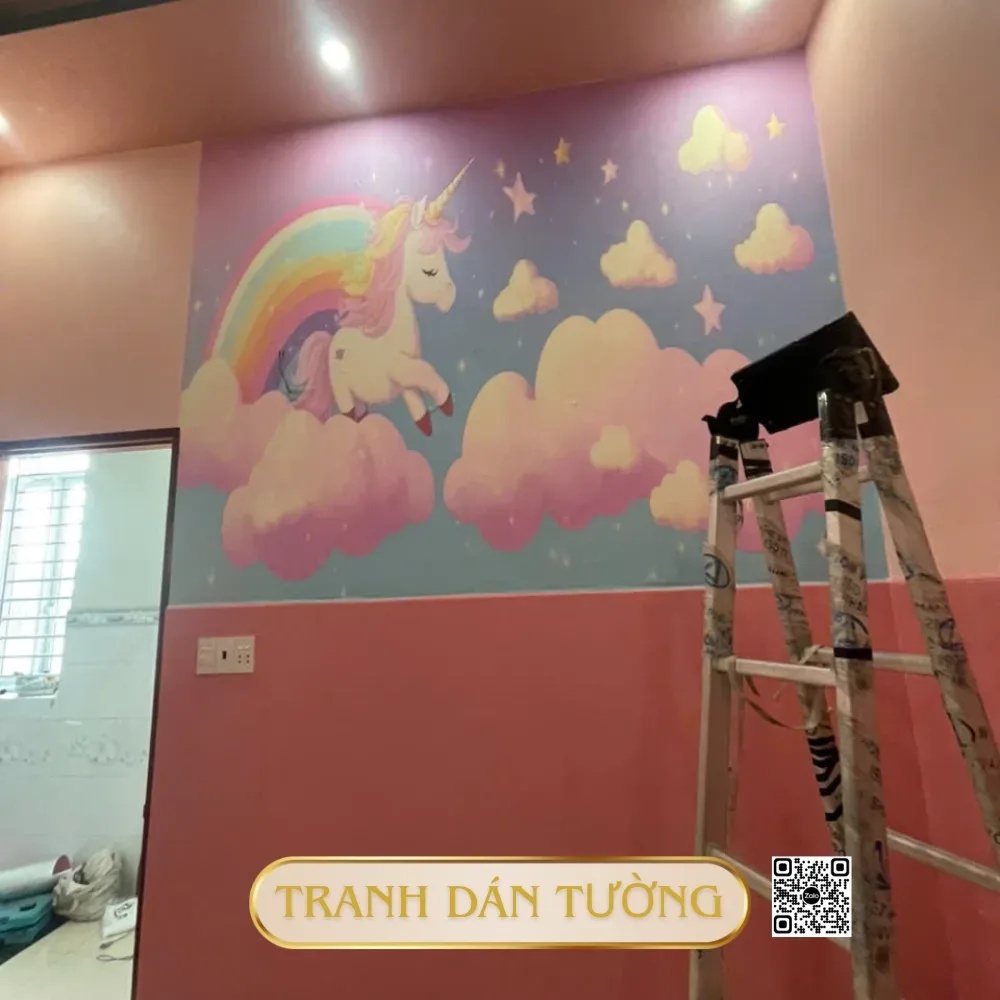
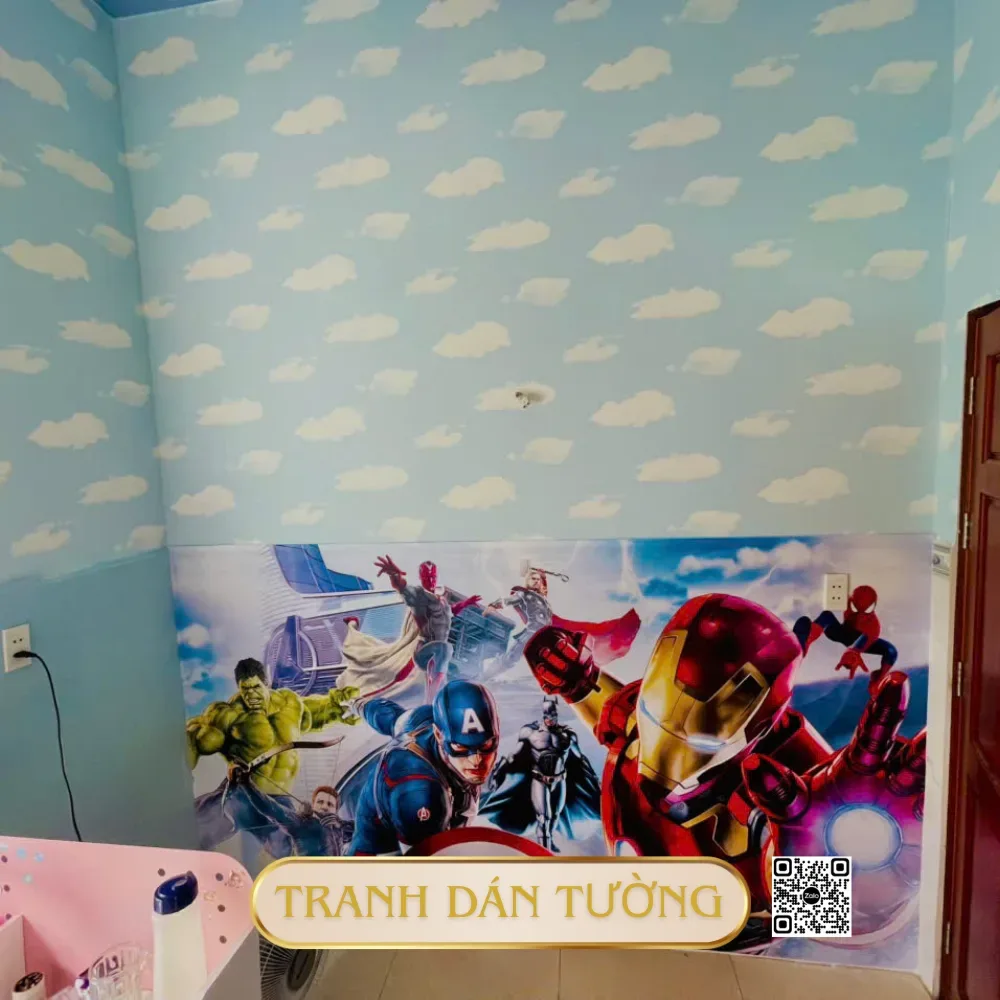
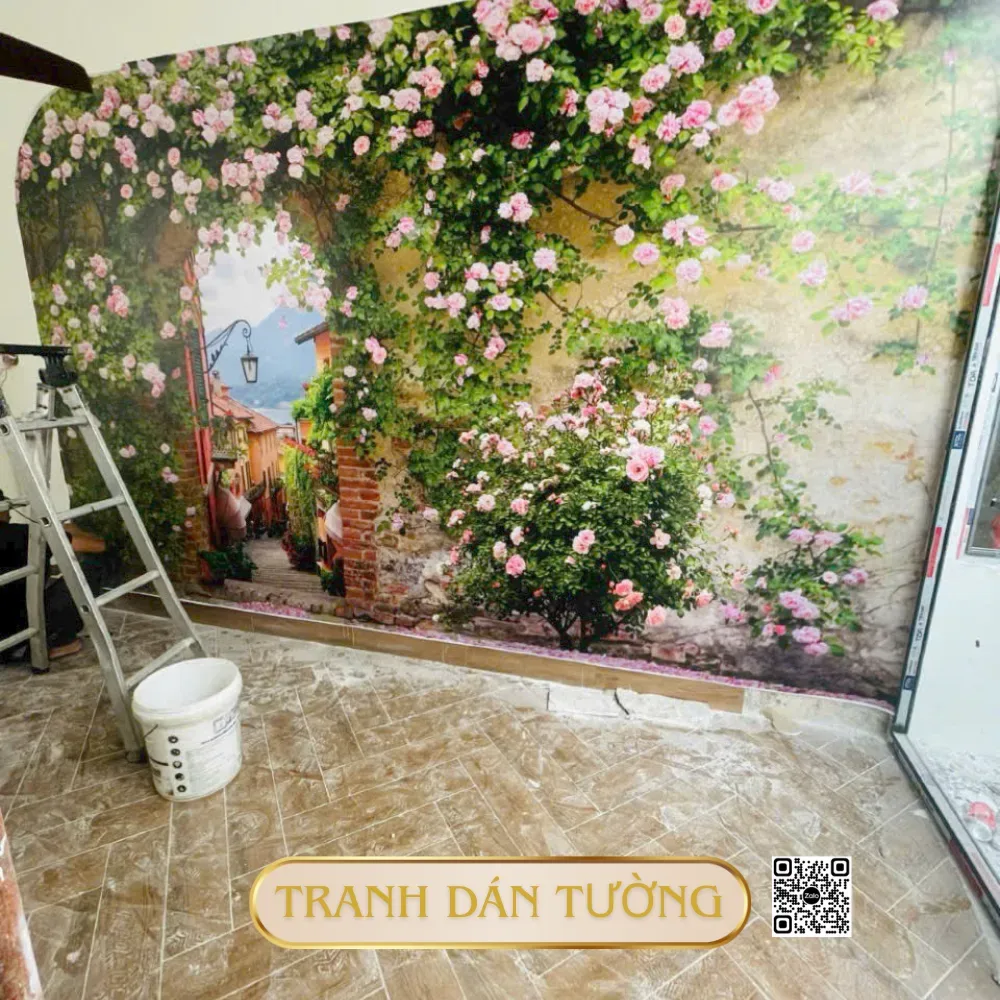
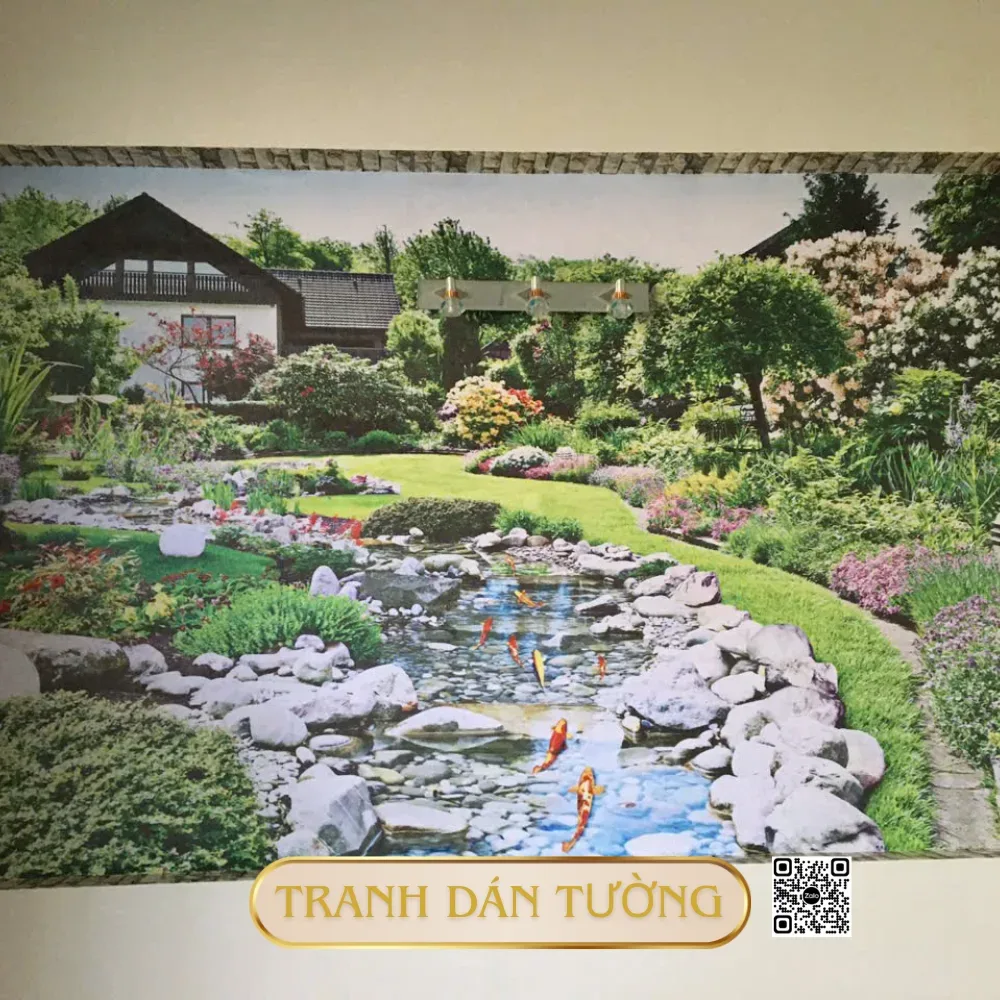

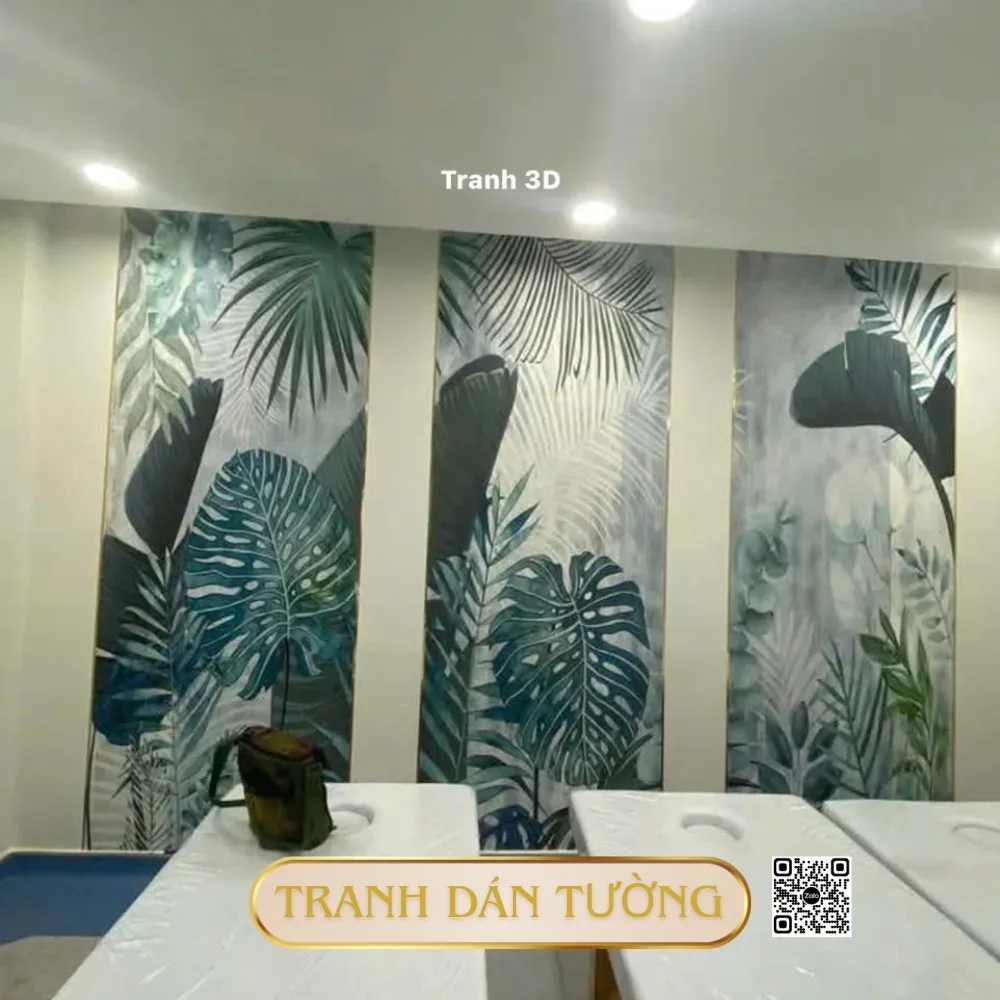
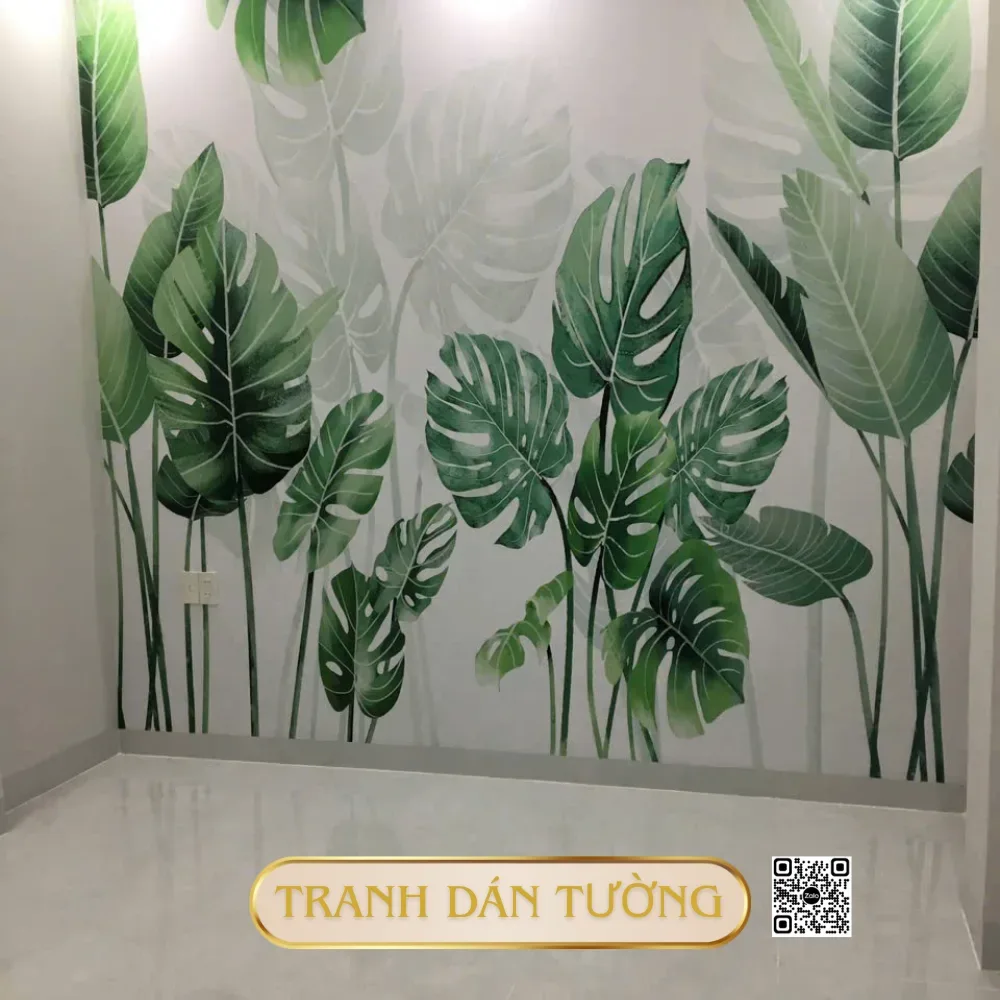
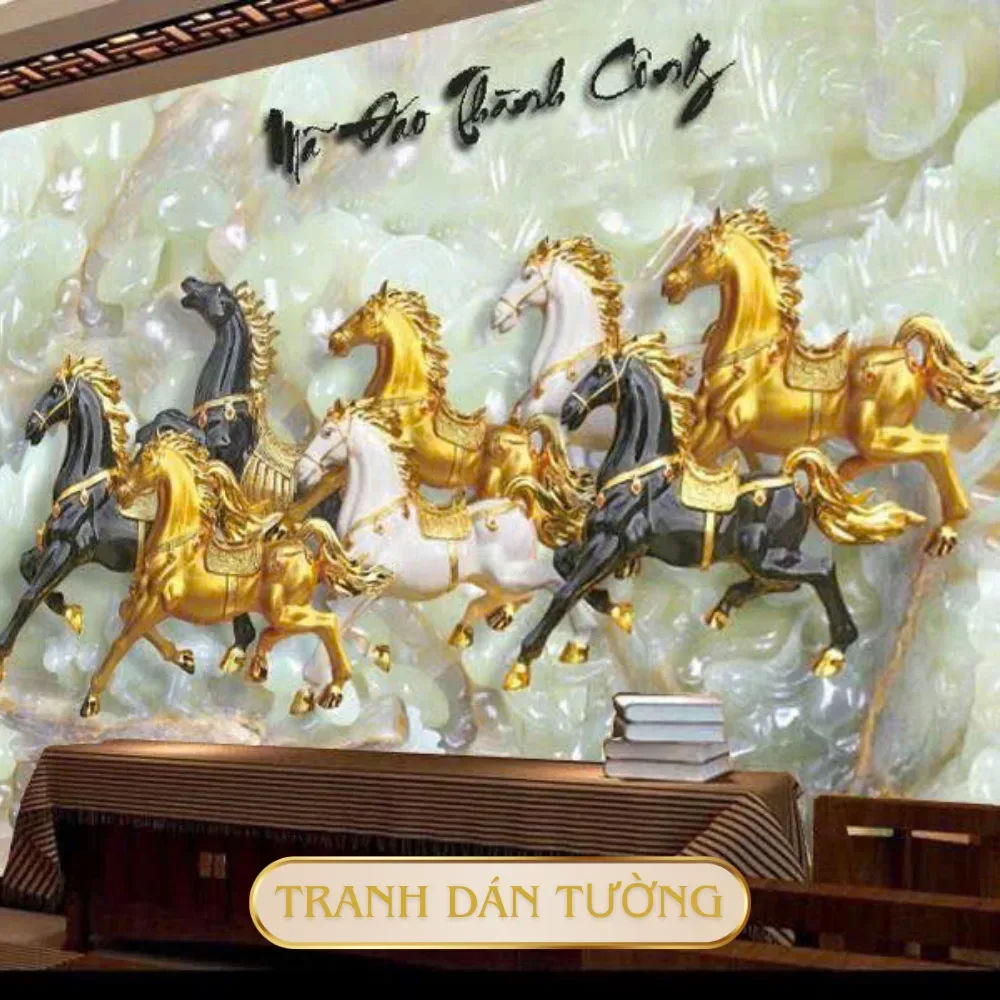
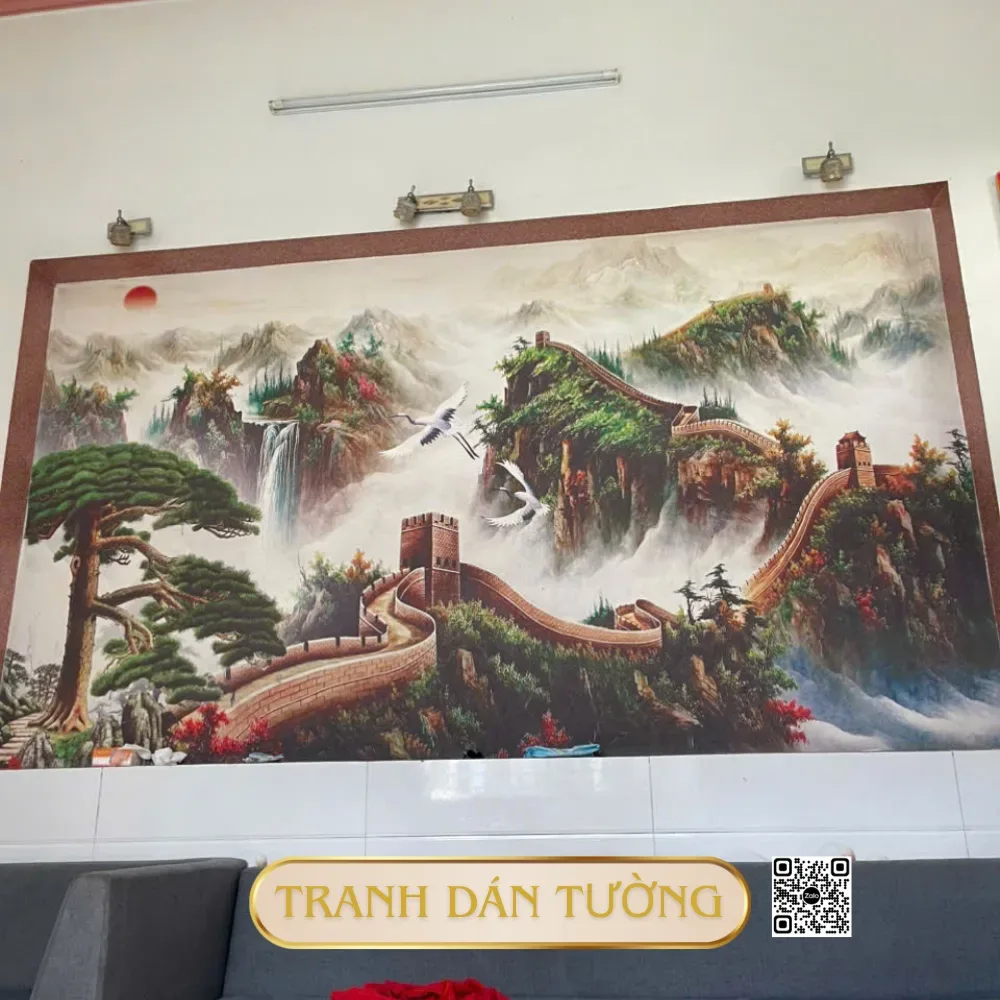
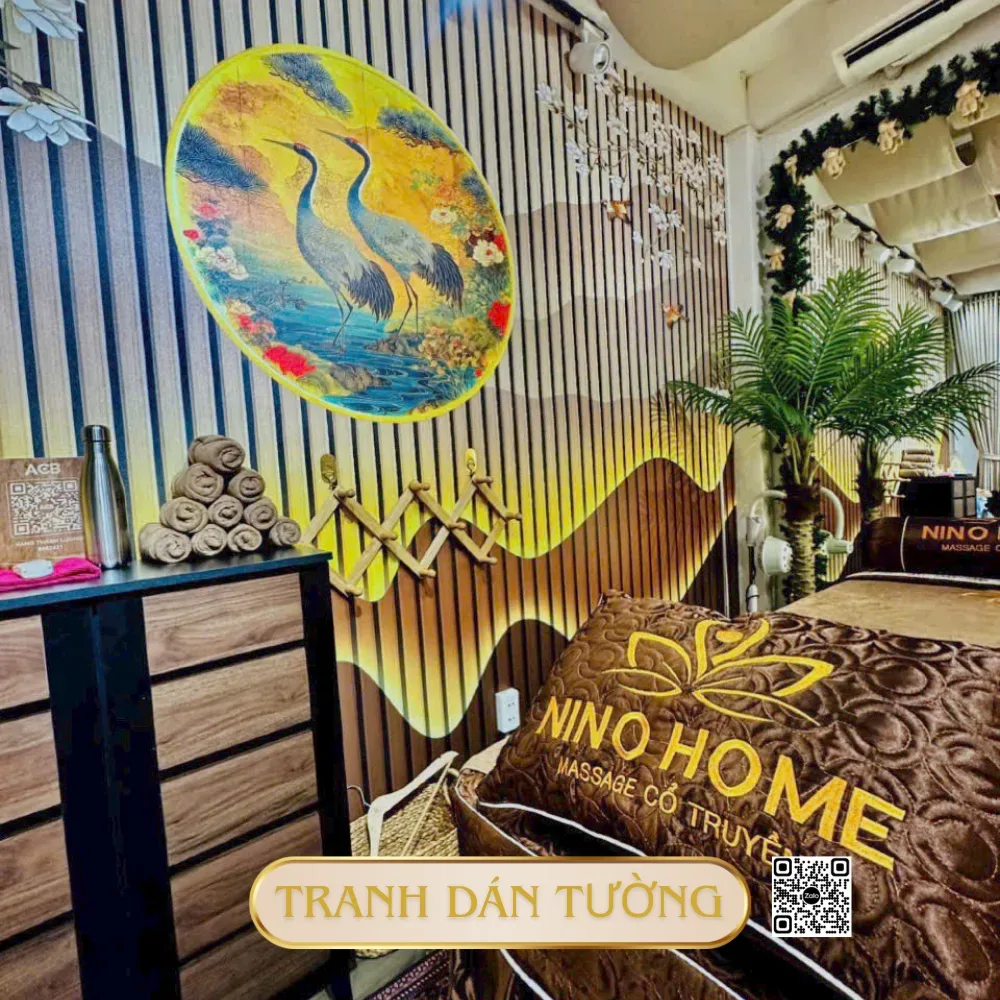
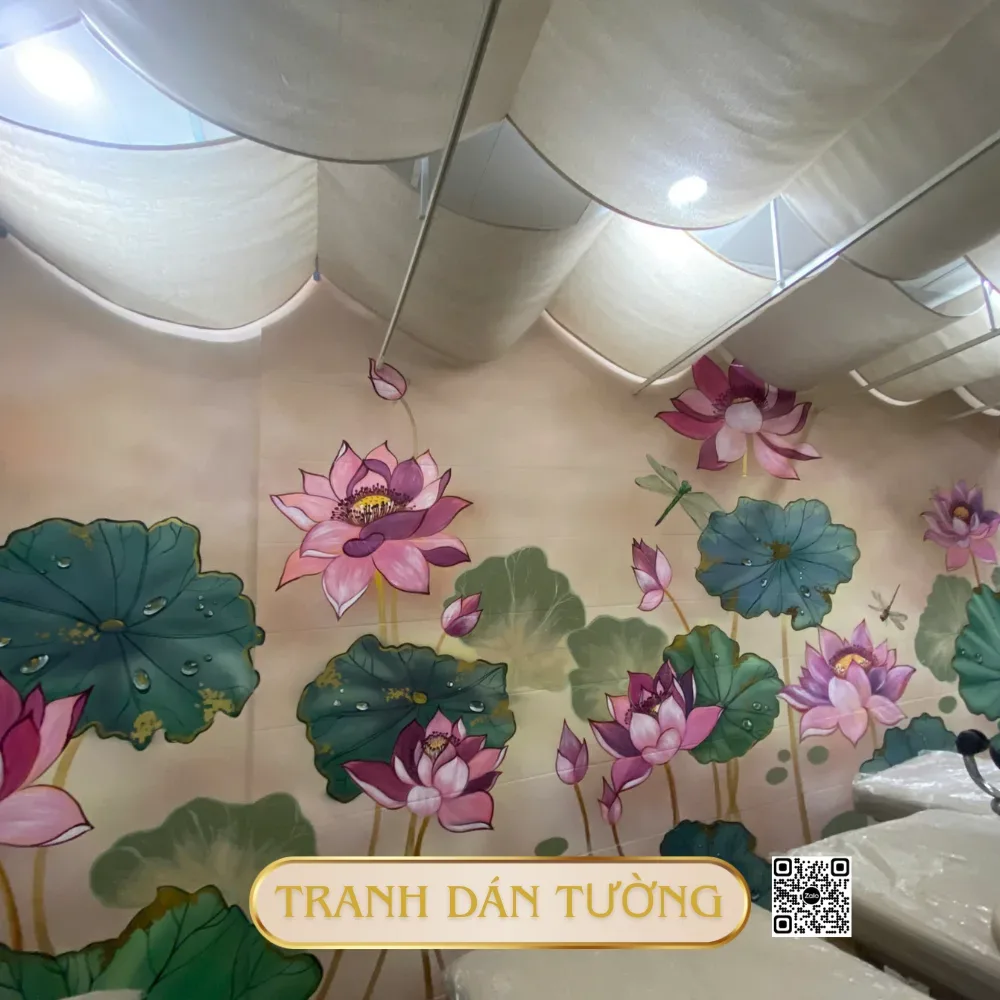
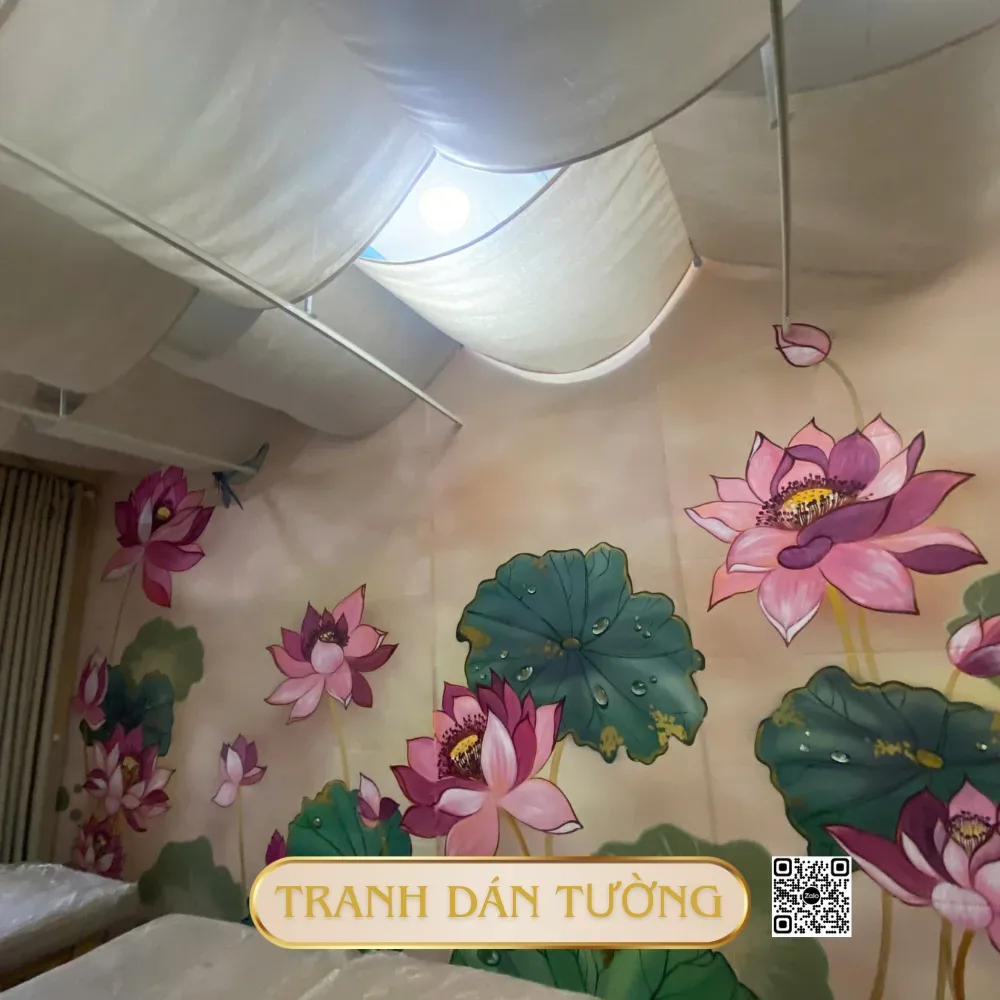
This category currently has four designs, with prices divided into two groups
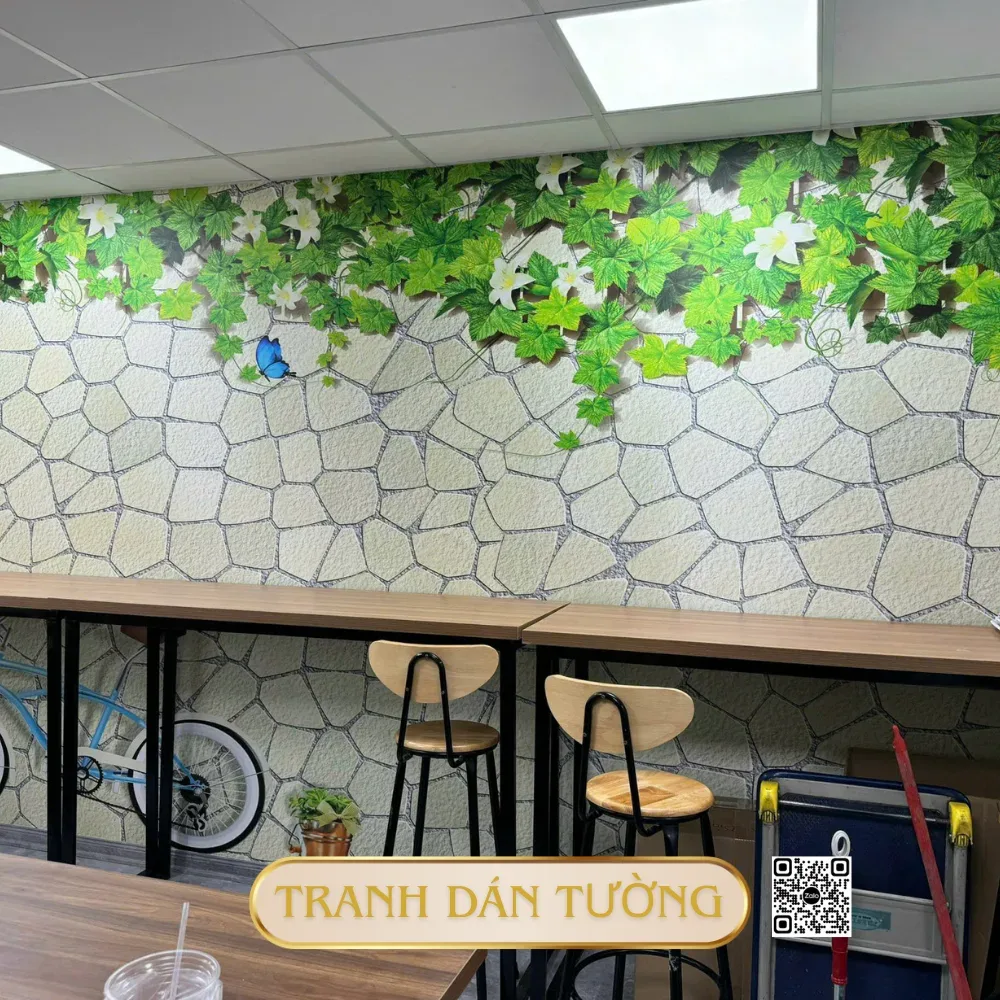
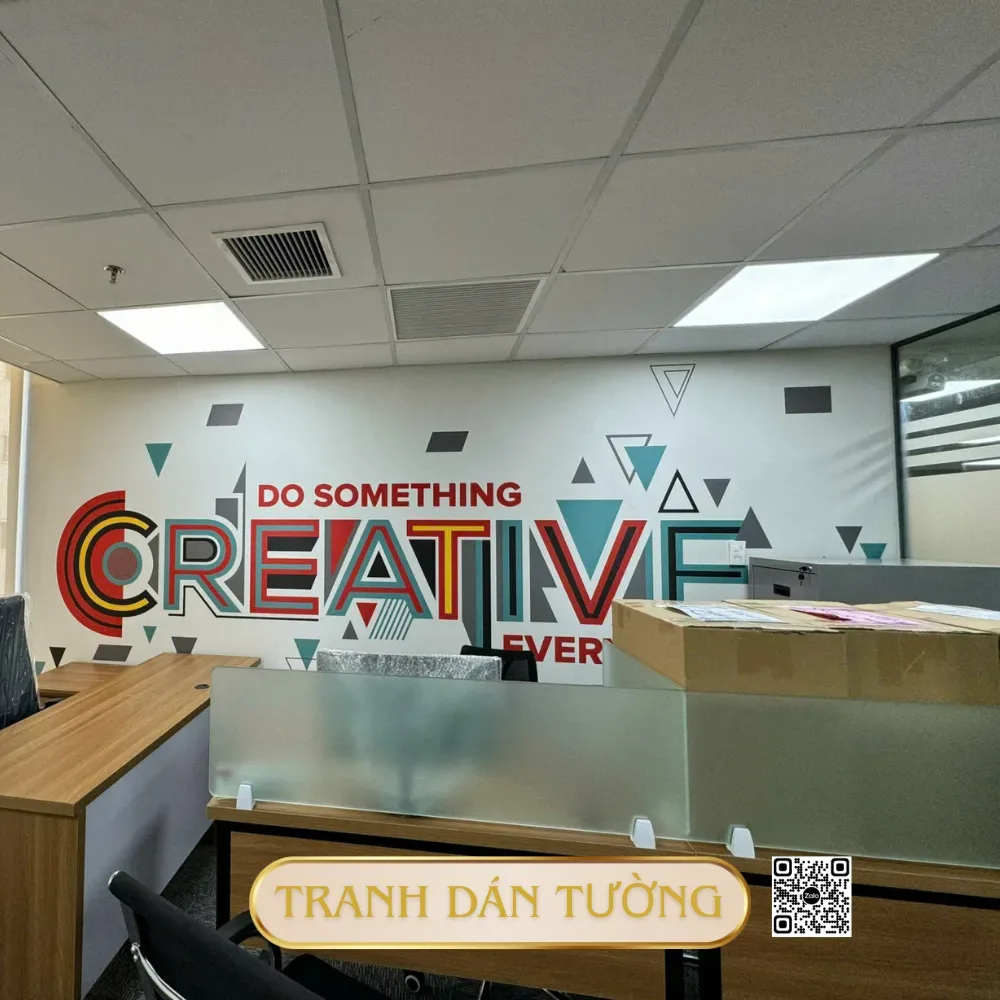
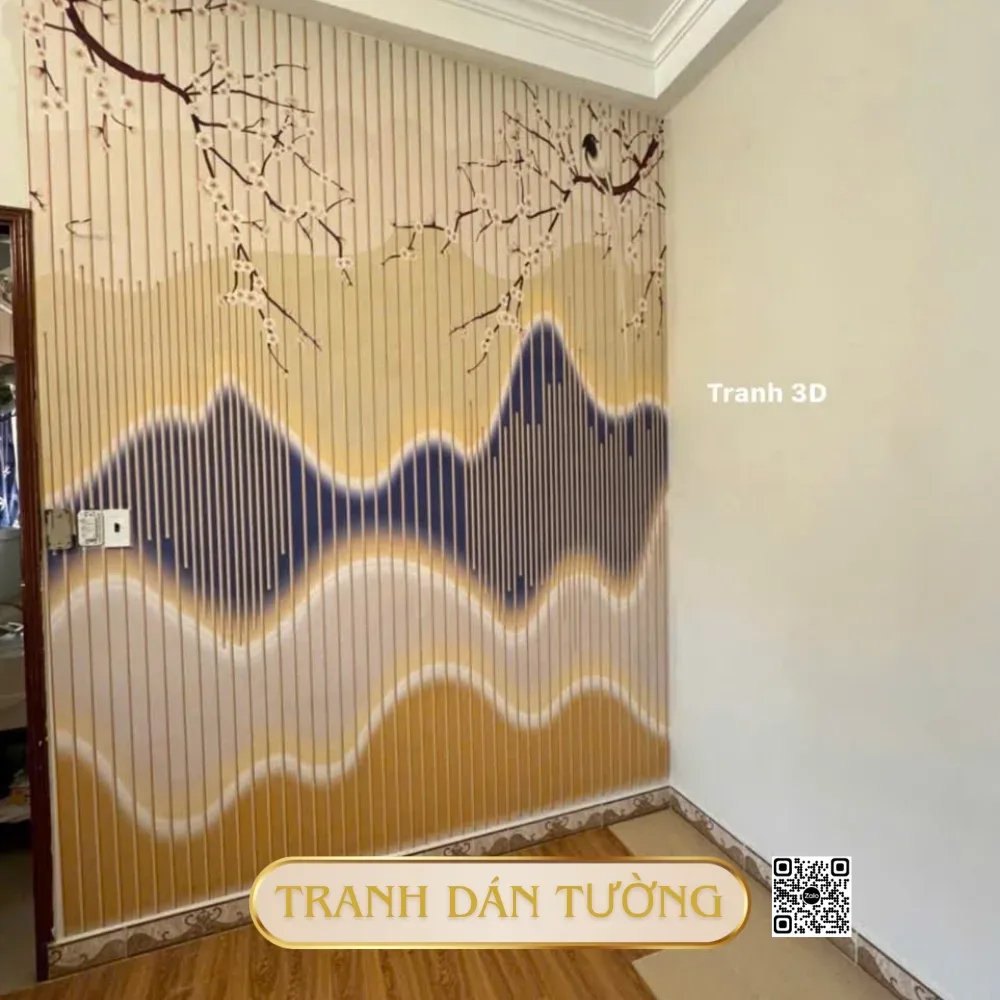
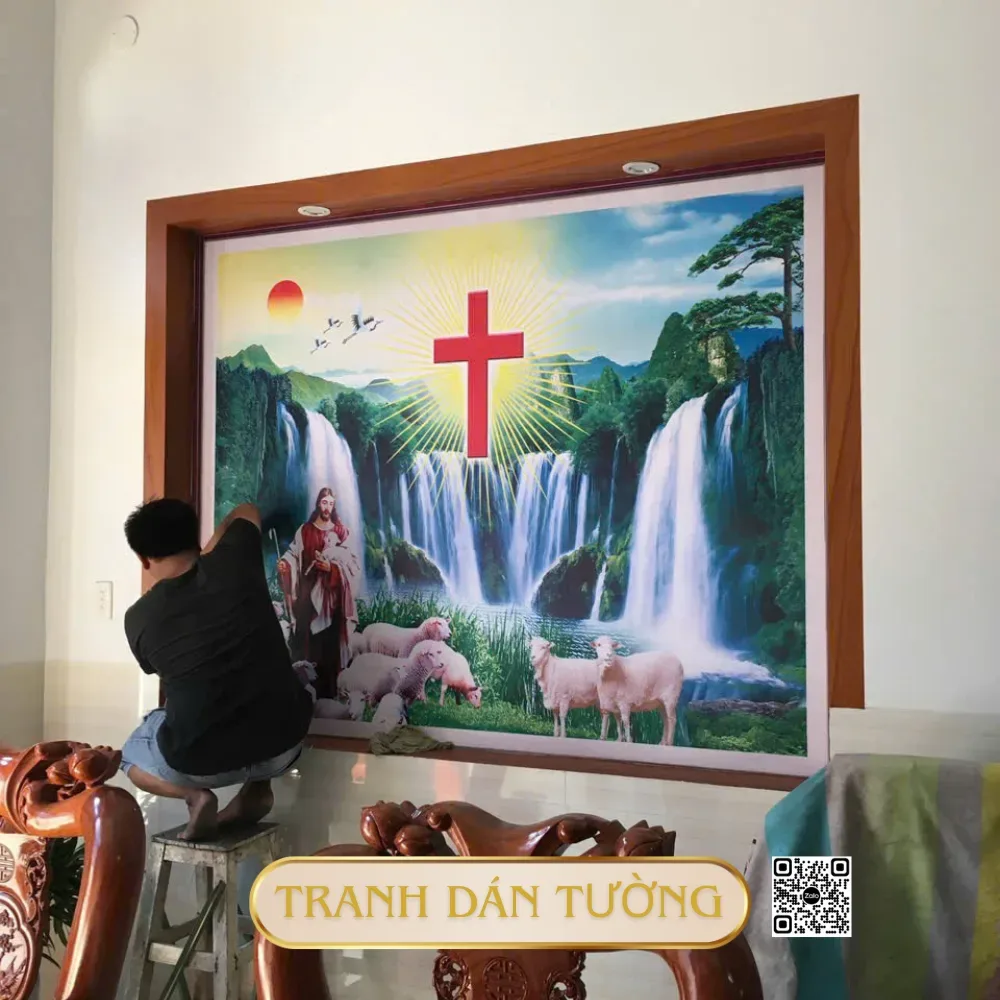
Thanh Vy currently sells exactly four designs: Spa Wall Mural, Floral and Landscape Wall Mural, Children’s Room Wall Mural, and Prosperity Wall Mural. The first three designs are all listed at 285,000đ, while the Prosperity design is listed at 3,000,000đ. Products from the company have also been mentioned in an article in Báo An Giang about Thanh Vy’s premium fabric curtains.
The more-than-tenfold gap between those two prices is the first thing worth asking about. It usually reflects differences in the unit of measurement, printing material, or finishing method, and rarely just a difference in imagery. And this is a genuine drawback of the product page: the descriptions of three out of the four designs are almost identical, while the attributes section is left blank, so readers cannot determine for themselves whether the price is calculated per square meter, per mural panel, or per complete set.
For the same wall area, a price calculated per square meter produces a completely different final figure from an all-inclusive set price. Until the unit of measurement is confirmed, you cannot compare one design with another, much less compare them with paint or wallpaper.
The adhesive determines quality, not the printed image
The printed image is what buyers see, but what determines whether you will be satisfied or regret your decision after a few seasons is the adhesive layer and the wall surface underneath. A sharply printed mural applied to a weak putty surface will still peel; a simple design applied to a smooth, dry painted wall will adhere very reliably.
There are two common installation methods: the type with adhesive already on the back, which is applied by peeling off the backing film; and the type that requires separate adhesive to be spread on the wall, like wallpaper. The first type is convenient for DIY installation and small areas. The second handles large panels better but requires skill, since you must align the seams while also removing all air bubbles before the adhesive sets.
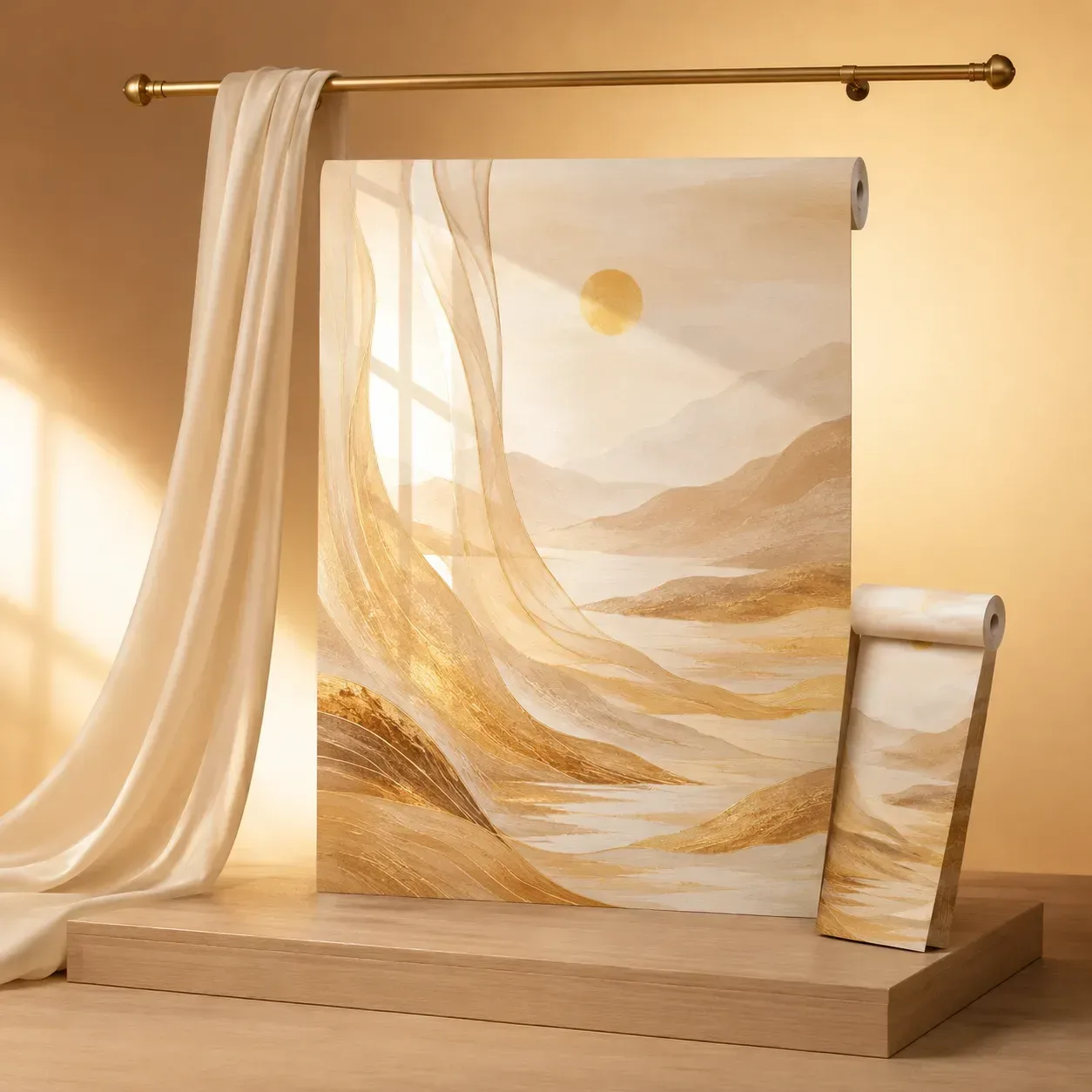
No one should state with certainty how many years a wall mural will last. Its actual durability depends on the wall surface, indoor humidity, whether the wall receives direct sunlight, and the installation method. Anyone who gives you a fixed number of years without seeing your wall is simply advertising. Ask different questions instead: does this design have pre-applied adhesive or require brushed-on adhesive, how much damp wiping can it withstand, and how will the seller handle edge peeling after installation is handed over?
Which walls are suitable and which are unsuitable, frankly speaking
The clearest suitable group is smooth, dry, indoor painted walls that receive little impact: living room walls, headboard walls, walls behind sofas, light partition walls, and decorative hallway areas. This is where wall murals deliver their true strength—a major visual change with little cost and time.
The unsuitable group is where money is most likely to be wasted. Walls with leaks or seasonal dampness will almost certainly cause the mural edges to peel, or worse, trap moisture behind the mural. If a wall has limewash or insufficiently bonded putty, the adhesive will pull the entire layer of putty away when removed. Newly plastered or newly painted walls that have not fully dried according to the paint manufacturer’s recommendation should not be covered yet either. Ceramic tile, glass, oily wood, or textured walls such as textured paint provide poor adhesion or allow surface defects to show through the mural.
Another borderline group is often overlooked: walls exposed to strong direct sunlight for many hours each day. Direct sunlight causes printed colors to fade faster than in shaded areas, and the adhesive layer also experiences more heating and cooling cycles. If that is the wall you intend to cover, plan a way to shade the nearby window in advance instead of expecting the mural to withstand it on its own. Background information about the role of windows can help when comparing materials.
The idea that it can be “removed” is often misunderstood
This is the point most likely to cause disappointment. “Can be removed” in sales language means that you can take the mural off the wall; it does not mean the wall will return to its original condition, much less that the mural can be reused a second time.
One of three scenarios is common. Best case: the mural comes off cleanly, the wall has only faint adhesive marks, and wiping and touch-up painting are enough. Average case: the mural tears into sections and must be removed piece by piece, taking more time than installation. Worst case, common with walls covered in weak putty: the putty layer comes off with it, requiring the wall to be skim-coated and repainted.
The consequence is simple. If you rent and must return the property in its original condition, do not assume this is a safe option; test a small, hidden area first and agree on it with the landlord. If you own the home and accept touch-up painting when you change the decor, this risk is almost negligible.
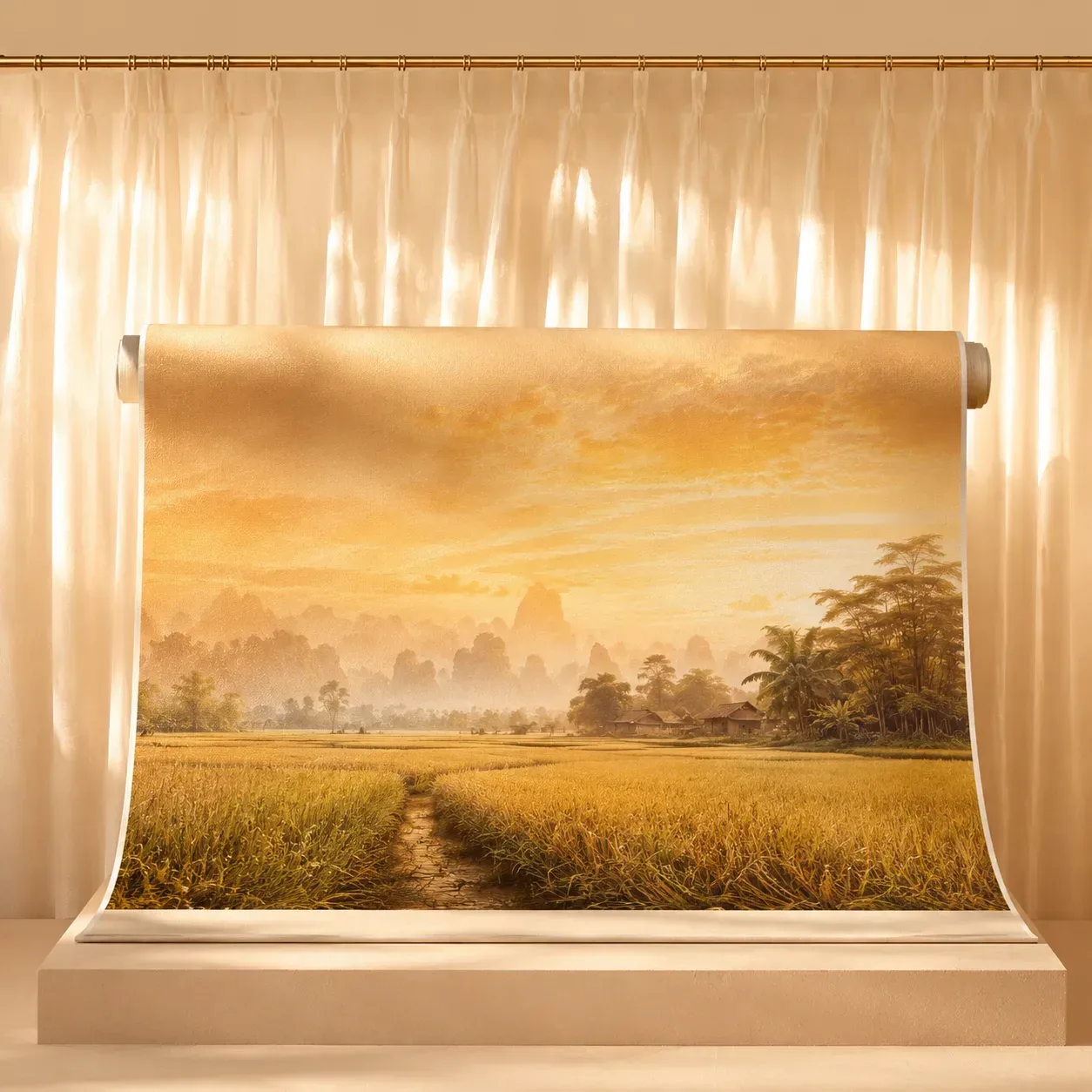
The real drawbacks of this product
First is the seams. A wide wall usually requires joining multiple widths. If joined skillfully, they are almost invisible from a normal viewing distance, but under grazing light or slanting afternoon sunlight, every small discrepancy becomes apparent. This is a difference in workmanship, not price.
Second is the one-time nature of the installation. If it is applied crookedly, smeared, or left with air bubbles, there is virtually no chance to redo it on the same sheet. Paint can always be rolled on for another coat; wall murals are not as forgiving of installation mistakes. You can also refer to the concept of curtains in architecture.
Third is cleaning and impact. The printed surface can withstand light dusting, but vigorous scrubbing, cleaning chemicals, or rubbing in high-traffic areas will leave marks that are difficult to restore. Baseboards along walkways, walls behind dining chairs, and stairway walls all require careful consideration.
Fourth is getting tired of it. A large-format mural is a very strong focal point, and strong focal points tend to become tiresome more easily than neutral walls. If you frequently change your interior layout, choose a small area rather than covering the largest wall in the room.
Send your dimensions and needs, and the Thanh Vy Curtains team will advise on options and quote for your actual space.
Compared with paint, wallpaper, and framed art
Compared with paint, wall murals win decisively in their ability to create imagery: paint cannot give you a ready-made scene or composition. But paint wins in surface durability, the ability to make localized repairs, and the fact that it does not depend on installation skill. If all you need is to change the color of a wall, paint is still the more sensible choice.
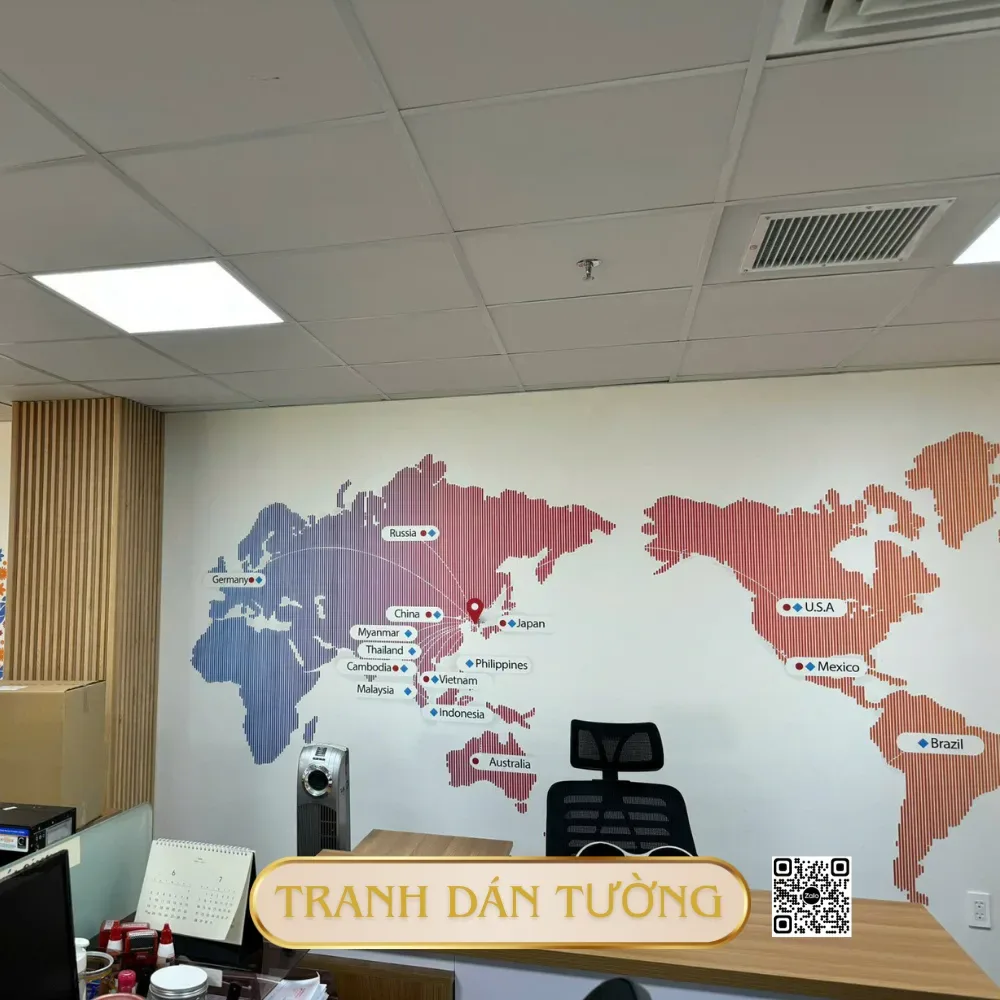
Compared with wallpaper featuring repeating patterns, a wall mural is a single composition for a single wall: strong when used as a focal point, weak when you need to cover an entire room, because covering everything with a large-format image can easily make the space feel heavy and enclosed.
Compared with framed art, the difference lies in drilling and changing things. Framed art requires nails or screws, but it can be taken down, moved, and brought along when you move house. A wall mural requires no drilling, but in return it is almost permanently attached to that wall.
A child’s room and a spa are opposite settings
The two examples, Child’s Room Wall Murals and Spa Wall Murals, belong to the same category but serve opposite needs.
A child’s room is a high-impact environment. Children will touch it, lean against it, and may even draw on it. The mural’s lifespan here depends more on its placement than on print quality: an area above reach lasts much longer than one close to the baseboard. Images for children’s rooms also have a short aesthetic lifespan, because children’s preferences change faster than the home renovation cycle. Information about the provider also appears in the article about event hall curtains in Báo Cần Thơ.
A spa is the opposite: there is little physical contact, but it is often more humid than a home. The question to examine carefully is not whether the image looks good, but whether the wall substrate has trapped moisture and how frequently the mural surface can withstand cleaning. This is also a commercial space, where a section of peeling wall can cause much greater damage to the brand image than it would in a private home.
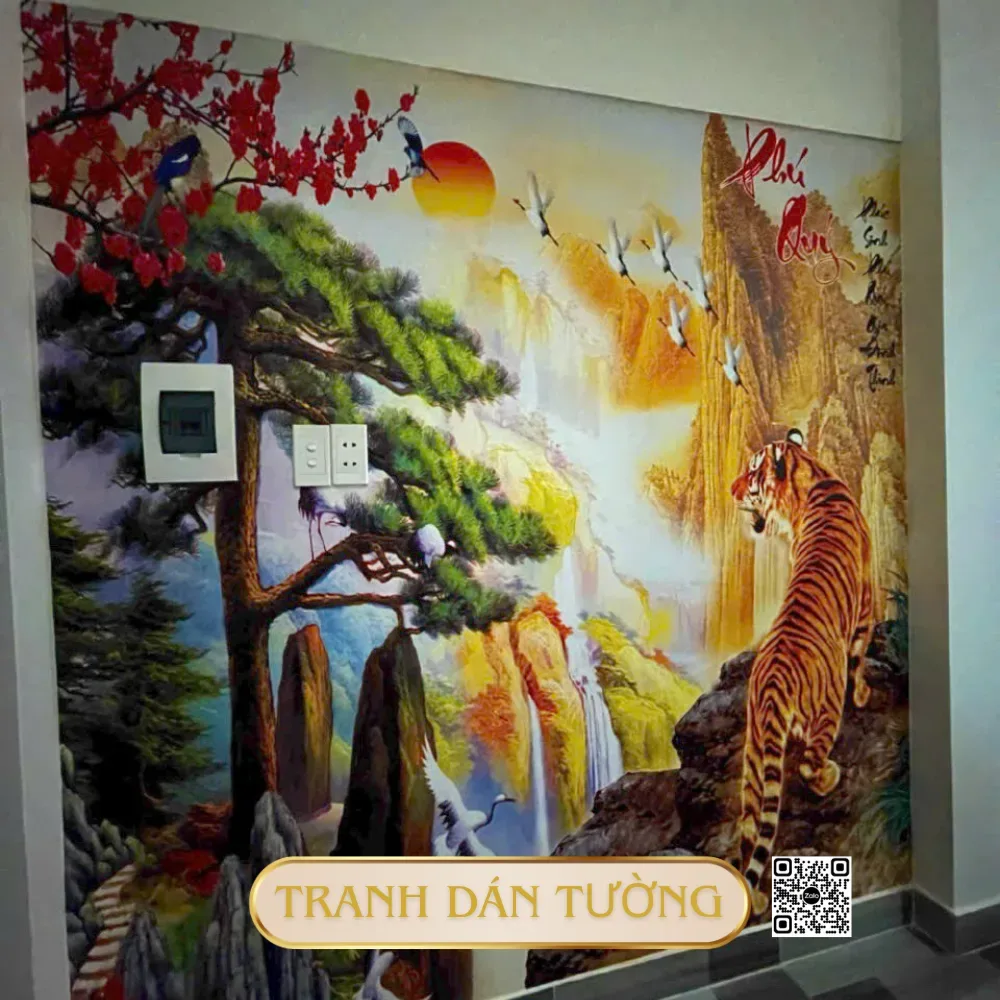
As for Prosperity Wall Murals, whose price is in a completely separate tier from the others, ask clearly what makes it different from the other three: a larger format, different material, or different finishing. Once that question is answered, the price difference will have meaning.
Who should choose it and who should not
You should choose it if you have a dry, flat wall in your home that sees little impact, and want to change the feel of the entire room in one afternoon without demolition; if you like a specific visual composition that paint and patterned wallpaper cannot provide; or if you are creating an intentional focal point rather than covering every wall.
You should not choose it if the wall is damp, peeling, newly plastered, or not completely dry—the installation cost will almost certainly be wasted. Do not choose it if you are renting and required to restore the property to its original condition without first testing a hidden area. Do not choose it for locations subject to constant impact, such as baseboards along walkways or greasy kitchen areas. And do not choose it if you expect a surface that will remain unchanged for ten years—that expectation belongs to finishing materials.
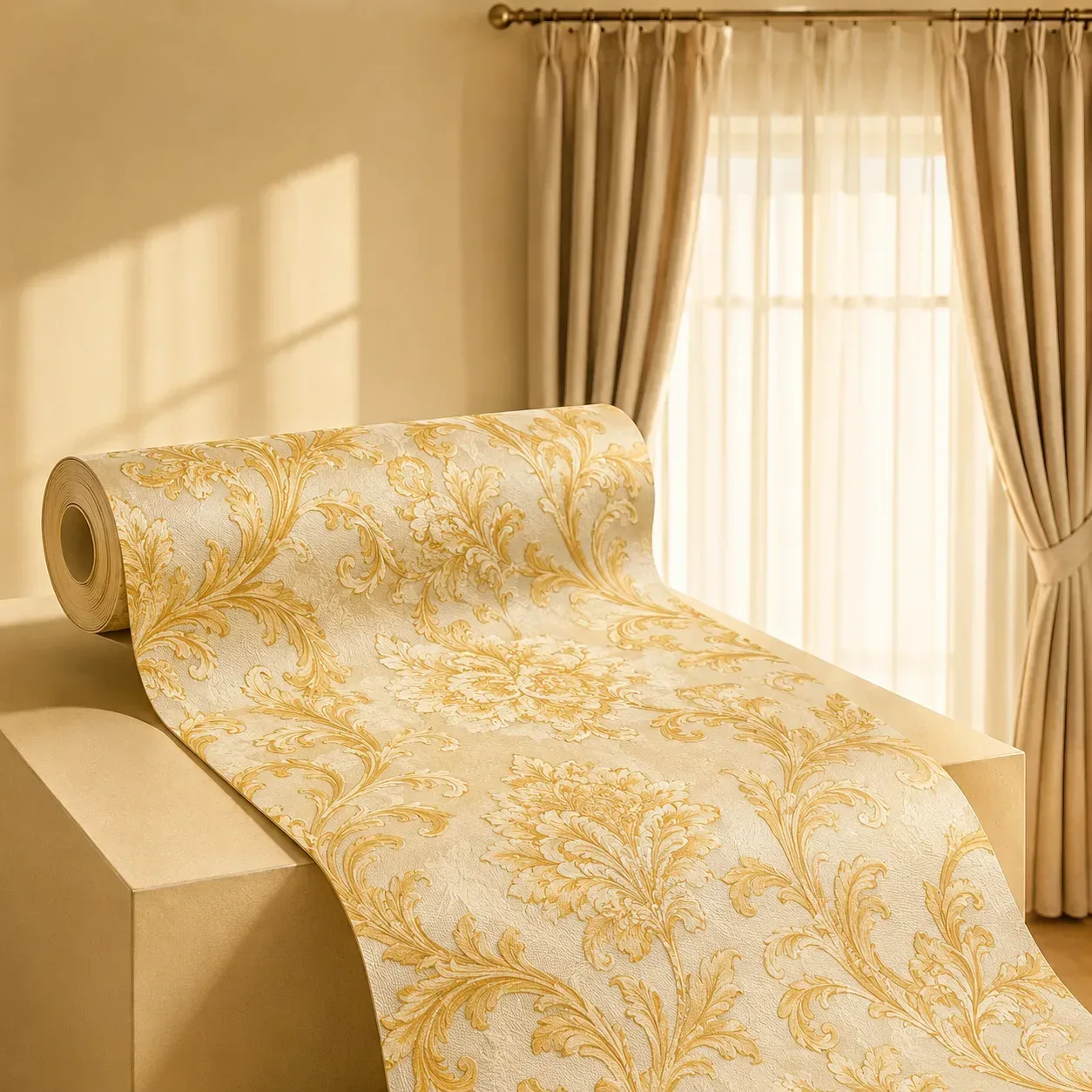
Checklist to answer before placing an order
1. Are there any damp or peeling areas on the wall you plan to cover? 2. Is the wall surface painted, skim-coated, limewashed, or something else? 3. What are the actual dimensions of the wall, and what unit is the price of your chosen design based on? 4. Is this design applied with pre-applied adhesive or spread-on adhesive? 5. Is the wall exposed to direct sunlight? 6. Does this location experience a lot or little contact? 7. If you want to remove it later, are you prepared to touch up the paint?
If most of the answers are favorable, this is a small expense in exchange for a major visual change—few decorating options offer that ratio. If two or more answers fall into the risk category, deal with the wall substrate first, then discuss choosing a design.
Quick takeaway: Wall murals are worth the money when the wall substrate is dry, flat, and subject to little impact; they are not a solution for damp walls, weak skim-coated walls, or areas subject to constant contact, and “can be peeled off” does not mean “the wall will be restored to its original condition.”
Conclusion: assess the wall surface before assessing the mural design
The four designs in this category serve four different contexts, and no design can save a problematic wall surface. Savvy buyers will inspect the wall surface first, clarify how the price is calculated and how the installation is carried out, and only then choose the design. Reversing that order is the most common reason why an otherwise very reasonable expense becomes a cost that has to be paid again.
If the wall surface you have in mind is being exposed to direct sunlight, address the lighting first: a wall that is properly shaded will preserve anything applied to it for longer.
For further information, please contact Thanh Vy Curtains
We provide free consultation and on-site measuring at your home.

No comments yet!