


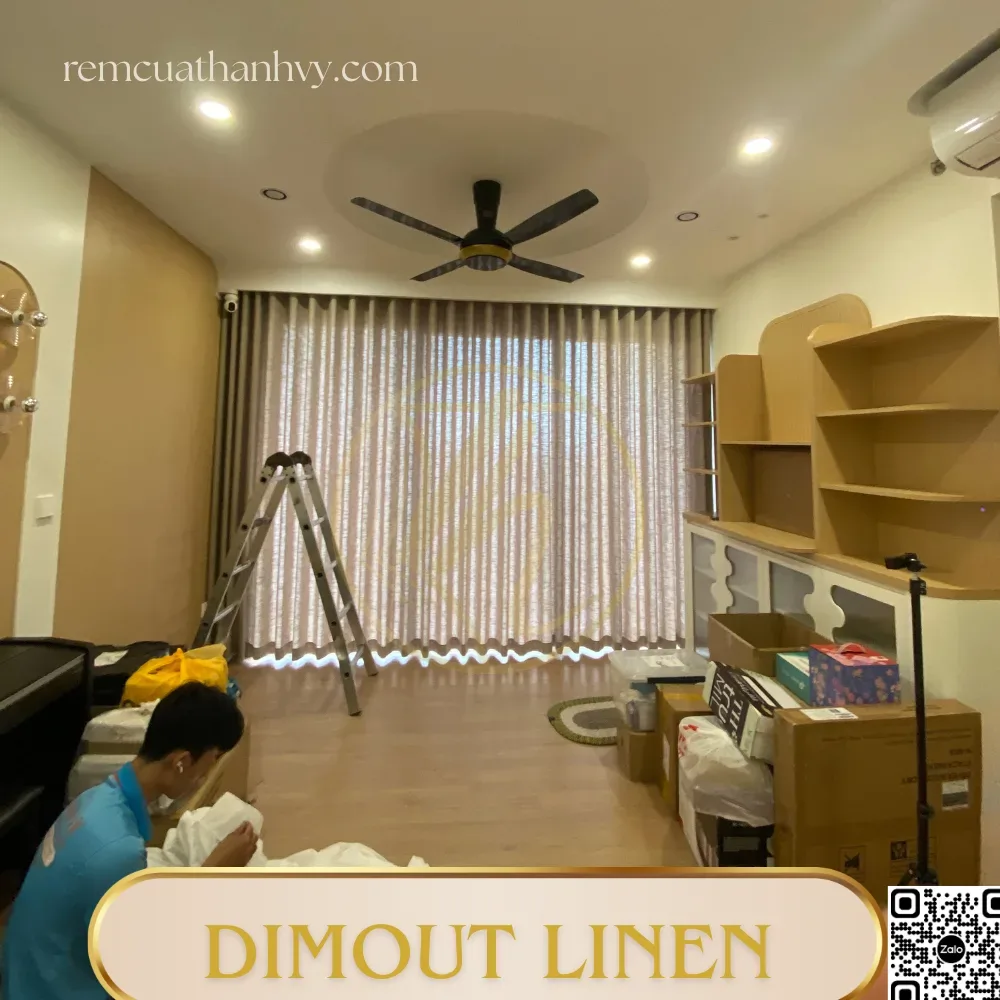
Wooden Blinds or Honeycomb Shades? A Detailed Comparison to Help You Choose
How Do Wooden Blinds and Honeycomb Shades Differ?
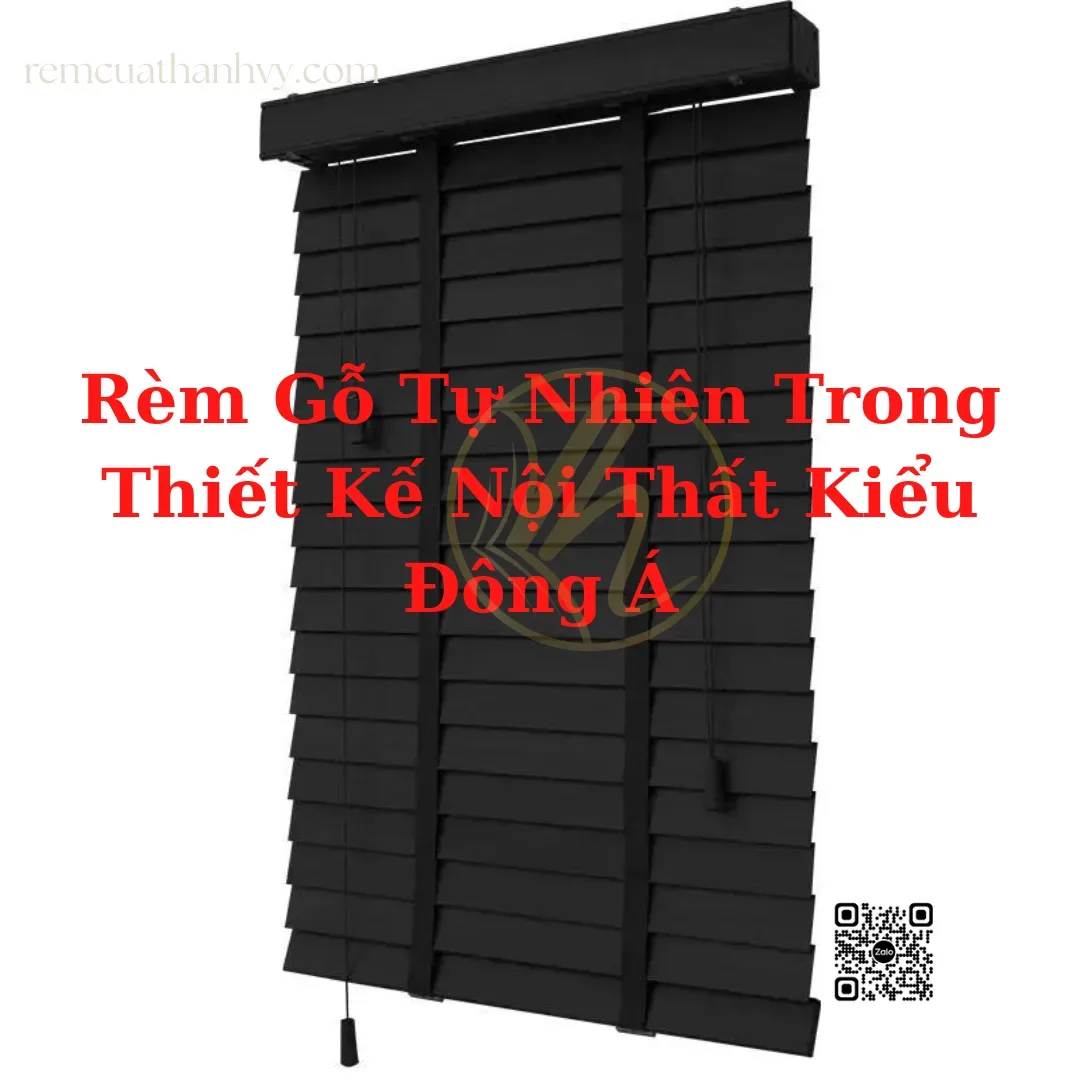
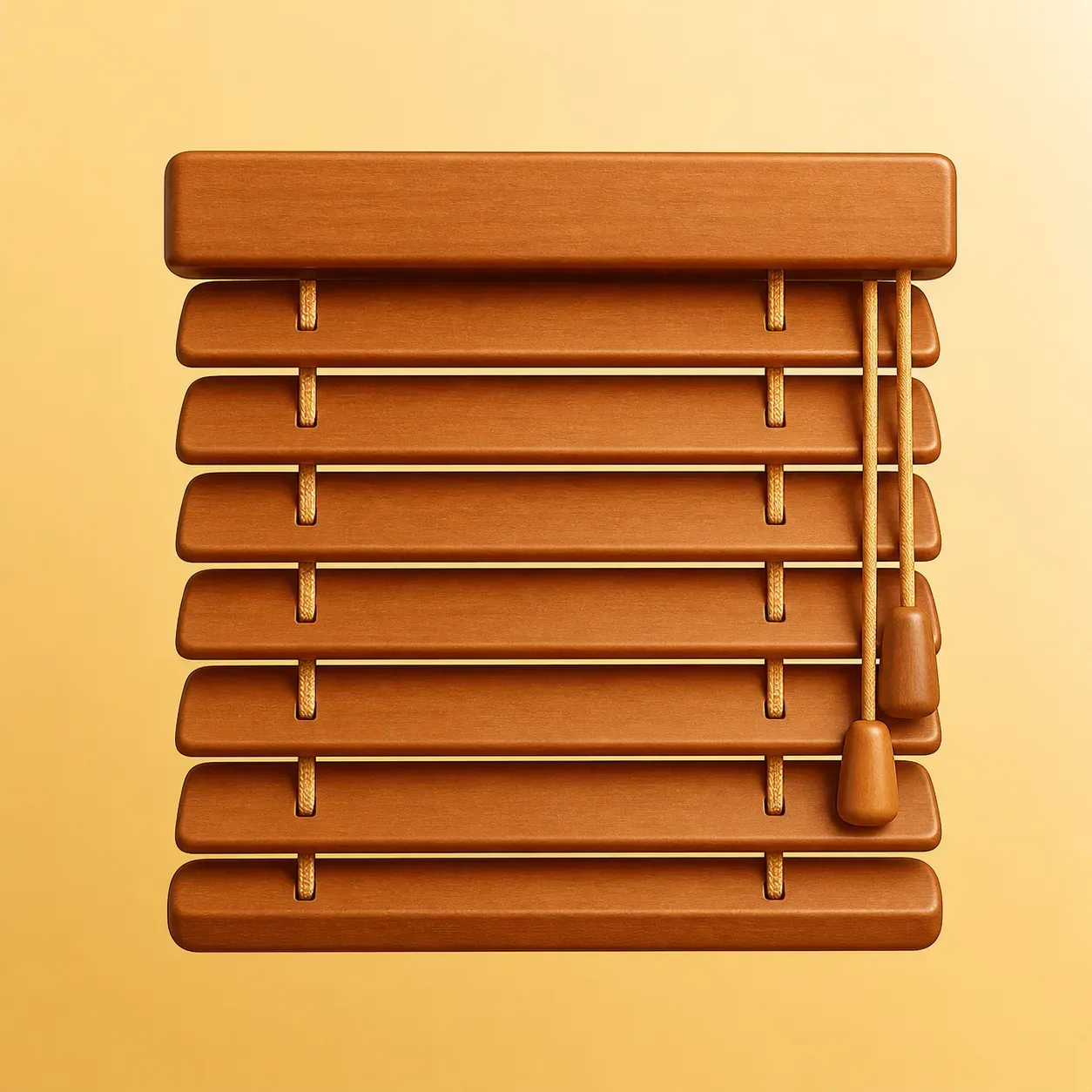
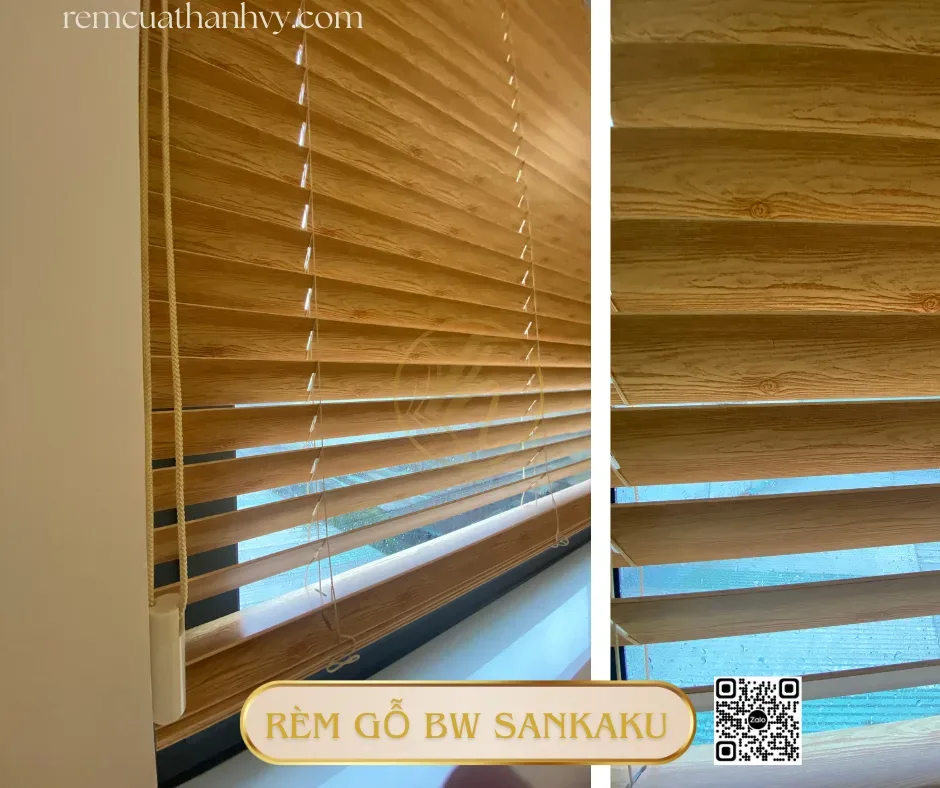
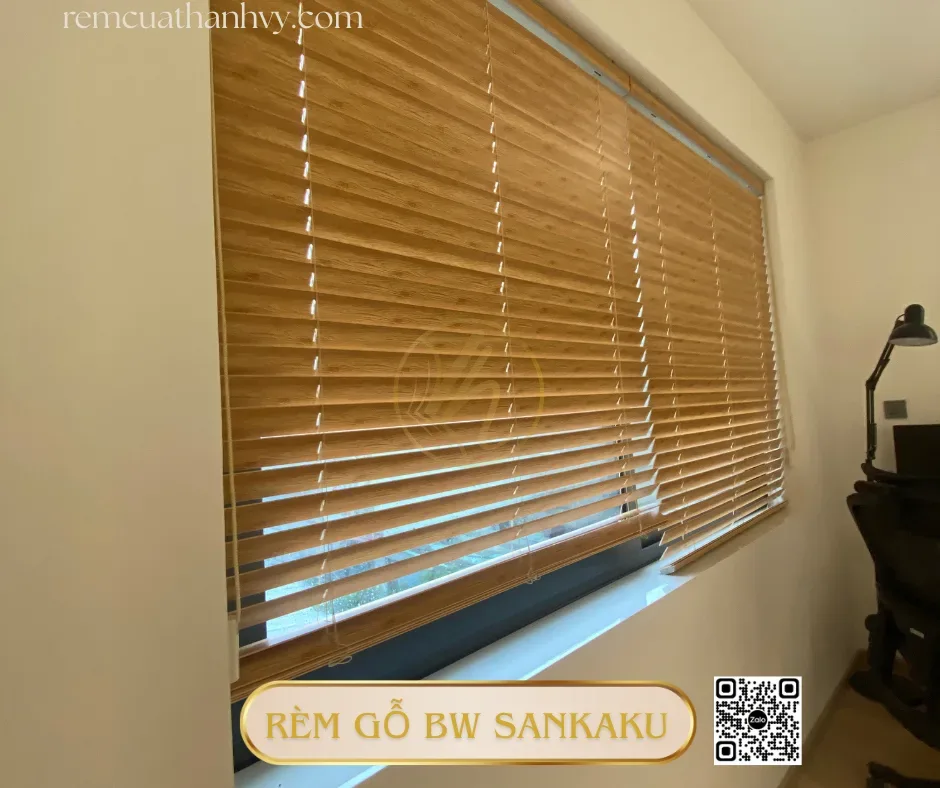
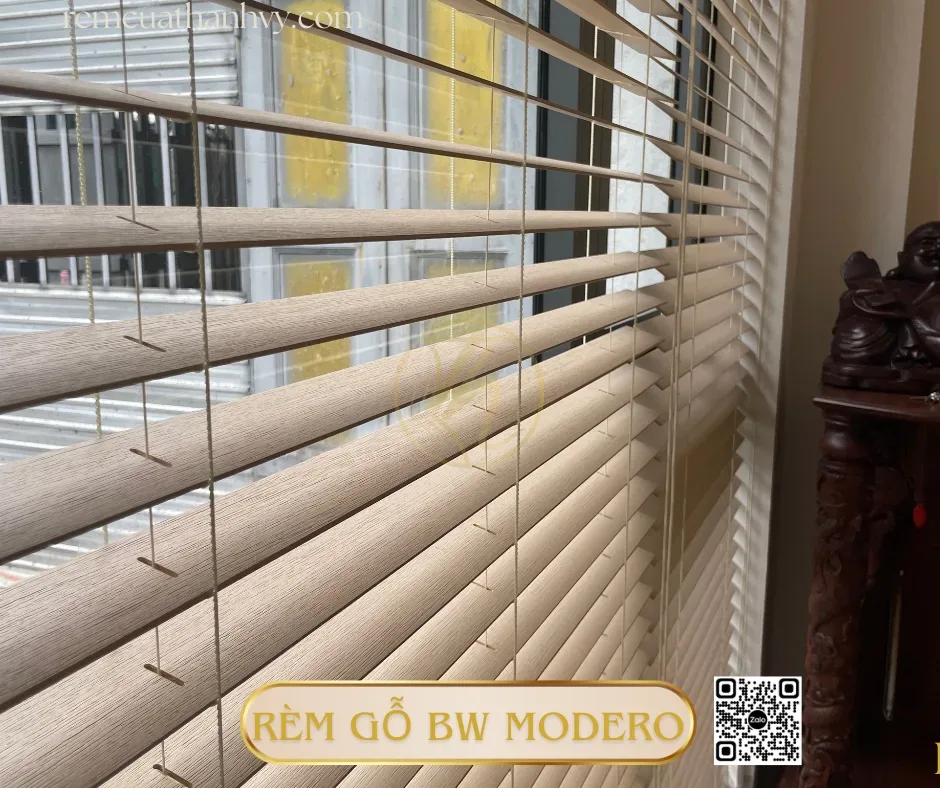
When faced with the question of wooden blinds or honeycomb shades, many homeowners are often confused because both are advertised as “modern, luxurious, and energy-efficient.” In reality, the two types of blinds differ from their very construction, which leads to different operation methods. Wooden blinds consist of wooden slats (or painted engineered wood) arranged in parallel, connected by pull cords or strings, allowing you to tilt the slats to adjust the light angle and raise or lower them vertically.
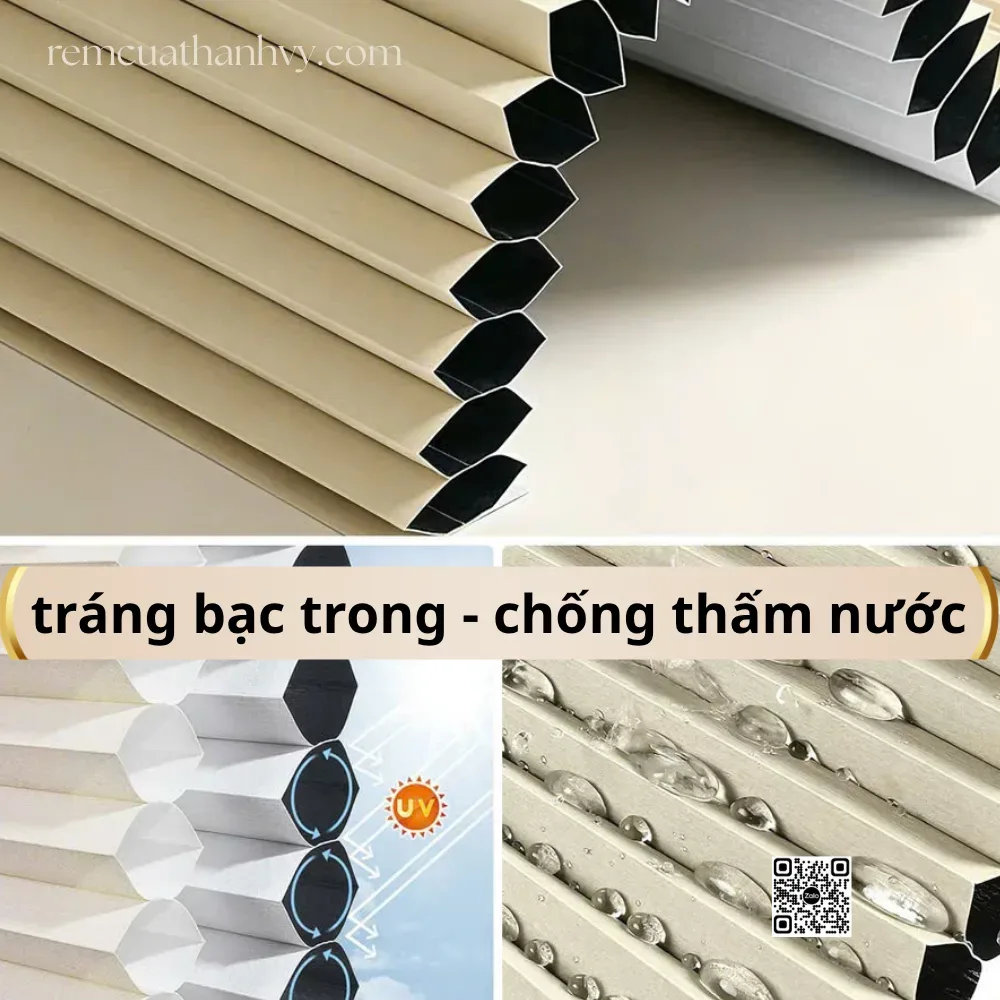
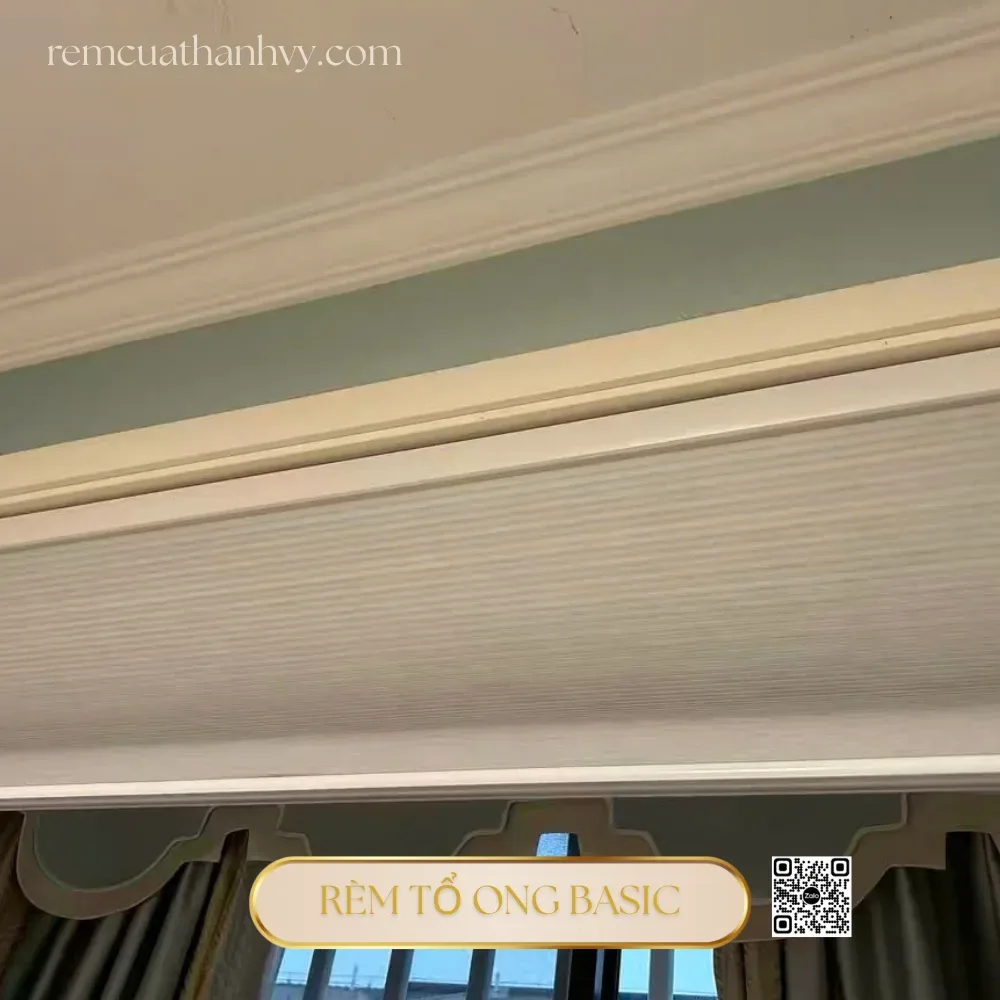
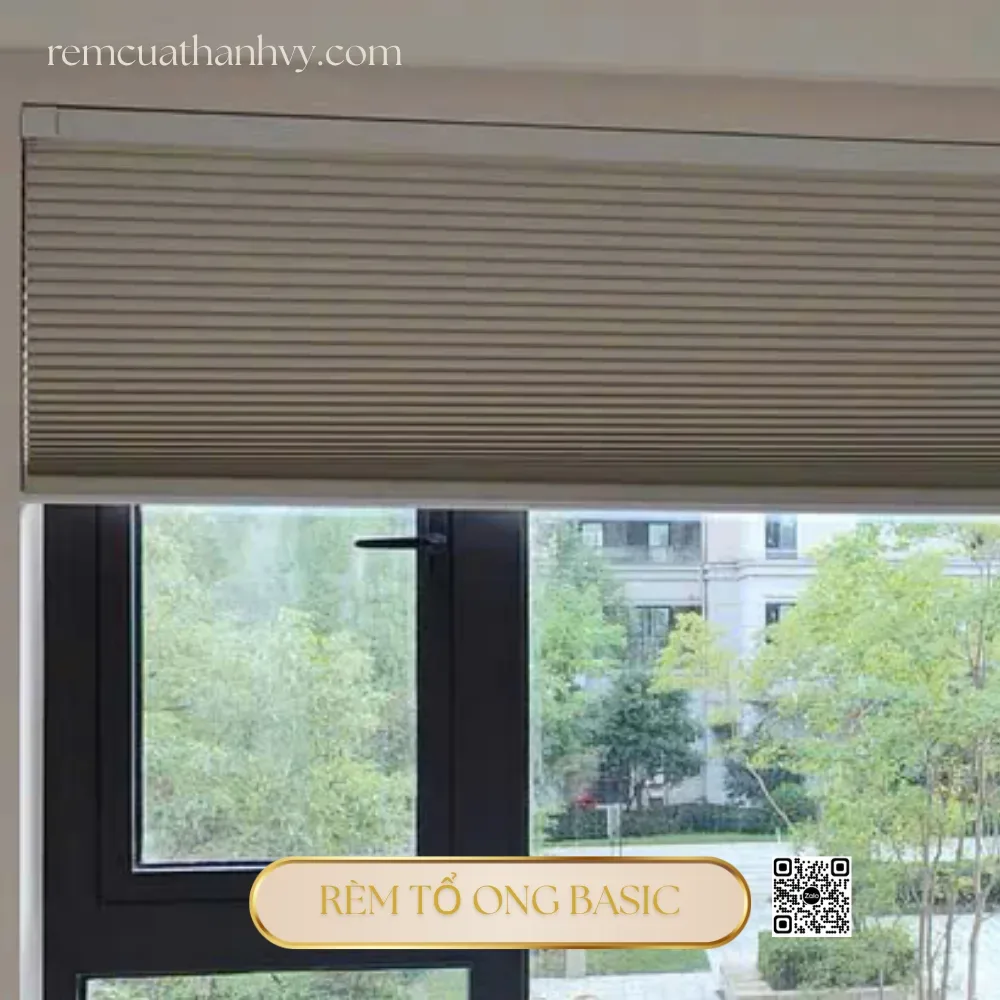
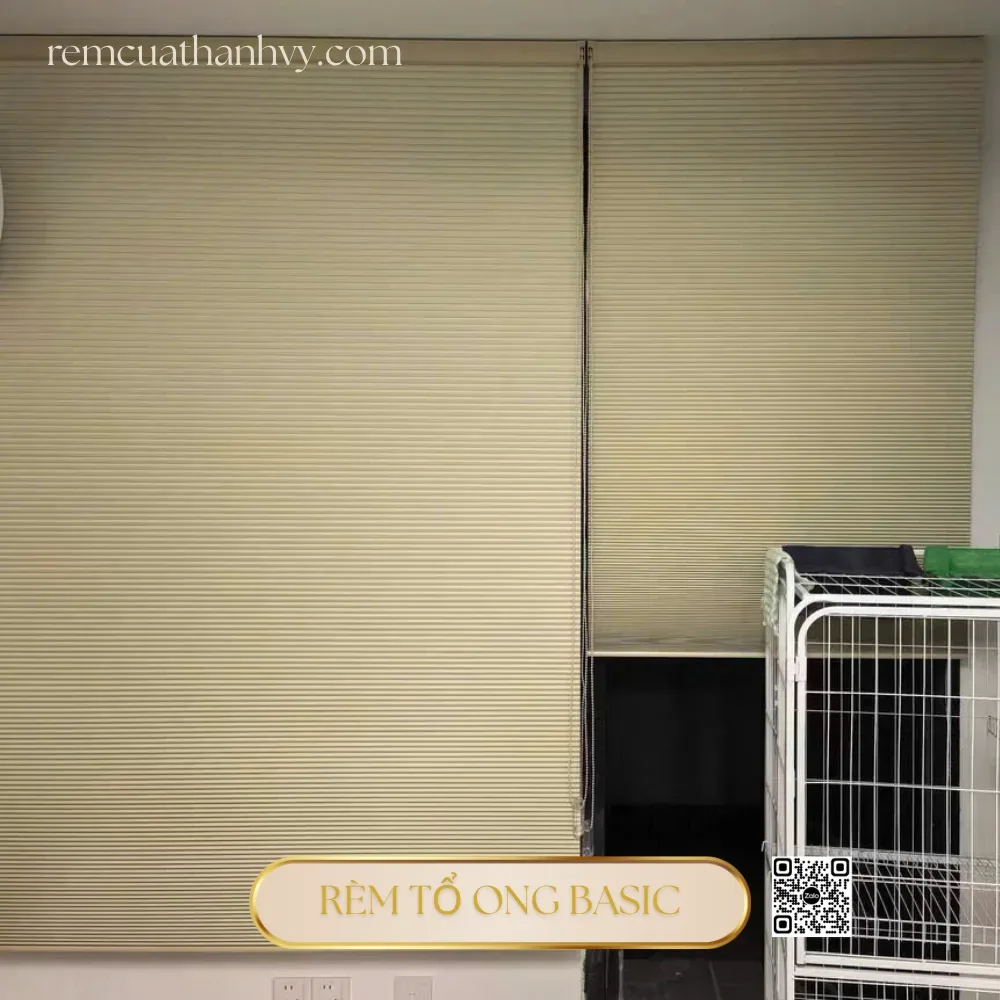
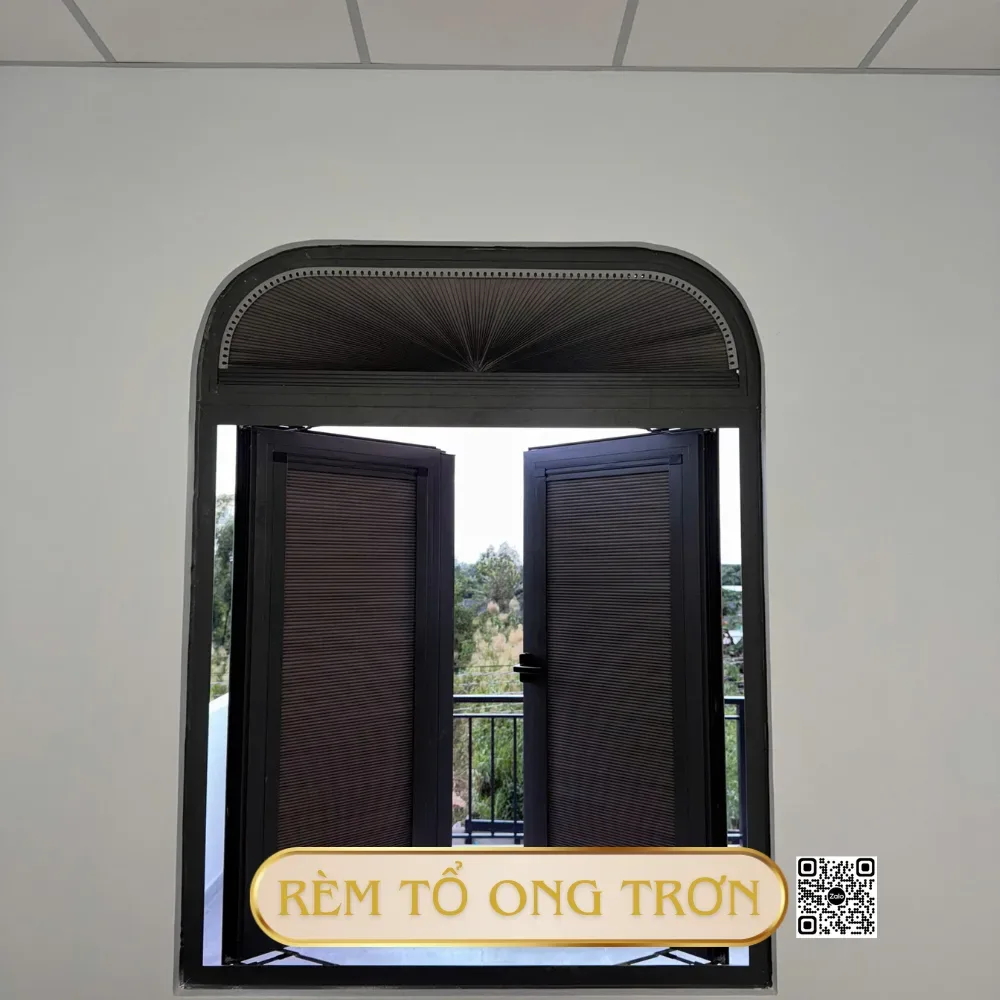
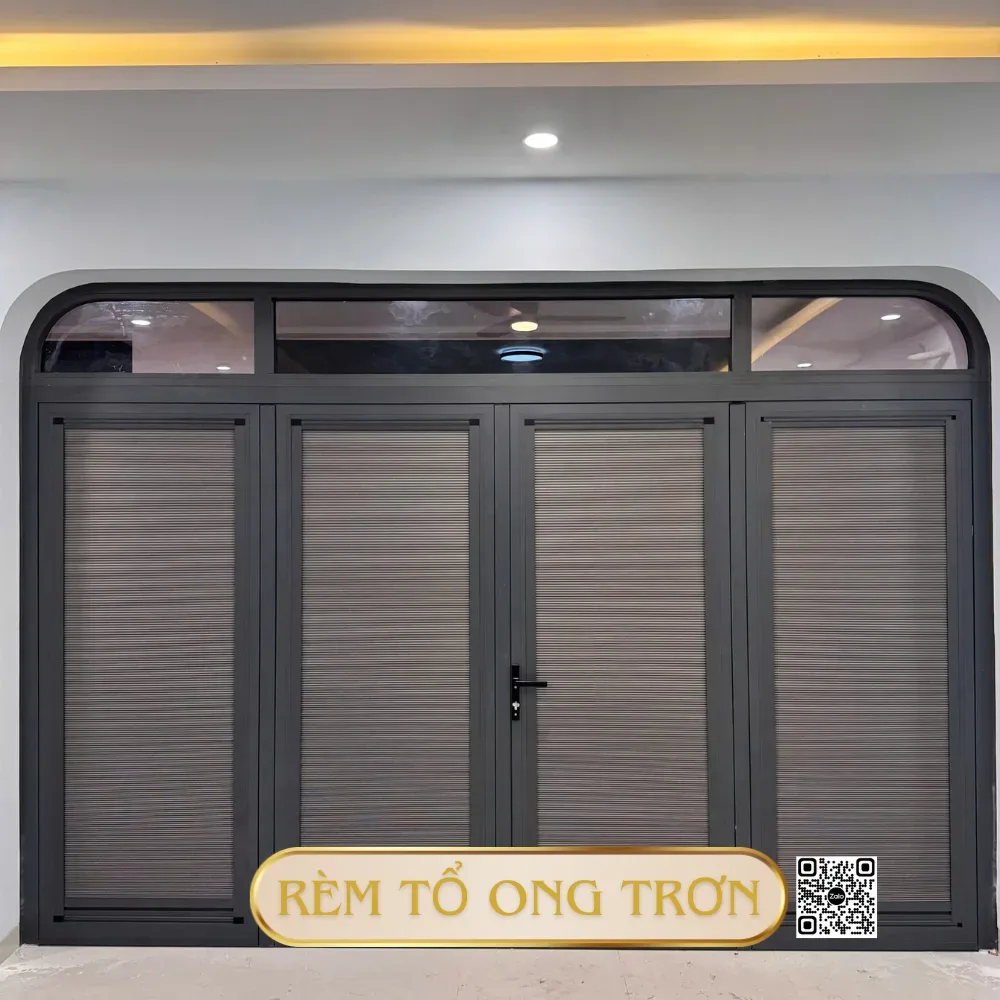
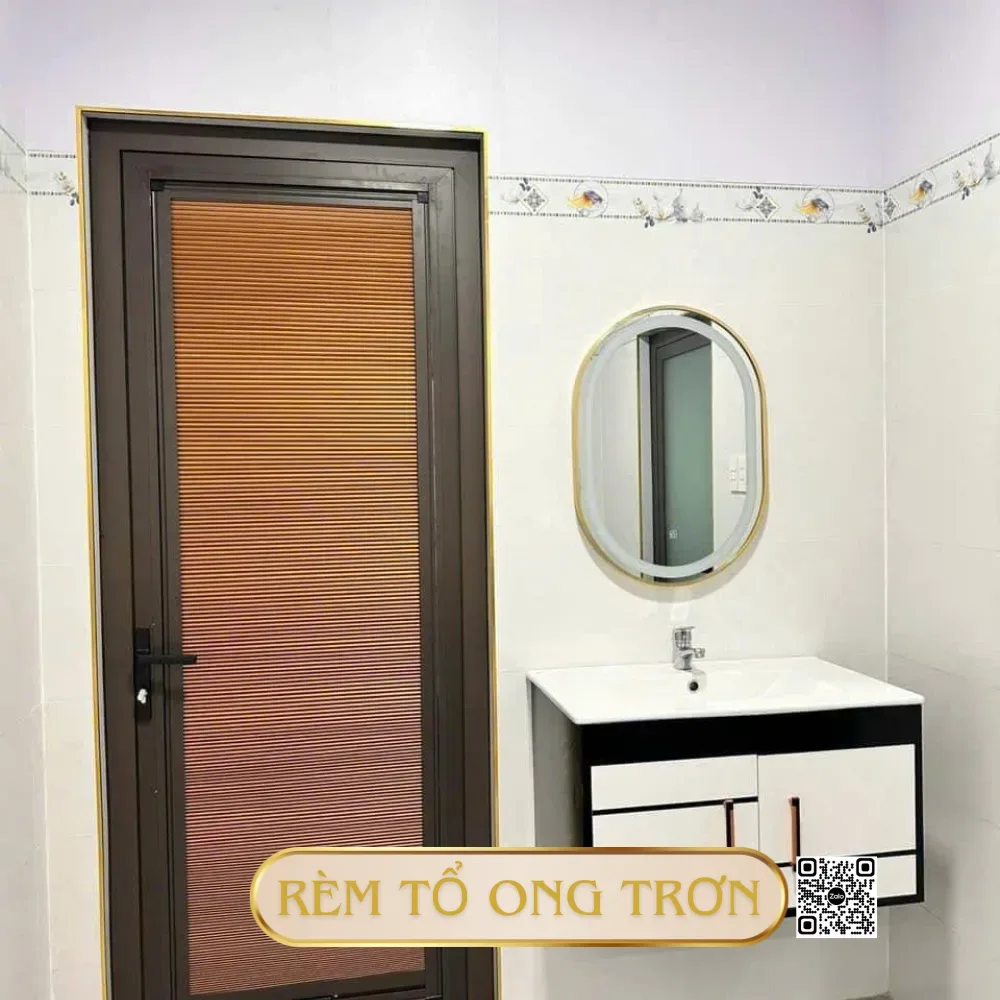
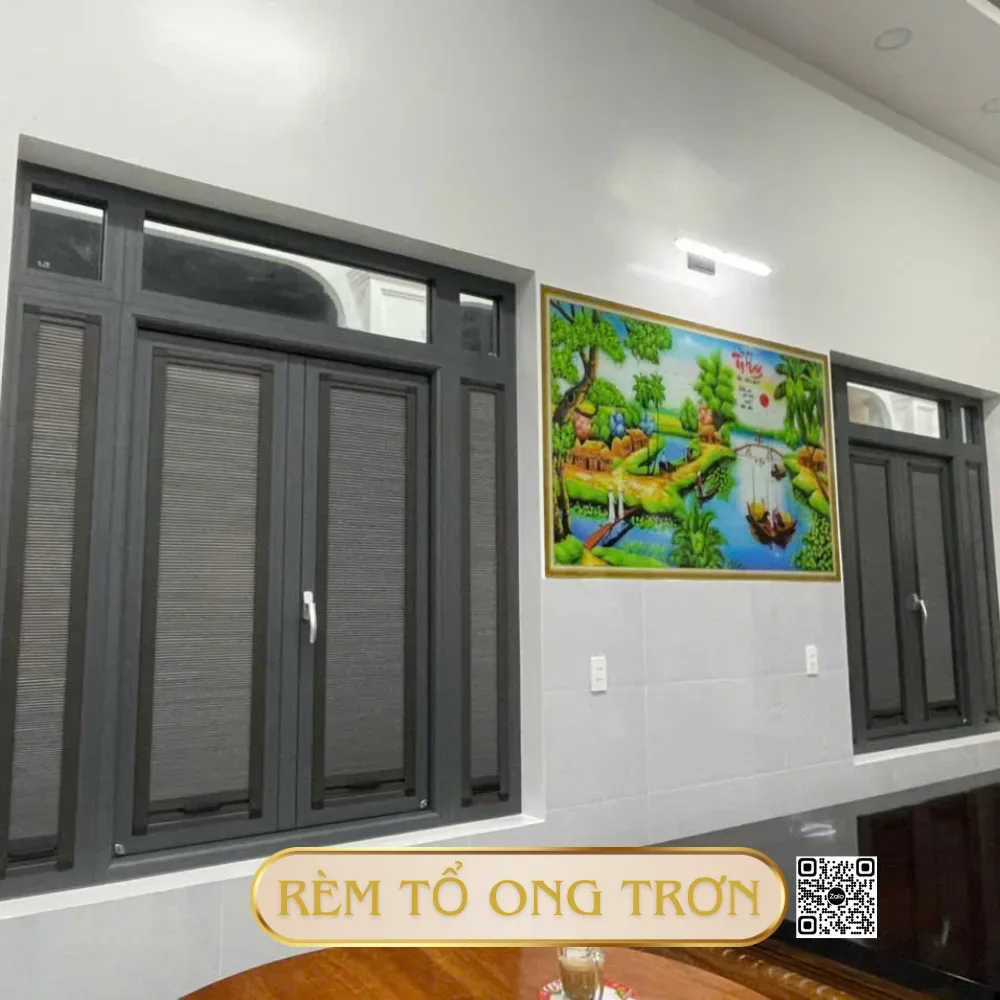
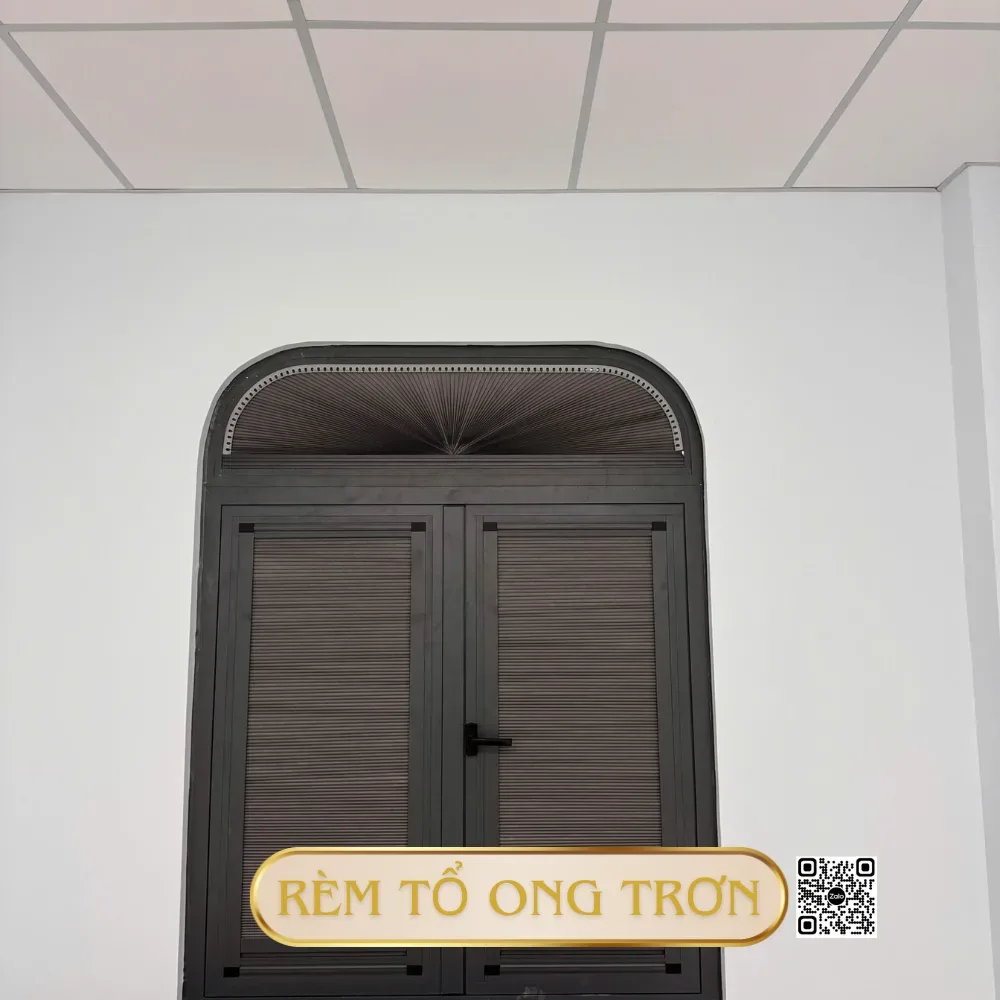
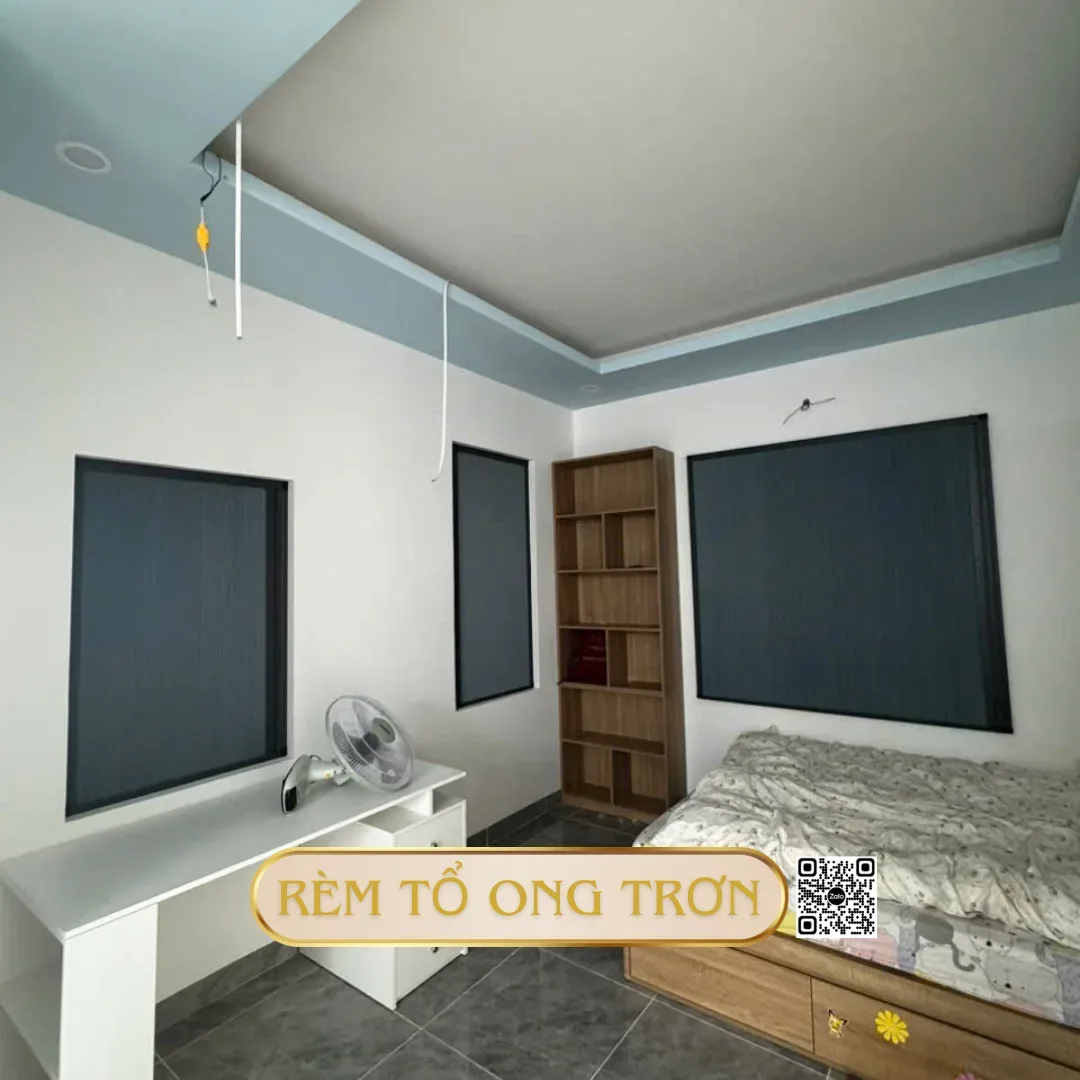
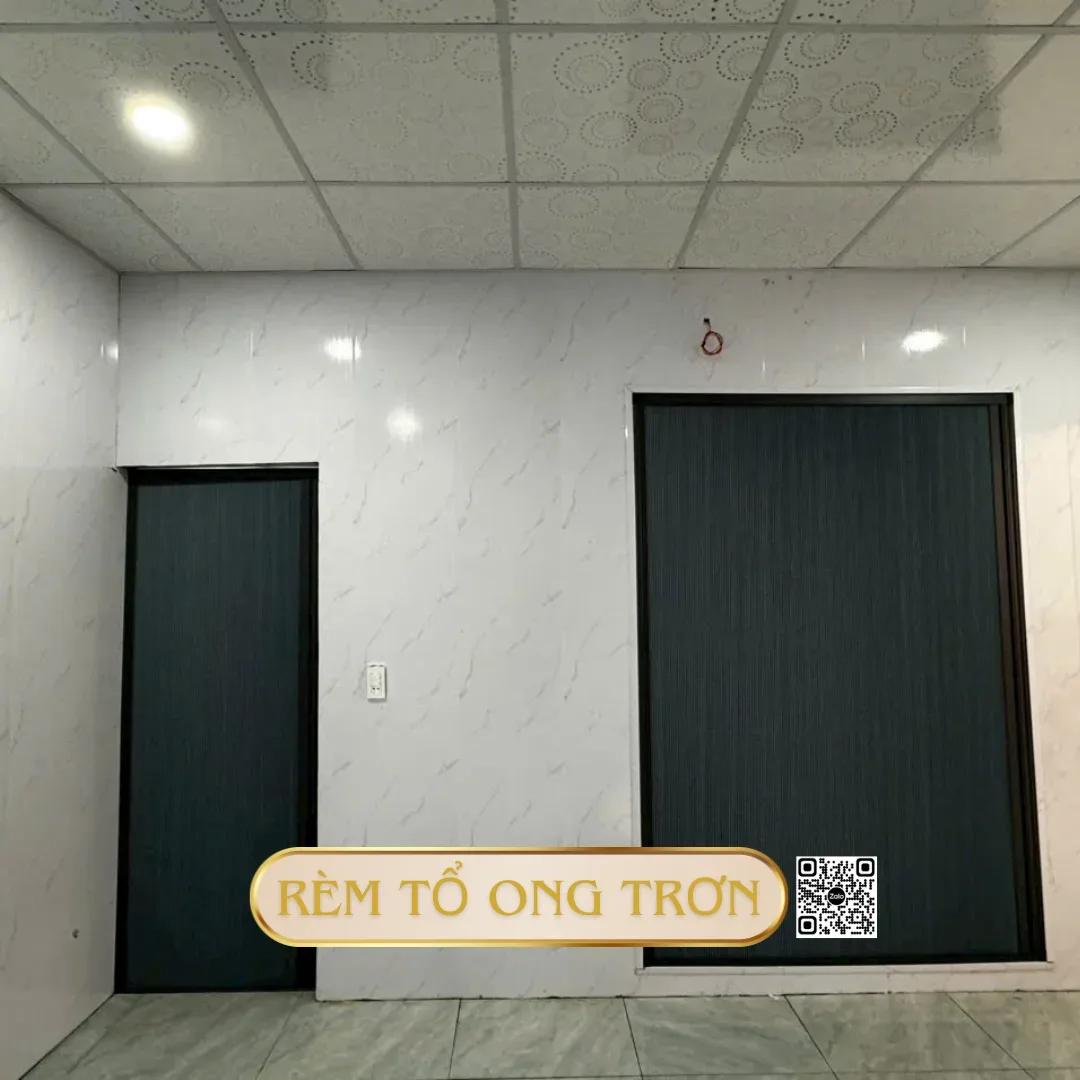
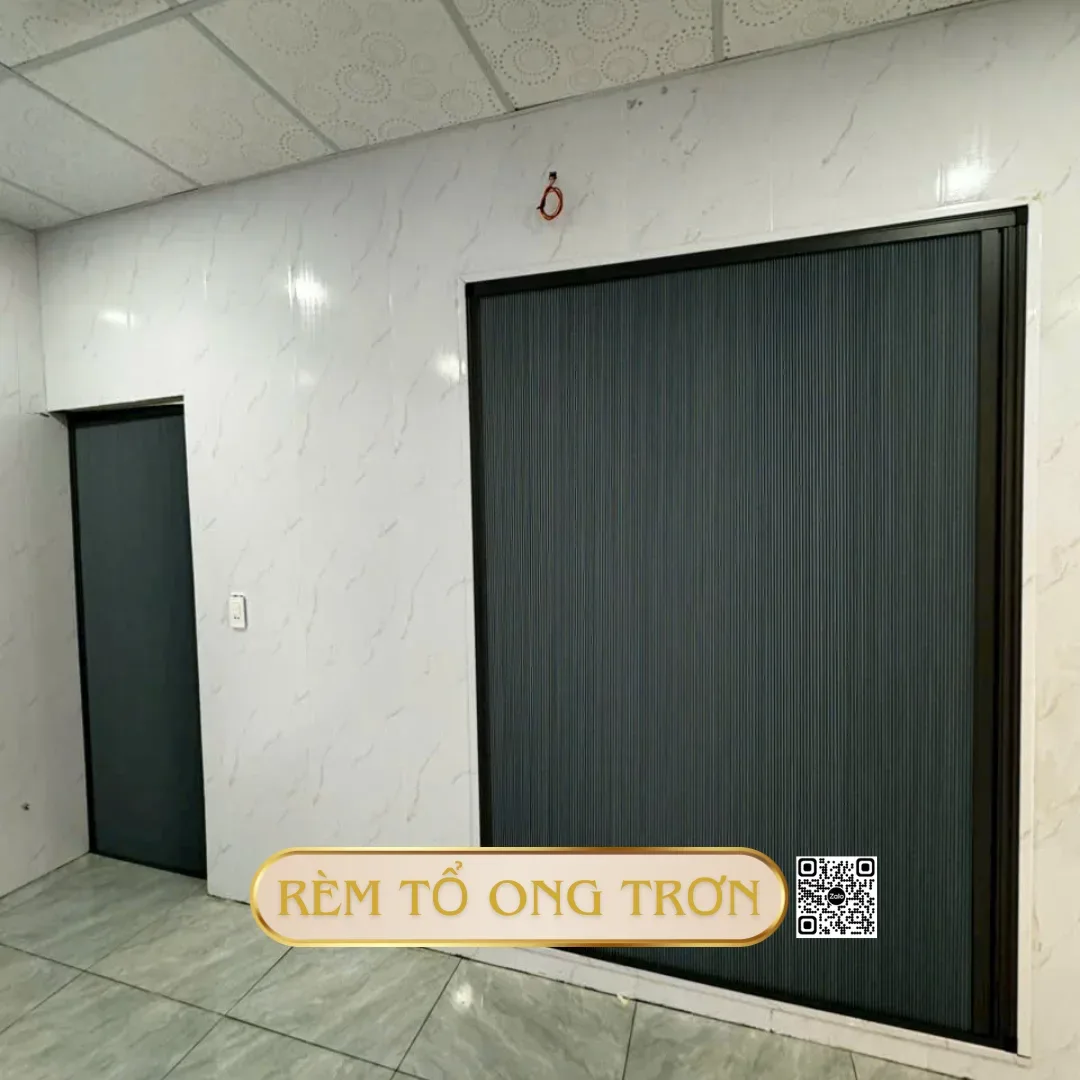
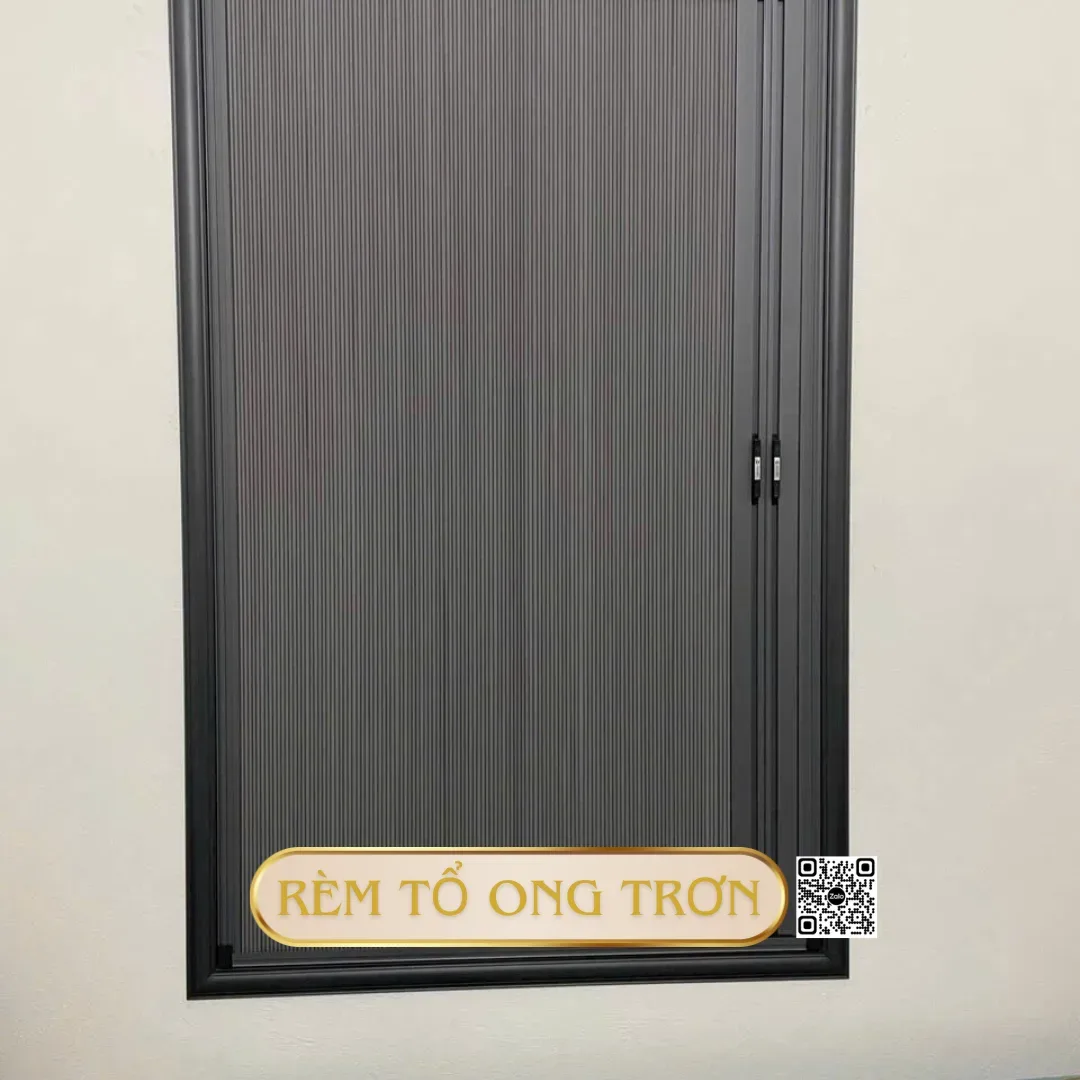
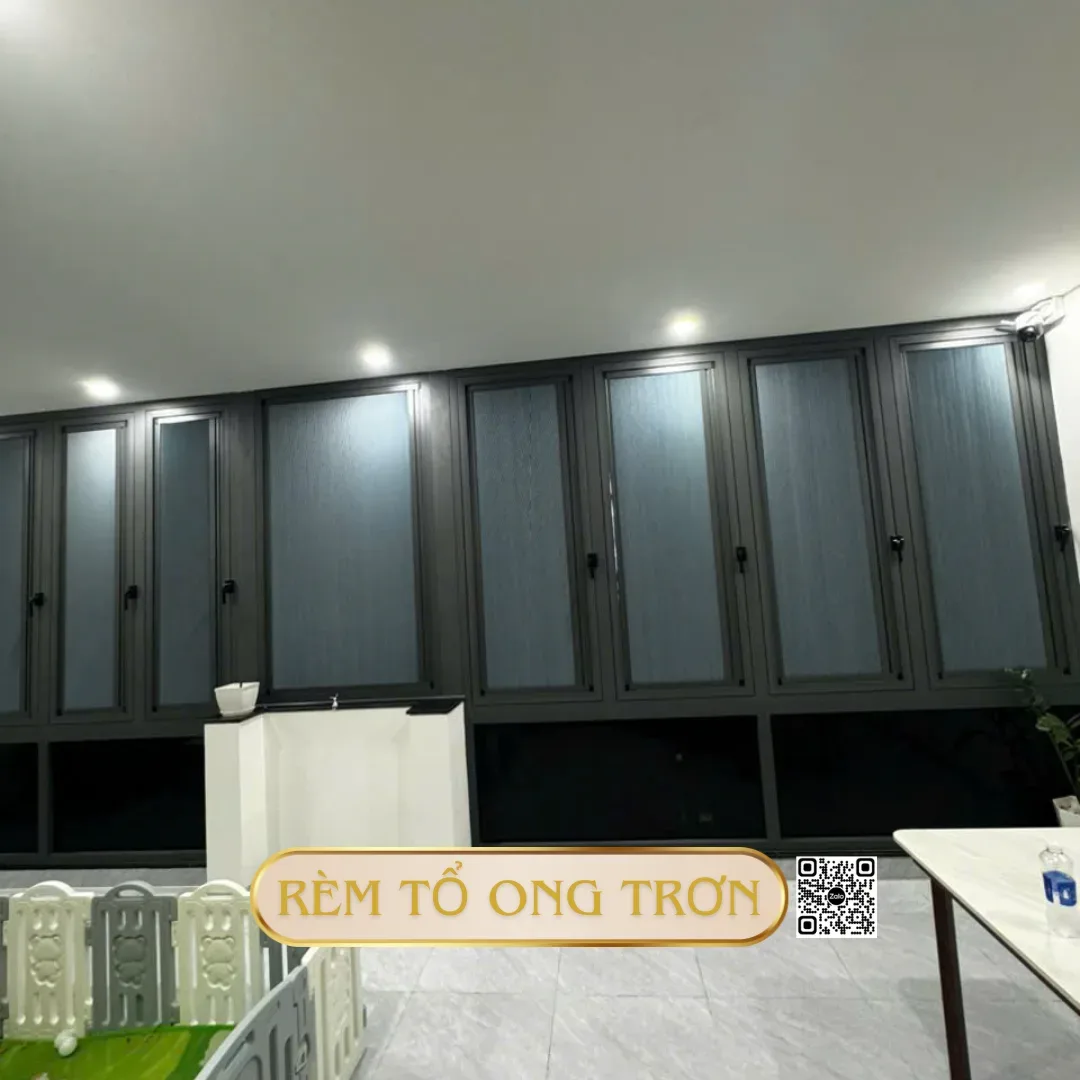
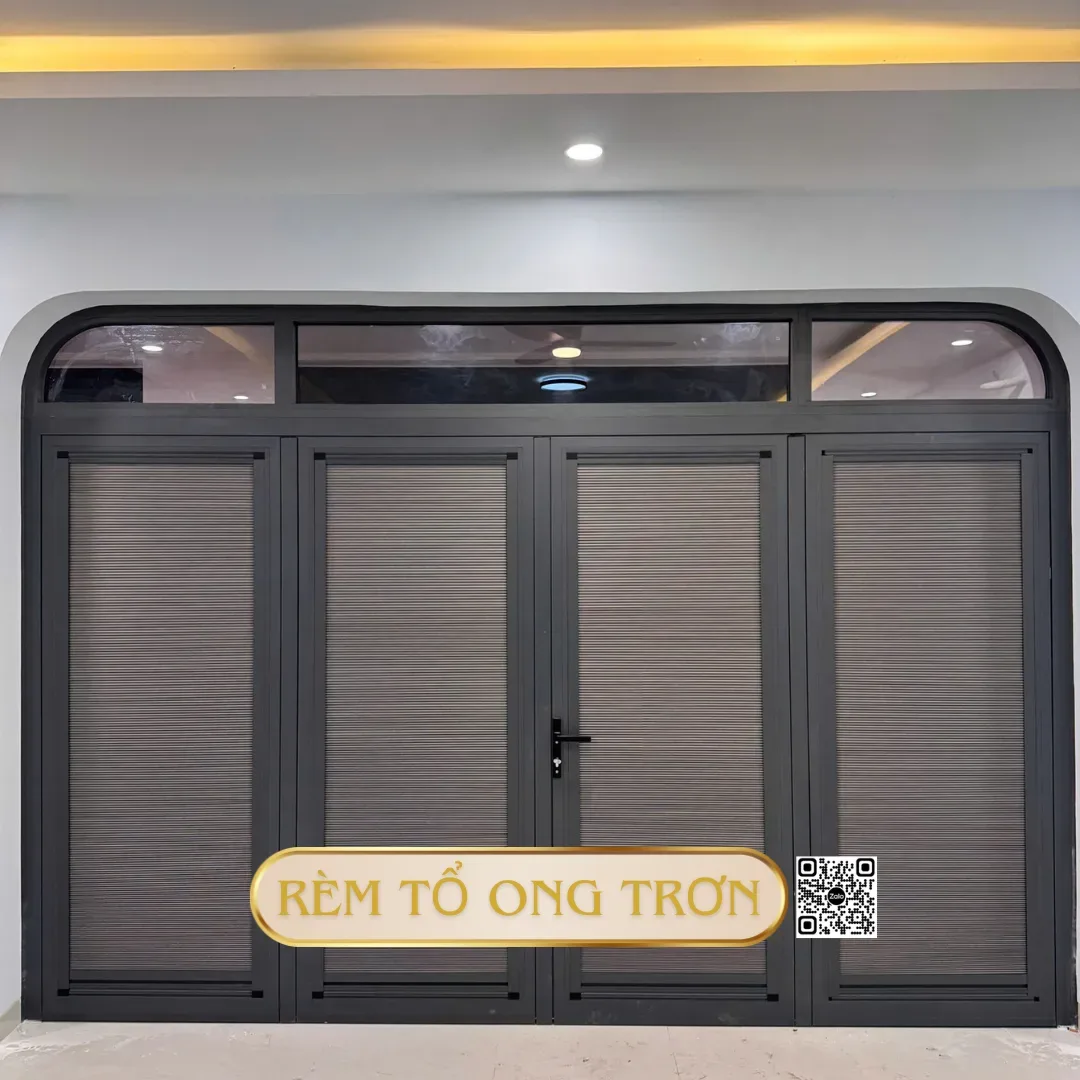
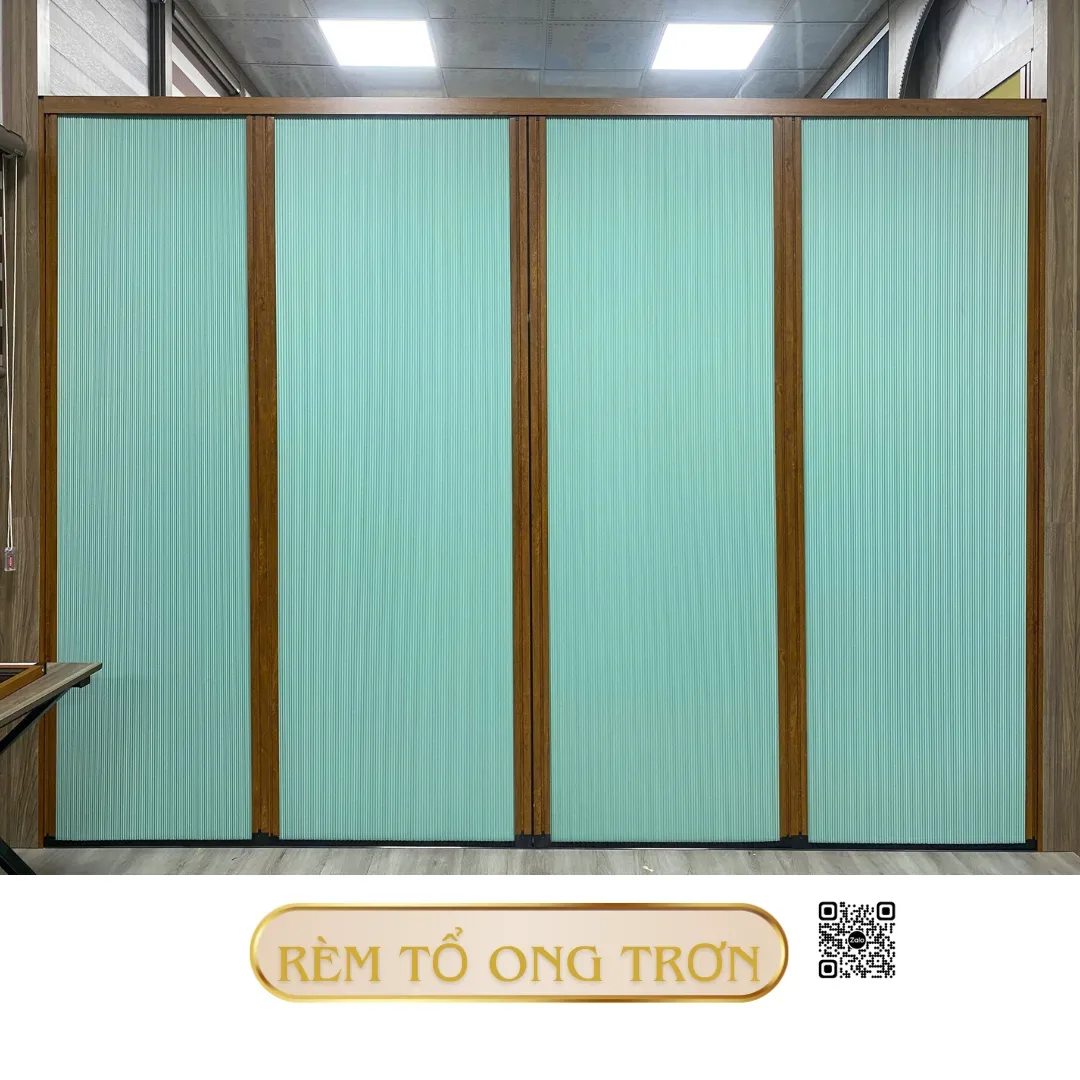
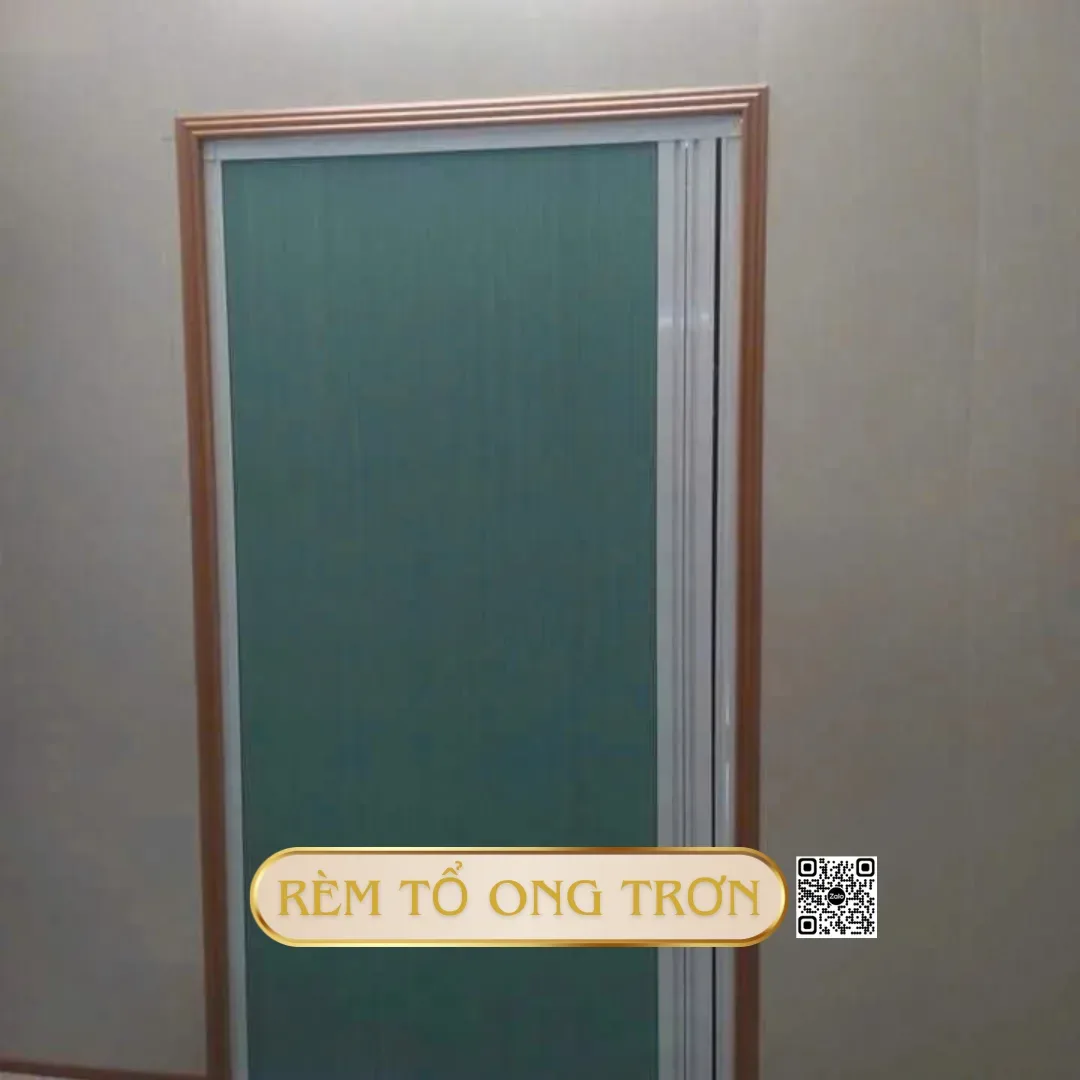
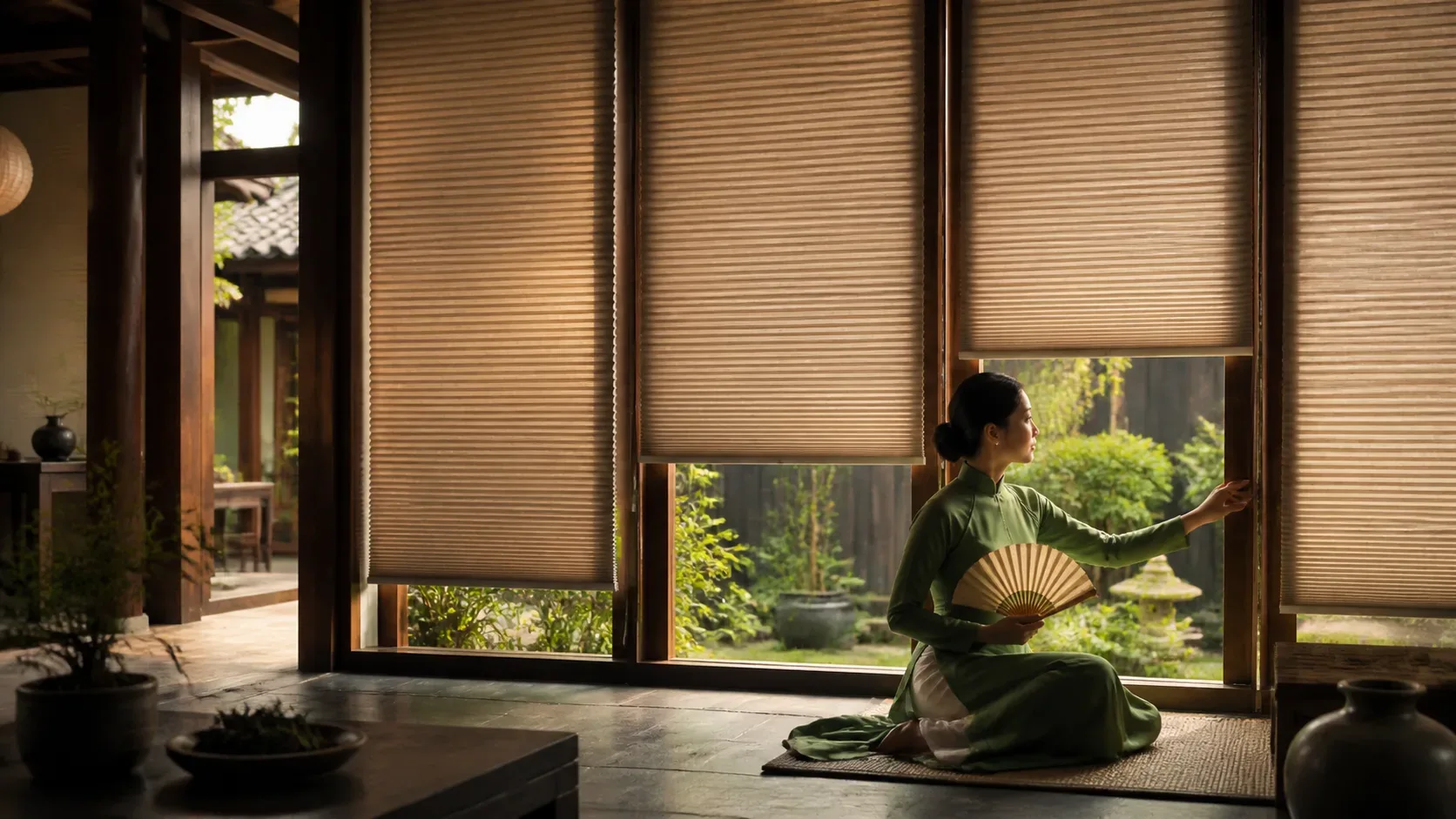
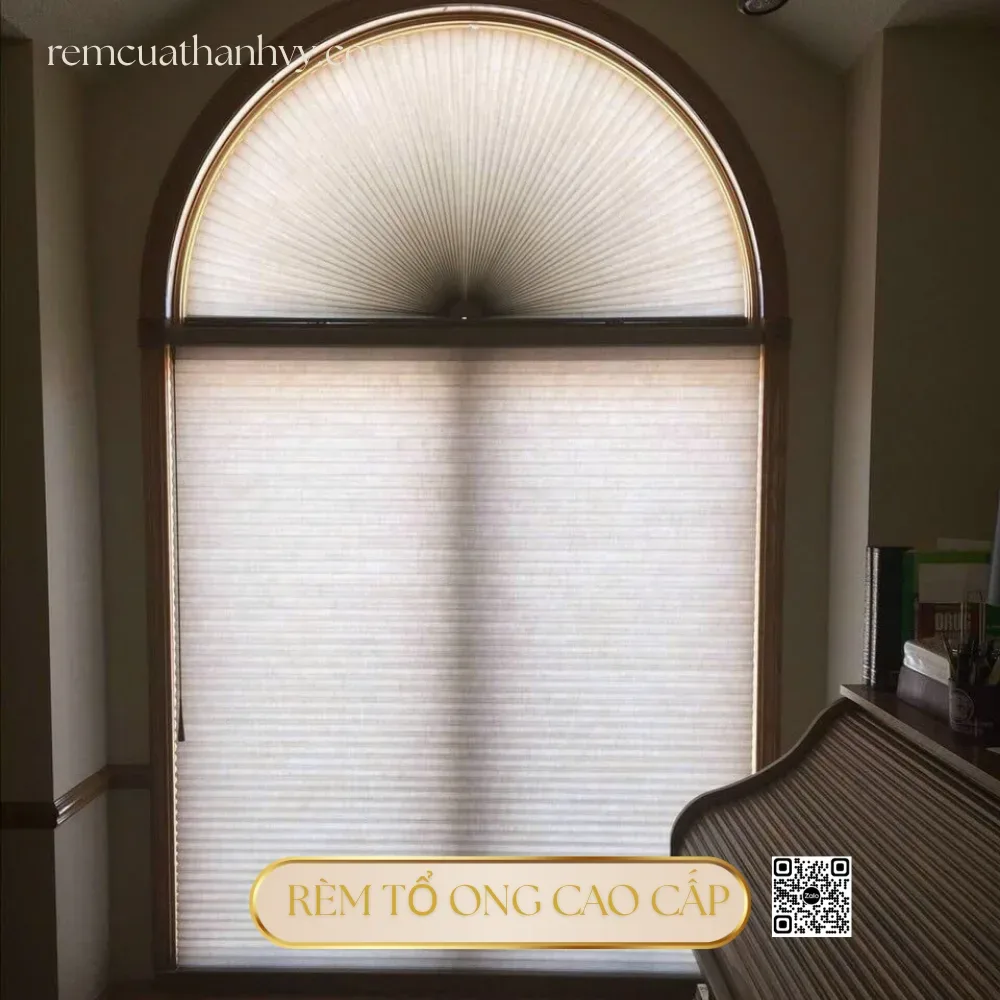
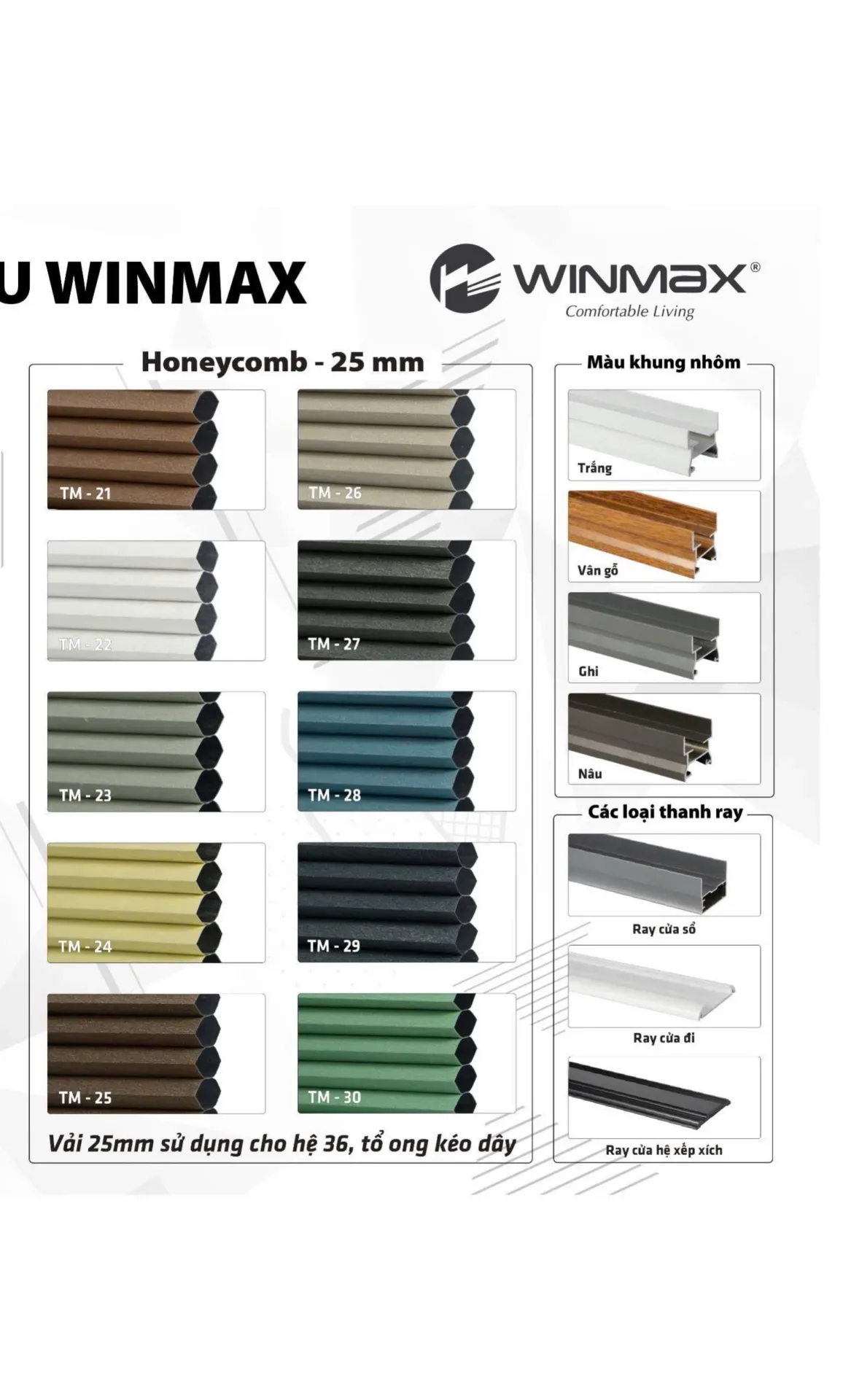
Honeycomb shades have a completely different structure: non-woven fabric arranged into hollow hexagonal cells, resembling a honeycomb when viewed in cross-section. These air pockets create a natural insulating layer while allowing the shades to fold vertically when raised, without the rigid slats found in wooden blinds. Readers interested in the material can review polyester fibers in the textile industry before making a decision.
Because of their distinct construction, the two types of blinds suit different usage needs: wooden blinds lean toward flexible light control and classic aesthetics, while honeycomb shades focus on insulation and temperature retention. The section below will objectively compare each criterion so you have a basis for choosing the right type of blinds, rather than relying solely on intuition or fleeting trends.
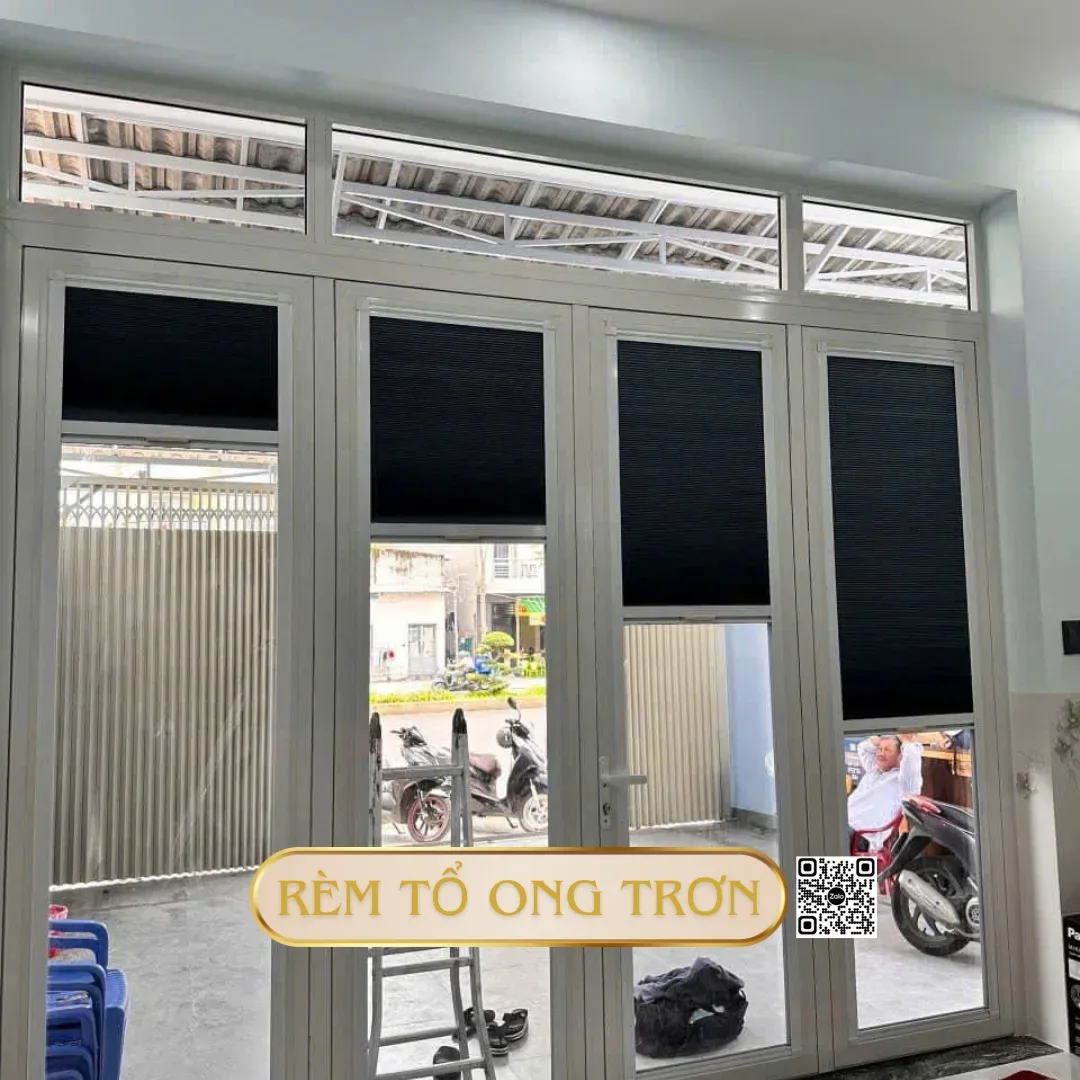
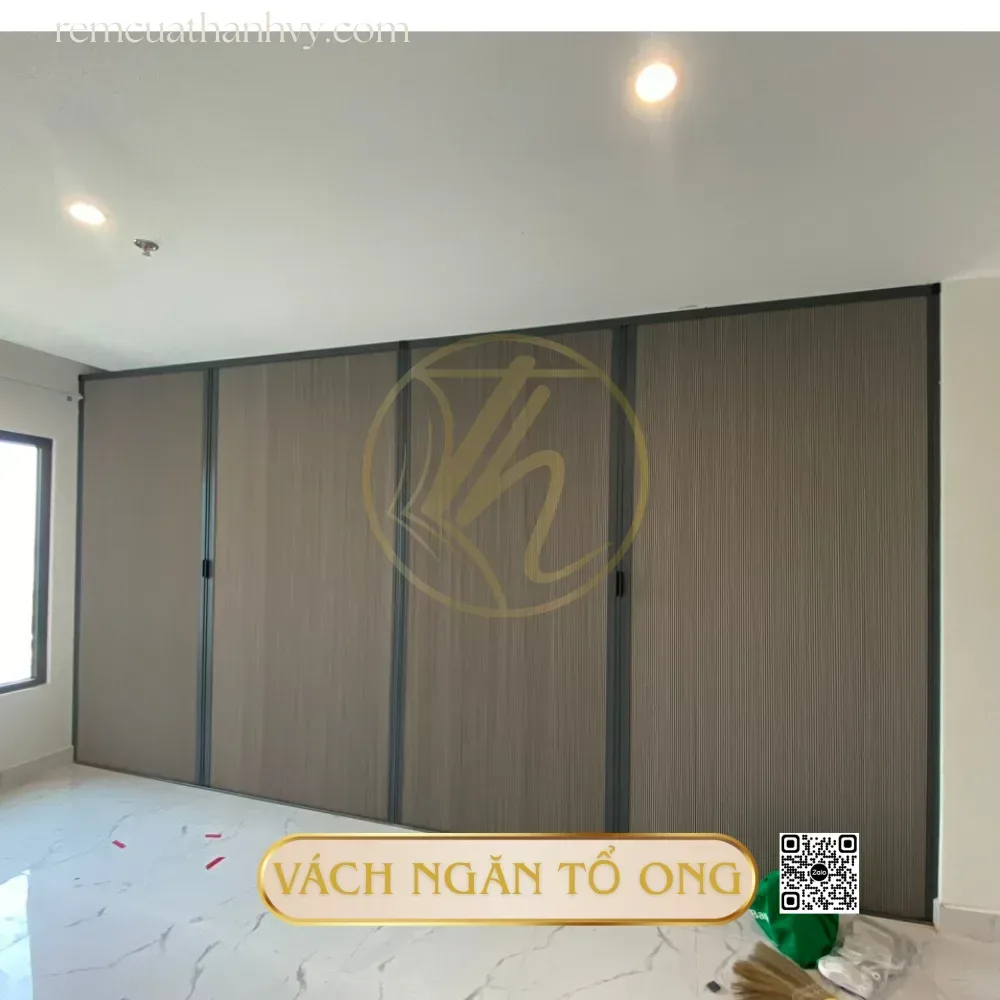
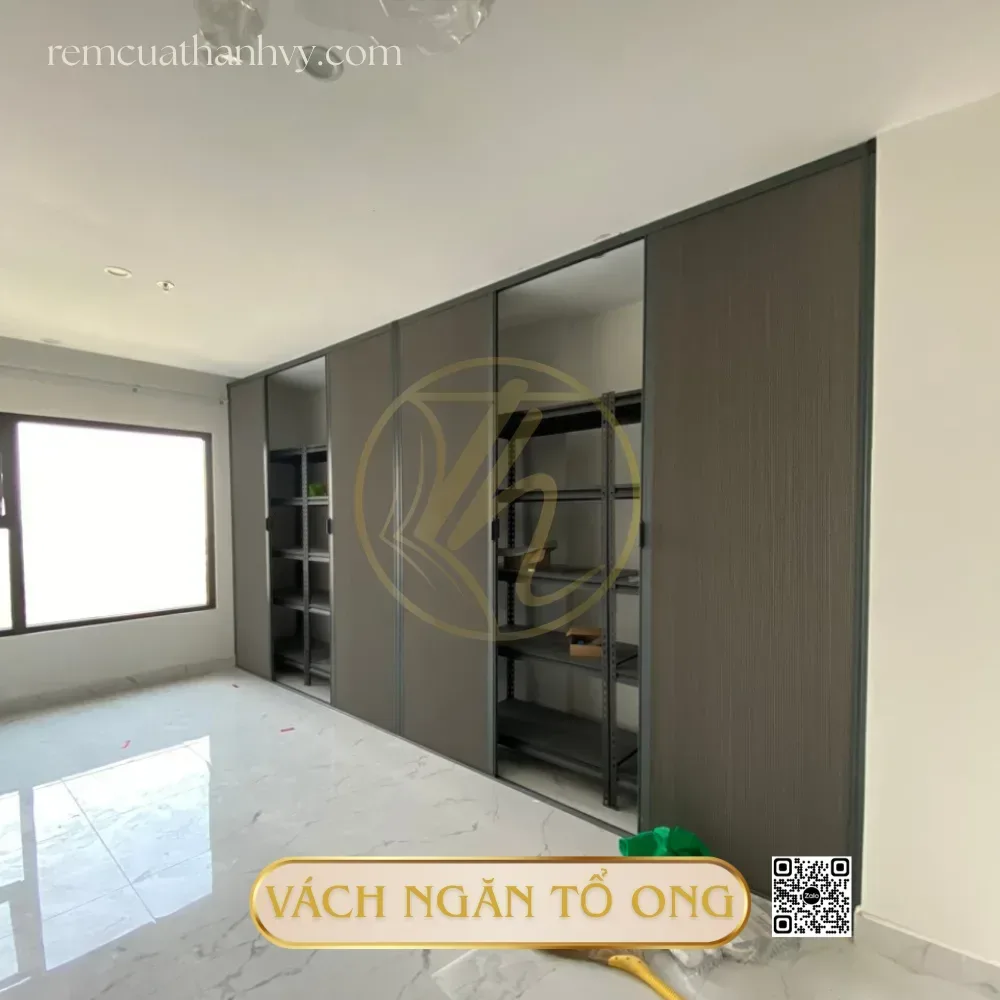
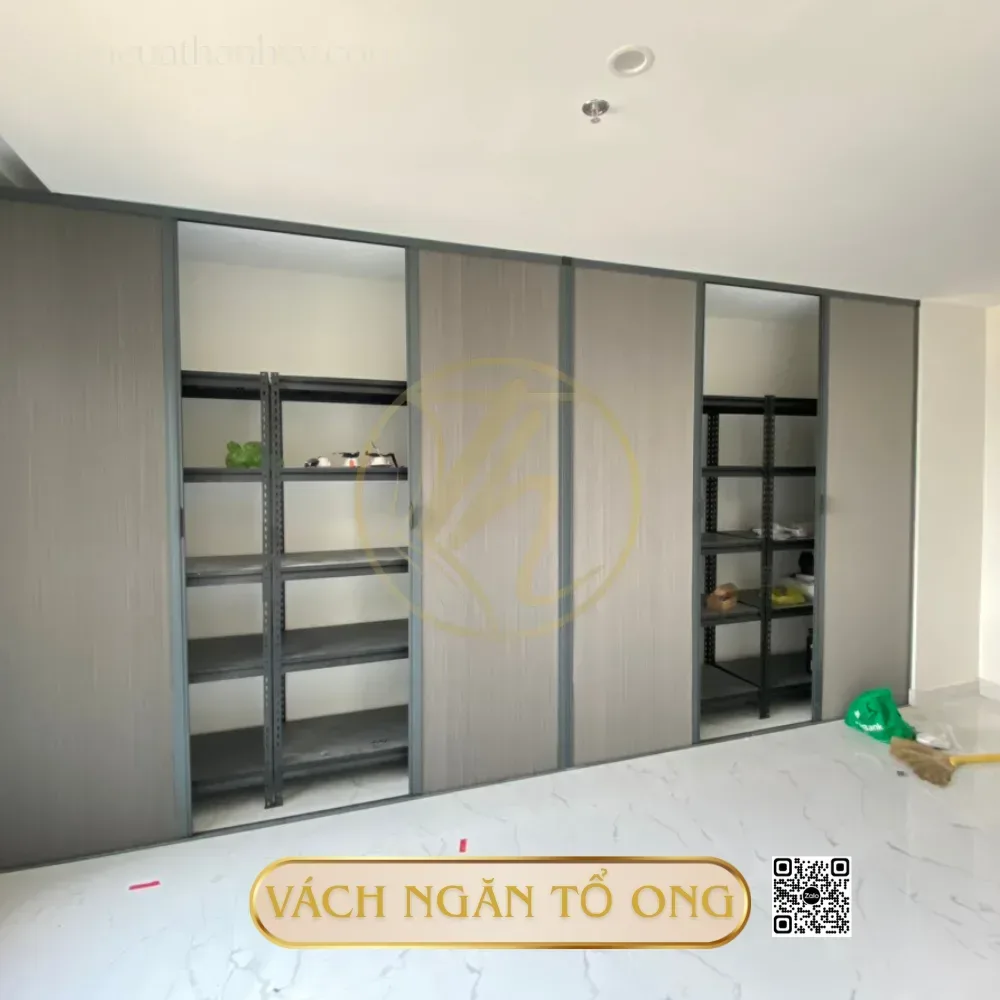
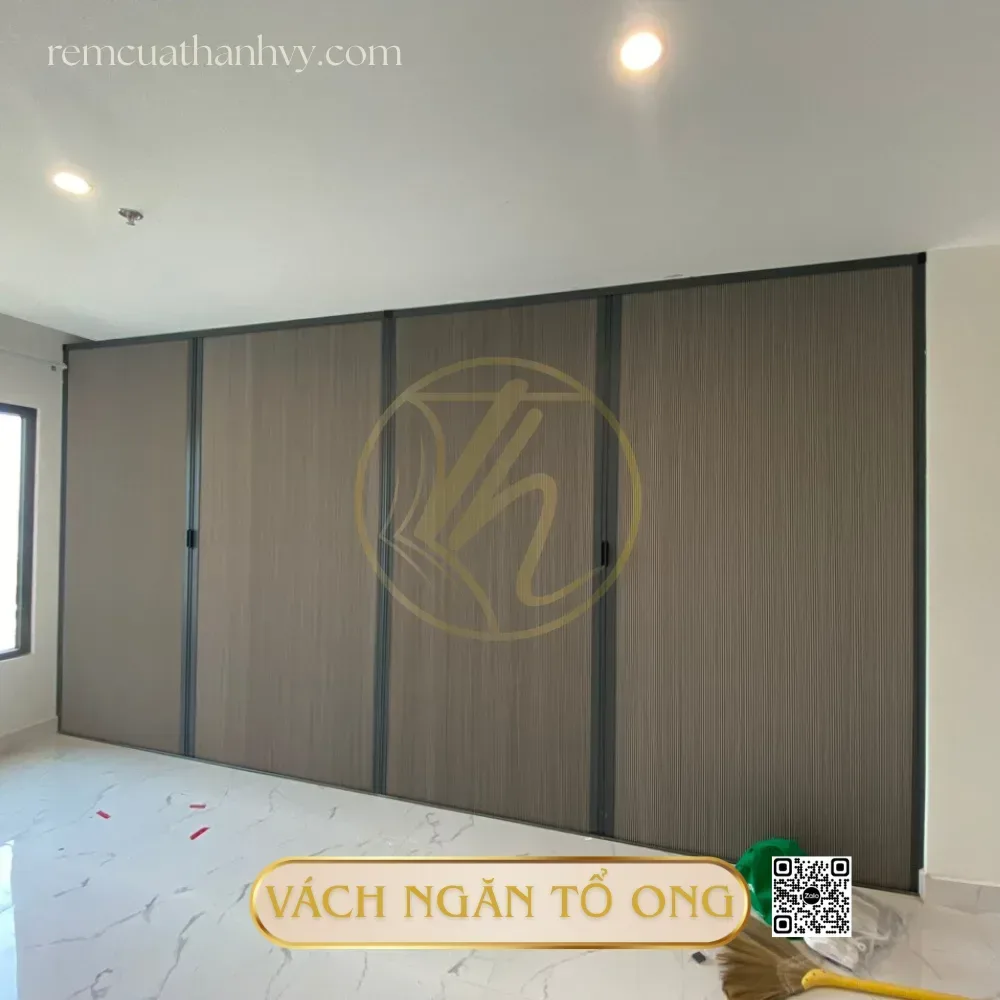
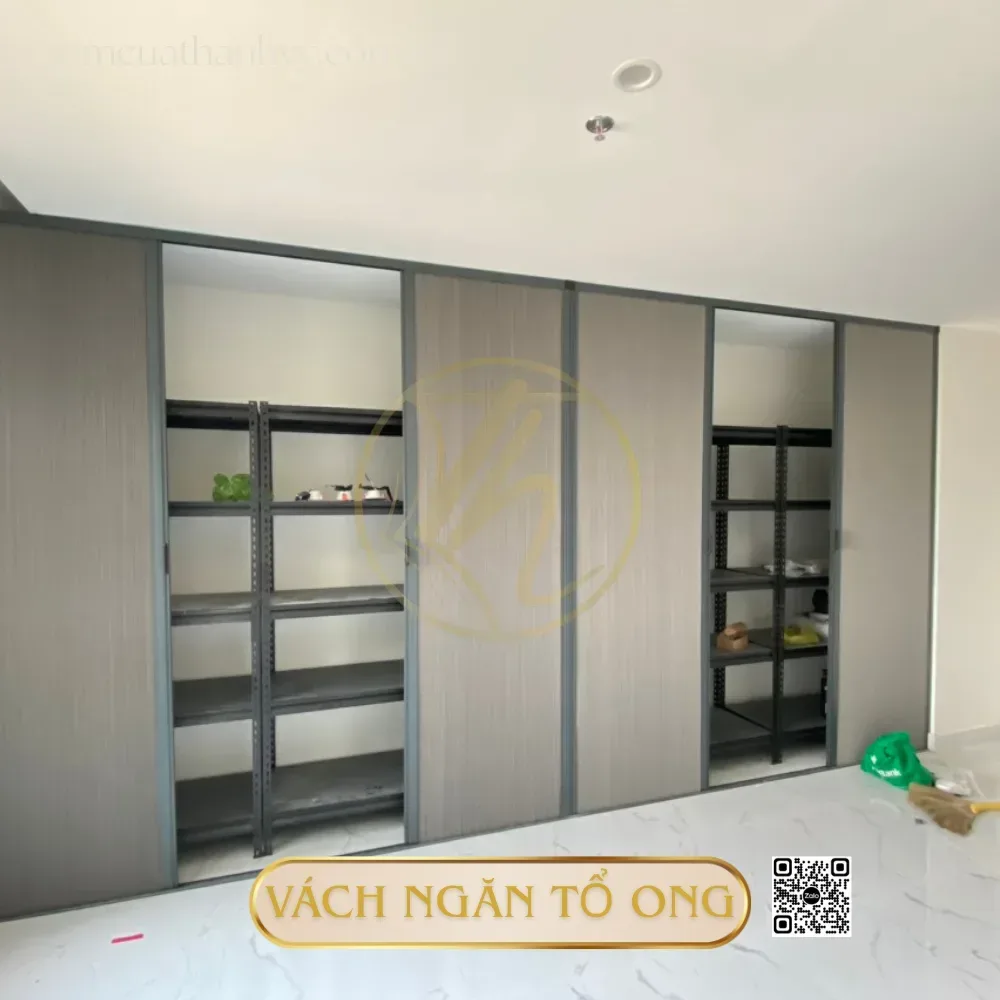
Comparison of Aesthetics and Spatial Style
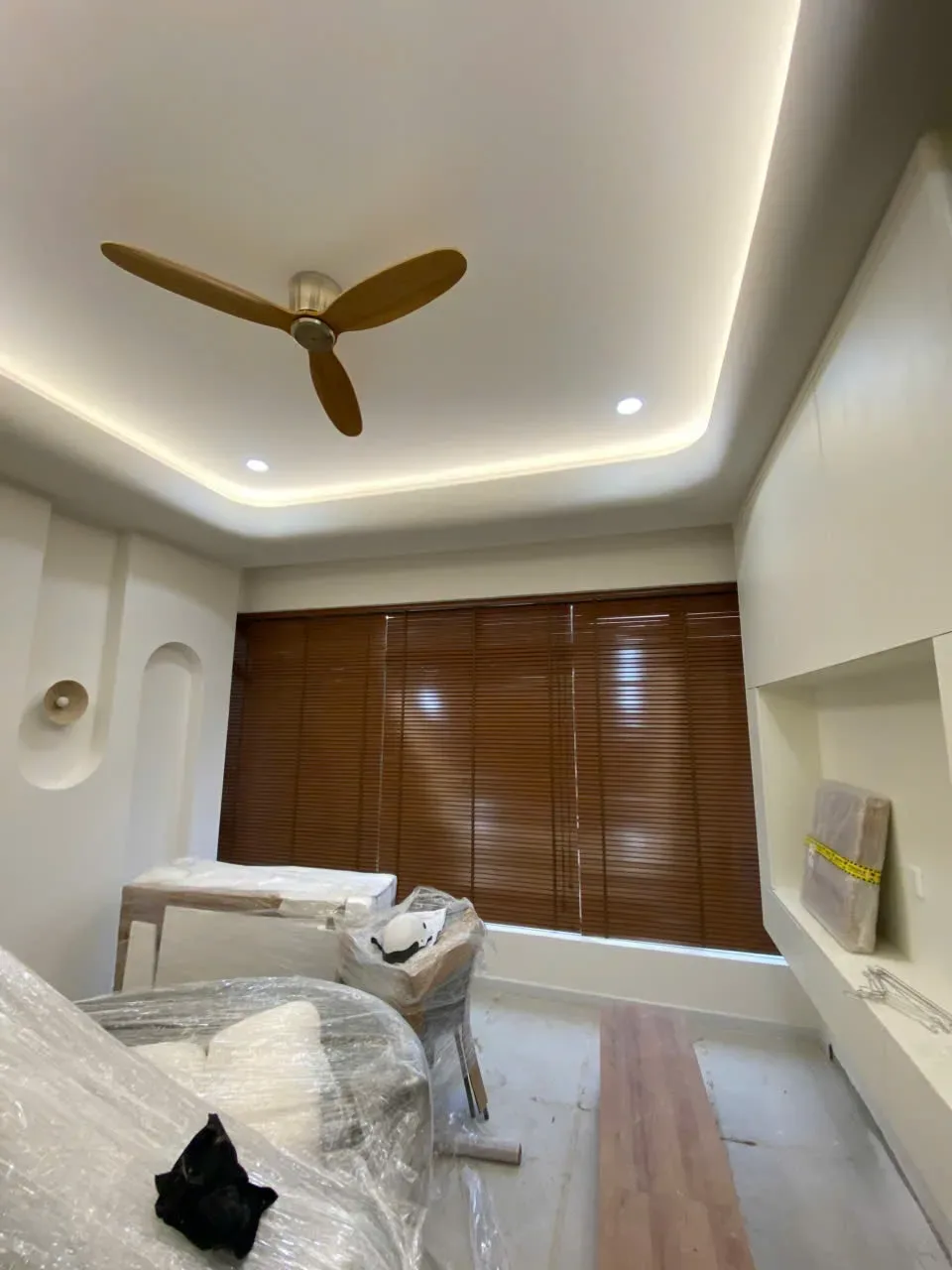
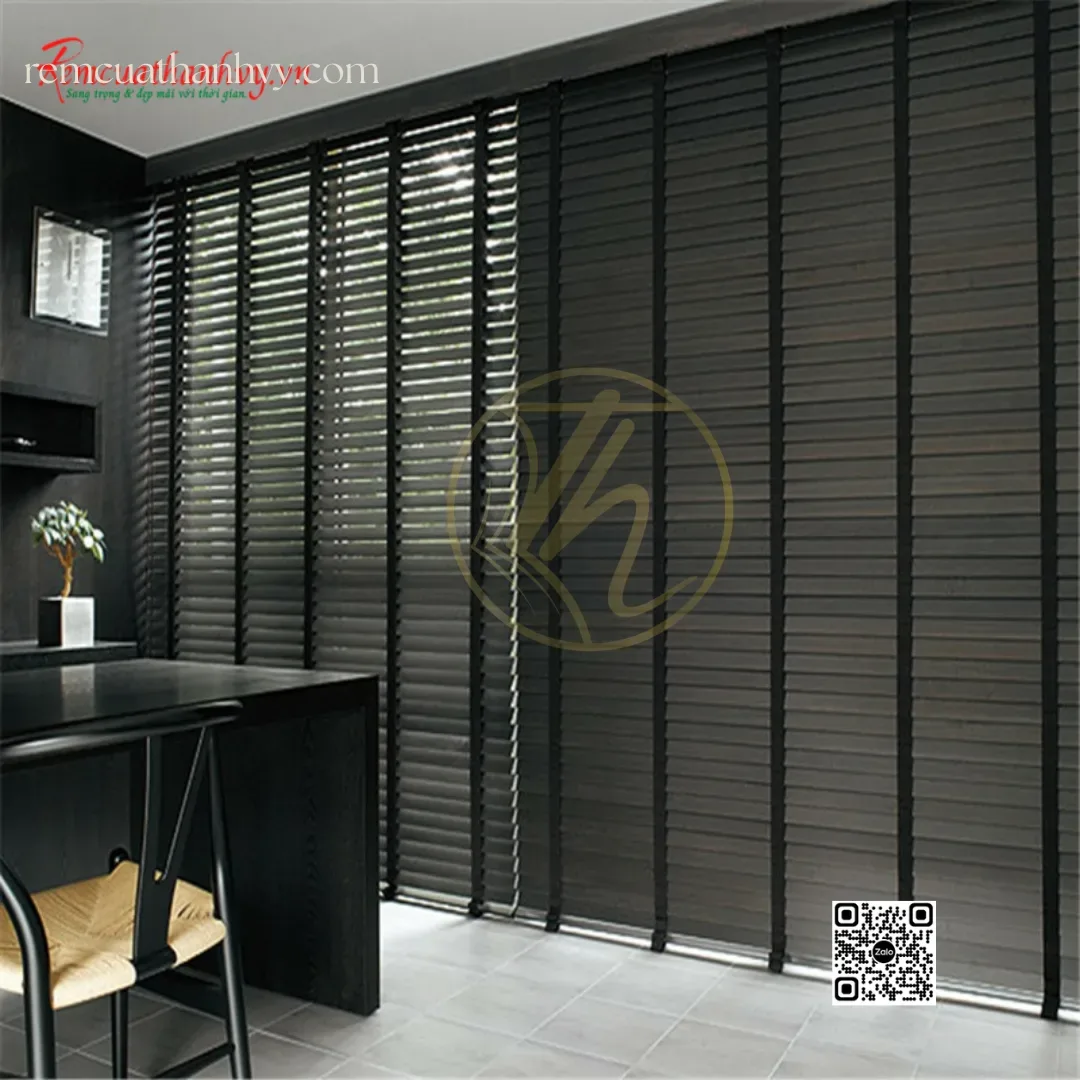
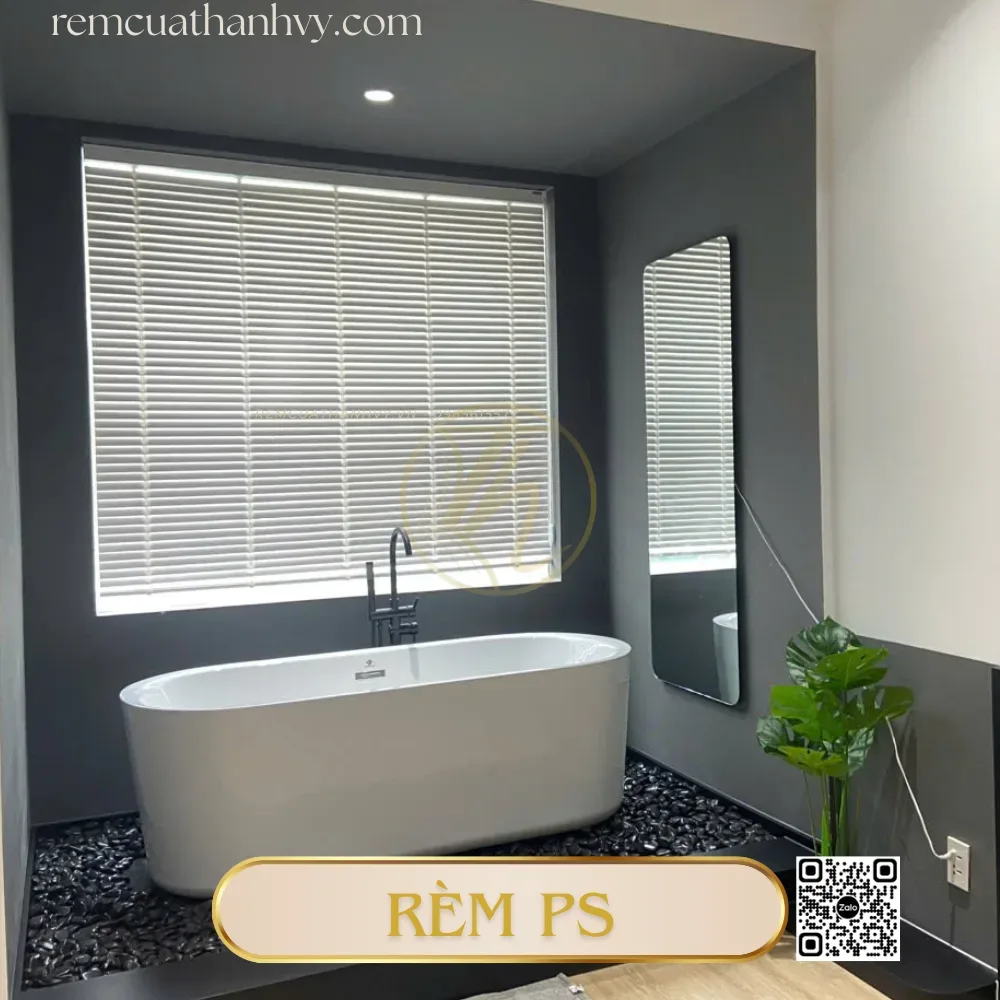
Wooden blinds bring a warm, natural beauty thanks to wood grain and deep colors like oak, walnut, or cream white. This type of blind suits Indochine, vintage, neoclassical interior styles, or rooms where you want to create a luxurious, deep focal point. The evenly spaced parallel slats create a neat, clean-lined effect, suitable for living rooms, offices, or spaces requiring a professional look.
Two related options worth checking out are Fabric Curtains or Wooden Blinds? A Detailed Comparison to Help You Choose and Top Most Beautiful Wooden Blind Models for Dining Rooms 2026.
Quick selection tip: Regarding long-term usage costs, natural wooden blinds require periodic maintenance costs such as repainting or replacing pull cords when they degrade, especially in humid environments.
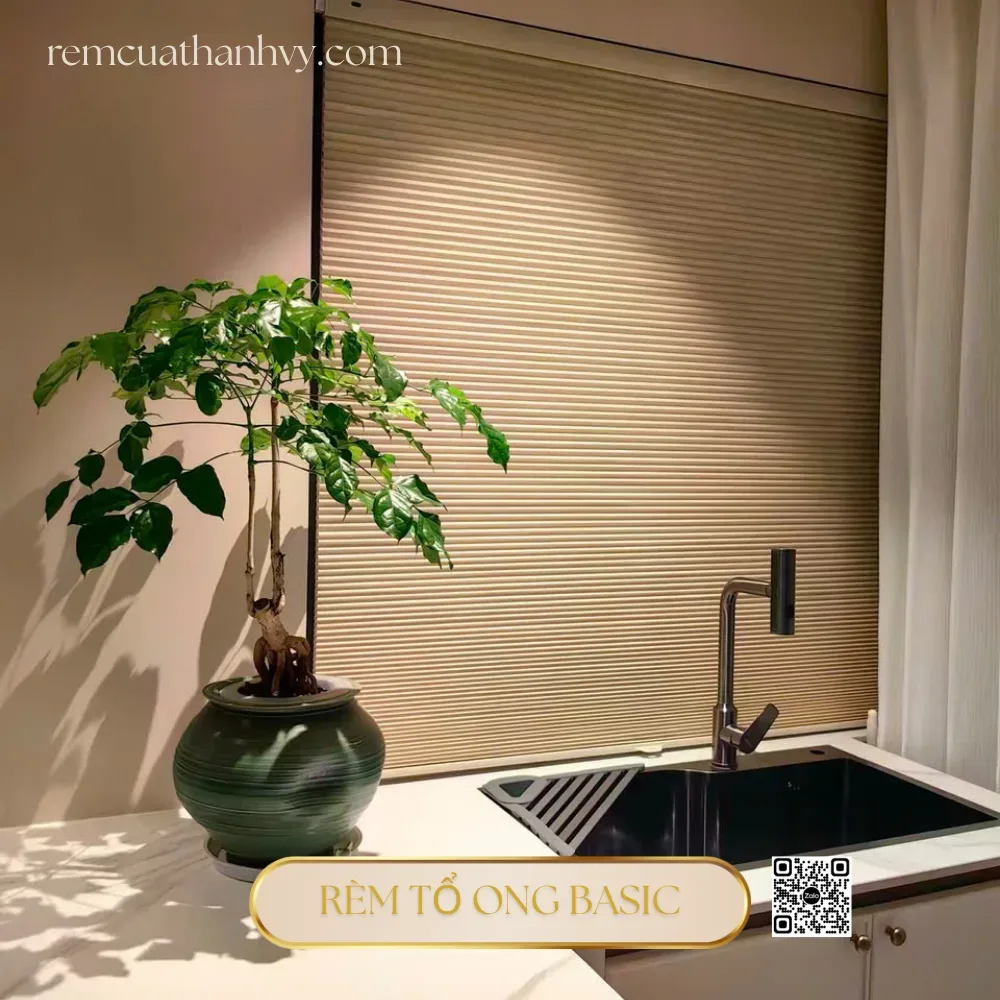
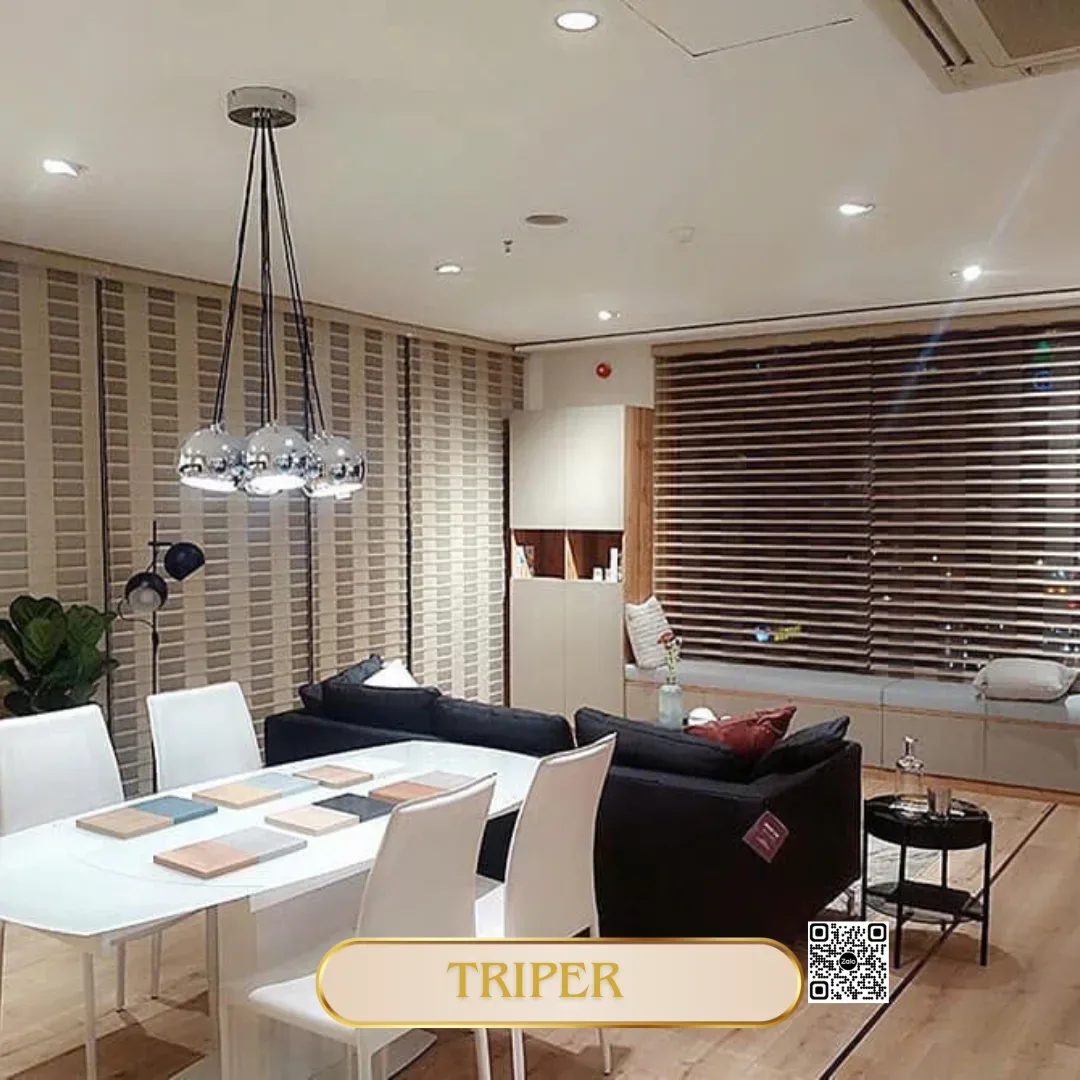
Honeycomb shades follow a more minimalist, modern direction. The fabric surface is flat, without slat lines, and comes in a variety of colors from white, beige, and gray to soft pastel tones. Therefore, honeycomb shades are suitable for Scandinavian or minimalist styles, or bedrooms and children’s rooms that need a soft, cozy feel without being cluttered.
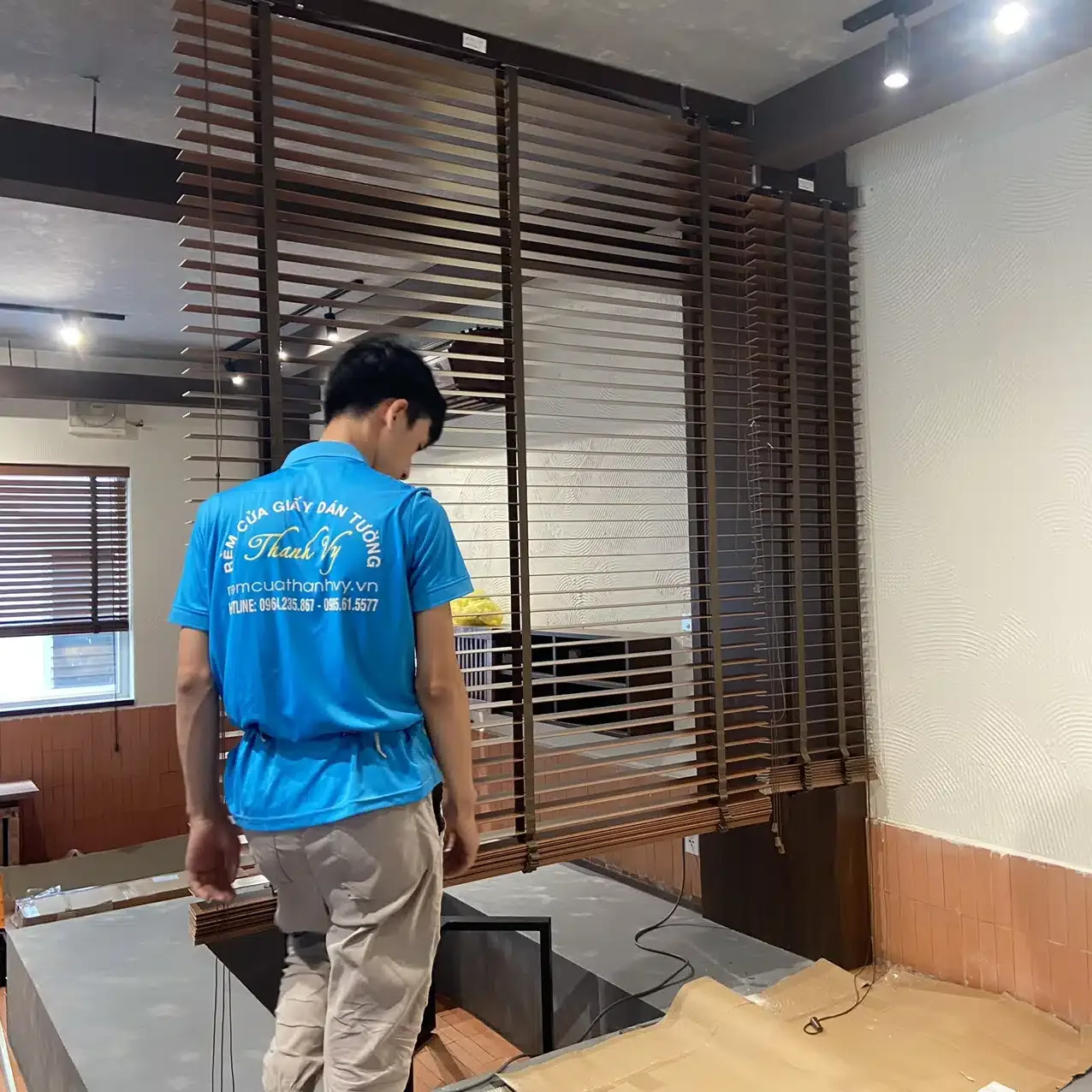
Visually, wooden blinds create more depth and architectural emphasis, while honeycomb shades blend quietly into the overall space. The choice here depends on whether you want the blinds to be a focal point or a backdrop for the room.
Light Control via Slat Angle
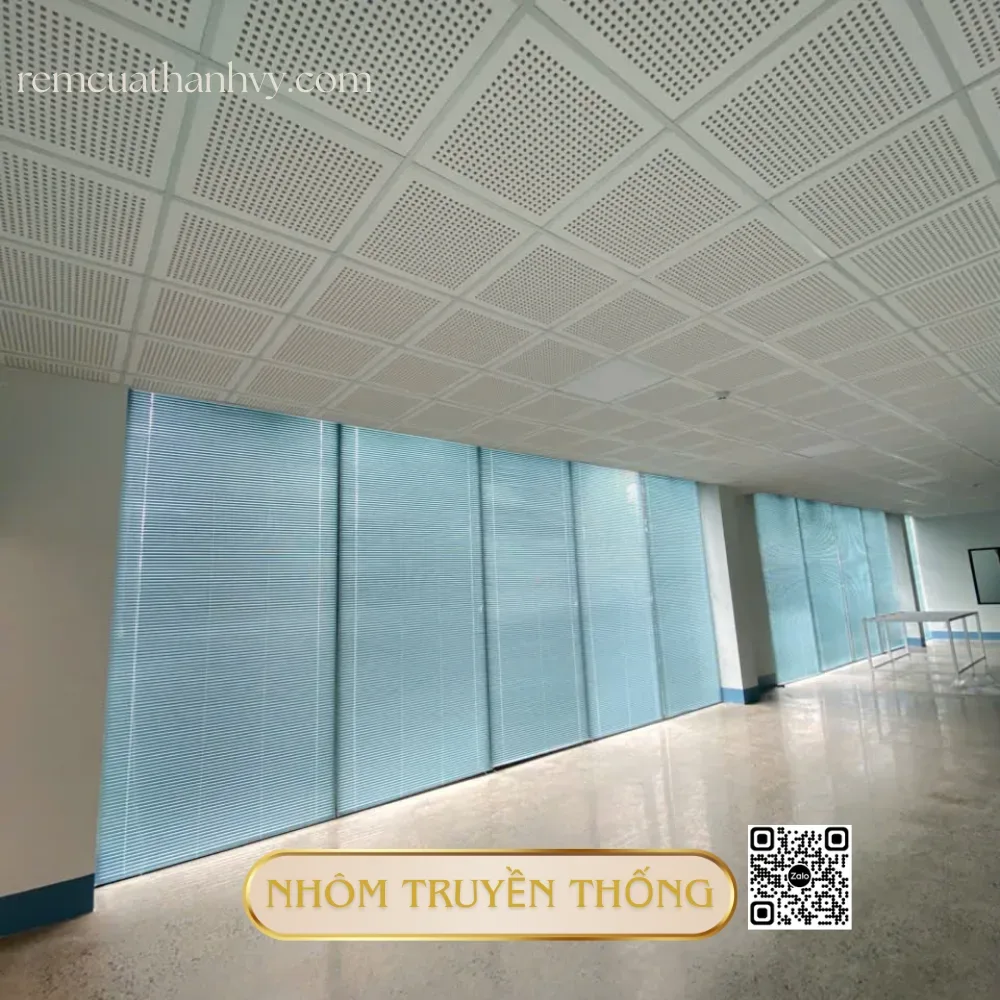
This is the most distinct technical difference between the two types of blinds. Wooden blinds allow you to tilt the slats to various angles: fully closed, slightly open for indirect light, or opened parallel to let in full natural light. This capability allows users to actively regulate light intensity throughout the day without having to constantly raise or lower the blinds.
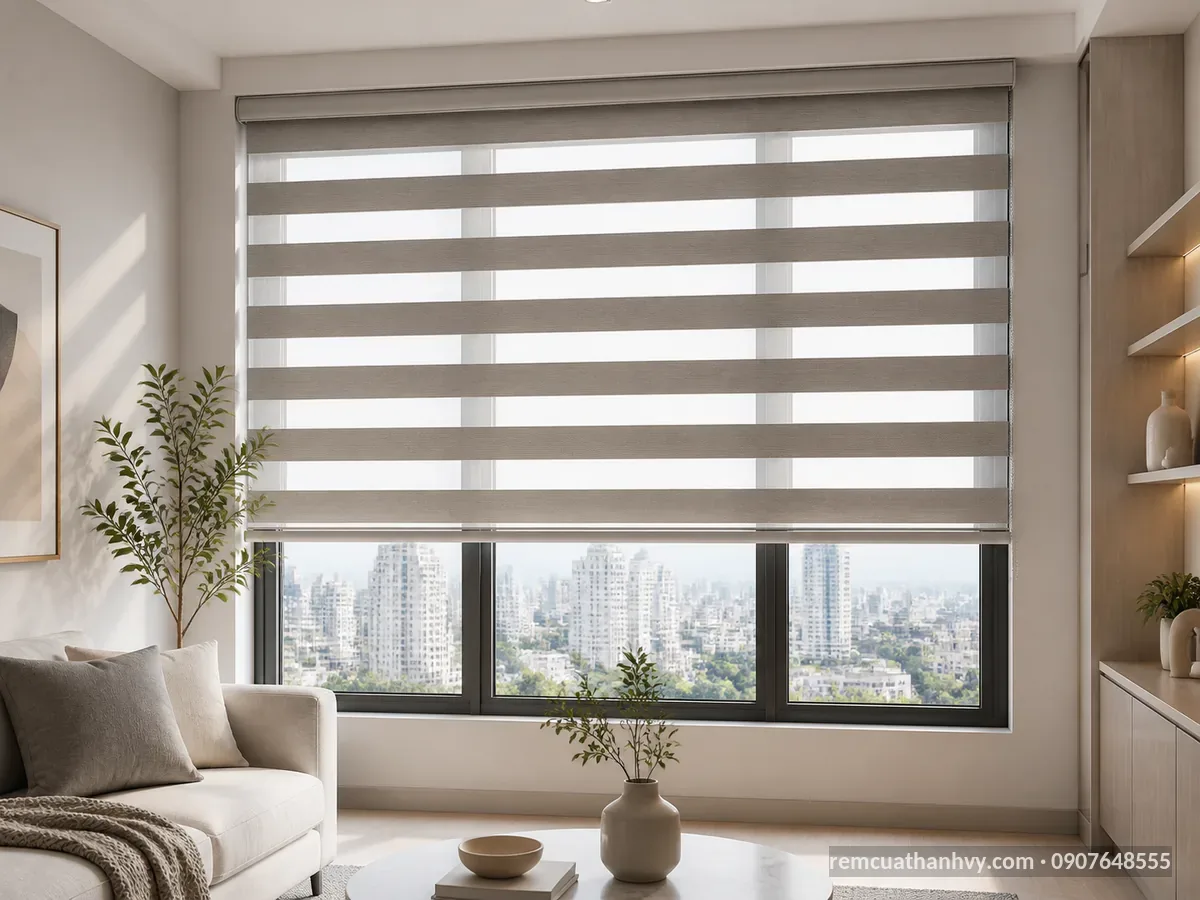
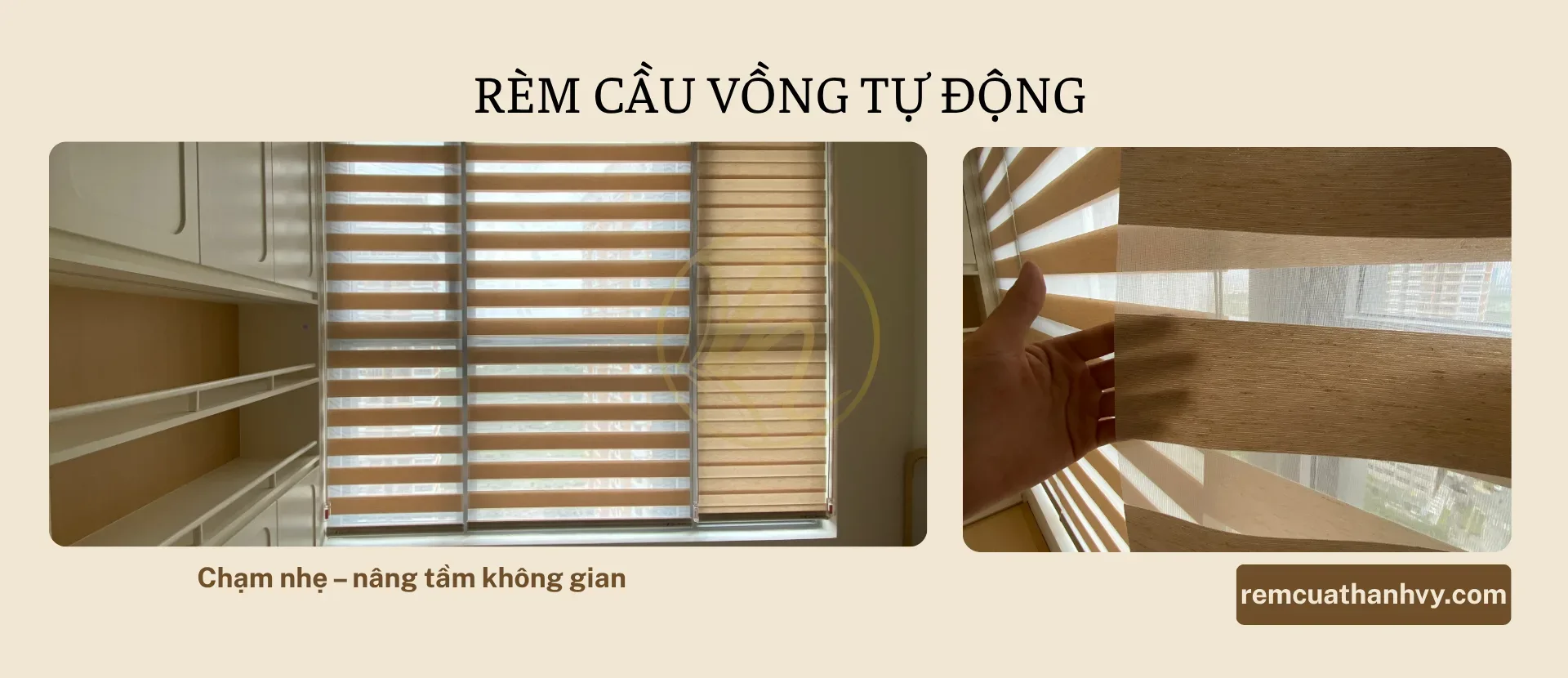
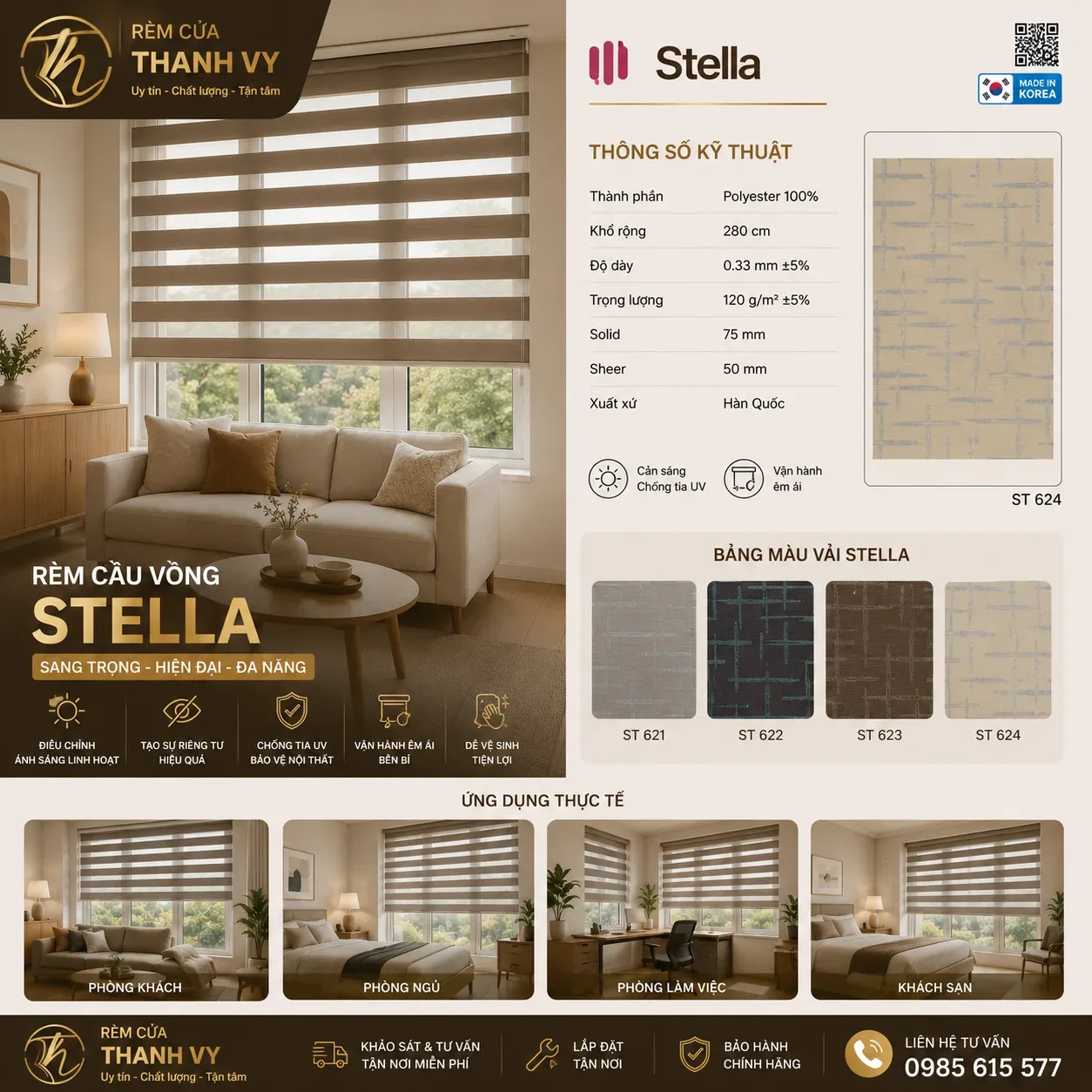
Honeycomb shades do not have a slat-tilting mechanism because their structure is a single, continuous pleated fabric panel. Light adjustment is primarily based on raising or lowering the shade, or choosing semi-transparent, light-filtering, or blackout fabric at the time of installation. Some honeycomb shade models (day and night) partially overcome this limitation by combining a sheer fabric layer and a blackout layer that can be operated independently.

If you need flexible light control at different times of the day, especially in offices or living rooms facing harsh sunlight, wooden blinds have a clear advantage. Conversely, if you prioritize simplicity and fewer daily adjustments, honeycomb shades with fixed light-blocking levels will be more convenient.
Insulation and Soundproofing: Which is Superior?
In terms of insulation, honeycomb shades are generally rated higher due to their hollow honeycomb structure, which creates a static air cushion. This air layer acts as an insulating barrier, limiting heat transfer through glass windows in both directions: keeping the room cool in summer and warm in winter. This is why honeycomb shades are recommended by many energy-saving consultants for windows exposed to direct sunlight.
According to energy-saving guidelines for renters from the U.S. Department of Energy, using appropriate blinds or window coverings can help reduce direct sunlight and heat absorption when positioned correctly. This principle applies to many types of sun-shading blinds, with multi-layered air structures like honeycomb shades being more effective than single-slat types.
Wooden blinds, due to the gaps between slats even when closed, have lower insulation and soundproofing capabilities than honeycomb shades. However, natural wood material has the basic advantage of better soundproofing than thin fabric when the slats are thick and installed close to the window frame. If your home is on a busy street or near noisy areas, thick blackout honeycomb shades are a more reasonable soundproofing choice. Readers interested can view the article in An Giang Newspaper about Thanh Vy’s high-end fabric curtains.
Durability in Humid Environments and Practical Usage Conditions
Wooden blinds have a clear weakness: sensitivity to humidity. The climate in the South and areas near rivers or the sea has high humidity year-round, which can cause natural wood to warp, mold, or peel paint if used long-term in bathrooms, kitchens, or balconies without roofs. Therefore, wooden blinds are more suitable for living rooms, bedrooms, and offices—spaces that are dry and have minimal exposure to water vapor.
Honeycomb shades use synthetic non-woven fabric, which is less affected by humidity than natural wood, though they should still avoid prolonged dampness as it can affect the shape of the honeycomb pleats over time. In general, honeycomb shades are more flexible in terms of installation range and can be used for bedrooms, offices, and areas with moderate humidity like living rooms near large glass doors.
For windows facing harsh sunlight, installing additional window film or double-layered curtains is a supplementary solution many families apply to reduce heat load and extend the lifespan of the blinds, whether they are wooden or honeycomb.
Send your dimensions and needs, and the Thanh Vy Curtains team will advise on options and quote for your actual space.
Daily Cleaning and Maintenance
Wooden blinds have flat slat surfaces, so dusting is quite simple: just use a soft cloth or a specialized duster to glide across each slat horizontally. However, because there are many individual slats and gaps between them, dust can easily accumulate in the corners over time, requiring more regular periodic cleaning if the house is in a dusty area or near traffic.
Honeycomb shades, with their hollow cell design, are prone to trapping fine dust inside the pleats, making them harder to clean directly with a damp cloth like wooden blinds. A common cleaning method is to use a mini vacuum cleaner with a soft brush attachment to gently vacuum along the pleats, avoiding direct use of water to prevent damaging the fabric structure and the honeycomb adhesive.
In general, wooden blinds require more frequent dusting but are easier to handle, while honeycomb shades have less surface dust but require equipment and more care for deep cleaning. Families with young children or pets should choose the type of blinds that fits their actual lifestyle habits, rather than just relying on catalogue specifications.
Comparison of Price and Long-term Usage Costs
Regarding initial price, wooden blinds and honeycomb shades are in a similar range for entry-level models, but the difference becomes clear when considering materials and advanced features. Solid natural wooden blinds are usually more expensive than engineered wood or faux wood lines, while honeycomb shades increase in price based on the thickness of the honeycomb layer, light-blocking capability, and whether they integrate motorized controls.
Regarding long-term usage costs, natural wooden blinds require periodic maintenance such as repainting or replacing pull cords when they degrade, especially in humid environments. Honeycomb shades require less structural maintenance, but if the fabric is heavily soiled or torn, it usually requires replacing the entire panel because local repairs are difficult, unlike replacing individual wooden slats.
Considering energy-saving efficiency through insulation, honeycomb shades can partially reduce long-term cooling or heating costs, offsetting the initial price difference if the house has large glass areas. With a limited budget, engineered wooden blinds are a reasonable balance between cost and value.
Which One to Choose for Specific Spaces
There is no single correct answer for every home when comparing wooden blinds and honeycomb shades, as each type serves different usage goals well. Below is a criteria framework for you to compare with the actual needs of the space you are considering for blinds.
Prioritize wooden blinds if: the space is dry and has low humidity; you need to adjust light flexibly multiple times a day; the interior style leans toward classic and warm; and you accept regular periodic cleaning. Prioritize honeycomb shades if: windows face harsh sunlight and need good insulation; the space has a modern minimalist style; you want to limit daily blind adjustments; or bedrooms and children’s rooms need stable light-blocking levels.
One criterion that should not be overlooked for families with young children or pets is cord safety. According to safety recommendations from the U.S. Consumer Product Safety Commission, blind and shade cords pose a risk of entanglement for young children and pets, so families with children are encouraged to consider cordless solutions or those with safety cord-locking mechanisms, applicable to both wooden blinds and honeycomb shades. This is a factor you should ask the installation provider about clearly before finalizing the model, rather than just focusing on price and color. You can refer to the concept of curtains in architecture to better understand the material aspect.
If you are still undecided, you can combine both: wooden blinds for living rooms and offices that need aesthetics and light flexibility; honeycomb shades for bedrooms and children’s rooms that need insulation and stable light-blocking. The Thanh Vy consulting team can take actual measurements and suggest suitable models based on sun direction, glass area, and the interior style of each room. Readers can further compare through the Thanh Vy high-end curtains section on Ha Tinh Newspaper.
Related areas
Curtains in Binh Duong: What to prioritize when choosing for each space
When choosing curtains in Binh Duong, prioritize sun-blocking materials that match your interior style and [...]
Related reviews
Are Honeycomb Blinds Good? An In-Depth Review From A-Z
A comprehensive guide on choosing honeycomb blinds based on living space, lighting, privacy, materials, finishes, [...]
Are Wood Blinds Worth It? A Complete A–Z Review
A guide to deciding whether wood blinds are right for your home based on space, [...]
Comparing Fabric Curtains and Zebra Blinds: Which One Fits Your Needs?
This article compares fabric curtains and zebra blinds in terms of light, privacy, stackback, the [...]


No comments yet!