


Mosquito Screen Door Review: What It Blocks, What It Doesn’t, and Who Should Skip It
Mosquito screens do not kill mosquitoes, and that is the starting point
Most disappointment with mosquito screens comes from a misunderstanding of their role. People install them expecting the house to be mosquito-free. They do not do that. They are physical barriers placed at a specific opening, and they only block what passes through that opening. Background information about the role of windows helps provide a basis for comparison when choosing materials.
Mosquitoes can still enter the house through floor drains, drain gaps, bathroom windows, ventilation openings, the main door whenever someone goes in or out, and even from puddles of standing water inside your home. Installing a screen for the balcony door and still getting bitten is completely normal, not a product defect.
Assessing this category correctly must start there: it reduces insect pressure at one point so you can open the door wide for fresh air. Its real value lies in the ability to open the door, not in a promise to kill mosquitoes.


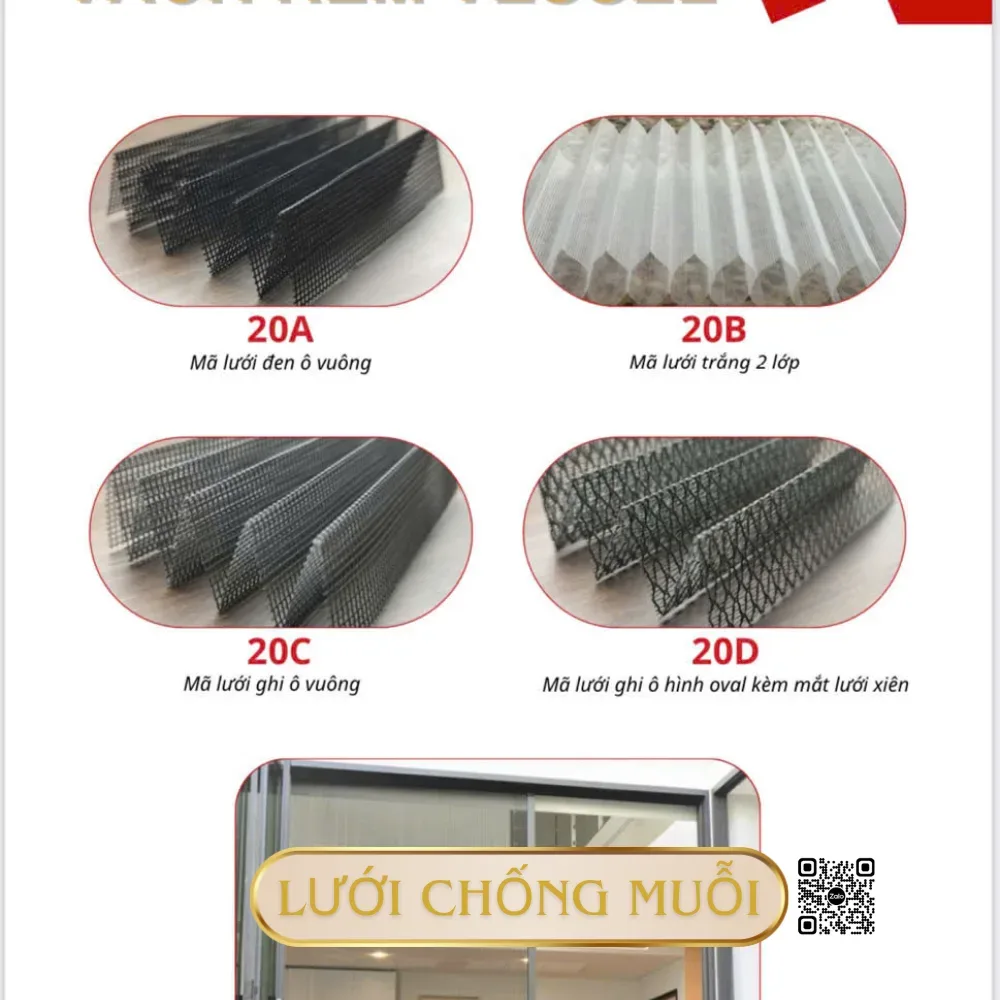
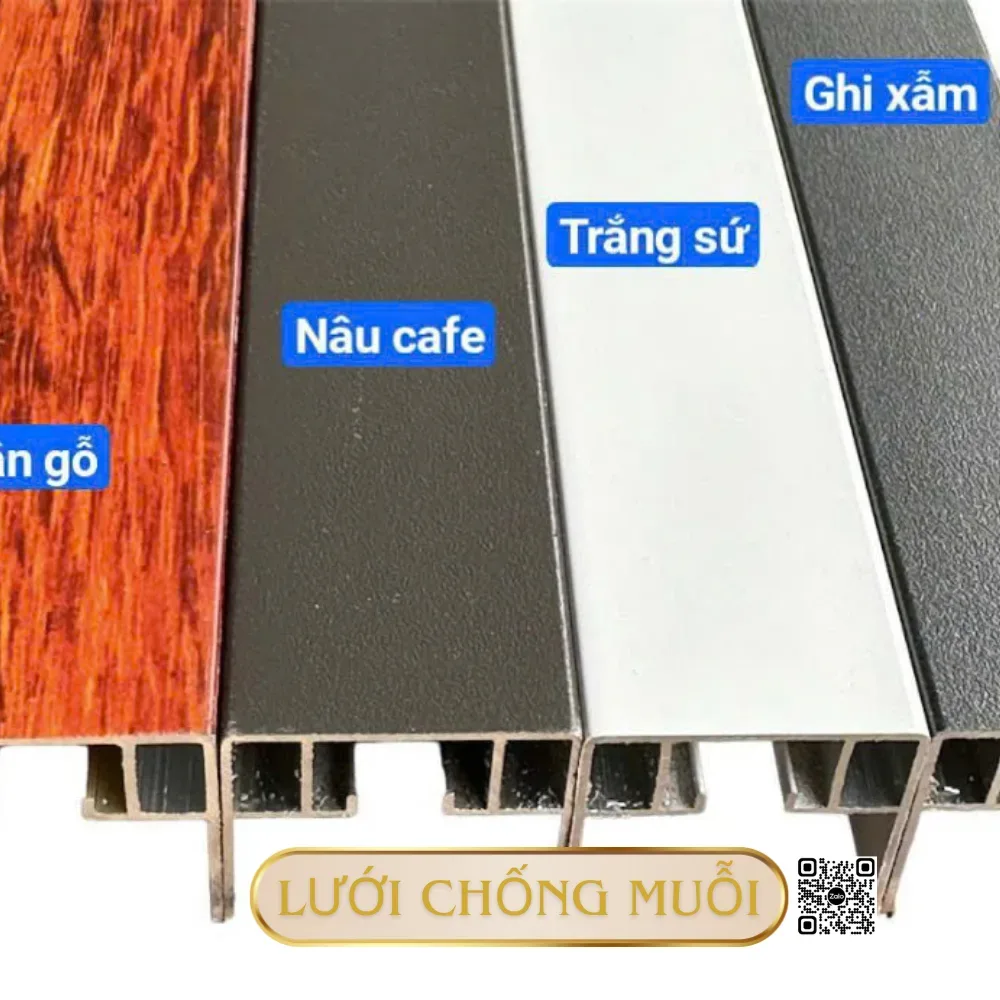
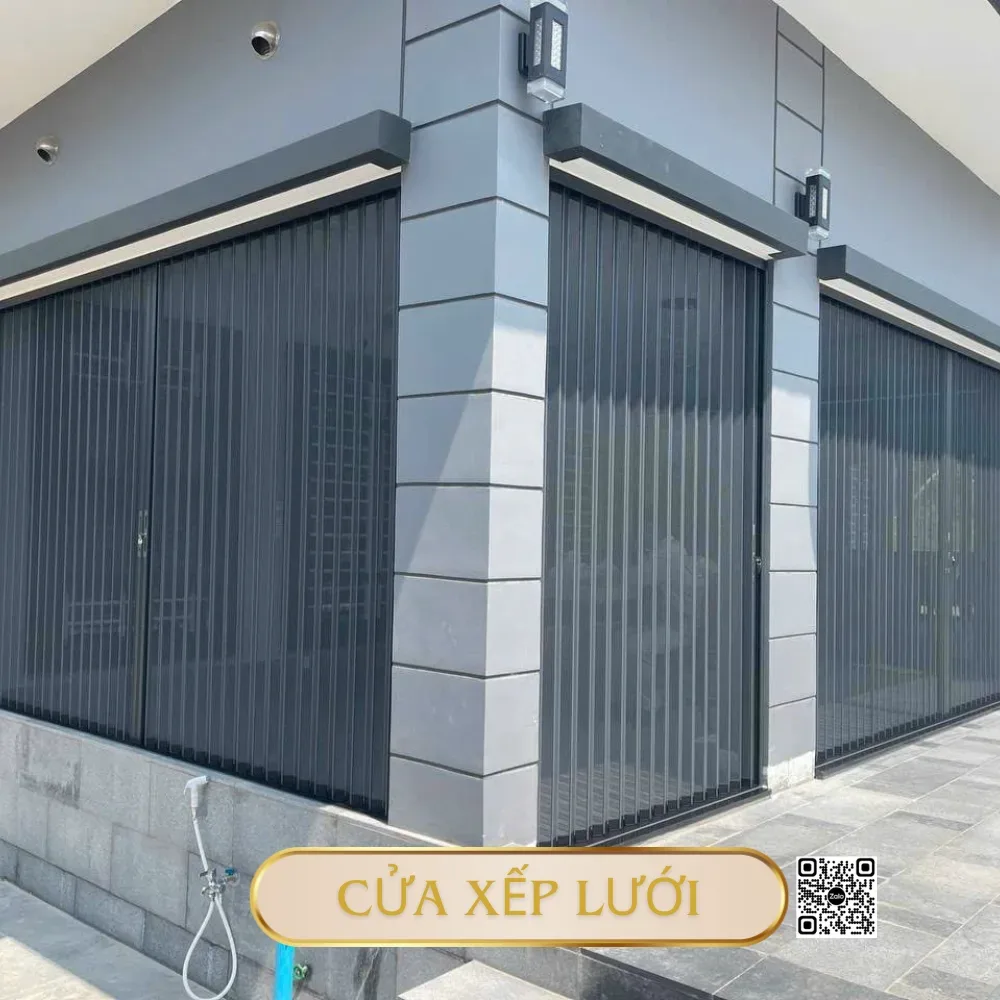
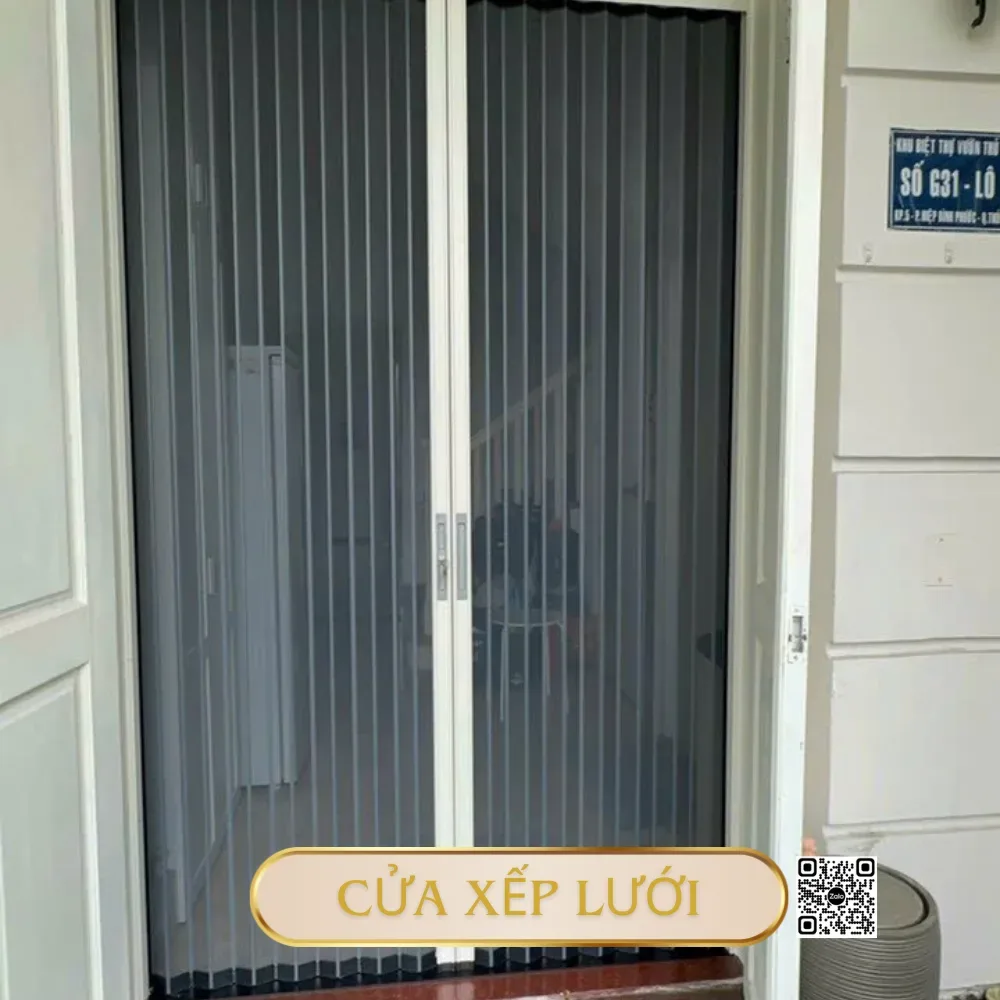


The real problem it solves is airflow, not insects
Townhouses and apartments in hot, humid areas face a familiar paradox: when the door is open, it is cool but full of insects; when the door is closed, it is clean but stuffy and requires air conditioning. Mosquito screens exist to break that dilemma. They allow you to keep the door open throughout the evening, when mosquitoes are most active, while still maintaining natural airflow.

That is also why their value varies greatly from one home to another. A home with two open sides and cross-ventilation can save on air conditioning with every hour the door remains open, so the screen quickly pays for itself. A home squeezed between rows of buildings, with only one open side and almost no wind, is essentially the same whether the door is open or closed — in that case, the screen only serves to block insects, and you should ask yourself whether it is worth installing.
Five products in the catalog and three completely different mechanism groups
The catalog contains five products, and they are not five versions of the same thing but belong to three very different operating mechanism groups. Choosing the wrong group cannot be salvaged by color or price.
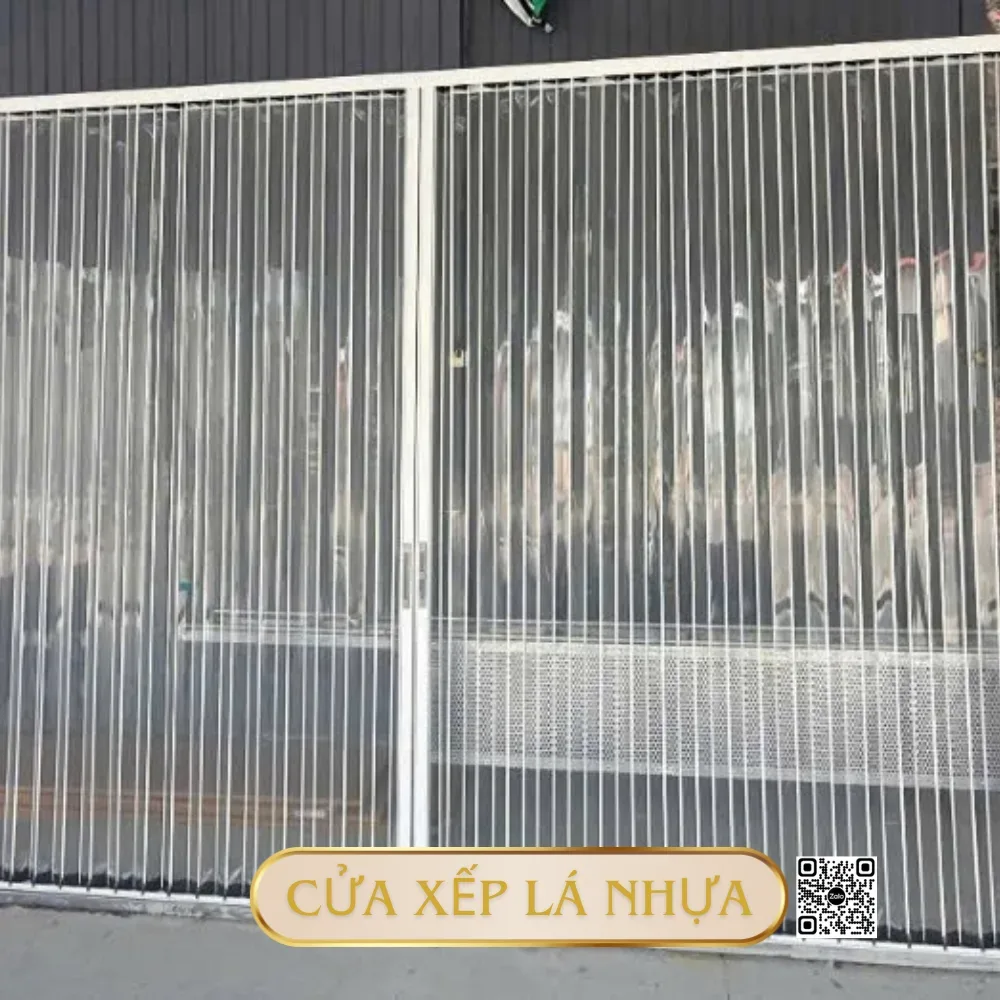
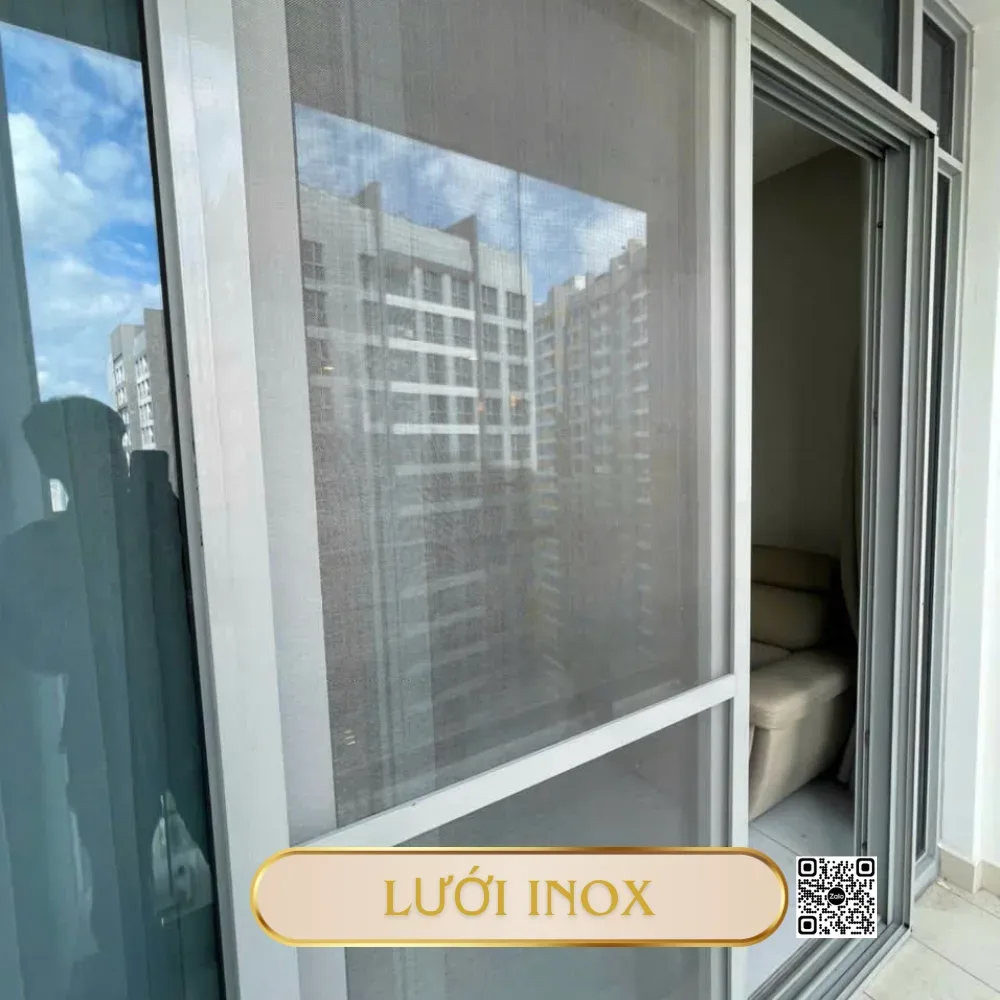
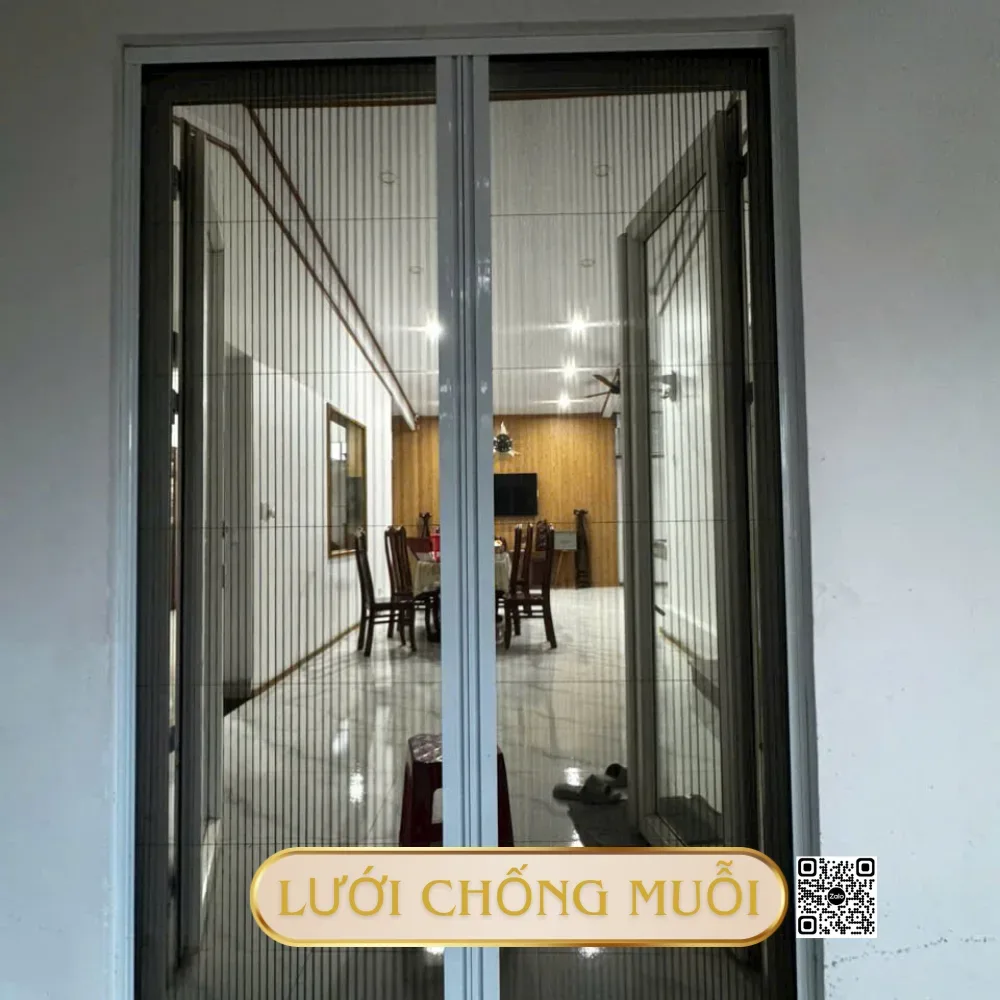
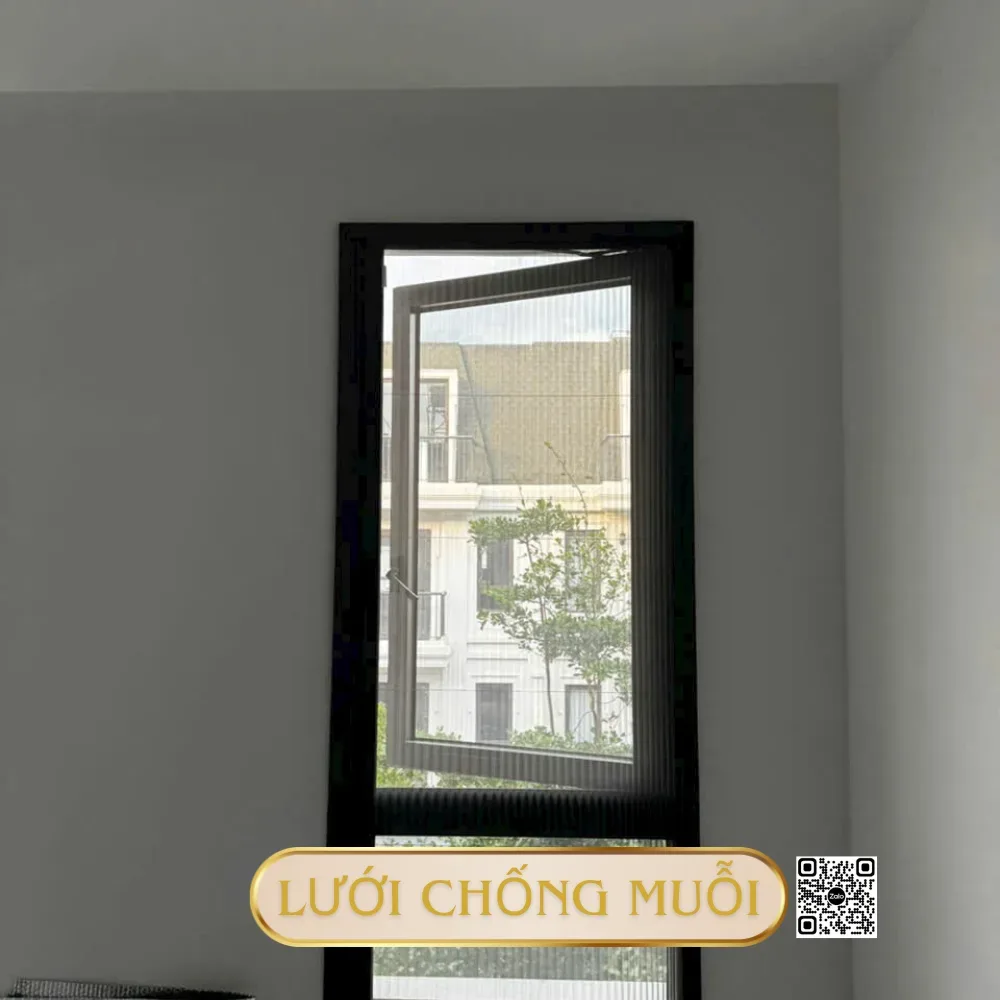
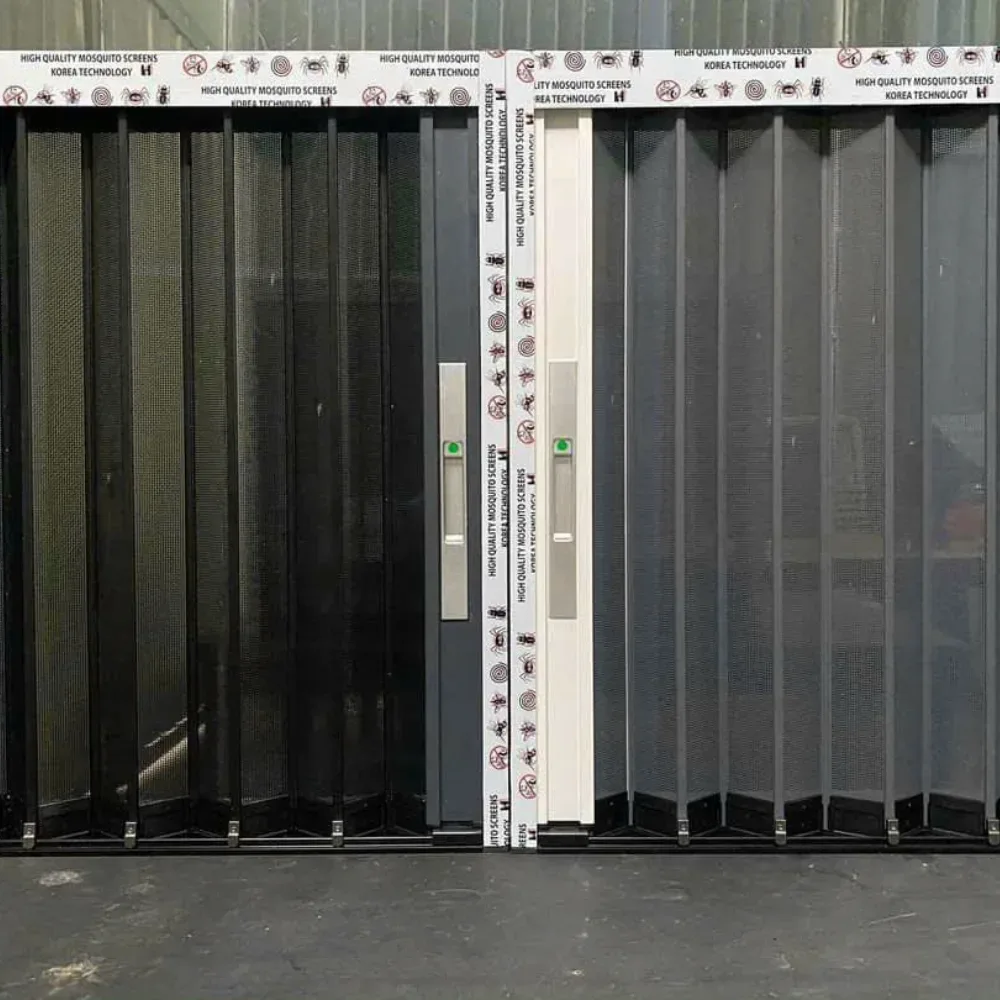
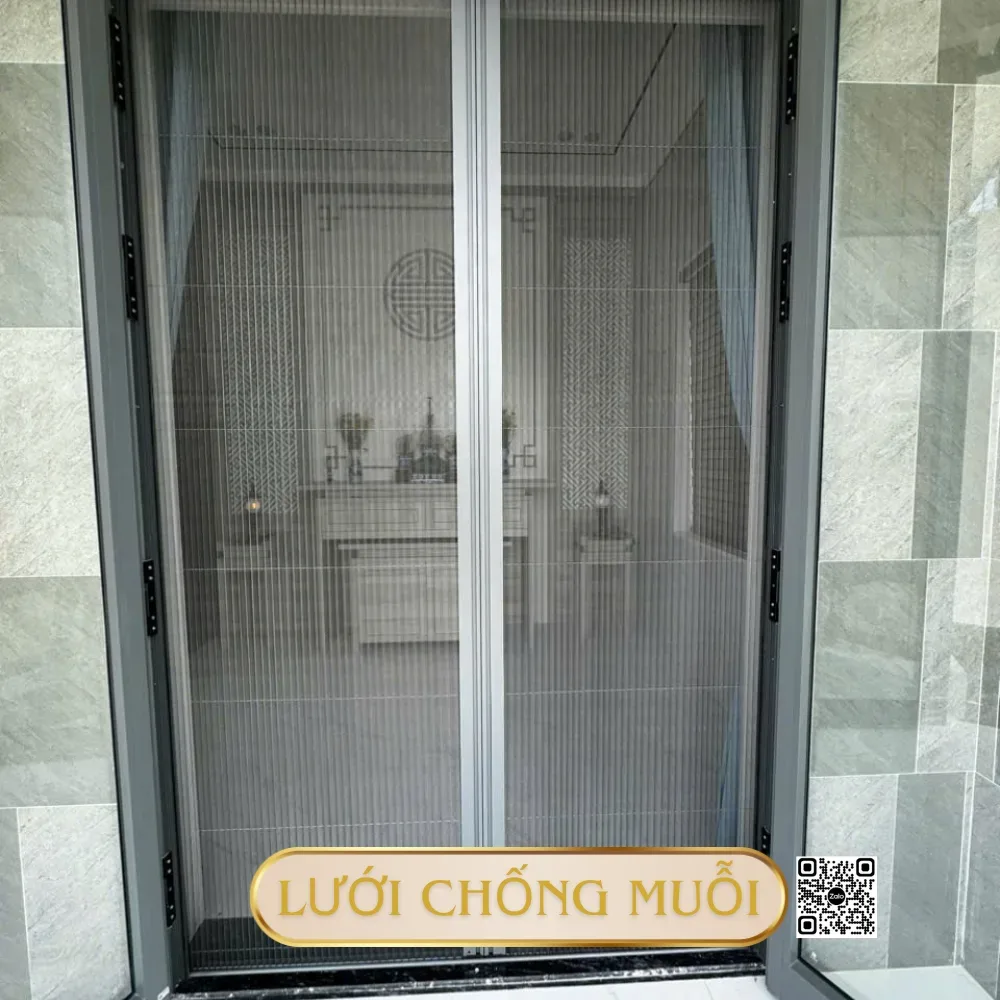
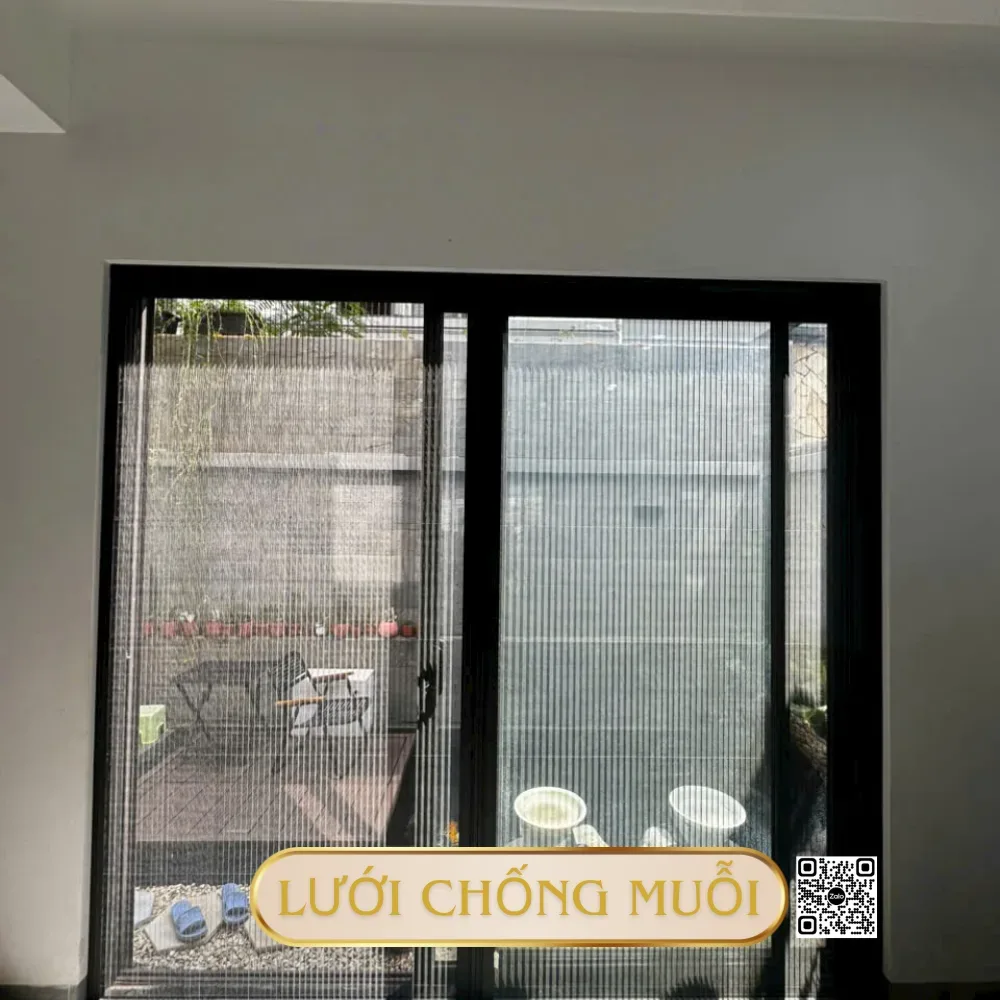
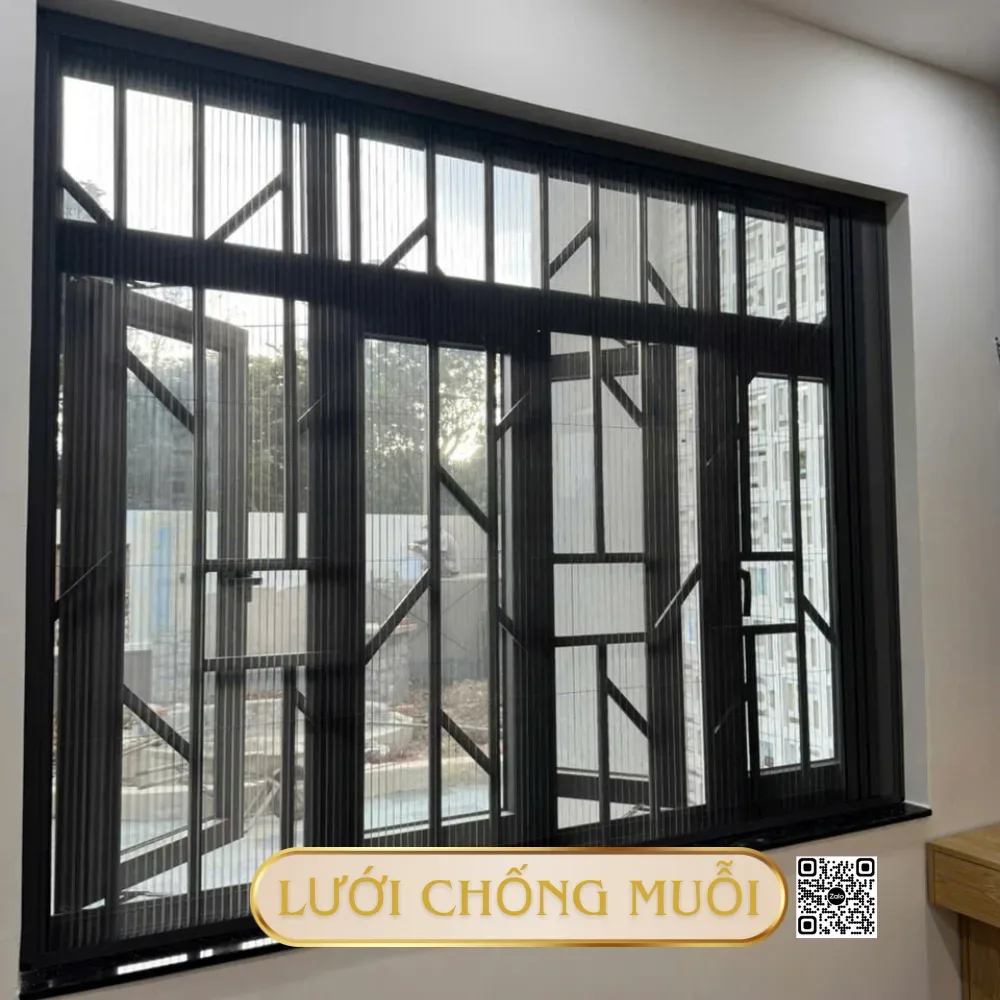
The folding group includes Premium Folding Screen Door: the screen folds into a thin strip when not in use, restoring almost the entire opening.
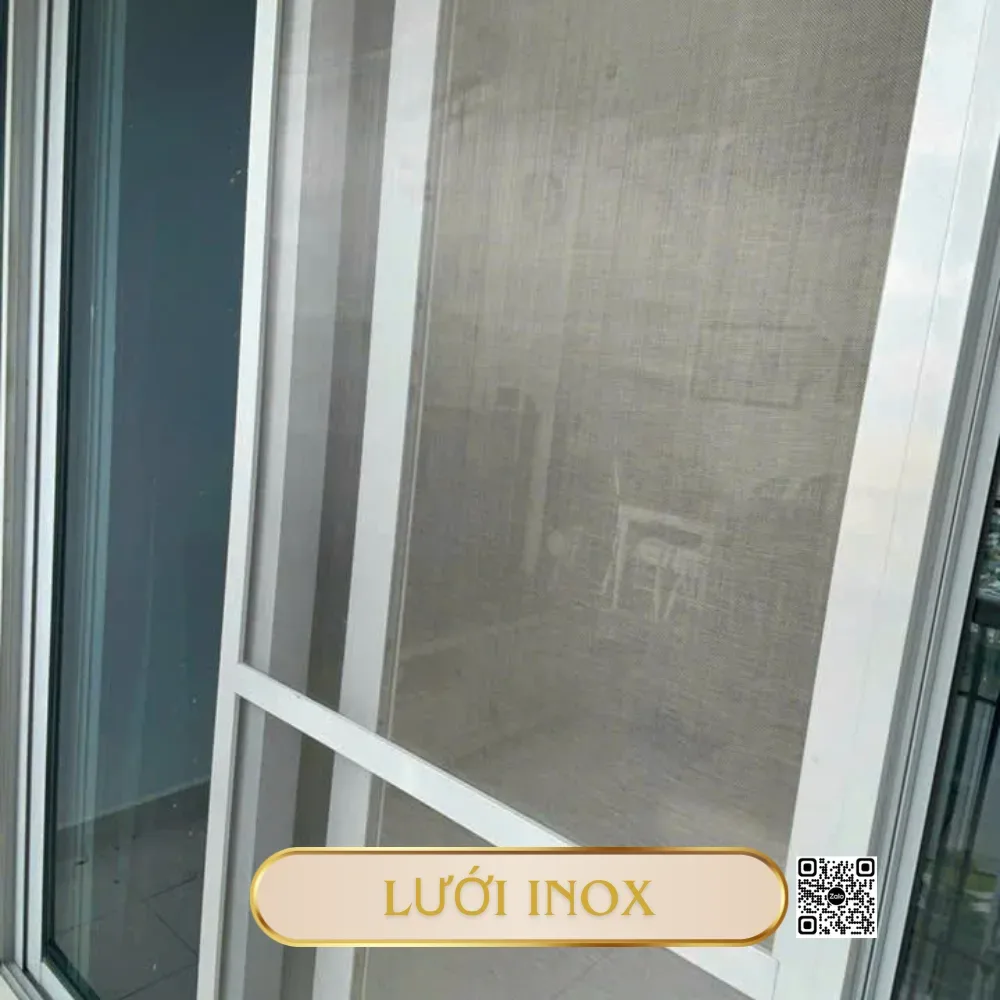
The fixed-frame group includes One-Piece Stainless Steel Screen Door: a solid, sturdy frame mounted permanently into the opening and left there.
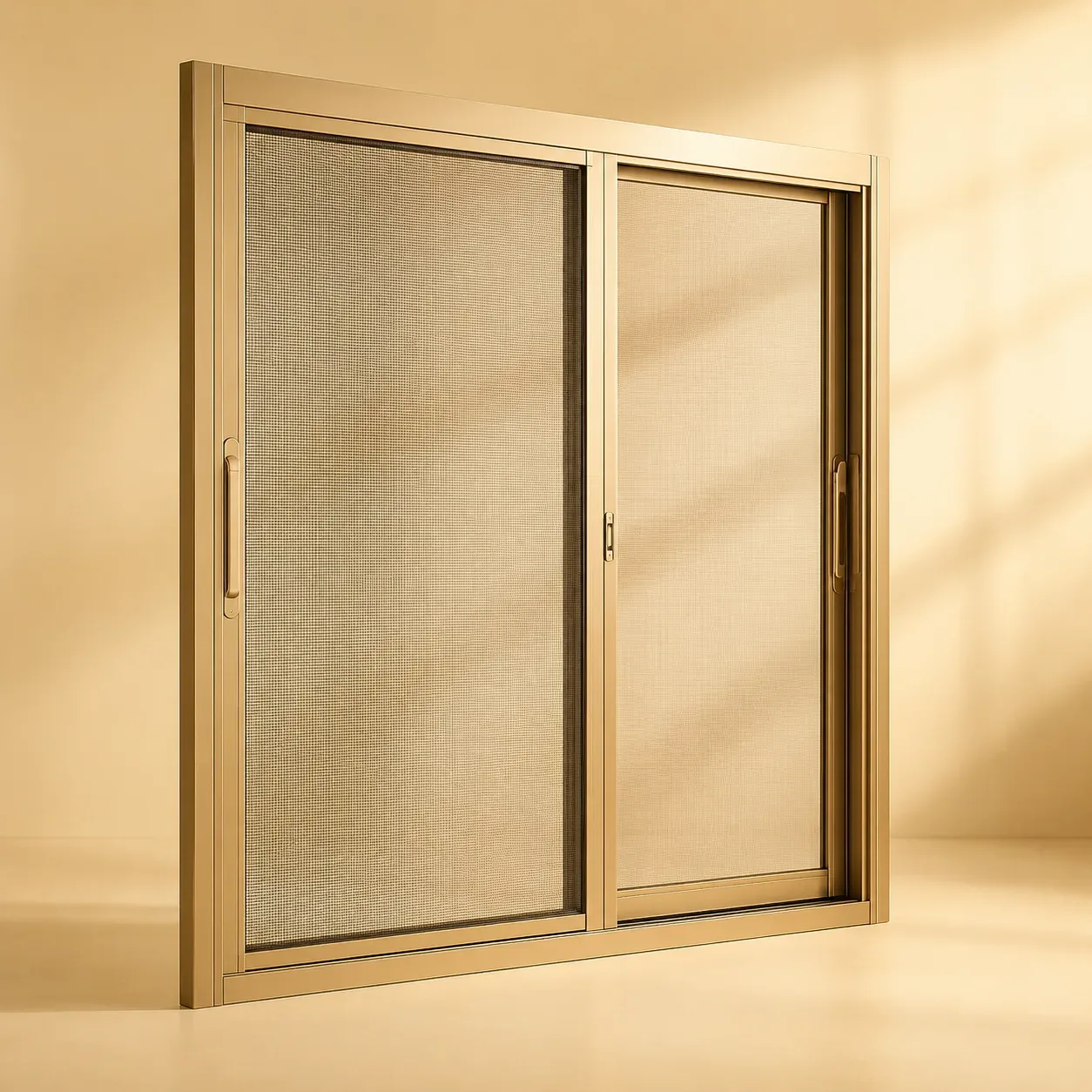
The standard group includes White Mosquito Screen Door priced at 699.000đ, Gray Mosquito Screen Door priced at 569.000đ, and Premium Stainless Steel Mosquito Screen Door in the higher-end segment.
Two points in the product descriptions you should ask about before ordering
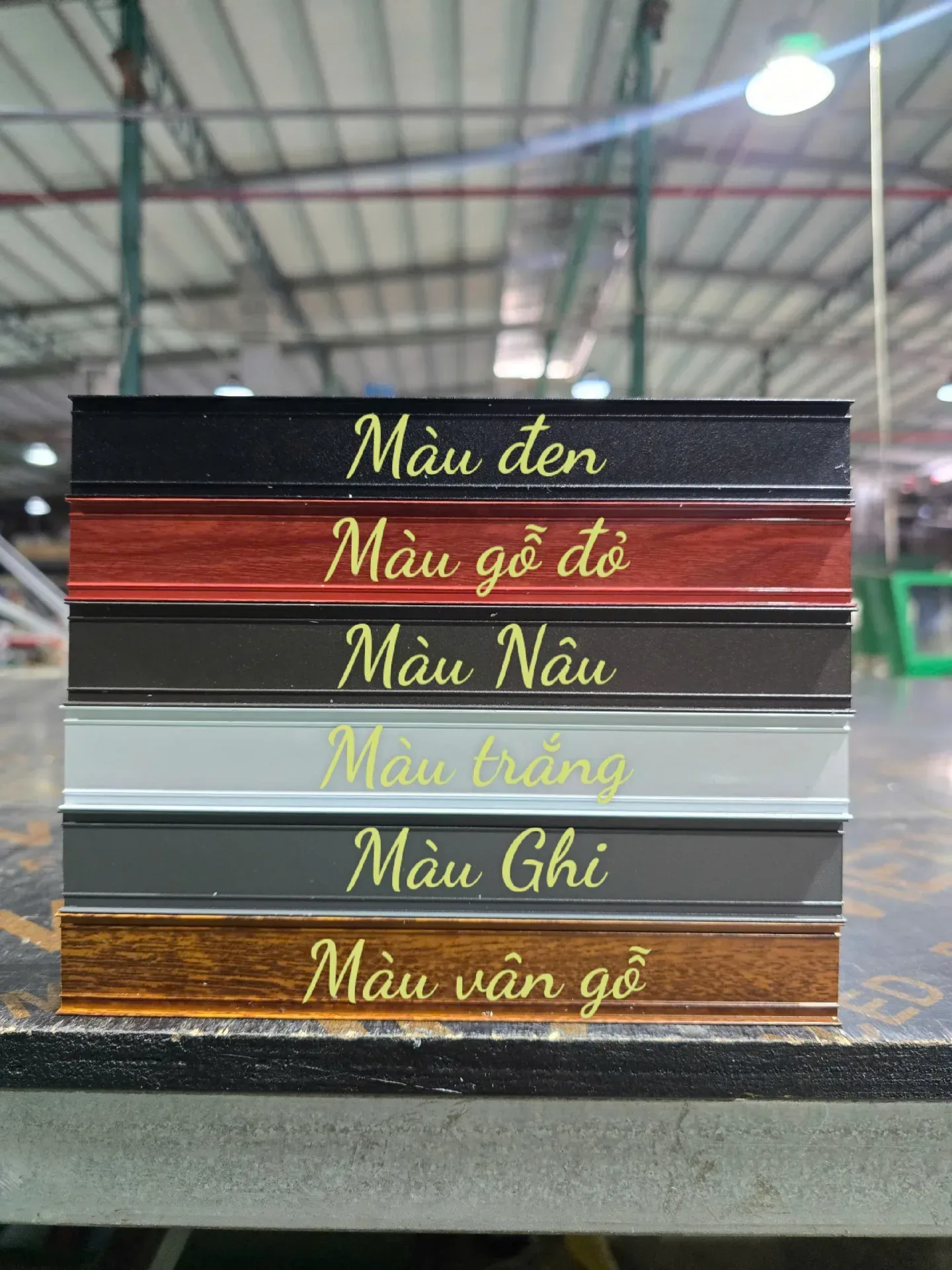
First, the White Mosquito Screen Door and Gray Mosquito Screen Door differ by 130.000đ. If the only real difference is the color, that price gap is difficult to justify because color does not change the function. It is likely that the two models differ in size, frame type, or screen type, but the current descriptions do not say so. Before making a decision, ask for a comparison of the two models based on specifications rather than choosing by color and only later finding out what you paid extra for.
Second, the Premium Stainless Steel Mosquito Screen Door has a name that mentions stainless steel, but its description says it uses an aluminum frame combined with fiberglass mesh. These are two different materials with two different properties. It may simply be an outdated description detail, but buyers should still ask for clarification before ordering. Information about the company also appears in the auditorium curtain introduction article in Báo Cần Thơ.
Both points lead to the same conclusion: the product descriptions here are still too thin compared with the importance of choosing the right mechanism. You will have to ask questions; you cannot simply read and click buy.
Folding screen doors: regain the opening, lose carefree use
The greatest advantage of a folding screen door is that it knows how to disappear. For a balcony with tables and chairs, an opening that also serves as an entrance, or a home where people enjoy the view, folding the screen to one side is a difference that is very easy to appreciate.
But folding mechanisms always come with limitations, and I believe these need to be made clear. Folding screens need to be pulled evenly by hand horizontally; pulling at an angle, jerking, or allowing children to hang on them can easily push the screen folds out of the track. This is the most common failure point in this group, and it almost always results from usage habits rather than material quality.
The second limitation is the bottom track. Many folding screen door configurations have a track running along the bottom of the door, and that track collects dust, hair, and sand. A dirty groove makes the screen harder to move; when it is harder to move, you pull harder; when you pull harder, it shifts out of alignment. If you choose this group, sweeping the groove is a mandatory habit.
Solid-frame stainless steel insect screens: the strongest and also the most rigid
At the other end of the spectrum, a solid frame is the most mechanically durable option because it is the simplest — no folds, no sliding tracks, and no moving parts to fail. For windows, vents, or doors that you do not need to pass through, this is usually the least troublesome choice in the entire range.
The trade-off lies in the word “fixed.” The screen stays there day and night, meaning you will look outside through the screen forever, photos taken through the door will always have a layer of blurry square mesh, and cleaning the outside surface of the glass becomes a hassle — you have to remove the frame or accept that you cannot clean it. For a home with a beautiful view, that is a real trade-off, not a minor detail.

Another point few people consider: a fixed frame on a bedroom window can become an obstacle along an escape route. If that window is your home’s backup exit, choose a configuration that can be opened from inside instead of a solid frame.
Send your dimensions and needs, and the Thanh Vy Curtains team will advise on options and quote for your actual space.
Drawbacks that apply to all five products
Every screen catches wind. Every mesh panel blocks part of the airflow, so a room that already has little ventilation will noticeably feel the difference after installation. This is an inherent drawback of the principle, not of any particular brand.
Every screen blocks some light. The mesh divides the light into smaller points and reduces the clarity of the view. Darker mesh provides a clearer view through it but makes the room feel darker; lighter mesh is the opposite. There is no option that wins on both sides. Information about the material also appears in the properties of aluminum.
Every screen is vulnerable to claws. Homes with cats are a case that requires serious consideration, because clinging to screens is a natural reflex for cats, and fiberglass mesh is not made to withstand it. If you still want to install one, ask carefully about a heavy-duty mesh option first; do not install it and only think about it afterward.
And all of them require precise measurements. Mosquito protection is a gap problem: a gap of a few millimeters along the edge of the door is enough to render the entire screen ineffective. Installation quality in this product category is just as important as material quality, and sometimes more so.

Who should install one
Low-floor homes, homes near greenery, canals, or areas with a lot of standing water — places where insect pressure is high year-round and opening windows for ventilation is nearly impossible without a screen. Homes with good natural airflow that want to reduce air-conditioning hours also benefit clearly, because the screen directly translates into more hours with the doors open.
Homes with young children or older adults, where using mosquito coils, sprays, or chemicals in enclosed rooms is something to avoid. The advantage of insect screens is that they do not release anything into the air.
Who should skip one
Short-term renters. All three mechanism types require drilling and fastening the frame to the opening, and that fixture stays with the house rather than going with you.
Sealed homes with only one open side and almost no cross-ventilation. You will rarely open the door, and if you do not open the door, the screen does not solve anything.
People who expect mosquitoes to disappear completely after installation. If the main source of mosquitoes in your home is a floor drain or a damp area indoors, address that source first — installing a screen cannot replace doing so, and you will feel like you spent money while the problem remains.

Homes with a valuable view that plan to install only a fixed-frame type. If having a permanent layer of screen in front of you bothers you, that feeling will not disappear over time.
How it compares with the alternatives
Compared with mosquito coils, sprays, essential oils, and insect-repellent devices: chemical options cost many times less, work immediately, and require no installation, but they must be repurchased continuously, release substances into the room’s air, and are effective only while in use. Insect screens cost more once and last over time, release nothing, but remain fixed to one opening. Neither replaces the other — many homes reasonably use both.
Compared with bed nets: bed nets are considerably cheaper and protect sleep very well, but they protect only the bed itself. In the evening, sitting in the living room, you can still get bitten. Insect screens protect the entire living space, and that is a difference in scope, not degree.
Compared with plastic strip curtains or magnetic door curtains: they are inexpensive and quick to install, but every time you pass through is another time you create a gap, and that is exactly how insects enter the house. For frequently used doors, this option is clearly weaker. You can also refer to the concept of curtains in architecture to better understand the material aspect.

Compared with keeping the doors closed and turning on the air conditioner: that method blocks mosquitoes completely but consumes electricity steadily, and the room does not receive natural air exchange. This is the direct competitor to insect screens, and also the most convincing reason to install one.
Conclusion: choose the mechanism first, then choose the color
A fair assessment of the five products here: the Premium Pleated Screen Door is the best fit for frequently used doorways and places where you want to restore the opening when not in use; in return, you have to keep the track clean and pull it properly. The Integrated-Frame Stainless Steel Screen Door is the best fit for openings that are rarely passed through and for people who want to forget about it after installation; in return, the view is permanently obstructed. The other three models cover the middle of the range, and among them, the gray version priced at 569,000đ is a reasonable entry point for anyone who wants to try one before outfitting the whole house.
The most notable weakness of the category is not the products but the information: the descriptions are still sparse, the price difference between the two color versions has not been explained, and one product has a name and description that refer to two different materials. You can certainly find a suitable item here, but you need to ask first; you should not place an order based on the images alone.
Quick answer: A mosquito screen door is worth installing when your home has natural airflow and you want to open the door without inviting insects in; choose a pleated screen door for frequently used doorways, and choose a fixed frame for openings that are rarely passed through. Don’t install one if your home has no airflow, you’re renting short-term, or you expect it to eliminate all mosquitoes.
Before asking about the price, do three things: stand at that doorway in the evening to see whether there is actually airflow, count how many times you pass through it each day, and check whether the main source of mosquitoes in the house really is that doorway. Those three answers will make most of the choice for you.
For further information, please contact Thanh Vy Curtains
We provide free consultation and on-site measuring at your home.



No comments yet!