



Premium Folding Door Review: A Soft Partition, Not a Security Door—and That Changes Everything
Misunderstanding the name from the start can ruin the entire decision
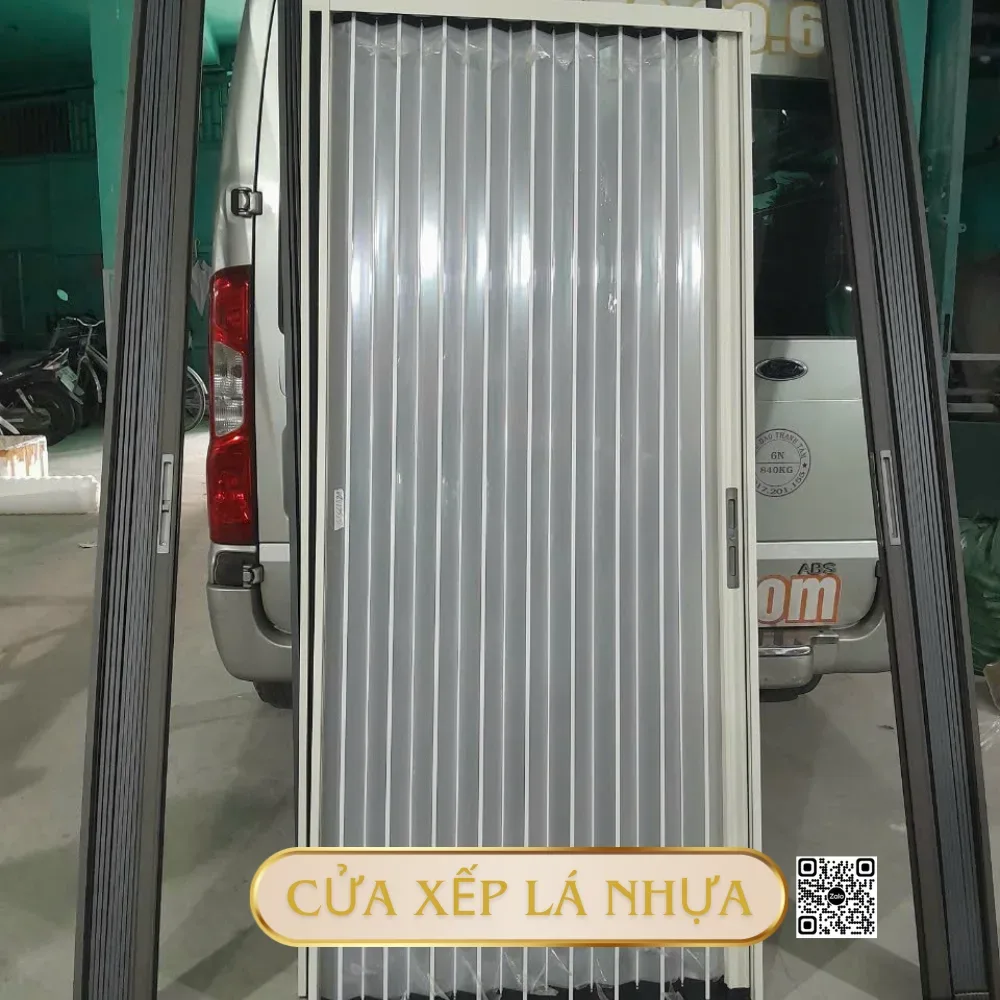
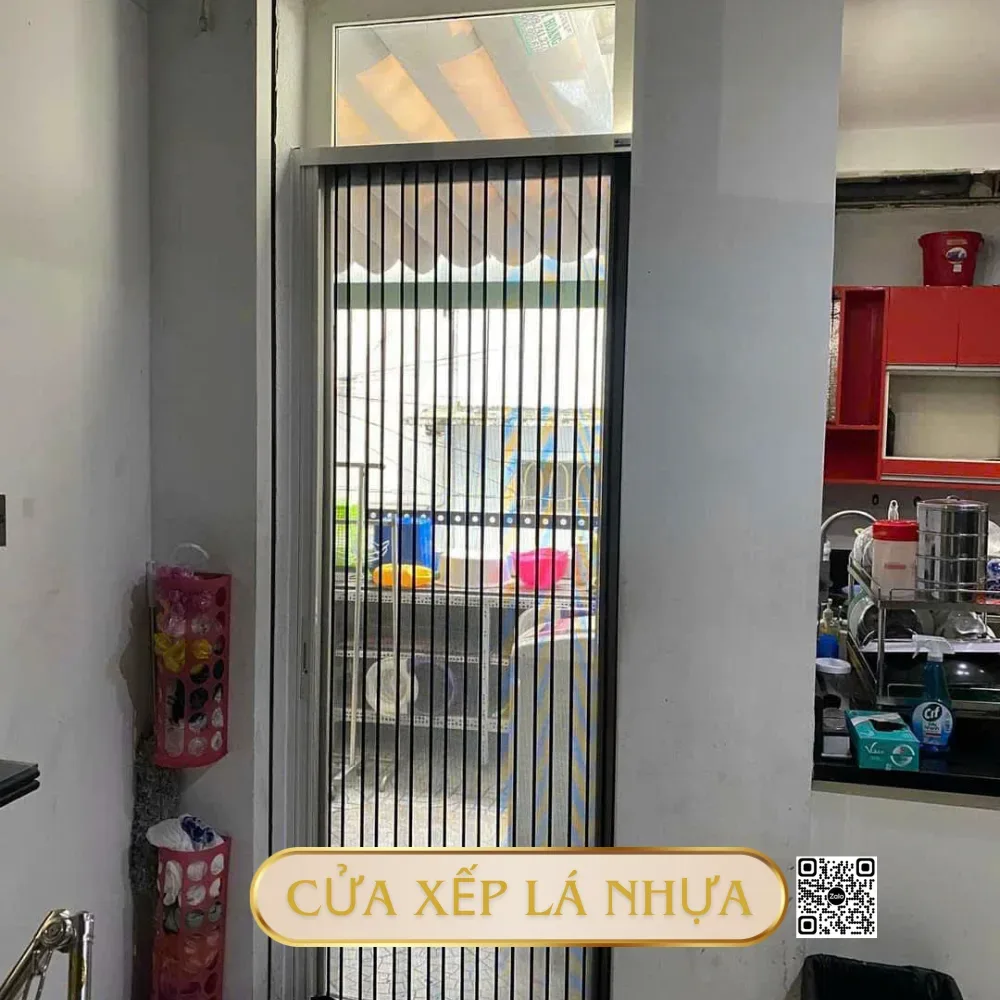
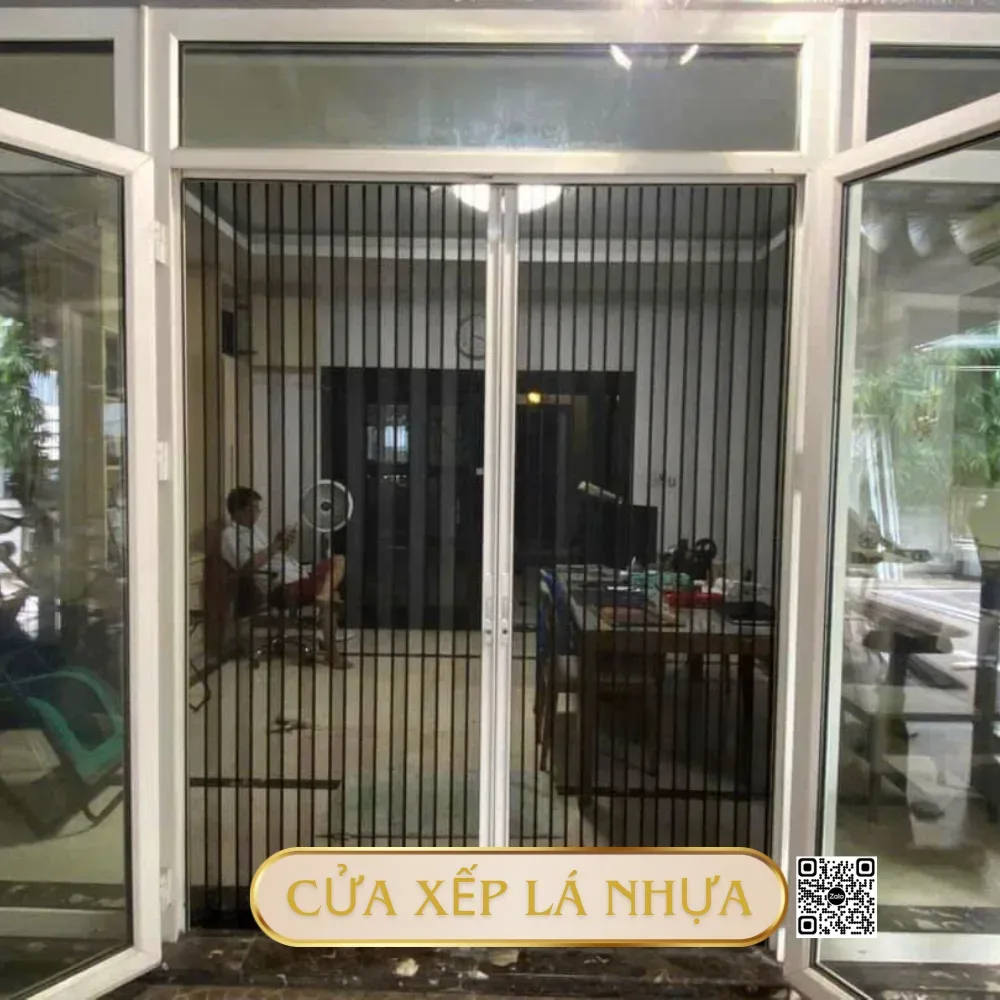
In Vietnam, two very different product groups share the name “folding doors.” One group consists of alloy, stainless-steel, rigid-slat doors with locks, used in place of main doors to prevent break-ins. The other consists of plastic folding doors and folding screen doors, with flexible slats that run on tracks and are used to divide spaces or provide light screening.
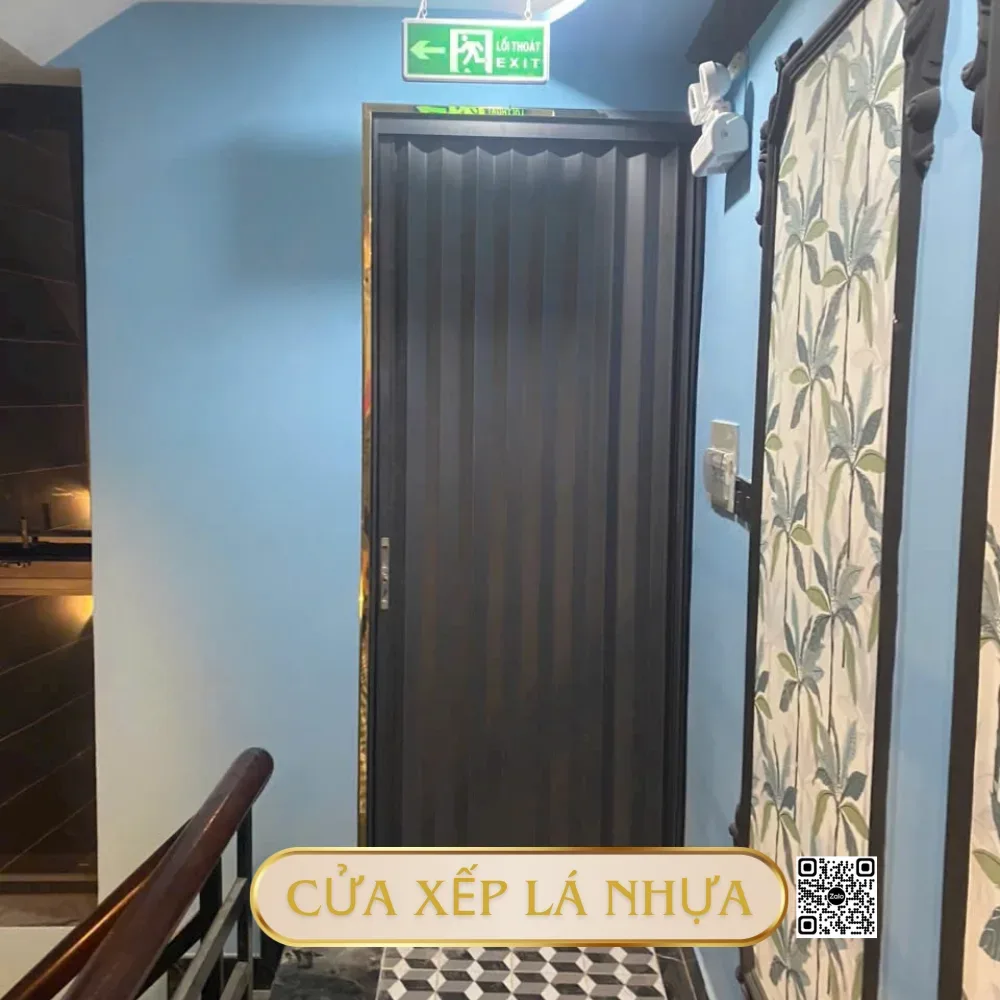
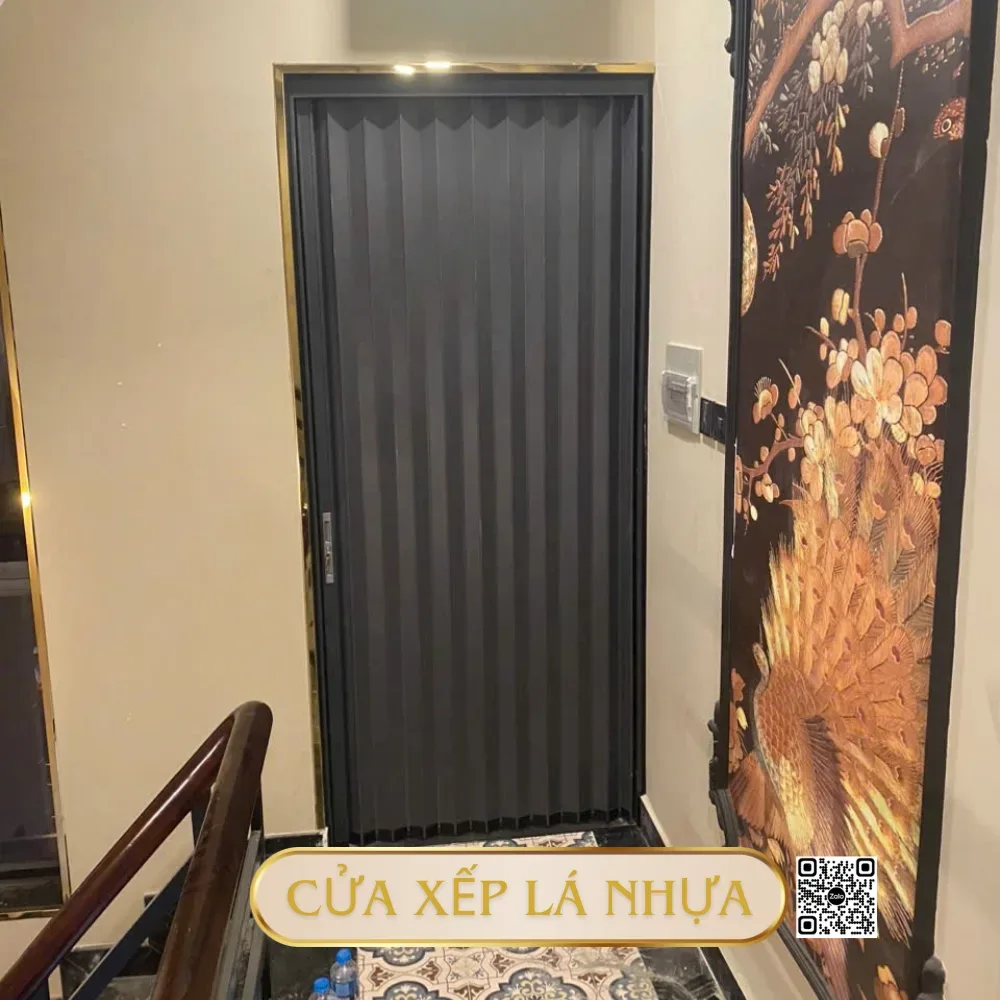
All four products in the Premium Folding Doors category belong to the second group. None of them is a security door; “premium” refers to the finish and slat material, not burglary resistance.
I’m putting this observation first because it is the most costly mistake. If you are looking for something to lock up before leaving home but accidentally buy a plastic folding door, none of the models below will solve the problem, and no installation method can turn it into a security door. Read on only if your problem is space division, light screening, or controlling visibility.
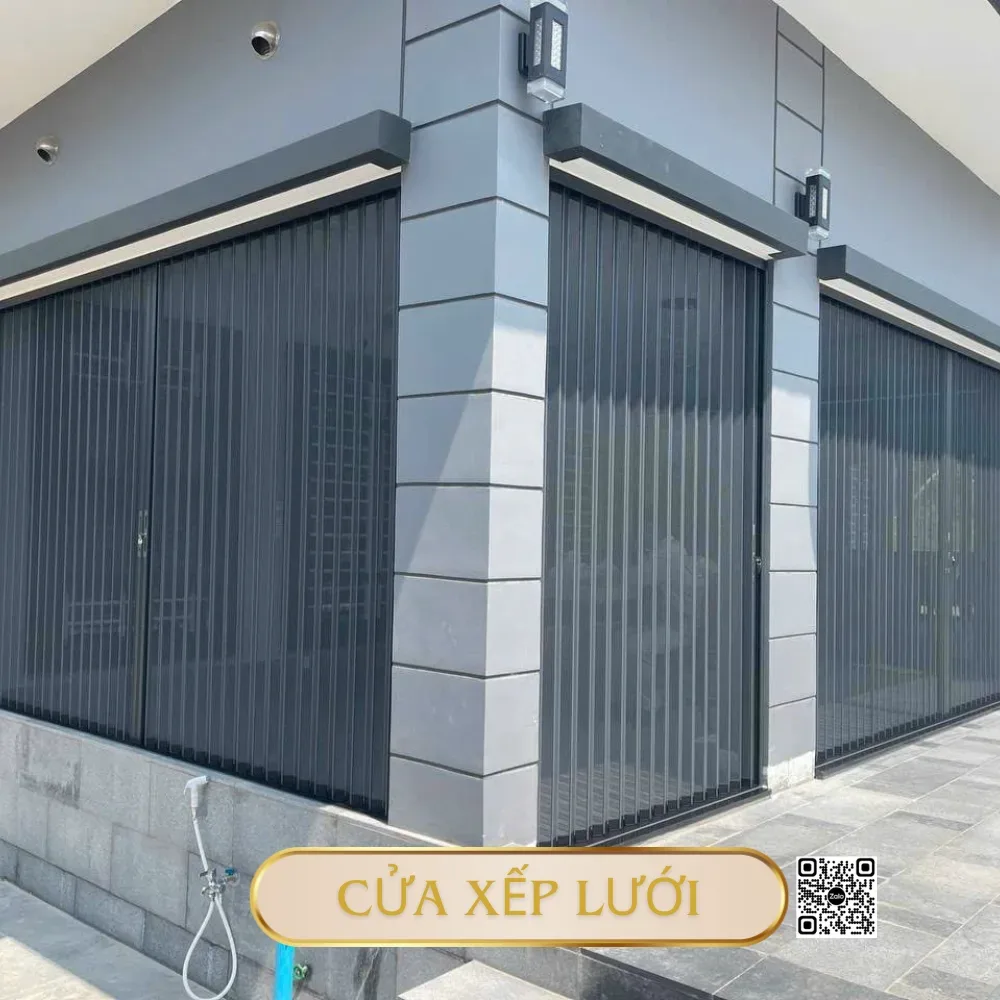
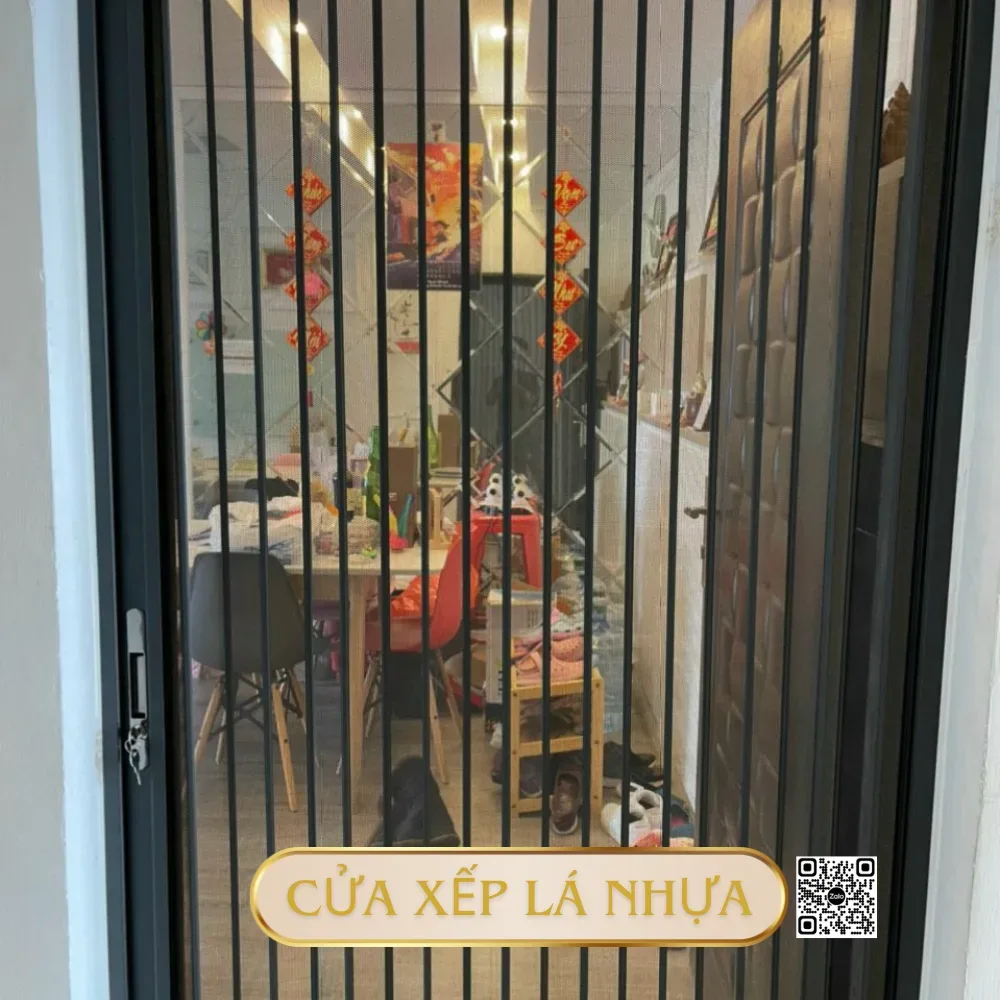
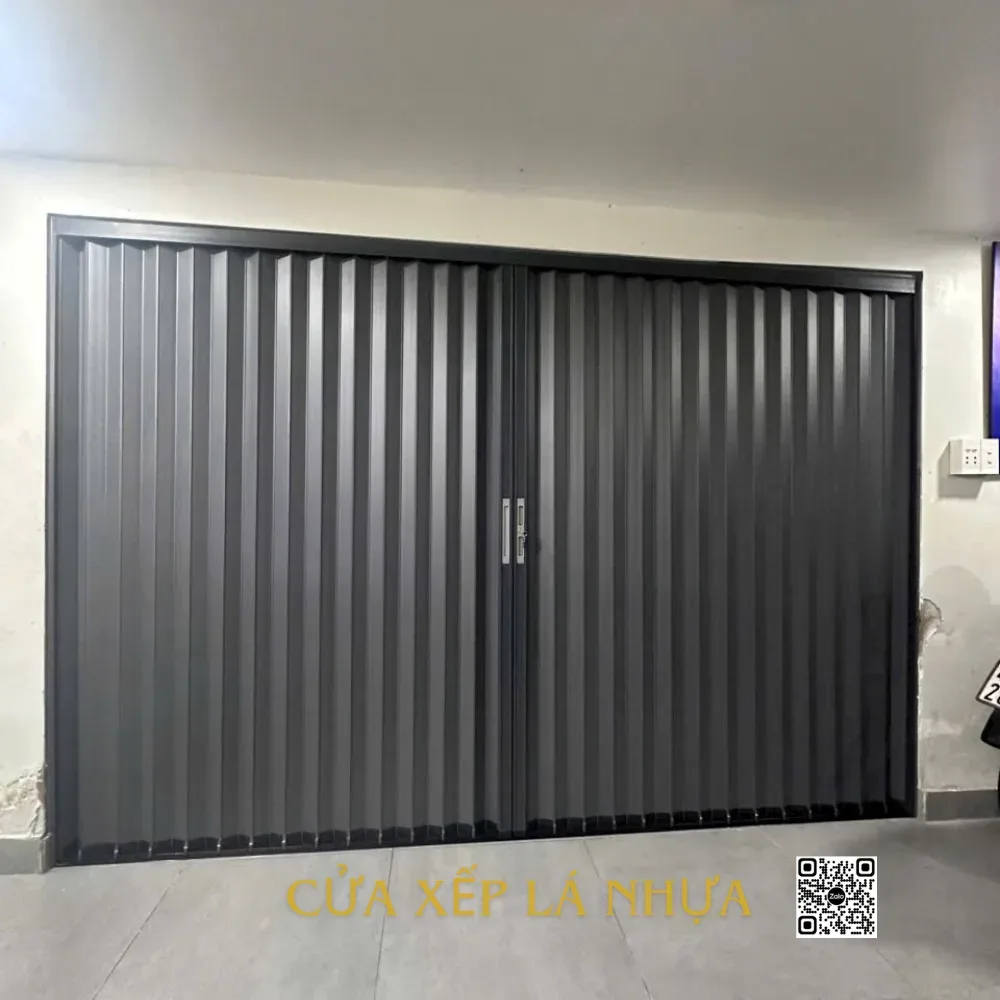

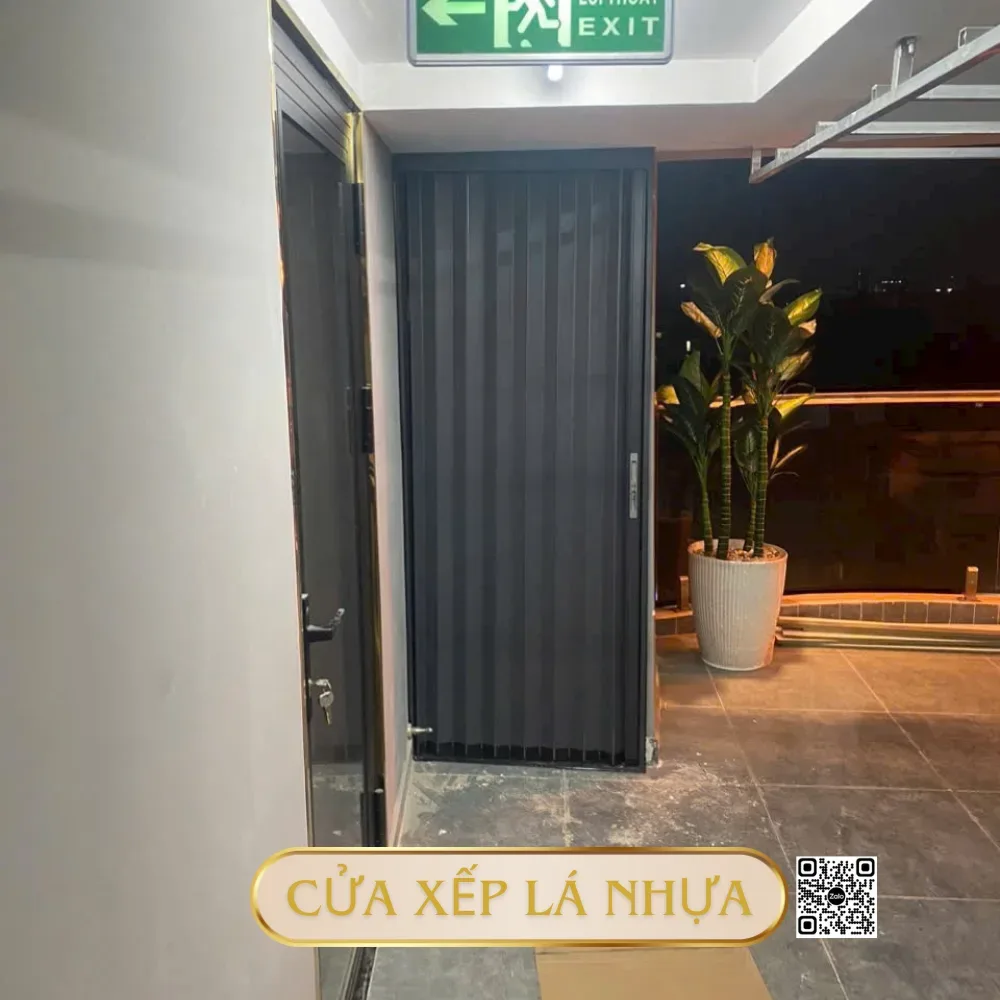

The real problem plastic folding doors solve
Flexible folding doors are most useful in openings where a hinged door cannot be installed or would be impractical: the passage between the kitchen and laundry area; a wide opening where building a wall would feel confining but leaving it open would sacrifice privacy; kiosks, small clinics, and eateries that need to be closed after hours without requiring burglary protection because another door layer is already in place. You can also refer to the role of windows to better understand the material aspect.
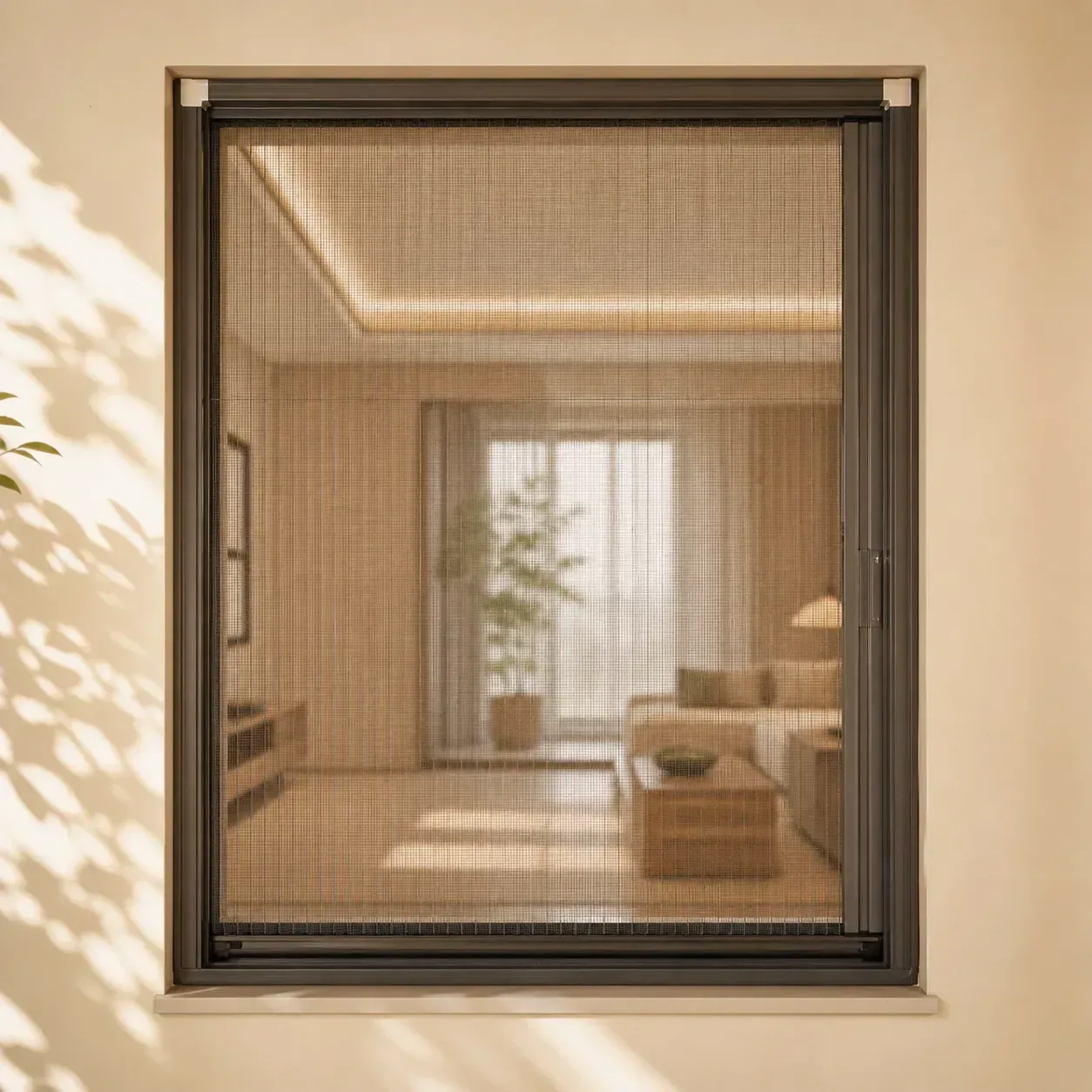
There are three specific strengths. It takes up almost no space when opened: the entire panel folds into a compact stack of thin slats tucked beside the opening, with no door leaf swinging into the room. It is not demanding about the opening: tall openings, unusually wide openings, and openings that are not perfectly square can still be handled by a flexible folding door, whereas hinged or sliding doors require much more precise frames. Both the cost and installation are also light, consisting mainly of an upper track and requiring no load-bearing structure. For the right problem, there is still no more compact solution at the same price point.
The four products currently sold and what the price list does not say
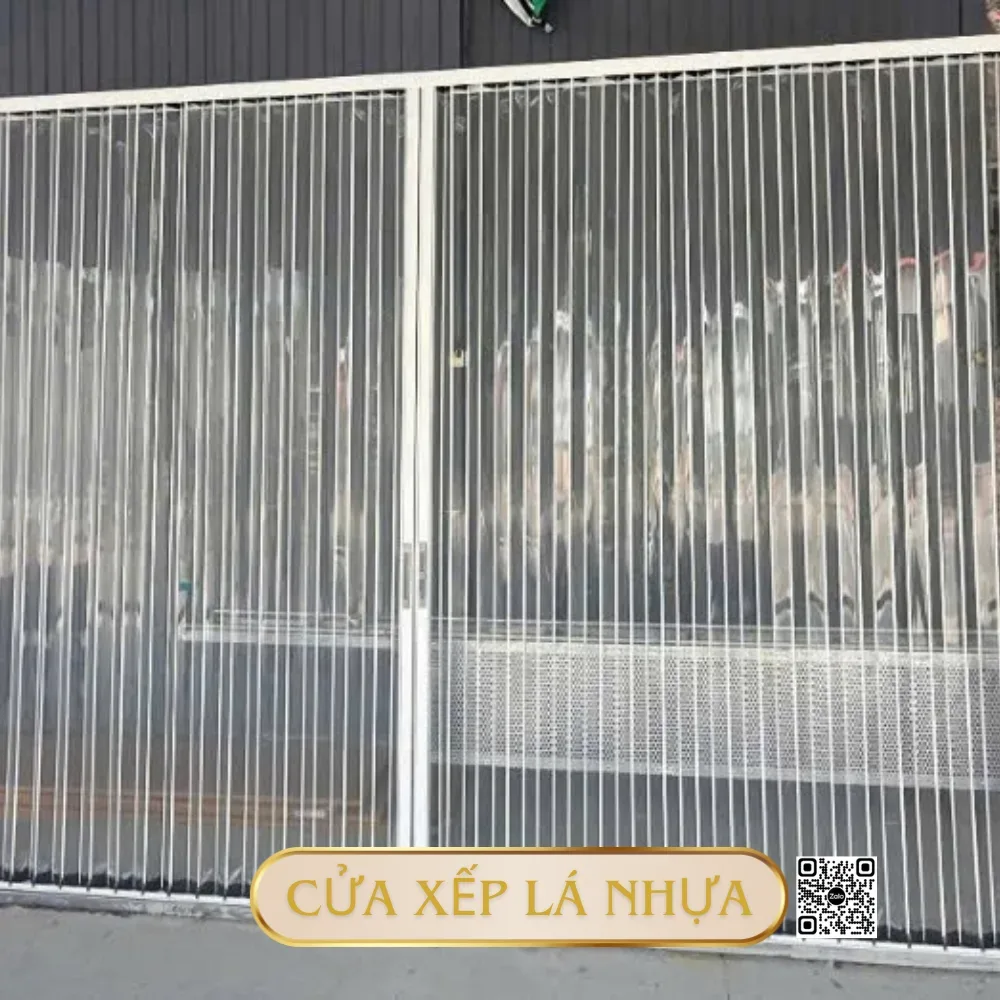
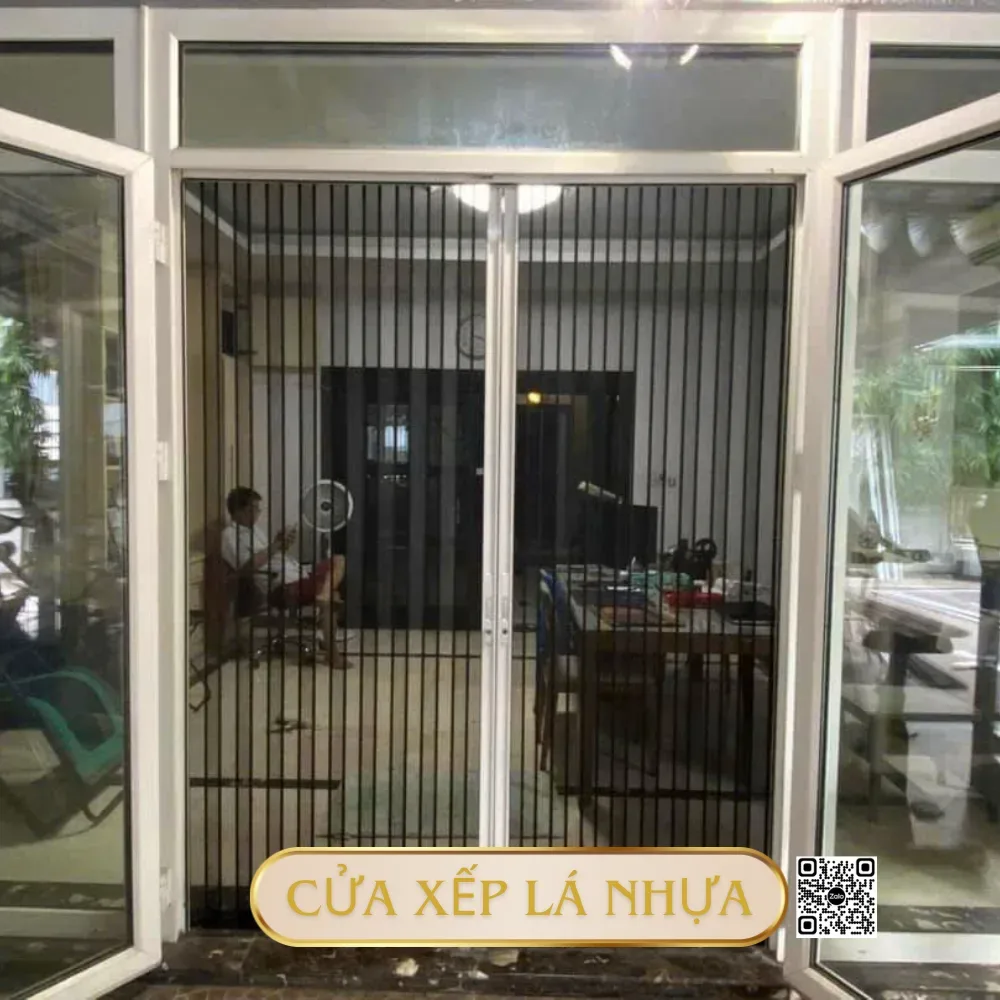
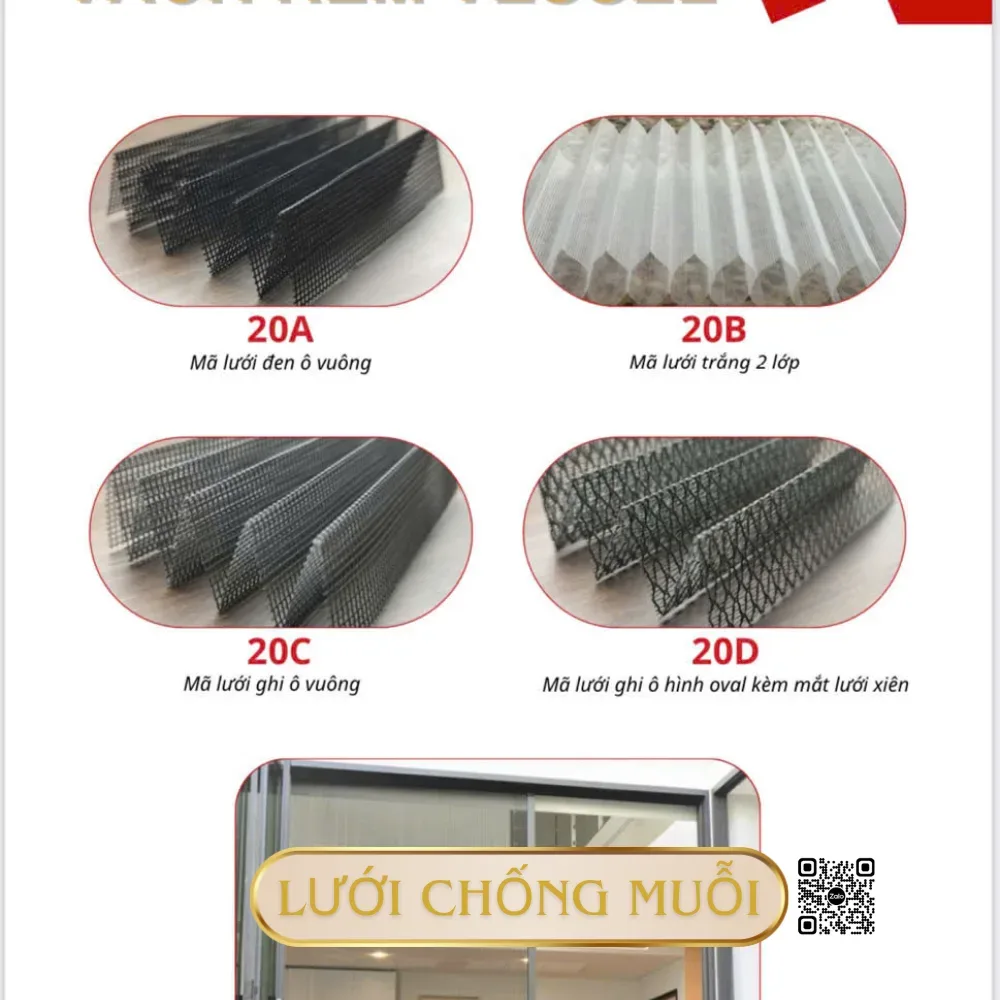
The category includes four products: Premium Clear Plastic Folding Door, Gray PVC Plastic Folding Door, Premium Folding Screen Door, and Frosted Plastic Folding Door.
Regarding price, let’s be direct: three of the four products currently do not display a price; only the Frosted Plastic Folding Door shows a figure of 200,000đ — and even that figure needs to be read carefully. For flexible folding doors, the price is almost always calculated by area or linear meter and then multiplied by the actual opening dimensions, so 200,000đ is not the price of a complete set. Readers who skim can easily misunderstand this and then feel disappointed when they receive a quotation. You can also cross-check through the article in Báo An Giang about Thanh Vy premium fabric curtains.
This is a real weakness of the category from a buyer’s perspective, and I have no intention of sugarcoating it: when three-quarters of the products have no price, you cannot compare them independently or filter them by budget. That makes sense for products custom-made to fit an opening, but it means you should have the clear opening measurements ready before asking instead of expecting to find the answer on the page.
As for the descriptions, all four products use the same generic introduction, with no mention of slat thickness, maximum height, track type, or locking method. Nearly all the differences between the four models come down to their names. Fortunately, the names themselves contain the most important information: the type of surface material.
Clear, frosted, gray, and screen: four different lighting and visibility needs
This is the real basis for choosing, and it is much clearer than comparing prices.
Clear plastic allows you to see through while preserving the light. Choose it when you need to control movement or block wind and dust without darkening the interior: an eatery where customers need to see inside, a small room without its own window, or an area where you need to watch young children from the adjacent room. The trade-off is that it offers no privacy at all.
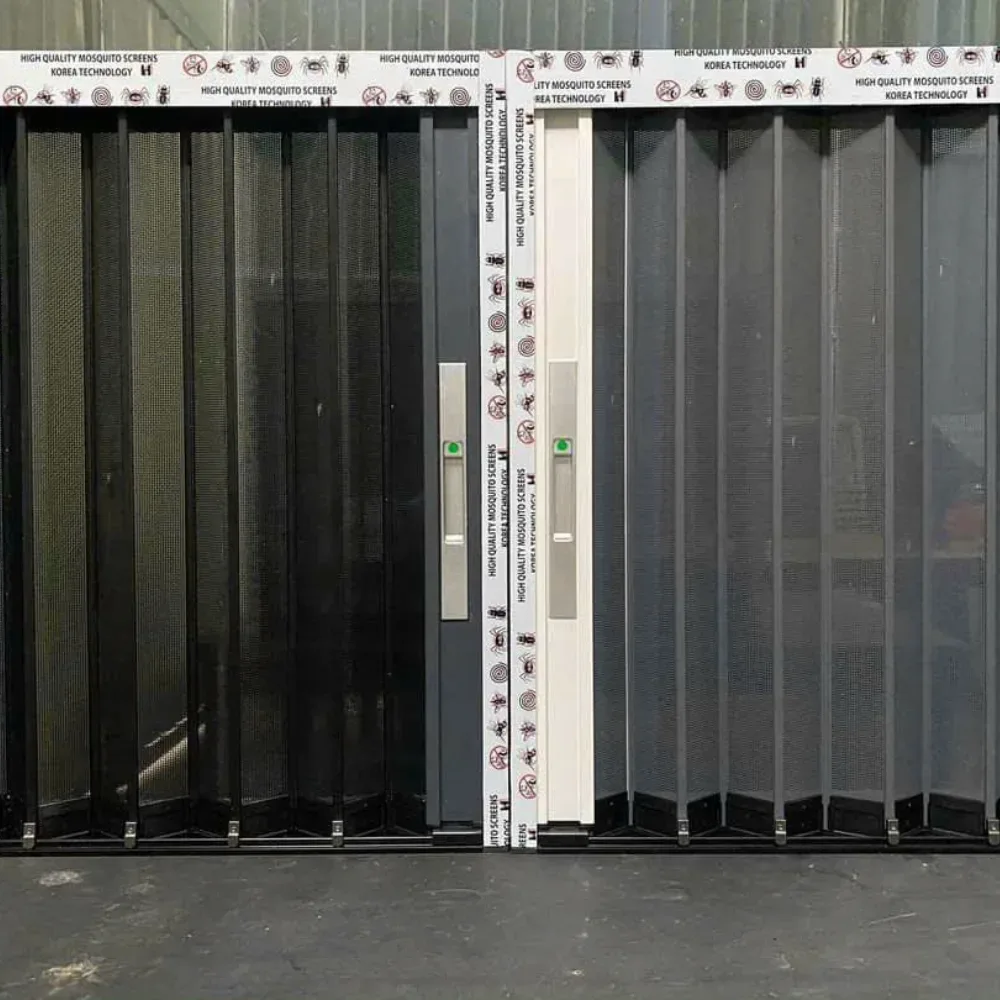
Frosted plastic makes the opposite trade-off: it still lets light through but blurs images. This is usually the most balanced choice for homes, because the practical need is generally “don’t let people see me clearly,” not “don’t let anyone see anything.”
Gray PVC goes furthest toward privacy and is the only model that feels like a true partition — it is also the model that darkens the room the most. If the opening being covered is the main source of light for the interior area, consider this carefully, because having to keep the lights on all day is a cost many people fail to anticipate.
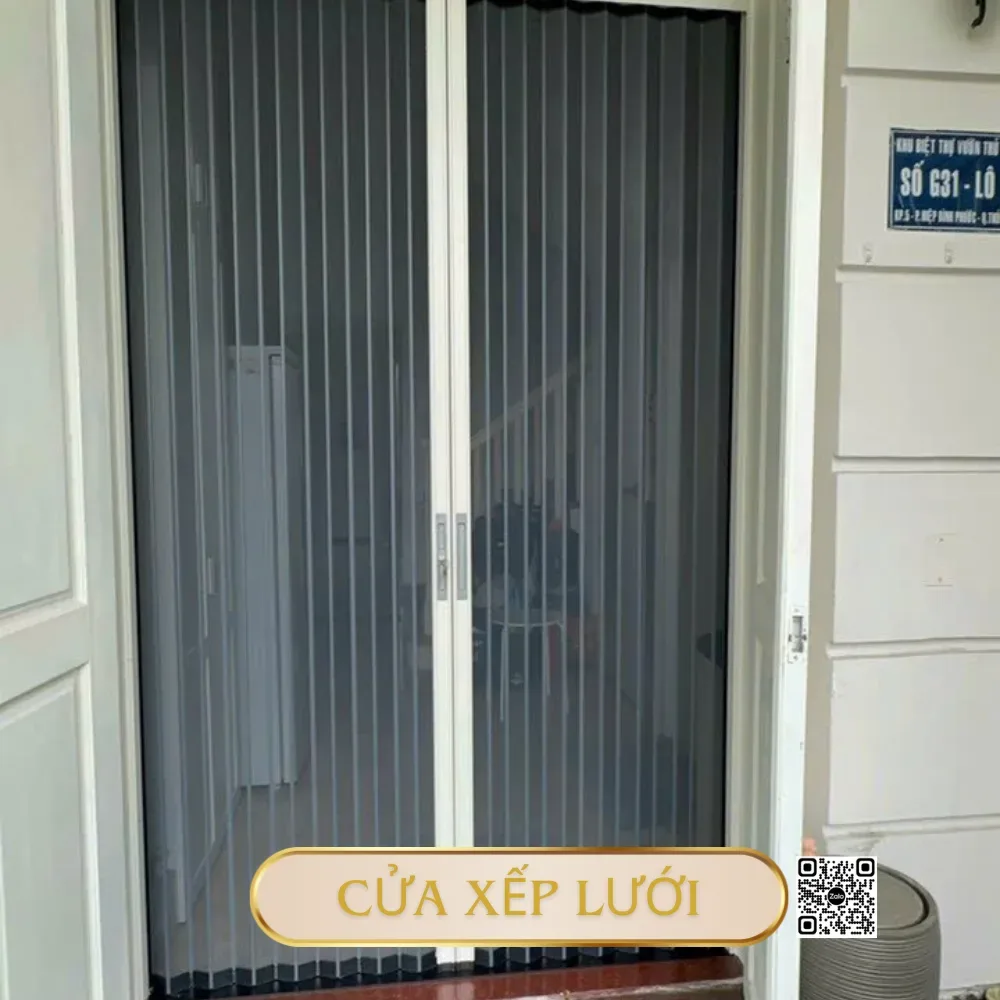
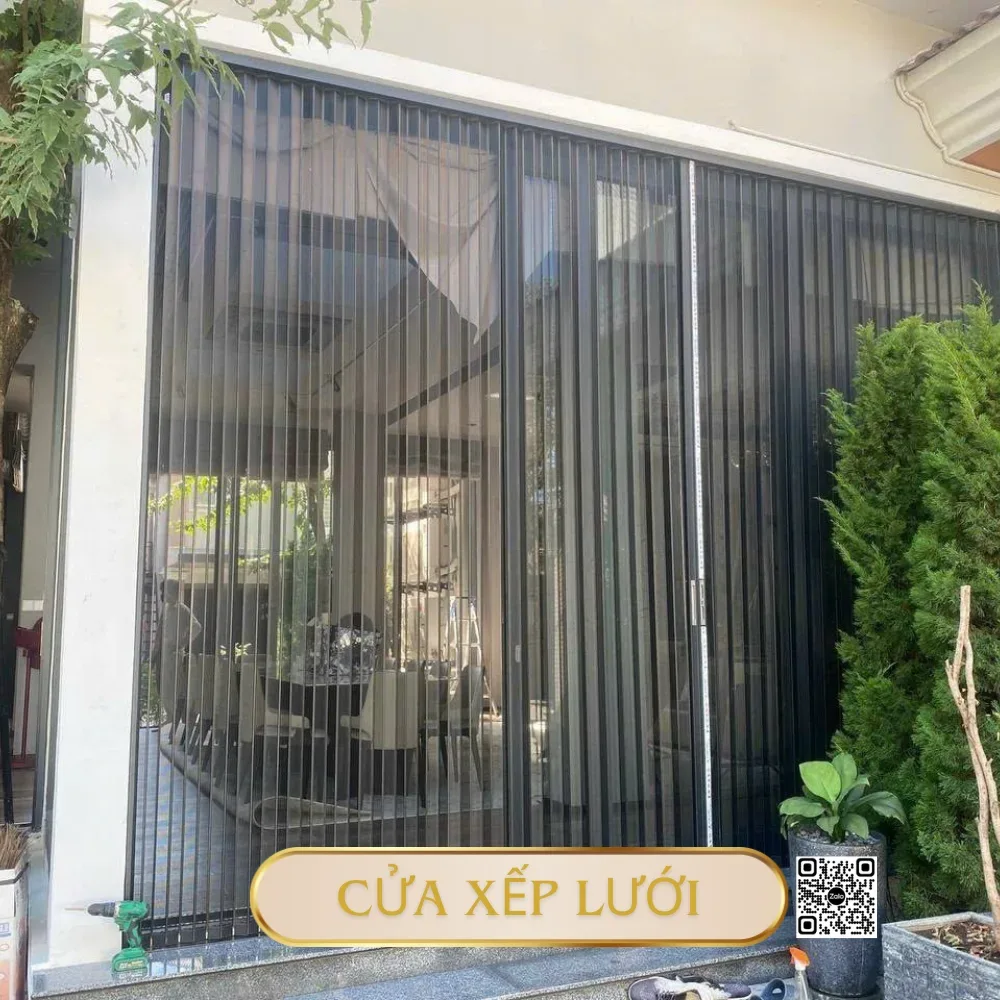
Folding screen doors stand apart as their own group because they prioritize ventilation: choose them when you need to block a passage while still allowing air to circulate, such as at a kitchen door, storeroom, or back-yard entrance. The trade-off is that screens do not block fine dust or wind-driven rain, offer almost no privacy, and collect more dust than a flat plastic surface, making them significantly harder to clean. Do not confuse them with mosquito screen doors either: gaps along the edges and at the bottom of the door still provide entry routes for small insects, so if your actual goal is mosquito protection, ask for the proper mosquito-screen line.
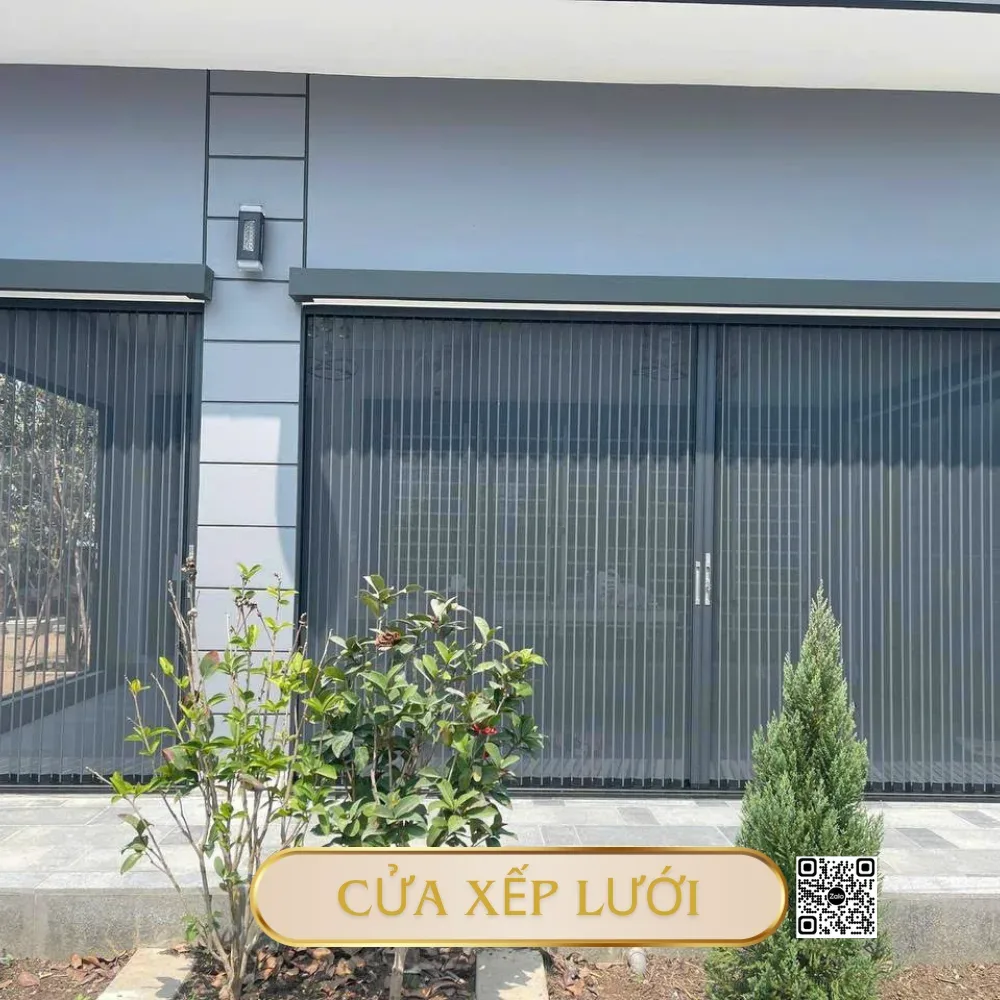
Inherent disadvantages of all soft folding door types
No sound insulation. A soft folding door consists of slats connected by soft hinges, with joints always between the slats and gaps always around the edges, so sound passes through almost freely. If the reason you want to divide a room is noise, this type will not solve the problem.
Not physically airtight. The bottom edge usually leaves a gap so the door panel can slide, while the side edges rarely fit perfectly against walls that are not perfectly flat, so small mosquitoes, cockroaches, odors, and cooking smoke can still pass through. Do not use it as an air-conditioning boundary: the air conditioner will run continuously while the room remains cool. It also cannot bear loads or prevent break-ins — a soft plastic panel is a psychological barrier, not a physical one.
Dependent on the track — the component that determines the user experience and is also where problems occur first: dust accumulates in the track, the sliders jam, and the door catches and becomes misaligned. In the kitchen, dust comes mixed with grease, making it much more unpleasant to remove. This type requires regular track cleaning, and if you know you will not clean it, take that into account beforehand. Finally, when opened, it does not disappear either: the folded stack of slats still occupies a certain thickness beside the doorway, and the wider the opening, the thicker the stack and the more it encroaches on the clear opening. You can also refer to the Báo An Giang article about Thanh Vy premium fabric curtains.

Specific weaknesses of clear and frosted plastic in sunlight
Clear plastic looks best when newly installed and is also the type whose deterioration is most obvious. Under direct sunlight, clear plastic tends to turn yellow and lose its transparency, and this defect is immediately apparent because its very nature is to be clear. I do not give any time frame because that depends entirely on the intensity of sunlight at the installation location; any specific number of years would only be a guess. Frosted plastic and gray PVC cope with time more easily, simply because their surfaces are not transparent to begin with, so color changes are less conspicuous.
Soft plastic in general also dislikes both temperature extremes: when too hot, it becomes soft and is more prone to deforming at the folds; when too cold, it becomes more brittle at the fold lines — the areas subjected to the most fatigue each time the door is pulled open and closed. Indoors, this is not a problem. But if the installation location receives direct sunlight for many hours each day, clear plastic is the choice most likely to cause regret, even though it is the most satisfying during the first month.
Send your dimensions and needs, and the Thanh Vy Curtains team will advise on options and quote for your actual space.
Who should choose a folding door from this category
People who need to block off an opening without building and without sacrificing space for a swinging door — for them, soft folding doors beat both hinged and sliding doors in terms of cost and flexibility. Kiosk owners, small cafés, and rental rooms that need an after-hours covering while security is handled by another door also belong to this group.
Tenants who need a lightweight solution that can be installed quickly, does not affect the structure, and can be removed when returning the premises. And homes with non-standard openings, walls that are not perpendicular, or openings that are too wide or too tall — this is where custom sizing becomes a real advantage.
Who should not choose it — and what to consider instead
People who need security. I am saying this for the third time because it is the most common misunderstanding: these four models cannot replace a main door or roller shutter, and should not be the only protective layer for a storefront.
People who need sound insulation: a bedroom next to the living room, a home office that needs quiet for meetings, or a child’s study room — a lightweight partition with an acoustic core or a solid hinged door is the right direction. The same applies to people who need to retain air-conditioning: gaps are inherent to this type, not an installation error.
People who place a high priority on aesthetics in the main living space. Plastic folding doors, even good models, still feel more like a functional solution than an interior design detail; in a living room or carefully finished storefront, they often become the weak link that brings down the overall look. Finally, for an opening exposed to harsh sunlight where you still want to see through — either switch to a frosted model or choose another solution.
How it compares with sliding glass doors, plastic curtains, and partitions
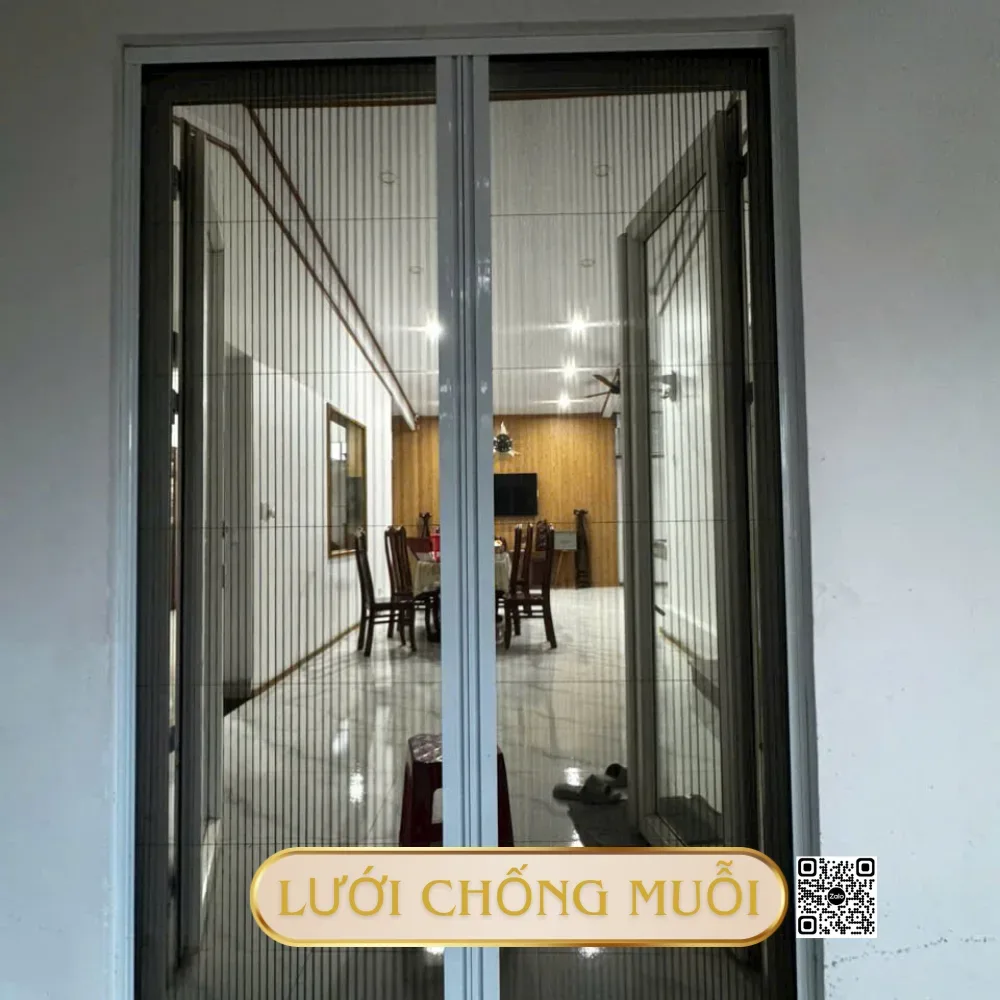
Compared with sliding glass doors, soft folding doors are much cheaper, do not require a bottom track, do not require a standard opening, and can be installed quickly. But glass wins decisively in aesthetics, surface durability, and sealing capability. If this is an opening people see every day in the main area of the home, the cost difference may be worthwhile.
Compared with hanging strip-style PVC plastic curtains, folding doors have the advantage of being a single panel, opening and closing decisively, and looking tidier. Strip curtains are cheaper and allow people and carts to pass through without opening — a real advantage in warehouses and factories, but at home they look too temporary. Interested readers can view the concept of curtains in architecture before deciding.
Compared with a fixed partition, the only question is whether you need to open it again: if you do, a fixed partition is immediately ruled out; if you do not, do not buy a folding door just because it is cheaper, because a good fixed partition is better in every other criterion. Roller shutters, meanwhile, belong to a completely different segment — much more expensive but offering genuine security.
Conclusion: the right need means simple and affordable; the wrong need cannot be fixed
The four products in the Premium Folding Doors category serve a narrow but clear need: lightly dividing and shielding open spaces where a rigid door would be impractical. Within that scope, they perform well, cost little, and are lightweight to install. The most important selection factor is not price but the level of privacy: clear for visibility, frosted for balance, gray PVC for the most coverage, and mesh for prioritizing ventilation.
Three things need to be said plainly. First, this is not a security door and it is not soundproof — the two most common mistaken expectations. Second, three-quarters of the products have no listed price, so you must measure the clear opening and make contact before comparing, and the standalone figure of 200,000 VND can easily be misleading if you do not clarify the unit of calculation. Third, the descriptions of the four products are nearly identical, so do not make a decision based on the website; ask about the slat thickness, track style, and locking method before deciding.
Quick answer: Plastic folding doors and mesh are soft partitioning solutions worth choosing when you need light shielding and want to save opening space; they are not suitable if you need security, soundproofing, or to retain air-conditioning, and the clear plastic model is the choice most likely to cause regret in a location with strong sunlight.
Before looking at which model is prettiest, answer one question for yourself: does this opening need to be covered, or does it need to be protected? Soft folding doors are only good at the former, and once you acknowledge that, choosing among the four models becomes much simpler.
For further information, please contact Thanh Vy Curtains
We provide free consultation and on-site measuring at your home.


No comments yet!