



Are Roman Shades Good? A Detailed Review from A to Z
Are roman shades good? It depends on what you need for your window
The question “are roman shades good” comes up frequently when users are faced with too many window treatment options and want a definitive name to make a quick decision. But in reality, roman shades are neither absolutely good nor bad. They are a curtain style with very specific characteristics in terms of structure and operation, which suit certain usage conditions well while having clear limitations in others. The product from the brand mentioned in the An Giang Newspaper article about Thanh Vy high-end fabric curtains.
If you are looking for a neat window treatment with clean lines and a more refined feel than traditional fabric curtains, roman shades are often mentioned early on. But if your windows are very wide, the area is humid, or you prioritize extremely quick cleaning, roman shades are not the optimal choice from the start. This article will go through each specific aspect: structure, advantages, practical disadvantages, suitable spaces, comparisons with other types of curtains, maintenance methods, and important notes before purchasing, so that you can answer this question yourself based on your exact needs rather than intuition. Background information on polyester fibers in the textile industry helps with comparison when choosing materials.
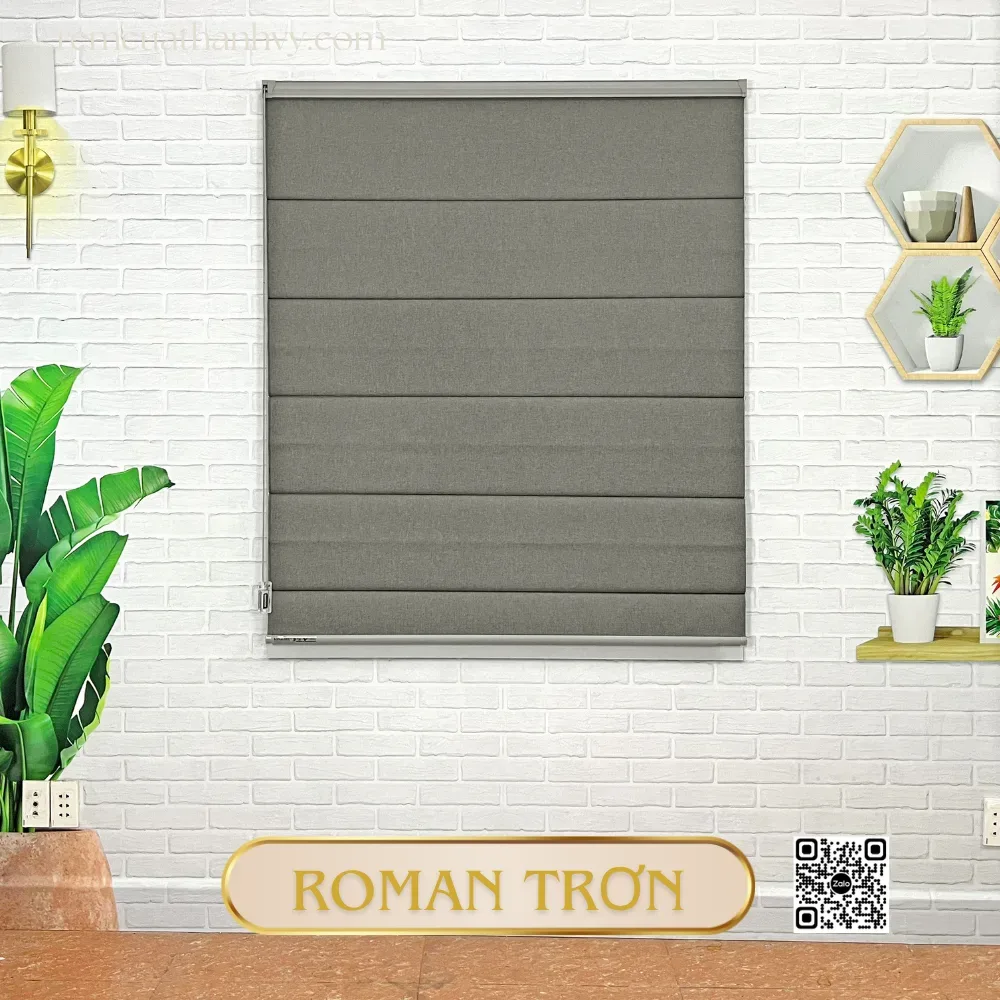
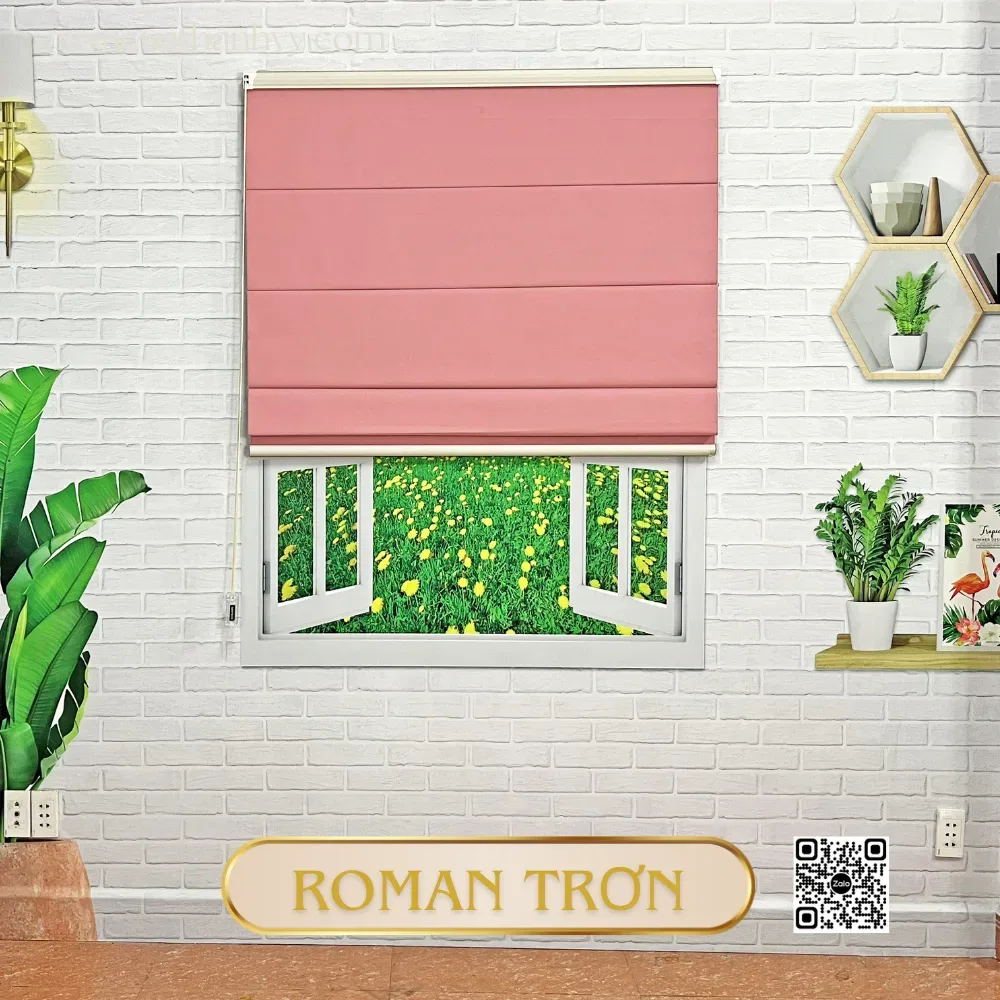
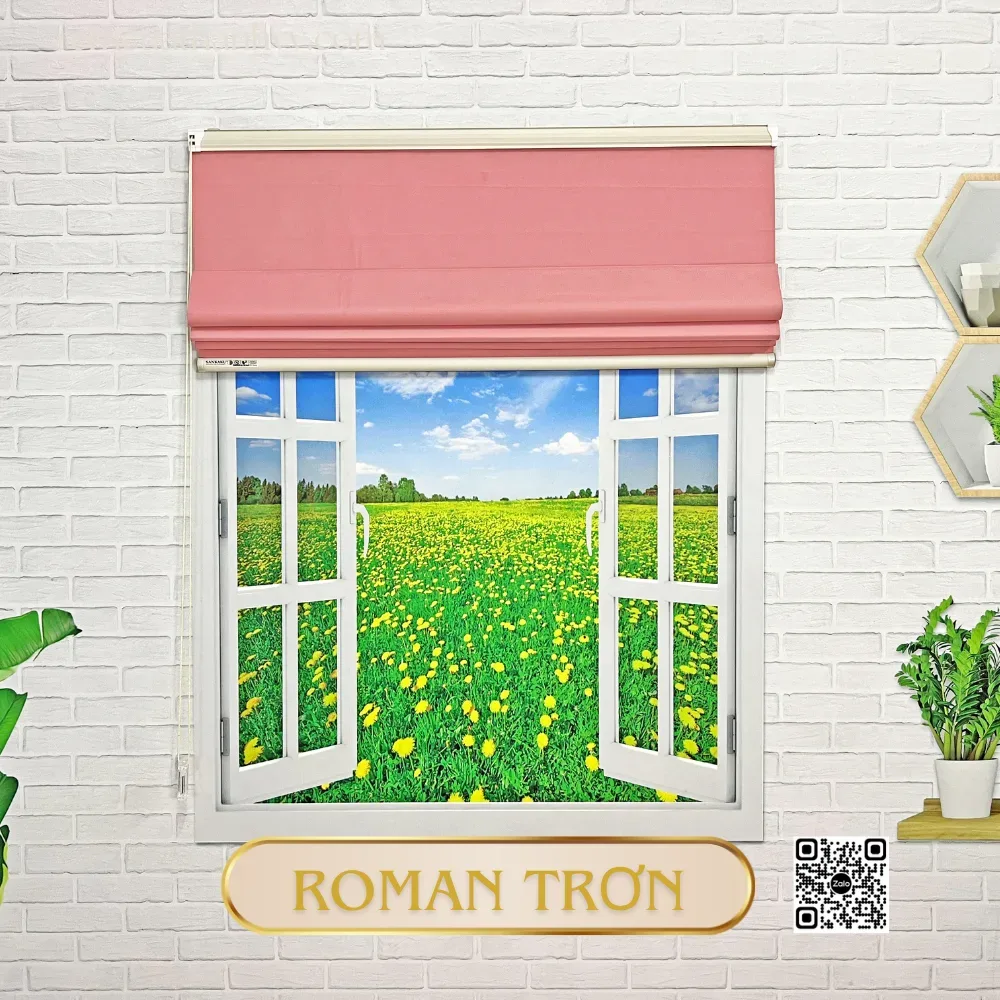
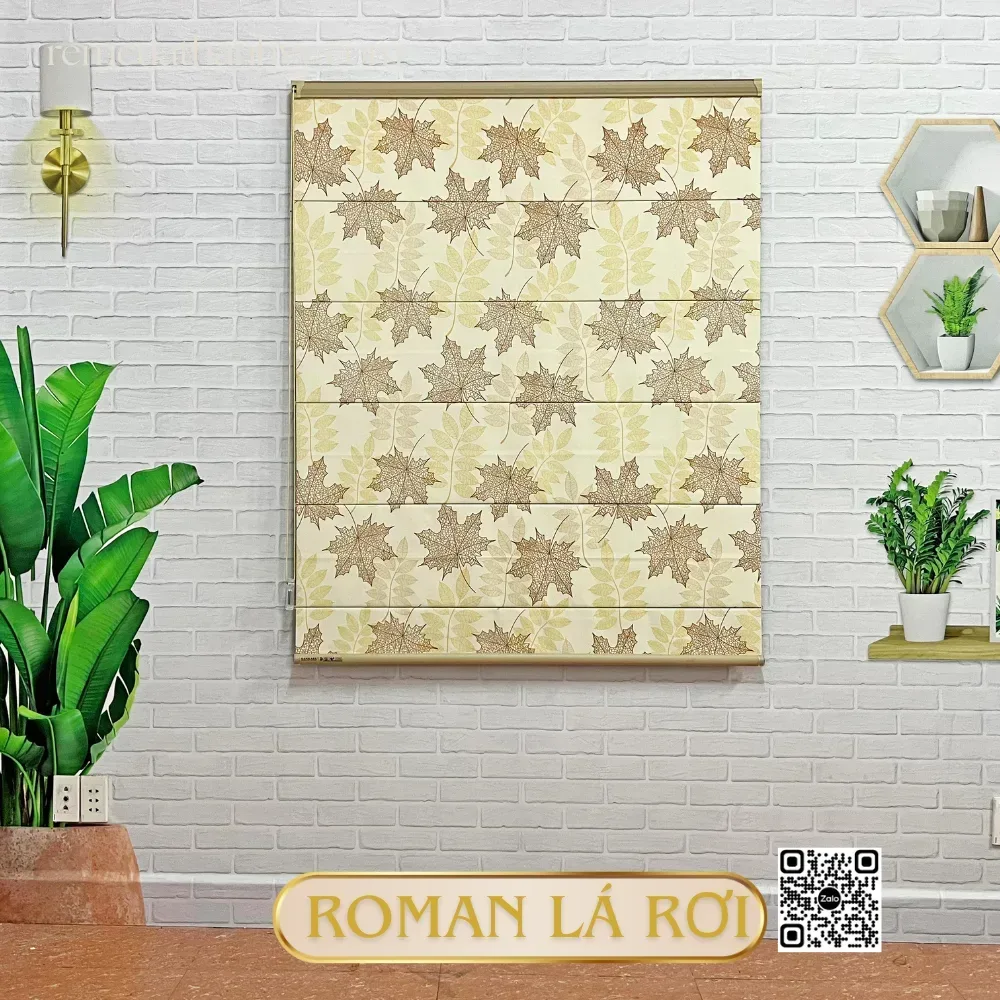
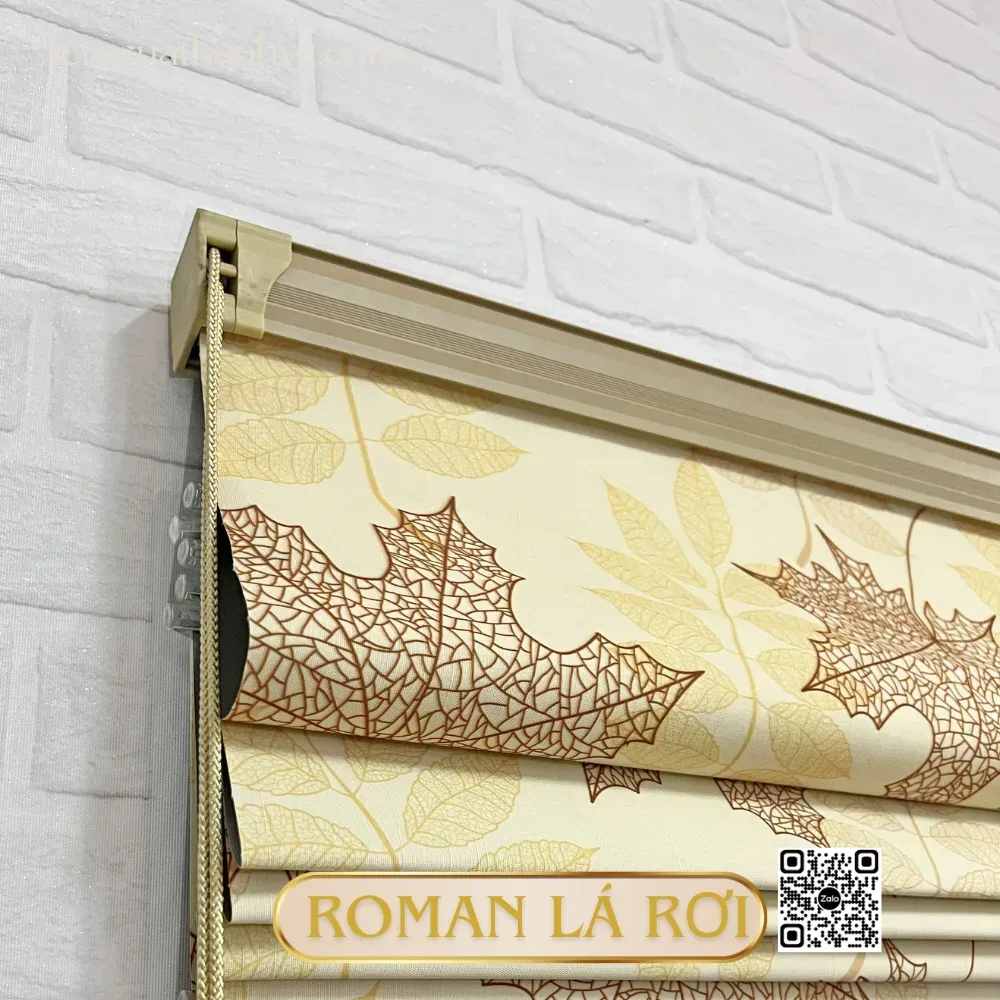
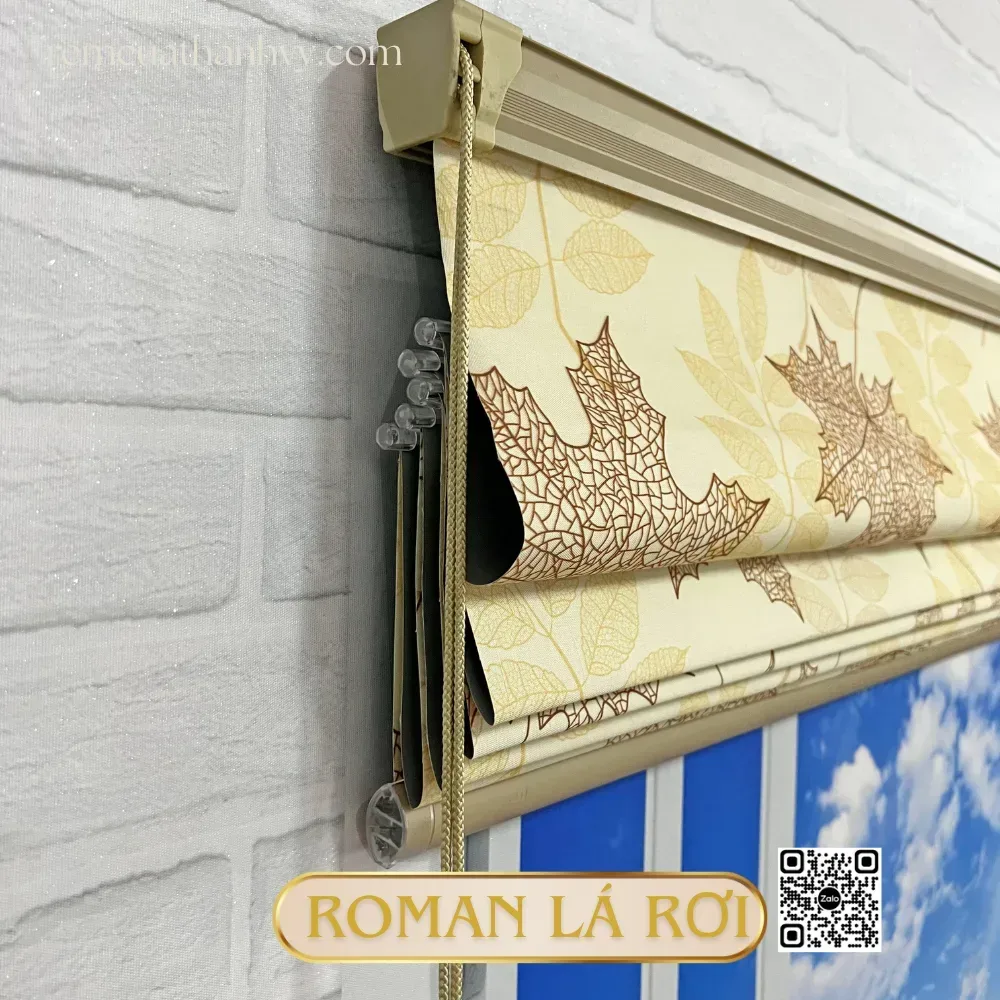
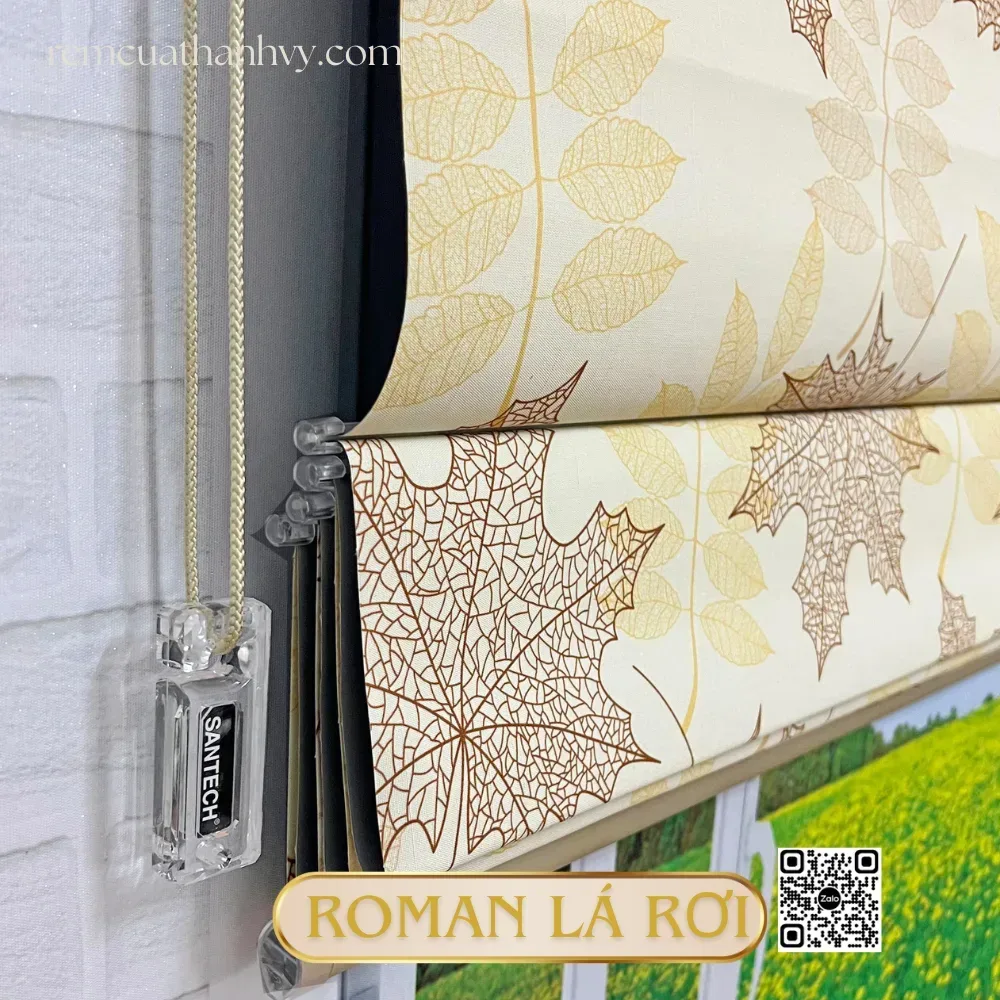
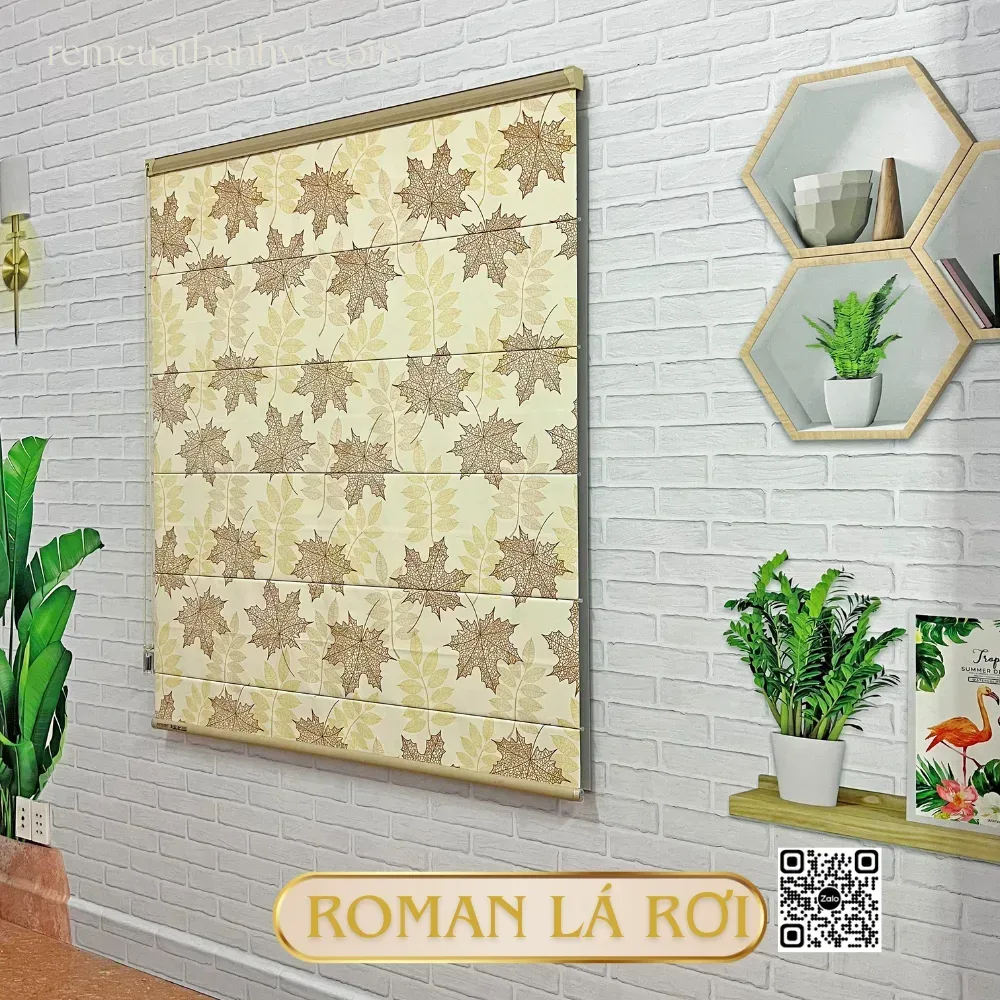
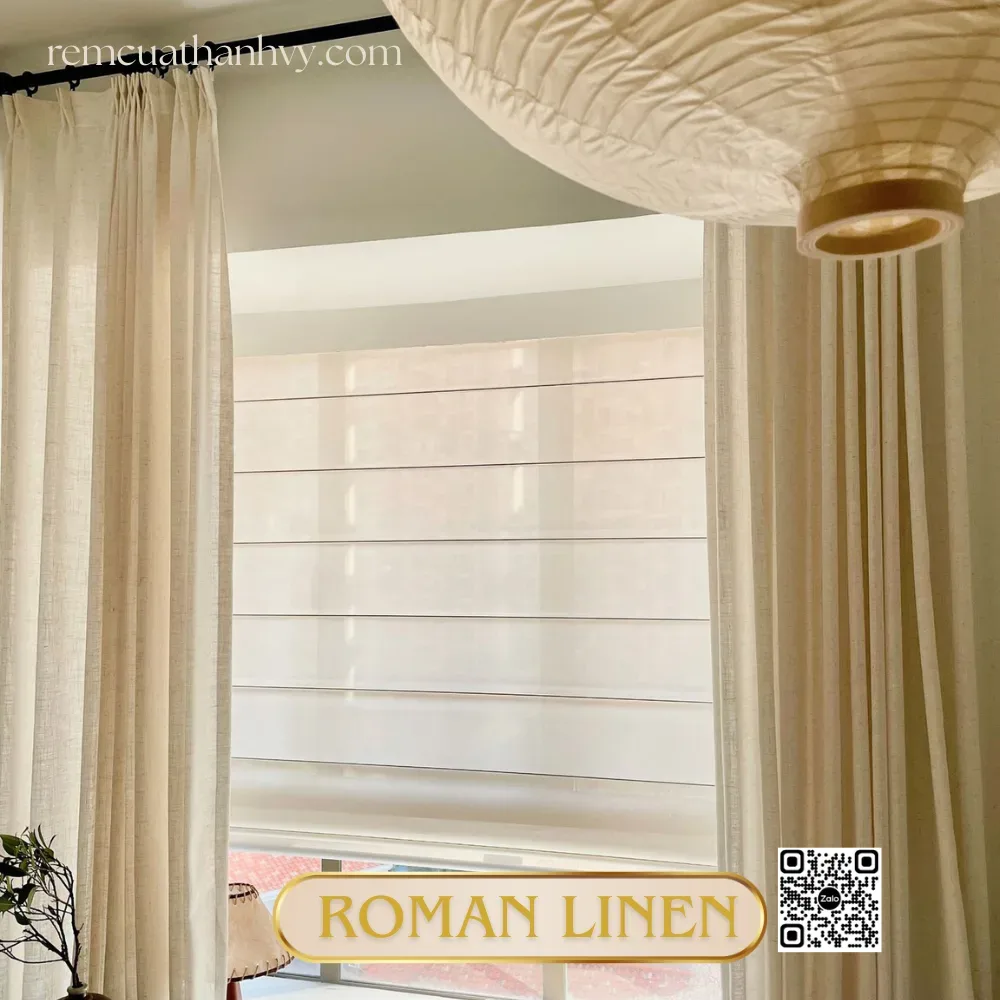
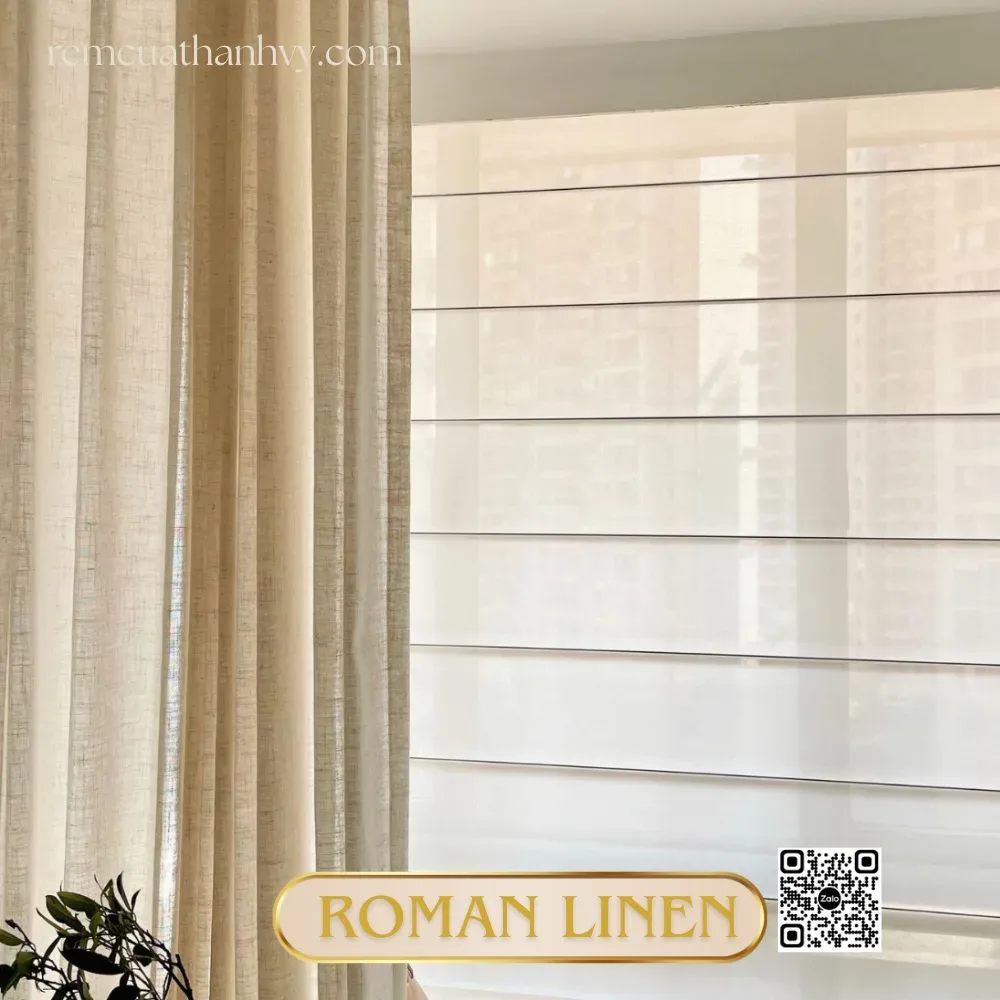
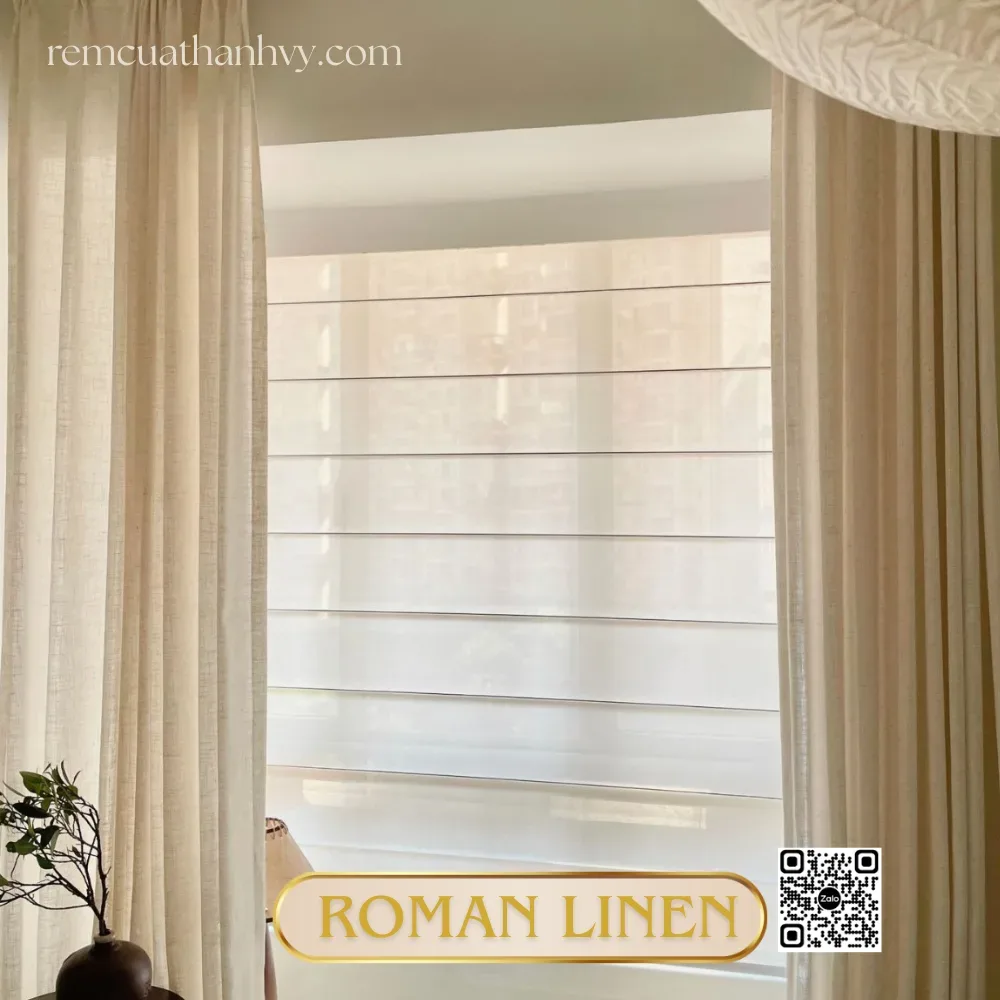
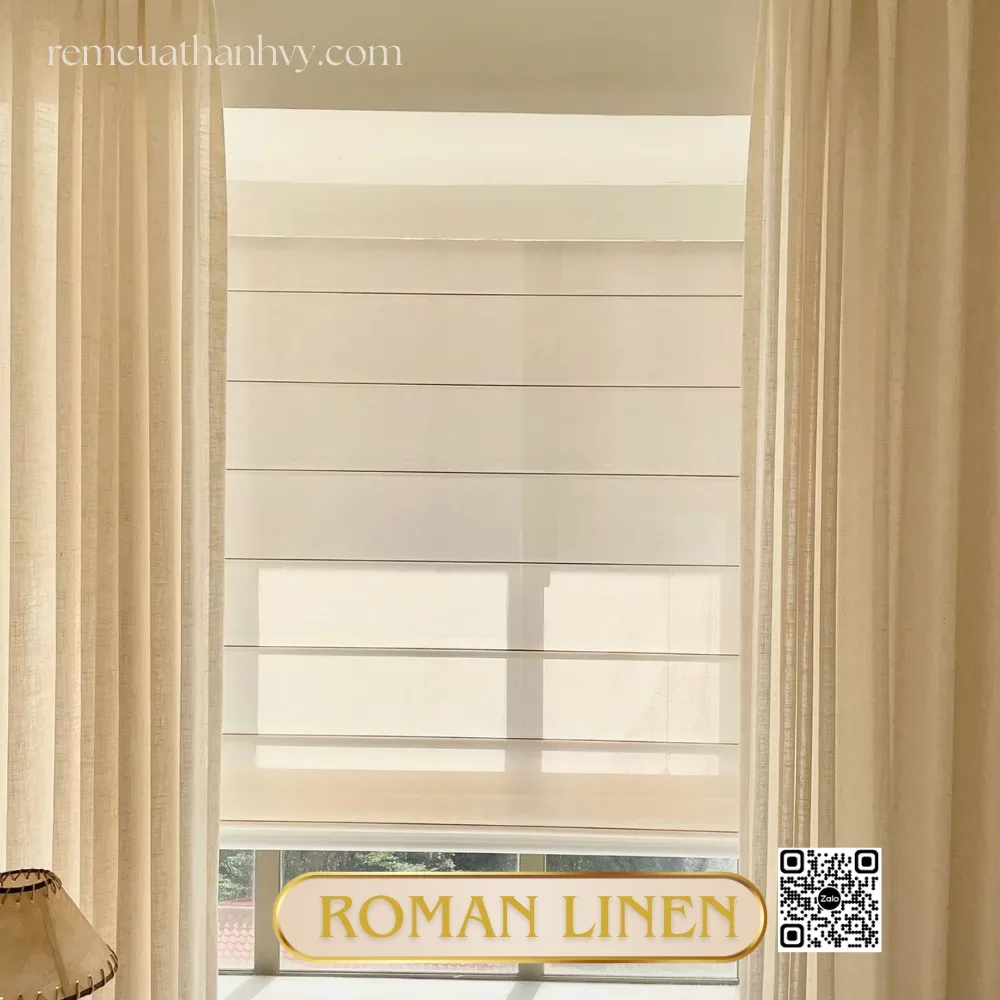
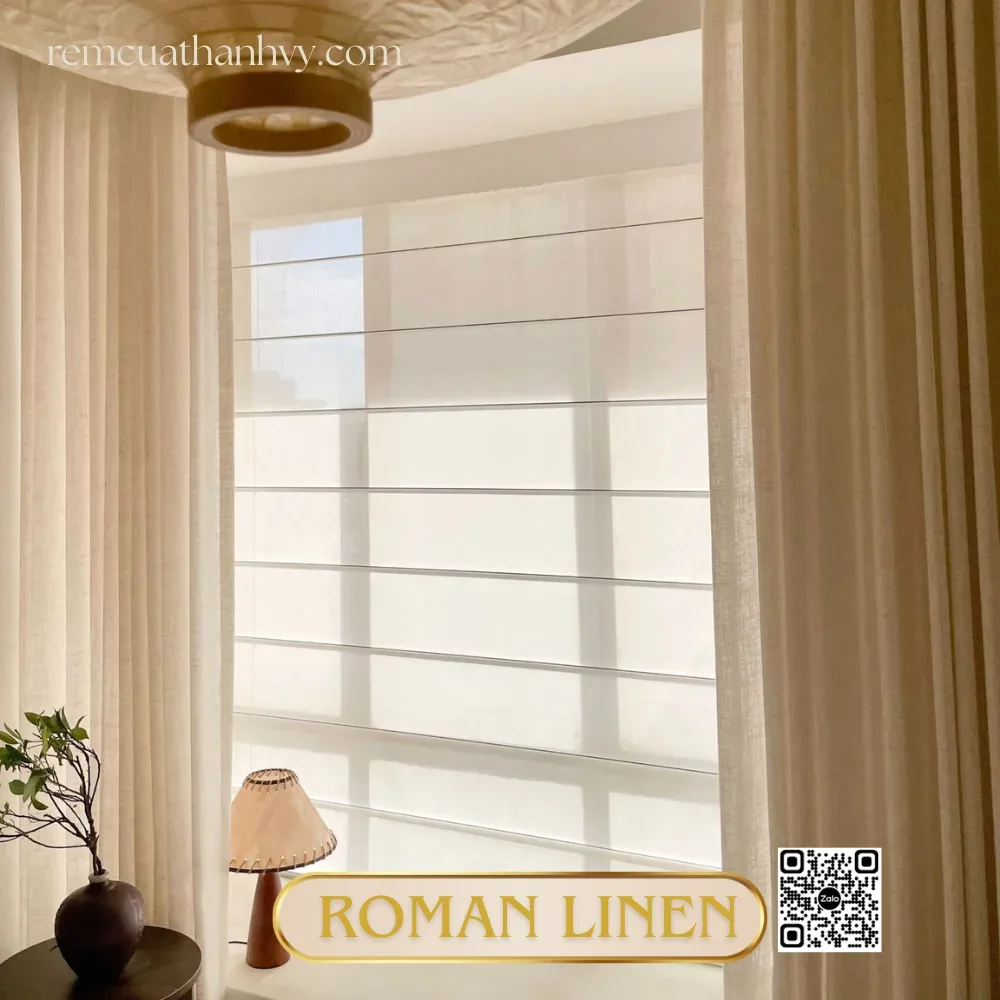
The layered structure of roman shades and why they create a luxurious feel
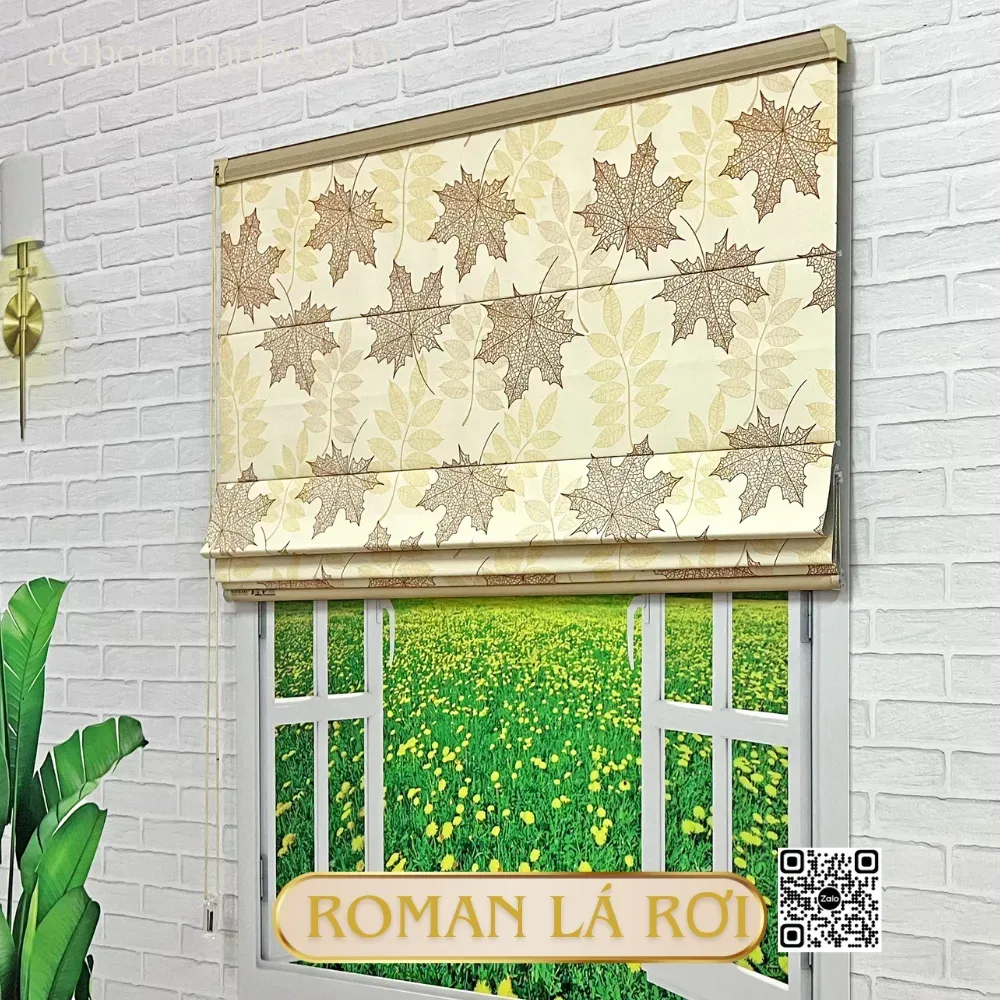
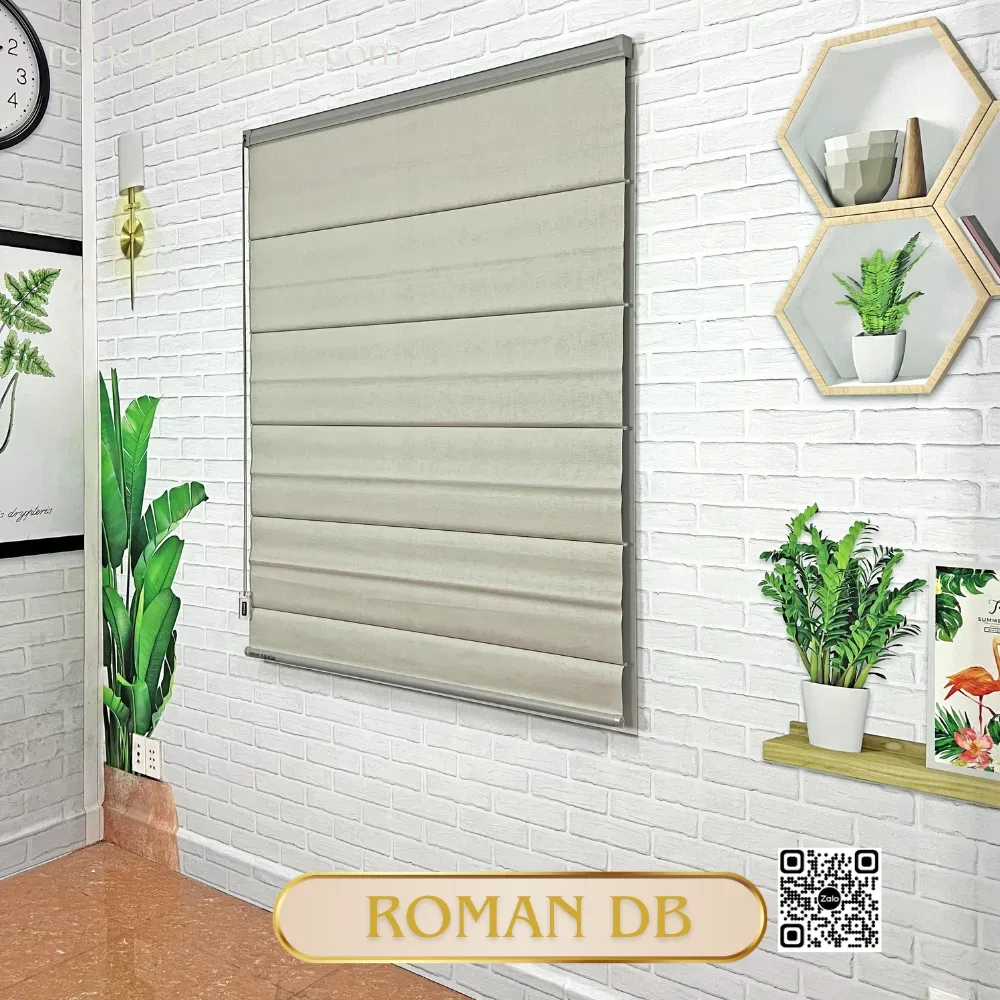
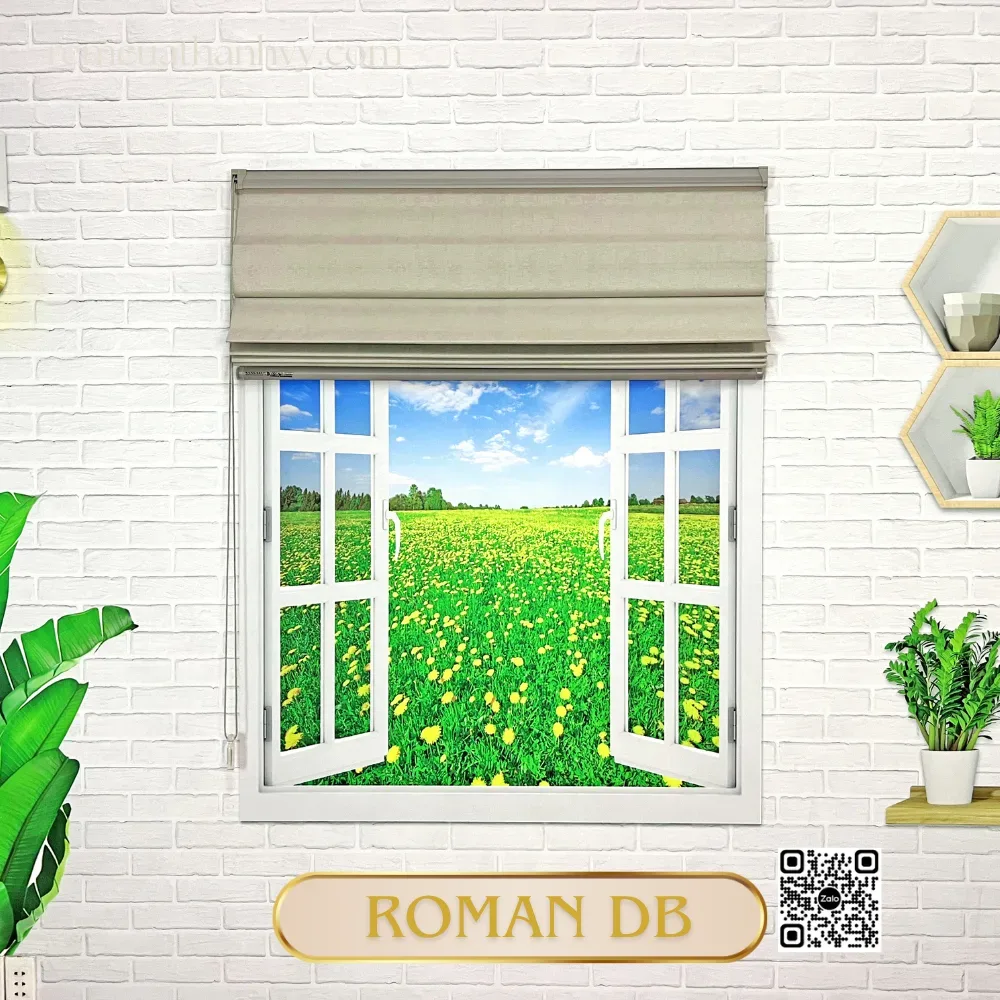
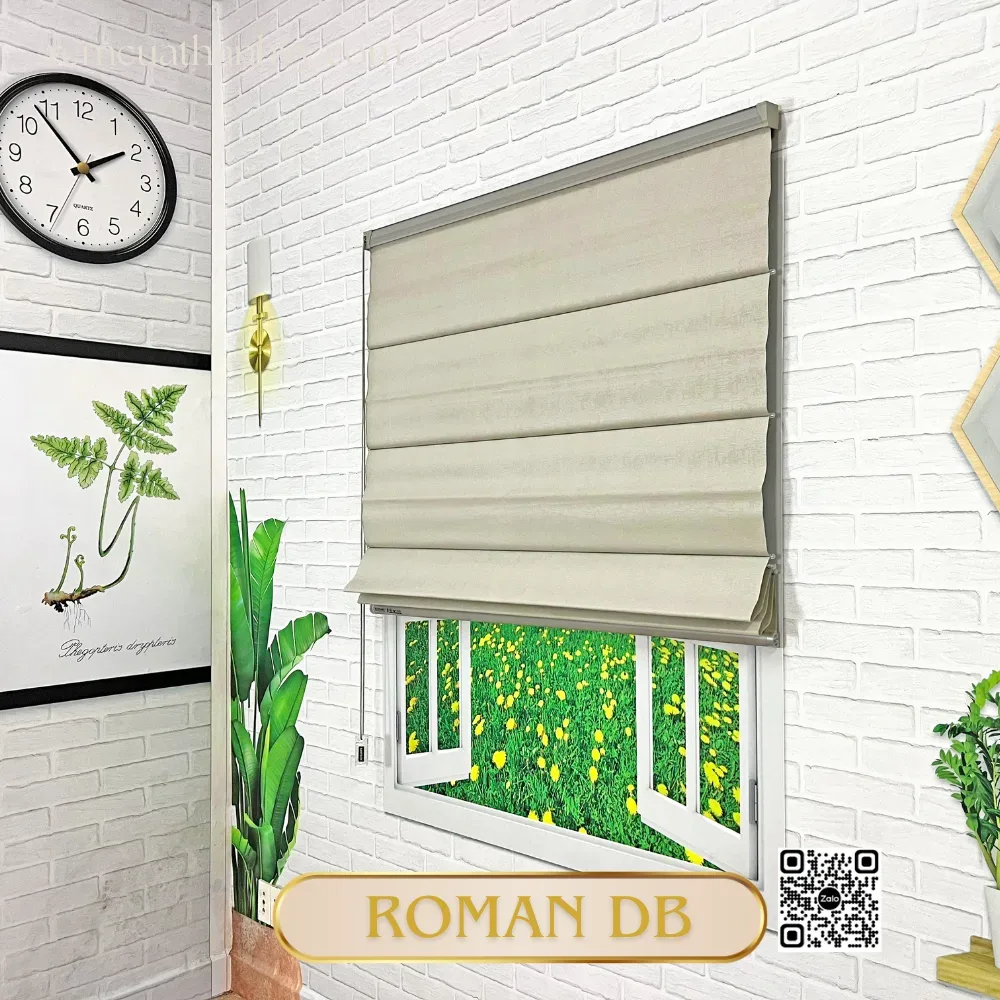
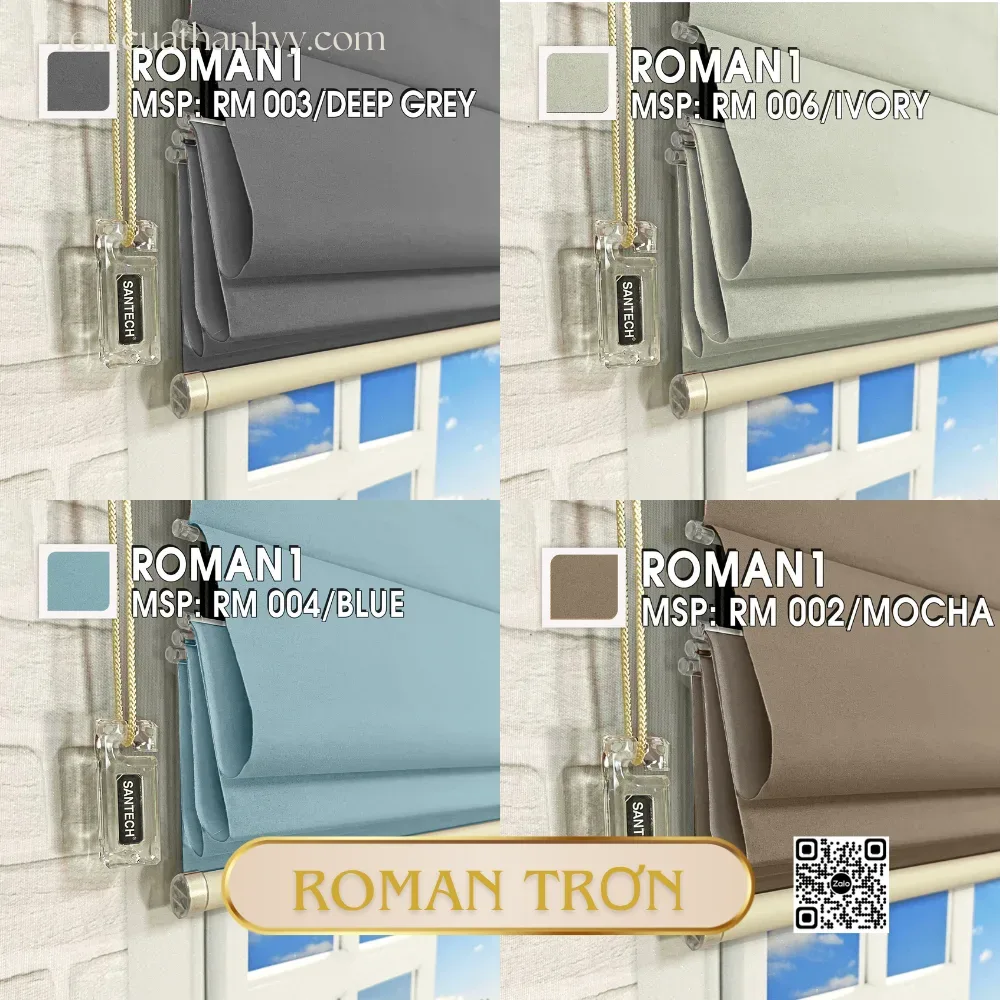
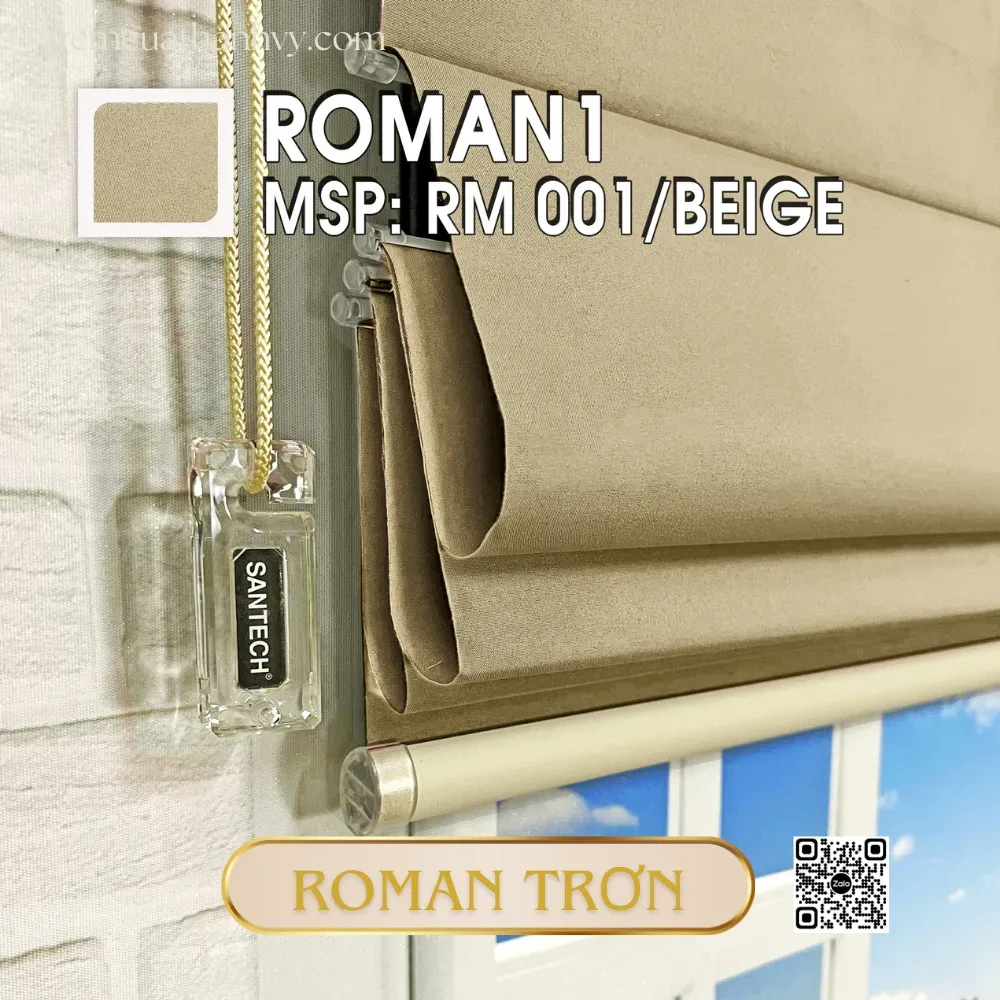
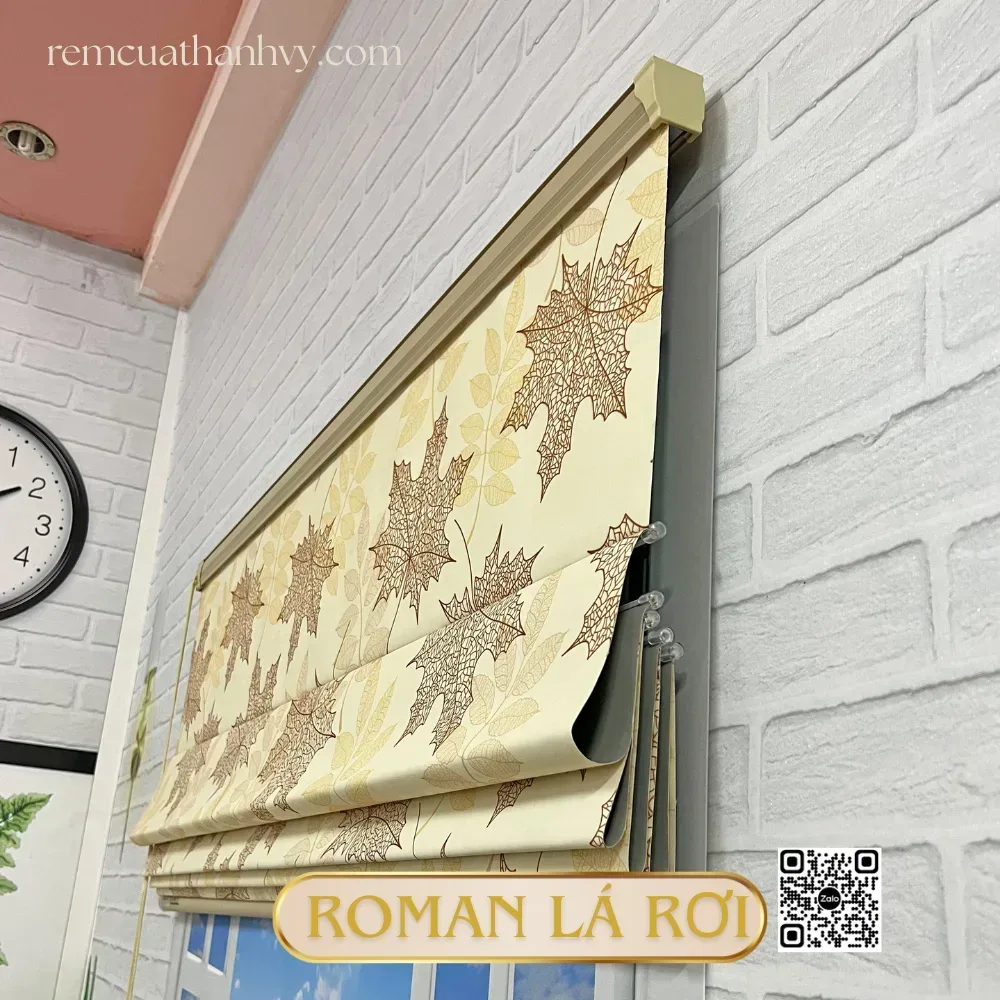
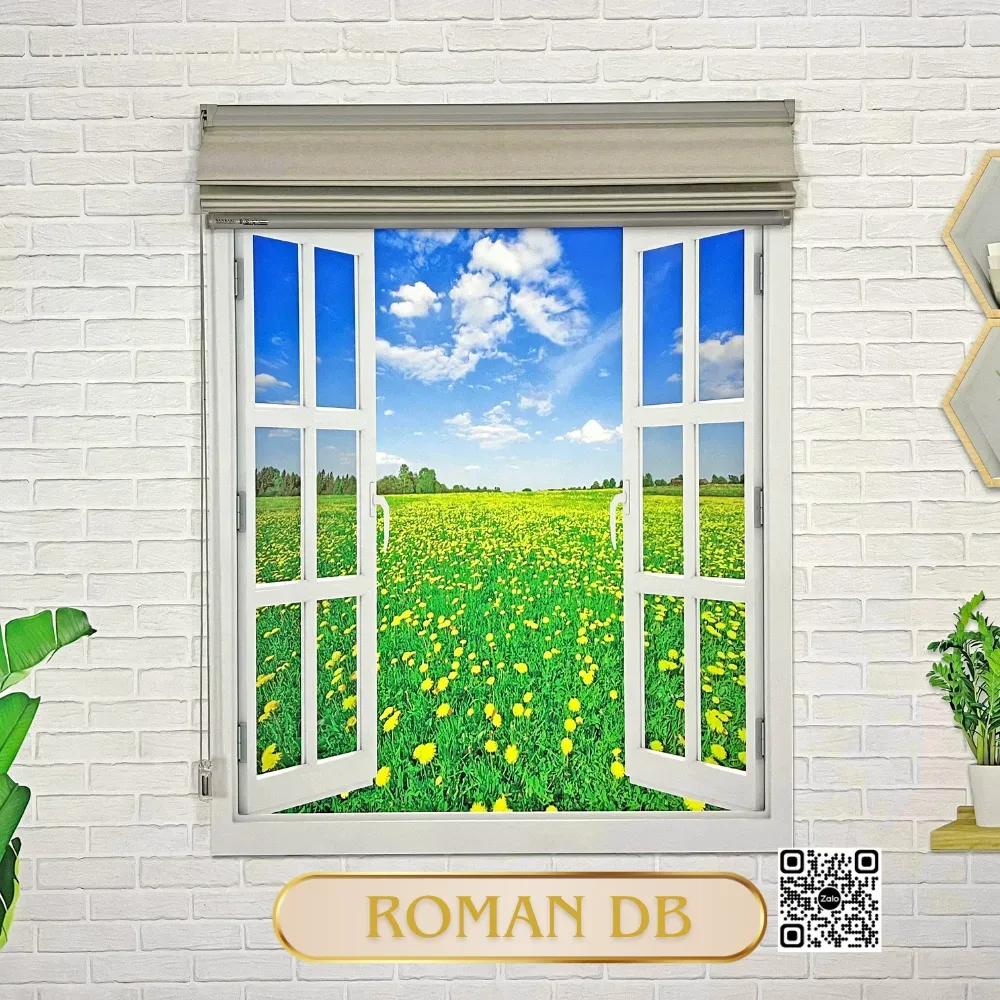
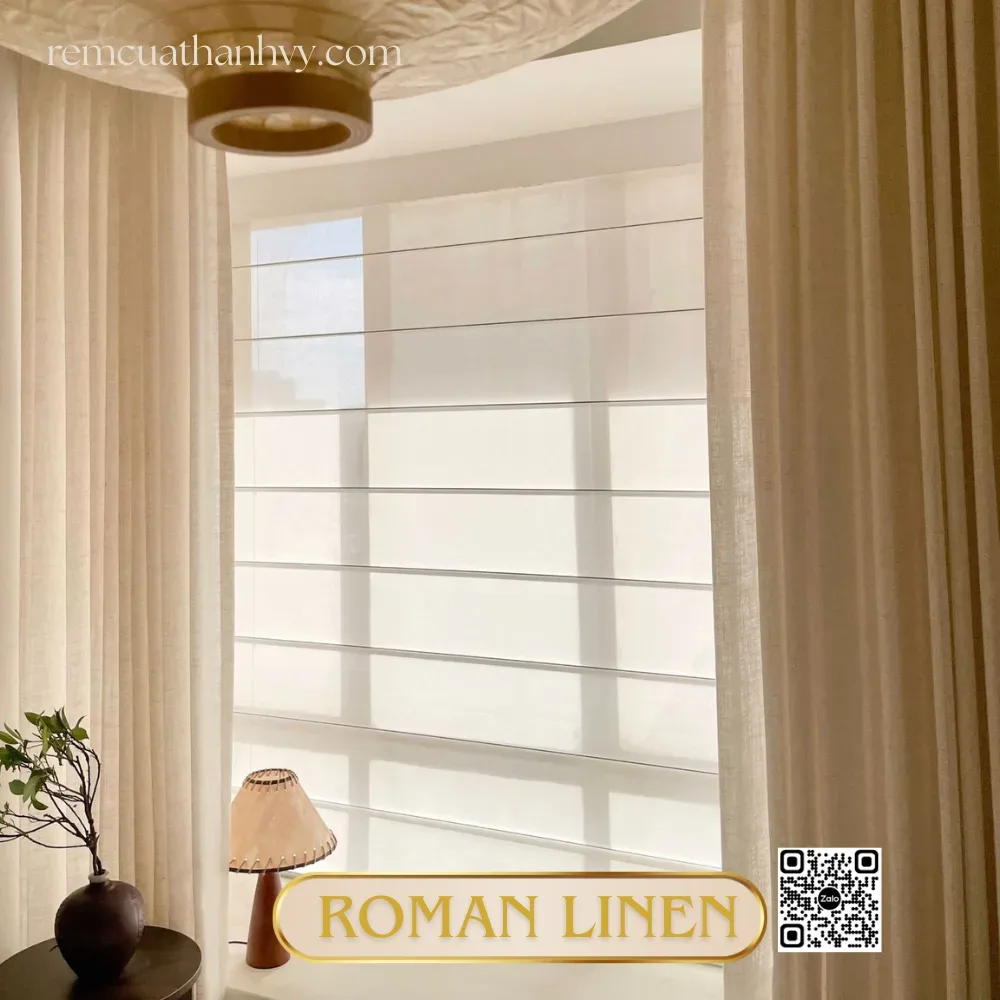
The biggest difference between roman shades and regular two-layer fabric curtains lies in how they operate. Instead of pulling the curtains to both sides using a rail system, roman shades are pulled up vertically using a cord system and horizontal stiffening rods attached to the back of the fabric. When pulled up, the fabric does not roll up like roller blinds, but folds into parallel, neat, and flat horizontal pleats. This layering creates the signature look of roman shades: a flat, tidy surface when lowered, and a neat stacked block when pulled up.
Before finalizing your choice, you can also check out Top Best Roman Shade Designs for Kids’ Rooms 2026 or Top Best Roman Shade Designs for Altar Rooms 2026.
Important note: If there are small children or pets in the house, special attention must also be paid to the location and securing method of the pull cord.
The neat, regular horizontal layering is why roman shades are often highly rated aesthetically. Because the fabric surface is taut and flat, patterns or colors are clearly displayed without being distorted by natural folds like side-pulling fabric curtains. With patterned fabrics or premium solid colors, roman shades generally maintain a more streamlined and intentional look, fitting spaces with modern or minimalist styles.
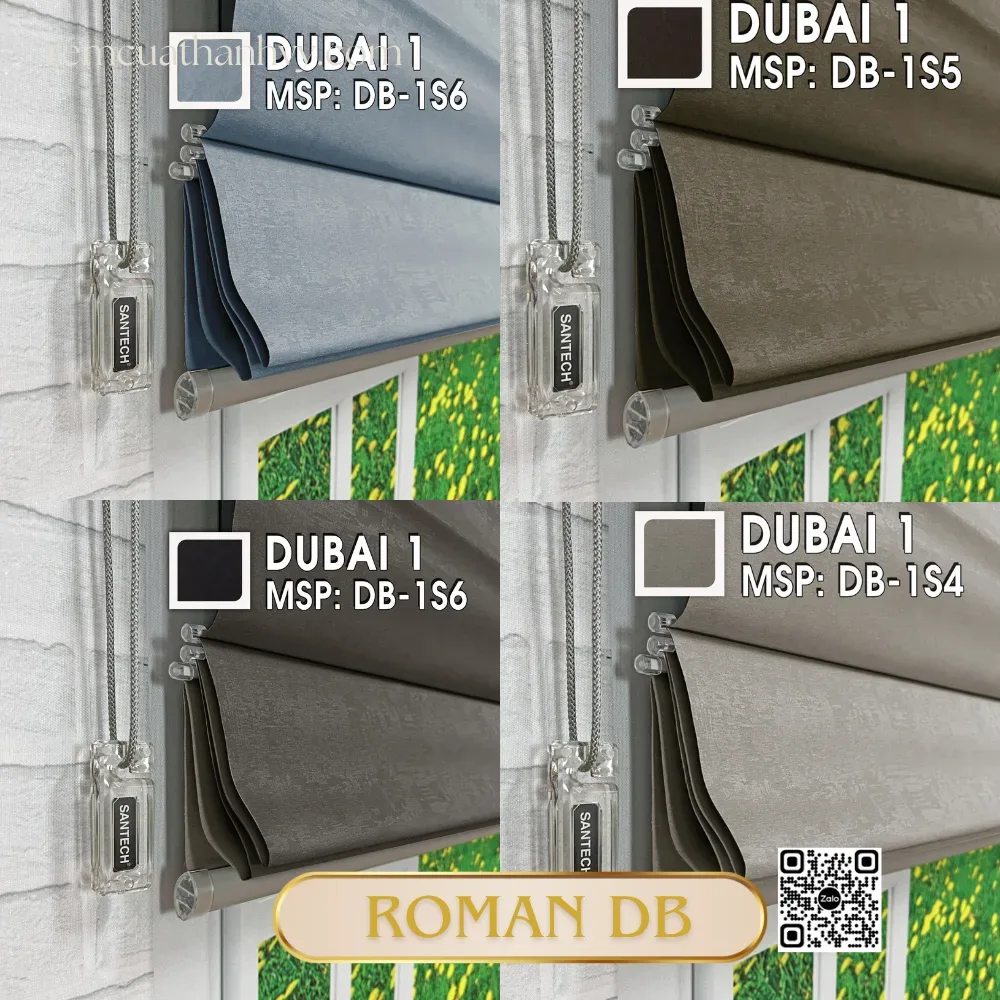
Aside from the standard design with evenly spaced pleats, some roman shade variants also feature a blackout or thermal lining at the back, helping to increase light control while keeping the characteristic flat lines. This is a plus for users who want both aesthetics and a curtain with more practical functions beyond decoration.
Aesthetic advantages and practical functionality of roman shades
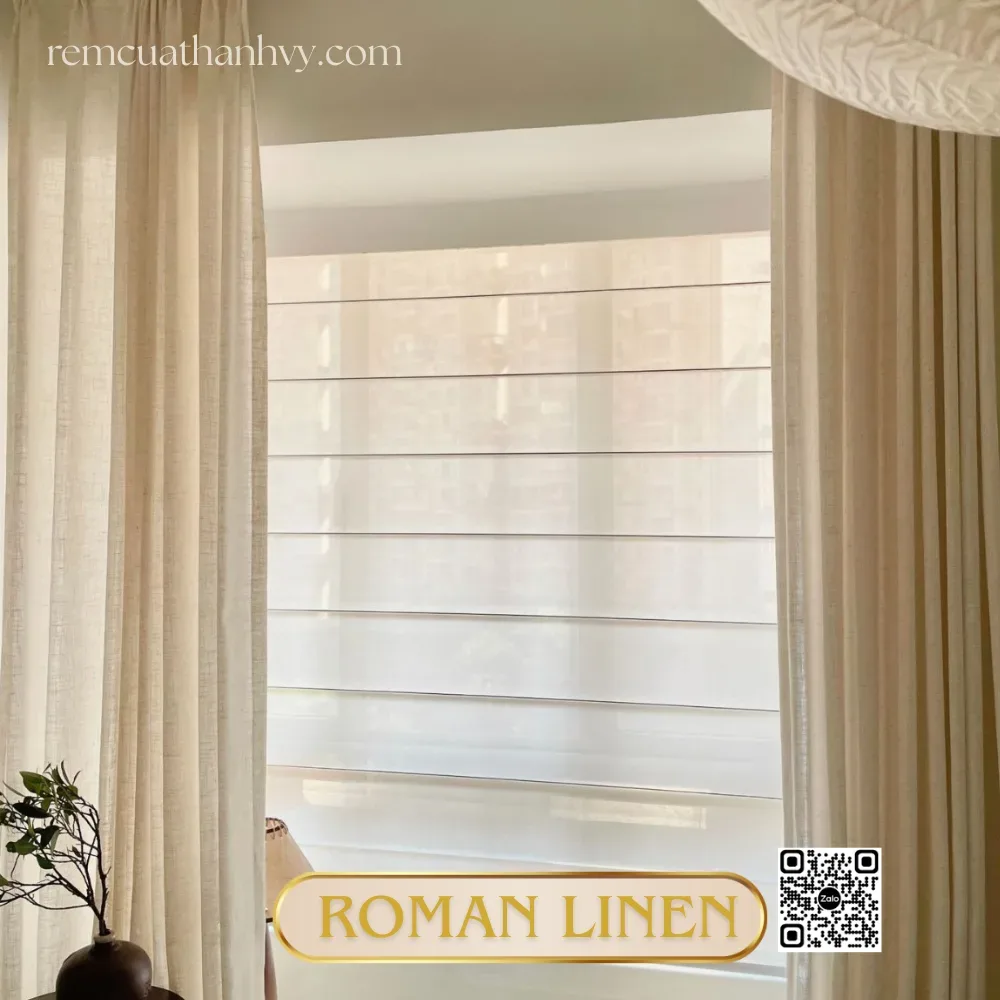
The clearest advantage of roman shades is their tidiness compared to traditional fabric curtains. Because the fabric folds flat and neatly toward the top of the window frame when raised, roman shades do not take up much space gathering on the sides like side-pulling fabric curtains. This helps small and medium-sized windows or doors look airier, while avoiding the heavy feel caused by gathered fabric at the edges.
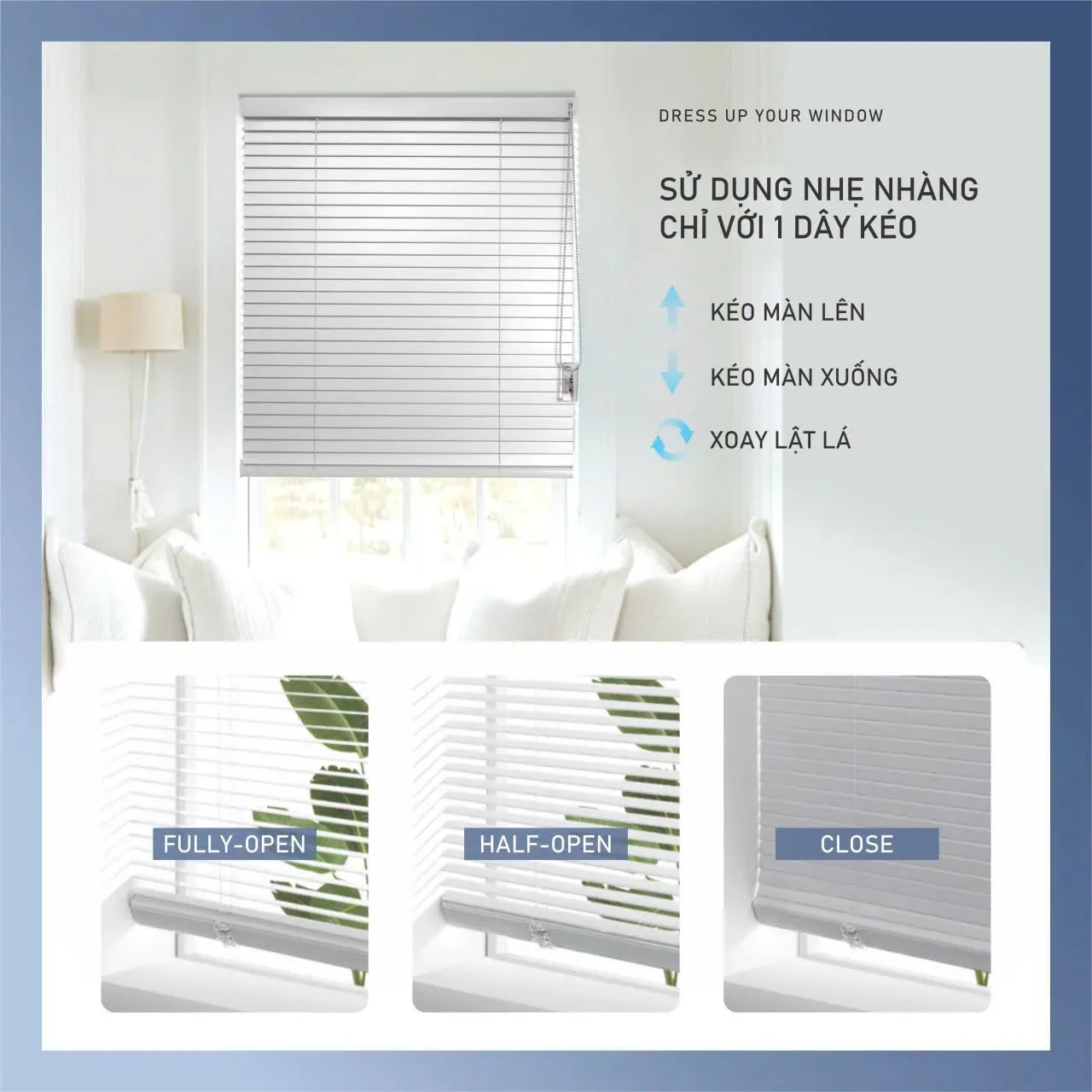
In terms of functionality, roman shades allow for fairly flexible light control depending on how far you choose to pull them—fully lowered, partially lowered, or fully raised. With blackout-lined models, roman shades can significantly reduce the amount of direct sunlight entering the room, while somewhat helping to maintain a stable indoor temperature during harsh heatwaves. According to energy-saving guidelines for renters from the U.S. Department of Energy, proper use of window treatments can help reduce direct solar heat gain when installed and used correctly, although the level of effectiveness depends on the fabric type, window orientation, and actual conditions of each home.
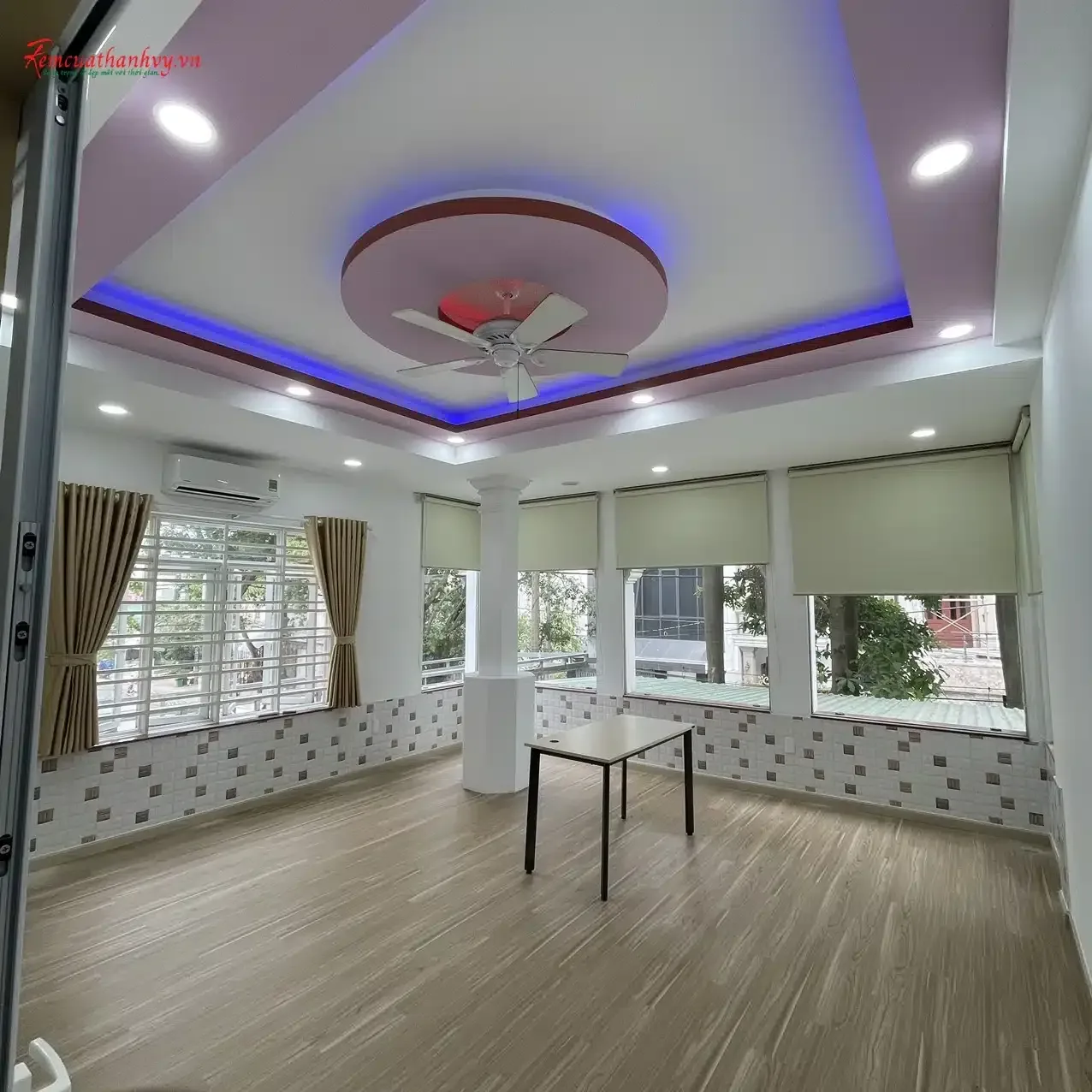
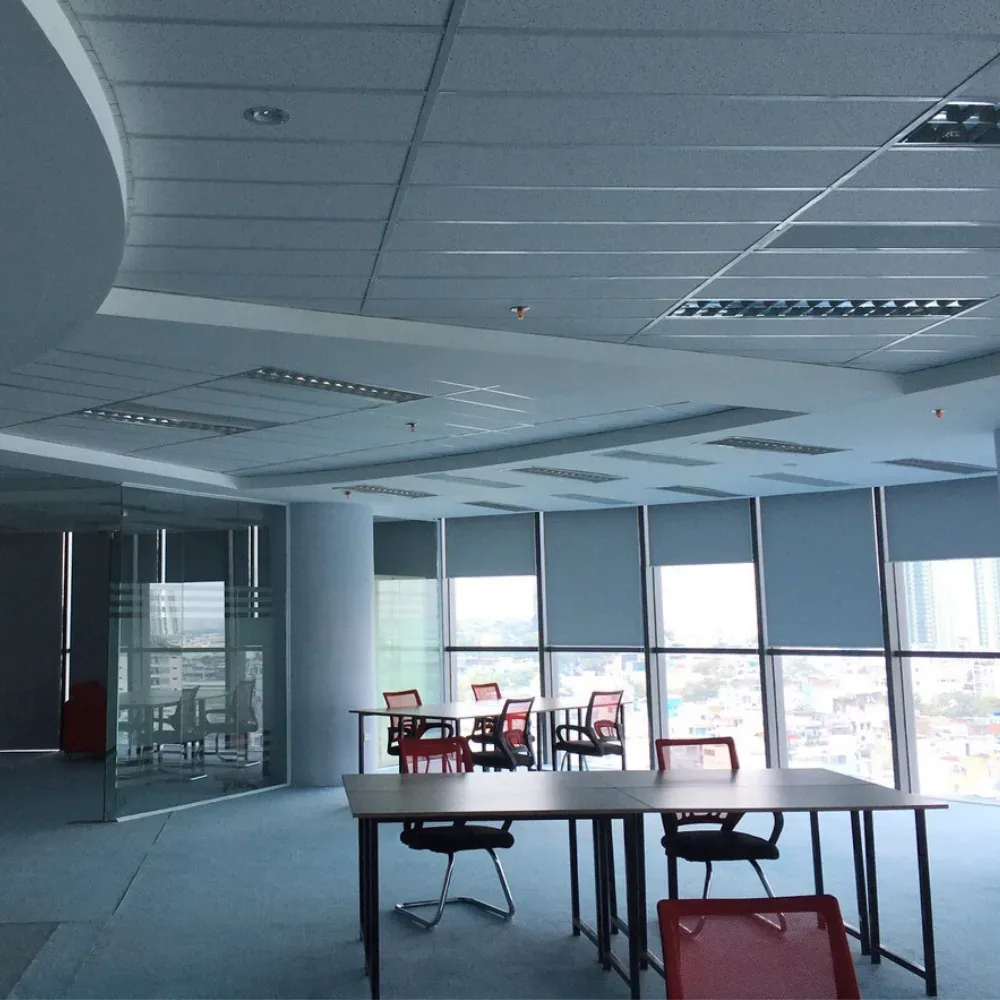
Another plus is that roman shades often create a “tailored” feel for each window because they are produced to specific dimensions, helping the finished surface fit tightly and seamlessly. This is why many people choose roman shades for offices, small living rooms, or areas where they want to create a subtle accent without too many accompanying decorative details.
Practical disadvantages to consider before choosing roman shades
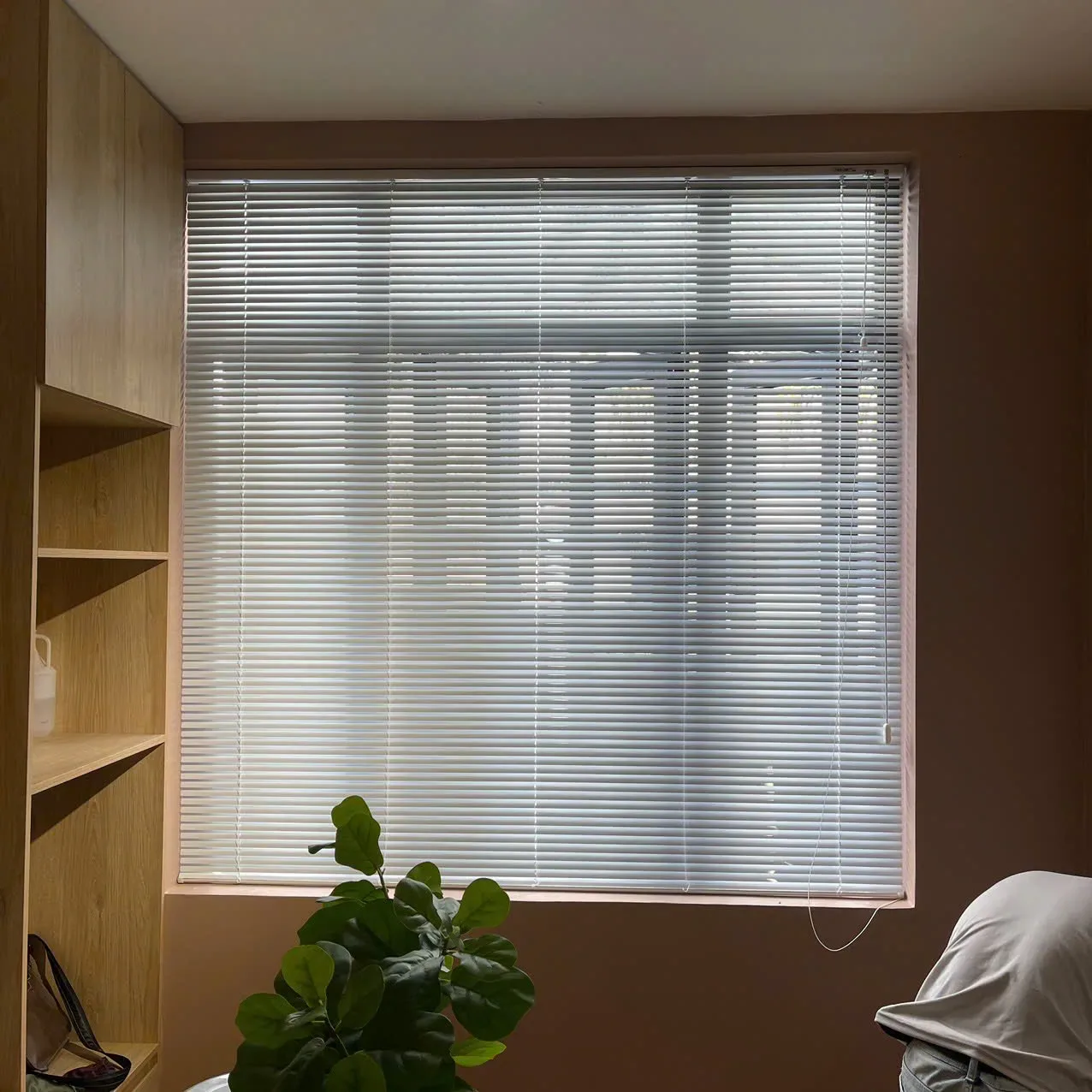
The first disadvantage, and one that many people do not anticipate, is cleaning. Compared to roller blinds which have a flat surface that is easy to wipe with a damp cloth, roman shades have a structure with many horizontal folds, making dust easy to cling to the creases and hard to clean thoroughly just by wiping. For households in dusty areas or those without time for regular maintenance, this is a point to consider carefully before choosing roman shades over roller blinds.
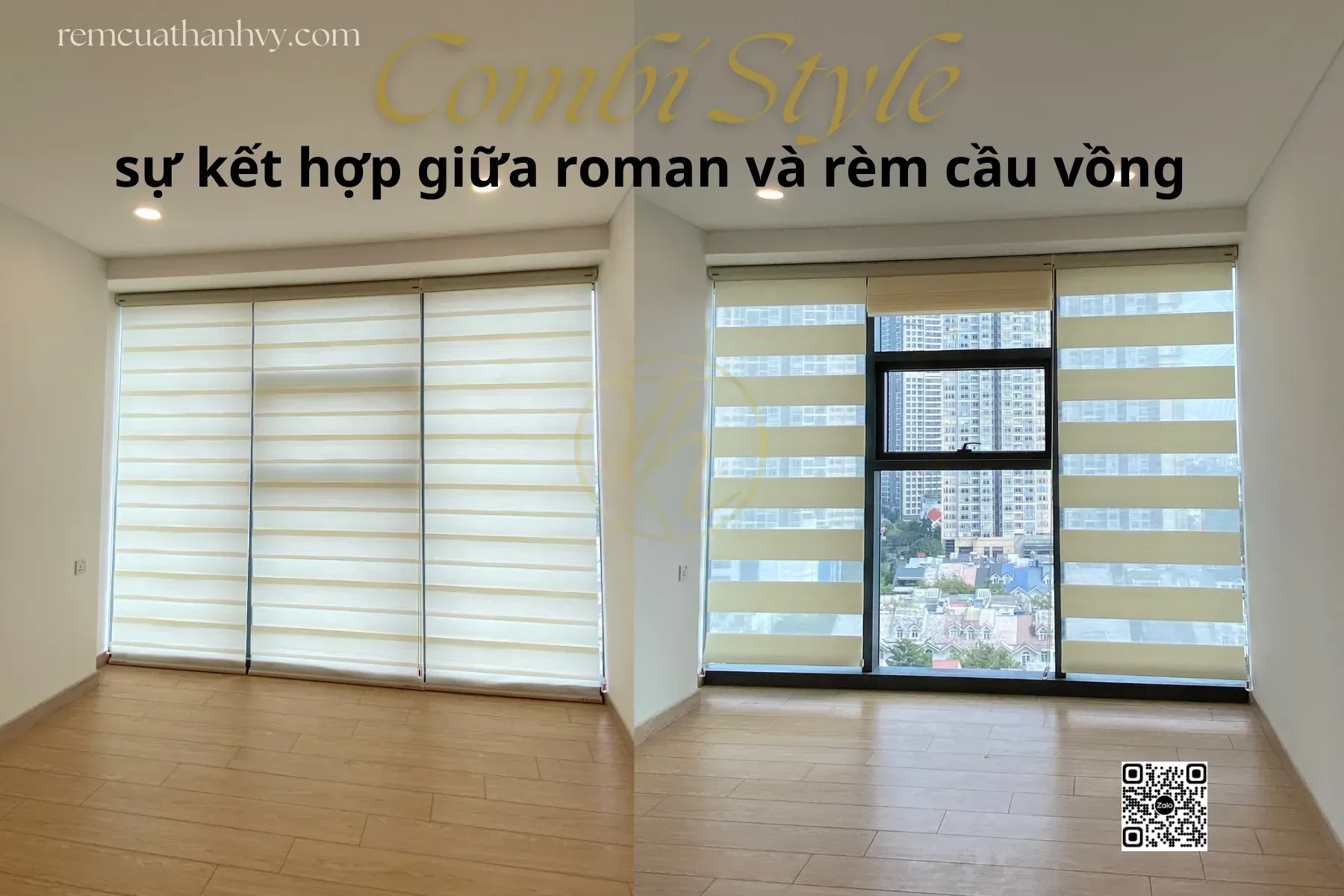
The second disadvantage relates to window dimensions. Roman shades work best with moderately wide windows. When installed on very wide windows, a single roman shade can become heavy, fold unevenly, and put pressure on the cord system, easily leading to unsmooth operation or faster degradation. A common solution is to divide it into multiple small panels joined together, but this creates a seam in the middle of the window, affecting the seamless look that is a strong point of this curtain type.
Additionally, because of their construction using cords and stiffening rods fixed behind the fabric, roman shades usually have slightly higher production and installation costs than roller blinds made of the same material. This is not necessarily an absolute disadvantage, but a factor to include in your budget planning if you are comparing multiple options.
Which spaces are roman shades suitable for?
Roman shades are best suited for spaces with a “quiet” nature, minimal direct impact, where windows are opened and closed regularly but not too frequently throughout the day. Living rooms, bedrooms, home offices, or reading rooms are typical locations where roman shades excel in both aesthetics and functionality. In these spaces, prioritizing a neat appearance and a refined feel is often more important than the need for ultra-quick cleaning or continuous operation. You can also cross-reference via the characteristics of aluminum.
Conversely, areas with high humidity or prone to grease such as kitchens, bathrooms, or laundry areas are generally not ideal environments for roman shades, because the fabric material and multi-fold structure easily trap moisture, absorb odors, and are harder to clean thoroughly than curtains with smooth surfaces. For these areas, easier-to-wipe curtain lines are usually a more sensible long-term choice.
For large sliding doors or multi-panel doors, roman shades are also not the optimal choice for the reasons mentioned in the disadvantages section. In this case, users should consider other configurations that handle wide spans better, or combine roman shades for accompanying small windows if the layout permits.
Send your dimensions and needs, and the Thanh Vy Curtains team will advise on options and quote for your actual space.
General comparison of roman shades with other curtain types
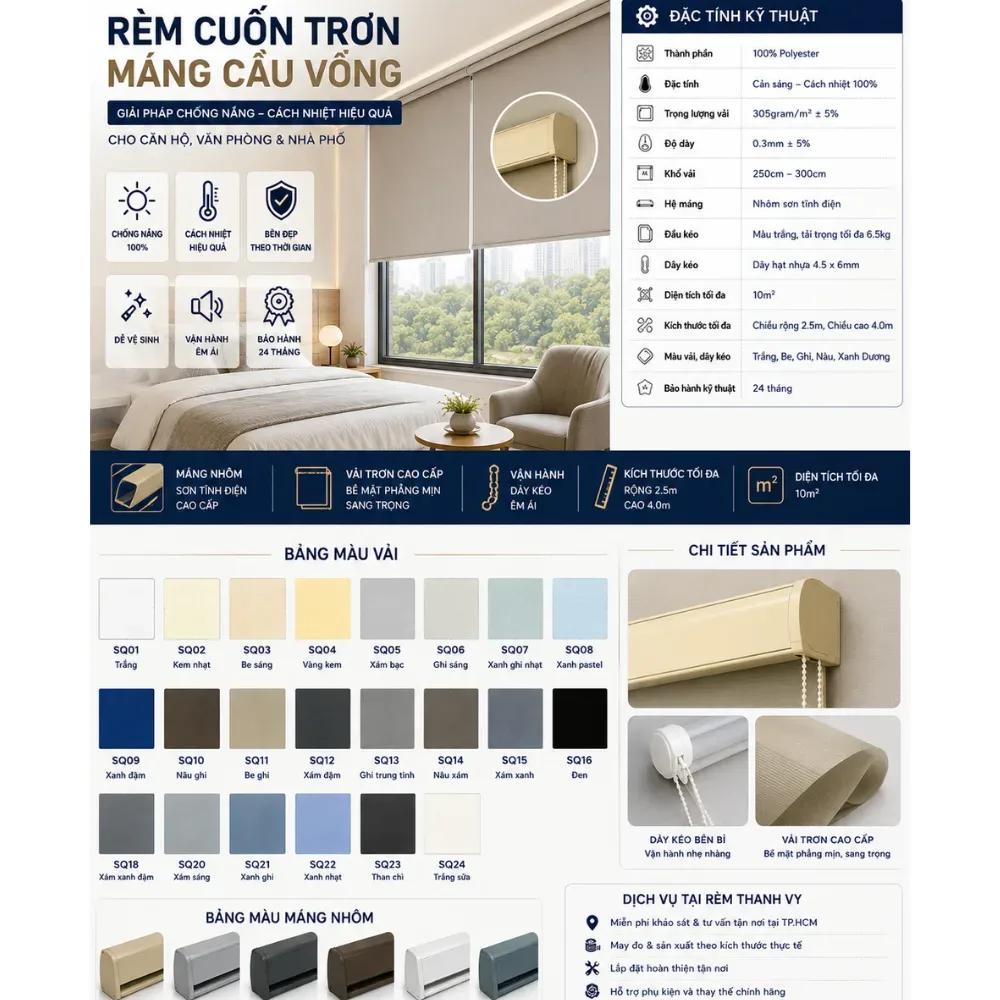
Compared to roller blinds, roman shades have an aesthetic advantage thanks to horizontal pleats that create depth and a softer feel, whereas roller blinds clearly win in terms of ease of cleaning, price, and mechanical durability when used long-term with high opening and closing frequencies. Neither side wins absolutely; the choice depends on which factors you prioritize for a specific space.
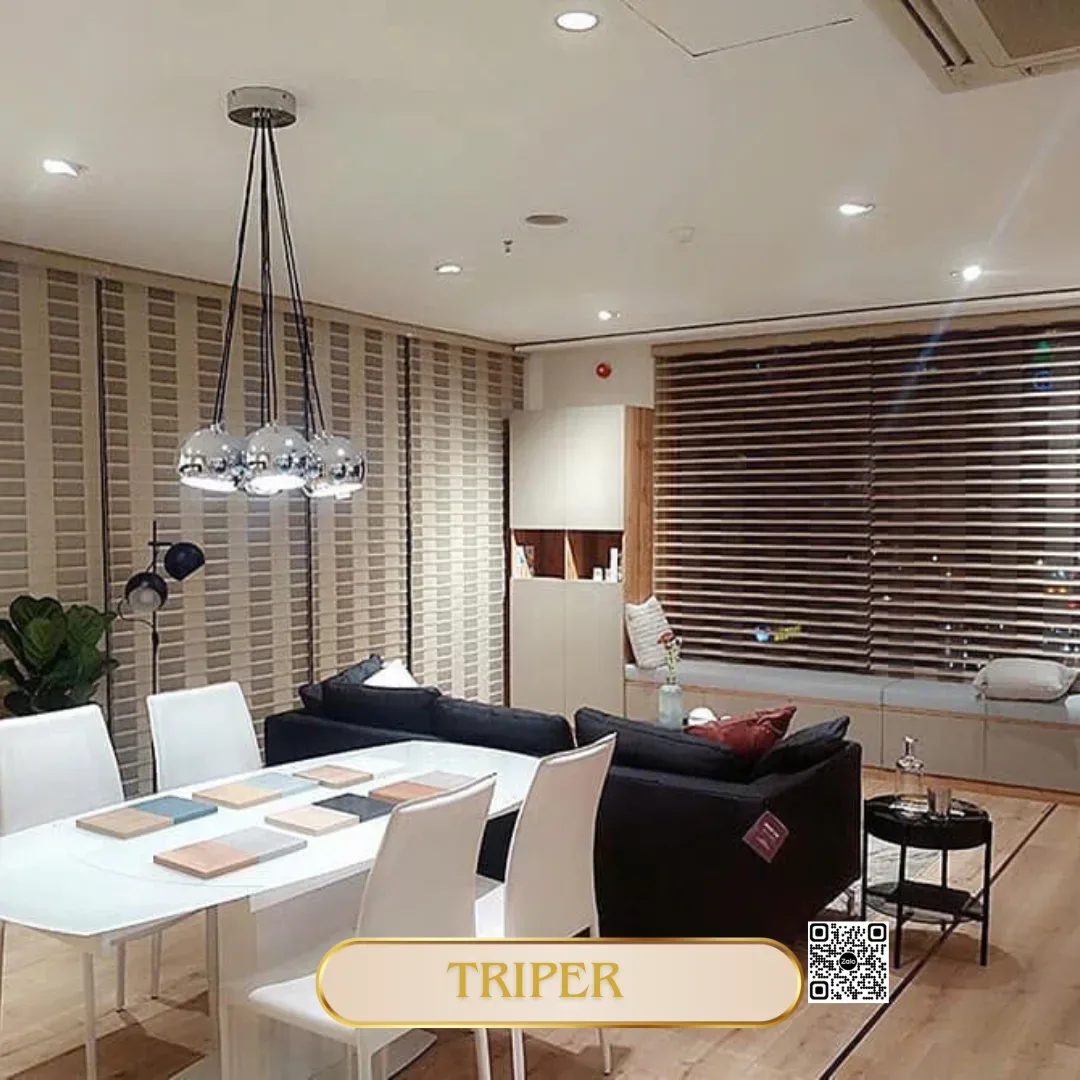
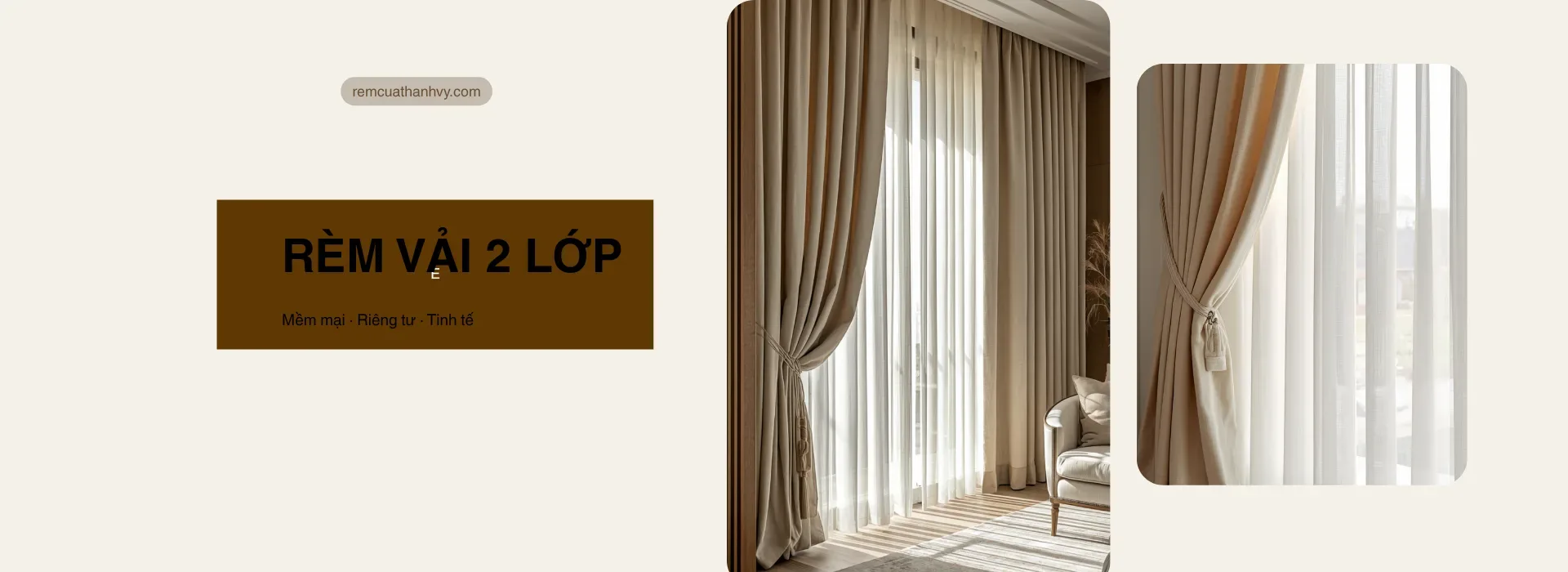
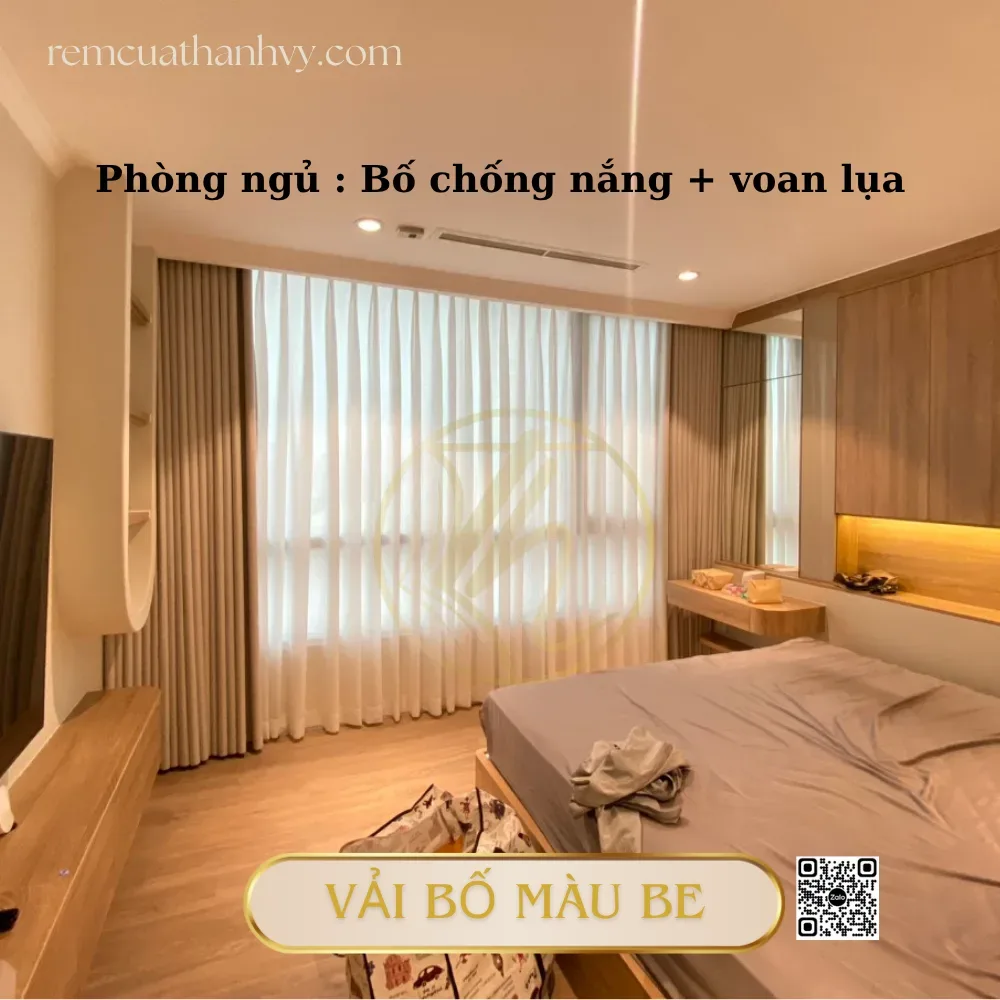
Compared to two-layer side-pulling fabric curtains, roman shades are more compact regarding side-stacking space and have flatter, more intentional lines. However, two-layer fabric curtains are more flexible in mixing sheer and blackout layers separately, and are better suited for very wide windows or spaces needing a soft, classic, luxurious draped feel. Interested readers can view polyester fibers in the textile industry before deciding.
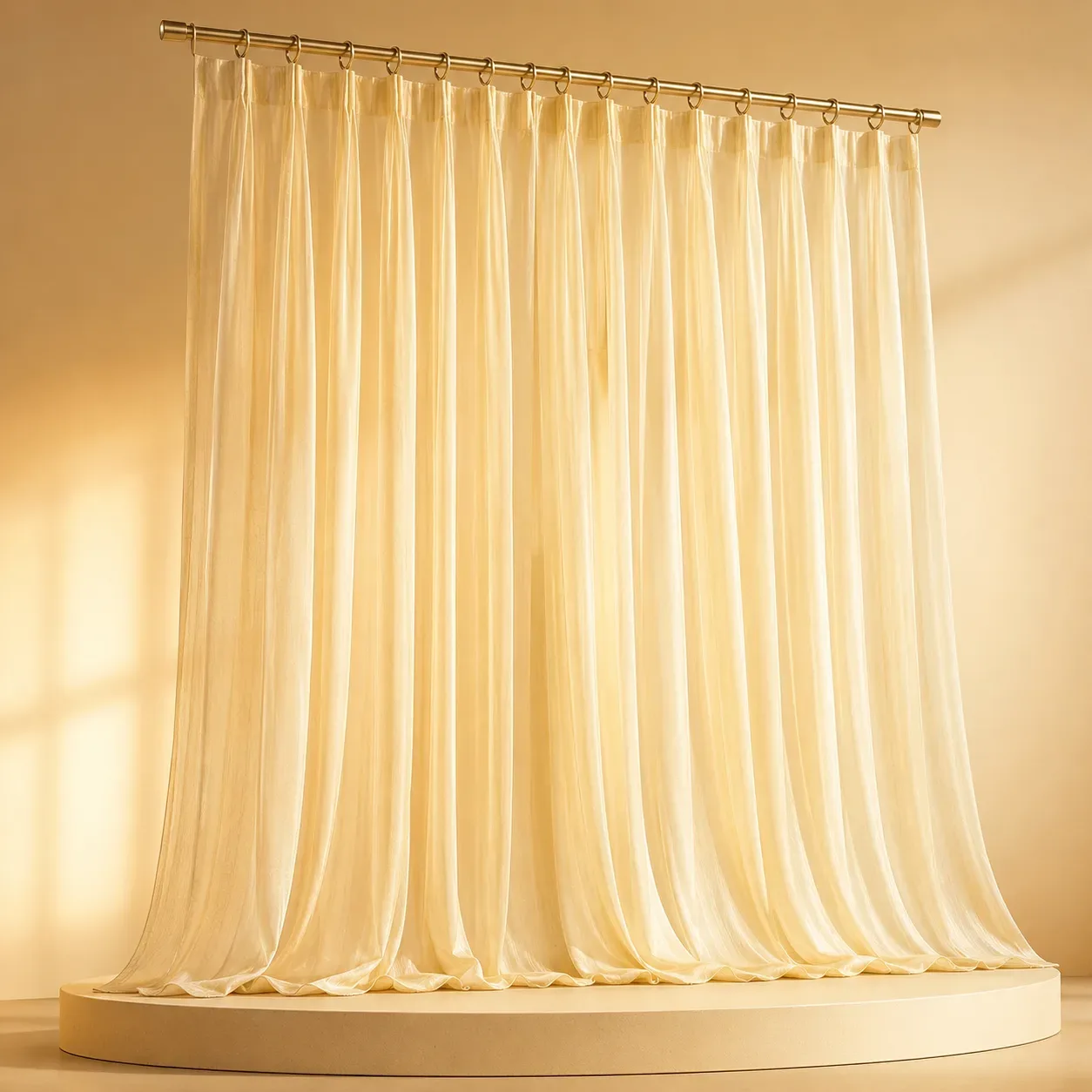
Overall, comparisons should be based on specific criteria of each home: window dimensions, cleaning frequency, budget, and overall interior style, rather than trying to find a “best” curtain type applicable to all cases. Are roman shades good? The answer is always tied to the actual context of use rather than the product name itself.
How to properly maintain roman shades to preserve long-term beauty
Proper maintenance of roman shades should start with gentle routine cleaning habits rather than waiting until the shades are visibly dusty to address it. Using a soft vacuum brush attachment or a soft feather duster to clean dust from the pleats every week or two is a simple way to limit deep dust accumulation in the fabric fibers, especially along the horizontal folds where dust settles most easily.
For deep washing or treating stubborn stains, professional cleaning services should be prioritized over self-washing at home, as the rod structure and cord system behind the fabric are quite sensitive to water soaking or vigorous rubbing. Improper disassembly and reassembly can misalign the rods, affecting the flatness and evenness of the pleats after reinstallation.
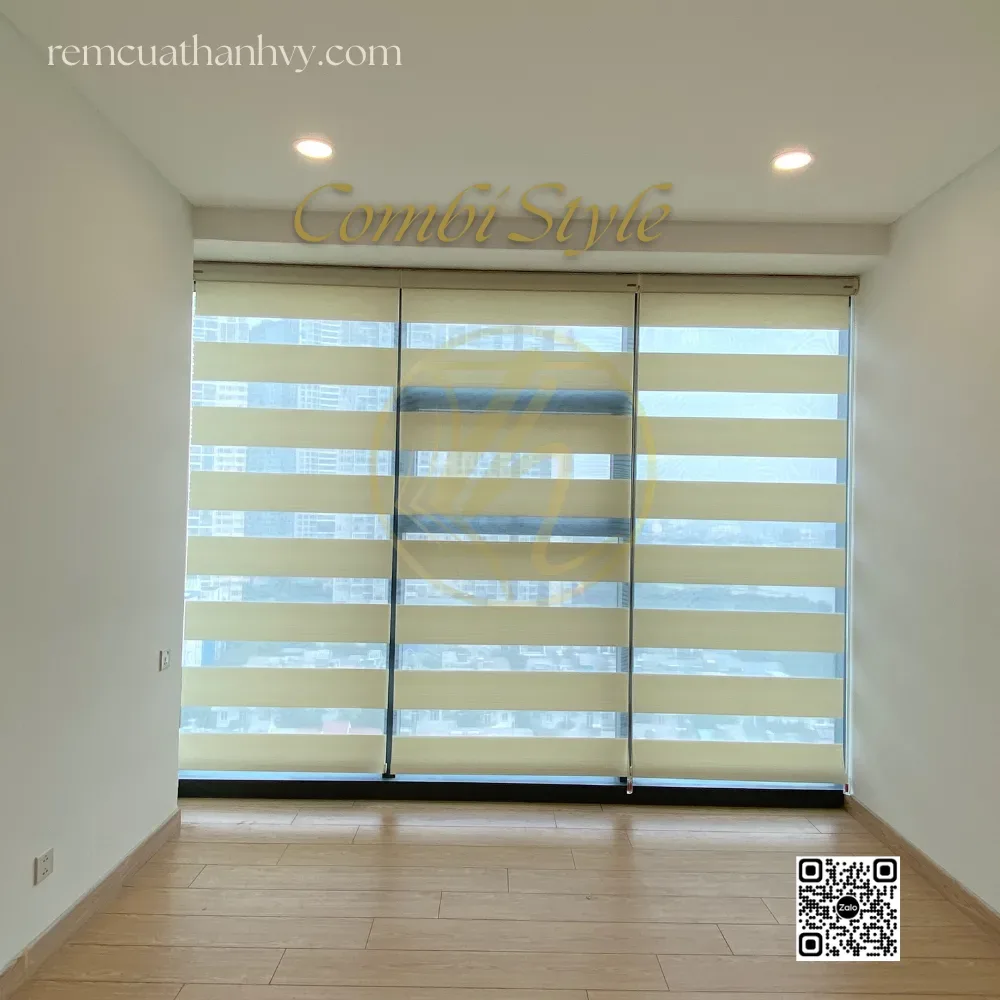
Additionally, avoid exposing roman shades to prolonged direct sunlight without a protective layer, as this can cause the fabric color to fade faster over time, especially with light-colored fabrics. In high-humidity areas, regular room ventilation also helps reduce the risk of mold clinging to the pleats of the curtains.
Notes when purchasing roman shades and final advice
Before purchasing, clearly define your main purpose: do you need roman shades primarily for decoration and softening light, or do you need strong blackout capabilities for a bedroom? From there, you should choose either lightweight, aesthetics-oriented fabrics or those with an added blackout lining at the back to increase practical functionality.
For large-width windows, discuss split-panel options or alternative suitable curtain types with the installation team in advance, rather than trying to install a single large roman shade that could affect the durability of the cord system. If there are small children or pets in the home, special attention must also be paid to the location and securing method of the pull cords. According to safety recommendations from the U.S. Consumer Product Safety Commission, window blinds and shade cords pose hazards to young children and pets if not properly secured or positioned, so prioritize neat cord-securing solutions out of children’s reach.
Finally, do not rely solely on beautiful illustrative images to make your decision. Compare them with your actual window dimensions, sun orientation, usage frequency, and the cleaning routine your family can consistently maintain. Are roman shades good? The most honest answer is only obtained when you place them alongside your actual home and lifestyle habits, rather than next to a catalog product sample.
Related areas
Curtains in District 12: What to Prioritize for Every Space
With over 15 years of experience working from a private workshop, Rèm Cửa Thanh Vy [...]
Related reviews
Rainbow Blinds vs. Roman Blinds: A Detailed Comparison
Compare rainbow blinds and roman blinds across light control, privacy, operation, aesthetics, cleaning, and cost [...]
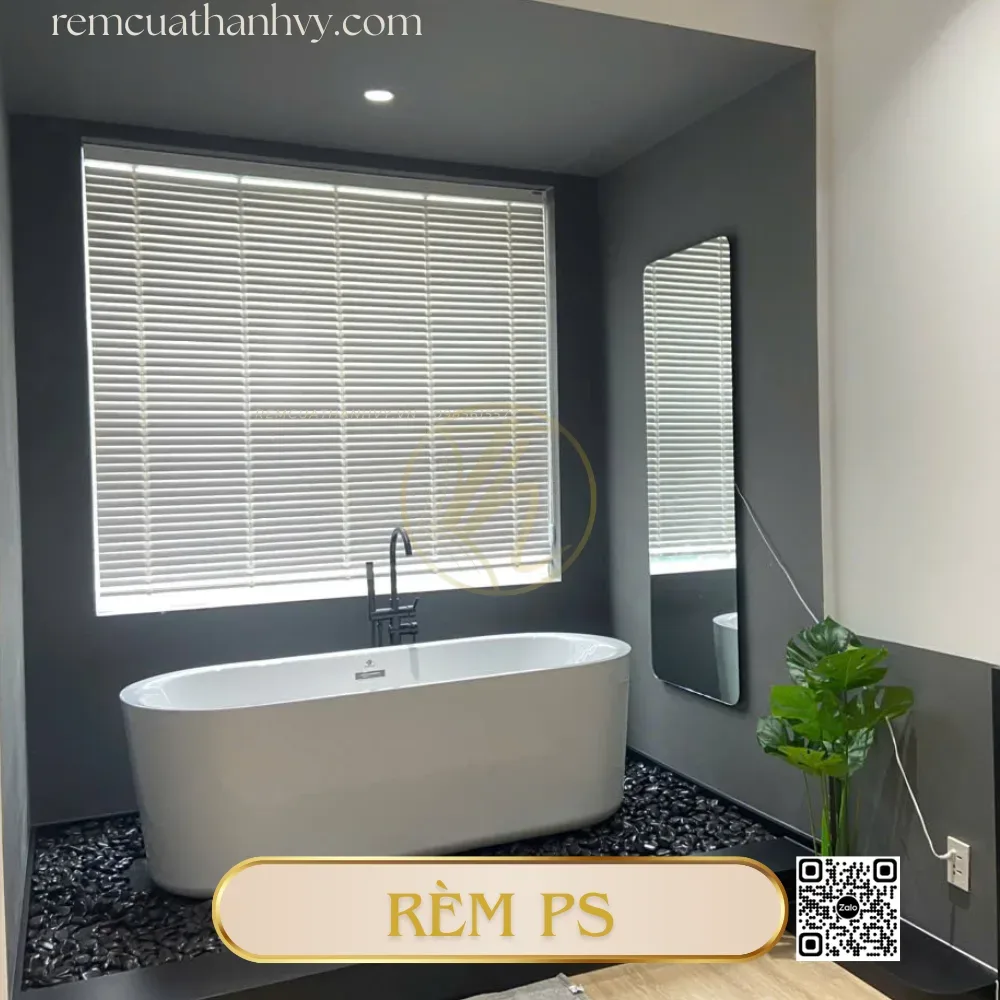
Fabric Curtains or Wooden Blinds? A Detailed Comparison to Help You Choose
Compare fabric curtains and wooden blinds by light control, privacy, operation, aesthetics, cleaning, and running [...]
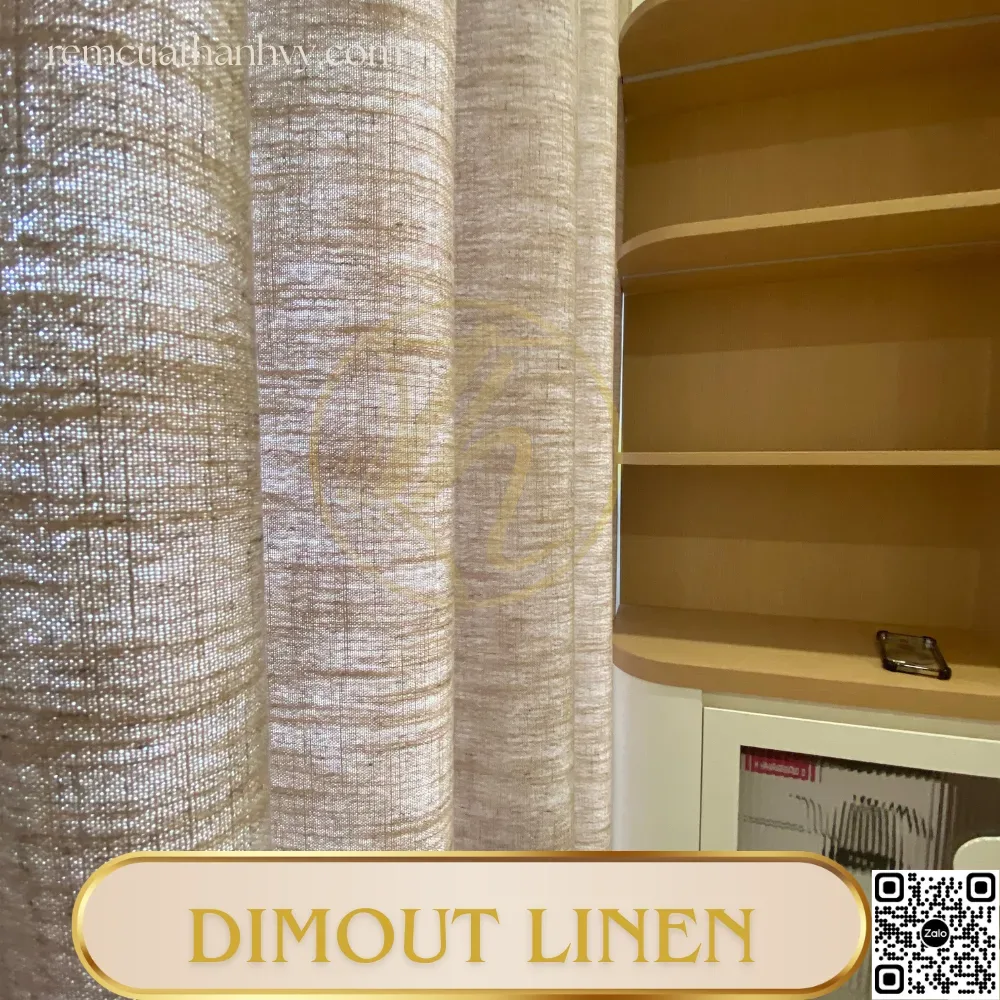
Linen Curtains or Roller Blinds? A Detailed Comparison on Which to Choose
Compare linen curtains vs roller blinds based on light, privacy, operation, aesthetics, cleaning, and maintenance [...]
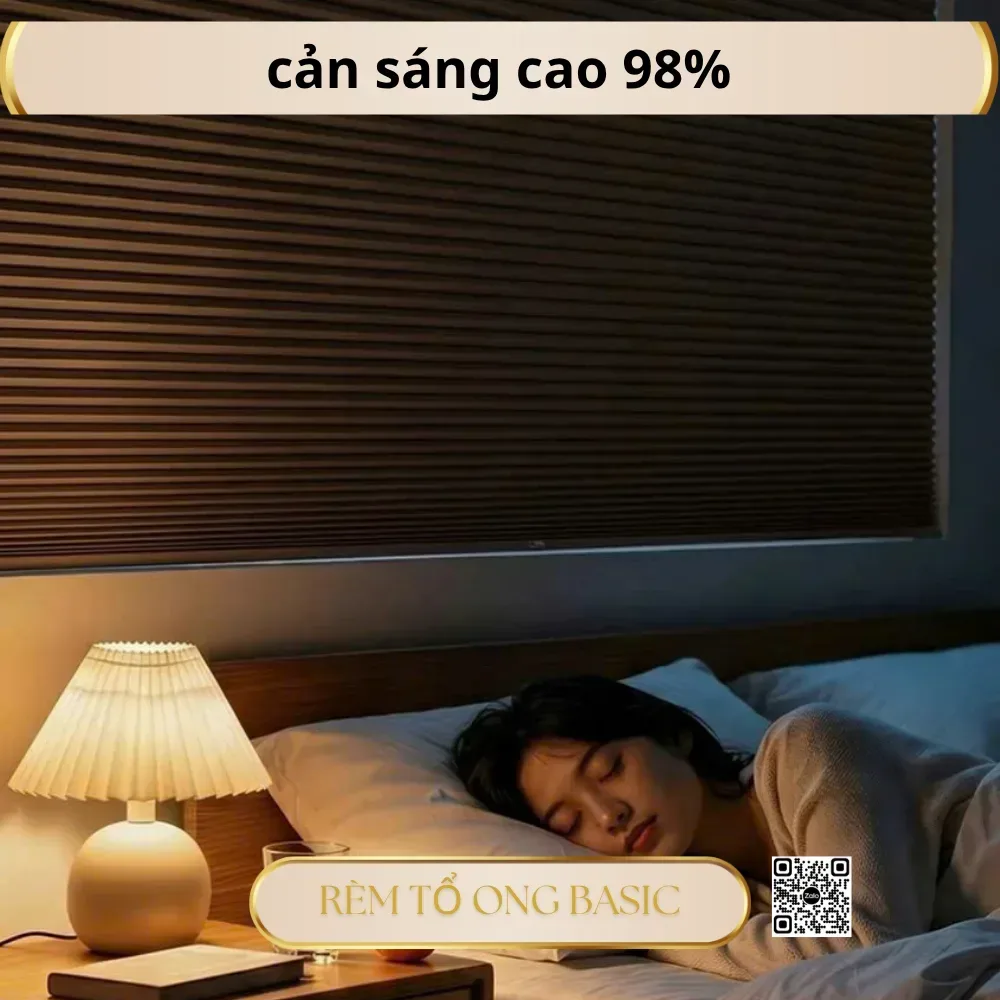
Roman Blinds or Honeycomb Blinds? Detailed Comparison to Help You Choose
Compare Roman blinds and honeycomb blinds based on light control, privacy, operation, aesthetics, cleaning, and [...]
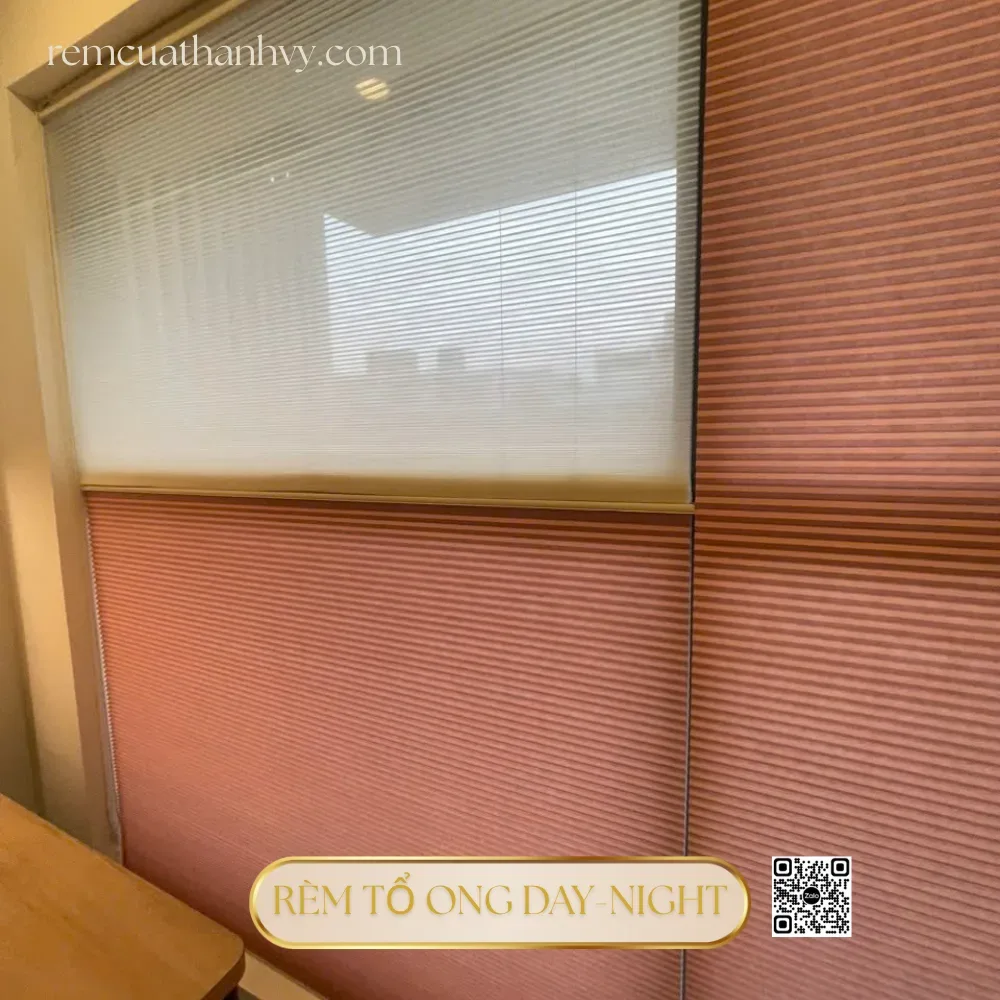
Fabric Curtains or Honeycomb Blinds? A Detailed Comparison to Help You Choose
Compare fabric curtains and honeycomb blinds based on light control, privacy, operation, aesthetics, maintenance, and [...]

No comments yet!