



Comparing Fabric Curtains and Zebra Blinds: Which One Fits Your Needs?
Comparing fabric curtains and rainbow blinds should start with how they are used, not what they are called
Many people want an immediate answer about which type is more beautiful, more luxurious, or better at blocking sunlight when comparing fabric curtains and rainbow blinds, but the truth is that neither type is an absolute winner: fabric curtains are better suited to spaces that need softness, warmth, and depth, while rainbow blinds are better suited when you need a neat window surface and flexible, step-by-step light adjustment. This question is easy to understand, but it overlooks the most important point: these two types of curtains handle light, privacy, and the feeling of a space in quite different ways. Therefore, if they are not considered in the right window context and usage pattern, readers can easily choose a type that looks suitable in photos but does not fit daily life. The company’s products were mentioned in the Báo An Giang article about Thanh Vy’s premium fabric curtains.
Fabric curtains are often considered when users want a space that feels soft, has drape, and gives the interior a more finished appearance. Rainbow blinds, meanwhile, often attract attention for their ability to create different levels of light control by changing the position of the light and dark bands. This difference alone shows that the two should not be compared using just one criterion.




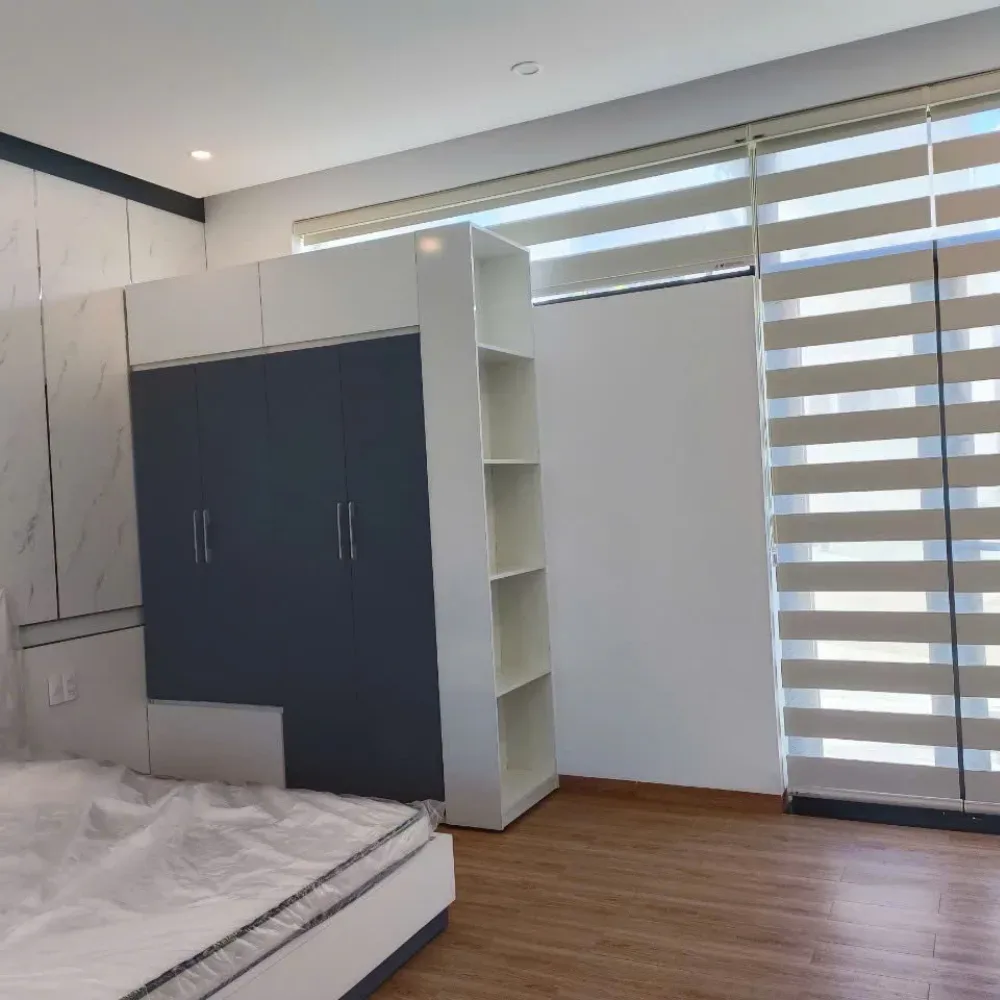
First difference: how the space feels after installation
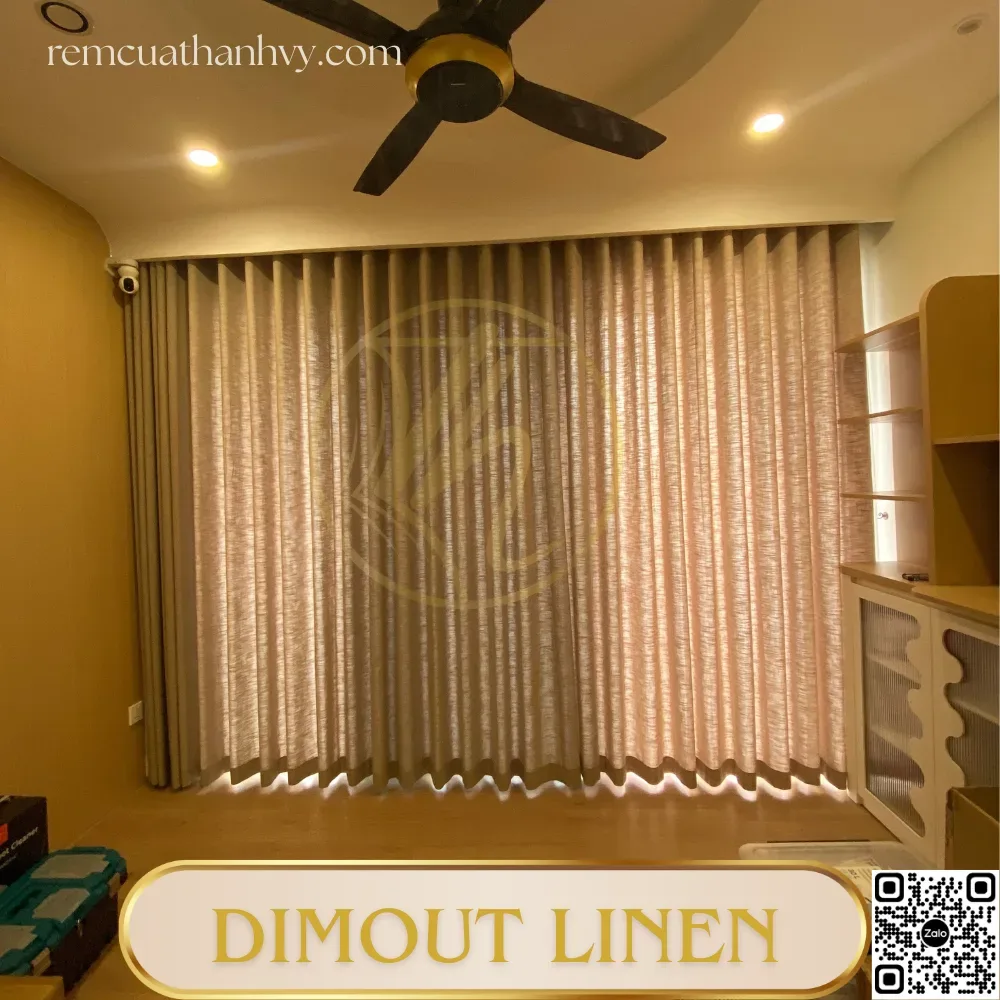
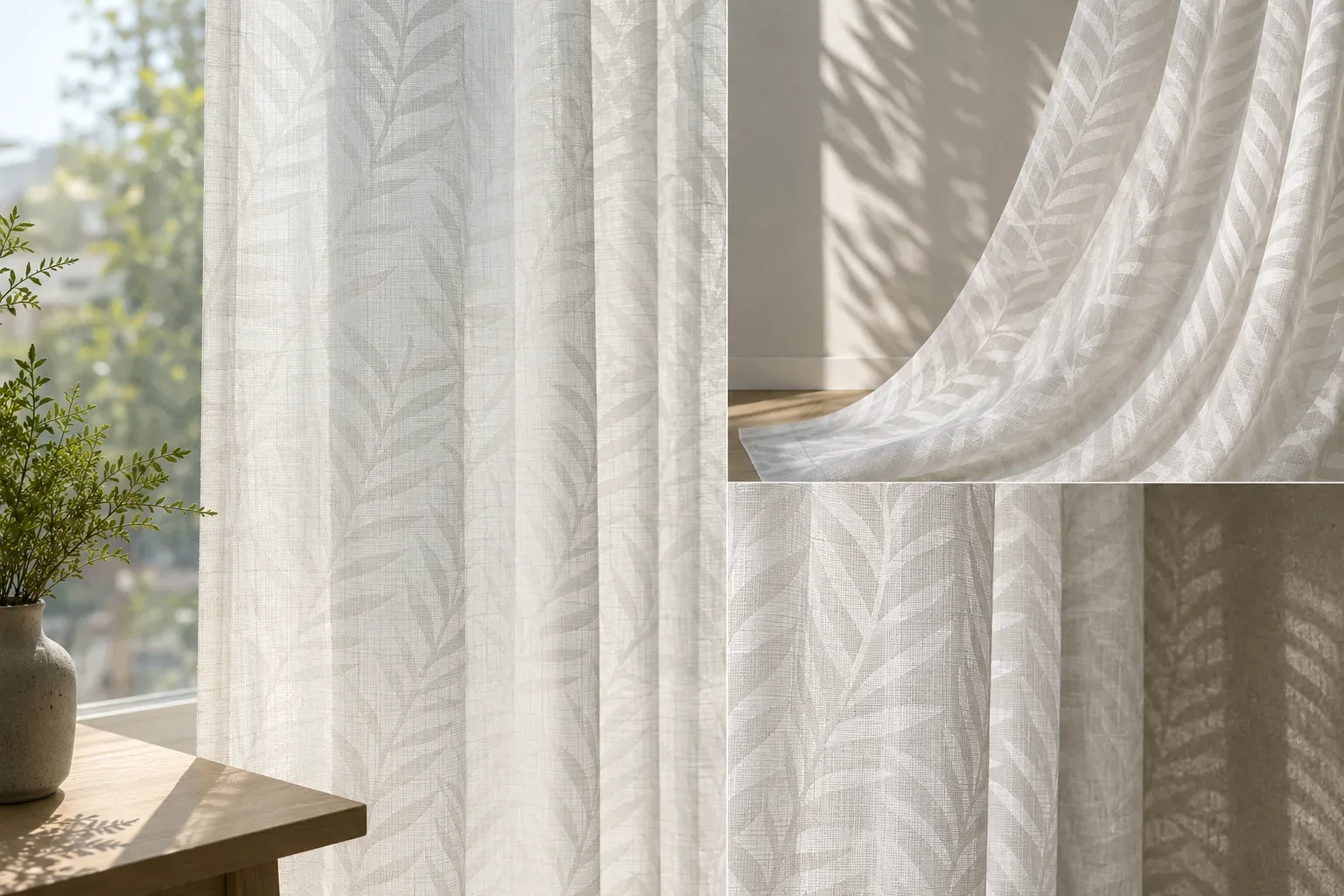
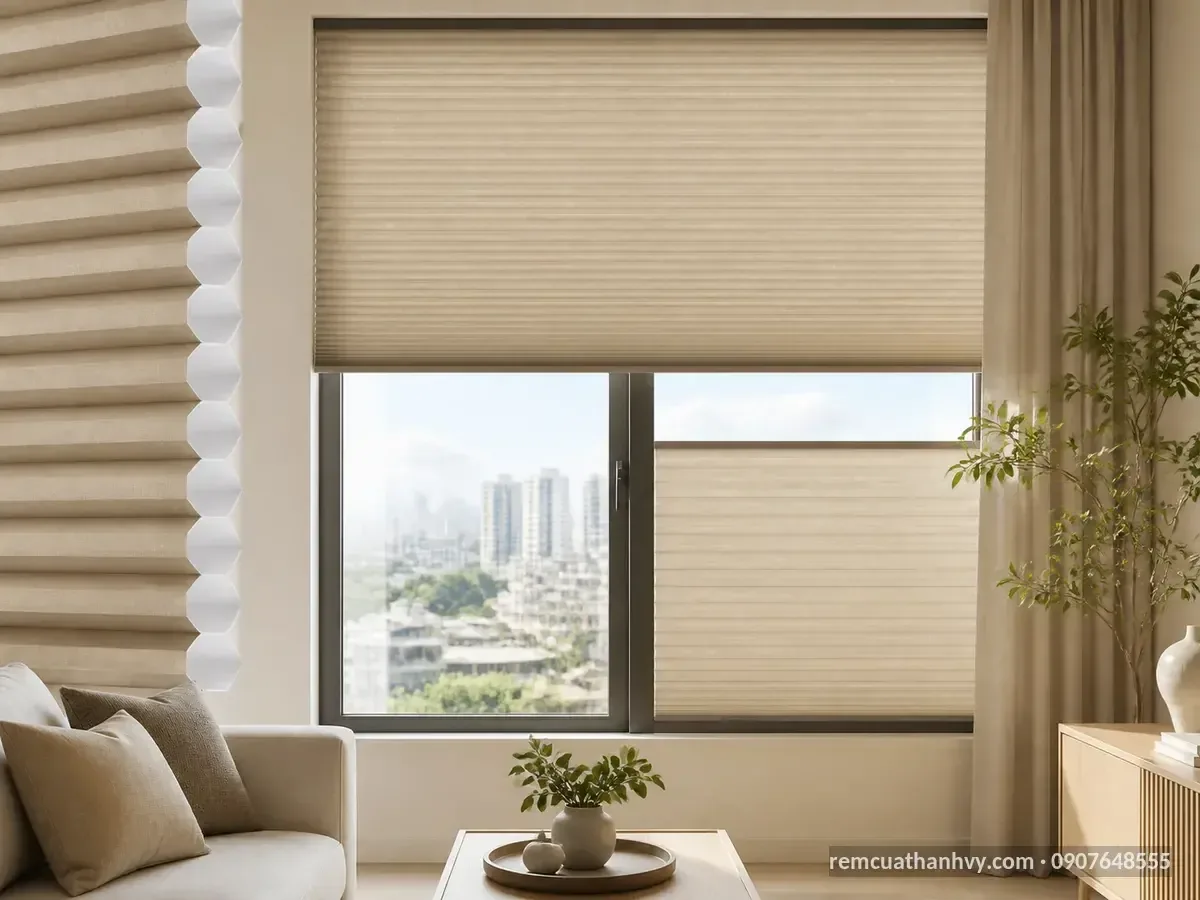
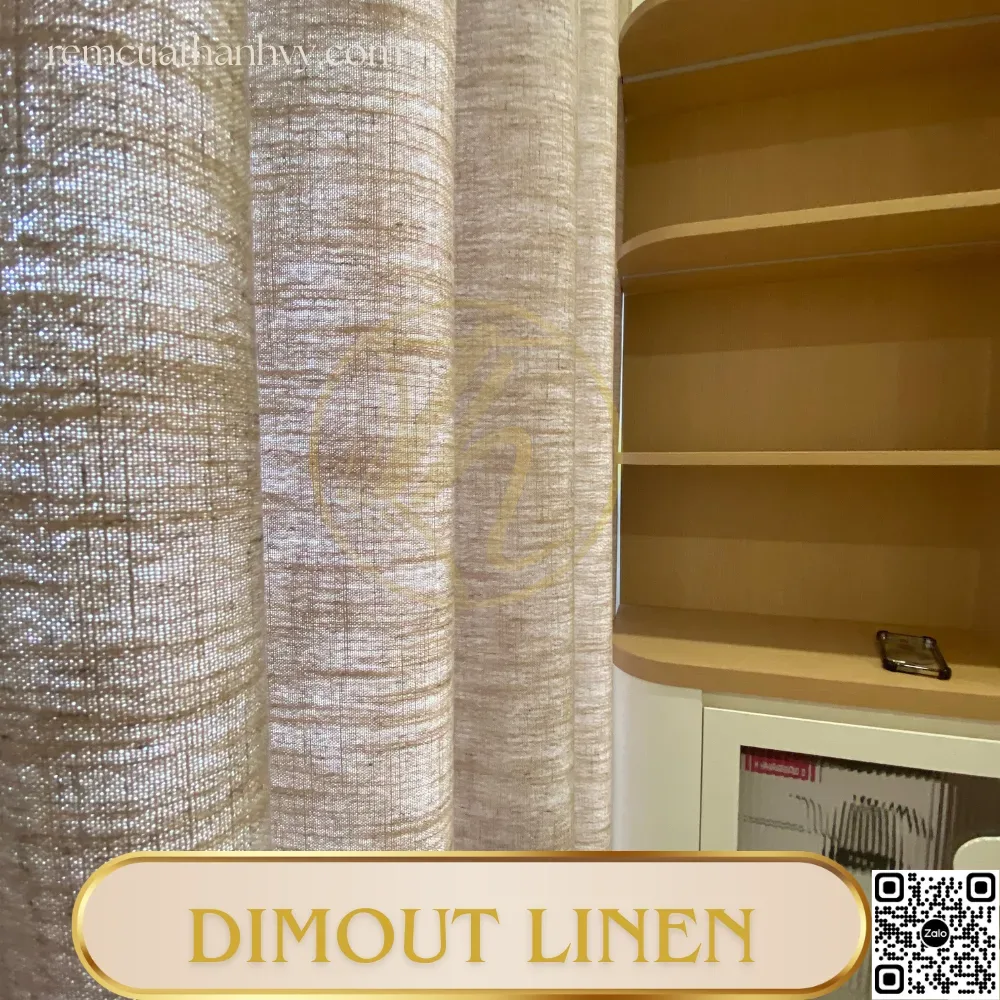
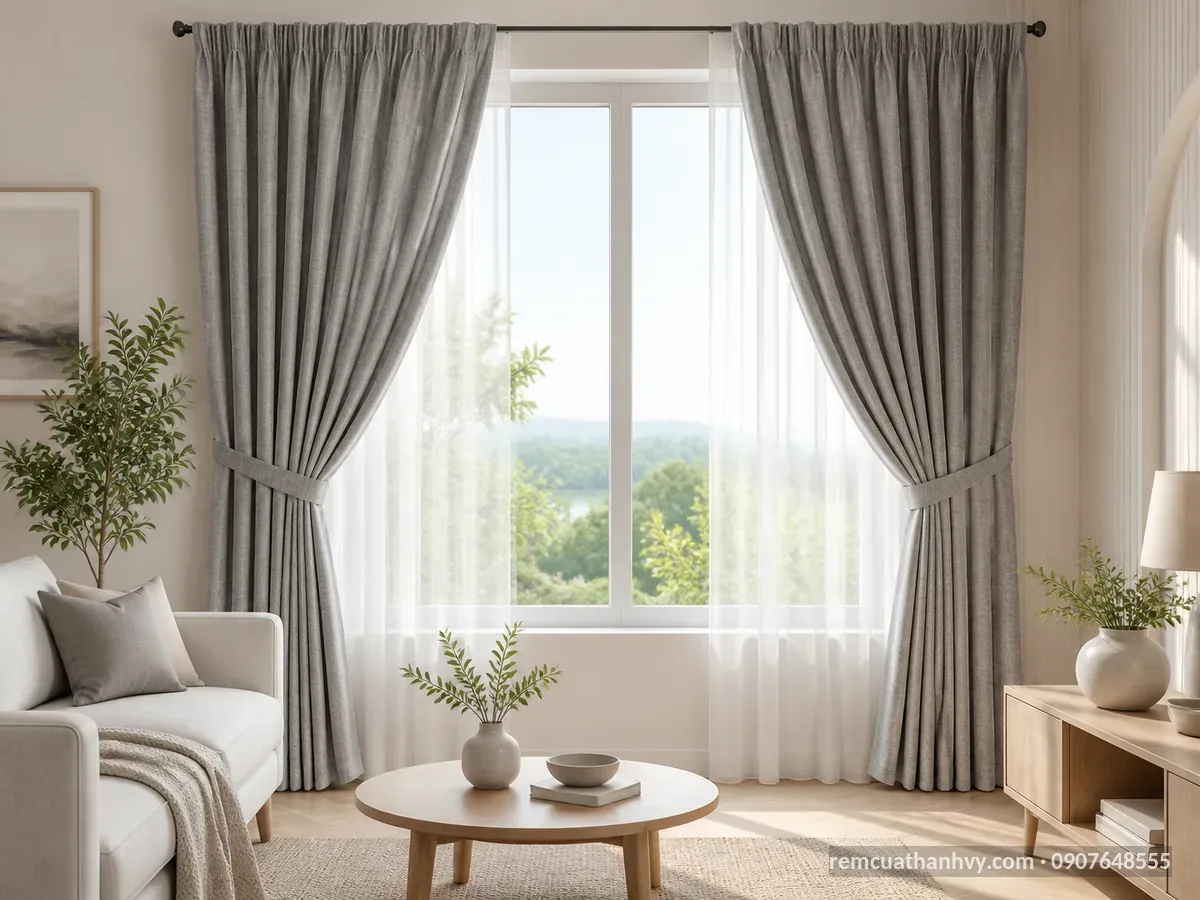
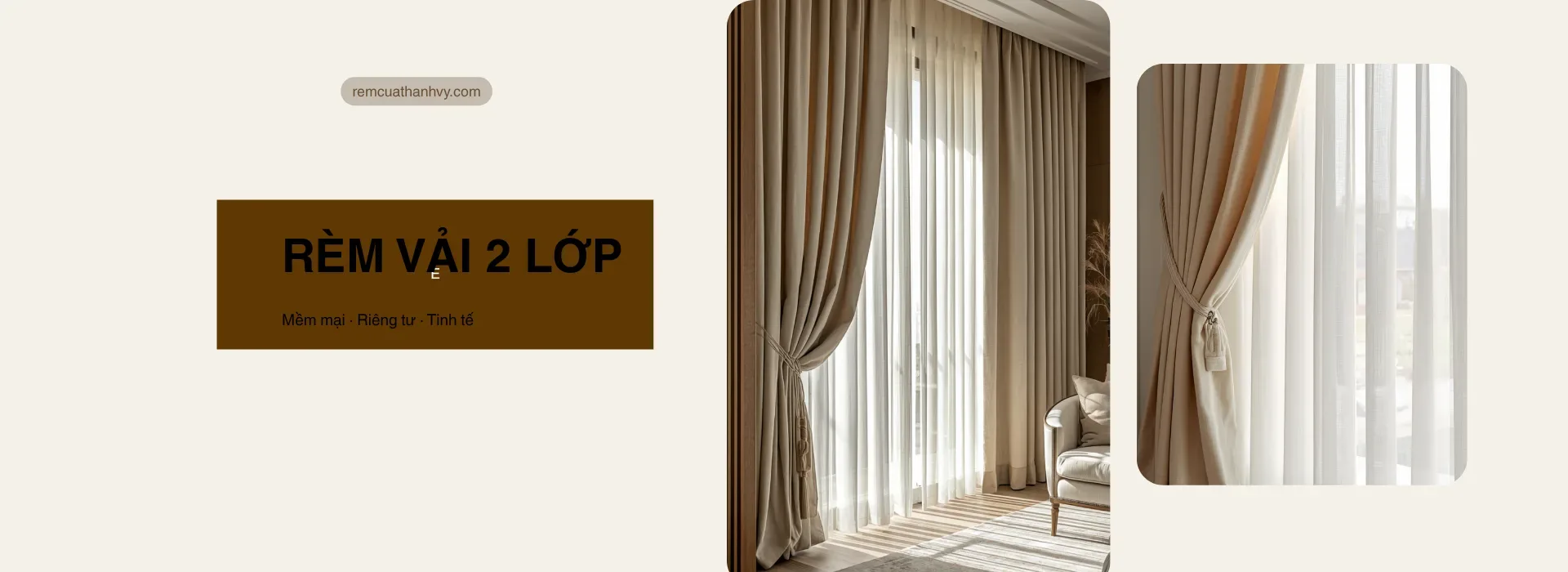
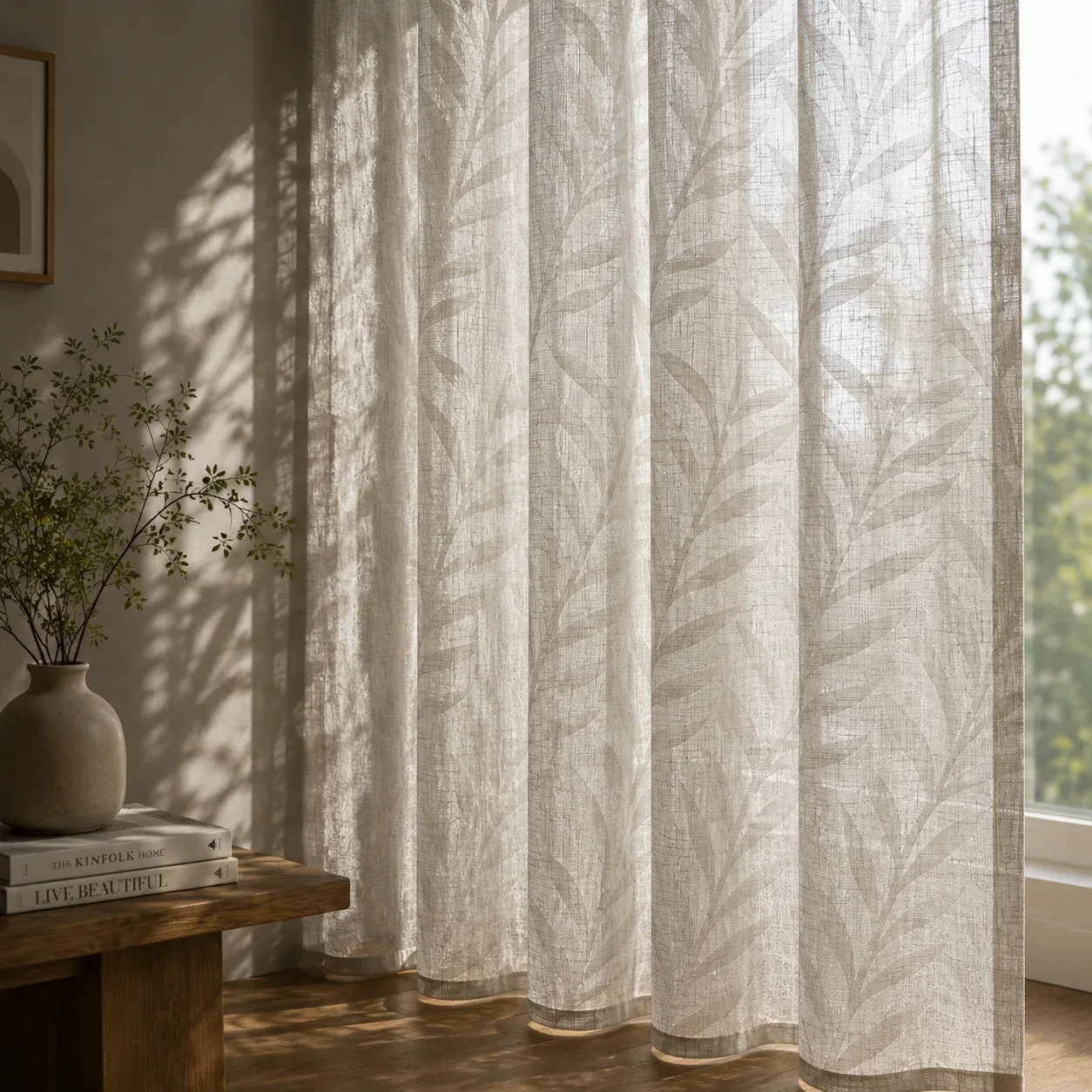
Fabric curtains give the window a fuller, warmer feeling. When you choose the right material and color, they give the room’s vertical surfaces greater depth, especially in living rooms or bedrooms. For spaces that need visual softness, this is a major advantage.
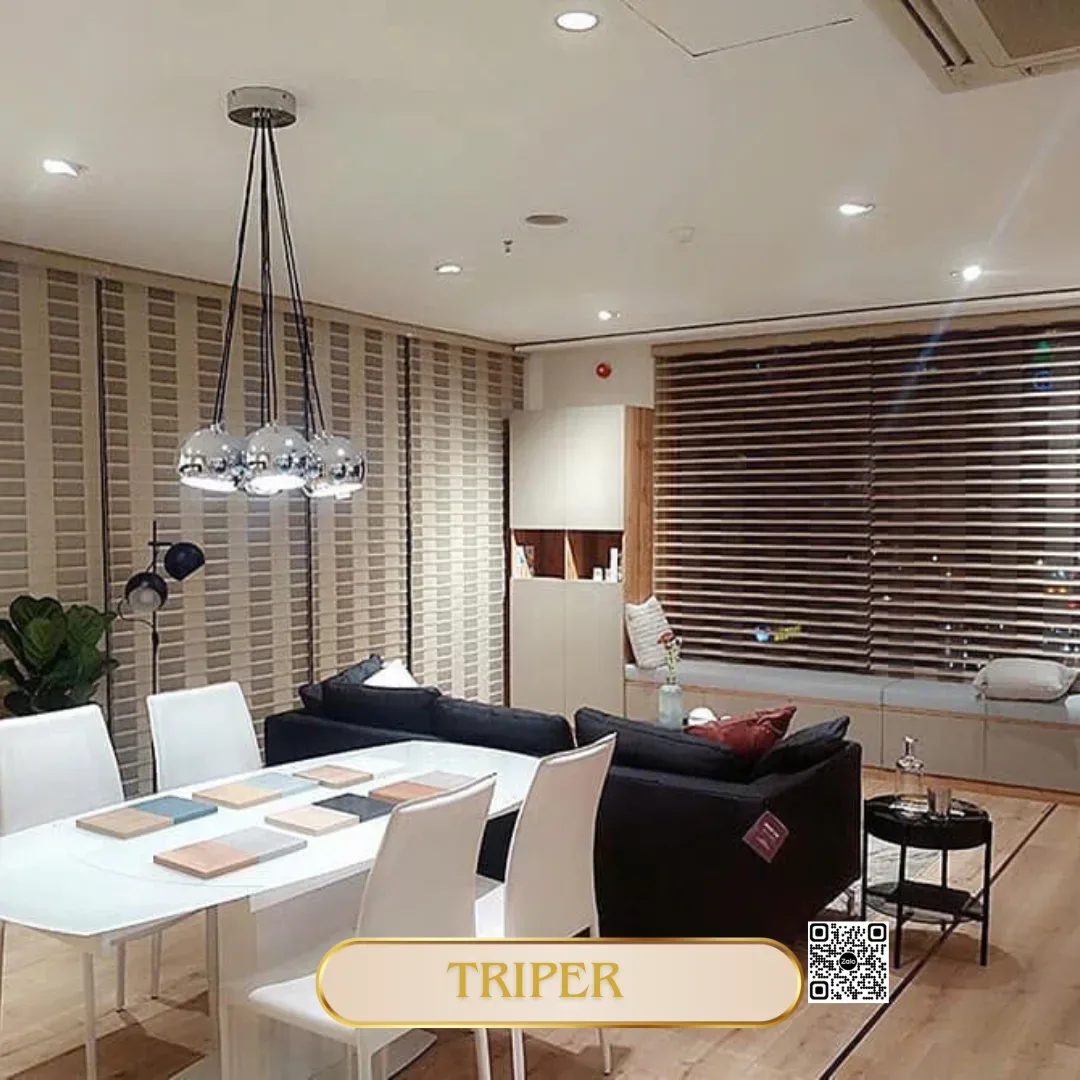
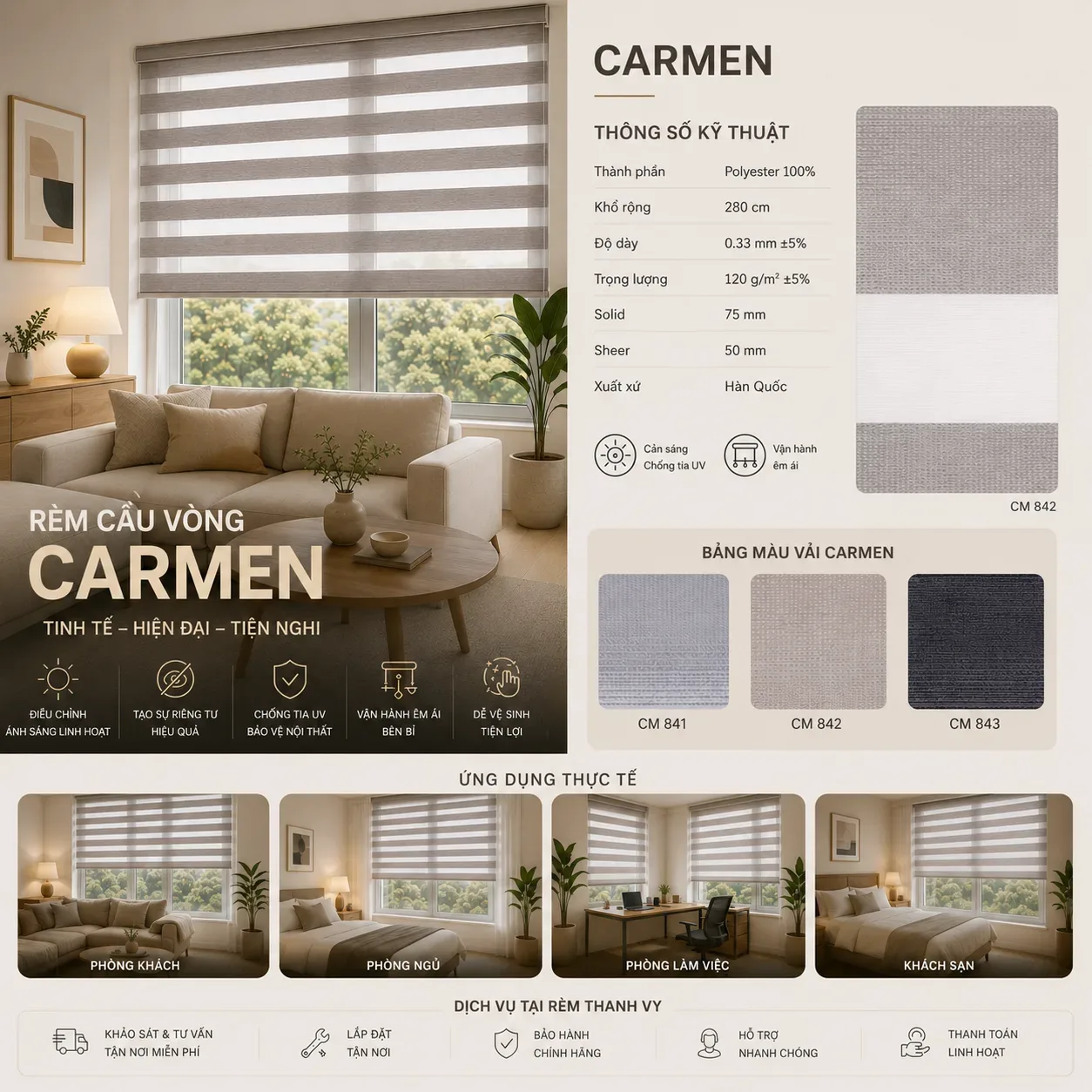
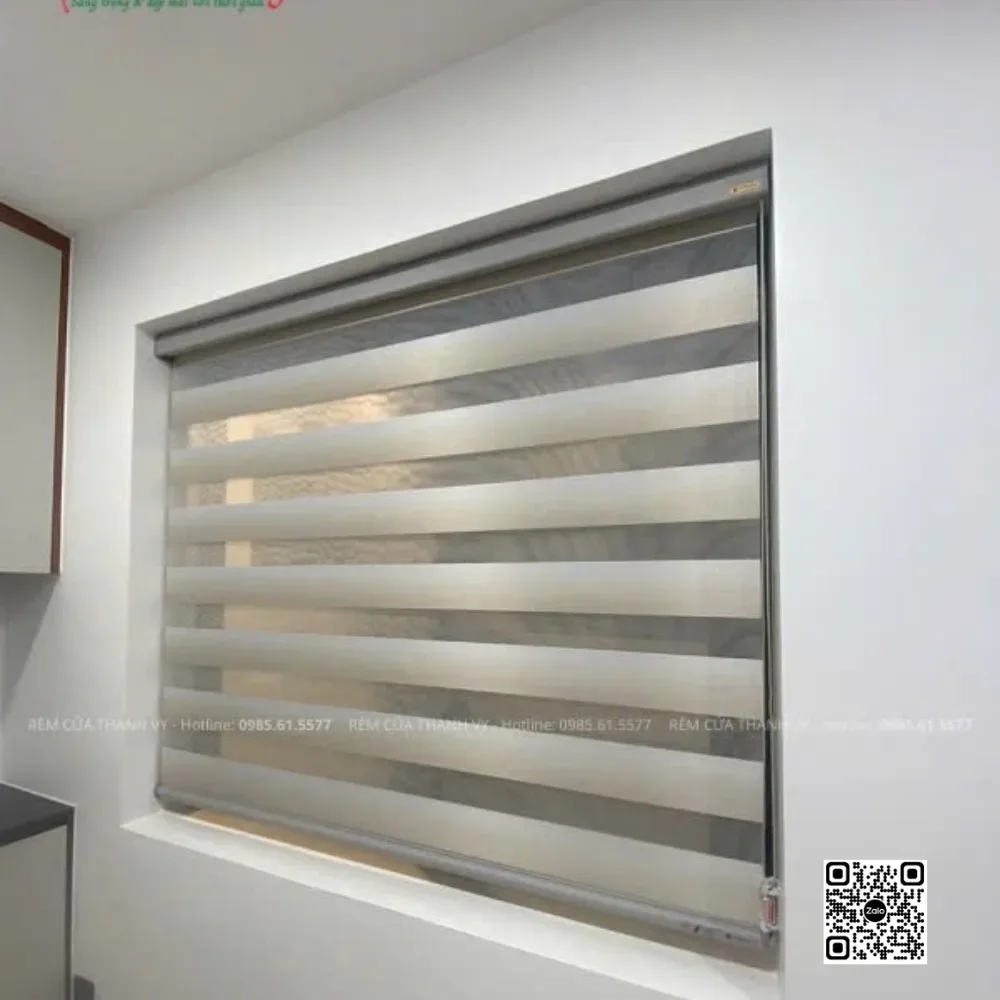
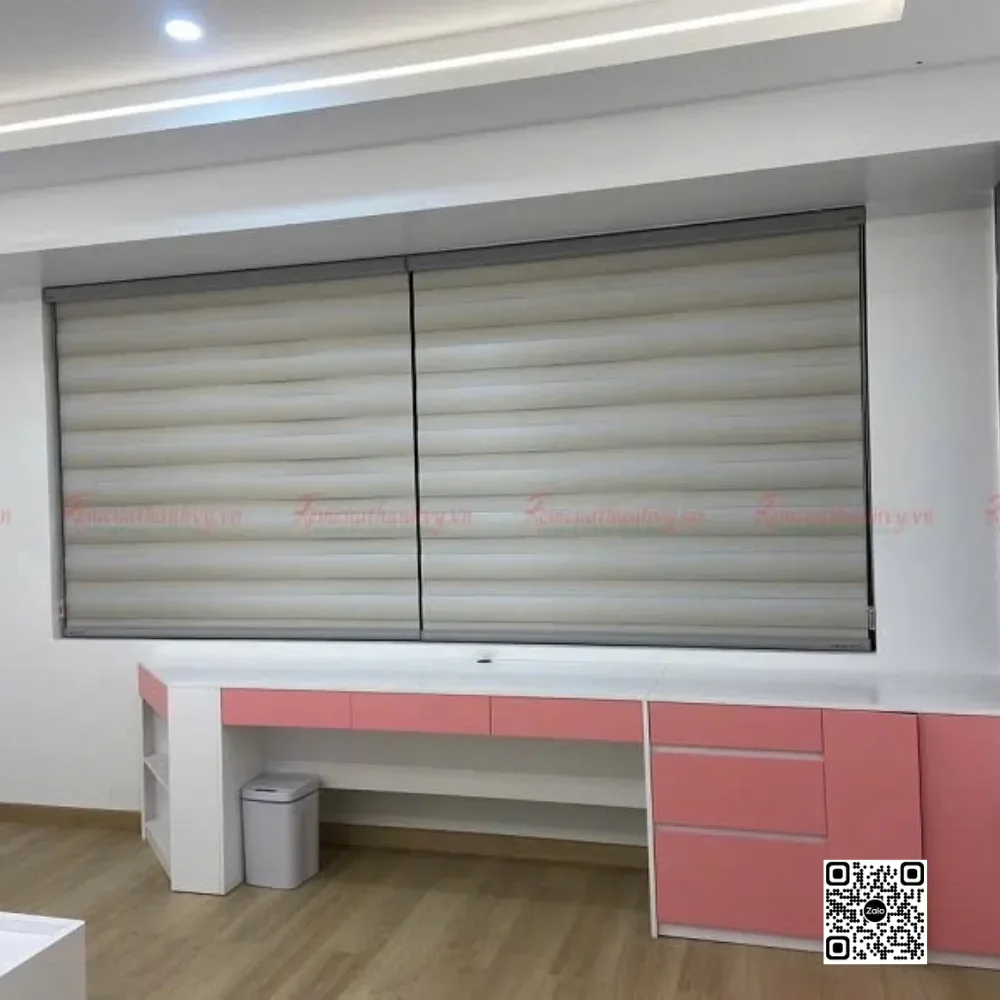
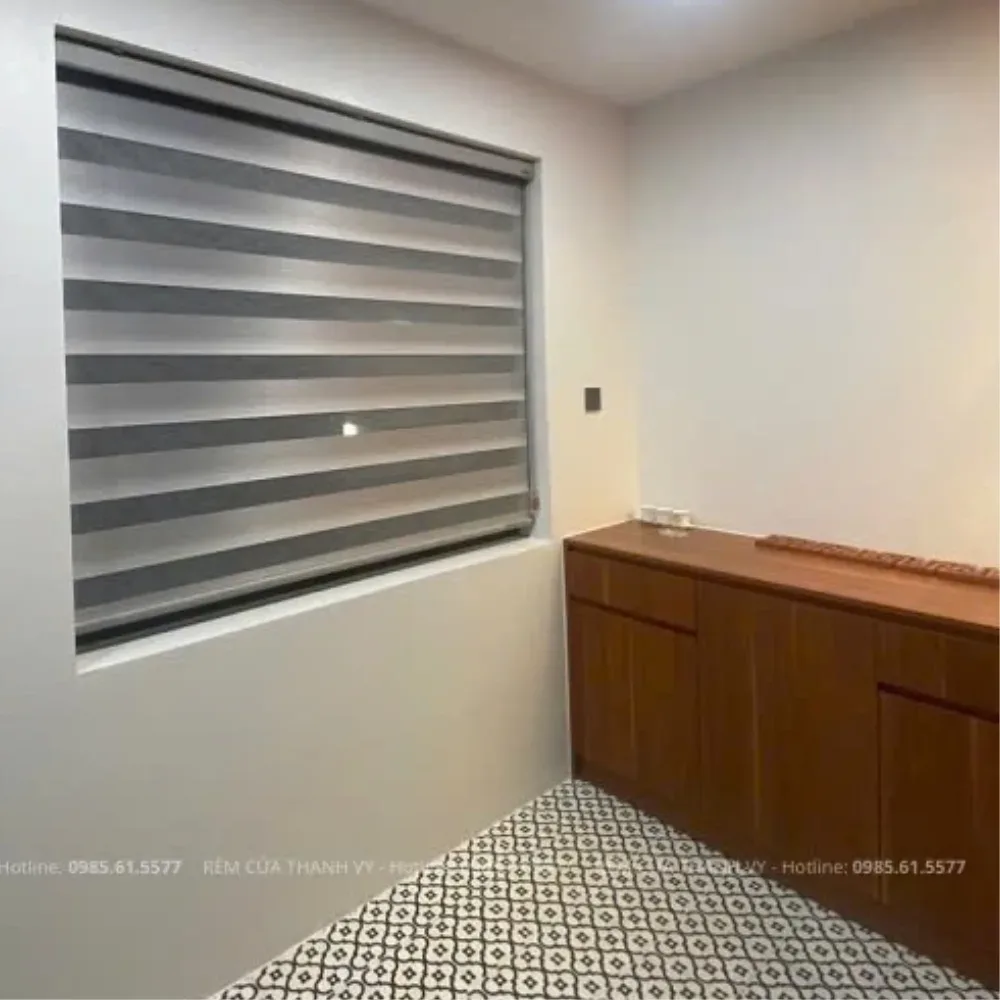
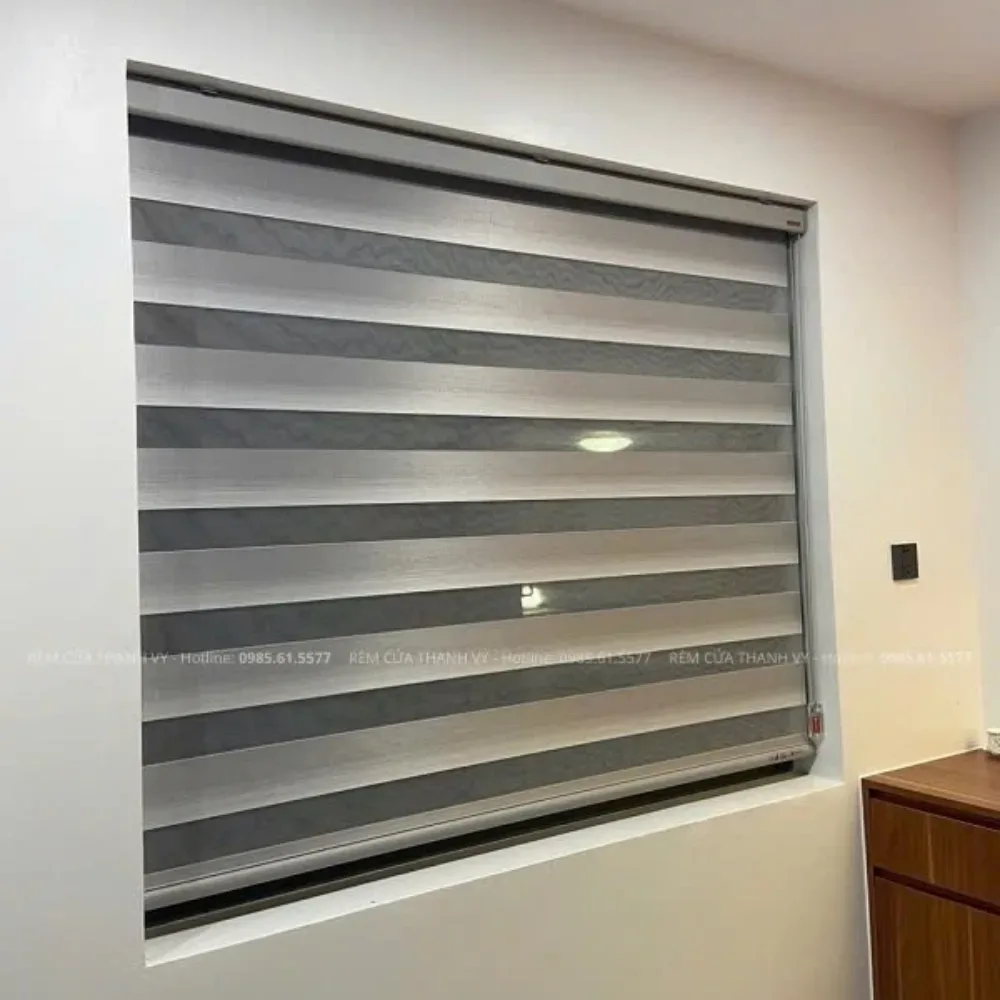
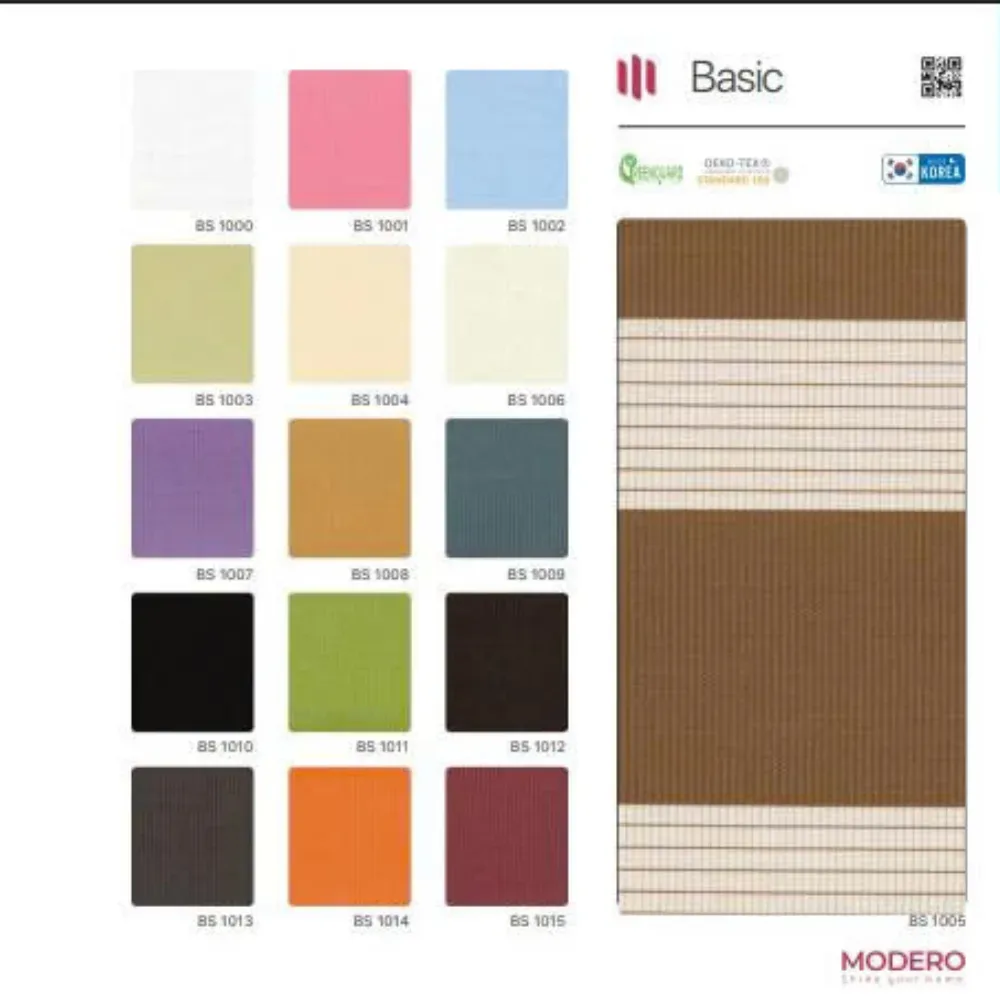
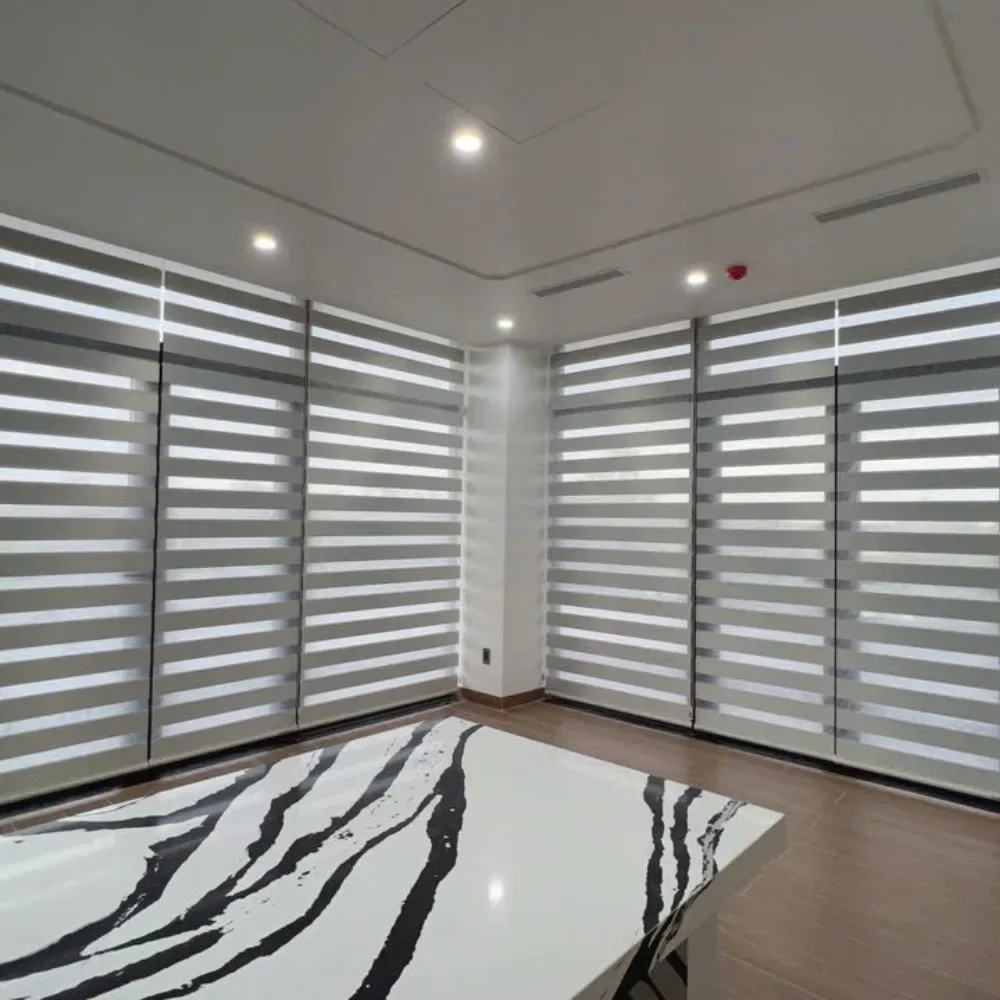
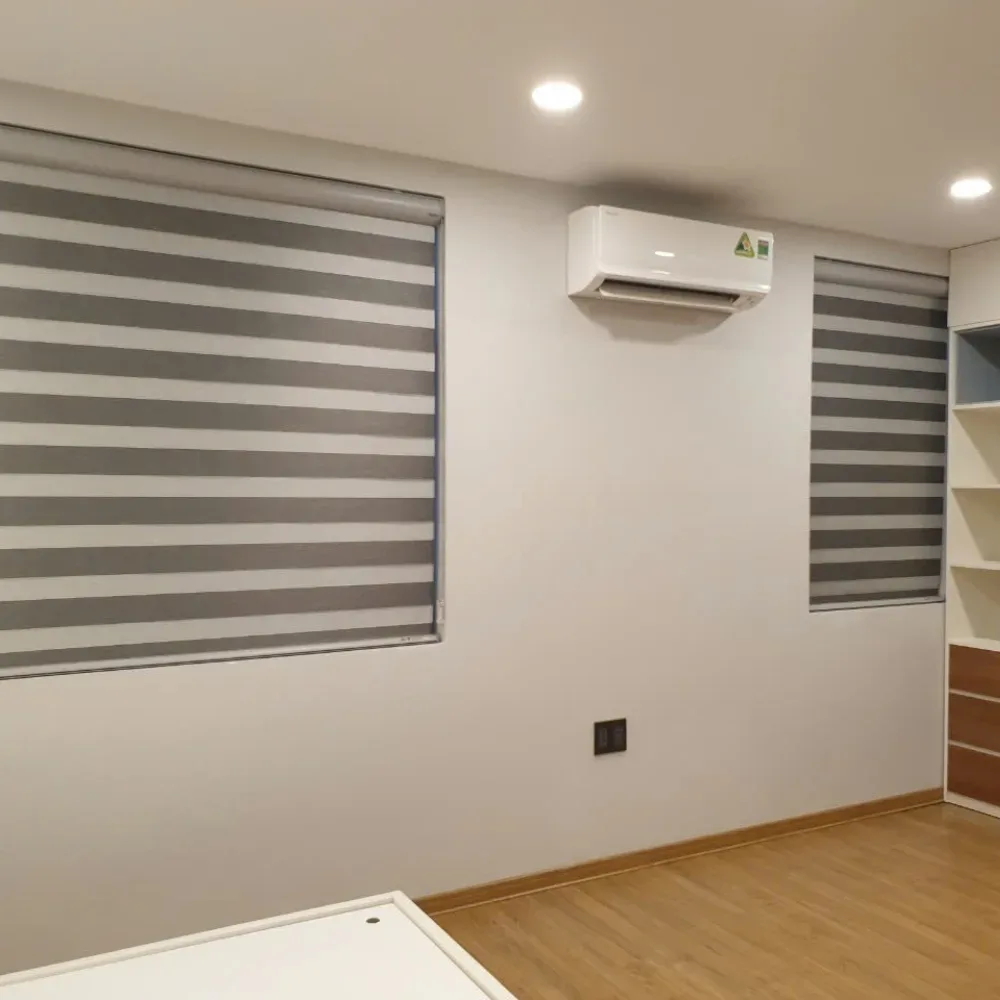
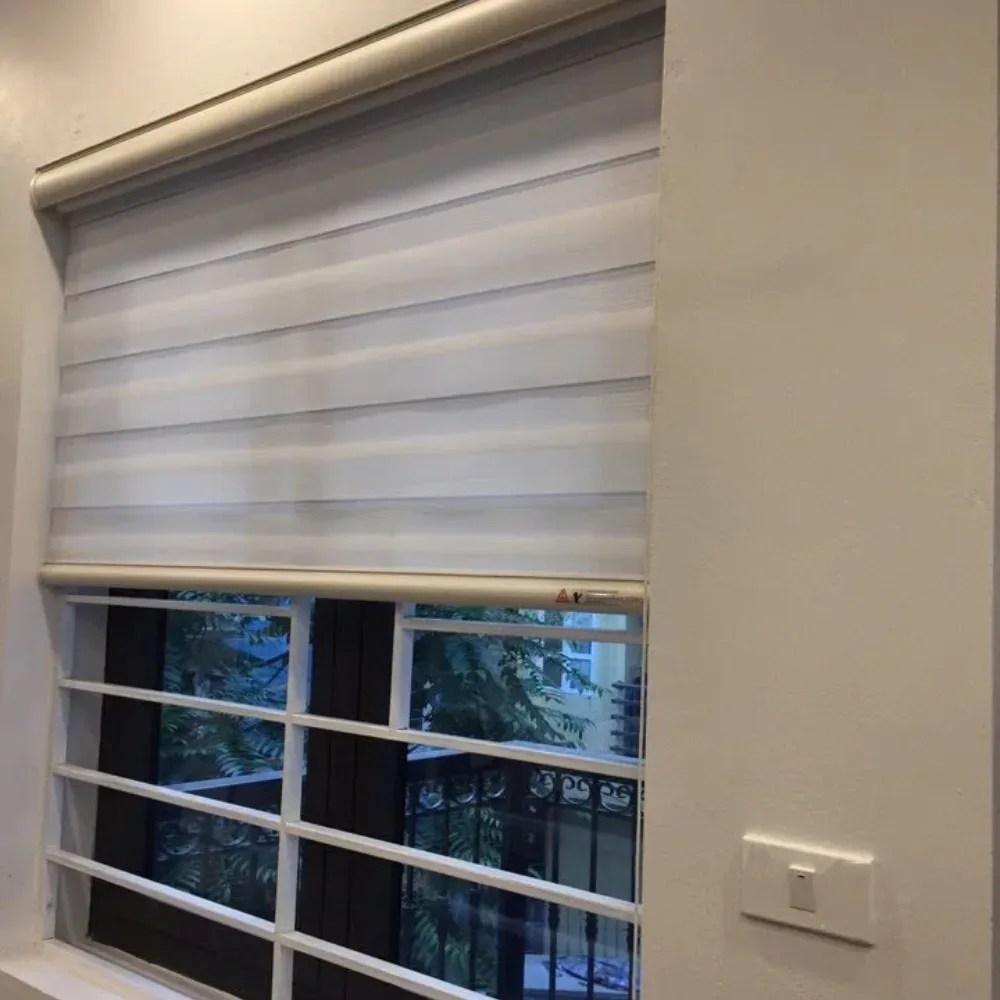
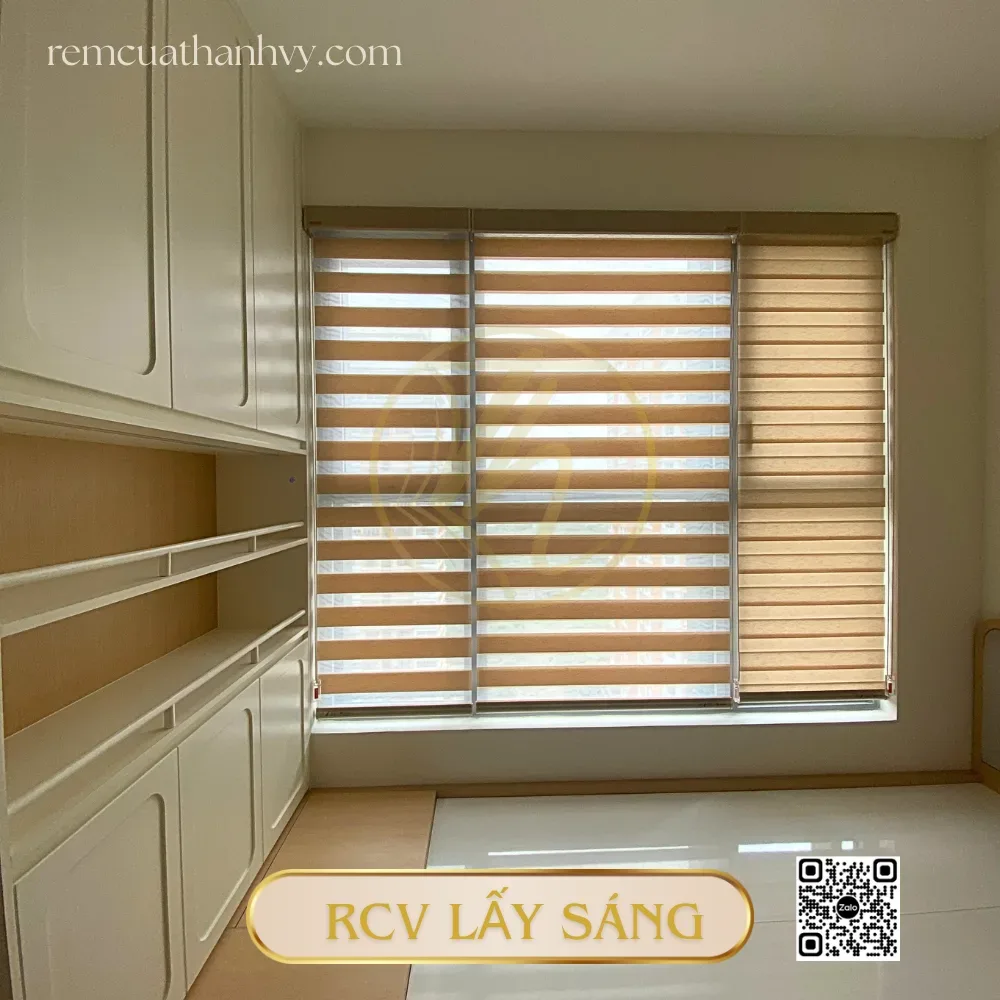
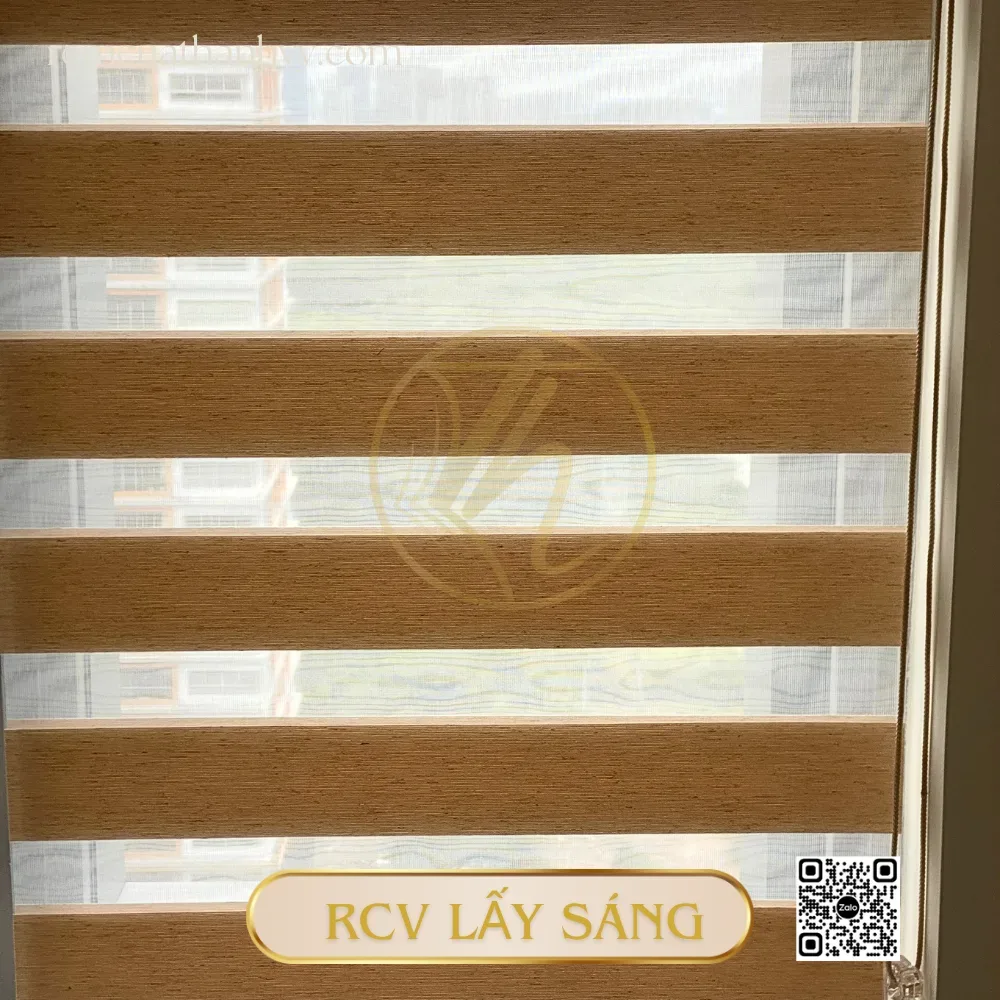
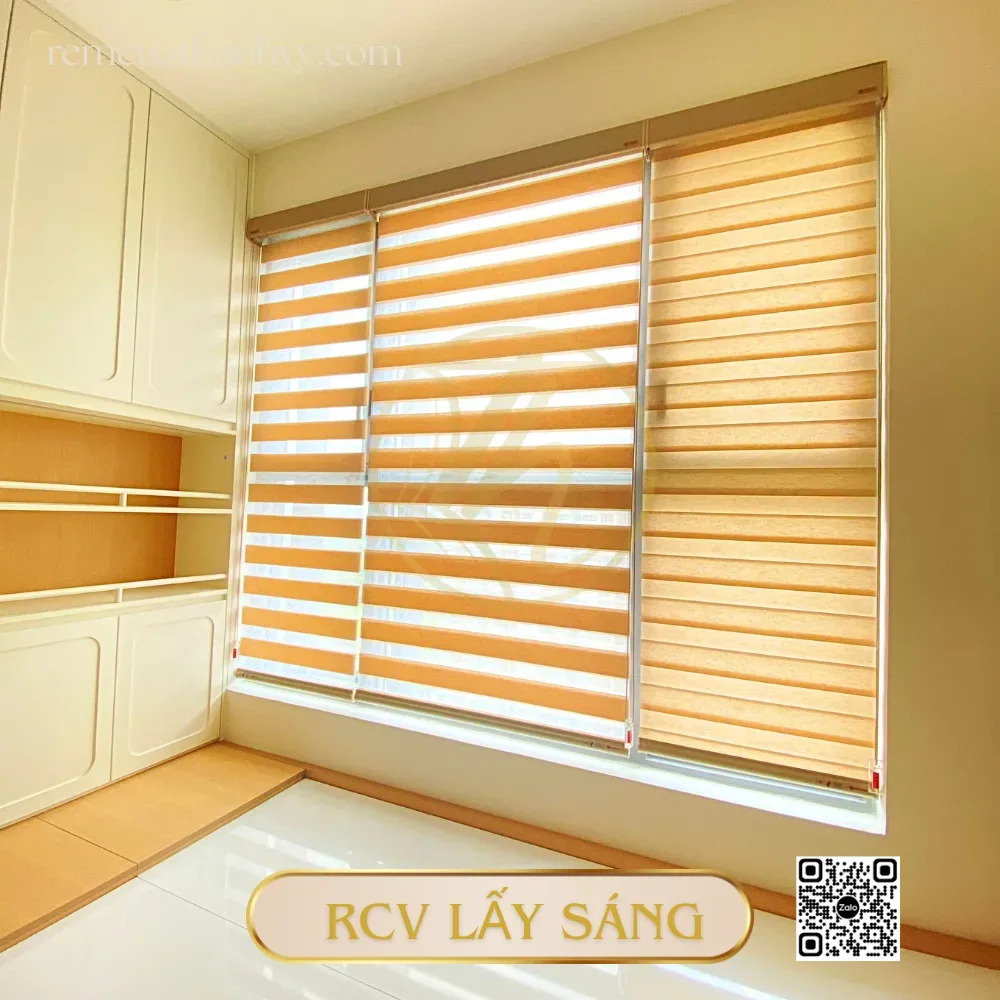
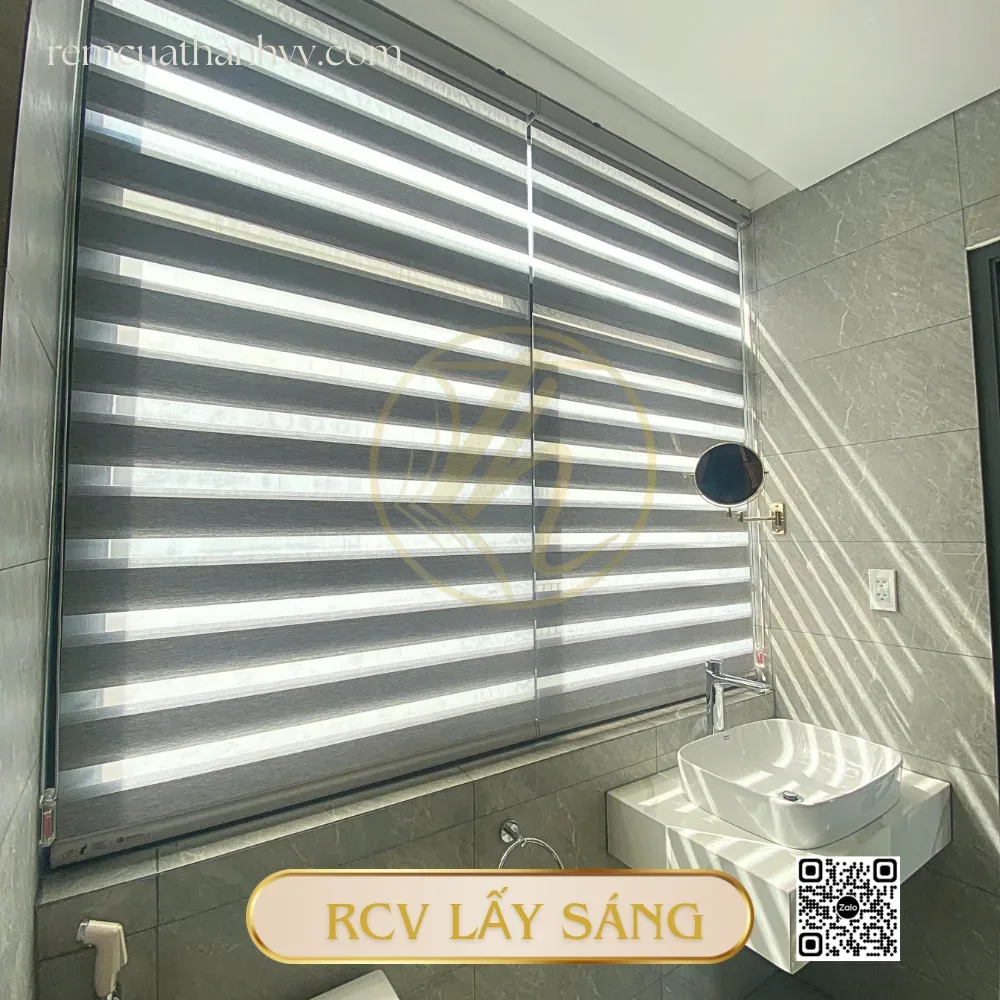
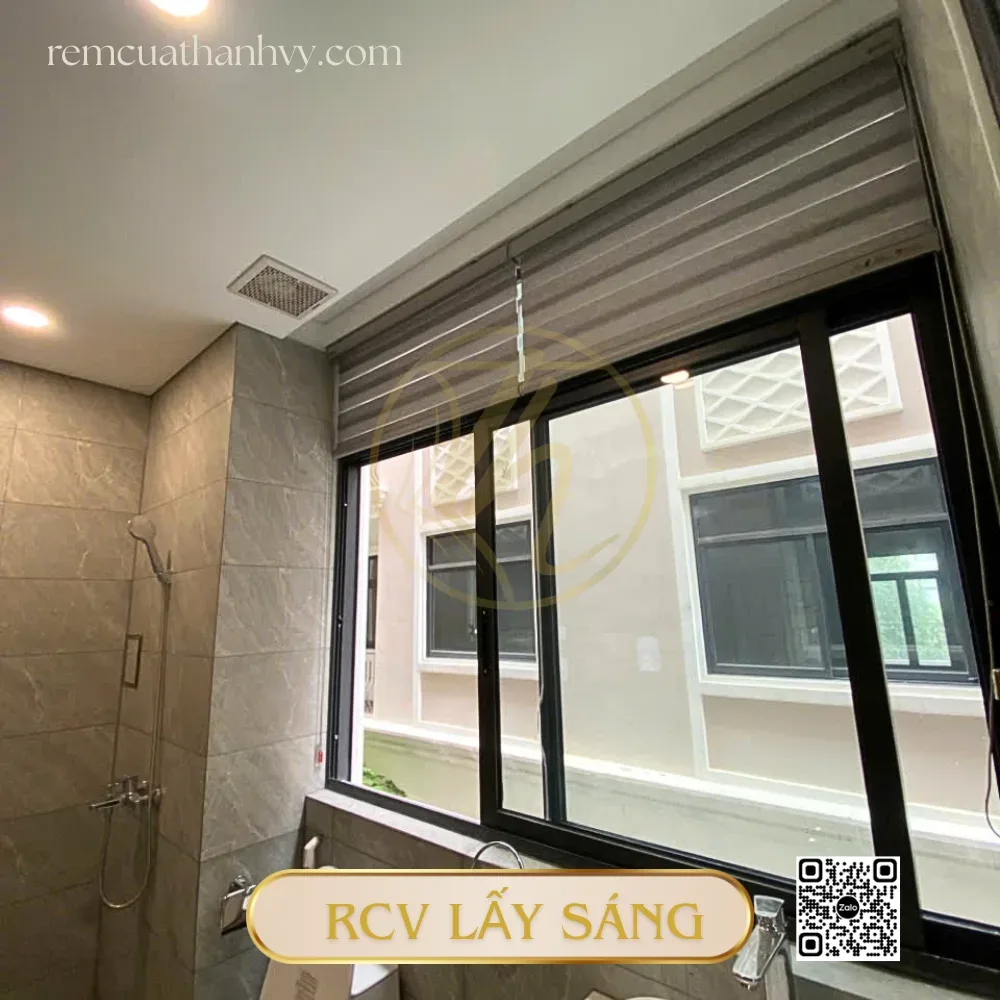
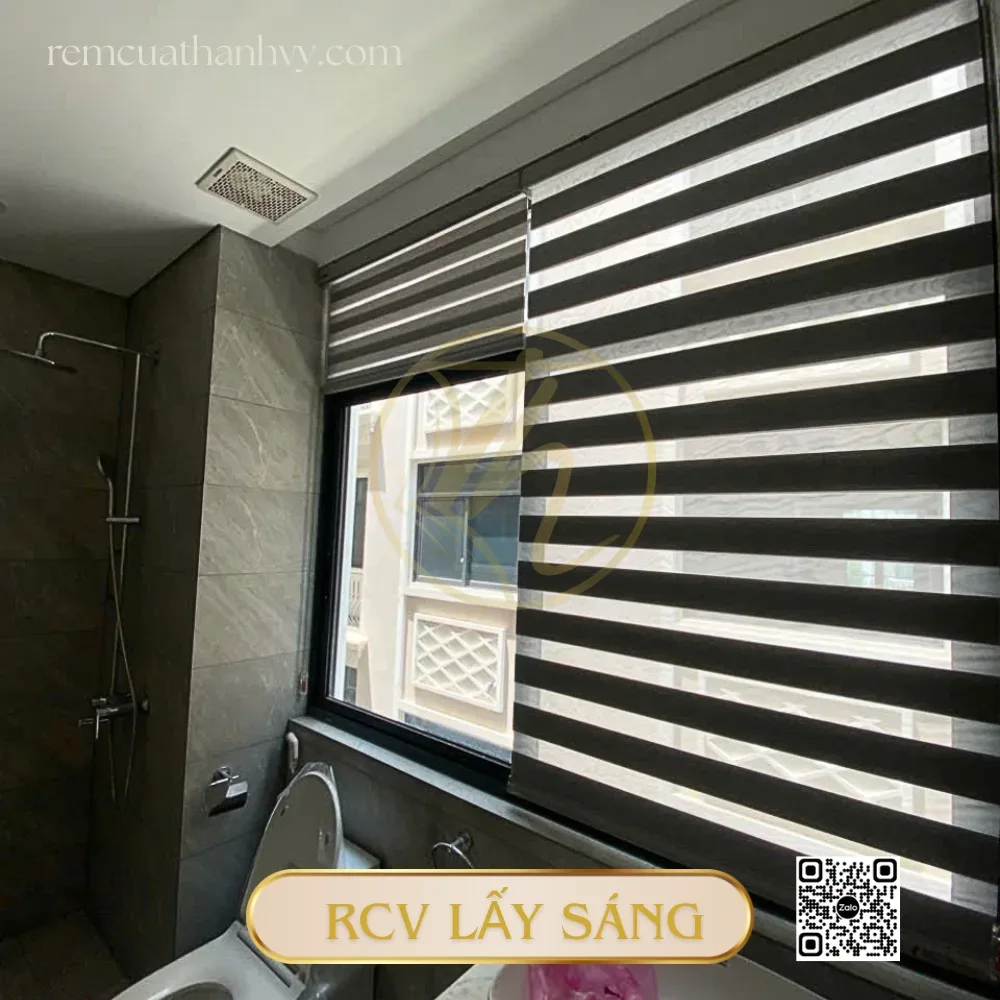
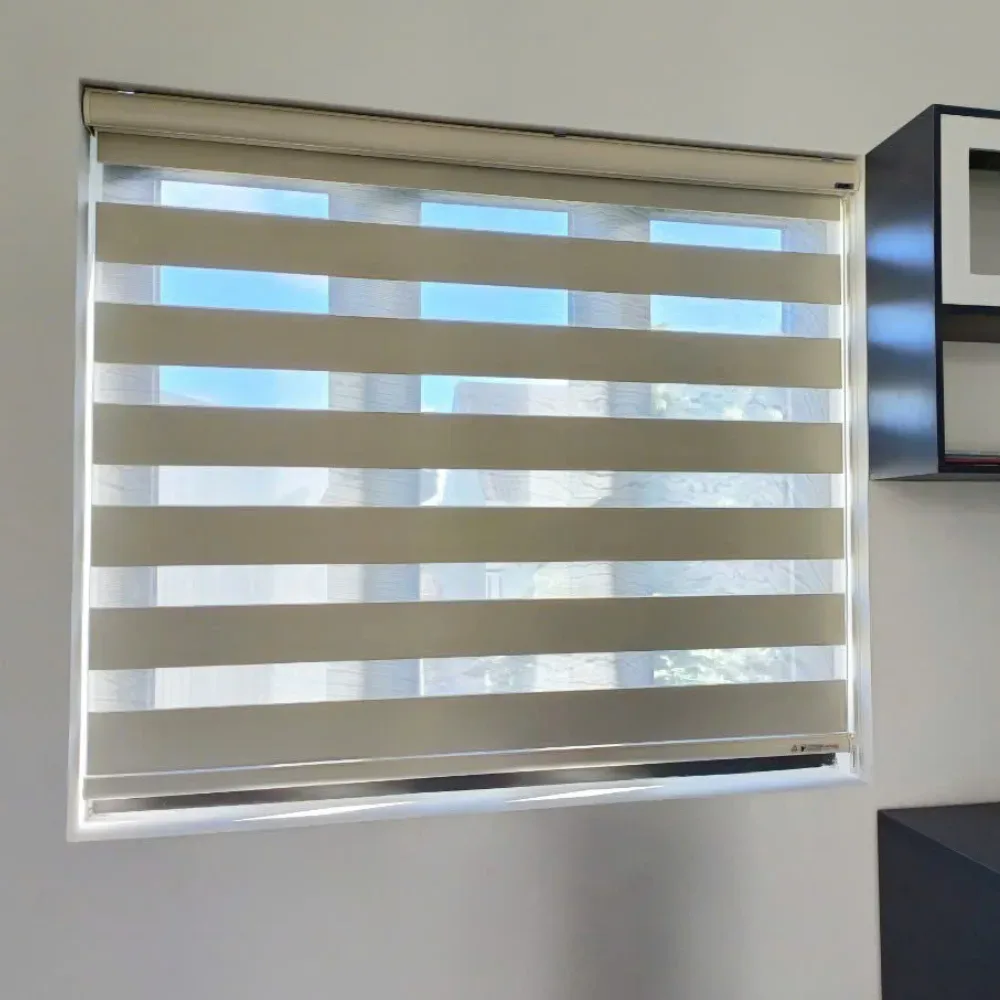
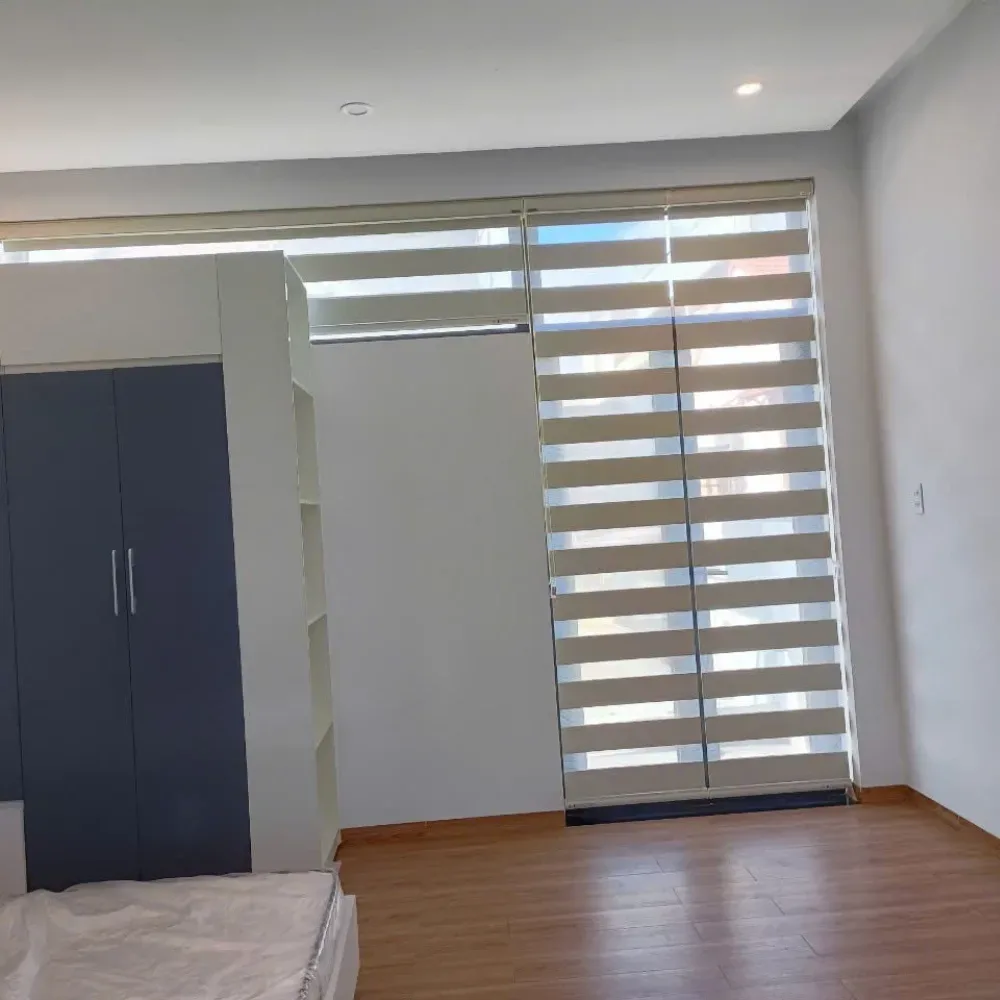
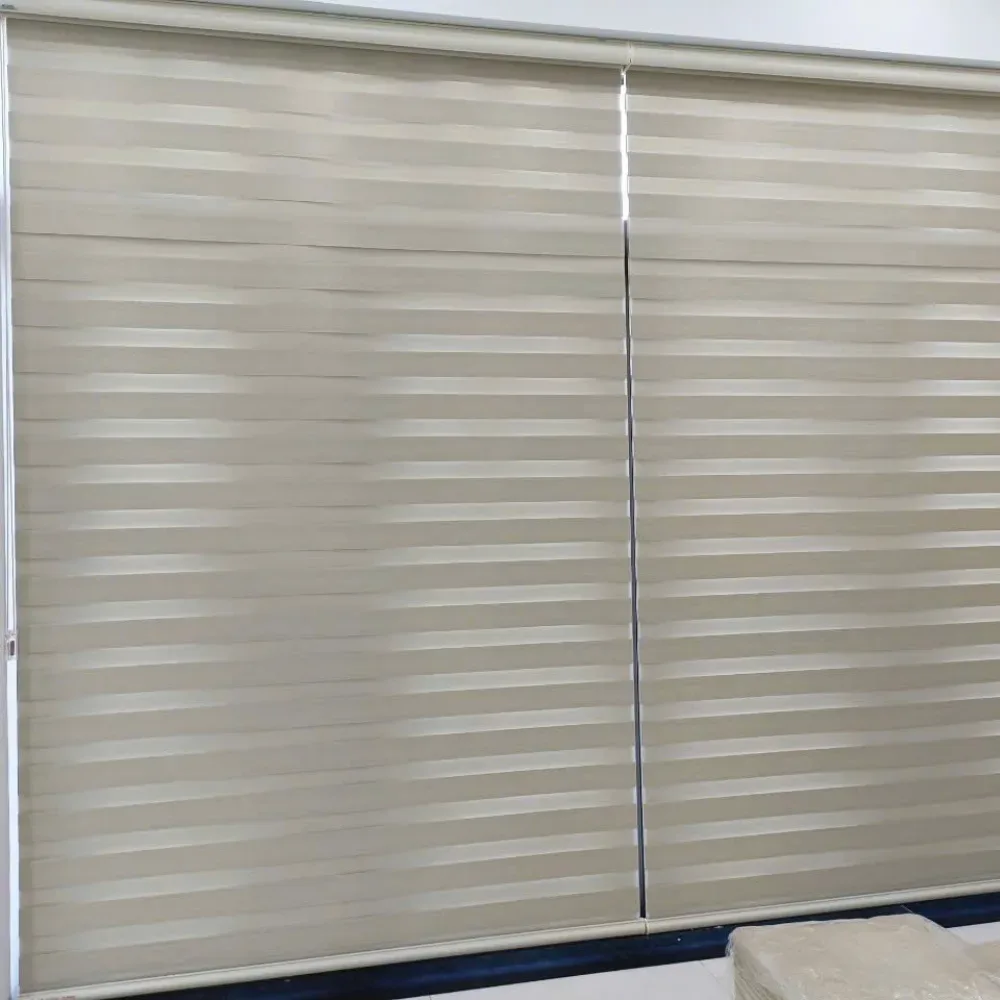
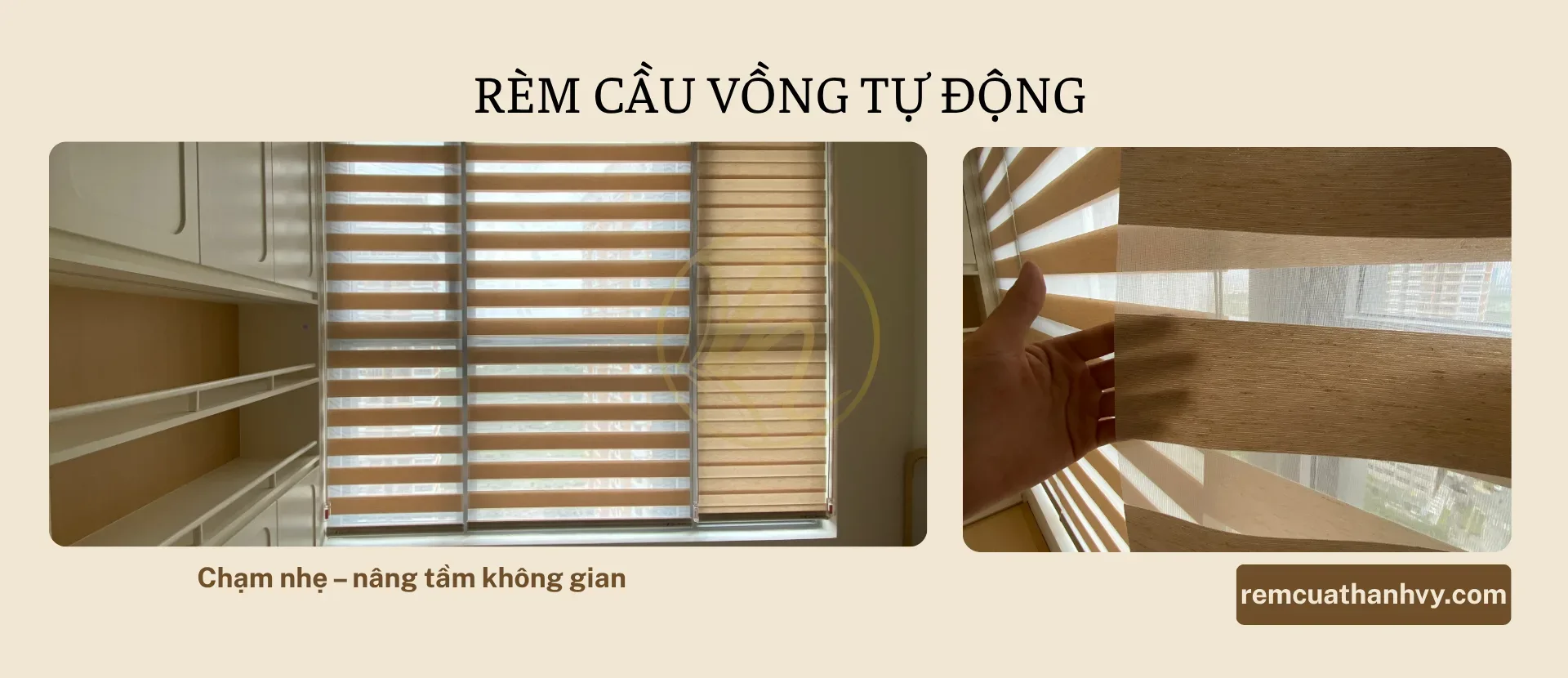
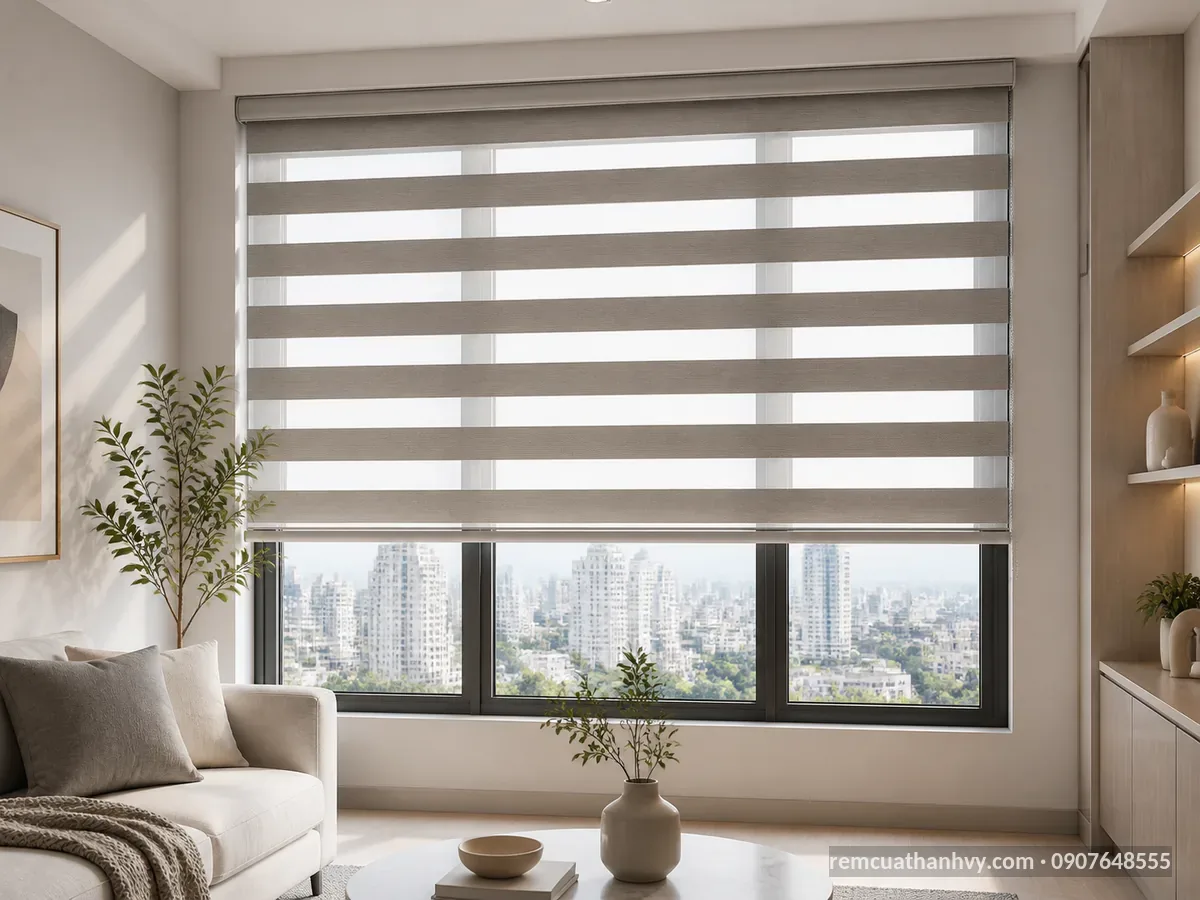
Rainbow blinds, on the other hand, create a neater feeling with more clearly defined layers. The curtain surface is usually flat, the lines are clean, and the operation looks modern in a different way. This type can suit windows that need to maintain a tidy appearance and less visual bulk overall.
There is no absolutely better answer here. If the room needs softness, fabric curtains usually have the advantage. If the room prioritizes a neat feel, clear rhythm, and fewer fabric folds, rainbow blinds may be a better fit.
Second difference: how light is controlled throughout the day
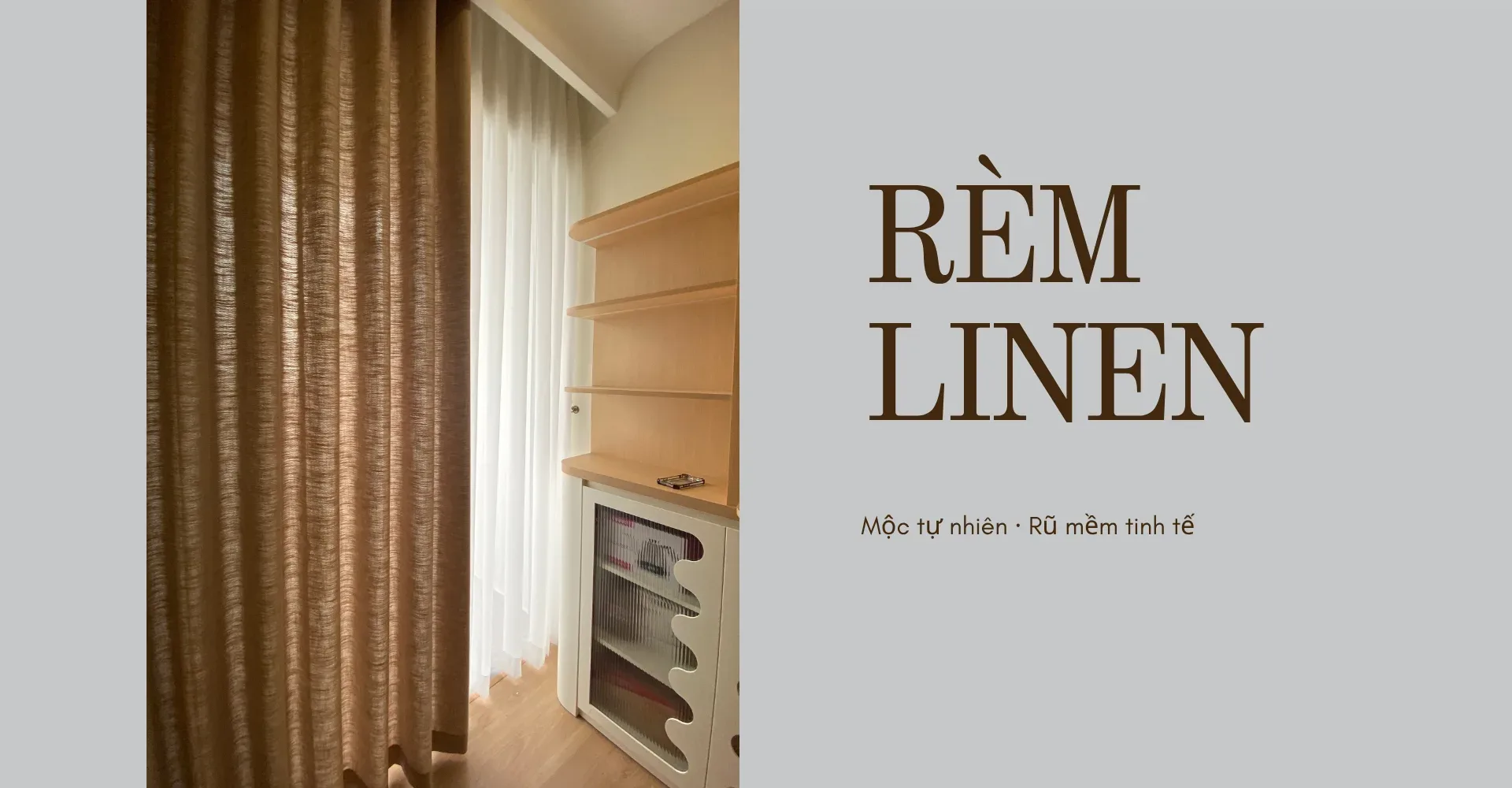
Fabric curtains control light primarily through the type of fabric, the number of layers, and how much they are opened or closed. Users can arrange the light with one layer, two layers, or an added sheer curtain to soften sunlight while maintaining a daytime feel. This type of control relies on material layers and the open-or-closed state. Background information about polyester fibers in the textile industry can help with comparing materials when making a selection.
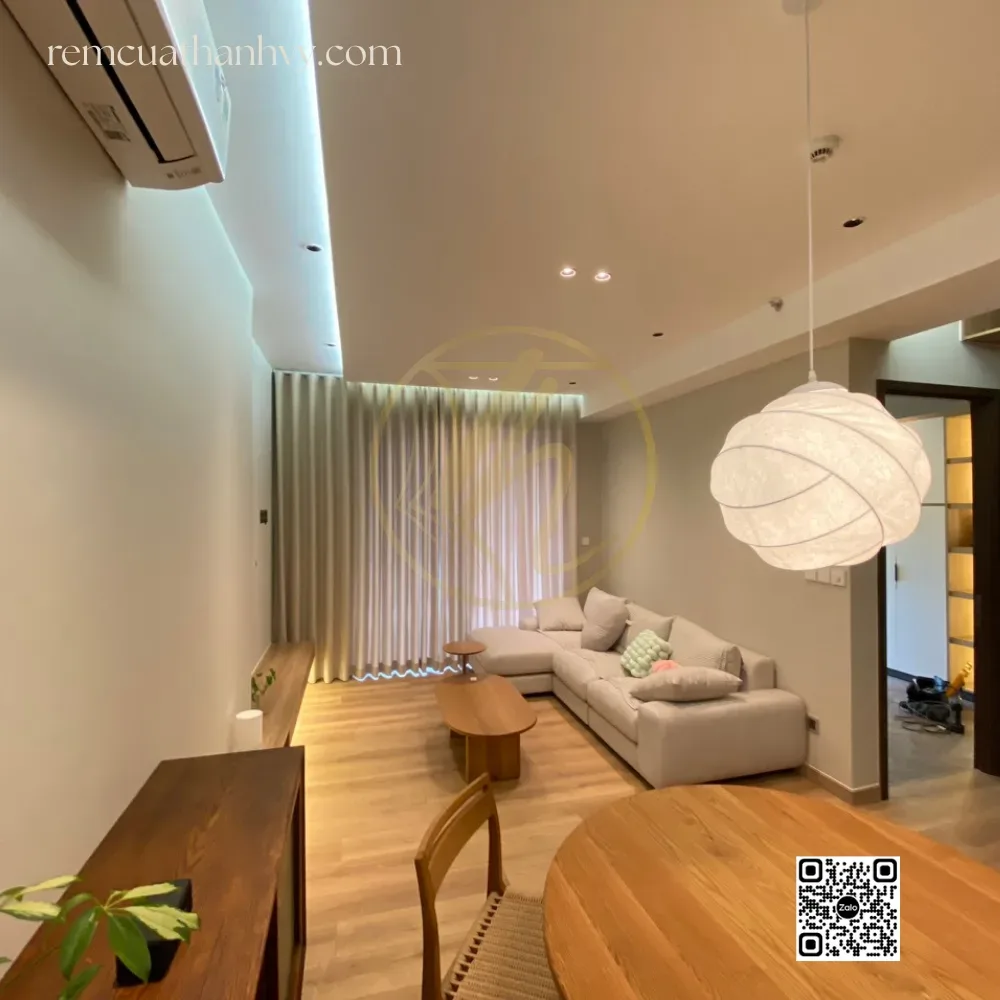
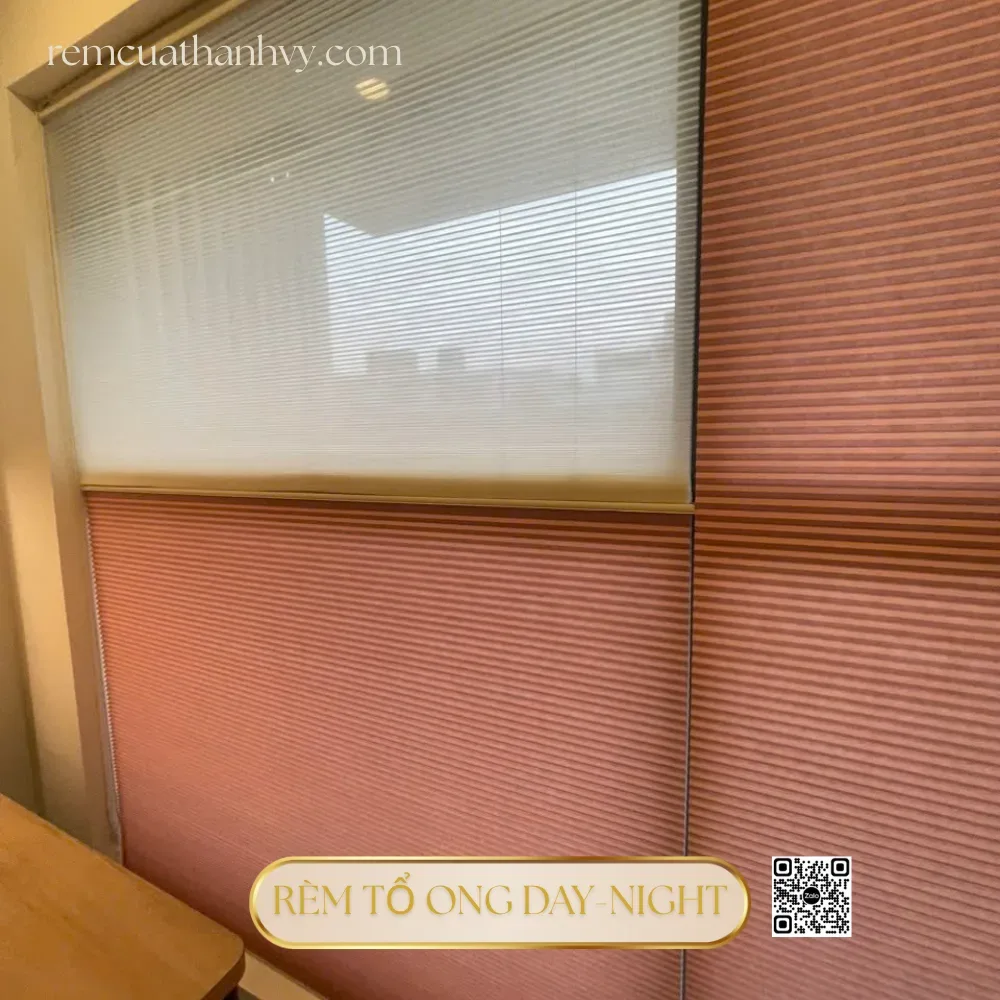
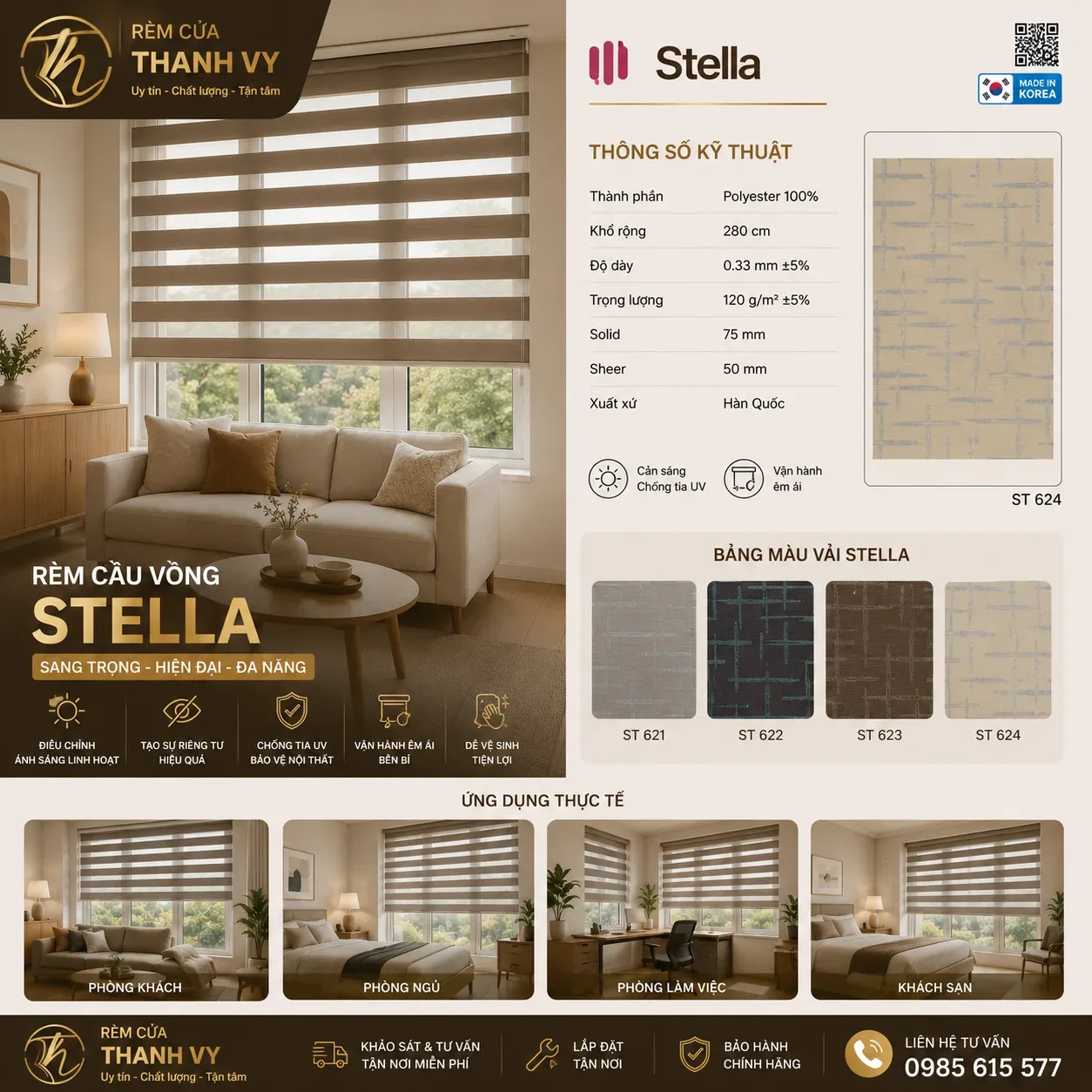
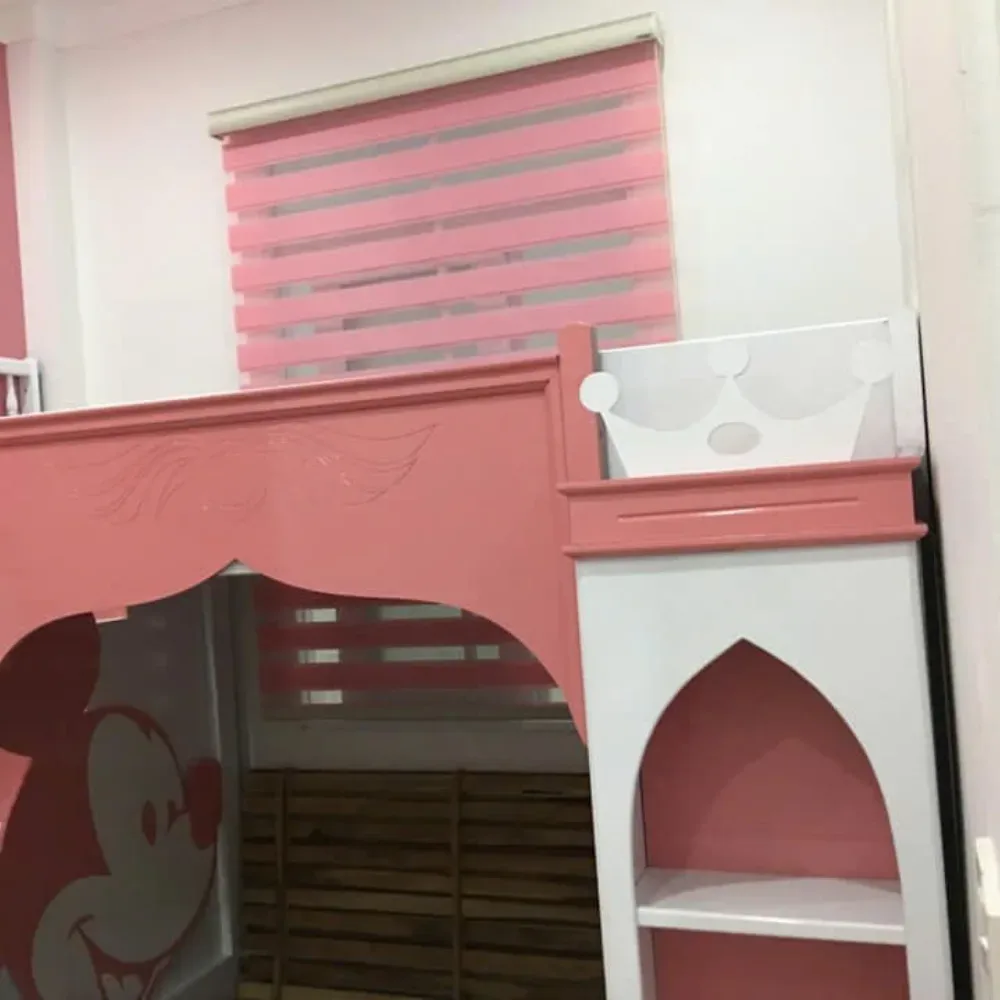
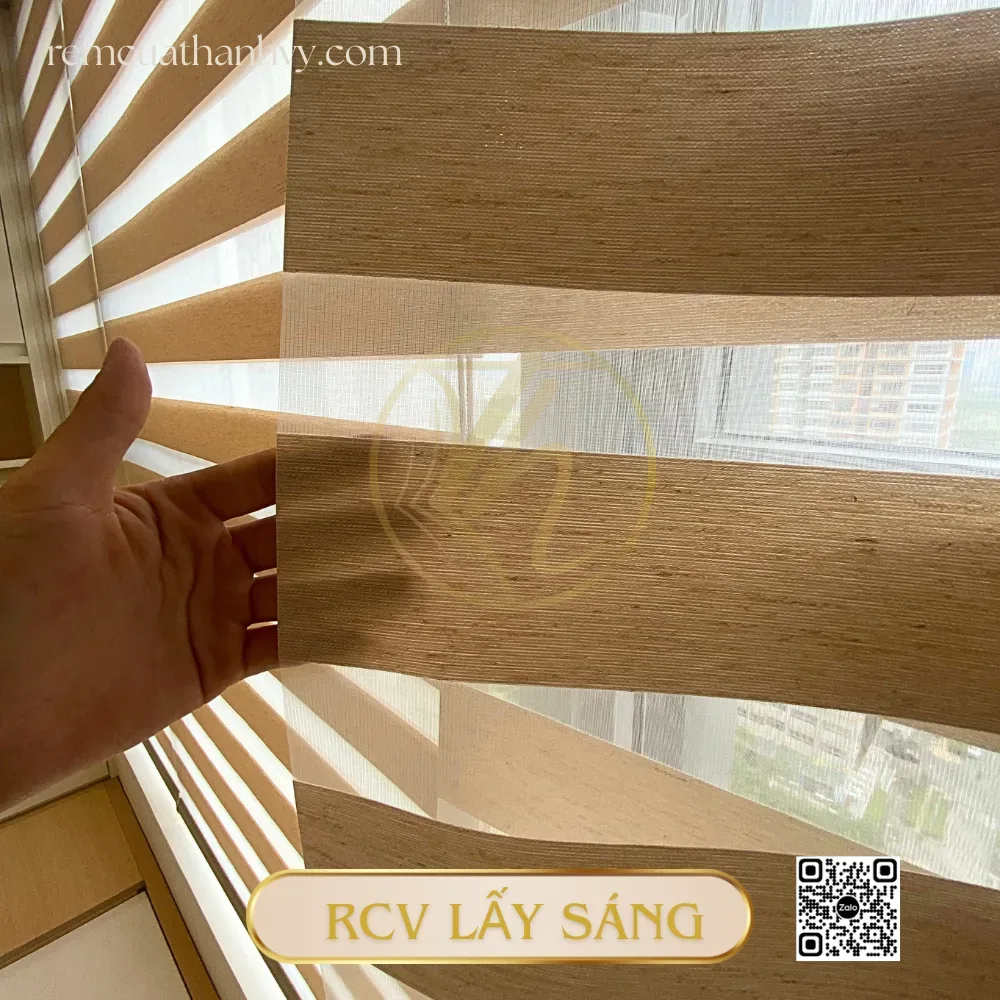
Rainbow blinds, meanwhile, are often mentioned when users want to switch quickly between different light levels without operating them by fully closing or opening them as with some other configurations. Their user experience can therefore suit people who like to control light flexibly in increments throughout the day.
However, this difference should not be turned into a simple verdict such as “rainbow blinds are more flexible, so they are better.” Flexibility is only an advantage when it matches the user’s lifestyle. If the family rarely changes the light conditions during the day and instead prioritizes overall softness, fabric curtains can still be the better option.
Third difference: suitability for each type of room
In a living room, fabric curtains are often suitable when users want the space to look warm, coordinate easily with the interior, and have a clearly finished feel. If the living room is an area that needs to make a stronger aesthetic impression, this advantage is quite significant. Rainbow blinds can also be used in living rooms, especially when the space favors clean, modern lines and requires flexible light control.

In a bedroom, the choice between the two should begin with the desired level of privacy, the rhythm of rest, and how the user responds to light. If the bedroom needs a softer, more discreet feel, fabric curtains usually create that atmosphere more easily. If users want to switch quickly between different light levels and prefer a neater surface, rainbow blinds may be an option worth comparing.
In a work corner or at windows that need to reduce glare while maintaining a bright feel, the comparison should be based even more on usage habits. Some people will prefer step-by-step light control, while others may find that the soft fabric configuration makes the space more comfortable during long periods of sitting.
Fourth difference: stacking space, window proportions, and the feeling of neatness when open
When opened, fabric curtains stack to both sides, so they need adequate space to avoid interfering with handles, cabinets, shelves, or walkways. For wide windows with room for the curtains to stack, this is usually not a major issue. However, for some small windows or windows close to furniture, this is a factor that should be checked early.
Rainbow blinds can create a neater surface when viewed straight on in many situations. This often leads users to include them in their comparison when they do not want the window to look too “heavy” visually. However, this neatness is only truly a strength when it matches the room’s objective. If users need soft decorative appeal and a fuller feeling, that advantage may no longer matter as much.
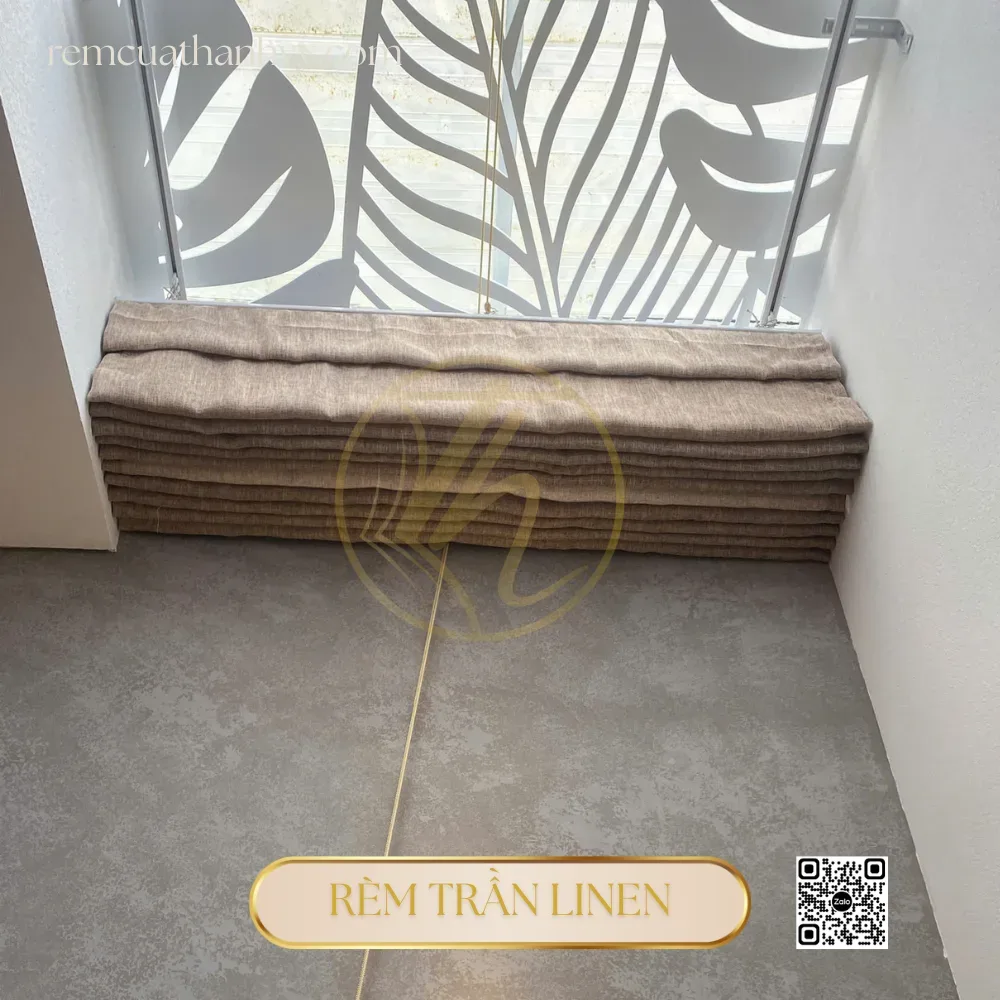
Send your dimensions and needs, and the Thanh Vy Curtains team will advise on options and quote for your actual space.
How to compare two types of curtains more accurately: use the same checklist
For a fair comparison, readers should evaluate both fabric curtains and zebra blinds using the same checklist:
1. What is the room’s primary lighting goal? 2. What level of privacy is needed during the day and evening? 3. How many times is the window opened each day? 4. Does the curtain need to look especially neat when opened? 5. Does the space need to feel softer or look more visually streamlined? 6. What cleaning, maintenance, and usage routine best suits the family?
When the same set of questions is used, many subjective comparisons become clearer. Instead of asking “Which type looks more luxurious?”, readers begin asking “Which type solves this window’s needs more effectively?”
When to prioritize fabric curtains
Fabric curtains are often worth considering when users prioritize a soft atmosphere, want the window area to look fuller overall, or want to coordinate with the interior in a warmer and more layered direction. They are also suitable when the family accepts the need for periodic fabric care and has enough space to gather the curtains for comfortable operation.

Another strength is that fabric curtains can easily accommodate different ways of organizing light layers. If readers need a configuration that can shift between softened light, privacy, and a relaxing feel through layered fabrics, this is a category worth examining closely.
When to prioritize comparing with zebra blinds
Zebra blinds should be included among the preferred options when users care greatly about adjusting light in increments and want the window area to feel more visually streamlined. They are also suitable for comparing in spaces that favor clean lines and where lighting needs change frequently throughout the day.
Even so, they should still be considered in relation to the actual window and the surrounding space. If the window is in a room that needs a lot of softness or the furniture already has fairly rigid lines, the advantage of looking “streamlined” may not necessarily be the most important factor.
Conclusion: choose the type of curtain that makes life easier, not just one that looks better
Comparing fabric curtains and zebra blinds should not end with a ranking. The right goal is to choose the type that makes the room easier to live in, easier to use, and better suited to how the people in the home actually operate the windows each day. If the space needs to feel softer, warmer, and richer in interior character, fabric curtains usually have the advantage. If the space needs flexible, incremental light control and a more streamlined window area, zebra blinds are the type that should be examined carefully.

If you are still considering your options, you can refer to Are fabric curtains good? How to evaluate them based on the actual needs of each space before making a comparison and decision.
Quick answer: No type wins outright — fabric curtains are better suited to spaces that need softness, warmth, and rich depth, while zebra blinds are better suited when you need a streamlined window area and flexible, incremental light control throughout the day. Interested readers can learn about polyester fibers in the textile industry before making a decision.
Readers will make a more confident decision when they bring photos of the window, preliminary measurements, the direction of the light, and each room’s actual usage priorities to the comparison. At that point, the differences between the two types will no longer be vague, and the choice will be less influenced by a beautiful photo or a short advertising slogan.

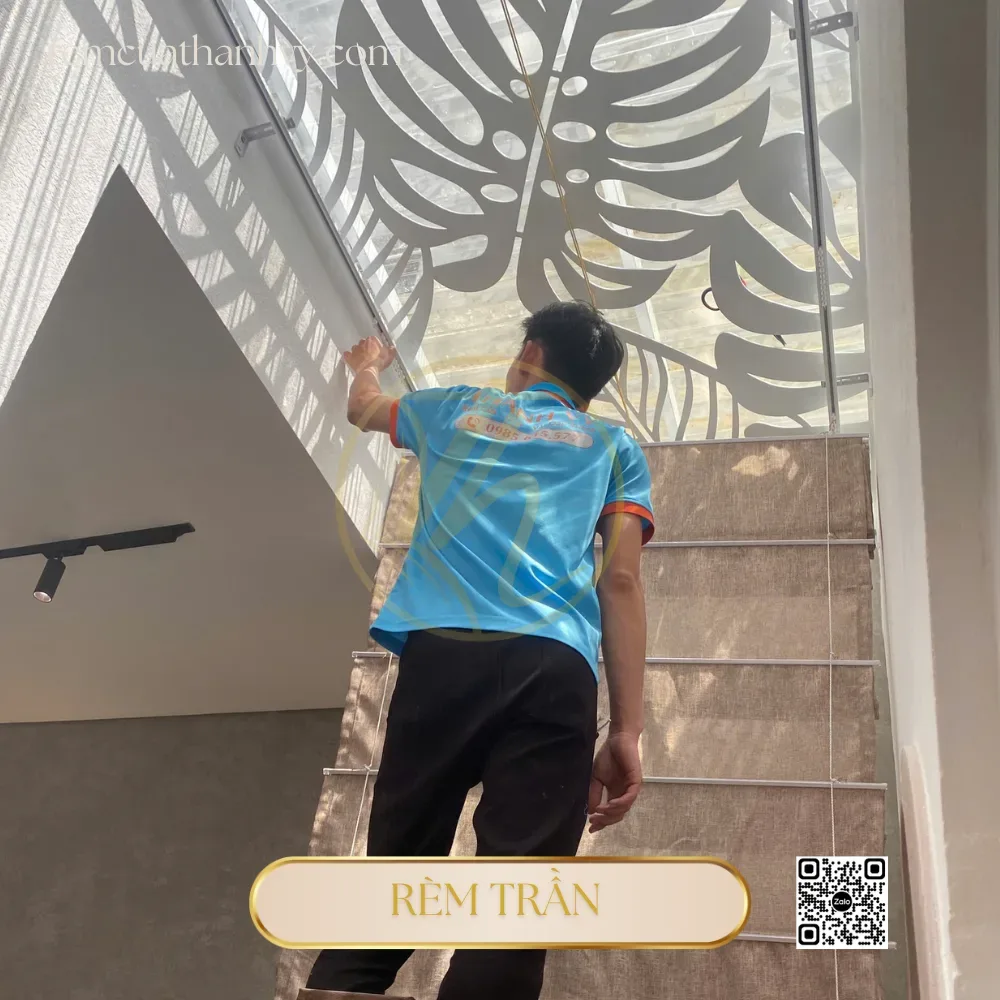

Related reviews
Are Fabric Curtains Good? How to Assess the Real Needs of Each Space
This article helps readers answer whether fabric curtains are good by assessing light, privacy, usage [...]



No comments yet!