


Can Gio Curtains: Choosing Materials and Hardware That Withstand Salt Air and Sea Winds
Can Gio curtains are first and foremost a matter of corrosion resistance and wind resistance
Can Gio is the only coastal district of Ho Chi Minh City, located farthest from the central area, and reaching it still requires crossing by ferry. This geographic distance, combined with rivers and canals, mangrove forests, and the sea surrounding it on all sides, creates a living environment very different from that of the inner-city districts. The air here carries salt spray almost year-round, humidity remains high, and winds blow strongly and steadily from the sea according to the season. A set of attractive curtains that looks good when first installed but is not designed for this environment will, after just a few seasons of seasonal winds, begin to rust at the brackets, jam the rollers, fade, and lose its shape. Therefore, when discussing Can Gio curtains, the first question is not what color matches the interior, but which materials and mechanisms can last in salt-laden air.
Specific environmental conditions: Seawater vapor carries salt ions, which settle as an almost invisible thin layer on every surface facing outdoors. This layer absorbs moisture, retains water on metal surfaces, and accelerates oxidation many times compared with the dry environment of the inner city. The smallest components of a curtain system, from bracket screws and the return spring inside the roller head to the ball bearings in the sliding track, are all metal and all exposed to these conditions. At the same time, prolonged high humidity causes fabric to dry more slowly after each bout of wind-driven rain or each cleaning, creating conditions for mold to grow along the bottom and folded edges of the curtains.
Wind and light: Homes in coastal areas are rarely shielded by rows of high-rise buildings as they are in dense urban areas, so wind flows directly into the window openings with considerable force. A lightweight curtain hung with a simple mechanism will be blown around continuously, hit the window frame, and wear itself down at the contact points. The light is also different: in addition to direct sunlight, there is sunlight reflected upward from the water and bright-colored sandy ground, entering the room from below and causing glare at eye level—something curtains designed only to deal with overhead sunlight cannot address.
Common house types: Most residential buildings in the area are low-rise homes with wide window openings to catch the breeze, along with small-scale accommodation facilities run by local residents to welcome weekend guests. These two groups have very different needs: homes require durability and easy self-maintenance, while accommodation facilities also need the ability to replace individual sets quickly without dismantling the entire system. The team at Thanh Vy Curtains, which grew out of a private sewing workshop years before establishing its legal entity in 2025, approaches this area by first identifying the environmental conditions and only then discussing aesthetics, rather than doing the reverse and repairing problems later.

Can Gio curtains by commune
After the administrative reorganization, Can Gio District has 4 communes. Choose the appropriate commune to view information about the merger, local characteristics, and curtain services in that area:
- An Thoi Dong Commune — merged from An Thoi Dong Commune and Ly Nhon Commune
- Binh Khanh Commune — merged from Binh Khanh Commune and Tam Thon Hiep Commune
- Can Gio Commune — merged from Can Thanh Town and Long Hoa Commune
- Thanh An Commune — merged from Thanh An Commune
Does the address on your documents still bear the former commune’s name? Check the former Can Gio ward lookup table.
Assess the condition of the windows and salt exposure before discussing materials
A common habit among homeowners is to open their phones, save a few photos of curtains they like, and only then call a technician. In an area like Can Gio, that order should be reversed. The first thing to record is the window’s position relative to the sea and the prevailing wind, because two windows in the same house may face completely different conditions: one facing an open area may receive the full force of salty winds, while one facing an inner courtyard or sheltered behind a wall may be almost unaffected. Applying a single solution throughout the house means the homeowner will both waste resources where they are unnecessary and fall short precisely where they matter most. You can also cross-reference information through the Thanh Vy premium curtains section on Ha Tinh Newspaper.
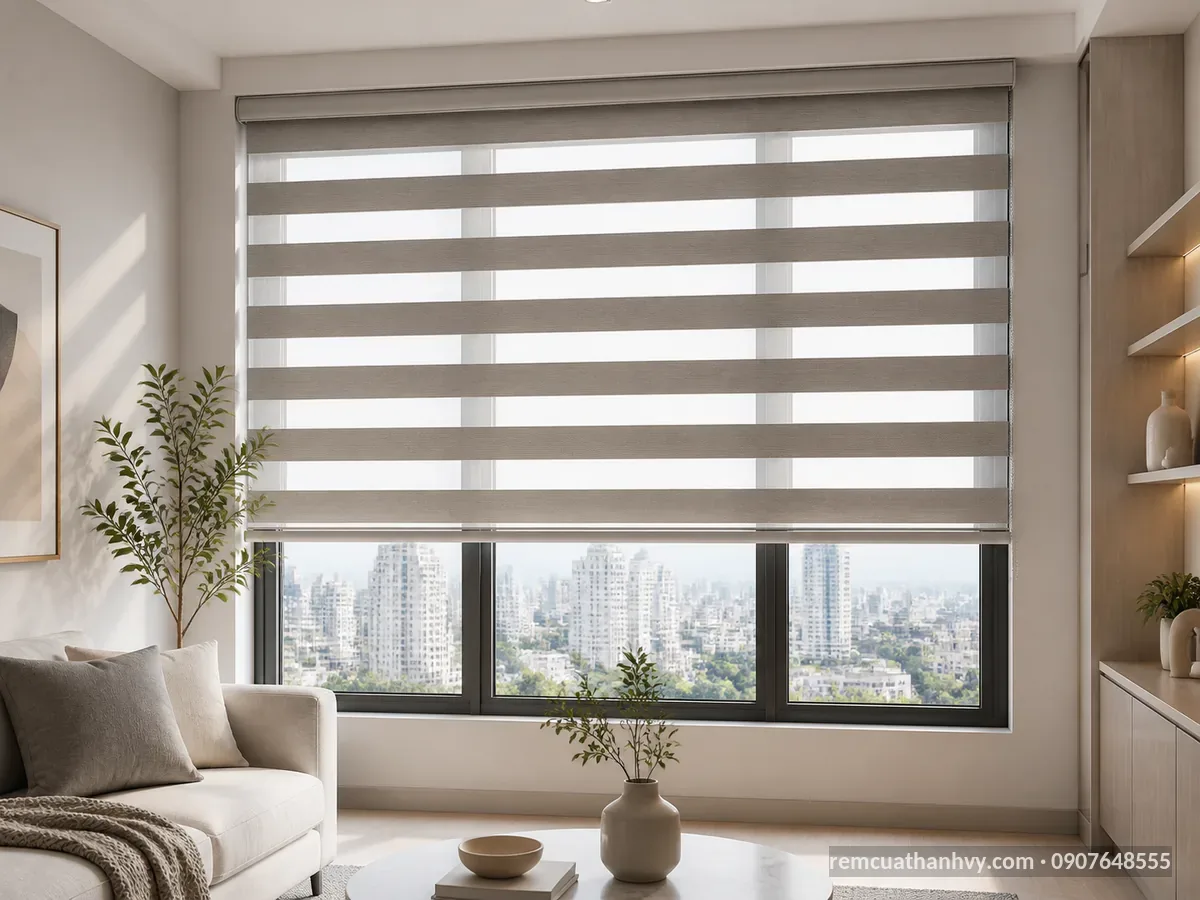
The next step is to record the actual condition of the window frame and the wall area where the screws will be installed. Coastal homes often have exterior walls with damp lower sections, crumbly mortar in some places, or aluminum frames with white stains from salt deposits accumulated over time. Fixing curtain brackets to a deteriorated section of wall will cause the curtains to sag no matter how good the accessories are. An experienced technician will tap the wall to assess its solidity, check whether the installation should be anchored to the window frame, the wall, or the ceiling, and choose the appropriate wall plug on site rather than carrying only one type.
It is also necessary to measure the clearance from the top of the window frame to the ceiling and the space available on both sides of the window. In low-rise homes, ceiling height is often limited, so hanging the curtain rod close to the ceiling and letting the fabric run the full height will draw the eye upward and make the room feel less low. The clearance on both sides determines where the fabric will gather when the curtains are fully opened; if it is underestimated, the gathered fabric will stand in front of the window edge and obstruct the very airflow the homeowner wants to welcome. Finally, inspect obstacles around the window, such as air-conditioning units, wall-side shelves, hinges on opening panels, and hanging fans, because each obstacle requires adjustments to the hanging style or the fabric fullness. For cases requiring a curtain set made entirely to specific measurements and a custom concept, the custom curtain sewing service in HCMC can handle nonstandard windows that ready-made products cannot resolve.
Choosing a curtain group based on its intended use in coastal areas
There is no single curtain group that is best for every situation in Cần Giờ. Some groups suit bedrooms sheltered from wind, some should only be installed on windows that catch direct wind, and some should be avoided if the homeowner does not have time for regular maintenance. The practical approach is to assign each window a primary purpose and then consider the curtain group, rather than choosing one style for the whole house simply because it looks beautiful.
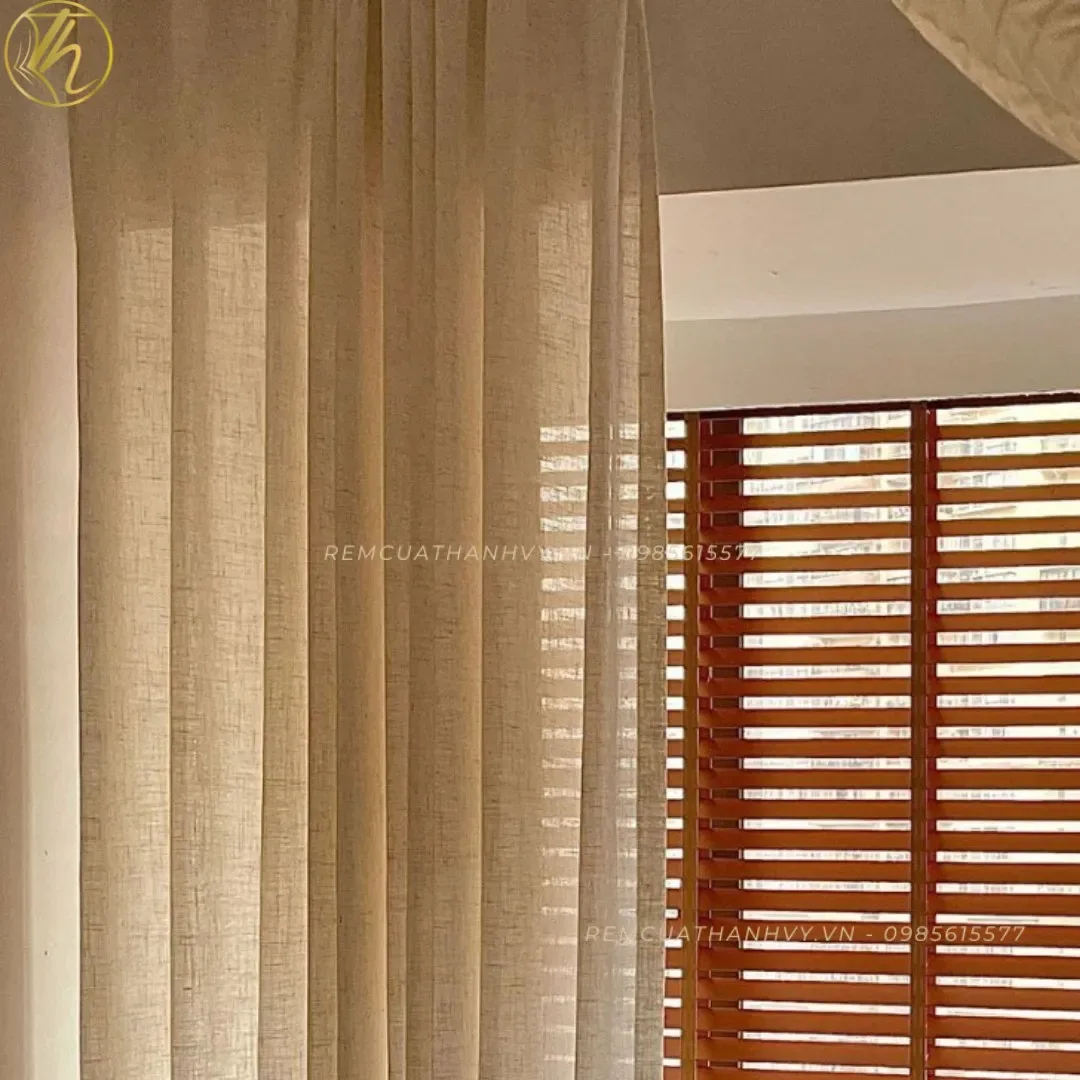
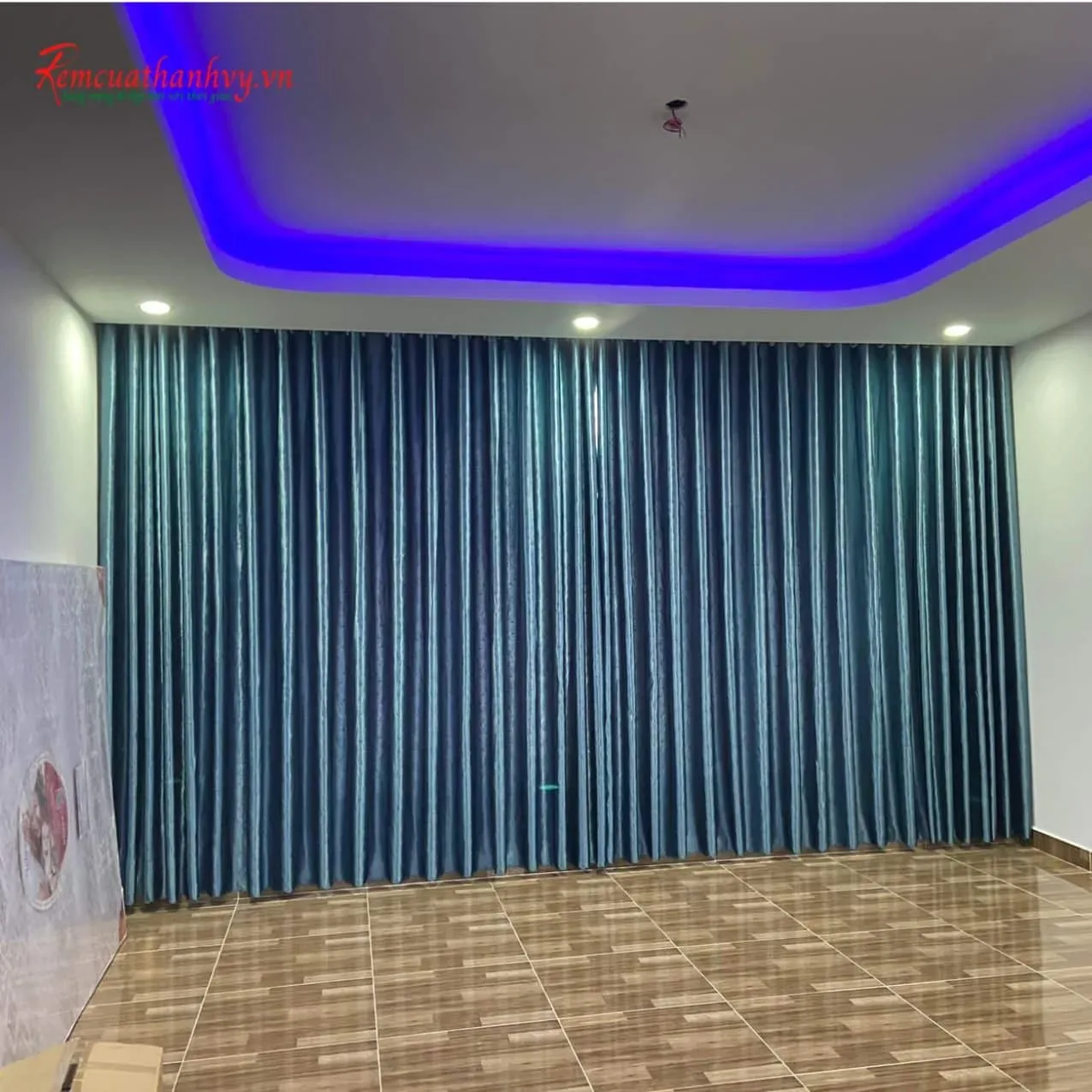
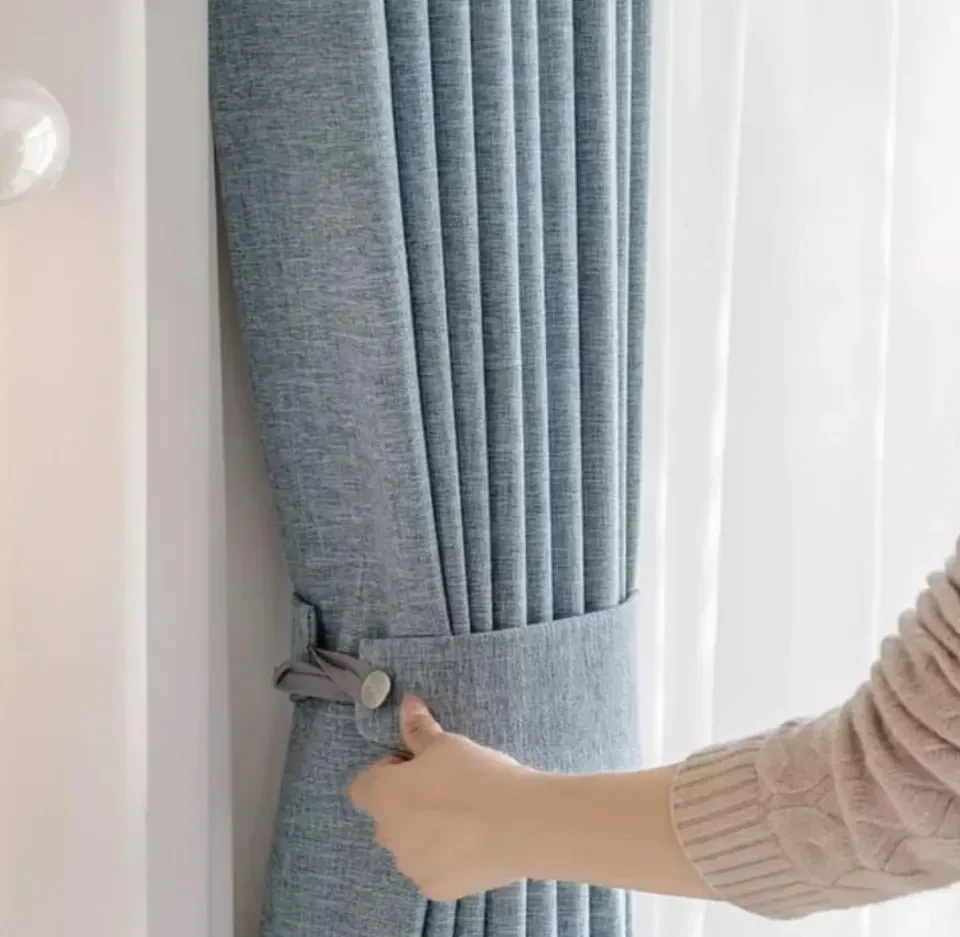
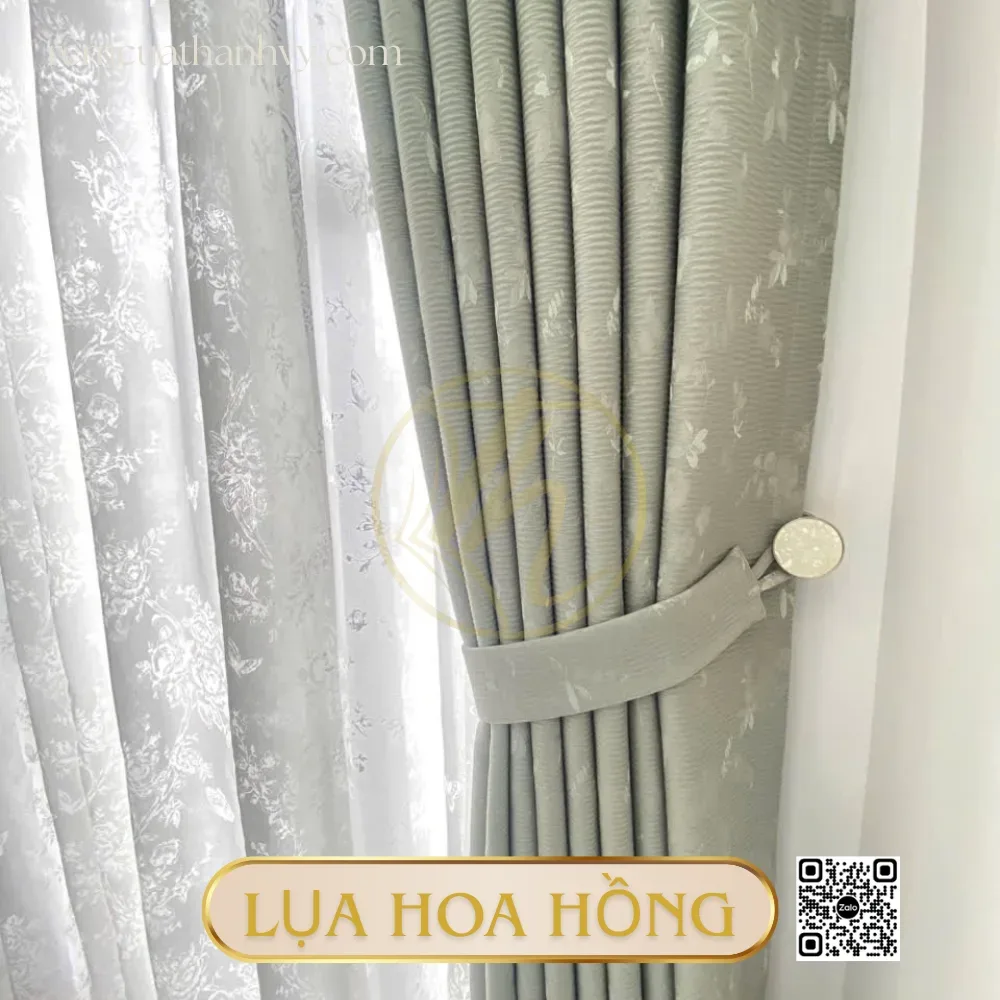
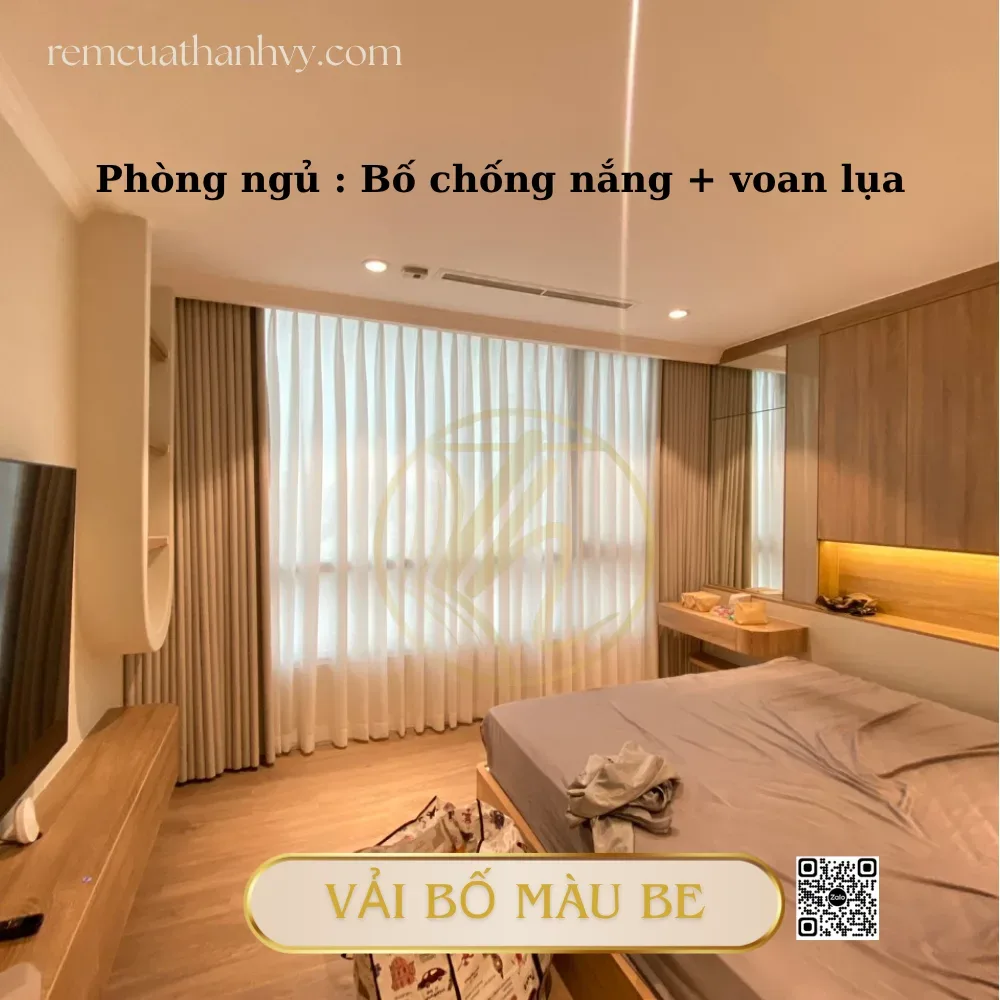
Double-layer fabric curtains: Suitable for bedrooms and living rooms located on the side with less wind exposure. The main fabric handles light blocking and privacy, while the inner sheer layer filters some of the sunlight reflected from the water during midday while still keeping the room naturally bright. One point to note in a highly humid environment is to choose fabric that can release moisture and avoid types with coatings that can peel; the bottom of the curtains should also be kept slightly above the floor rather than touching it, so the lowest part of the fabric does not draw moisture upward.
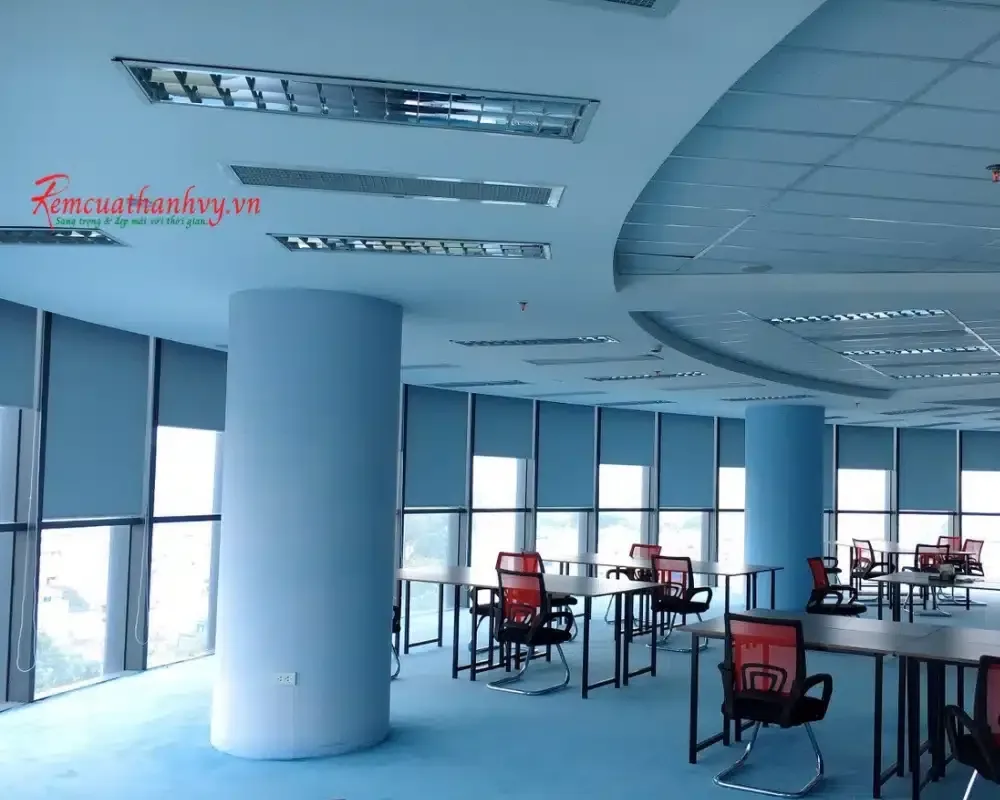
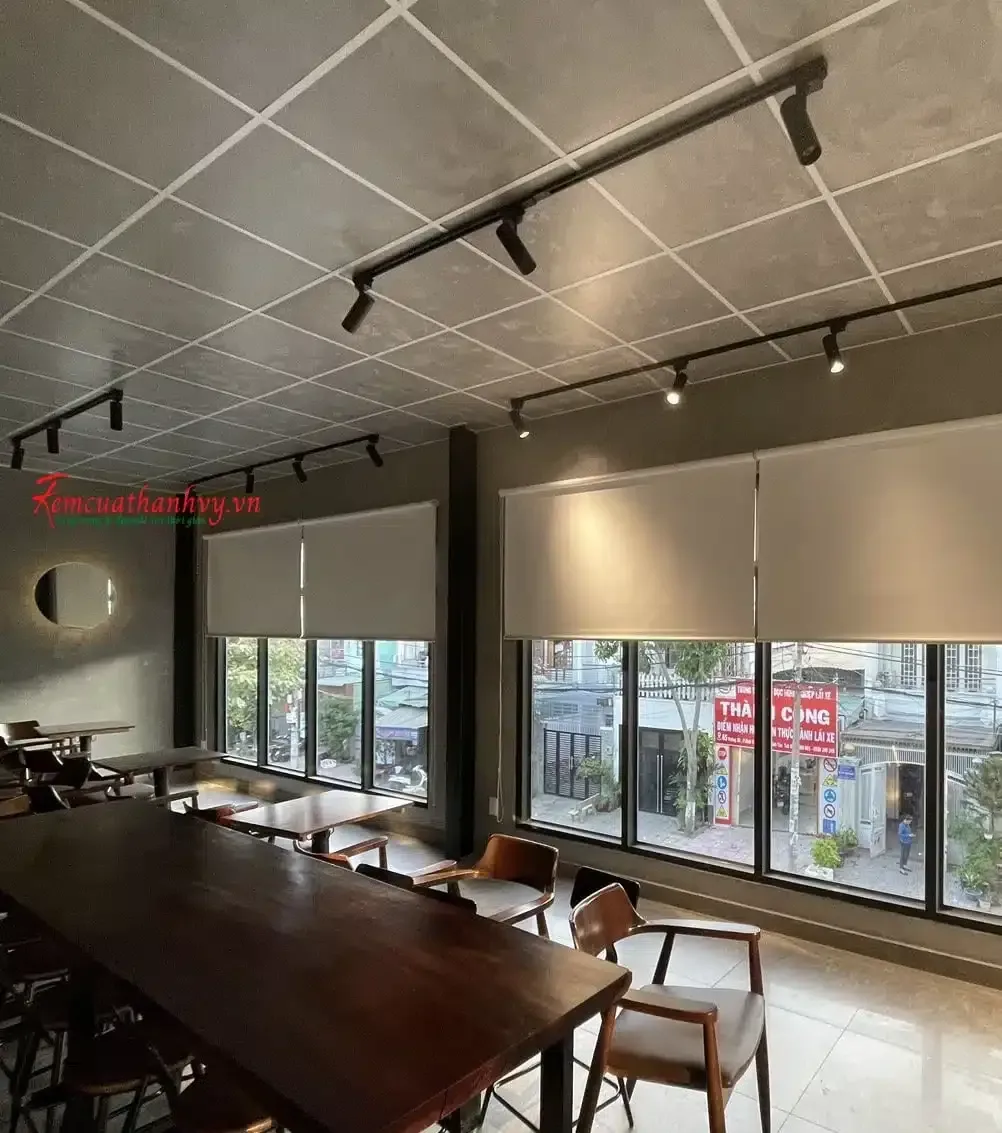
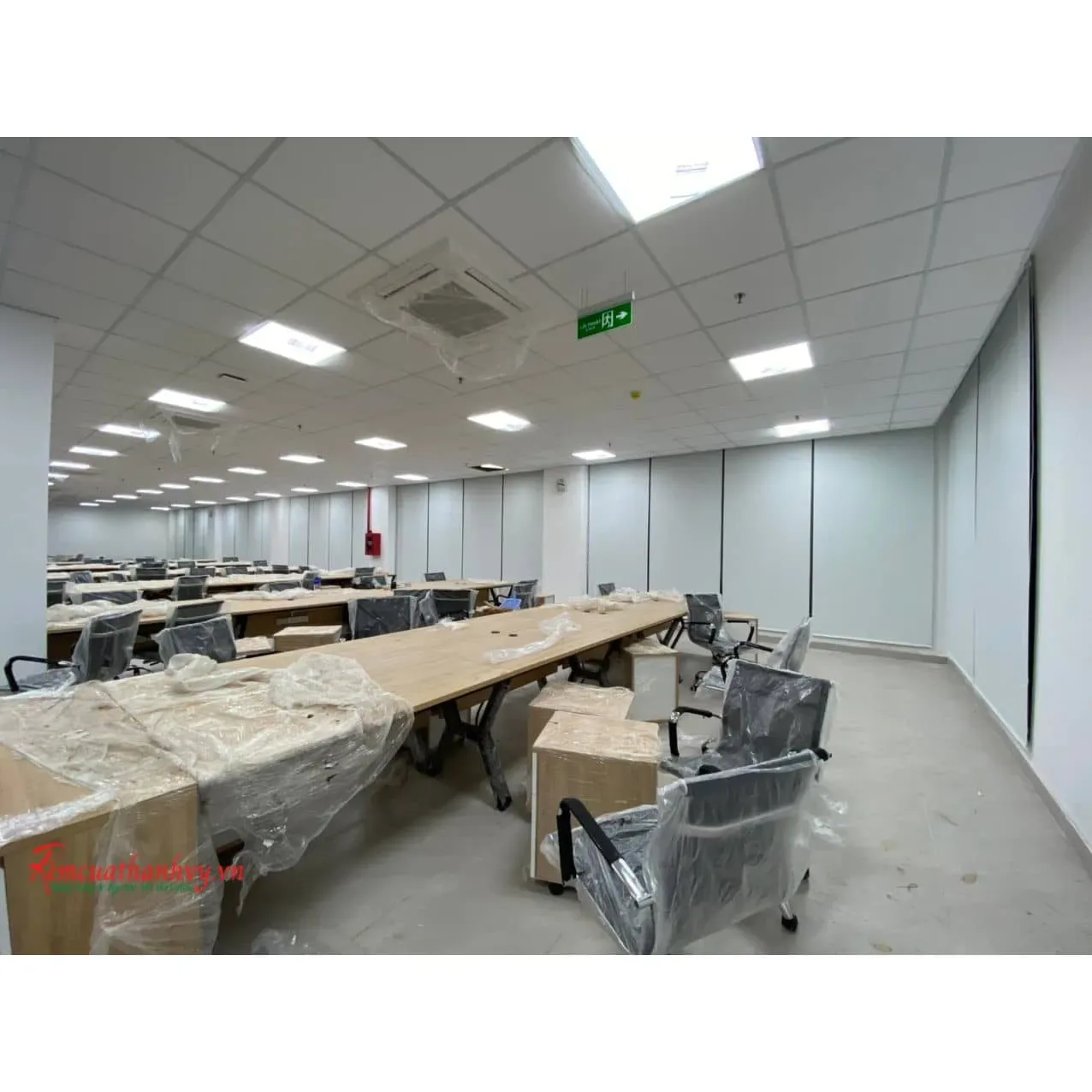
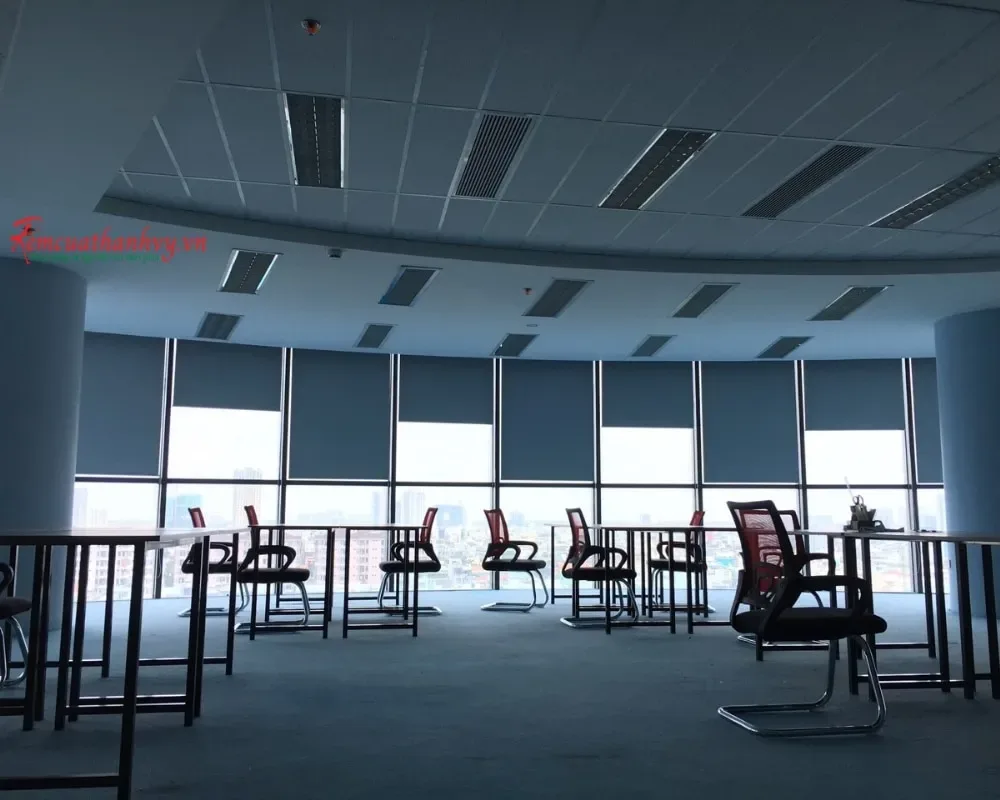
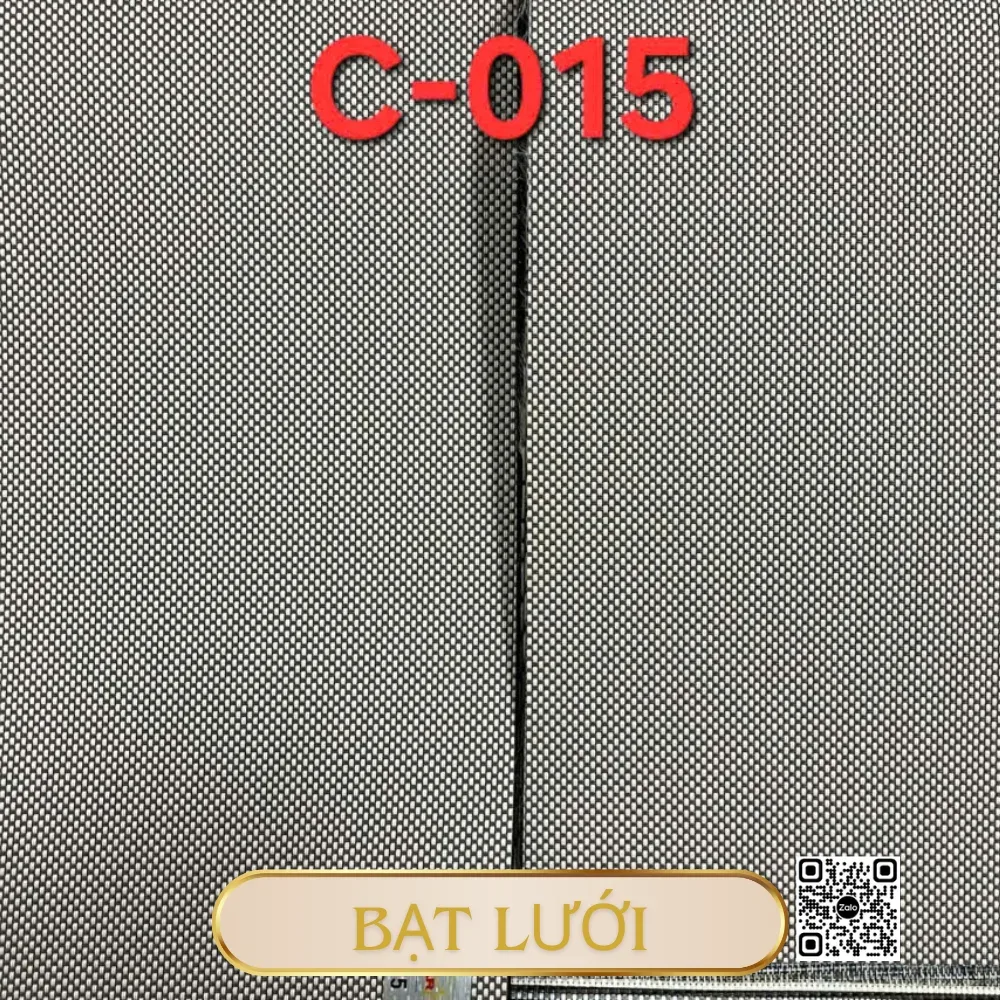
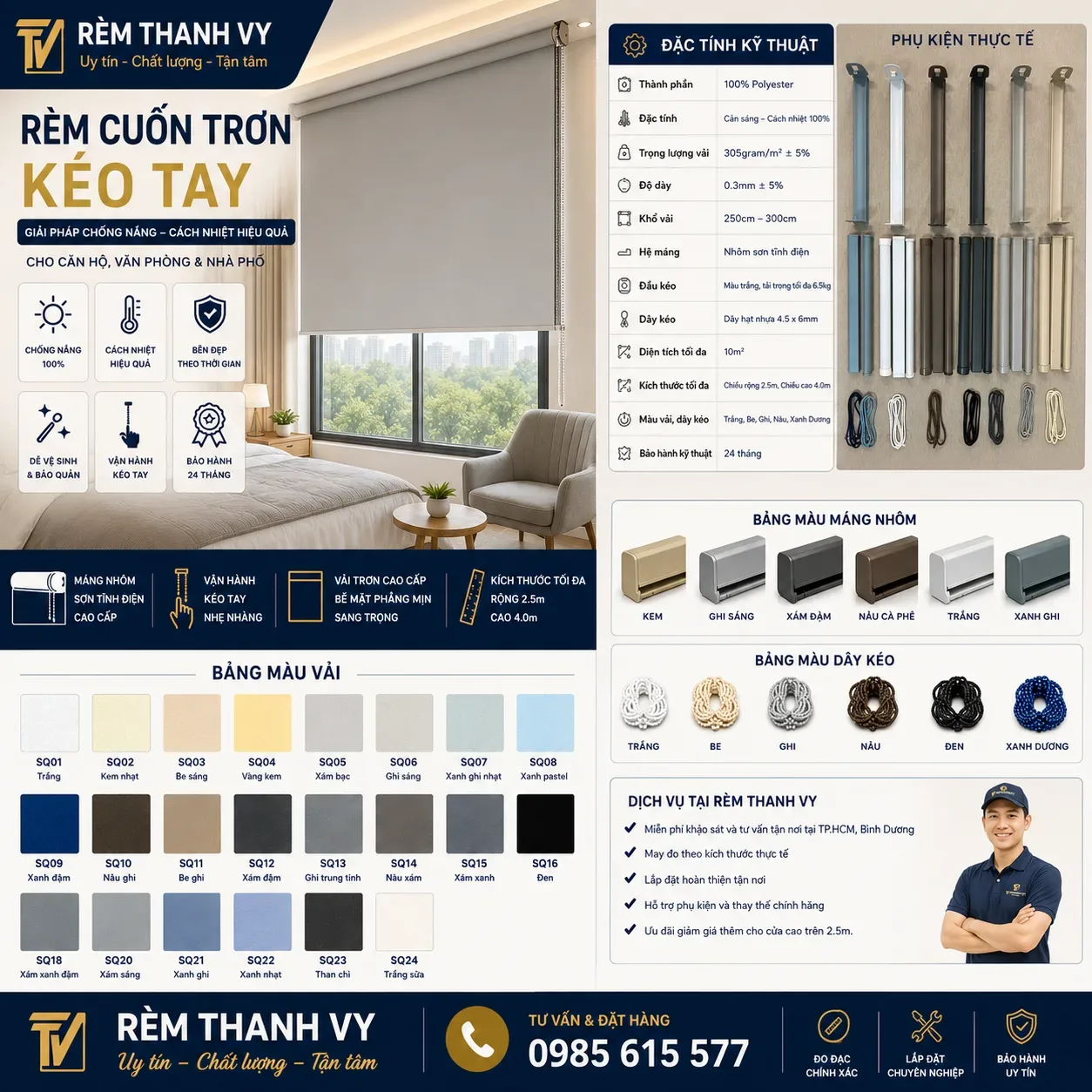
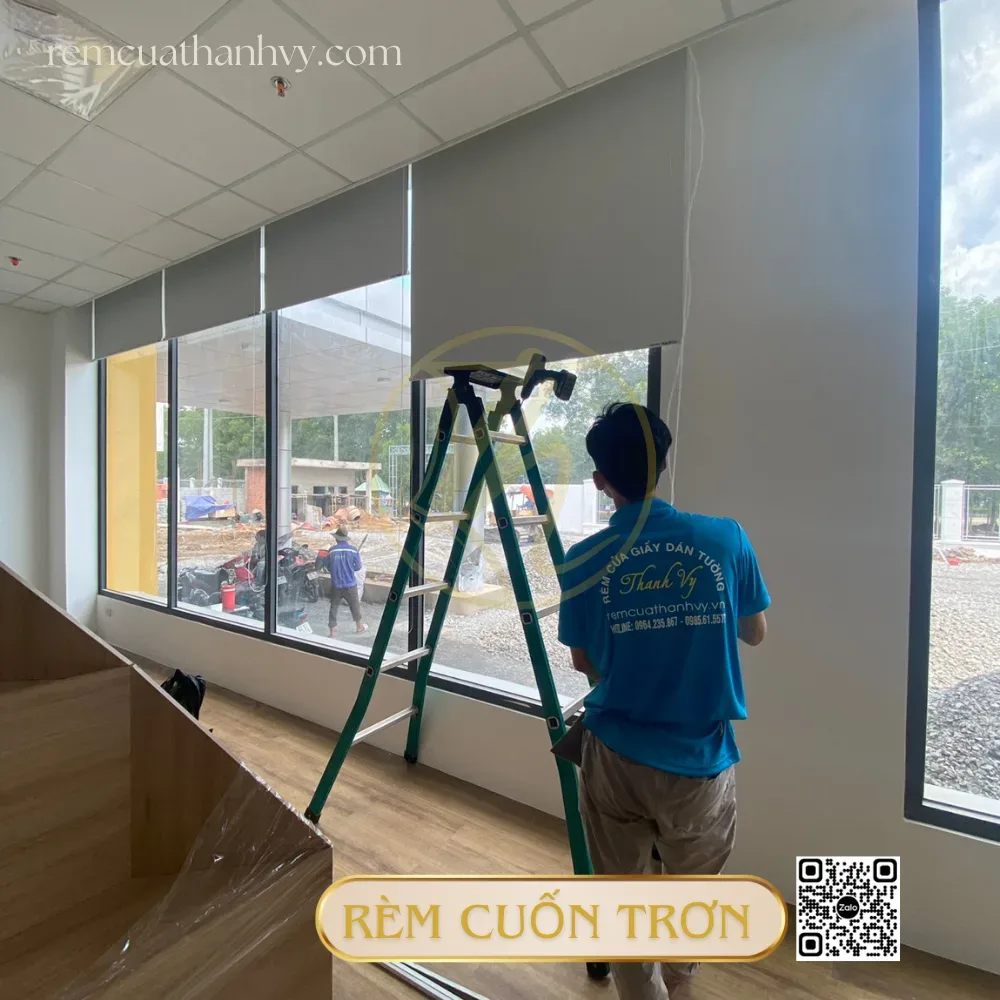
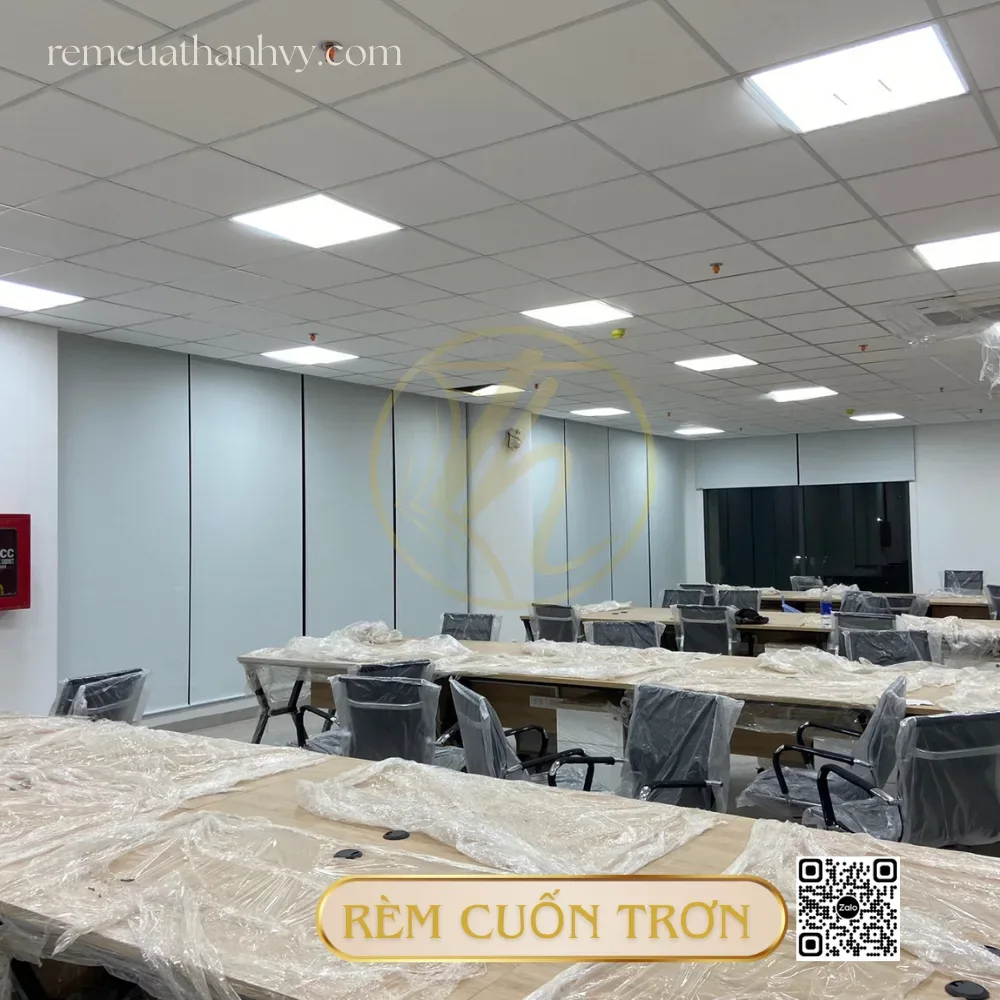
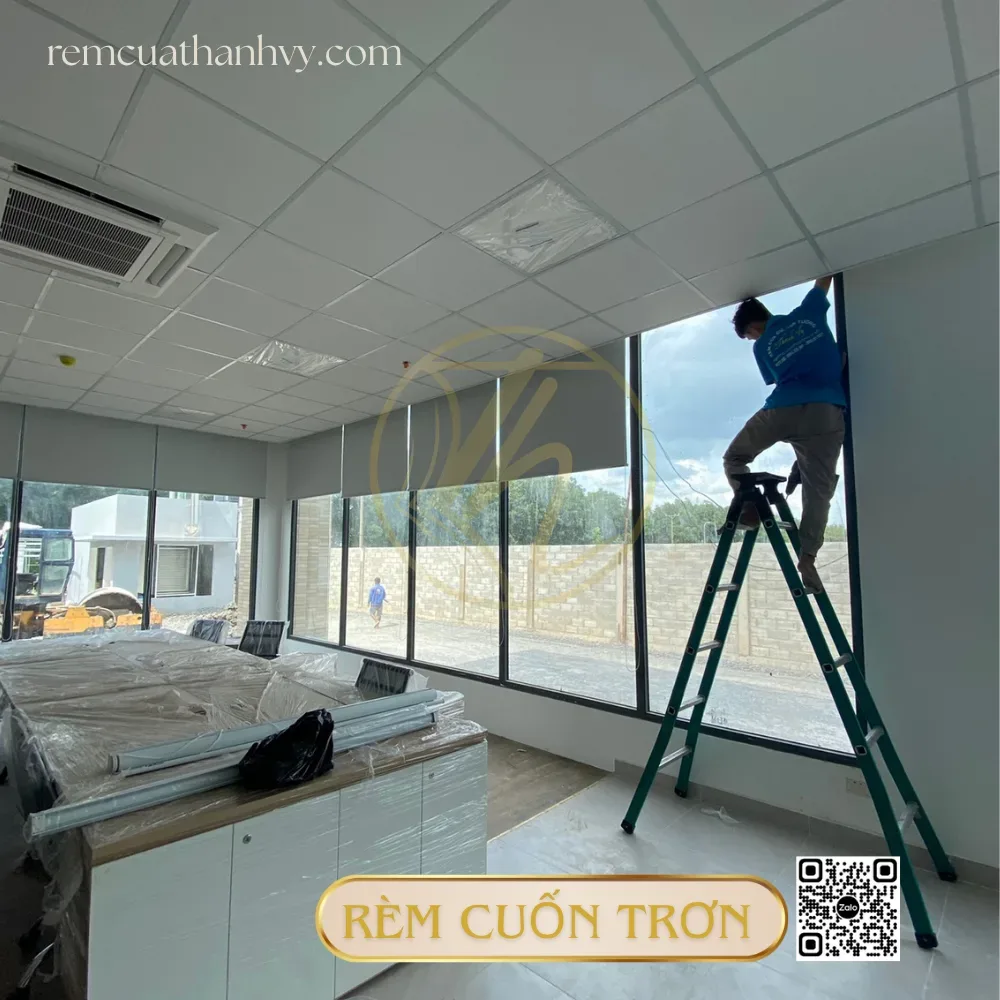
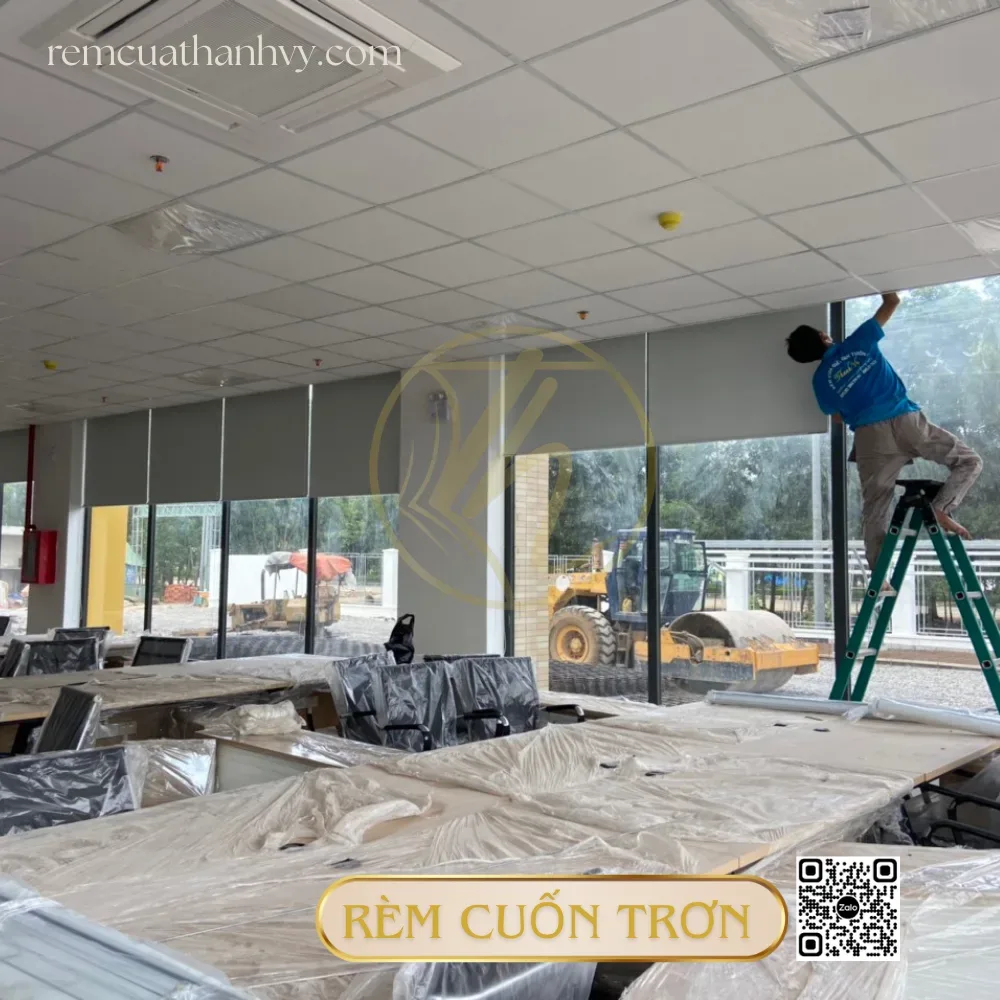
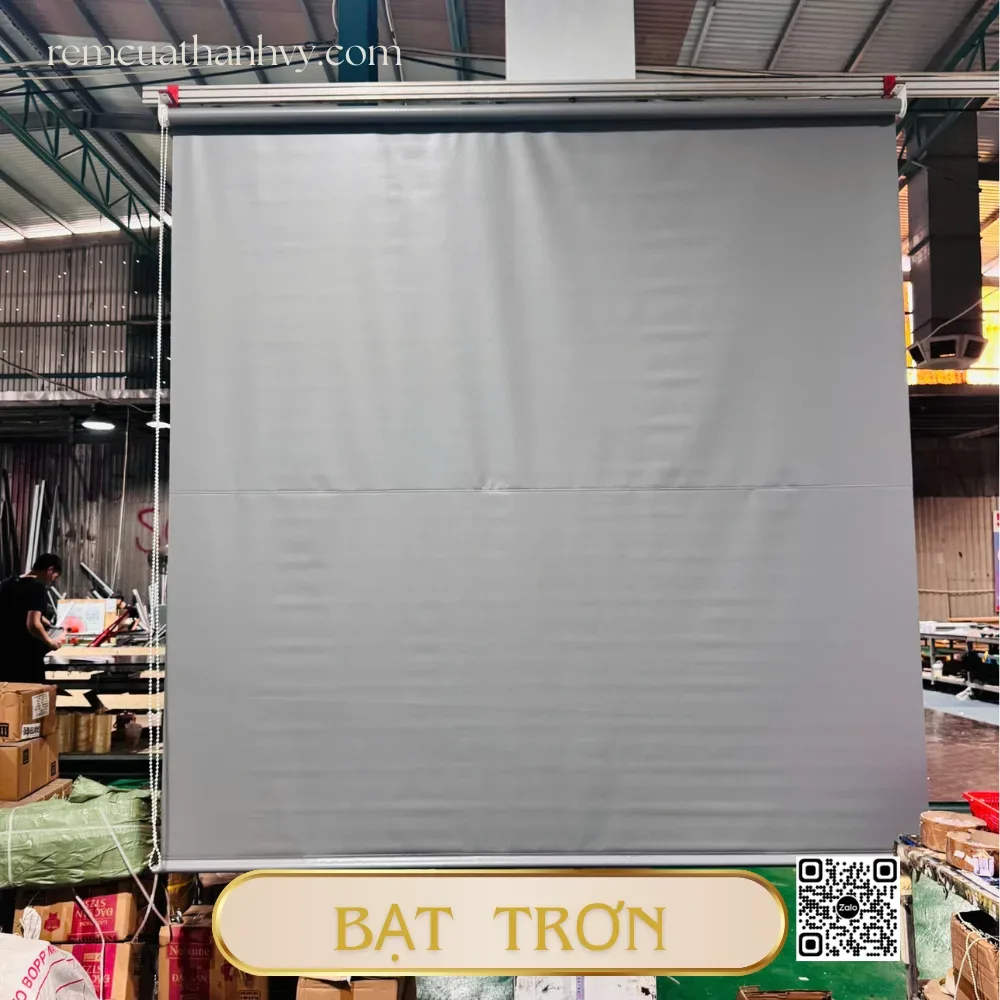
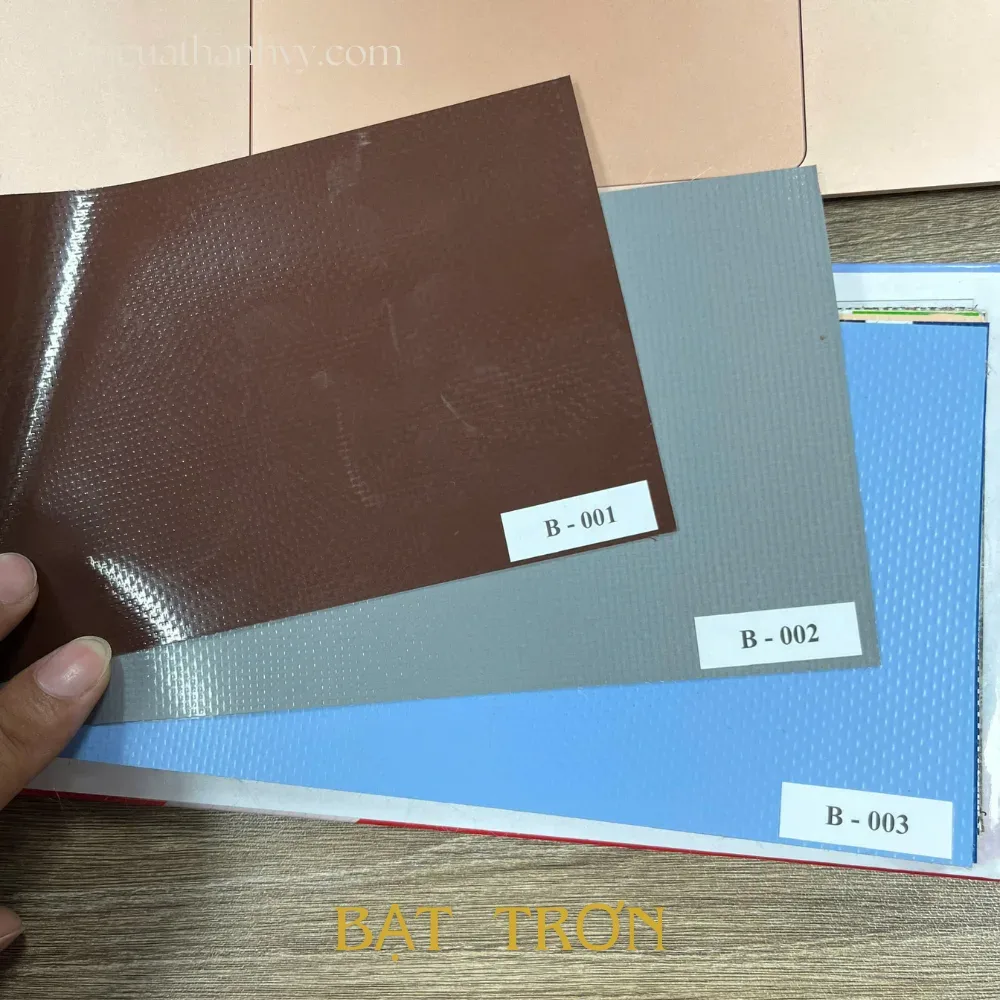
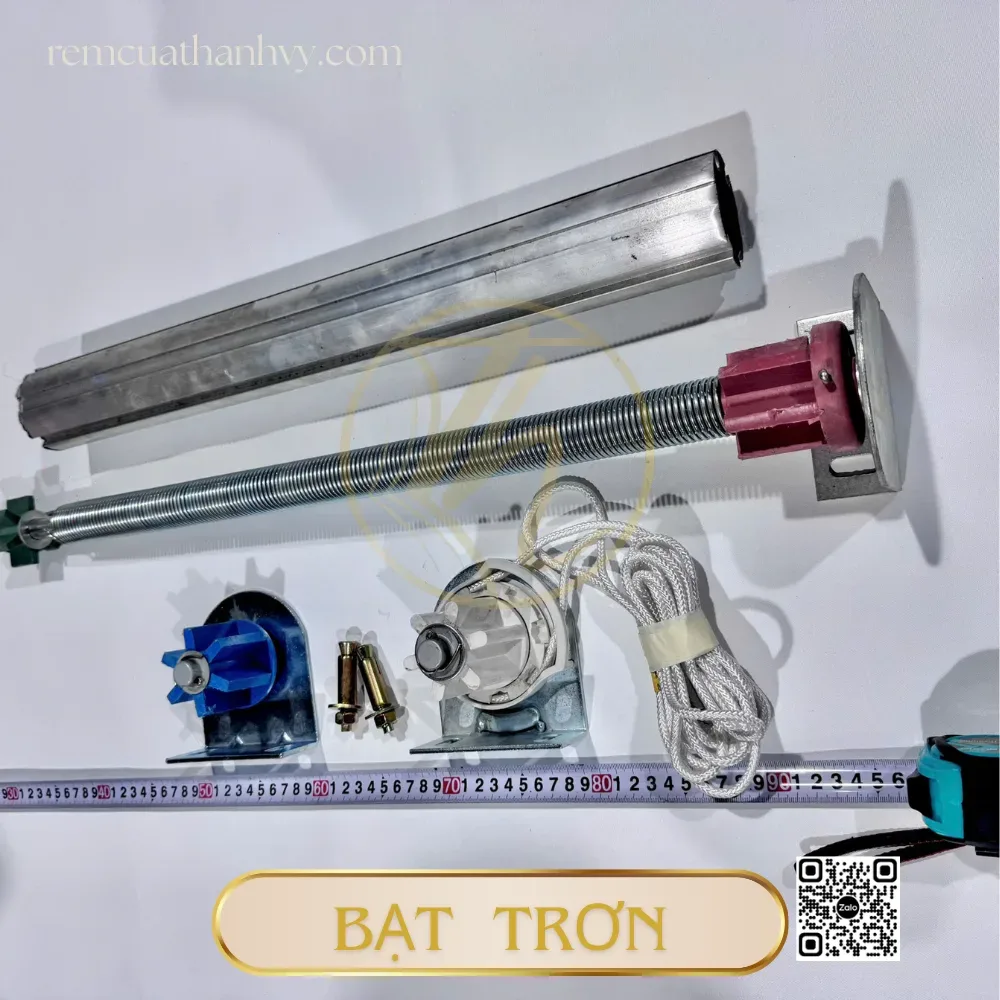
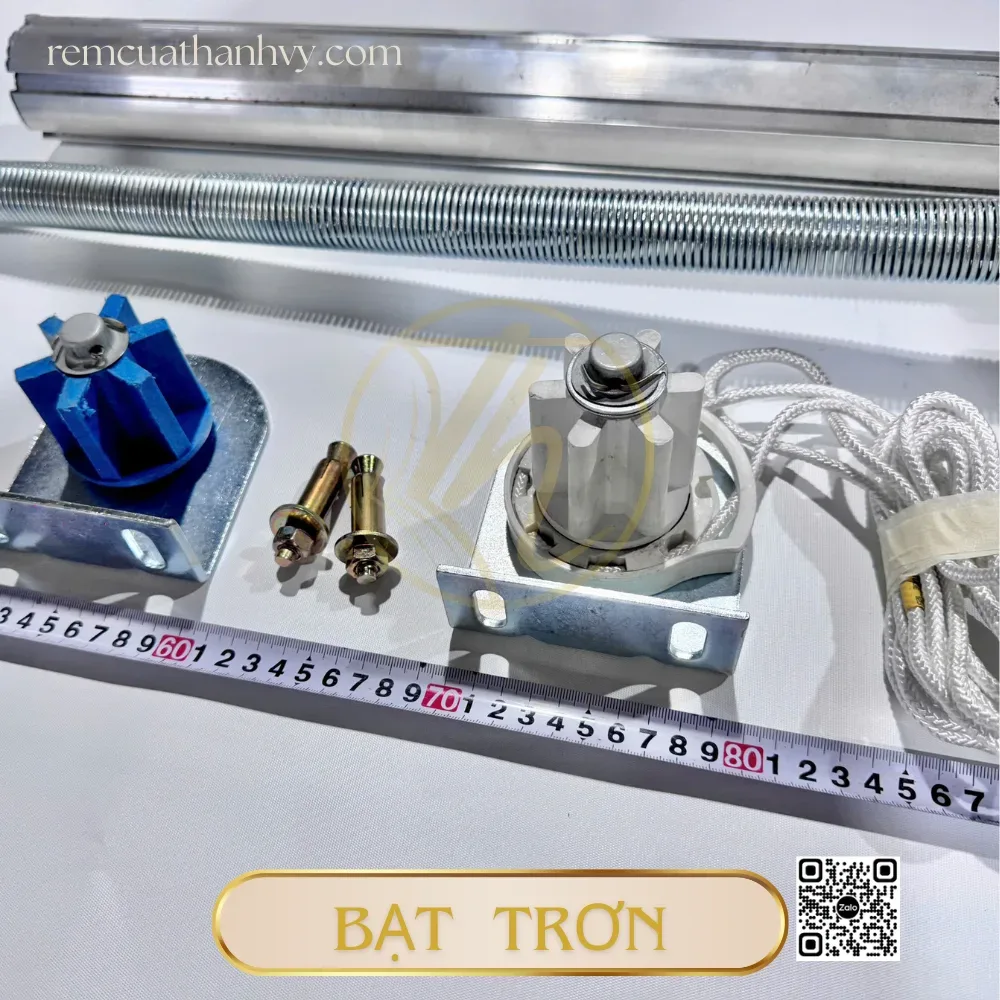
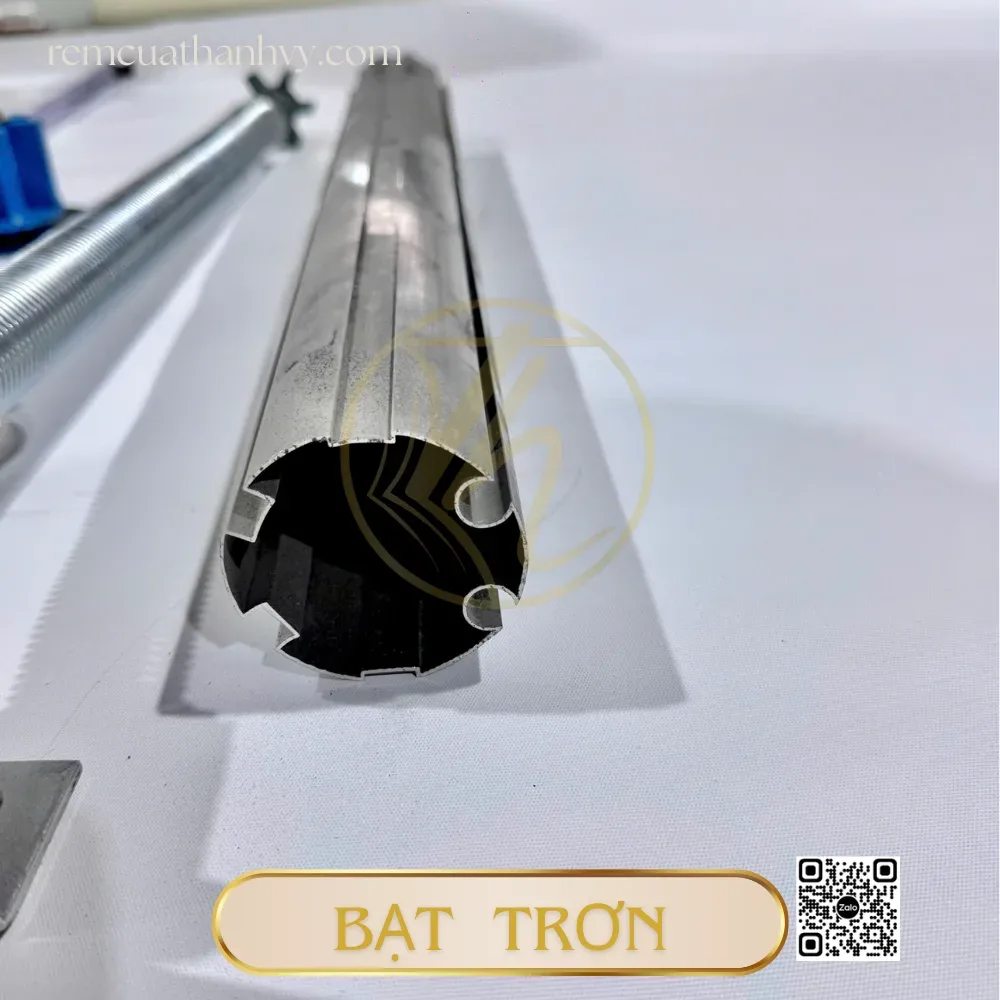
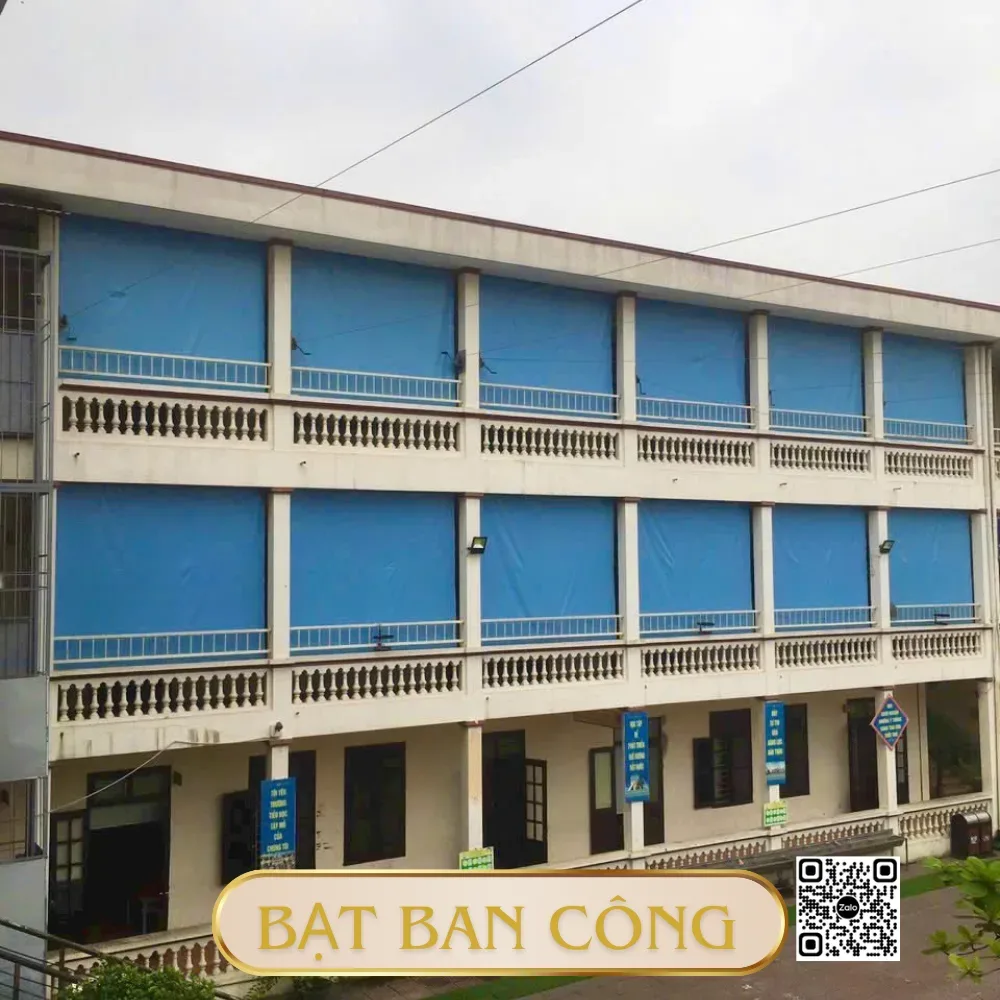
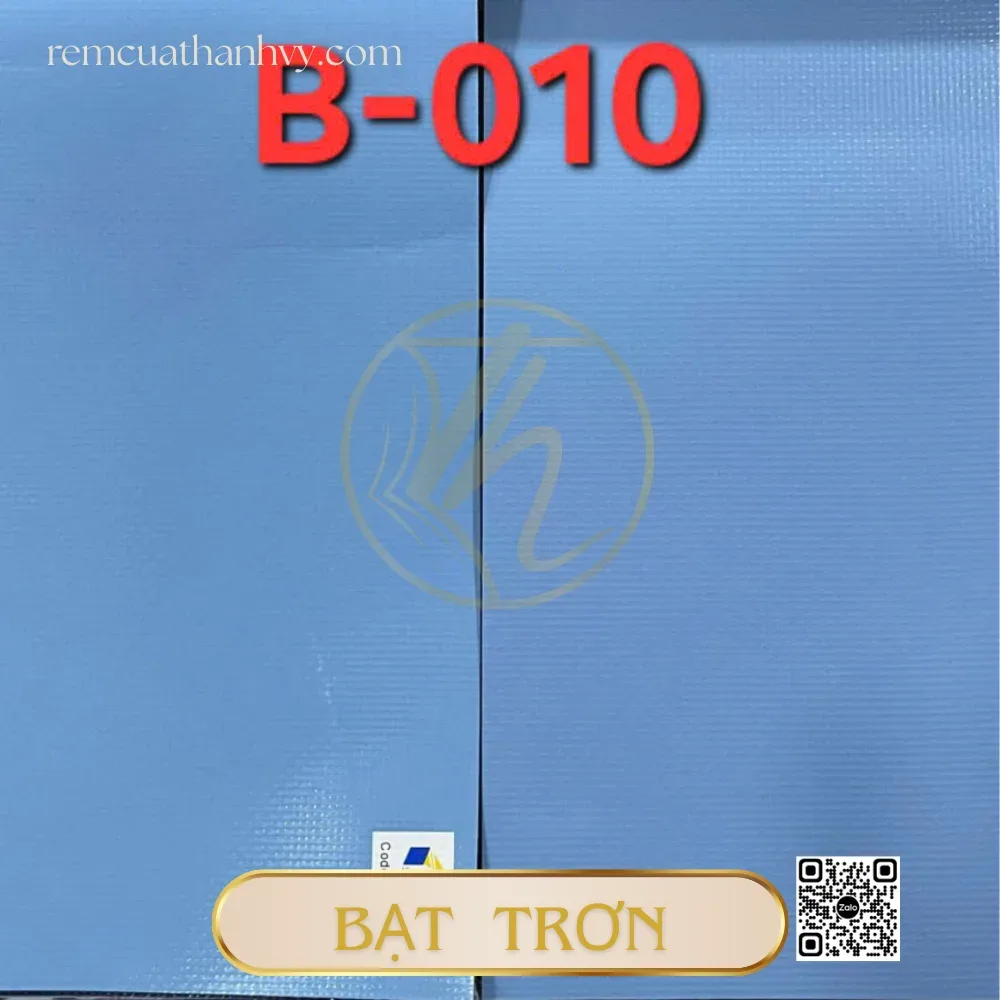
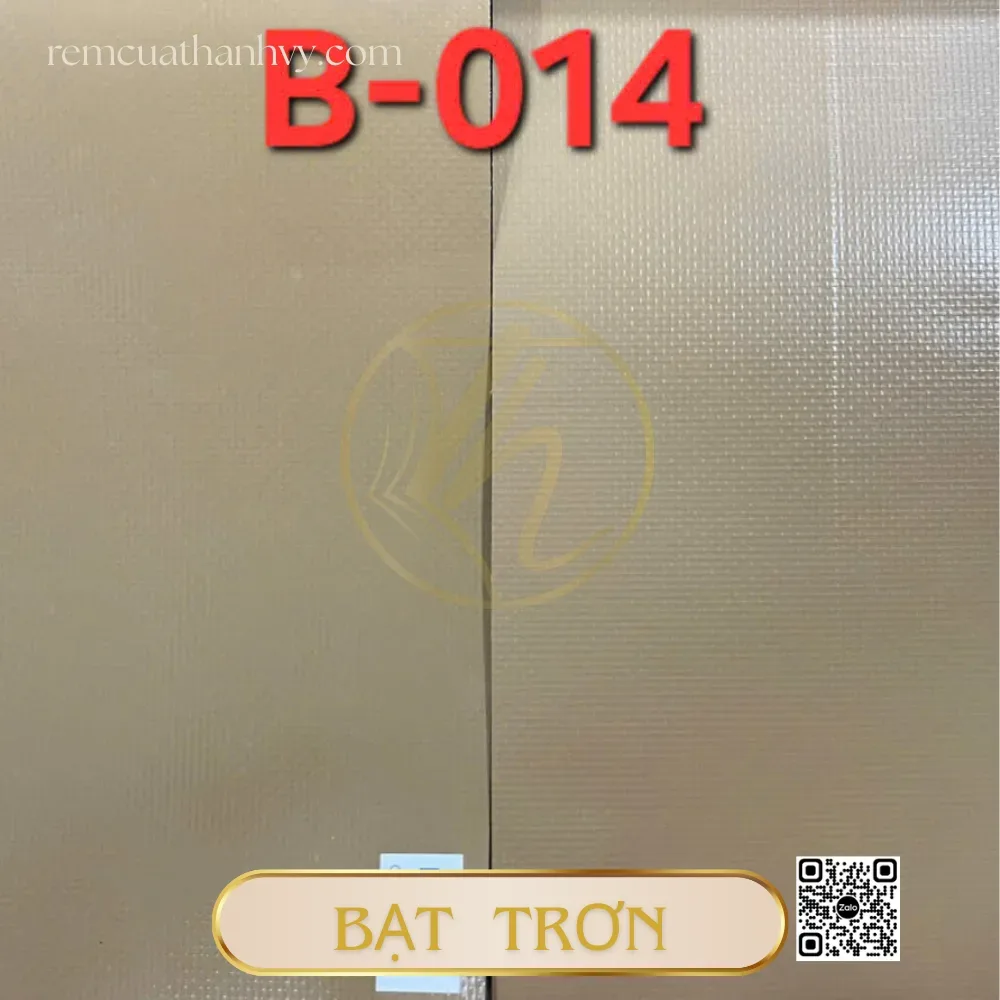
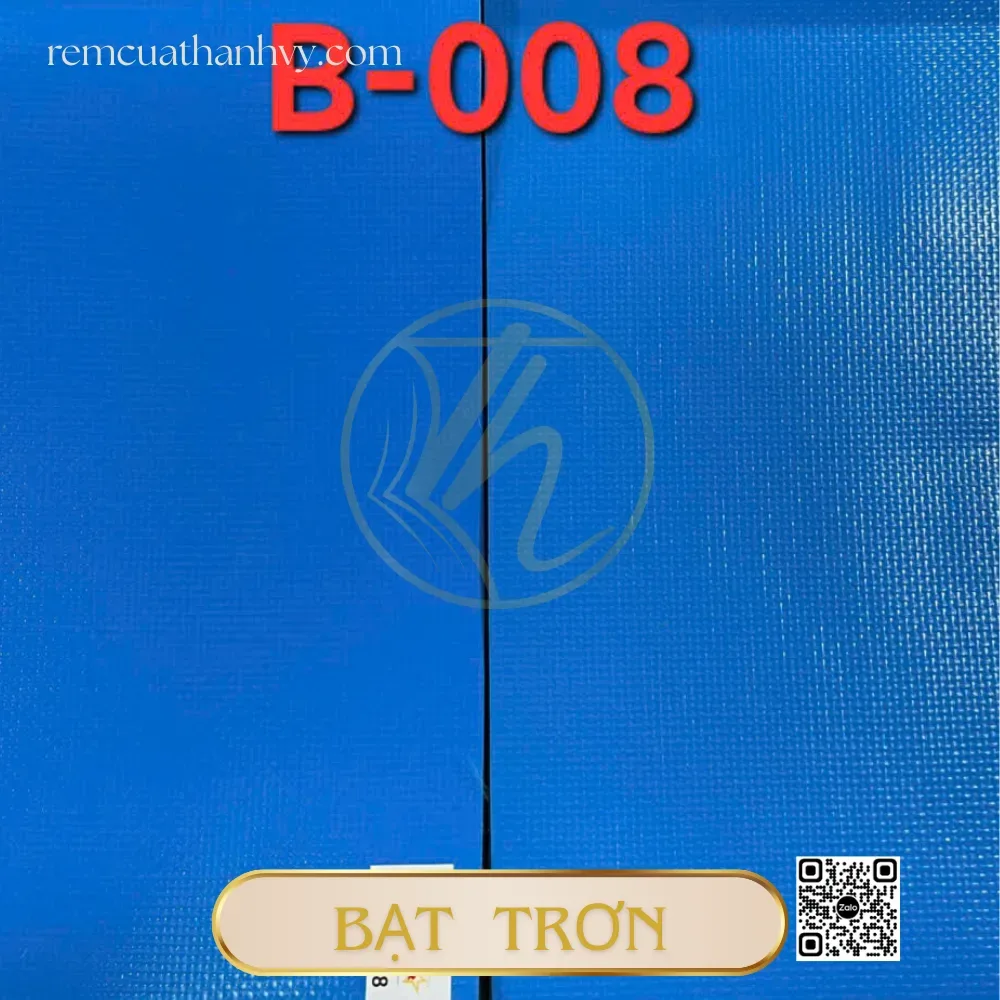
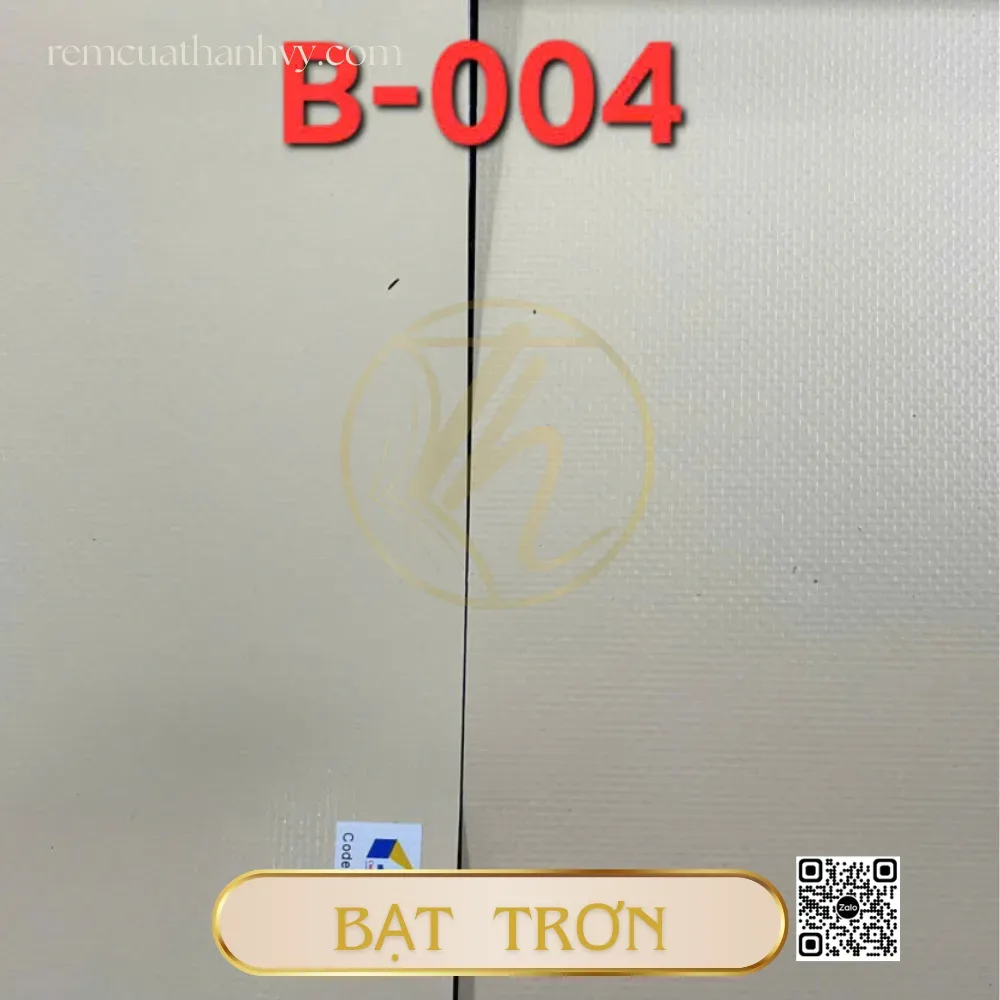
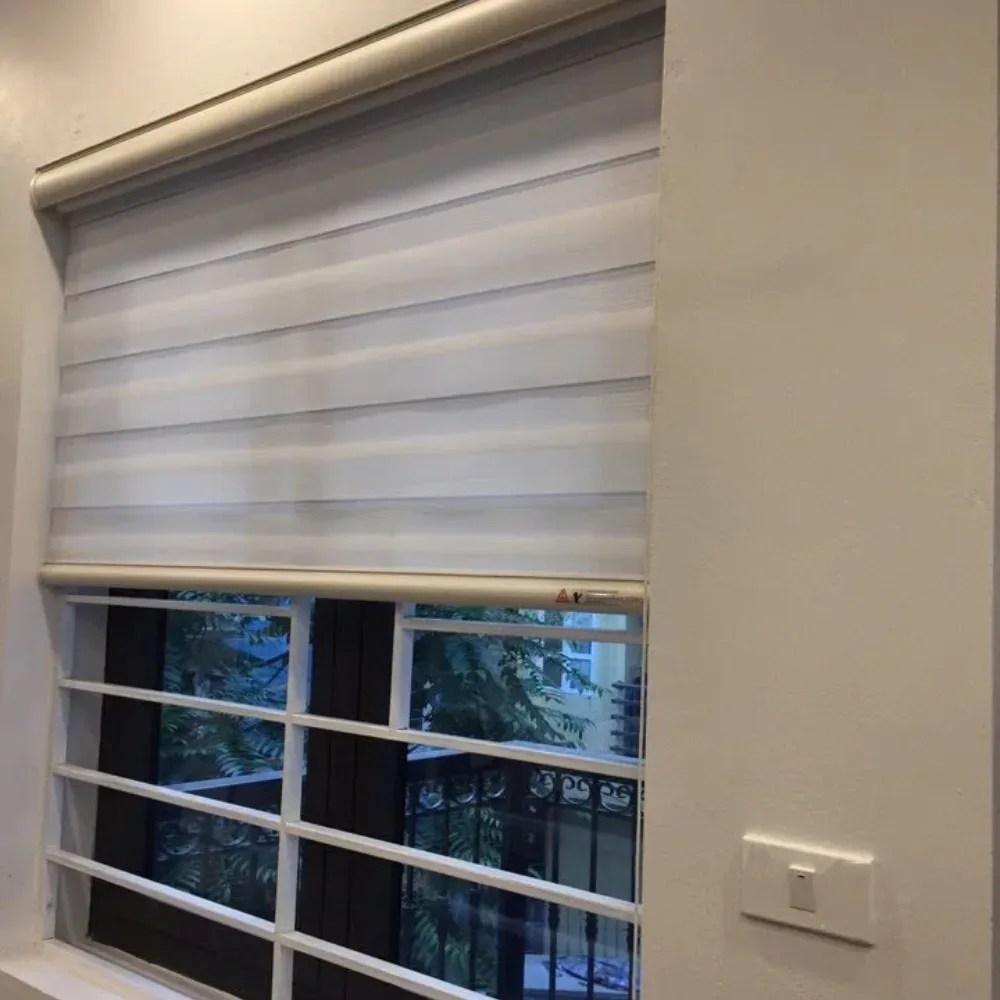
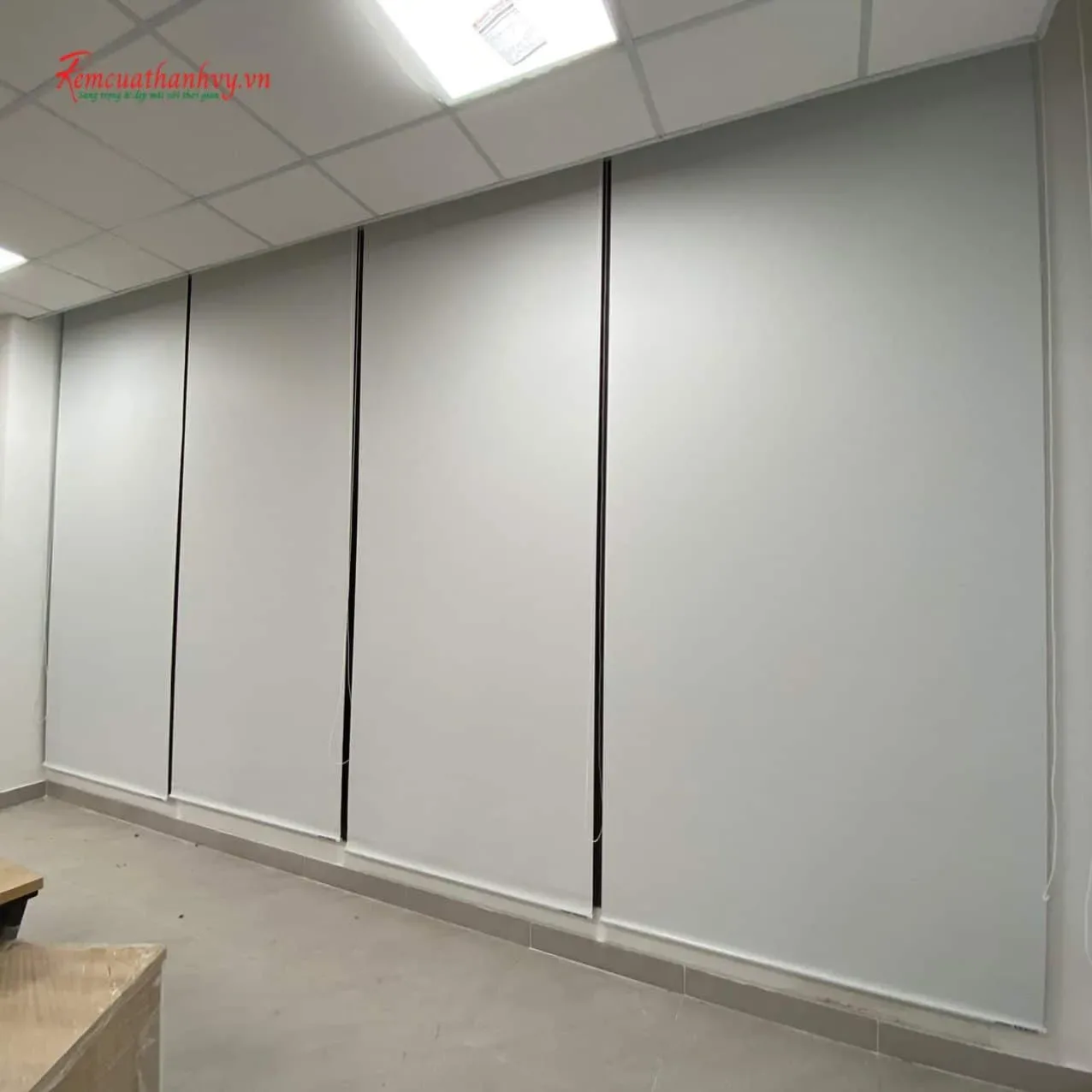
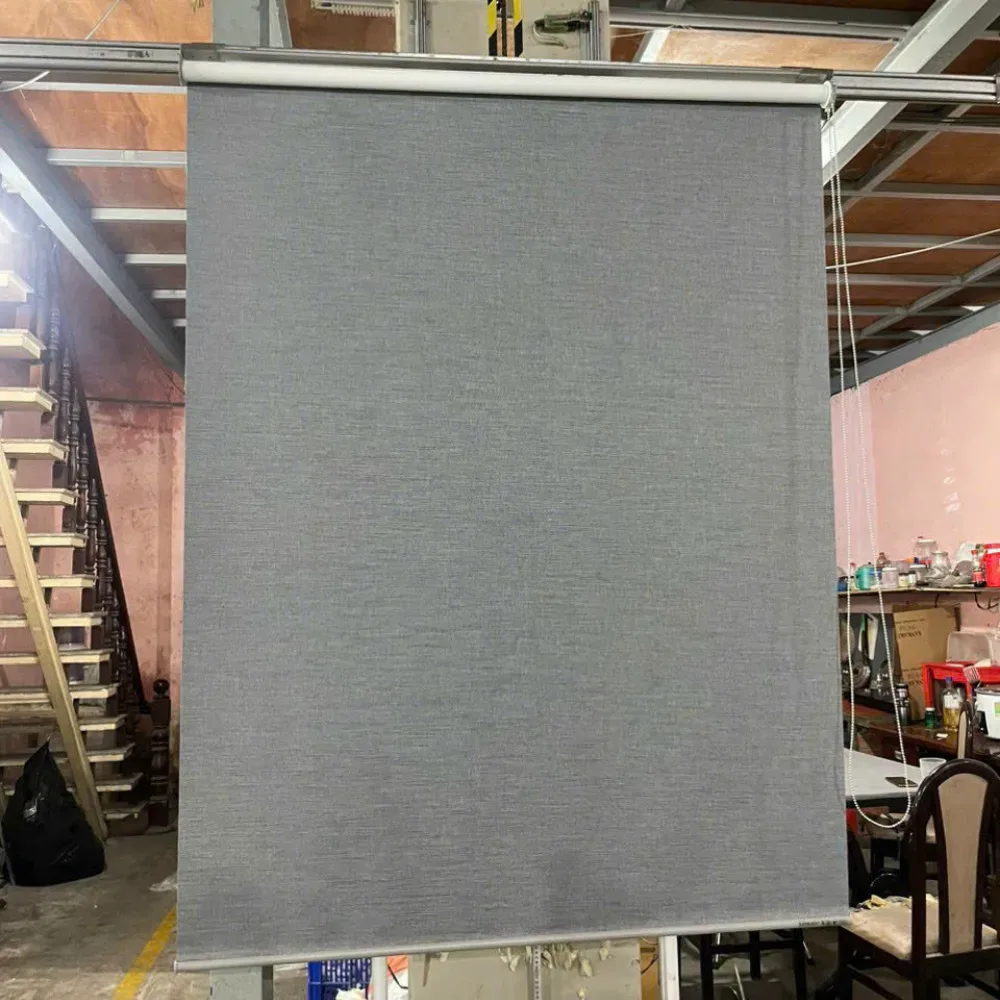
Roller blinds: This is a group worth considering for windows exposed to wind and for kitchens, hallways, and bathrooms. The flat surface of roller blinds has few gaps, so salt that settles on it is much easier to wipe clean with a damp cloth than fabric with pleats. However, the roller mechanism is where the most metal components are concentrated, so when used in a salt-affected area, the roller hardware is what needs to be selected carefully, not the fabric panel. Information about the unit also appears in the concept of curtains in architecture.
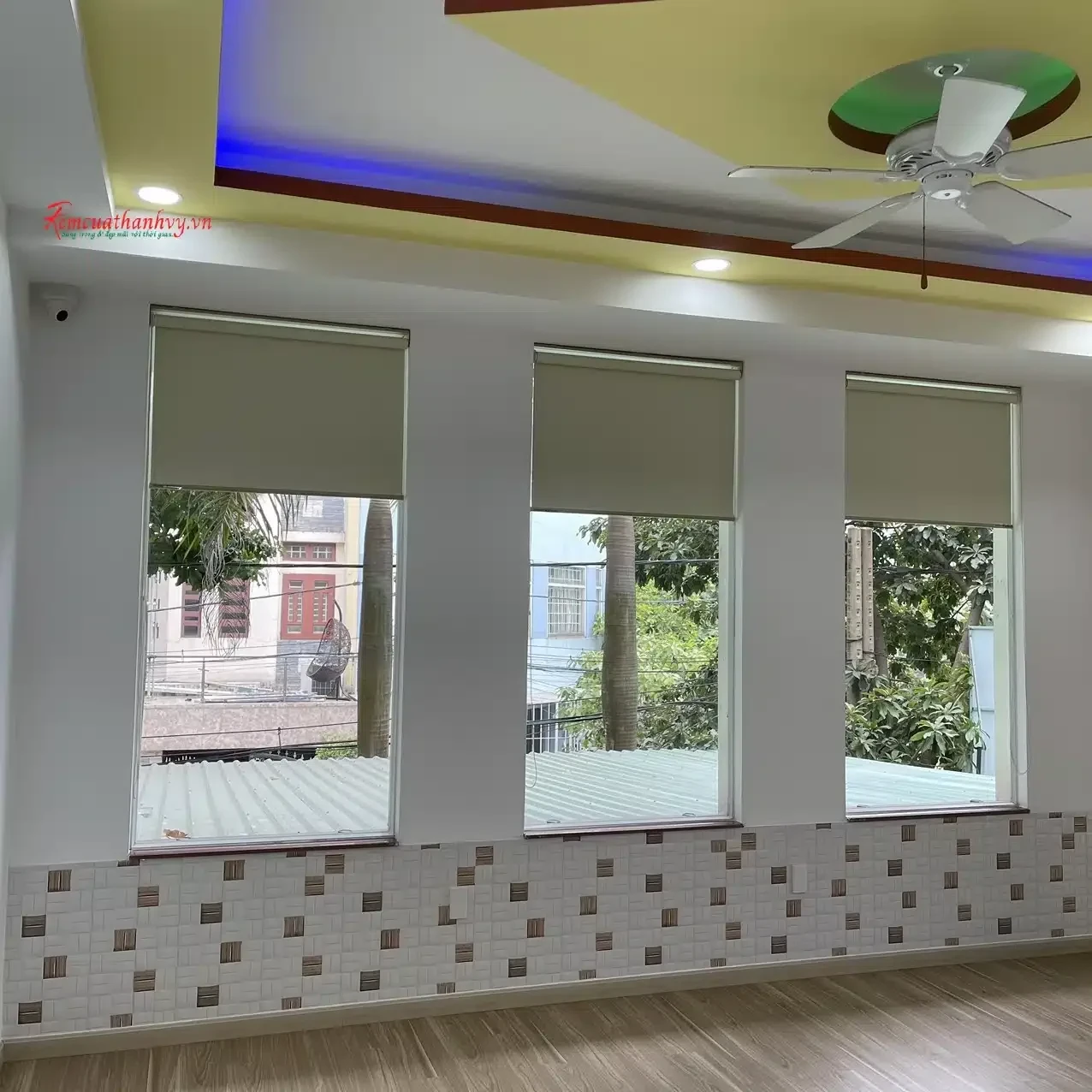
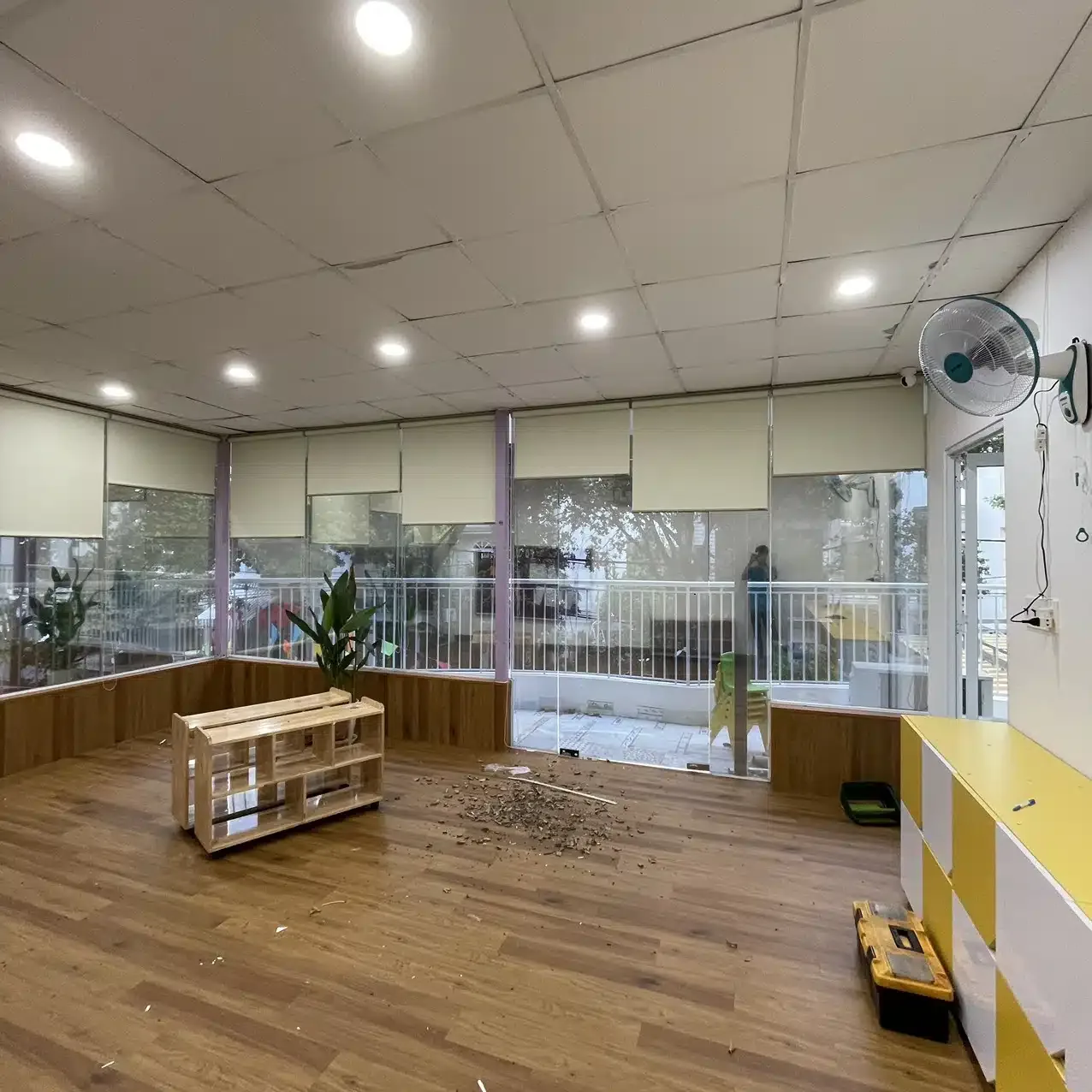
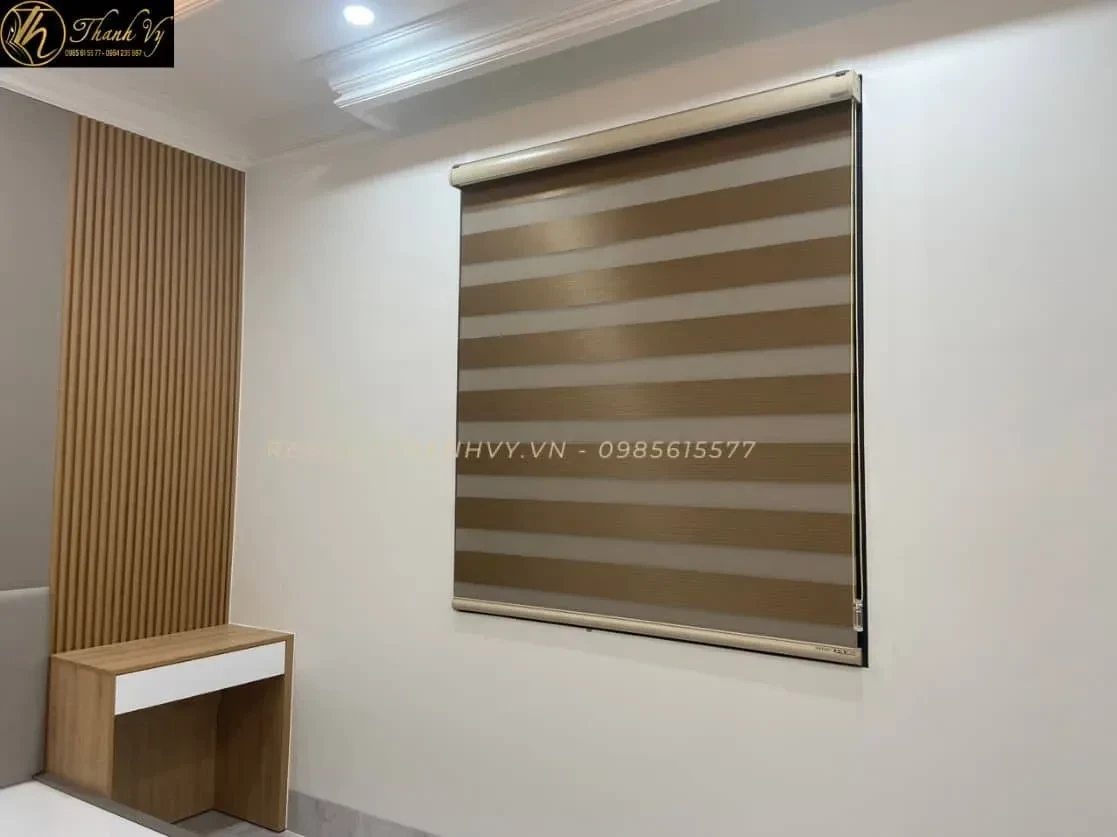
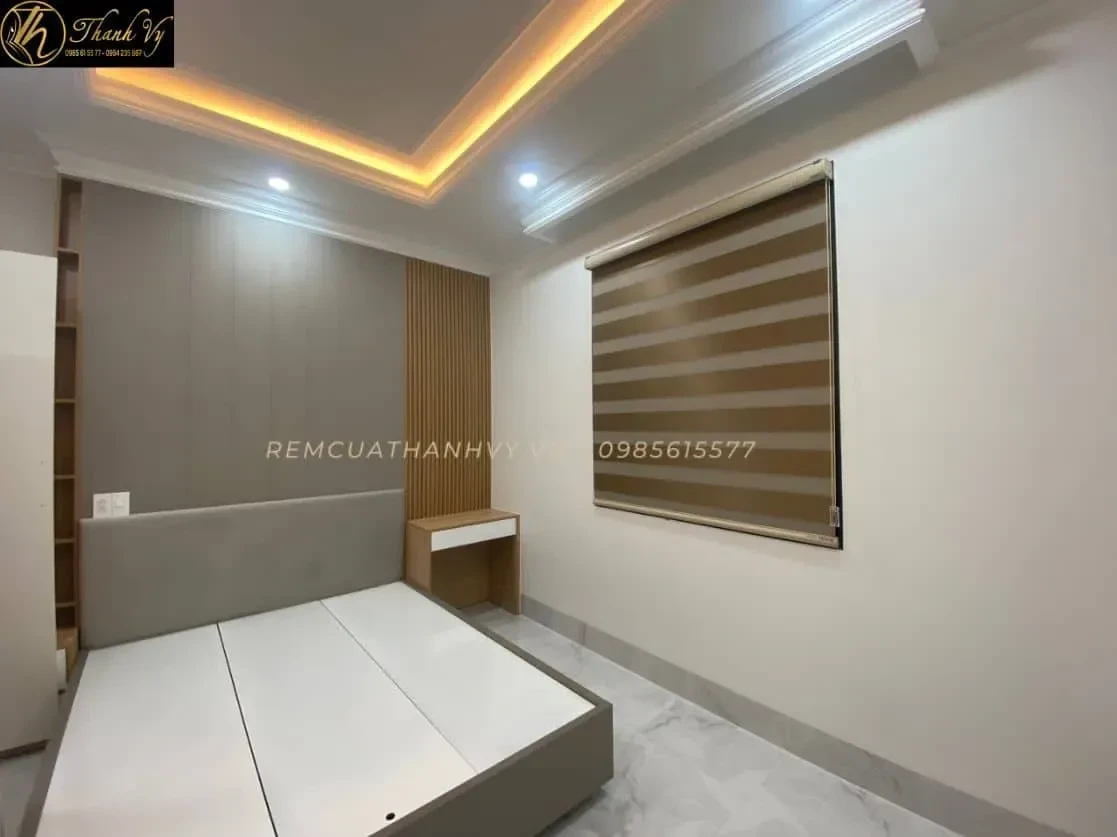
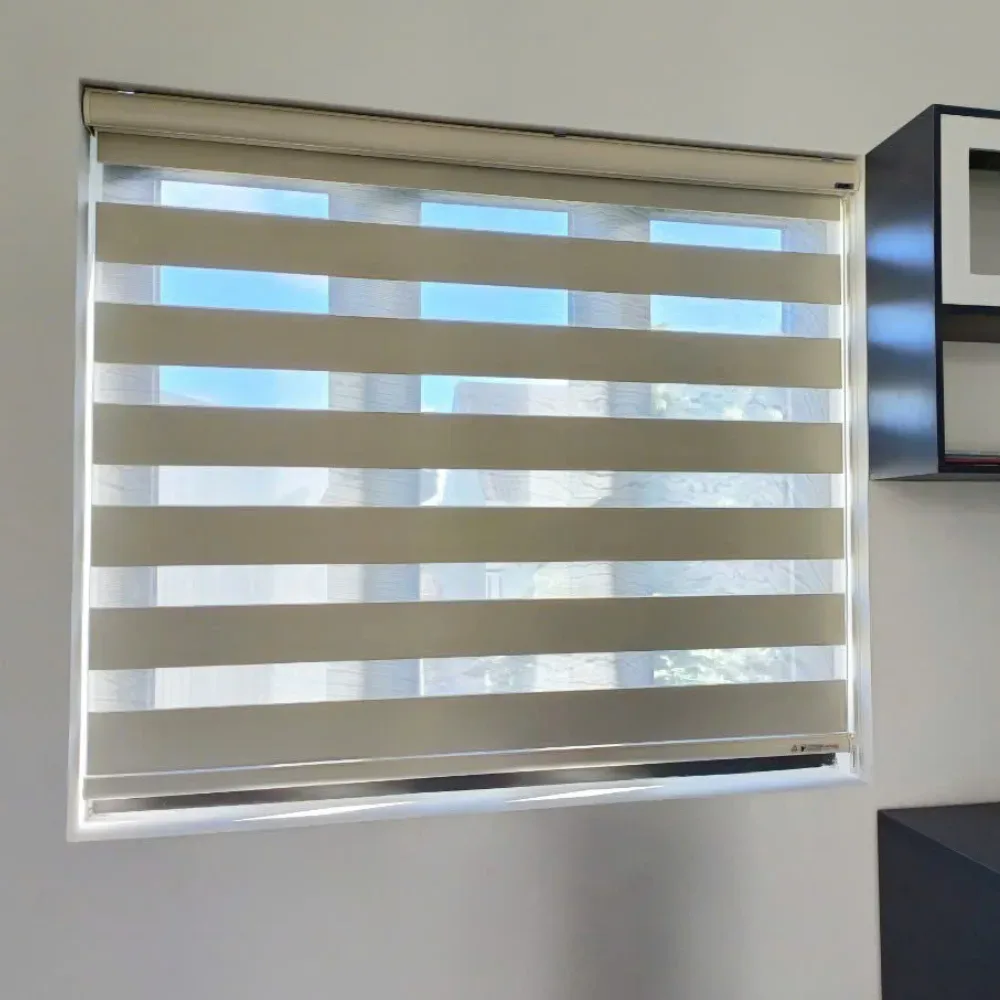
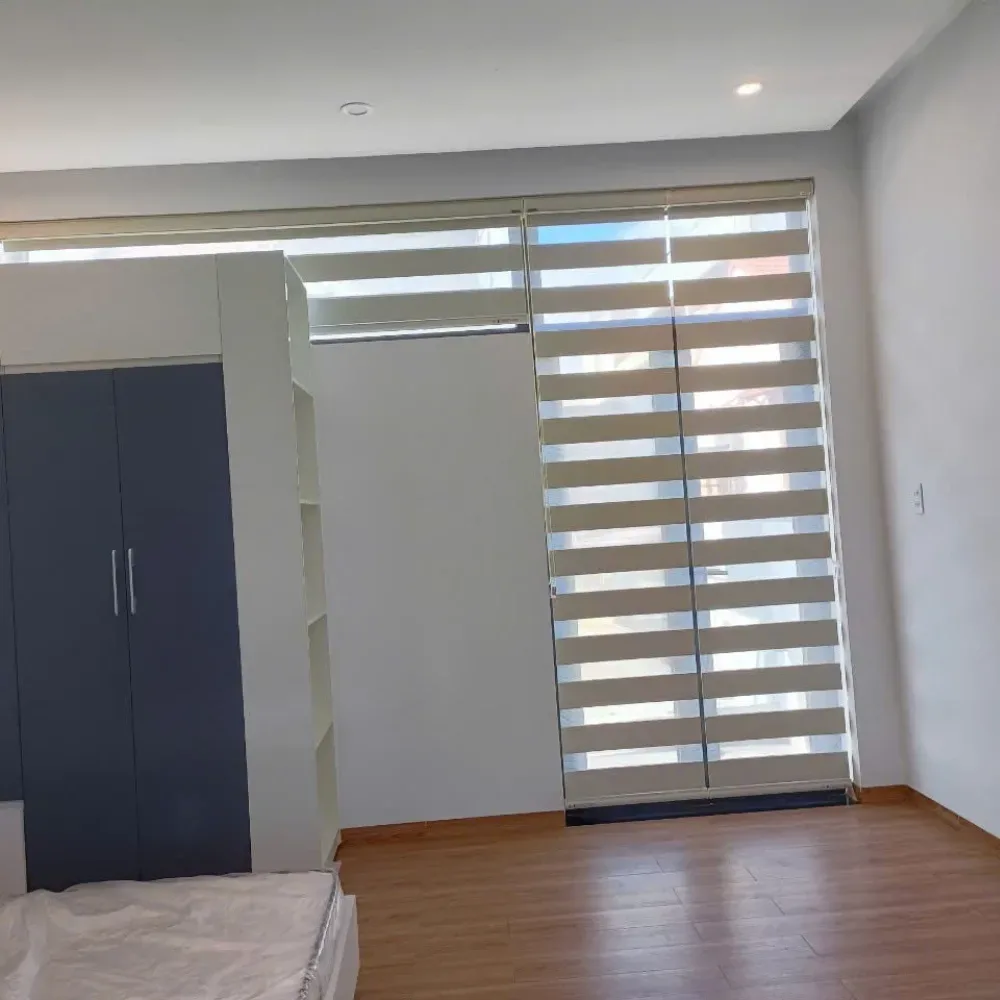
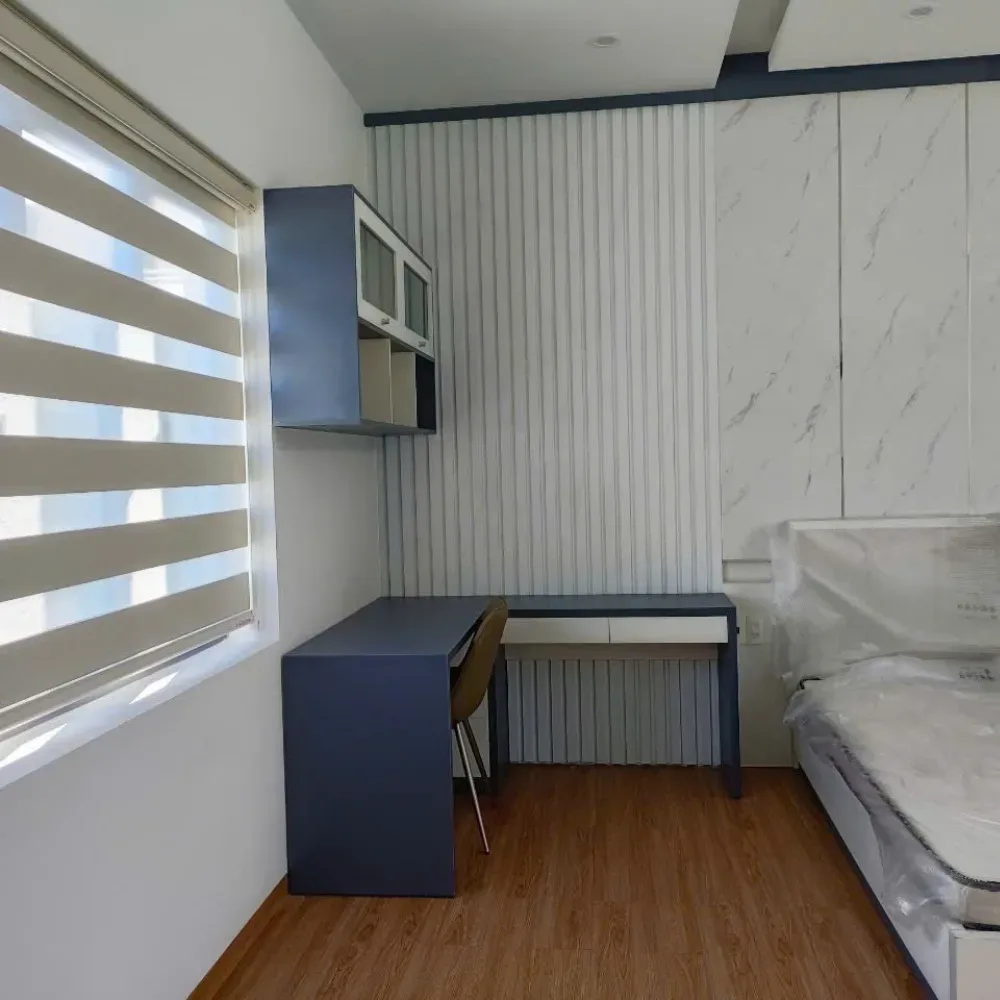
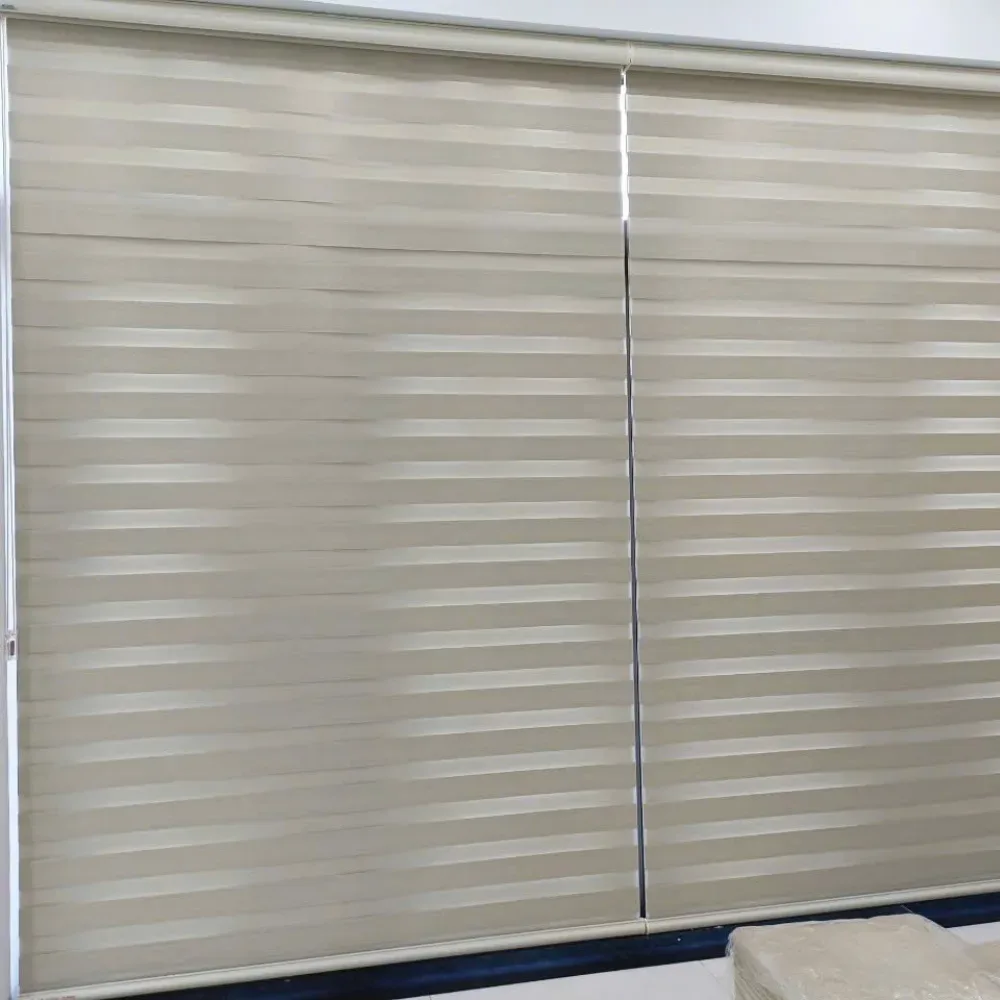
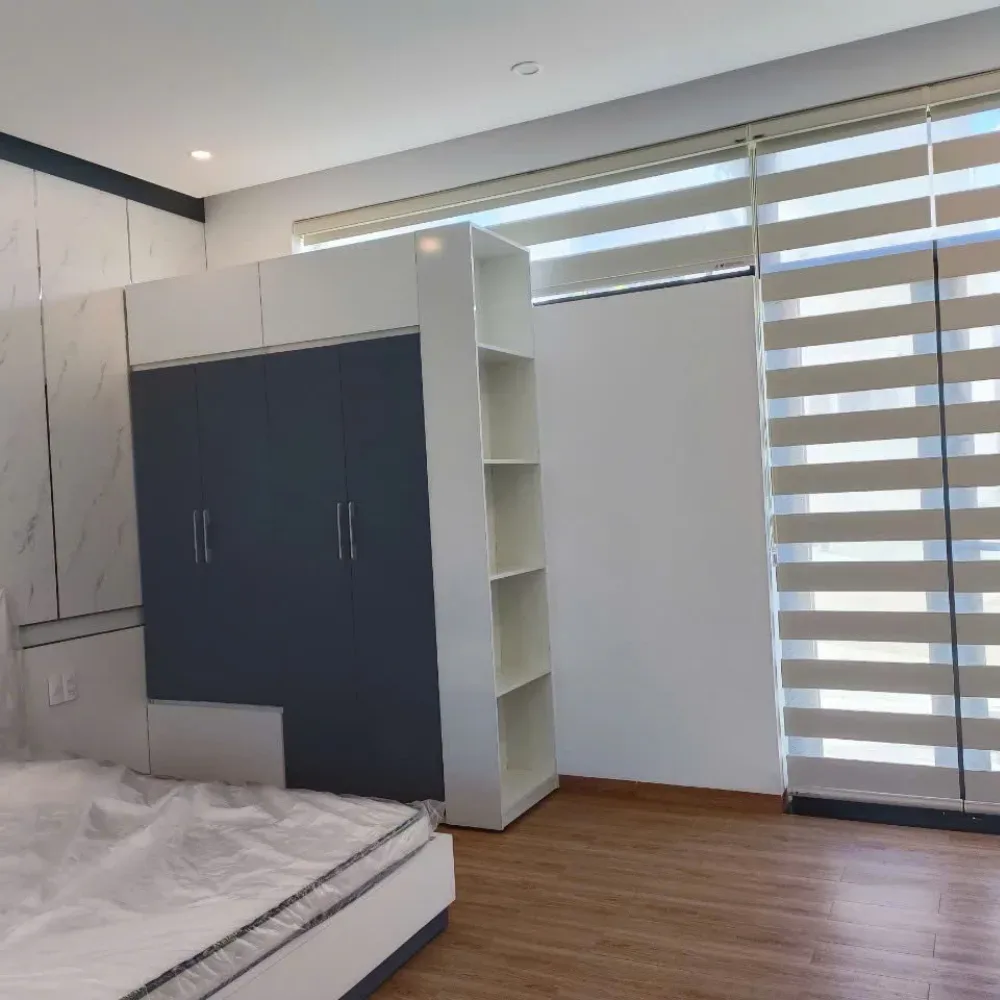
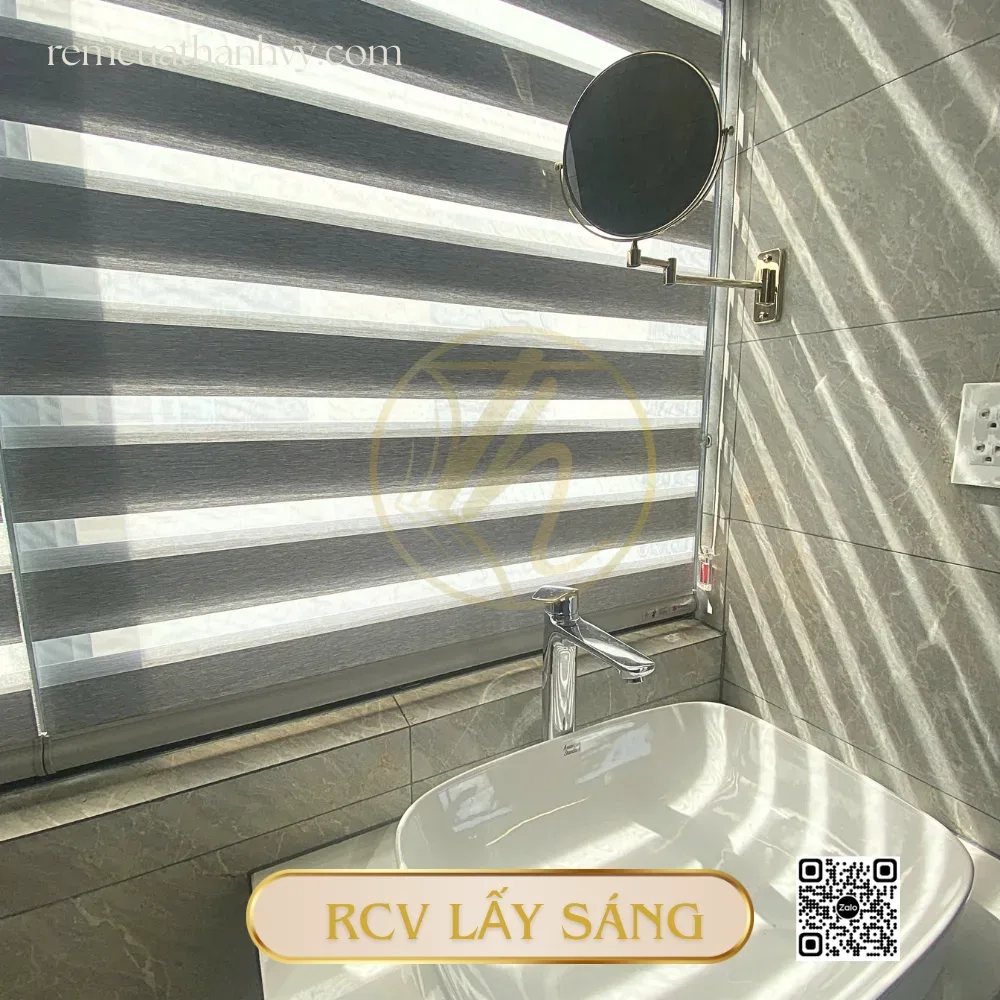
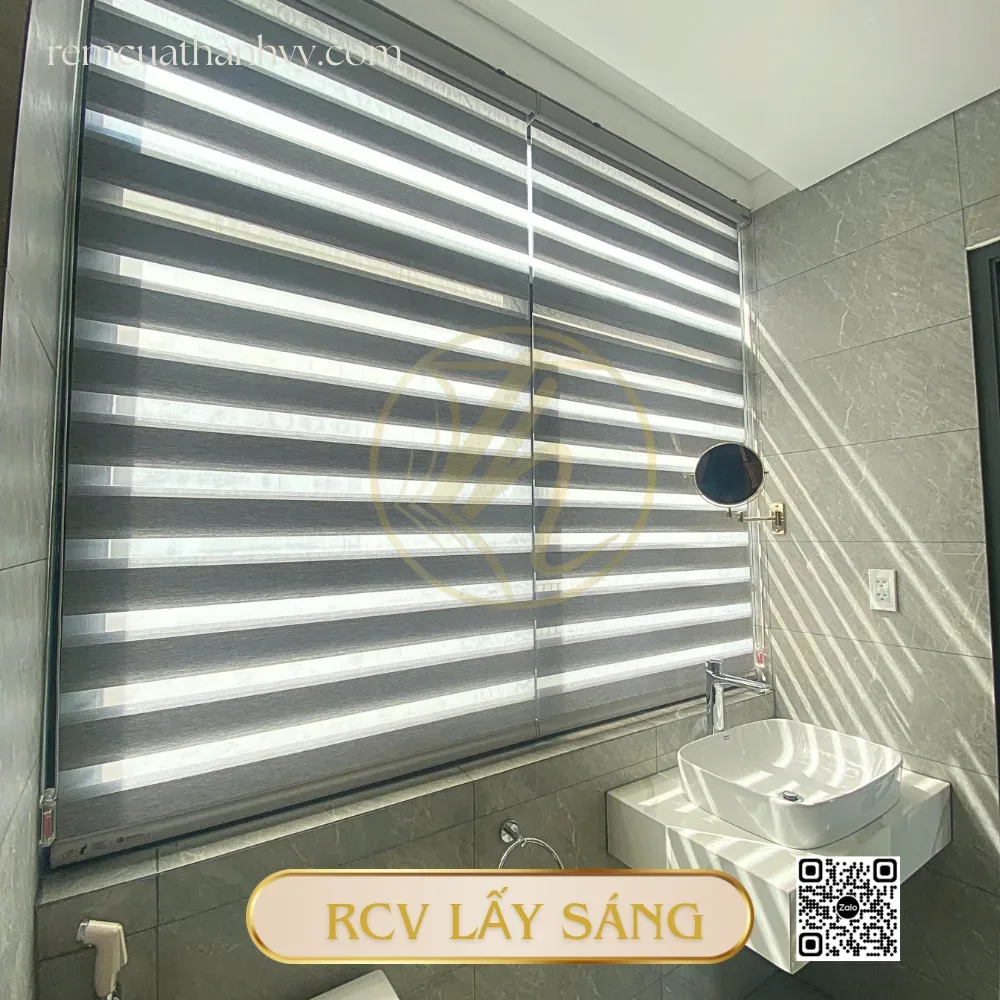
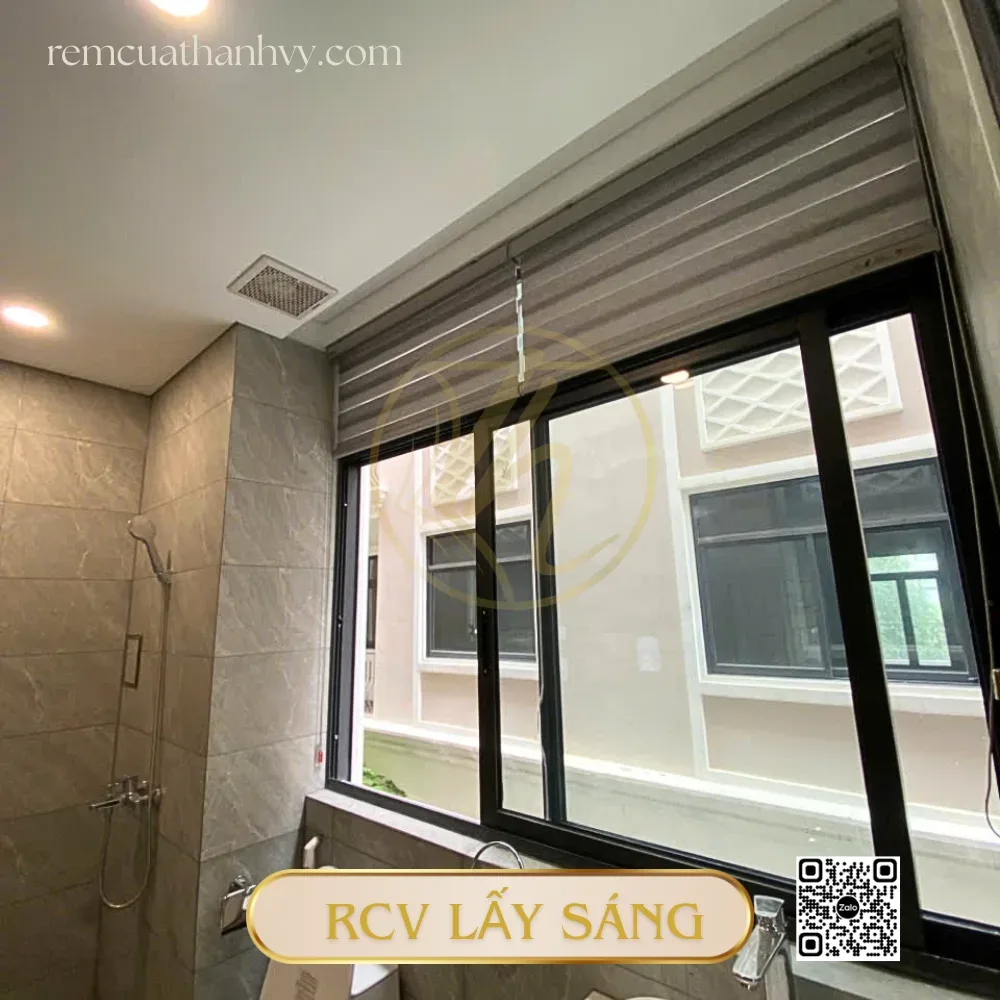
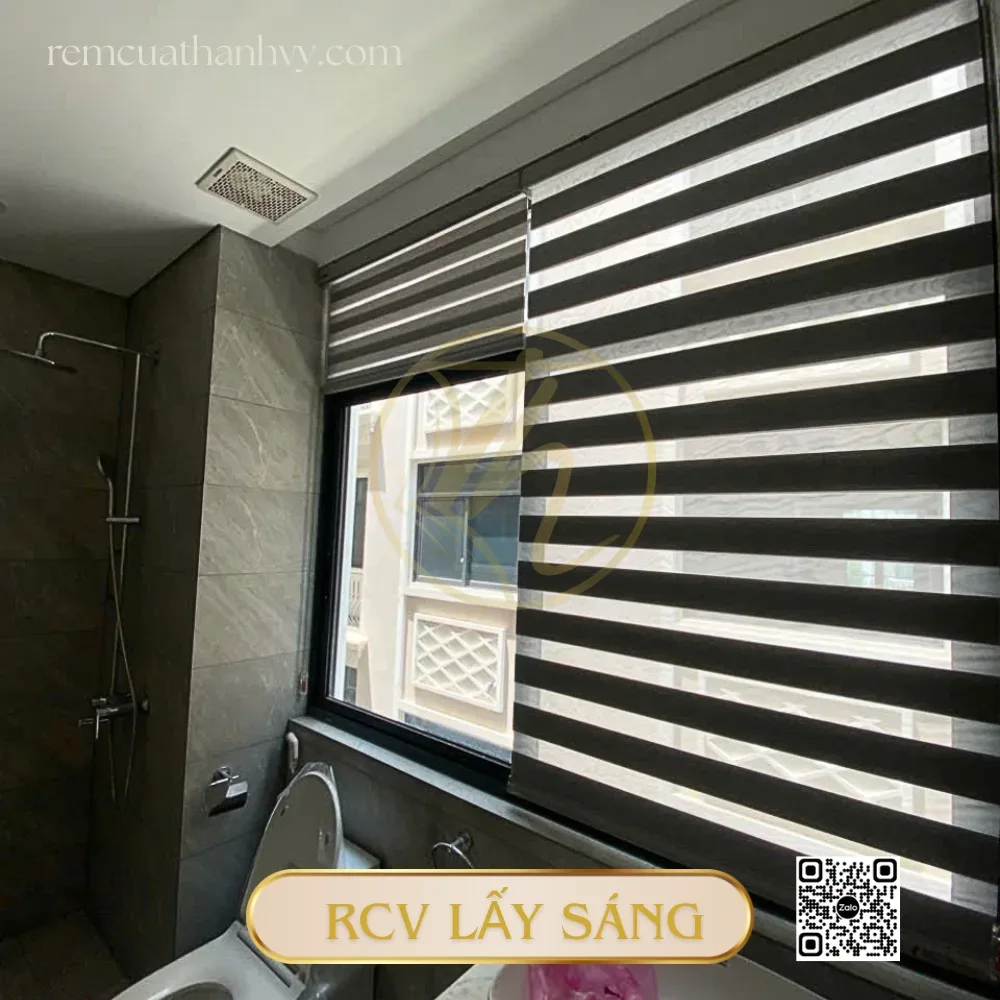
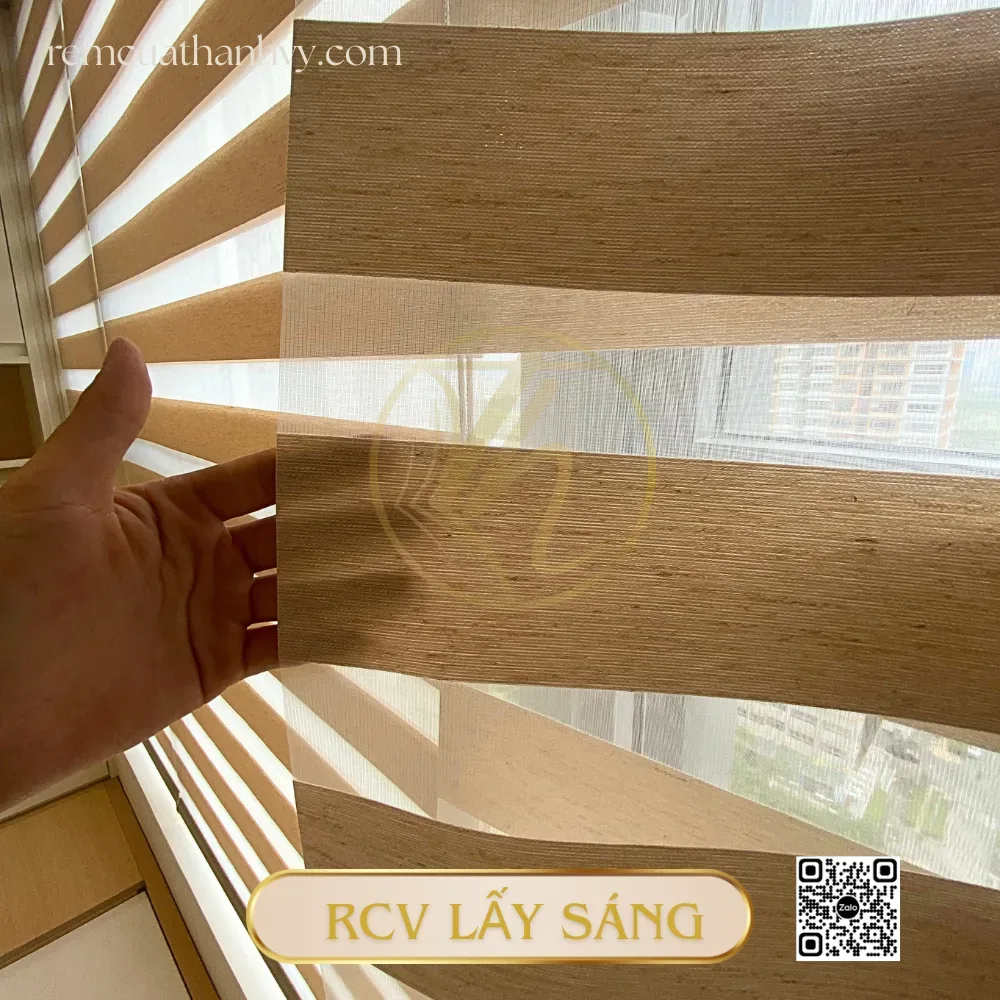
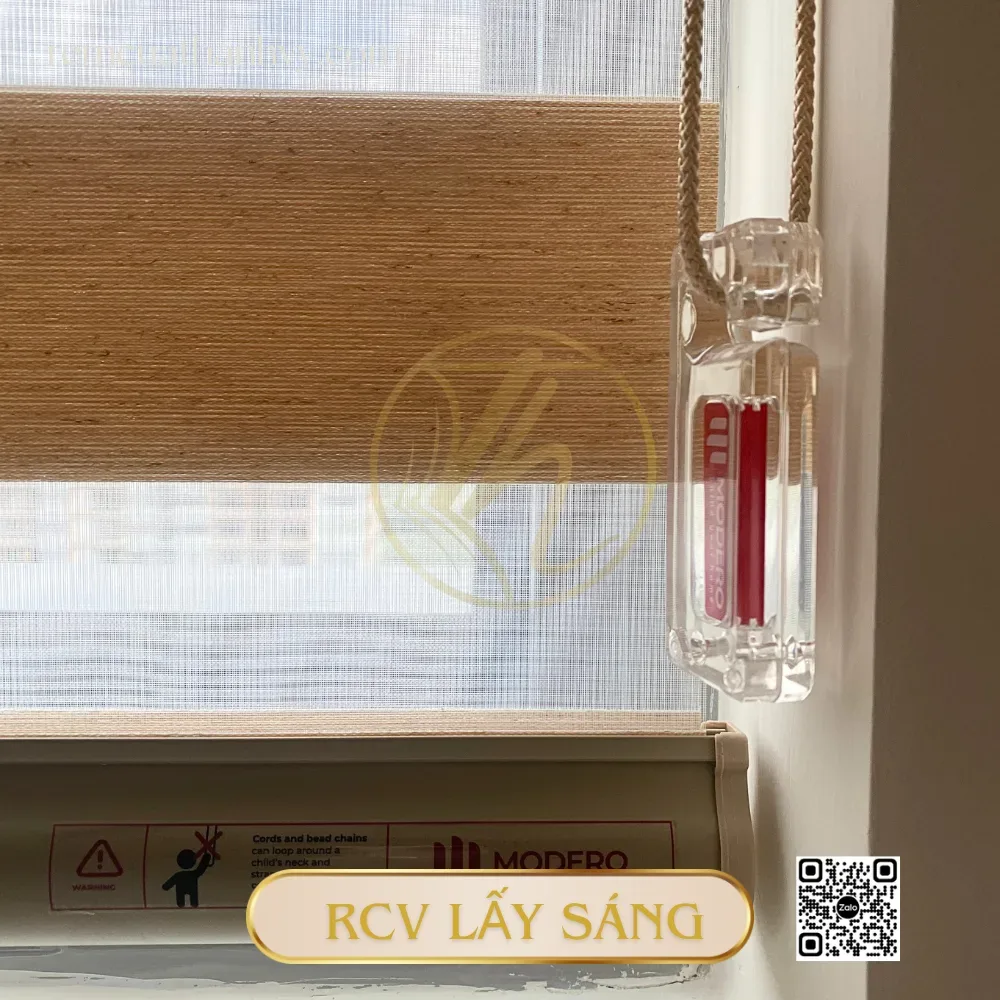
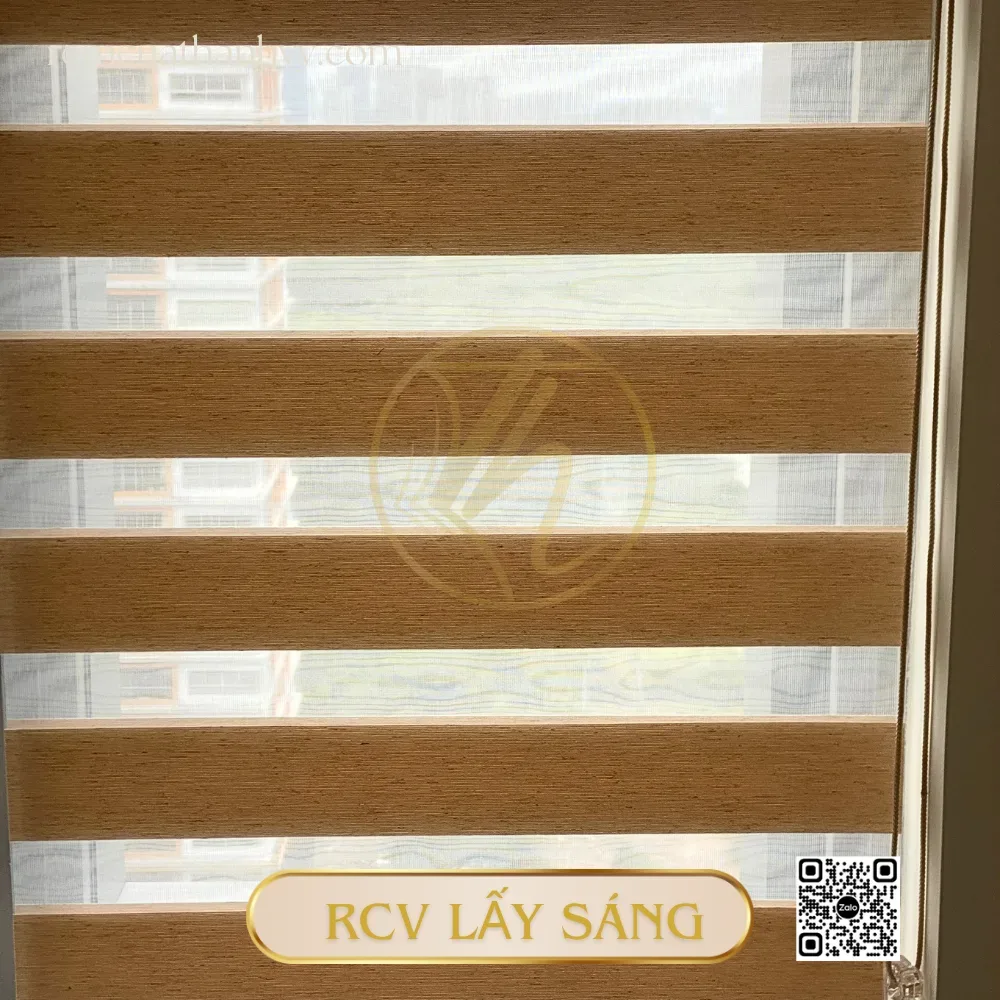
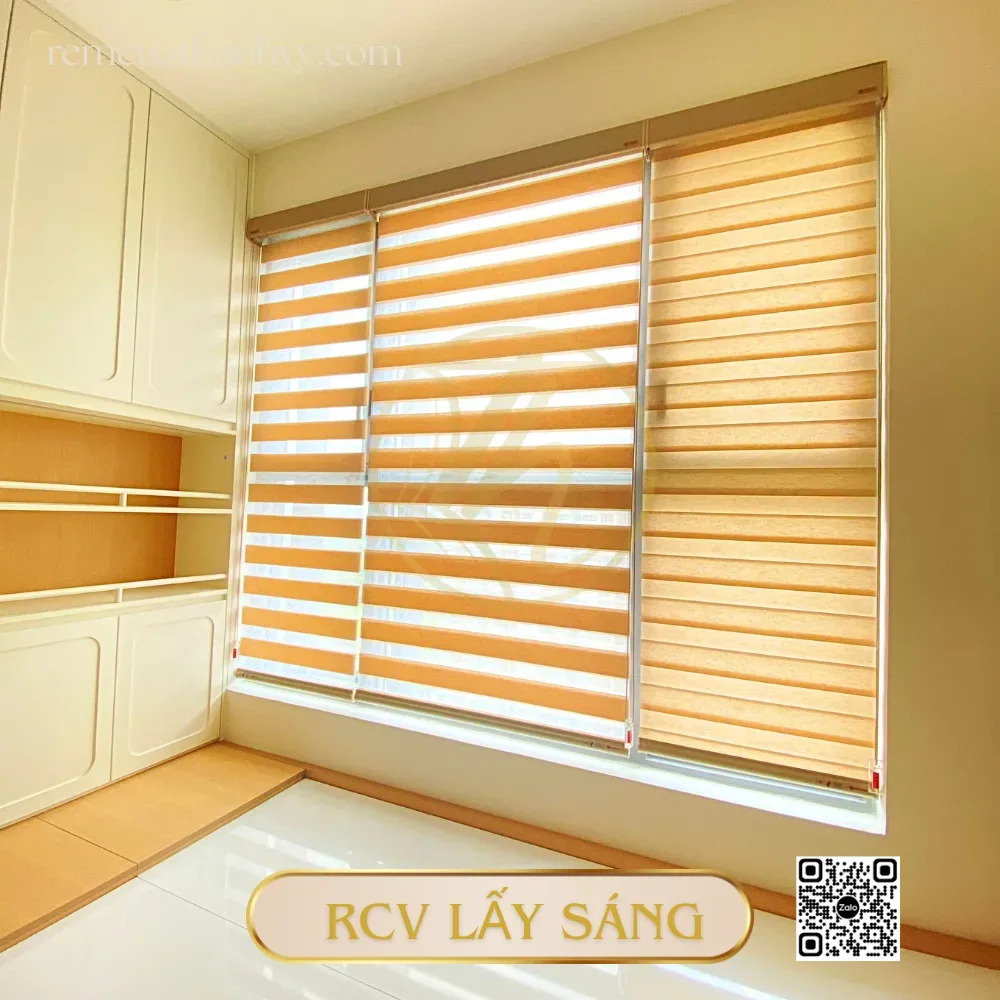
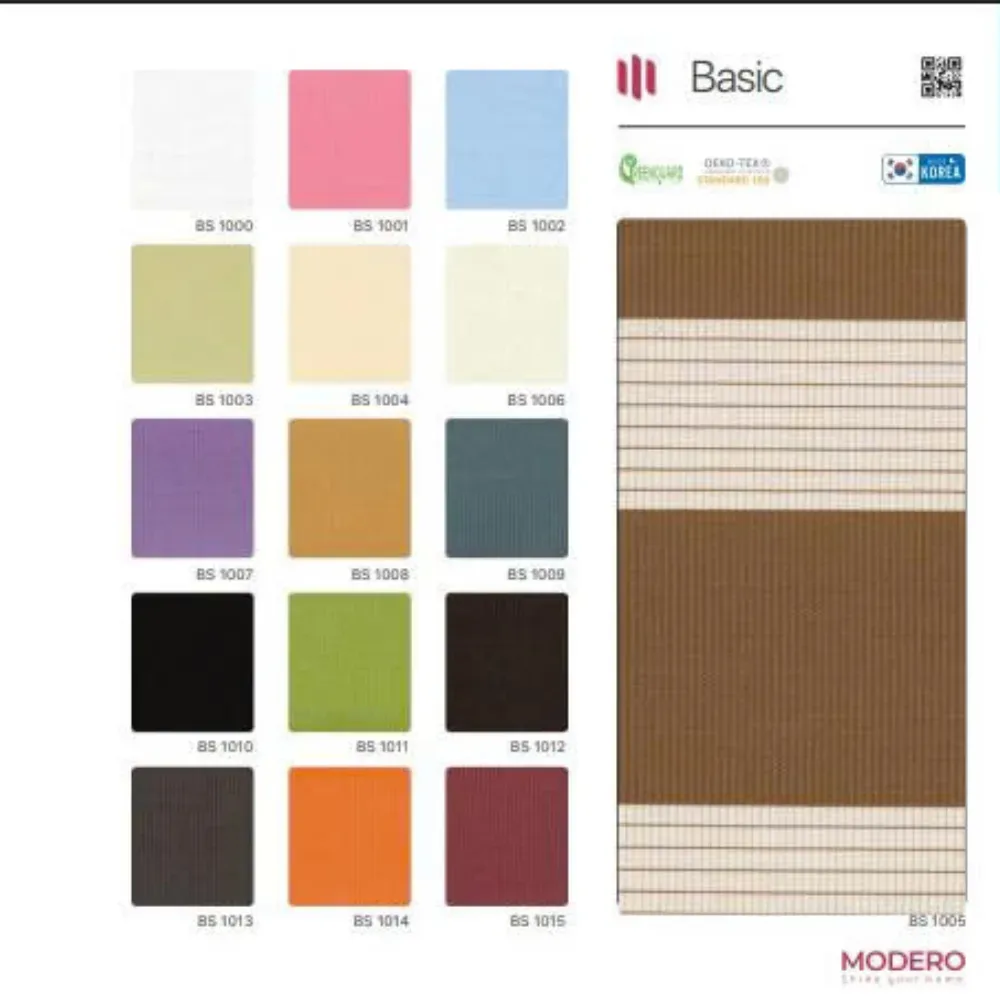
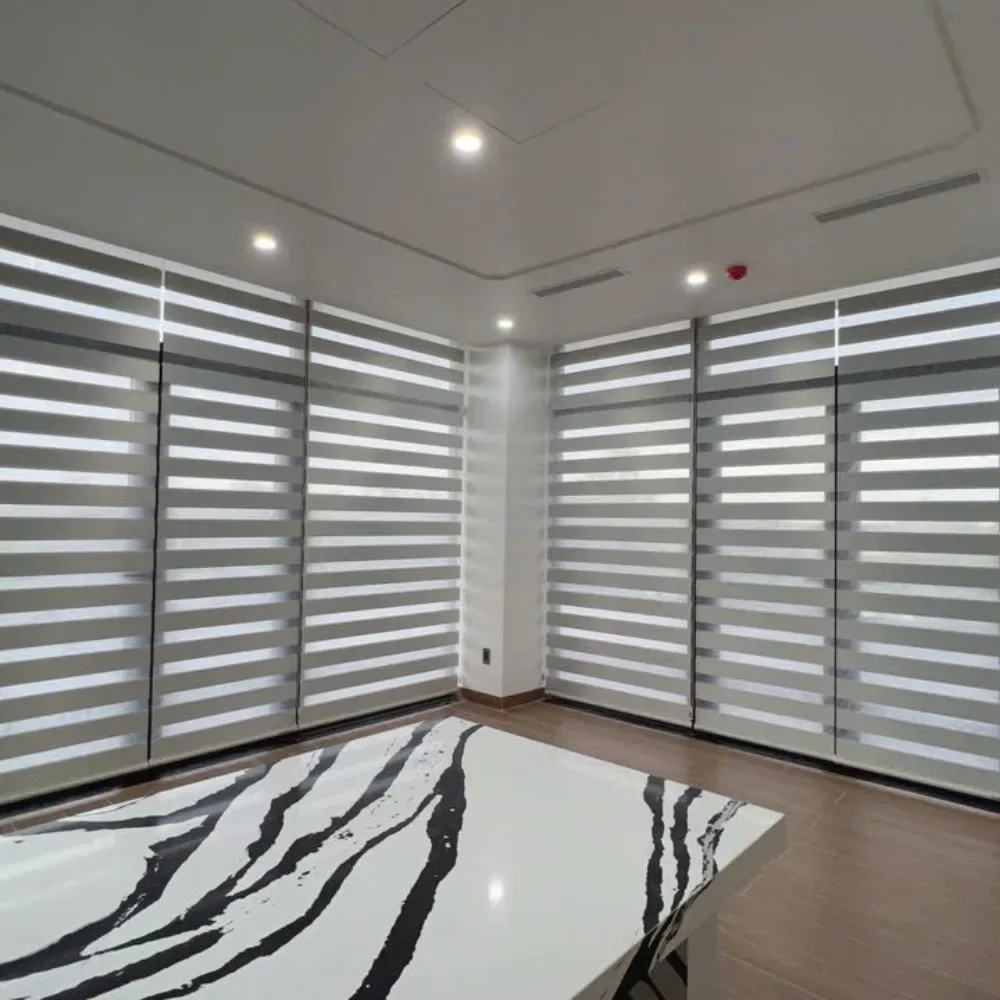
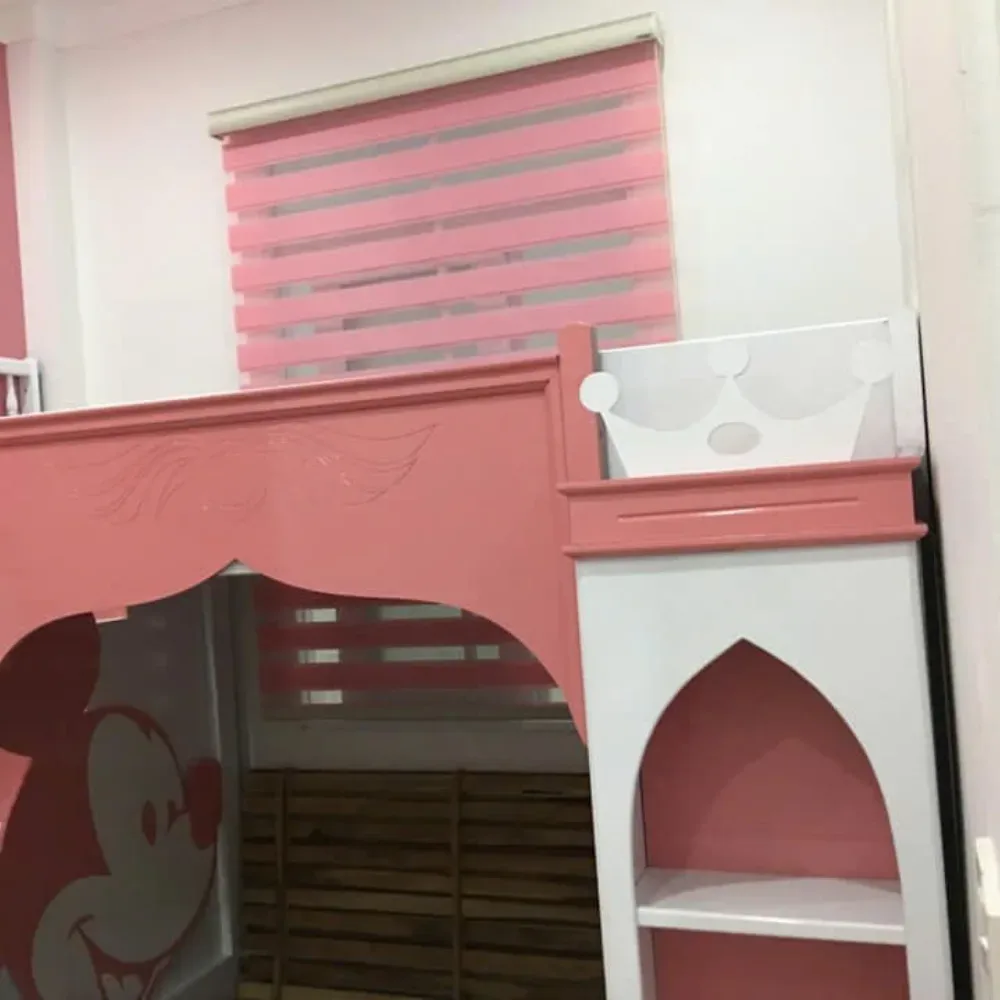
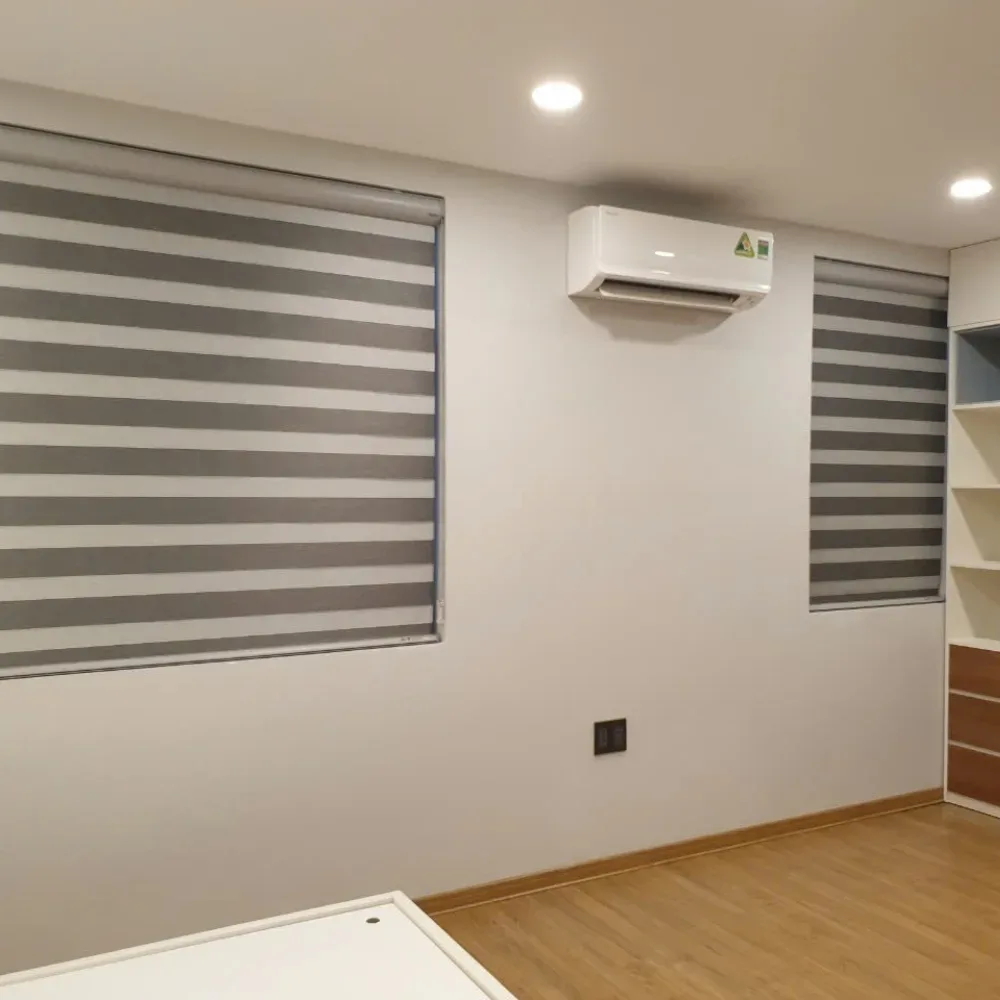
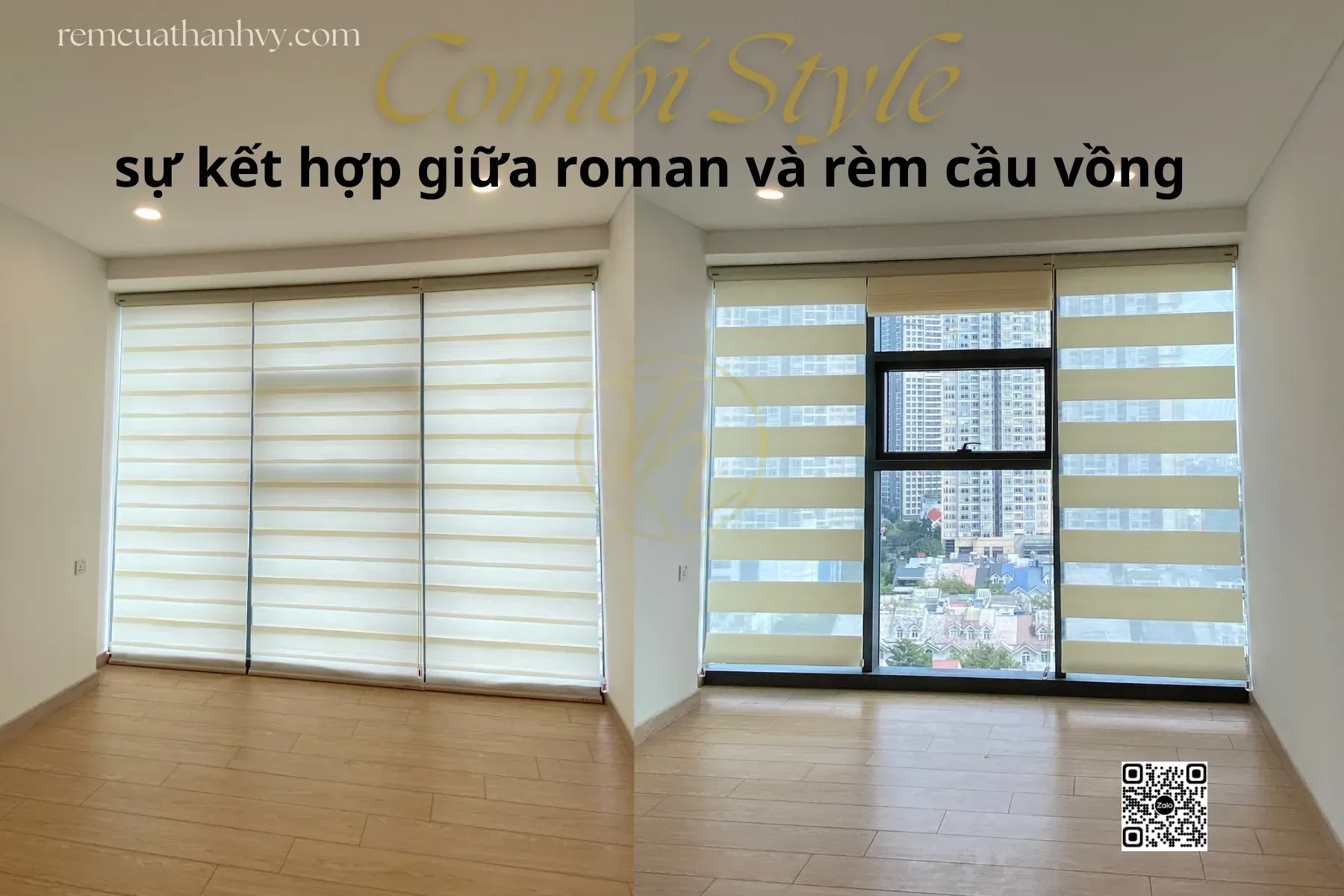
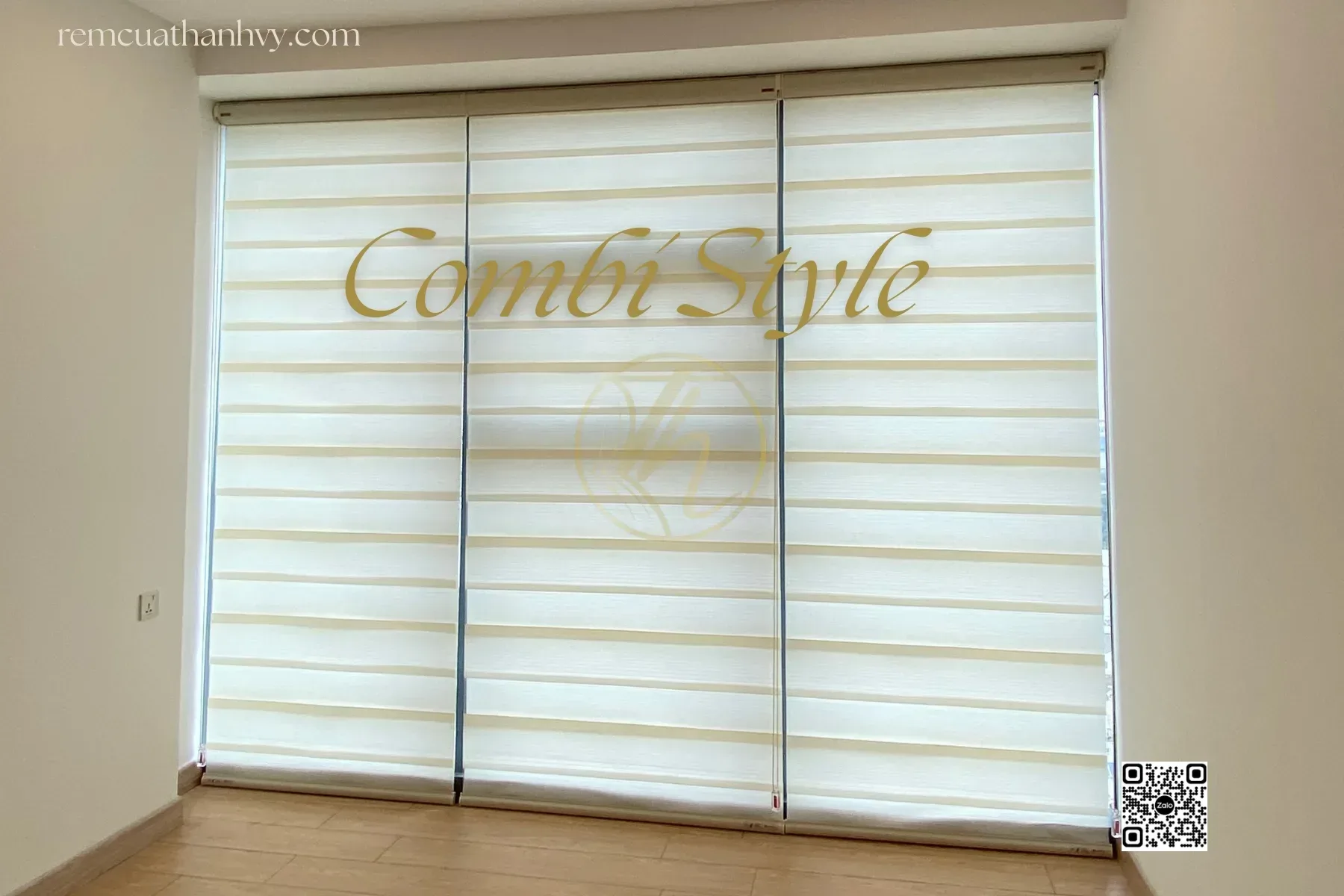
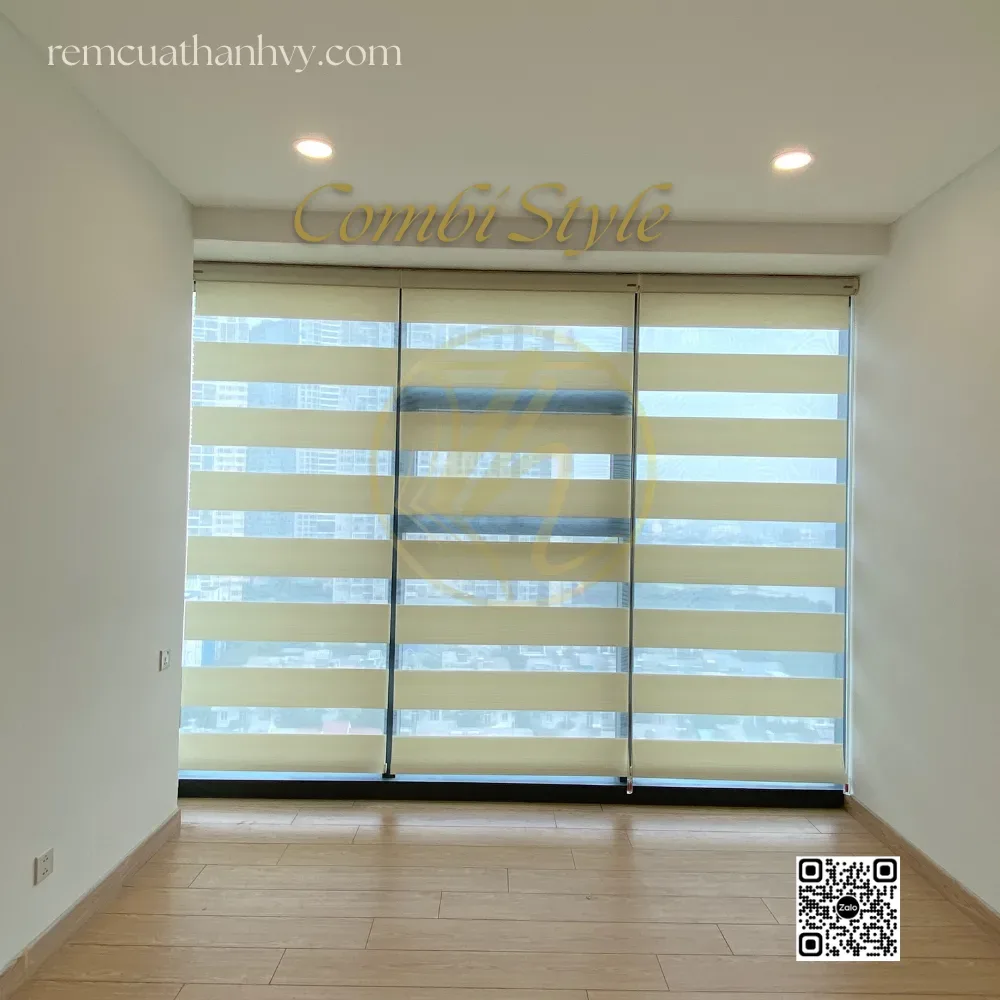
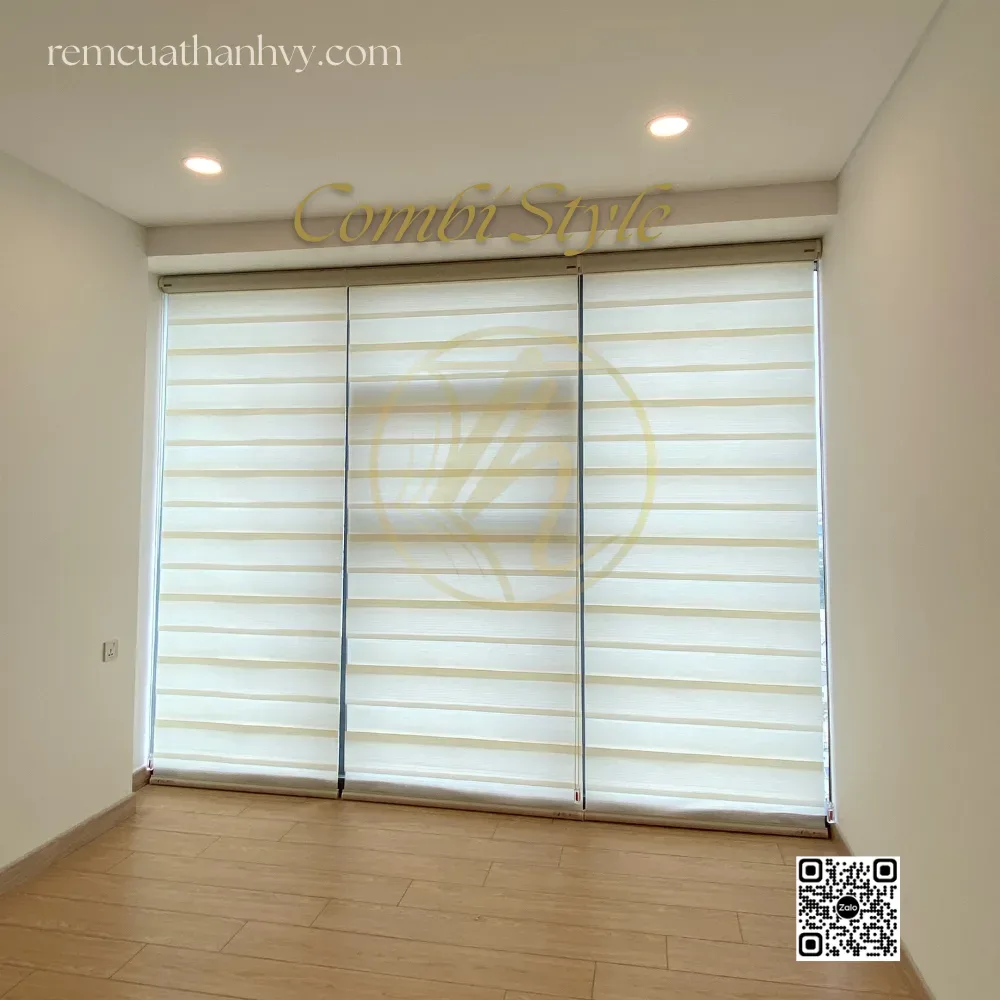
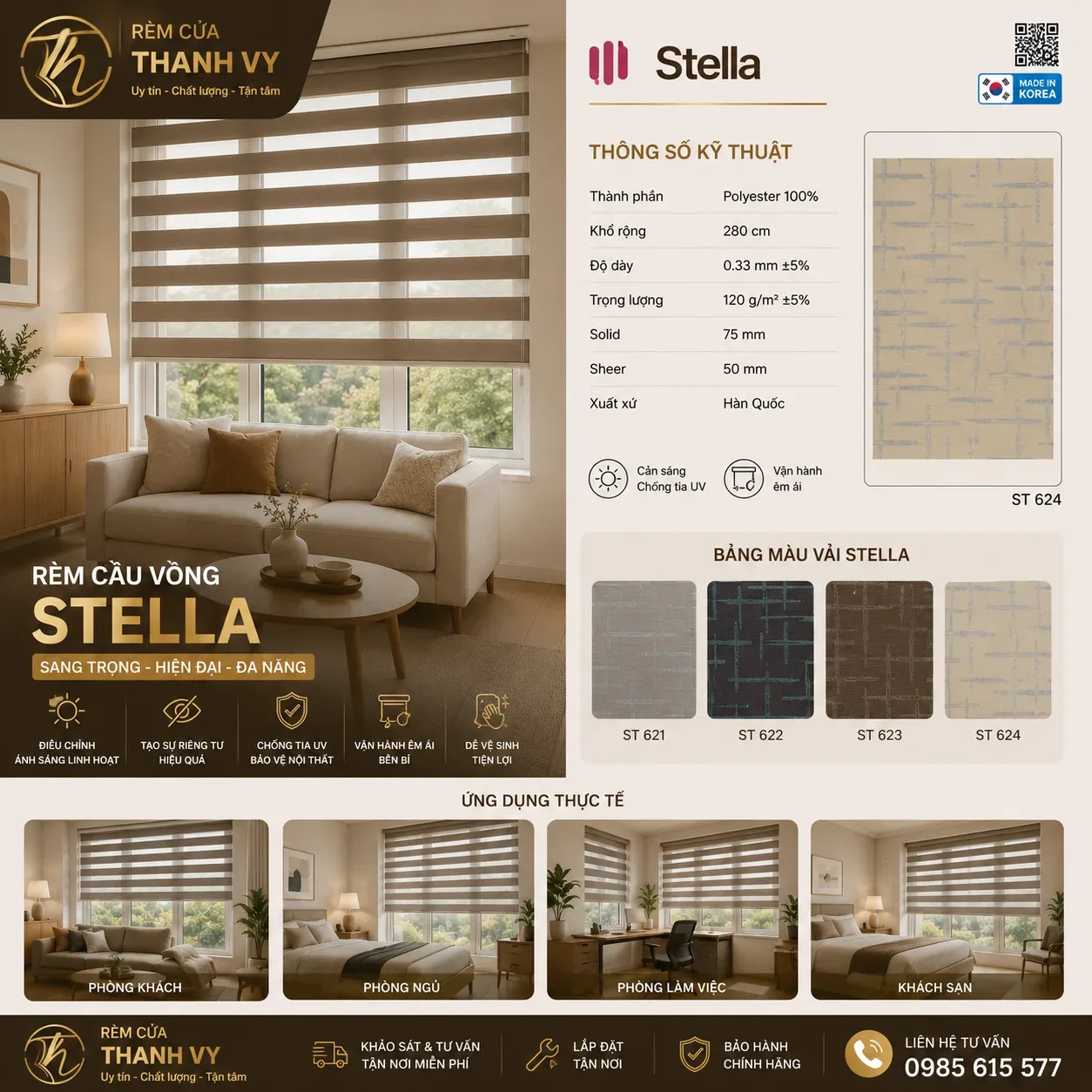
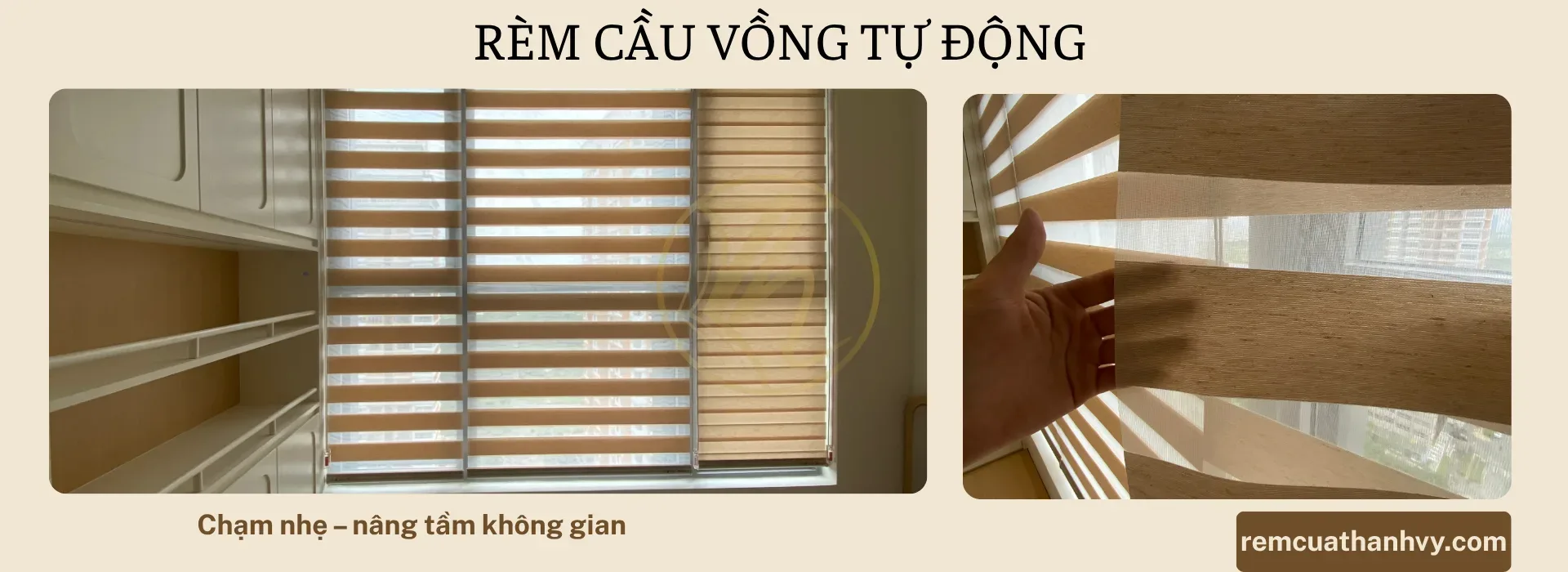
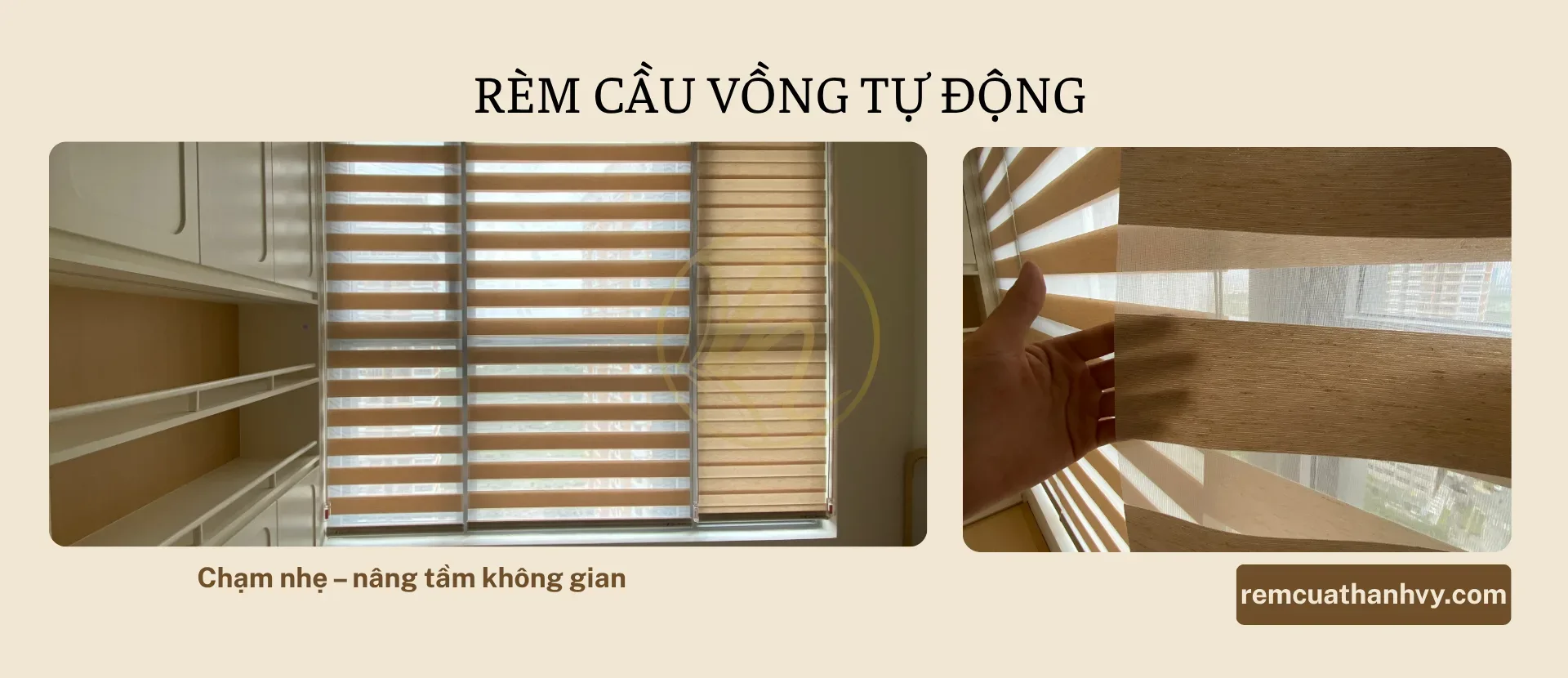
Korean rainbow blinds: They allow light to be adjusted in increments through alternating solid fabric and mesh strips, making them highly suitable for rooms that need their lighting conditions changed several times a day, such as family rooms or guest areas in small lodging establishments. This group is compact and does not take up window-sill space, but its internal mechanism also contains many moving parts, so it needs to be cleaned and inspected on schedule.
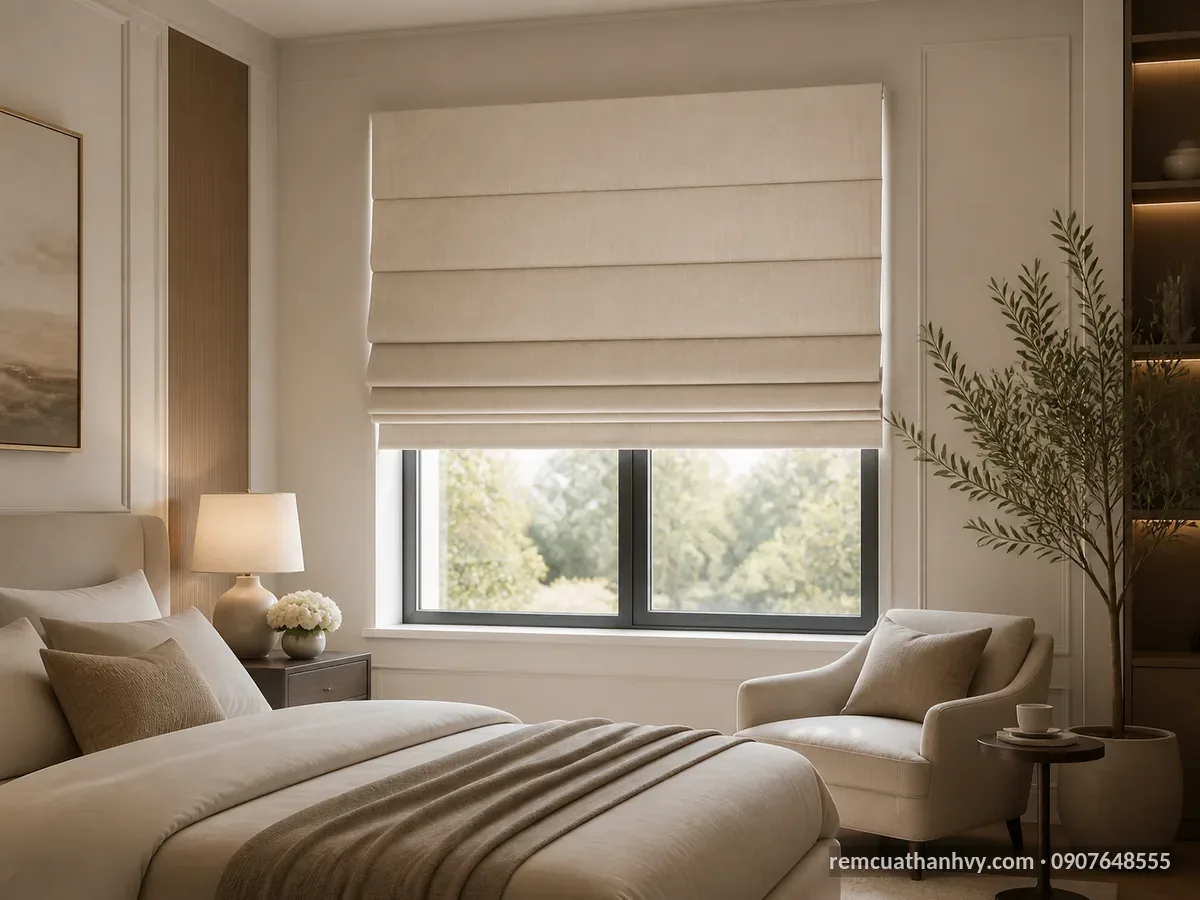
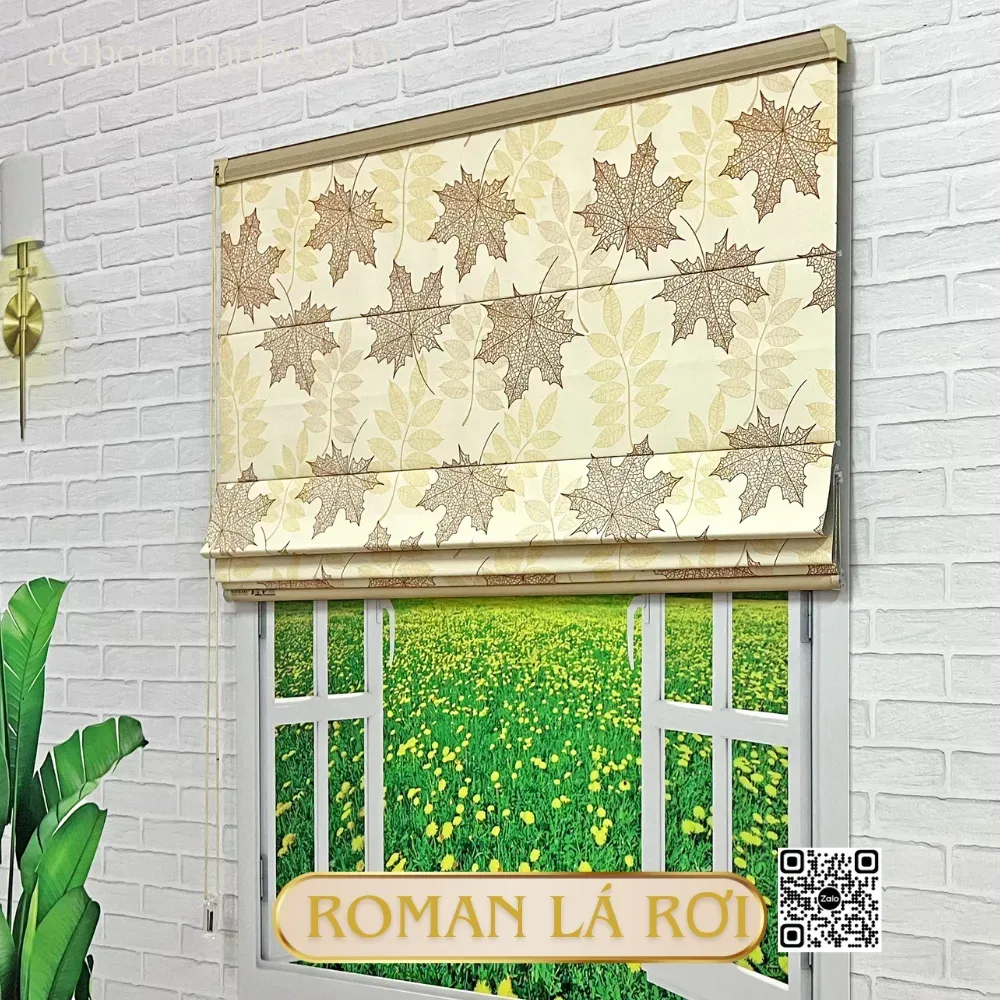
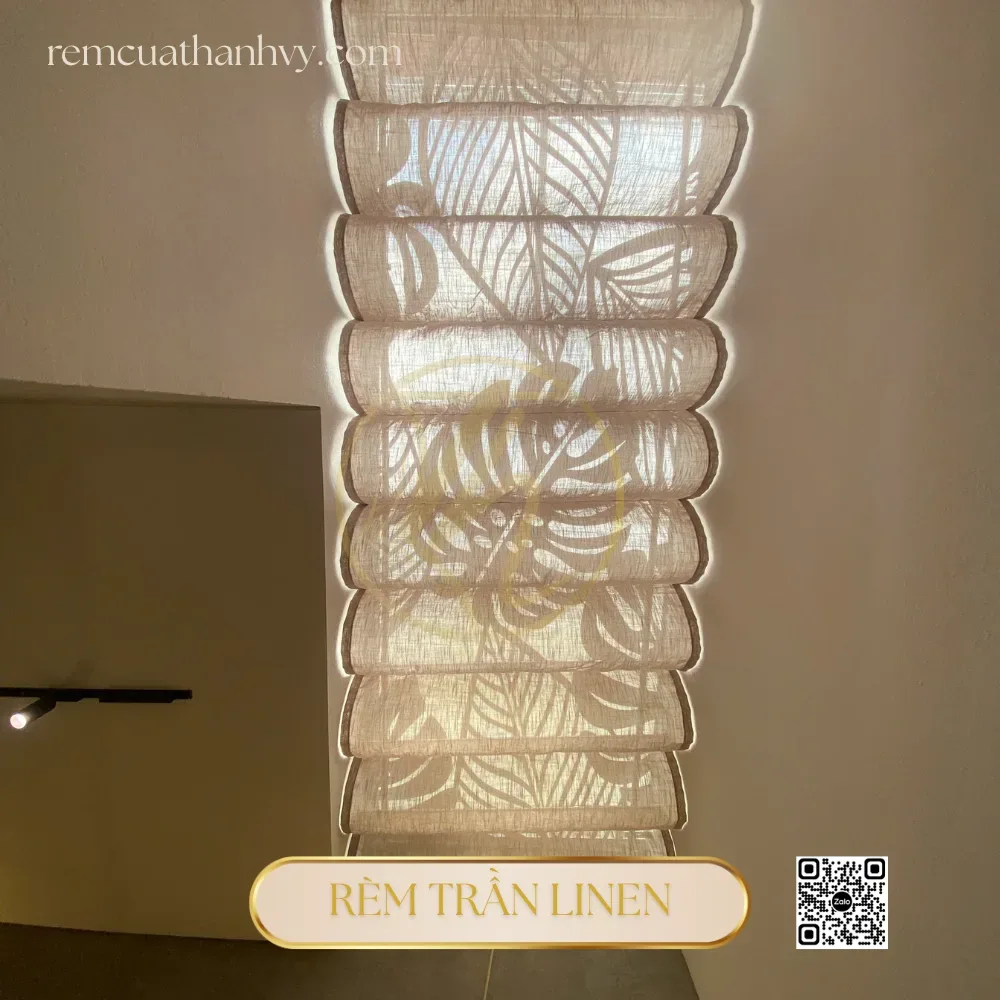
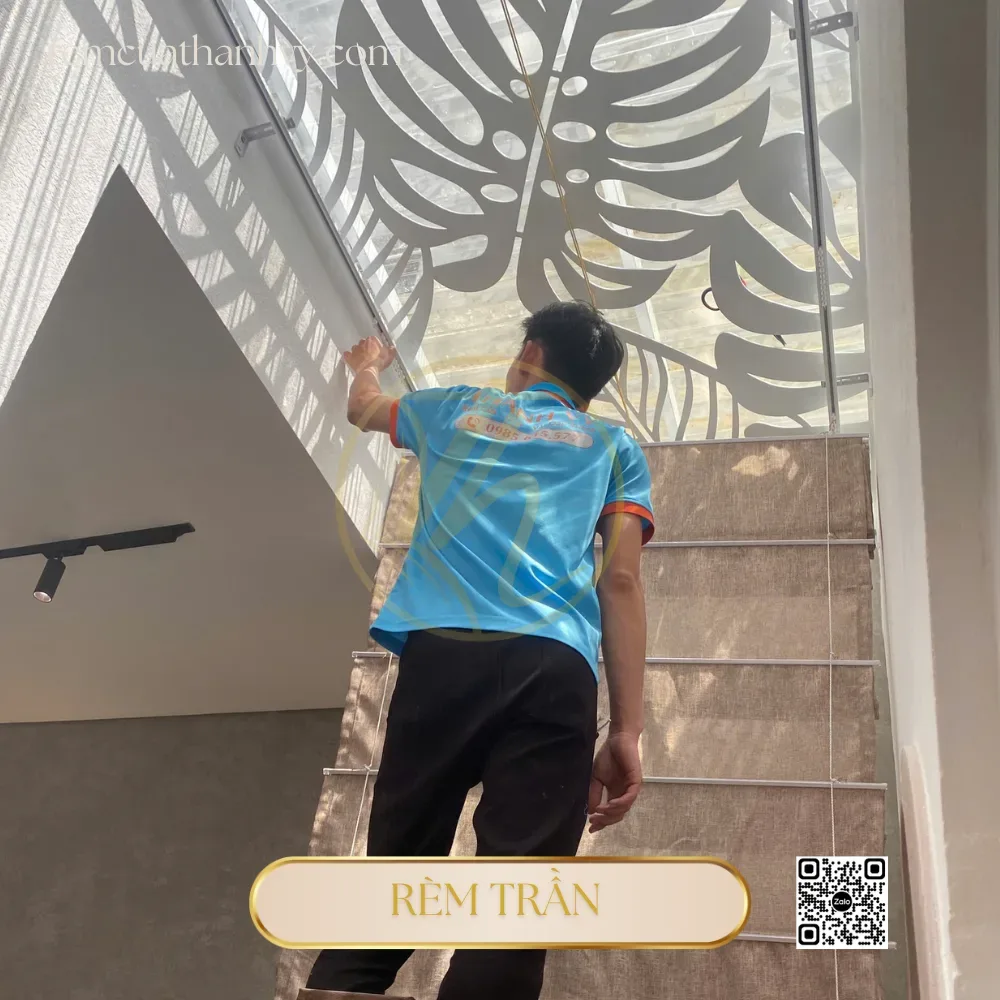
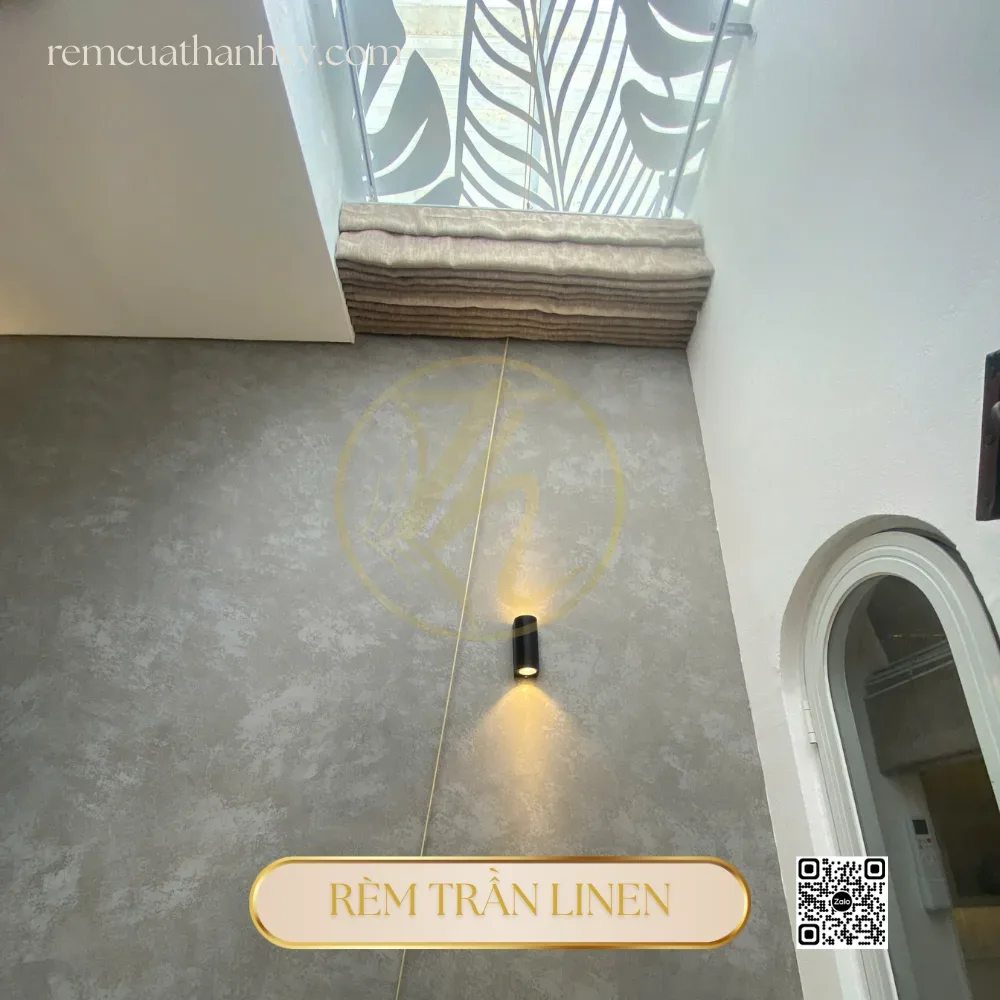
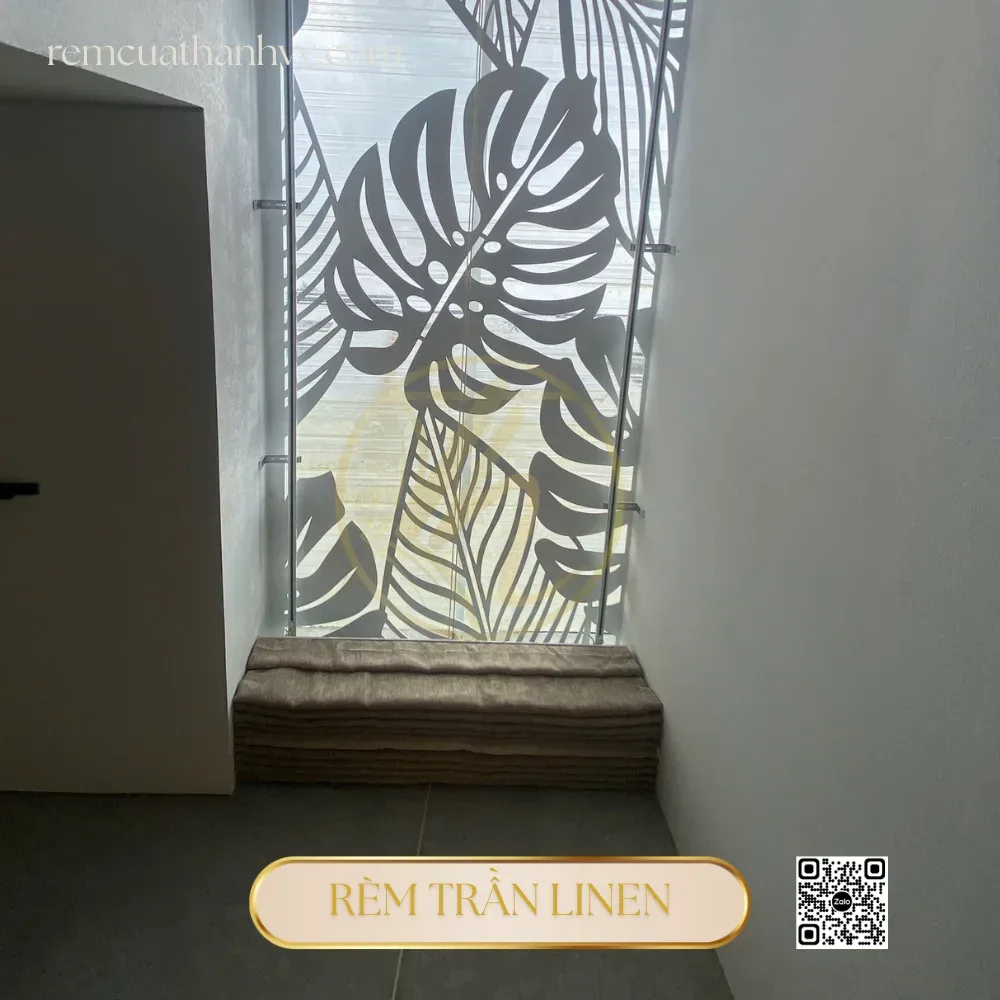
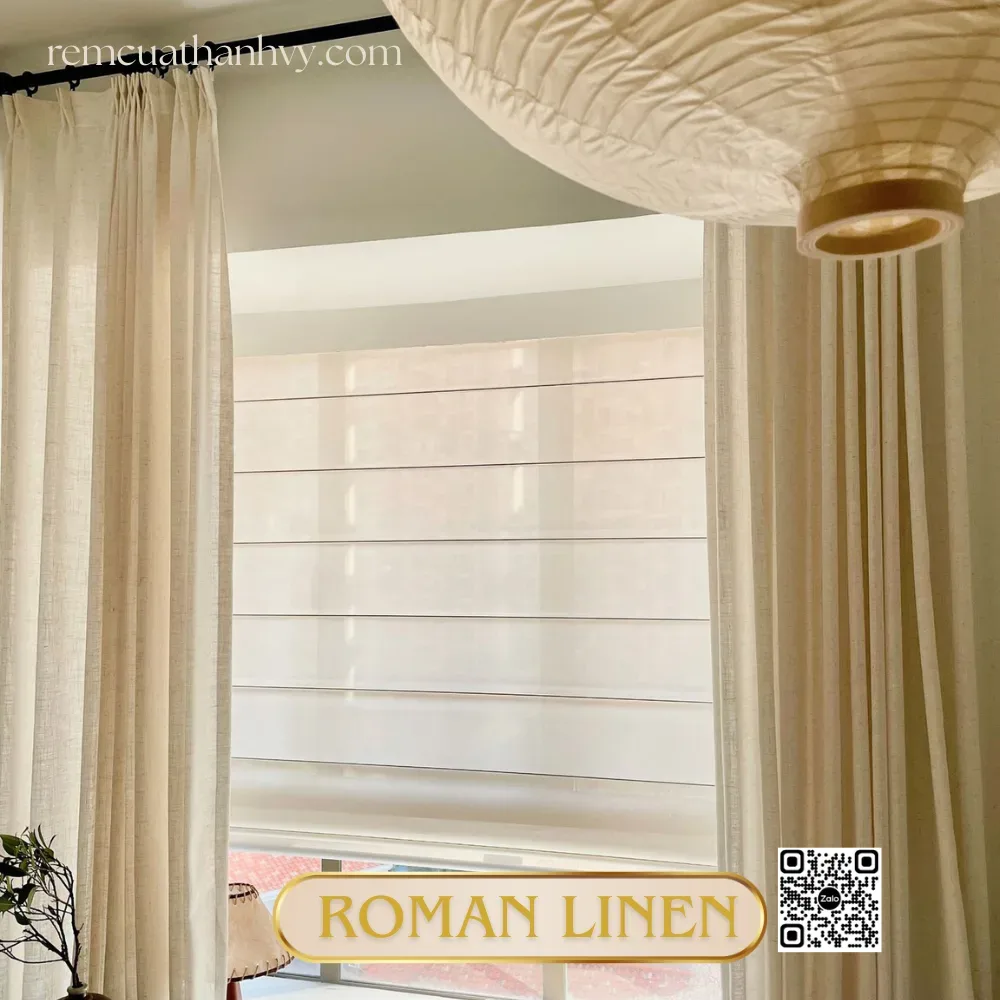
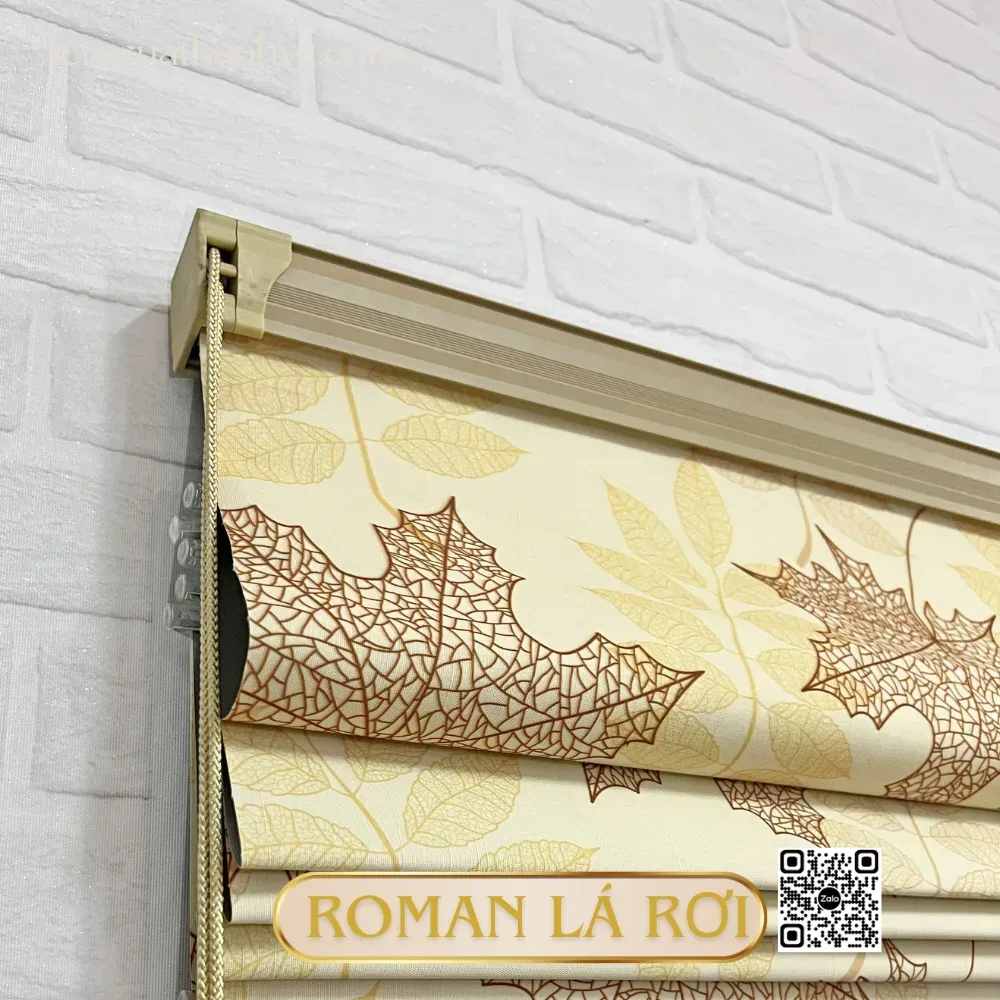
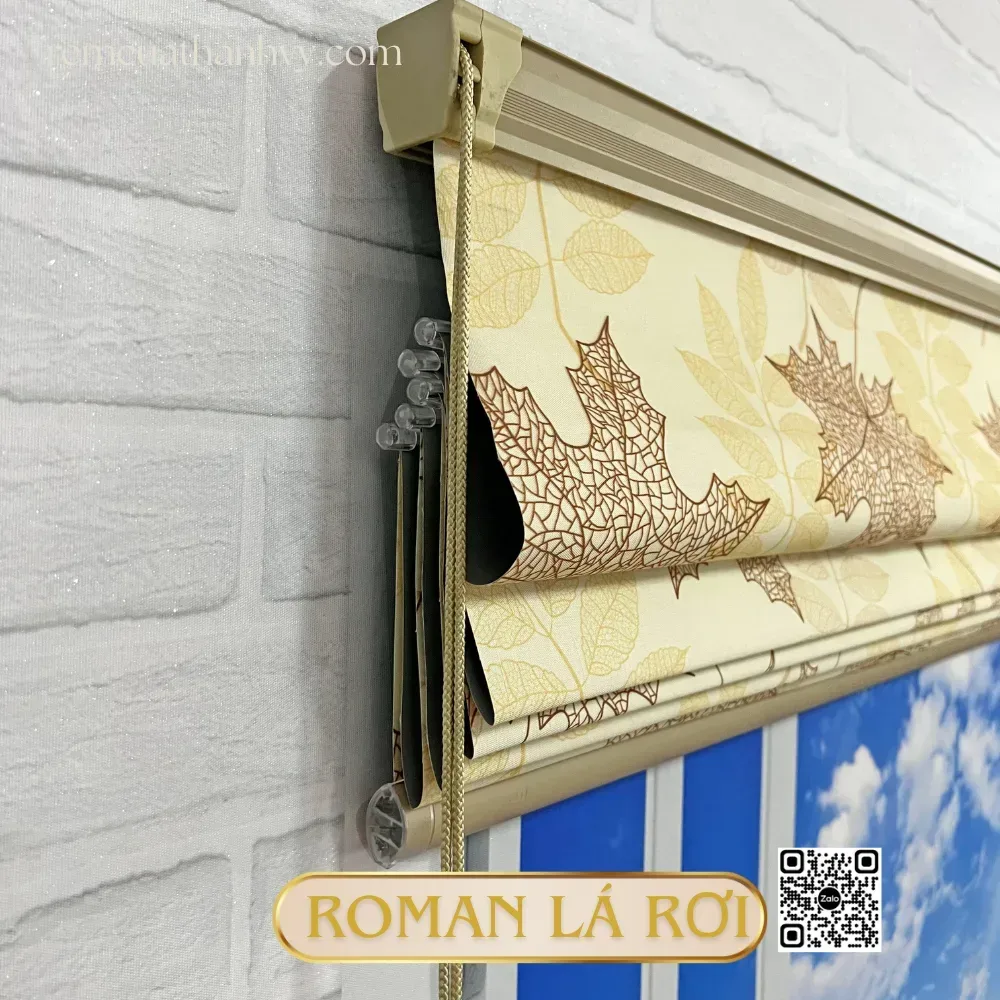
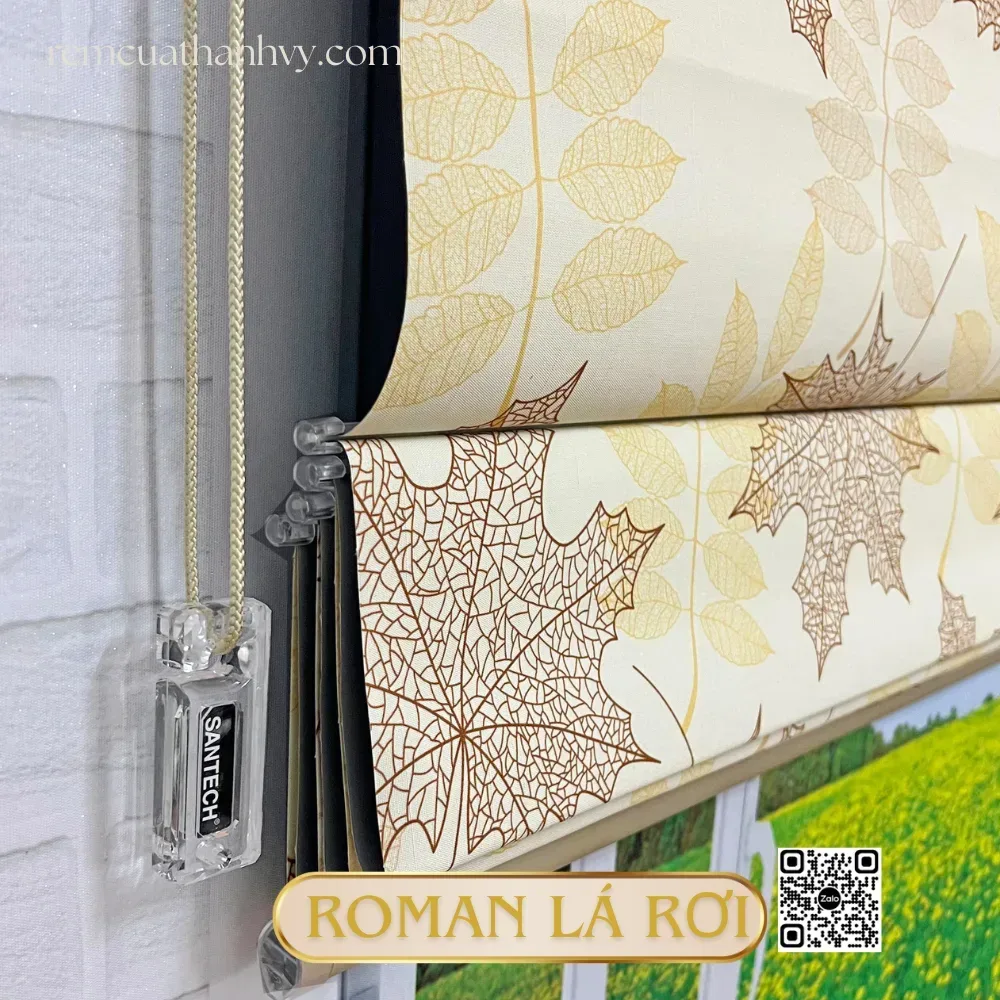
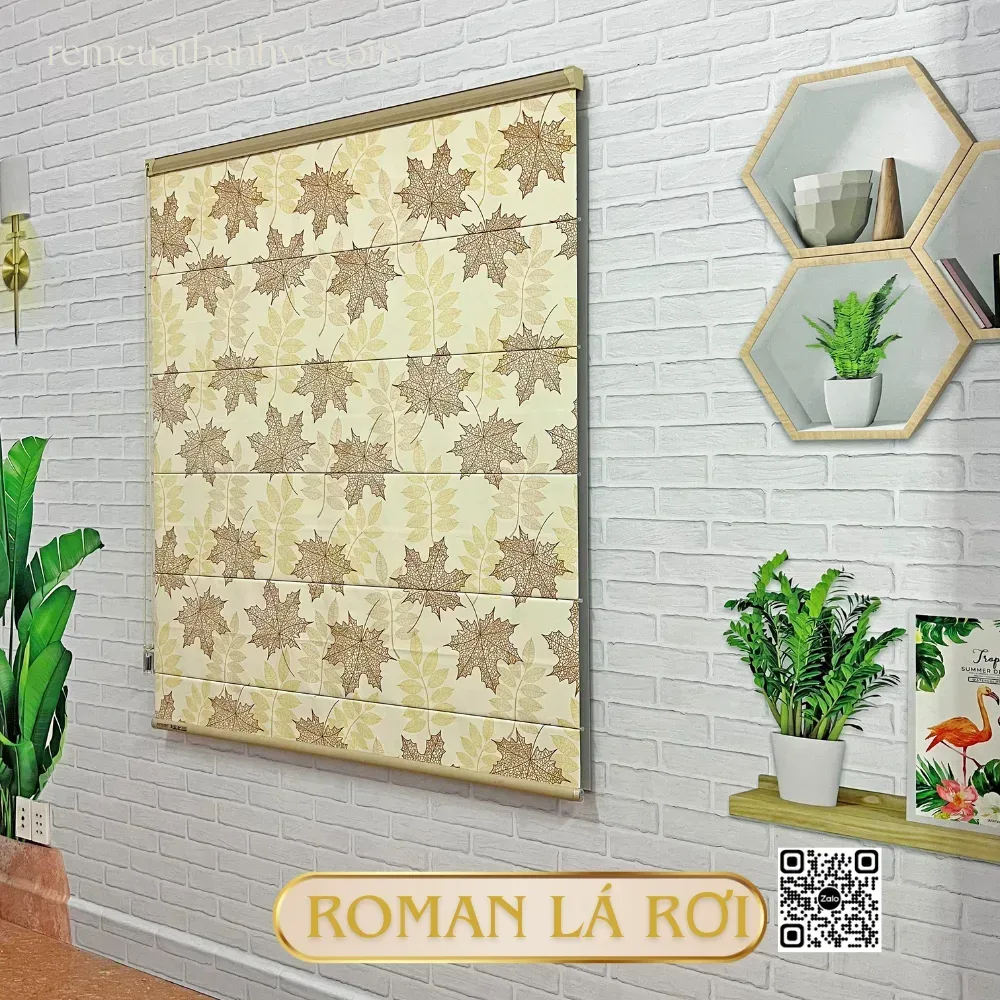
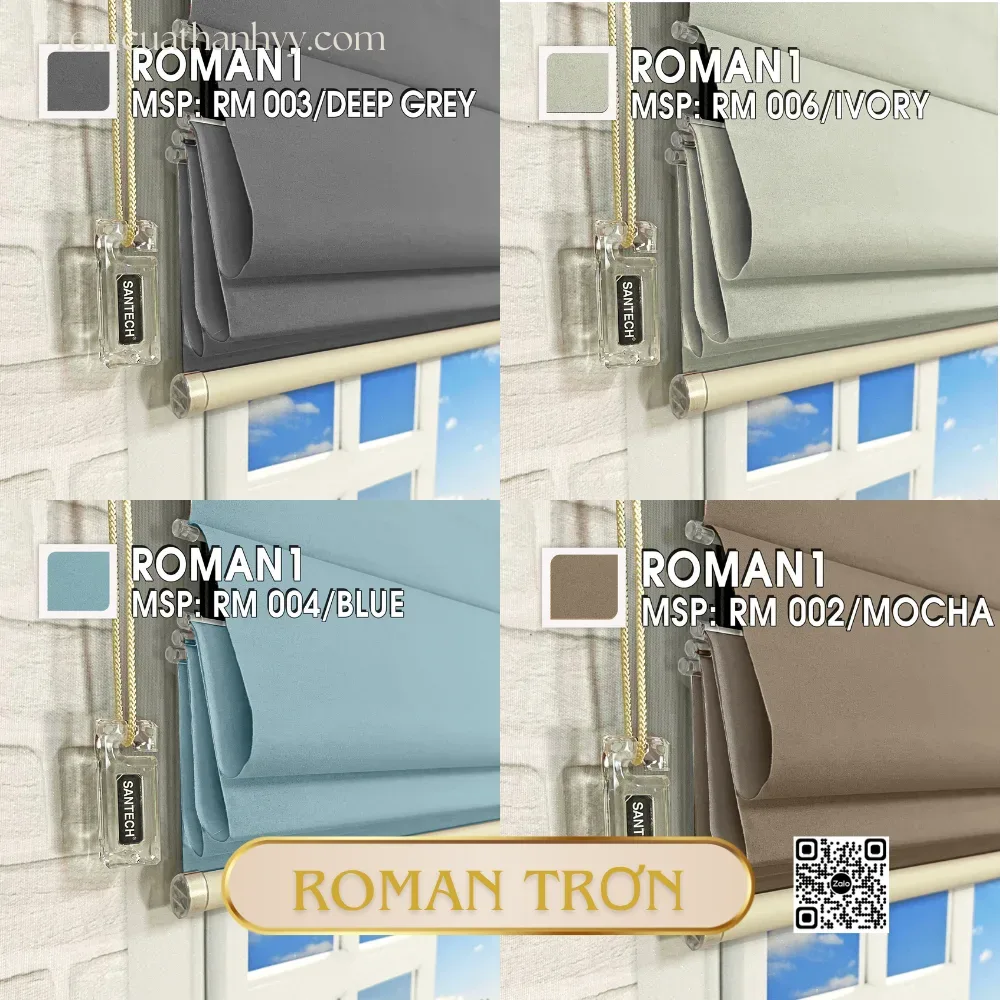
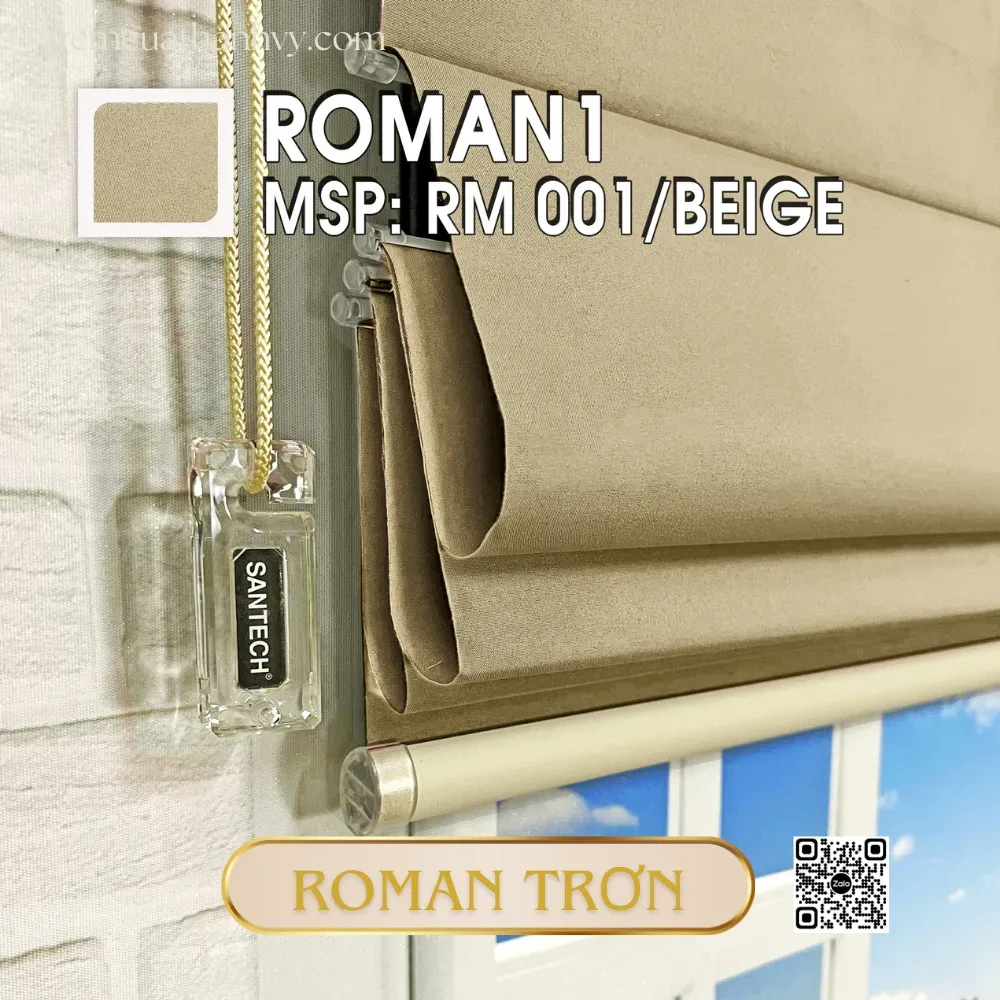
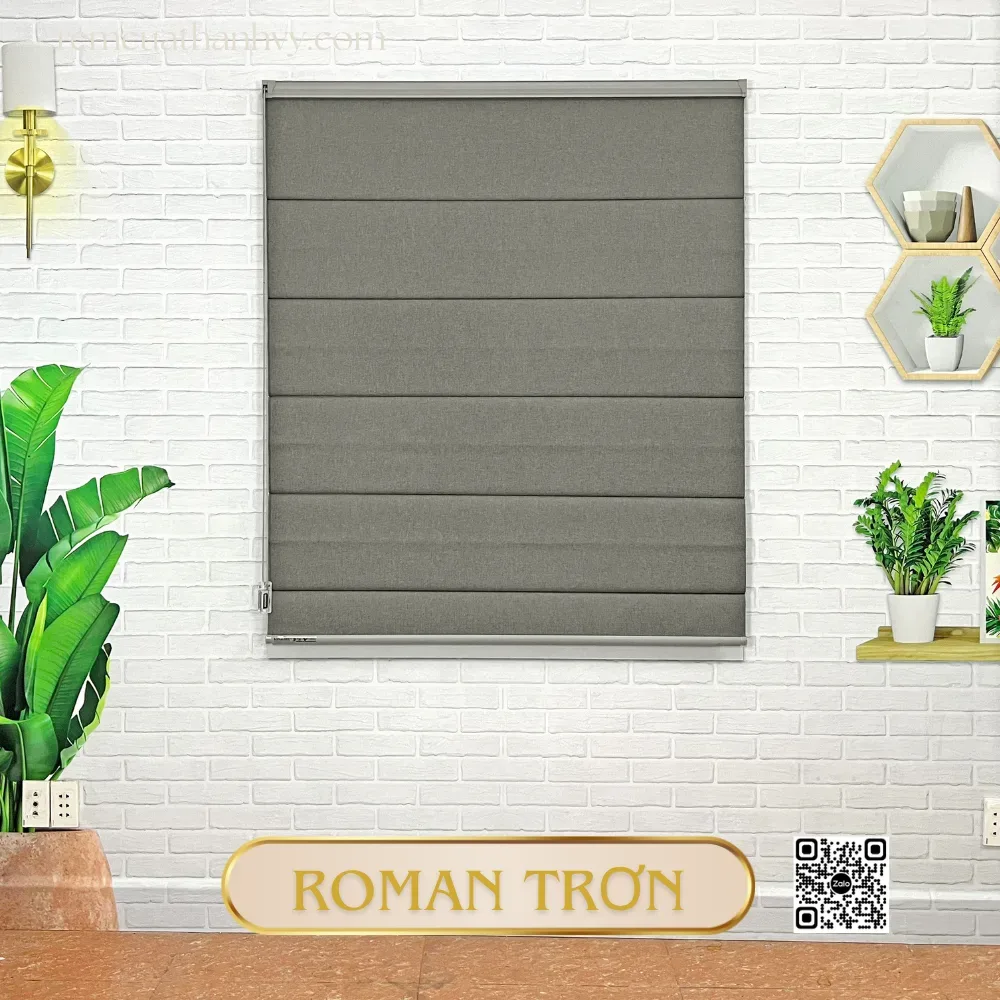
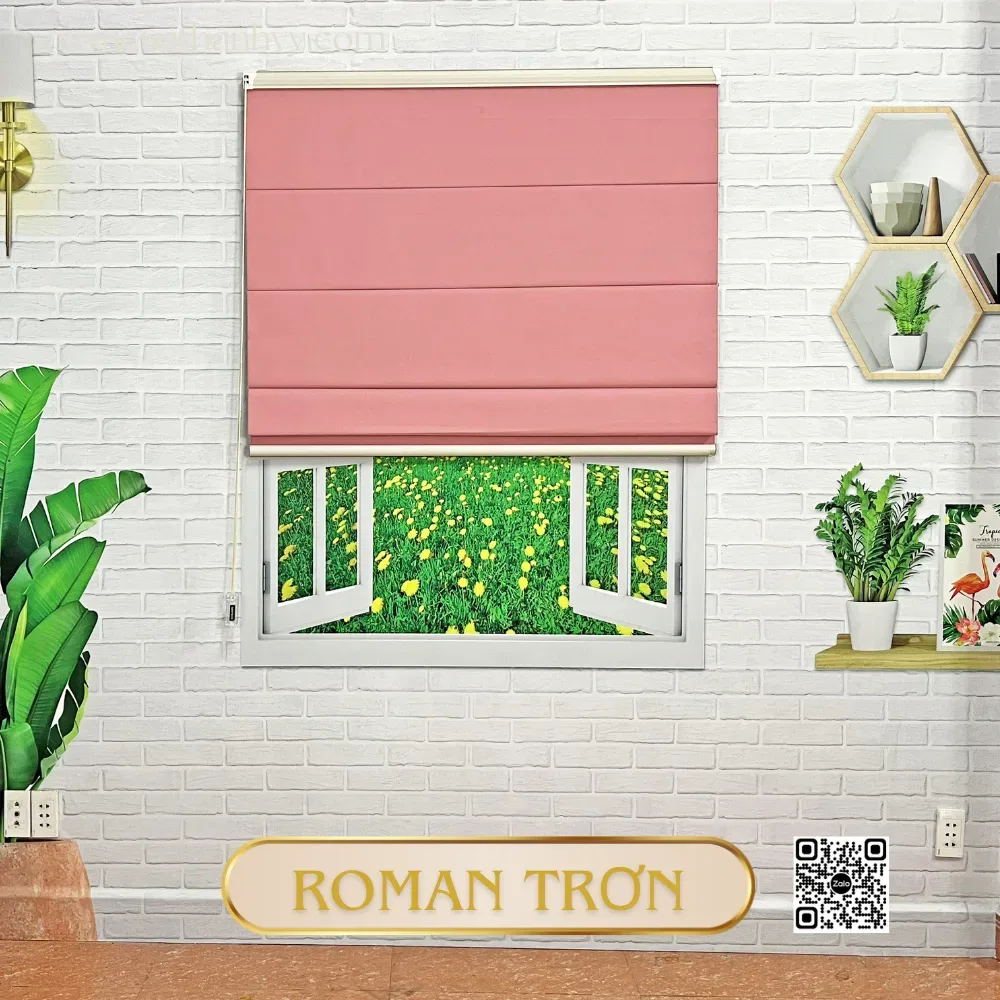
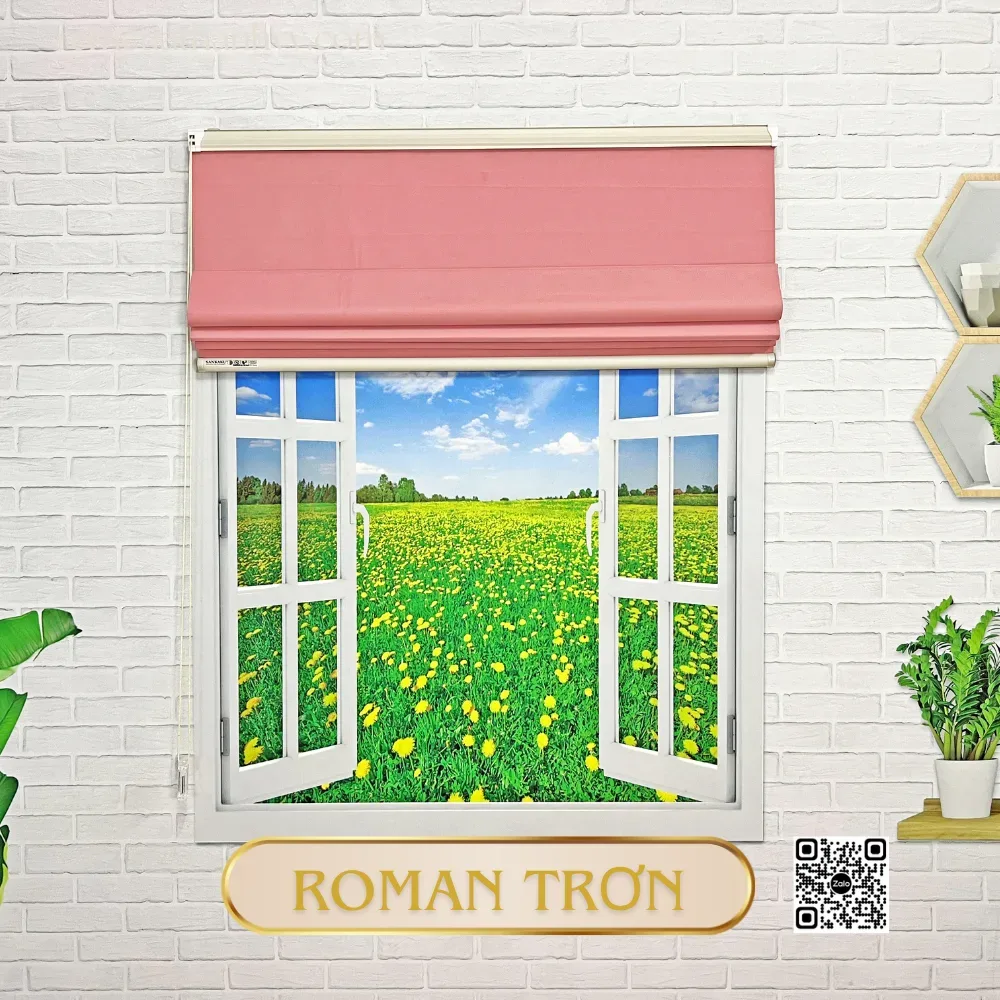
Roman blinds: The layered design gives small rooms, spare bedrooms, or reading rooms a soft appearance. Because Roman blinds raise vertically and are less likely to be pushed sideways by wind than loose curtains, they work well on moderately sized windows. Their weakness is that the folds trap dust and moisture, so if installed where rain is likely to blow in, homeowners must accept washing and drying them more frequently.
Vertical blinds and aluminum blinds: These two groups are worth considering for offices, service areas, warehouses, or purely functional windows. They are compact, airy, allow wind to pass through when the slats are tilted, and are very easy to wipe clean. In salt-affected areas, the essential requirement is that the slats and rails receive proper surface treatment; if inexpensive standard products are chosen, stains will appear along the slat edges after only a short time.
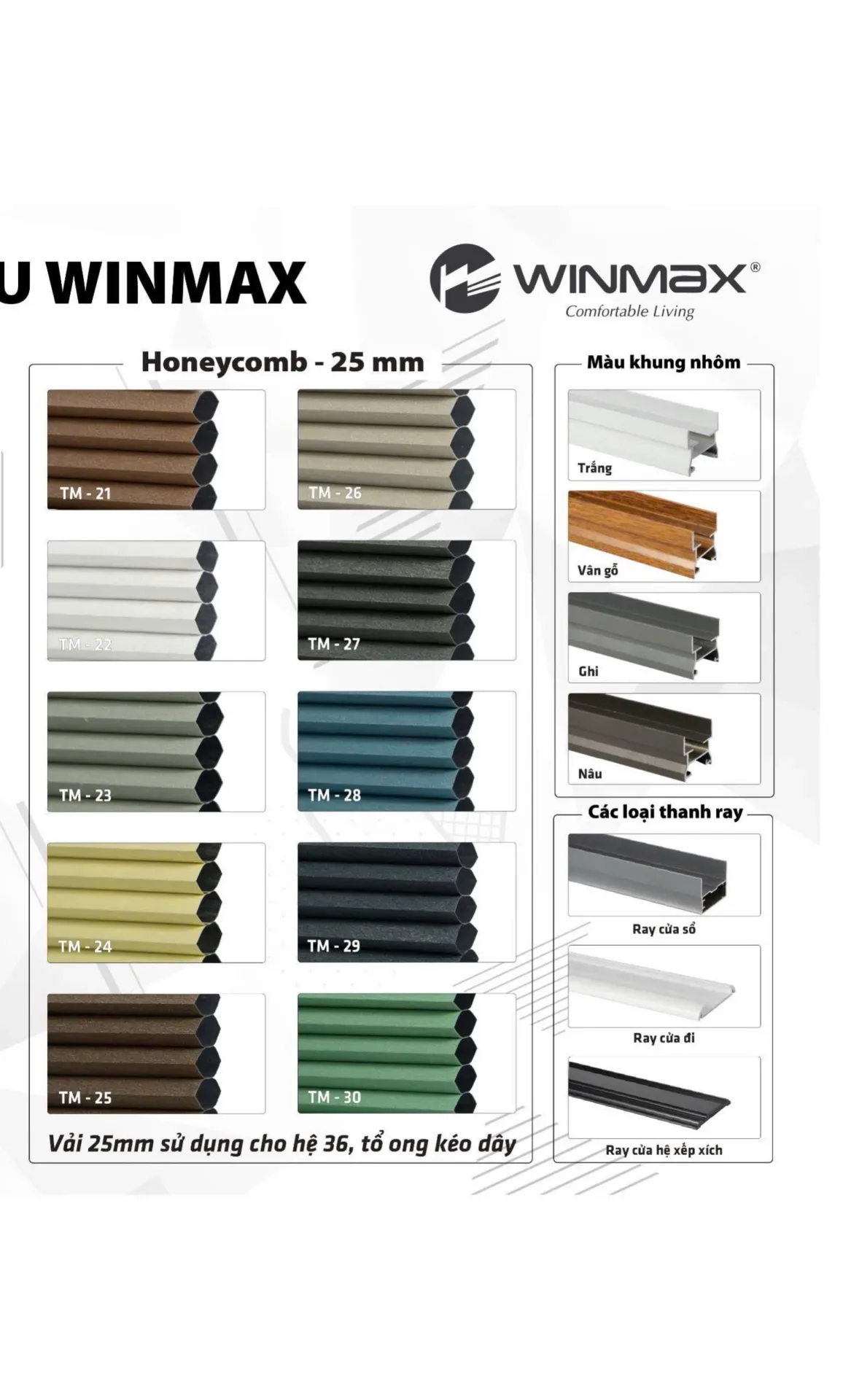
Wooden blinds and honeycomb blinds: Wooden blinds are attractive and provide good heat insulation, but natural wood reacts to high humidity by warping, so in Cần Giờ this group should only be installed indoors, fully sheltered from wind-driven rain and splashing rain. Honeycomb blinds, with their insulating air-pocket structure, are very useful in rooms that use air conditioning frequently, helping reduce the load on the unit, but they also need a dry location so the bonded fabric can retain its shape over the long term.
Metal hardware is the weakest link in Cần Giờ
In a curtain set, the fabric accounts for nearly all of the visible area, but it is not the part that fails first. In a salt-affected environment, metal is almost always the first material to fail. A curtain set that stops working is usually not caused by torn fabric, but by a support bracket rusting at its base, screws loosening from the wall, bearings in the rollers corroding and becoming hard to pull, or the spring inside the roller mechanism losing its return force. When advising for this area, we always spend time discussing the hardware before opening the fabric color chart, because that is what determines how long the curtain set will last. Interested readers can see the characteristics of linen fabric.
Materials to prioritize: The fewer exposed steel components there are, the better. Components that must bear loads should be made of surface-treated aluminum alloys or stainless steel of a grade suitable for coastal environments; components that do not bear loads can use good-quality engineering plastics, which are immune to electrochemical corrosion. Screws and wall plugs, though small and inexpensive, are the points most often overlooked: a curtain set may use quality hardware, but if it is installed with ordinary steel screws, rust streaks will still run down the wall after the first rainy season.
Avoid mixing materials indiscriminately: When two different metals come into direct contact in an environment containing salt and moisture, corrosion proceeds much faster than when they remain separate. Therefore, mixing an aluminum bracket with steel screws, or temporarily replacing a component with something available in the toolbox, is the fastest way to shorten the lifespan of the entire system. Installers familiar with coastal areas follow the principle of using compatible materials throughout a curtain system, and when replacement is necessary, they replace components with the same type as the original.
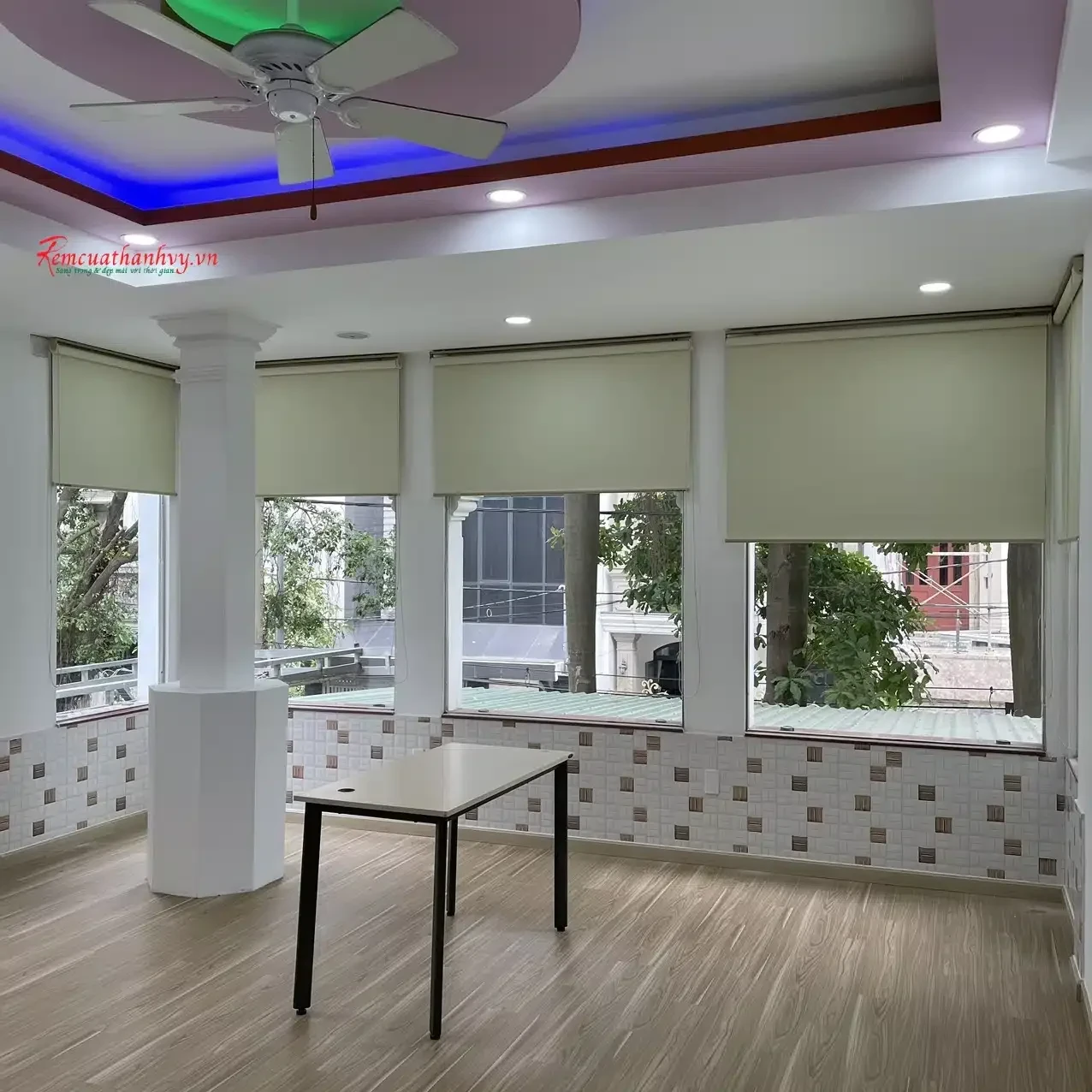
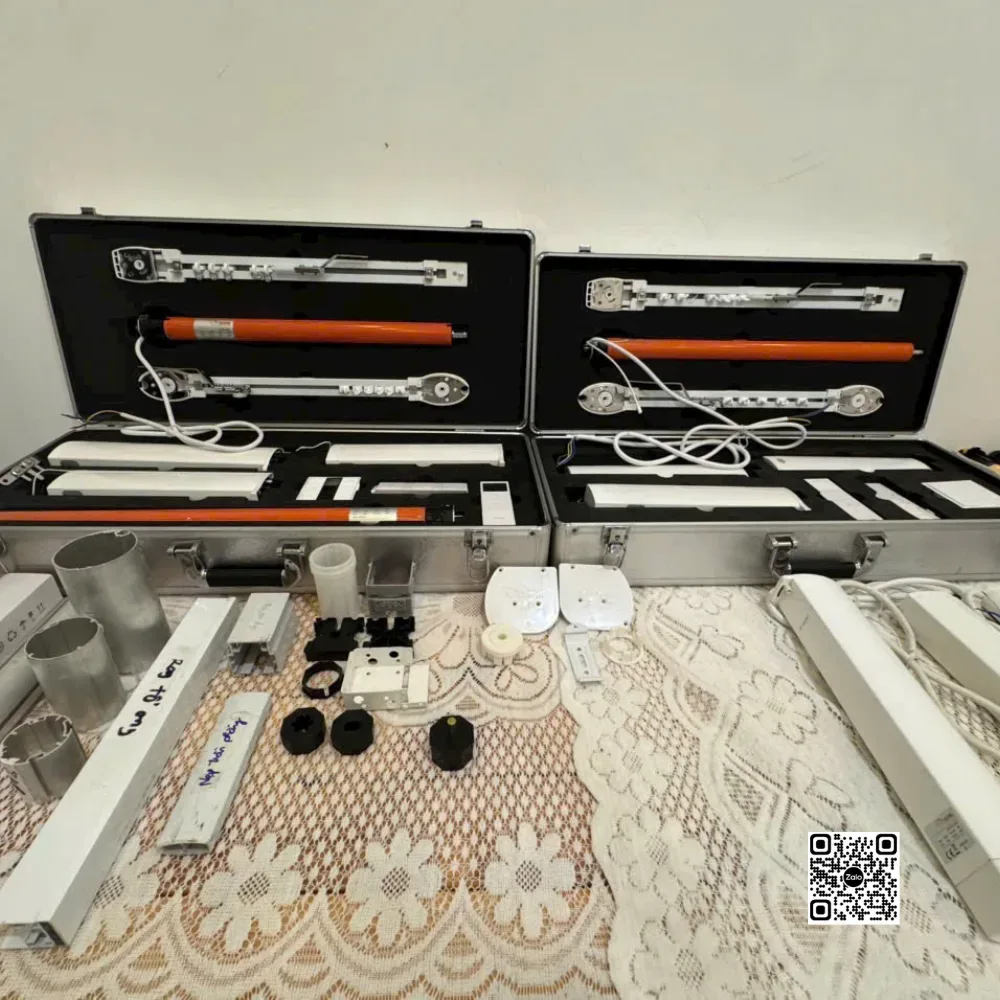
The simpler the mechanism, the more durable it is: Every additional moving component adds another point that can jam. On windows exposed to the harshest conditions, a sturdy sliding rail system with the minimum number of components will usually serve better than a mechanism with many features. For motorized curtains in particular, if the homeowner wants to install them, the motor location, wiring route, and method of shielding the control box must be planned from the outset, with everything placed in a dry, enclosed location, absolutely outside the reach of wind-driven rain or directly blown sea mist.
Plan for replacement in advance: In an area located a long distance from the center and requiring a ferry crossing, calling a technician out just to replace one roller is not economical for either side. Therefore, from the design stage, we prioritize mechanisms that allow individual components to be removed and replaced without taking down the entire system, while also recording the specifications of the hardware used so that the correct spare parts can be prepared in advance before traveling there next time.
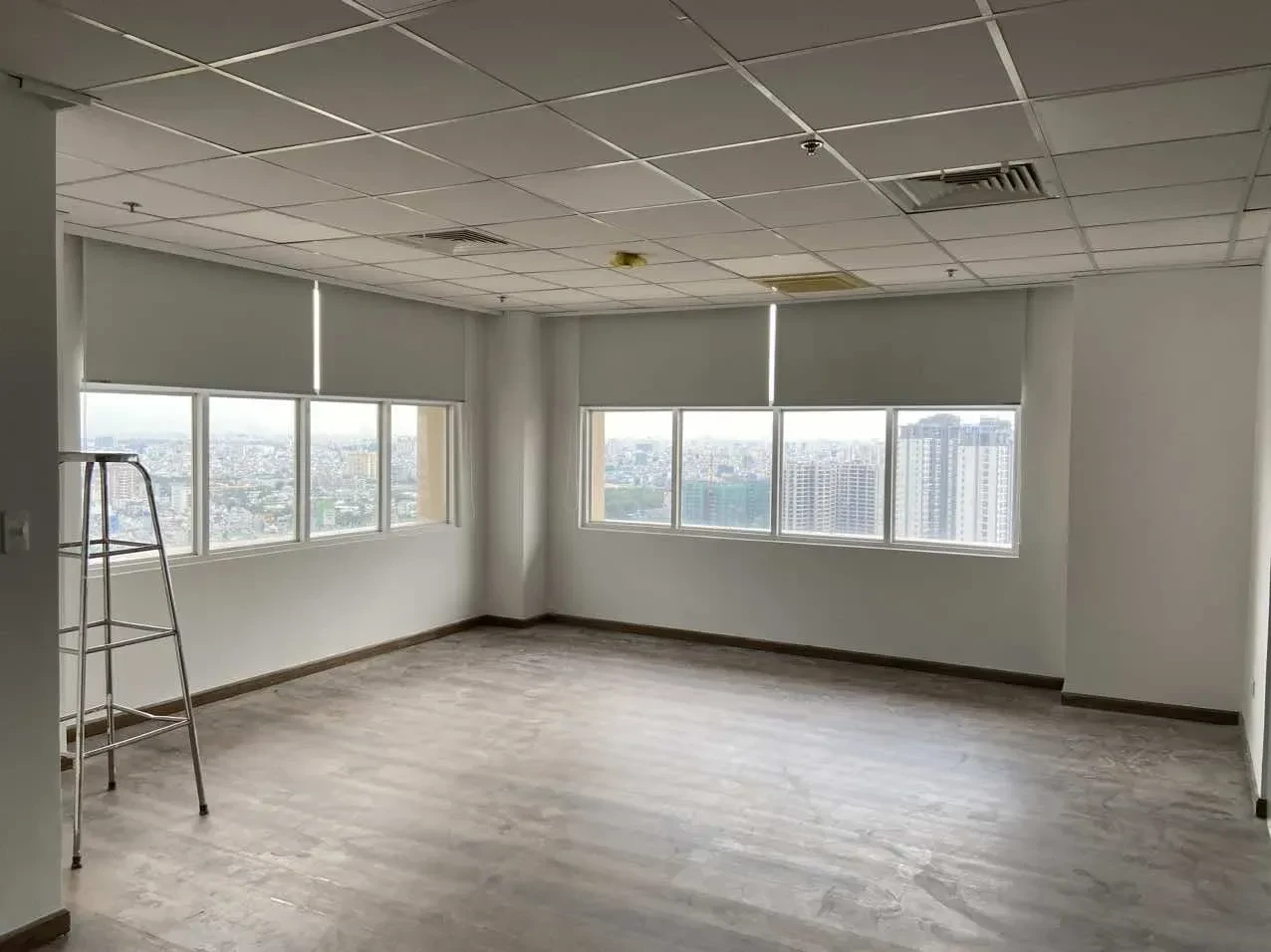
Wind-resistant structures for windows facing the sea
Wind in coastal areas is not like drafts passing between rows of houses in the city. It arrives in broad currents, with steady pressure, and continues for hours at a time, especially during the months of prevailing winds. A loose curtain hung with standard hooks on a window opening directly onto an open area will be lifted and slammed back hundreds of times a day. The result is not merely unpleasant noise but actual mechanical damage: the hooks are stretched, the fabric edges fray at impact points, and the brackets endure repeated jerking loads before gradually coming loose from the wall. You can also refer to the properties of natural wood.
Identifying load-bearing points: The first principle is to increase the number of mounting points and shorten the distance between them compared with the usual approach in the city center. A long curtain rod supported at only two points at the ends will sag and vibrate with each gust; adding a support point in the middle makes the entire system significantly more rigid, while adding very little cost. For particularly wide windows, dividing them into two separate systems instead of extending one curtain across the entire length also helps reduce the load on each mounting point.
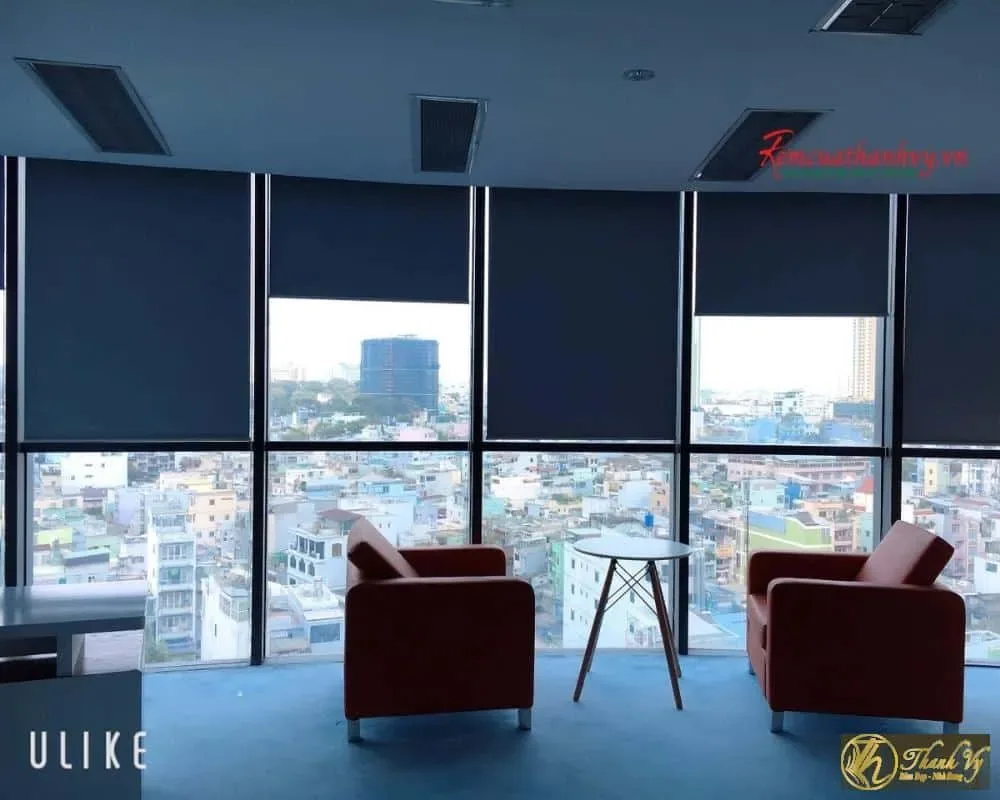
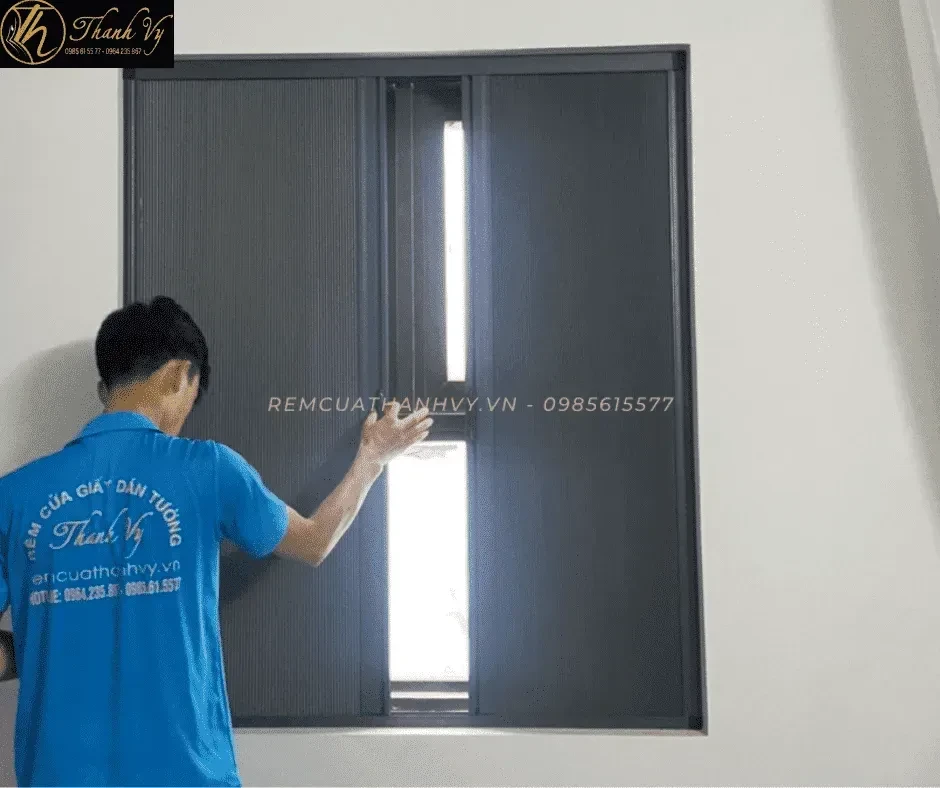
Securing the bottom of the curtain: This is the clearest difference from the way curtains are installed in wind-sheltered urban homes. The bottom of the curtain needs a retention solution, such as adding weight to the lower edge, using a sufficiently heavy bottom bar, or arranging anchor points on both sides. For roller blinds and rainbow blinds installed in areas with strong winds, side guide rails are worth considering: the fabric runs inside the grooves, so it cannot be blown out of alignment, while the light gaps on both sides are also closed.
Choosing an appropriate fabric weight: Fabric that is too light will flap wildly, while fabric that is too heavy will place excessive load on the hanging system and make pulling difficult. For wind-exposed windows, the usual choice is a medium-to-medium-heavy fabric, substantial enough not to flutter but still within the load capacity of the rail system. The fullness should also be more restrained than in a wind-sheltered living room, because greater fullness means a larger area exposed to the wind.
Accepting trade-offs: Not every window should have a long, hanging curtain. For some locations exposed to extremely strong winds and primarily requiring sun protection rather than privacy, a compact roller blind running inside a rail will perform better and last many times longer than a beautifully pleated set of fabric curtains. Speaking frankly with the homeowner about these trade-offs from the initial survey is a way to avoid repeated repair costs later.
Wards where Rèm Cửa Thanh Vy provides measuring and installation services
After the administrative reorganization, the old and new ward names do not match, so the section below includes the former names for convenient reference when scheduling a measurement appointment.
District 1
- An Phú Đông Ward — merged from Thạnh Lộc Ward before the merger.
- Thới An Ward — merged from Thạnh Xuân Ward before the merger.
- Trung Mỹ Tây Ward — merged from Tân Chánh Hiệp Ward before the merger.
- Tân Thới Hiệp Ward — merged from Hiệp Thành Ward before the merger.
- Đông Hưng Thuận Ward — merged from Tân Hưng Thuận Ward and Tân Thới Nhất Ward before the merger.
- Bình Thới Ward — merged from Wards 10, 3, and 8 before the merger.
- Hòa Bình Ward — merged from Wards 14 and 5 before the merger.
- Minh Phụng Ward — merged from Wards 1, 16, and 7 before the merger.
- Phú Thọ Ward — merged from Wards 11 and 15 before the merger.
- Bến Thành Ward — merged from Nguyễn Thái Bình Ward and Phạm Ngũ Lão Ward before the merger.
- Cầu Ông Lãnh Ward — merged from Cô Giang Ward, Cầu Kho Ward, and Nguyễn Cư Trinh Ward before the merger.
- Sài Gòn Ward — merged from Bến Nghé Ward before the merger.
- Tân Định Ward — merged from Đa Kao Ward before the merger.
- Diên Hồng Ward — merged from Wards 14, 6, and 8 before the merger.
- Hòa Hưng Ward — merged from Wards 12, 13, and 15 before the merger.
- Vườn Lài Ward — merged from Wards 1, 10, 2, 4, and 9 before the merger.
District 3
- Bàn Cờ Ward — merged from Wards 1, 2, 3, 4, and 5 before the merger.
- Nhiêu Lộc Ward — merged from Wards 11, 12, 14, and 9 before the merger.
- Xuân Hòa Ward — merged from Võ Thị Sáu Ward before the merger.
District 4
- Khanh Hoi Ward — merged from Wards 15, 8, and 9 before the merger.
- Vinh Hoi Ward — merged from Wards 1, 2, 3, and 4 before the merger.
- Xom Chieu Ward — merged from Wards 13, 16, and 18 before the merger.
District 5
- An Dong Ward — merged from Wards 5, 7, and 9 before the merger.
- Cho Lon Ward — merged from Wards 11, 12, 13, and 14 before the merger.
- Cho Quan Ward — merged from Wards 1, 2, and 4 before the merger.
Color and visual perception under coastal light
The light here is stronger than it feels: Many homeowners choose colors based on photos taken in model homes or showrooms in the inner city, then are surprised when the same fabric looks much paler in their own homes. The reason lies in the amount of light: in addition to direct sunlight, coastal spaces also receive reflected light from the water and from the surrounding light-colored surfaces, causing the total intensity shining on the fabric to be significantly higher. Under these conditions, light colors and poorly colorfast dyes fade quickly, while the color difference between fabric that regularly receives sunlight and fabric in the shade becomes noticeable after just a few seasons. Information about the material also appears in the properties of aluminum.
Prioritize colorfastness over trendy shades: For windows exposed to harsh sunlight, fabric selection should prioritize colorfastness over shade preferences. Slightly warm neutrals, earth tones, or fabrics with a fiber structure that disperses light generally retain their appearance longer than very light or highly saturated colors. If homeowners still want a light color to match the spirit of a seaside space, a practical solution is to use the light color for the inner sheer layer and place a more colorfast sun-blocking layer on the outside.
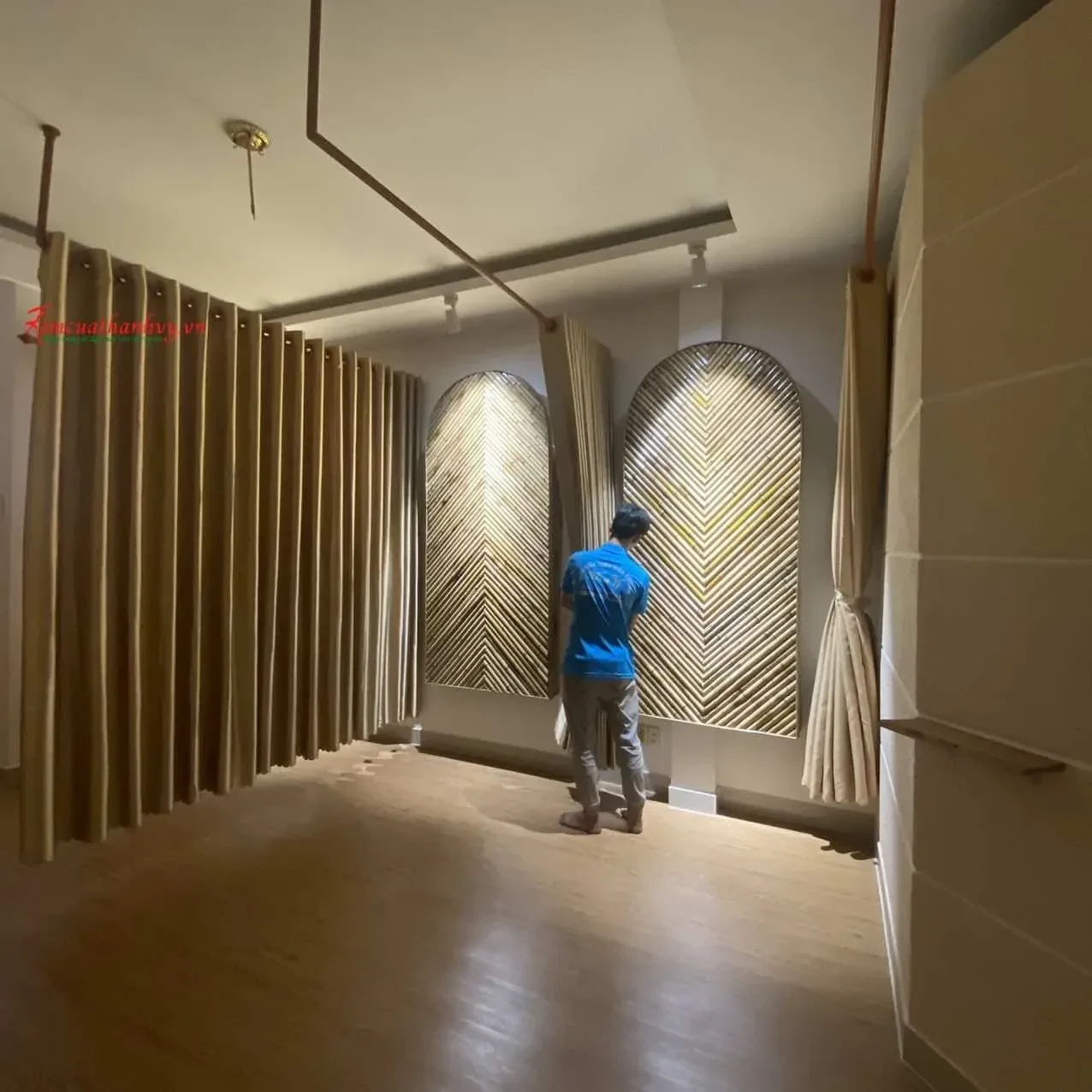
Glare at eye level: Sunlight reflected upward from the water enters the room at a low angle, meaning it causes glare directly at the eye level of seated occupants rather than merely reflecting onto the ceiling. A curtain set that covers only the upper part of the window will not solve this problem. This is when curtain types that allow adjustment at different height levels prove useful, because homeowners can close only the lower section to block reflected sunlight while keeping the upper section open and bright.
Proportions for low-rise homes: Residential architecture consists mainly of low-rise homes with low ceilings, so curtain proportions must be calculated to avoid making the room feel heavier. The rod should be installed as close to the ceiling as possible, with the fabric extending the full height instead of stopping at the window edge, and the curtain hem kept slightly above the floor to stay clean and allow moisture to escape. The width extending beyond both sides of the window should be just enough to block light leakage without taking up the already limited wall space. All these measurements are meaningful only when taken on-site, under the room’s actual lighting, with the exact wall color and existing furniture.
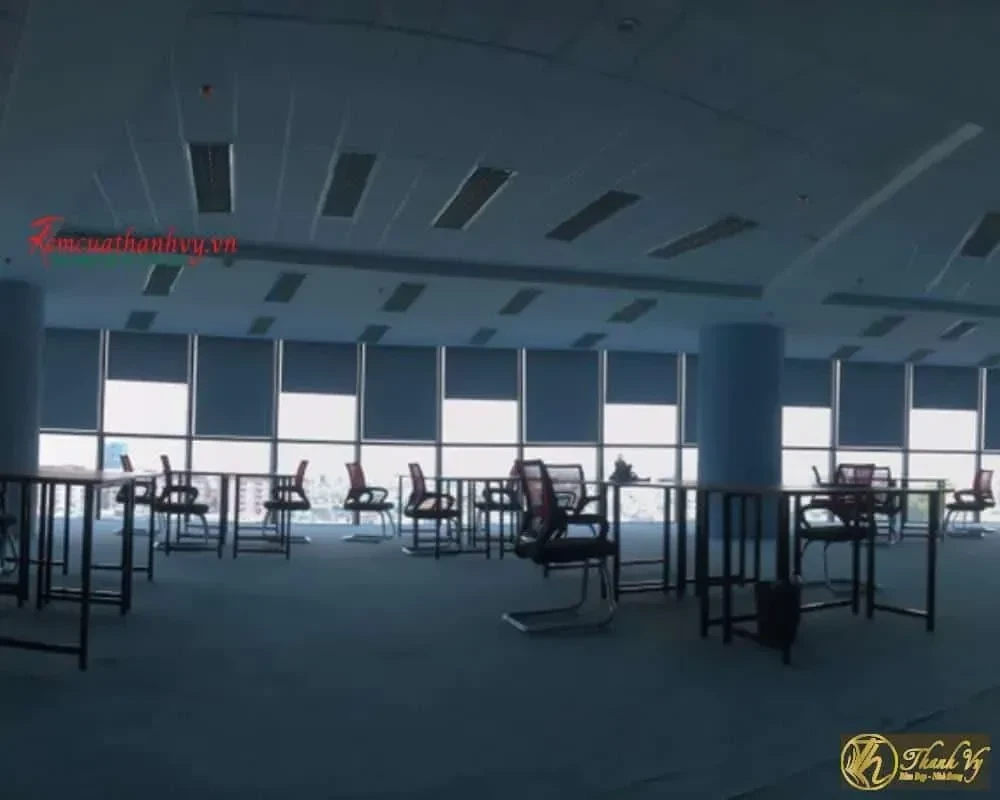
Removing salt buildup and following a maintenance schedule
A curtain set in the inner city may operate for years with the homeowner barely touching it. In Can Gio, it is different: salt buildup on surfaces is a continuous process, and neglecting it—not the quality of the hardware—is what causes accessories to fail prematurely. The good news is that maintenance is not complicated; it simply needs to be done regularly and correctly.
Wipe with clean water, rather than only dusting dry: Salt dissolves in water, so brushing with a feather duster or dry vacuuming removes only the dust while leaving the salt behind. The correct way to treat metal components and hard surfaces is to use a soft cloth dampened with clean water to dissolve the salt layer, then immediately wipe again with a dry cloth so moisture does not remain on the surface. For windows directly exposed to sea winds, this should become a regular habit rather than something done only after stains appear. Interested readers can learn more about the role of windows.
Handling the fabric: Curtain fabric in a humid environment needs to dry completely after every instance of wind-driven rain. Opening the curtains to allow air circulation is the simplest and most effective method. When washing, avoid excessively hot water and strong wringing that can deform the shape, and make sure the fabric is completely dry before rehanging it, because hanging it while still damp in a high-humidity environment will almost certainly lead to mold along the folded edges. With roller blinds and rainbow blinds, the fabric usually only needs to be wiped in place rather than removed for washing, so using a clean cloth and wiping vertically is sufficient.
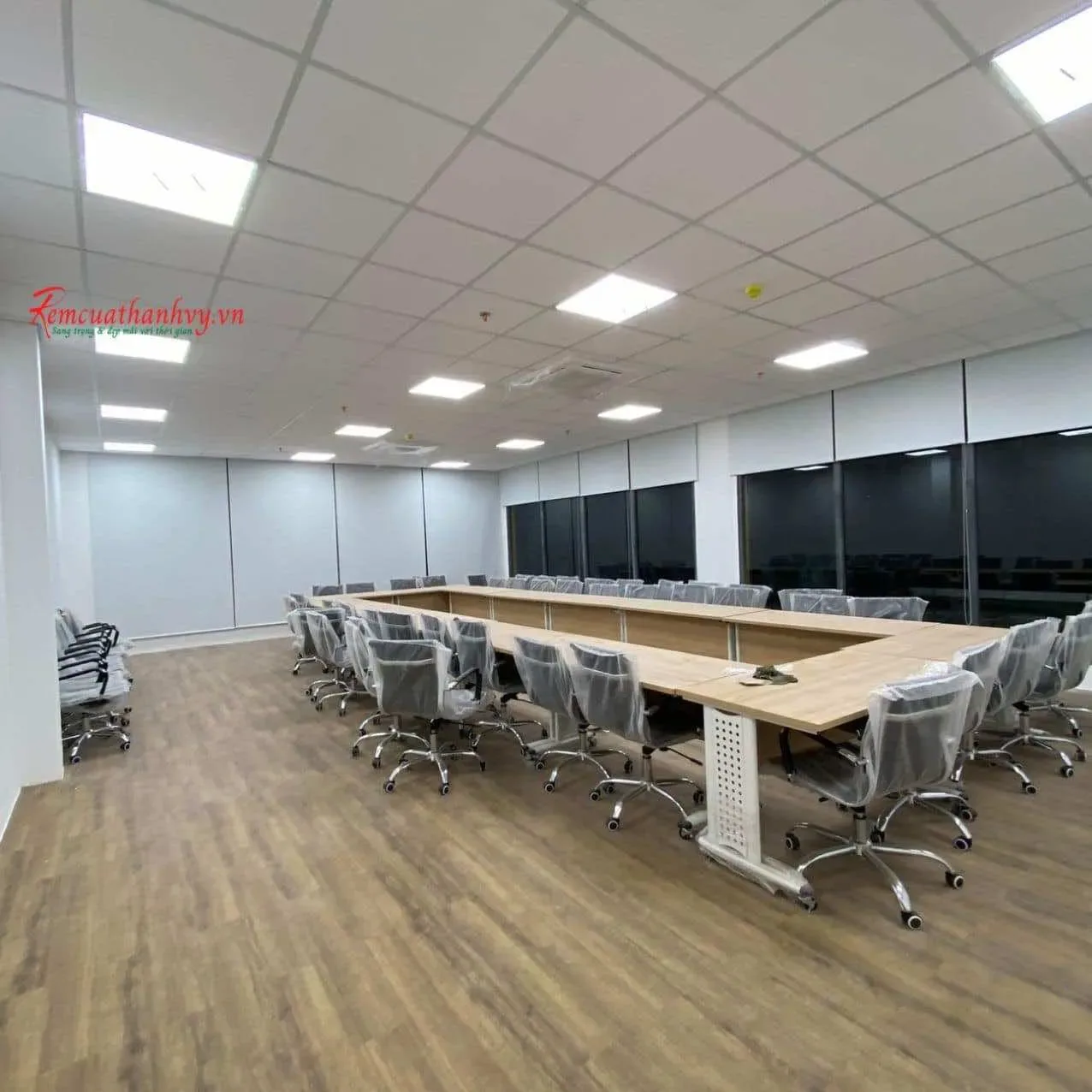
Check the mechanism seasonally: The appropriate time to inspect it is before and after the strong-wind season. Tasks include tightening any screw-fastening points that show signs of loosening, checking whether the rollers still turn smoothly, testing the spring tension in the roller tube, and inspecting the brackets for signs of staining. Spotting an early rust spot and treating it immediately takes a few minutes; leaving it until it eats into the screw threads means replacing the entire bracket and drilling the wall again.
Signs that require calling a technician: The curtain feels unusually heavy when pulled, makes a dry squeaking sound, stops unevenly or cannot hold its position, a roller blind slides back down after being raised, or the supporting bracket has rust streaks running down the wall. These are all signs that the mechanism is deteriorating, not merely aesthetic issues, and intervention at this stage is still inexpensive. We always guide homeowners to recognize these signs when the installation is handed over, especially customers who live far away, so they can proactively report them before the damage spreads.
How to prepare information for a valuable remote consultation
The distance from the city center to Can Gio makes traveling back and forth multiple times costly for both parties. Therefore, the initial discussion by phone or message needs to be significantly more effective than it would be in nearby areas. If the homeowner prepares a basic set of information in advance, the proposed solution will be much more practical from the outset, and the number of adjustments required later will be noticeably reduced.
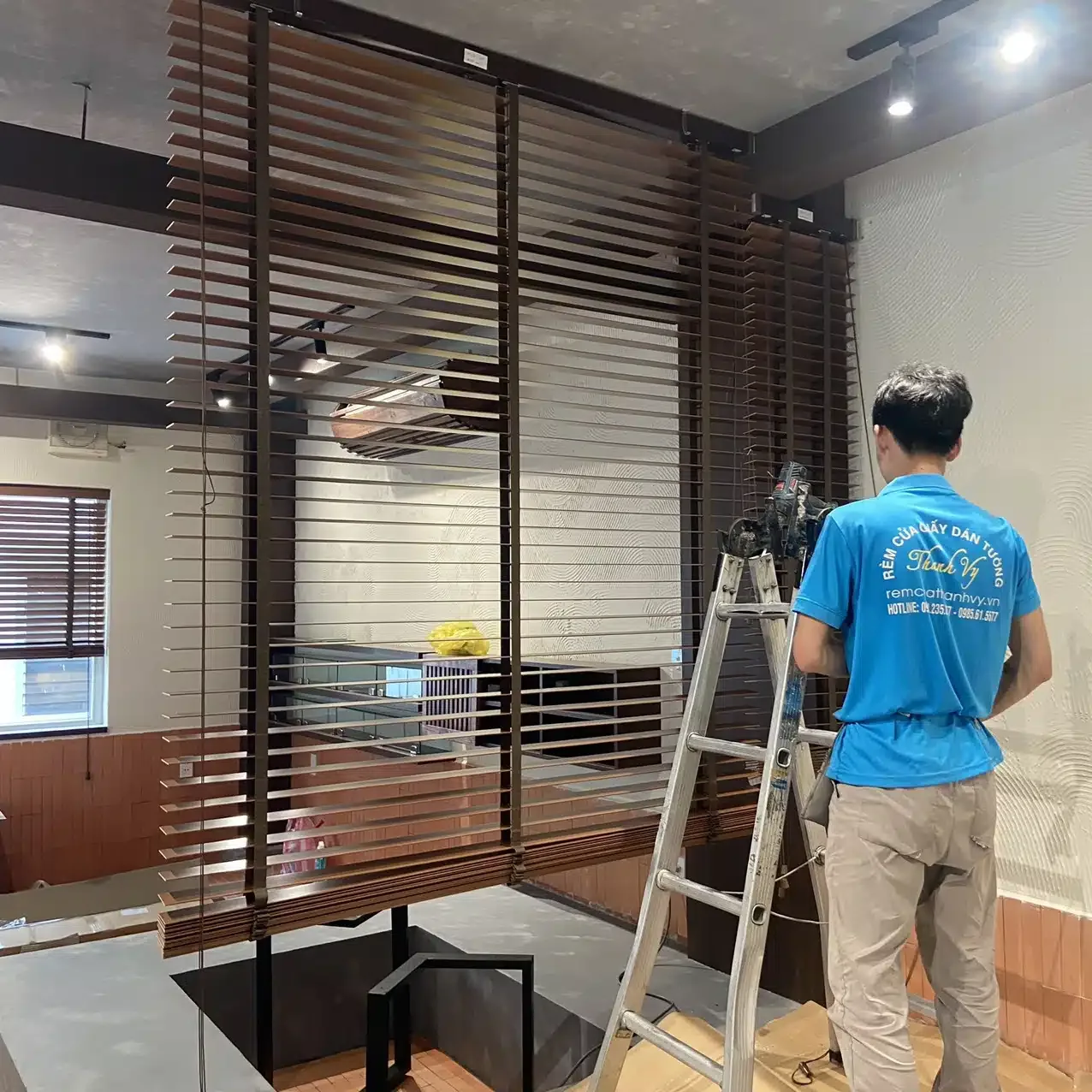
Take photos as a set, not individually: Each room should have at least three photos: one wide-angle shot from the doorway looking in, showing the layout and interior style; one straight-on shot of the window, capturing the entire wall sections on both sides and the ceiling area above; and one close-up of the window frame edge, showing the frame material and surface condition. If possible, photograph the same window at two different times, morning and afternoon, as this reveals the direction of sunlight and the actual level of glare—details that are difficult to convey in words. You can also refer to the article in Báo An Giang about Thanh Vy’s high-end fabric curtains.
Rough but accurate measurements: Specialized equipment is not necessary; a tape measure is enough. What matters is clearly noting where each measurement was taken: the opening width or the overall width, the points between which the height was measured, the distance from the top edge of the window frame to the ceiling, and the amount of empty wall space on each side. Older window frames may be misaligned, so measure the width at three positions—top, middle, and bottom—and record all three figures instead of using a single number; the differences between them are valuable information that helps the installer prepare an appropriate solution.

Describe the environmental conditions: This is a specific consideration for coastal areas and is often overlooked. Indicate which windows receive direct wind, where rain has previously blown into the house, and which areas have had metal items rust quickly. If the house has previously had curtains installed and the old curtain set failed, describing where it failed and how long it lasted provides extremely useful data, as it identifies the exact weakness that needs to be addressed.
Clearly state the purpose and intended use: One room may prioritize darkness for sleeping, another may prioritize brightness for daily activities, while a particular area may receive guests and therefore need to be neat and easy to clean. If it is an accommodation facility, clearly state how many rooms have windows of the same size, as repeated window openings make it possible to optimize fabric cutting and shorten installation time. Also include the expected budget—not to limit the choices, but to ensure that the proposed solution is feasible from the first round.
When to schedule an on-site survey instead of consulting via photos
In some cases, a remote consultation is sufficient, while in others, someone must visit the site in person. Distinguishing between these two groups helps homeowners avoid unnecessary waiting, while also preventing situations in which an error is discovered only after the order has been placed.
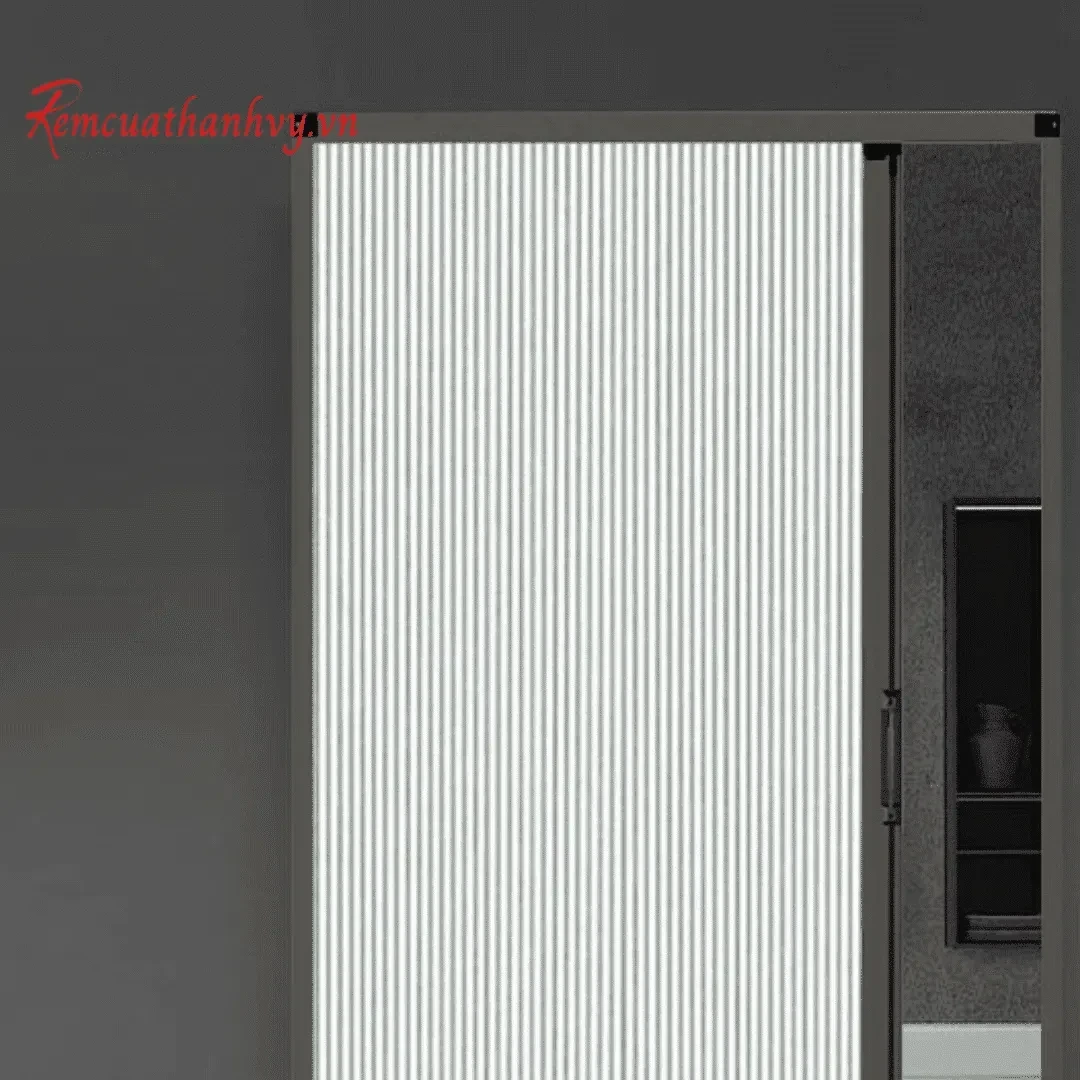
Non-square window frames or uneven walls: Many residential buildings are constructed manually through multiple expansion and renovation stages, so the window frame may be off by several centimeters between the top and bottom edges, and the wall may bulge in certain sections. These deviations do not show up in photos, but if they are not measured on-site, the finished curtain set may allow light to leak in on one side or catch when opened and closed. Information about the company also appears in the introduction to Thanh Vy’s auditorium curtains in Báo Cần Thơ.
Weak or damp walls: In coastal areas, damp wall bases and crumbling plaster are common. Only by being there in person can the installer determine where to anchor the curtain hardware securely, whether the mounting point needs to be moved to the ceiling or the window frame, and which type of wall anchor should be used. This is an aspect that cannot be reliably assessed remotely, yet it directly determines whether the curtain set will remain secure.
Large windows, double-height spaces, or guide rails: When load capacity, system divisions, intermediate support points, or guide rails along both edges need to be calculated, an error of just a few millimeters can be enough to cause jamming. The same applies to ceiling-recessed installations with the track concealed inside a drywall box: the recess depth, clear opening, and electrical line locations all need to be checked visually and measured.

Projects with multiple rooms: For accommodation facilities or homes with many windows, surveying everything at once is always more efficient than handling each opening separately. In this case, the survey also makes it possible to standardize one hardware system for the entire project, making individual replacements more convenient later.
For the remaining cases, such as a standard window in a newly built house with a straight aluminum frame, sound walls, and clearly defined requirements, the photos and measurements sent in advance by the homeowner are sufficient to finalize the solution and prepare a preliminary quotation. In that situation, the first visit can combine precise measuring and installation in the same trip, saving considerable time for both sides.
Logistics for transportation and installation in remote areas
This is the part that customers in Cần Giờ are most concerned about and is also the clearest difference compared with an order within the inner city. The long distance combined with the ferry crossing means that every trip must be planned, and the way the work is organized must be different so that the total time and cost do not increase unreasonably. Interested readers can view the Thanh Vy premium curtains section on Báo Hà Tĩnh.
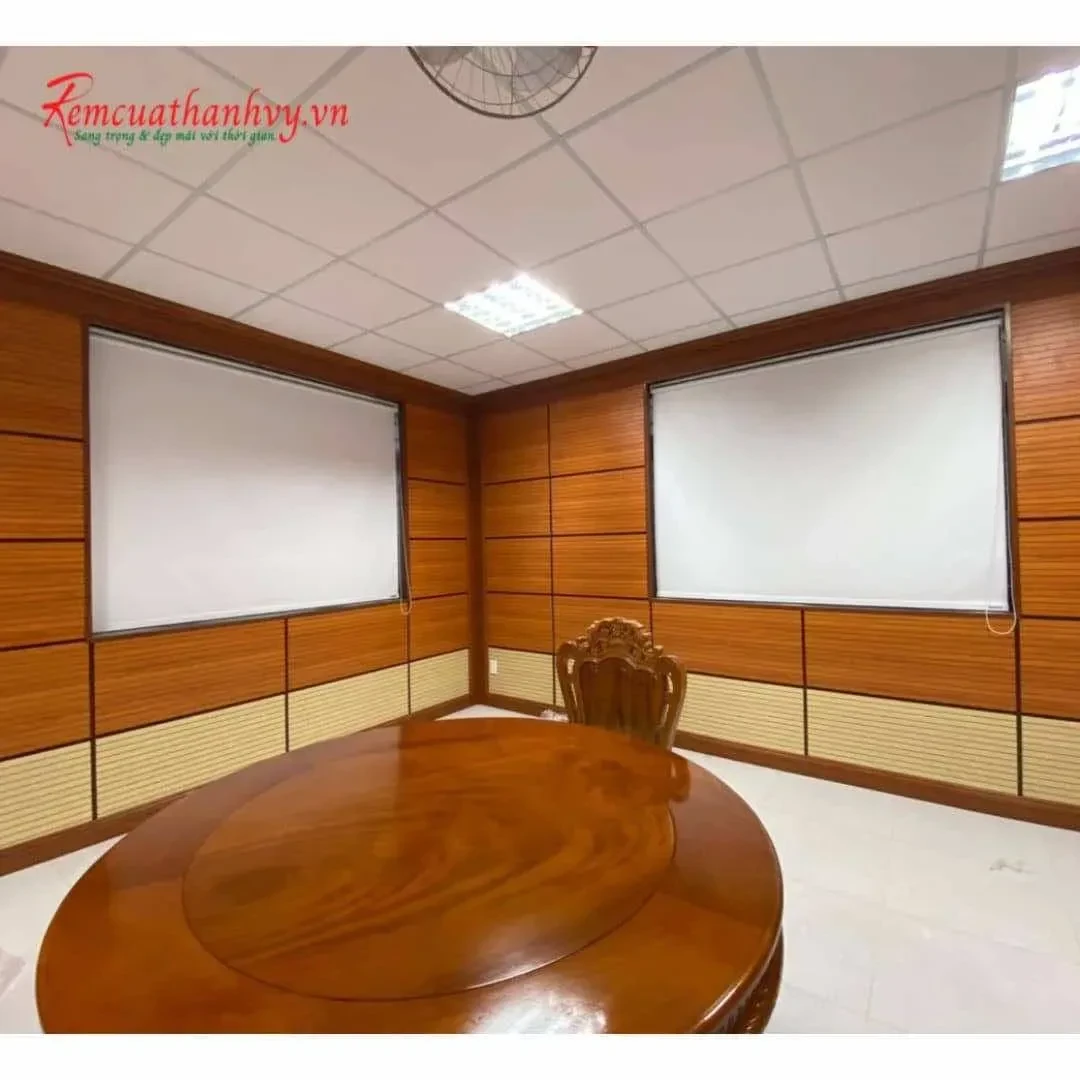
Combining tasks into one trip: Our working principle in this area is to minimize the number of trips as much as possible. Instead of separating surveying, delivery, and installation into individual trips, the plan is arranged so that one trip handles as many tasks as possible. In many cases, when the initial information is complete, precise measuring and finished installation are carried out seamlessly during the same visit.
Preparing extra components: When the installer is a long distance from the workshop, lacking even one screw of the correct type can ruin the entire work session. Therefore, the toolkit brought along for trips to Cần Giờ is always prepared with extras: extra anchors in various sizes, extra spare accessories, and extra screw-fastening options for different types of walls. This is a small preparation cost that prevents major risks.
Moisture- and impact-resistant packaging: Finished curtains must travel a long distance, including a river crossing with high air humidity. The products are tightly wrapped to prevent moisture absorption along the way, the rods and tracks are secured to prevent warping from impacts, and the accessories are packed separately by set and clearly marked so that no time is wasted sorting them upon arrival.
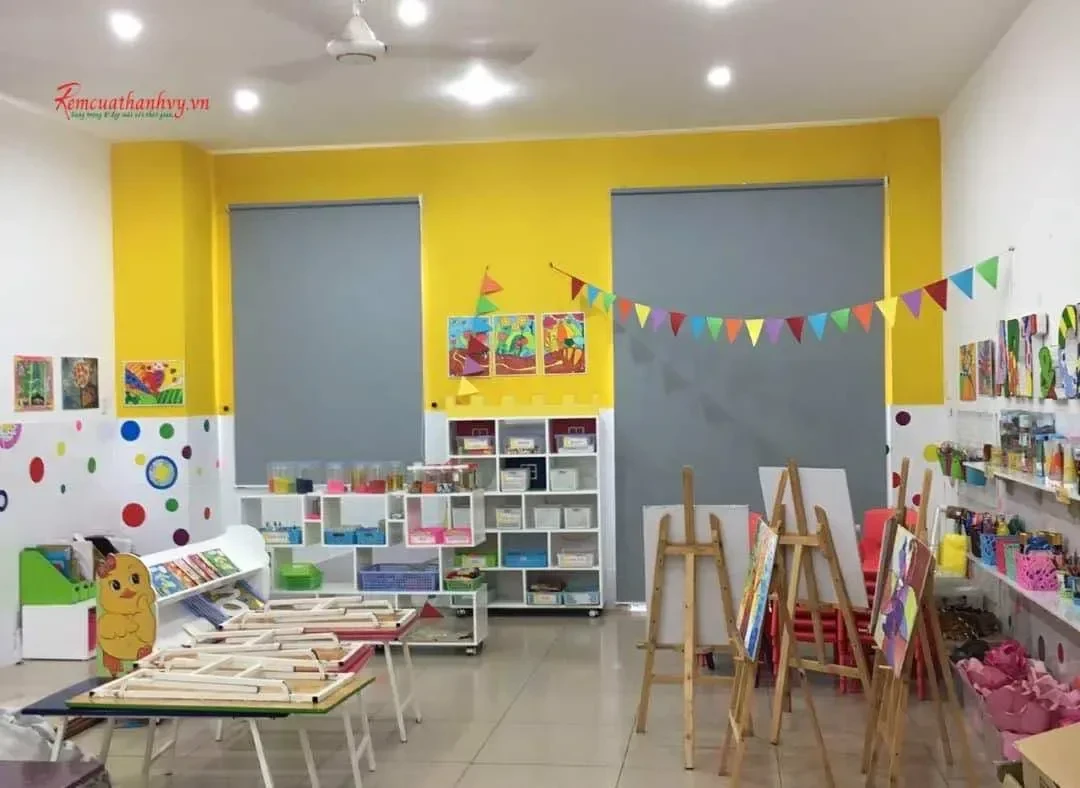
Scheduling according to actual travel conditions: Appointments with customers in Cần Giờ are always agreed upon with the ferry waiting time and traffic conditions along the route taken into account, rather than applying the inner-city method of estimating travel time. This helps the installer arrive at the scheduled time and have enough time to work carefully, instead of rushing to catch the return trip.
Island commune cases: Thạnh An Commune is isolated, and travel in and out depends on waterway transportation, so all work here requires prior discussion to agree on a suitable transportation plan and timeframe. We accept requests from this area and will provide clear information from the outset about the method, estimated time, and any additional costs, so homeowners can make an informed decision instead of having to wait uncertainly. You can also cross-check through the concept of curtains in architecture.
Send your dimensions and needs, and the Thanh Vy Curtains team will advise on options and quote for your actual space.
Decision checklist for people looking for Cần Giờ curtains
Degree of exposure of each window: First, classify the windows in your home into three groups: directly exposed to salty wind, indirectly affected, and completely sheltered. The first group requires prioritizing materials and corrosion-resistant mechanisms at the highest level, accepting some trade-offs in style. The third group can be chosen freely based on aesthetics, like a home in the inner city. This classification helps direct the budget to where it is actually needed instead of spreading it evenly.
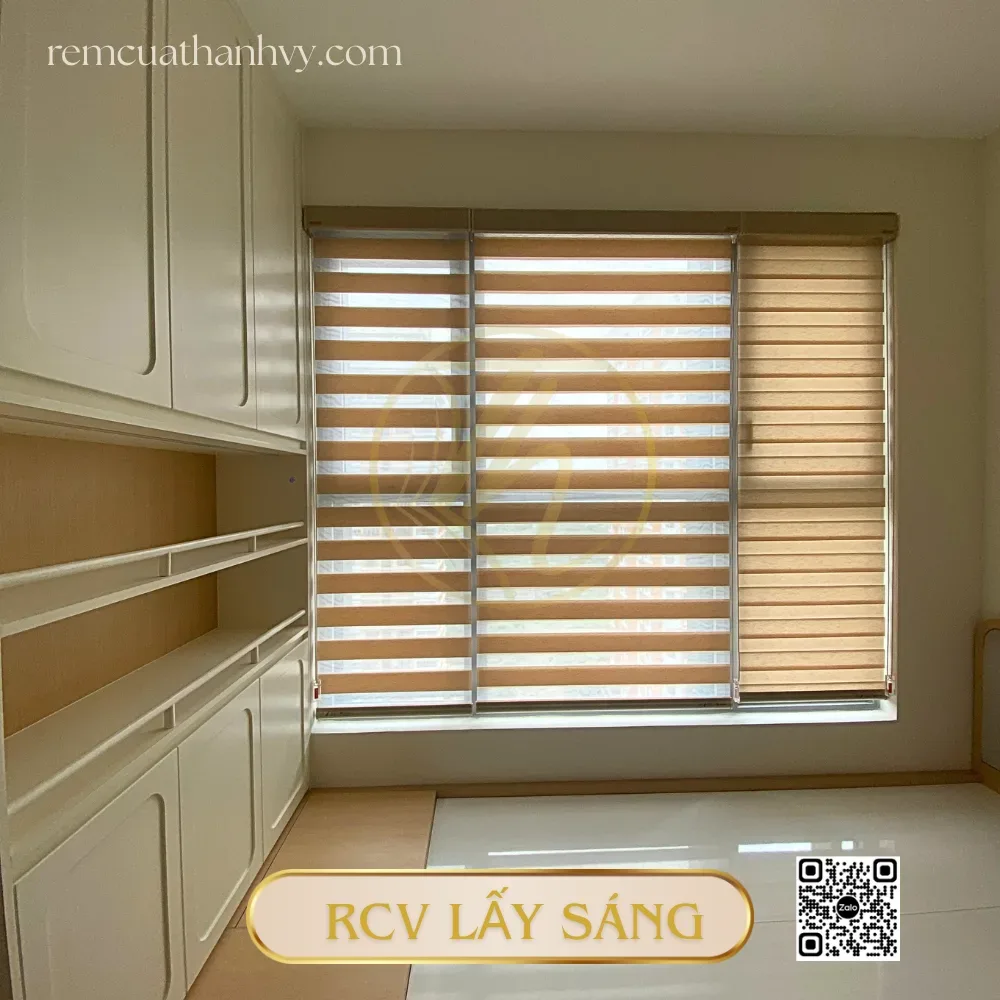
Quality of accessories, not just fabric quality: When comparing two quotes, ask specifically what type of accessories are included, what kind of screws and anchors are used, and whether the mechanism allows individual components to be replaced. Two curtain sets that look identical immediately after installation can differ by many years in lifespan simply because of this part. In Cần Giờ, saving on accessories is almost always the most expensive kind of saving.
Wind resistance of the mechanism: Check whether the proposed solution takes curtain bottom anchoring into account, whether there are enough fastening points, and whether a wide window is divided into separate systems. A good solution will clearly address these points during the consultation, rather than describing only the fabric and color.
Ease of cleaning: Since regularly wiping away salt is mandatory, prioritize flat surfaces with few gaps and mechanisms that allow cleaning in place without removal. If the family does not have much time to care for the home, this should be a high-ranking criterion rather than a secondary one.
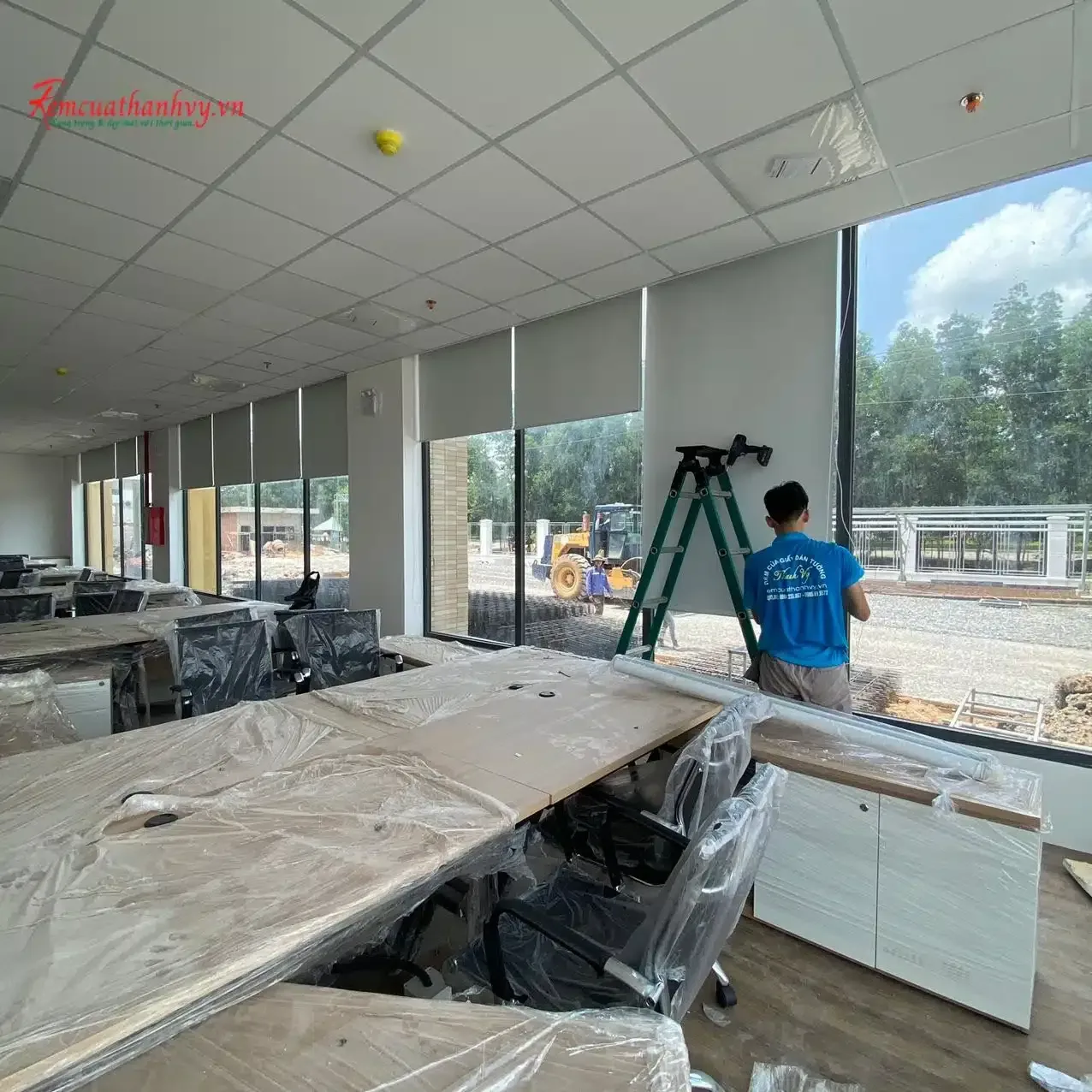
Ability to provide warranty service and replacements remotely: Confirm in advance how issues will be handled: which channel to use for contact, how long the response will take, whether homeowners will be guided to fix minor problems themselves, and whether compatible replacement accessories are readily available. For remote areas, a clear support process is far more practically valuable than a vague general commitment. Information about the provider also appears in the characteristics of linen fabric.
Suitability for the long-term budget: Finally, look at the cost not only at the time of installation but also over several years of use. A curtain set that is initially cheaper but requires calling an installer out twice, with each visit including travel costs for the long distance, is usually much more expensive than one made correctly from the start.
Wards where Rèm Cửa Thanh Vy provides measuring and installation
After the administrative units were reorganized, the names of the former and new wards do not match, so the section below includes the former names for convenient reference when scheduling measurements.
District 6
- Bình Phú Ward — merged from Wards 10 and 11 before the merger.
- Bình Tiên Ward — merged from Wards 1, 7, and 8 before the merger.
- Bình Tây Ward — merged from Wards 2 and 9 before the merger.
- Phú Lâm Ward — merged from Wards 12, 13, and 14 before the merger.
District 7
- Phú Thuận Ward — retained its name after the merger.
- Tân Hưng Ward — merged from Tân Kiểng, Tân Phong, and Tân Quy Wards before the merger.
- Tân Mỹ Ward — merged from Phú Mỹ and Tân Phú Wards before the merger.
- Tân Thuận Ward — merged from Bình Thuận, Tân Thuận Tây, and Tân Thuận Đông Wards before the merger.
District 8
- Bình Đông Ward — merged from Wards 6 and 7 before the merger.
- Chánh Hưng Ward — merged from Wards 4, 5, Hưng Phú, and Rạch Ông before the merger.
- Phú Định Ward — merged from Wards 14, 15, 16, and Xóm Củi before the merger.
District 10
- Diên Hồng Ward — merged from Wards 14, 6, and 8 before the merger.
- Hòa Hưng Ward — merged from Wards 12, 13, and 15 before the merger.
- Vườn Lài Ward — merged from Wards 1, 10, 2, 4, and 9 before the merger.
Thanh Vy Curtain’s capabilities and service coverage in Cần Giờ
Thanh Vy Curtain grew from a private curtain-making workshop, building up its expertise through many years of hands-on work before establishing a legal entity in 2025. This foundation has created a technical approach to work: every solution starts from the actual measurements and actual conditions of the project, while products are cut and sewn at the company’s own workshop, allowing them to be customized to specific requirements rather than being limited by standard available sizes. In Cần Giờ, we accept requests across all four communes, including the island commune area, with work arrangements adapted to the particular distances involved.
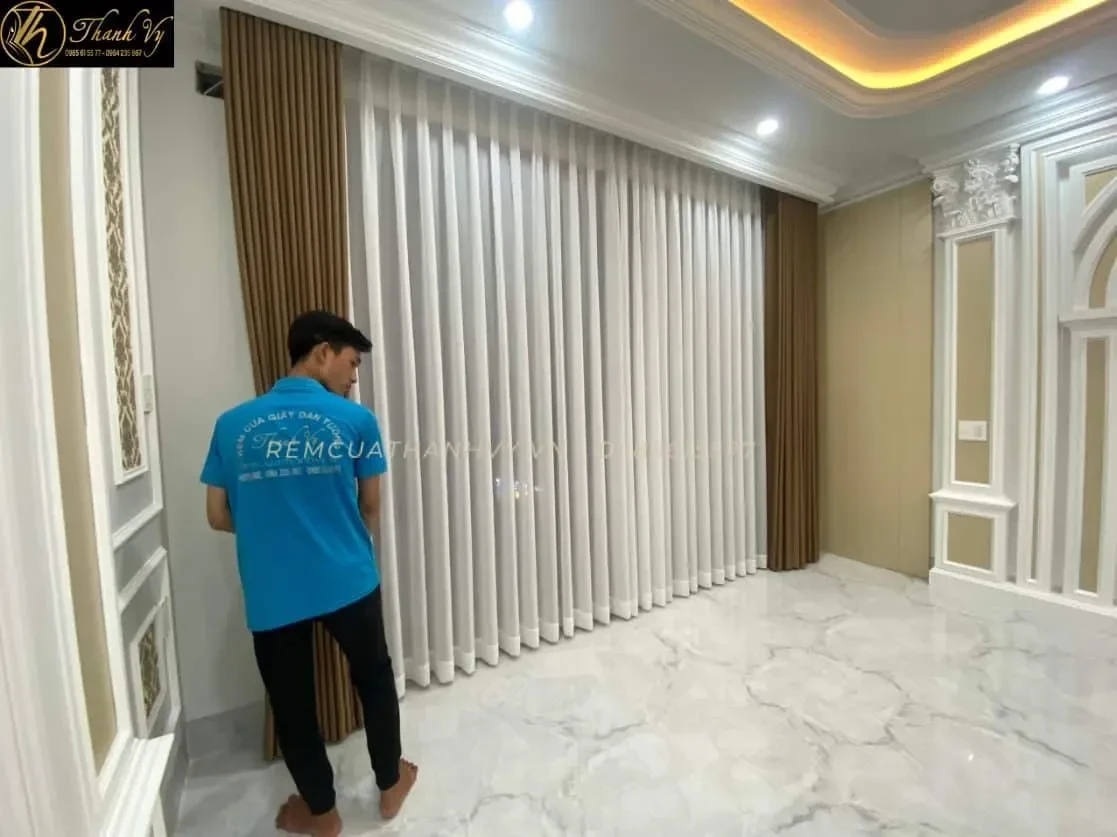
Consultation based on environmental conditions: Before discussing styles, we determine each window’s exposure to salt-laden wind and humidity, then narrow down the appropriate material and hardware groups. This approach helps homeowners clearly understand why a solution is recommended, rather than simply receiving a price list accompanied by a few illustrative photos.
On-site inspection and measurement: The technical team comes to the site to take precise measurements, inspect the wall and ceiling structure, and determine the screw-mounting positions as well as the type of hardware required. During the same inspection, homeowners can view actual fabric samples under the exact lighting conditions of their own room—something that viewing images on a screen cannot replace.
Custom sewing at the workshop: All cutting, sewing, wave pleating, and finishing are carried out at the workshop according to the finalized measurements, with checks at every stage. Controlling the production process ourselves allows us to handle non-standard requirements such as skewed windows, unusual heights, or custom sewing details requested by the homeowner. Interested readers can also learn about the properties of natural wood.
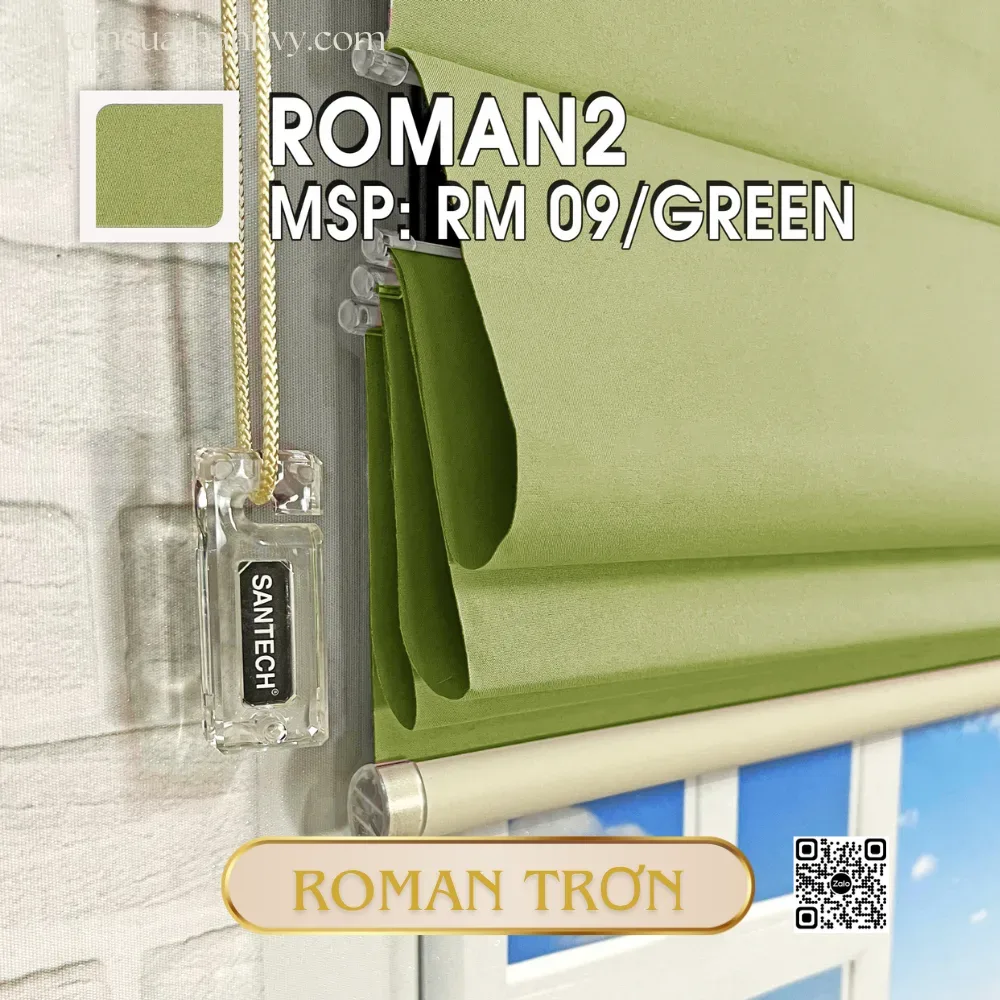
Installation and handover: Installers bring a full set of tools and spare hardware suitable for a remote area, complete the work neatly during the scheduled trip, test operation in front of the homeowner, and thoroughly clean the installation area before handover. This also includes specific guidance on cleaning methods and signs that should be reported, suited to actual usage conditions in coastal areas.
Post-installation support: We maintain a direct contact channel so homeowners can describe issues or send photos when problems arise. Many minor issues can be resolved with on-the-spot guidance without waiting for a technician, while for items requiring intervention, preparing the correct components before departure helps resolve the issue completely in a single trip.
What types of spaces does Thanh Vy serve in Cần Giờ?
The spatial makeup of this area differs considerably from that of the inner-city districts: there are few high-rise apartment buildings, many low-rise homes, and a significant proportion of facilities serving weekend visitors. Each group presents its own set of requirements, so curtain solutions must be adjusted accordingly rather than applying one universal formula.
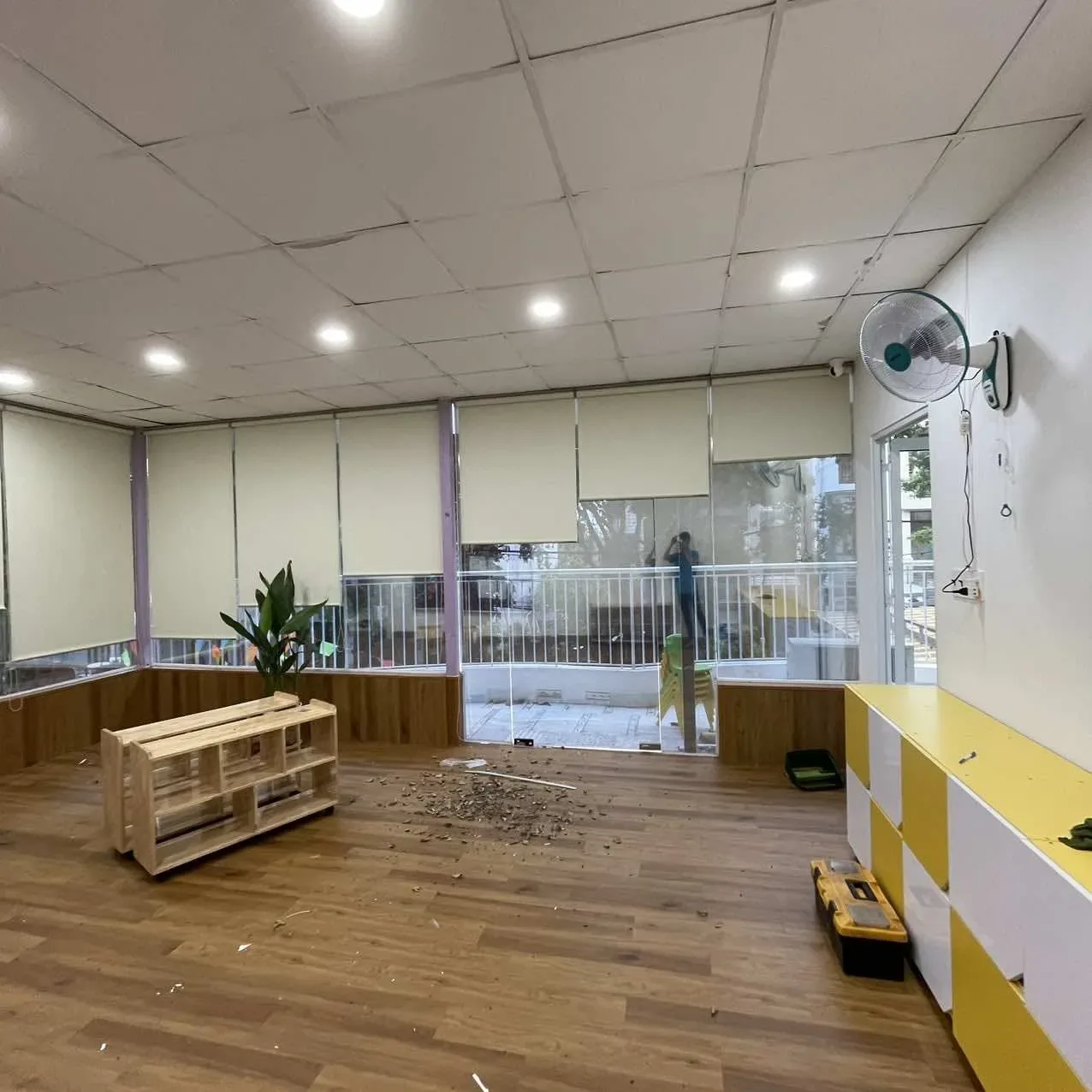
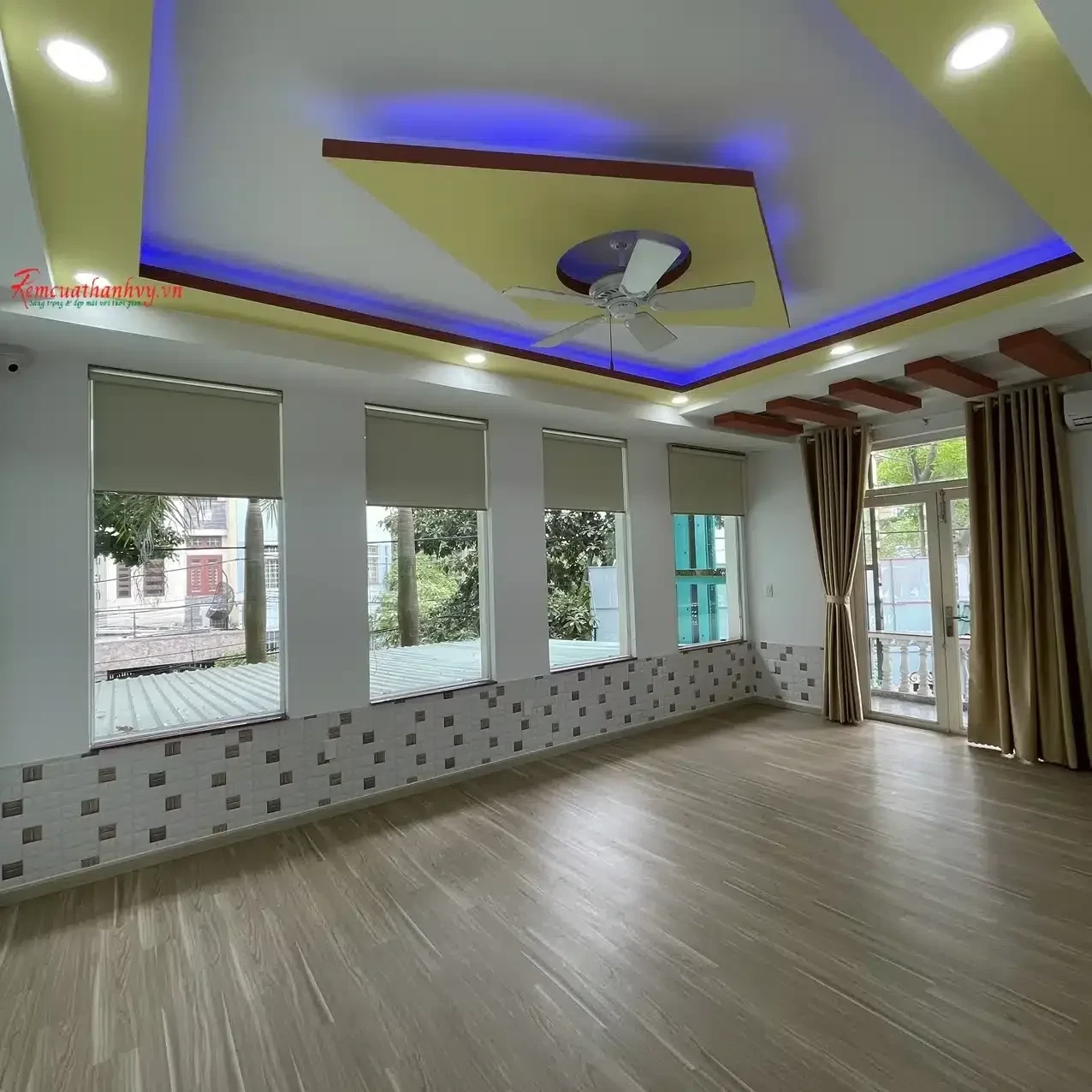
Low-rise residential homes: This is the largest group. The priorities here are mechanism durability, the ability to withstand wind at front-facing windows, and ease of cleaning by the homeowner. With low ceilings, the usual solution is to install the track close to the ceiling so the fabric runs the full height, making the room look more spacious, combined with a sheer layer to filter harsh sunlight in the living room and a better light-blocking layer for the bedroom.
Small-scale accommodation facilities: For guesthouses and homestays, the requirements are consistency and easy individual replacement. Many rooms often have windows of the same size, so standardizing one hardware system for the entire property both optimizes costs and allows a set to be replaced quickly when needed without having to wait for a custom order. Materials should also lean toward those that are easy to clean on-site, since the high guest turnover makes frequent removal and washing impractical. Further reference can be made to the properties of aluminum.
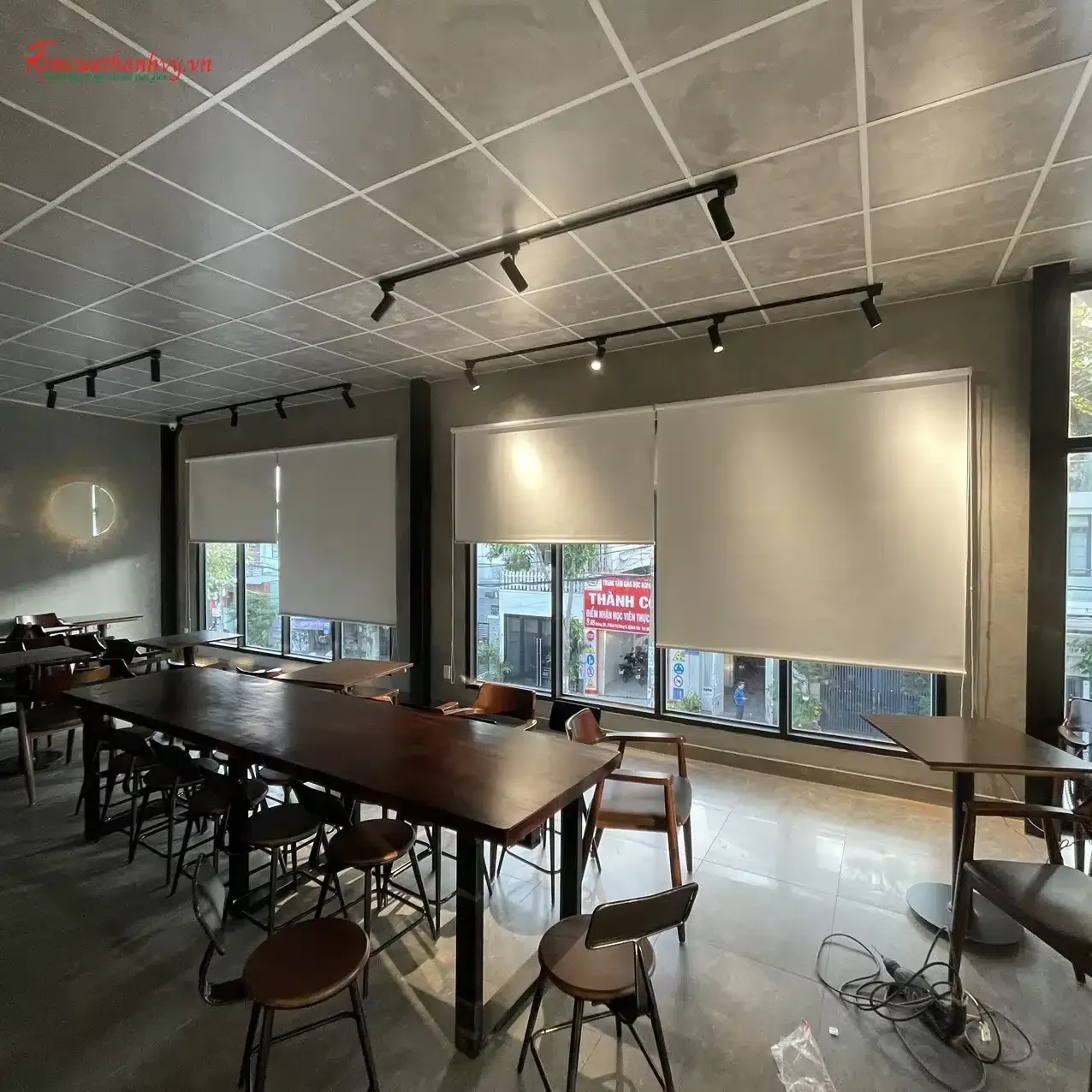
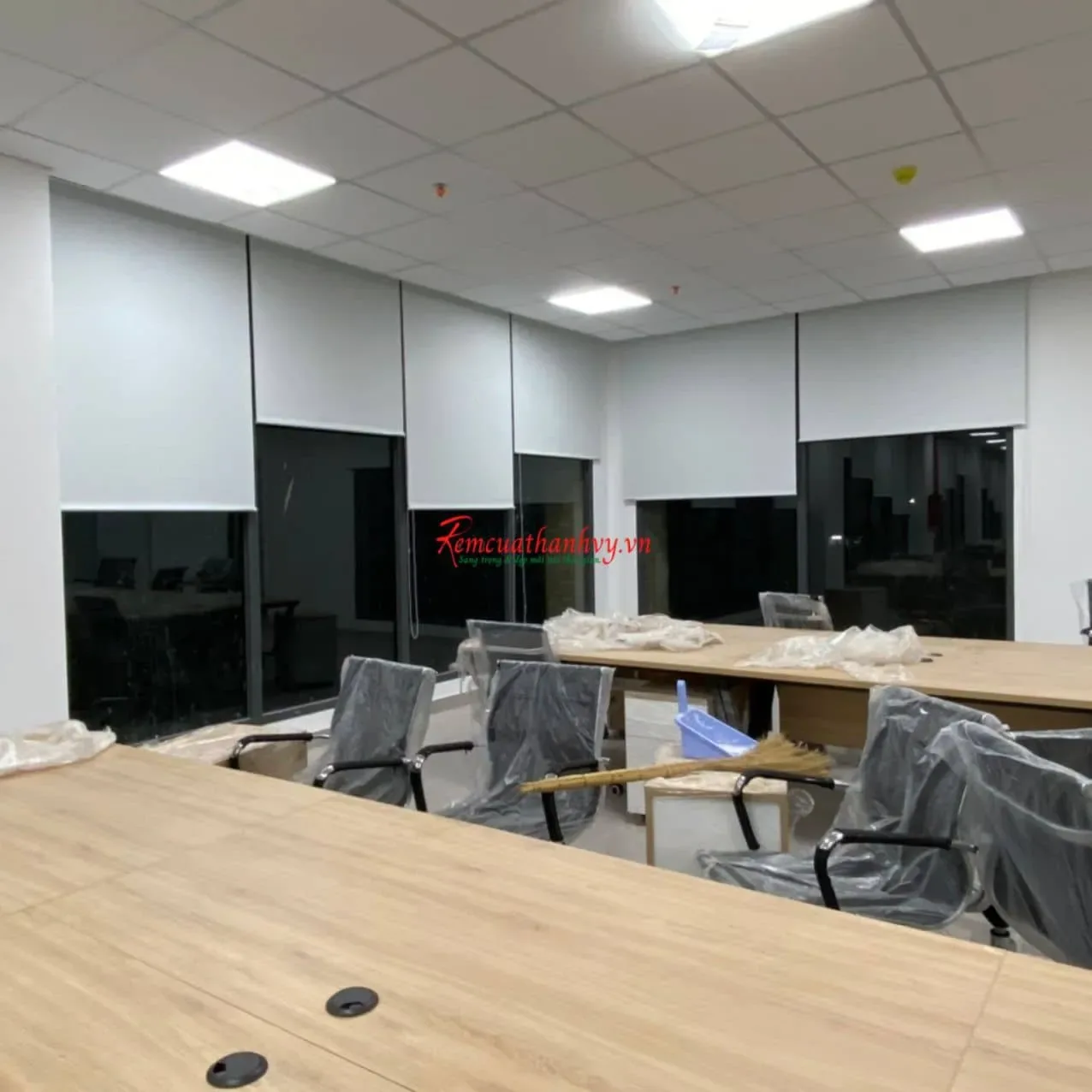
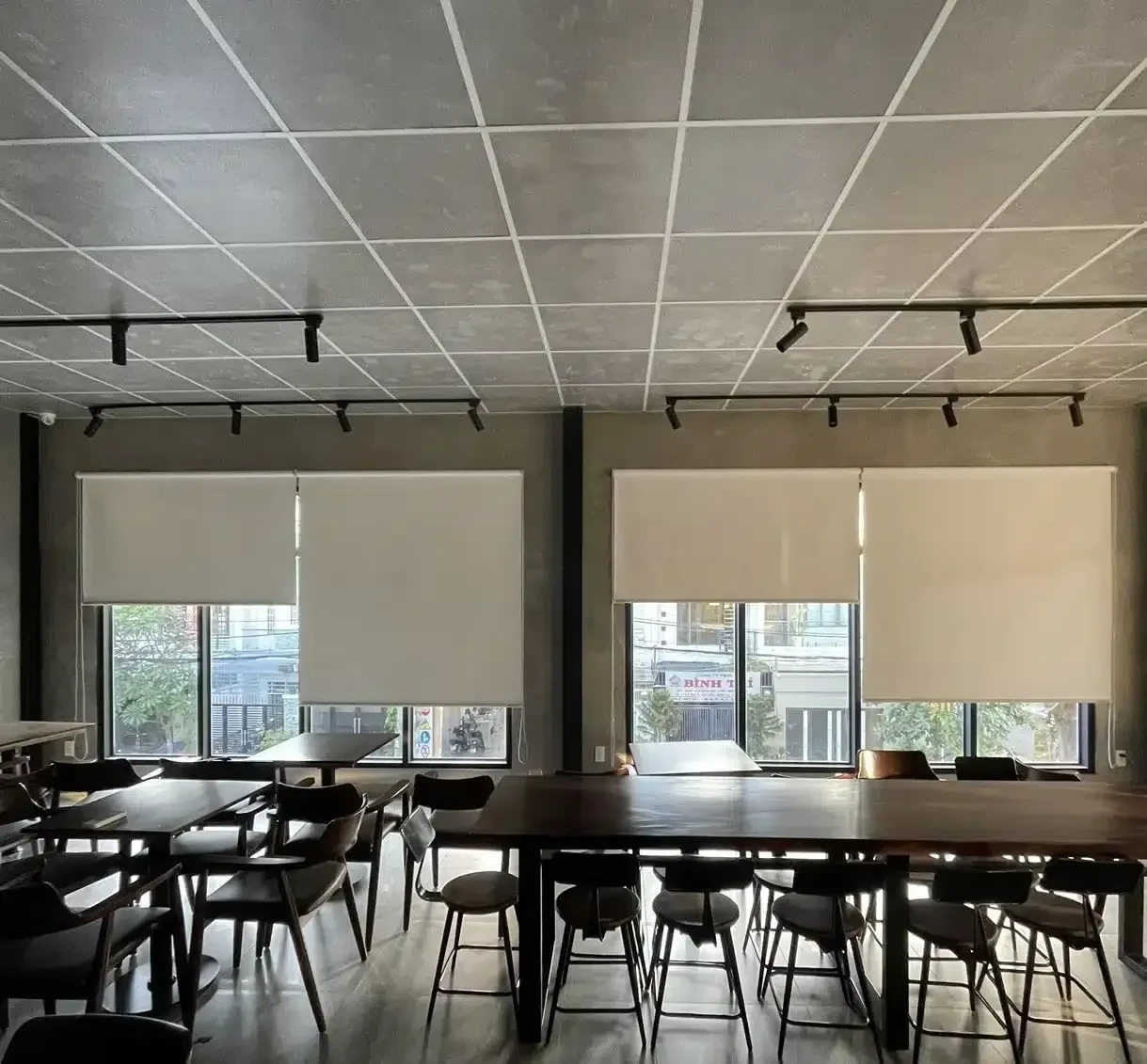
Commercial service spaces: Restaurants, shops, and reception areas need curtains that can regulate sunlight while withstanding frequent operation throughout the day. Roller blinds and vertical blinds are often suitable thanks to their compactness and mechanism durability, along with the ability to select the desired level of light transmission while maintaining an outside view.
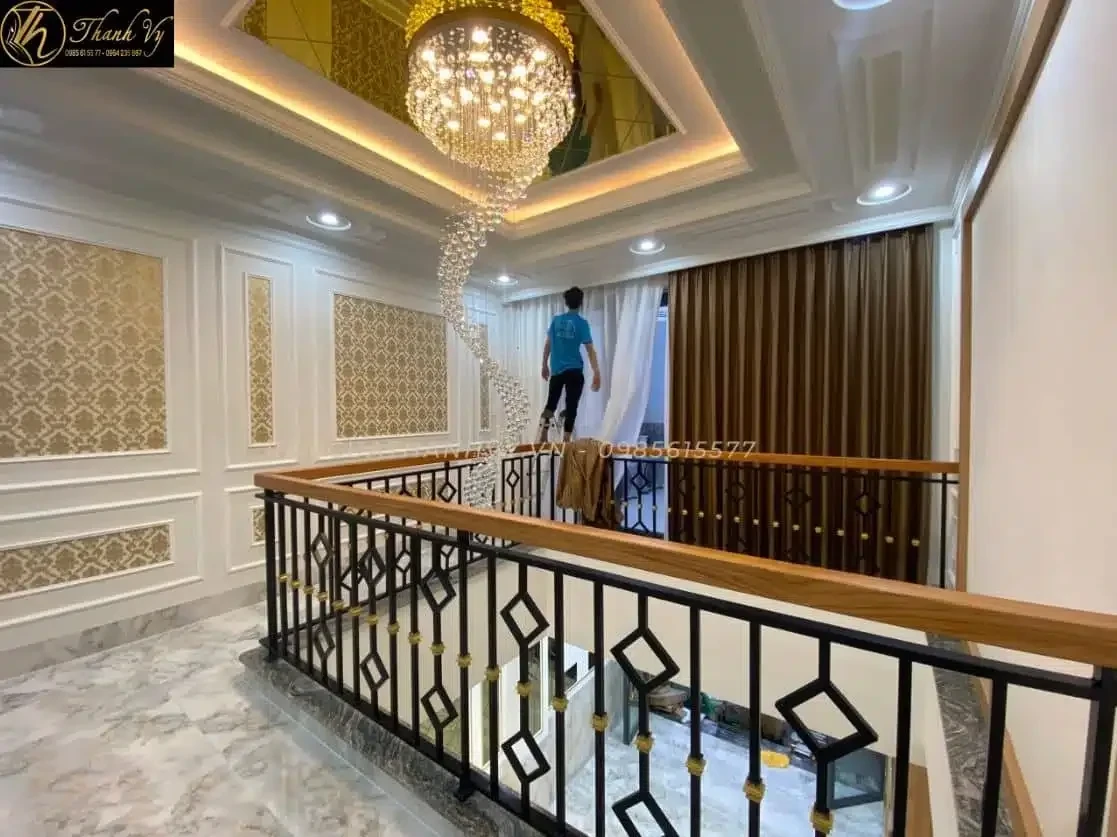
Projects still under construction: If the house is still in the construction phase, discussing curtains early brings clear benefits: a curtain pocket can be left ready in the ceiling, electrical points for motorized curtains can be arranged in a dry location, and the points that will bear the load can be reinforced in advance. These tasks are very simple to carry out during the rough construction stage, whereas waiting until completion means having to chisel into finished surfaces or accept a less optimal alternative.
In-home survey process
For a remote location, the survey visit must accomplish multiple objectives in a single trip. The process below is arranged to collect sufficient technical data while also helping the homeowner finalize an option immediately instead of waiting for another round of discussions.
Discussion before the visit: Every request from Can Gio begins with a remote discussion to determine the number of windows, estimated dimensions, intended use, and environmental conditions at each location. Based on this, we preselect the fabric samples and hardware group to bring, rather than transporting the entire sample board without focus.
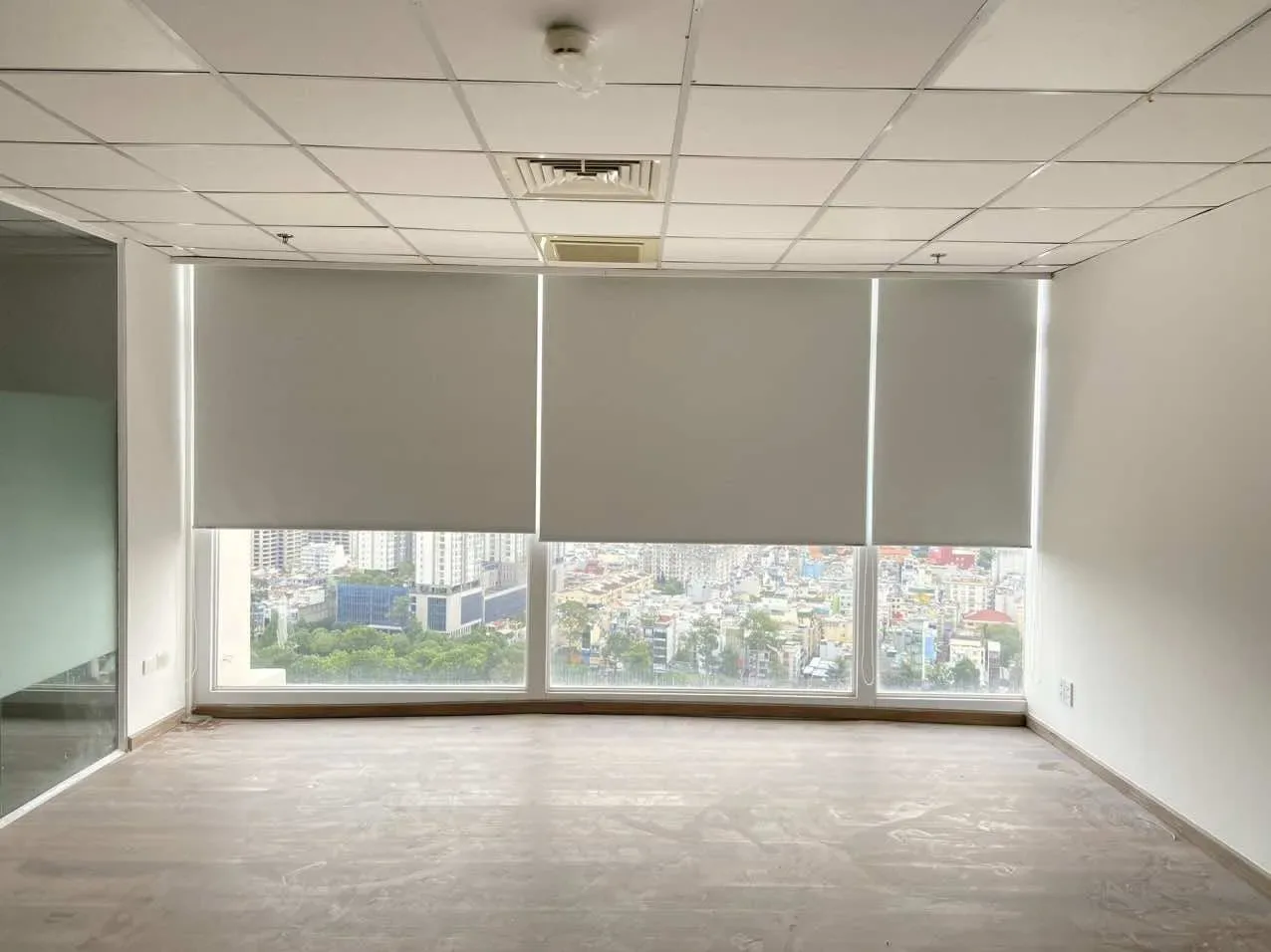
Scheduling the appointment: The schedule takes the travel distance and ferry journey into account, so the installer arrives on time and still has sufficient time to work carefully. The homeowner is informed of the expected time window and updated if there are any changes along the way. Information about the company also appears in the role of windows.
Measuring and checking the structure: At the site, the installer measures the width at multiple points to identify any frame deviation, measures the height according to the agreed hanging method, and records the clearance on both sides and the gap to the ceiling. At the same time, the quality of the wall and ceiling is checked precisely where the screws will be installed, and the type of wall anchor and number of support points required for each window are determined.
Assessing exposure: This is a dedicated step for coastal locations. The installer observes the direction of each window in relation to the prevailing wind, looks for signs of wind-driven rain on the walls and frames, and checks the extent to which existing metal details in the house have corroded. The results of this assessment directly determine the hardware group to be used at each location.
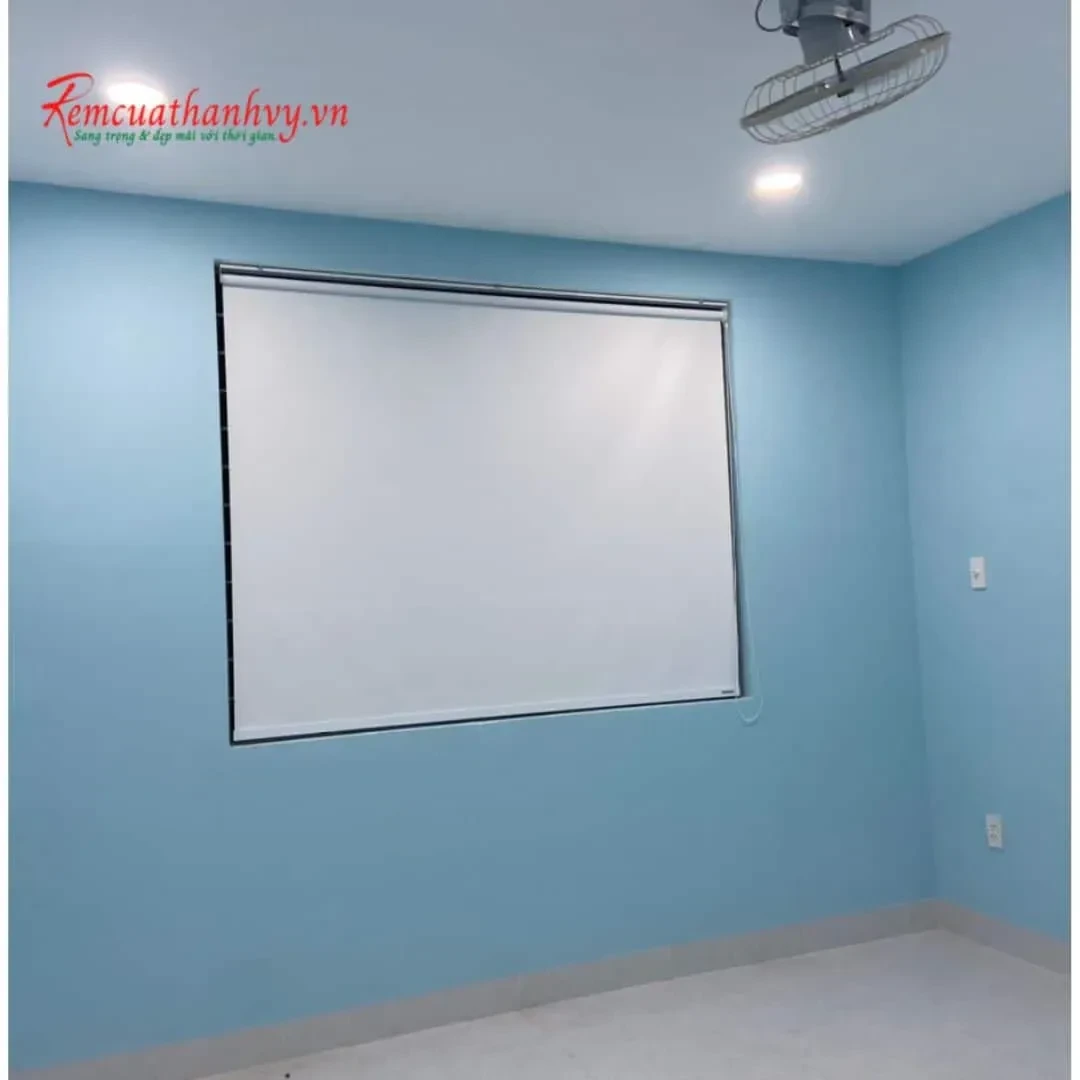
Comparing samples and finalizing the option: Fabric samples are placed directly at the window, under the room’s actual lighting, alongside the existing wall colors and furnishings. The homeowner can directly see the light-blocking level of each type by stretching the samples in front of a light source. Once agreed upon, all specifications are recorded in a detailed form, and the price quotation is sent transparently by item rather than combined, to avoid misunderstandings about the cost.
Custom measuring and sewing process
Ready-made products rarely fit the windows in Can Gio, because houses here are often built in several phases and window dimensions seldom follow industrial standards. Custom measuring and sewing is therefore not a luxury option but a necessary condition for the curtains to provide full coverage, operate smoothly, and retain their shape in humid, windy conditions.
Confirming measurements before cutting: The measurement form from the site is reviewed at the workshop and cross-checked against photos of the existing conditions and the finalized hanging option. Any unclear point is reconfirmed with the homeowner before the fabric is touched, because in a remote location, having to remake a curtain costs far more than making a confirmation call. Interested readers can also view the article on Báo An Giang about Thanh Vy premium fabric curtains.
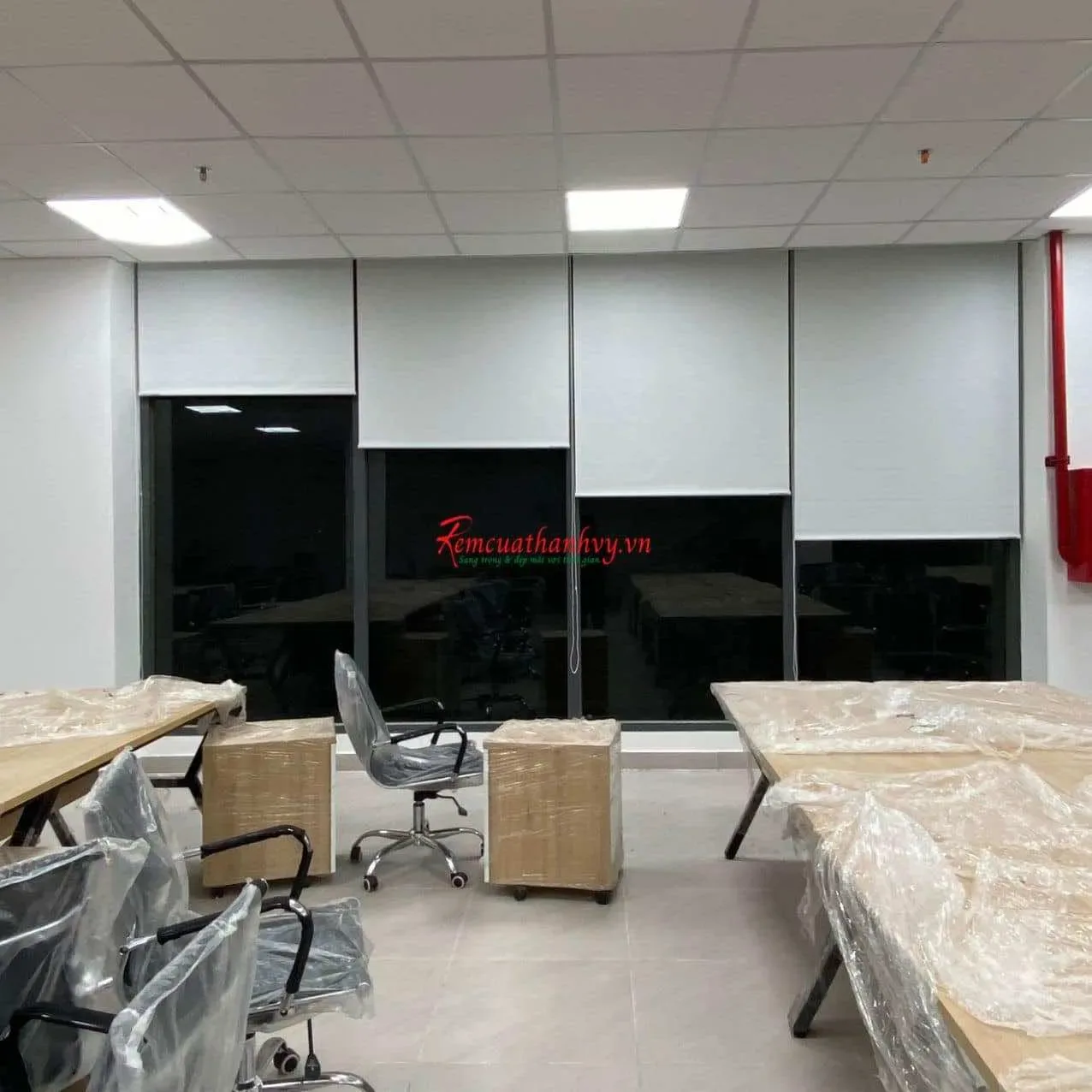
Selecting and checking materials: The fabric is selected according to the recommended group, and its colorfastness and fiber structure are checked before it is placed on the cutting table. For highly exposed locations, colorfastness and moisture-release ability take priority over color tone. The hardware is also prepared as a complete set for each curtain and its type is clearly recorded in the file to facilitate future replacement.
Cutting and sewing: The fabric is laid out on a flat cutting table, with the grain carefully aligned so the curtain does not twist or develop uneven waves when hung. The edges are carefully finished to prevent fraying, the bottom of the curtain is reinforced according to the selected option, and for locations that require wind restraint, a bottom bar or bottom-retaining mechanism is incorporated from the sewing stage rather than added later.
Wave pressing and inspection: After sewing, the curtain is wave-pressed so that the folds fall evenly and the shape remains stable. Before packing, each set is hung for testing to check its drape, the straightness of the edges, and the compatibility between the fabric and the accompanying hardware system. This workshop inspection is especially important for orders shipped long distances, because detecting an error here takes only a few minutes, while discovering it after arriving at the site costs an entire trip.
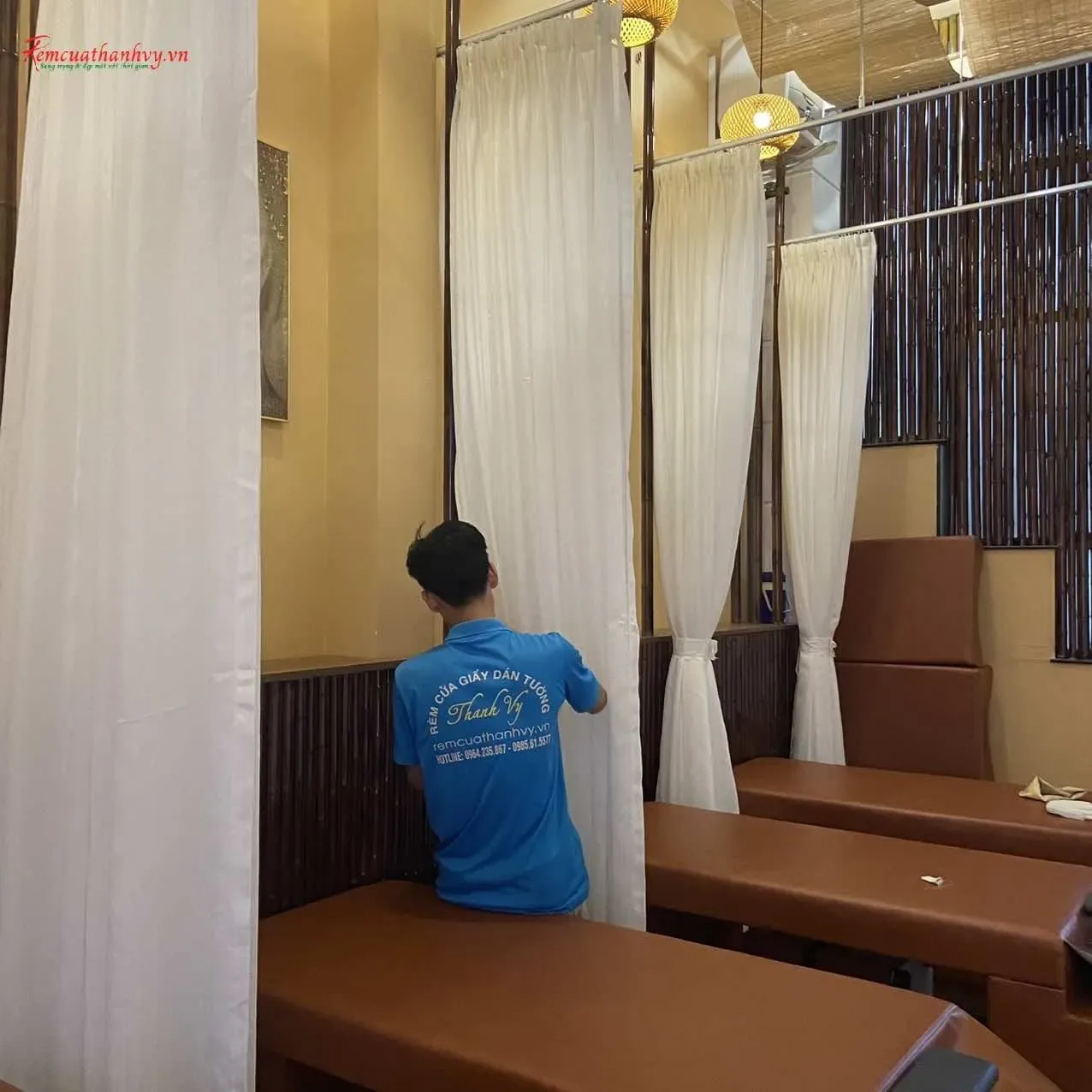
Packing for a long journey: The finished products are tightly wrapped against moisture, the bars and rails are secured against bending, and the hardware is packed separately for each set and clearly labeled with the room name. This packing method allows the installer to begin installation immediately upon arrival without spending time sorting items, while also preventing the products from absorbing moisture or being damaged during transport.
Construction and installation process
The installation visit in Can Gio is organized to be completed efficiently in a single trip. The installer brings all necessary tools, main and spare hardware, along with screw-fastening options for various wall structures, so unexpected situations that only become apparent when drilling begins do not cause delays. You can also refer to the introduction to auditorium curtains in Báo Cần Thơ.
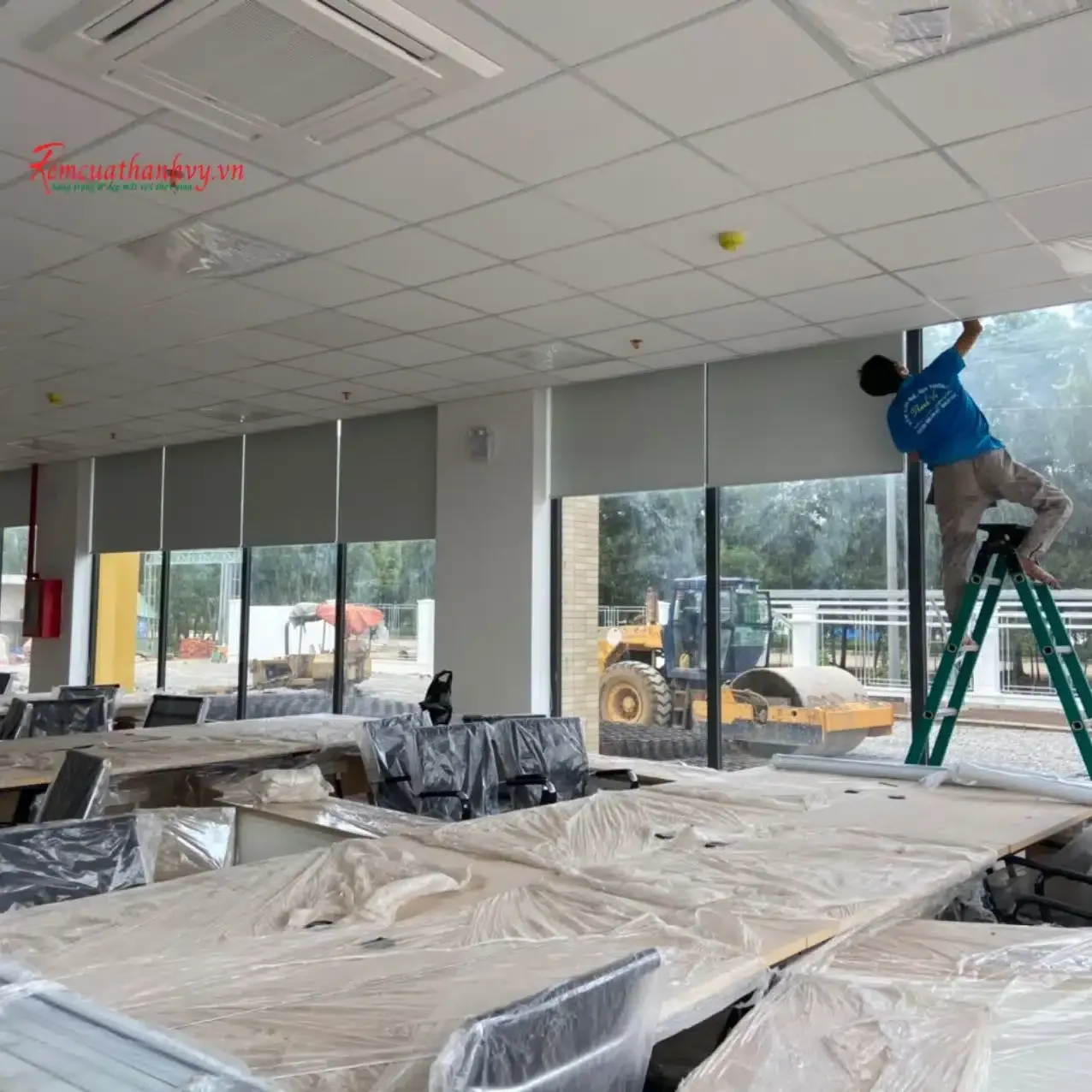
Preparing the work area: Before work begins, the installation area is covered to prevent drilling dust from settling on the furnishings, and items close to the wall are covered or moved away if necessary. The installer rechecks all products brought to the site and matches the labels to each room to ensure that the wrong set is not installed.
Positioning and fastening load-bearing points: The positions of the support brackets are marked using leveling equipment so that the hanging bar is perfectly straight. In this area, the number of fastening points is usually arranged more densely than usual and the spacing between points is reduced to distribute the load evenly across the entire system when affected by wind. The type of wall anchor is selected according to the wall quality checked during the survey, and if an unexpectedly weak wall point is discovered, the installer immediately switches to the backup option on site instead of forcing a fastener into a location that cannot bear the load.
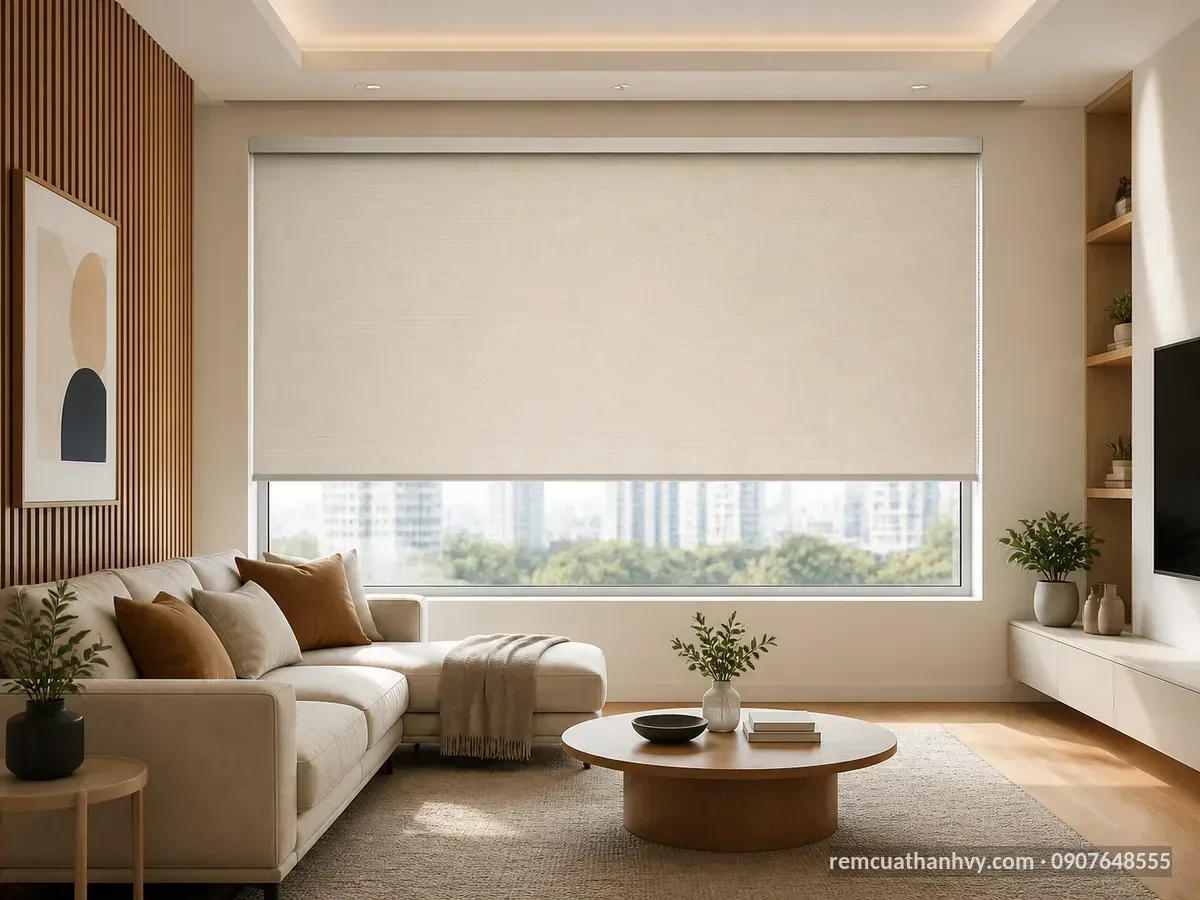
Installation and adjustment: The hanging bar, rail, and mechanisms are installed in the correct order. The curtain is then hung and adjusted so that the folds fall evenly, both side edges provide sufficient coverage, and the bottom of the curtain maintains the correct distance from the floor. For locations with guide rails on both sides, the installer checks that the two rails are parallel so the fabric runs through the channels without getting stuck.
Checking operation and wind resistance: The entire system is operated several times to ensure smooth movement without squeaking or sticking and that it stops in the correct position. For windows exposed to wind, the installer opens the window to test the curtain’s response in actual wind conditions, checking whether the bottom lifts and whether the fastening points show any signs of vibration, then making adjustments immediately if necessary.
Cleaning, instructions, and handover: The work area is cleared of drilling dust and excess materials and returned to its original condition for the homeowner. Before finishing, the installer provides direct instructions on operation, periodic salt removal, what should be done before and after the strong-wind season, and signs that require contacting the company again. The handover is completed only after the homeowner has tried operating the curtains and is satisfied with the result.
Wards Where Thanh Vy Curtain Measures and Installs
After the administrative units were reorganized, the old and new ward names do not match, so the old names are included below for convenient reference when scheduling a measurement.
District 11
- Bình Thới Ward — merged from Wards 10, 3, and 8 before the merger.
- Hòa Bình Ward — merged from Wards 14 and 5 before the merger.
- Minh Phụng Ward — merged from Wards 1, 16, and 7 before the merger.
- Phú Thọ Ward — merged from Wards 11 and 15 before the merger.
District 12
- An Phú Đông Ward — merged from Thạnh Lộc Ward before the merger.
- Thới An Ward — merged from Thạnh Xuân Ward before the merger.
- Trung Mỹ Tây Ward — merged from Tân Chánh Hiệp Ward before the merger.
Warranty Policy
Scope of commitment: All products supplied and installed by Thanh Vy Curtain come with the unit’s standard warranty policy, applying to customers in Cần Giờ just as it does in other areas. The warranty terms and period are clearly stated as soon as the plan is finalized, so homeowners understand their benefits before making a decision instead of having to ask again when an issue arises.
Remote support first, on-site service afterward: Given the distance involved, our troubleshooting process begins with the homeowner describing the issue or sending photos and a short video of what is happening. Many minor problems, such as misaligned hooks, slightly jammed fabric, or a twisted pull cord, can be addressed immediately with guidance, allowing the homeowner to use the curtains again within minutes. When actual technical intervention is needed, diagnosing the issue beforehand helps us prepare the correct components and resolve it completely in one trip.
Priority on individual accessory replacement: Because the mechanisms we use are selected to allow each component to be removed and replaced individually, most cases require replacing only the damaged part rather than the entire system. The accessory specifications for each project are recorded, so when homeowners need a replacement years later, finding the correct compatible type is still possible.
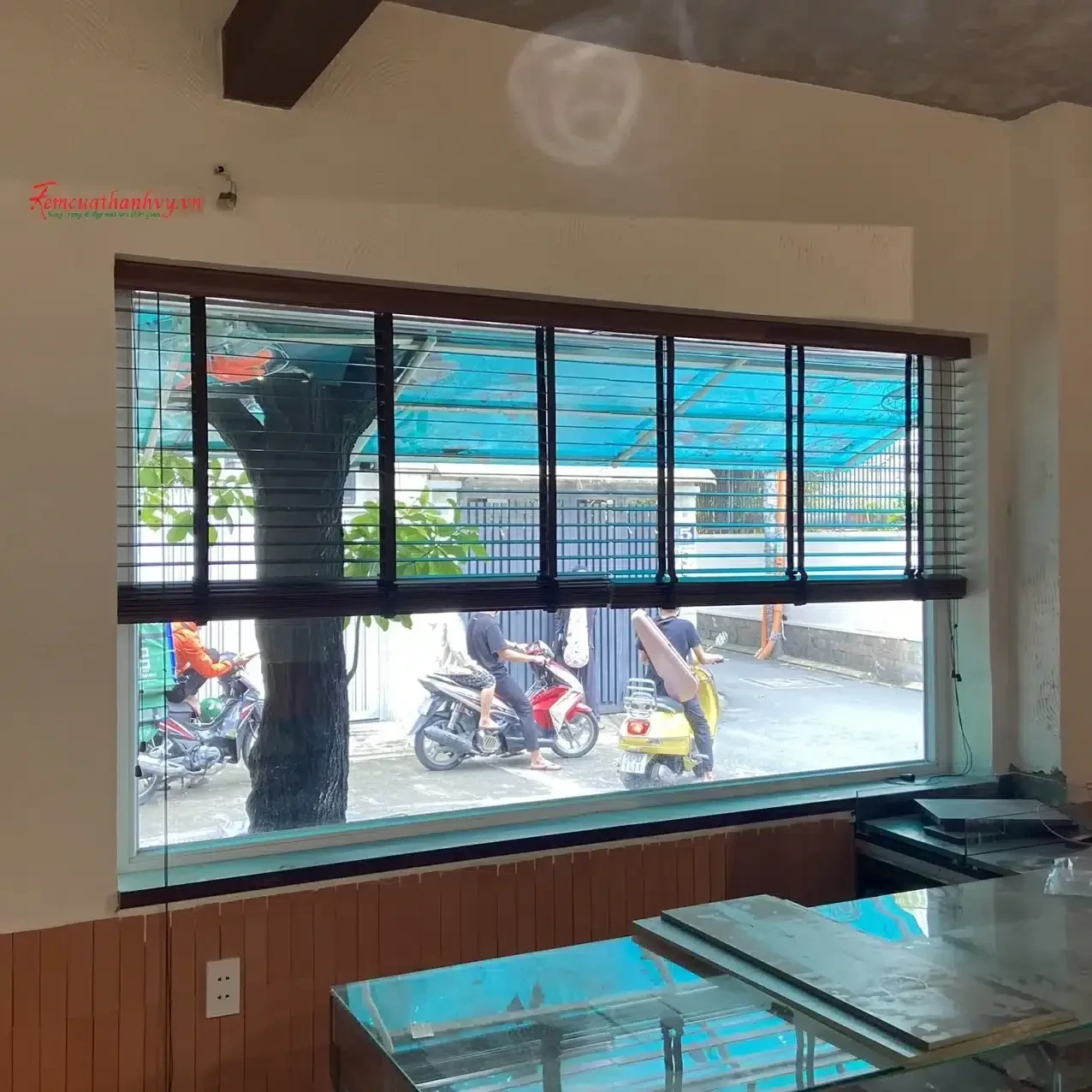
Long-term maintenance and consultation: Beyond repairs, we advise customers in coastal areas on cleaning schedules, how to handle the curtains after periods of strong winds, and how to recognize early signs of deterioration. In a salt-contaminated environment, proper care affects the lifespan of a curtain set just as much as the quality of the original materials.
Clear responsibility: We transparently distinguish between defects belonging to the product or installation and damage caused by external factors, while also explaining from the outset the material’s limitations under harsh conditions. This approach helps align both parties’ expectations and avoids unnecessary disputes later.
Why Choose Thanh Vy Curtain for Your Needs in Cần Giờ
In an area where environmental conditions are harsh and travel distances are significant, the criteria for choosing an installation provider should differ from those used in the inner city. What you need is not the place with the most designs, but the one that clearly understands what will fail first and knows how to prevent it from the outset.
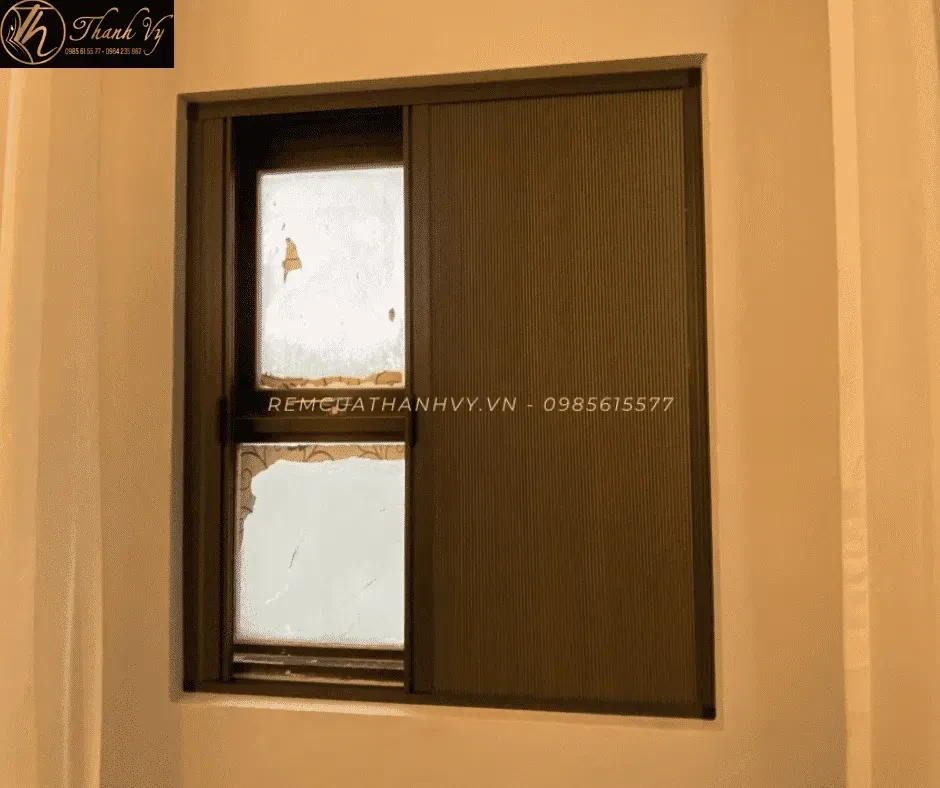
Understanding corrosion challenges: We approach every window in Cần Giờ by asking which materials can withstand the conditions, rather than which designs are currently popular. The choice of accessories, the way materials are combined, the placement of mounting points, and even the location of electrical equipment are all determined based on the actual exposure level of each position.
Organizing work appropriately for a remote area: From collecting information before traveling and preparing spare components to using moisture-resistant packaging and scheduling around the ferry crossing, the entire process is adjusted to reduce the number of trips and the risk of having to return. This is what customers in Cần Giờ notice most clearly in terms of time and cost.
Being candid about trade-offs: The most beautiful option is not always the most suitable for a window exposed to salty winds. We explain these limitations clearly during the consultation and propose alternatives when needed, so homeowners can decide based on complete information rather than unverified expectations.
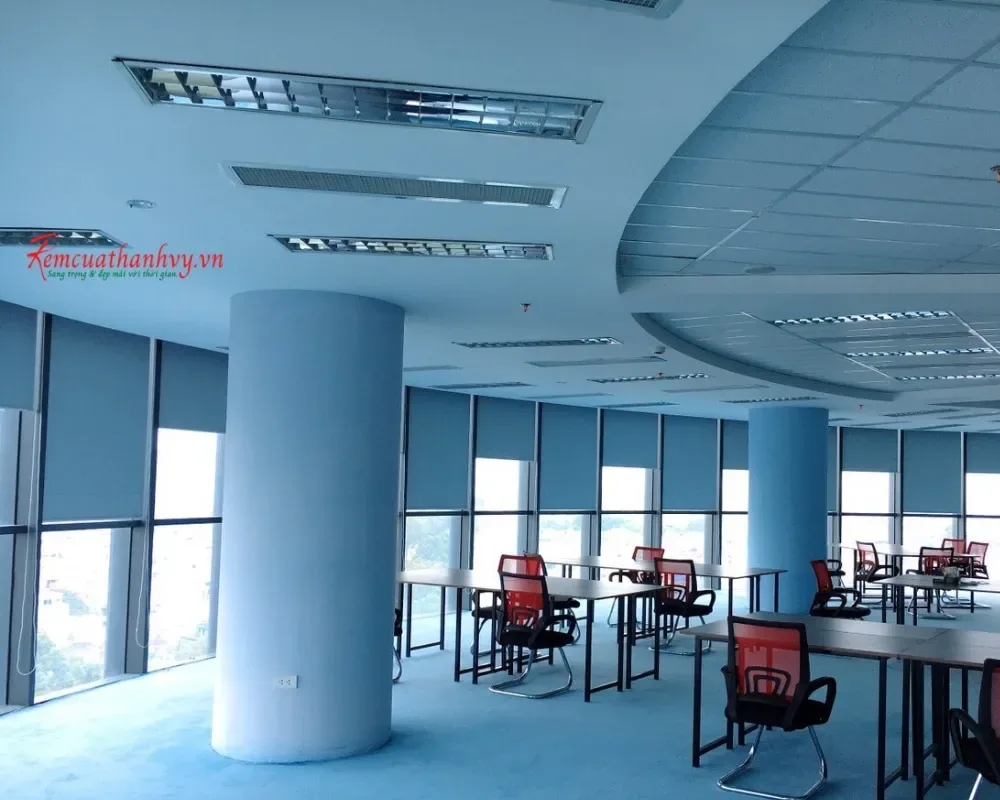
Continued support after handover: The relationship does not end when installation is completed. Maintenance guidance, remote diagnostic support, recorded accessory specifications, and readiness to provide individual replacements are commitments that deliver practical value in an area where calling a technician is not as simple as it is in the city.
How to Understand Cần Giờ Curtain Pricing
The price table below is derived from the prices of products currently listed on the website, converted to a per-square-meter basis and excluding accessories and installation labor. These figures are intended to indicate the starting level for each curtain line, not the final price. For Cần Giờ, two factors that may change the quotation from the reference level are the corrosion-resistant accessories selected for each position and the logistics costs of traveling the long distance. Both are listed separately in the detailed quotation after the survey, so homeowners can clearly see what they are paying for. Fill in the form below so Thanh Vy can contact you, discuss the current condition of your home’s windows, and confirm a specific quotation for your Cần Giờ curtain needs.
Featured Curtain Models
Fabric Curtains

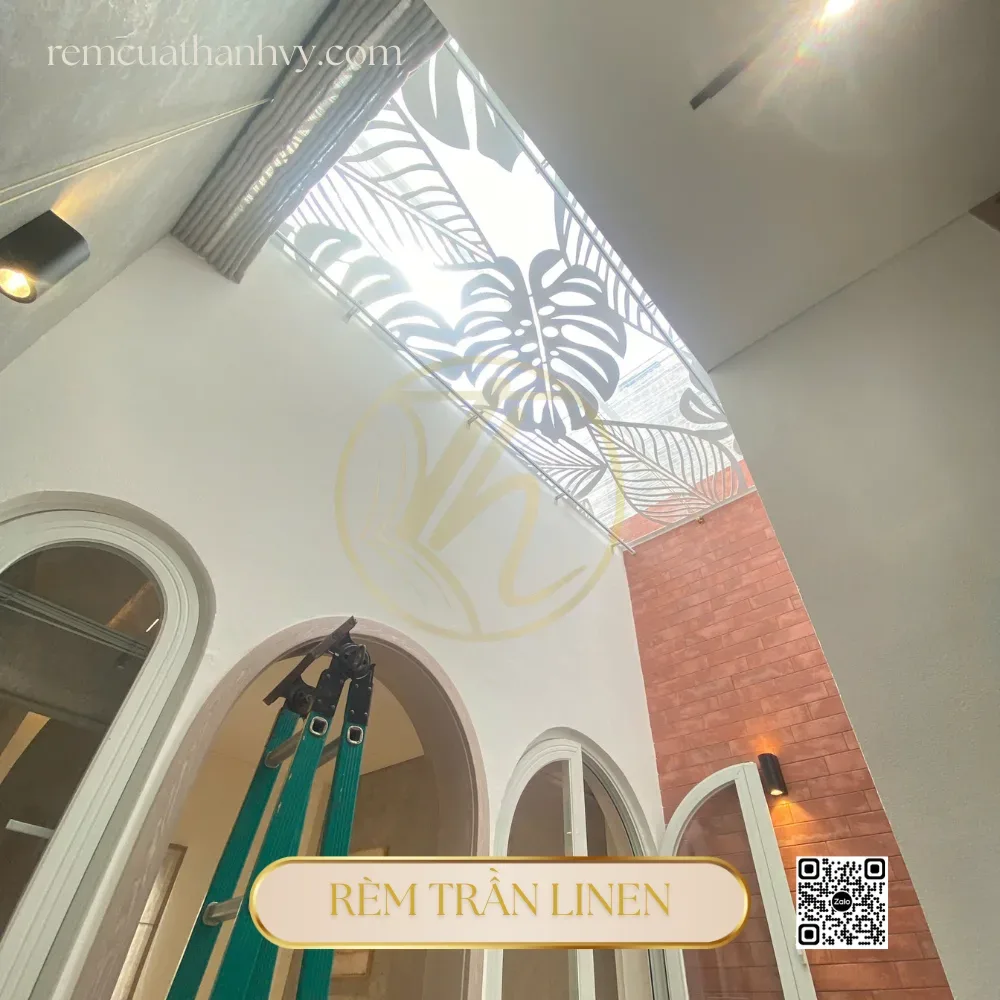
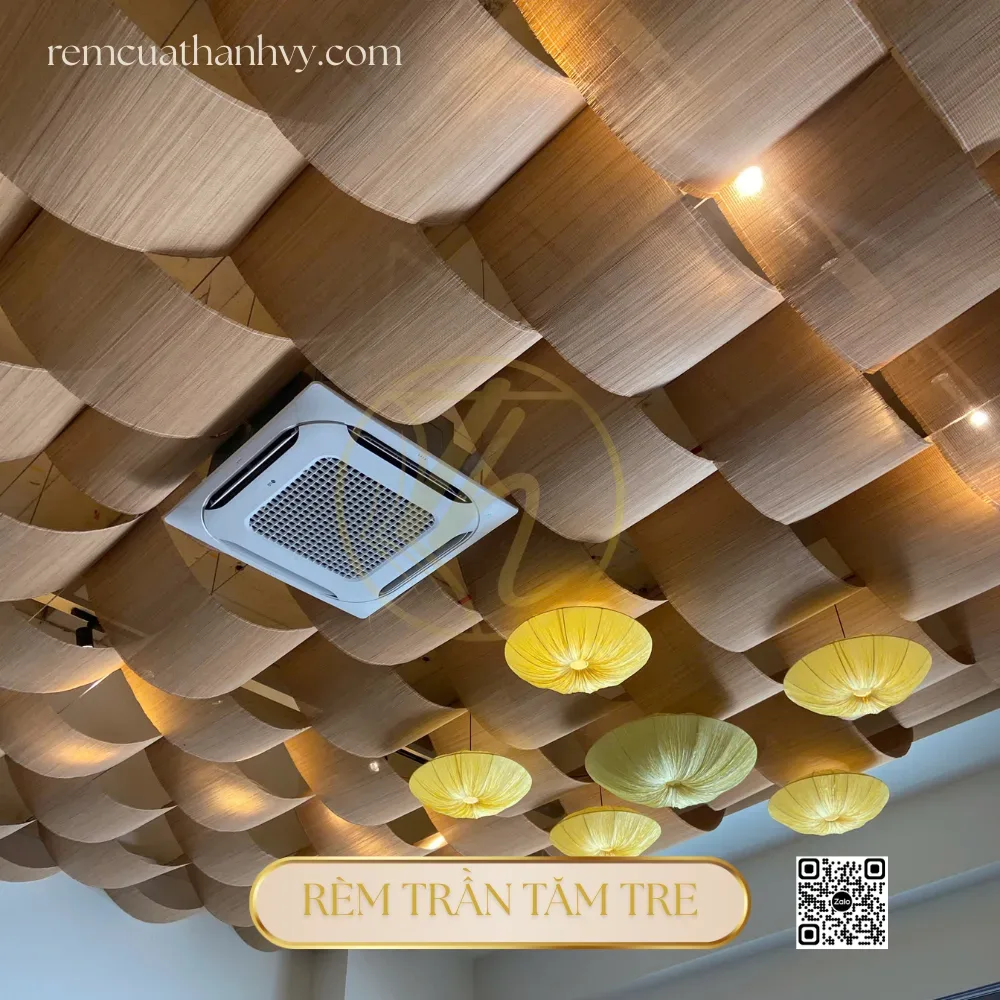
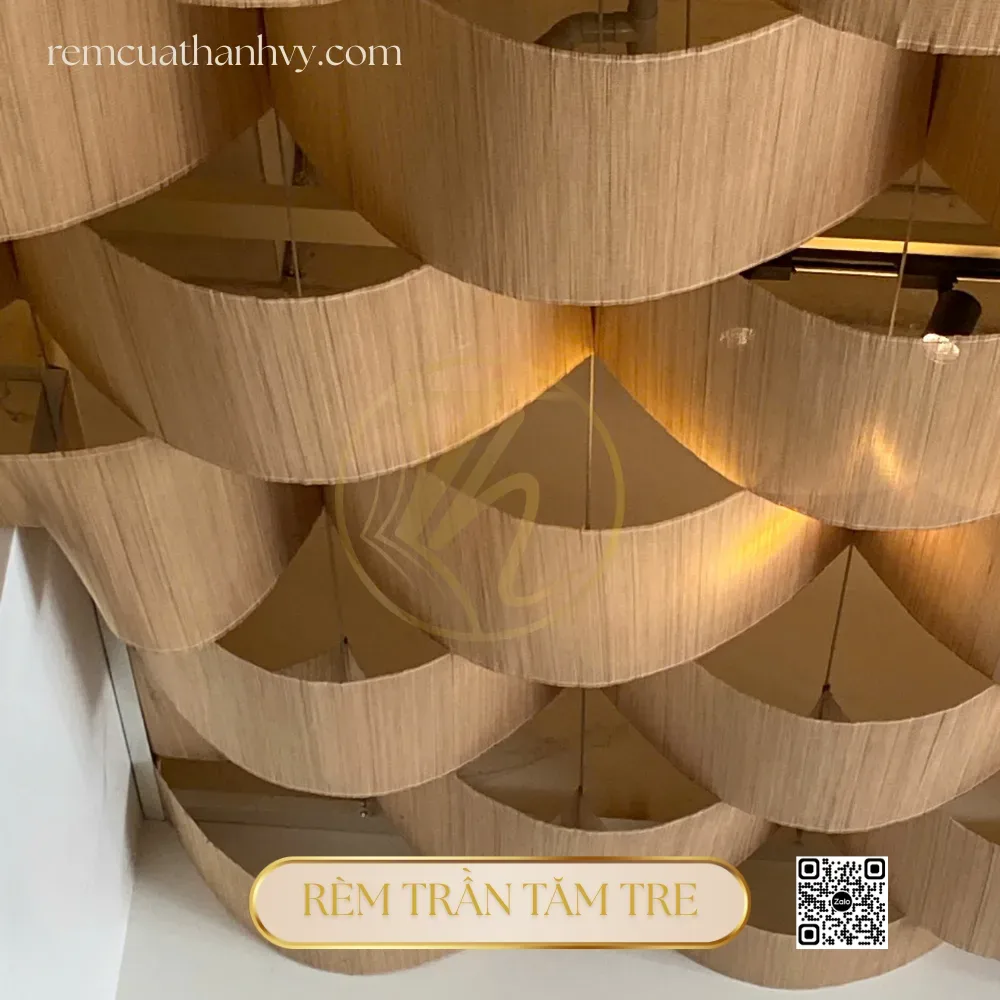
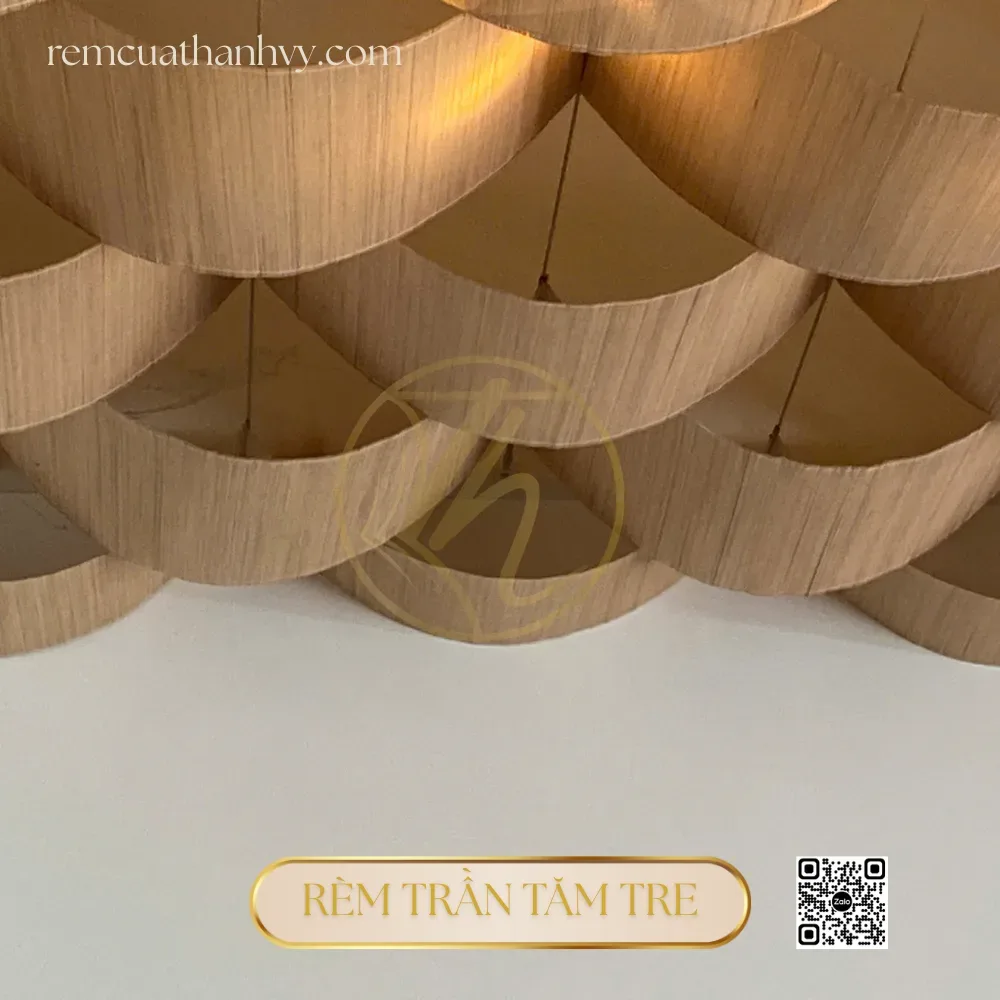
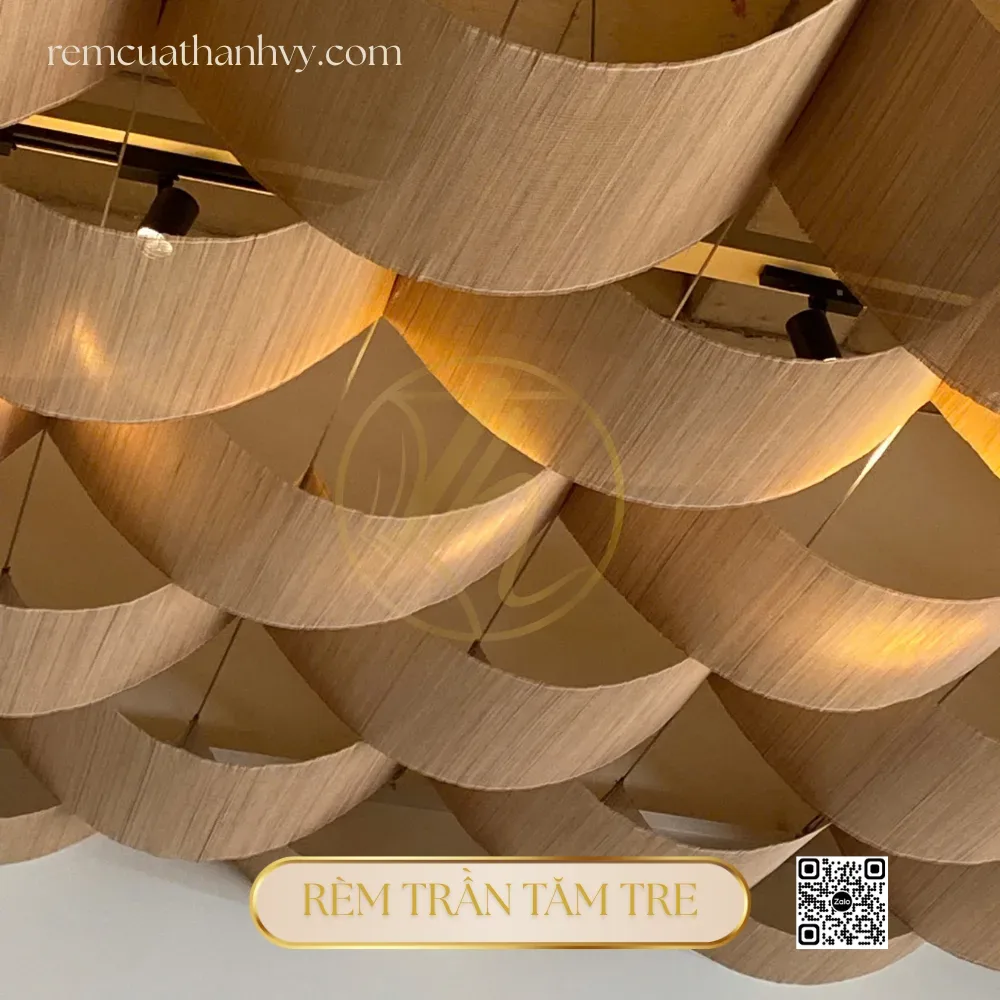
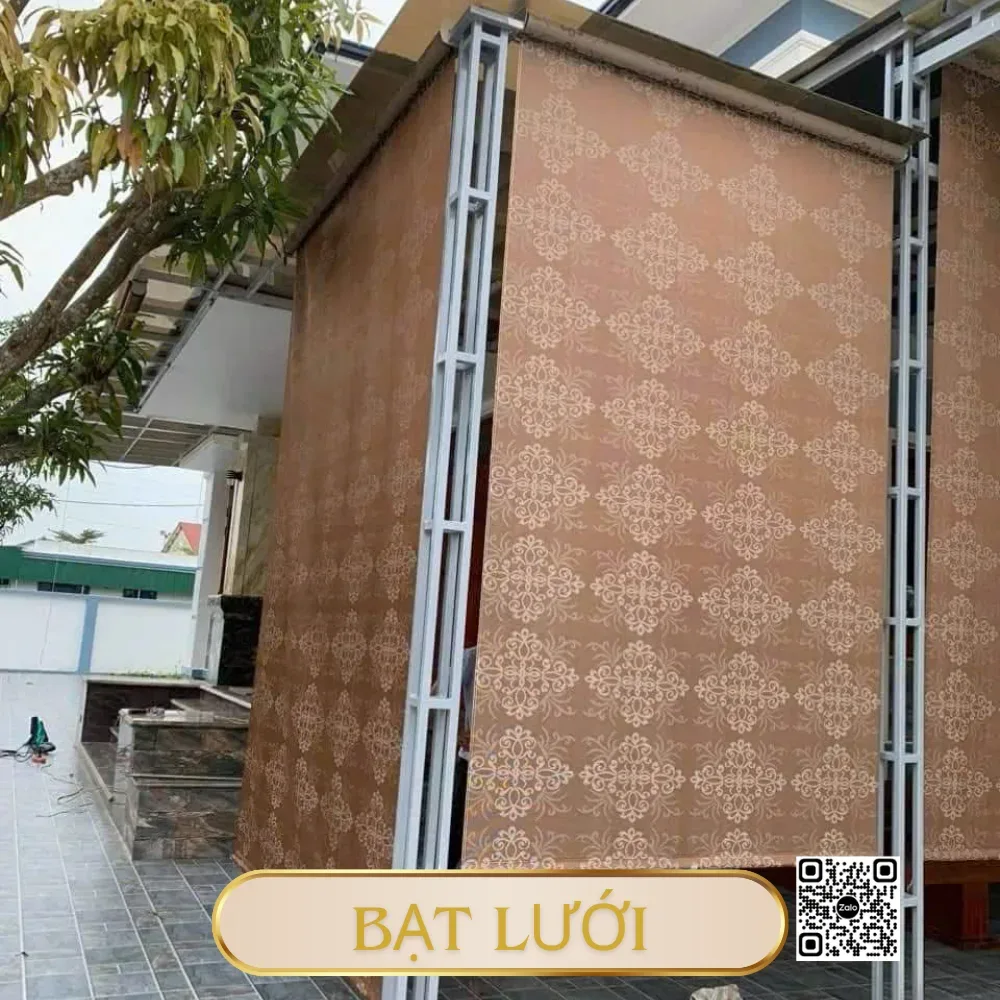
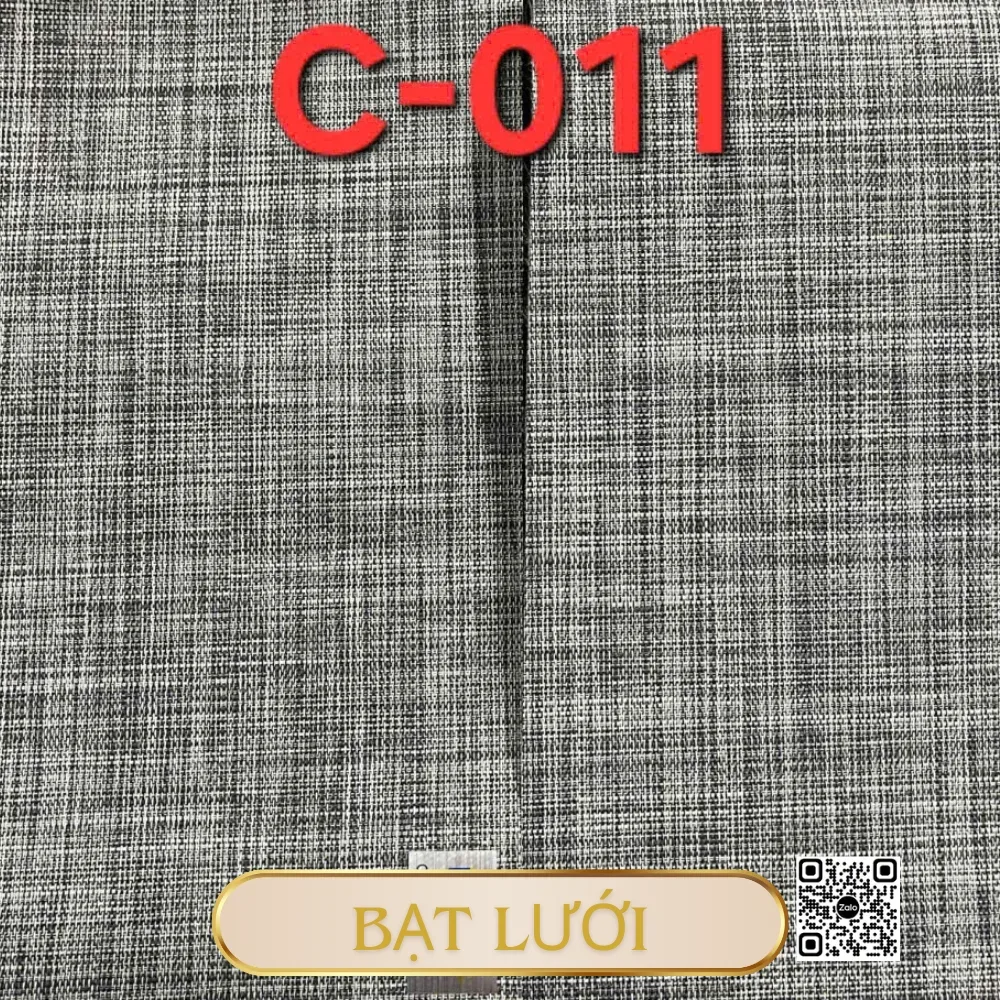
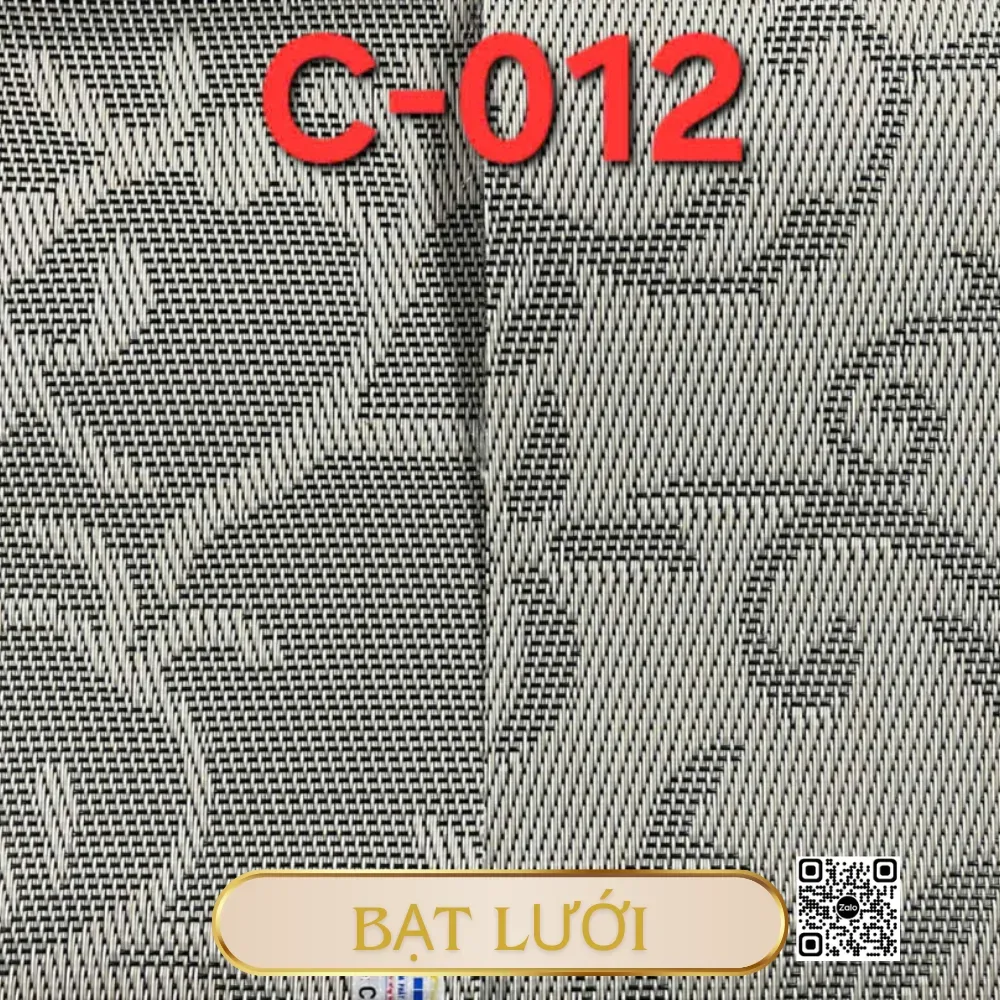
Roller Blinds

Rainbow Blinds
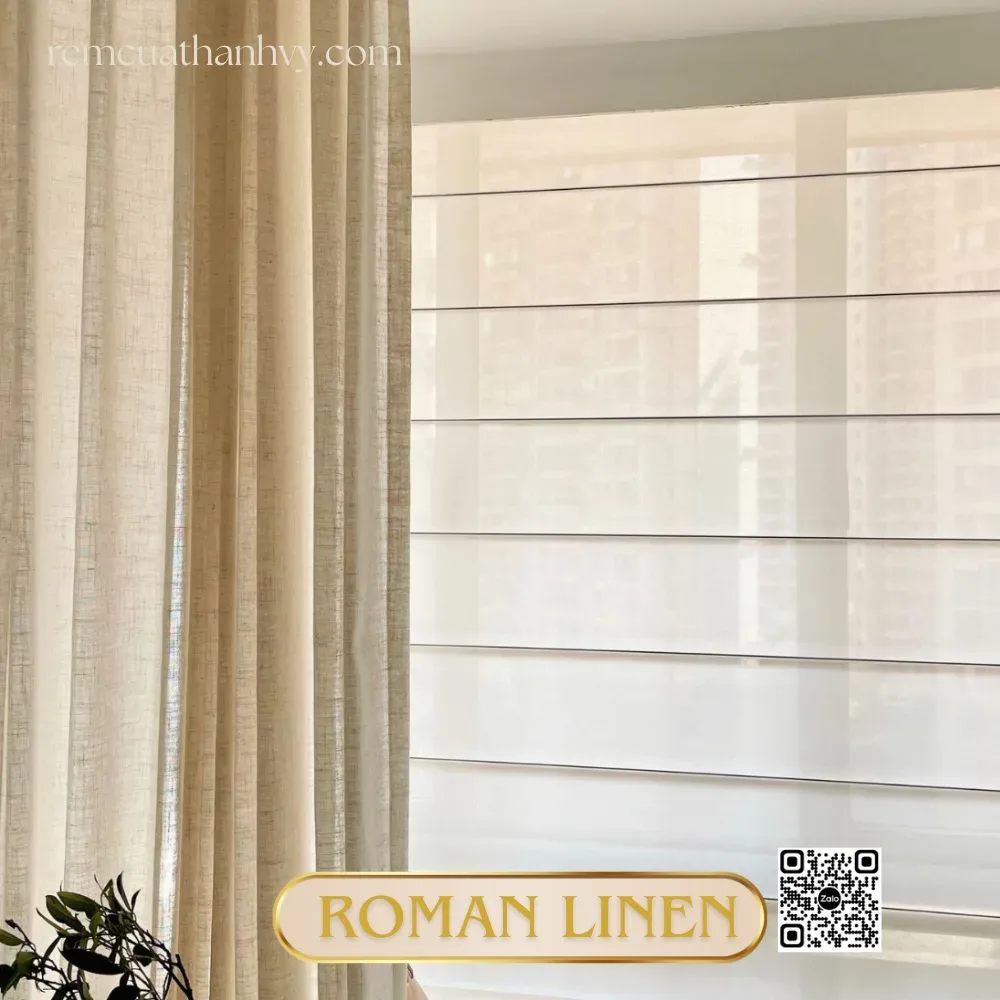
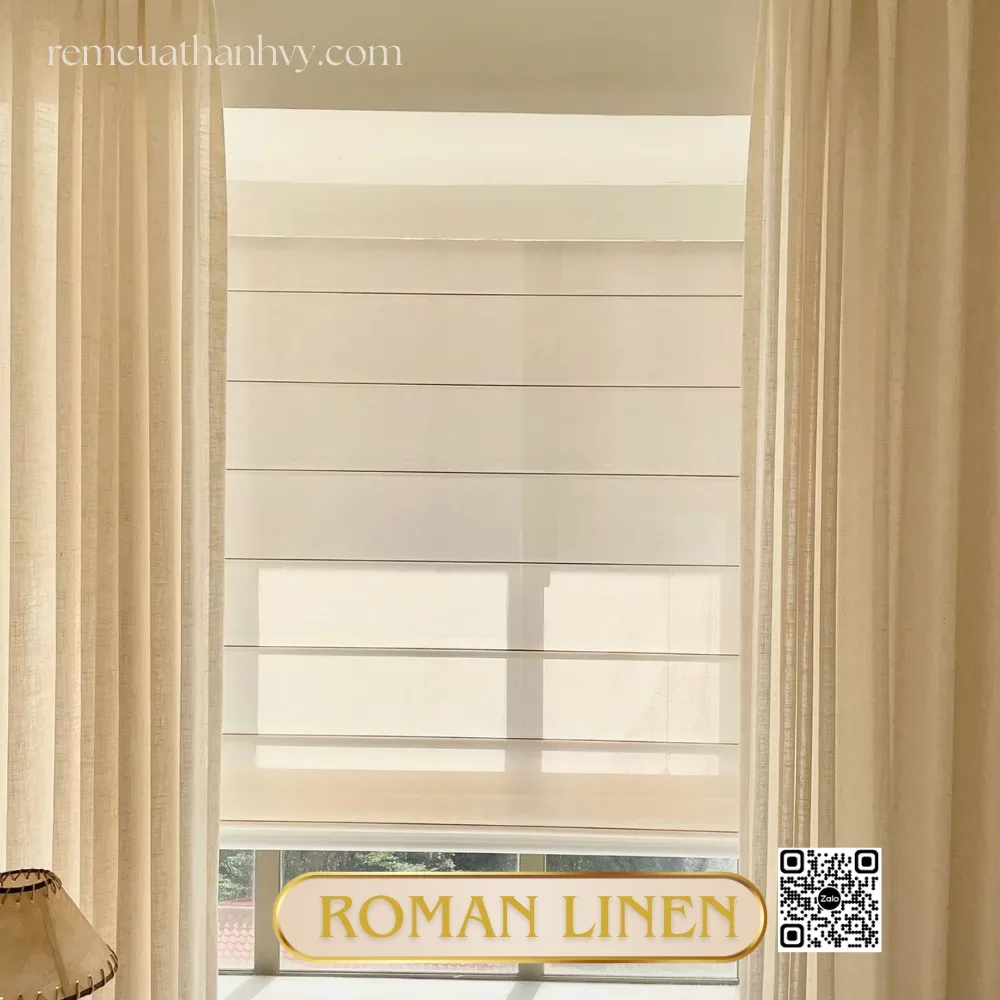
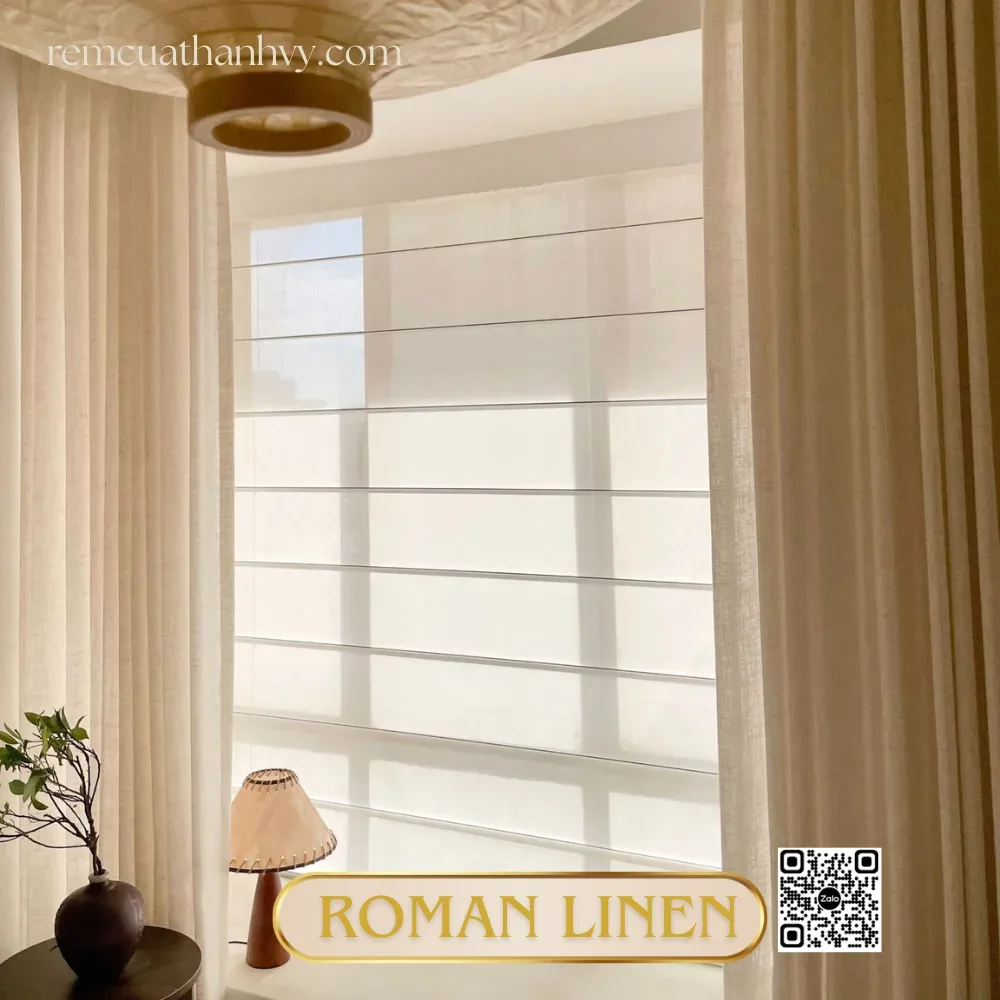
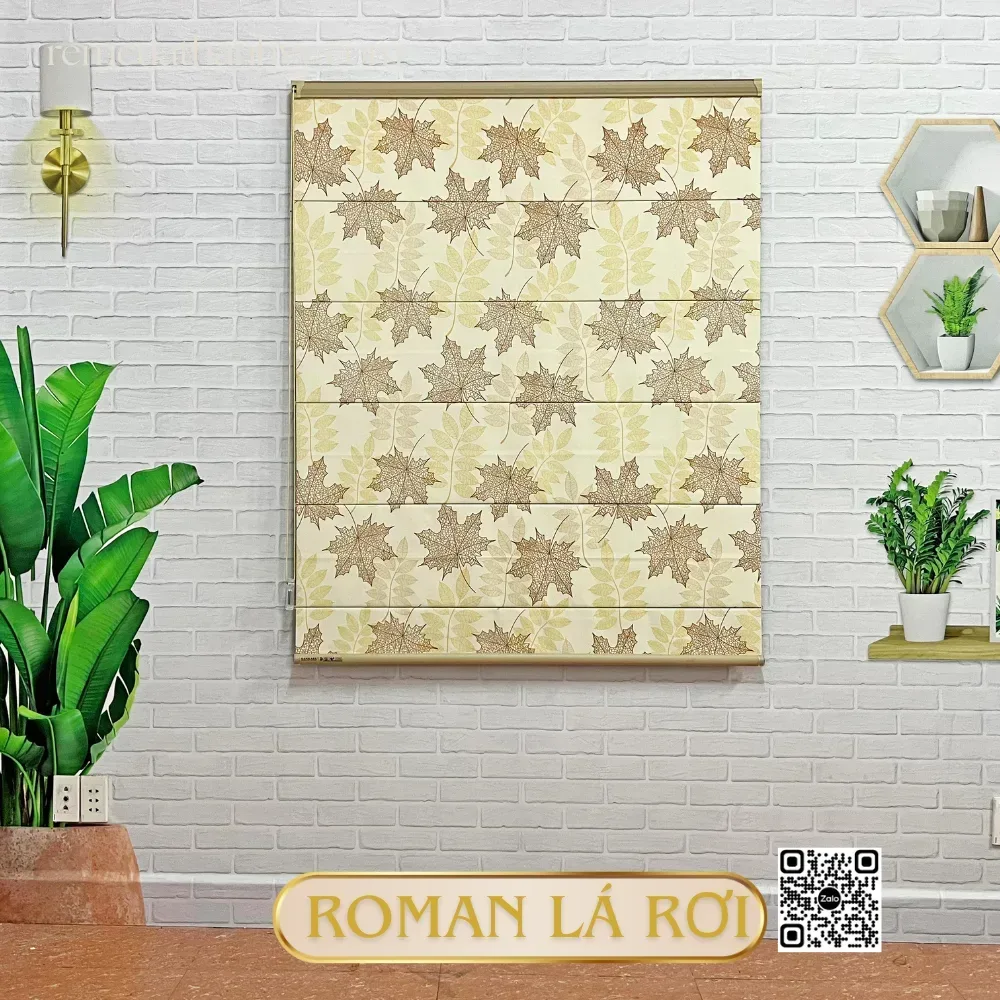
Roman Shades

Thanh Vy Curtain Projects Completed
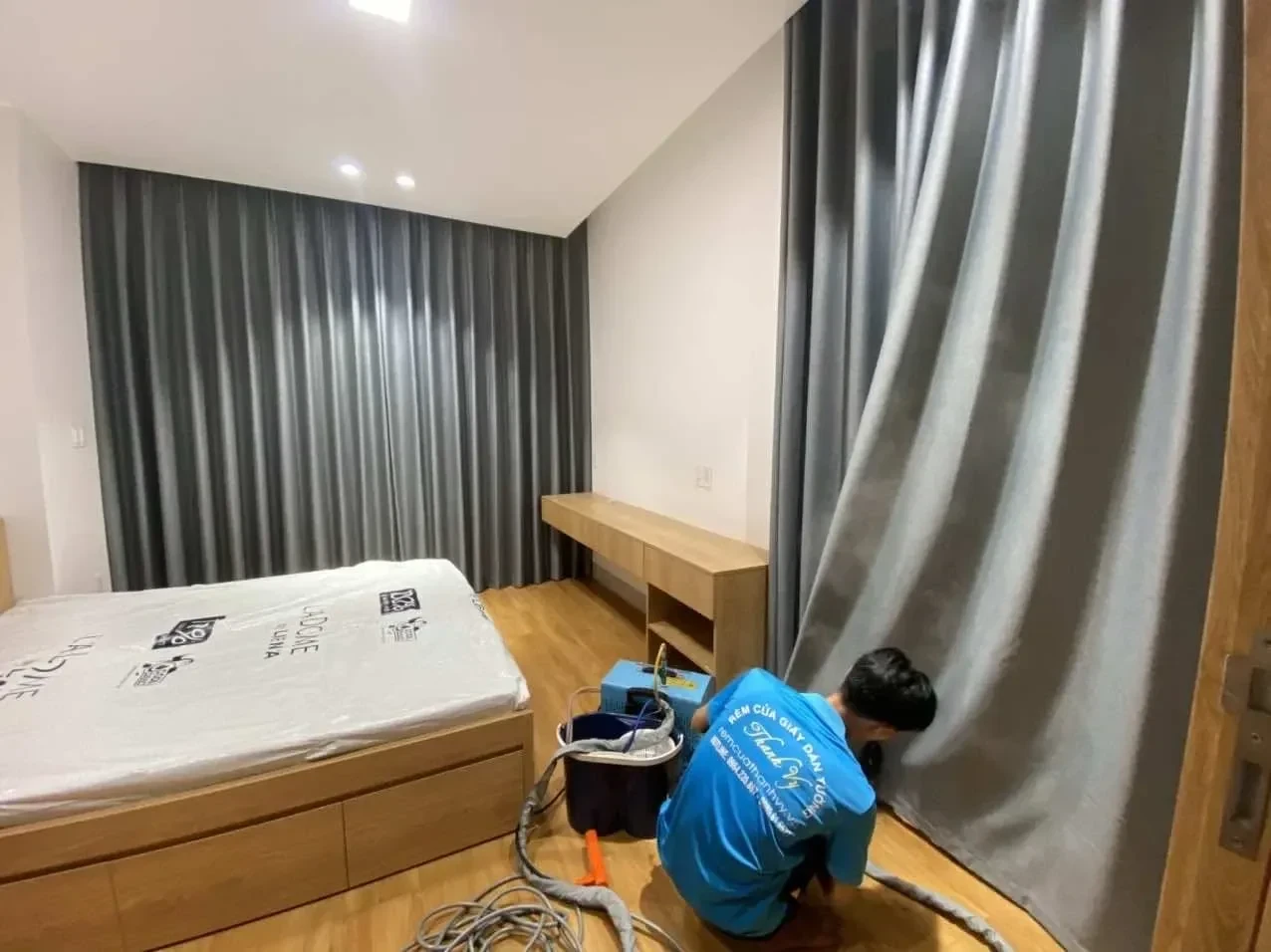
2-Layer Wave-Fold Fabric Curtains for Ho Tram Villa Bedroom
In 2024, Thanh Vy Curtains completed a 2-layer wave-fold fabric curtain project for the master [...]
Sep
2-Layer Fabric Curtains + Horizontal Striped Roller Blinds – Duc Hoa Apartment, Long An
This project was carried out in a modern apartment in Duc Hoa, Long An – [...]
Sep
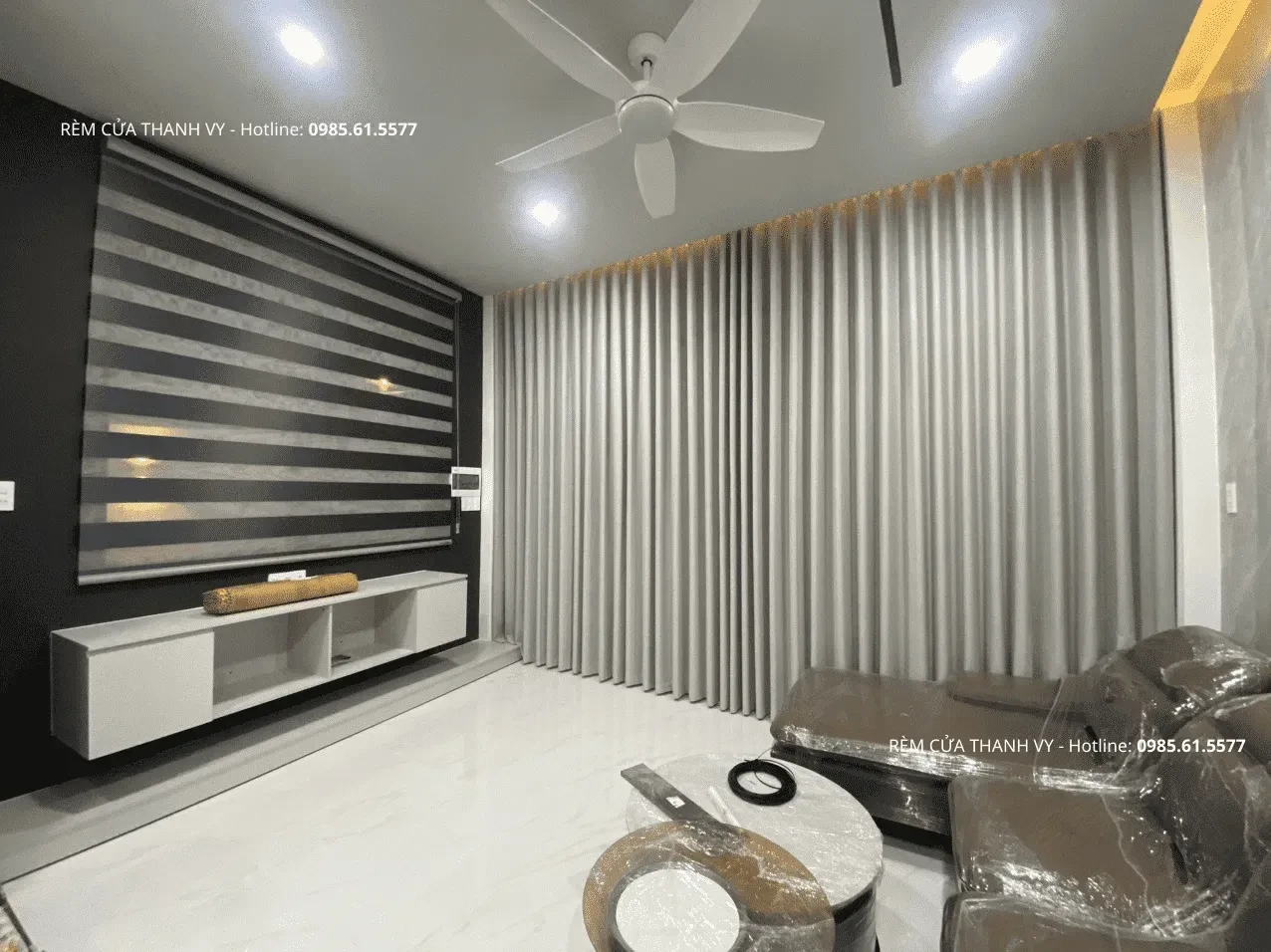
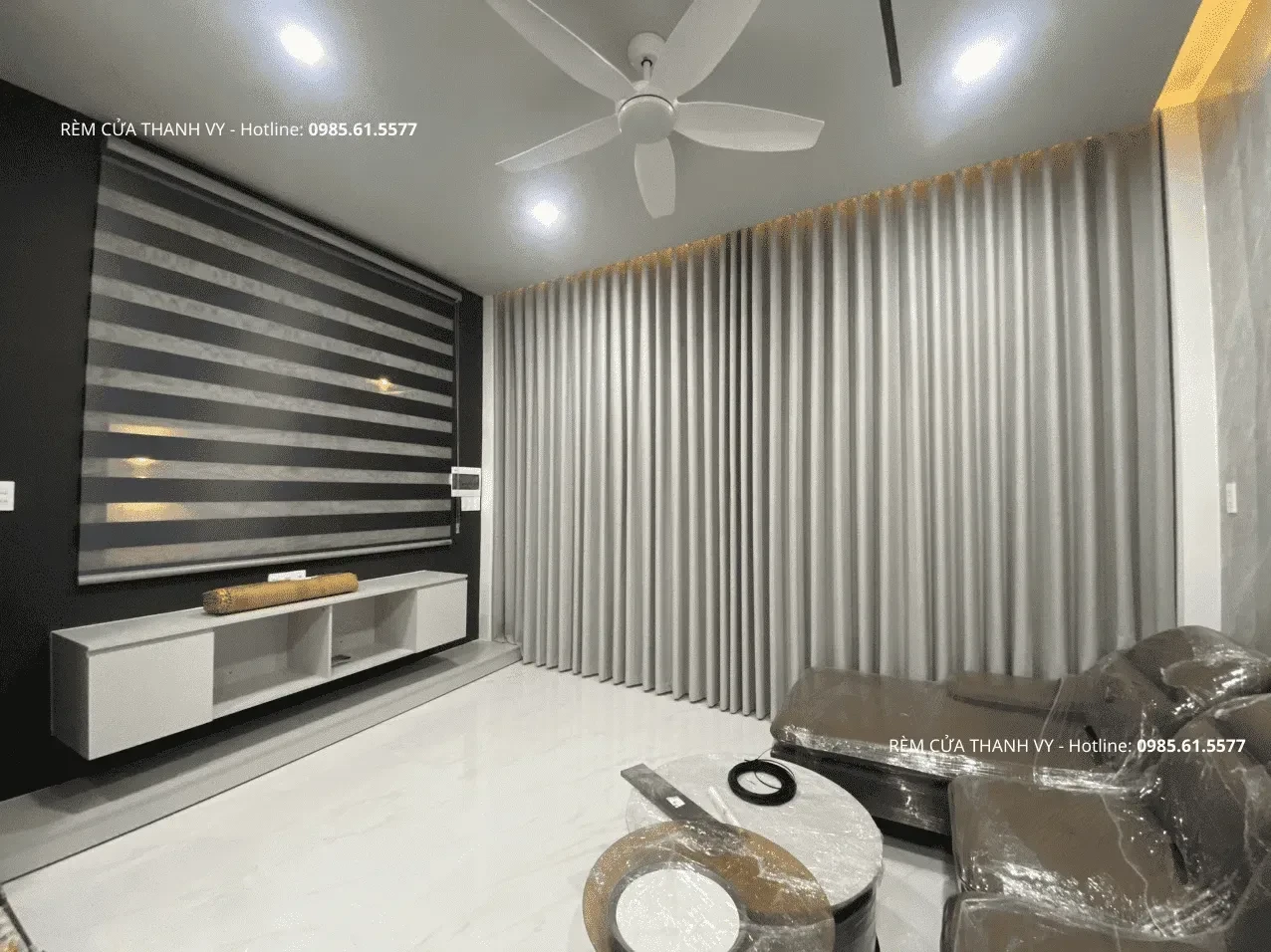
Fabric Curtains Combined with Zebra Blinds – Hiep Binh Chanh, Thu Duc
This project in Hiep Binh Chanh, Thu Duc, features a modern townhouse living room with [...]
Sep
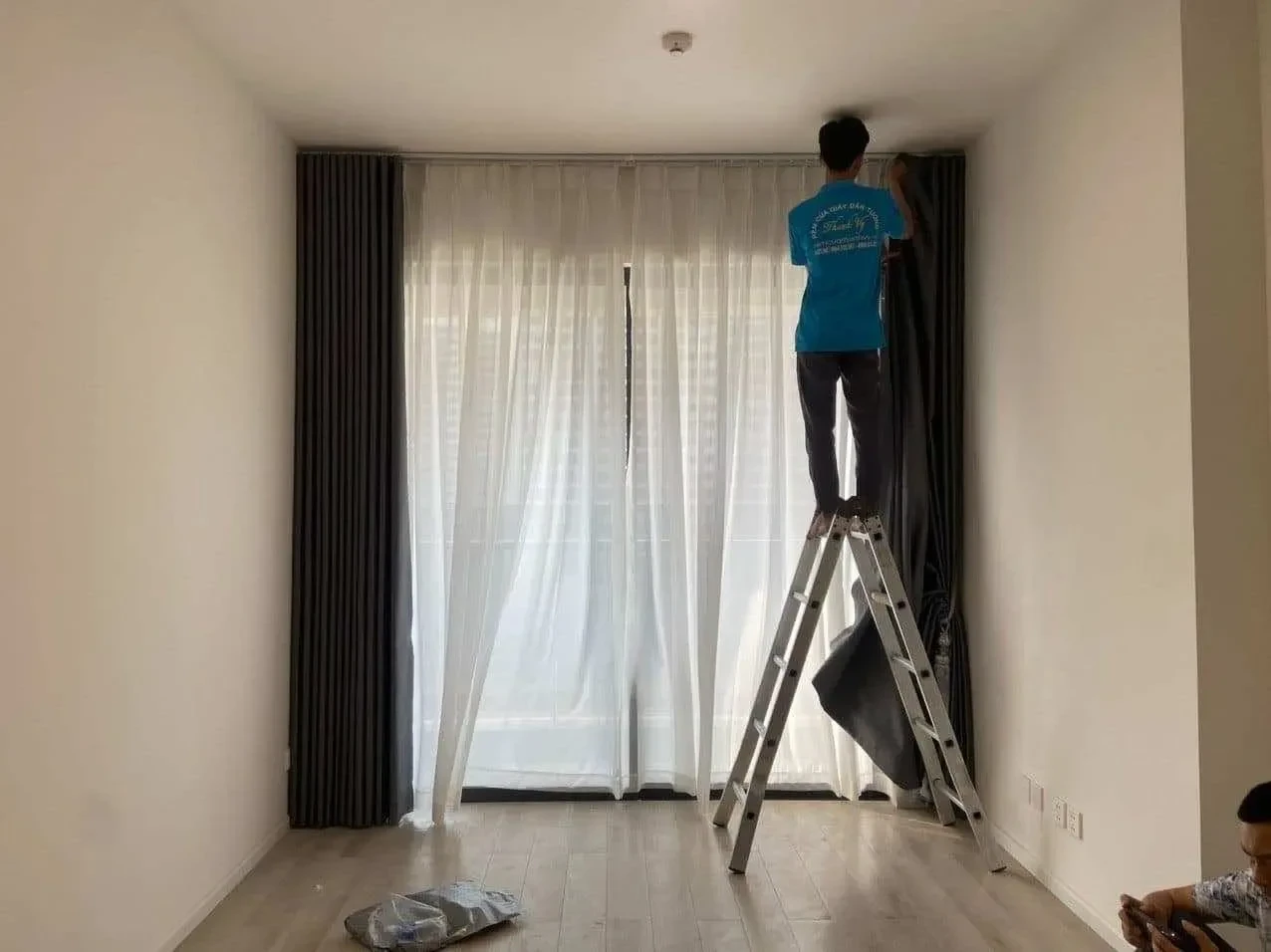
Black-and-White Double-Layer Curtains for a Masteri Centre Point Apartment in District 9
This project involved installing a double-layer curtain system for a high-rise apartment at Masteri Centre [...]
Sep
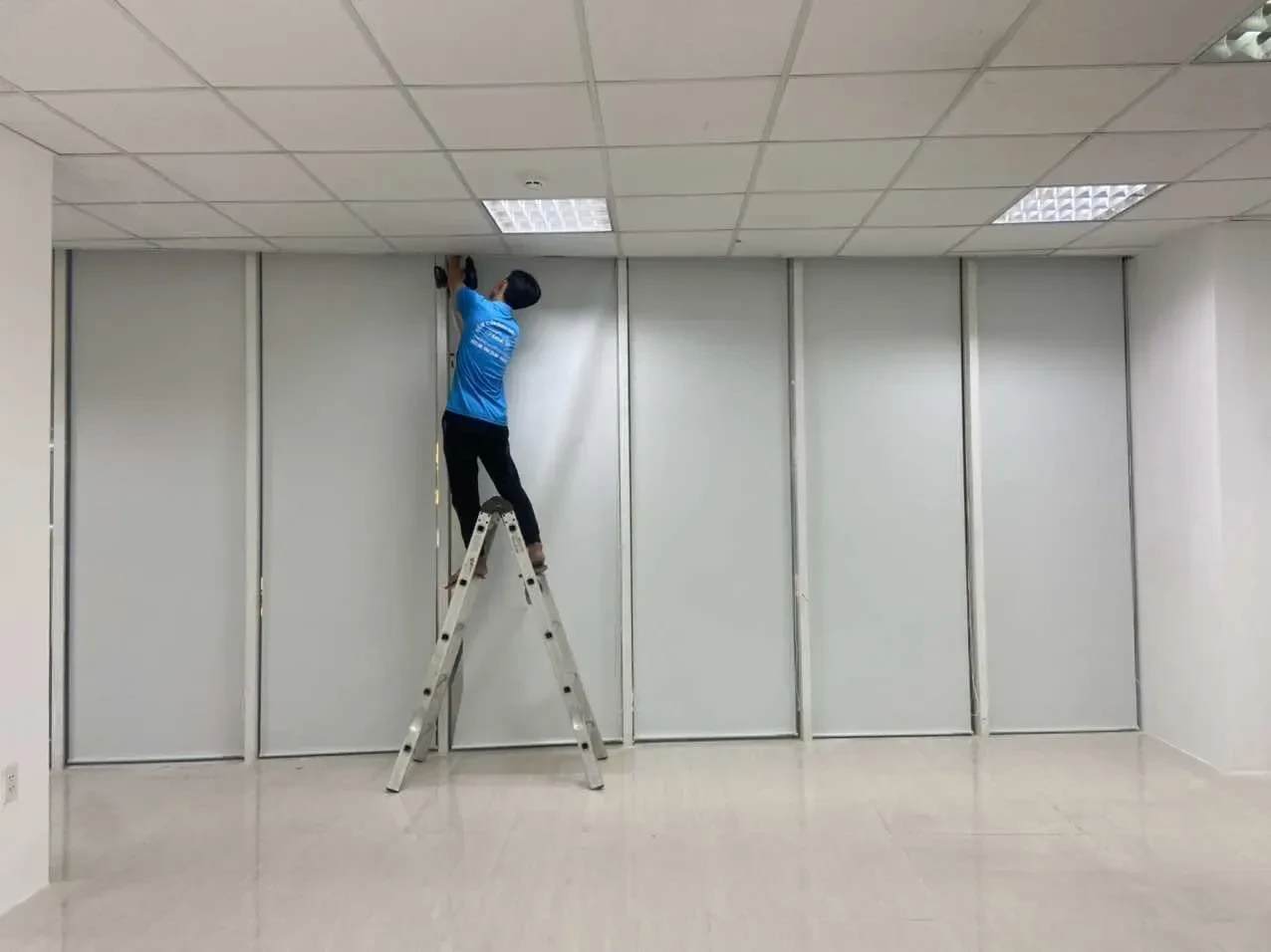
Office Roller Blinds in District 11 – Le Dai Hanh Street
This project involved installing roller blinds on an upper floor of a modern office building [...]
Sep
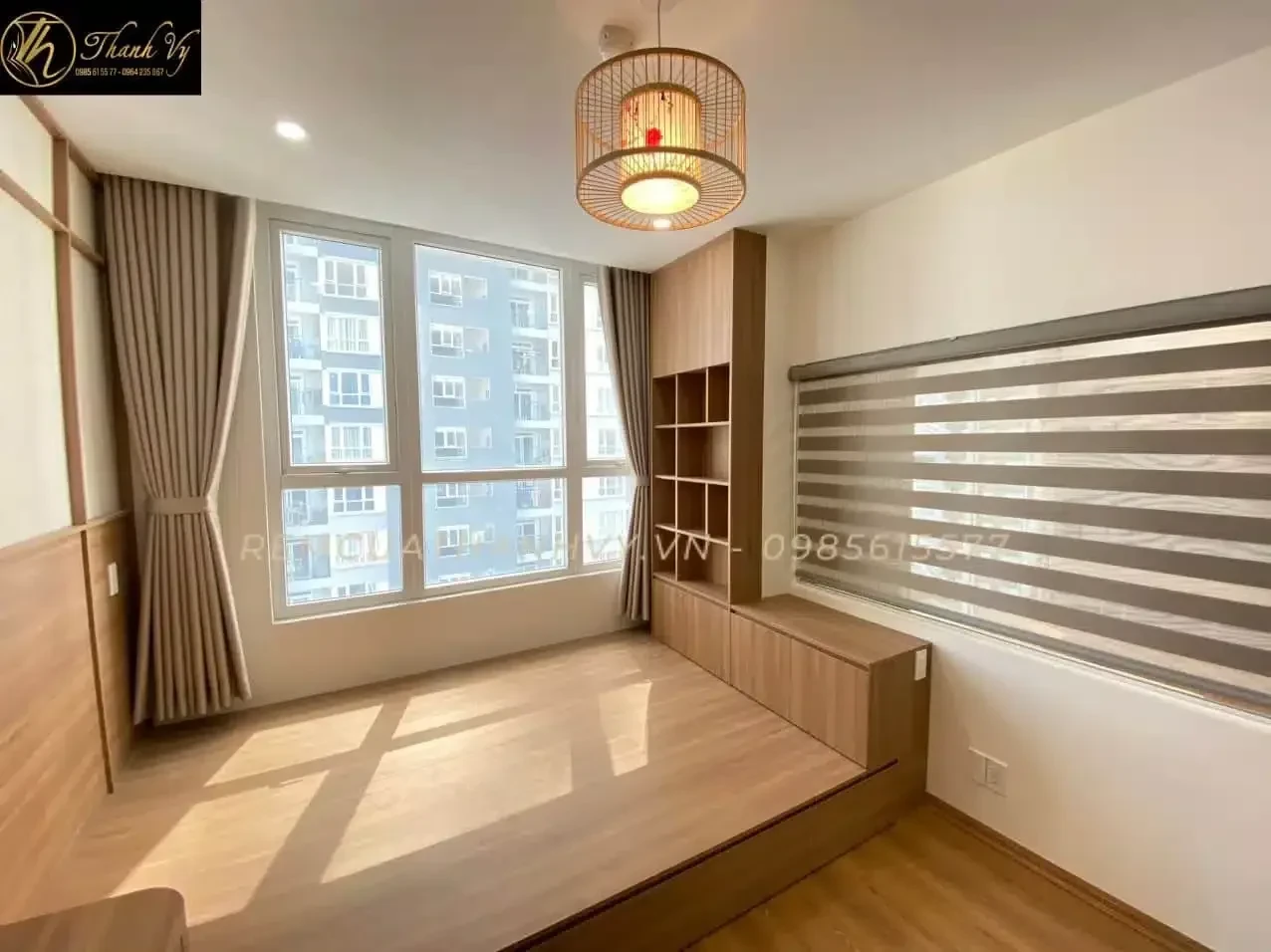
Blue Roman Shade Blinds for The Western Capital Apartment, District 6
This project at The Western Capital apartment complex (District 6) is a typical example of [...]
Sep
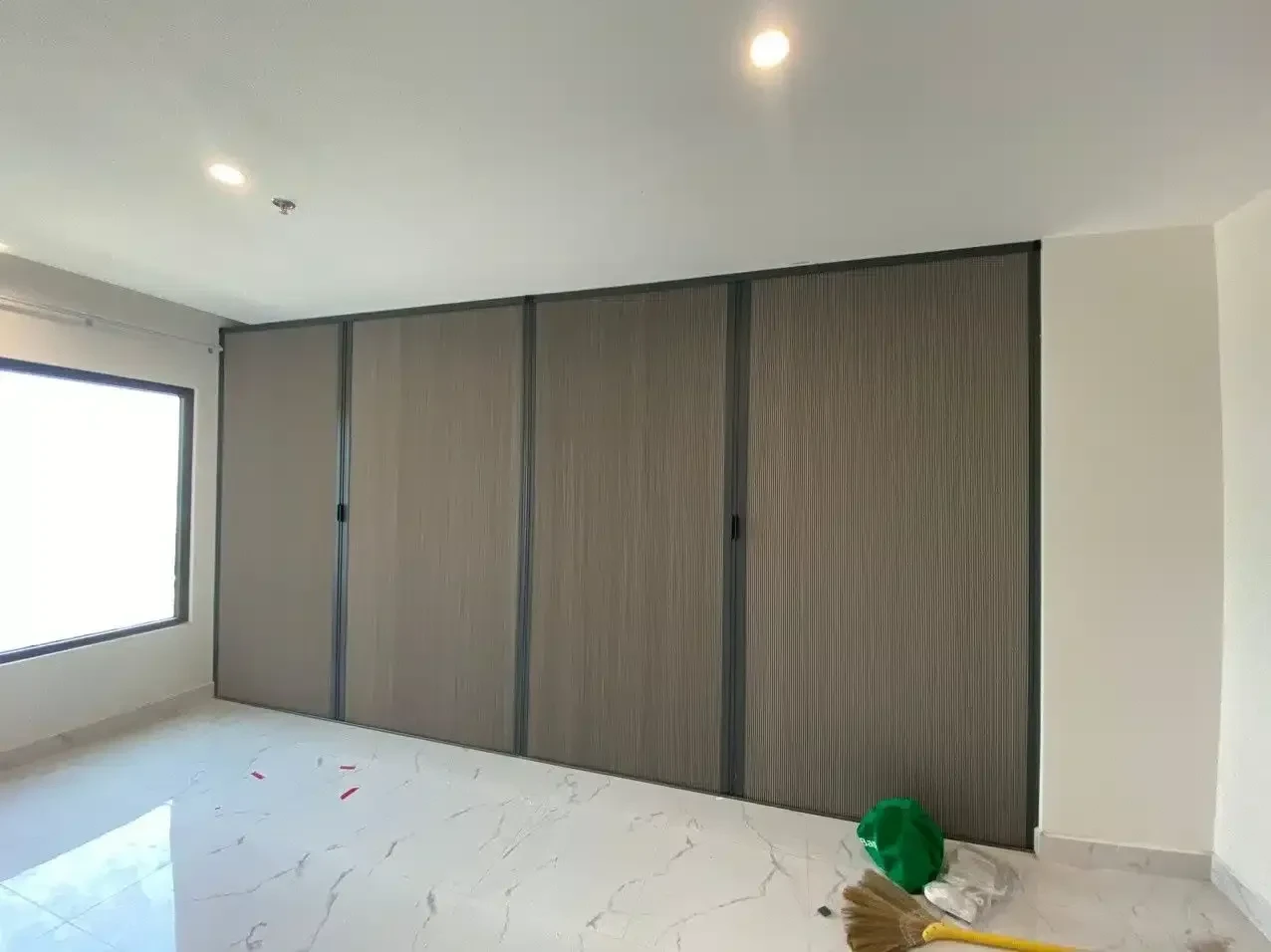
Glass Partition with Roller Blinds at Vinhomes Grand Park – BS-16 Apartment
This project at Vinhomes Grand Park, in the BS-16 tower, was a luxury apartment interior [...]
Sep
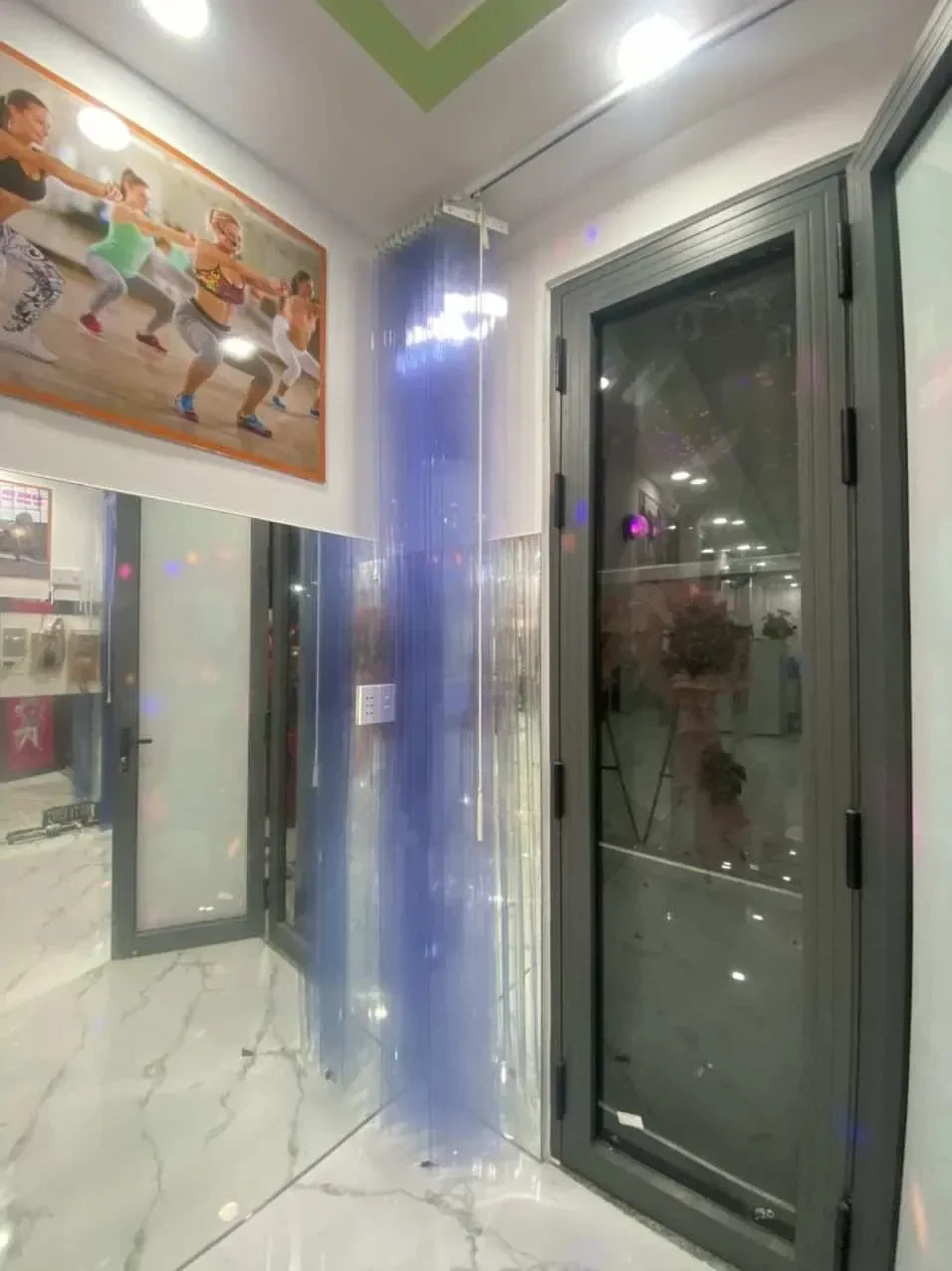
PVC Curtains in Bình Tân District – Ngọc Liên Club
Ngọc Liên Club, a modern fitness and yoga space in Bình Tân District, required a [...]
Sep
For further information, please contact Thanh Vy Curtains
We provide free consultation and on-site measuring at your home.
Related projects
Fabric Curtains Combined with Zebra Blinds – Hiep Binh Chanh, Thu Duc
This project in Hiep Binh Chanh, Thu Duc, features a modern townhouse living room with [...]
Dark Gray Fabric Curtains & Zebra Blinds – Thao Dien Townhouse, District 2
This project in Thao Dien, District 2 – one of the most upscale townhouse areas [...]
High-Rise Office Roller Blinds in District 11: Professional Day-Night & Blackout Solutions
This project is a typical example of a roller blind solution for a modern office [...]
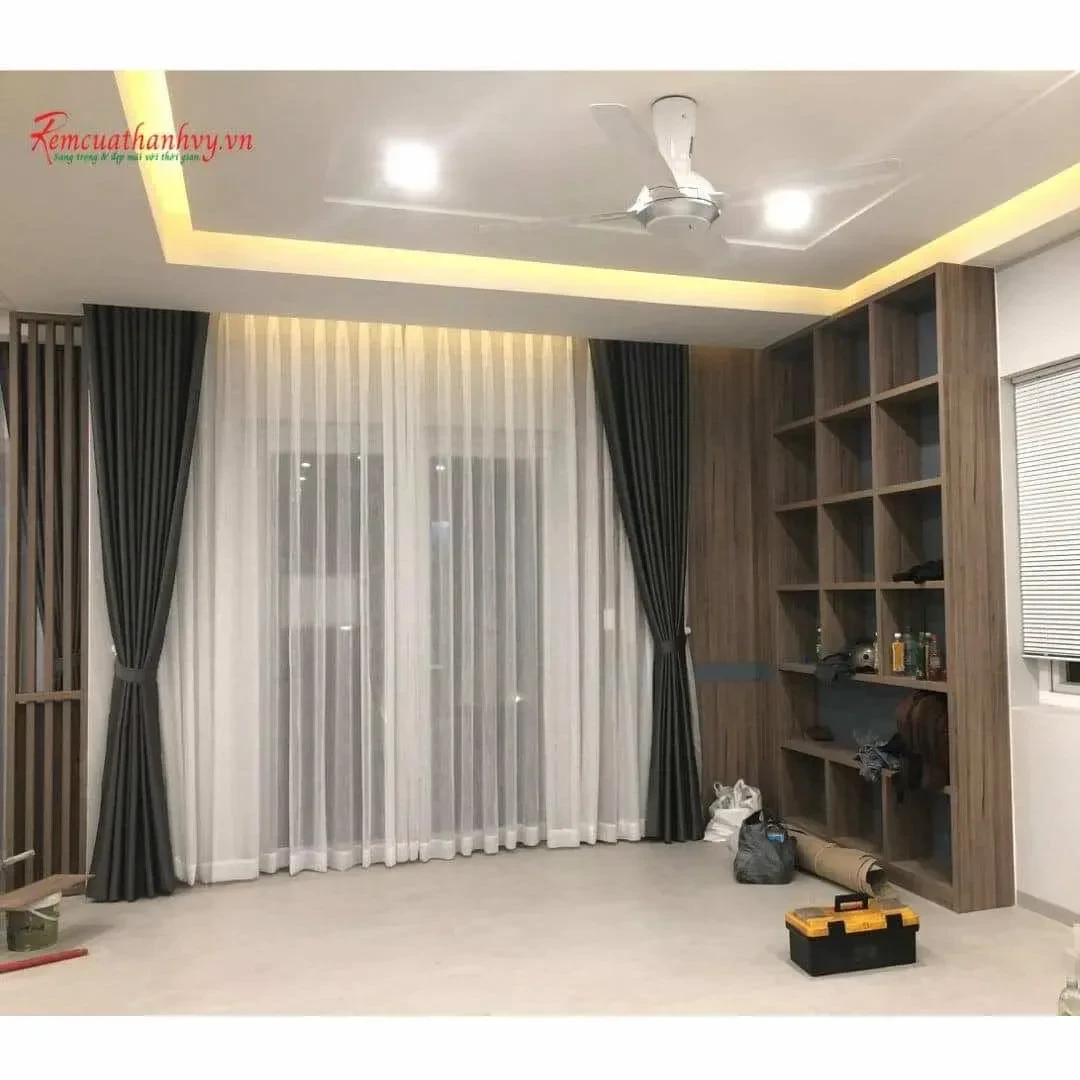
Gray Fabric Curtains at the MELOSA Garden Khang Điền Showroom, District 9
The fabric curtain project at the MELOSA Garden Khang Điền sales showroom (District 9, Ho [...]
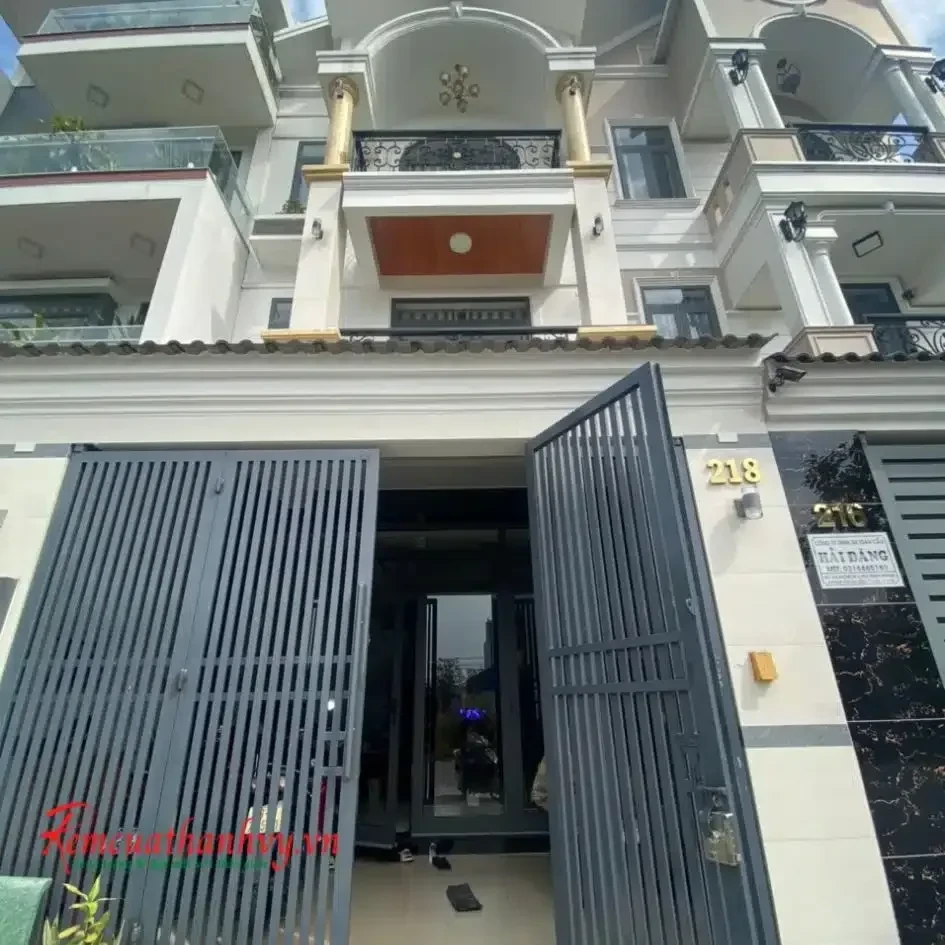
3D Patterned Fabric Curtains for a Townhouse Living Room in Bình Chánh
This project was completed at a three-story townhouse in Bình Chánh District, Ho Chi Minh [...]
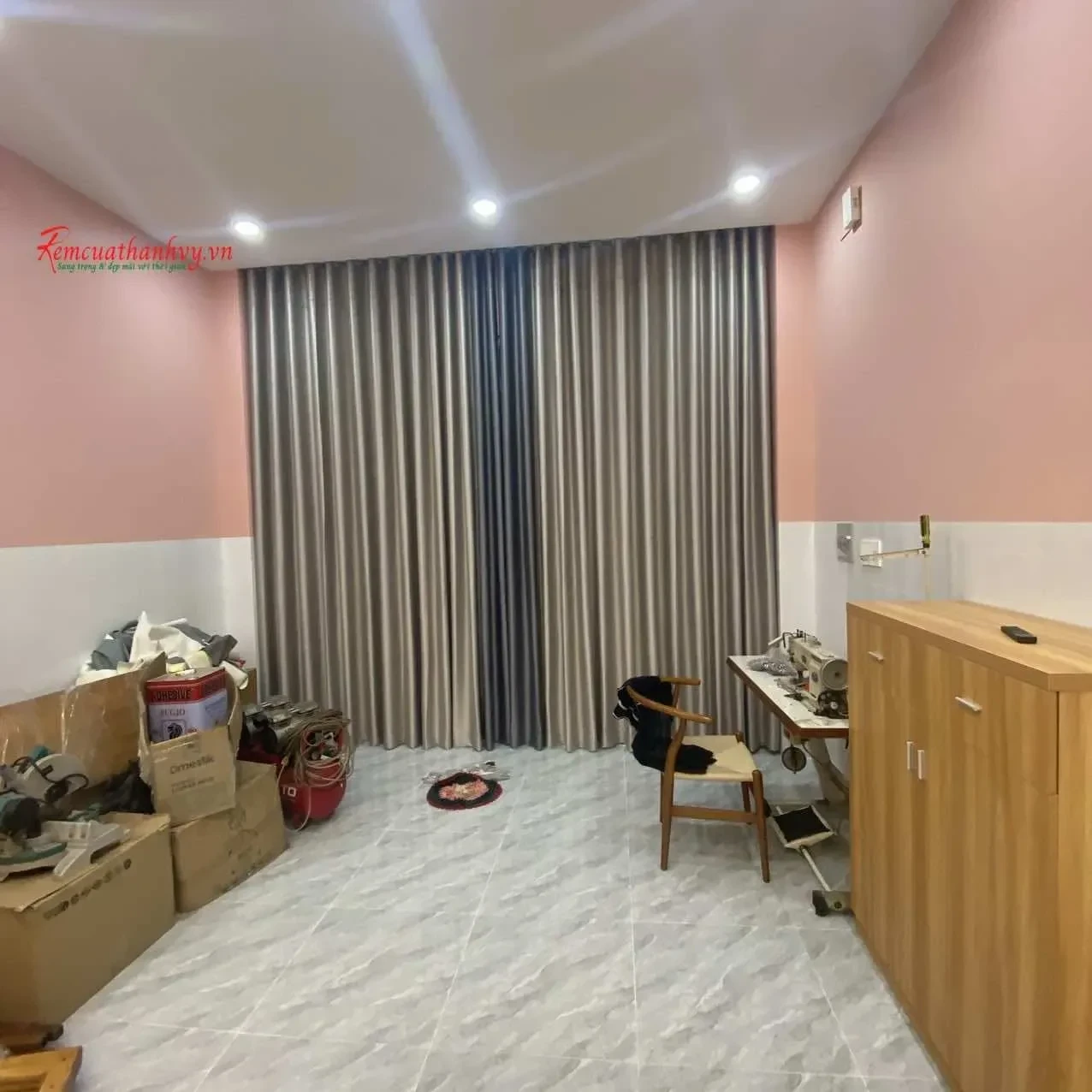
Color-Combination Fabric Curtains on Street 52, Binh Tan – A Modern Townhouse Space
This project on Street 52, Binh Tan District is a typical example of combining two [...]
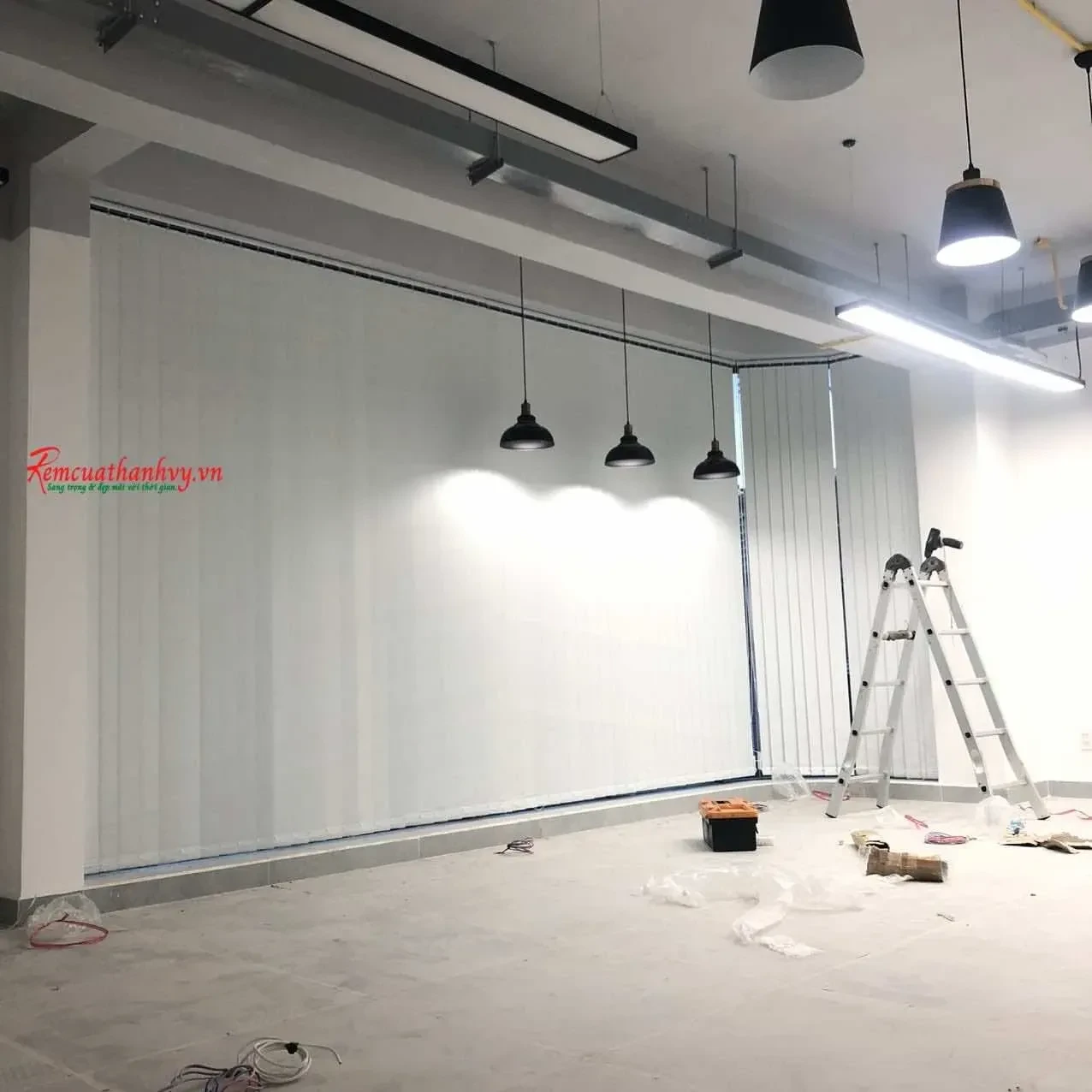
Vertical Blinds for Grocenter District 1 Showroom – Professional Lighting Solution
This project was carried out at Grocenter, 132-134 Dien Bien Phu, Da Kao, District 1 [...]
Double-Layer Blackout Curtains at the MAXEU Office – Van Phuc Urban Area
The blackout curtain installation at MAXEU interior design company, 189 Nguyen Thi Nhung, Van Phuc [...]
Related areas
Curtains in An Thoi Dong Commune, Can Gio: On-site measurement and installation for new addresses
Curtain measurement and installation in An Thoi Dong Commune, Can Gio. The commune was formed [...]
Curtains in Binh Khanh Commune, Can Gio: On-site measurement and installation at the new address
Curtain measurement and installation in Binh Khanh Commune, Can Gio. The commune was formed by [...]
Curtains in Can Gio Commune, Can Gio: On-site measurement and installation at the new address
Curtain measurement and installation in Can Gio Commune, Can Gio. This is a new commune [...]
Window Blinds in Thanh An Commune, Can Gio: On-Site Measuring and Installation at Your New Address
On-site blind measuring and installation in Thanh An Commune, Can Gio. The new commune retains [...]
Related reviews
Roller Shades or Zebra Shades? A Detailed Comparison to Help You Choose
This article compares roller shades and zebra shades by construction, light control, aesthetics, price, durability, [...]
Roller Blinds vs. Honeycomb Shades: A Detailed Comparison to Help You Choose
This article compares roller blinds and honeycomb shades based on thermal insulation, soundproofing, light control, [...]
Are Rainbow Blinds Any Good? A Comprehensive A-Z Review
This article provides an objective review of whether rainbow blinds are worth it, covering their [...]
Rainbow Blinds vs. Honeycomb Shades: A Detailed Comparison
This article provides a detailed comparison of rainbow blinds and honeycomb shades based on construction, [...]

Are Roman Shades Good? A Detailed Review from A to Z
This objective review explores whether Roman shades are a good choice by examining their layered [...]
Related posts
Which ward does the former Cần Giờ District ward now belong to? Lookup table for 7 wards
Lookup table for the 7 former wards in Cần Giờ District and their new ward [...]

What Are Bamboo Blinds? Features, Pros, Cons & Uses
An explanation of what bamboo blinds are, their pros and cons, when to use them, [...]
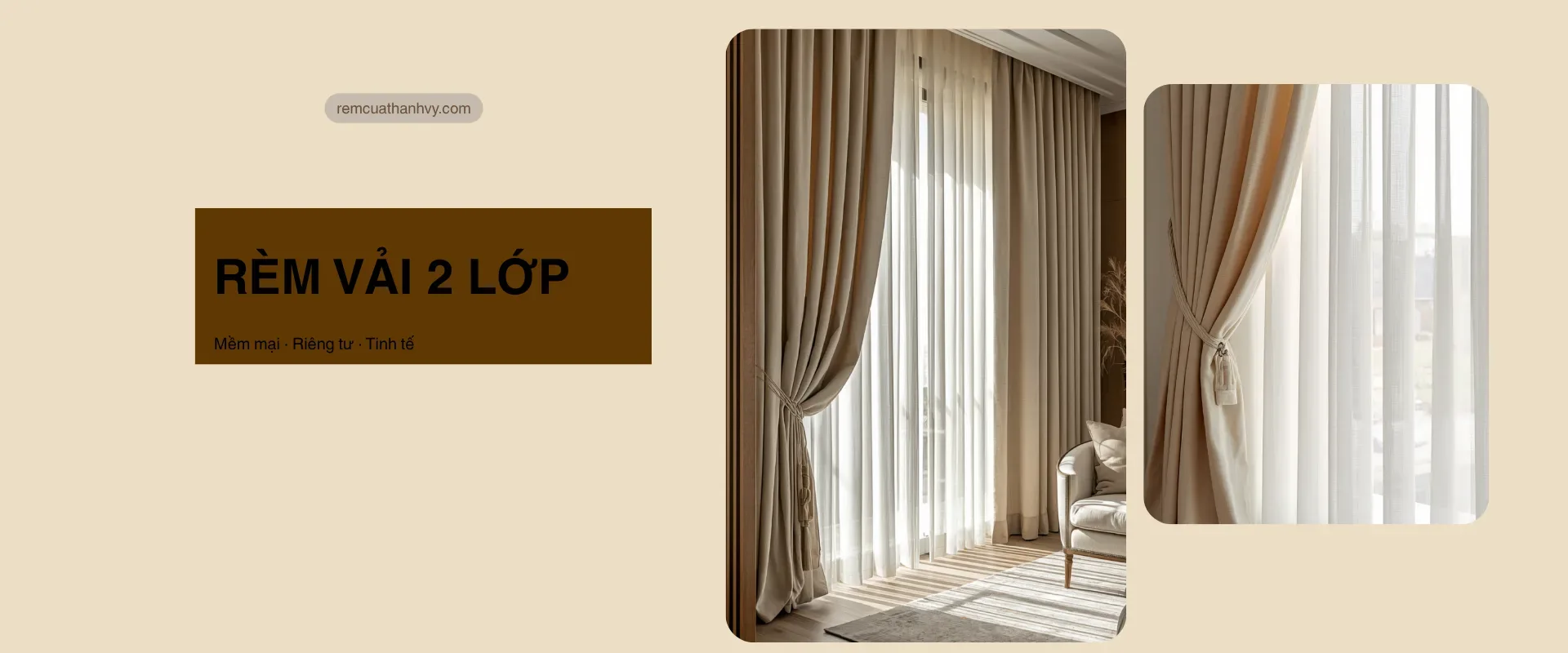
What Are Double-Layer Curtains? Features, Pros, Cons & Applications
An explanation of what double-layer curtains are, their pros and cons, when to use them, [...]

What Are Thermal Curtains? Features, Pros, Cons & Applications
An explanation of what thermal curtains are, their pros and cons, when to use them, [...]

What Are Rainbow Blinds? Features, Pros & Cons, and Applications
An explanation of what rainbow blinds are, their pros and cons, when to use them, [...]


No comments yet!