


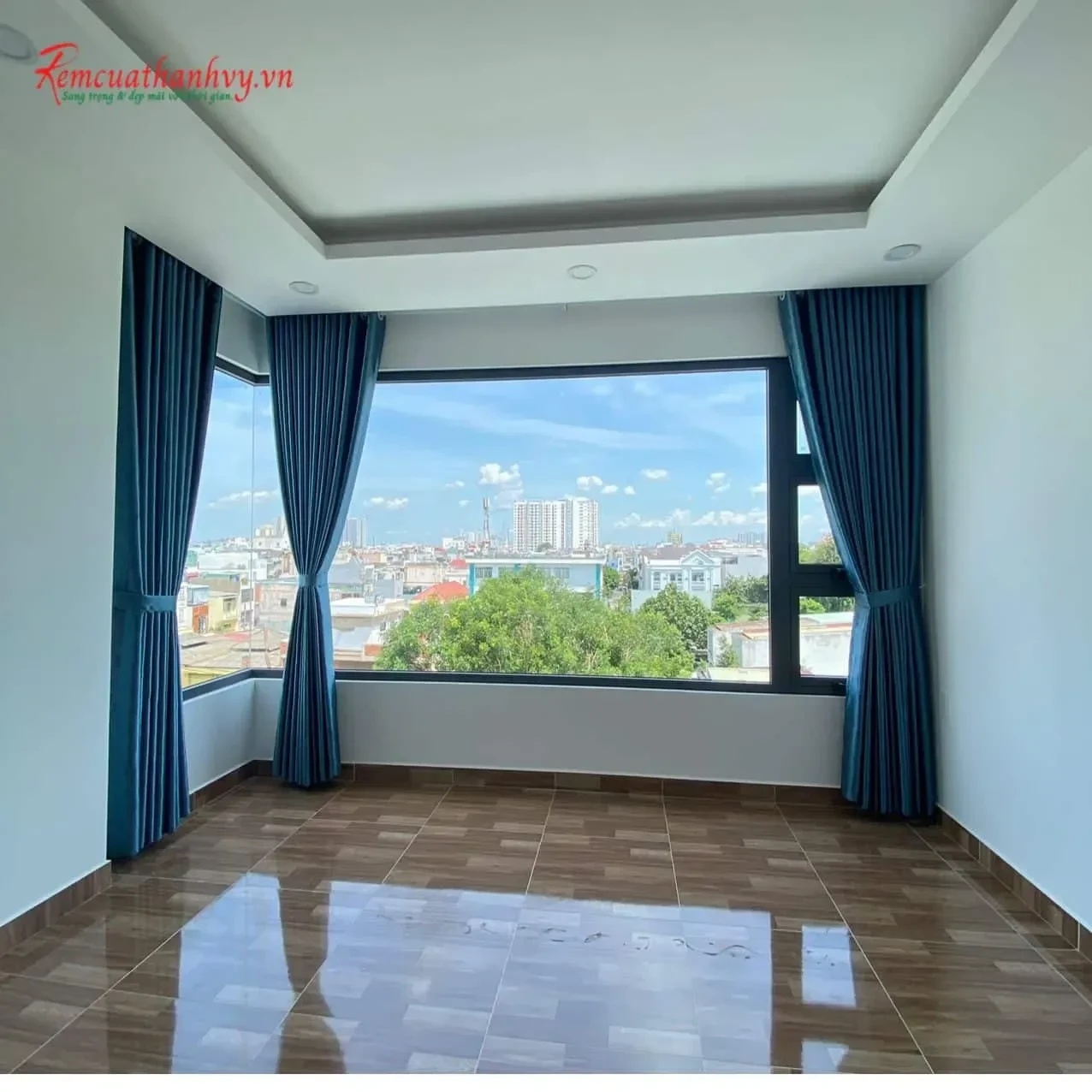
Nha Be Curtains: Preserve River Views, Block Afternoon Sun, and Protect Fabrics from Humidity
Nhà Bè curtains that preserve the river view while blocking the afternoon sun
Located at the southernmost tip of the city and directly bordering District 7, Nhà Bè has a residential structure that is quite distinctive compared with the rest of the area. Here, old rows of townhouses line a dense network of rivers and canals, with thick walls, small windows, and low roofs; yet just a few minutes away by car are newly built residential developments planned as part of southern Saigon’s urban area, with large glass surfaces extending the full height of the floors. These two types of homes present completely different shading challenges, which is why choosing curtains for Nhà Bè rarely can be solved with one formula applied to every window.
Natural conditions that have an impact: The dense network of rivers and canals means the air in this area is always somewhat more humid than in the inner-city districts, especially during the rainy season and in the early mornings when mist still lingers on the water. High humidity is a quiet factor that wears curtain fabric down fastest: the bottom of the curtains dries slowly, fabric edges easily become discolored, and cheap metal accessories can begin to rust after only a few seasons. At the same time, wind from the river grows stronger toward evening, powerful enough to send lightweight curtains flying up toward the ceiling or repeatedly hitting the window frame if the hanging system is not properly calculated.
Light in river-facing homes: A window overlooking the water is almost always the most valuable feature of a home, but also the most difficult to handle. The afternoon sun is already harsh, and the light reflected back from the water onto the ceiling and walls creates a glare that is very uncomfortable to the eyes even when the room temperature is not particularly high. Many homeowners instinctively choose a thick, fully opaque fabric to eliminate that light completely, only to regret a few weeks later that they have lost the very view they paid for.
From a professional perspective, the issue in Nhà Bè should be reframed as a different set of questions: how can you cut the harshness of the light without cutting off the view as well, how can you keep the fabric dry in a humid environment, and how can you keep the curtains steady when the river wind picks up? These three questions lead to three very specific groups of decisions about materials, sewing styles, and accessories. The team of craftspeople has worked in the curtain trade for more than fifteen years, beginning at a family-business scale and registering as a legal entity only in 2025 under the name Rèm Cửa Thanh Vy, and is familiar with this approach: visit the site, stand where the homeowner usually sits, observe the actual light and airflow, and only then discuss designs. All the content below is written in that order, so you can assess your own home before calling anyone for a quote.
Nhà Bè curtains by commune
After the administrative reorganization, Nhà Bè District now has only 2 communes. Click a commune name below to view information about the merger, housing characteristics, and the curtain measuring and installation area for the corresponding locality:
- Hiệp Phước Commune — merged from Hiệp Phước Commune, Long Thới Commune, and Nhơn Đức Commune
- Nhà Bè Commune — merged from Nhà Bè Township, Phú Xuân Commune, Phước Kiển Commune, and Phước Lộc Commune
Nhà Bè Commune alone combines four former administrative units, so the area is quite large, and old ward and commune names still appear frequently on paperwork, sales contracts, and mapping apps. If the address you have still uses an old name, quickly check the former Nhà Bè ward lookup table before scheduling a measurement appointment, so the installer reaches the correct address on the first visit. Interested readers can learn about the properties of linen fabric.
Assess the window before choosing the material
A common habit when beginning to look for curtains is to open collections of sample images right away and admire the colors. That step should actually come in the middle of the process, not at the beginning. A much more worthwhile first step is to stand in front of your own window and record a few basic measurements: the overall width of the frame, the height from the top edge of the frame to the floor, and especially the remaining space from the top edge of the frame to the ceiling. This last measurement determines whether you can hang the curtains close to the ceiling, and hanging them close to the ceiling is the most affordable trick for making a low-ceilinged room look noticeably taller and more spacious. In old canal-side townhouses in Nhà Bè, this space is often very narrow because the beam sits directly above the window frame; in apartments and newly built homes, by contrast, the available wall space is fairly generous and can be fully utilized.
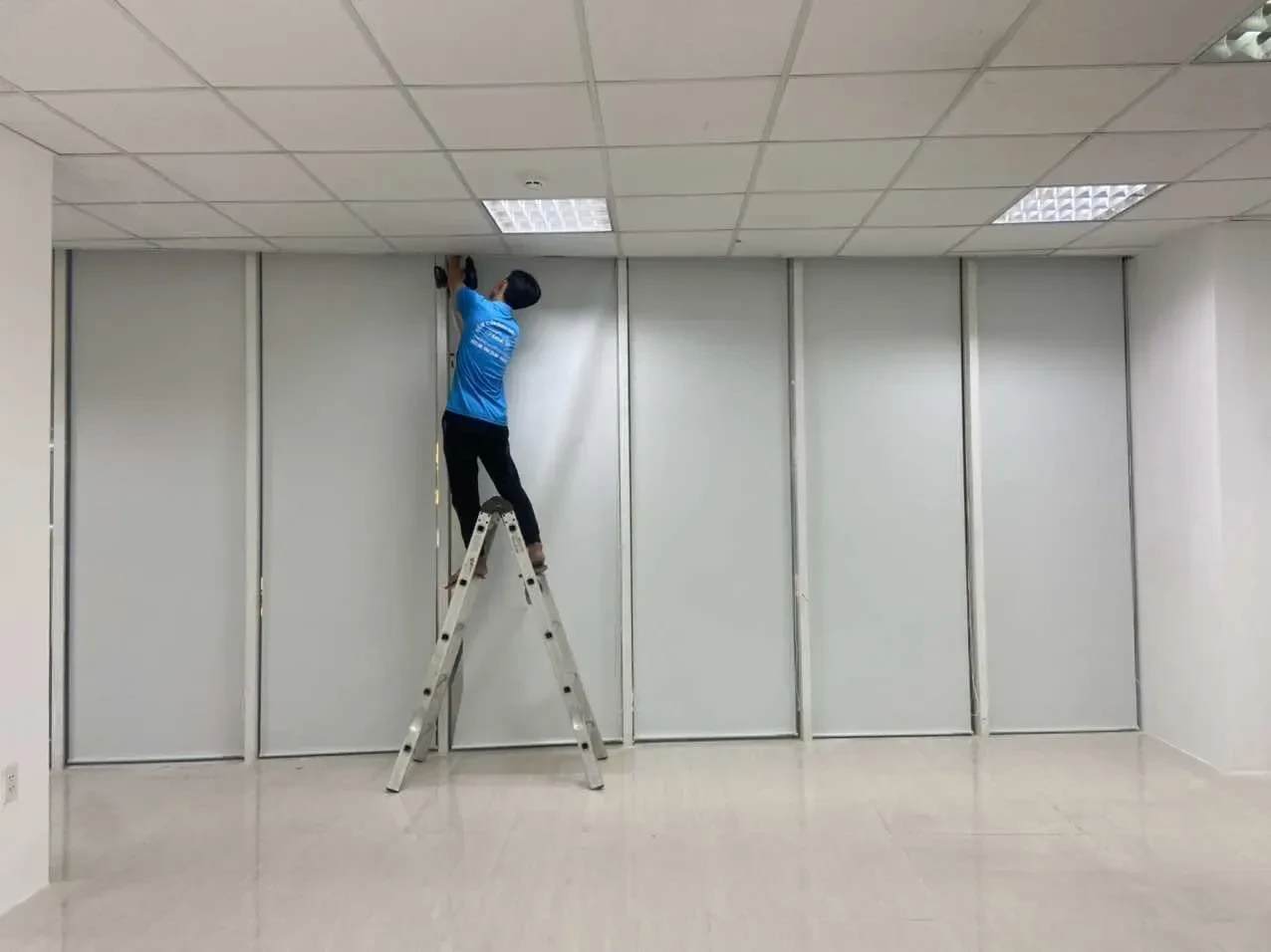
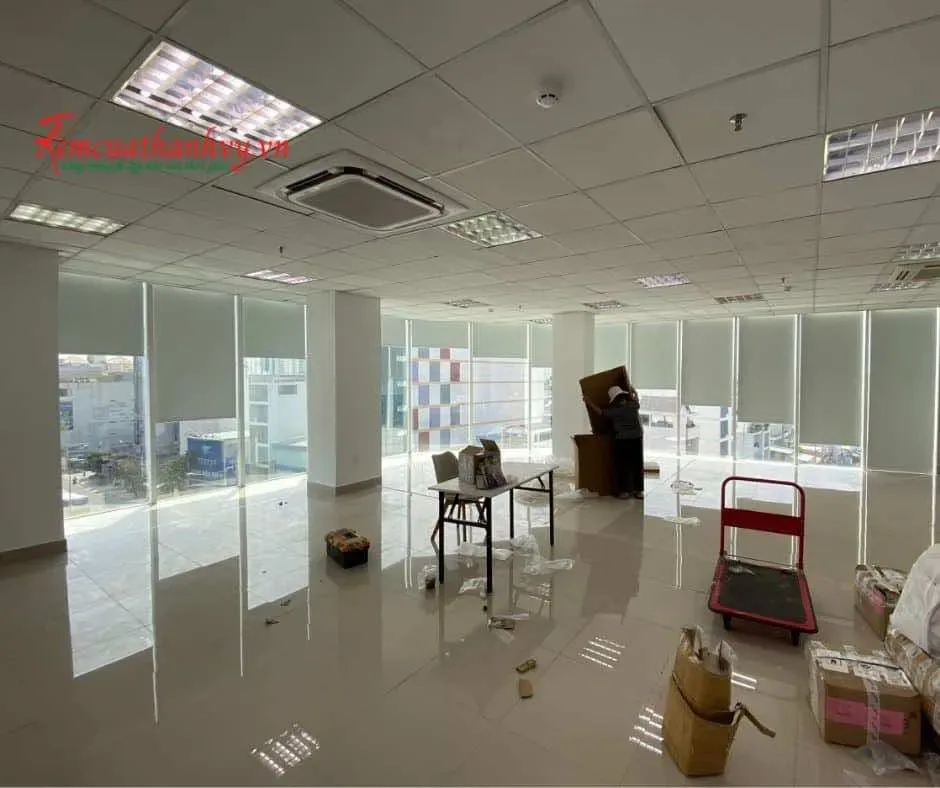
Next, determine the direction each window faces and when the sun actually shines through. Do not infer the direction from memory; observe it on an ordinary day: what time the sunlight first touches the edge of the window, how many meters it reaches into the room, and what time it recedes. In homes facing the river, this observation is twice as important, because in addition to the direct sunlight there is reflected light bouncing up from the water, often appearing at a different time from the direct sun and striking the ceiling more than the floor. Once you know exactly when these two streams of light appear, you will understand why one home needs only a single layer of light-filtering fabric, while the one next door requires a two-layer structure.
Obstructions around the window are the third group of information, and also the one most often overlooked. An air-conditioning unit mounted off to one side, an electrical outlet directly below the edge of the frame, a cabinet placed against the wall, a sliding-door handle sticking out, decorative molding, or a stepped gypsum ceiling with uneven thickness: each of these can cause a curtain set that was measured correctly to still catch or collide when installed. You do not need to solve these issues yourself; just take photos and mention them, while the technical handling is the installer’s responsibility. Finally, pay attention to the frame type: slim aluminum-and-glass frames, old-style large-panel steel doors, multi-panel sliding doors, and hinged doors all require different methods of mounting brackets and choosing curtain rods. In a moisture-heavy area like Nhà Bè, the material of the mounting brackets must also be evaluated for long-term moisture resistance, not just load-bearing capacity.
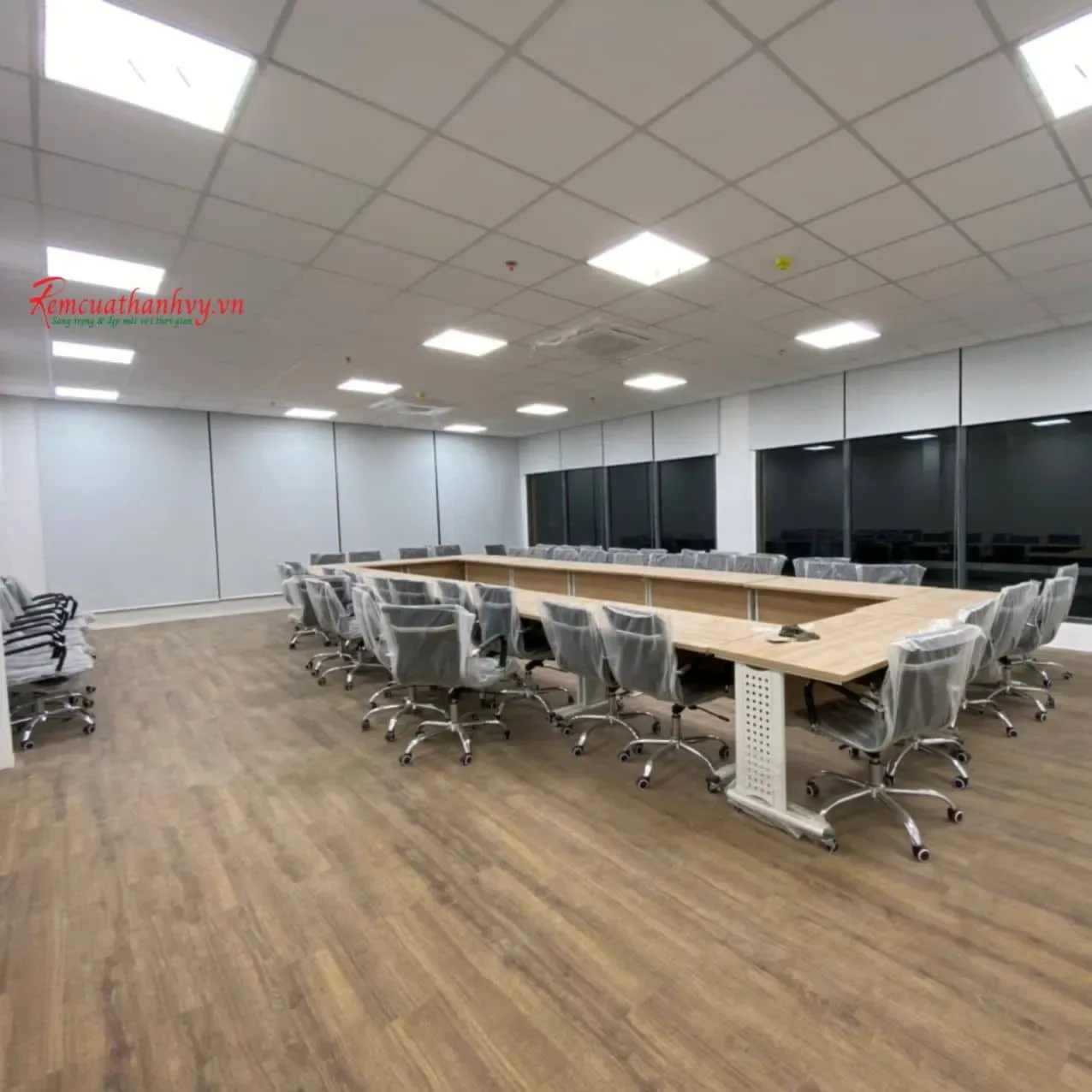
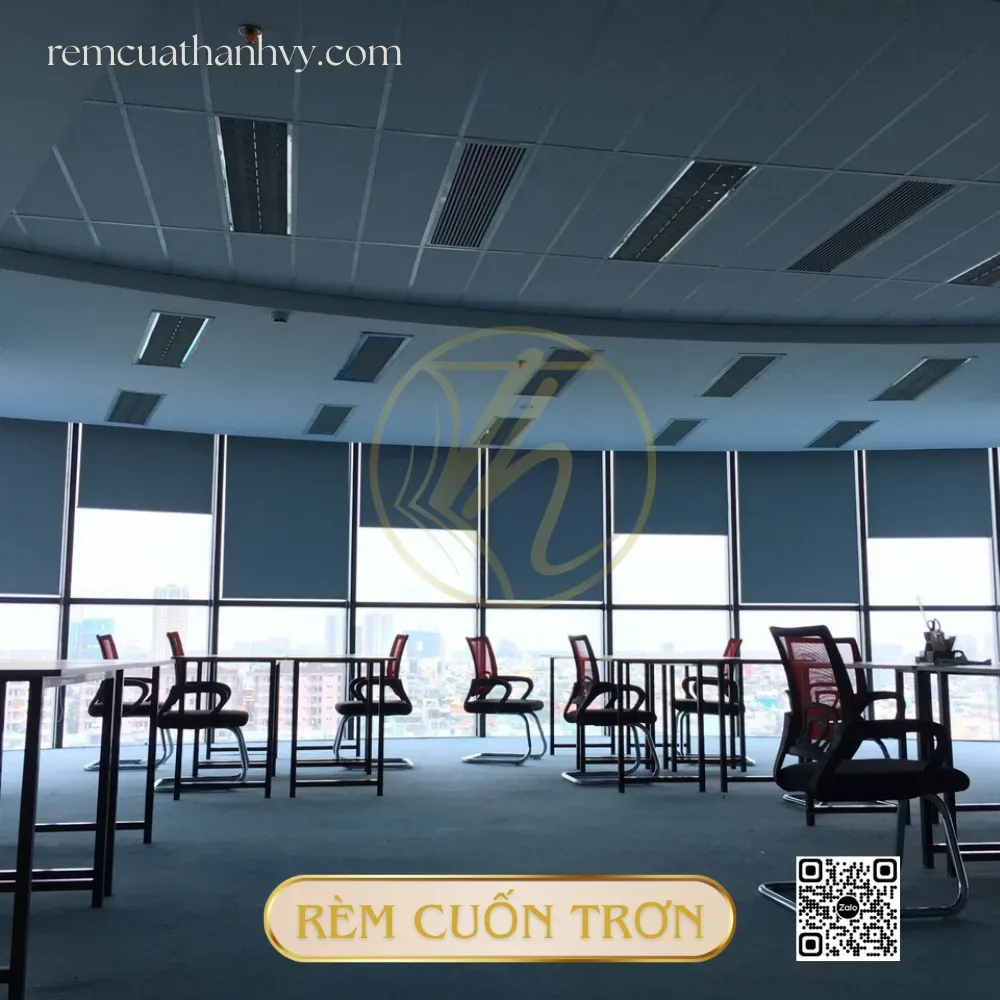
Humidity and river wind: two variables that must be considered separately in Nhà Bè
The two factors below are what make choosing curtains in Nhà Bè different from choosing curtains in a dry inner-city district. Ignore them, and the curtain set may still look beautiful in its first month, but it will deteriorate faster than expected.
High Humidity and the Risk of Mold on Fabrics
Water vapor rising from the river and canal system keeps the layer of air close to the ground humid for long periods, especially on the ground floor and in rooms that are rarely opened. Curtain fabric is naturally porous and moisture-absorbent, and when high humidity persists continuously, the curtain hem — the part closest to the floor and exposed to the least airflow — becomes the earliest place for mold to develop. The initial signs are very subtle: a few tiny dark spots on the inner lining, a slightly musty smell when the curtains are drawn in the early morning, and fabric that feels heavier than usual. By the time the mold becomes clearly visible on the outer surface, treatment is already much more costly. You can also learn more from the properties of natural wood.
Effective prevention comes down to three decisions made from the moment of selection. First is the material: prioritize synthetic fibers or blended fabrics with treated surfaces that release moisture quickly, instead of thick, heavy natural fibers that retain water for a long time. Second is the curtain hem design: leave a reasonable gap between the bottom edge and the floor so air can pass through, rather than letting the fabric trail on the floor as a decorative style, because the trailing section both absorbs moisture from the floor and never dries completely. Third are the accessories: curtain rods, rollers, and metal components should be selected with anti-oxidation surface treatment, because even a small rust spot on the track will leave a stain that is difficult to remove from the fabric each time the curtain is pulled. In addition, curtain groups with smooth surfaces that can be wiped clean in place, such as roller blinds, aluminum blinds, or rainbow blinds, are often an easier choice for humid rooms such as kitchens, areas near skylights, or bathrooms with windows.
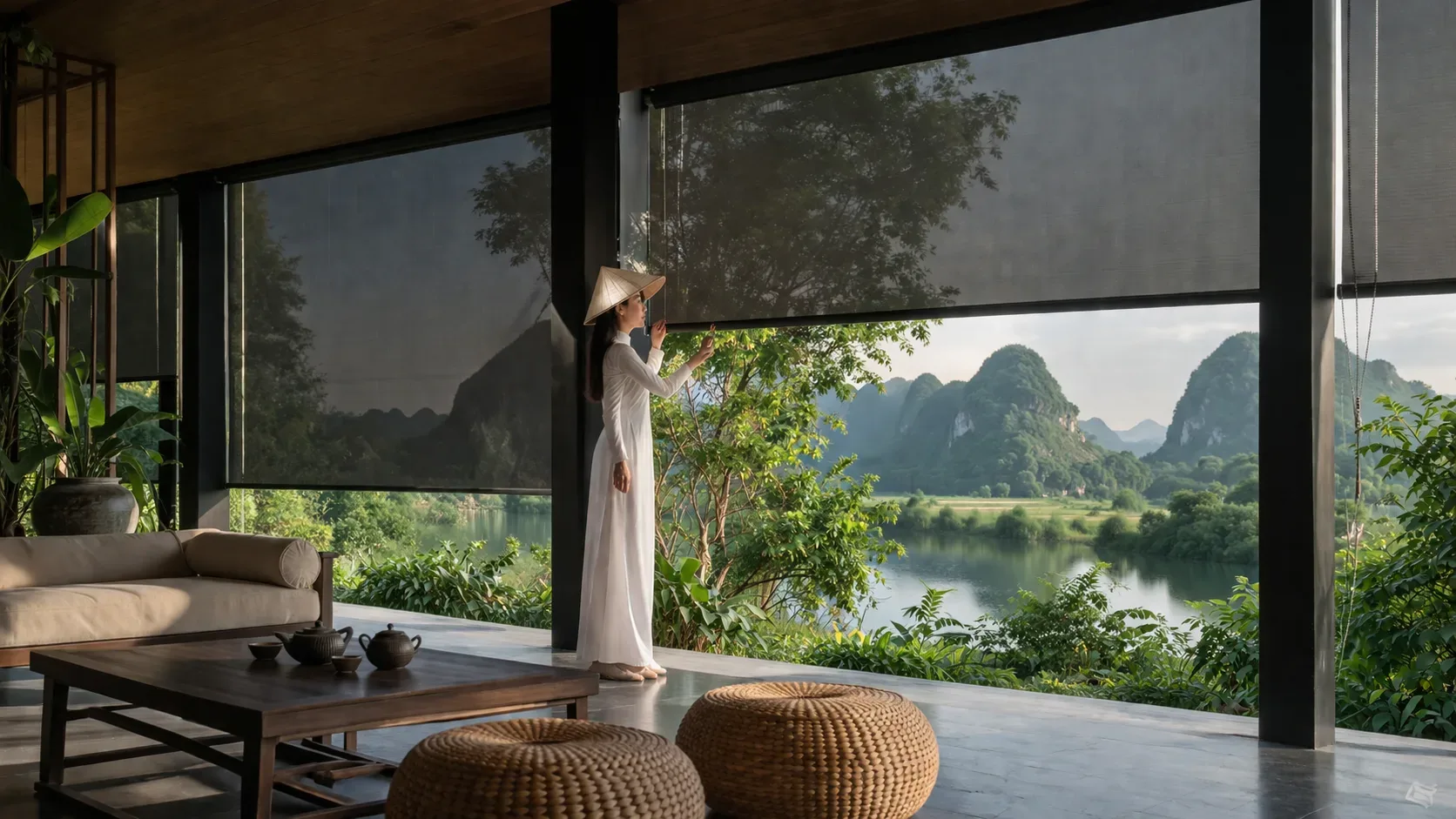
River Winds and Load-Bearing Structures for Water-Facing Balconies
In the evening, wind flowing from the river toward the shore becomes noticeably stronger and is almost unobstructed at windows facing directly toward the water. For balconies or large openings, this wind causes three familiar problems: the curtain is blown upward and then hits the frame, the fabric edge continuously rubs against the wall, fraying the threads and fading the color, and over time the mounting brackets loosen at the screw anchors from repeated jerking forces rather than static loads.
The solution is not to choose thicker fabric, but to focus on the structure. Mounting brackets for river-facing windows should have more fastening points and shorter spacing between brackets than usual, so the jerking force is distributed evenly instead of concentrated at both ends of the rod. The wall material at the drilling points must be checked beforehand, because old brick walls that have absorbed moisture for years hold screws less securely than new walls and require suitable wall plugs. For the fabric panel, the bottom can be weighted to help the curtain hang straight and stay in position better in windy conditions. For vertical blinds or roller blinds installed in locations directly exposed to wind, side guide systems or bottom positioning locks are worthwhile details to invest in, because they completely prevent the blind slats from flipping and striking against surfaces. These are all minor installation adjustments, but they can completely change the service life of a curtain set in the most demanding location in the home.
Choosing a Curtain Group Based on Intended Use
No curtain line is absolutely the best; there is only the curtain line that best suits the purpose of each room. When you ask the right question — does this room need to be dark for sleeping, softly lit for working, or private while remaining airy — the list of options narrows very quickly. Below is the classification we commonly use when advising on spaces in Nhà Bè, taking into account the humidity and wind conditions mentioned above.
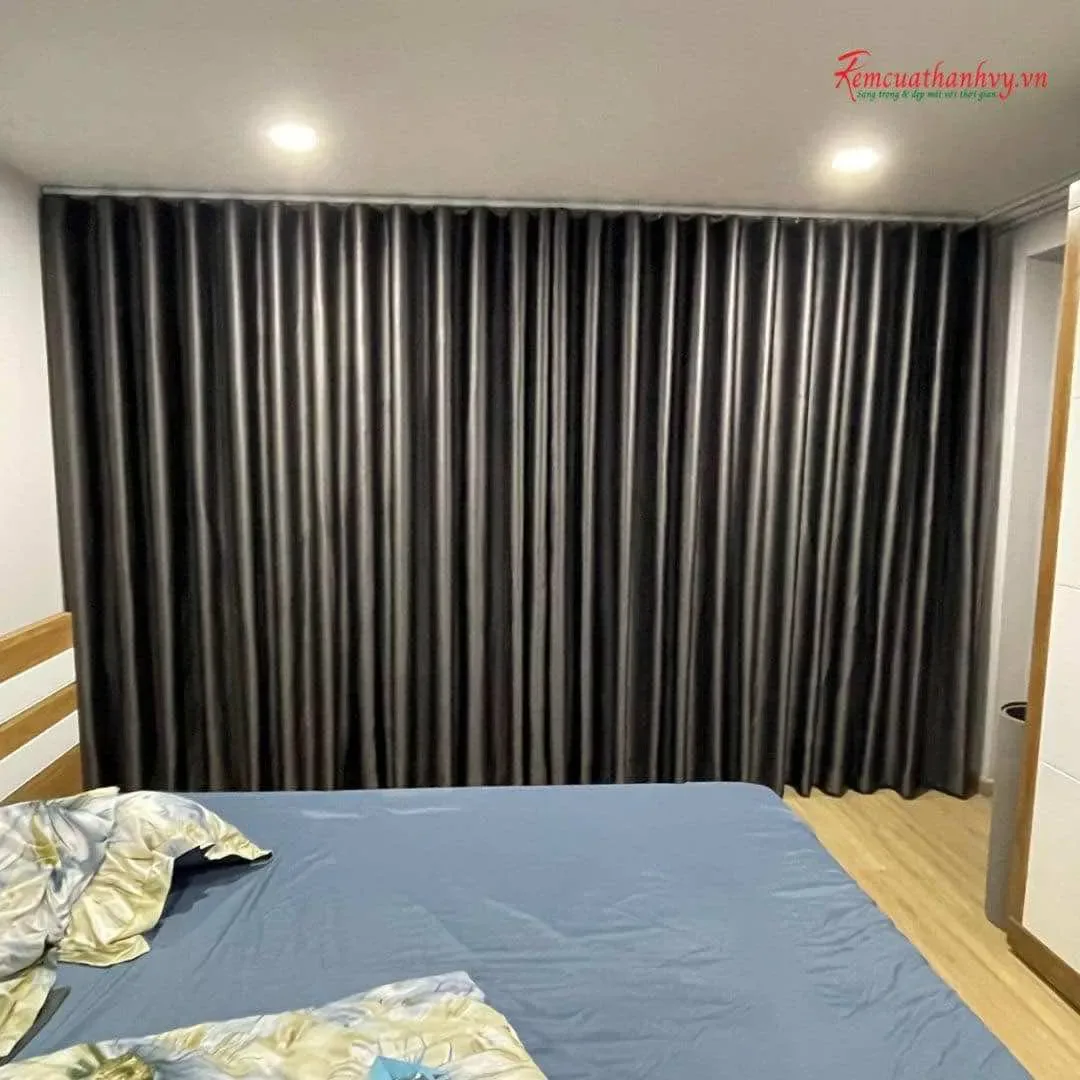
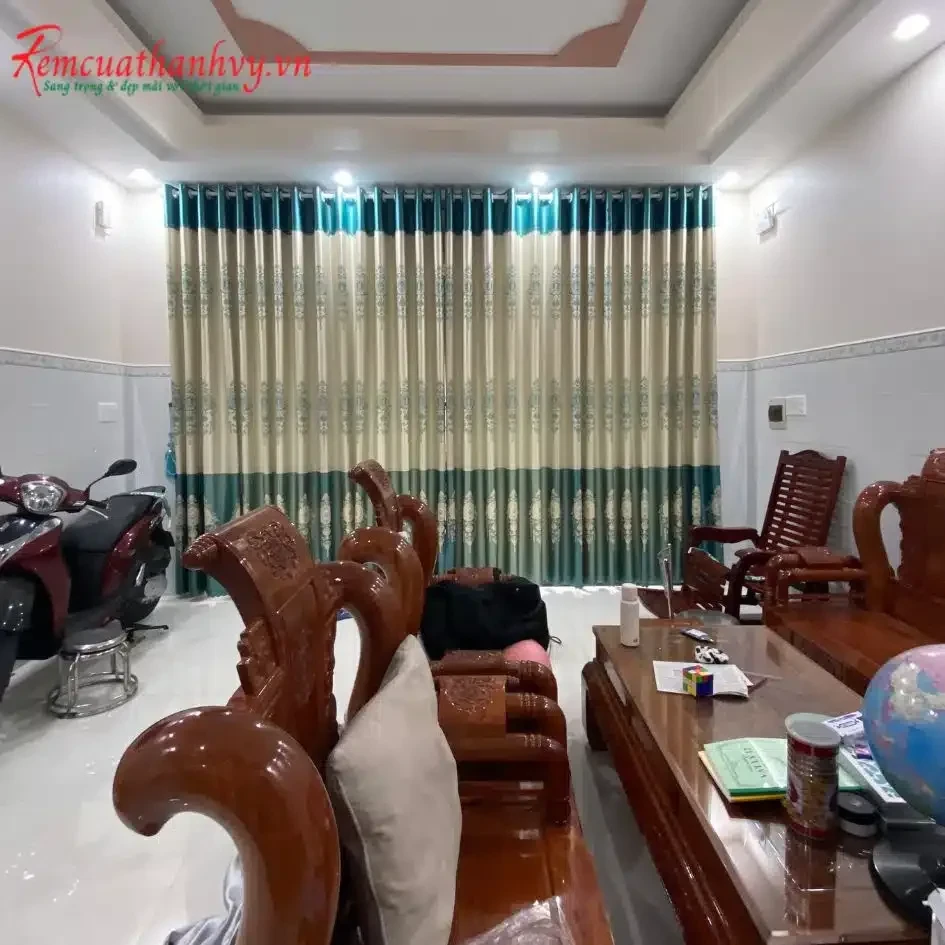
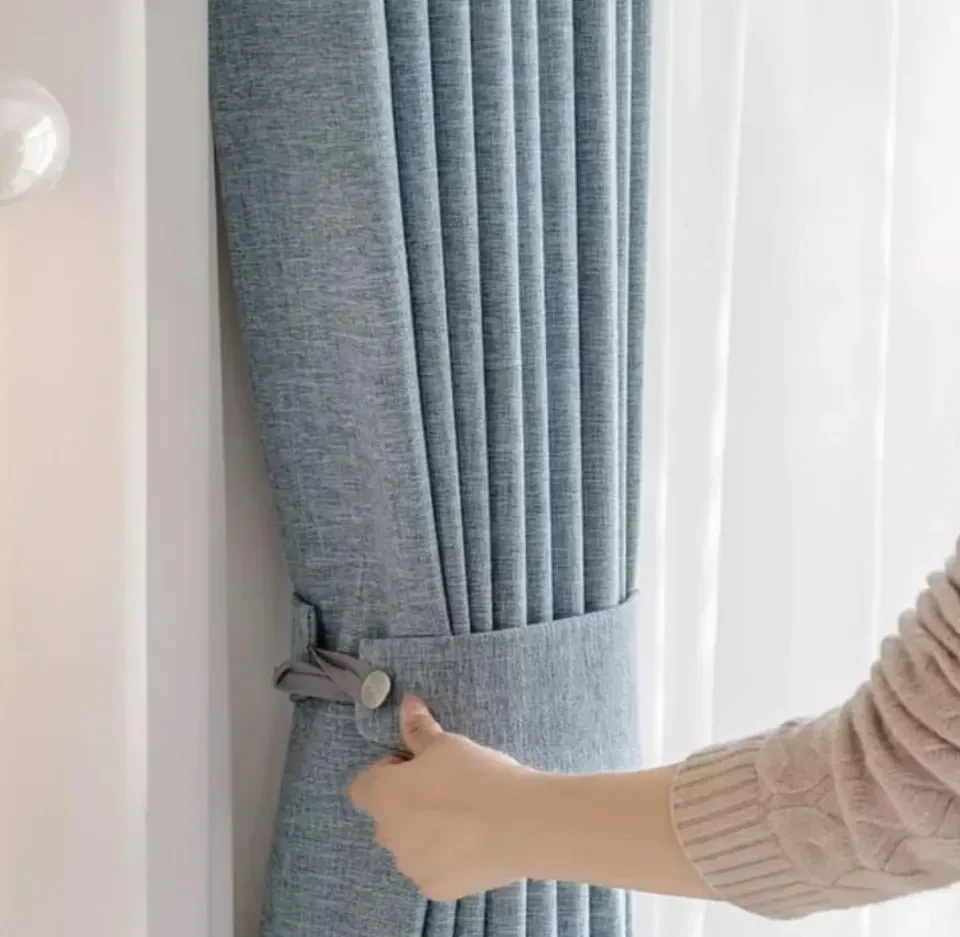
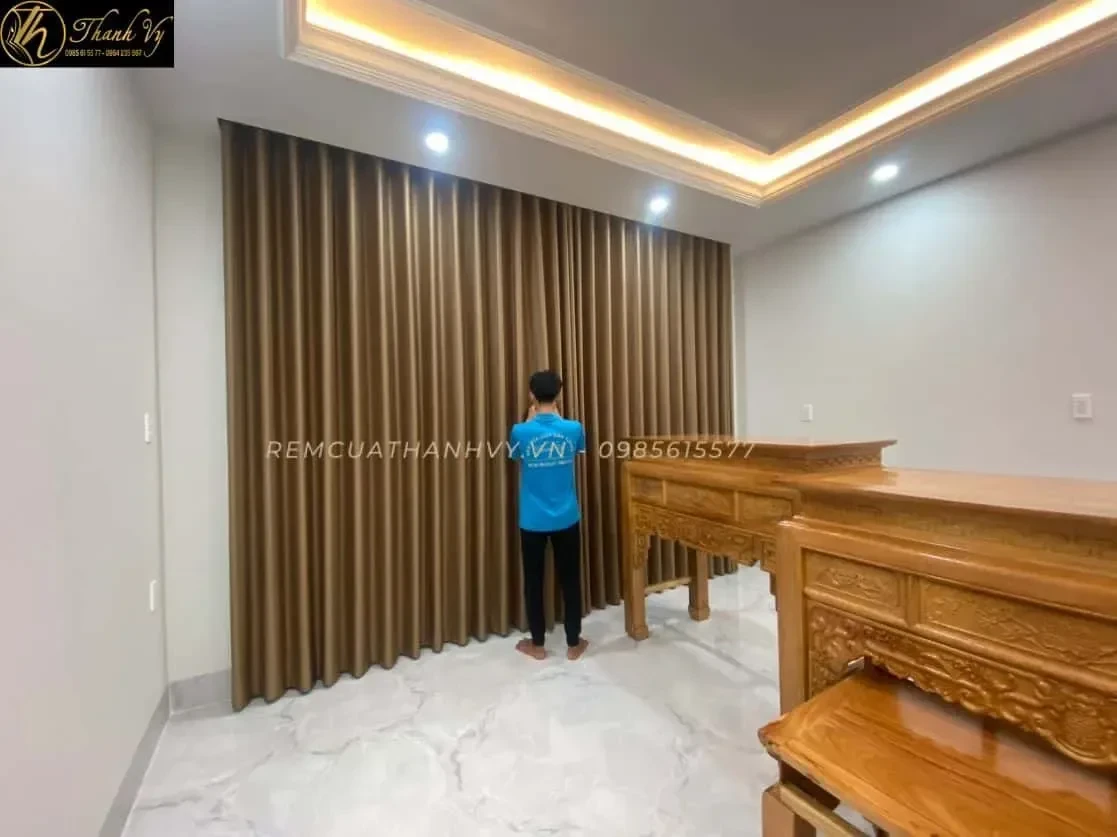
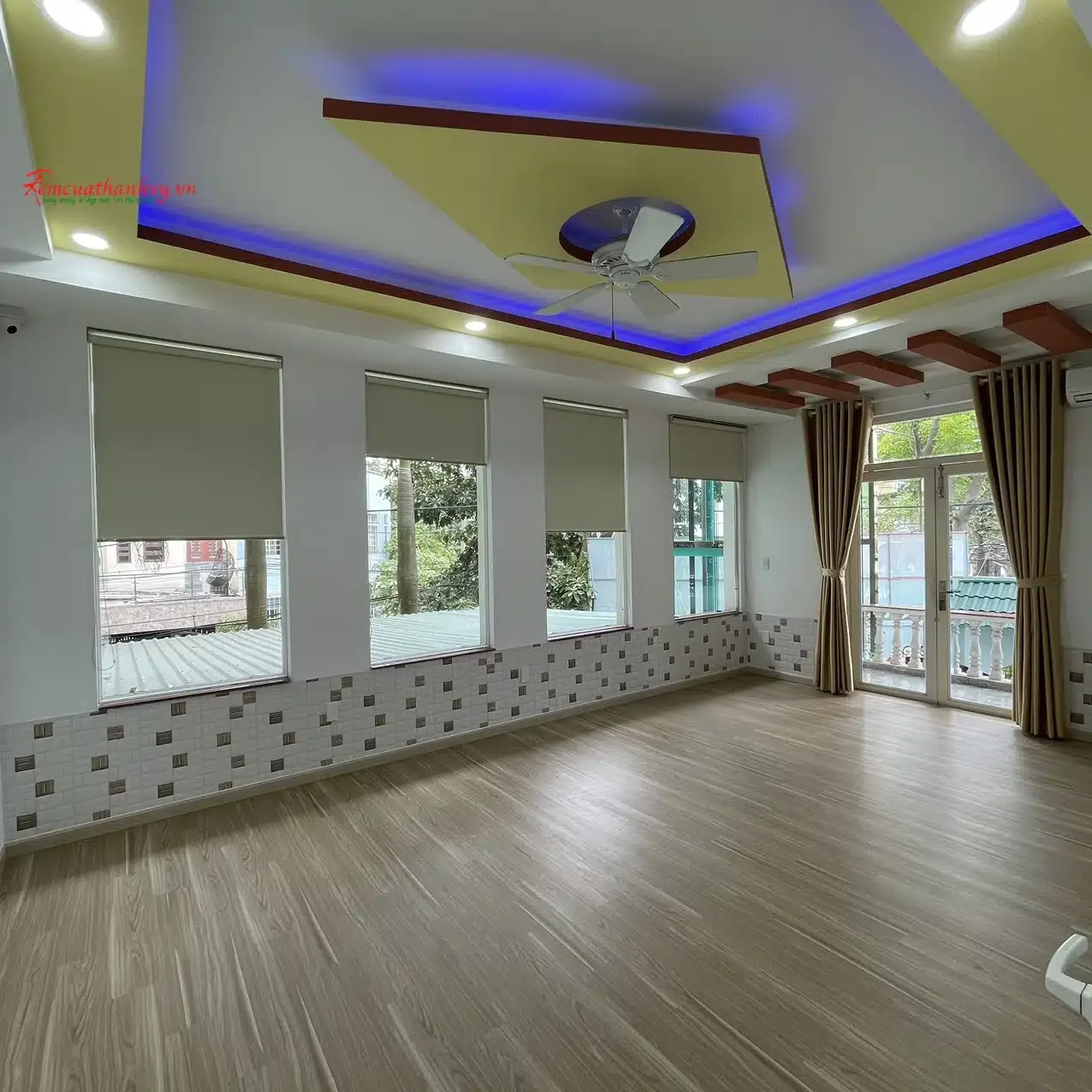
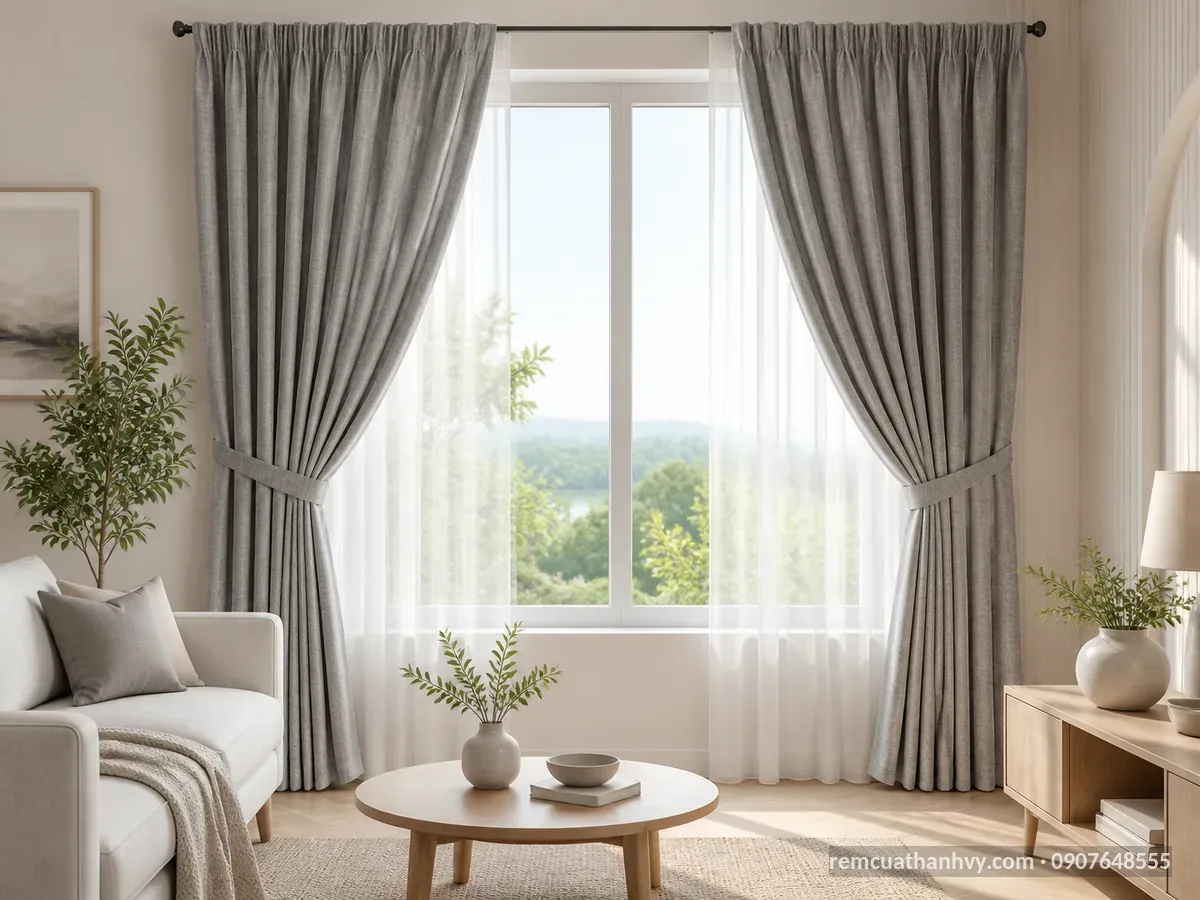
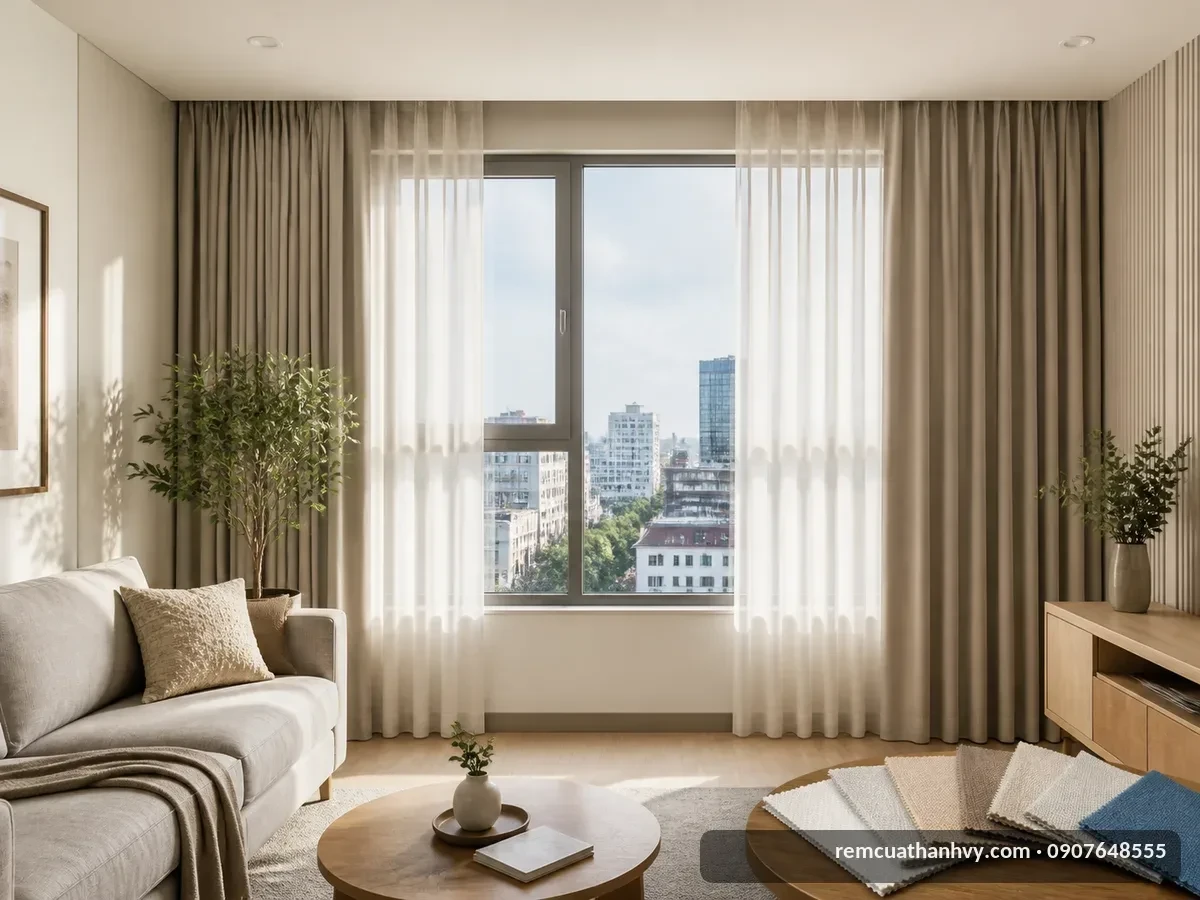
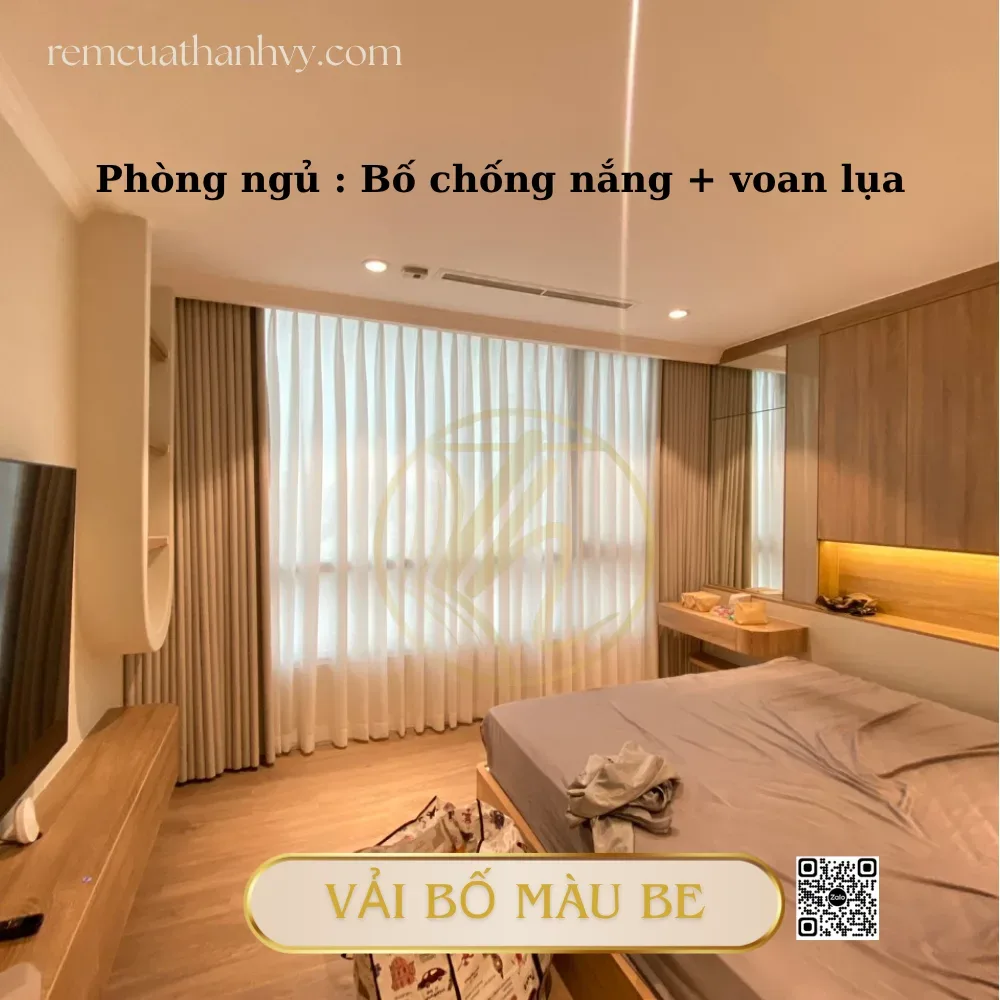
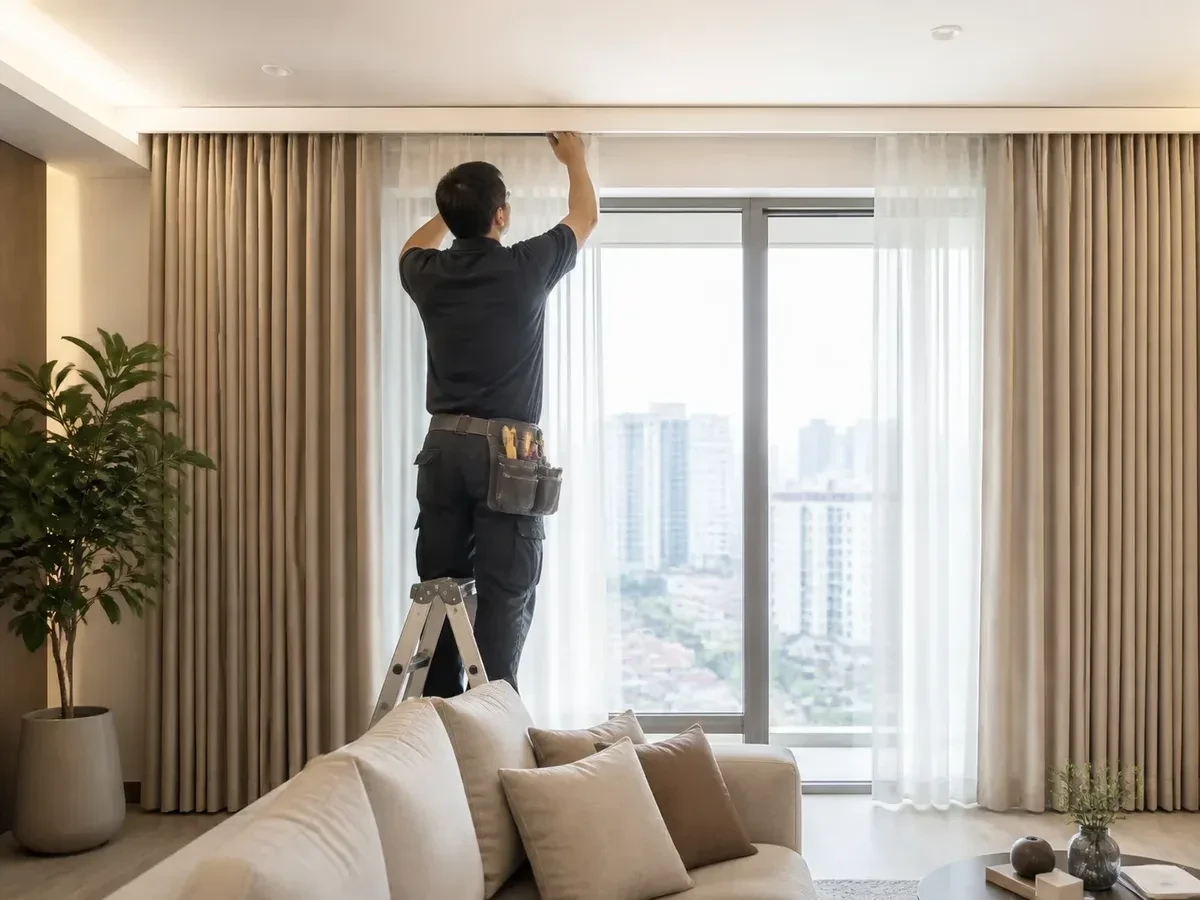
Two-layer fabric curtains: Best suited to bedrooms and living rooms in townhouses and newly built homes with high ceilings. The structure consists of a sheer inner layer to filter daylight and a main outer fabric layer to block sunlight when needed, allowing homeowners to switch between the two settings with a single action. For river-facing homes, this is the option that preserves the view best: during the day, draw the outer layer to the side while the sheer layer still allows the water to be seen but reduces the glare; during periods of intense sunlight or when privacy is needed in the evening, close the outer layer. Information about the material is also available in the properties of aluminum.
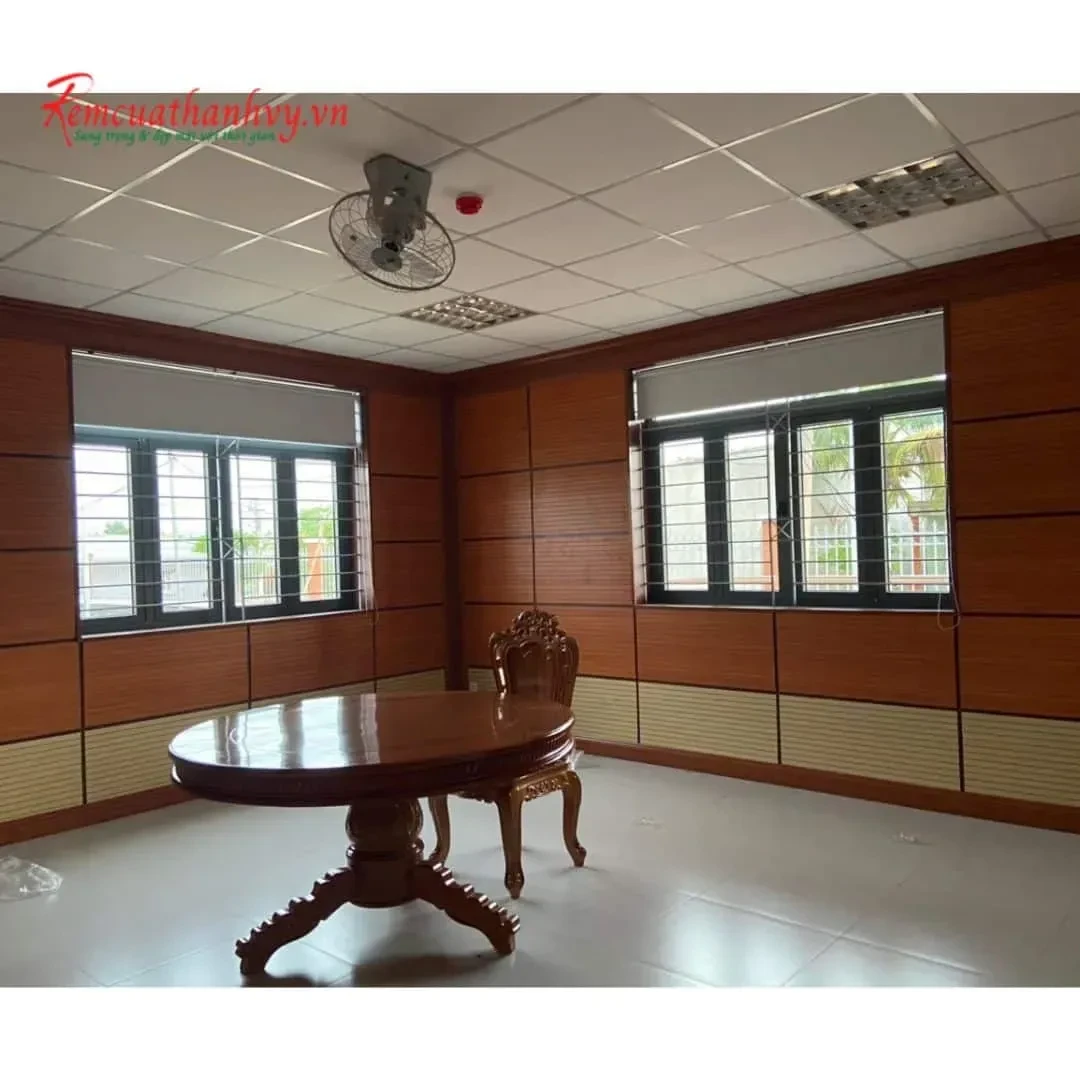
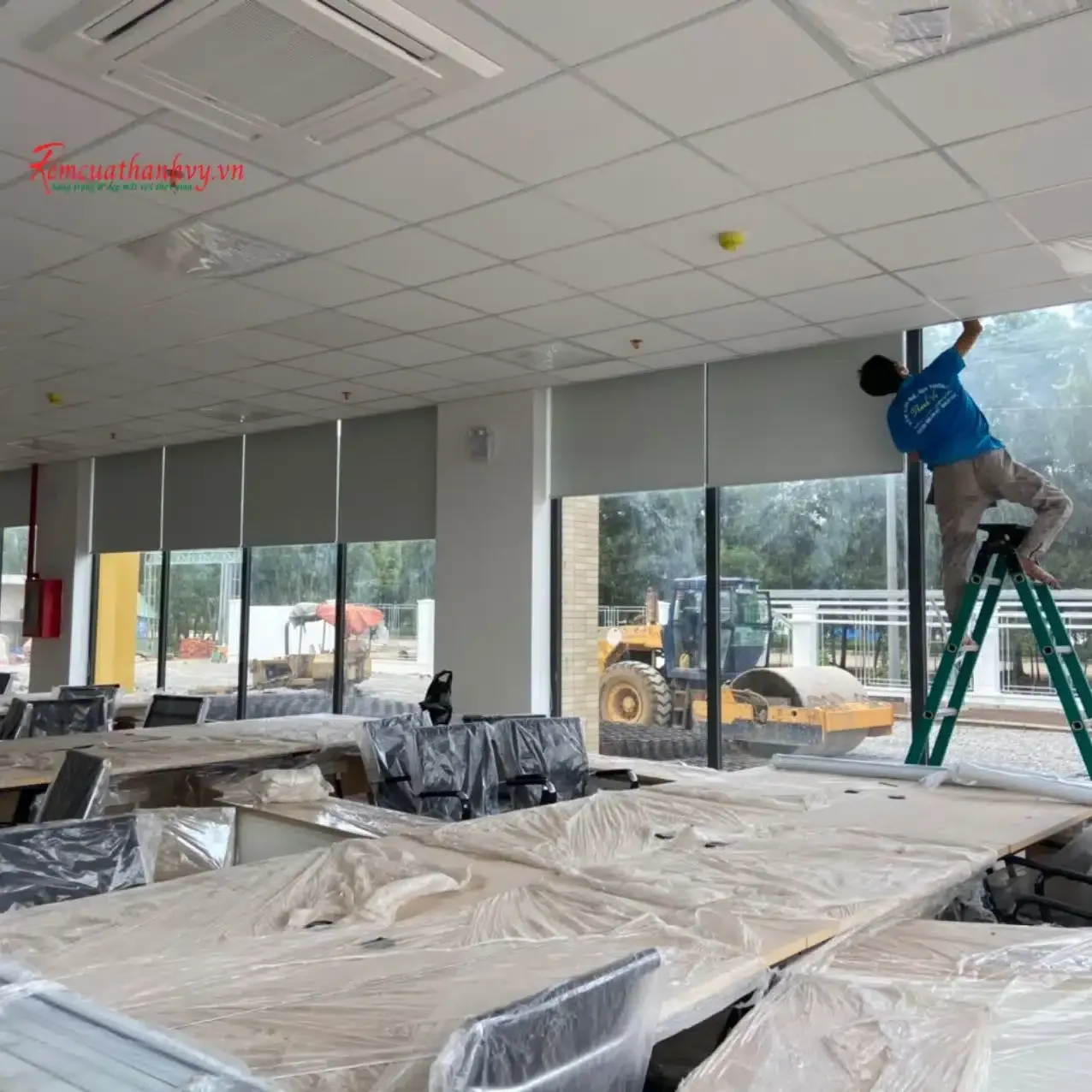
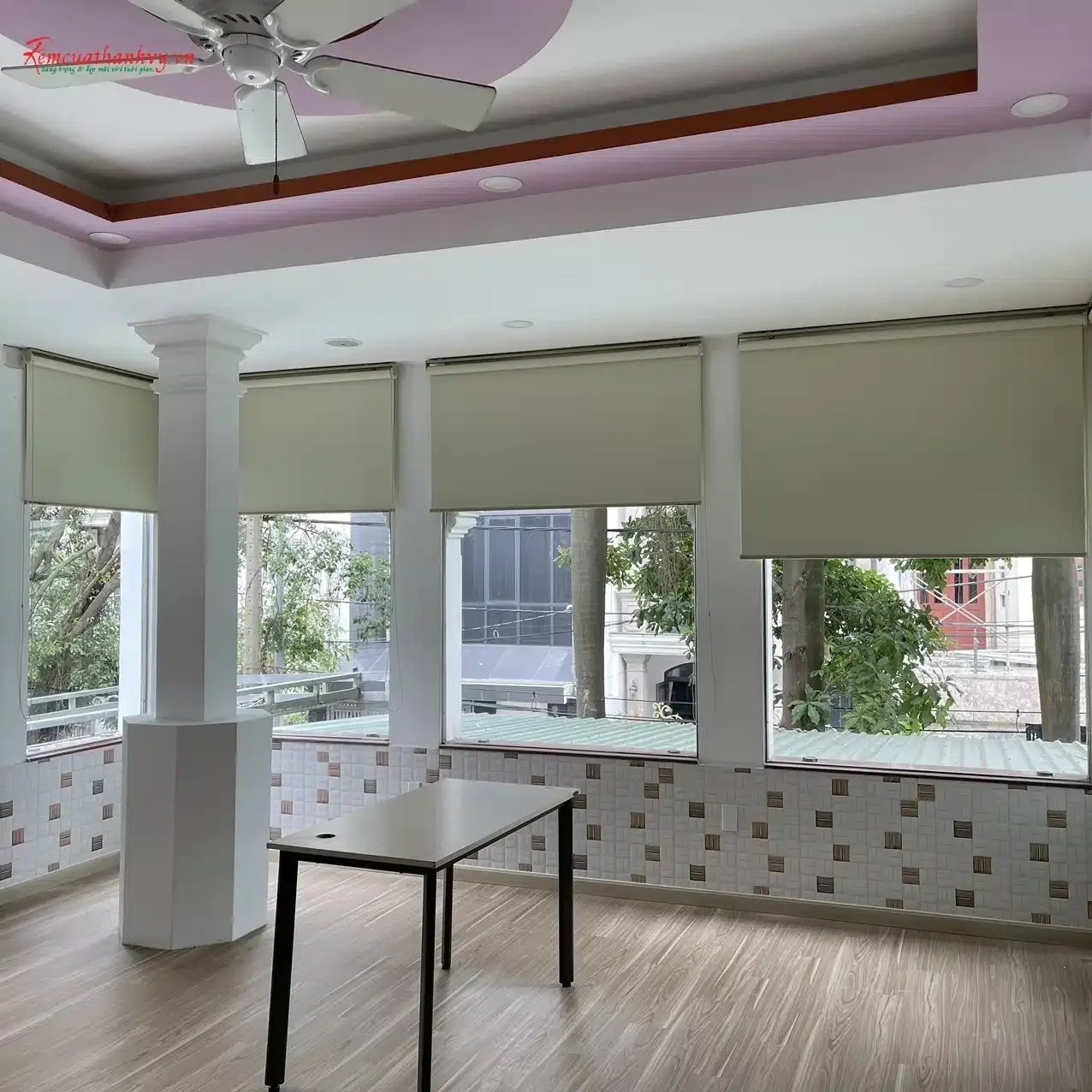
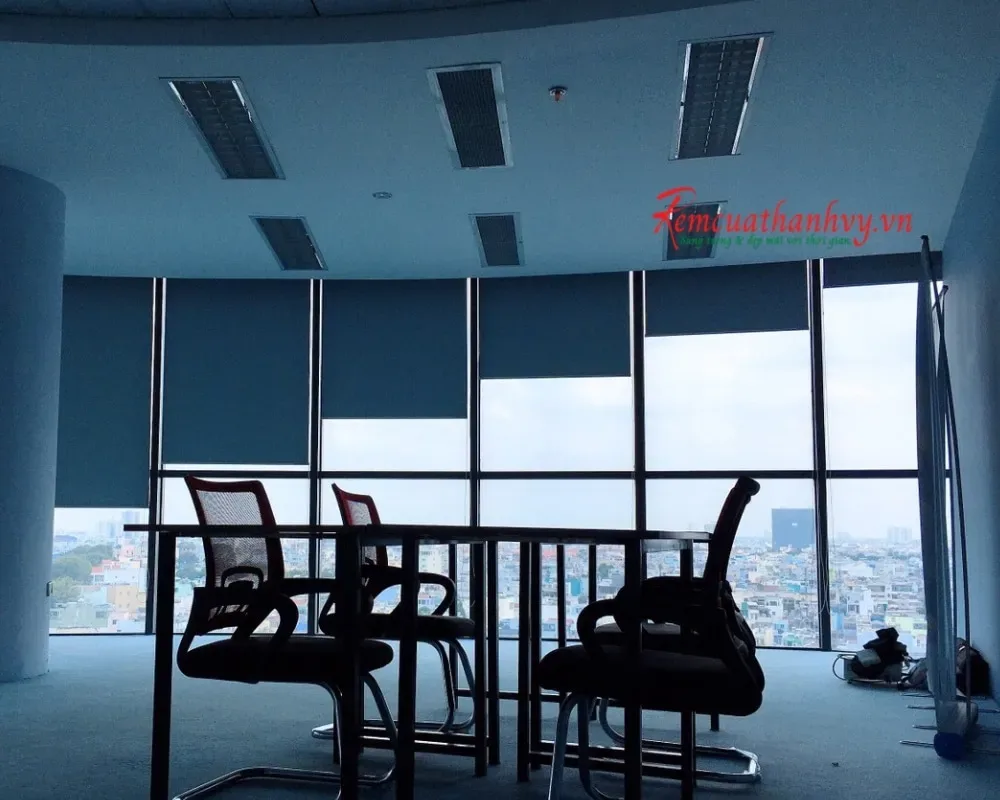
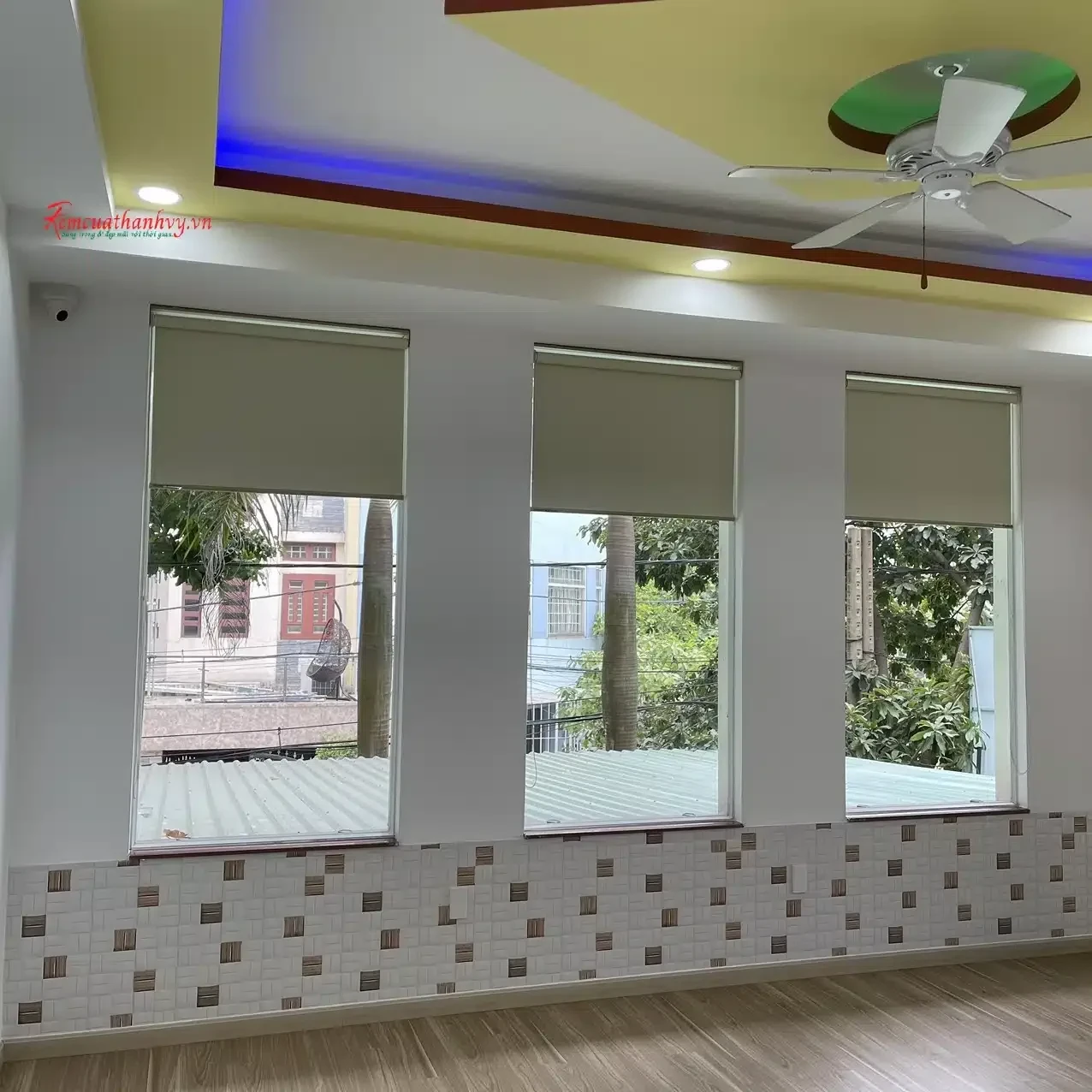
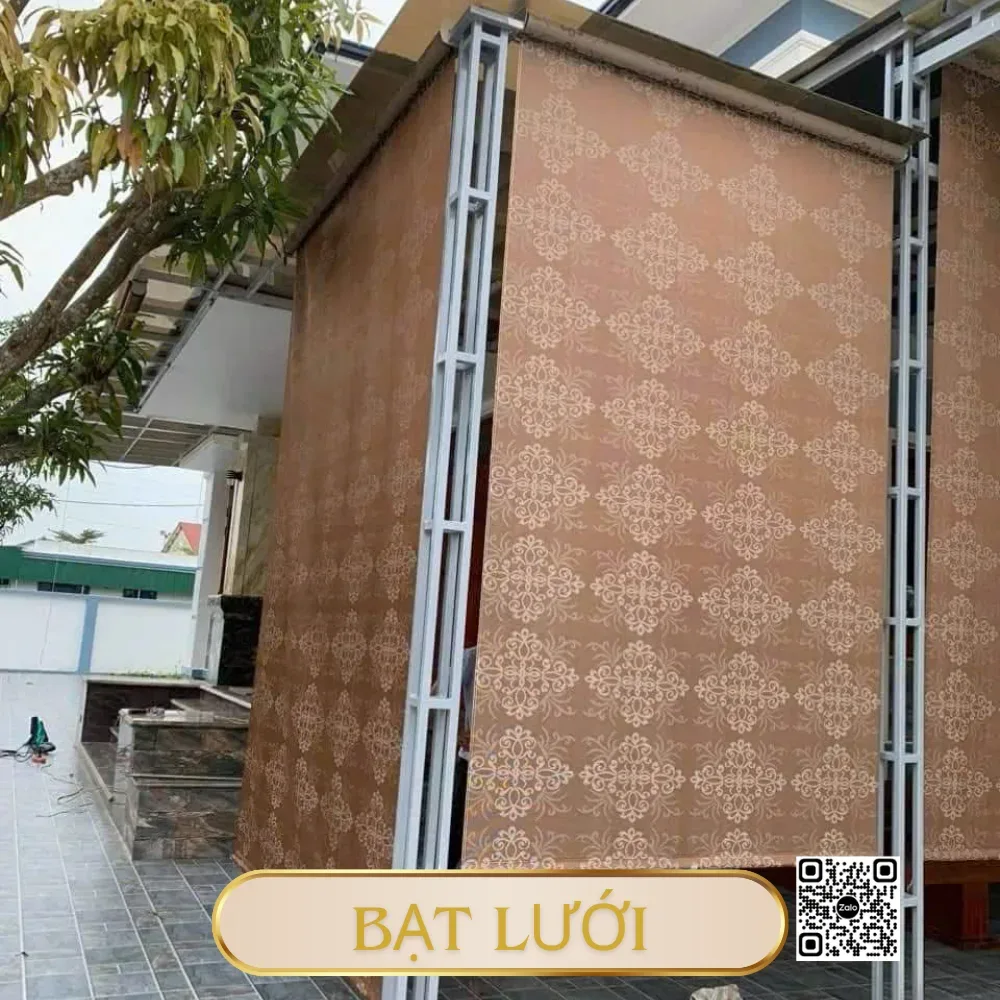
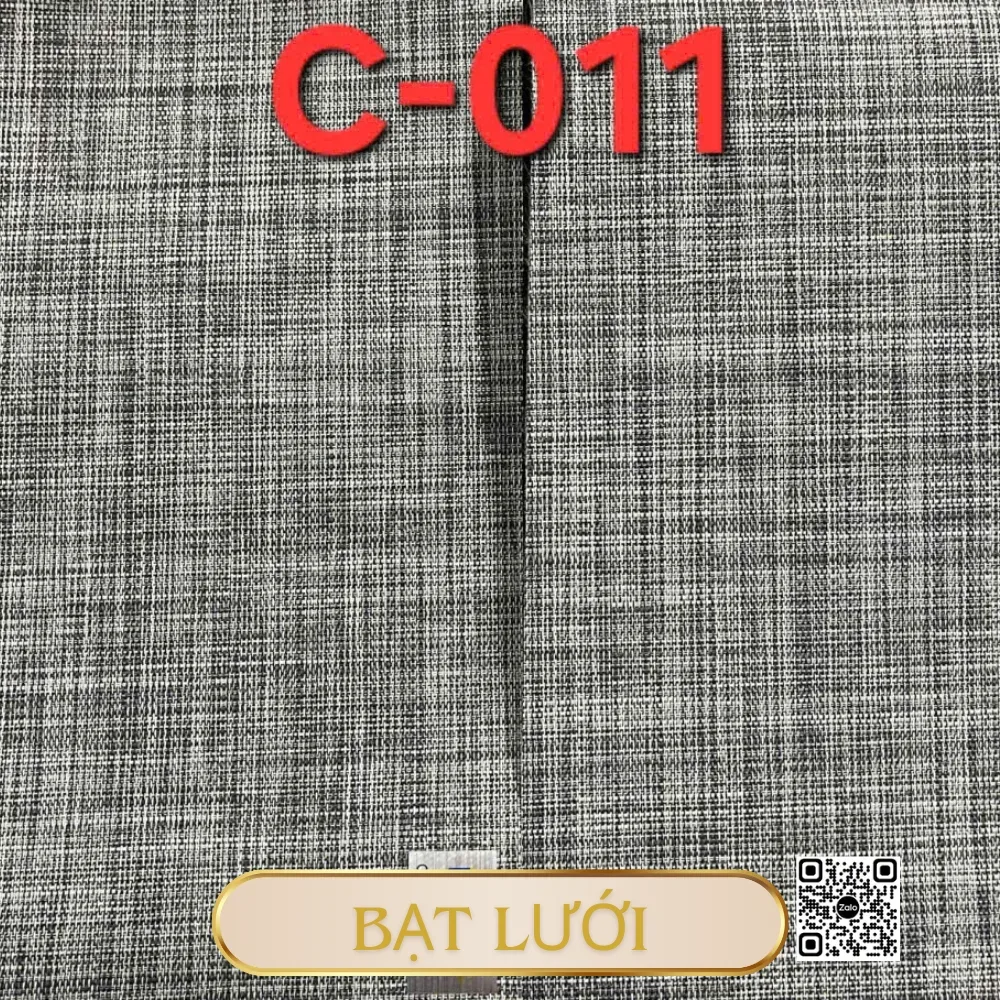
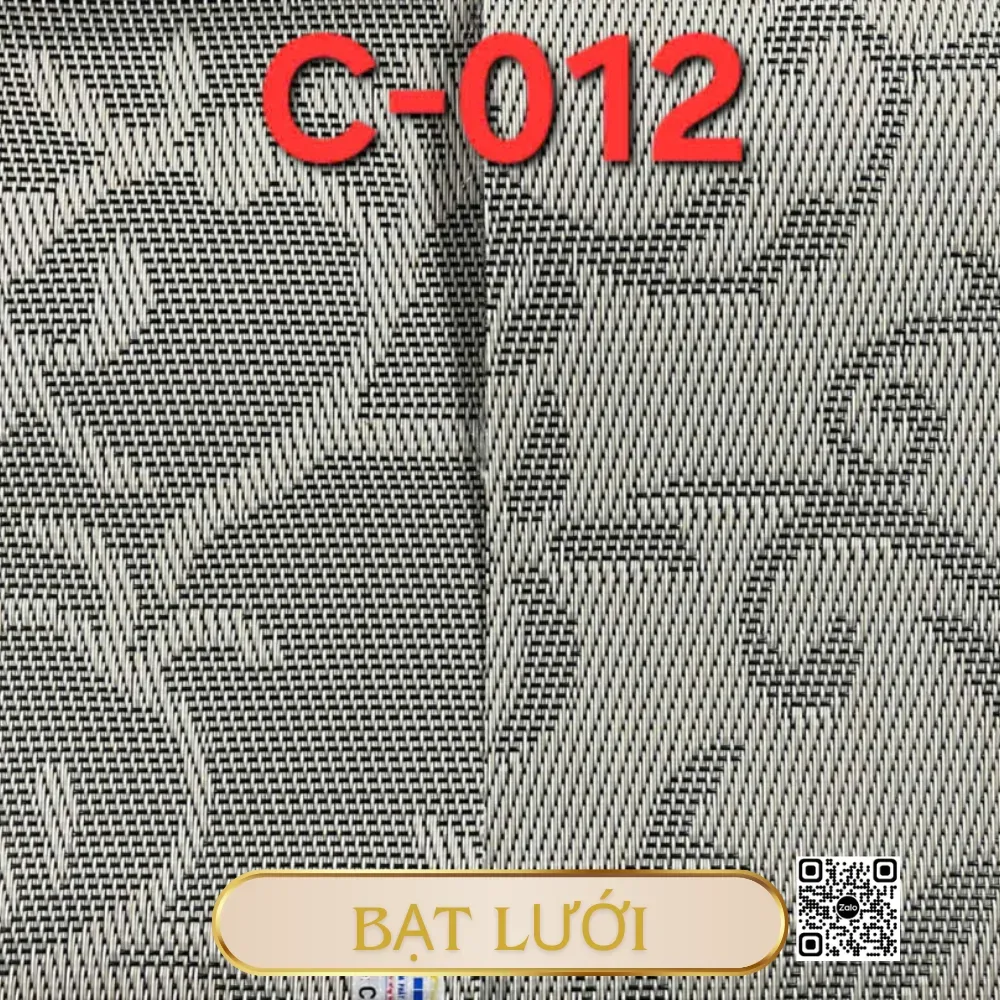
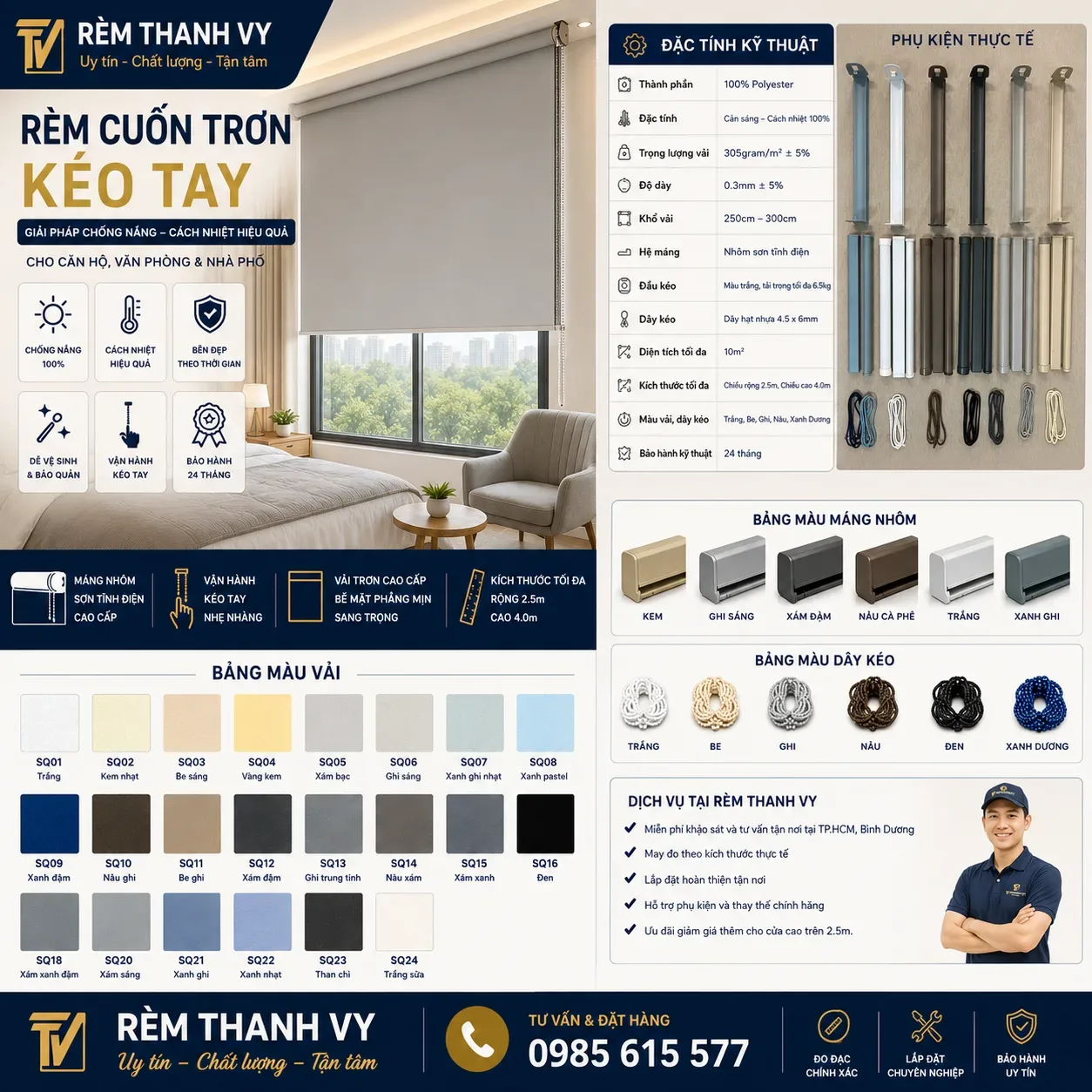
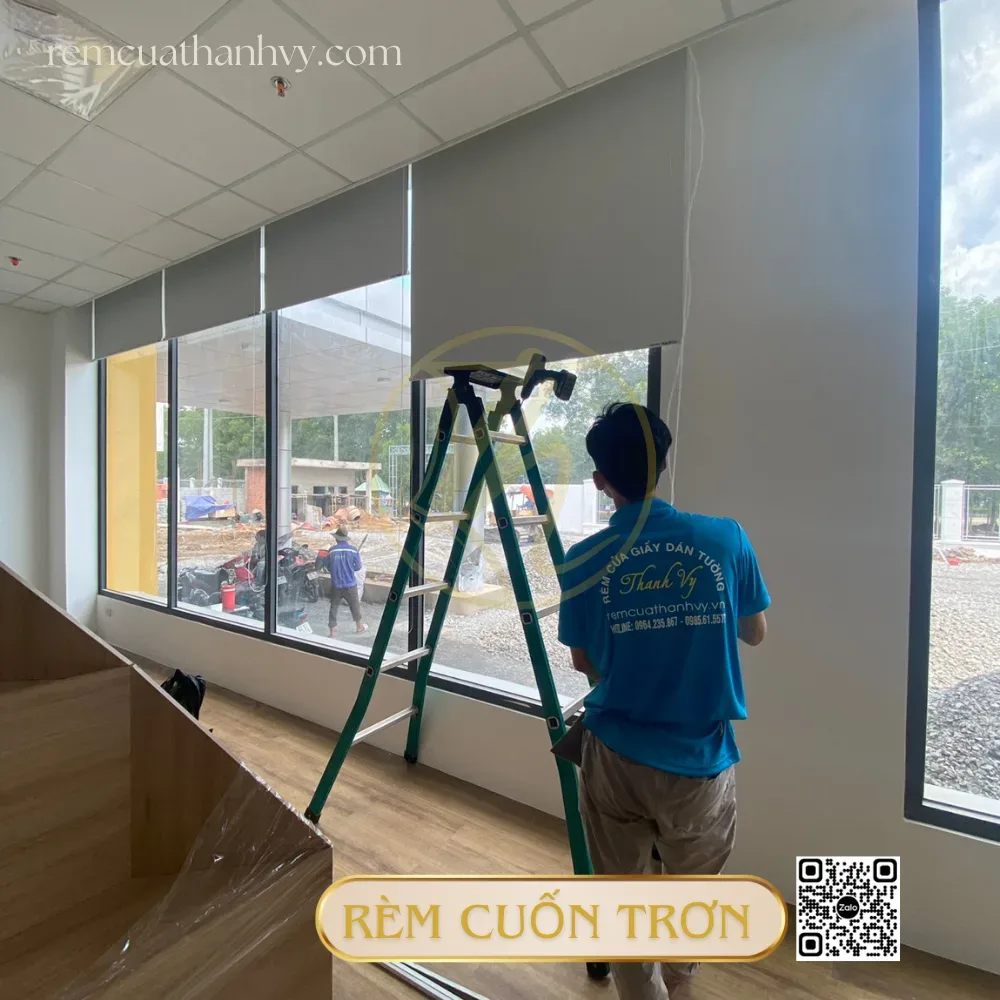
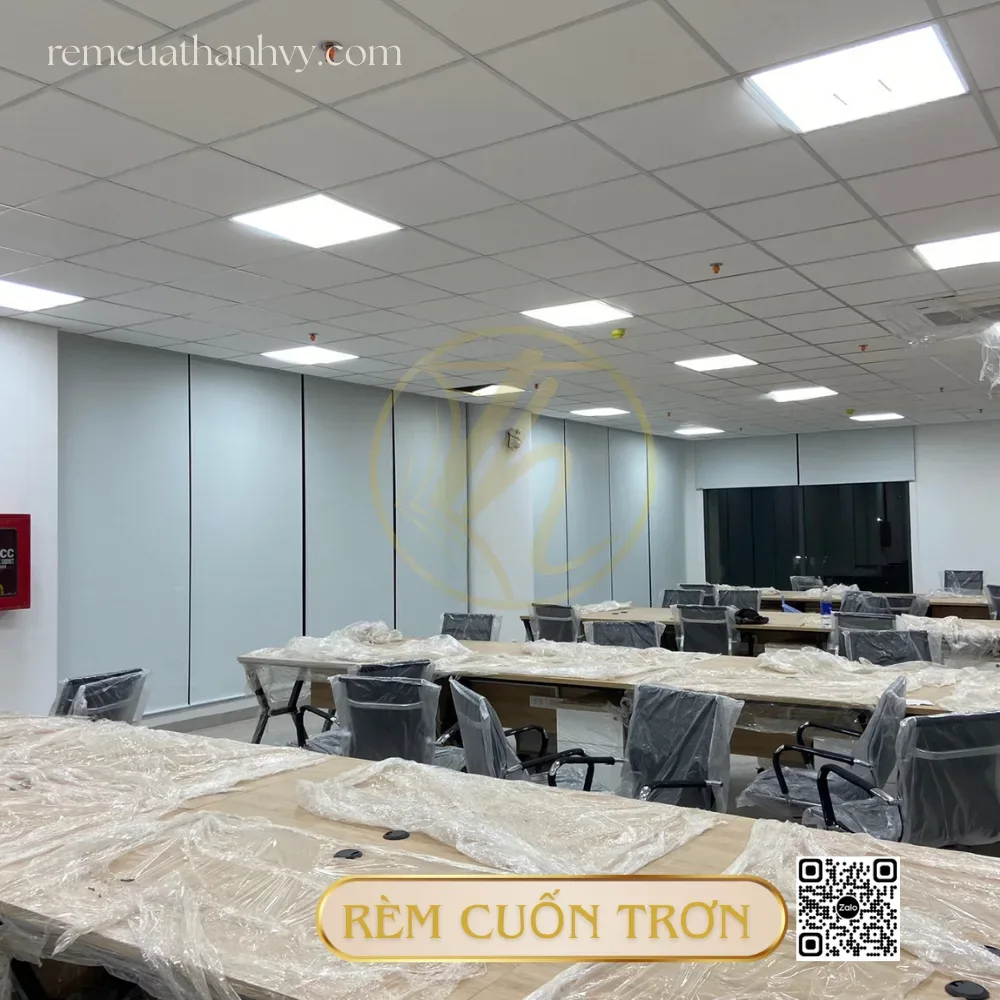
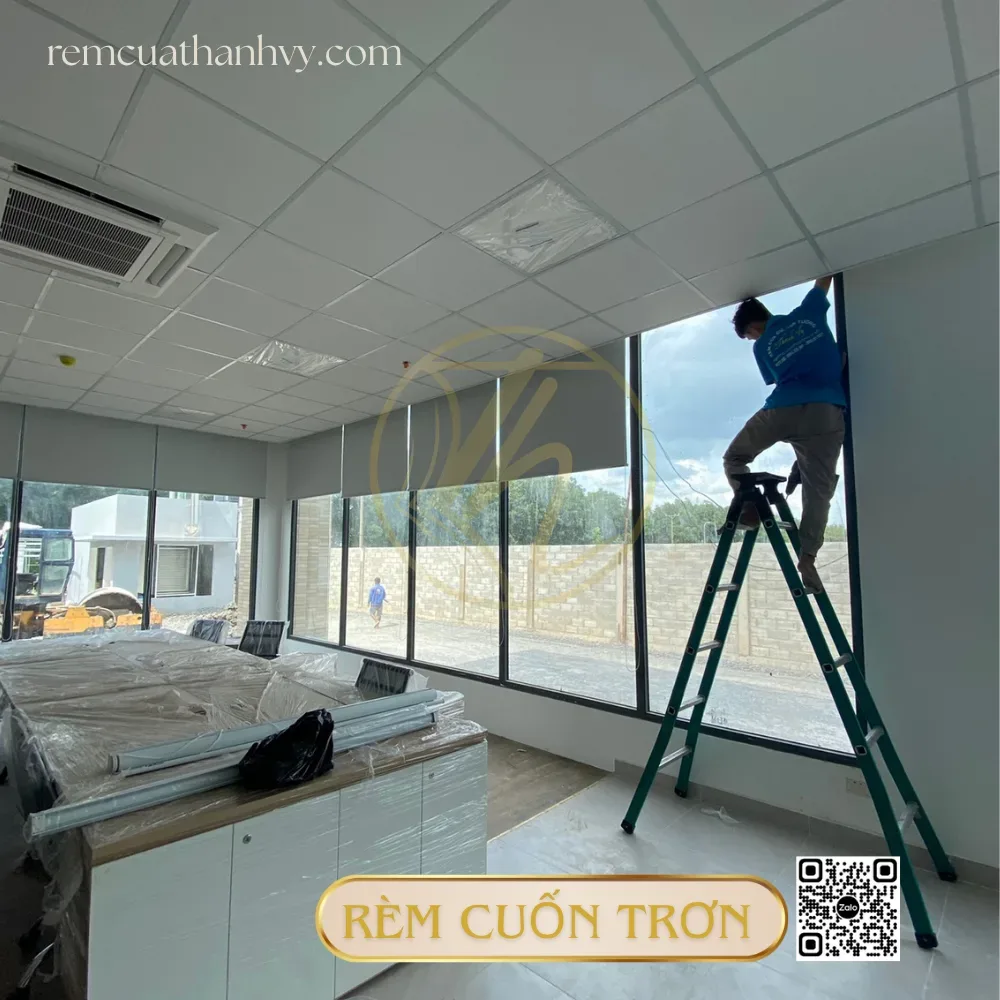
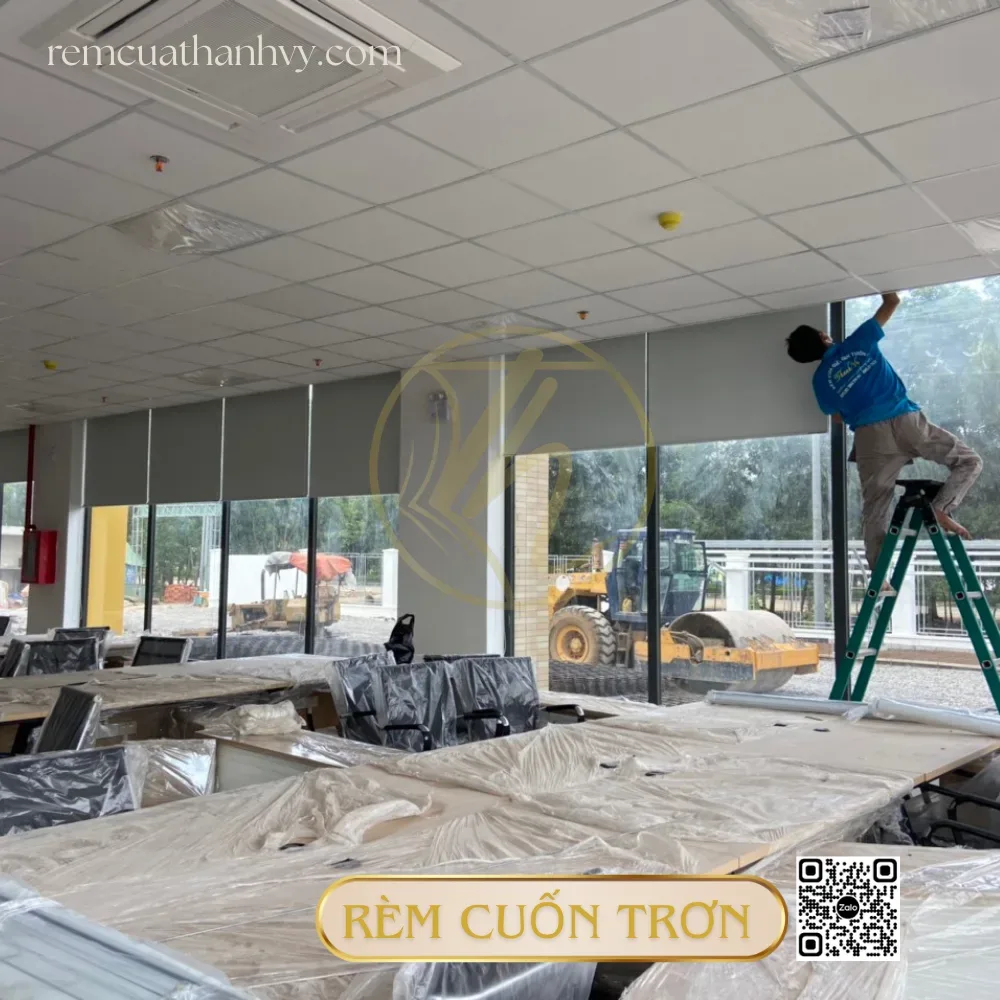
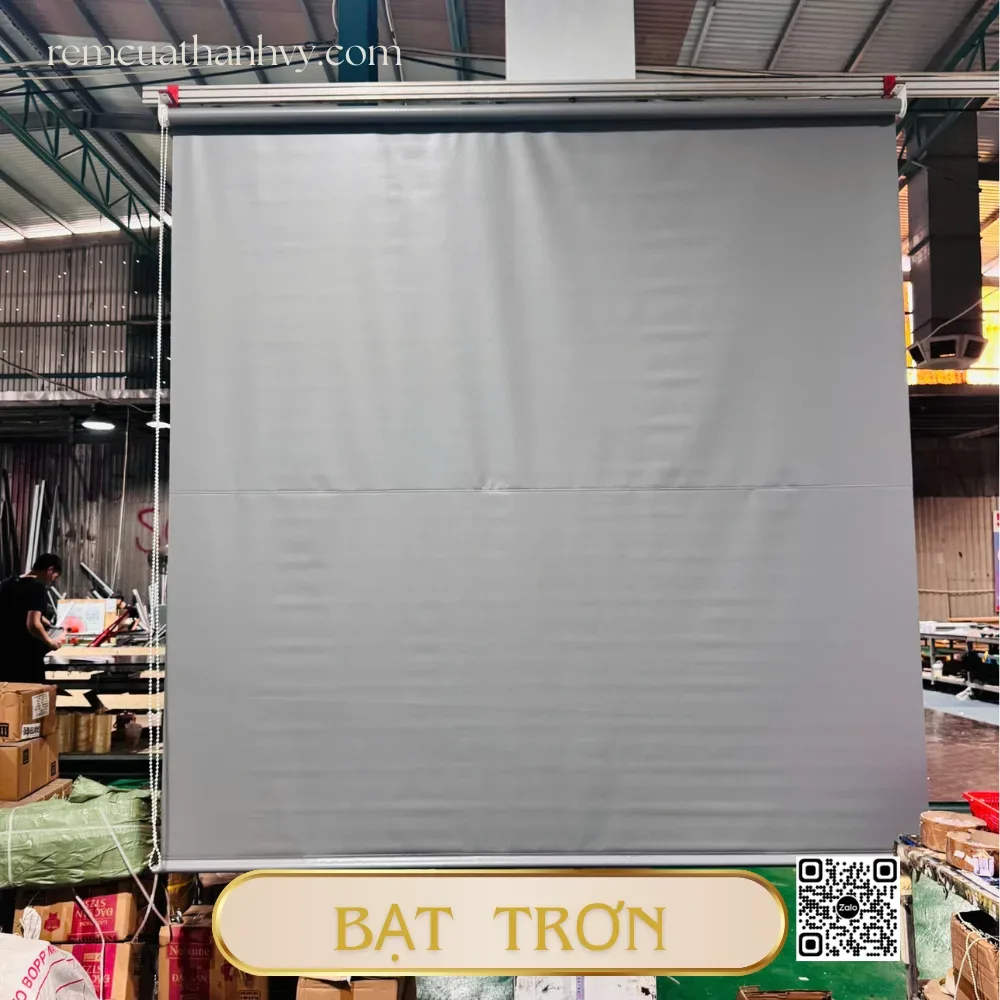
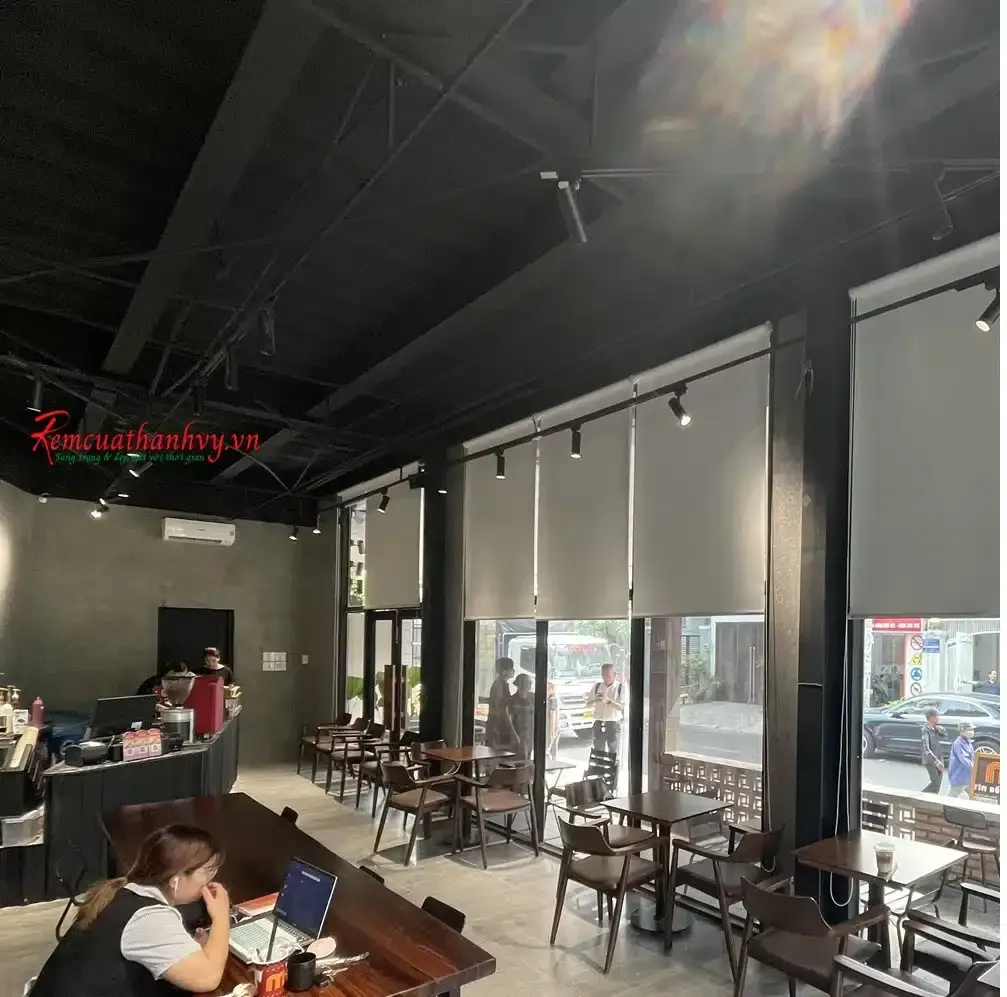
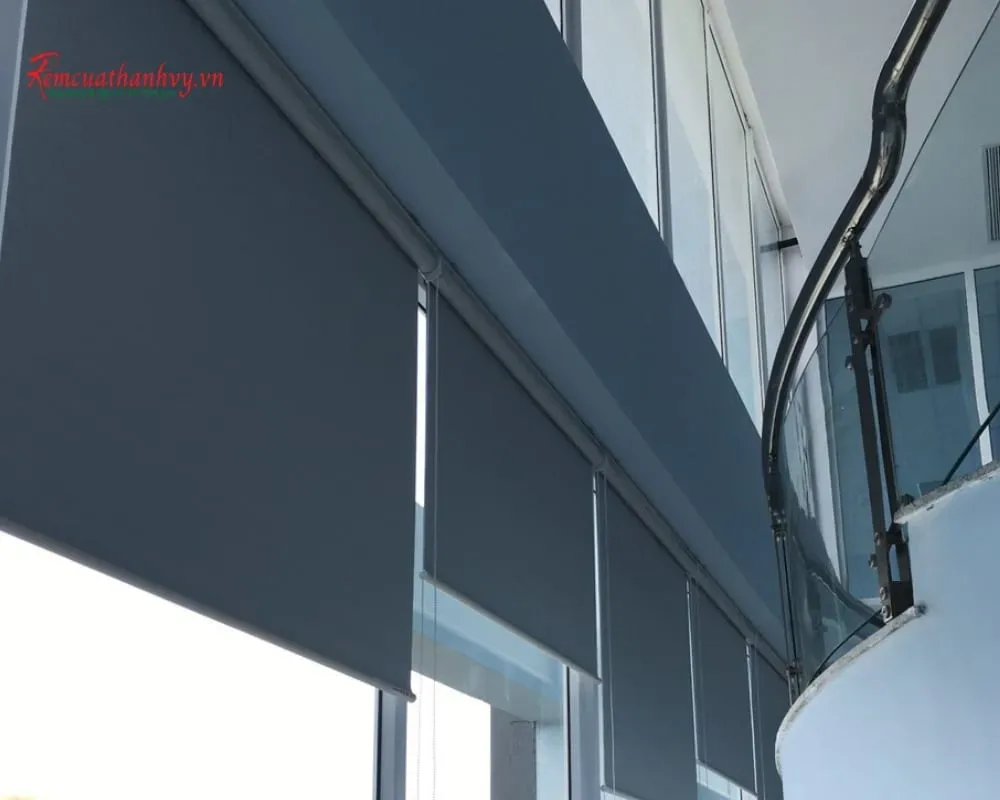
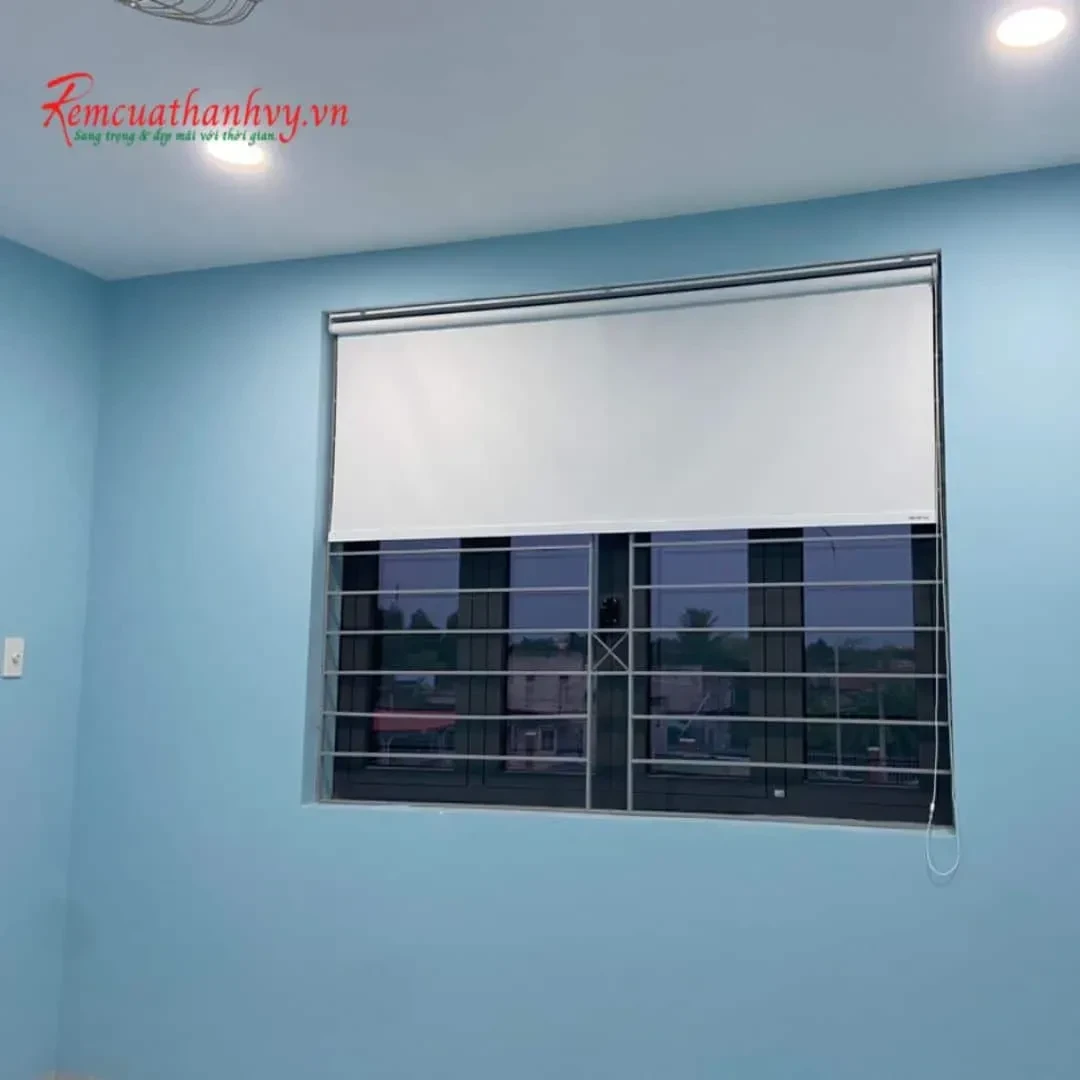
Sun-blocking roller blinds: A compact and durable choice for kitchens, home offices, laundry and drying areas, and small windows that receive afternoon sun. The continuous surface can be wiped clean in place with a damp cloth, with no folds for dust and moisture to collect in — a significant advantage in humid environments. When rolled up, the blind retracts neatly against the top edge of the frame and takes up almost no space on the windowsill.
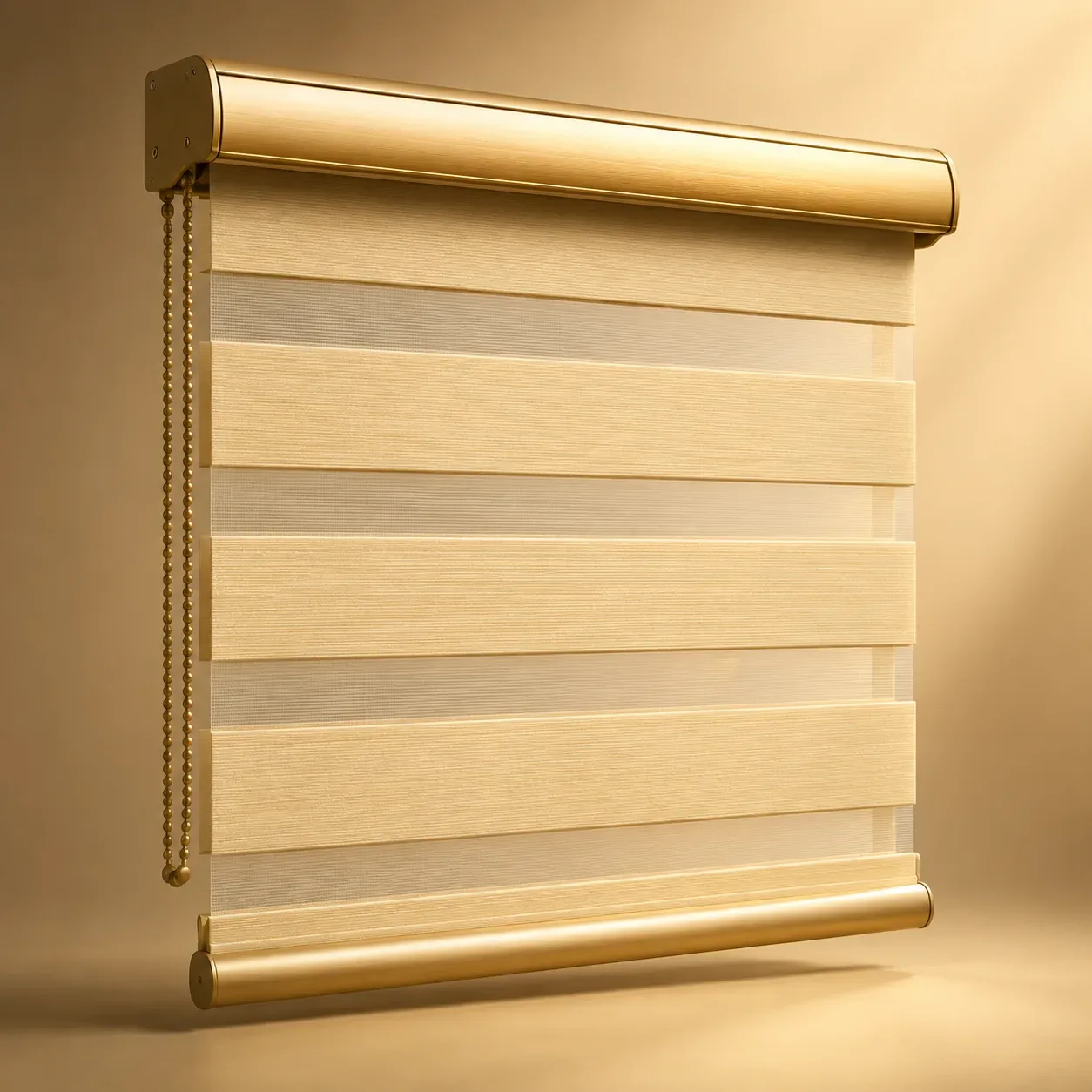
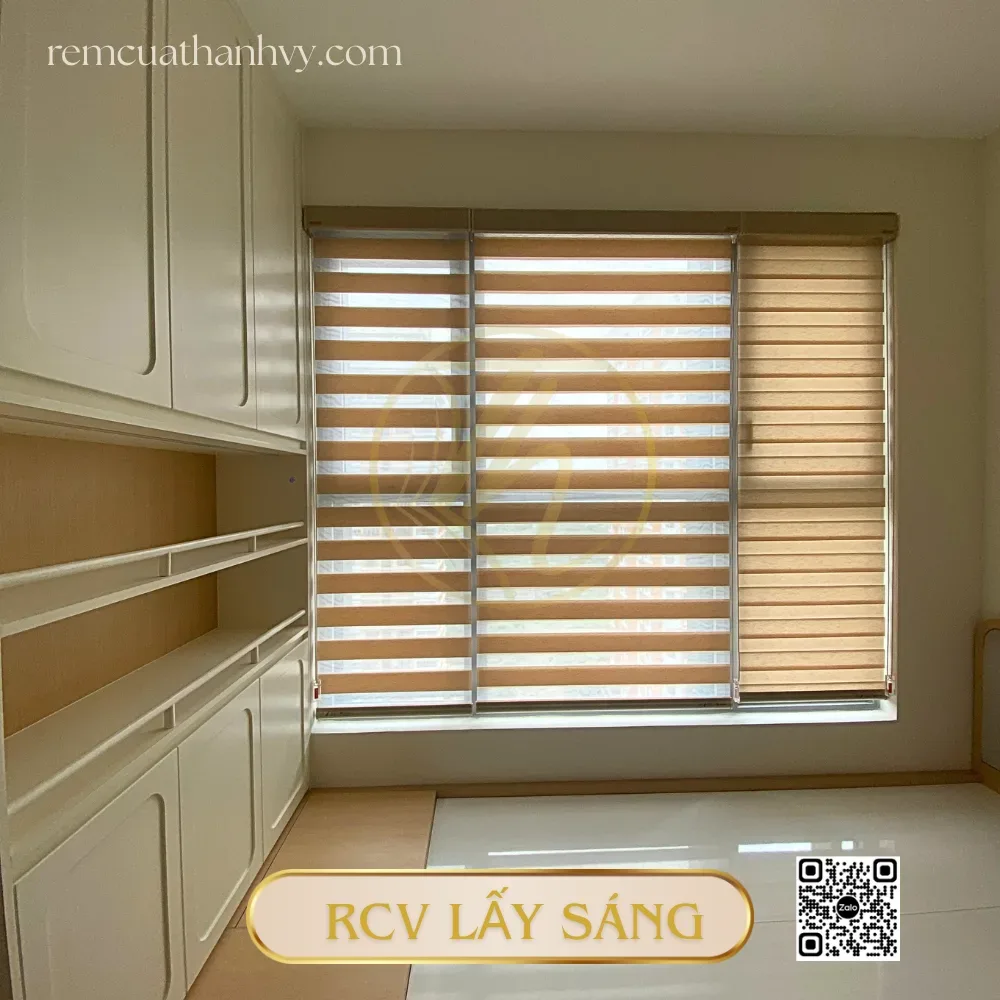
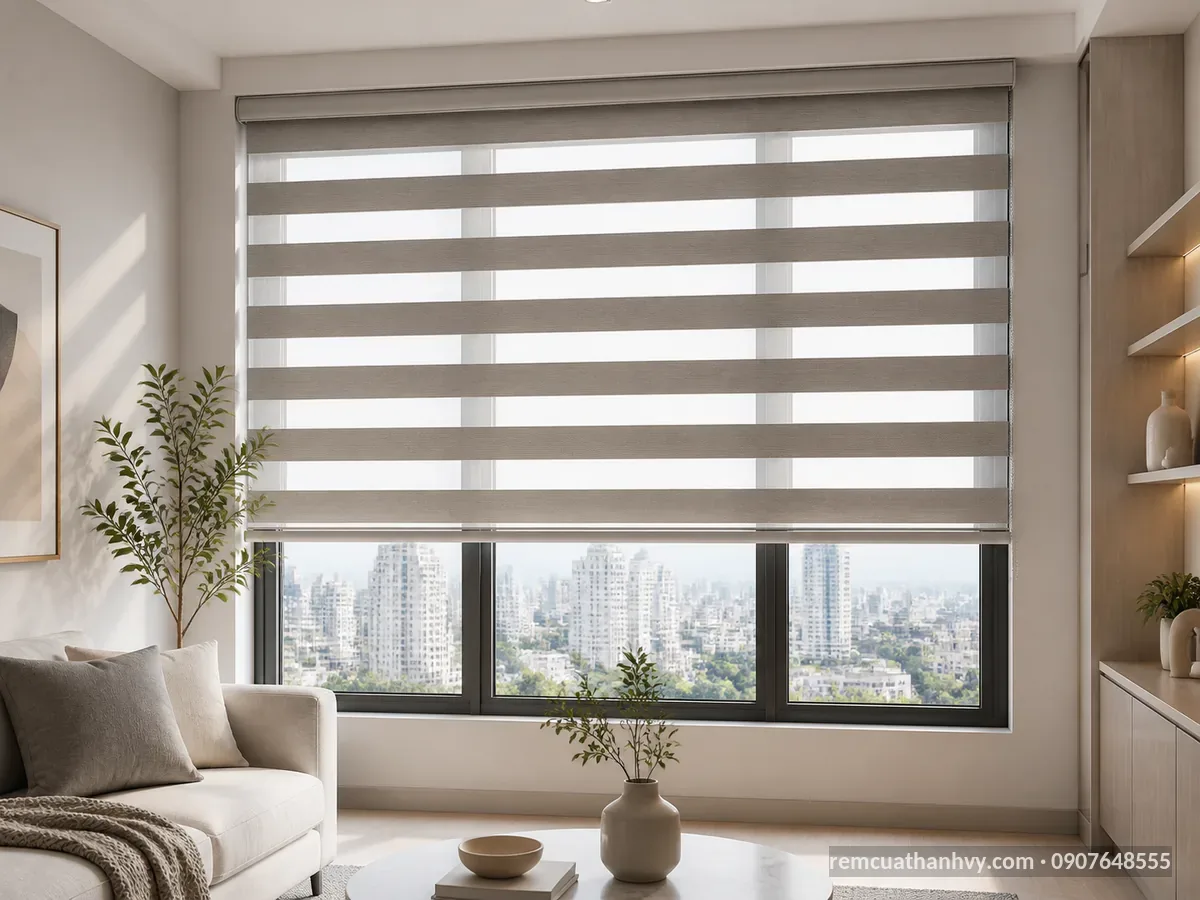
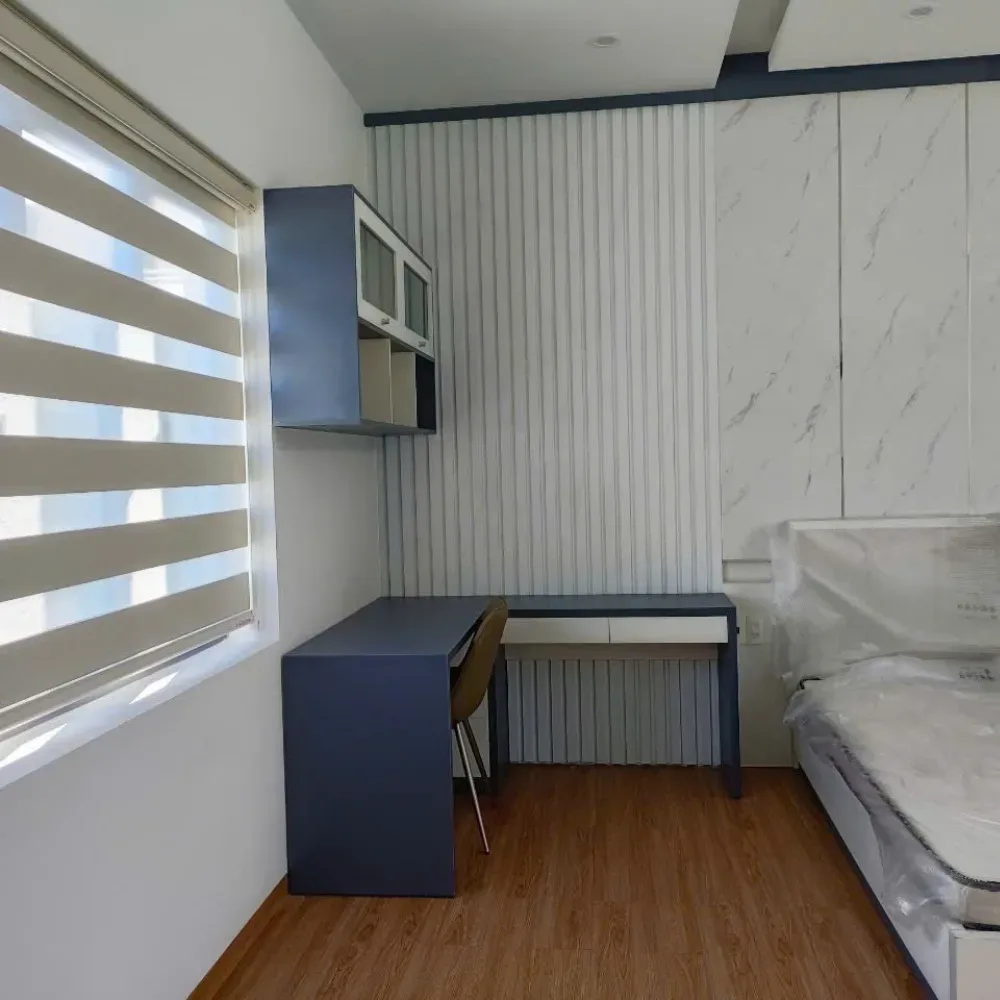
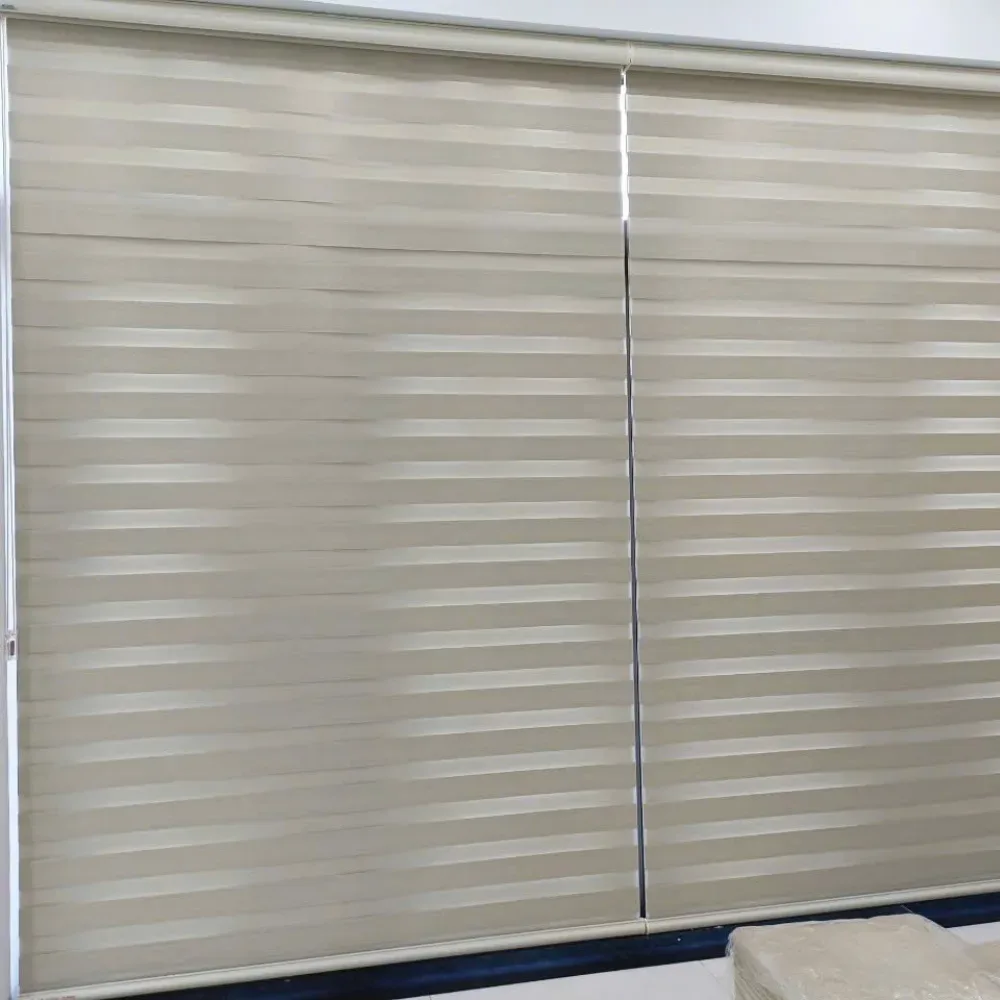
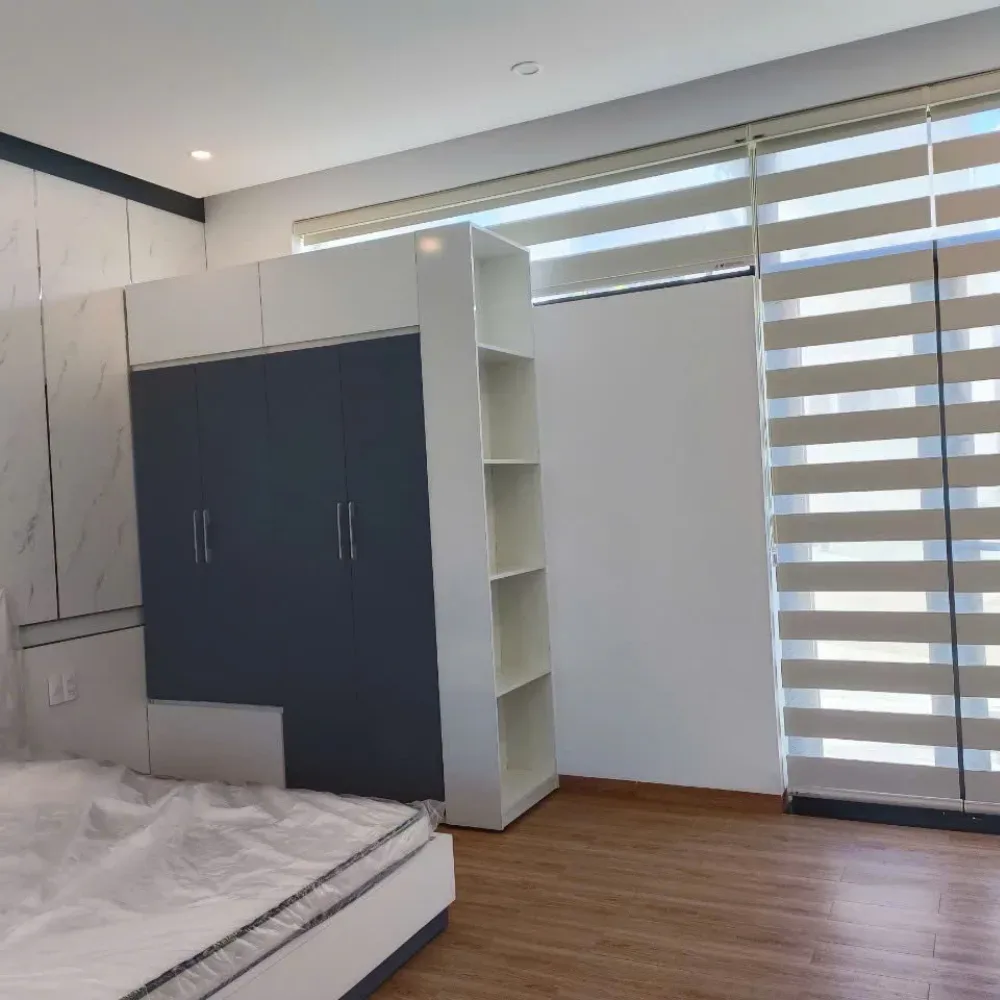
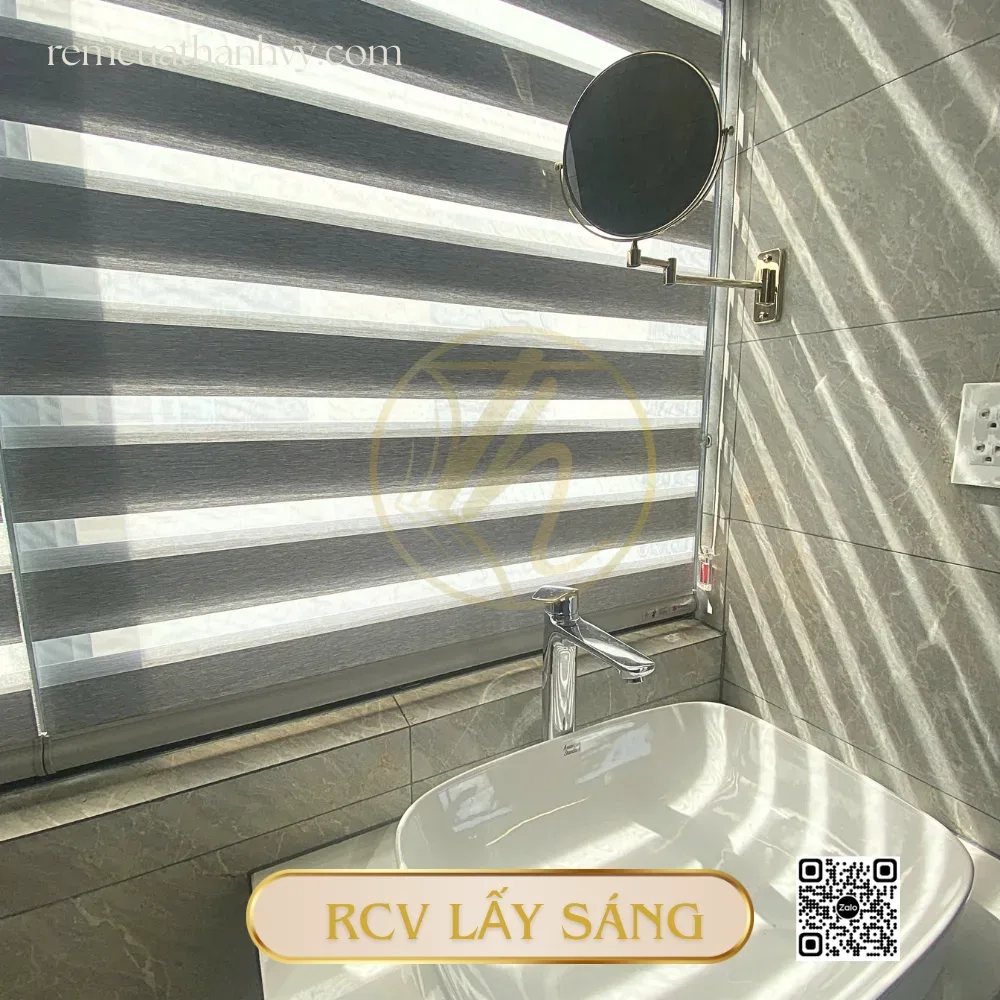
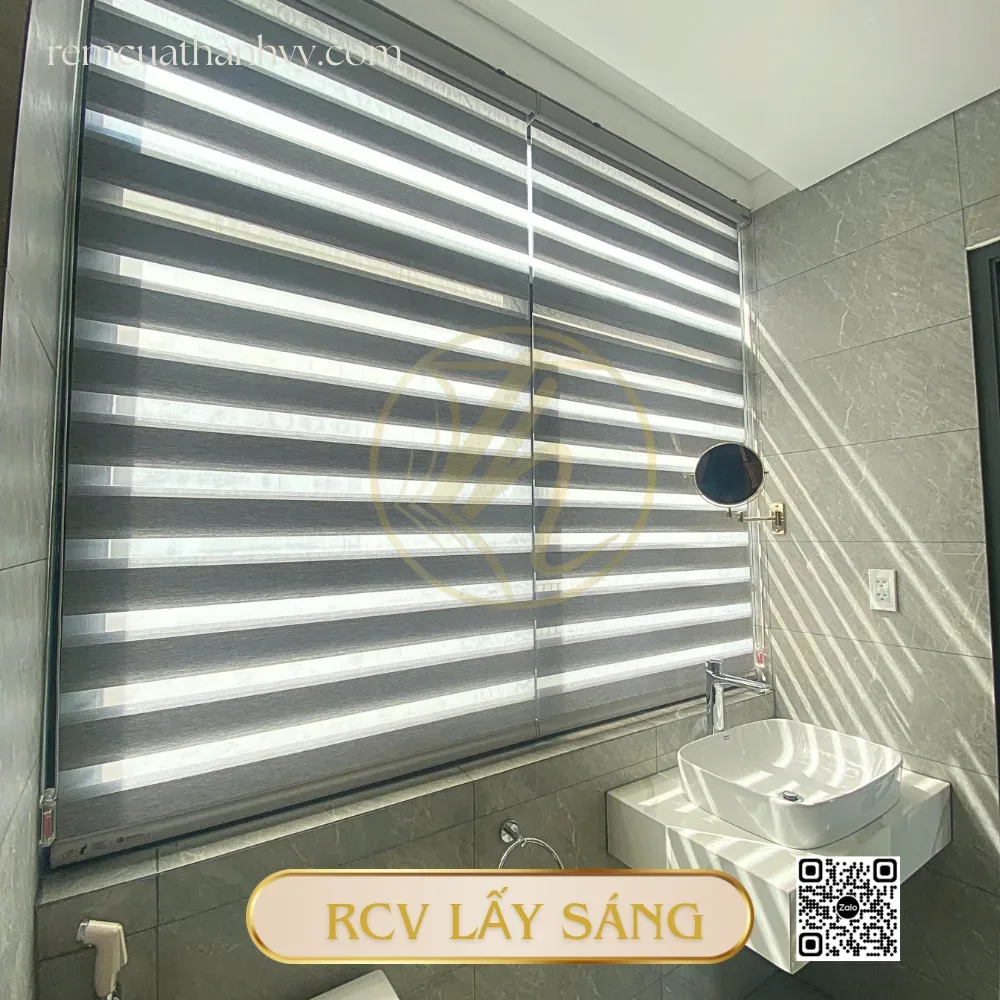
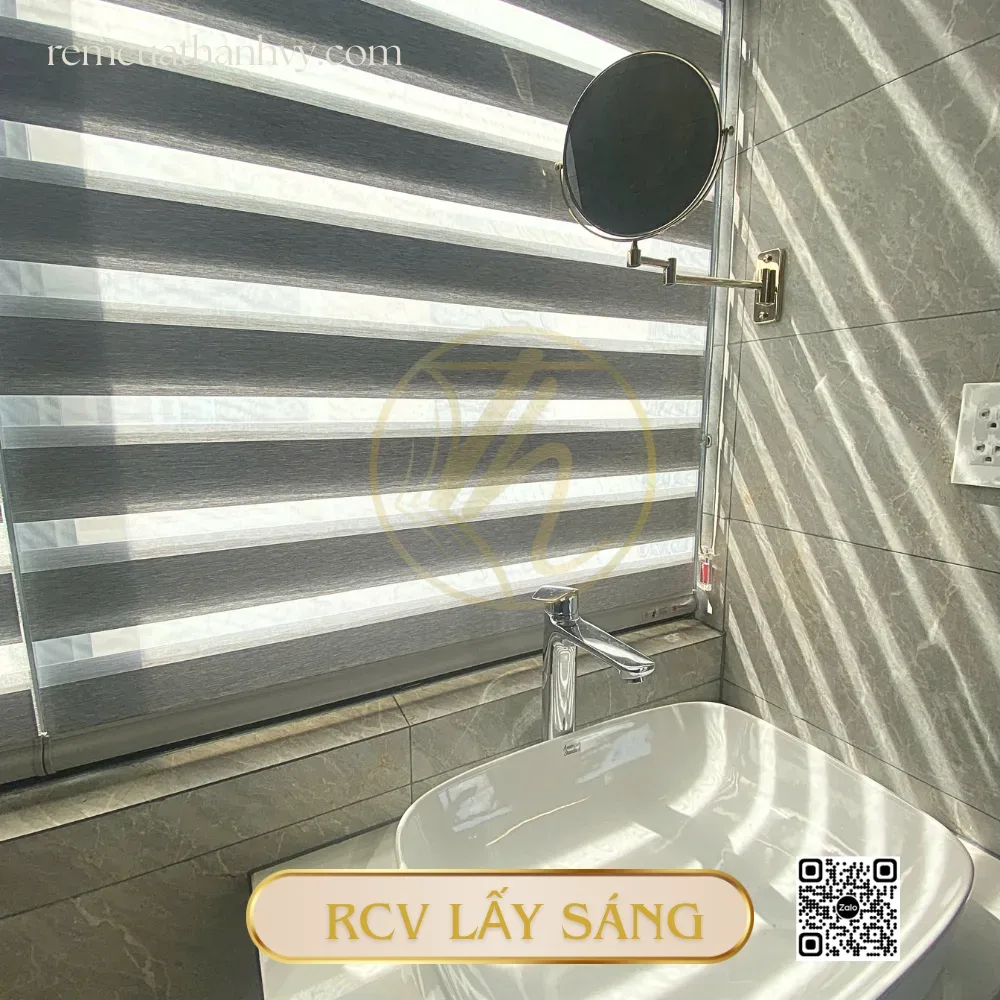
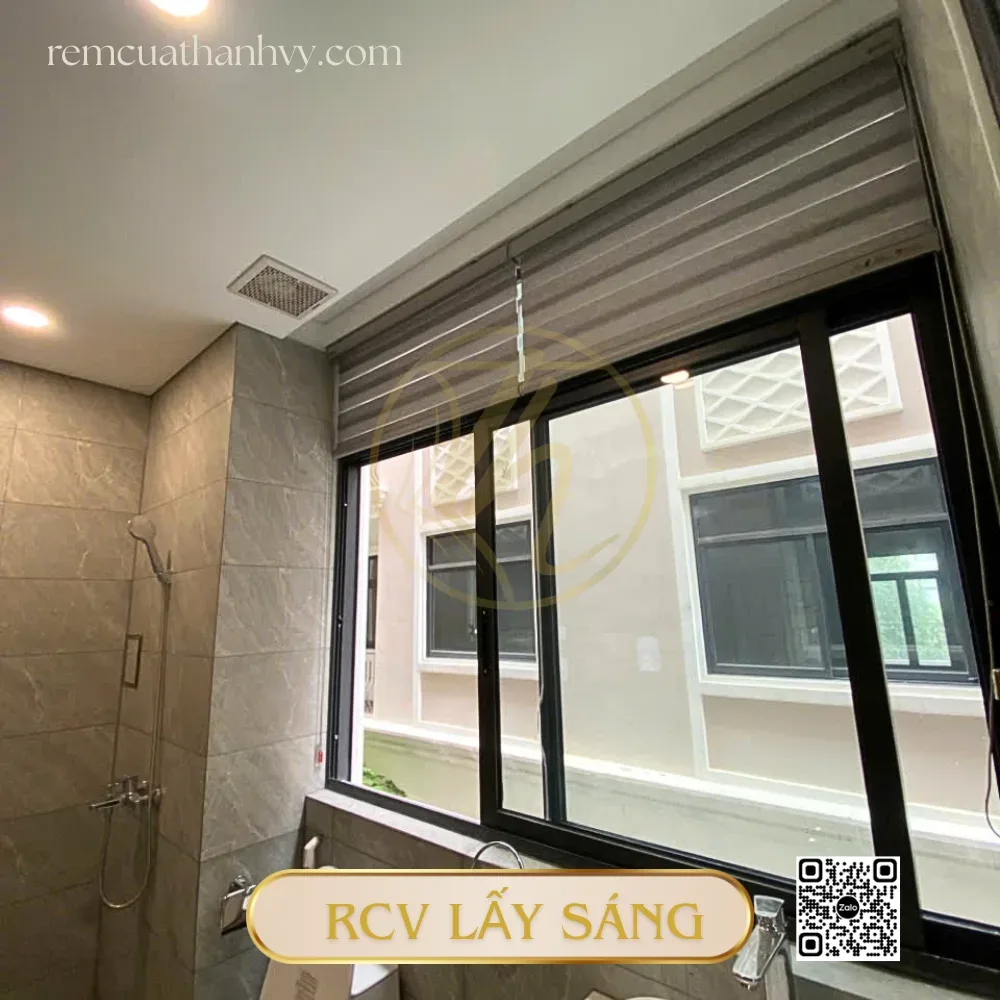
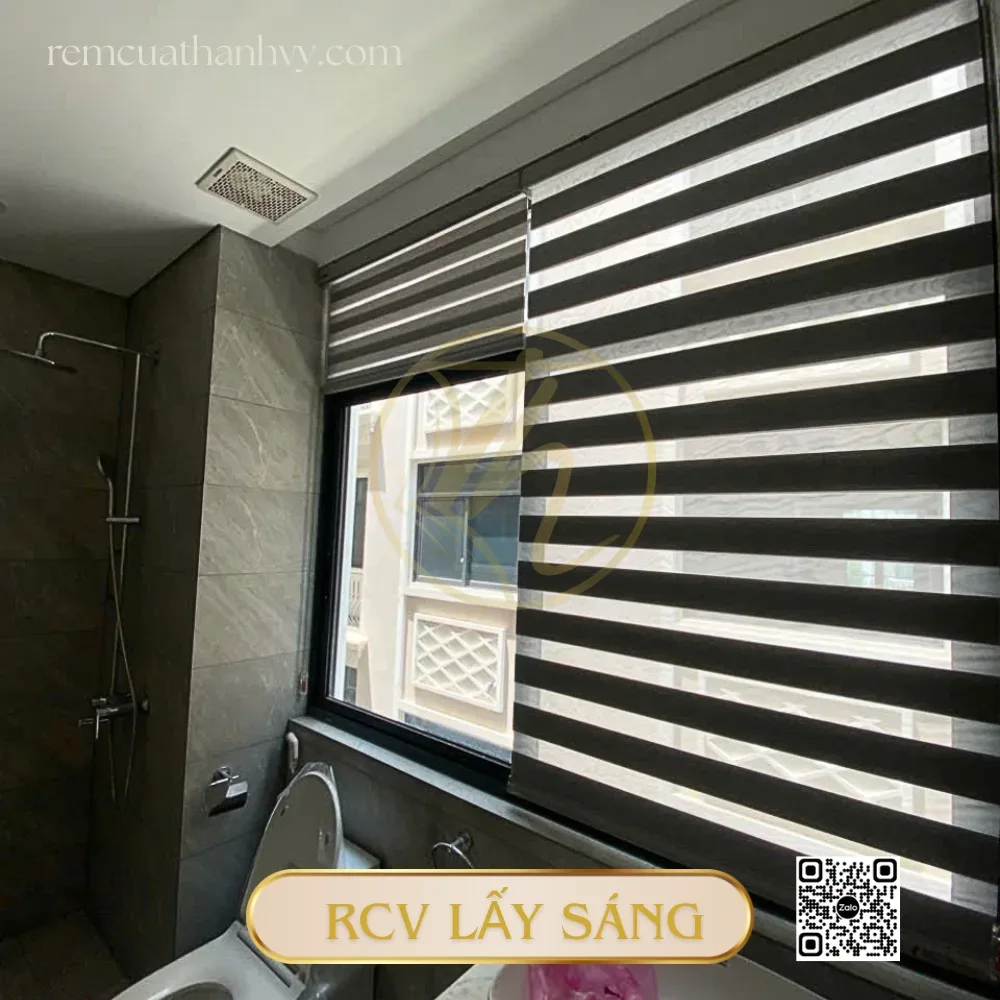
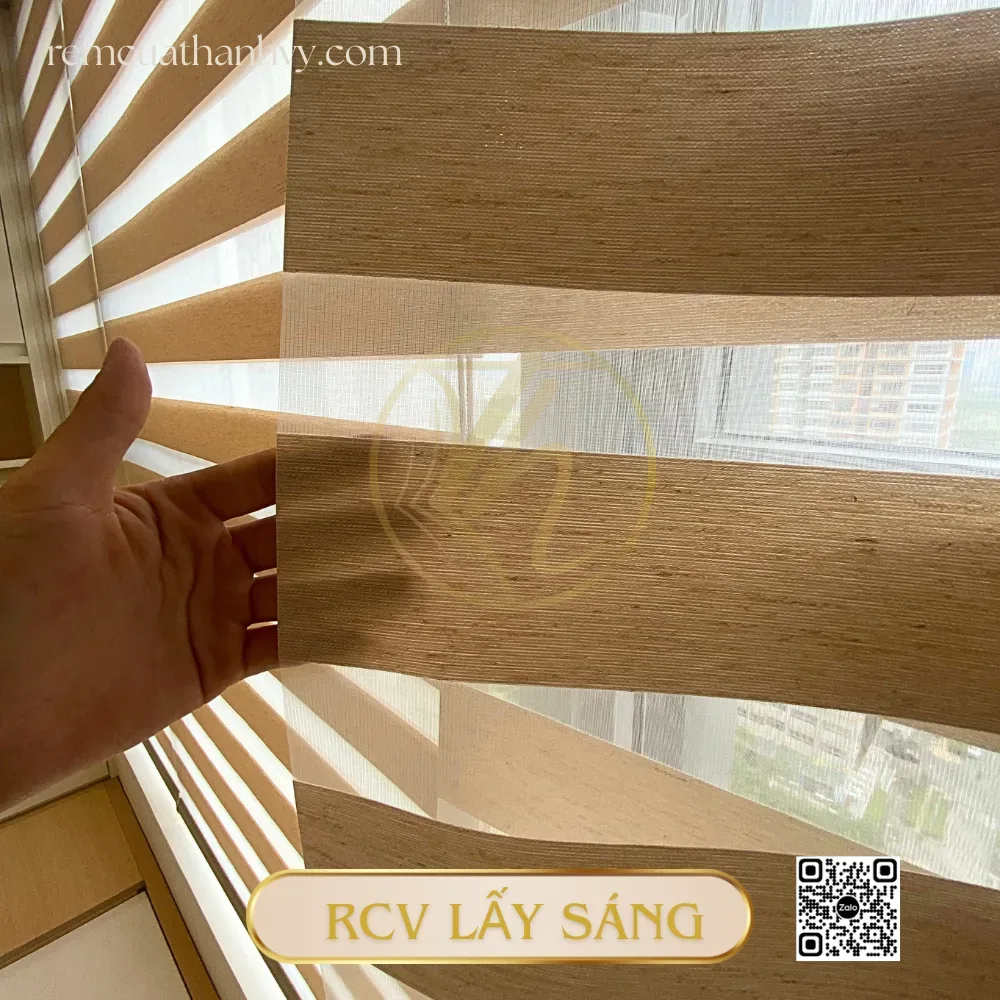
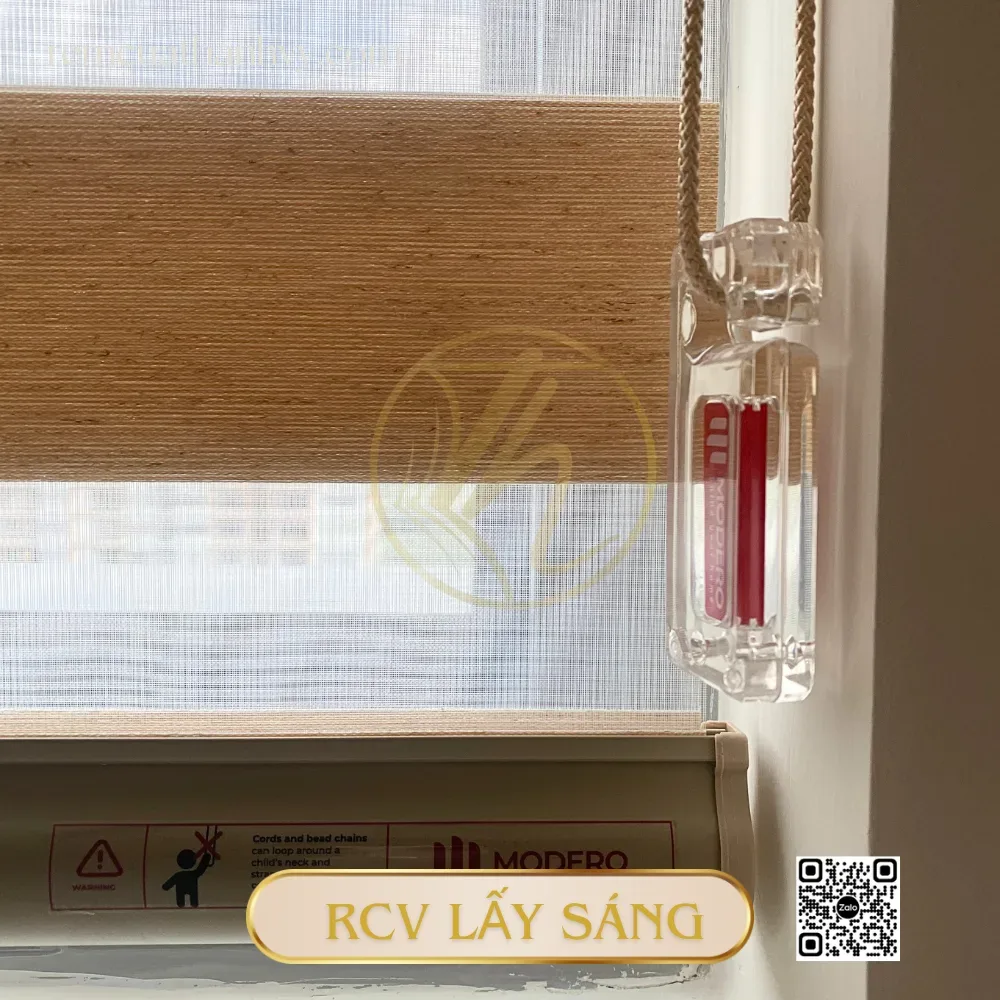
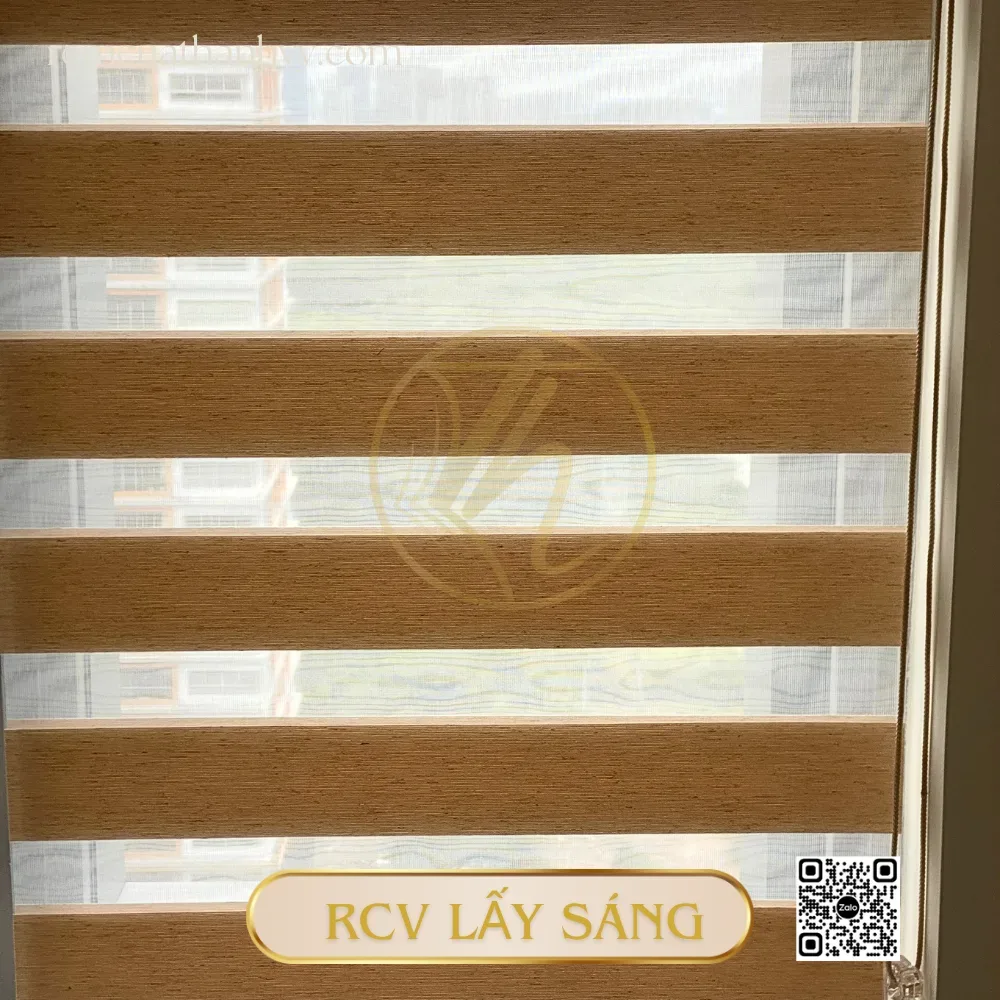
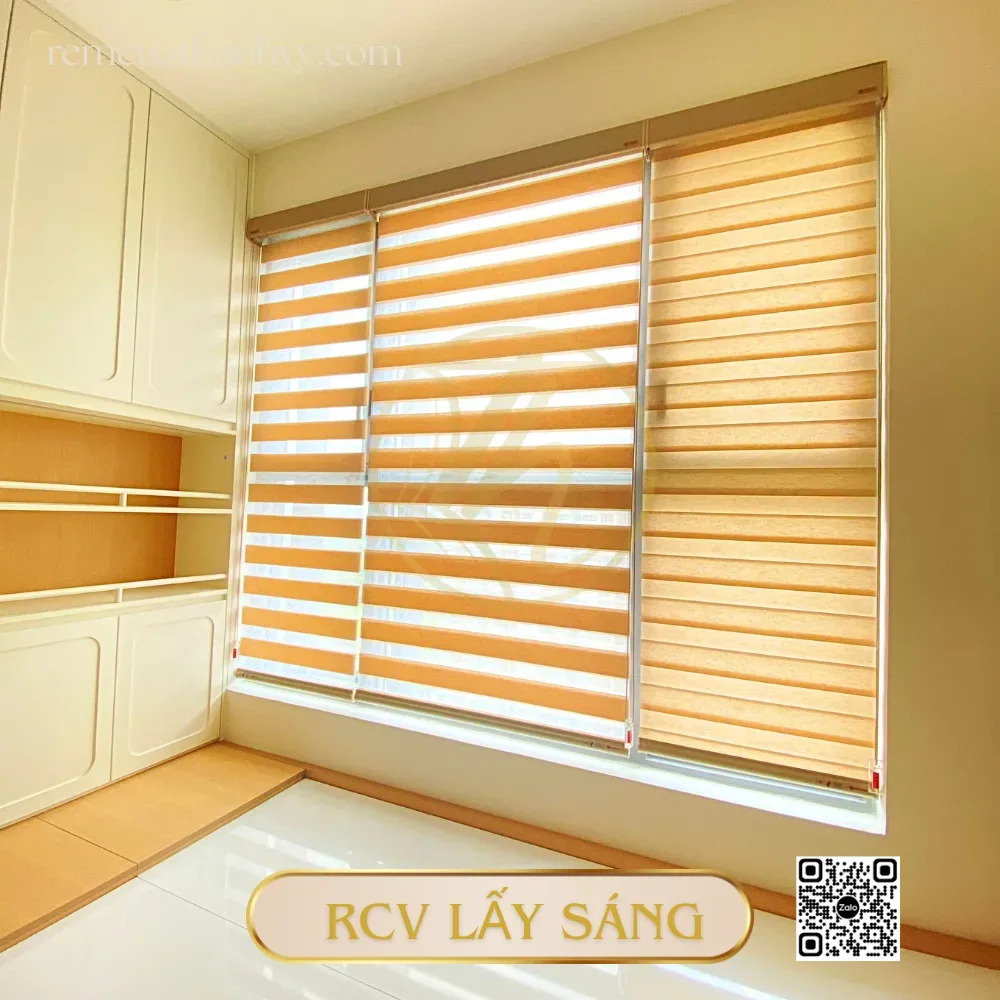
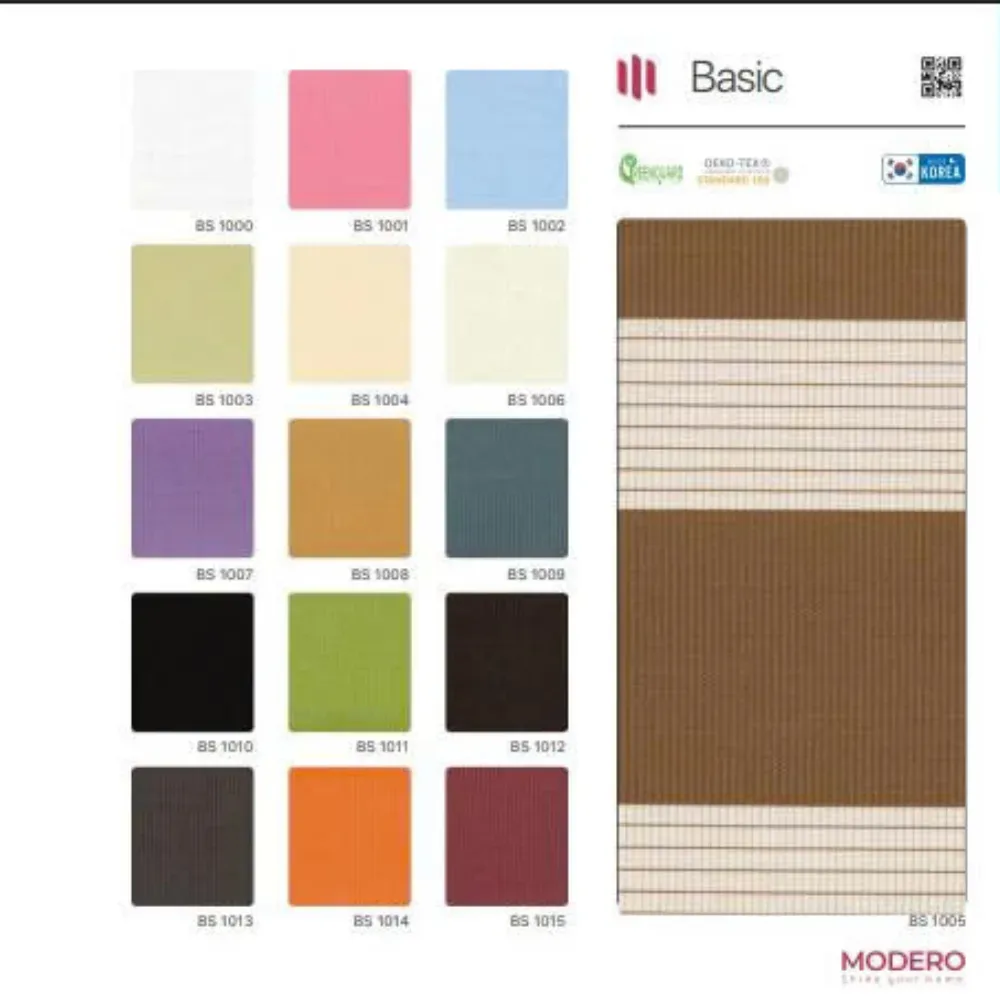
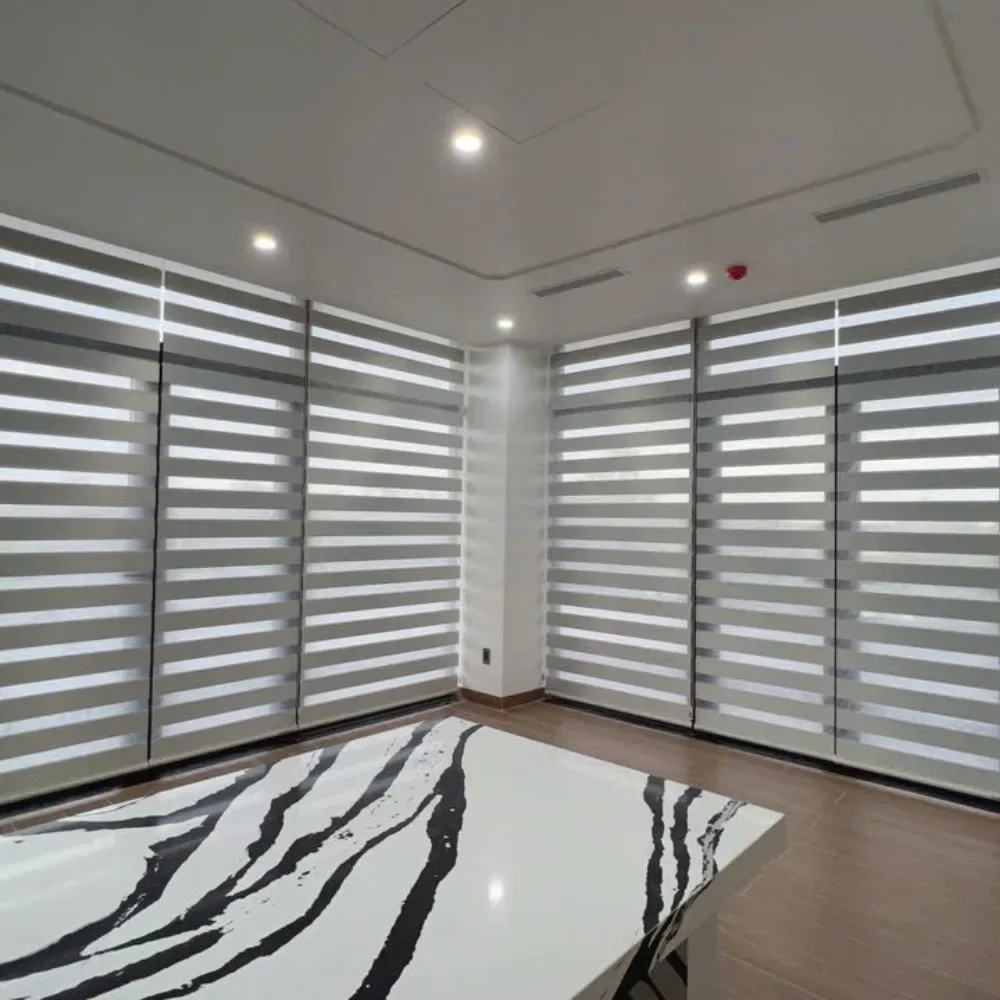
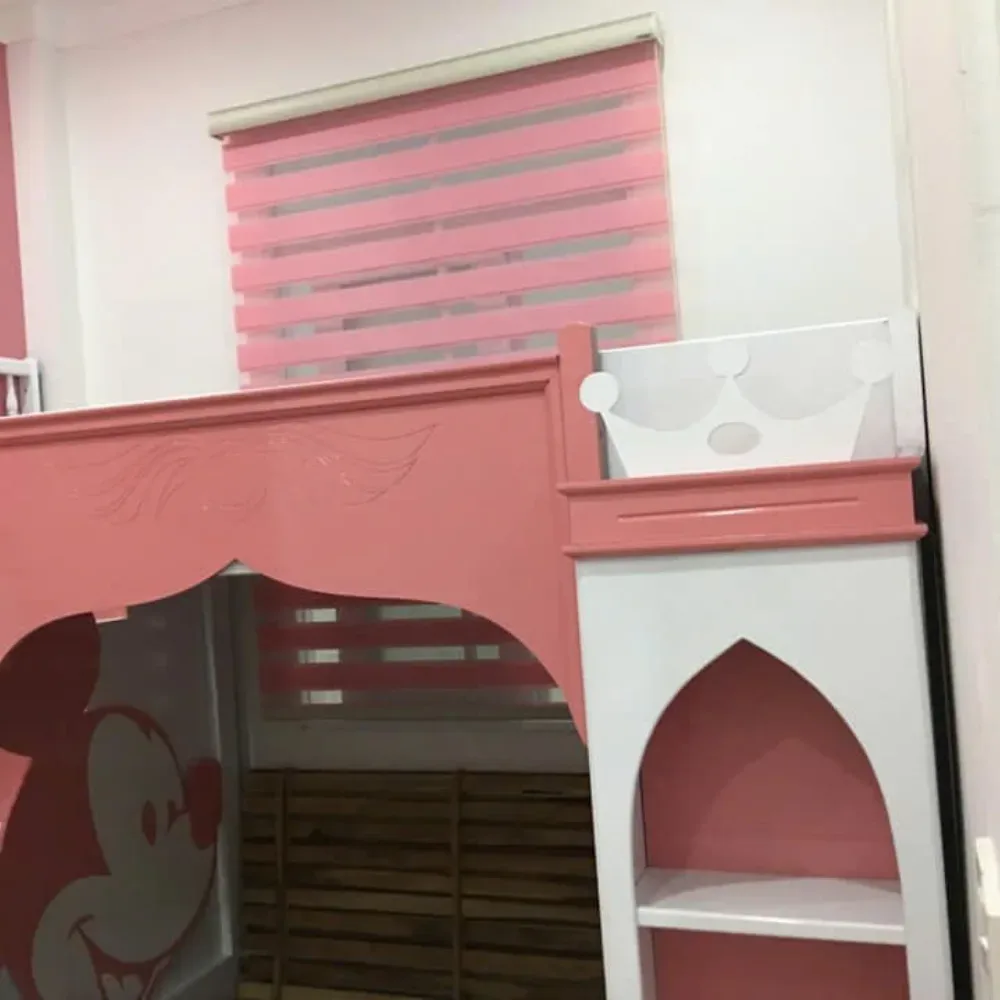
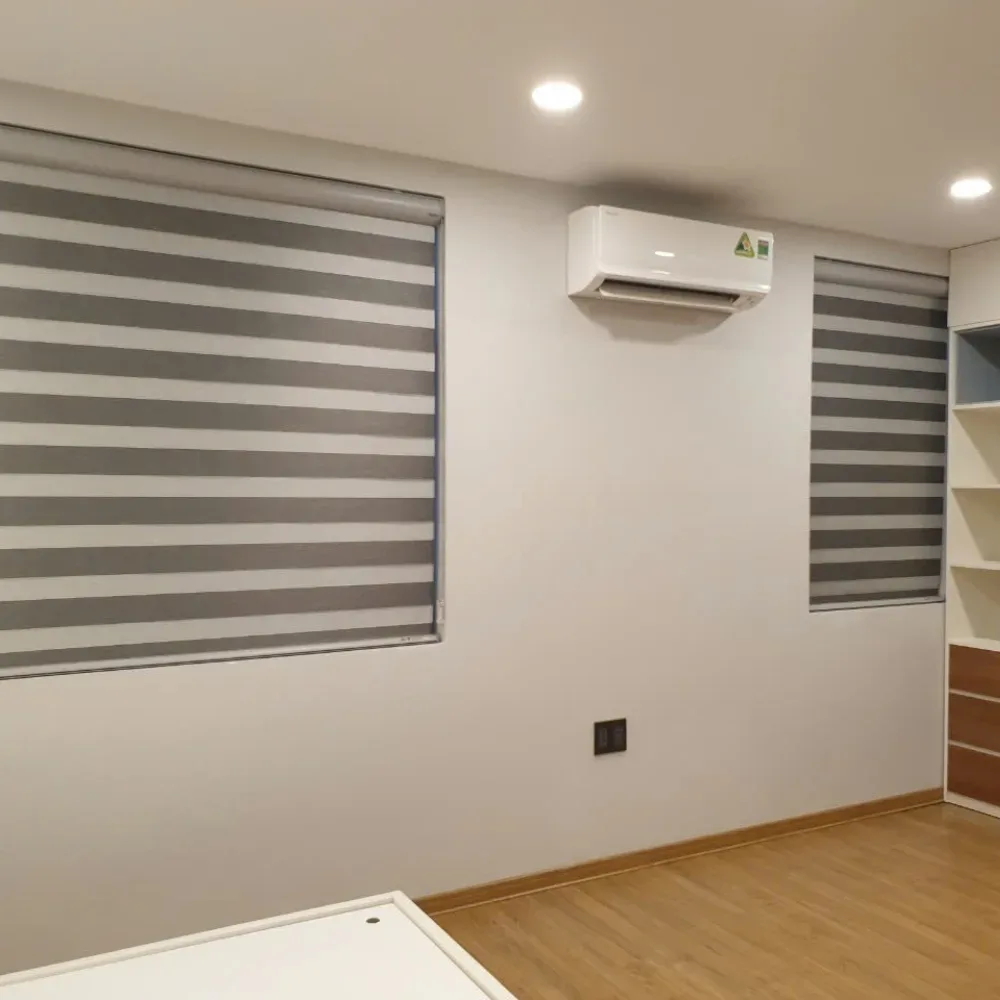
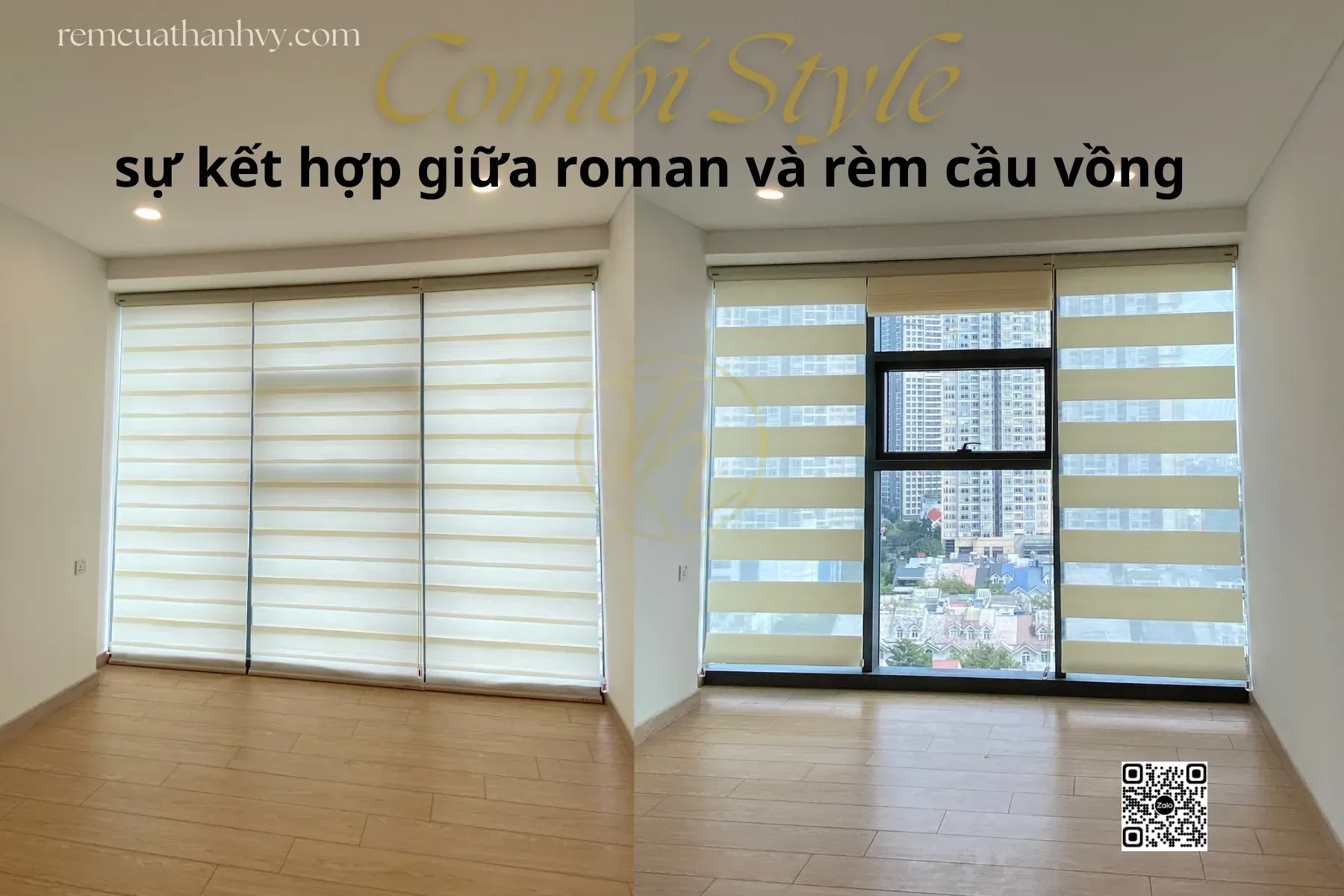
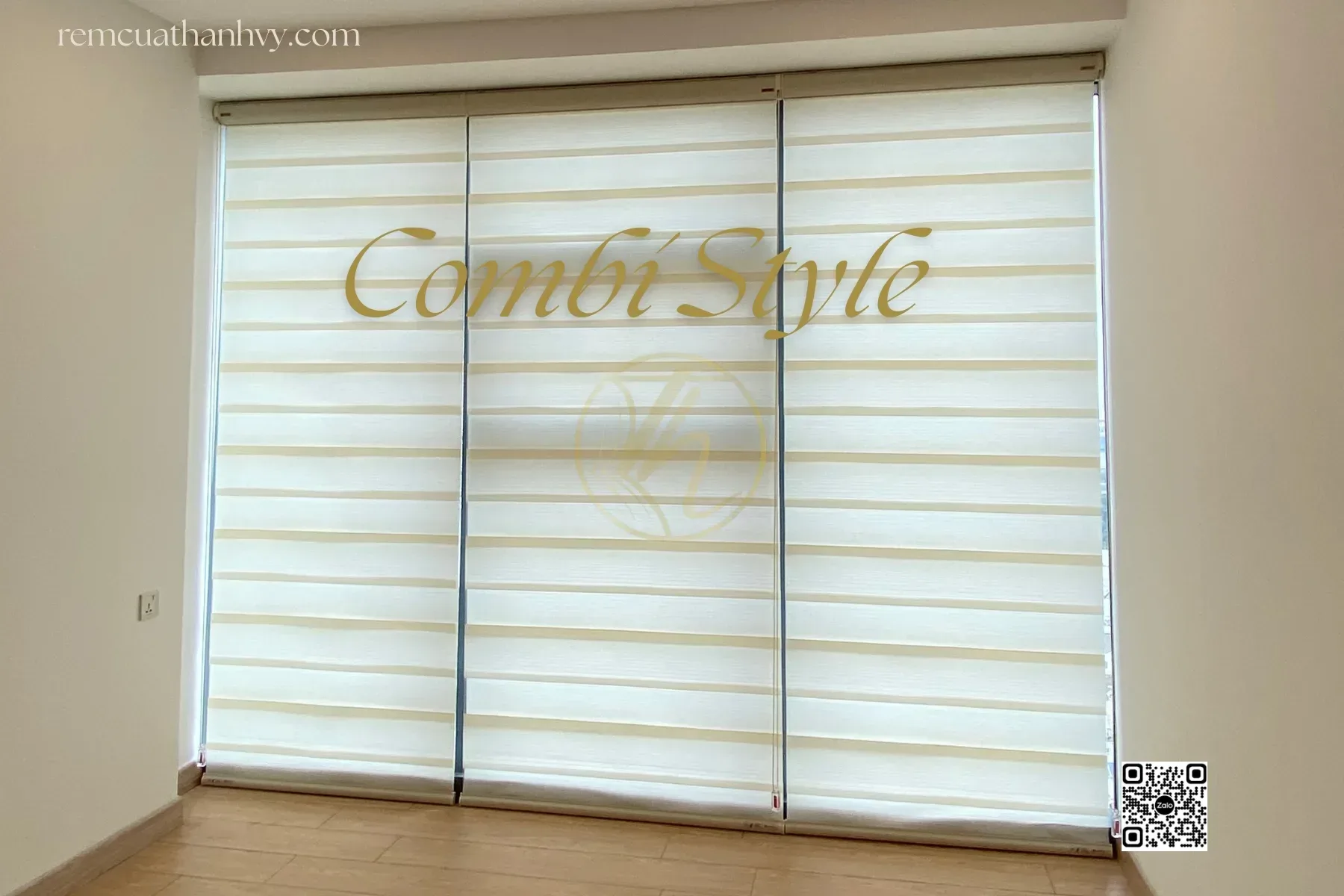
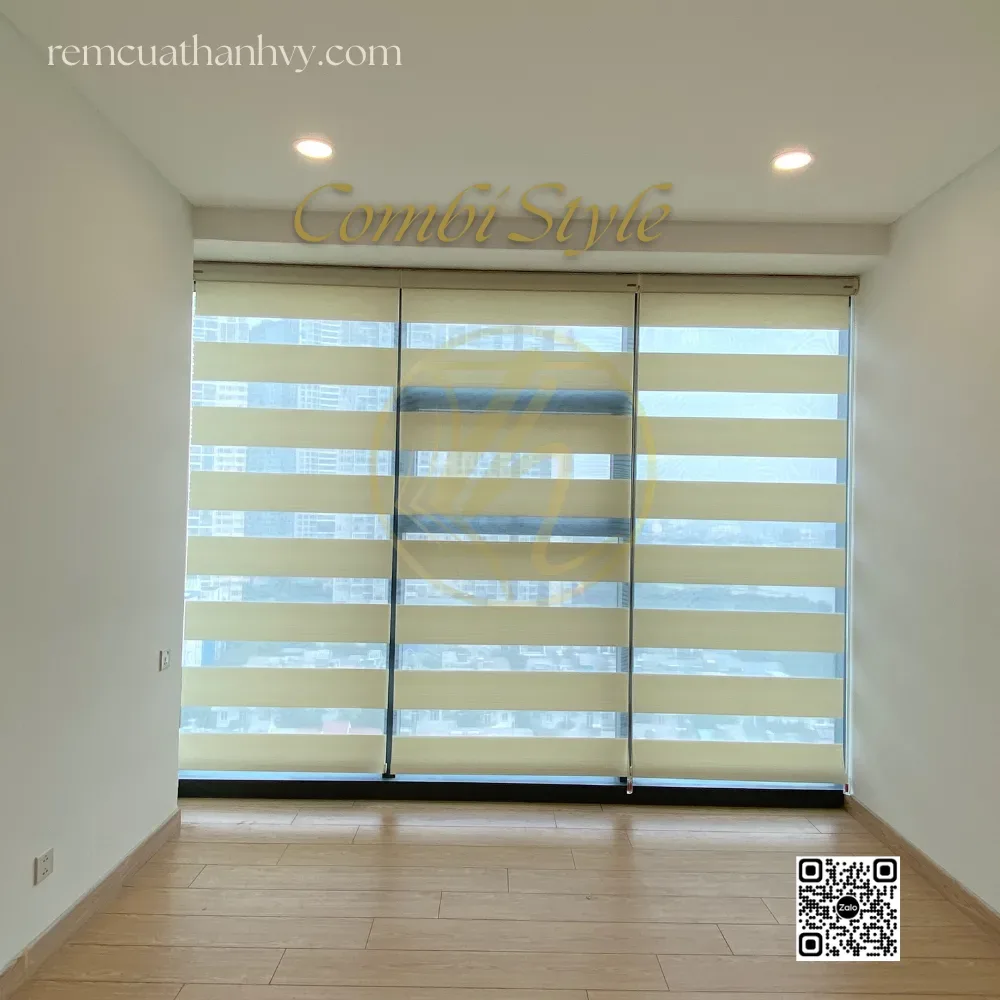
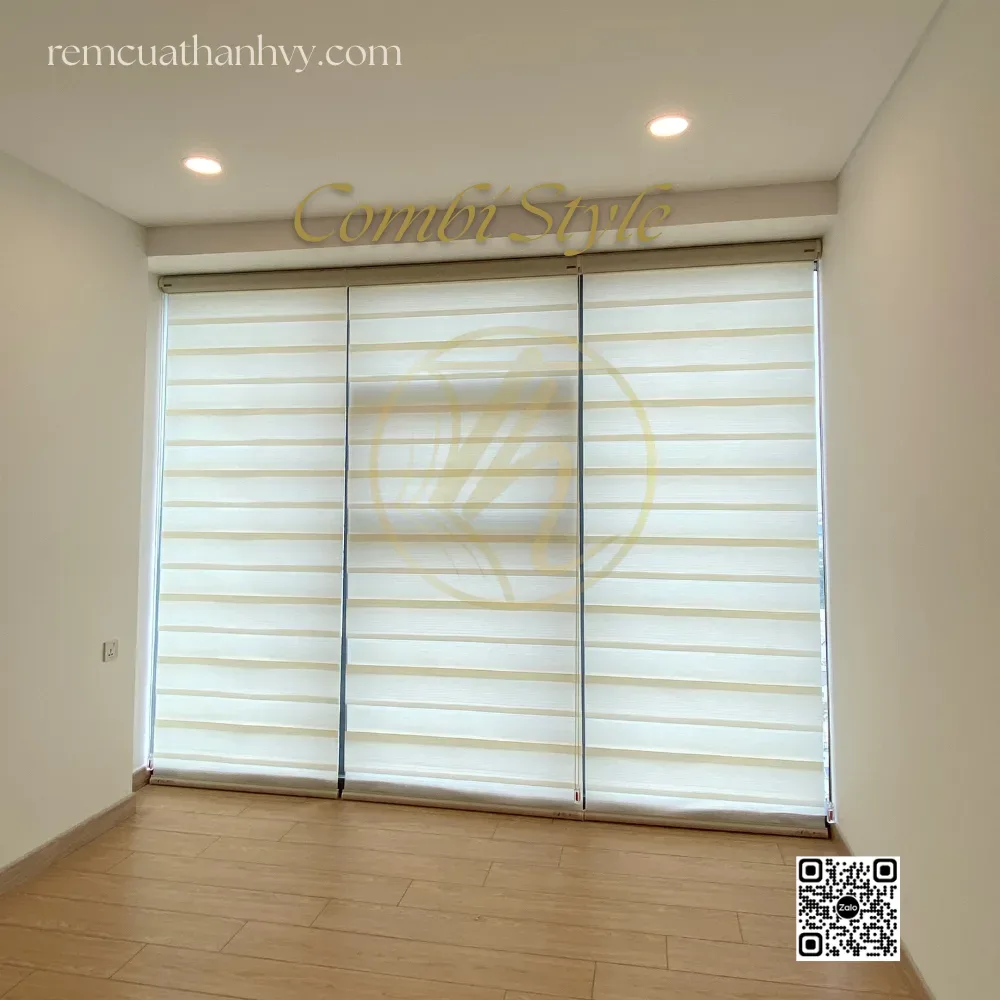
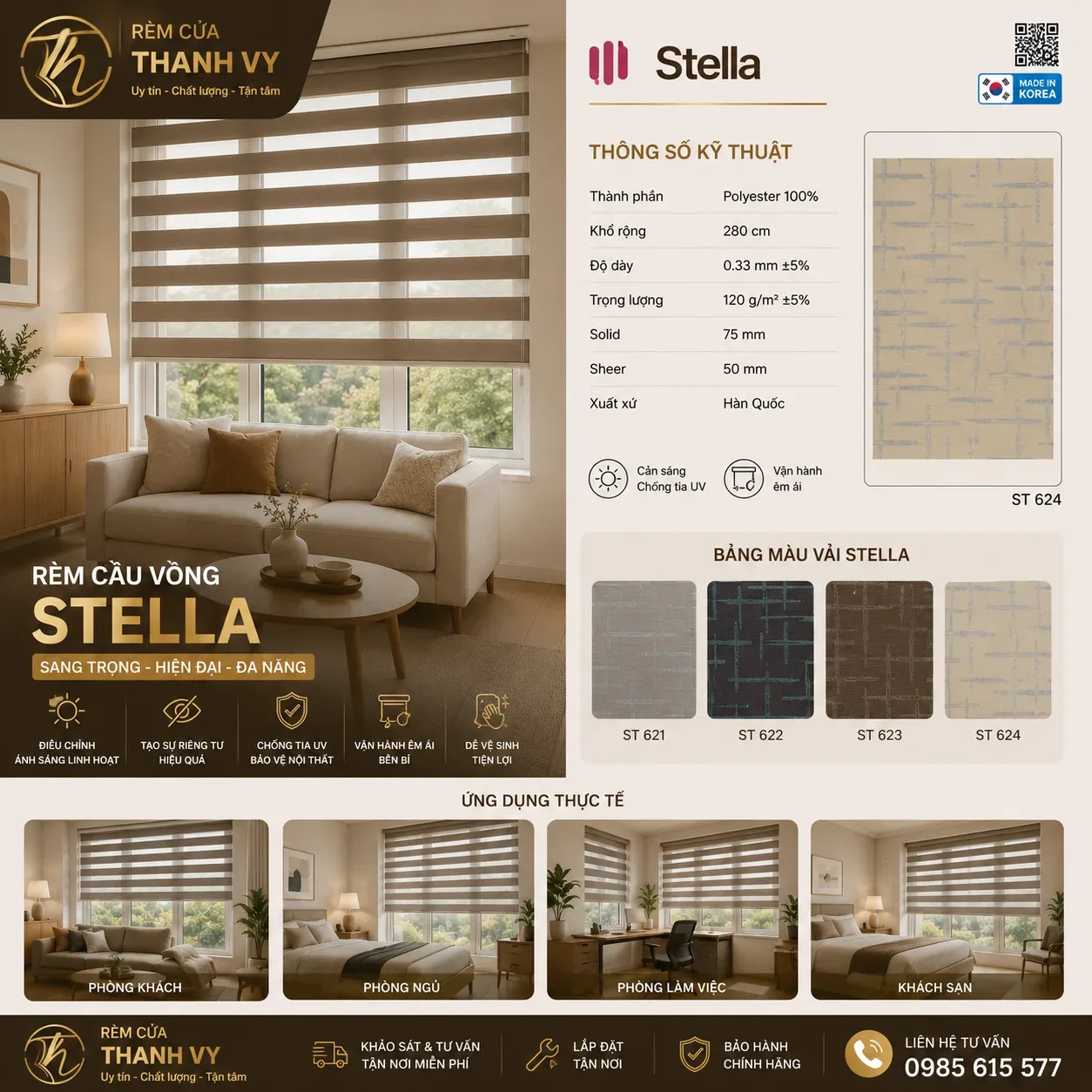
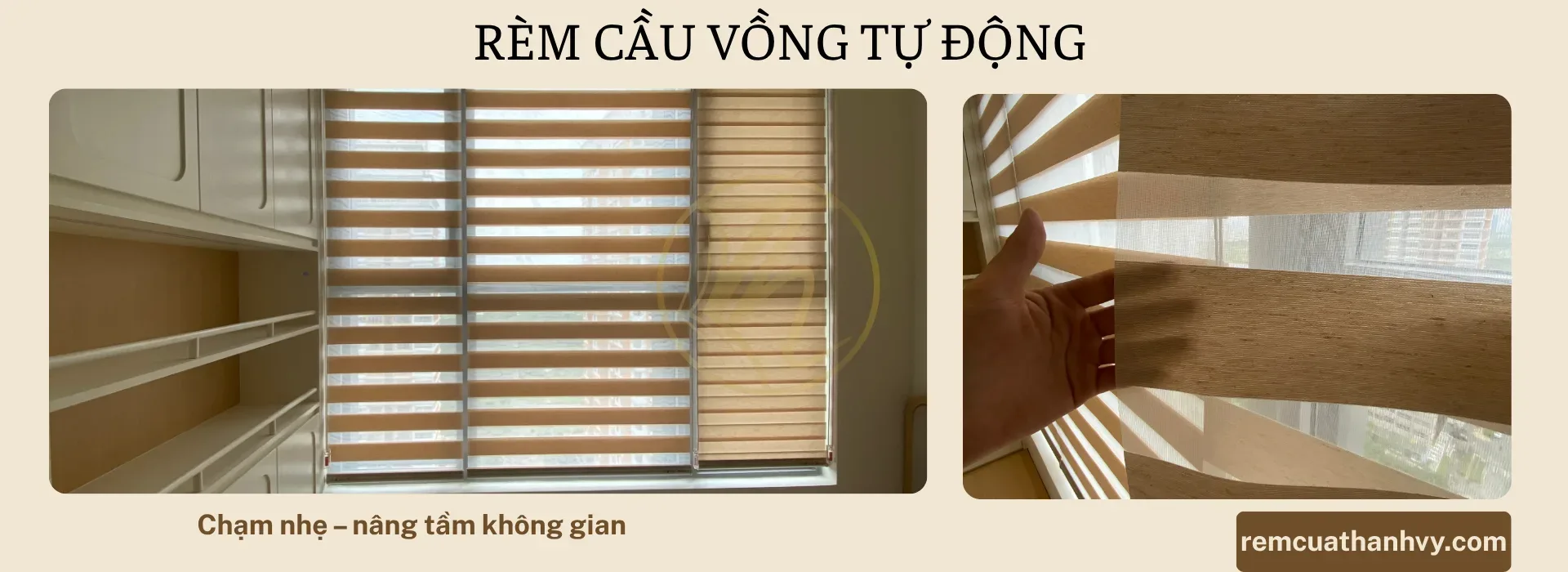
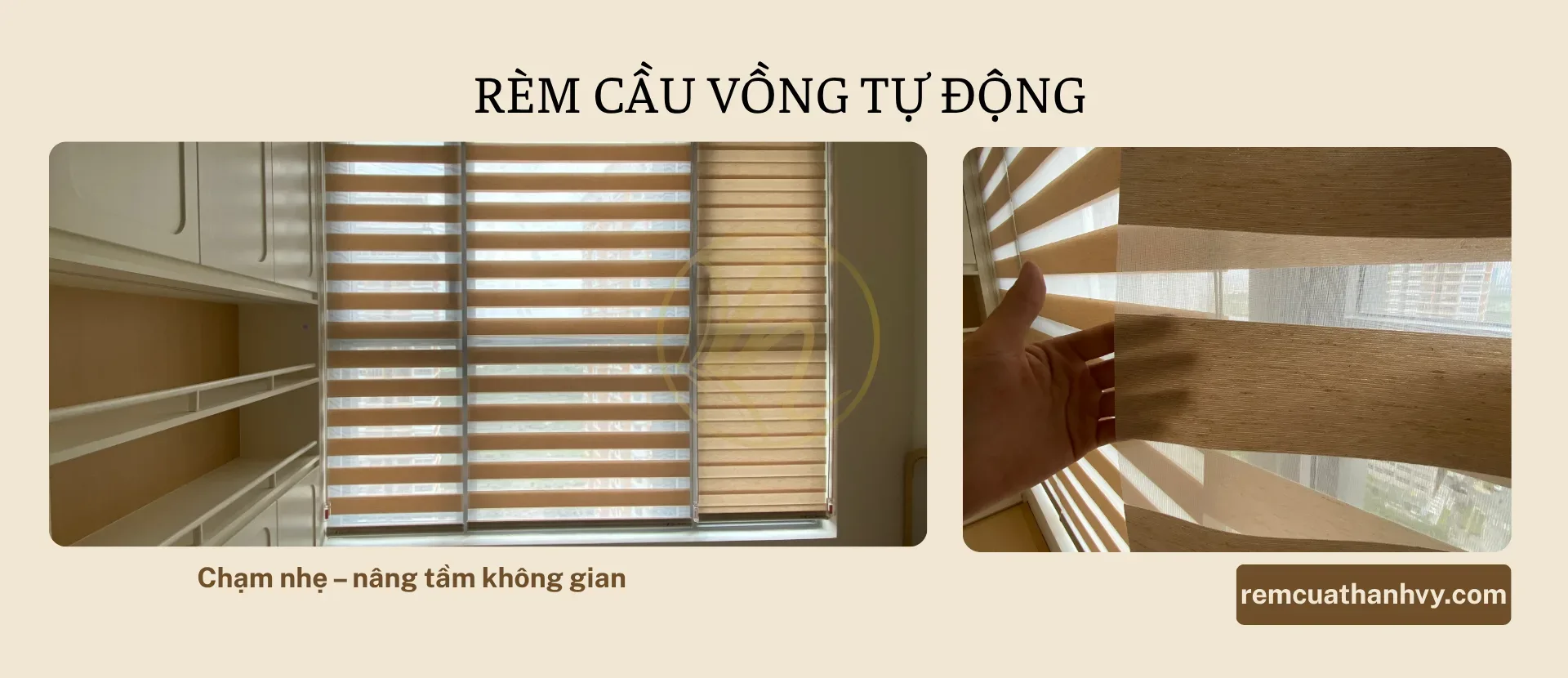
Korean rainbow blinds: A balanced solution for those who want to adjust the light in multiple levels without having to fully open or close the entire blind. Two layers of woven mesh slide past each other in alternating sections, creating a transition from transparent to opaque, making them highly suitable for river-facing windows where glare needs to be reduced at different times of the day. Their modern style suits the interiors of newly built homes and apartments.
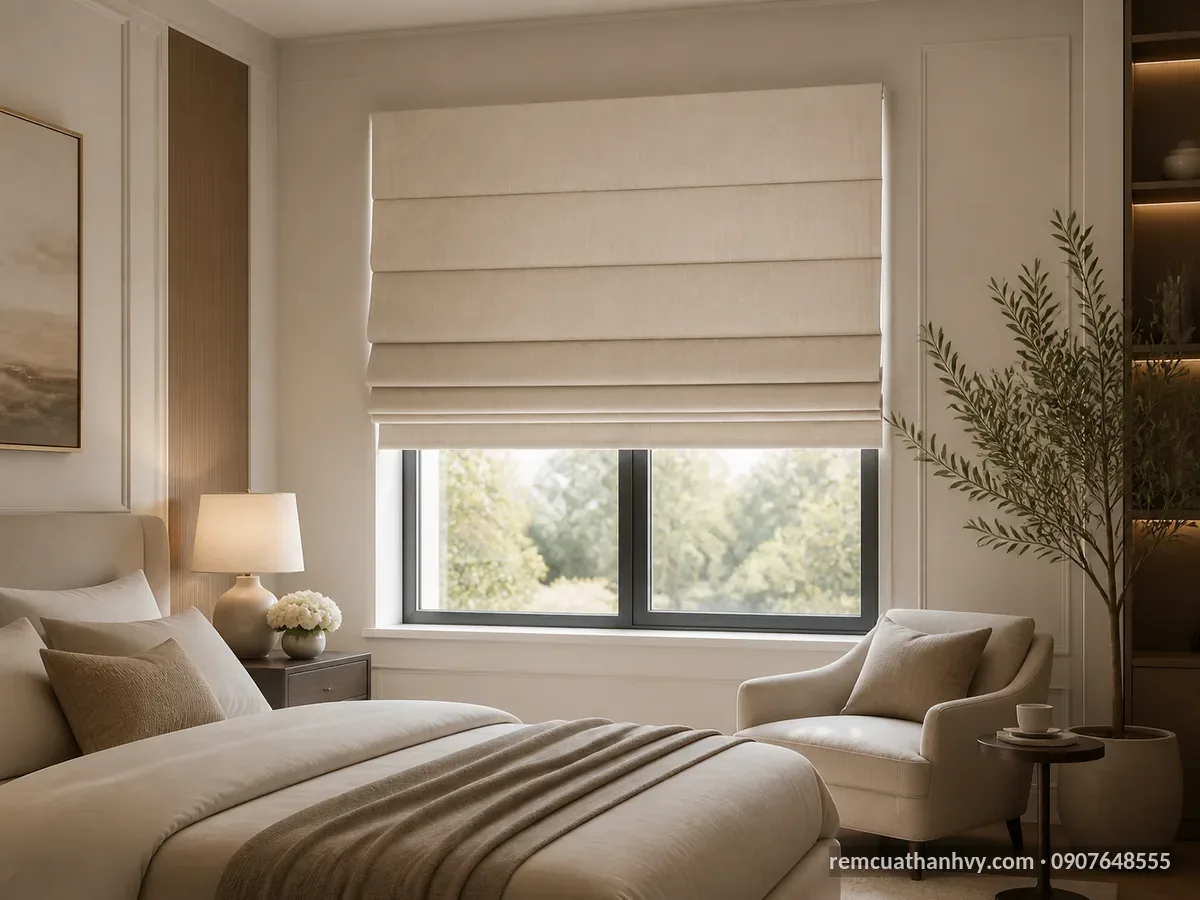
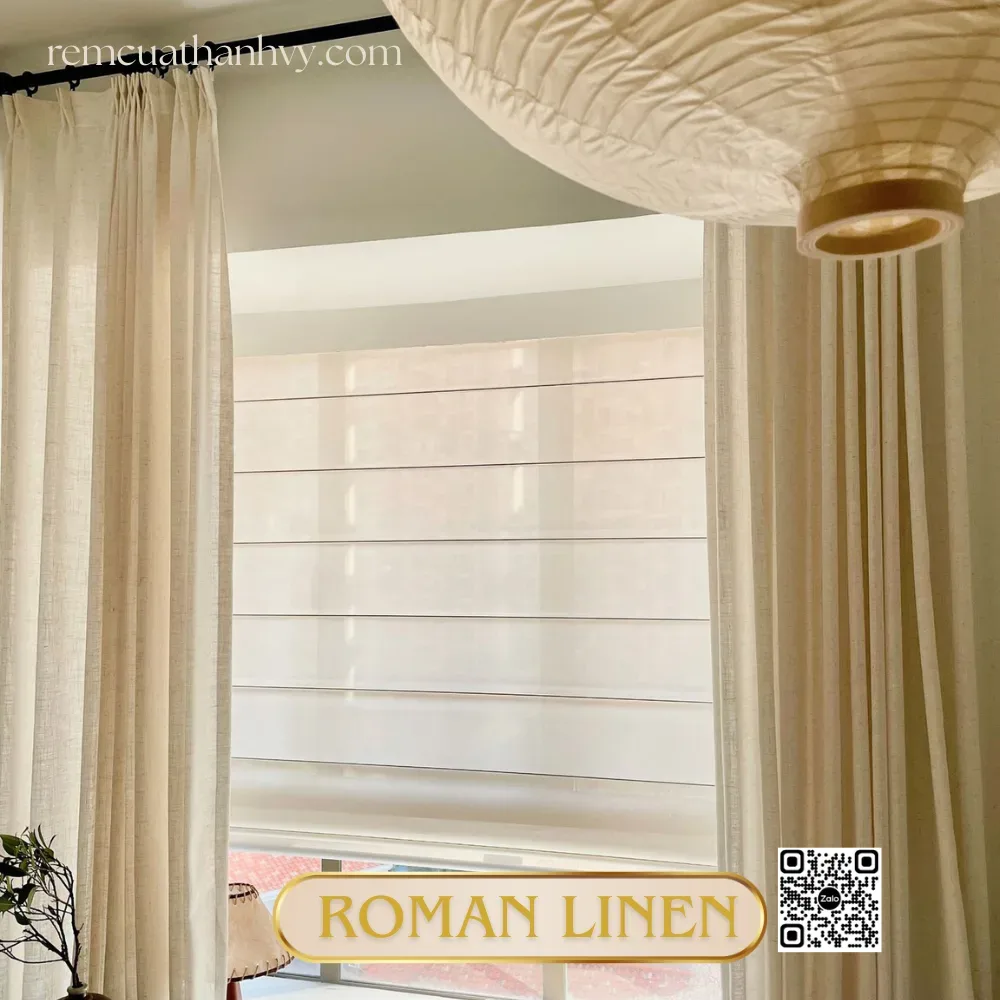
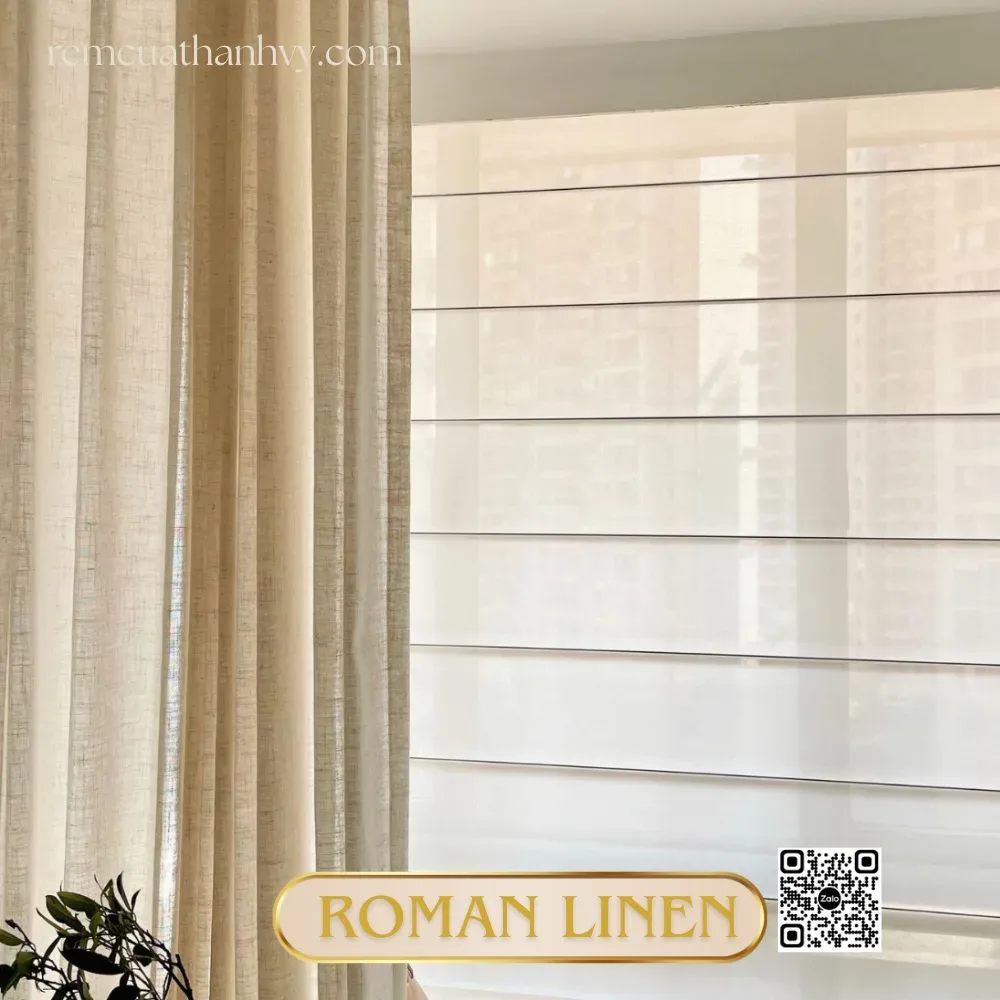
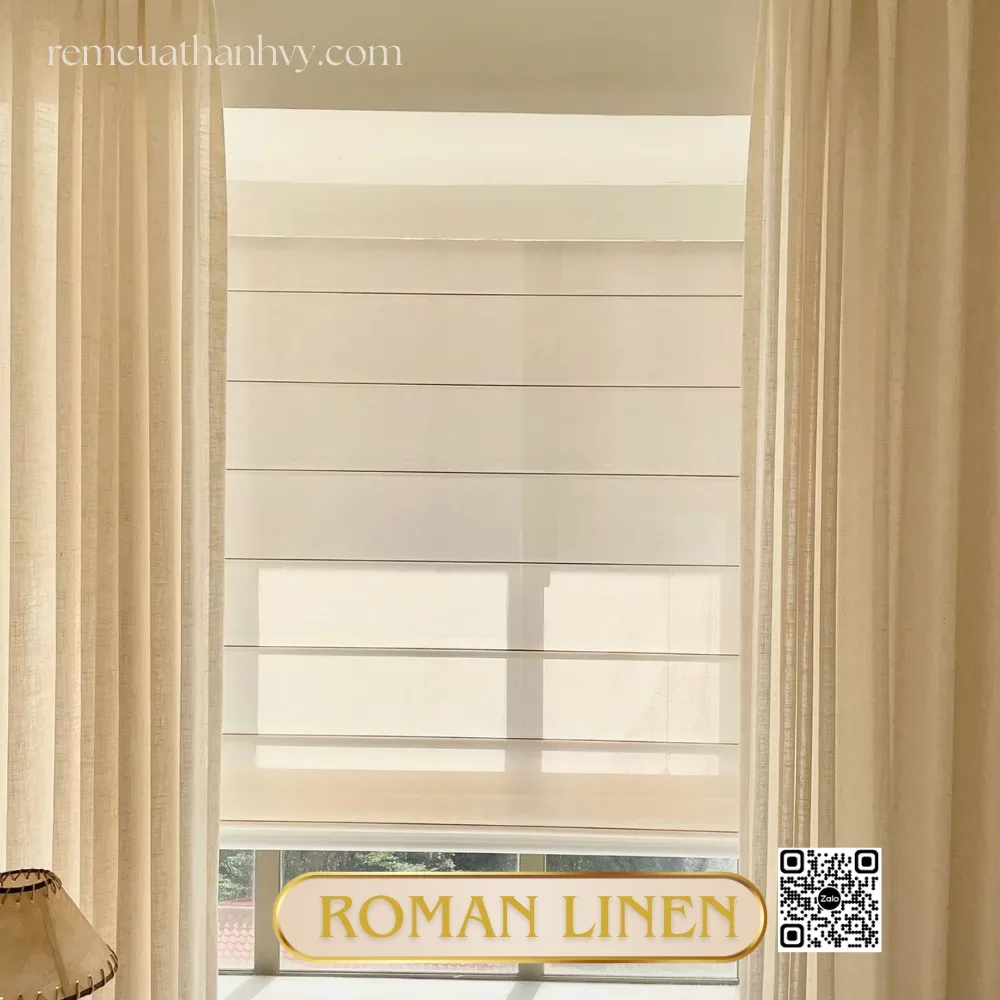
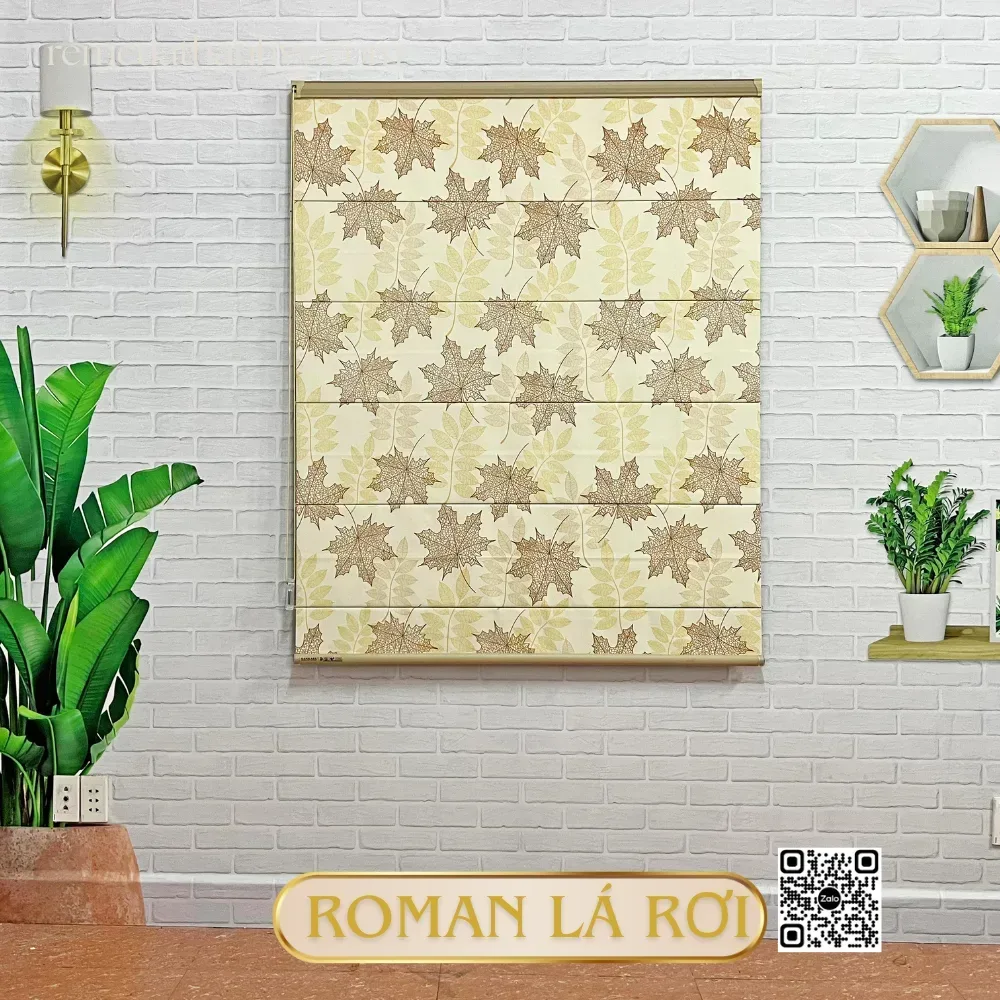
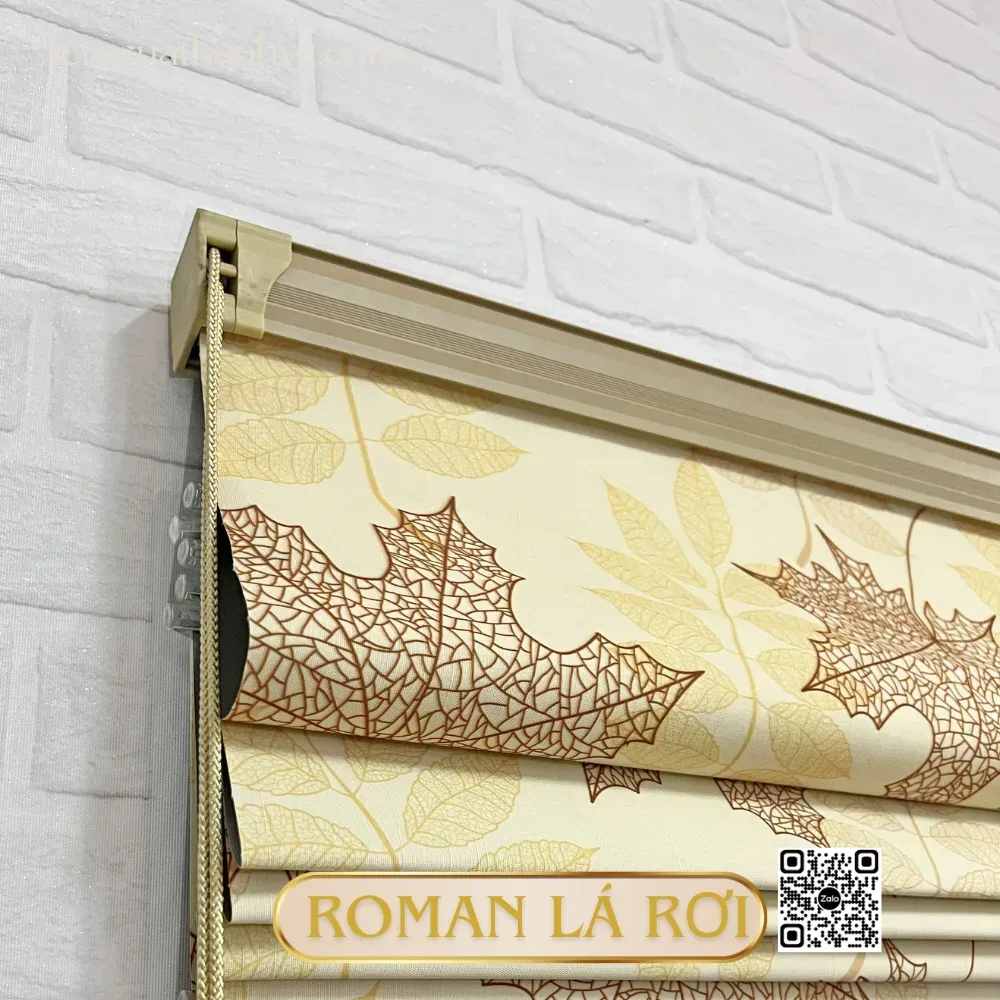
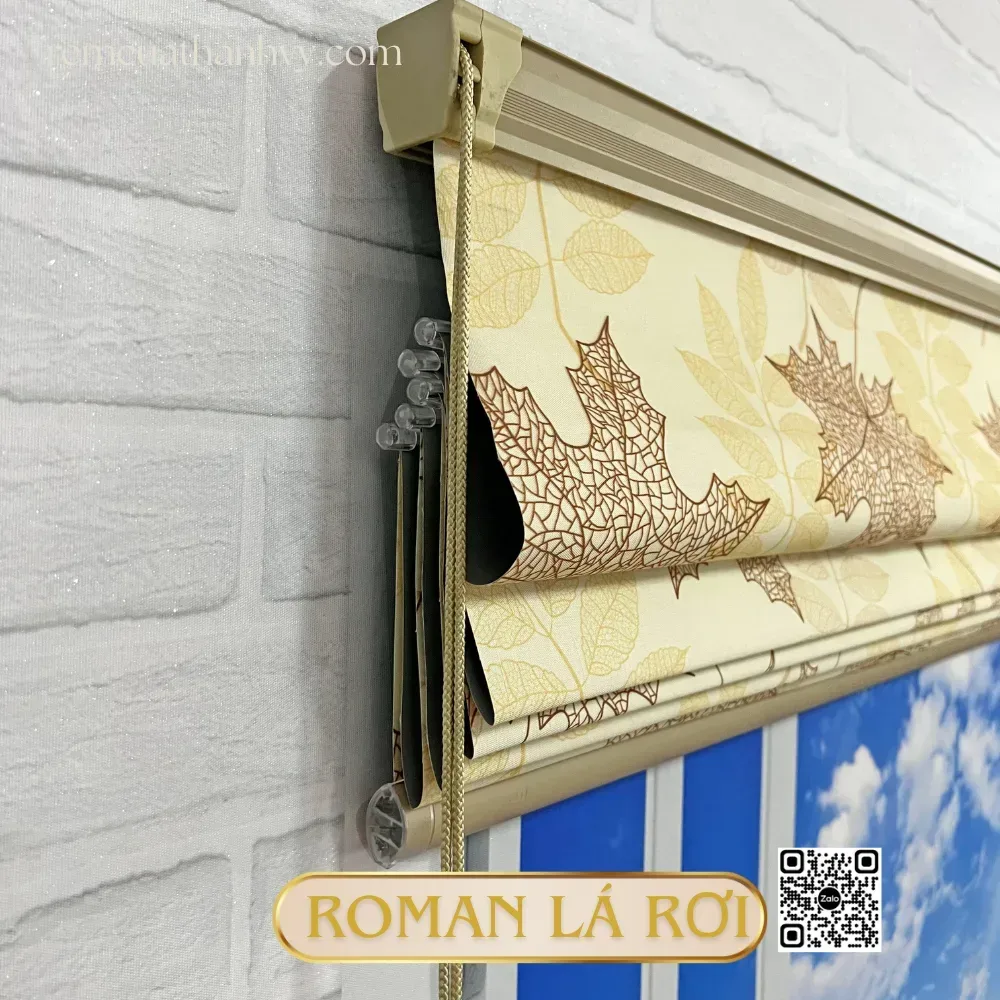
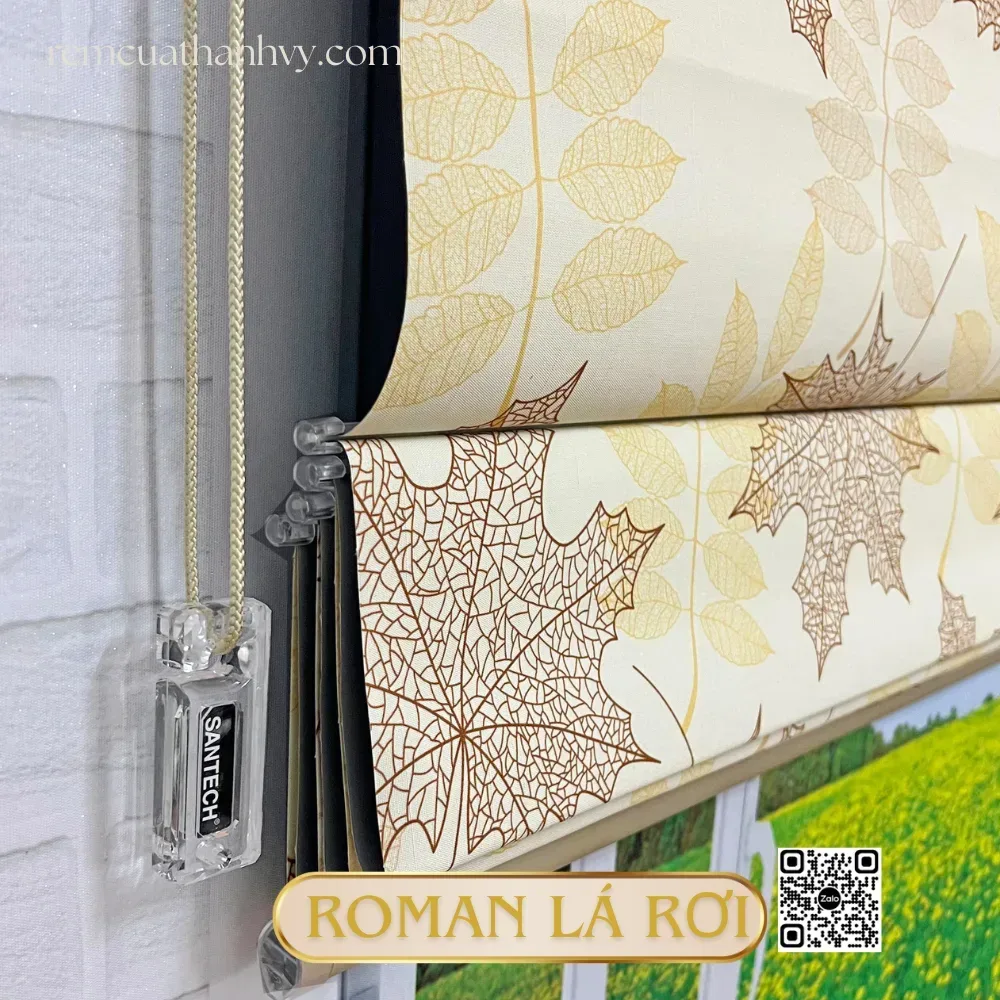
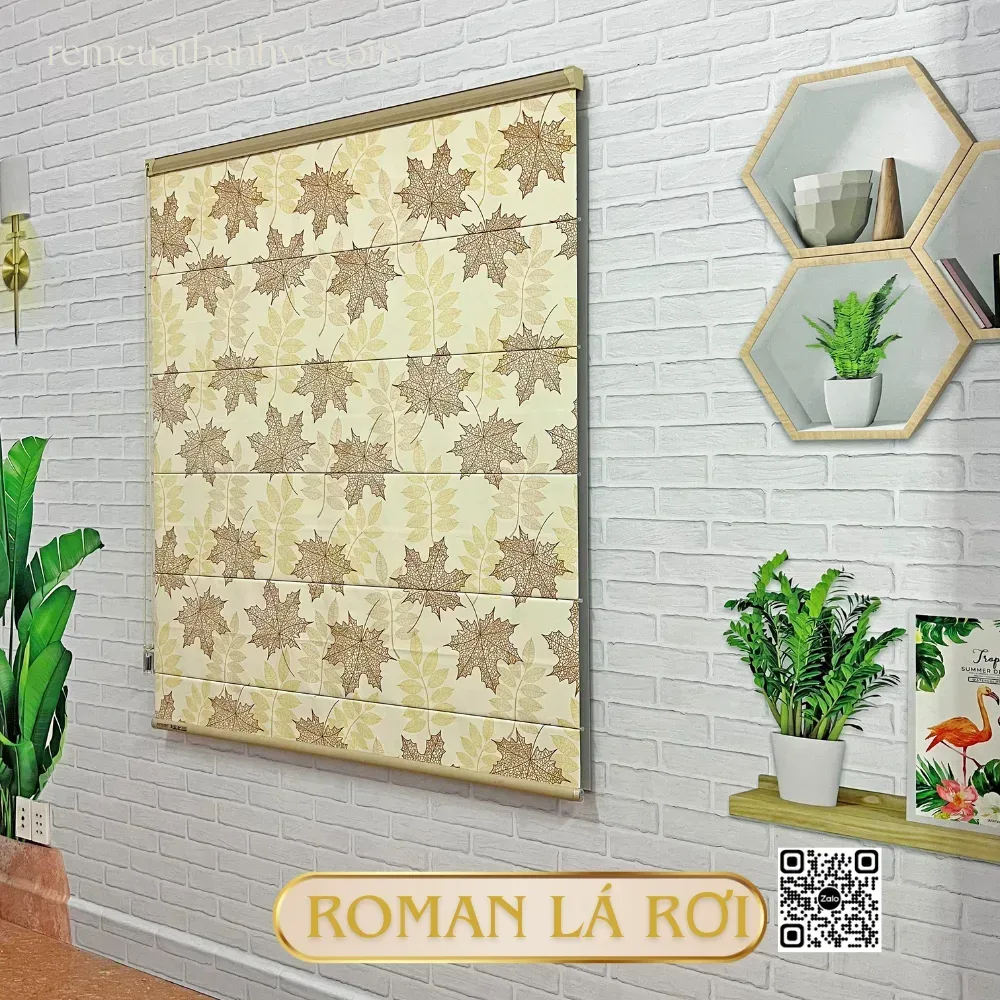
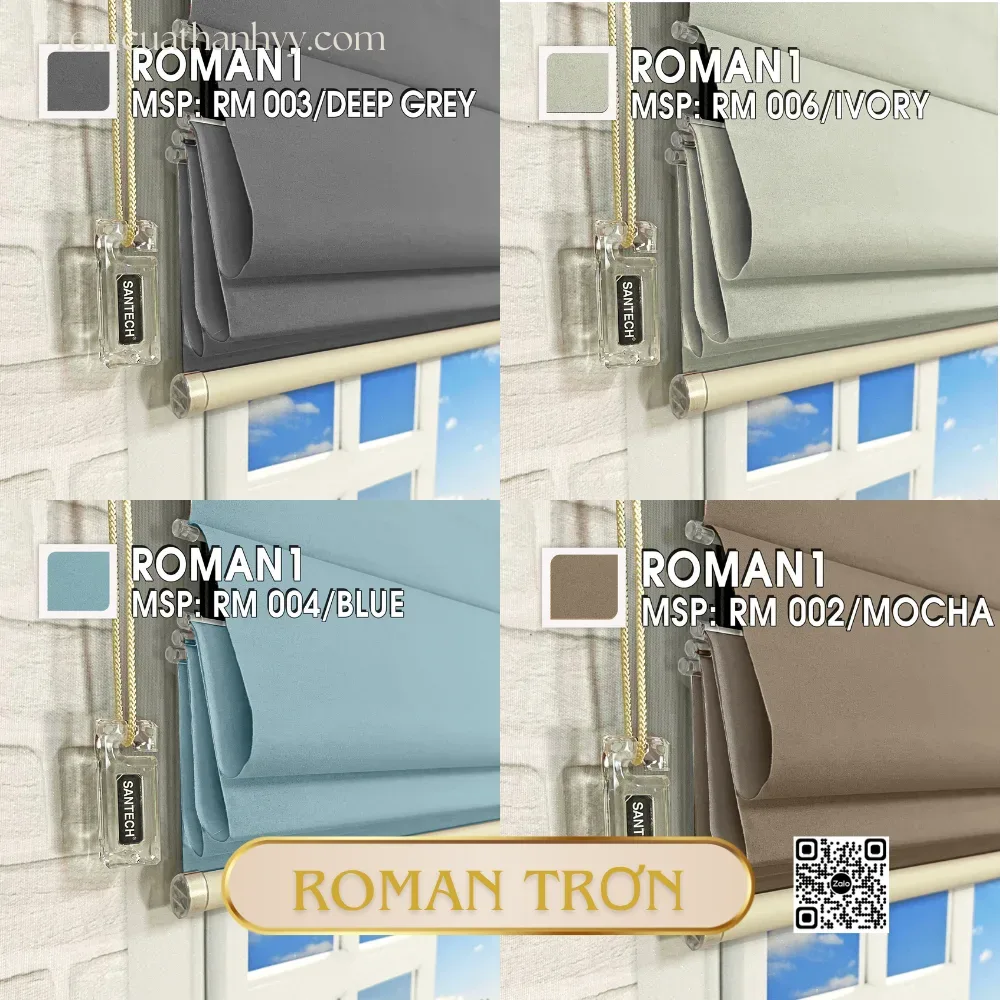
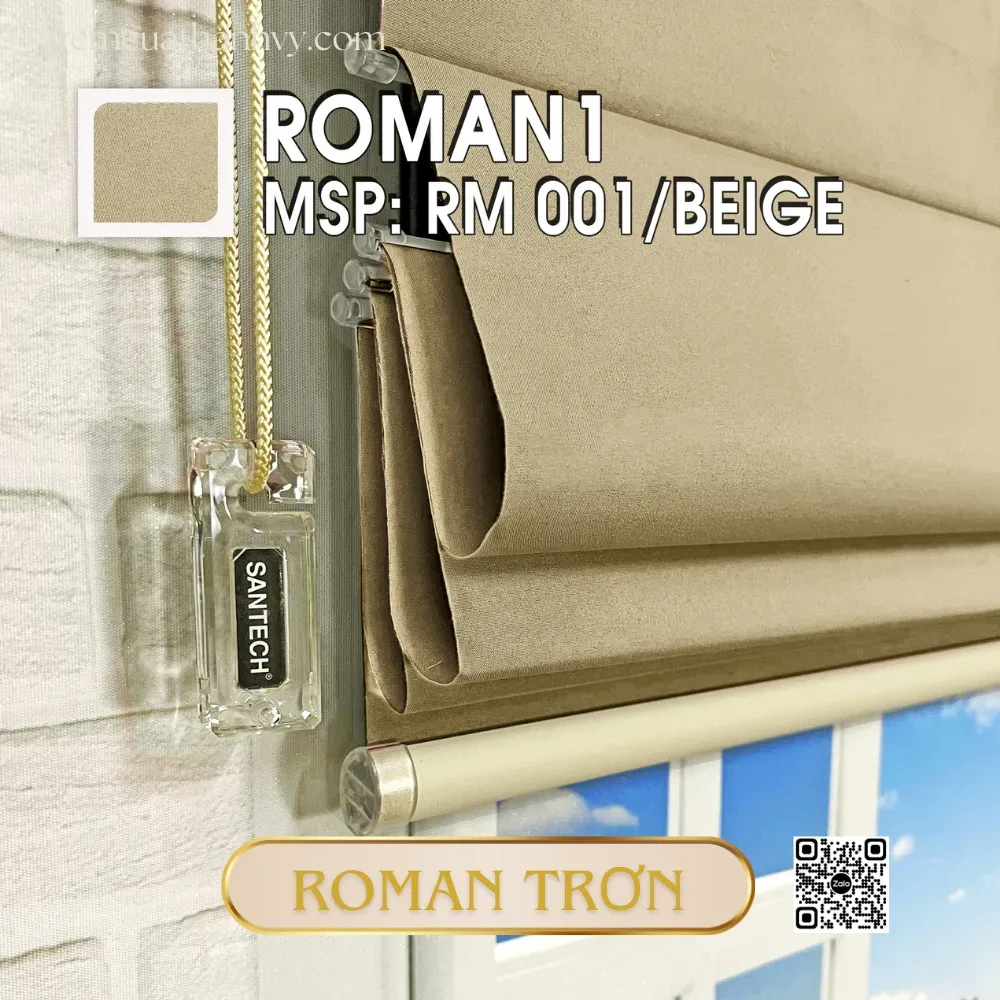
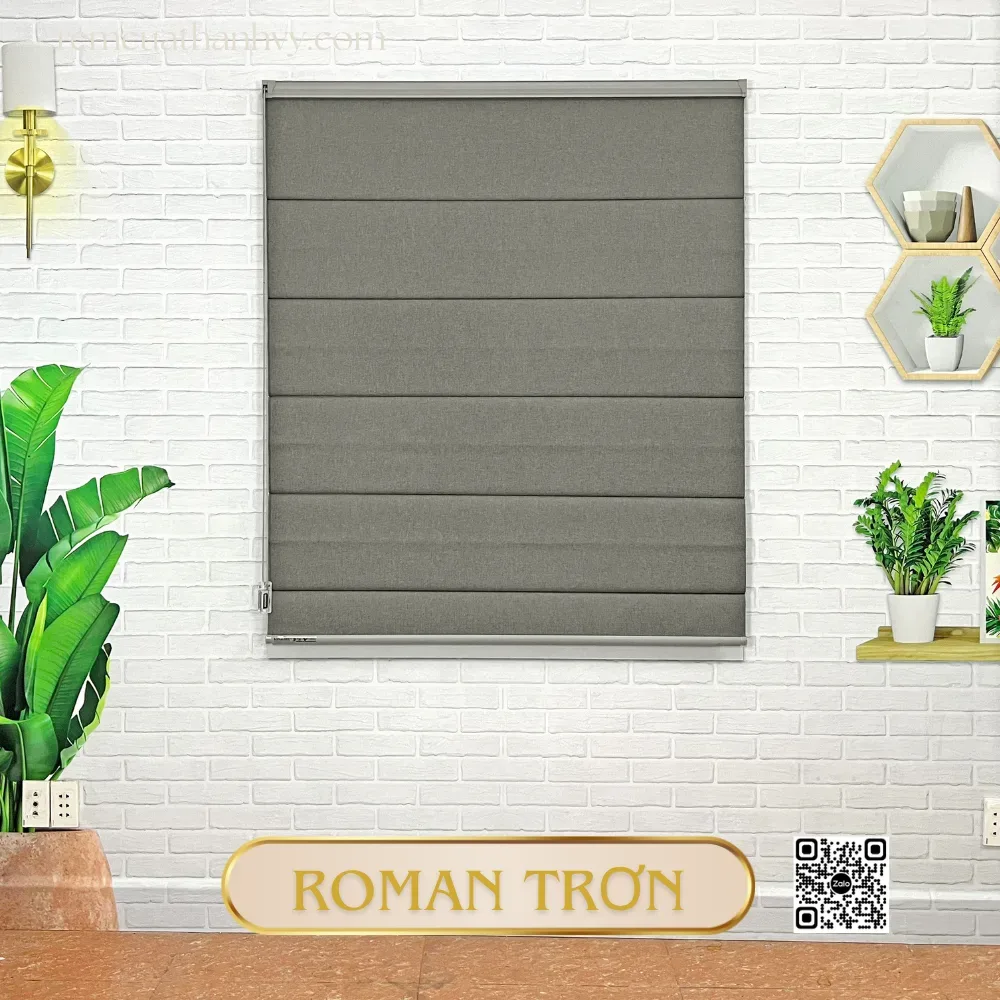
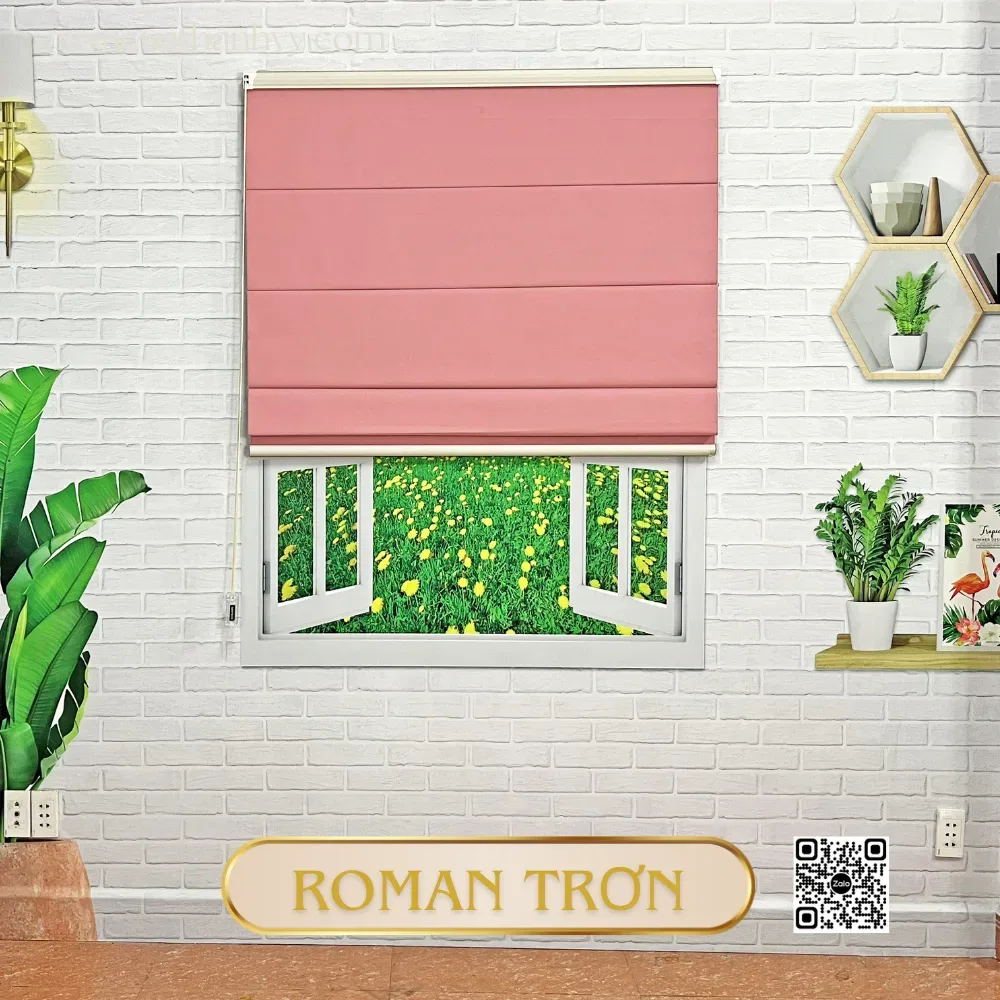
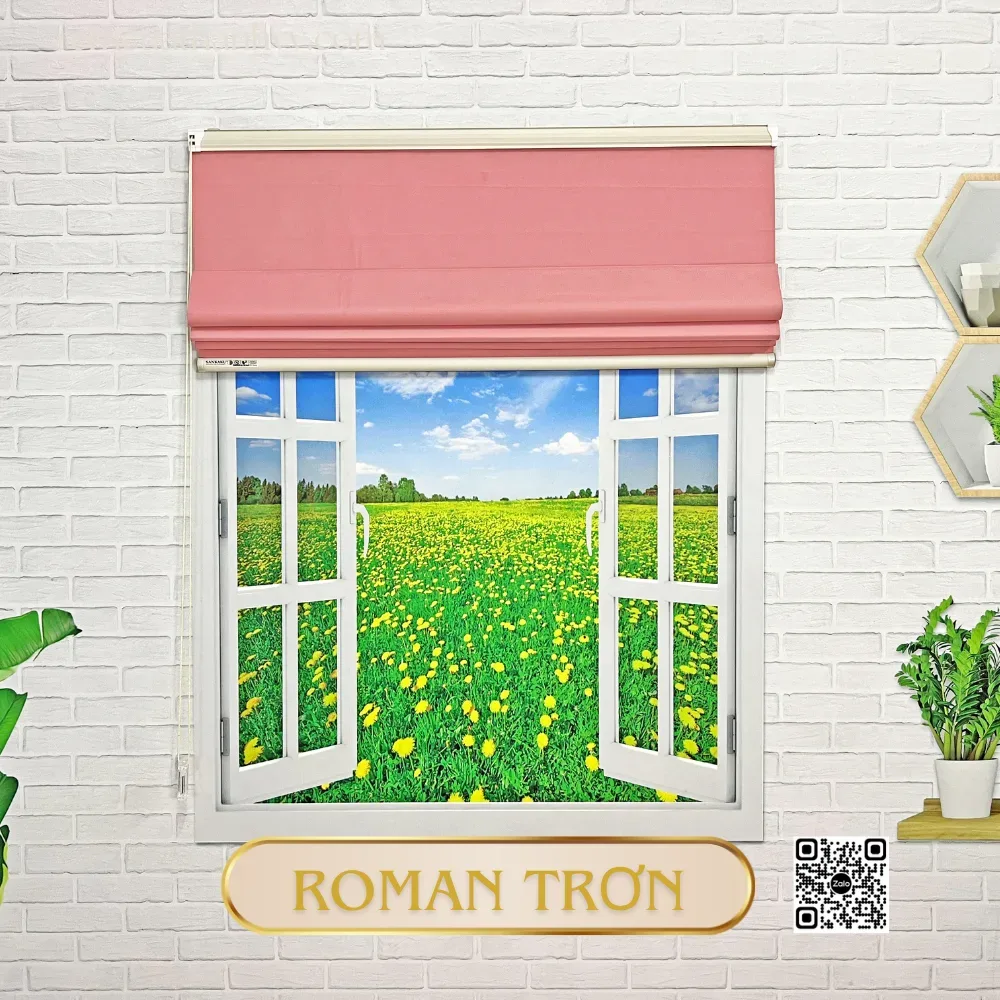
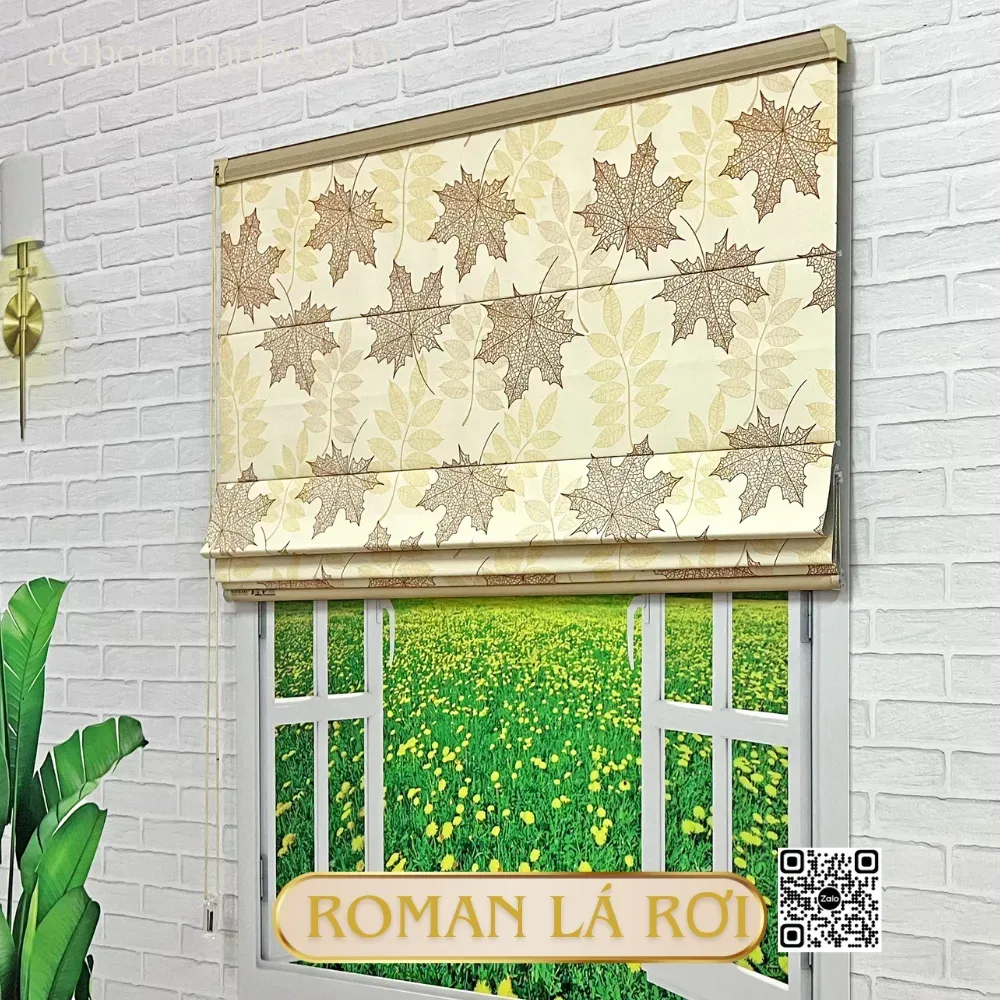
Roman blinds: A layered blind style that creates a soft, dimensional feel, commonly used for small bedrooms, reading rooms, or windows intended to serve as a focal point. When raised, the fabric folds stack neatly at the top of the frame; when lowered, they form a smooth, flat surface. Thanks to their moderate fabric width, Roman blinds are less affected by wind than long hanging curtains, so they can still be used for medium-sized windows in windy locations.
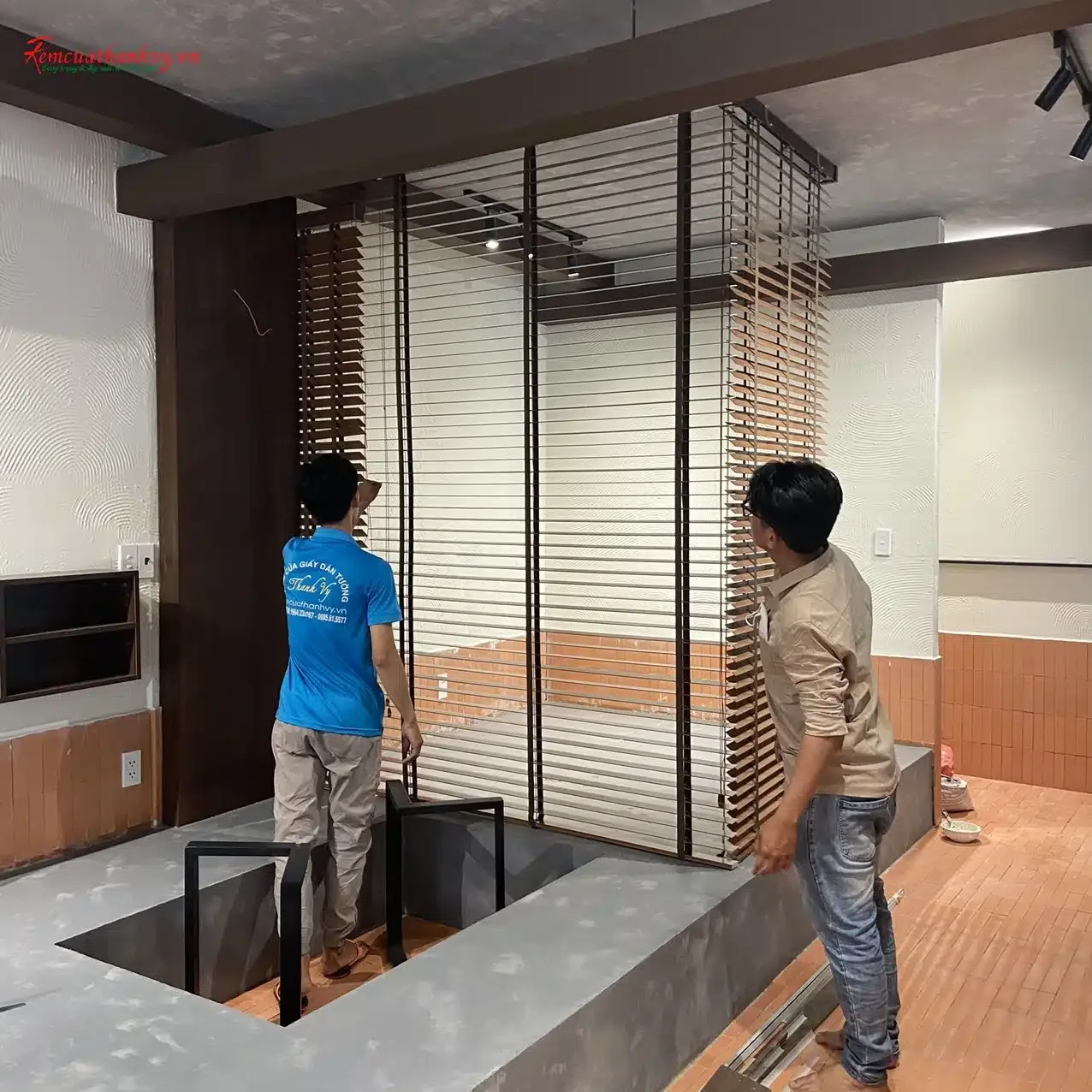
Aluminum and wooden blinds: Their greatest advantage is the ability to tilt the slats and direct the flow of light toward the ceiling instead of letting it shine directly into the eyes — exactly what is needed when dealing with light reflected from the water. Aluminum blinds are lightweight and moisture-resistant, making them suitable for kitchens and utility areas; wooden blinds are treated to limit warping, providing a warmer and more formal feel that suits living rooms or workspaces, but they should be avoided in locations frequently exposed to splashing water.
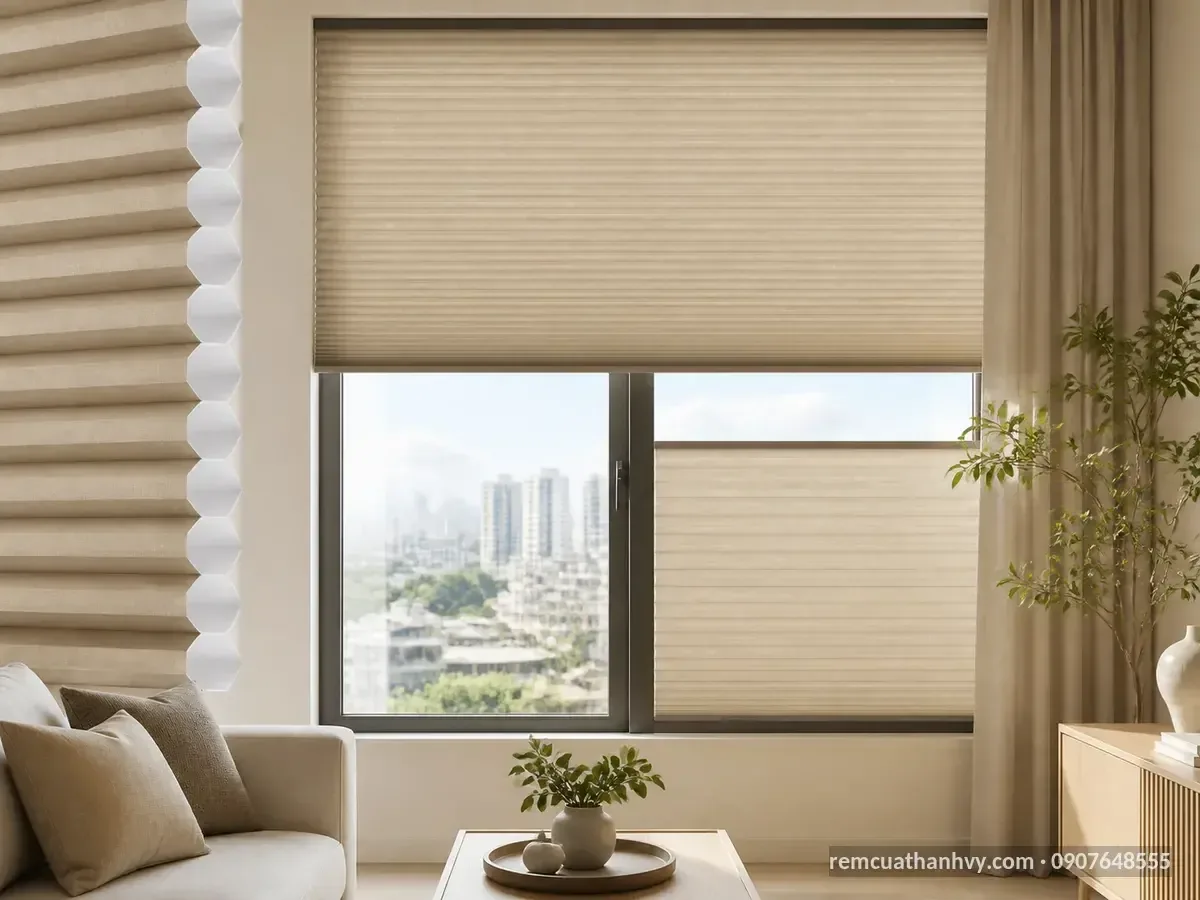
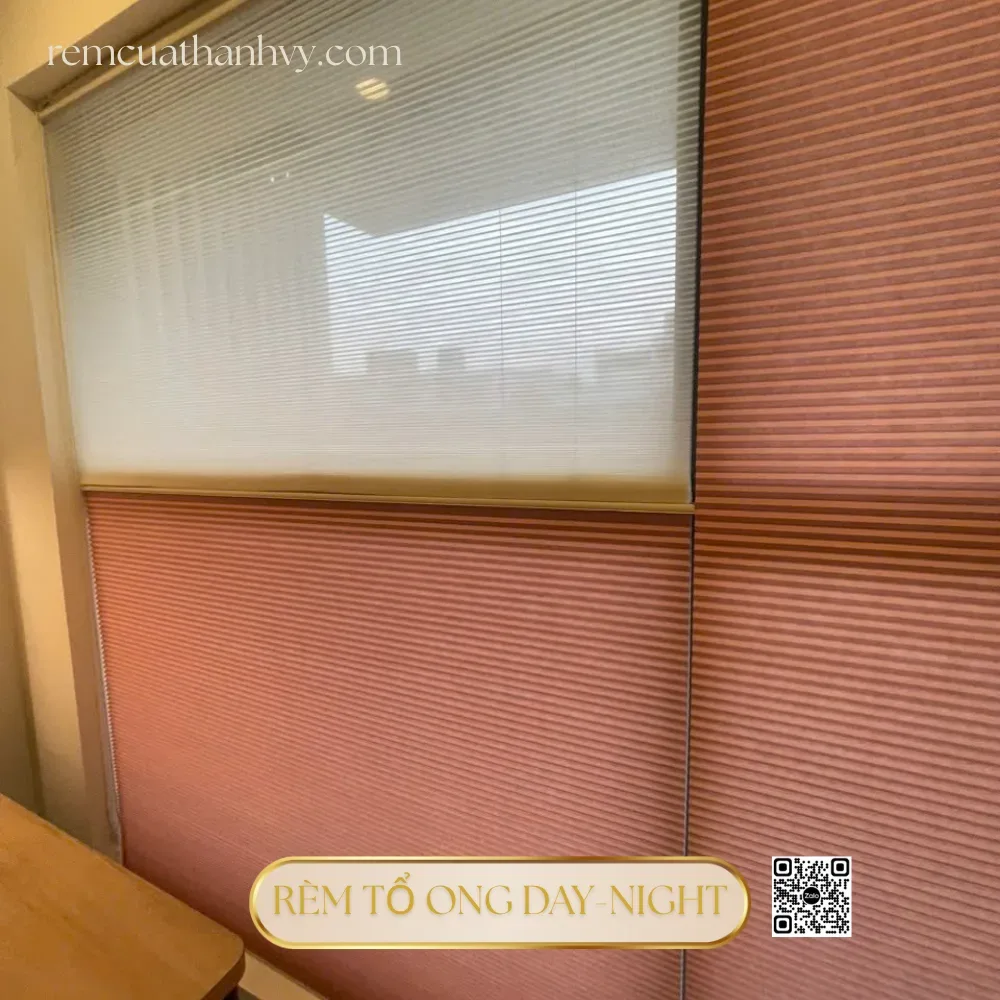
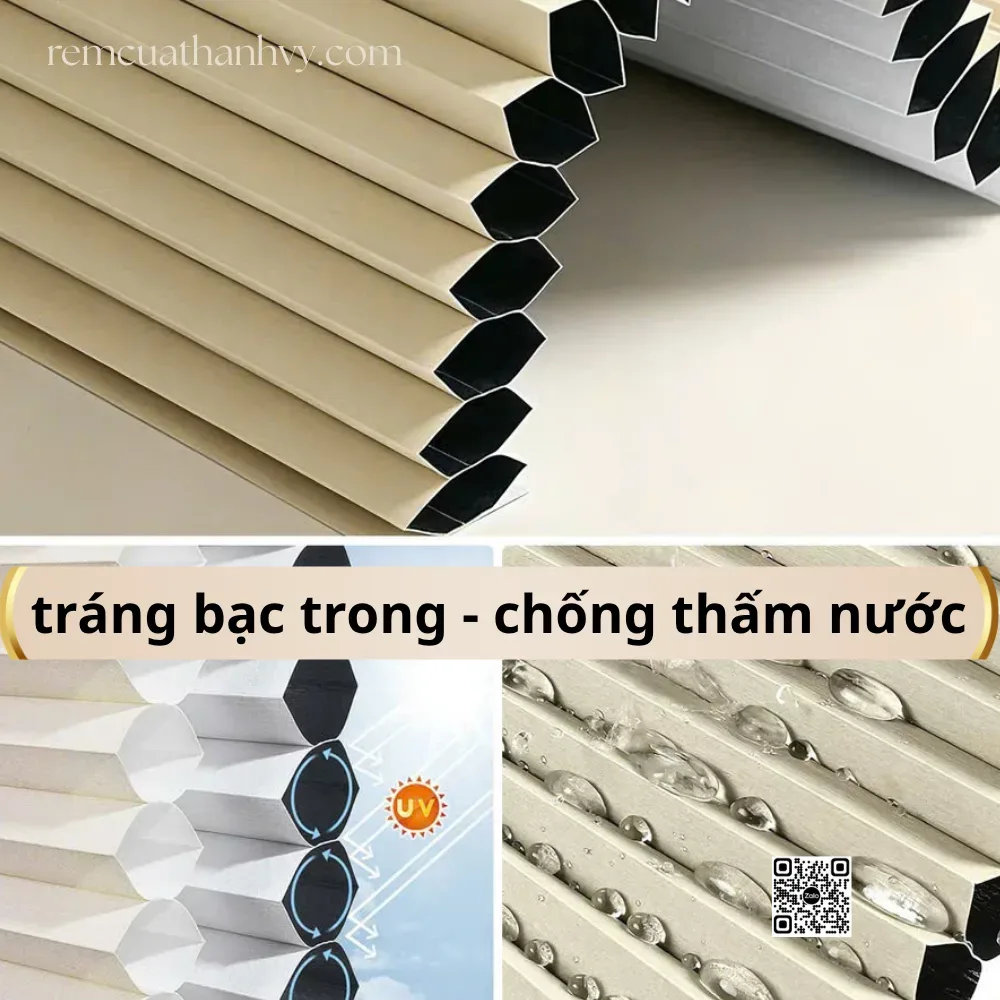
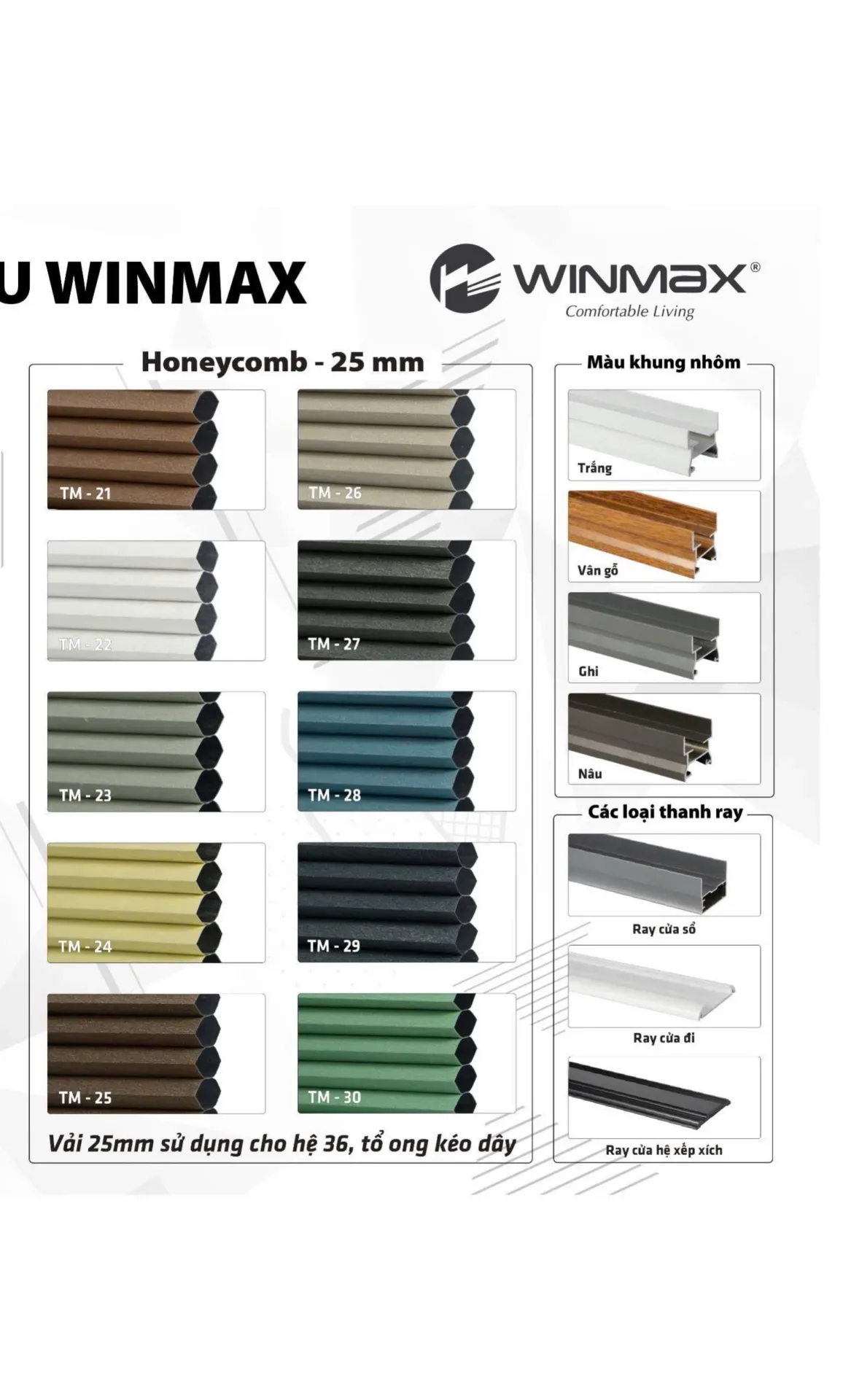
Cellular shades: Their fabric is folded into enclosed air pockets, creating a layer of thermal insulation directly over the glass. This is an option worth considering for large glass surfaces, high-level daylight openings, or sliding partitions dividing spaces in newly built homes, where extensive glazing causes the air conditioner to run continuously in the afternoon. When raised, the shade compresses into a very thin strip, almost completely restoring the view outside. Interested readers can learn more about the role of windows.
Criteria to use when comparing two options
At some point, the shortlist is narrowed down to two options and you are stuck between them. At this stage, comparing based on feelings or price alone can easily lead to a decision that needs to be corrected later. A better approach is to put both options against the same set of criteria and score each item. Ability to control light by level: do not just ask which option blocks sunlight better, but ask which option gives you more intermediate levels between completely bright and completely dark — for river-facing homes, these intermediate levels are what you use every day. Evening privacy: many fabrics are discreet during the day, but when the lights are on indoors, they cast very clear silhouettes of people outside; ask directly about this for your home’s window position. Moisture resistance and cleaning: which option can be spot-cleaned, which option must be removed for washing, and if it must be washed, how long will it take to dry in the area’s humid conditions. Handling wind: which option requires an additional positioning mechanism when installed on a water-facing balcony, and how much extra will that mechanism cost. Compactness: when fully opened, how much of the window frame’s width does each option occupy, and does it block any part of the view. Practical operation: pull the display sample yourself, feel how smoothly the roller moves and how much hand force is required, because this is an action you will repeat every day for many years.
There are cases where neither option is a good fit, usually because the window frame has a size or shape outside the standard range, or because the homeowner wants a custom sewing style to match the existing interior furnishings. In that case, the service custom curtains made to order in HCM is a more reasonable solution than forcing a ready-made product into a space where it does not fit. The important thing to remember is that curtains are not decorative items replaced every season; they stay with the room for many years and affect how it feels to live there every day. Therefore, when scoring the two options, give the highest weight to the criterion that directly solves the most uncomfortable problem you are experiencing, rather than weighting which option looks more eye-catching in photos.
Wards where Rèm Cửa Thanh Vy provides measuring and installation
After the administrative reorganization, the names of the former and new wards do not match, so the former names are included below for convenient reference when scheduling a measurement appointment.
District 1
- An Phú Đông Ward — merged from Thạnh Lộc Ward before the merger.
- Thới An Ward — merged from Thạnh Xuân Ward before the merger.
- Trung Mỹ Tây Ward — merged from Tân Chánh Hiệp Ward before the merger.
- Tân Thới Hiệp Ward — merged from Hiệp Thành Ward before the merger.
- Đông Hưng Thuận Ward — merged from Tân Hưng Thuận Ward and Tân Thới Nhất Ward before the merger.
- Bình Thới Ward — merged from Ward 10, Ward 3, and Ward 8 before the merger.
- Hòa Bình Ward — merged from Ward 14 and Ward 5 before the merger.
- Minh Phụng Ward — merged from Ward 1, Ward 16, and Ward 7 before the merger.
- Phú Thọ Ward — merged from Ward 11 and Ward 15 before the merger.
- Bến Thành Ward — merged from Nguyễn Thái Bình Ward and Phạm Ngũ Lão Ward before the merger.
- Cầu Ông Lãnh Ward — merged from Cô Giang Ward, Cầu Kho Ward, and Nguyễn Cư Trinh Ward before the merger.
- Sài Gòn Ward — merged from Bến Nghé Ward before the merger.
- Tân Định Ward — merged from Đa Kao Ward before the merger.
- Diên Hồng Ward — merged from Ward 14, Ward 6, and Ward 8 before the merger.
- Hòa Hưng Ward — merged from Ward 12, Ward 13, and Ward 15 before the merger.
- Vườn Lài Ward — merged from Ward 1, Ward 10, Ward 2, Ward 4, and Ward 9 before the merger.
District 3
- Bàn Cờ Ward — merged from Ward 1, Ward 2, Ward 3, Ward 4, and Ward 5 before the merger.
- Nhiêu Lộc Ward — merged from Ward 11, Ward 12, Ward 14, and Ward 9 before the merger.
- Xuân Hòa Ward — merged from Võ Thị Sáu Ward before the merger.
District 4
- Khánh Hội Ward — merged from Ward 15, Ward 8, and Ward 9 before the merger.
- Vĩnh Hội Ward — merged from Ward 1, Ward 2, Ward 3, and Ward 4 before the merger.
- Xóm Chiếu Ward — merged from Ward 13, Ward 16, and Ward 18 before the merger.
District 5
- An Dong Ward — merged from Wards 5, 7, and 9 before the merger.
- Cho Lon Ward — merged from Wards 11, 12, 13, and 14 before the merger.
- Cho Quan Ward — merged from Wards 1, 2, and 4 before the merger.
Color and proportion need to go together with the actual setting
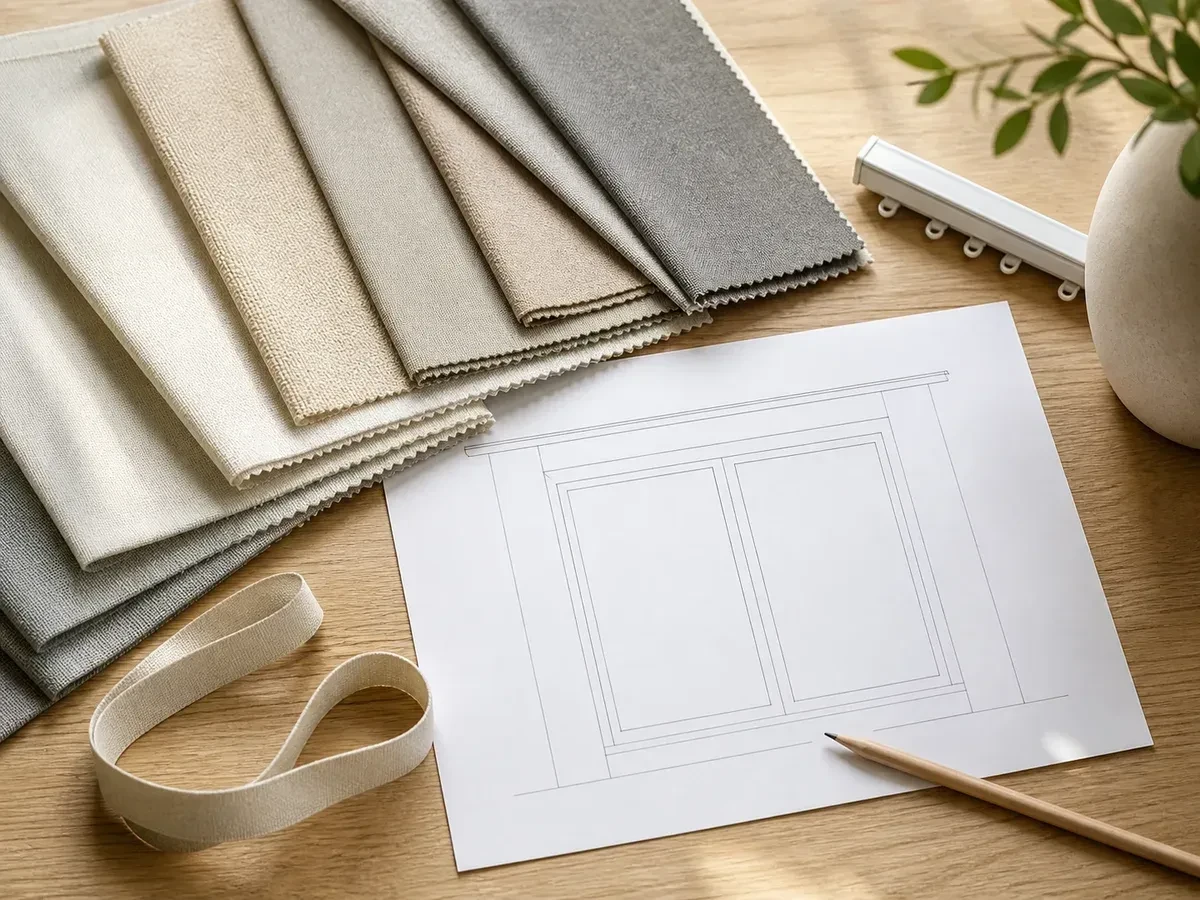
Why sample images can be misleading: A beautiful curtain photo is the result of specific lighting, specific wall colors, and a specific lens at the place where it was taken. Bring that exact fabric code into a house in Nha Be with different wall paint, a different ceiling height, and different light sources, and the result will often differ considerably from the original expectation. This is not the fabric’s fault, but an inevitable consequence of ignoring the setting. A simple and virtually free way to verify it is to place the fabric sample against the wall right where it will be installed, view it during the day, and check it again in the evening under the room’s actual lighting.
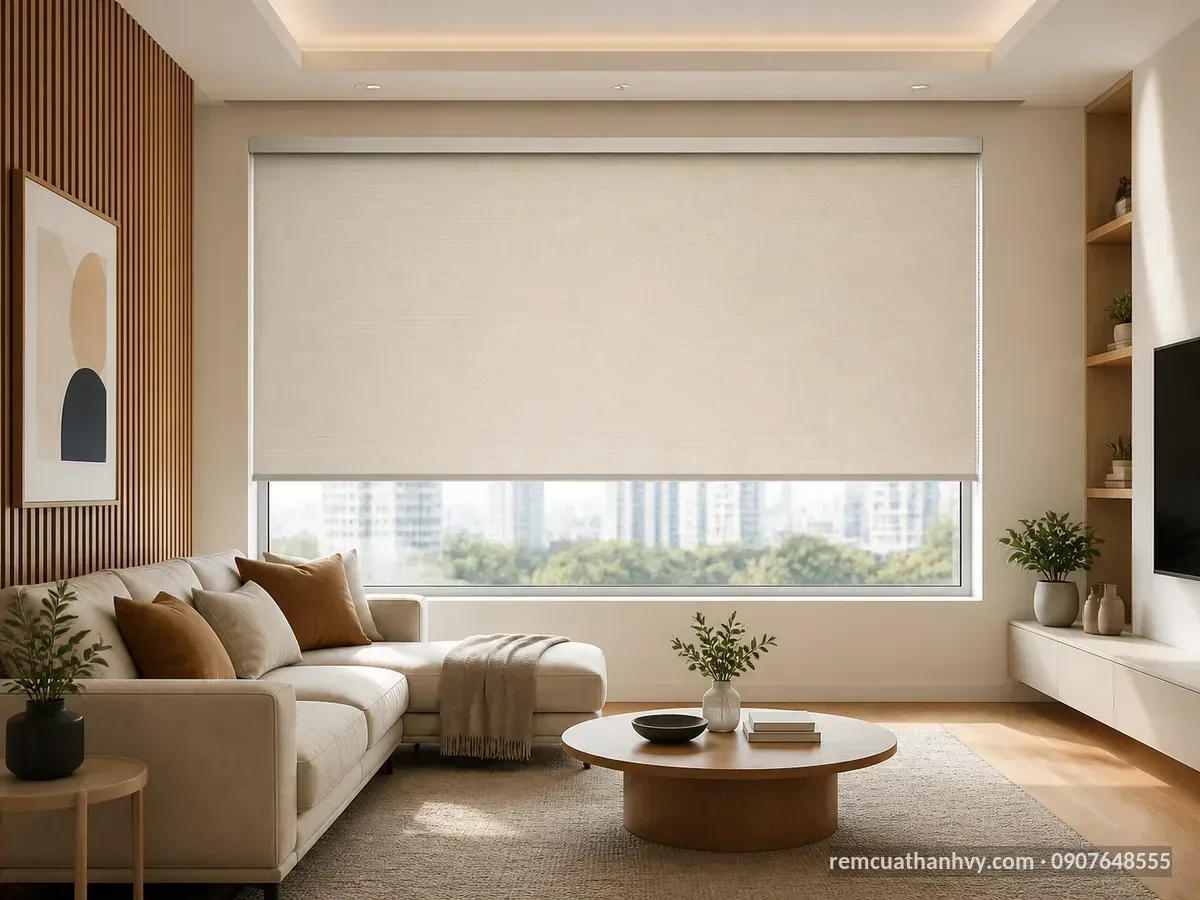
Reflected light can distort color: In houses facing the water, there is an additional variable that few people anticipate: reflected light. Light bouncing off the water usually has a cool cast and shines upward, pulling warm neutral tones toward blue-gray in the afternoon, while glossy light shades appear much more glaring than when viewed in a model home. In practice, it is best to prioritize matte, low-reflective fabrics for windows facing the water, and if you prefer light tones, choose a shade one step warmer than originally intended to compensate for the coolness brought in by the reflected water light.
Proportion determines balance: The hanging height and the curtain’s coverage width affect the perception of space more than color does. Older row houses along canals in Nha Be often have low ceilings and narrow windows, so hanging the rod as high as the wall allows and extending the fabric beyond the frame on both sides will significantly improve the room’s proportions. Conversely, in newly built houses with high ceilings and large glass walls, attention must be paid to where the curtains stop: too much contact with the floor makes the curtains look heavy and increases the risk of damp hems, while stopping a few centimeters short exposes a gap and makes the window frame look out of balance. You can also refer to the article in An Giang Newspaper about Thanh Vy premium fabric curtains.

Consider color as part of the entire interior: Curtain fabric is the second-largest color area in a room after the walls, so it needs to work with the flooring, sofa, curtains in adjoining rooms, and even the color of the window frames. A safe approach is to select a curtain base tone that follows the wall color, then create contrast through material and shade, rather than introducing an entirely new color and hoping it will blend in. When color, proportion, and lighting are all placed correctly within the home’s actual setting, the curtains will look as though they naturally belong there, rather than like something newly brought in.
Small technical details with a major impact
Most curtain complaints after several months of use have nothing to do with the fabric itself, but with the details behind it. These are the items most likely to be cut back when comparing prices, and they are also what determines whether you remain satisfied or frustrated throughout the time you use the curtains.
Rods, tracks, and brackets: These components bear the entire weight of the fabric and endure friction every time the curtains are drawn. Thin tracks or poorly gliding runners will soon begin to make rattling noises, jam in places, and then sag slightly in the middle, causing the curtains to hang unevenly. In Nha Be, there is also the requirement that the surface coating be moisture-resistant, because oxidized tracks not only run noisily but can also leave dirty streaks along the fabric edge. For wide windows or locations exposed to wind, the number of bracket mounting points should be increased compared with standard static-load calculations.
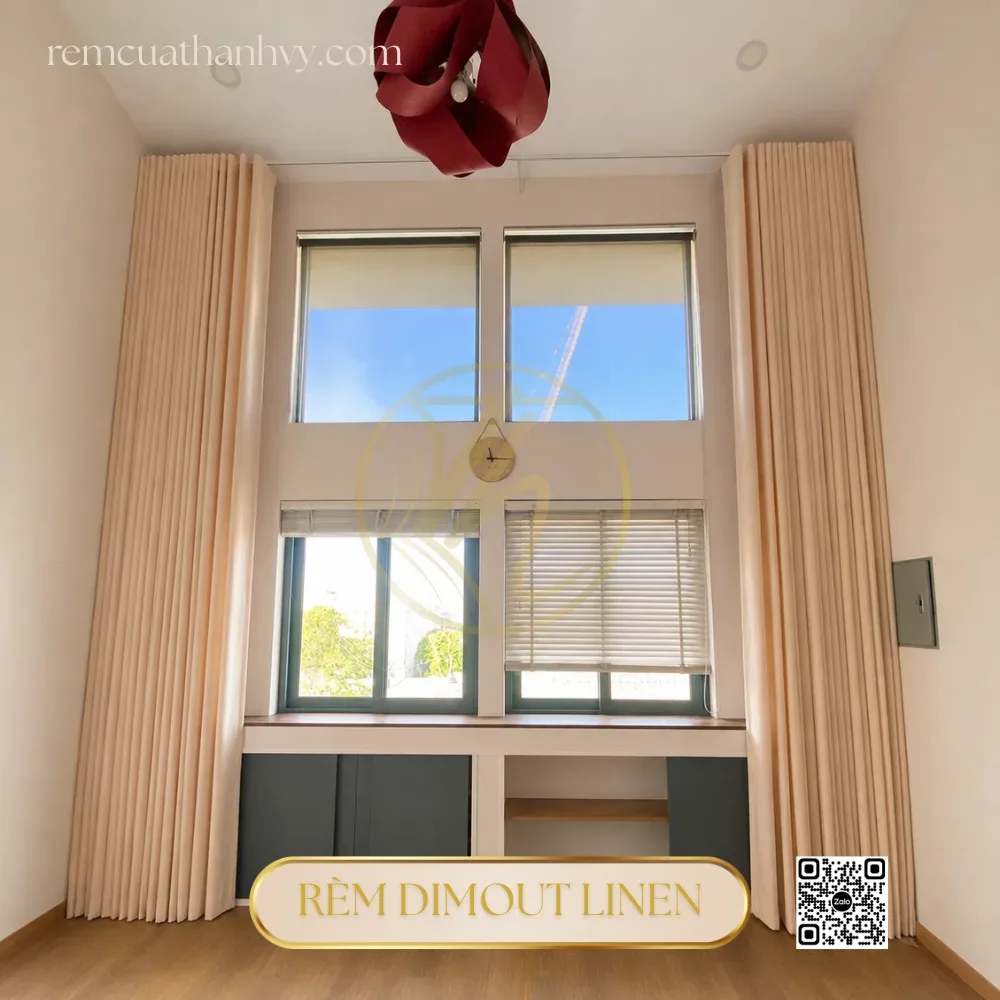
Fullness and pleat-setting: The beautiful drape of fabric curtains comes from the ratio of excess fabric to the frame width, usually a little more than twice the width. If too little fabric is used, the curtain becomes flat and loses its pleats entirely; if too much is used, it becomes heavy, difficult to draw, and takes up too much space when gathered. Wave-setting techniques at the workshop help the pleats retain their shape through repeated washing, making this the most noticeable difference between a properly sewn curtain set and one that merely meets the required dimensions.
Stack-back space when fully open: When drawn completely to the side, the gathered fabric needs room to sit without covering the glass. If this is not calculated in advance, you will permanently lose a strip of your view — especially unfortunate for windows facing the river. Solutions include widening the wall allowance on both sides, dividing the curtains into two panels that gather to either side, or installing a recessed ceiling box if the project is still in the finishing stage. Information about the company also appears in the introduction to auditorium curtains in Can Tho Newspaper.
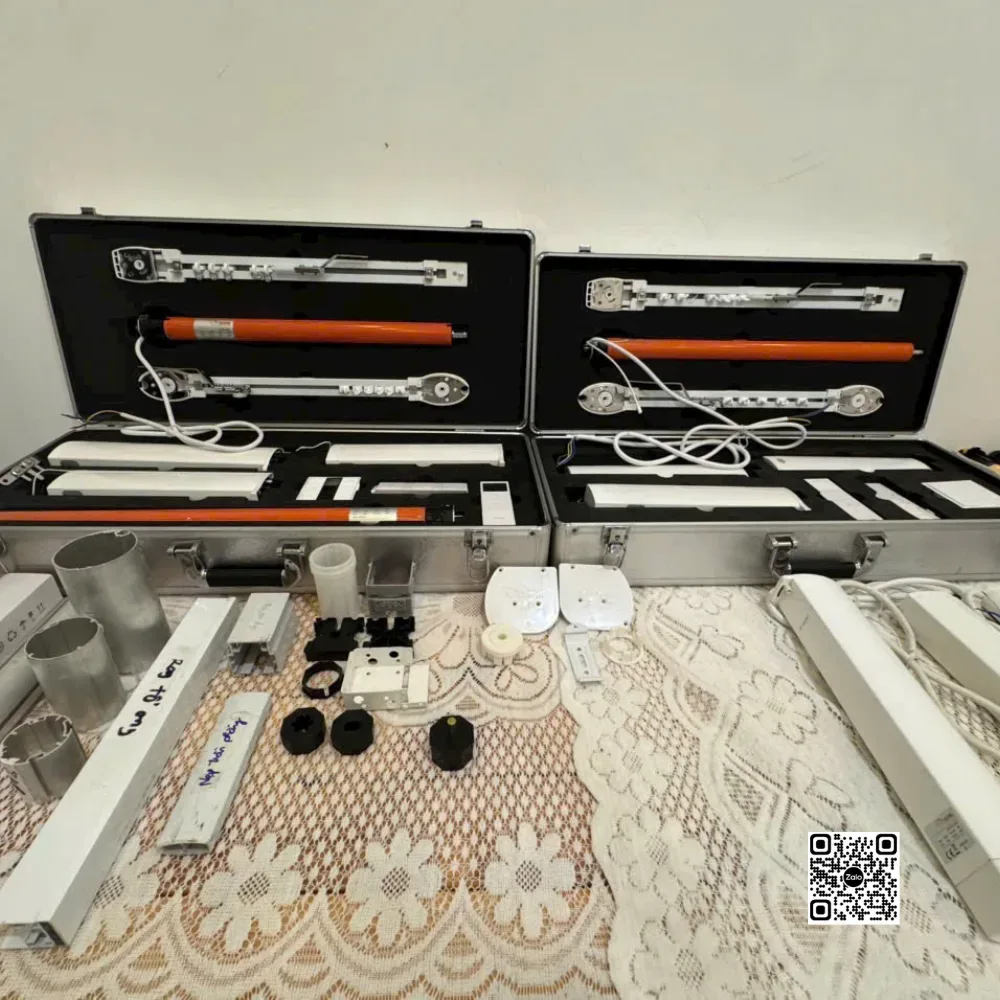
Operating mechanisms and safety: For large curtains or high, hard-to-reach locations, a motorized solution makes operation effortless but requires the power supply to be prepared in the correct place and the stop limits to be set accurately from the outset. For curtains operated by pull cords, homes with young children should require the cords to be arranged neatly and fitted with retaining cleats, a basic safety detail that is often overlooked. In addition, in areas with strong winds, the cord tension and spring return should be checked again after the first few weeks of use, as this is when the mechanism settles into position.

How to prepare data for a more valuable consultation
Whether a consultation is effective depends largely on the amount of information available at the outset. If the homeowner only says, “I need curtains for the living room,” the discussion will take quite a lot of time just to reconstruct the context. By contrast, when you already have a few raw details on hand, the discussion can go straight to the options, and you can receive a specific answer during your first contact. In a large area like Nhà Bè Commune after the merger, this also helps arrange the measuring schedule more efficiently for both sides.
Take photos at two levels: Take one wide-angle photo of the room to show the interior style, wall color, floor color, and the relative positions of the window openings; then take a close-up of each window frame, including the wall sections on both sides and the ceiling area above. If the window faces a river or canal, take an additional photo during the afternoon sunshine to clearly show the level of glare and the direction of the shadows. These three types of photos make it possible to assess nearly all the necessary factors before arriving at the site.
Preliminary measurements, without needing absolute accuracy: An ordinary measuring tape is sufficient. Record the width and height of the frame, along with the distance from the top edge of the frame to the ceiling and from the bottom edge of the frame to the floor. Include the number of rooms requiring installation and the number of window openings in each room. These figures do not replace technical measurements, but they are enough to estimate the amount of fabric and provide a reference price close to actual conditions.
Describe the problem you are experiencing, not just what you want: Instead of only saying what color curtains you want, explain clearly what is bothering you: the bedroom is too bright early in the morning, the living room is so glaring that you cannot see the screen in the afternoon, the balcony door causes the curtains to be blown around by the wind, or the old curtains retain a musty smell even after washing. Each problem leads to a different group of solutions, and this way of describing it helps shorten the trial-and-error process. If you have an expected budget, stating it from the beginning is also beneficial: the range of fabrics and accessories can be narrowed down to the right level, avoiding time spent viewing options you do not intend to buy. Interested readers can view the Thanh Vy high-end curtains section on Báo Hà Tĩnh.
When a more detailed site survey is necessary
For a new project with square window frames and a simple installation position, consultation based on photos and preliminary measurements is usually sufficiently accurate. However, Nhà Bè has a relatively high proportion of old houses along rivers and canals mixed with newly built homes, and for older houses, an on-site survey is practically mandatory if you want to avoid adjustments after installation. Window frames that are no longer square: Houses built many years ago, especially in areas with weak ground near canals, often have slightly misaligned frames or walls that are not perfectly vertical. Measuring at just one point in the middle will produce figures that differ from the top or bottom edges, resulting in finished curtains with light gaps at one corner. The correct approach is to measure at multiple points and then choose a sewing solution with compensation. Walls that have absorbed moisture for many years: Drill points in this type of wall hold expansion plugs less securely than usual; the installer needs to test the wall and choose suitable expansion screws instead of using a default type, otherwise the mounting brackets will gradually loosen after a few months. Complex installation positions: Stepped gypsum ceilings, recessed curtain pockets with unclear depth, windows close to a wall corner, or windows with protruding handles all require on-site measurements to determine the bracket type and the projection of the rod. Windows directly exposed to wind: For balconies or large windows facing the water, the installer needs to be on site during a windy period to assess the actual wind intensity, thereby deciding the number of fastening points and whether an additional bottom positioning mechanism is needed.
An in-home survey provides more than just a set of measurements. It is an opportunity to compare actual fabric samples under the room’s exact lighting conditions, try opening and closing them to feel the required force, and detect details that photos cannot show, such as drafts passing through gaps around the window or a musty smell in one corner of the wall. During the survey, the technical team from Rèm Cửa Thanh Vy will also discuss the risks that should be avoided based on the specific condition of the house, such as why heavy fabric should not be used in a poorly ventilated ground-floor room, or why the bottom of the curtains in this room should be left more exposed than usual. The survey costs nothing, but the risks it eliminates are very real: in most cases where curtains have to be removed and remade, the cause is a parameter that was estimated instead of measured.
Send your dimensions and needs, and the Thanh Vy Curtains team will advise on options and quote for your actual space.
Decision checklist for those looking for curtains in Nhà Bè
Before finalizing the plan, go through the checklist below. Each item is a question you should be able to answer in your own words; if there is still an item you cannot answer, that is what you need to ask about further before placing your order.
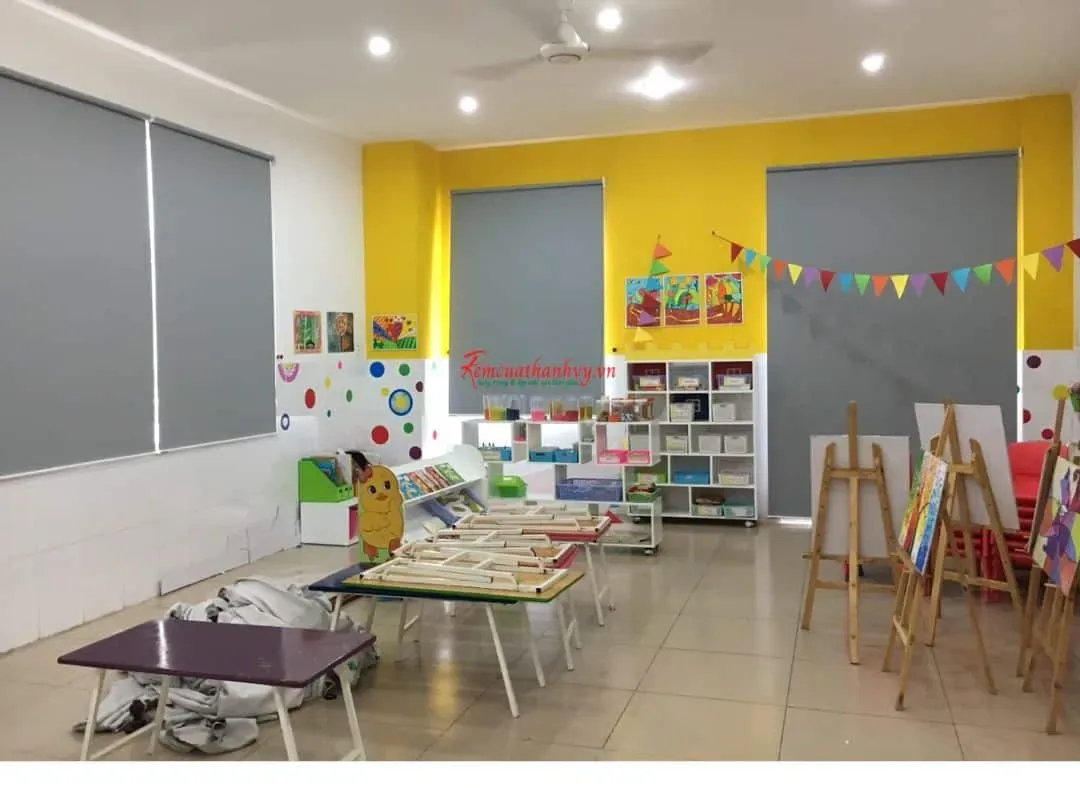
Is the lighting goal for each room clear: How dark does the bedroom need to be for you to sleep well, how much natural light should the living room retain, and does the kitchen need sun protection or mainly privacy. Answer separately for each room; do not group them together, because the needs of rooms in the same house often differ considerably.
Which windows face the water: This list determines which areas should prioritize solutions that preserve the view while reducing glare to the appropriate degree, which areas need additional wind-resistant mechanisms, and which areas should avoid reflective fabric surfaces. You can also refer to the concept of curtains in architecture.
Which rooms belong to the humid group: Ground floors, rooms where windows are rarely opened, areas near the kitchen, and laundry-drying areas should be classified as spaces that need materials that release moisture quickly, surfaces that can be wiped clean on site, and exposed curtain bottoms. Identifying this group from the beginning helps you avoid most mold-related problems later.
What level of privacy is needed at night: Imagine turning on the lights in the room at night and consider what someone outside would be able to see. For houses facing the street or homes with windows opposite a shared walkway, this is a more important criterion than even sun-blocking ability.
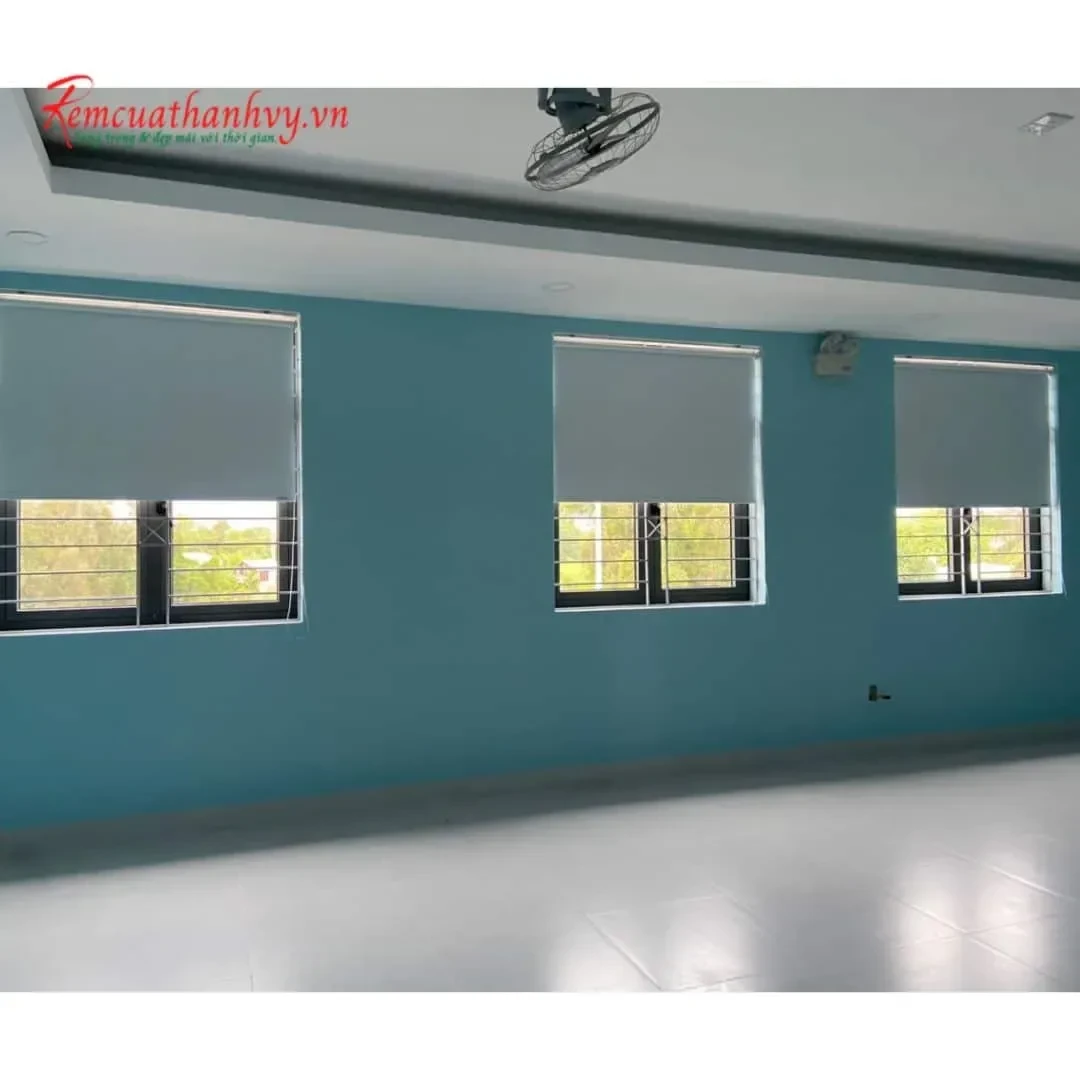
Maintenance requirements that suit your lifestyle: Are you willing to remove and wash the curtains periodically, or do you want a type that only needs its surface wiped. Your honest answer here is more important than anyone else’s advice, because curtains can maintain their beauty only when the care routine matches your family’s actual habits.
Have the accessories and warranty been clearly stated: Does the quote specifically state the type of curtain rod, track, rollers, and the number of bracket fastening points; is installation charged separately or already included; does the warranty apply to the fabric, the accessories, or both; and when a problem occurs, whom should you contact and what is the response time. A clear quote in this regard often reflects a professional provider in other areas as well.
Wards where Rèm Cửa Thanh Vy provides measuring and installation services
After the administrative units were reorganized, the old and new ward names do not match, so the former names are included below for convenient reference when scheduling a measurement.
District 6
- Bình Phú Ward — merged from Wards 10 and 11 before the merger.
- Bình Tiên Ward — merged from Wards 1, 7, and 8 before the merger.
- Bình Tây Ward — merged from Wards 2 and 9 before the merger.
- Phú Lâm Ward — merged from Wards 12, 13, and 14 before the merger.
District 7
- Phú Thuận Ward — retained its name after the merger.
- Tân Hưng Ward — merged from Tân Kiểng, Tân Phong, and Tân Quy Wards before the merger.
- Tân Mỹ Ward — merged from Phú Mỹ and Tân Phú Wards before the merger.
- Tân Thuận Ward — merged from Bình Thuận, Tân Thuận Tây, and Tân Thuận Đông Wards before the merger.
District 8
- Bình Đông Ward — merged from Wards 6 and 7 before the merger.
- Chánh Hưng Ward — merged from Wards 4, 5, Hưng Phú, and Rạch Ông before the merger.
- Phú Định Ward — merged from Wards 14, 15, 16, and Xóm Củi before the merger.
District 10
- Diên Hồng Ward — merged from Wards 14, 6, and 8 before the merger.
- Hòa Hưng Ward — merged from Wards 12, 13, and 15 before the merger.
- Vườn Lài Ward — merged from Wards 1, 10, 2, 4, and 9 before the merger.
Thanh Vy Curtain’s capabilities and service coverage in Nhà Bè
Thanh Vy Curtain grew from a family curtain-sewing workshop with more than fifteen years of experience before officially establishing a legal entity in 2025. That foundation determines how we work: sewing remains under our direct control rather than being outsourced through intermediaries, so every specific request regarding dimensions, pleat style, or curtain hem treatment can be discussed directly with the person who actually handles the scissors. For customers in Nhà Bè, we provide measuring and installation services throughout the two communes after the merger, including residential areas deep along small roads beside rivers and canals. Information about the company also appears in the properties of linen fabric.
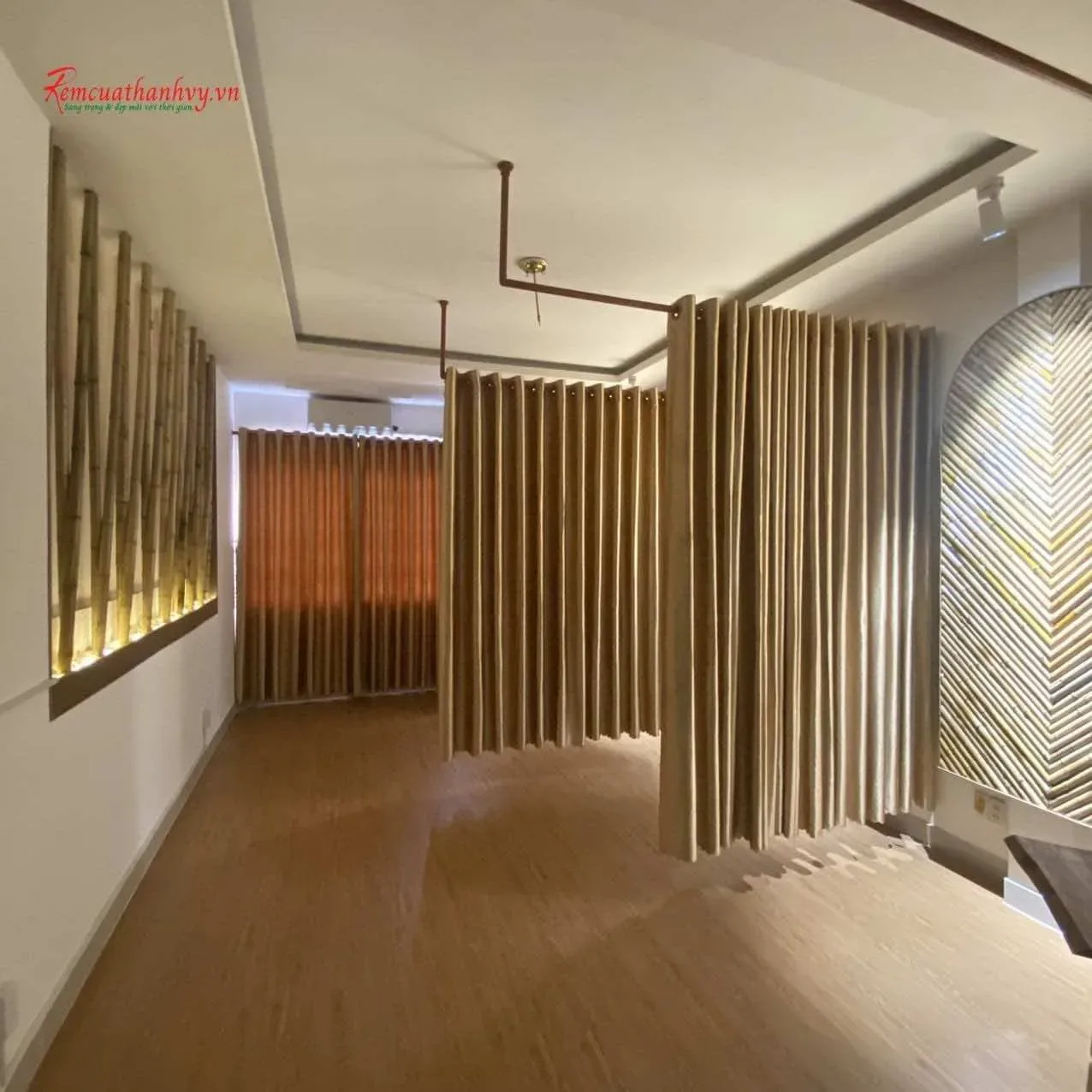
On-site survey and consultation: A technician comes to the address with color charts and real fabric samples for comparison under the lighting of the actual room. In addition to taking measurements, the survey records the direction of sunlight, airflow, wall condition, and obstacles around the window opening — data that directly determines the technical solution. This step is free and does not require placing an order.
Custom sewing at the workshop: Once the solution is finalized, the order is cut and sewn according to the actual measurements of each window opening, without using standardized sizes. The process includes checking fabric quality before cutting, treating the edges to prevent thread shrinkage, pressing pleats into shape, and rechecking the finished dimensions before packaging.
Installation and handover: The installers bring specialized tools, position the mounting brackets using leveling equipment, clean up drilling dust, and hand over the installation only after pulling the curtains back and forth several times to ensure the mechanism operates smoothly. For windows facing the river, we also carefully check the load-bearing capacity of the mounting points and advise on use during strong winds.
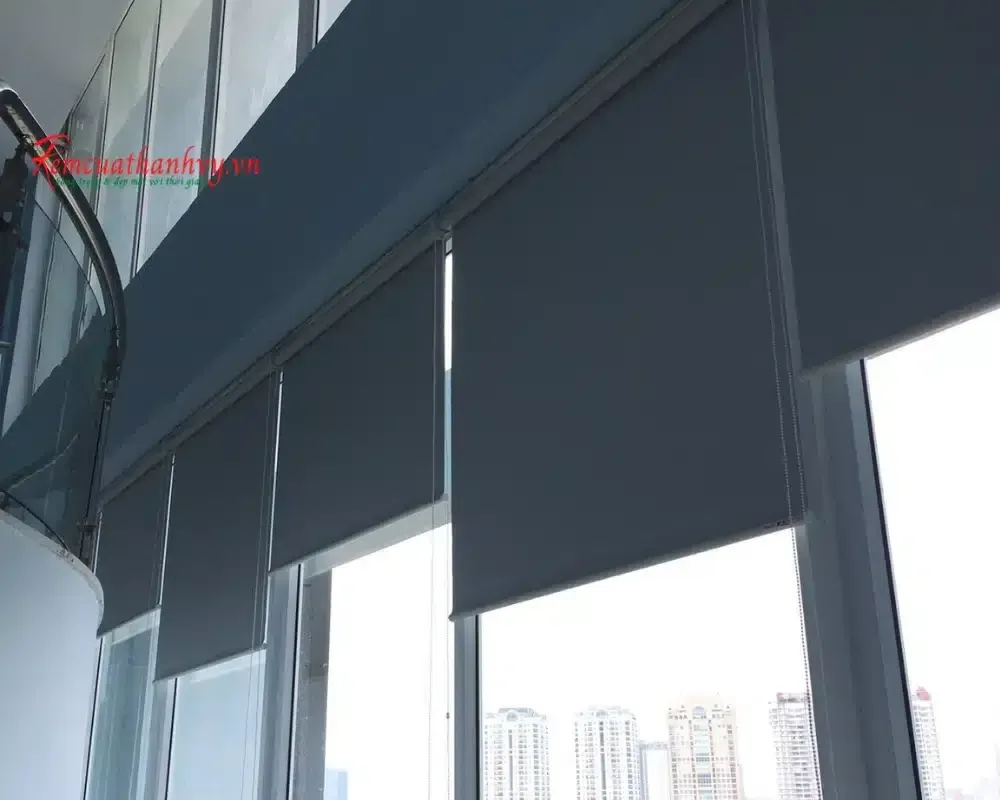
Post-installation support: During use, if the curtain travel needs adjustment, worn accessories need replacement, or customers need advice on cleaning specific types of fabric, they can contact us directly and we will schedule the service. The specific scope and duration of this support are clearly stated in the warranty policy and discussed transparently from the time of quotation.
What types of spaces does Thanh Vy serve in Nhà Bè?
The building stock in Nhà Bè is quite diverse because the area has retained layers of long-established housing while also receiving new construction spreading southward from the southern Saigon urban area. Each type of space presents its own requirements, and we approach each one with a different group of solutions rather than applying one general catalog. Interested readers can learn more about the properties of natural wood.
Townhouses and long-established homes along rivers and canals: This group commonly has low ceilings, narrow window frames, and walls that have been exposed to moisture for many years. Our advice focuses on hanging the curtains as high as possible to improve the room’s proportions, choosing quick-drying fabrics, leaving the curtain hems clear of the floor, and selecting moisture-resistant hardware. For homes facing directly toward the water, the wind-load structure is calculated more carefully than usual.
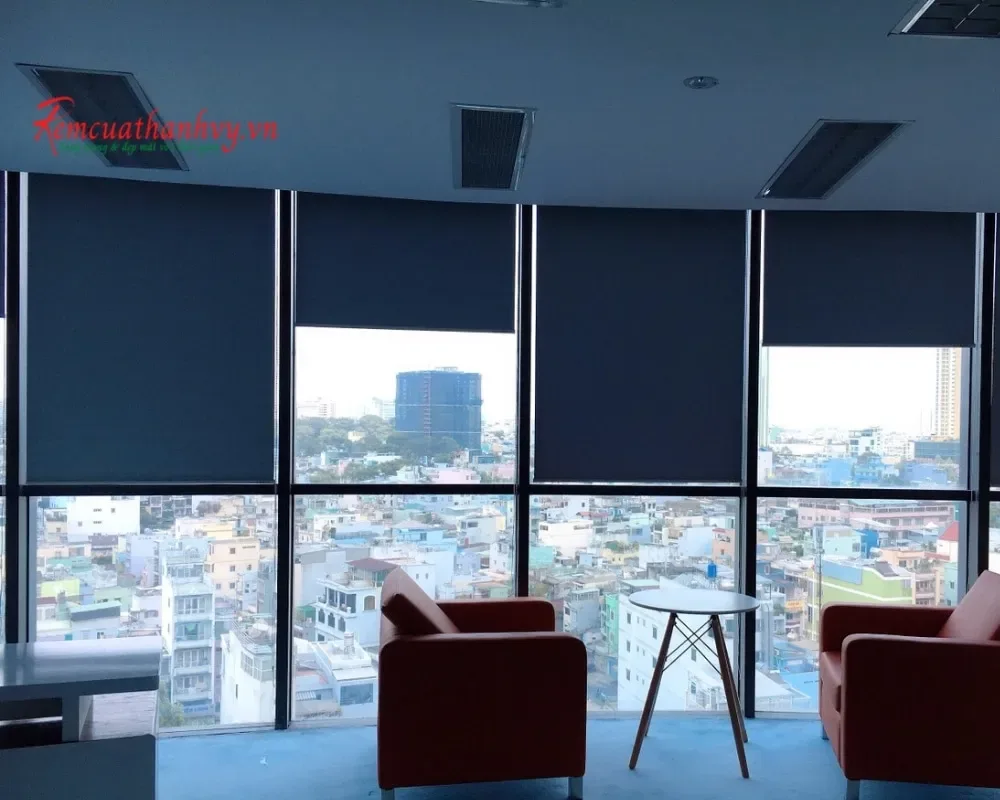
Newly built townhouses and villas: High ceilings, large glass walls, and wide prepared wall areas allow full use of double-layer solutions or honeycomb blinds for insulation. This group also has the largest number of wide windows, where motorized solutions and recessed ceiling tracks offer the clearest benefits.
Condominium apartments: The top priorities are compactness and ease of maintenance. Zebra blinds, roller blinds, and medium-width double-layer fabric curtains are the most frequently chosen trio. For apartments with balconies facing the river, we usually recommend a separate solution for the balcony door compared with the remaining windows, because the wind and lighting conditions at these two locations differ considerably.
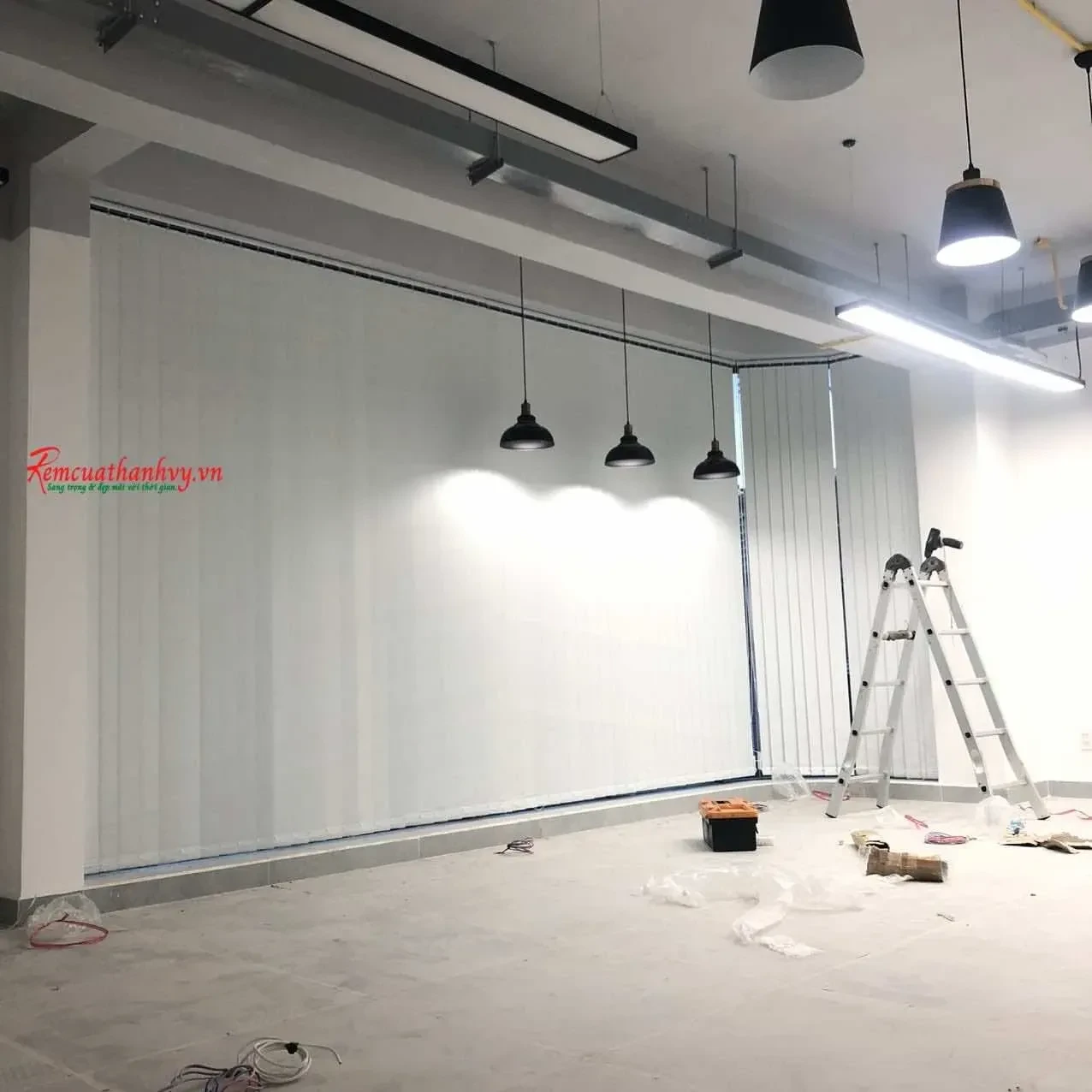
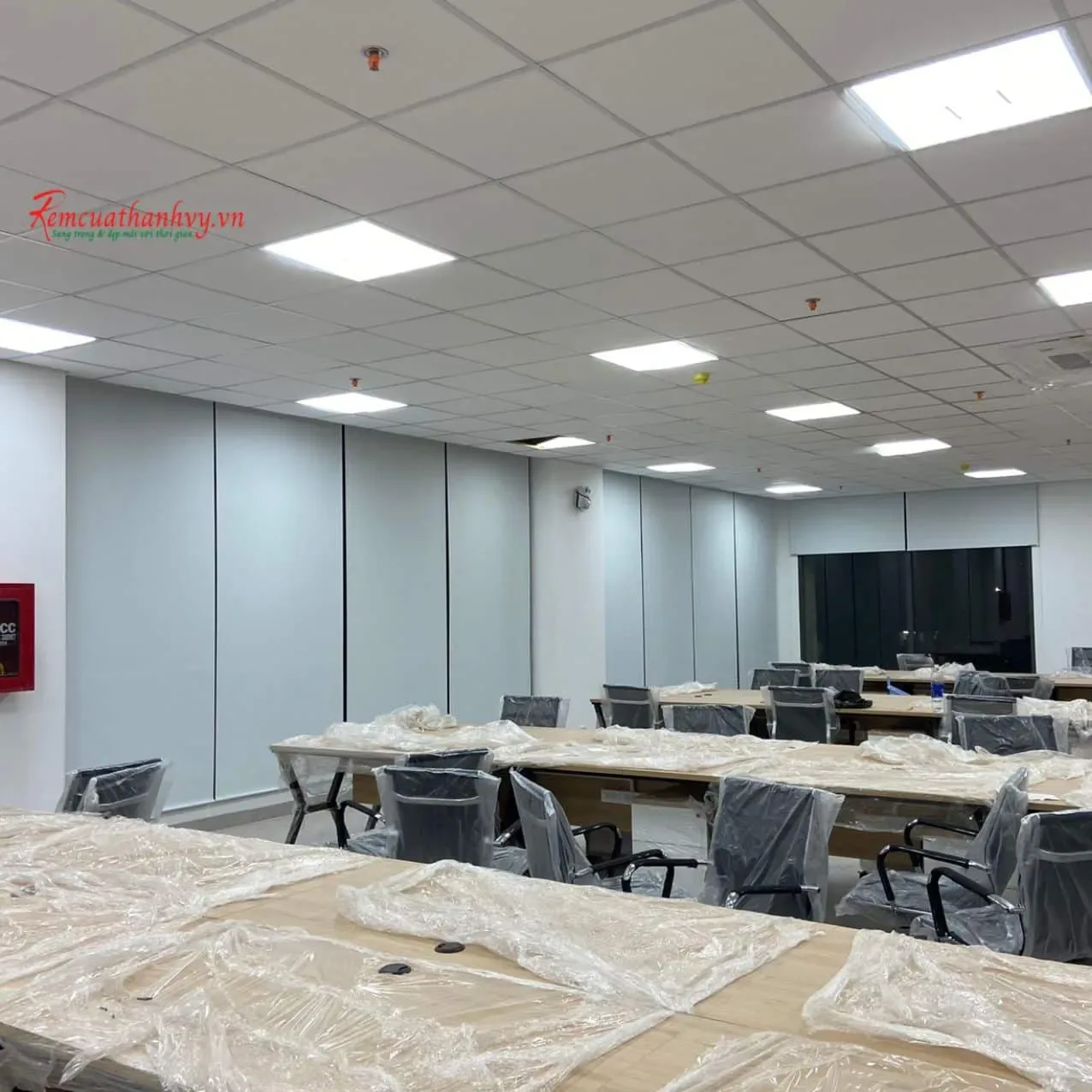
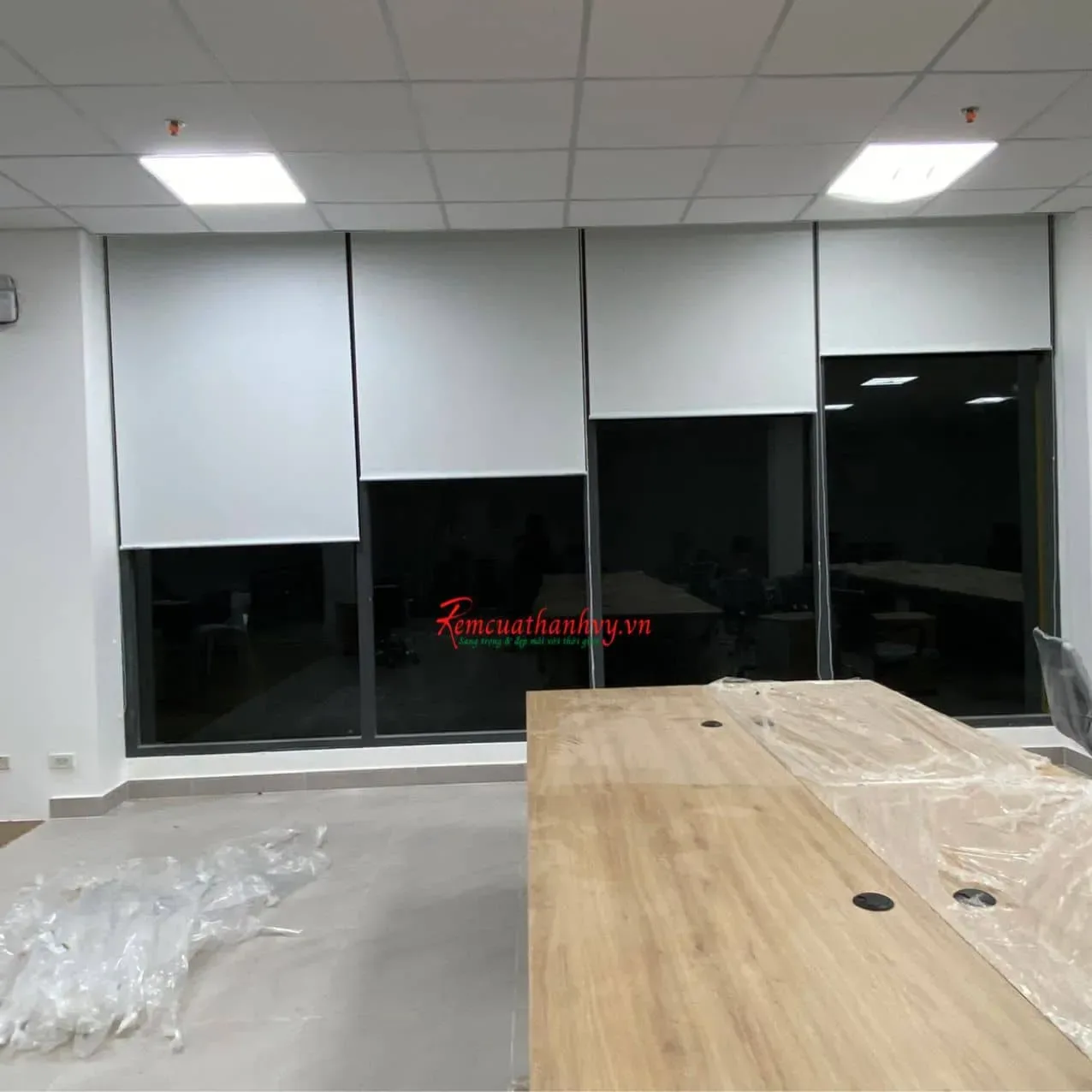
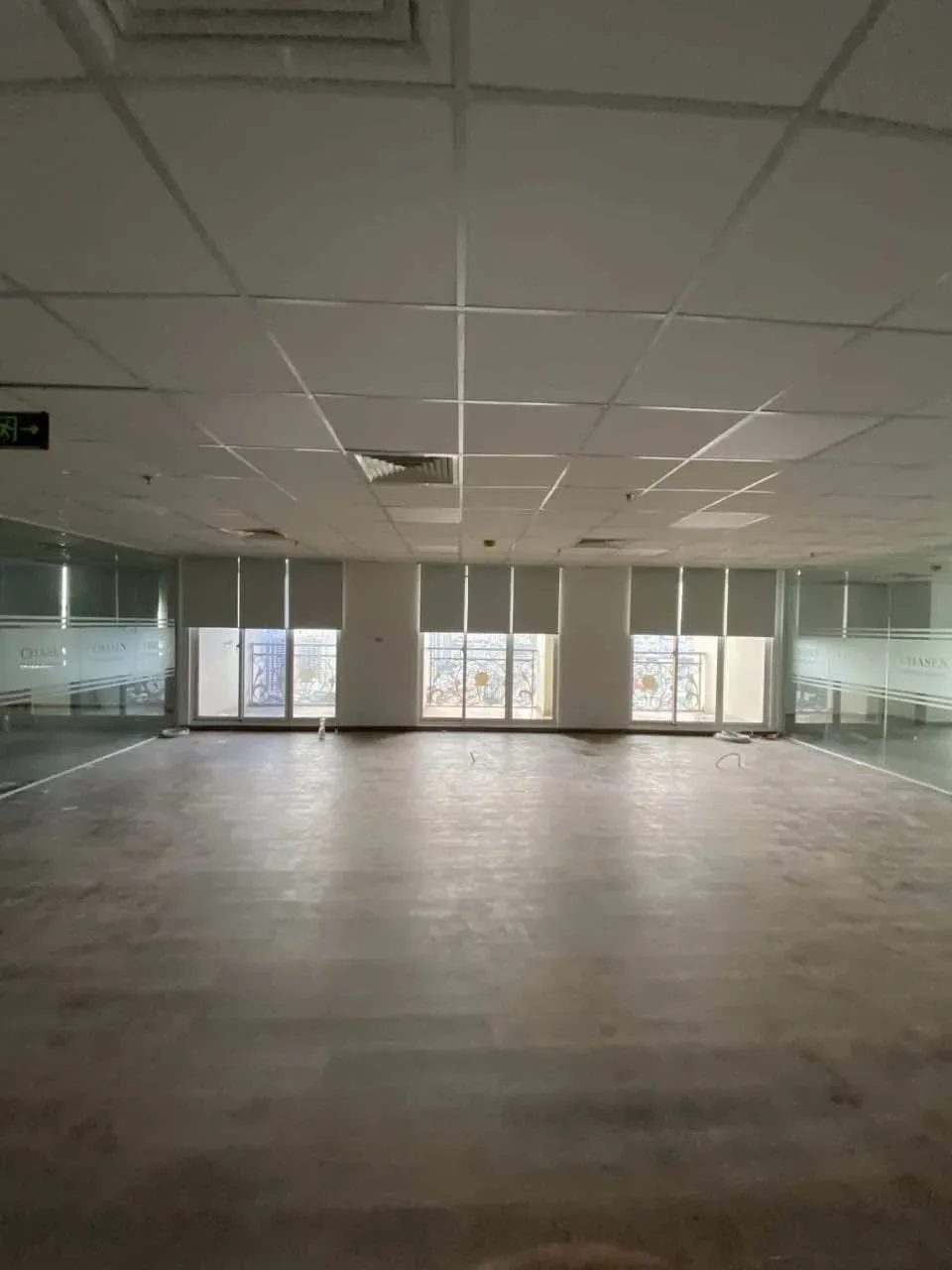
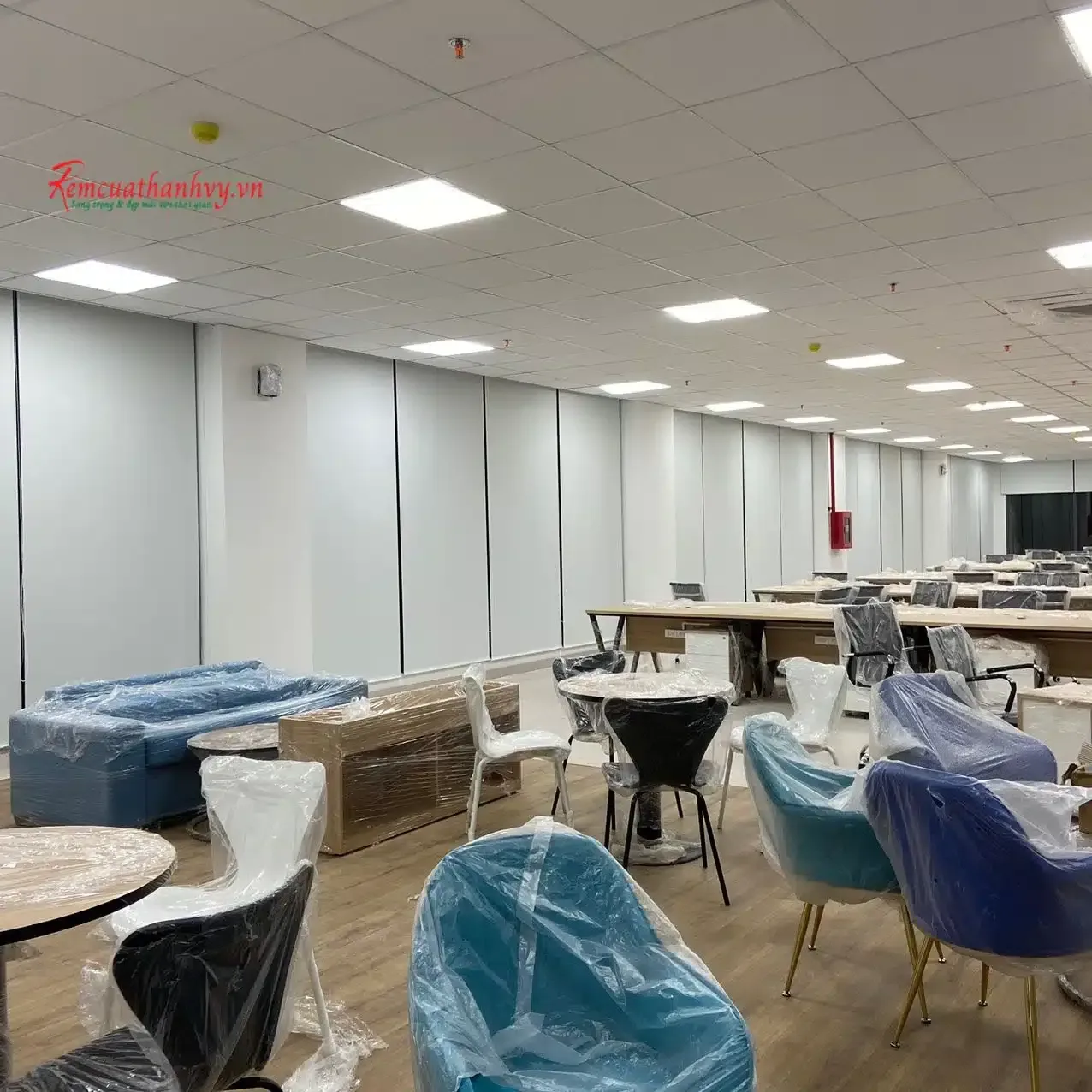
Offices and workplaces: The main requirements are consistent light control across a wide area and durable operation under frequent use. Solar screen roller blinds, aluminum blinds, and vertical blinds meet the needs of this group well, while also allowing for easy local replacement when one position is damaged without having to redo everything.
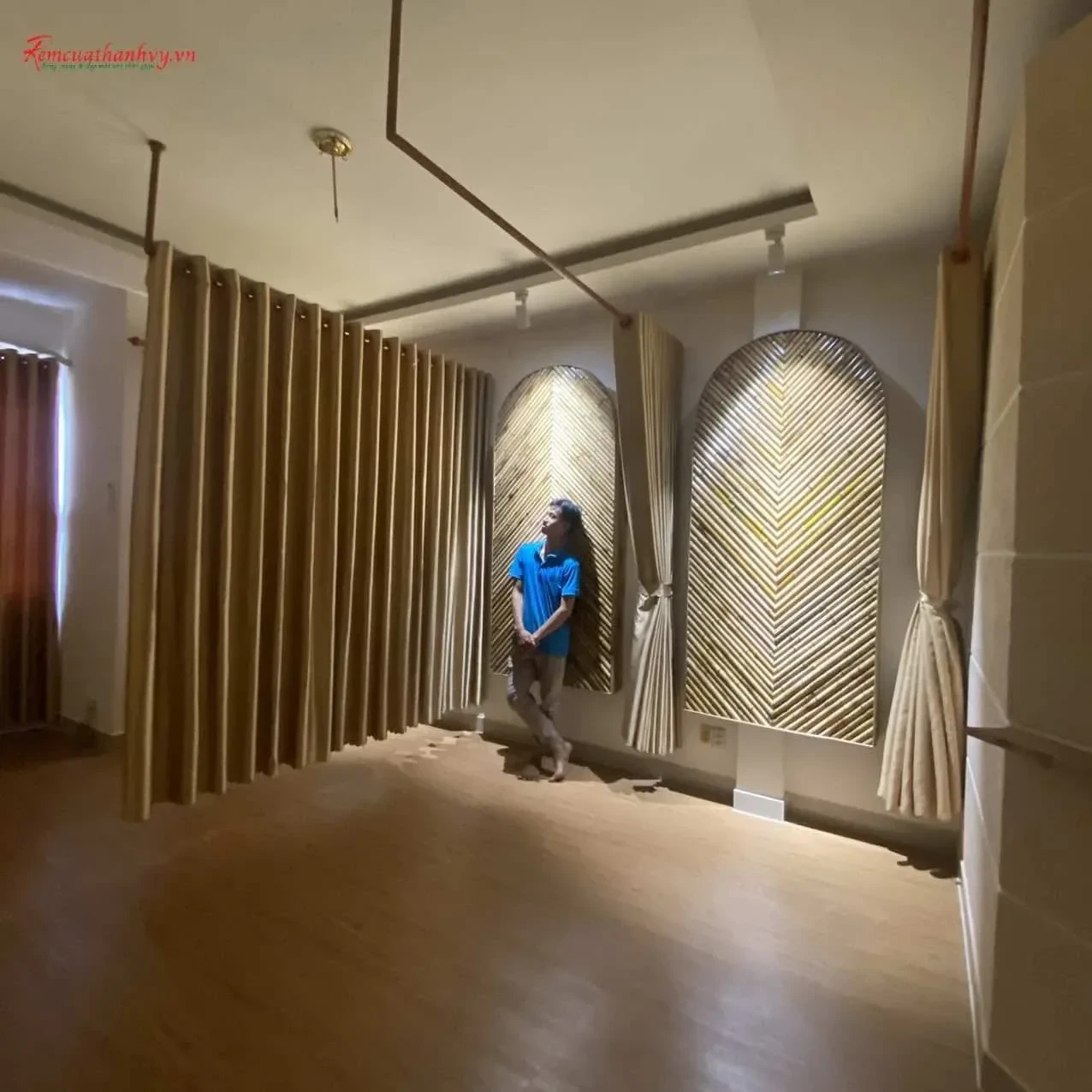
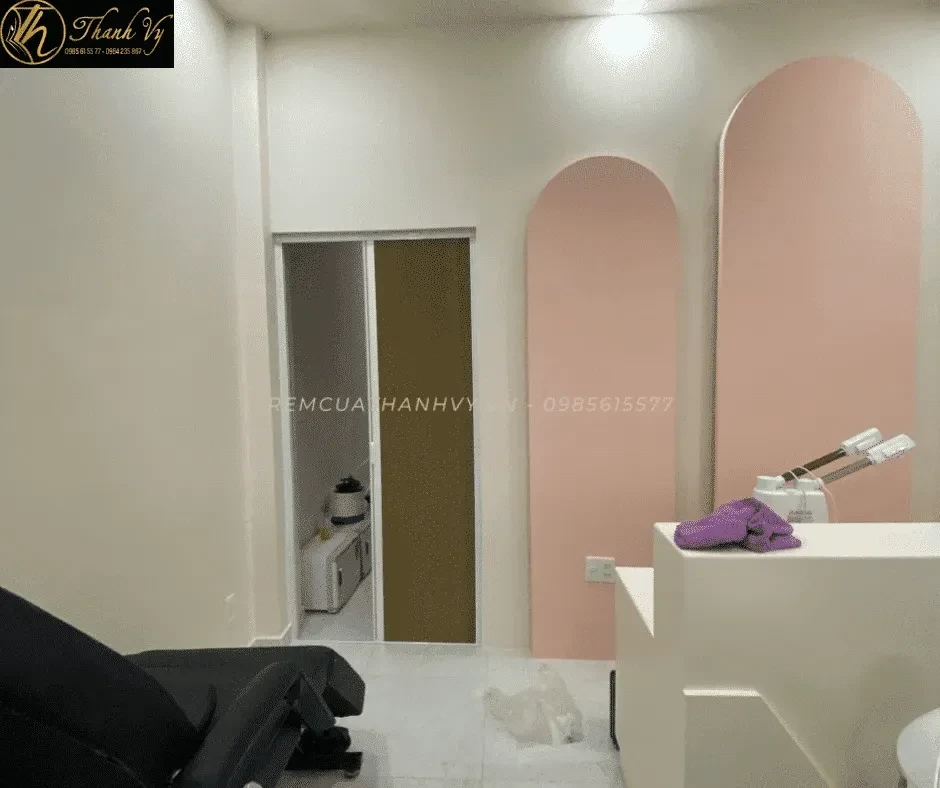
Shops, spas, and service spaces: Here, curtains both provide coverage and contribute to the brand experience, so color and material selection is considered together with the space’s artificial lighting. In addition, soft fabric partitions are a flexible solution for dividing functional areas without permanent construction. You can also compare this with the properties of aluminum.
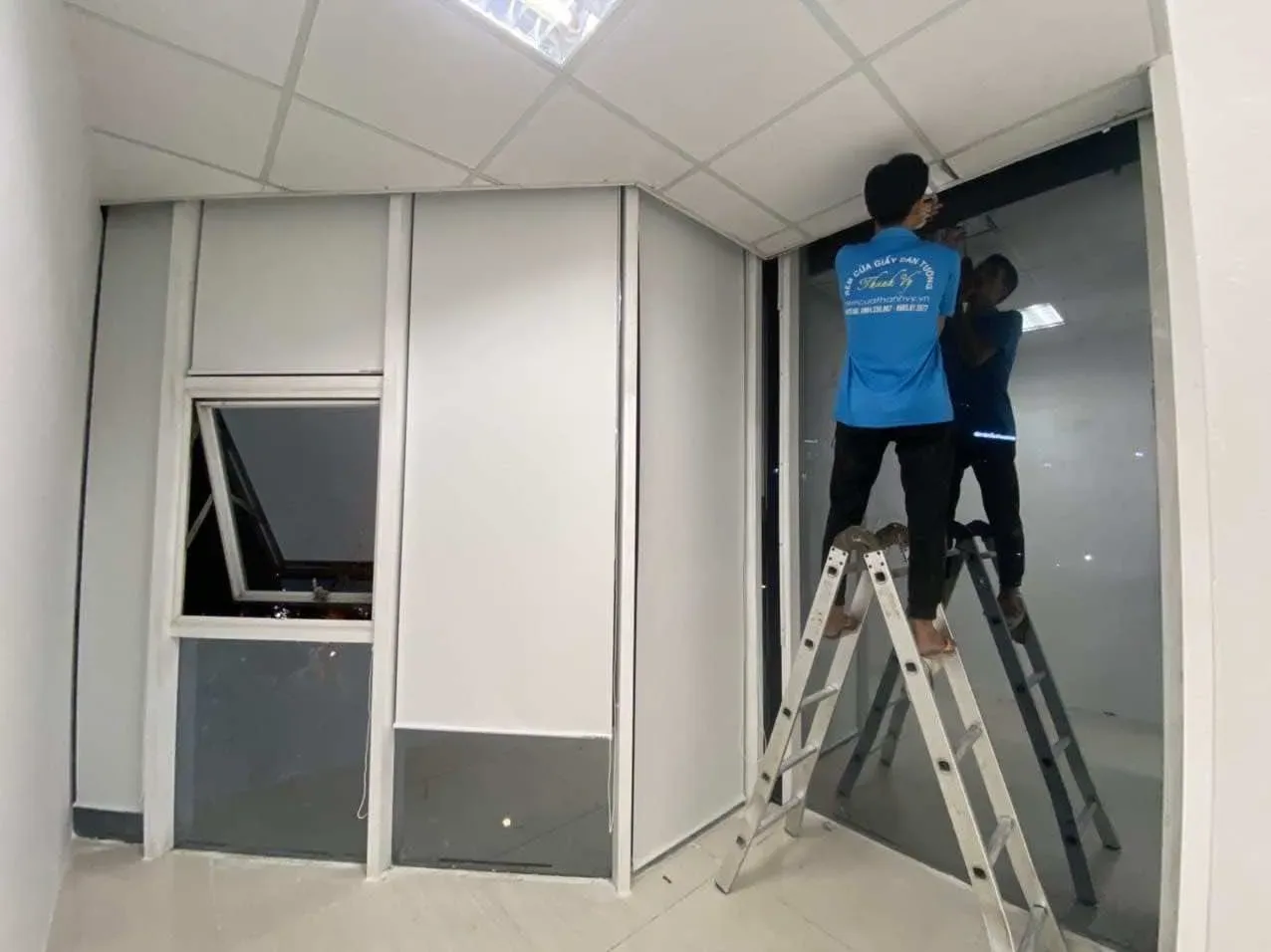
In-home survey process
The survey determines the accuracy of every subsequent step, so we keep this process fixed and clear, allowing customers to know in advance how each step will proceed.
Recording initial requirements: When you contact us, a consultant asks for some basic information: the address using the new commune name, the number of rooms and windows requiring installation, the problems currently encountered, the window orientation if you know it, and the expected budget range. Based on this, we prepare a suitable selection of fabric and hardware samples to bring along instead of bringing the entire sample book, which would make the viewing session confusing.
Scheduling by area: Nhà Bè Commune is spread out after the merger and has many small roads, while Hiệp Phước Commune has considerable travel distances between residential areas. We reconfirm the address using the new naming system before setting out to avoid confusion with the former administrative unit names, and arrange the schedule at a time convenient for the homeowner.
Measuring and assessing the existing conditions: On site, the technician takes measurements at multiple points on each window frame rather than just one, checks whether the frame is square, tests the wall material at the intended drilling locations, and identifies obstacles. For windows facing the water, wind and reflected-light conditions are assessed separately and recorded for inclusion in the technical solution.
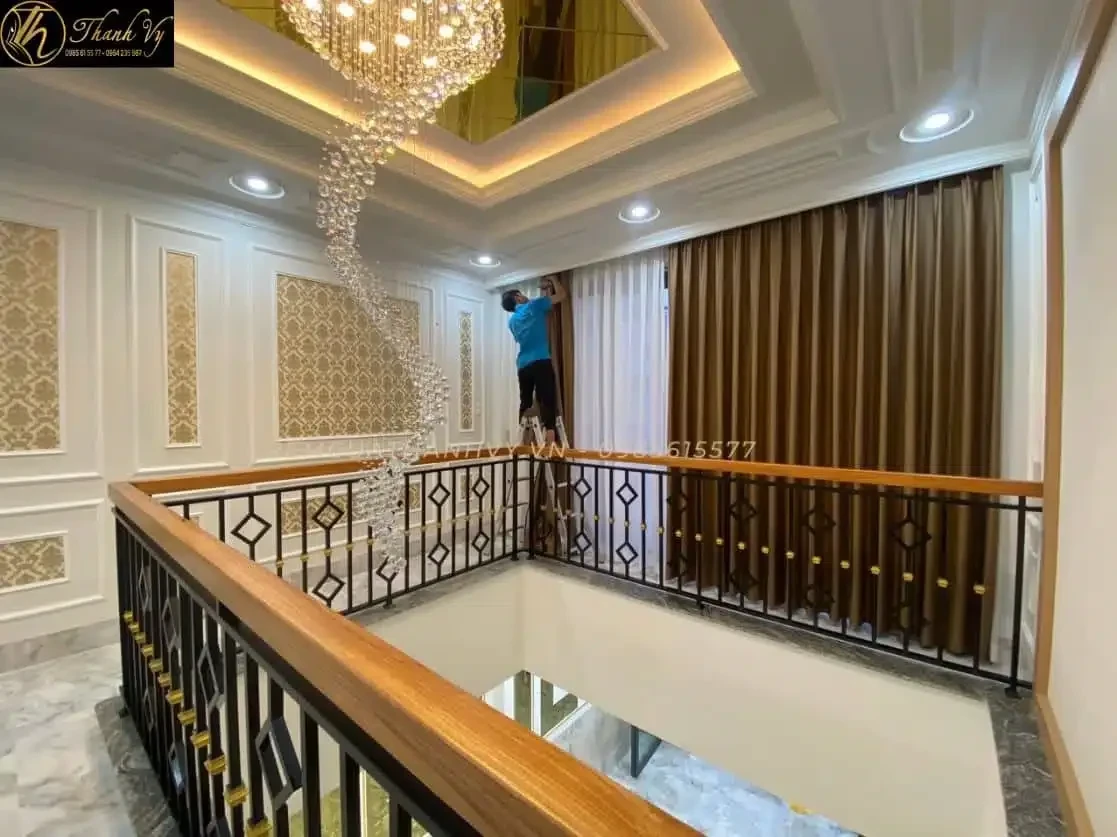
Comparing samples and finalizing the solution: Fabric samples are placed directly on the wall at the installation location and viewed under natural light and room lighting. The technician clearly explains the advantages and disadvantages of each option in the specific context of your home, including its limitations, so you can decide based on complete information rather than one-sided sales claims. Information about the unit also appears in the role of the window.
Detailed quotation: After the survey, the quotation is prepared for each window, clearly separating the fabric, hardware, and installation labor, together with the estimated completion time. We do not provide an ambiguous lump-sum total, because you need to know which items you are paying for and which items can be adjusted if you want to optimize the budget.
Custom made-to-measure process
Ready-made curtains work for standard window frames, but they are rarely suitable for real homes, where each window has its own dimensions, ceiling height, and interior context. This is even more true for older homes in Nhà Bè, where nonstandard window-frame proportions are quite common. Therefore, all our orders are made according to the actual measurements taken at the property.
Confirming specifications before cutting: A production drawing is prepared for each window, specifying the finished dimensions, fullness ratio, heading style, hem treatment, and accompanying hardware. Before the fabric is cut, these specifications are cross-checked against the survey data once again, because any error at this stage cannot be corrected after the fabric has been cut.
Inspecting and cutting the fabric: The fabric is spread on a specialized flat surface, checked for color consistency among rolls with the same code, and inspected for weaving defects before cutting. For orders involving multiple windows in the same room, we prioritize using fabric from the same batch to avoid visible shade differences when the curtain sets hang next to one another.
Sewing and finishing the edges: The edges are treated to prevent threads from pulling out, the curtain heading is sewn according to the agreed style, and the hem is finished according to the approved solution — including calculating the clearance from the floor for rooms in the moisture-prone group. If the solution includes a weighted hem to stabilize the curtain in windy locations, this is completed during sewing rather than added afterward. Interested readers can read the Báo An Giang article about Thanh Vy premium fabric curtains.
Wave pressing and finished-product inspection: The curtains are pressed into shape so the waves are even and retain their form through multiple washes, then the finished dimensions are measured again and the curtains are hung for a drape check before being ironed flat and packaged. Only sets that meet the requirements at this final inspection stage are sent for installation.
Installation and fitting process
Even a properly sewn set of curtains can ruin the experience if installed incorrectly. That is why the installation is carried out according to a fixed sequence, with checks at every stopping point.
Preparation before entering the home: The installers recheck all products and accessories against the order list and bring all necessary tools, ladders, and protective equipment. At the site, the installation area is covered to prevent drilling dust from settling on the furnishings, especially when installing in a finished room that already contains furniture.
Positioning and fastening the brackets: The positions of the hanging brackets are marked using leveling equipment to ensure the rod is perfectly horizontal — even a slight deviation at this stage will become visible as unevenly hanging curtains once the fabric is hung. Expansion screws are selected according to the actual wall material at each drilling point, and for windows exposed to wind, the number of fastening points is increased according to the approved technical plan.
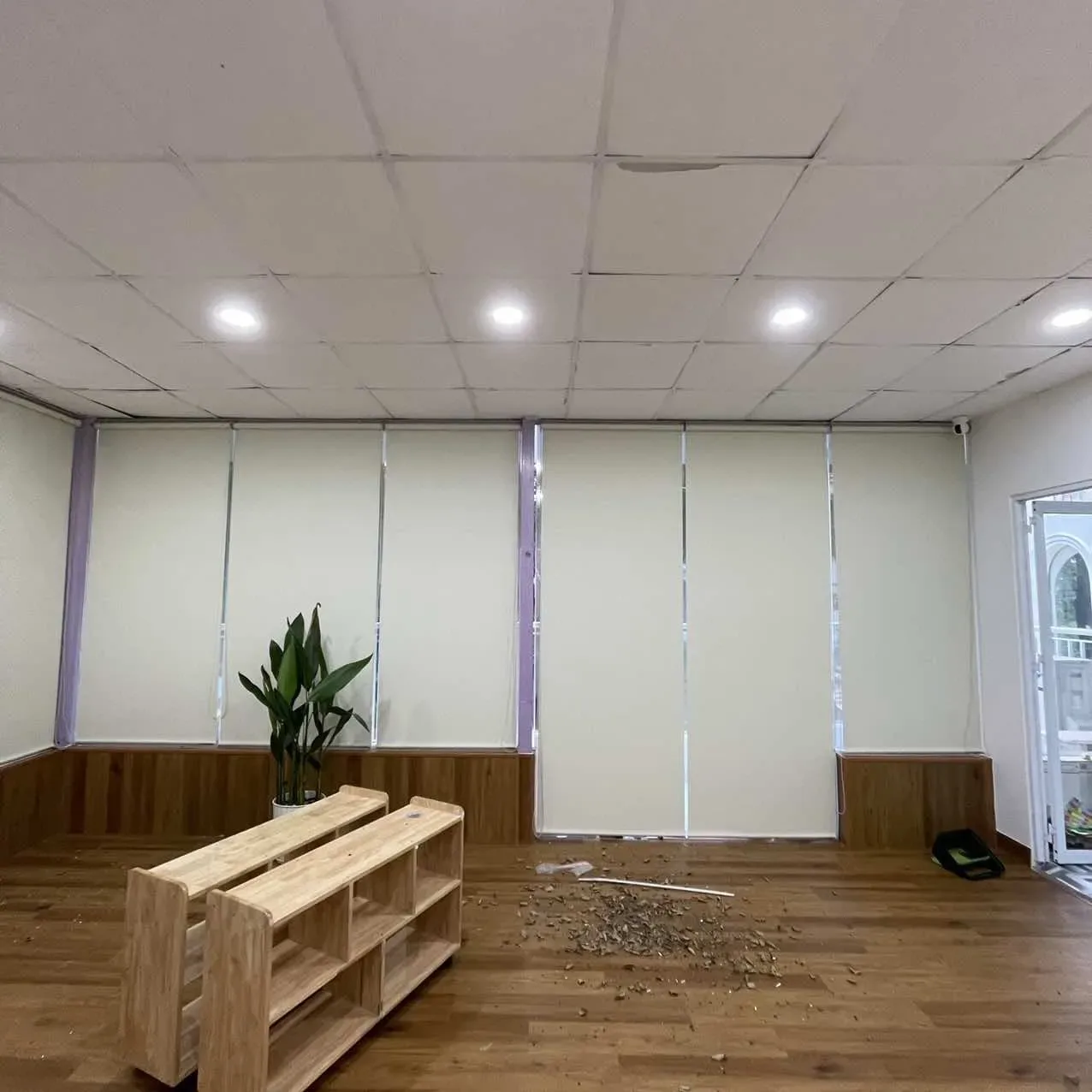
Hanging the fabric and adjusting: Each layer of fabric is hooked onto the track in sequence, then adjusted so the waves fall evenly and the curtain hem maintains the designed distance from the floor. For multi-panel curtains, the meeting point between the two panels is adjusted closely to prevent light gaps. You can also refer to the introduction to auditorium curtains in Báo Cần Thơ.
Testing and inspection: The installers open and close the curtains several times to check the smoothness of the rollers, the firmness of the connections, the motor’s stopping travel if applicable, and the return tension of the spring mechanism. For curtains on river-facing balconies, the bottom positioning mechanism is also tested in windy conditions if the installation time permits.
Cleaning up and usage instructions: Drilling dust, packaging scraps, and loose threads are thoroughly collected before the installers leave. Before handover, the installers explain how to operate the curtains correctly, how to clean each type of installed fabric appropriately, and specifically remind customers of precautions for the area’s humidity and river winds. The handover is completed only after the homeowner has inspected, tested, and approved the result.
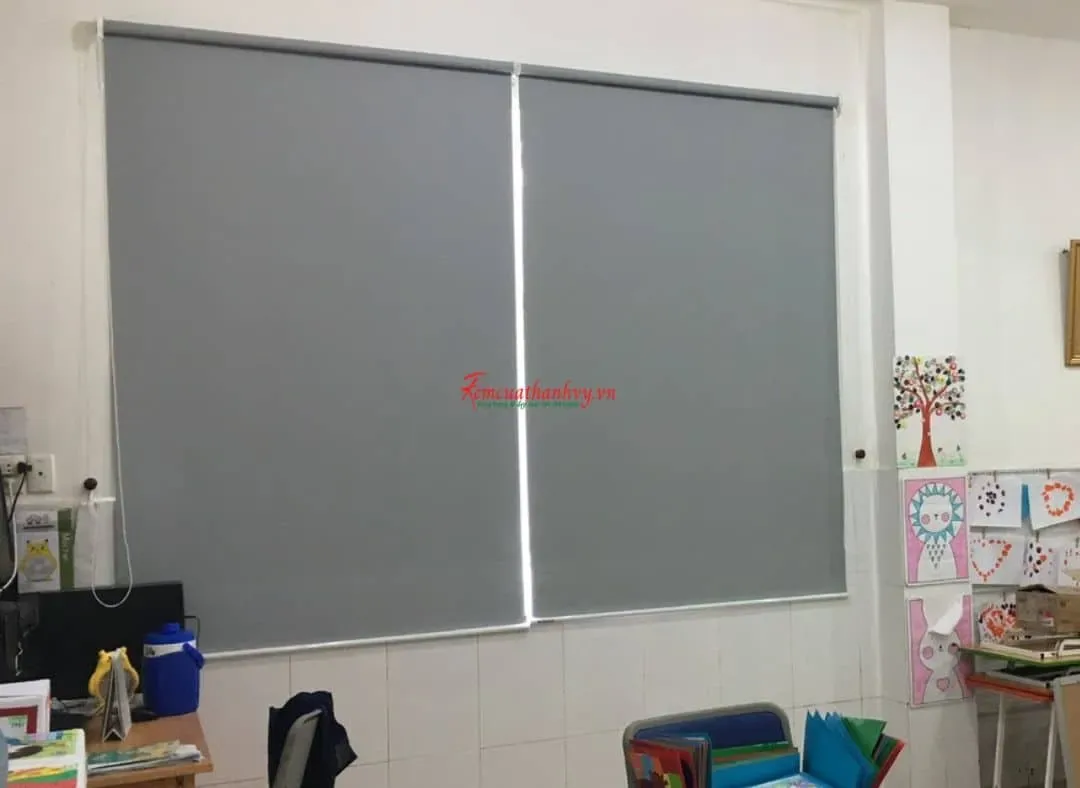
Wards where Thanh Vy Curtains provides measuring and installation
After the administrative units were reorganized, the old and new ward names no longer match, so the section below includes the former names for convenient reference when scheduling a measurement visit.
District 11
- Bình Thới Ward — merged from Wards 10, 3, and 8 before the merger.
- Hòa Bình Ward — merged from Wards 14 and 5 before the merger.
- Minh Phụng Ward — merged from Wards 1, 16, and 7 before the merger.
- Phú Thọ Ward — merged from Wards 11 and 15 before the merger.
District 12
- An Phú Đông Ward — merged from Thạnh Lộc Ward before the merger.
Warranty policy
A warranty is only valuable when it is clear from the quotation stage, not after a problem has occurred. That is why we present this section together with the price list so customers know in advance.
Scope of application: The policy covers both the product and installation, applying to defects related to materials or installation workmanship, such as seams coming undone, tracks jamming due to defective accessories, loose hanging brackets caused by installation, or operating mechanisms not functioning as handed over. The specific term for each product line is stated in the contract, not given verbally.
On-site support: When a problem occurs within the warranty period, a technician comes to the customer’s home to inspect and handle it instead of asking the customer to remove the curtains and bring them in. For cases that must be taken back to the workshop, we remove and reinstall them and notify the customer in advance of the return time. Information about the company also appears in the Thanh Vy premium curtains section on Báo Hà Tĩnh.
Maintenance and long-term usage advice: In addition to repairing defects, we support readjusting the curtain travel, balancing cord tension, and advising on periodic cleaning methods for each type of fabric. For customers in highly humid areas, this advice also includes a suggested cleaning schedule and early warning signs to watch for so mold can be addressed as soon as it begins to appear.
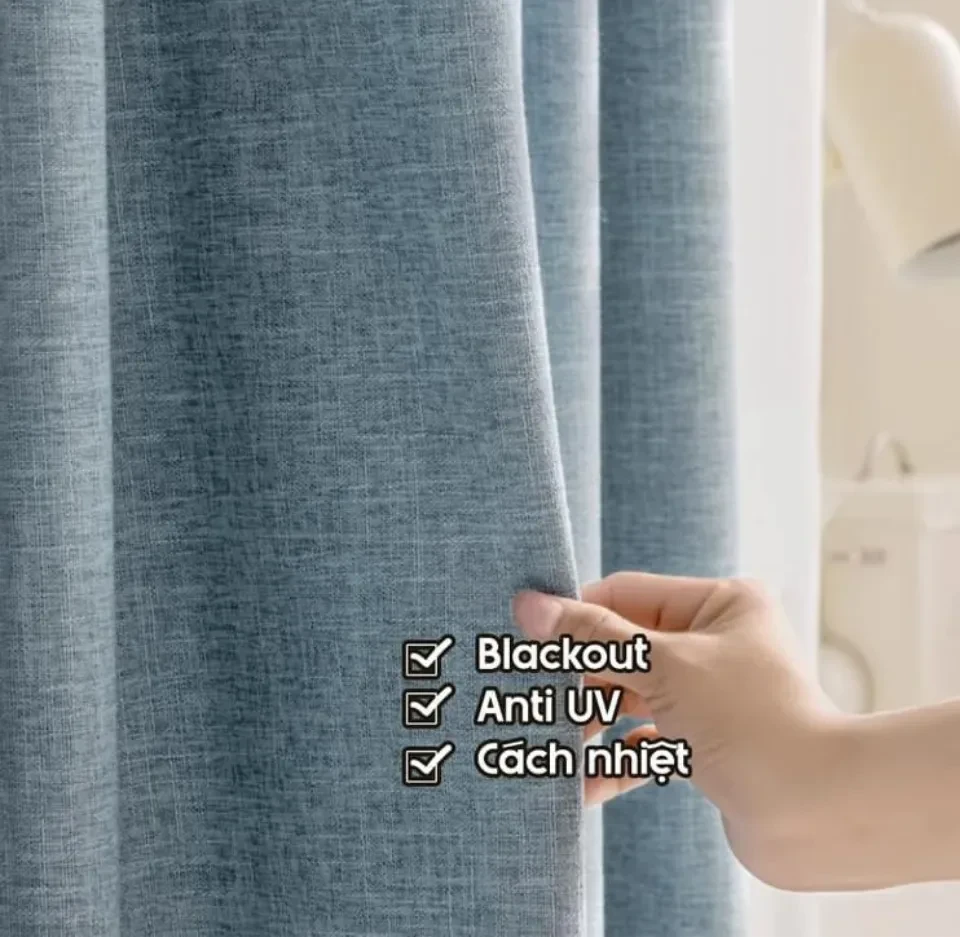
Outside the warranty scope: Damage caused by external force, unauthorized reinstallation, or improper use is not covered by the warranty, but we still provide repair support at a cost quoted and agreed upon in advance. We clarify this boundary from the beginning to avoid misunderstandings later — transparency about limitations is just as important as transparency about commitments.
Why choose Thanh Vy Curtains for your needs in Nhà Bè
In the curtain market, the difference between providers rarely lies in the fabric codes, since most source from similar suppliers. The real difference lies in who correctly assesses the home’s actual conditions and who controls the sewing and installation stages. Those are the two areas we focus on.
Direct sewing workshop: With more than fifteen years of workshop experience, from the family business stage through establishing the company in 2025, every special request goes directly to the person doing the sewing, without intermediaries. When an unusual curtain hem treatment is needed because of a humid room, or a different fullness ratio is required because of a narrow window frame, it is carried out rather than rejected for falling outside pre-set ordering specifications.
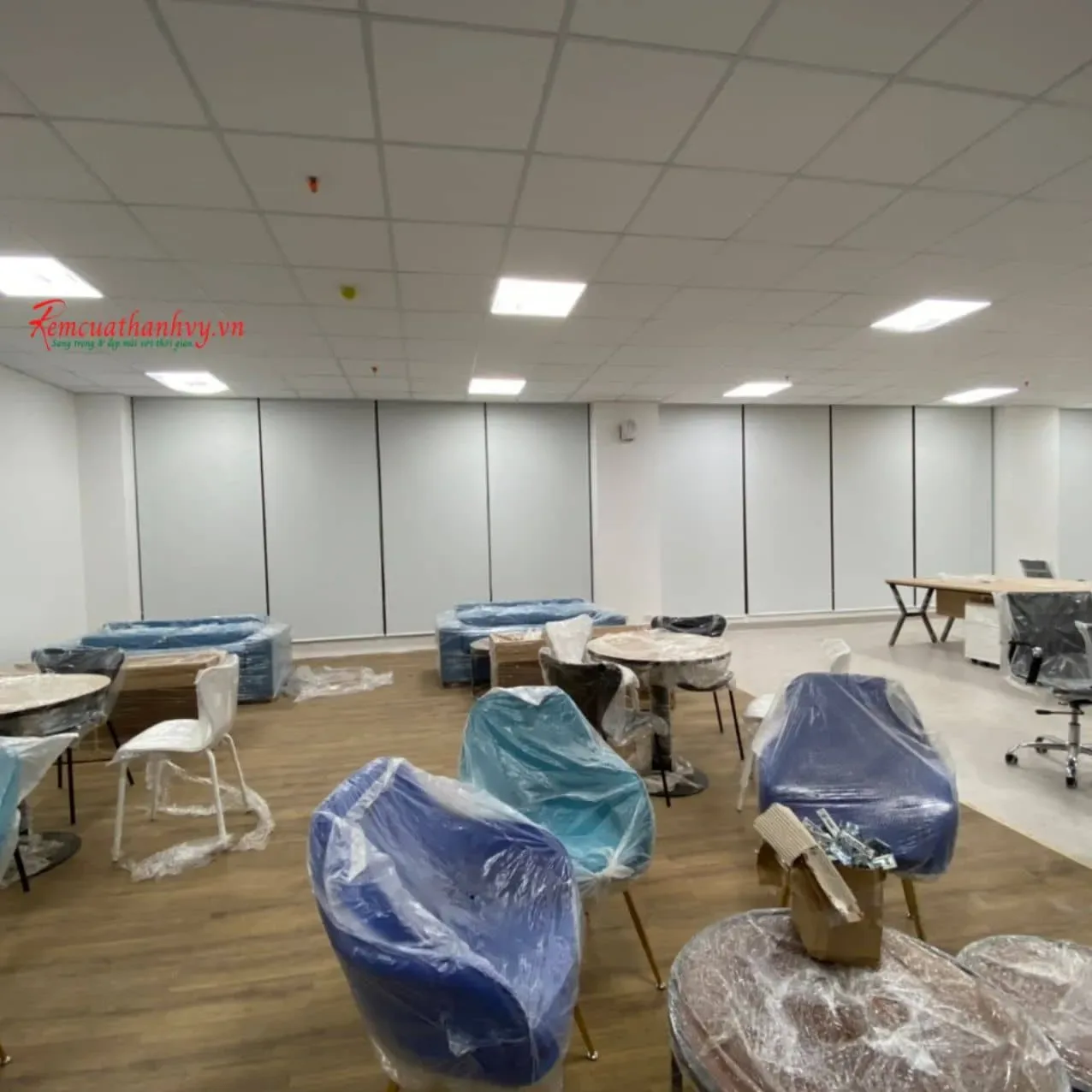
Advice based on the area’s actual conditions: We do not give the same advice for every location. In Nhà Bè, high humidity, evening river winds, and light reflected from the water are directly factored into decisions about materials, sewing styles, and accessories, rather than being mentioned only as an afterthought.
Itemized quotations: Fabric, accessories, and installation labor are listed separately, helping you see clearly where the money goes and adjust things proactively when you need to balance the budget. No additional costs appear after the survey if the scope of work does not change.
Clearly stating limitations as well: Every curtain line has disadvantages, and depending on each home’s specific conditions, those disadvantages may become a major issue or may be insignificant. We present both sides so you can choose based on understanding, because a customer who clearly understands what they are buying is much more satisfied over the long term than one who has only heard the advantages.
Support after handover: A curtain set remains with the home for many years, so post-installation support should last accordingly. From readjusting the mechanism and replacing worn accessories to advising on what to do when the fabric begins to show signs of dampness, customers in Nhà Bè can contact us directly and we will schedule the service.
How to understand Nhà Bè curtain quotations
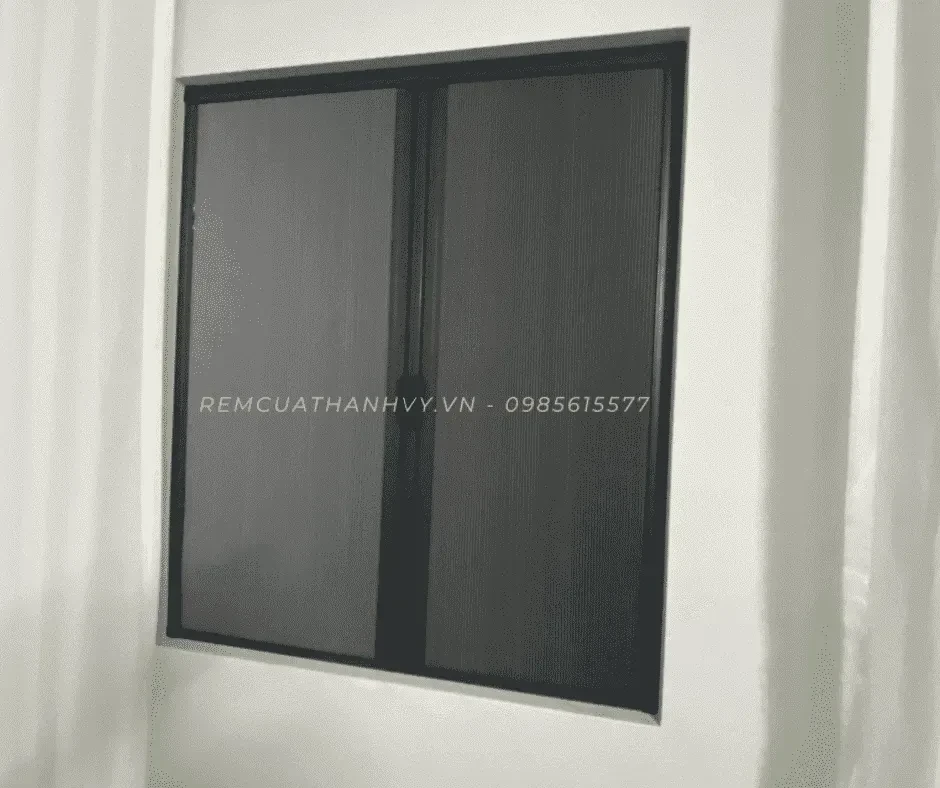
The price list below is synchronized with the currently listed prices of each product, converted to square meters, and excludes accessories and installation labor. Use it to understand the starting price of each curtain line and compare the relative prices among groups, rather than as a substitute for the final quotation: the exact figure is only available after an on-site measurement, as it also depends on the size of each window, fullness ratio, type of accessories, and number of bracket mounting points — accessories for river-facing windows in Nhà Bè are typically slightly higher than usual due to wind-resistance requirements. Leave your information in the form below, and Thanh Vy will call you back and provide the final figure based on your home’s actual conditions.
Featured curtain models
Fabric curtains

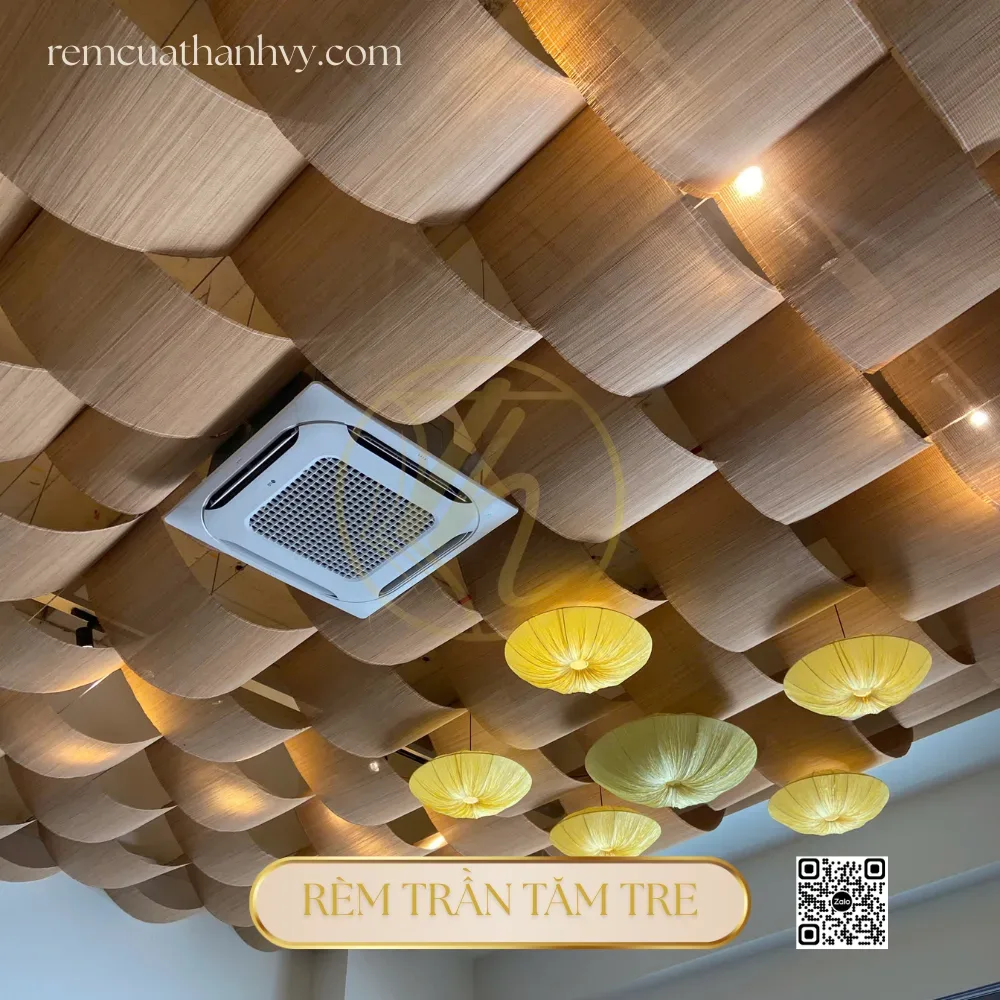
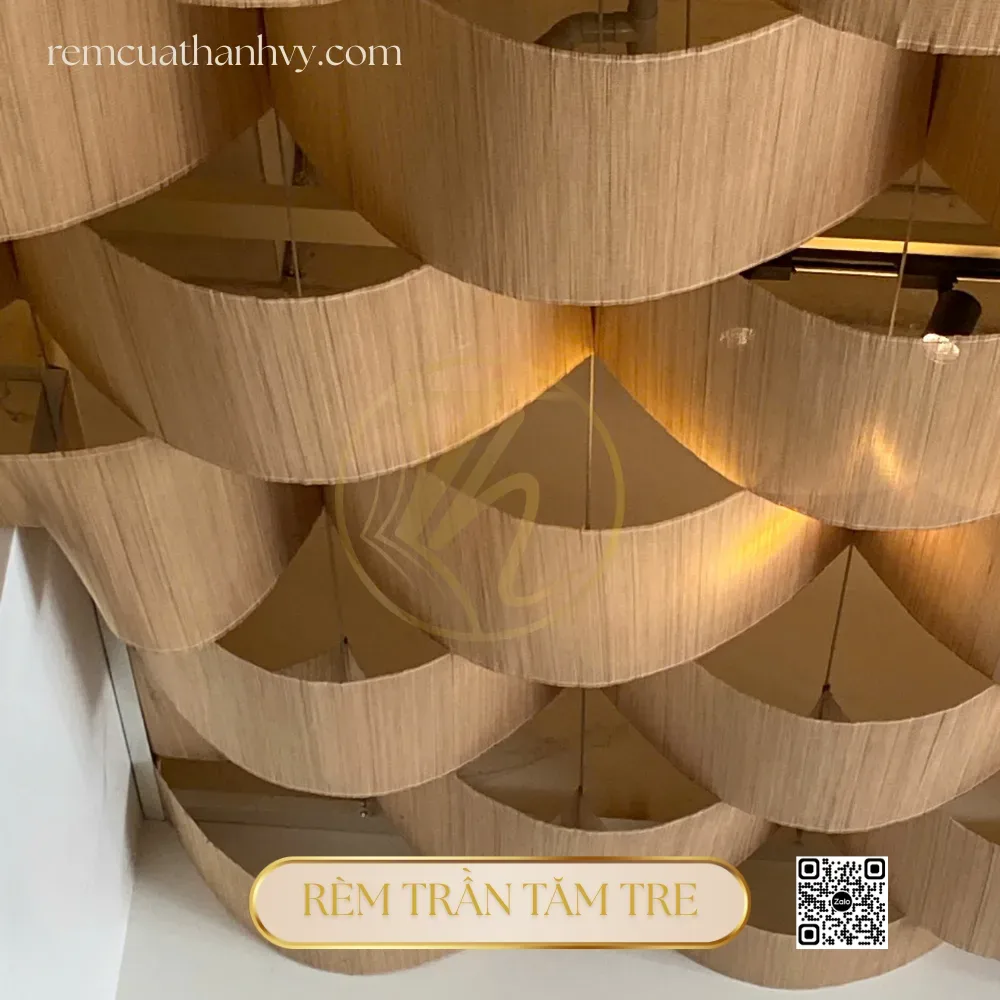
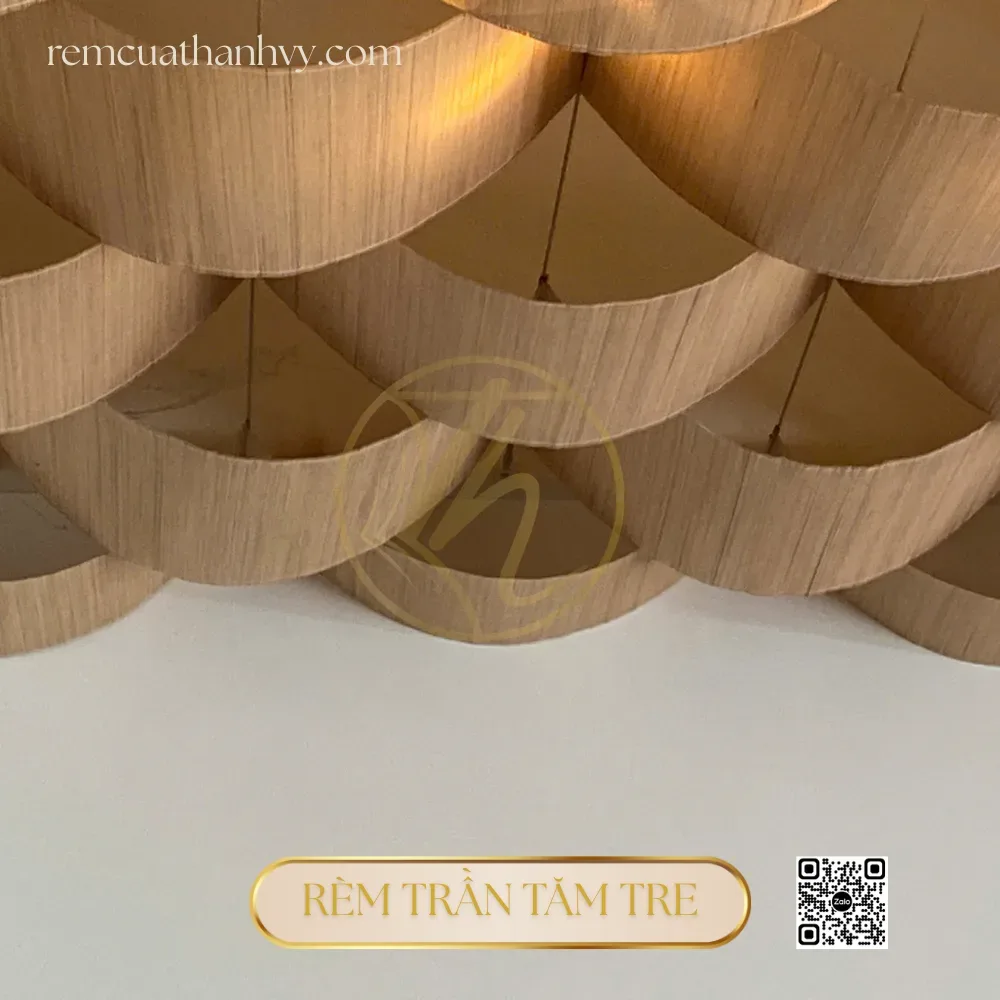
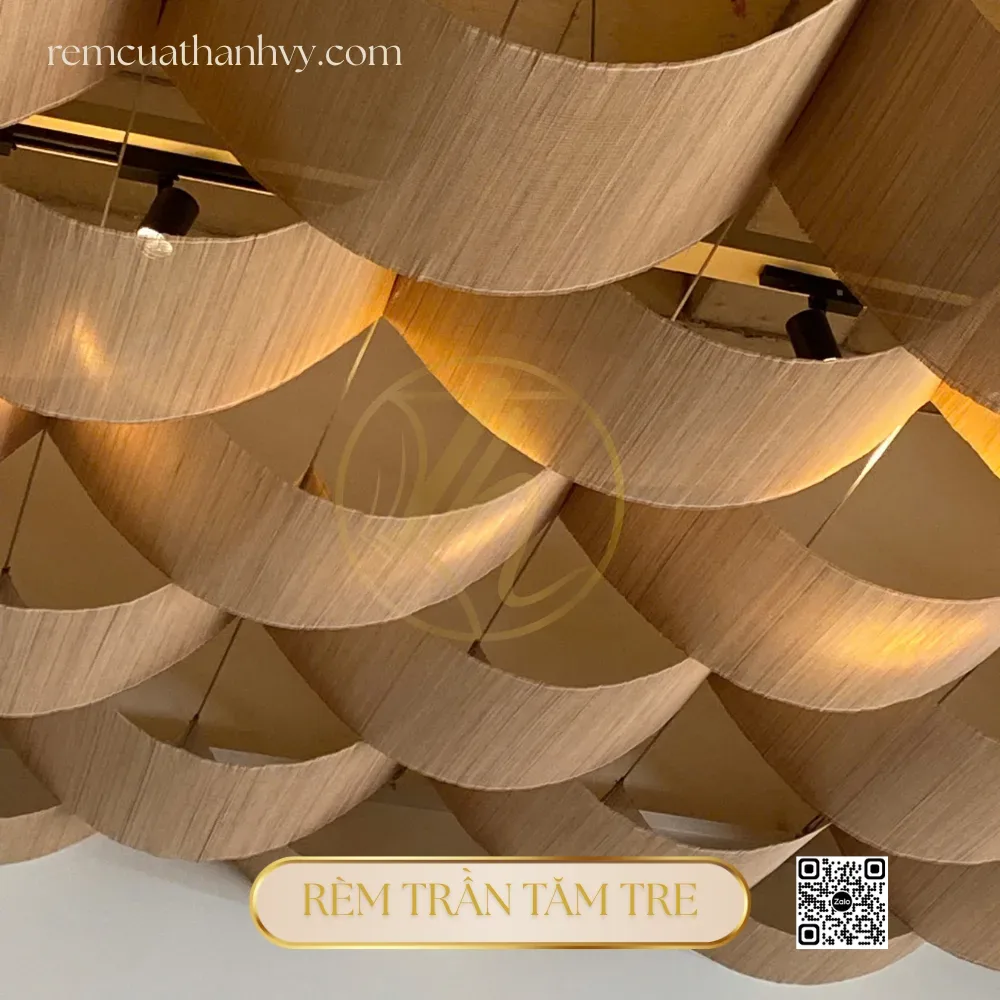
Roller blinds


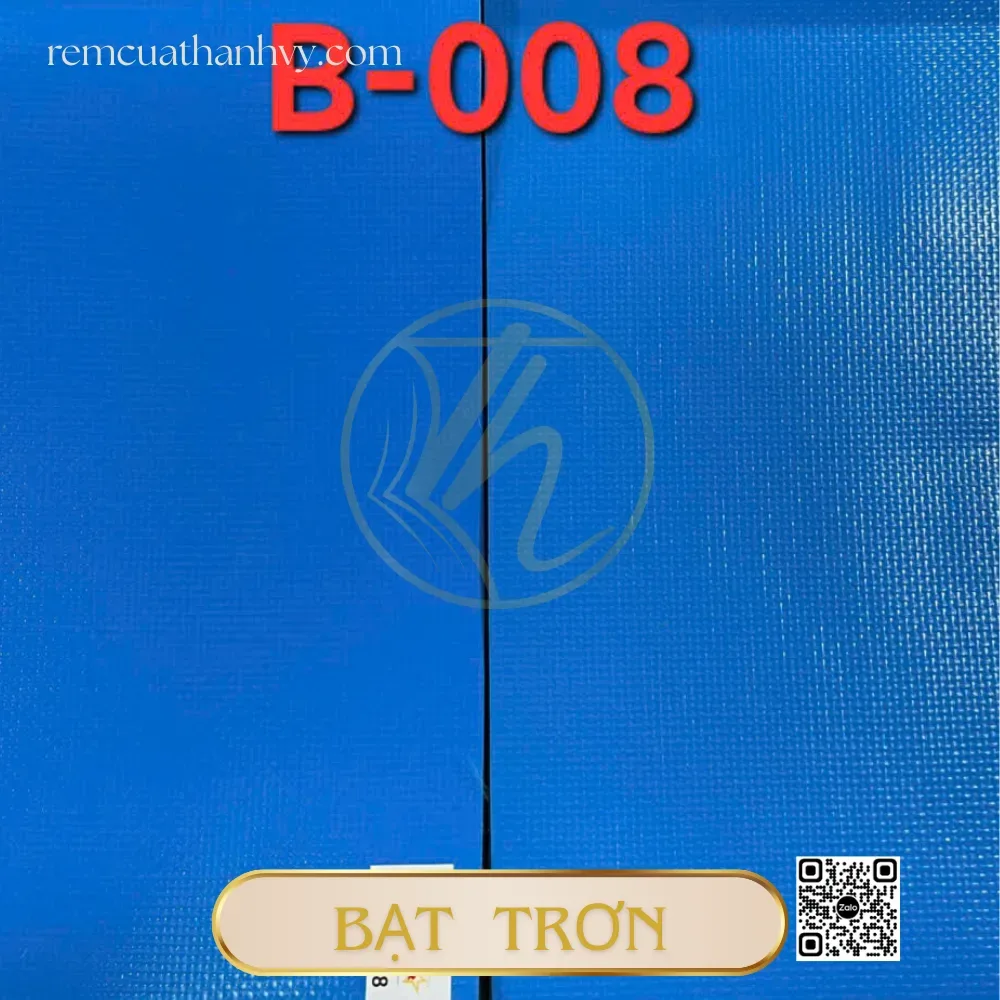
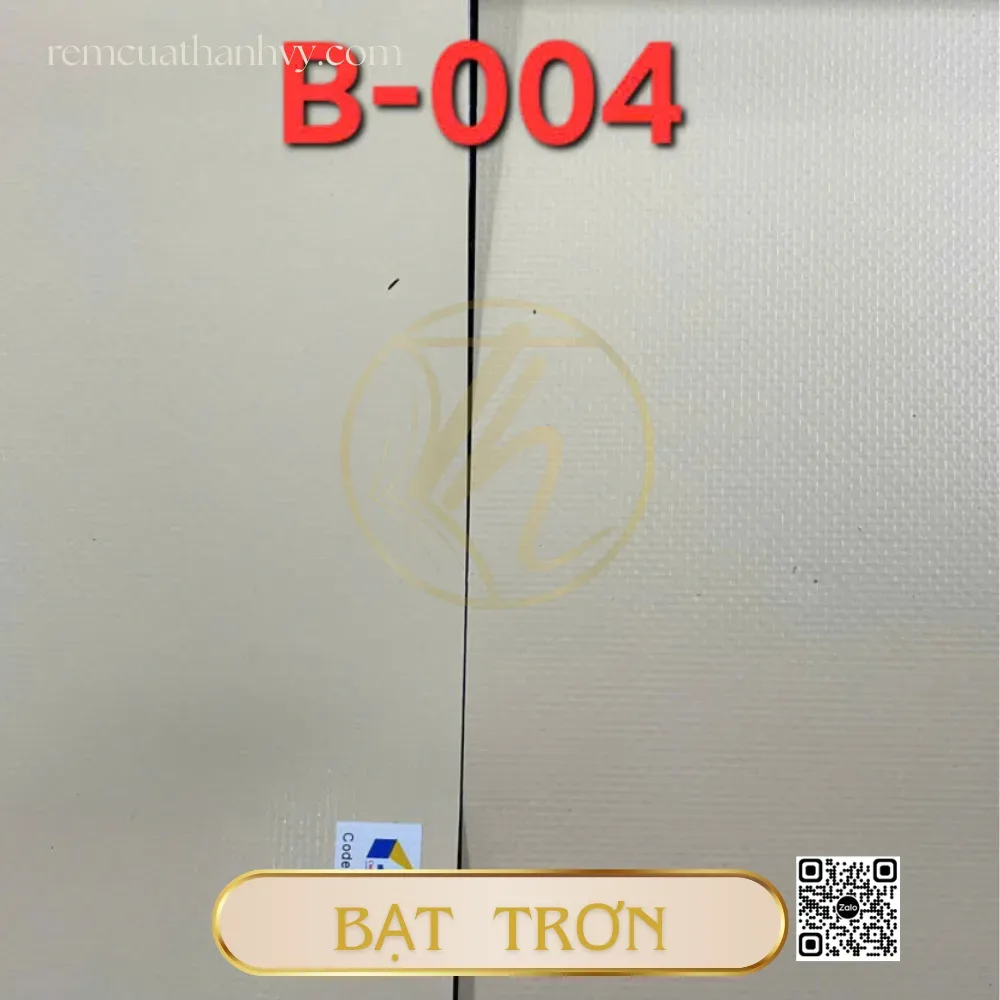
Rainbow blinds
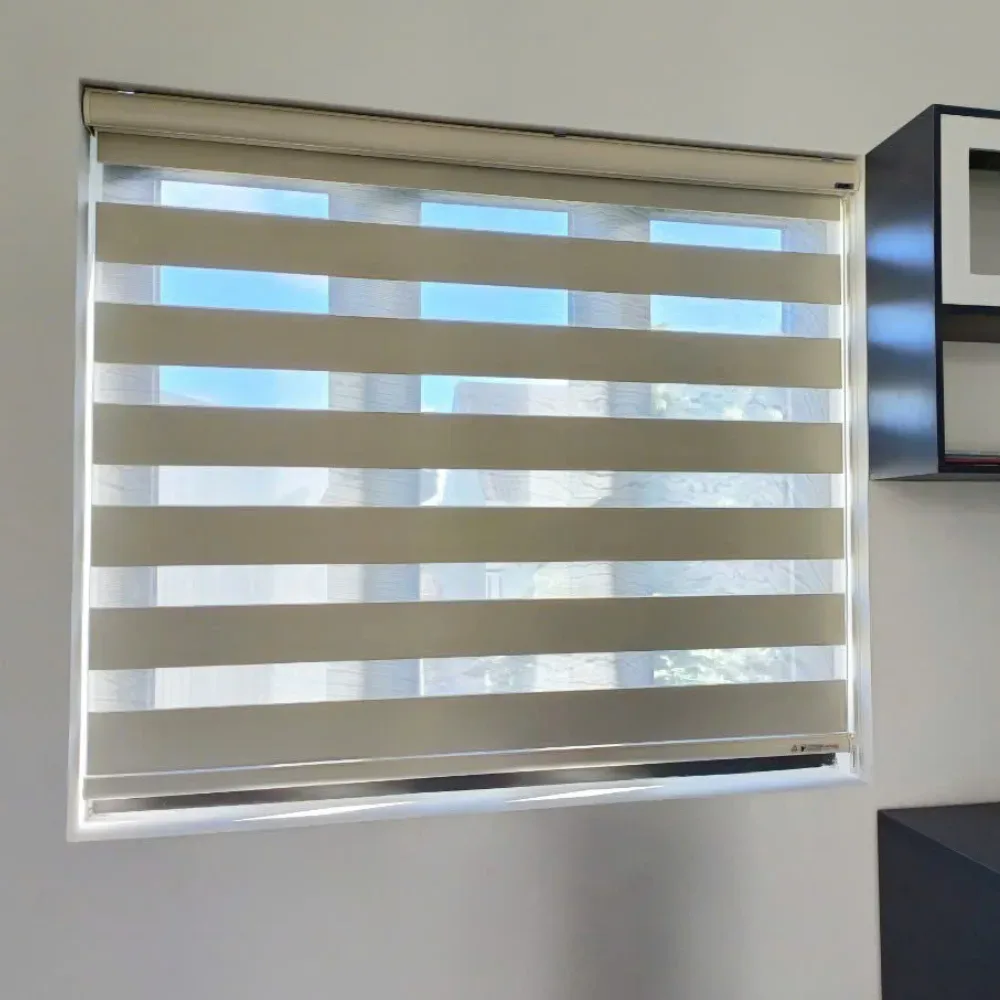
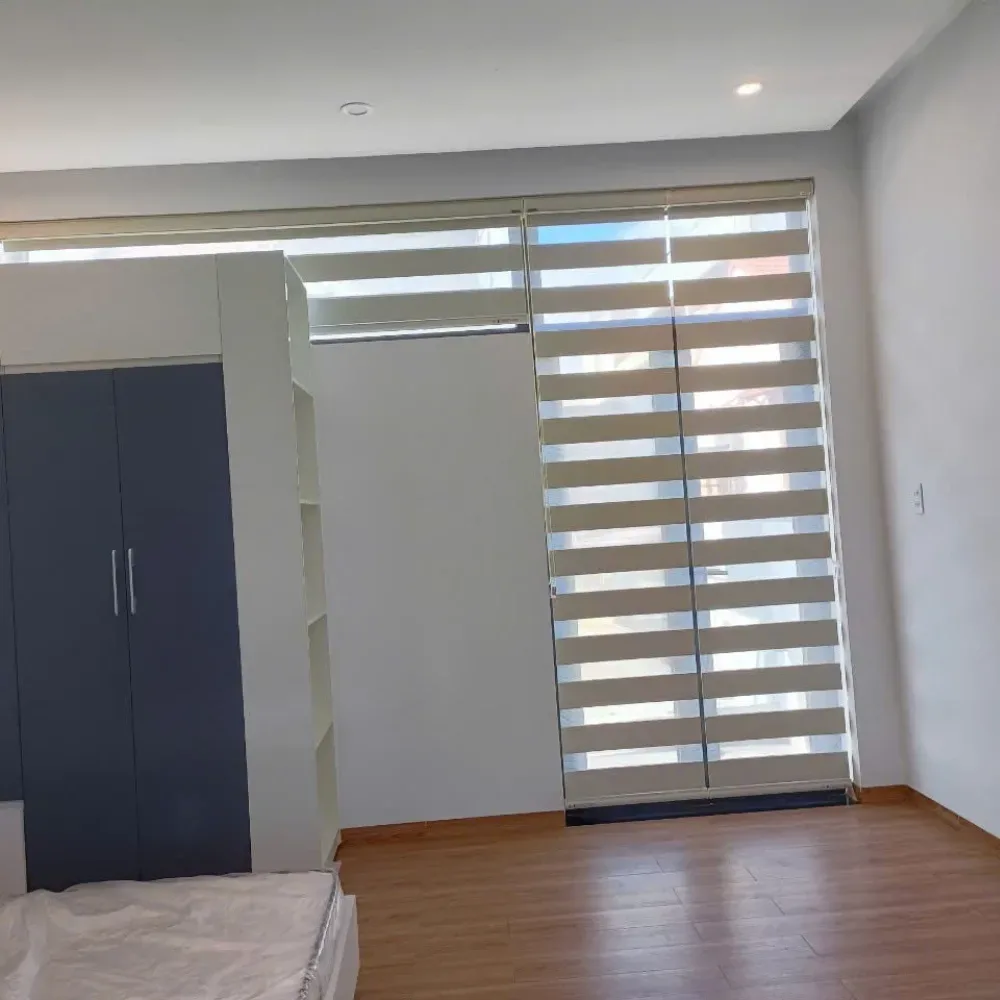
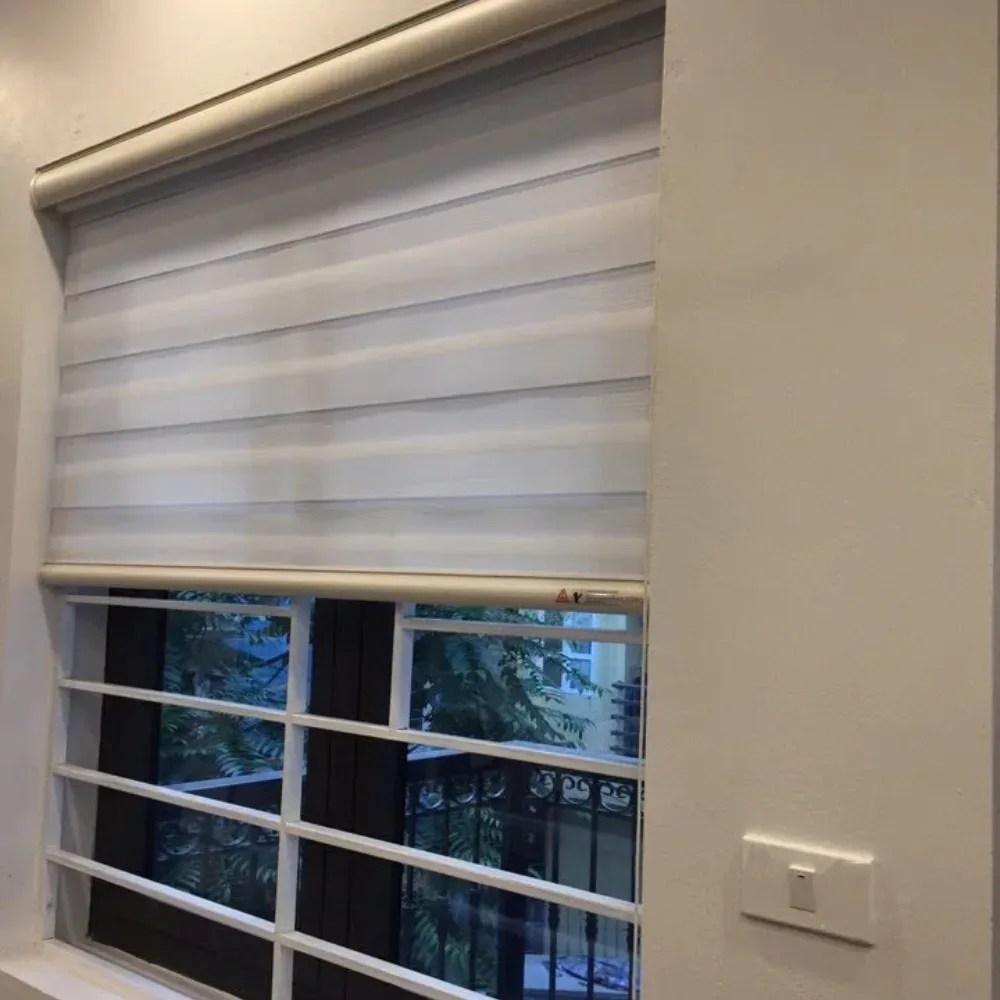
Roman blinds


Thanh Vy curtain projects completed
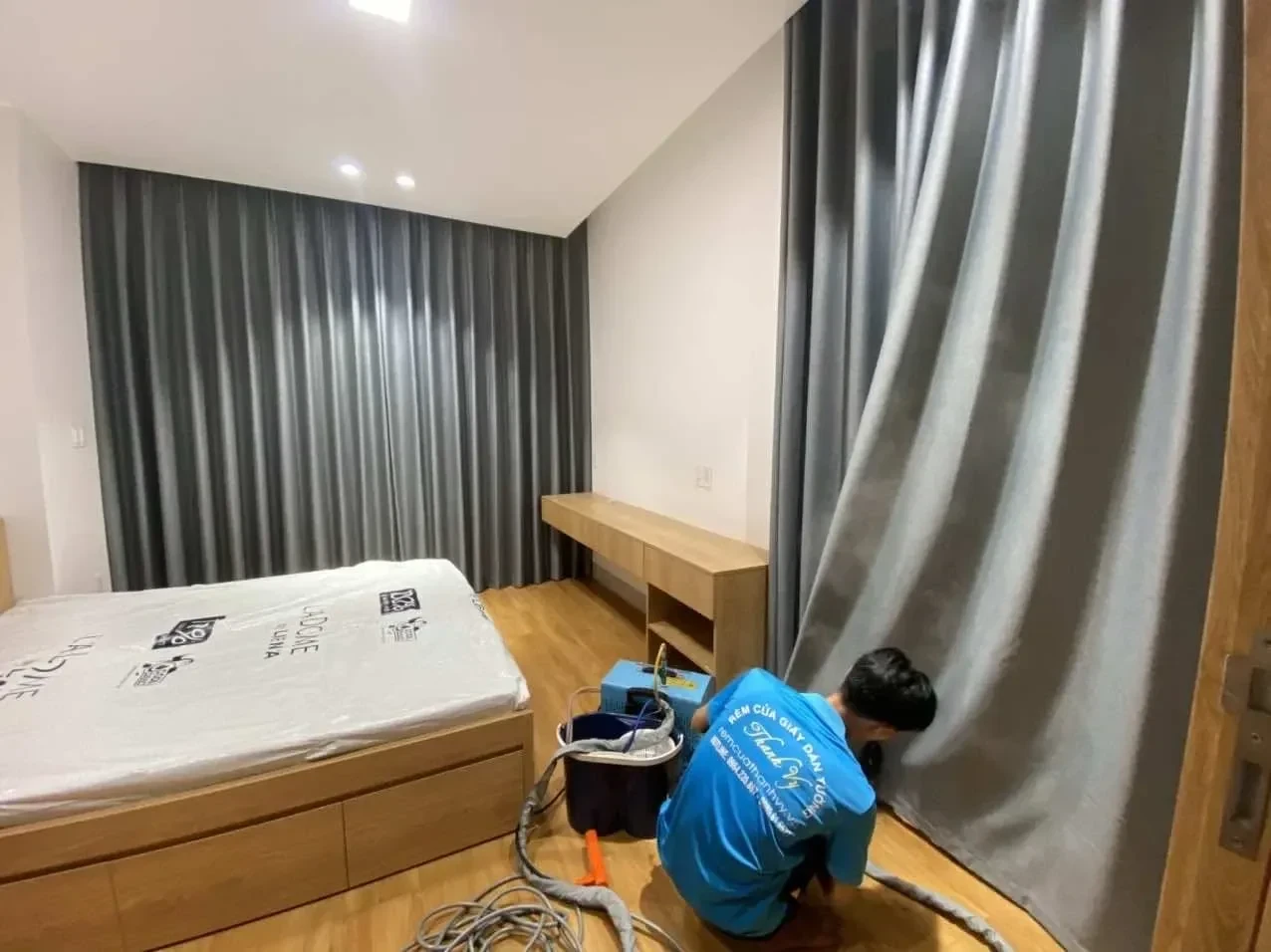
2-Layer Wave-Fold Fabric Curtains for Ho Tram Villa Bedroom
In 2024, Thanh Vy Curtains completed a 2-layer wave-fold fabric curtain project for the master [...]
Sep
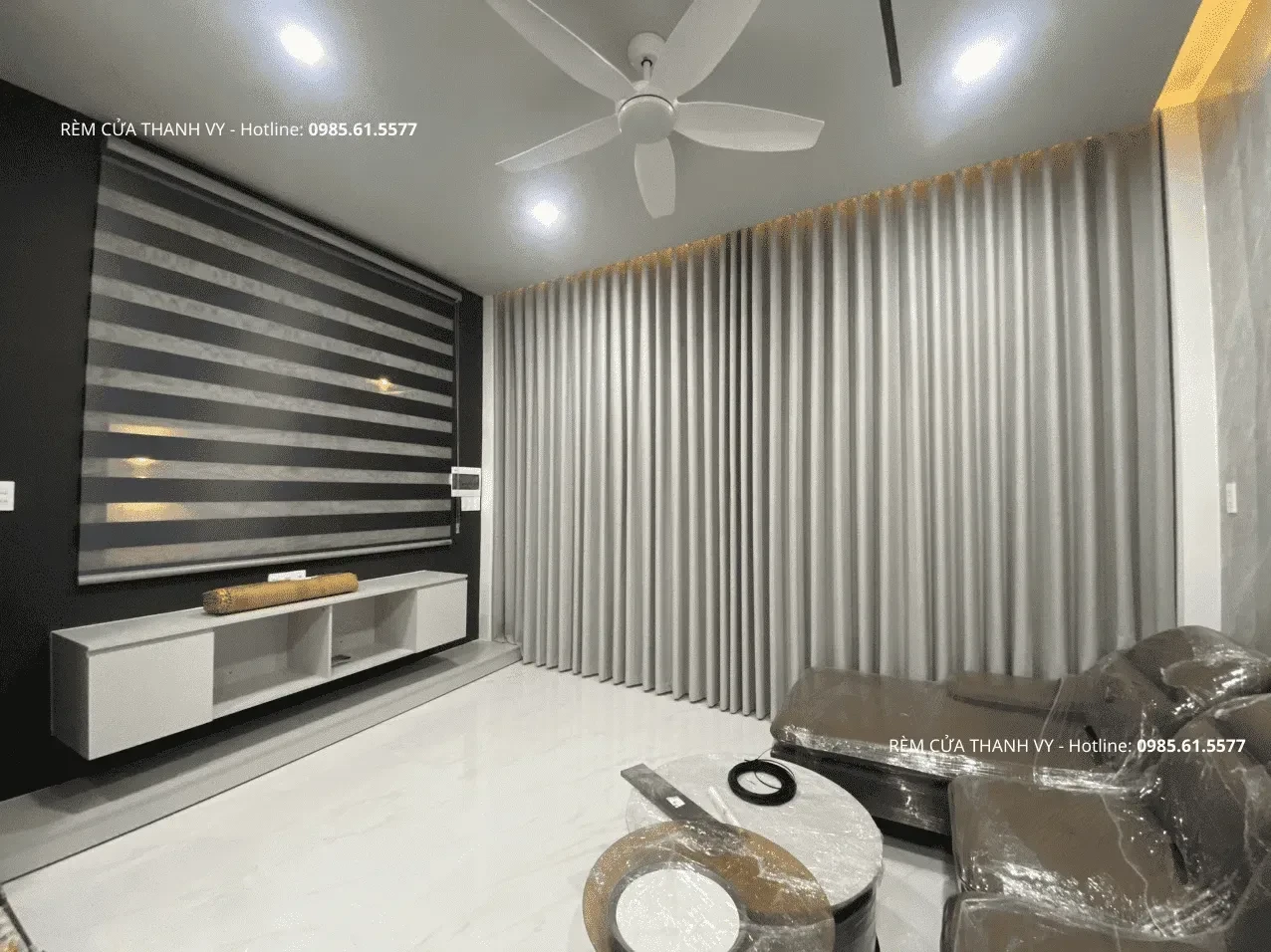
2-Layer Fabric Curtains + Horizontal Striped Roller Blinds – Duc Hoa Apartment, Long An
This project was carried out in a modern apartment in Duc Hoa, Long An – [...]
Sep
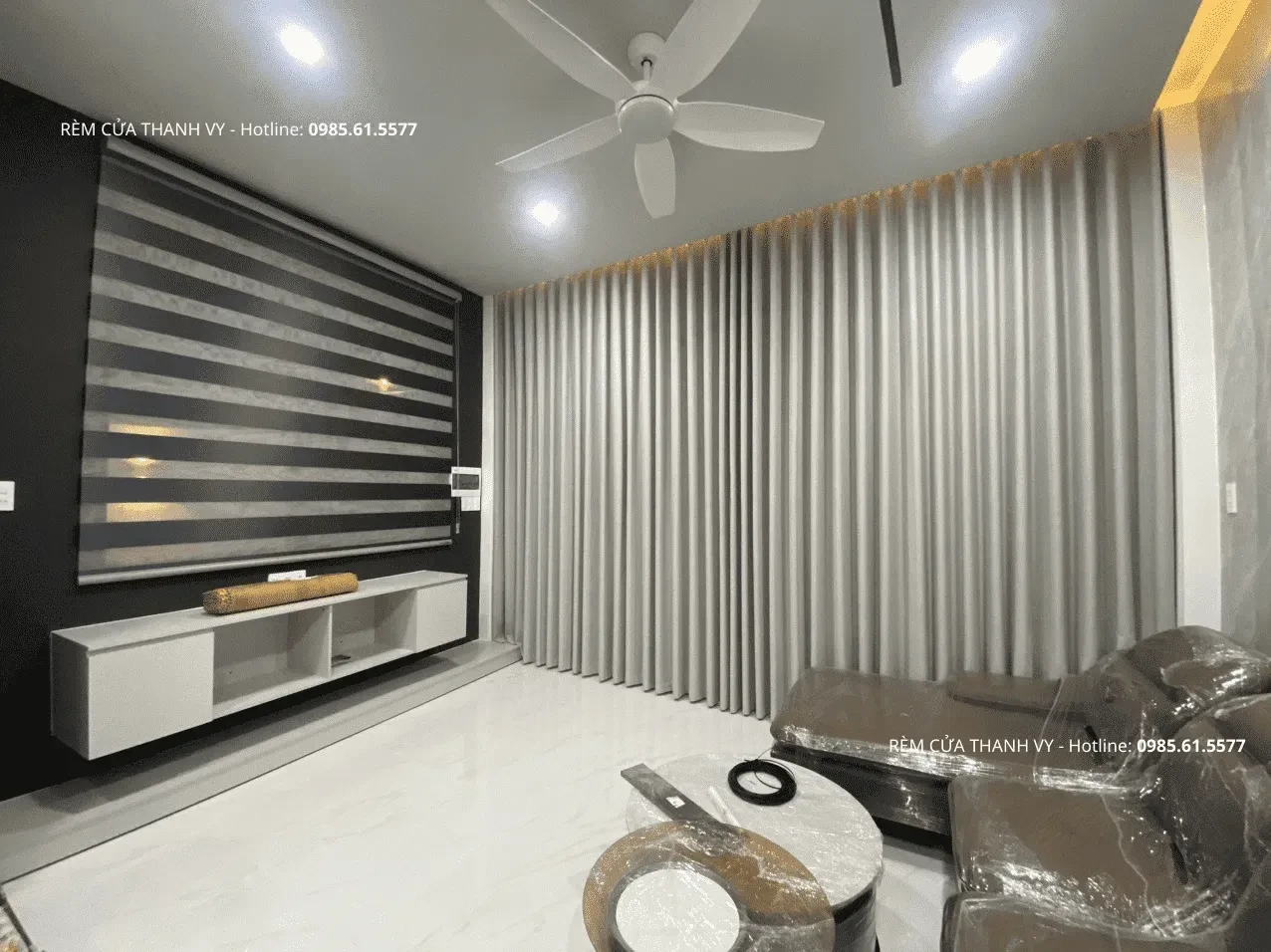
Fabric Curtains Combined with Zebra Blinds – Hiep Binh Chanh, Thu Duc
This project in Hiep Binh Chanh, Thu Duc, features a modern townhouse living room with [...]
Sep
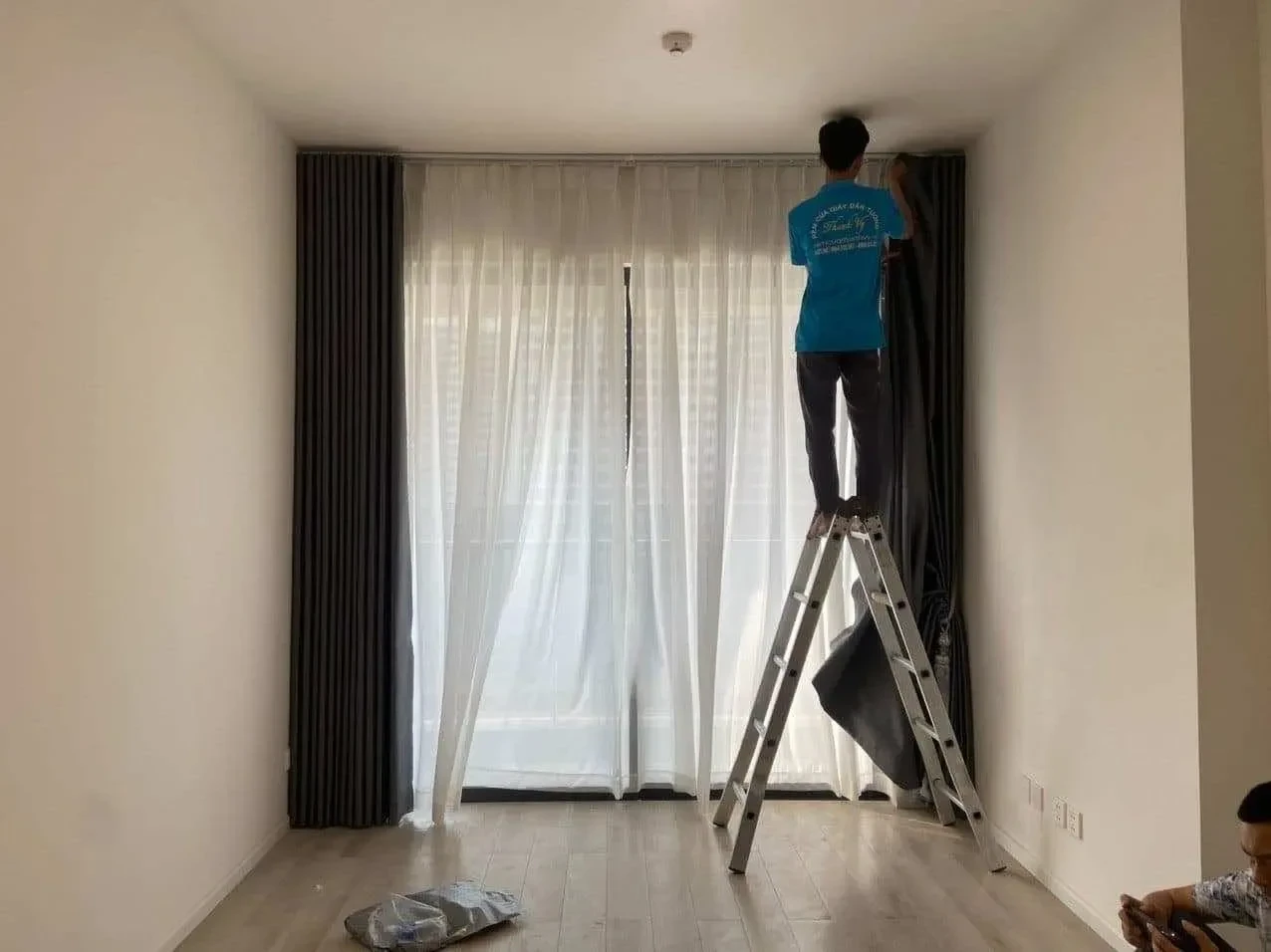
Black-and-White Double-Layer Curtains for a Masteri Centre Point Apartment in District 9
This project involved installing a double-layer curtain system for a high-rise apartment at Masteri Centre [...]
Sep
Office Roller Blinds in District 11 – Le Dai Hanh Street
This project involved installing roller blinds on an upper floor of a modern office building [...]
Sep
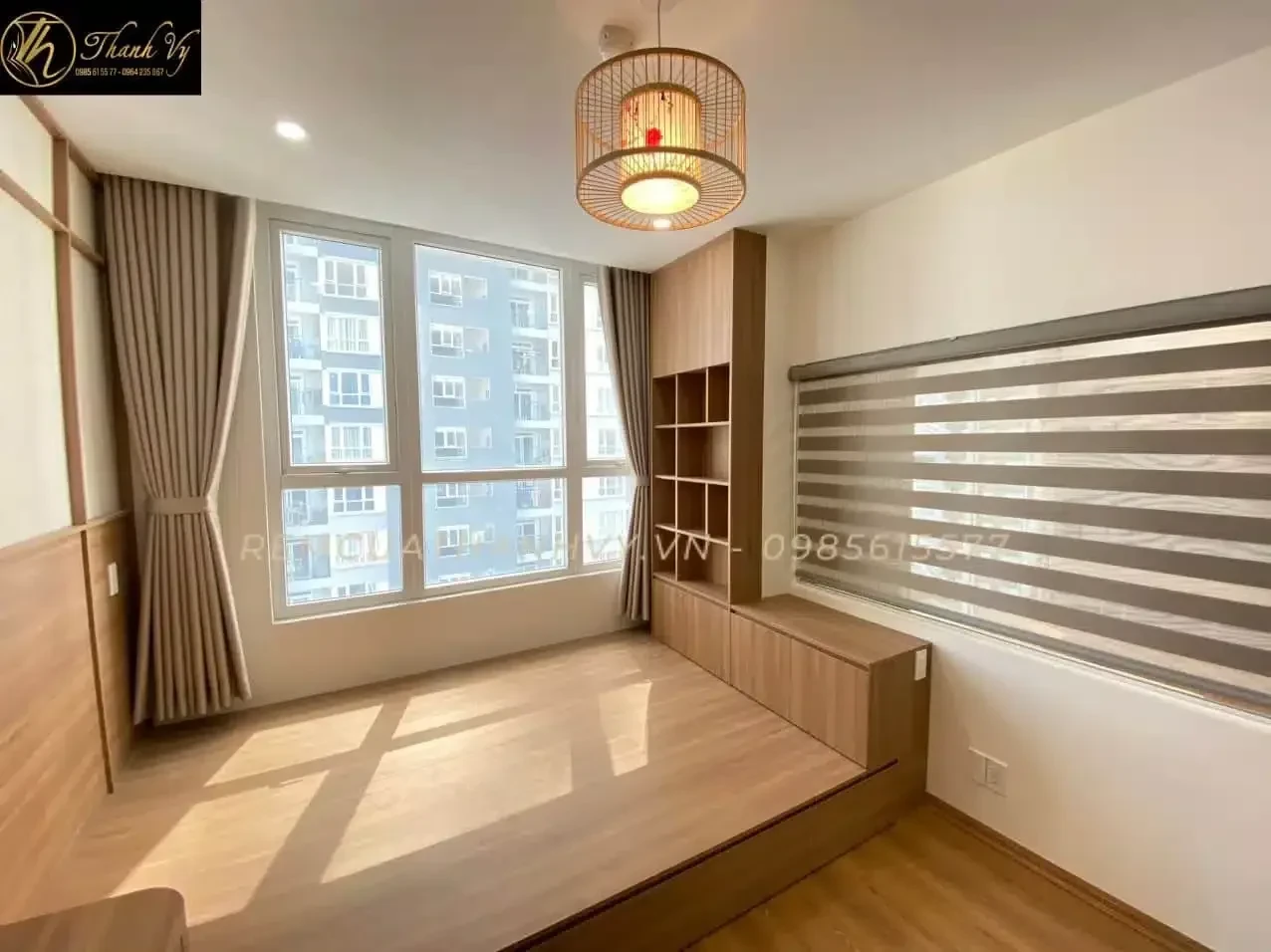
Blue Roman Shade Blinds for The Western Capital Apartment, District 6
This project at The Western Capital apartment complex (District 6) is a typical example of [...]
Sep
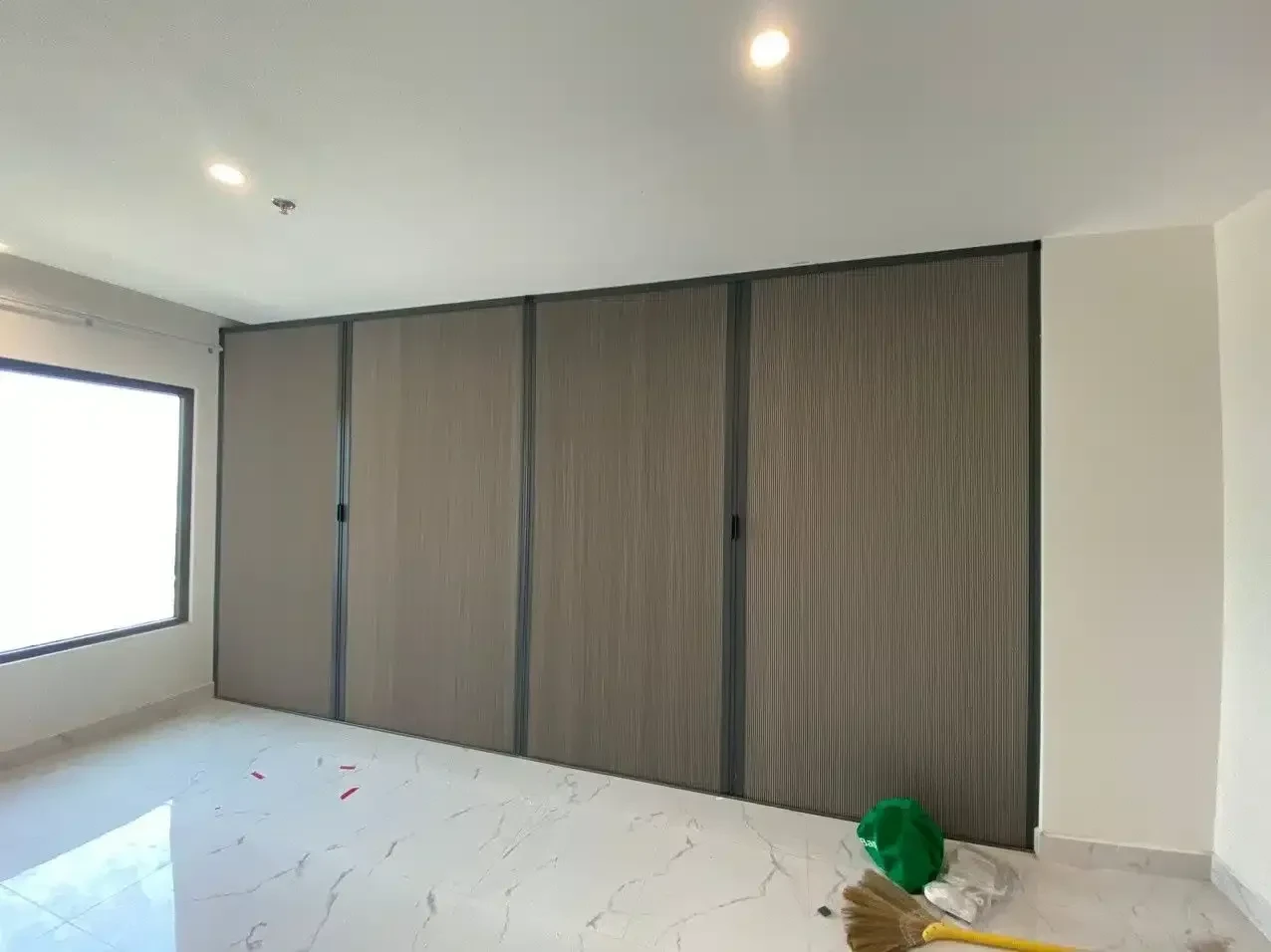
Glass Partition with Roller Blinds at Vinhomes Grand Park – BS-16 Apartment
This project at Vinhomes Grand Park, in the BS-16 tower, was a luxury apartment interior [...]
Sep
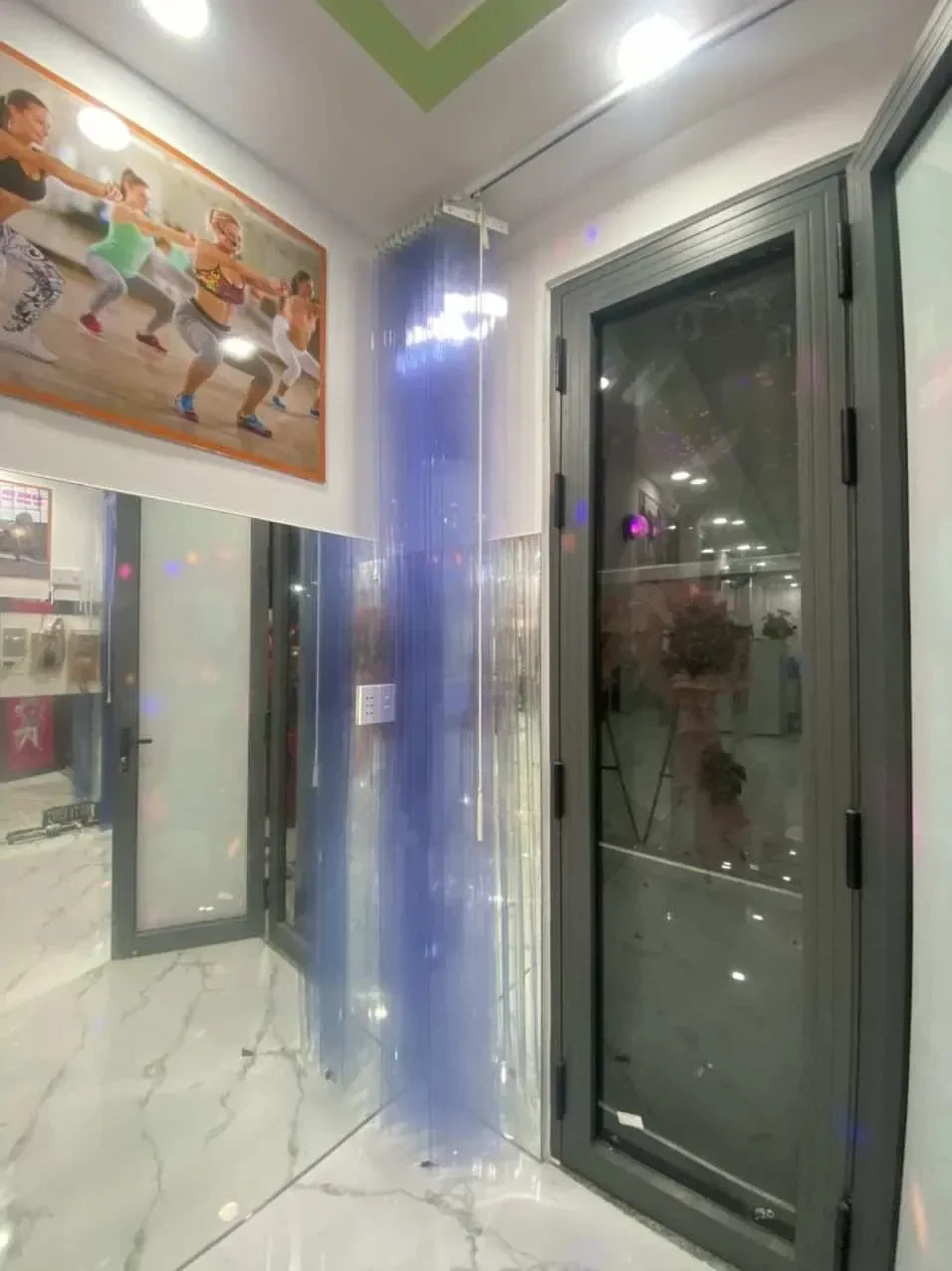
PVC Curtains in Bình Tân District – Ngọc Liên Club
Ngọc Liên Club, a modern fitness and yoga space in Bình Tân District, required a [...]
Sep
For further information, please contact Thanh Vy Curtains
We provide free consultation and on-site measuring at your home.
Related projects
2-Layer Fabric Curtains + Horizontal Striped Roller Blinds – Duc Hoa Apartment, Long An
This project was carried out in a modern apartment in Duc Hoa, Long An – [...]
Fabric Curtains Combined with Zebra Blinds – Hiep Binh Chanh, Thu Duc
This project in Hiep Binh Chanh, Thu Duc, features a modern townhouse living room with [...]
Dark Gray Fabric Curtains & Zebra Blinds – Thao Dien Townhouse, District 2
This project in Thao Dien, District 2 – one of the most upscale townhouse areas [...]
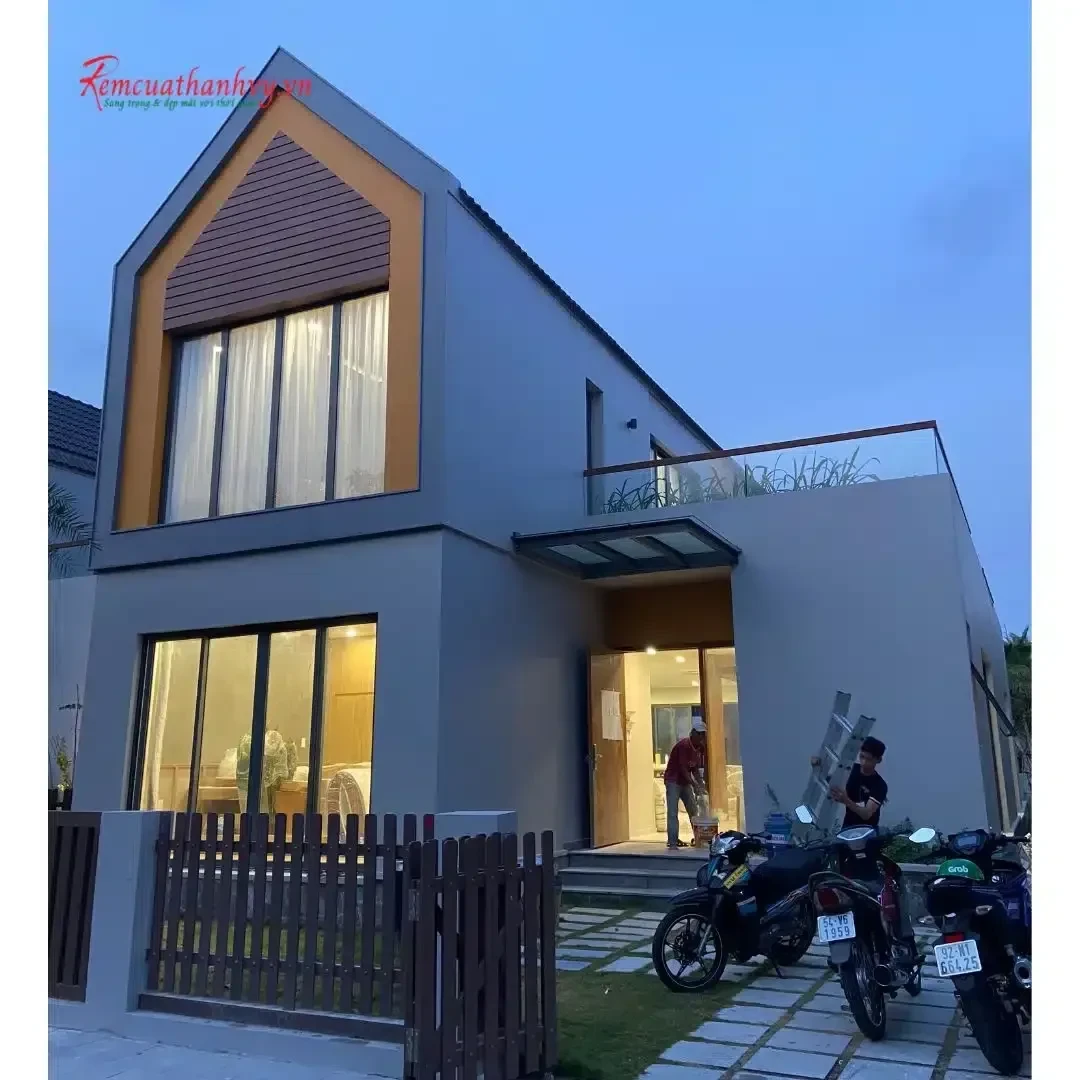
Two-Layer Fabric Curtains for a Villa in Ho Tram, Vung Tau – Premium Sun Protection & Privacy
The modern villa in Ho Tram, Vung Tau is a distinctive property featuring unique pyramid-shaped [...]
Premium Motorized Fabric Curtains for a Thao Dien Villa, District 2
This project at a villa in the Thao Dien area of District 2 (Ho Chi [...]
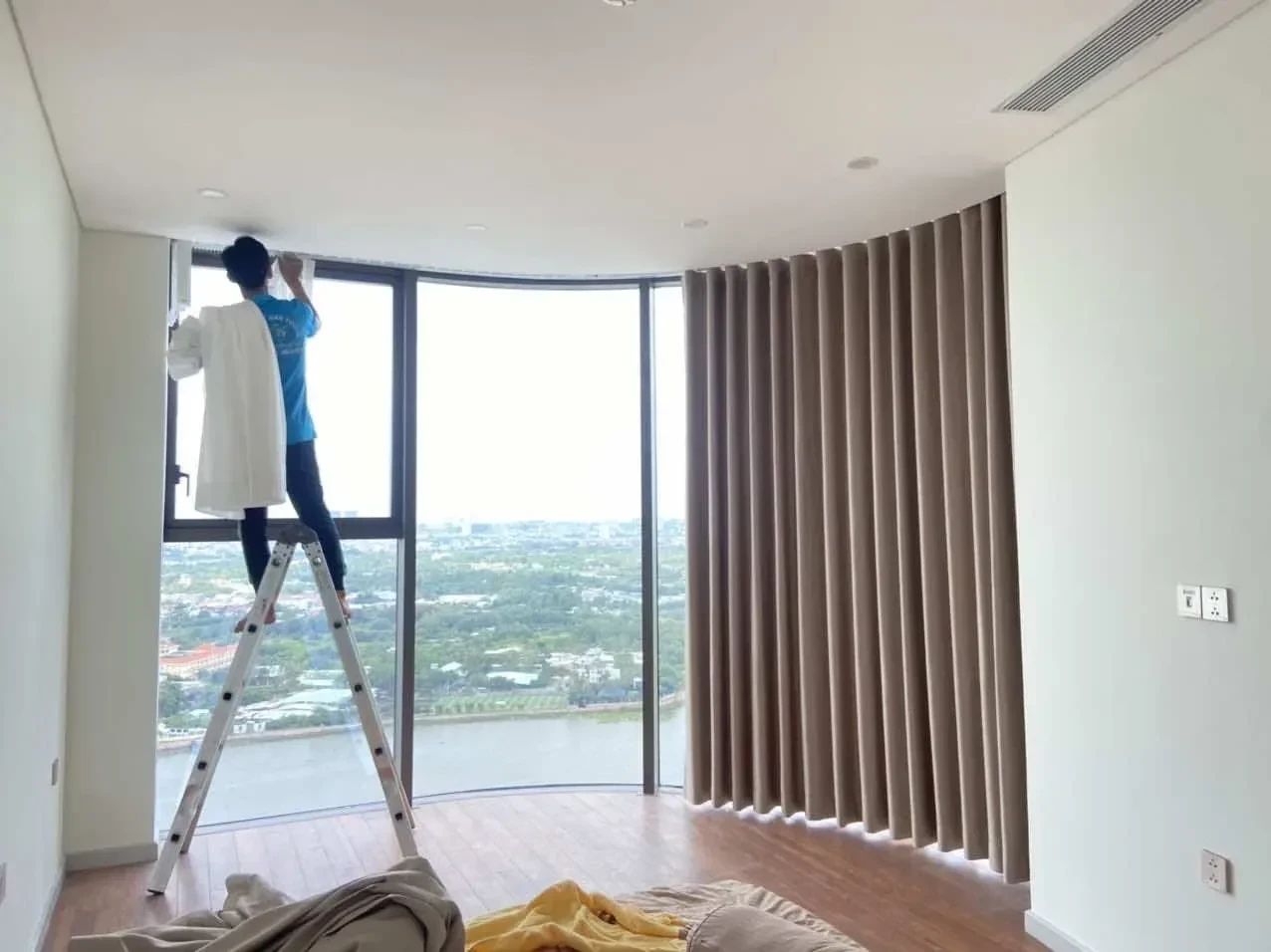
Double-Layer Floor-to-Ceiling Curtains for a La Astoria Apartment, Thu Duc City
The double-layer curtain project at a La Astoria apartment in Thu Duc District is one [...]
2-Layer Wave-Fold Fabric Curtains for Ho Tram Villa Bedroom
In 2024, Thanh Vy Curtains completed a 2-layer wave-fold fabric curtain project for the master [...]
Black-and-White Double-Layer Curtains for a Masteri Centre Point Apartment in District 9
This project involved installing a double-layer curtain system for a high-rise apartment at Masteri Centre [...]
Related areas
Curtains in Hiệp Phước Commune, Nhà Bè: On-Site Measuring and Installation at Your New Address
On-site curtain measuring and installation in Hiệp Phước Commune, Nhà Bè. The new commune was [...]
Curtains in Nha Be Commune, Nha Be: On-site measurement and installation at the new address
Curtain measurement and installation in Nha Be Commune, Nha Be. A new ward merged from [...]
Related reviews
Roller Shades or Zebra Shades? A Detailed Comparison to Help You Choose
This article compares roller shades and zebra shades by construction, light control, aesthetics, price, durability, [...]
Roller Blinds vs. Honeycomb Shades: A Detailed Comparison to Help You Choose
This article compares roller blinds and honeycomb shades based on thermal insulation, soundproofing, light control, [...]
Are Rainbow Blinds Any Good? A Comprehensive A-Z Review
This article provides an objective review of whether rainbow blinds are worth it, covering their [...]
Rainbow Blinds vs. Honeycomb Shades: A Detailed Comparison
This article provides a detailed comparison of rainbow blinds and honeycomb shades based on construction, [...]
Are Fabric Curtains Good? How to Assess the Real Needs of Each Space
This article helps readers answer whether fabric curtains are good by assessing light, privacy, usage [...]
Related posts
Which ward does the former Nhà Bè District belong to now? Lookup table for 7 former wards
Lookup table matching 7 former wards in Nhà Bè District with their new ward names [...]
What Are Bamboo Blinds? Features, Pros, Cons & Uses
An explanation of what bamboo blinds are, their pros and cons, when to use them, [...]
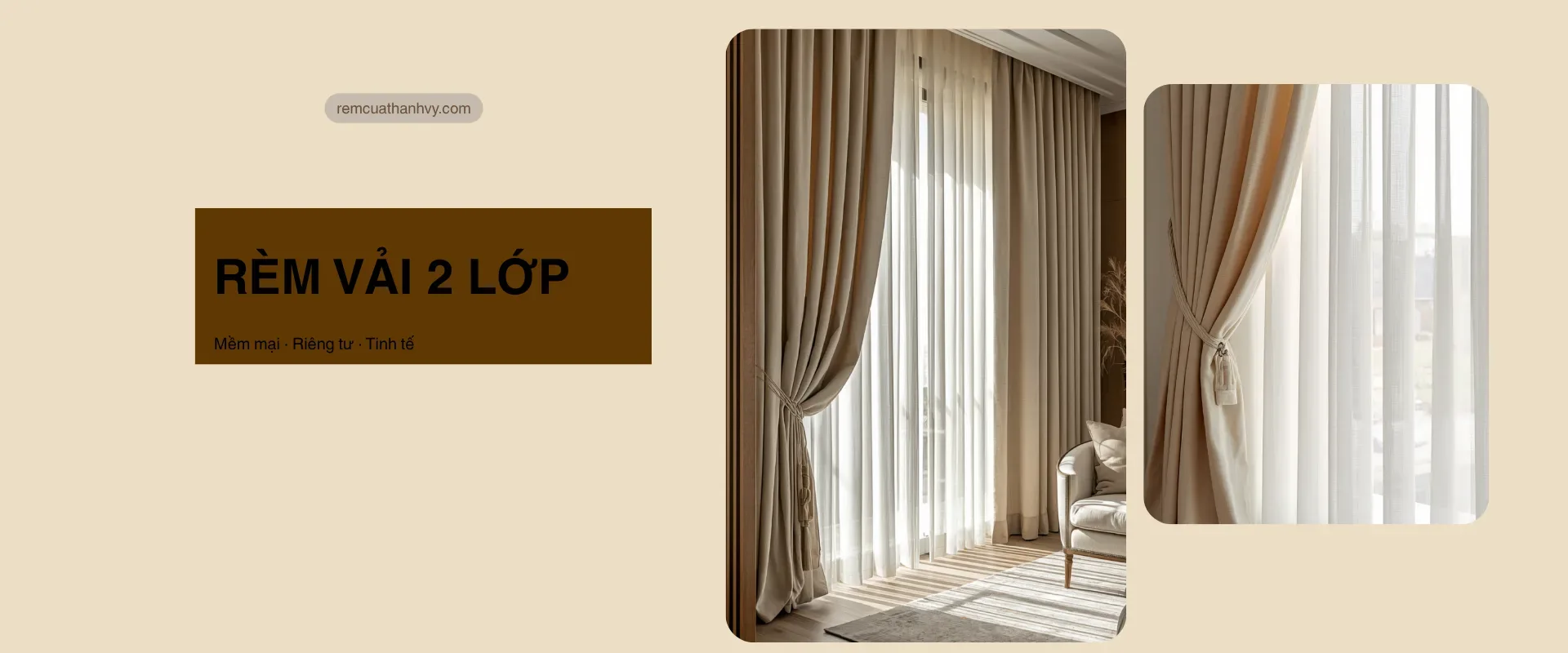
What Are Double-Layer Curtains? Features, Pros, Cons & Applications
An explanation of what double-layer curtains are, their pros and cons, when to use them, [...]
What Are Thermal Curtains? Features, Pros, Cons & Applications
An explanation of what thermal curtains are, their pros and cons, when to use them, [...]

What Are Rainbow Blinds? Features, Pros & Cons, and Applications
An explanation of what rainbow blinds are, their pros and cons, when to use them, [...]

No comments yet!