





Are Fabric Curtains Good? How to Assess the Real Needs of Each Space
Whether fabric curtains are good depends on what you need to address
Many people ask whether fabric curtains are good as if this question has one common answer for every home, every window, and every way of using them, but the real answer is: fabric curtains are good when a room needs softness and a balance of light and privacy, but may not be suitable if the window requires extremely compact operation or is in a humid, dusty area. In reality, that is not the case. Fabric curtains can be a very good choice if the room needs softness, needs a balance between light and privacy, or needs a finishing surface that makes the window look more complete. But they can also become an unsuitable choice if the window requires extremely compact operation, the area is overly humid or dusty, or the user wants a very minimalist configuration with few folds.
Therefore, instead of asking whether fabric curtains are good or not in absolute terms, the question should be changed to: for this room, this light direction, and this usage pattern, are fabric curtains a suitable solution or not? Only when placed in a real context can readers properly assess the advantages and limitations of this type of curtain.
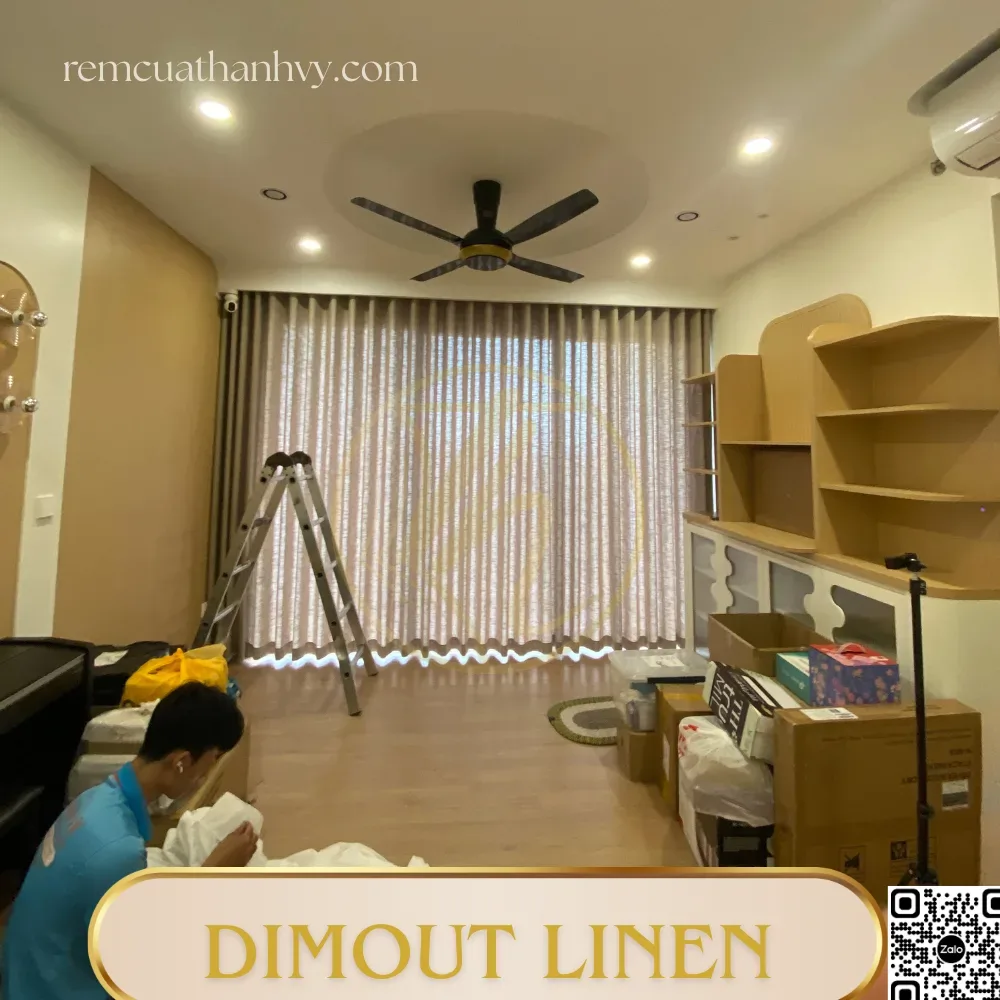

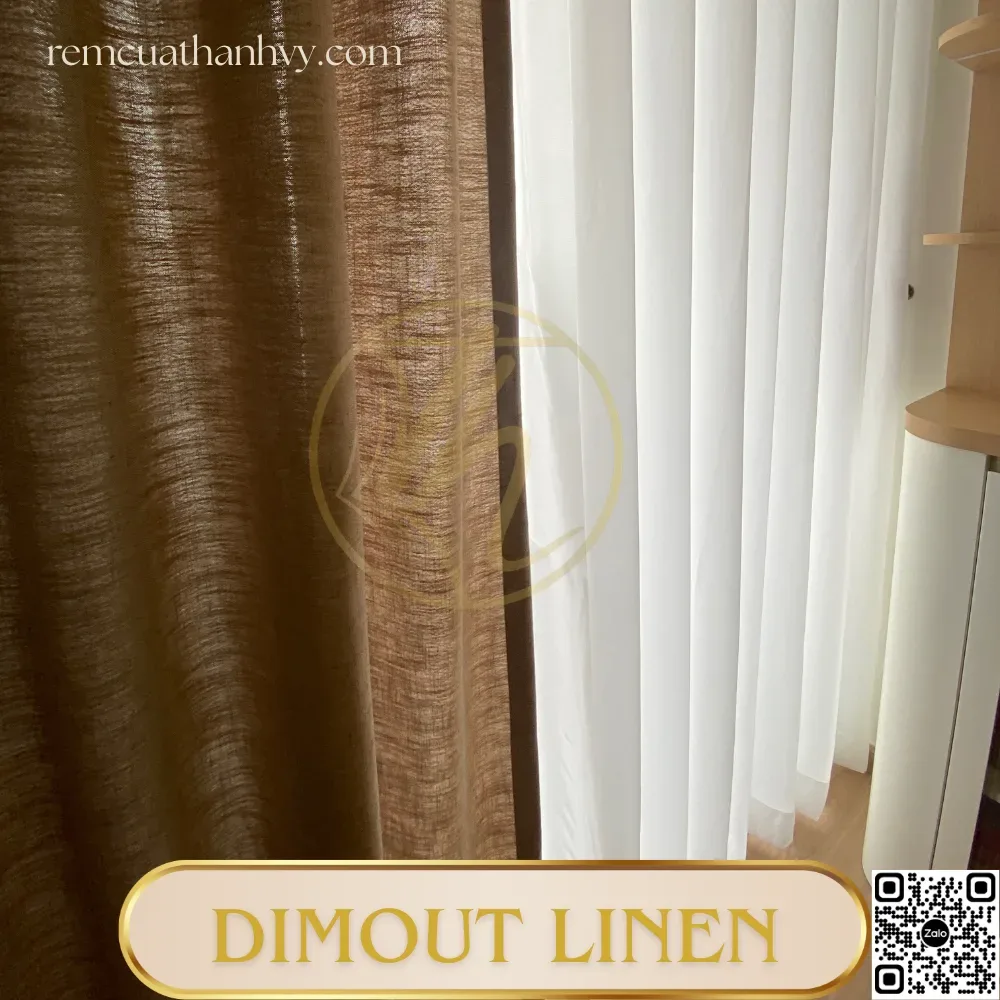
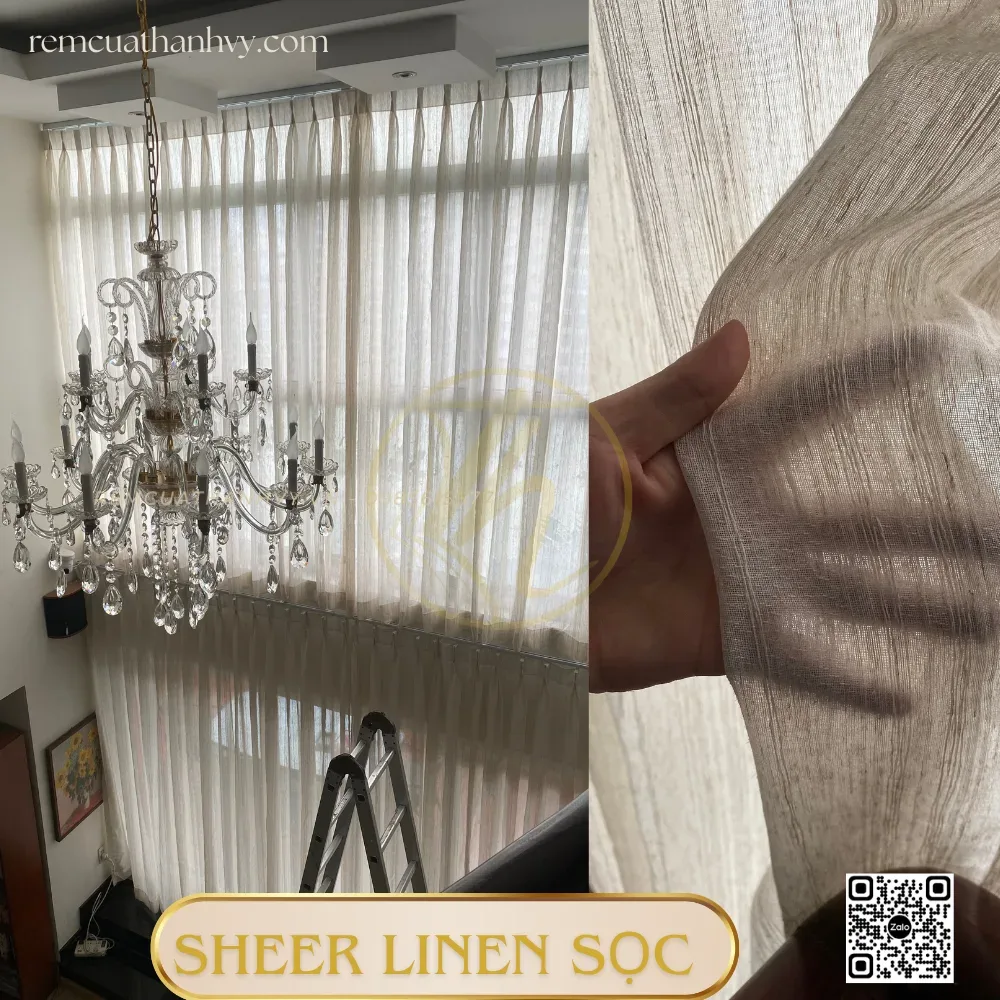
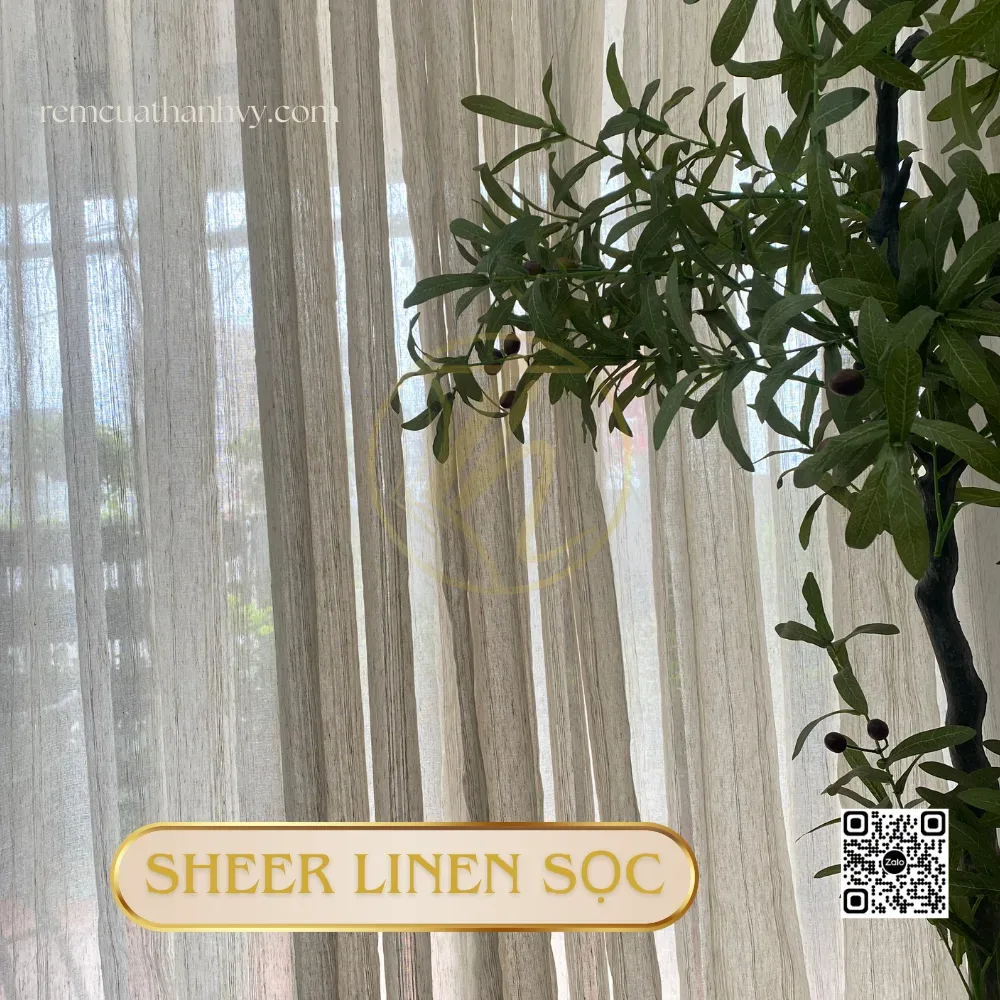

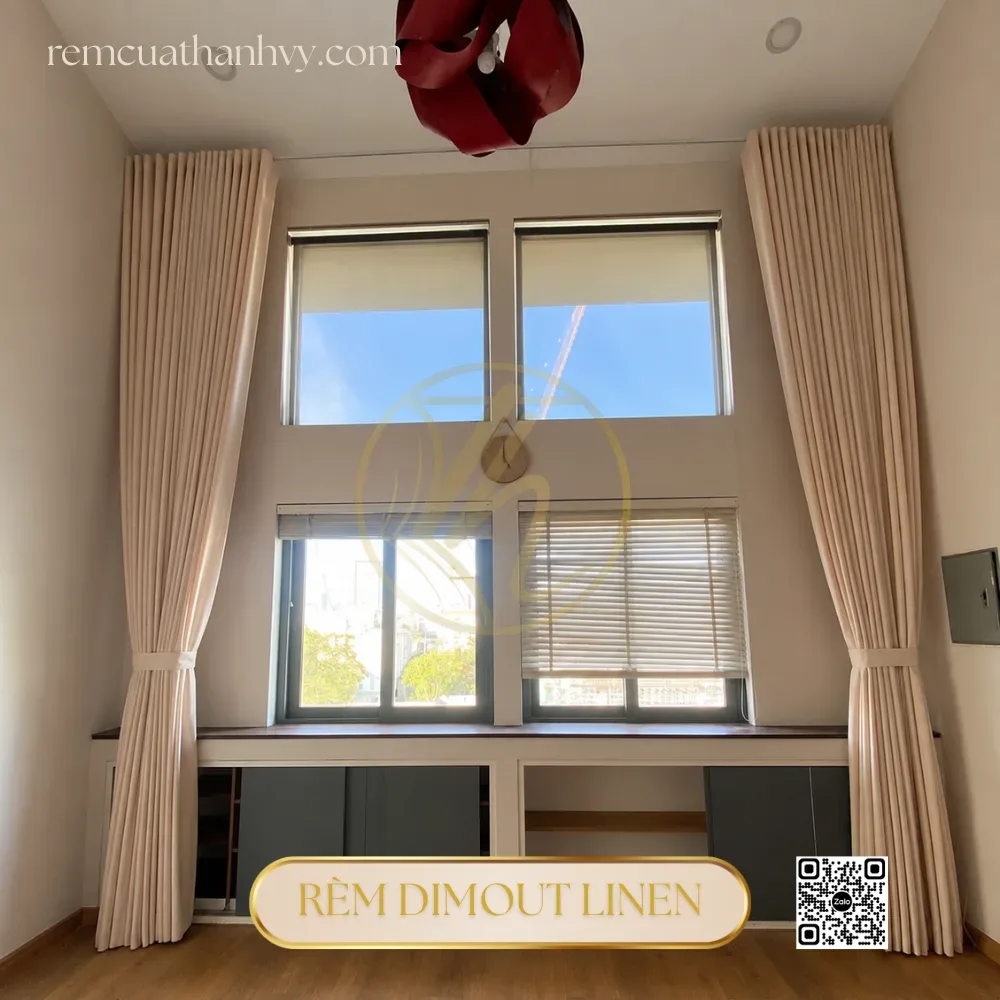
When fabric curtains are a worthwhile option to consider
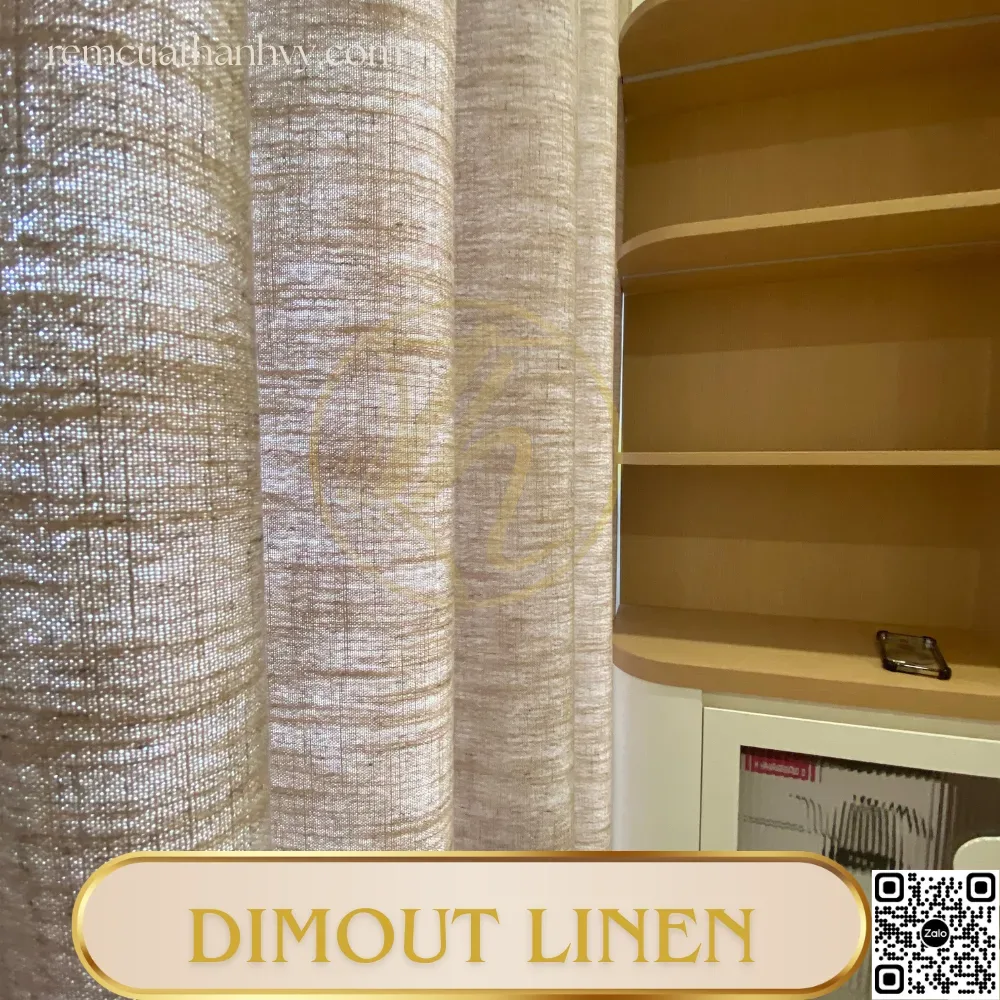
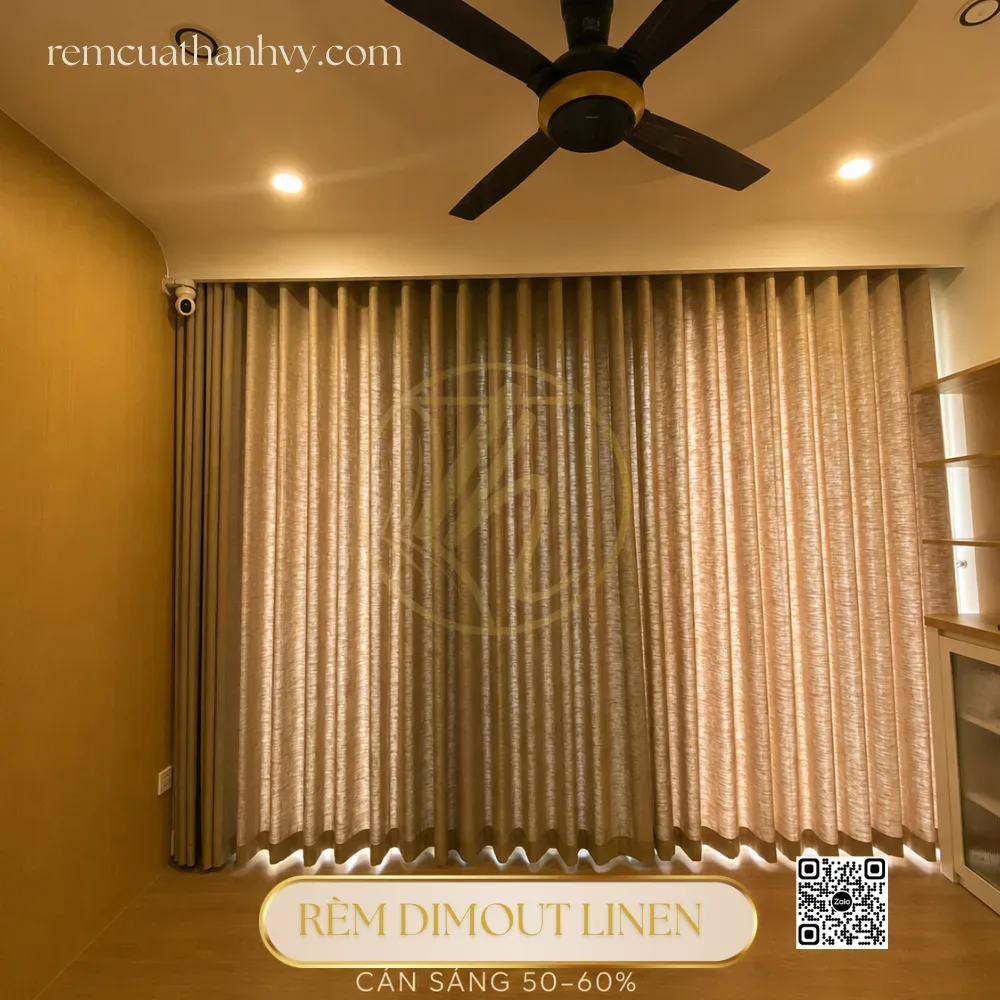
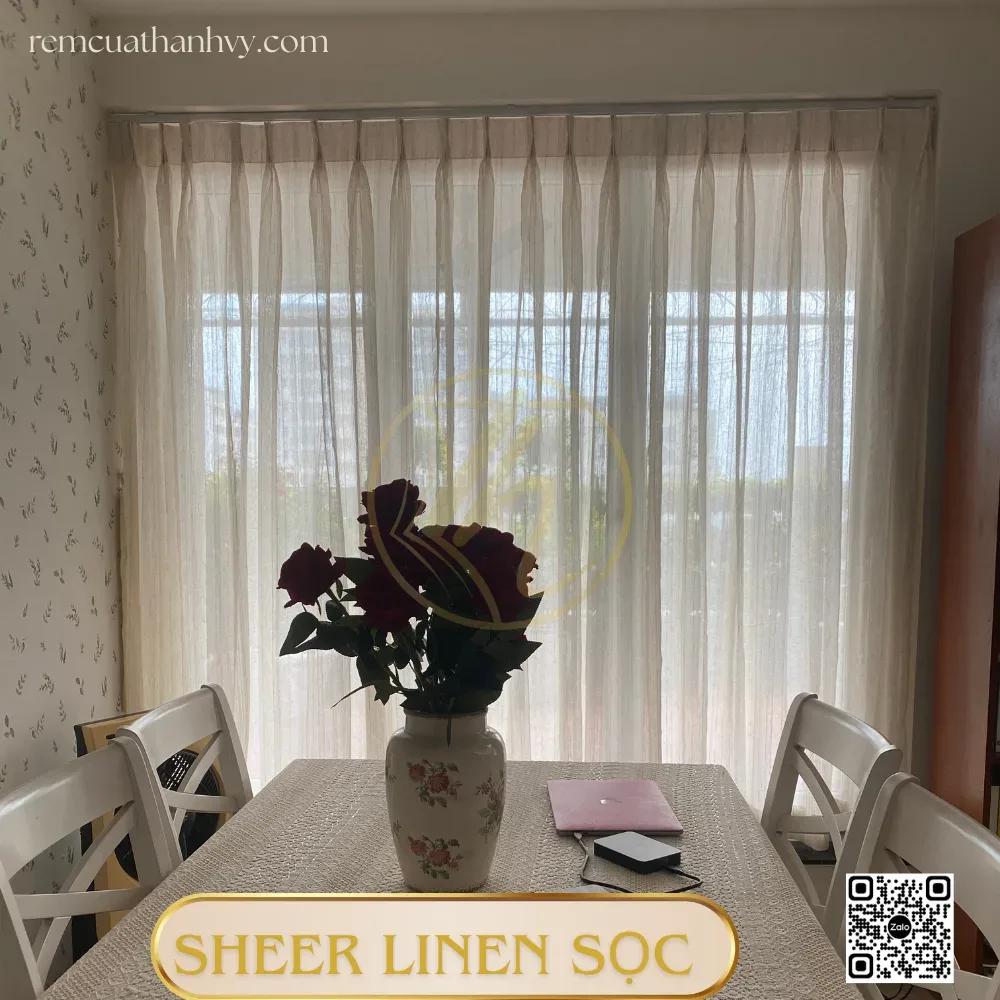
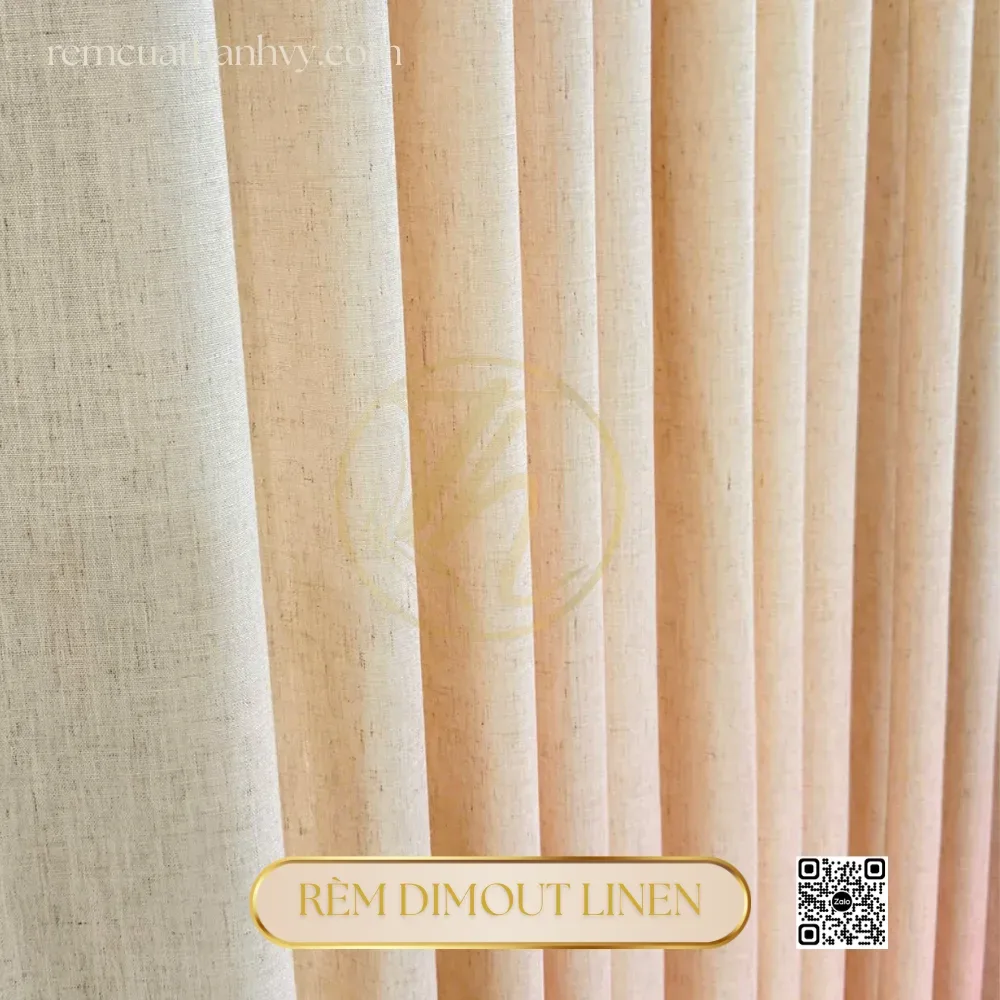
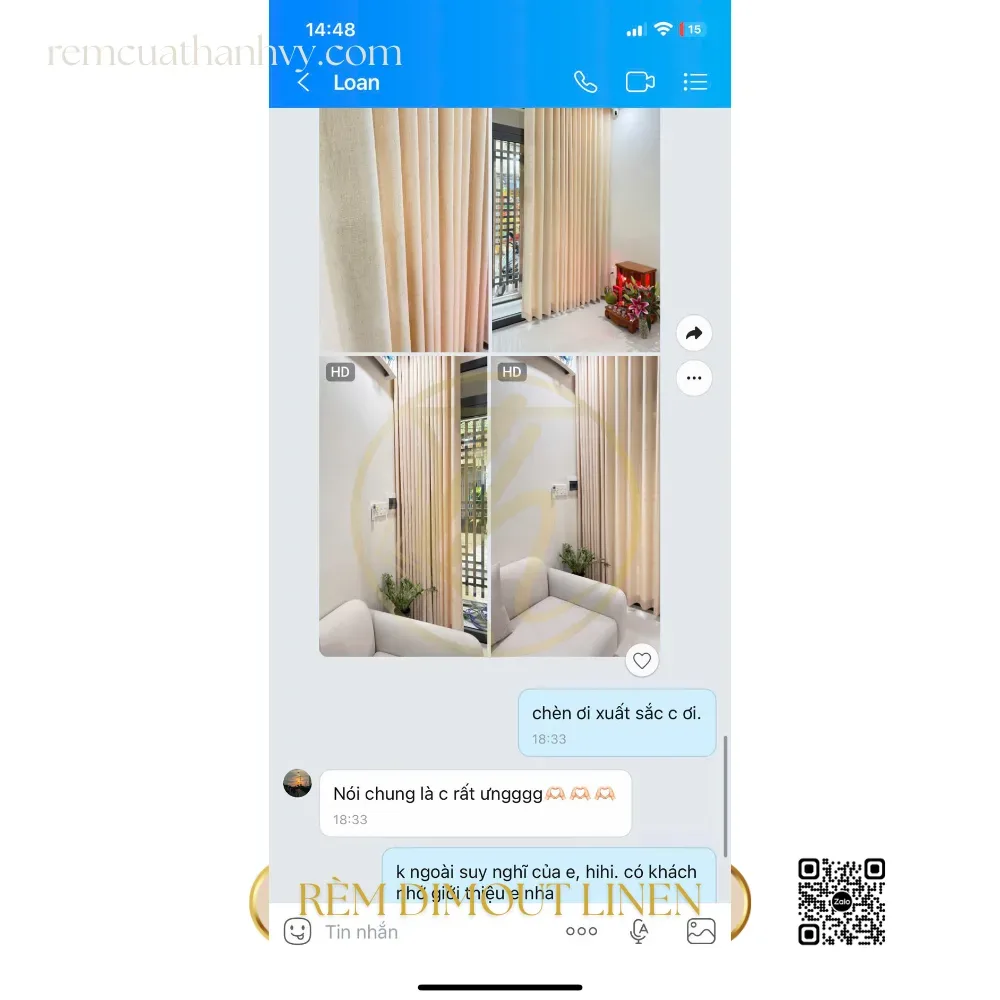
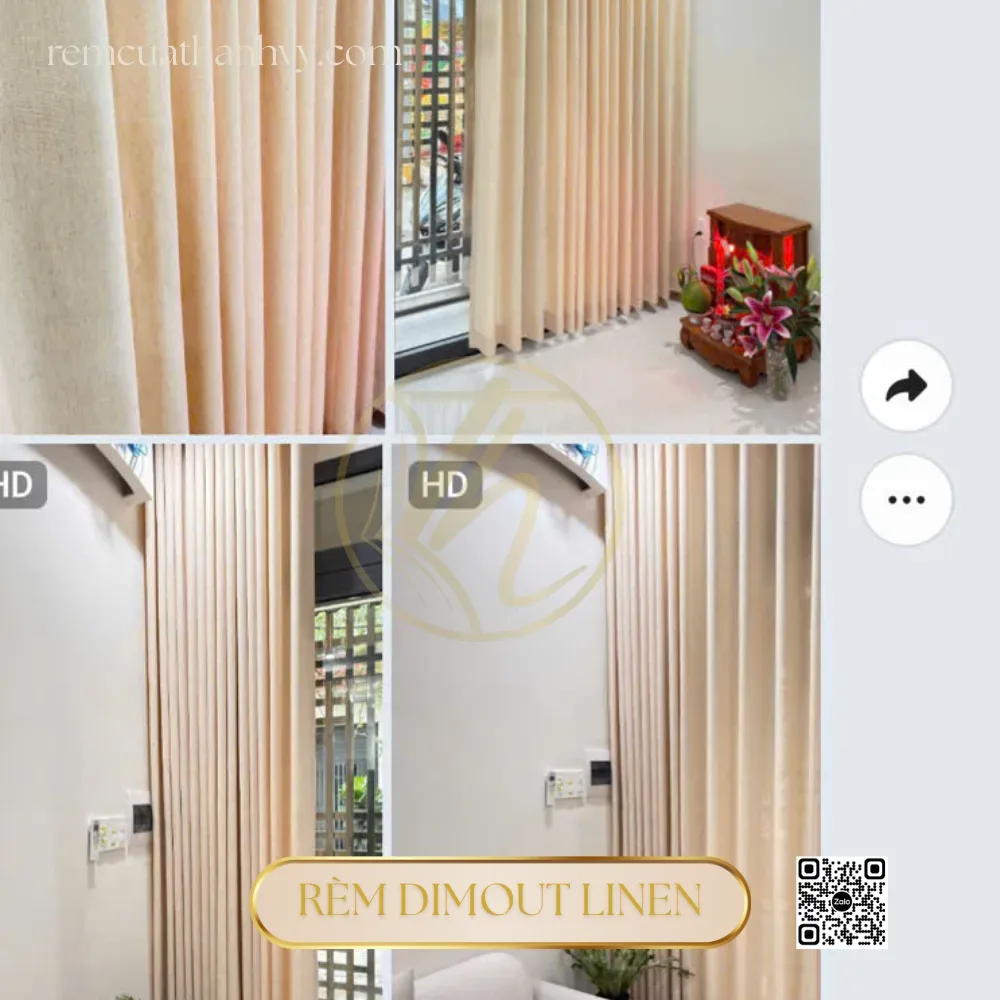
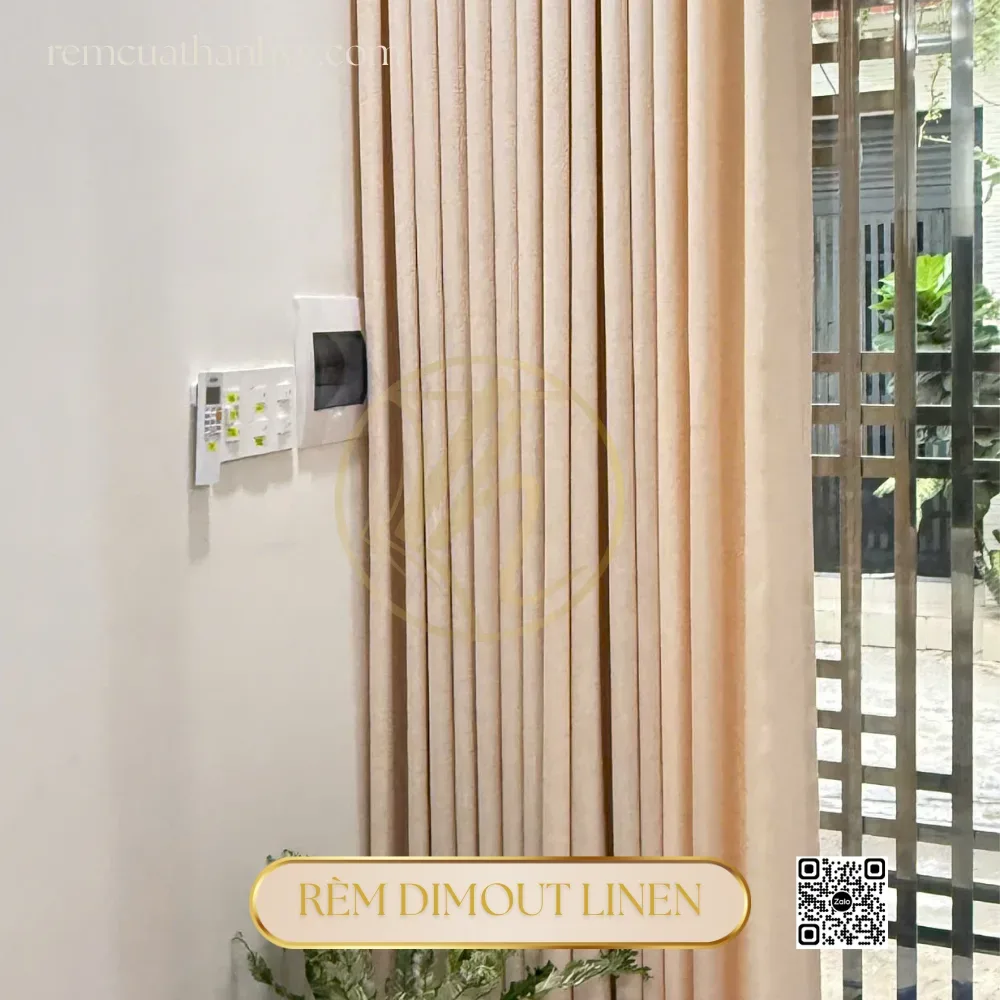
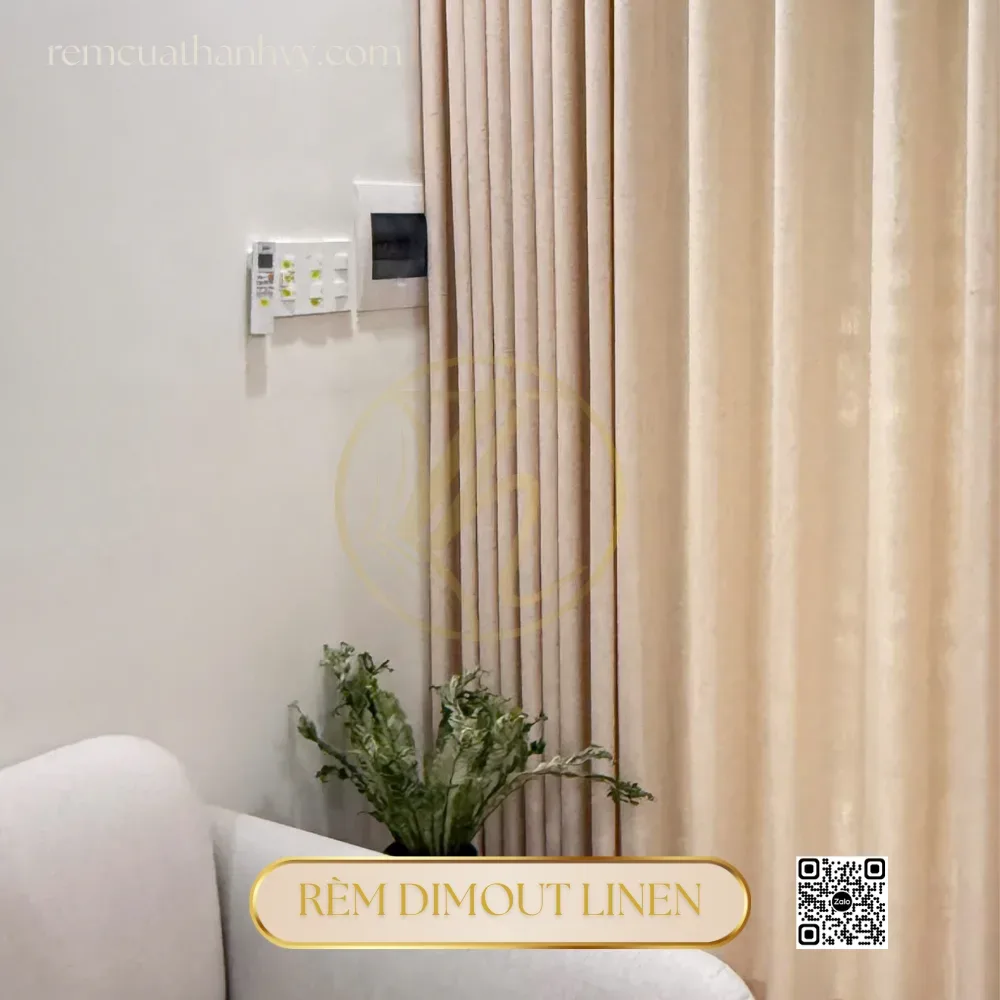
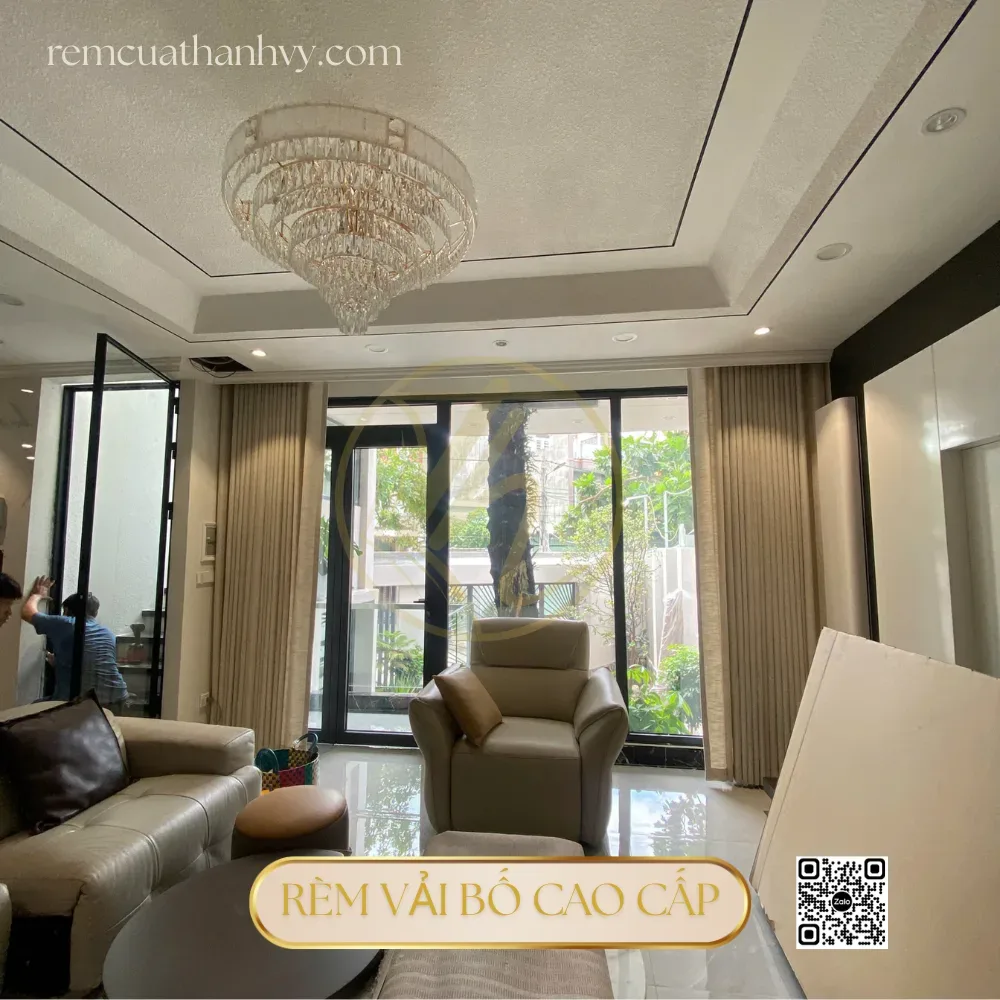
Fabric curtains are often mentioned for living rooms, bedrooms, and places where users want the space to look softer, warmer, and more complete. The most obvious strength is their ability to create a cohesive interior feel. Fabric has drape, layers, and folds, so when the right color and hanging proportions are chosen, the window is not only a source of light but also becomes part of the overall space.
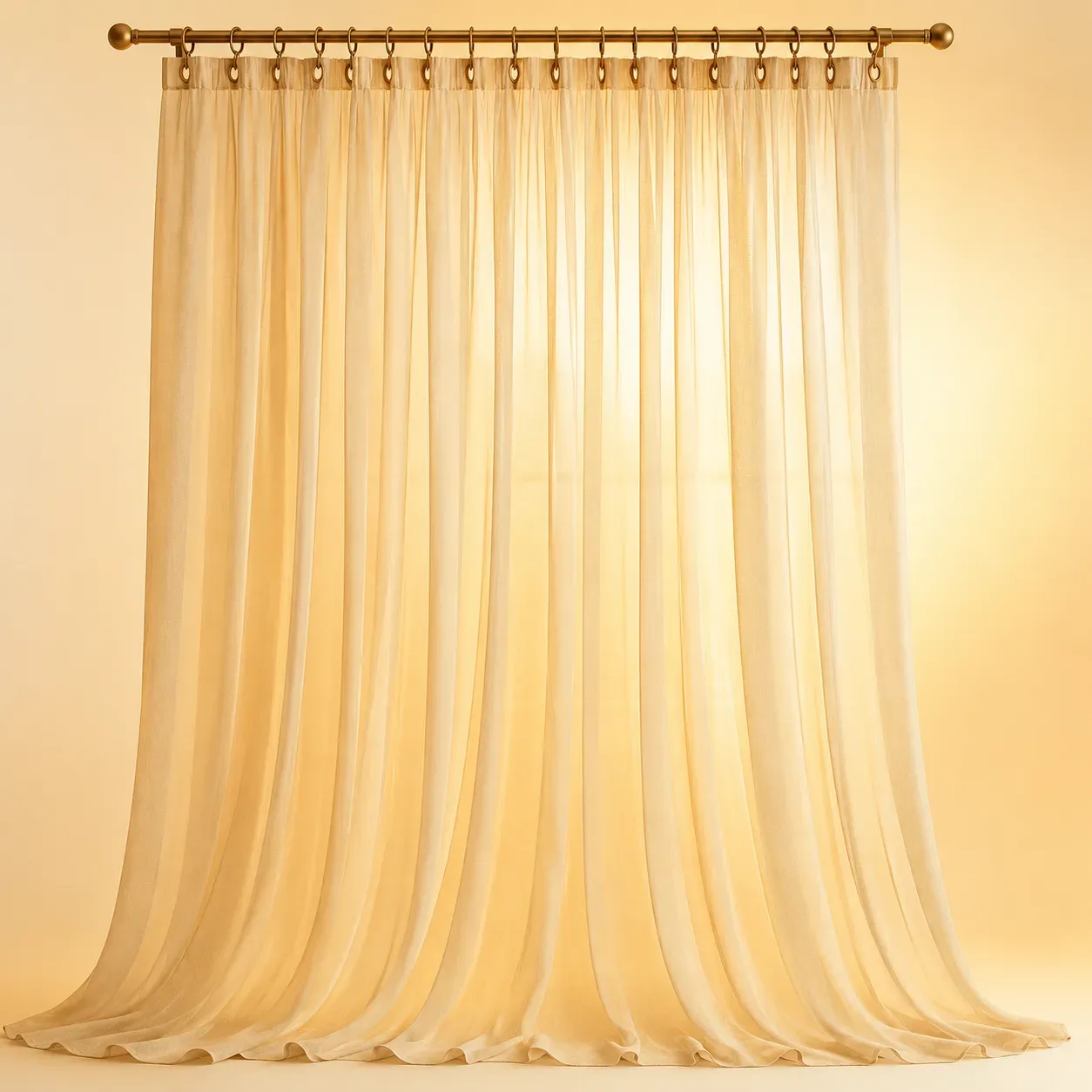
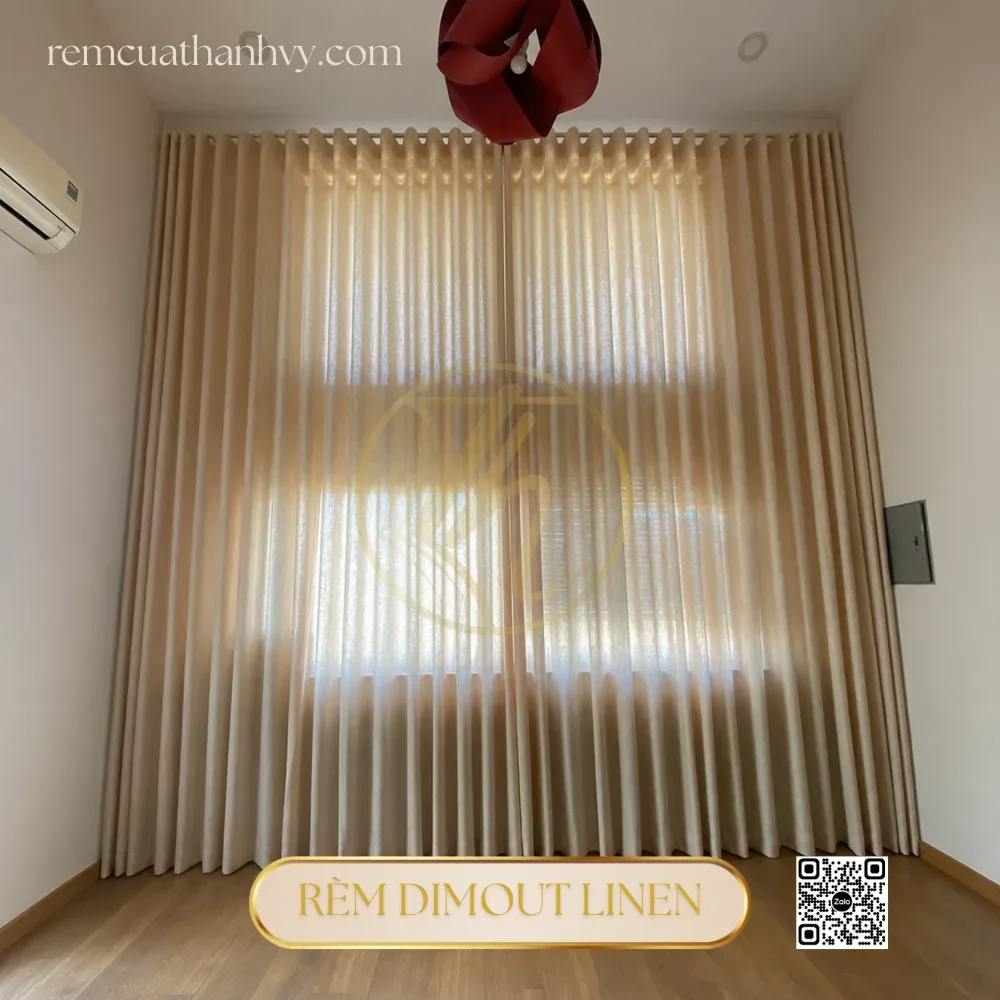
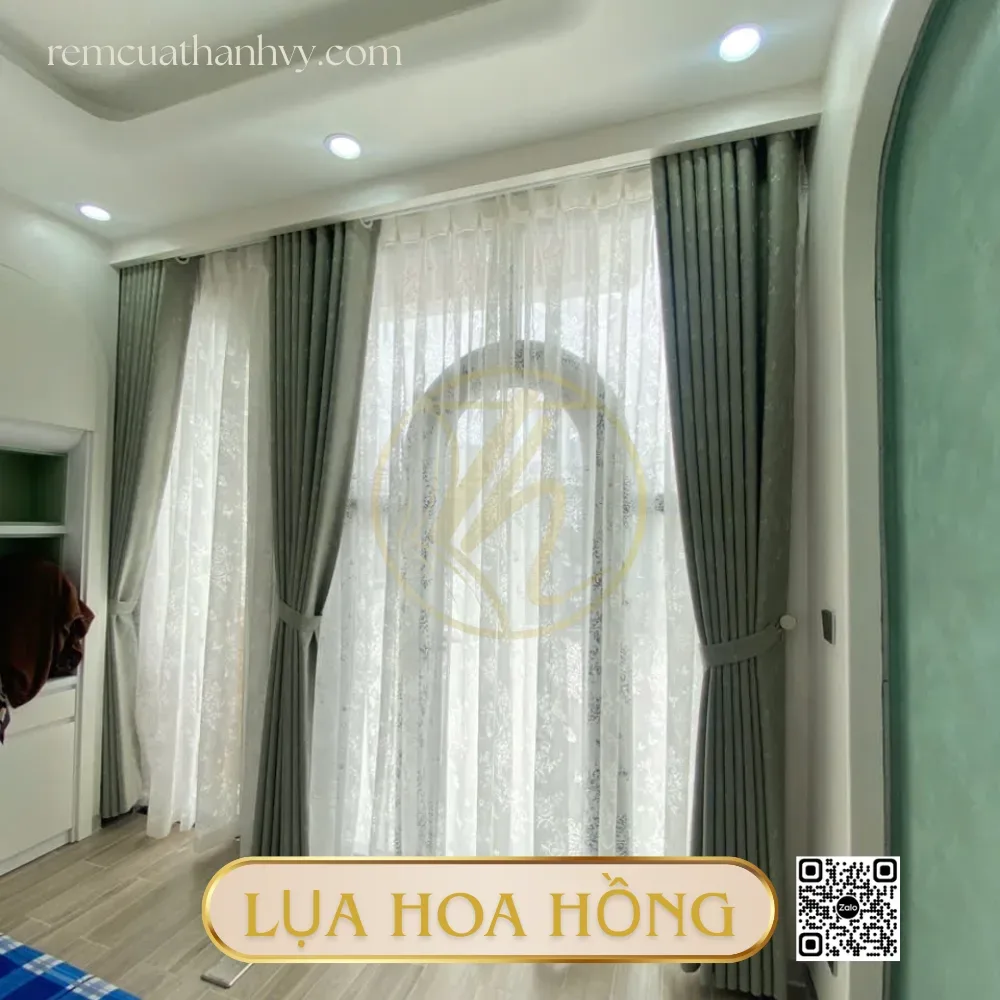
Beyond aesthetics, fabric curtains also allow users greater flexibility in organizing light. For the same window, you can choose a single-layer approach, a double-layer approach, or a configuration with an additional sheer layer to regulate light at different times of the day. This is why many families choose fabric curtains when they do not want the room to always be either too bright or too enclosed, but need an adjustable middle ground. Interested readers can learn about polyester fibers in the textile industry before making a decision.
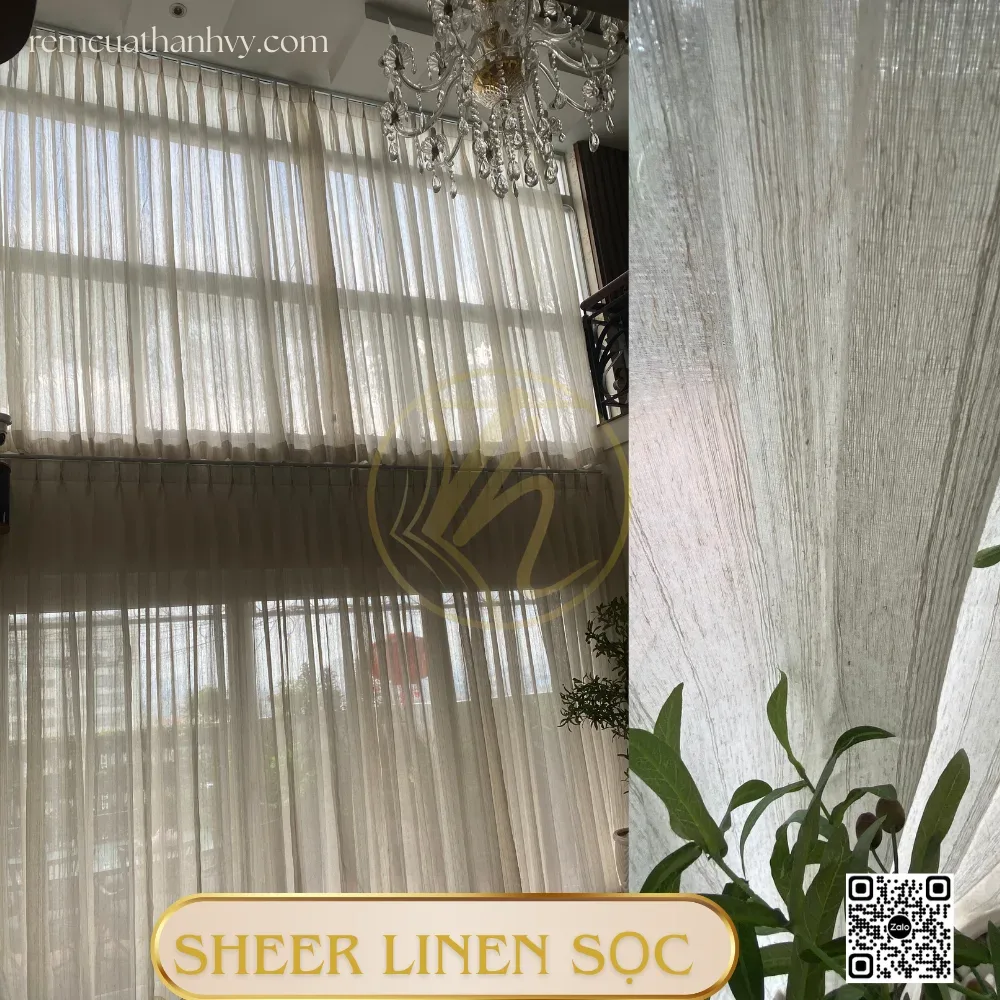
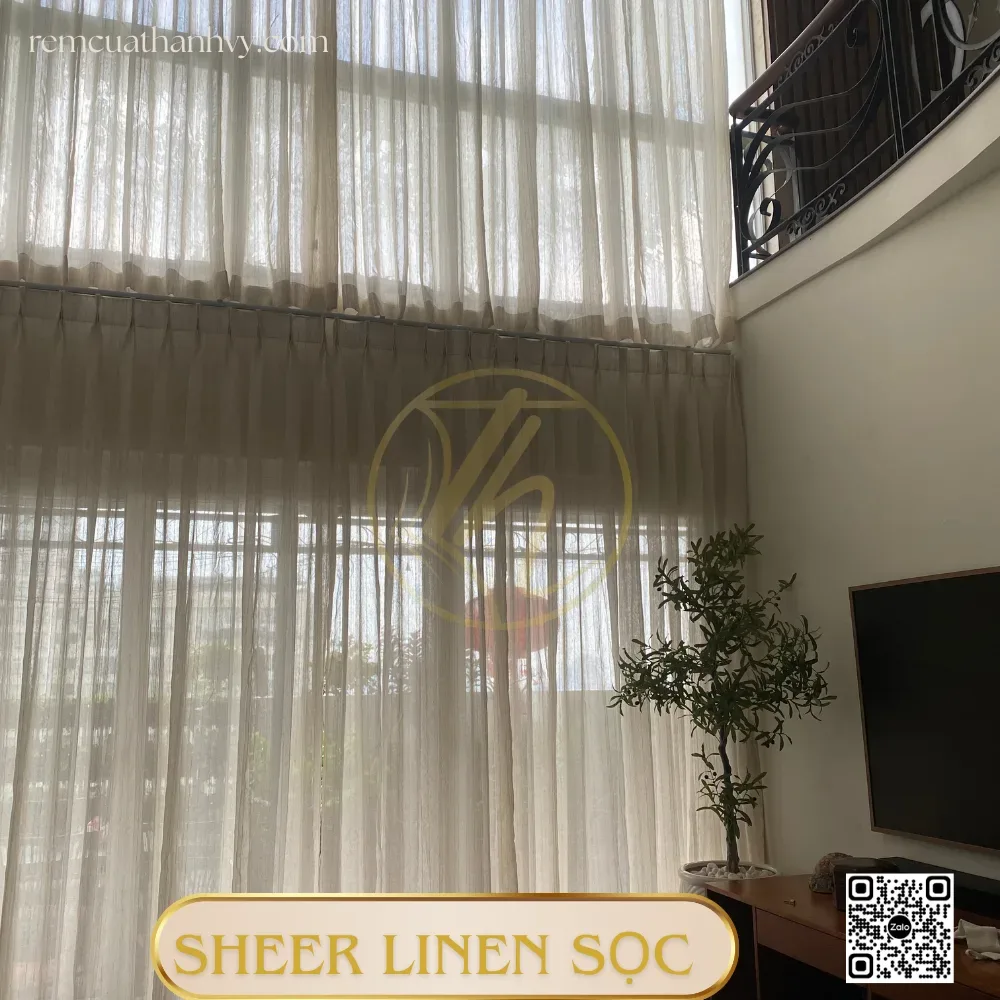
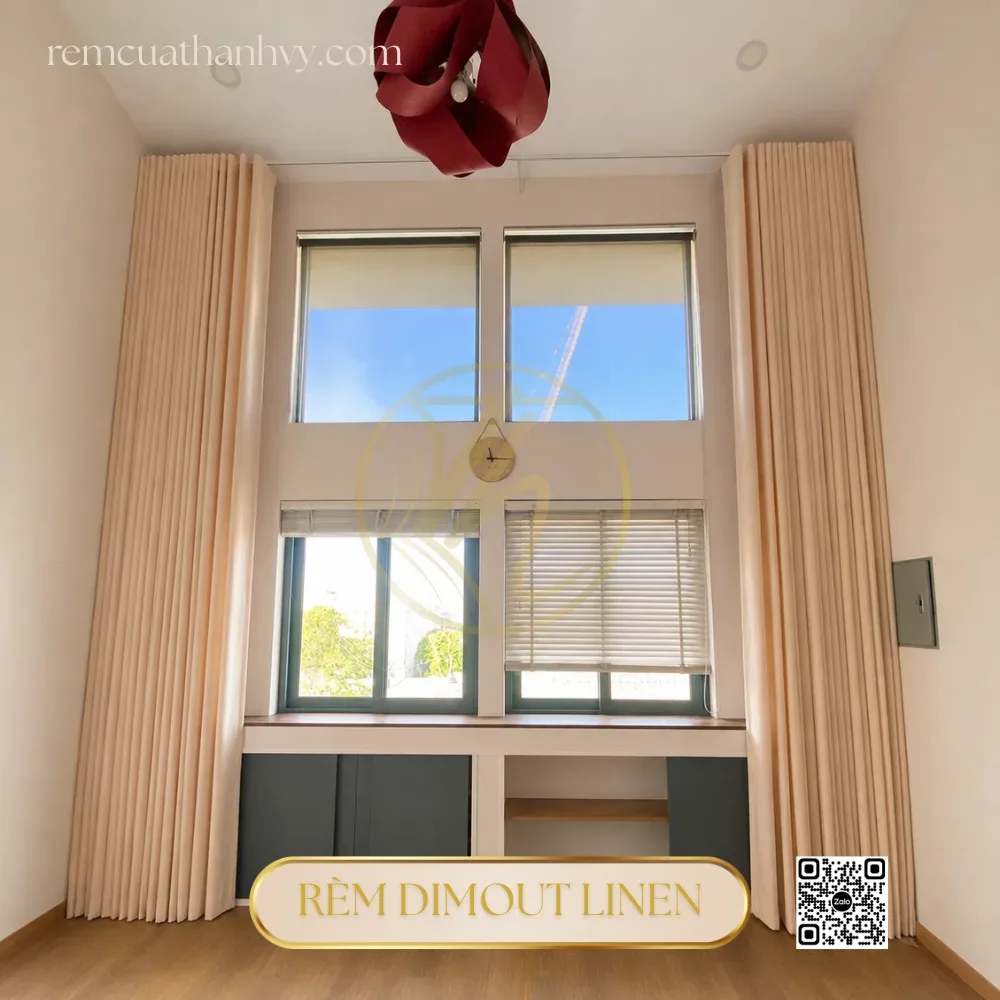
Fabric curtains are also worth considering when users want to reduce the feeling of emptiness around a large window. With wide windows or high ceilings, overly compact curtain types can sometimes make the elevation look cold or lack a focal point. A properly proportioned set of fabric curtains can address that issue quite clearly.
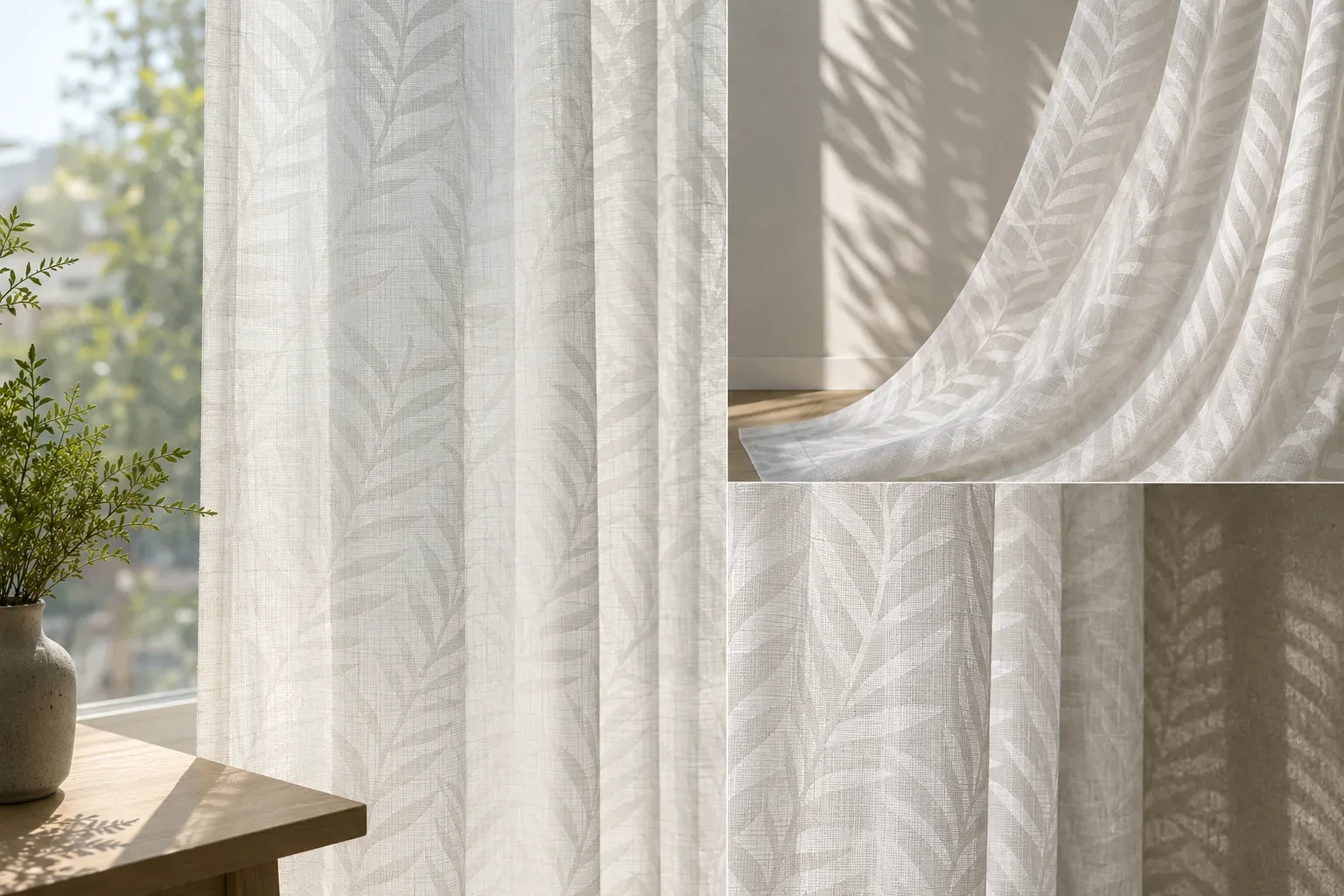
The practical strengths of fabric curtains in everyday use
The first advantage is that they are easy to live with. When the right material and configuration are chosen, fabric curtains help light enter the room more softly, with less glare, and create a better sense of privacy than leaving the window bare. This is particularly useful in rooms used often in the morning or afternoon, when the light changes constantly.
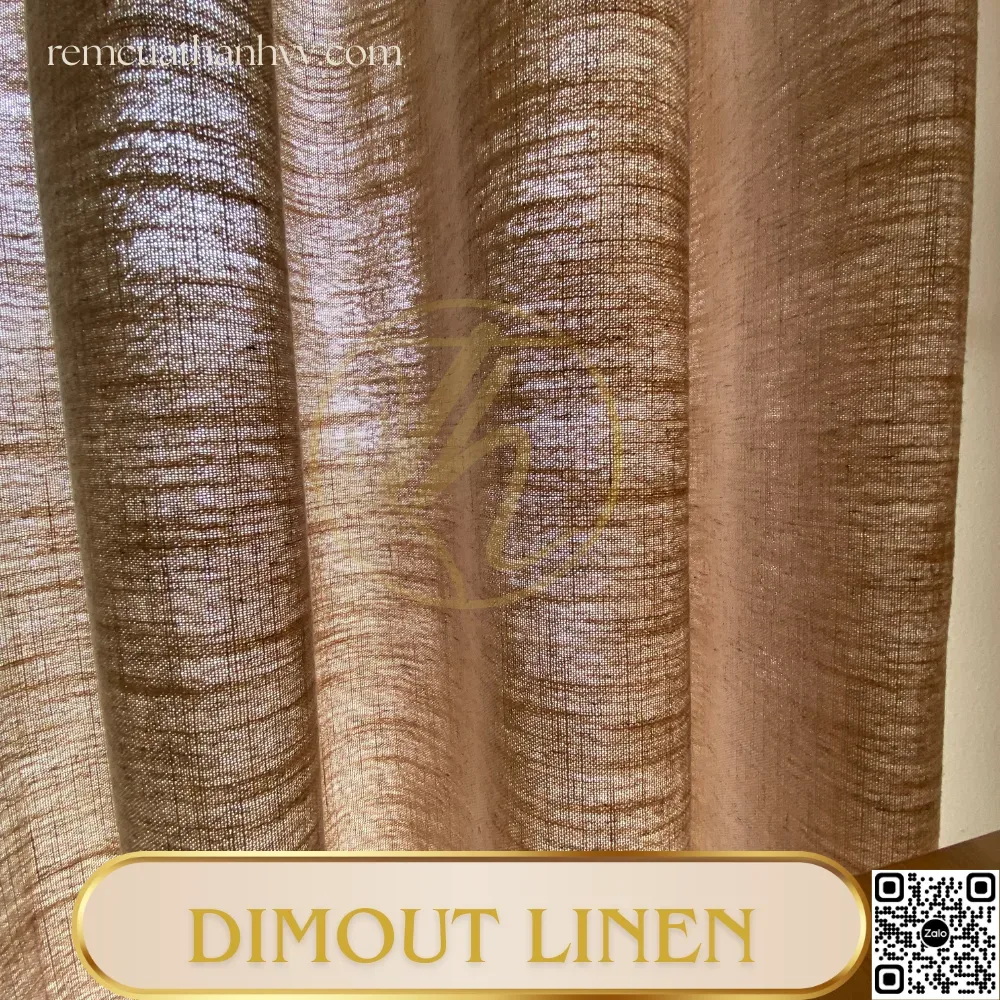
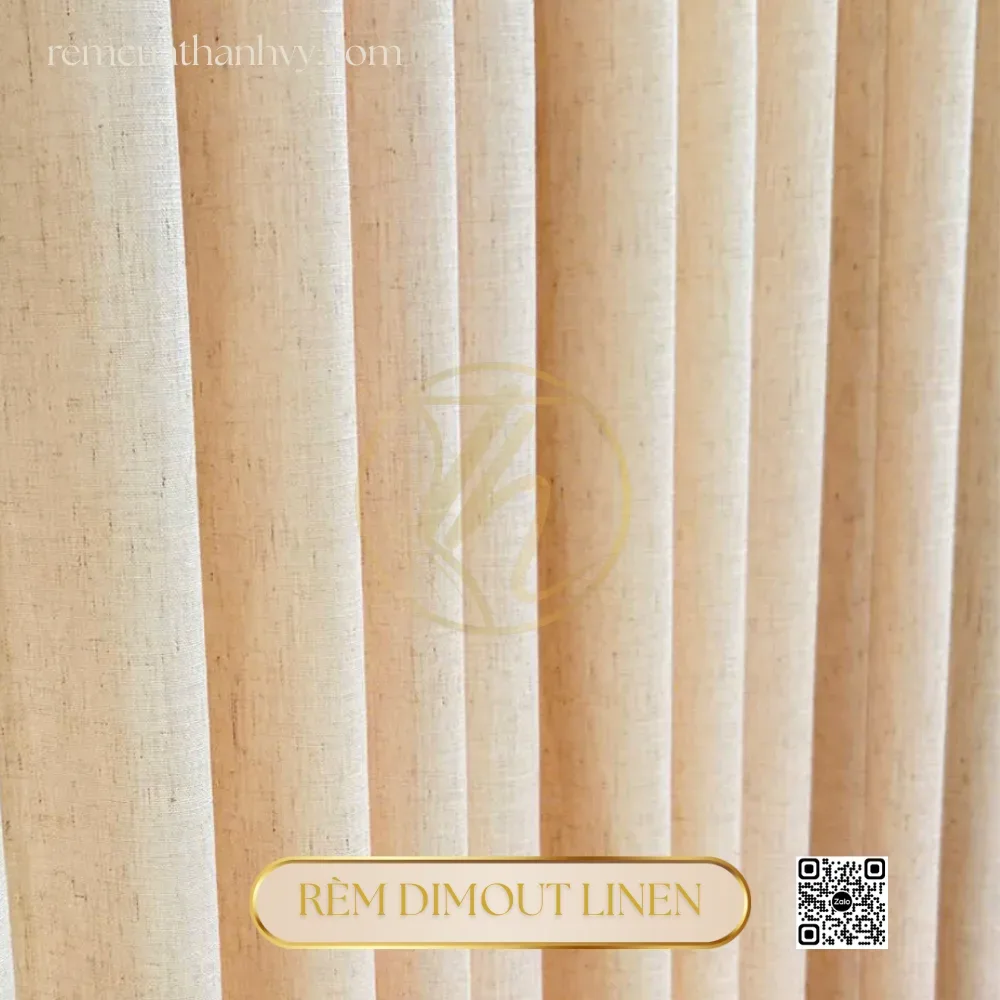
The second advantage is the fairly broad range of options. Users can lean toward more breathable fabrics to maintain a bright feel, or toward thicker fabrics if the room needs more privacy. Thanks to this range, fabric curtains suit many interior styles, from light-colored apartments to spaces with plenty of wood materials or darker surfaces.
The third advantage is their ability to create layers in a space. In rooms that need a restful feel, simply adding a sheer layer and a main fabric layer can noticeably change the quality of light in the room. This is something not every type of curtain can achieve equally well in the same way. The company’s products were once mentioned in the Thanh Vy premium curtains section on Hà Tĩnh Newspaper.
But fabric curtains are not always the best answer
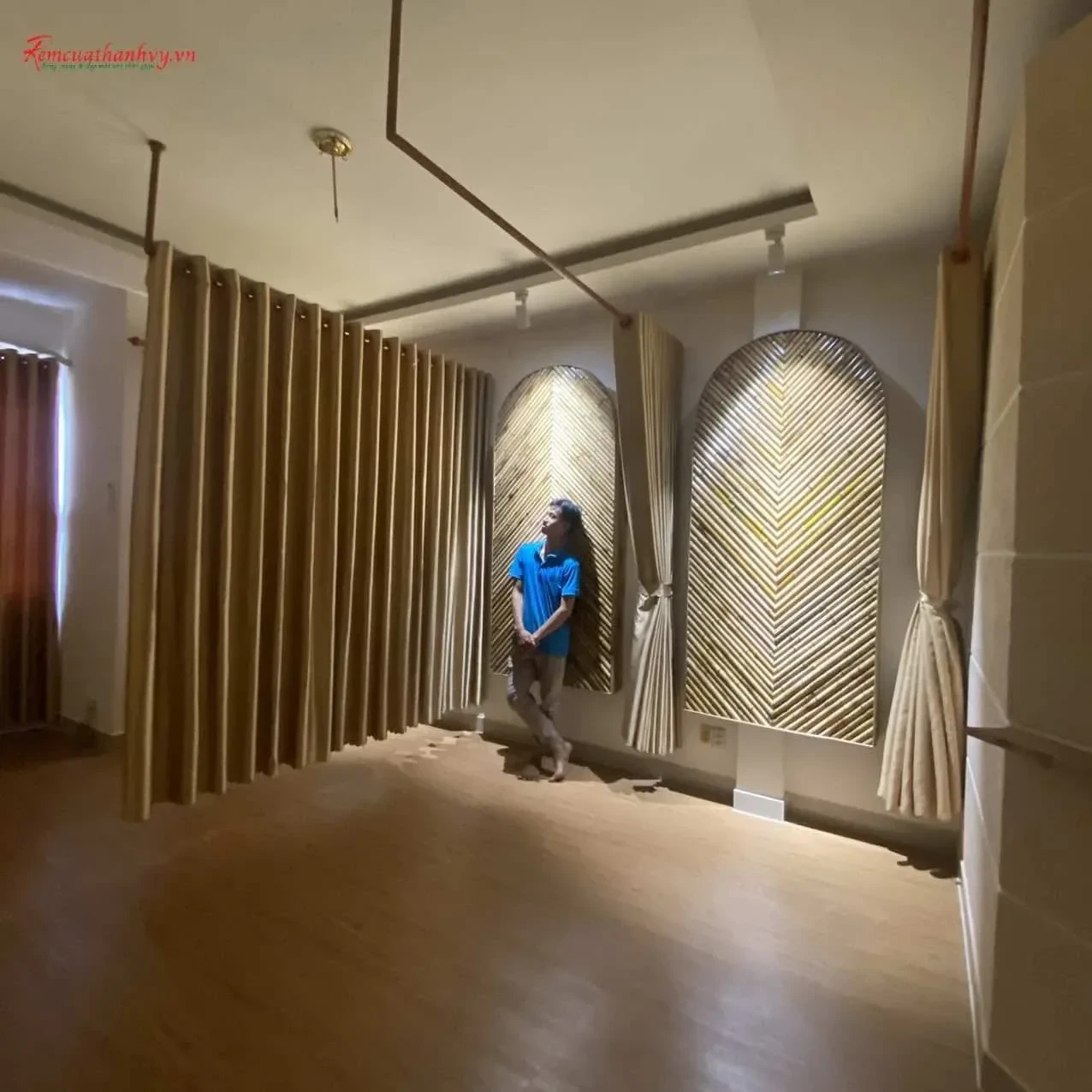
Fabric curtains have drawbacks if users expect them to handle everything in a single configuration. For example, if the window is very close to an activity area, near a desk, or near the kitchen, the fabric gathered to either side may take up more space than expected. If the household wants an extremely streamlined window surface with few details, some fabric curtain configurations can feel heavier than other solutions.
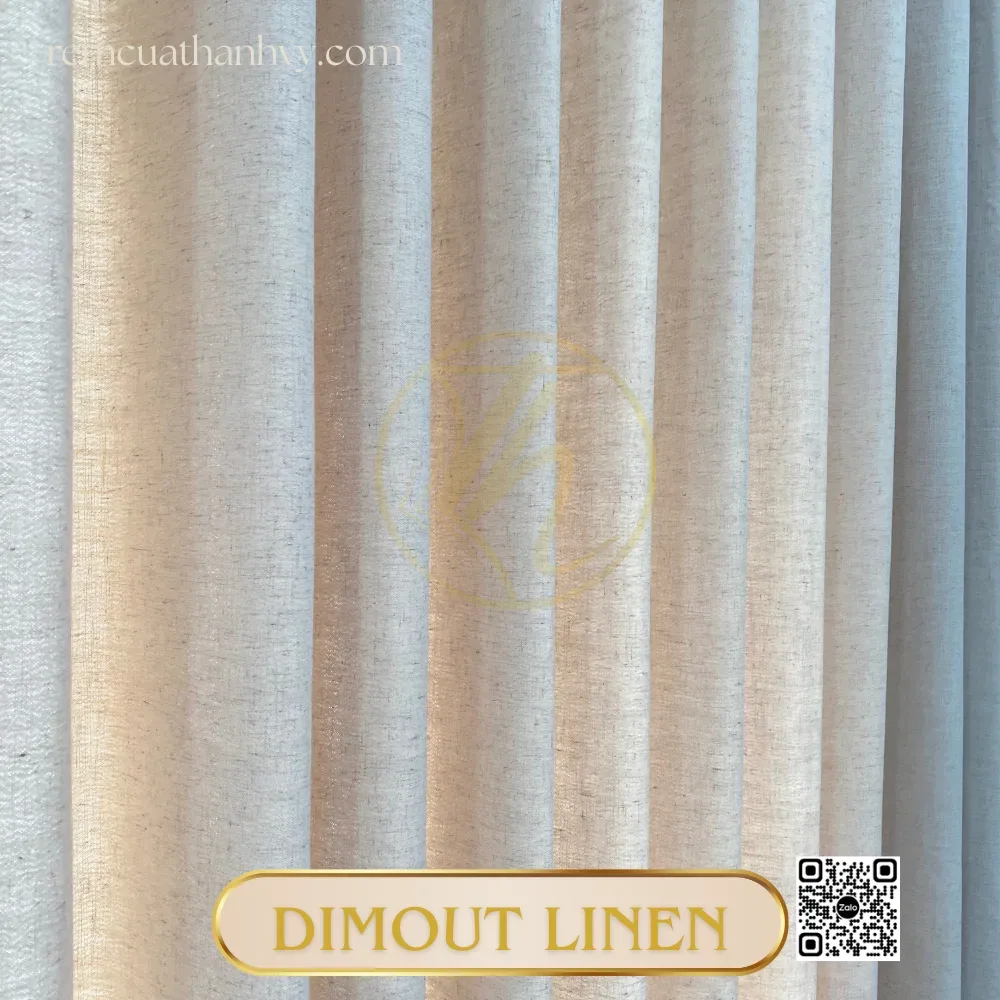
Cleaning is also a factor that needs consideration. Fabric, regardless of type, is still a material that requires periodic care. If the home is in a dusty area or the user wants an extremely quick and convenient cleaning option, fabric curtains may not be the most practical choice. This does not mean fabric curtains are inferior, but simply shows that every type of curtain has its own suitable conditions.
Another point is that the term “fabric curtains” should not be equated with a fixed level of light blocking or privacy. The final result depends on the type of fabric, layer configuration, hanging method, and gaps around the window. If readers expect an absolute result simply from the name of the curtain type, the likelihood of disappointment after installation is quite high.
Fabric curtains should be evaluated based on 4 criteria rather than feelings
The first criterion is light. Does the window receive direct sunlight or only soft natural light? Does the user need to reduce glare or preserve a naturally bright feeling? Once this is determined, the question “are fabric curtains good” begins to have a basis for an answer.
The second criterion is privacy. Some rooms need more complete coverage at night while still remaining airy during the day. Some rooms only need to prevent the feeling of being seen directly through. Each level of privacy will suit a different way of arranging fabric layers.
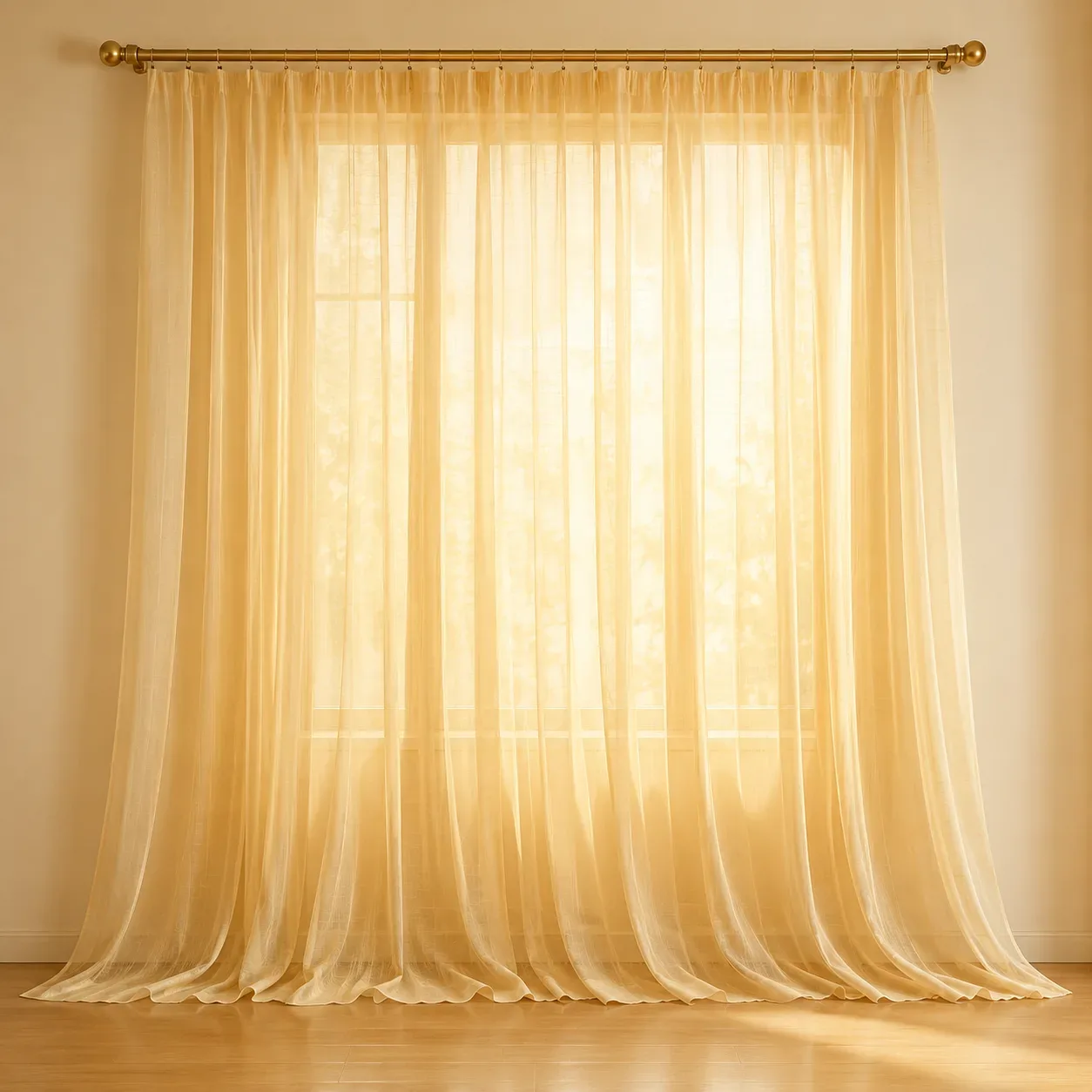
The third criterion is usage pattern. How many times a day is that window opened? Is it a frequently used passageway? Does it need to be operated very quickly or not? A beautiful configuration that is inconvenient to use is still not a good solution in the long run.
The final criterion is proportion in relation to the space. A set of curtains that looks beautiful in photos may not look beautiful in your actual room if the walls, floor, furniture, and curtain stacking space do not match. Fabric curtains are only good when they suit the existing room, not when they look beautiful in isolation.
Send your dimensions and needs, and the Thanh Vy Curtains team will advise on options and quote for your actual space.
When you should compare with other types of curtains
If the room requires extremely neat operation, the curtains need to retract almost completely out of sight, or the fewest fabric folds possible are needed, users should also compare other configurations rather than assuming fabric curtains are the only answer. Similarly, for small windows, windows near obstructions, or situations requiring maximum savings in stacking space on both sides, comparing options side by side will clearly show what is being traded for what.
Comparing additional options does not mean denying the value of fabric curtains. On the contrary, it is a way to confirm whether fabric curtains are truly the most suitable option for the window situation being considered. If, after comparison, fabric curtains still win in both aesthetics and functionality, readers will be much more confident in making their decision.
A short checklist to know whether fabric curtains suit your room
Ask yourself the following seven questions before deciding:
1. Does this window need softened light or more complete coverage? 2. Is the room used more during the day or at night? 3. Do the curtains need to be very compact when open? 4. Is this area dusty, humid, or near the kitchen? 5. Is there enough space to stack the curtains to both sides? 6. Does the fabric color you are considering actually match the walls and flooring? 7. Does the regular cleaning required for fabric curtains suit the household’s routine?
If most answers lean toward needing softened light, flexible privacy, a softer space, and accepting regular fabric care, then fabric curtains are usually a good choice. If not, you should continue comparing other options before deciding.
Conclusion: fabric curtains are good when they suit the actual context
Fabric curtains are not good or bad in an absolute sense. They are good when they suit the right window, the right needs, the right way of use, and the right proportions of the room. For those seeking a solution that both provides aesthetic finishing and allows light to be managed in a softer way, fabric curtains are often a category worth serious consideration. But if the conditions of use require an extremely compact configuration or minimalism to the point where the presence of curtains is almost invisible, readers should compare other options before making a decision.
If you are still considering, you can refer to Top Most Beautiful Fabric Curtain Models for Offices 2026 and How Much Do Fabric Curtains Cost per m2? Latest 2026 Price List for comparison before deciding.
Quick answer: Fabric curtains are a good choice when a room needs softened light, flexible privacy, and a softer atmosphere, but they are not the optimal option if the window requires extremely compact operation, is in a humid or dusty area, or calls for a minimalist configuration with few folds.
To answer the question “are fabric curtains good?” correctly, do not look at the product name or a beautiful image. Look at how the room receives light, how you use the window every day, and the space allocated for the curtains when they are open. When those three factors are clear, the answer will be clear as well. Background information on polyester fibers in the textile industry can help when comparing materials.


Related areas
Curtains in District 3: What to prioritize when choosing for each space
**Curtain selection advice:** Customers in District 3 should prioritize two-layer fabric curtains or neat Korean [...]
Related reviews

Fabric Curtains or Wooden Blinds? A Detailed Comparison to Help You Choose
Compare fabric curtains and wooden blinds by light control, privacy, operation, aesthetics, cleaning, and running [...]

Fabric Curtains or Honeycomb Blinds? A Detailed Comparison to Help You Choose
Compare fabric curtains and honeycomb blinds based on light control, privacy, operation, aesthetics, maintenance, and [...]

Fabric Curtains vs. Roller Blinds? A Detailed Comparison to Help You Choose
Compare fabric curtains and roller blinds based on light control, privacy, operation, aesthetics, maintenance, and [...]
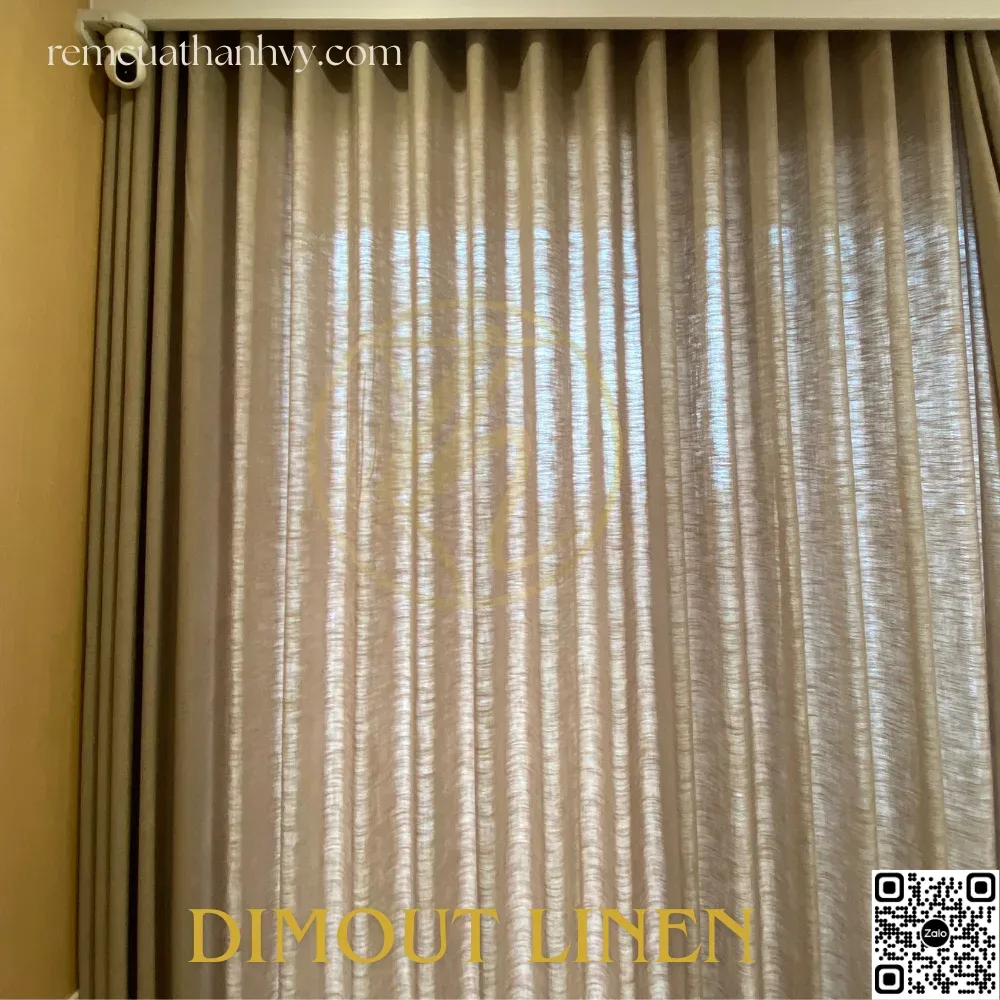
Fabric Curtains vs. Linen Curtains? A Detailed Comparison to Help You Choose
Compare fabric and linen curtains based on light control, privacy, operation, aesthetics, maintenance, and cost [...]
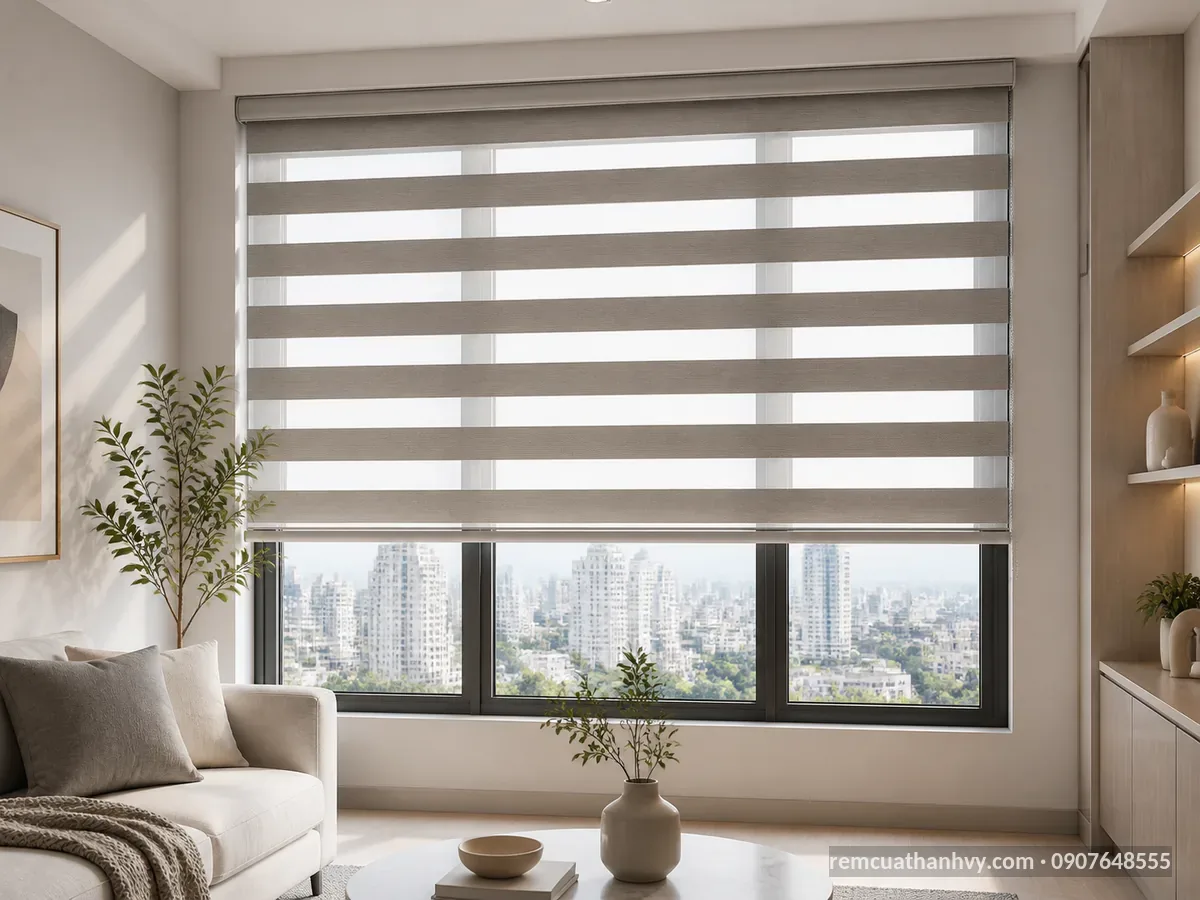
Comparing Fabric Curtains and Zebra Blinds: Which One Fits Your Needs?
This article compares fabric curtains and zebra blinds in terms of light, privacy, stackback, the [...]

Fabric Curtains vs. Roman Shades: A Detailed Comparison
Compare fabric curtains and Roman shades based on light control, privacy, operation, aesthetics, maintenance, and [...]


No comments yet!