




Villa Curtains: Solutions for Large Windows and Double-Height Spaces
The specific needs of villa curtains for large openings and double-height spaces
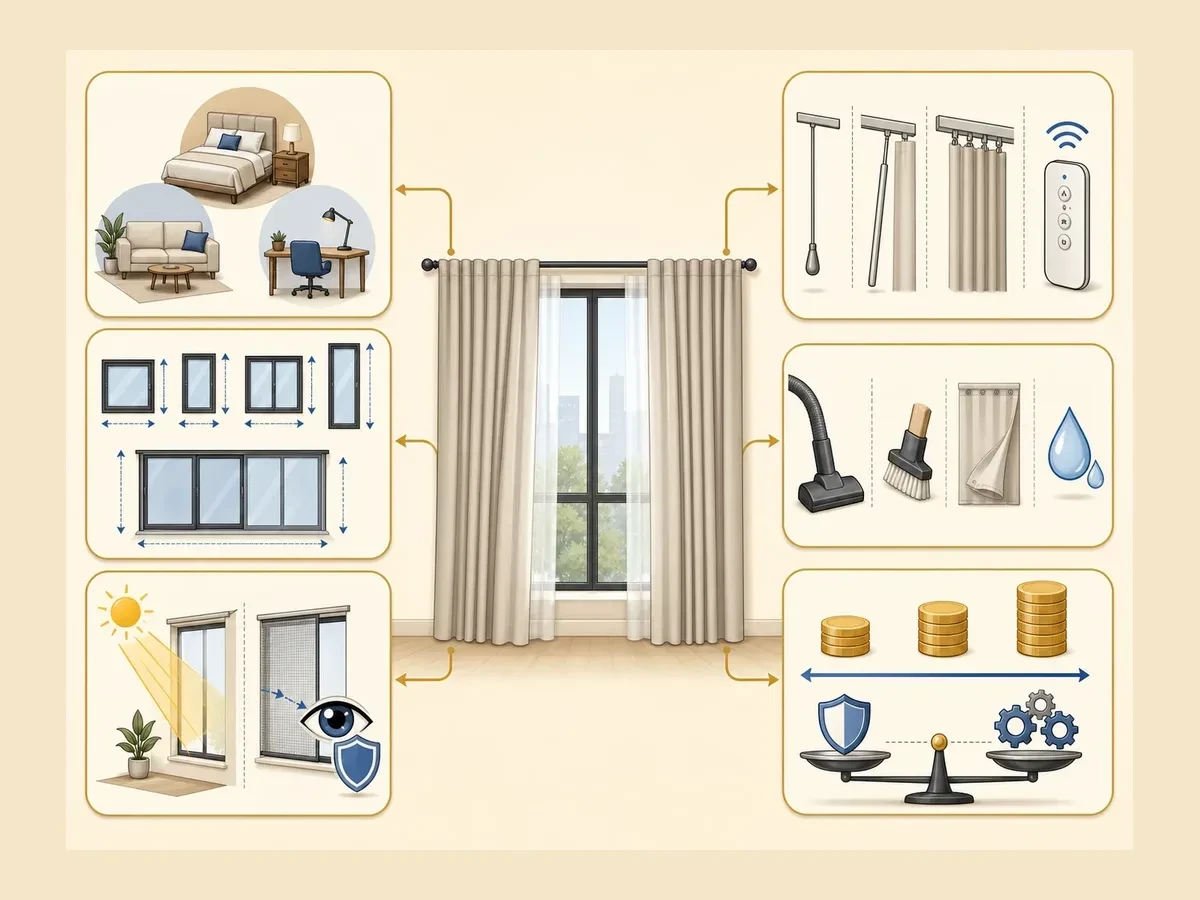
Villa curtains cannot be selected simply by measuring an apartment window opening and installing a standard track. For a villa with glass walls 6–12 m wide, openings 3–5 m high, or double-height spaces over 5 m, the curtain system must support the load, operate reliably, control sunlight, and maintain pleasing proportions when viewed from the foyer or mezzanine. The first step, therefore, is to survey the entire opening, sun exposure, ceiling elevation, and the path of the curtain panels before finalizing the fabric.
The most obvious characteristic is the large size. A typical doorway only requires handling a width of a few meters; in a villa, curtains often run continuously across multiple glass panels, hinged doors, and fixed glazing. If the meeting points are positioned incorrectly, light gaps will appear between the panels when the curtains are drawn. If a single panel is too wide, its weight concentrates at the end of the track, making the carriers harder to move and leaving the fabric edges prone to sagging. The installer needs to prepare a section layout drawing and determine the overlap positions and stacking direction on site.
Large openings present challenges for load capacity and operation
Wide-width fabric, sheers, light-blocking layers, heading tape, and accessories all add up to a considerable load. The aluminum track must be specified according to the total length, number of mounting points, and whether the curtains draw to one side or split in the middle. For double-layer curtains, each layer needs its own track; the spacing between the two tracks must be sufficient to keep the fabrics from rubbing against each other when opening and closing. For wide openings, the curtain motor or manual pull system should be chosen after the actual weight is known, rather than based solely on the glass area.
The support framework is just as important as the track. Decorative drywall ceilings often cannot securely hold expansion anchors when curtains are heavy and operated daily. The technician needs to locate the ceiling framing, concrete beams, steel box sections, or reinforcement panels above, then decide whether to use threaded rods, mounting plates, L-brackets, or connecting rails. For villa curtains over 5 m high, access using scaffolding or a personnel lift must also be planned in advance to avoid repeated drilling and cutting.
Double-height spaces require control over drape and sightlines from multiple elevations
In a double-height living room, people sitting on the floor, standing on the stairs, and looking from the balcony will see the curtains from different angles. Even a section of curtain hem that is a few centimeters uneven can be noticeable when viewed across the full height. It is therefore necessary to establish finished floor-to-ceiling reference levels, measure any ceiling sag, and check whether steps, railings, or handrails obstruct the fabric’s stacking path. The curtain hem generally needs a suitable clearance to avoid brushing the floor, interfering with a robot vacuum, or rubbing against stone trim.
For west-facing glazing, curtains must also act as a heat barrier. Sun exposure changes with the seasons, so measurements should not be taken only in the morning. The survey should record the orientation of the opening, times of direct sunlight, areas of the interior prone to fading, and the distance from the glass to sofas, wooden cabinets, or artwork. This information helps determine whether the curtains need to cover the entire glass wall or only the operable opening, while avoiding curtains that look beautiful but still allow screen glare and hot floors.
Continuous glass walls need solutions that preserve the architecture
Modern villas often have floor-to-ceiling glass walls connecting the living room to the garden or swimming pool. An exposed track can disrupt minimalist lines, while an oversized curtain box can diminish the sense of openness. For this reason, the curtain recess dimensions, curtain drop position, and setback from the glass should be agreed upon during the ceiling finishing stage. For recessed ceiling slots, the curtain team must check the elevation of service enclosures, linear lights, sprinkler heads, sensors, and access panels before installing the tracks.
Large spaces also require consideration of wind and air-conditioning airflow. When doors open onto the yard, lightweight sheers can be pulled into the door panels or wrap around the base of the track. When air conditioning blows along the glass wall, tall curtains can strike the wall and make noise. These issues can be addressed with magnetic hem holders, guide wires, bottom bars, or an appropriate section layout. These small details determine the feel of everyday operation, especially for families who frequently open their doors to welcome guests.
A proper initial survey helps avoid ceiling repairs and design changes
Before sewing begins, the survey documentation should clearly record overall and clear opening dimensions, finished floor elevation, curtain recess depth, outlet locations, power supply routing, fabric stacking side, and door opening clearance. The technician also needs to photograph the existing ceiling, mark load-bearing beams or framing, measure wall deviations, and check the access route for bringing ladders and scaffolding into the house. For projects under construction, this information needs to be passed to the architect and ceiling team for coordination before the ceiling is closed up.
One team from drawings to installation
Thanh Vy Curtains surveys, designs and installs based on your actual site. Send us the dimensions and current condition, and we will advise the right solution.
Request a quote Call 0985 615 577 Message on ZaloHomeowners should request the section layout drawing and a simulation of the draw direction before approving production. A good drawing must answer these questions: where the curtains open toward, where the two layers overlap, where the motor is located, whether manual operation is possible during a power outage, and whether the curtains obstruct doors, handrails, or furniture. Once these points are clear, the choice of color and fabric texture will reflect actual usage needs rather than relying solely on samples laid out on a table.
For properties with large openings, villa curtains should be treated as an element requiring coordination between architecture, electrical work, and interior finishing. An early survey helps ensure correctly positioned power supplies, reinforcement at the right mounting points, and a neat ceiling slot. Homeowners can send floor plans, photos of the openings, and ceiling heights for preliminary advice; on-site measurements are then needed before finalizing the plan, because a discrepancy of a few centimeters in a double-height villa can affect the entire track, fabric, and operation.
Choosing materials and light transmission levels for villa curtains
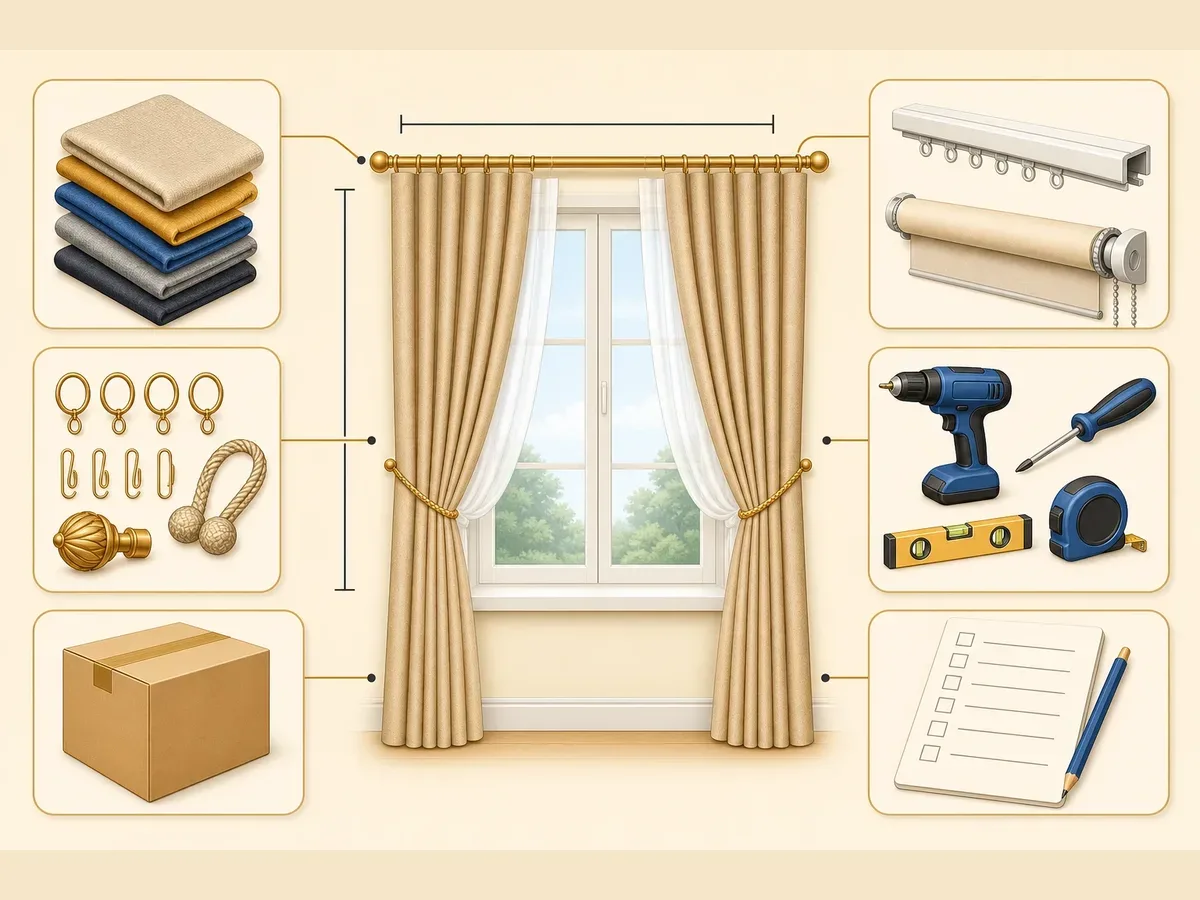
For large glass walls, fabric should not be chosen based solely on color or a sense of luxury. The right solution needs to consider sun exposure, opening area, furniture placement, the need to preserve views, and the curtain system’s load at the same time. Curtains for west-facing villas often need a light-blocking layer or fabric with low light transmission; glazing overlooking a garden is better suited to sheers and screen fabrics that preserve the view. By sending photos of the openings, floor plans, and sun exposure information, homeowners can have material options narrowed down before on-site measurements.
Understand openness ratings before choosing fabric
For screen or solar shade fabrics, the Openness Factor is a specification you should ask about in detail. A 1% rating means small weave openings that block light and radiation more effectively but reduce the view through the shade; 3% balances soft light with the ability to see outside; 5% creates an airy feel and preserves the view better but is less effective at reducing glare and heat. The three levels of 1%, 3%, and 5% have been documented in the category of window treatments designed specifically for glass walls.
| Window situation | Openness level to consider | User experience |
|---|---|---|
| West-facing glass wall, room with screens or wood furnishings | 1% | Better glare reduction and surface protection, less clear outdoor views |
| East- or south-facing living room that needs natural light | 3% | Light is softly filtered while the garden remains visible |
| Window overlooking a lake, greenery, or private grounds | 5% | Maintains an open feel and expansive views, suitable when sunlight is not too intense |
The Openness Factor should not be understood as the percentage of light entering the room directly. It is the percentage of open area in the fabric’s surface structure, so actual results also depend on fabric color, backing, window orientation, time of day, and exterior colors. Light-colored fabrics generally reflect heat better; dark-colored fabrics provide clearer views outside but may absorb more heat. Fabric samples should be placed directly in front of the glass during sunny hours for testing.
Choose fabric construction based on usage needs
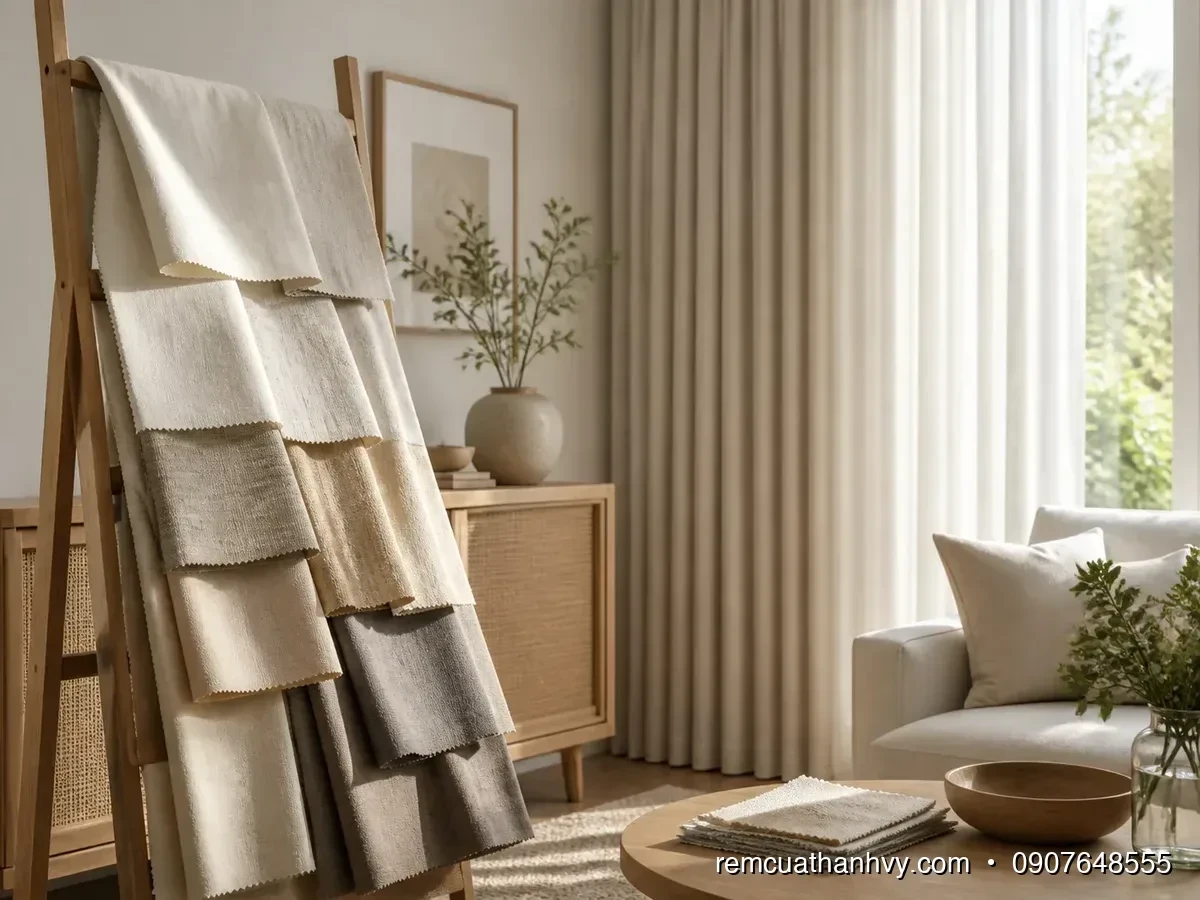
Double-layer curtains are a flexible choice for villa living rooms: a layer of silk voile, polyester voile, or habotai voile softens daylight, while the main fabric layer provides privacy and blocks sunlight when needed. For tall windows, check the fabric width, drape direction, shrinkage after treatment, and the direction in which fabric lengths are joined. Wide-width fabrics help minimize horizontal seams, but not all are wide enough for double-height windows. Only a hanging sample can clearly show the drape and pleat fullness ratio.
Silk satin fabrics have a light-catching surface, suitable for spaces that call for a subtle sheen, but prolonged direct sunlight must be avoided without a protective layer. Raw silk fabric creates a natural, low-sheen surface and suits wood interiors; habotai is soft and lightweight, often used for sheer or decorative layers. Silk voile produces softer light than polyester voile but requires careful handling during sewing, steaming, and cleaning. Fabrics imported from Belgium, South Korea, or Taiwan should be evaluated against color samples, fiber composition, and care instructions rather than relying solely on the name of their origin.
In areas with high safety requirements, you can ask about Trevira CS flame-retardant fabrics. This is a flame-retardant fiber documented in research sources as meeting European standards; during consultation, request technical documentation for the exact fabric code rather than generalizing across the entire collection. Flame-retardant ratings, sound absorption, colorfastness, and dimensional stability are items that should be included in the quote. Flame-retardant fabric does not mean complete sun protection, so a lining or light-blocking layer must still be selected if the space requires it.
Compare fabric layers, coatings, and thermal performance
Blackout fabric has a dense construction or a backing that helps reduce strong light and increase privacy in bedrooms, home theaters, or windows facing neighboring homes. When handling a sample, examine the front, back, folds, and cut edges: a coating that peels easily, has a strong odor, or makes loud rustling sounds can be unpleasant during daily opening and closing. For living rooms that need natural light, dimout or screen fabrics often offer a better balance than full blackout.
A thermal lining can improve the ability to limit radiation through glass, but it makes the curtains heavier and affects the folding radius at the end of the track. When using villa curtains for windows several meters wide, calculate the total weight based on fabric weight per unit area, number of layers, pleat width, suspension cords, and accessories. A lightweight fabric may be suitable for a manually operated track; a double-layer set made of thick fabric may require a load-rated track and a dedicated motor. Do not finalize the motor before determining the actual curtain weight.
To check color and heat, place three samples side by side: an uncoated light-colored fabric, a neutral-colored light-blocking fabric, and a screen fabric with an appropriate Openness Factor. Use a compass or drawing to determine orientation, record the hours of direct sunlight, then measure the surface temperature of the glass and the back of each sample with an infrared thermometer if available. These results are more realistic than viewing samples under showroom lighting. For west-facing windows, test samples from mid- to late afternoon, when sunlight is usually most intense.
Check color, drape, and tolerances before ordering custom curtains
Fabric colors on a screen can differ significantly from how they look in the villa’s lighting. View samples in three locations: against the glass, next to the floor, and beside the wall color; also check them in both daylight and interior lighting. Cream, beige, or light gray fabrics often create a soft backdrop for large spaces, but check the back when fully closed to avoid uneven light showing through. For patterned fabrics, agree on the pattern direction, repeat, and extra fabric needed for pattern matching before calculating the required length.
Drape depends not only on fiber composition but also on weave density, fabric weight per unit area, pleat width, and hanging height. A fabric that looks soft on a table may form stiff folds when sewn into large pleats; conversely, thin fabrics need a sufficient fullness ratio to look attractively full. Ask the curtain maker to clearly specify the fabric width, pleat fullness ratio, heading style, finished dimensions, and hem allowance. This information helps avoid situations where the approved sample looks good but the installed curtains appear sparse or fall short in length.
For tall windows, ask about seam treatment, fabric roll length, join locations, and transportation arrangements. Horizontal seams placed at eye level are often more visible when light falls at an angle. If a single continuous panel cannot be used, joins should be positioned along less visible lines or concealed behind folds. Fabric needs to be allowed to stabilize before cutting; a discrepancy of a few centimeters at the hem can cause curtains to touch the floor, fall short of it, or hang unevenly between panels.
Quick selection matrix for different spaces
| Space | Suggested materials | Openness level or additional layer | Points to confirm |
|---|---|---|---|
| Living room with a west-facing glass wall | Screen, dimout, or thick fabric paired with sheers | 1%–3%, with an optional light-blocking layer | Glare on the floor, sofa, artwork, and screens |
| Living room overlooking a garden | Silk voile or habotai paired with the main fabric | 3%–5% or a daytime sheer layer | Evening privacy when lights are on |
| Bedroom with large glass windows | Blackout, dimout, or double-layer curtains | High light blockage; check light gaps on both sides | Light sealing at the track edges and curtain hem |
| Double-height foyer | Wide-width fabric with consistent weight per unit area, optionally flame-retardant | Choose according to sunlight direction and viewing distance | Fabric width, load, seams, and cleaning |
| Room with a central control system | Fabric within the motor’s allowable load | Screen or double-layer fabric depending on needs | Weight, travel distance, and connectivity standard |
For automated systems, RS485 and Zigbee are two standards documented in the category of smart curtain solutions, but the choice of standard must follow the home’s existing controller and smart home layout. At the material selection stage, the most important information is the load per meter, total track length, number of layers, and operating frequency. Fabric that is too heavy can overload the motor; fabric that is too slippery or too light can easily cause folds to shift. Therefore, the fabric sample and motor specifications need to be approved as part of the same plan.
A sample specification sheet to have before finalizing curtains
Before signing off, homeowners should request a sample specification sheet listing the fabric code, fiber composition, fabric width, weight, color, light transmission, coating, fire-resistance criteria if applicable, heading style, fullness ratio, and proposed dimensions. The sheet should also state where the sample will be used: the living room, bedroom, foyer, or west-facing wall. During the site survey, the installer can check the sheet against the glazing dimensions, floor level, outlet locations, and handle clearances.
Do not finalize your choice based solely on a small fabric swatch. For large villa curtains, view a vertically hung sample long enough to assess its drape, place it next to the flooring color, and test drawing it in a light breeze. If you are deciding between 1%, 3%, and 5%, request three samples in the same color to compare at the actual window. This test helps you decide based on actual light levels, visibility, and thermal comfort rather than catalog photos.
Homeowners can send photos of the glass wall, the direction the opening faces, ceiling height, estimated dimensions, and intended use of each room in advance to receive preliminary advice on fabric categories. During on-site measurement, ask that the glazing dimensions, wall space on both sides, finished floor level, and locations of furniture near the opening also be recorded. With this information, the villa curtain plan will be clearer in terms of materials, light transmission ratings, number of layers, and load before moving on to the quotation stage.
Curtain suggestions by architectural style: modern, neoclassical, classical, and Indochine
Choosing villa curtains should begin with the architectural language, not just the fabric color. Modern homes suit flat headings, recessed tracks, and plain surfaces; neoclassical spaces need fabric with good drape and restrained valance details; classical villas suit queen-style curtains, full pleats, and metal accessories; while the Indochine style calls for a balance of natural fabrics, wood, and local motifs. The table below provides a quick comparison before finalizing the sample, finished width, and hanging method.
| Style | Curtain styles to prioritize | Materials and colors | Details to check when measuring |
|---|---|---|---|
| Modern | 2-layer fabric curtains, ripple fold curtains, flat Roman shades, or screen roller shades | Plain sheers, finely woven polyester, linen blends; warm white, greige, light gray, beige | Continuous tracks, a ceiling recess approximately 15–20 cm wide depending on the configuration, clearance behind the curtains, and handle locations |
| Neoclassical | 2-layer fabric curtains, double or triple pinch pleats, or straight valances with molding trim | Lightweight brocade, matte satin, lightweight velvet, embroidered sheers; cream, champagne, blue-gray, pale yellow | Molding height, opening width, valance-to-ceiling proportions, and tieback locations |
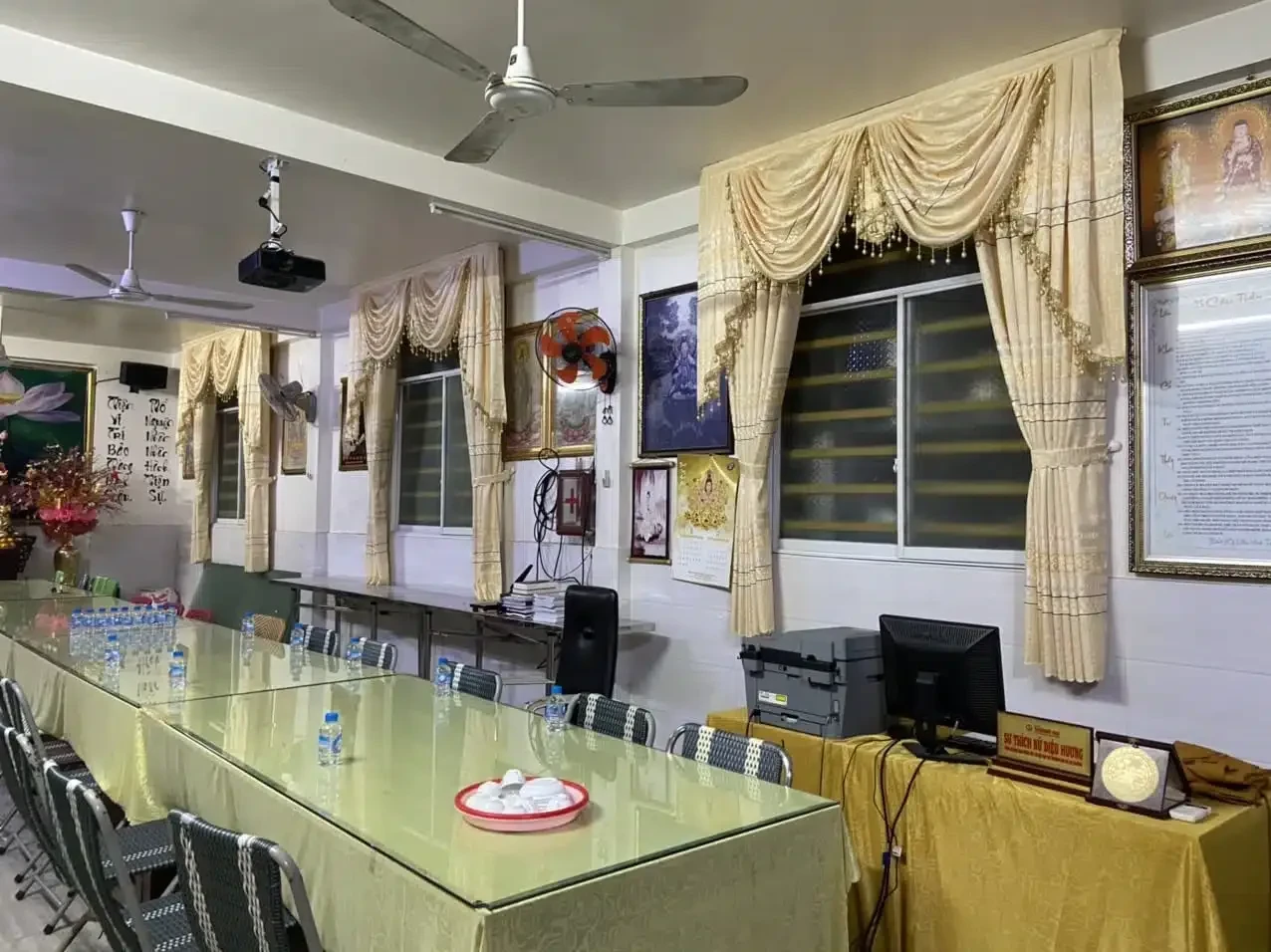
| Classical | Queen-style curtains, swag curtains, ruffled curtains, sheers paired with light-blocking curtains | Jacquard brocade, velvet, satin silk, subtly patterned fabrics; wine red, bronze, wood brown, jade green | Curtain rod load capacity, curved opening radius, clearance from wall molding, and pleat dimensions |
| Indochine | Simple draped fabric curtains, Roman shades, bamboo blinds paired with sheers, or 2-layer curtains with minimal detailing | Linen, raw silk, coarsely woven cotton, rattan and bamboo; ivory, earth brown, moss green, black accents | Relationship to shutters, wood louvers, encaustic tiles, ceiling fans, and rattan furniture |
Modern villas: prioritize flat fabric expanses and clean proportions
With large glass facades, flat ceilings, and minimally detailed interiors, modern villa curtains should create a continuous backdrop without competing with the sofa or decorative lighting. Ripple fold curtains use uniform waves and run smoothly on aluminum tracks; 2-layer curtains allow separate use of the daytime sheer layer and the evening light-blocking layer. If the opening is 3,2 m high, the curtain heading can sit close to the ceiling, with the hem 0,5–1 cm above the finished floor to avoid dragging through dust.
Know the cost before you decide
Send estimated dimensions and a few photos of the space, and Thanh Vy Curtains will prepare a quote for exactly the items you need.
Request a quote Call 0985 615 577 Message on ZaloIn rooms with hinged doors, determine the hinge orientation before choosing Roman shades or panel curtains. Folding Roman shades suit medium-sized openings and form a compact surface when raised; they should not be used on frequently accessed doors if the fabric stack obstructs the handle. For wide sliding doors, divide the curtains into two sides or multiple sections according to the track span, rather than gathering all the fabric on one side and creating an overly thick stack.
Neoclassical: add trim while keeping decoration restrained
Neoclassical spaces often have ceiling molding, paneled walls, and chandeliers, so curtains should continue the existing horizontal and vertical lines. A cream-colored two-layer curtain set comprising warm white sheers and plain brocade can have double pinch pleats, paired with a straight valance 20–35 cm high if the ceiling is high enough. For openings 4–5 m wide, the meeting line between the two panels should align with the room’s axis of symmetry or the coffee table’s centerline, avoiding an offset from the wall molding.
Swag valances should only be used when the facade or living room already features corresponding curves, motifs, and molding. If the walls have square panels, a gently rounded straight valance will be more balanced than a multi-swag valance. Tiebacks made from tasseled cord, metal rings, or fabric bands should be tested at their actual height; placing them too low pulls the curtain body sideways, while placing them too high makes the drape look unnatural. Fabric samples should be viewed in daylight and under warm yellow lighting before approval.
Classical: manage layering, load, and accessories
Queen-style curtains, swag curtains, and ruffled curtains create a formal effect in living rooms with high ceilings, grand staircases, or arched openings. However, each detail increases the amount of fabric and the pull on the curtain rod. For an opening approximately 3 m wide, a fixed valance, two side panels of brocade, and an inner sheer layer can be used; for taller openings, confirm the rod type, center support brackets, rollers, and sectioning plan before sewing.
Velvet offers depth of color and good drape but can feel heavy when used across an entire expanse of glass. Jacquard brocade with subtle patterns works well where the walls already have white or cream molding. Satin silk is highly reflective, so it should be used in areas with controlled lighting and paired with sheers to reduce contrast. Accessories such as holdbacks, rings, finials, and hooks should share the same metal tone as the lights, door handles, or table legs so the overall look does not feel disjointed.
Indochine: combine natural materials with architectural forms
Indochine does not call for heavily ruffled or overly glossy curtains. Linen, raw silk, coarsely woven cotton curtains, and bamboo blinds create textured surfaces that suit dark wood, woven rattan, encaustic tiles, and shutters. At dining room windows, raw silk Roman shades can be paired with bamboo blinds on the outside; along living room glass walls, ivory sheers and earth-brown curtains help maintain soft light while connecting with the wood furnishings.
Patterns should serve as accents, such as thin black borders, vertical stripes, or small geometric motifs. Avoid placing densely patterned floral fabric next to multicolored encaustic tiles without first testing the samples side by side. When surveying an Indochine home, also record the depth of wood louvers, shutter panels, handles, and the sweep clearance of ceiling fans; curtains hanging too close to these elements may snag or reduce ventilation.
How to finalize selections for each window opening
Take a wide shot of the window opening, a close-up of the molding, and a photo of the interior under the same lighting conditions, then place a fabric sample measuring at least 30 × 30 cm where the curtains will hang. Check three configurations: curtains fully open, fully closed, and only the sheer layer drawn. Record the wall coverage width, the height from the finished floor to the hanging point, and the locations of outlets, switches, and furniture that could obstruct movement. This information helps the villa curtains suit the intended style rather than just look good in a catalog.
If the homeowner is torn between two styles, prioritize the building’s fixed features: molding and paneling lean toward neoclassical; straight lines, concrete, and large glass surfaces lean toward modern; carved wood, brass lights, and arched doorways lean toward classical; wood slats, patterned cement tiles, and rattan and bamboo suggest Indochine. Only then should you choose the fabric thickness, pleat style, valance, tiebacks, and finish colors.
Before approving a sample, request a specification sheet clearly stating the fabric name, fabric width, fullness ratio, sewing style, number of layers, thread color, track type, and treatment of the curtain ends. If automated control is needed, mark the motor location and curtain stacking direction directly on the drawing; this detail directly affects both the sewing style and the proportions of the fabric panels. A selection that suits the style must also fit the window proportions, usage, and actual construction.
Suggestions for discussion when scheduling an appointment: send photos of the facade, drawings or preliminary dimensions in advance, along with your chosen interior style. The consultation team can use these to prepare suitable modern, neoclassical, classical, or Indochine sample selections, then compare them on-site before finalizing the plan.
Technical requirements for double-height curtains, large glass walls, and recessed ceiling pockets
Choosing curtains for each villa space: living room, bedroom, entertainment room, and foyer
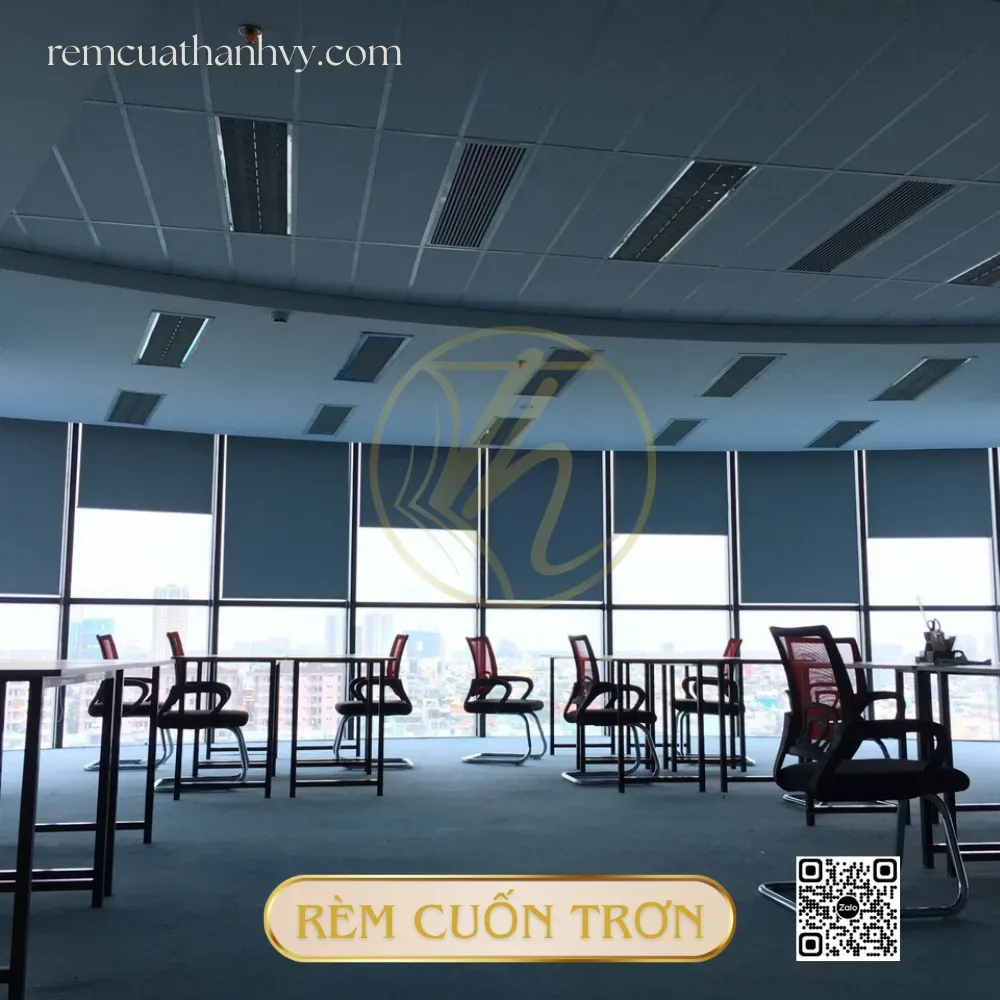
For a villa, choose villa curtains according to each room’s function rather than using the same design throughout the house. The living room needs sunlight control while preserving the view; the bedroom prioritizes light blocking and privacy; the entertainment room needs to limit glare and reverberation; and the foyer must withstand foot traffic and make an impression right from the entrance. During the site survey, separately record the window opening width, ceiling height, sun exposure, outlet locations, door swing clearance, and furniture layout.
Living room: preserve expansive views, reduce sunlight, and balance proportions
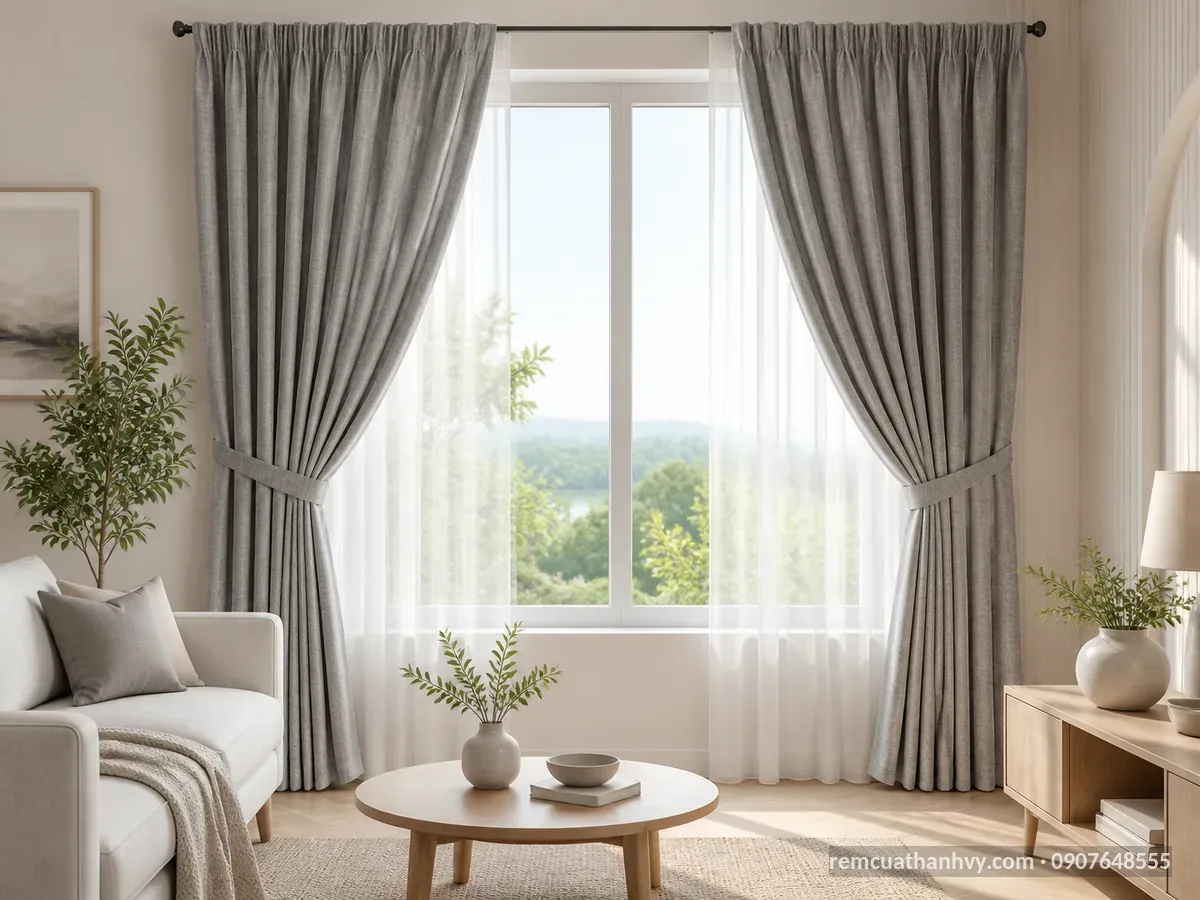
In a living room with large glass walls, the most manageable option is usually two-layer fabric curtains consisting of a sheer layer and a light-blocking layer. The sheer layer filters daylight, allowing views of the garden without leaving the space exposed; the thick fabric layer closes fully against western sunlight or when the family needs privacy. For openings 4–6 m wide, divide the curtains into several independently operated sections rather than using one overly heavy panel. This arrangement reduces the load on the track, makes partial opening easier, and prevents fabric from bunching into a large mass on one side.
The measuring team should take measurements at no fewer than three height points: the track end, the middle of the opening, and near the finished floor. If the floor has natural stone, stepped levels, or thick carpeting, the curtain hem clearance must be recorded on the measurement sheet, not estimated by eye. Villa curtains for living rooms with low sofas should just touch the floor neatly; areas with robot vacuums need enough clearance to keep the hem from getting caught in the brush. Coffee tables, floor lamps, and built-in cabinets must also be marked to determine the curtain stacking direction.
For a double-height living room where the usable area is on the ground floor, fabric curtains can extend vertically across the entire glass opening and stack on both sides. If the door opens onto a veranda, check its swing radius before finalizing the track position. A design with double pleats or uniform waves will suit a modern space; the curtain rod, rings, and end stops should match the metal tone of the door handles, pendant lights, or railings to keep the overall look cohesive.
For further information, please contact Thanh Vy Curtains
We provide free consultation and on-site measuring at your home.
Bedroom: prioritize light blocking, privacy, and quiet operation
A primary bedroom with east- or west-facing glass doors should use a two-layer configuration, with a light-blocking coating on the back of the thick fabric layer. If the homeowner sleeps during the day, the room accommodates small children, or movies will be watched on a secondary screen, request a fabric sample test under actual lighting conditions rather than relying solely on a catalog. High light-blocking performance does not mean every curtain edge is sealed: gaps at the sides, between the two panels, and above the track must be addressed with suitable coverage, return strips, or curtain boxes.
For windows about 2–3 m wide, manually operated curtains can still work if bedside tables do not obstruct access. For ceiling-height openings, heavy curtains, or beds with headboards near a glass wall, consider a motor to avoid tugging at night. Before installation, determine the outlet location, cord length, switches, and opening direction. Do not leave draw wands, bead chains, or controls within children’s reach if a child’s bed is next to the window.
Roman shades suit small windows, moderately deep window recesses, and bedrooms that need a streamlined surface. However, for tall glass walls or doors opening onto balconies, two-layer fabric curtains are usually more flexible because they can be drawn to one side, stacked on both sides, and cleaned layer by layer. The bottom bar, lift cords, light-blocking tape, lining, and seams must be checked on a physical sample; these details directly affect light blocking and how flat the shade lies when lowered.
Entertainment room and home cinema: control glare, sound, and operation
A villa’s home theater should prioritize non-shiny surfaces, strong light blocking, and reduced reflections on the projection screen. Velvet curtains, densely woven fabrics, or fabrics with opaque linings are generally more suitable than shiny sheers. Avoid overly light colors if the screen faces a glass door or window, as light reflected off the surface can reduce contrast. When measuring, record the locations of the projection screen, left and right speakers, projector, emergency exit, and seating setback.
Two-layer curtains can be used if the room serves both for watching movies and for opening up to daylight. The thick layer closes fully during screenings; the thin layer is used only when cleaning the room or when soft light is needed. For multi-panel sliding doors, divide the track into zones so the curtains do not cover in-wall speakers or collide with the projection screen. If using automated curtains, test the full opening and closing travel while all equipment is running, checking motor noise, stopping accuracy, and control through a wall switch or smart home system.
Curtains should not be described as a completely sound-absorbing material without acoustic measurements. A practical approach is to choose thick fabric, sew it with sufficient fullness, cover the glass surface completely, and combine it with acoustic panels, rugs, upholstered seating, and the room design. This point should be clearly stated in the quote so the homeowner can distinguish the curtains’ reverberation-reducing function from specialized acoustic treatment.
Entry halls and foyers: creating a privacy buffer that stands up to frequent use
Villa entry halls often have tall glass doors, revolving doors, or a direct line of sight from the gate into the living room. Window treatments here should create a visual buffer without obstructing traffic flow. Straight-hanging drapes, roller shades, or Roman shades can be chosen depending on the height of the opening and how often they are opened and closed. For entry halls with small children, pets, or frequent visitors, avoid overly long hems, low-hanging control cords, and accessories that can easily catch on handles.
In this area, fabric colors should coordinate with the stone flooring, handrails, wooden doors, or wall sections rather than follow a standalone color choice. If the entry hall has little natural light, cream, beige, or light gray sheers help maintain an airy feel; if it looks directly into the living area, the heavier layer needs enough coverage to close quickly when needed. During the site survey, the main door, secondary doors, and shoe cabinet doors must be opened to make sure the curtains do not block access, rub against handles, or get blown around hinges.
Each space should have a specification sheet covering: window treatment type, number of layers, finished dimensions, stacking direction, desired light-blocking level, supplementary materials, control method, and cleaning requirements. This sheet helps the sewing workshop avoid mixing up living room and bedroom configurations while allowing homeowners to check fabric samples before finalizing their choices. For multistory homes, assign each opening a code based on its floor and floor plan grid line instead of referring to it simply as the “large window.”
Before ordering custom villa curtains, homeowners should send floor plans, photos of each opening, and a list of fixed furnishings so the installer can provide room-specific advice. An on-site survey will then confirm dimensions, electrical points, draw direction, and fabric samples. This approach is especially necessary for villas with double-height living rooms, bedrooms with balcony doors, and entertainment rooms using a shared control system.
The process of surveying, measuring, sewing, steam-setting pleats, and installing villa curtains

For villa curtains, the proper process begins with a survey of existing conditions, not with choosing fabric at a showroom. Technicians need to check opening dimensions, ceiling elevations, beam locations, power supplies, draw directions, and delivery access before finalizing the plan. Measurements are then checked a second time, converted into cutting and sewing plans, followed by steam-setting the pleats and trial installation on-site. This approach helps minimize discrepancies with tall openings, wide glass walls, double-layer curtains, and recessed ceiling pockets.
1. Survey existing conditions and determine the installation method
The survey typically records overall width, clear opening width, floor-to-ceiling height, glass setback, and handle locations. For hinged doors, clearance must be allowed for the swing radius; for sliding doors, the door tracks must be checked to ensure they do not interfere with the curtain rod. Technicians also measure wall squareness, the flatness of the drywall ceiling, and the distance from the edge of the glass to the beam. These details determine whether to use a single track, double track, sliding rail, or recessed ceiling curtain system.
In a double-height living room, measuring involves more than taking a single height measurement. The installation team needs to determine elevations at each point, split-level floor locations, balconies, railings, and working clearances. If the height is beyond reach, arrangements for scaffolding, lifts, or safety harnesses must be checked. For west-facing openings, sunlight direction is recorded at different times of day to plan the placement of sheers, light-blocking layers, or supplementary roller shades. All electrical rough-in points for motors are also marked on the drawings.
2. Finalize samples, specifications, and measurement documentation
After the survey, homeowners review fabric samples under actual lighting conditions on-site rather than only under showroom lights. The specification record should clearly state the fabric code, fabric width, face, reverse side, color, sewing style, fullness ratio, pleat direction, and accessory type. For double-layer curtains, it should show the order of the sheer and light-blocking layers, the spacing between the two tracks, the center overlap position, and the coverage extending to each side.
For motorized villa curtains, the documentation needs to specify the expected load, track length, power supply point, controller location, and connection method. The system may use a wall switch, remote control, or integration with RS485 or Zigbee standards if the smart home infrastructure is compatible. Do not assume that all motors use the same protocol. The installer needs to check the wiring diagram, switch type, signal wiring, and the ability to open and close the curtains manually during a power outage.
3. Take final measurements and send them to the sewing workshop
Before cutting the fabric, on-site measurements are checked against the finished construction drawings. The sewing height is usually calculated from the track elevation to the finished floor, allowing for operating clearance based on the fabric type and actual flooring. Fabric width is calculated from the opening width and fullness ratio; the overlap, track-end returns, and seam allowances must be accounted for separately. For openings with multiple panels or floor plans that are not square, each curtain section is coded to avoid swapping positions during packing.
The sewing workshop rechecks fabric width, pattern alignment, grain direction, and seam placement. Fabrics with symmetrical patterns need to have their motifs matched before sewing; wide-width fabrics require calculating the number of seams so that stitching does not fall within the main viewing area. Curtain headings may use hinges, hanging hooks, shaping tape, or grommets depending on the track system. Details such as bottom weights, bottom bars, tiebacks, and track stops are also recorded on the production sheet.
4. Sew, check the drape, and steam-set the pleats
Once sewing is complete, the curtains are hung for inspection at the intended length and with the planned pleat style. Technicians check hem straightness, the evenness of both side edges, center overlap coverage, and balance between panels. Soft or lined curtains need treatment to prevent twisting edges. For tall curtain sets, the workshop should inspect them section by section rather than only laying them flat on a table, as the fabric’s weight can change how they drape when hung.
High-temperature steam-setting helps fabric fibers settle into even folds, reduces creasing caused by transport, and helps curtains retain a more stable shape. Curtains are passed through a steam chamber or treated with specialized steaming equipment according to fiber type; the same temperature and duration cannot be applied to every material. After steaming, the curtains are hung to cool, their length is measured again, and the folds are checked from top to bottom. This is an important step for tall villa curtains, where any discrepancies are easy to notice.
5. Installing tracks and motors and hanging curtains on-site
Before installation day, the installation team checks that painting is complete, the floors are protected, and there is a route for bringing in materials. Aluminum tracks, supports, mounting brackets, end caps, rollers, and drive units are staged by area. For recessed ceiling slots, installers determine the correct track centerline, slot elevation, and maintenance clearance before tightening screws. For drywall ceilings, screw locations must connect to reinforced framing or a load-bearing structure; heavy loads must not be suspended from a single layer of board alone.
Tracks are aligned using a laser or a specialized measuring tool, then roller travel is checked before the fabric is hung. Motors are installed in the correct orientation, opening and closing limits are set, and pulling force is tested in both directions. For center-opening curtains, the meeting point between the two panels must close fully without the panels catching on each other. For double-height curtains, the installation team needs to establish work zones, use suitable lifting equipment, and secure electrical wiring neatly inside the service recess so it does not affect the finished surfaces.
After hanging, each curtain panel is smoothed into pleats, its hem leveled, and its hook positions adjusted. Installers check clearances from the floor, window sills, handles, and furniture. If there is a sheer layer, the light-blocking layer must move smoothly and independently, without hooks catching across layers or pulling the tracks out of alignment. Automated curtain systems are tested using buttons, remotes, and commands from the central system if connected. Issues such as excessive track noise, motors stopping early, uneven pleats, or insufficient overlap need to be addressed on-site immediately.
6. Post-installation handover
The handover report should record each area, curtain set code, finished dimensions, fabric condition, track condition, and test results. Homeowners are instructed on how to draw the curtains manually, use the remote, operate them during a power outage, and keep the space in front of the curtains clear during operation. The installation team also photographs controller locations, power sources, and removal and installation points requiring attention. For curtains in multistory villas, the handover documentation should include a zone diagram so future maintenance does not require tracing the entire property again.
If interior work is still underway in the villa, the final installation schedule needs to be agreed upon to prevent paint dust, wall drilling, or moving furniture from soiling or misaligning the curtains. A complete process of site surveying, measuring and sewing, steam-setting pleats, and installation helps homeowners receive curtains that fit correctly, operate reliably, and maintain an attractive shape in large spaces.
Villa curtain quotes and service commitments to check before signing
Before signing a villa curtain contract, homeowners should request a quote that clearly separates fabric, accessories, tracks, motors, labor, and additional items. An accurate quote must be based on window opening dimensions, curtain system, material, sewing style, installation height, and control requirements.
1. Quotes must show all components
A transparent quote needs to list fabric width, meters of fabric required, fullness ratio, color code, sheer layer, light-blocking layer, drive belt, hanging hooks, aluminum tracks, ceiling brackets, wall brackets, track end caps, and sewing costs separately. For tall windows or wide glass walls, additional items should include track joints, reinforcement of suspension points, scaffolding, or personnel lifts if site conditions require them. Avoid accepting a bundled line item such as “complete premium curtain set” without accompanying specifications.
Homeowners should also check the unit of measurement: linear meter, square meter, set, or room. Some suppliers price fabric by the finished linear meter, while others price it by square meter or curtain set. The two pricing methods can produce a substantial difference for a window 6m wide and 5,5m tall with a fullness ratio of 2,2. Quotes should state estimated dimensions, fullness ratio, sewn height, and wastage allowance for comparison after actual measurements are taken.
2. Check materials and reference samples
Rather than looking only at the label “imported fabric,” homeowners need to request a swatch with a product code, fiber composition, fabric width, right-side orientation, and cleaning instructions. For projects with stringent safety requirements, you can ask about Trevira CS flame-retardant fabric samples based on information published by the supplier; this should not be extrapolated into certification for the entire curtain set without corresponding documentation. Physical samples should be placed next to the glass in the actual room to check their color in daylight and under evening lighting.
If a quote lists an Openness Factor of 1%, 3%, or 5%, request an explanation of the exact fabric type and where it will be used. This parameter relates to the openness of the weave in screen fabric, affecting the amount of light and visibility through the shade. A specification should not be replaced with advertising claims such as “complete sun blocking.” For double-layer fabric curtains, the sheer layer, main layer, and expected light-blocking level of each layer need to be clearly stated.
3. Site survey and measurement commitments
Service commitments should clearly state that the home survey includes measuring the window opening width, finished height, distance from the ceiling edge, and locations of curtain boxes, electrical outlets, built-in cabinets, door handles, and the swing path of opening panels. For villa curtains in tall foyers or double-height spaces, technicians need to record the elevation at each point, the squareness of the glass wall, beam locations, and installation access. Measurement records with diagrams, photos of existing conditions, and a person confirming them will help reduce disputes during production.
After handover, Thanh Vy Curtains stays with you
Talk directly with the Thanh Vy Curtains team to settle the right plan, from design to handover.
Request a quote Call 0985 615 577 Message on ZaloAsk exactly when dimensions will be finalized: before or after finish painting, flooring, molding installation, and drywall ceiling installation. If the project is still subject to changes, the contract needs to specify who is responsible when finished elevations differ from the measurement records. Details such as recessed ceiling curtain boxes, service slots, motor outlets, and controller locations must be confirmed in drawings or written records, not merely discussed over the phone.
4. Check the scope of installation and operation
The installation section needs to specify the number of installers, lifting tools, ladders, scaffolding, drills, steel anchors, threaded rods, and a plan for protecting stone floors, stairs, and furniture. For long tracks or heavy curtains, joint locations, bracket spacing, and reinforcement locations must be determined. If motors are used, the quote must state the motor type, design load capacity, power supply, switches, remote, gateway, and configuration scope. RS485 and Zigbee are two standards that must be listed accurately according to the actual equipment, not used as generic labels for every system.
Handover commitments should include travel adjustment, noise checks, repeated opening and closing tests, remote or app synchronization, operating instructions, and delivery of a wiring diagram. If homeowners already have a smart home system, the connection protocol, central device, administrator account, and each party’s responsibilities in the event of system incompatibility must be determined in advance.
5. Payment, additional work, and warranty terms
The contract should divide payments into milestones: sample approval and ordering, production completion, and installation acceptance. Terms for additional work must cover fabric changes, sewing style changes, increased height, additional tracks, drilling into special substrates, or the need for lifting equipment. All additional work should have a supplementary quote and confirmation before proceeding. Avoid signing clauses that allow substitution with equivalent materials without defining the criteria for equivalence.
The warranty section needs to specify coverage periods for each category: fabric, stitching, tracks, accessories, and motors; it should also state the service request channel, response time, resolution time, and exclusions. Homeowners should ask about post-warranty maintenance costs, on-site inspection fees, and replacement fees for remotes, power supplies, rollers, or drive belts. A good commitment must identify who pays for removal and reinstallation during repairs and how the fabric will be protected throughout that process.
Before signing, compare the quote against measurement records, fabric samples, curtain box drawings, accessory lists, installation schedules, and warranty terms. Photograph approved samples, color codes, and site conditions as a basis for acceptance. When all information about the villa curtain set is documented in writing, homeowners will find it easier to control quality, budget, and the installation contractor’s responsibilities.
[contact]Acceptance inspection, warranty, and maintenance for villa curtain systems
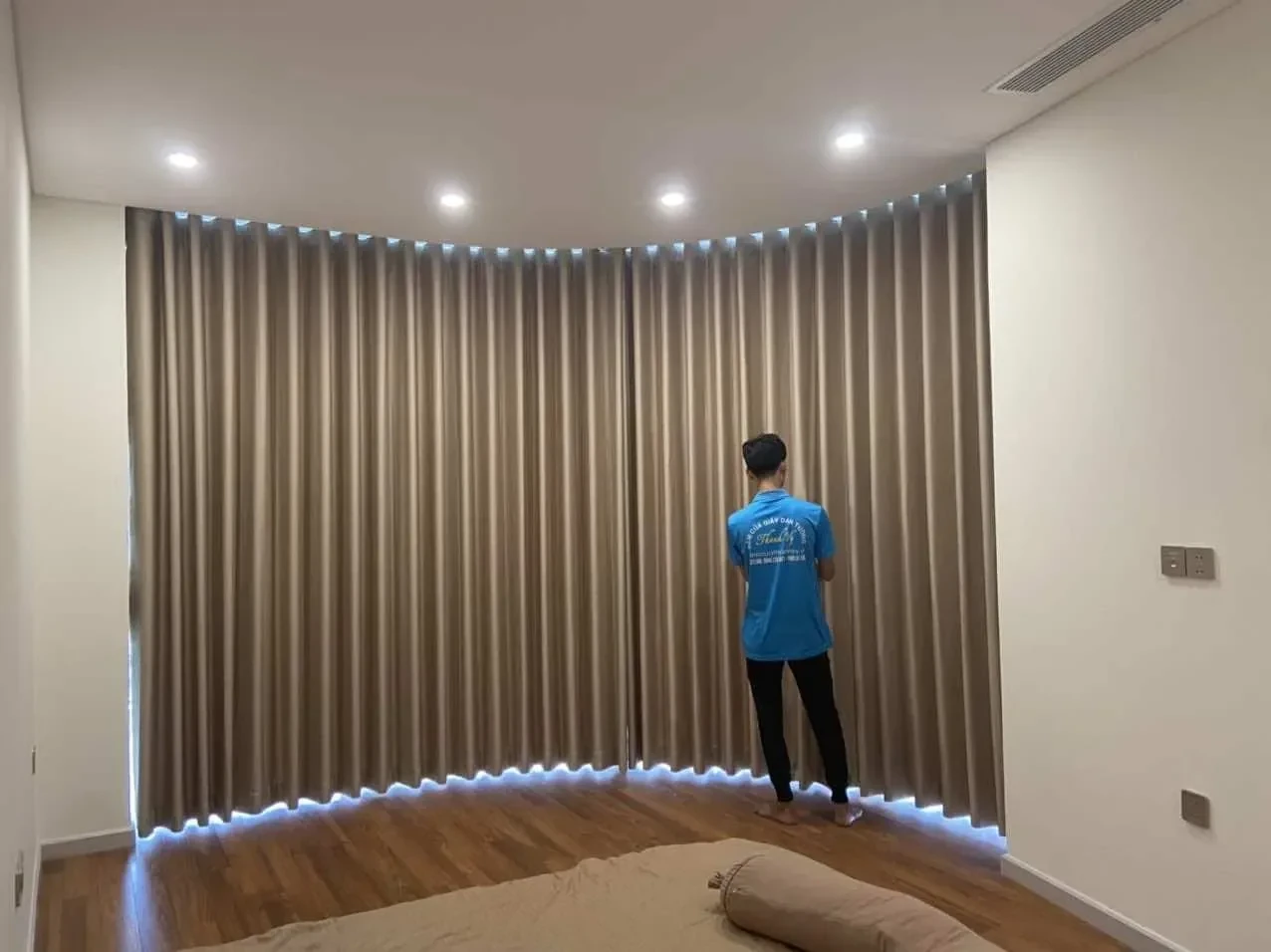
Before signing the acceptance report, homeowners should inspect each set of villa curtains when closed, open, stopped midway, and operating continuously. Compare the actual installation with the curtain box drawings, opening dimensions, fabric codes, thread colors, sewing styles, and positions of the tracks, motors, switches, and smart controls. A satisfactory system should run quietly, stop at the correct points, have evenly draped fabric and straight curtain edges, and not catch on sills, handles, or furniture.
Acceptance checklist for each opening
First, use a laser measuring tool to check the track elevation, the straightness of the aluminum track, and the distance from the track to the wall or glass. For ceiling-recessed curtains, inspect the drywall ceiling recess to ensure it is properly closed up and level, with no cracked joints or exposed screws. Check that the curtain box is deep enough to keep the fabric folds from touching the glass when retracted. For double-height openings, also verify the positions of track joints, brackets, mounting plates, threaded rods, and reinforcement points attached to beams or structural frames.
Next, test pulling the fabric curtains by hand with the power disconnected. The panels should slide evenly on the runners without catching at joints or making unusual rubbing noises. Check the coverage on both sides: the curtains should reach the specified edges without leaving large light gaps along the sides of the opening. For double-layer curtains, the sheer and light-blocking layers must operate independently without tangling; when closed, the seams, hems, and wave pleats should align at the same height.
For motorized curtains, conduct a test sequence using the wall switch, remote, control app, and smart home scenes, if available. Record opening and closing times, motor noise levels, stopping accuracy, and the ability to recover after a power outage. If the system uses RS485, check the signal wiring, switches, and device addresses; if it uses Zigbee, test controller response, connection stability, and control operation from different locations within the villa.
The acceptance report should separately record each opening code, overall dimensions, installation height, fabric type, sewing style, color, track type, motor model code, included accessories, and wall surface condition. Take overview photos, close-ups of stitching, photos of ceiling recesses, motor labels, and the electrical control cabinet. If you find stains, scratched tracks, uneven hems, missing hooks, or incorrect color codes, clearly record the location, photos, and correction deadline rather than simply noting “to be completed later.”
Warranty coverage should be written into the terms
The warranty document for villa curtains should clearly distinguish between the fabric, mechanical accessories, and electrical controls. It should specify the applicable conditions, start date, request submission methods, response time, repair time, and circumstances requiring component replacement. Homeowners should also request that the fabric codes, track codes, motor model codes, signal receivers, remotes, switches, and wiring diagrams be documented so that future reference does not depend on the installer’s memory.
Warranty coverage typically addresses fabrication or installation defects, such as curtains sewn to dimensions that differ from those approved, uneven wave pleats, uneven hems, sagging tracks, loose brackets, motors that fail to respond to commands, or curtains that stop at incorrect travel limits. By contrast, fading from sunlight, shrinkage from washing at the wrong temperature, mold caused by damp walls, fabric tears from sharp objects, remotes damaged by impact, and power supply faults outside the system generally need to be addressed separately. The more specific the terms, the clearer the allocation of responsibility.
One team from drawings to installation
Thanh Vy Curtains surveys, designs and installs based on your actual site. Send us the dimensions and current condition, and we will advise the right solution.
Request a quote Call 0985 615 577 Message on ZaloFor multistory villas, request a single warranty contact for the entire system rather than contacting curtain makers, electricians, and the smart home provider separately. When submitting a request, provide the opening code, a video of the fault, indicator light status, motor sounds, and the time of the incident. Do not dismantle the curtain box, bypass power wiring, or forcefully pull the fabric while the motor is locked; these actions can obscure the cause and damage the runners, limit switches, or circuit board.
A maintenance schedule helps keep the system running reliably
During the first month after acceptance, recheck all curtain sets after a few cycles of actual use. This is when slight track misalignment, poorly secured wall anchors, fabric touching the floor, or opening and closing scenes that do not match daily routines are easiest to detect. For west-facing openings, also inspect the fabric edges, light-blocking coating, and areas exposed to direct sunlight. All adjustments should be added to the maintenance records along with the date performed.
Regularly use a vacuum attachment with a soft brush to remove dust from fabric surfaces, curtain pleats, track channels, and box recesses. Do not use stiff brushes or harsh cleaning chemicals, or spray solutions directly onto the motor. Tracks can be wiped with a dry cloth or a slightly damp, thoroughly wrung-out cloth, followed by an inspection of the runners, hooks, power cords, connectors, and mounting screws. Sheer, silk, satin, raw silk, or coated fabric curtains should be cleaned according to their care labels; do not soak them without first determining the appropriate washing method.
For motorized systems, the maintenance schedule should include checks of noise levels, motor housing temperature, command response delays, opening and closing travel, power supplies, and network connections. Double-height curtains should be inspected using specialized ladders or safe lifting equipment; do not stand on glass sills, railings, or furniture to perform the work. Technicians should check the tightness of mounting plates, suspension rods, track joints, and overhead anchor points, then prepare a report with photos taken before and after maintenance.
When to call a technician
Schedule an inspection if the curtains move jerkily, make clicking noises, stop before reaching the end point, have misaligned panels, fail to synchronize between layers, or open on their own outside the schedule. A burning smell, an unusually hot motor, continuously flashing indicator lights, an unresponsive remote, and sagging tracks are also signs that operation should not continue. If the fabric is damp, moldy, retains odors, or develops creases after being kept closed for a long time, address the issue promptly to prevent stains from penetrating deep into the fibers.
Homeowners can ask the installer to create a tracking log for each floor, including cleaning dates, motor inspection dates, replaced components, travel settings, and photos of current conditions. These records are especially useful when a villa has multiple curtain types, multiple control protocols, or a change of property manager. A clear acceptance procedure, a fully documented warranty, and a recorded maintenance schedule will help villa curtain systems retain their smooth, attractive appearance, operate safely, and make faults easier to resolve when they arise.
Inspection request: Before handover, ask the installer to prepare a checklist for each opening, record a video of the test run, and provide complete control diagrams, component codes, cleaning instructions, and a proposed maintenance schedule. Homeowners can submit drawings and photos of current conditions for a review of the items that need to be included in the report.
Related projects
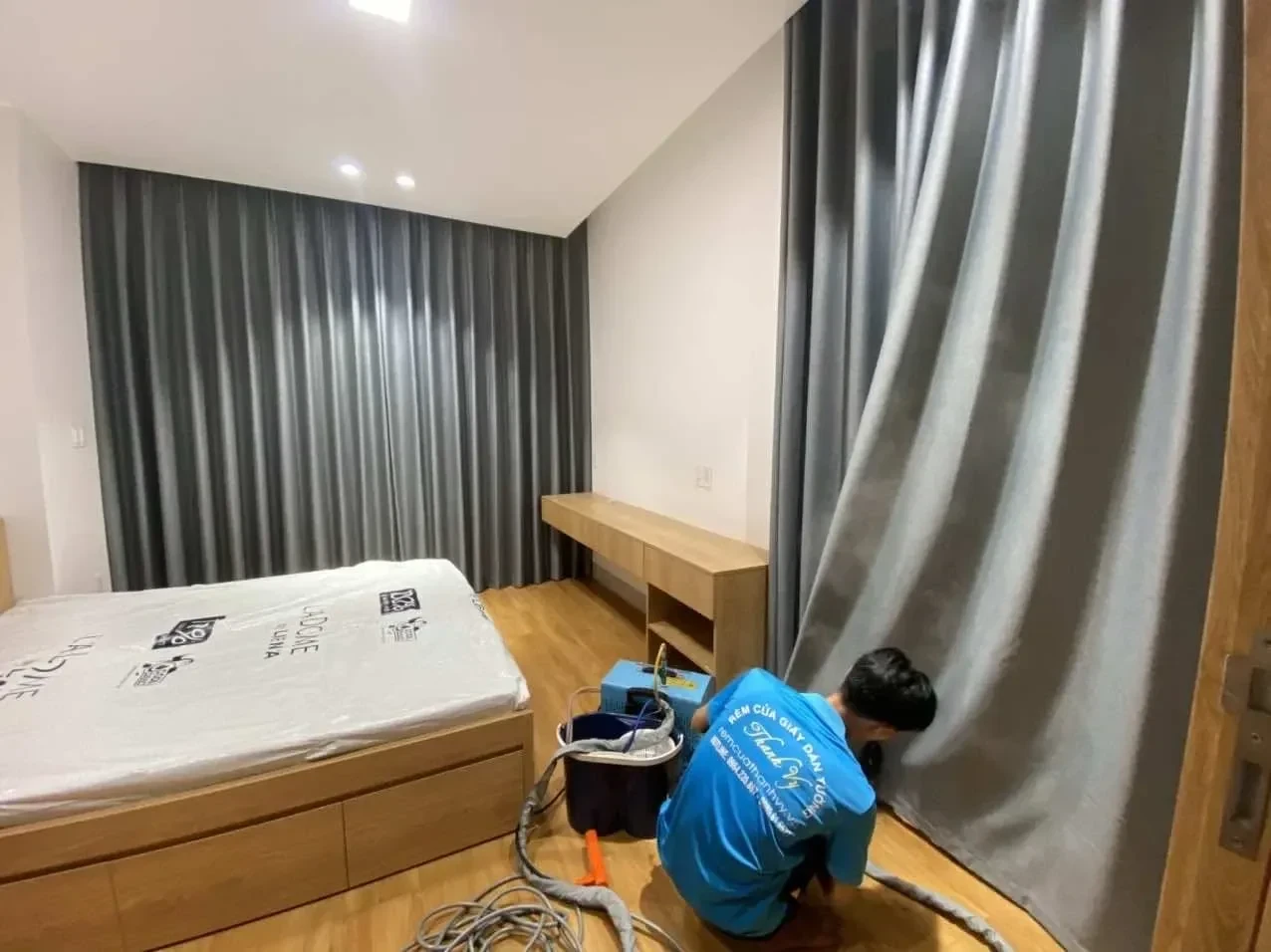
2-Layer Wave-Fold Fabric Curtains for Ho Tram Villa Bedroom
In 2024, Thanh Vy Curtains completed a 2-layer wave-fold fabric curtain project for the master [...]
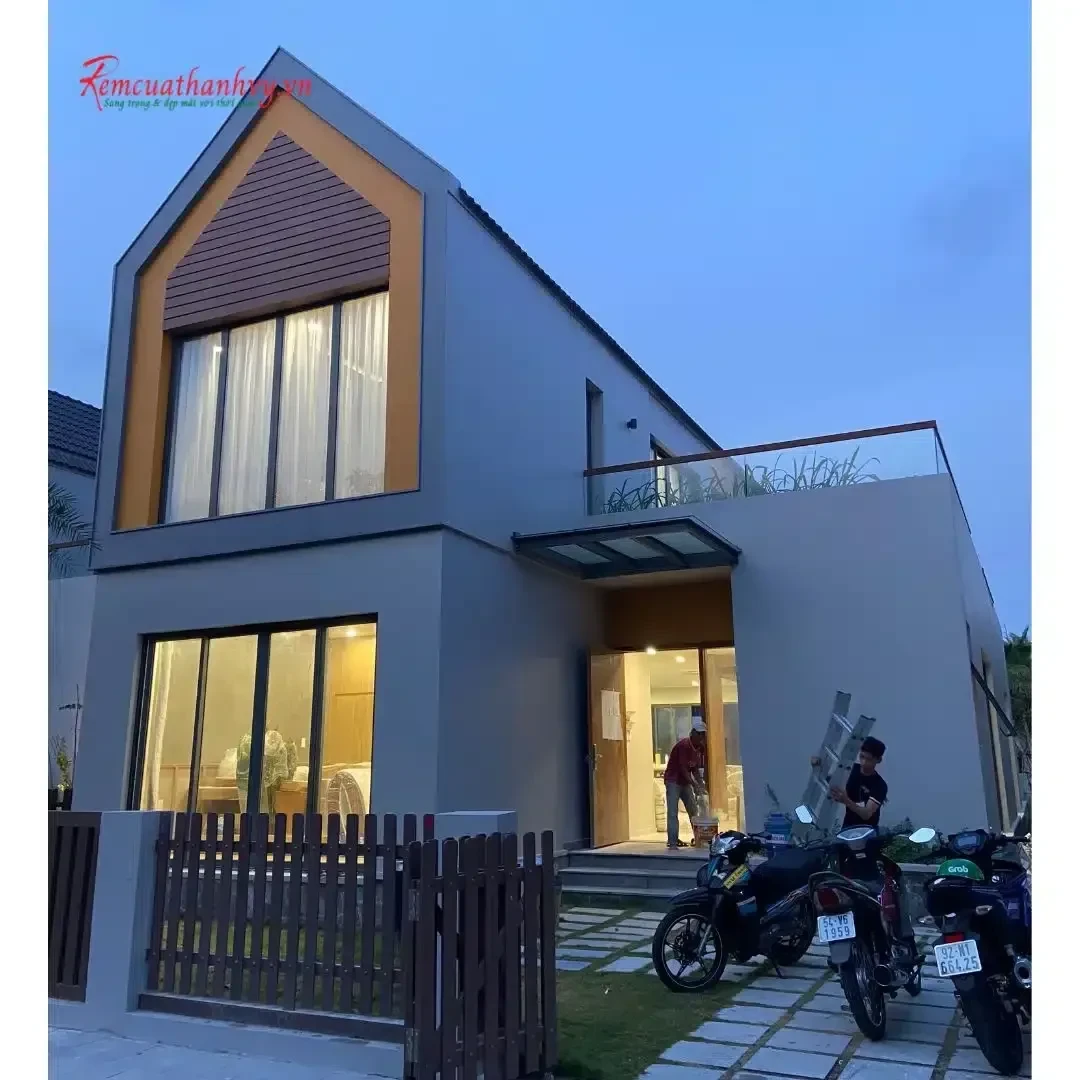
Two-Layer Fabric Curtains for a Villa in Ho Tram, Vung Tau – Premium Sun Protection & Privacy
The modern villa in Ho Tram, Vung Tau is a distinctive property featuring unique pyramid-shaped [...]
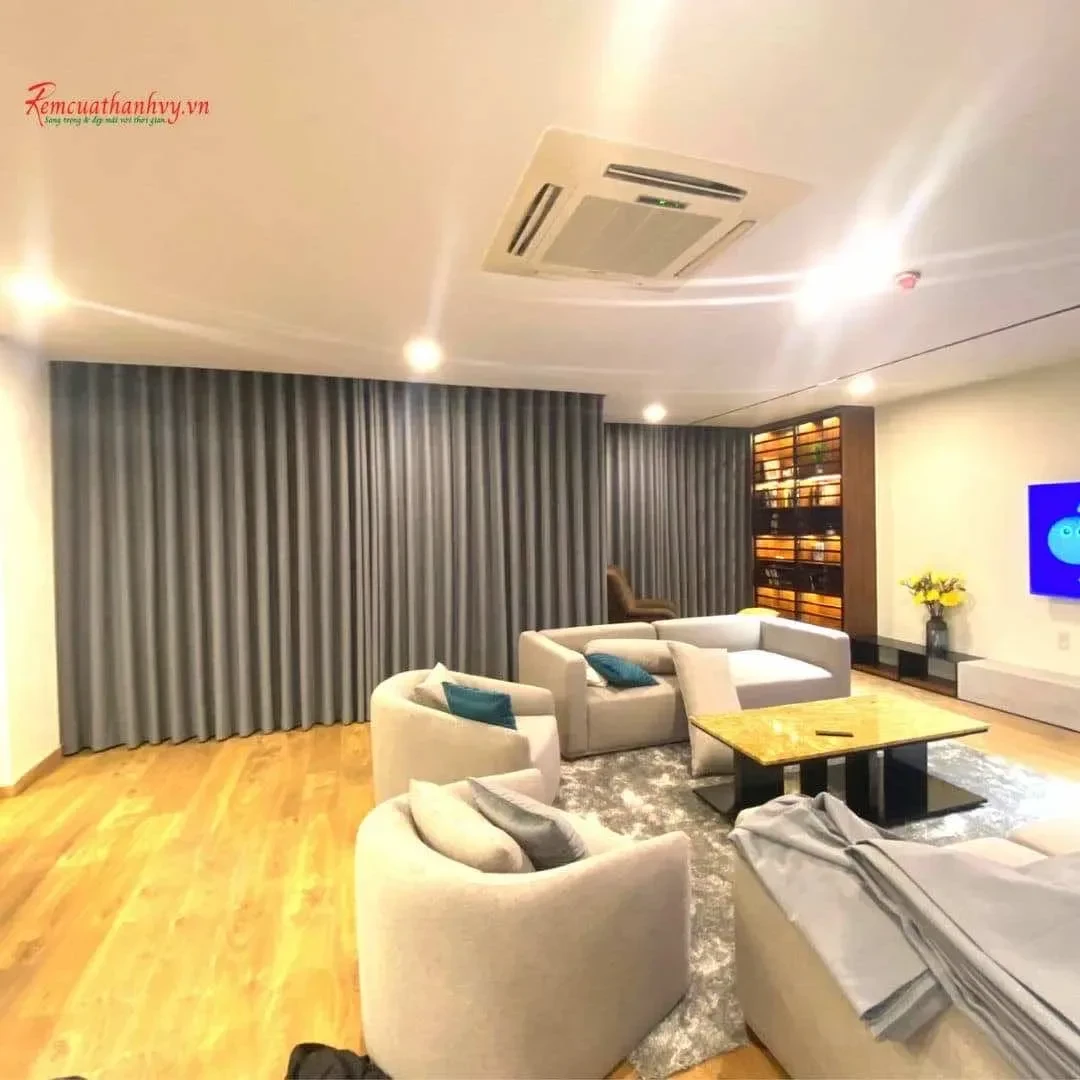
Double-Layer Curtains for a Phu Nhuan Penthouse: Light & Privacy Control
Penthouse 163 Phan Đăng Lưu (Phu Nhuan, Ho Chi Minh City) is a high-end curtain [...]
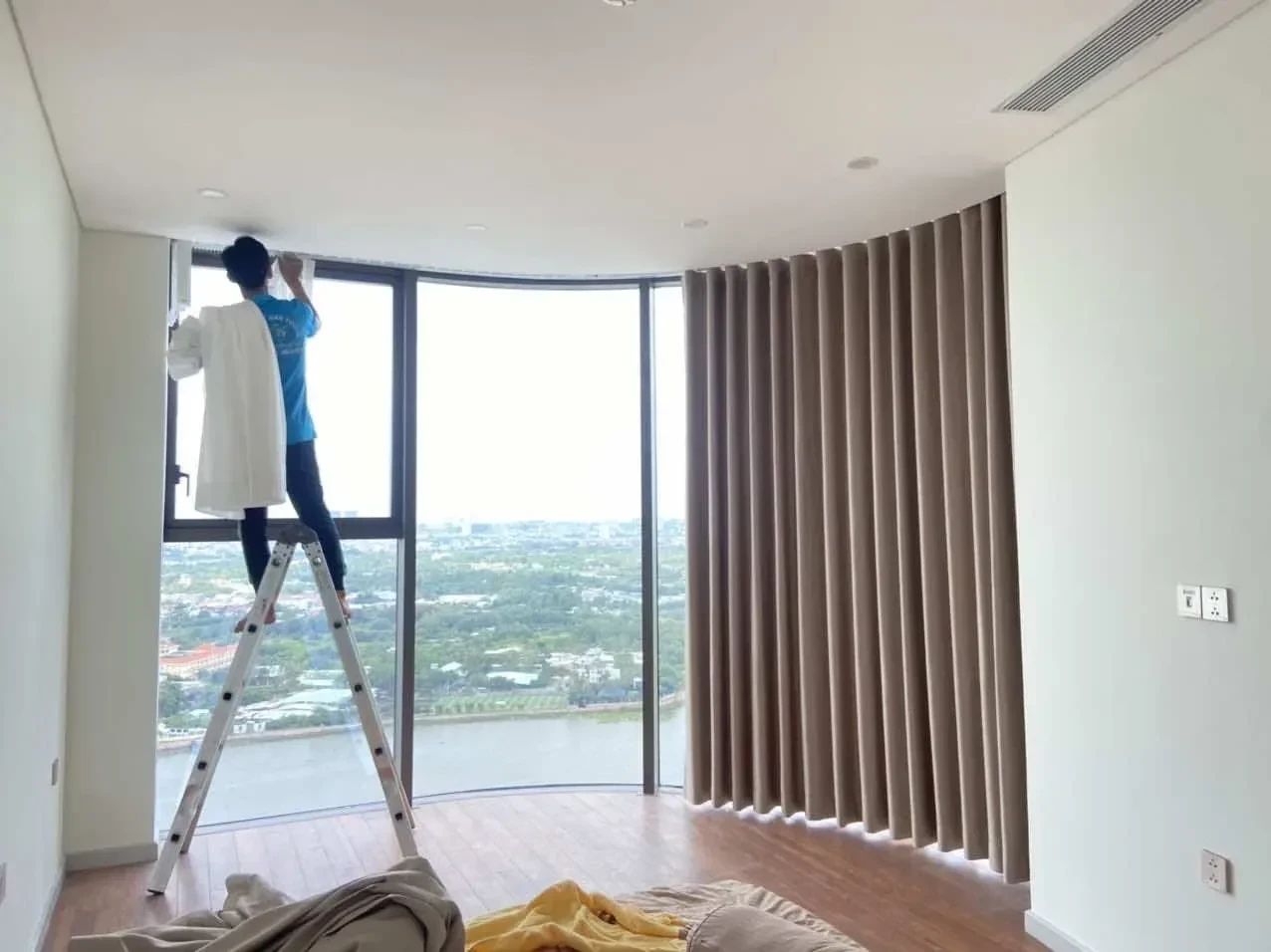
Premium Motorized Fabric Curtains for a Thao Dien Villa, District 2
This project at a villa in the Thao Dien area of District 2 (Ho Chi [...]
Related services
Motorized Curtain Installation in Ho Chi Minh City: Site Surveys and Technical Advice
Motorized curtain installation in Ho Chi Minh City, including curtain recess surveys, power supply checks, [...]
Apartment Curtains in Ho Chi Minh City: Consultation, Measuring, Sewing, and Installation
Apartment curtain services in Ho Chi Minh City include consultation based on sun exposure, measuring, [...]
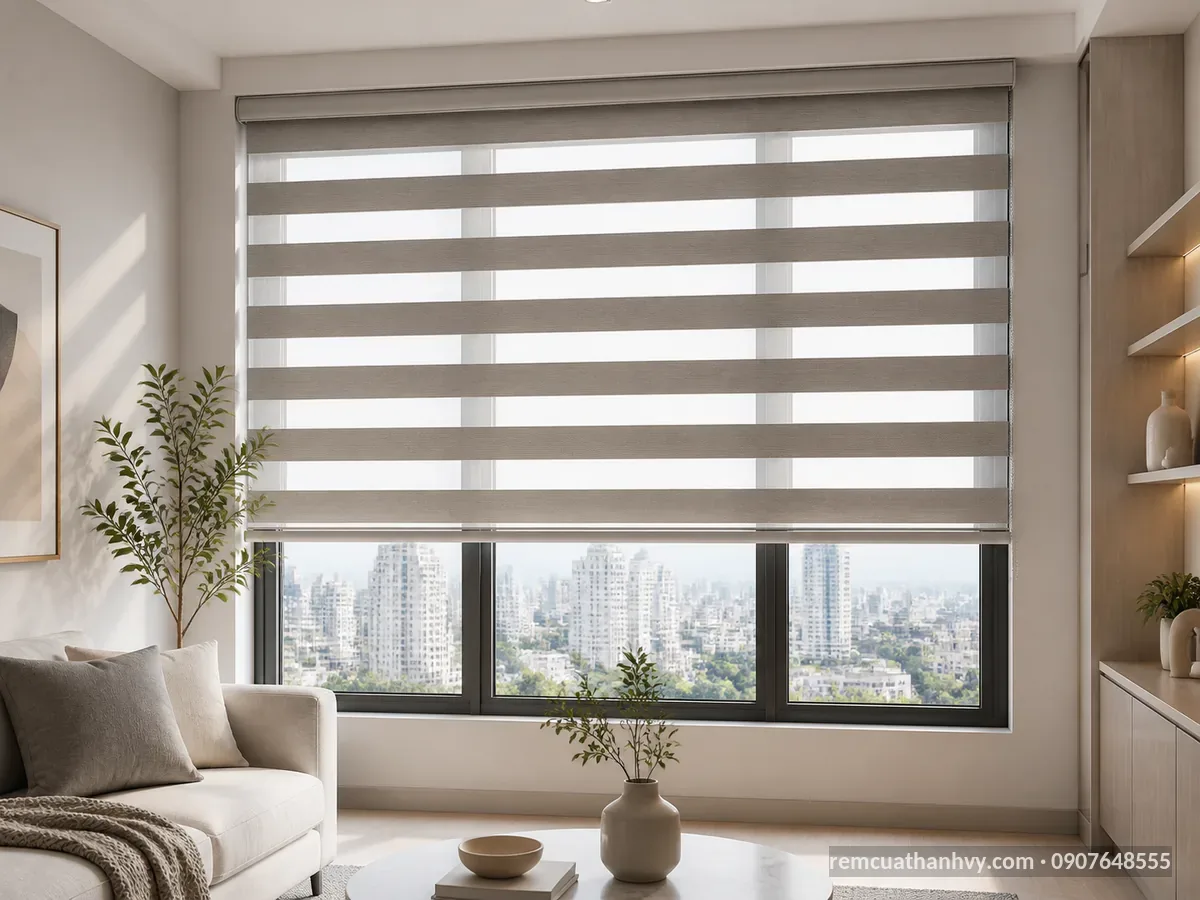
Townhouse Window Treatments: Choose by Facade, Light and Budget
Advice on choosing townhouse window treatments based on facade orientation, light intensity, materials, installation techniques [...]
Related posts
Curtain Price Quotes in District 8: How to Compare Configurations Correctly
A curtain price quote in District 8 is only reliable when you are comparing the [...]
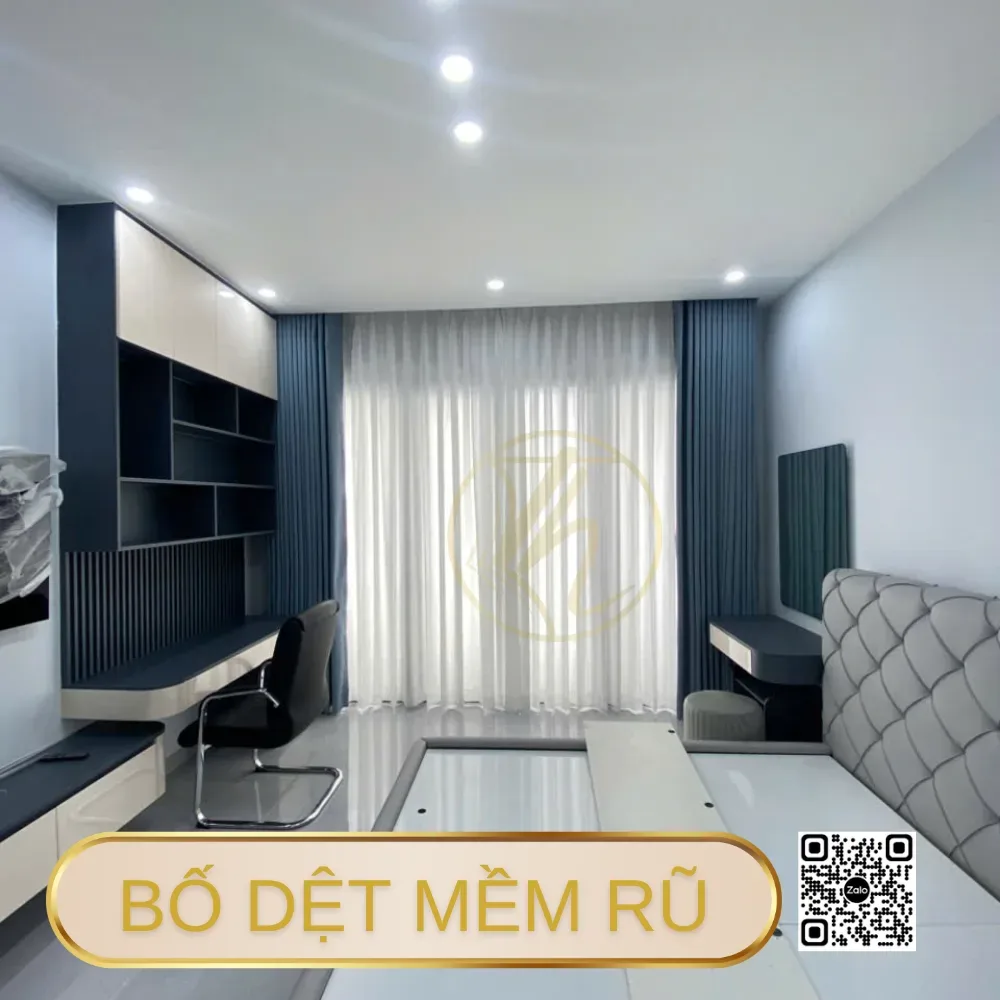
Curtain price quotes in Tan Phu: How to read and compare based on your needs
A curtain price quote in Tan Phu should be read as a complete configuration, not [...]

Binh Duong Curtain Installation: A Streamlined Survey and Installation Process
Binh Duong curtain installation is only effective when the survey, configuration, and mounting location are [...]
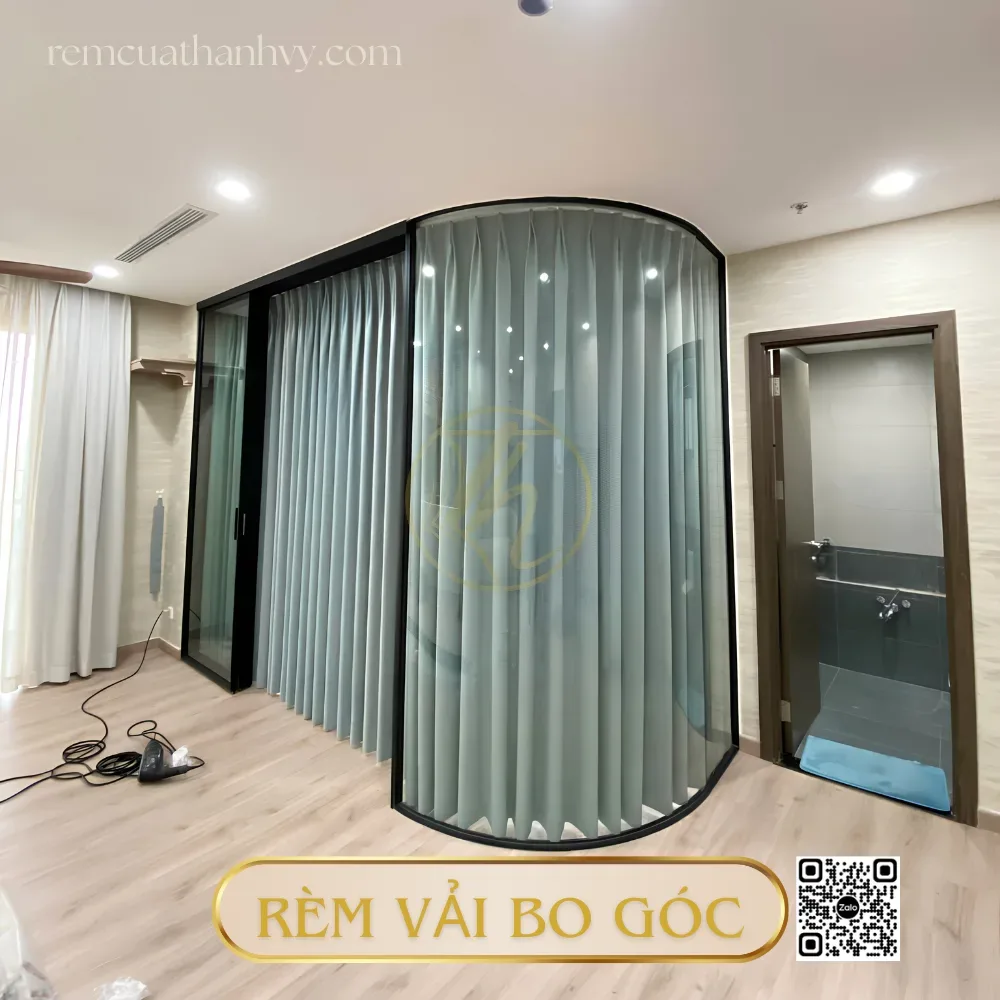
Curtain tailoring in Binh Tan: How to choose the right service
This article guides you on how to choose a reputable curtain tailoring service in Binh [...]
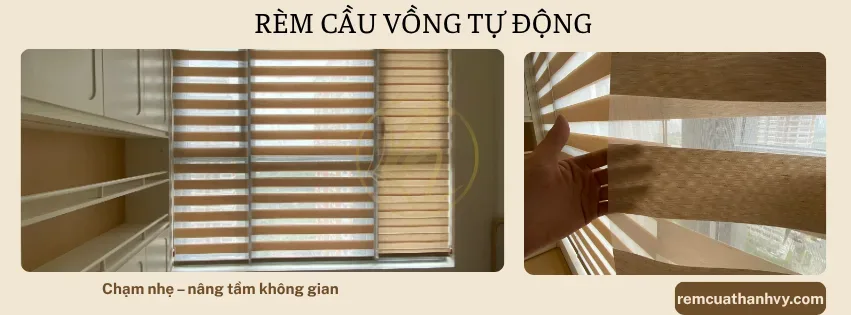
Rainbow Blinds for Villas: The Right Solution
A guide to choosing rainbow blinds for villas based on villa type, lighting, privacy, materials, [...]
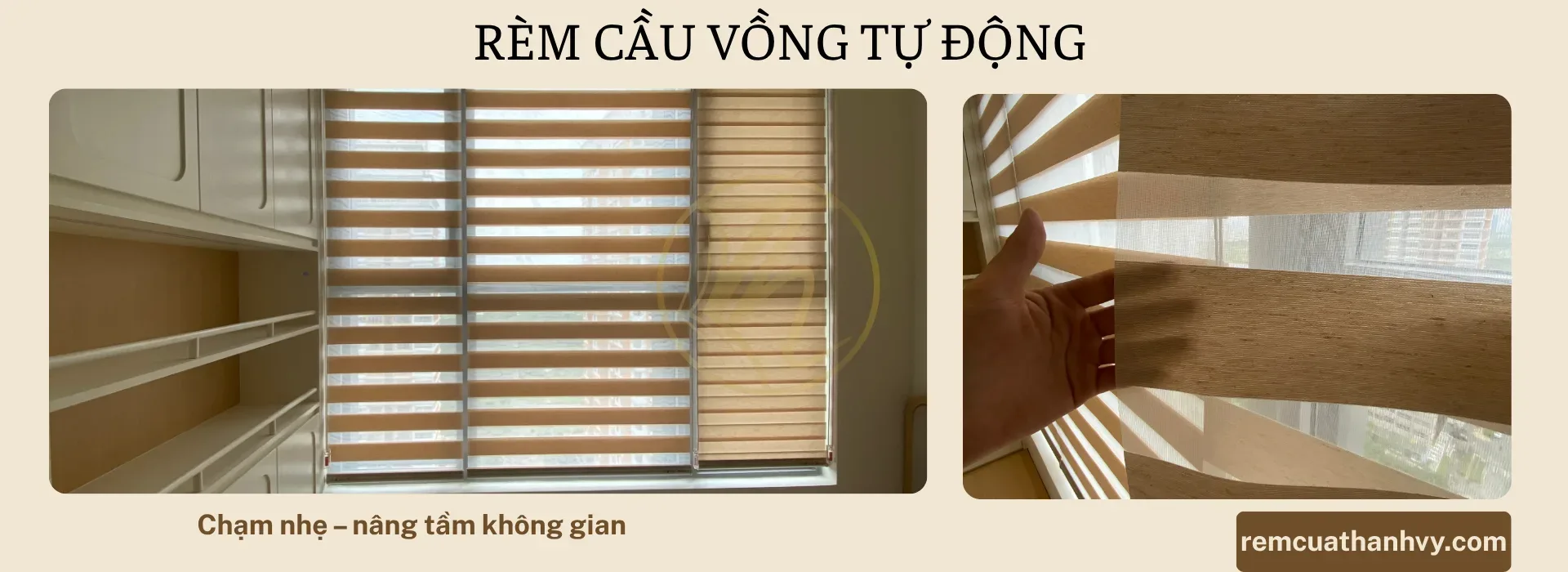
Rainbow Blinds for Windows: Tips for Choosing & Styling Well
A guide on choosing window rainbow blinds based on windows, lighting, privacy, materials, finish styles, [...]

Roller Blinds in Tan Phu: How to Choose the Right One for Every Window
Roller blinds in Tan Phu should be selected based on lighting needs, obstructions, and installation [...]
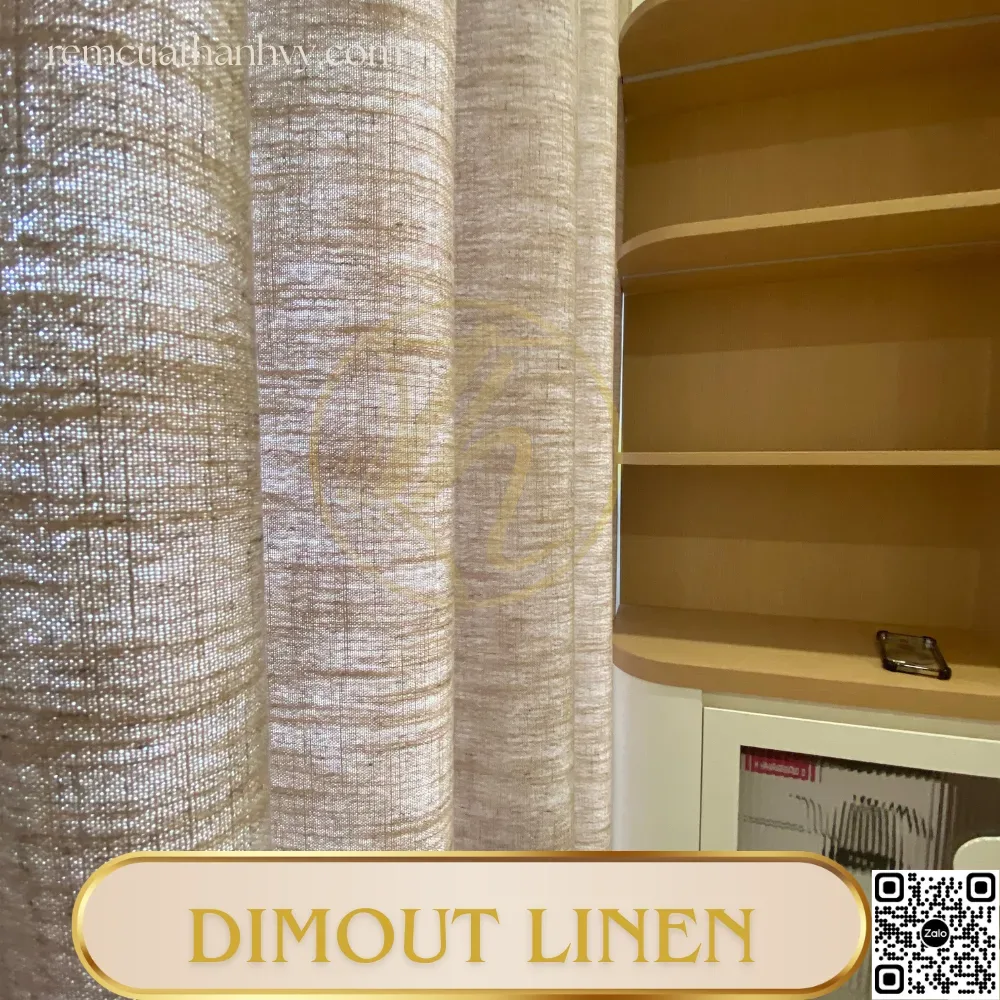
Fabric Curtains for Windows: Tips for Choosing & Styling
A guide to choosing window curtains based on window type, lighting, privacy, materials, finishing styles, [...]
No comments yet!