




Linen Curtains or Combi Blinds? A Detailed Comparison to Help You Choose
Why many people hesitate between linen curtains and combi curtains
When searching for curtains for a new home or replacing them for an established room, many Thanh Vy customers stand between two familiar choices: linen curtains, which are soft in a traditional style, and combi curtains, which feature a modern two-layer fabric mechanism. Both are popular but solve needs in two different ways, so the question “linen curtains or combi curtains” usually does not have a single answer for every home. Readers can also cross-reference through the article introducing hall curtains on Can Tho Newspaper.
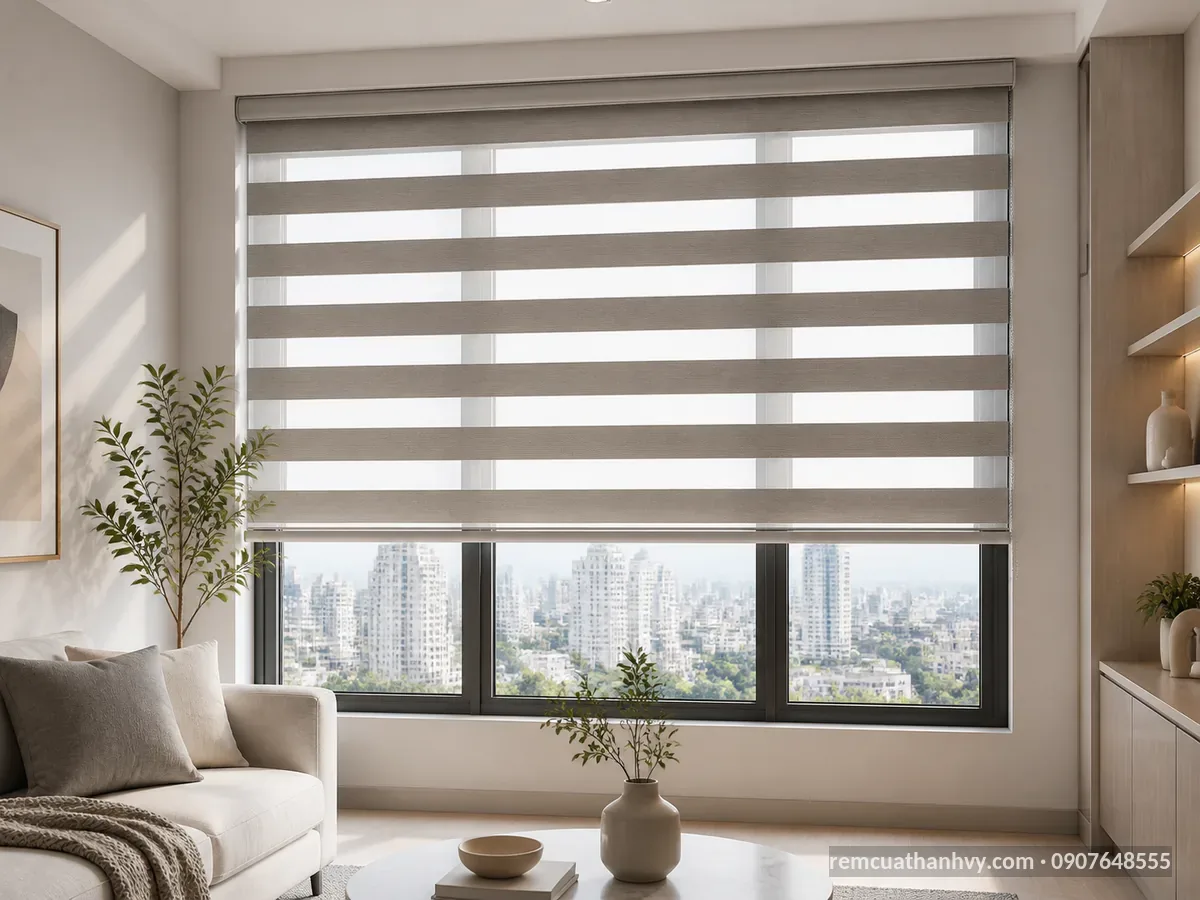
This hesitation is understandable because the two types of curtains have completely different operating logics. Linen curtains are single-layer fabric curtains that open and close by pulling on both sides or using a track, leaning towards a soft and warm aesthetic. Combi curtains, also known as zebra or double roller blinds, use a rolling mechanism with two layers of alternating striped fabrics, allowing light adjustment by sliding the fabric layer instead of pulling the entire curtain panel. Without clearly understanding this difference, buyers easily make mistaken comparisons — such as comparing the price of a single fabric curtain panel with a complete combi curtain set — even though the two products serve different purposes.
This article objectively compares linen curtains and combi curtains based on practical criteria: aesthetics, light control capability, durability, cleaning, cost, and suitability for each type of space, so you can match them with the actual needs of the room you are considering.
Core differences in material and operating mechanism
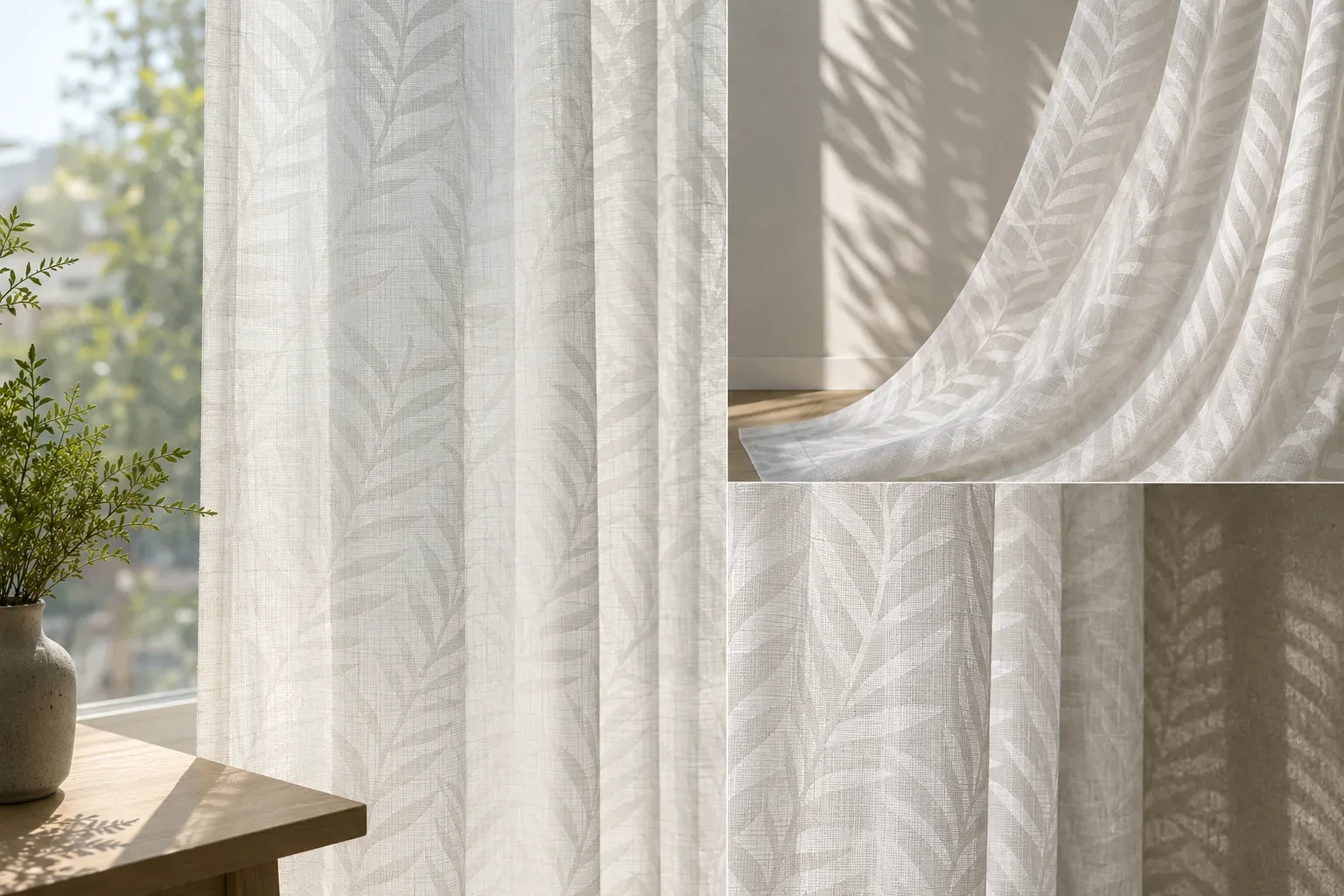
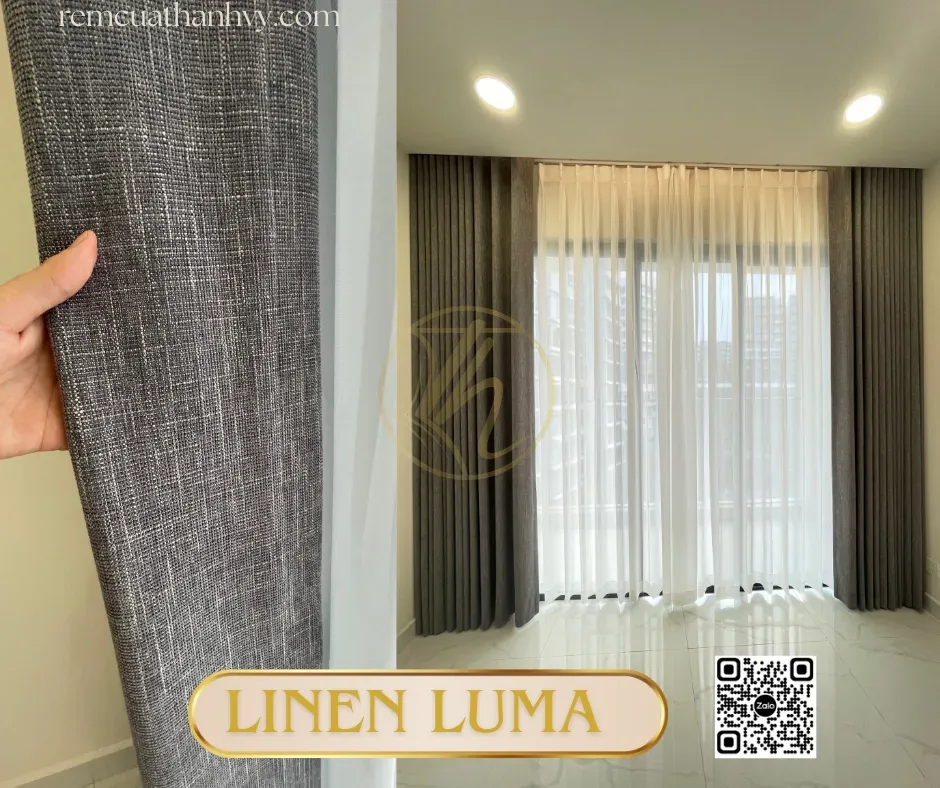
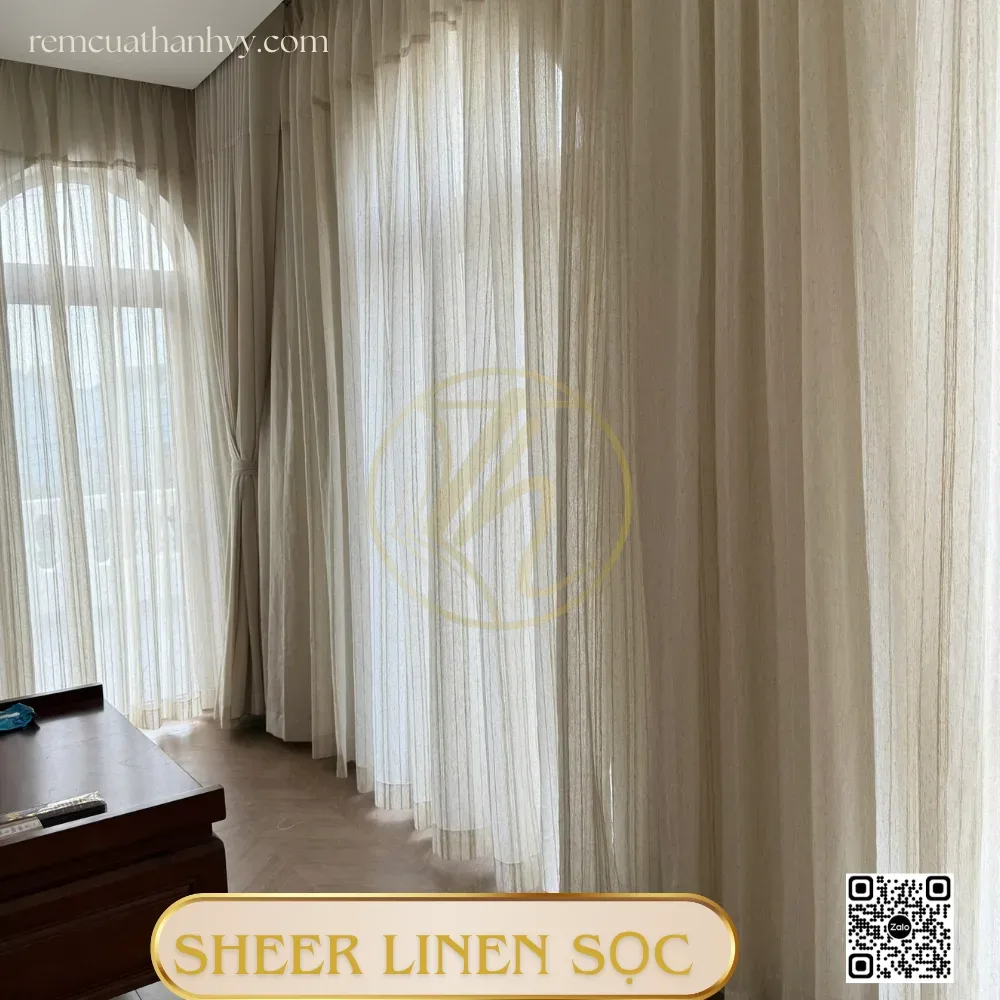
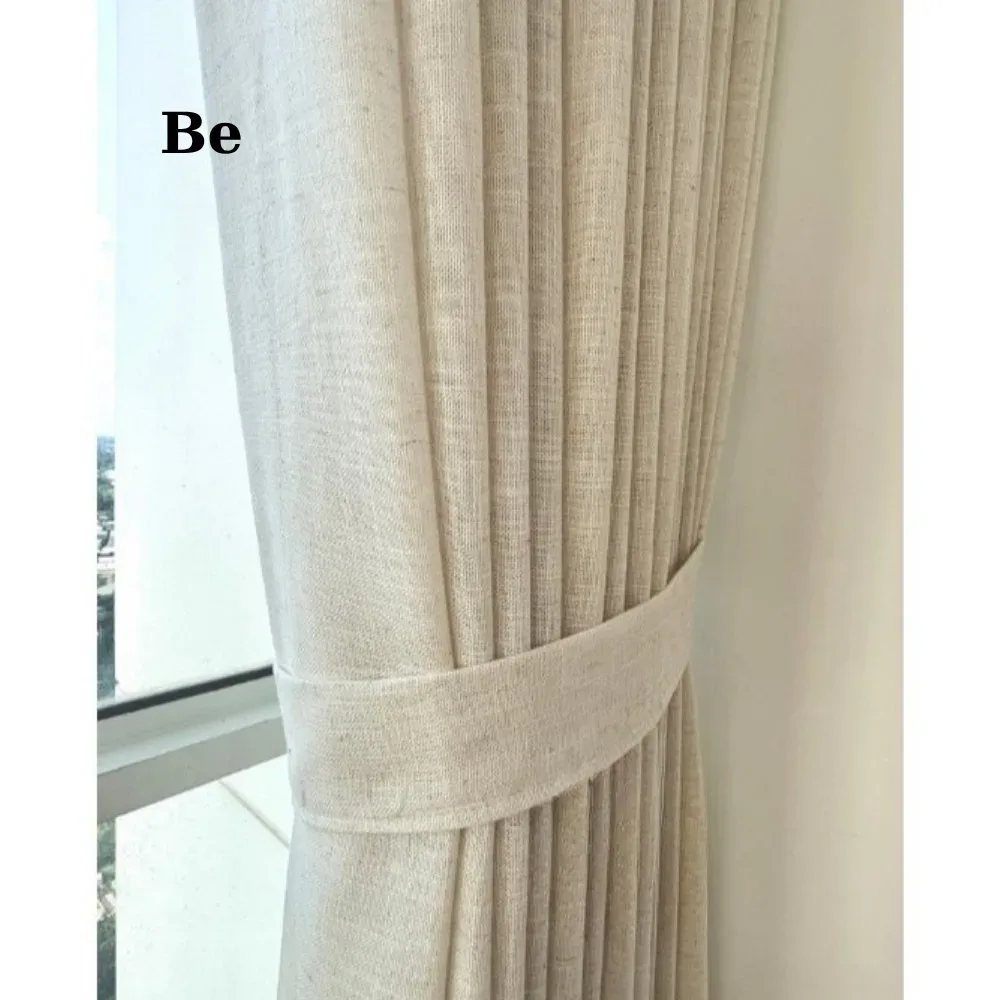
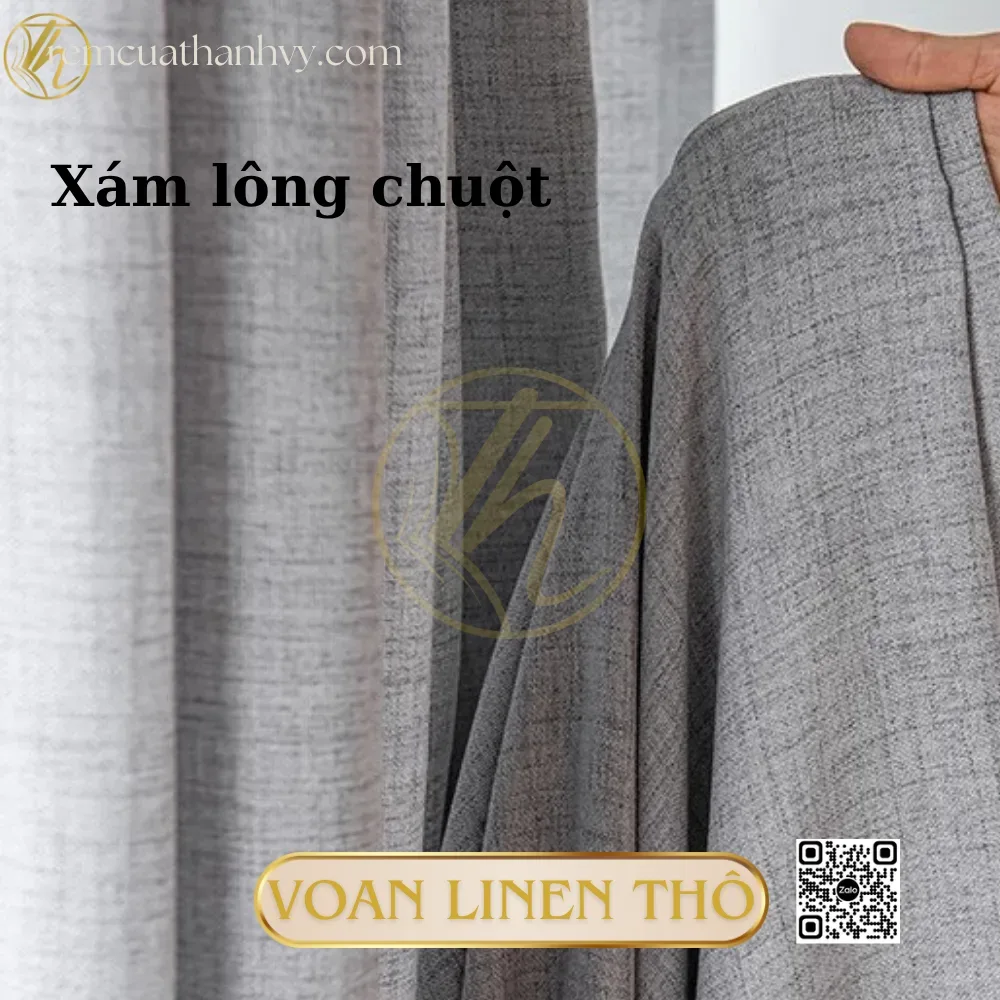
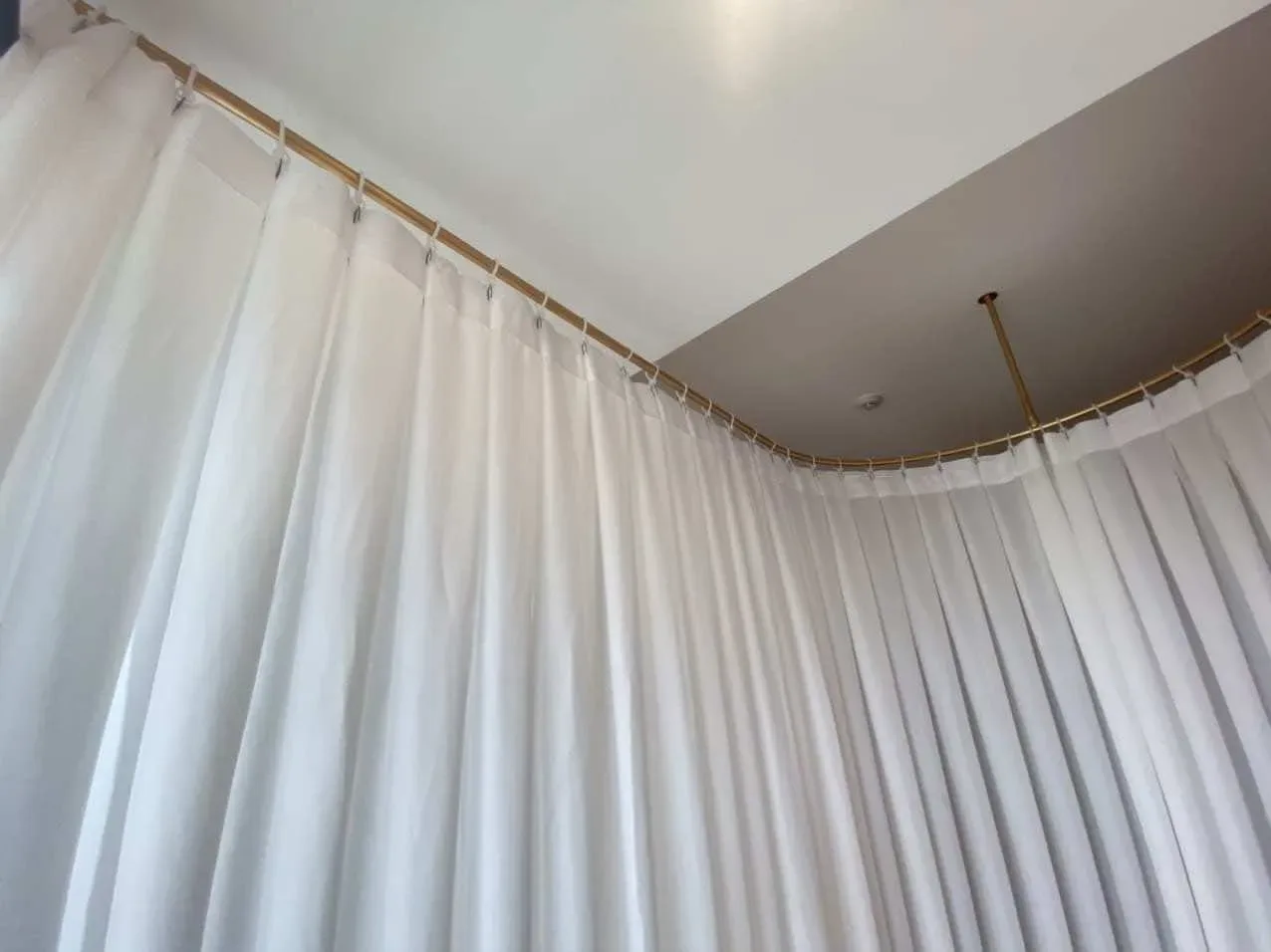
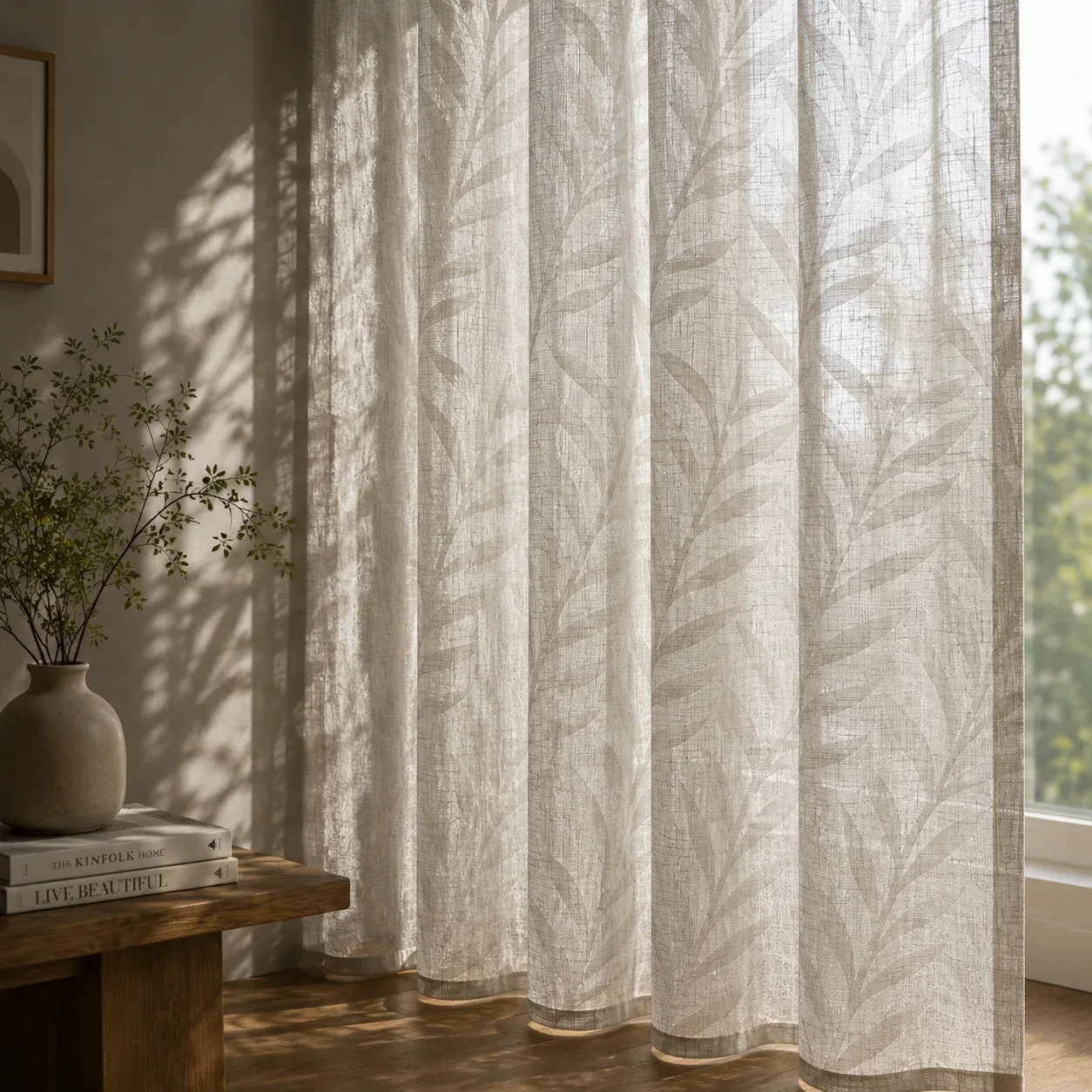
Linen curtains are woven from flax fibers or linen-blend fibers, delivering a slightly textured surface, natural drape, and a cozy feel for warm-toned interiors. Being a single-layer fabric, linen curtains mostly operate by manual horizontal pulling or pull cords, sometimes combined with a fixed hanging rod to maintain folds. This simple structure makes linen curtains easy to customize in sewing style, fold width, and how they pair with sheer linings if extra light-blocking layers are needed. Interested readers can view polyester fibers in the textile industry before making a decision.
If you are considering further options, you can refer to Top Most Beautiful Linen Curtain Designs For Worship Rooms 2026 and How Much Do Linen Curtains Cost Per 1m2? Latest Price List 2026 to compare before making a decision.
Important note: Instead of asking which type is better, answer a few questions yourself about the usage needs of the specific space you are considering.
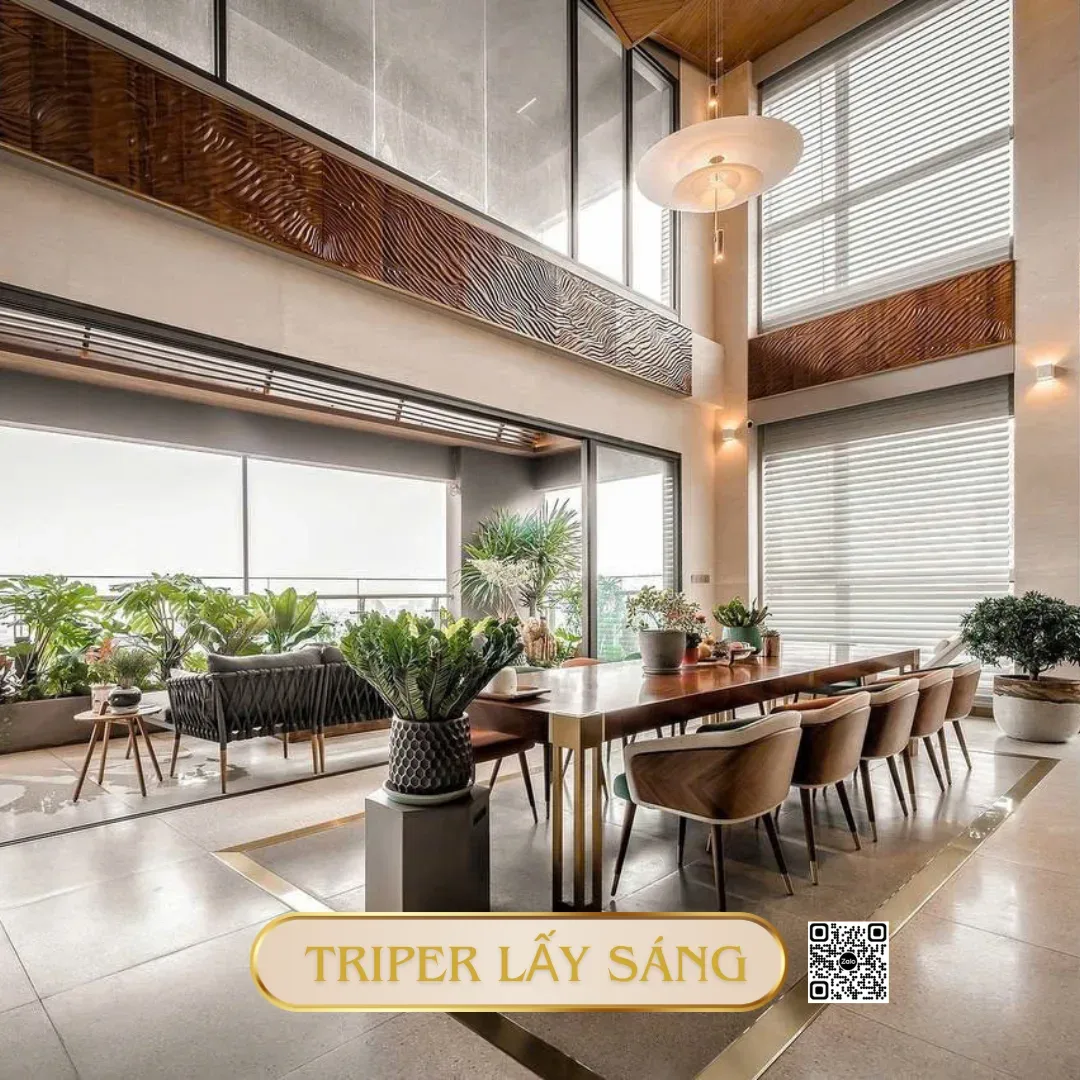
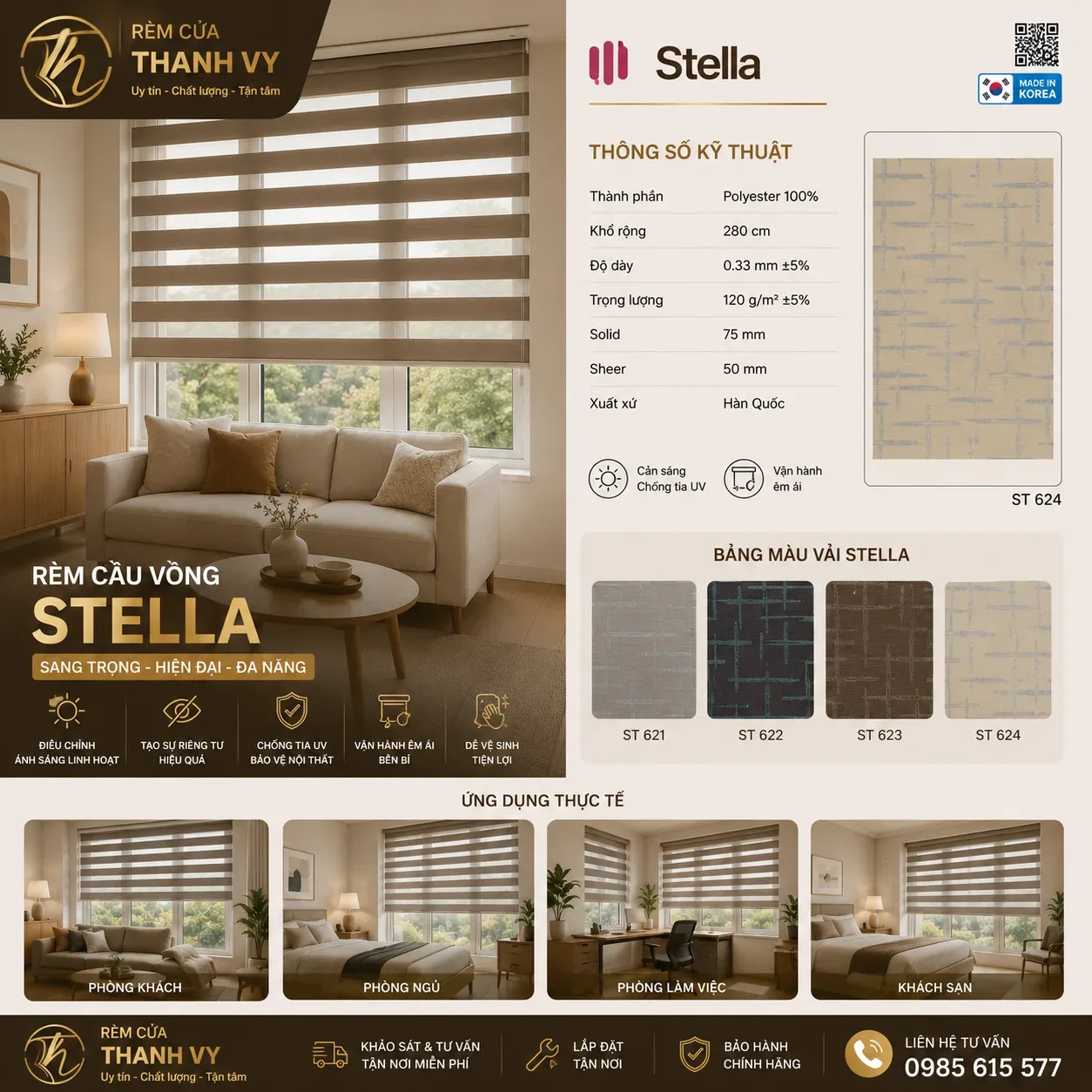
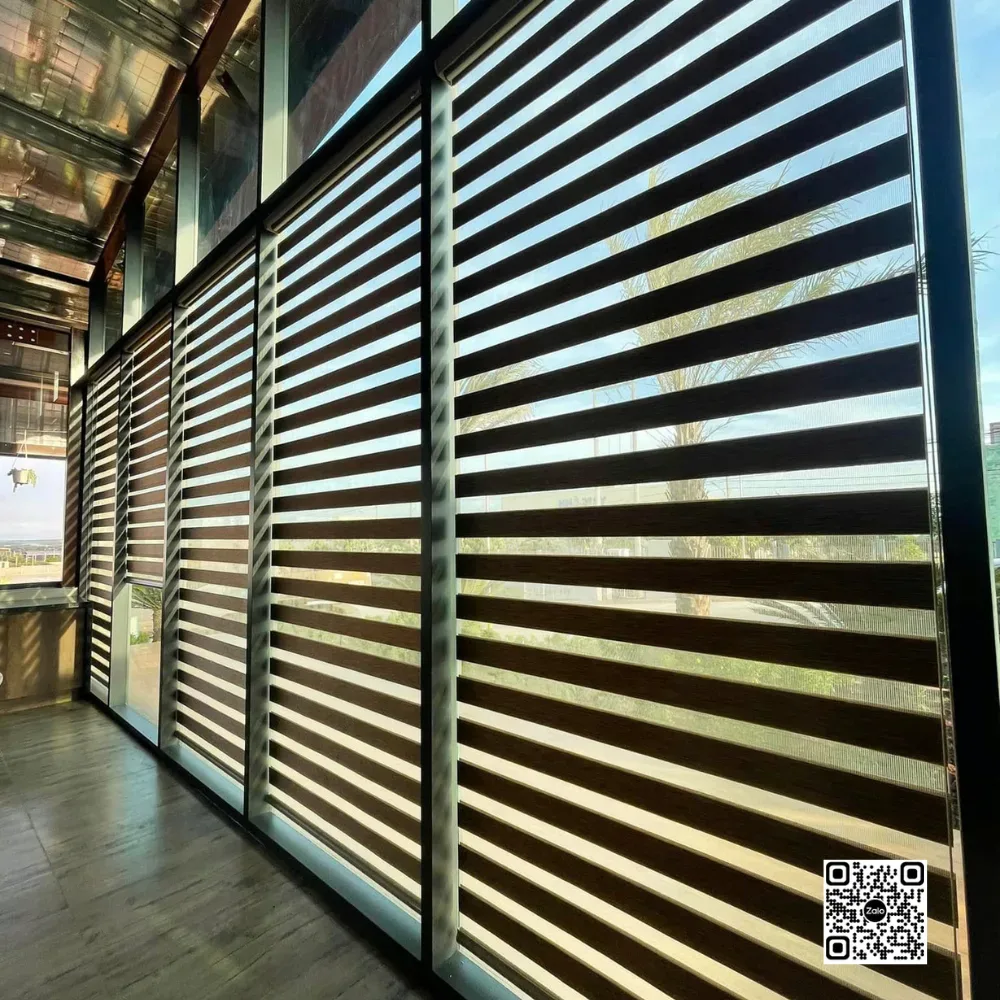
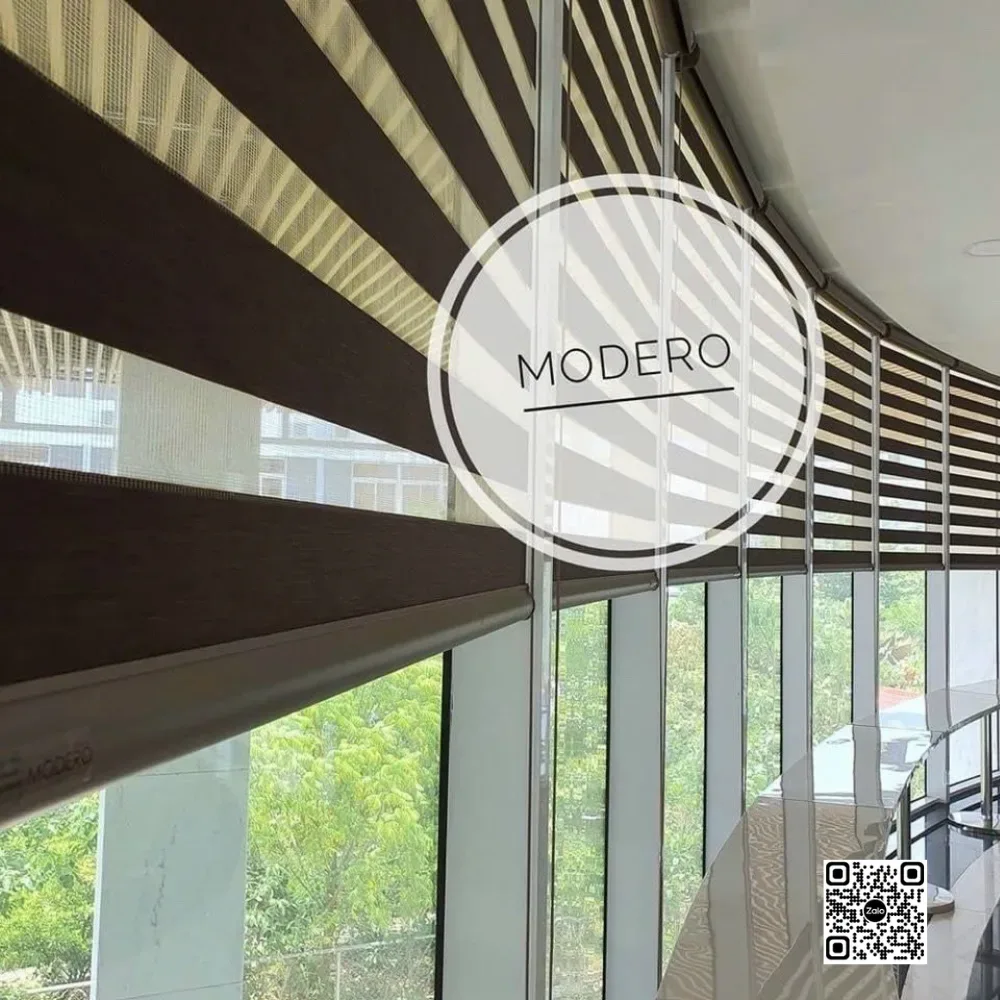
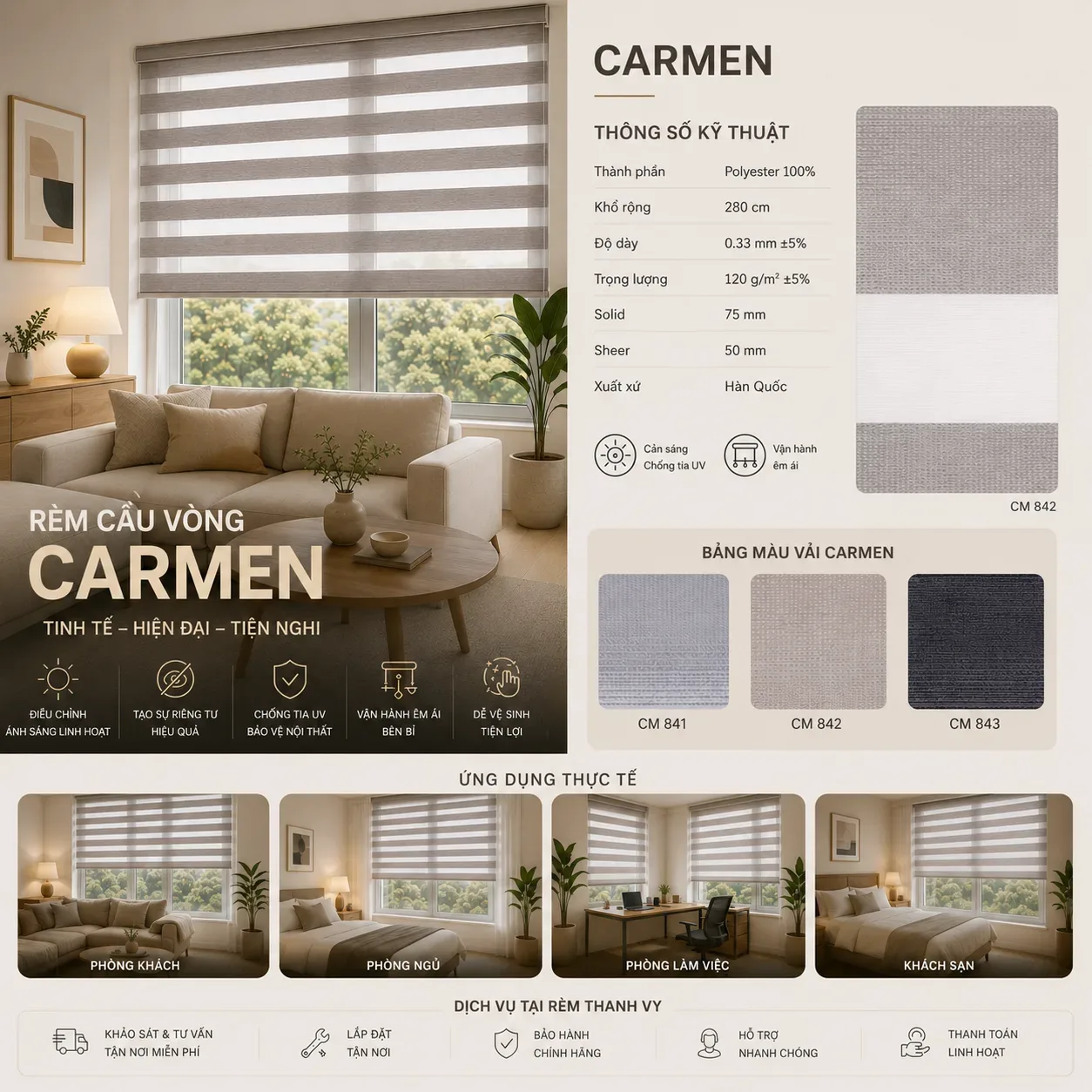
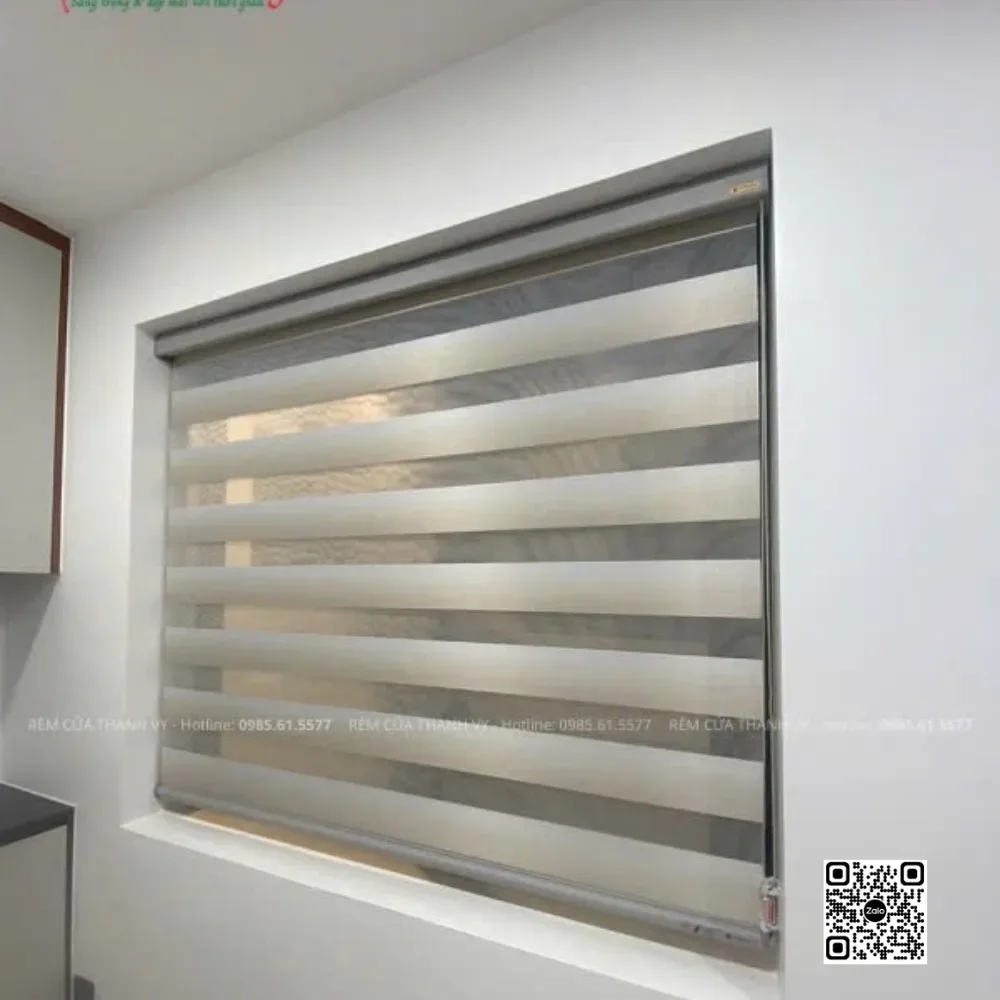
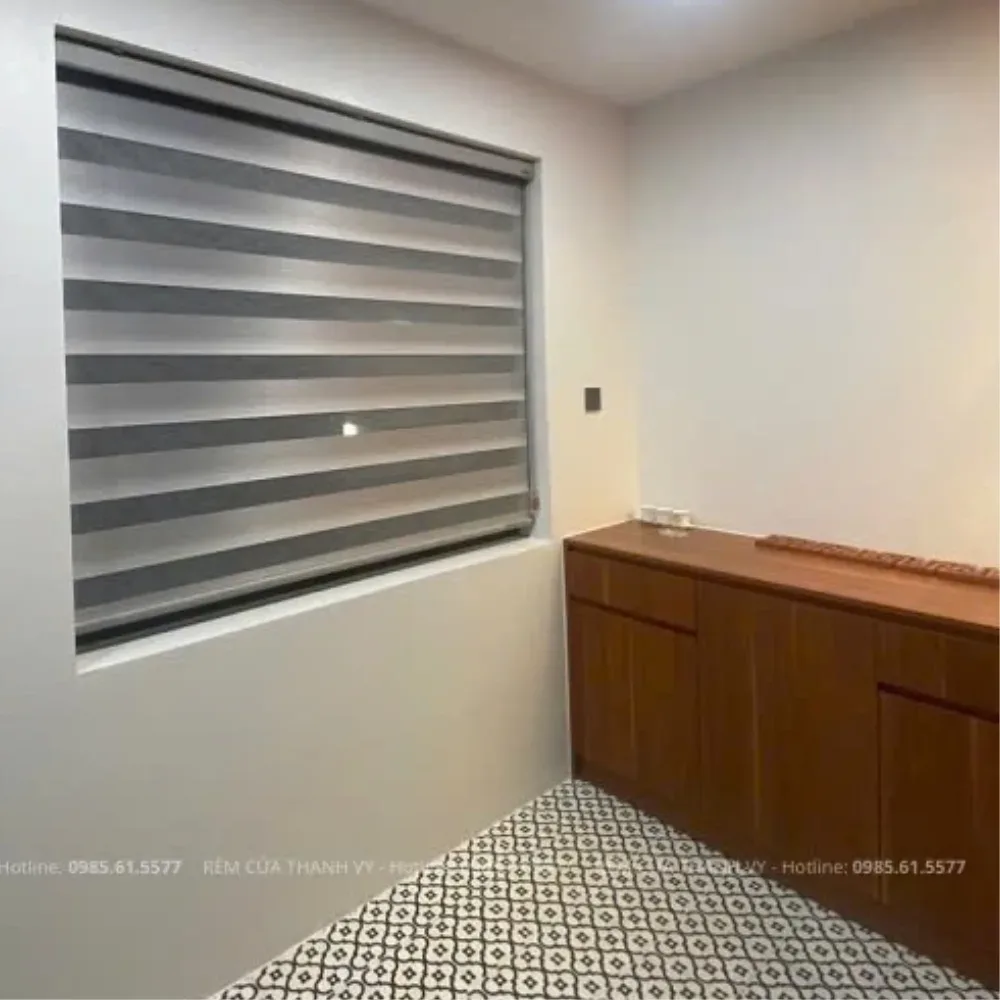
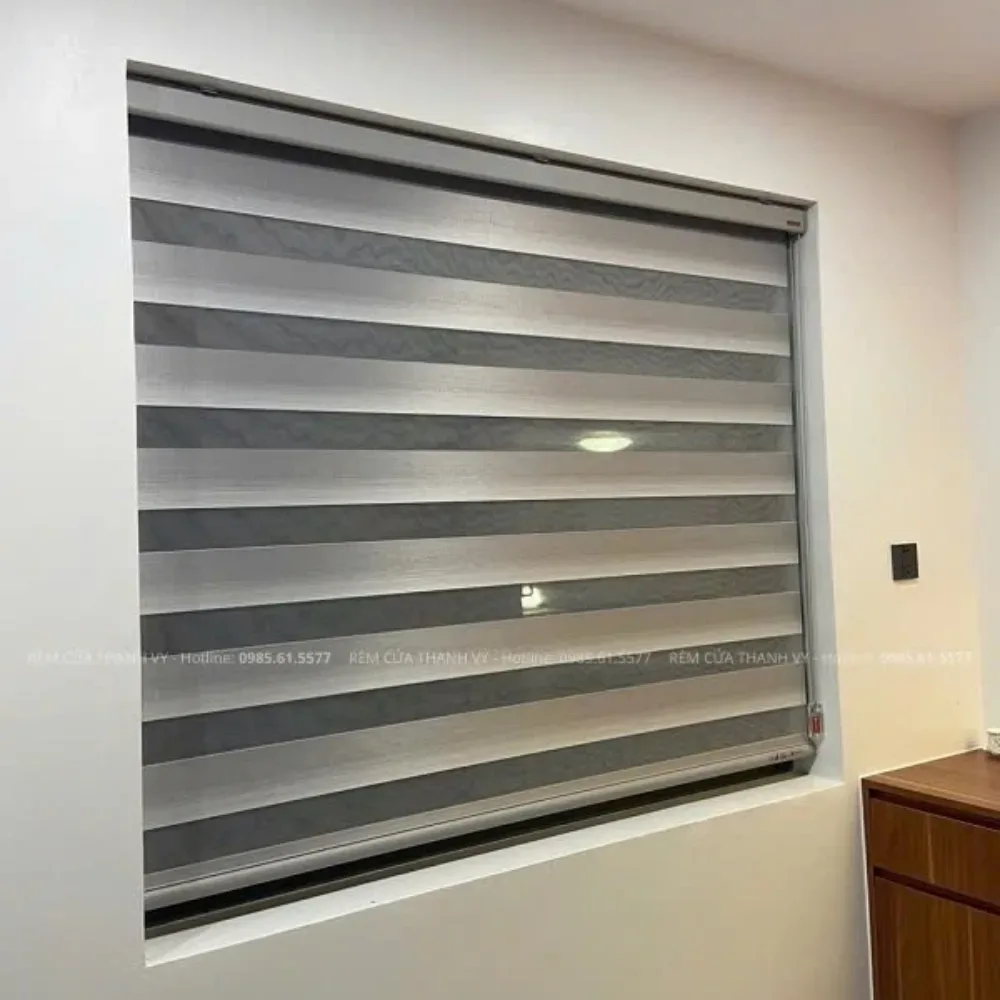
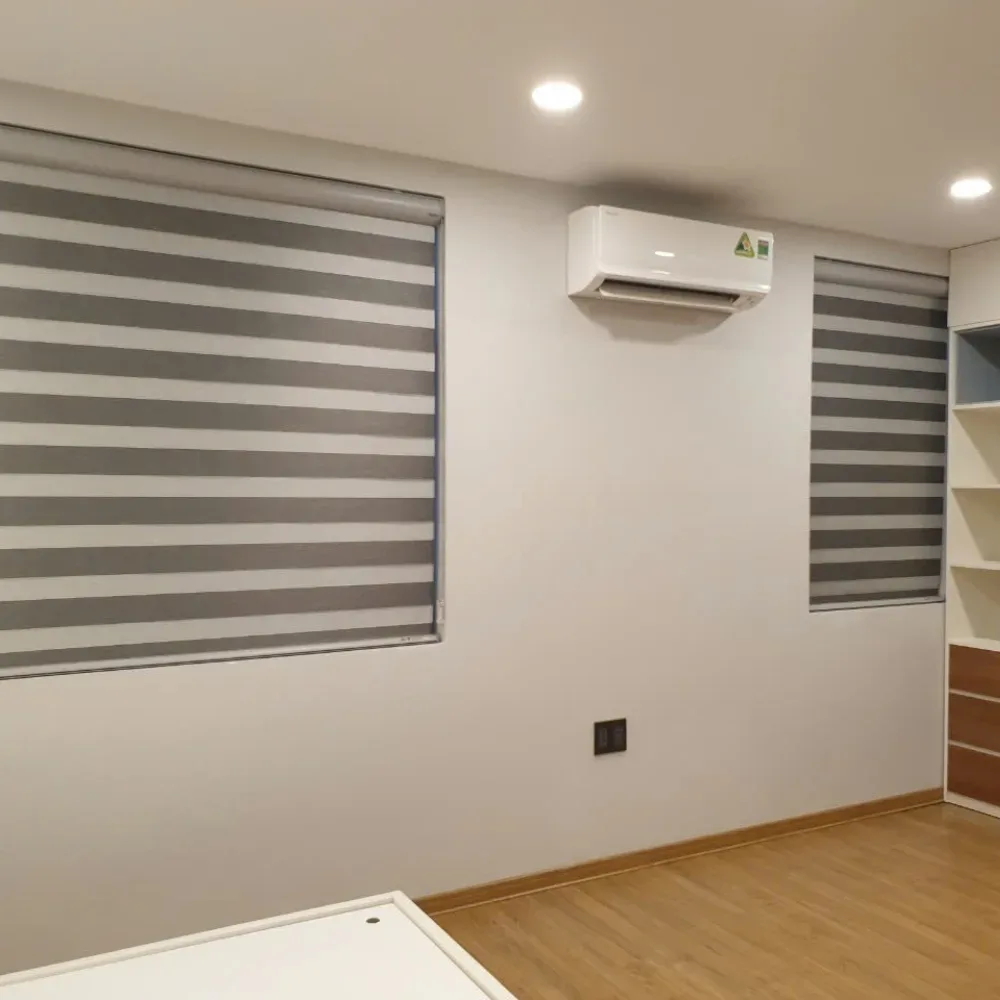
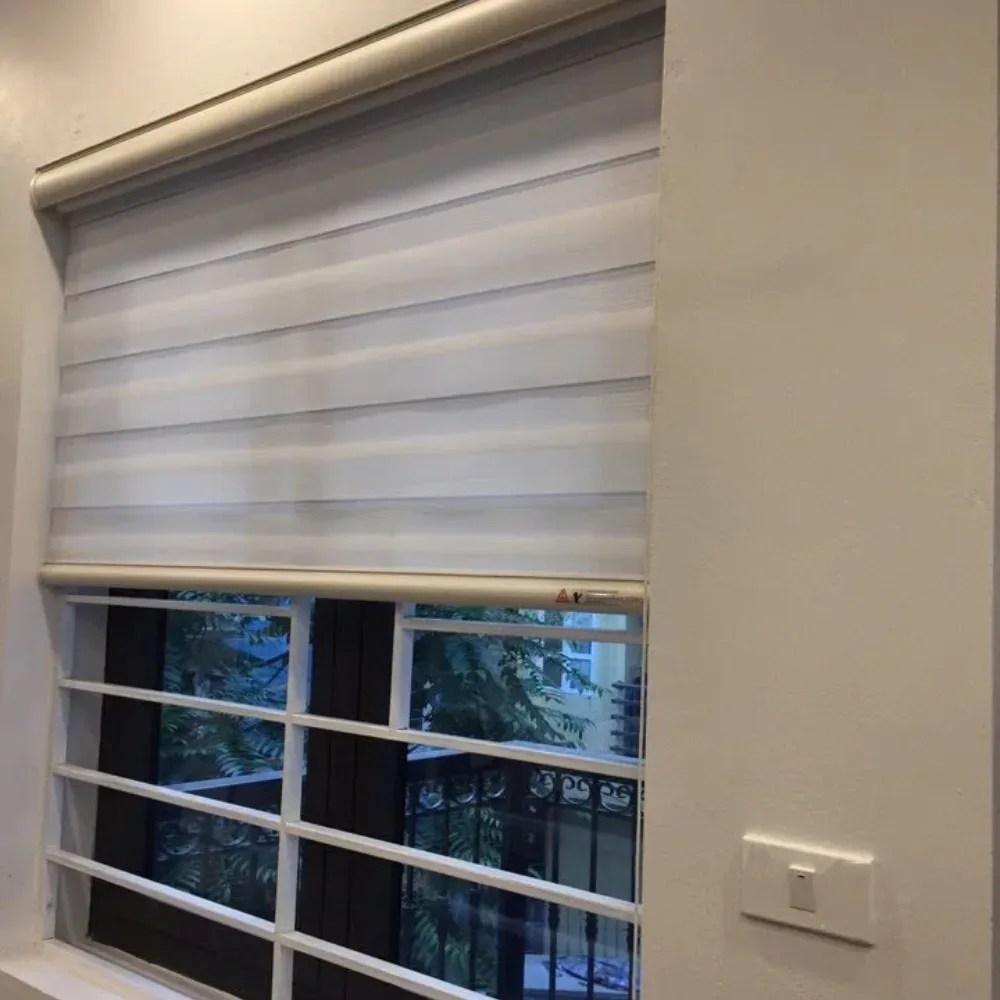
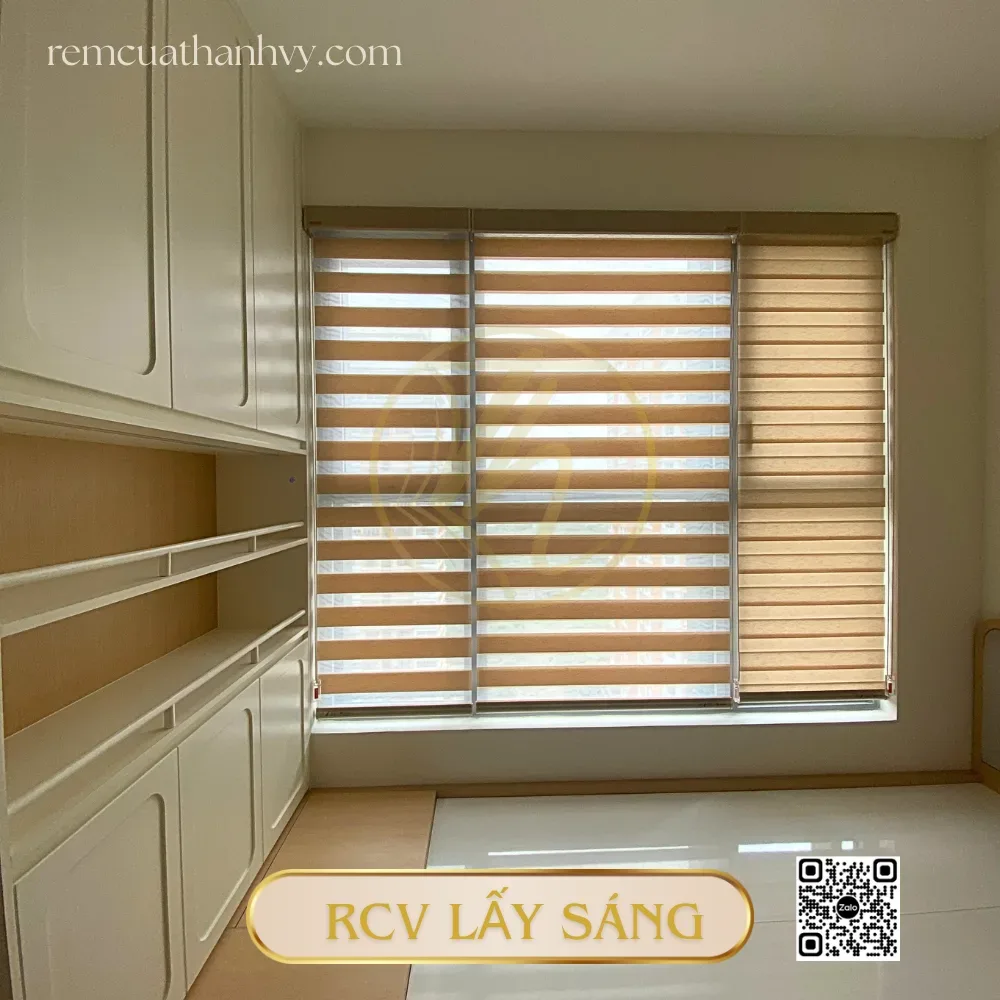
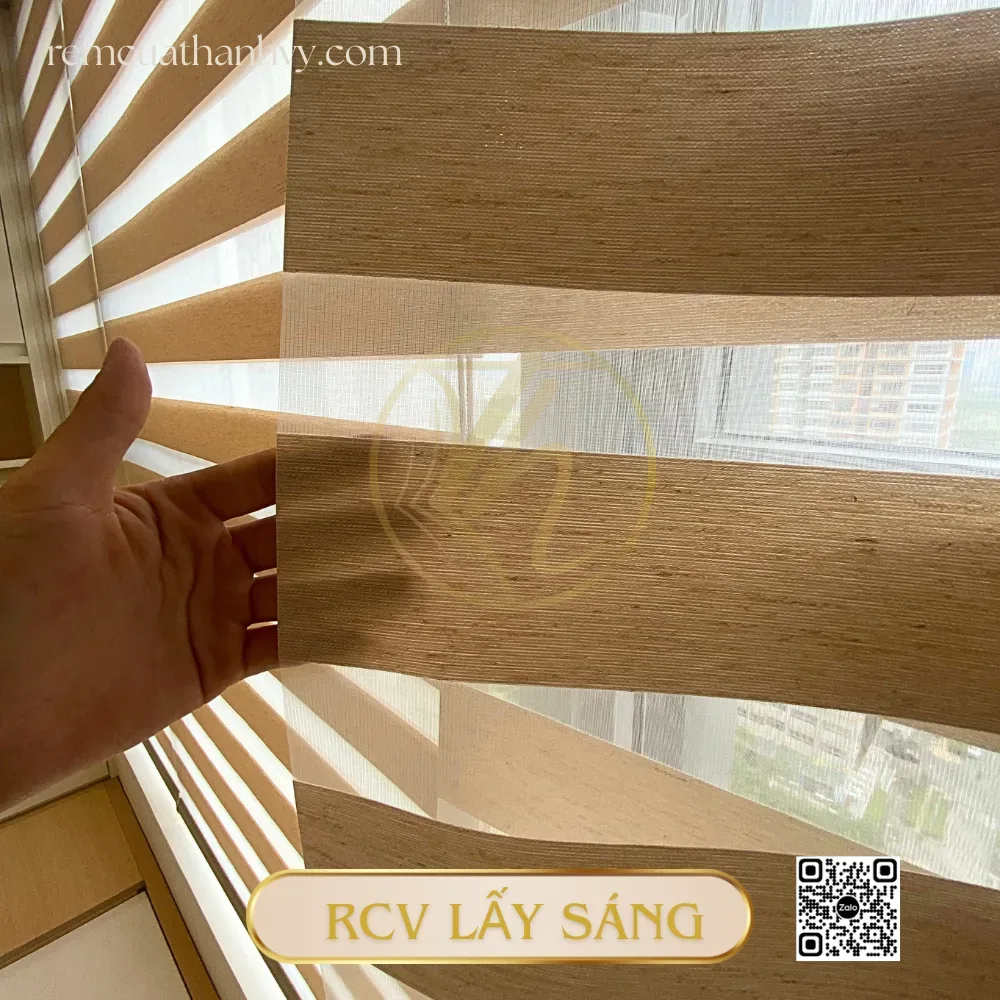
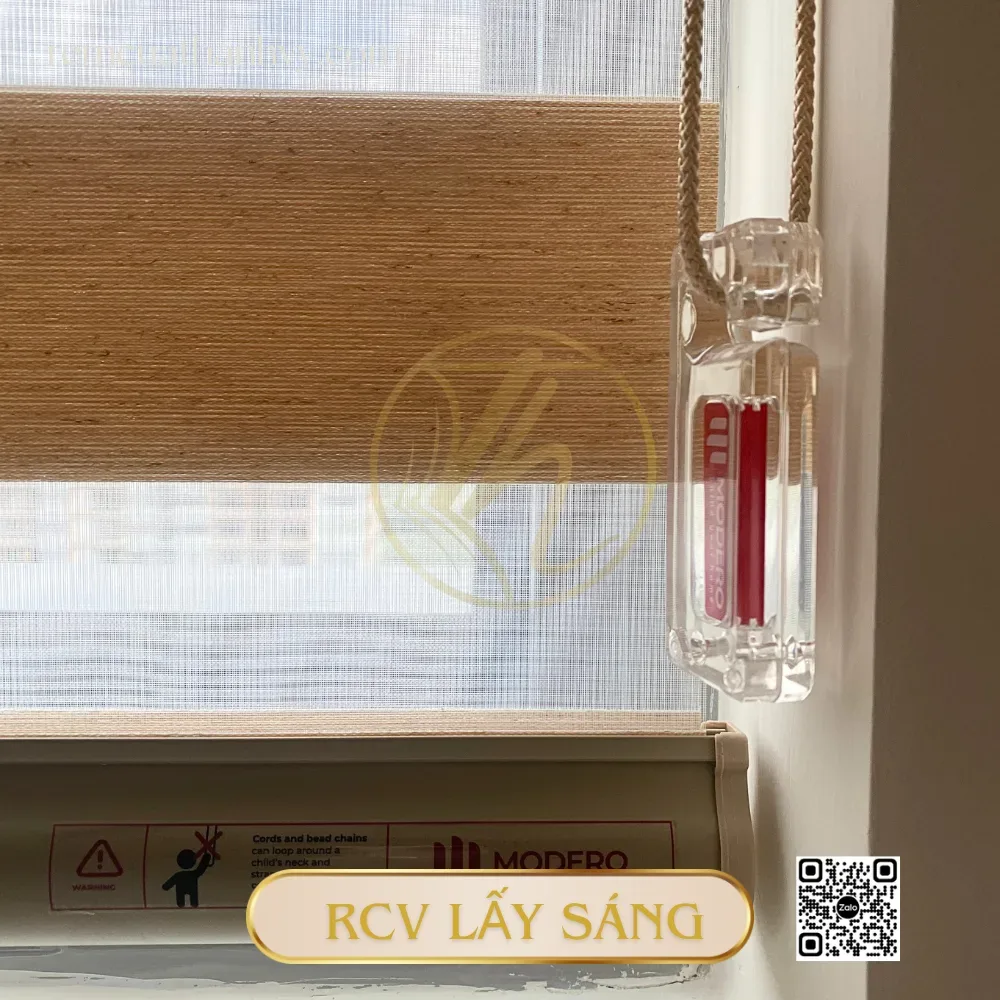
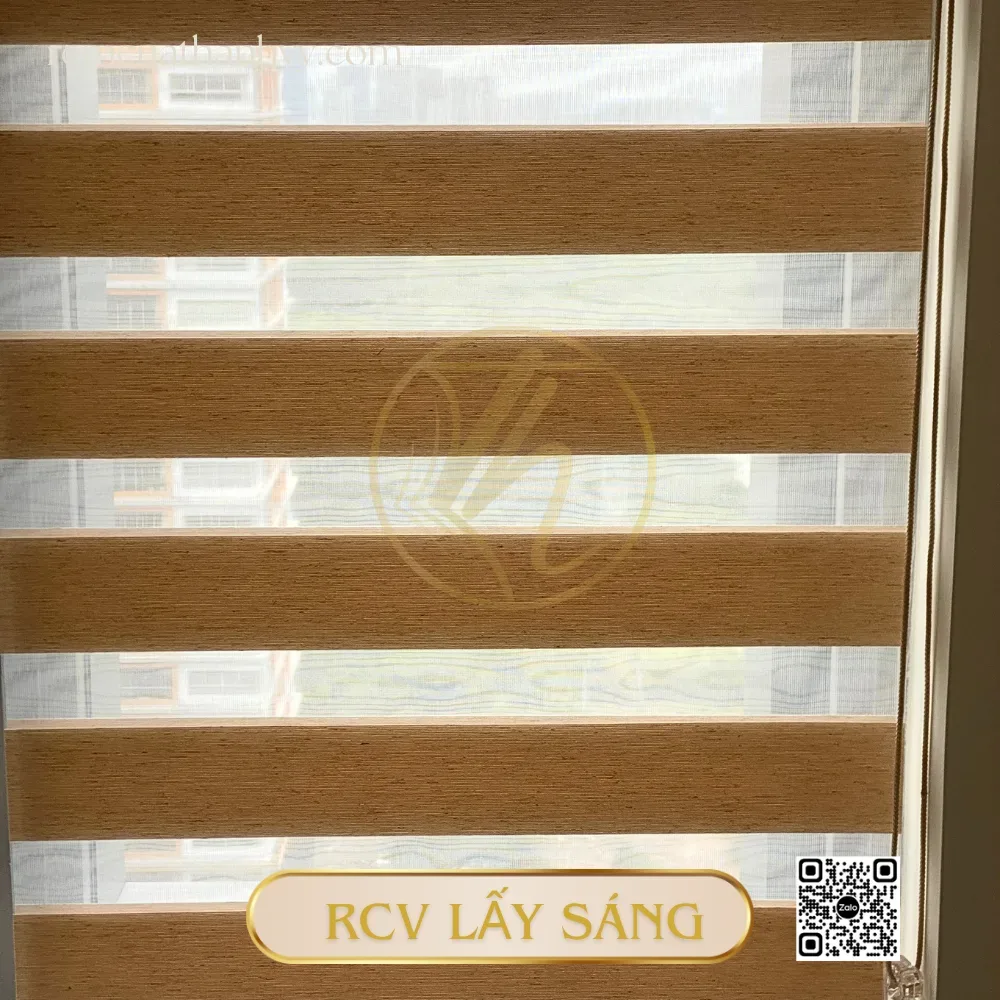
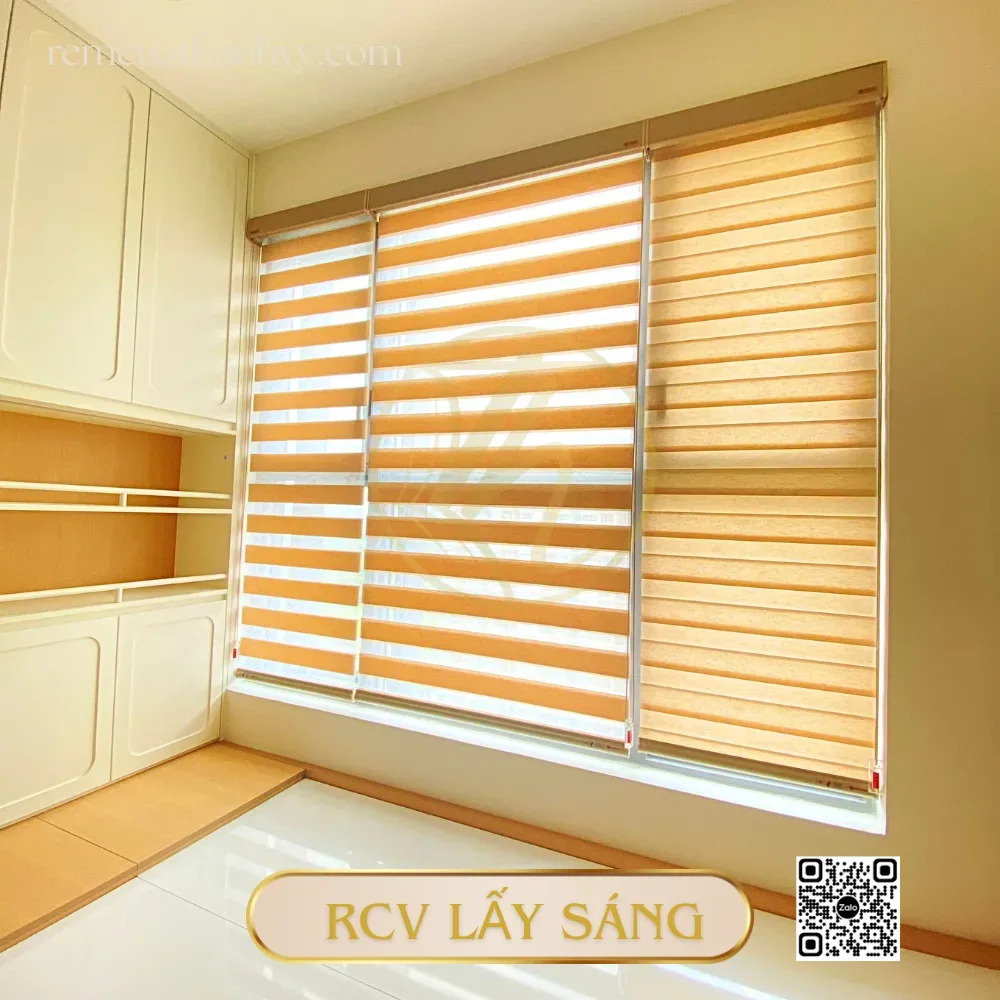
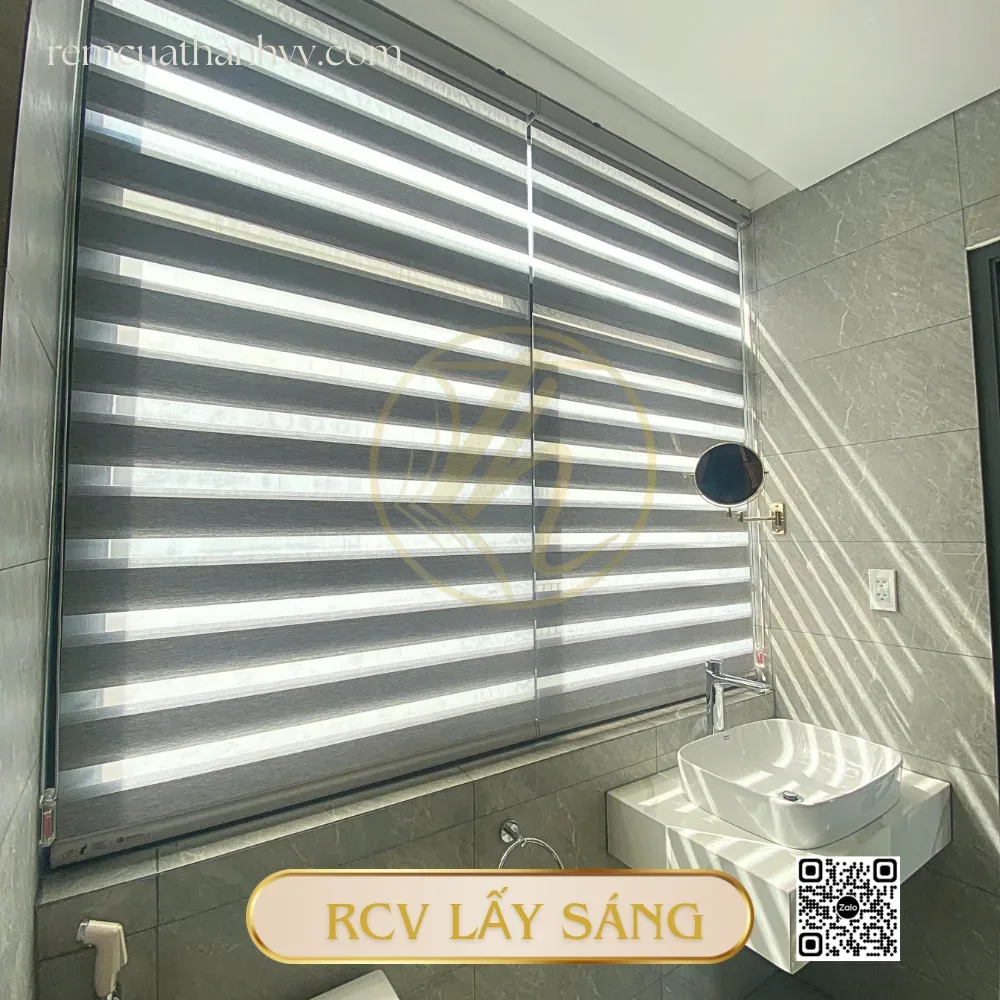
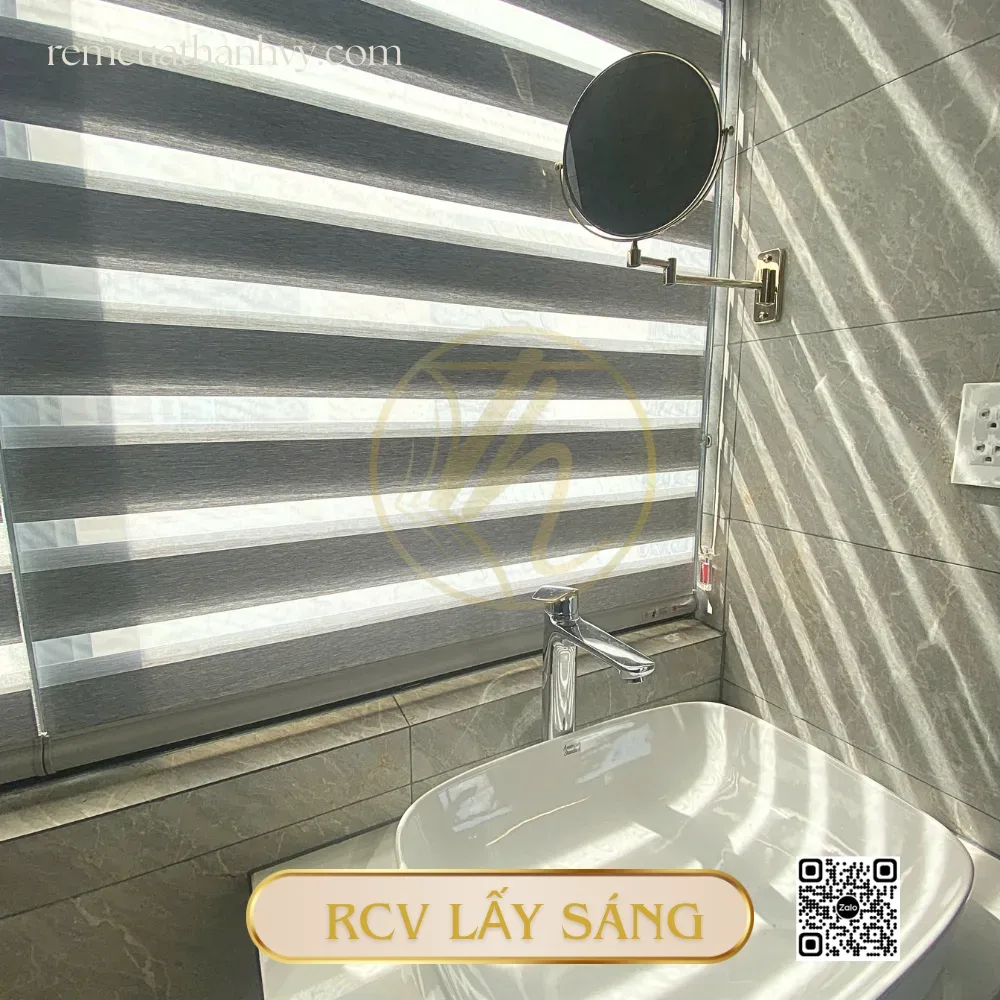
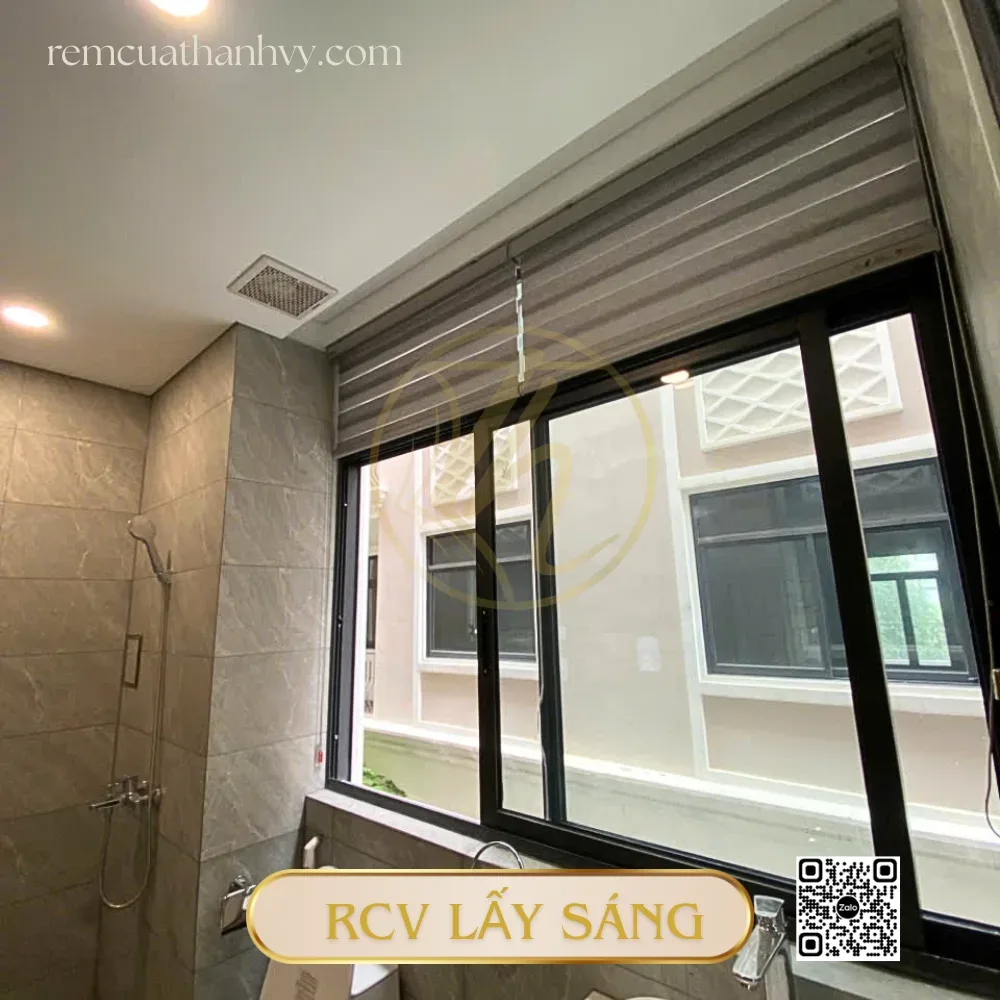
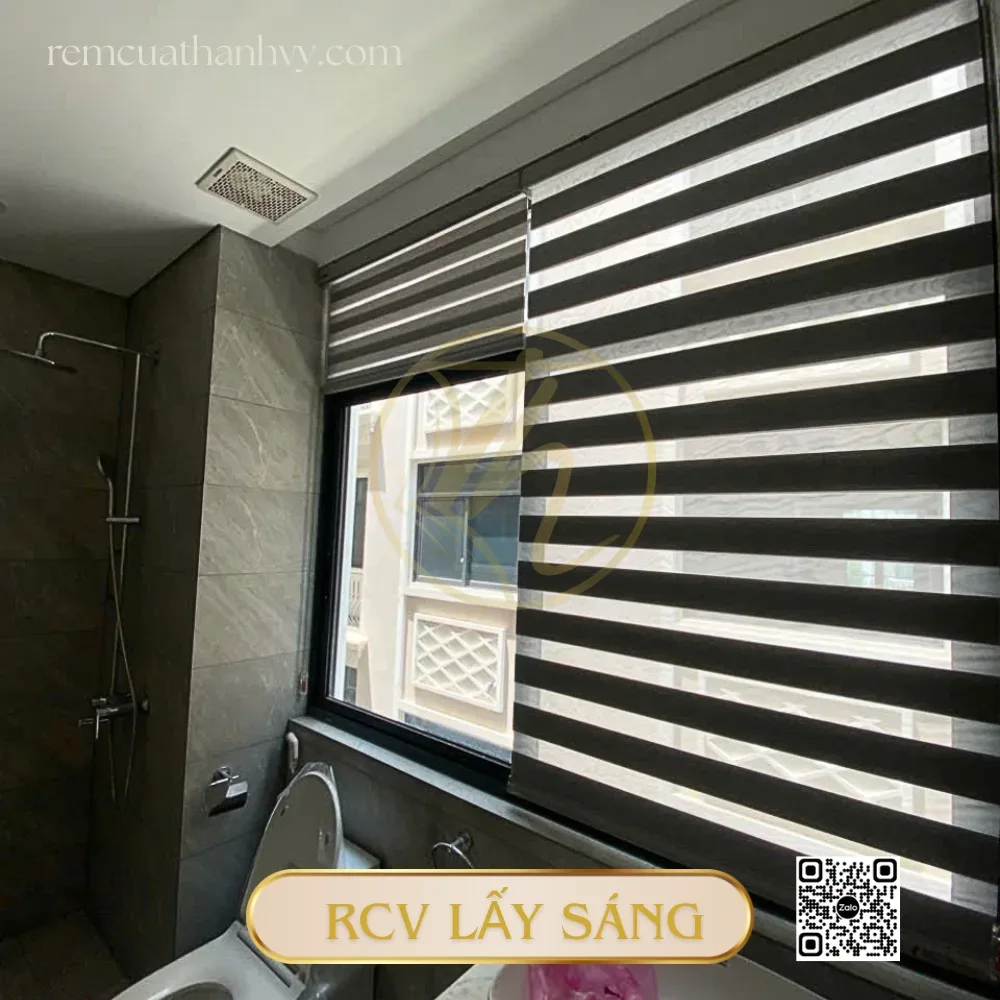
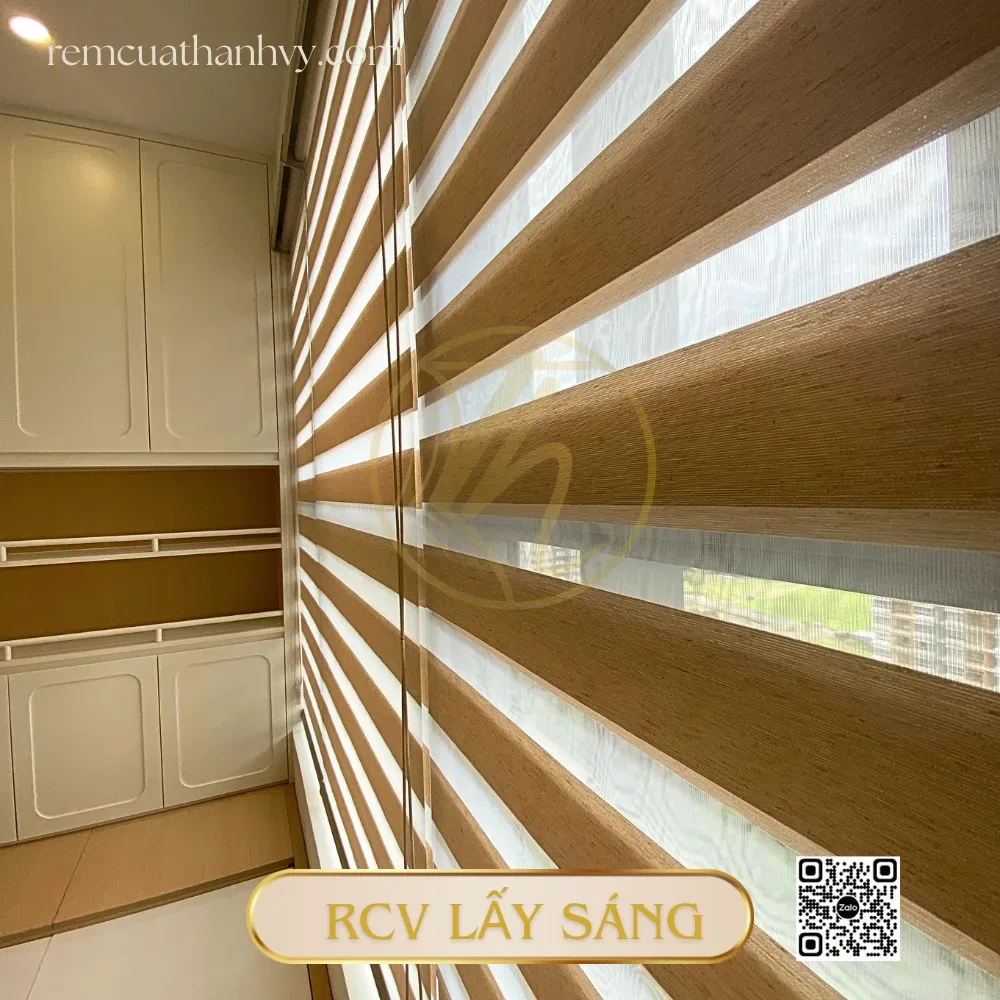
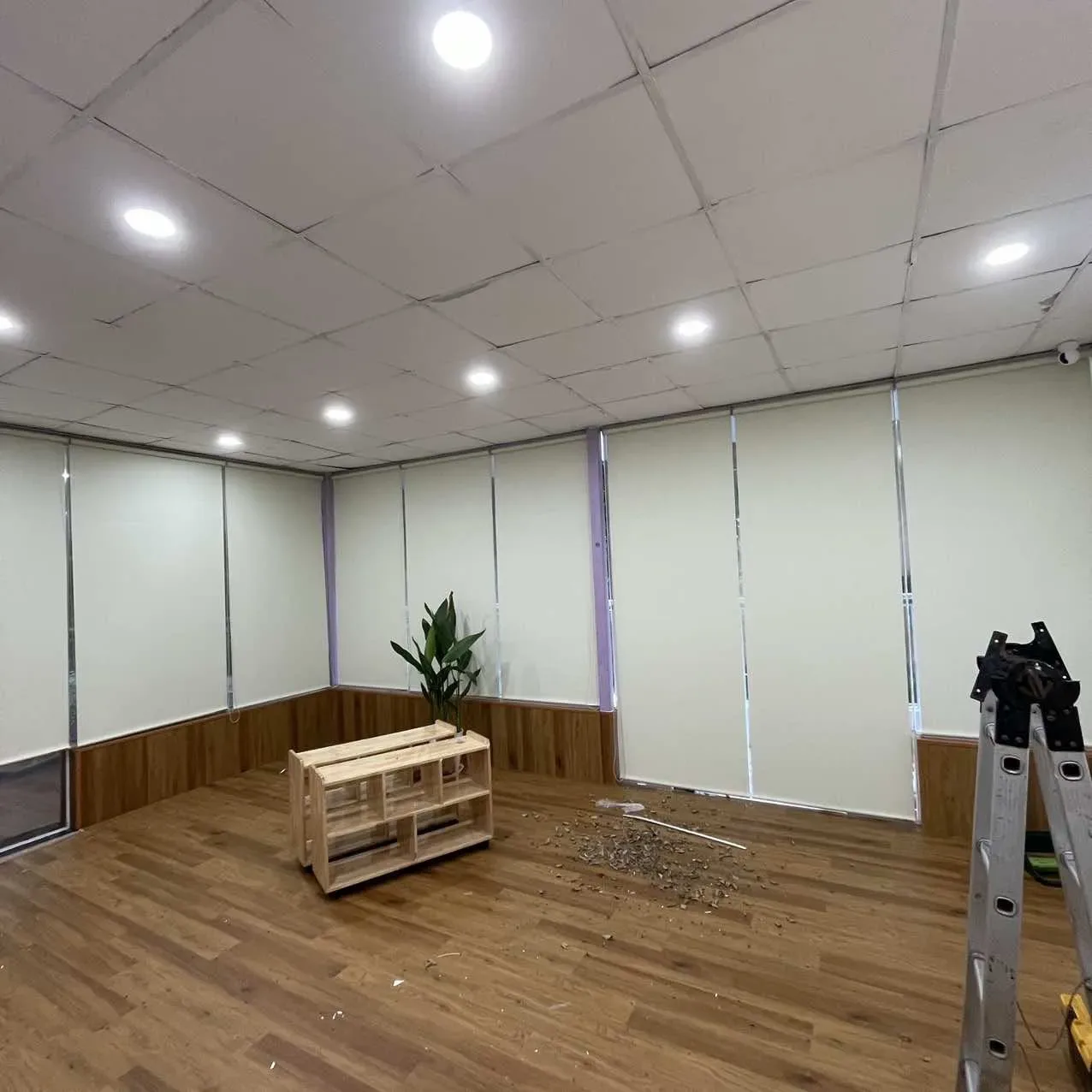
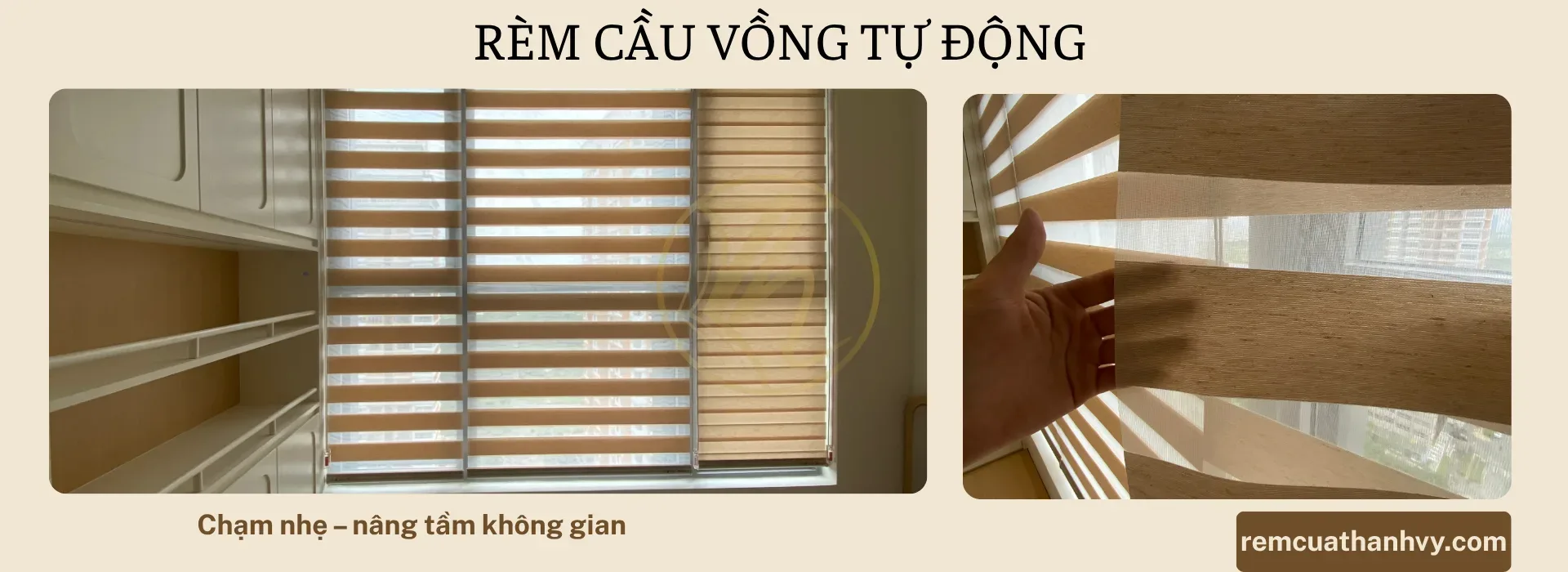
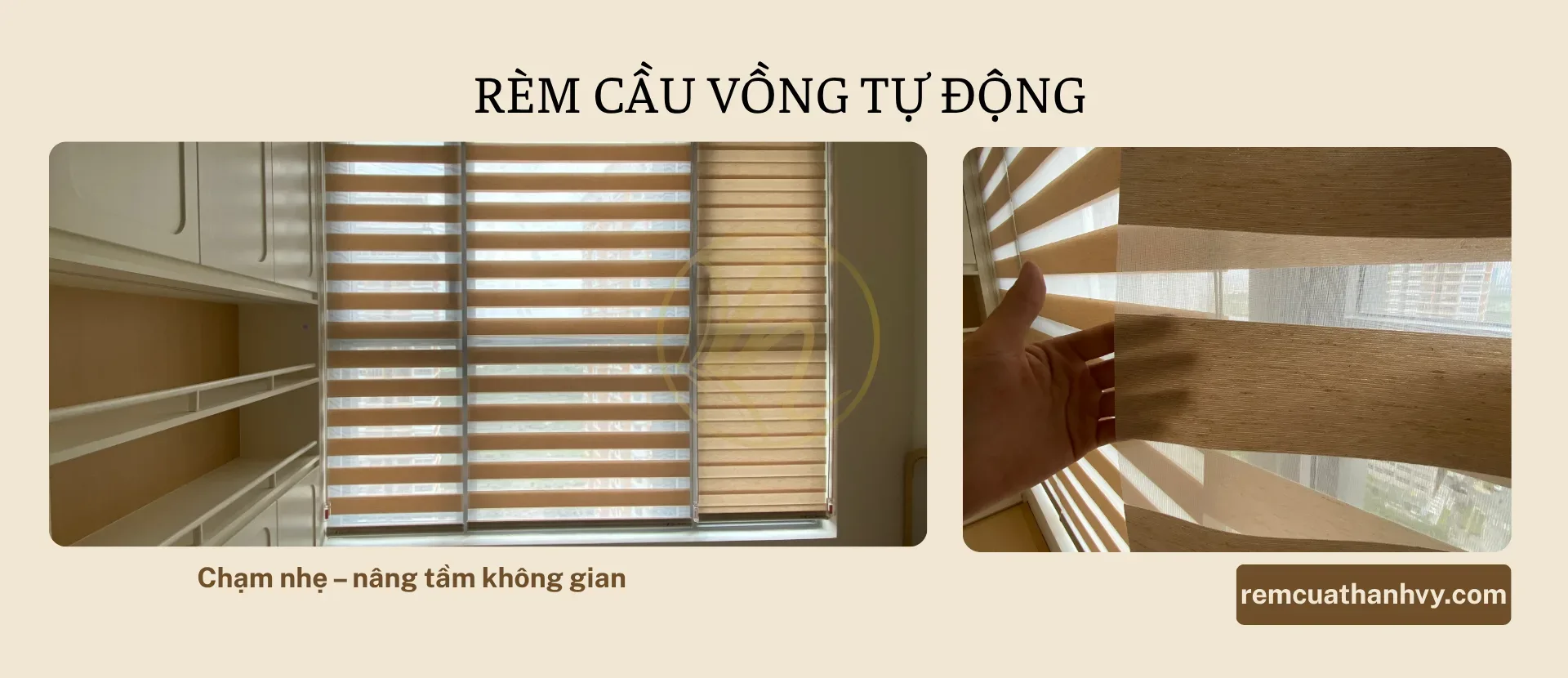
Combi curtains have a completely different structure: two layers of fabric formed into alternating horizontal bands, rolled around a spindle located at the top of the window frame. When pulling the cord or using a control wand, the two fabric layers slide out of alignment to open or cover the light bands, allowing fine-tuning of the light amount across multiple levels instead of just opening and closing like regular fabric curtains. The rolling mechanism also helps combi curtains become more compact when fully retracted, suitable for low-frame windows or when you do not want the curtains to take up wall space when not in use.
In essence, linen leans towards a decorative piece of fabric that can be opened and closed, whereas combi is a mechanical system combined with fabric to control light at various levels — two different types of solutions rather than two fabric patterns of the same kind.
Comparison of light control and privacy capabilities
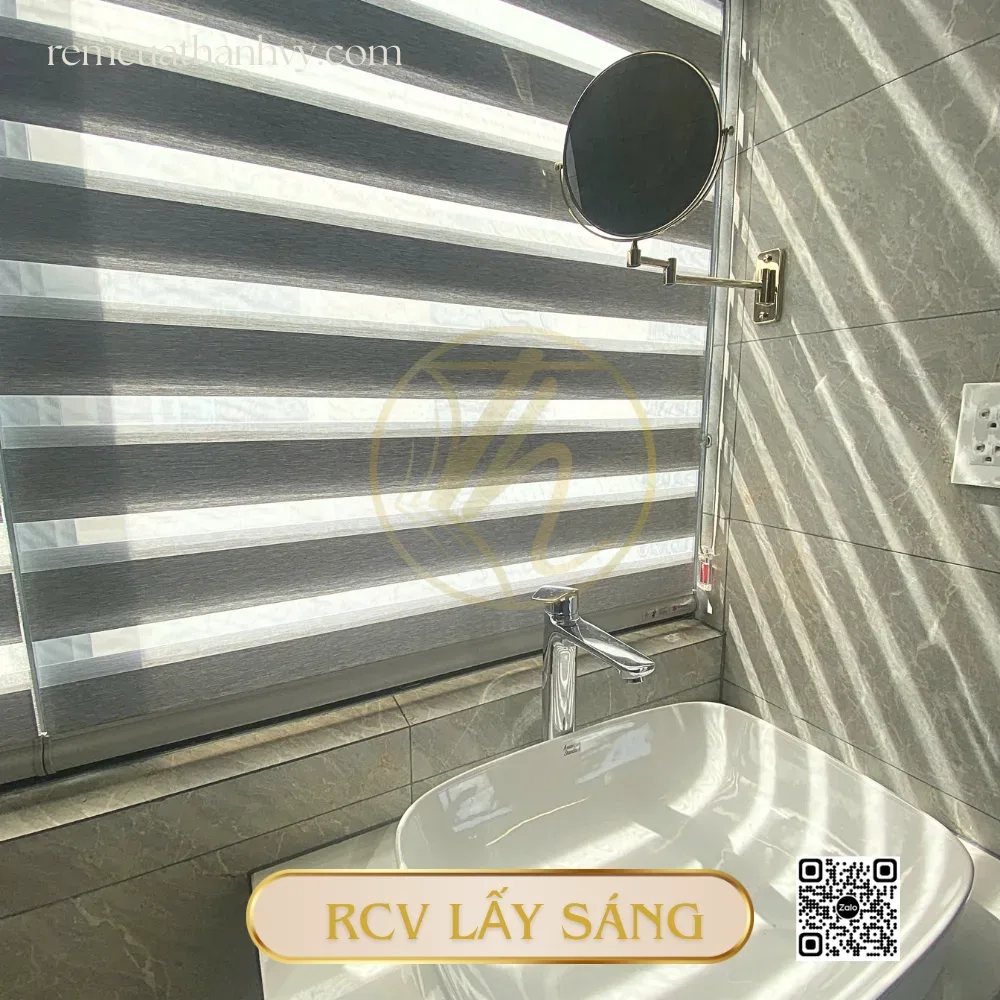
This is the criterion where combi curtains usually have a distinct advantage. Thanks to the dual-sliding layer mechanism, users can adjust light across multiple notches: fully open to welcome light, closing the bands to filter out glare while still being able to see outside, or closing tightly to block light almost completely depending on the fabric type. For rooms with harsh sunlight directed at fixed hours, this fine-tuning capability helps you be much more proactive compared to having only two options of open or closed.
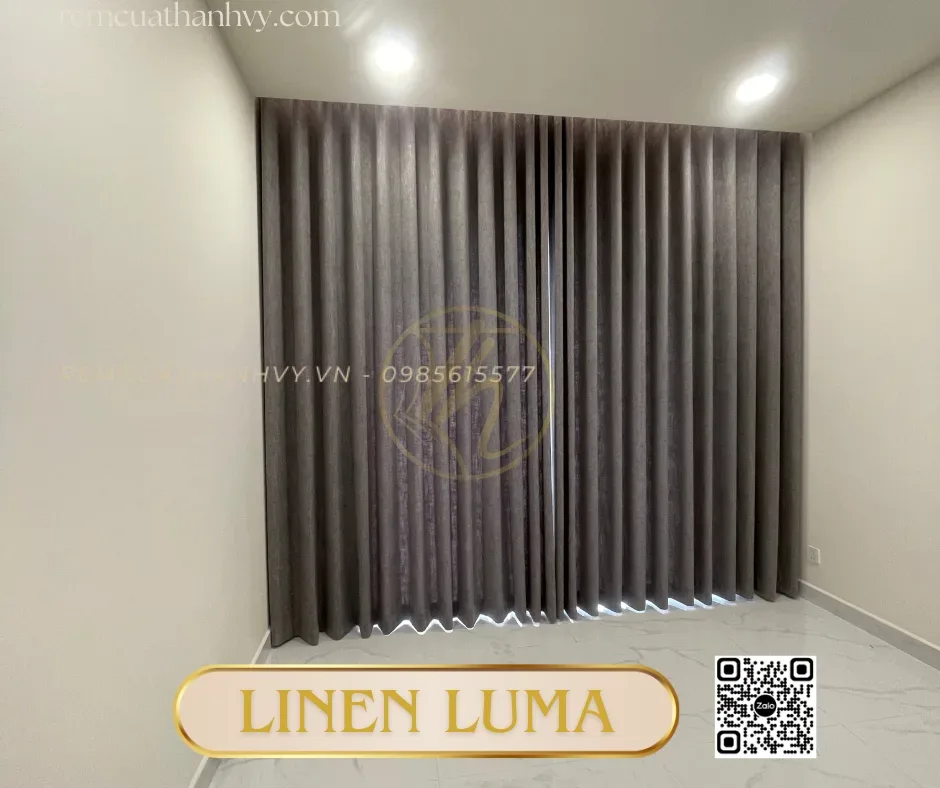
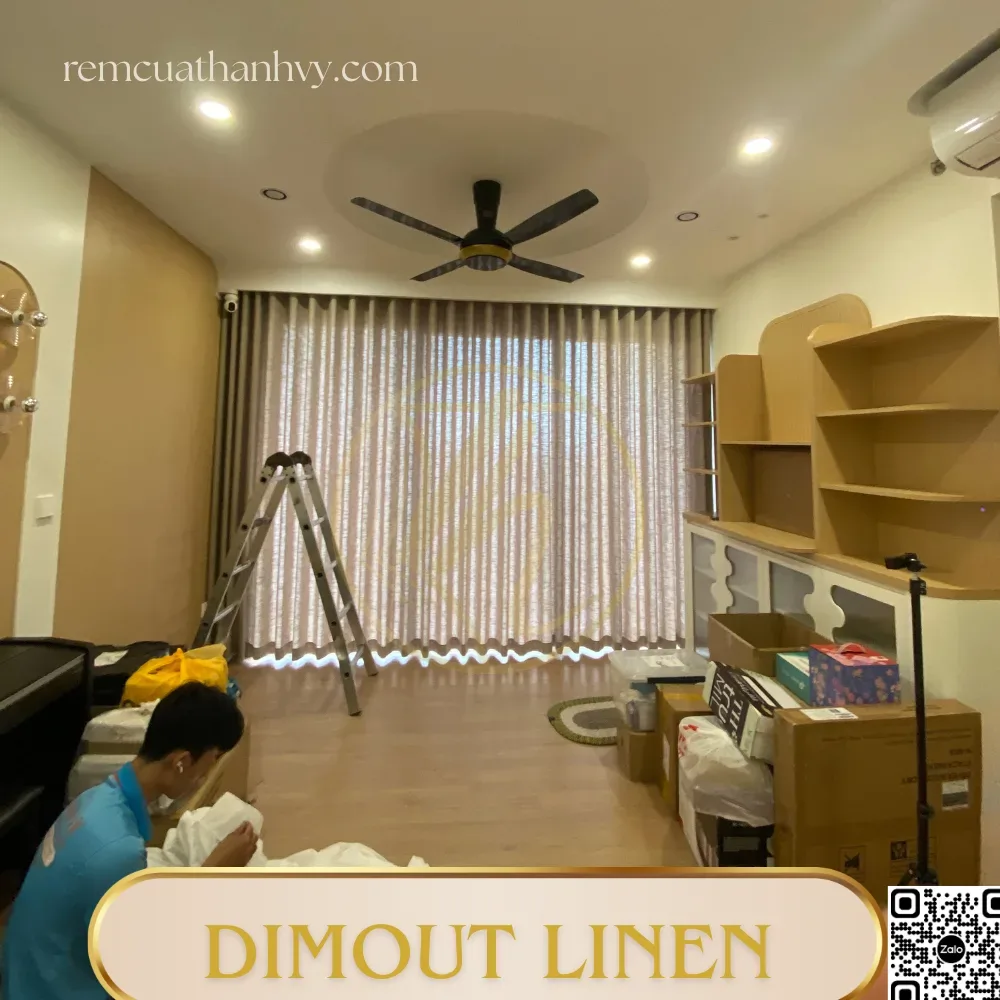
Linen curtains control light primarily depending on the thickness and weave density of the fabric. A thin linen panel provides softly diffused light but does not block much during harsh sunlight; wanting stronger light blocking usually requires an additional inner lining or blackout curtain. Regarding privacy, tightly closed linen panels still block views quite well but do not possess the flexible intermediate levels like combi curtains. Therefore, if prioritizing light adjustment according to different times of the day, combi curtains meet the need better, whereas if you only need to soften light and maintain a soft feel, linen remains sensible.
Comparison of aesthetics and spatial coordination capabilities
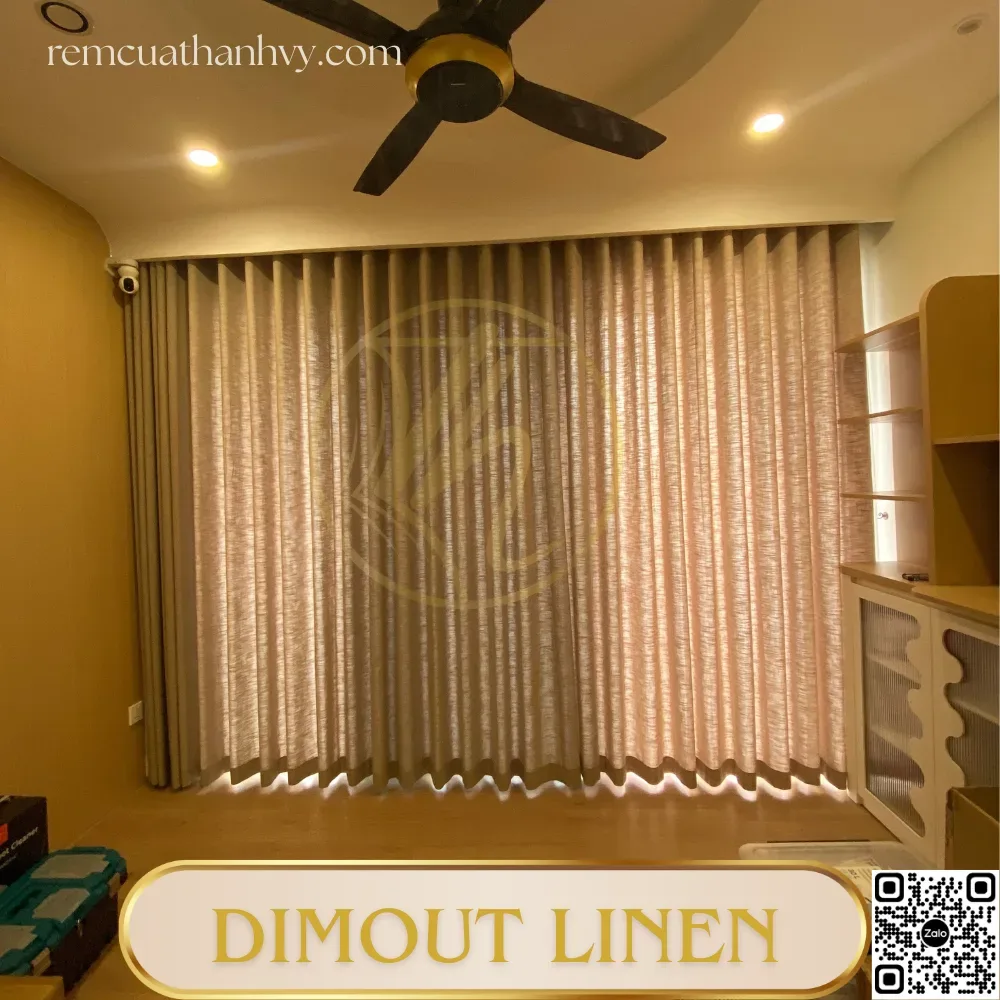
Linen curtains bring a warm and deep aesthetic thanks to their natural fiber structure, soft drape, and the way light passes through the fabric to create a soothing effect — suitable for rustic, warm minimalist, or Scandinavian styles blended with natural materials, or spaces wanting to maintain a cozy feel with minimal industrial vibes.
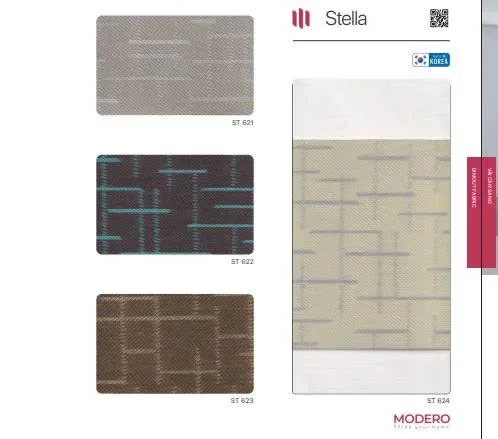
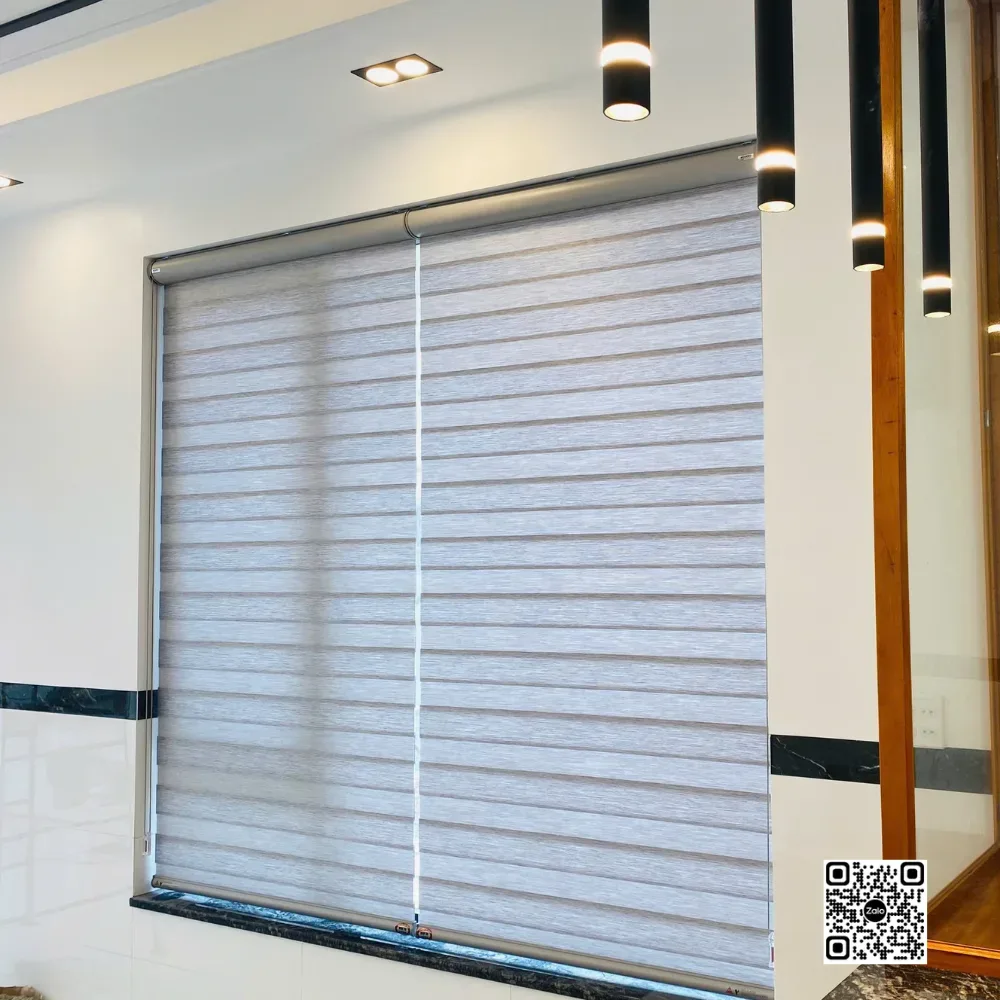
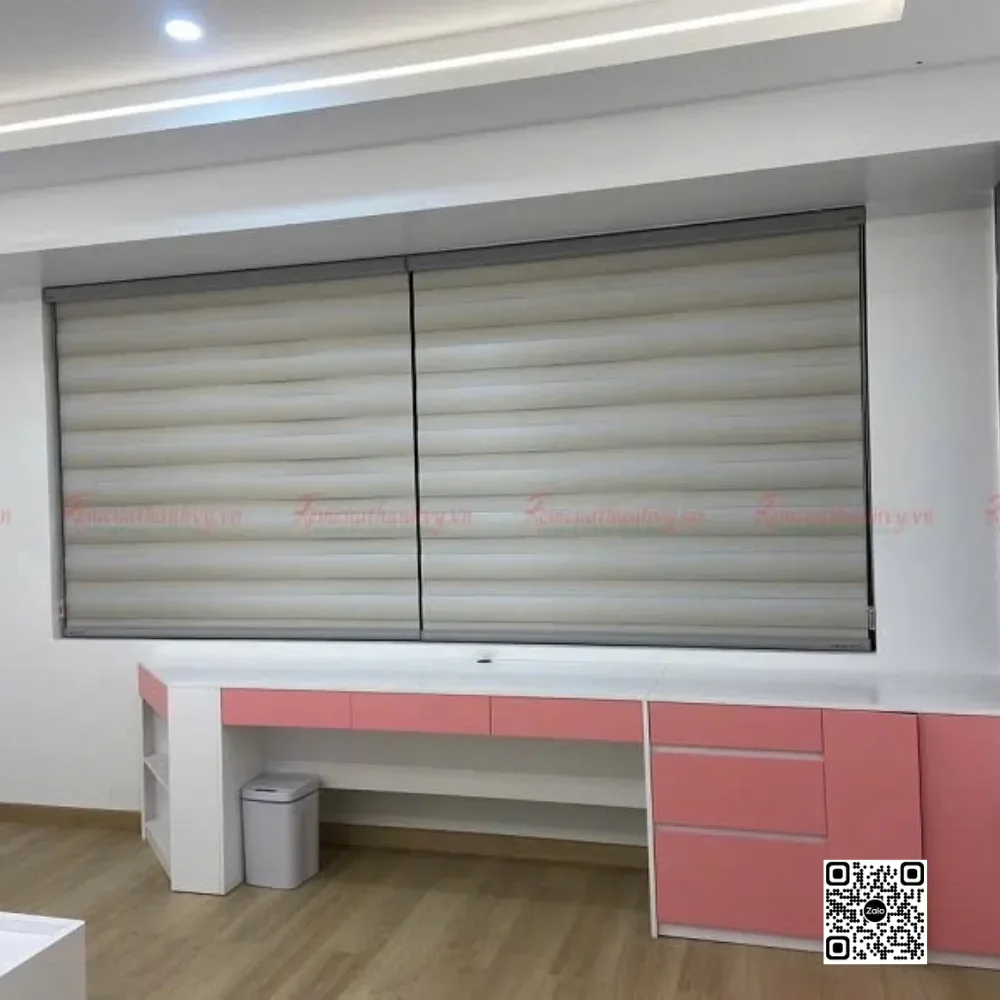
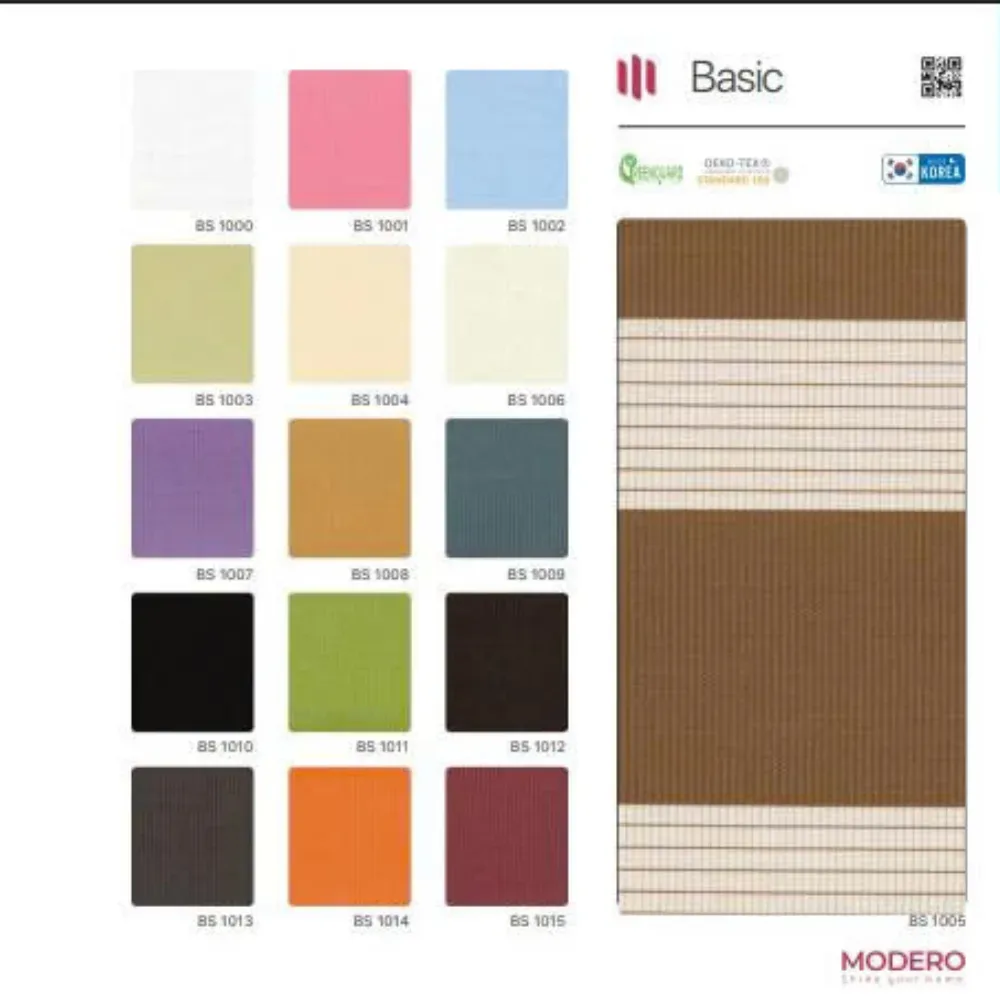
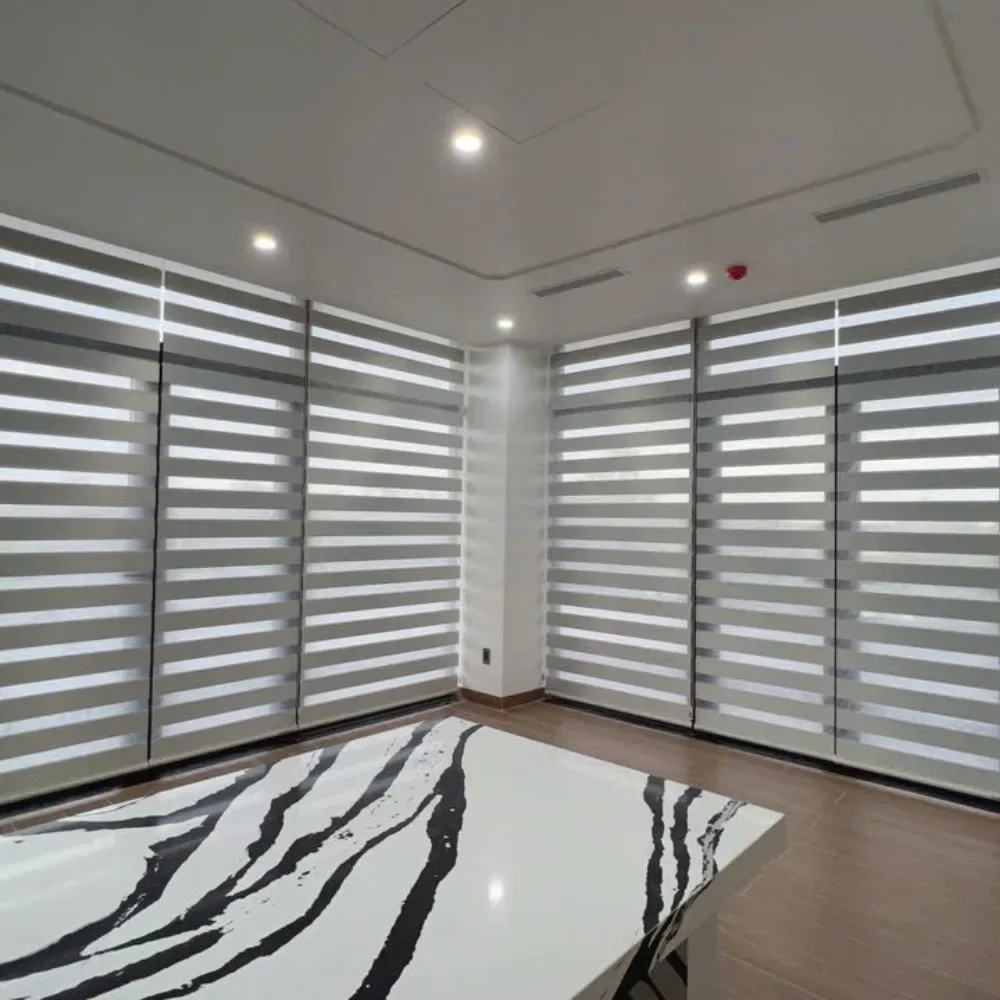
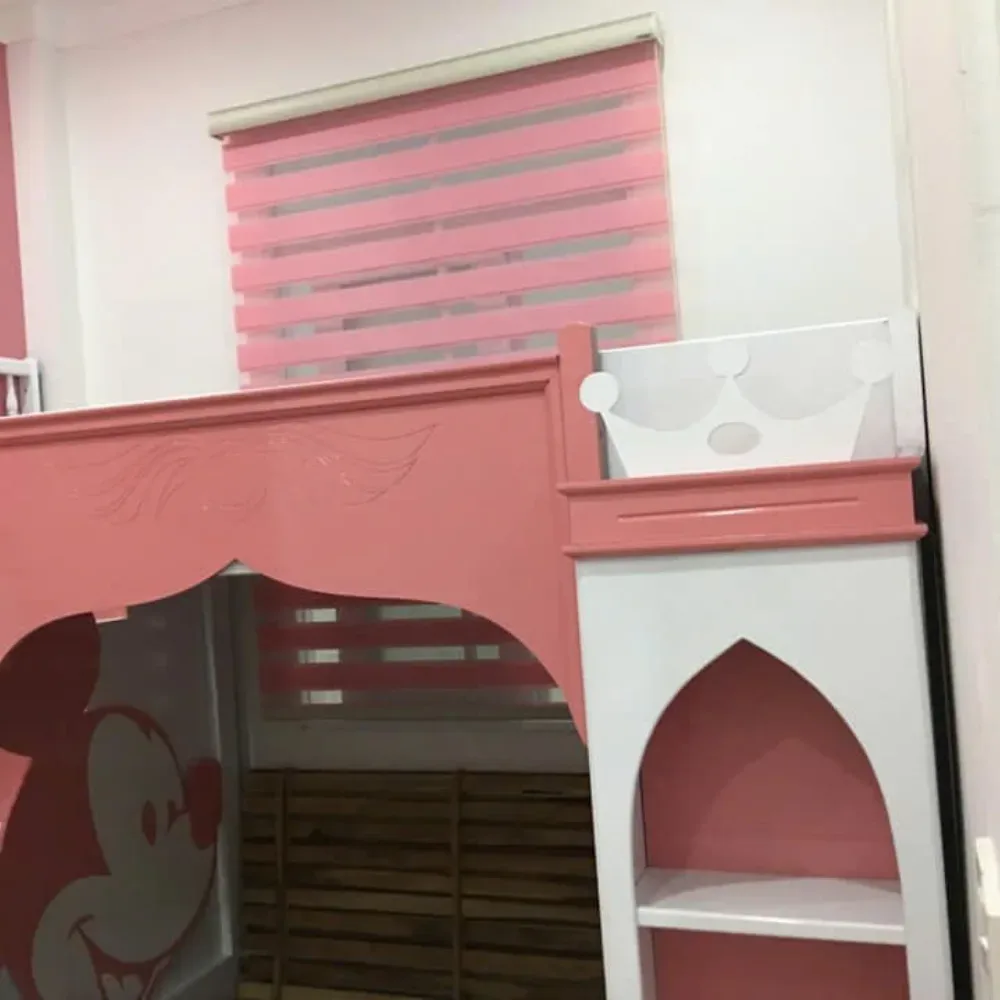
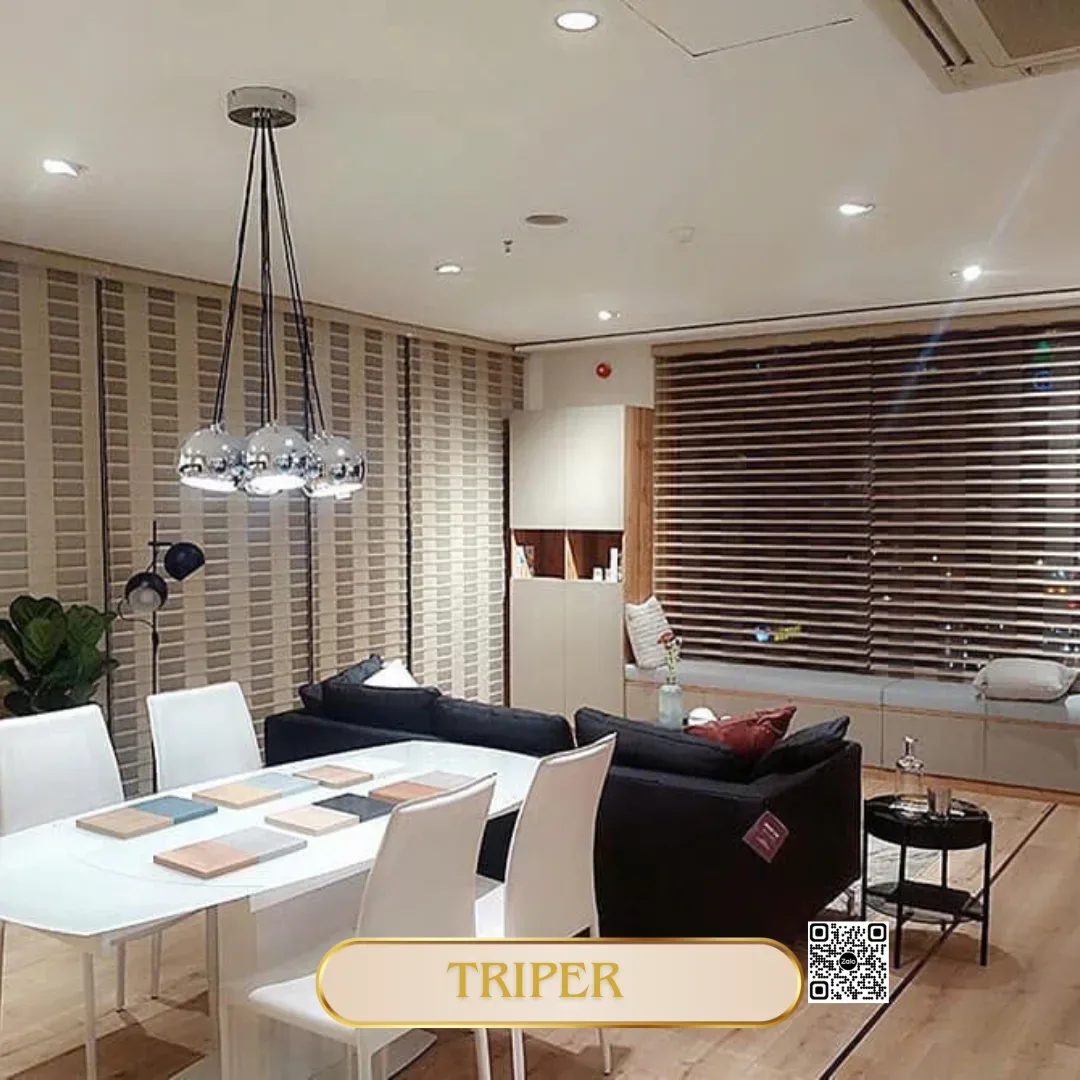
Combi curtains suit spaces geared towards a modern direction, block-based minimalism, and neat lines. Because the fabric surface is flat and creates few drapes, combi curtains honor the cleanliness of straight lines in home offices, open kitchens, or contemporary minimalist apartments, with diverse colors and opacity levels allowing neutral tones to be matched or subtle accents to be created.
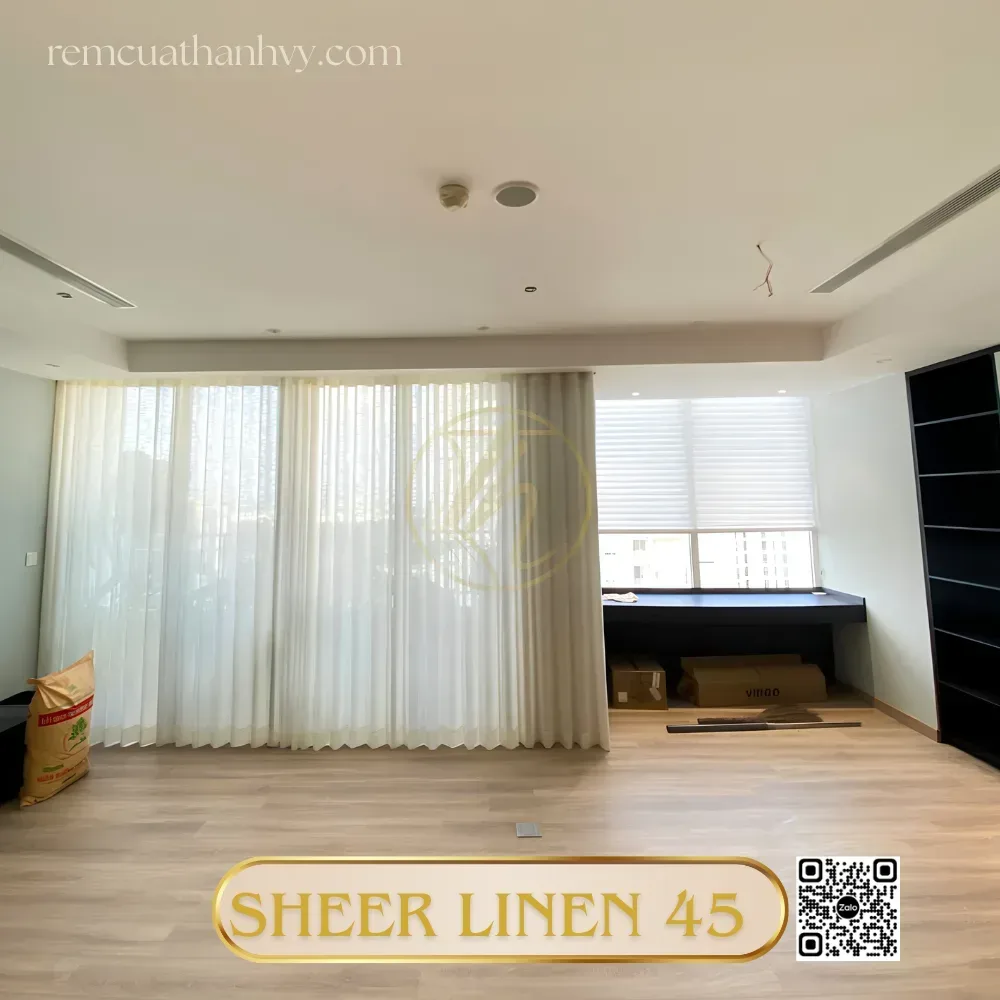
This difference mostly stems from the operating method: linen always has a portion of naturally draped fabric even when open, while combi curtains almost disappear from view when neatly rolled up. If wall space around the window is limited or you want to keep the sense of openness to a maximum, combi curtains are usually more compact; if you want the window to always have a layer of fabric present as a decorative detail, linen creates that feeling more clearly. Information about the provider also appears in the characteristics of flax fabric.
Comparison of durability, cleaning, and maintenance capabilities
Regarding durability, both types can be used long-term if the correct quality is chosen and technical installation is proper, but the points of concern differ. Linen curtains are natural or blended woven fabrics, which over time may fade slightly under prolonged direct sunlight, especially with dark colors, and can wrinkle or sag if hung incorrectly or used for years without care. Linen curtains can be uninstalled for washing or dry cleaning depending on the fabric type, suitable for those accustomed to periodic fabric curtain care.
Combi curtains have an additional mechanical element: the rolling spindle, pull cord or control wand, and internal gears within the mechanism housing. Manufactured well and used correctly, they operate durably over time, but if the mechanism jams, cords break, or the spindle misaligns, repairs are more complex than simply washing or replacing fabric. Dust also easily adheres to the gaps between the two fabric layers, so periodic cleaning by gentle vacuuming or surface wiping is necessary, rarely requiring the complete disassembly of the whole unit.
Send your dimensions and needs, and the Thanh Vy Curtains team will advise on options and quote for your actual space.
Comparison of pricing and long-term usage costs
The price of linen curtains and combi curtains depends on many factors: fabric quality, window size, accompanying accessories, and the installation unit, making it difficult to give a fixed figure. A basic linen curtain set with simple hanging rods or tracks has a modest initial cost due to lacking complex mechanical parts; wanting to increase light blocking adds costs when supplementing linings or secondary curtains. Combi curtains usually have a higher initial cost because they must account for the mechanical spindle box, pull cords, and technical installation labor, but in return, they bundle multi-level light control capability — so comparing prices requires placing both options at the same light control requirement level, rather than just comparing monetary amounts.
Regarding long-term costs, linen curtains may incur periodic maintenance expenses such as washing, ironing, or replacement when the fabric fades. Combi curtains require less laundering, but if the mechanical parts experience issues, the cost of a single repair can be higher than a single fabric curtain wash, so the budget should be considered over the expected total usage time, not just at the time of purchase.
Which spaces are linen curtains or combi curtains suitable for
Linen curtains are usually suitable for living rooms and bedrooms in warm, rustic, or semi-classical styles, where the homeowner wants the natural drape of fabric to be part of the overall aesthetic — especially when the space already has many other natural materials like wood, rattan, or cement tiles and does not place heavy emphasis on multi-level light control.
Combi curtains are more suitable for modern spaces, apartments, home offices, or areas with large windows requiring flexible light adjustments multiple times a day, such as near a desk or an open kitchen receiving abundant sunlight. If daily routines change continuously by hour — bright light needed in the morning, glare reduction at noon, and privacy at night — the strip-based adjustment capability of combi curtains is usually more convenient.
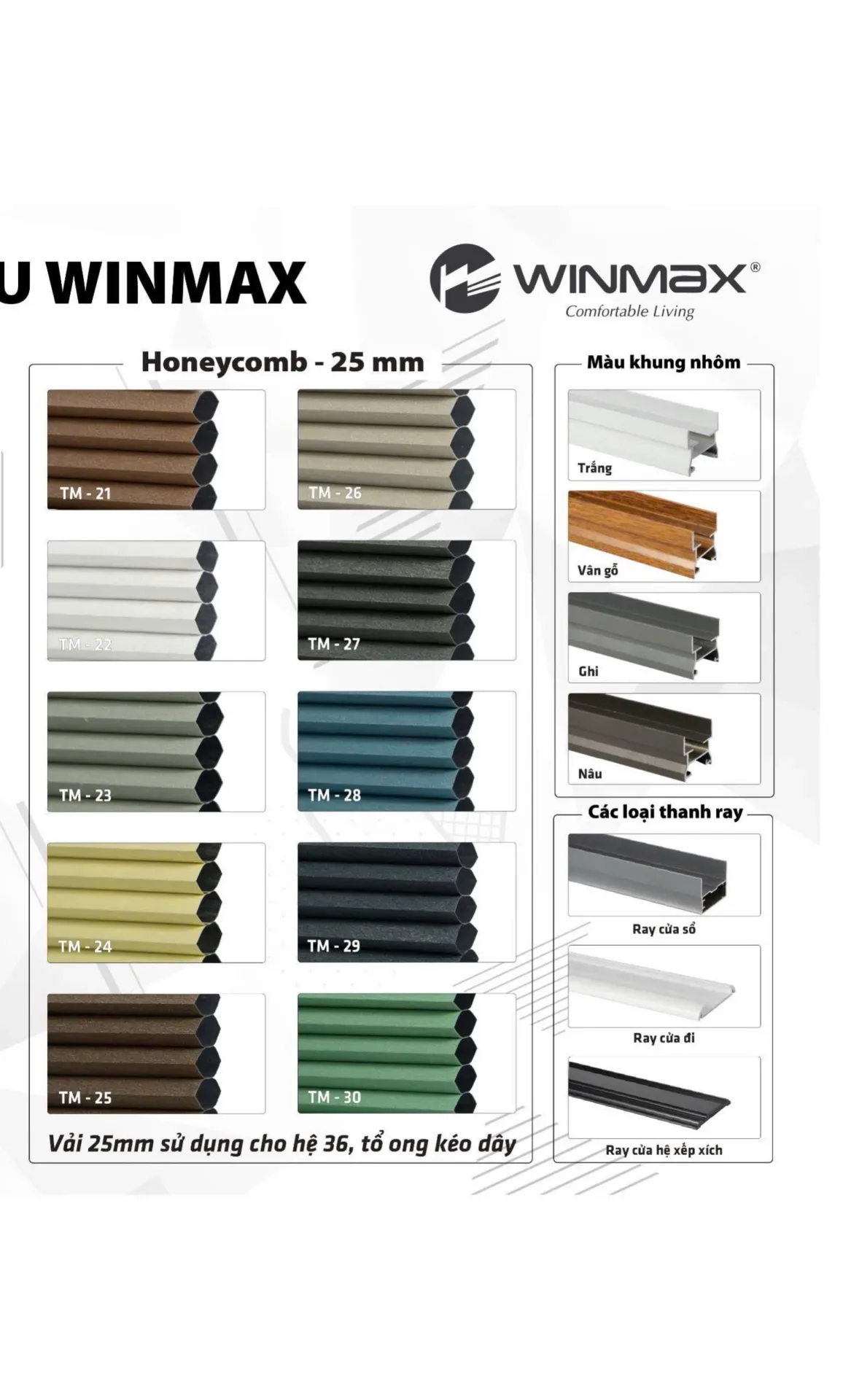
For homes that already use honeycomb blinds for bedrooms due to their good thermal insulation properties, adding combi curtains in the living room or study usually creates stylistic consistency with the rolling operation style, rather than mixing too many types of pull curtains and roller blinds in the same house.
Criteria framework to help you self-select the suitable type
Instead of asking which type is better, answer a few questions yourself about the usage needs of the specific space you are considering. First, determine the level of light control needed: needing flexible light adjustments multiple times a day makes combi curtains a better fit; only needing to soften light and prioritizing a soft feel makes linen a sensible choice.
Next, consider the overall interior style: spaces leaning towards natural, warm materials usually match linen; minimalist spaces with many straight lines and neutral tones usually match combi curtains. The third factor is maintenance habits — not minding periodic laundering makes linen suitable, while wanting to minimize disassembly and cleaning makes combi curtains more convenient if properly installed and mechanically maintained.
Finally, place the budget within the context of long-term needs instead of just comparing prices at the time of purchase. A curtain set matching the family’s actual lifestyle, whether linen or combi, usually delivers better utility value than a choice based solely on initial visual appeal.
If you need further consultation for your specific space, the Thanh Vy team is ready to assist with surveys and quotes according to the exact current window status, even for projects in central areas like District 1, to provide the option between linen and combi curtains that best fits your family’s lifestyle. You can also refer to the characteristics of flax fabric to better understand the material component.
Related areas
Curtains in District 1: What to prioritize for homes, apartments, and workspaces
A guide to choosing curtains in District 1 based on light levels, privacy, window proportions, [...]
Related reviews
Linen Curtains or Cellular Shades? A Detailed Comparison to Help You Choose
Compare linen curtains and cellular shades by light control, privacy, operation, aesthetics, cleaning, and running [...]
Are Rainbow Blinds Any Good? A Comprehensive A-Z Review
This article provides an objective review of whether rainbow blinds are worth it, covering their [...]
Fabric Curtains or Wooden Blinds? A Detailed Comparison to Help You Choose
Compare fabric curtains and wooden blinds by light control, privacy, operation, aesthetics, cleaning, and running [...]




No comments yet!