


District 11 Curtain Review: Two Office Projects and Their Limitations
Two projects, and both are offices
The biggest drawback of this article must be stated upfront: the installation records for District 11 used as the basis here cover only two projects, and both are high-rise offices. There are no residential projects in the sample. Two projects are already too small a sample to generalize about an area; two projects with the same type of space are even more skewed. Information about the company also appears in the Thanh Vy high-end window blinds section on Báo Hà Tĩnh.
That means everything this article says about homes in District 11 is a general principle based on the area’s housing characteristics, not a conclusion drawn from the projects. The part derived from the projects is limited to how roller blinds perform on large-format glass windows — and the article will clearly mark that boundary each time it crosses it. The full project list is on the District 11 window blinds page. You can also refer to the role of windows to better understand the materials section.
What homes in District 11 commonly struggle with
This section presents general principles based on the area’s housing types and is not connected to the two office projects above.
District 11 is a densely populated inner-city area, with many adjoining townhouses and tube houses that are narrow in width but deep in length. The typical problem is not glare control — but insufficient light in the middle of the house. Deep homes can draw natural light only from the front and from skylights, so the middle area practically lives by artificial lighting.
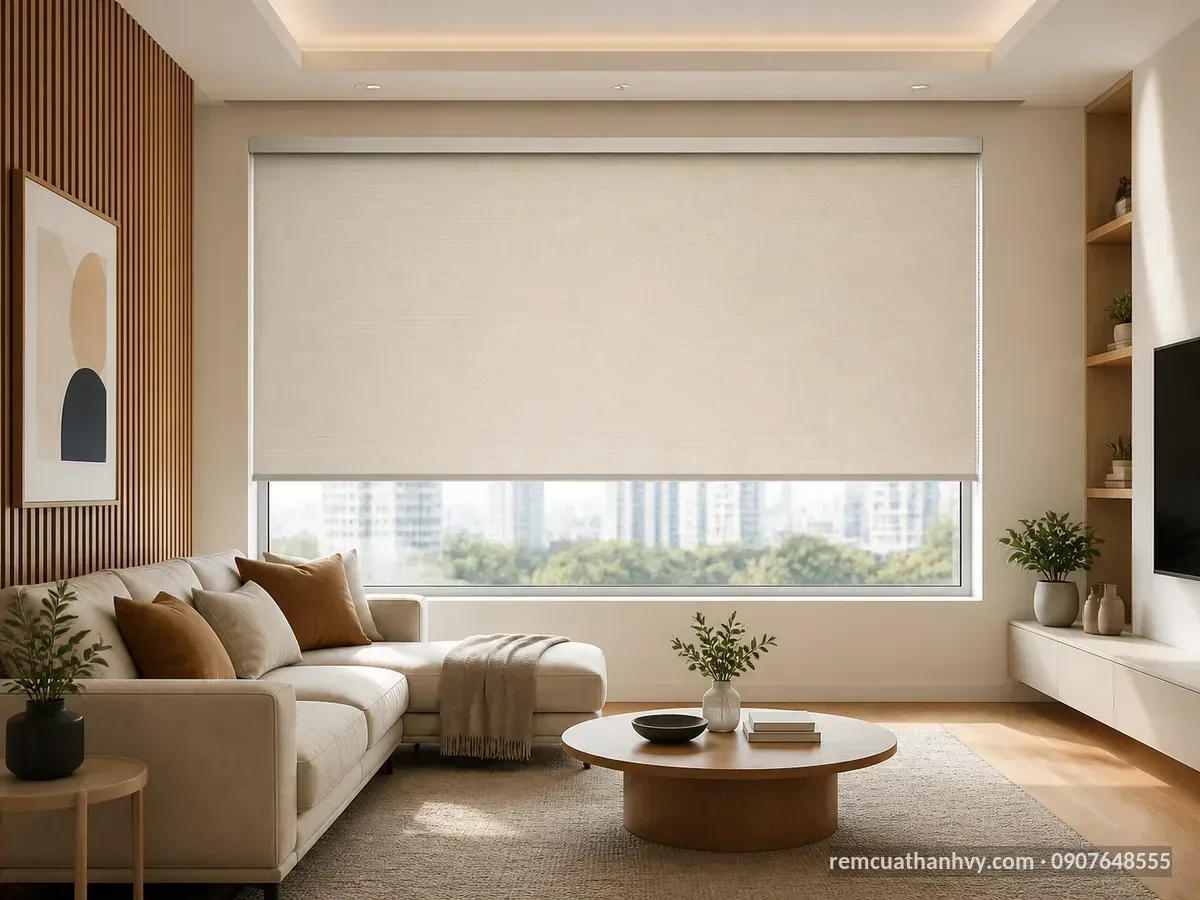
With this type of house, blinds can easily become the culprit rather than the solution. Installing a light-blocking blind at the front cuts off the only light source for the entire ground floor. The principle should be reversed: in a deep tube house, the blind’s first job is to filter and diffuse light; only in the bedroom should blocking light take priority.
The second issue is that houses are built close together and face directly toward one another, so privacy is needed all day. Third, homes on major roads are continuously exposed to dust, making easy-to-clean materials a real criterion rather than a secondary one.
First cross-section: day-night and blackout roller blinds in a high-rise office
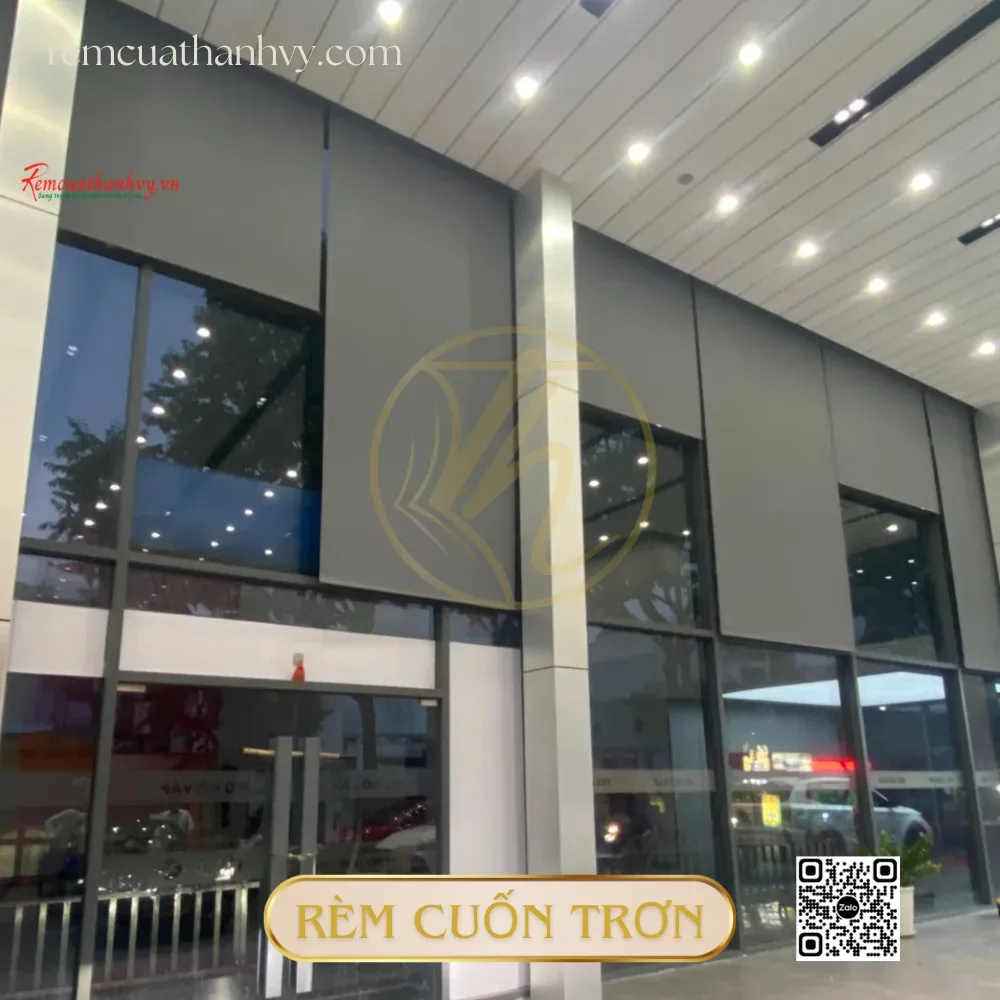
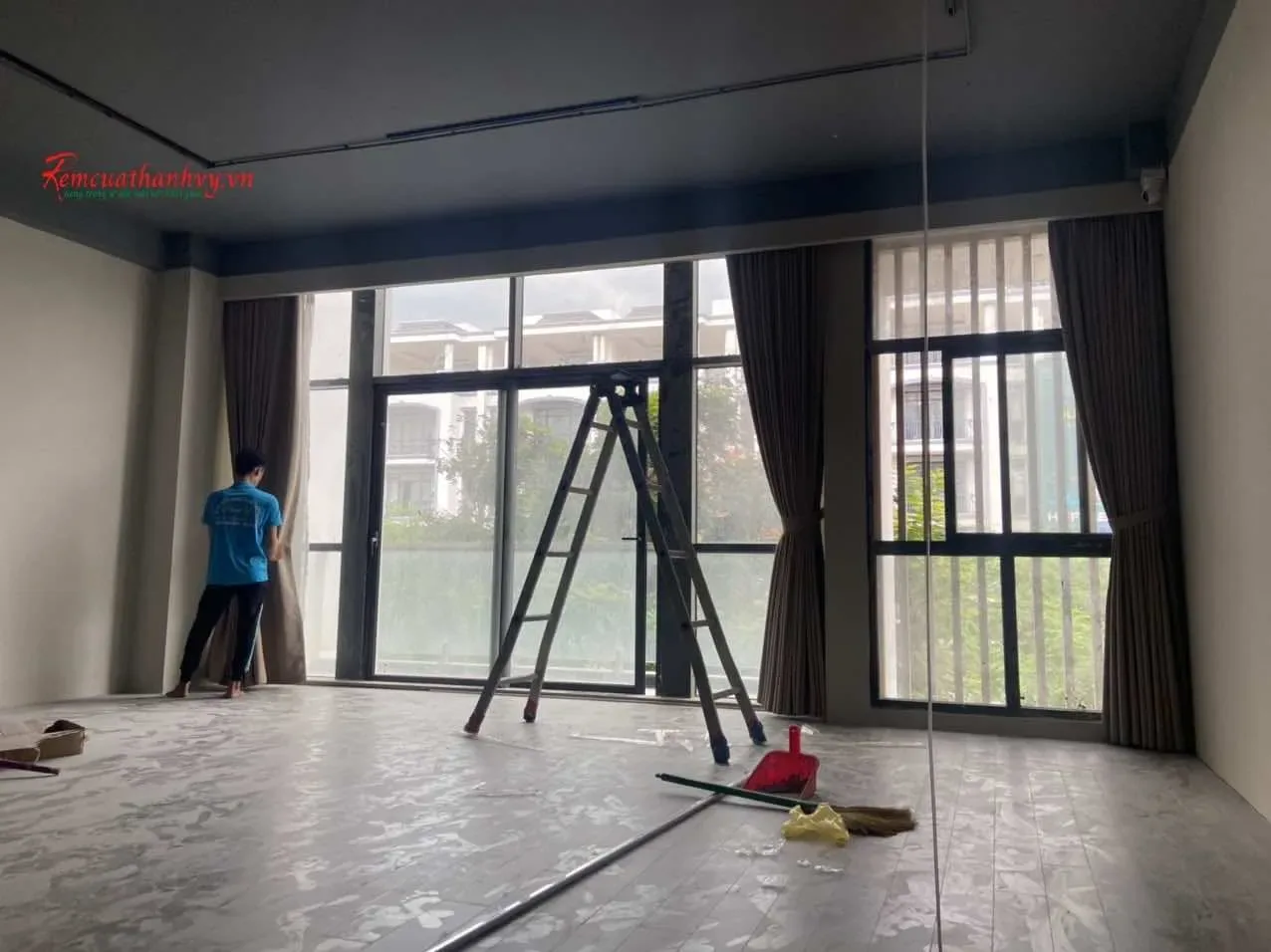
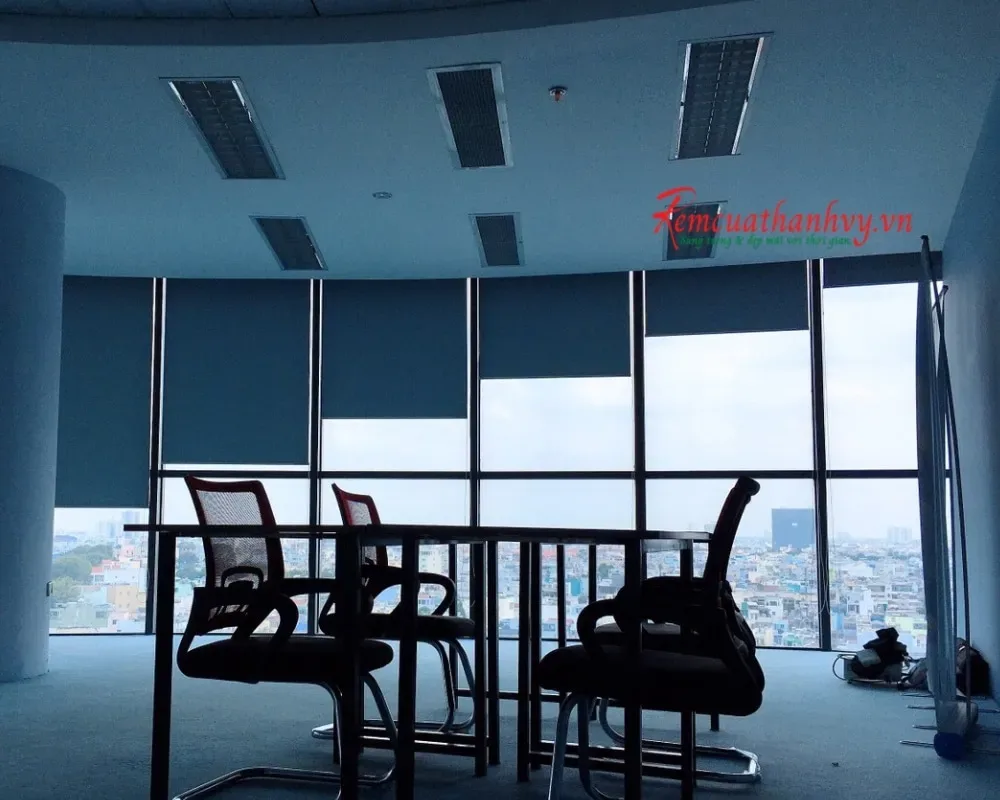
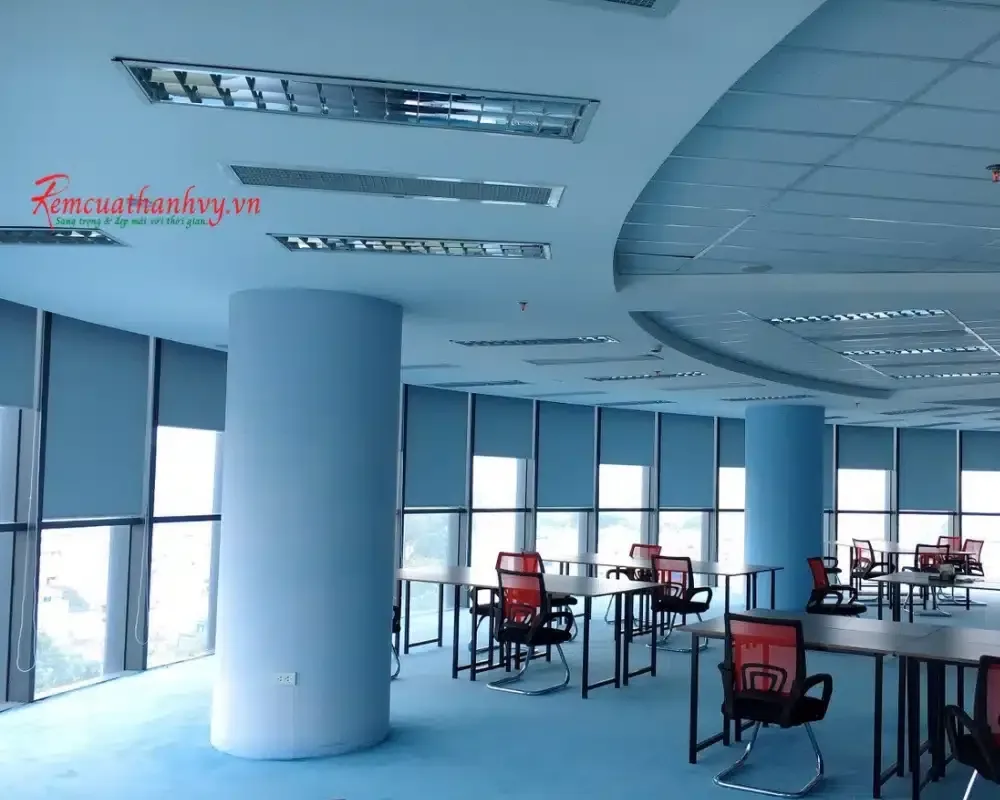
The high-rise office roller blinds project on 3/2 Street, District 11 is a large office floor with glass covering nearly the entire façade, round columns dividing the space, desks and mesh chairs, and an open city view. The configuration consists of two-way roller blinds in day-night fabric combined with roller blinds in blackout fabric, in navy blue and white.
The notable technical point is that the large glass surface is divided according to the window frames instead of being covered by one long blind. This is the right decision, though few people notice it: the wider a roller blind is, the greater the load on the tube, and the more likely the tube is to sag in the middle and the edges to become misaligned when rolled up. Dividing the blinds according to the frame bays keeps each blind within the mechanism’s safe operating range, allowing smoother and more durable operation.
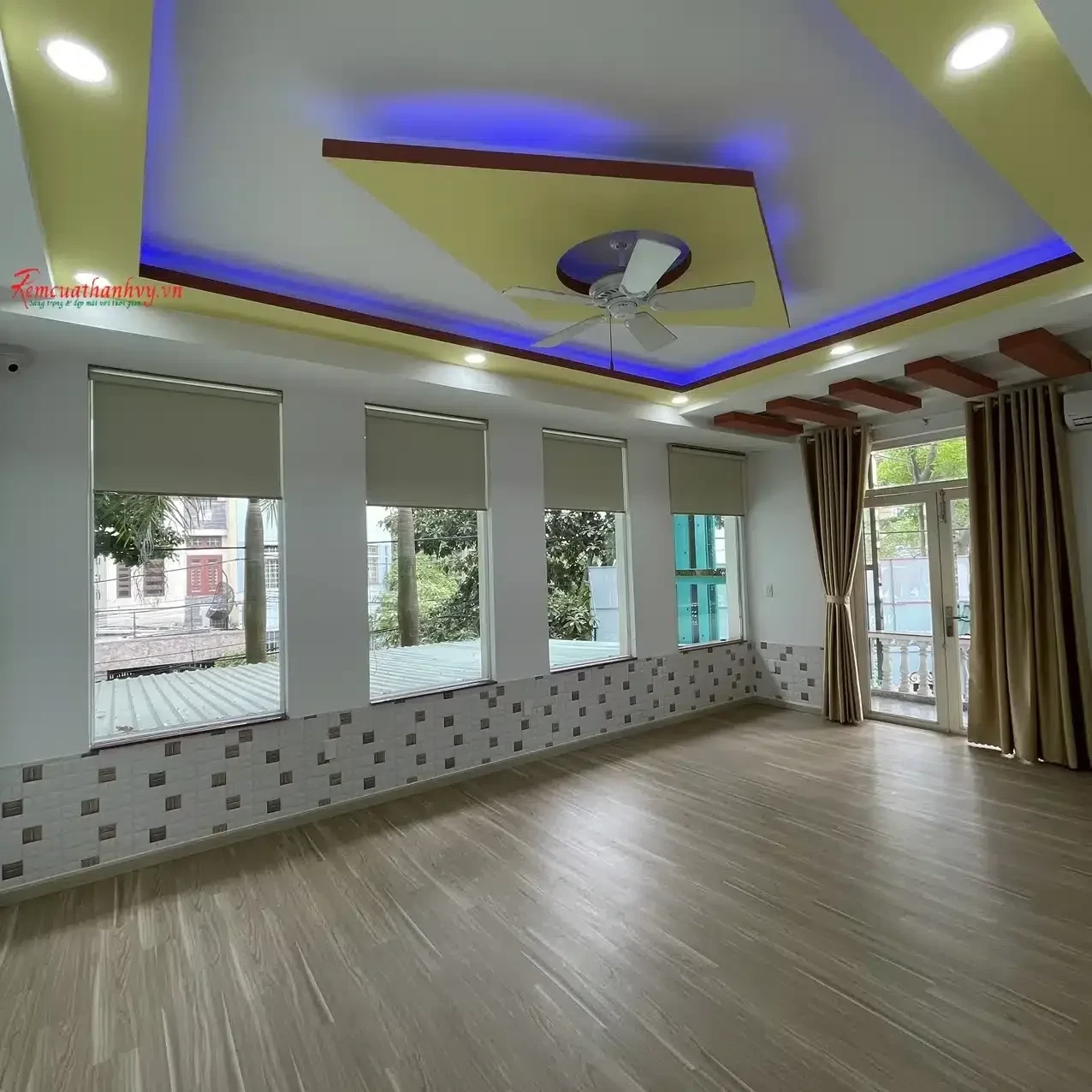
As for the finish, the blind edges are straight and fit closely against the frames, while the rails are installed parallel and evenly aligned, with no shifting or sagging — for large-format glass windows, this balance determines both the appearance and the operating lifespan of the roller mechanism.
What day-night does well, and where it falls short
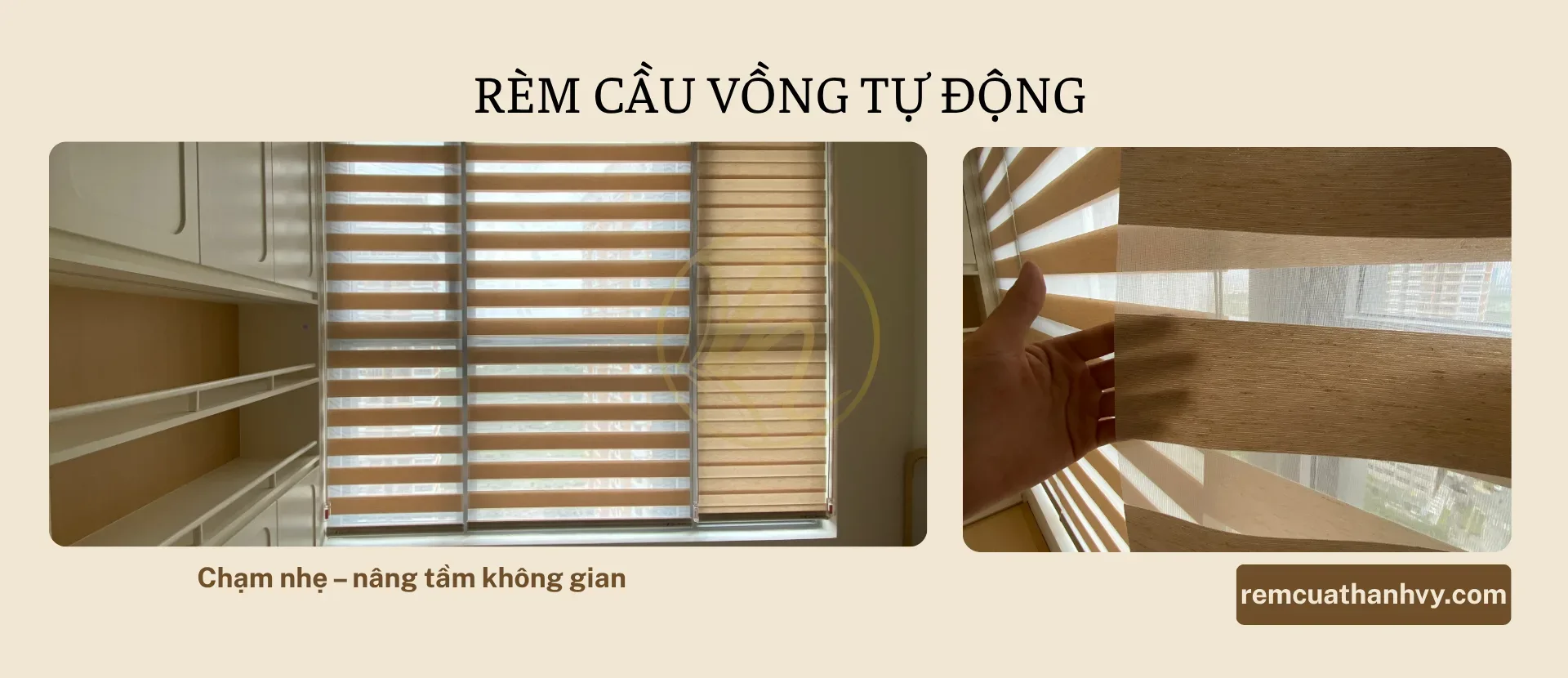
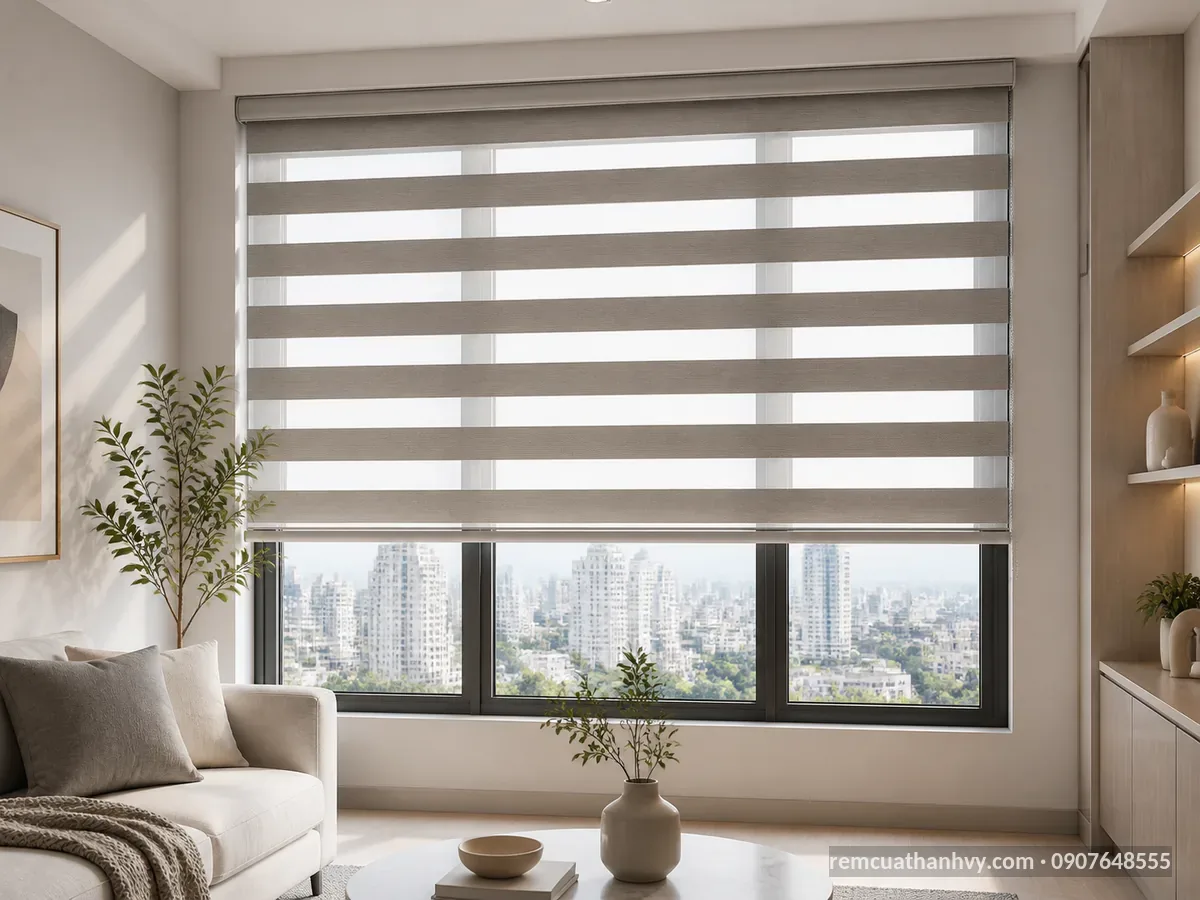
Day-night blinds make sense on a large glass surface facing outdoors because they allow continuous adjustment: sliding the two striped layers out of alignment changes the light level, rather than forcing a choice between closed and open. In an office, this is a genuine need, because the sun moves throughout the day while the people sitting inside do not move with it.
But there are several limitations that should be stated plainly, especially for anyone planning to bring this solution home. First, day-night blinds cannot darken a room as effectively as blackout blinds; even when the two striped bands align perfectly, light still passes through the fabric and around the edges. That is why the project above had to add blackout blinds in areas that needed darkness, since day-night blinds alone could not handle everything.
Second, the day-night mechanism is more sensitive to careless handling than ordinary roller blinds: pulling forcefully or at an angle can cause the two striped layers to lose alignment. Homes with young children or areas shared by many users should take this point into consideration.
Third, day-night blinds have a distinctly “office” visual language. In a family living room, many people find them cold and lacking warmth — a limitation in feel rather than in technical performance, but a common reason homeowners regret spending the money after a few months.
Second cross-section: roller blinds in the corridor and waiting area
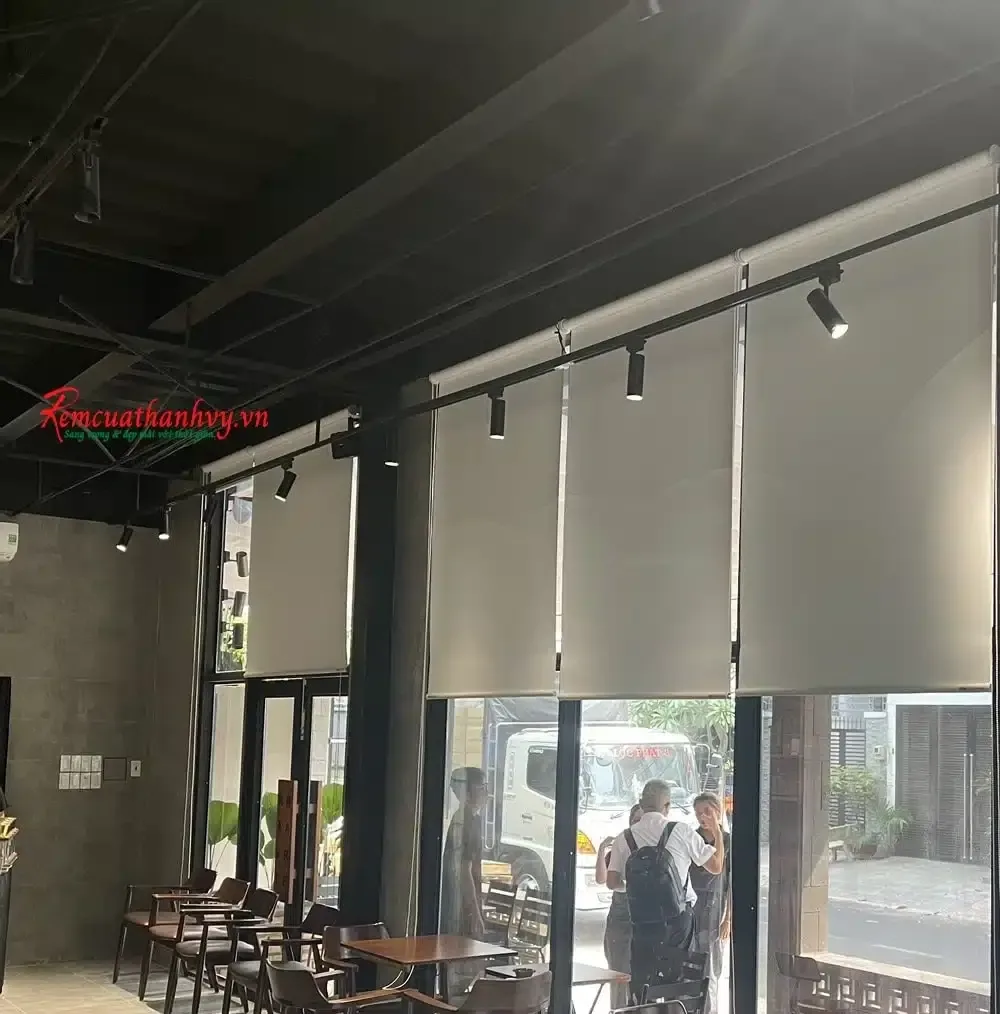
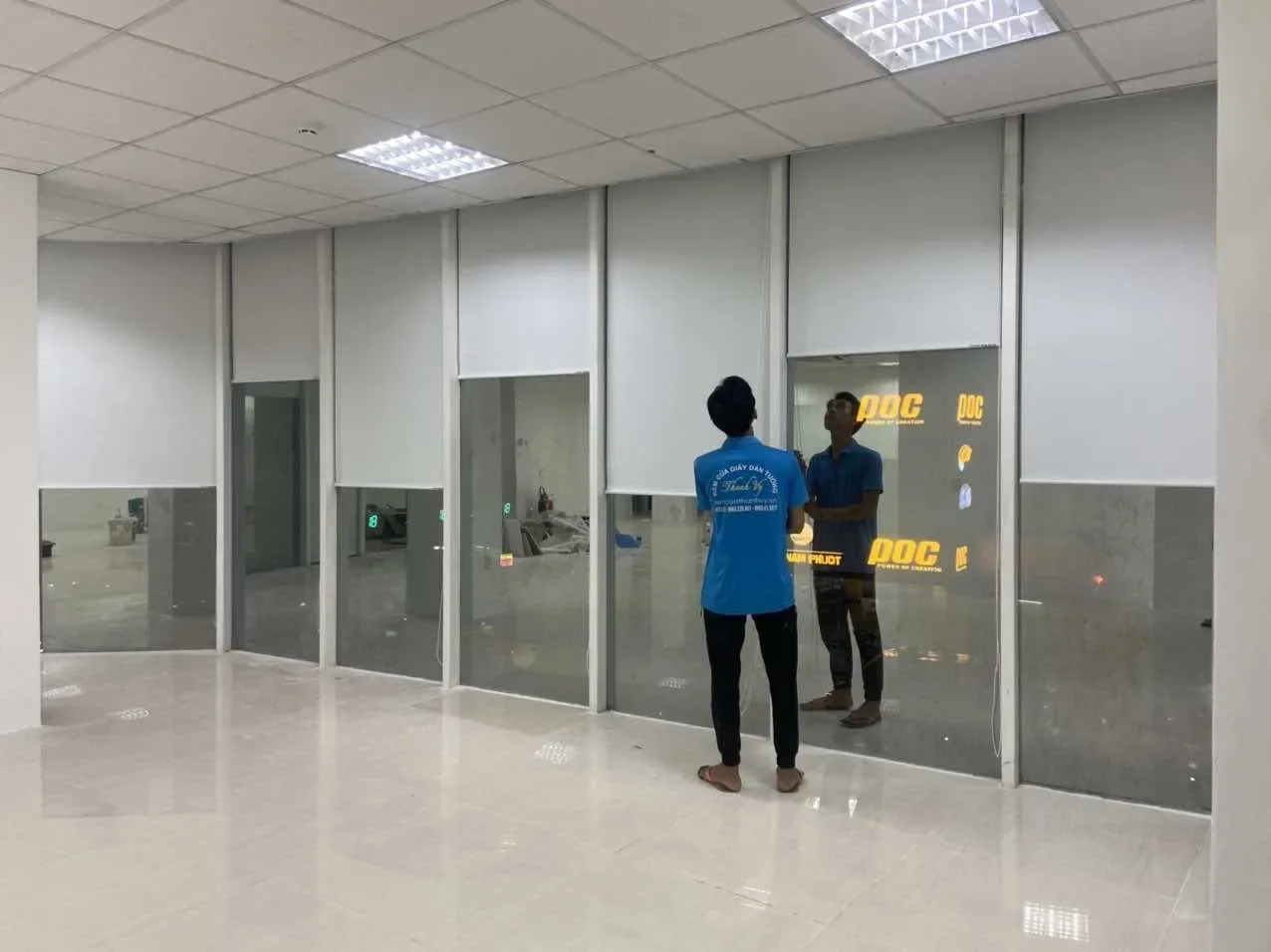
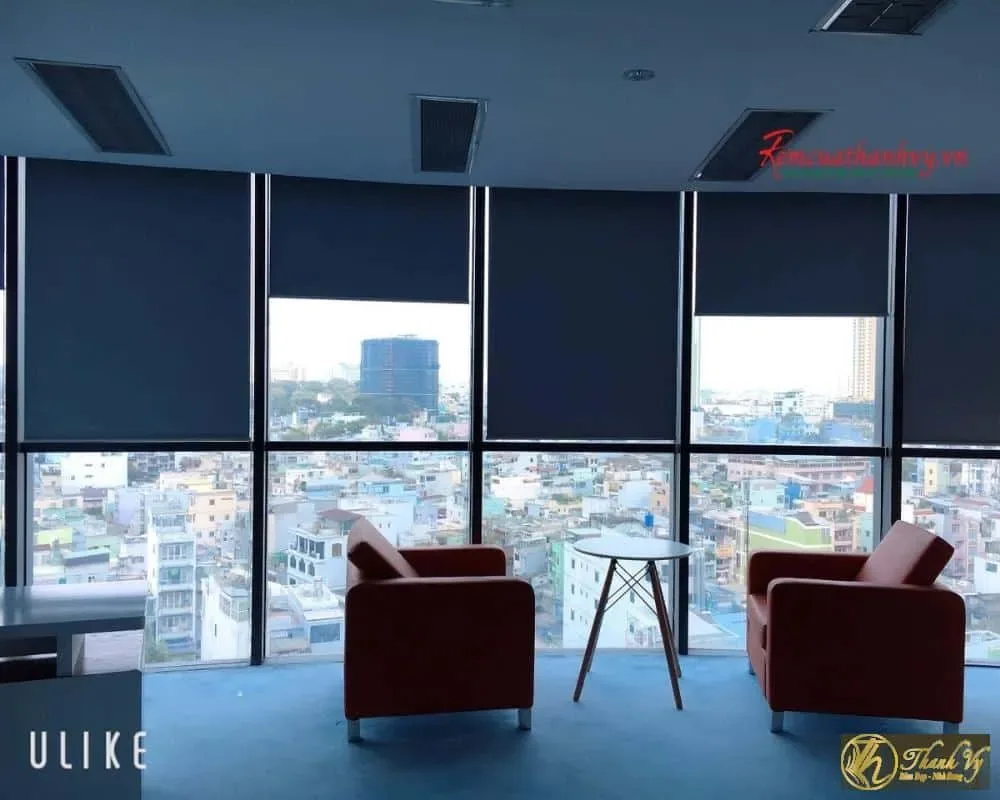
The project involving office roller blinds on Lê Đại Hành Street, District 11 is located in a corridor and high-floor waiting area: a modular gypsum ceiling, many large glass panels overlooking the city, concrete flooring, and interiors that were still being completed during installation. The blinds used were light-gray roller blinds.
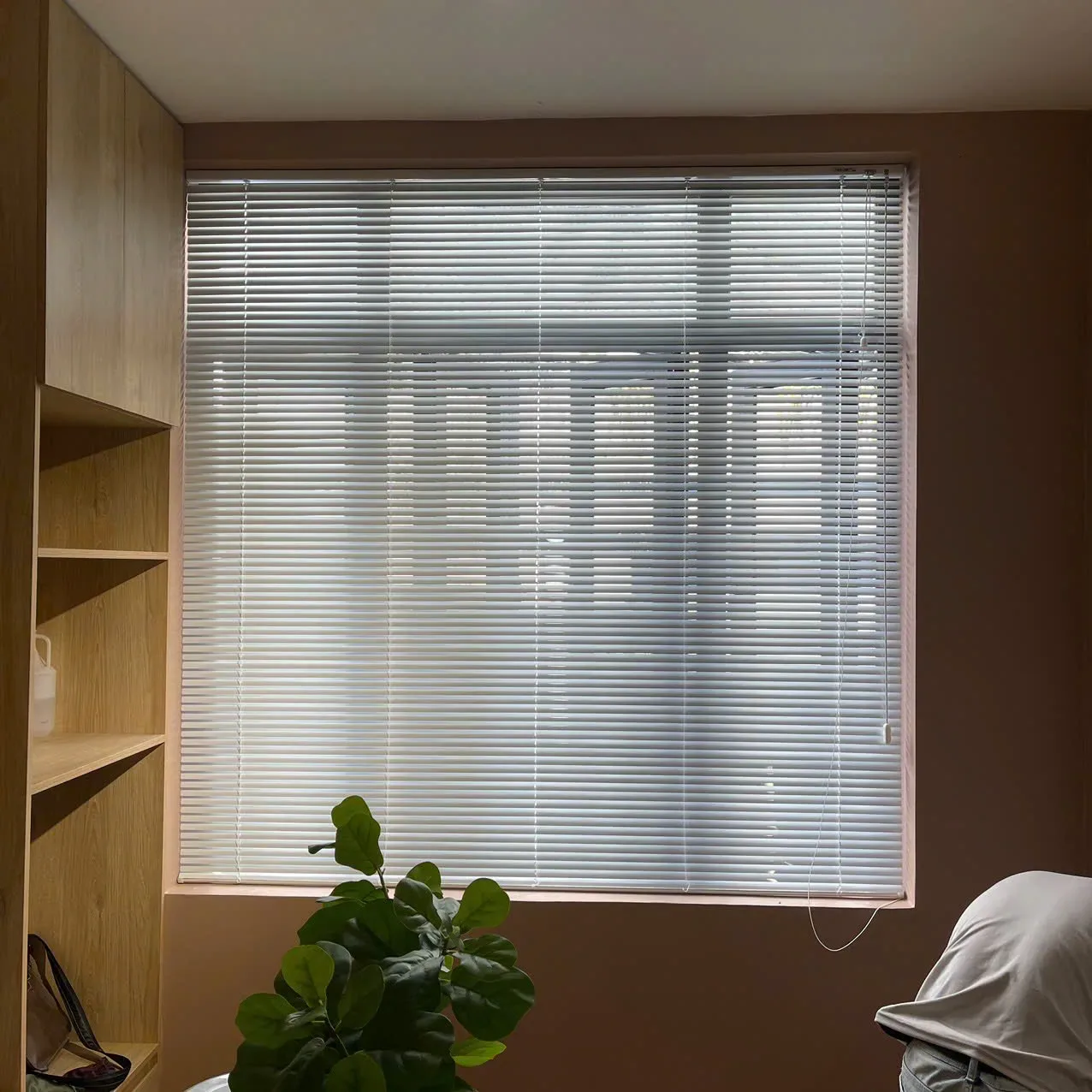
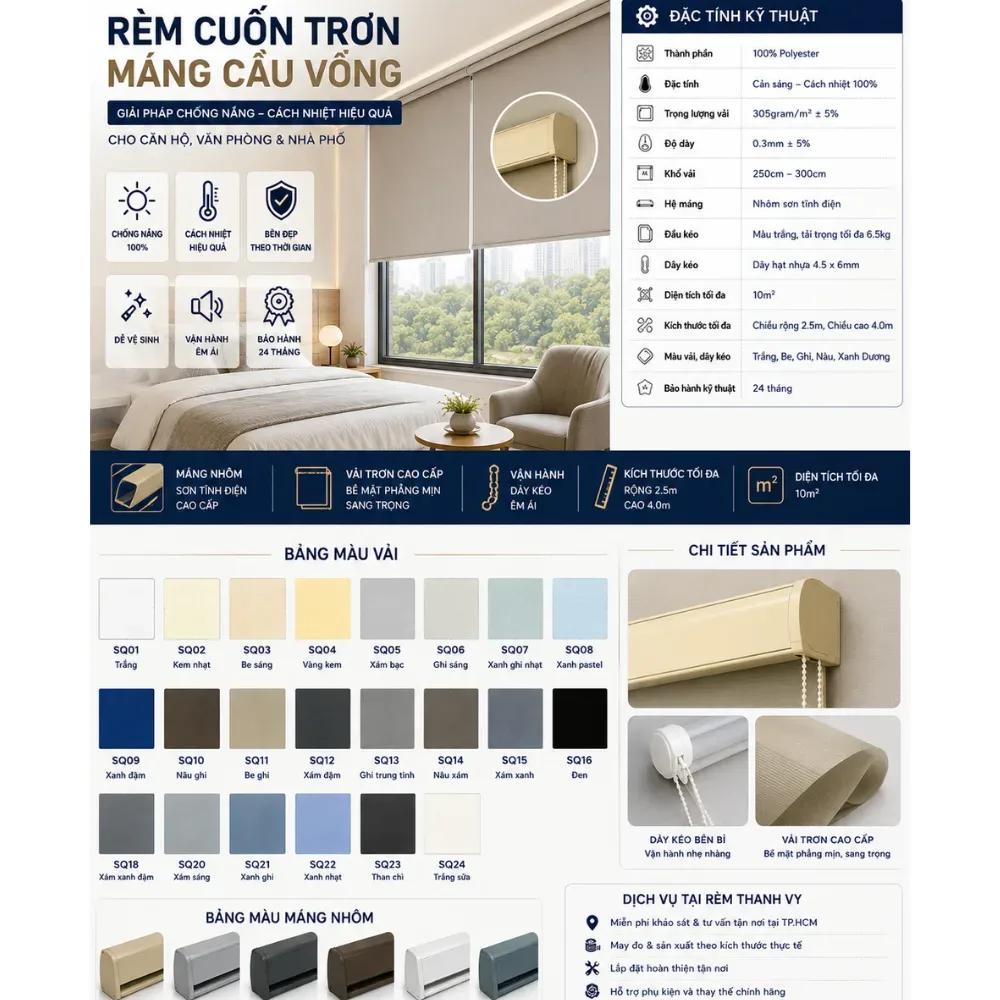
This is an example of a situation that is rarely discussed: a circulation space, not a space for sitting for long periods. In a corridor, no one needs to adjust the blinds many times a day; what is needed is a neat flat surface that provides sufficient glare control, does not obstruct the walkway, and requires no maintenance. Plain roller blinds address that exact need, and they are chosen precisely because they are simple, not because they have many features.
The installation work showed even operation, fabric that maintained consistent light control, sturdy brackets, and most importantly, adjacent windows aligned without discrepancies. A row of blinds with the same dimensions but each panel stopping at a different height would ruin the entire façade, even if each individual panel met the requirements.
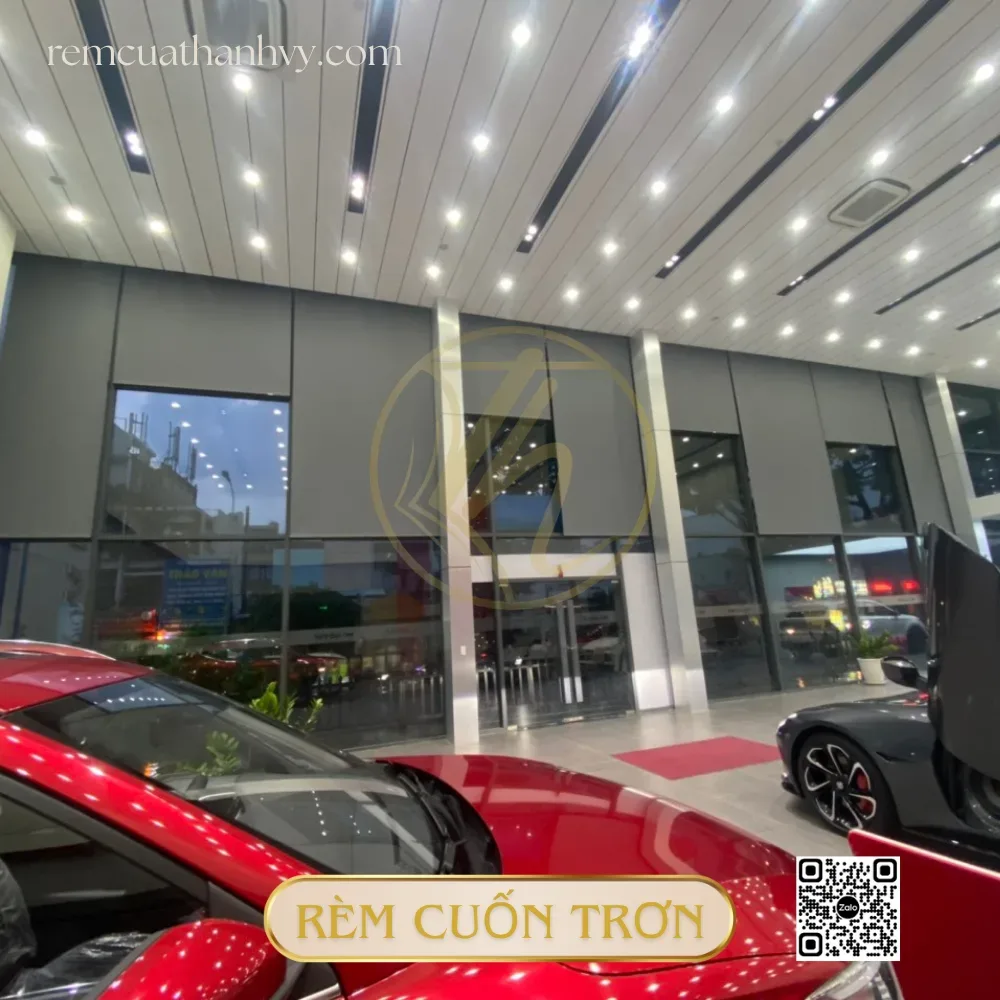
The limitation of this choice is also clear: plain roller blinds have only two states—rolled up and lowered—so when lowered, they completely block the view. In a corridor, that is not a problem. In a living room, it is a trade-off worth considering. Interested readers can see the concept of curtains and blinds in architecture.
Send your dimensions and needs, and the Thanh Vy Curtains team will advise on options and quote for your actual space.
Large-format roller blinds: mechanical limitations that few people mention
Both projects involved roller blinds for large glass doors, so this is where this small sample truly has something to say.
First: the width of a roller blind has a threshold. Beyond that threshold, the tube sags in the middle, the blind rolls up unevenly to one side, and the bottom edge is no longer parallel to the floor. The correct solution is to divide it into multiple panels according to the window-frame bays, accepting small gaps between panels—a slight trade-off in coverage for durability and smoother operation. Anyone demanding one large continuous panel for a “seamless look” should understand what they are trading off.
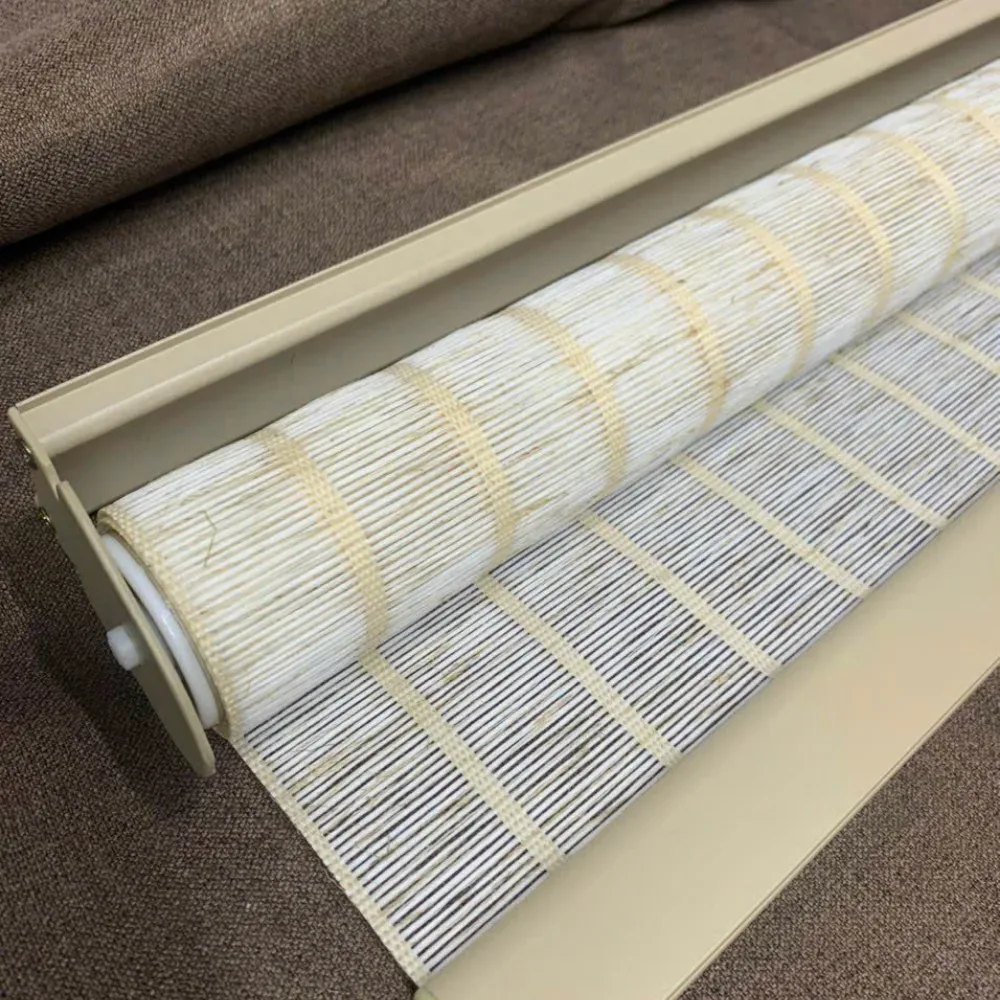
Second: roller blinds always have light gaps on both sides, because the fabric must be narrower than the distance between the brackets. For a bedroom that needs to be truly dark, these gaps are the most common source of disappointment, and they are not an installation defect but a structural characteristic.
Third: when rolled up, the fabric roll sits at the top of the window and takes up a strip of vertical space. In an office with a high ceiling, no one notices. In a low-ceilinged townhouse, the same mechanism takes away part of an already limited ventilation opening.
Principles for deep, poorly lit townhouses
This section presents principles and is not drawn from any project in the sample—repeating this so no one misunderstands.
In a deep townhouse, the problem should be divided by location rather than choosing one type of blind for the entire house. The front façade is the main source of light, so prioritize an option that filters light while preserving ambient brightness and blocking views from outside. The middle of the house usually has no exterior windows, so what needs to be addressed there is the skylight and partitions, not window blinds. The bedroom is where light blocking makes sense, and the side gaps should also be addressed rather than simply buying thick fabric.
Another principle: the ground floor of a townhouse with a street-facing frontage is often used both for living and business. A space serving two functions requires blinds that can withstand frequent operation throughout the day and are easy to wipe clean, rather than being selected according to purely living-room criteria.
Three common mistakes in the area
One: choosing blackout blinds for a room that is already dark. This is the most common mistake in townhouses. Buyers hear “100% light blocking” and feel reassured, forgetting that the room already needs the lights turned on during the day. The result is a room that never receives natural light.
Two: bringing an office configuration wholesale into the home. Offices look good in photos because of their large glass surfaces, high ceilings, and minimalist interiors. The same set of blinds placed in a townhouse living room will have the wrong proportions and feel cold.
Three: overlooking afternoon sun exposure. A west-facing frontage in a densely built-up area receives harsh sunlight precisely during the hours when the whole family is at home. Choosing blinds for that direction requires considering heat reduction and fade resistance, not just coverage.
Specific considerations for District 11
Dust and exhaust fumes on major roads. Homes along busy traffic routes receive a significant amount of dust, so porous fabrics that trap dust will need cleaning more often than expected. Smooth, wipeable surfaces are generally more practical for the frontage, while soft fabrics are better reserved for interior rooms.
Attached homes require tidy installation. Drilling into shared walls and setting up scaffolding in narrow passageways both affect the neighbors, so schedule the work in advance to avoid having to stop halfway through.
Administrative addresses have changed. Ward names on documents may no longer match familiar usage, so when scheduling a measurement visit, send the location pin along with the current ward name. The area pages using the new addresses can be viewed at Phú Thọ Ward, Minh Phụng Ward, and Hòa Bình Ward.
A short checklist before making a decision
Six questions to answer yourself before hearing a quote:
1. Is this room too bright or too dark? 2. How deep is the house, and where does the middle section get its light from? 3. Does the window look directly into the house opposite or out onto open space? 4. Does the frontage face the afternoon sun? 5. How wide is the window—does it need to be divided into multiple panels? 6. Will the light gaps on both sides bother you, or are they acceptable?
Question number 6 is the most important one to ask, because it is the cause of most post-installation disappointments, yet few people mention it in advance.
Conclusion: a small, skewed sample, so read only what it can support
With both projects being offices, this article has no basis for saying which type of curtains is suitable for homes in District 11. What it can prove is limited to the technical scope: for large-format glass windows, dividing roller blinds according to the frame bays is the right choice; day-night blinds allow continuous adjustment but cannot replace blackout blinds; and plain roller blinds win through their simplicity.
As for homes in the area—deep narrow houses, high density, and insufficient light in the middle of the house—the first priority should be protecting the remaining natural light, and only then considering light blocking. Those who want to compare options by space type can start with the District 11 curtains page.
Quick answer: This article is based on exactly two projects in District 11, both offices, so it cannot speak for homes. What is certain: large glass windows should be divided into roller blinds according to the frame bays; day-night blinds adjust light flexibly but still let light through, so they cannot replace blackout blinds; and roller blinds always have side gaps. For the area’s deep narrow houses, prioritize filtering light at the frontage rather than blocking it. Background information on the concept of curtains and blinds in architecture helps with comparison when choosing materials.
For further information, please contact Thanh Vy Curtains
We provide free consultation and on-site measuring at your home.

Related projects
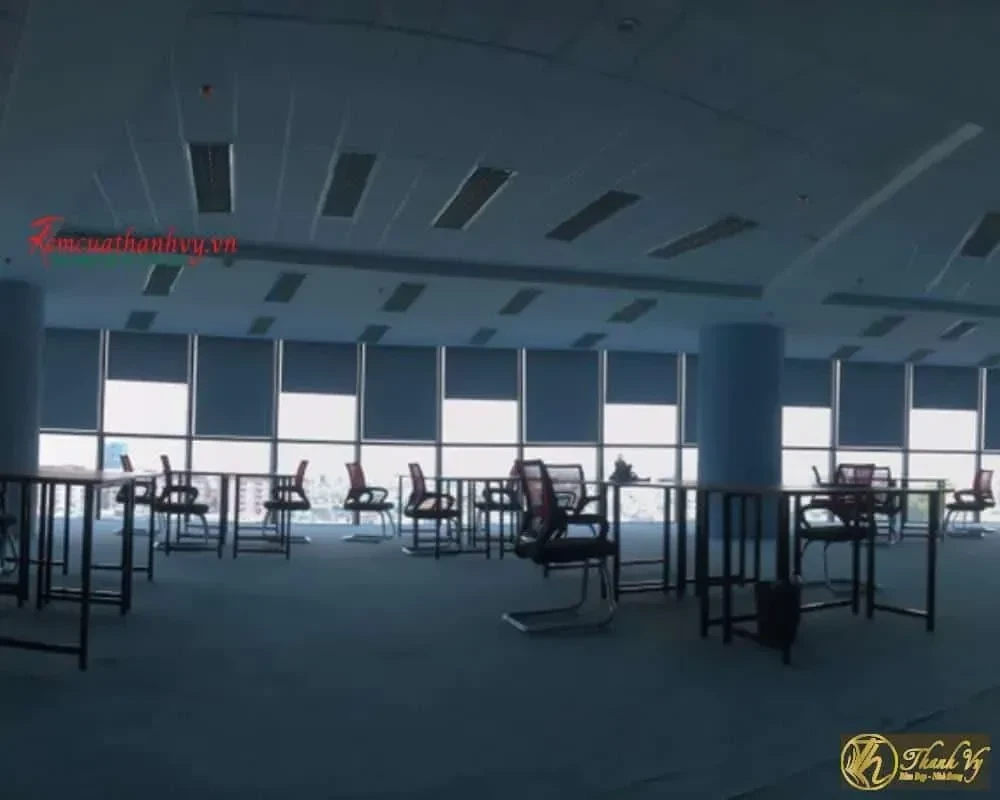
High-Rise Office Roller Blinds in District 11: Professional Day-Night & Blackout Solutions
This project is a typical example of a roller blind solution for a modern office [...]
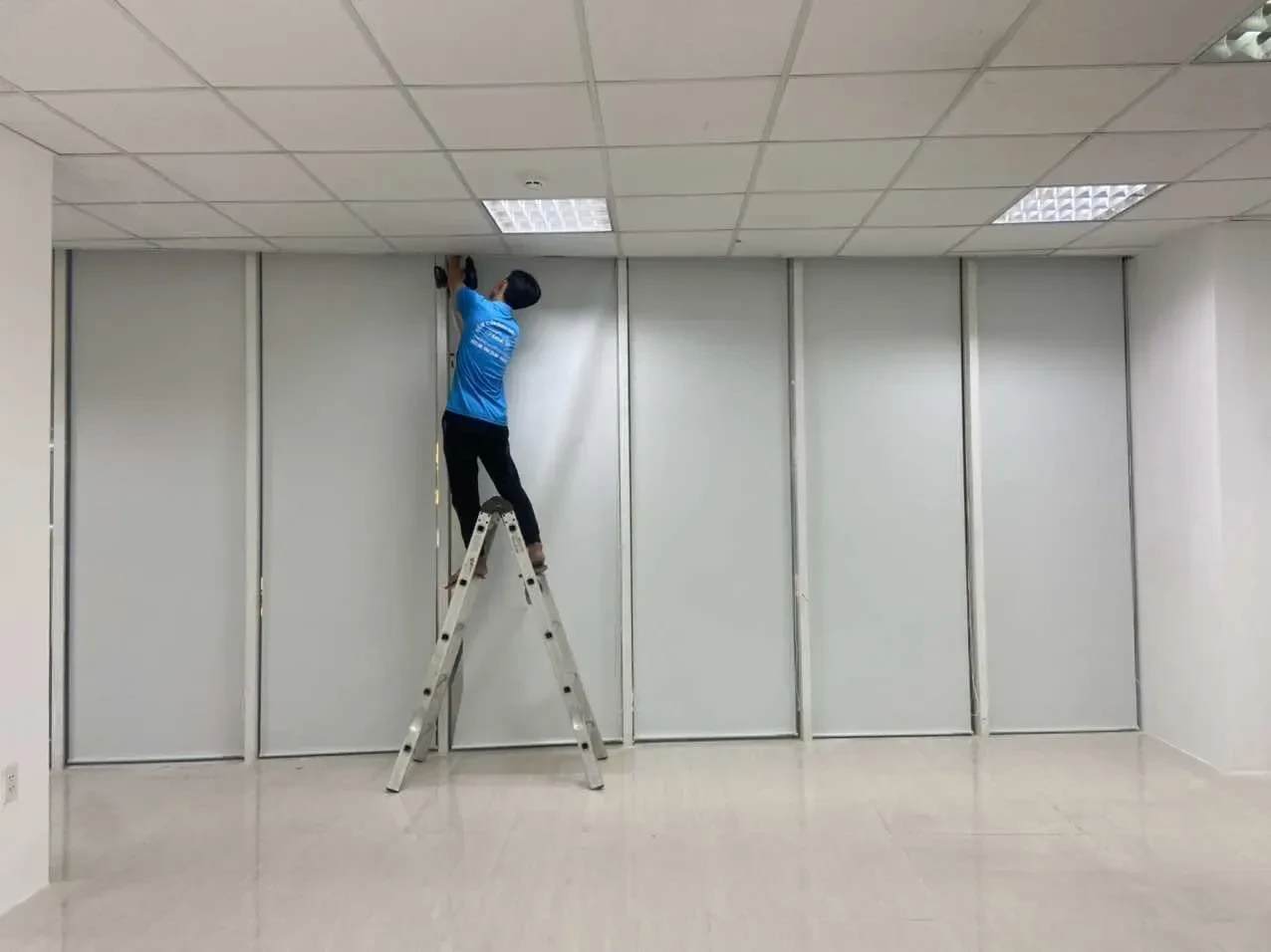
Office Roller Blinds in District 11 – Le Dai Hanh Street
This project involved installing roller blinds on an upper floor of a modern office building [...]
Related areas
District 11 Curtains: What to Prioritize for Each Space
Choosing District 11 curtains at Thanh Vy delivers optimal sun-blocking solutions and elevates the aesthetics [...]
Curtains in Phu Tho Ward, 11: On-site measurement and installation at your new address
Curtain measurement and installation in Phu Tho Ward, 11. A new ward merged from 2 [...]
Curtains in Minh Phung Ward, 11: On-site measurement and installation for the new address
Curtain measurement and installation in Minh Phung Ward, 11. A new ward formed by merging [...]
Curtains in Hoa Binh Ward, 11: On-site measurement and installation at the new address
Curtain measurement and installation in Hoa Binh Ward, 11. The ward was merged from 2 [...]
Curtains in Binh Thoi Ward, District 11: On-site measurement and installation for new addresses
Curtain measurement and installation in Binh Thoi Ward, District 11. This is a new ward [...]
Curtains in District 5: Priorities when choosing for each space
With extensive experience from a long-standing production workshop, Rem Cua Thanh Vy is ready to [...]

Curtains in District 6: What to Prioritize for Each Space
To choose the perfect curtains in District 6, contact Rèm Cửa Thanh Vy for dedicated [...]

Curtains in District 10: What to prioritize for each space
With years of professional experience, Rèm Cửa Thanh Vy provides expert consultation and installation of [...]


No comments yet!