




Roller Blinds vs. Honeycomb Shades: A Detailed Comparison to Help You Choose
Why the question of roller blinds or honeycomb blinds has no single answer
When faced with the decision of roller blinds or honeycomb blinds, most users want a definitive answer: which type is better. In reality, these two types of blinds are designed to solve different problems regarding light, temperature, and aesthetics, so a fair comparison requires placing them in the correct context of use rather than just looking at their names or images online. You can refer to the concept of blinds in architecture to better understand the materials.
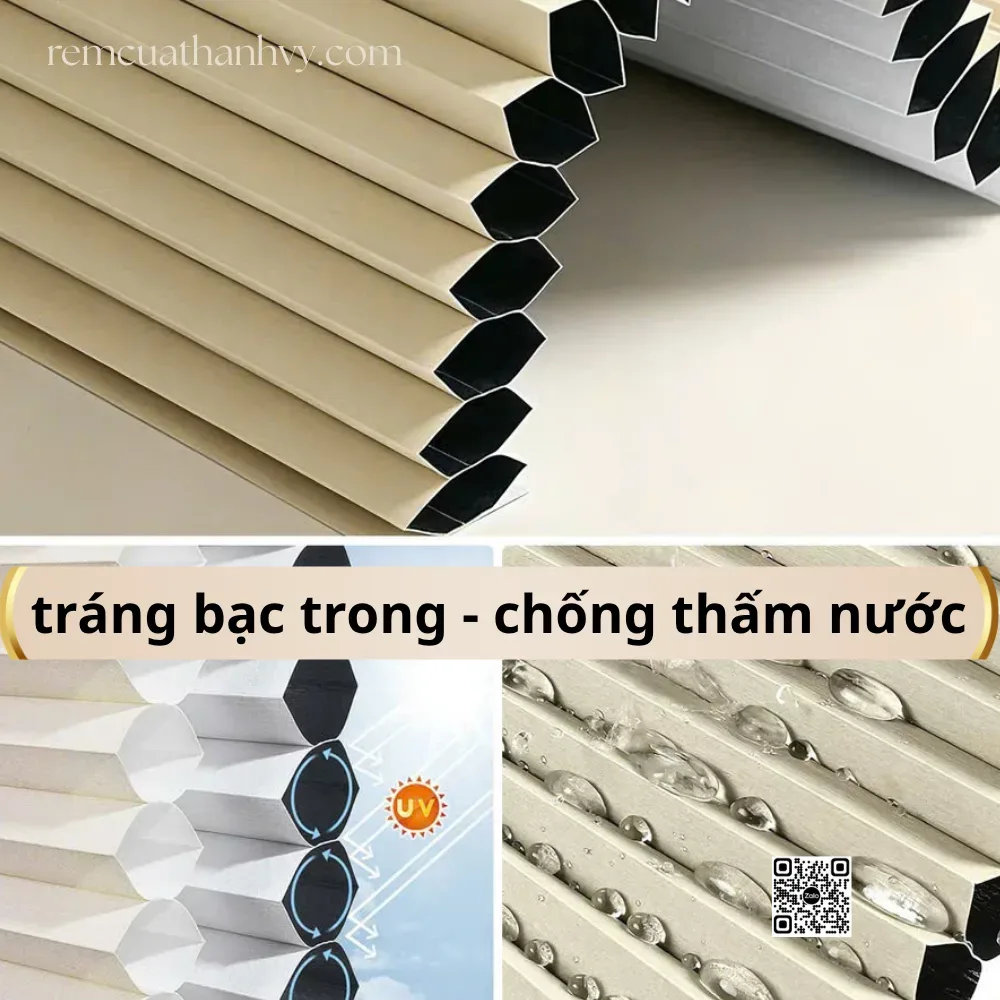
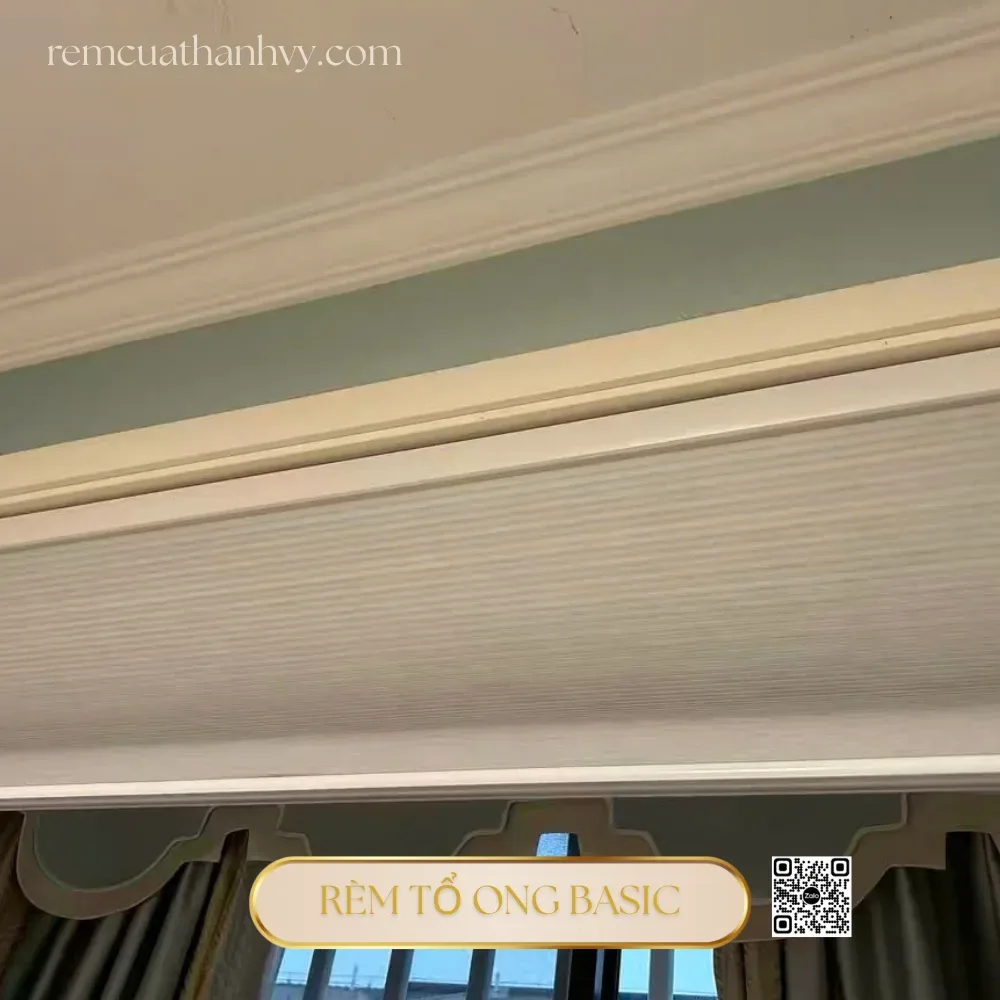
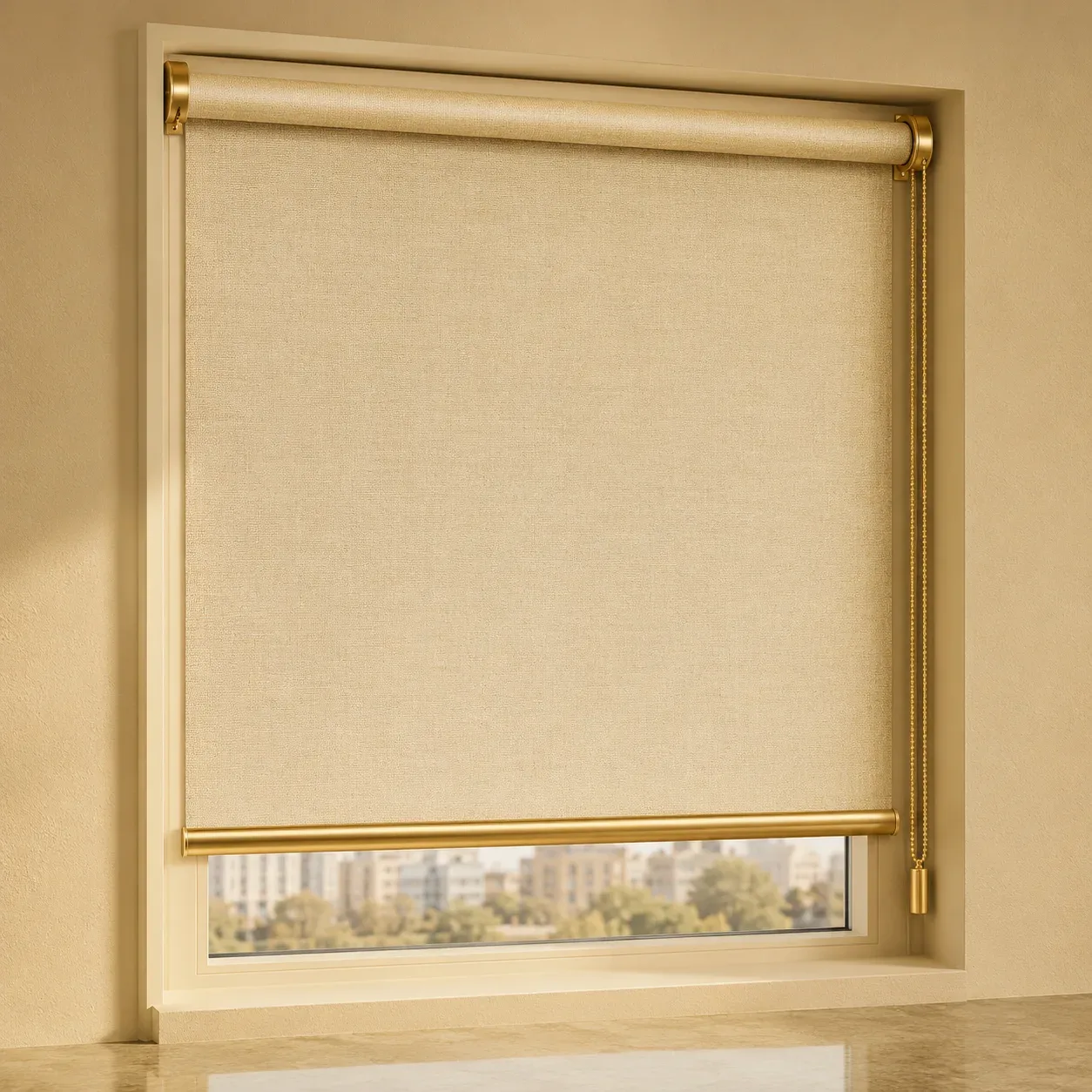
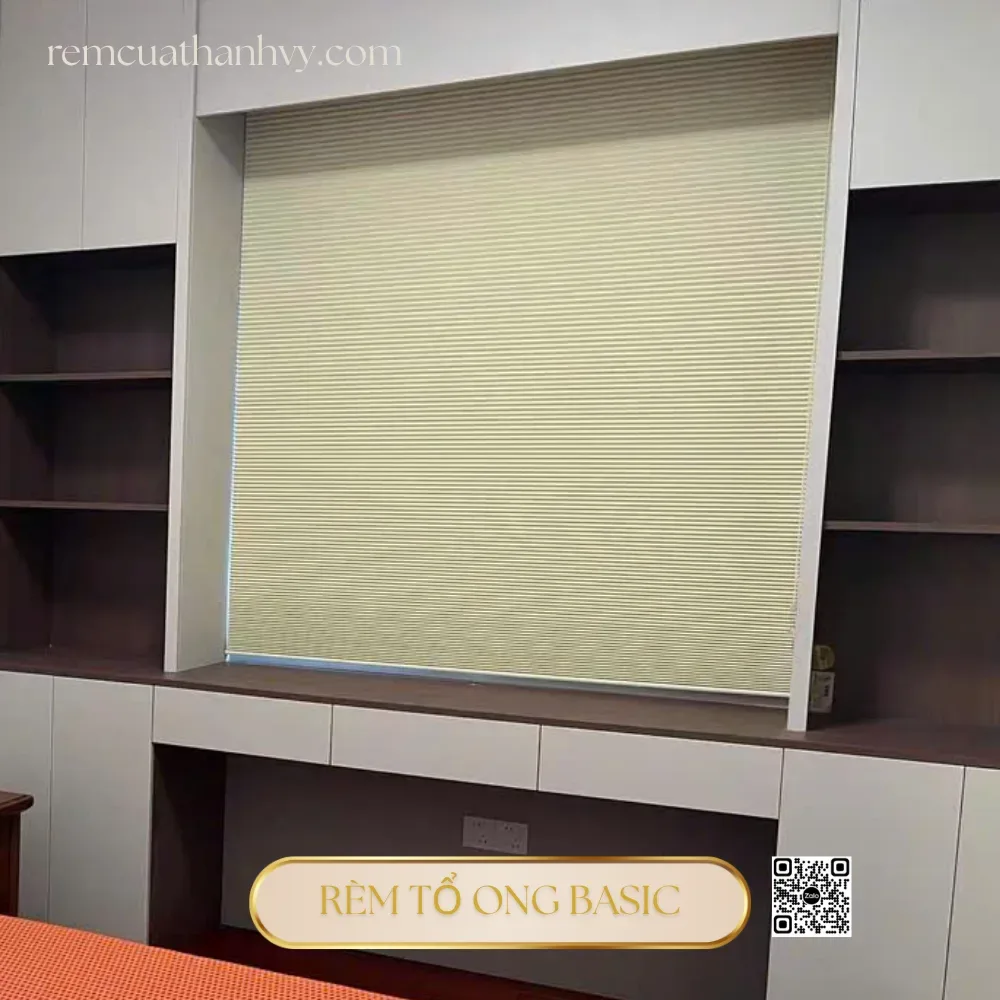
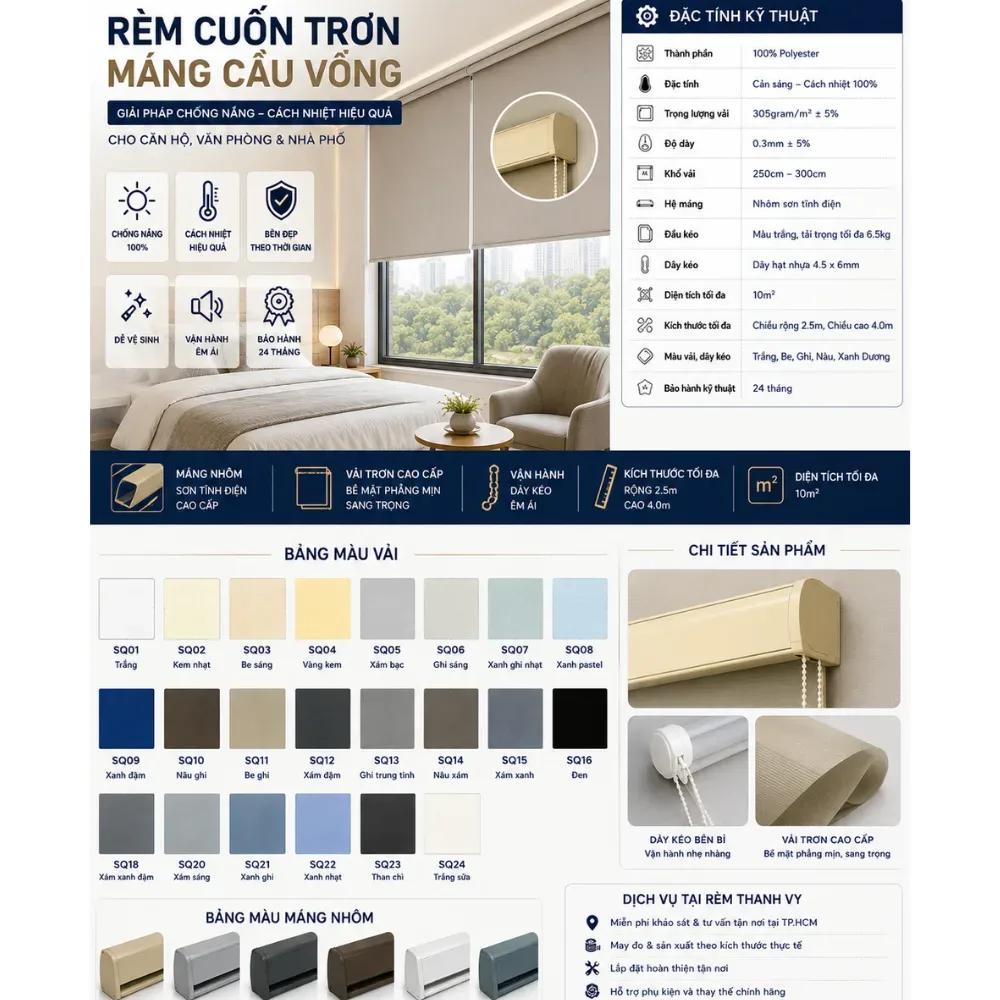
Roller blinds are blinds with a simple construction: a piece of fabric rolled around a tube, raised or lowered by a cord, chain, or motor. Honeycomb blinds have a honeycomb structure with multiple layers of pleated paper or fabric, creating hollow air chambers inside. It is this difference in construction that is the root of most differences in performance and user experience, which this article will analyze below.
This article does not aim to declare one type of blind as the only optimal choice, but focuses on an objective comparison based on specific criteria: thermal and sound insulation, light control, aesthetics, relative cost, durability, and ease of cleaning. From there, readers can compare them with the actual needs of the space they are looking to furnish.

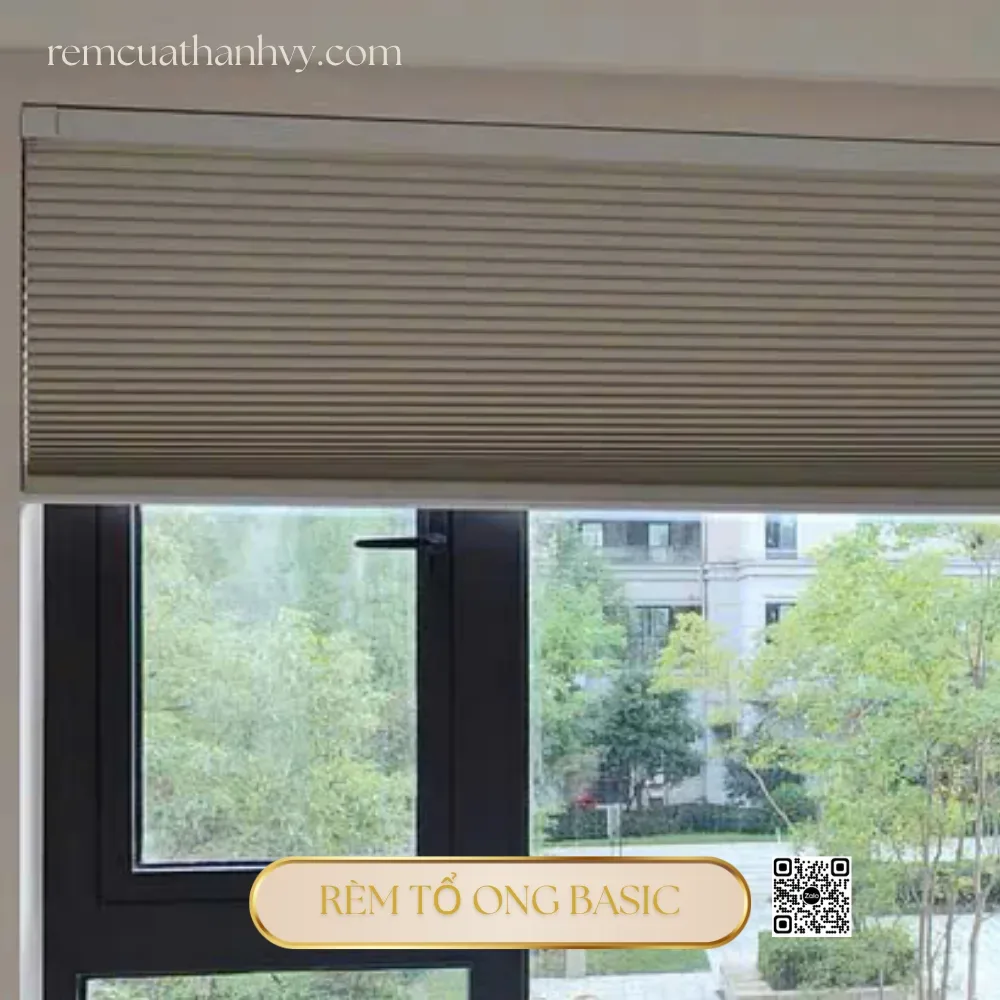
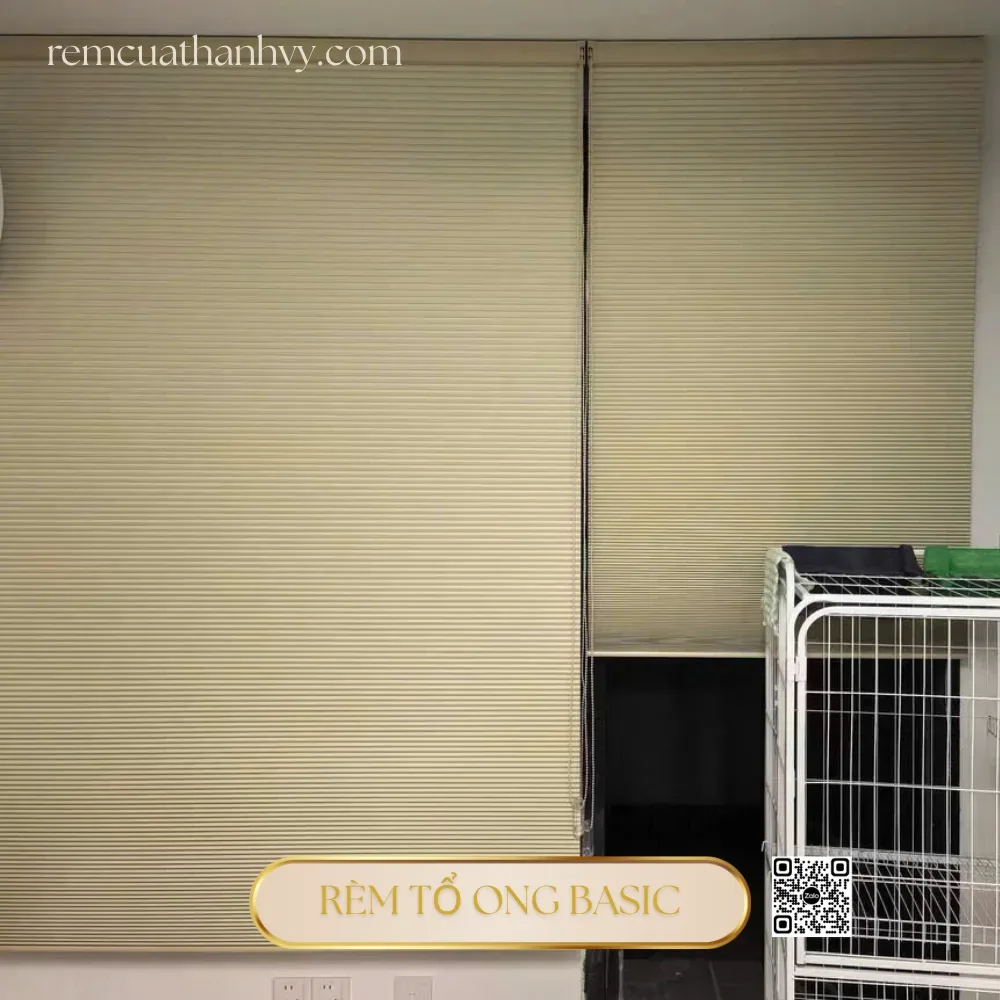
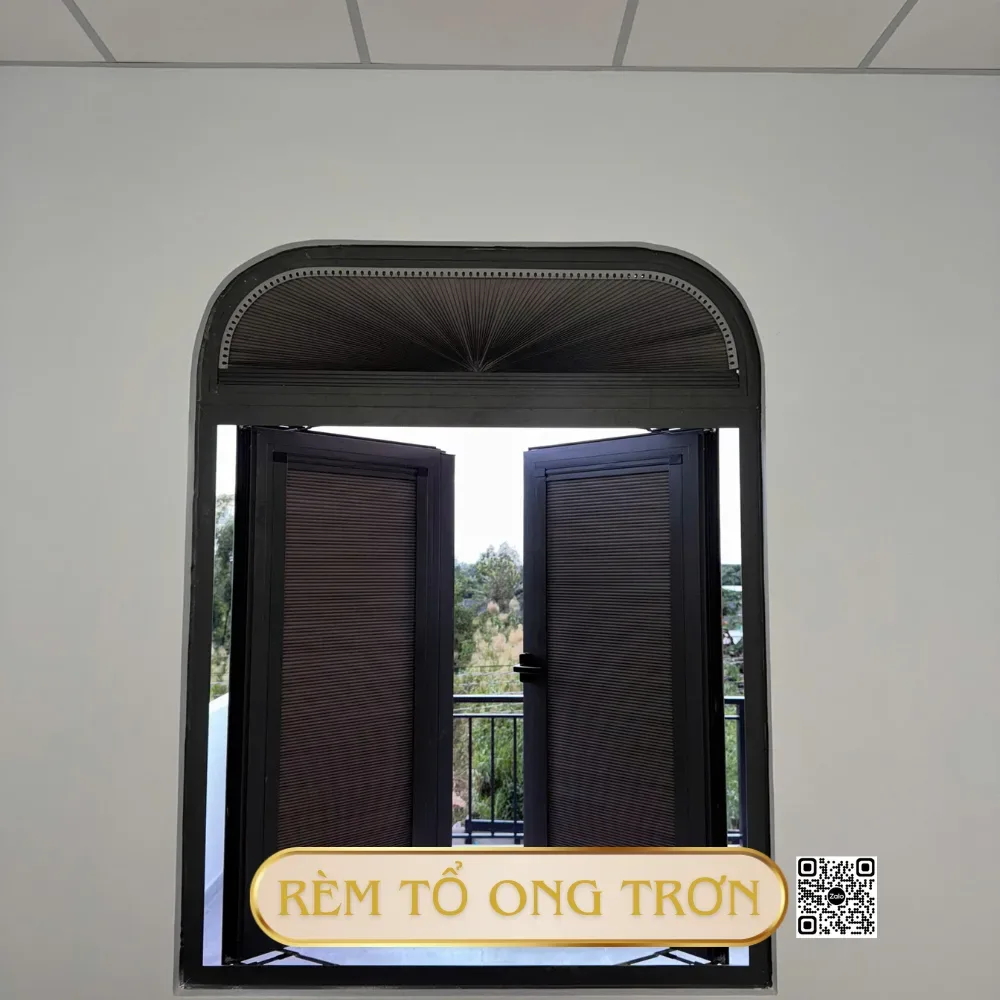
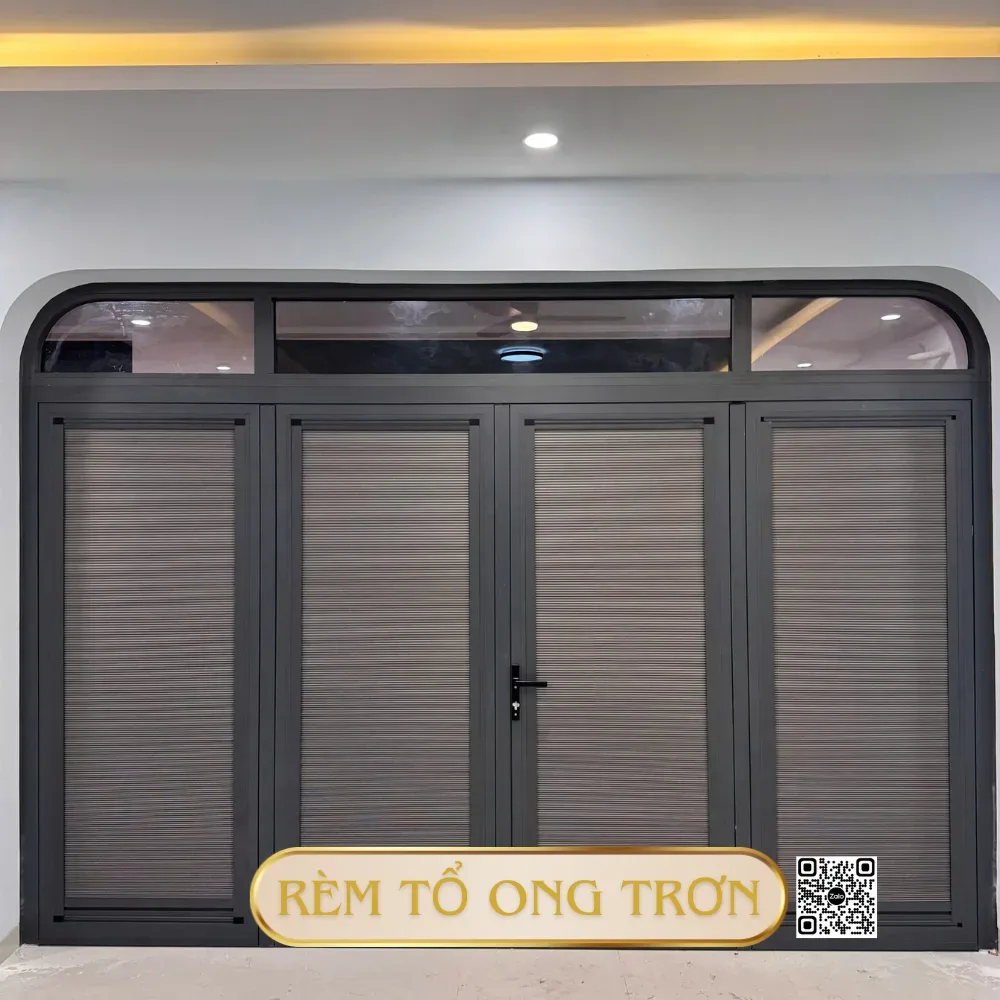
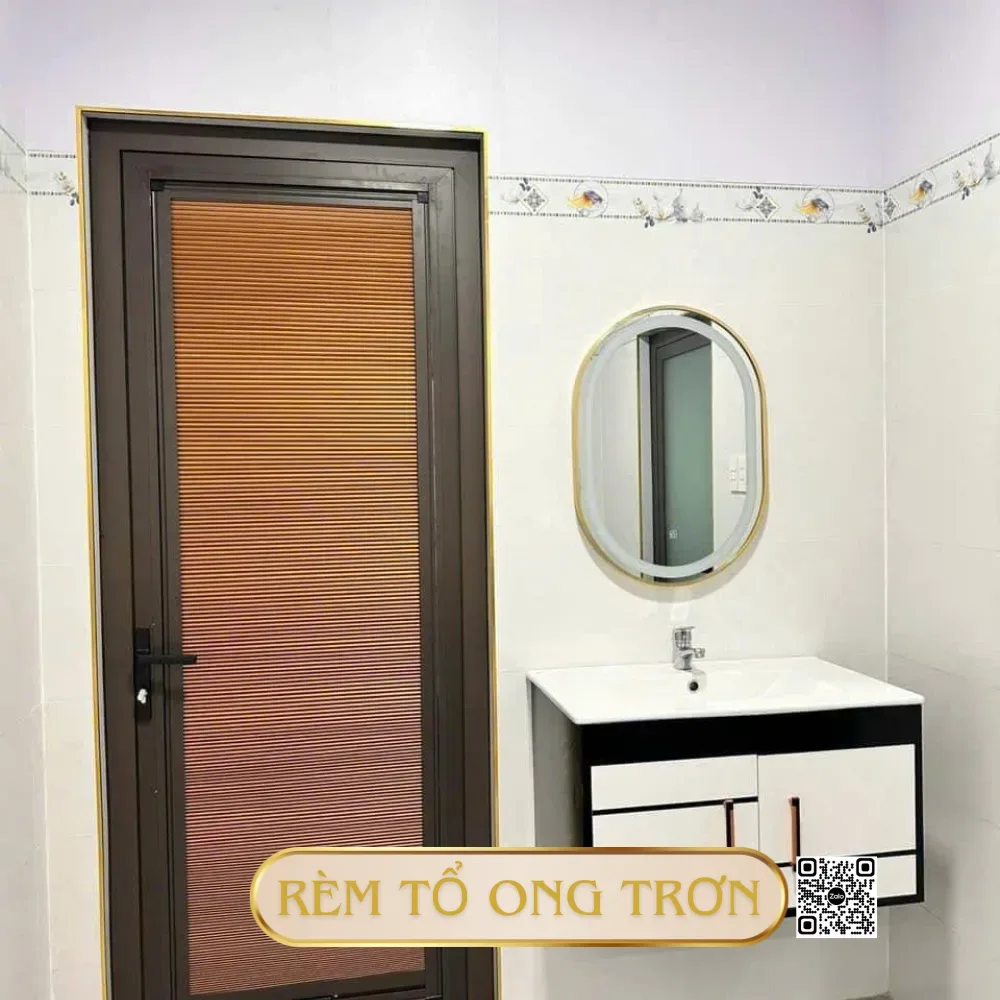
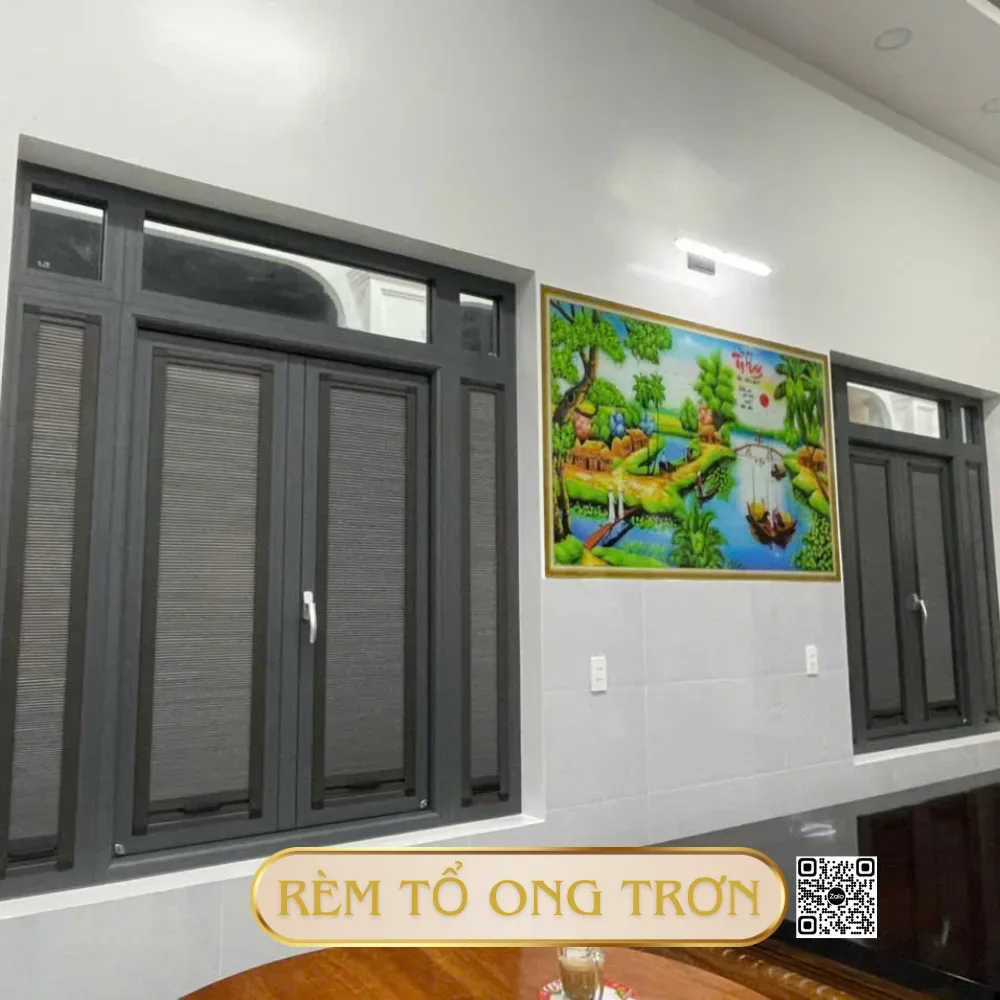
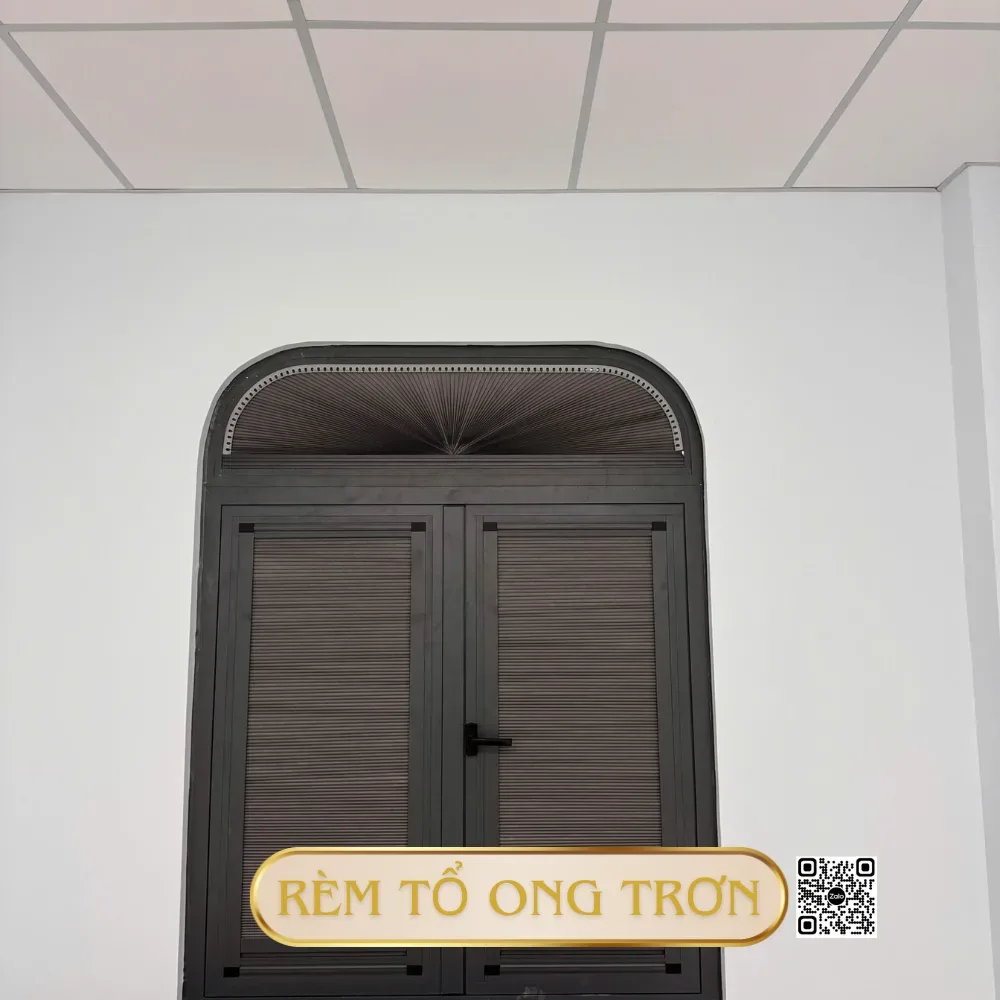
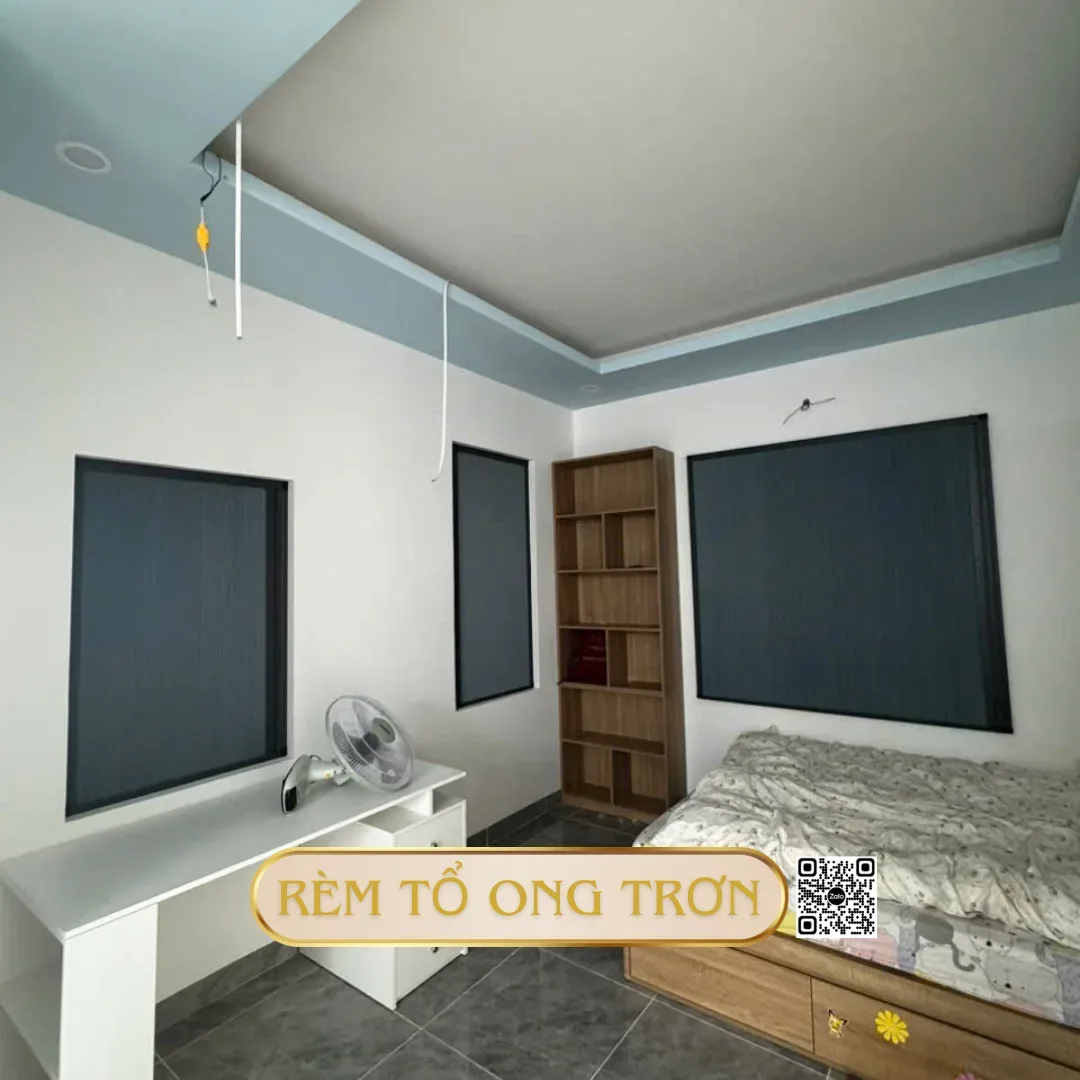
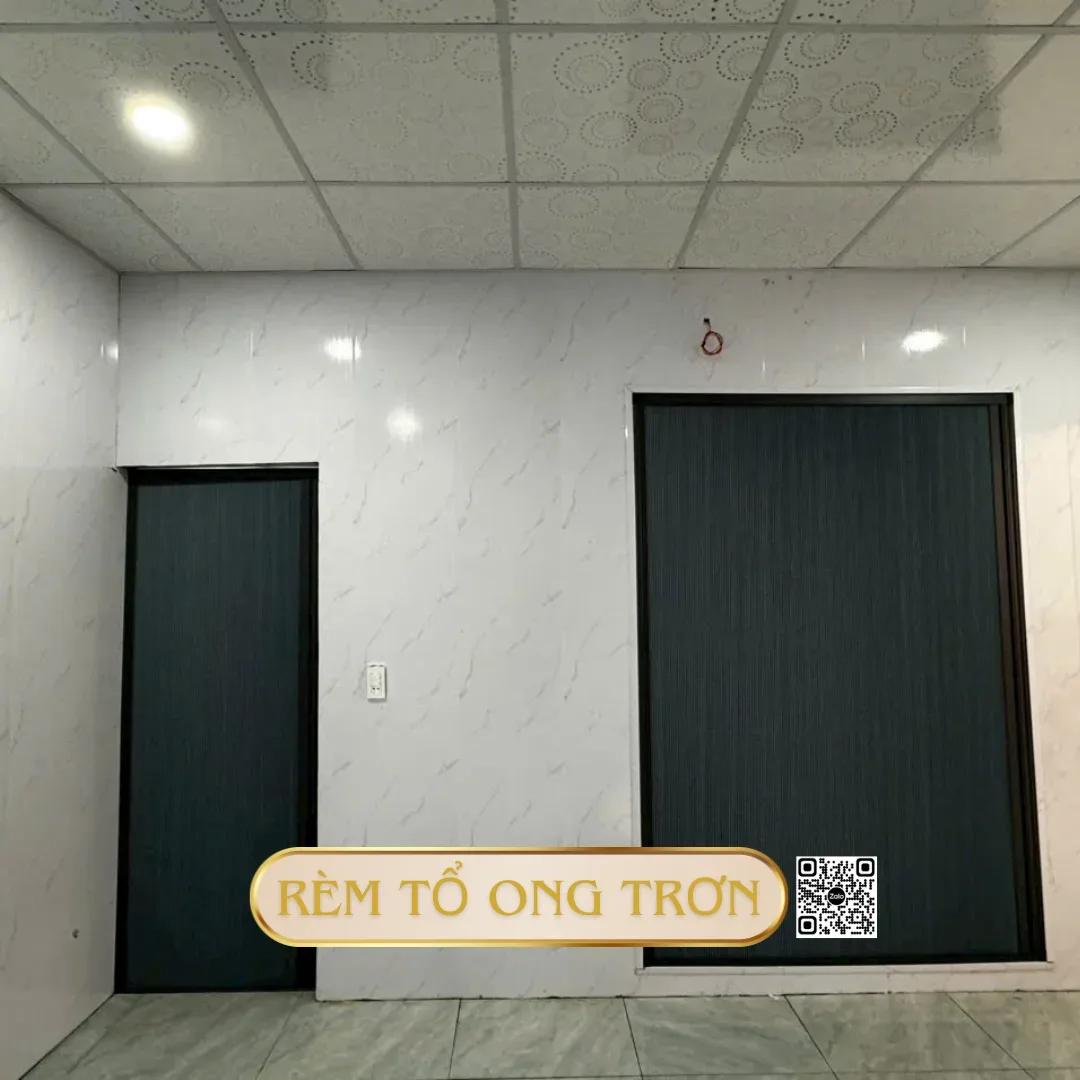
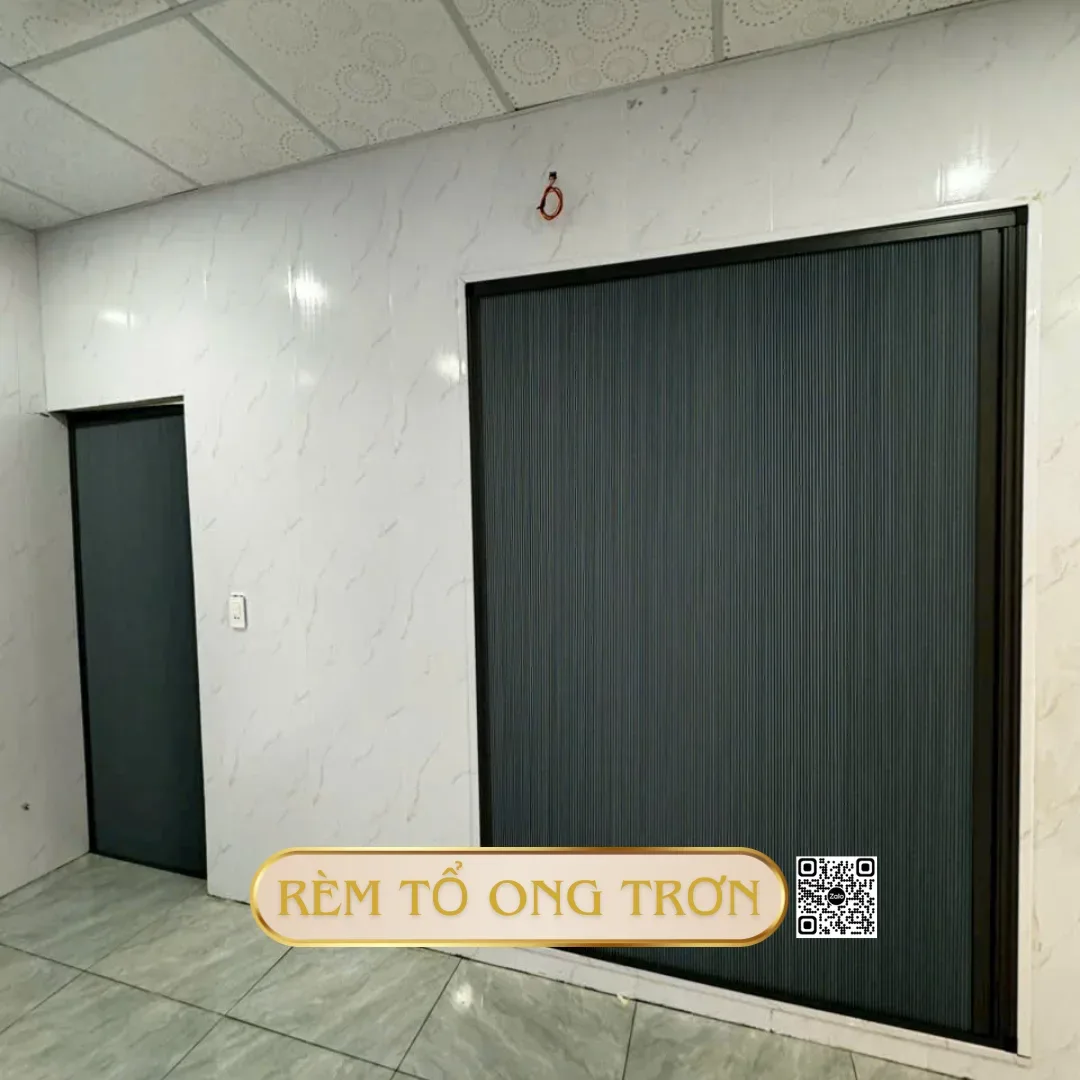
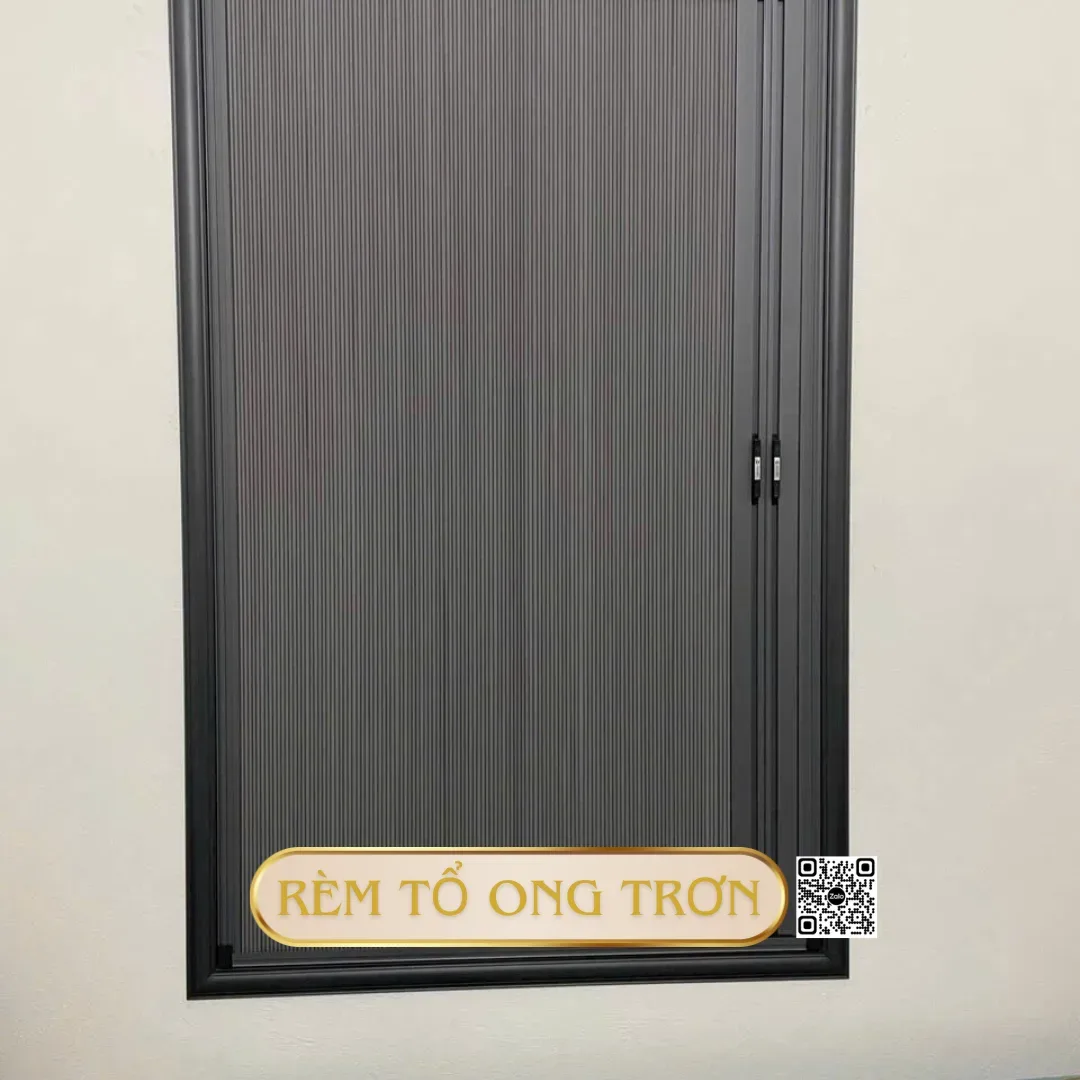
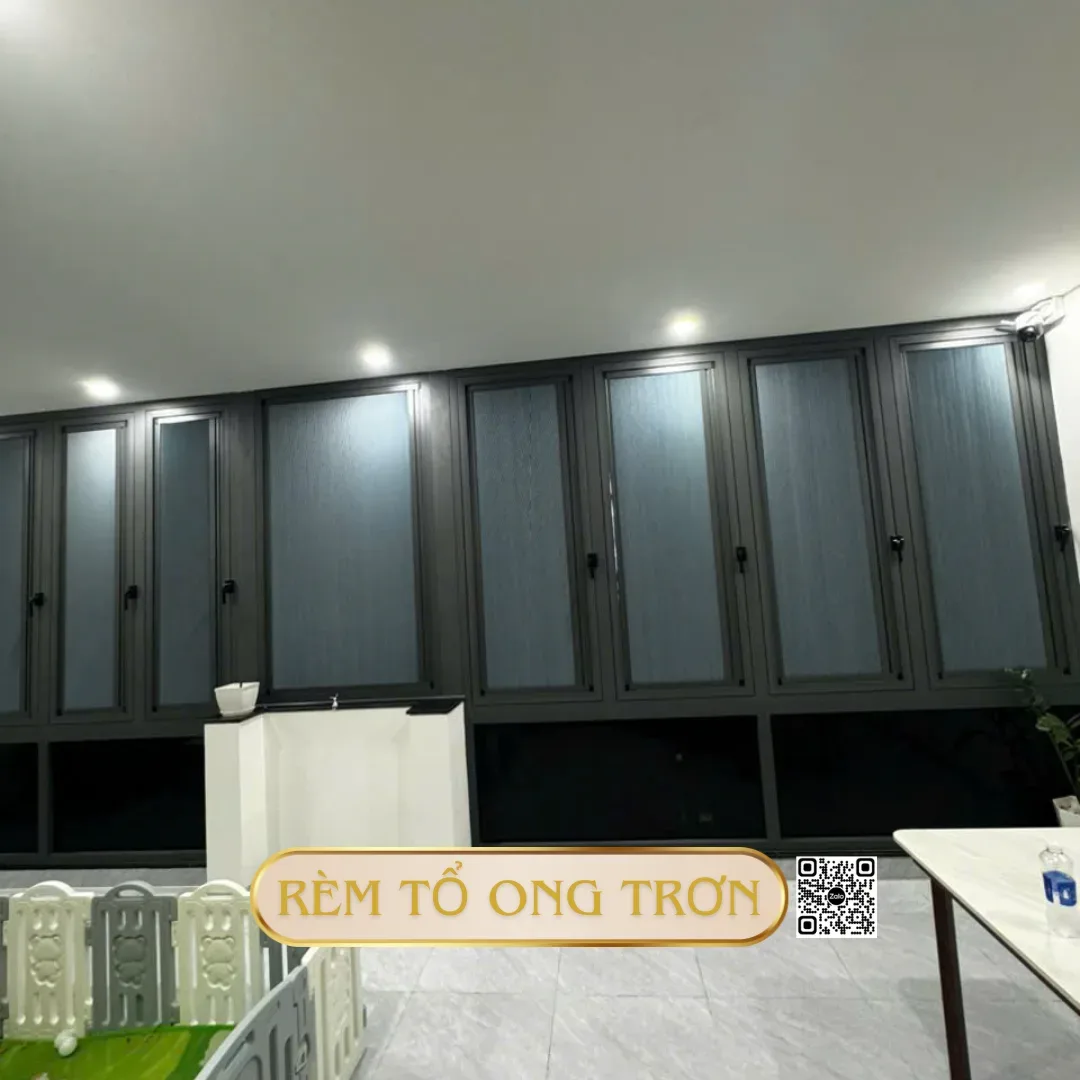
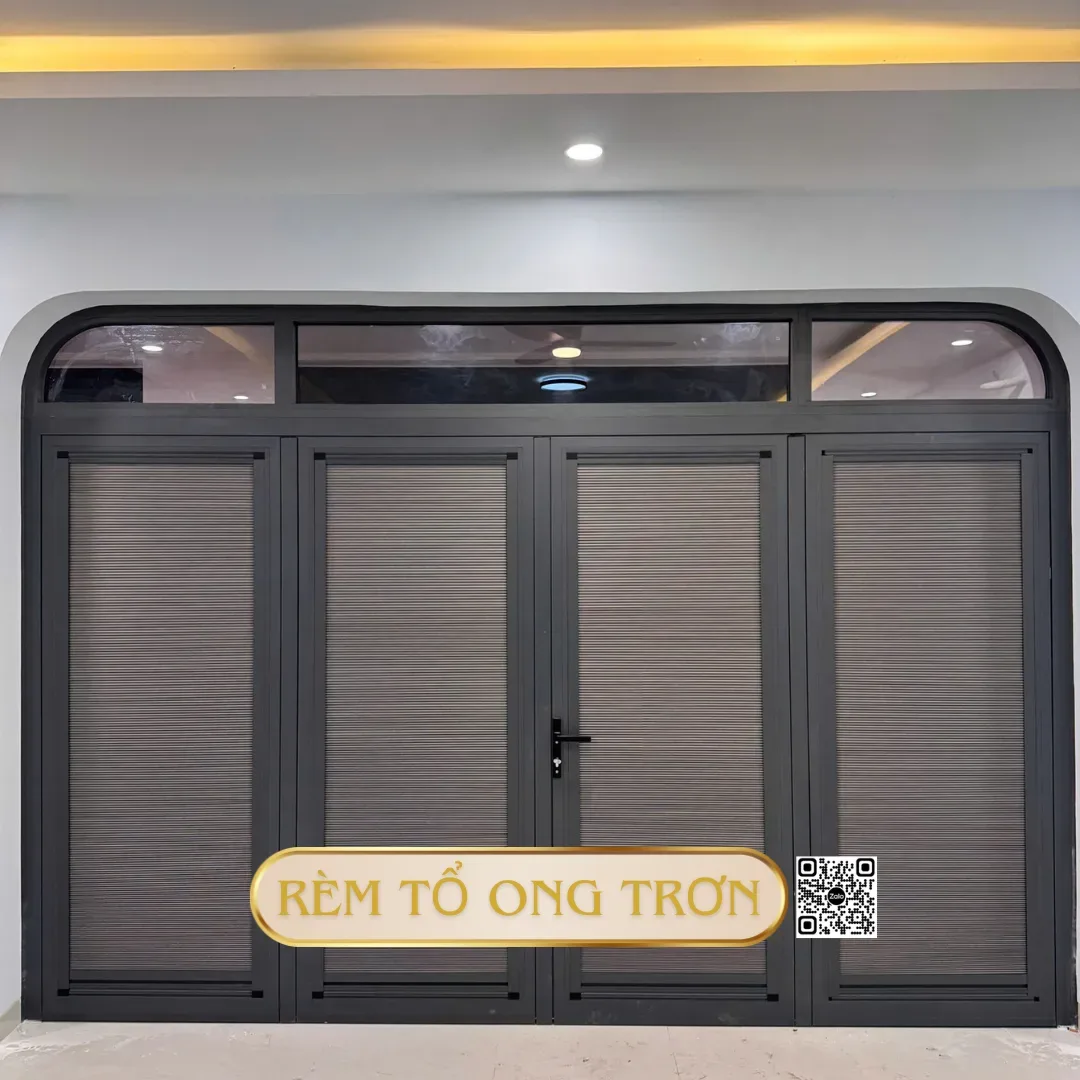
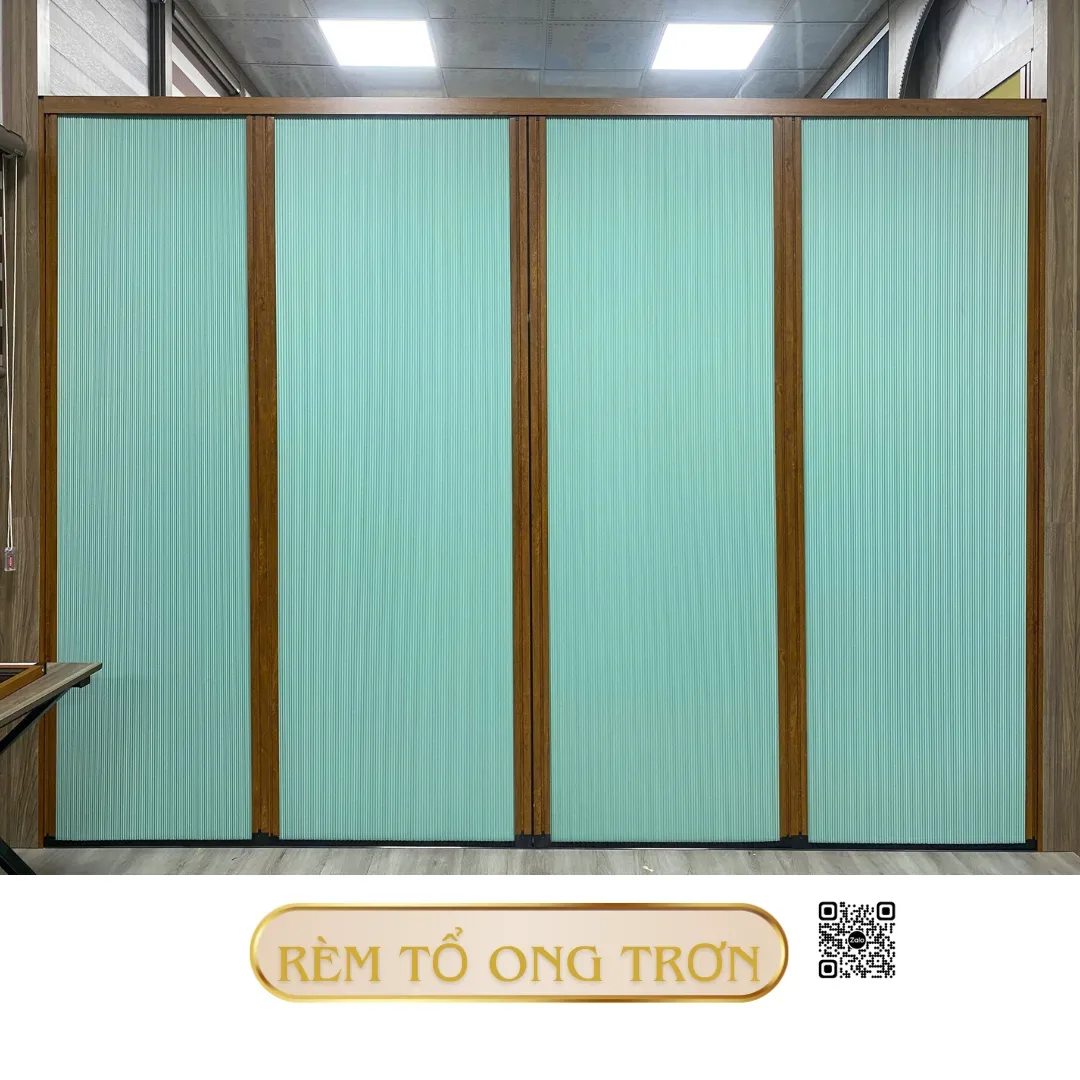
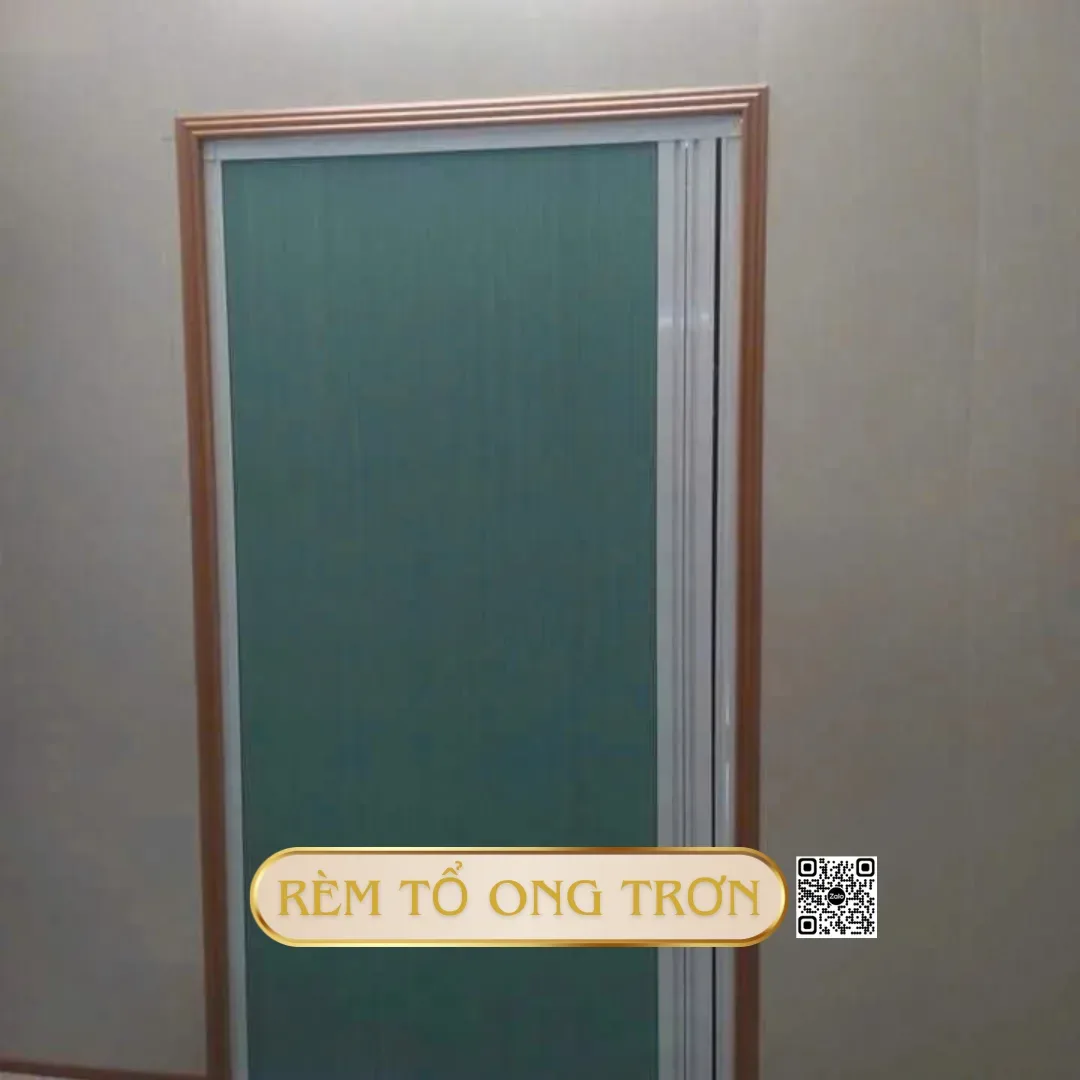
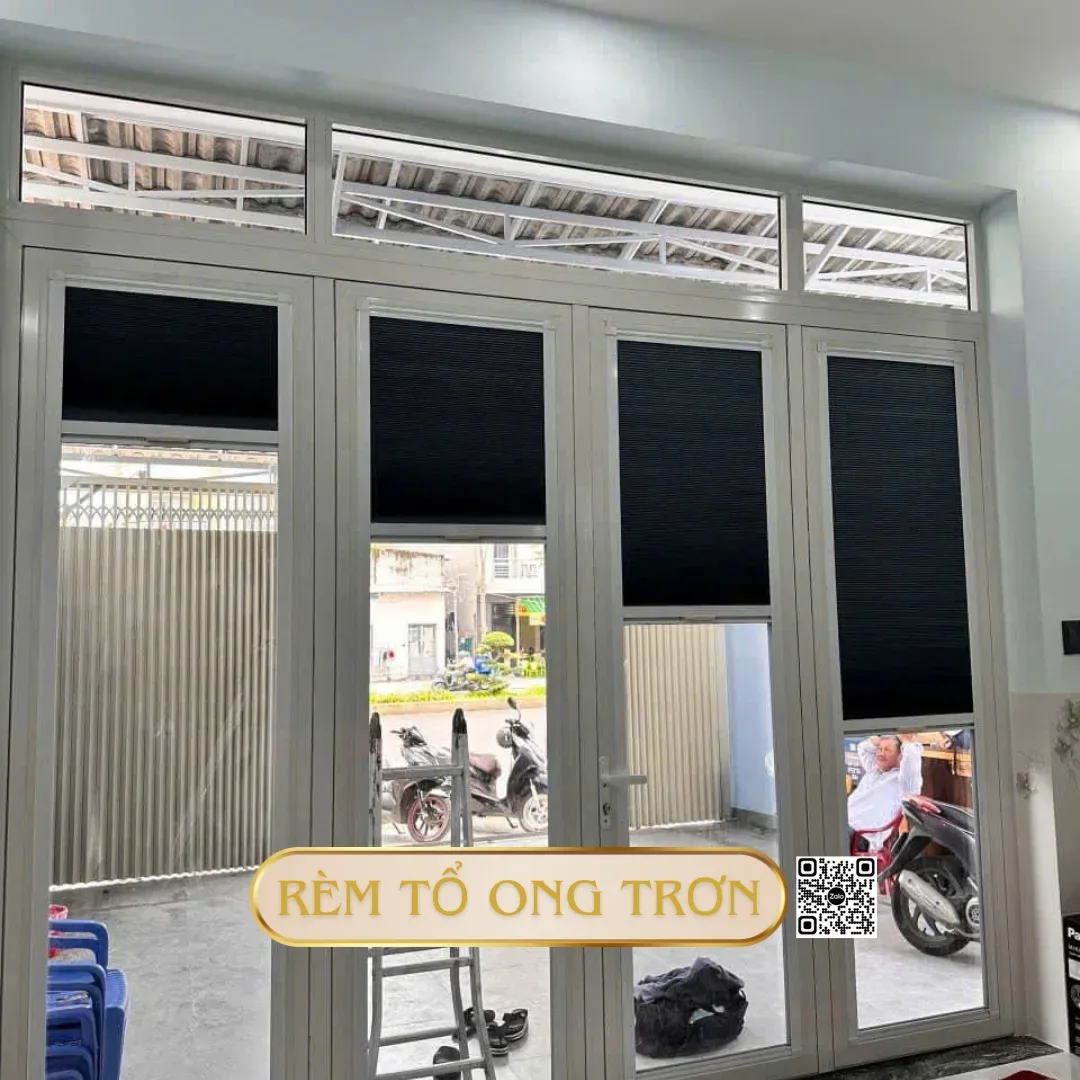
Thermal and sound insulation capabilities
This is often the first criterion mentioned when comparing roller blinds or honeycomb blinds, because the honeycomb structure with sealed air chambers is expected by many to retain heat better than a single-layer flat fabric. The layer of static air inside the honeycomb chambers can act as a buffer, slowing down the heat exchange process between the inside and outside of the window compared to a flat surface without air chambers.
If you are still hesitant, Roller Blinds or Rainbow Blinds? Detailed Comparison: Which One to Choose can help you compare more clearly.
Quick answer: This is only a relative reference factor; you should request a specific quote based on the actual window dimensions to get an accurate figure. Readers can further compare by checking the article in Bao An Giang about Thanh Vy high-end fabric curtains.
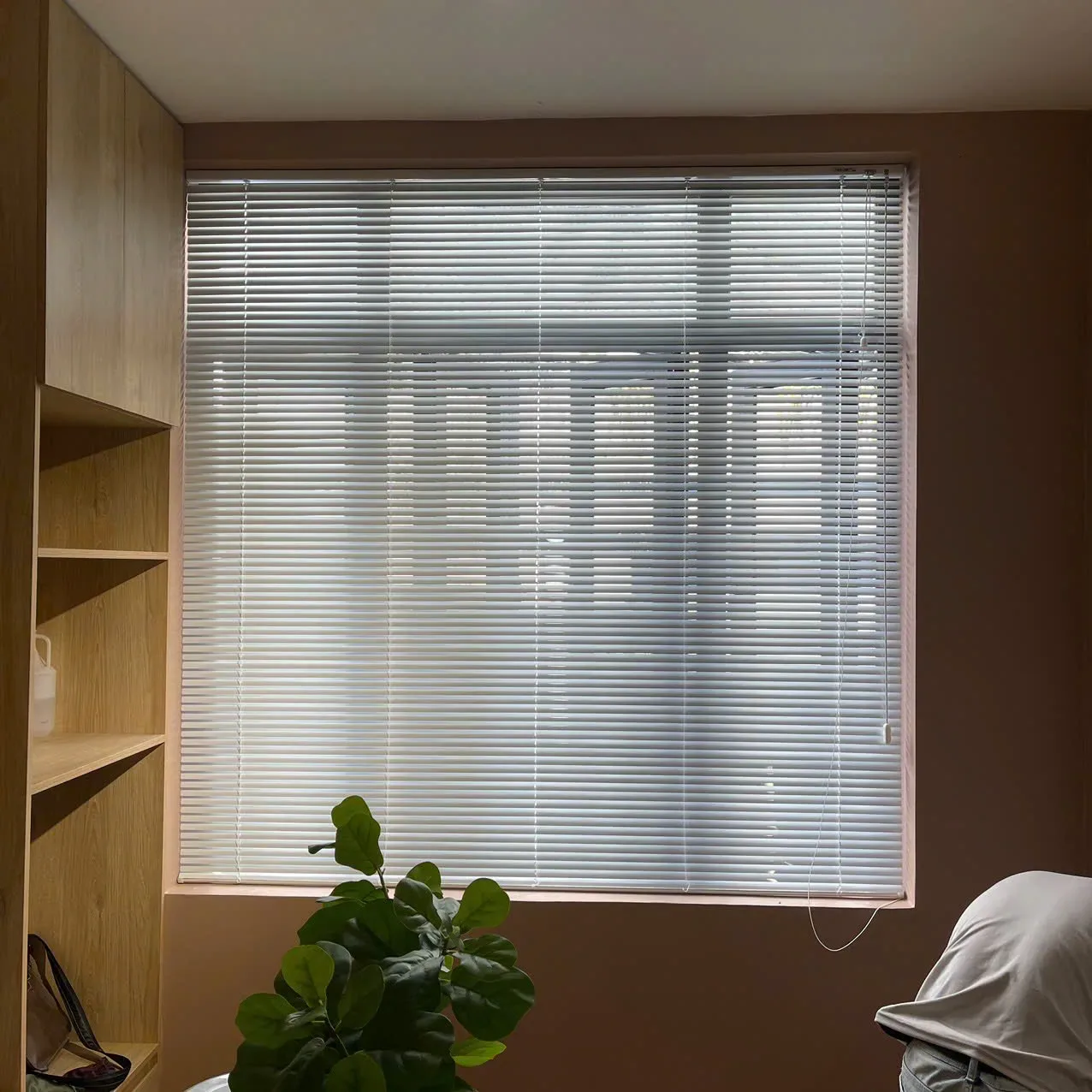
Roller blinds, due to having only one layer of fabric, are usually geared more towards blocking light and reducing glare than creating a thick thermal insulation layer. However, if you choose thick fabric, coated fabric, or specialized heat-blocking fabric, roller blinds can still help reduce some of the heat hitting the room during peak sunny hours.
Regarding sound insulation, the multi-layered structure of honeycomb blinds is also often considered to absorb and reduce some noise through the glass surface better than a thin layer of fabric. However, the actual noise reduction level still depends on the glass material and the tightness of the window frame, so it should not be considered a complete soundproofing solution.
In general, if you prioritize heat retention and noise reduction, honeycomb blinds usually have a clearer structural advantage. If you only need light control and a neat surface, roller blinds still perform well without needing a more complex structure.
Light control capabilities
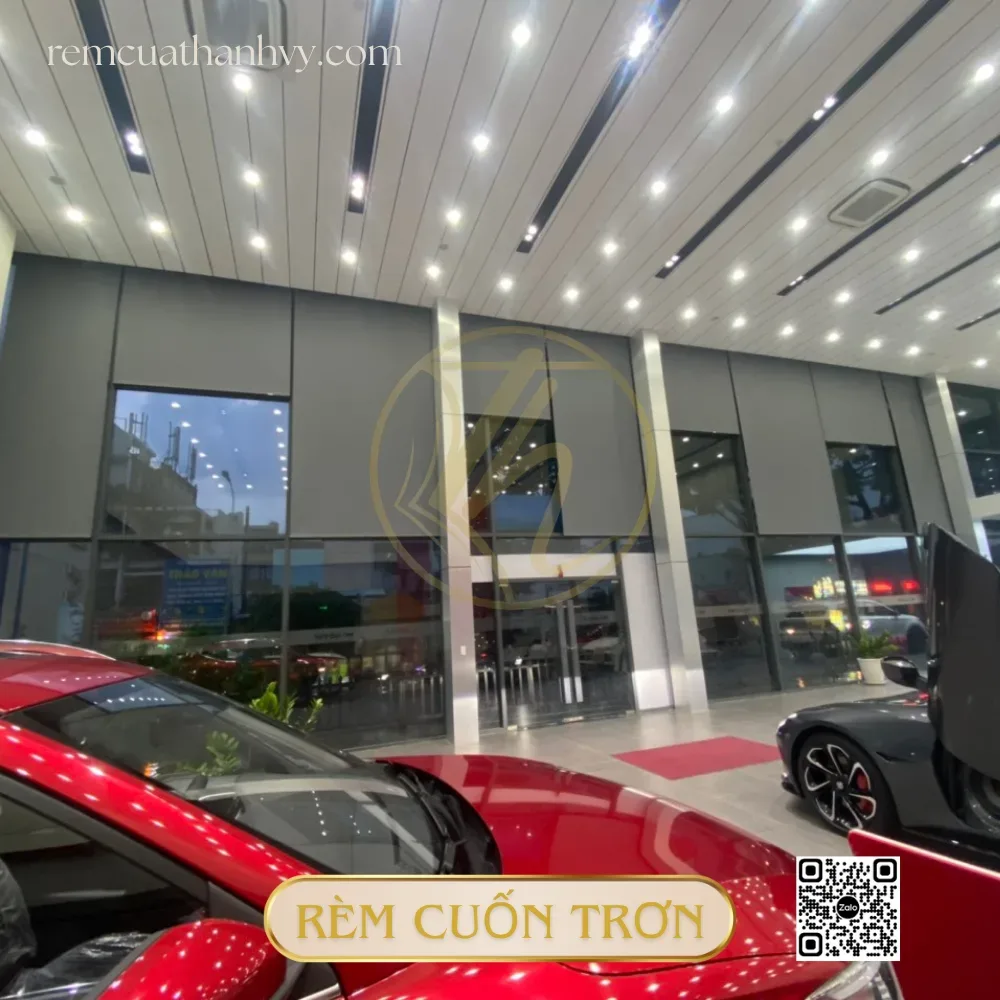
Roller blinds have an intuitive operation: pull down to block light, pull up for maximum light. With single-layer fabric, the light level usually only has two states: fully open or almost fully closed, unless you choose mesh or semi-transparent fabric to maintain soft light even when fully closed.
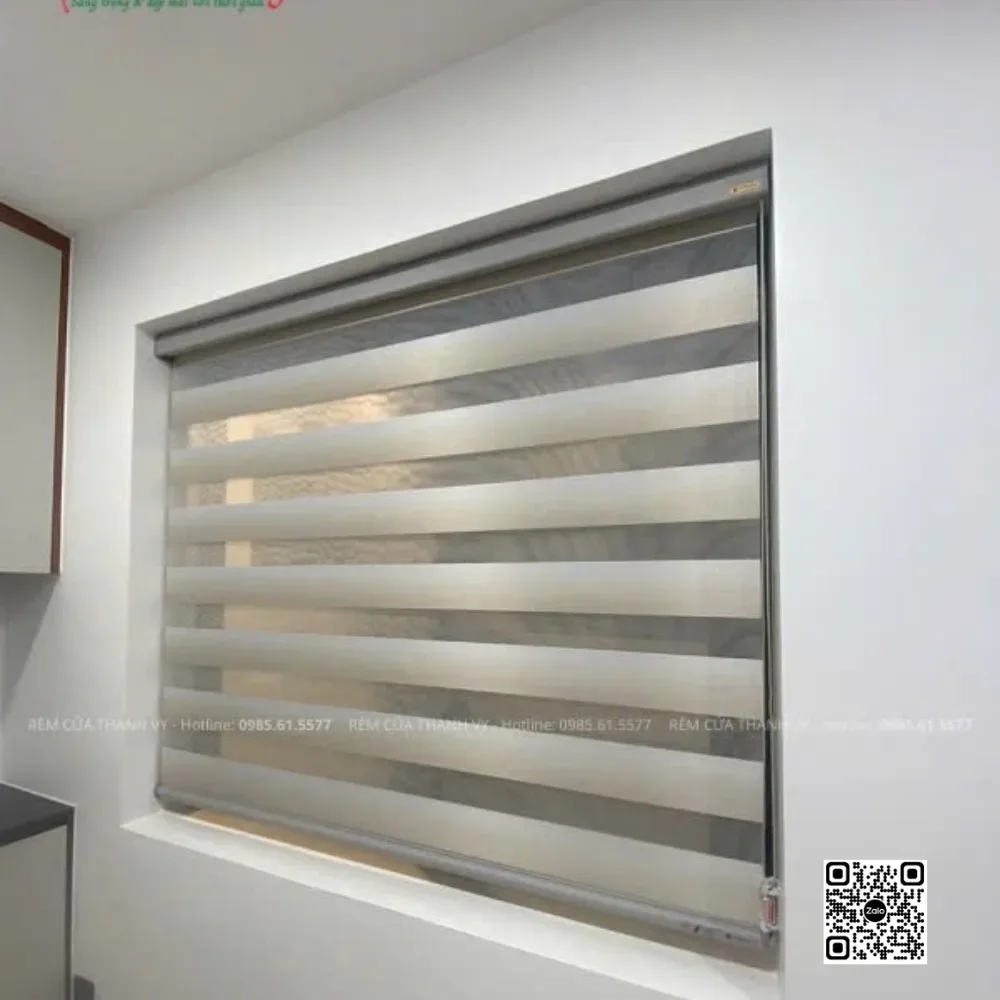
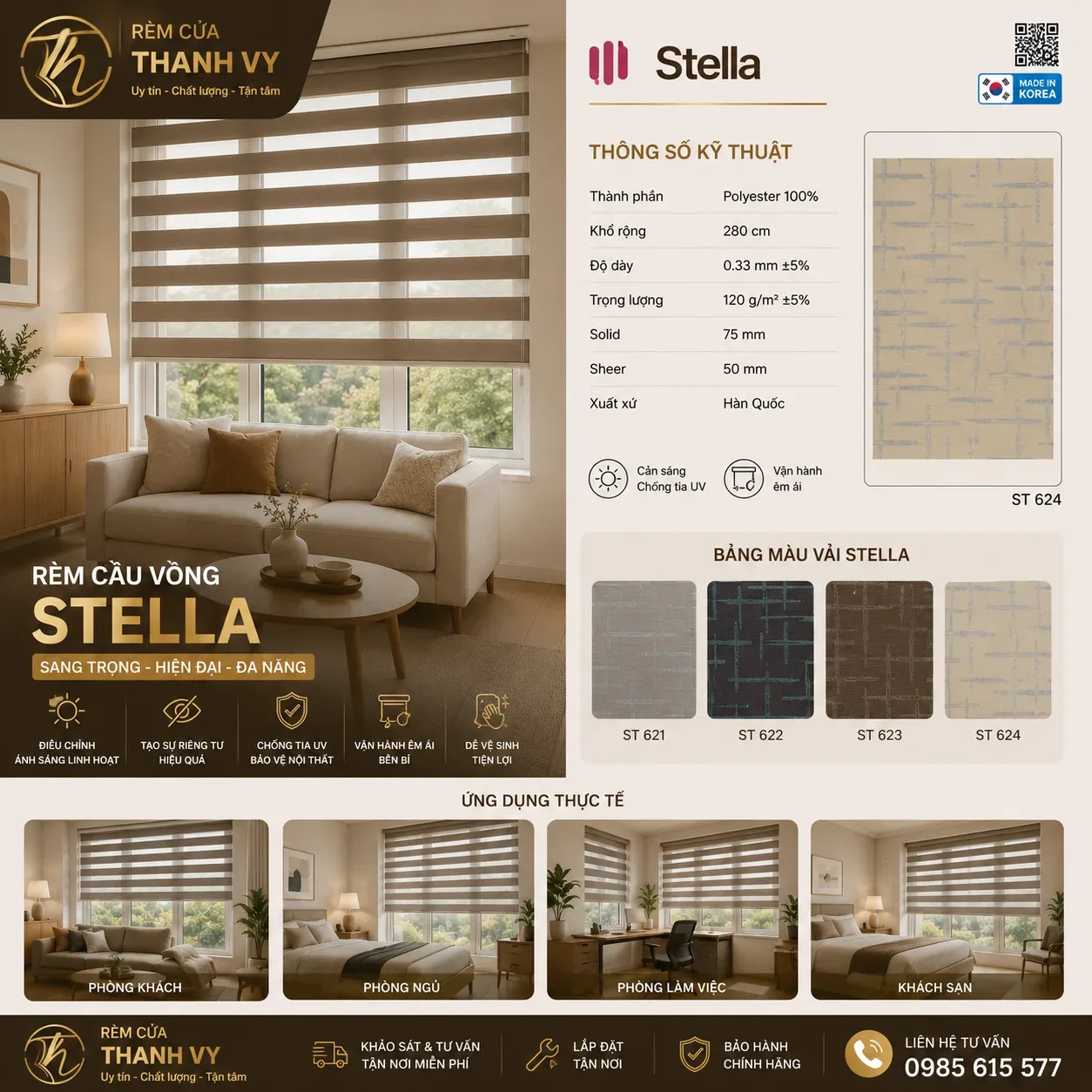
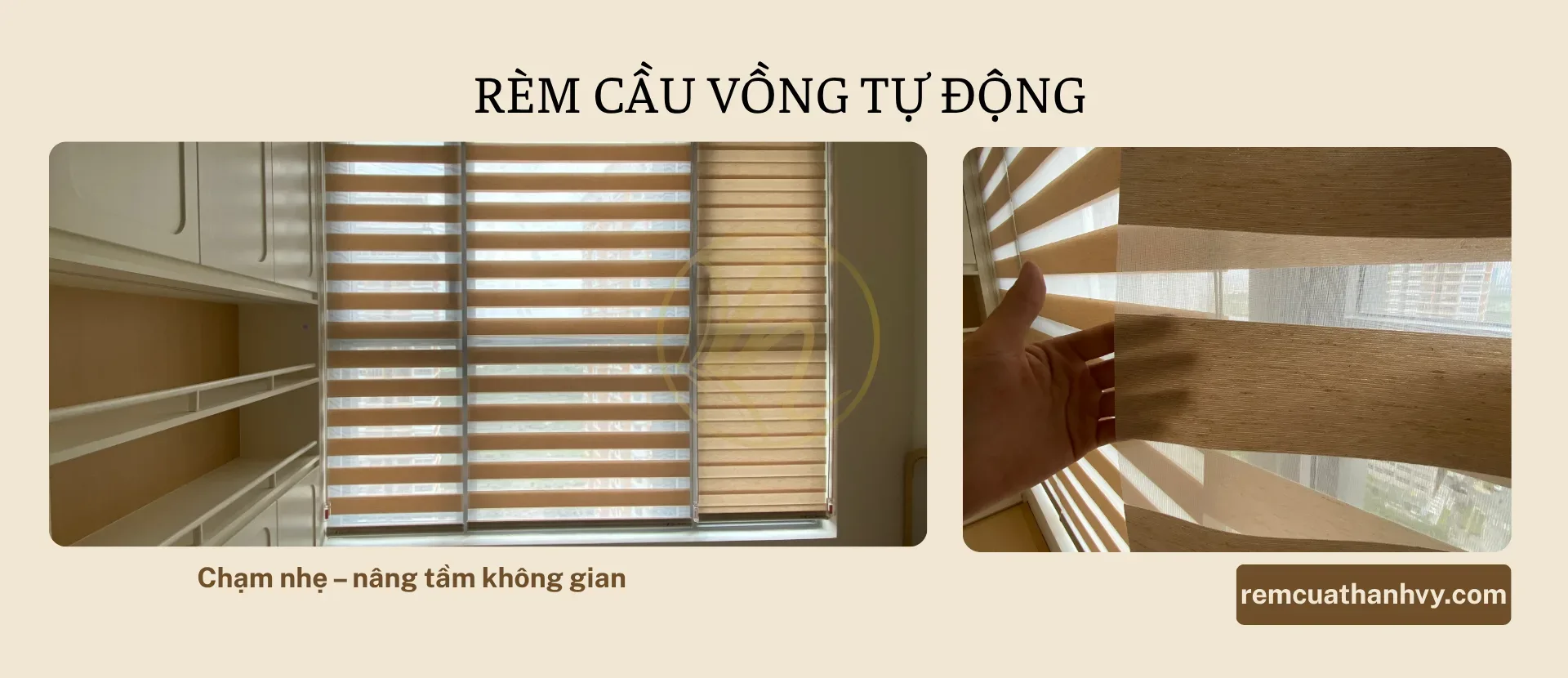
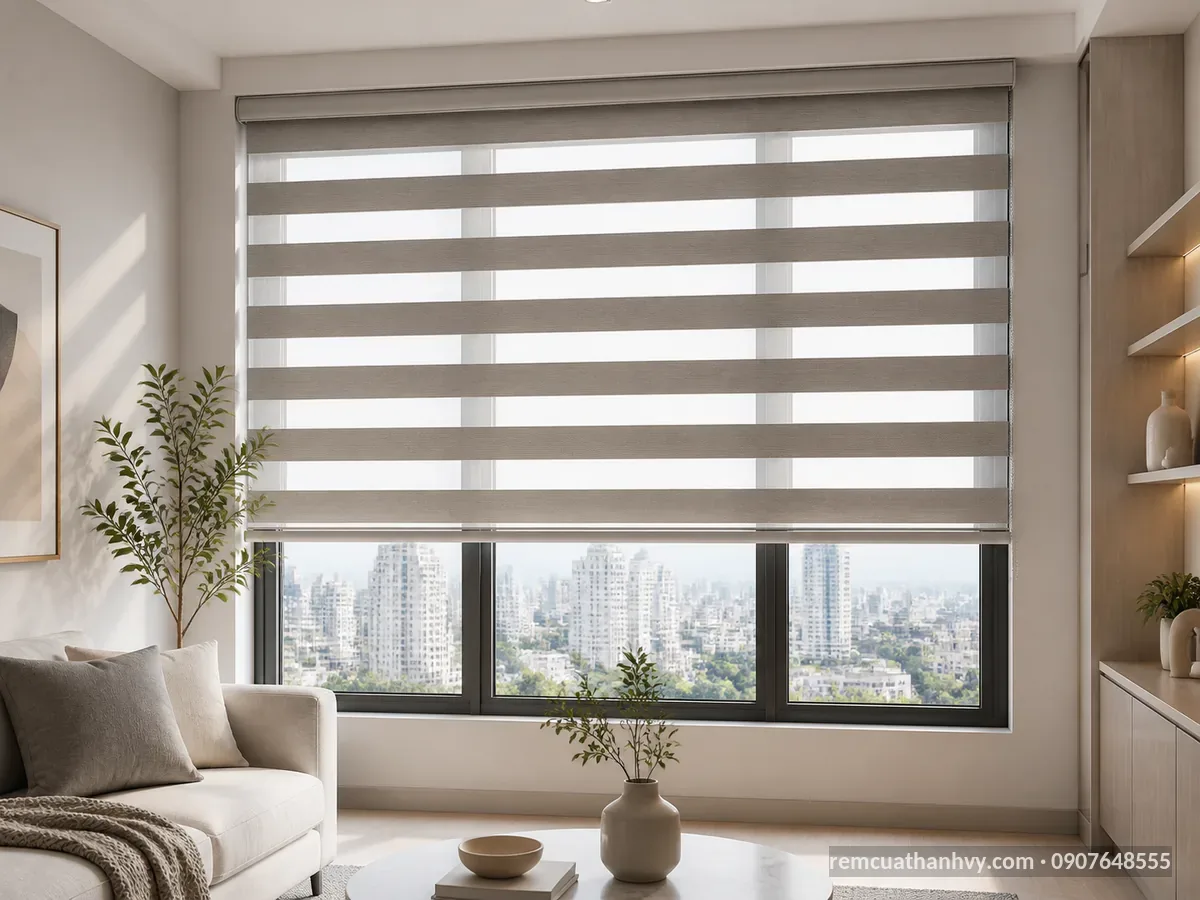
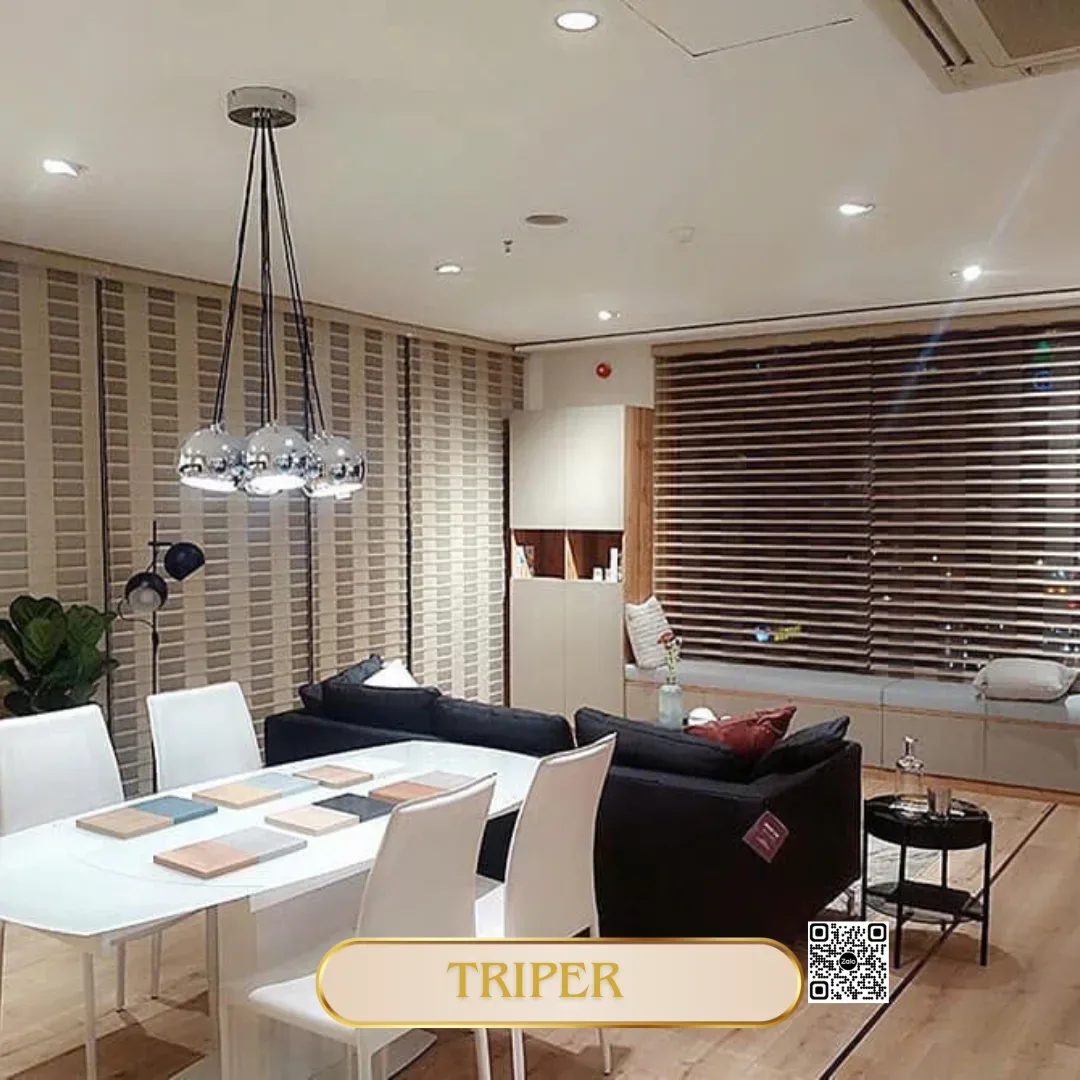
Some current roller blind lines are designed with two alternating layers of fabric, allowing for rotation to create alternating light and dark effects similar to vertical blinds — worth considering if you need an intermediate level between fully open and fully closed without switching to a completely different type of blind.
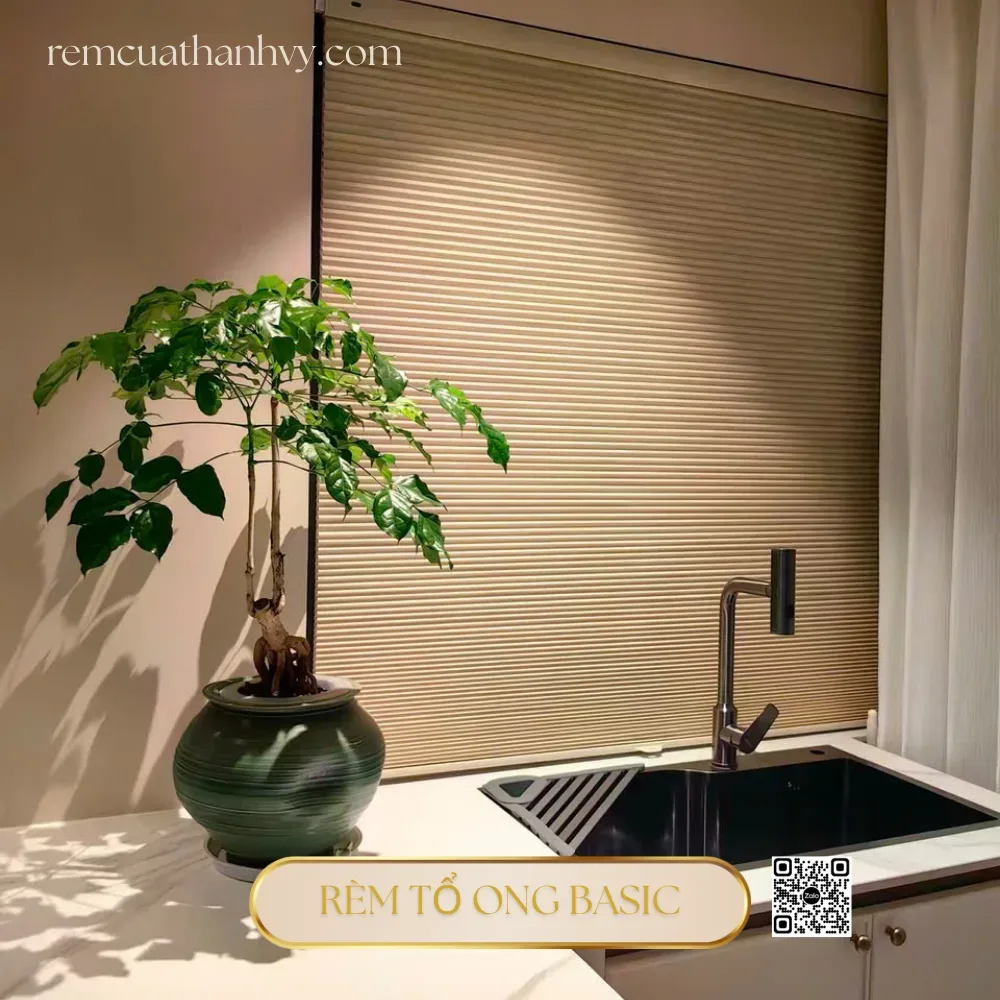
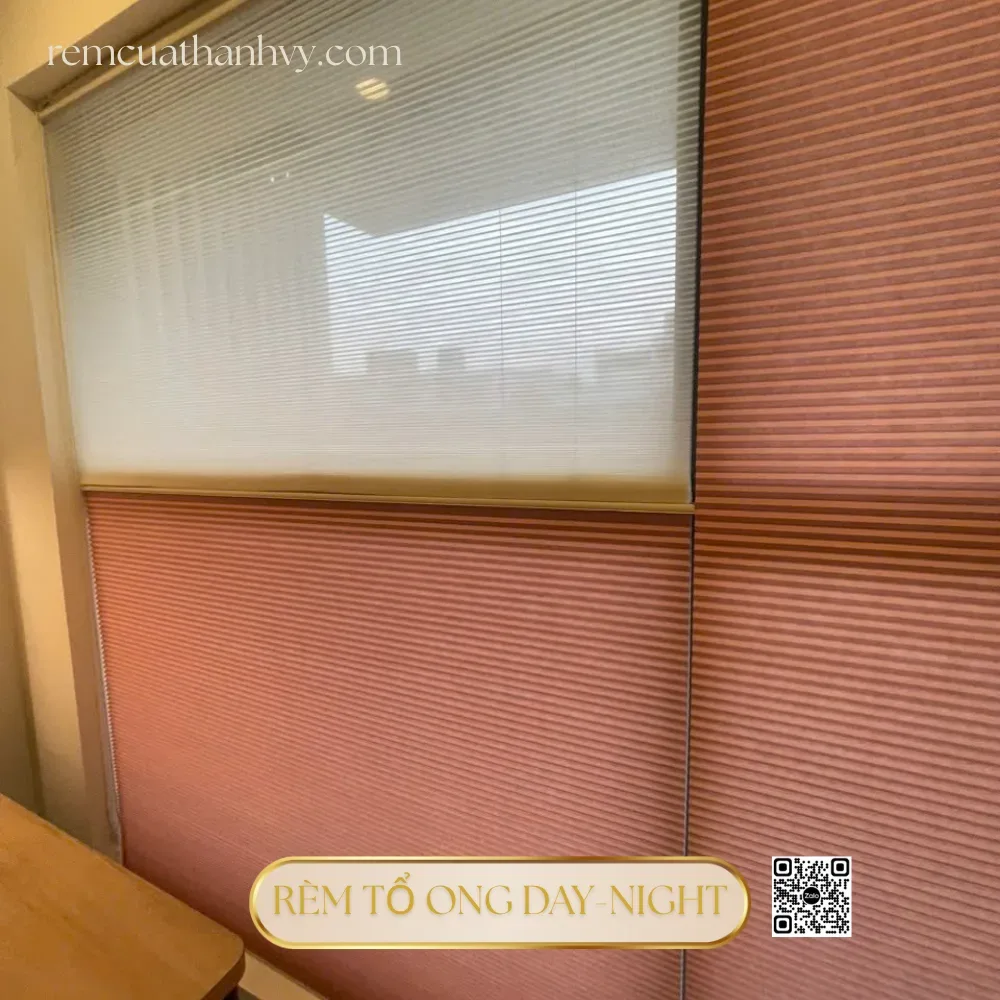
Honeycomb blinds, in some higher-end lines, can be designed as a two-tier system with the top and bottom parts moving independently, helping to let in light at the top while maintaining privacy at the bottom. This is a practical advantage for spaces that need both natural light and to block the view from the outside, such as ground-floor windows facing the street.
If you only consider the simplicity of daily operation, roller blinds are usually faster and have fewer mechanical parts. If you need flexible light zoning according to the height of the window, two-tier honeycomb blinds are worth comparing more carefully.
Aesthetics and suitability for interior design styles
Roller blinds have a flat surface, minimalist lines, and few cumbersome details, so they are often chosen for spaces with modern, minimalist styles or offices that need a neat feel. The colors and fabric materials of roller blinds are also quite diverse, from plain single-color fabrics to printed patterns, making it easy to coordinate with many different interior tones.
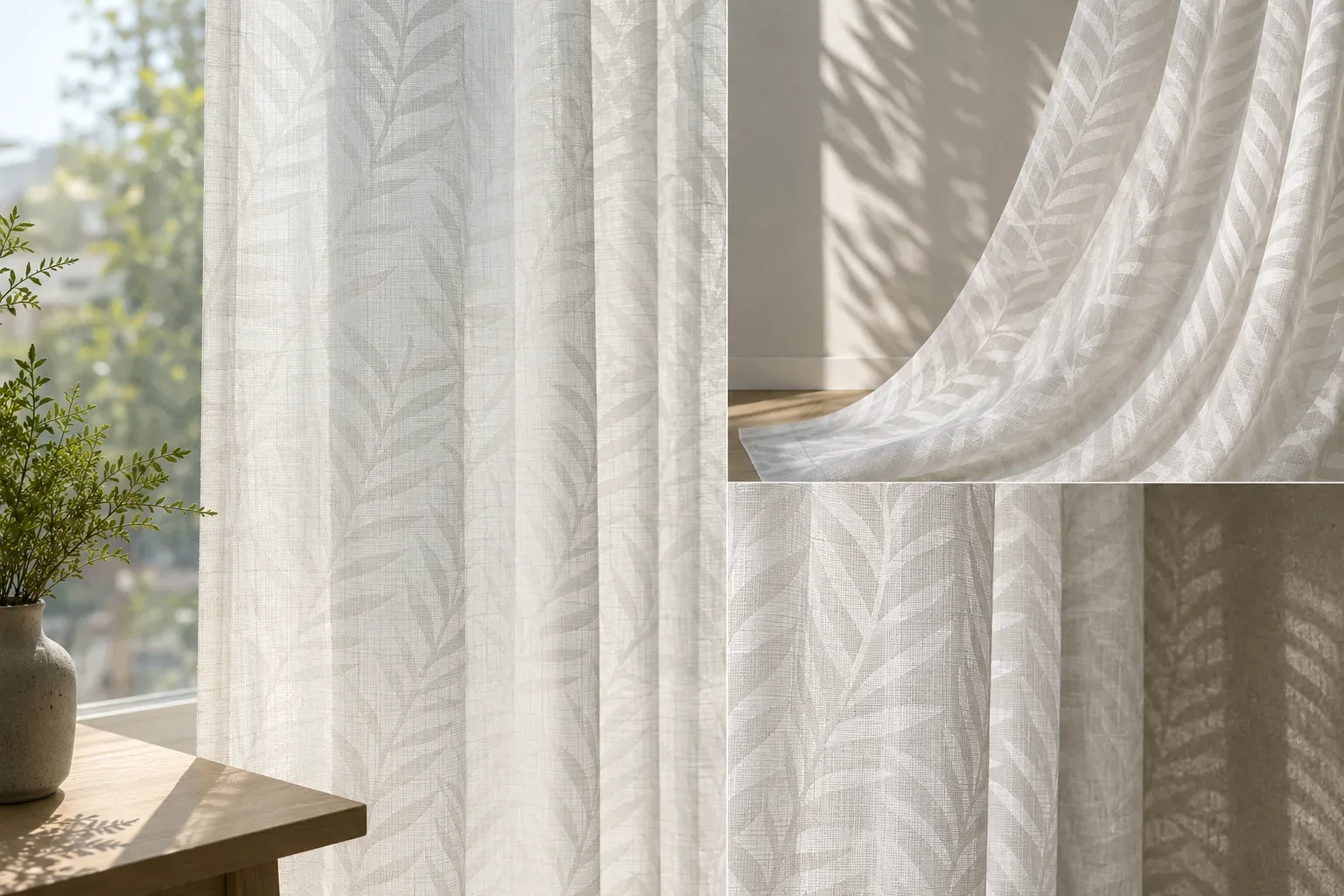
Honeycomb blinds bring a softer feel thanks to the regular pleats that create a soft light effect when sunlight shines through. This texture is suitable for spaces that want a subtle visual highlight without being as elaborate as traditional multi-layered fabric curtains. You can compare further via the concept of blinds in architecture.

Choosing between the two types based on aesthetics should therefore stem from the overall style of the room rather than just looking at the blind itself. A minimalist office might suit roller blinds better, while a bedroom or living room that wants a warm, gentle atmosphere might consider honeycomb blinds.
Relative cost between the two types
In terms of construction, roller blinds are usually simpler with fewer layers of material, so in many cases, the price for a basic set of roller blinds can be lower than honeycomb blinds of the same size, especially in the popular fabric segment and manual pull mechanism.
Honeycomb blinds, due to the more complex multi-layered paper or pleated fabric structure during production, are usually slightly higher in price in the same quality segment. With two-tier or motorized lines, the cost can be significantly different compared to corresponding roller blinds.
However, the actual price also depends on the fabric brand, window size, included accessories, and whether a motor is used, so the price gap between the two types is not fixed for every case. This is only a relative reference factor; you should request a specific quote based on the actual window dimensions to get an accurate figure.

Send your dimensions and needs, and the Thanh Vy Curtains team will advise on options and quote for your actual space.
Durability and service life
Roller blinds with a single-layer fabric construction and mechanical roller tube usually have a simple operating mechanism, with few parts that are easy to break if used correctly and the fabric weight is suitable for the tube. Roller blind fabric is also easily treated to be dust-resistant or coated with a heat-blocking layer to extend the surface life.
Honeycomb blinds with a multi-layered pleated structure can be more sensitive to being pulled hard or having young children play with the pull cords frequently, as the pleats need to be kept even so they do not lose their form over time. If used correctly and cleaned periodically, both types can maintain good durability for many years of use.
One point to note in general is the pull cord mechanism. According to safety recommendations from the U.S. Consumer Product Safety Commission, families with young children or pets should consider cordless mechanisms or neatly securing the pull cords, avoiding letting children reach dangling blind cords. This is a safety factor that should be prioritized equally with aesthetics when choosing an operating mechanism for both types of blinds.
Ease of cleaning and maintenance
The flat surface of roller blinds makes cleaning dust relatively convenient; just use a damp cloth or a soft feather duster to wipe along the fabric surface to remove most of the accumulated dust. For stubborn stains, some types of roller blind fabric even allow cleaning with a mild detergent solution without affecting the fabric structure. Interested readers can view polyester fiber in the textile industry before deciding.
Honeycomb blinds have a multi-layered pleated structure, so dust tends to accumulate in the pleat gaps more than on a flat surface. Cleaning therefore usually requires a mini vacuum cleaner or specialized tools to clean each gap without deforming the pleats. This is a point busy users should consider if they prioritize convenience in daily cleaning.
For spaces with a lot of dust or that require frequent cleaning, such as areas near the kitchen, roller blinds are usually considered a more practical choice in terms of maintenance. For rooms with less dust and a reasonable periodic cleaning frequency, the difference in cleaning effort between the two types will not be too significant.
Suitable for which space and criteria framework to help you choose for yourself
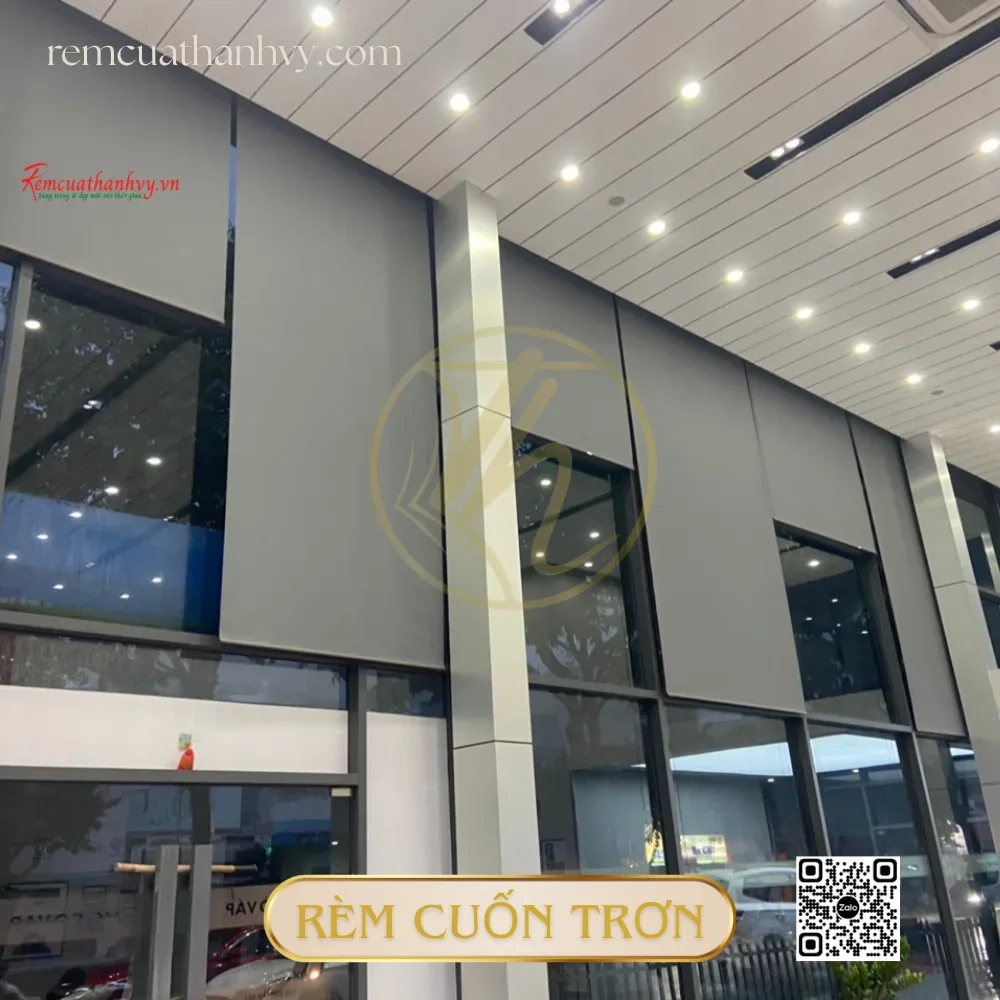
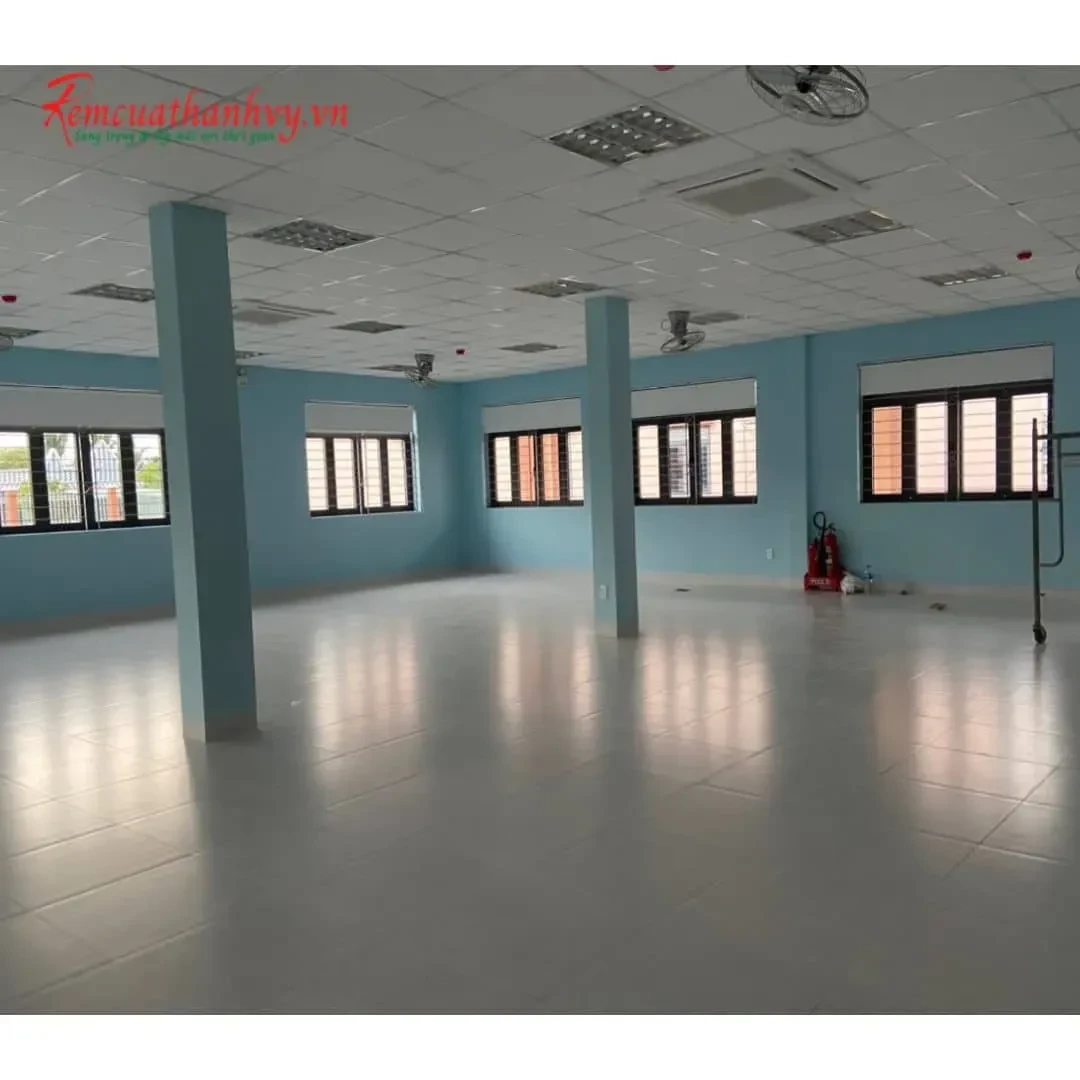
After comparing each criterion, it can be seen that roller blinds are usually suitable for spaces that need minimalism, quick operation, a moderate budget, and high cleaning frequency, such as kitchens, workrooms, or offices. Honeycomb blinds tend to be more suitable for bedrooms, living rooms, or spaces that want to prioritize relative thermal insulation, sound insulation, and soft light effects.
To make a suitable decision yourself, readers can refer to the following criteria framework:
1. Is the top priority of the space light control, thermal insulation support, or simply minimalist aesthetics? 2. What is the expected budget for the window blinds of the room, and is it flexible enough to consider two-tier or motorized lines? 3. What is the frequency of room cleaning and the dust level of the installation area? 4. Are there young children or pets in the house that need to be considered regarding safe pull cord mechanisms? 5. Does the overall interior style of the room lean towards minimalist, modern, or warm, soft?
There is no answer that applies to every home in the question of roller blinds or honeycomb blinds. Each type of blind has its own strengths in different criteria, and the most reasonable choice is always the one that solves the actual problem of each space, instead of following a general aesthetic trend. If you are still hesitant, readers can also compare with other types of blinds such as rainbow blinds to have a more complete comparative perspective before deciding.
Related areas
Tan Phu Curtains: How to Choose Based on Your Needs and Existing Windows
A guide to choosing Tan Phu curtains based on light, privacy, installation style, stacking space, [...]
Related reviews
Roller Shades or Zebra Shades? A Detailed Comparison to Help You Choose
This article compares roller shades and zebra shades by construction, light control, aesthetics, price, durability, [...]

No comments yet!