


Tips for Choosing Durable and Beautiful Linen Curtains in Binh Tan
Why choosing linen curtains in Binh Tan requires considering the hot and humid climate right from the start
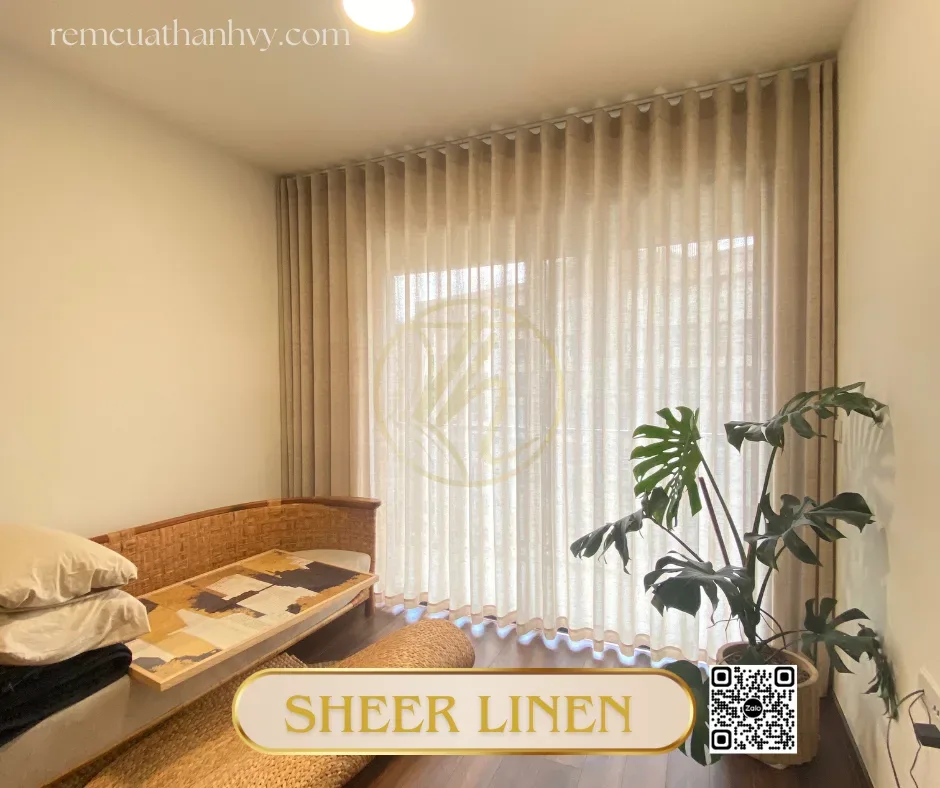
Linen curtains are favored by many families in Binh Tan for their gentle, natural appearance and ability to soften light better than traditional heavy fabrics. However, the climate in this area is hot year-round, with high air humidity and harsh sunlight at certain times of the day, so choosing linen curtains cannot rely solely on the feeling of “looking good on a sample.” Background information on the concept of curtains in architecture provides a useful reference when choosing materials.
When looking into choosing linen curtains in Binh Tan, many people often only care about colors and styles while ignoring how linen fabrics react differently to humidity and temperature depending on weave quality. High-quality linen fabric still maintains its shape, drape, and relatively stable color after long-term use in a hot and humid environment, while low-quality linen fabric easily shrinks, gets pilled on the surface, or fades faster than expected. Therefore, choosing linen curtains should be seen as a problem combining aesthetic taste and the actual usage conditions of each room, rather than making a final decision based merely on initial intuition. Information about the provider also appears in the introductory article on auditorium curtains in Can Tho Newspaper.
How to identify quality linen fabric through weave density and hand feel
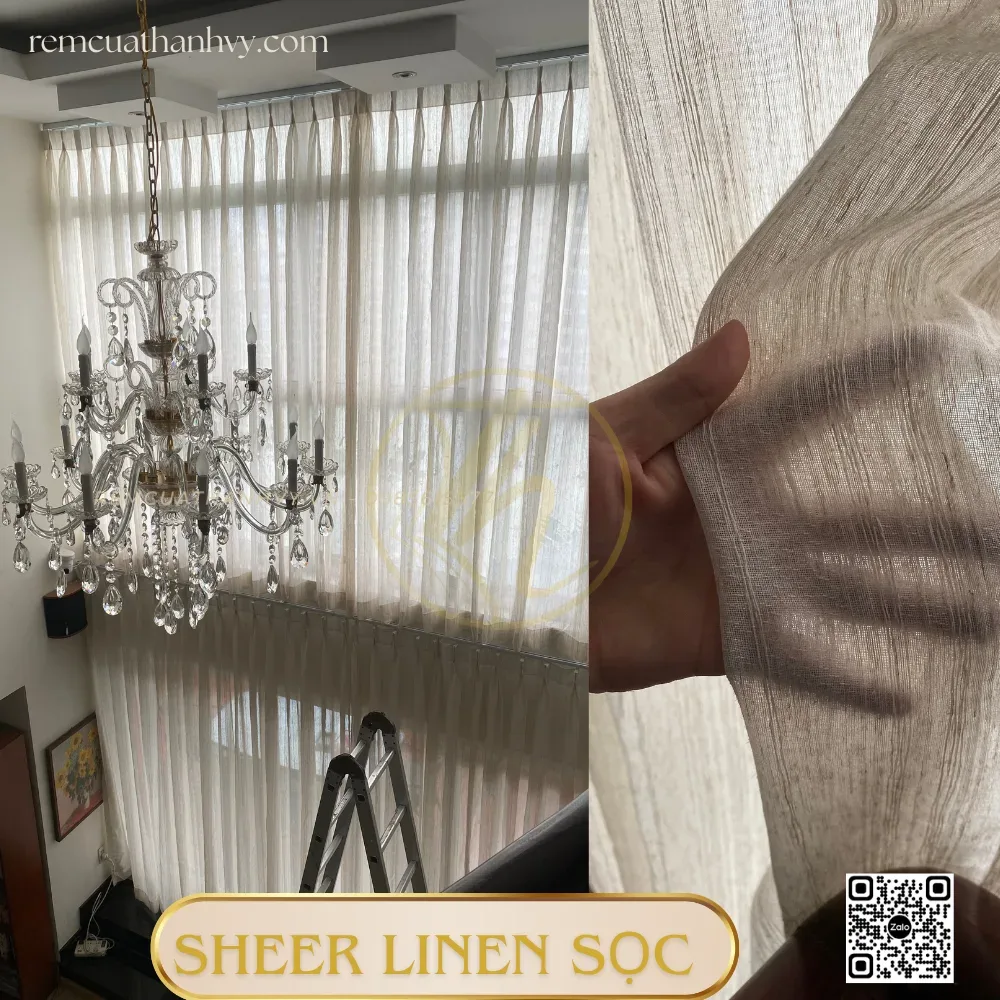
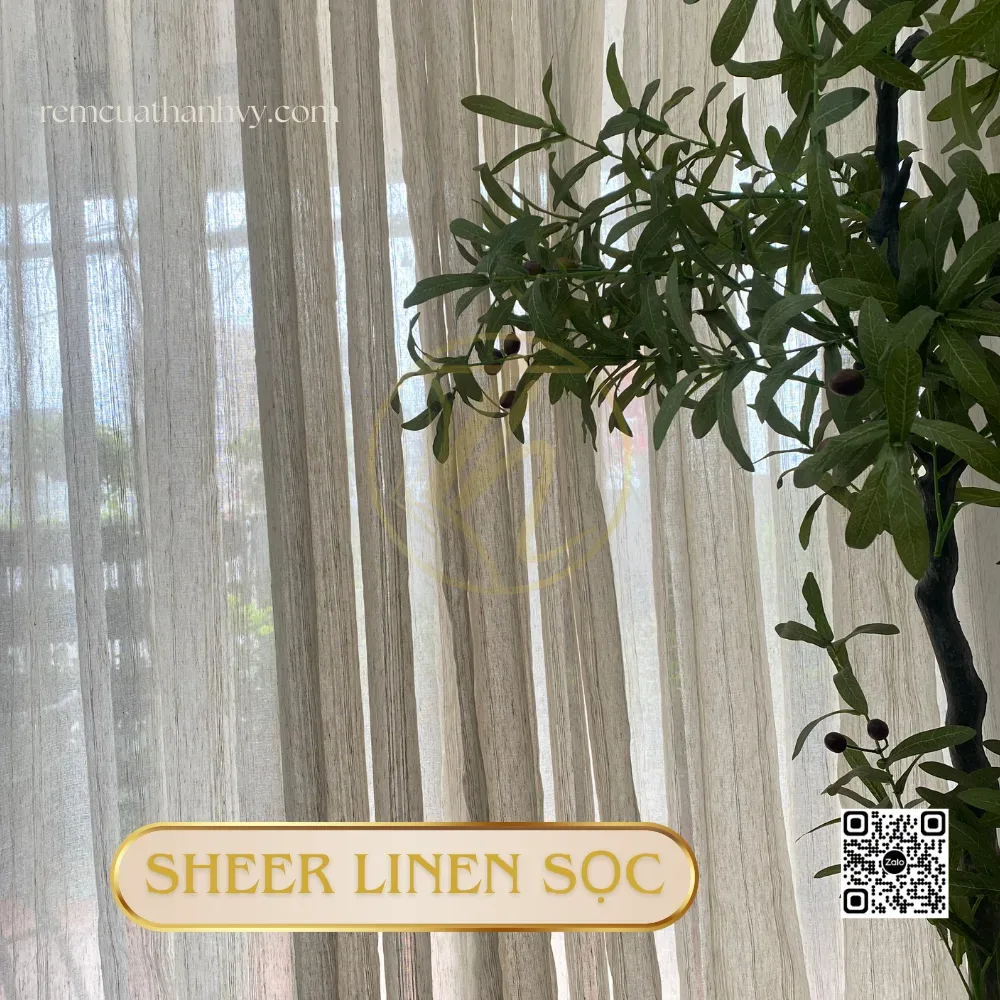
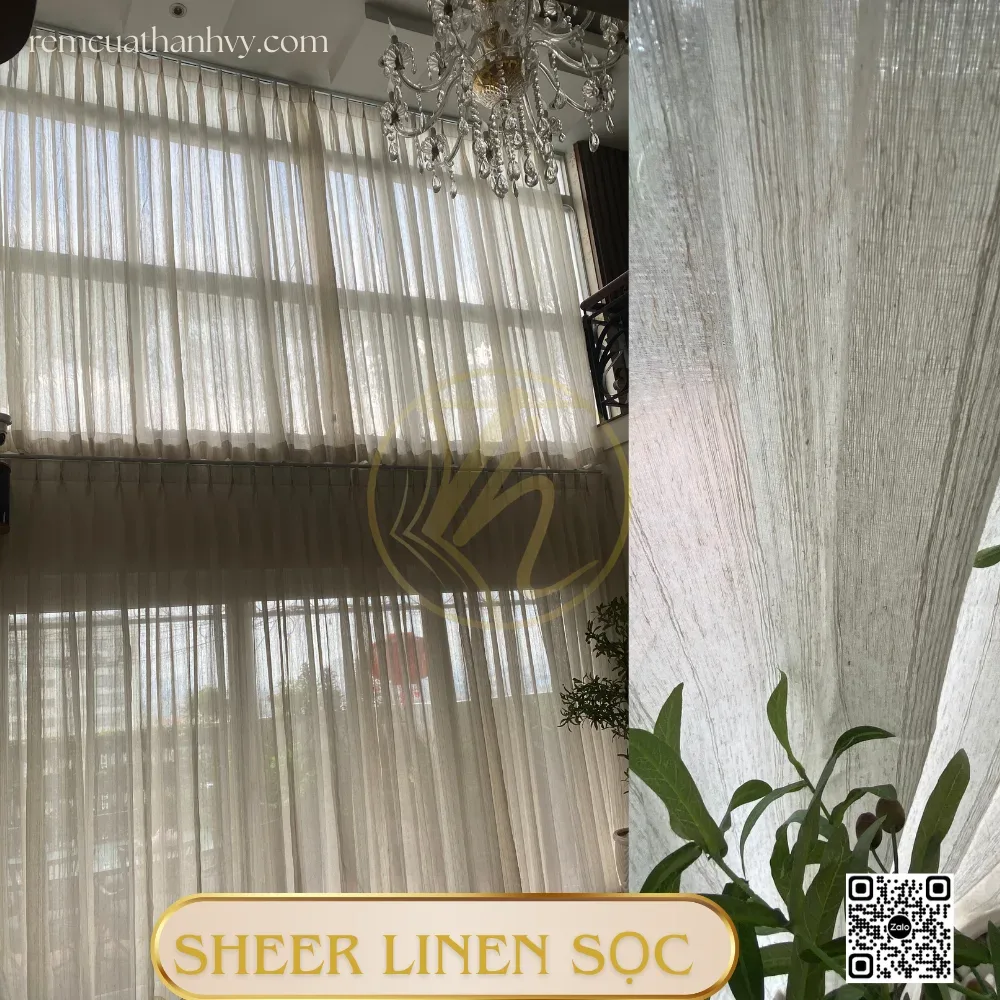
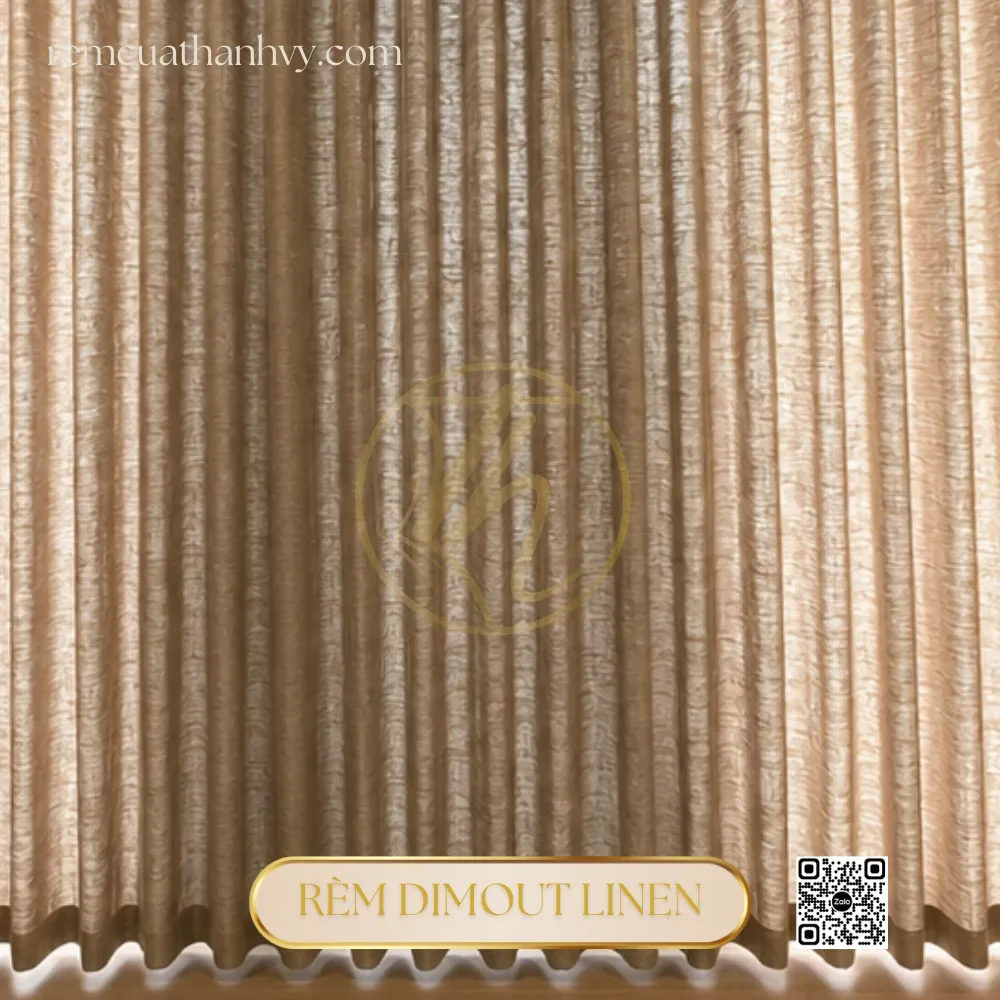
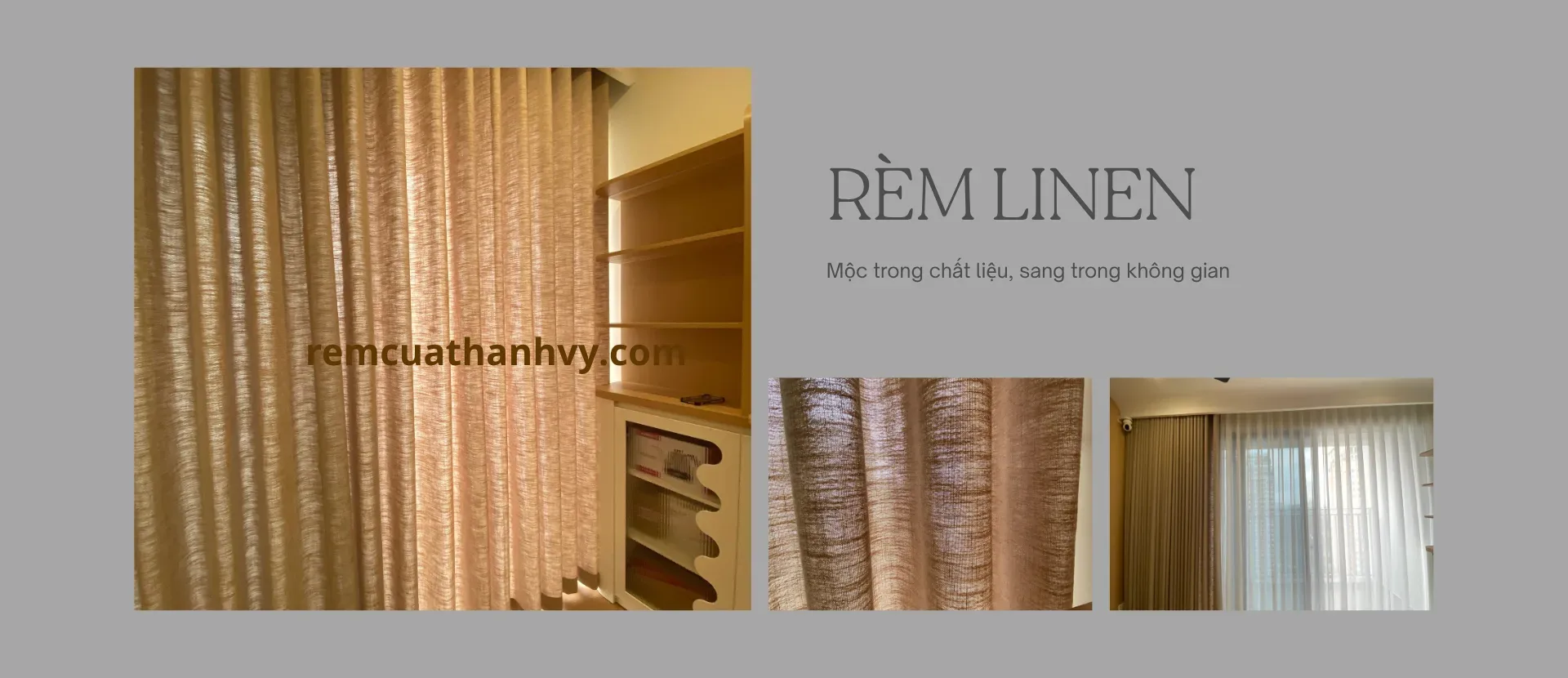
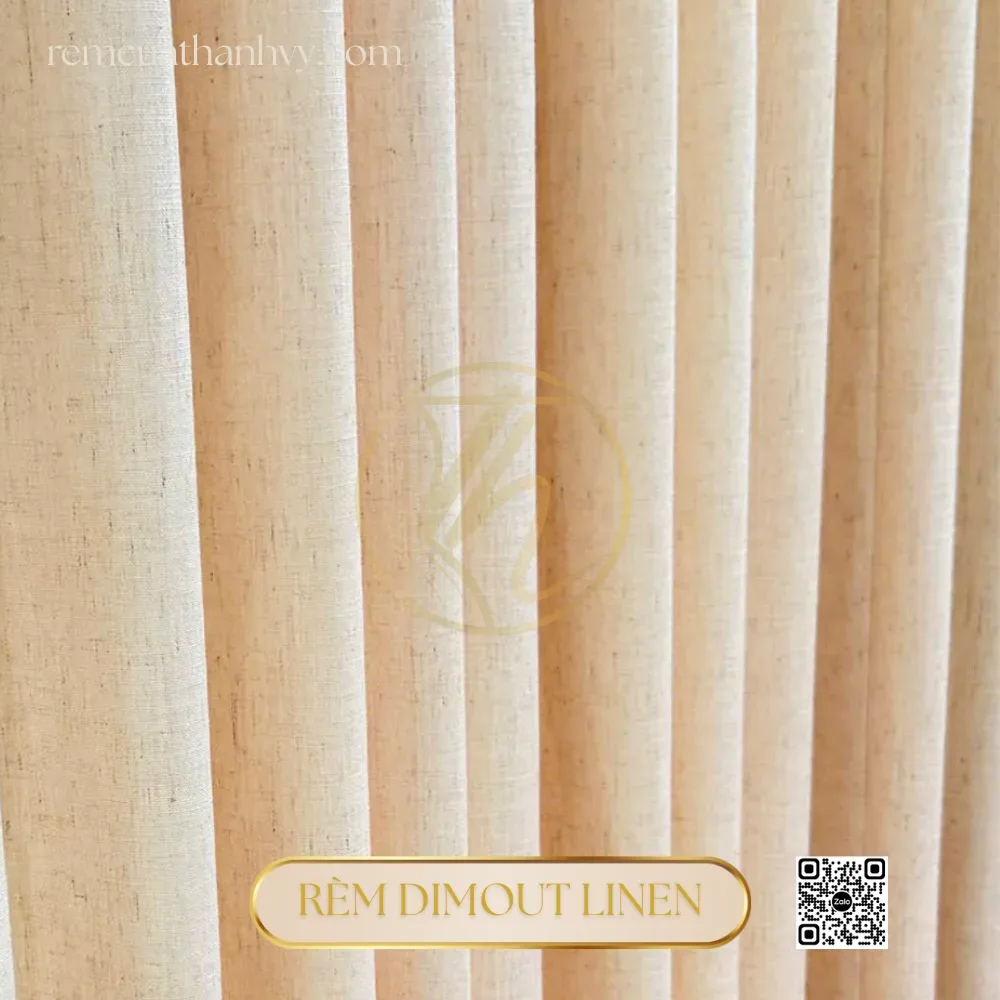
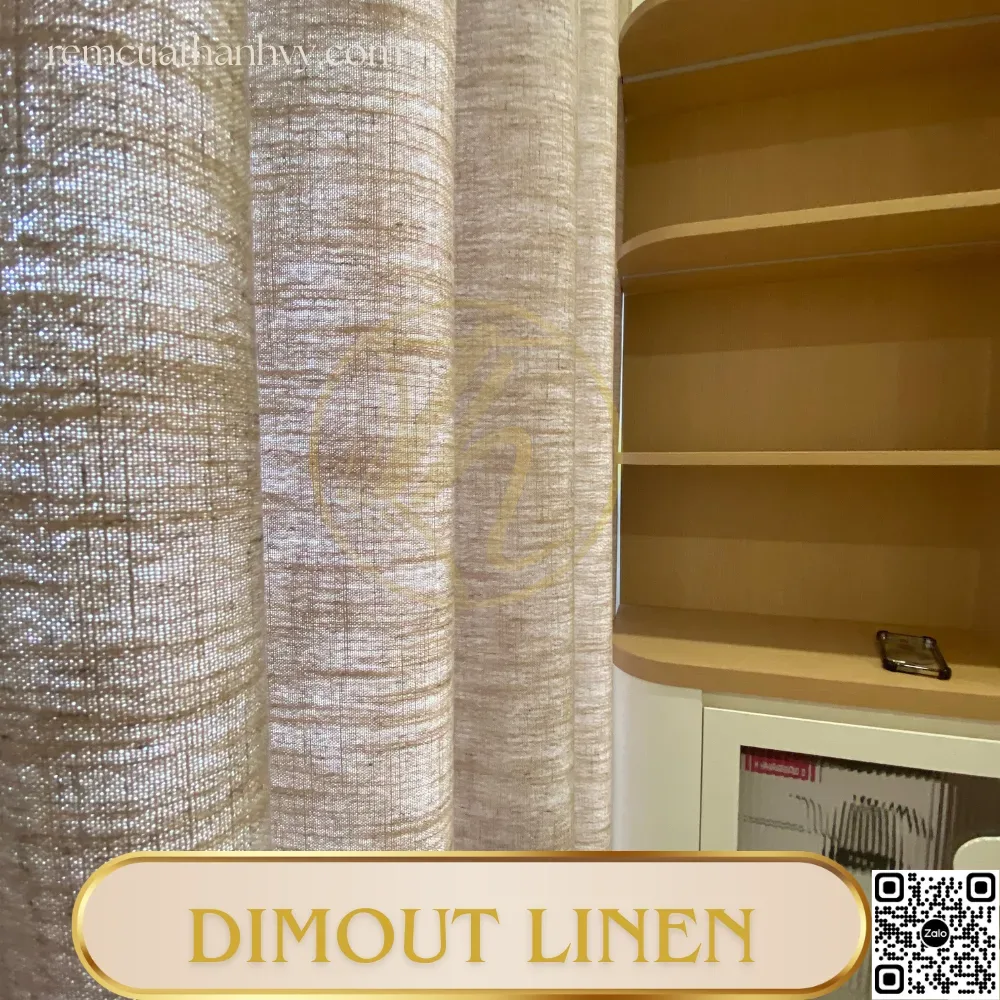
One of the simplest ways to evaluate the quality of linen fabric is to observe the uniformity of the woven threads. Good linen fabric usually has evenly woven threads, a moderately dense weave that is not too sparse to show spotty light leak holes, nor too thick to lose its characteristic soft drape. If you hold the fabric up to the light and see uneven gaps between the woven threads, it may be a sign that the fabric was woven using inconsistent techniques.
If you are considering further options, you can refer to Linen Curtains in Binh Tan: Why Are They So Popular? and Linen Curtains or Rainbow Blinds? Detailed Comparison on Which to Choose to compare before deciding.
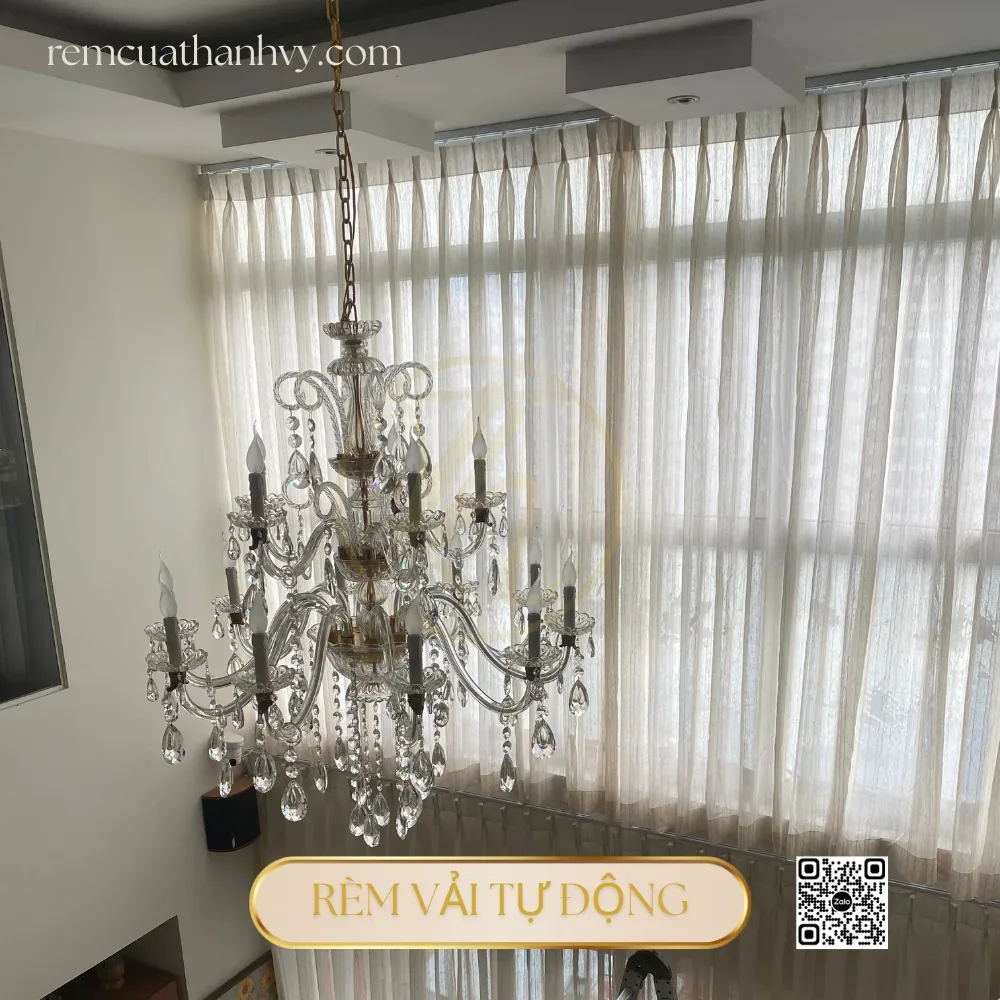
Quick answer: If the fabric is not pre-shrunk before sewing, the finished curtain set may become shorter than its original size after just one or two washings.
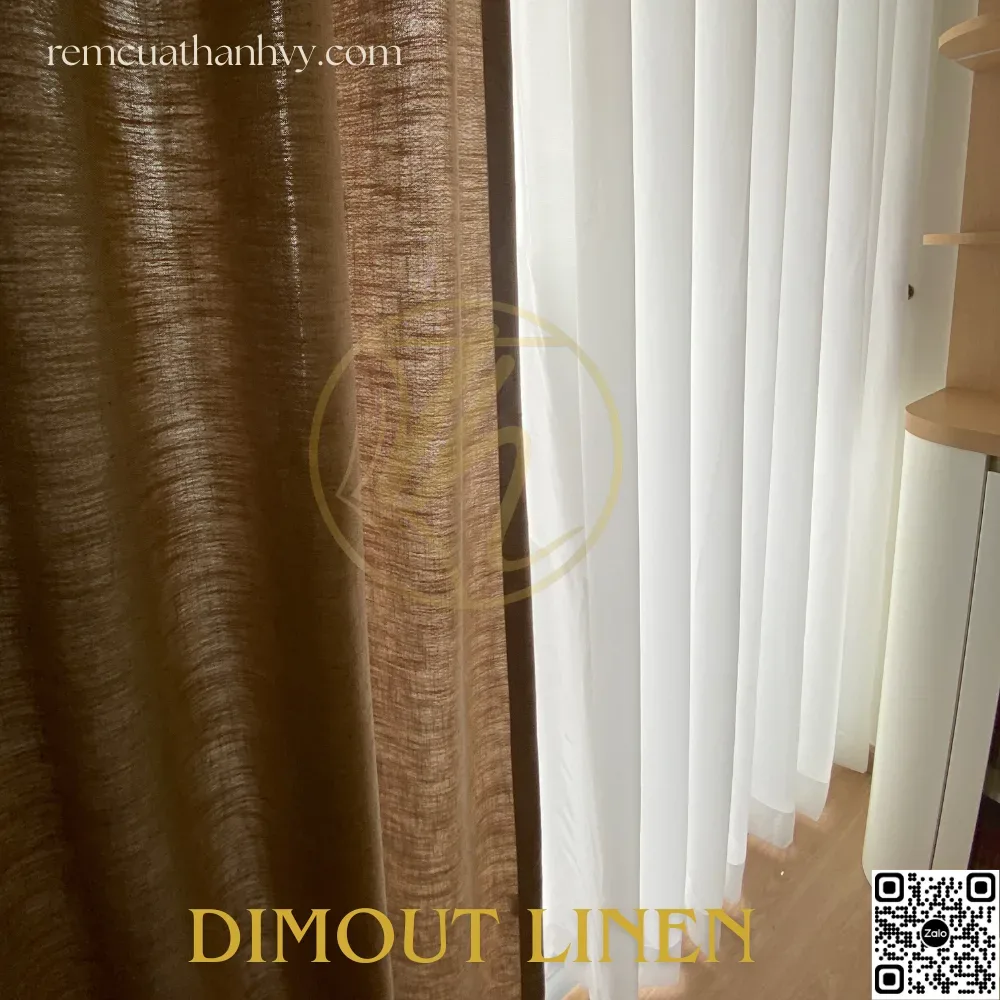
Hand feel is also an important indicator. Good quality linen usually has a slightly rough natural surface that is not stiff or uncomfortable to touch. If the fabric is unusually soft and smooth compared to linen’s inherent characteristics, it may be a fabric blended with more synthetic fibers than actual linen proportion; conversely, if the fabric is too stiff and easily creases when lightly crumpled, the fiber quality may not be reliable for long-term use.
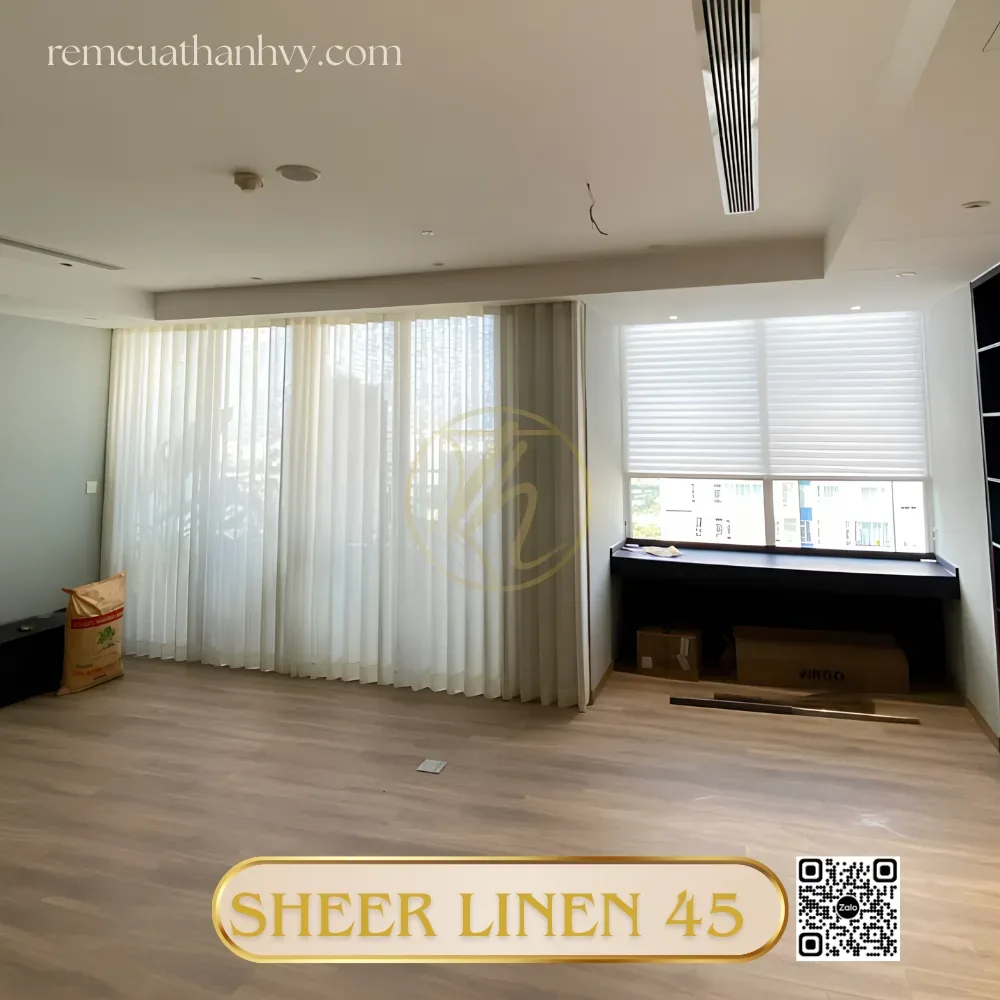
Natural drape should also be tested directly by lightly crumpling a corner of the fabric and letting go to observe how quickly the fabric returns to its original shape. Quality linen fabric has moderate elasticity, neither stiffly wrinkled nor sticking together — this is a factor that directly affects whether the curtain set drapes naturally or sags unevenly over time after sewing. In addition, you should view the fabric color under natural light instead of relying solely on showroom lights, as artificial lighting easily distorts the true color tone.
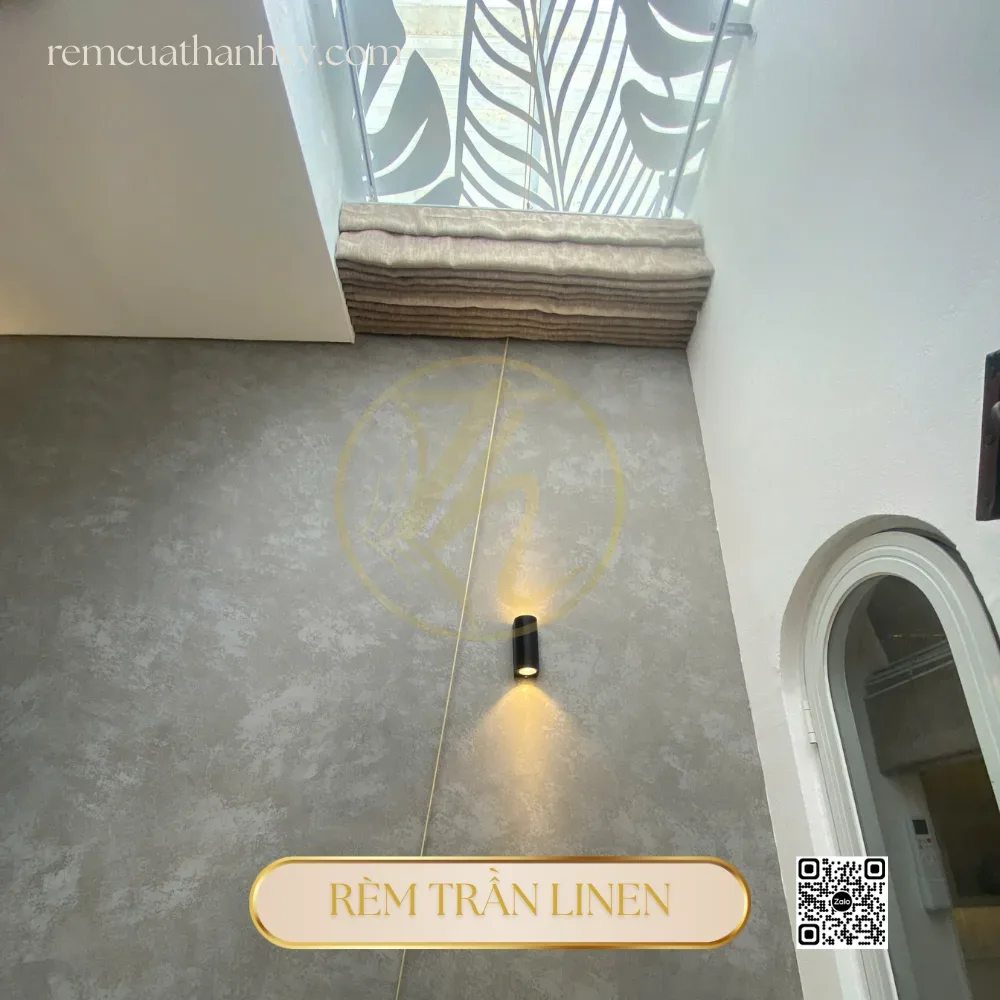
Checking elasticity and wash shrinkage before deciding to tailor curtains
An important characteristic of linen fabric that many curtain buyers overlook is its tendency to shrink after washing or prolonged exposure to high humidity. Natural flax fibers tend to shrink slightly when exposed to water, especially during the first wash. If the fabric is not pre-shrunk before sewing, the finished curtain set may become shorter than its original size after just one or two washings.
Therefore, when choosing linen curtains in Binh Tan, you should ask the tailoring provider clearly whether the fabric has undergone anti-shrinkage treatment. Pre-treated linen fabric is much more dimensionally stable than untreated raw fabric — this is a small technical detail that directly affects whether the curtain set maintains proper proportions with the window frame after long-term use, especially under year-round humid air conditions. You can request to see a small fabric sample that has undergone a test wash to compare with an unwashed sample; the difference in size and wrinkling between the two samples will clearly reveal the stability of the fabric being considered.
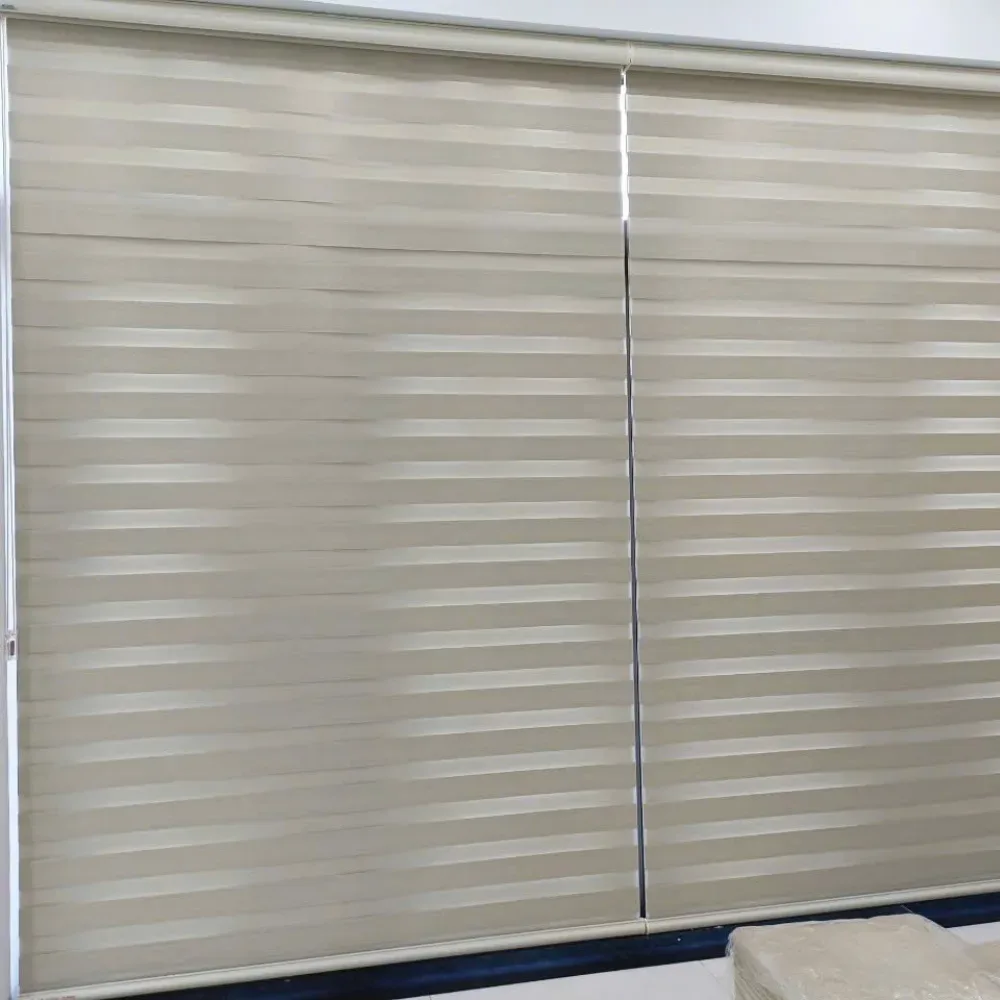
In addition to shrinkage, the fabric’s stretching under gravity when hung for a long time must also be considered, as some loosely woven linen types may stretch slightly vertically after being hung fixed for an extended period. Selecting the appropriate thickness and weave type right from the beginning will significantly help limit this issue.
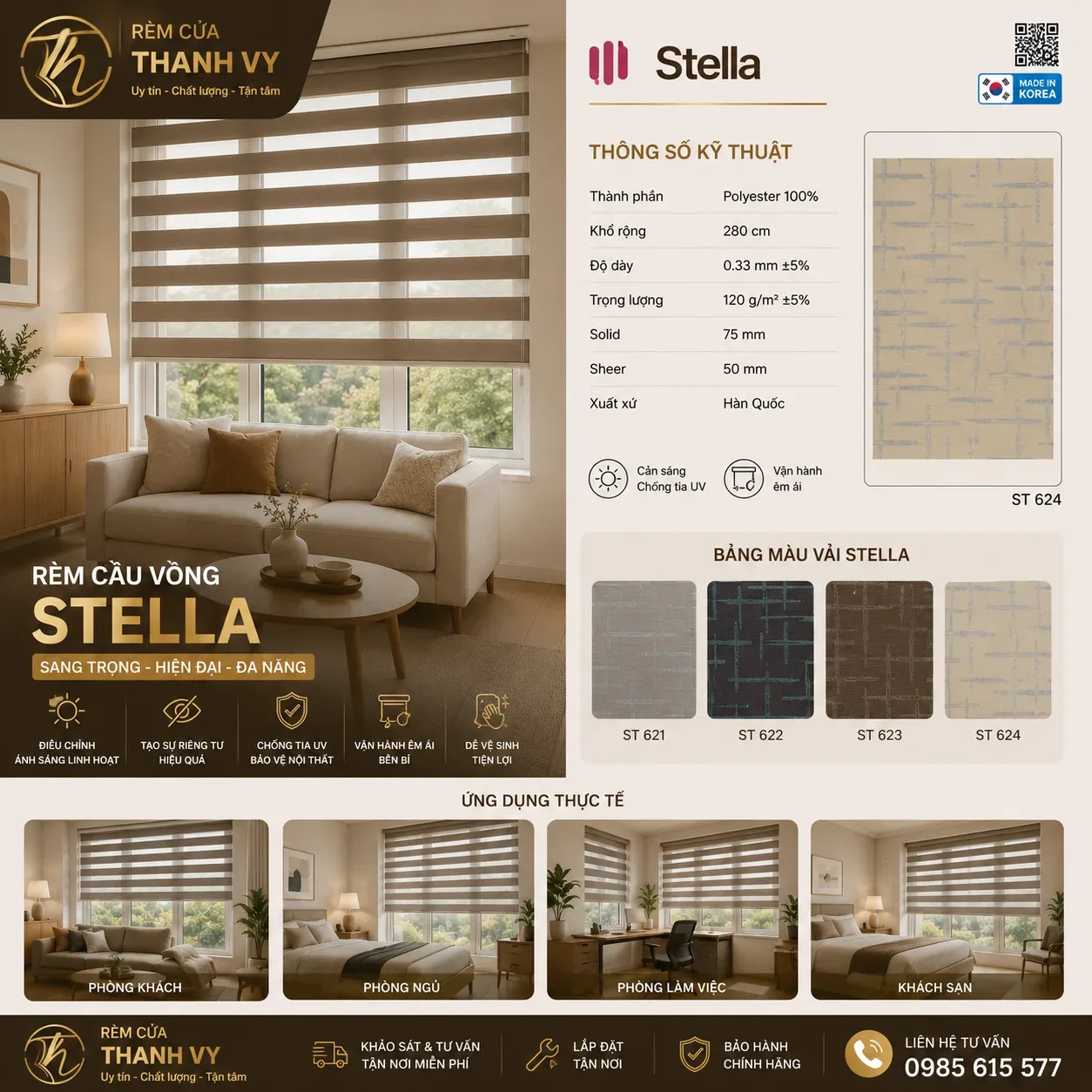
Selecting linen curtain thickness suitable for the hot, humid climate and sun direction of homes in Binh Tan
Not all linen fabric thicknesses are suitable for every window location. For rooms exposed to harsh afternoon sunlight, linen fabric that is too thin may not adequately soften light and heat, leaving the space hot despite hanging curtains. Conversely, for areas that only need soft lighting and an airy feel, excessively thick fabric can ruin linen’s inherent lightweight character.
Given Binh Tan’s typical hot and humid climate, medium-thickness linen fabric should be prioritized for shared living spaces such as living rooms, ensuring natural light filtering while reducing harsh glare during peak sunny hours. For bedrooms or areas requiring better privacy and light control, consider adding an inner lining layer rather than merely increasing the main linen layer’s thickness. High humidity is also a factor to keep in mind: overly thick linen fabric in humid environments takes longer to dry after cleaning and easily retains odors if not dried in a well-ventilated space.
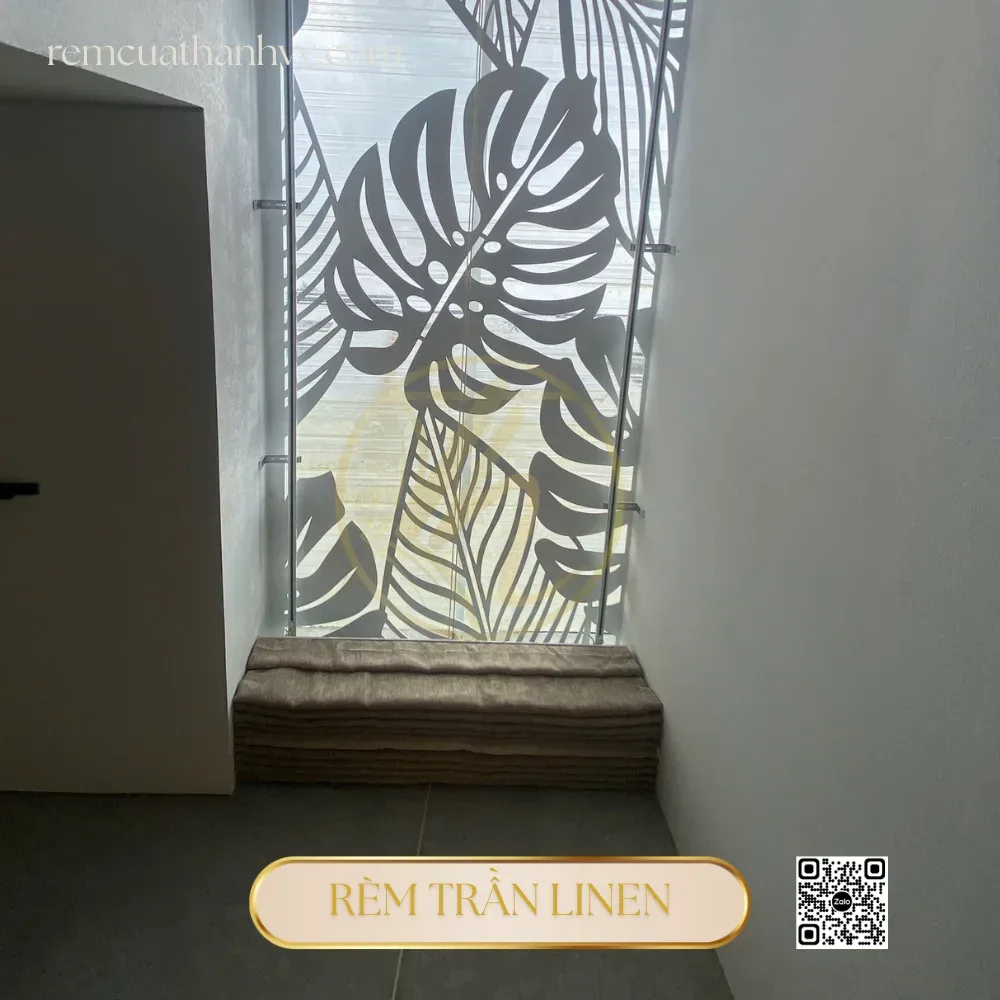
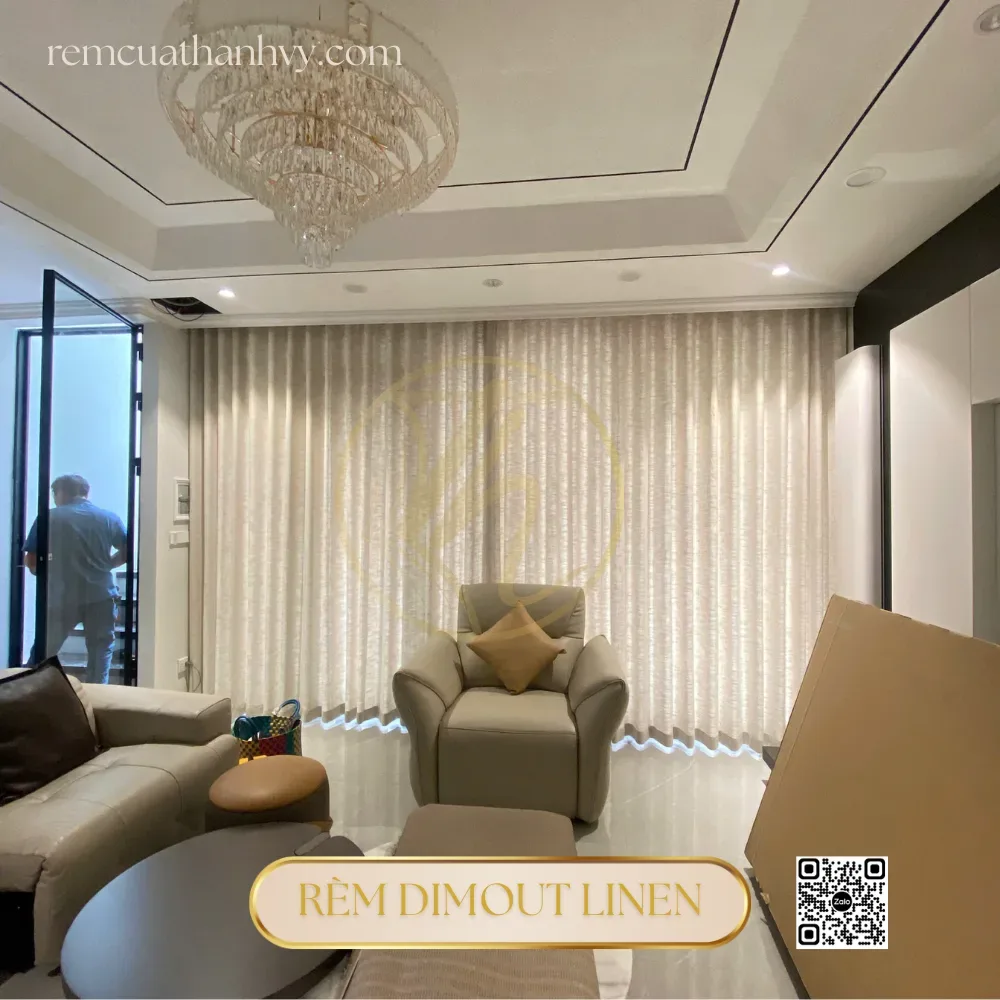
A practical approach is to clearly describe to the curtain tailor the sunlight direction for each window, the peak sunlight hours of the day, and the desired privacy level for each room. From this information, selecting the appropriate linen fabric thickness will be far more accurate than picking solely based on feelings when viewing samples in a showroom with lighting conditions completely different from your actual home.
Color matching and tailoring styles to ensure linen curtains maintain long-lasting beauty
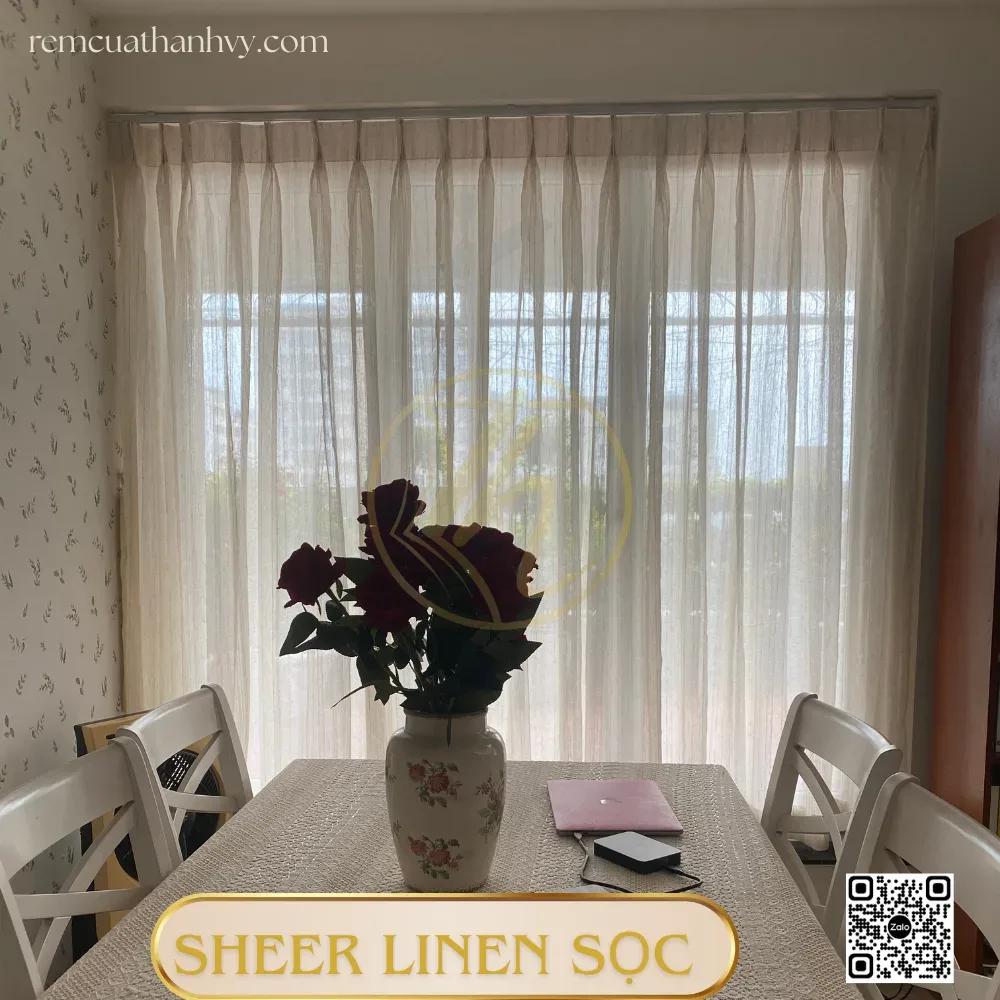
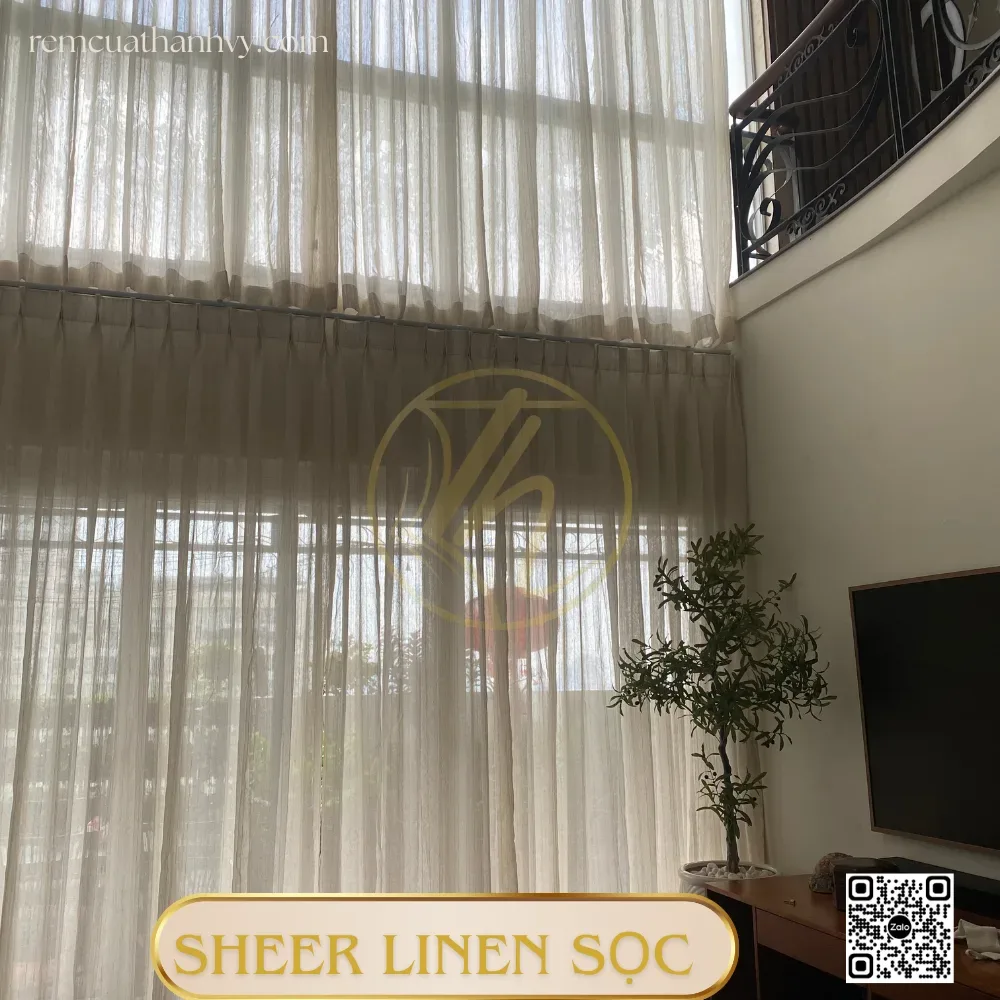
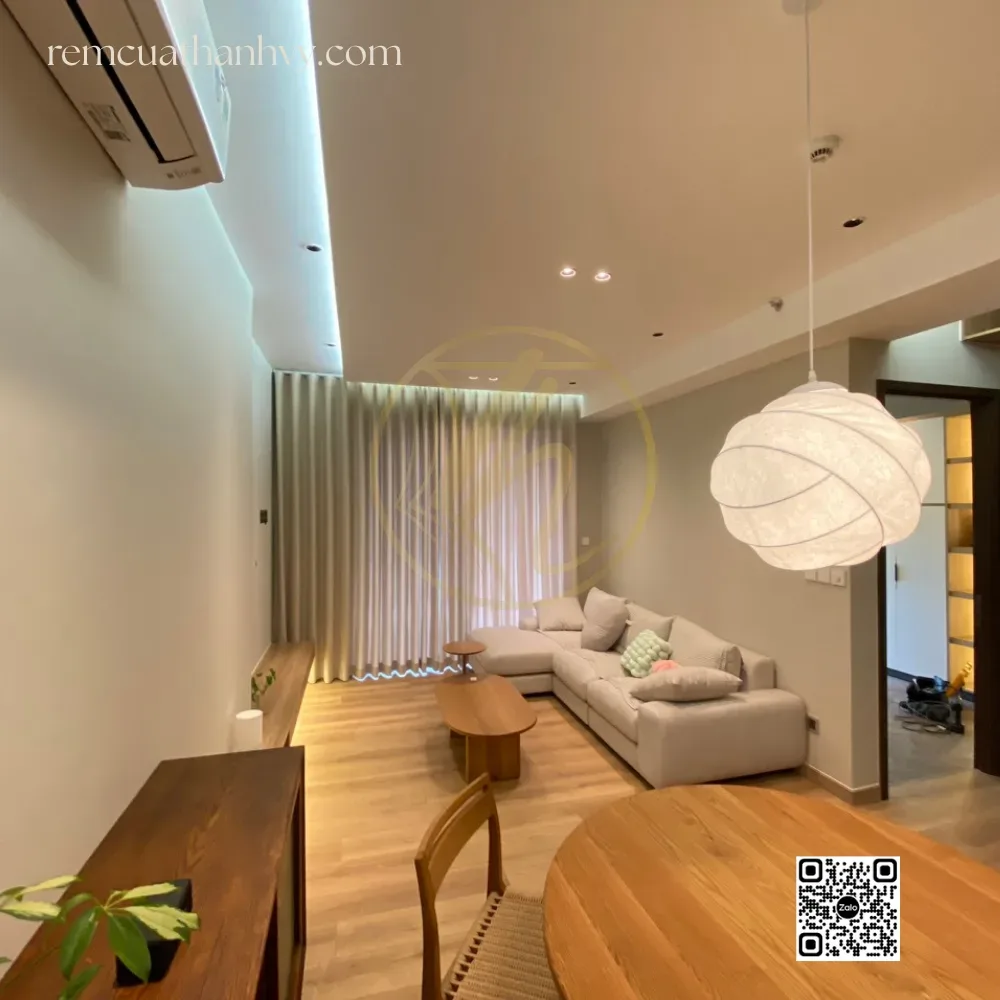
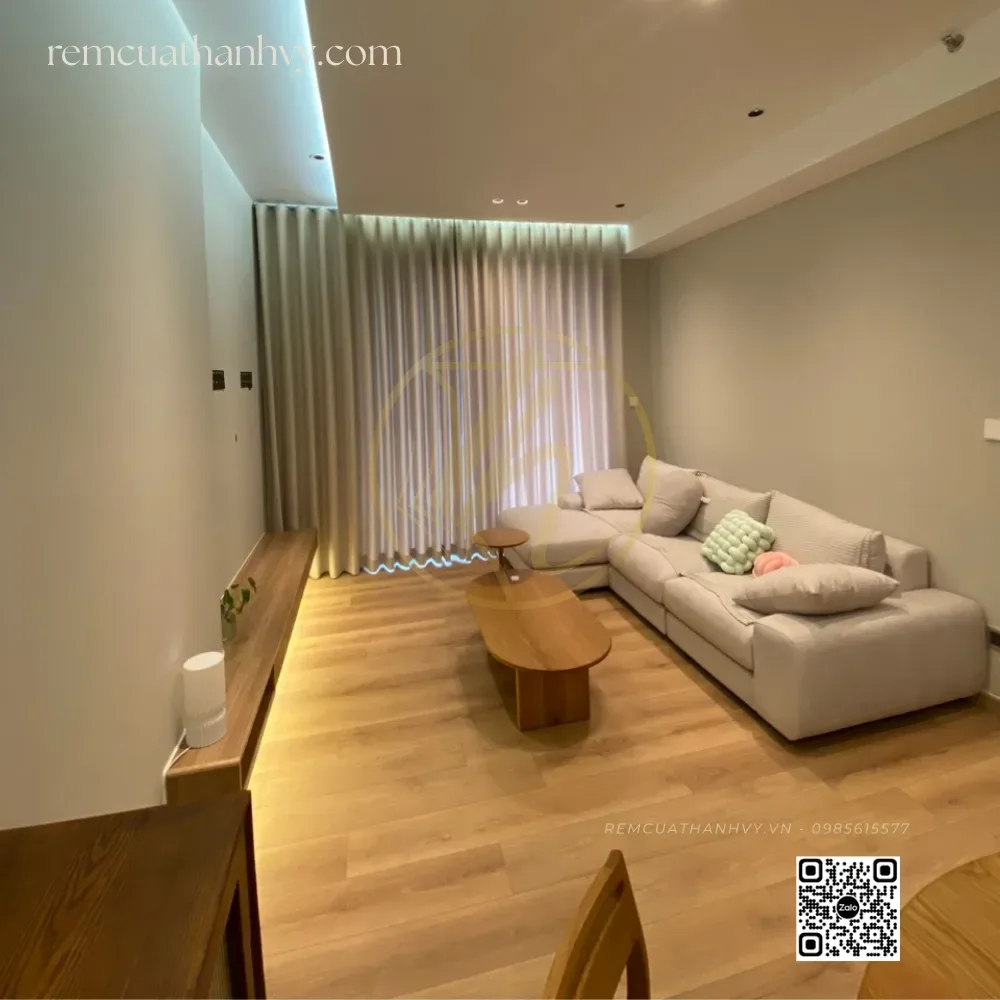
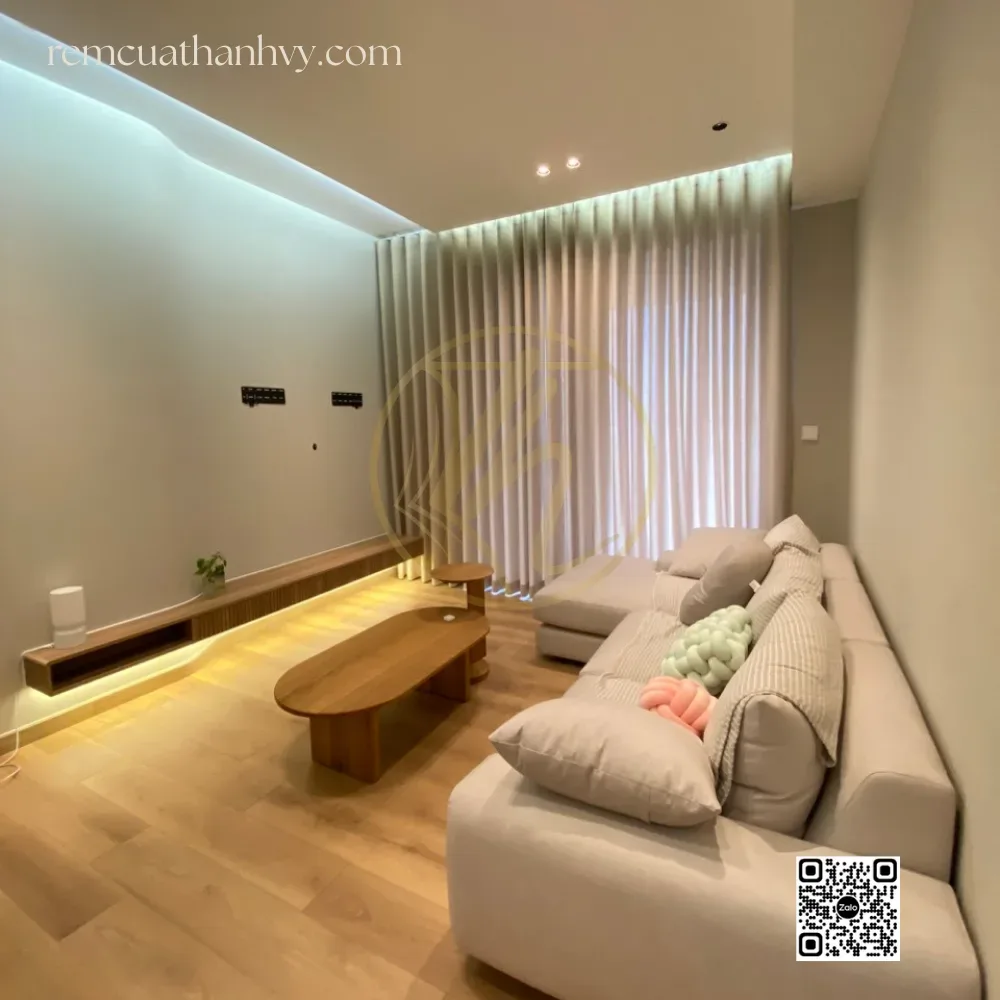
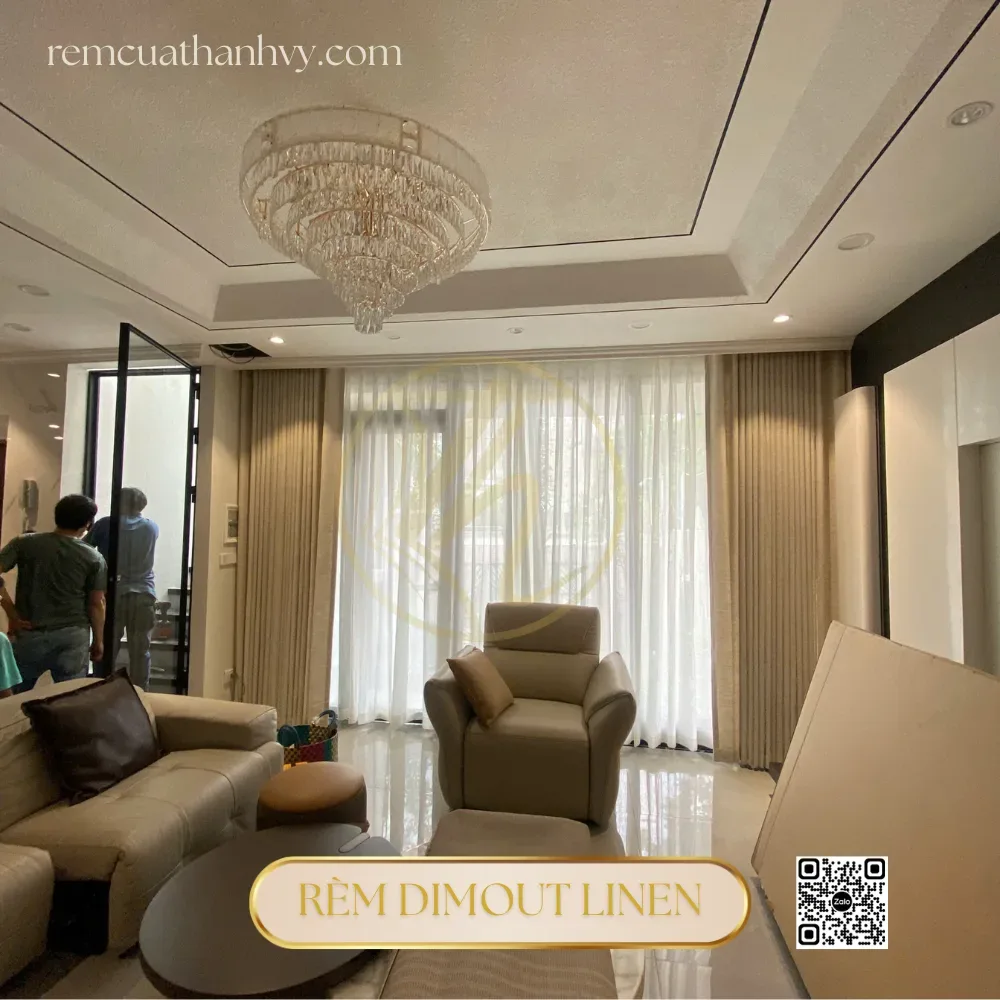
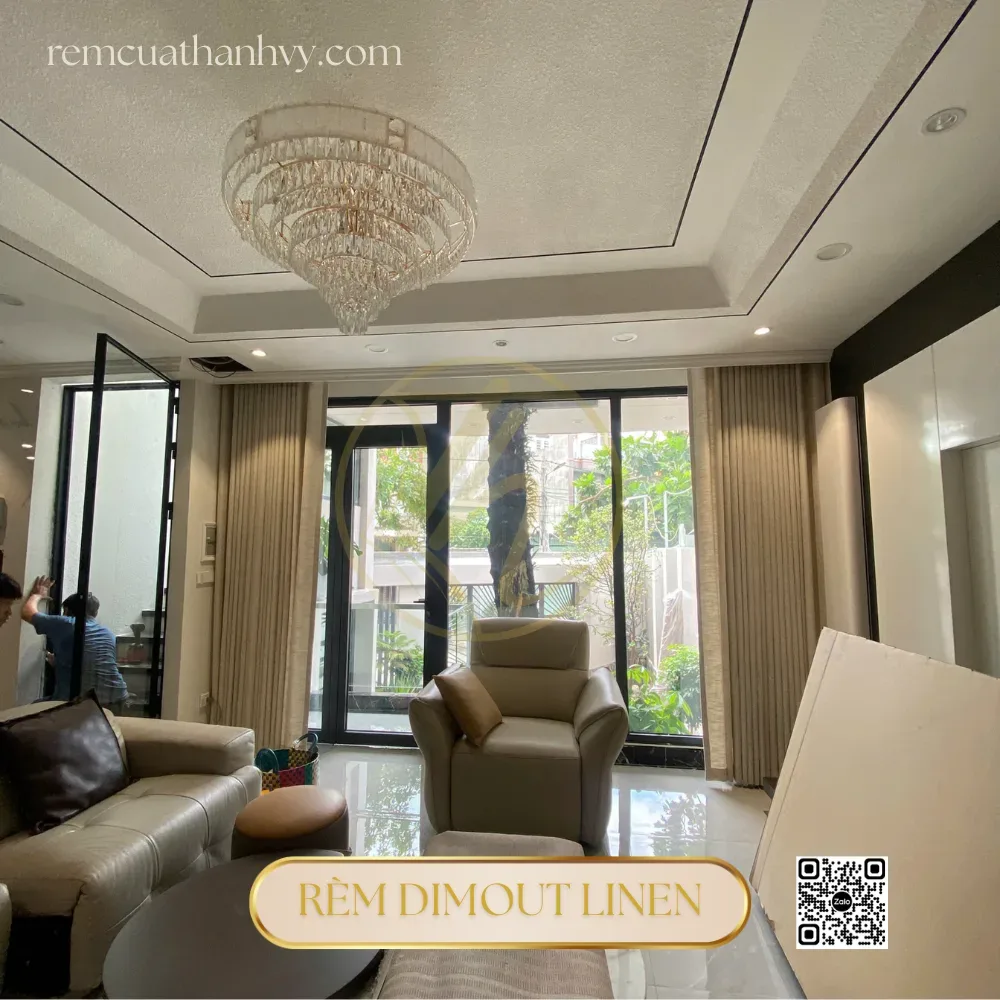
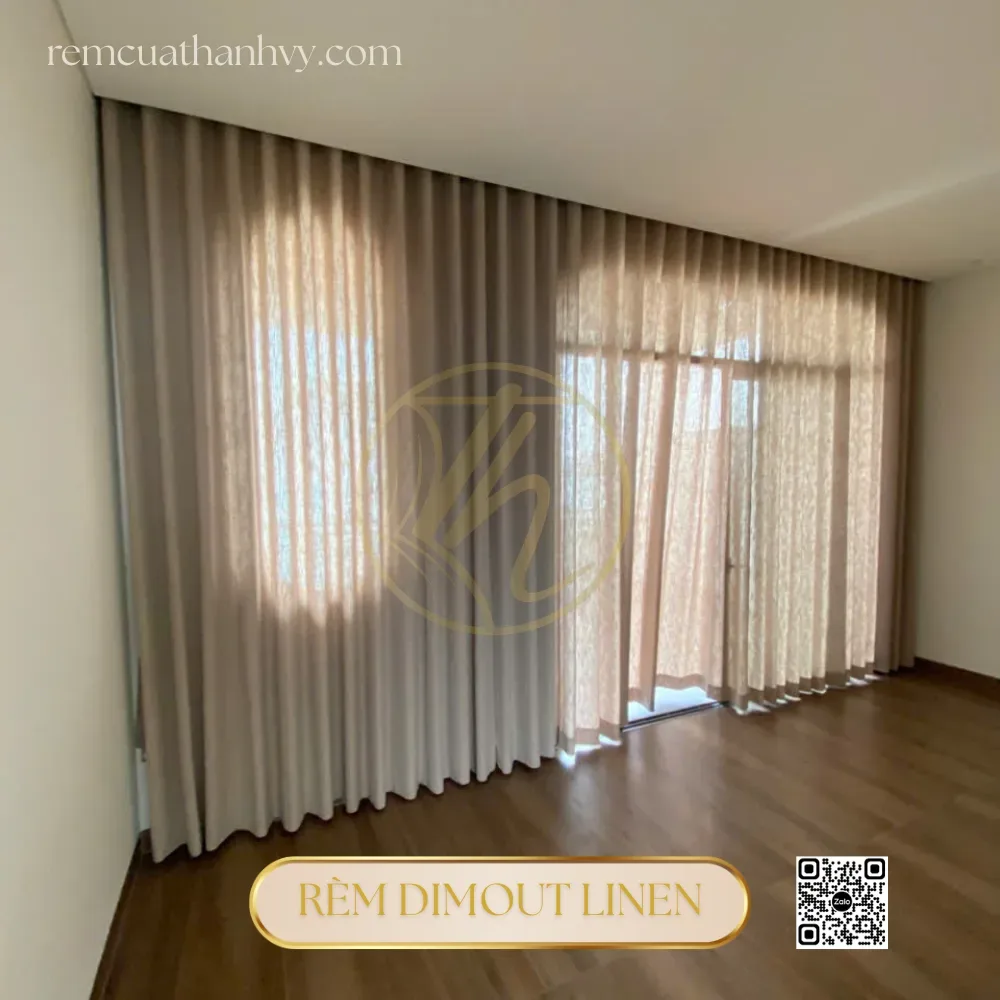
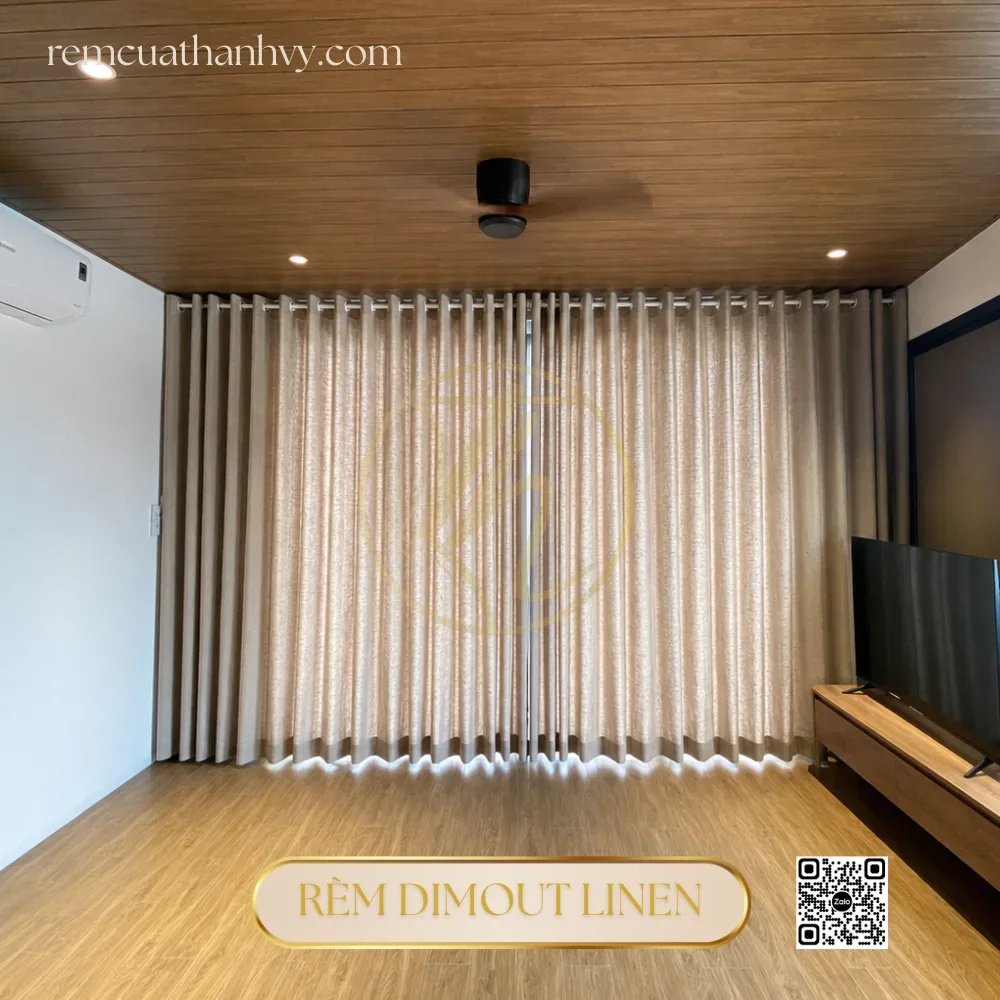
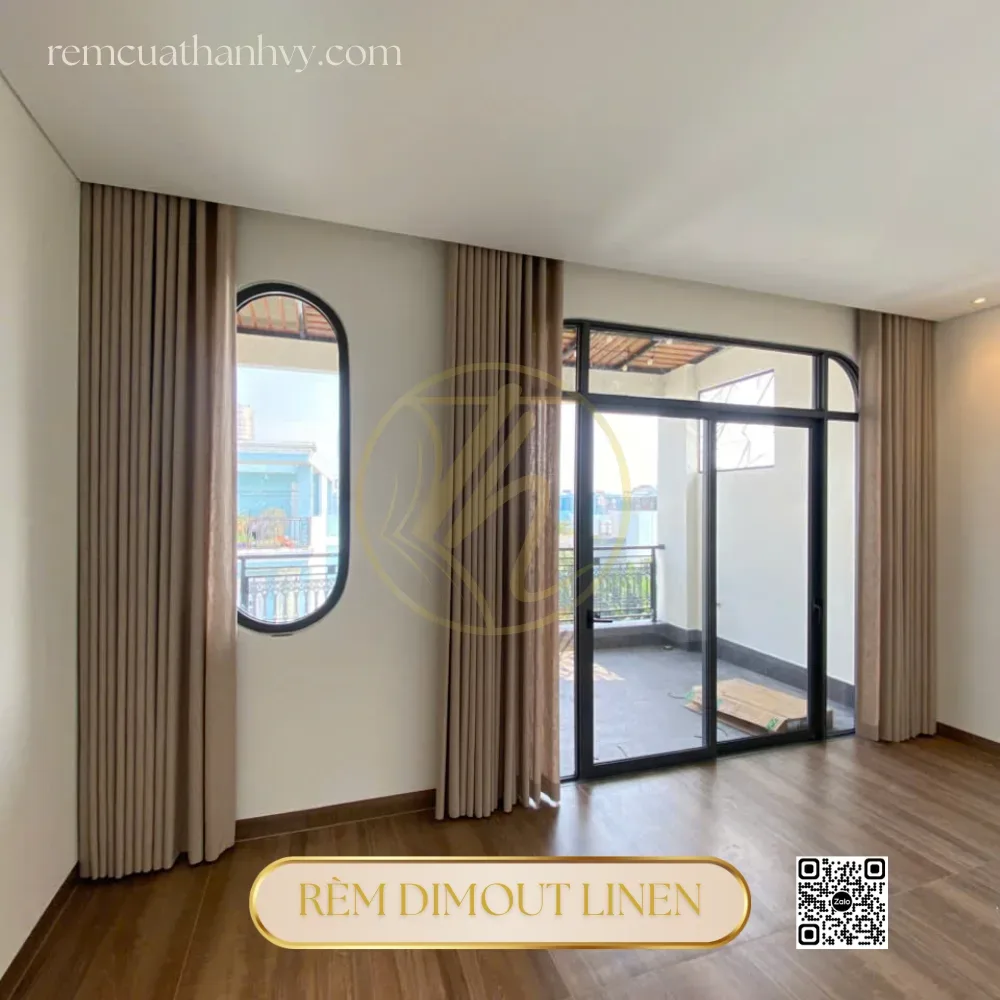
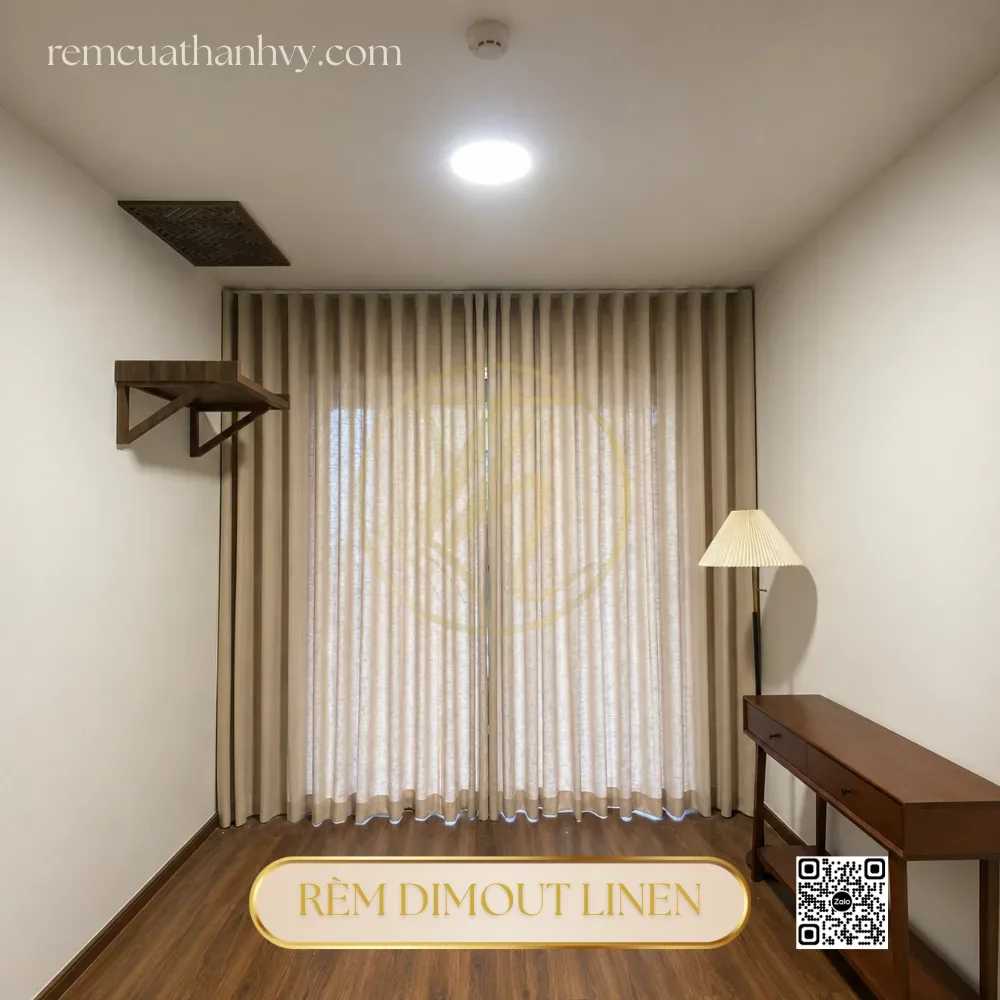
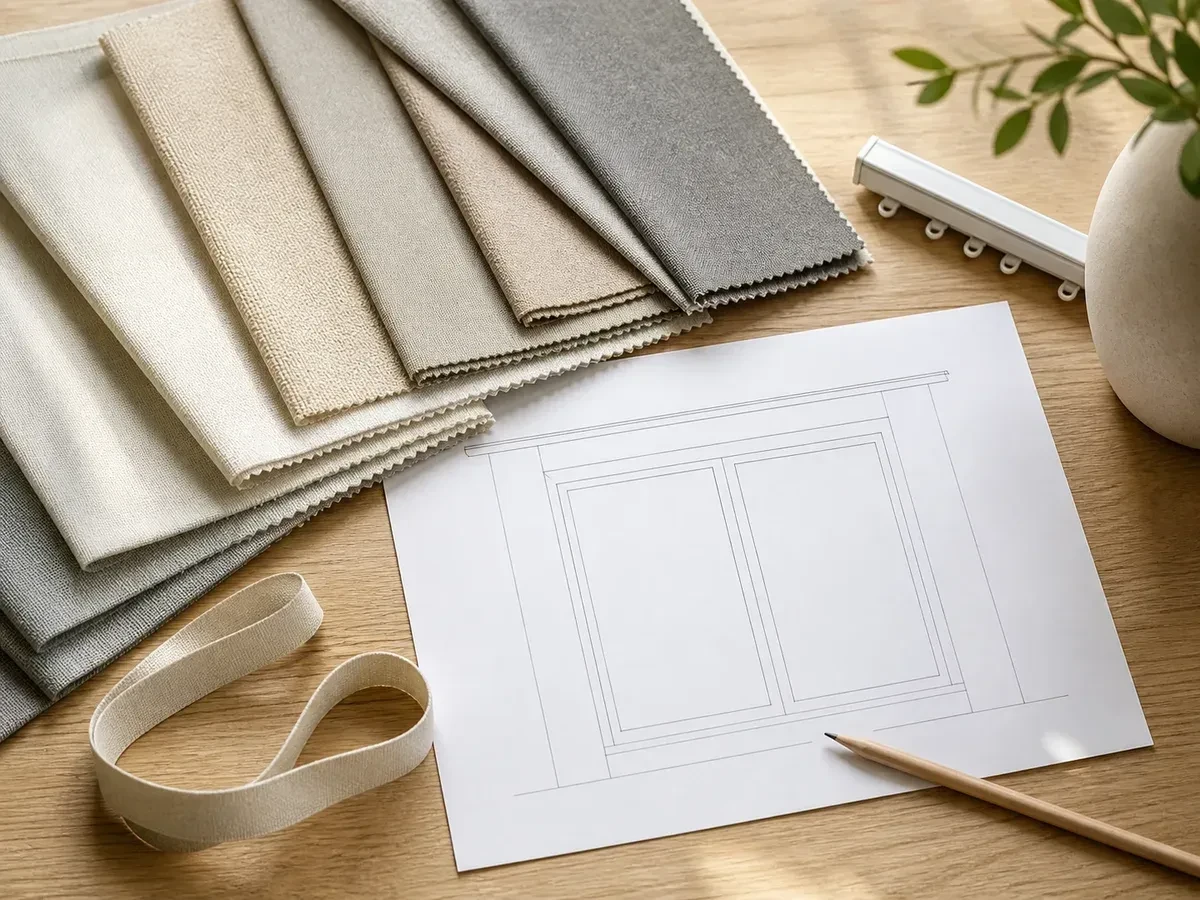
The color of linen curtains affects not only overall aesthetics but also long-term color retention. Neutral tones such as beige, ivory, light gray, or earthy brown are usually safe choices because they show fewer signs of fading when exposed to prolonged sunlight, whereas darker tones or more complex dyed colors may look beautiful initially but tend to fade unevenly if the fabric lacks stable dye treatment.
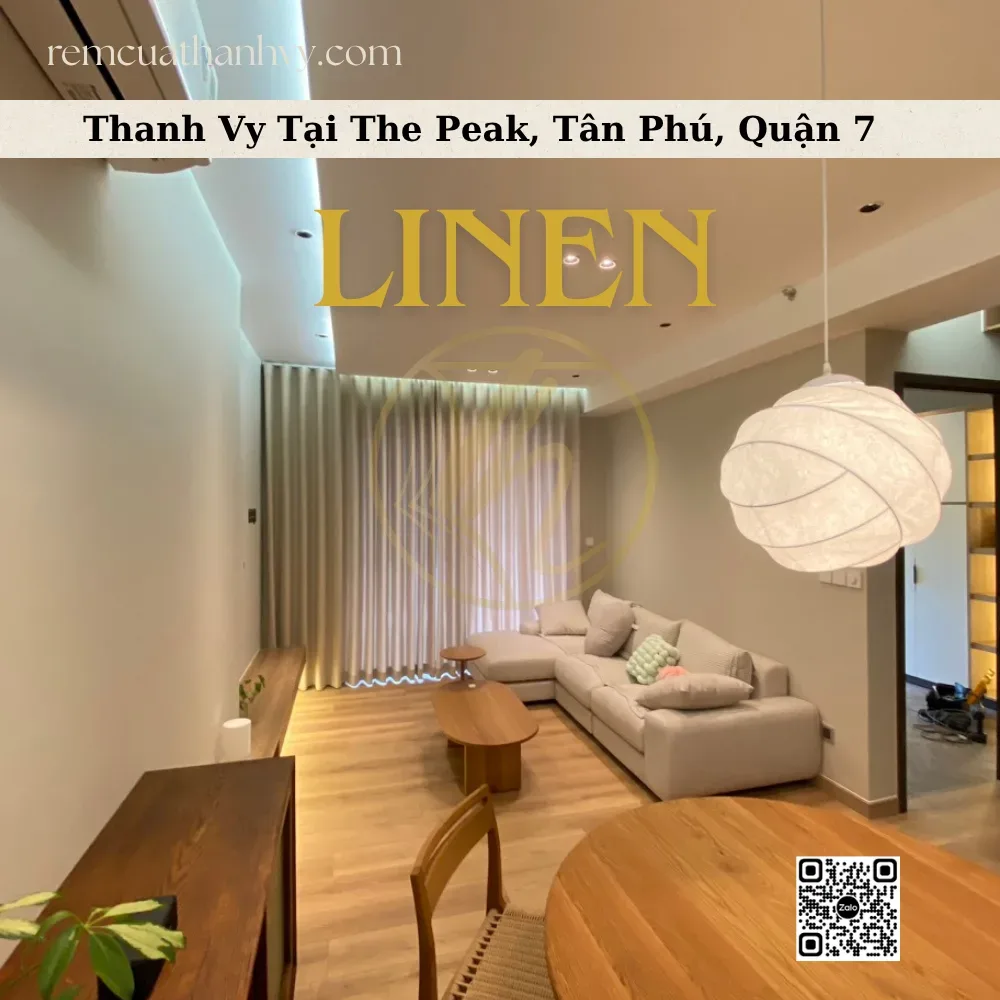
When coordinating linen curtain colors with the interior space, consider the wall color, flooring color, and main light tone in the room rather than viewing the fabric color in isolation, because a bright linen shade might look stunning in photos, but when placed against a cool-colored wall or under yellow lighting, the overall color scheme may clash more than expected.
Regarding tailoring styles, simple styles with minimal fussiness tend to remain beautiful longer because they have fewer fragile components like complex ruffles or multi-layered decorations. The stitching along the top, bottom, and side edges also needs sturdy reinforcement, as these are the areas that bear the most stress when curtains are frequently drawn open and closed.
Proper cleaning and maintenance for linen curtains to prevent pilling and shrinkage
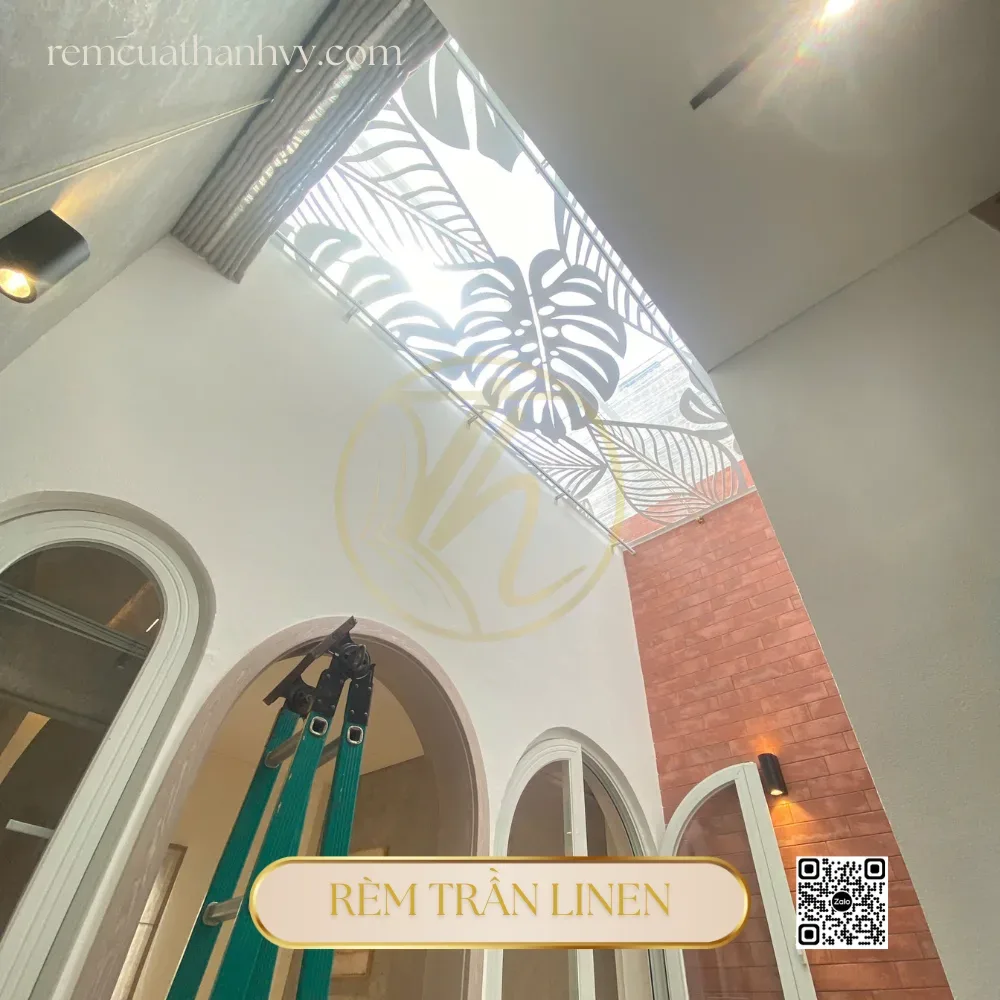
Proper cleaning is the primary factor determining whether linen curtains maintain long-term beauty, even when high-quality fabric was chosen from the start. Priority should be given to washing on a gentle cycle in cold or lukewarm water rather than hot water, as high temperatures are the main cause of rapid flax fiber shrinkage. Wringing or twisting forcefully after washing should also be limited as it easily distorts the fibers; instead, let the fabric drain naturally and hang it to dry in a breezy spot, avoiding prolonged direct sunlight which speeds up fading.
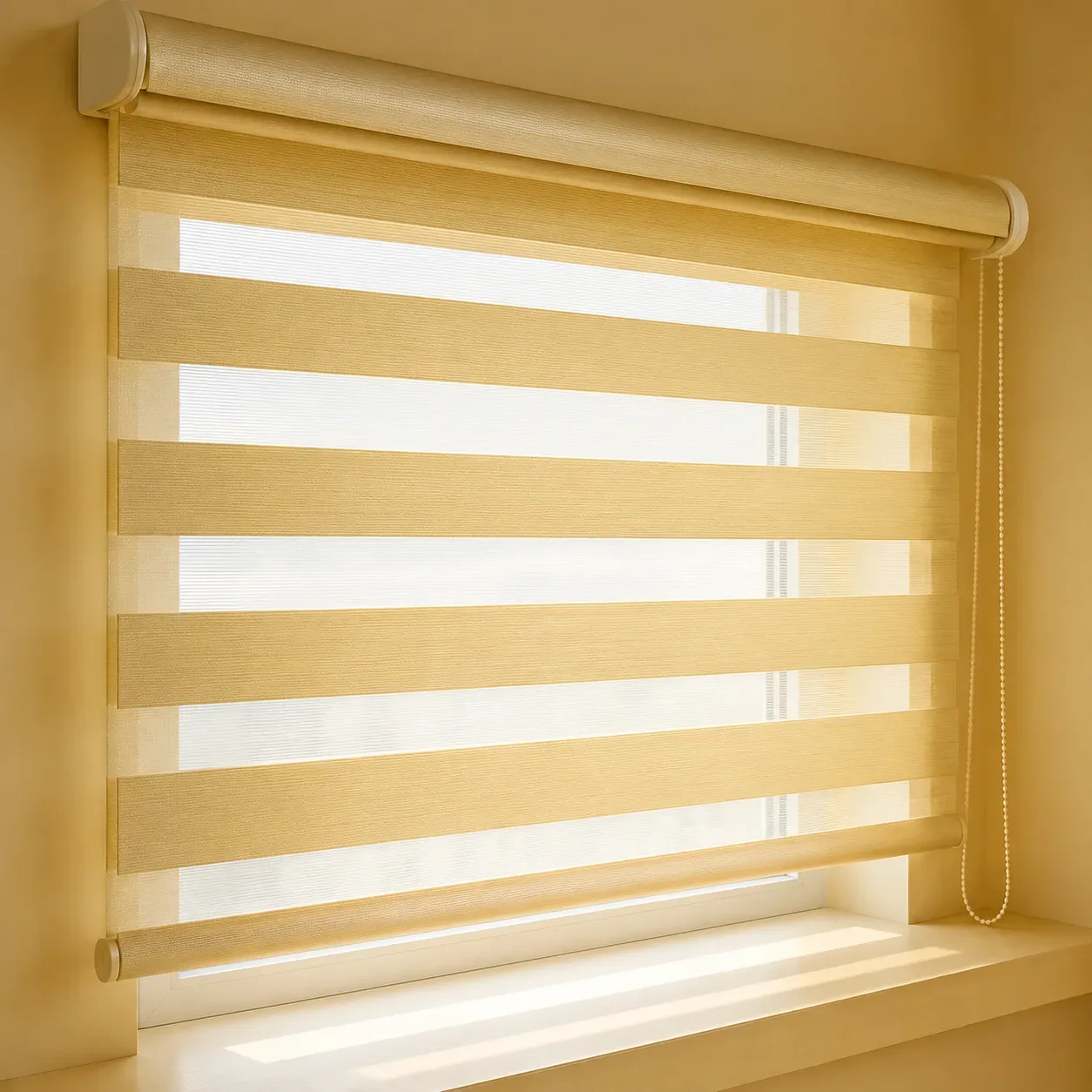
During extended high-humidity conditions, linen curtains must be fully dried before hanging back up to prevent mold, mildew, or unpleasant odors from building up in the fibers. If the hanging area has poor ventilation, clean regularly and check the fabric surface more frequently. If you have young children or pets, also pay attention to the pull cord position or operating mechanism when cleaning and rearranging, avoiding loose cords hanging within reach of children.
To reduce surface pilling, avoid rubbing aggressively directly on the fabric when spot-cleaning stains; instead, gently dab with a soft cloth and treat as early as possible while the stain is fresh, since letting stains dry for days before scrubbing aggressively will degrade the fabric surface faster than necessary.
Common mistakes when self-selecting linen curtains without thorough consultation
A common mistake is selecting linen curtains solely based on sample images online without inspecting the actual fabric quality, thickness, and hand feel in person. Images can be affected by shooting light, color editing, or camera angles, easily causing buyers to have incorrect expectations about the actual result when the fabric is tailored into curtains and hung in their home.
A second mistake is ignoring the specific climate and sun direction of each room, choosing the same fabric type and thickness for all windows throughout the house, even though each room has different lighting and privacy needs. A third mistake is failing to ask clearly about pre-shrinkage treatment before tailoring; many people only discover this issue after washing the curtains for the first time and seeing dimensions shift from the original, whereas this detail should be discussed clearly during the fabric selection stage.
The final mistake is choosing overly elaborate tailoring styles just because they look attractive in pictures without considering long-term durability. Intricate decorative details are usually harder to clean, prone to earlier damage, and do not always suit the natural soft drape of linen fabric. The safest approach remains discussing your actual room usage needs thoroughly with a consultation unit before finalizing the plan. You can further consult the characteristics of linen fabric to better understand the material side.
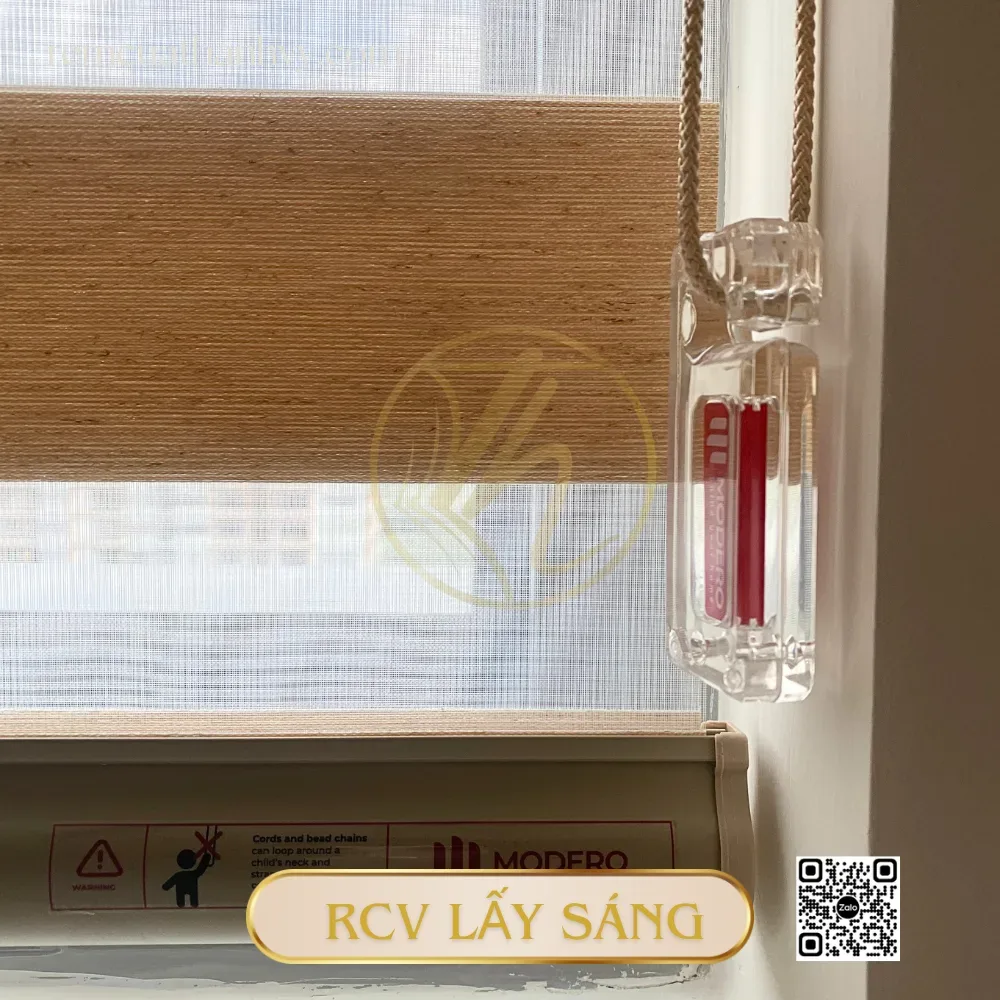
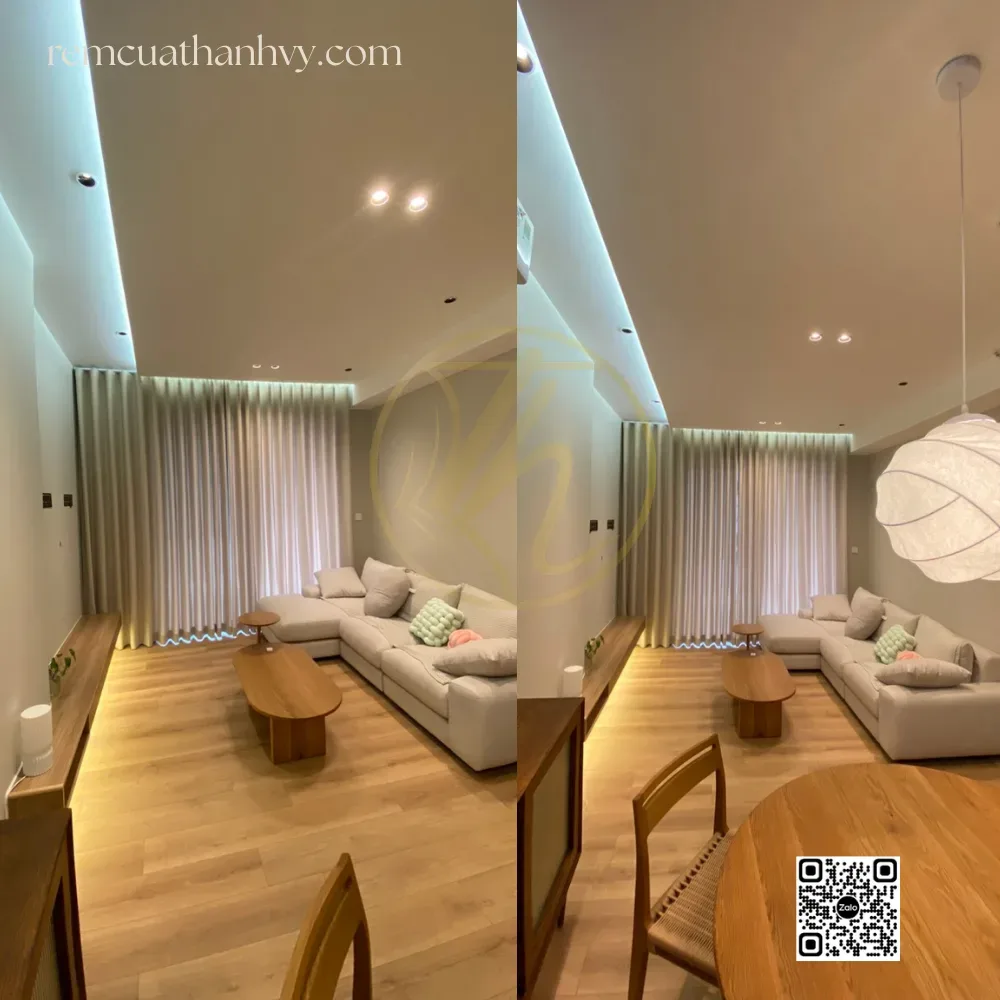
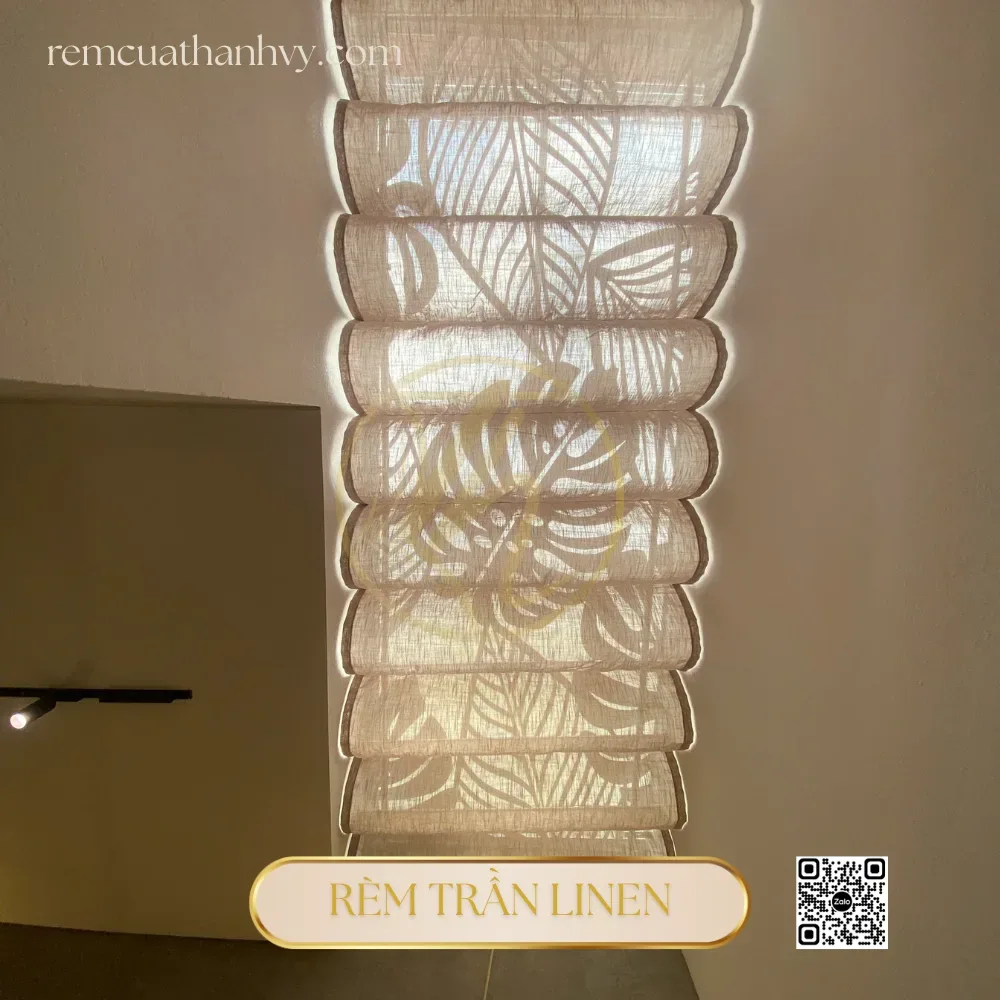
Curtain Models Recommended for Installation in Binh Tan
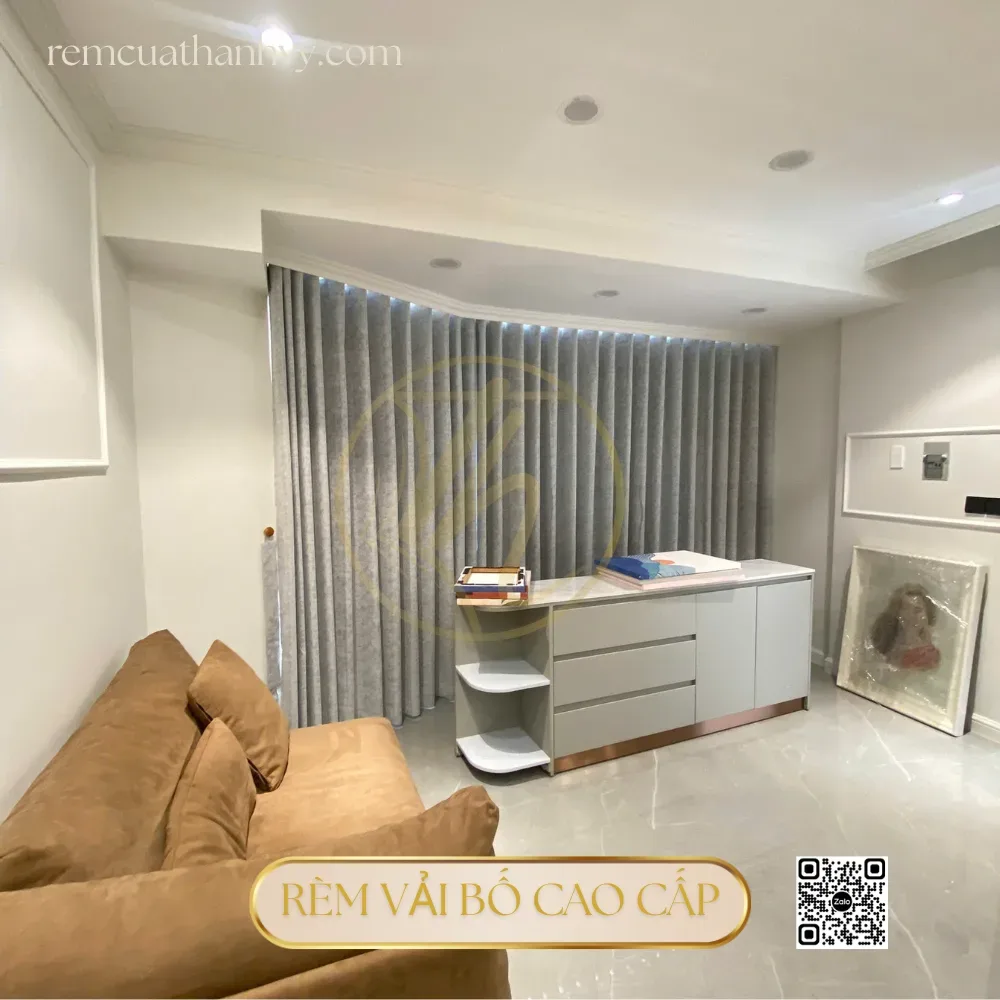
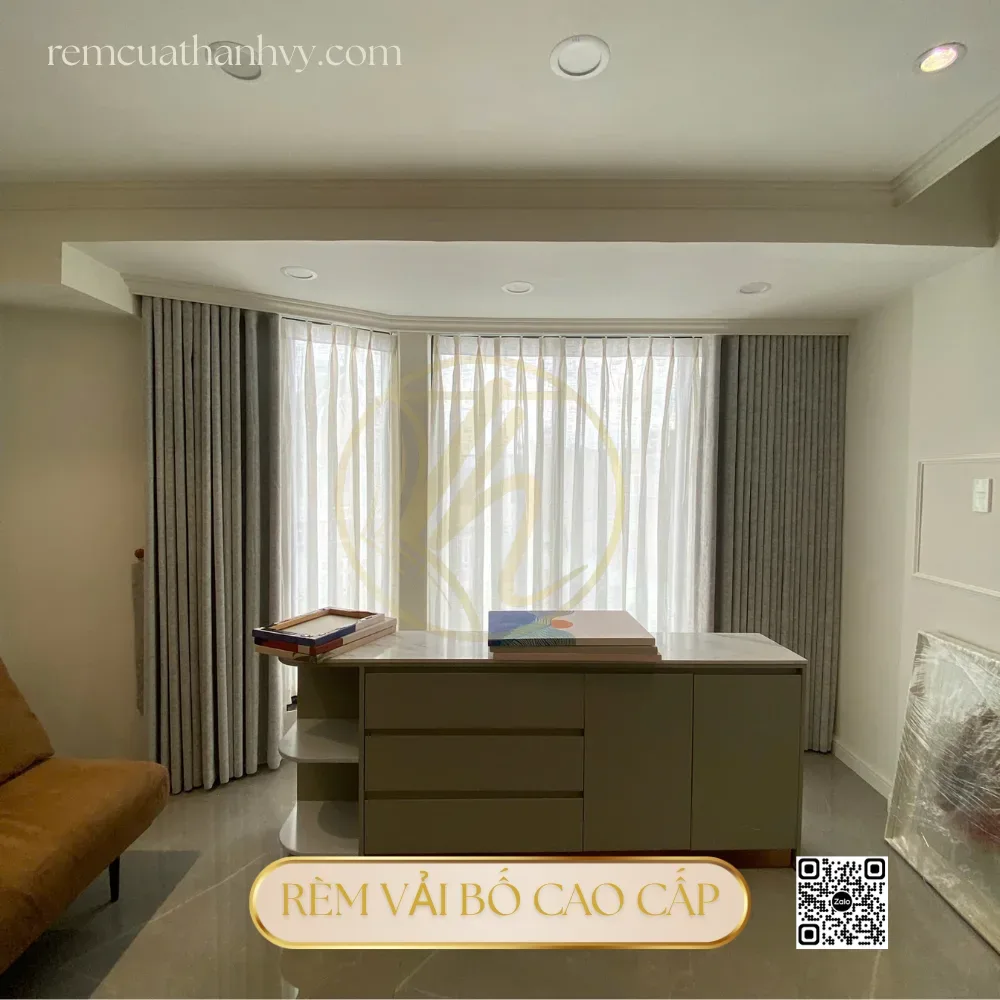
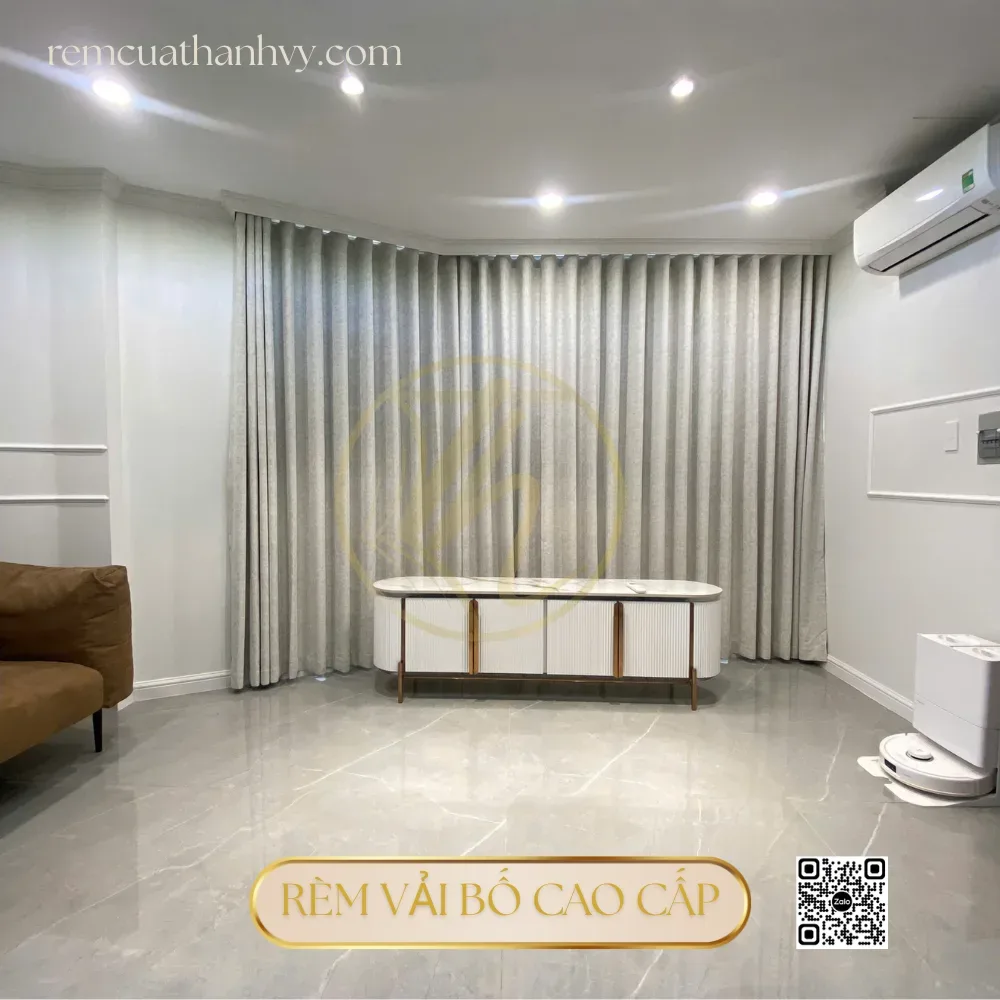
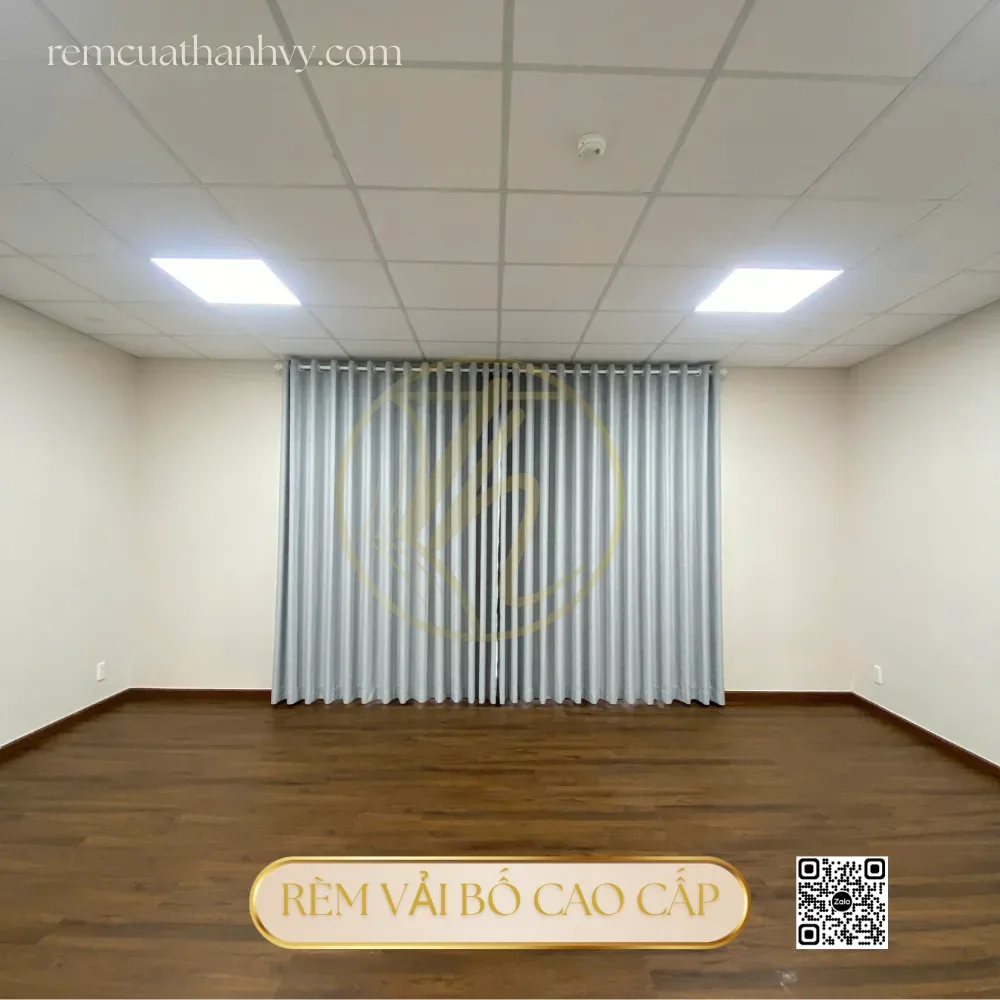
Below are real product categories available at Rem Cua Thanh Vy, organized by popular usage needs in the Binh Tan area.
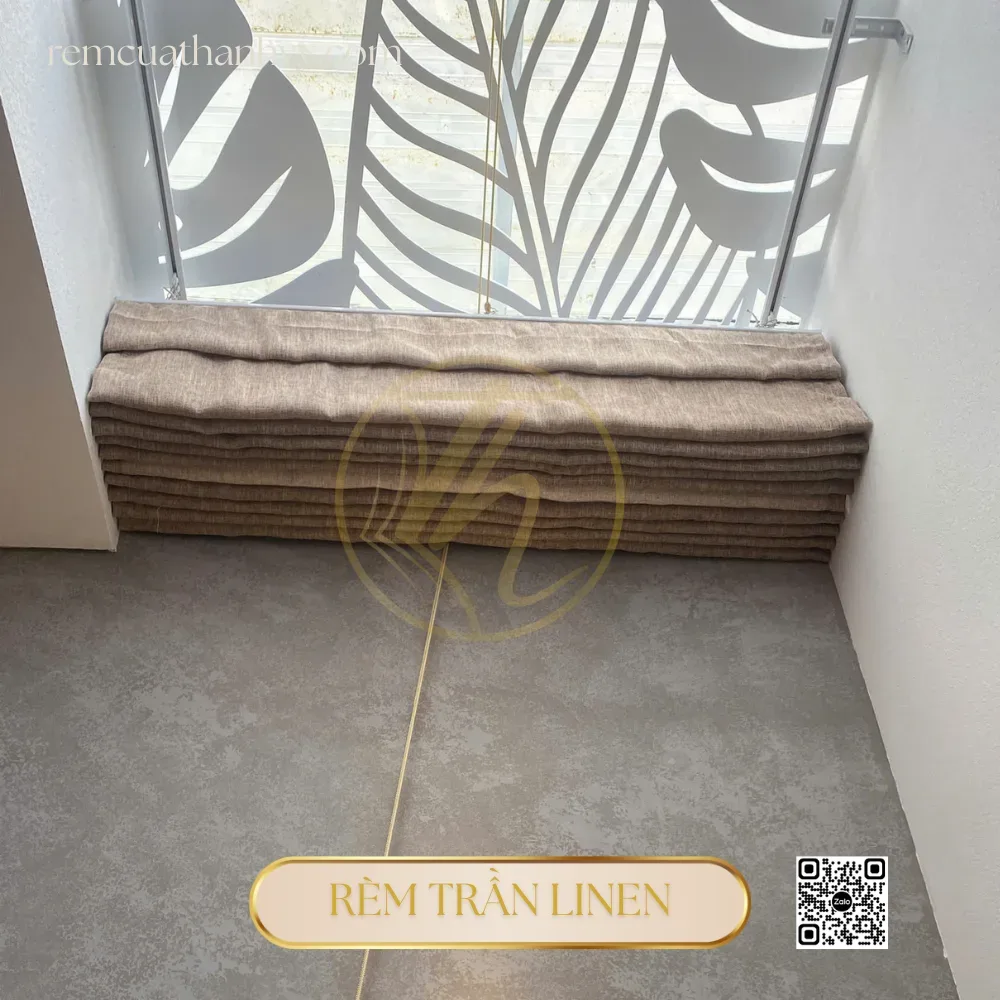
Send your dimensions and needs, and the Thanh Vy Curtains team will advise on options and quote for your actual space.
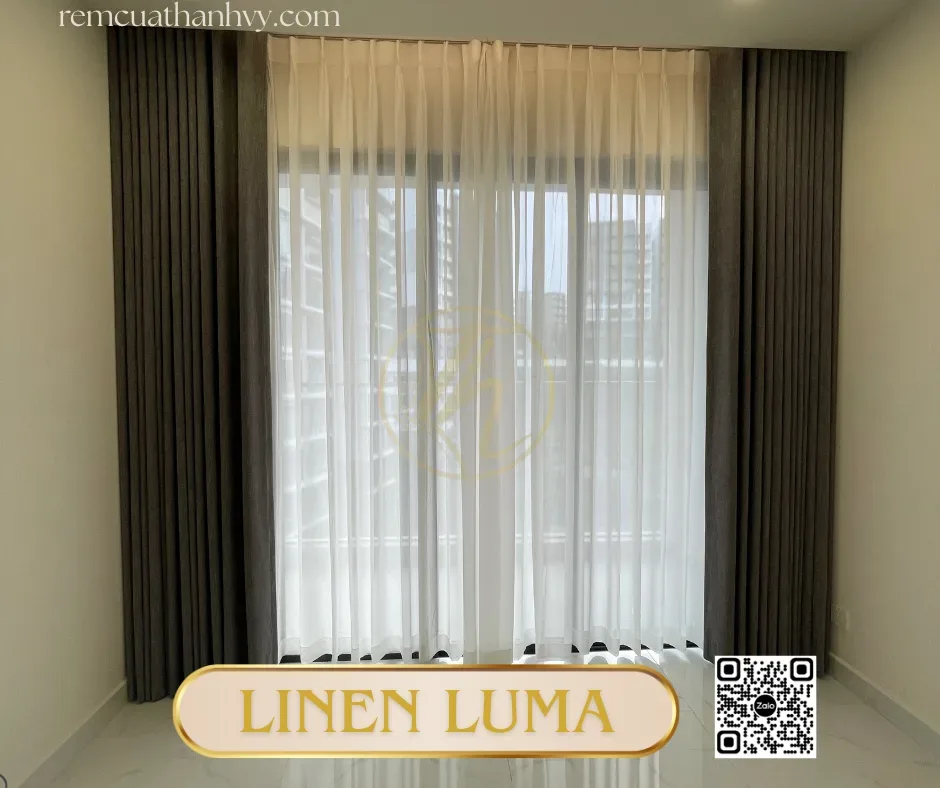
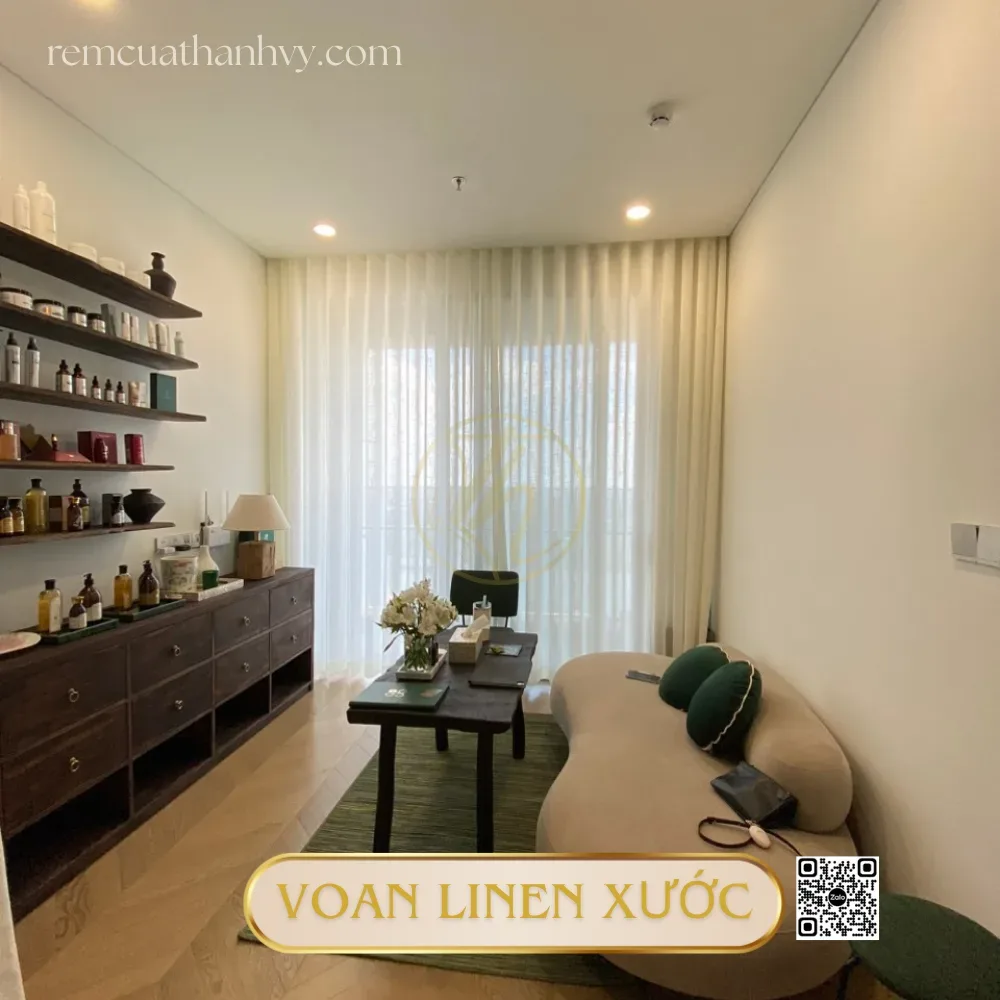
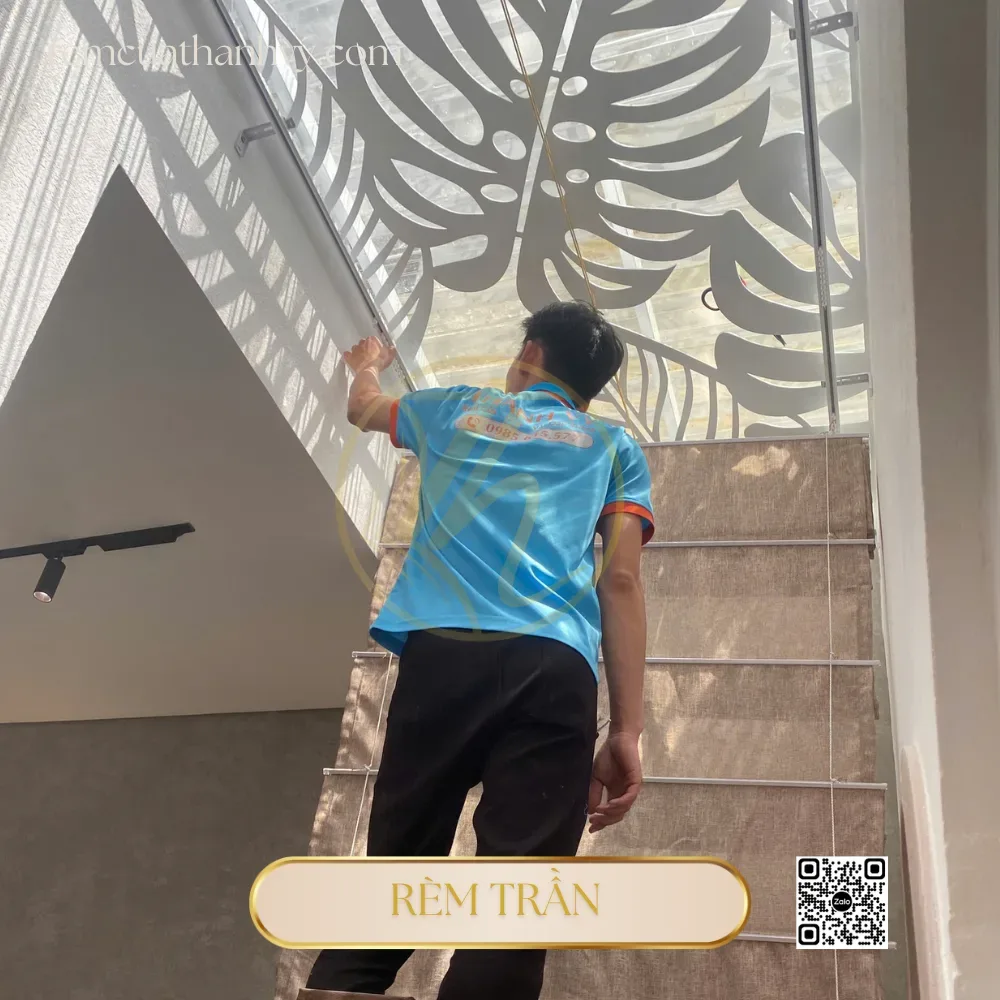
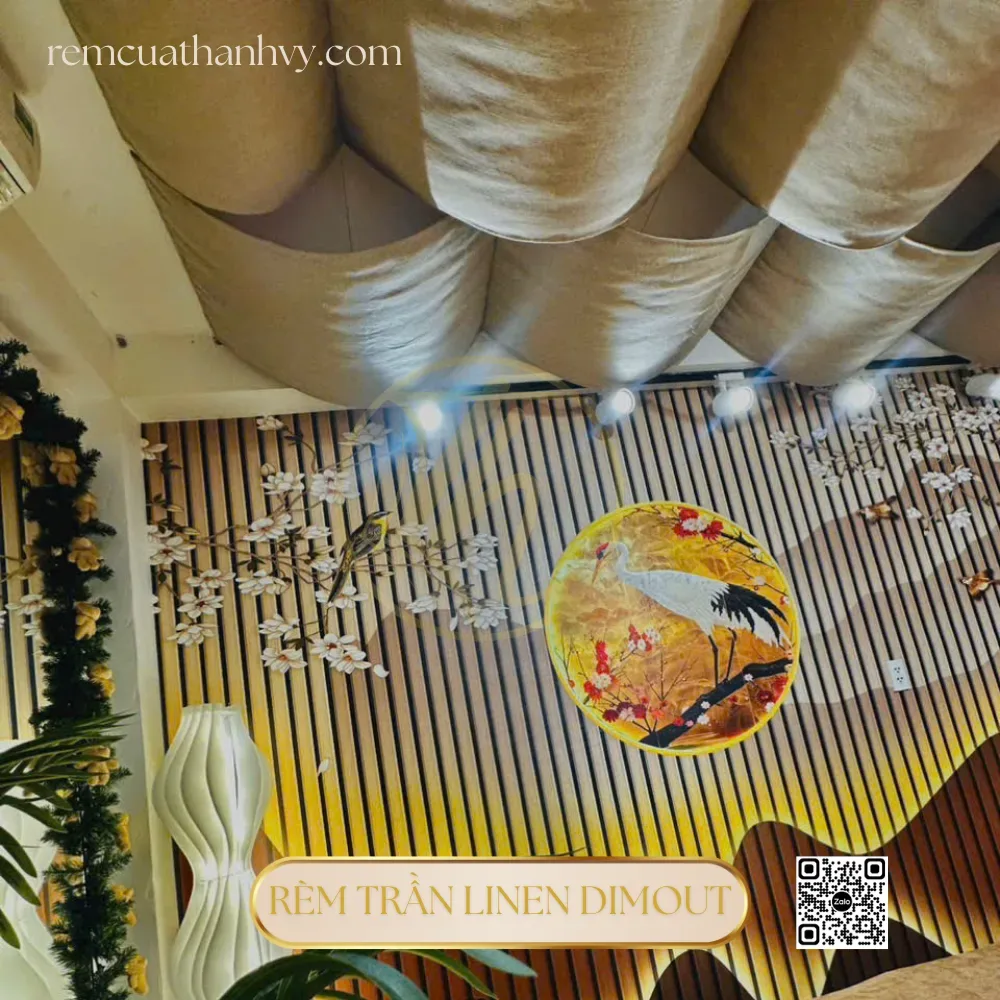
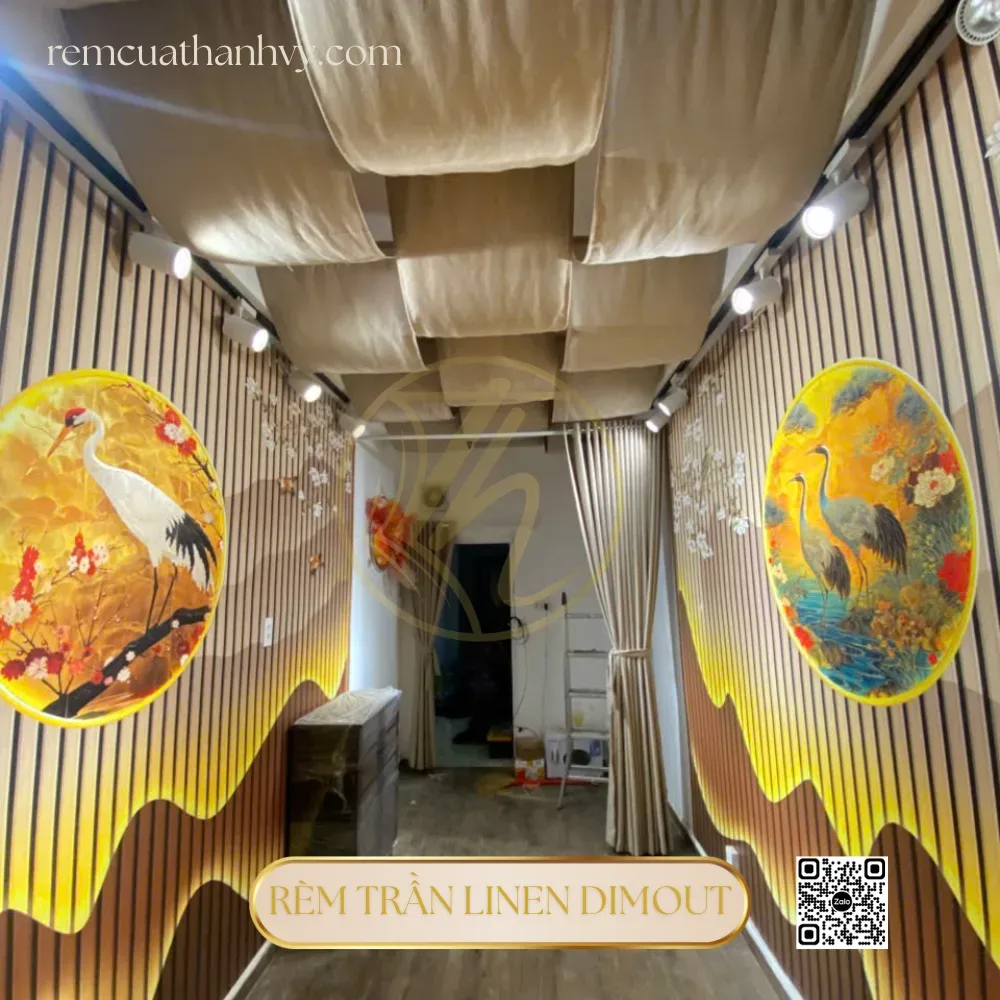
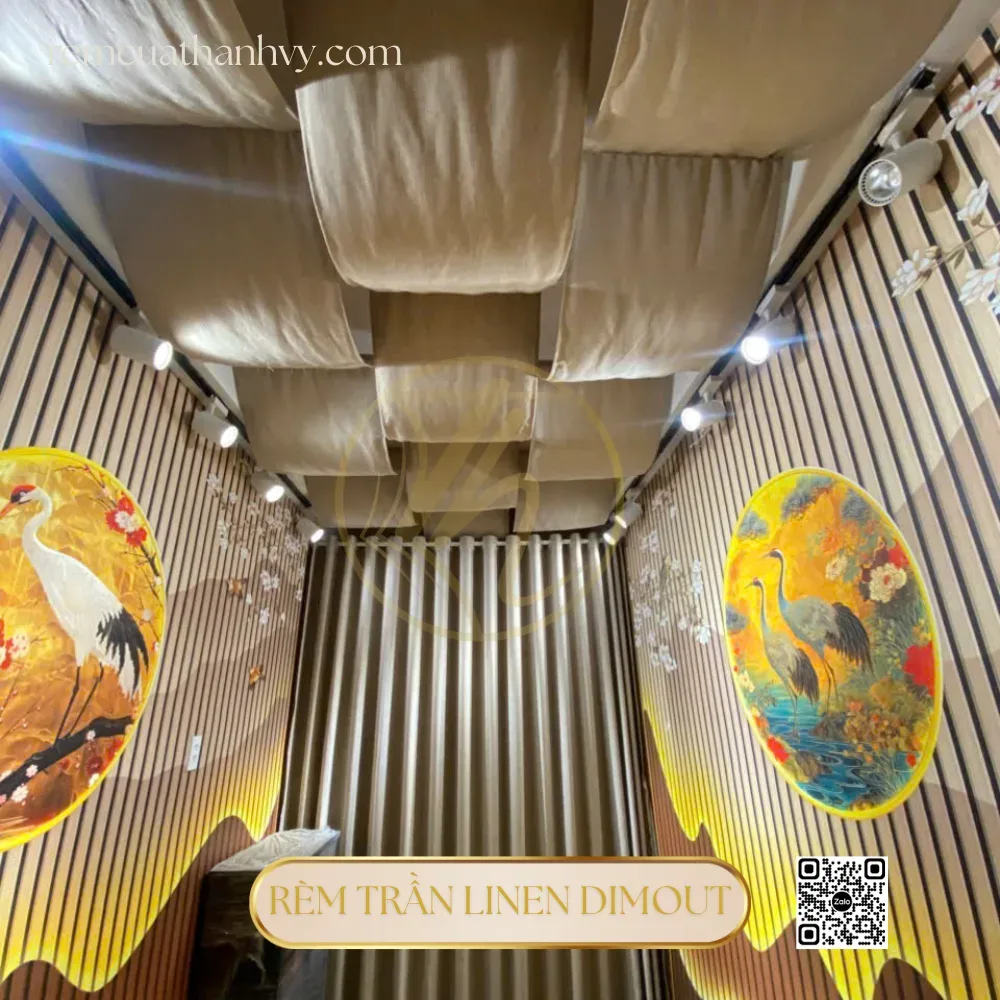
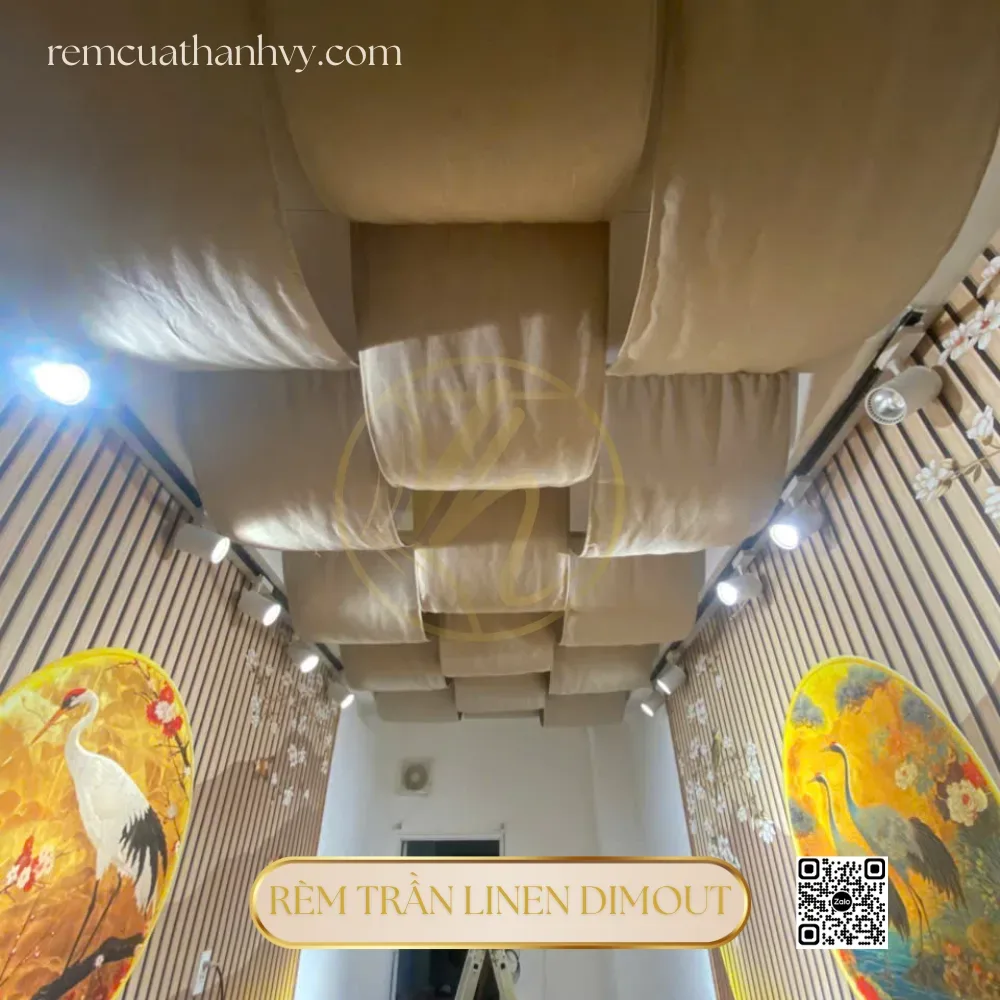
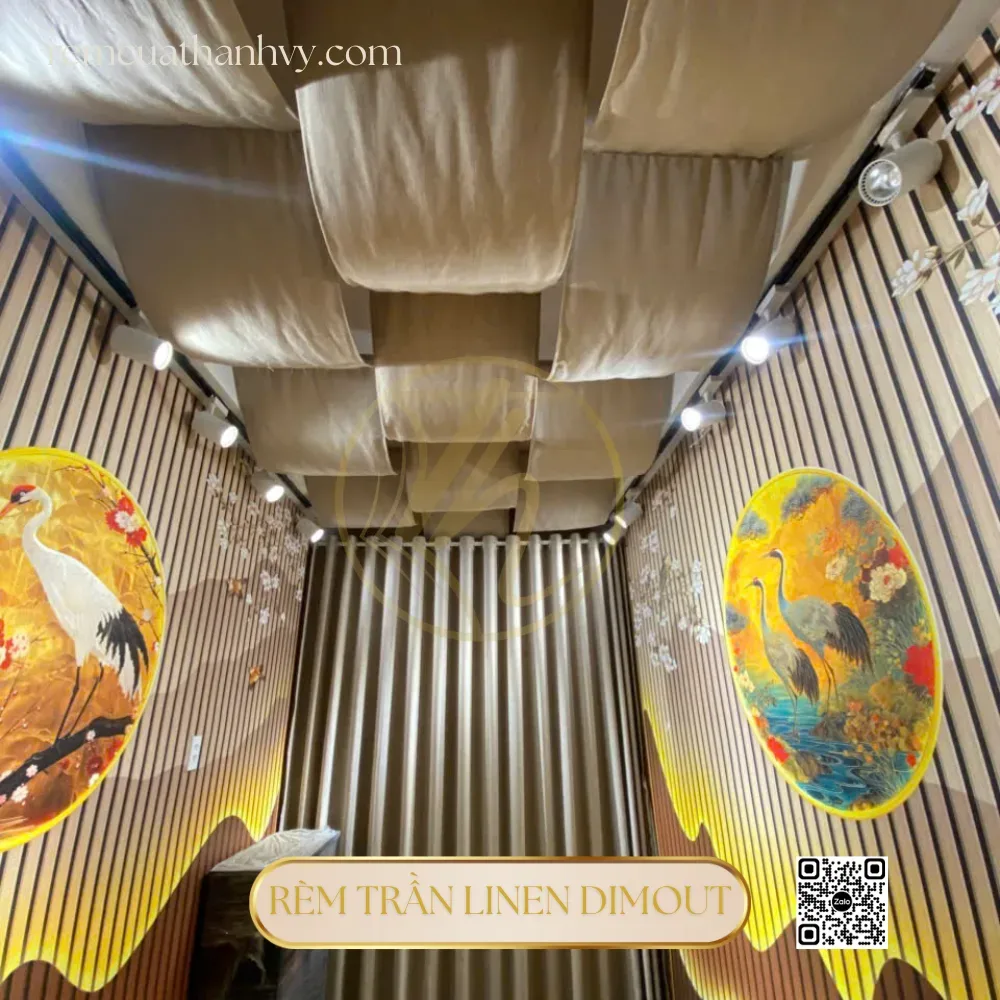
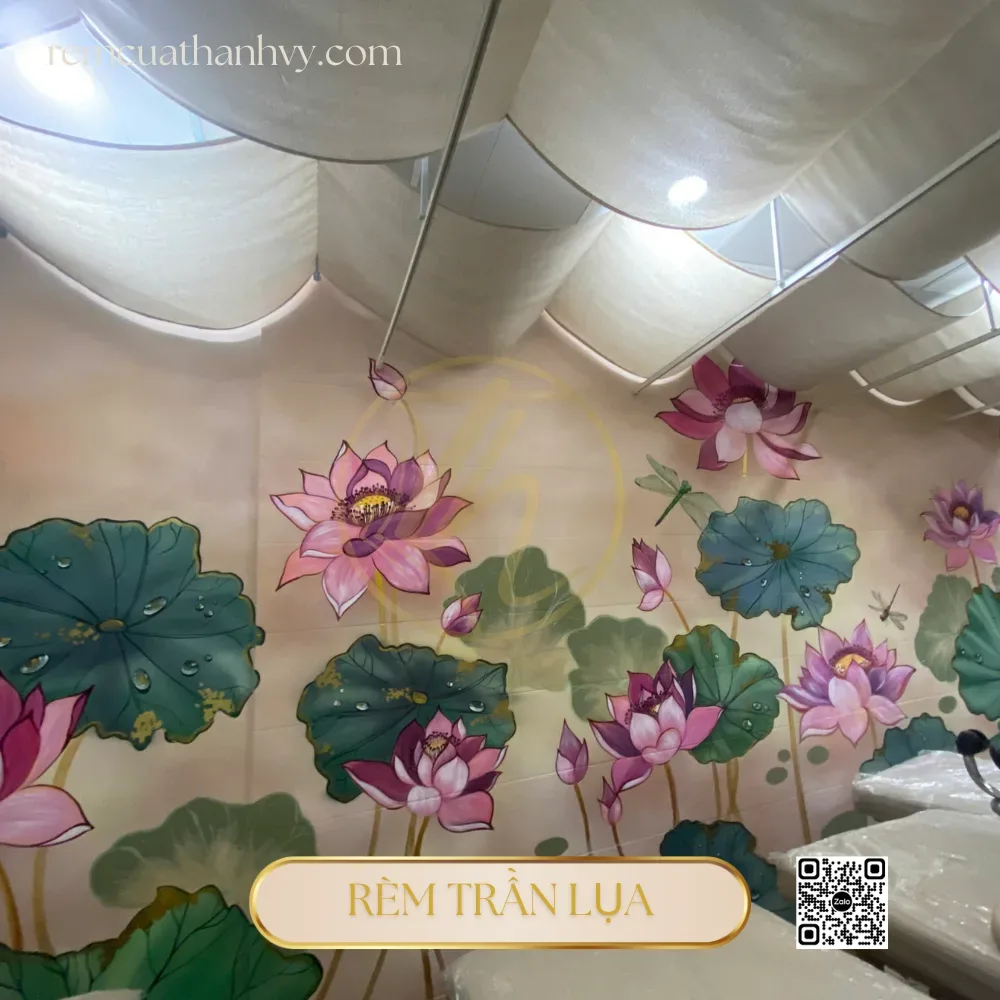
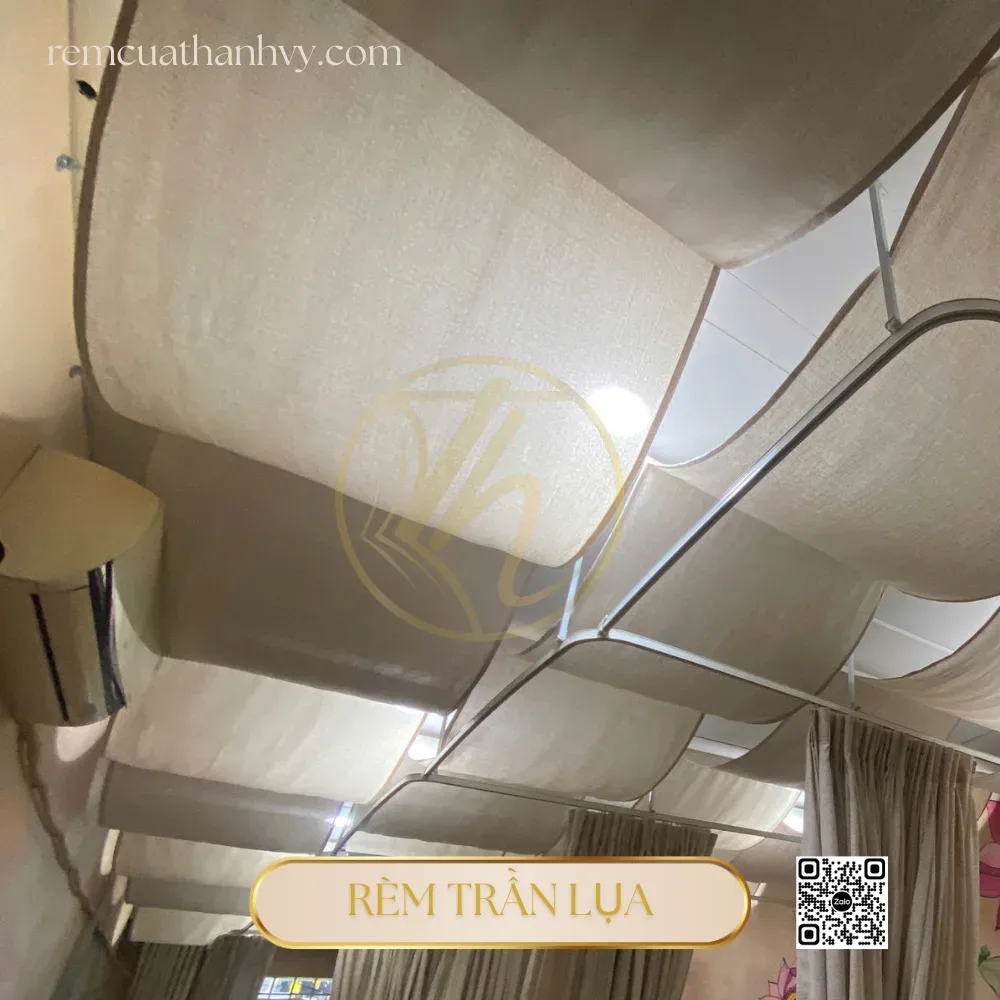
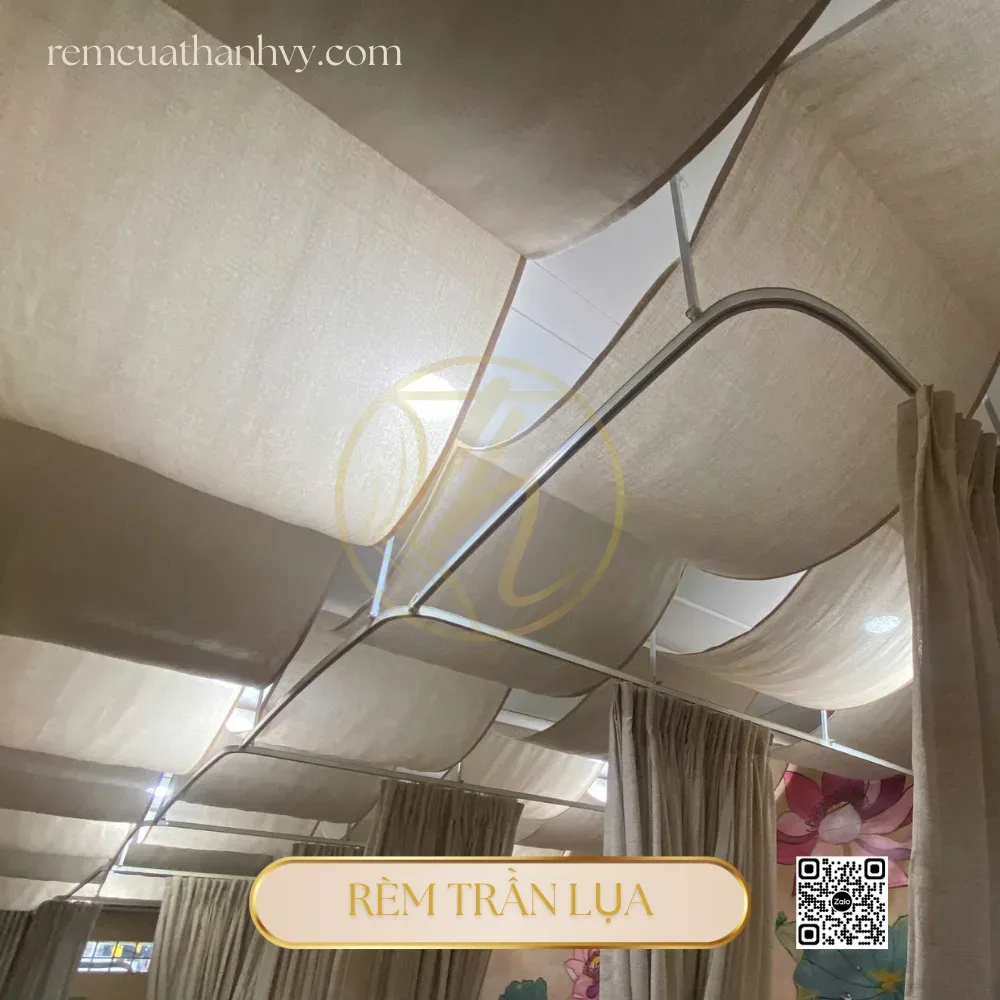
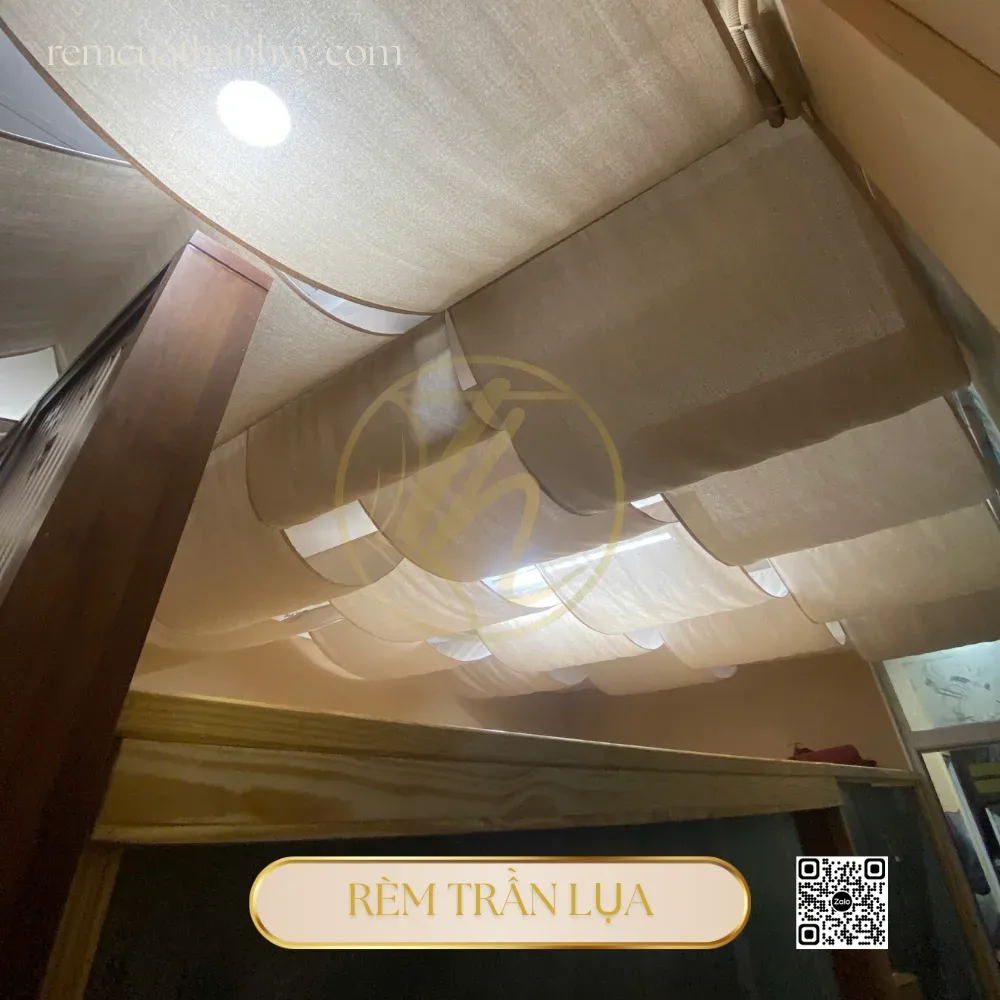
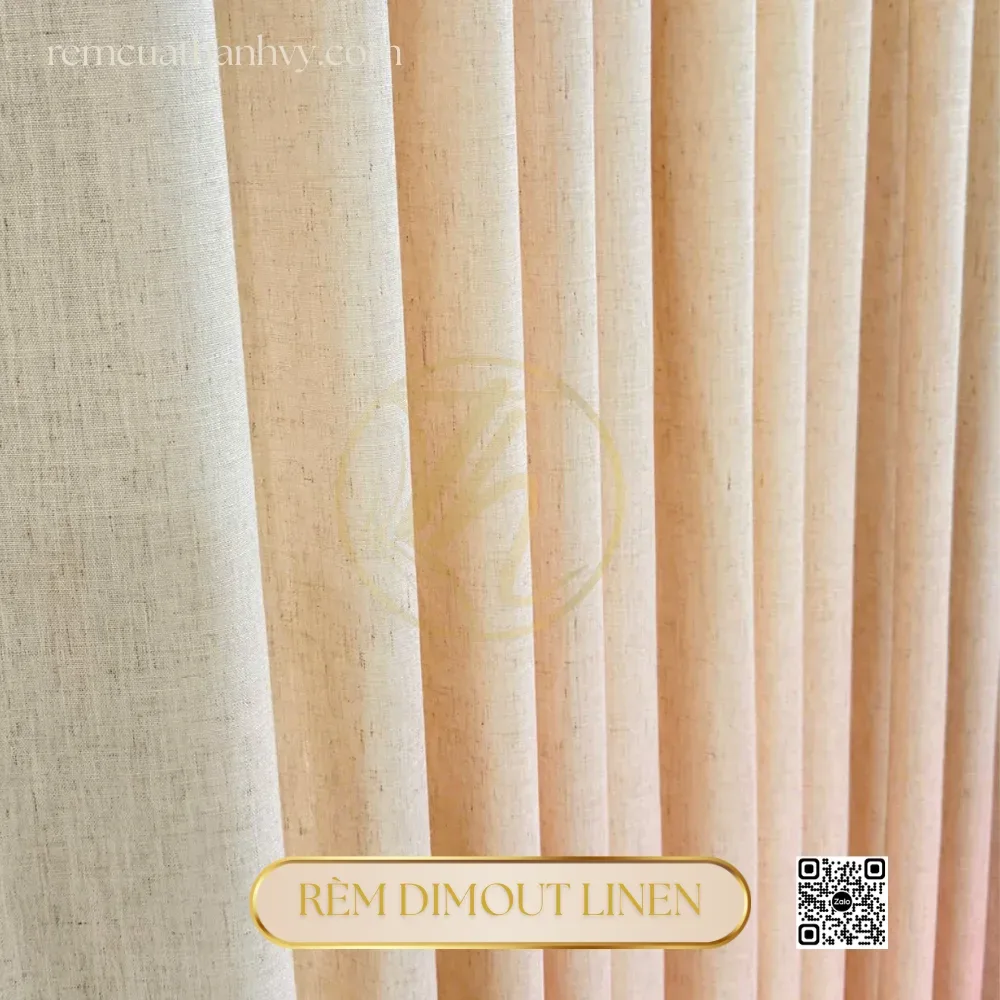
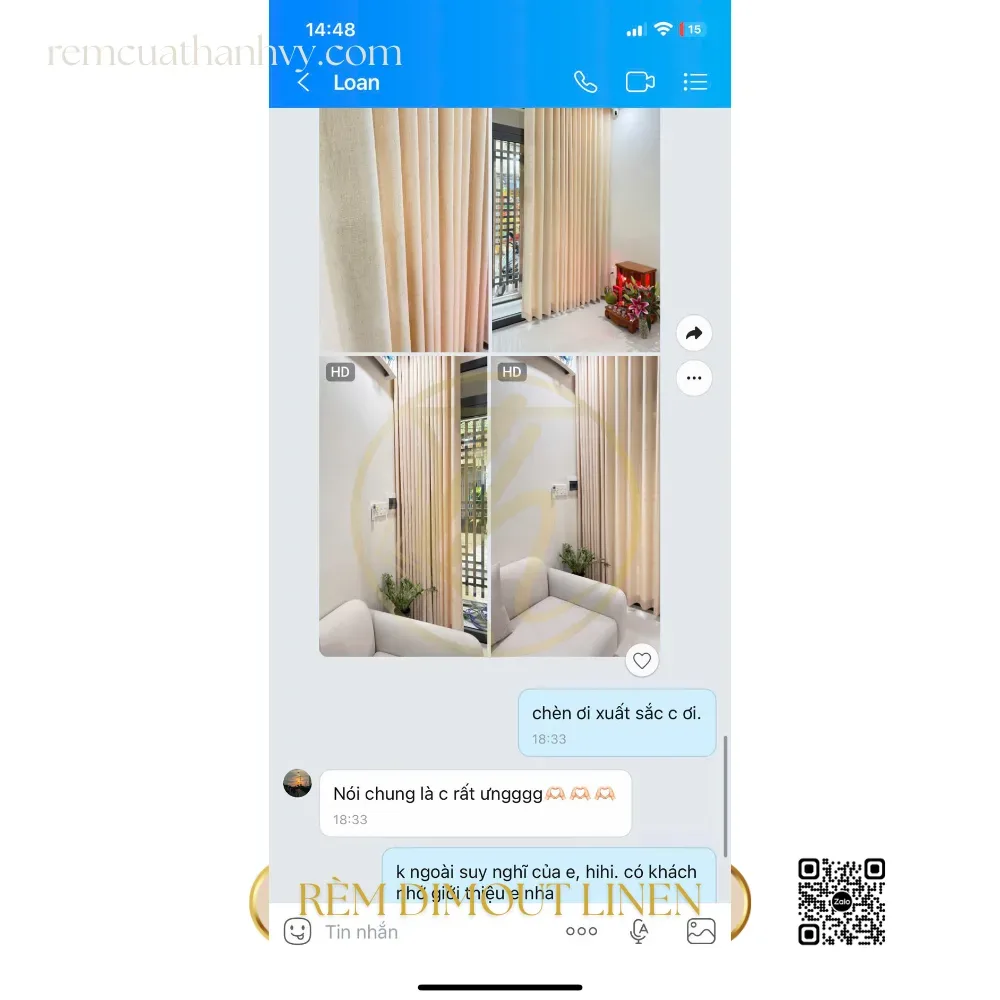
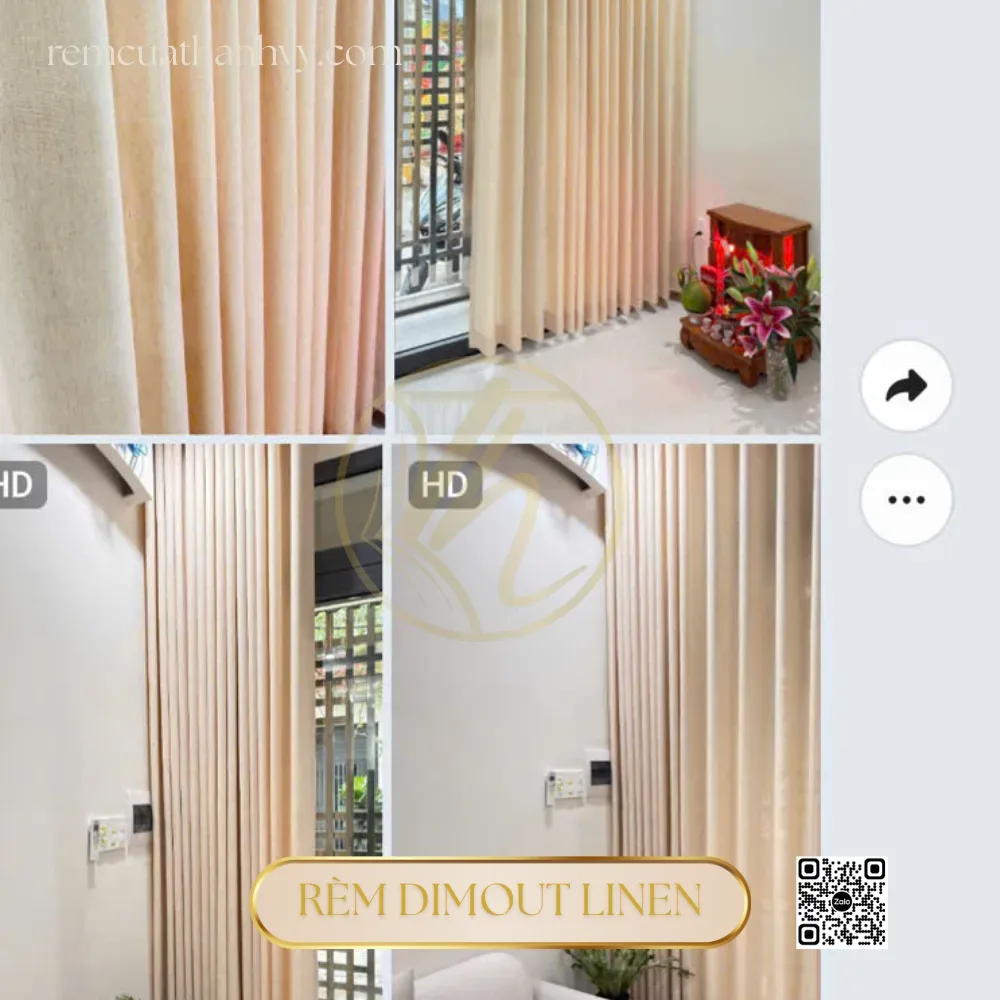
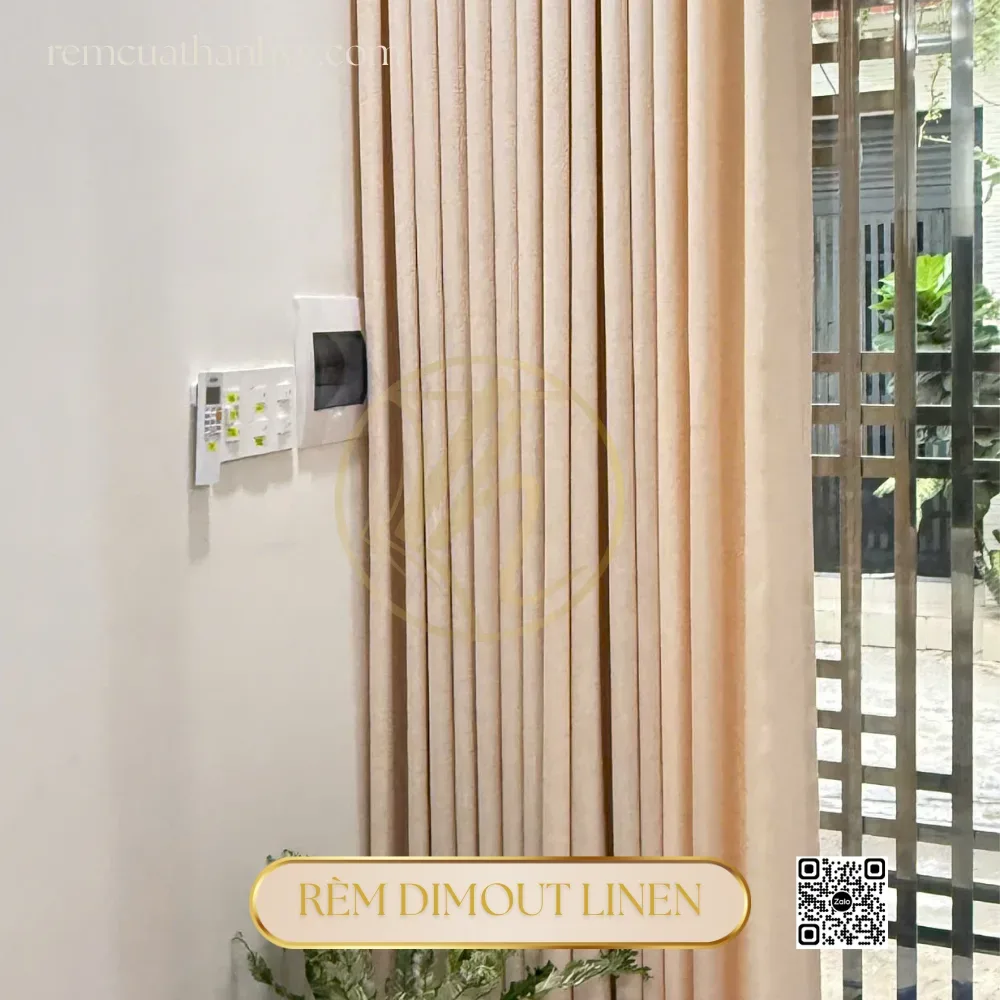
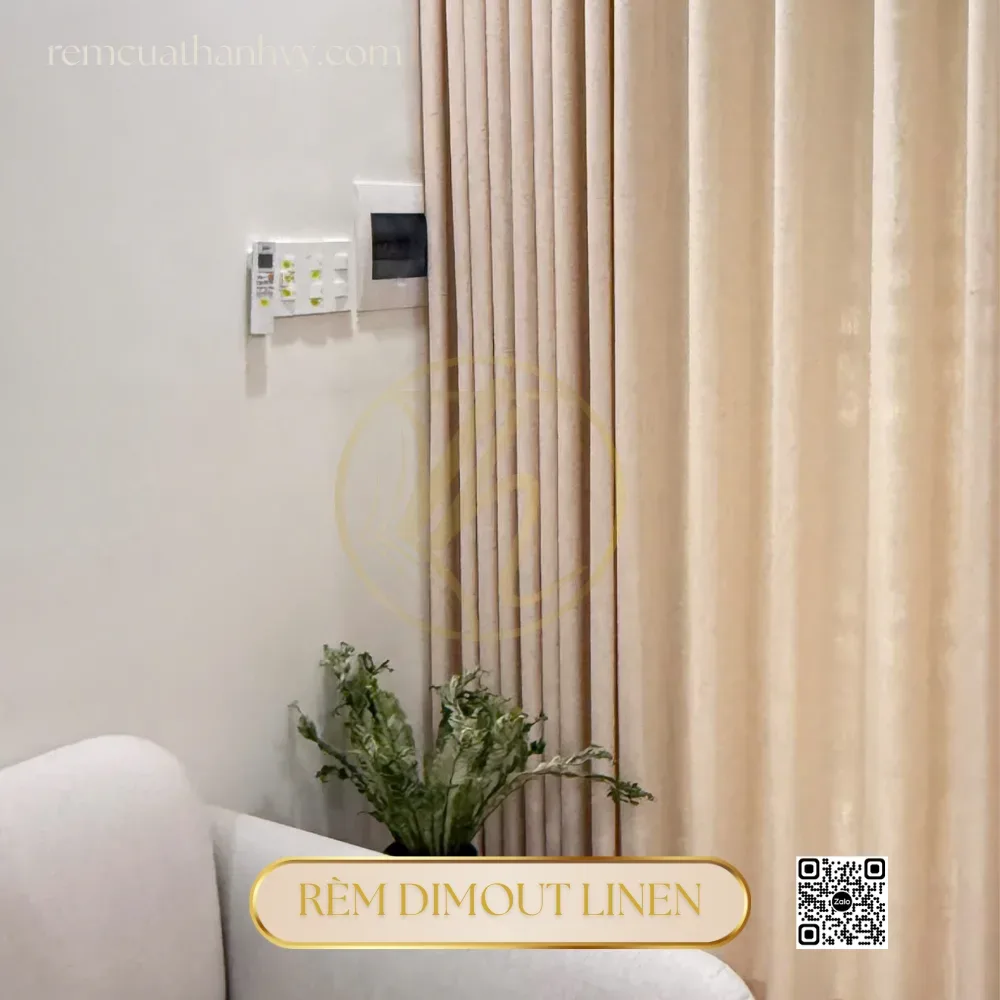
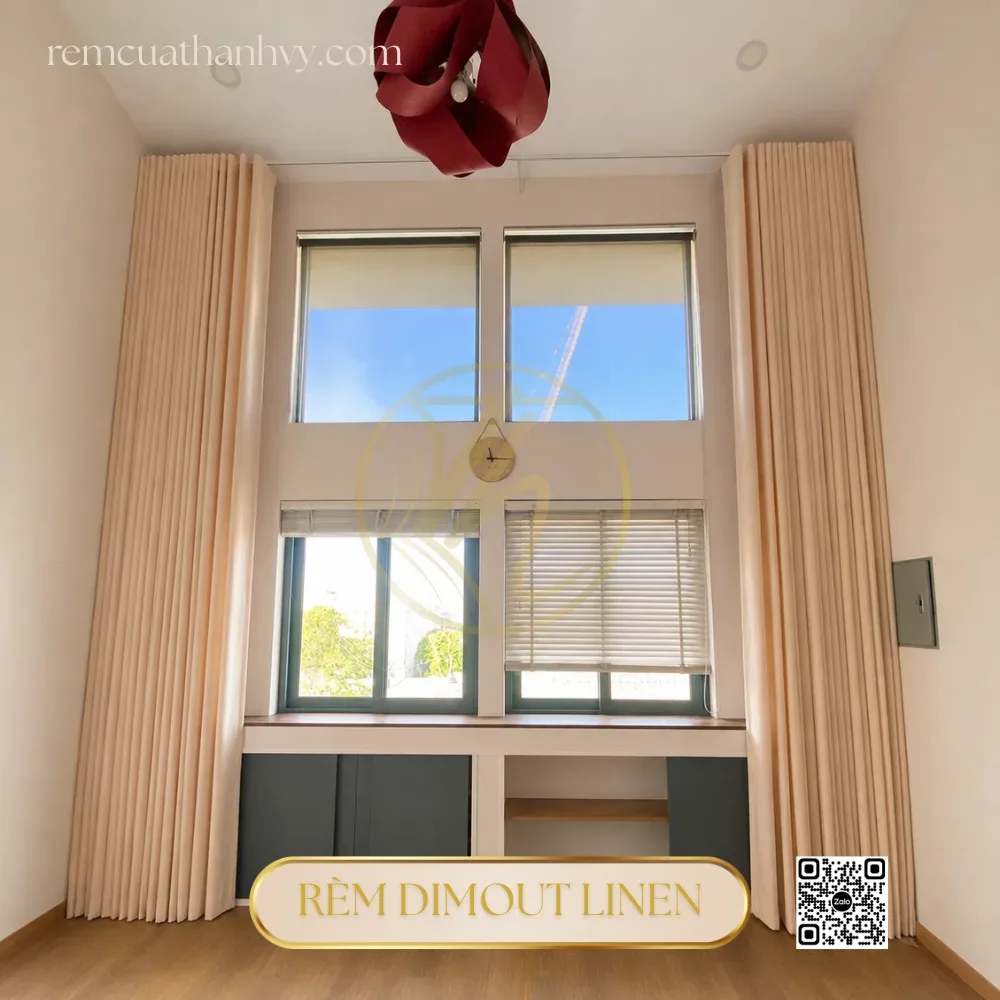
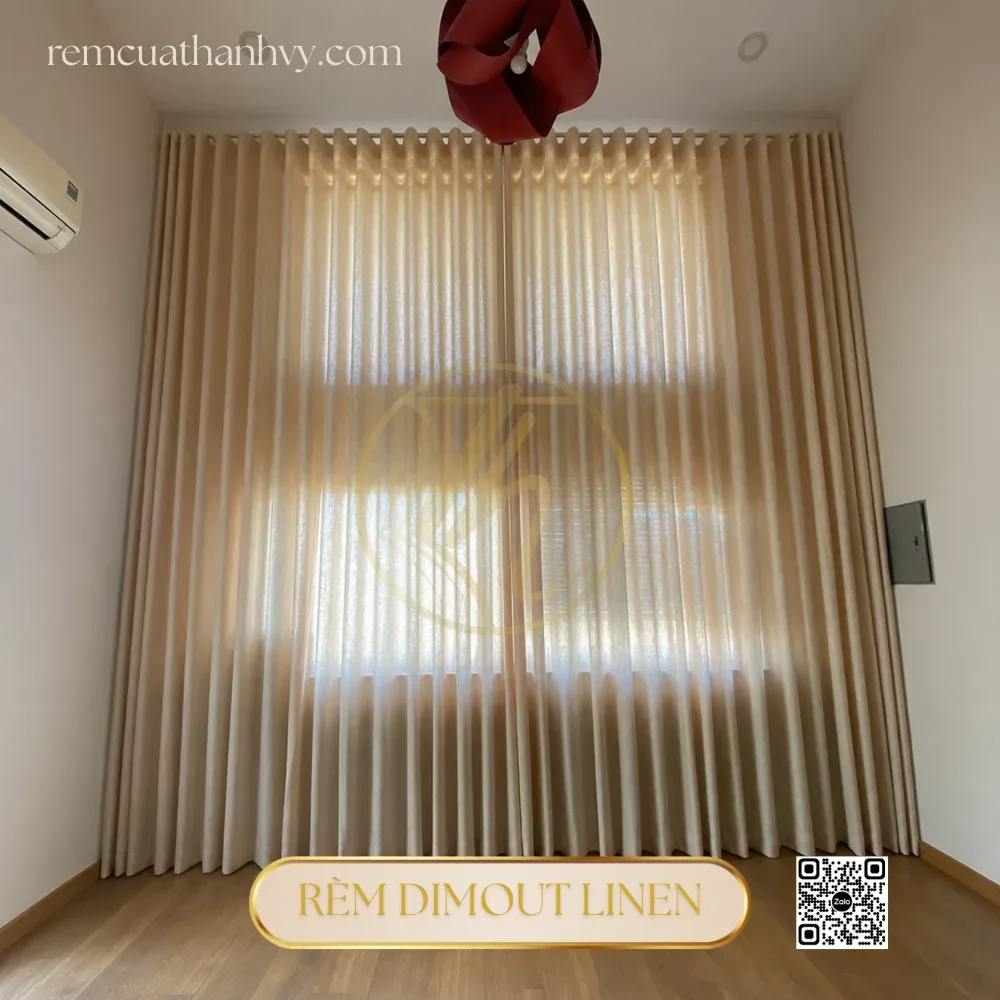
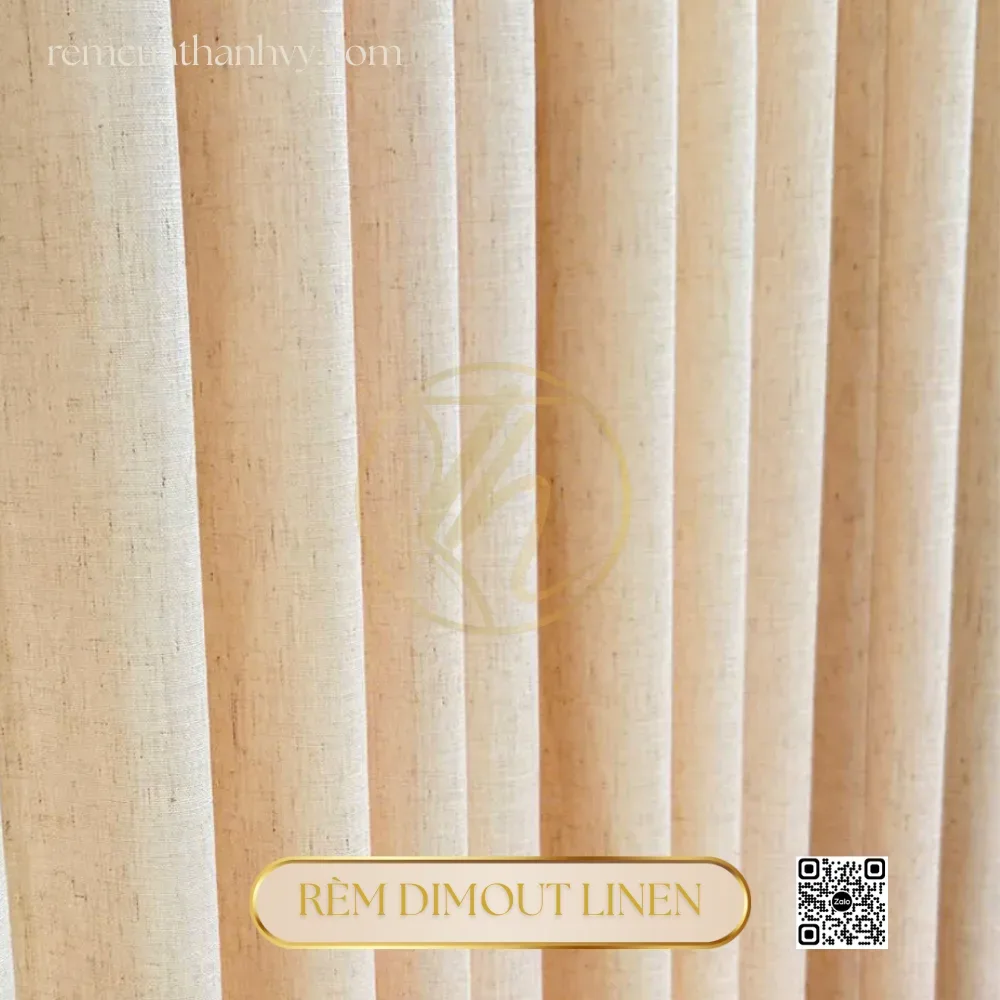
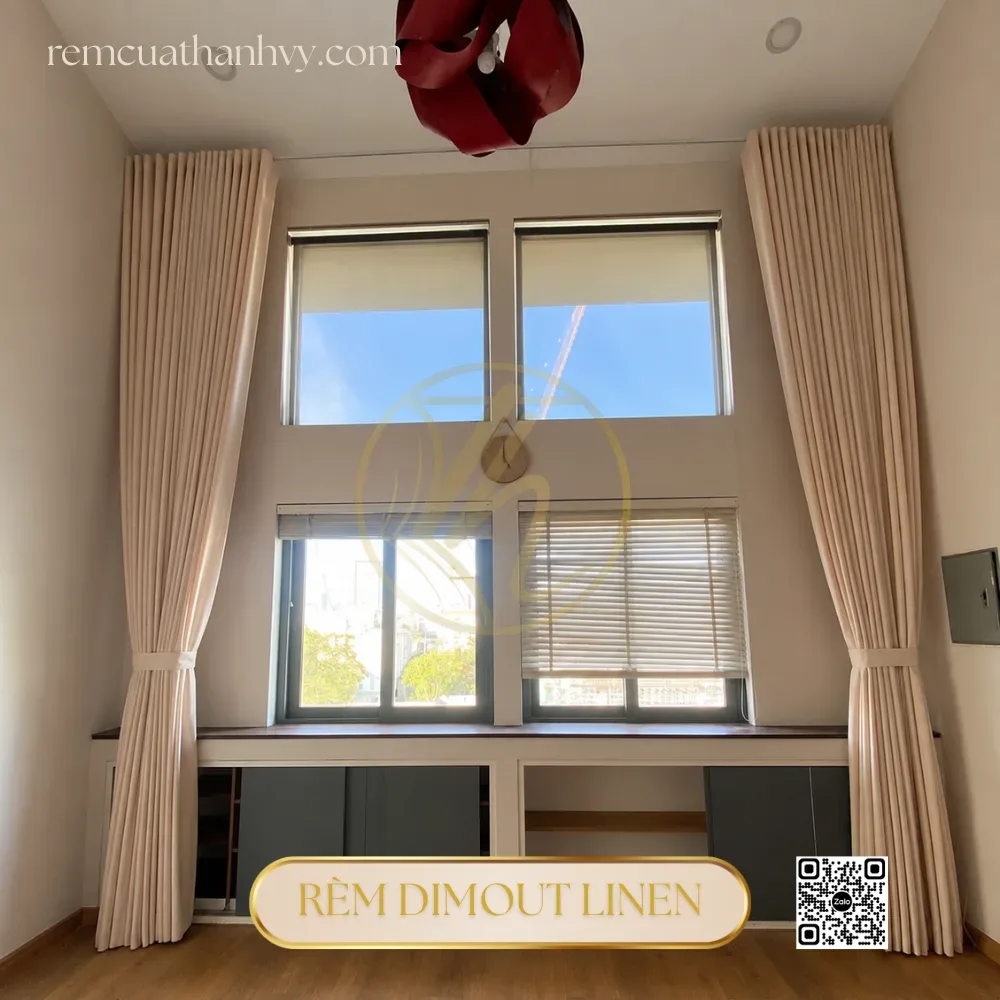
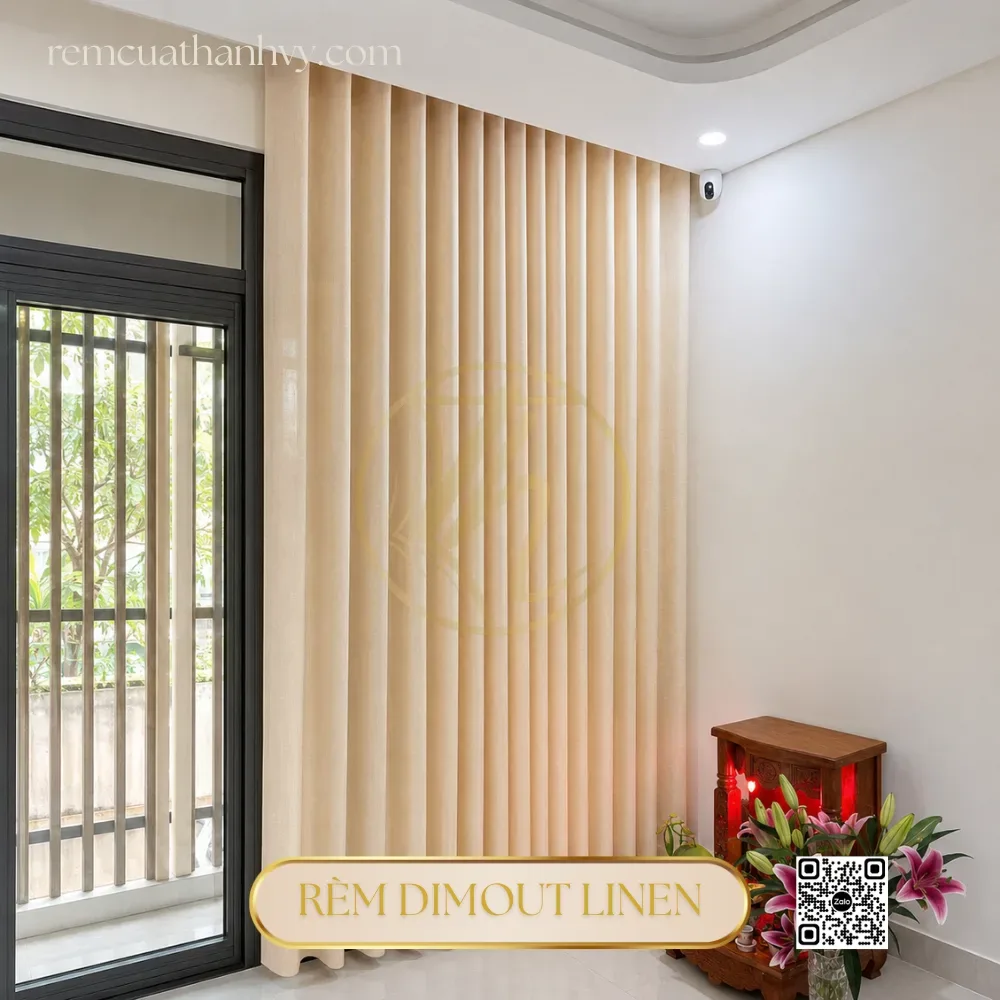
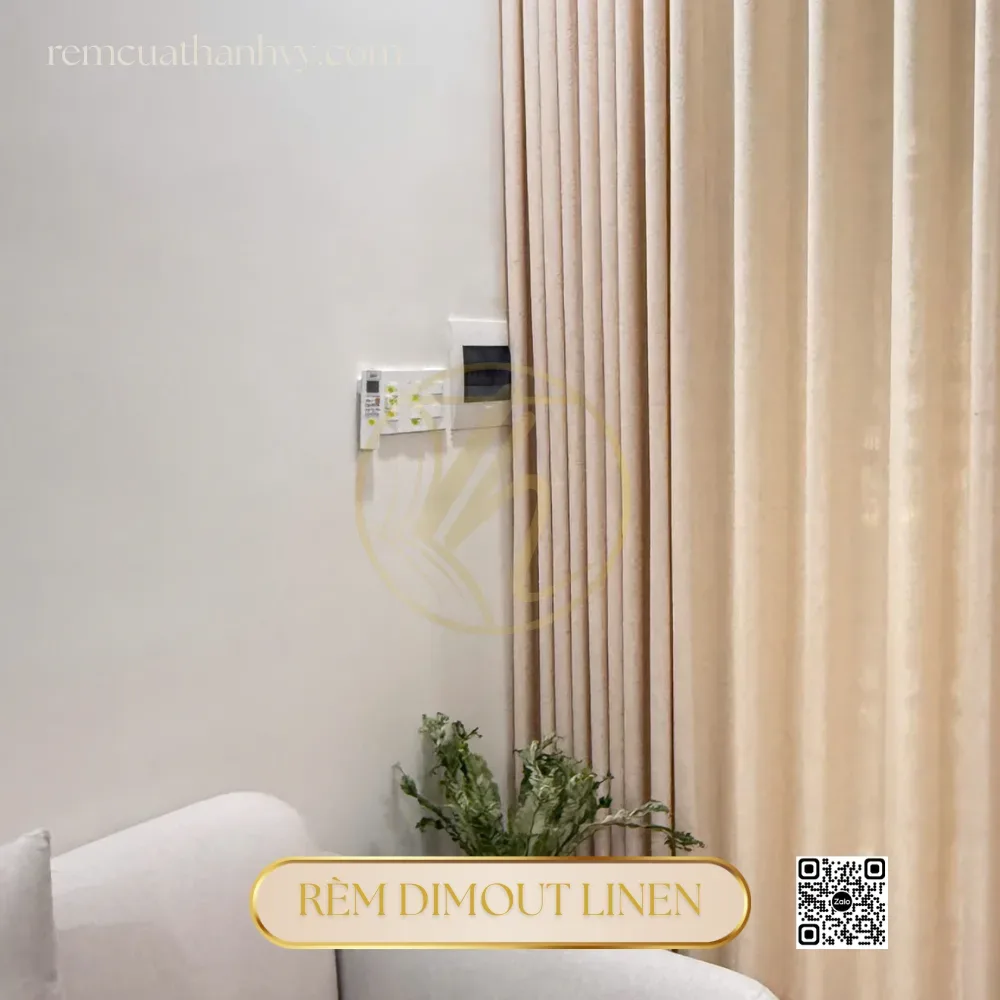
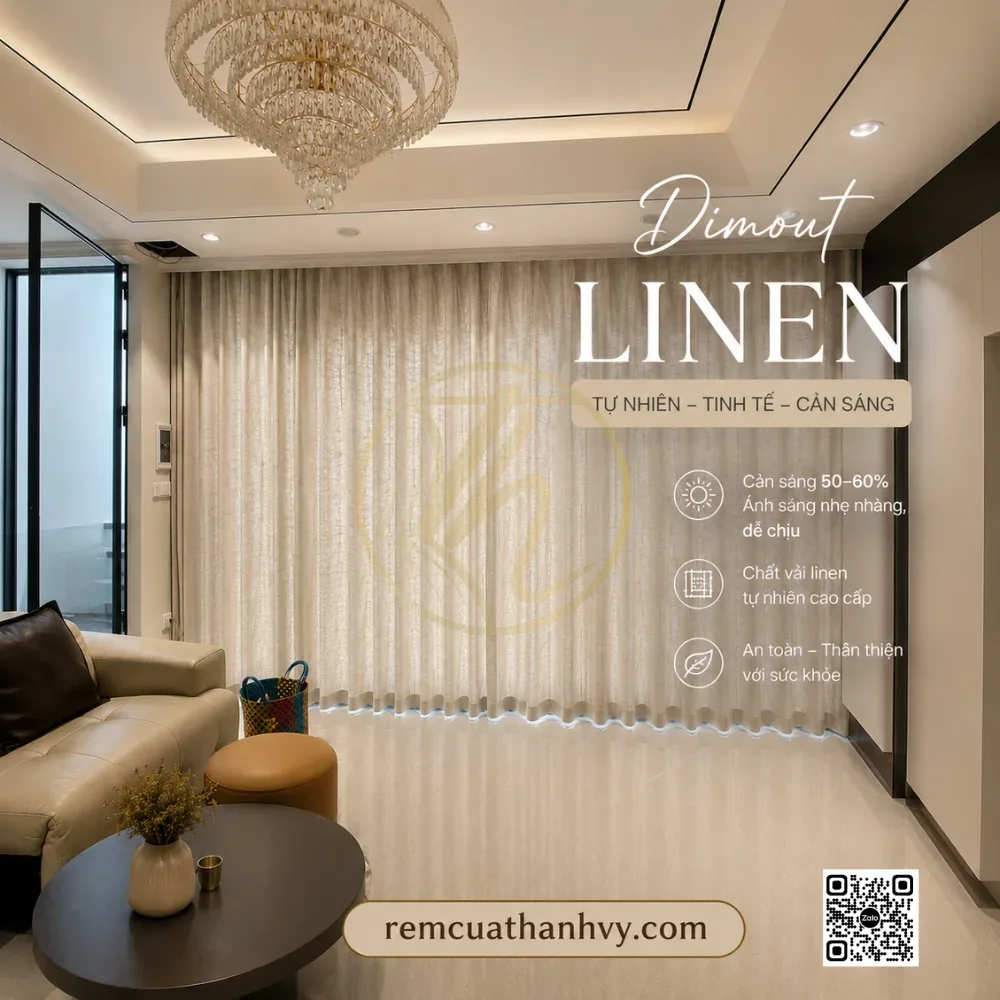
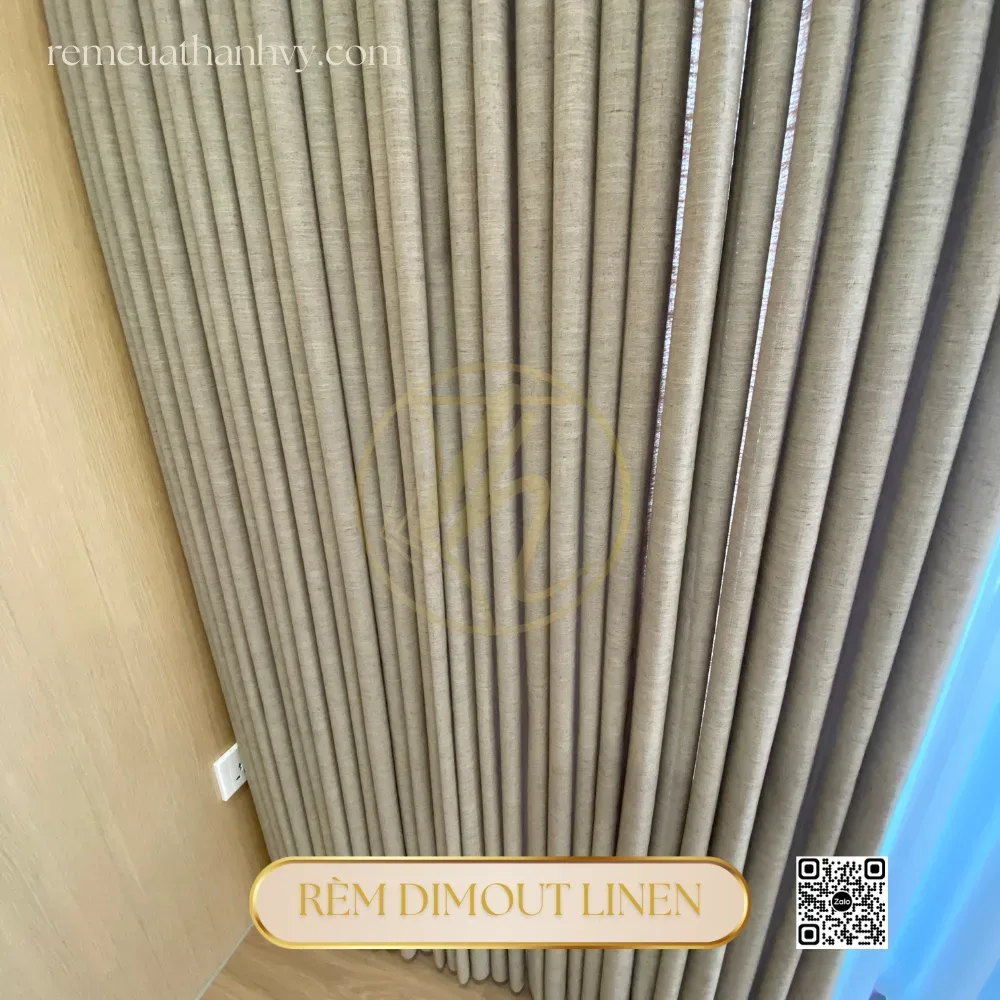
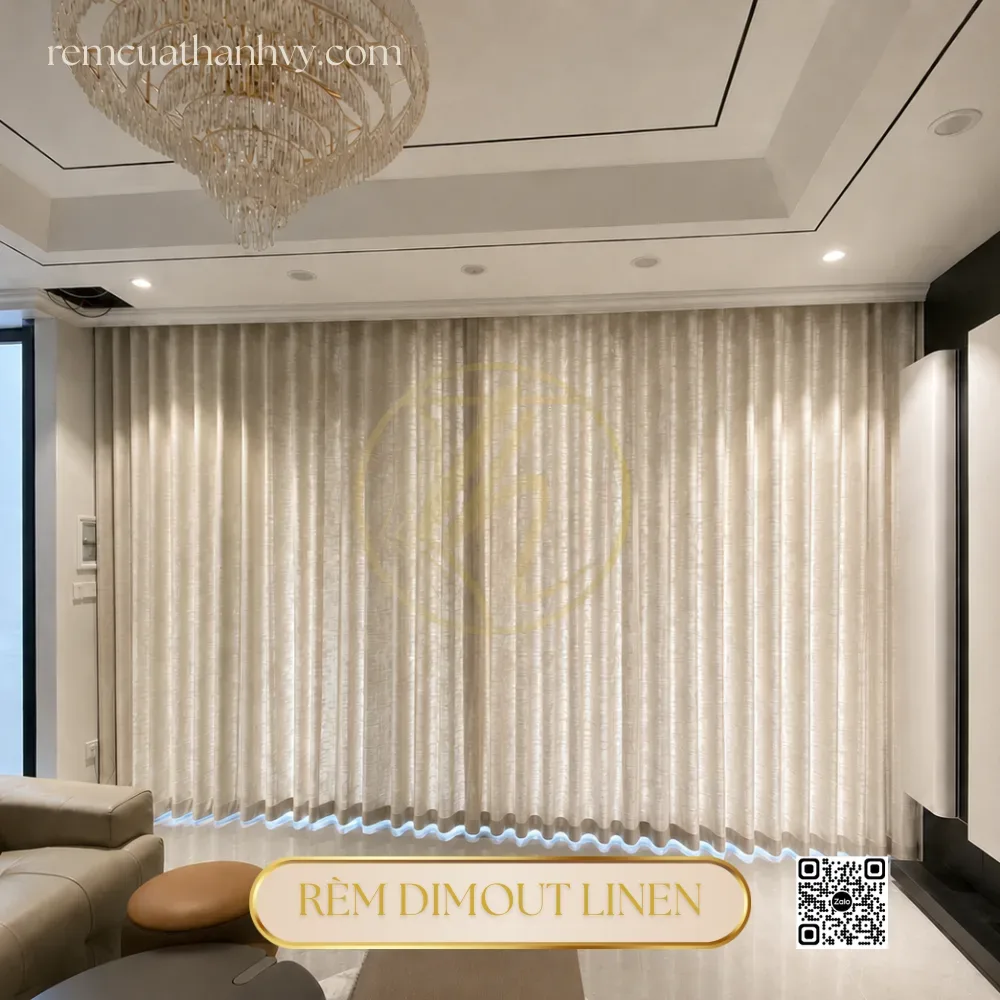
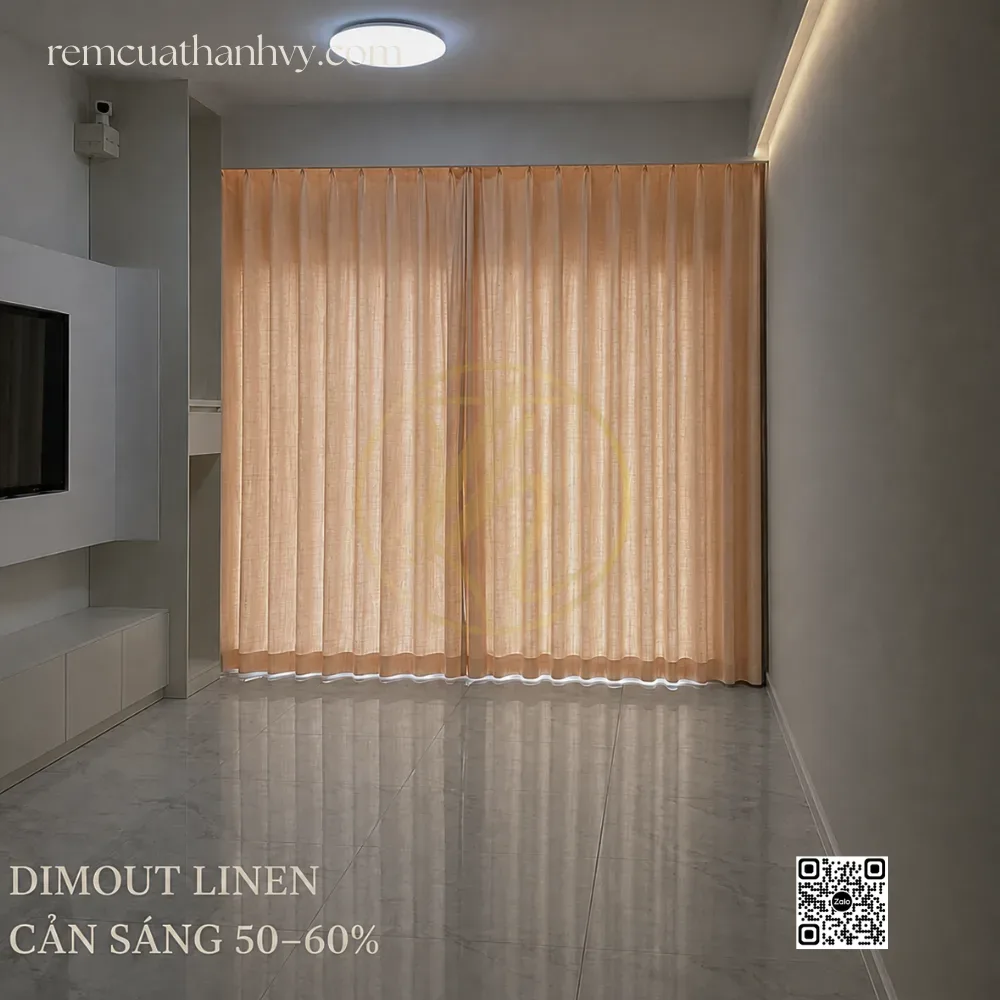
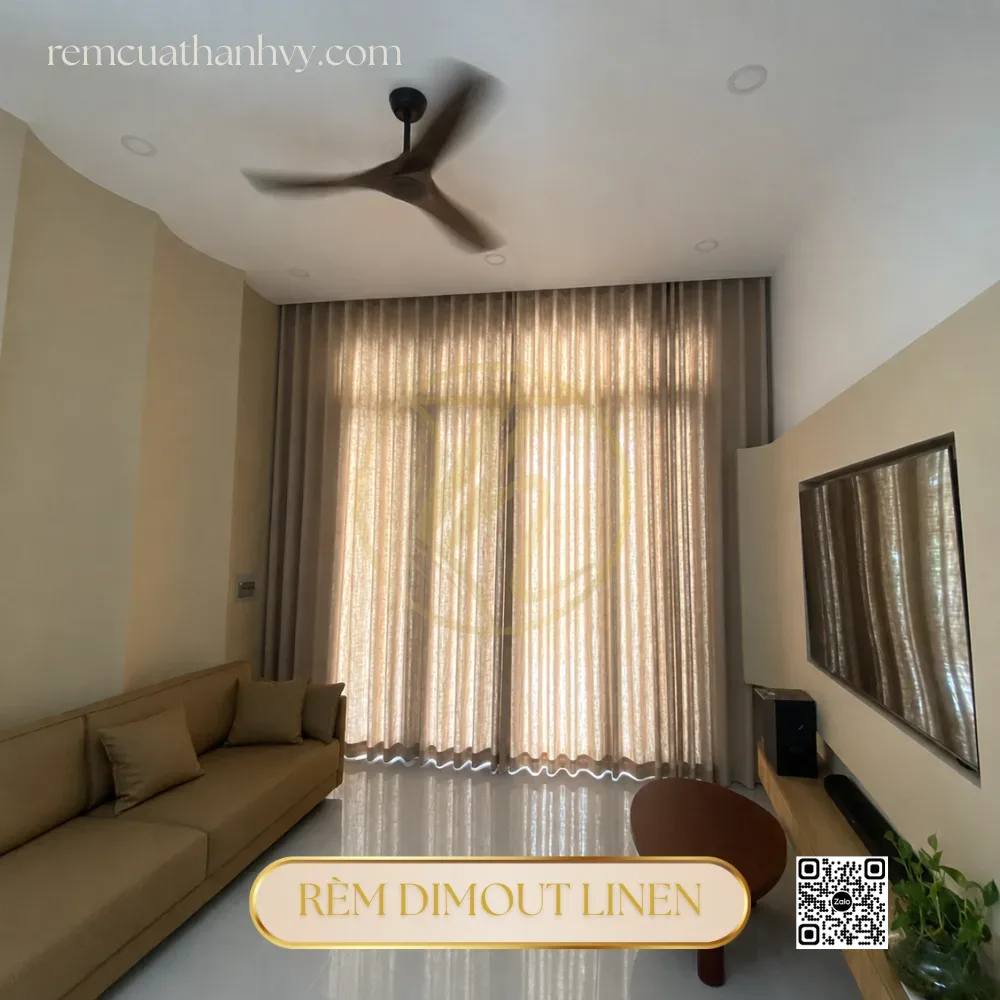
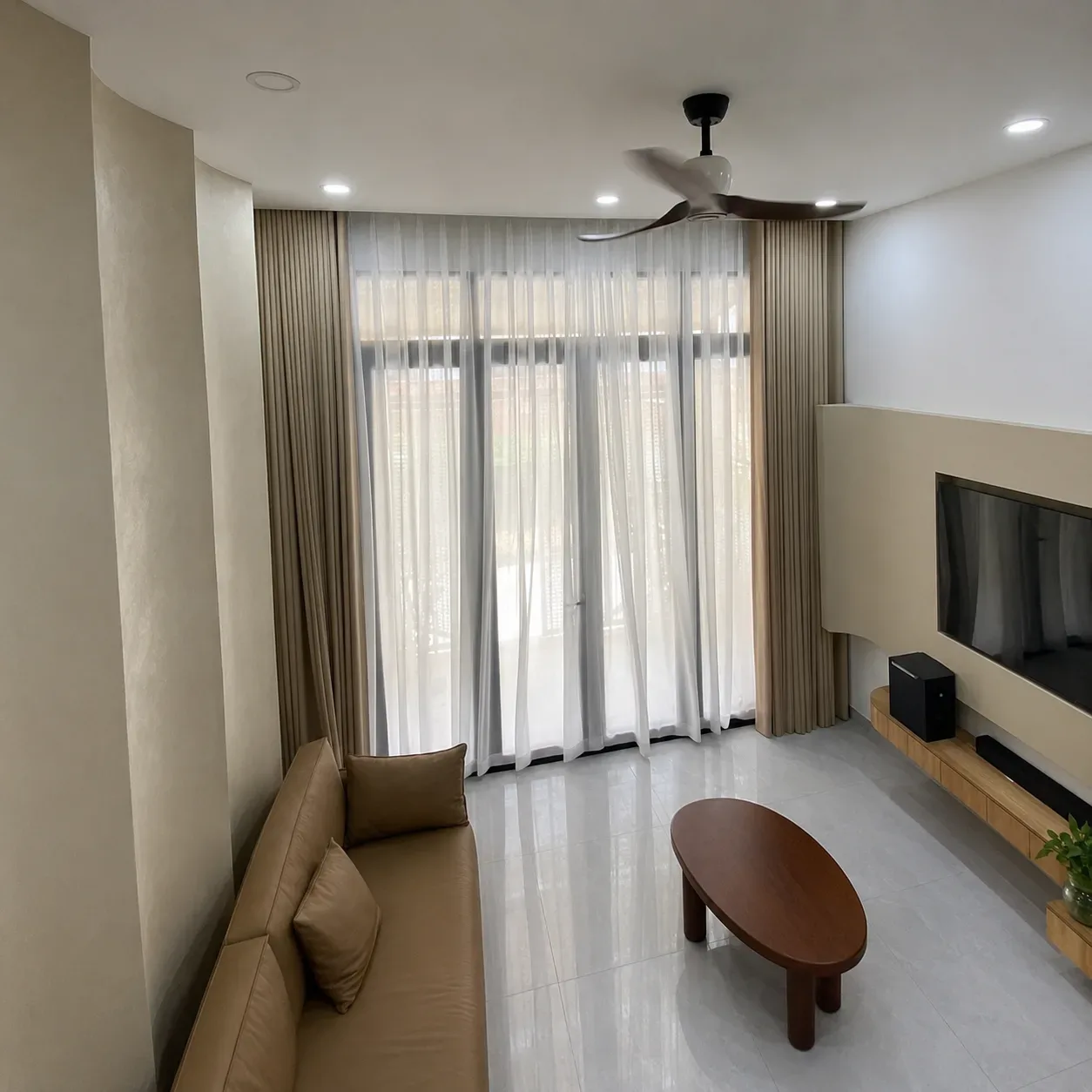
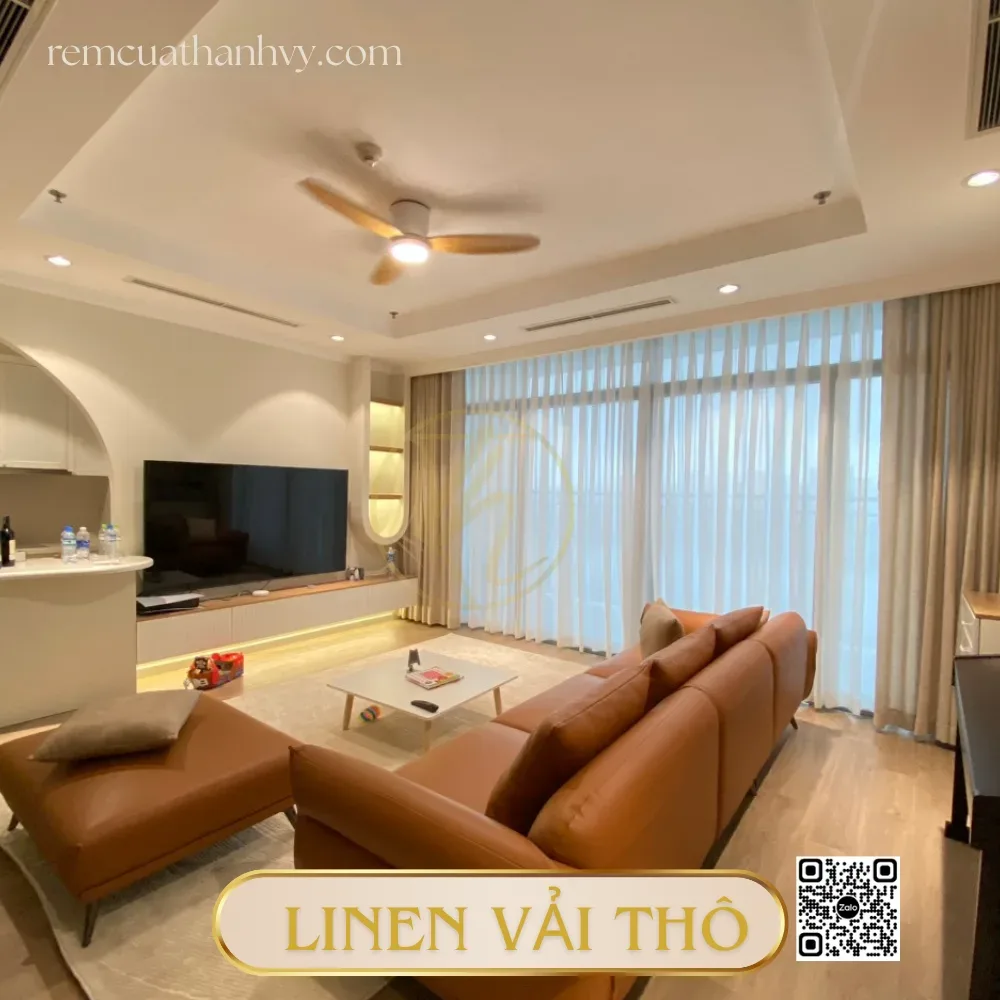
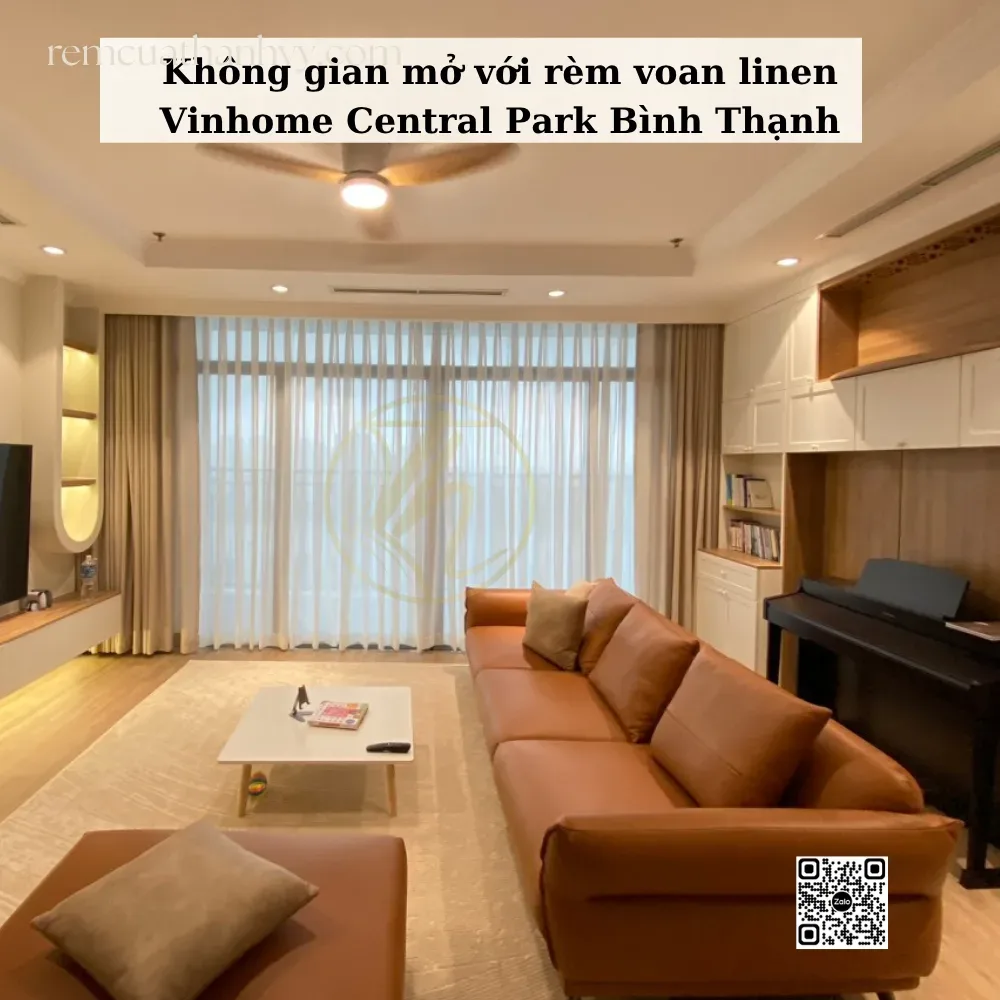
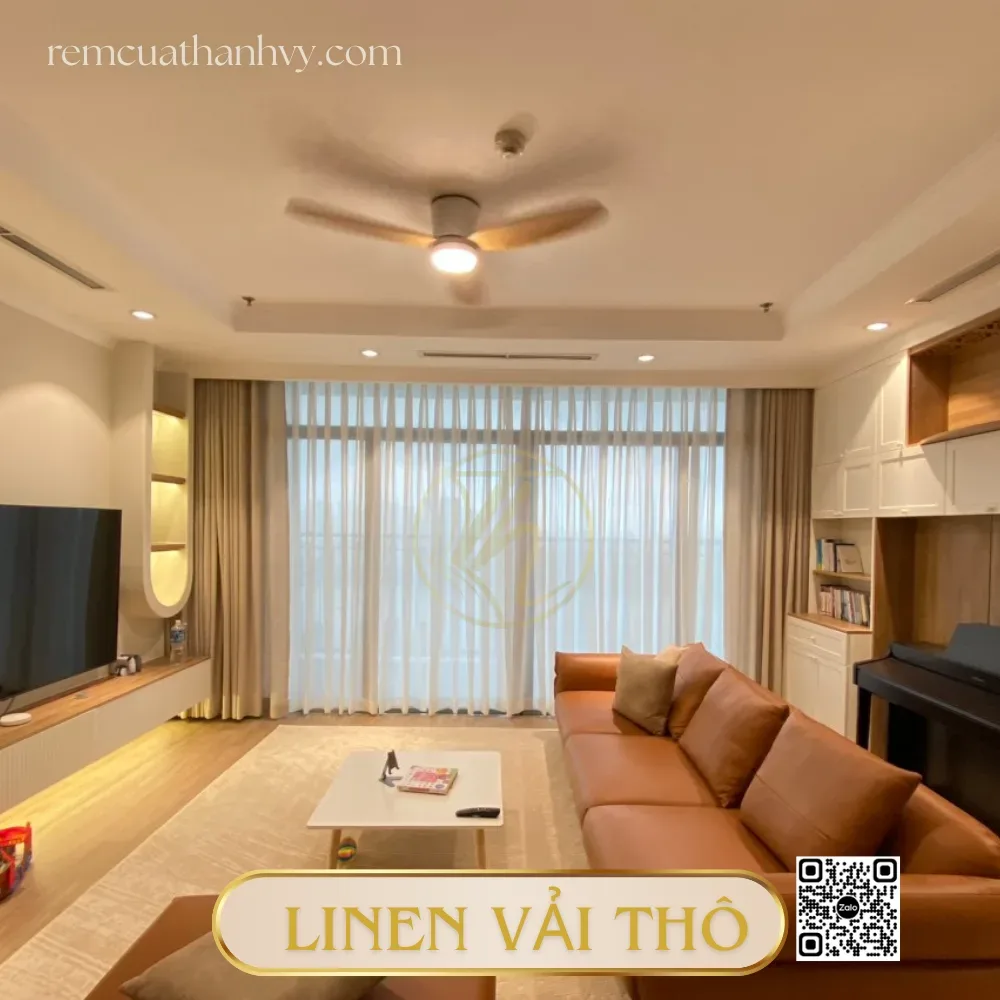
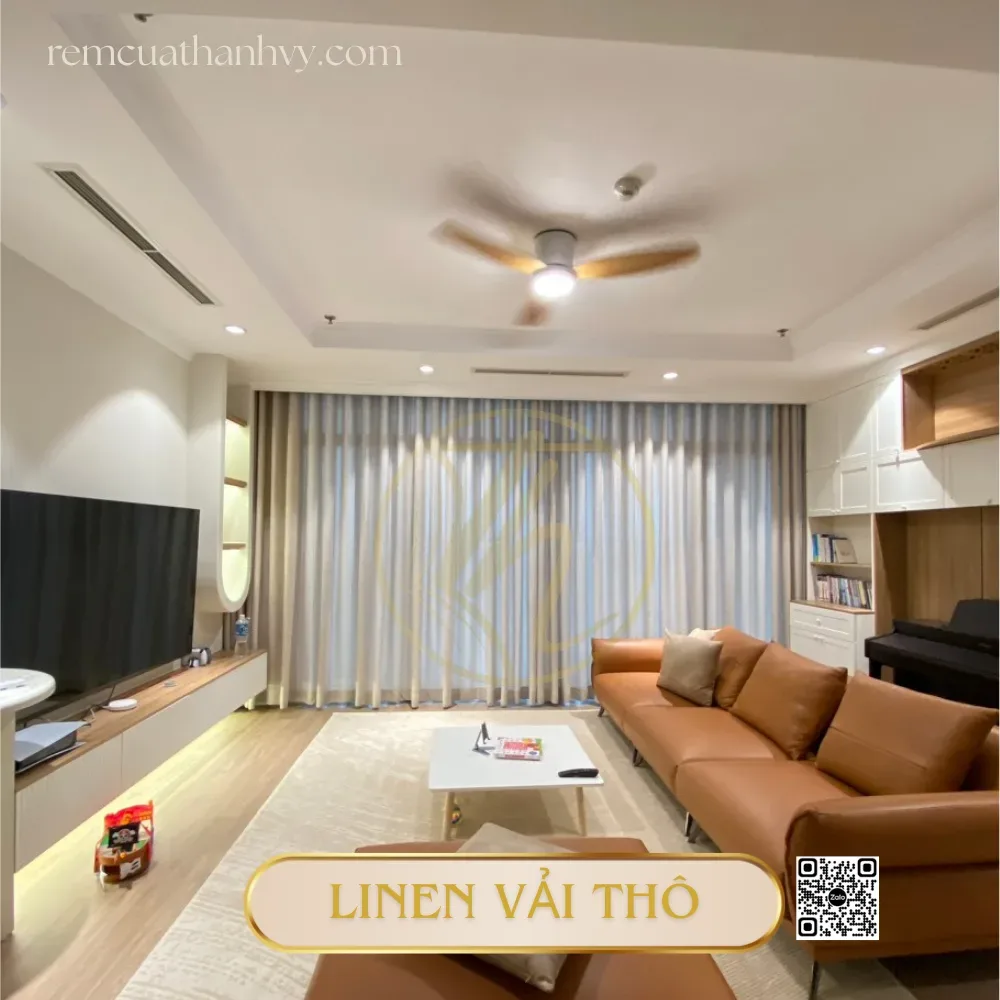
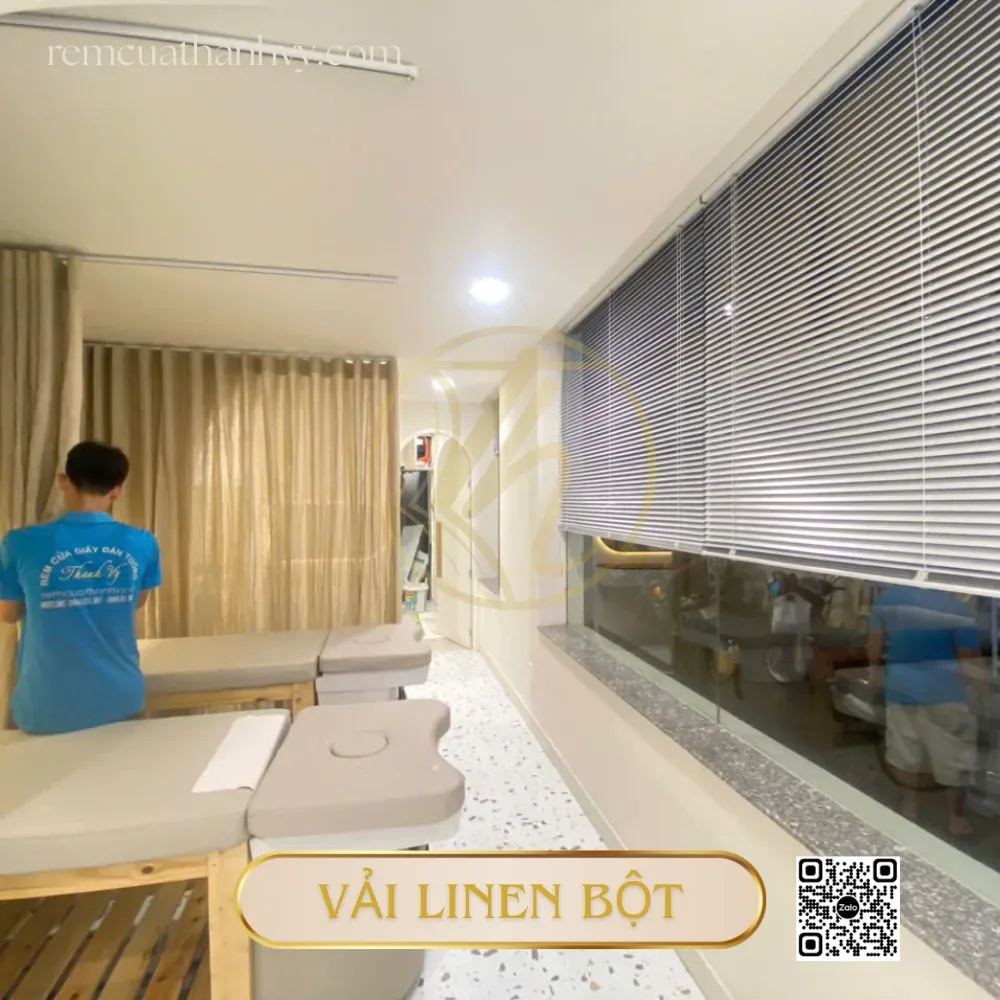
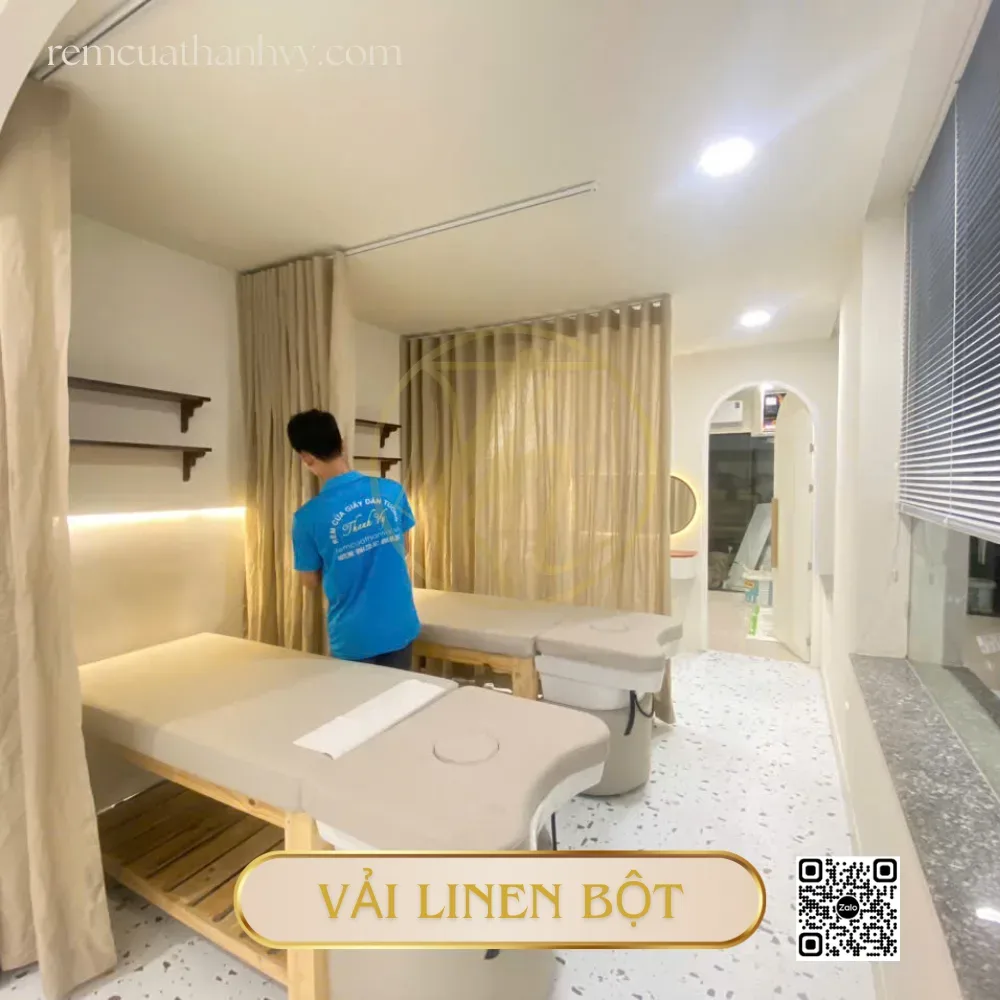
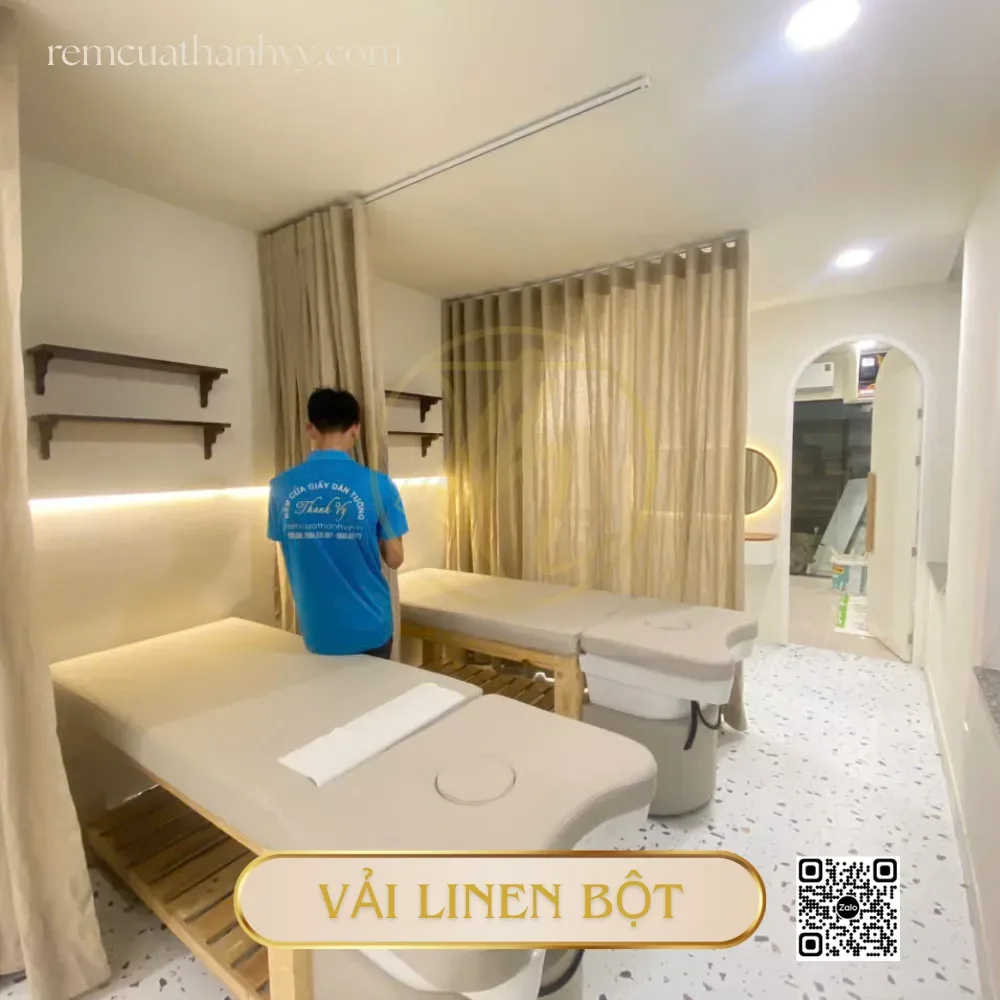
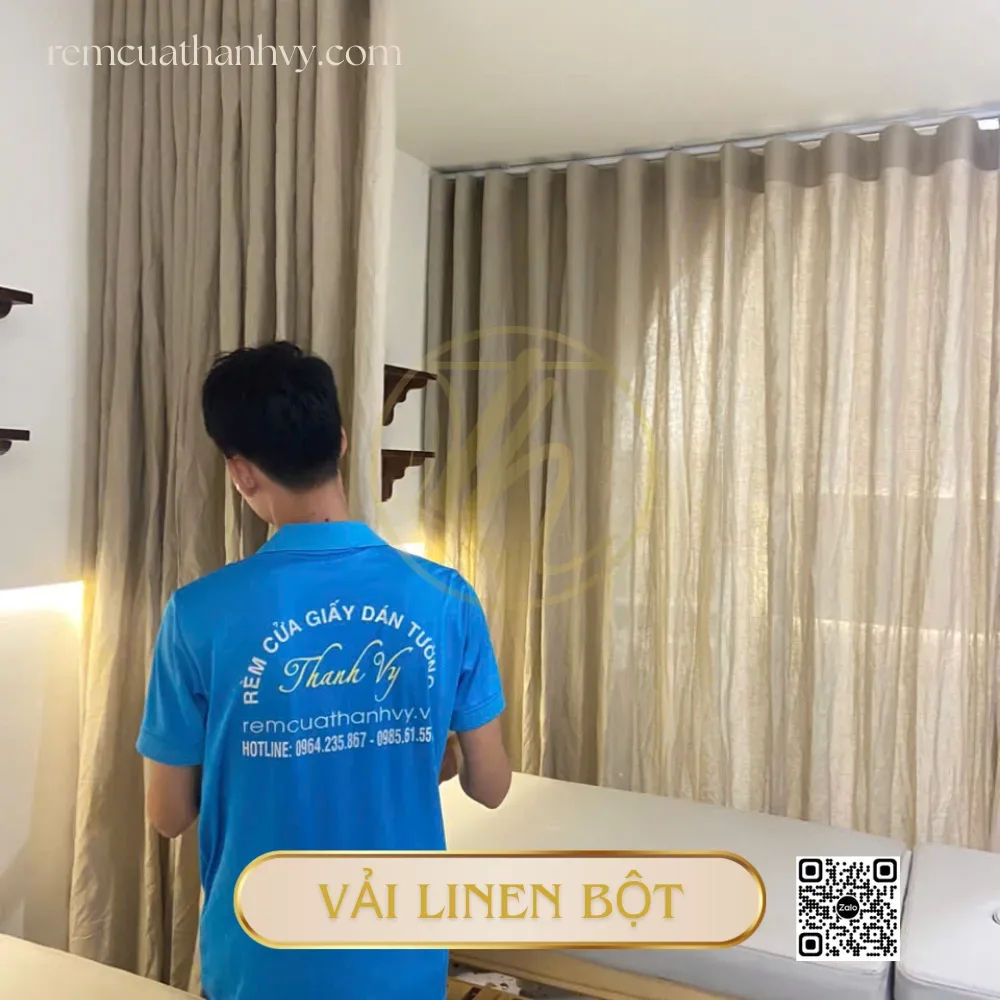
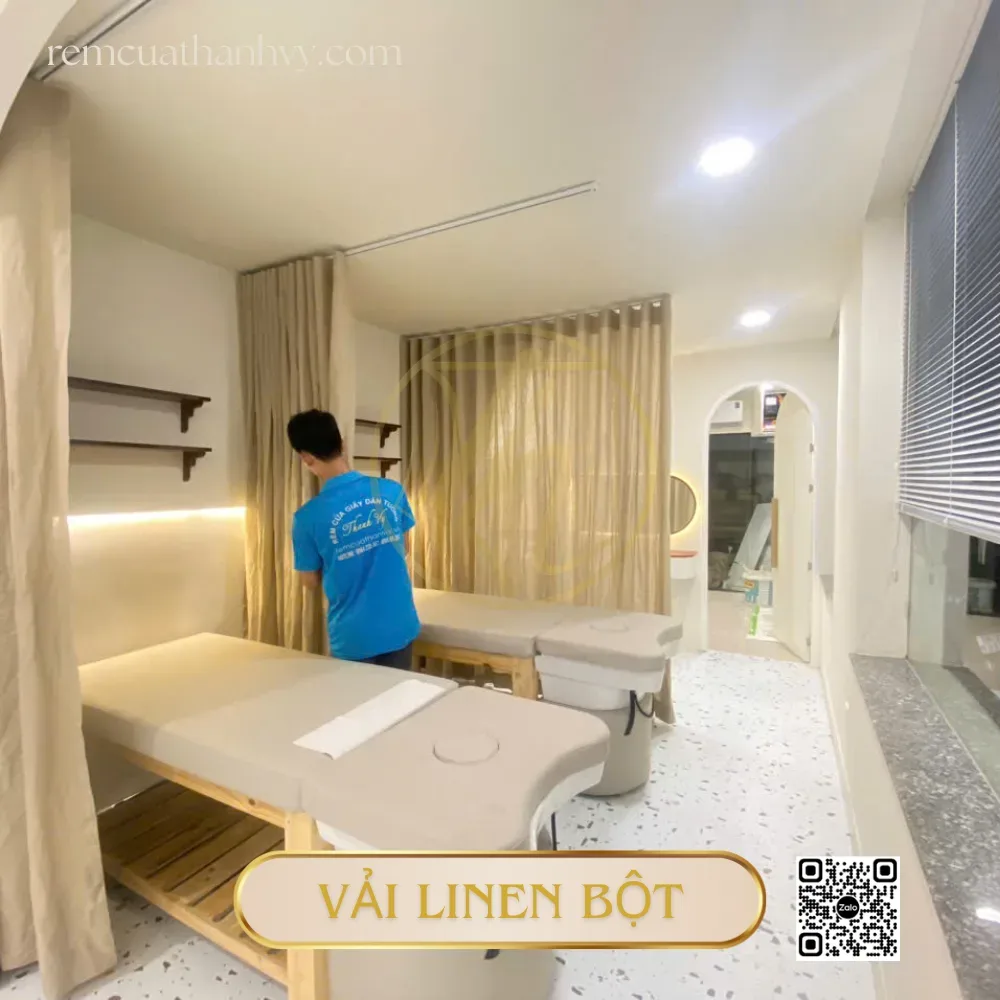
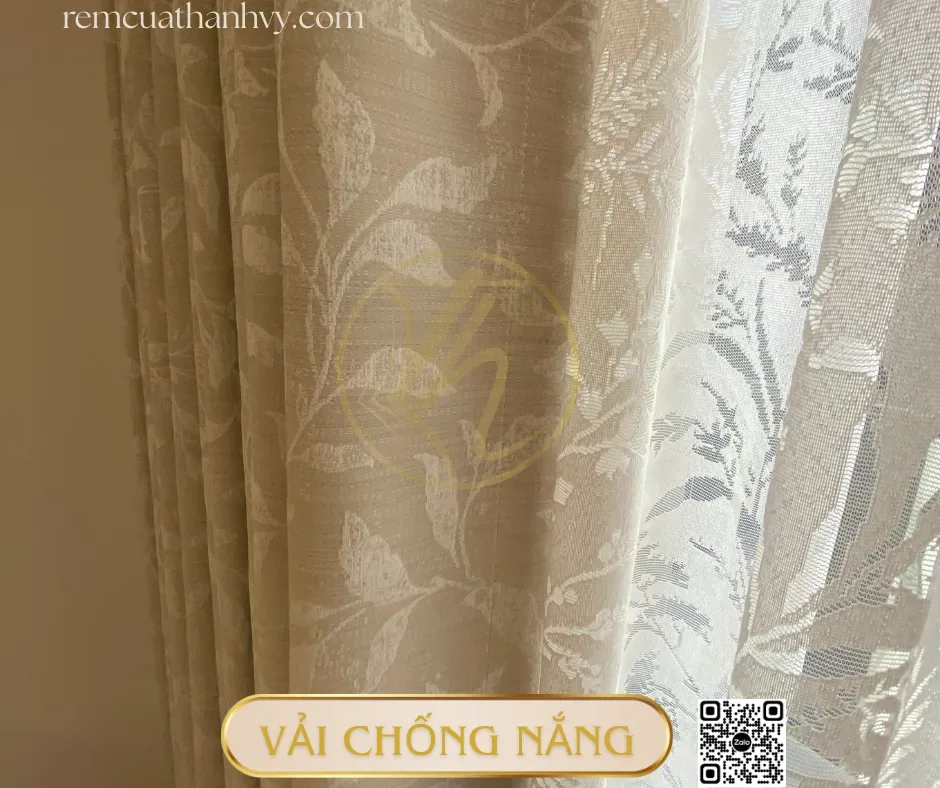
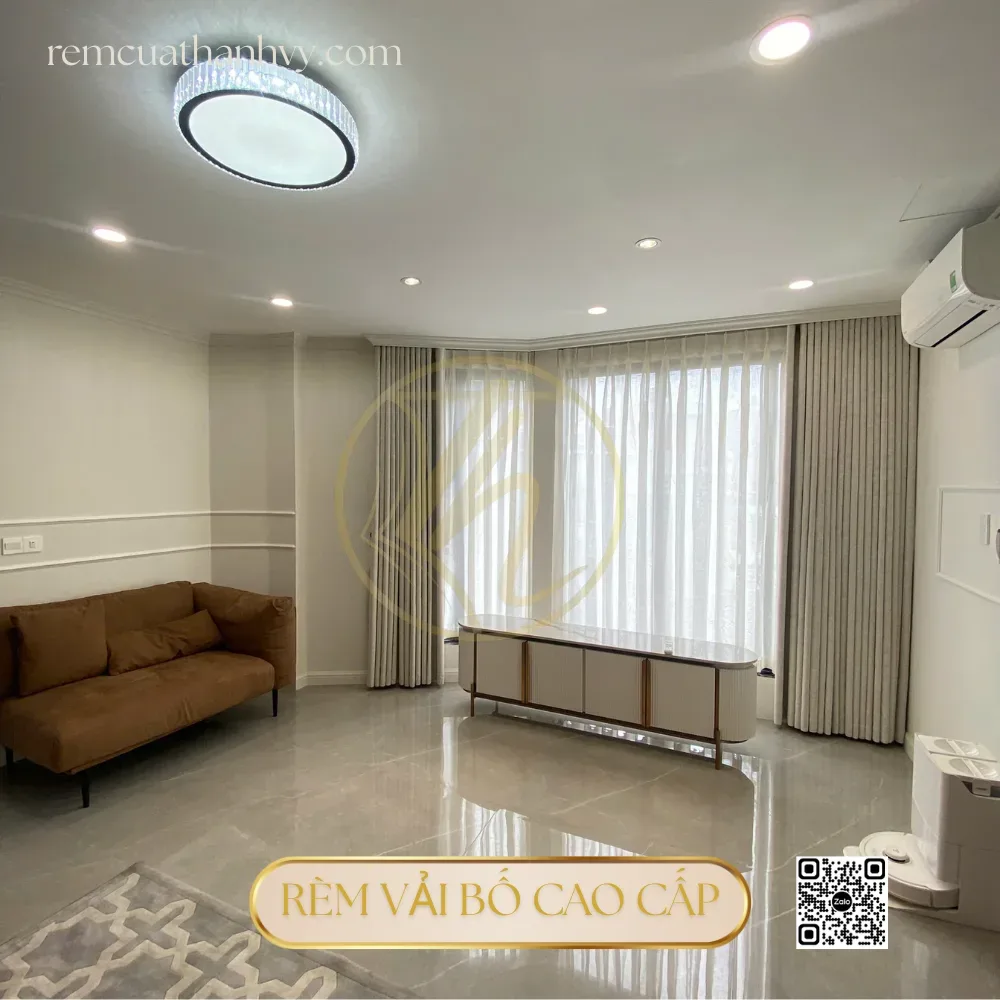
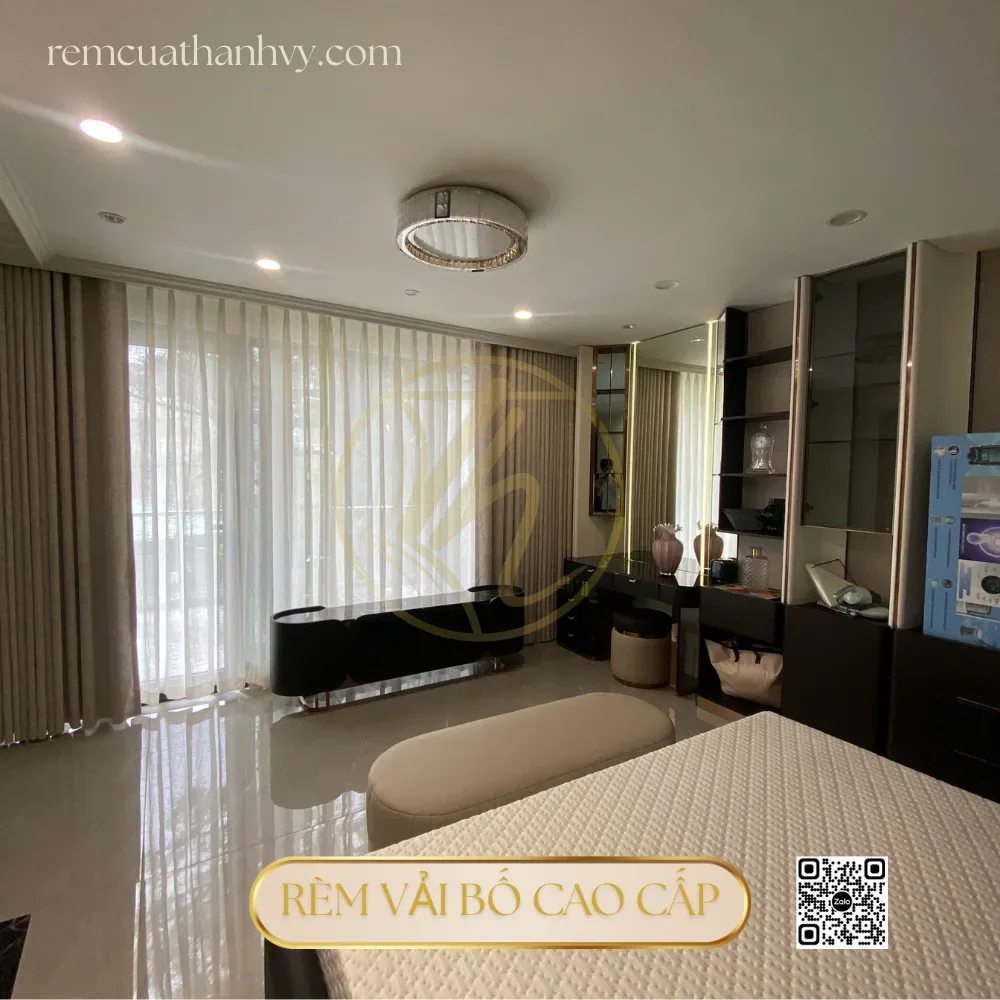
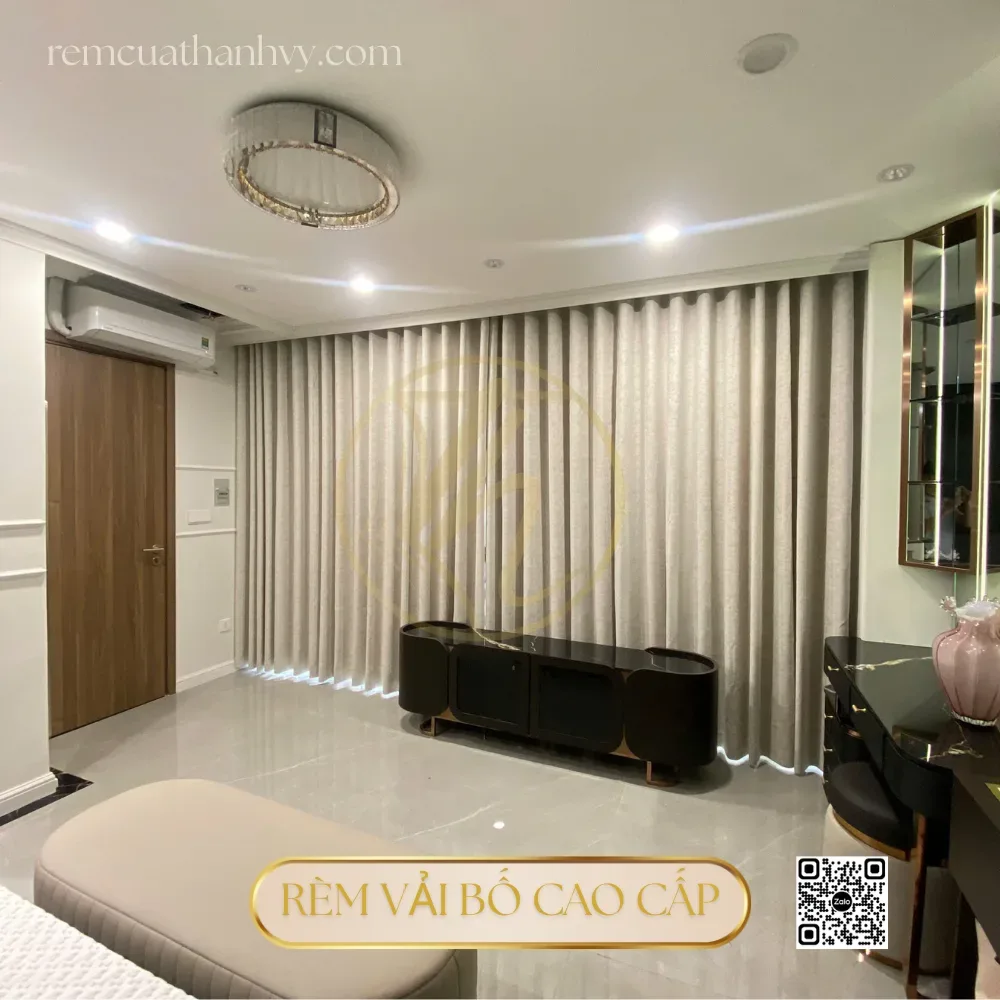
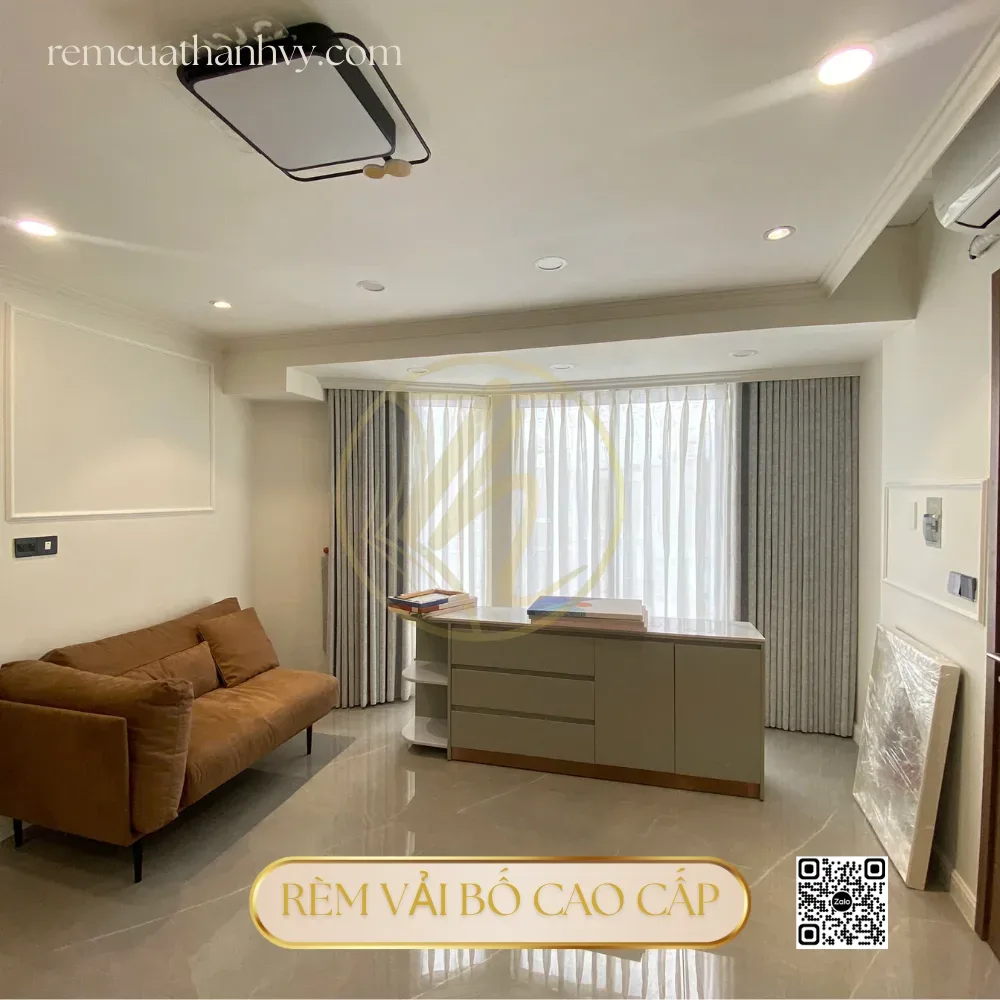
Linen Fabric Curtains
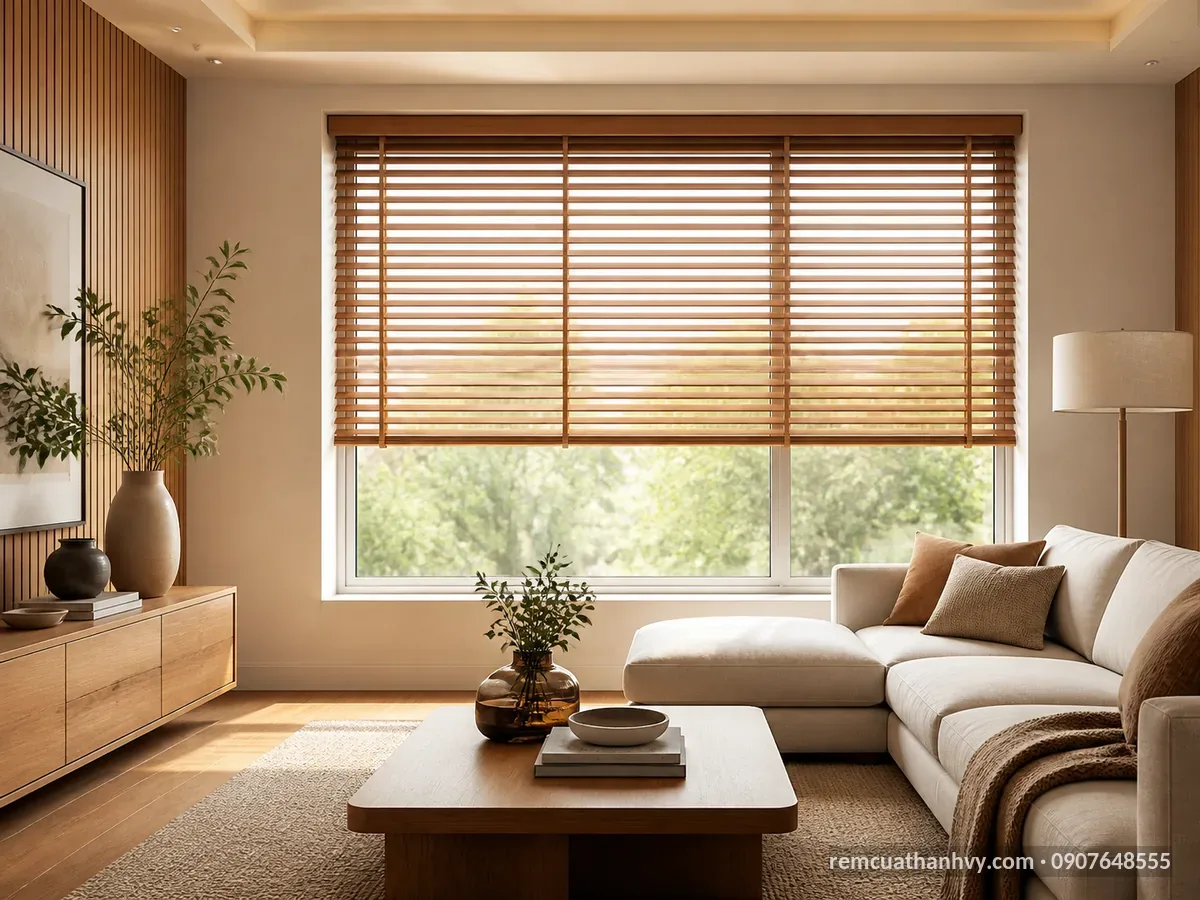
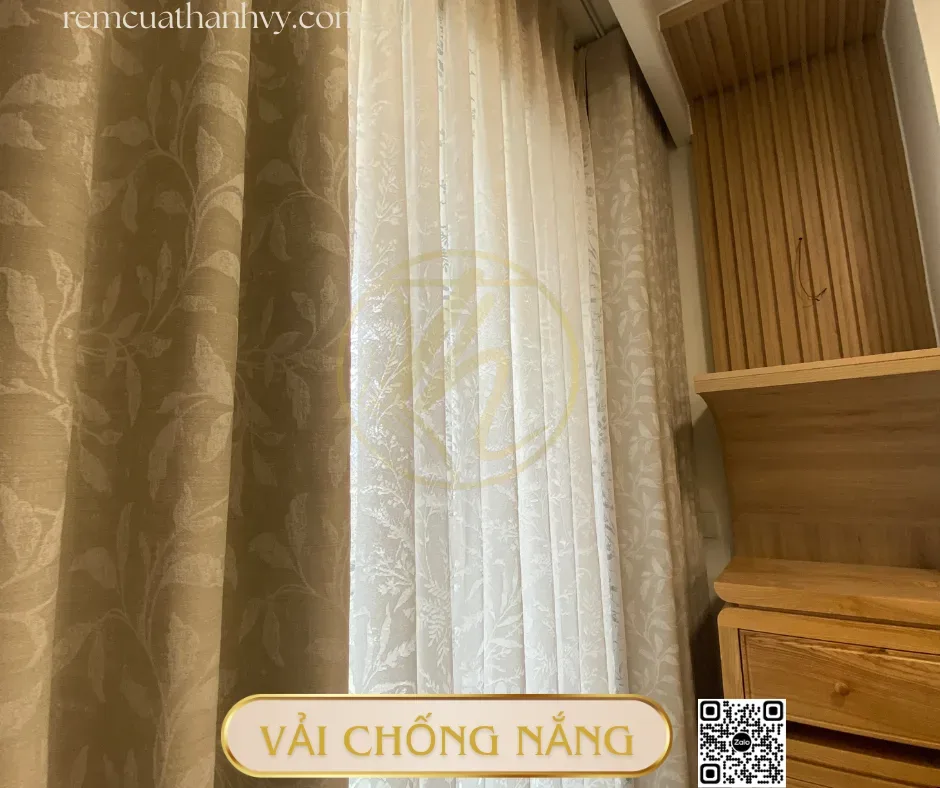
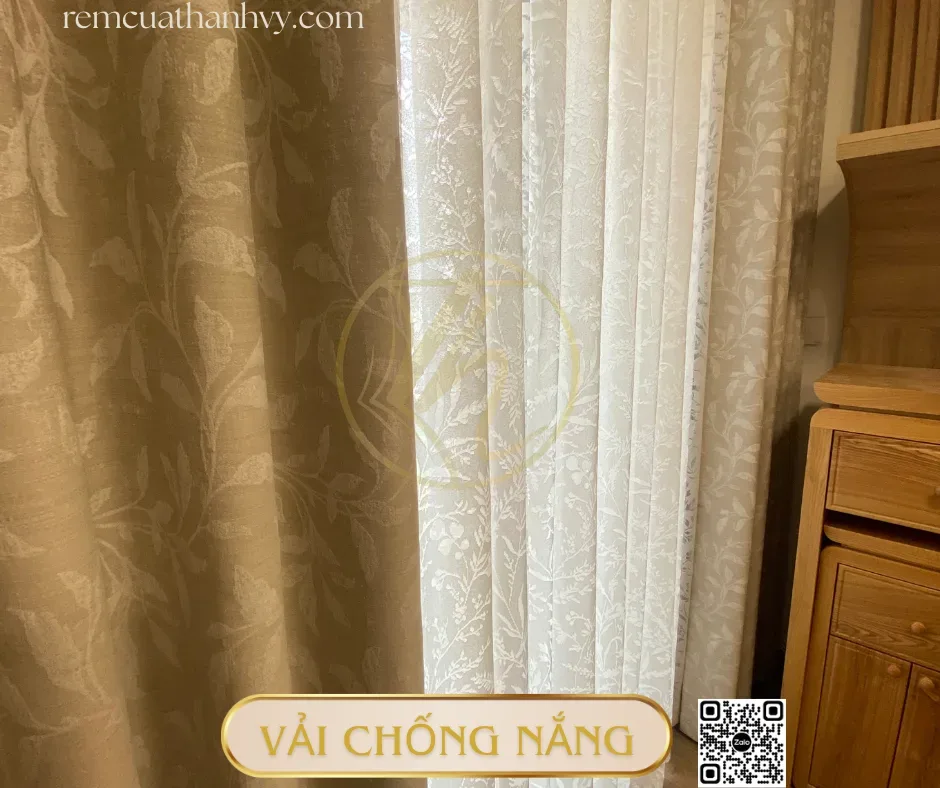
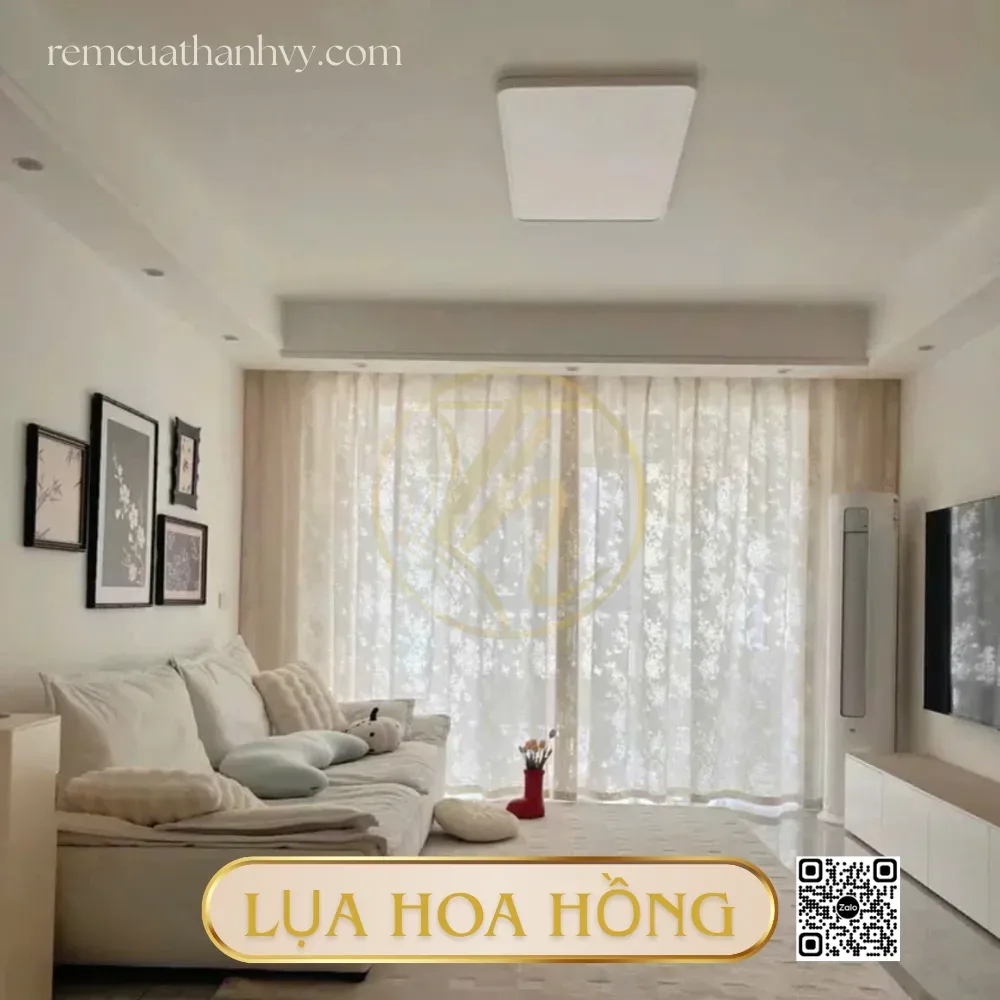
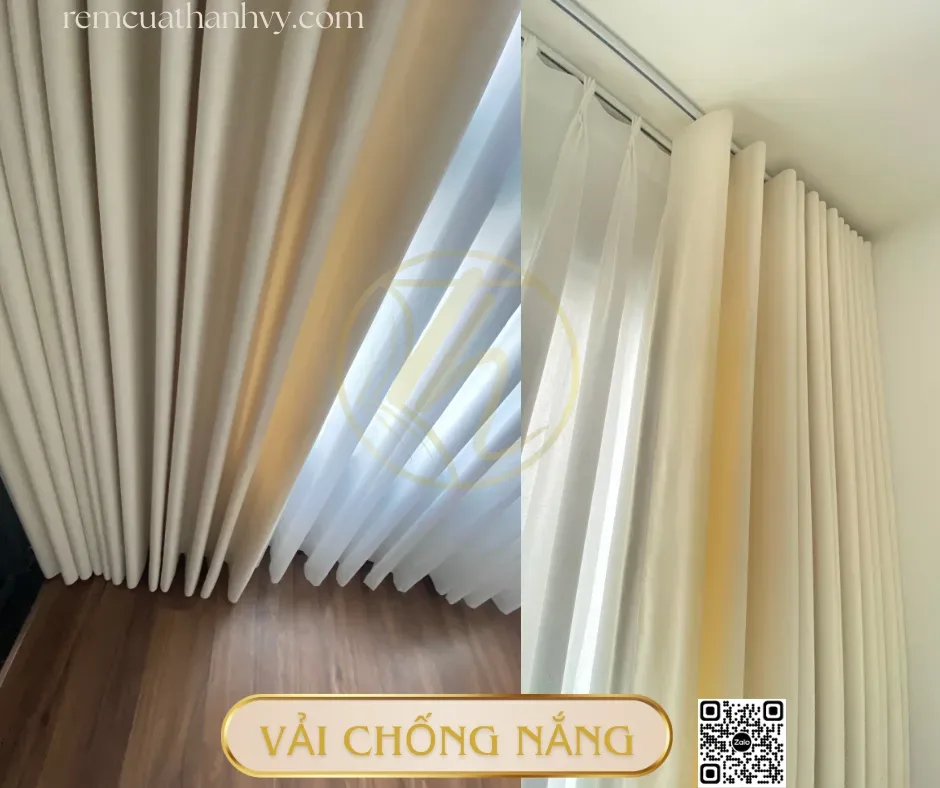
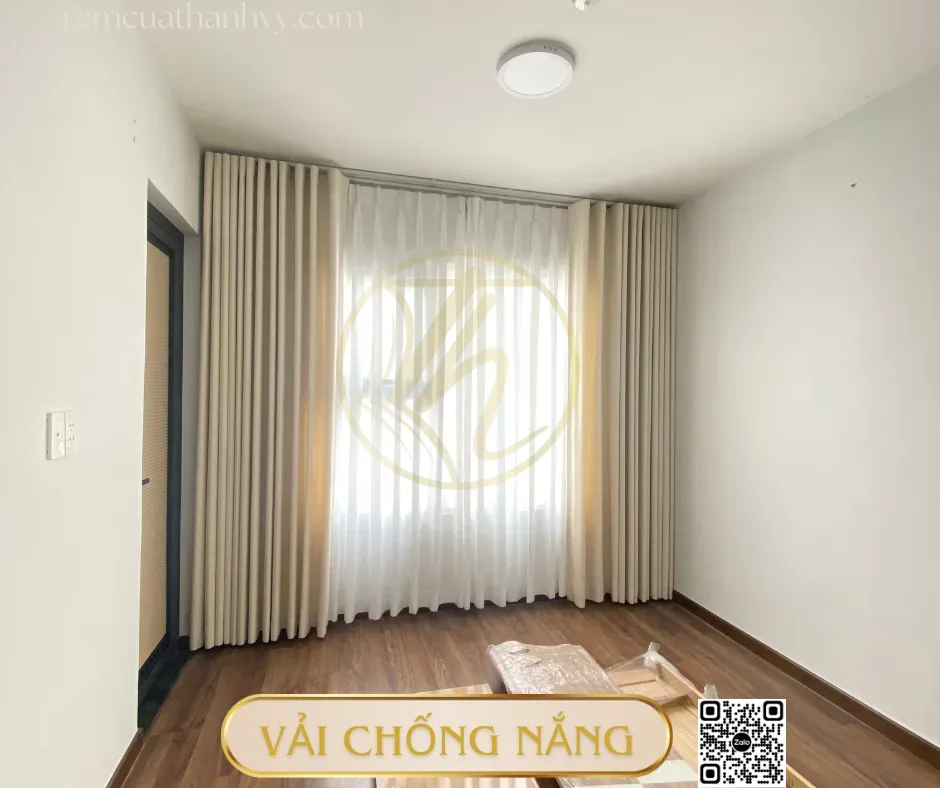
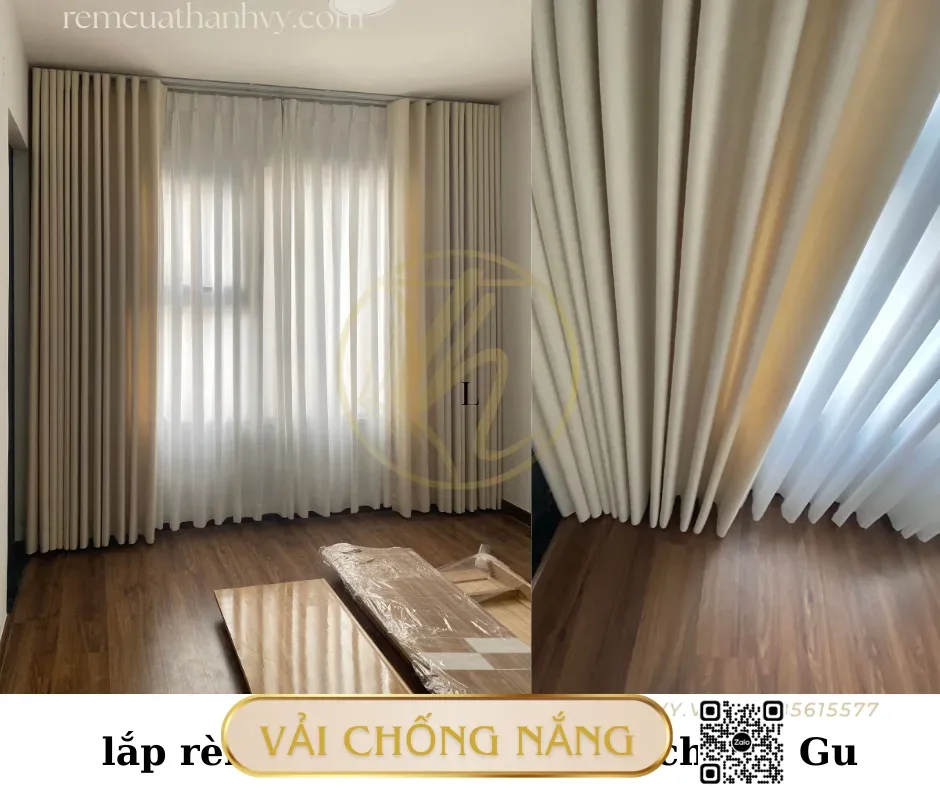
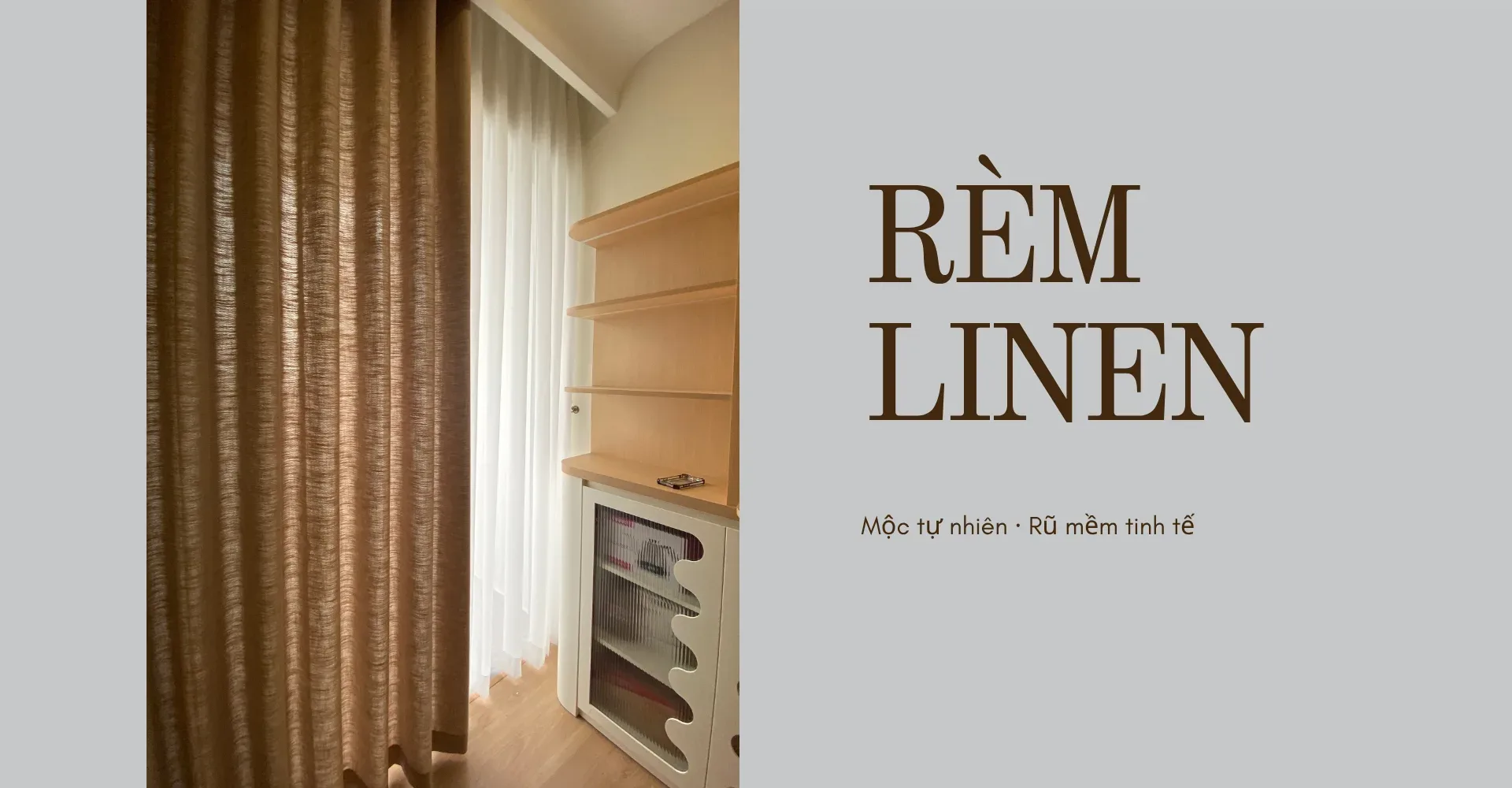
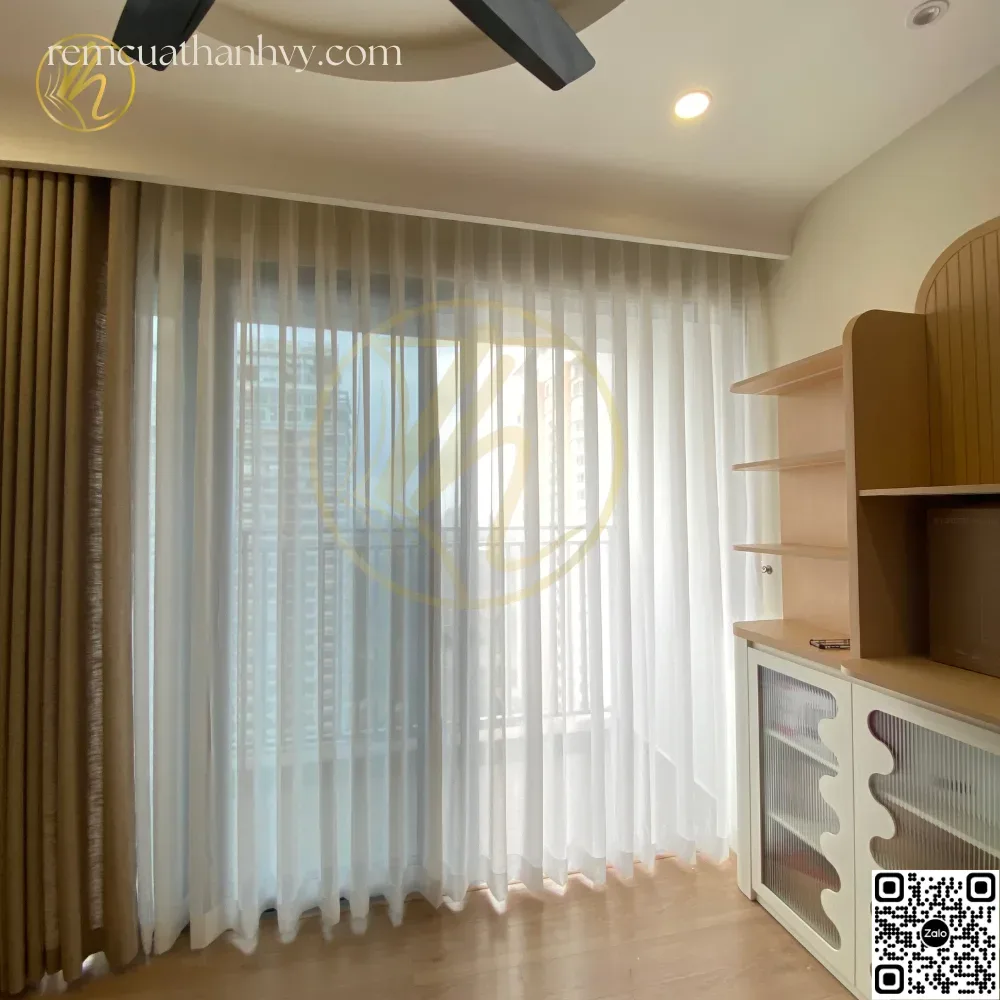
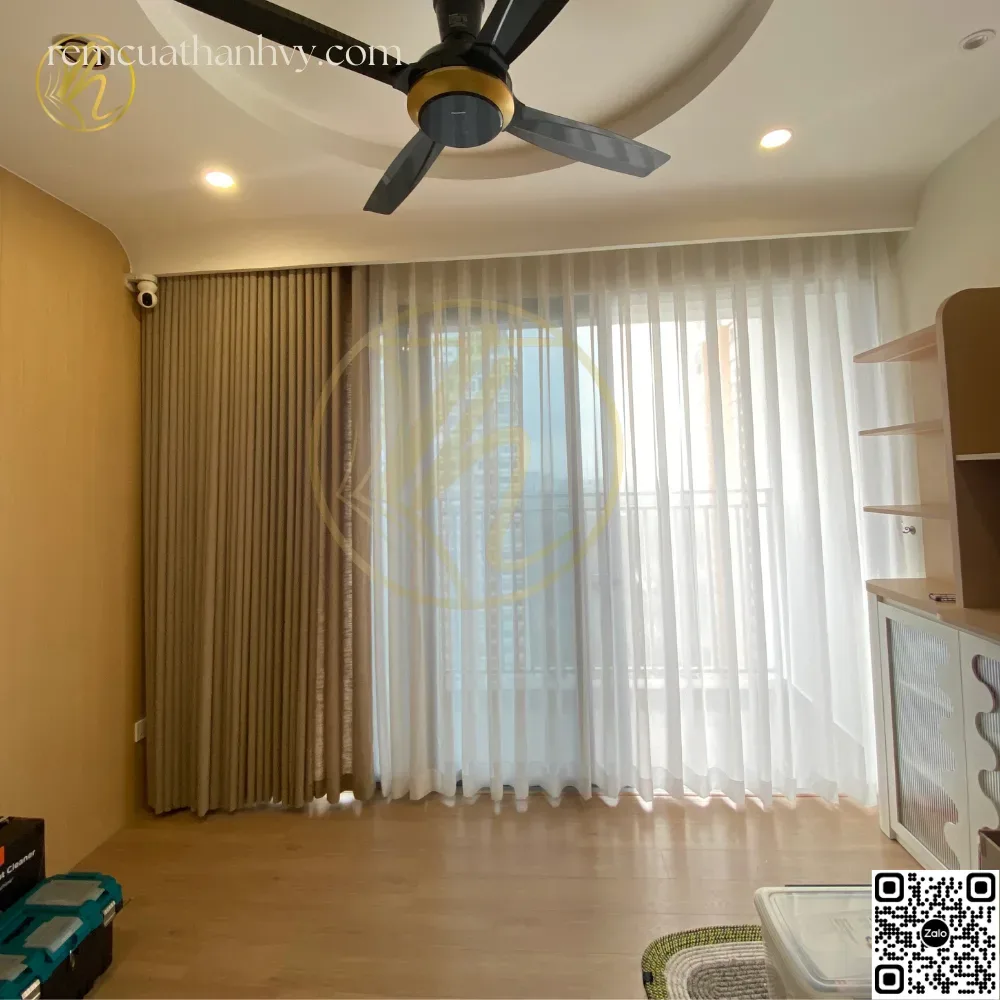
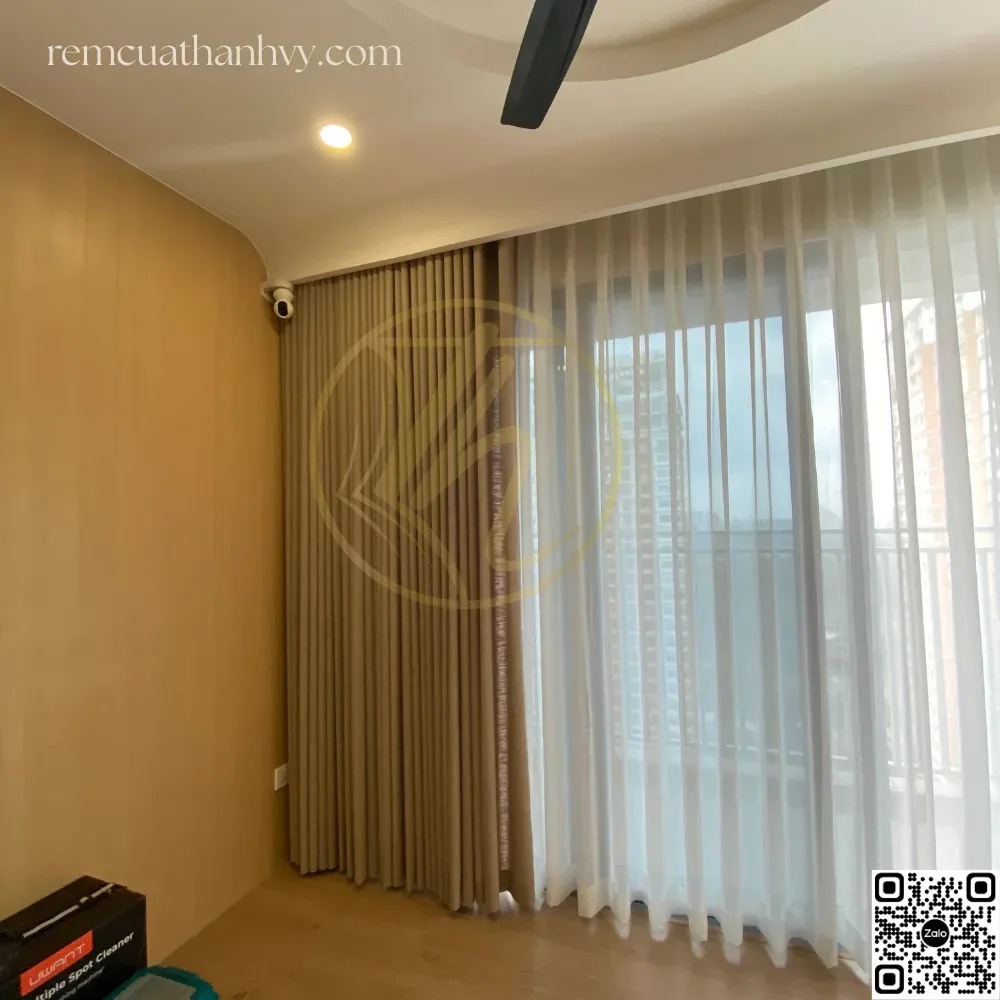
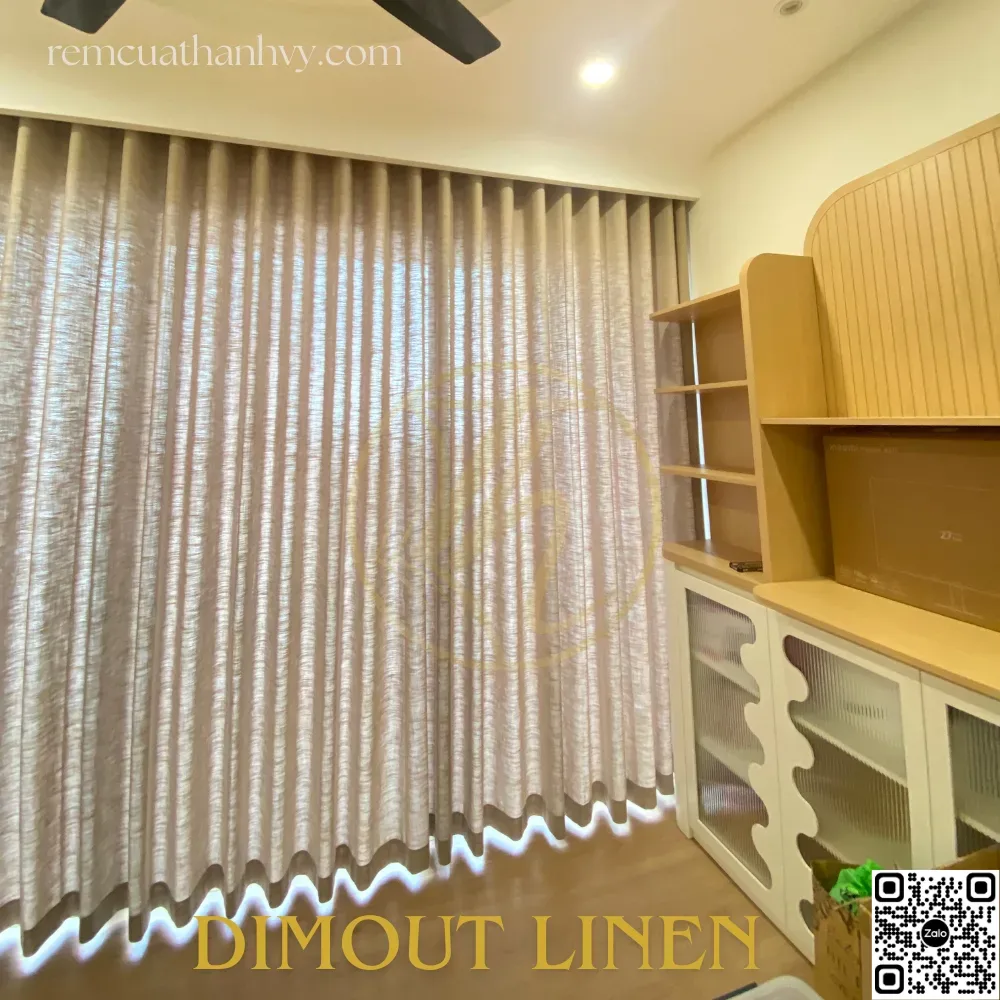
Linen offers a subtle, slightly slubbed texture with low sheen, making it ideal for wooden furniture and neutral color tones.
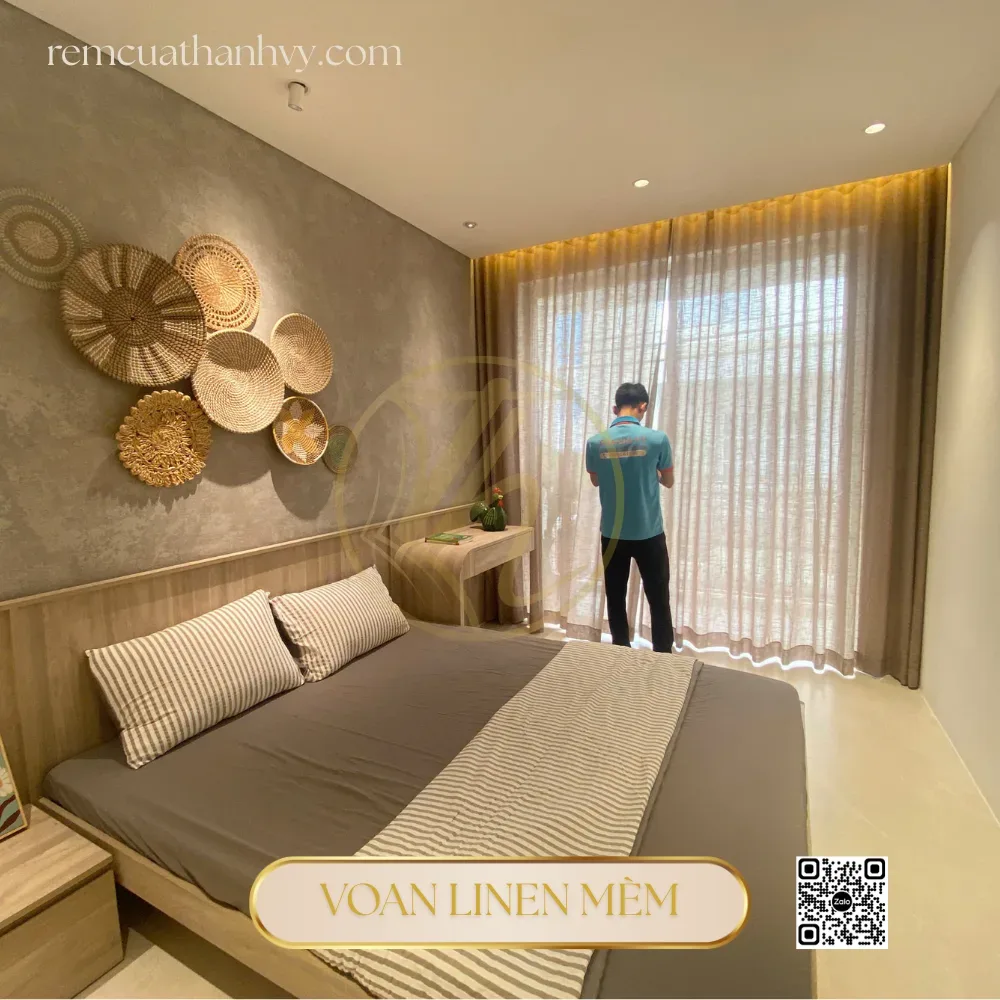
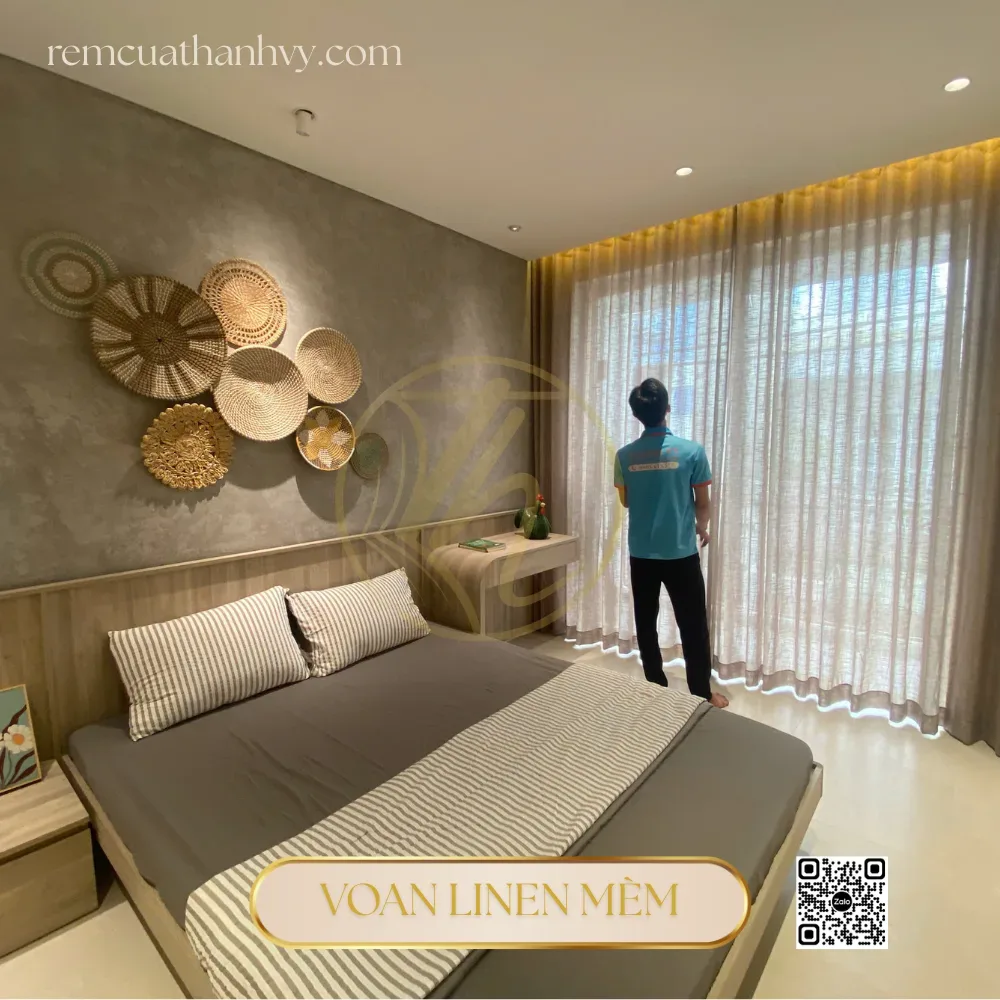
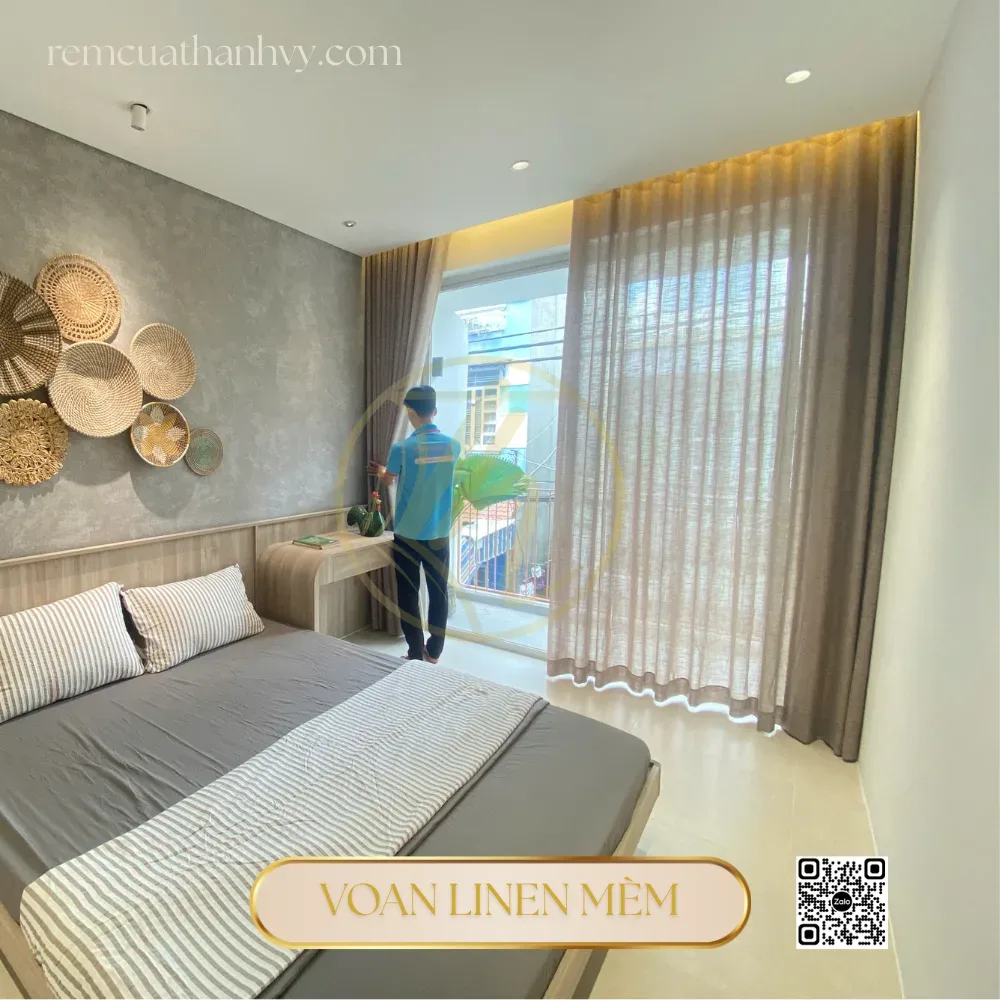
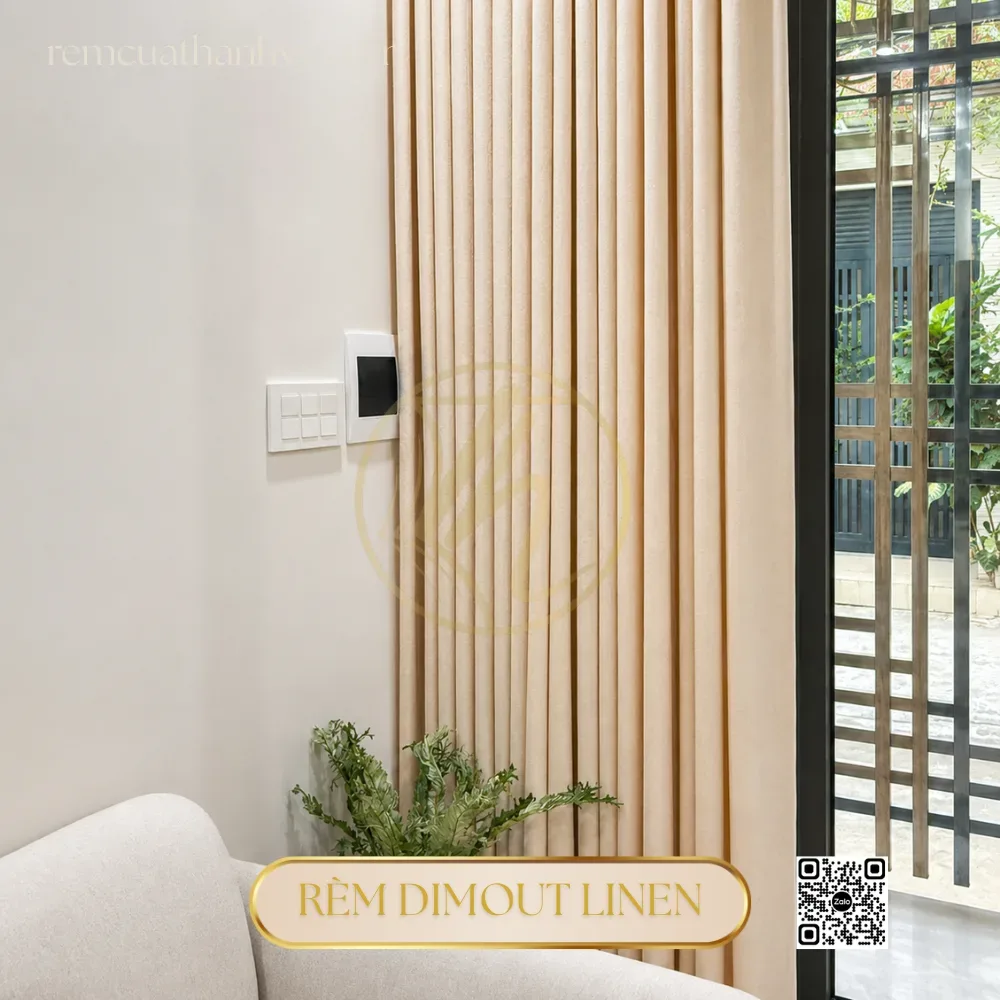
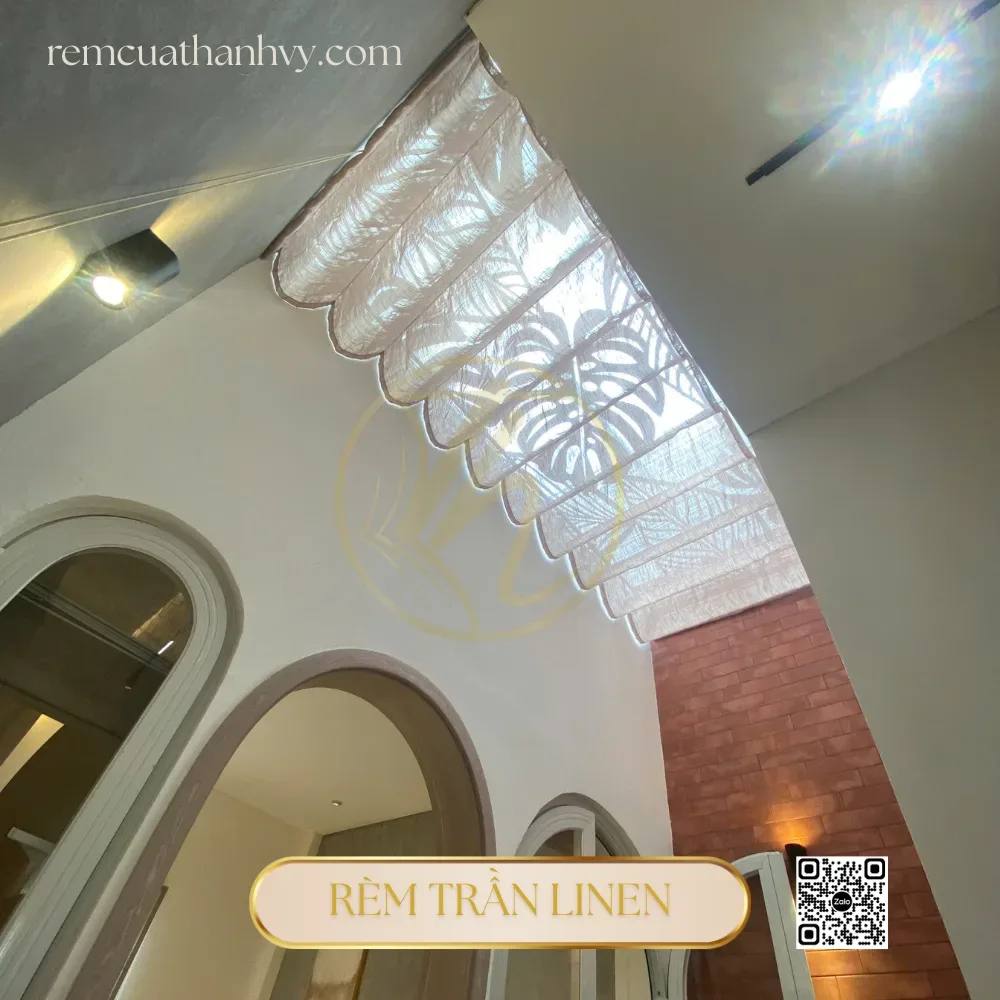
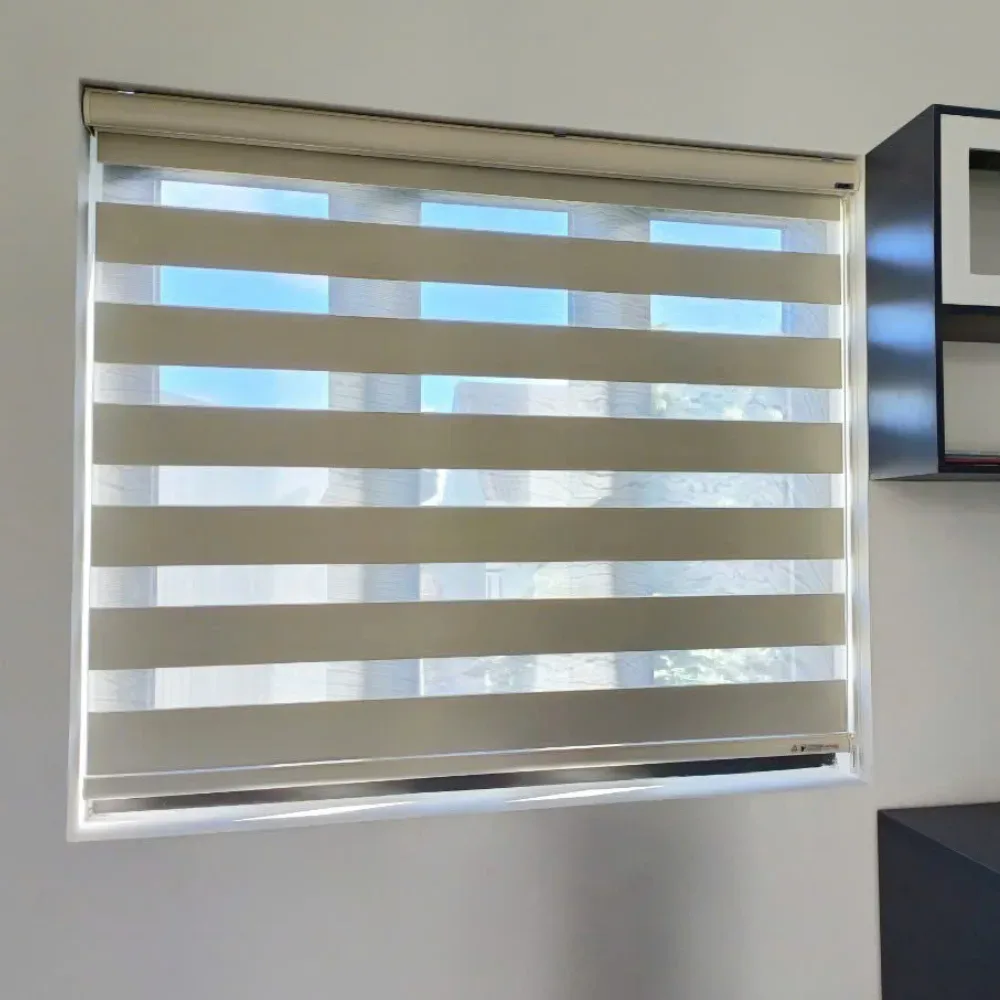
Rainbow Blinds
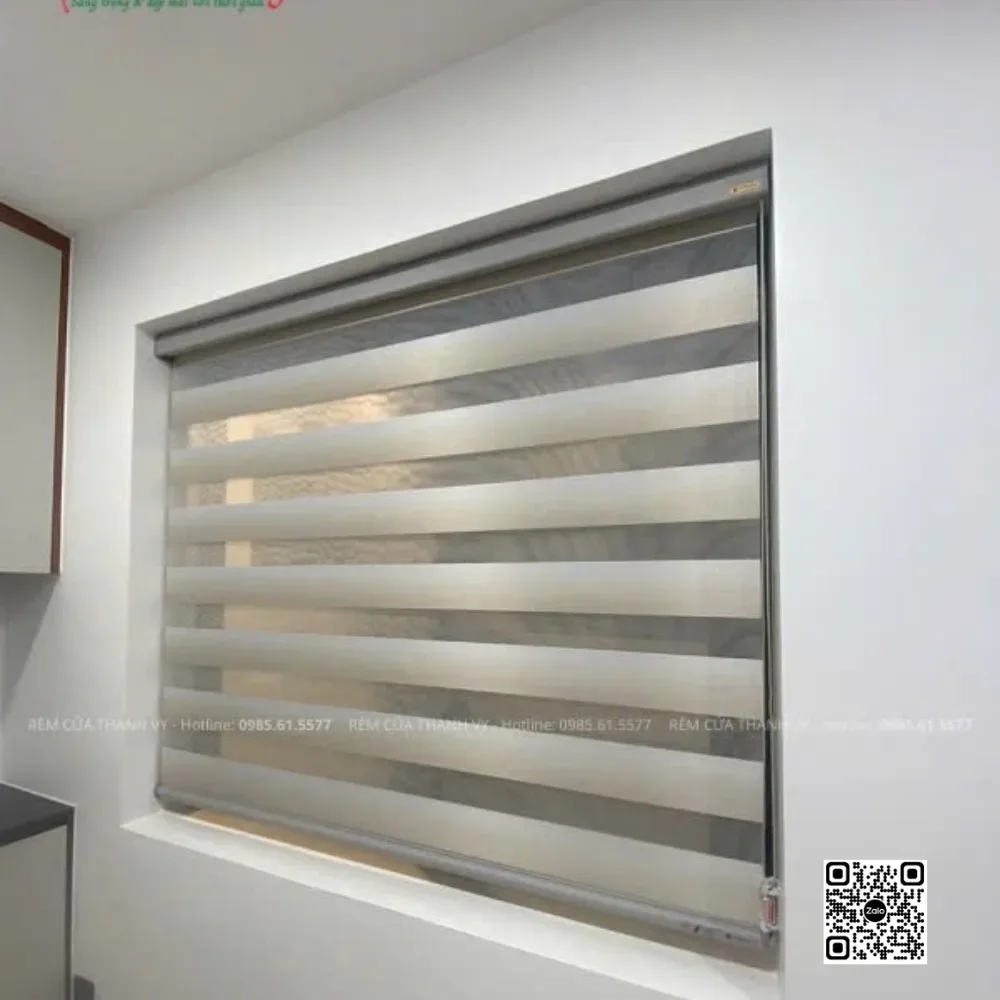
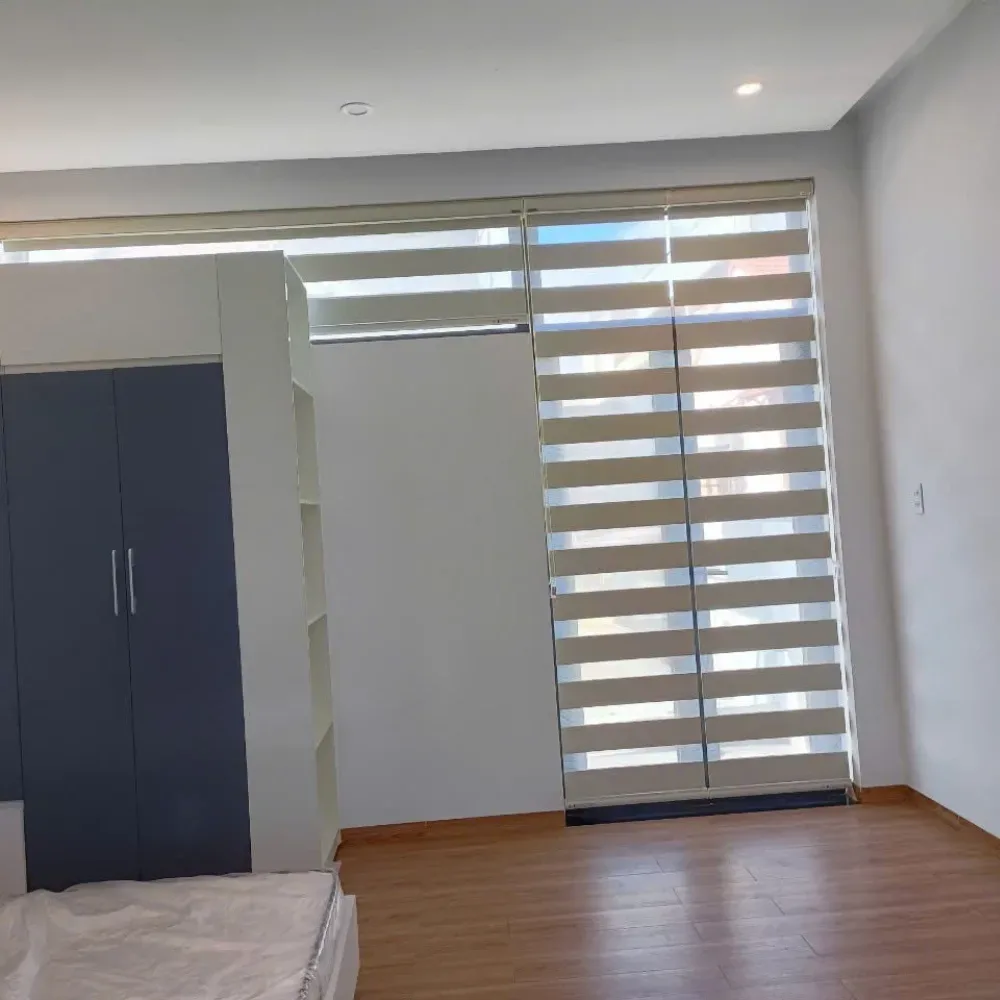
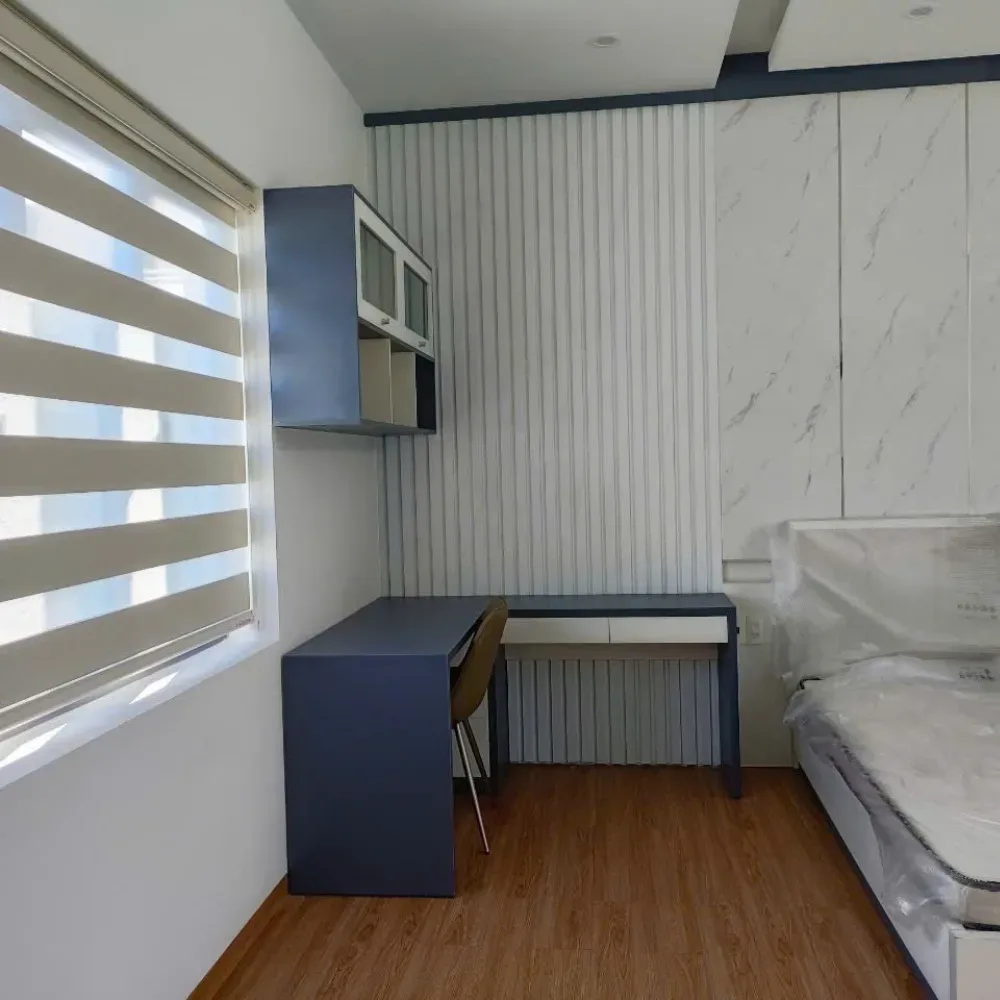
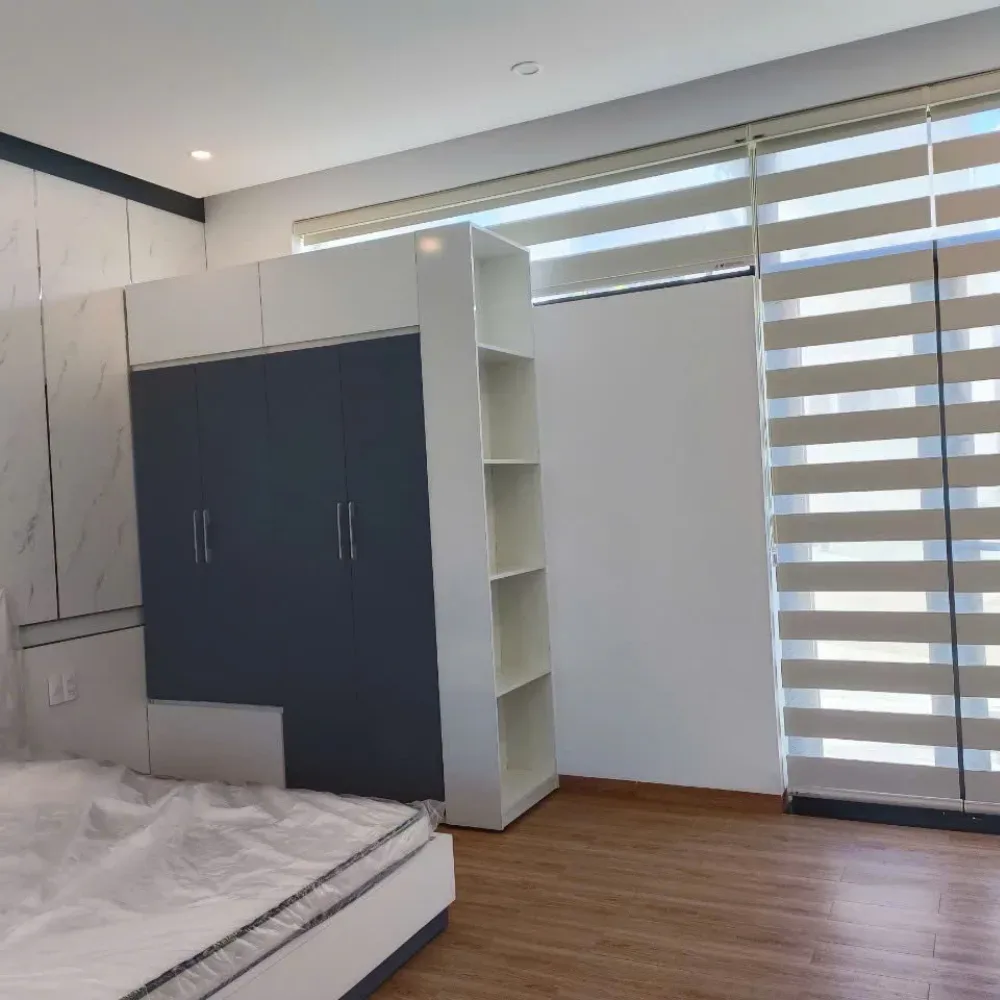
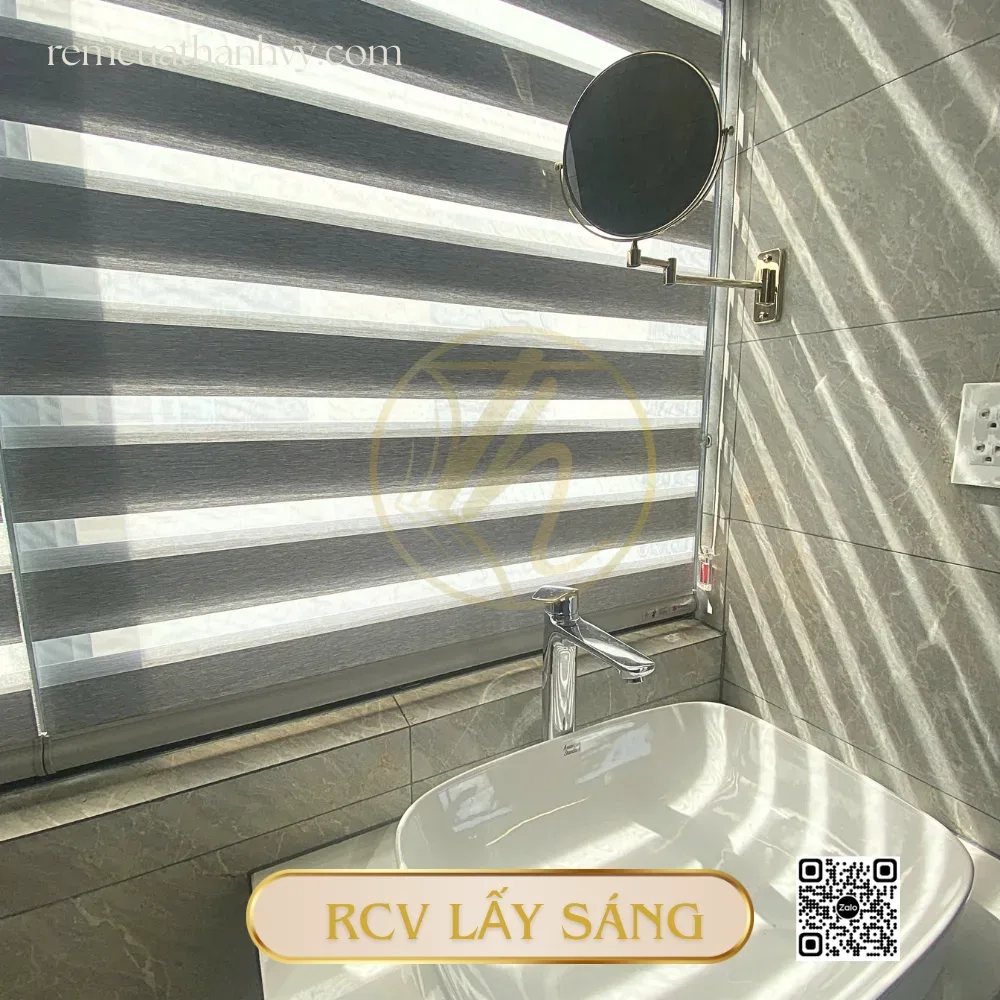
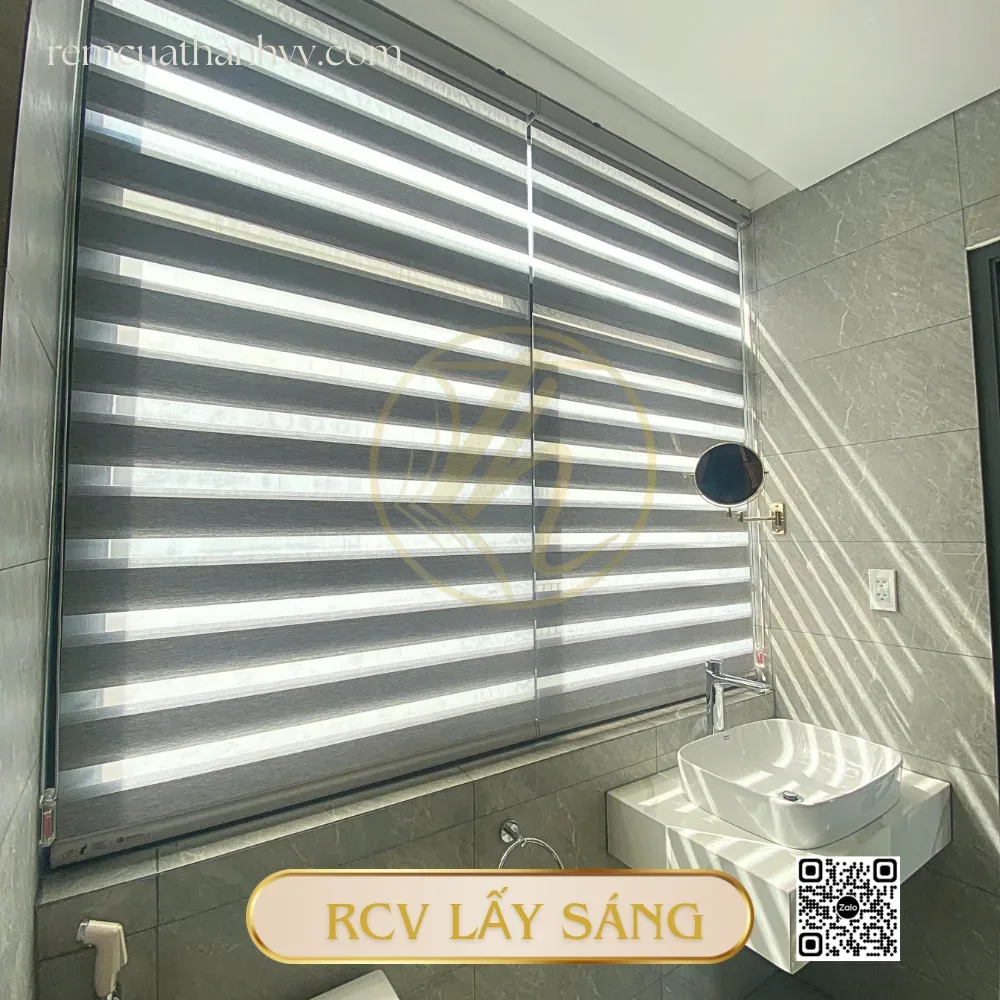
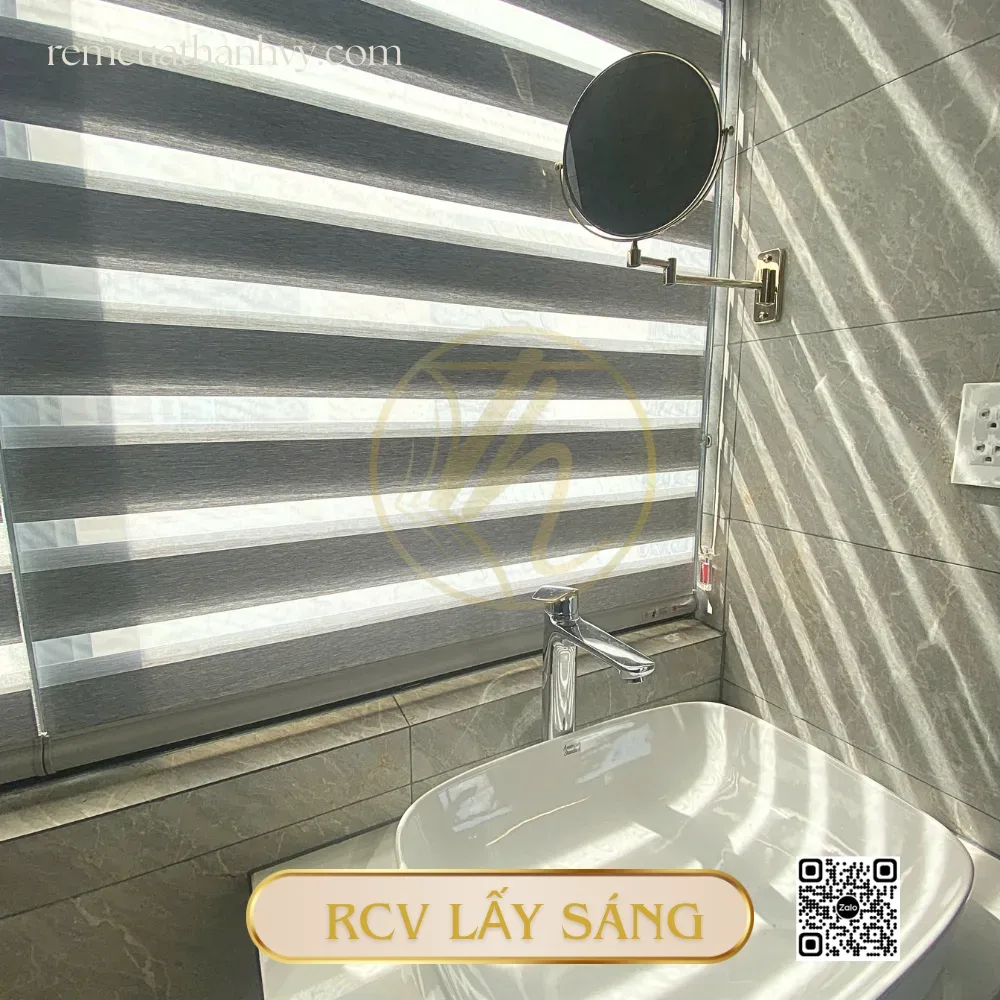
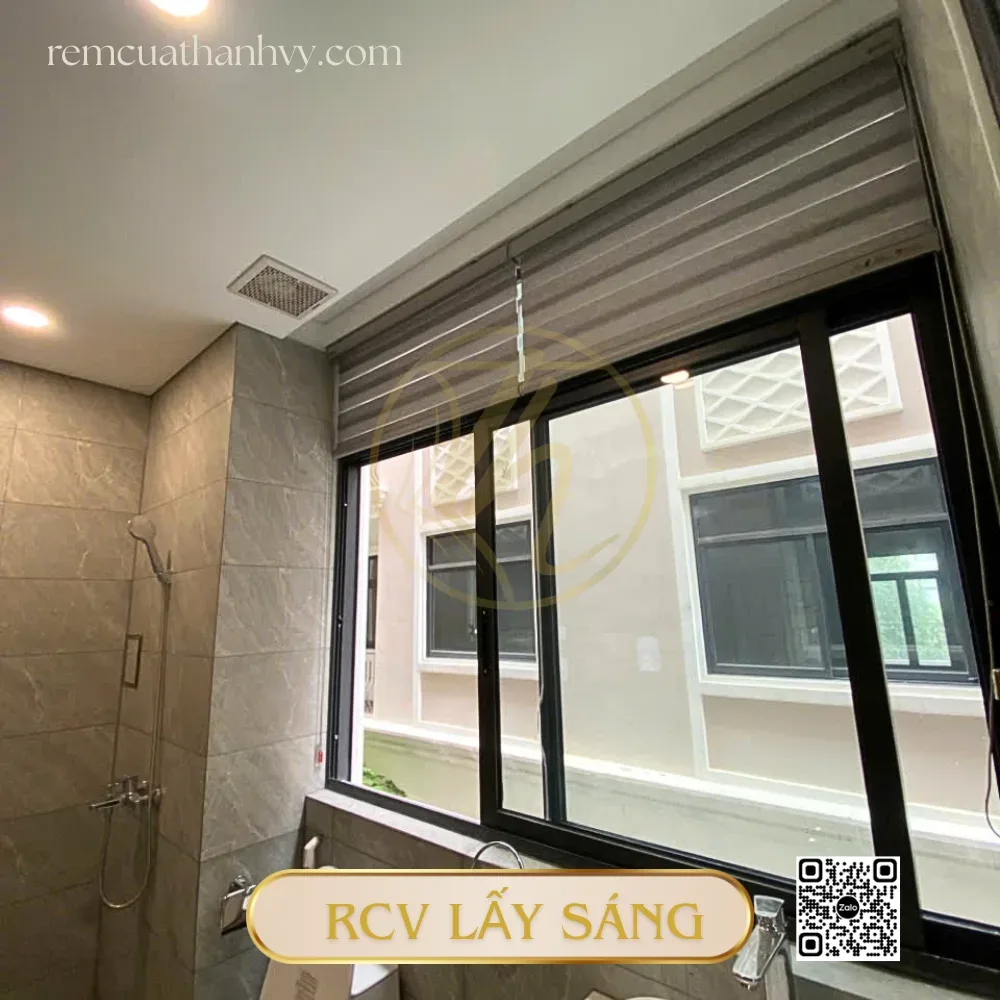
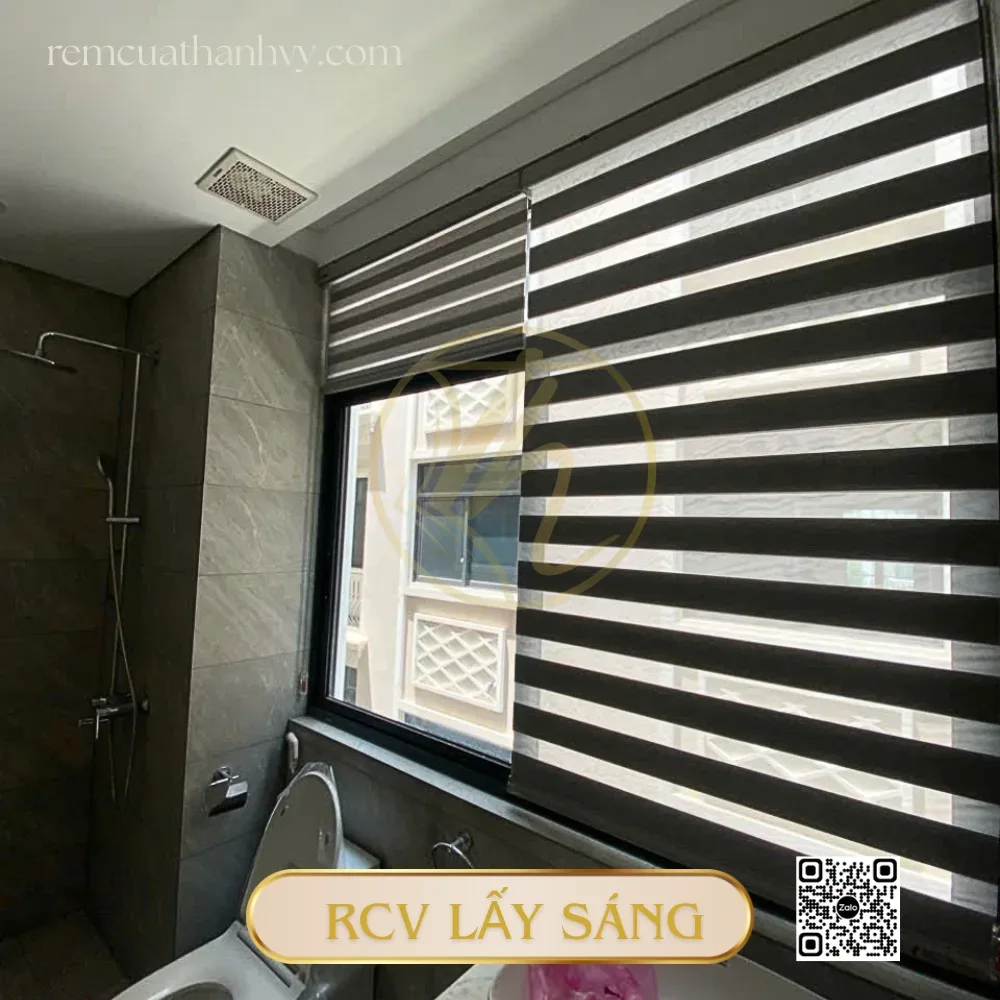
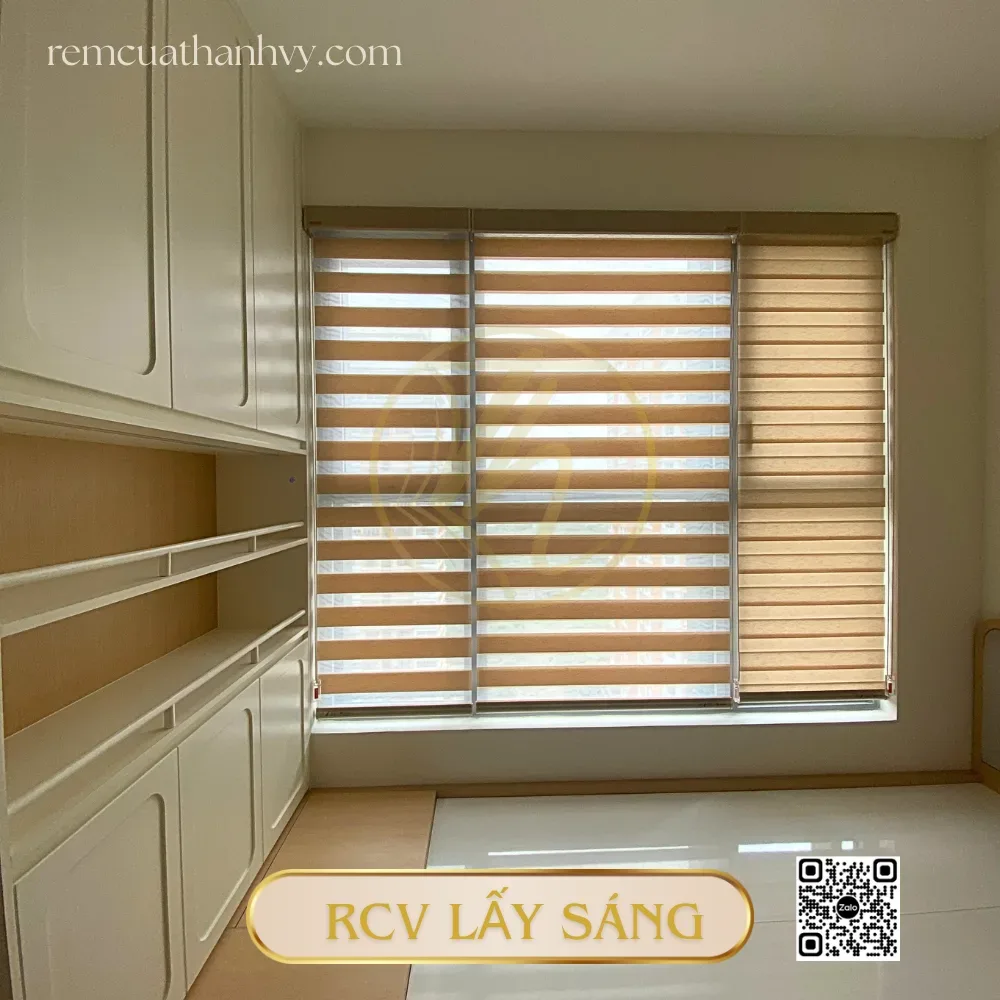
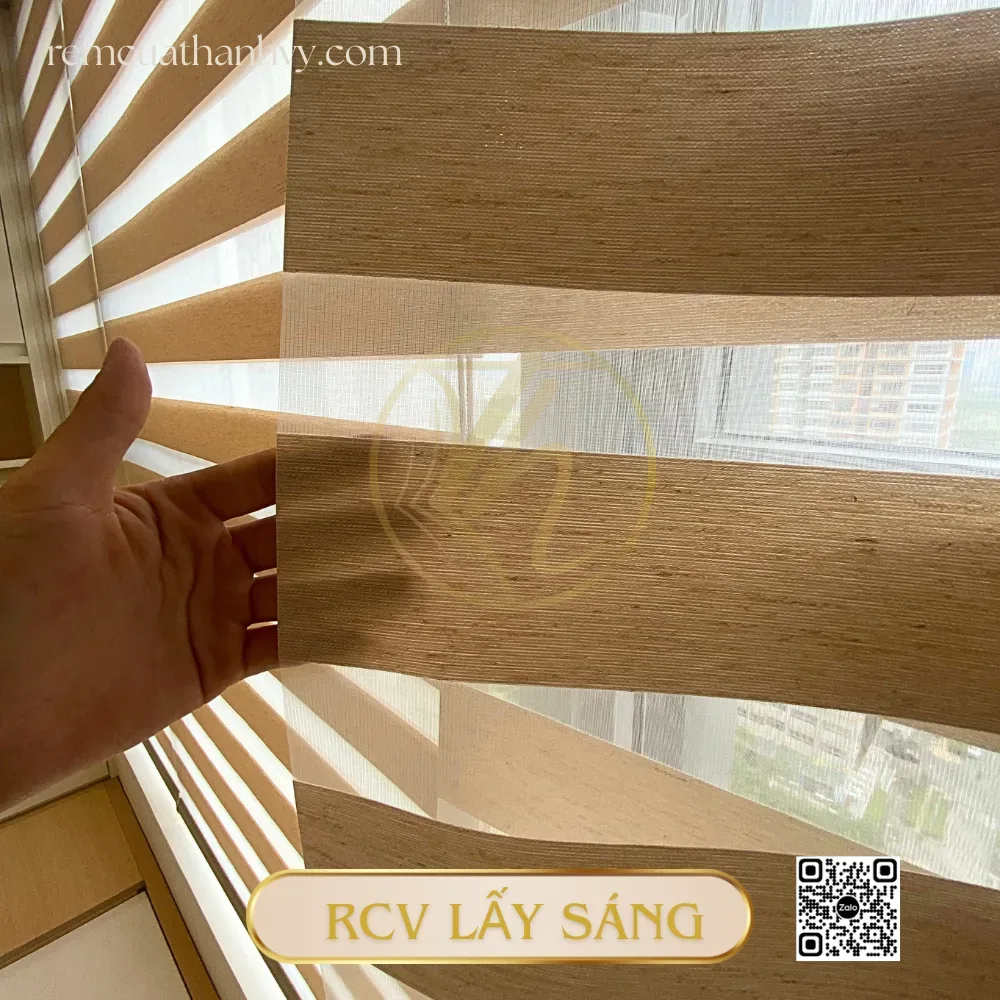
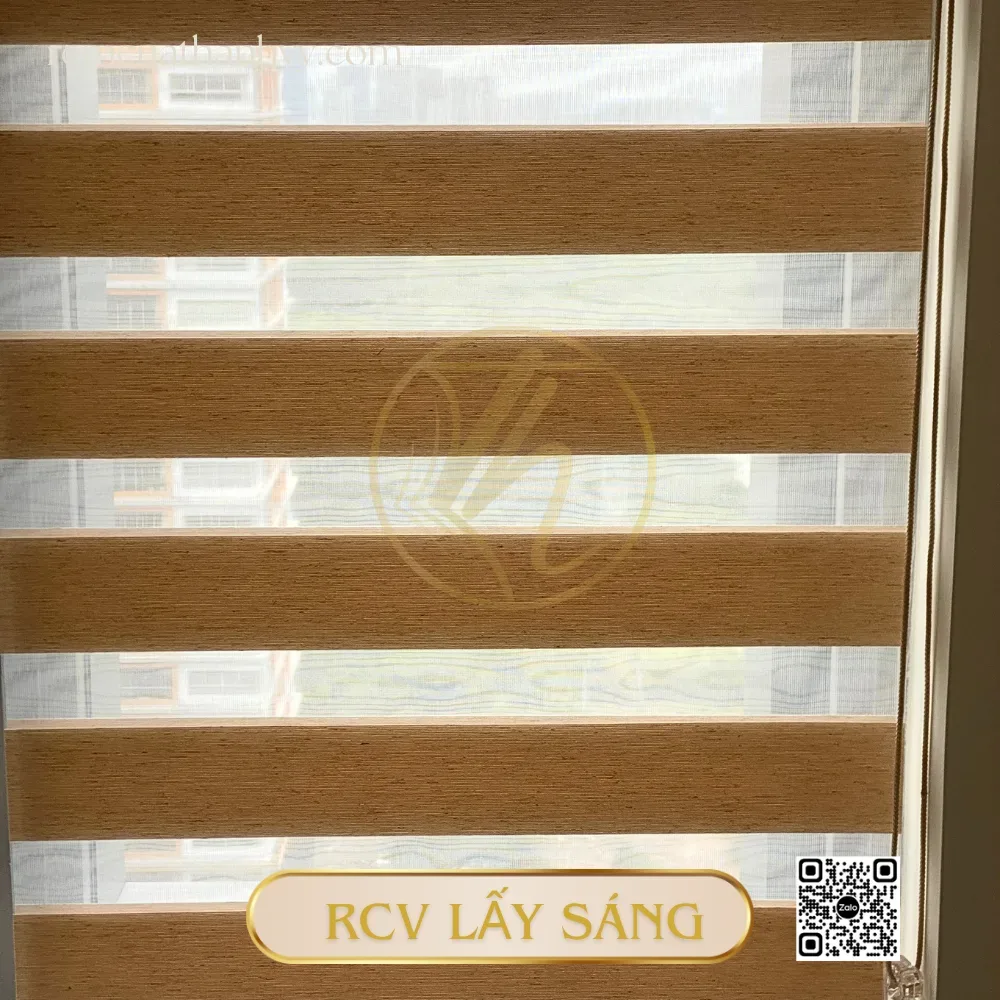
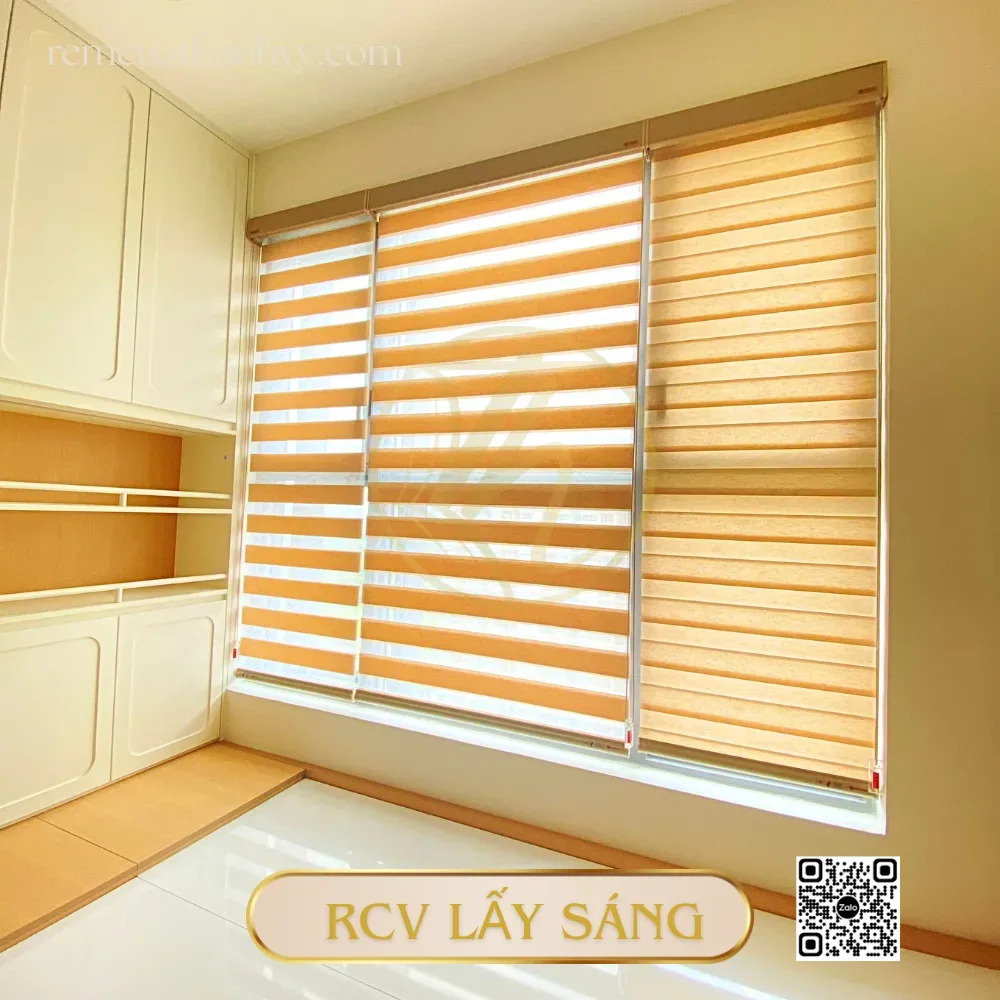
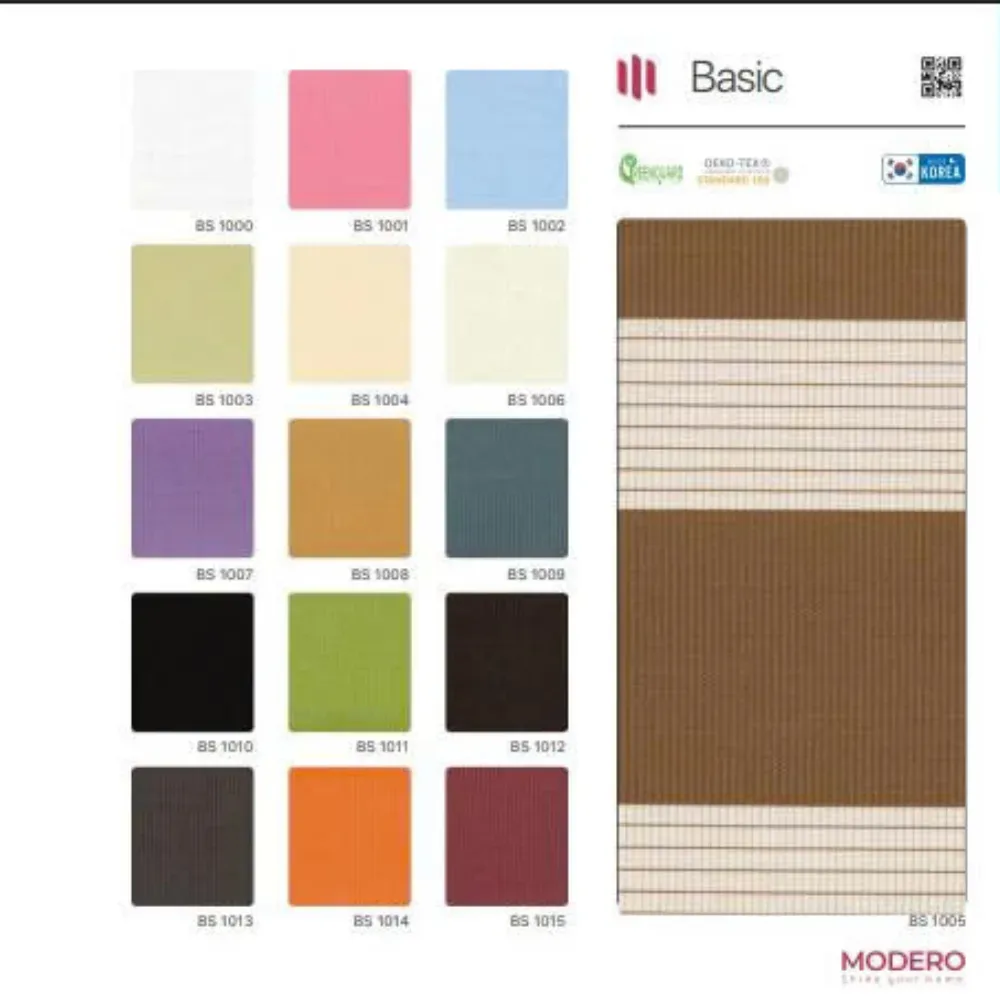
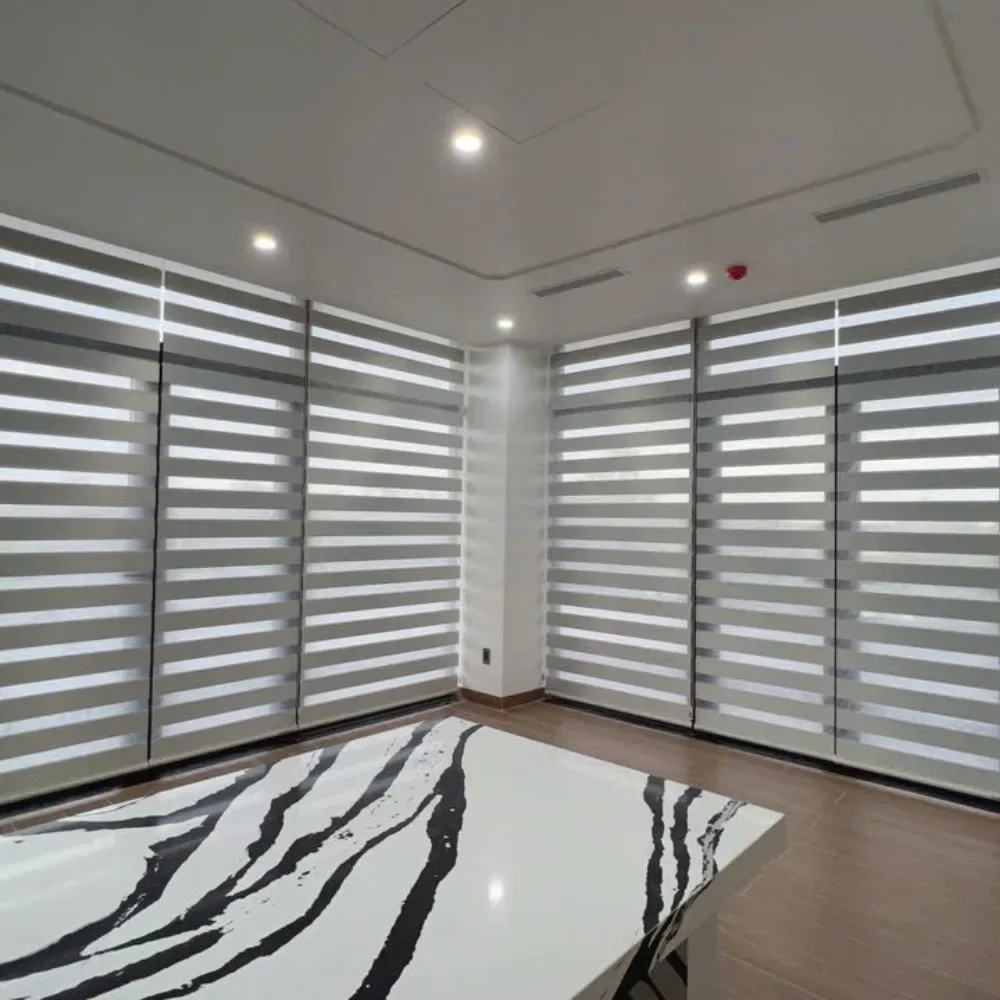
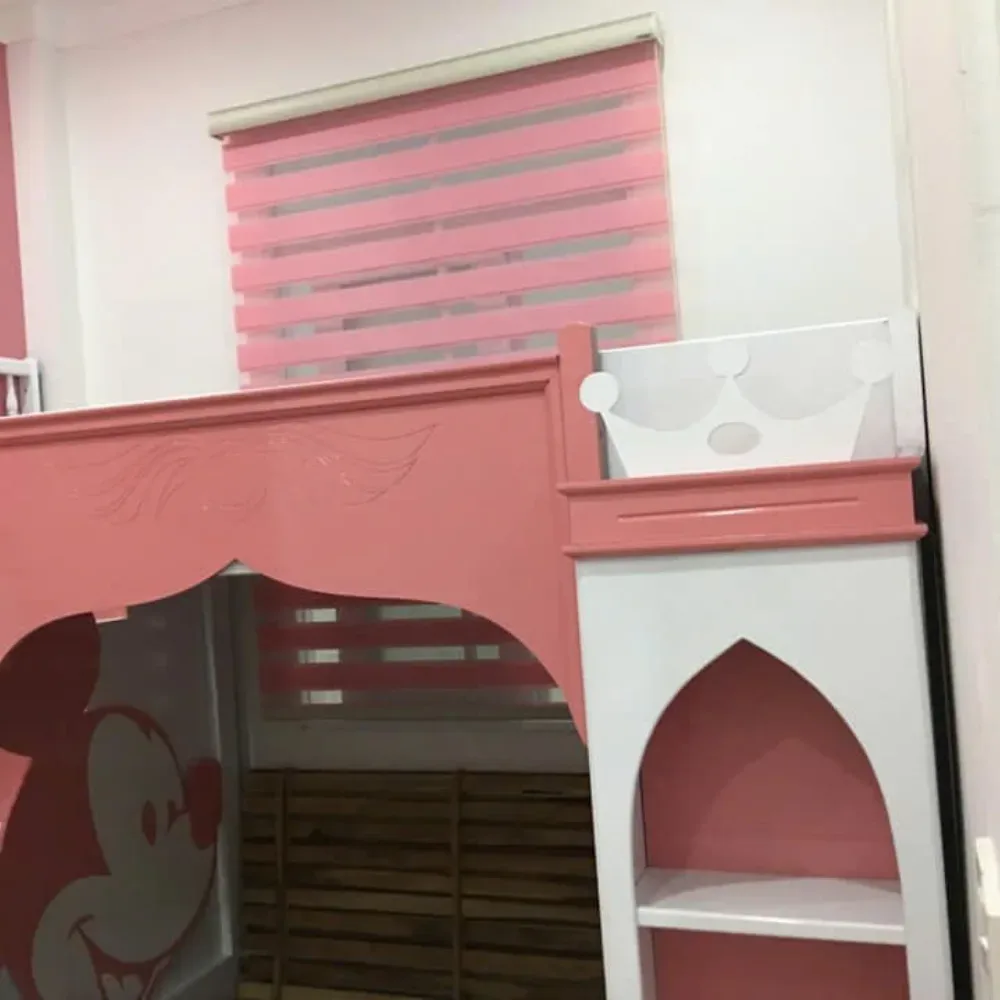
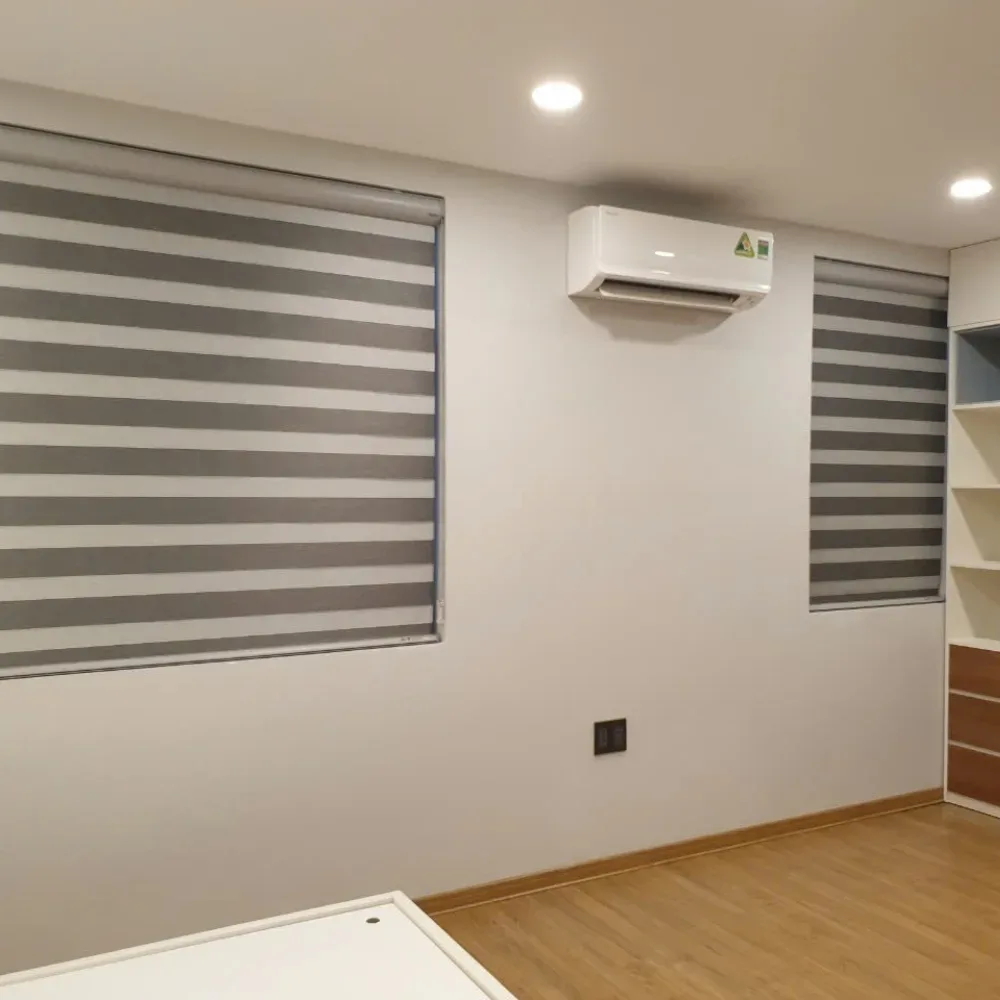
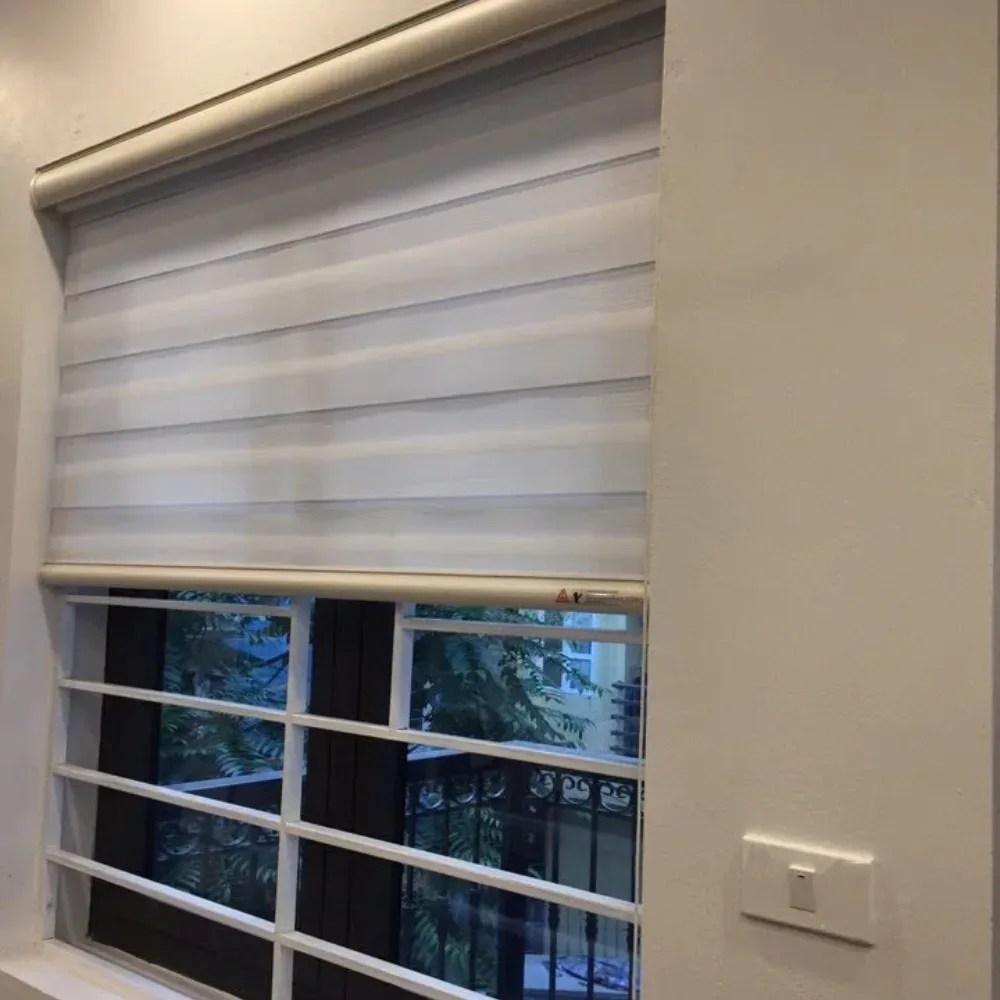
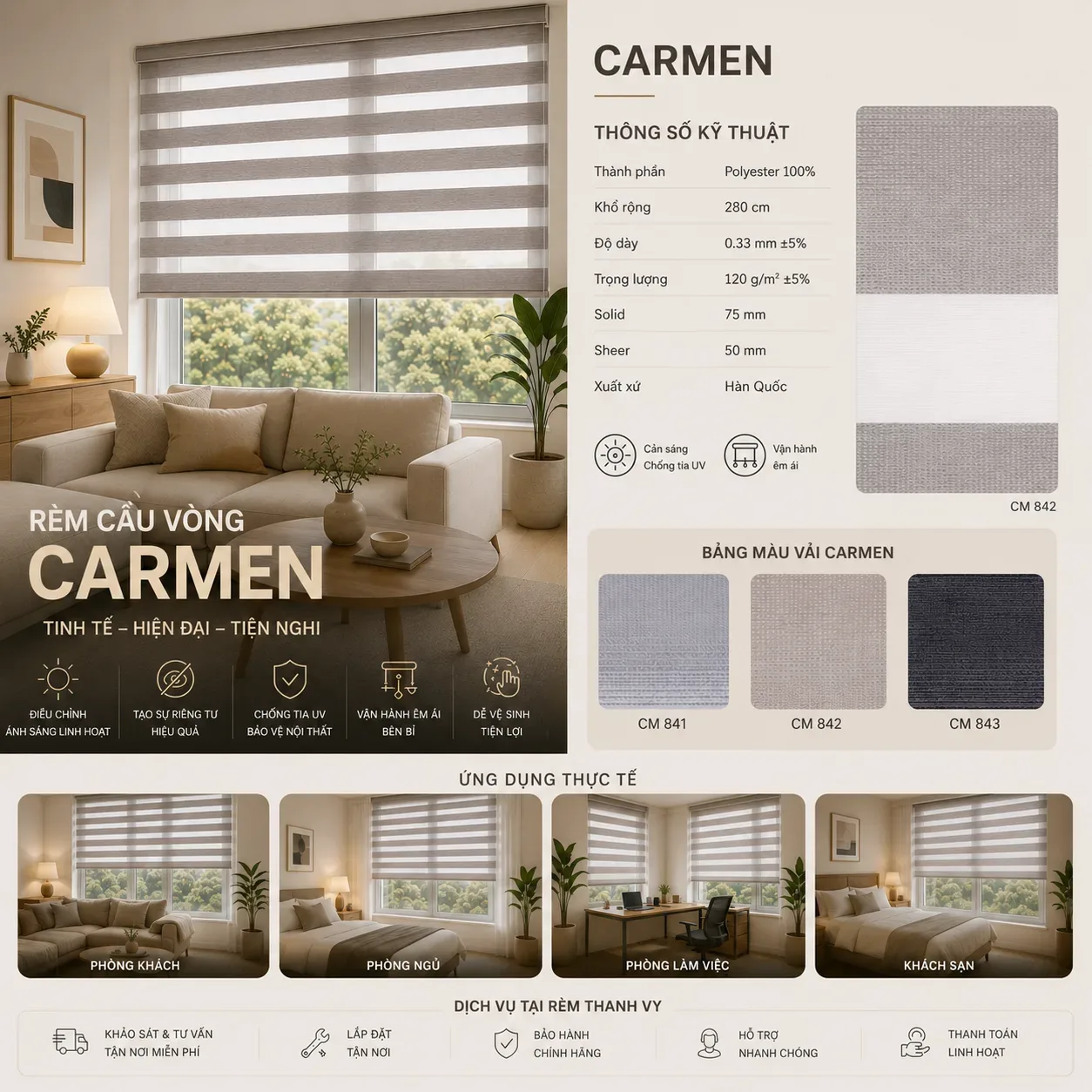
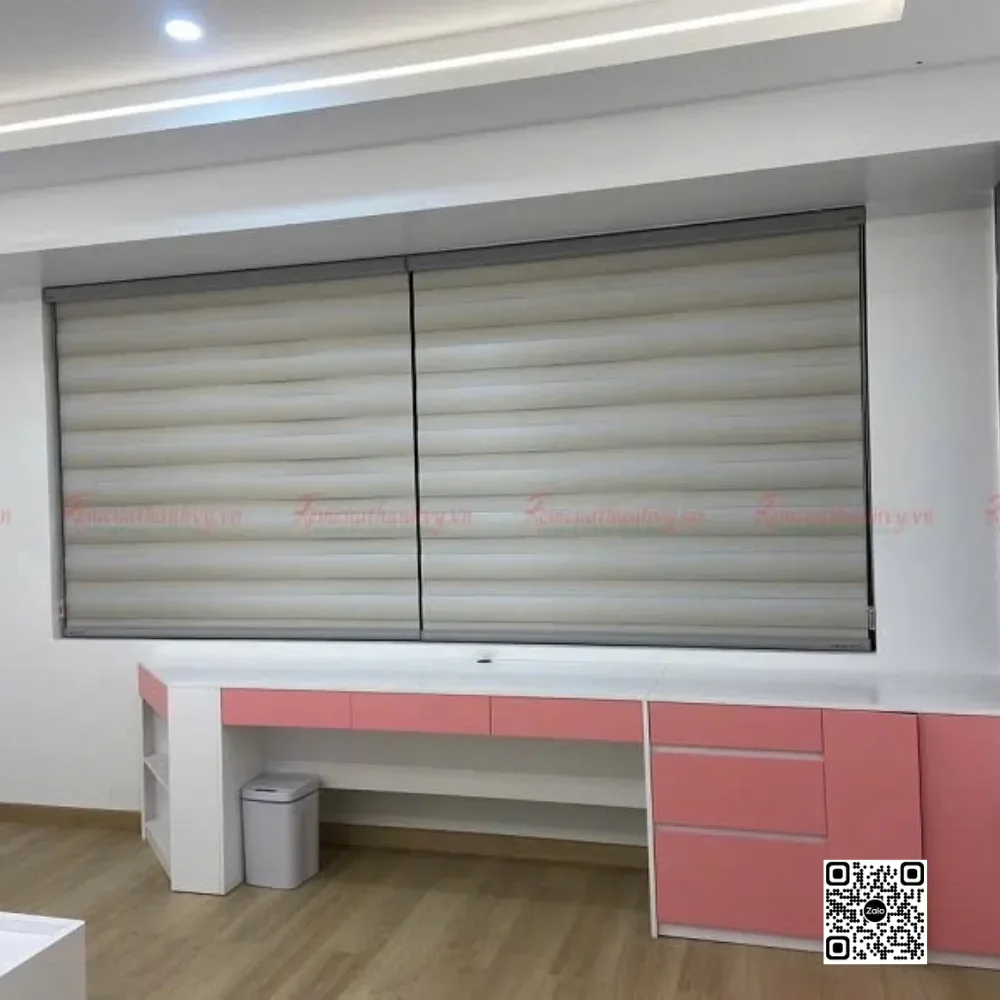
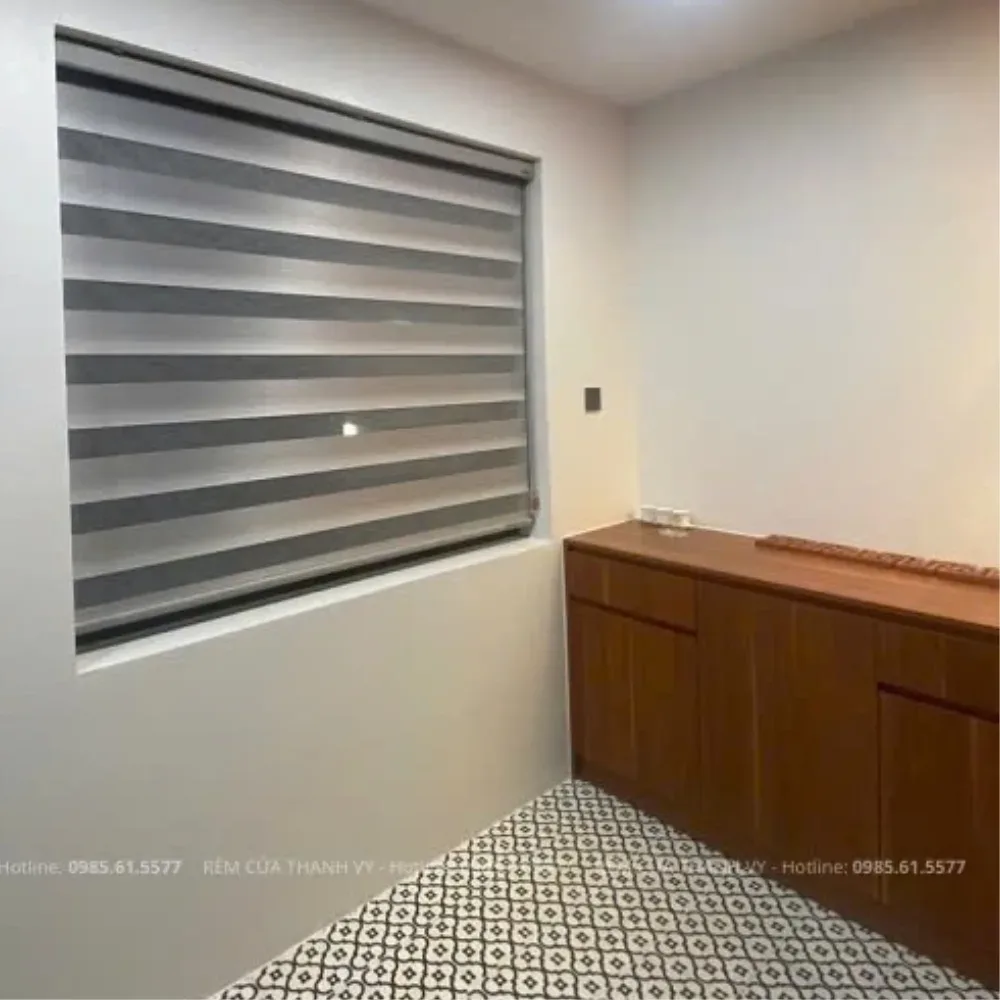
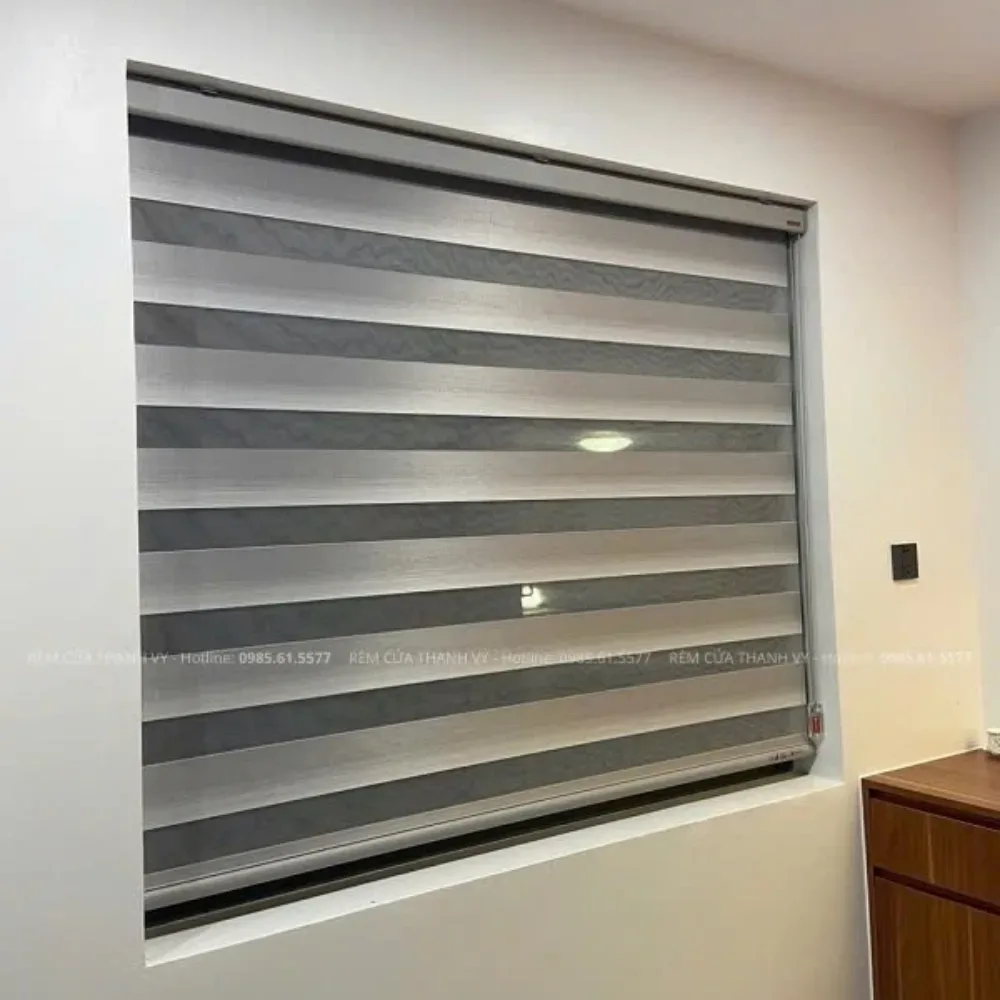
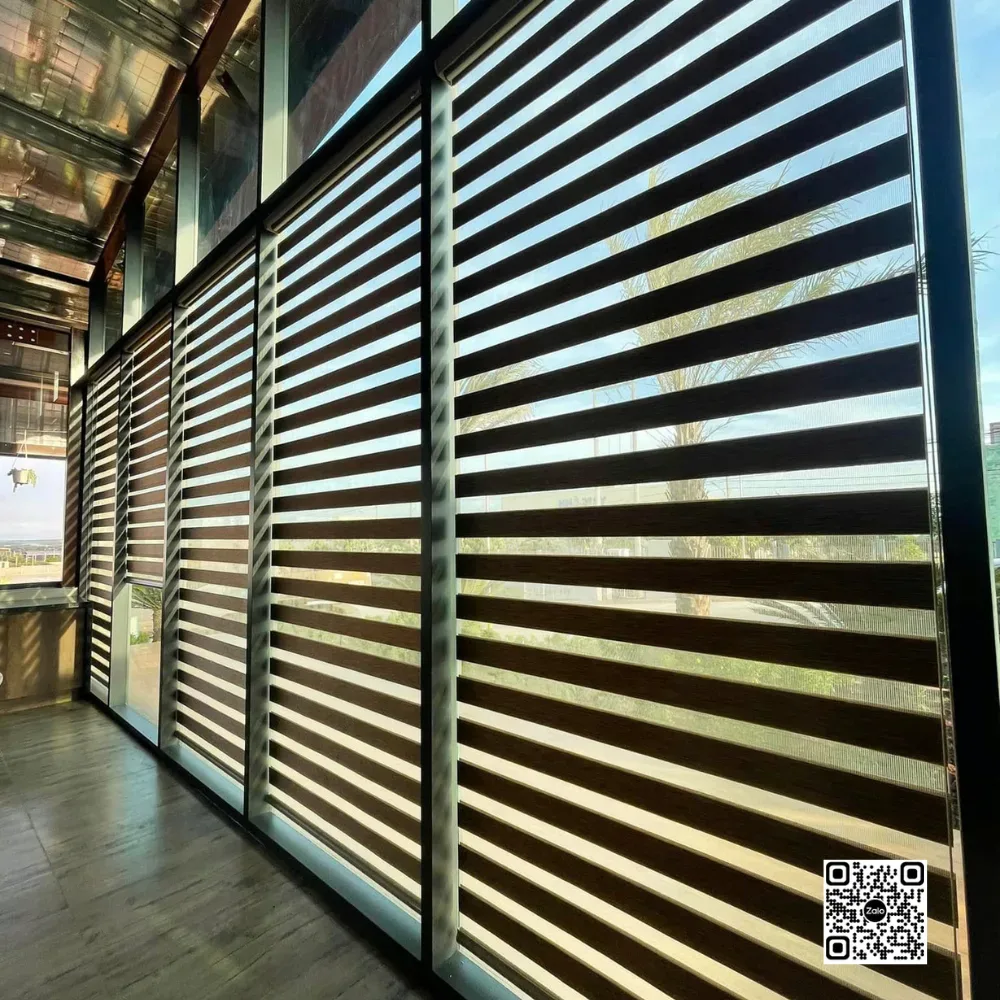
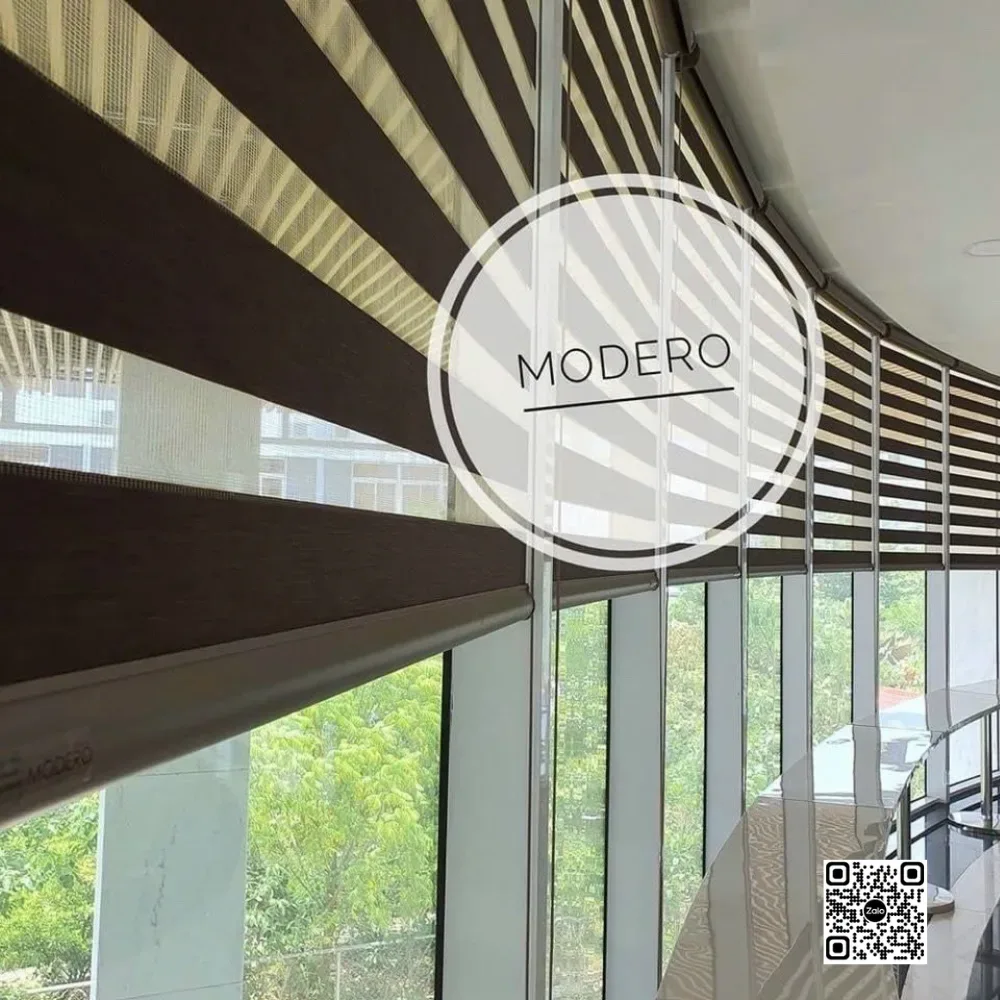
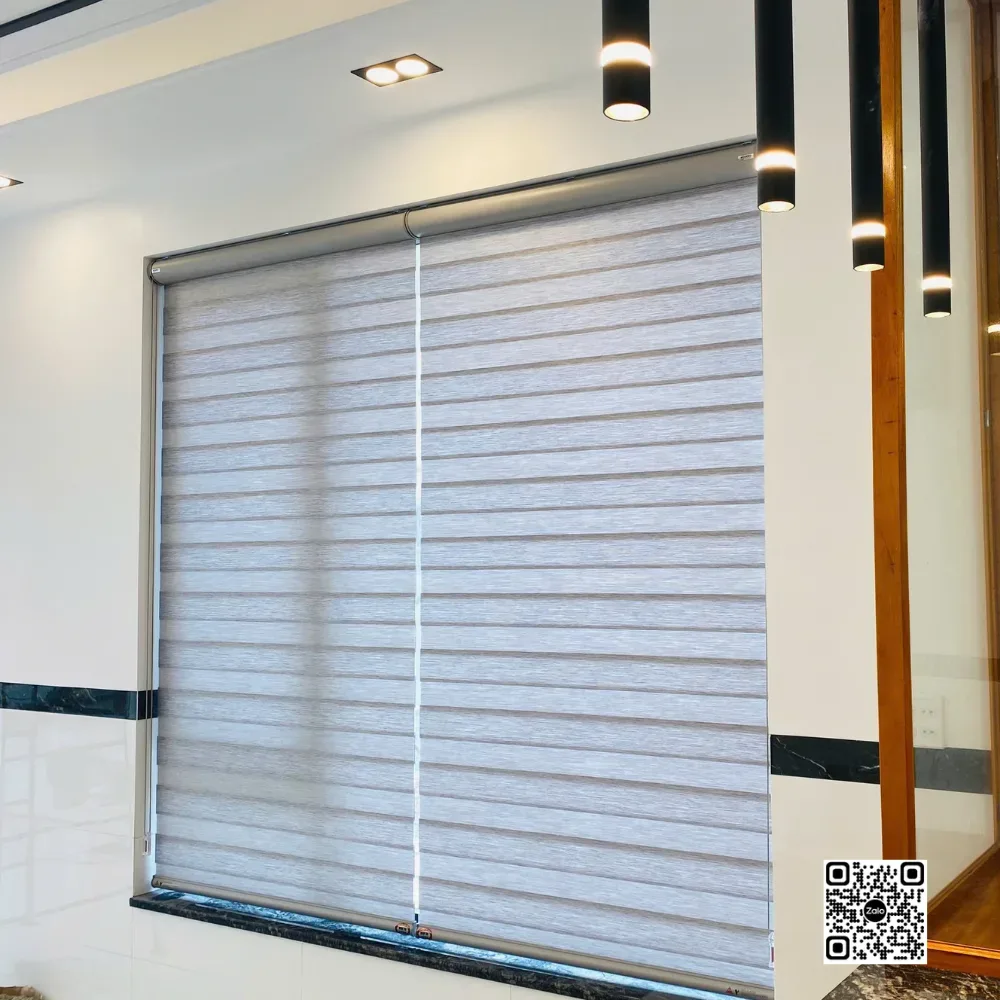
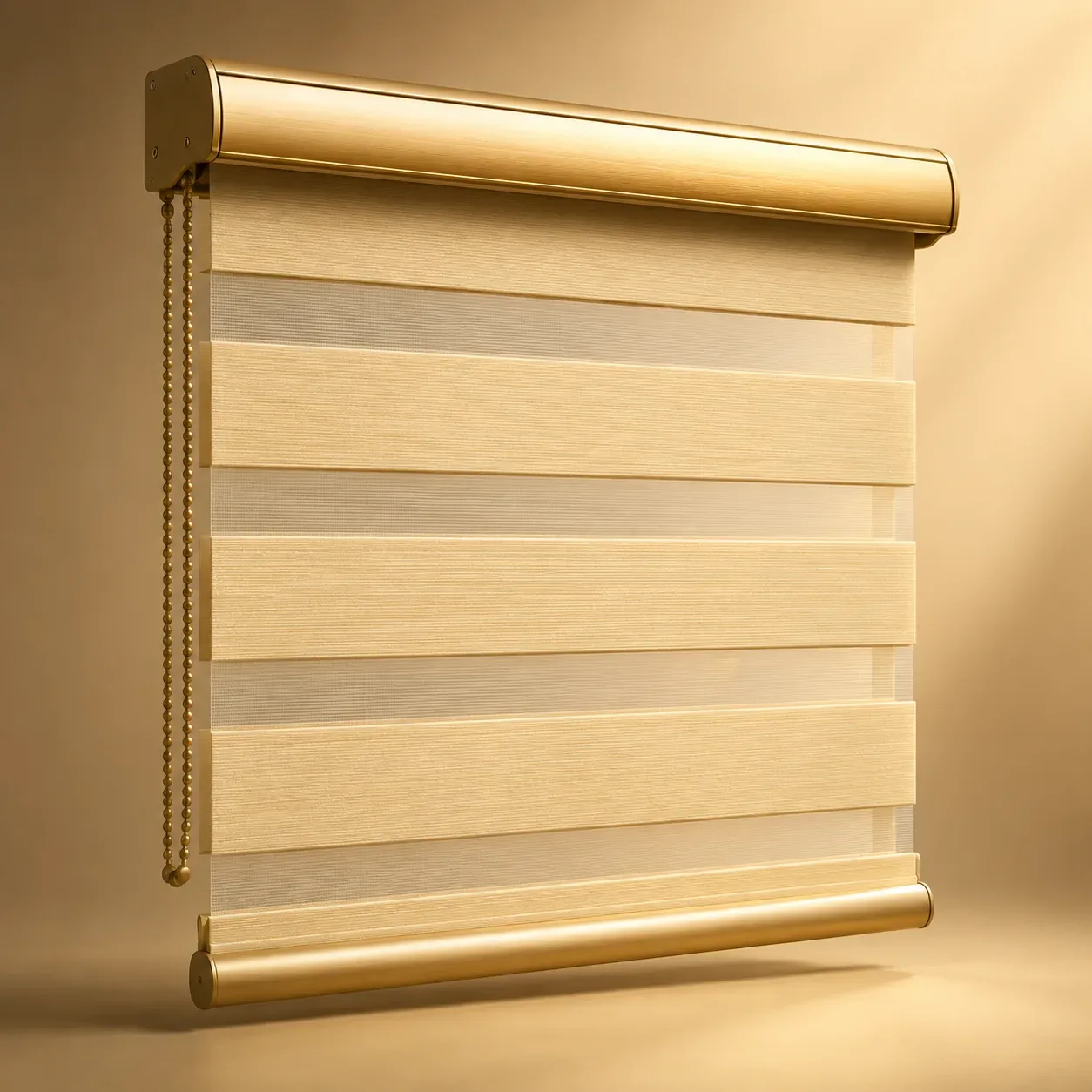
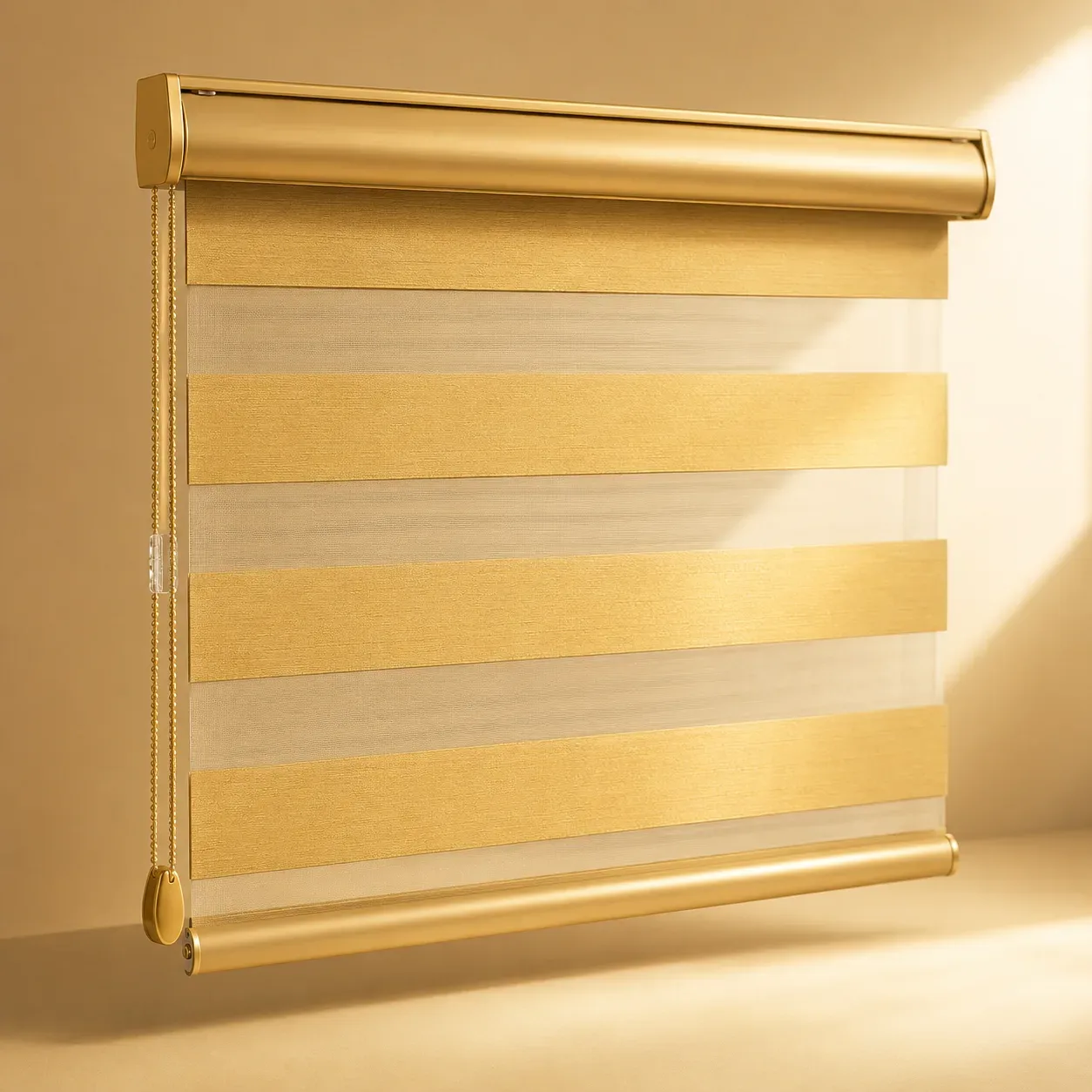
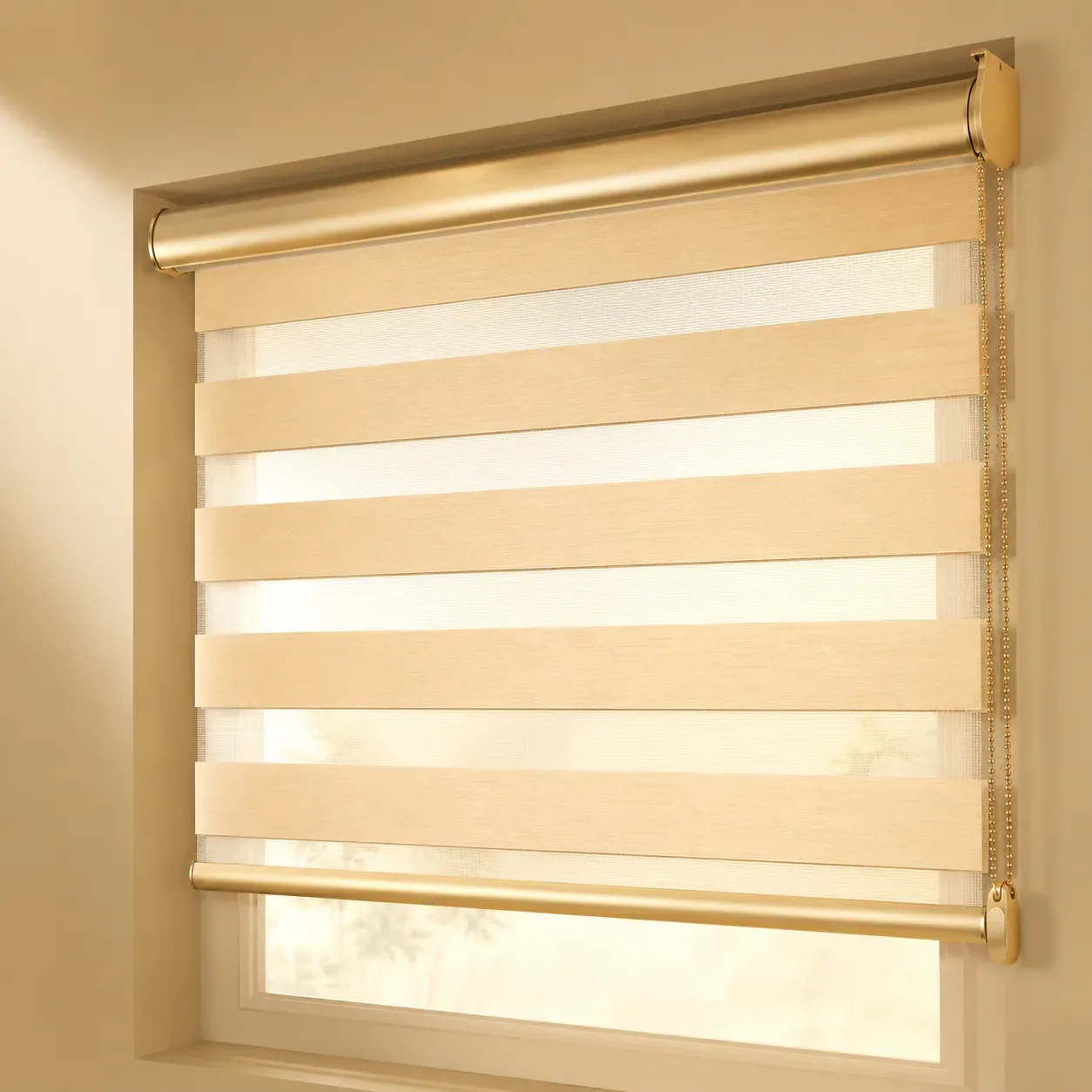
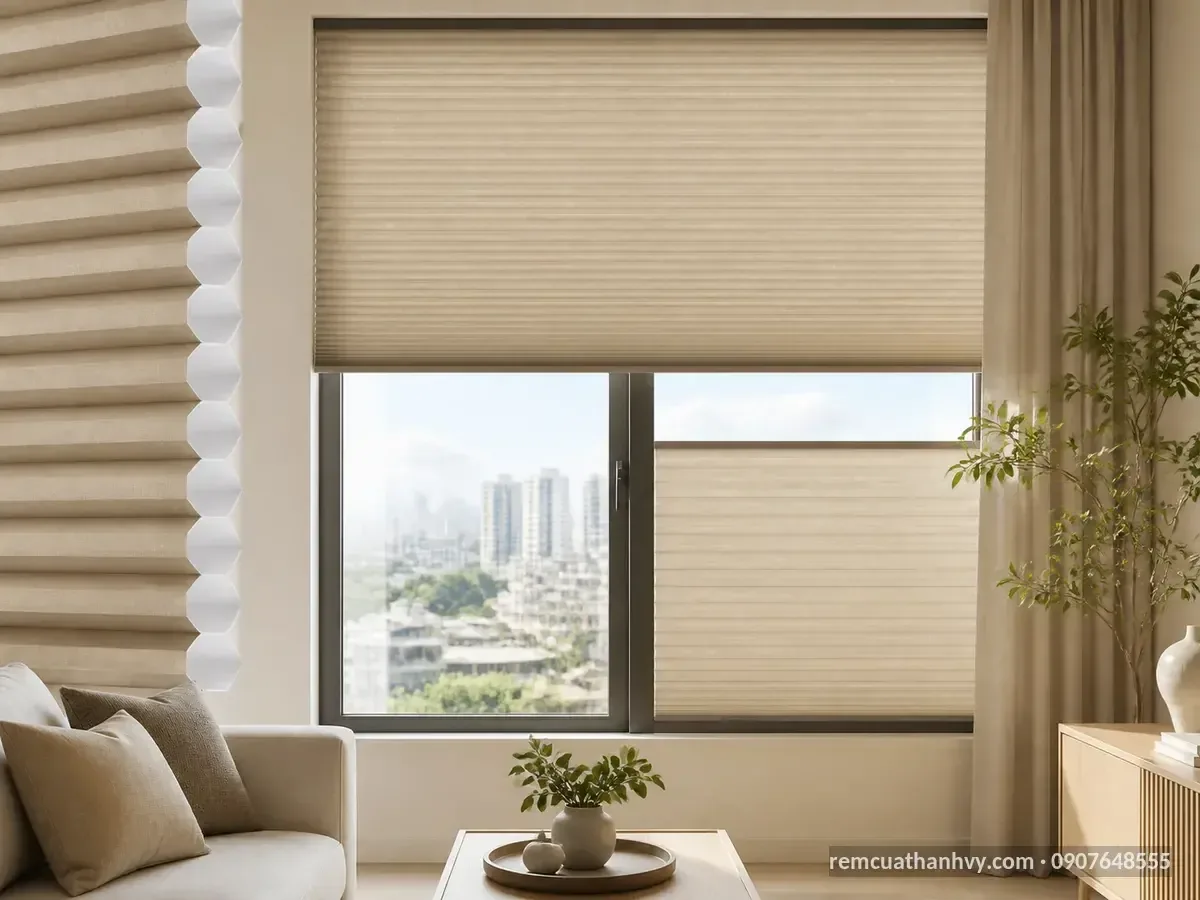
Rainbow blinds adjust light by alternating bands, allowing multi-level light control without raising the entire blind.
Fabric Curtains
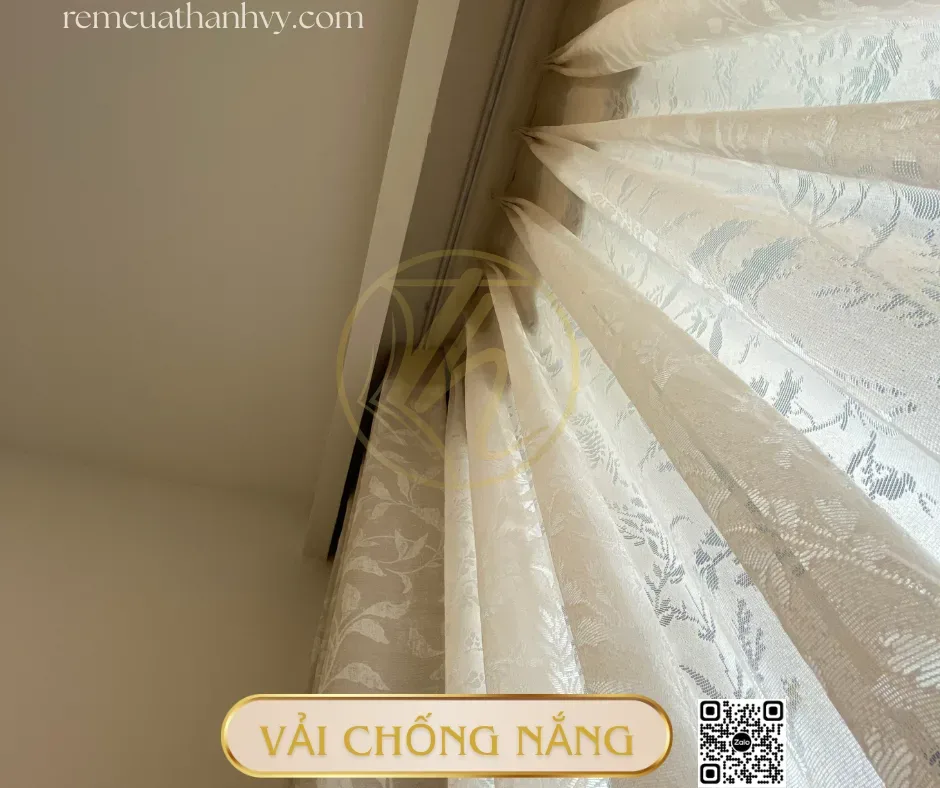
Fabric curtains are easy to coordinate with interior decor and come in a broad price range.
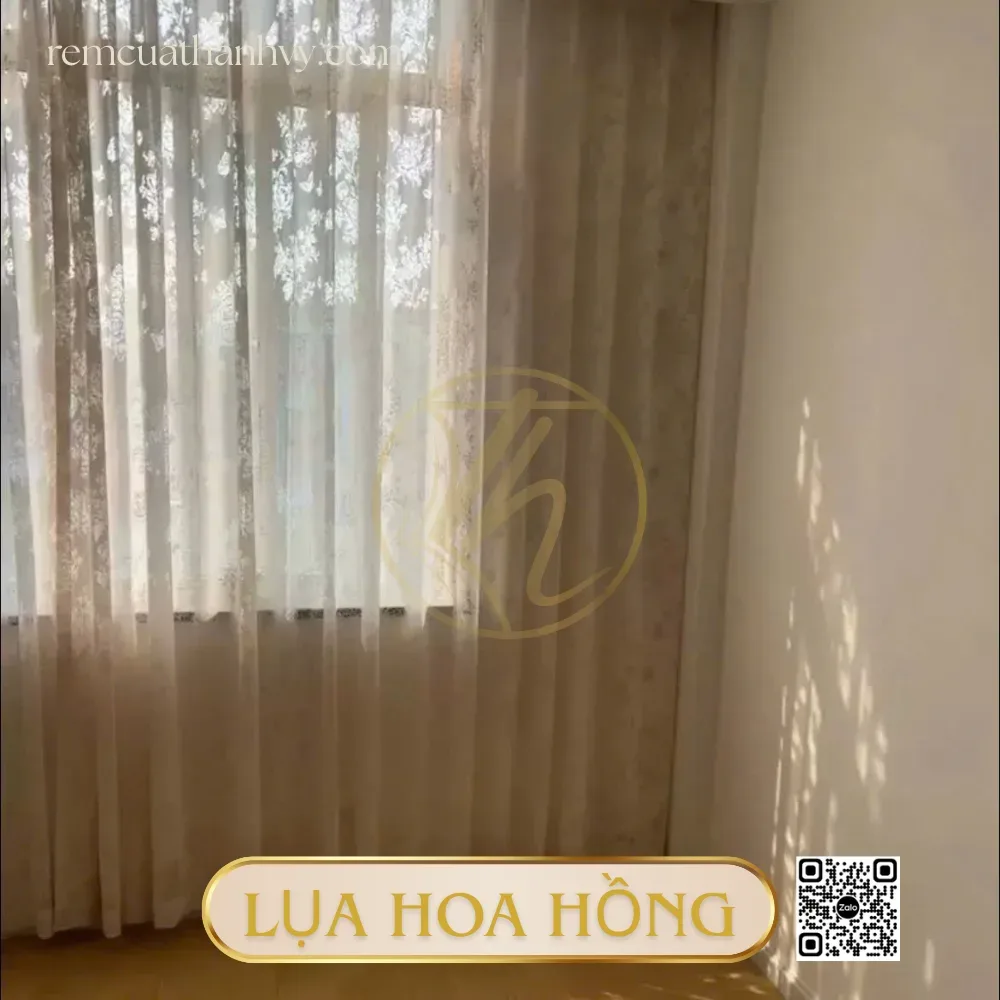
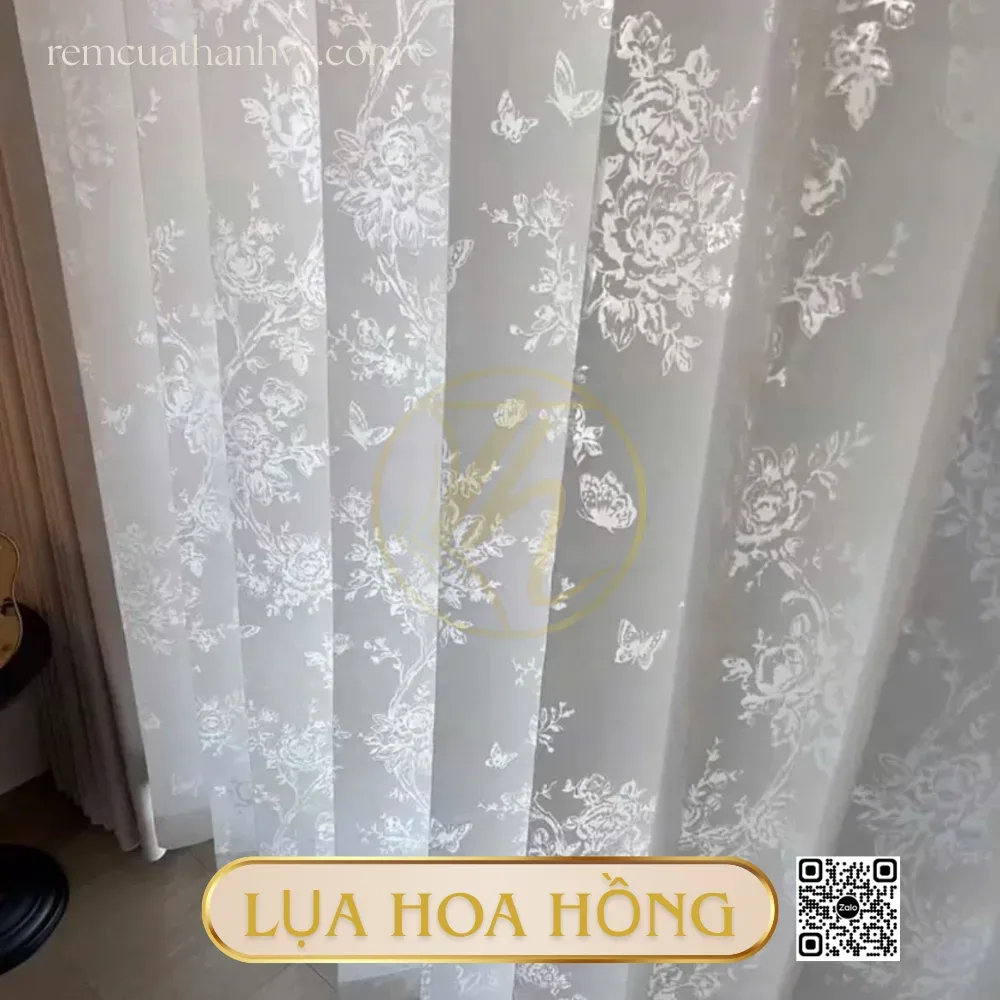
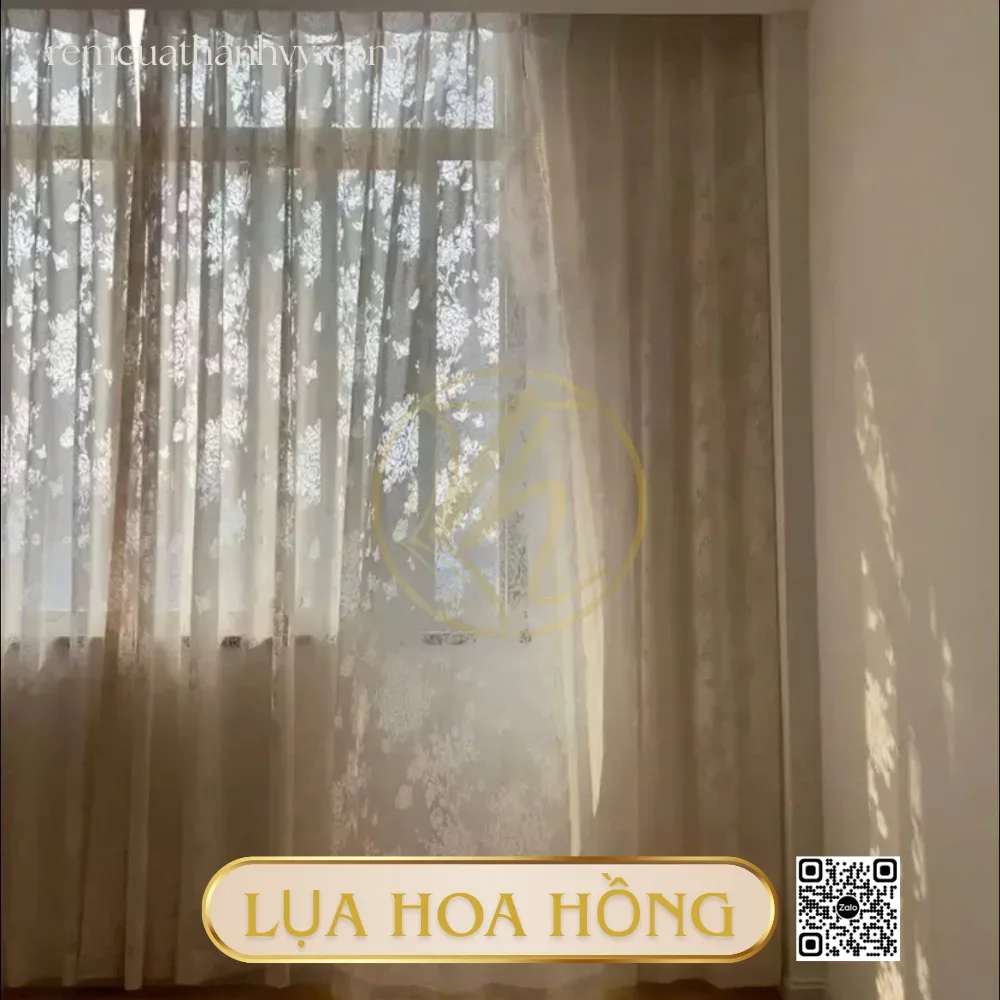
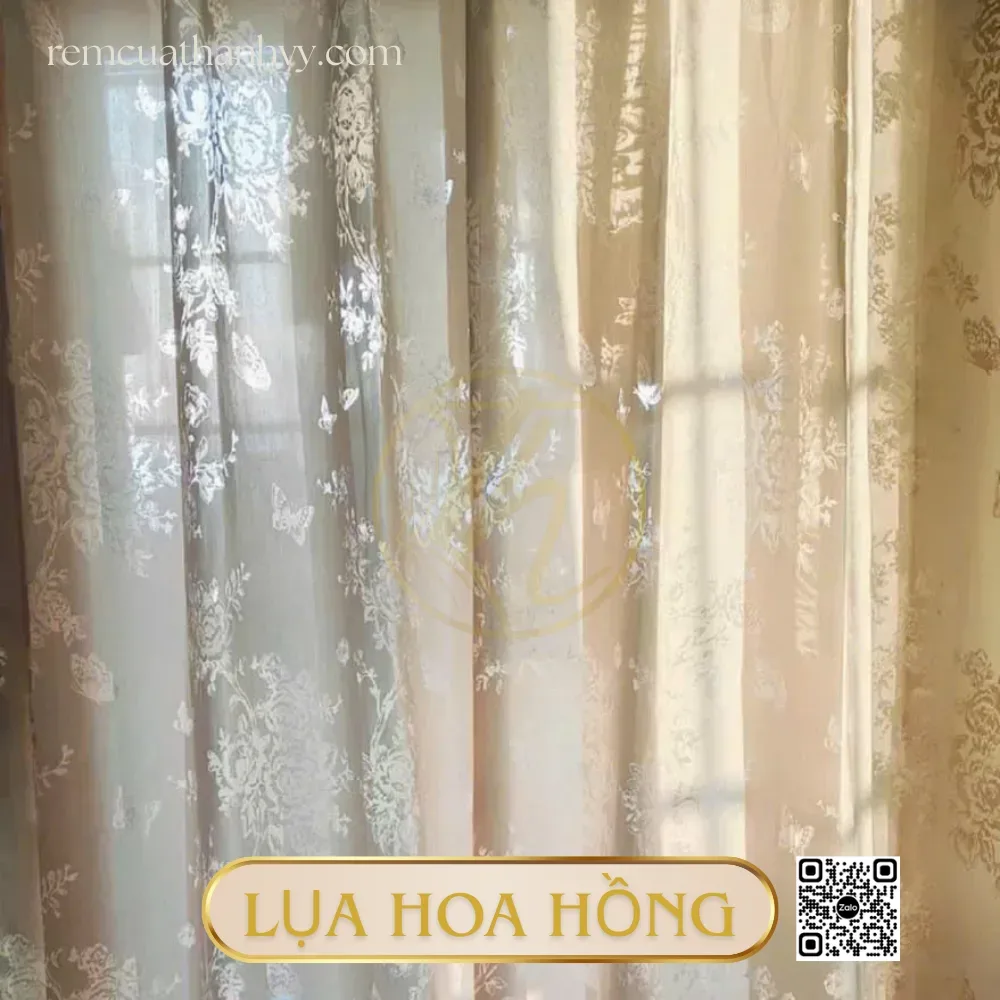
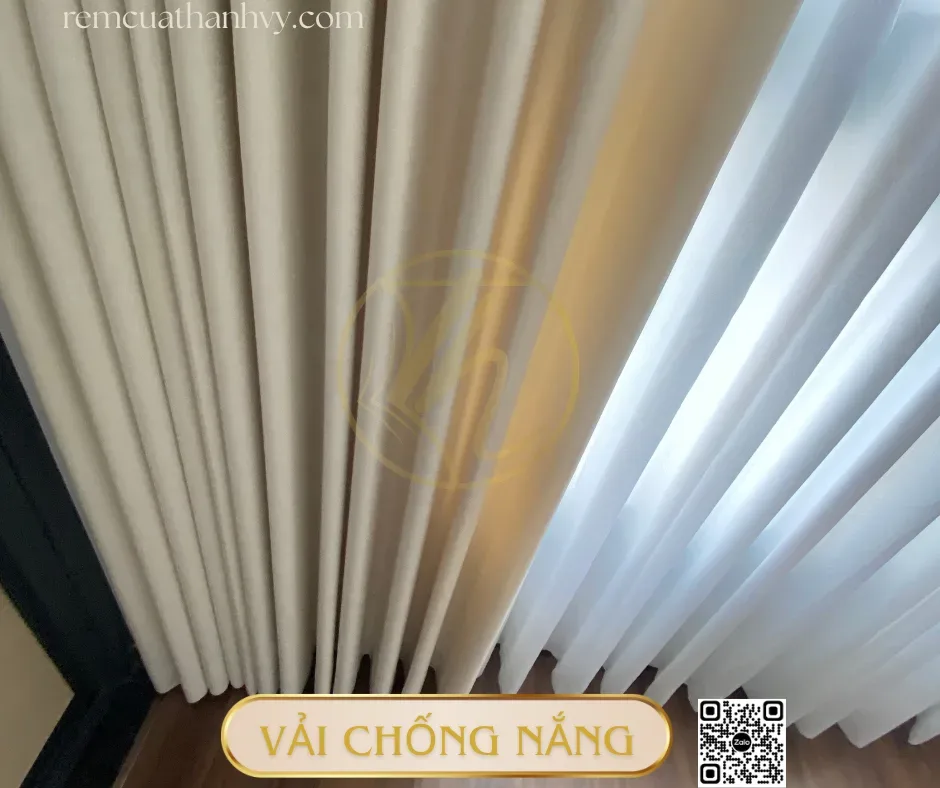
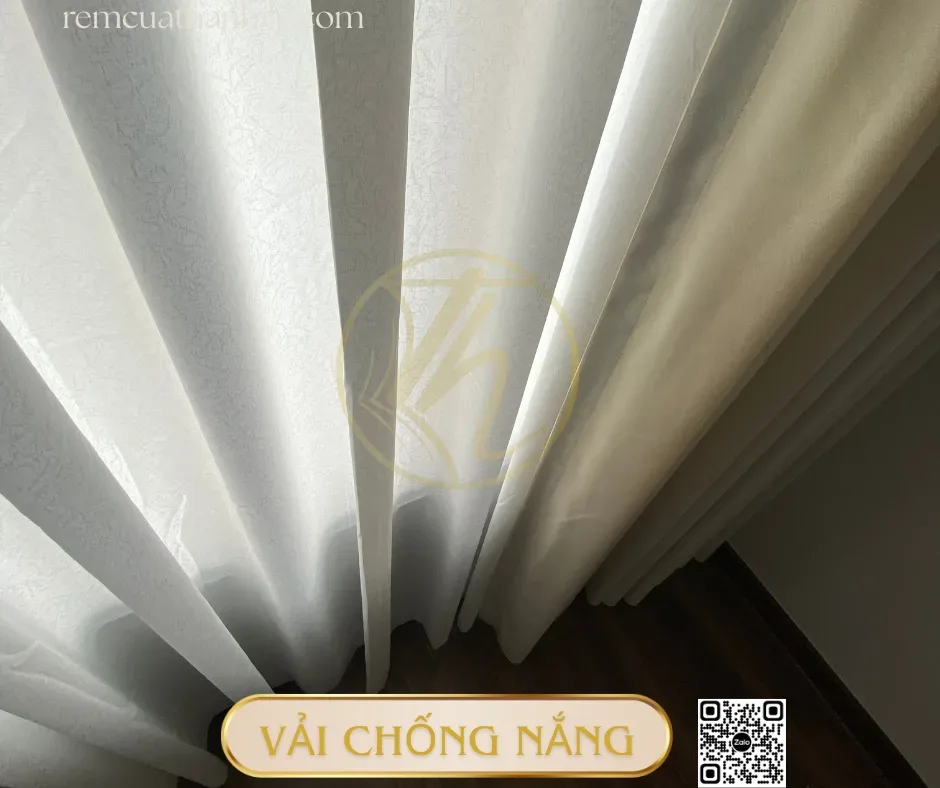
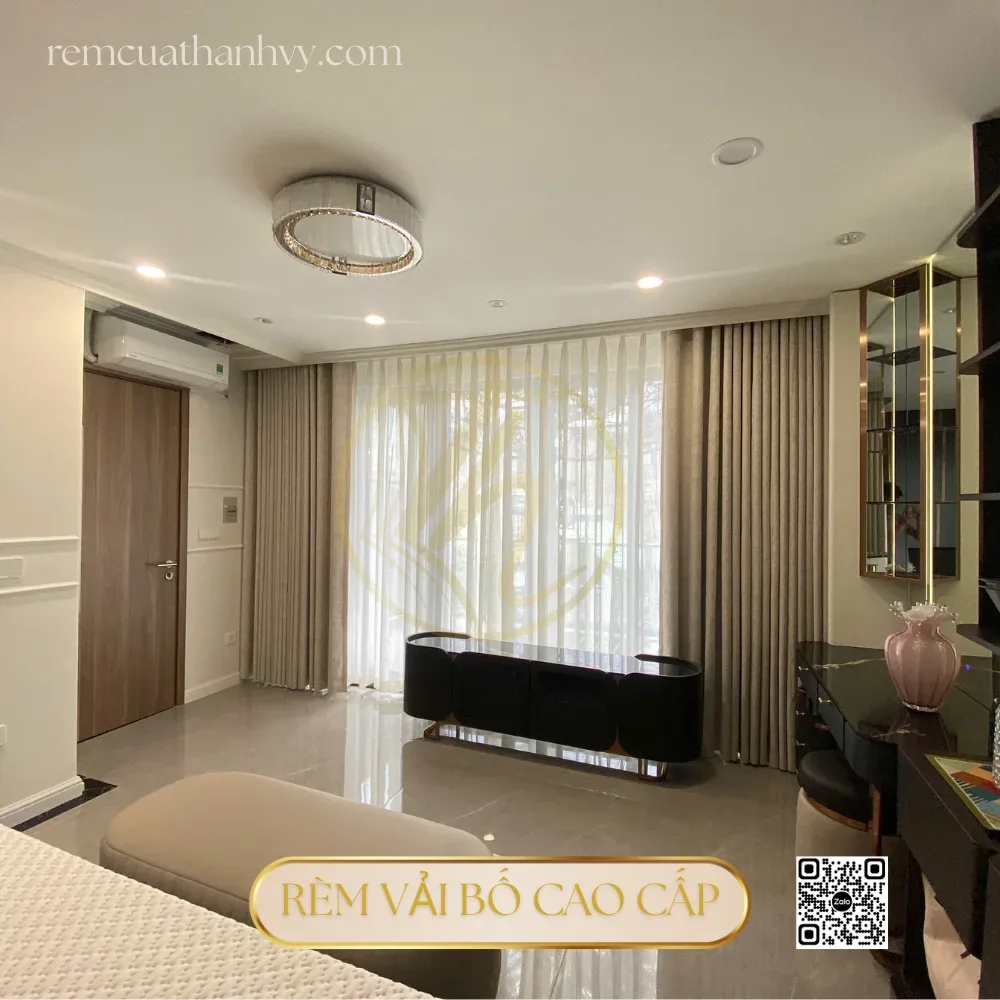
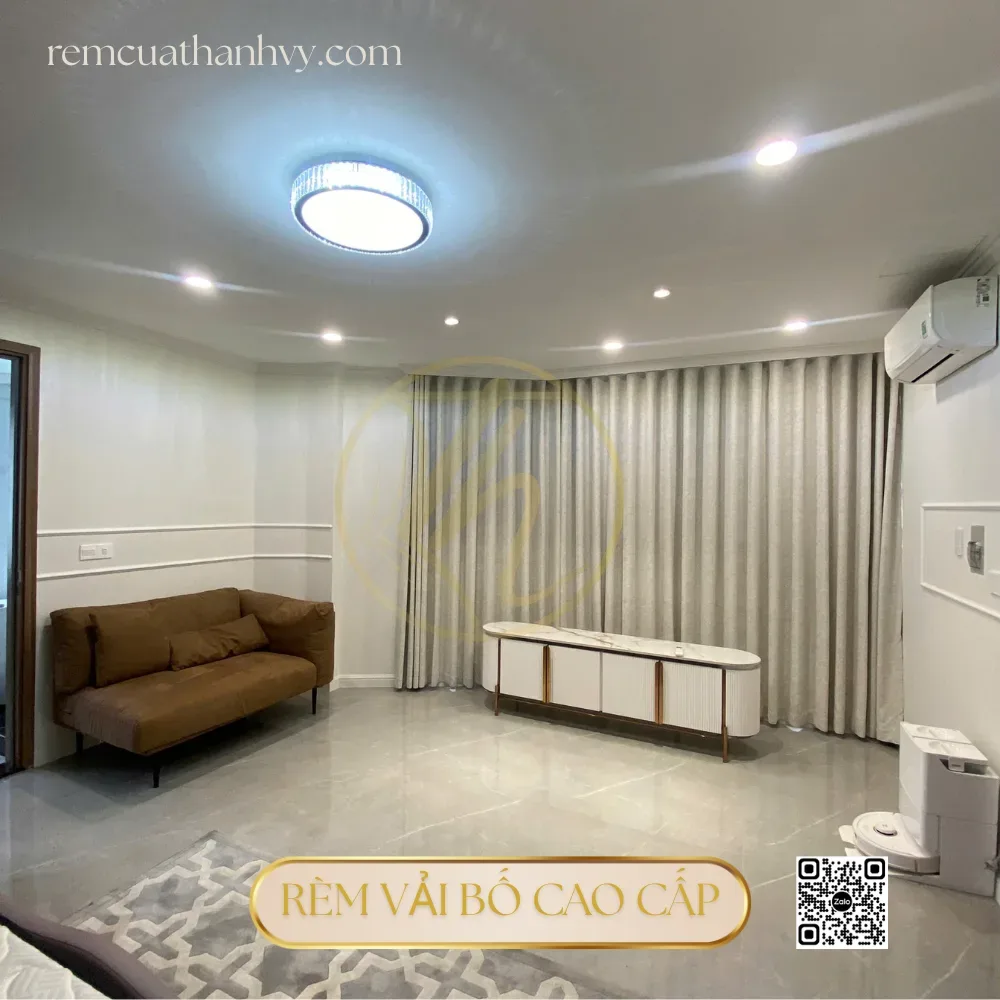
For further information, please contact Thanh Vy Curtains
We provide free consultation and on-site measuring at your home.
Related projects
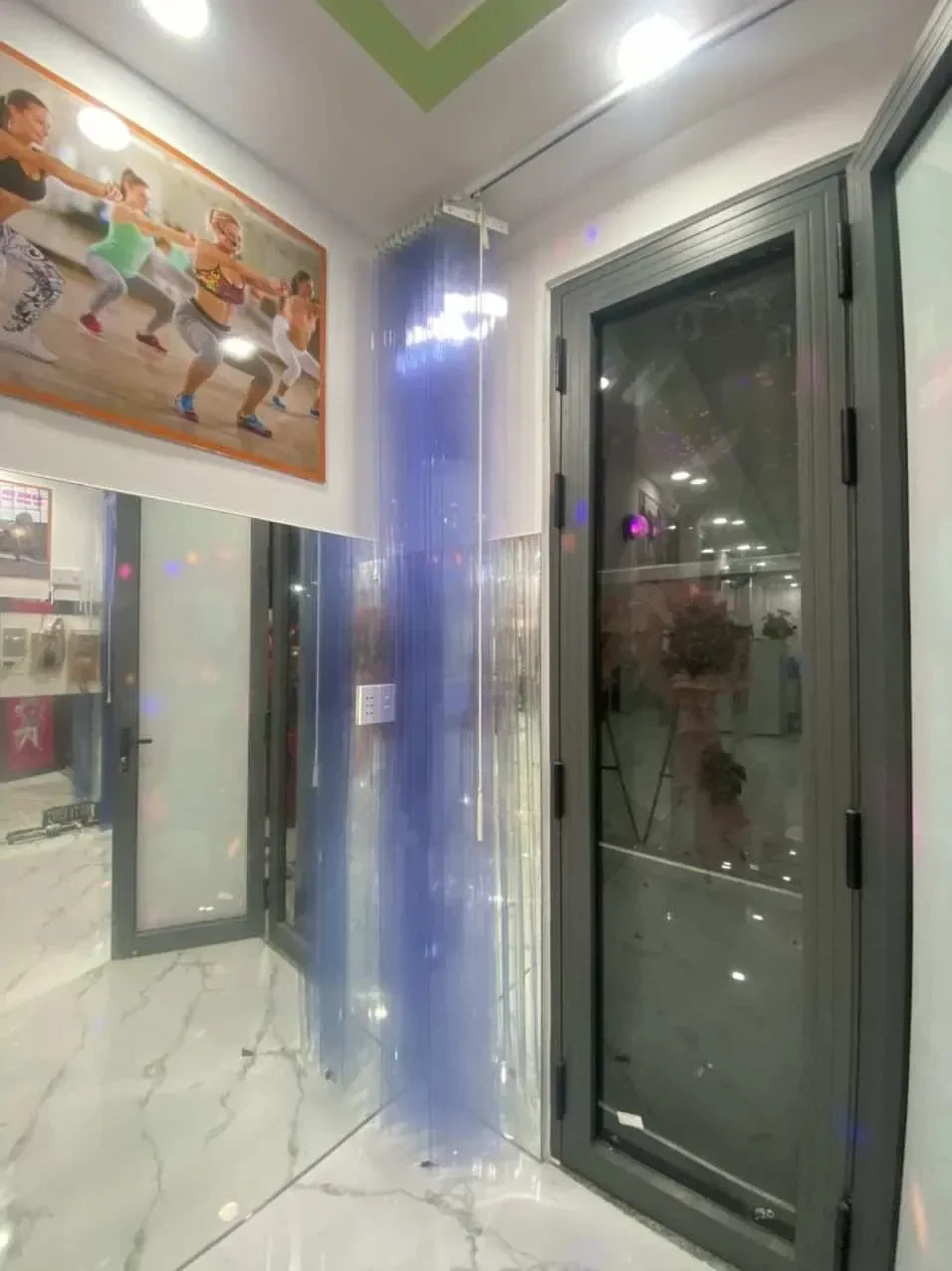
PVC Curtains in Bình Tân District – Ngọc Liên Club
Ngọc Liên Club, a modern fitness and yoga space in Bình Tân District, required a [...]
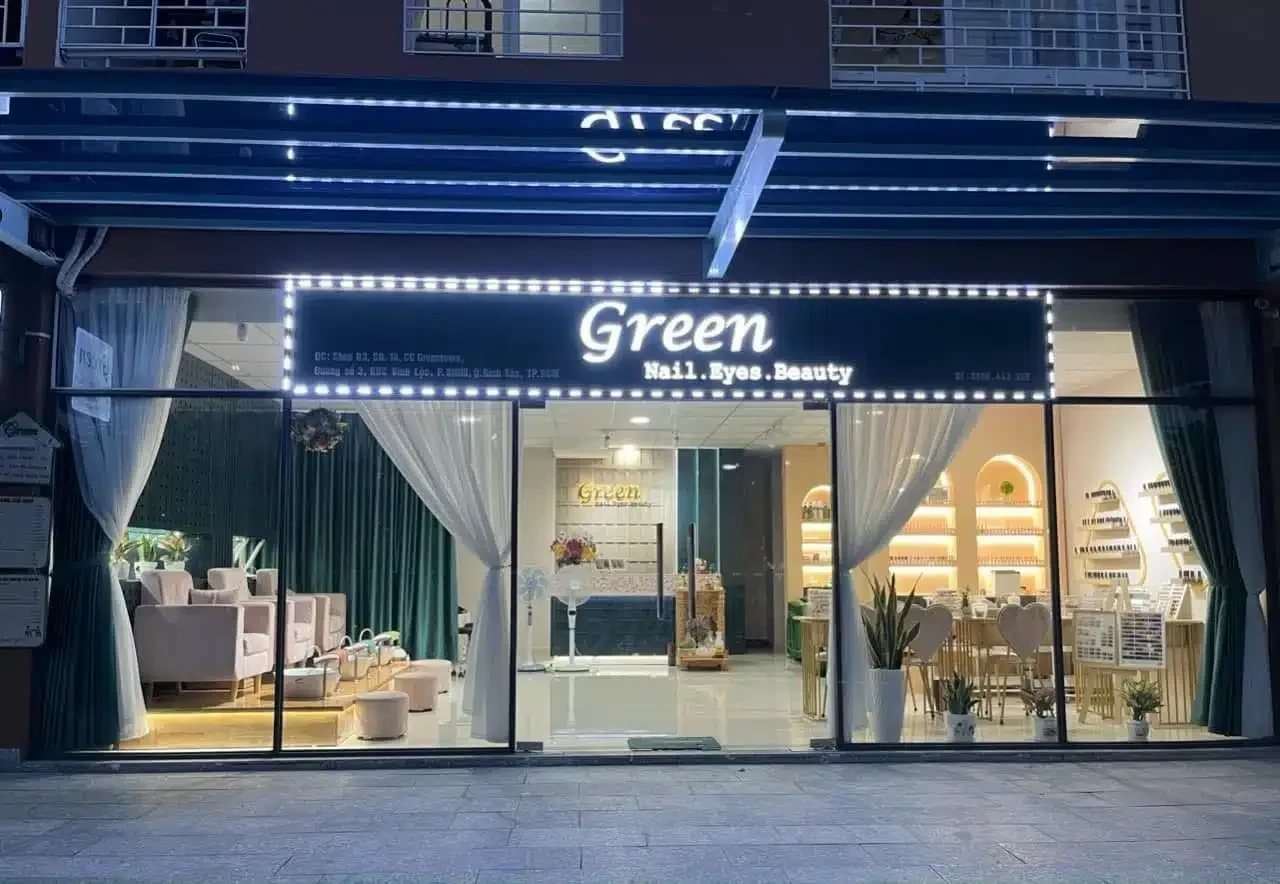
Fabric Curtains for Dividing the Green Nail Binh Tan Spa Space – A Private and Aesthetic Solution
The curtain installation project at Green Nail Spa in Binh Tan District is a typical [...]
Premium Fabric Roller Blinds for Minh Hoàng Jewelry Store, Bình Tân
This project is a typical example of applying premium fabric roller blinds in a luxurious [...]

Unusual Green Roller Blinds for the Little Lion Preschool Classroom – Bình Tân
This project was completed at Little Lion Preschool in Bình Tân District: the installation of [...]
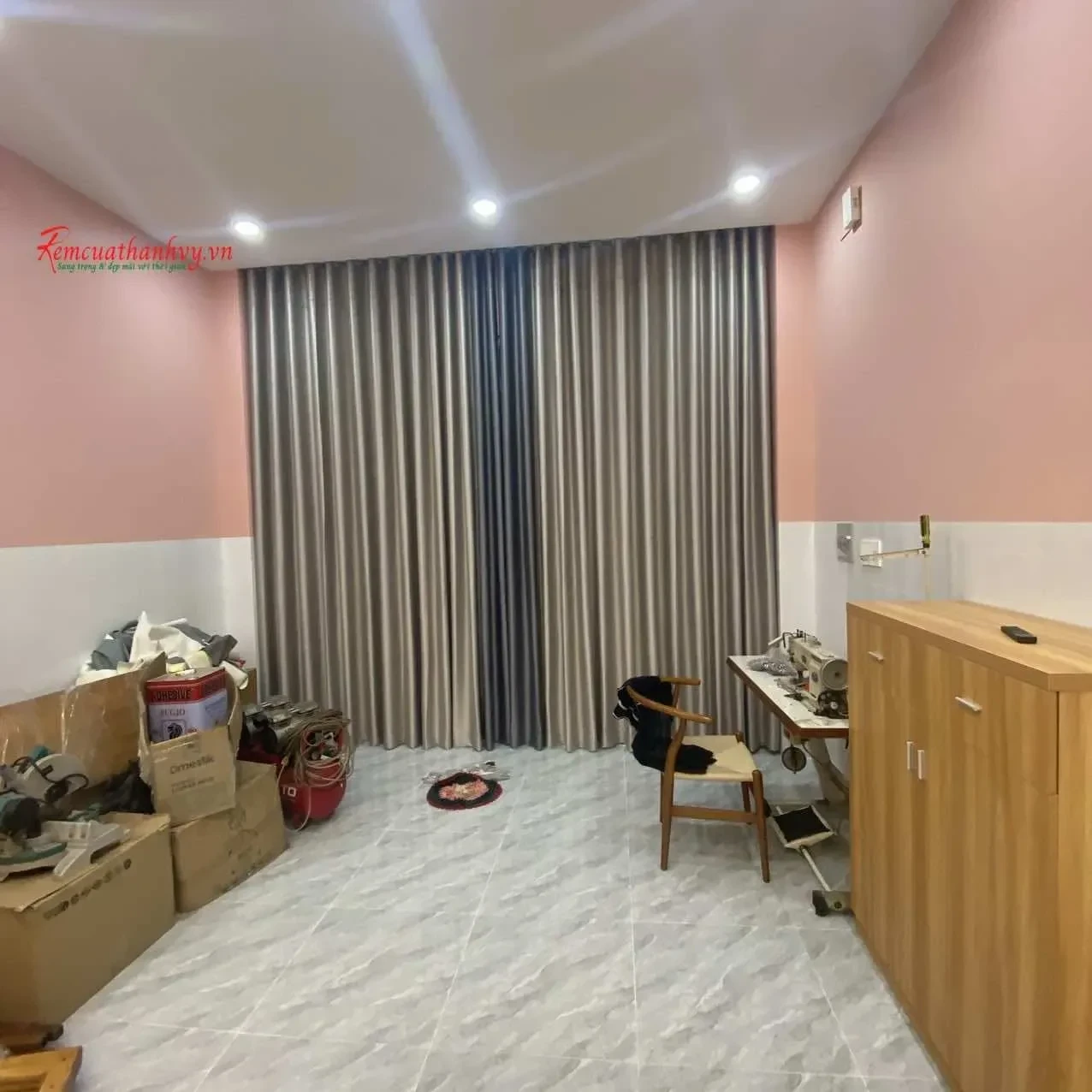
Color-Combination Fabric Curtains on Street 52, Binh Tan – A Modern Townhouse Space
This project on Street 52, Binh Tan District is a typical example of combining two [...]
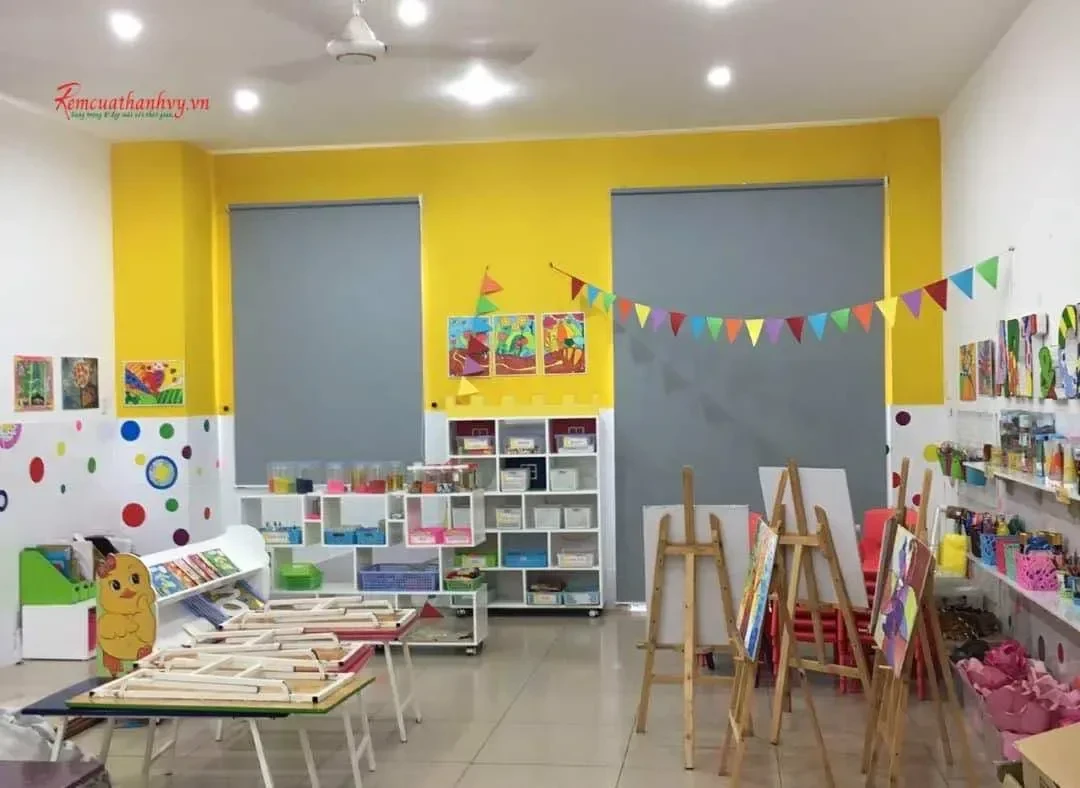
Gray Roller Blinds for a Kindergarten Classroom in Binh Tan District
This project involved installing a roller blind system for a classroom at Little Rose Kindergarten [...]
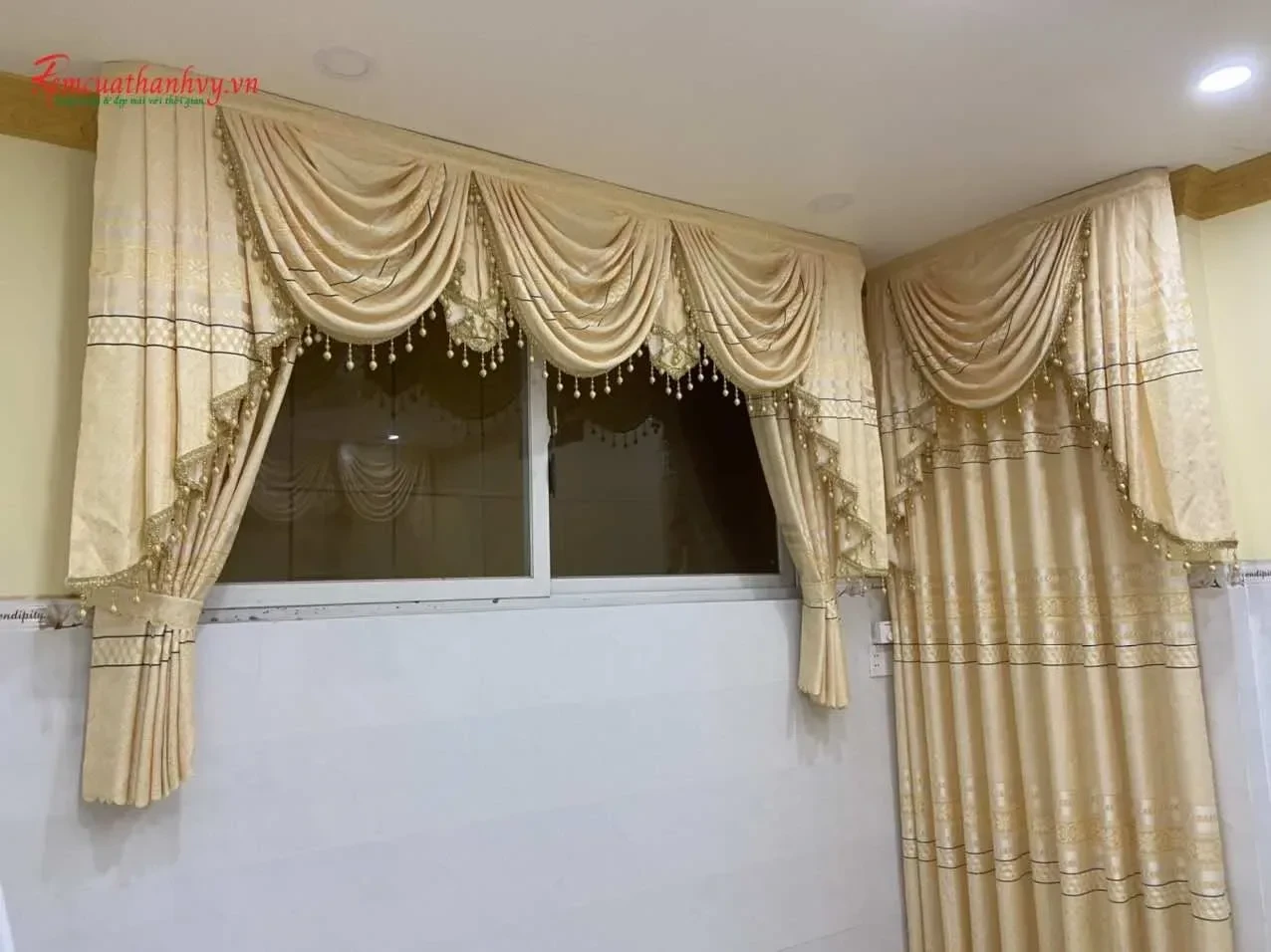
Queen Shell Curtains for the Assembly Hall – Lien Hoa Pagoda, Binh Tan
In 2024, Thanh Vy Curtains completed the installation of queen shell curtains for the assembly [...]
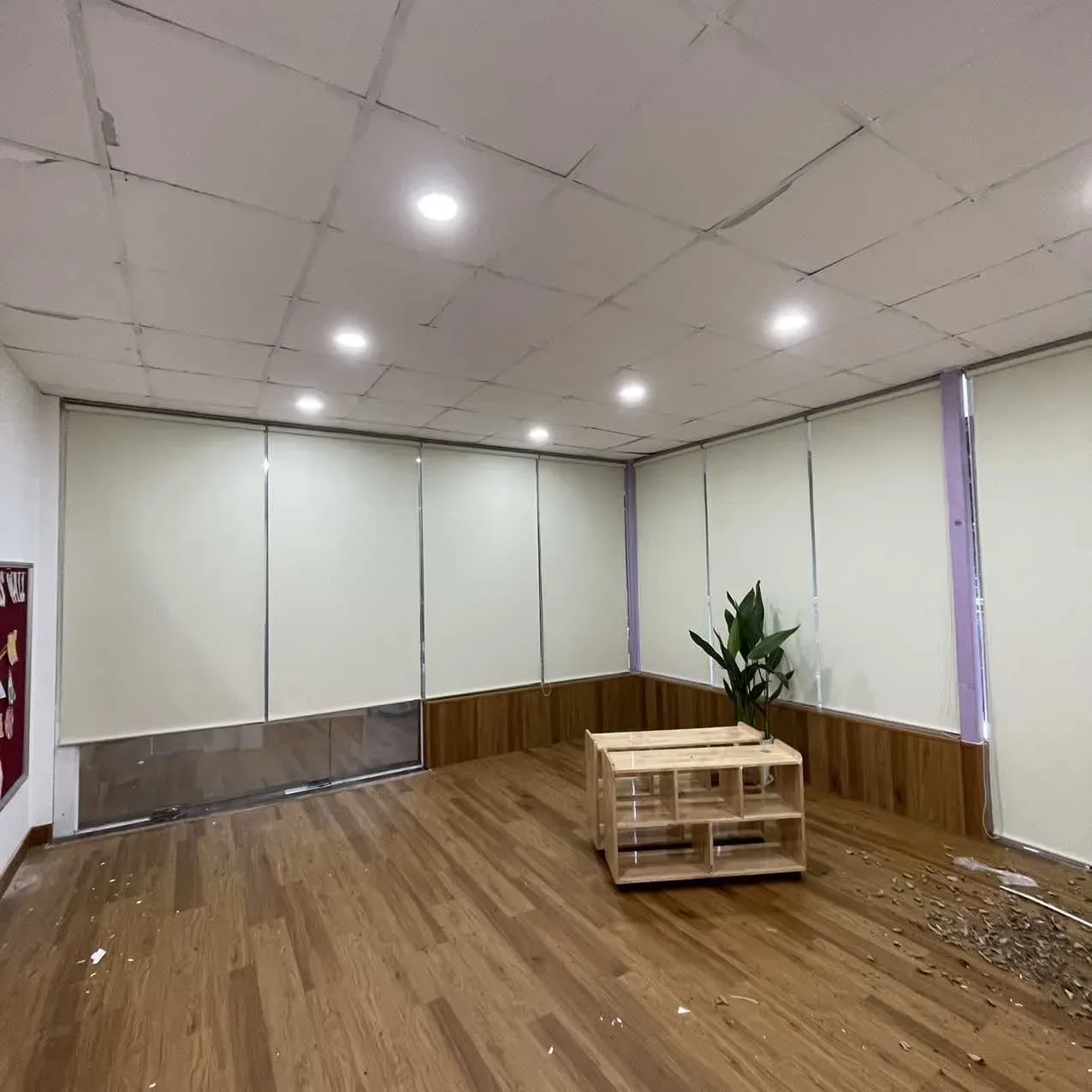
Cream Blackout Roller Blind Project in Bình Tân District
I will analyze the actual photos and write the project article as requested. First, let [...]
Related areas
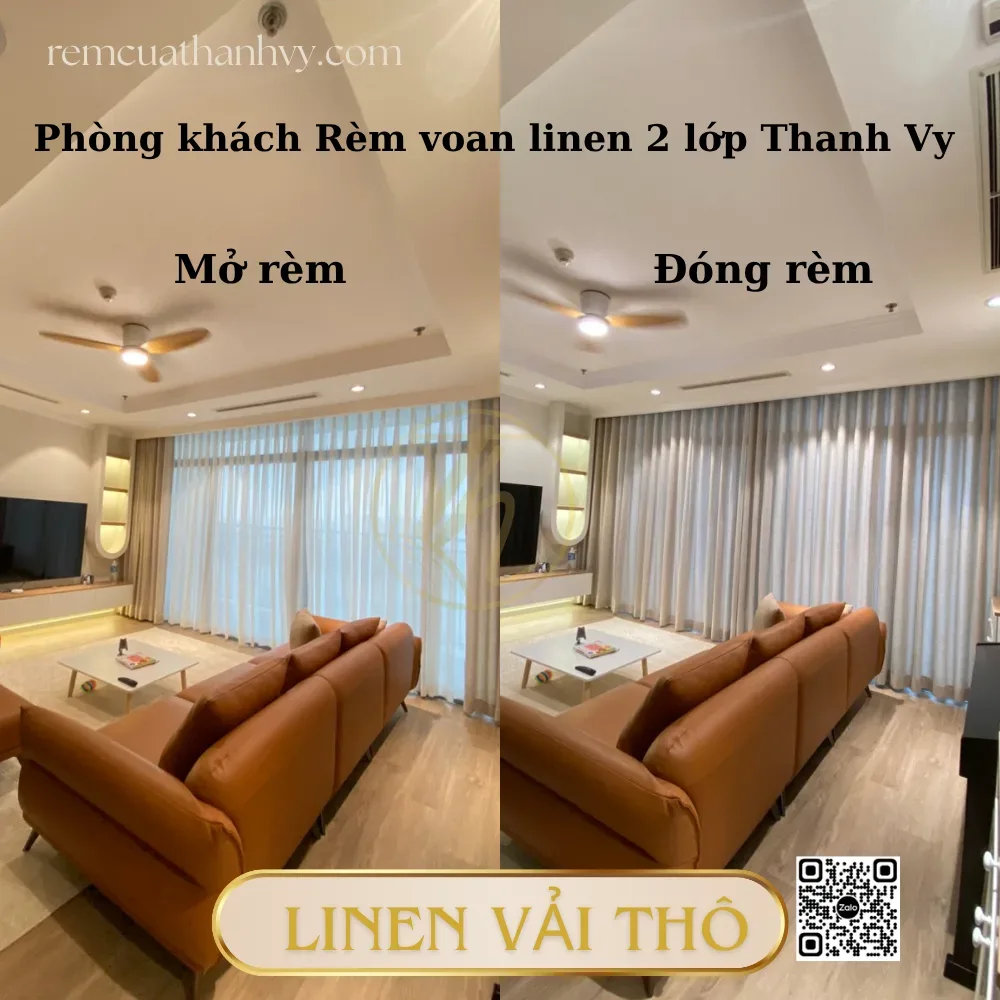
Linen curtains in Binh Tan: Choosing the right Nordic style for every space
When choosing curtains in Binh Tan, it is essential to carefully consider sun-blocking materials and [...]
Window Treatments in Binh Tan: What to Prioritize for Each Space
Thanh Vy Window Treatments offers tailored window treatment solutions in Binh Tan, backed by extensive [...]
Curtains in District 12: What to Prioritize for Every Space
With over 15 years of experience working from a private workshop, Rèm Cửa Thanh Vy [...]
Related reviews
Linen Curtains or Combi Blinds? A Detailed Comparison to Help You Choose
An objective comparison of linen curtains and combi blinds covering aesthetics, light control, durability, maintenance, [...]
Related posts
Linen Curtains in Binh Tan: Why So Popular?
Linen curtains in Binh Tan are chosen by many families for their ability to diffuse [...]
No comments yet!