


Outdoor Zipper Screens Reviewed: Pros, Cons, and Who Shouldn’t Install Them
Zipper blinds are the answer for vertical façades, not roofs
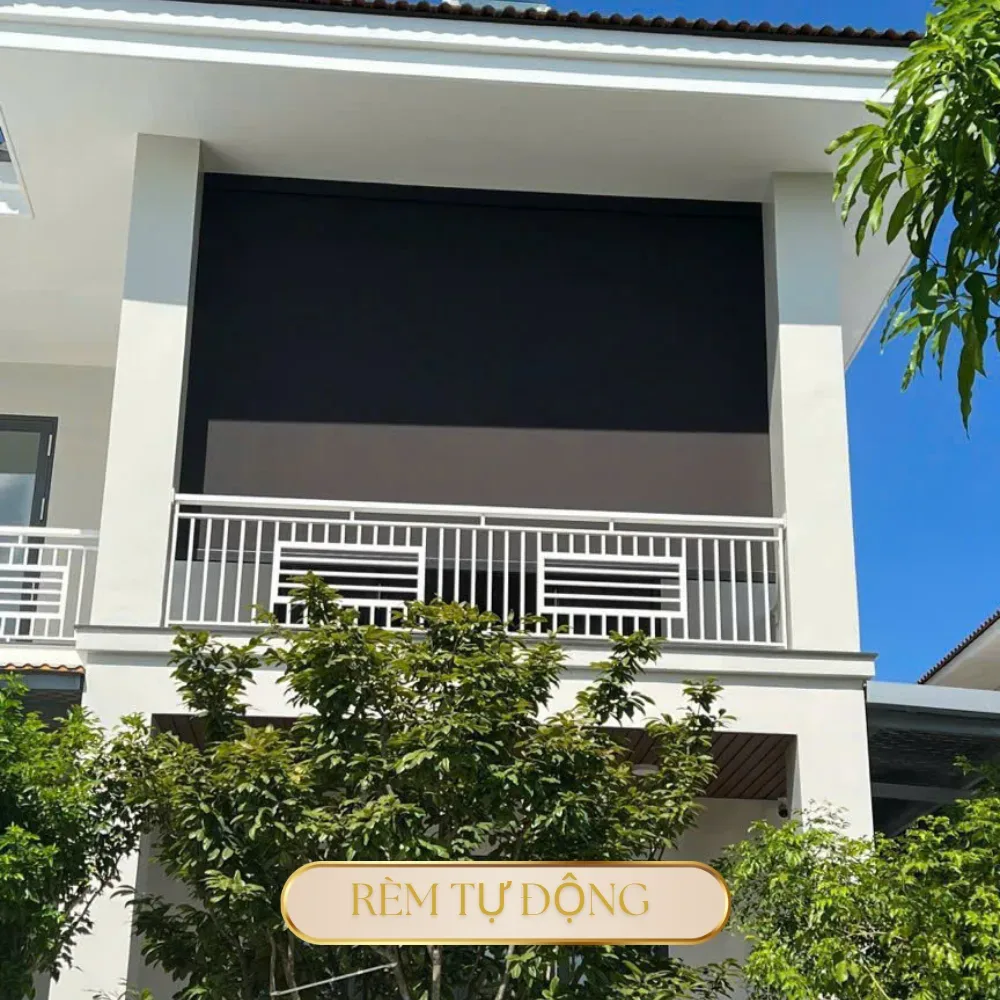
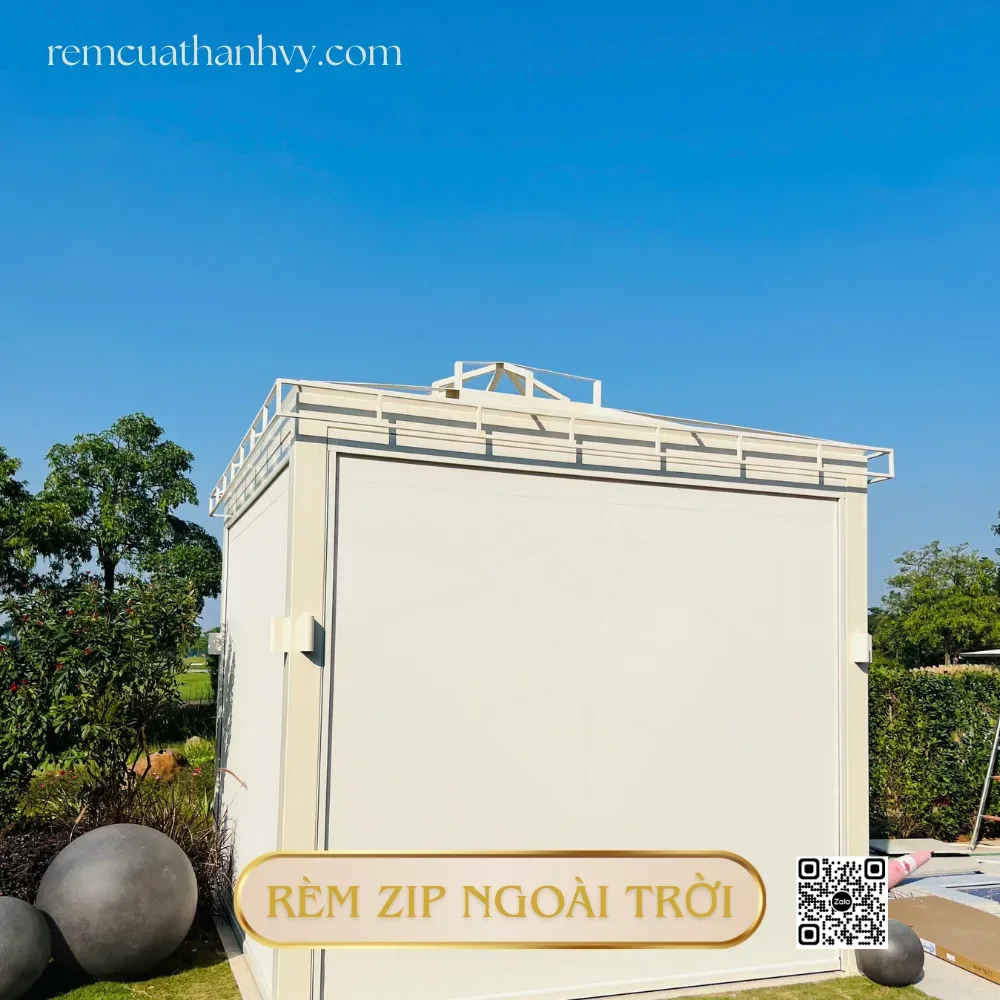
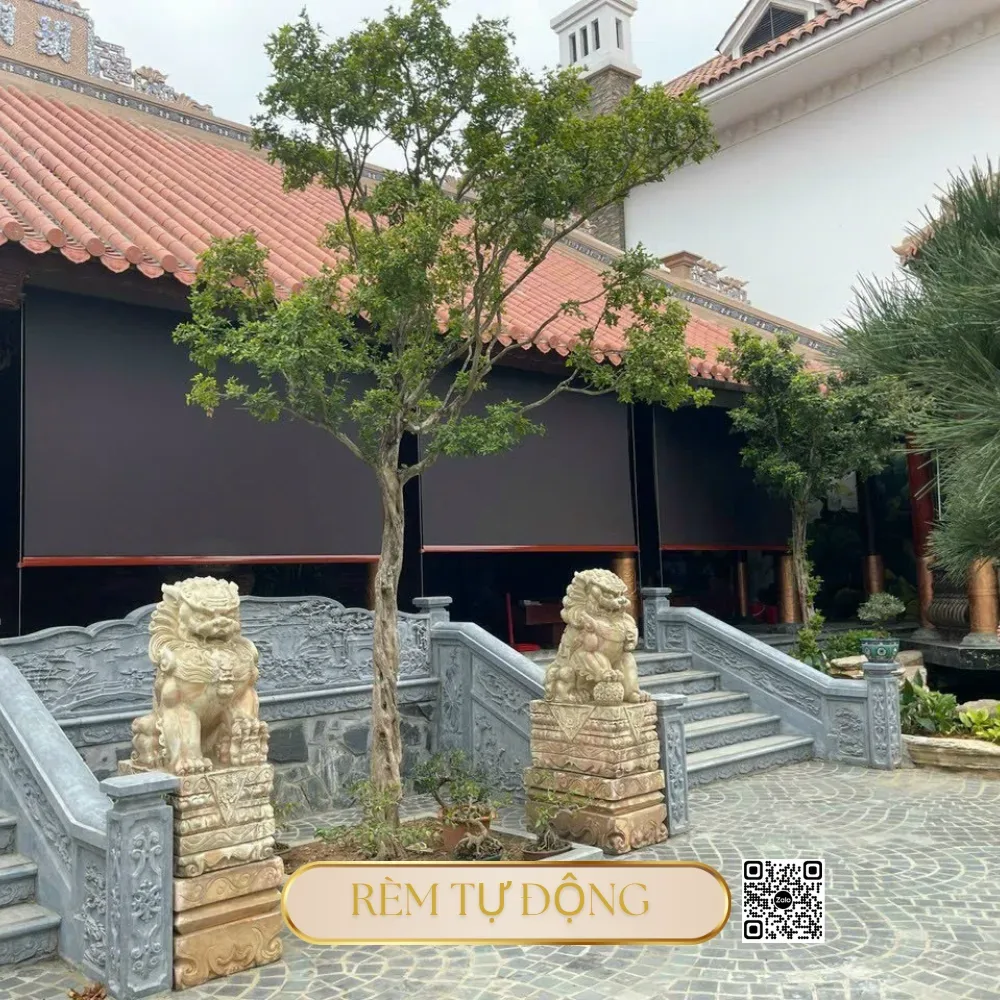
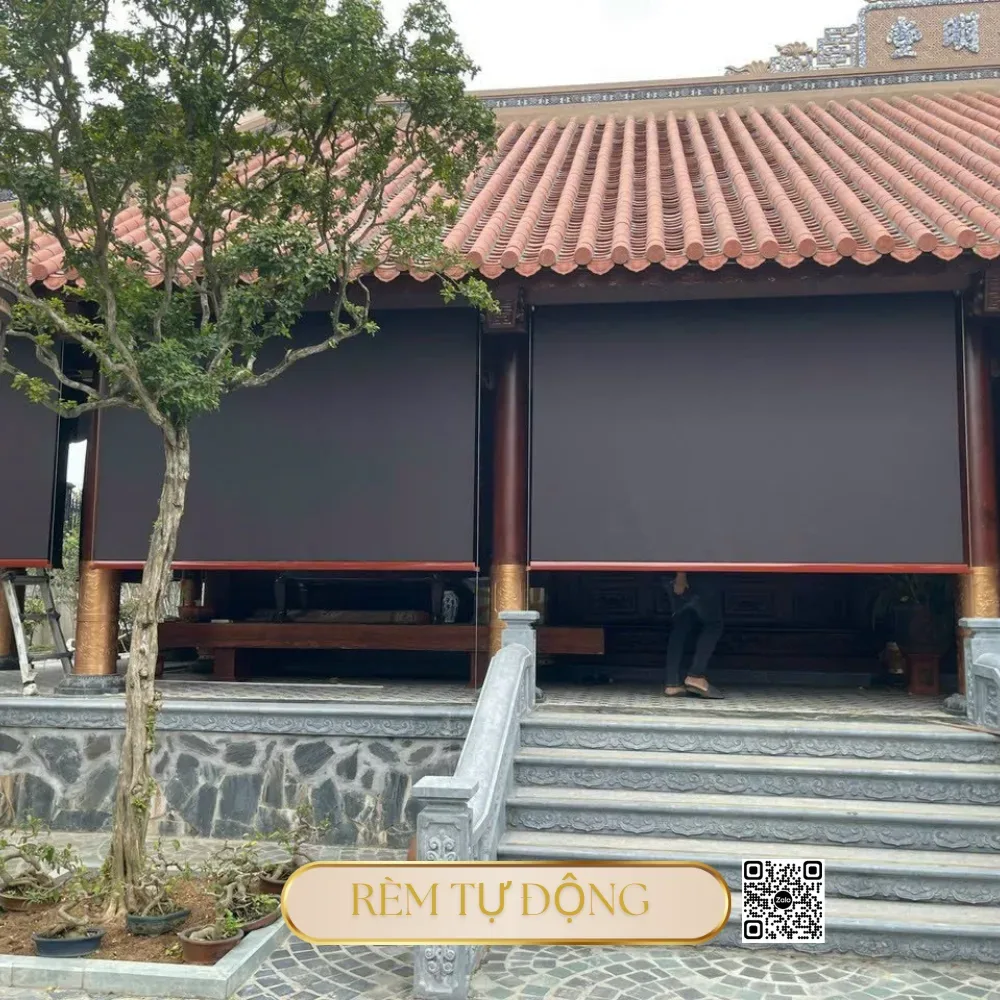
A west-facing balcony can still be hot even with a roof. A rooftop terrace can still get wet when rain blows in. The reason is simple: afternoon sun and wind-driven rain travel nearly horizontally, while a roof only blocks what falls straight down. Outdoor zipper blinds were created specifically for the part a roof leaves exposed—the vertical opening between indoors and outdoors.
That is also the right way to evaluate this product category: do not compare it with indoor blinds based on appearance; ask how well it handles the vertical opening, where it is likely to fail first, and when it is the wrong investment.
What ZIP tracks can do that regular outdoor blinds usually cannot
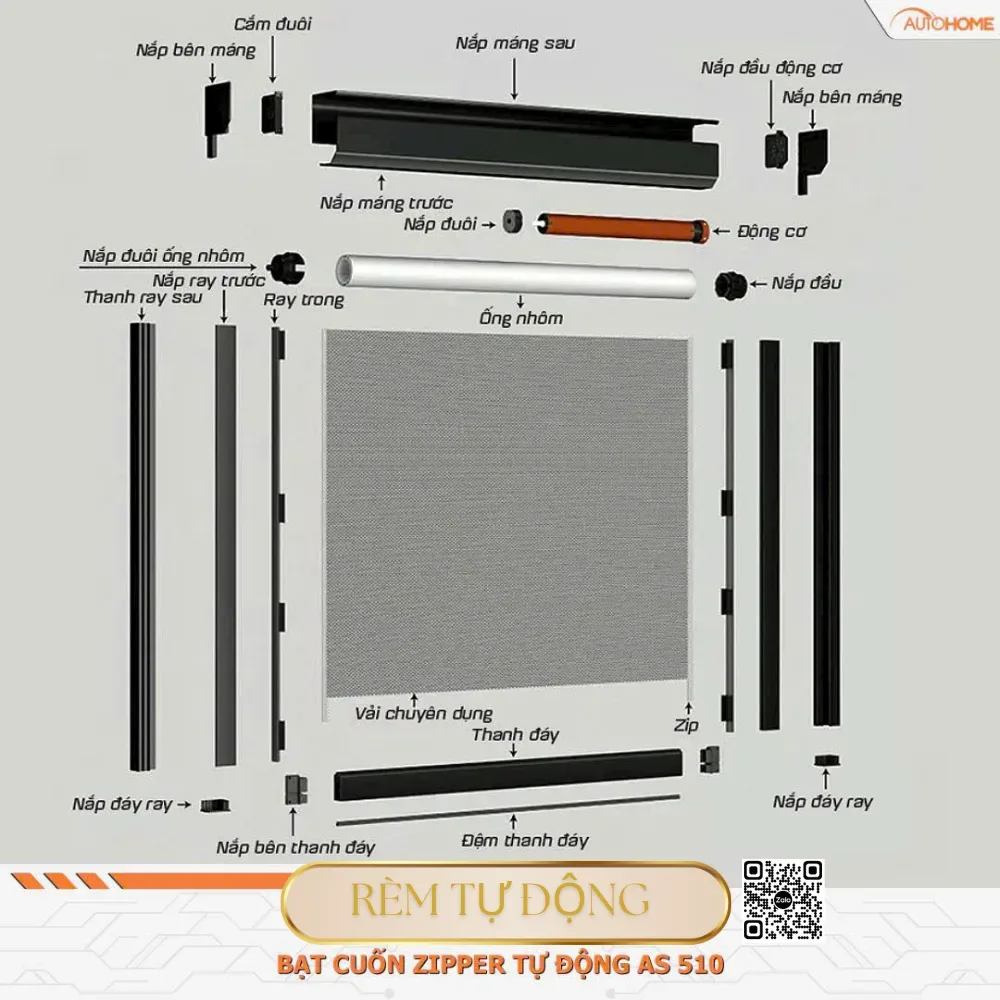
Regular outdoor roller blinds only hold the fabric at the top and bottom, leaving both side edges open. Even a light wind is enough to make the fabric billow and flap, while sunlight still comes through the two side gaps. Users often put up with it for a few months and then stop using it.
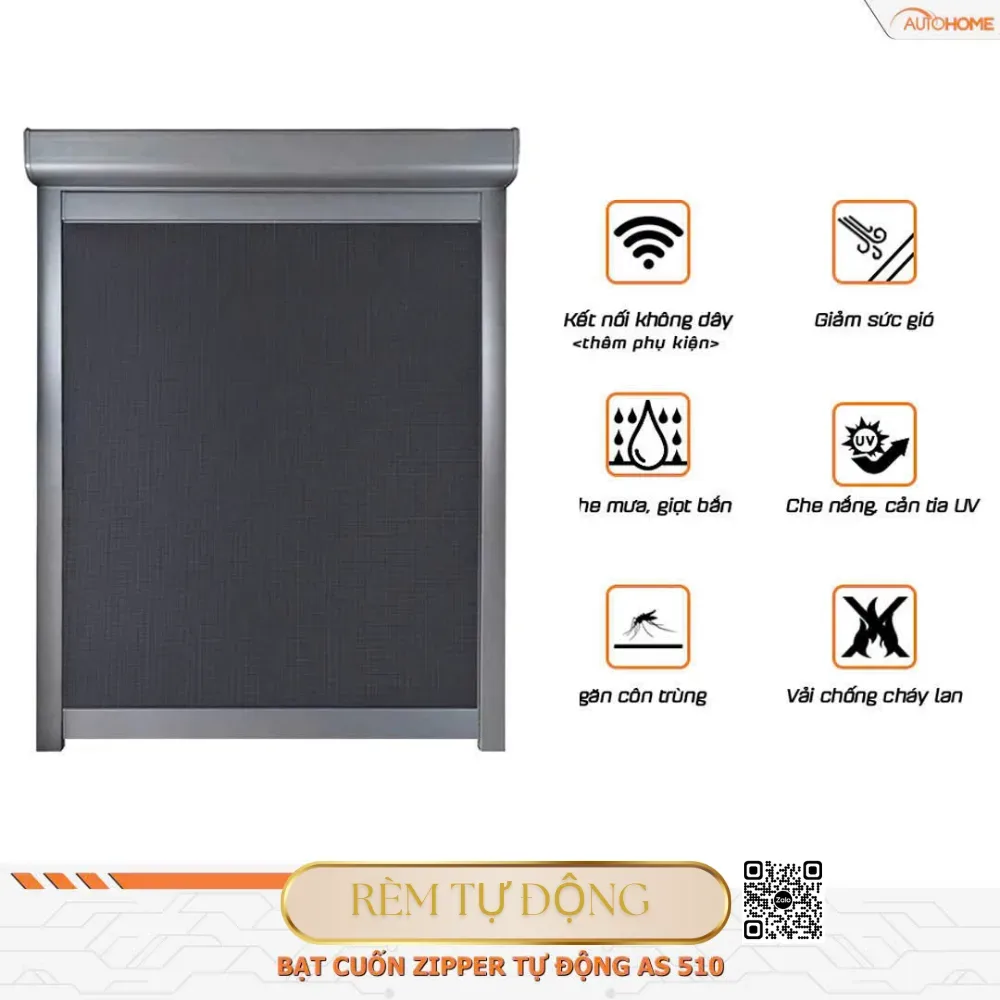
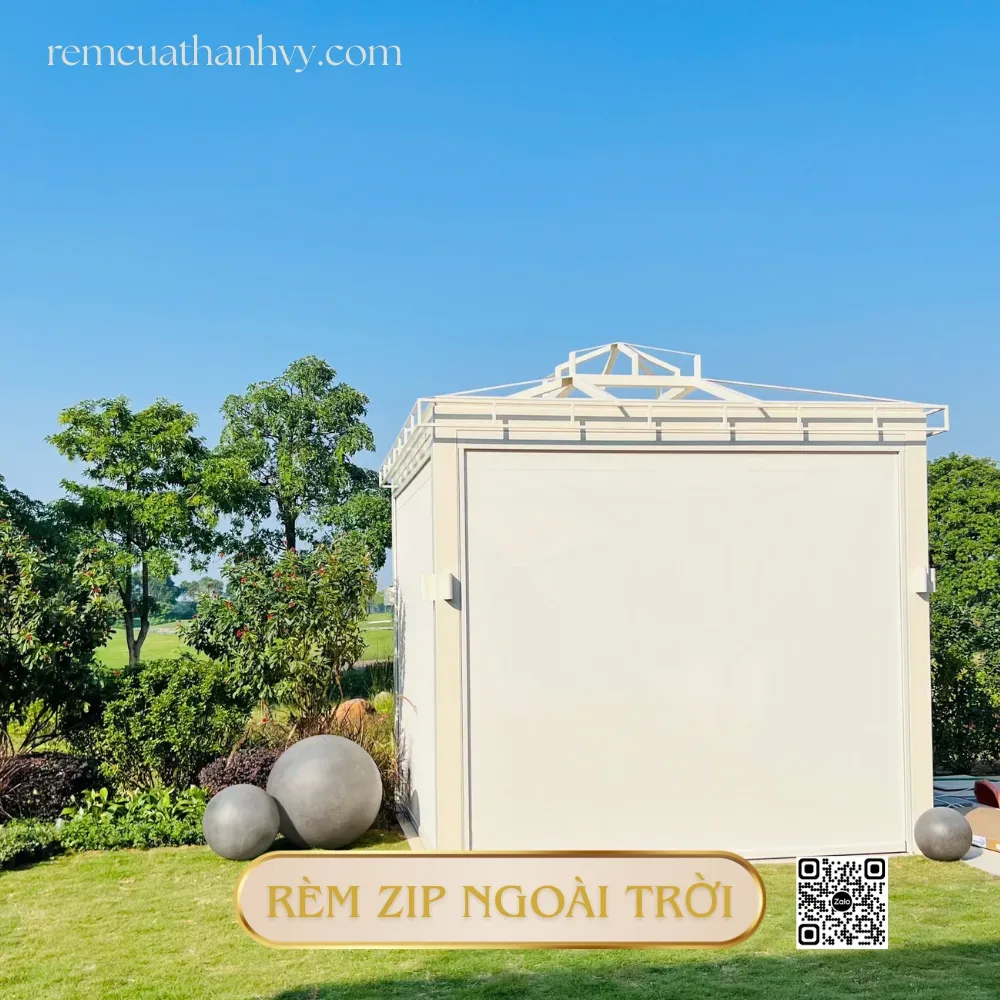
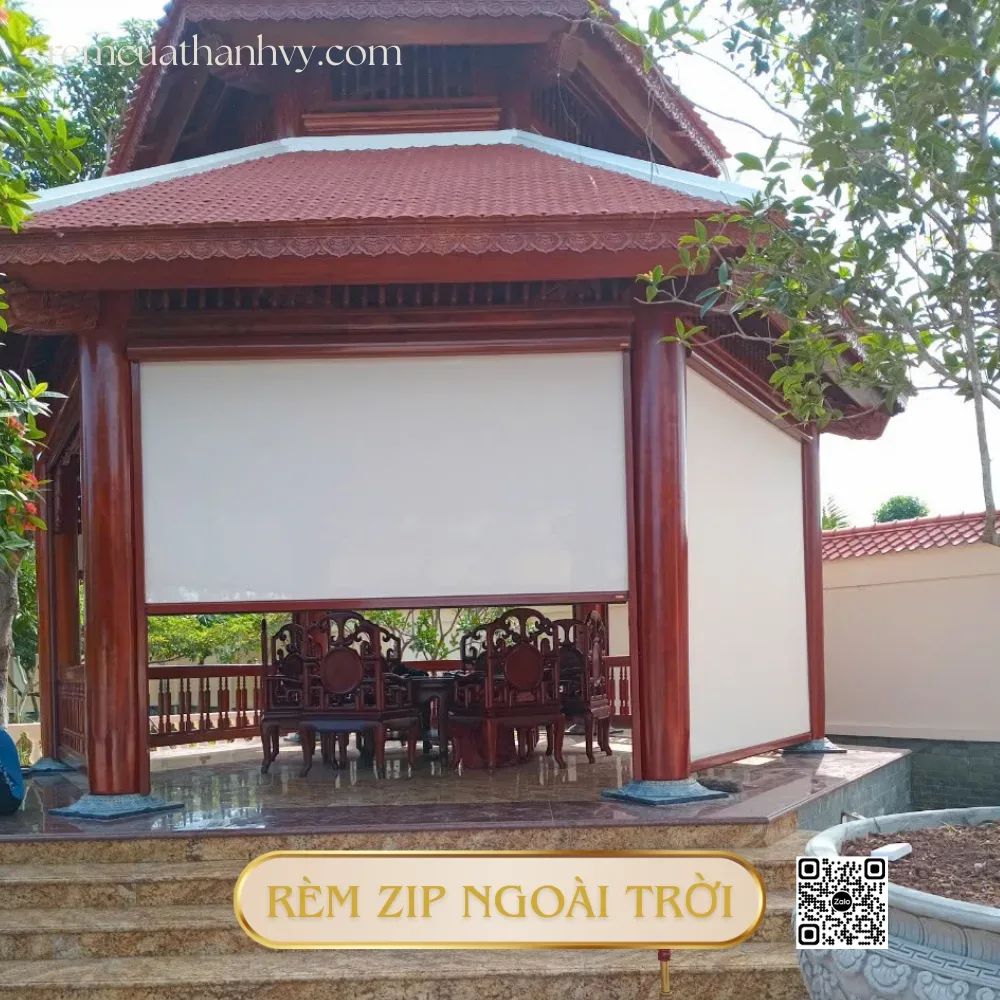
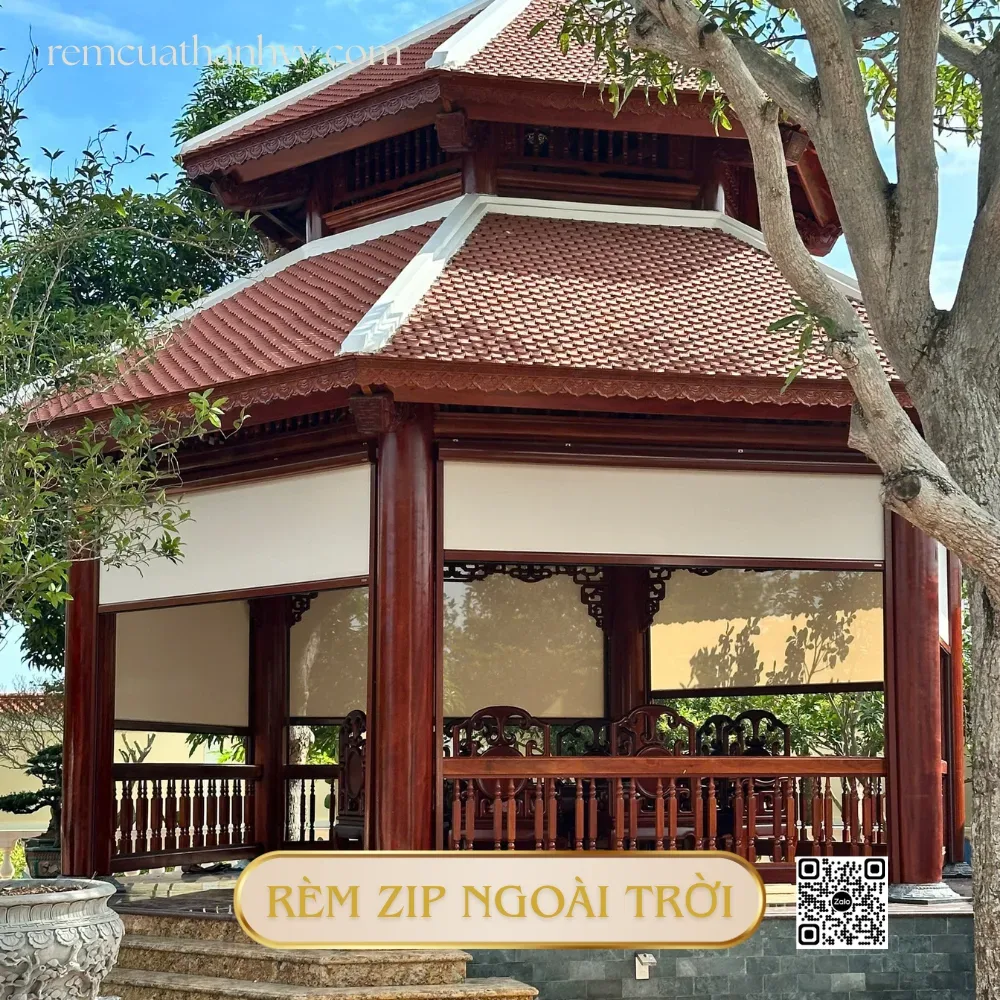
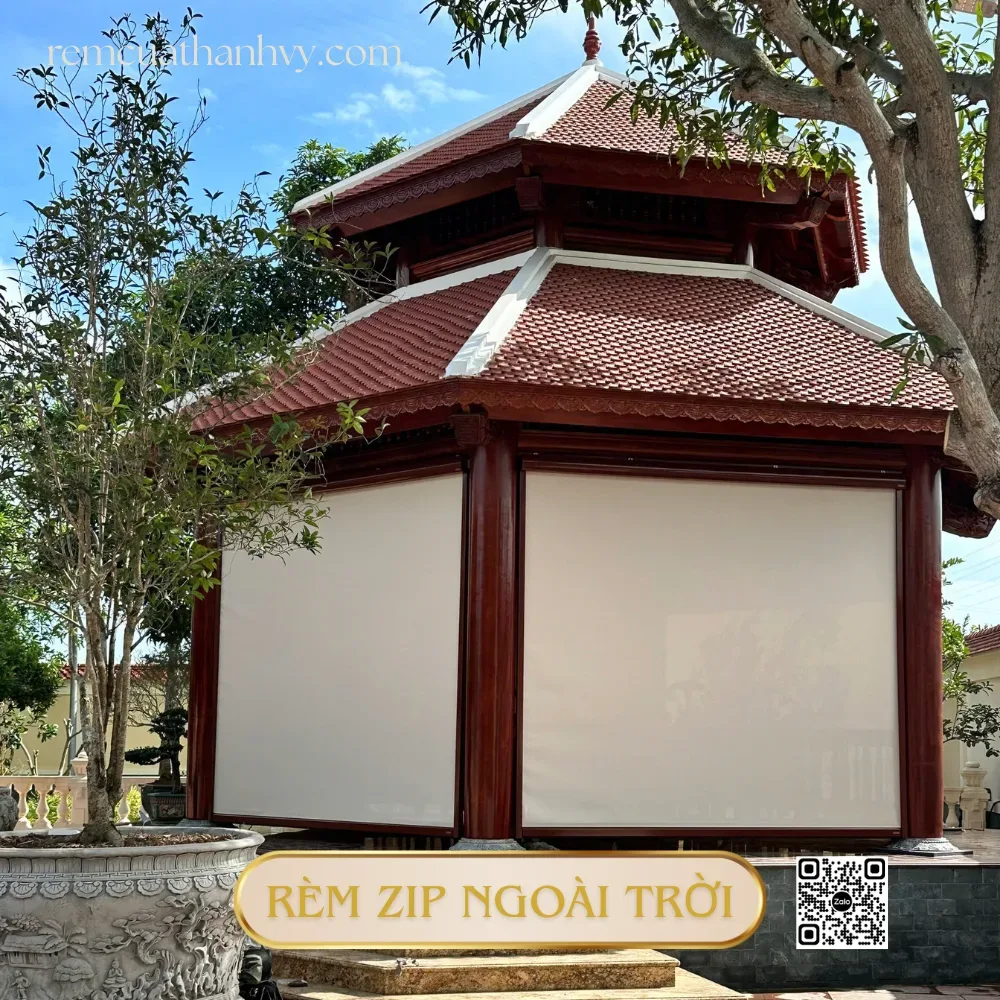
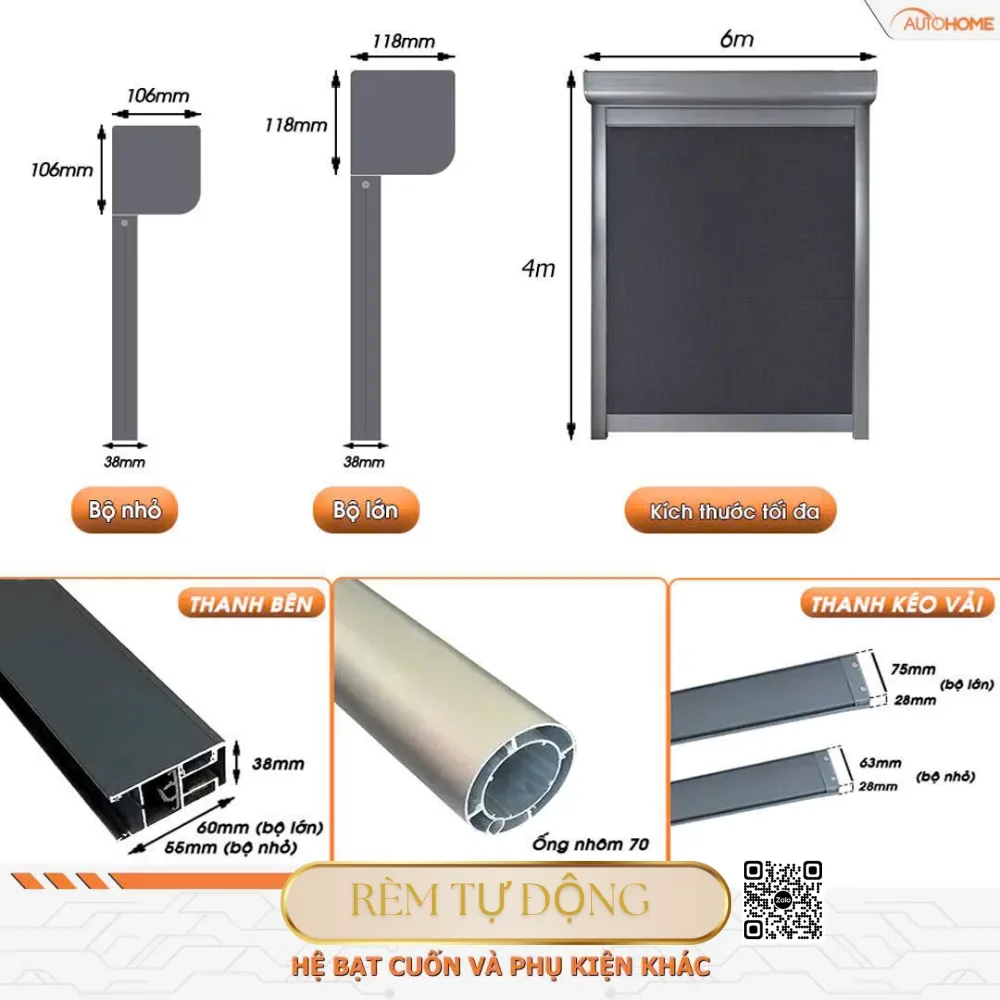
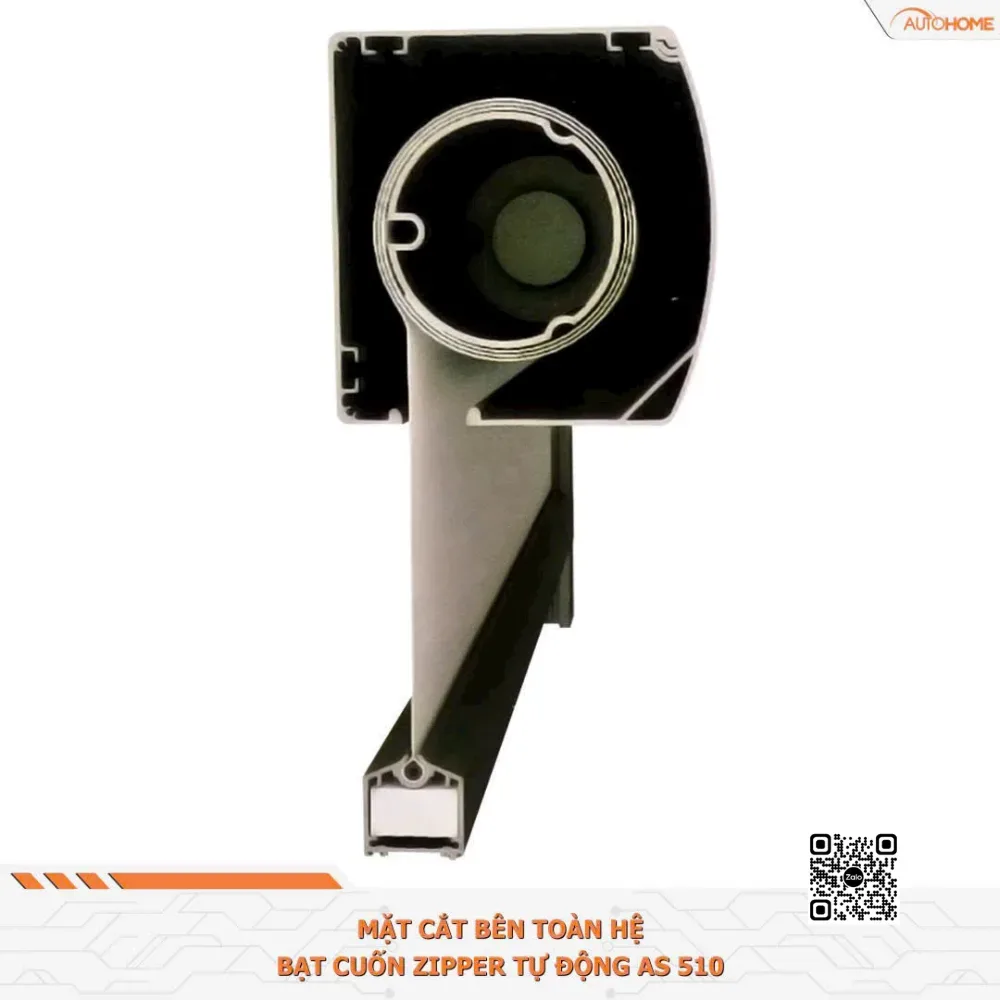
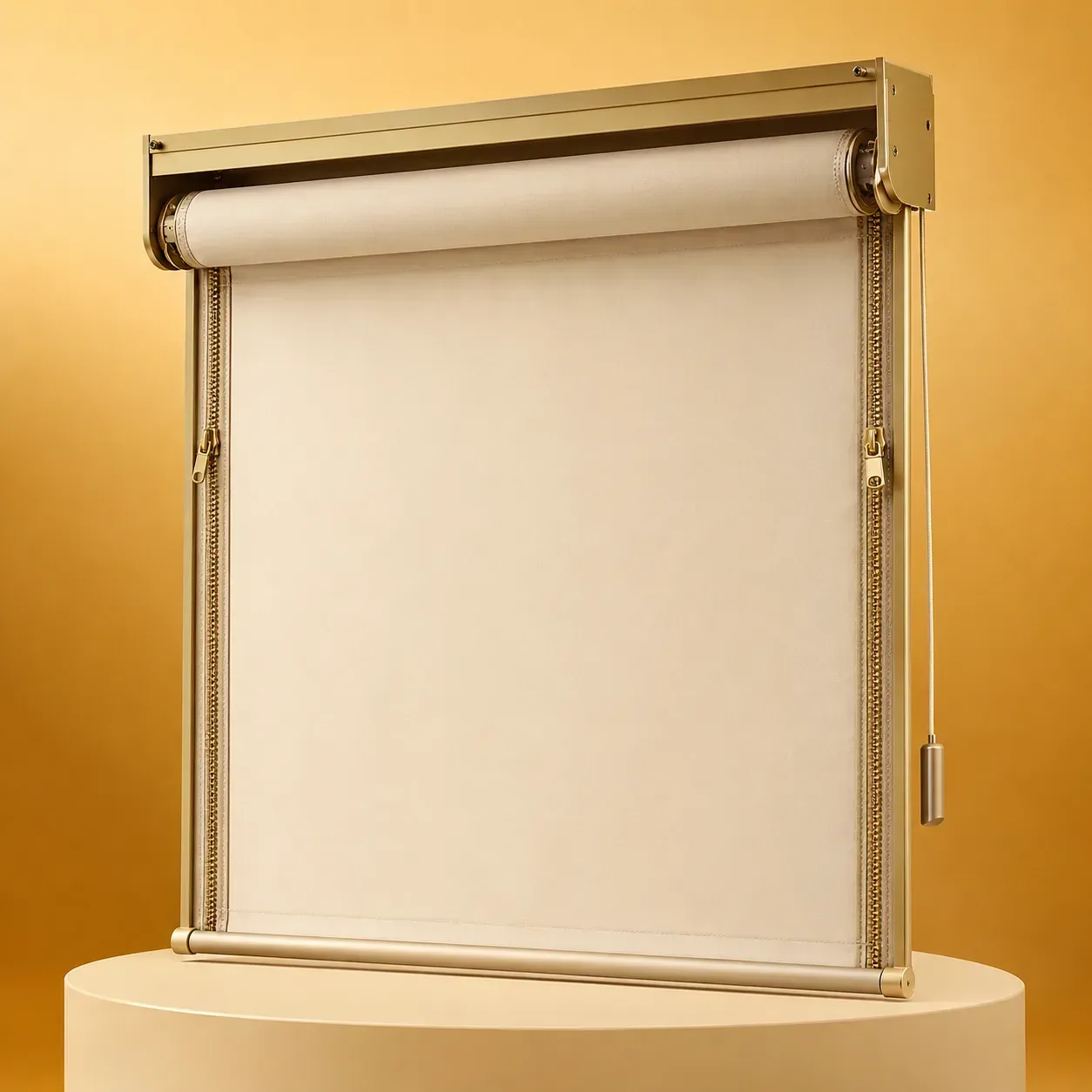
The ZIP system addresses exactly that issue: the fabric edges are inserted into two vertical tracks, so the fabric is held on all four sides. The description of Wind-Resistant Outdoor Zipper Blinds states this directly: the ZIP track system keeps the fabric taut and limits movement when there is wind. As a result, the two side gaps disappear, so both protection from angled sunlight and shielding from wind-driven rain are significantly improved.
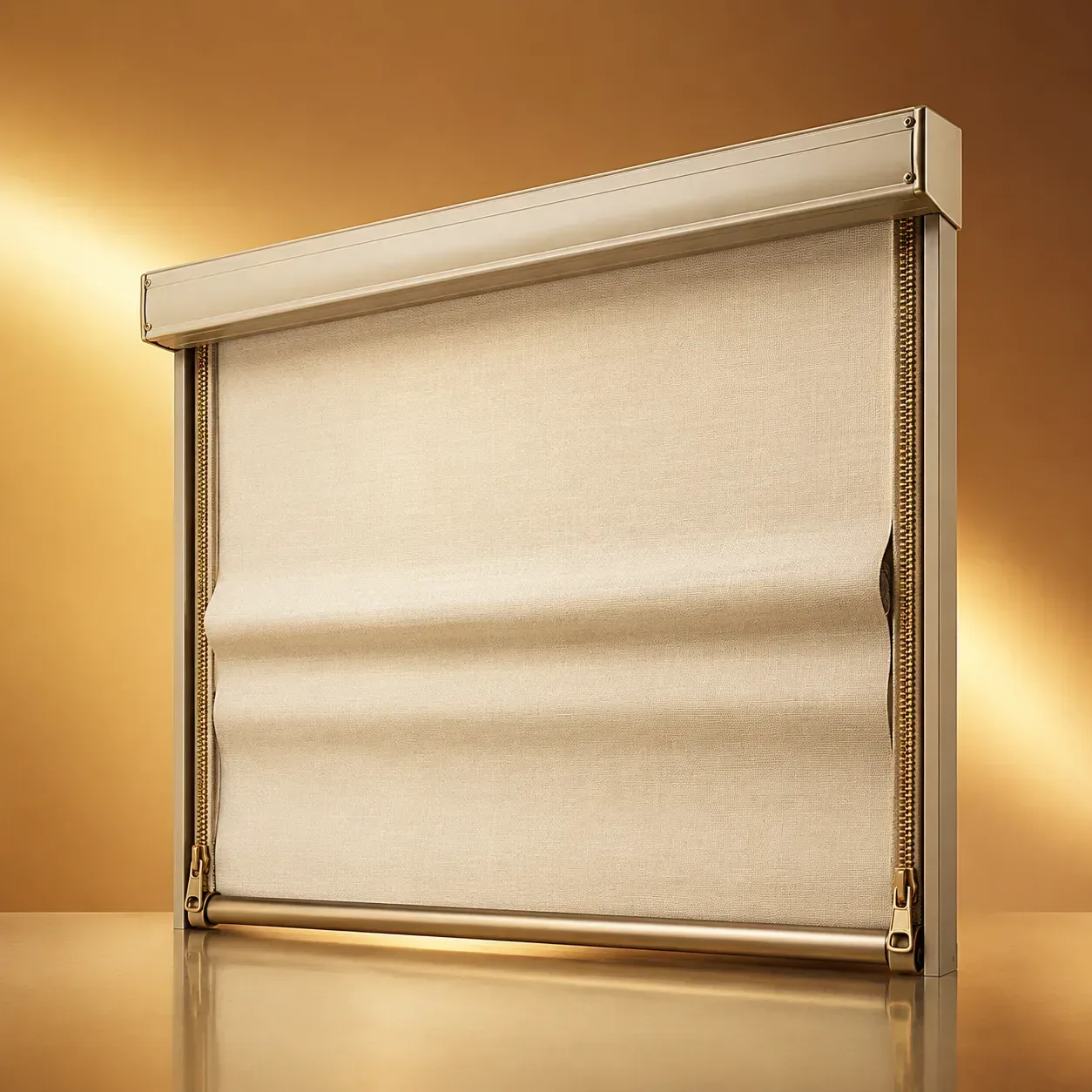
This is the only reason worth paying more for a zipper system. If the installation area is sheltered from wind and you only need a sunshade, regular outdoor blinds are already sufficient, and the ZIP system is unnecessary spending.
And here is the downside of that very track
Holding the fabric on all four sides means that the entire force of the wind is transferred to the tracks and their mounting points. With regular blinds, the wind makes the fabric billow and then passes; with a ZIP system, the entire system has to bear the load. When the limit is exceeded, the fabric edge will come out of the track—in properly designed systems, this is an intentional pressure-release mechanism to protect the frame, but the user still has to call a technician to put the fabric back into the track.
No one can state that limit as one universal figure, because it depends on the blind width, fabric type, track quality, and how it is anchored to the structure. This article gives no figure. What you need to remember is that a ZIP system withstands wind better than regular blinds, but “better” does not mean immune, and the wider the blind, the more easily it reaches its limit. Information about the company also appears in the Thanh Vy premium blinds section on Báo Hà Tĩnh.
The second downside lies in installation. The two tracks must be straight, parallel, and aligned; the installation surface must be square. Curved balconies, misaligned columns, uneven walls, and beveled beams can all throw the tracks out of alignment, and misaligned tracks make the fabric operate heavily, scratch at the edges, and jam halfway. Zipper blinds are more demanding to install than any type of indoor blind, so installation skill is just as important here as product quality. The company’s products were mentioned in the Báo An Giang article about Thanh Vy premium fabric blinds.
How far should “rainproof” be understood when it comes to zipper blinds?
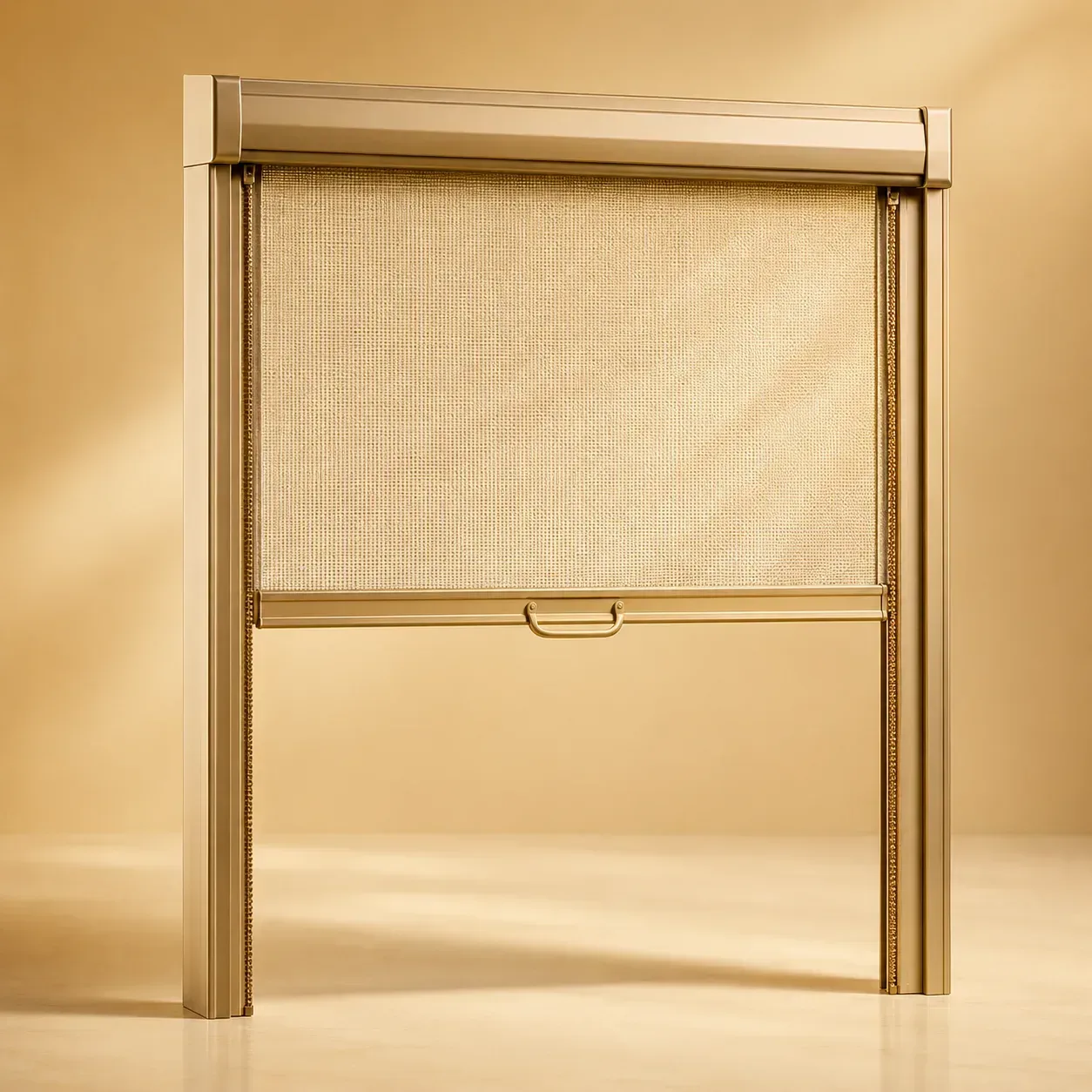
The catalog includes Modern Rainproof Outdoor Zipper Blinds, and the words “rainproof” here need to be understood correctly to avoid disappointment after installation.
What it can do: block most wind-driven rain across the surface being covered, keeping the furniture and floor inside noticeably drier than if the area were left open. What it cannot do: turn a balcony into a completely watertight room. Water still runs along the fabric down to the bottom of the blind, there are still gaps around the top box and bottom edge, and strong winds can still push moisture through. If your goal is a completely dry space, what you need is a glass partition or aluminum-and-glass doors, not blinds.
The same applies to heat. A sunshade can block radiation shining directly onto people and the floor, but it also absorbs heat and radiates some of it back. The improved comfort is real; percentage claims for heat reduction should not be trusted without specific measurement conditions.
Choosing fabric: breathable screen or solid fabric—each sacrifices something
This decision affects everyday experience more than choosing the motor, yet it is often made too hastily.
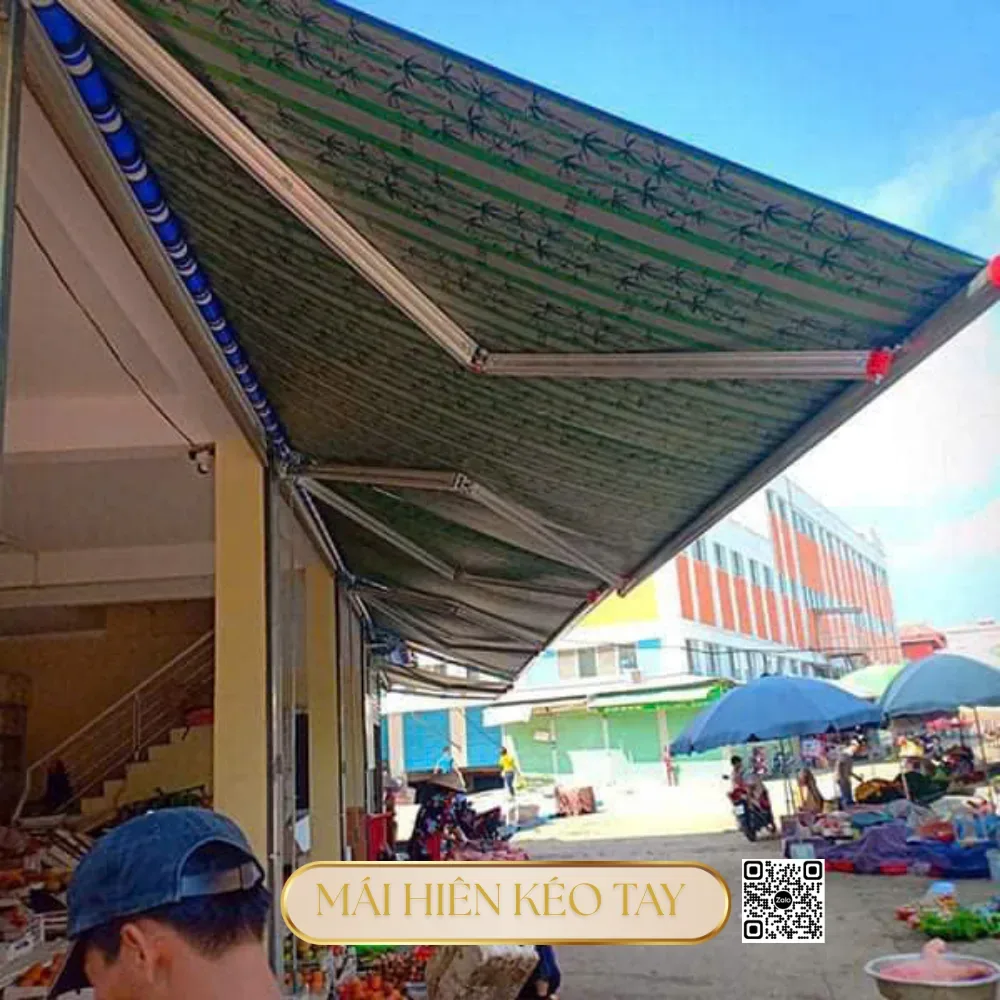
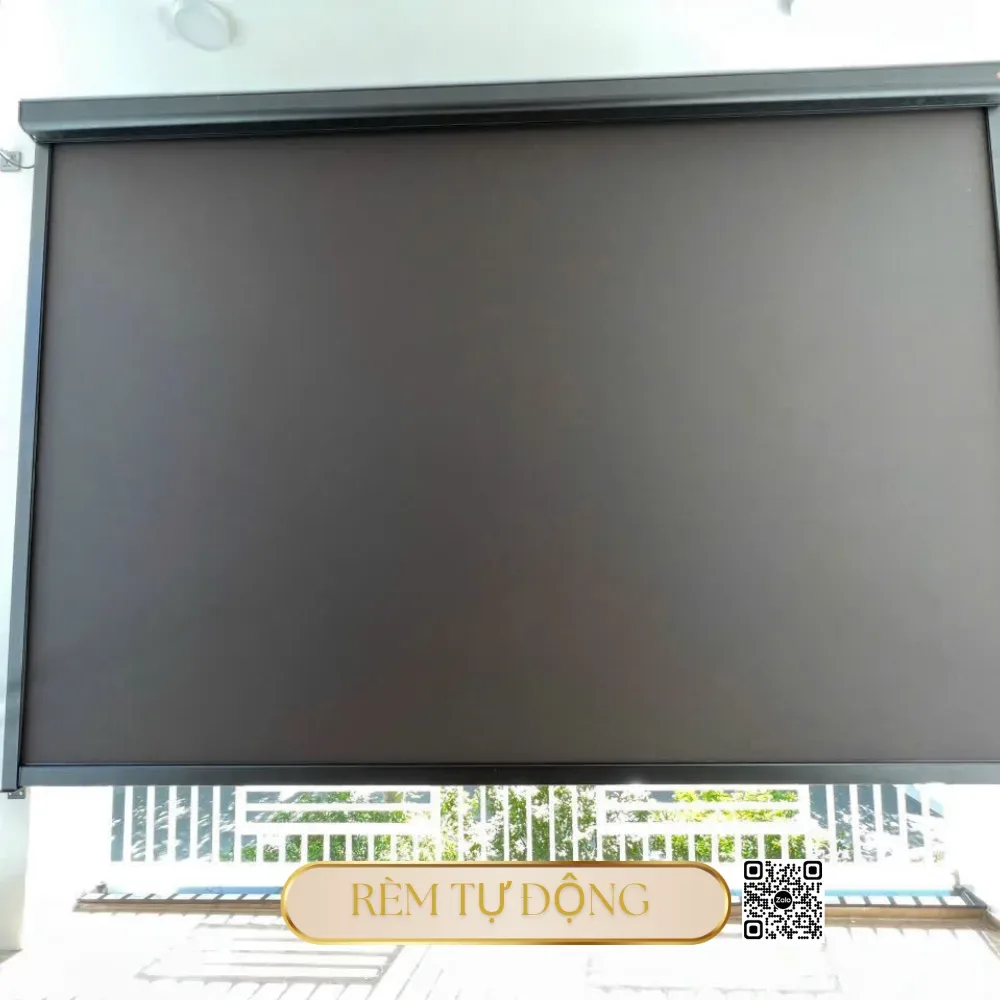
Mesh screen fabric, such as in Outdoor ZIP Screen Blinds, cuts glare while still allowing you to see outside and letting air flow through. In return, it is not opaque: during the day, people outside have difficulty seeing in, but at night, when the lights are on indoors, the situation reverses, and it provides almost no protection from wind-driven rain. Anyone who buys screen fabric expecting complete privacy will be disappointed.
Solid fabric is the opposite: it provides better coverage and better water protection, but sacrifices the view and makes the balcony feel considerably more enclosed when closed. In addition, versions with clear windows for viewing outside will become dull and scratched over time, and once creased, they cannot be made flat again.
The sensible way to choose is to determine whether you prioritize looking out or keeping the space enclosed. No fabric provides both, and any seller who promises both should be asked to clarify.
Automation: where it’s worth the money, and where it’s overkill
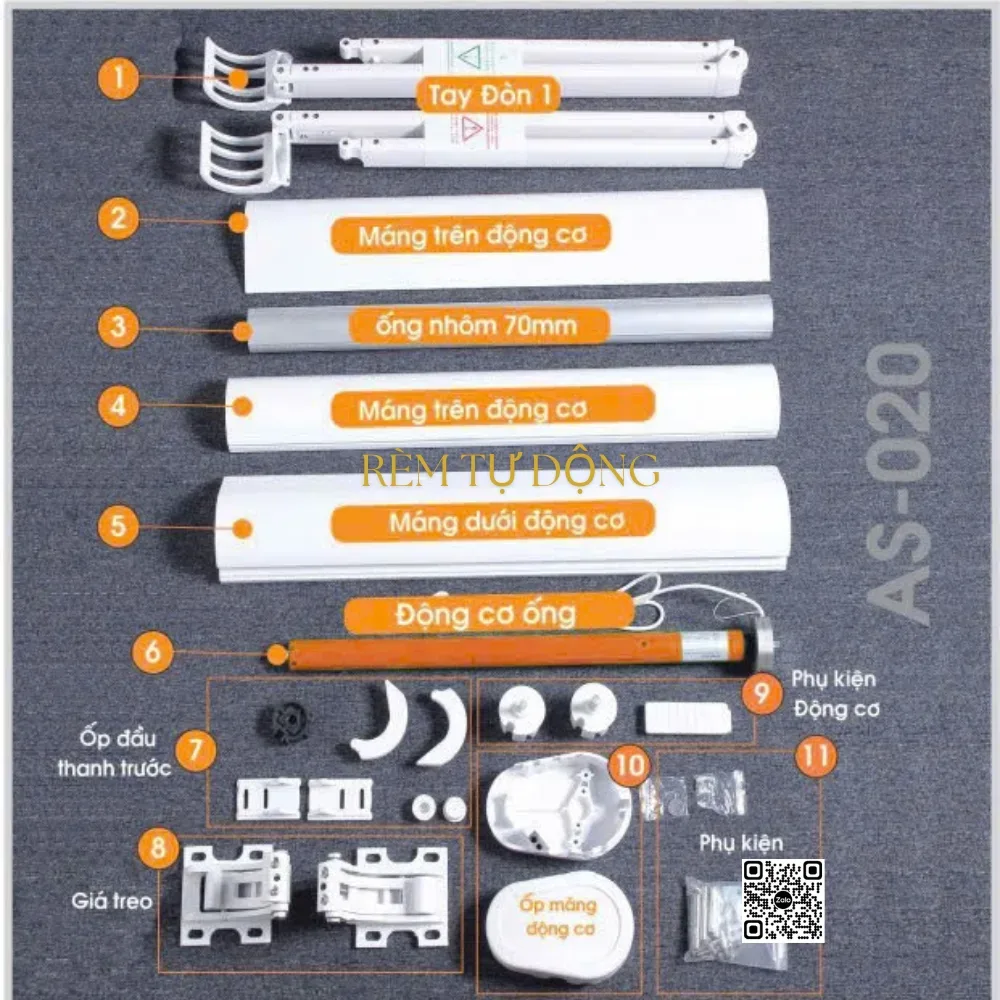
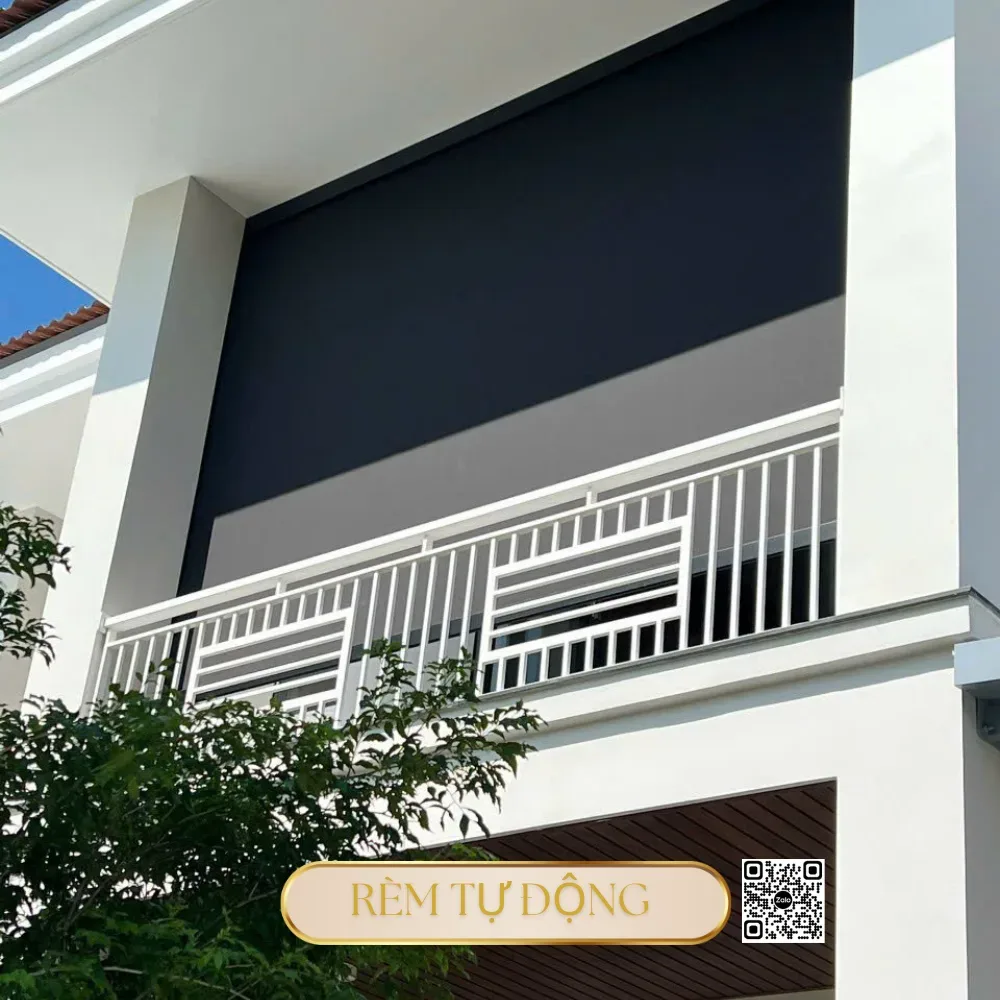
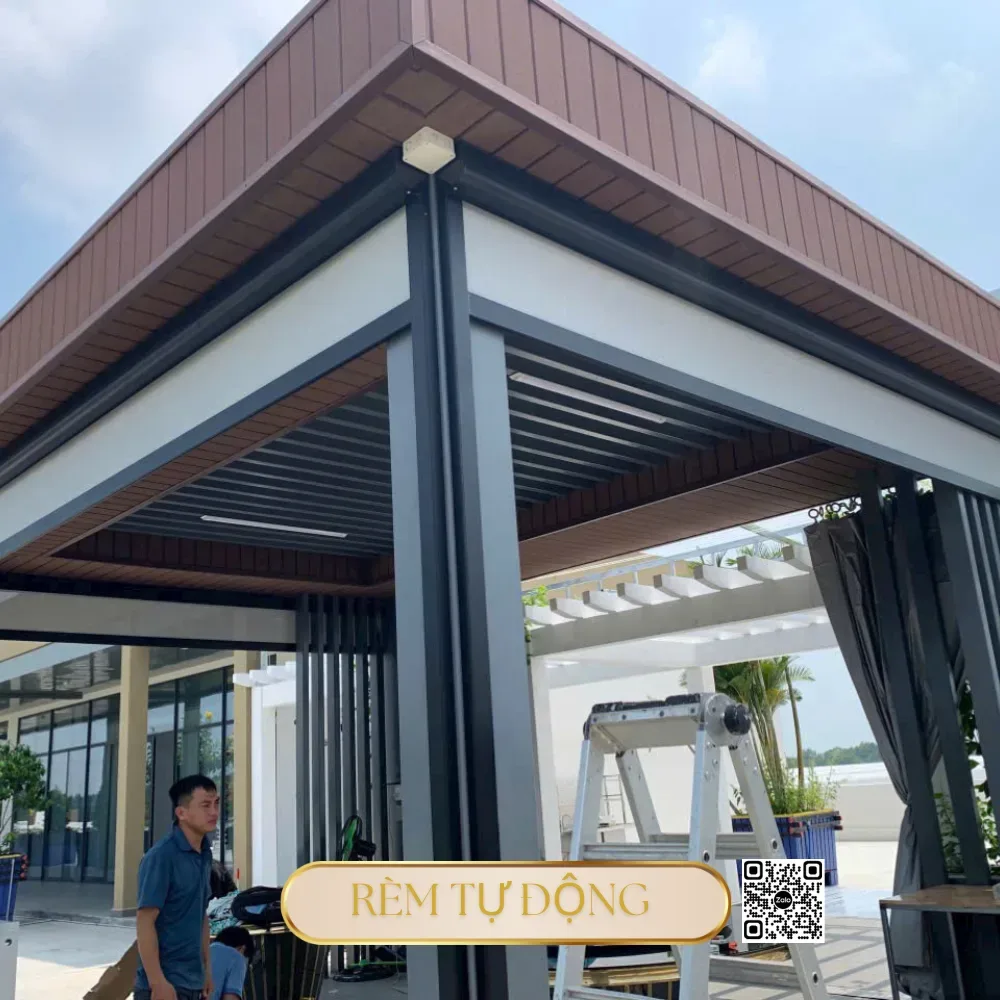
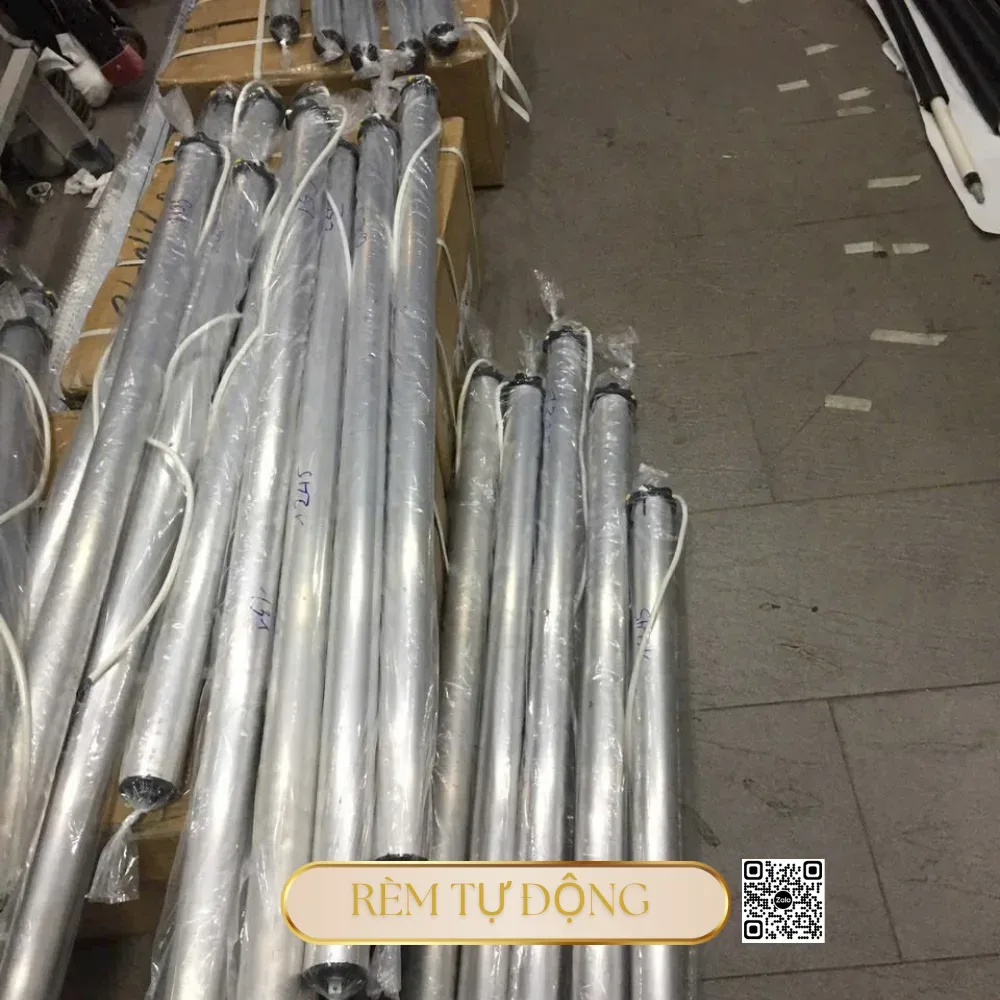
Automatic Balcony Zipper Blinds are described as a ZIP track system with a remote-controlled motor, intended for balconies, rooftops, and outdoor structures. In those locations, automation is often the right choice: large outdoor blinds are very heavy to pull by hand, while balconies and rooftops are places people are often reluctant to access.
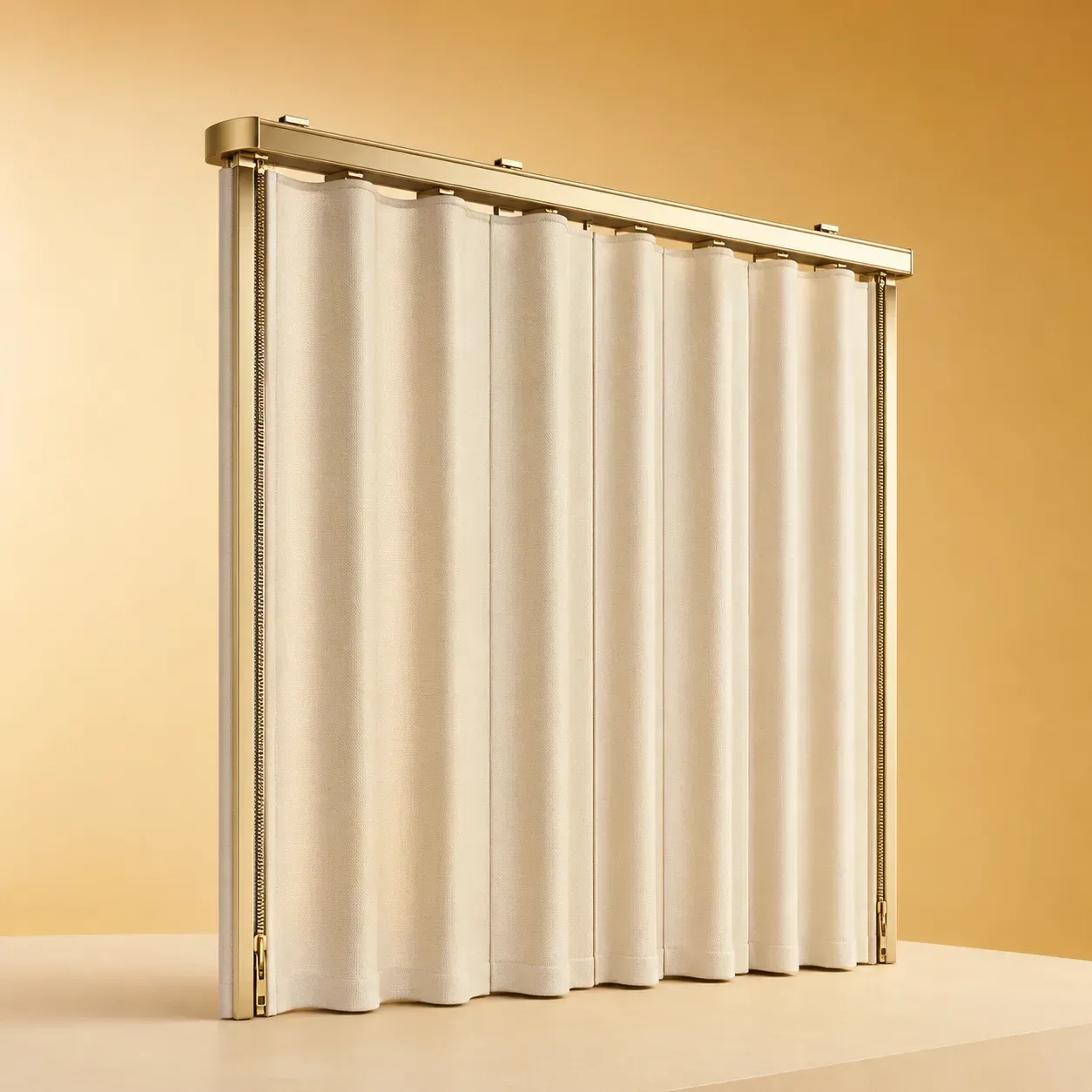
But you also need to consider the hidden costs. An outdoor motor has to withstand sun and rain year-round; electrical wires must be concealed or run through conduits and must not be left directly exposed; and when the circuit board or motor fails, far fewer technicians can repair it compared with regular blinds. Ask two things in advance: where the power supply will come from and how the wiring will be routed, and whether the blind can be lowered if the power goes out or the motor fails.
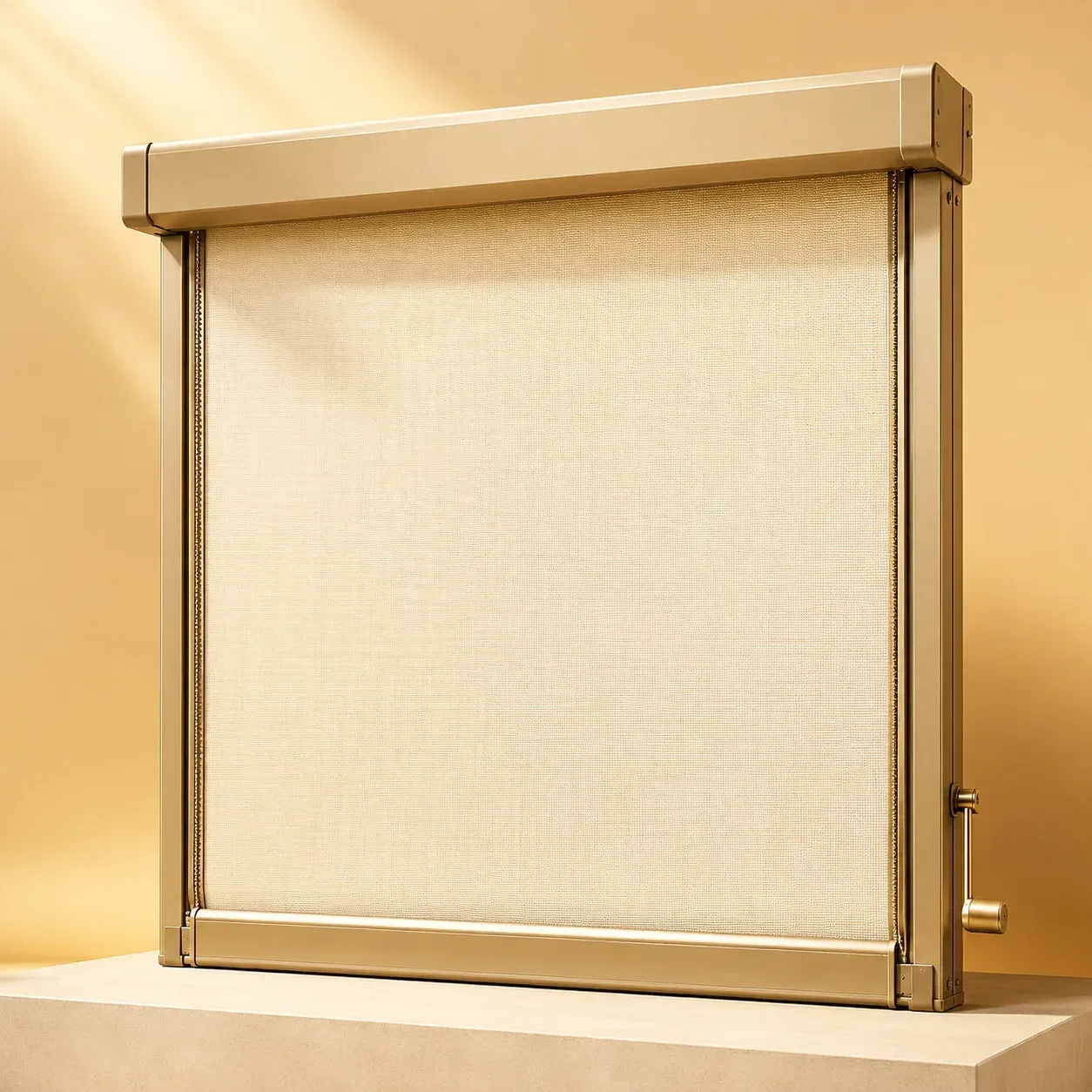
On a small, within-reach balcony, a medium-sized manually operated or crank-operated blind is still more practical, with fewer things to repair later.
Send your dimensions and needs, and the Thanh Vy Curtains team will advise on options and quote for your actual space.
Maintenance: the track groove is the first place to fail
Buyers often worry about the fabric fading. In reality, the first source of trouble is usually the track groove. Outdoors, there is dust, dry leaves, spider webs, and insects nesting; ZIP grooves are narrow and vertical, so all sorts of debris fall in and collect at the bottom. A dirty groove makes the fabric move heavily, run off-center, and eventually wears down its edges. Interested readers can also see the Thanh Vy premium blinds section on Báo Hà Tĩnh.
Maintenance, therefore, is not about washing the blind but cleaning the grooves regularly, checking the track-mounting screws, and watching for signs that the fabric is being pulled to one side. This is simple work, but it must be done consistently—and if the blind is installed on a rooftop or in a hard-to-reach location, you should also consider who will do it.

Who should install outdoor zipper blinds
People with balconies or loggias exposed to slanting afternoon sun, where the roof offers no protection, and who want to use that space instead of leaving it empty. This is the group that benefits most clearly.
Restaurants and cafés with outdoor seating that want to keep using it during light rain or intense sun. Here, zipper blinds deliver a measurable benefit: more seats usable throughout the day.
Townhouses with skylights, voids, or exposed sides that let in wind-driven rain, where protection is needed on the vertical face but building a wall or installing fixed glass partitions is undesirable.
Who shouldn’t install them—speaking frankly
High-rise apartment balconies exposed directly to strong winds are the case that requires the most careful consideration. Wind at that height is powerful and constantly changes direction, while the ZIP system takes the full force of the wind through the tracks. In addition, most building management boards have rules about modifying the building façade, so this is something to ask about beforehand, not something to install first and deal with later.
Short-term rental homes are also unsuitable. Zipper blinds are permanently installed systems, with tracks fastened to walls or columns and cut to fit each opening exactly—once removed, they are difficult to reuse elsewhere, and their resale value is practically zero.
Anyone who needs a space that is truly sealed against wind and water is also looking at the wrong product. Sliding glass partitions or aluminum-and-glass doors are what provide that; blinds are a flexible solution, not an airtight one.
Finally, don’t cover an excessively wide span with a single blind. The wider the blind, the heavier the fabric, the more likely it is to sag in the middle, the harder the motor has to work, and the lower its wind tolerance. Dividing it into multiple blinds is the right advice, even though you have to accept vertical posts interrupting the view.
Compared with glass partitions, sun-shading louvers, and awnings
Compared with glass partitions: glass wins decisively in watertightness, wind protection, and durability, but it is fixed, expensive, structurally heavy, and turns the balcony into a room—if you still want that space to remain open when the weather is nice, glass is the wrong choice.
Compared with aluminum or wooden sun-shading louvers: louvers are durable and require almost no maintenance, but they are always there and cannot be retracted. Louvers block the sun at a fixed angle, while blinds give you the option of opening the space completely when needed.
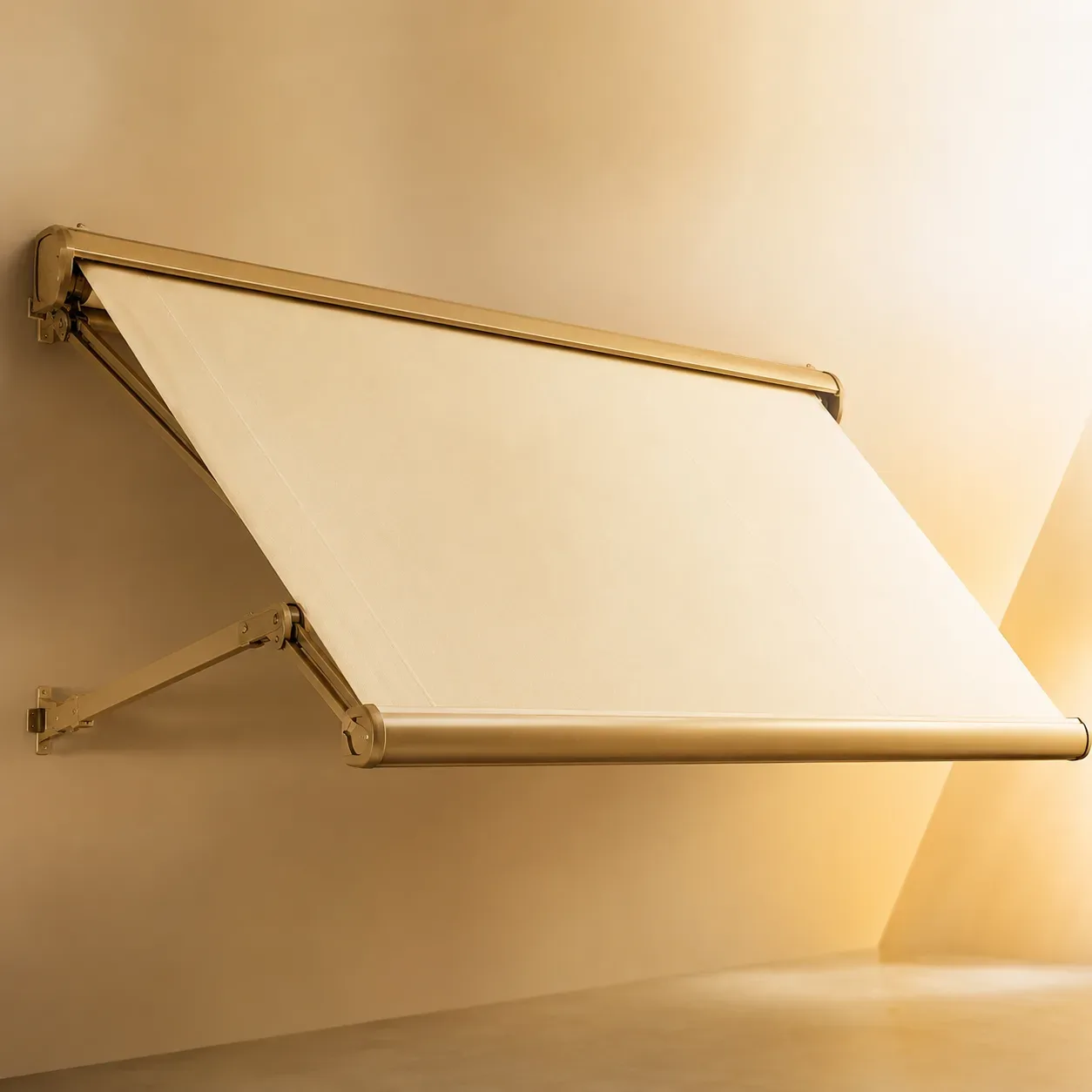
Compared with an automatic outdoor awning: these are not alternatives to each other but two different approaches. An awning handles sun and rain falling straight down from above, while zipper blinds handle slanting sun and wind-driven rain from the side. If your budget only covers one, choose based on whichever issue is more troublesome at your location: glare and side-driven rain mean choosing blinds; overhead sun and straight-down rain mean choosing an awning.
Conclusion: Worth It in the Right Place, Worthless in the Wrong One
Outdoor zipper blinds are a product category with a very clear reason for existing: they address the vertical plane—the part that roofs, louvers, and outdoor curtains often cannot adequately cover. On west-facing balconies, in wind-driven rain areas, and in outdoor seating areas of cafés, they restore genuinely usable space.
But they are not glass walls, not enclosed rooms, and not immune to wind. They require proper installation, regular track cleaning, and buyers must choose correctly between breathable screen fabric and solid fabric instead of expecting one fabric to do everything. The four products in the category—the rain-resistant version, wind-resistant version, screen version, and automatic version for balconies—represent four different priorities, so the thing to do is identify your own priority before comparing prices.
Quick answer: Outdoor zipper blinds are worth installing when you need to block angled sunlight and wind-driven rain on an open side, can install straight tracks, and accept periodic track cleaning. They should not be installed on high balconies directly exposed to wind, in rental homes, or when you truly need a completely windproof and watertight space. Background information about the concept of curtains in architecture helps provide a reference when choosing materials.
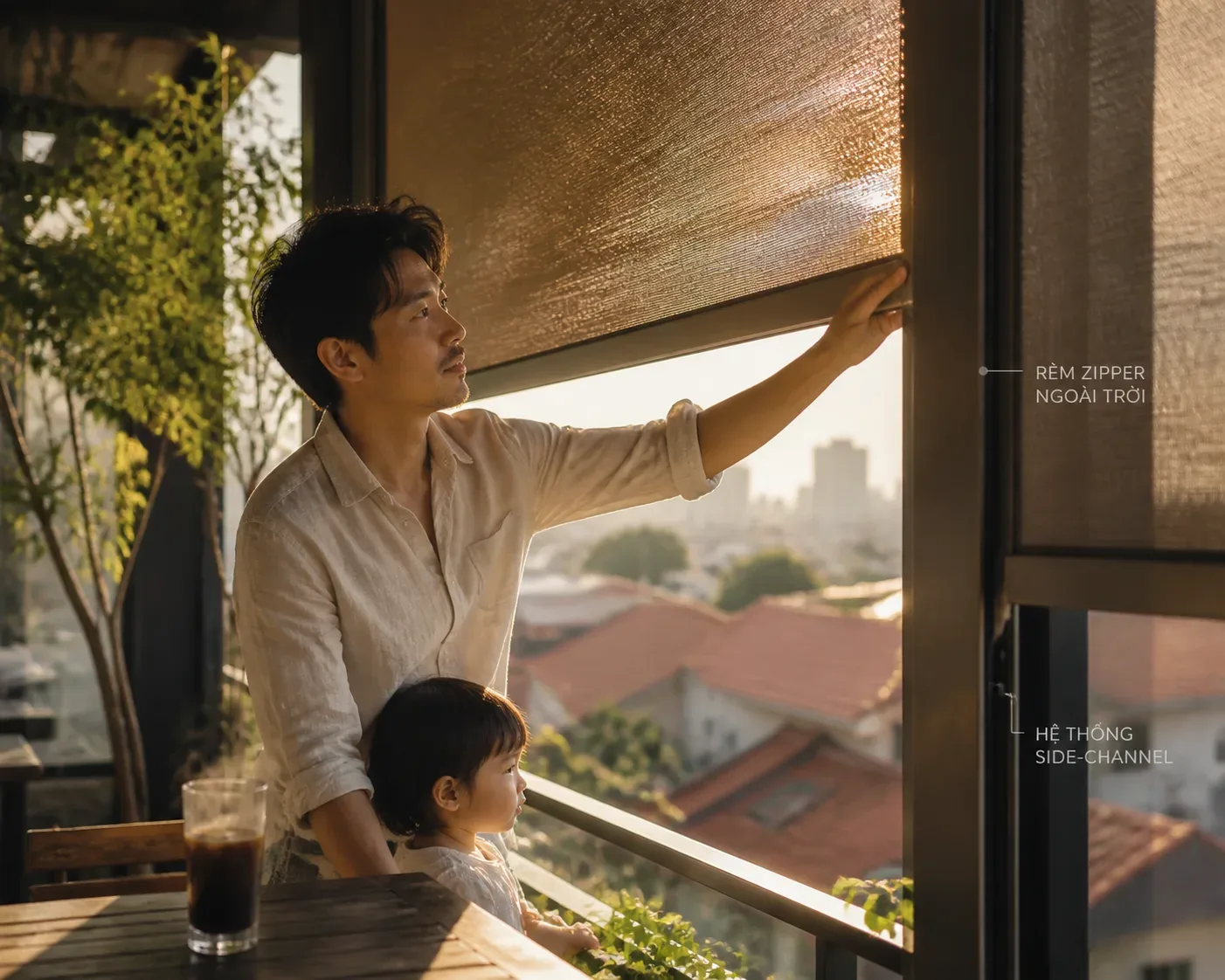
Before making the final decision, stand in that exact spot during the most uncomfortable time of day and determine which direction is causing the disturbance. The answer to that question determines which fabric, width, and whether you need a motor.
For further information, please contact Thanh Vy Curtains
We provide free consultation and on-site measuring at your home.

No comments yet!