


Roller Blinds in District 12: Custom On-Site Measurement, Great Prices | Thanh Vy
District 12 roller blinds meet the needs of newly built homes in developing residential areas
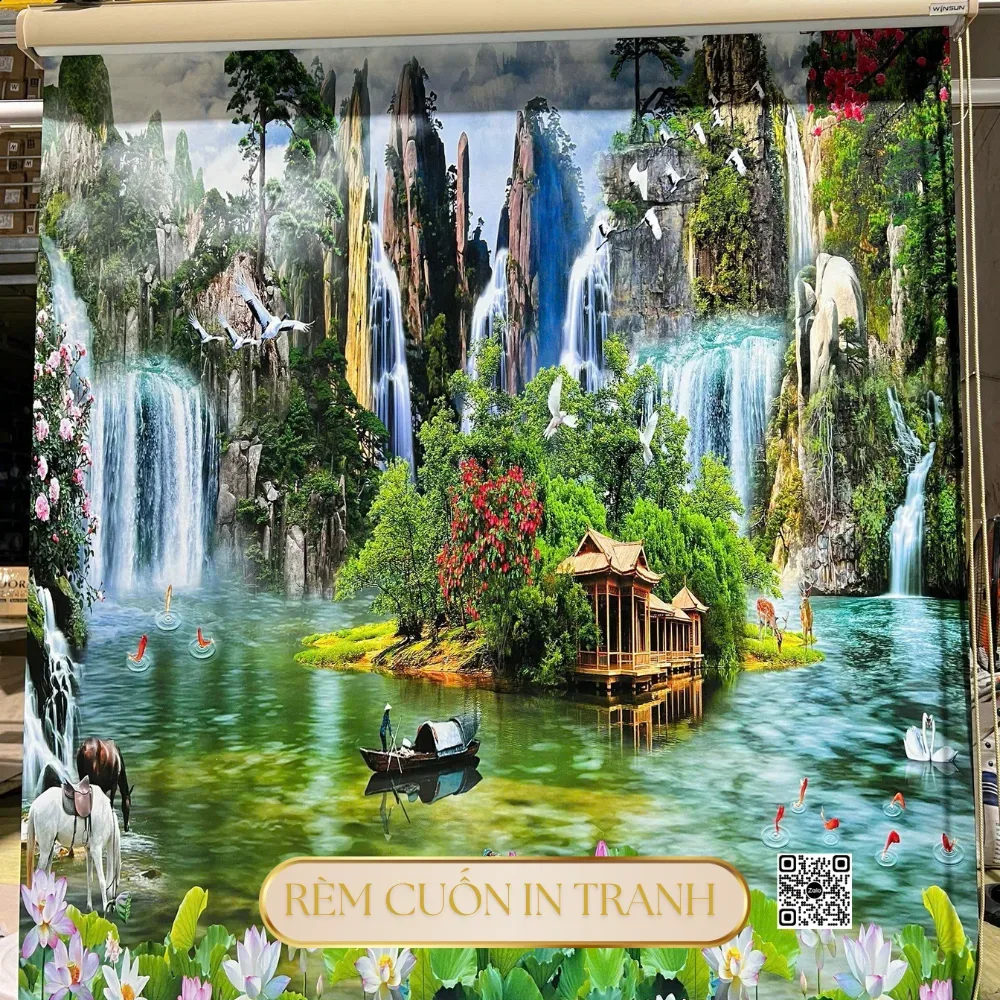
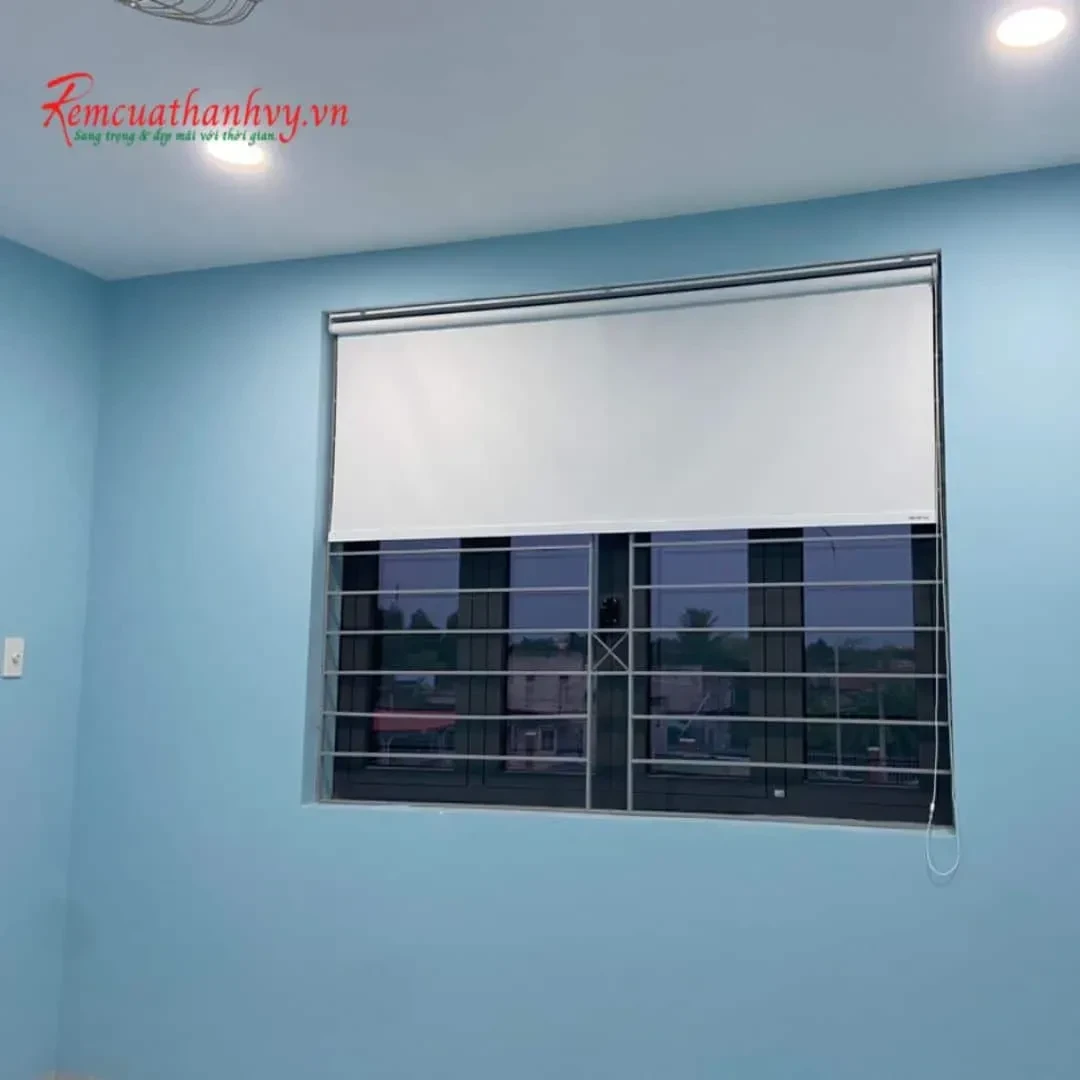
Roller blinds in District 12 are best suited for newly built homes that are completing their interiors in newly developed residential areas, thanks to their compact structure and easy installation on the large glass windows characteristic of modern townhouse architecture in this area. When looking for roller blinds in District 12, most demand comes from families who have just completed a new home, are in the interior finishing stage, and need a neat, easy-to-install sun-shading solution for the large glass windows that are characteristic of modern townhouse architecture.
In newly built homes, windows and glass doors are often designed larger to welcome natural light and airflow, especially in areas with plenty of green space or near less densely built-up locations. This is both an advantage in terms of ventilation and a greater requirement for shading solutions, because larger window areas mean more light and heat are absorbed into the home during peak sunny hours.
Roller blinds, with their compact construction and ability to adjust light intake at different times, are often considered a suitable choice for homes in the finishing stage, when homeowners want a quick solution that is not overly complicated to install but still ensures long-term usability.

Roller blind mechanisms suited to the characteristics of homes in District 12
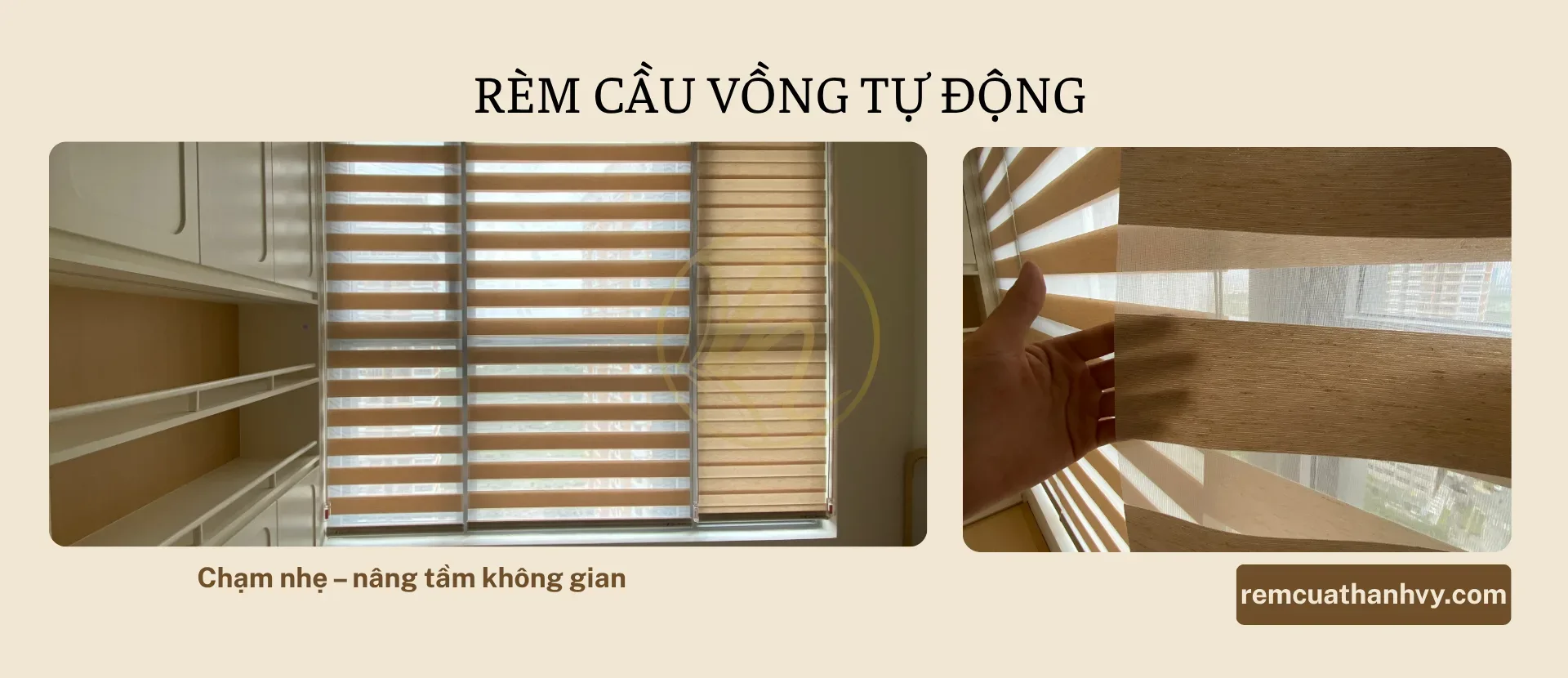
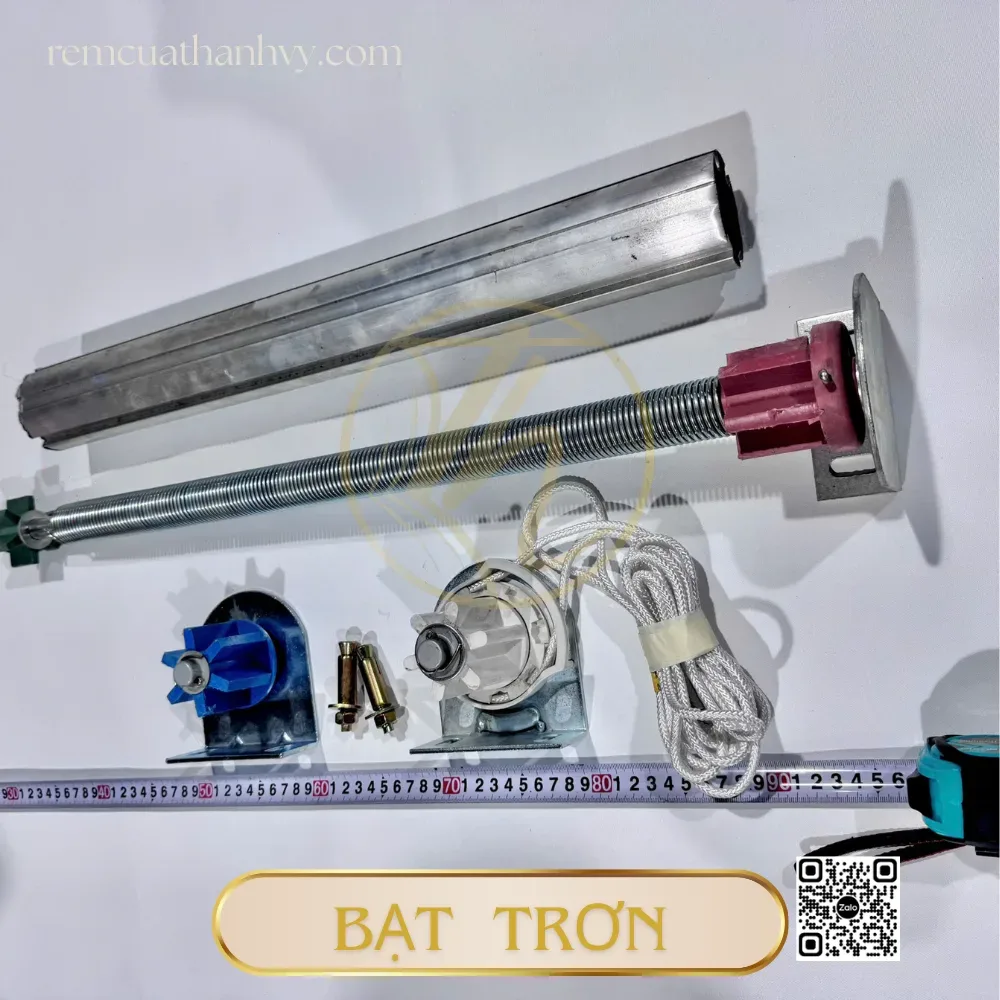
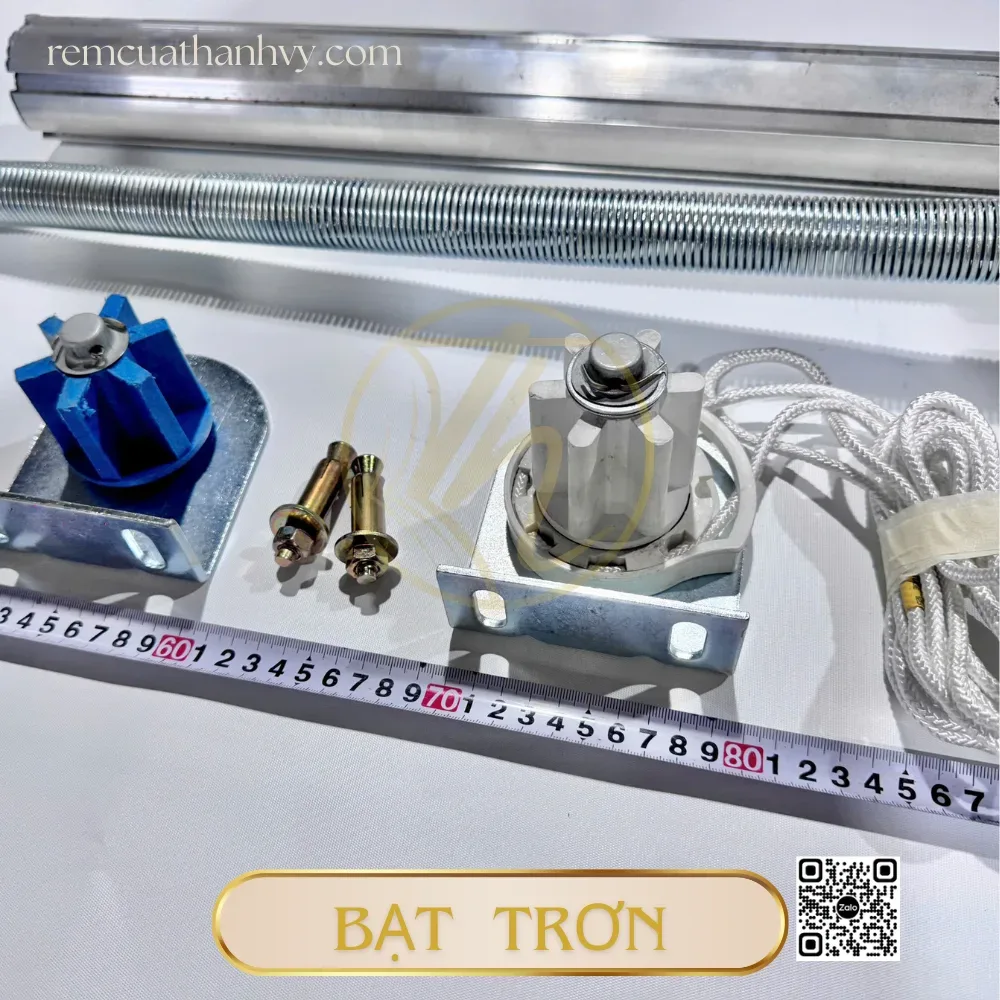
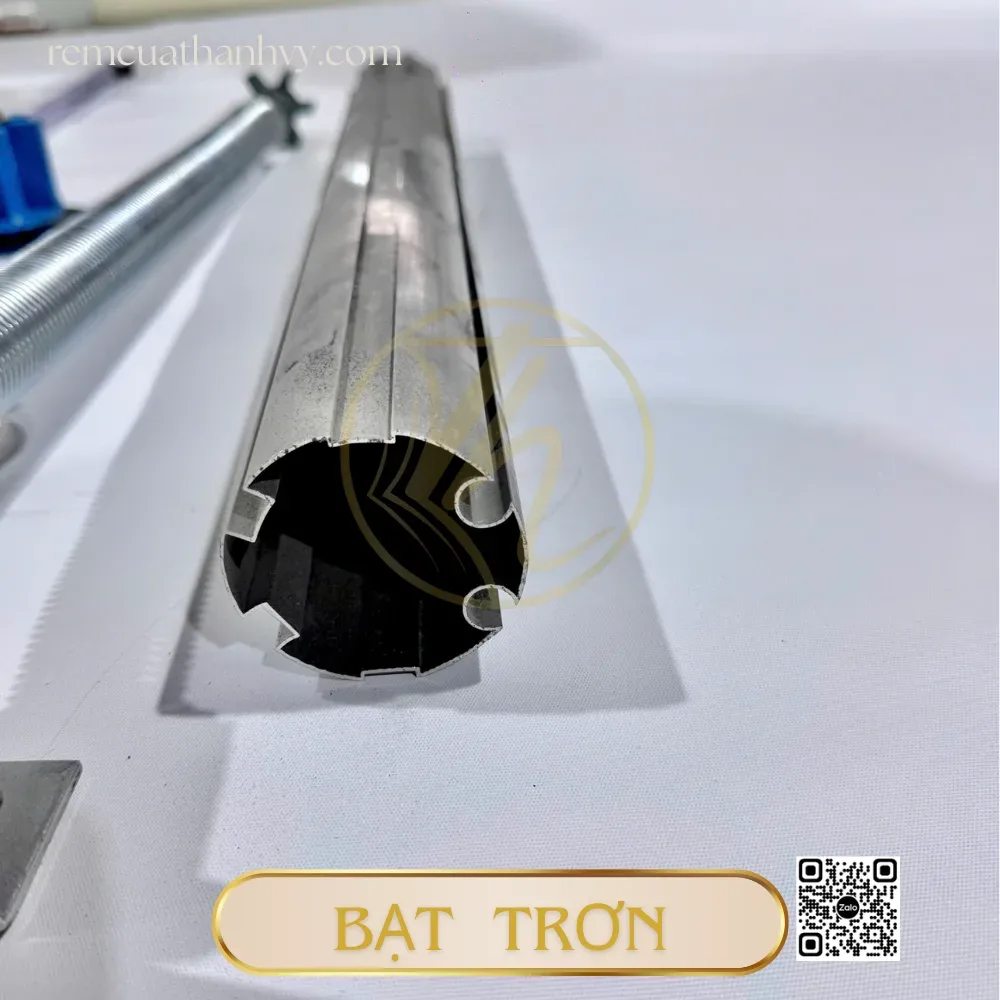
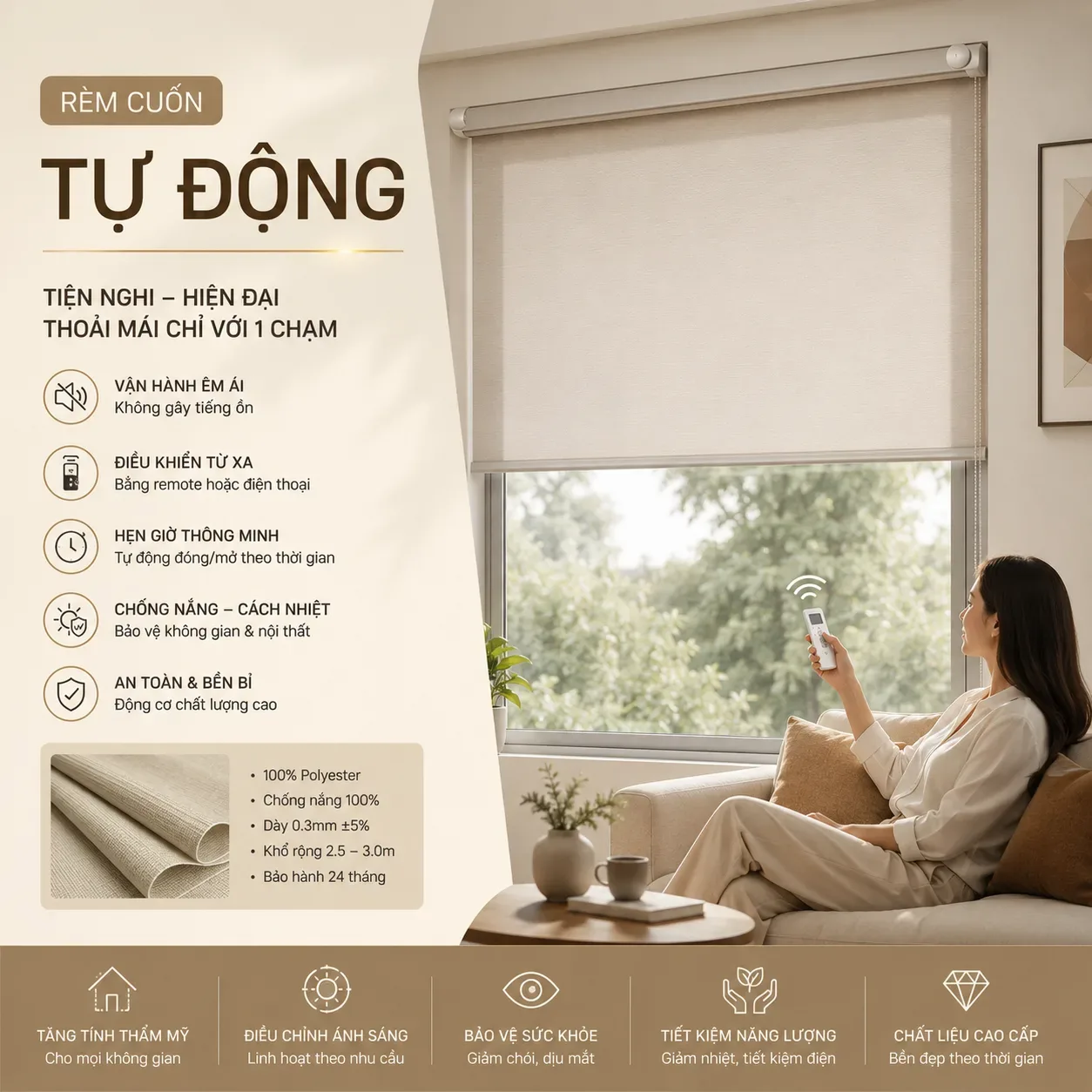
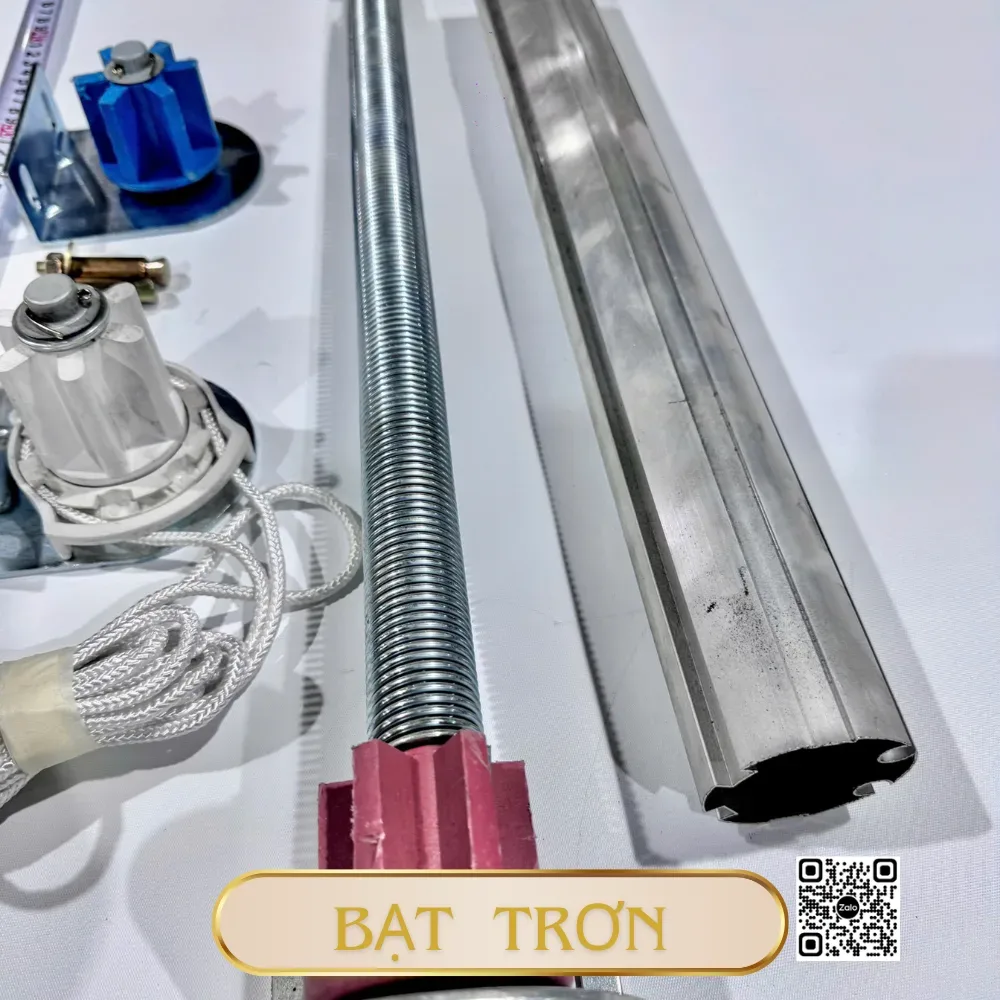
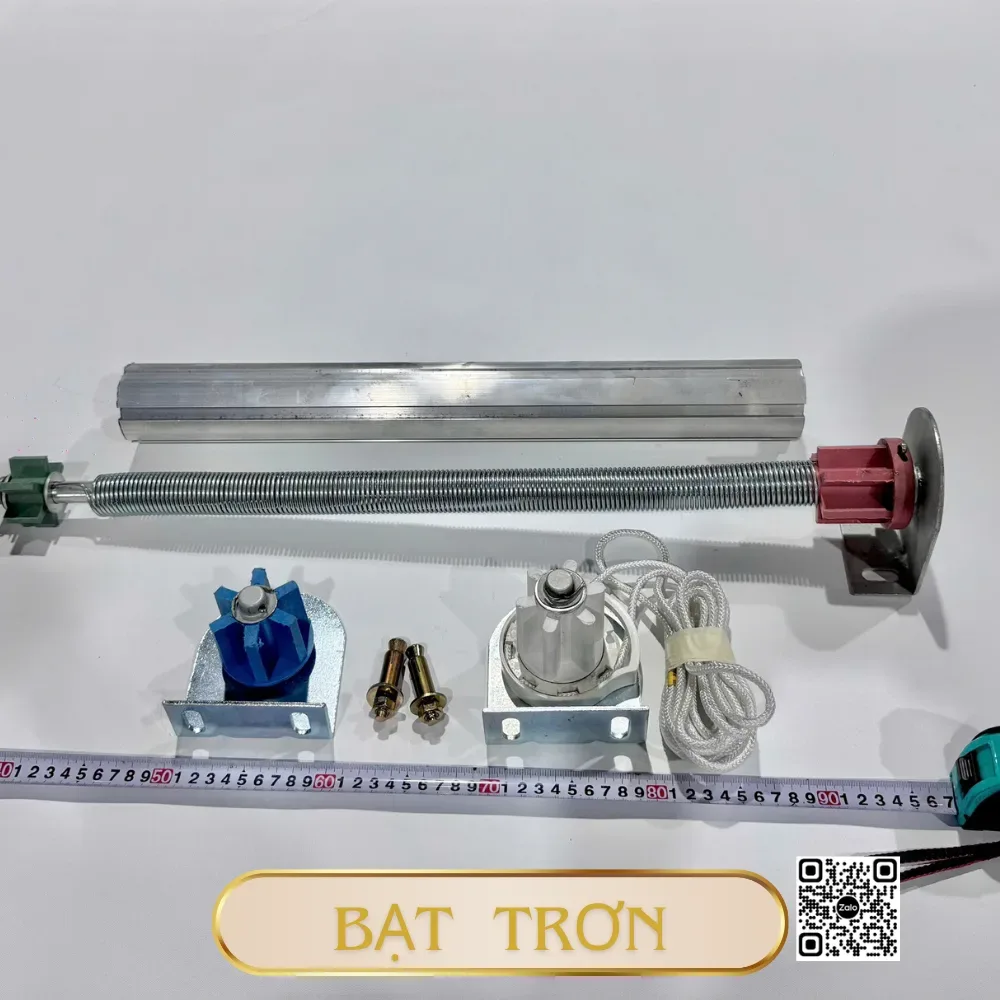
Roller blinds operate based on a horizontal tube fixed above the window frame, with the fabric rolled around this tube and raised or lowered using a pull chain, crank handle, or electric motor depending on the homeowner’s choice. Compared to multi-layer blind types, roller blinds have a simpler structure with fewer complex mechanical components, so they are often suitable for newly built homes, where the electrical system and interior layout are still being completed and require a flexible solution. Background information on polyester fibers in the textile industry helps with comparison when selecting materials.
In new residential areas in District 12, where many homes have small gardens or front setbacks, morning and afternoon sunlight often shines directly through windows facing the yard without many surrounding buildings providing shade as in central areas. Therefore, selecting roller blind fabrics that can withstand high light intensity and resist fading over time should be prioritized, especially for west-facing windows that often receive harsh afternoon sun.

Before finalizing your option, you can also take a look at District 6 fabric curtains: How to choose fabrics and sewing styles or District 3 fabric curtains: How to choose by room and needs.
Quick answer: For newly built homes in District 12, especially west-facing windows exposed to harsh afternoon sun, prioritize roller blind fabrics that can withstand high light intensity and resist fading over time rather than choosing based on aesthetics alone.
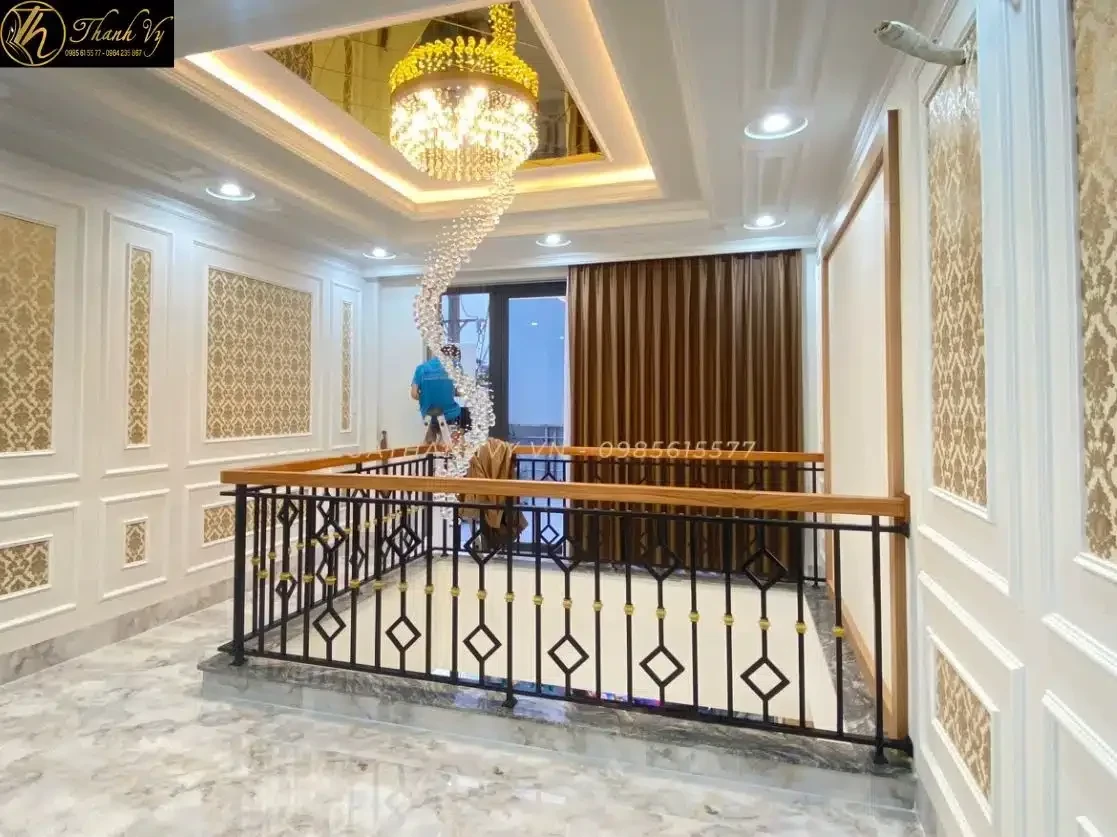
In addition, in areas still interspersed with agricultural land or near roads under construction, dust and air humidity may fluctuate more than in areas with stable urban development. In this context, you should discuss with the custom measuring service about fabric types that are easy to clean and have a dust-resistant coating, so roller blind maintenance does not become a burden in daily life.
Choose light transmission and coverage levels according to actual usage needs
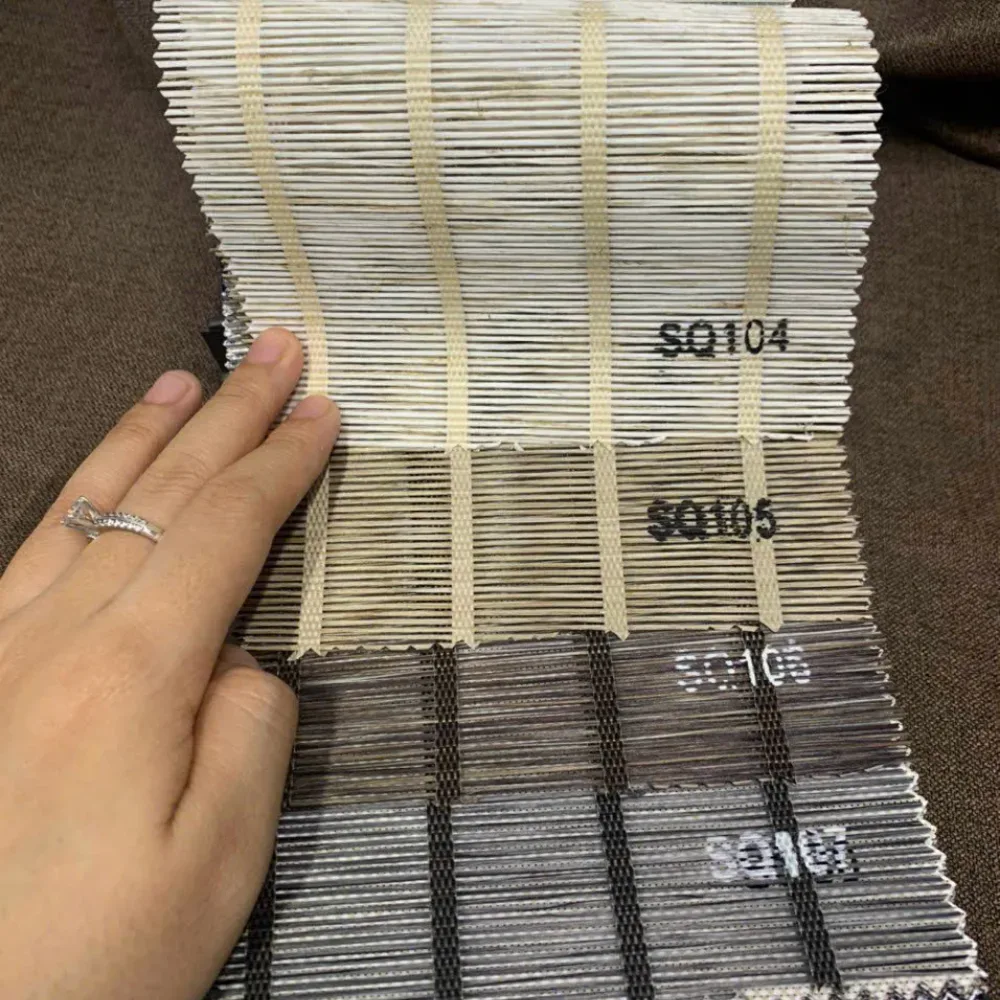
Choosing roller blinds should not stop at aesthetics but should begin with the question: how much light does the space need, and how much privacy is required? For living rooms or common areas facing a garden, many families want to retain the outside view while reducing glare, so fabrics with moderate light transmission, allowing light to diffuse evenly rather than shine directly, are often a balanced choice.

For homes with spacious front yards, daylight is often abundant but also comes with considerable heat at noon and in the early afternoon. In this case, you should ask the custom measuring service clearly about the heat-reduction capability of each fabric type, though it should be noted that this only helps reduce some of the direct heat rather than serving as an absolute insulation solution for the entire space.

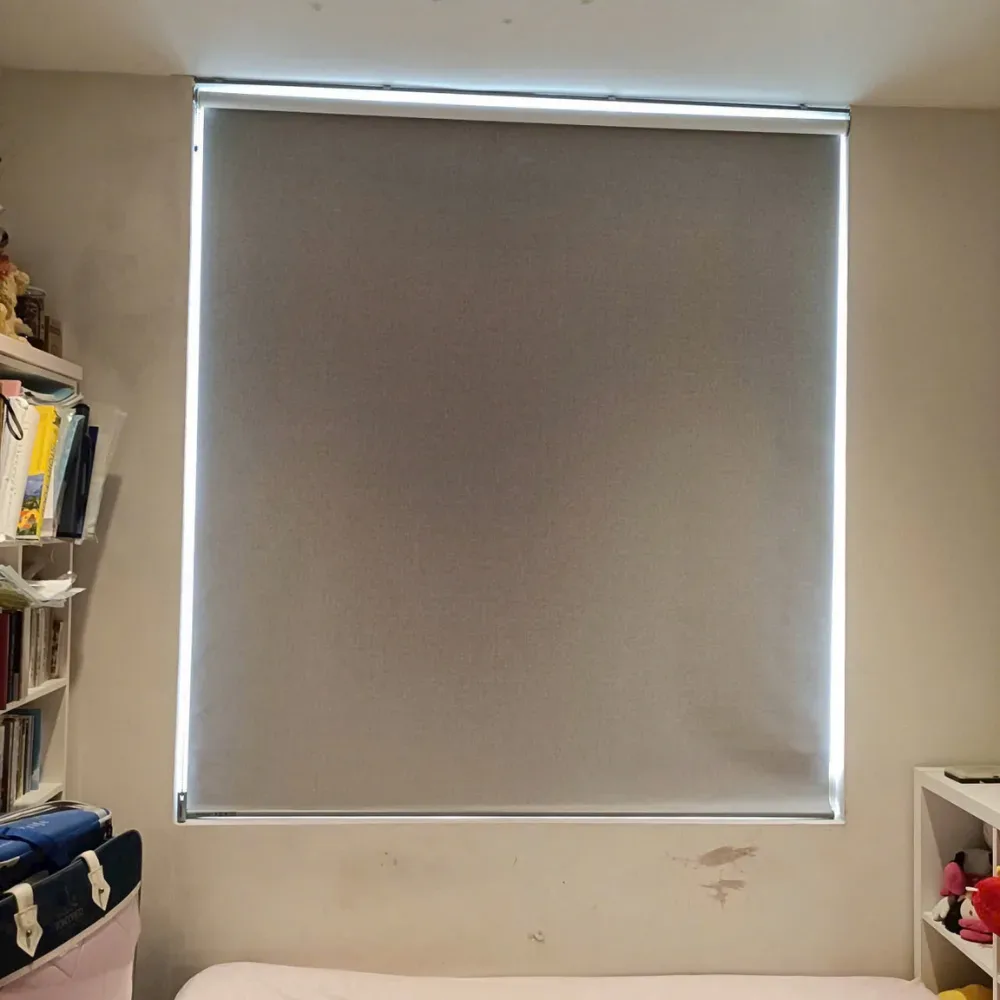
For bedrooms or areas requiring greater privacy, especially in adjacent homes located close to neighbors, thicker fabrics with good light-blocking ability are more suitable. However, the actual level of light blocking also depends on how tightly the blind fits against the window frame during installation, so this is a point that should be carefully checked during the survey and installation process rather than relying only on descriptions in the fabric color chart.
Installation styles and technical details that determine aesthetics
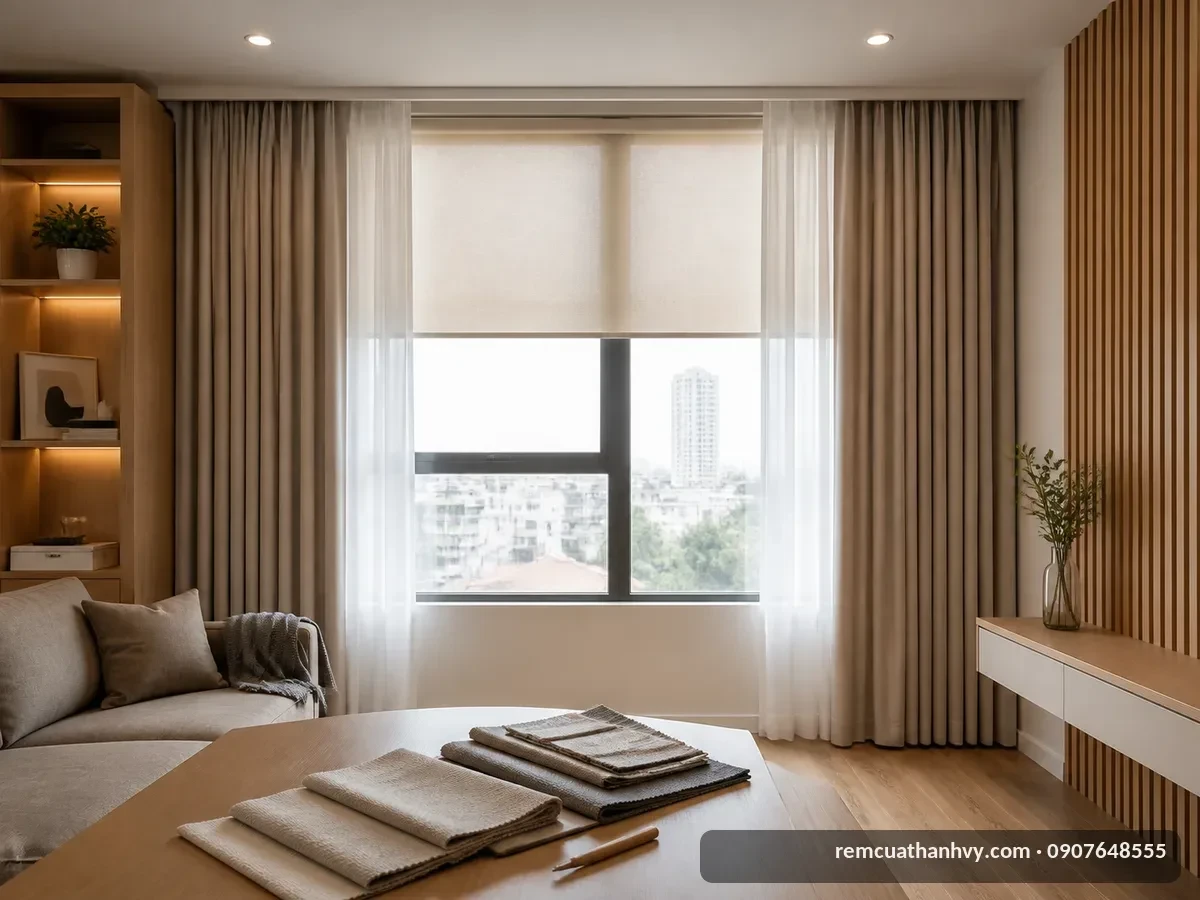
For newly built townhouses in planned developments, windows and glass doors often have standardized dimensions according to the original architectural design, creating favorable conditions for recess-mounted roller blinds, helping the overall façade and interior space look neat without exposing the blind frame. However, this installation style requires sufficient window-frame depth and no obstructions such as protruding window handles or tilt shutters.

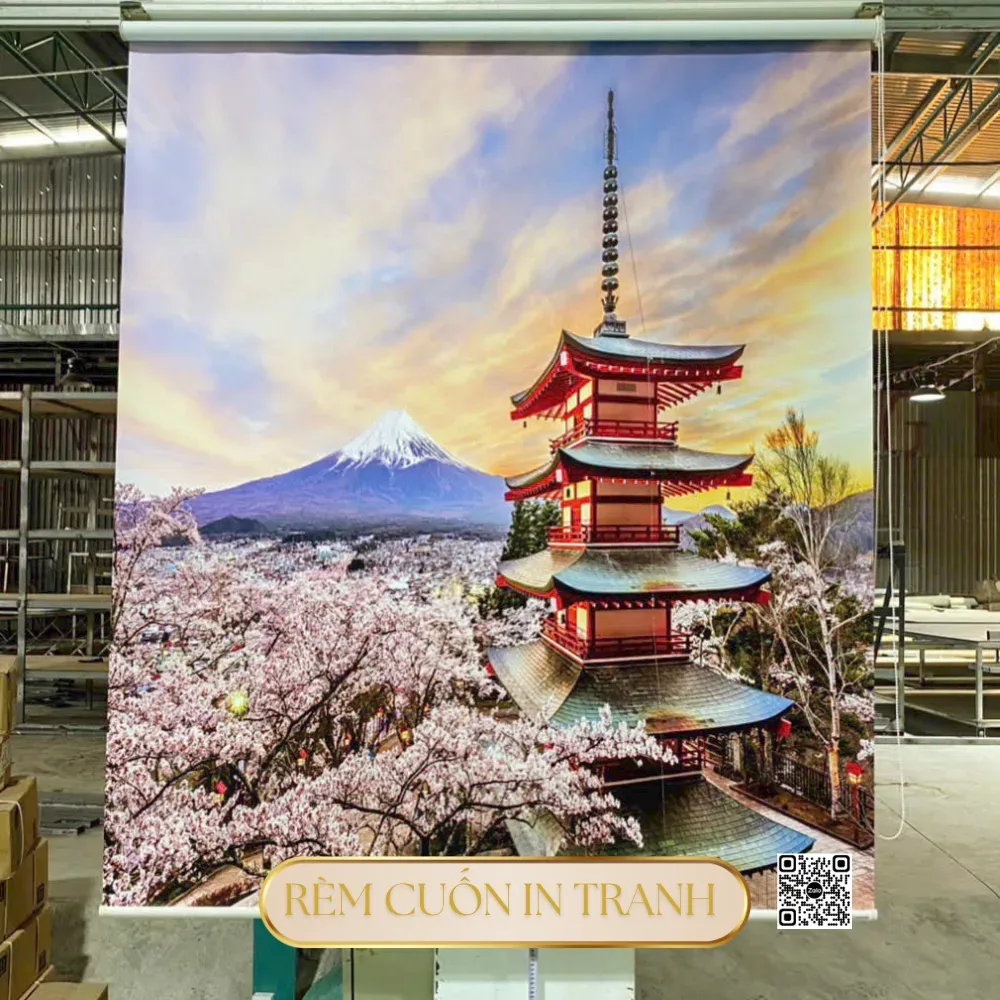
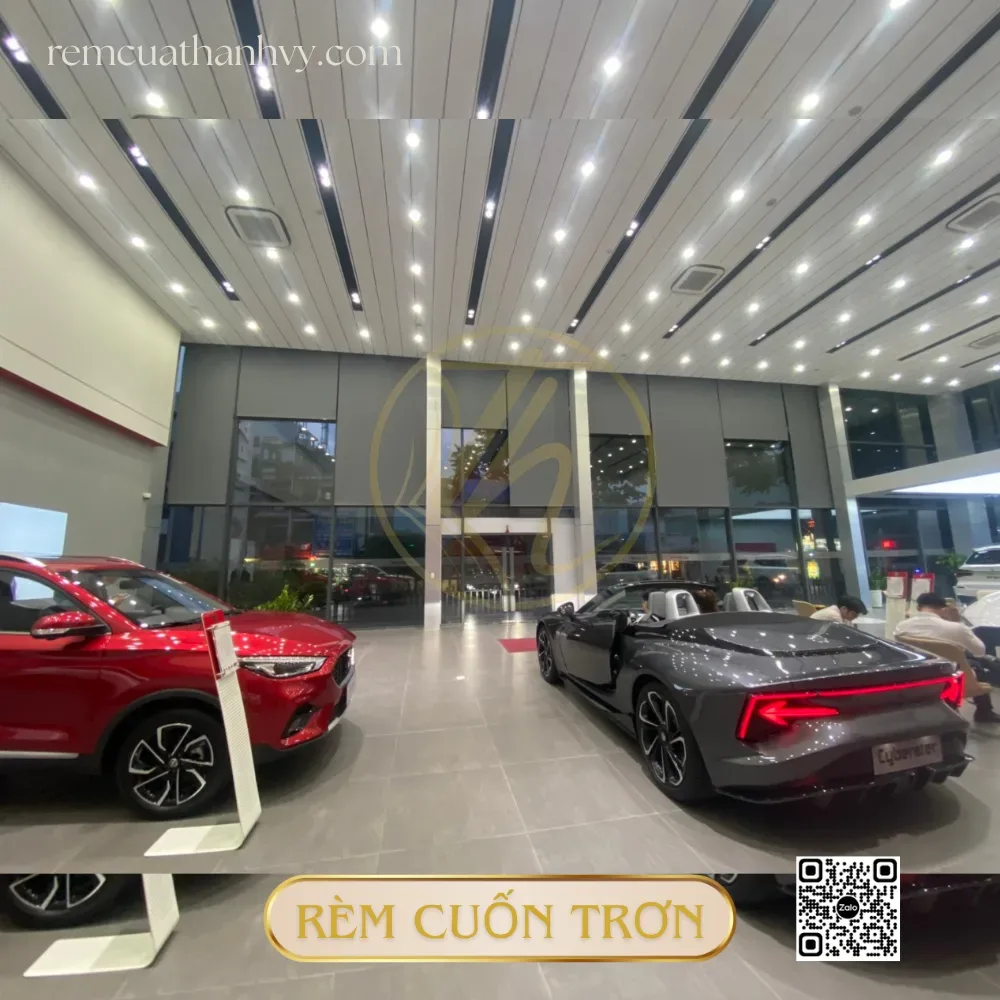
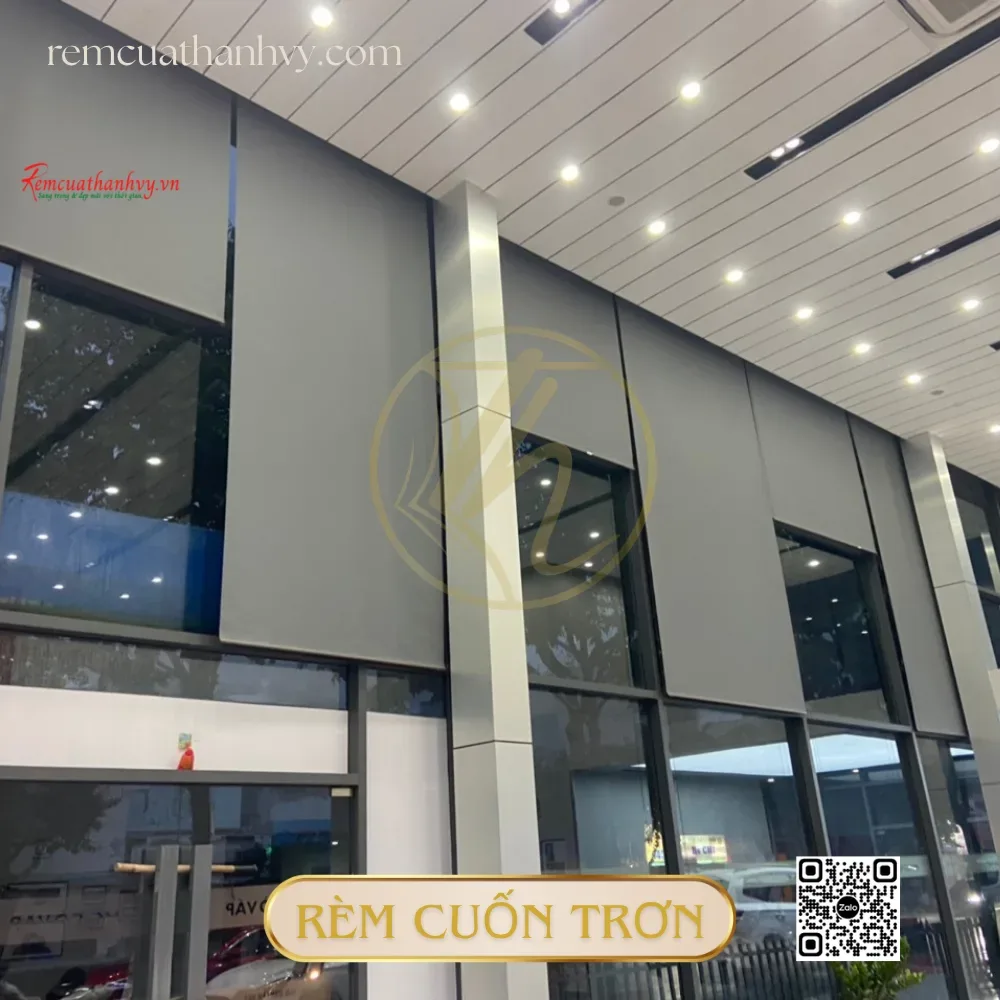
For villas or homes with unusually large windows, outside-mounted installation is often considered to increase coverage, especially along the sides of the window where light can easily pass through if the blinds are installed only flush with the frame. With outside-mounted installation, the wall screw positions must be carefully calculated to ensure the blind tube has adequate load-bearing support, particularly for wide roller blind sets used on large glass doors.
Another technical factor to note is the tension and straightness of the fabric when rolled up. In newly built homes, walls and window frames may not yet be completely stable in terms of shrinkage during the first months of use, so checking the fit of the blinds again after a period of installation is something that should be discussed in advance with the installation provider to arrange adjustments if necessary.
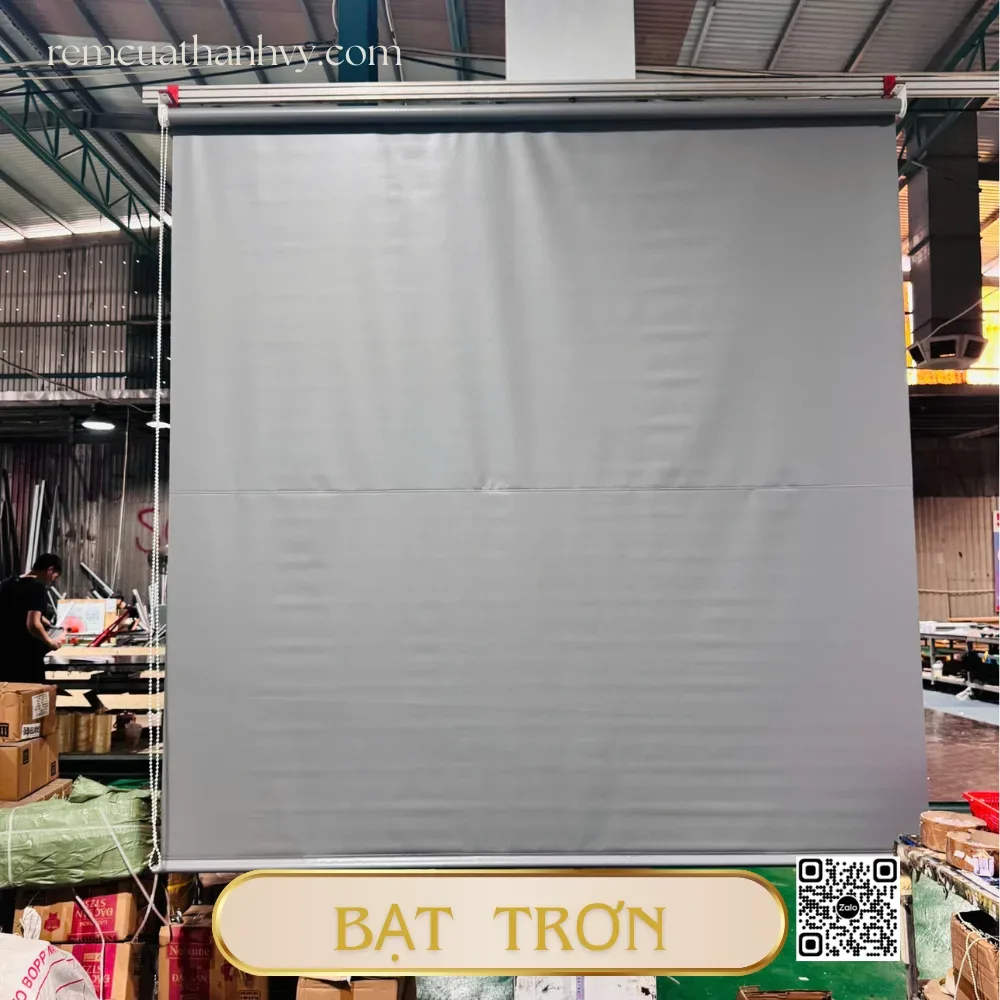
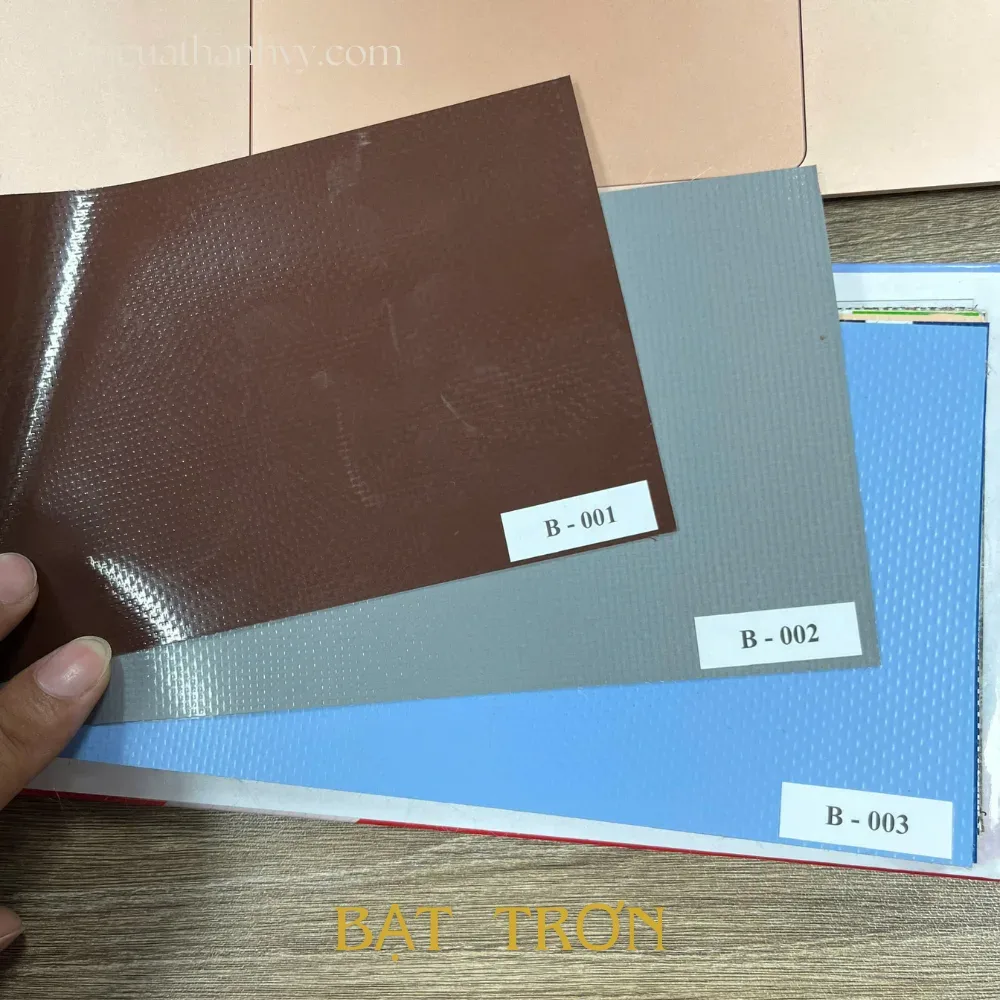
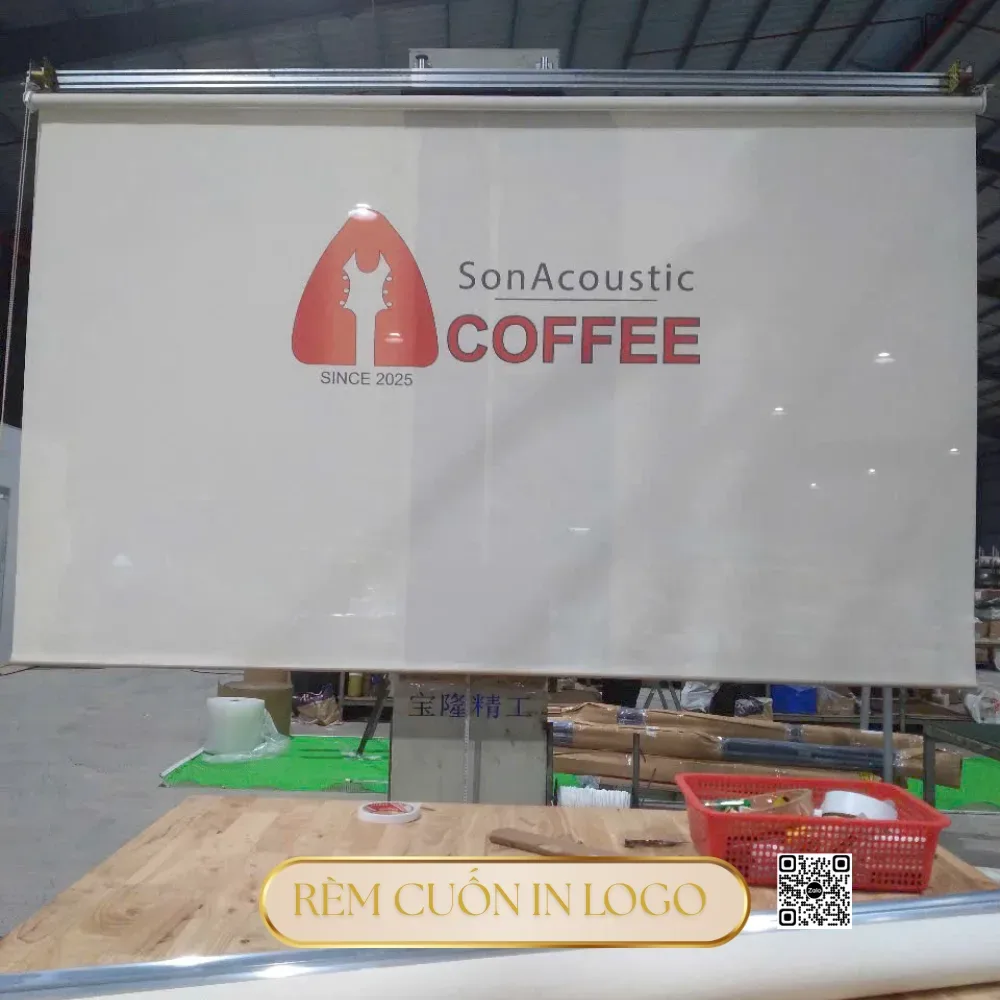
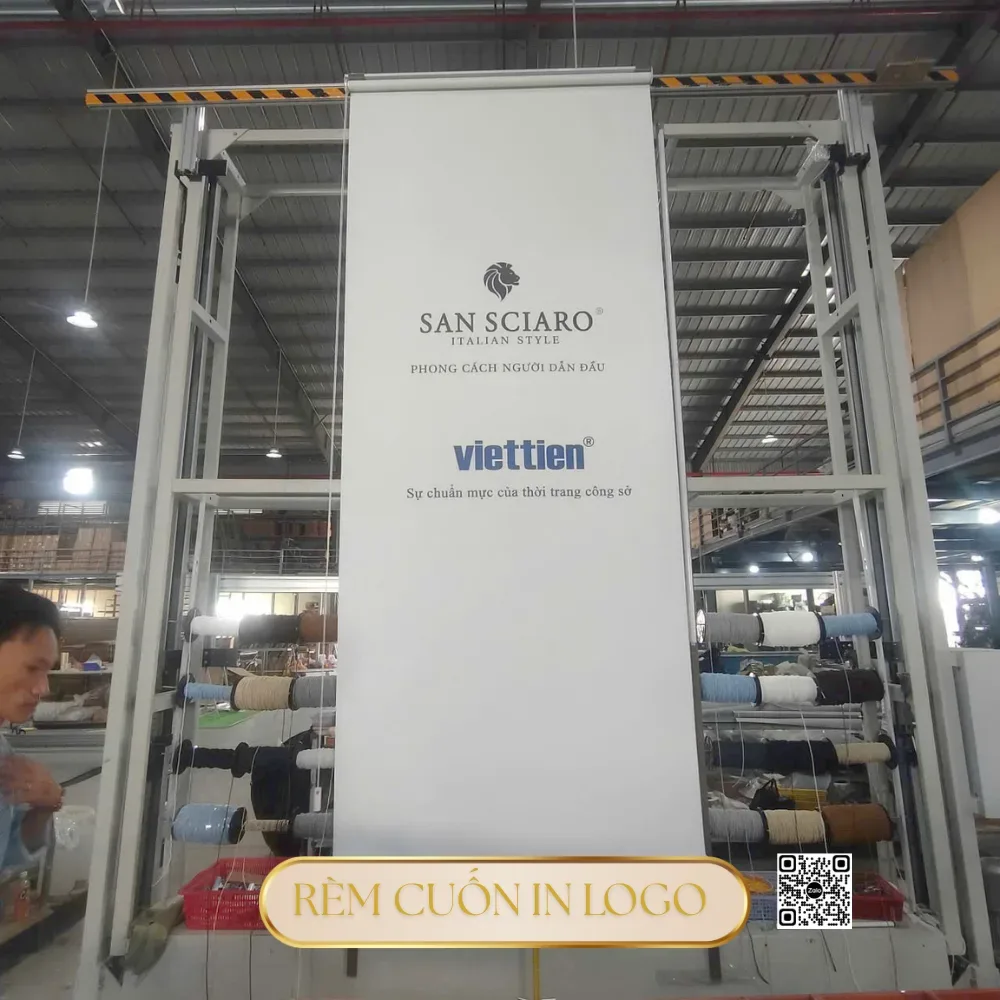
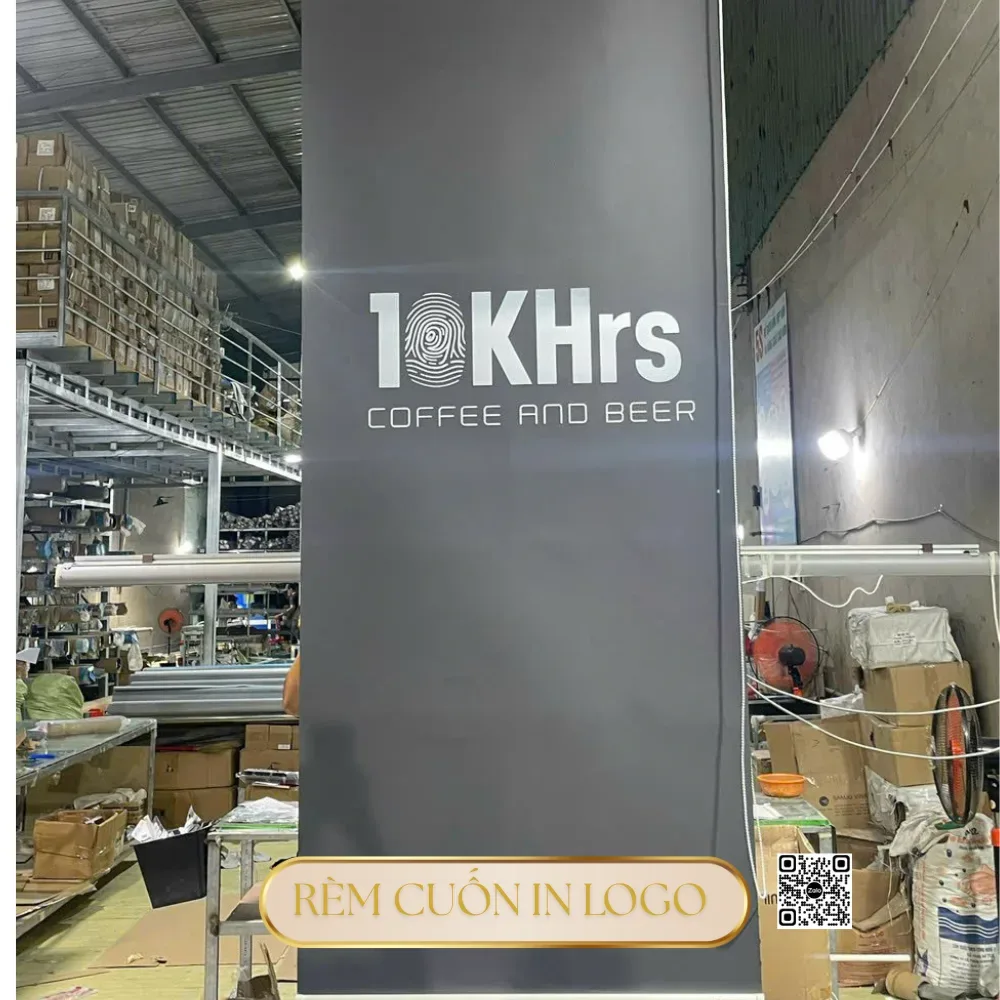
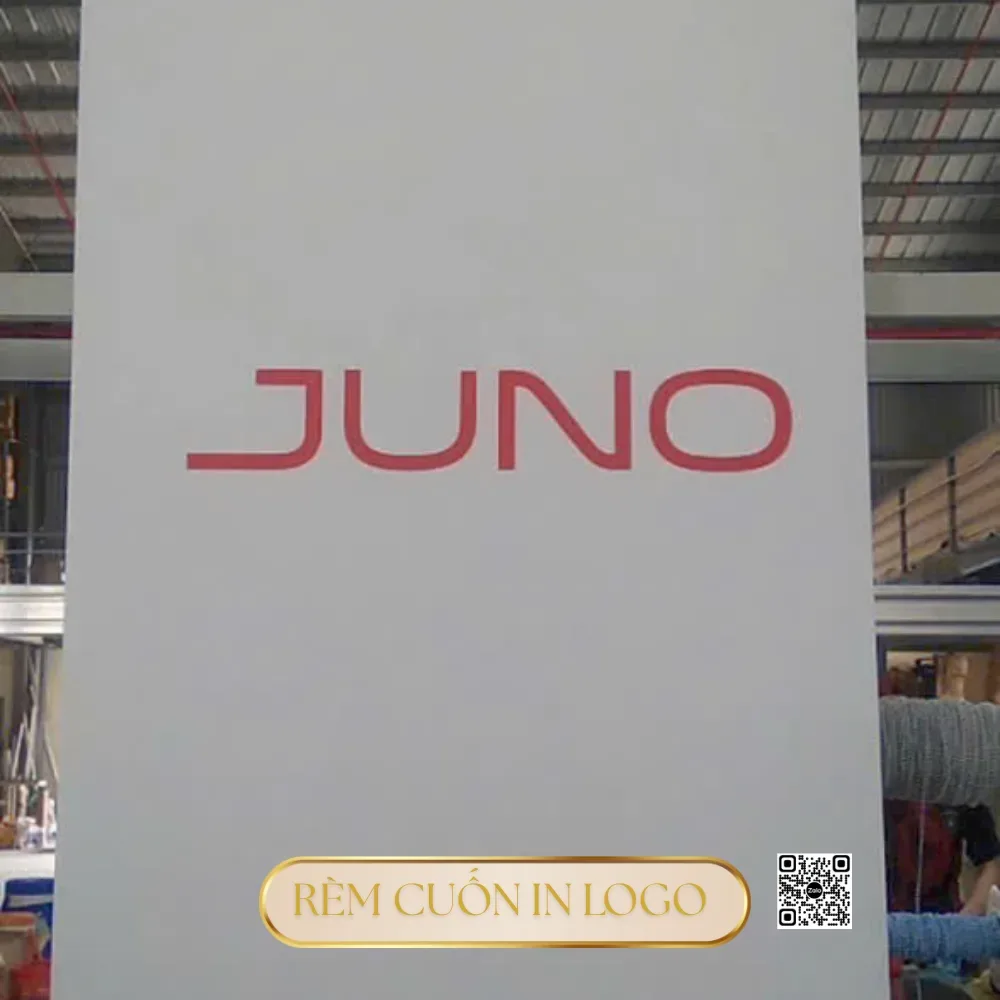
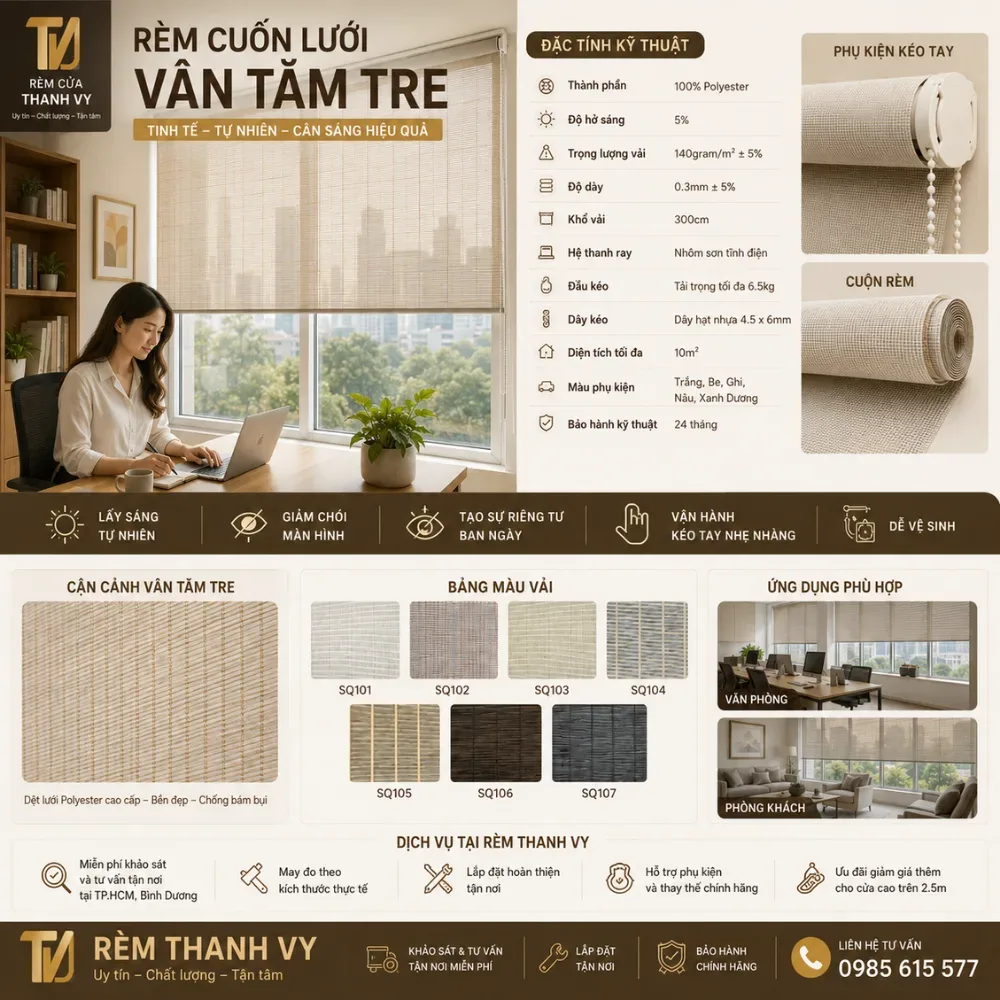
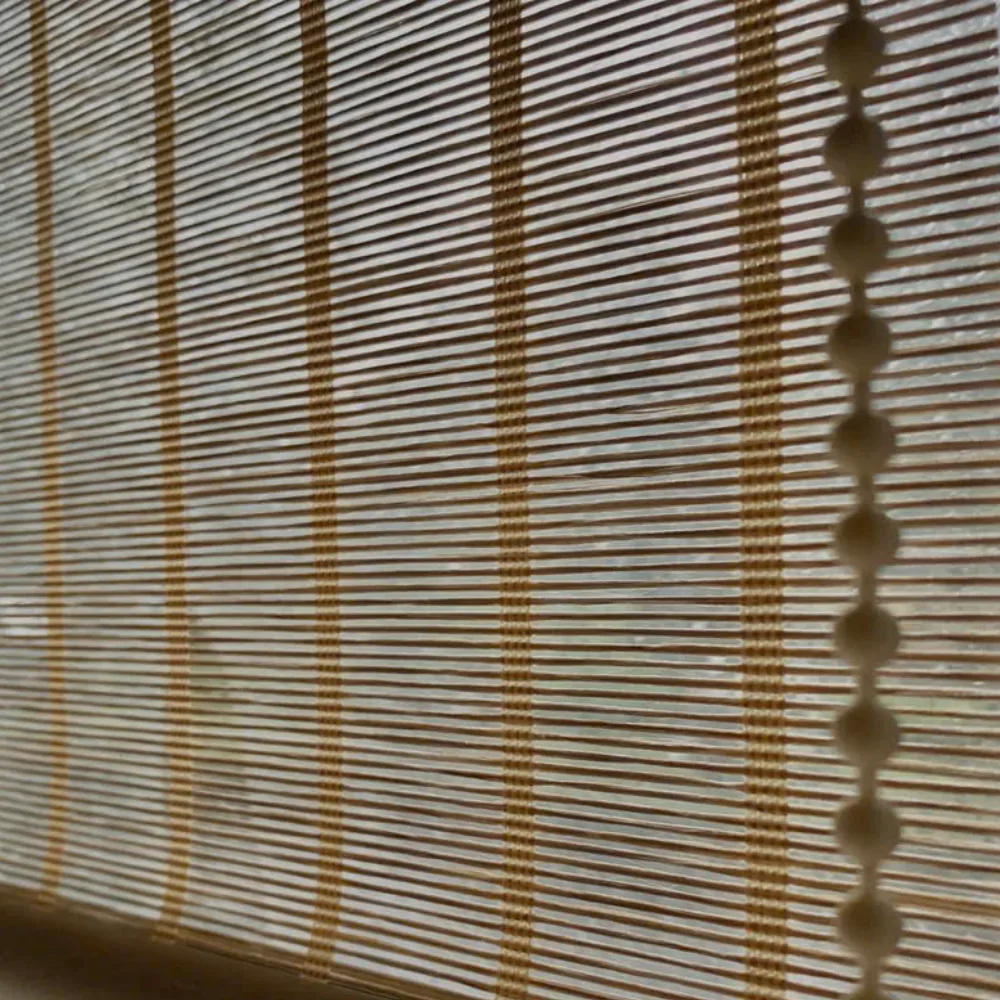
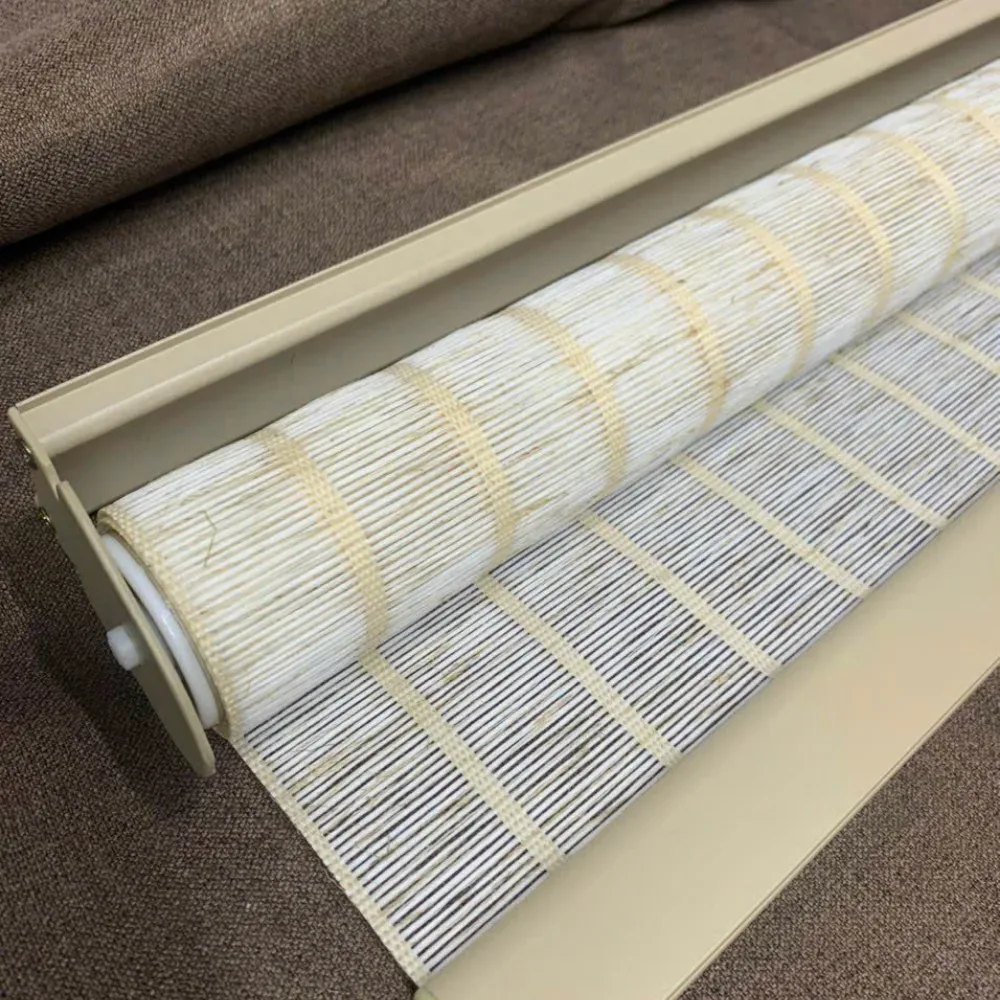
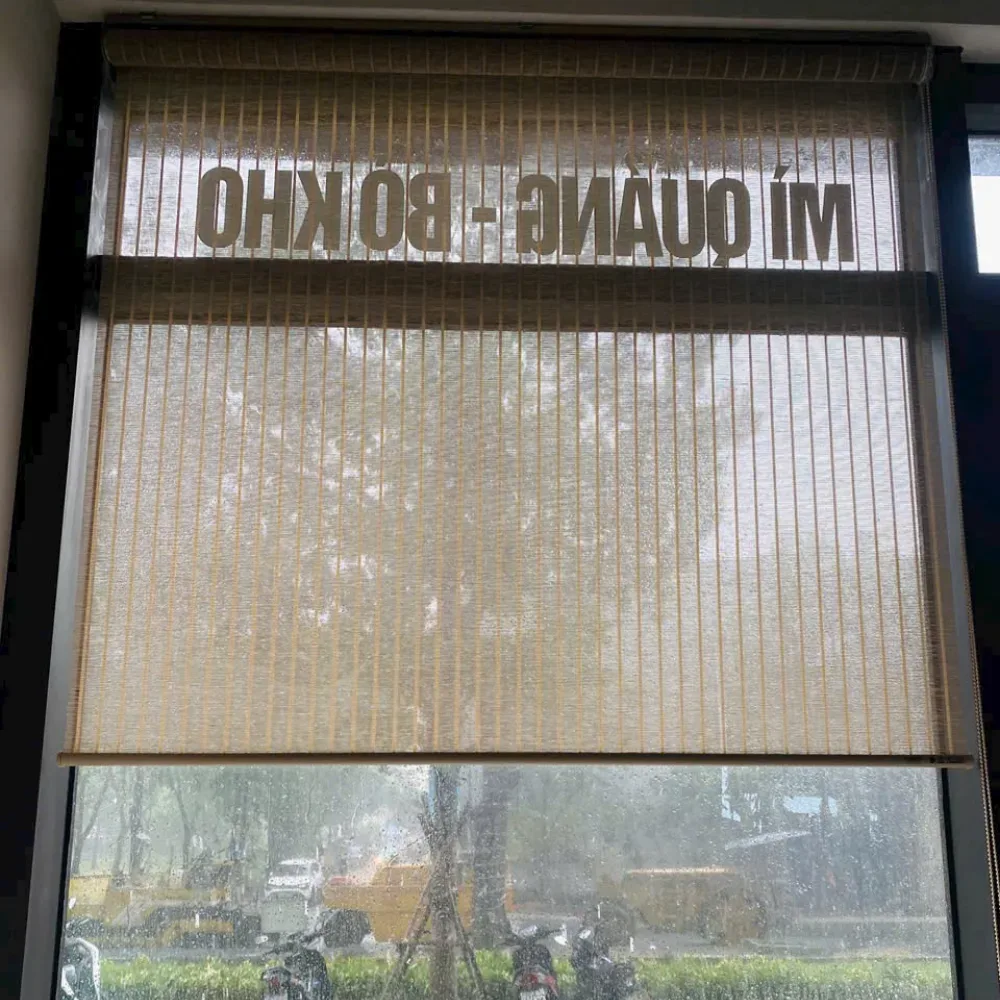
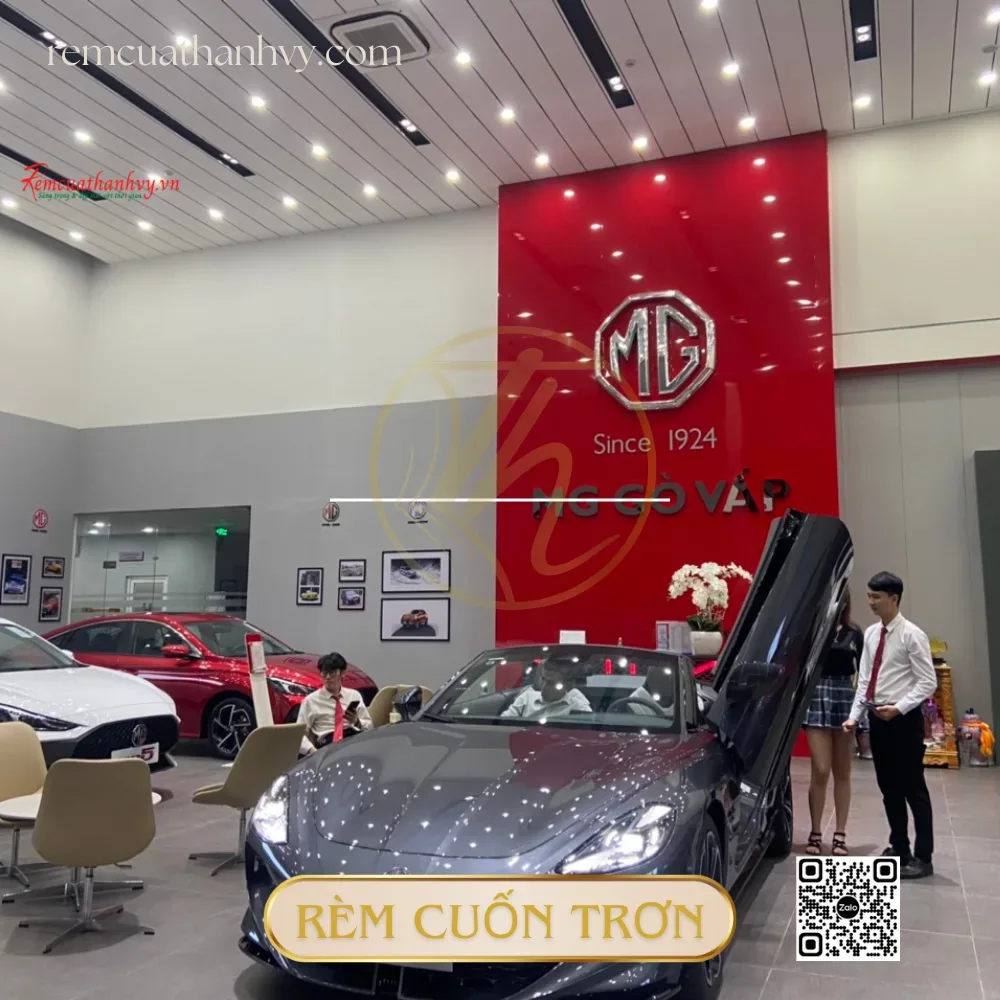
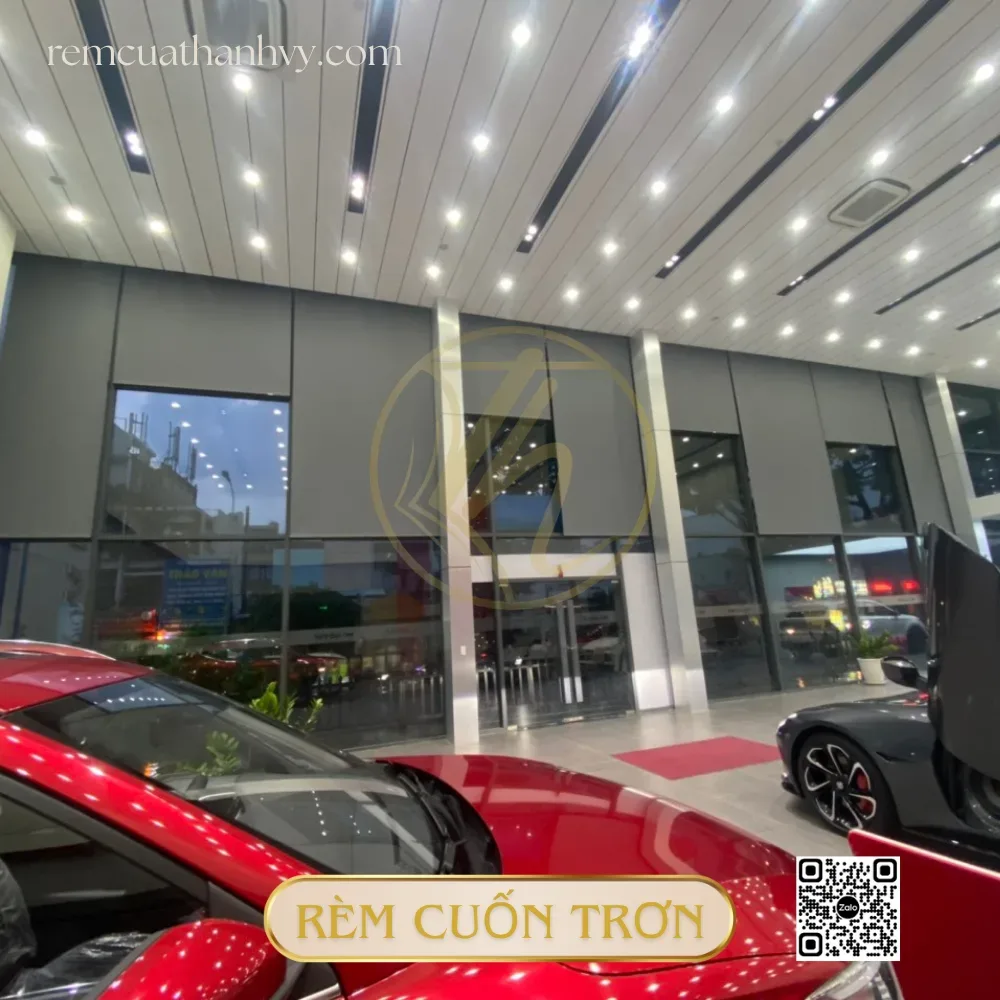
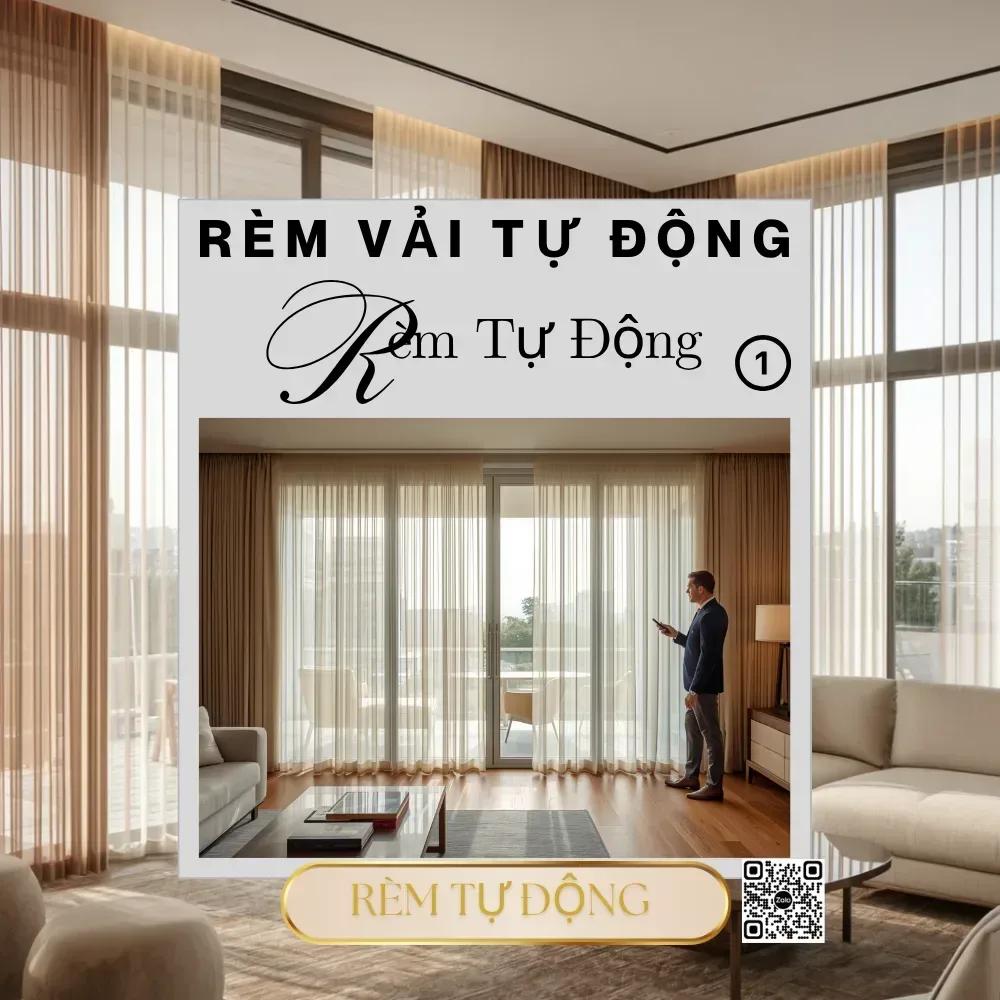
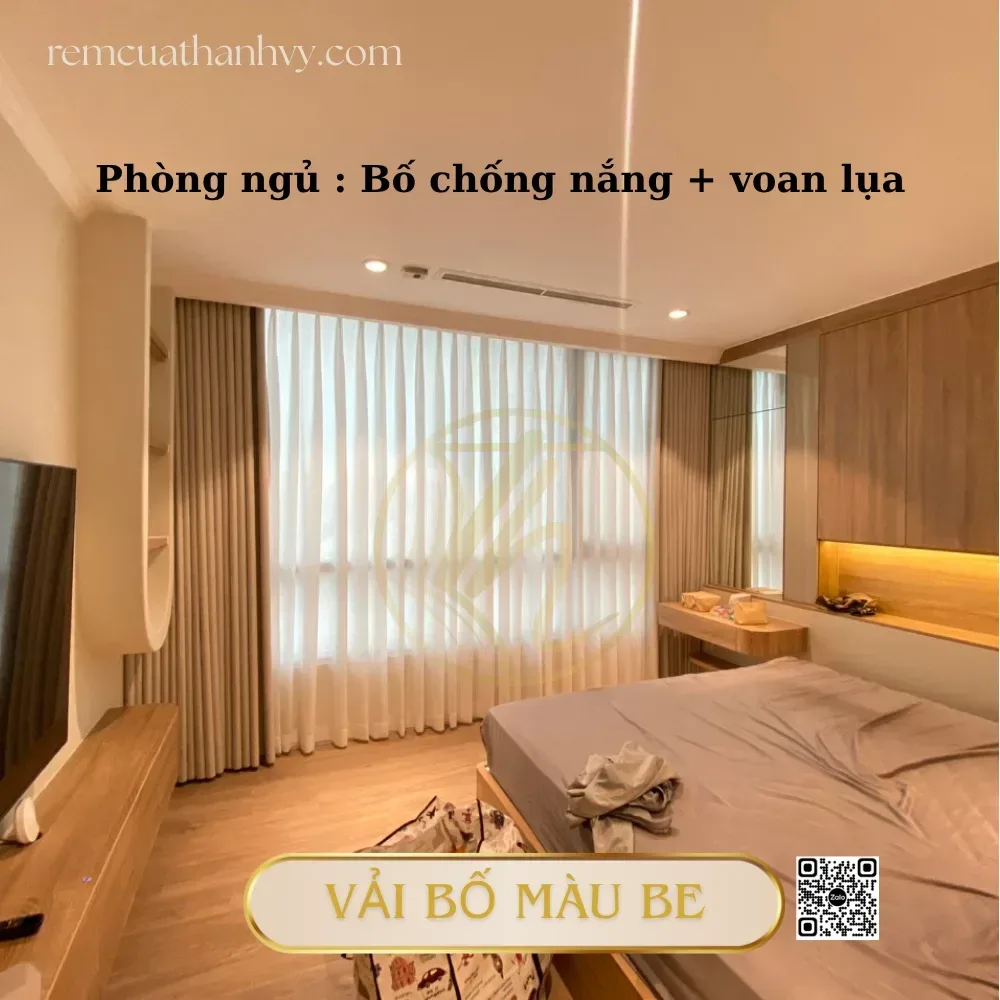
Roller blind applications for each space in new townhouses and villas
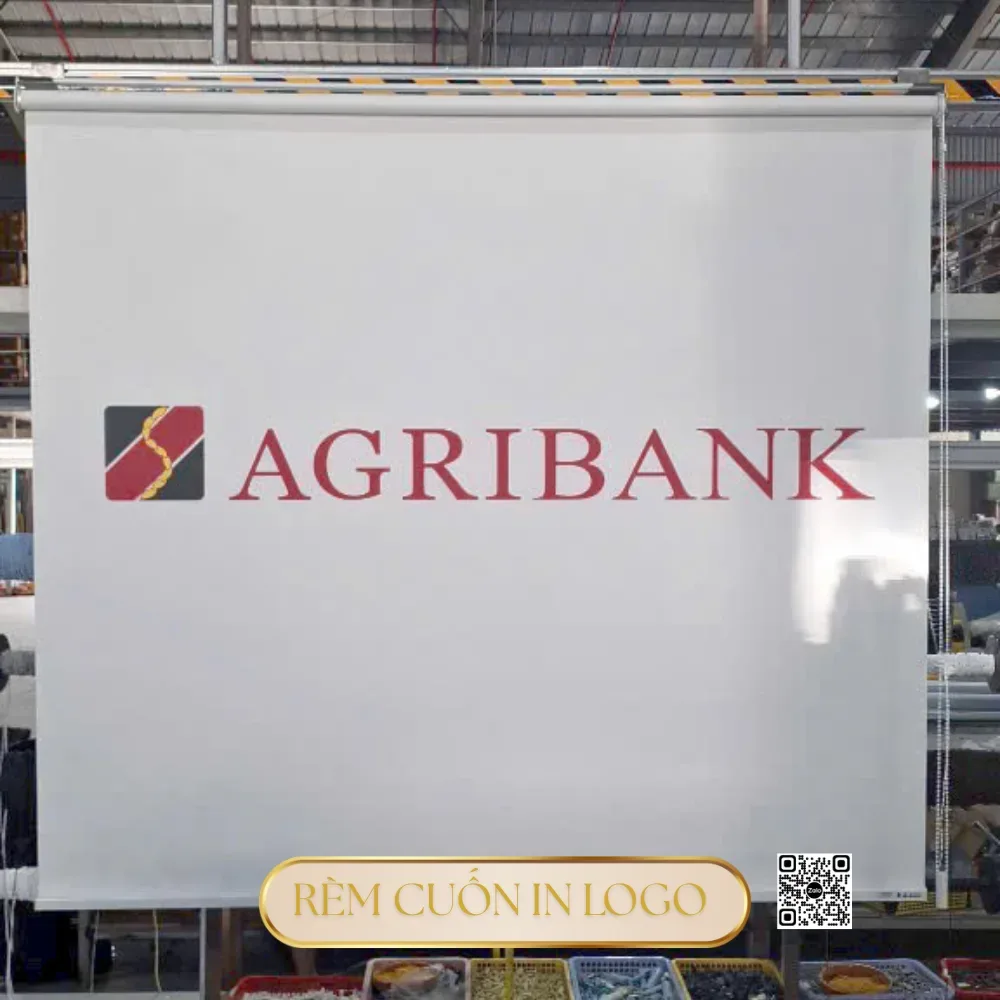
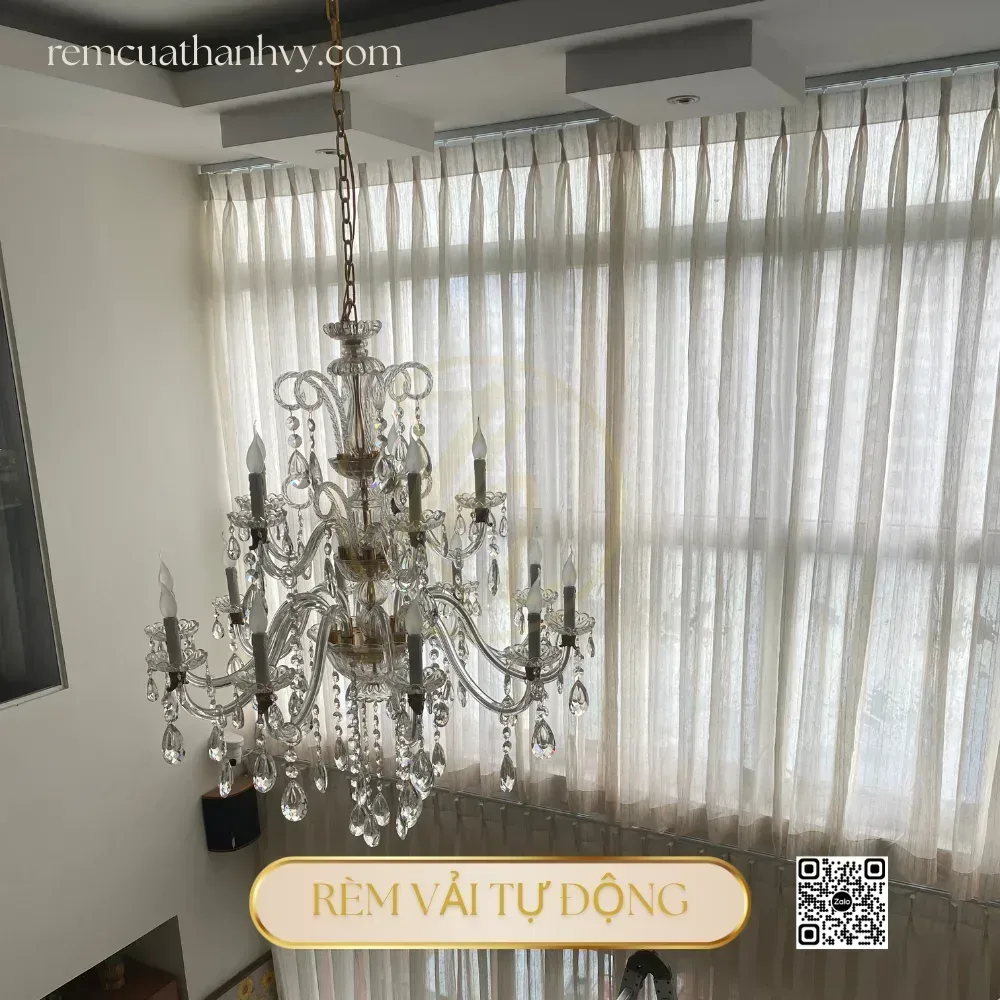
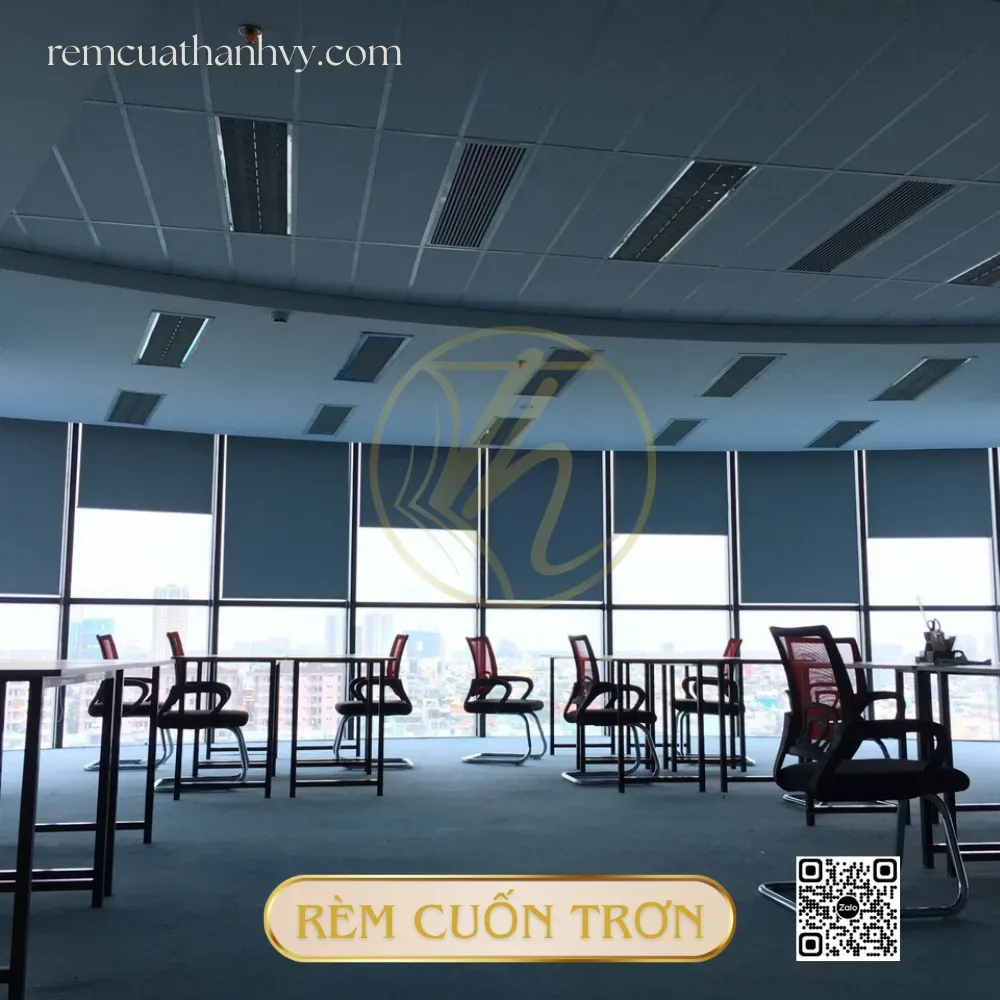
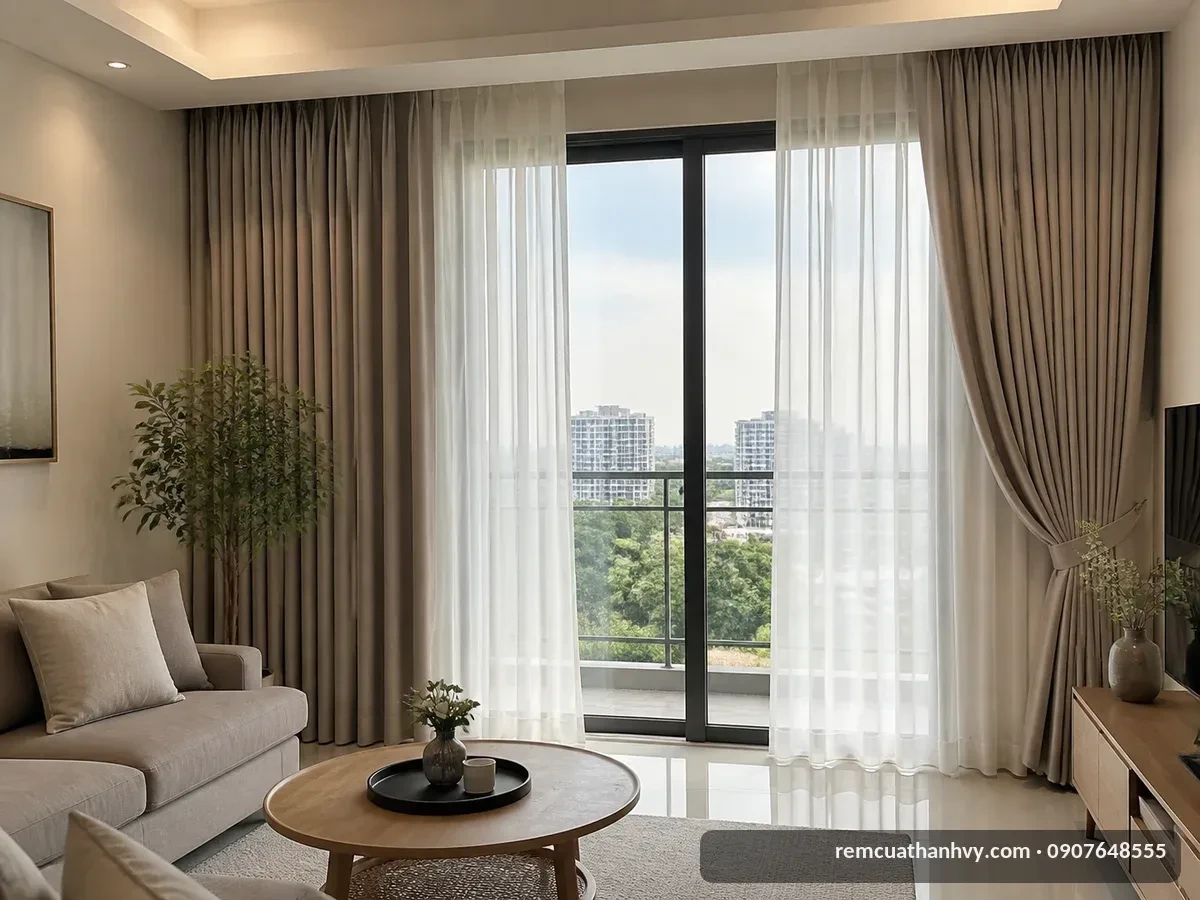
In living rooms, especially in homes with large glass doors overlooking a garden or front yard, roller blinds in neutral colors with moderate light transmission help keep the space sufficiently bright while maintaining the necessary privacy when guests visit. This is also an area where wide roller blinds should be considered if the glass doors extend across a long span, to avoid having to combine multiple small blind panels, which can detract from the aesthetics.
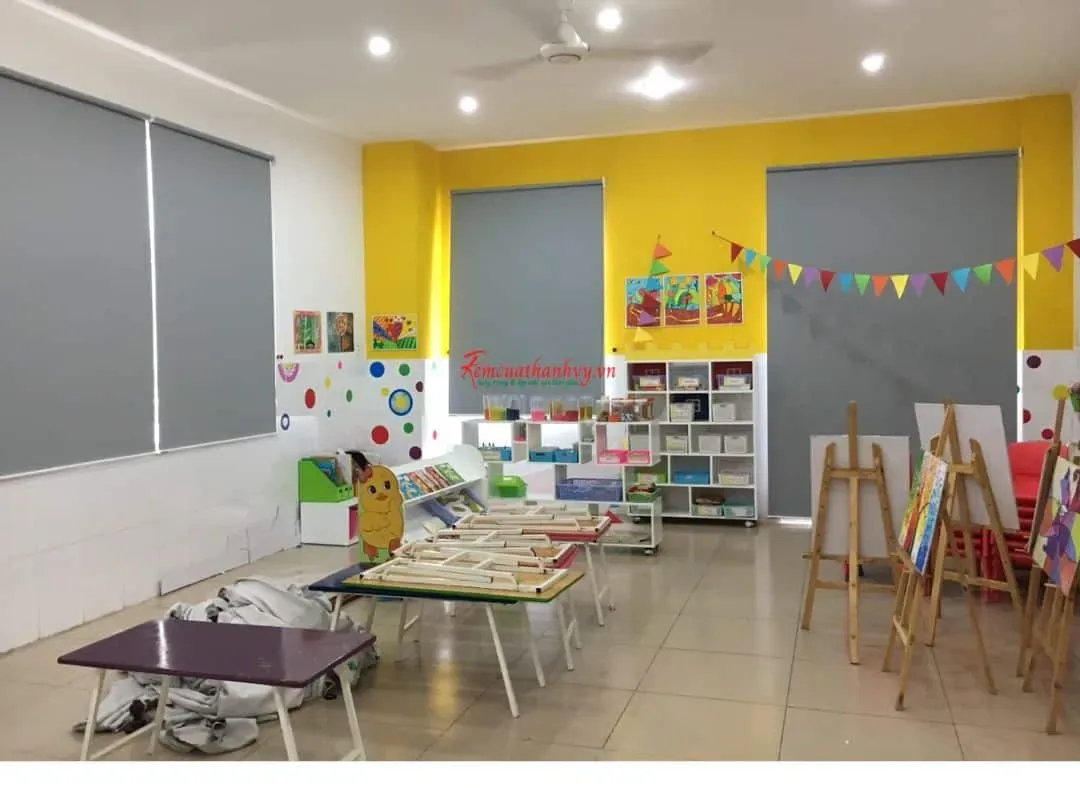
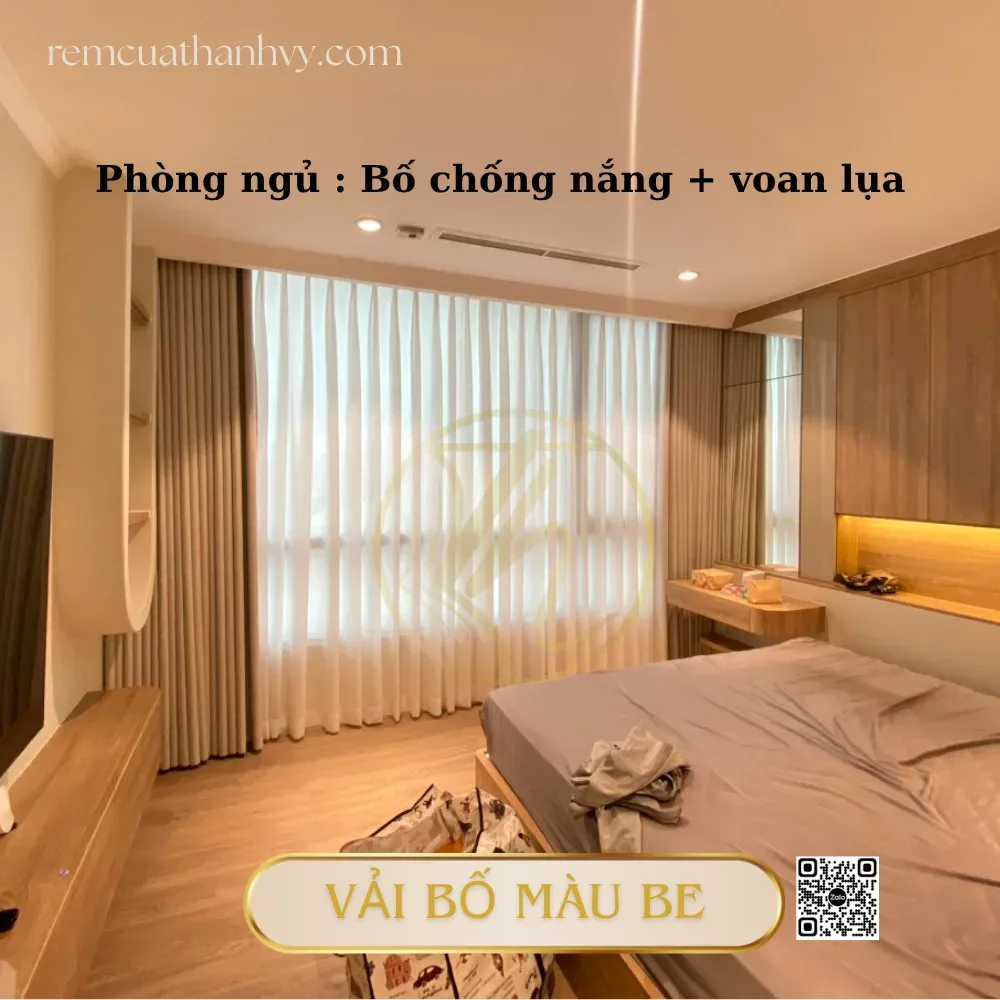
Bedrooms in homes with windows facing the morning sun need to prioritize light-blocking capability so as not to affect sleep, especially for rooms on the upper floors of multi-story townhouses, where sunlight shines directly in the early morning without surrounding structures providing shade.
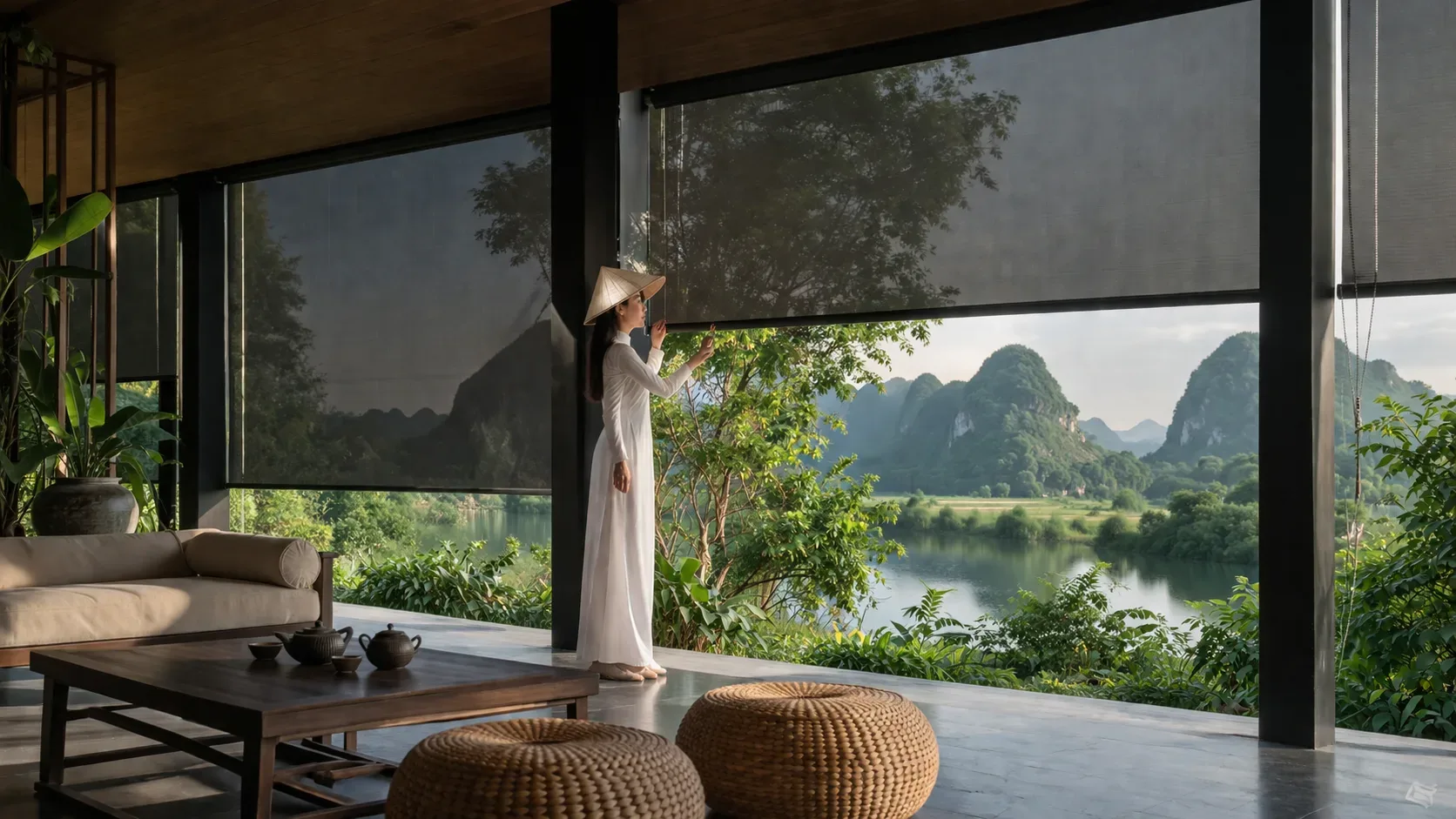
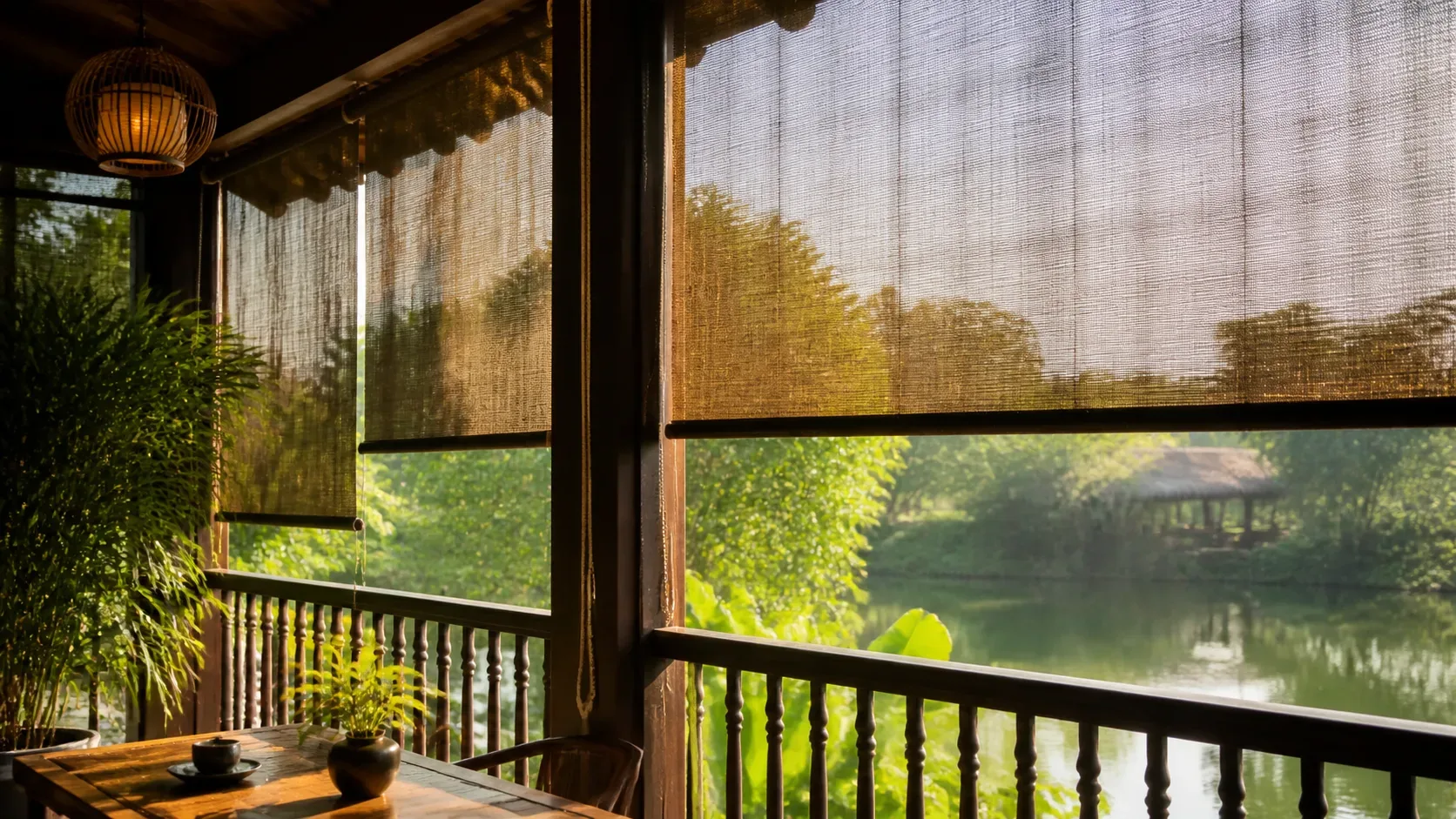
For balconies or backyard areas directly exposed to the outdoors, weather-resistant specialty fabric should be chosen instead of standard indoor roller blind fabric, as humidity and direct sun and rain can cause the fabric to deteriorate quickly if it is not treated appropriately.
Many families in District 12 also set up home workspaces due to the considerable travel distance to the city center, so the need for roller blinds in this area often focuses on reducing glare on computer screens while still maintaining sufficient natural light to work all day without needing to turn on the lights.
Survey process and checklist to prepare before placing a custom order
For newly built homes, the on-site survey step is even more important because door dimensions on design drawings can sometimes differ slightly from actual construction. Technical staff need to take direct measurements of each opening, check the frame’s levelness, determine suitable installation positions, and note the direction of sunlight entering each room to advise on the corresponding fabric type.
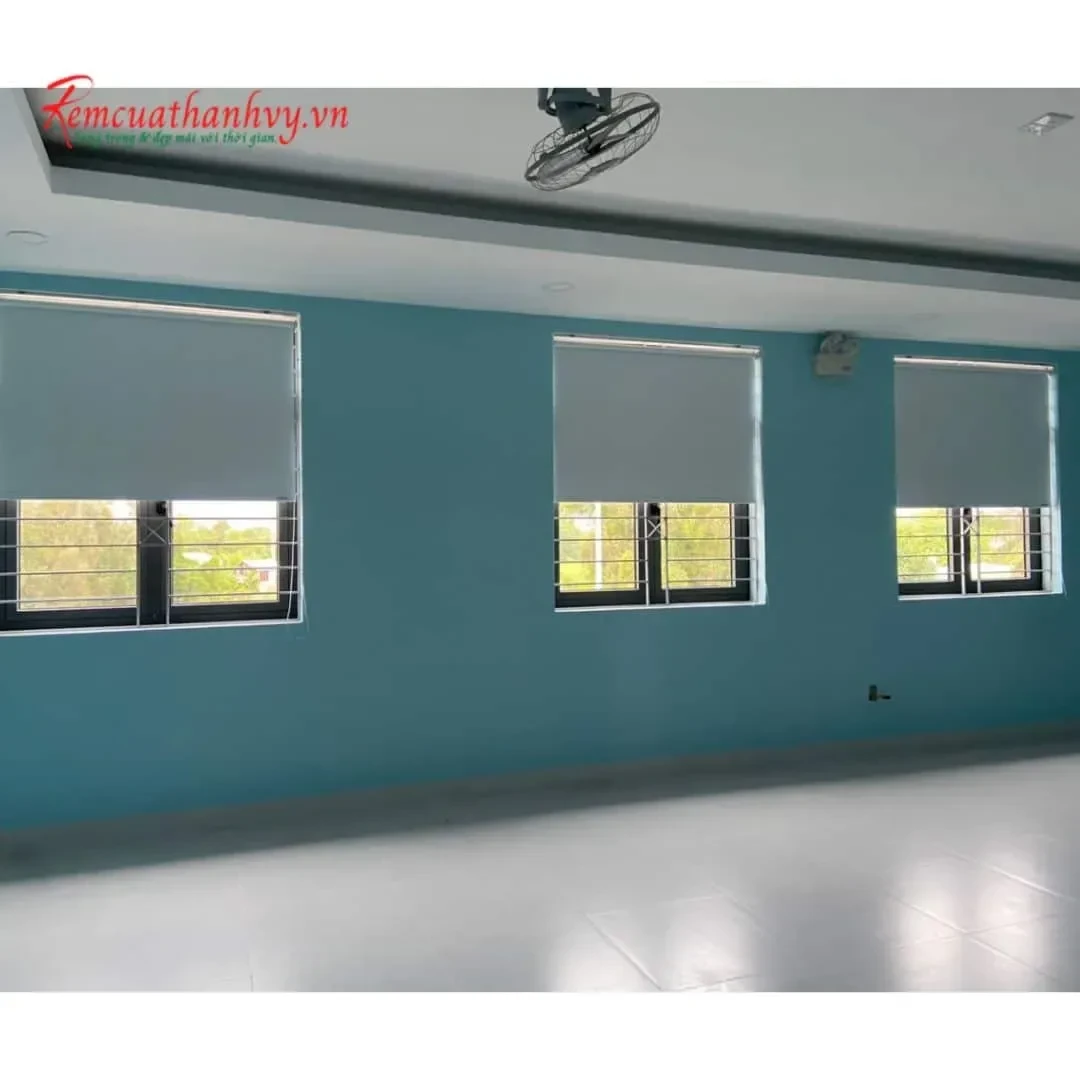
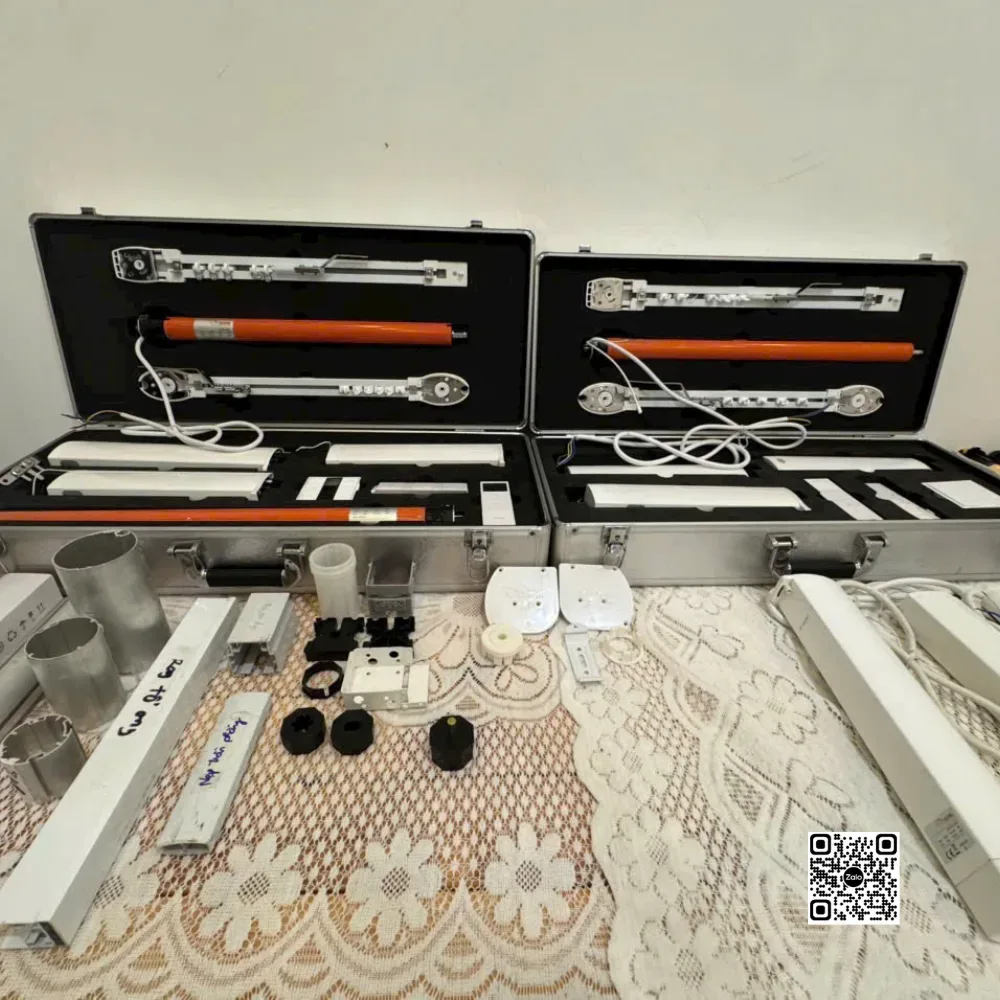
Before placing a custom order, homeowners should prepare information about the intended use of each room, the priority level between natural light and light blocking, and identify in advance areas where an electrical system can be installed for motorized roller blinds if needed, as this is a convenient time to run concealed electrical wiring before the walls and ceilings are finished.
A simple checklist should include: a list of window openings to be fitted along with their intended use, notes on the sun direction for each window, the desired installation style (recess-mounted or outside-mounted), and prior discussion about the possibility of upgrading to remote-controlled blinds if the budget allows in the future.

Things to note when choosing a roller blind measuring and installation provider in District 12
For newly developing residential areas in District 12, priority should be given to a measuring and tailoring provider experienced in working with newly built homes, with a clear understanding of issues arising from building shrinkage during the initial period of use and a plan to adjust the blinds after installation if needed. Conducting an on-site survey rather than relying solely on design drawings helps minimize discrepancies and ensures the blinds fit the actual property.
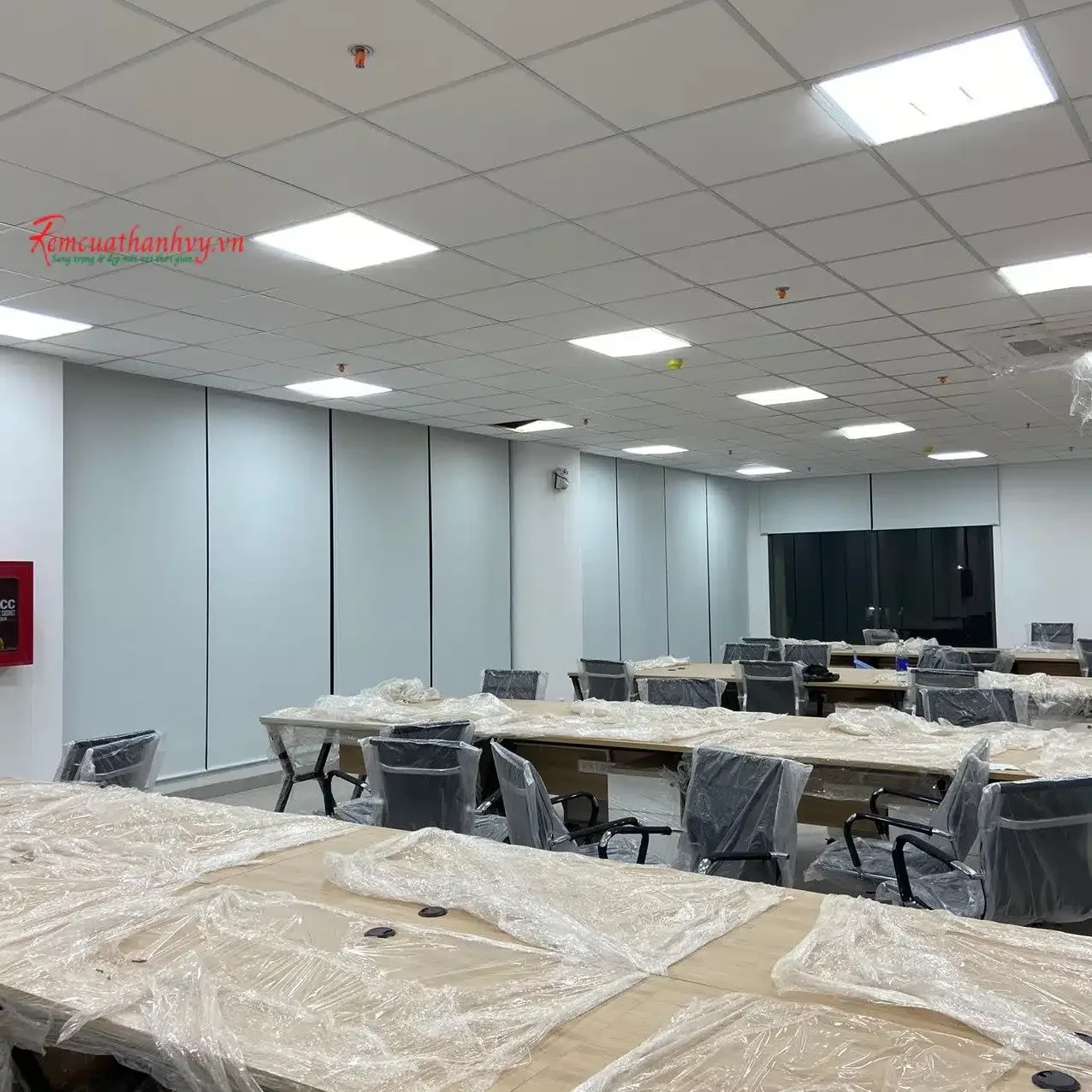
In addition, you should learn about the provider’s ability to advise on concealed electrical wiring for automatic roller blinds if your family plans to use motorized controls, as this item needs to be coordinated with the electrical and plumbing contractor from the home finishing stage to avoid having to break walls for repairs later. A reputable provider should also have a clear warranty policy for the roller tube and operating mechanism, along with the ability to provide support if issues arise during use. Information about the provider also appears in an article introducing auditorium curtains in Can Tho Newspaper.
In general, choosing suitable roller blinds in District 12 is a process that requires considering the characteristics of newly built homes, the sun direction of each area, the intended use of each space, and the contractor’s on-site survey capabilities at the same time, to ensure the blinds are not only beautiful when installed but also durable and convenient for long-term use. You can also refer to the concept of curtains in architecture to better understand the materials.
Types of curtains recommended for installation in District 1
Below are the actual product groups currently available at Rèm Cửa Thanh Vy, arranged according to common usage needs in the District 1 area.
Send your dimensions and needs, and the Thanh Vy Curtains team will advise on options and quote for your actual space.
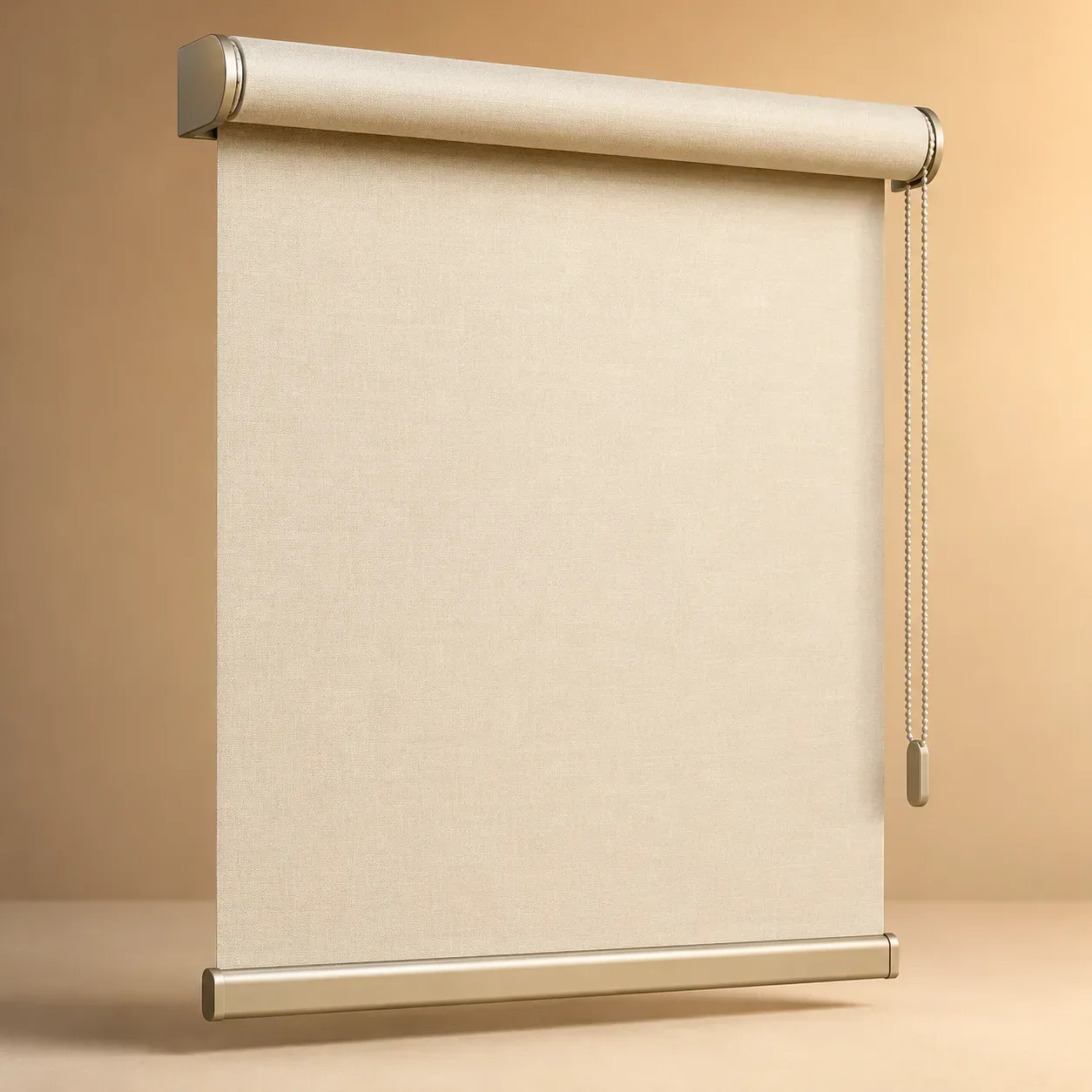
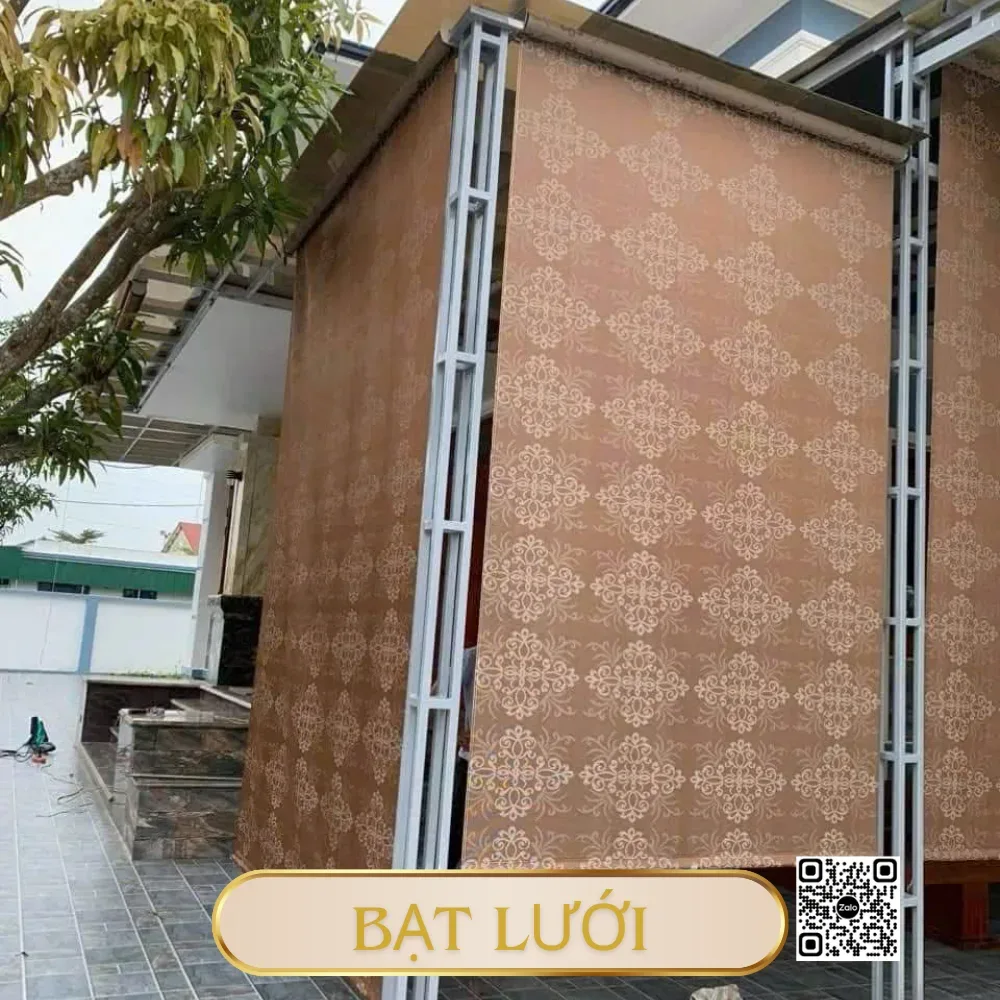
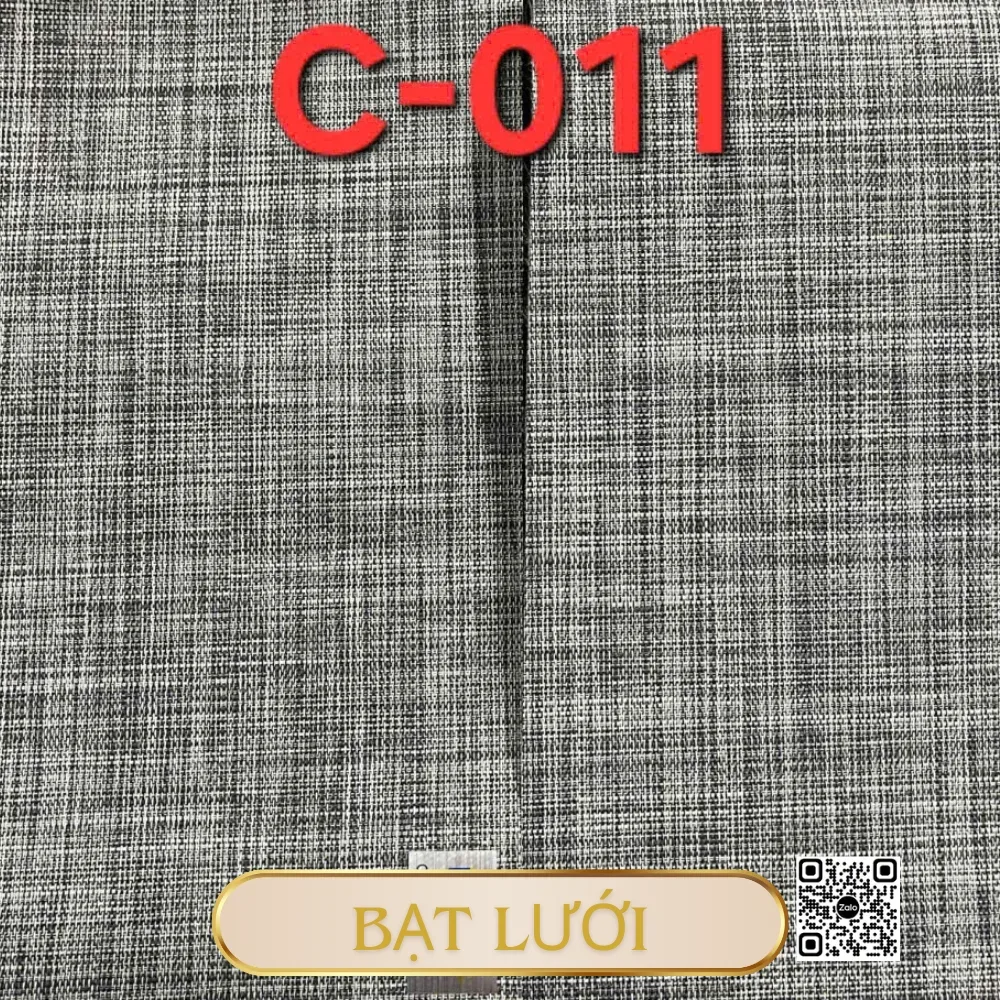
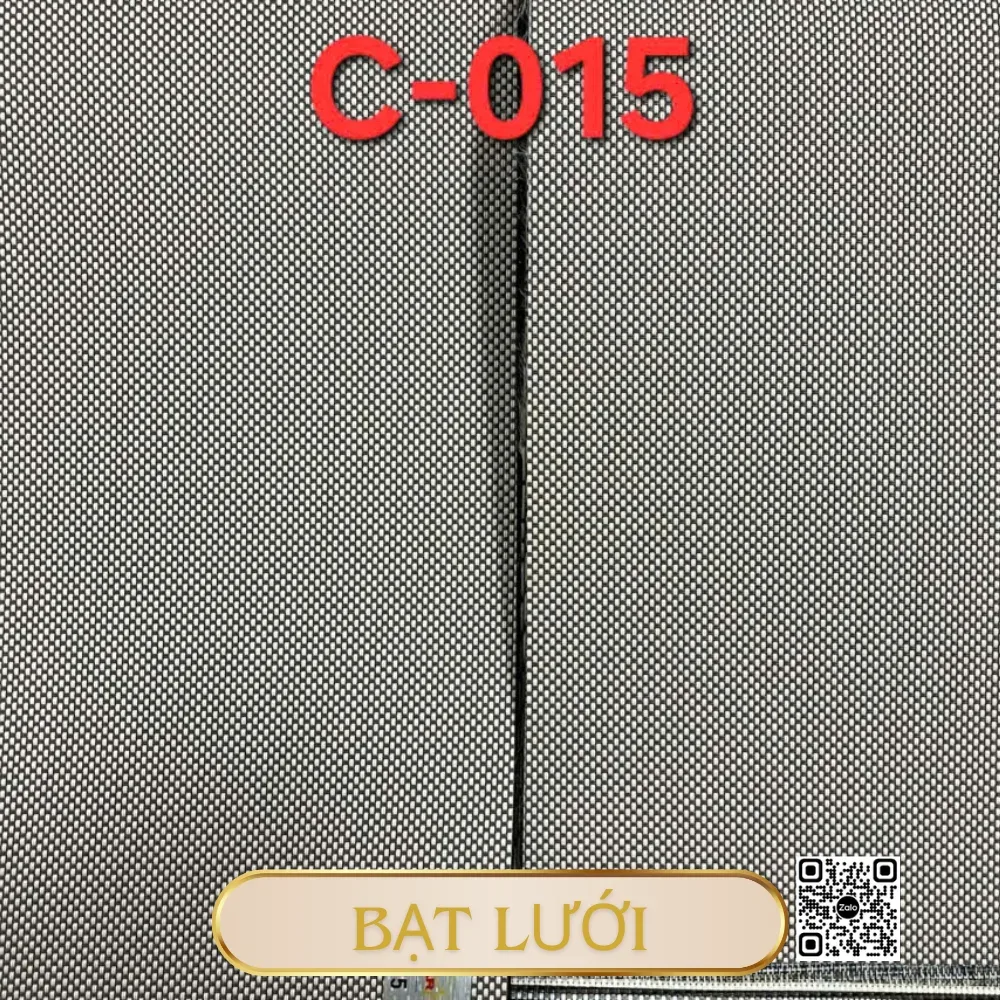
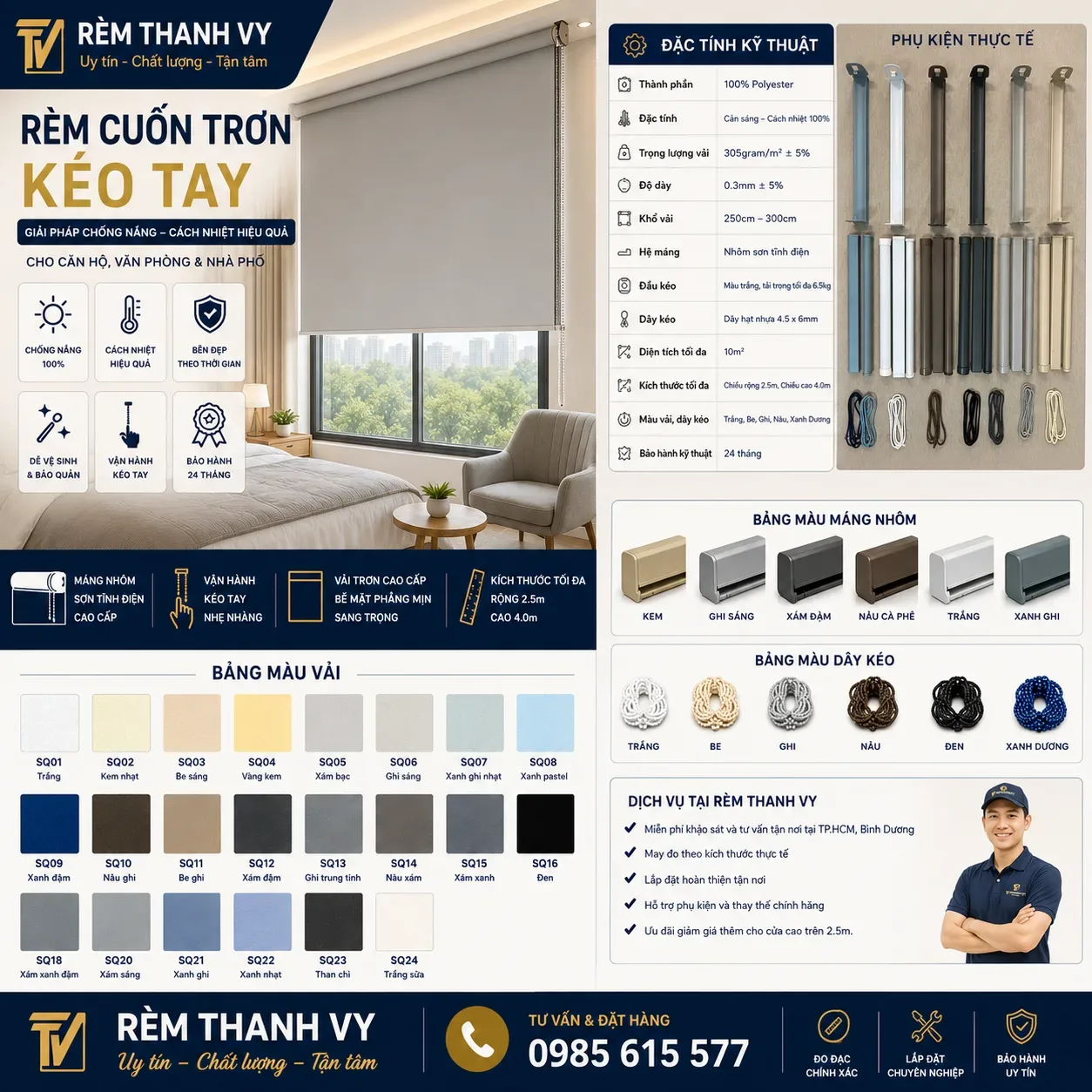
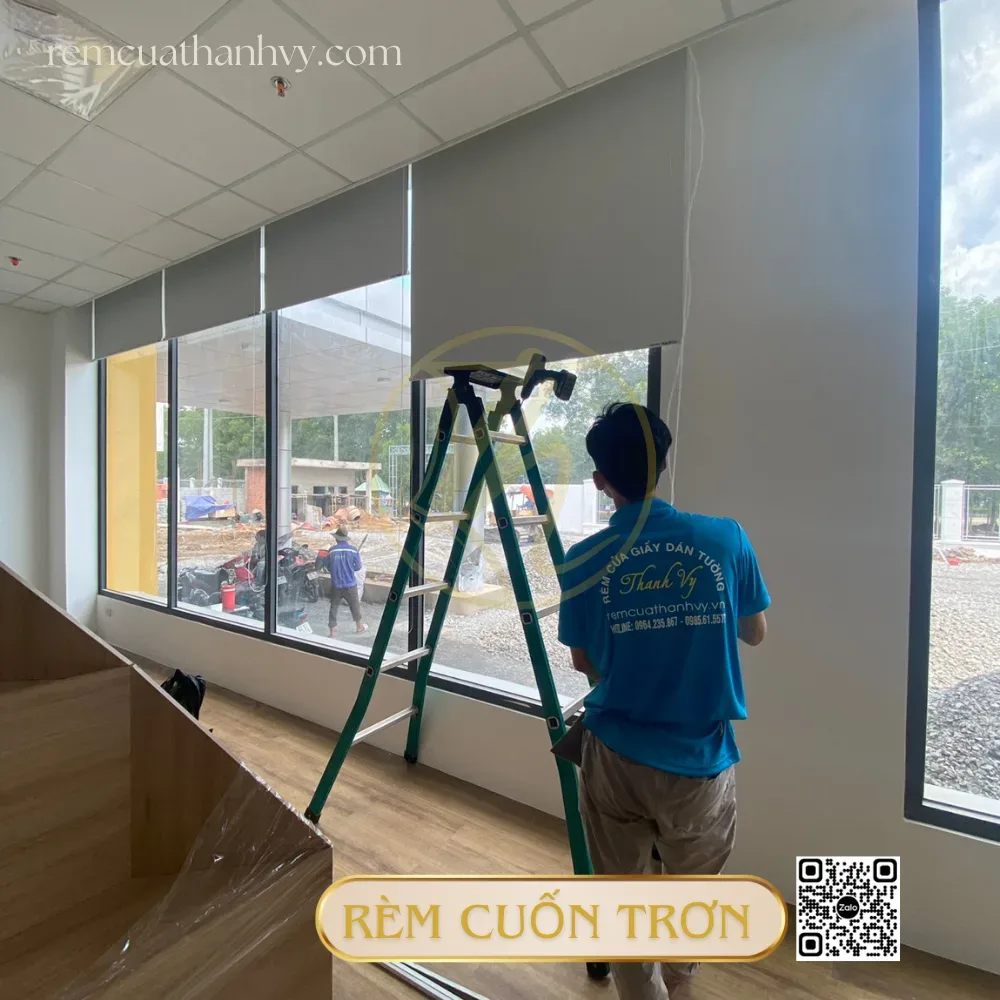
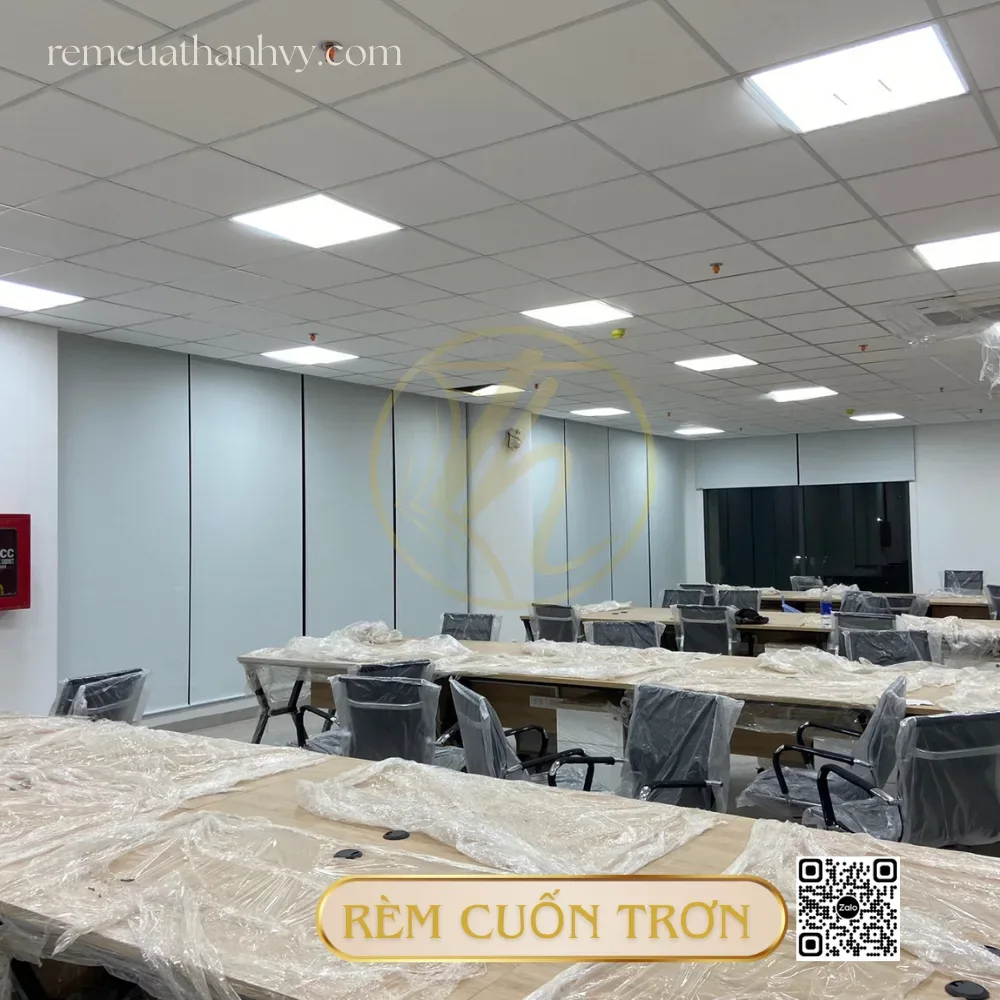
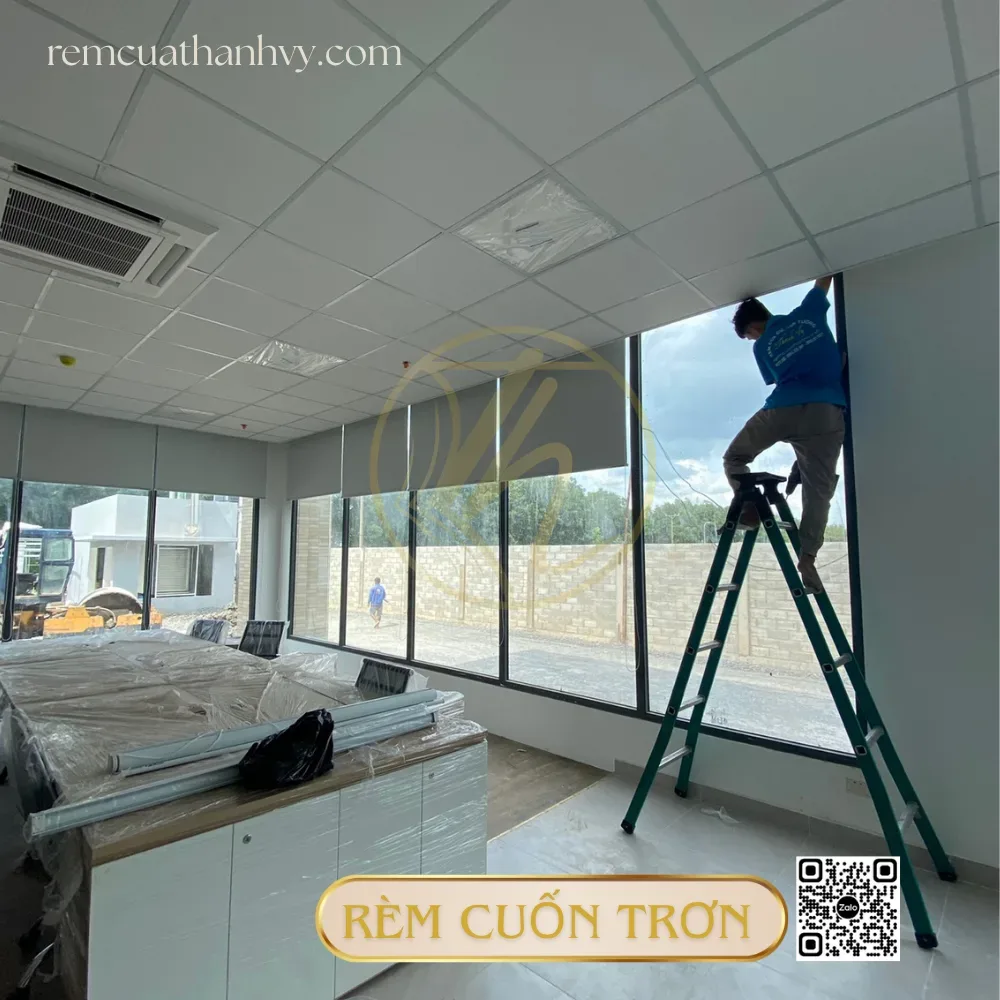
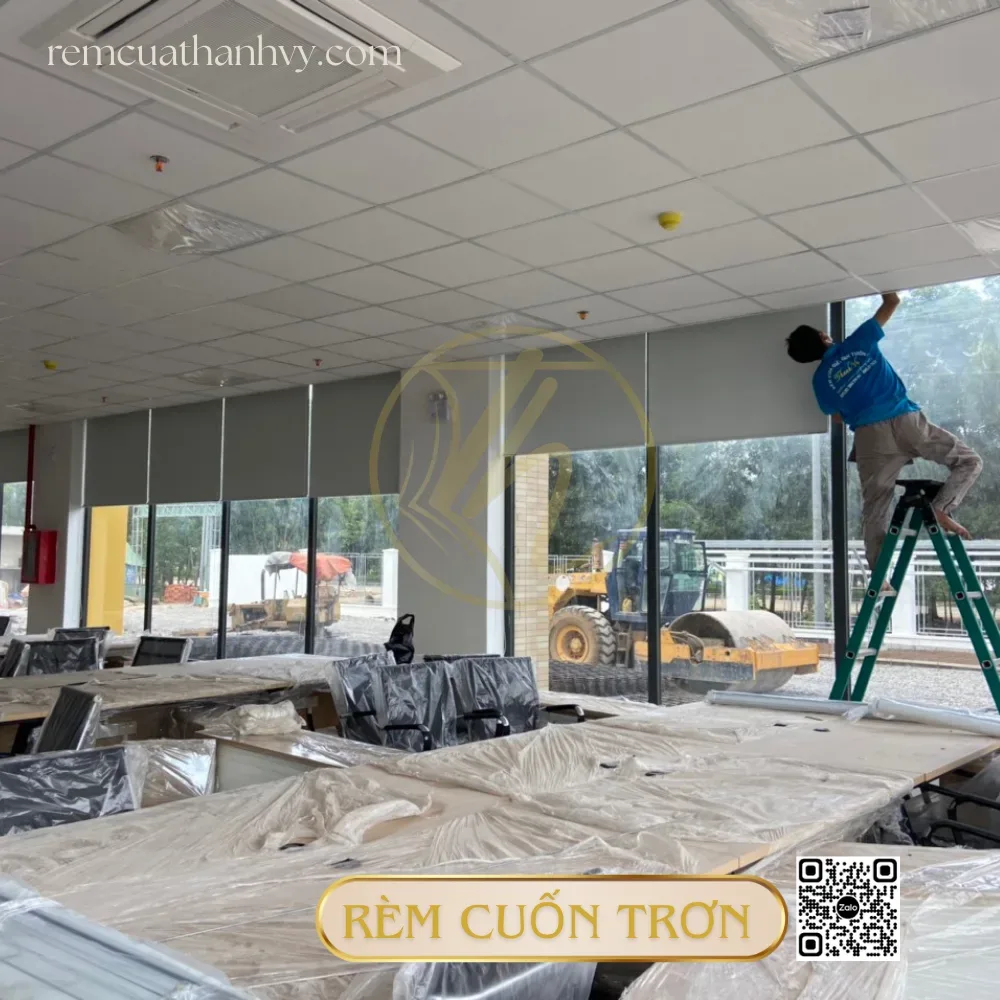
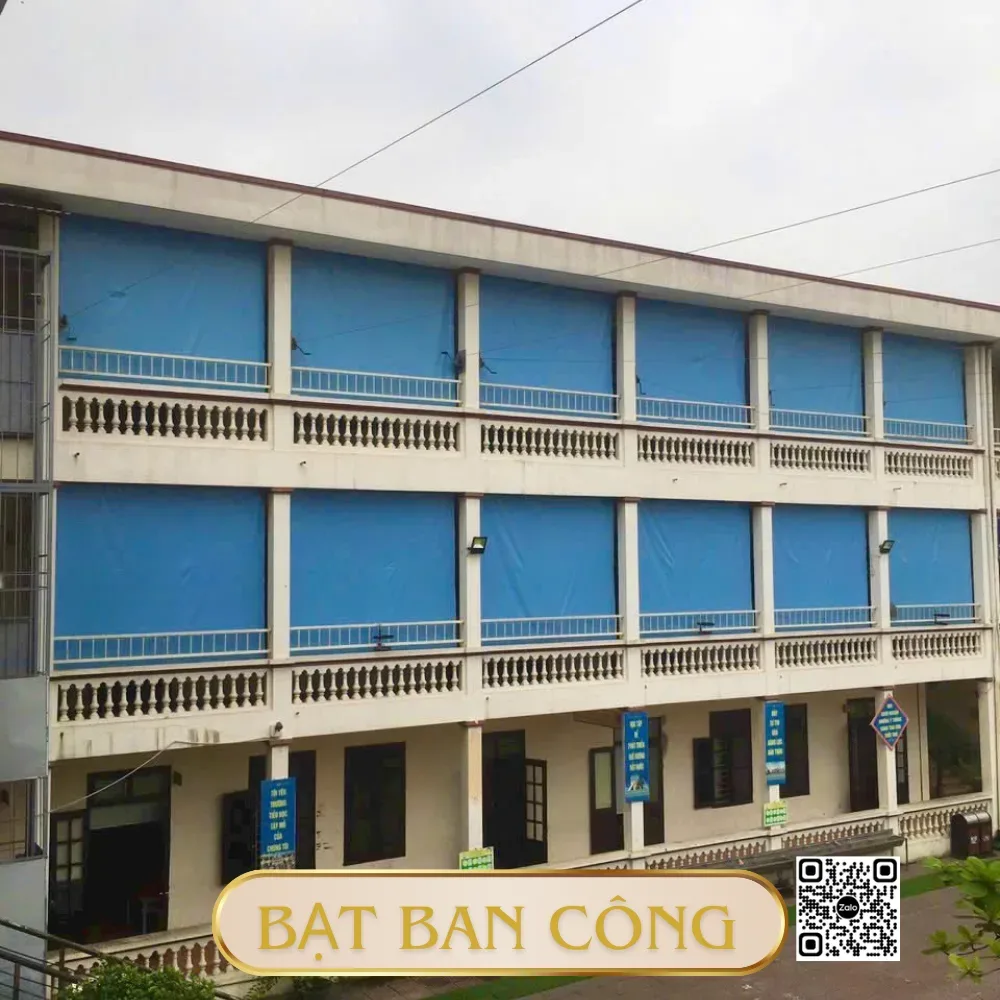
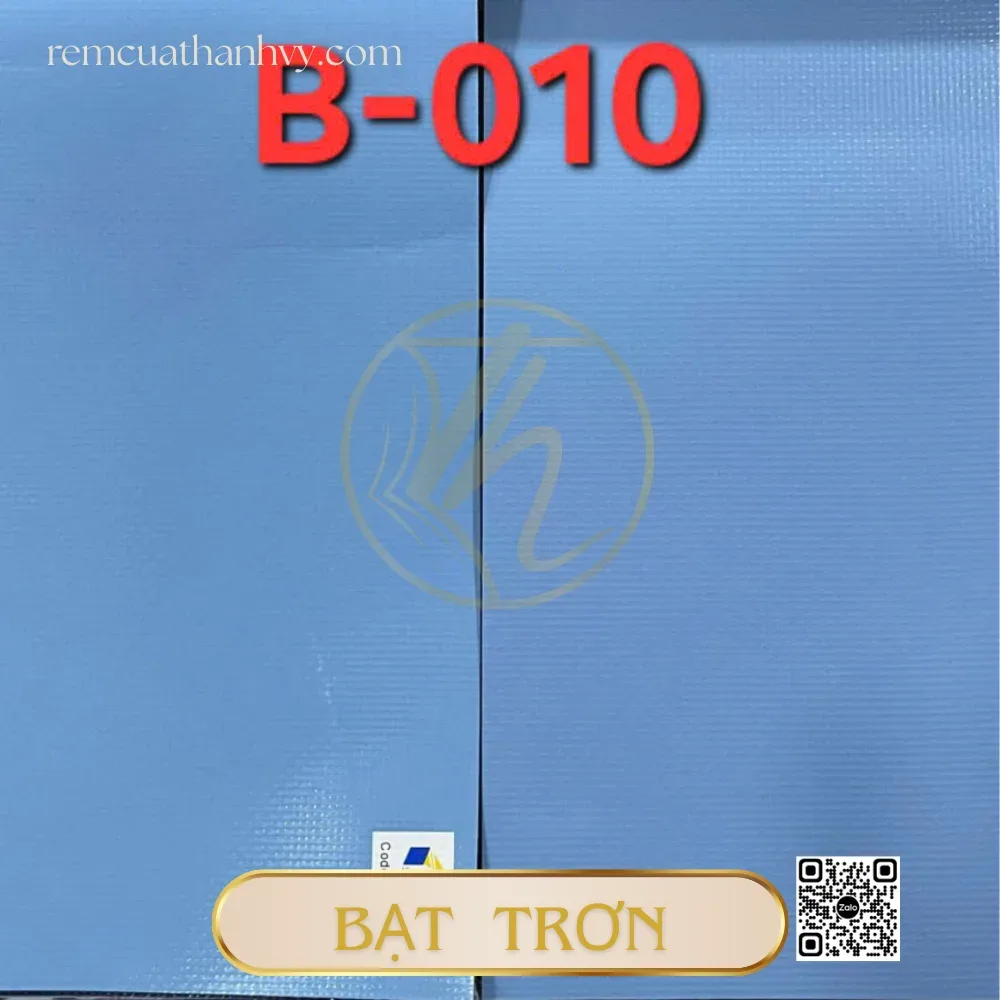
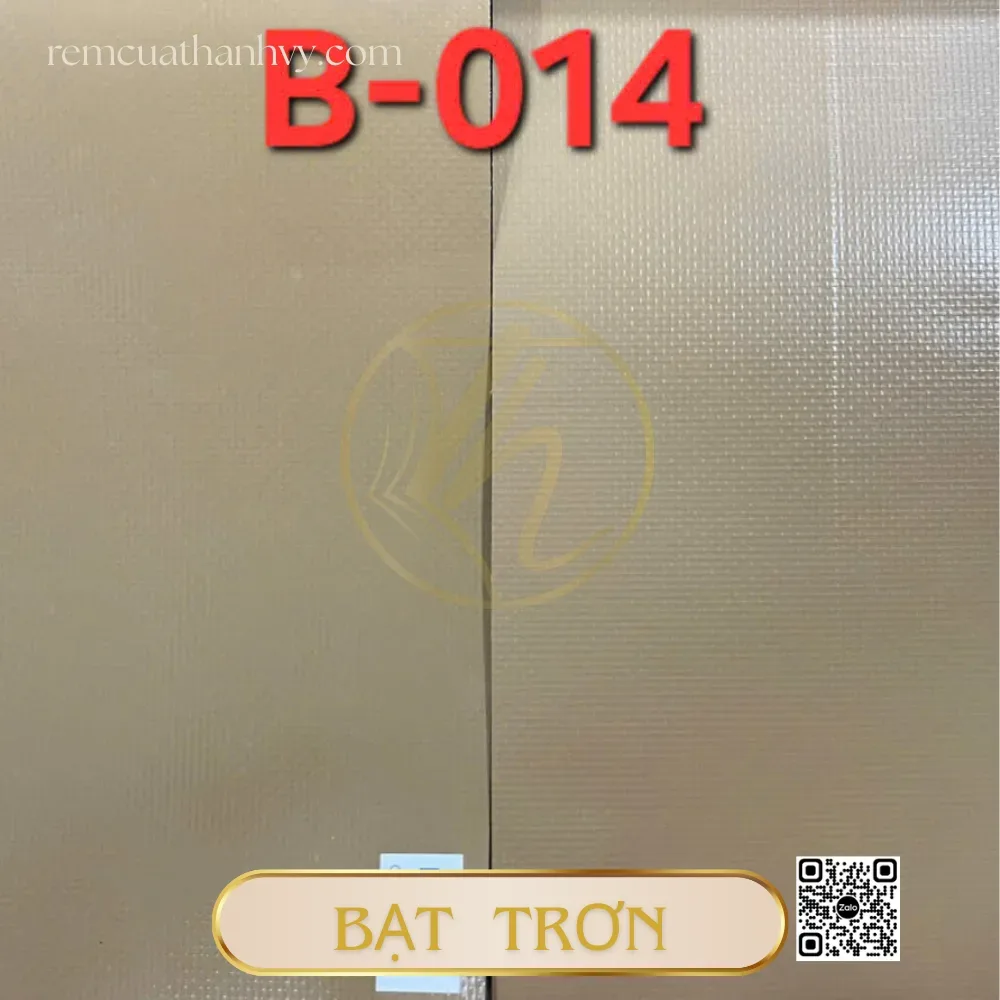
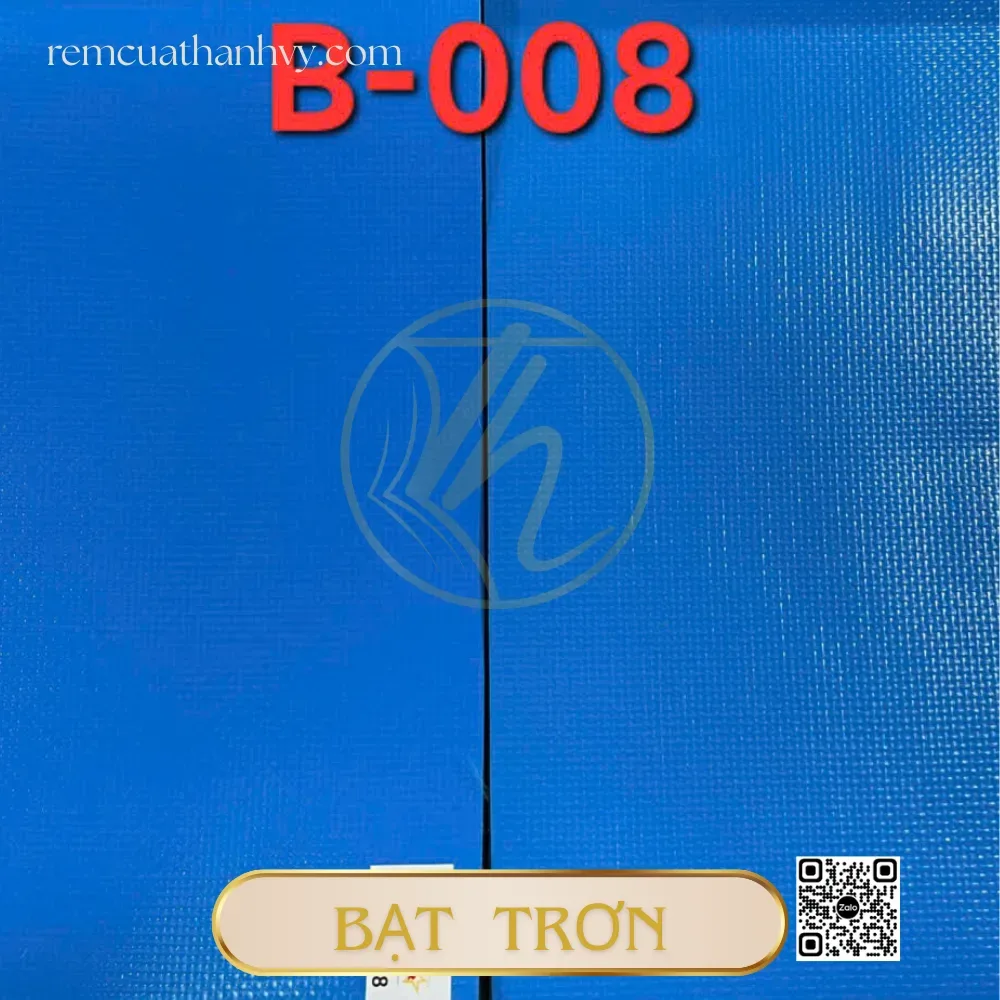
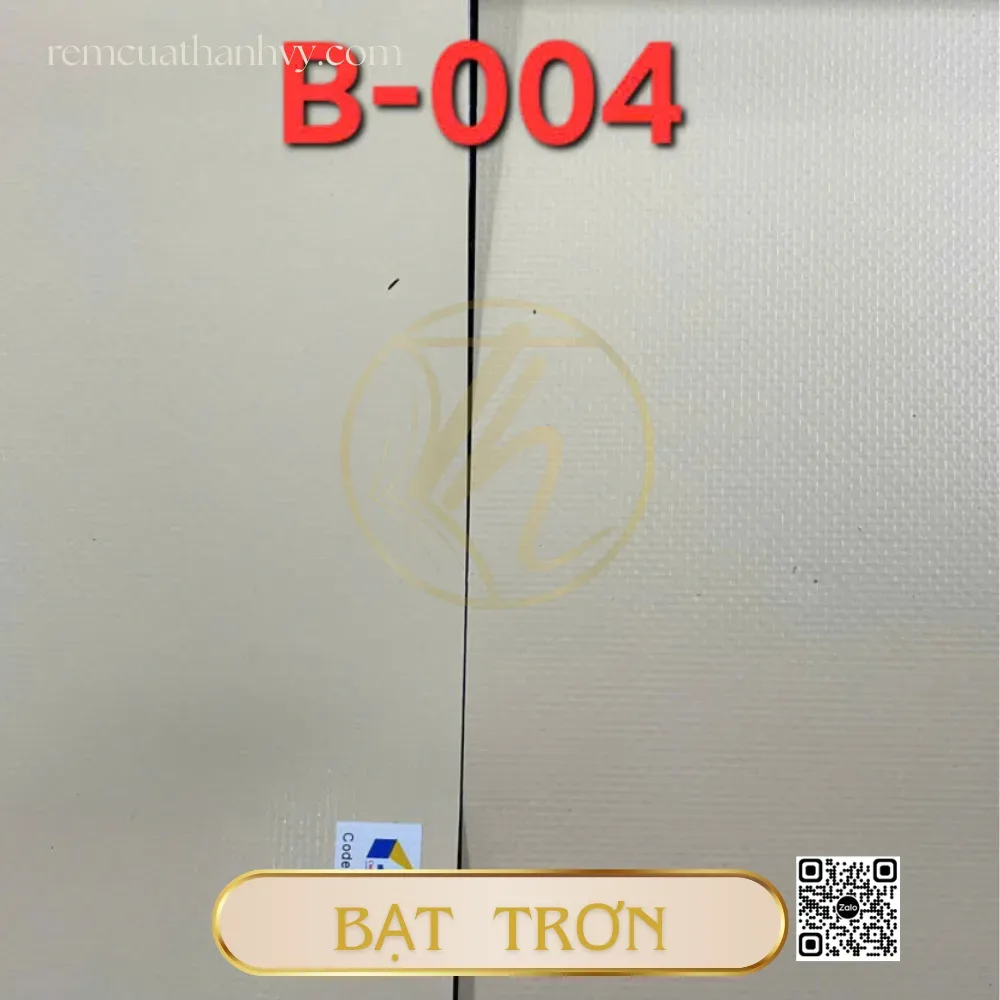
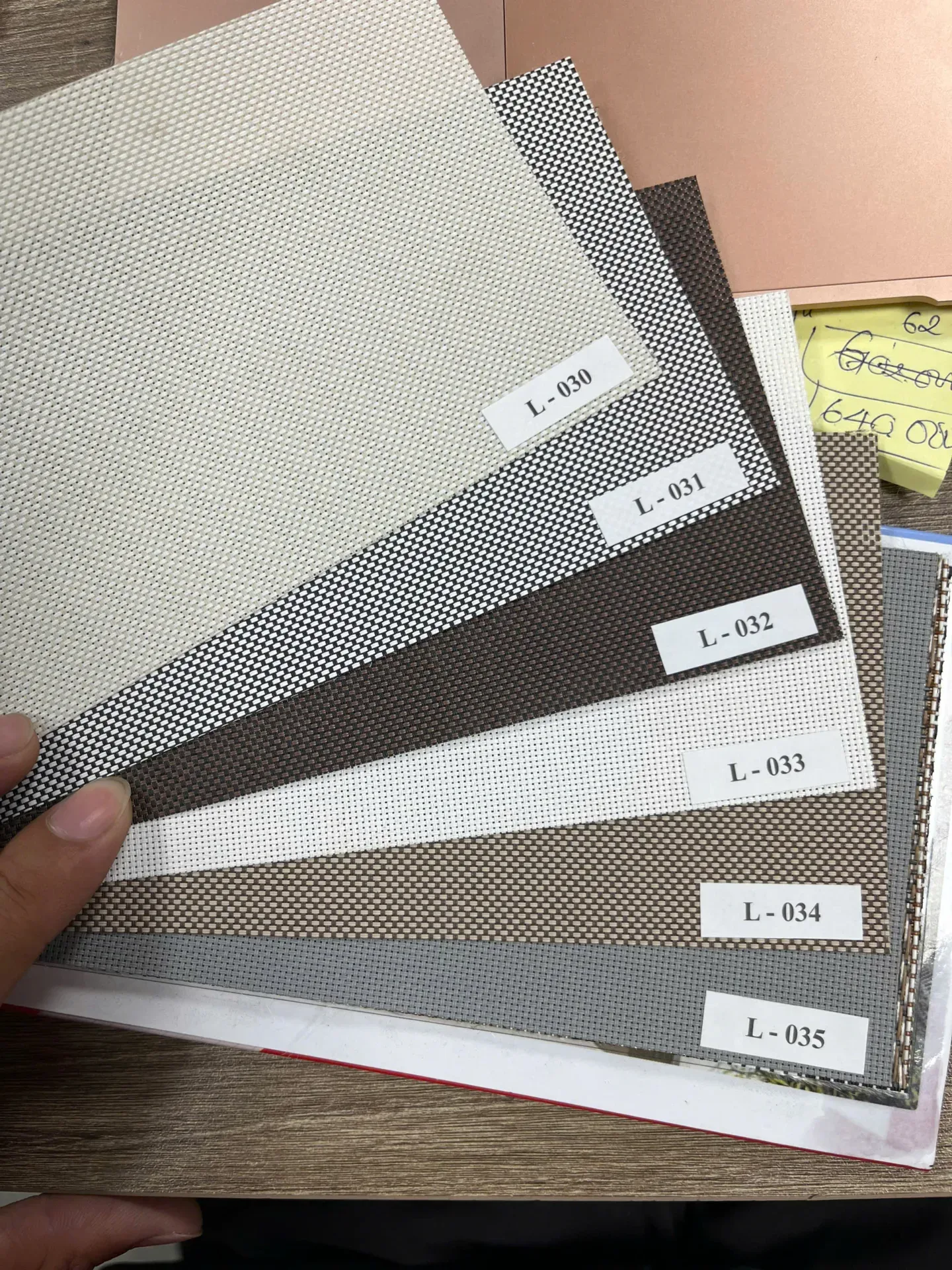
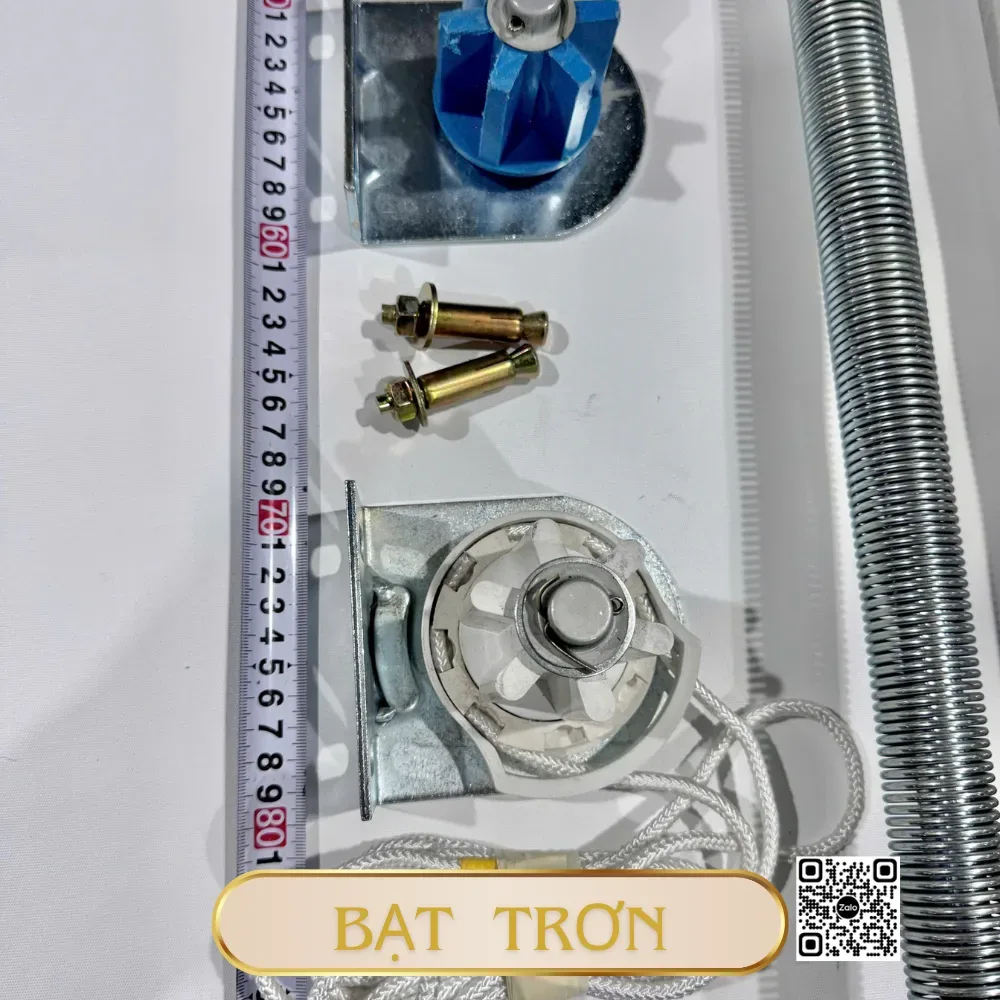
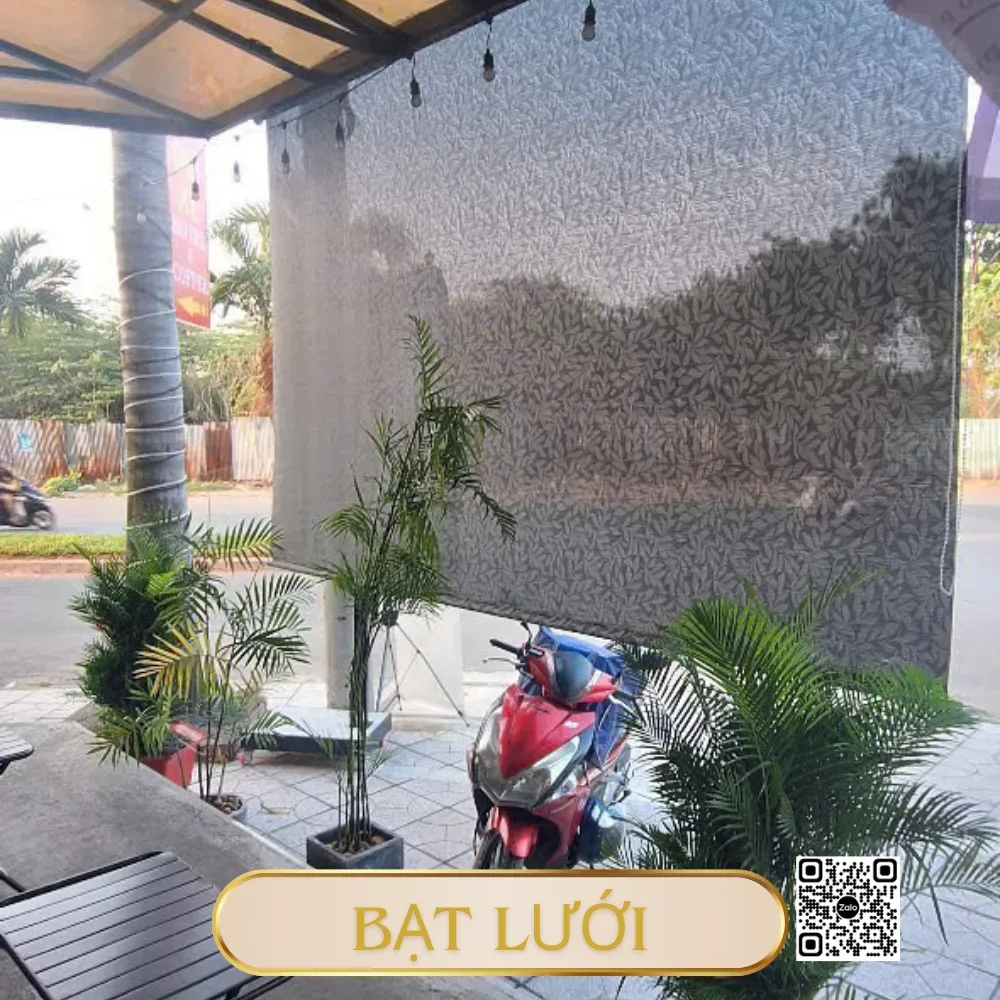
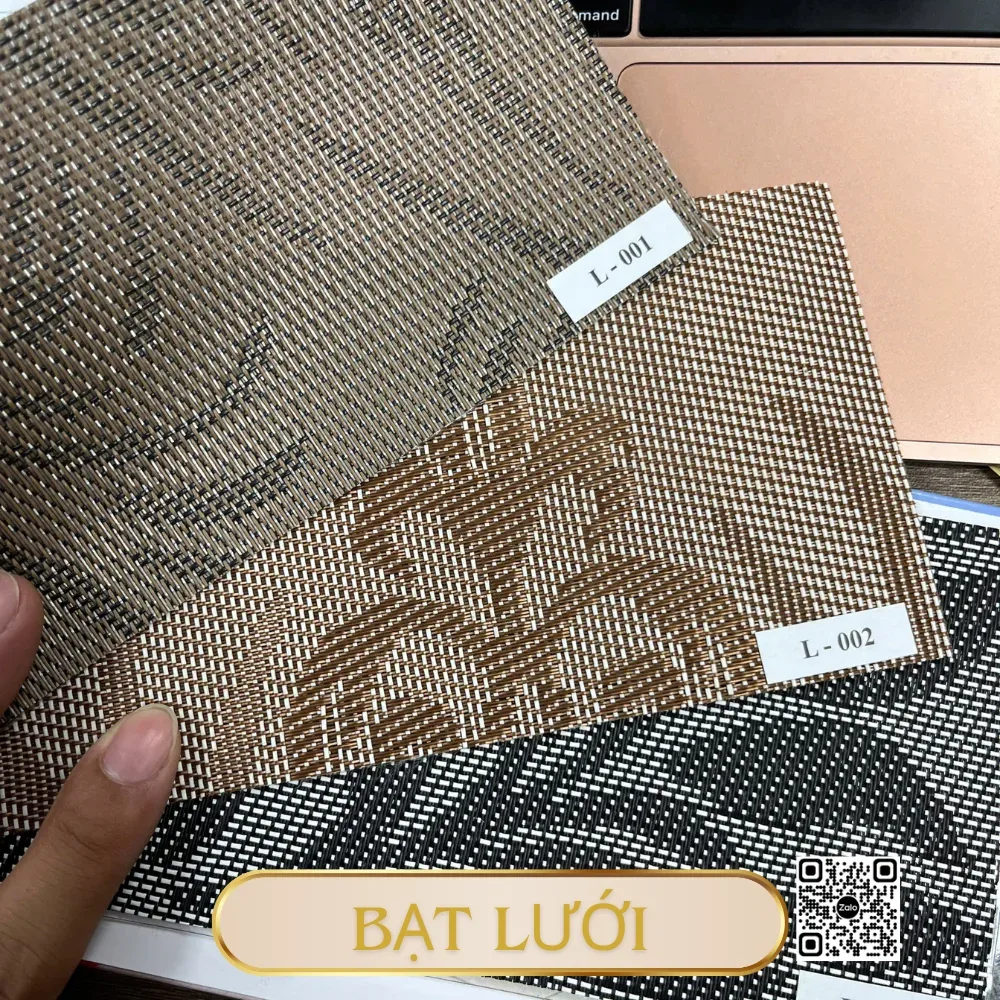
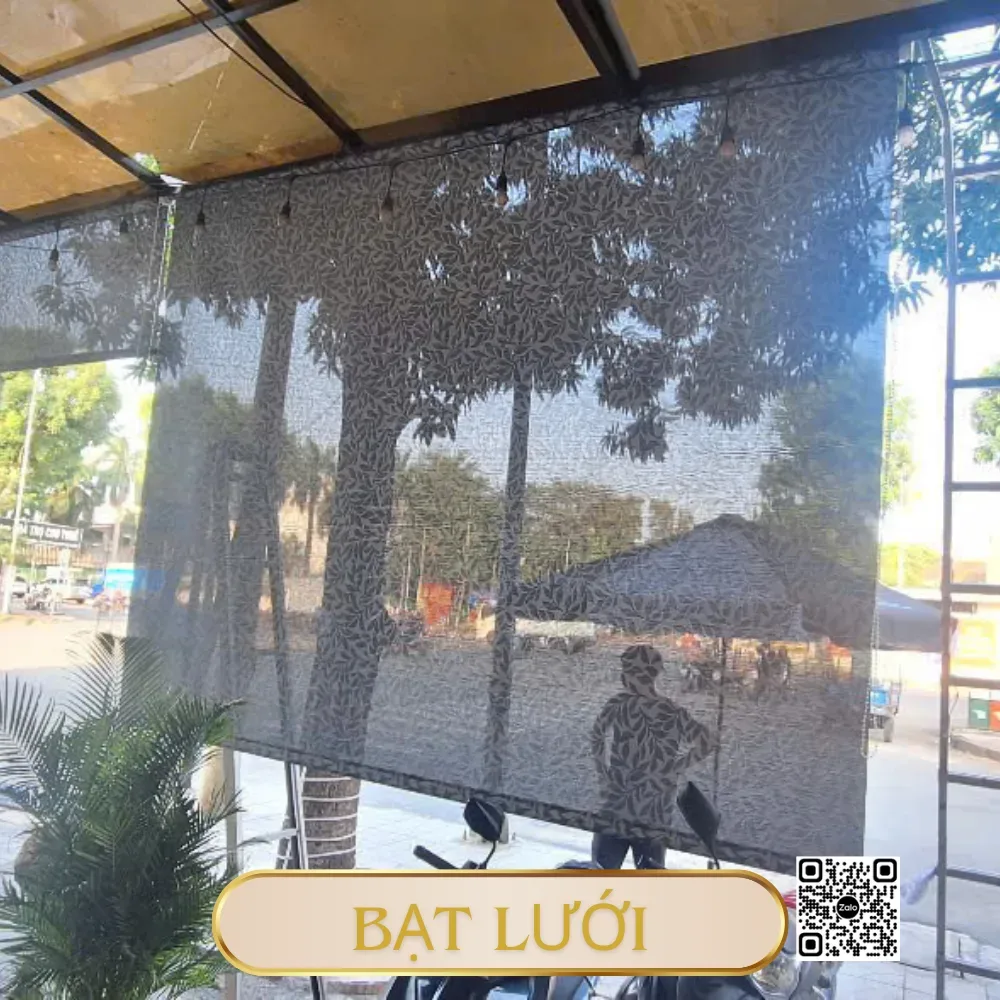
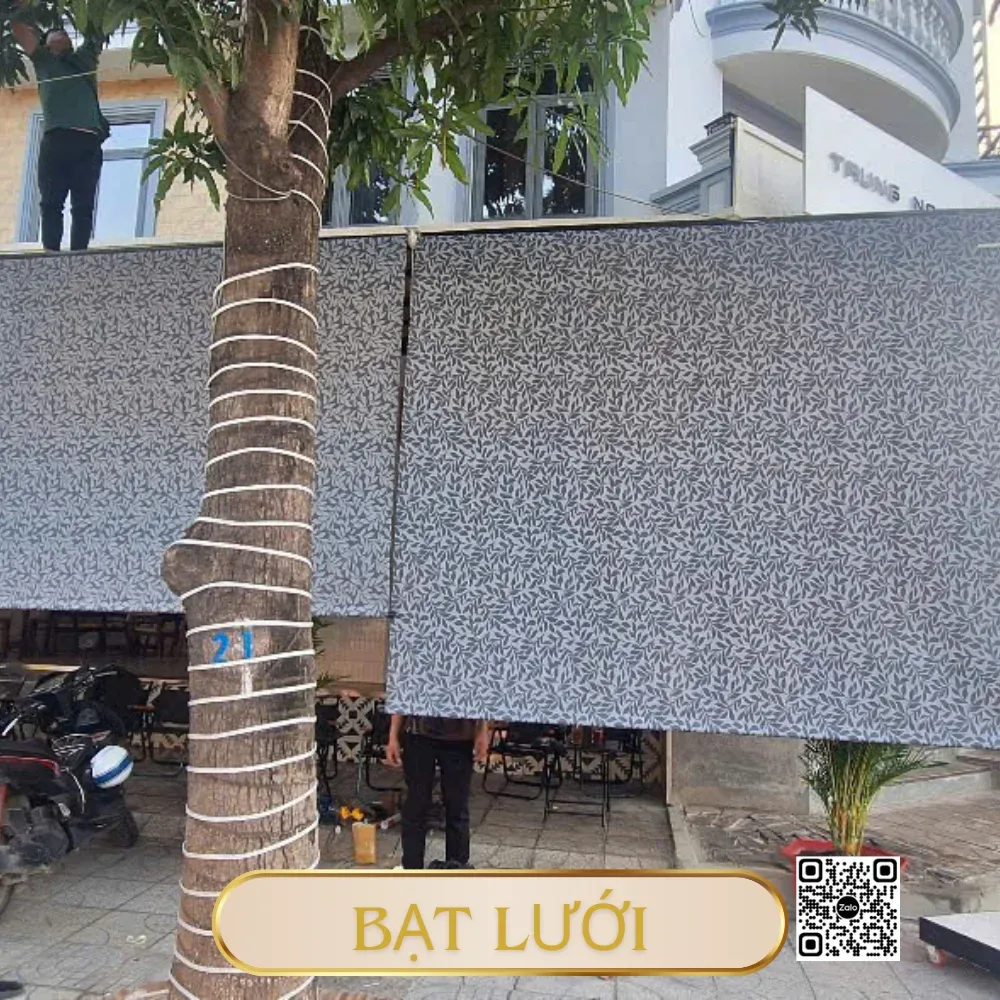
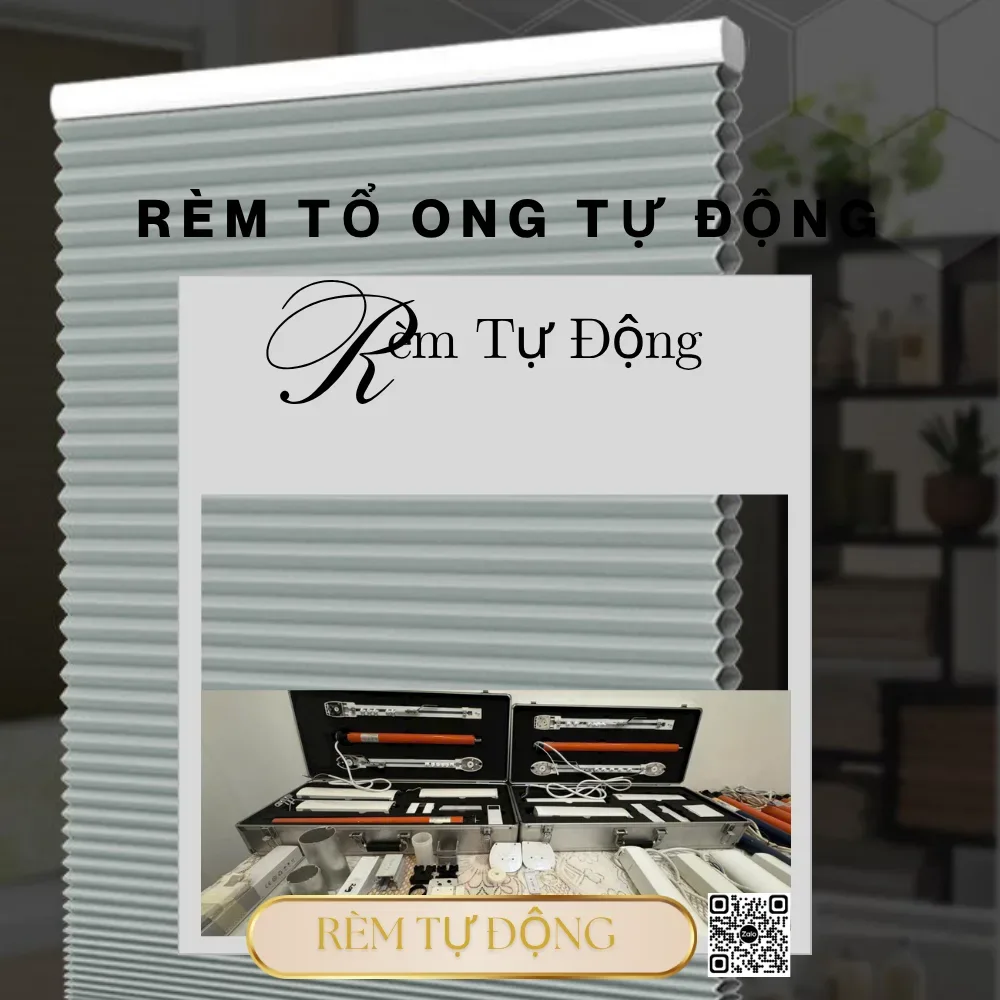
Roller blinds
Roller blinds are easy to clean and retain a flat shape, making them suitable for workrooms or kitchens.


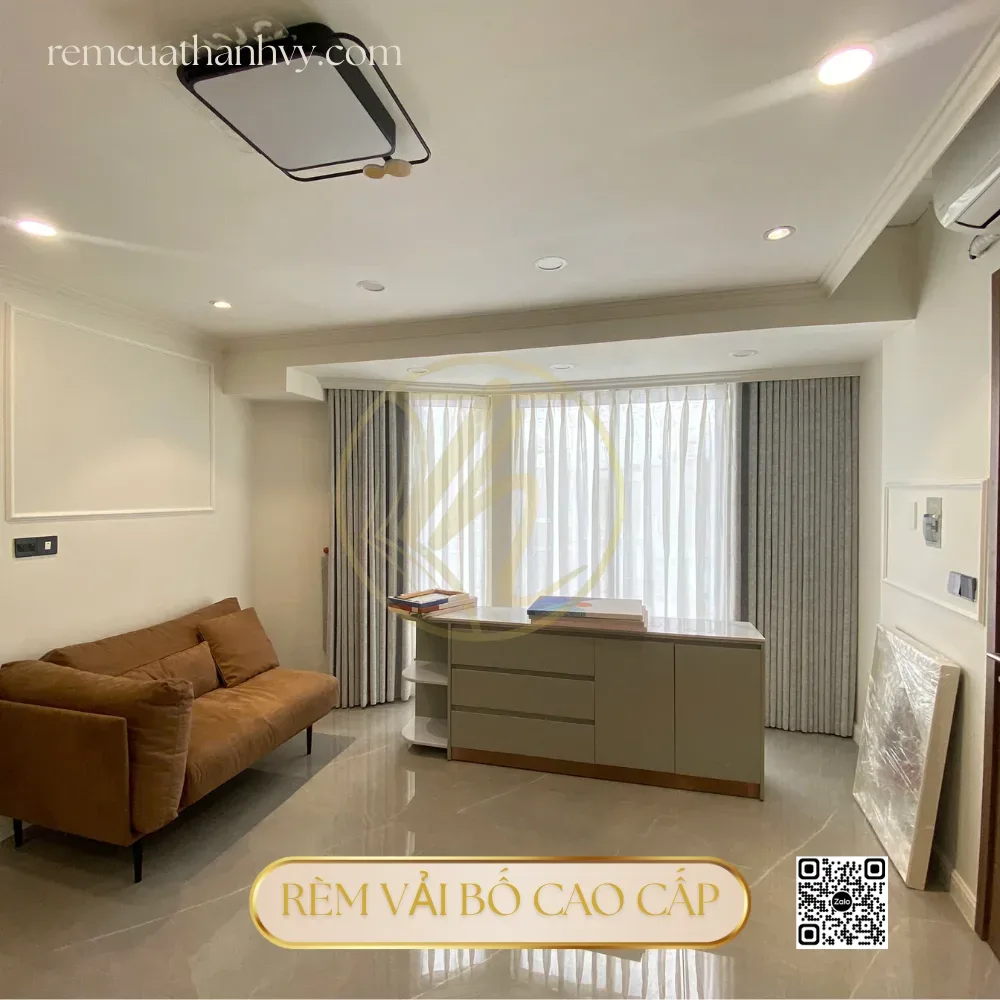
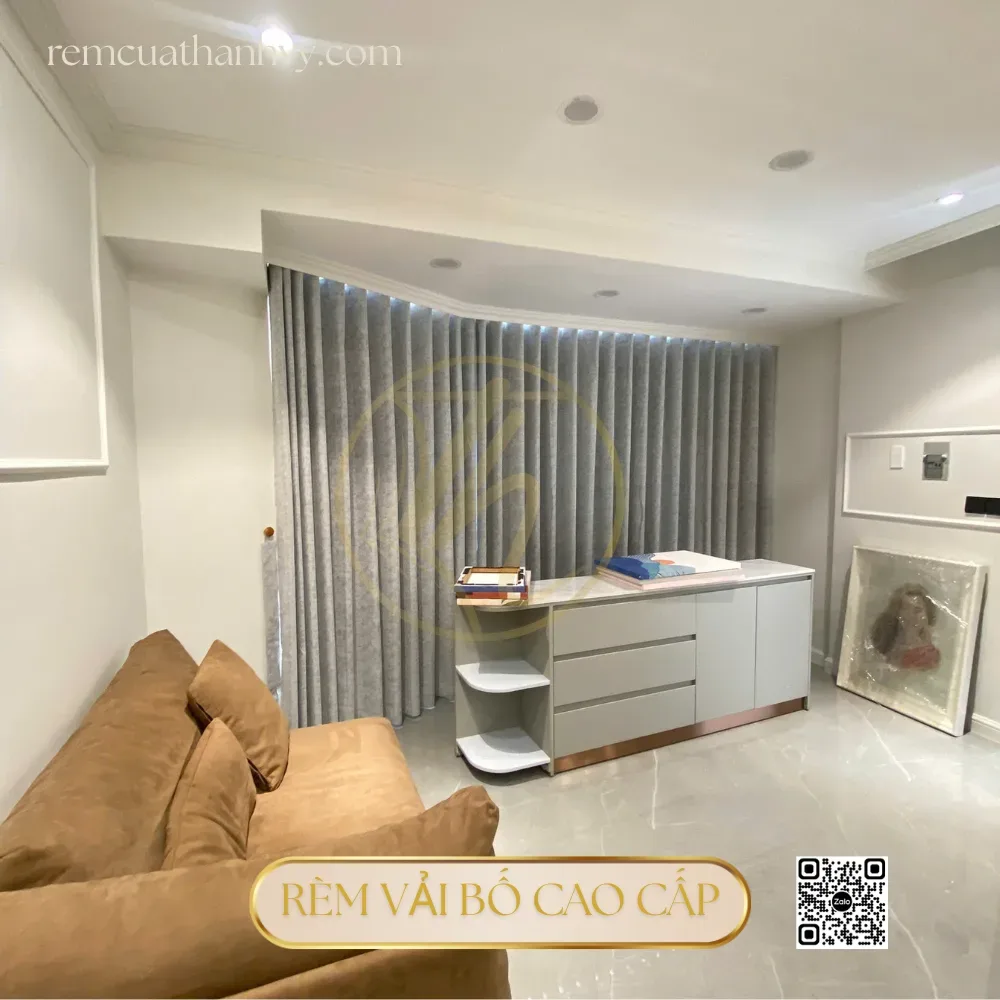
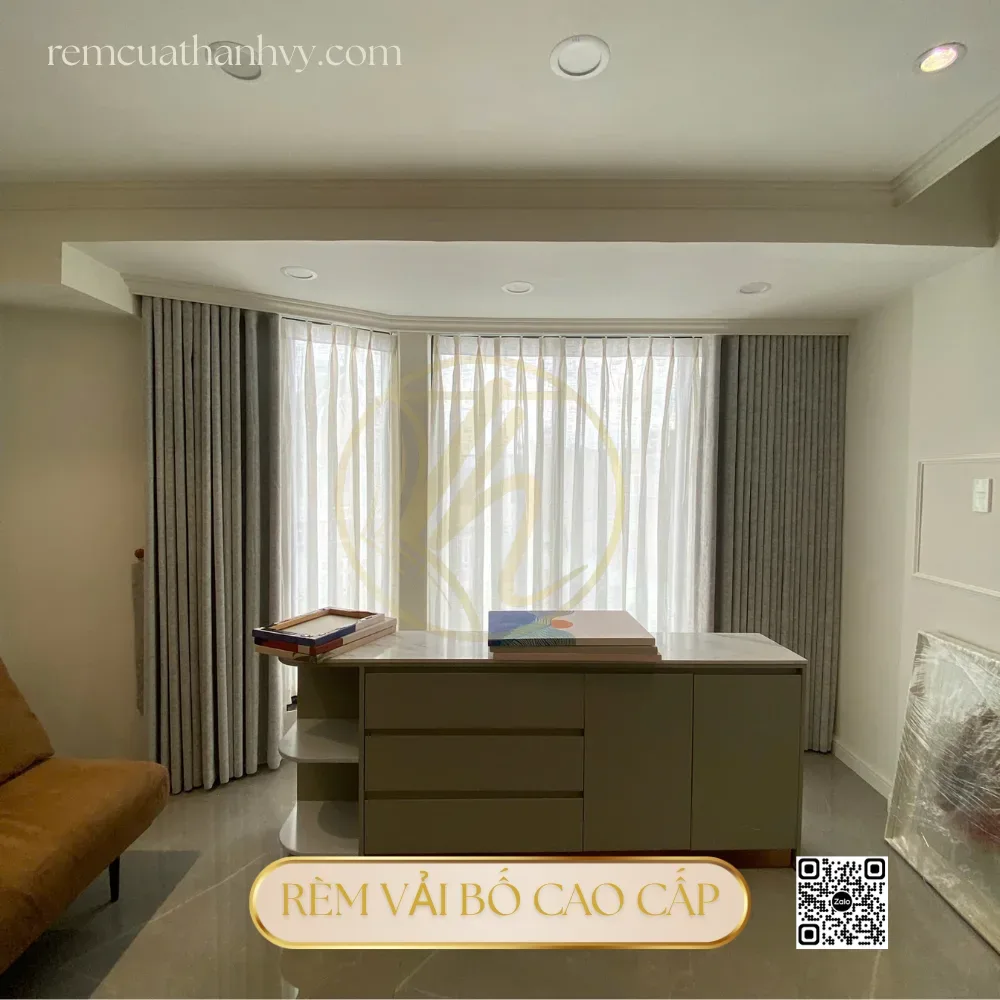
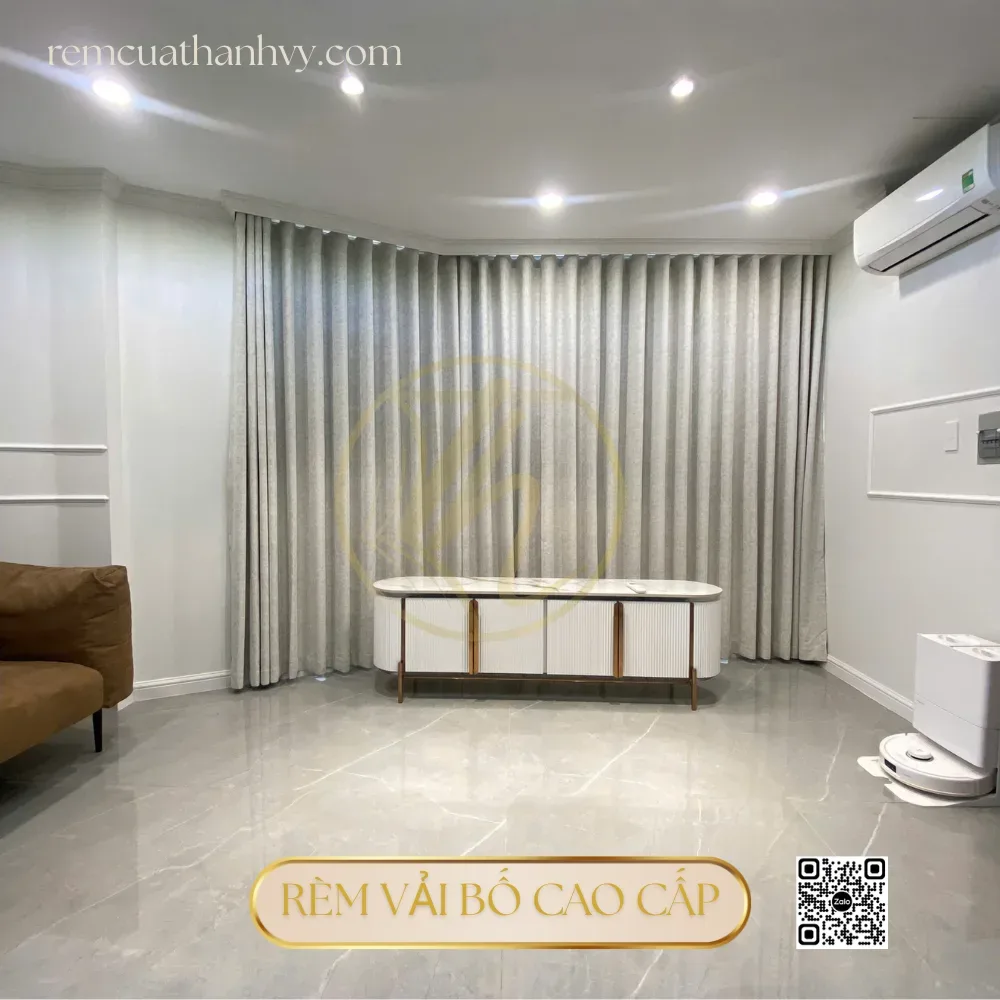
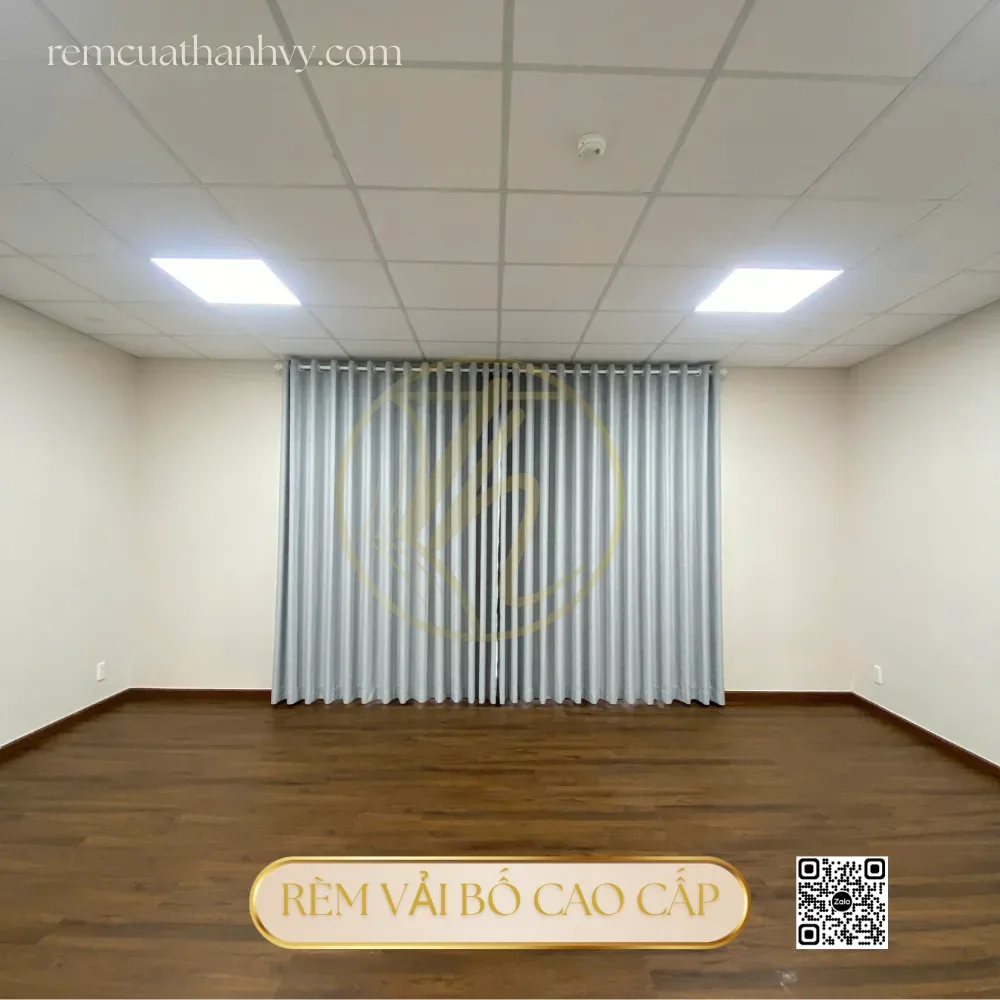
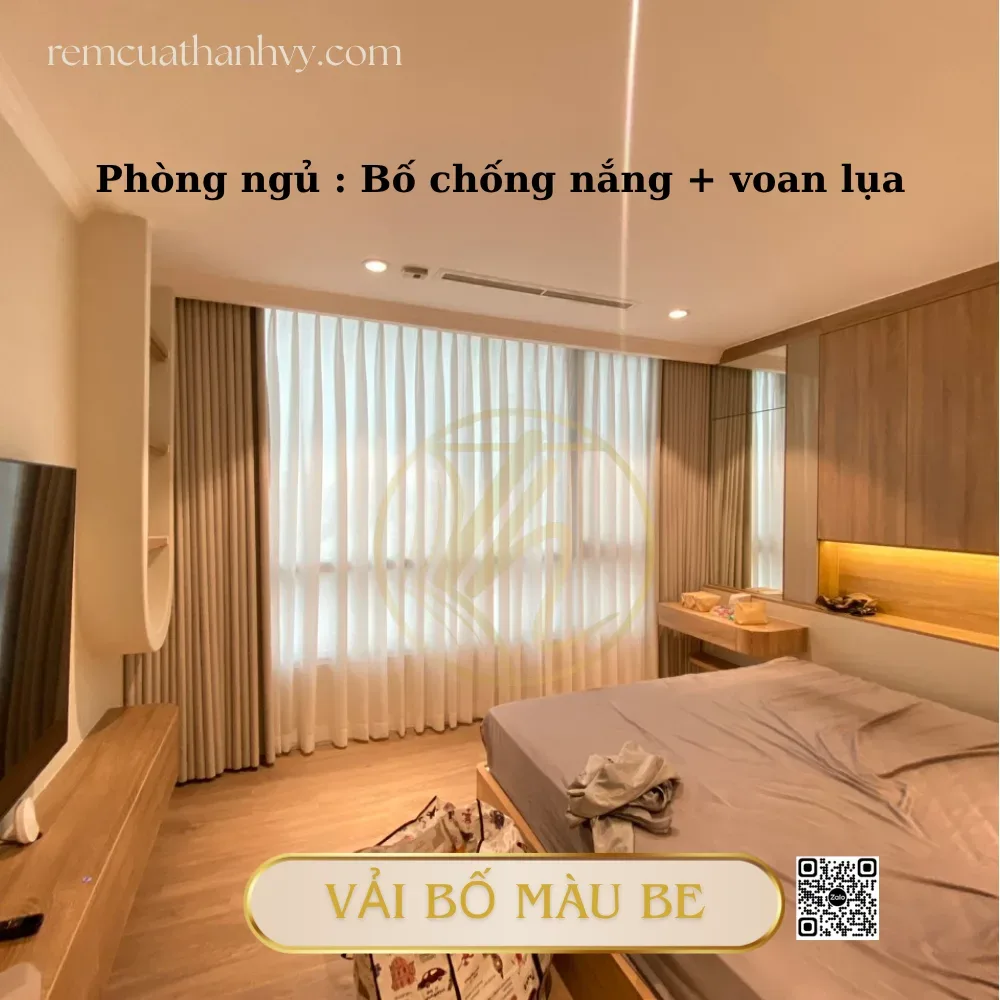
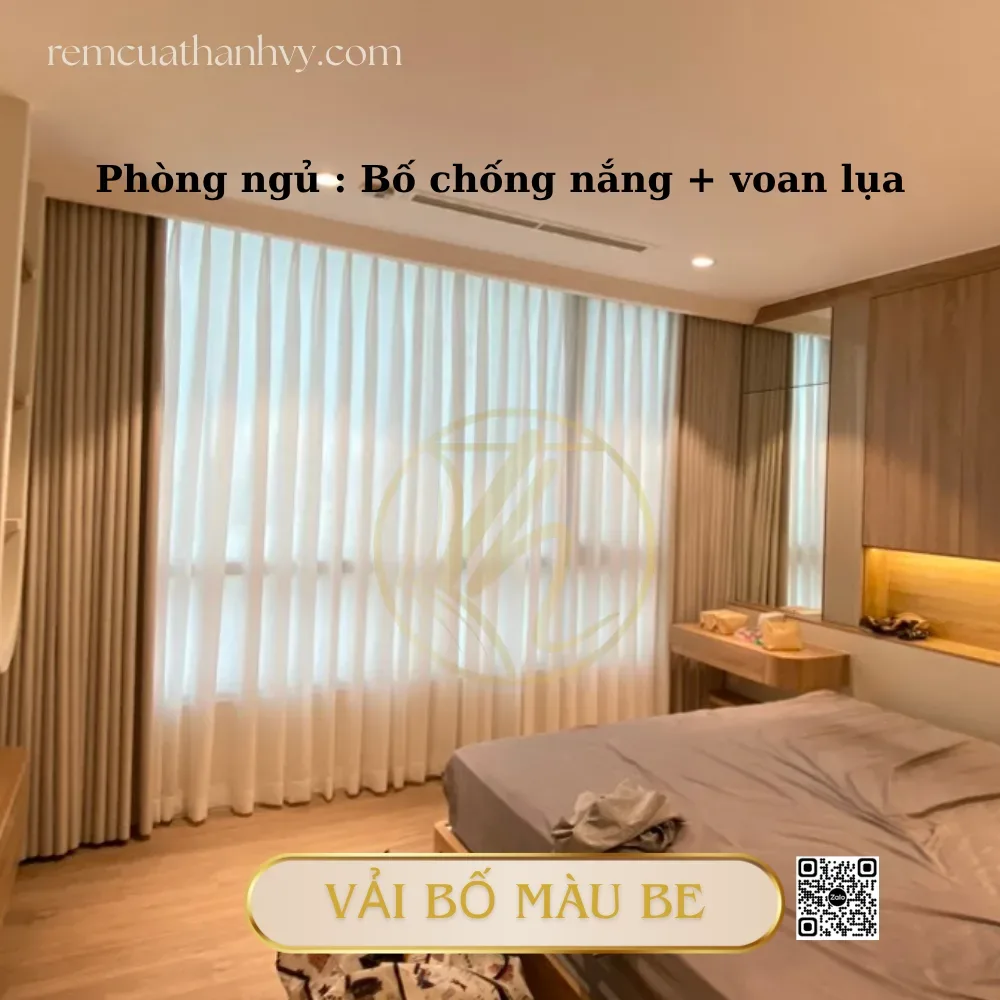
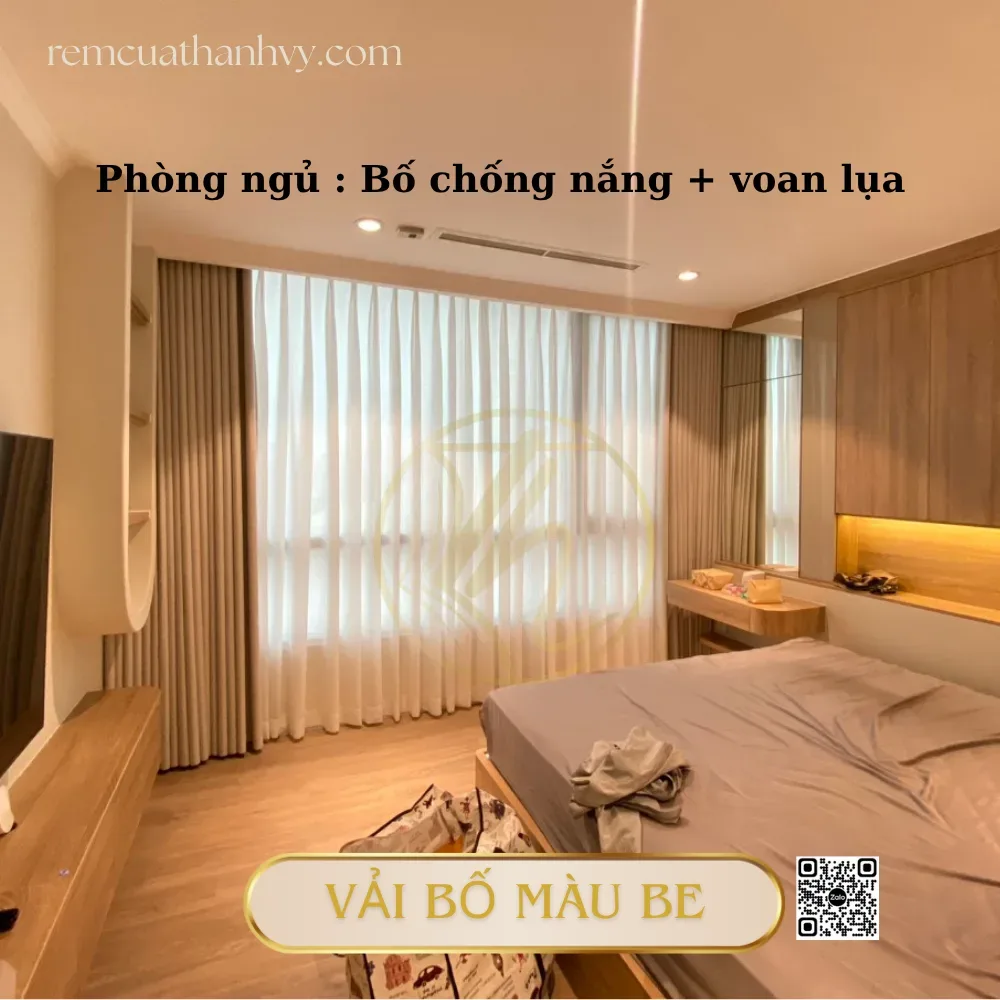
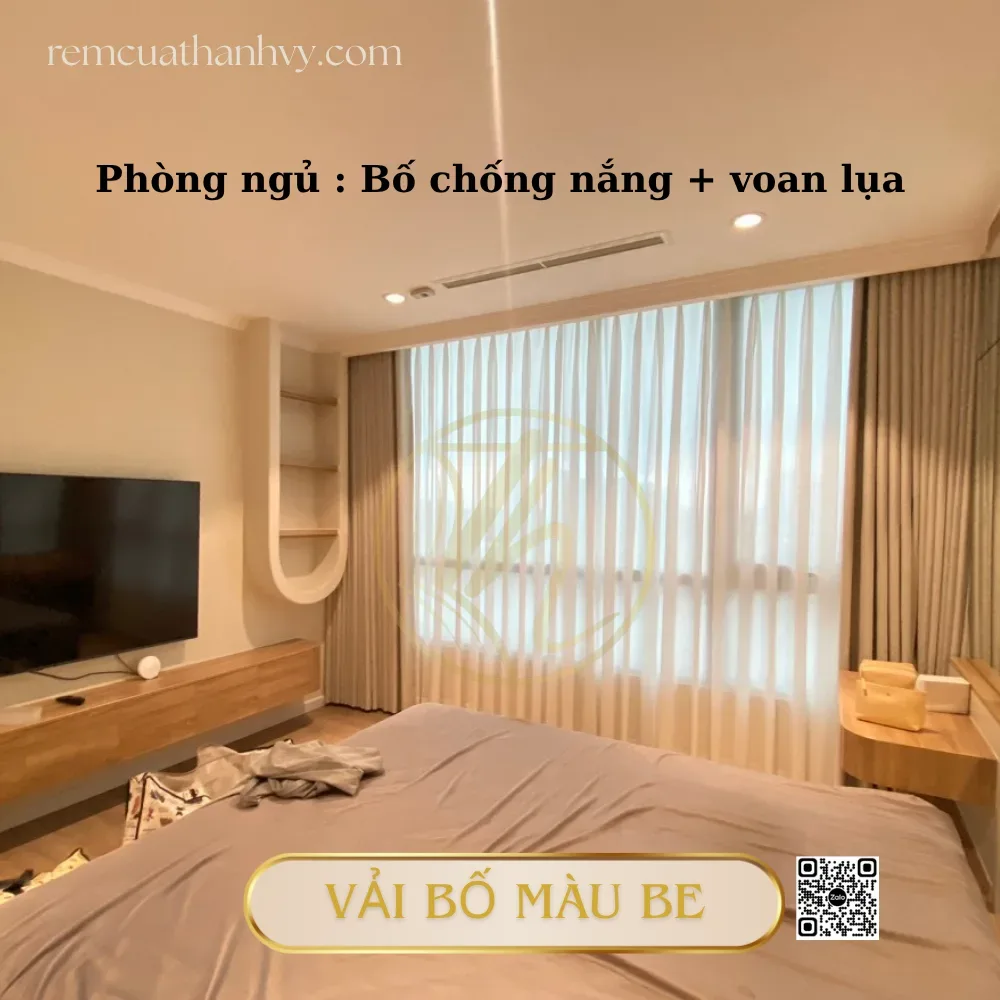
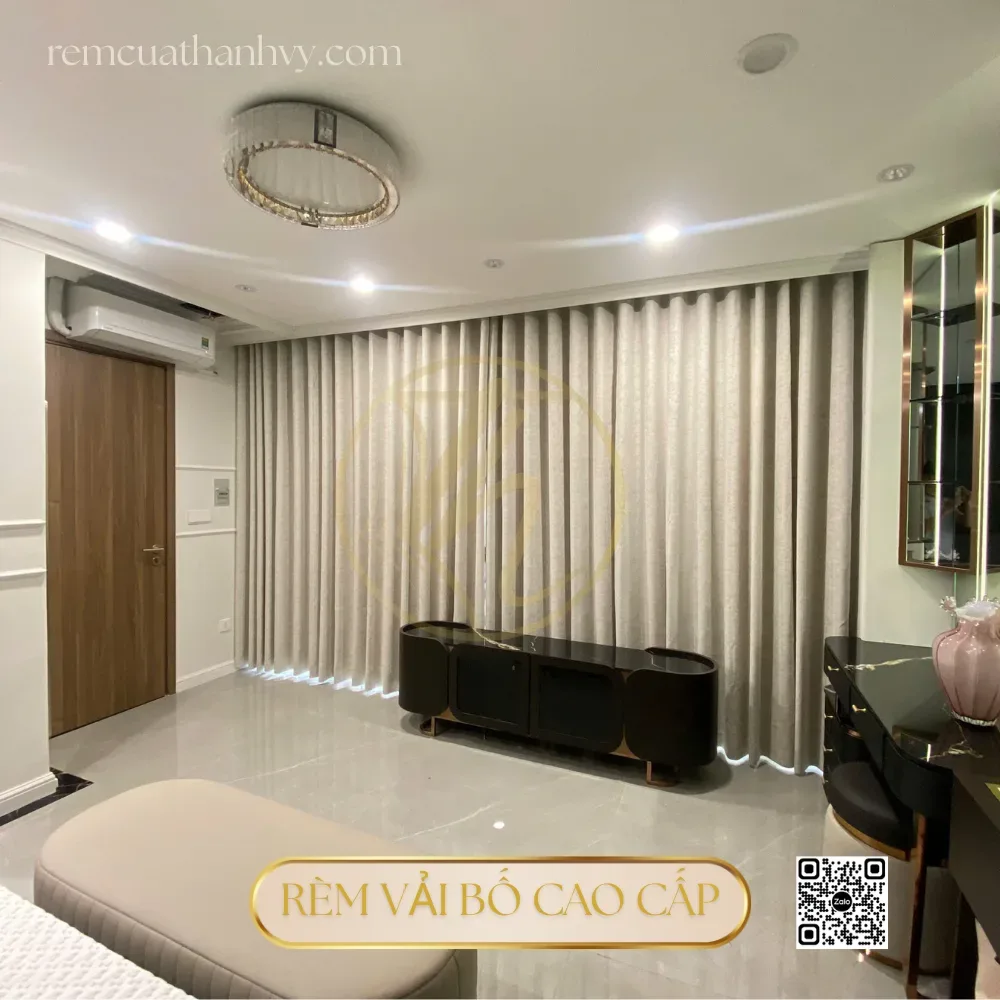
Premium blackout fabric curtains
High-blackout fabrics are used when significant room darkening is needed, typically for bedrooms or screening rooms.

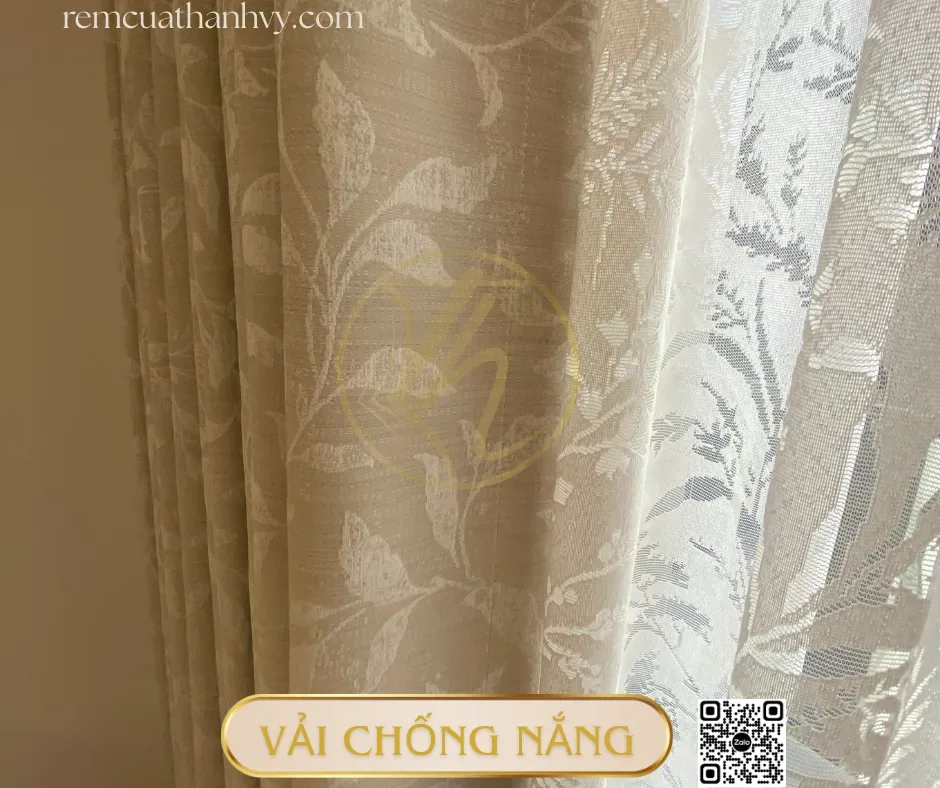
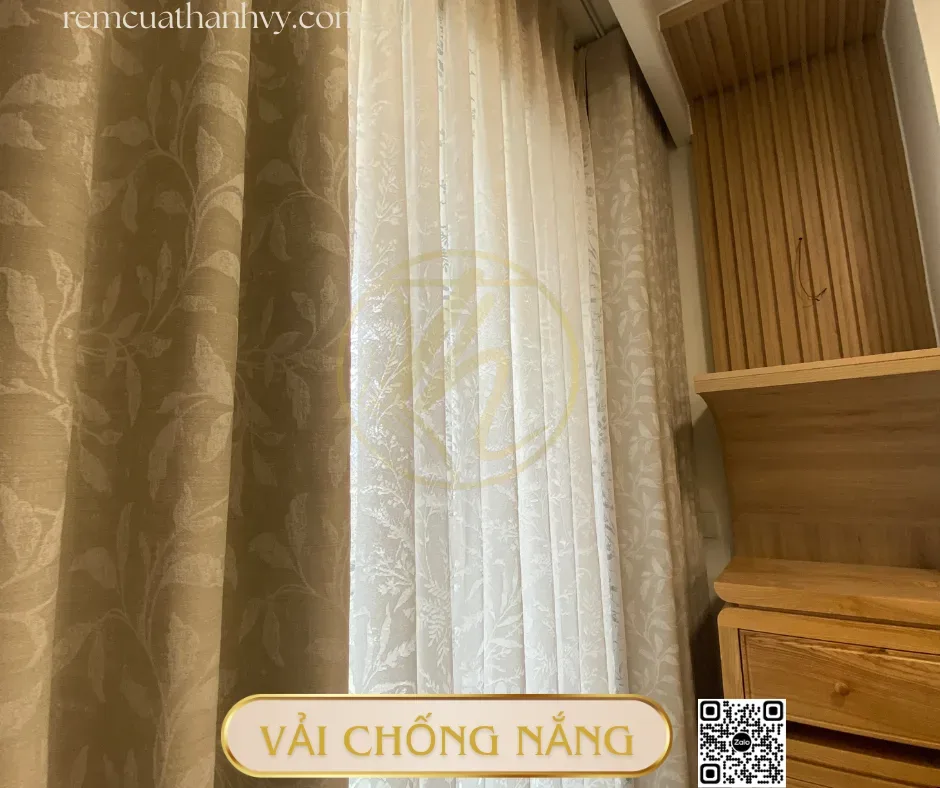
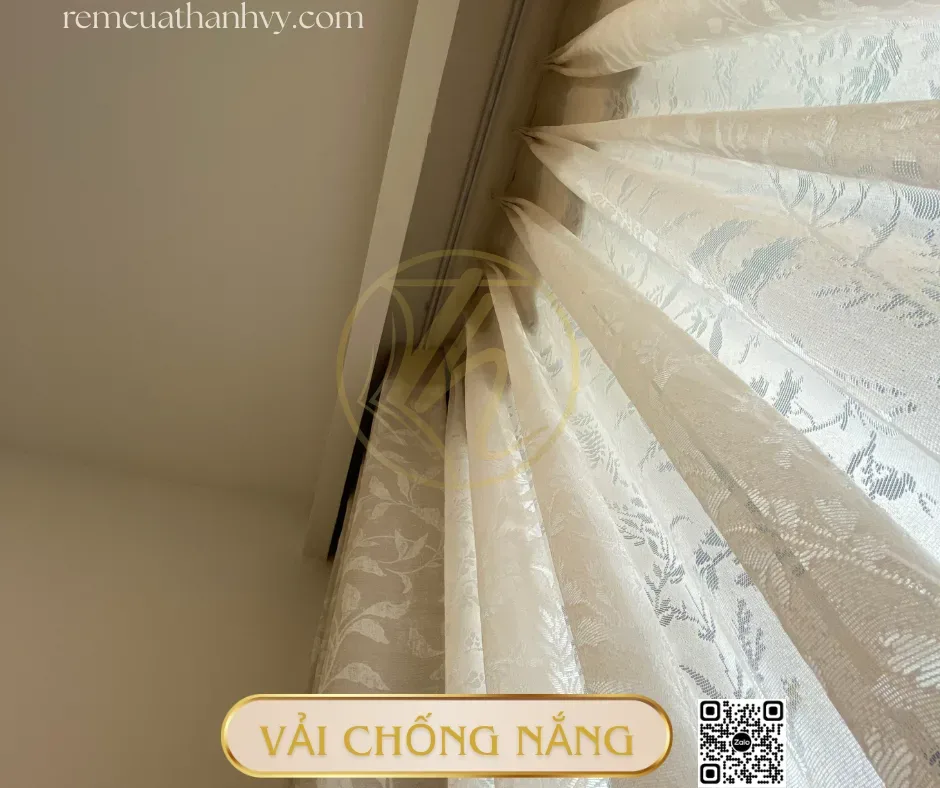
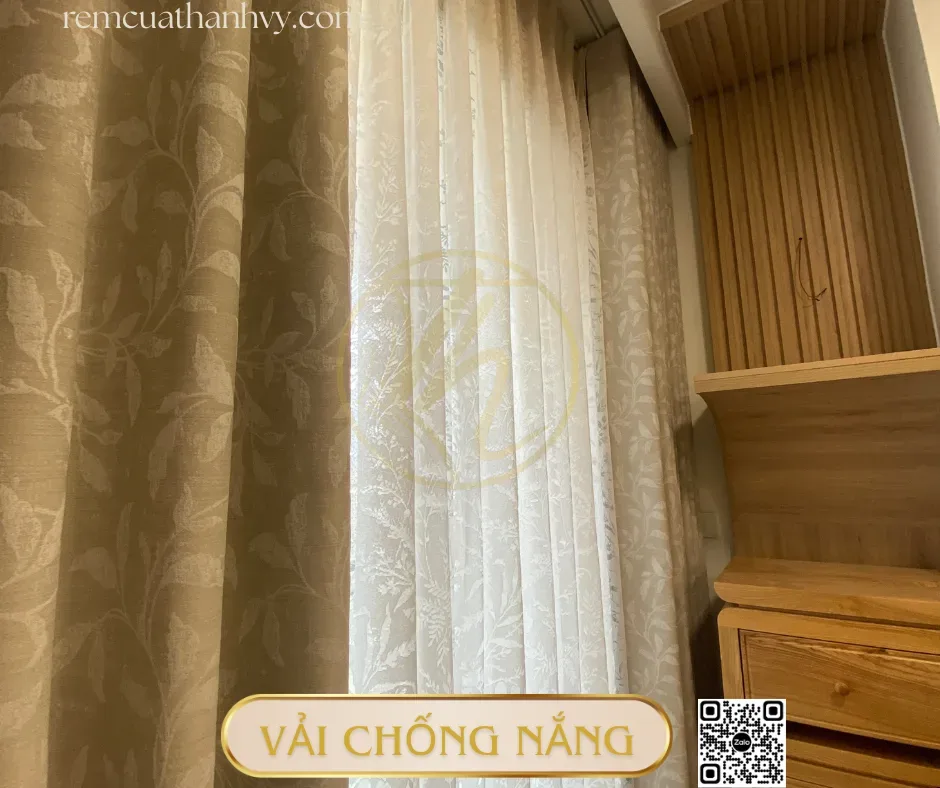
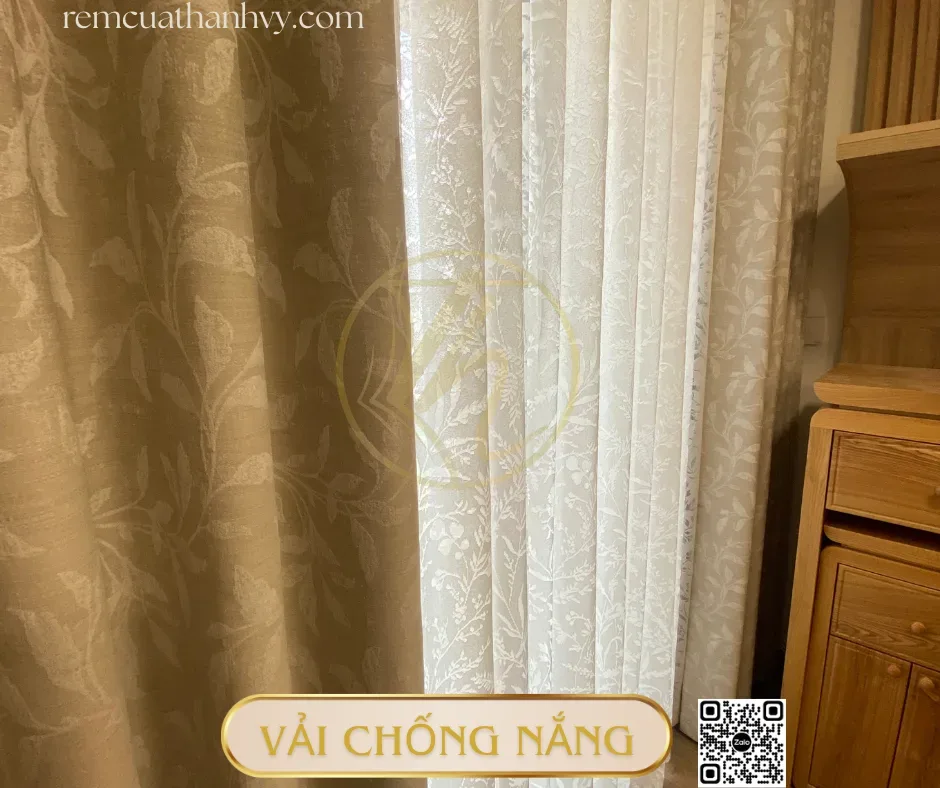
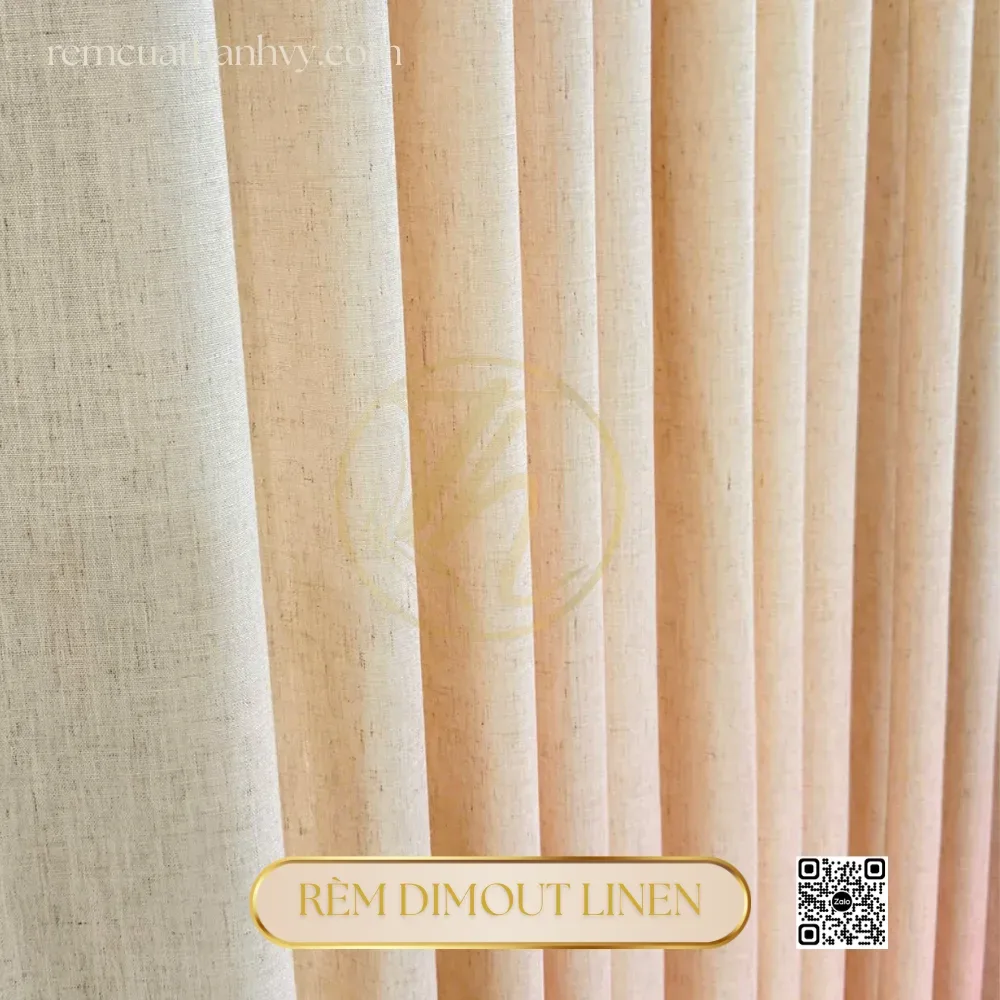
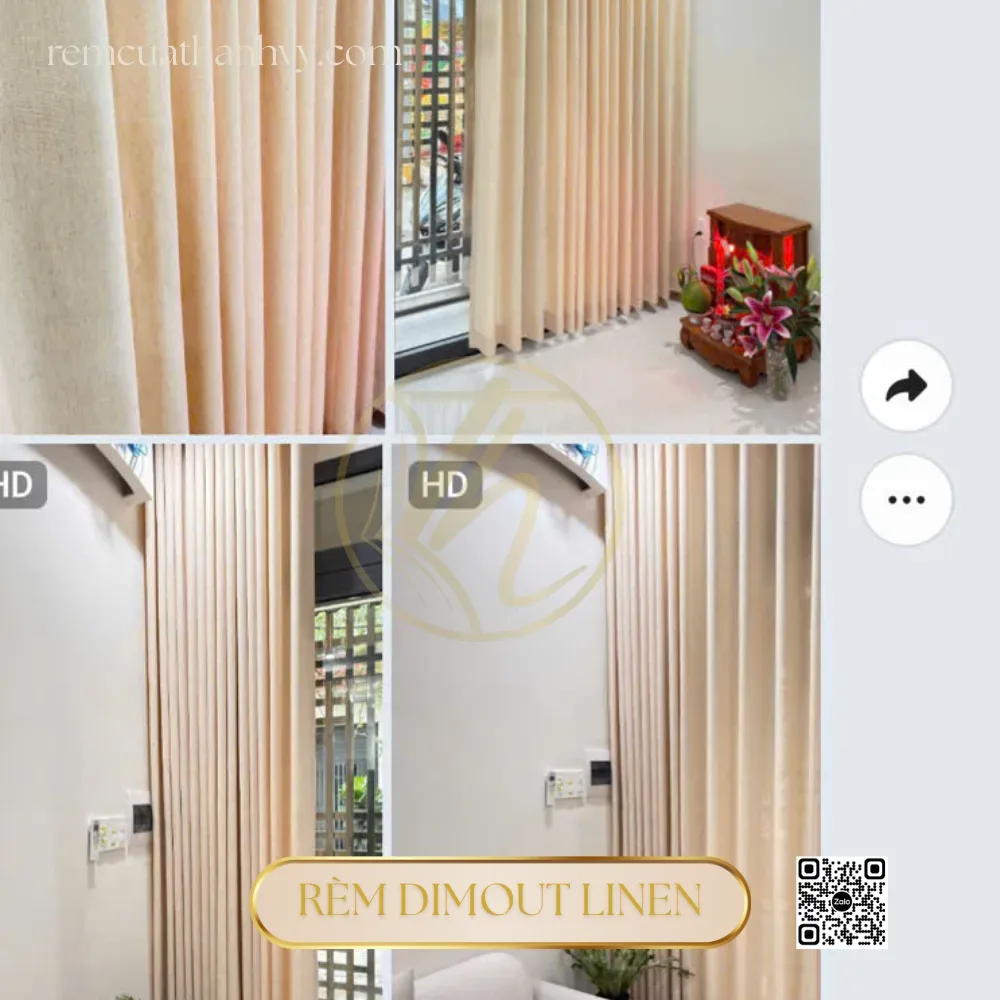
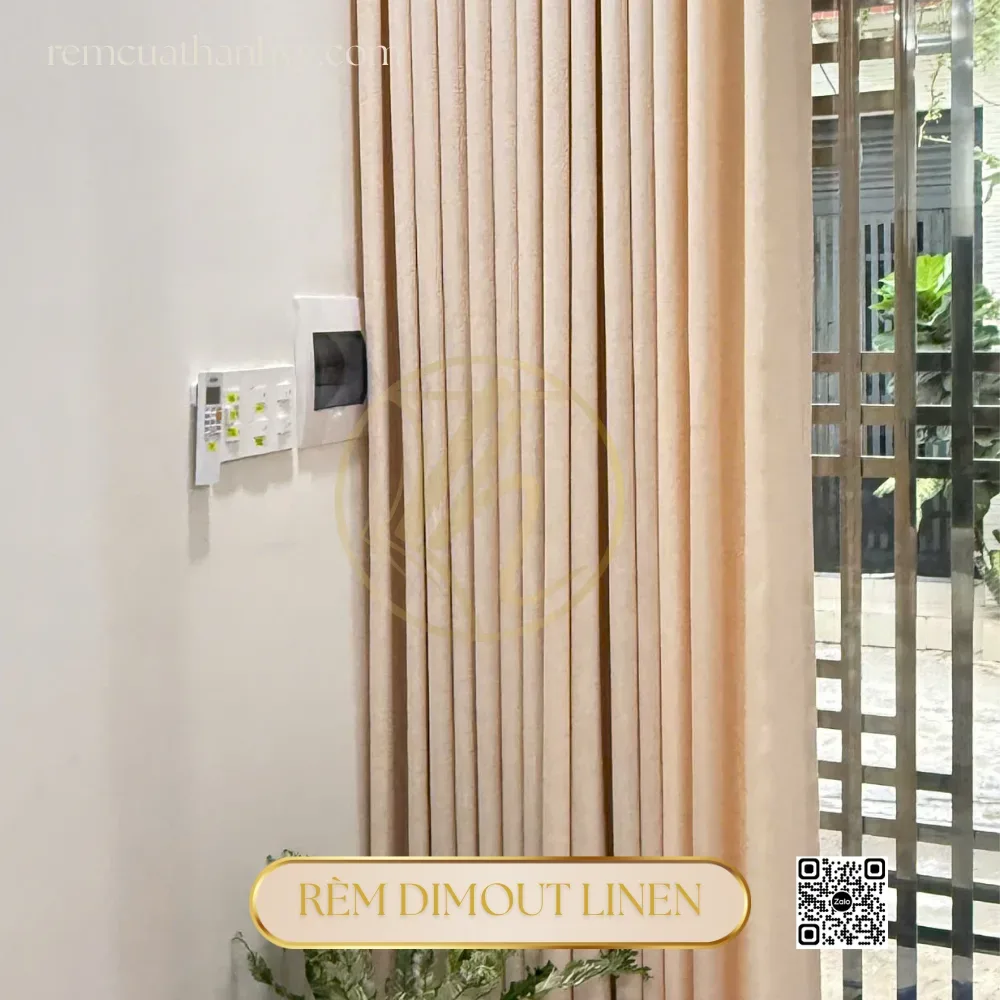
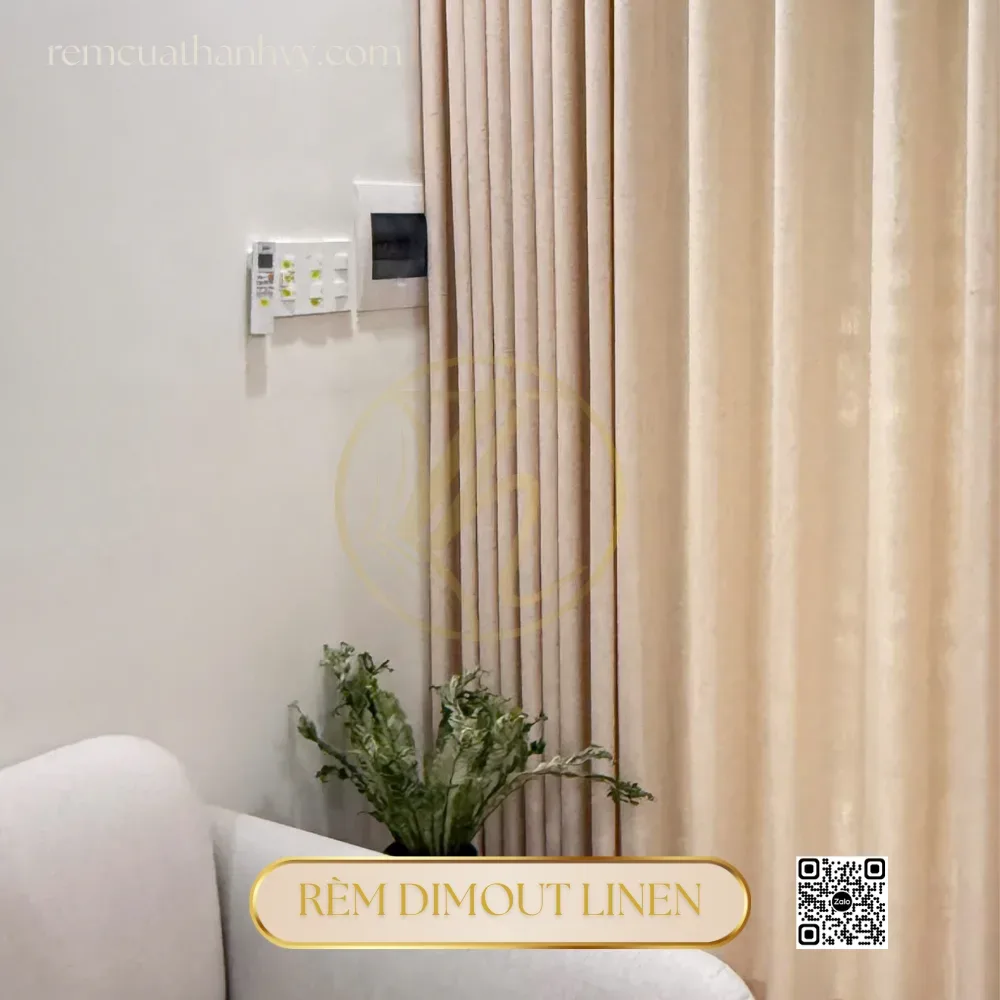
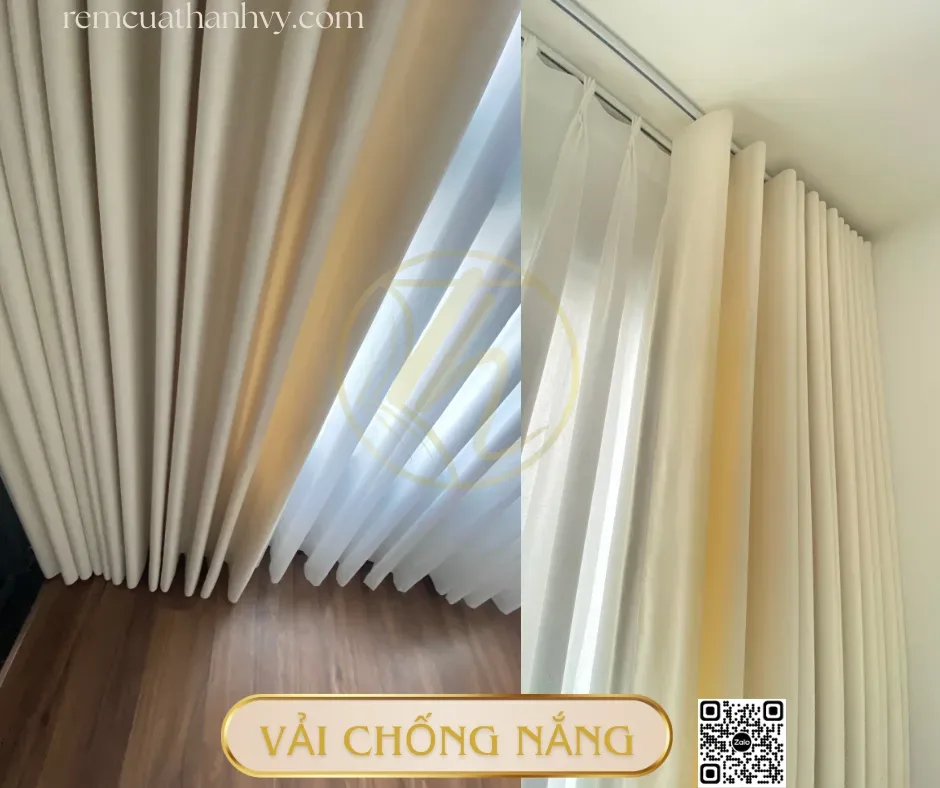
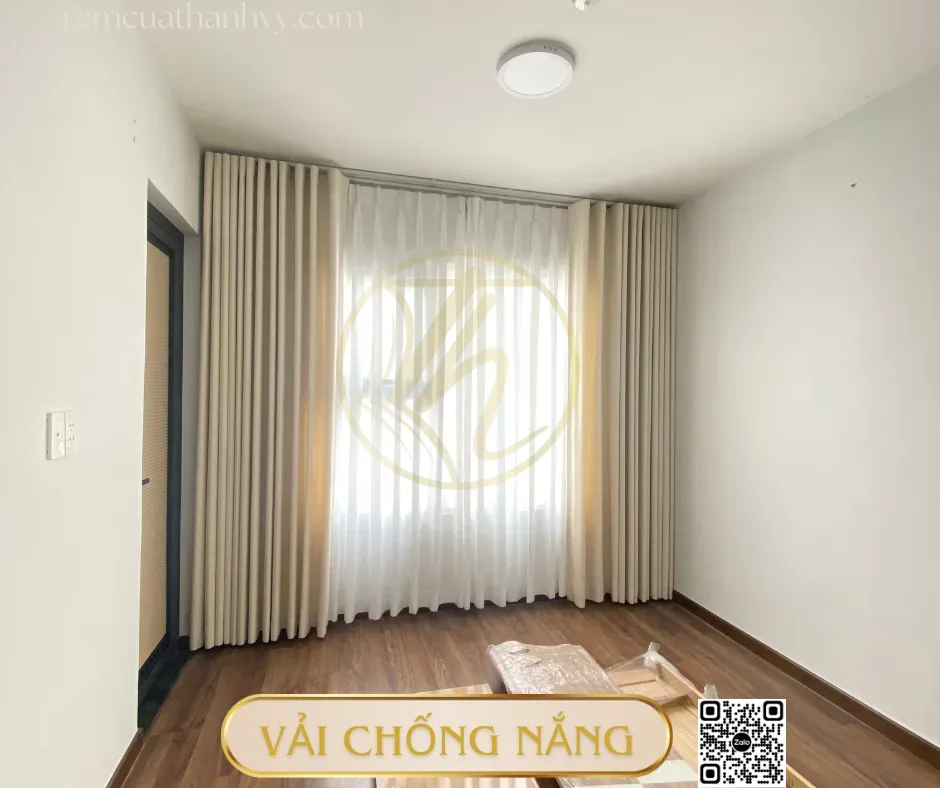
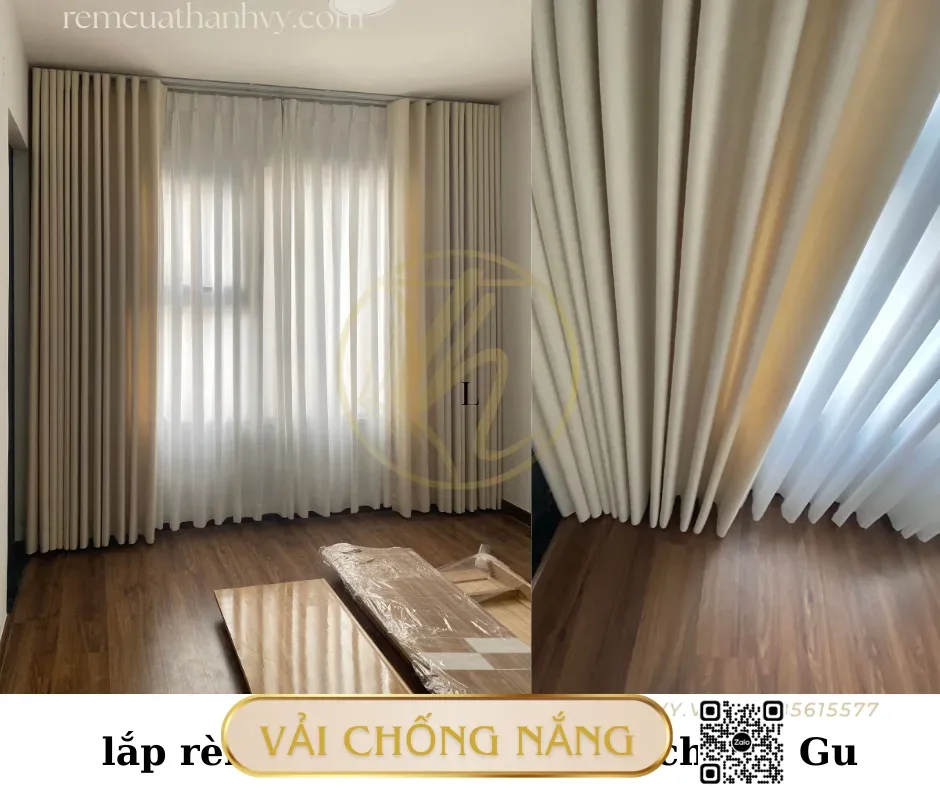
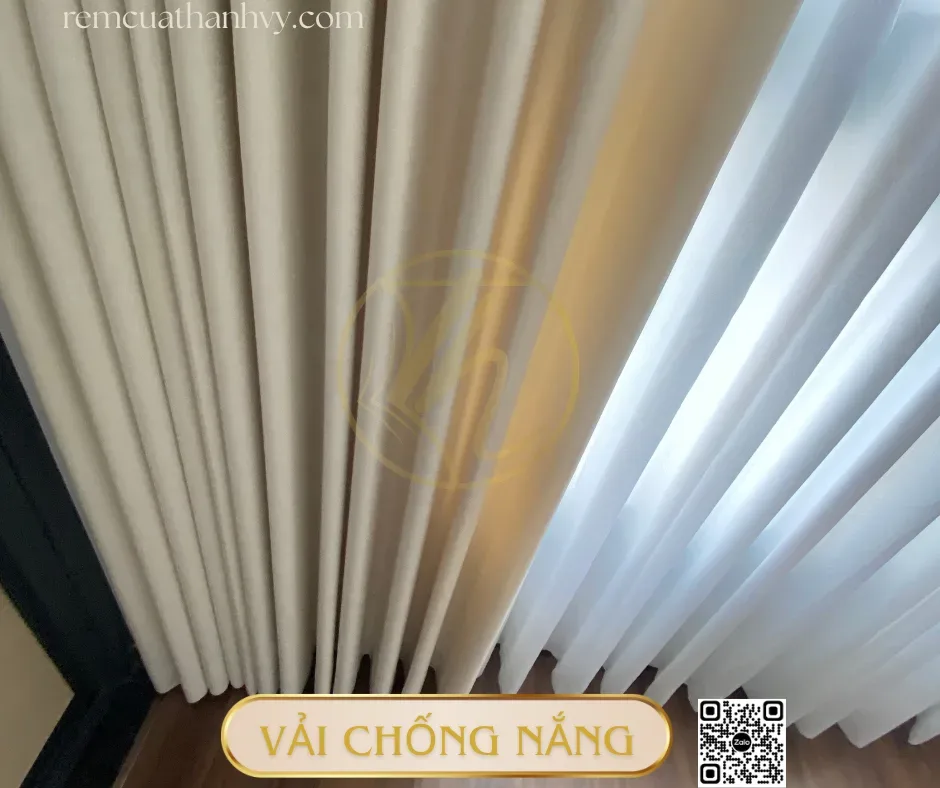
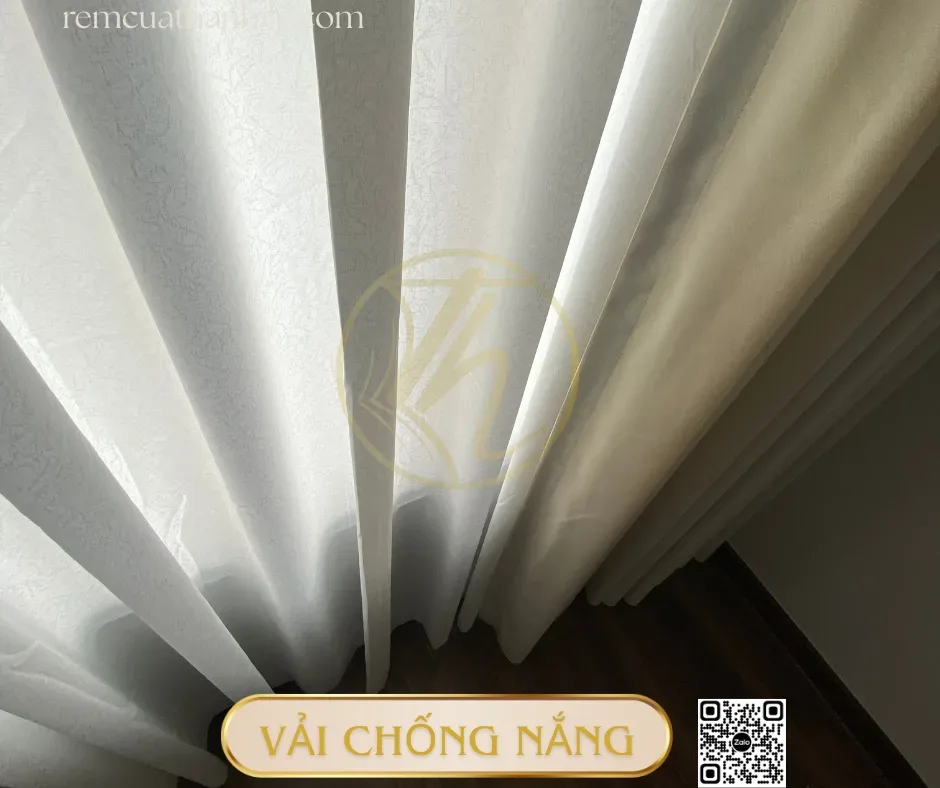
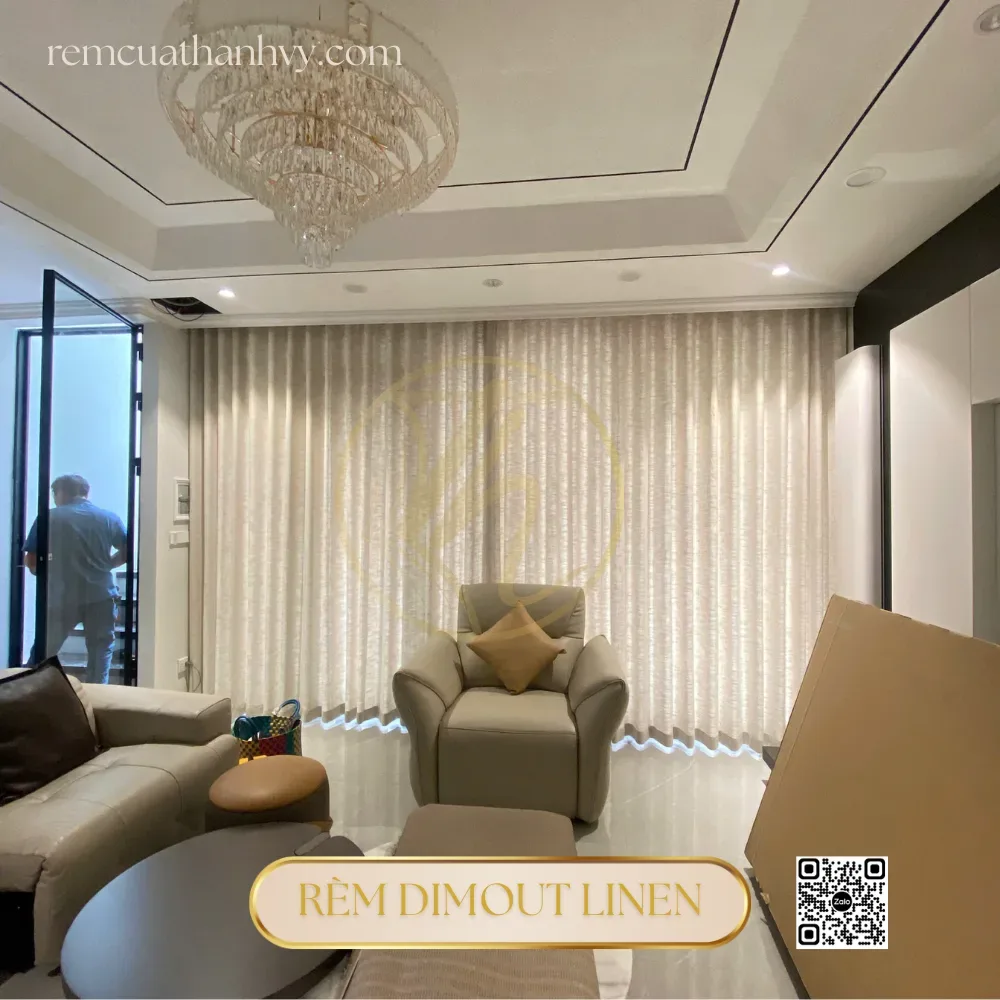
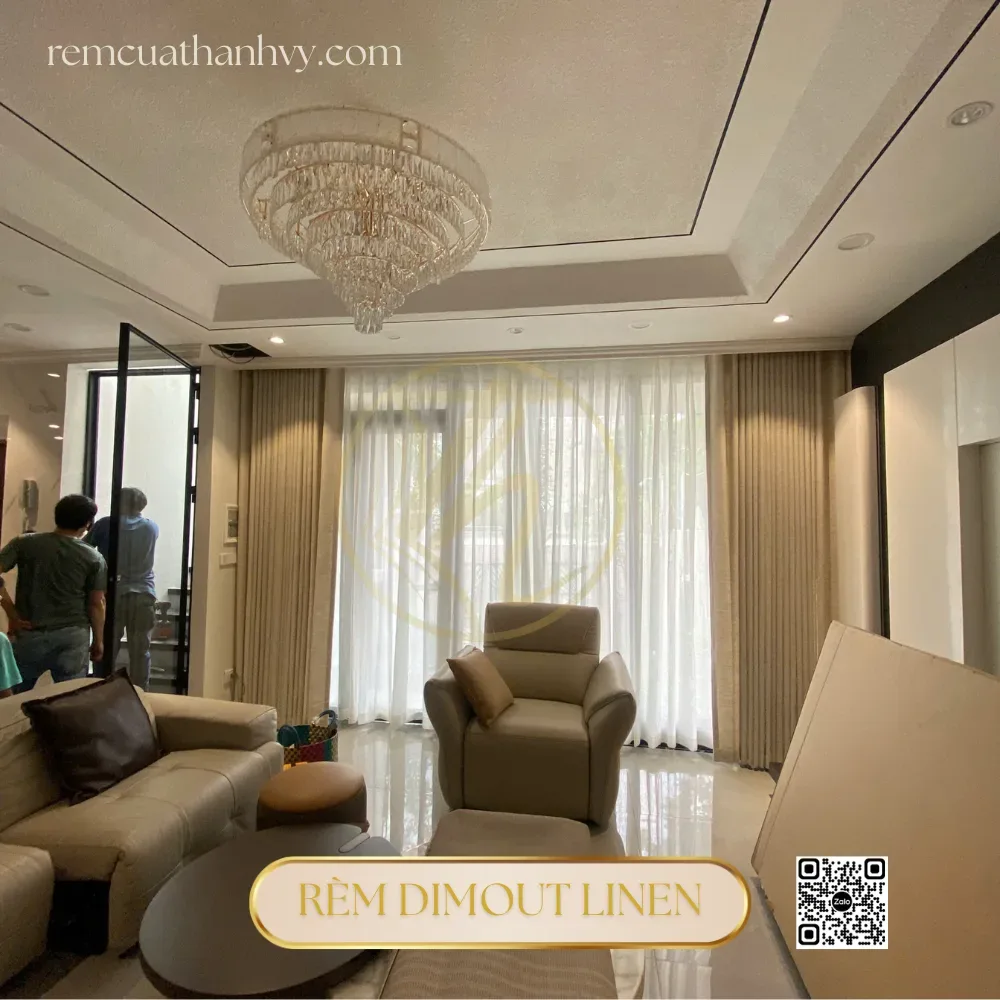
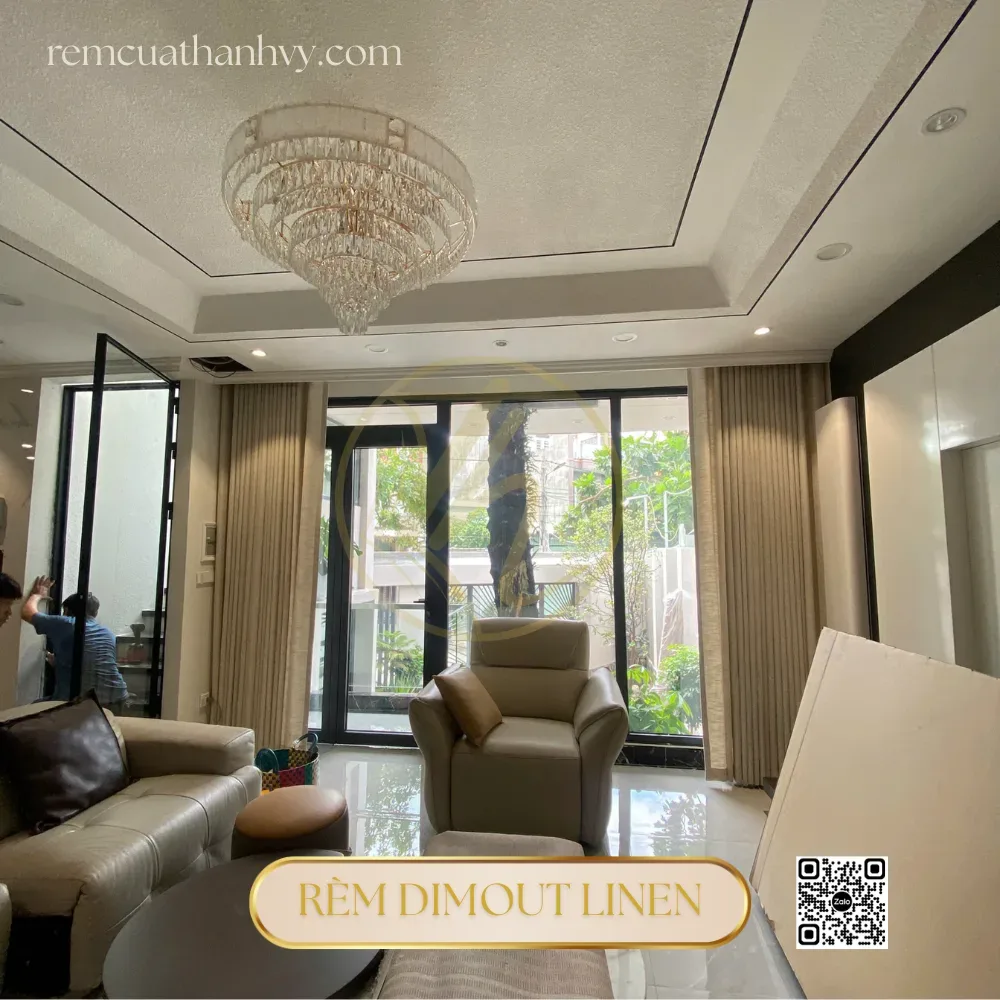
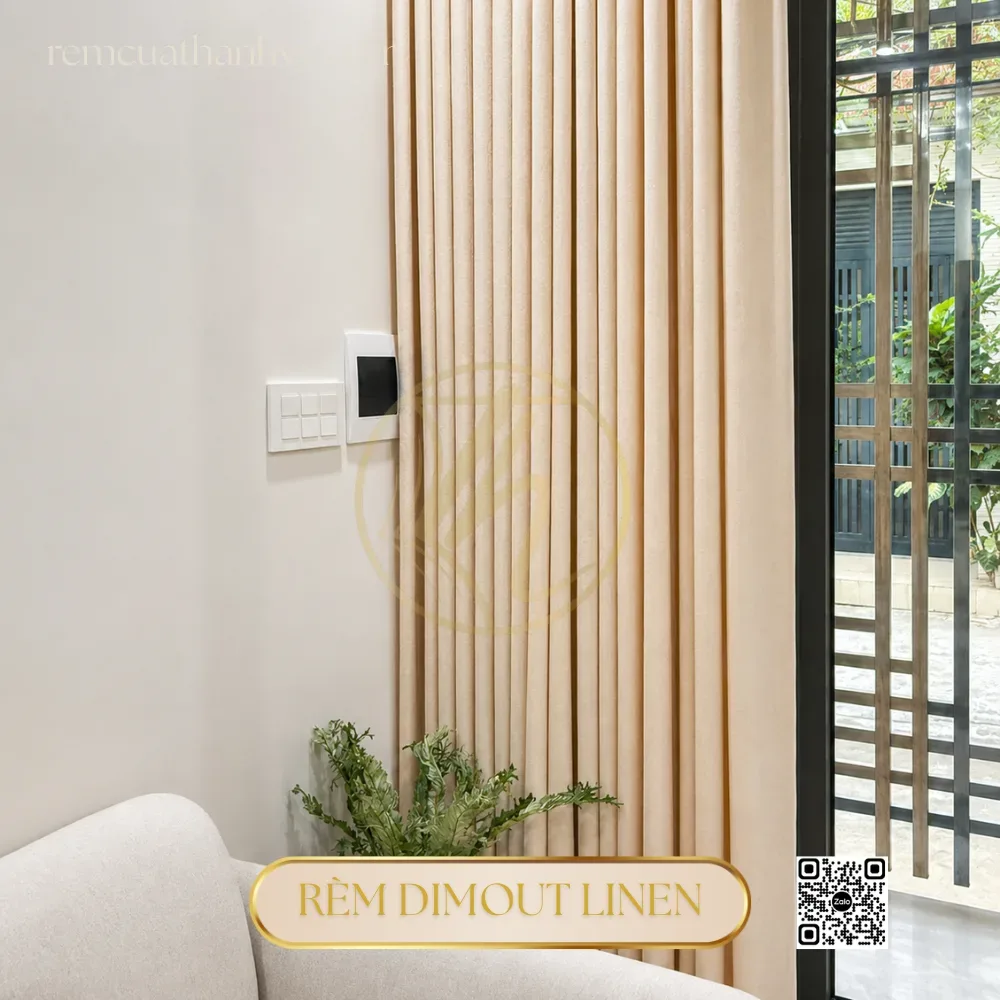
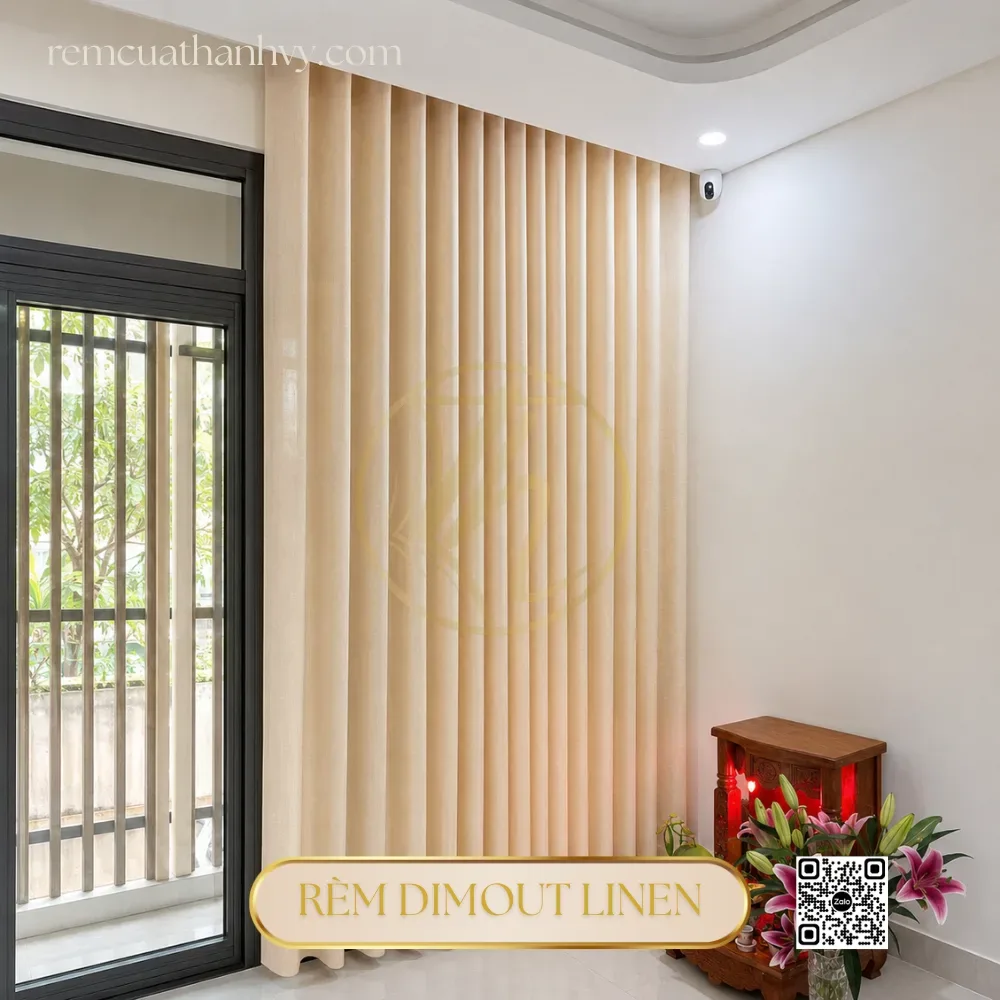
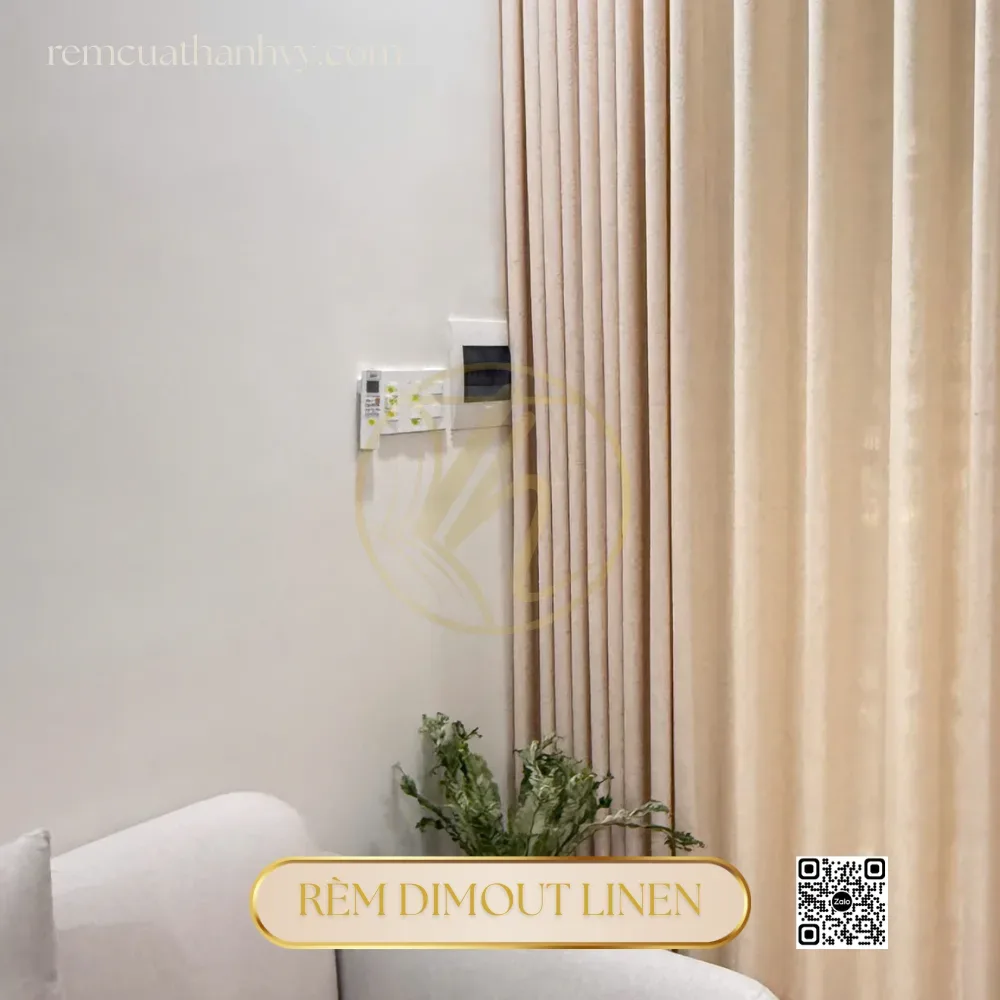
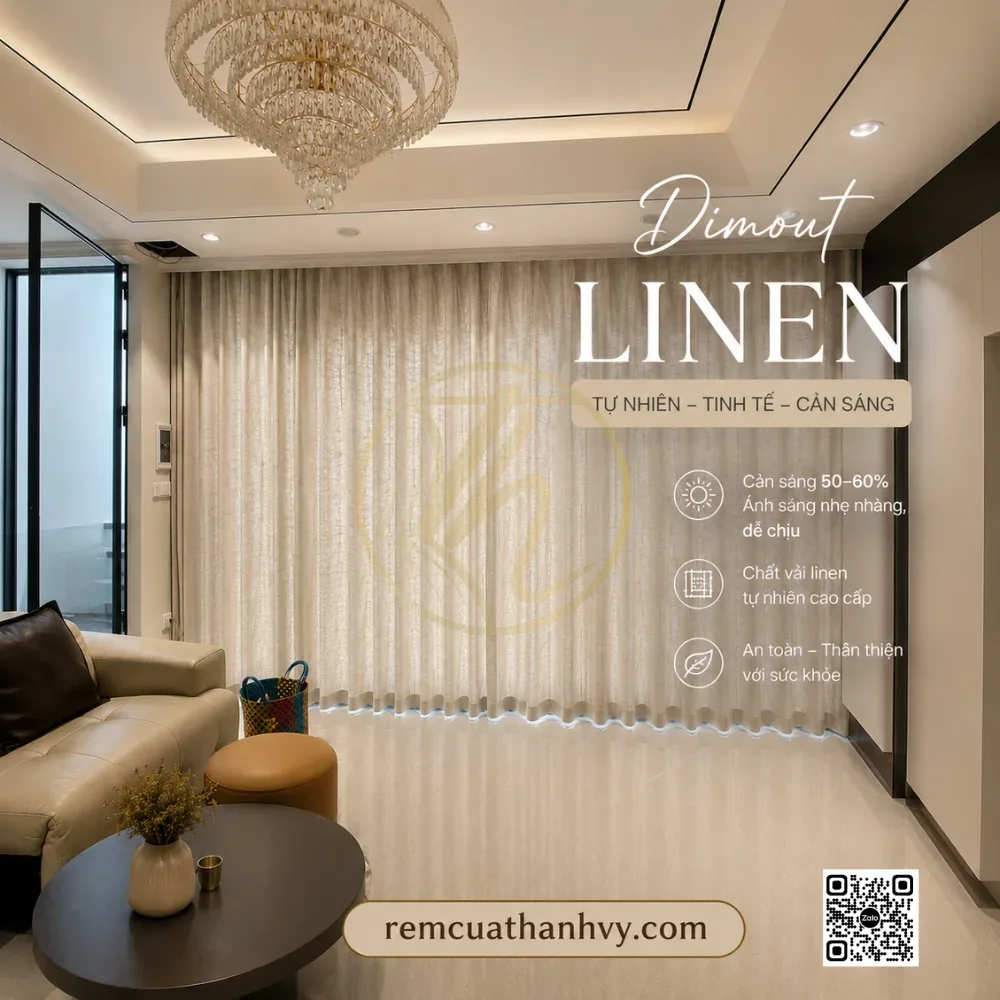
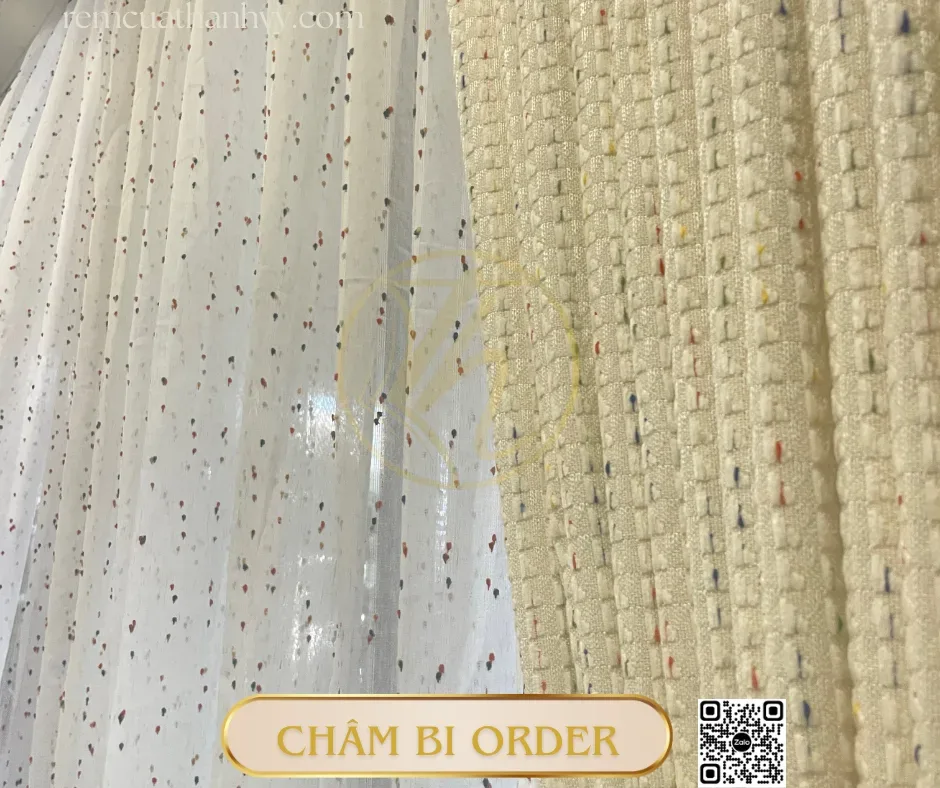
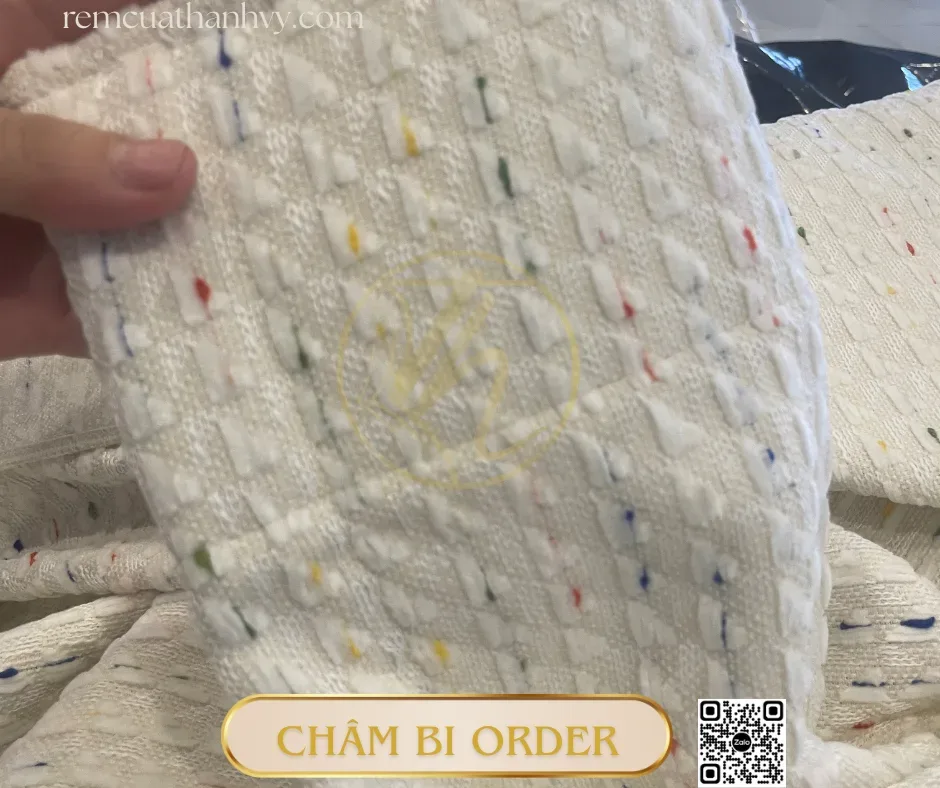
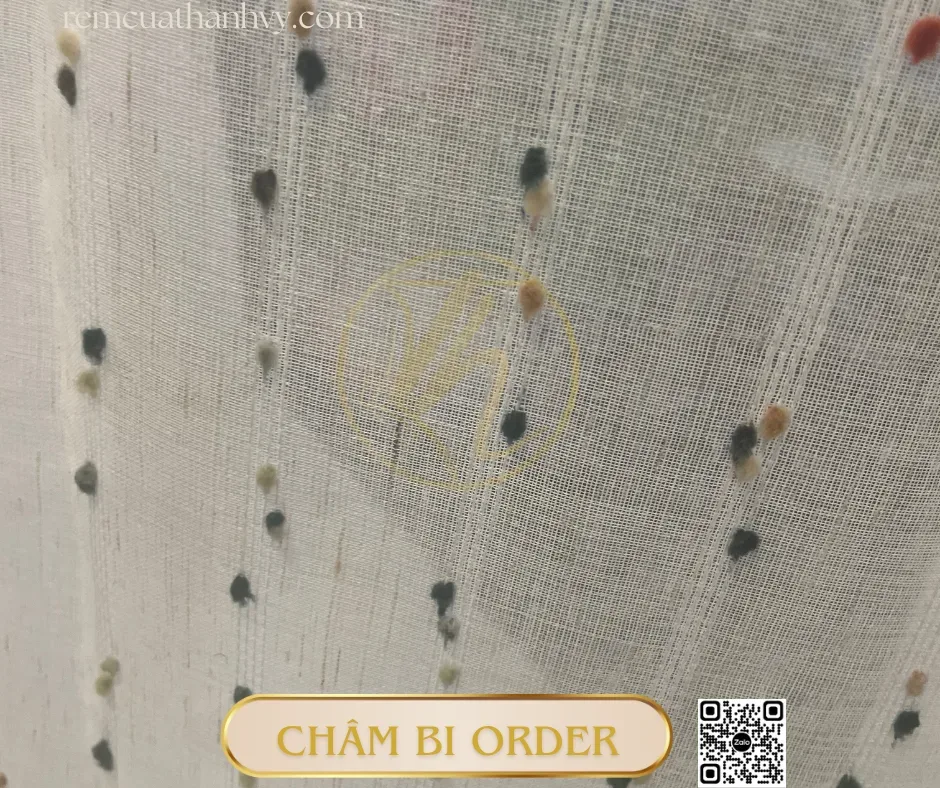
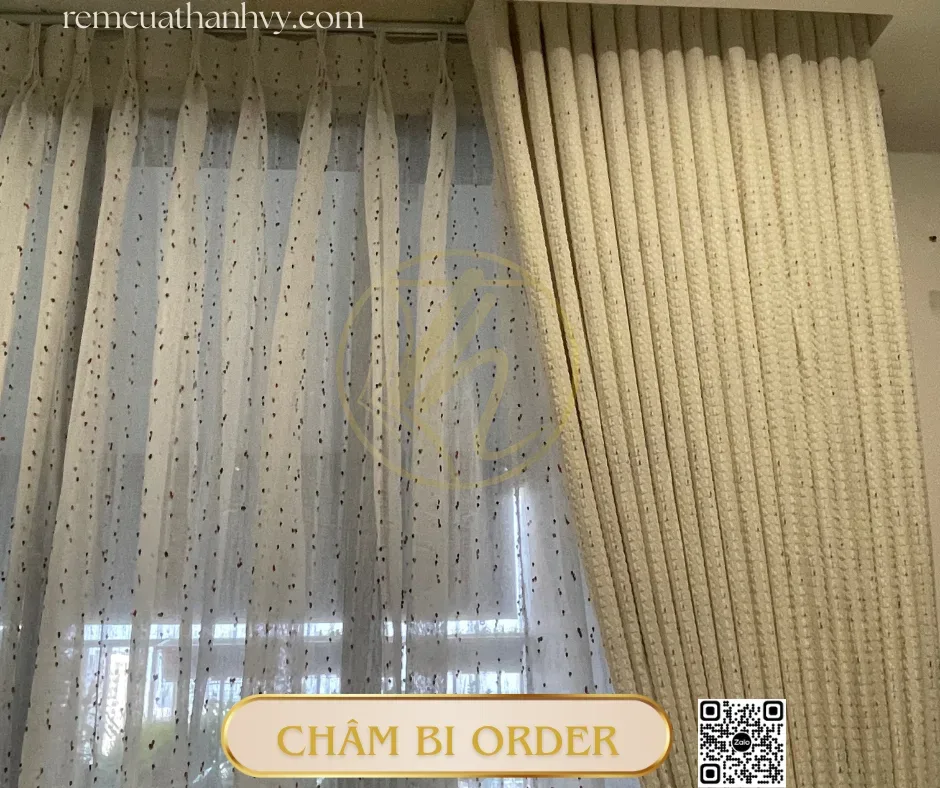
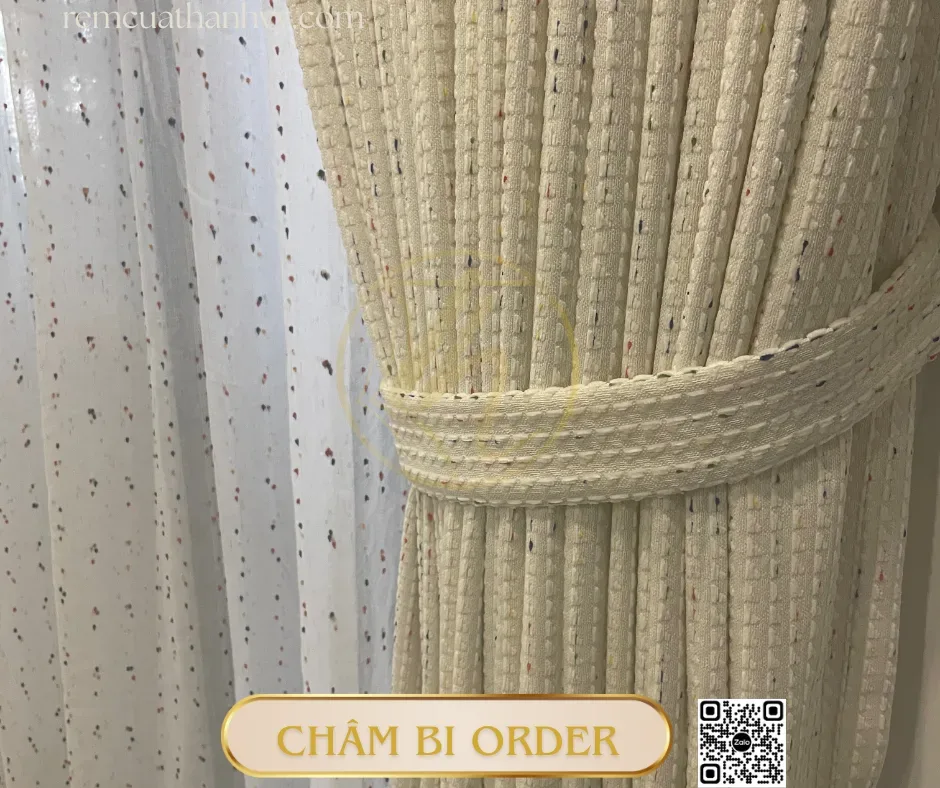
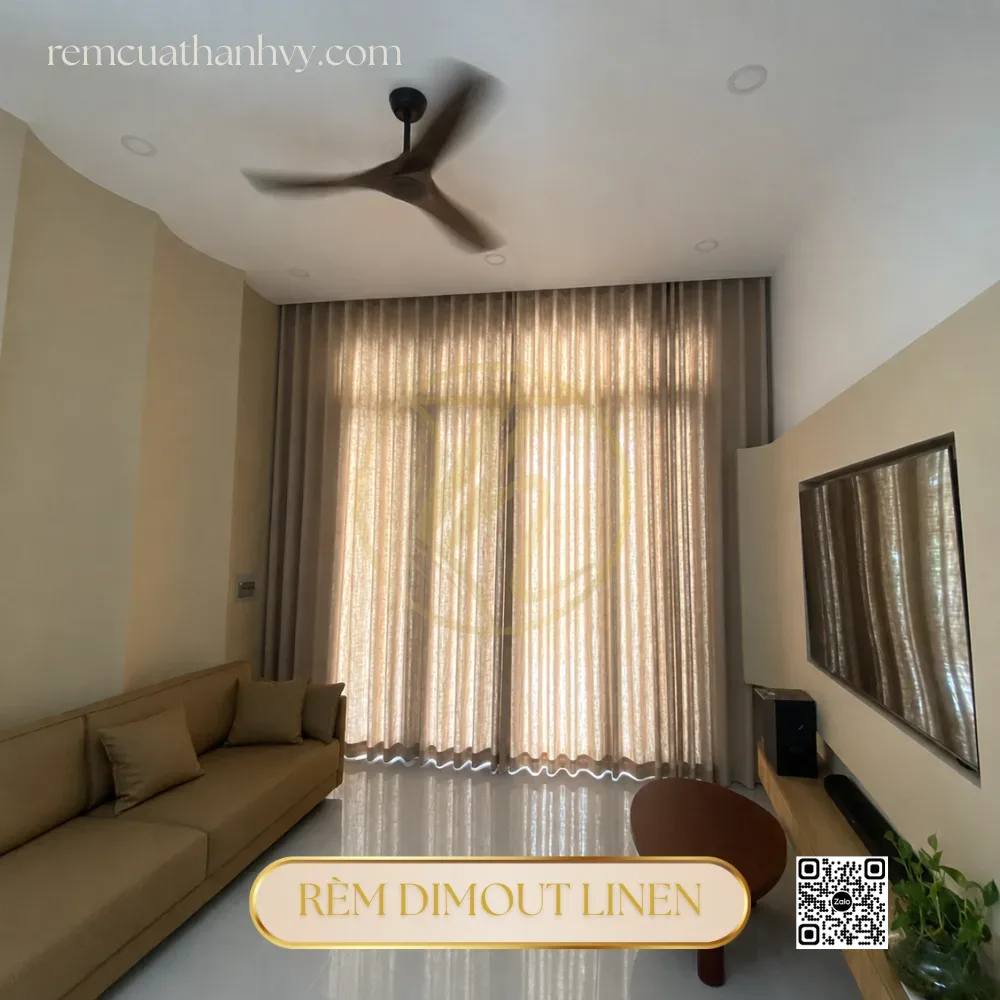
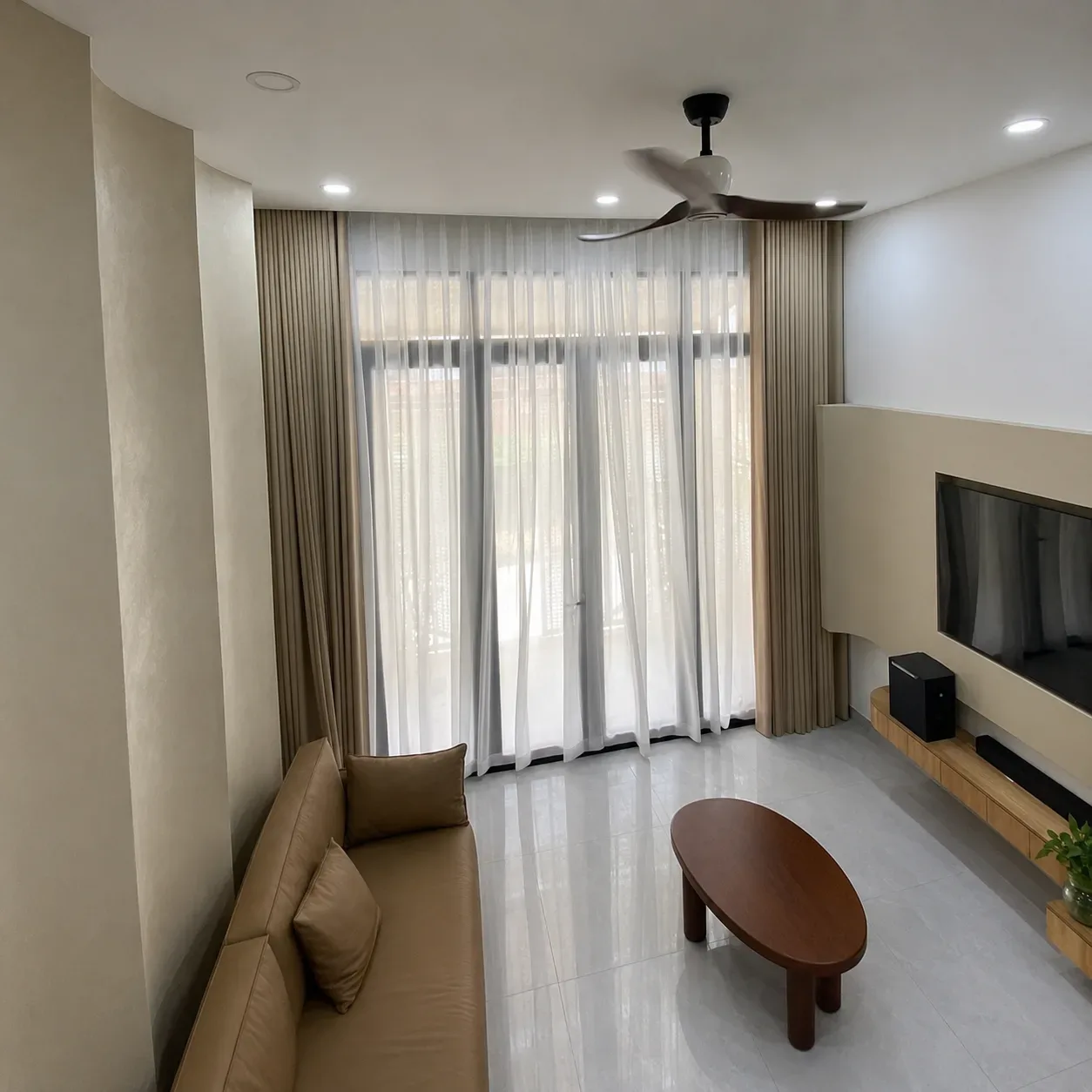
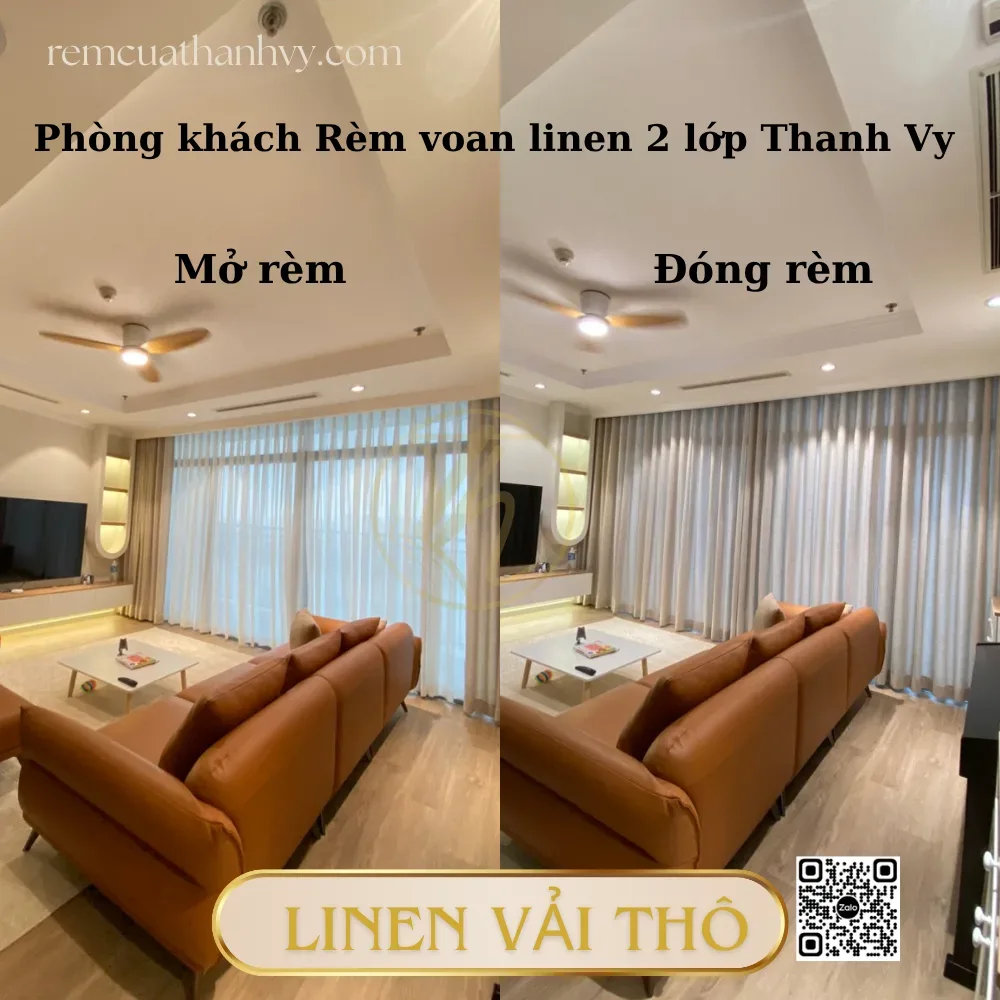
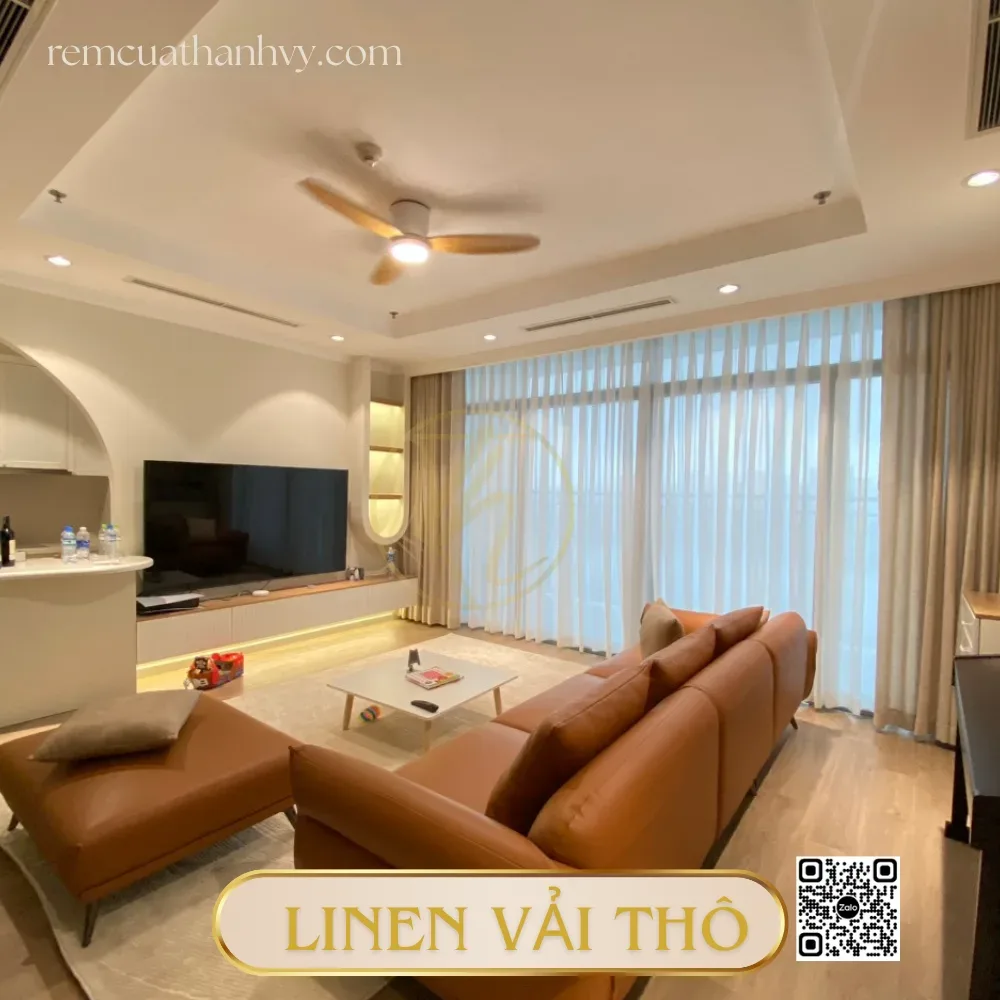
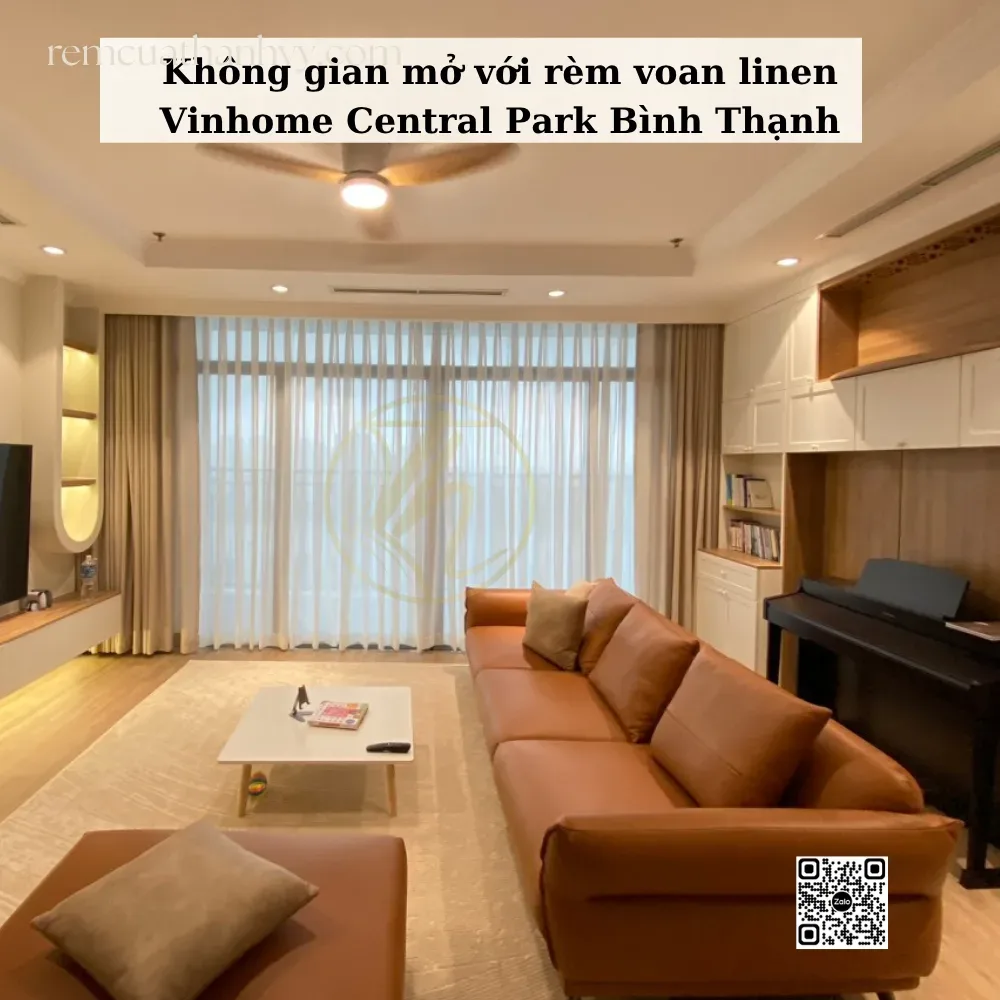
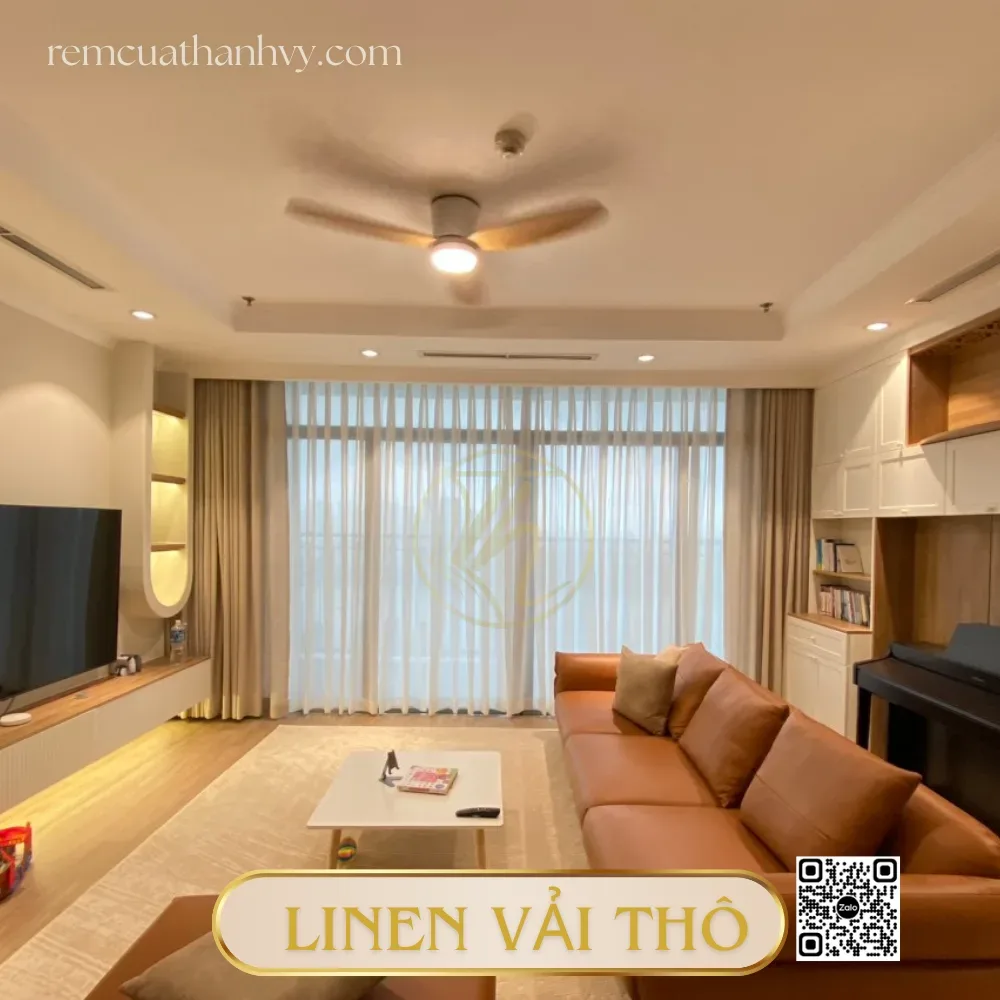
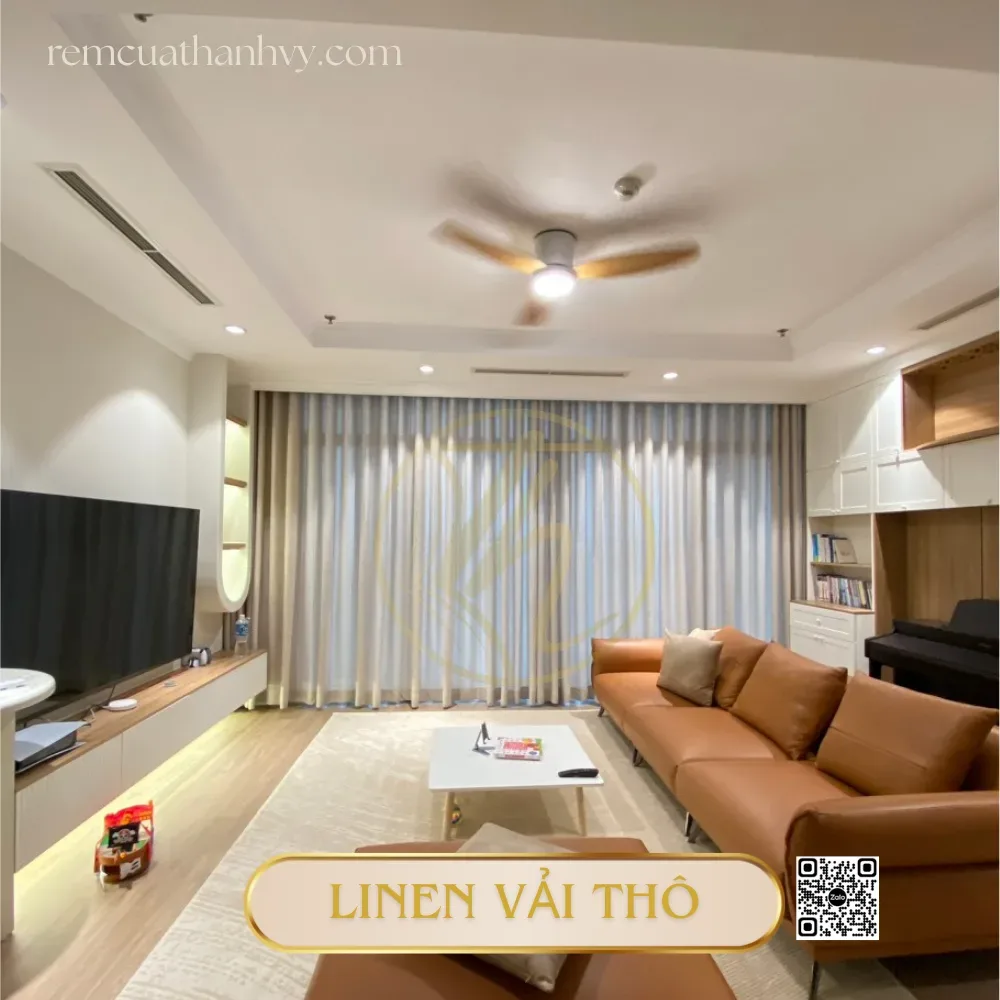
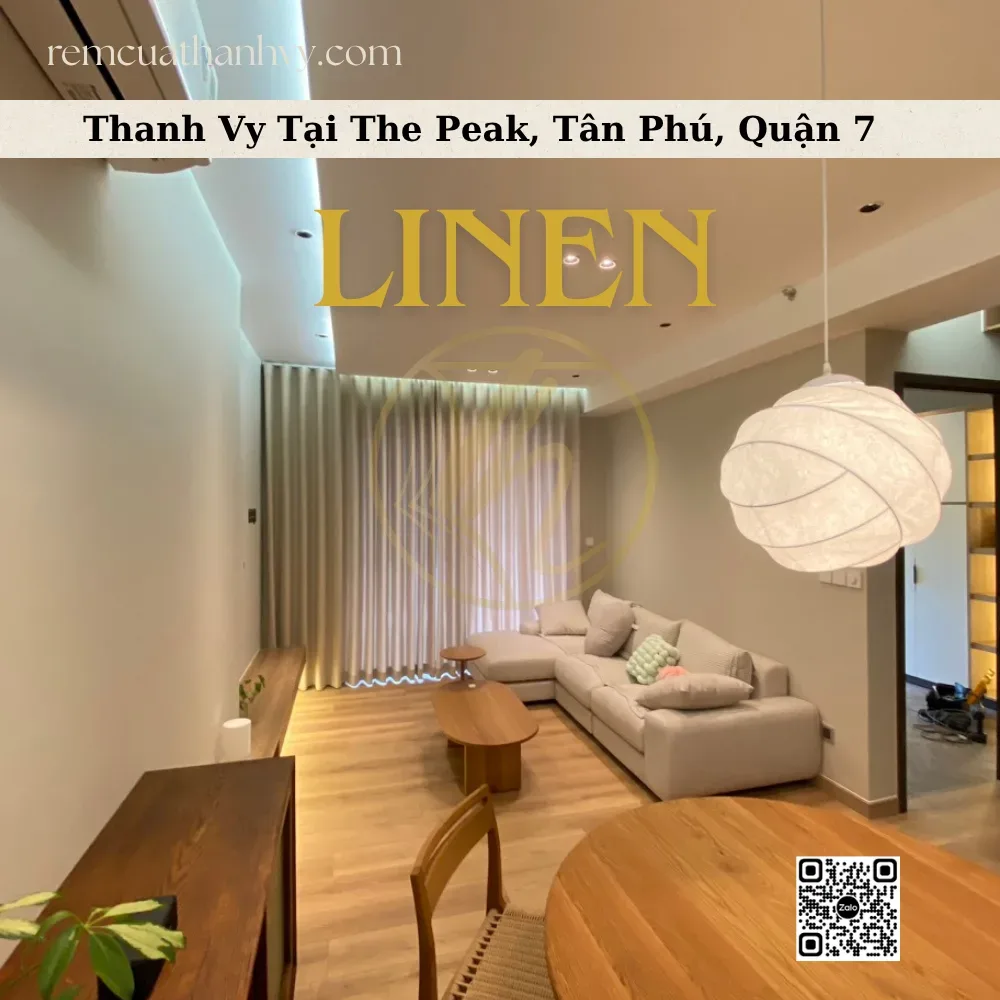
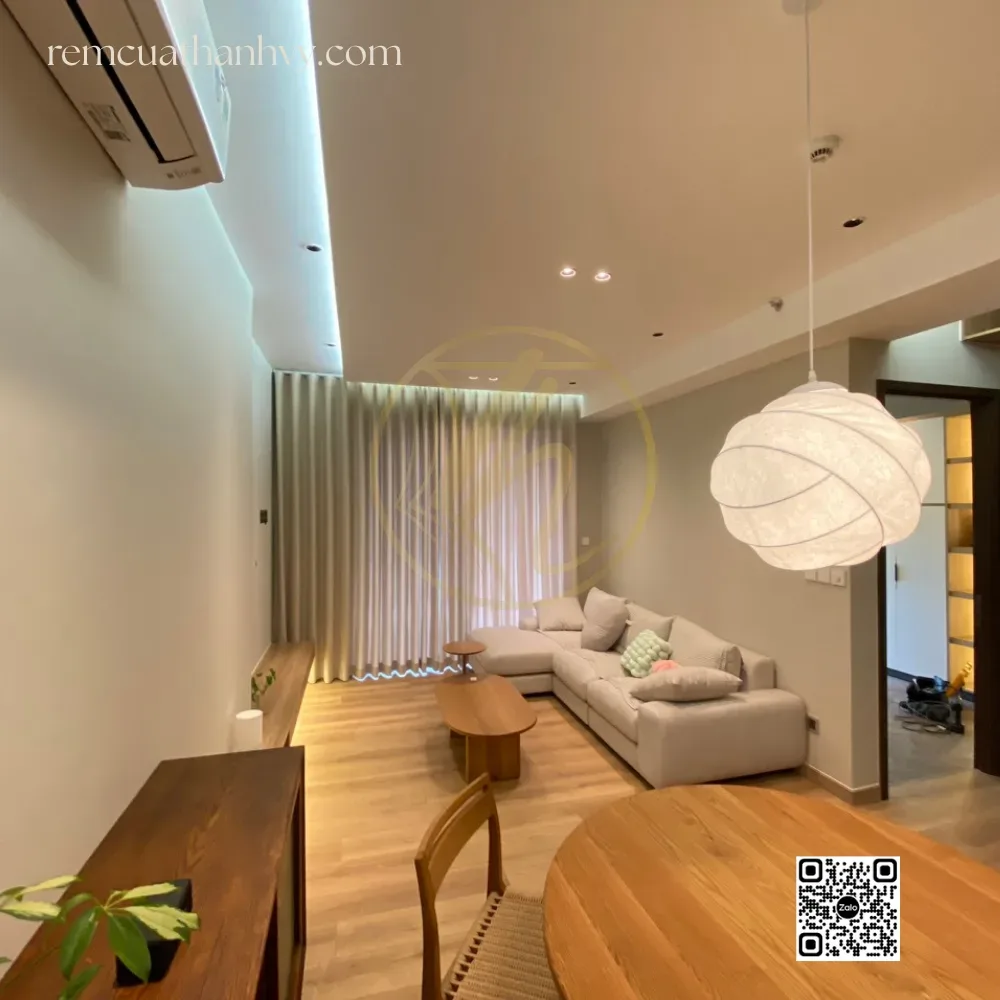
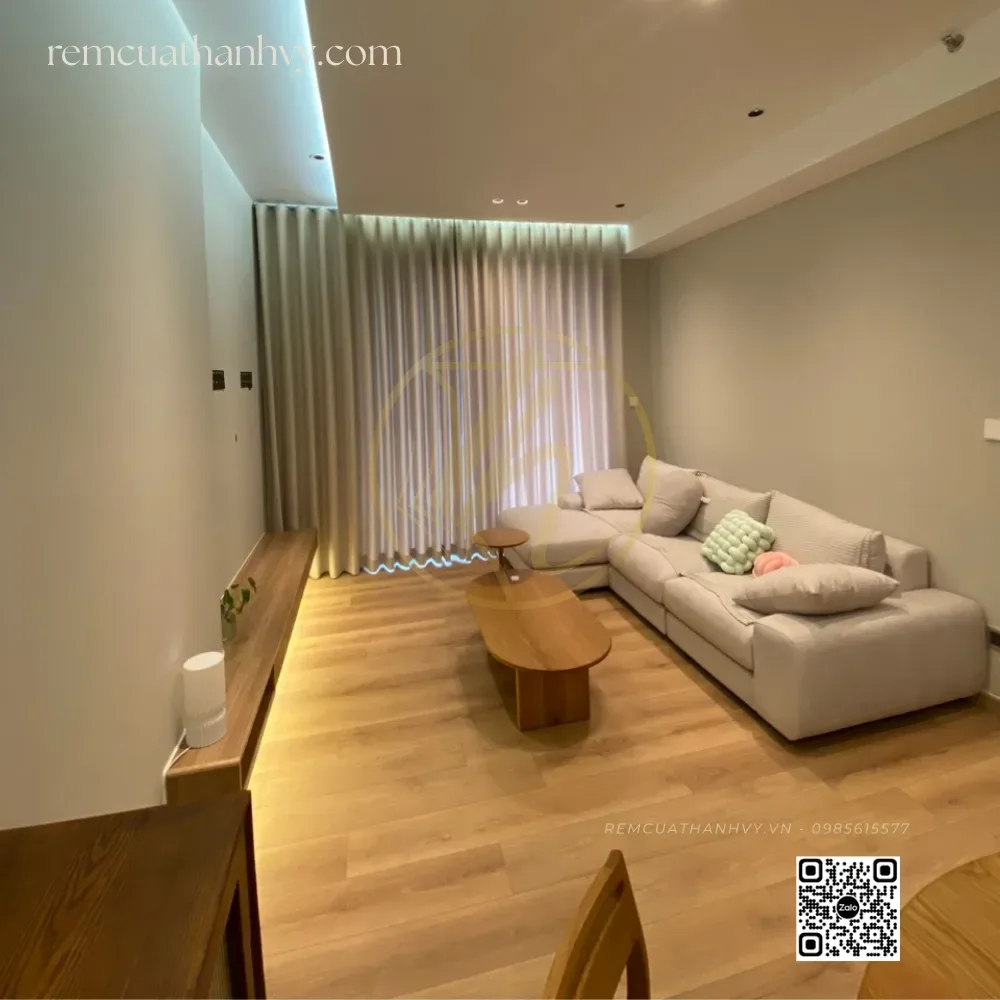
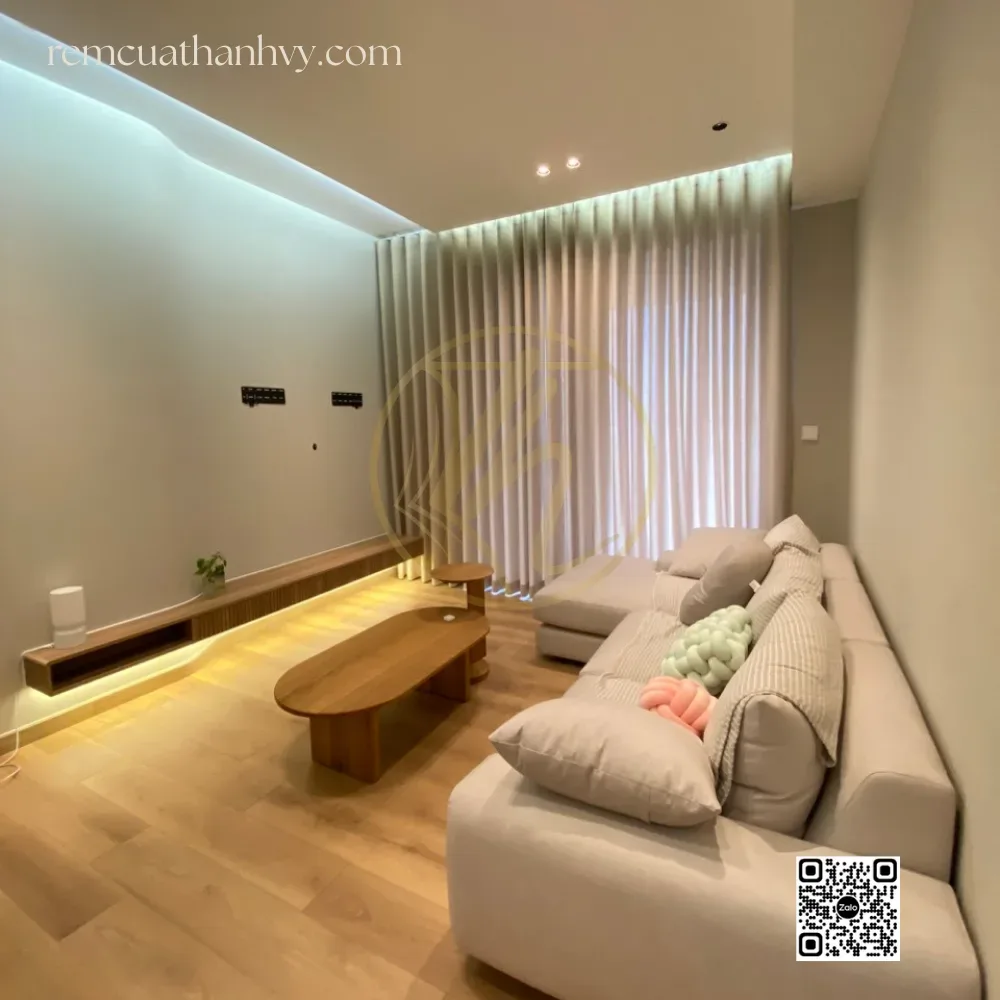
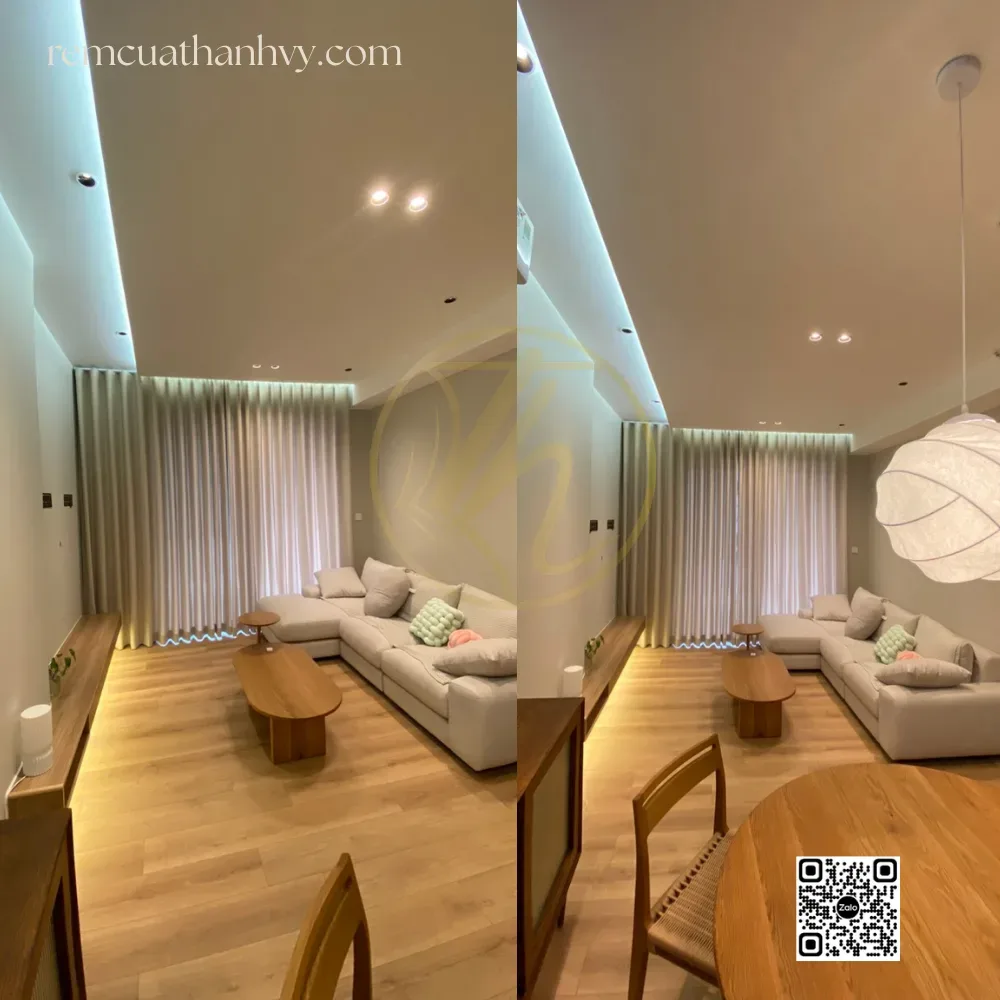
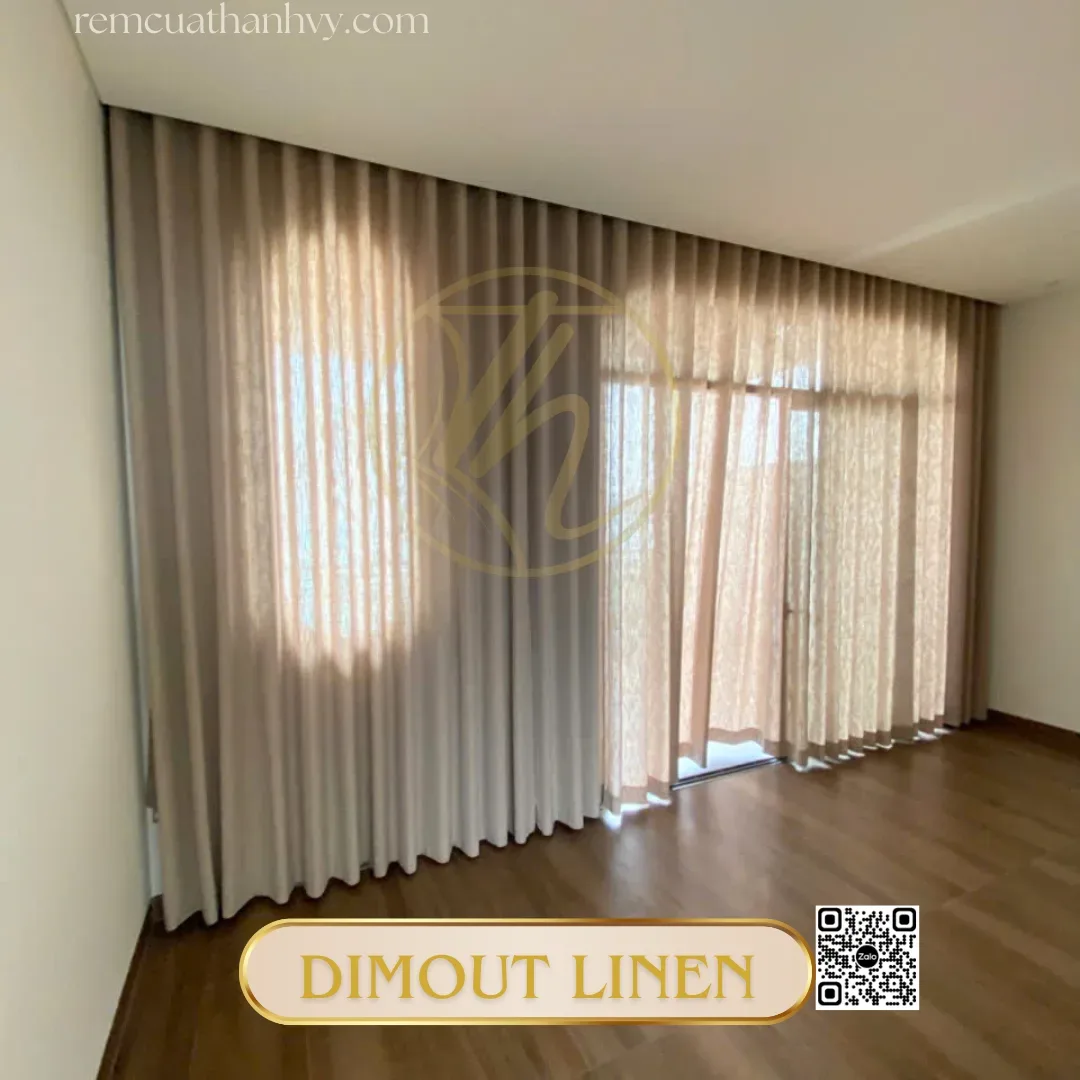
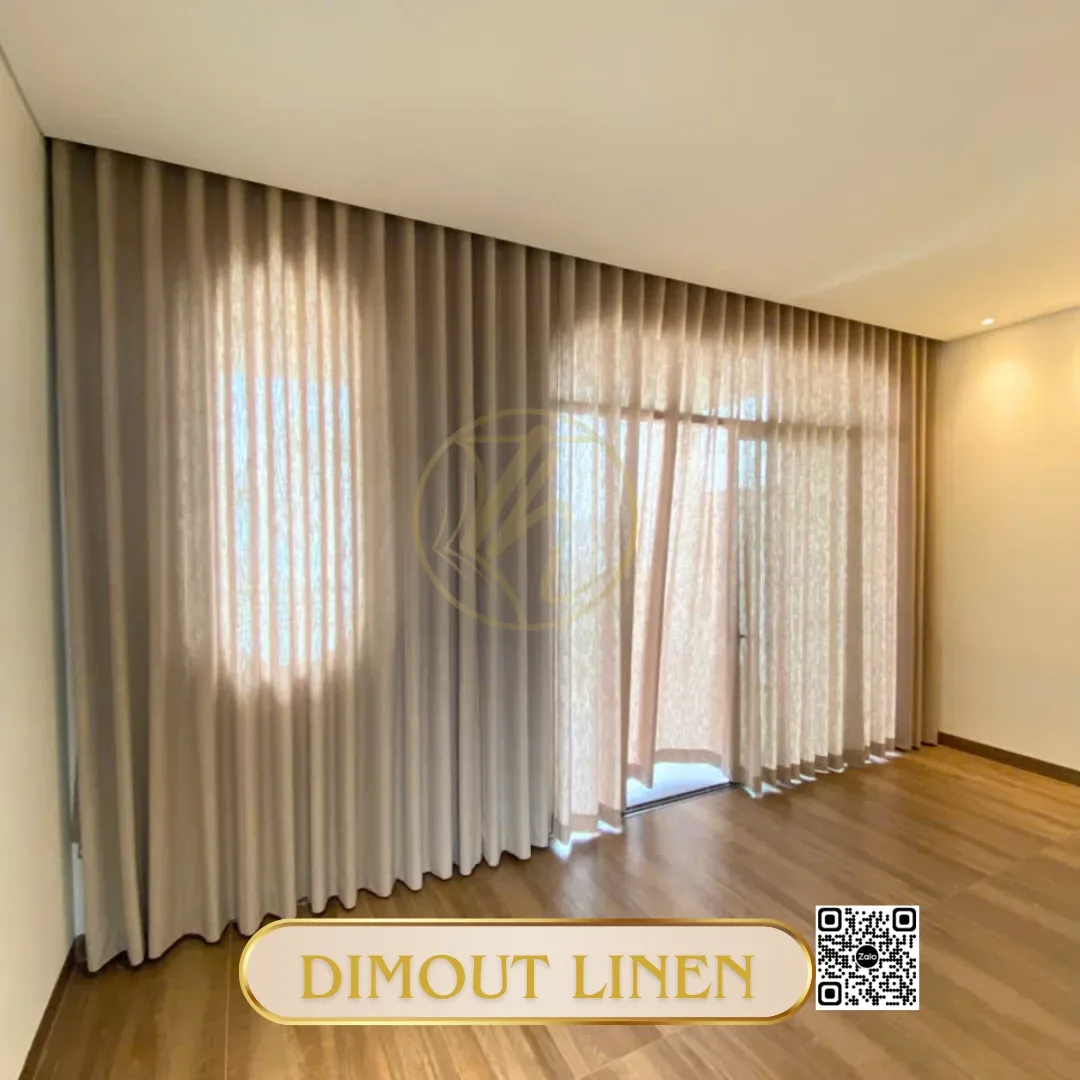
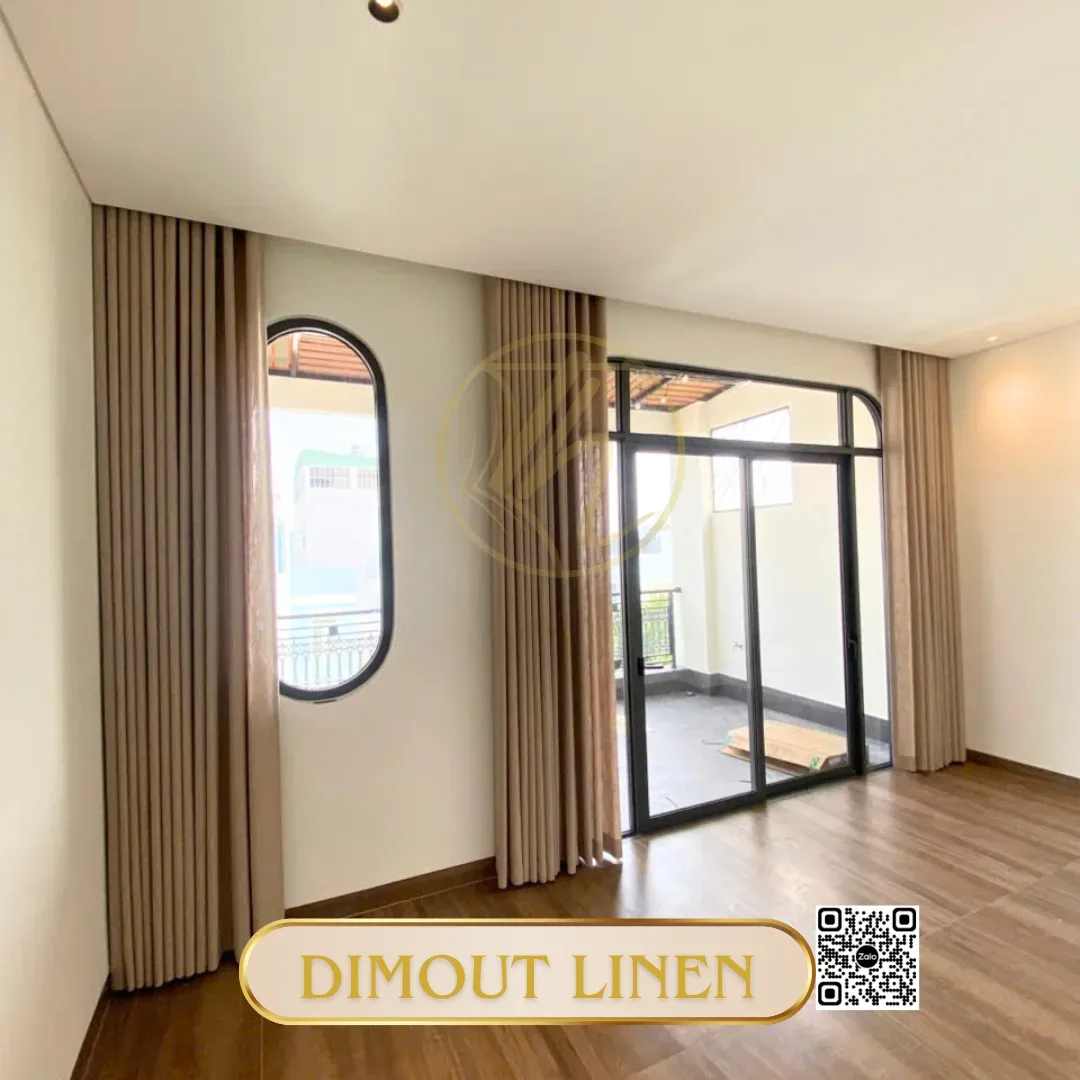
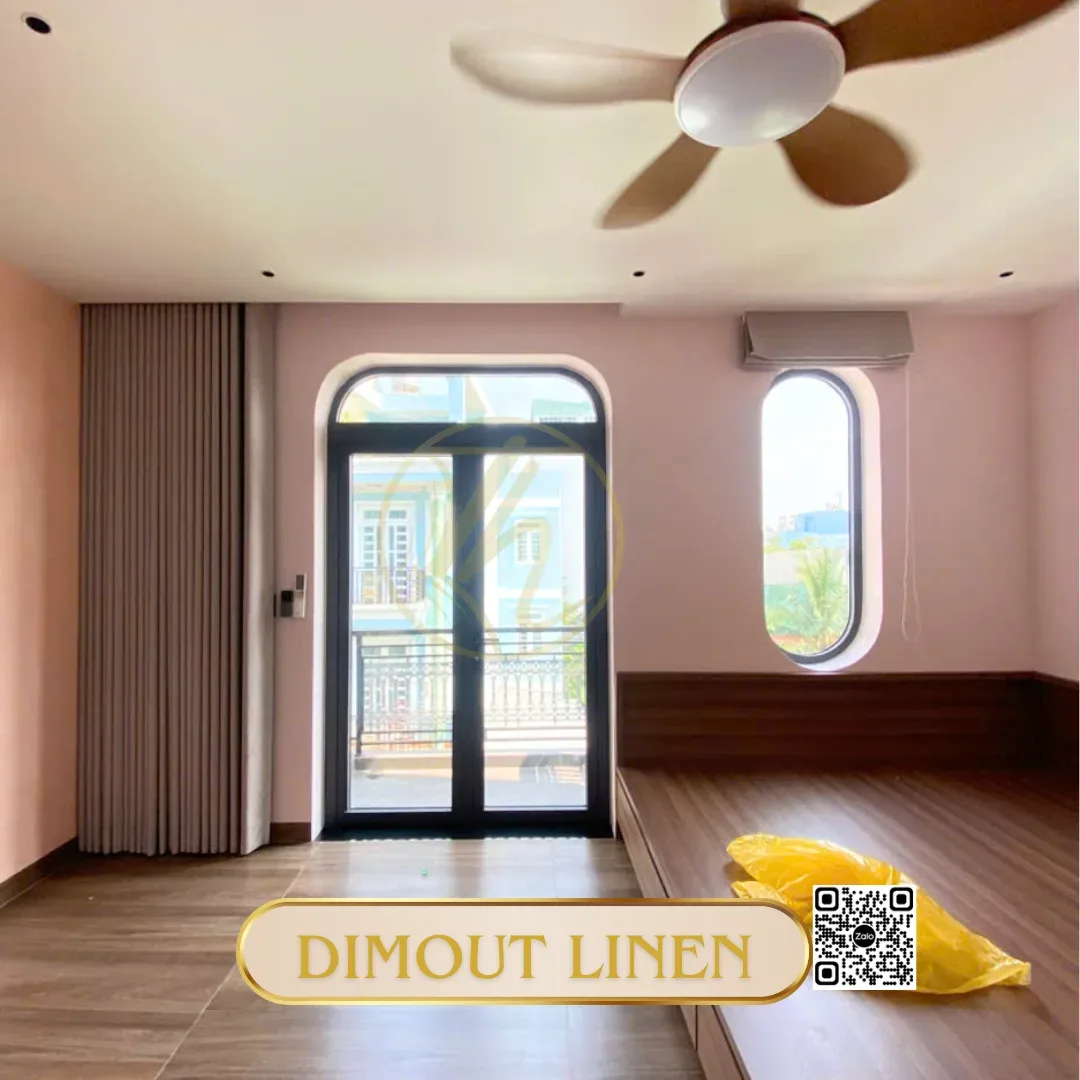
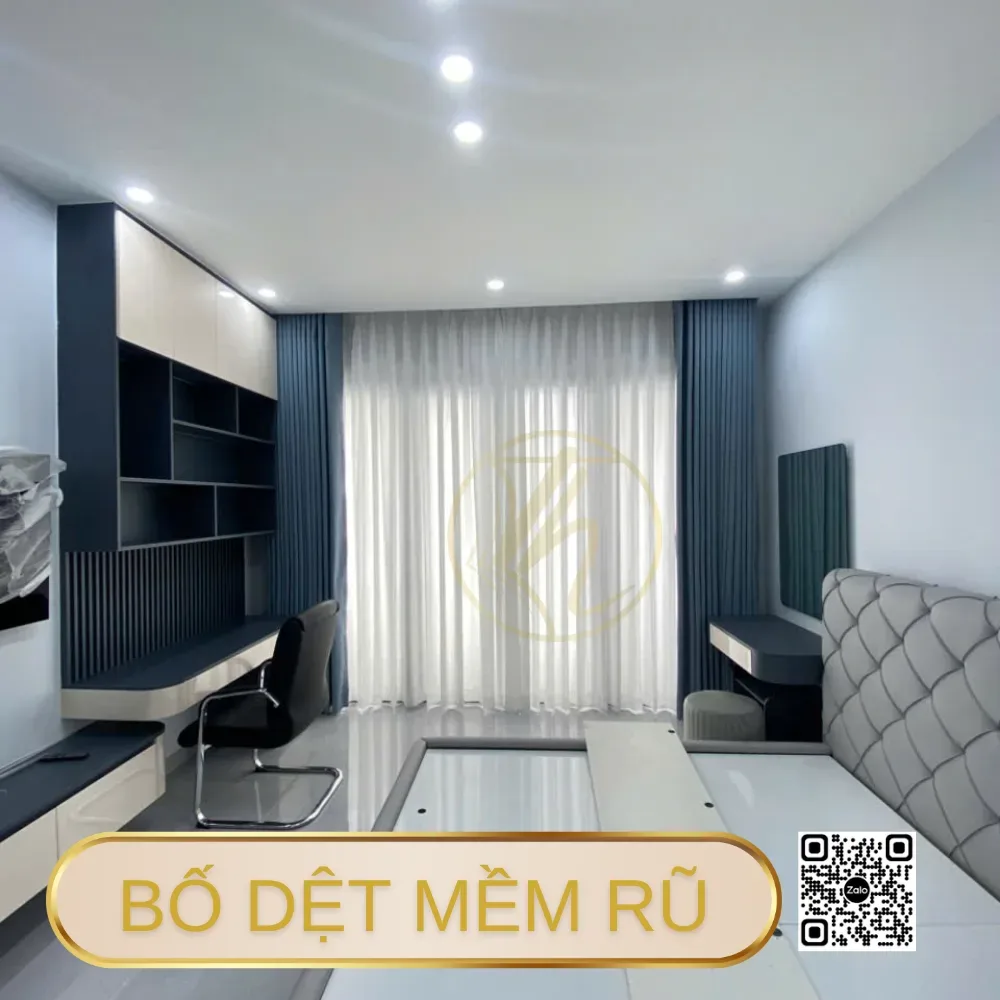
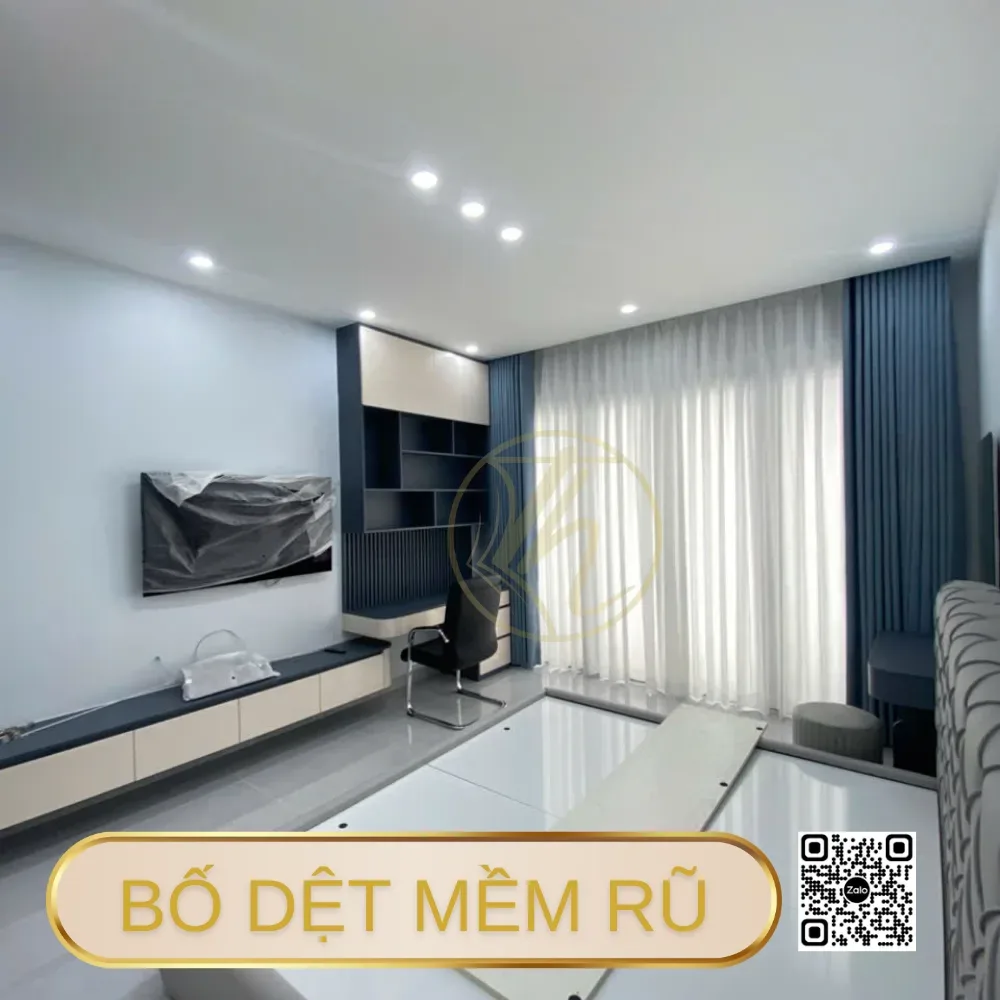
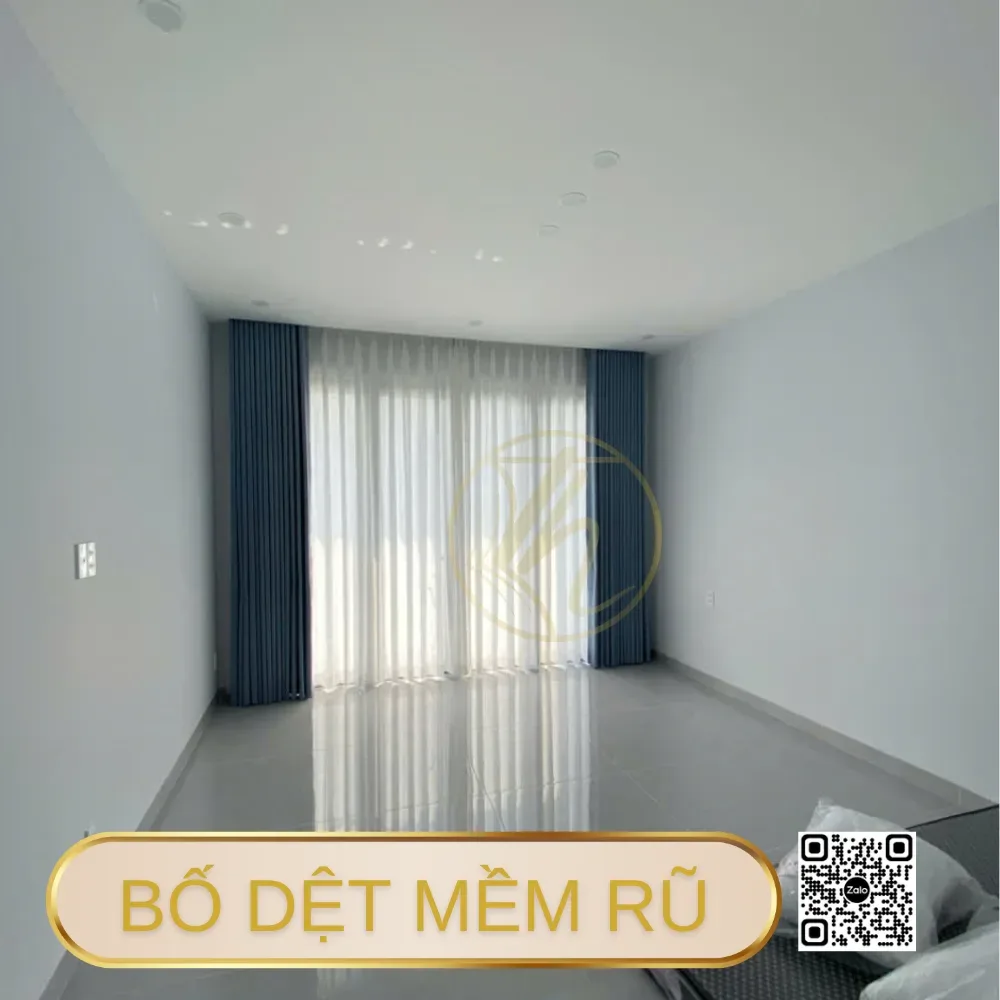
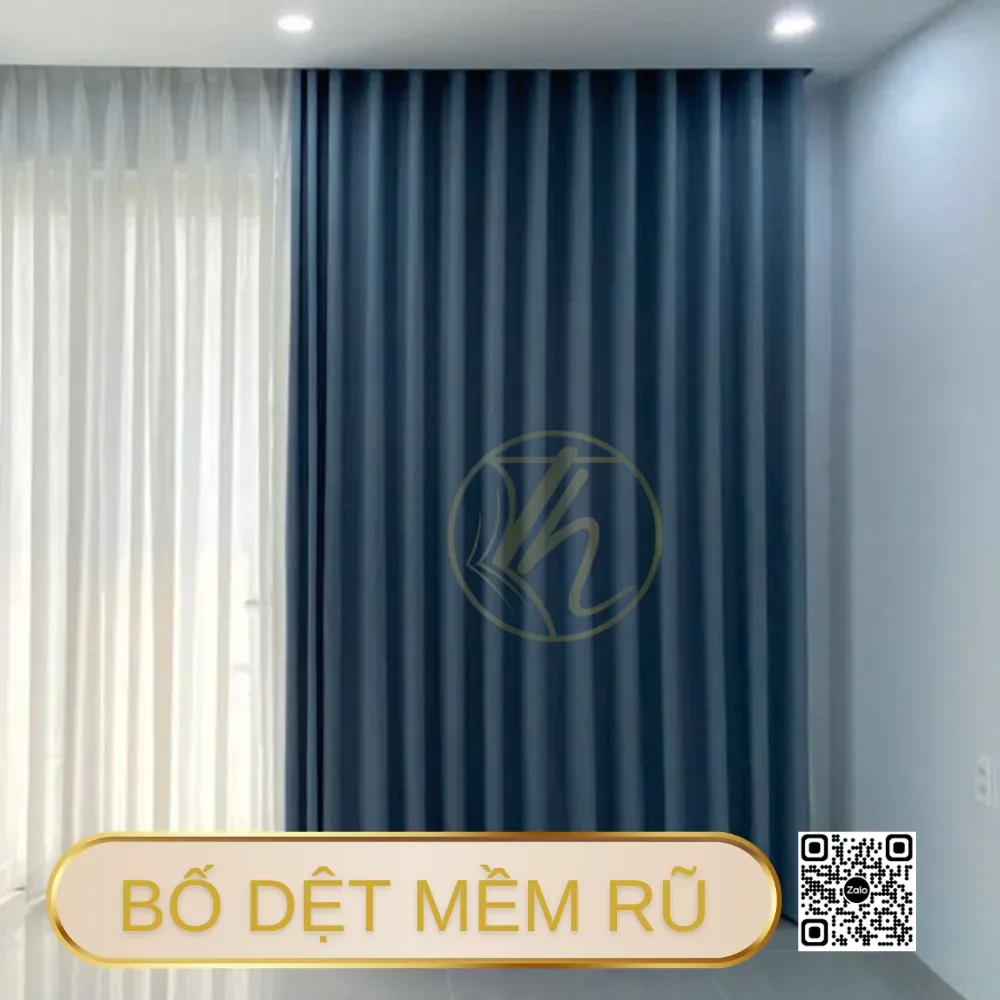
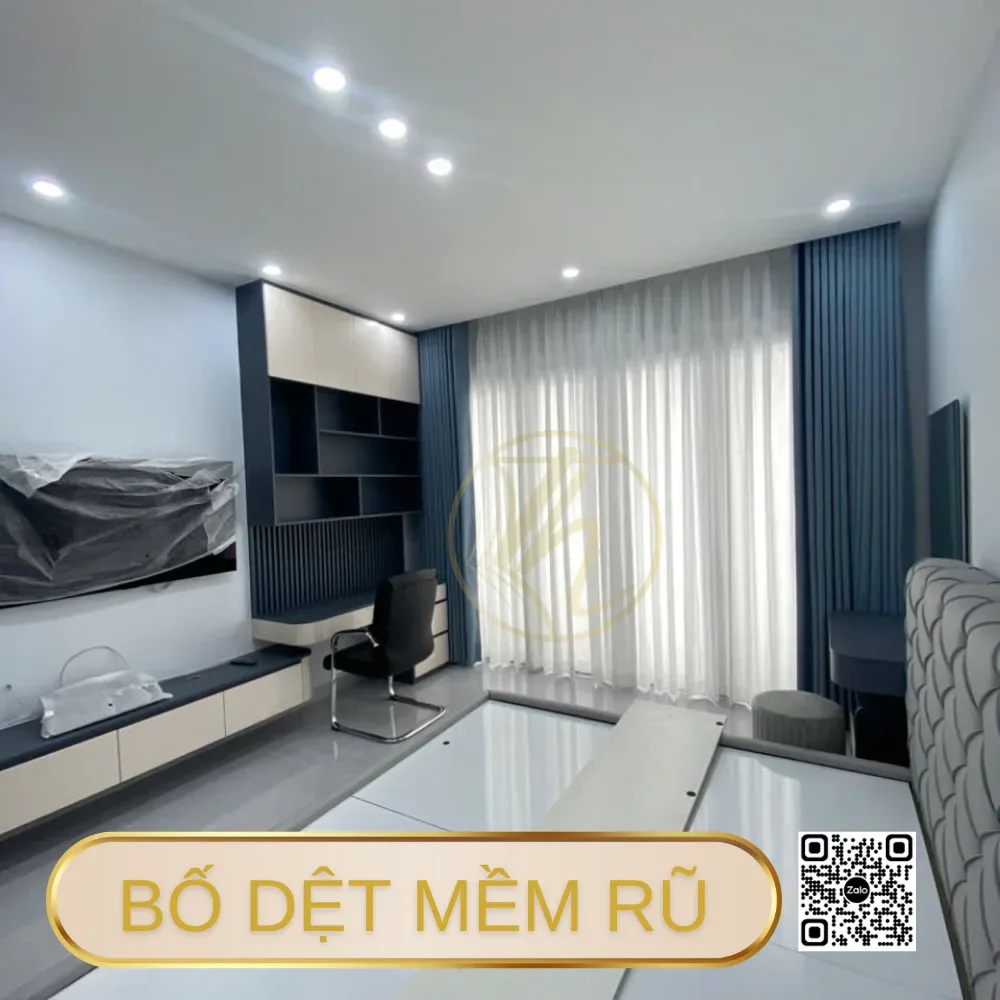
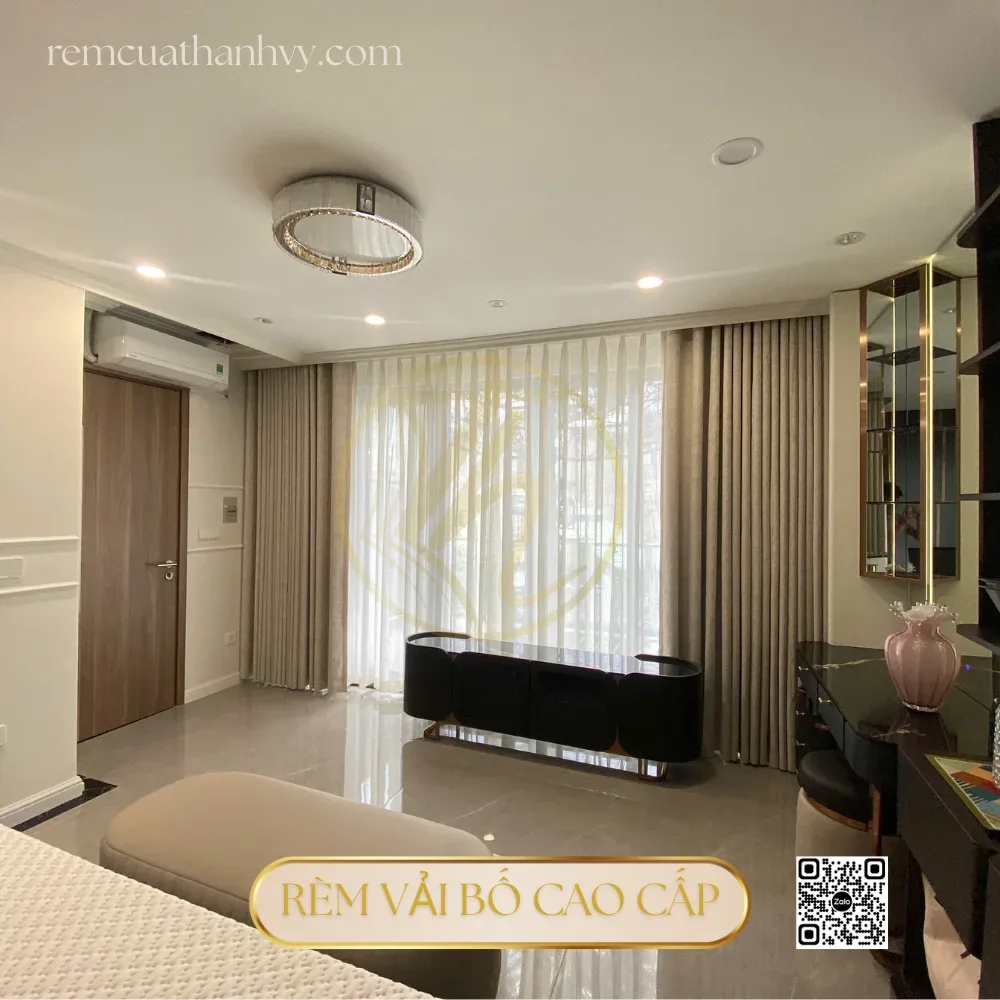
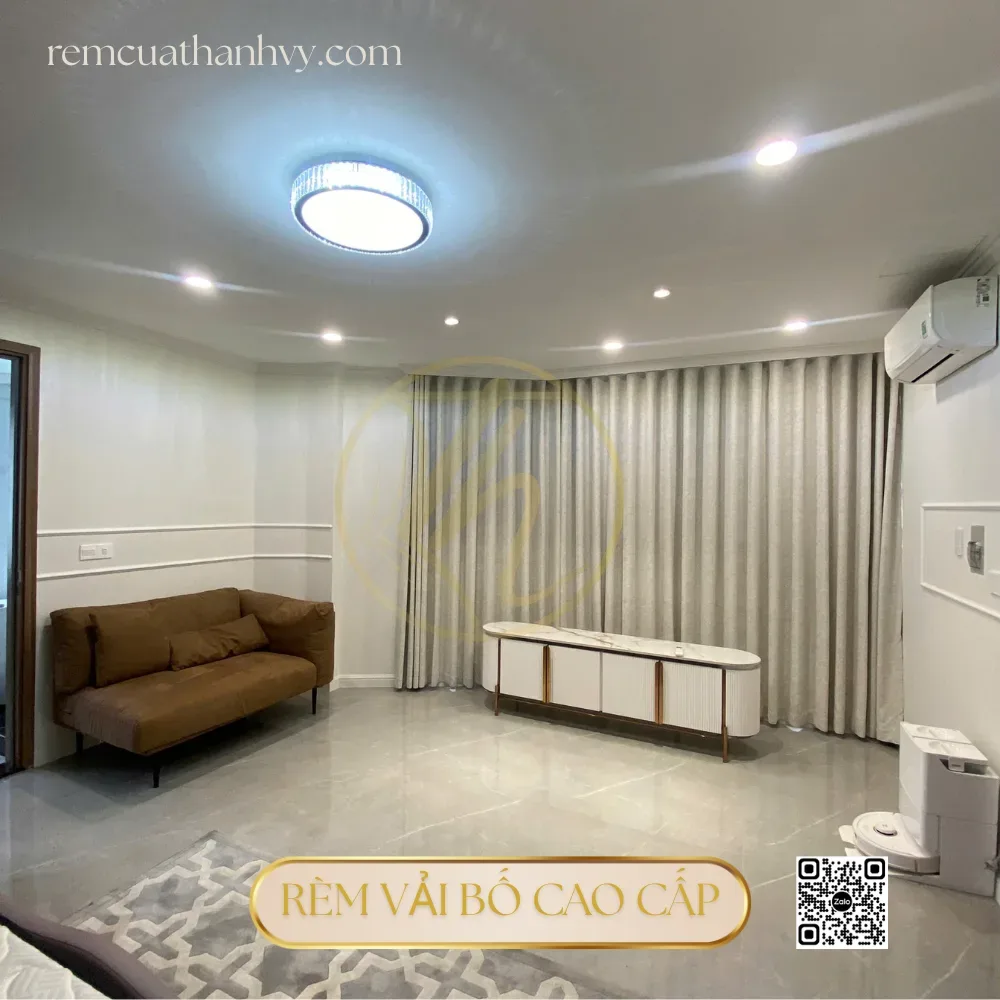
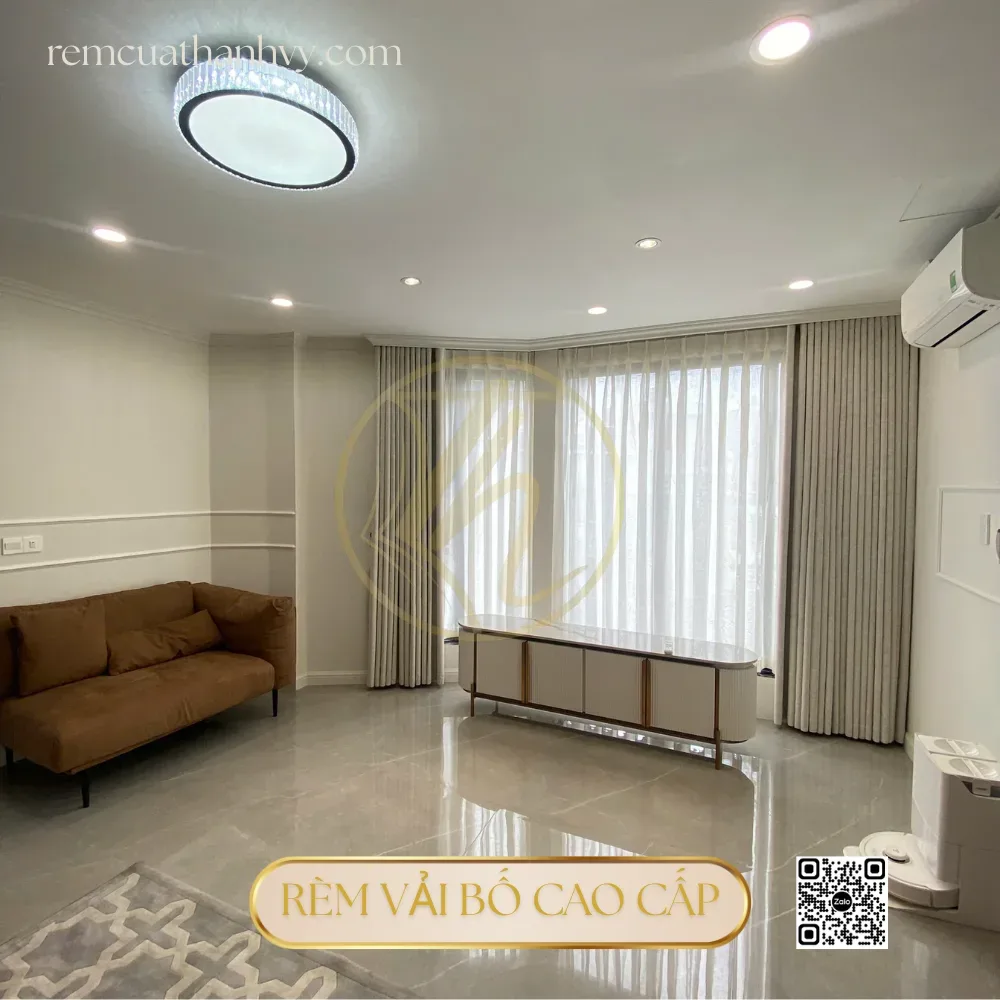
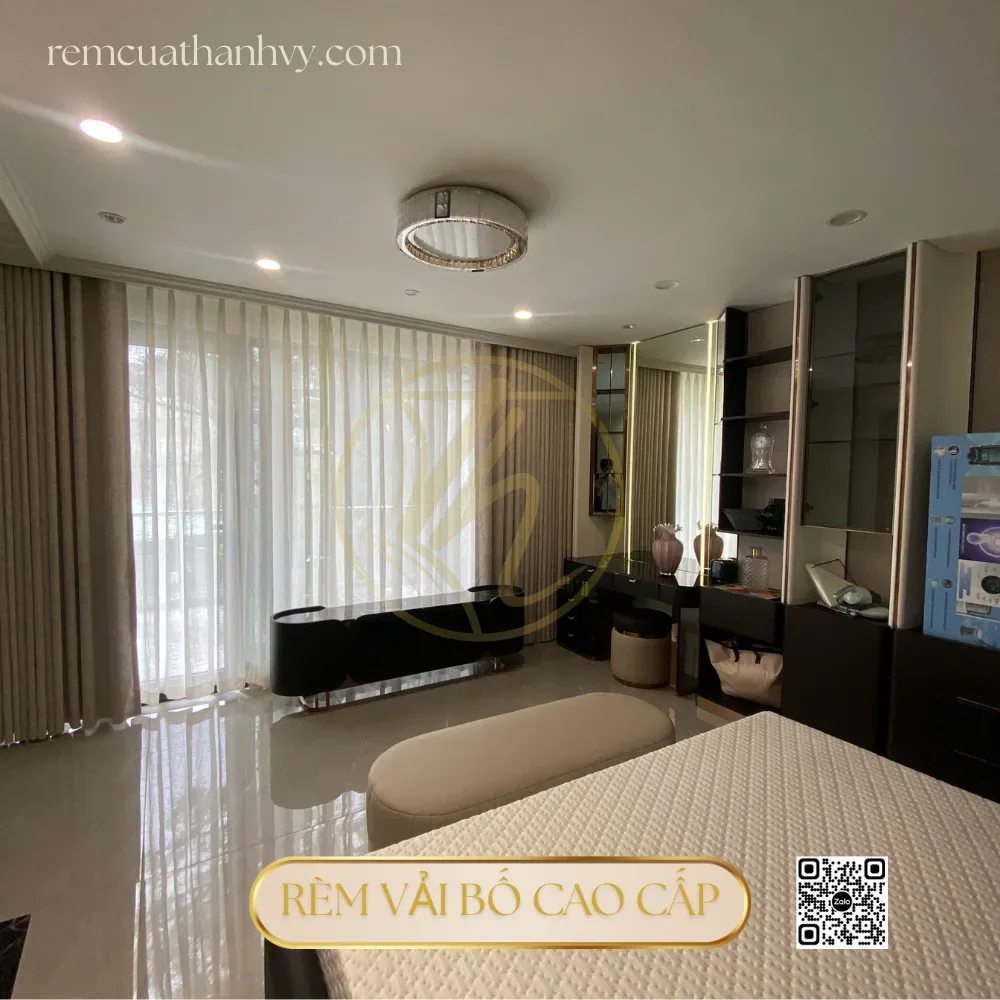
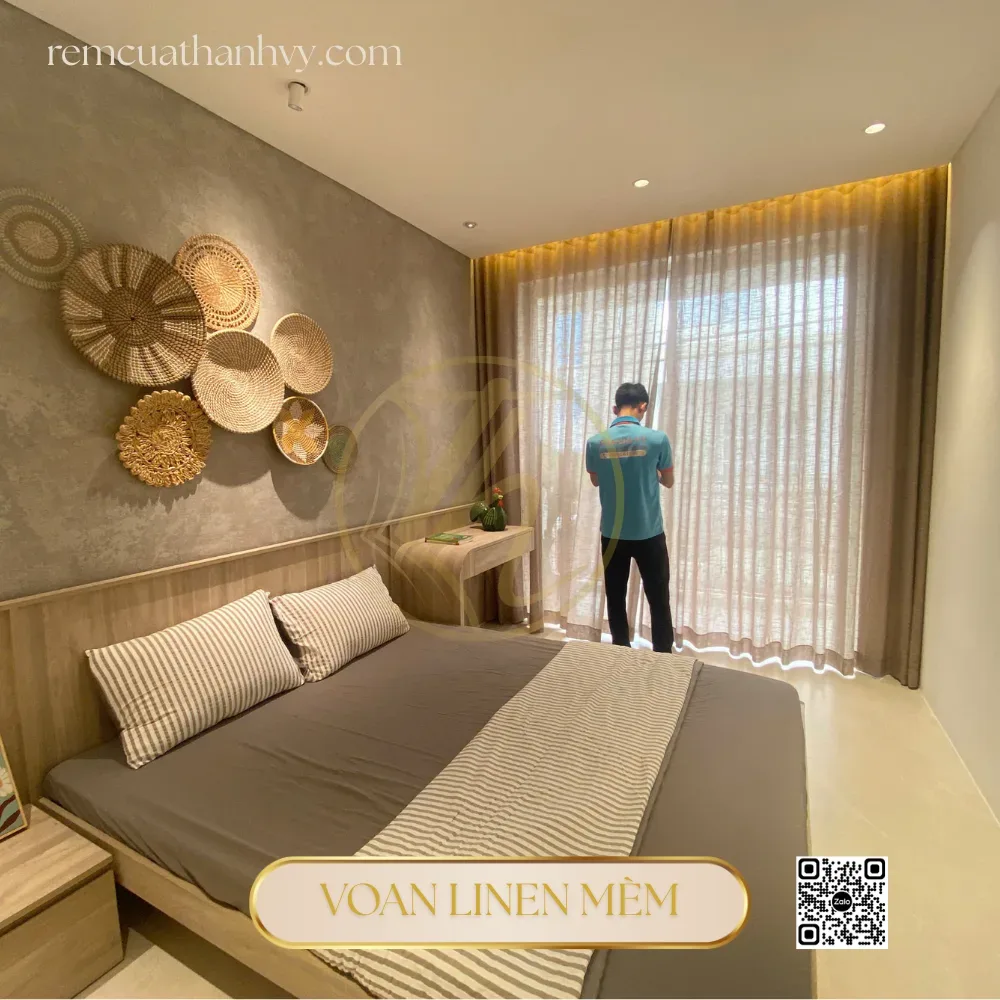
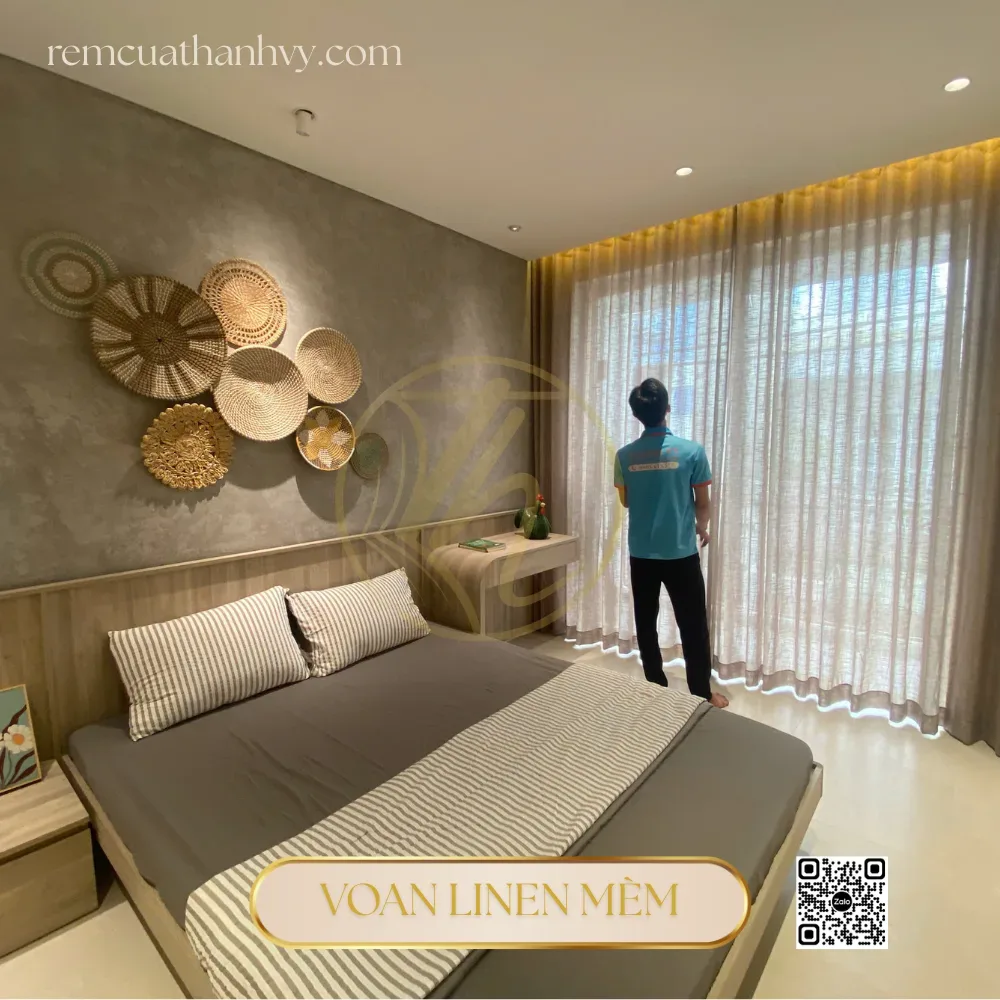
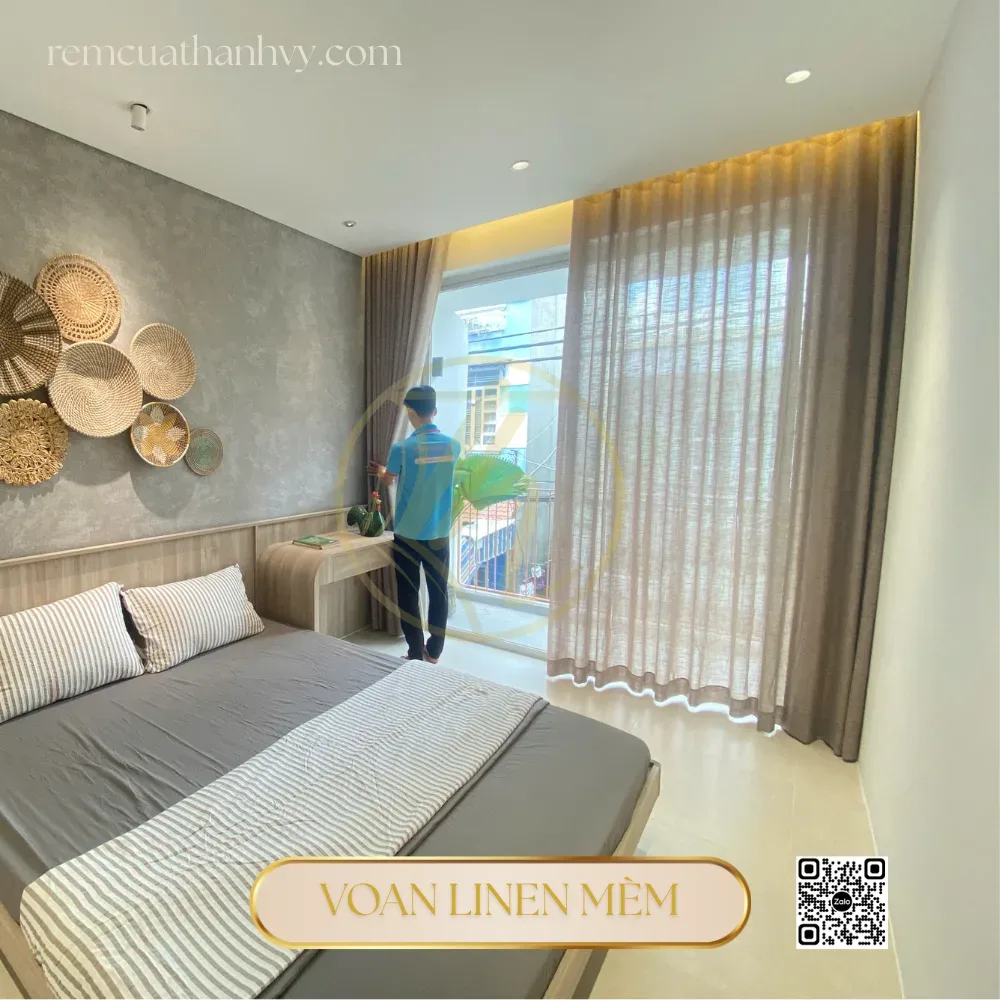
Fabric curtains
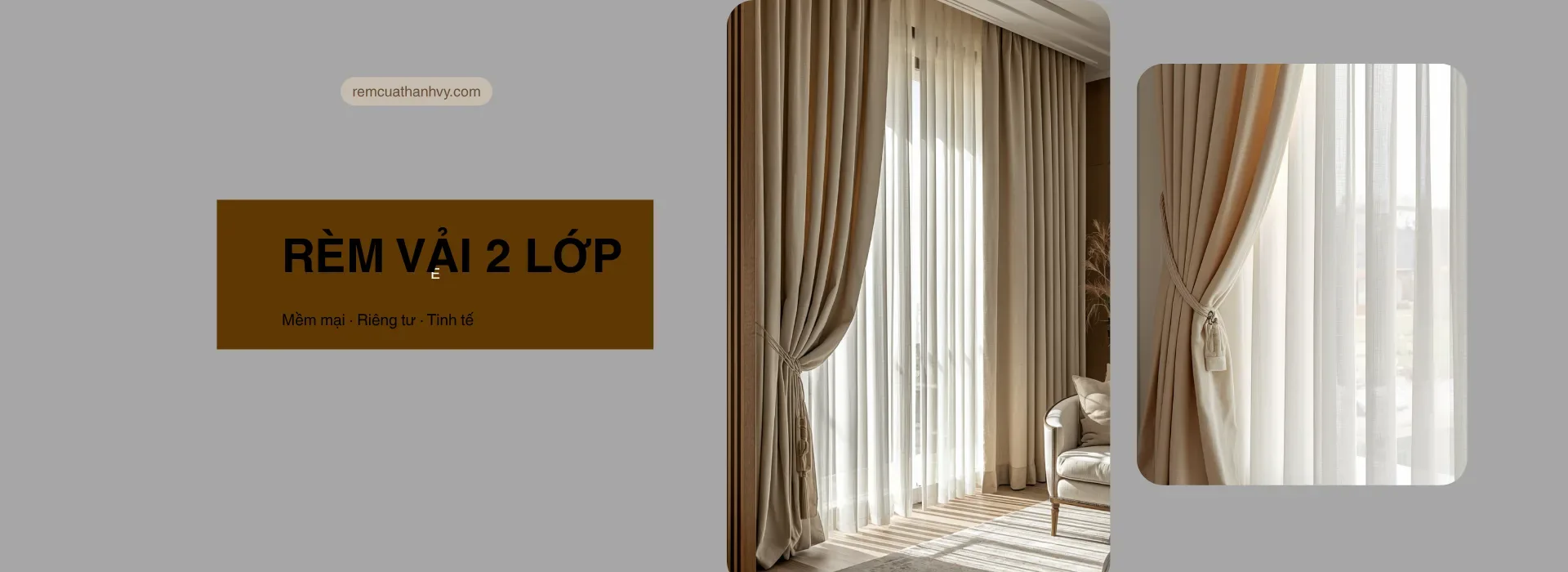
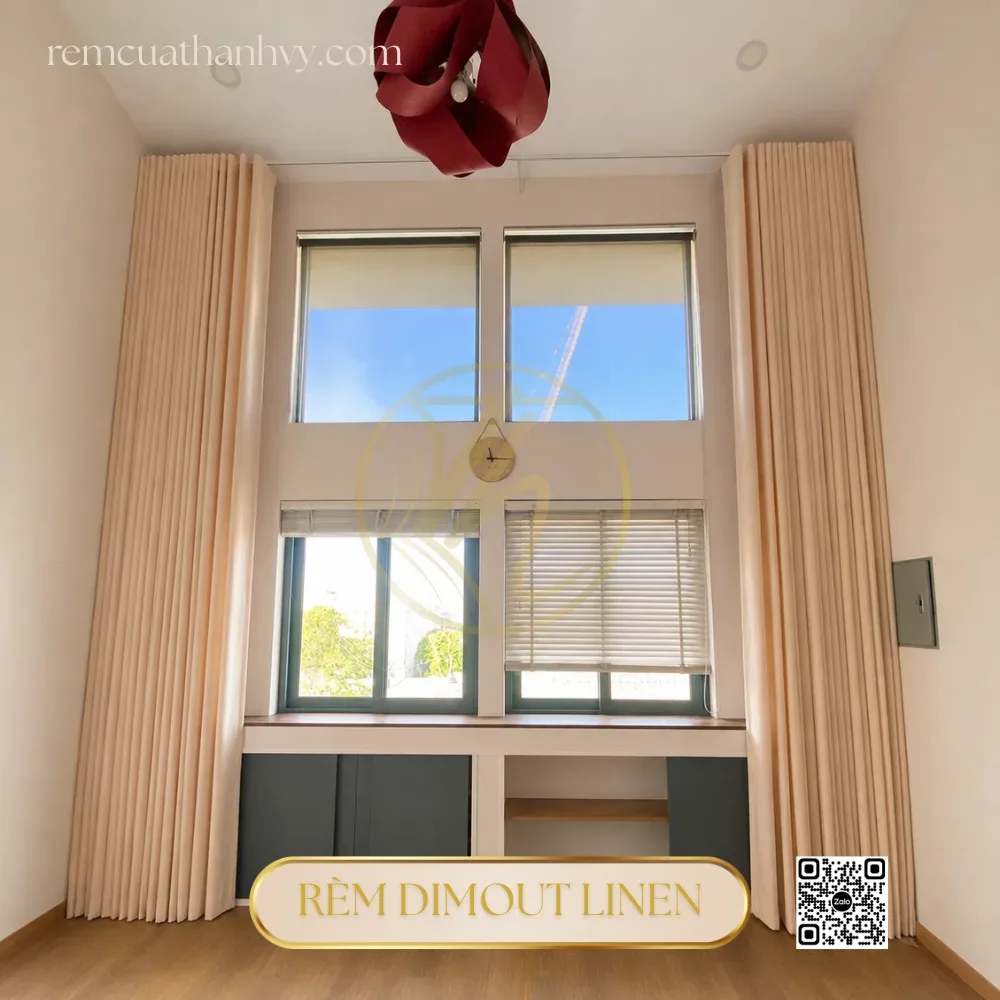
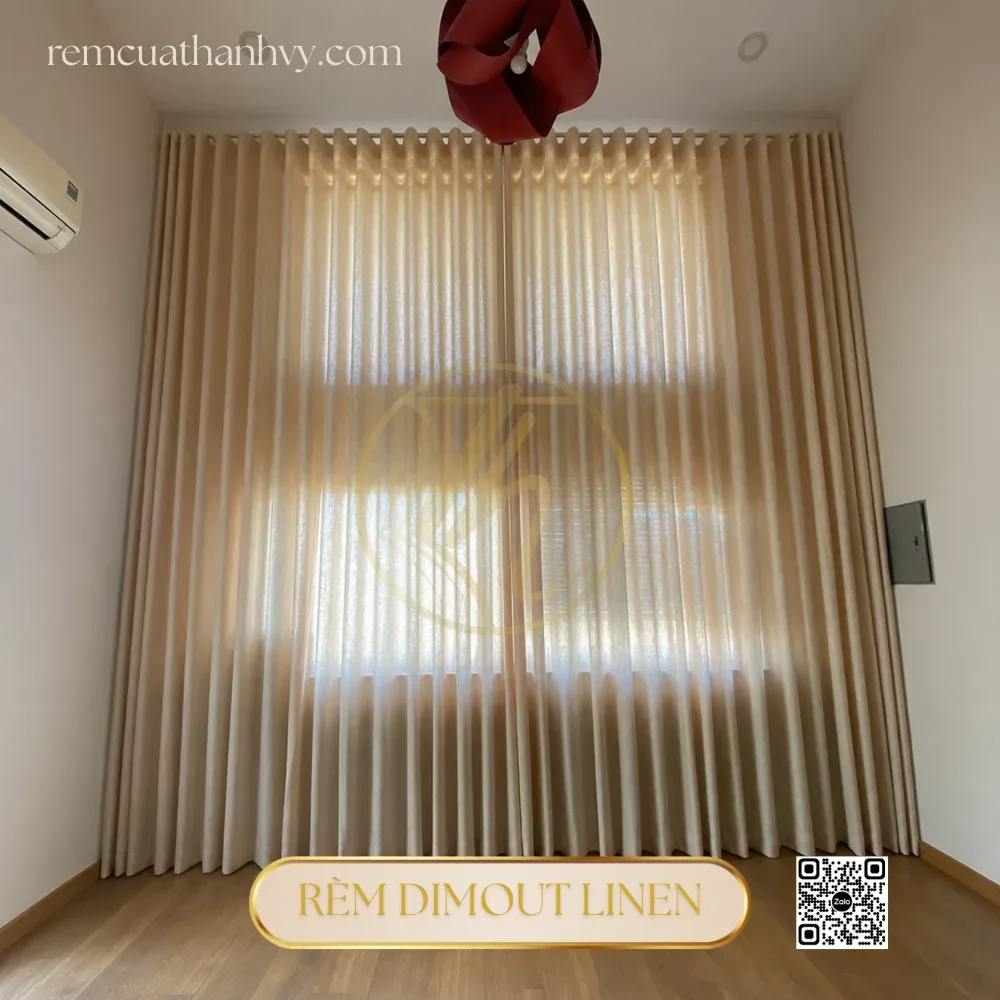
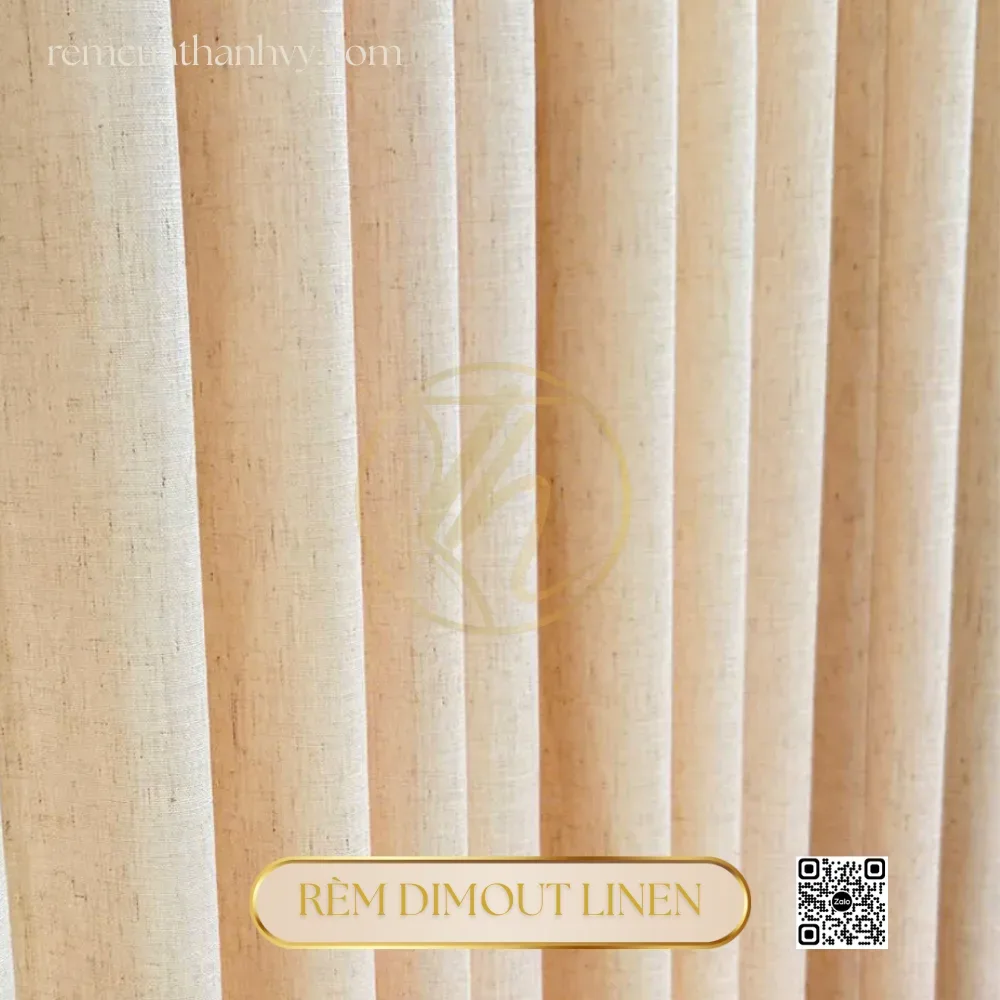
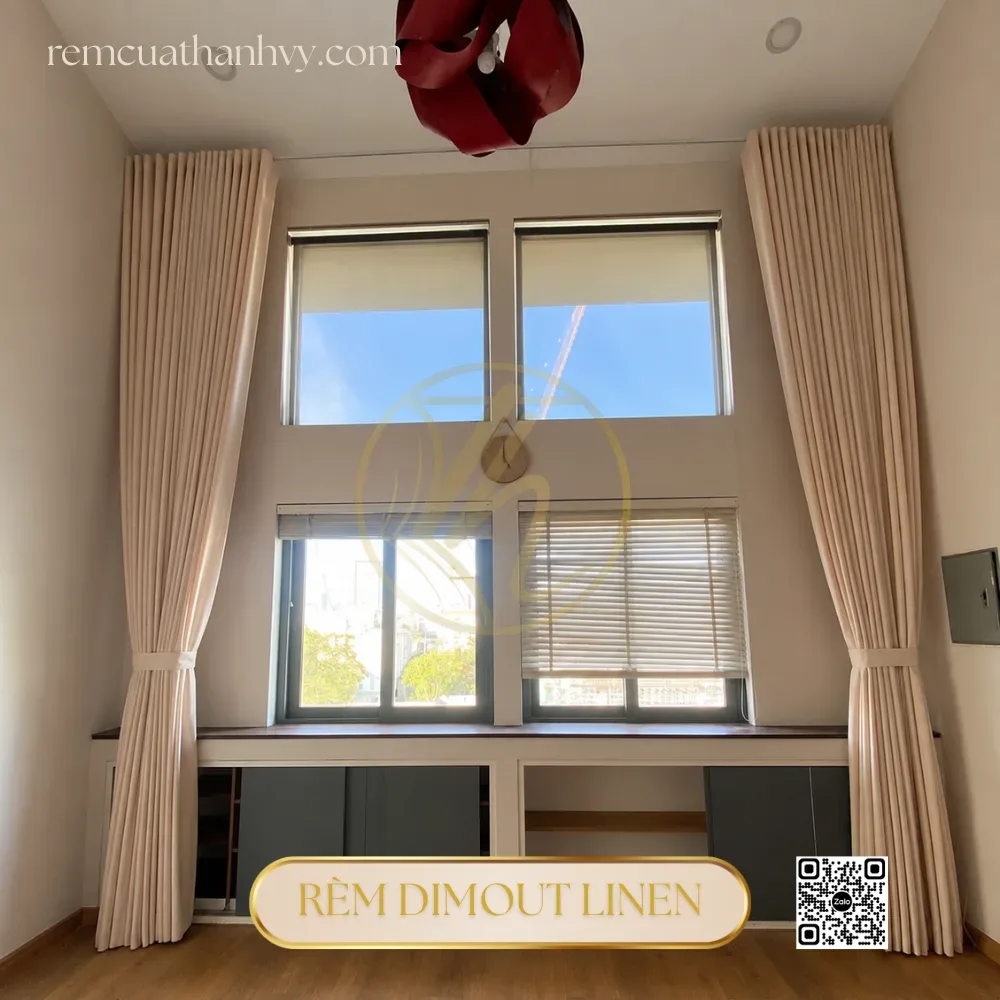
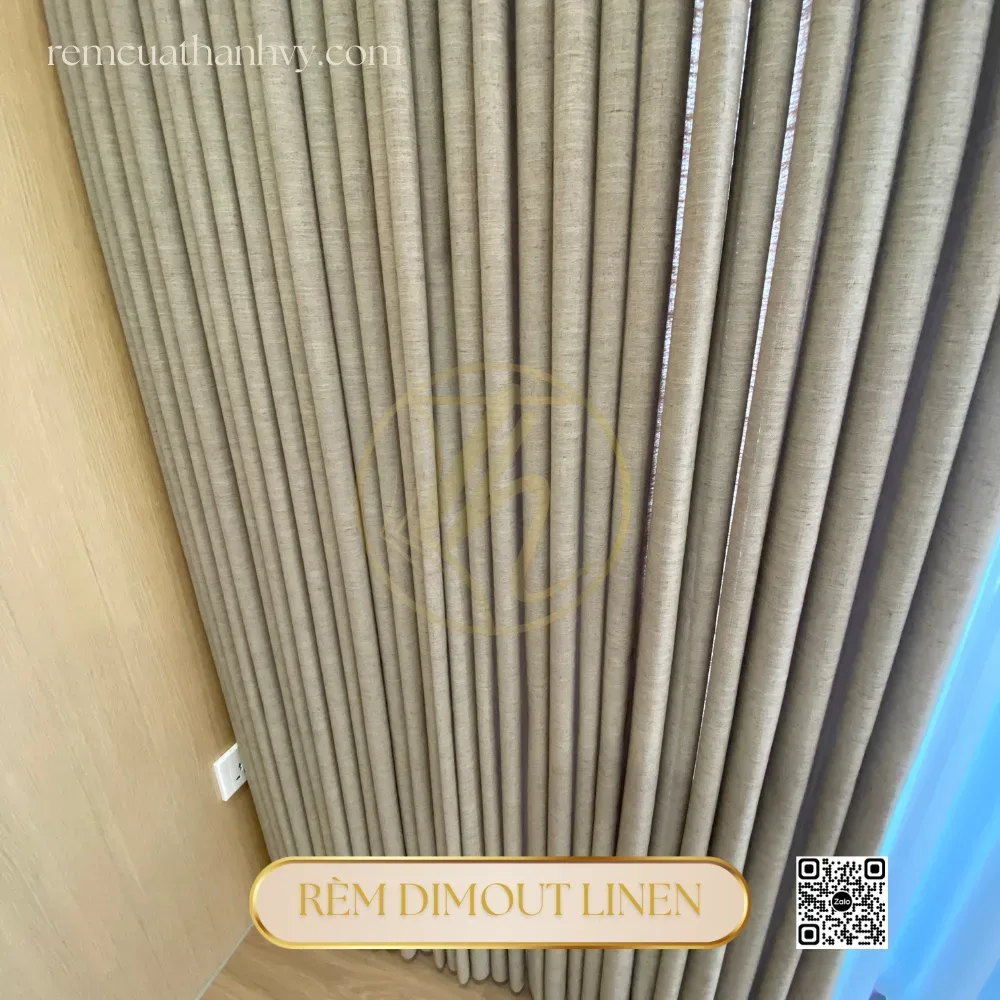
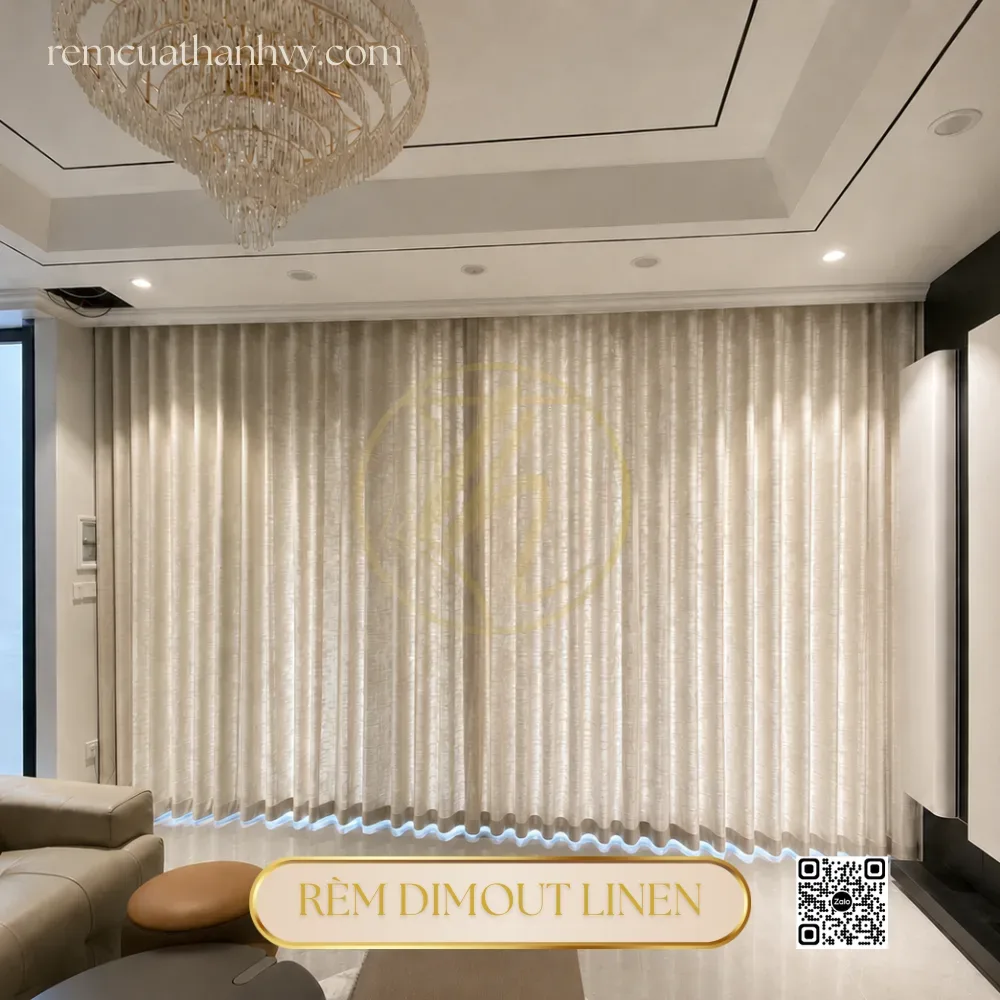
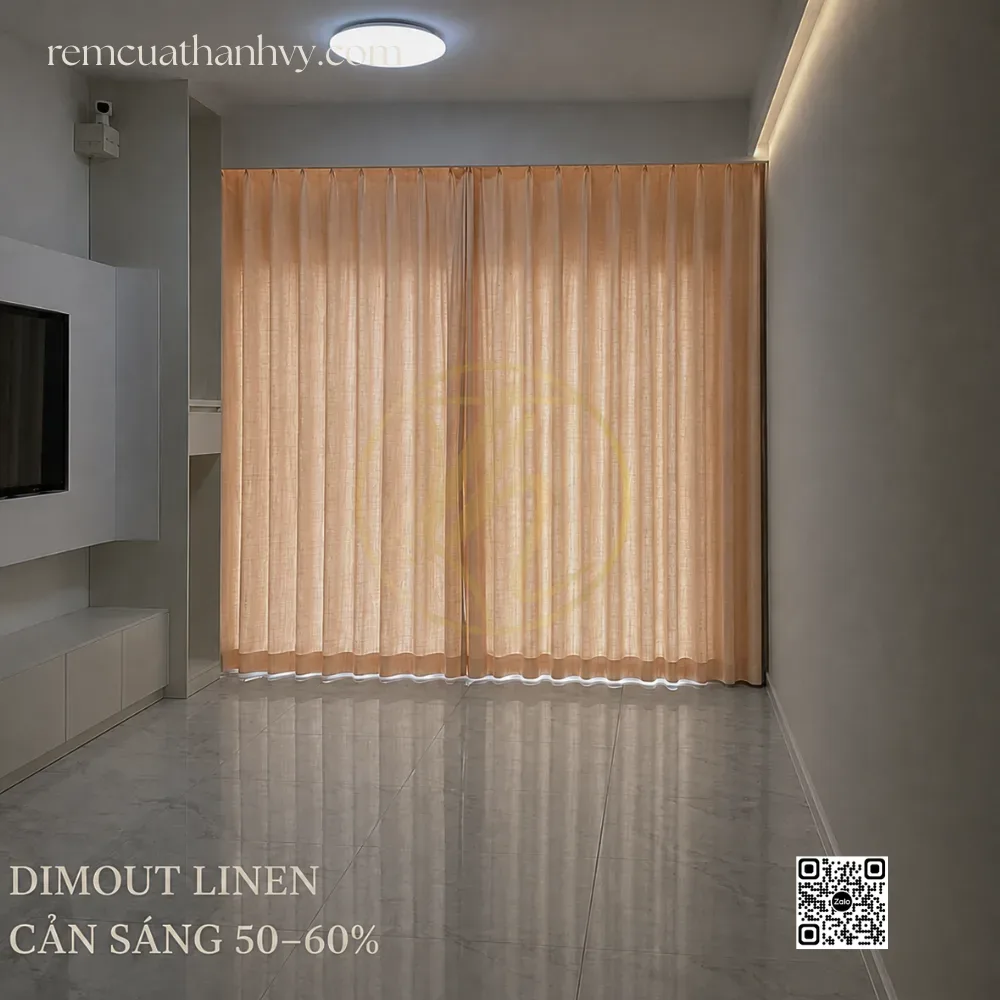
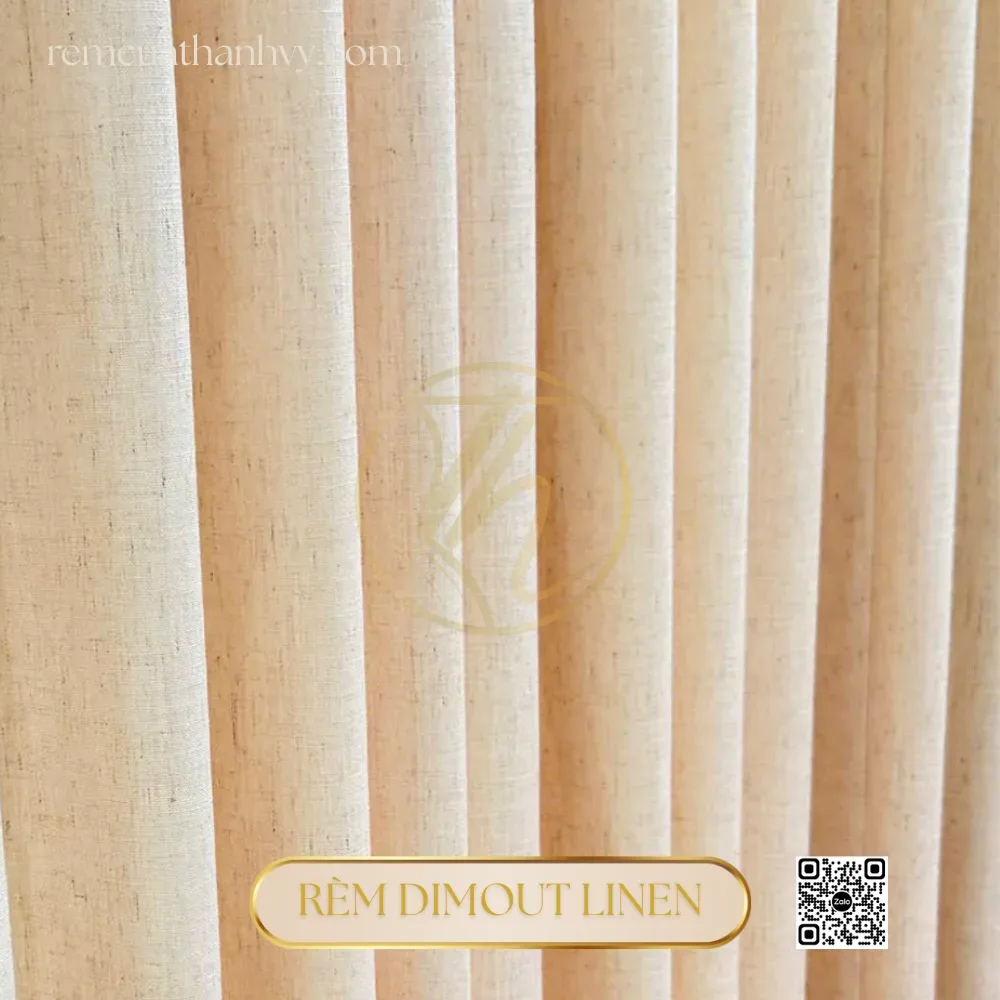
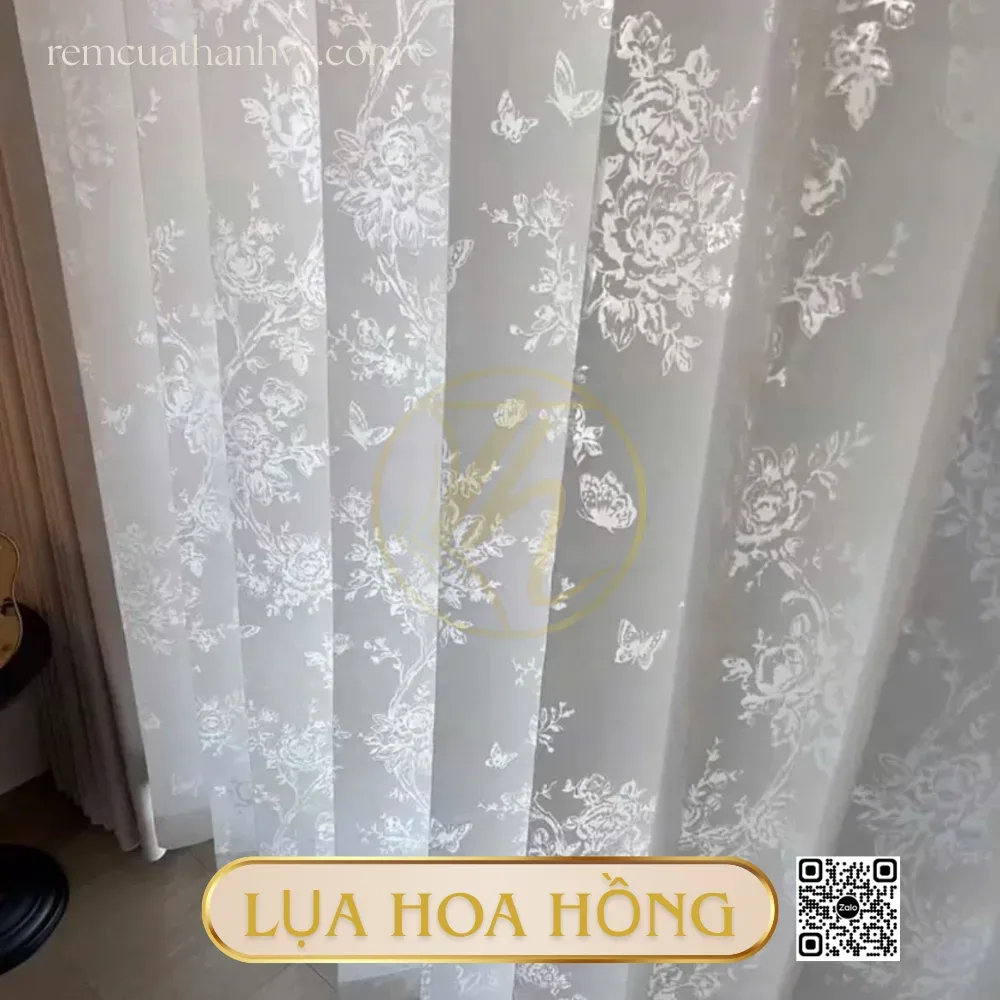
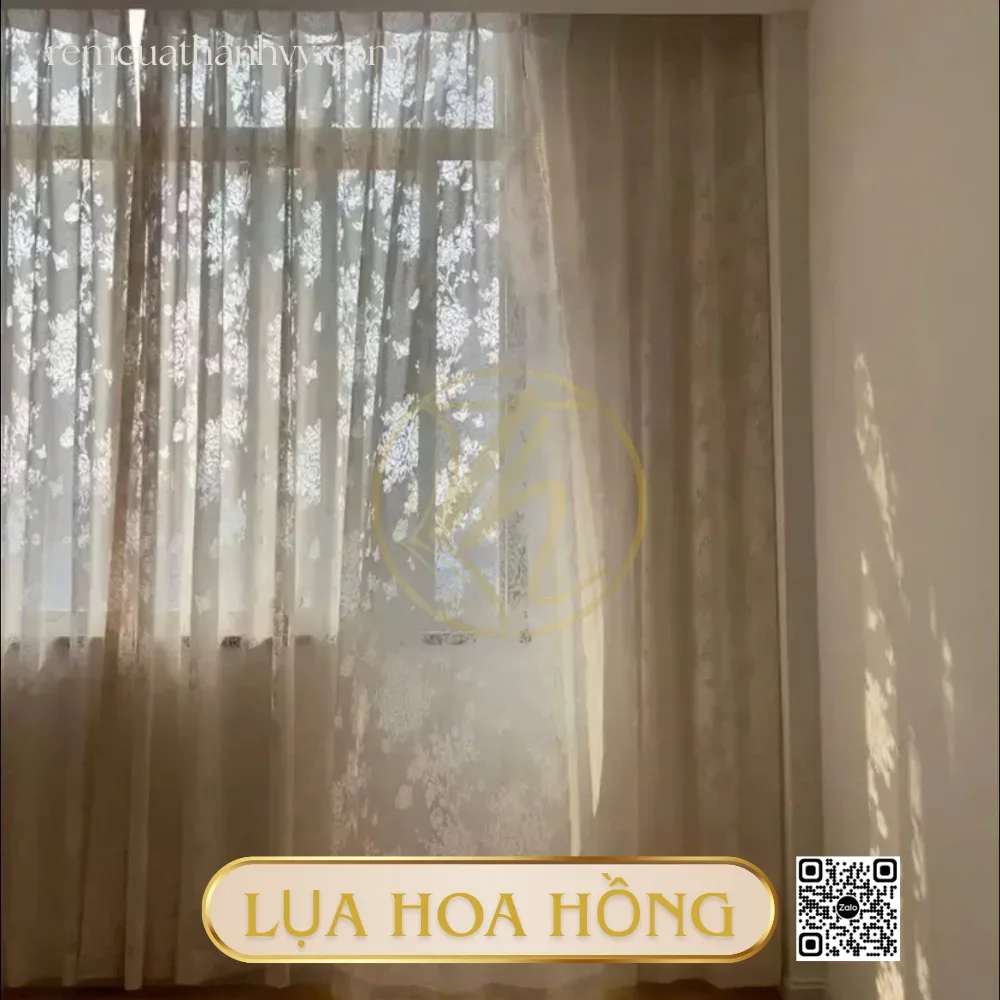
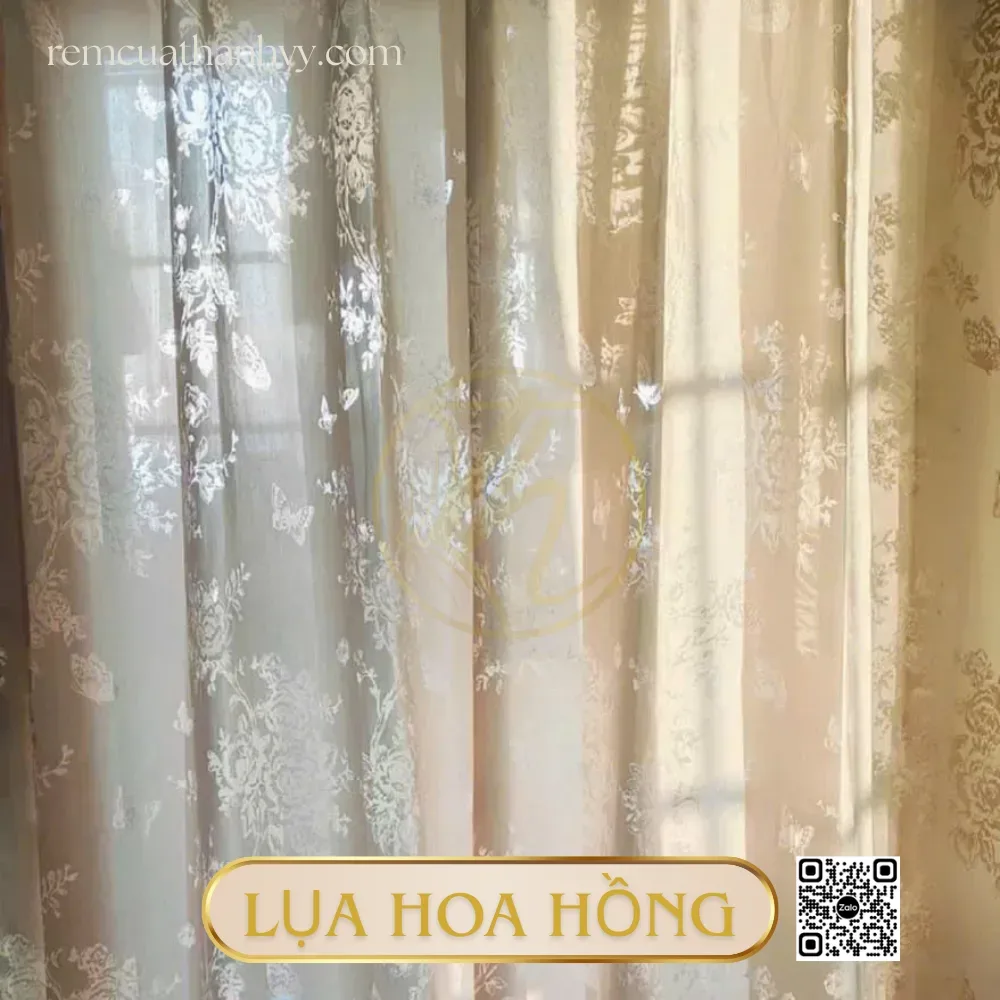
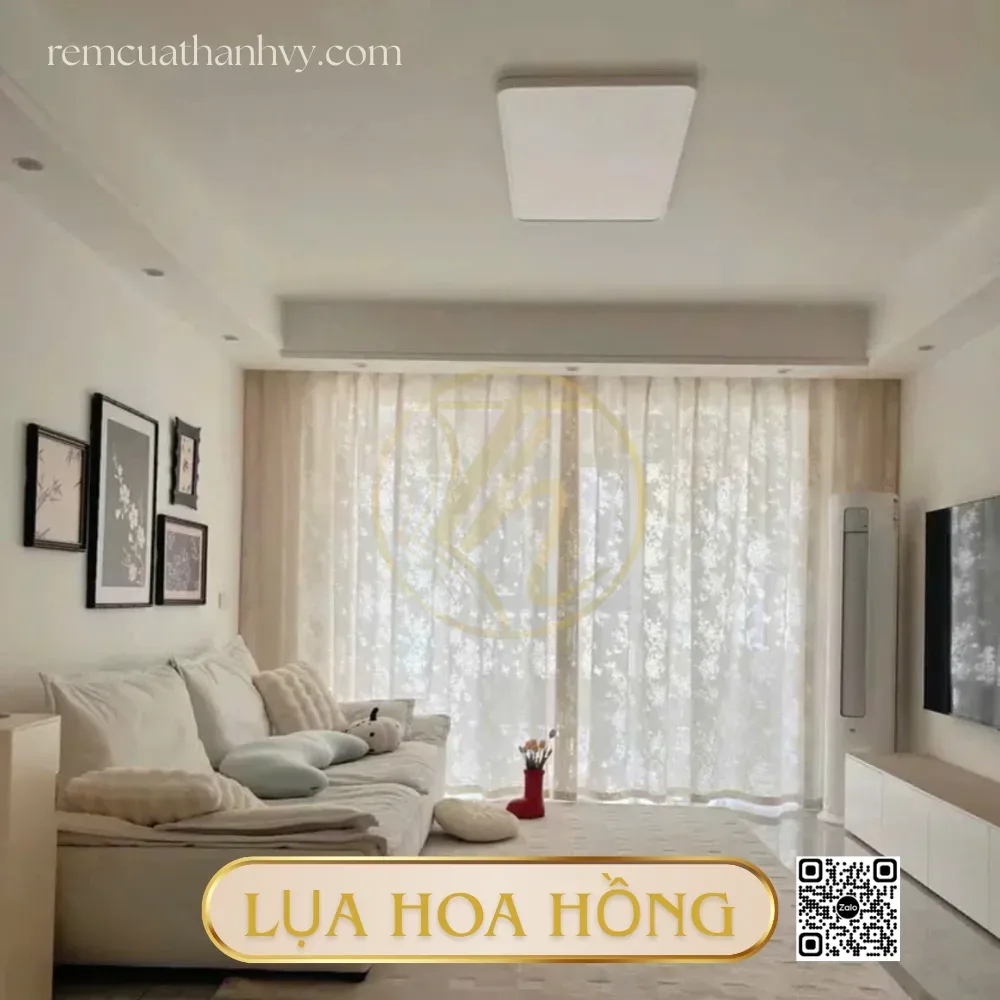
Fabric curtains are easy to coordinate with interior colors and come in a wide price range.
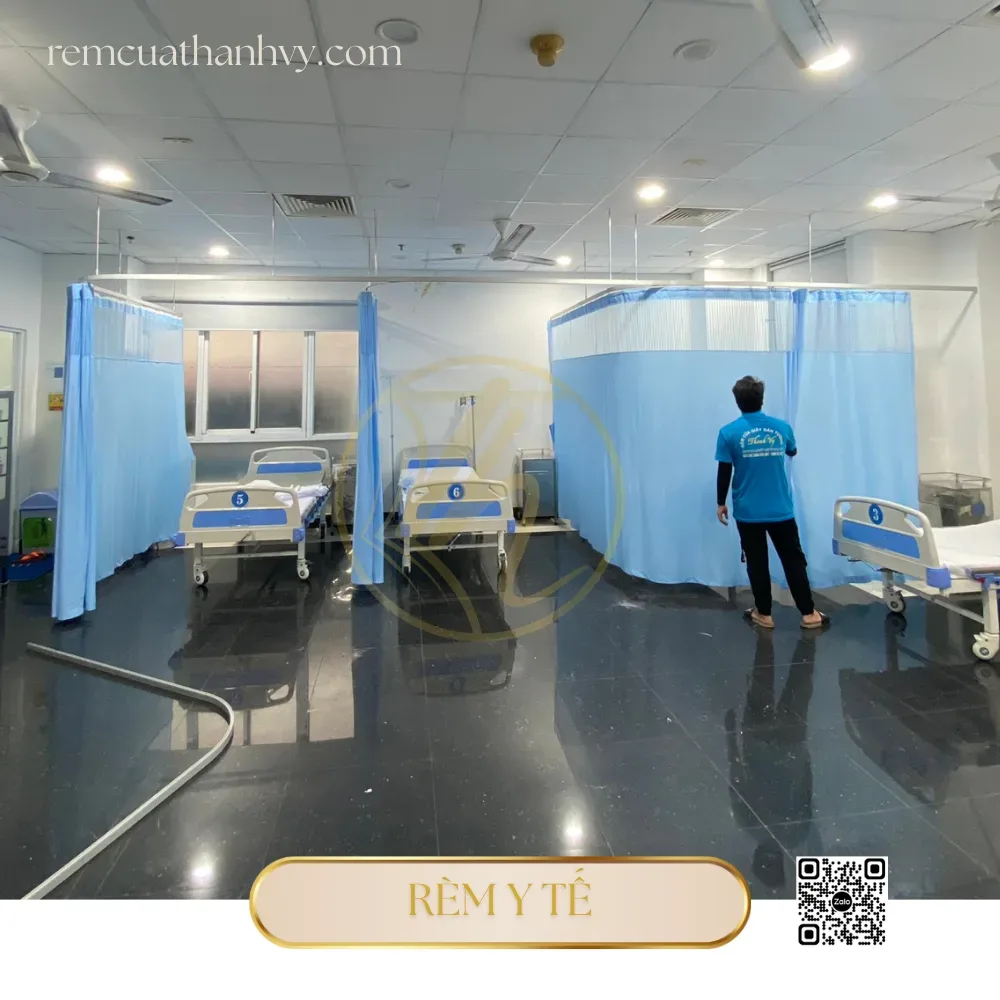
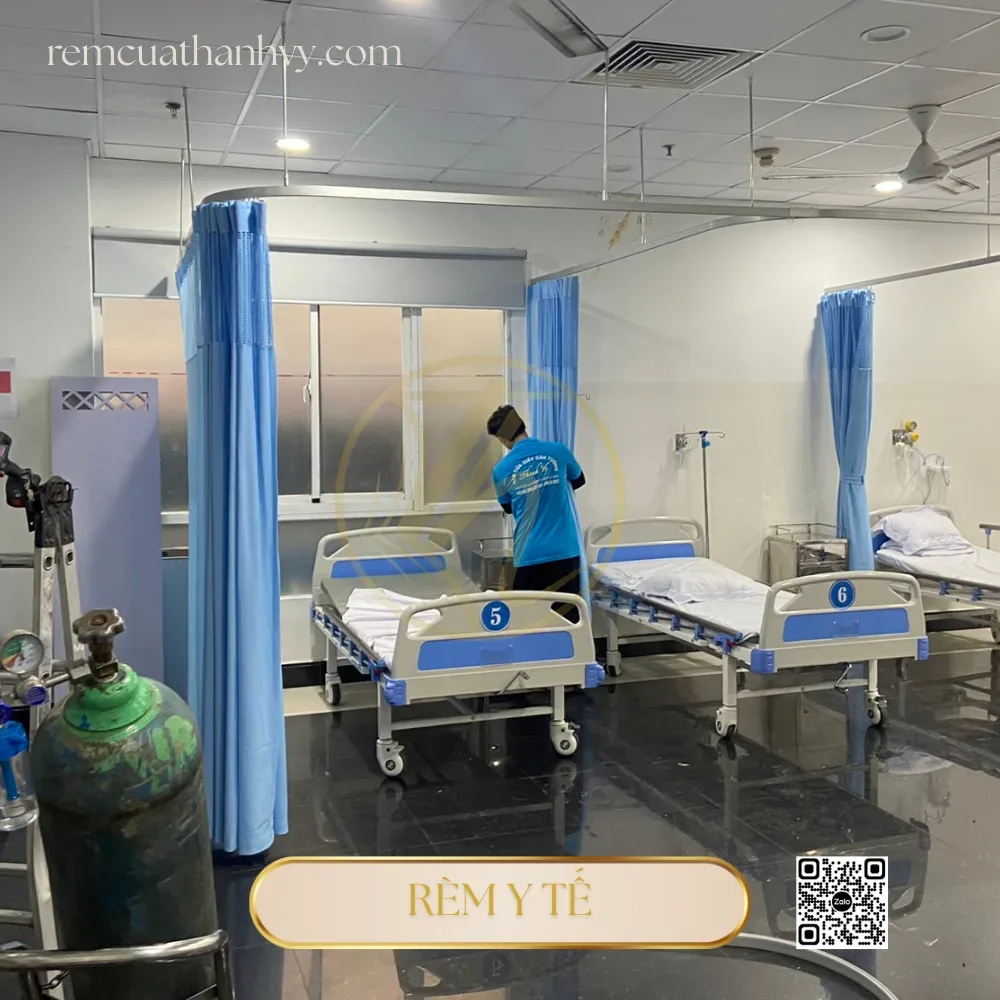
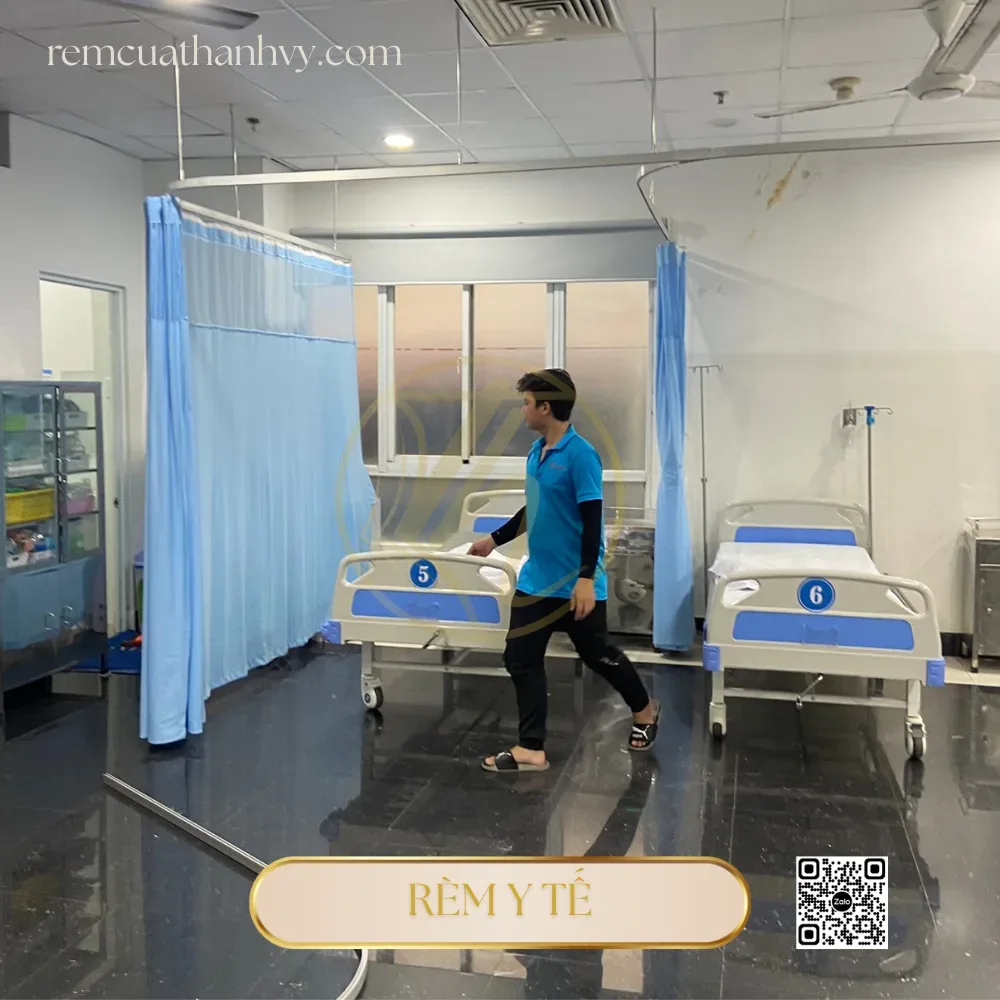
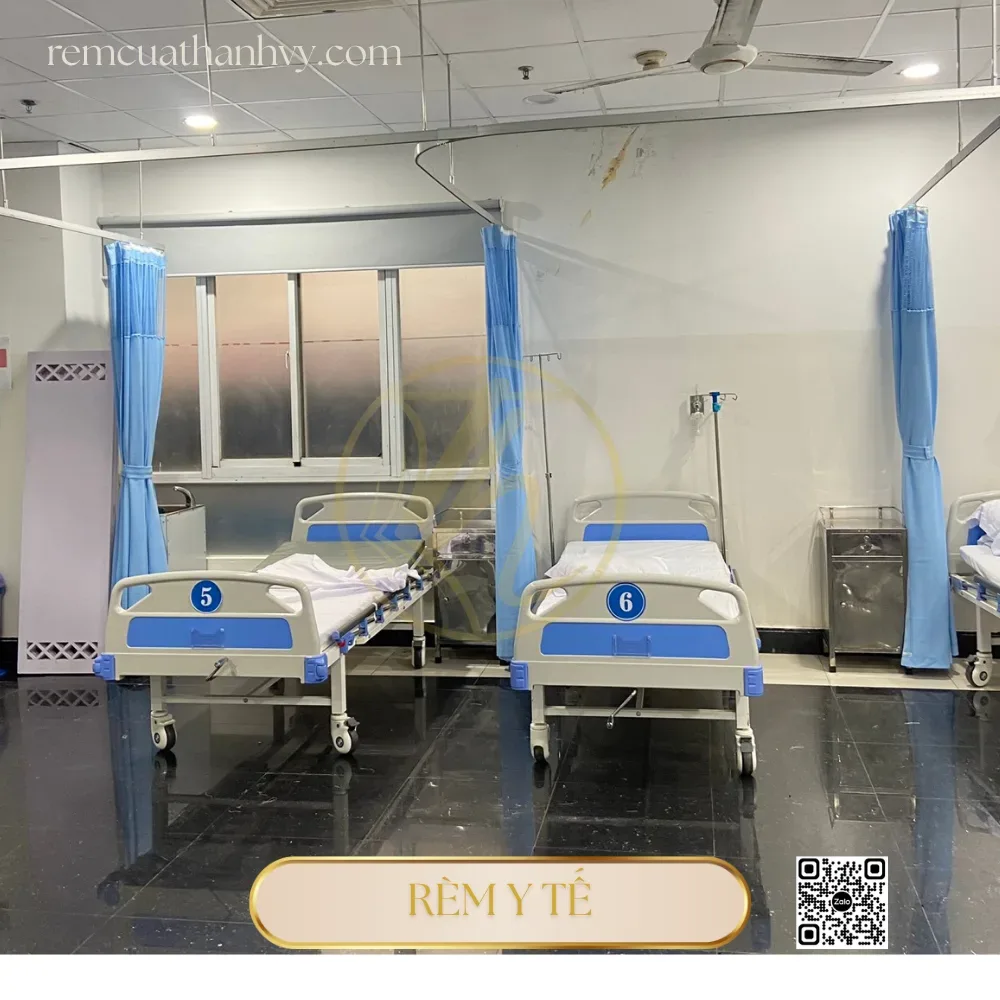
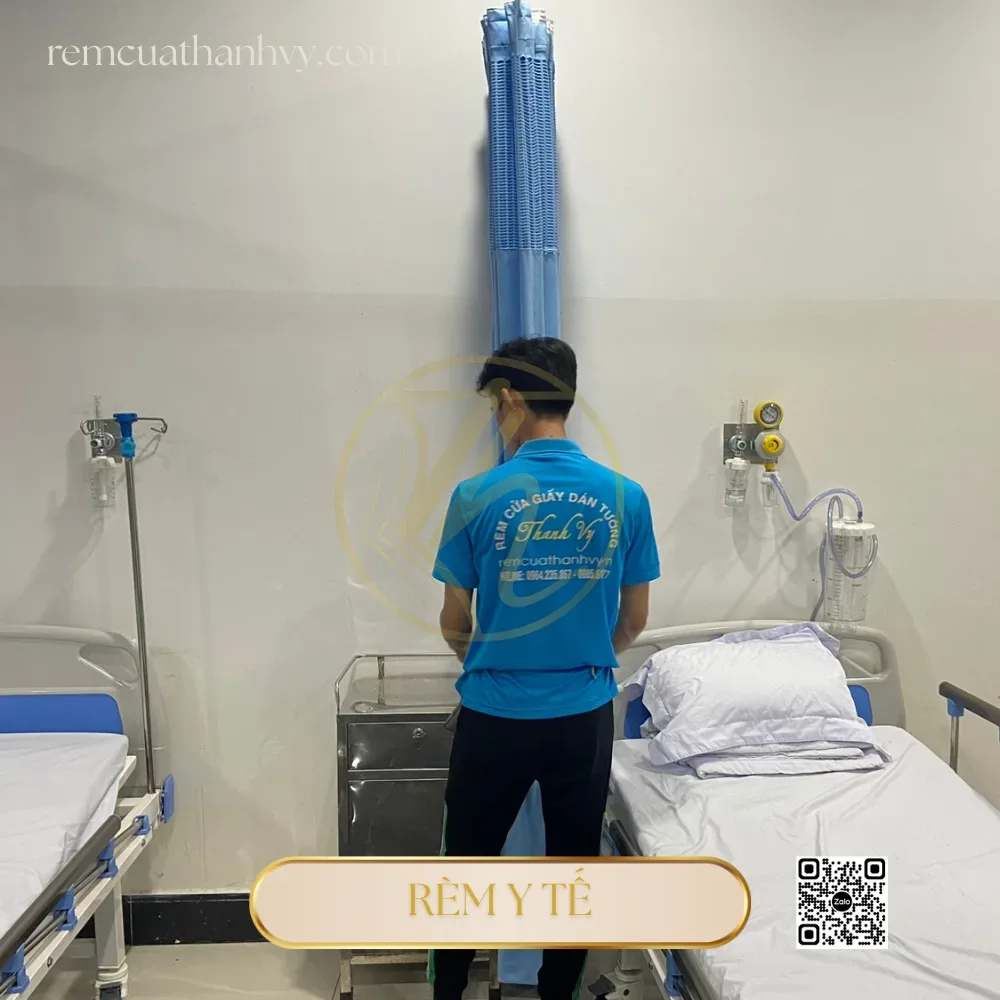
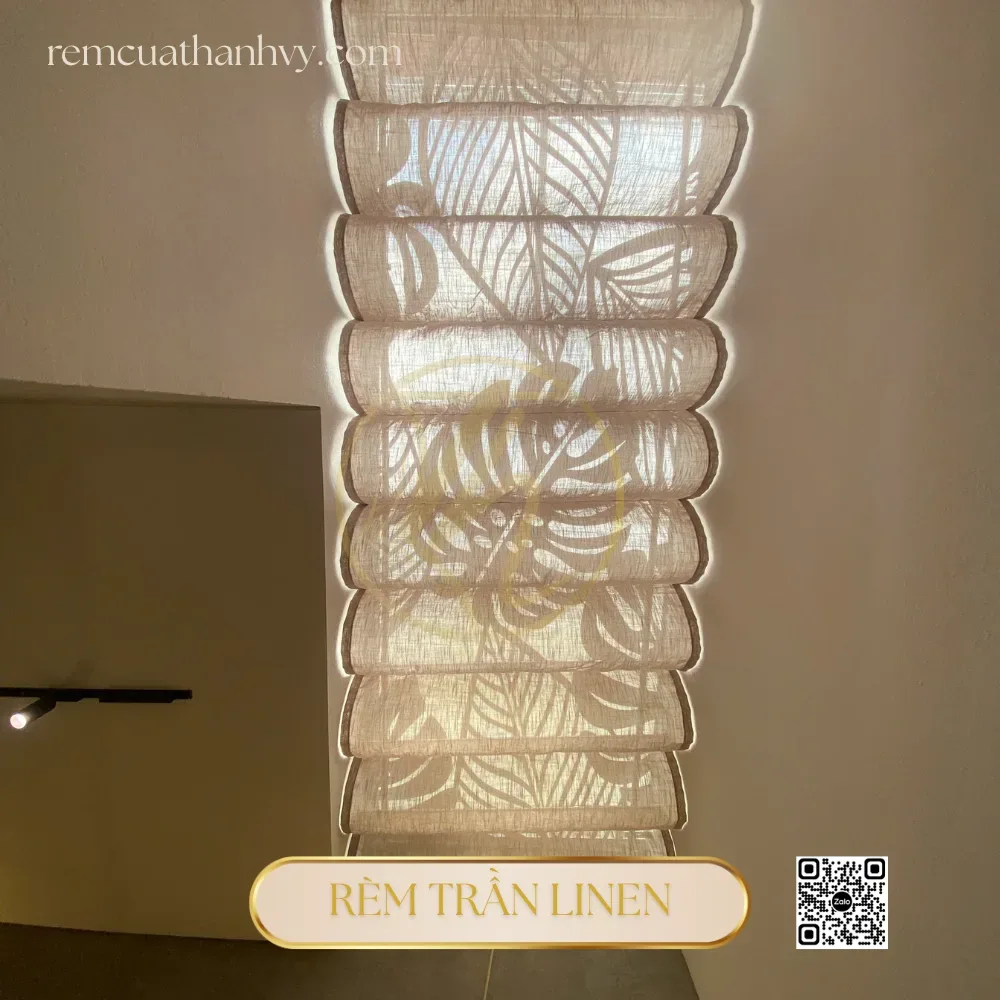
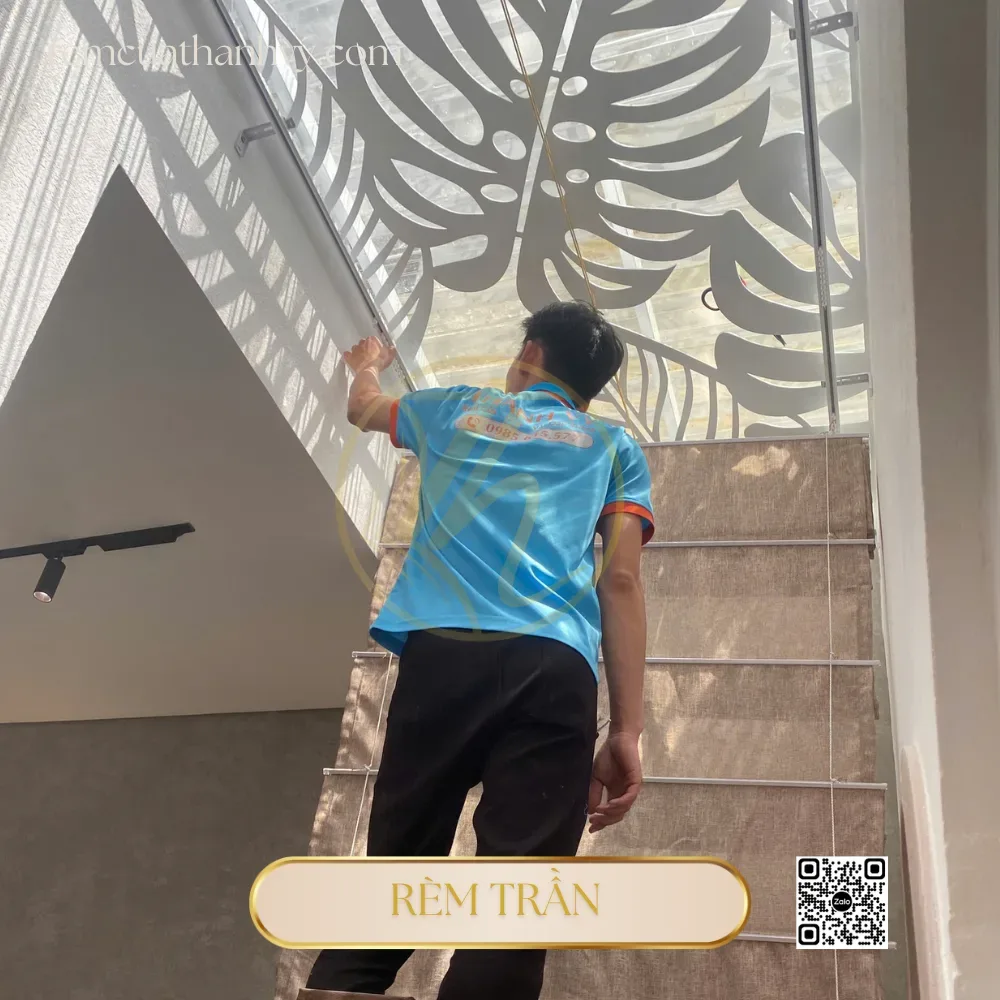
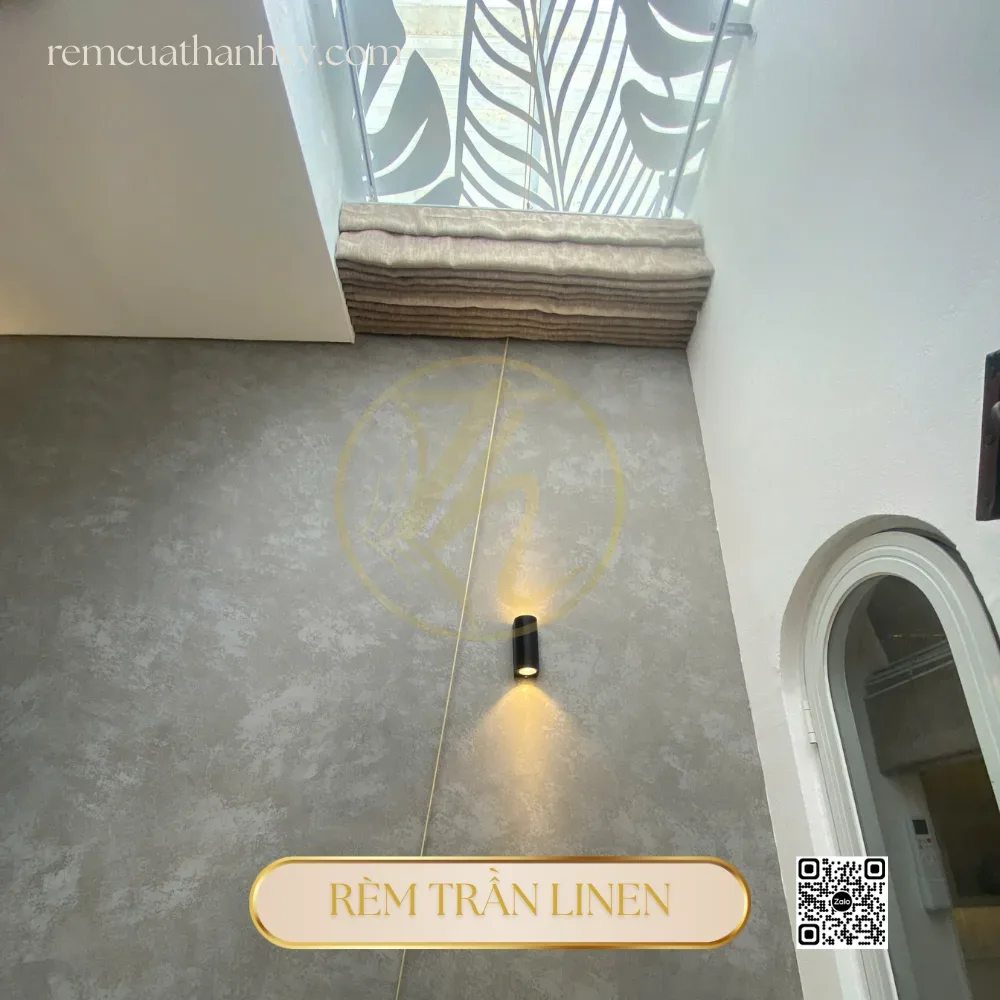
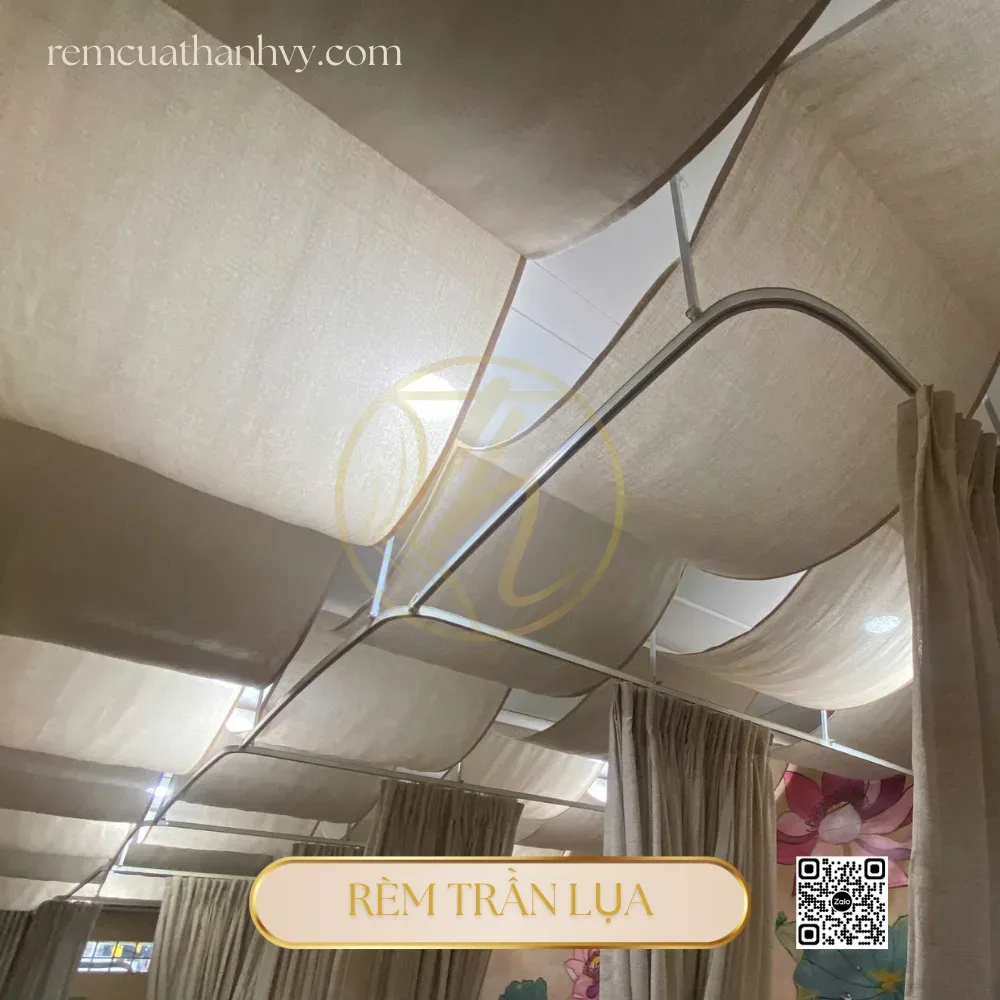
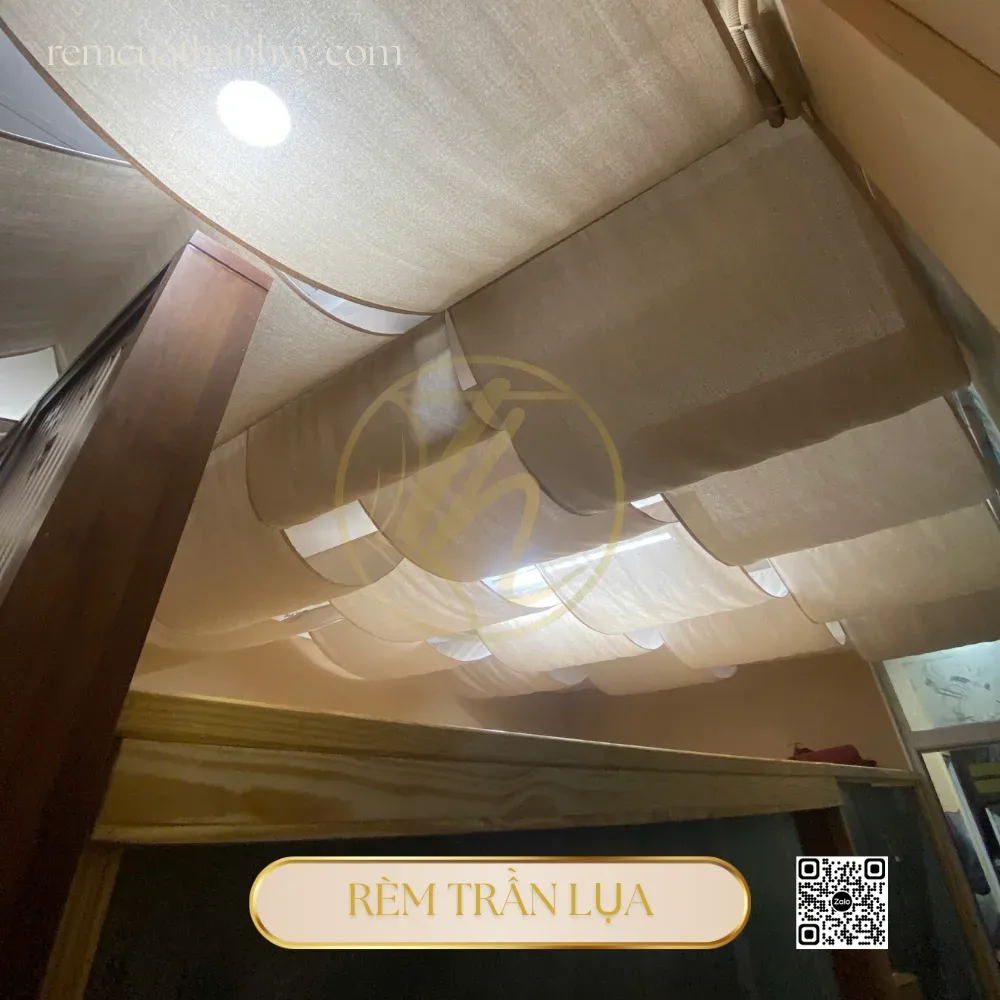
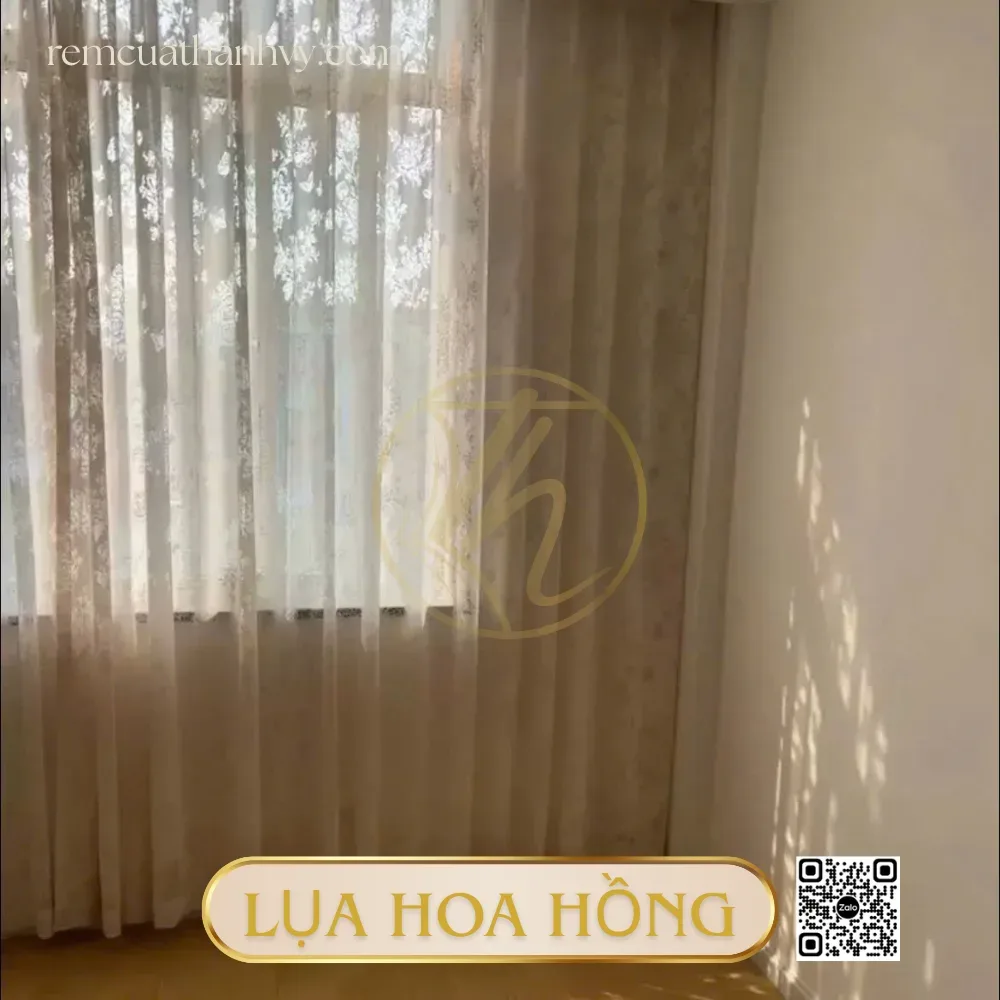
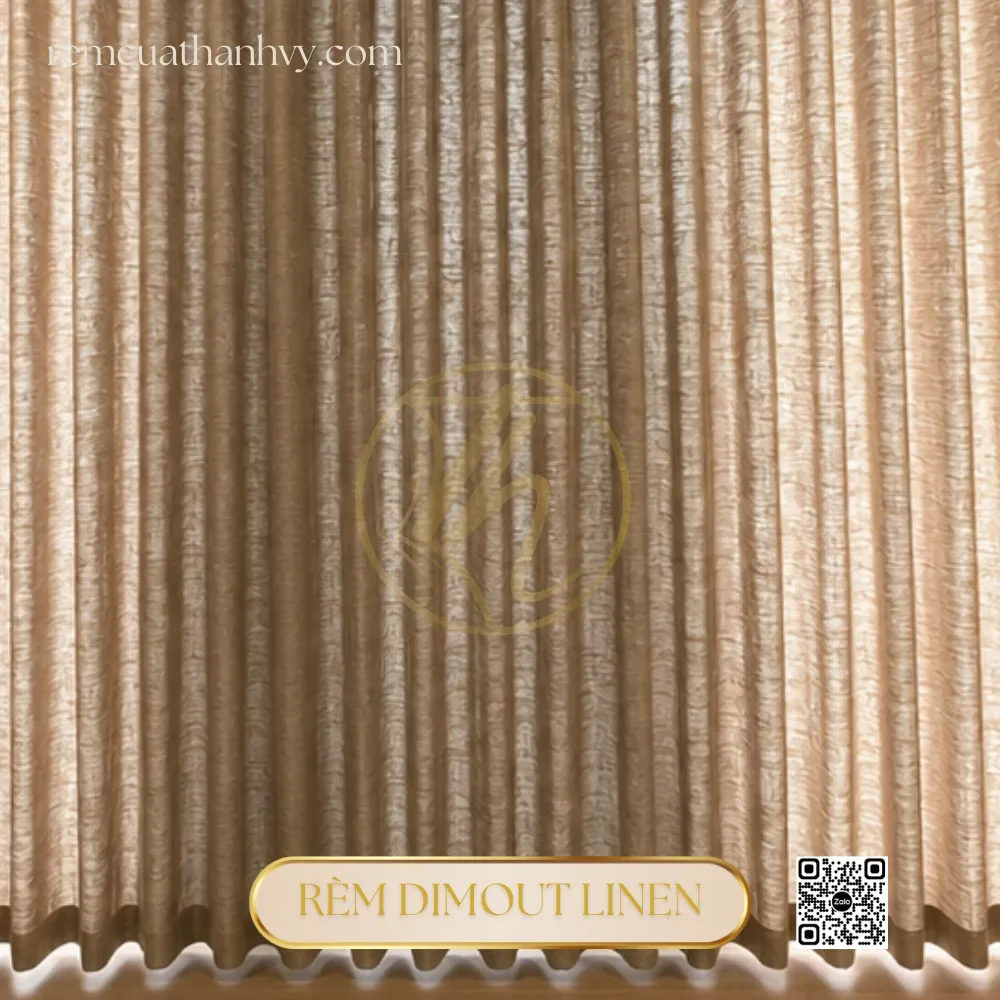
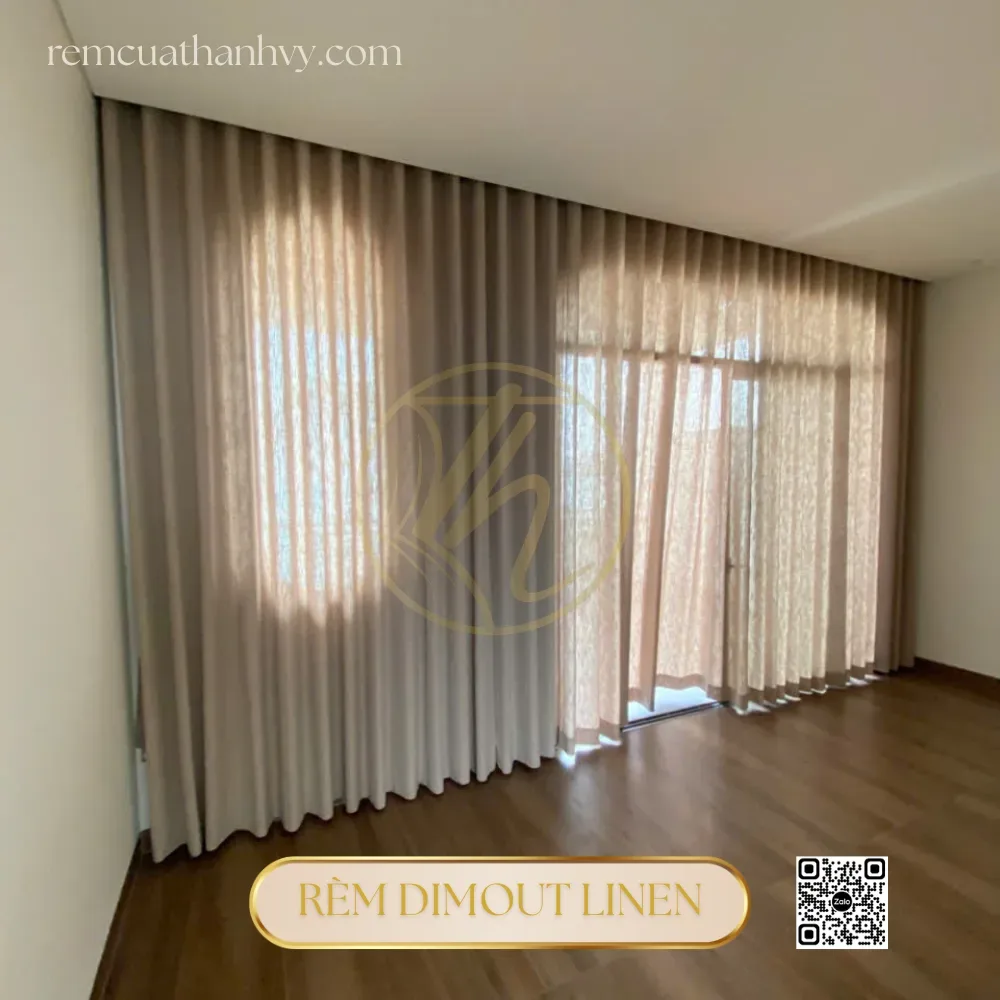
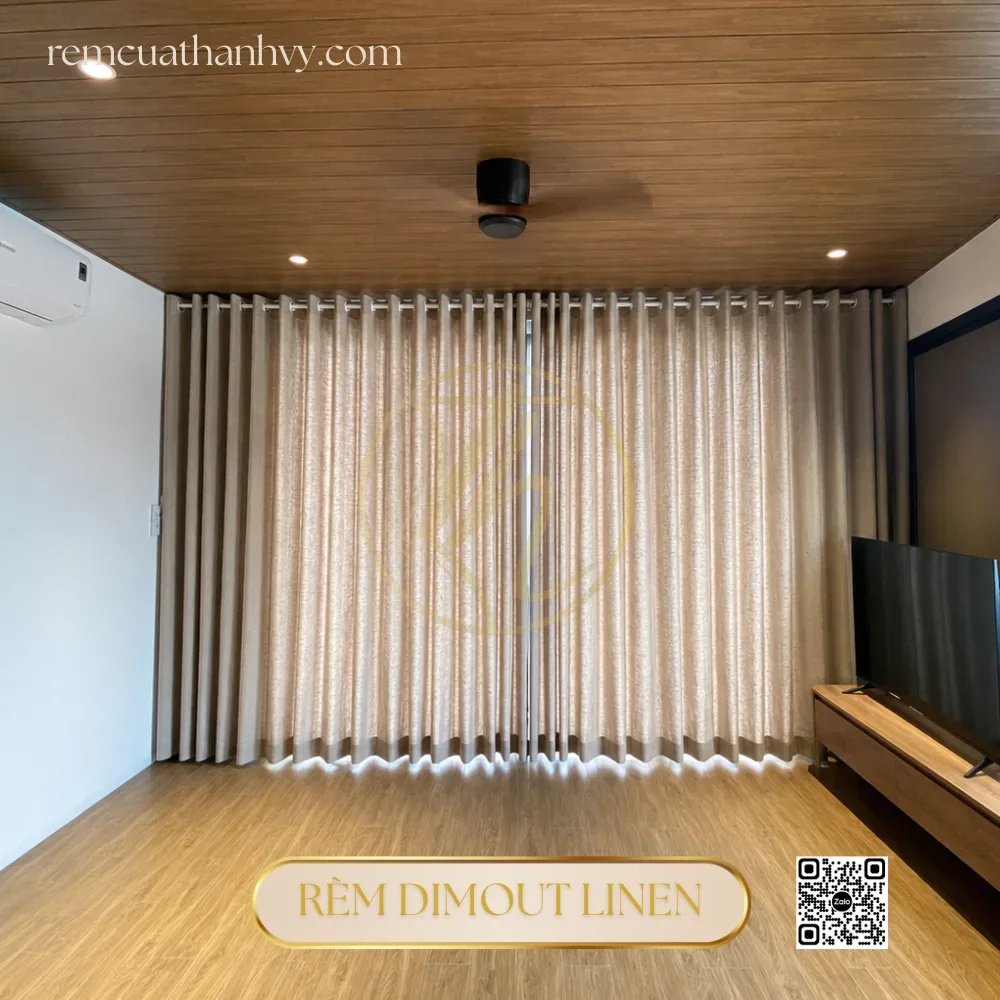
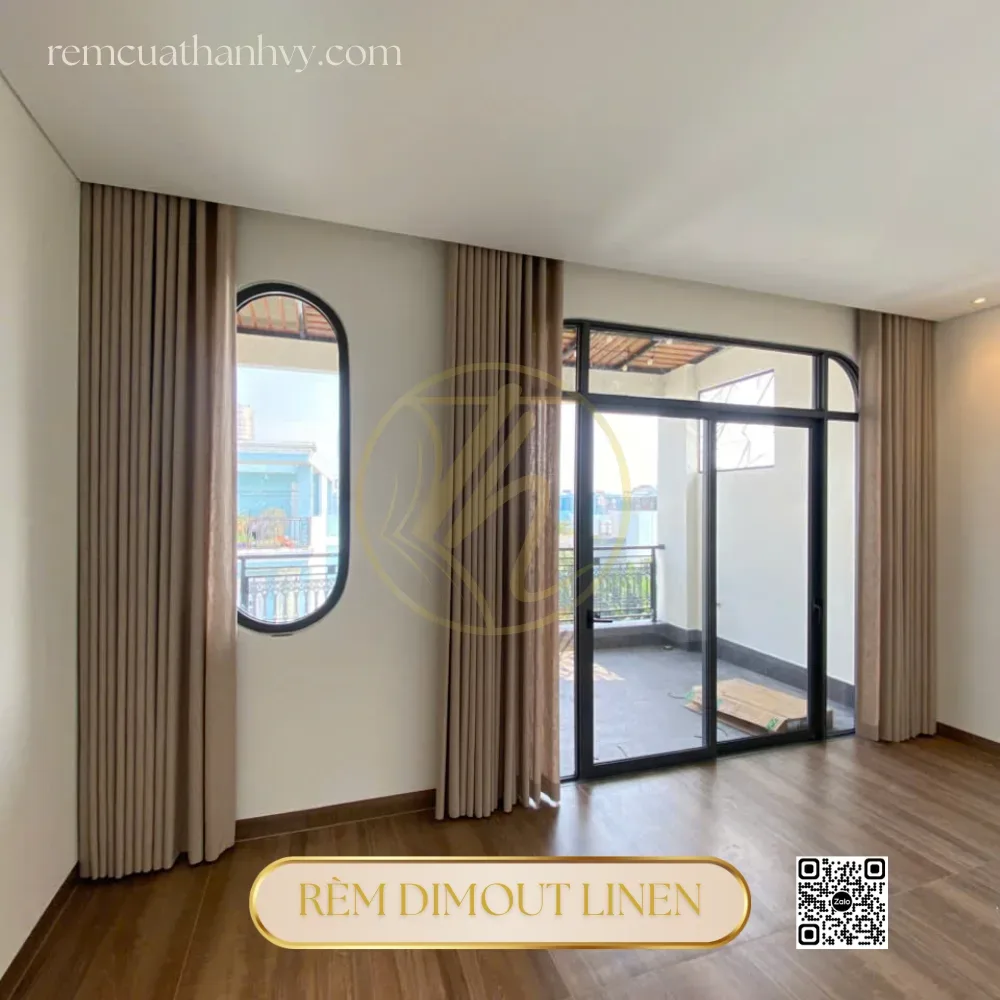
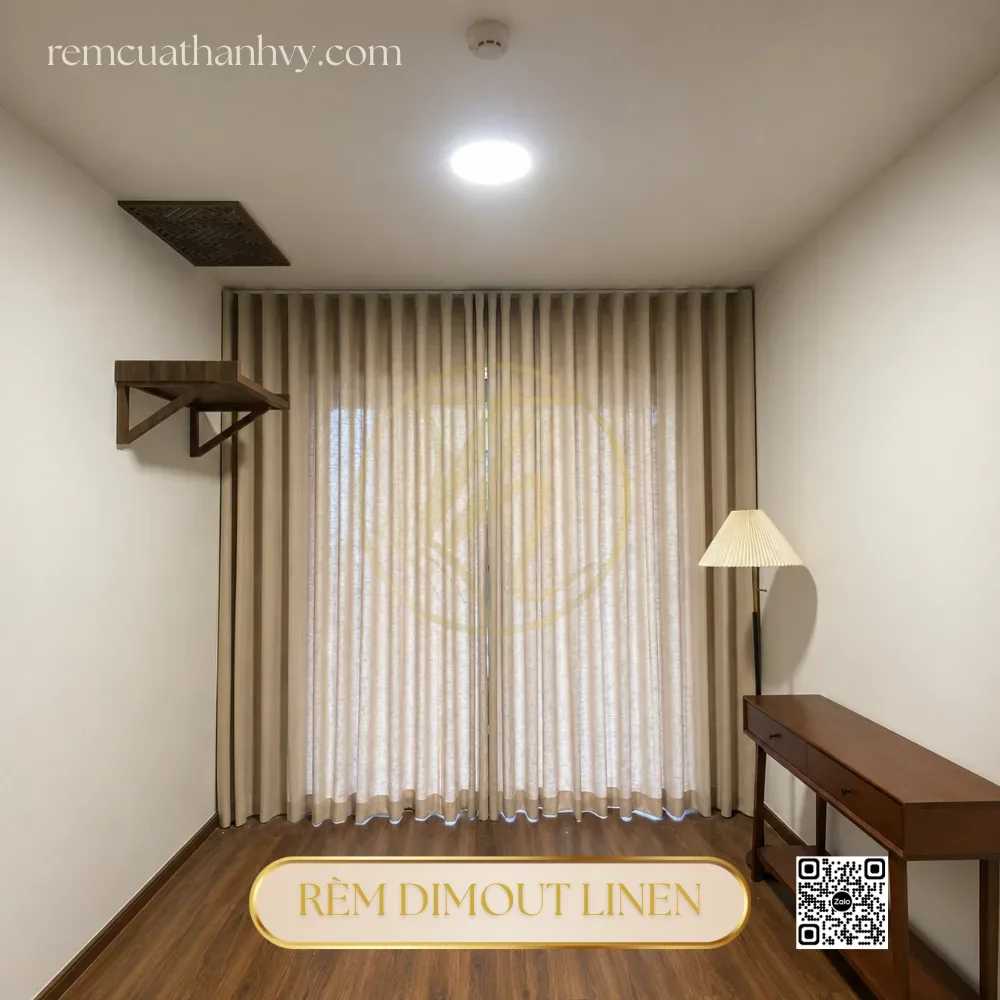
For further information, please contact Thanh Vy Curtains
We provide free consultation and on-site measuring at your home.
Related areas
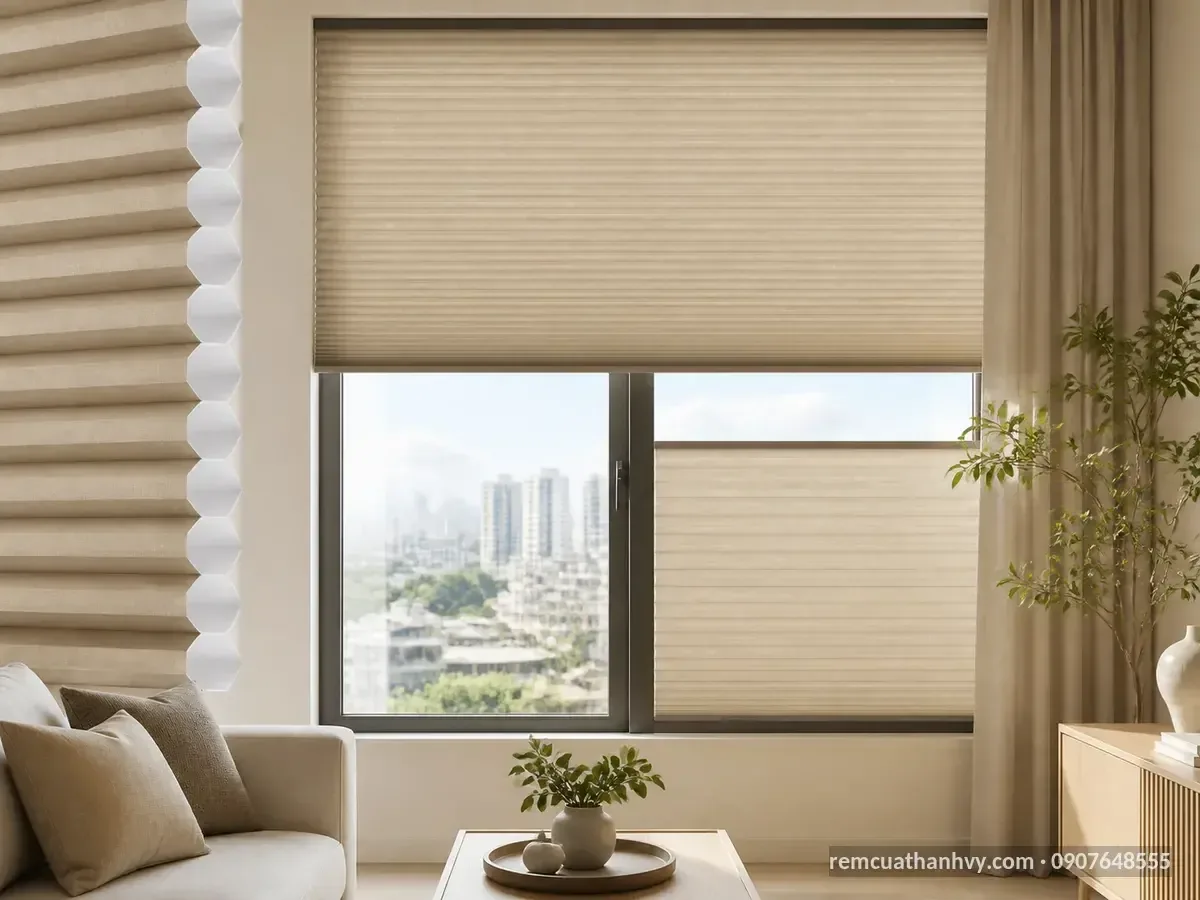
Curtains in District 12: What to Prioritize for Every Space
With over 15 years of experience working from a private workshop, Rèm Cửa Thanh Vy [...]

Curtains in District 6: What to Prioritize for Each Space
To choose the perfect curtains in District 6, contact Rèm Cửa Thanh Vy for dedicated [...]
Curtains in District 3: What to prioritize when choosing for each space
**Curtain selection advice:** Customers in District 3 should prioritize two-layer fabric curtains or neat Korean [...]
Related reviews
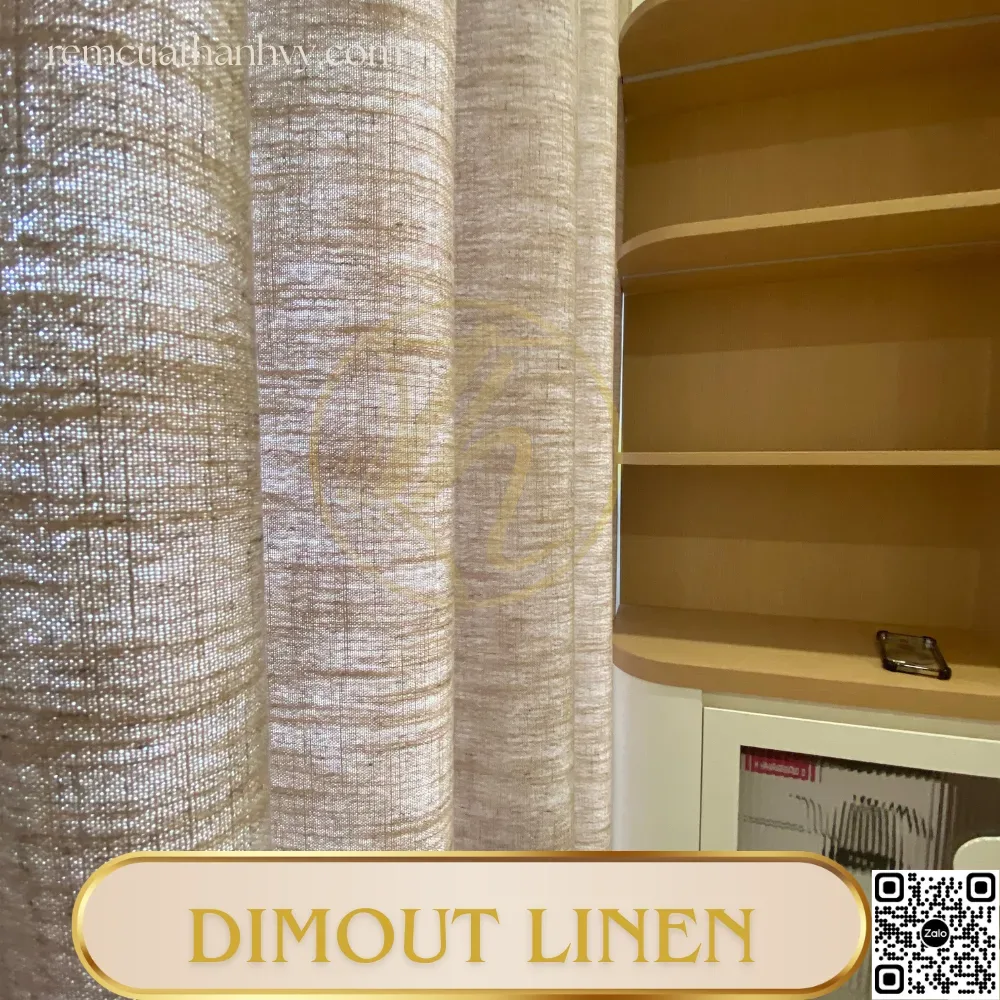
Linen Curtains or Roller Blinds? A Detailed Comparison on Which to Choose
Compare linen curtains vs roller blinds based on light, privacy, operation, aesthetics, cleaning, and maintenance [...]

Fabric Curtains vs. Roller Blinds? A Detailed Comparison to Help You Choose
Compare fabric curtains and roller blinds based on light control, privacy, operation, aesthetics, maintenance, and [...]
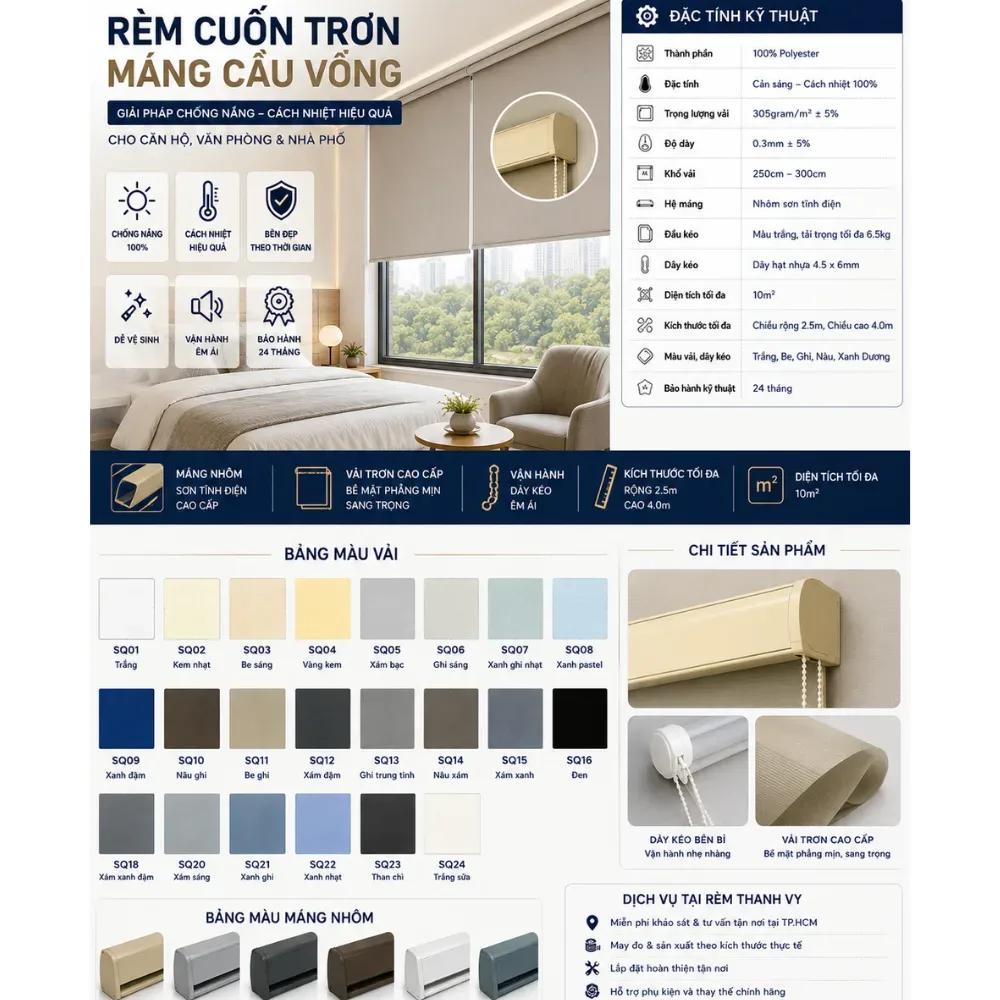
Roller Blinds vs. Roman Blinds? A Detailed Comparison to Help You Choose
Compare roller blinds and roman blinds by light control, privacy, operation, aesthetics, cleaning, and cost [...]
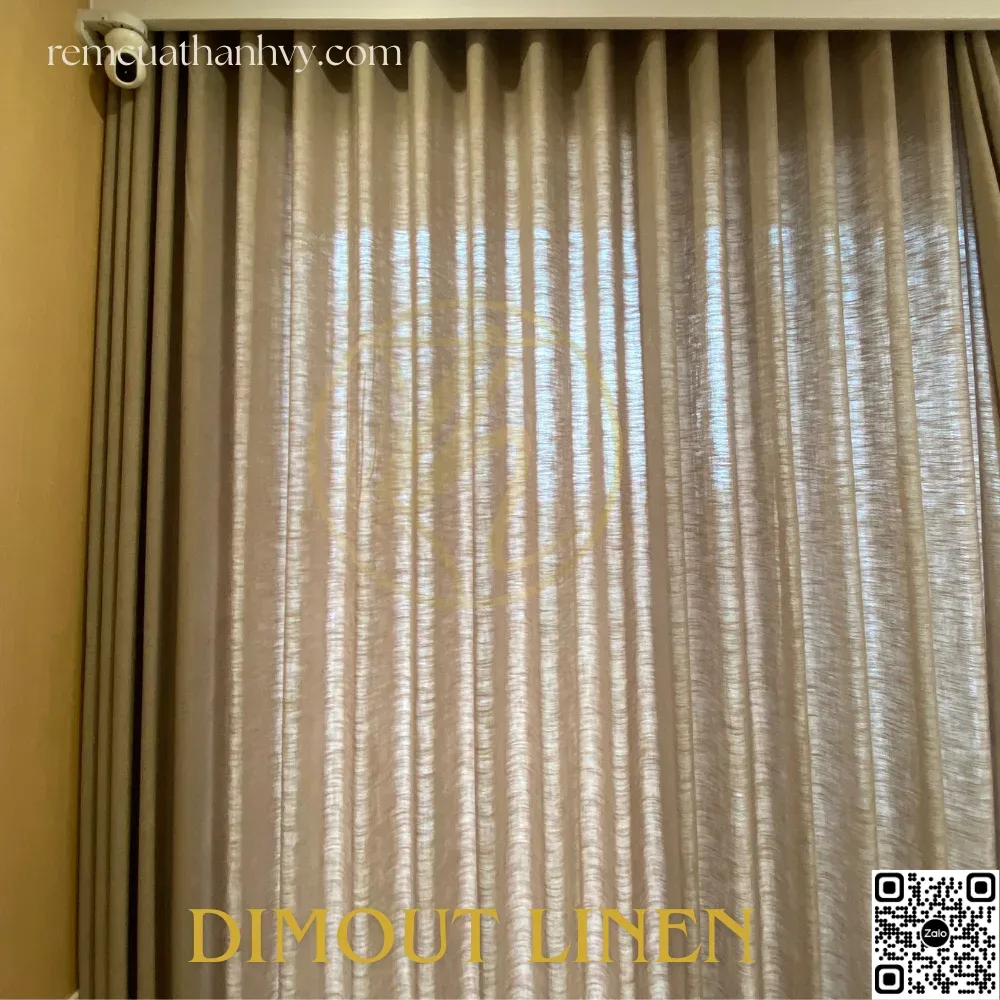
Fabric Curtains vs. Linen Curtains? A Detailed Comparison to Help You Choose
Compare fabric and linen curtains based on light control, privacy, operation, aesthetics, maintenance, and cost [...]
Related posts
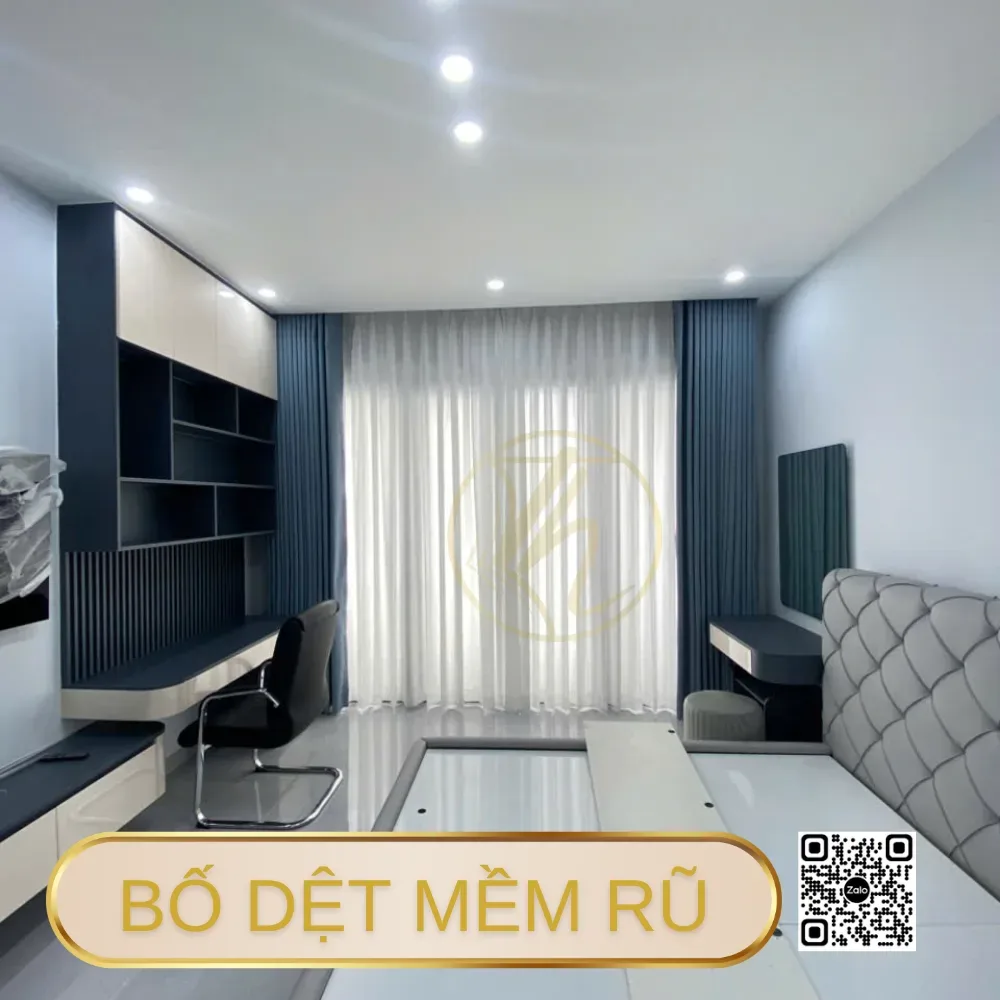
Fabric Curtains in District 3: How to Choose by Room and Need
This article helps readers choose fabric curtains in District 3 based on light blocking needs, [...]
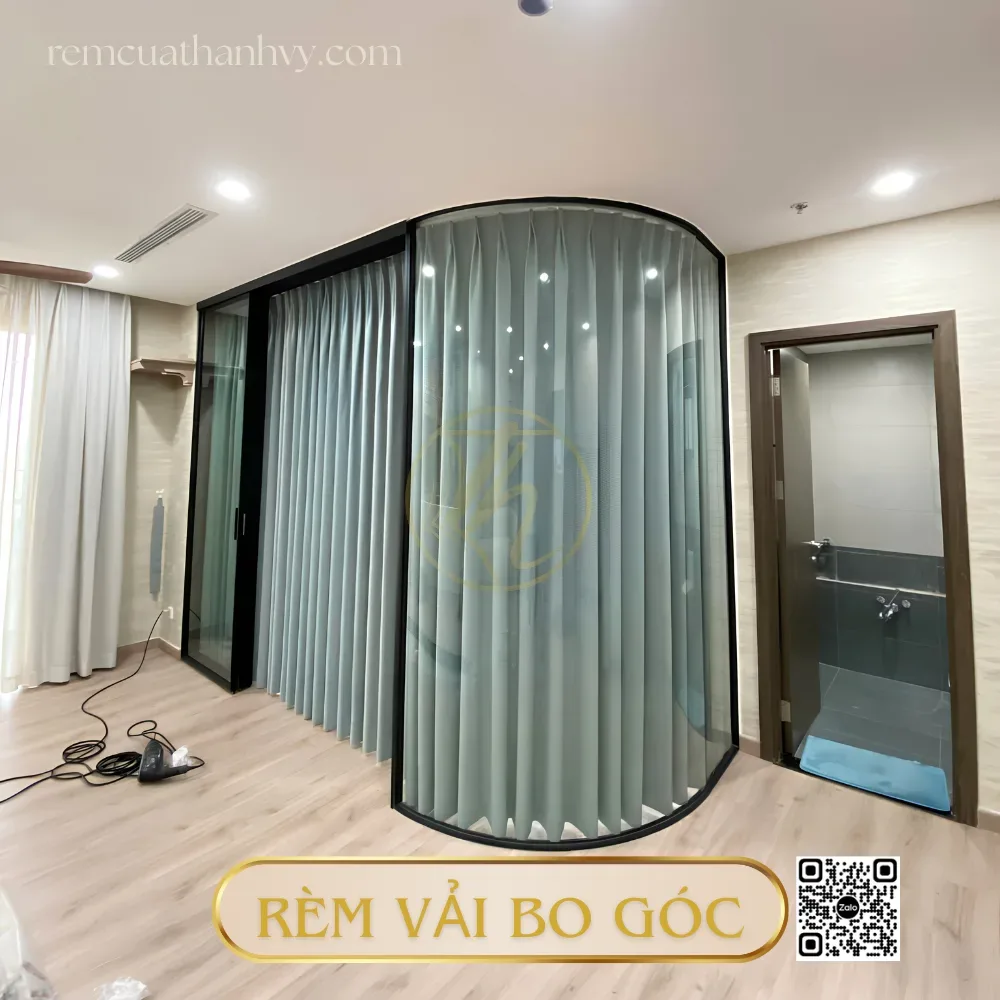
Fabric Curtains in District 6: How to Choose Fabrics and Sewing Styles
A guide to choosing fabric curtains in District 6 for every space, light level, material, [...]
No comments yet!