


District 11 Fabric Curtains: Custom-Tailored On-Site, Great Prices | Thanh Vy
District 11 fabric curtains should start from the function of each room
Fabric curtains in District 11 should not be chosen just because a fabric pattern looks nice in a photo or because the color is trending. Before discussing aesthetics, three questions need to be clearly answered: how much light blocking does the room need, what is the desired level of privacy, and how often will the curtains be opened and closed during the day. By starting with practical usage requirements before moving on to colors and styles, readers can easily eliminate options that look good in pictures but prove inconvenient for daily use.
A suitable set of fabric curtains usually needs to balance multiple factors simultaneously: softening harsh light, maintaining great proportions for the window frame, avoiding making the room heavier than necessary, and remaining convenient for routine cleaning. Therefore, the first step when researching fabric curtains in District 11 is not asking for prices or browsing catalogs, but clearly nailing down what the living room, bedroom, or workspace prioritizes most before moving on to material selection.
How District 11 housing characteristics affect curtain selection
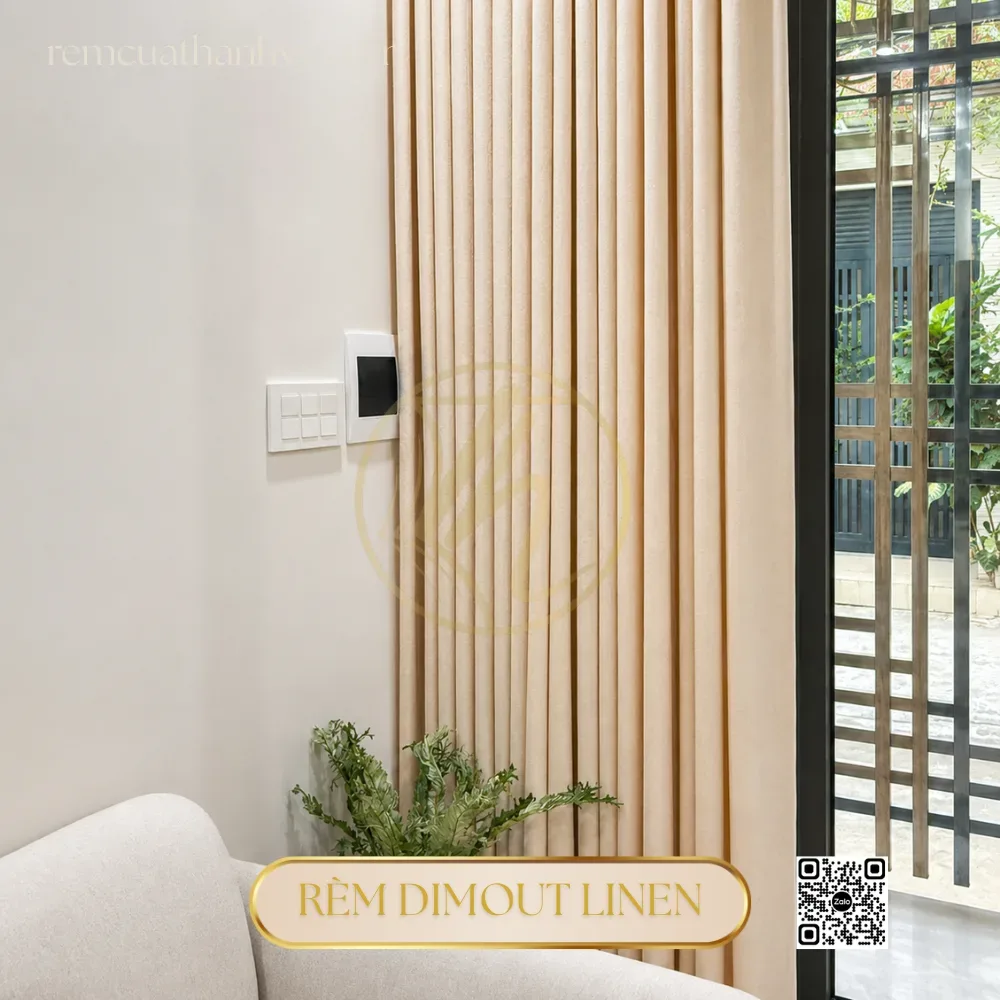
District 11 is a densely populated area, mostly consisting of townhouses, alley tube houses, and some apartment buildings near major thoroughfares. This characteristic results in many homes having narrow facades, windows adjacent to neighboring houses, or directly facing busy alleys, making privacy a top priority—especially for ground-floor bedrooms or living rooms with large windows facing alleyways.
Before finalizing your option, you can also check out District 6 Fabric Curtains: How to Choose Fabrics and Sewing Styles or District 3 Fabric Curtains: How to Choose by Room and Need.
Important Note: This information helps readers proactively arrange their schedule, especially if they need to complete their space before a specific occasion such as moving into a new home or remodeling a room.
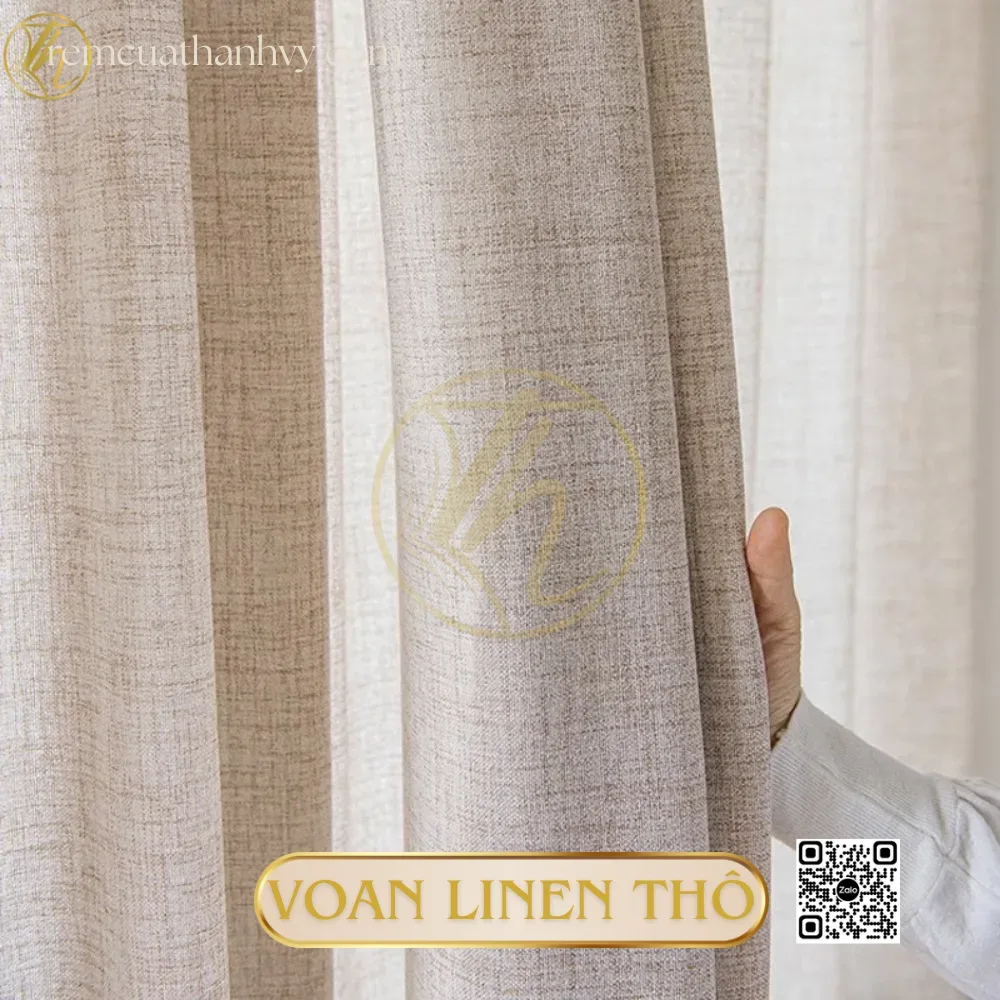
Besides privacy, homes in small alleys often lack natural light during certain hours due to closely packed buildings, while those with open facades face harsh afternoon sun. Therefore, a single curtain-selection formula cannot be applied to the entire area; instead, surveys must be conducted for each specific home to determine whether to prioritize light blocking, maintaining natural light, or combining both at different times of the day.
Determine the required level of light blocking and privacy
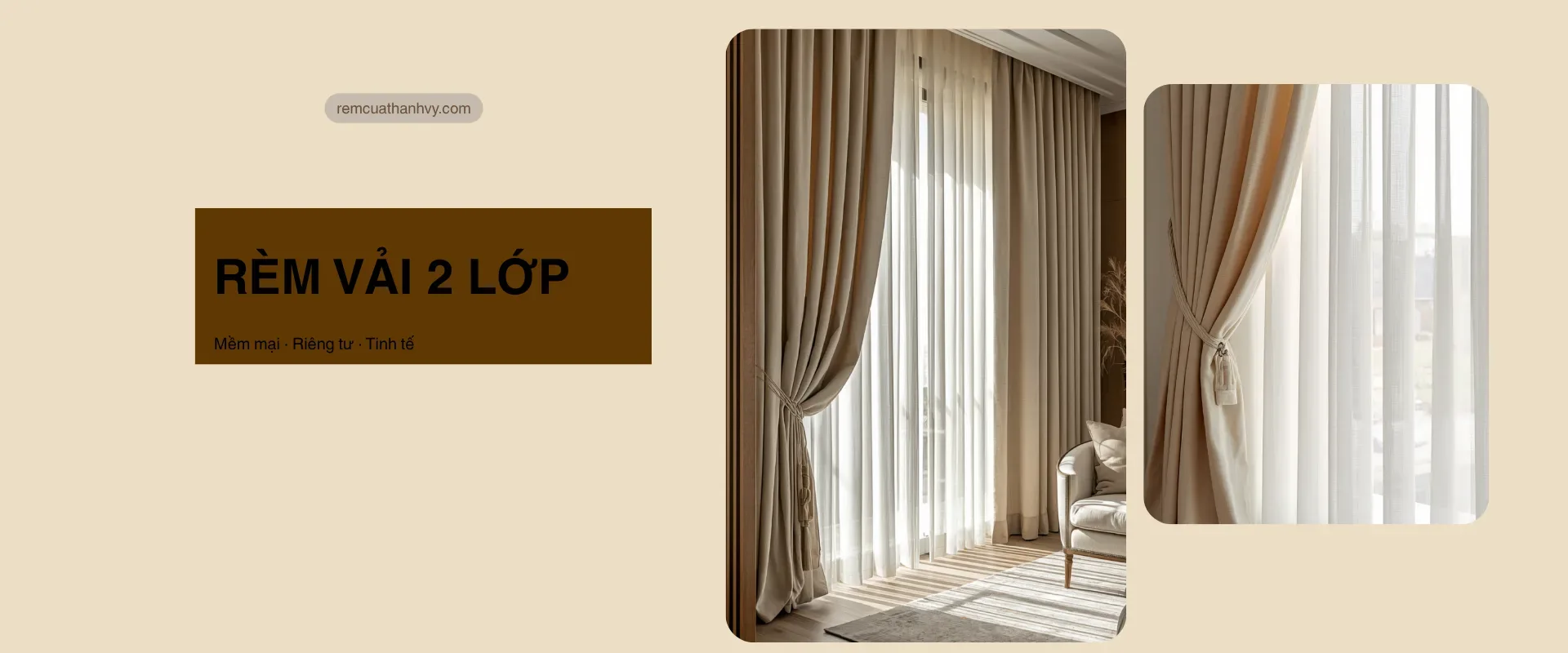
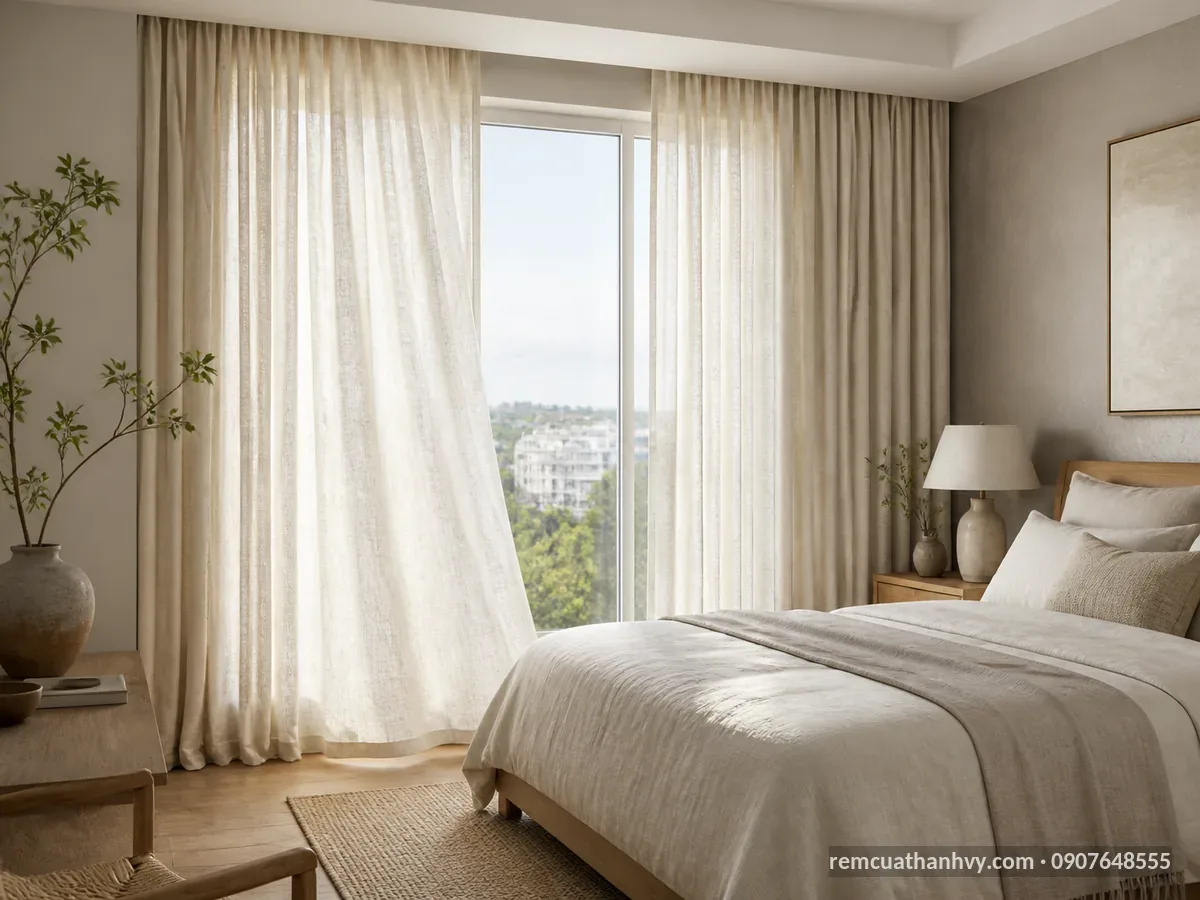
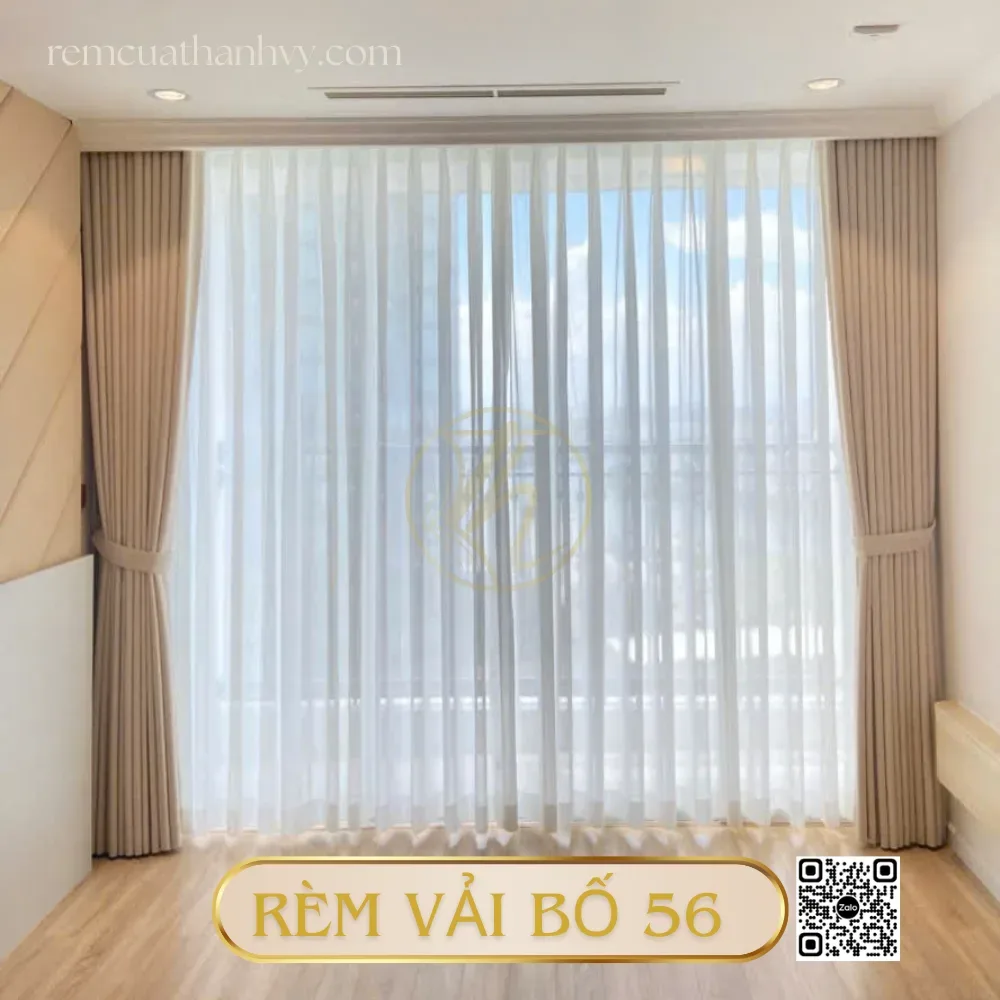
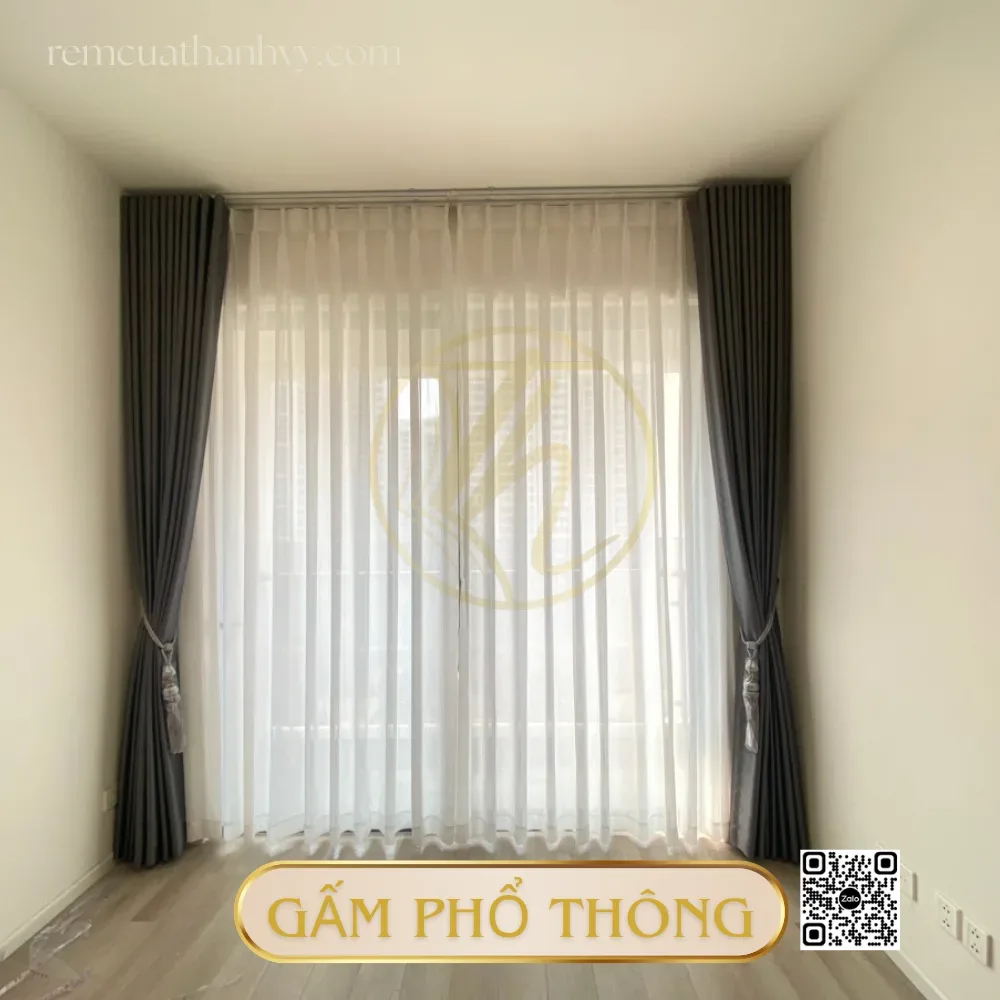
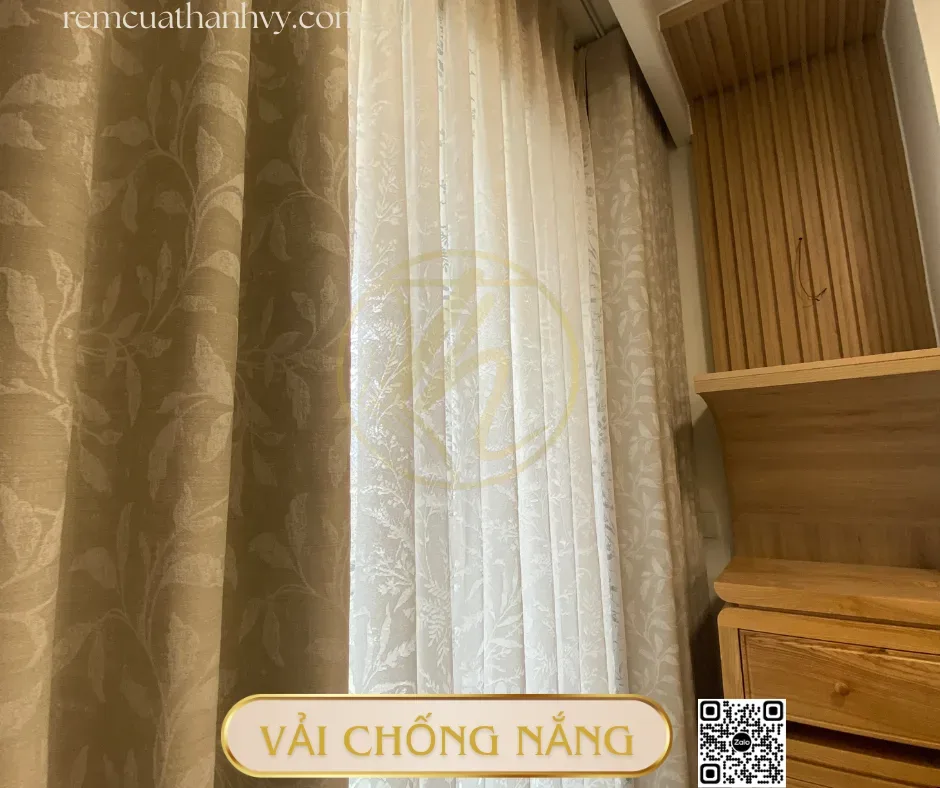
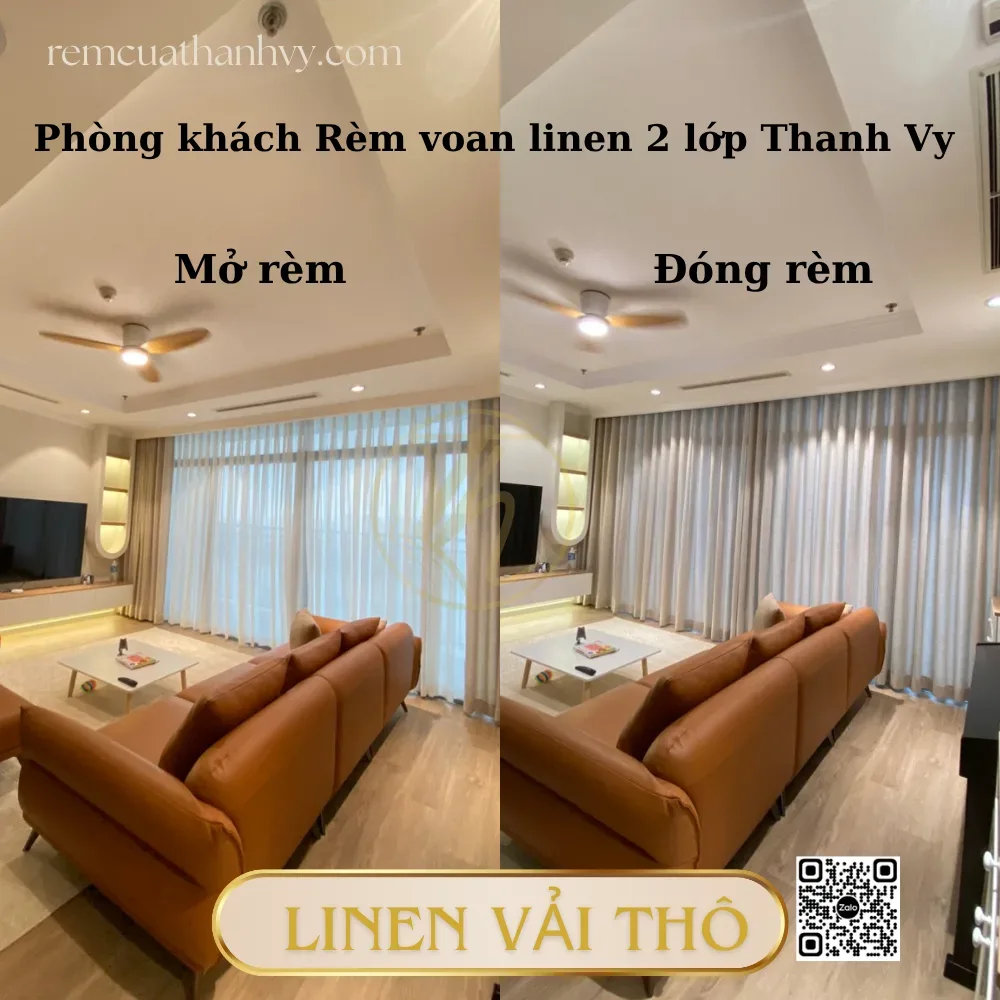
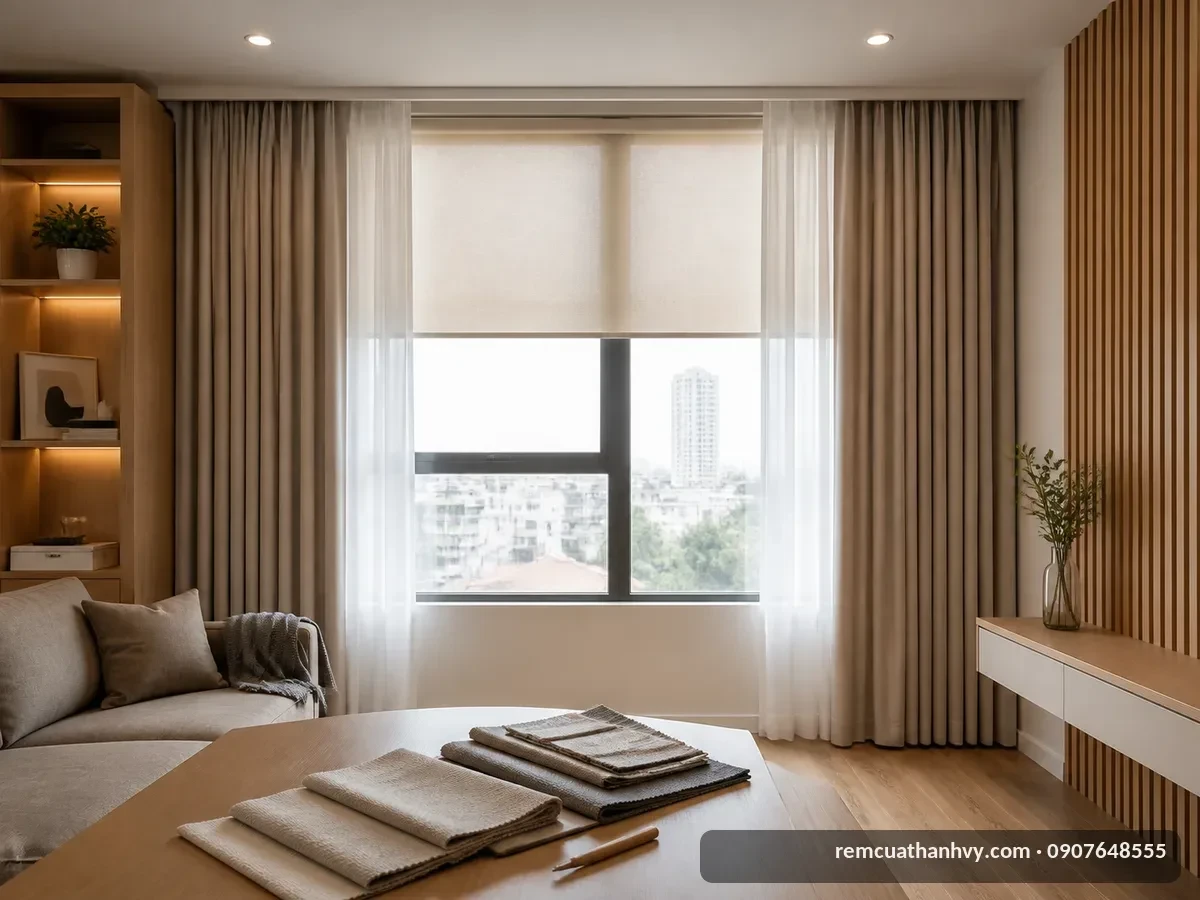
For windows facing busy alleys, the top priority is usually controlling the view from the outside while maintaining an acceptable level of natural light. You can consider pairing a thin sheer layer to diffuse daytime light with a thicker fabric layer to draw closed for absolute privacy at night. Layering like this is far more flexible than using a single fixed fabric layer for all times. Background information on polyester fibers in the textile industry helps with comparison when choosing materials.
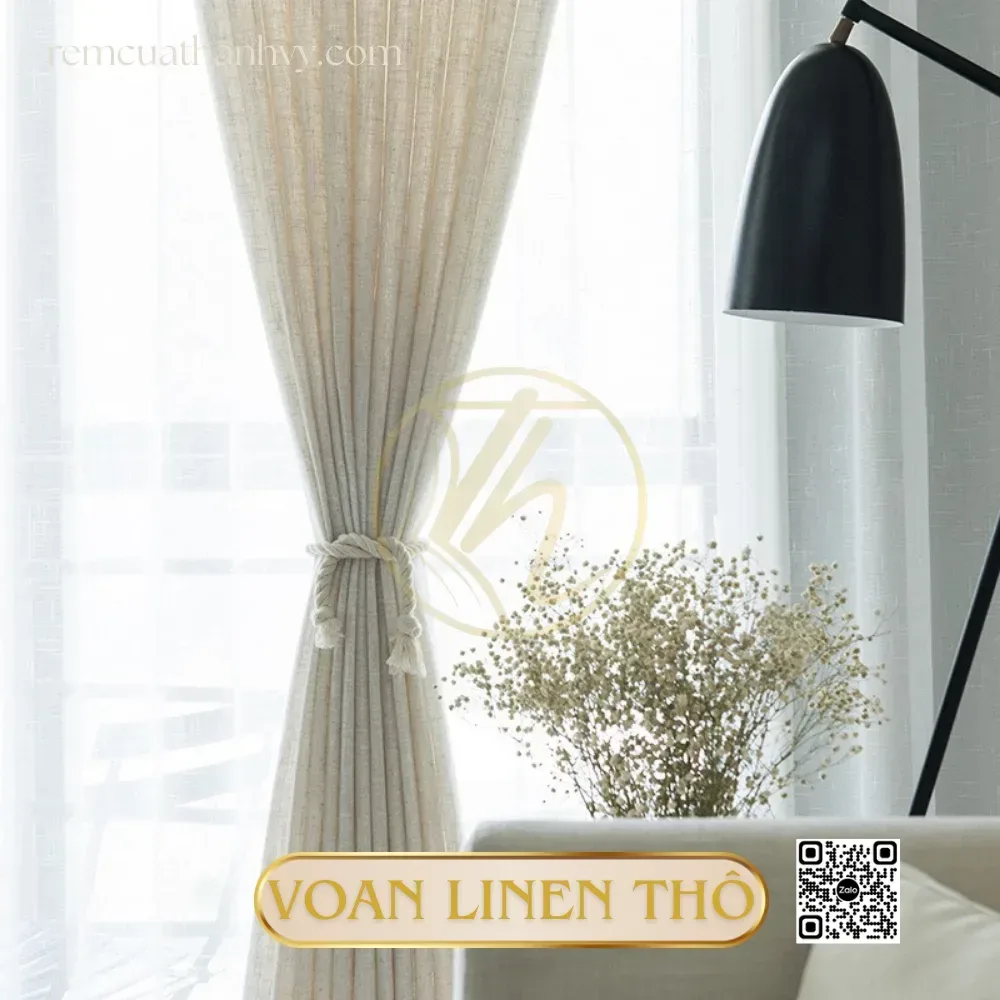
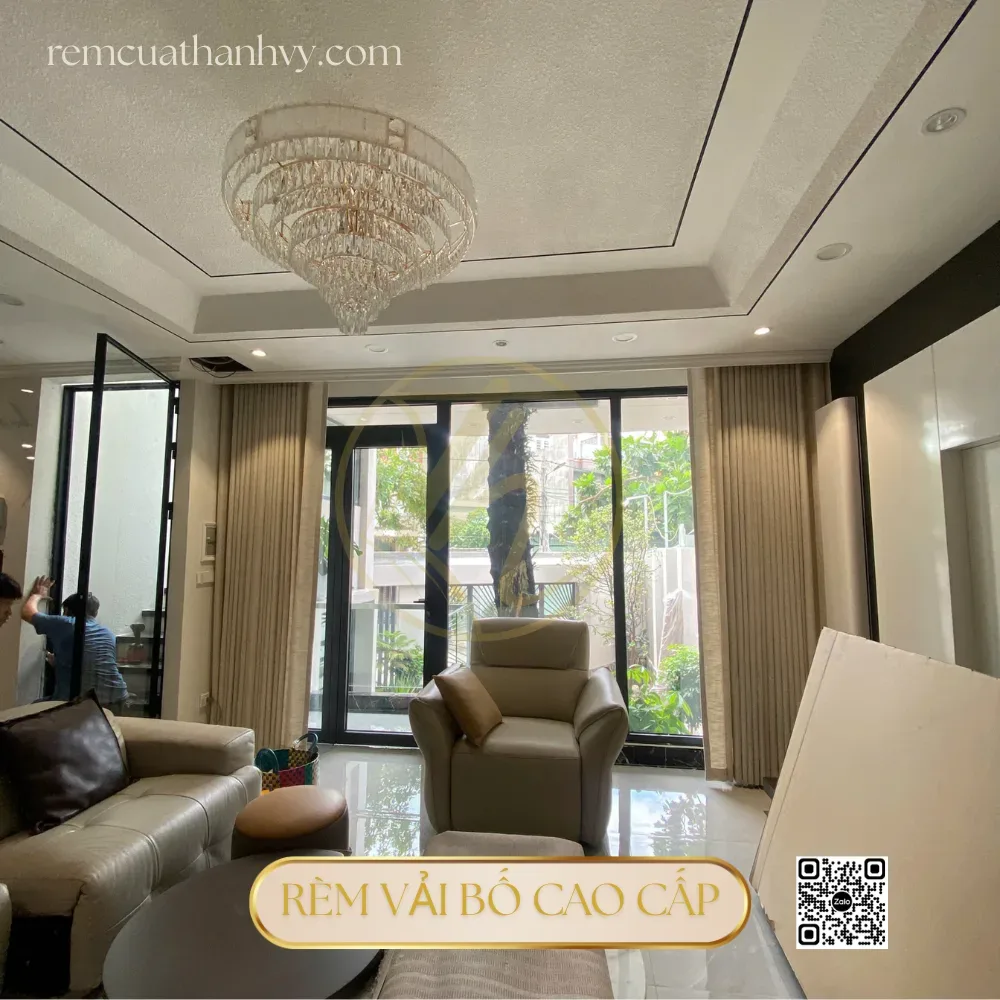
For bedrooms, the critical question is not just privacy but also sleep quality. If the family has night-shift workers or young children sensitive to early morning light, prioritize better light-blocking materials rather than simply choosing favorite colors. Conversely, for living rooms or common areas, the goal usually leans toward keeping the space bright while ensuring outsiders cannot clearly see activities inside. Information about the company also appears in the hall curtain introduction article on Can Tho Newspaper.
Choose curtain materials and colors suited to actual conditions
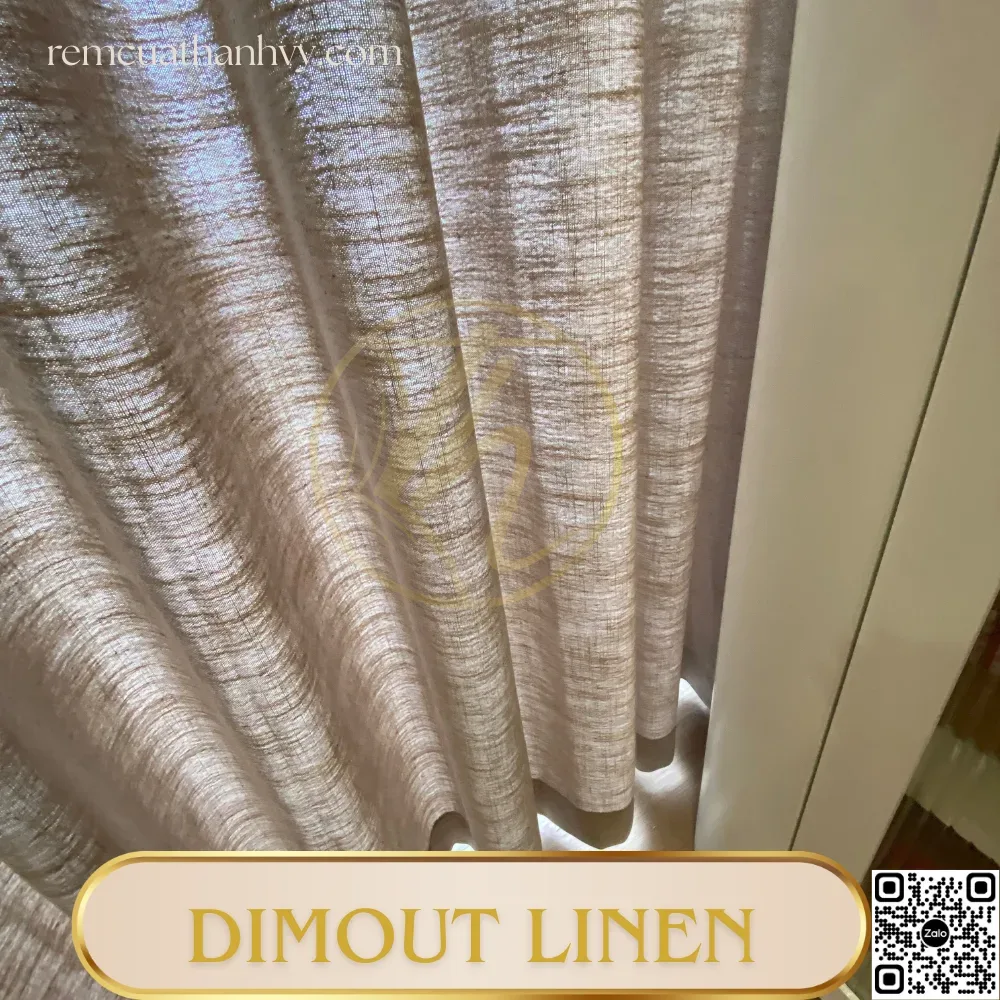
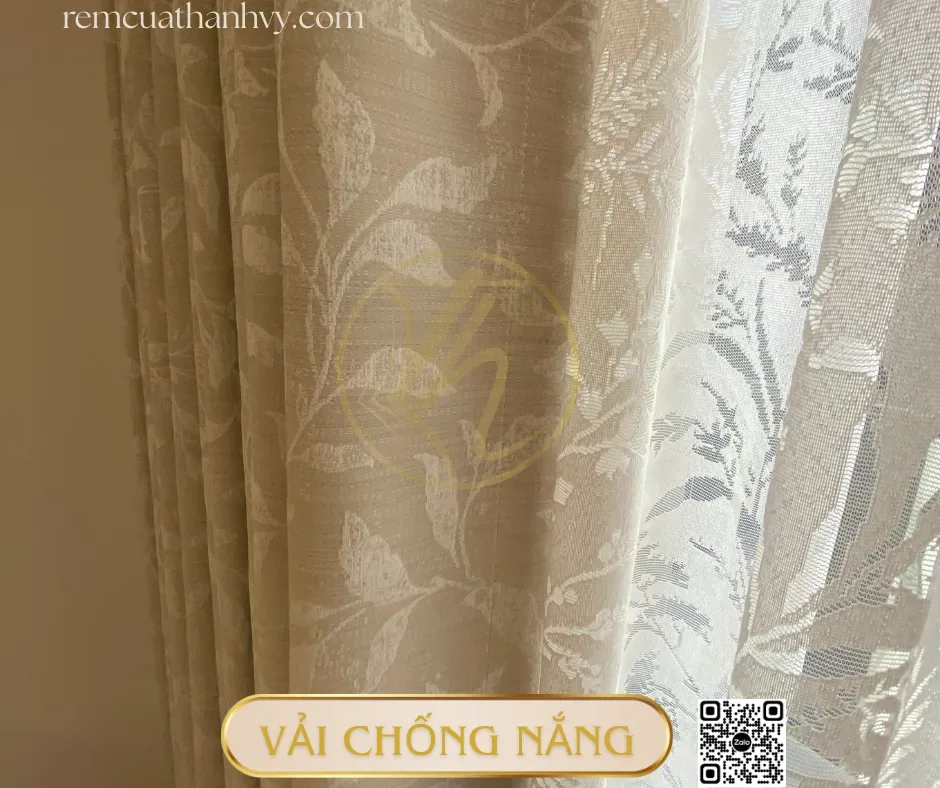
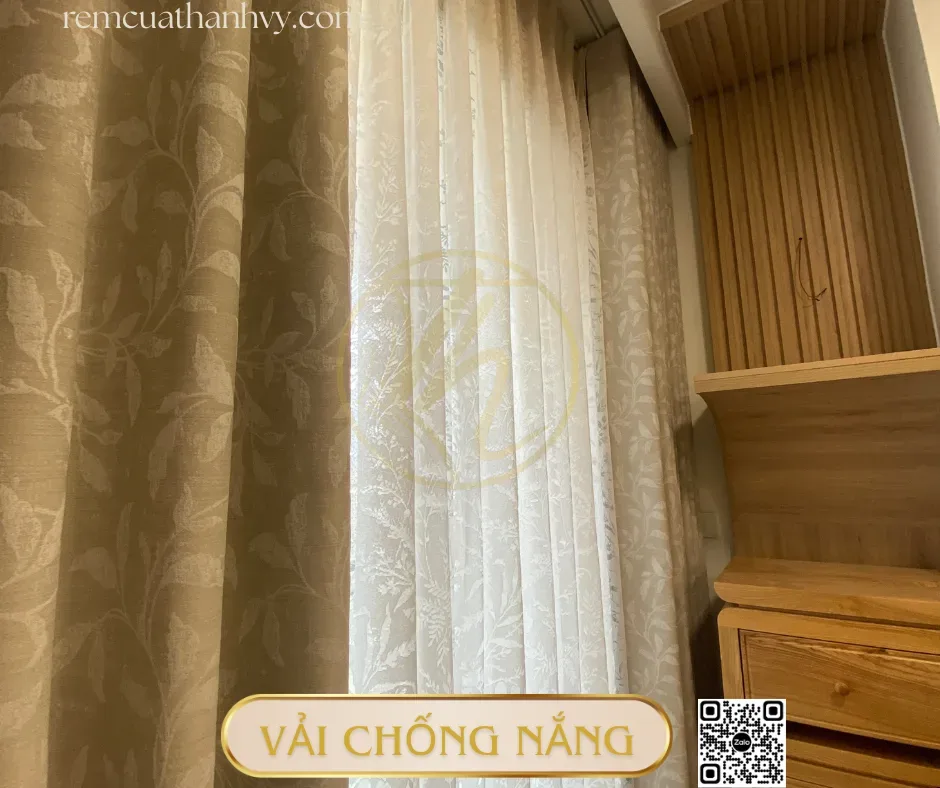
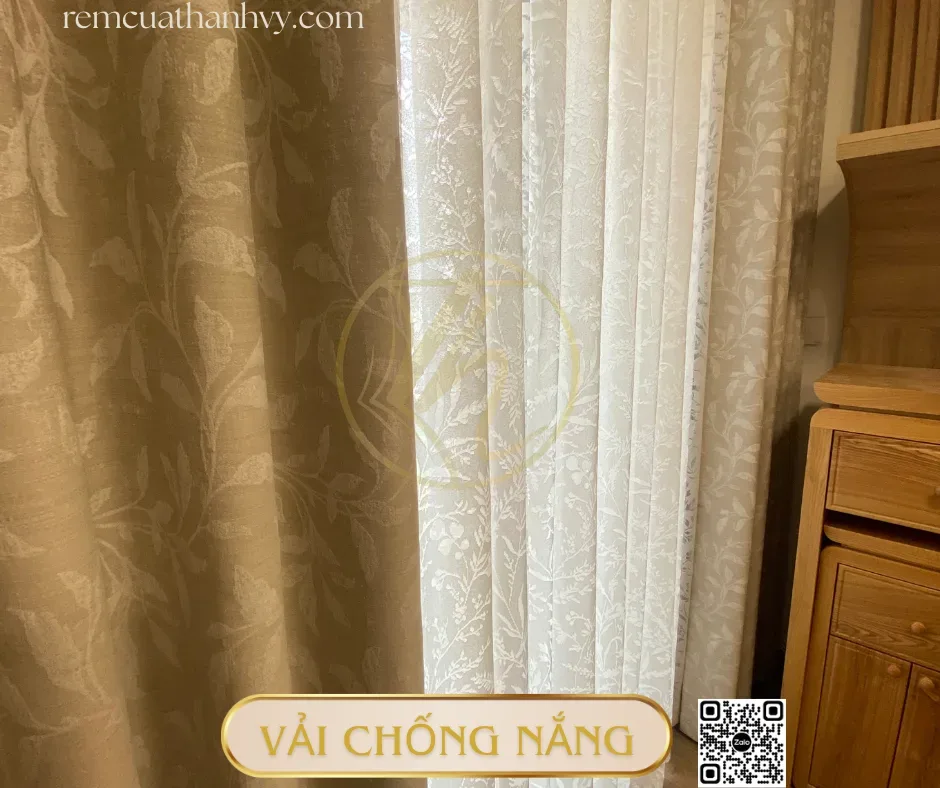
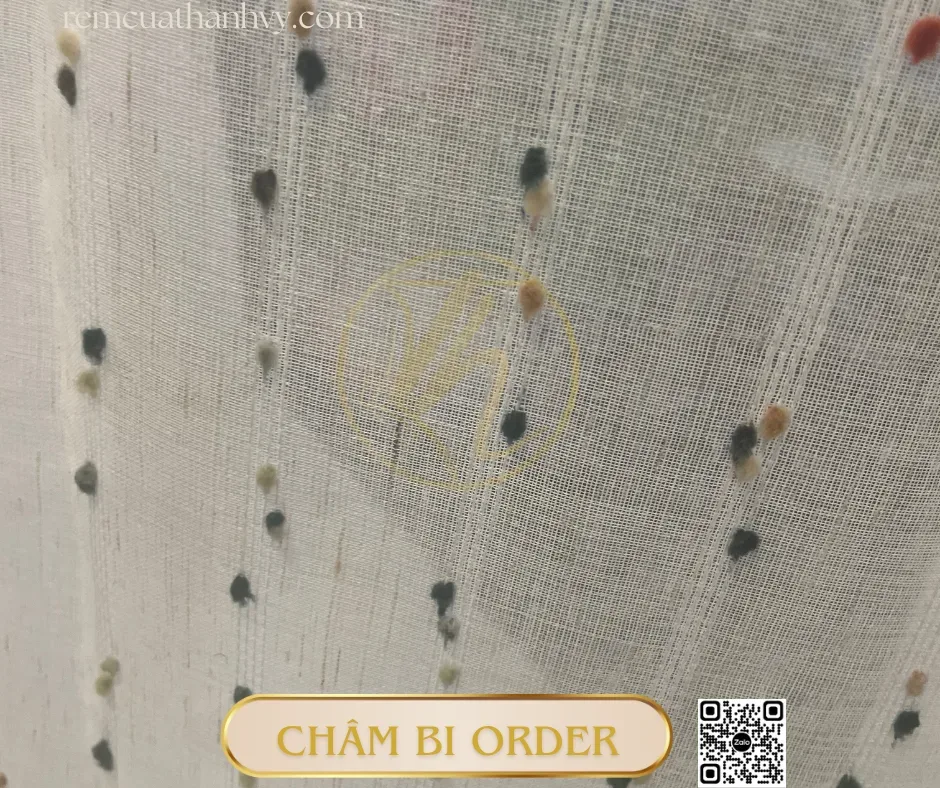
The right material is one compatible with actual usage conditions, not the one most talked about on social media. For homes near dusty roads or kitchens prone to lingering odors, prioritize fabrics that are easy to wipe clean, low-linting, and retain their shape well after multiple washes. For bedrooms or offices exposed to less dust, you can be more flexible in choosing materials that create a soft, luxurious feel.
Regarding color, the general principle is to choose according to existing wall tones, flooring, and furniture rather than independent personal preferences. For small alley houses with limited space and light, neutral tones or soft light colors usually make the space feel airier; if the room is already bright enough, a moderately bold shade can still work if well-balanced with the overall interior.
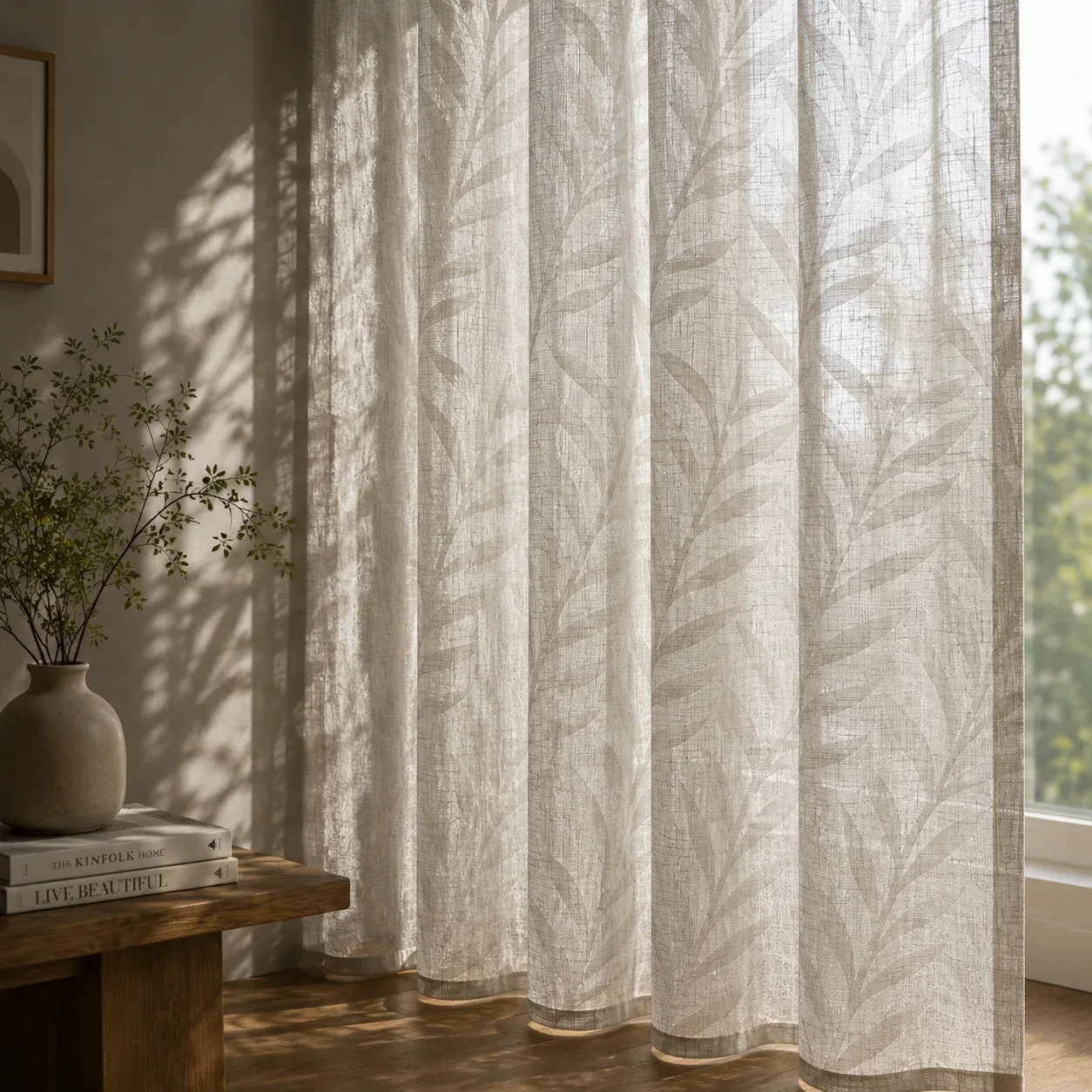
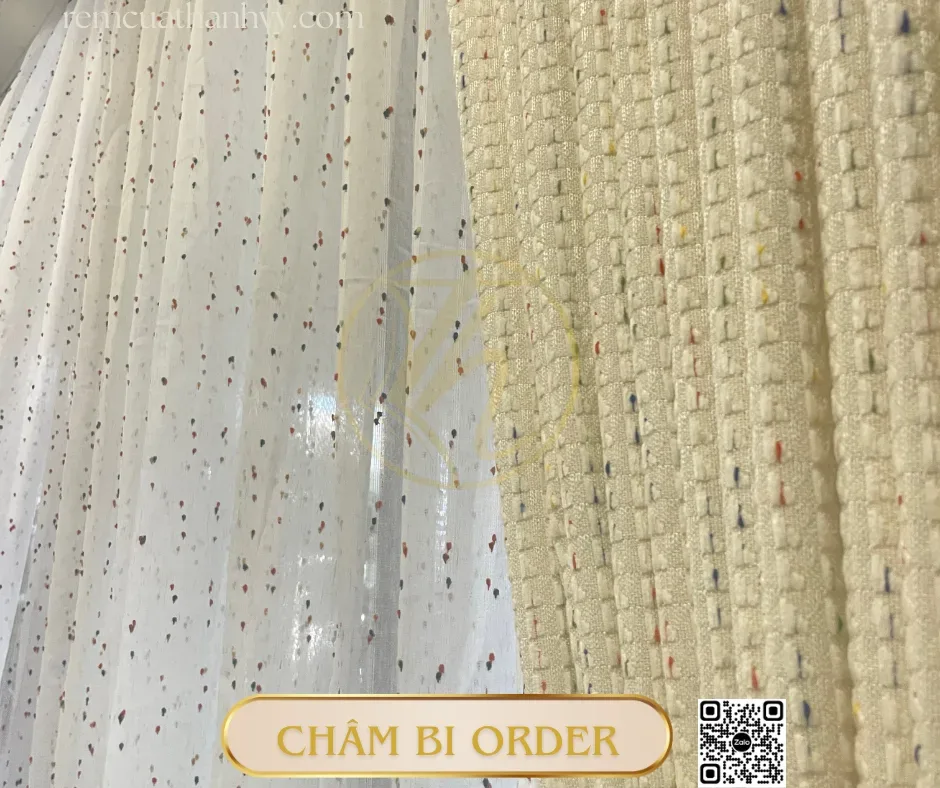
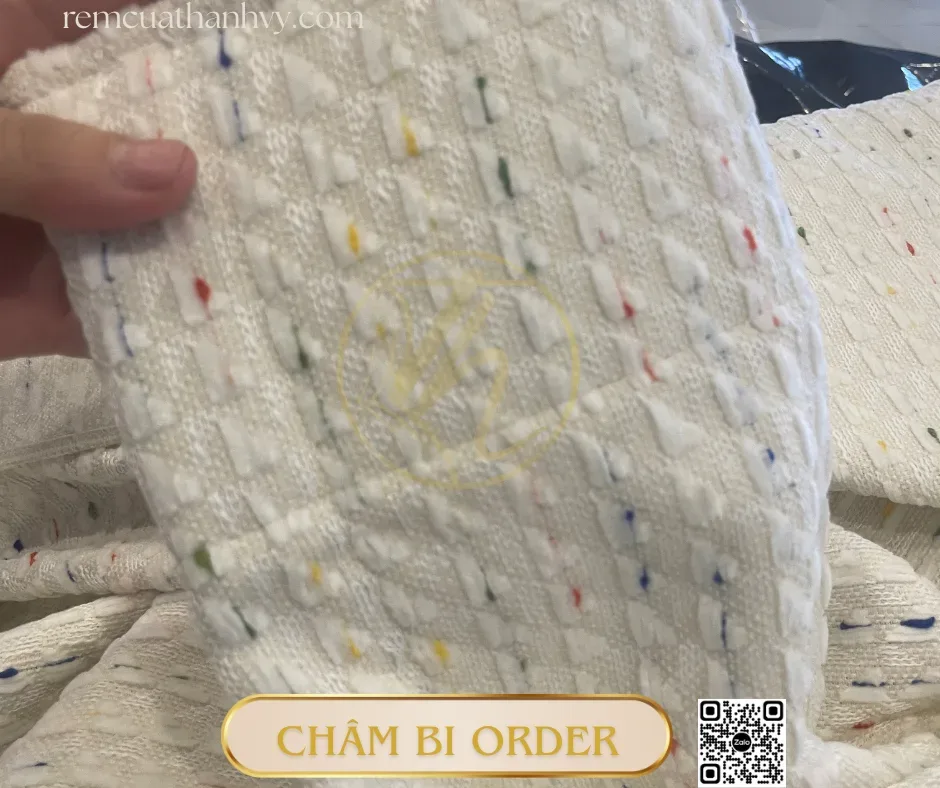
A common mistake is choosing colors based solely on fabric sample photos without viewing the actual sample under the room’s own lighting, because yellow lights, white lights, or daylight can make the exact same fabric color feel different. Before finalizing the color, request a small fabric sample to test right where the curtains will be hung, observing them both during the day and at night before making a decision.
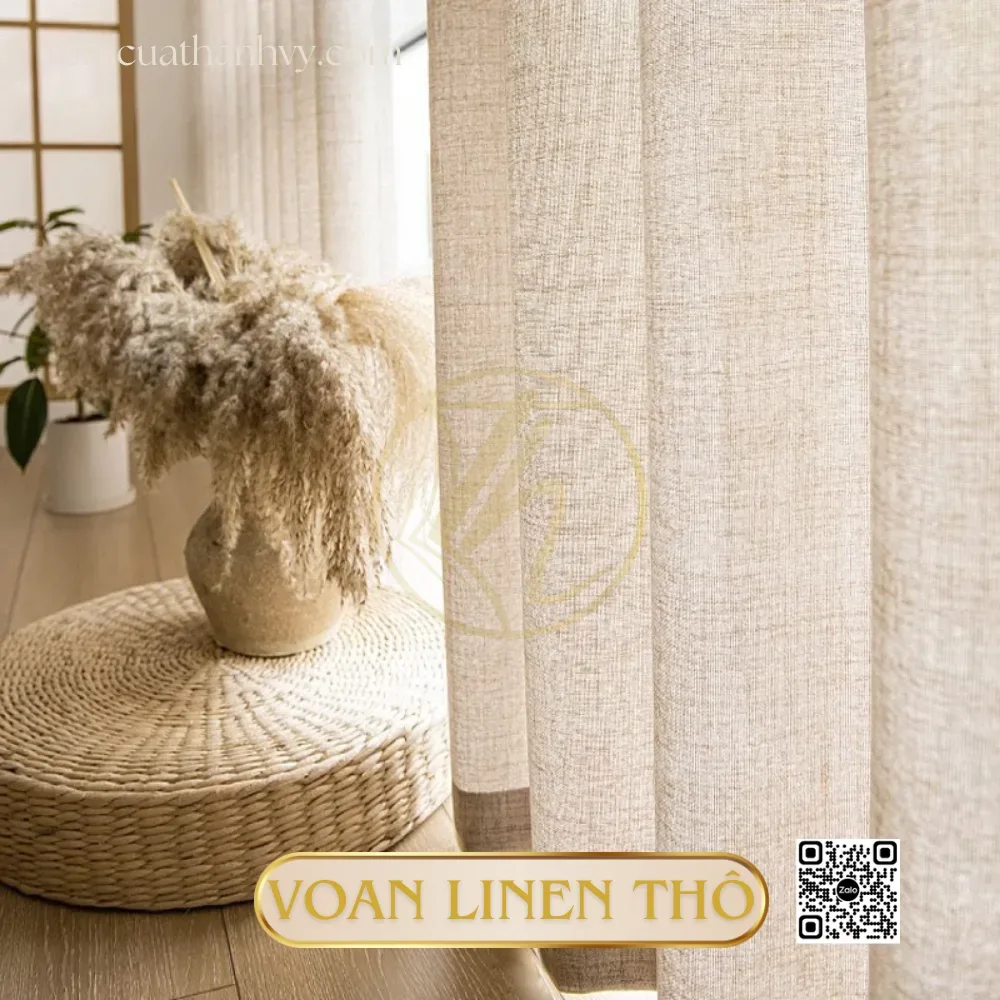
Sewing styles and hanging methods determine the finished feel
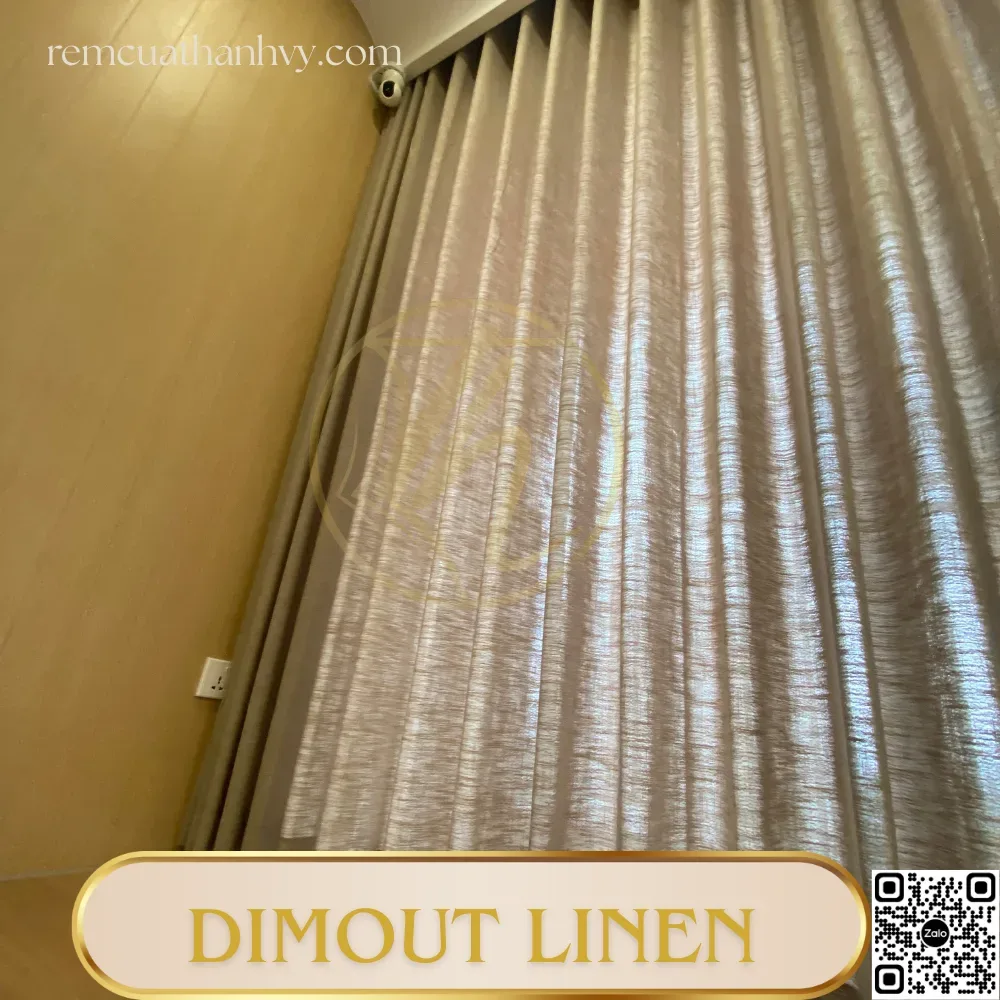
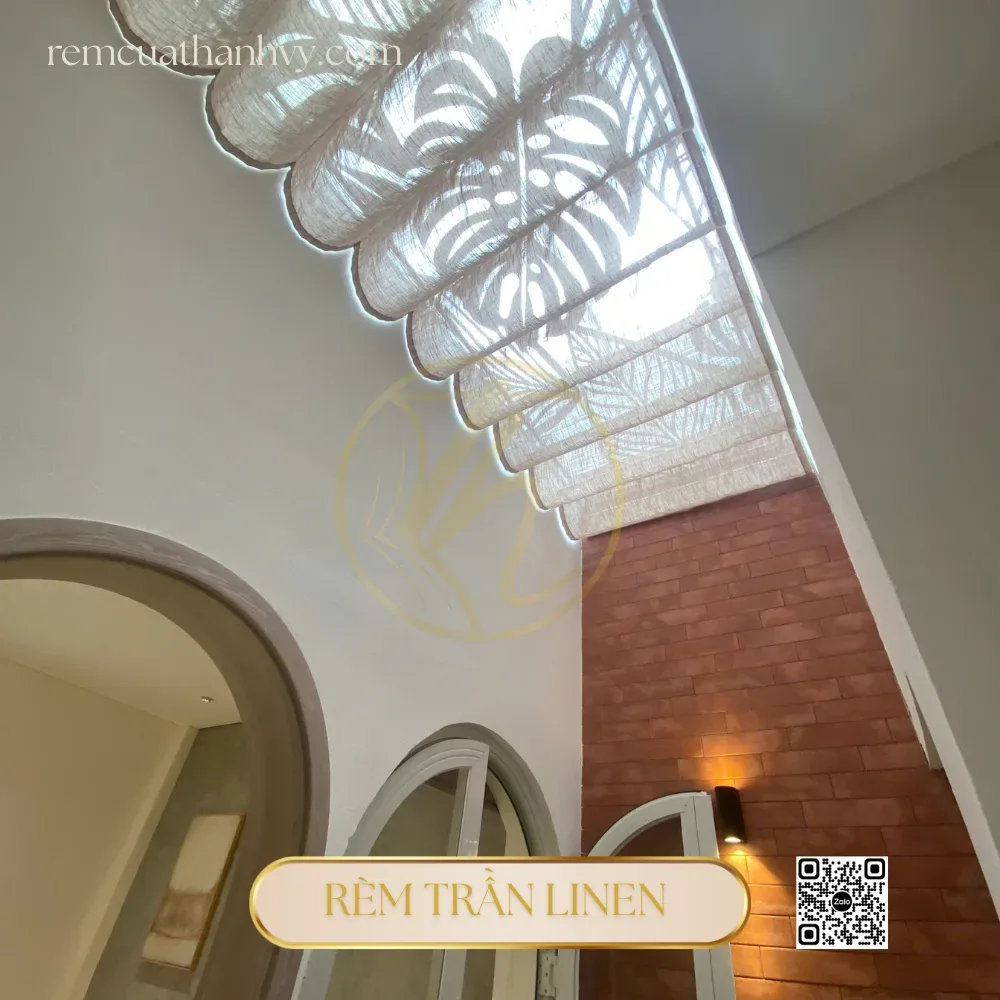
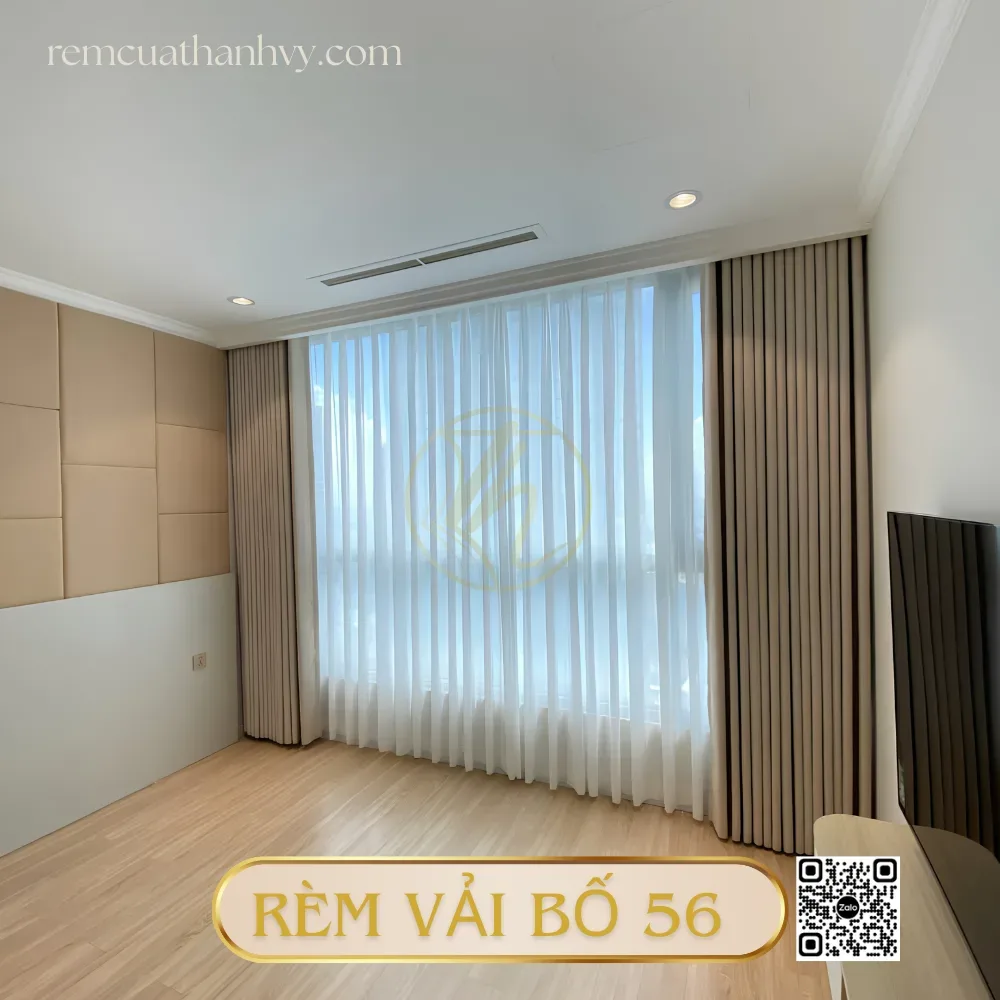
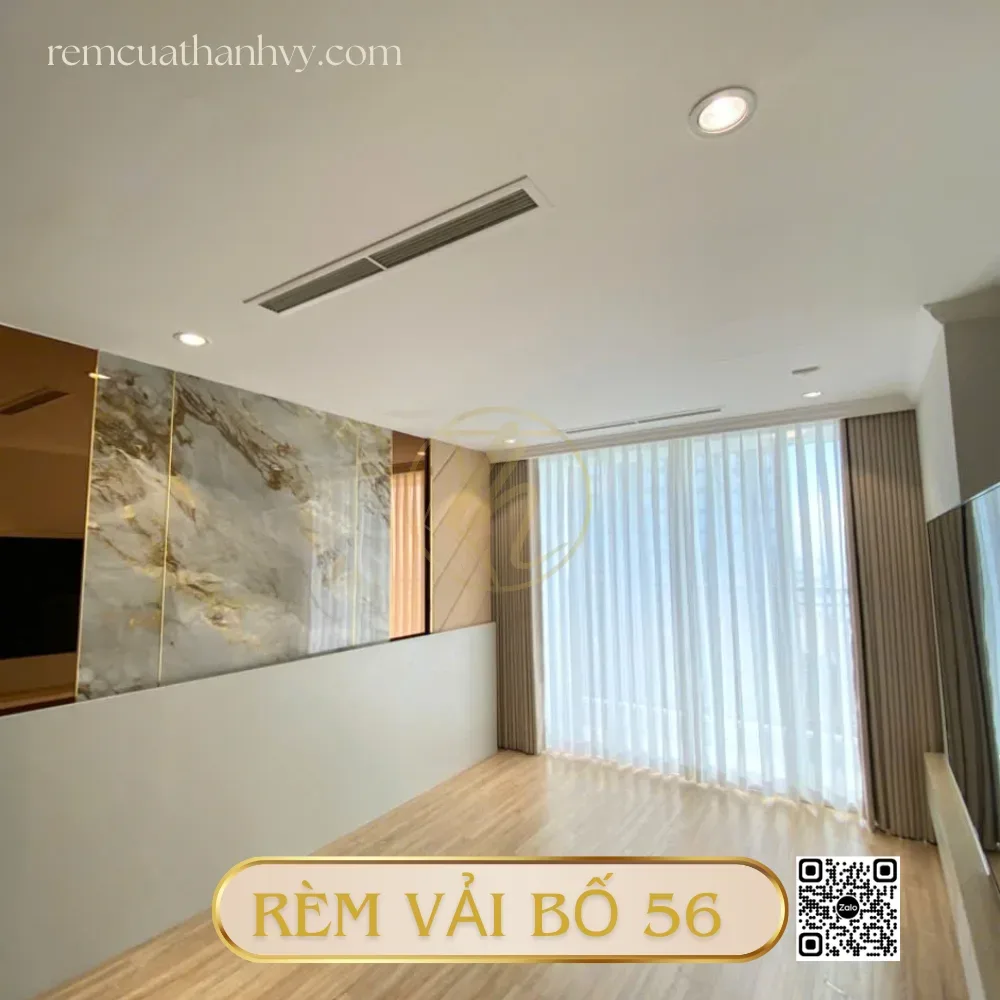
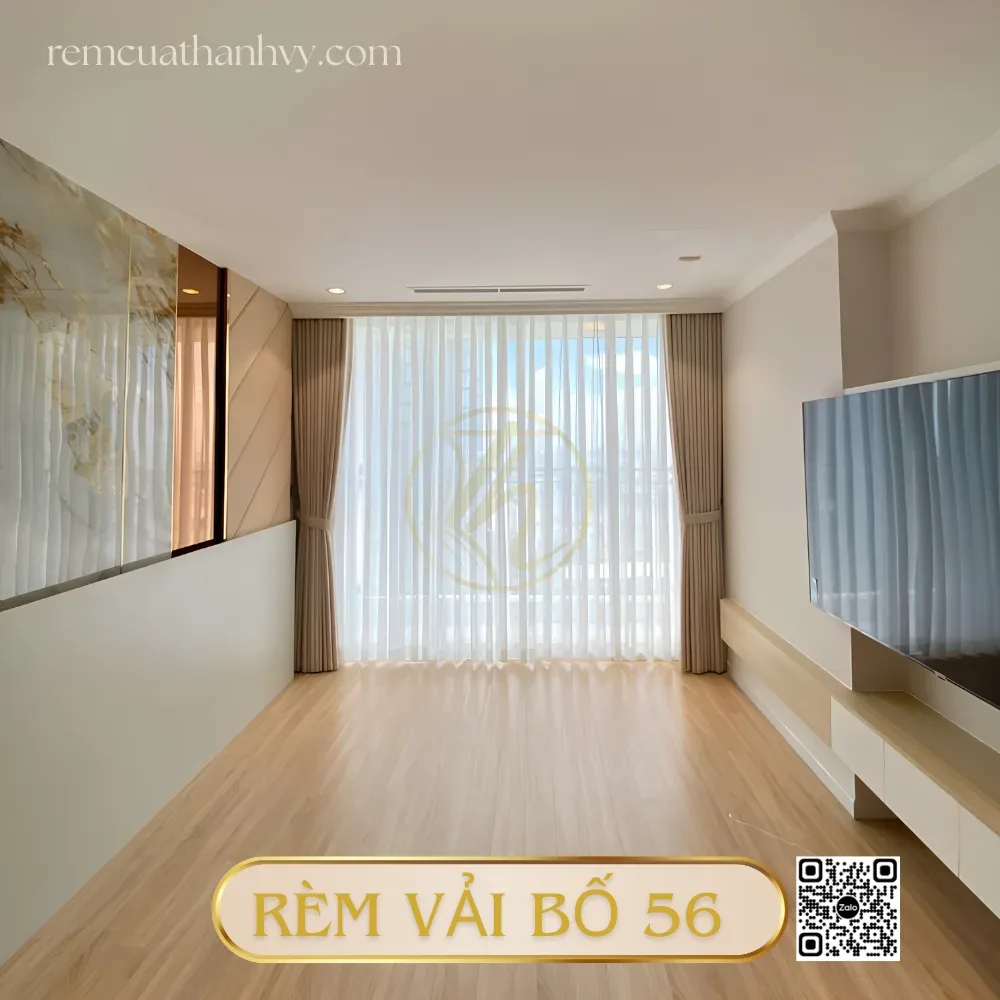
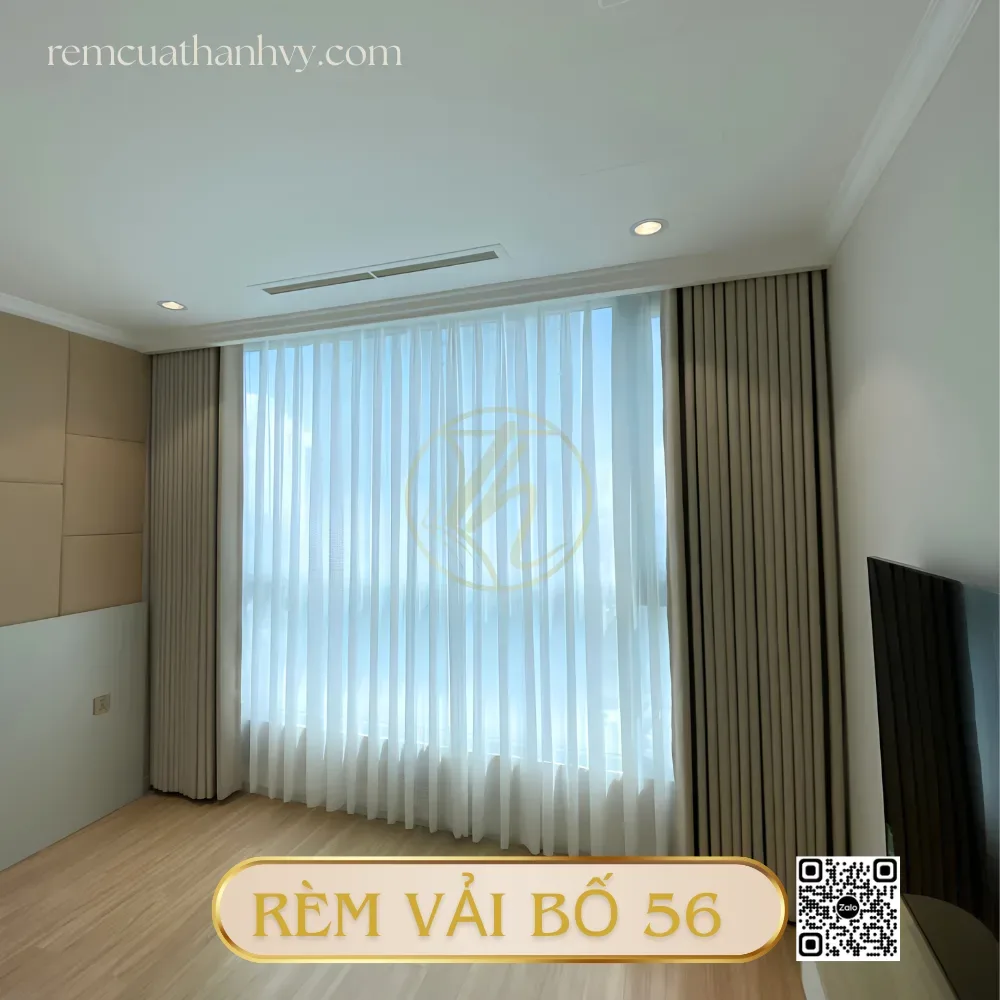
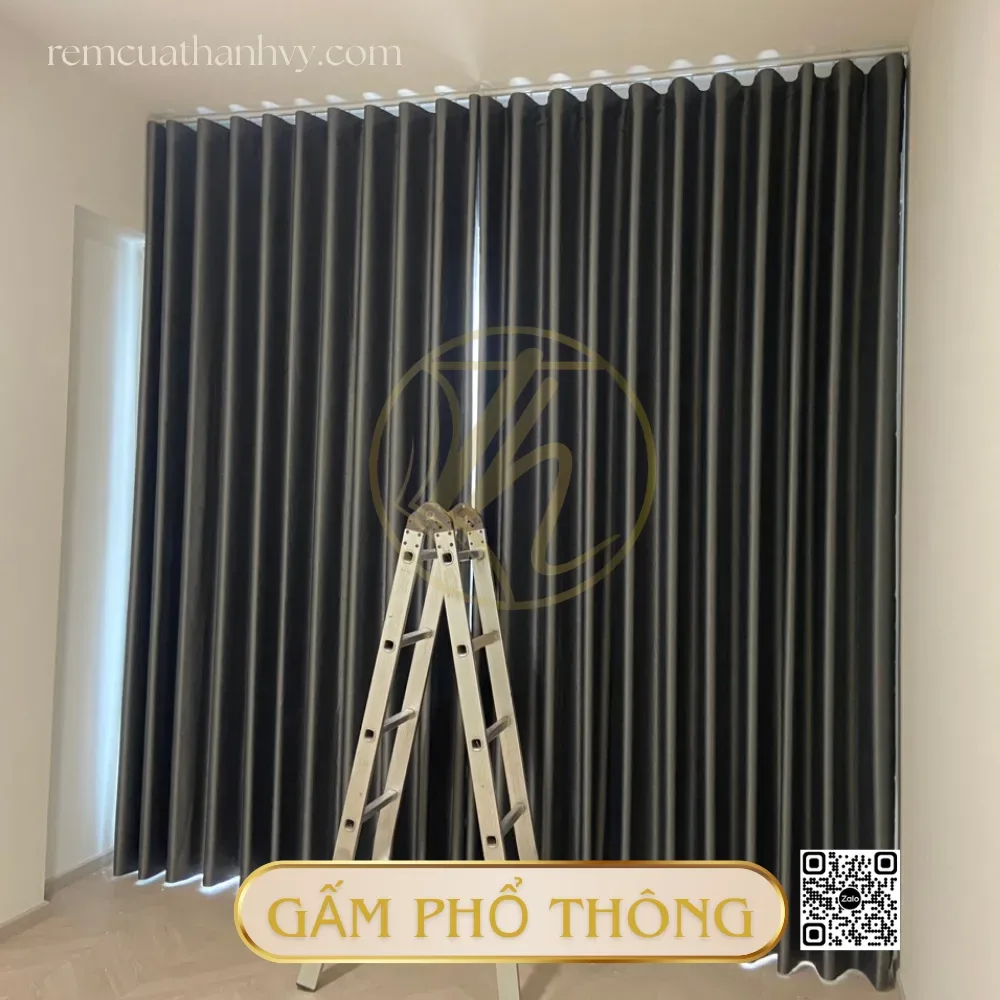
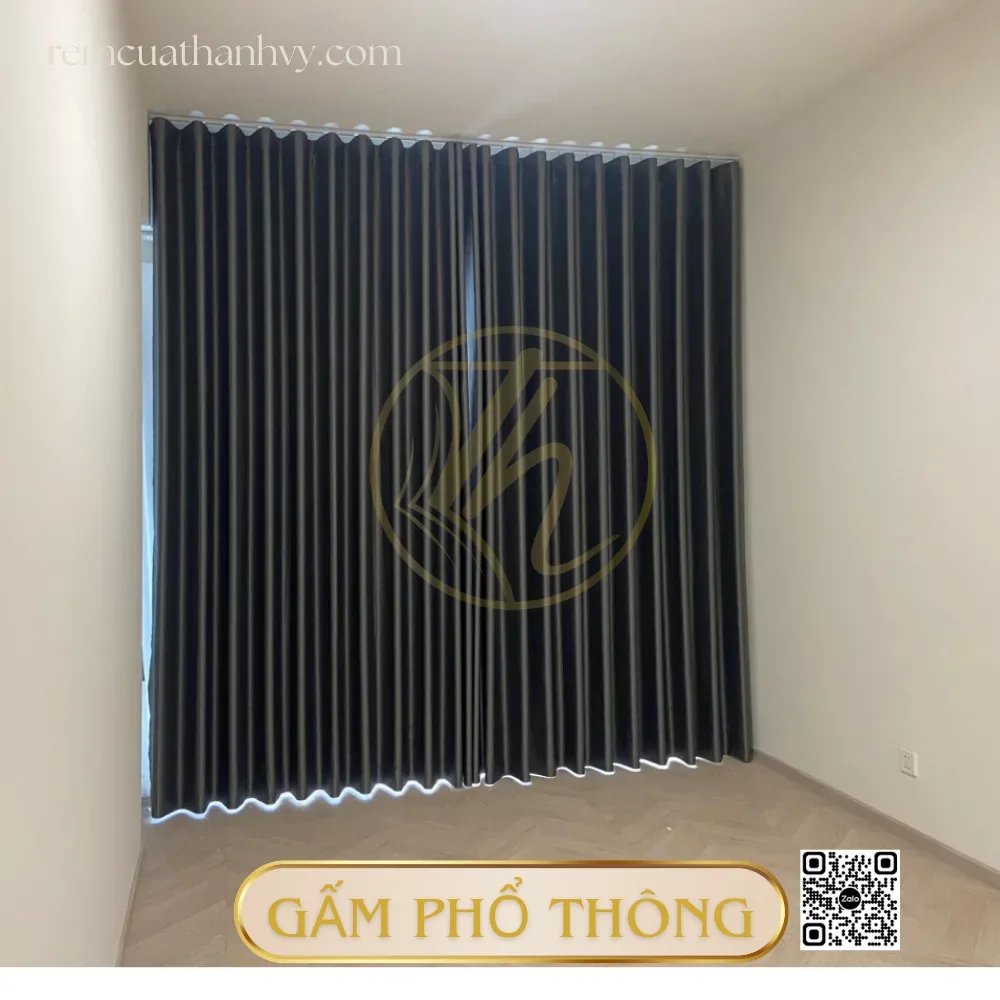
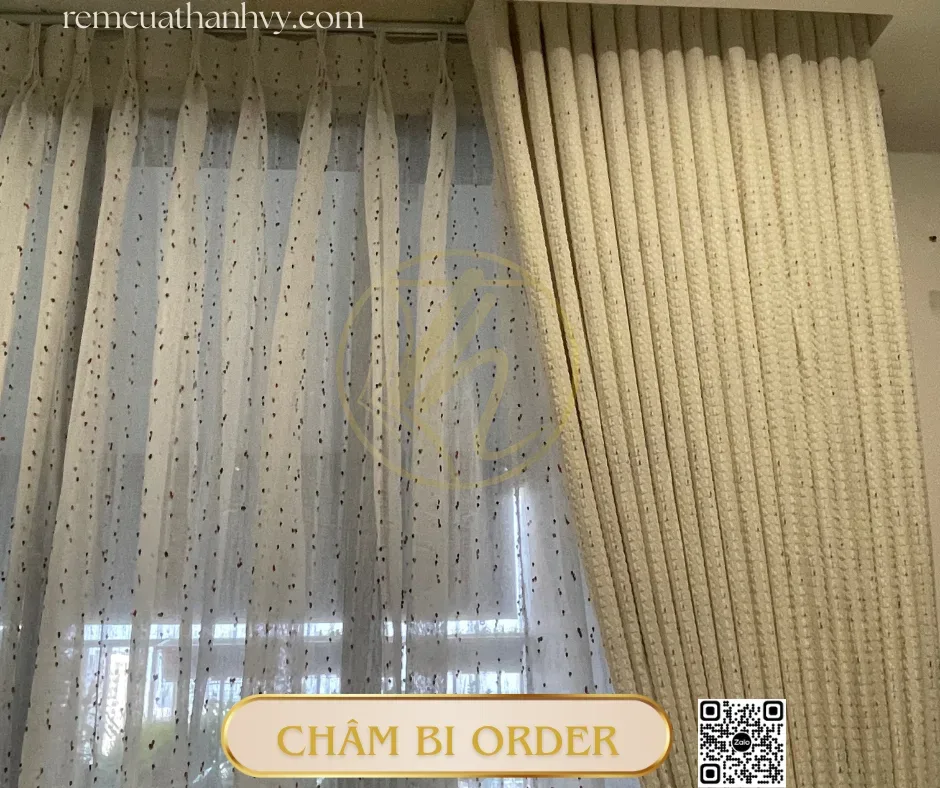
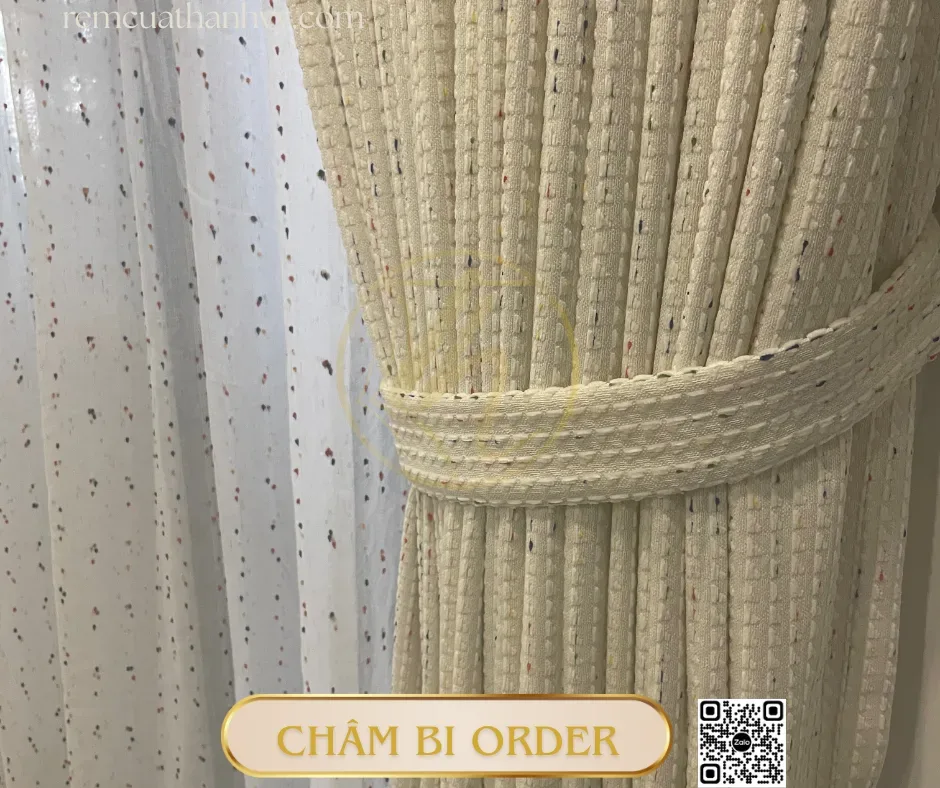
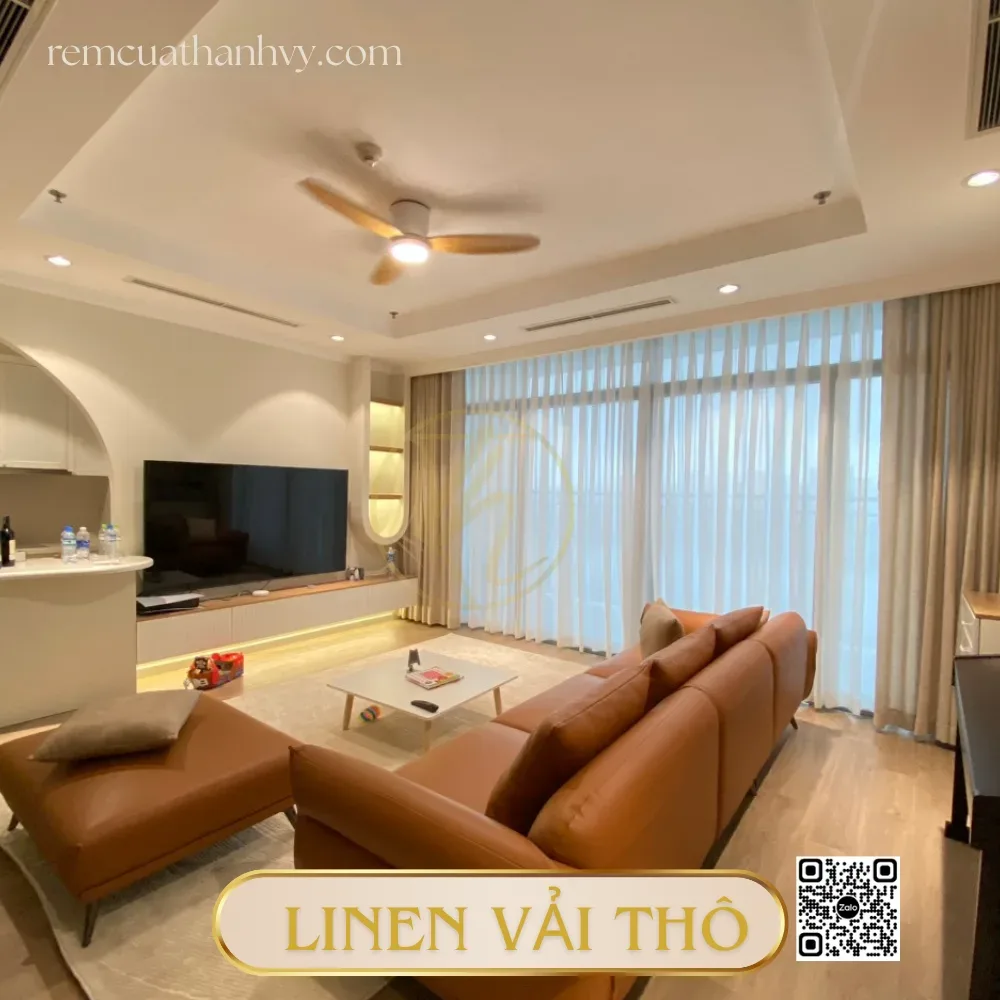
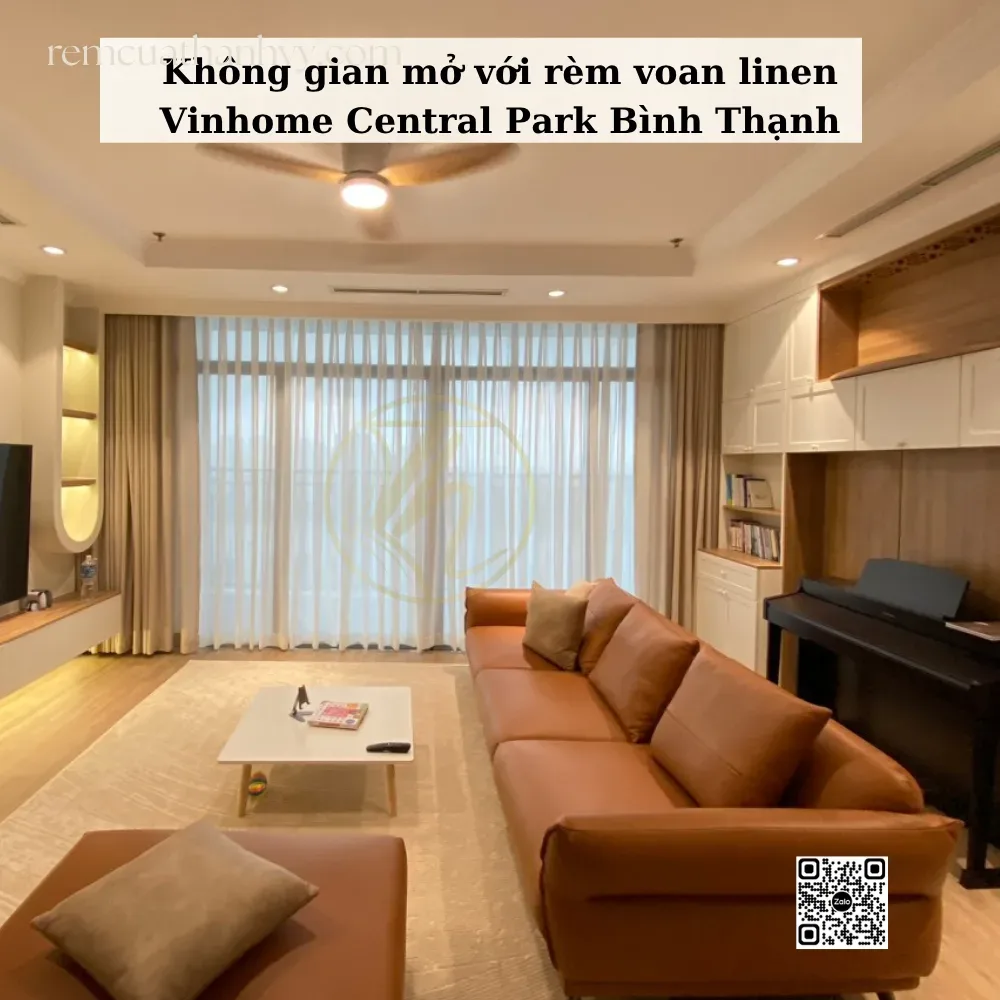
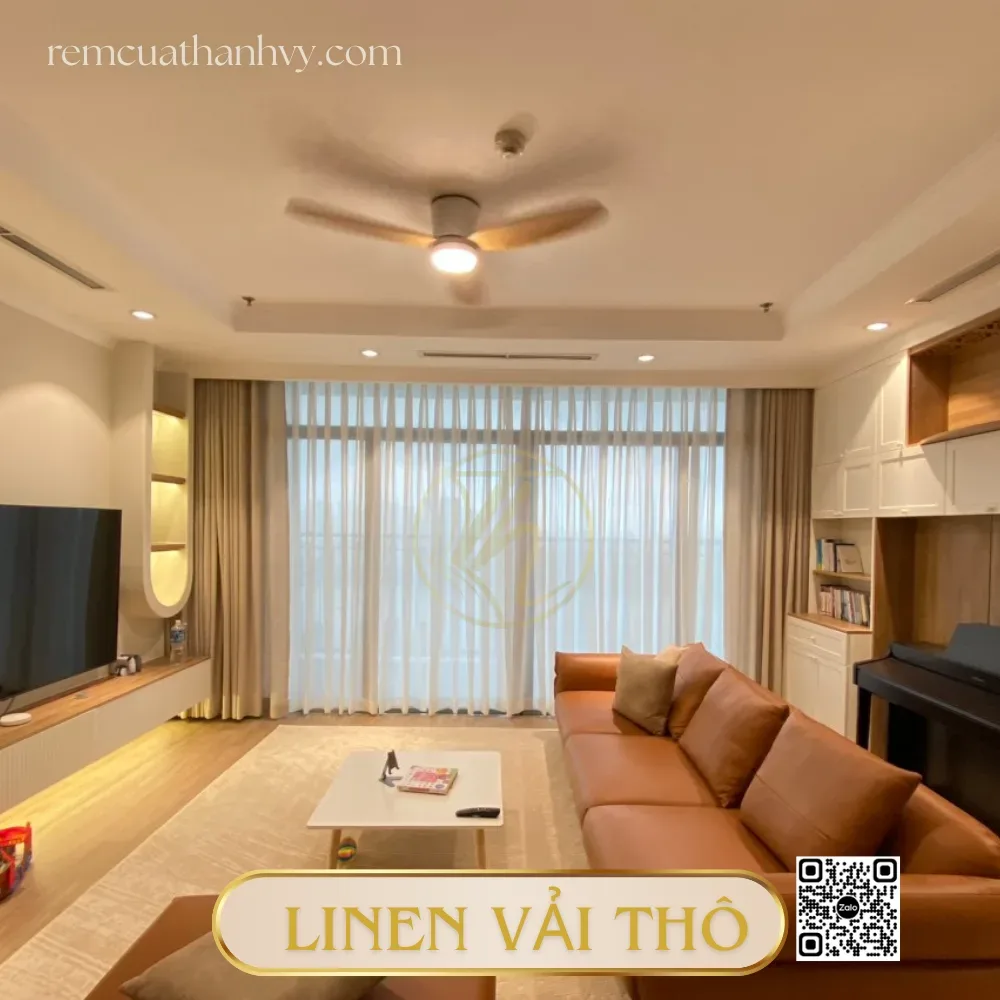
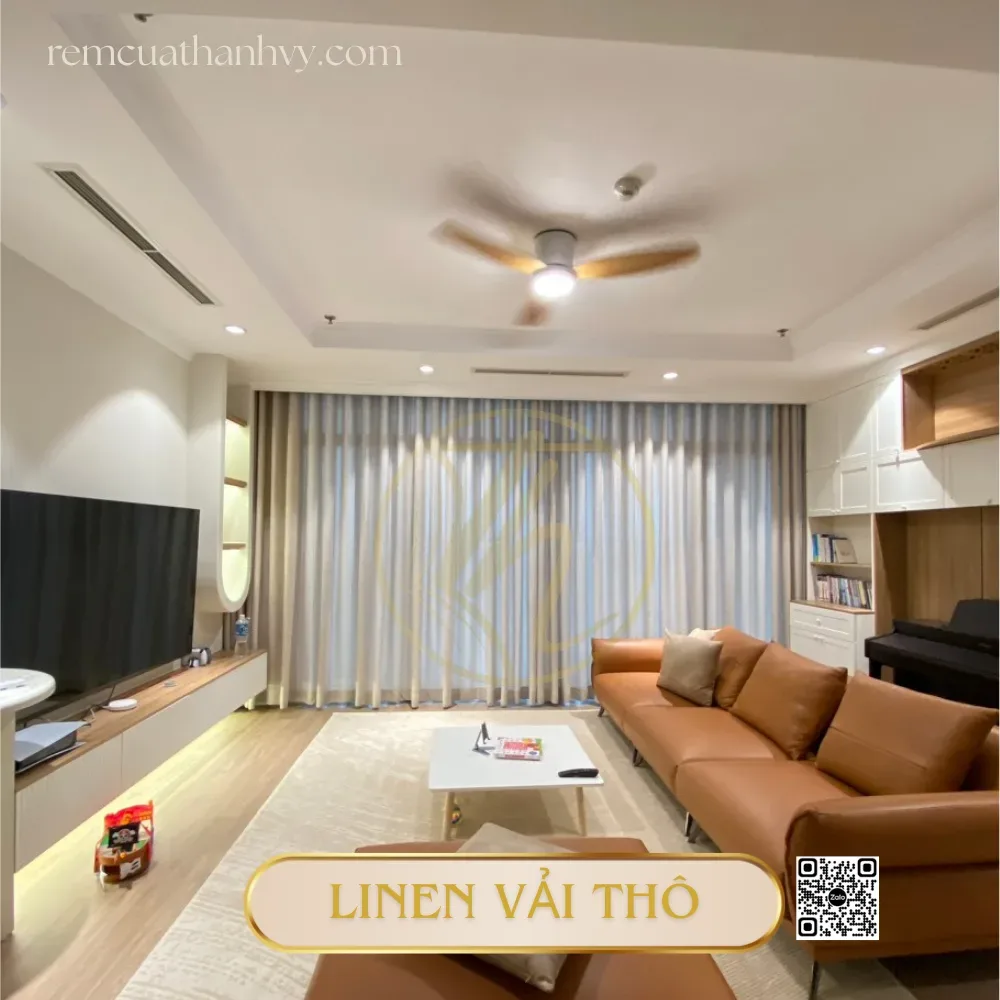
The sewing style directly affects the drape, fabric volume, and the neat or soft feel of the finished curtains. For wide windows, high ceilings, and comfortable curtain-gathering space, you can consider tailoring styles that create distinct folds to enhance the sense of luxury; conversely, for District 11 townhouses with limited space or windows close to furniture, prioritize compact sewing styles that require minimal gathering space to avoid hitting cabinets, shelves, or daily walkways.
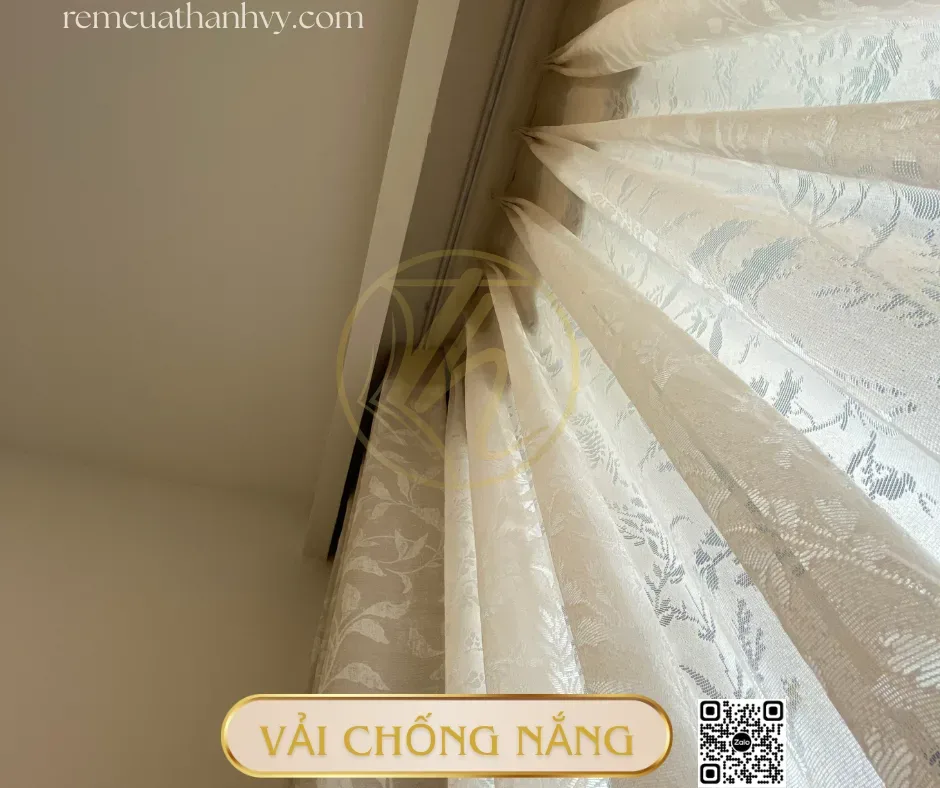
The hanging method is equally important as the sewing style. Curtain tracks usually operate smoothly, reveal fewer mechanical details, and suit spaces prioritizing minimalism; curtain rods can serve a decorative role if matching the general style, but the distance from the rod to the ceiling and wall must be carefully calculated to avoid skewed proportions. For homes with low ceilings, a useful trick is hanging curtains close to the ceiling rather than right above the window frame to visually elongate the height of the entire window.
Preliminary survey measurement process and checklist before finalizing
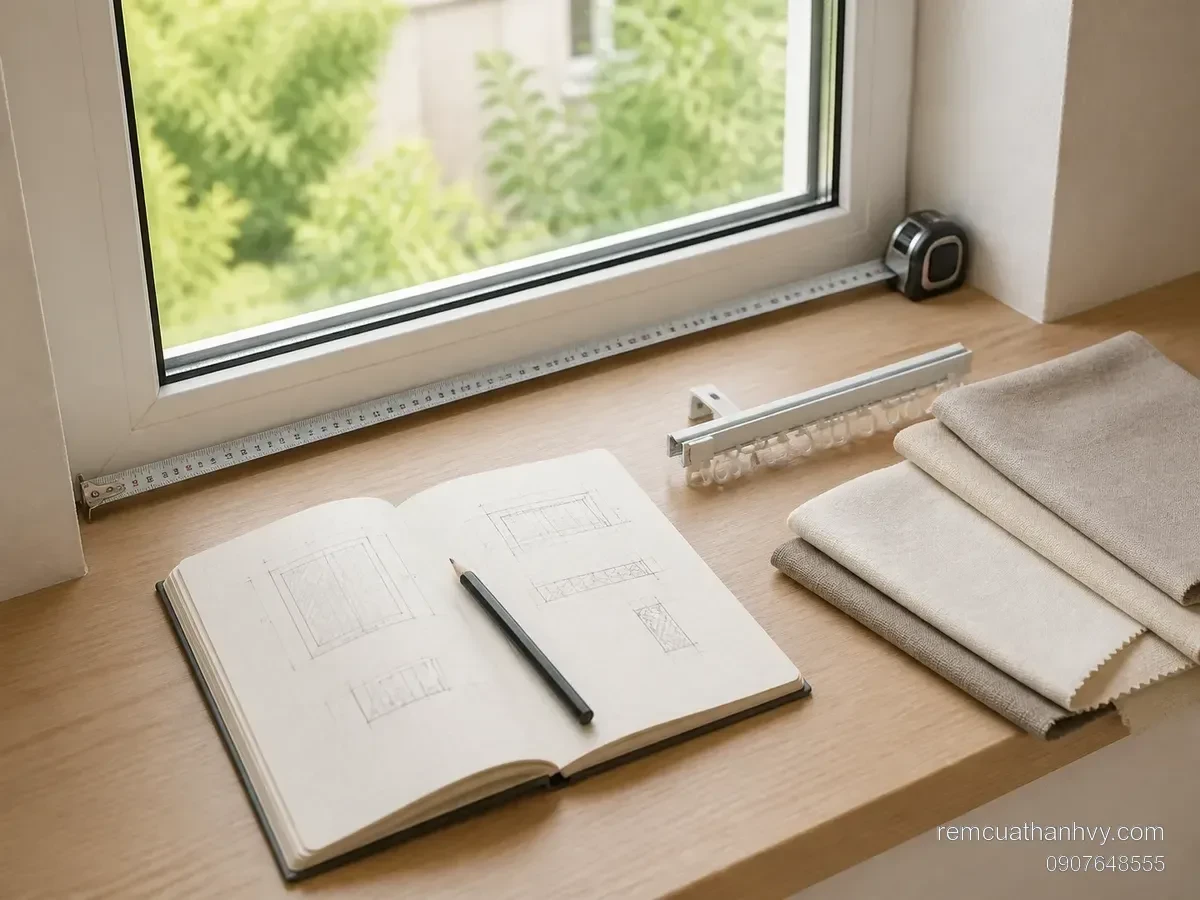
Before tailoring, the initial survey measurement step plays a crucial role in ensuring the curtains fit well and operate smoothly after installation. Information to record includes the width of the area to be covered, expected hanging height, side clearances, positions of air conditioners or cabinets, along with overall photos of the window during the day. This data makes initial remote consultation much more accurate than simply sending glass dimensions alone.
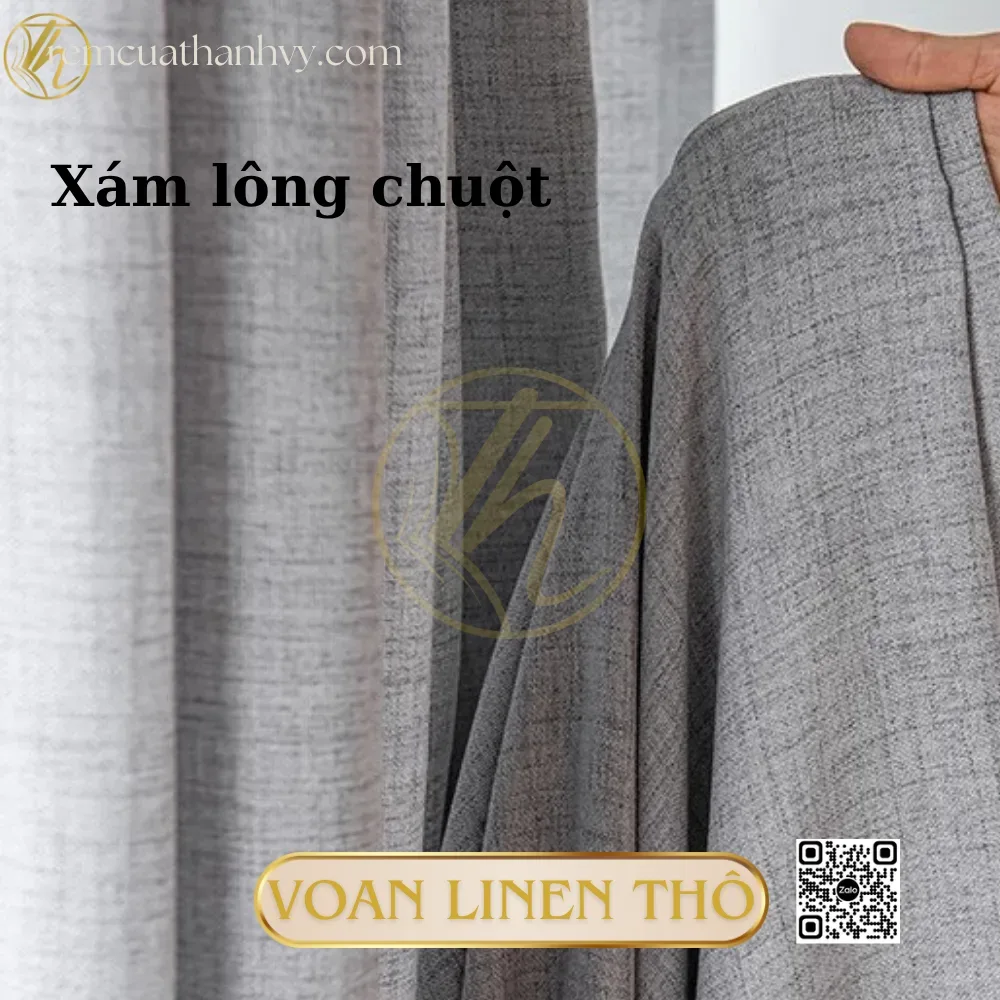
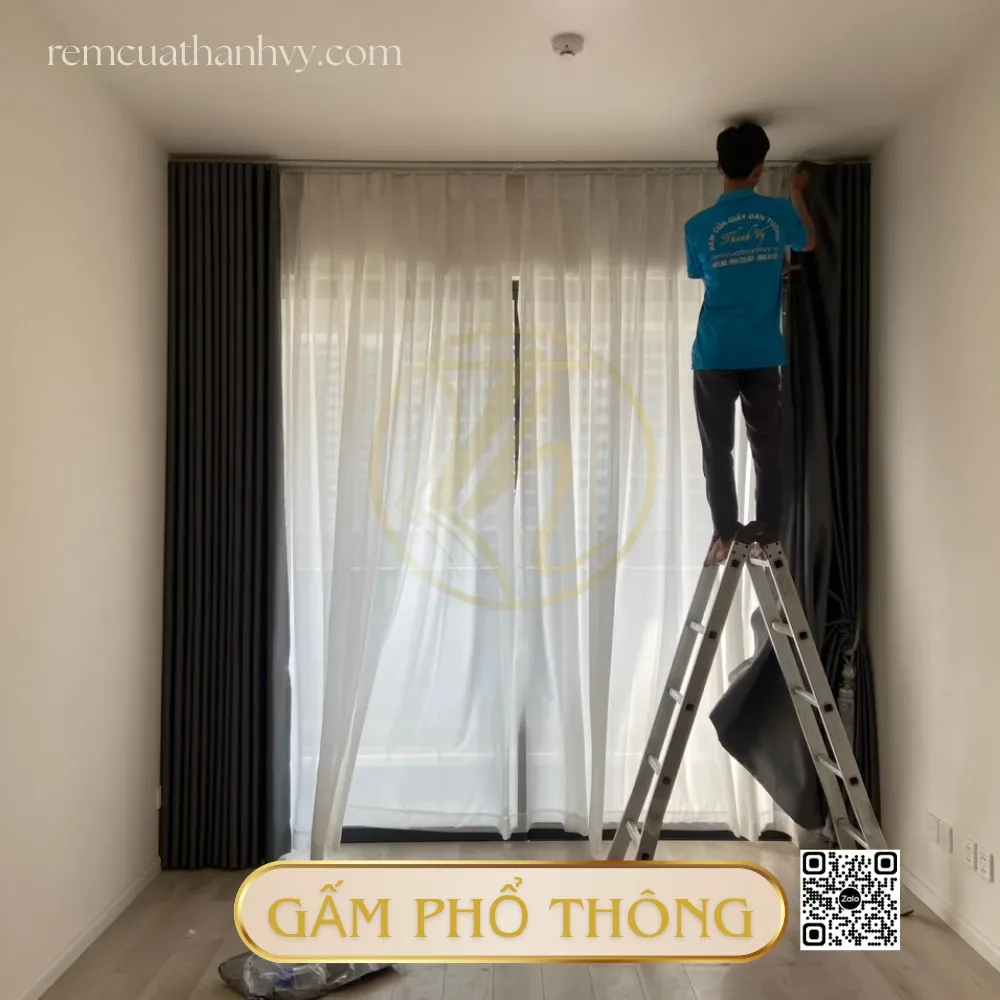
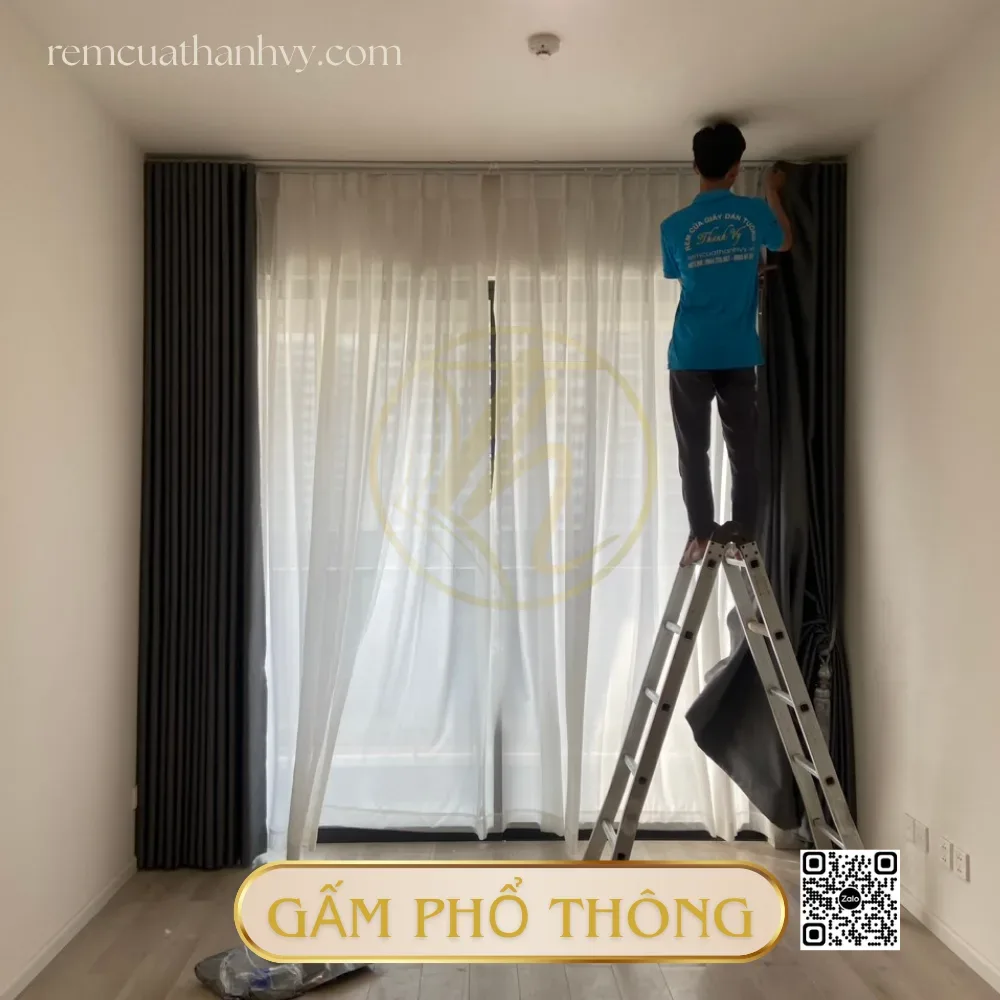
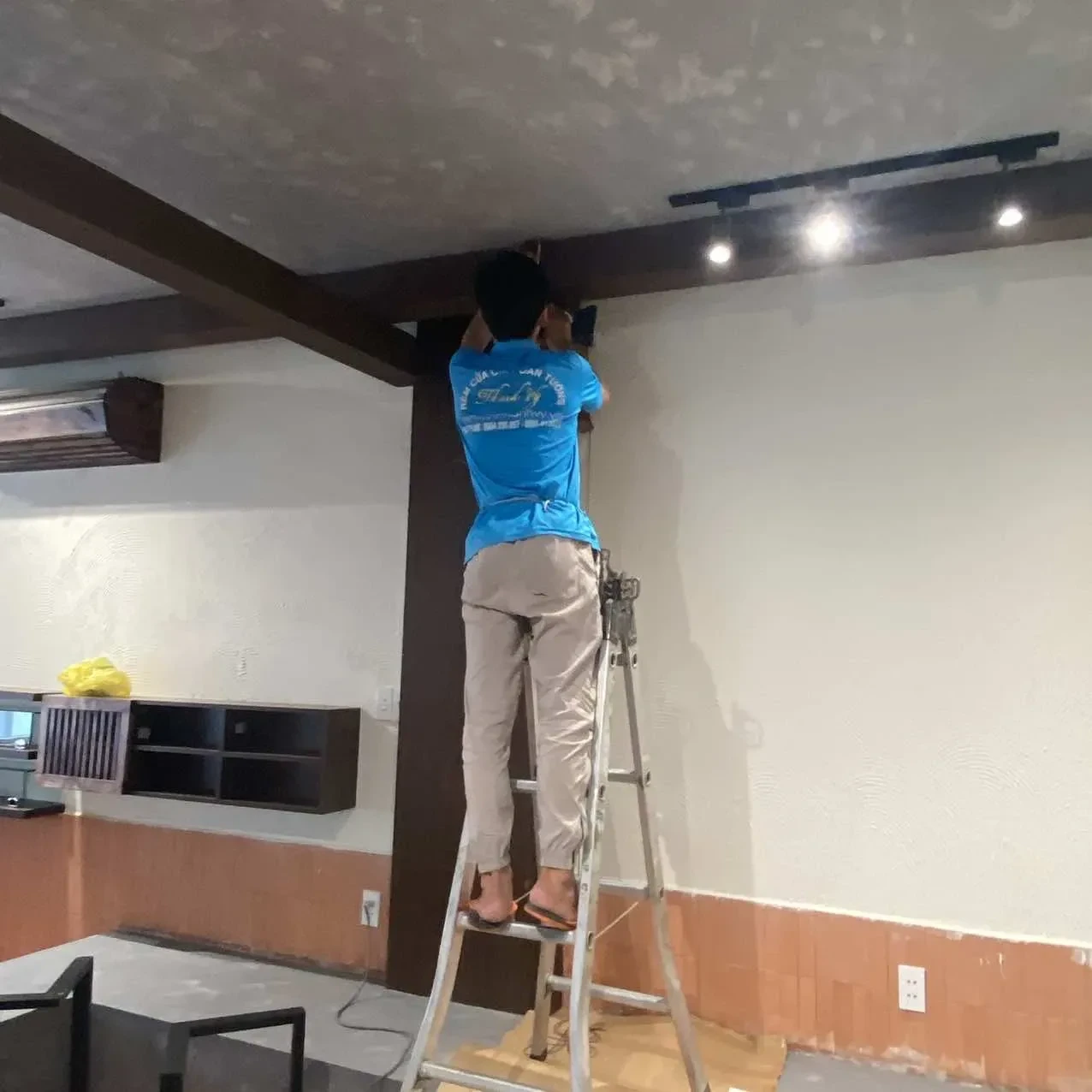
With on-site tailoring services, the installation team usually comes directly for accurate measurements before cutting and sewing, rather than relying solely on customer-provided measurements over the phone. This approach limits arising errors while allowing consultants to directly observe lighting conditions, sunlight directions, and interior layouts to provide suggestions that closely match actual needs.
Before finalizing the plan, double-check: main light-blocking goals, required privacy level, leaned-upon material, sewing style suitable for the actual space, and how the curtains gather when opened. For families with young children or pets, also inquire clearly about cord handling or operating mechanisms to ensure safety, avoiding letting curtain cords fall within the reach of young children.
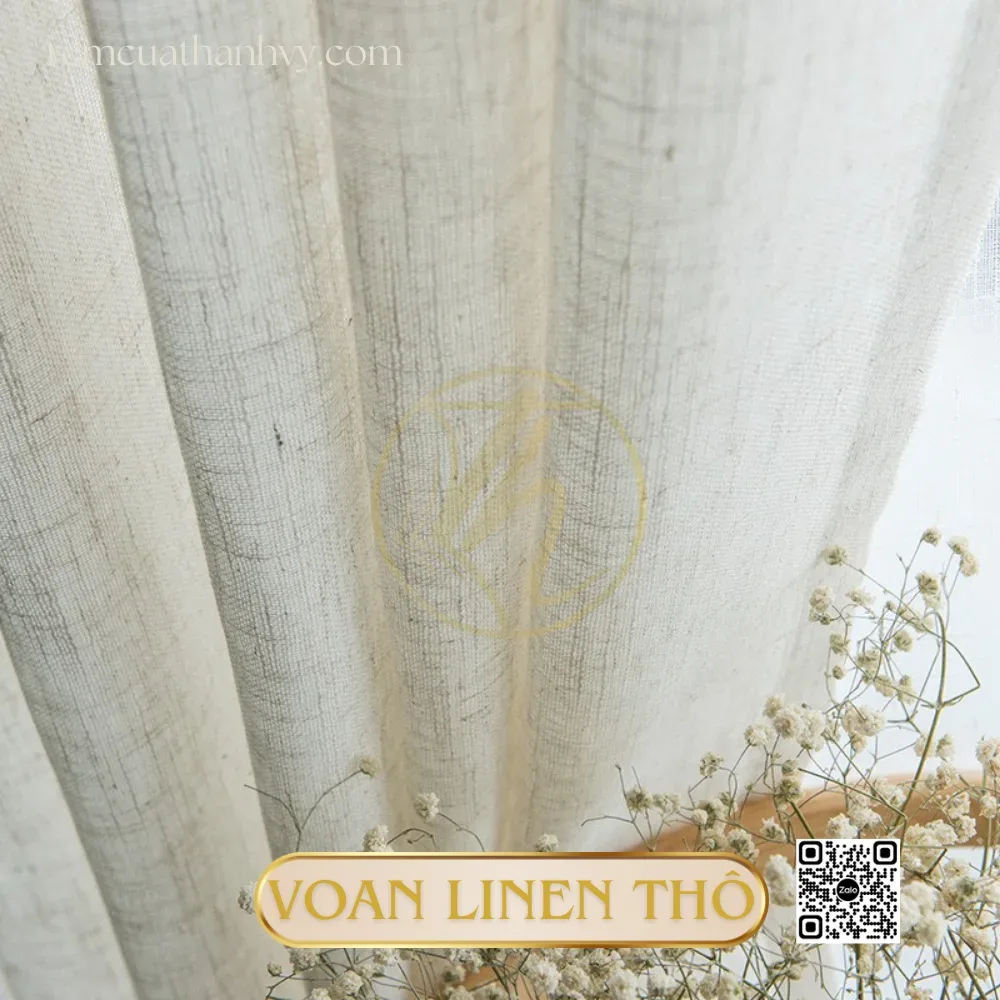
Why you should survey window conditions before comparing fabric samples
For those looking for fabric curtains in District 11, the window condition survey step often decides more than the first fabric sample viewed via photo. A window receiving harsh afternoon sun will deliver a completely different experience from one receiving only indirect light, and the exact same material hung in two different contexts can yield very different results regarding spatial feel and light-blocking effectiveness. Therefore, before discussing color coordination or pleat styles, record the sunlight direction, alcove depth if any, air conditioner and cabinet positions, and the space where the curtains will gather when opened.
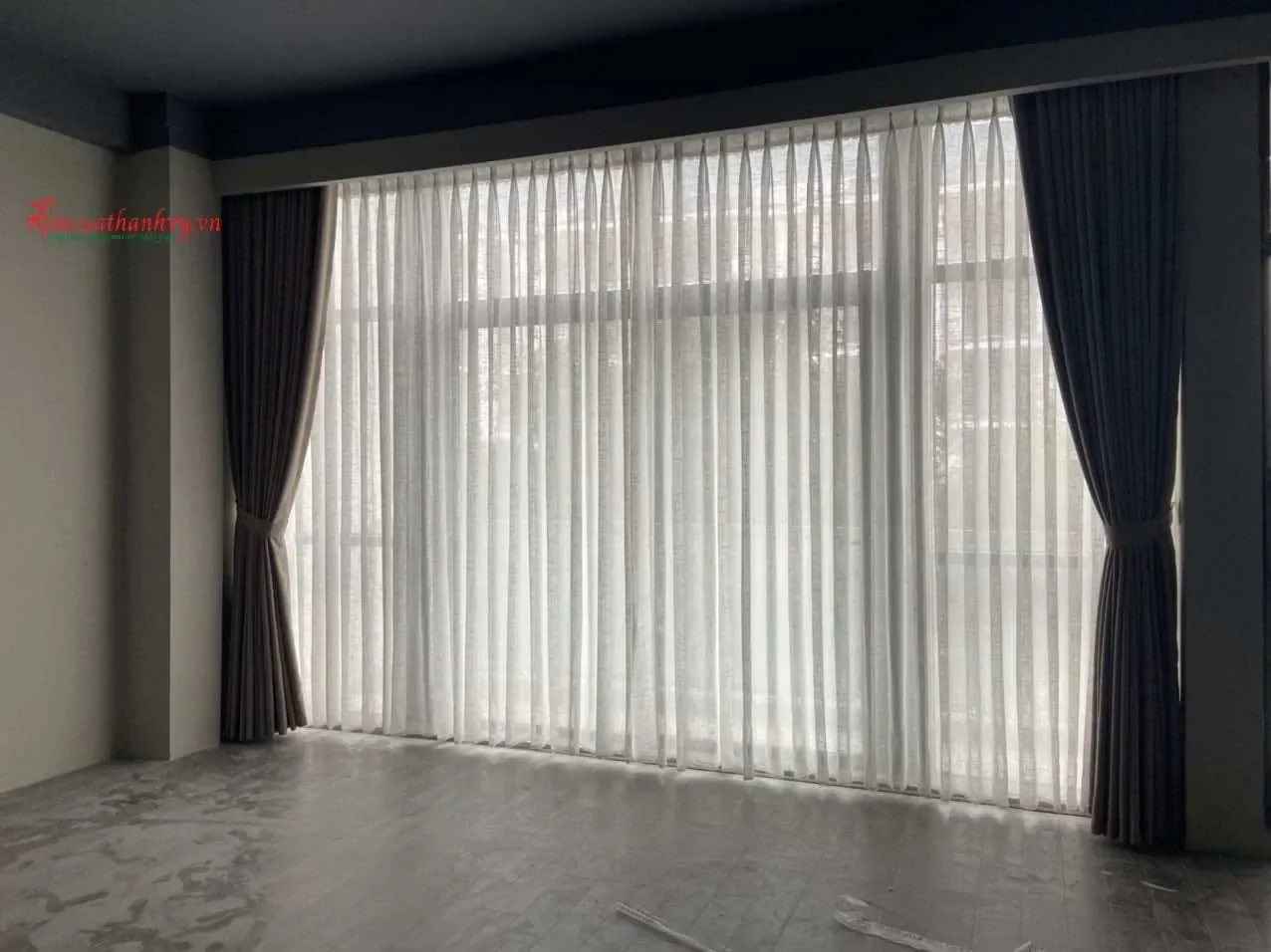
A useful habit is photographing the window at least twice a day, such as during peak sunlight and when indoor lights are turned on at night. When viewing fabric samples in that exact lighting context, readers can more easily assess whether they need to soften harsh light, increase privacy, or prioritize neatness, while making the consultation session with the tailoring unit much more specific and effective than simply asking general questions about popular samples.
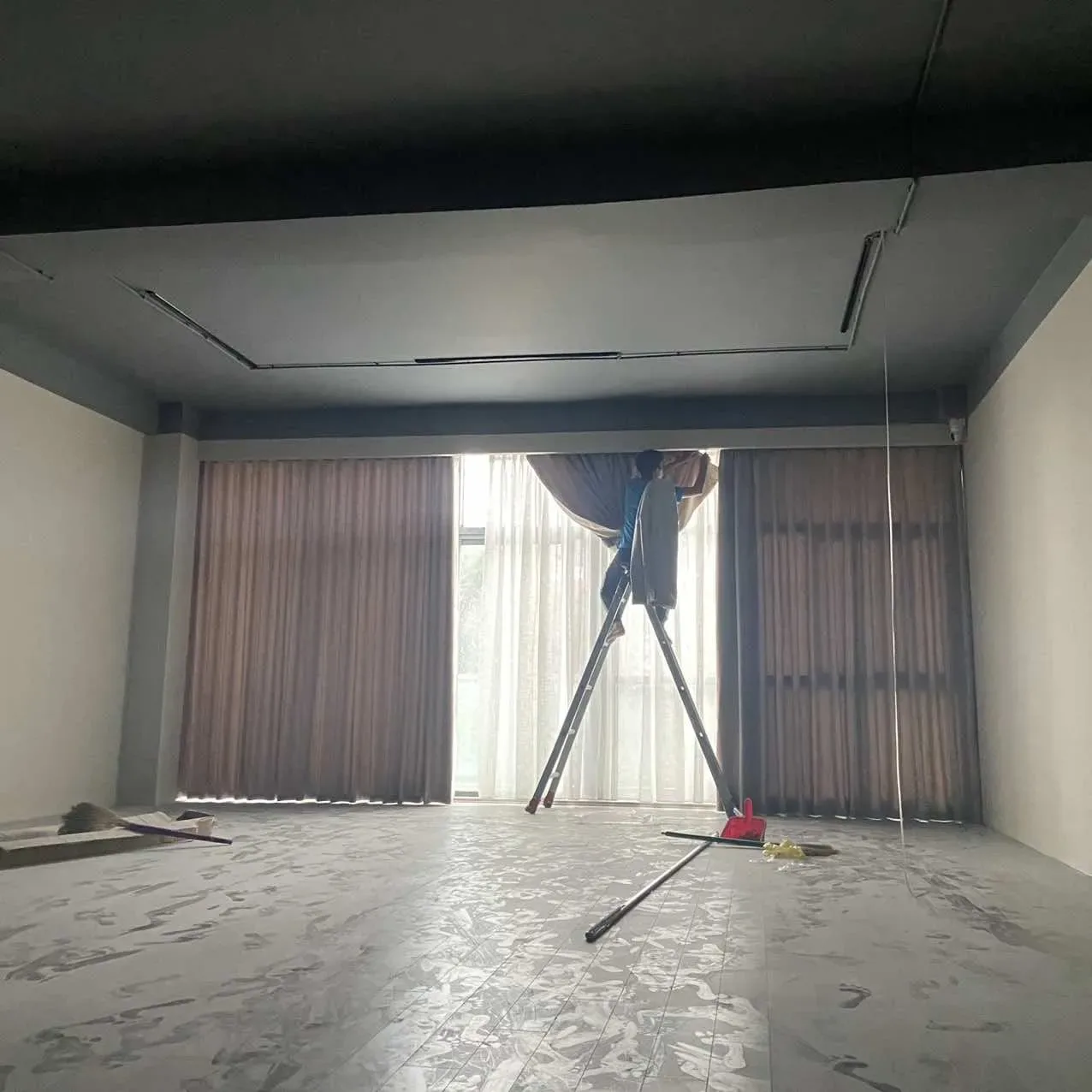
Notes when choosing an on-site fabric curtain tailoring unit in District 11
When searching for an on-site fabric curtain tailoring unit in District 11, prioritize providers willing to come directly for an on-site survey before quoting prices, rather than just quoting based on customer-provided measurements via messaging. On-site surveys help the installation unit grasp the actual window conditions, thereby offering better advice on materials, sewing styles, and hanging methods, while limiting dimension discrepancies after completion. The unit’s products were previously mentioned in the Thanh Vy luxury curtain column on Ha Tinh Newspaper.
Additionally, clearly inquire about the handling process if minor errors arise during measuring or tailoring, product warranties, and expected completion times from the moment fabric samples are finalized until installation is finished. This information helps readers proactively schedule their time, especially if they need to complete their space before a specific occasion like moving into a new home or room renovation.
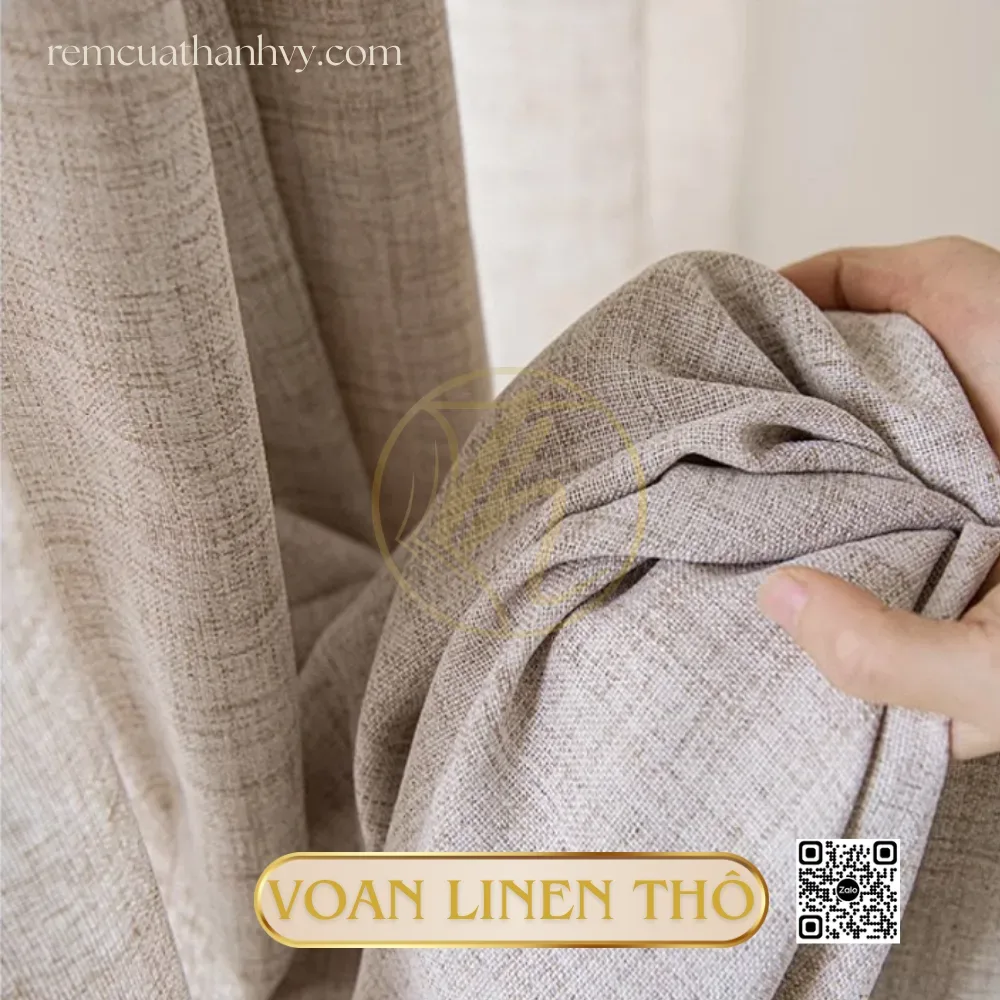
Another point to note is the capability to advise based on specific regional housing characteristics, such as houses in narrow alleys, homes with windows adjacent to neighboring walls, or apartments with specific regulations when installing outside windows. A unit experienced in installation within District 11 usually understands these traits thoroughly and provides more practical suggestions than general advice applied to all regions. Before deciding, view real fabric samples at home rather than just looking at phone images, as fabric color and thickness can differ when viewed through a screen versus holding them directly in your hands.
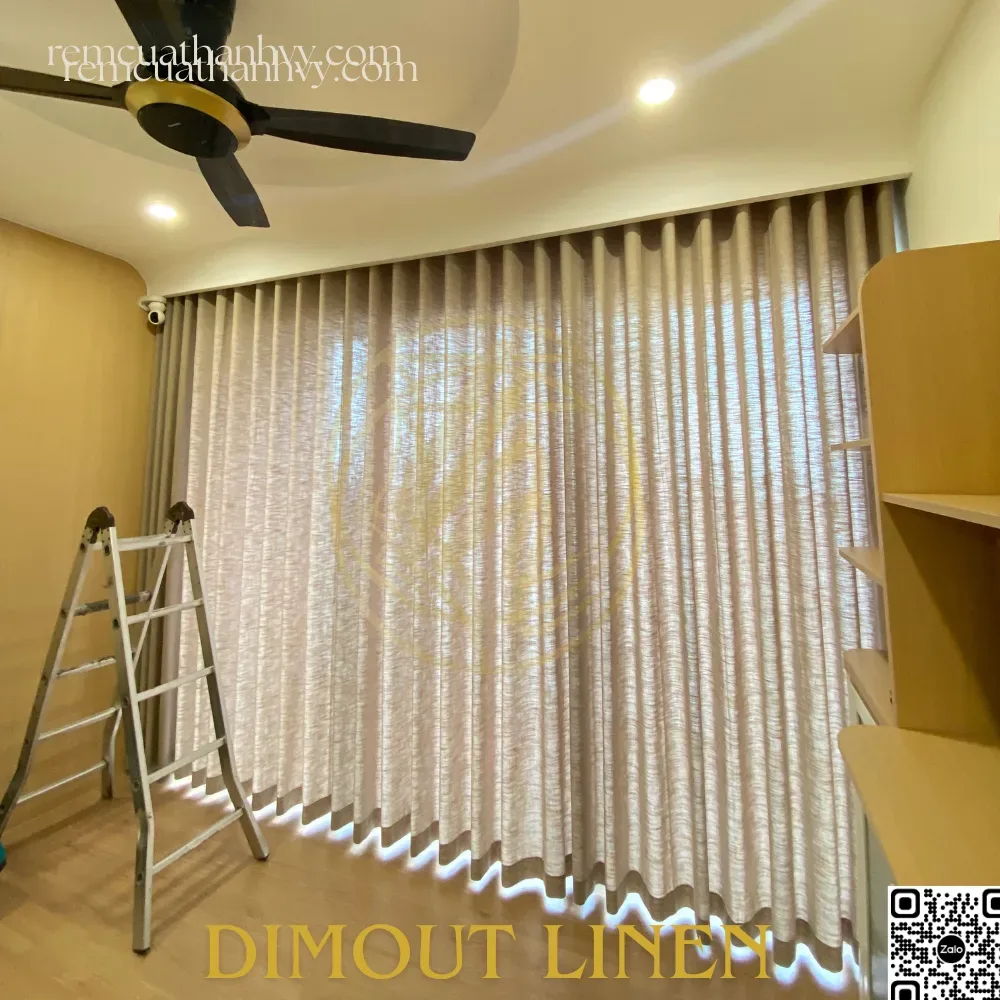
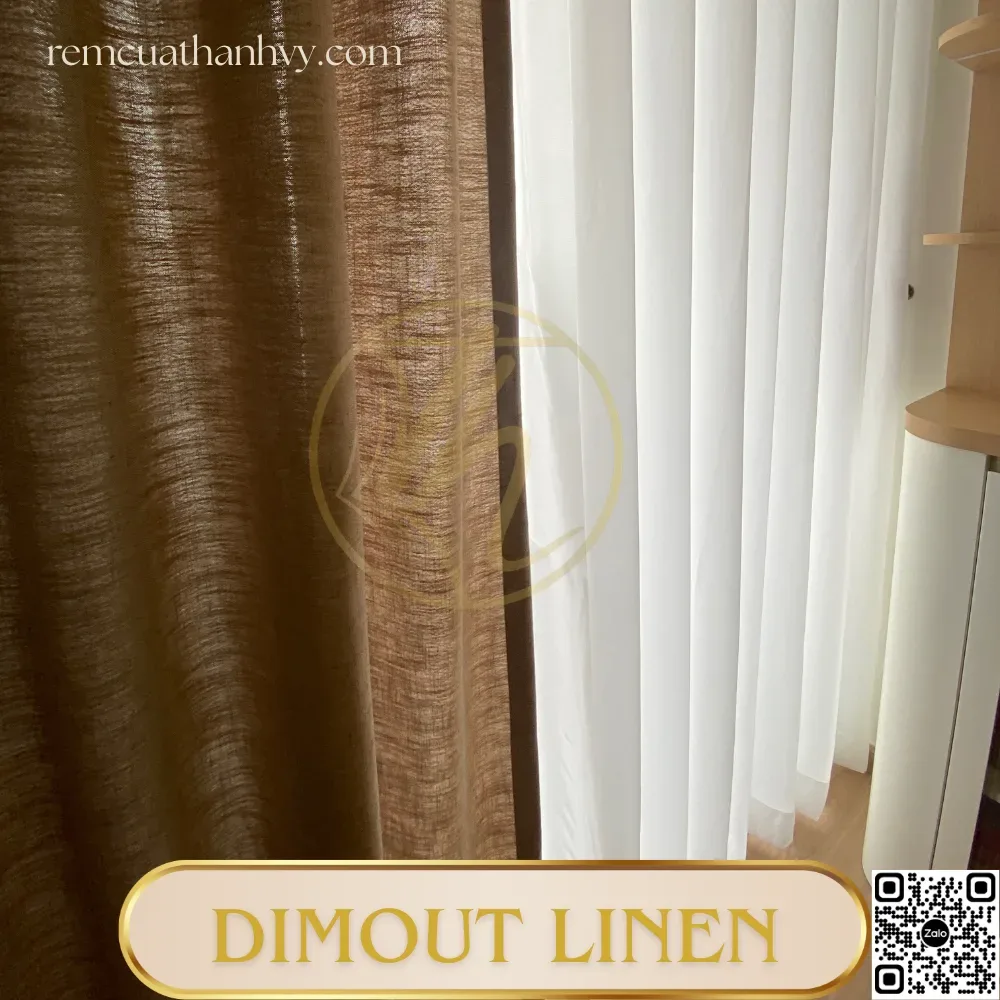
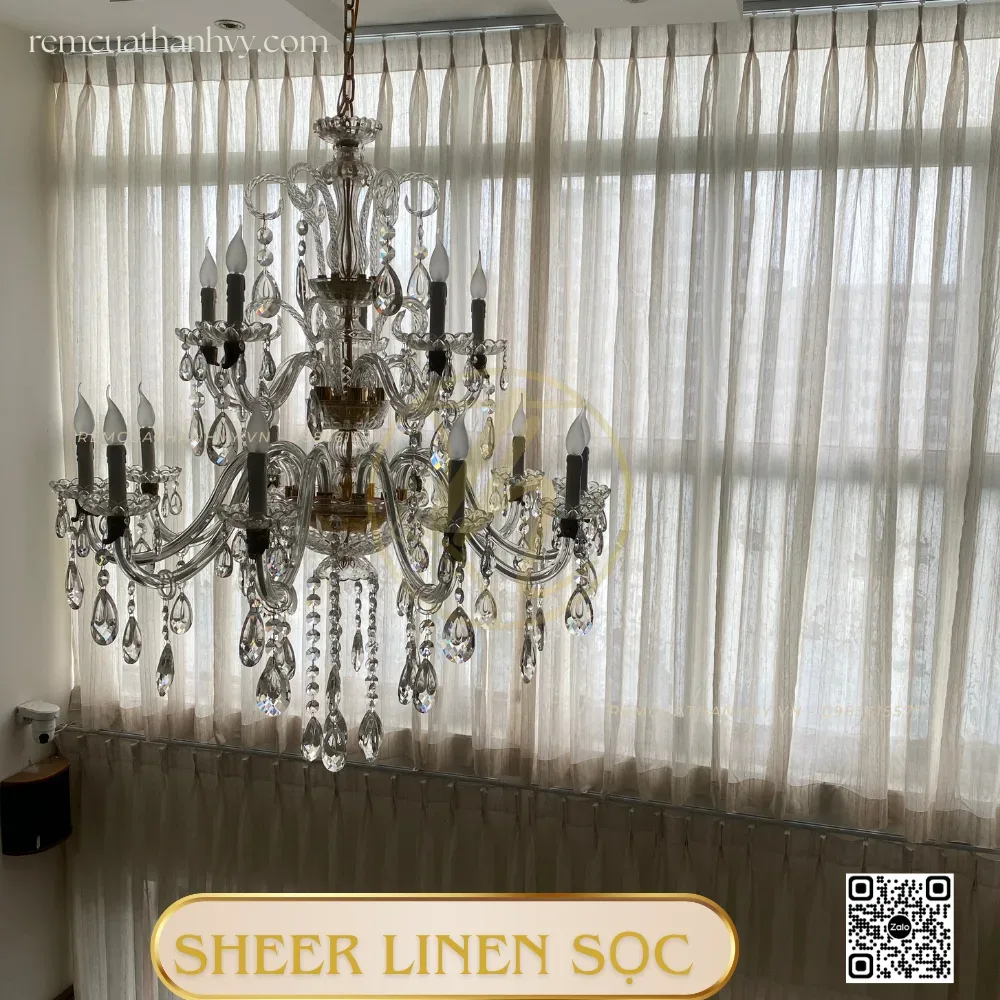
Curtain models to install in District 1
Below are actual product groups currently available at Thanh Vy Curtains, sorted by popular usage needs in the District 1 area.
Send your dimensions and needs, and the Thanh Vy Curtains team will advise on options and quote for your actual space.
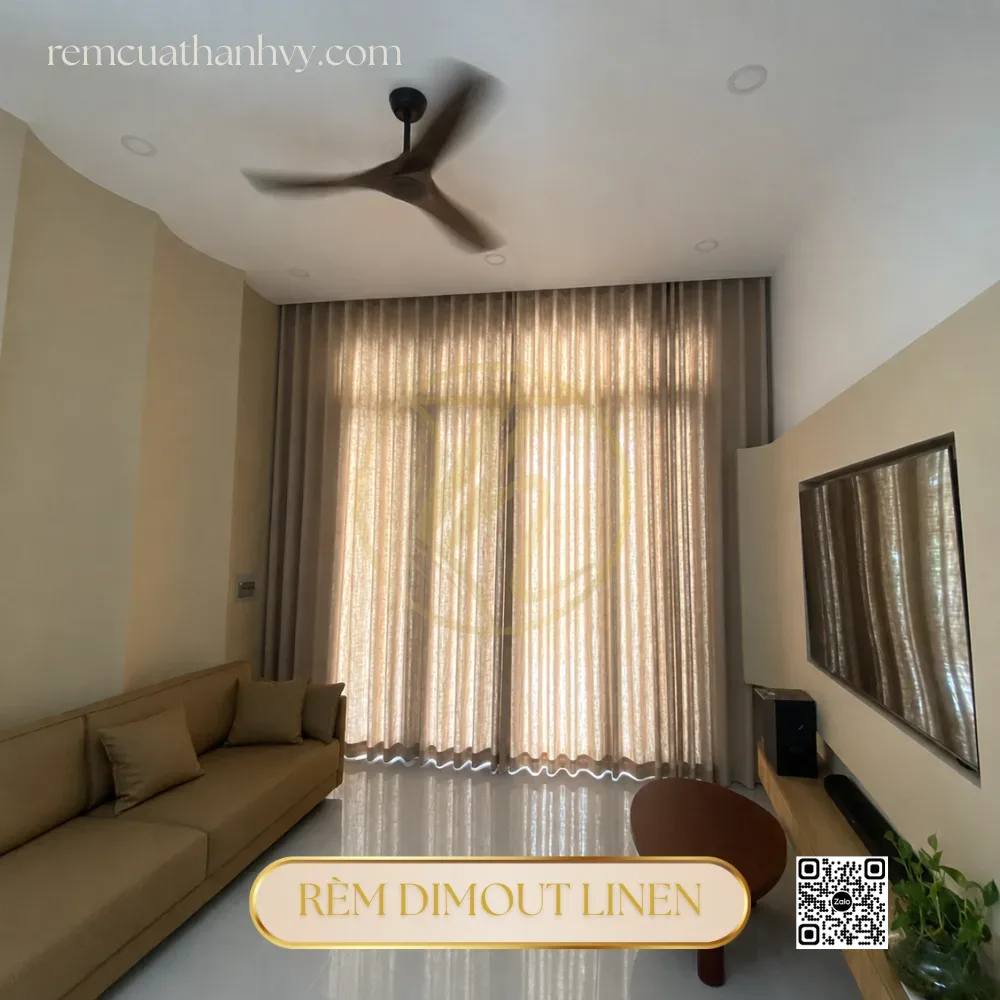
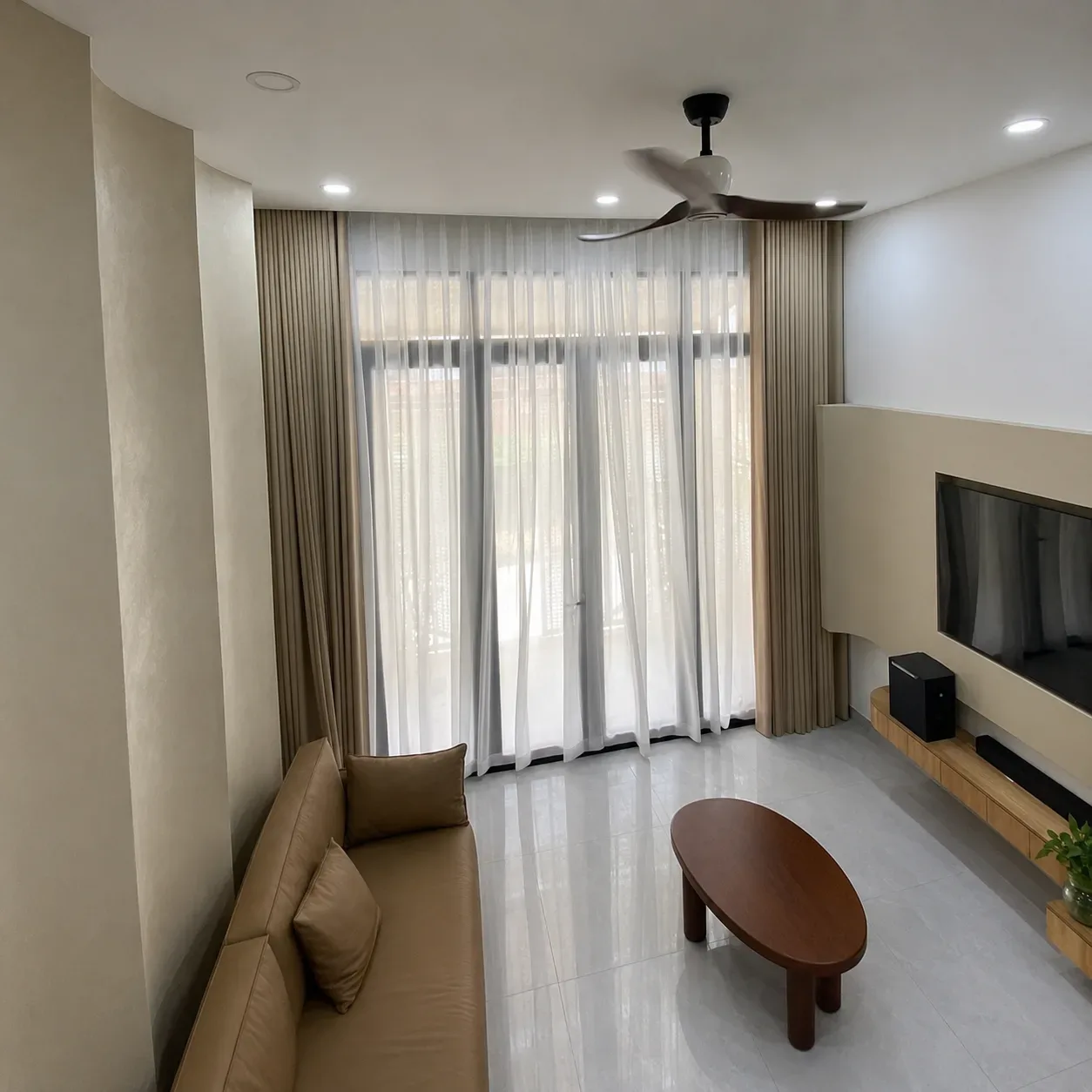
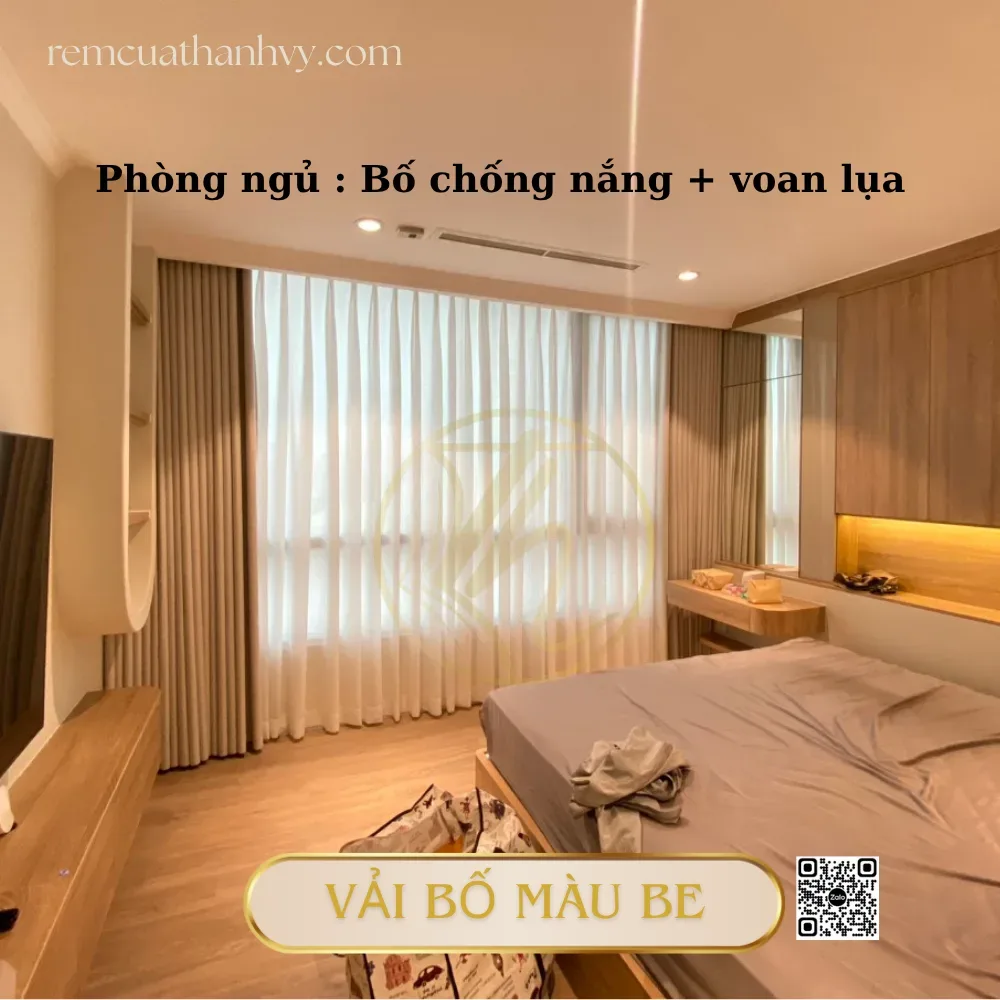
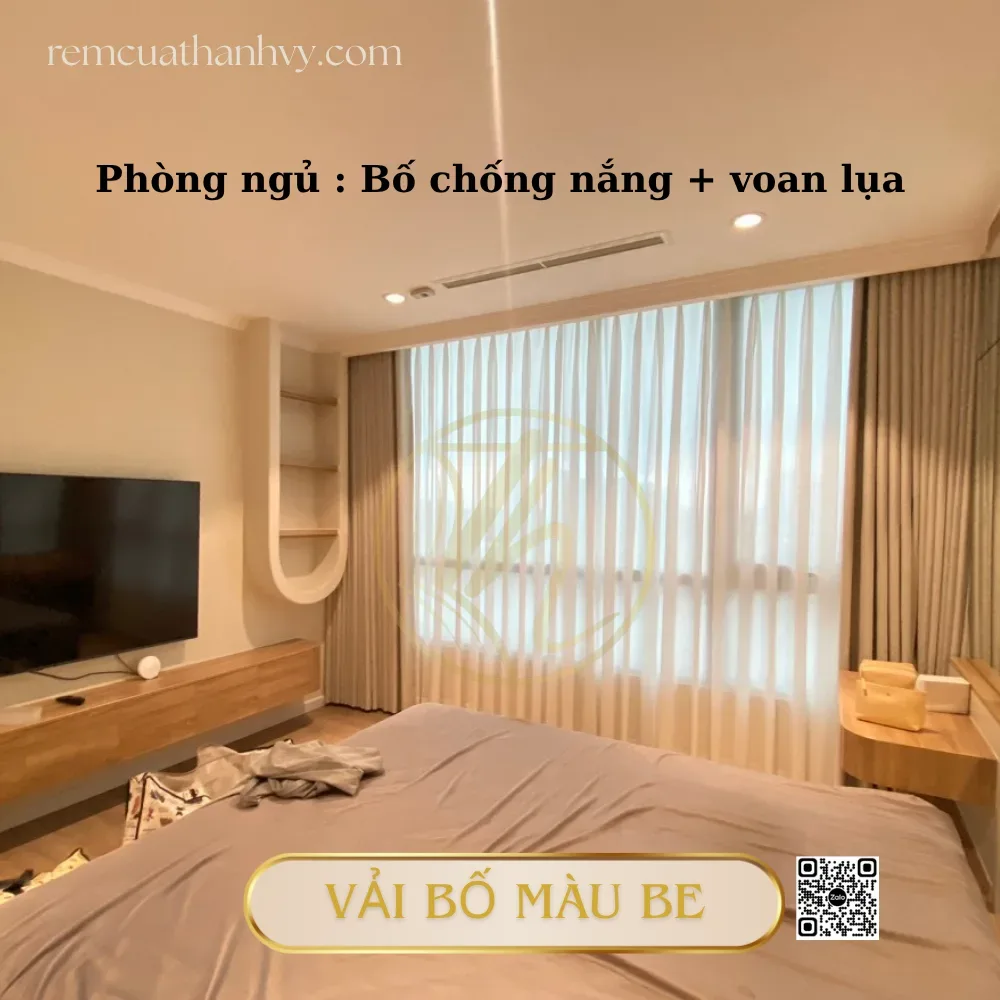
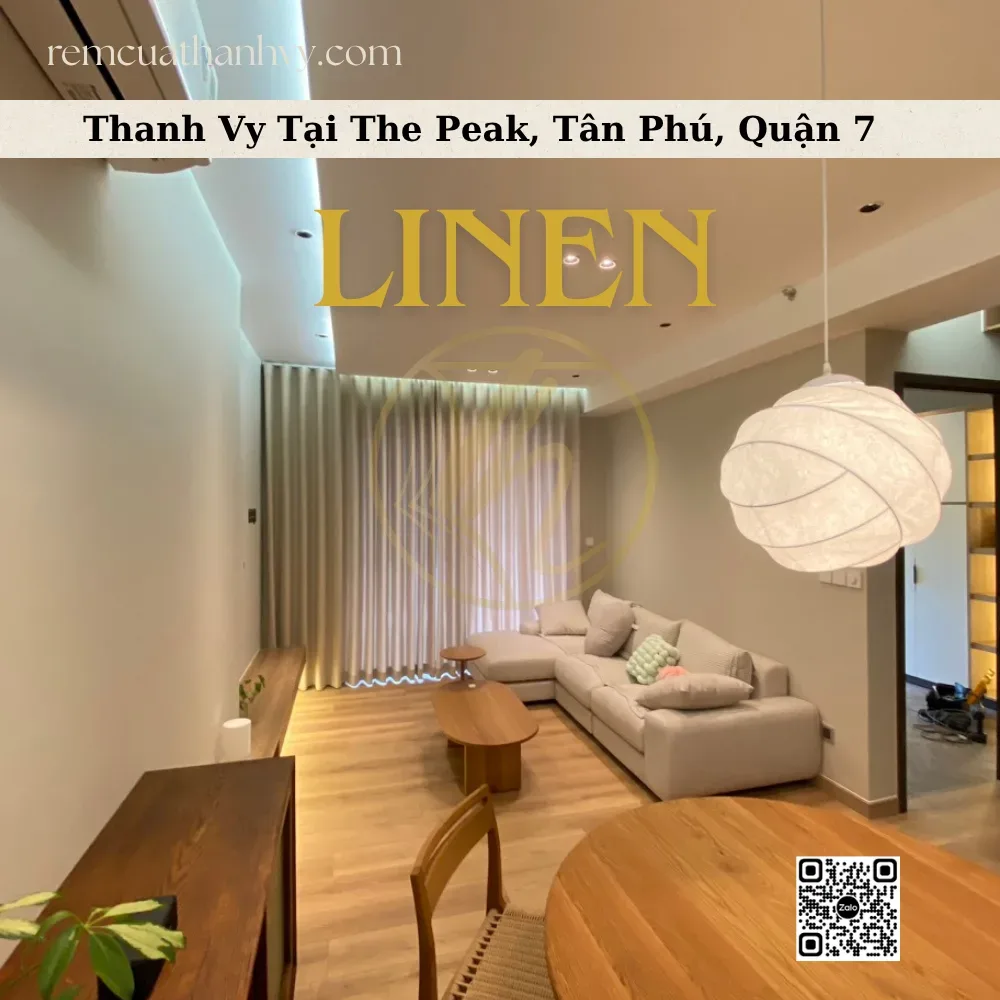
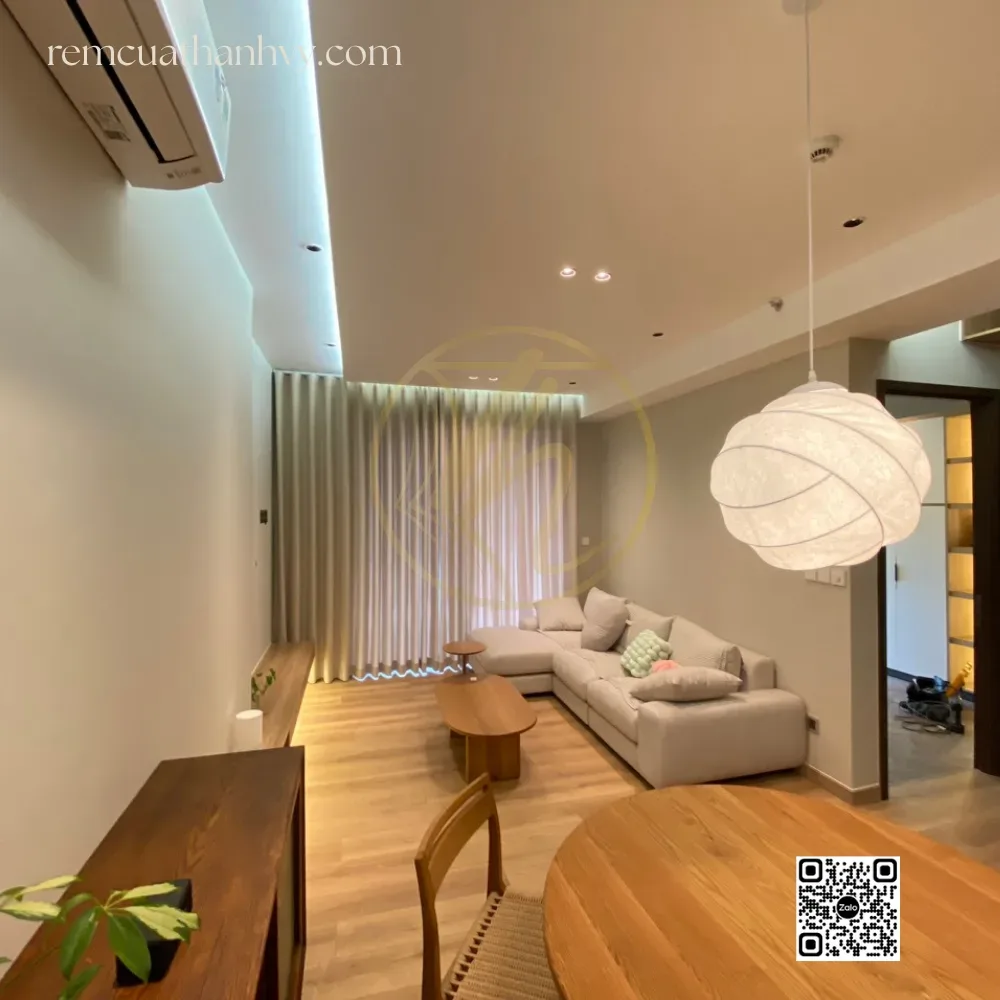
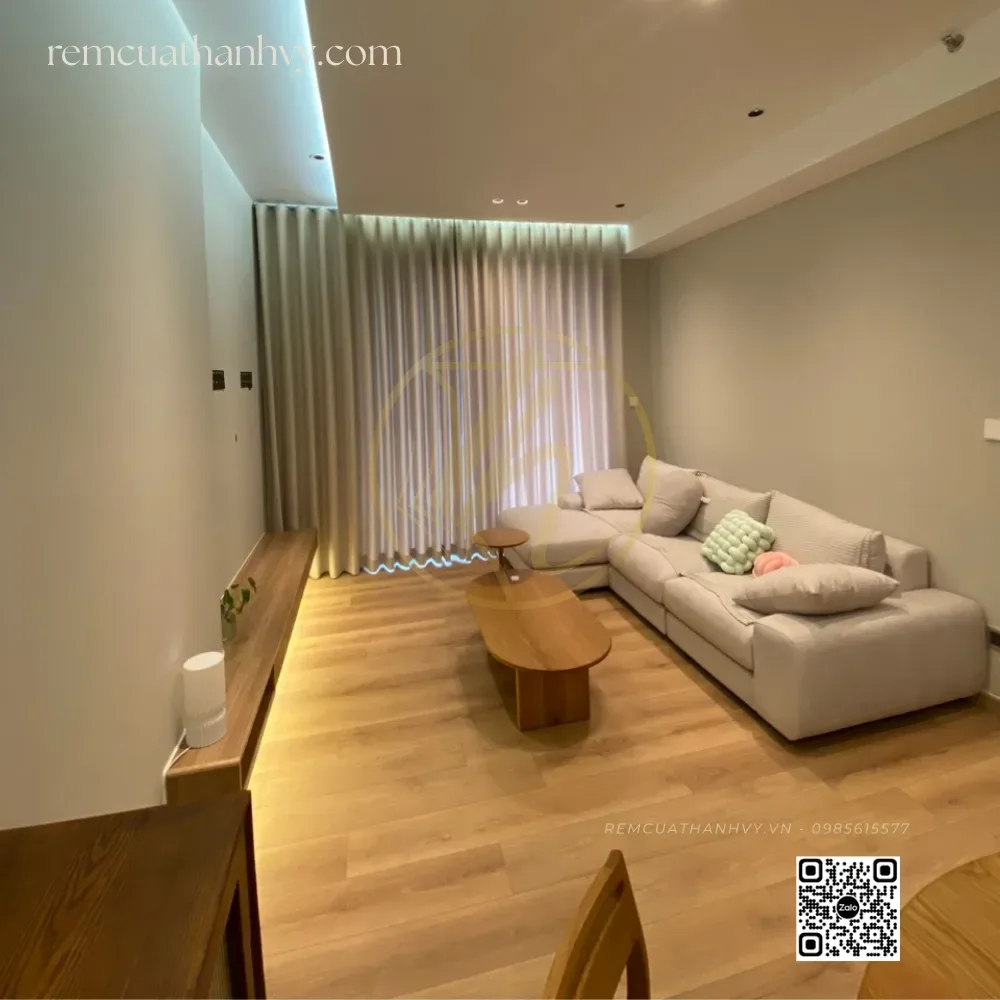
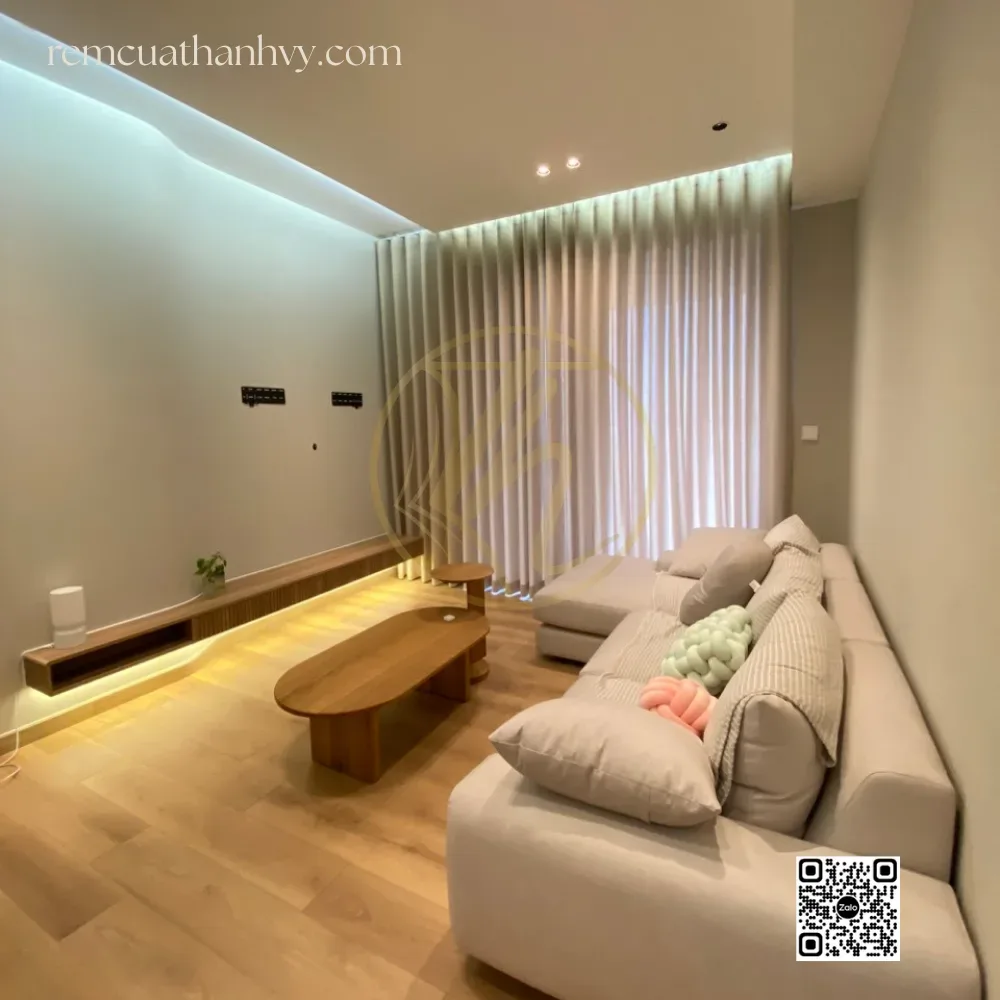
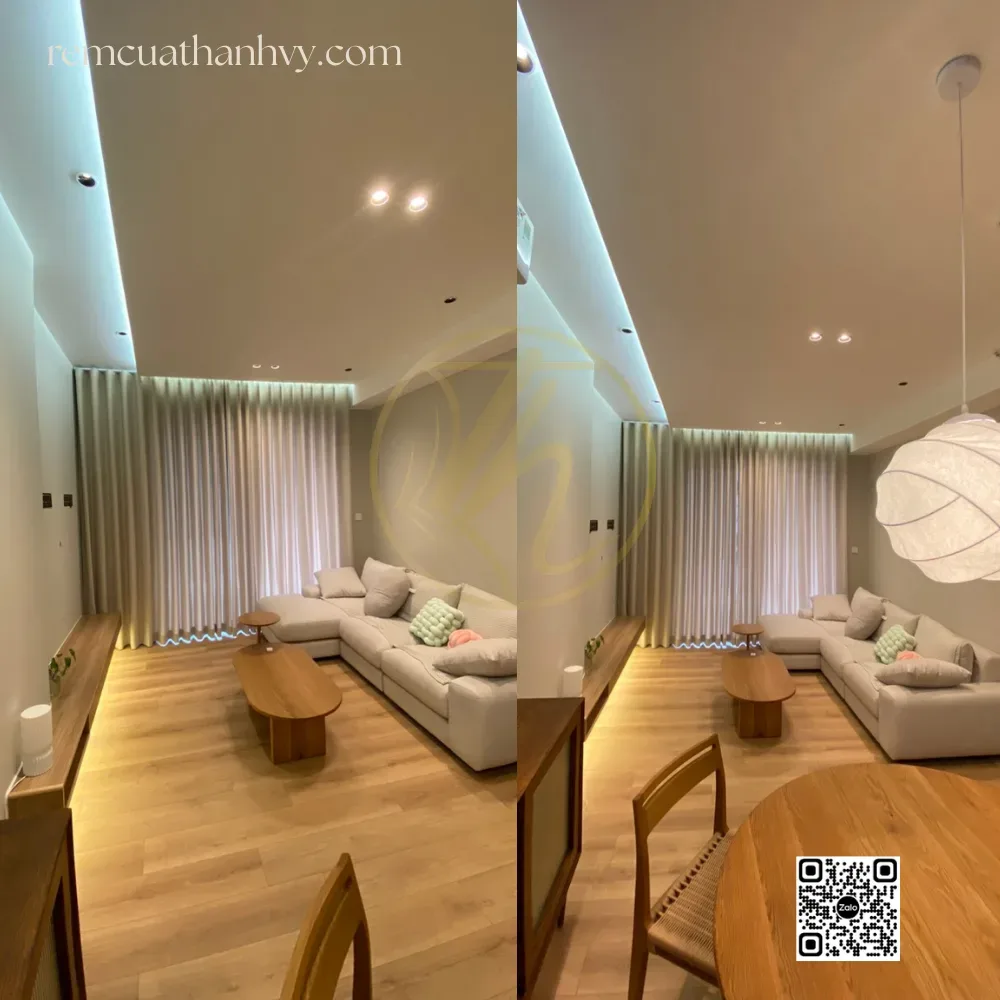
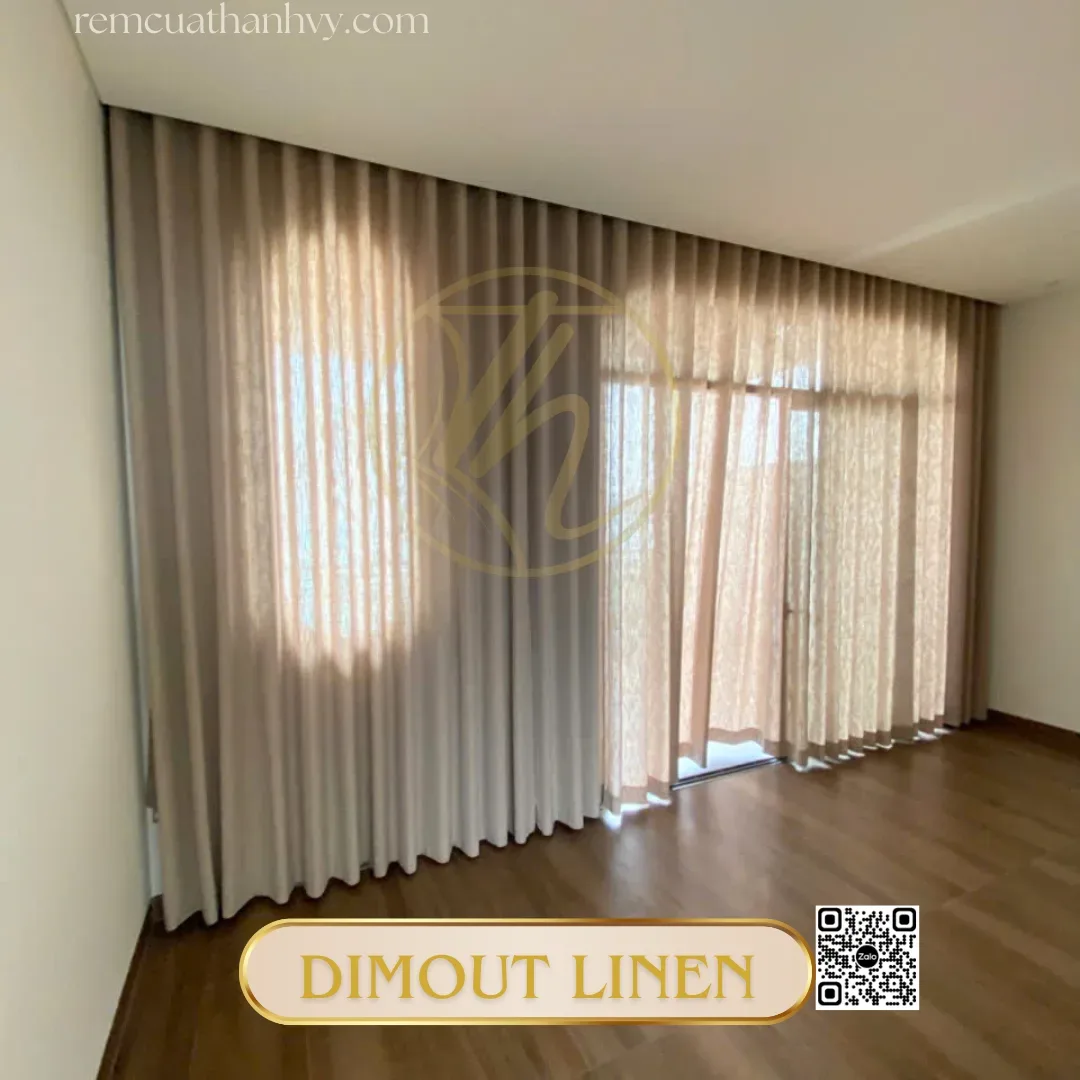
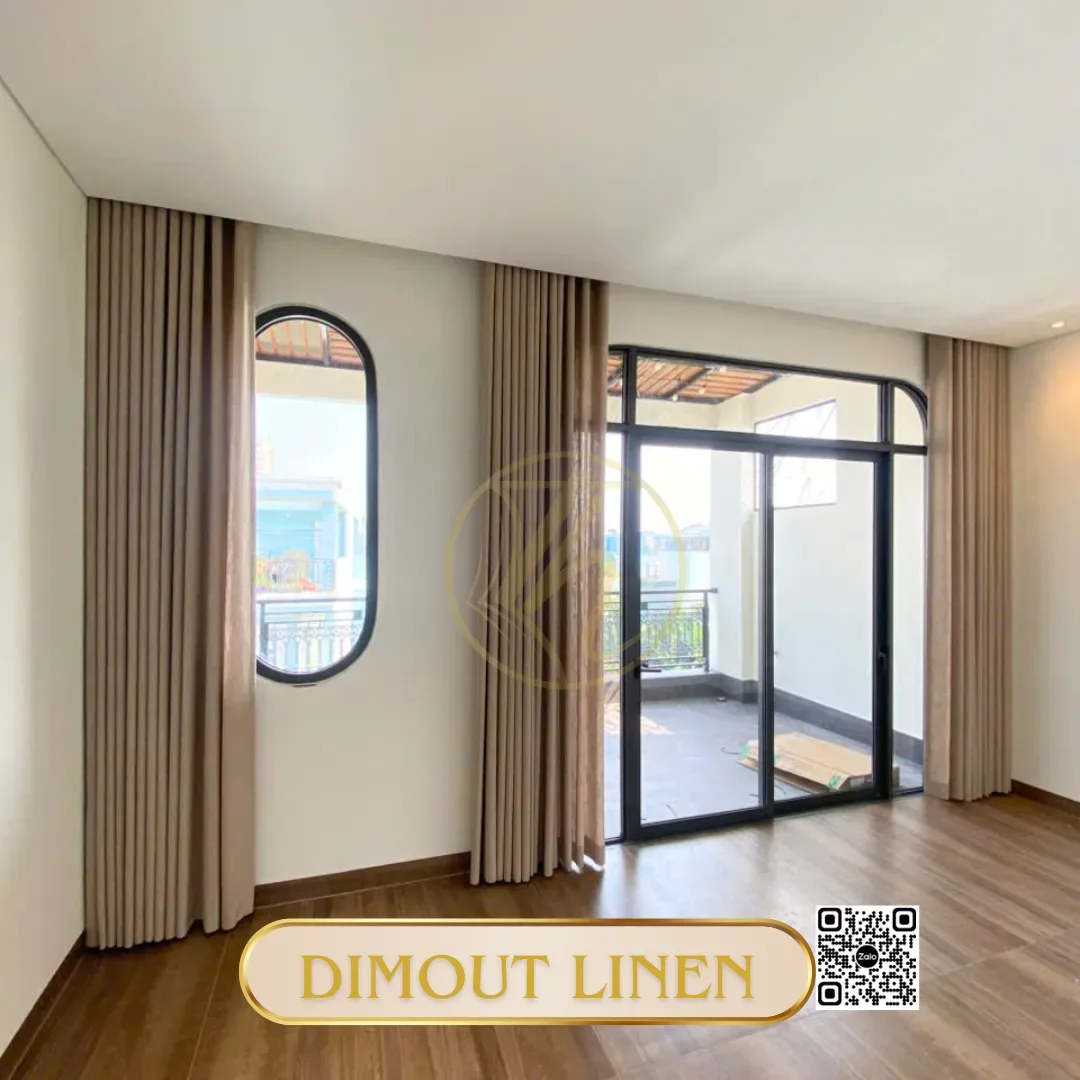
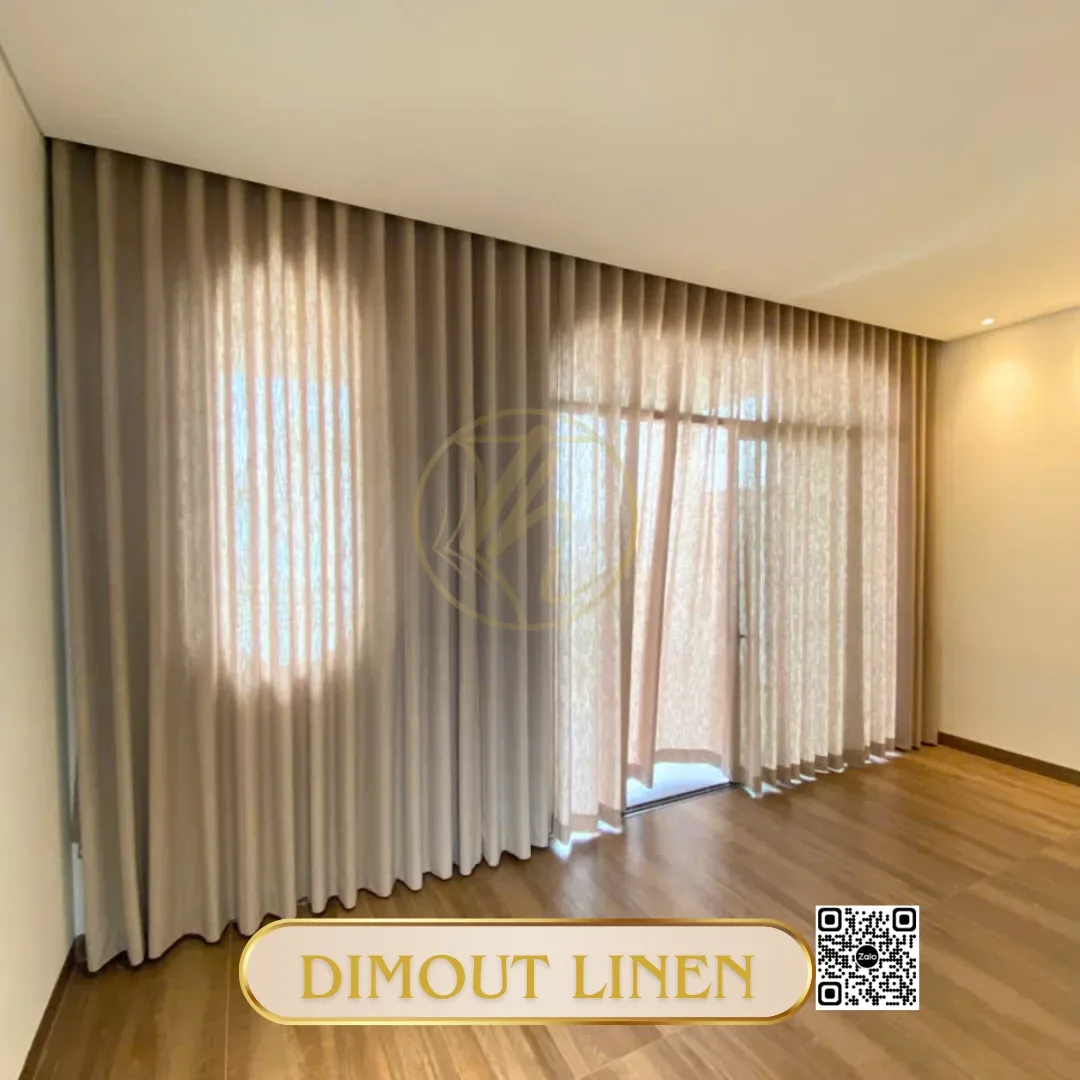
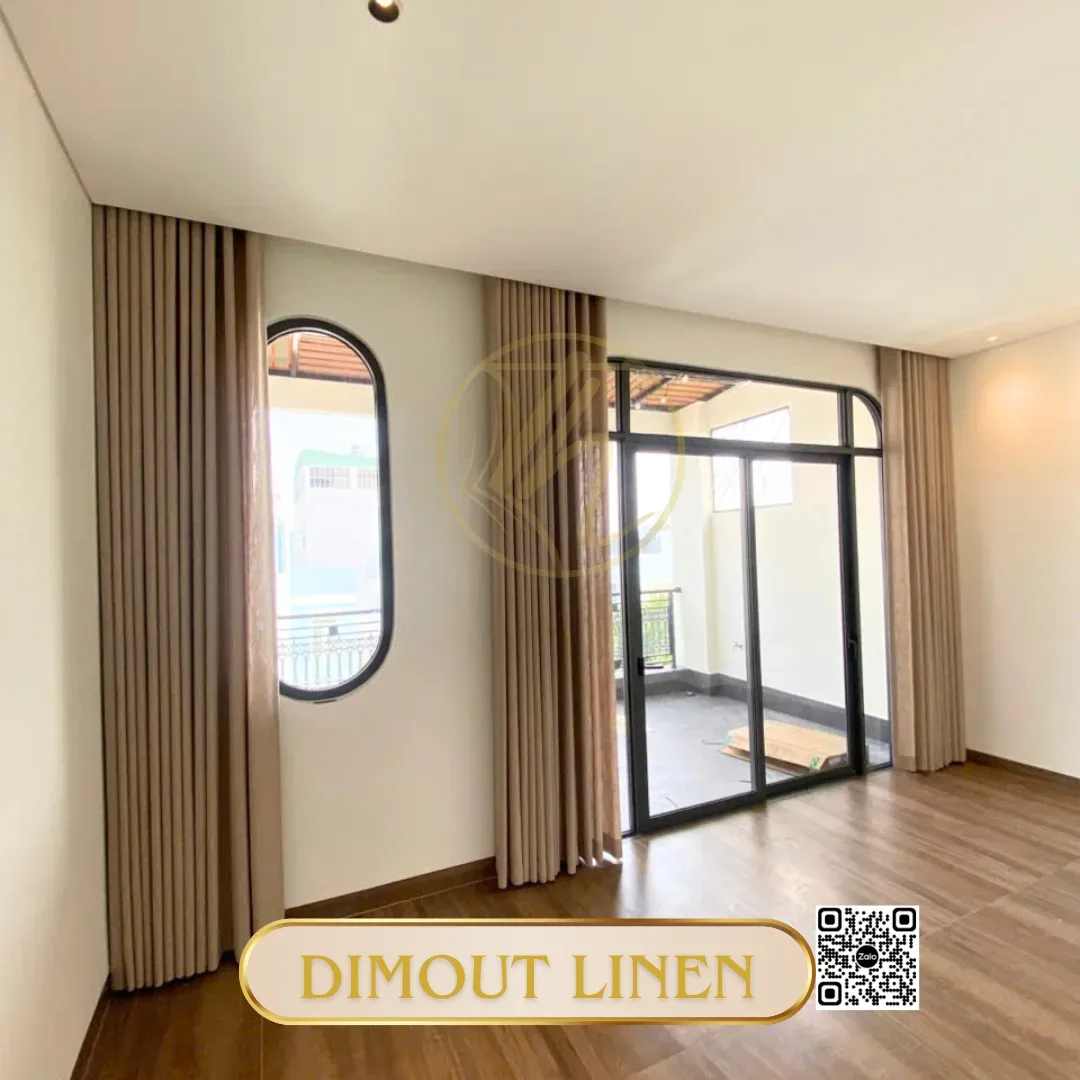
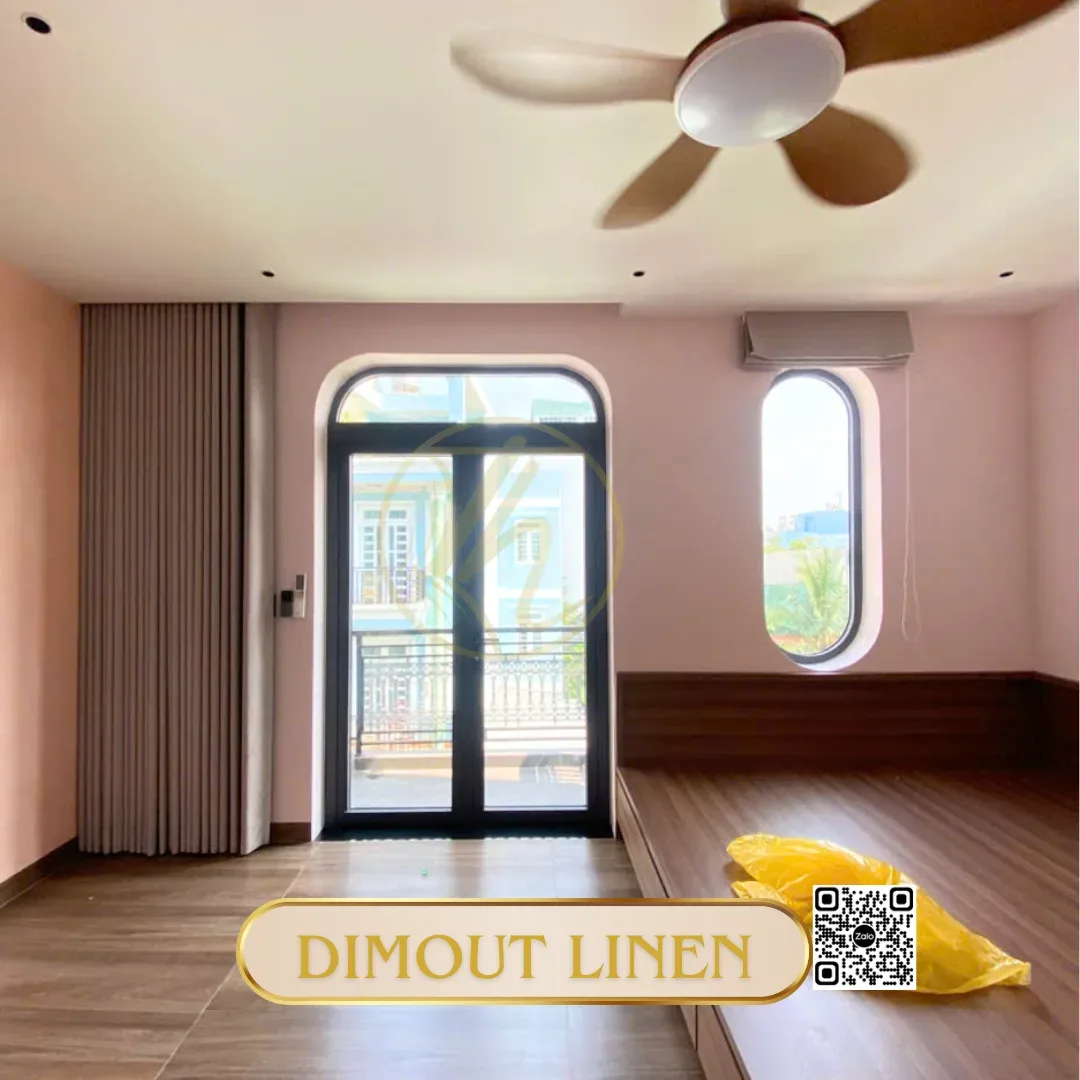
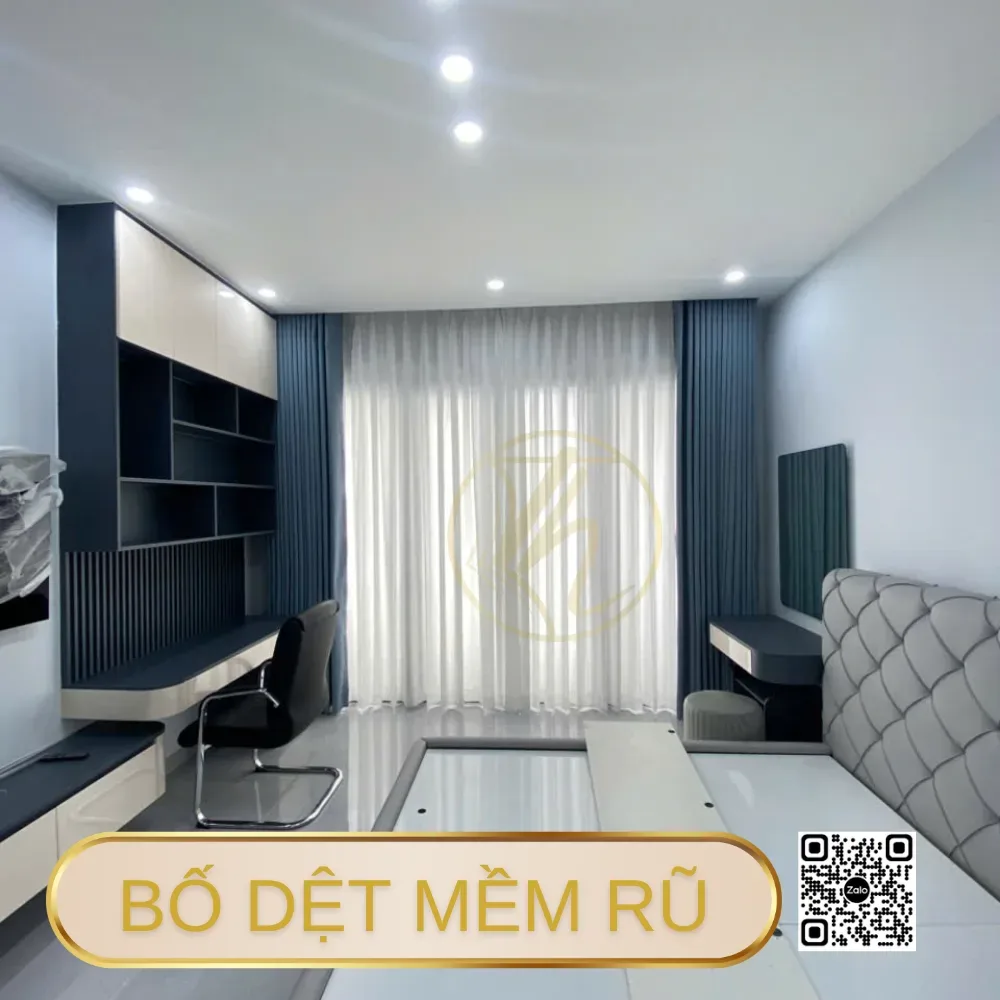
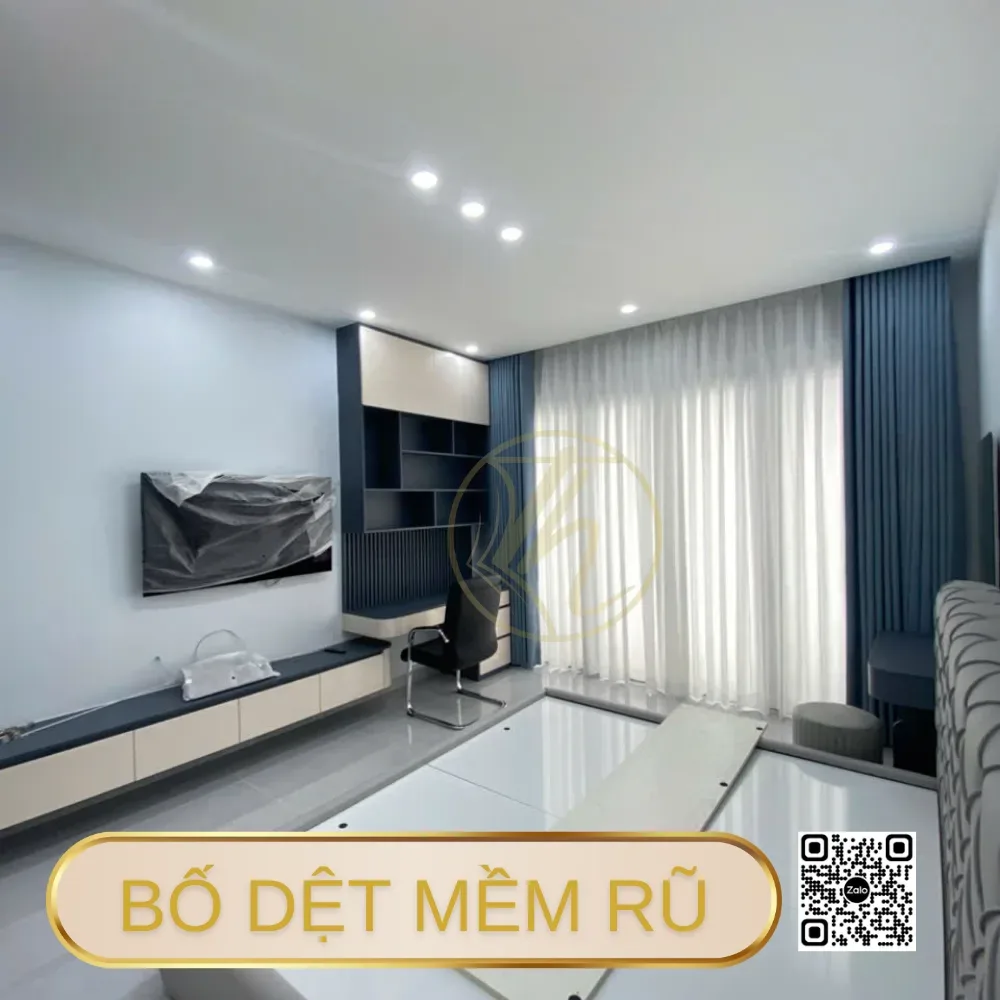
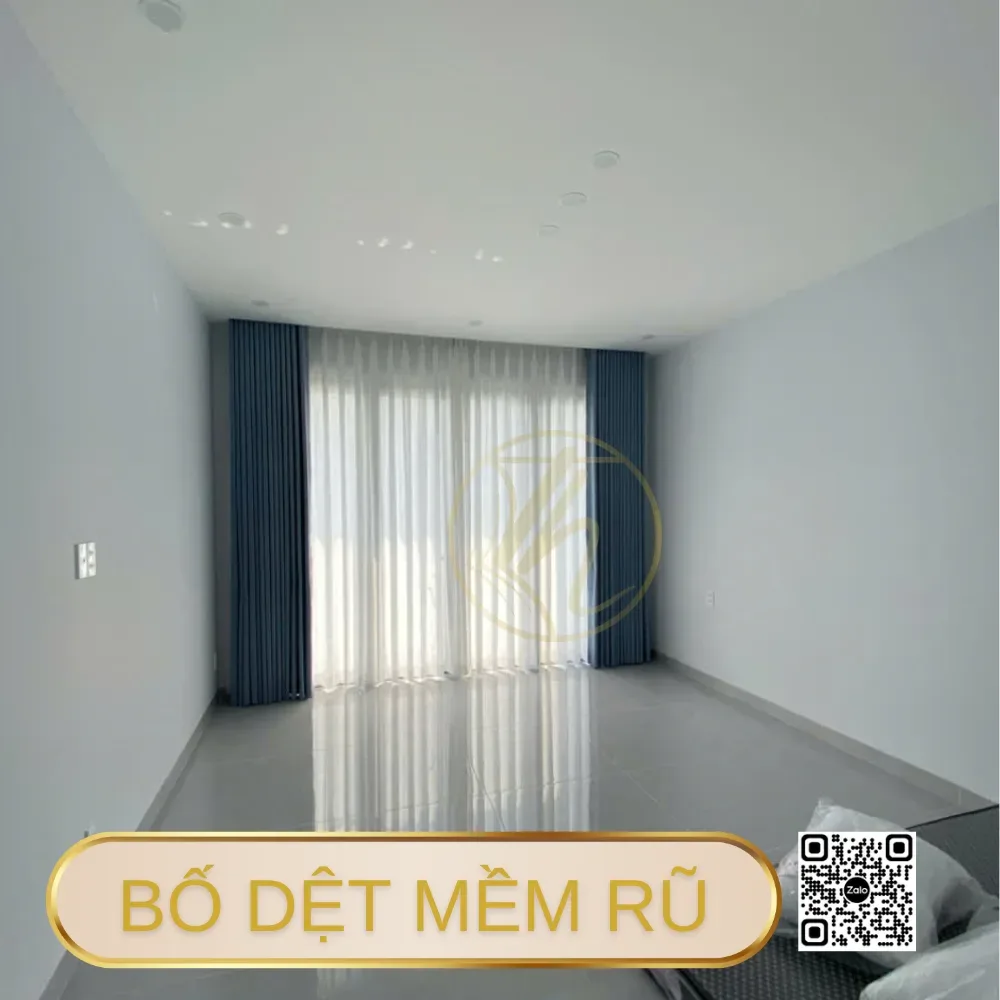
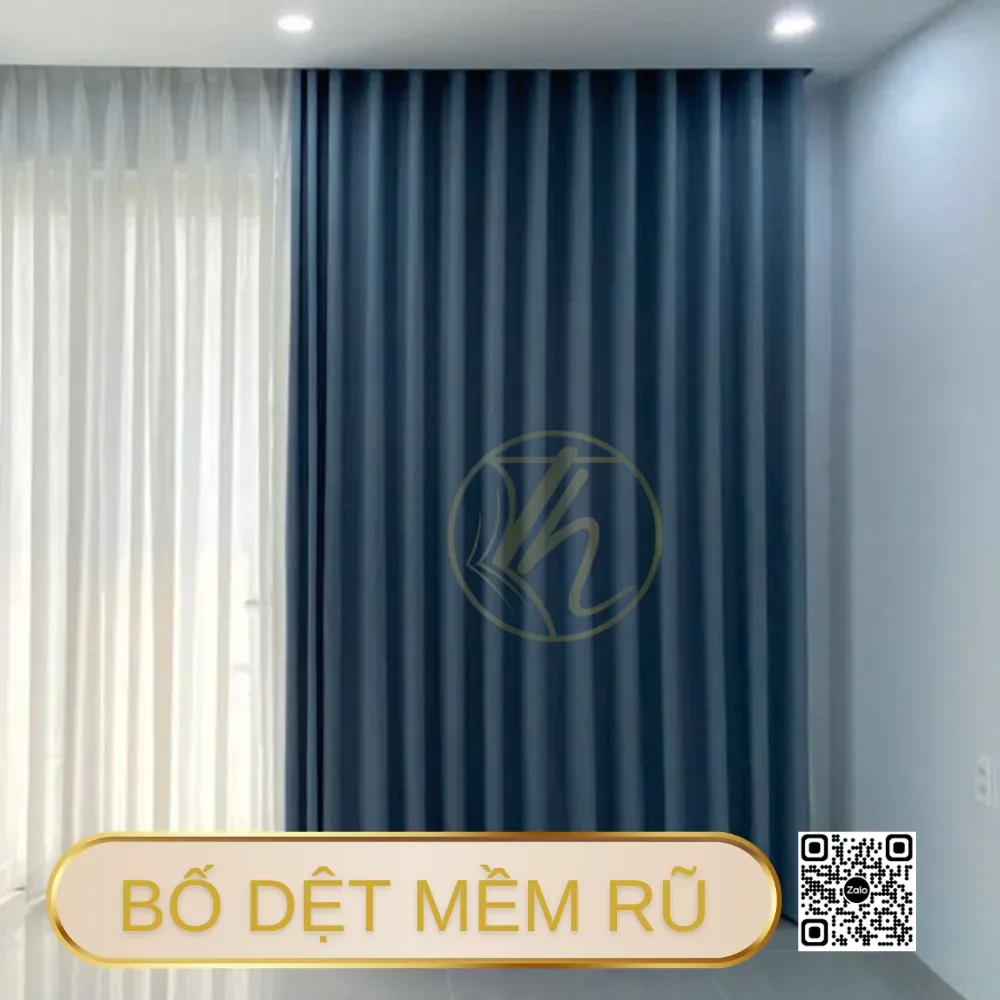
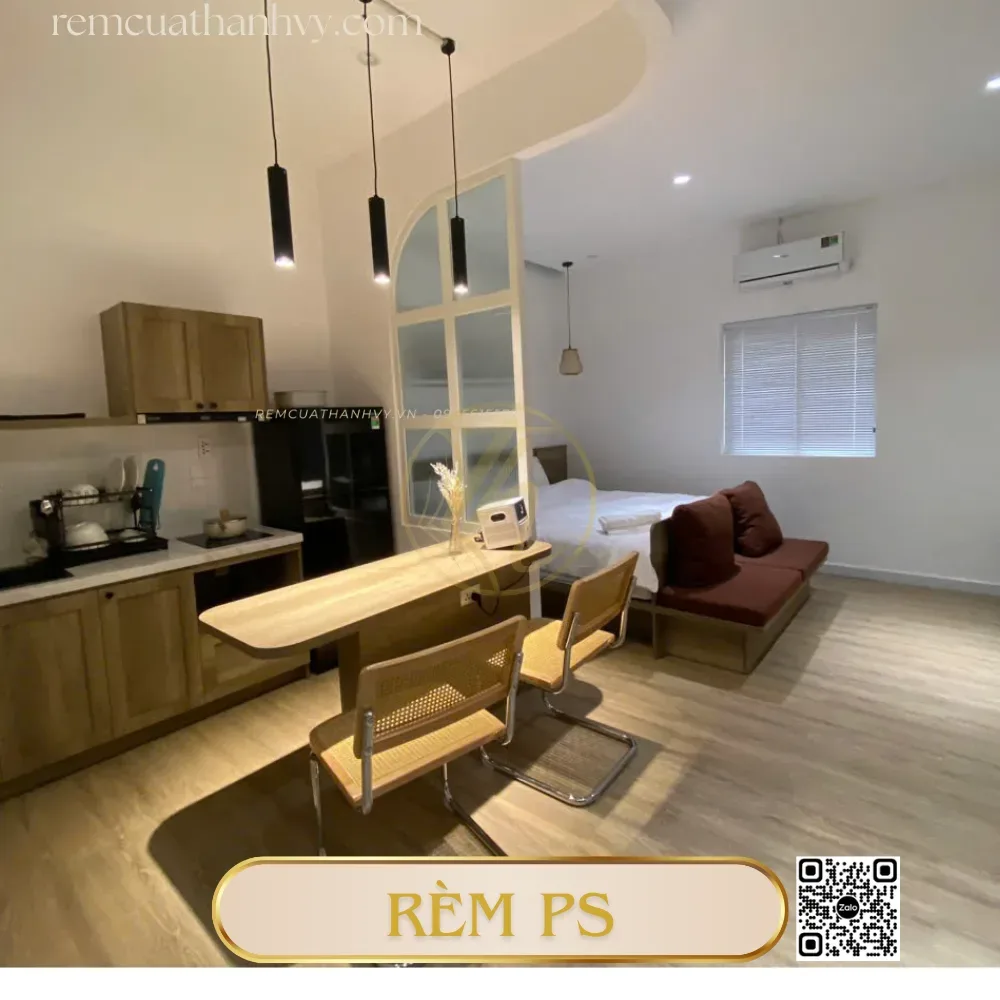
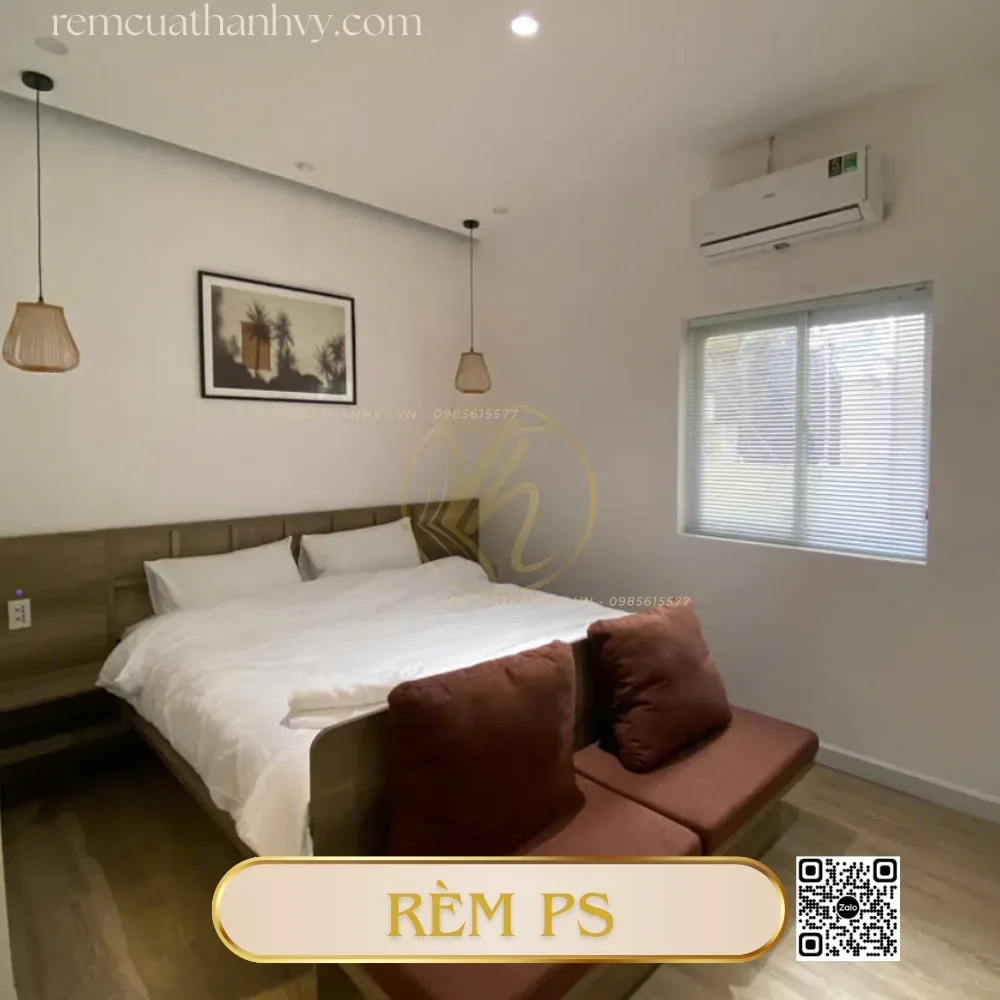
Fabric curtains
Fabric curtains easily coordinate with interiors and have a wide price range.
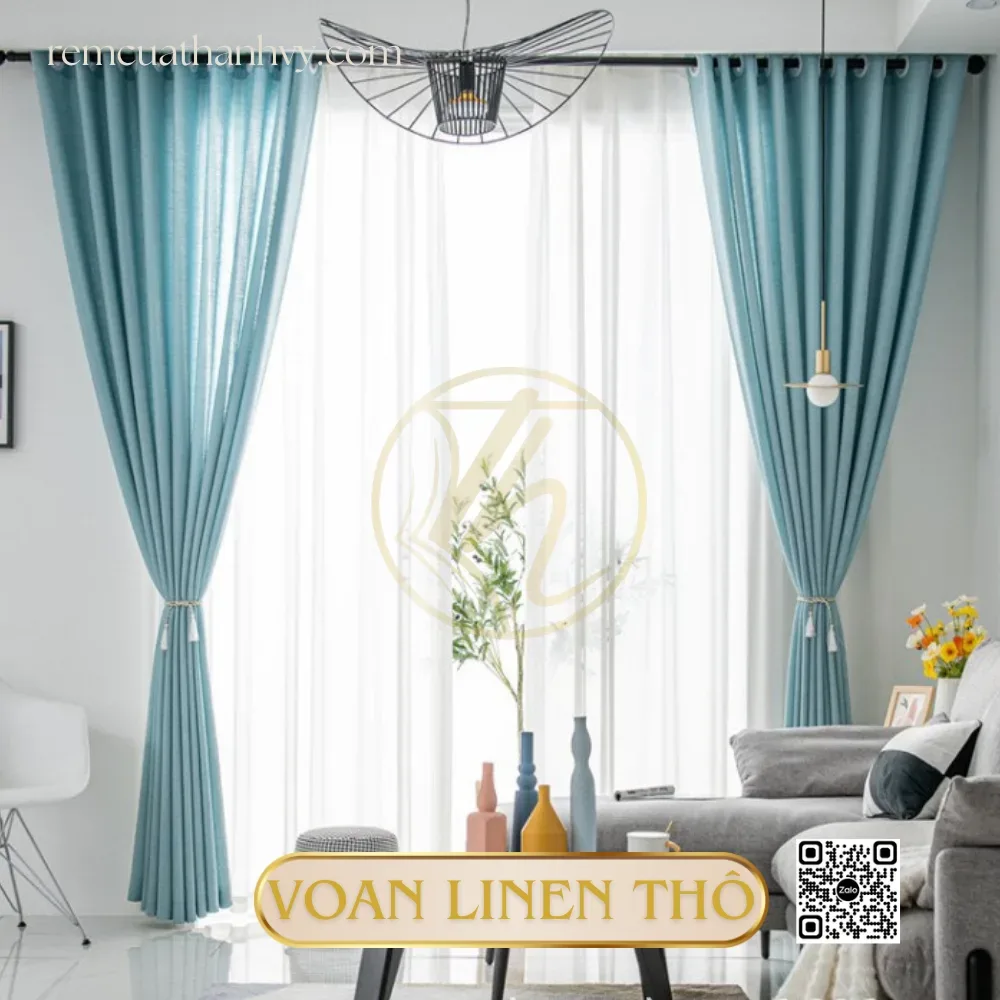

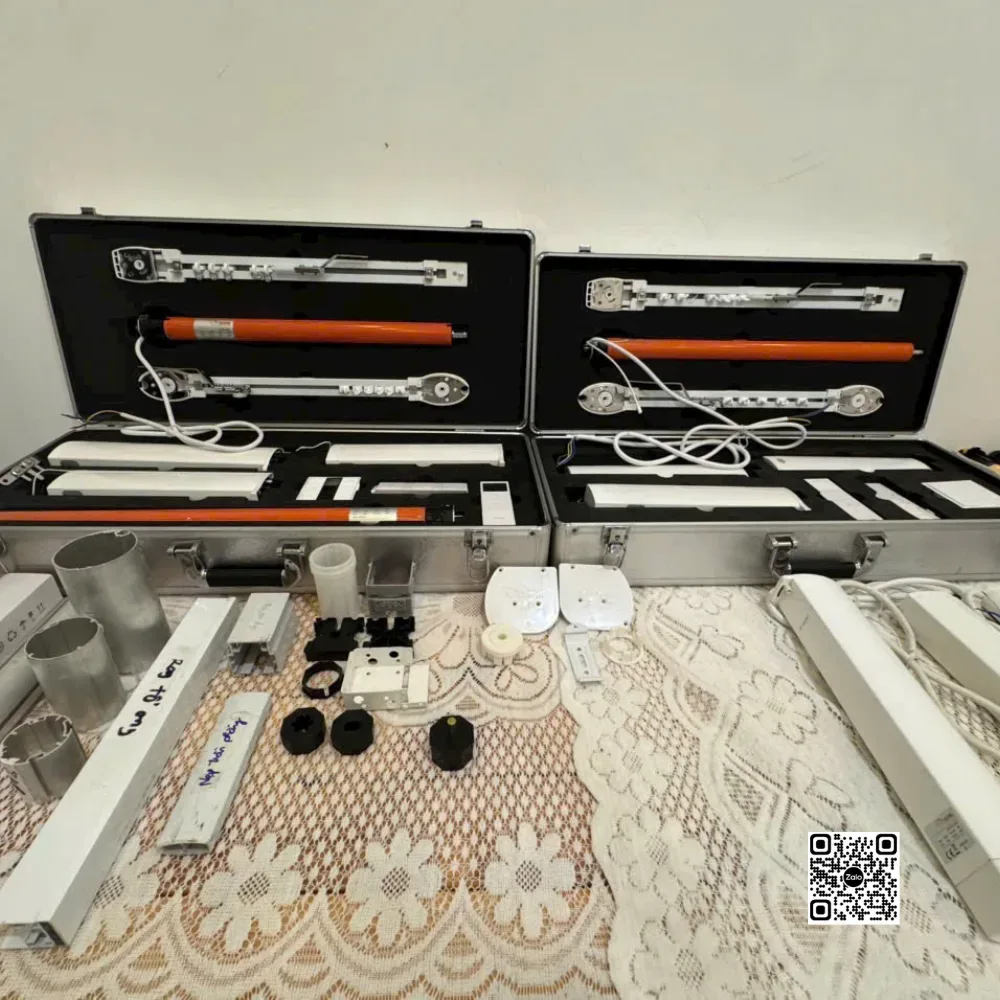
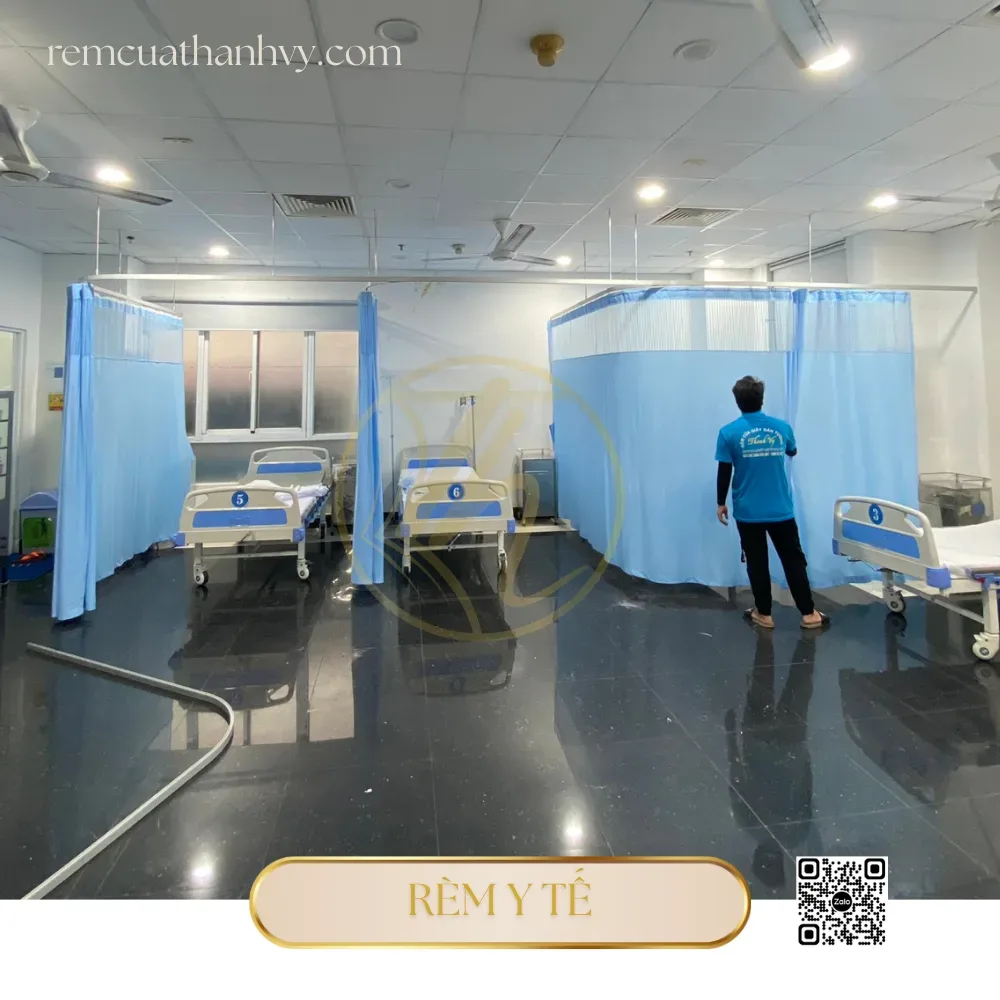
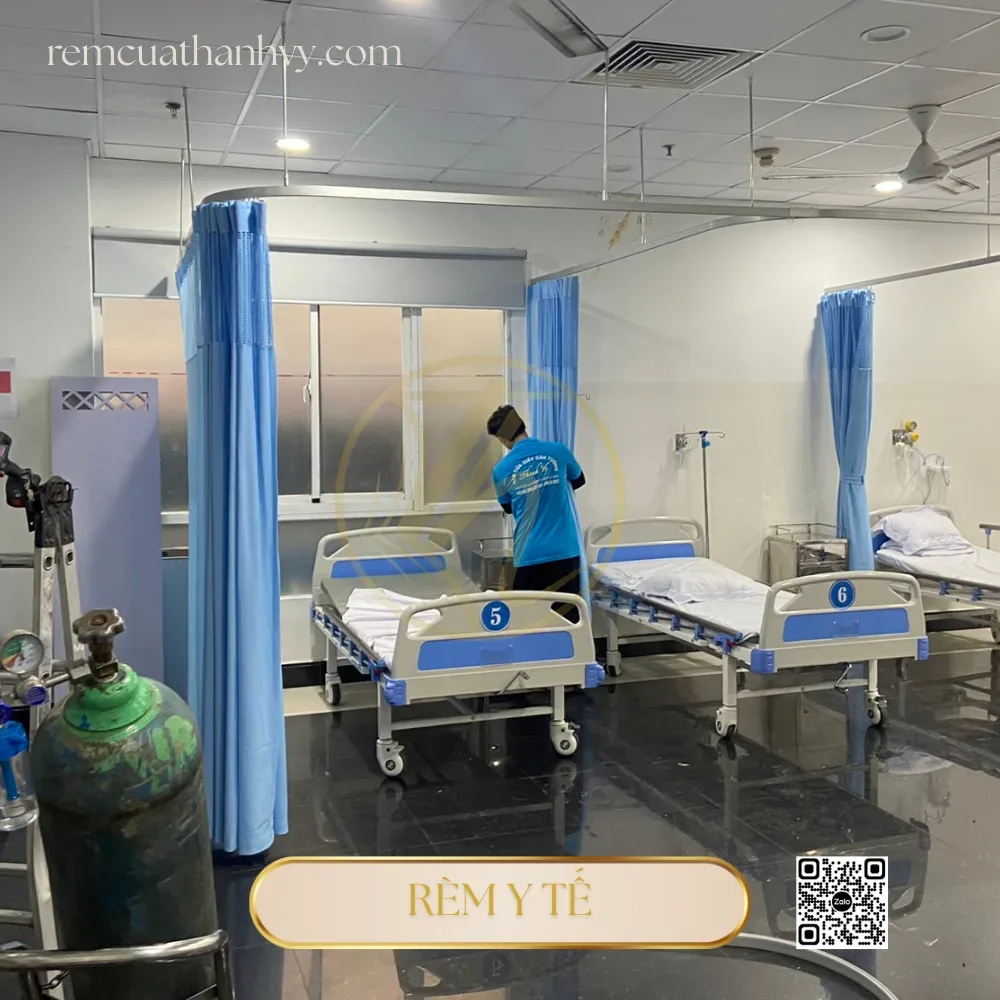
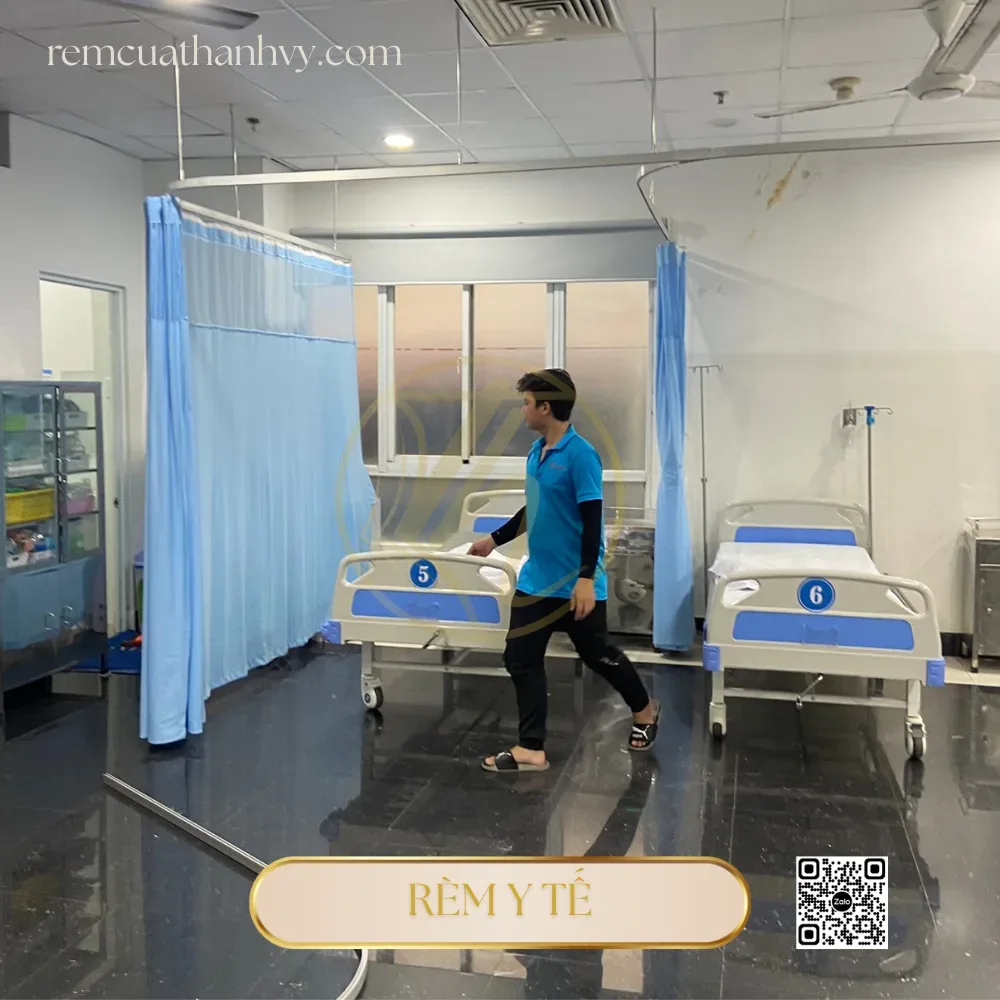
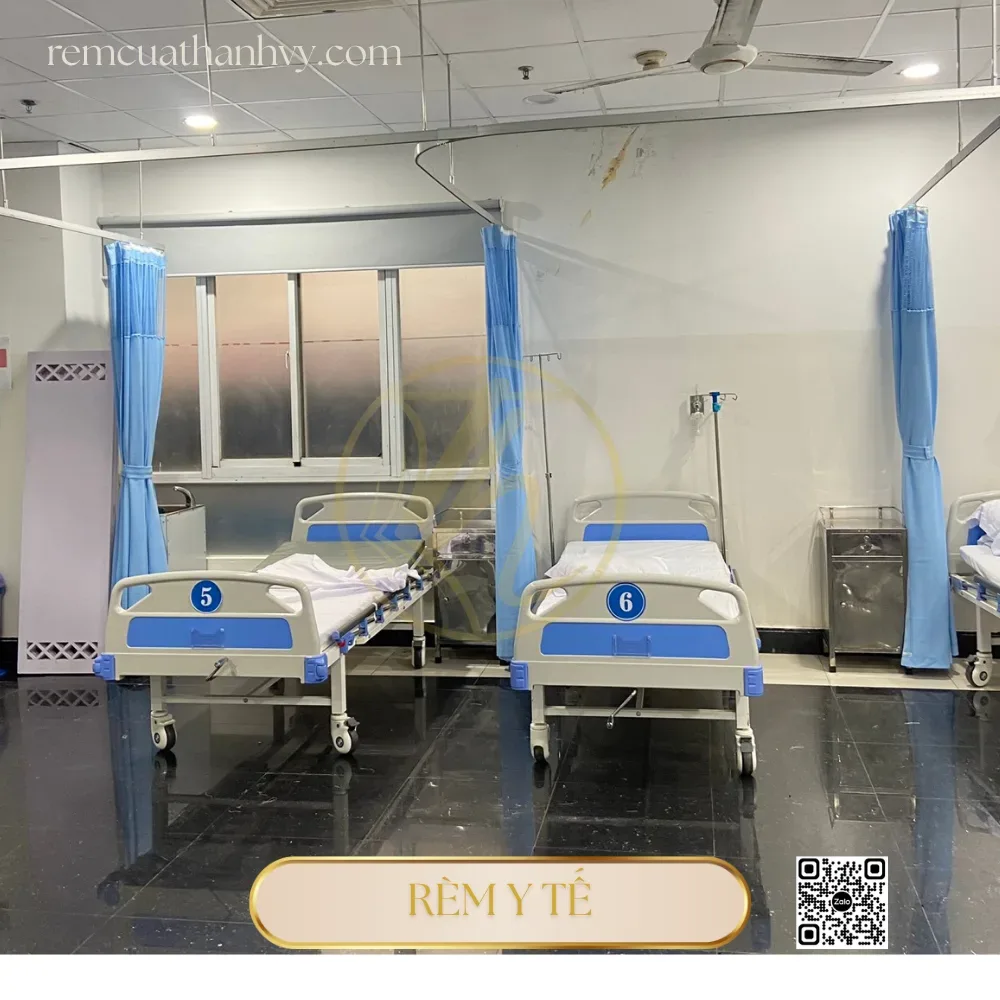
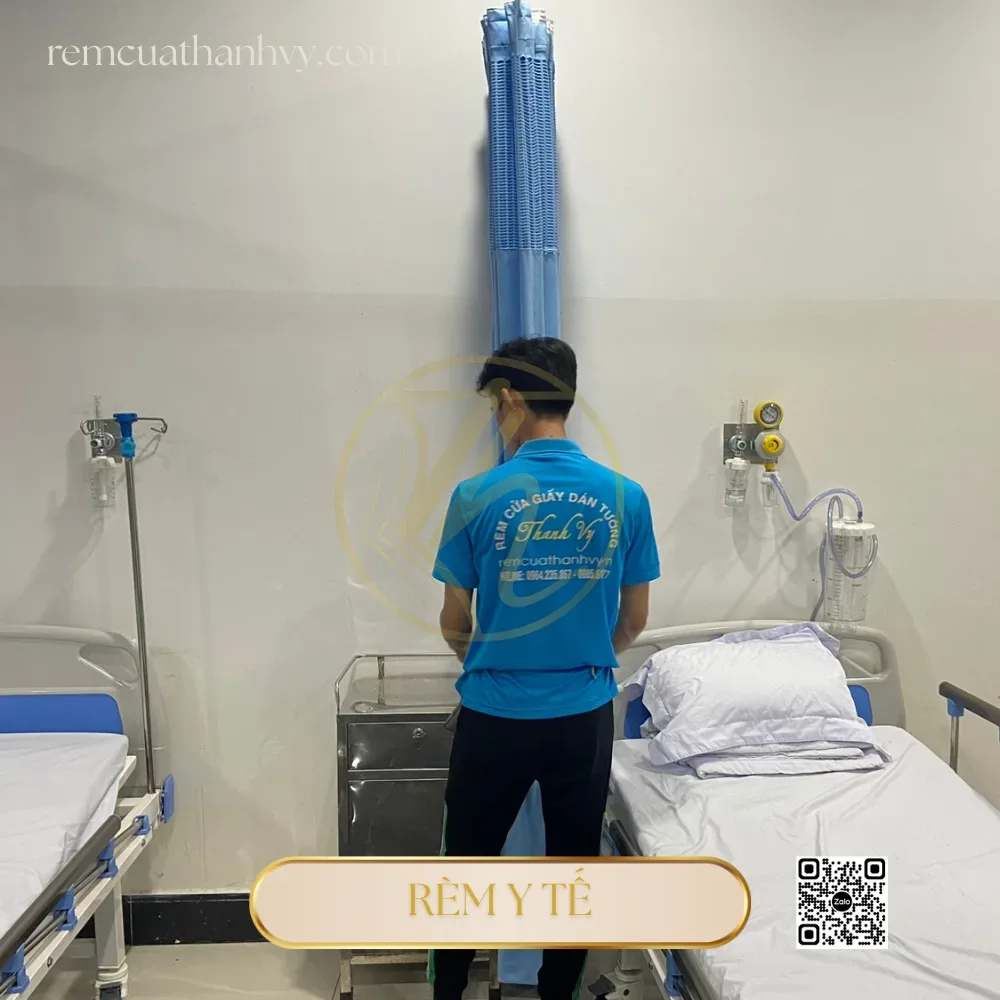
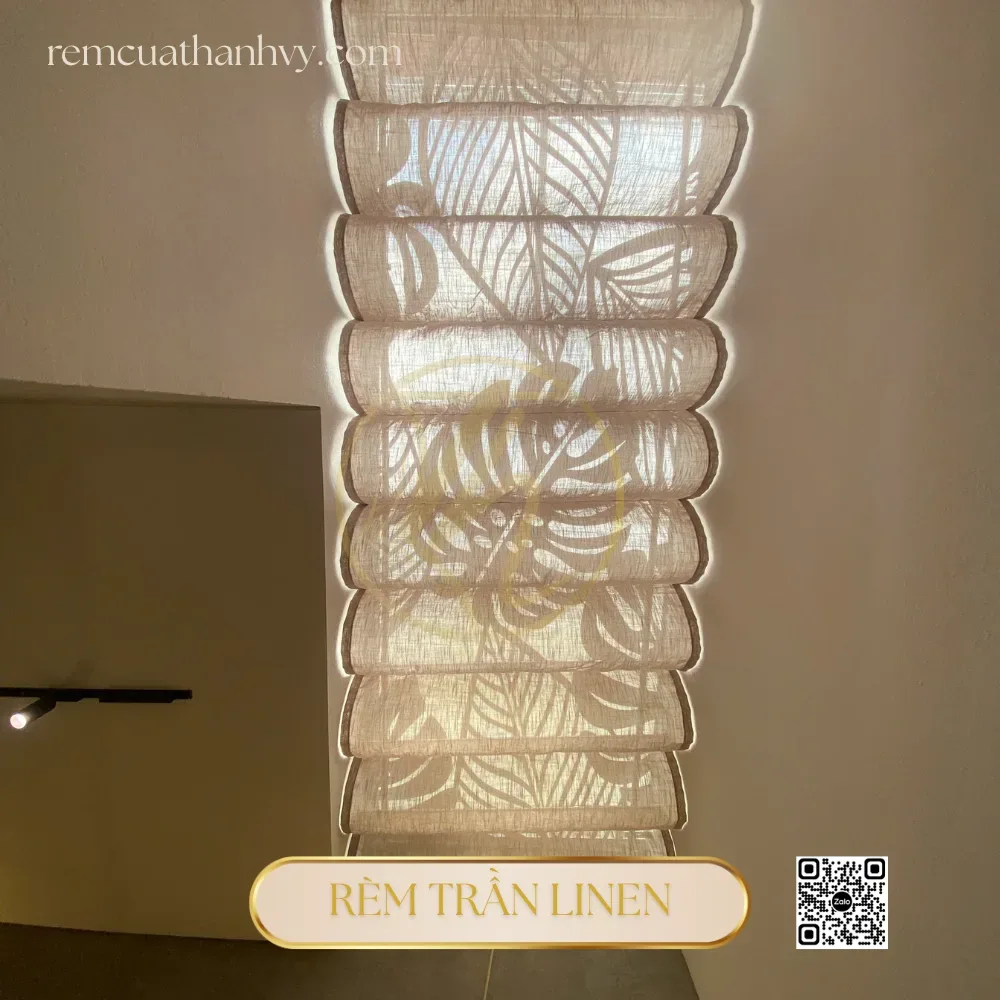
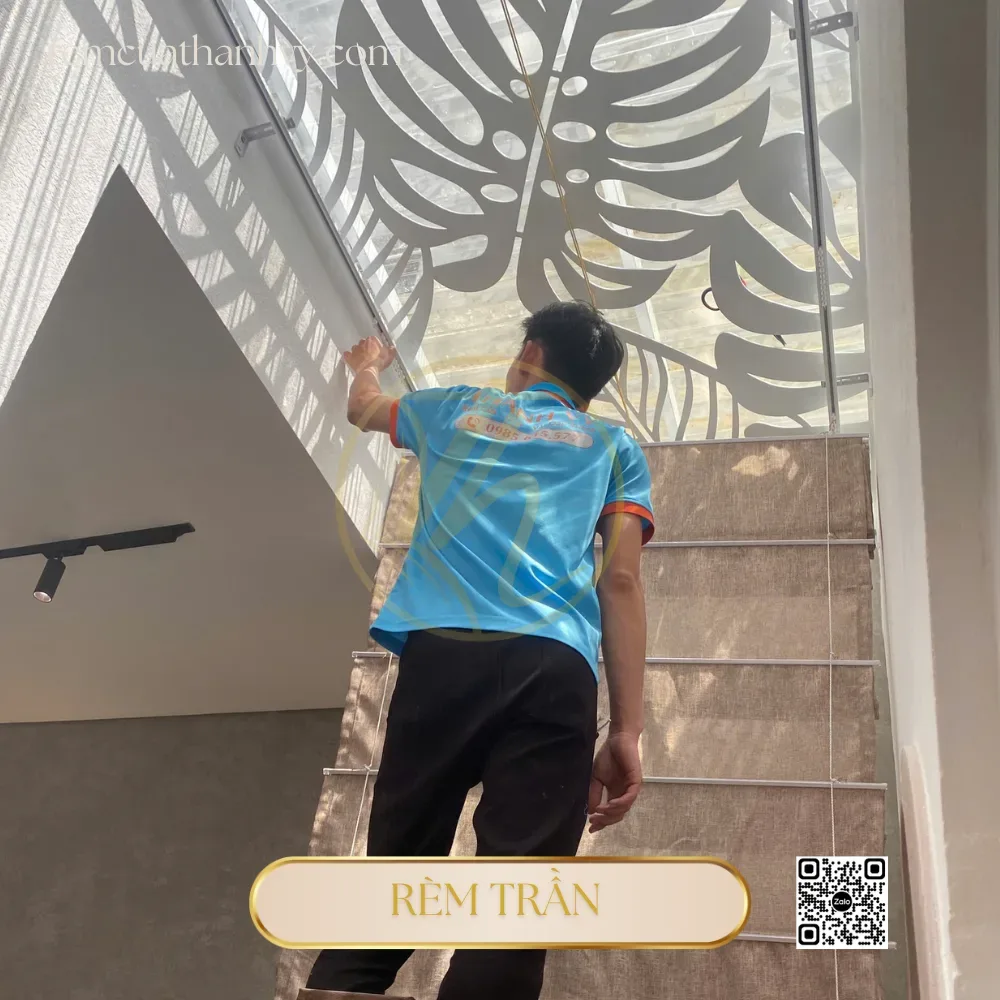
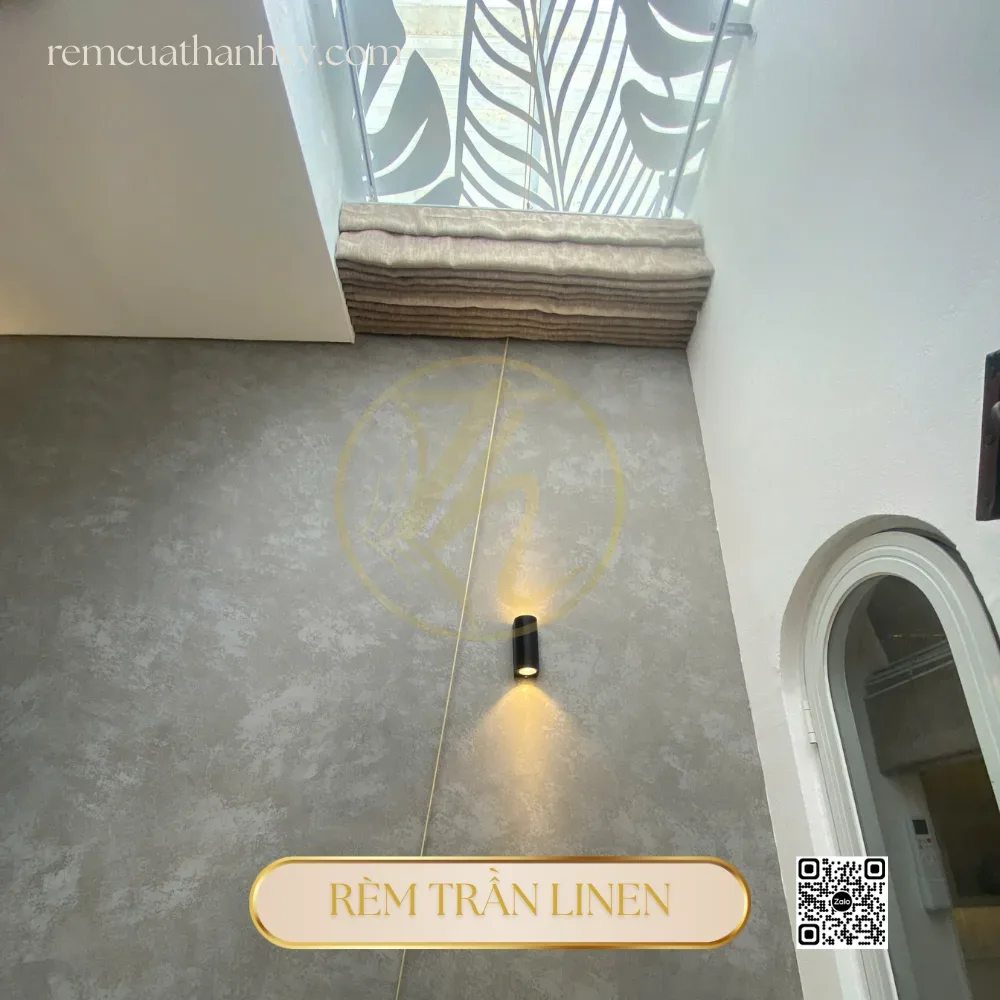
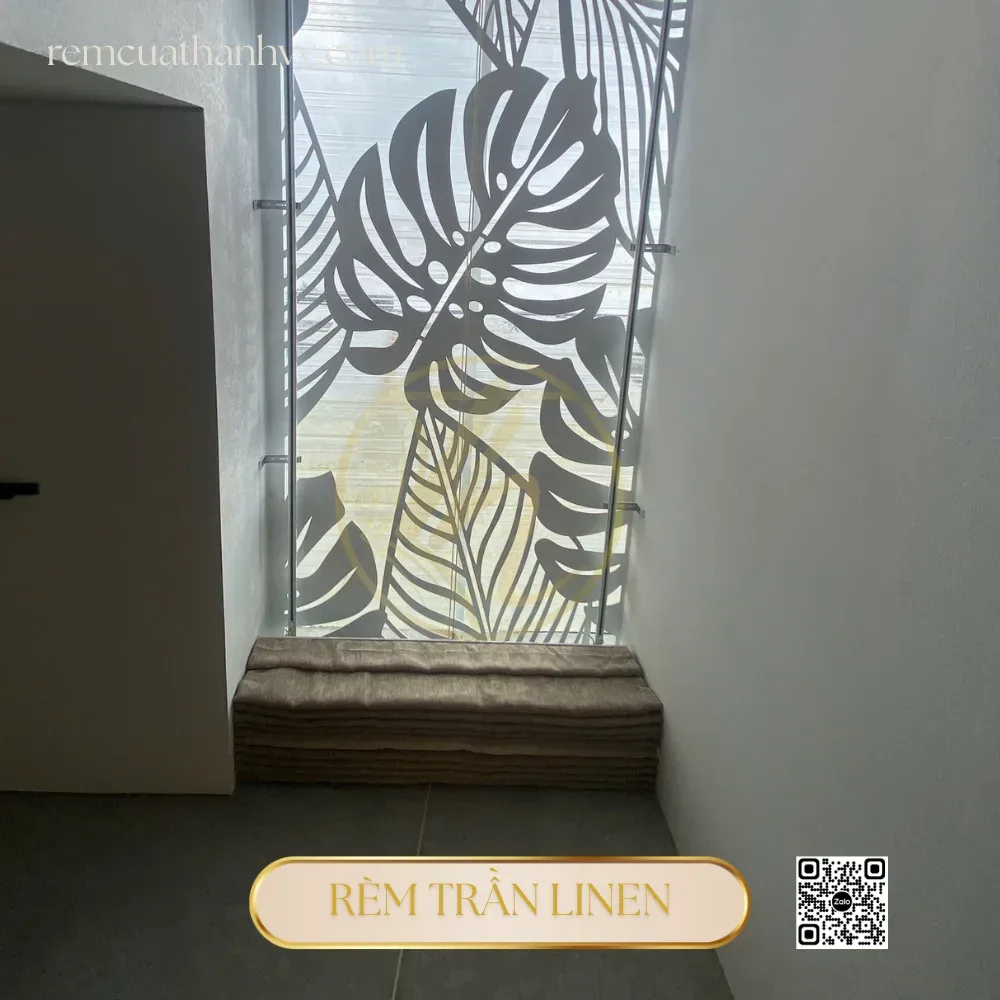
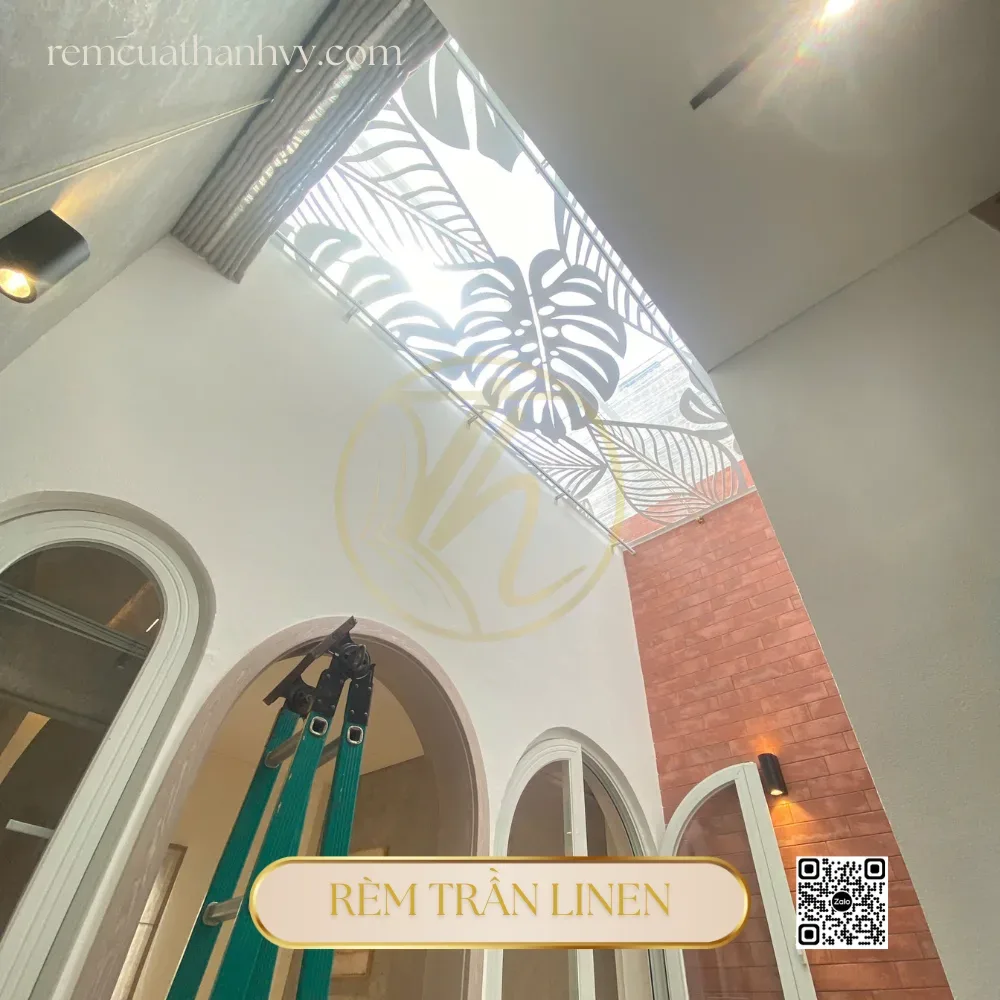
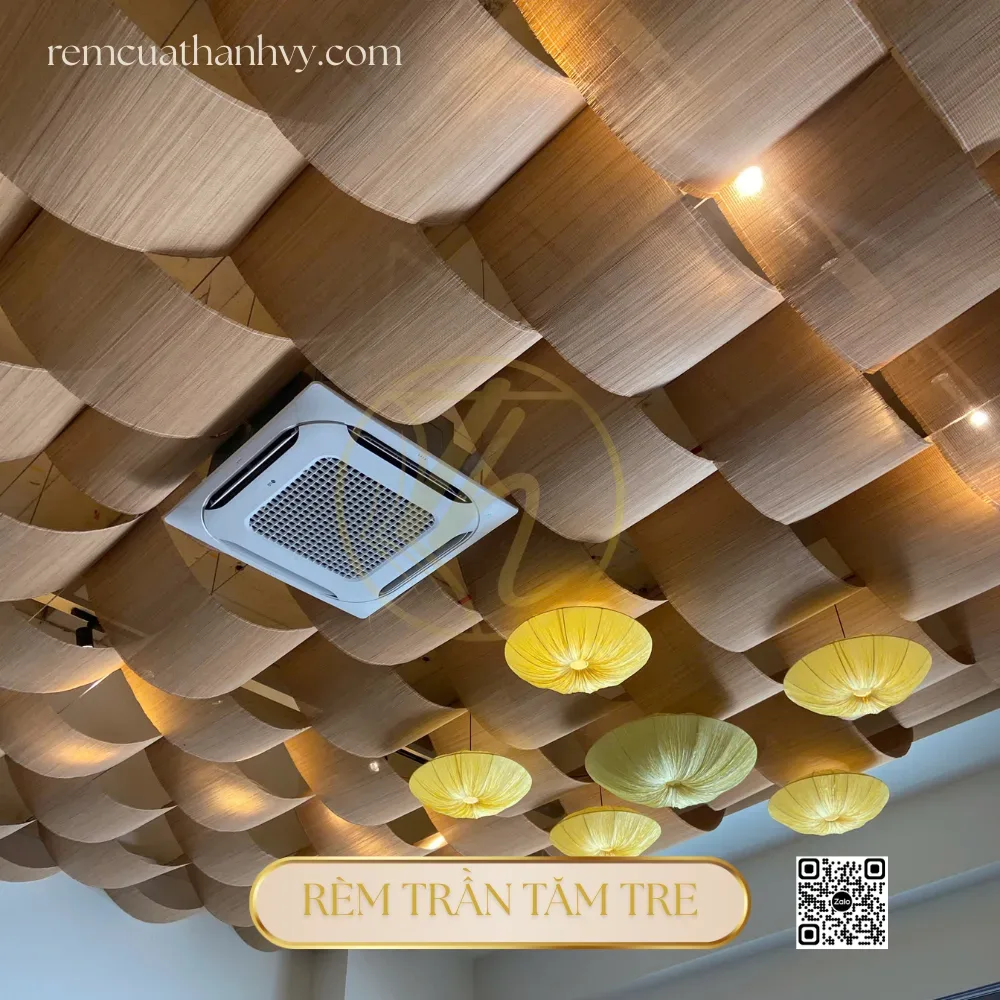
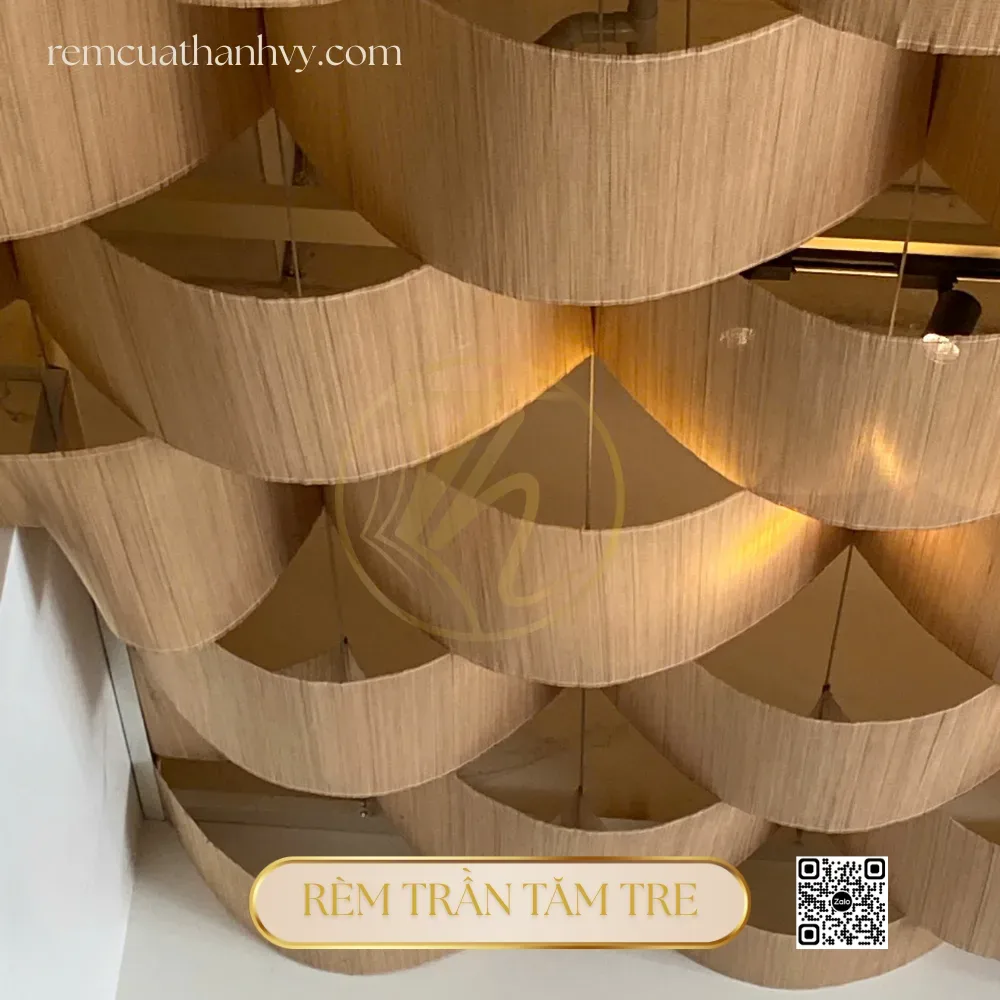
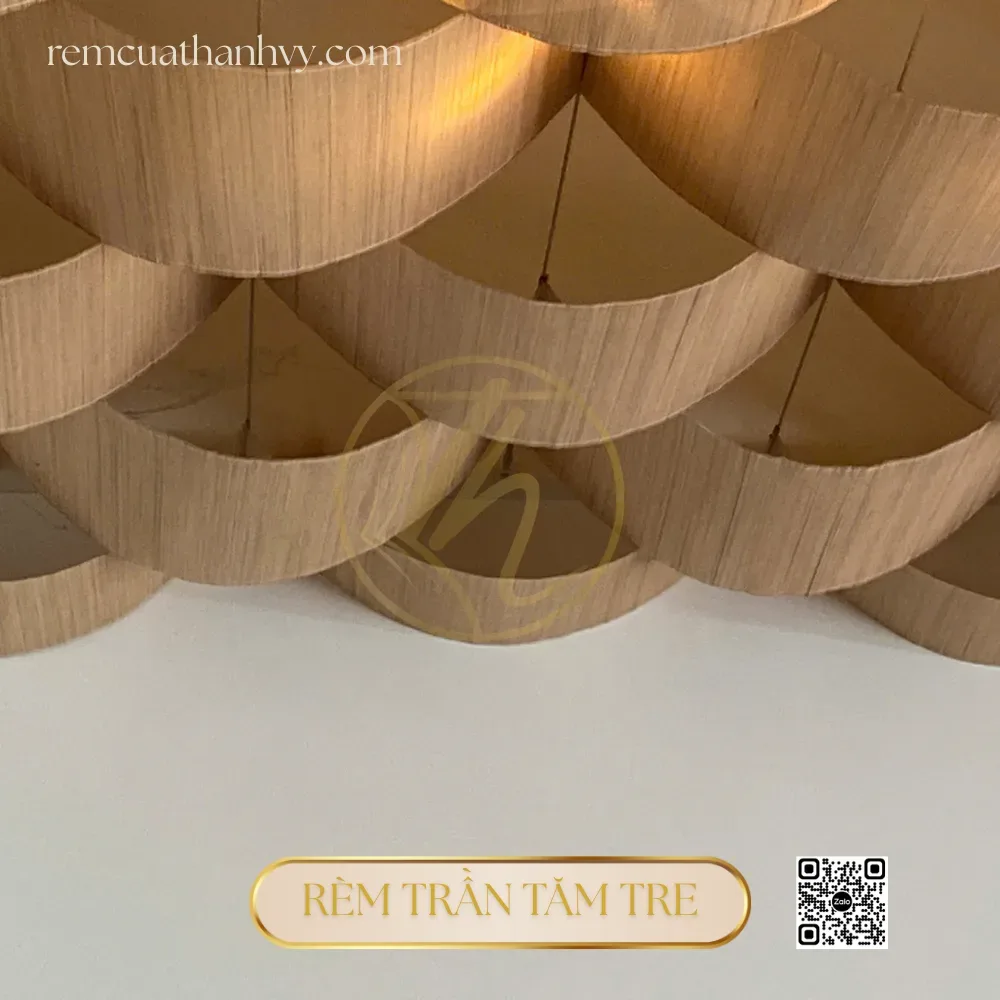
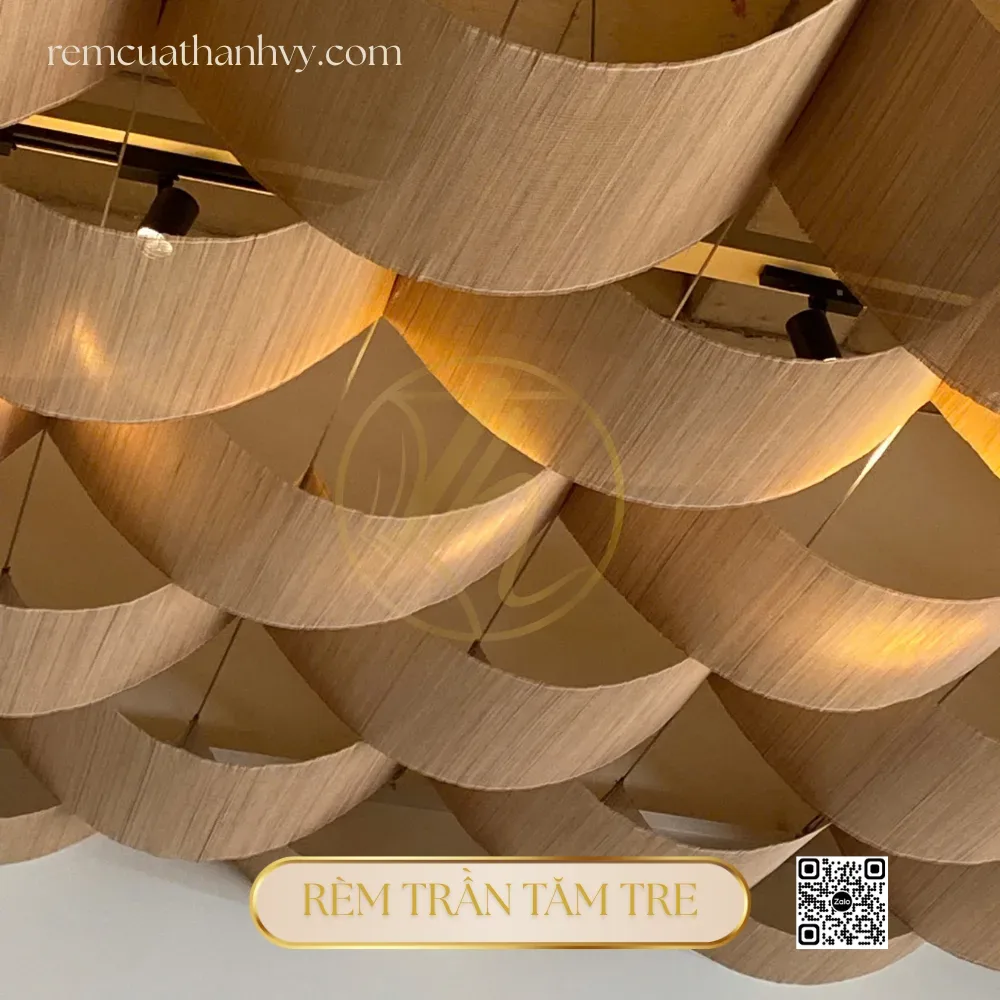
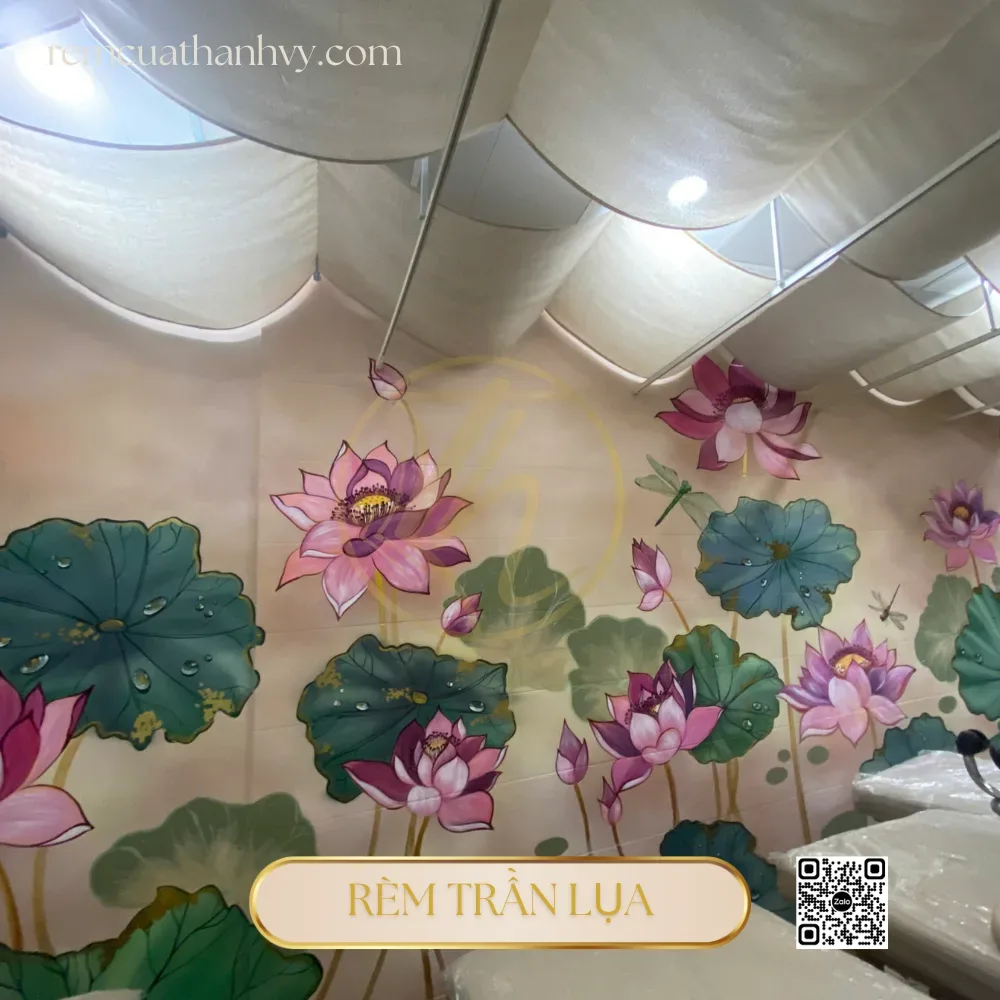
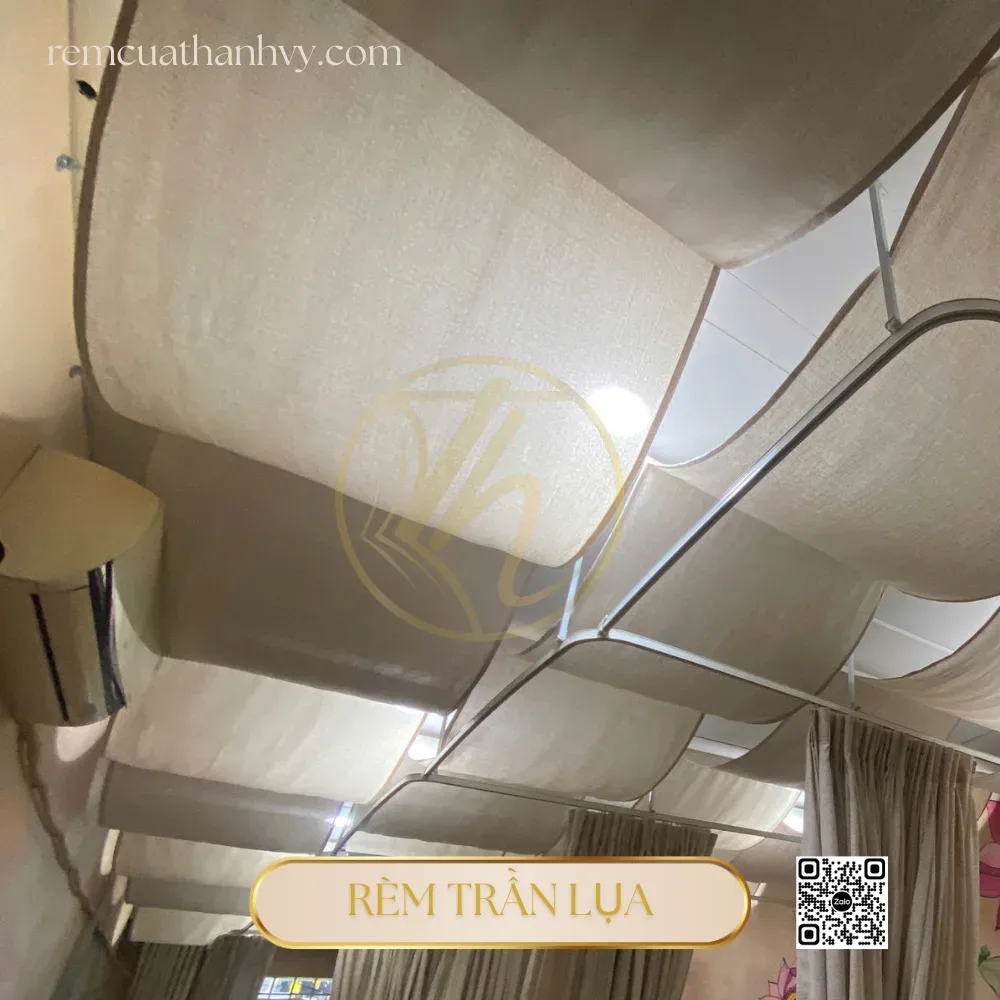
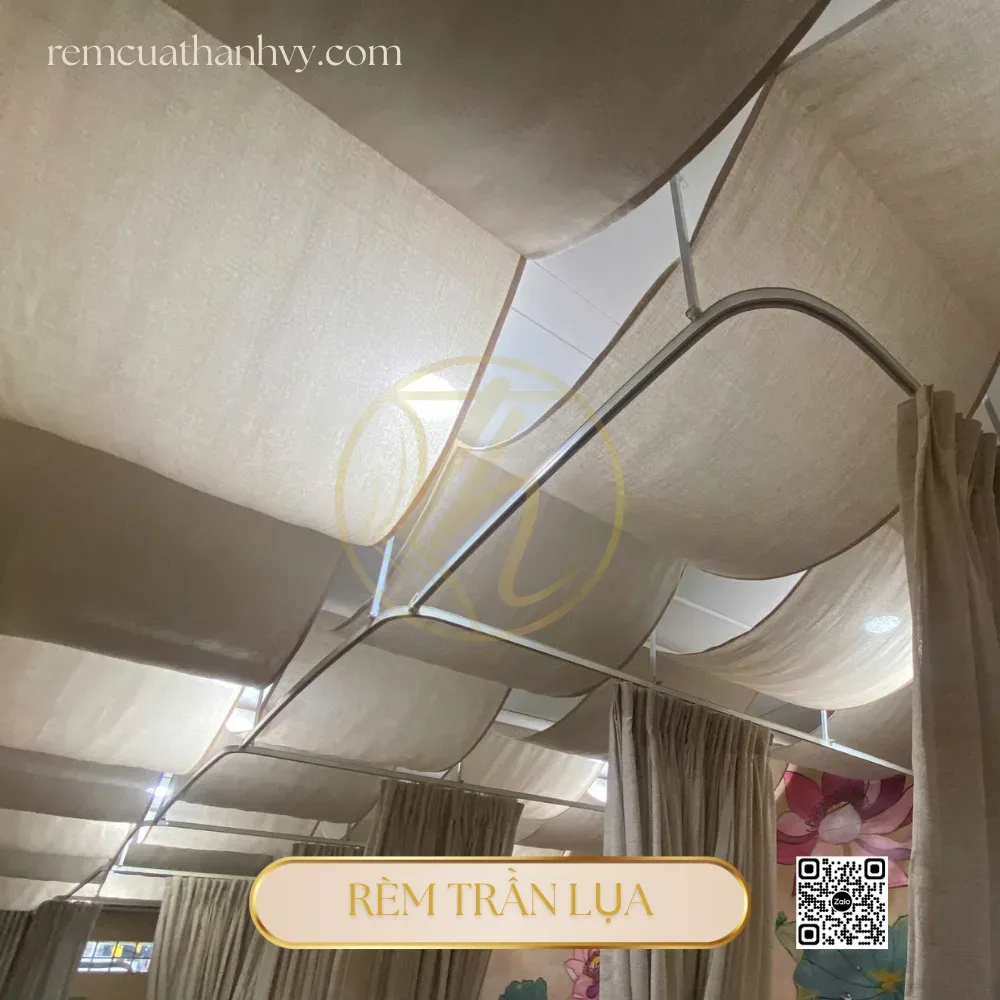
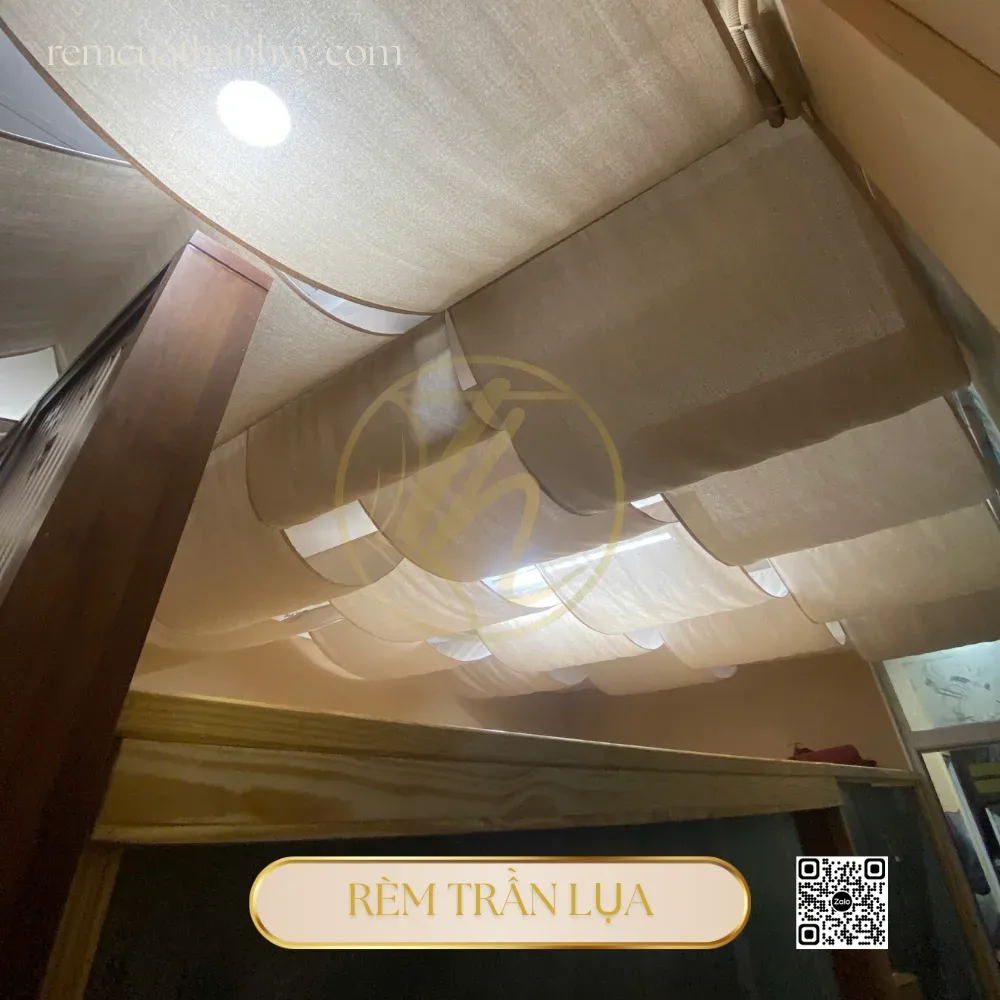
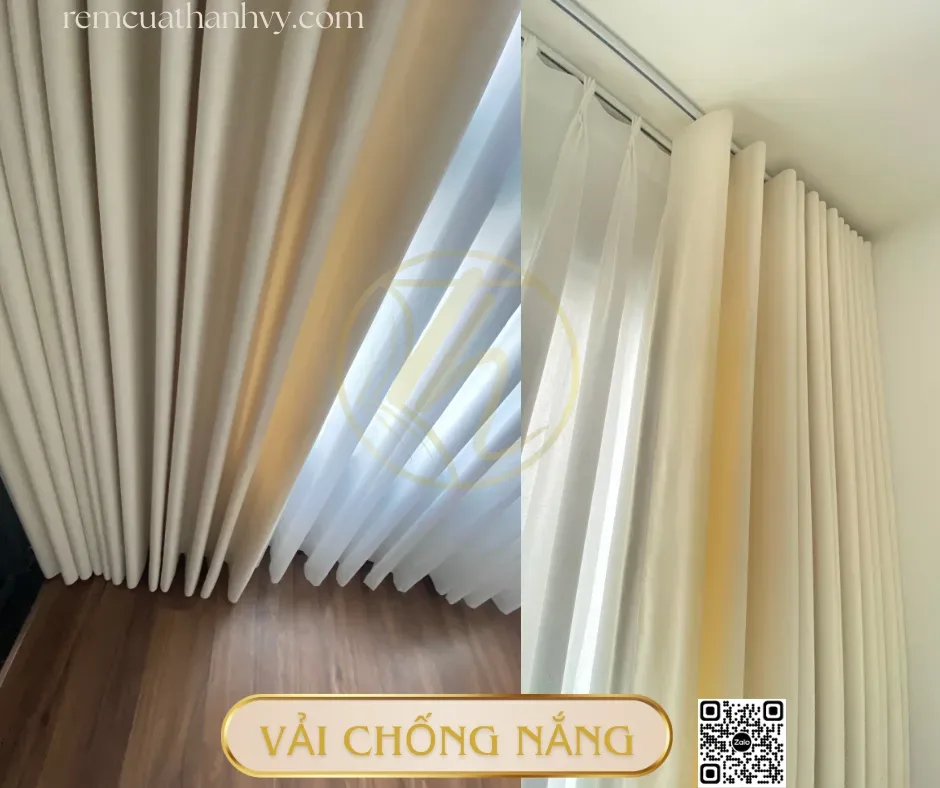
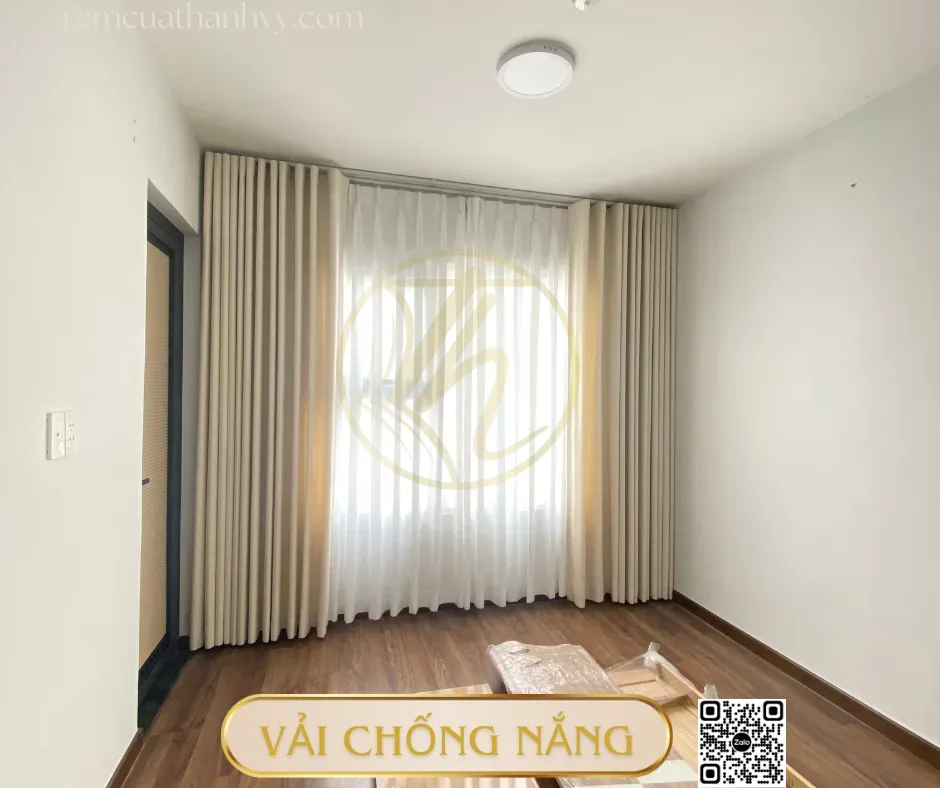
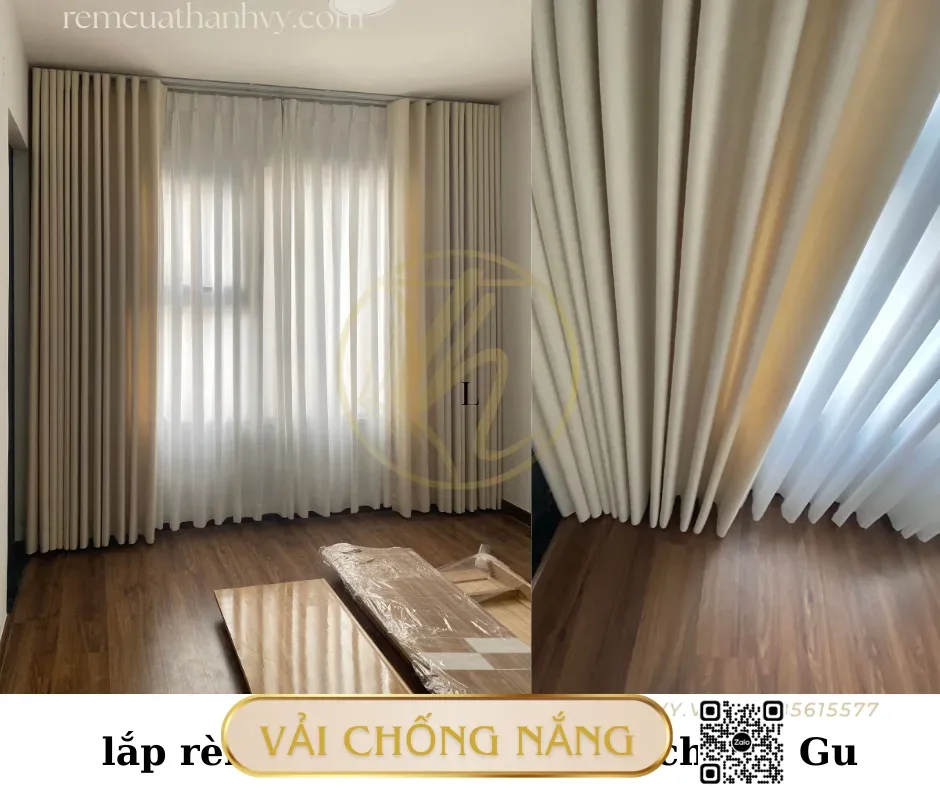
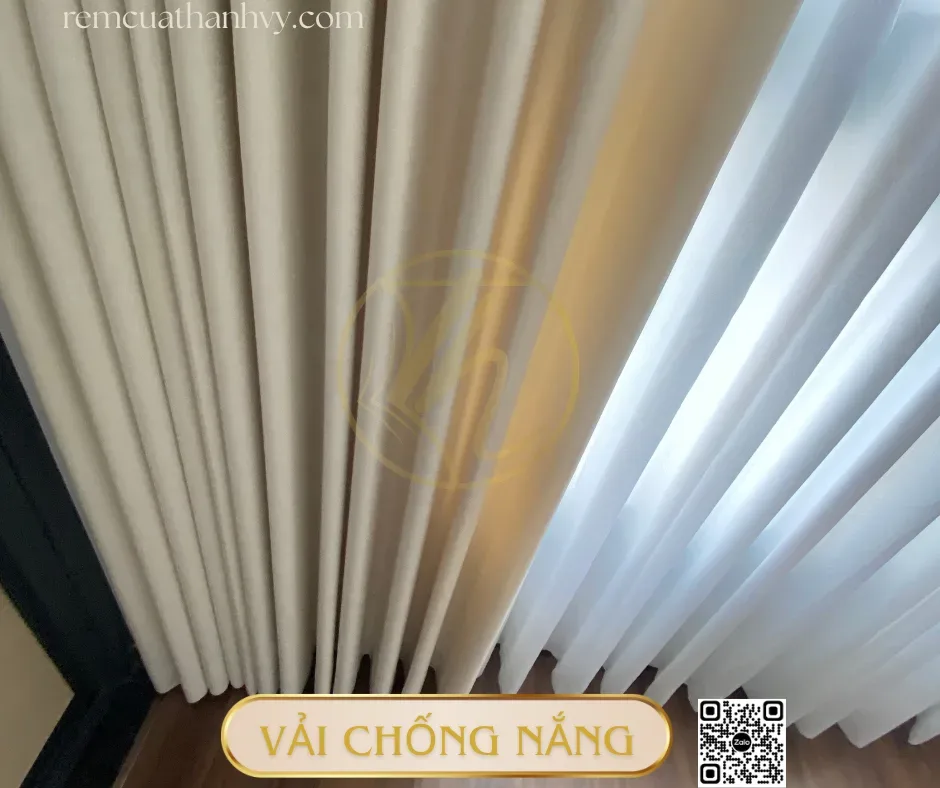
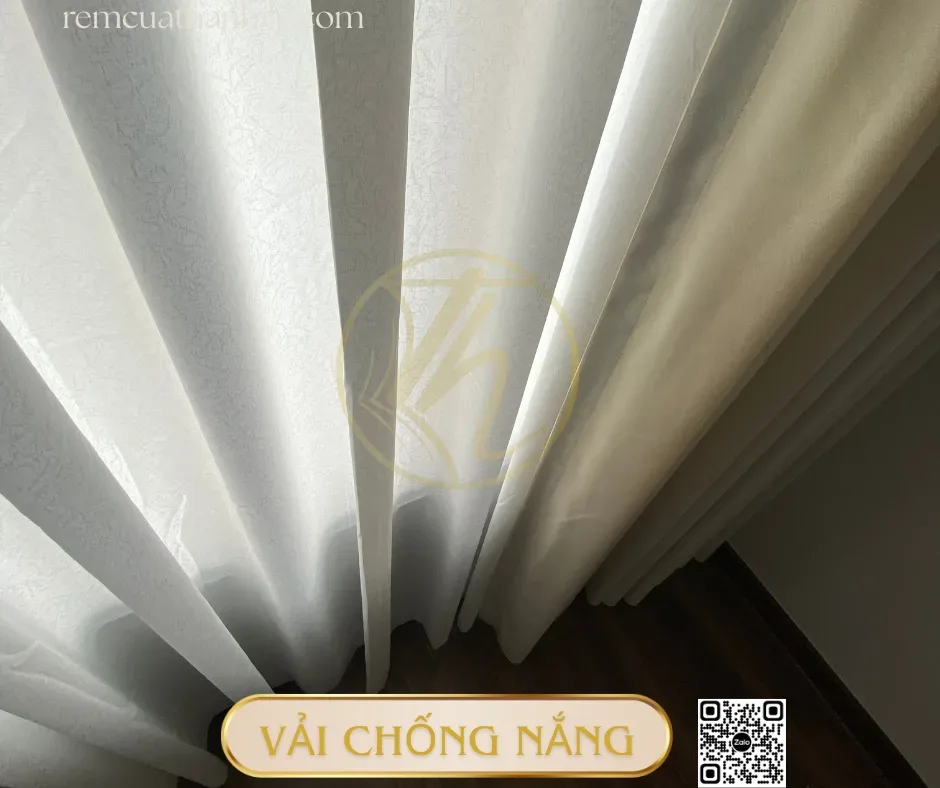
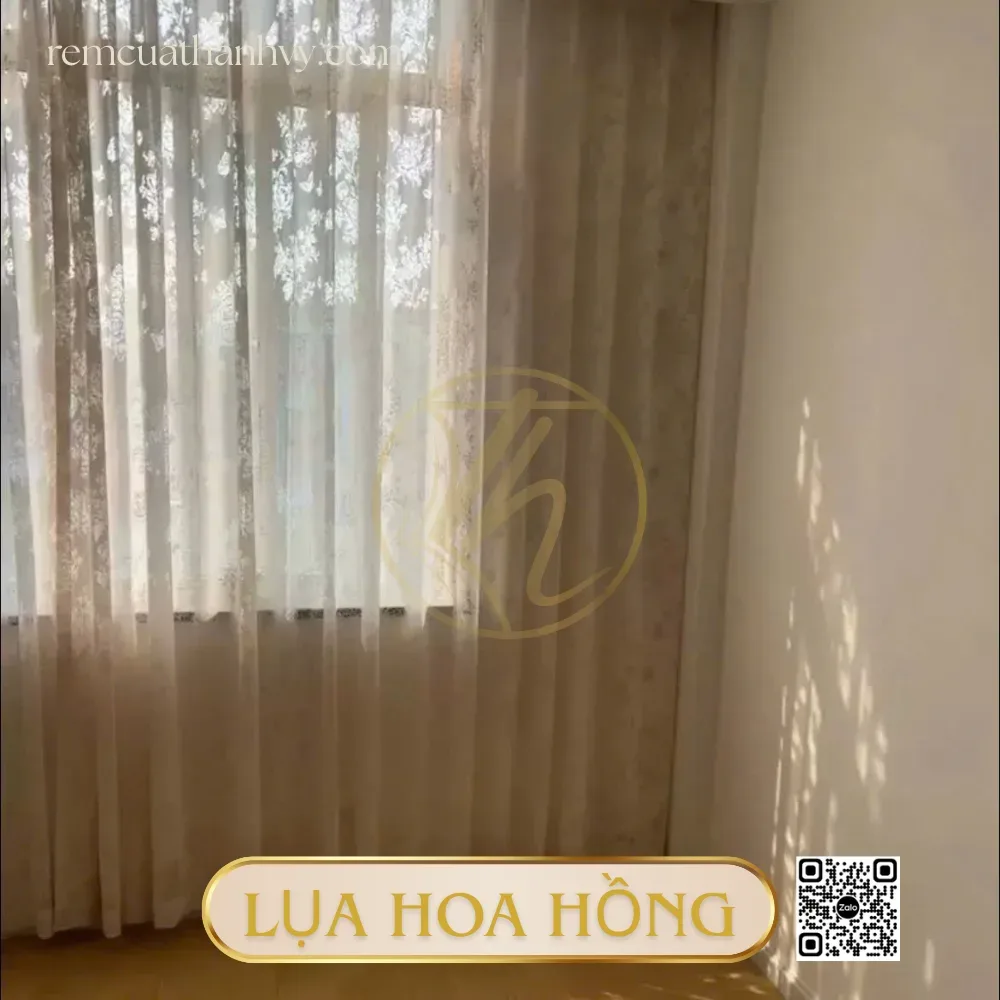
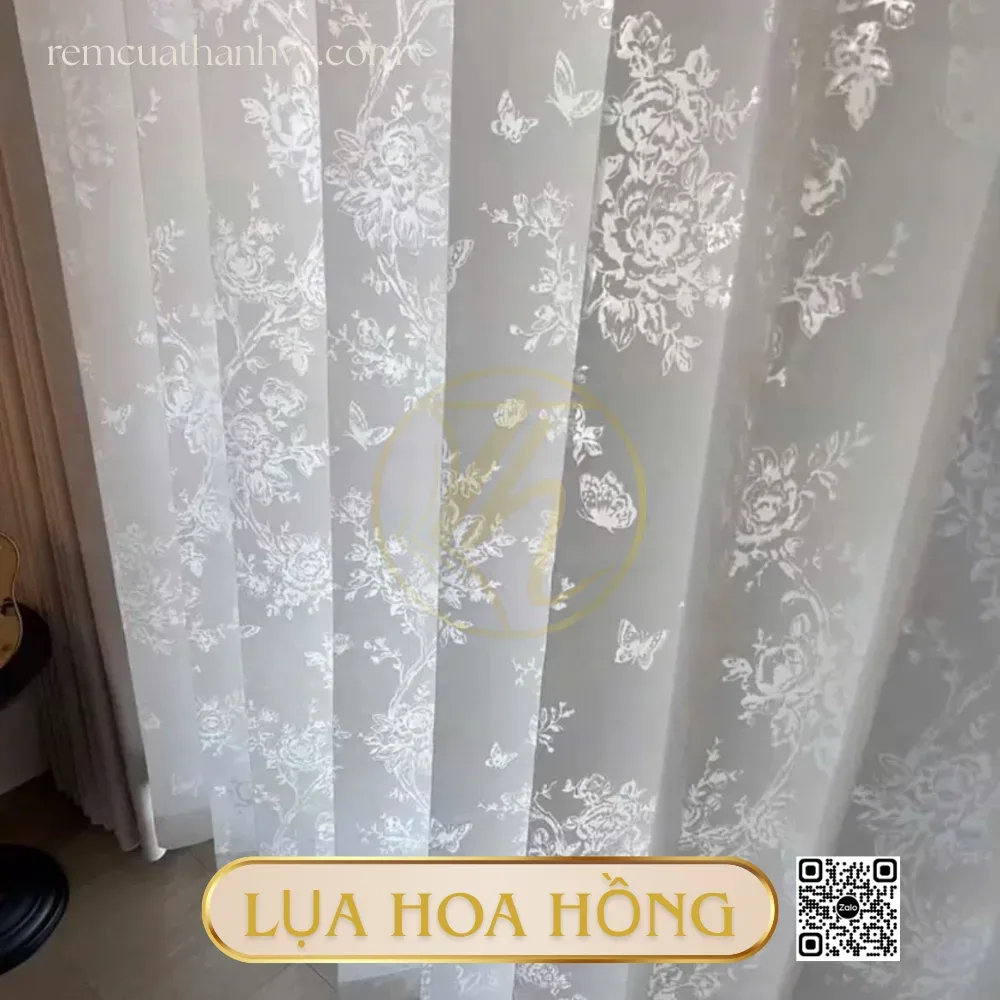
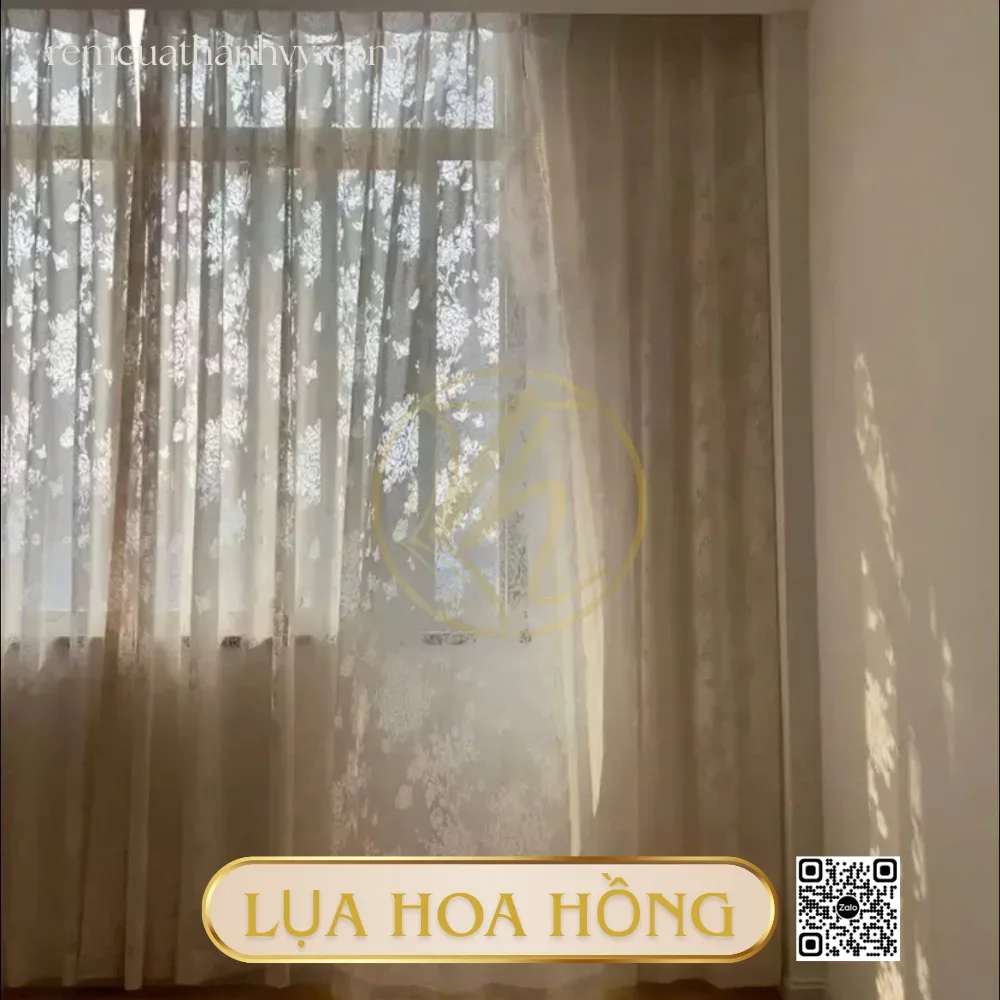
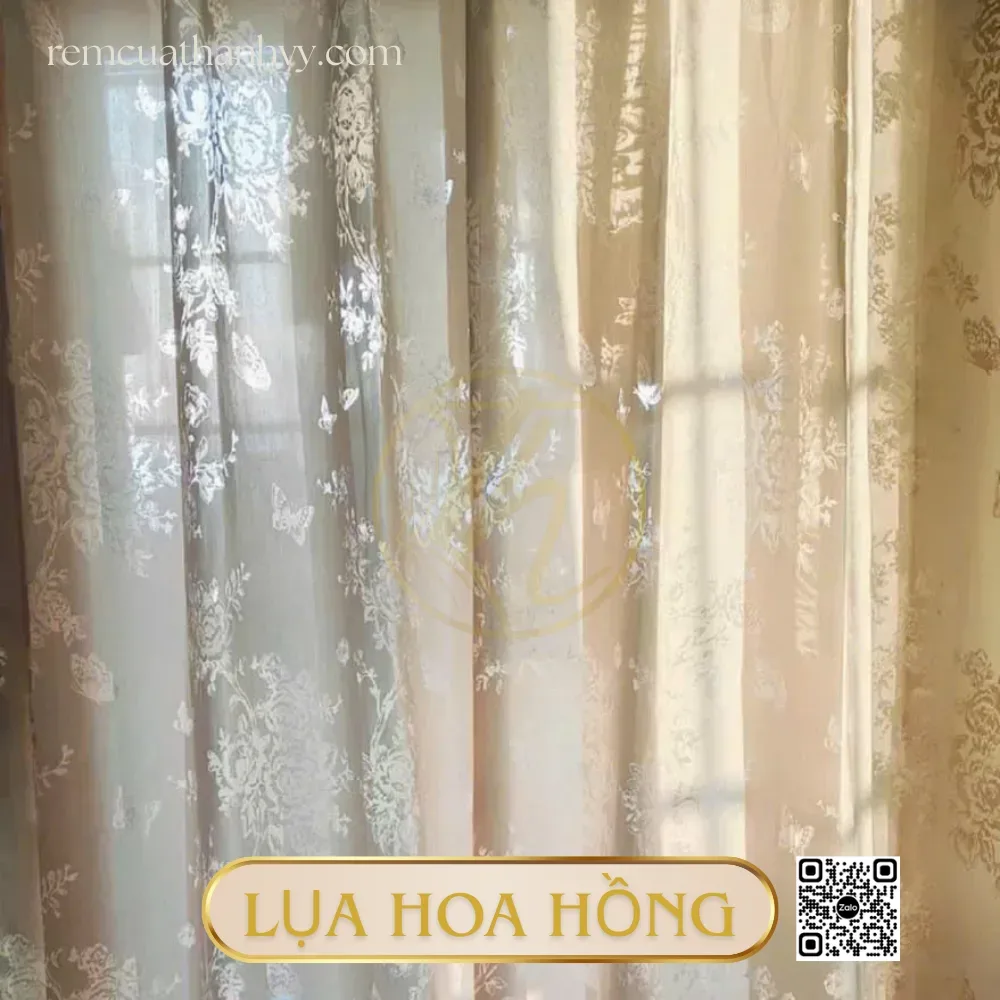
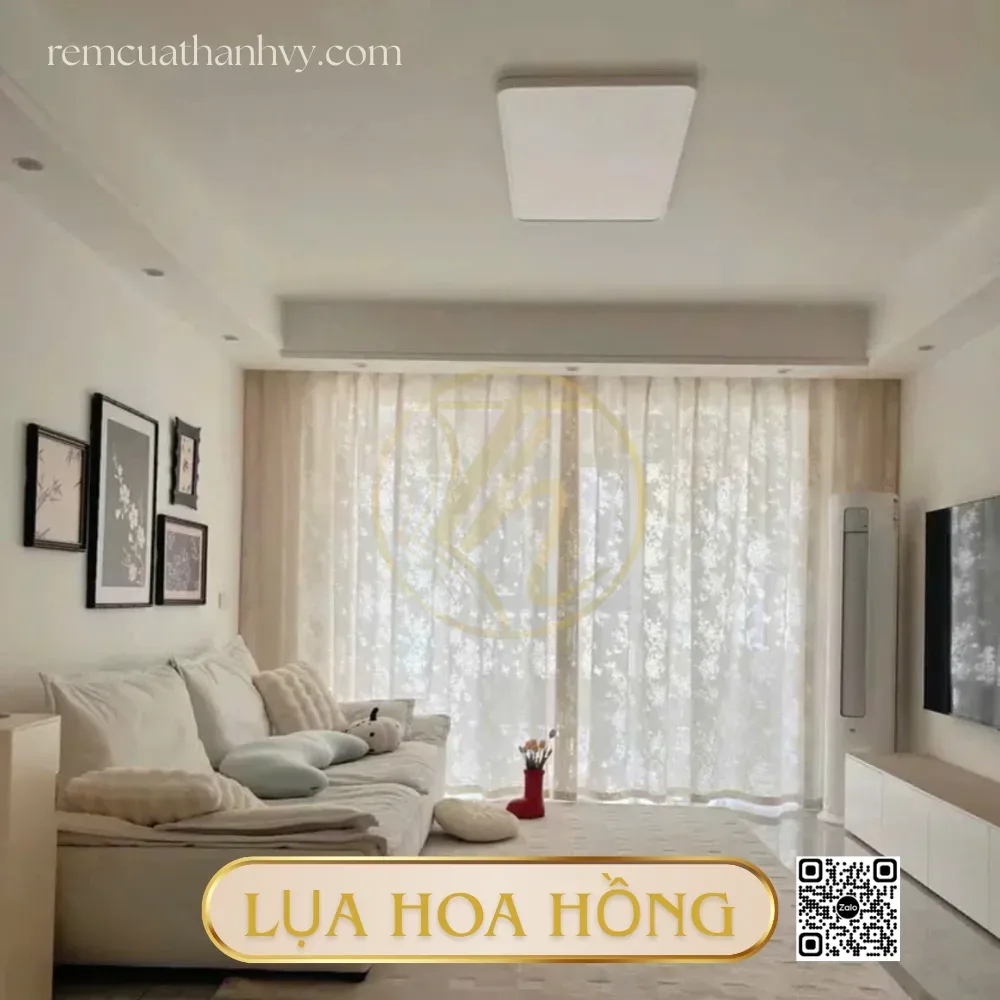
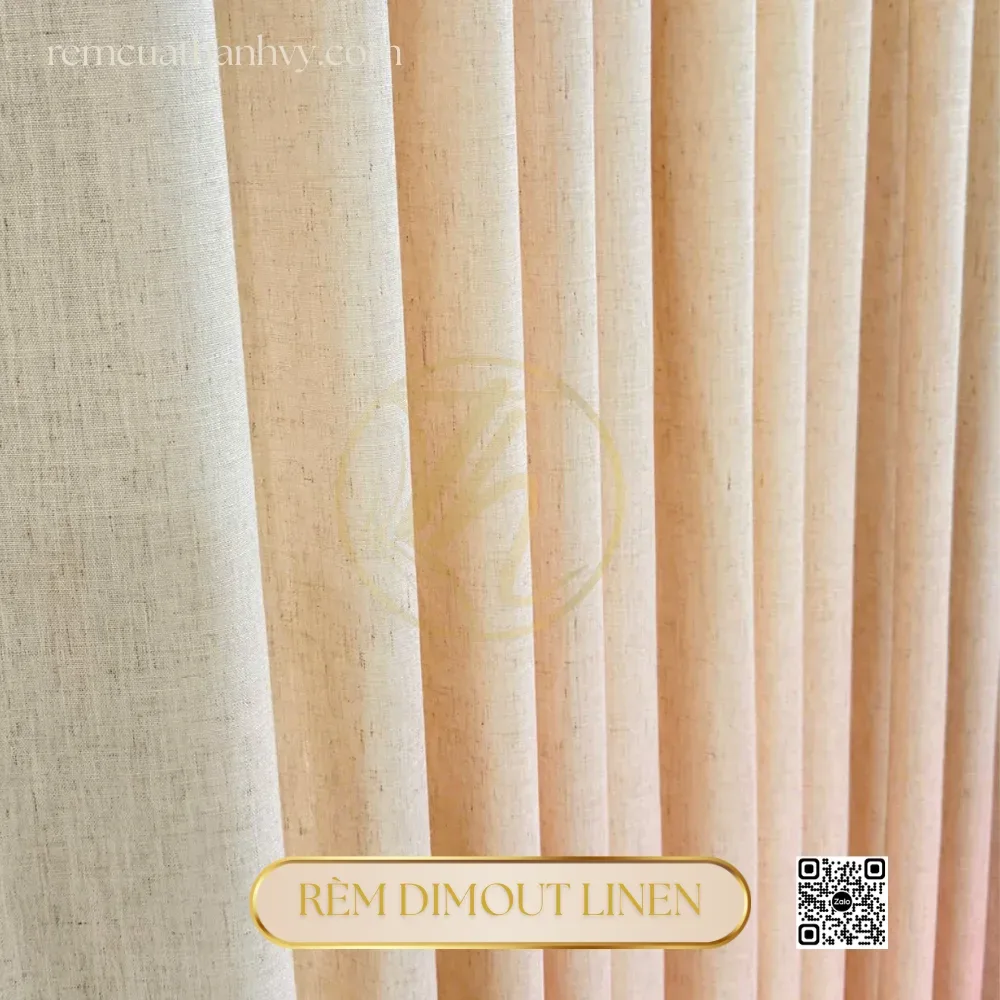
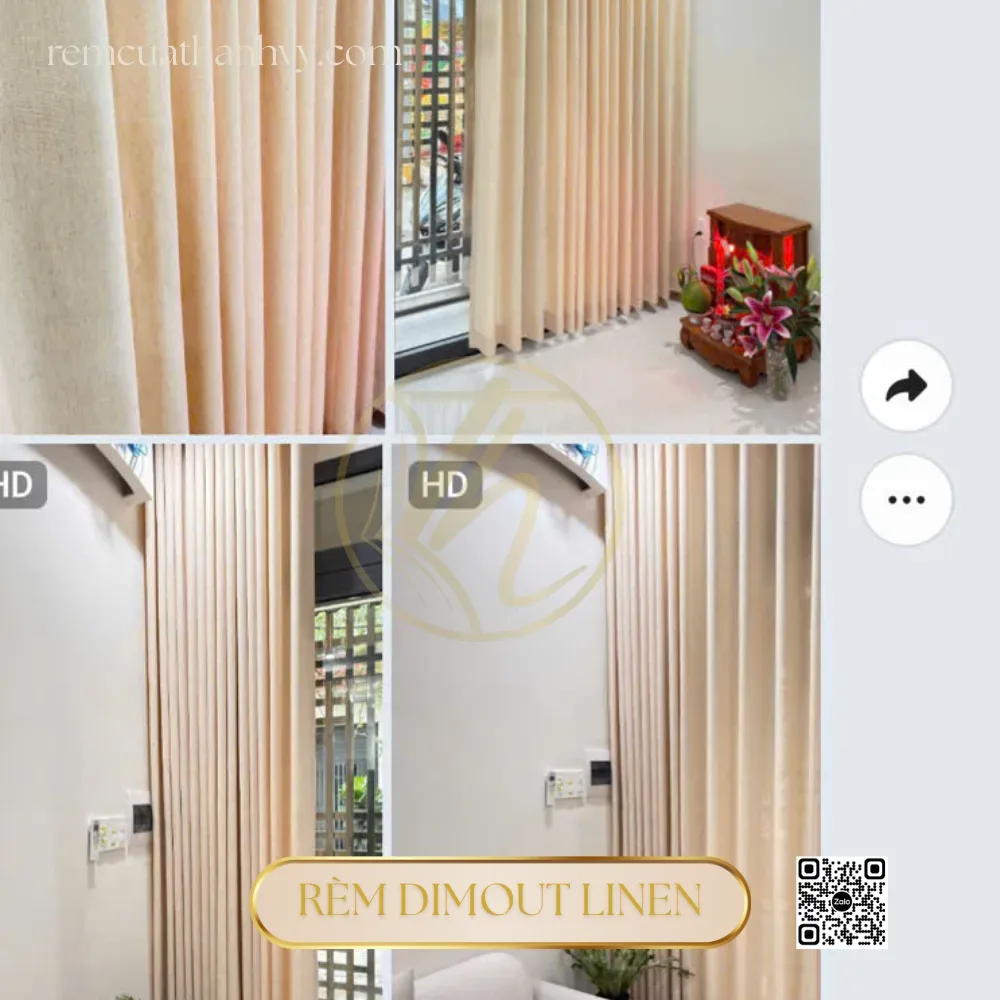
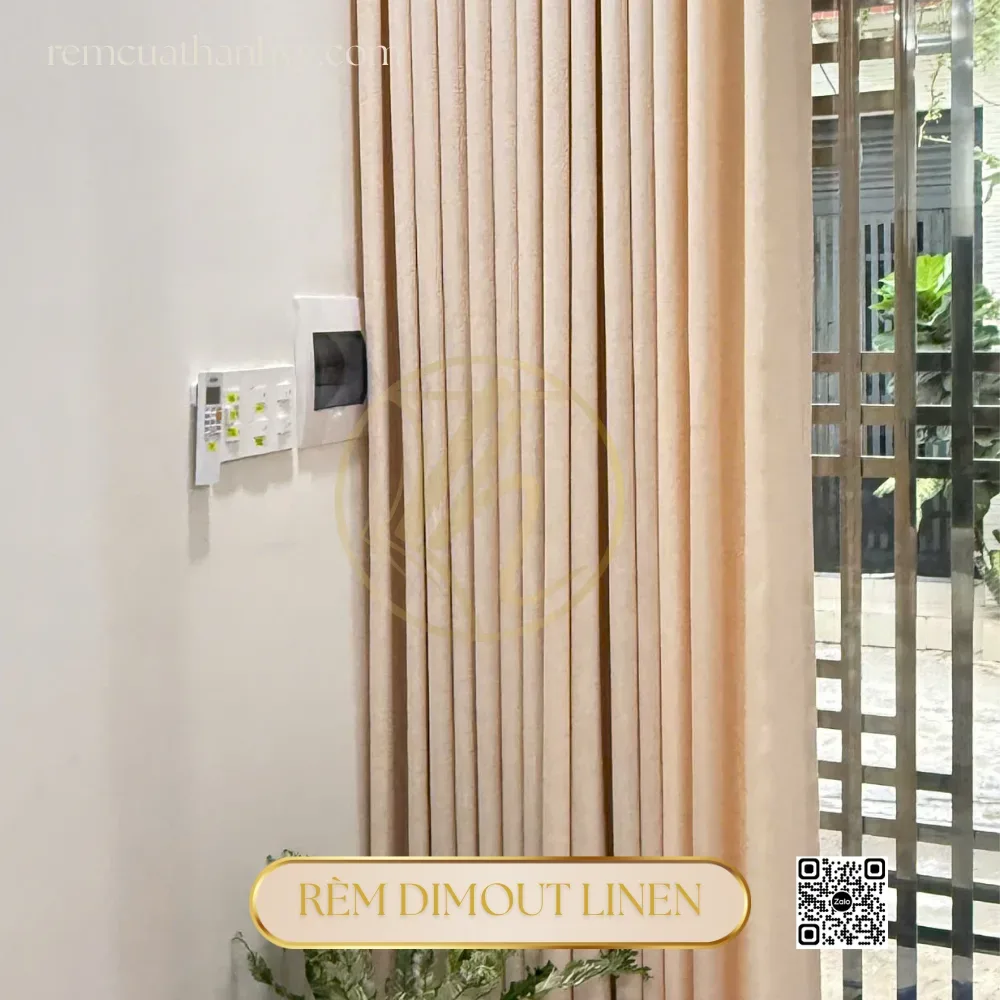
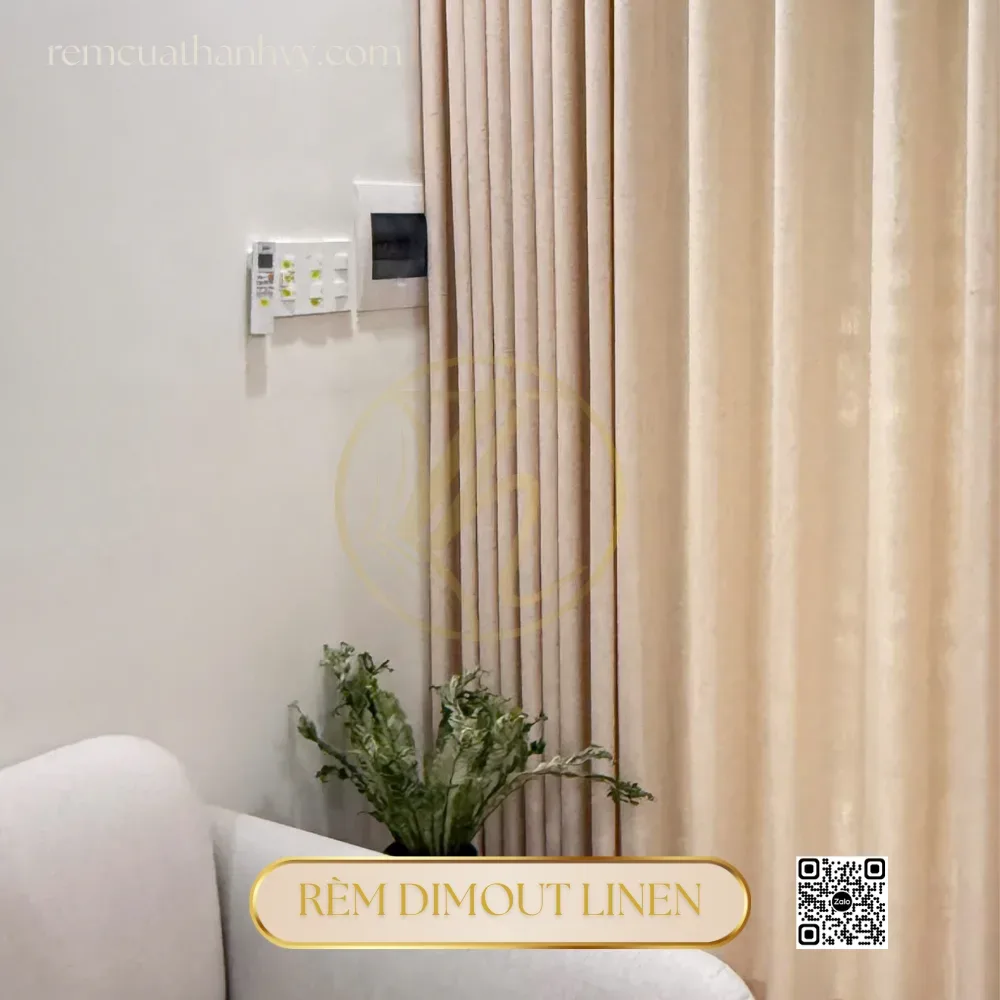
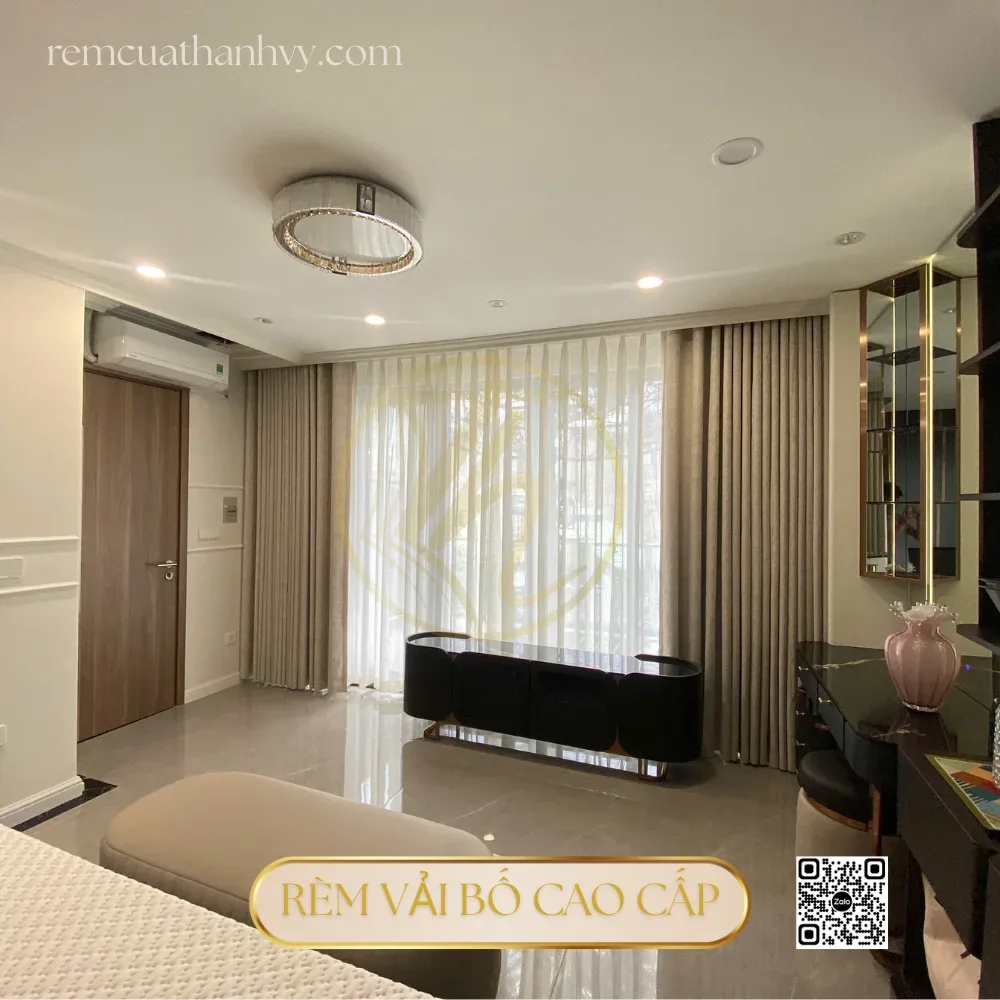
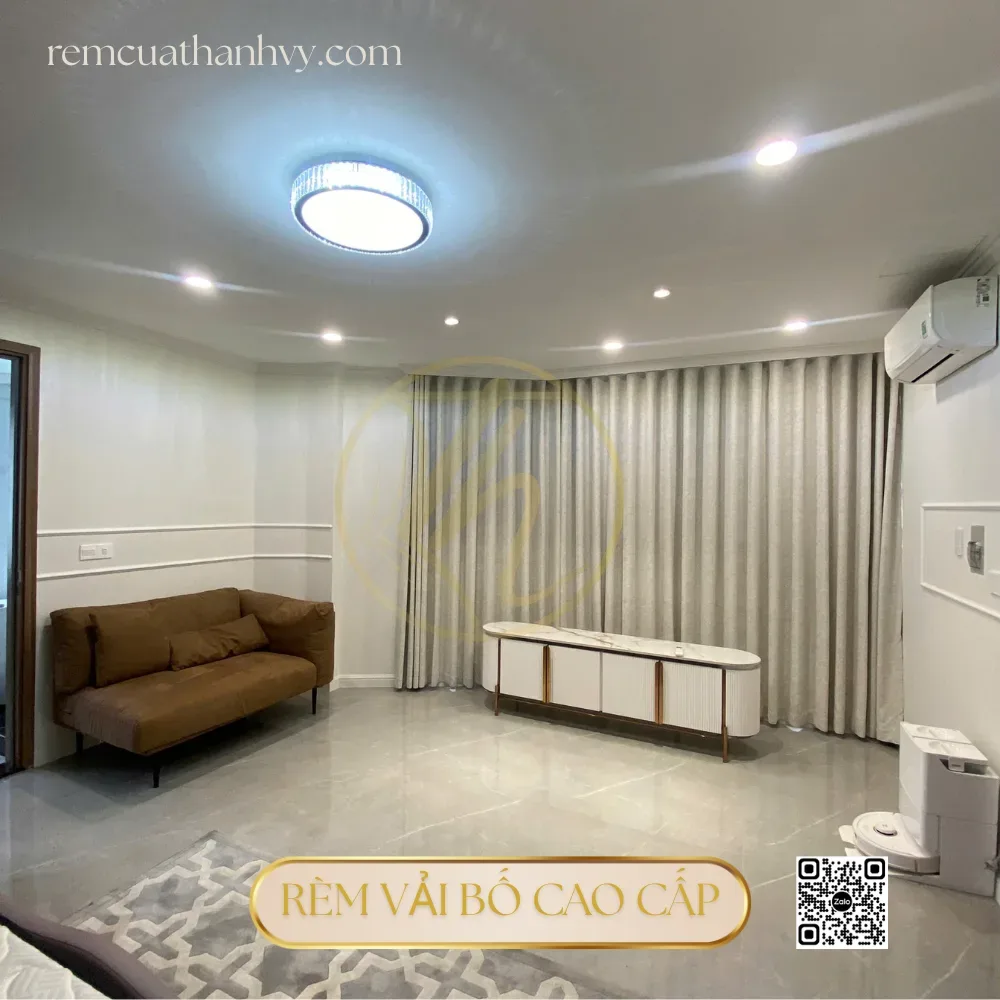
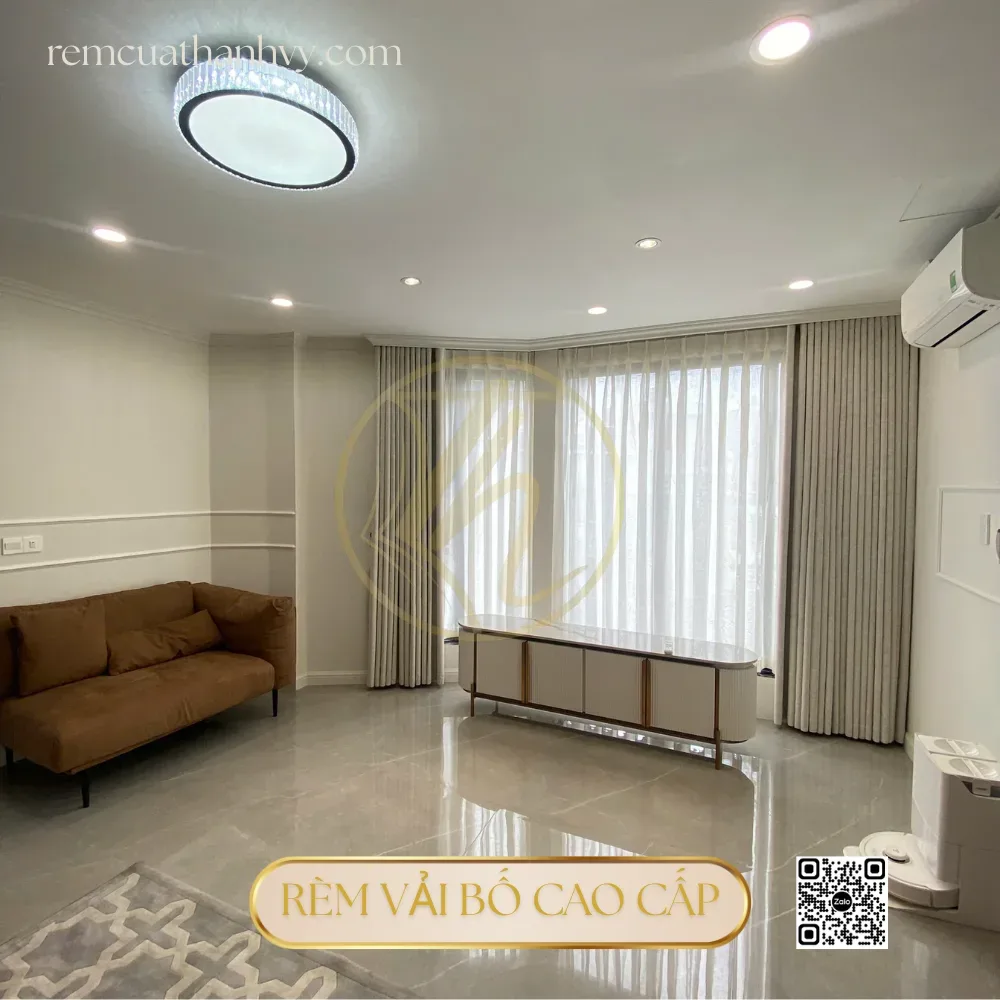
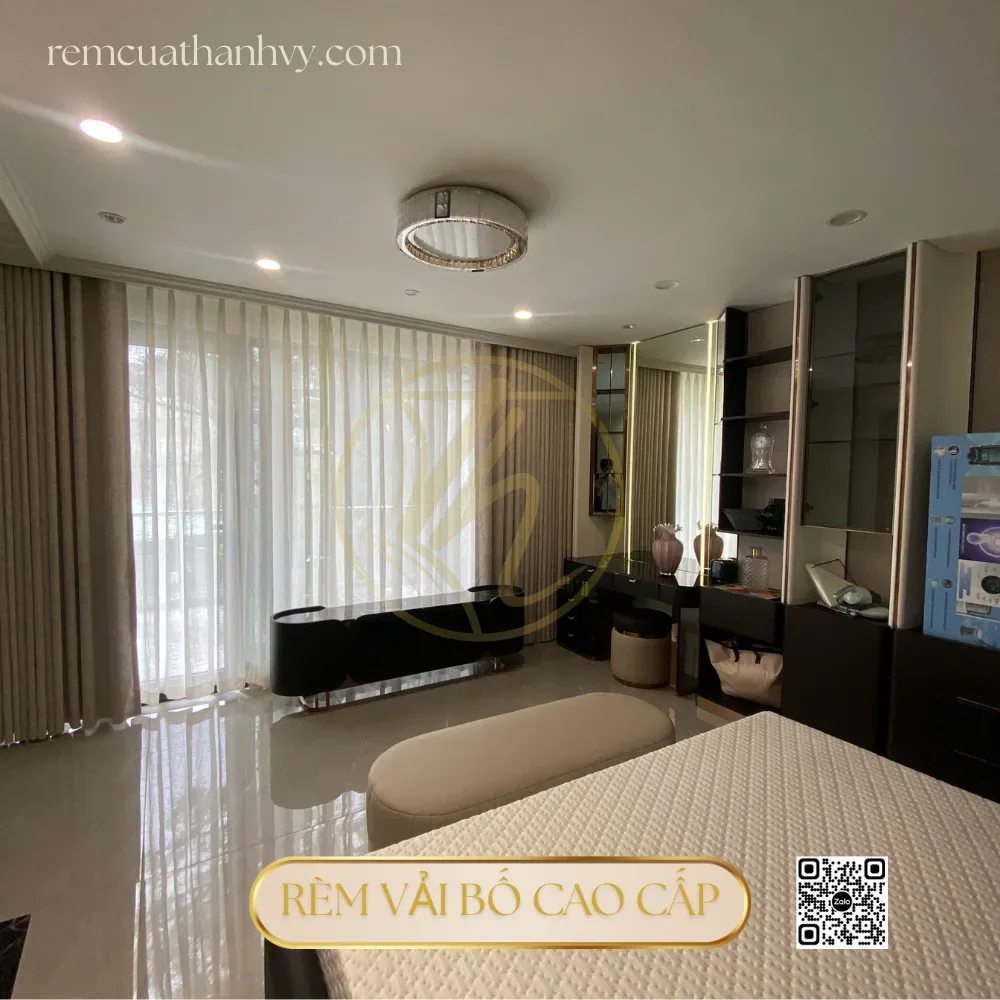
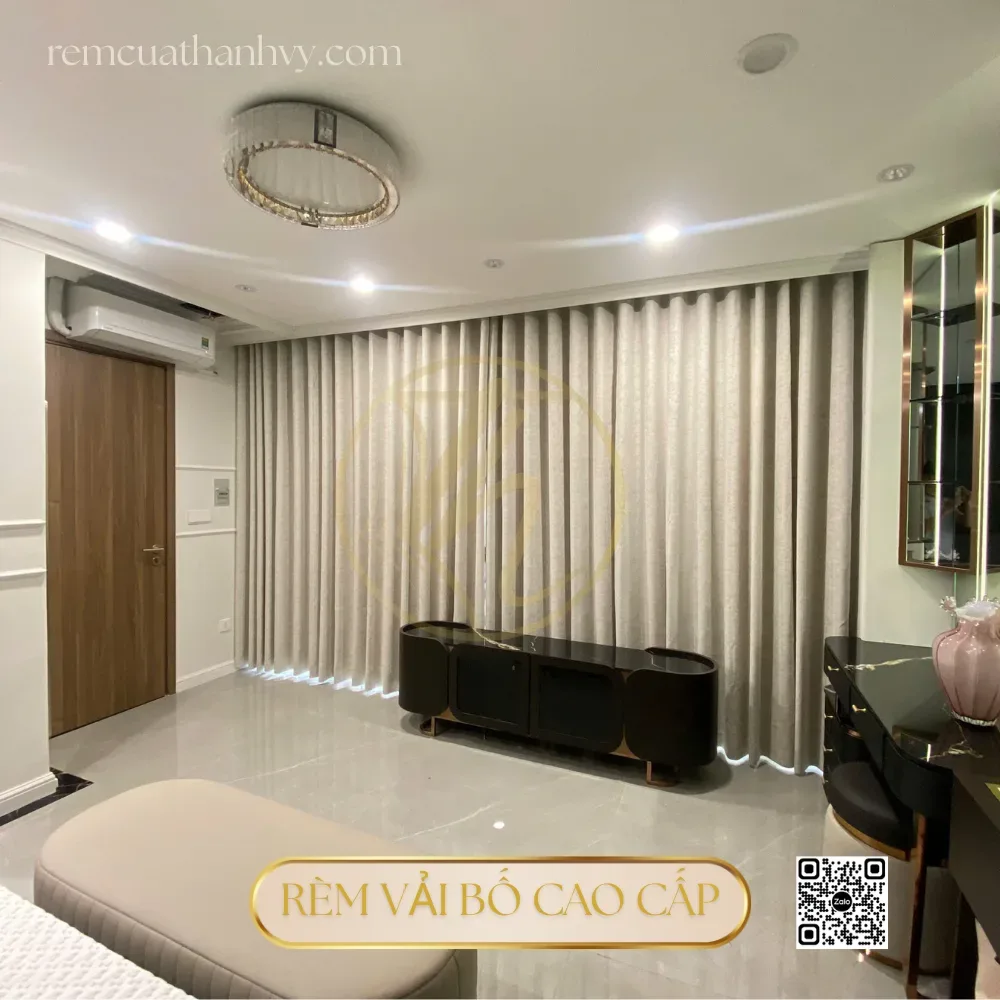
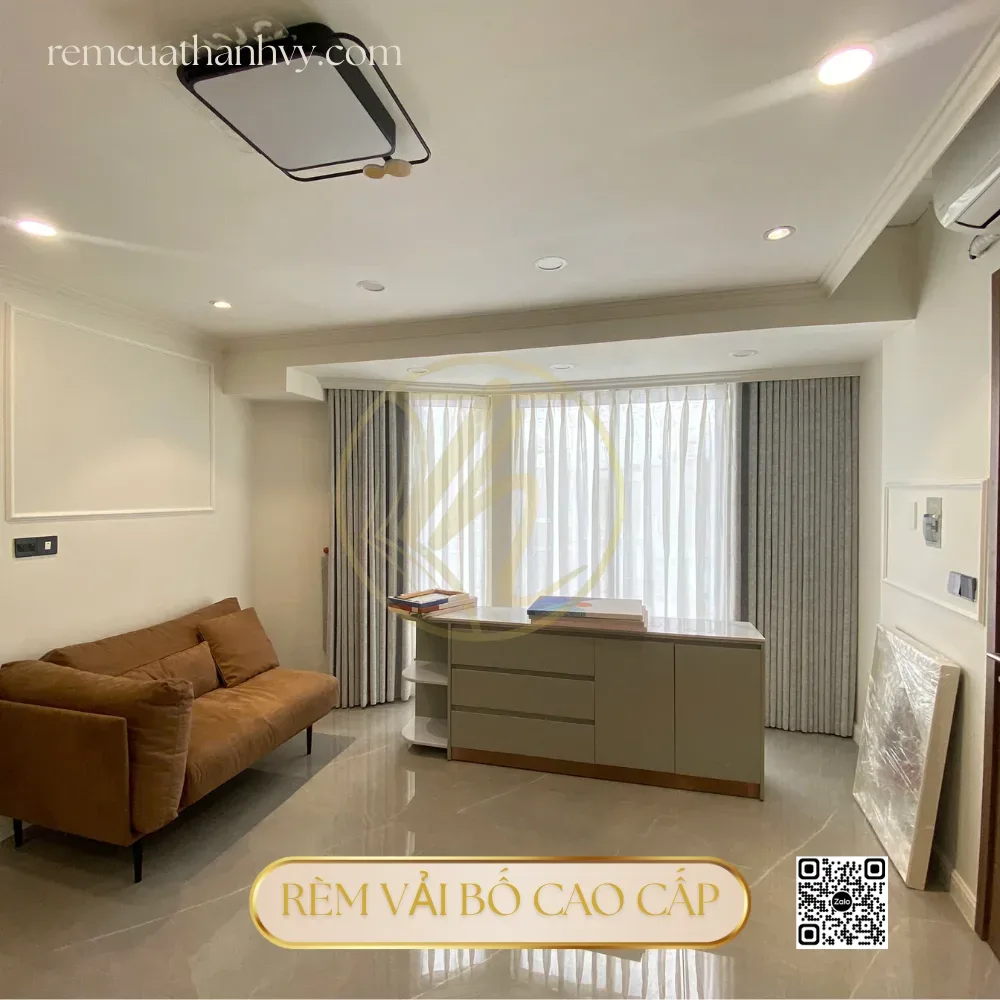
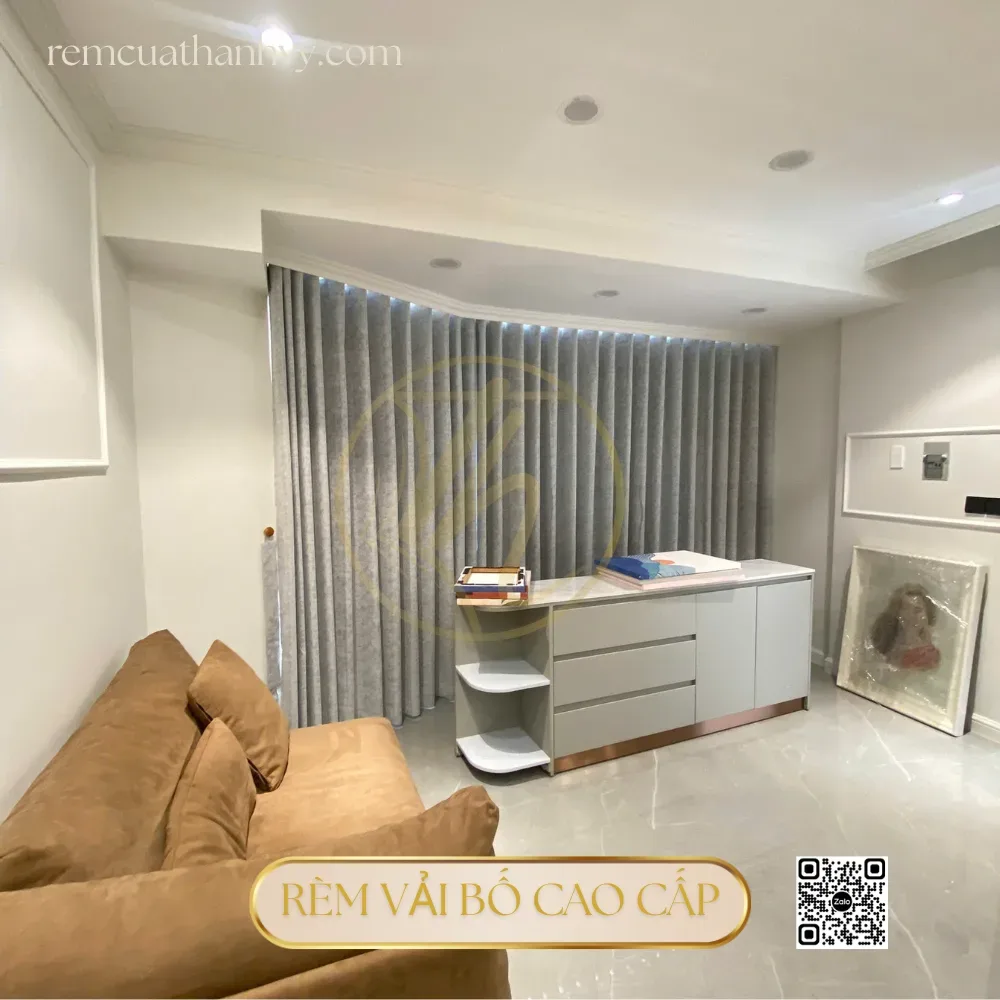
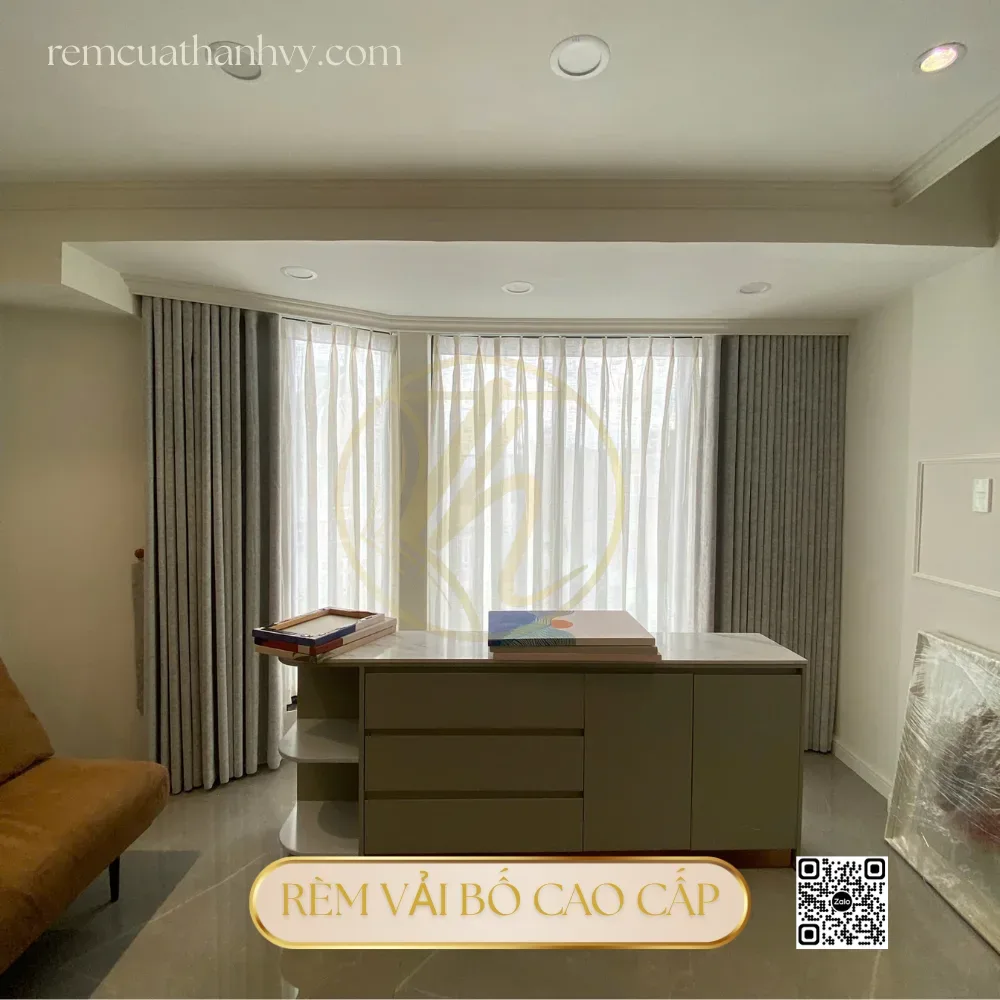
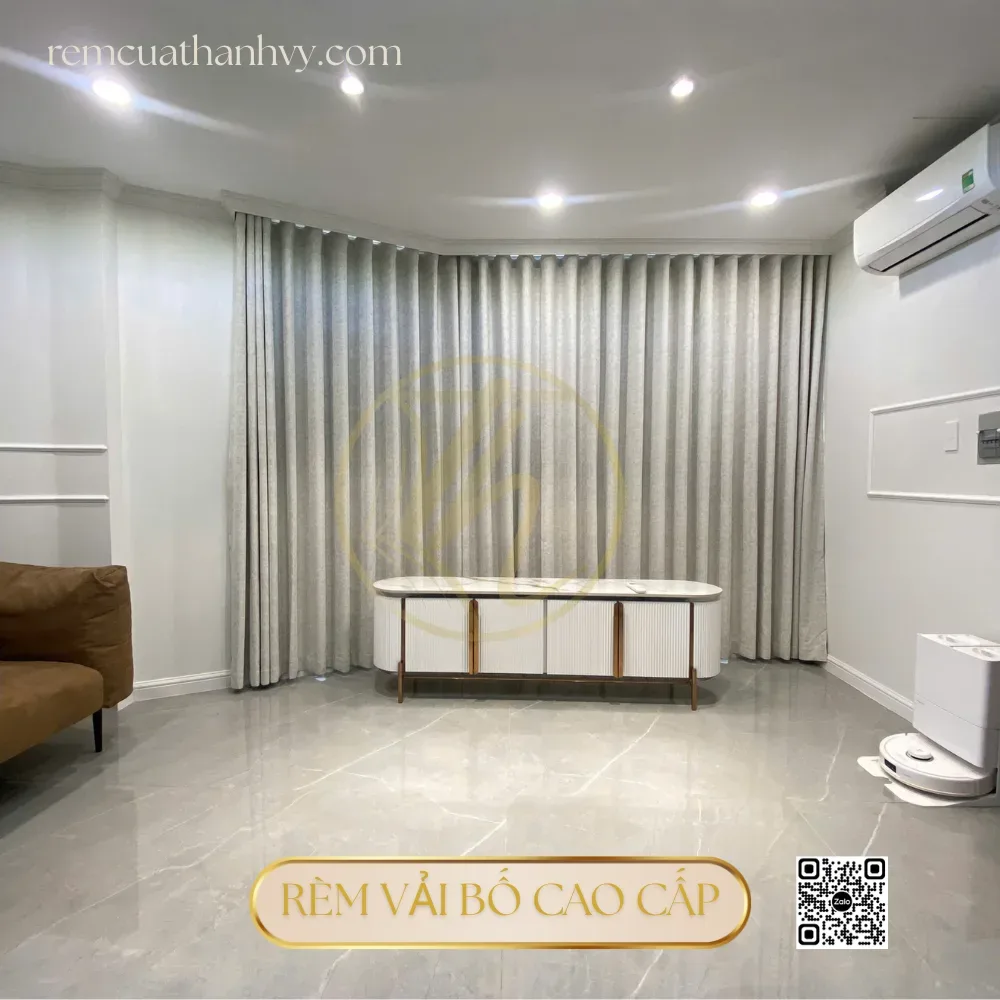
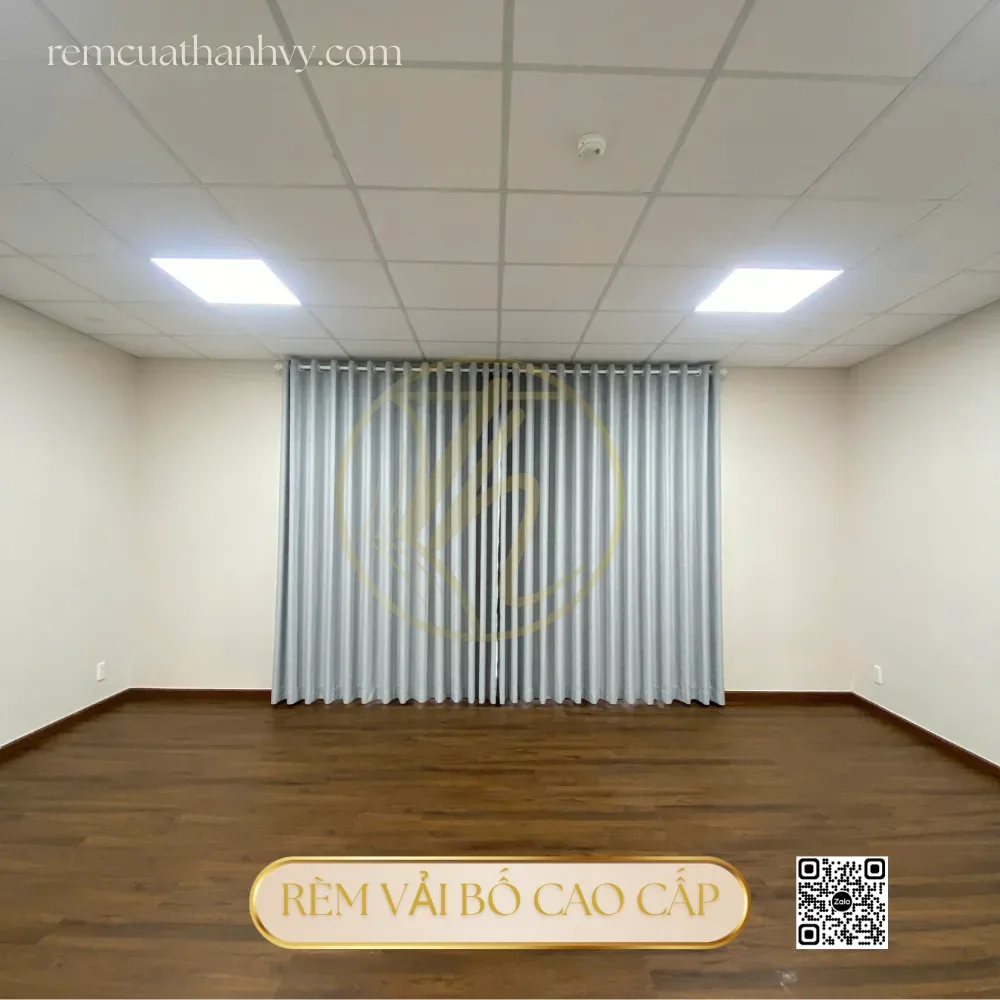
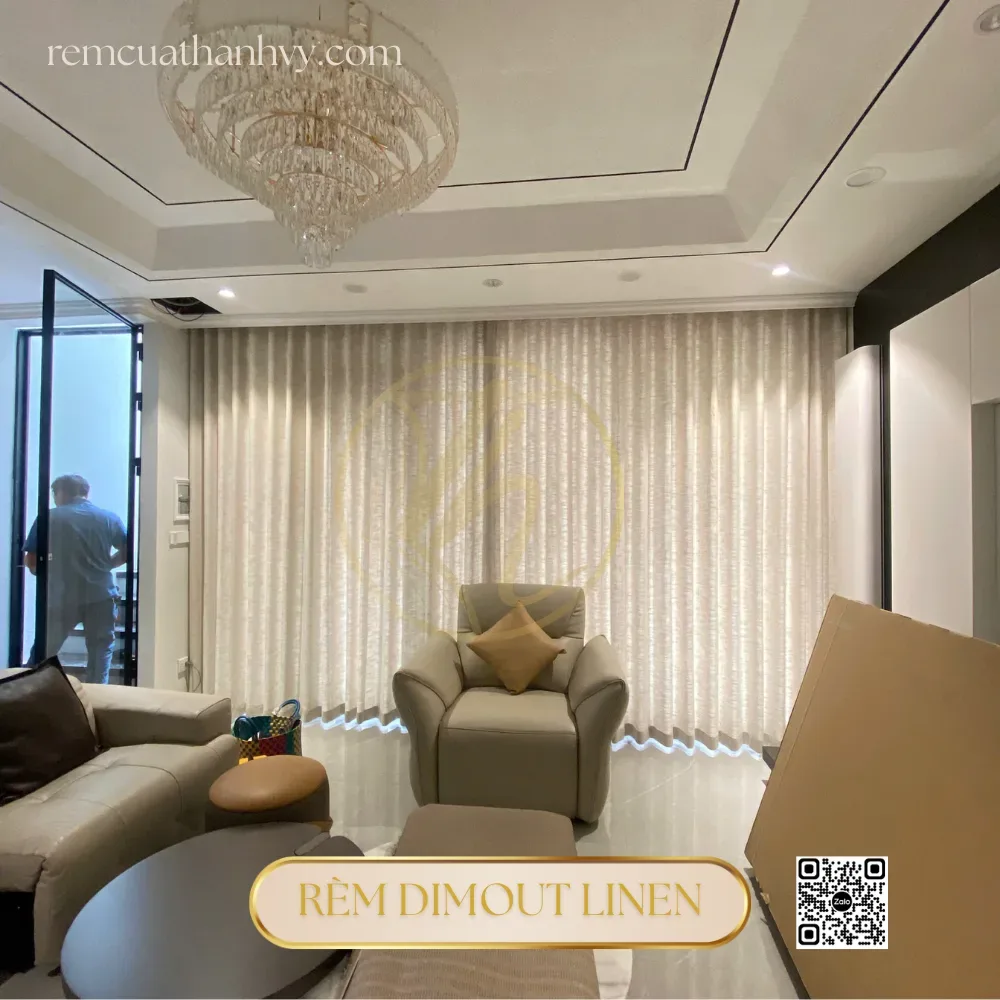
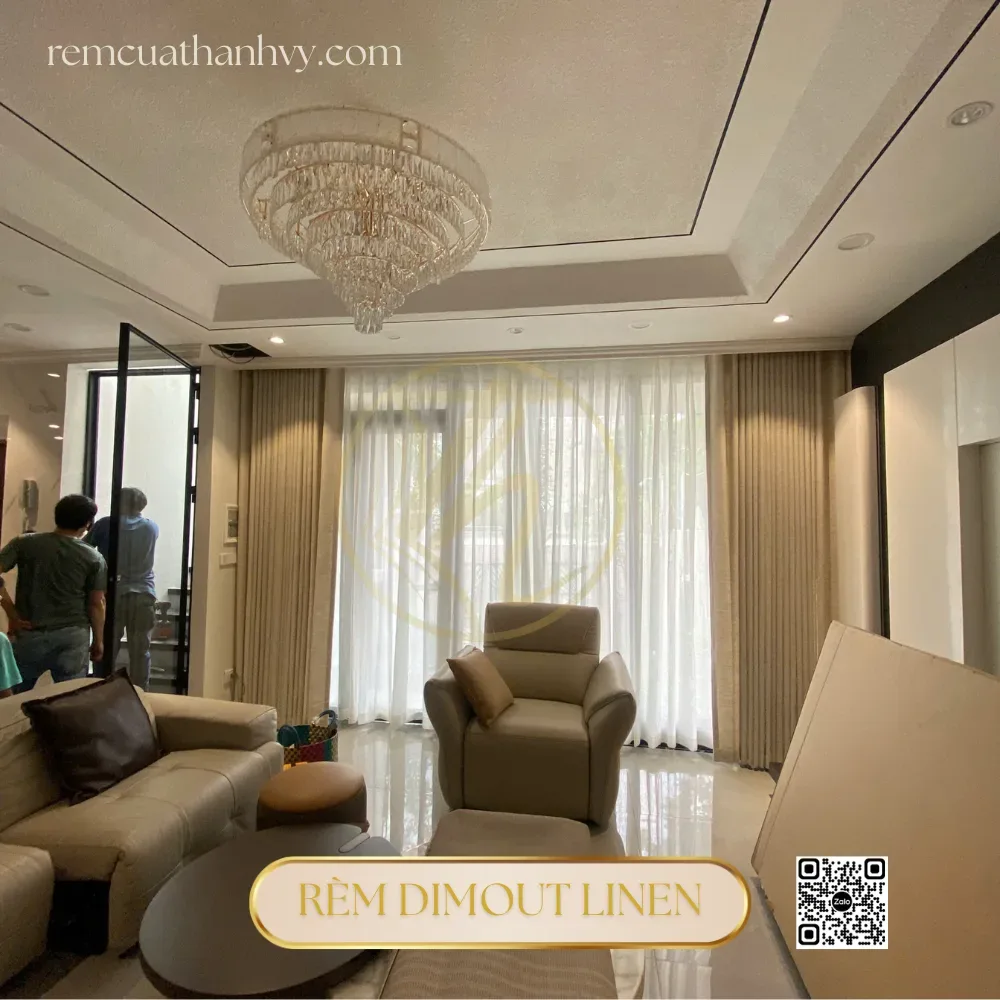
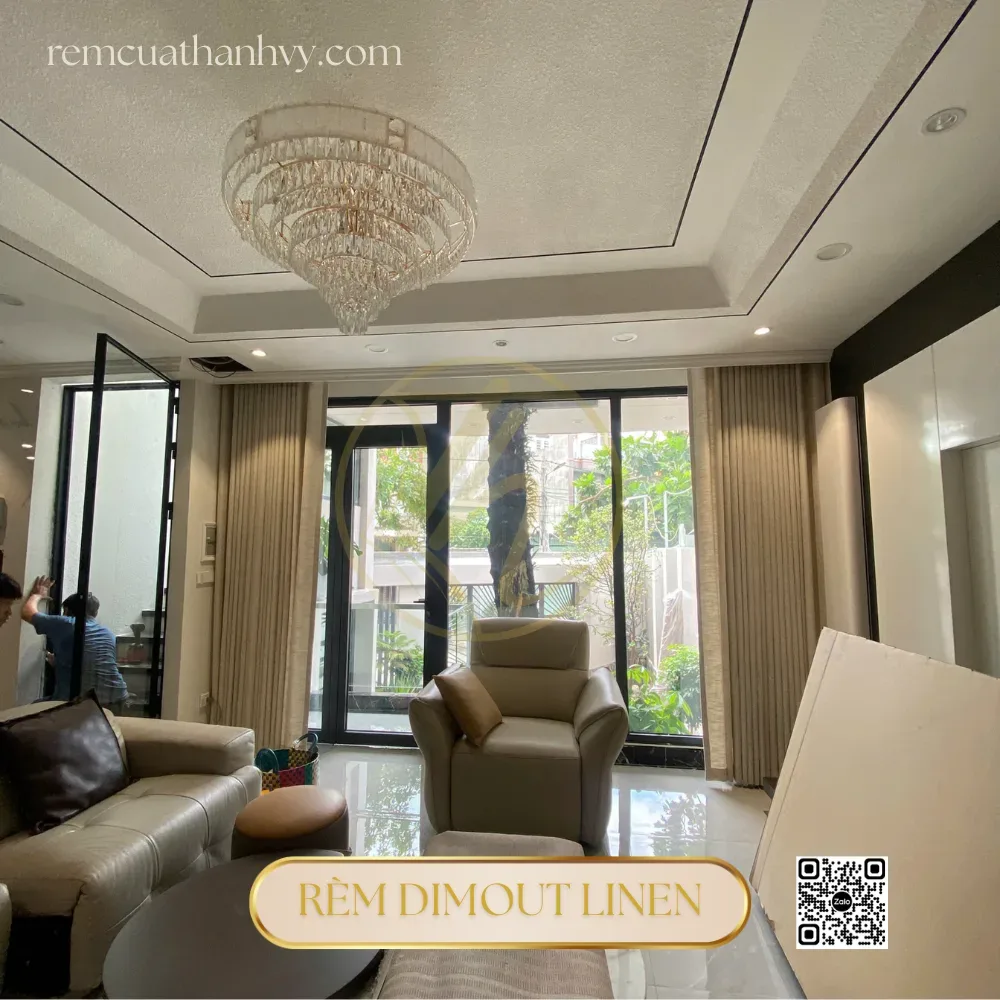
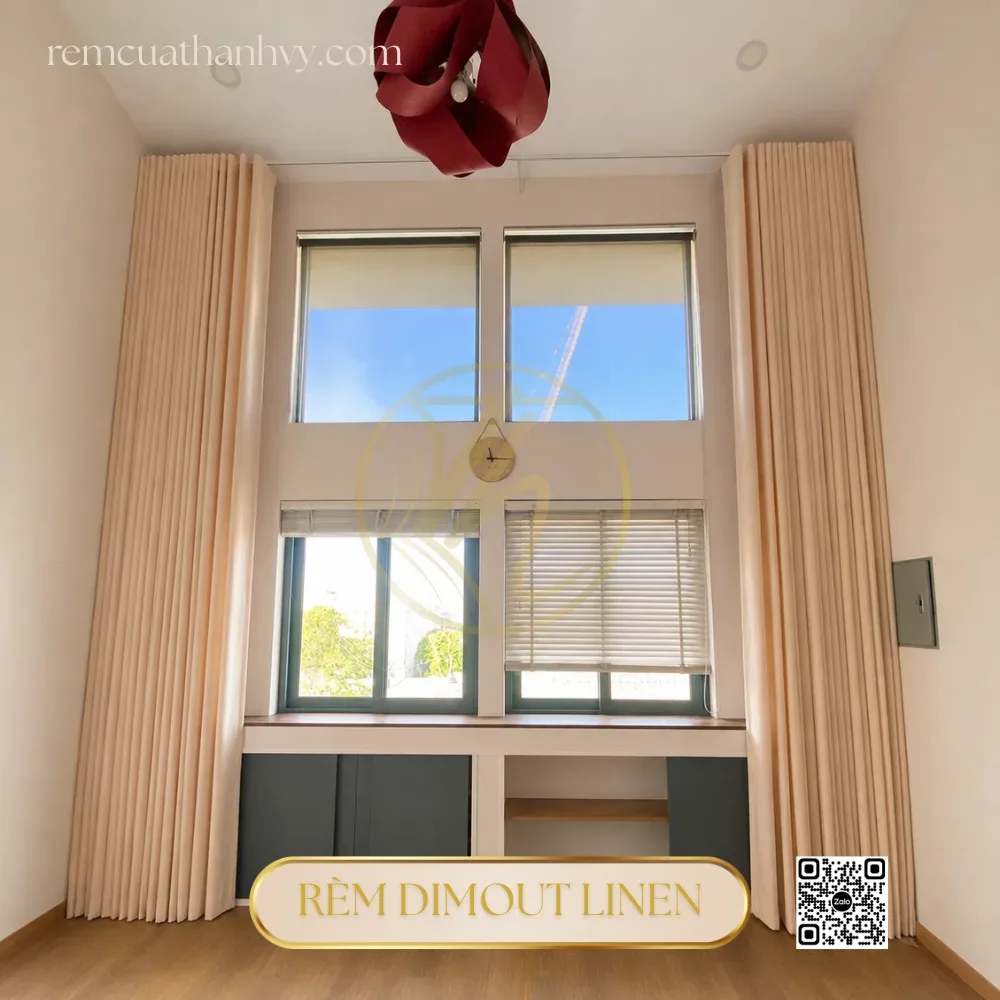
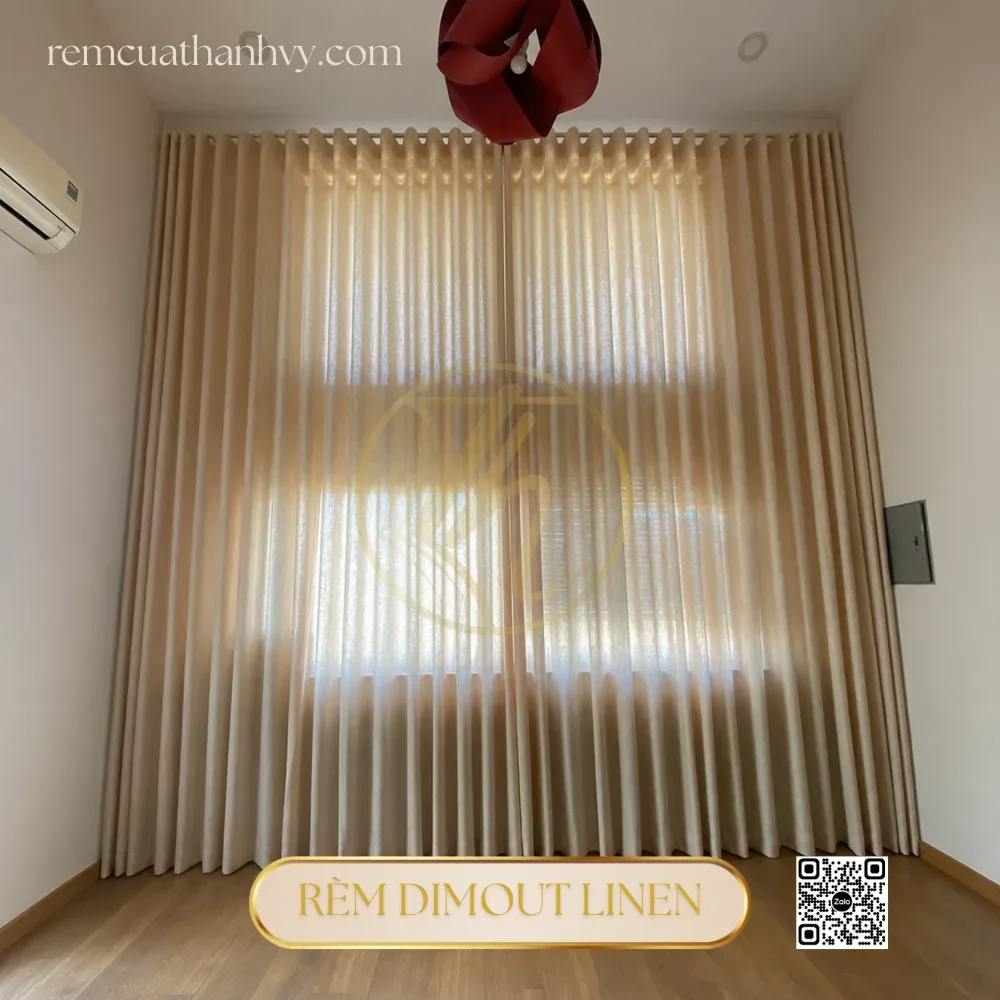
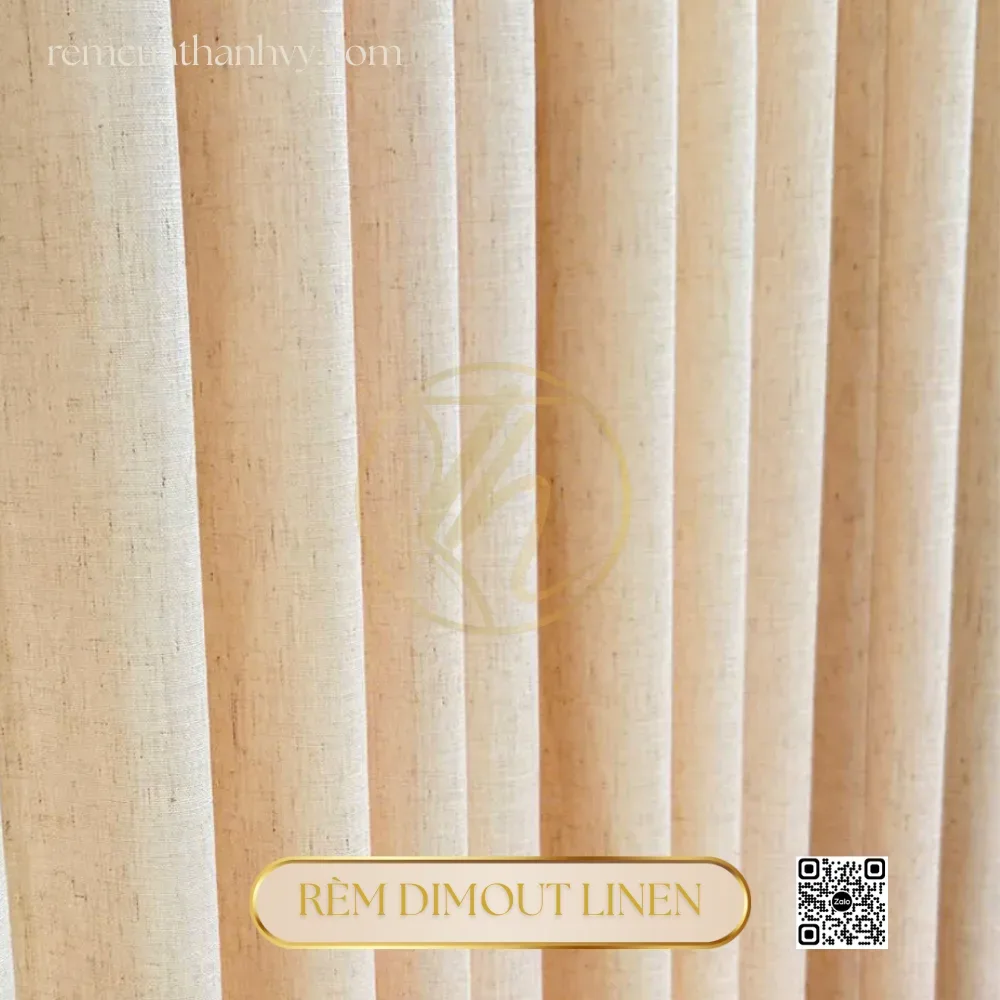
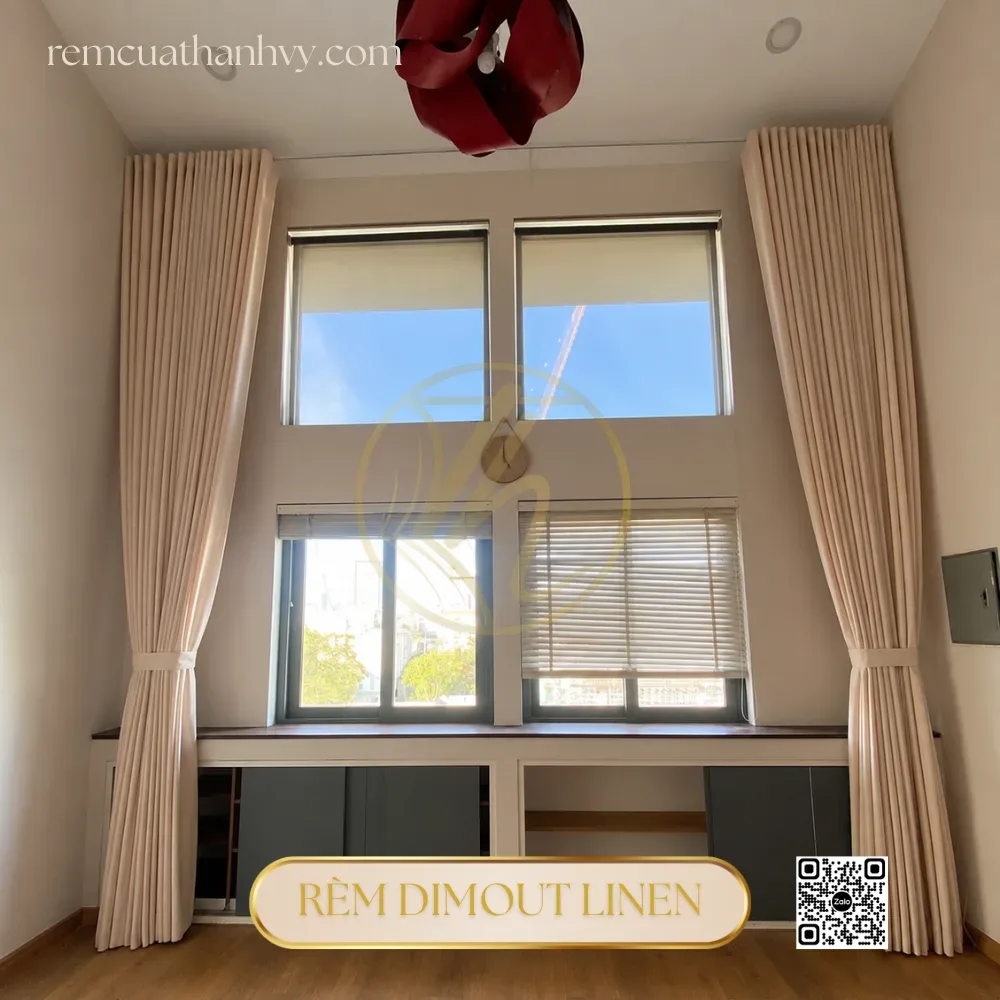
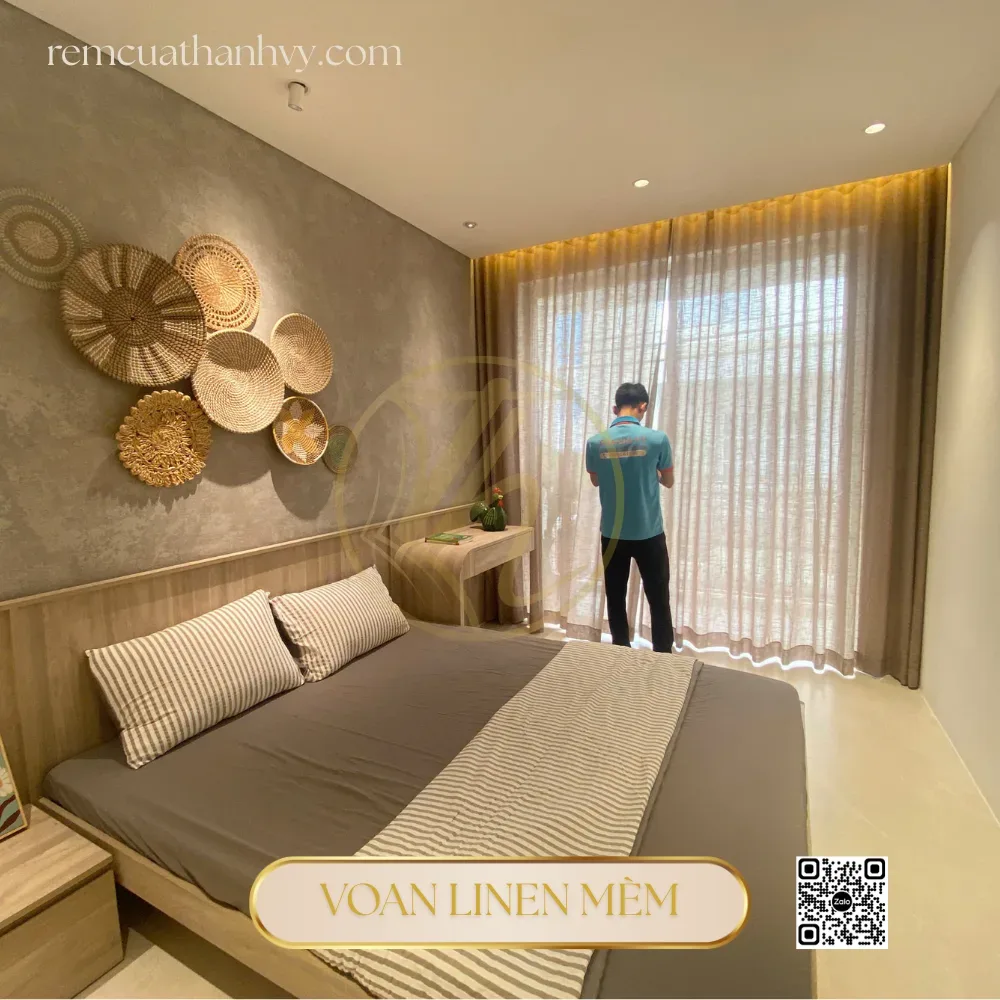
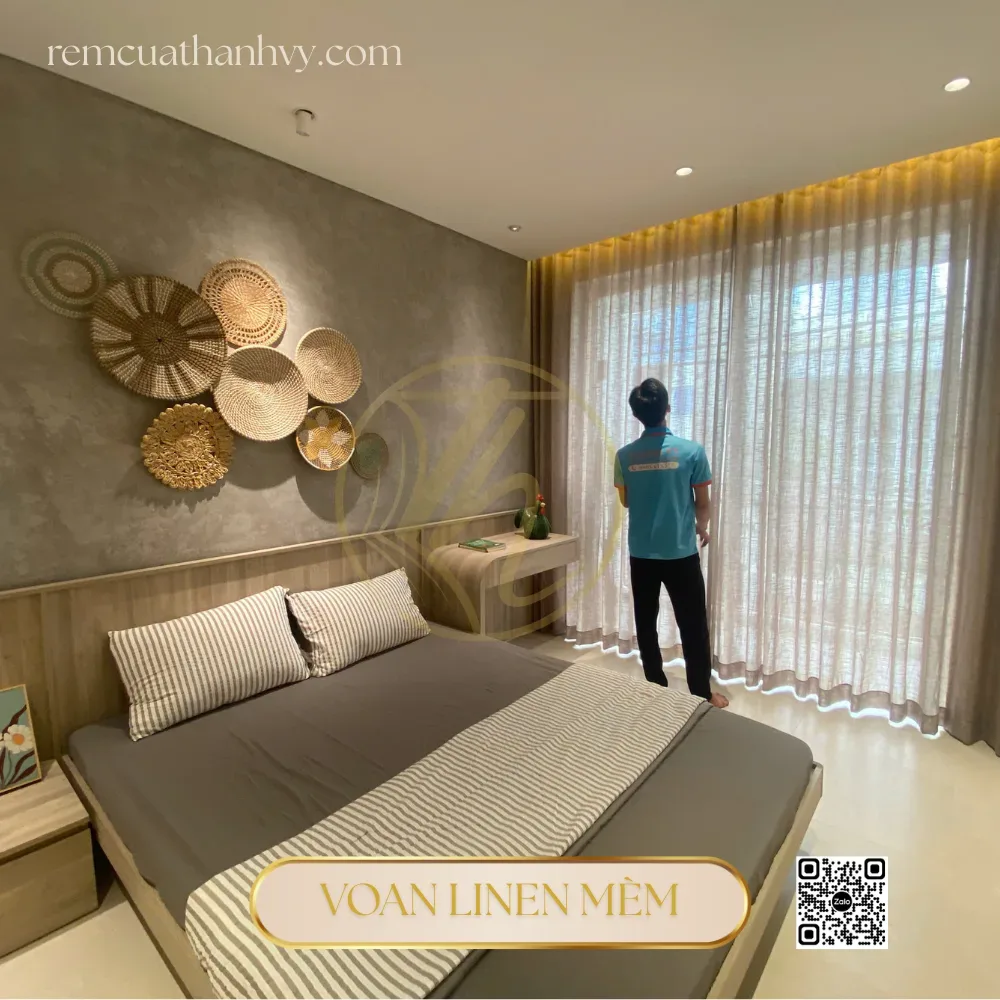
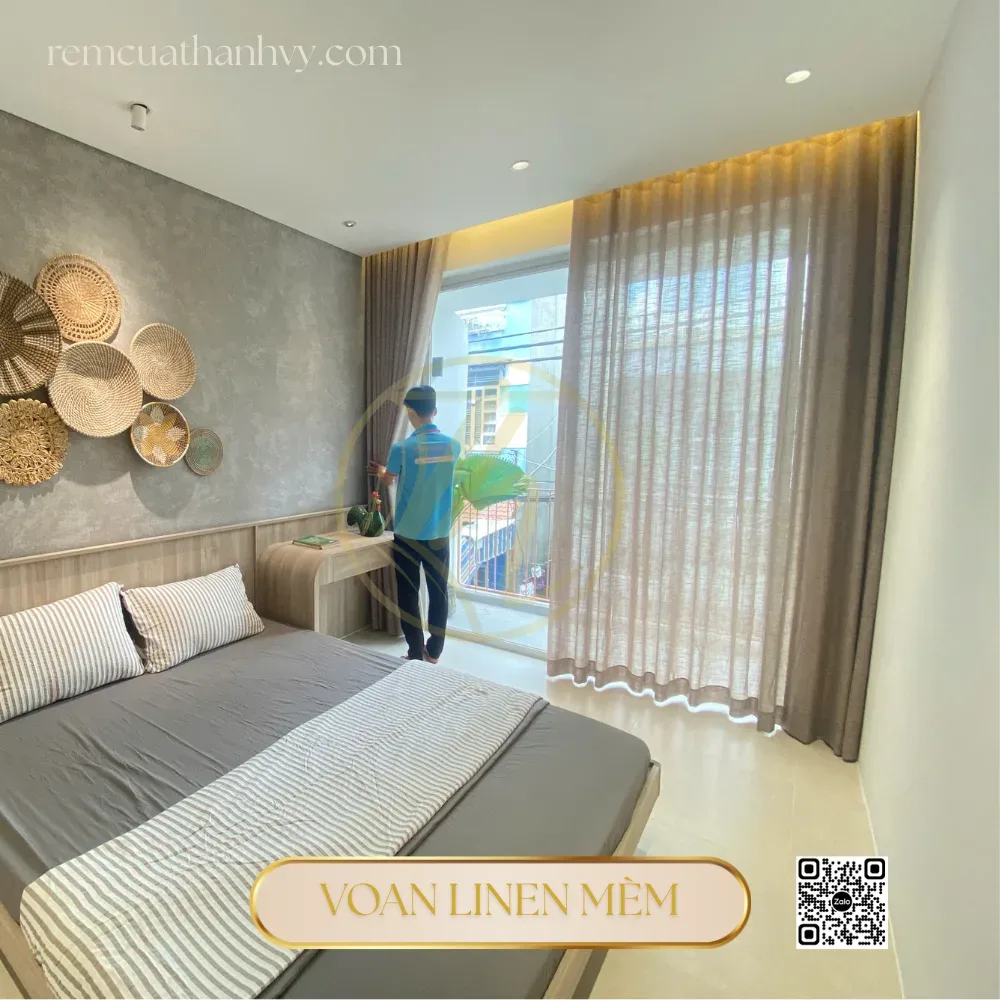
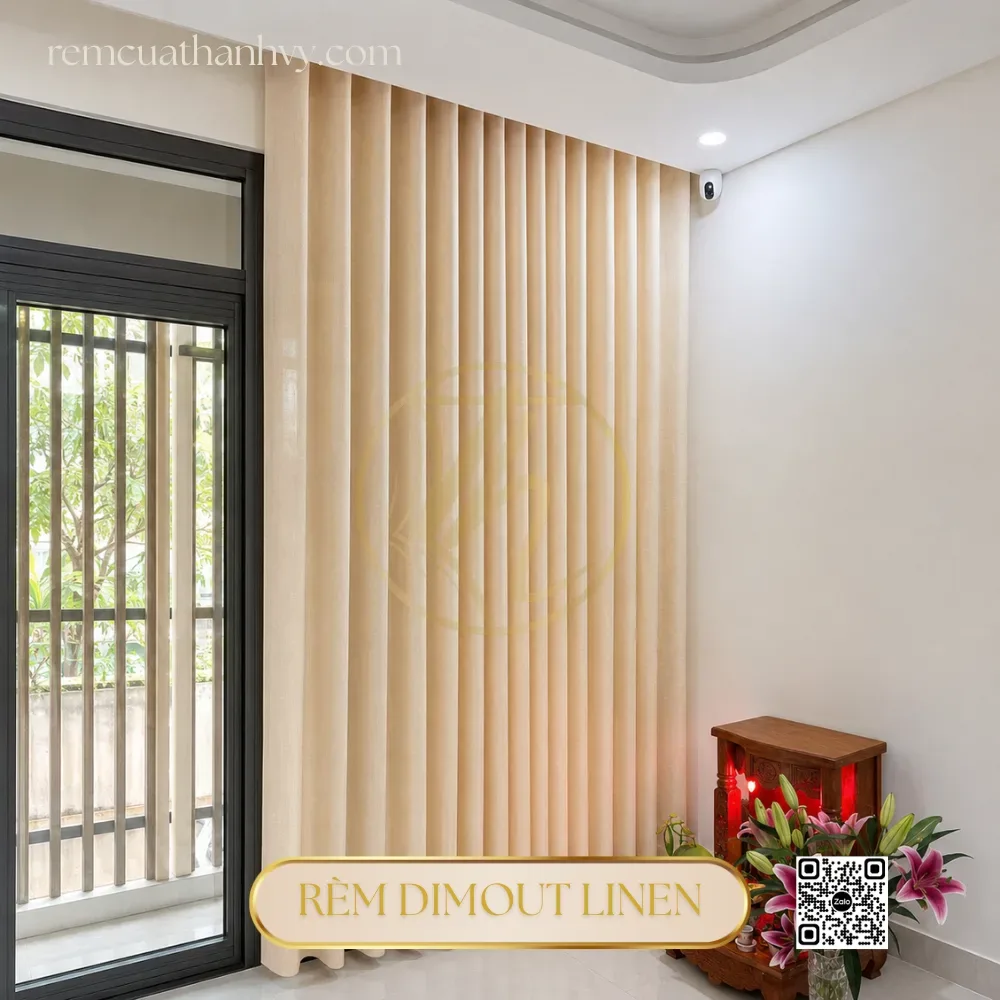
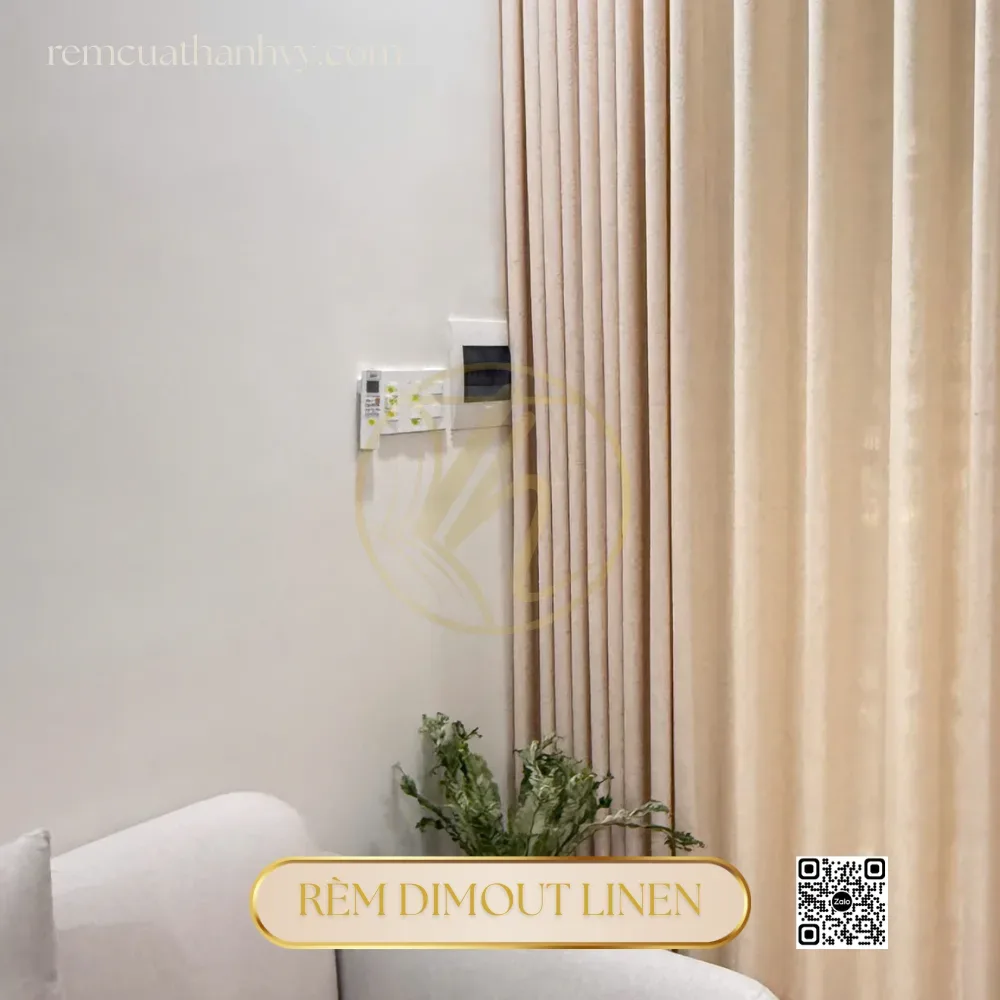
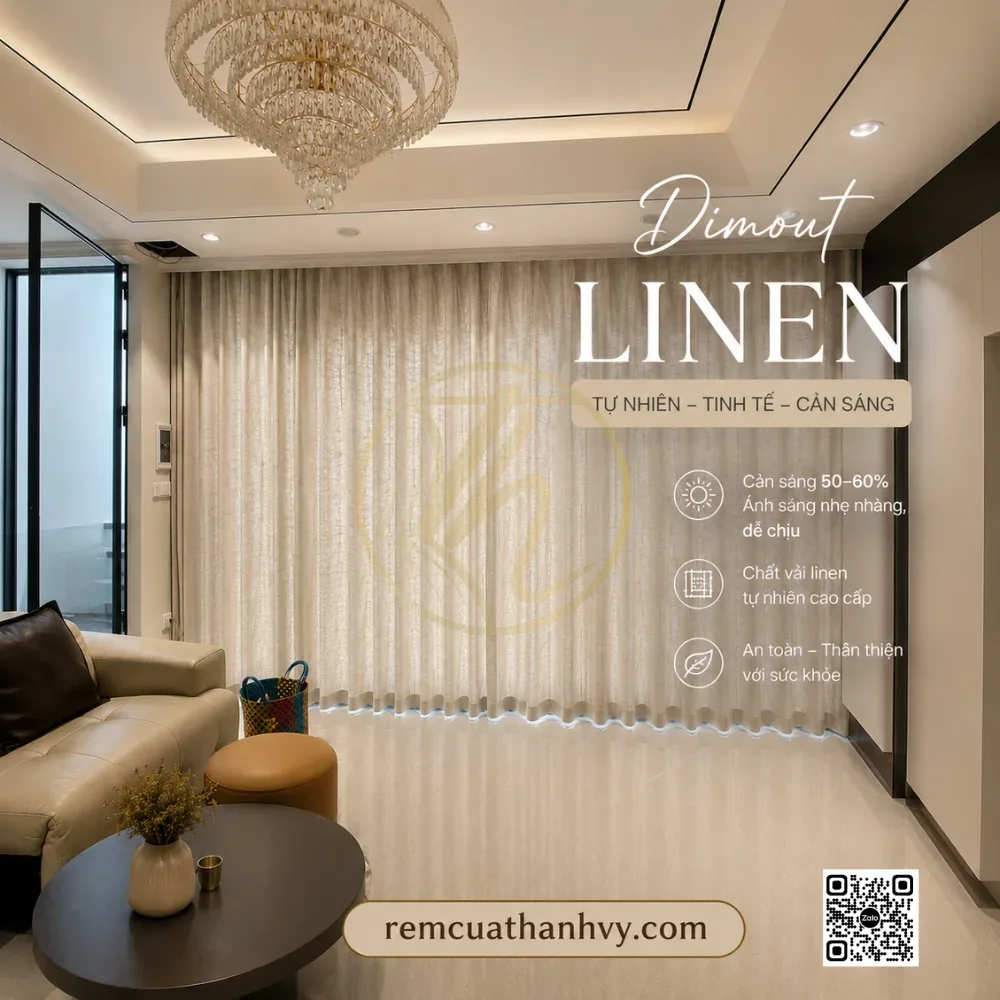
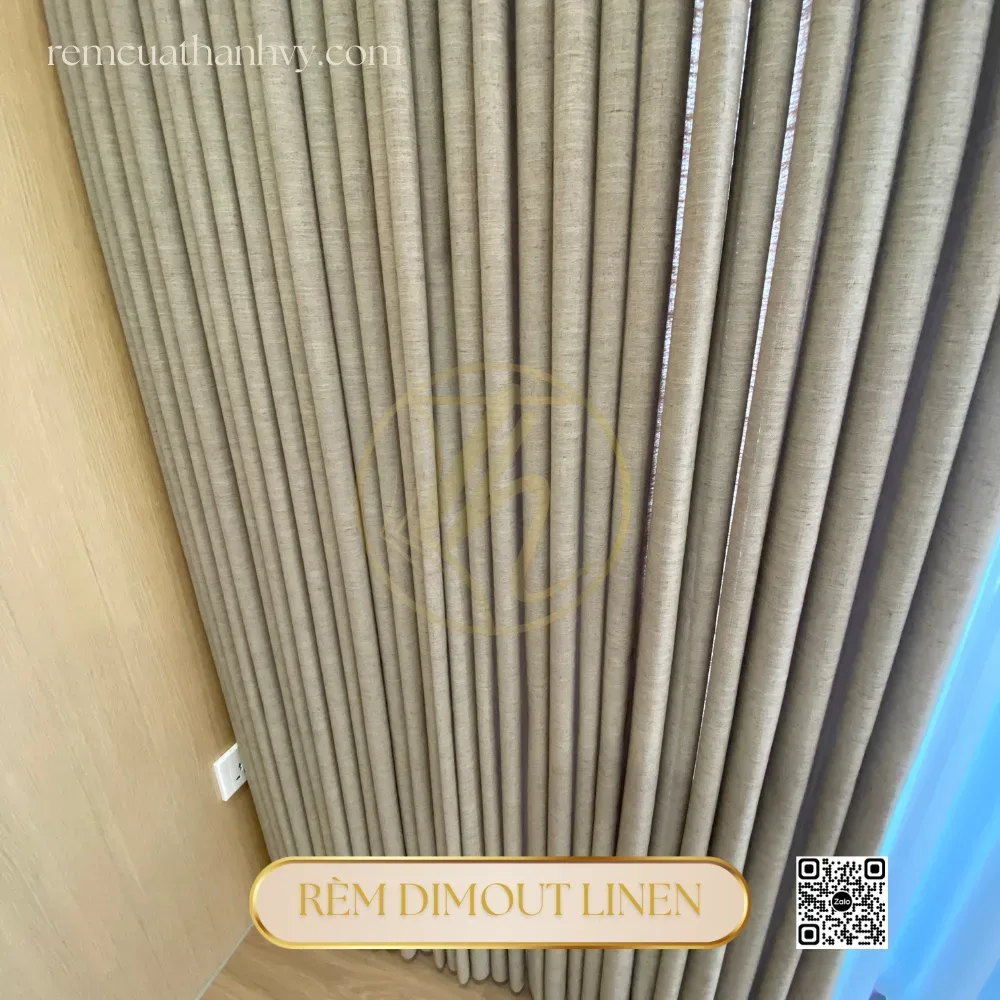
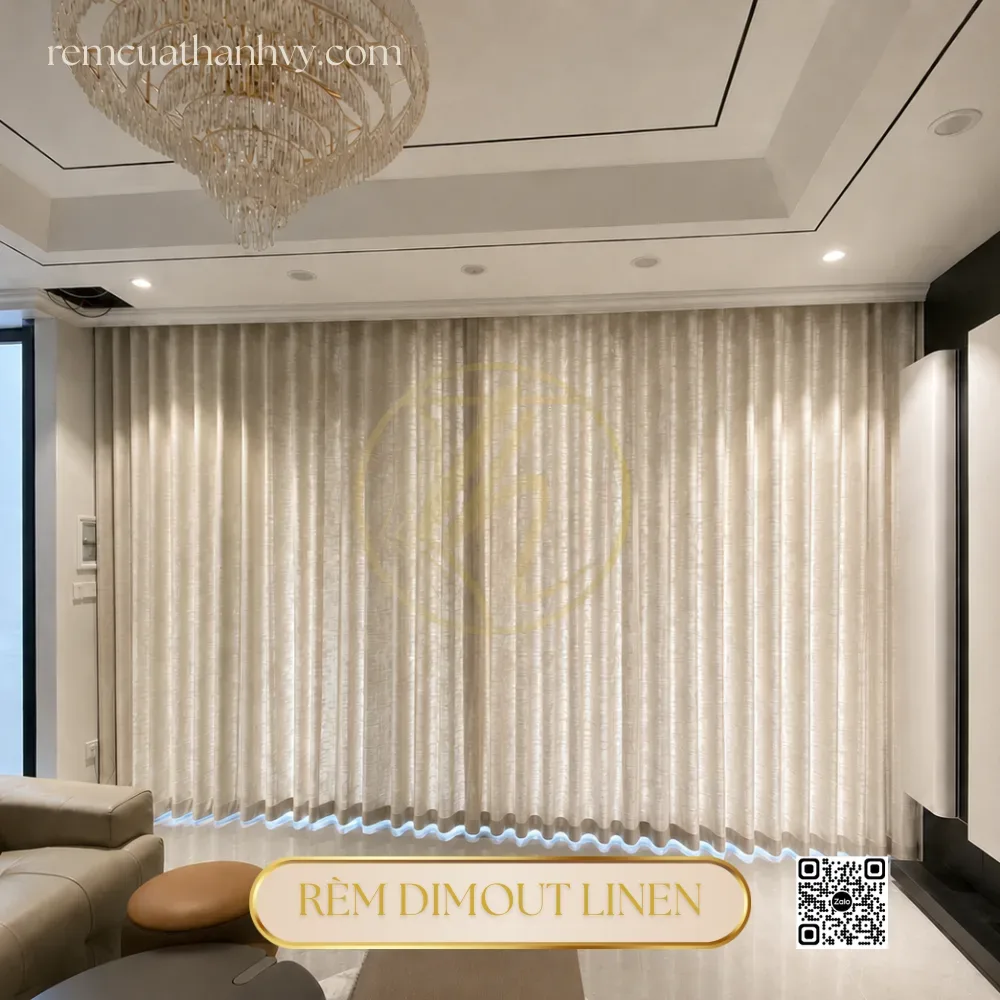
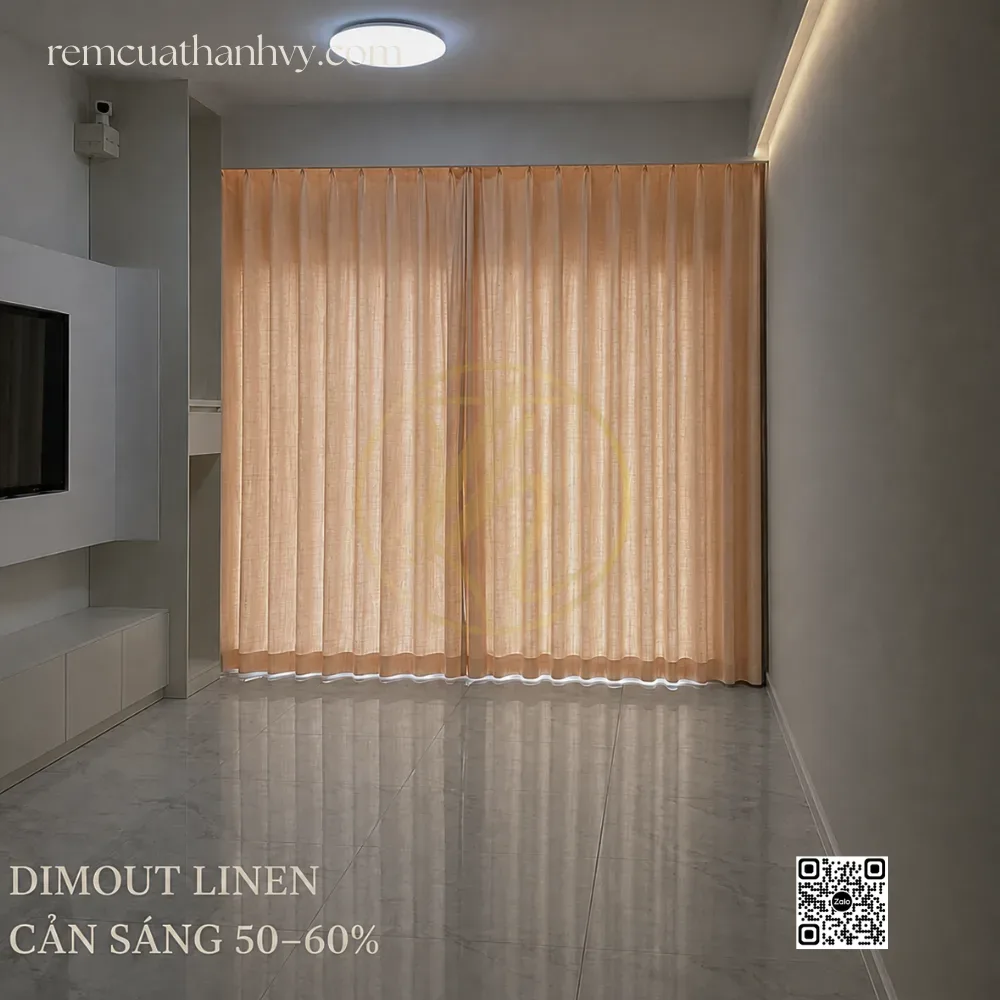
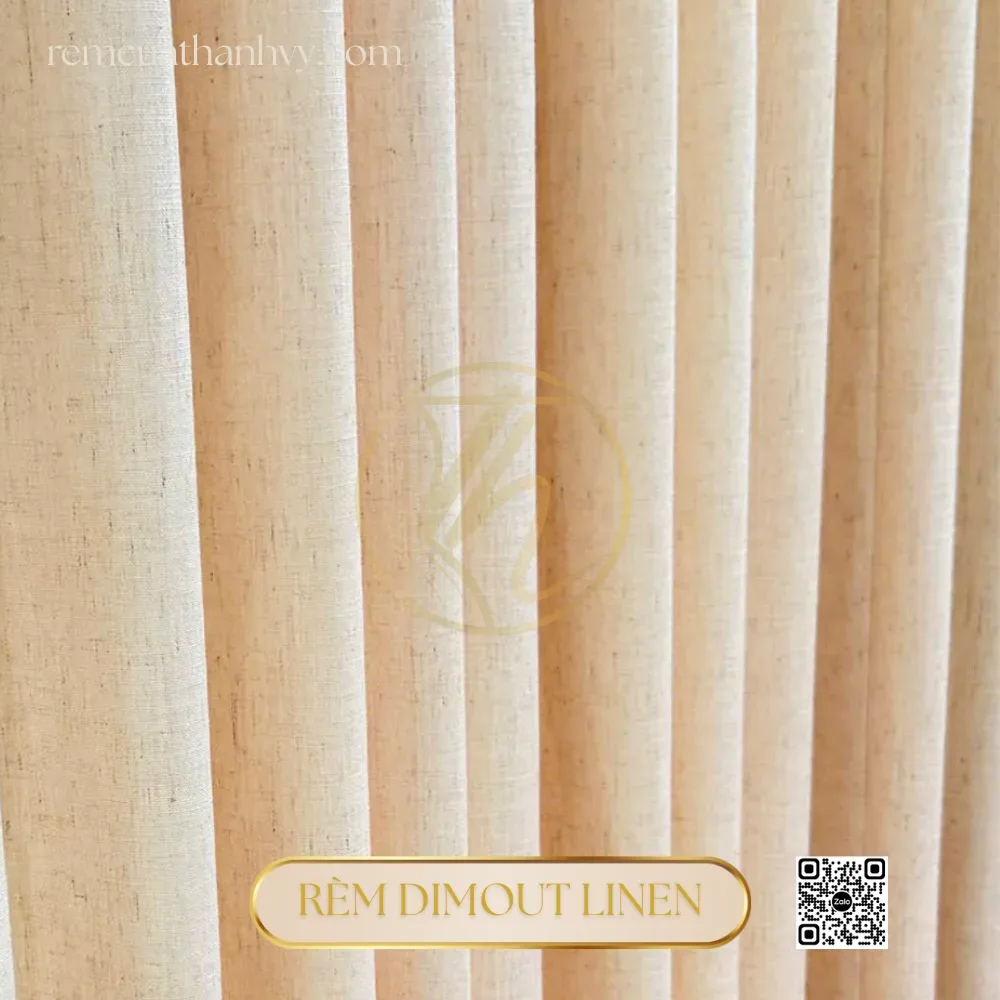
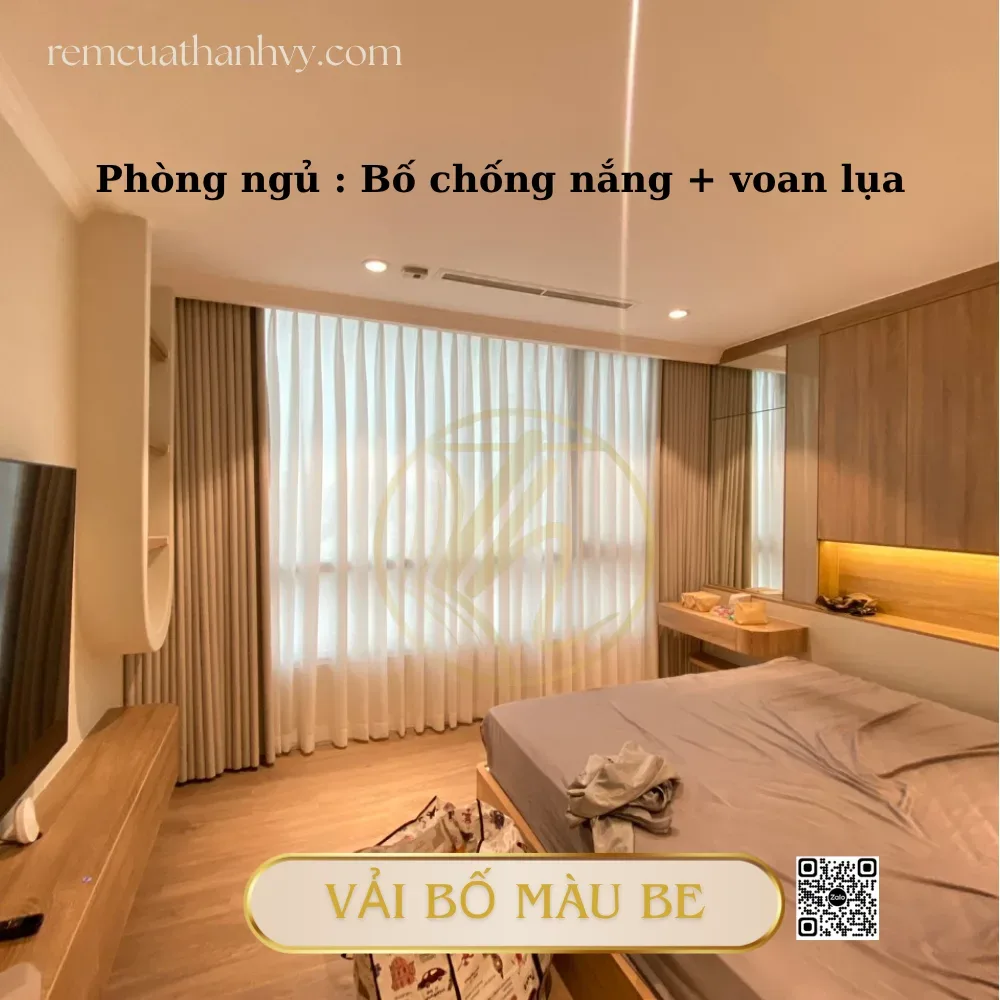
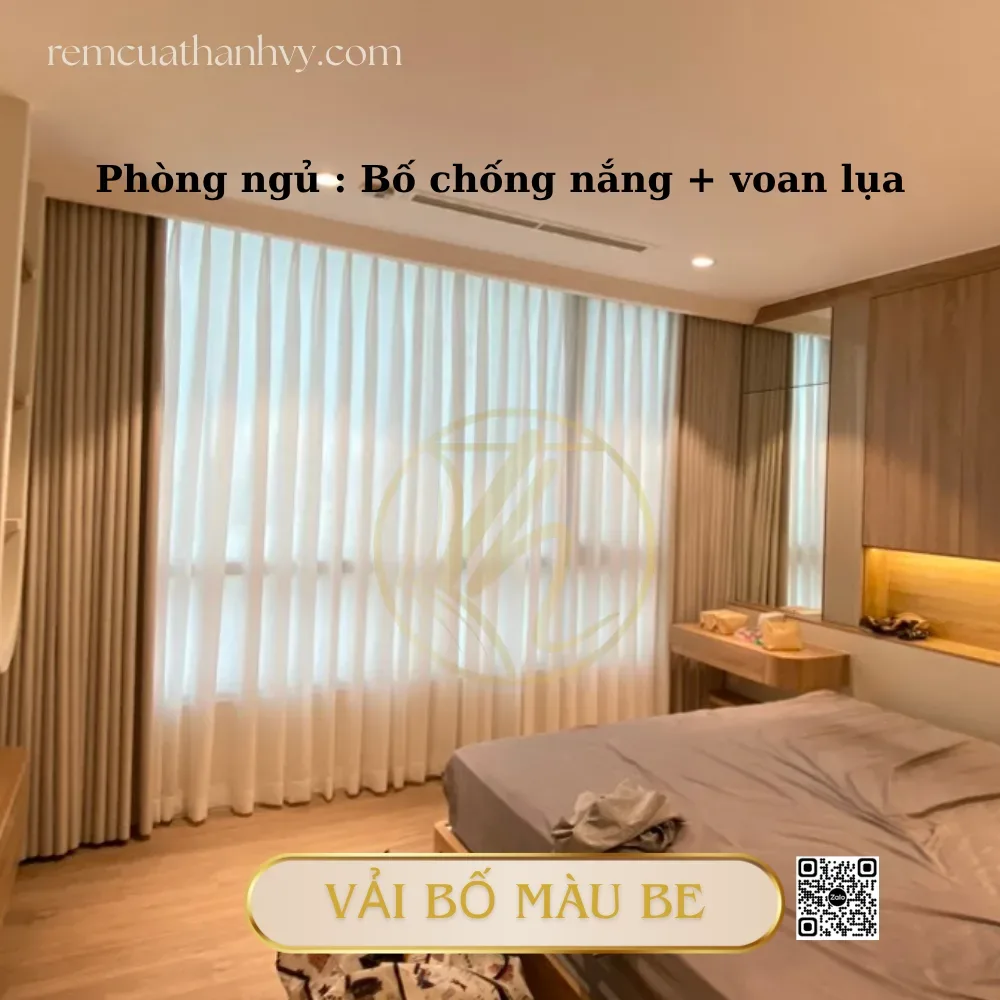
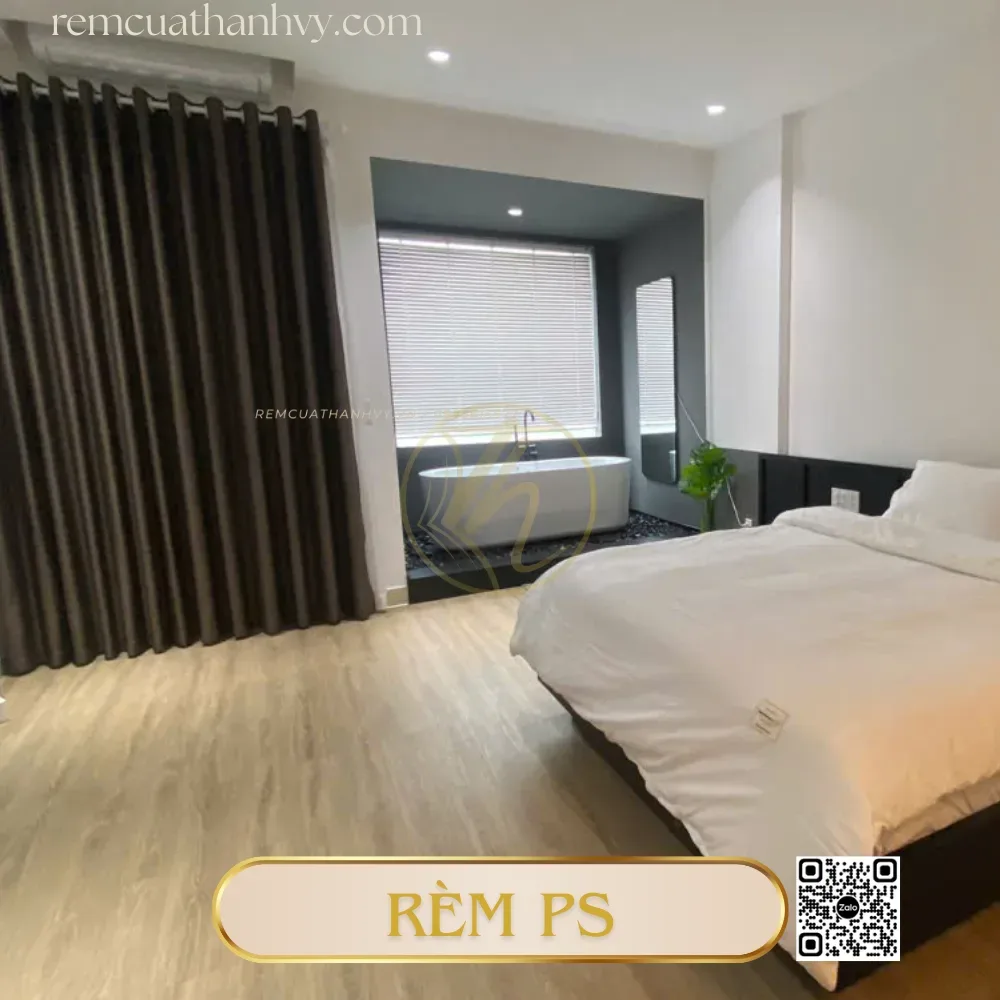
Premium light-blocking fabric curtains
High light-blocking fabric group used when significant room darkening is needed, usually for bedrooms or screening rooms.
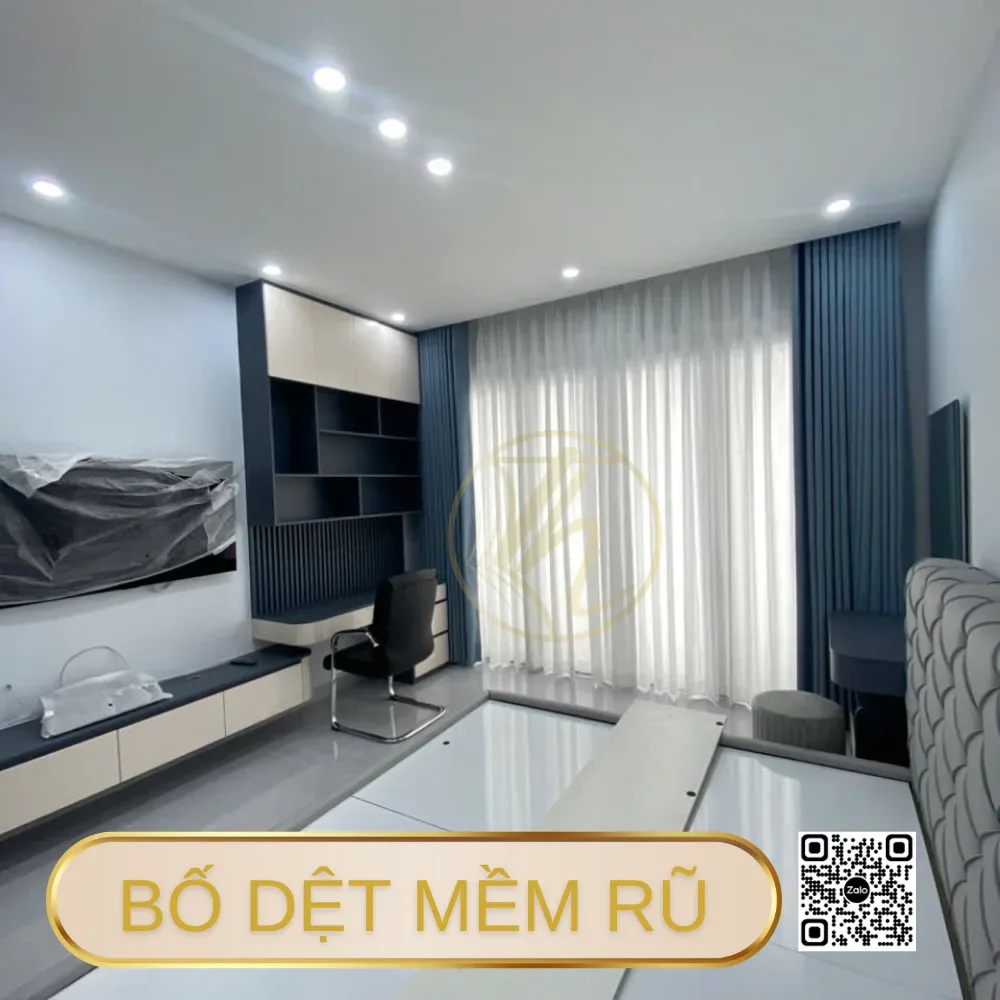
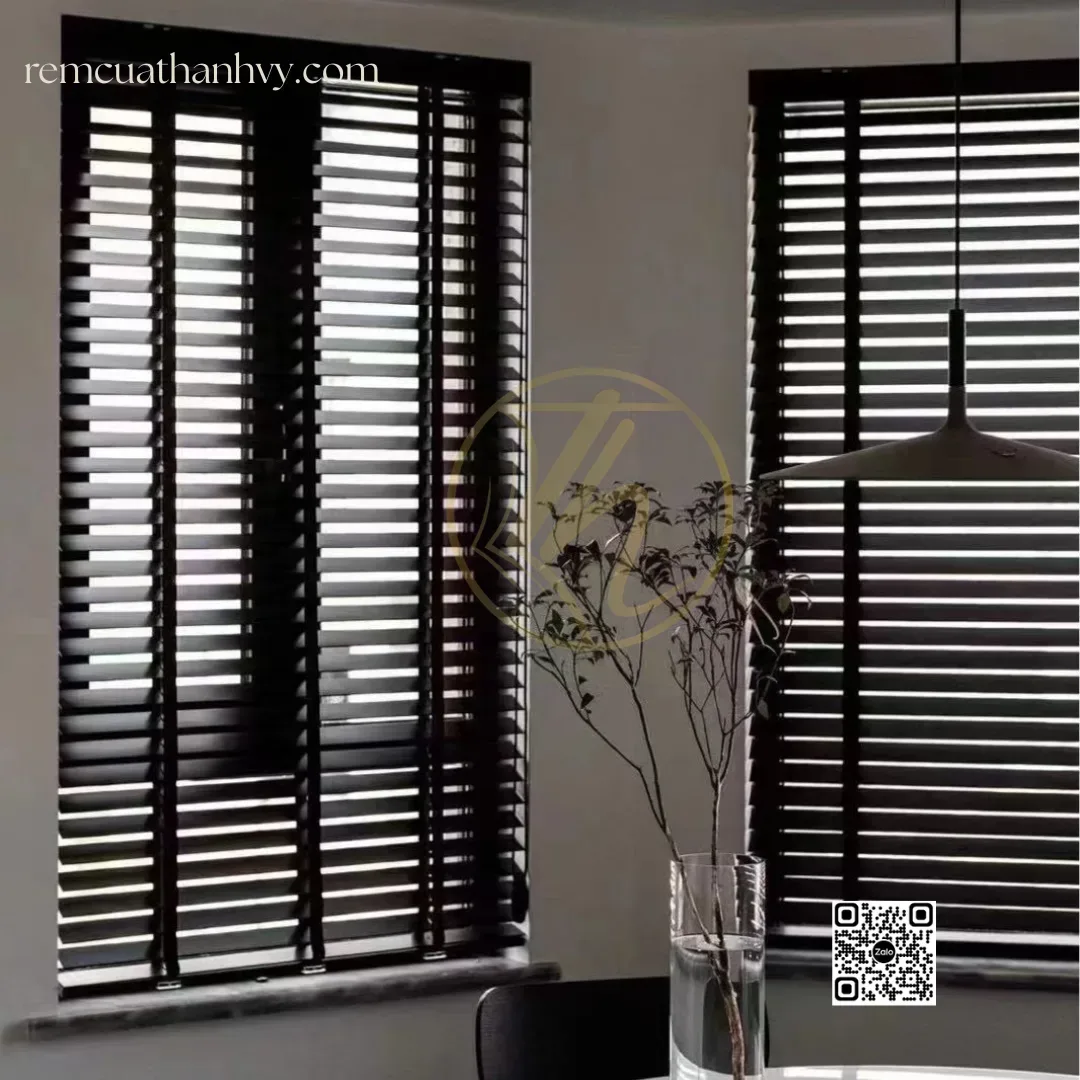
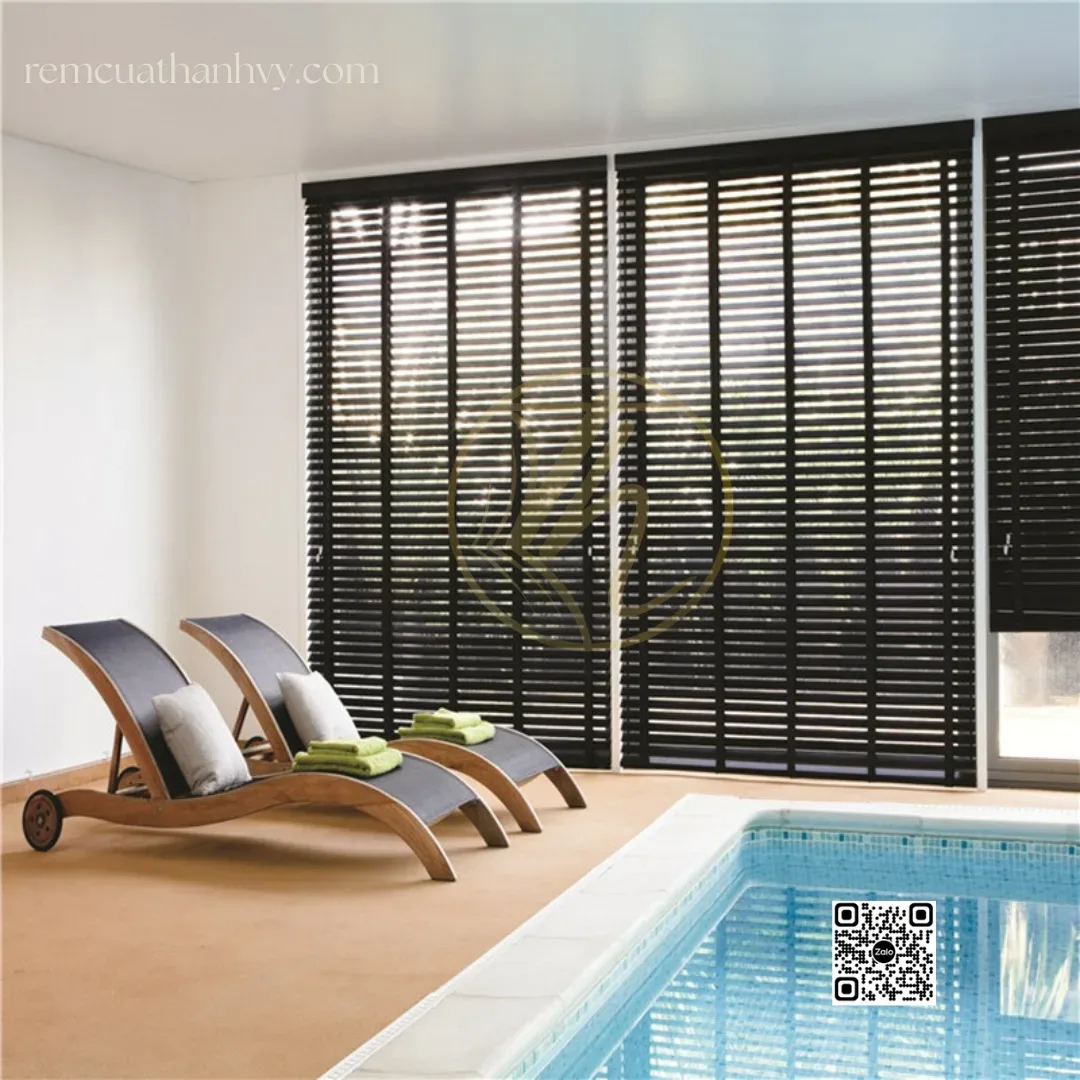
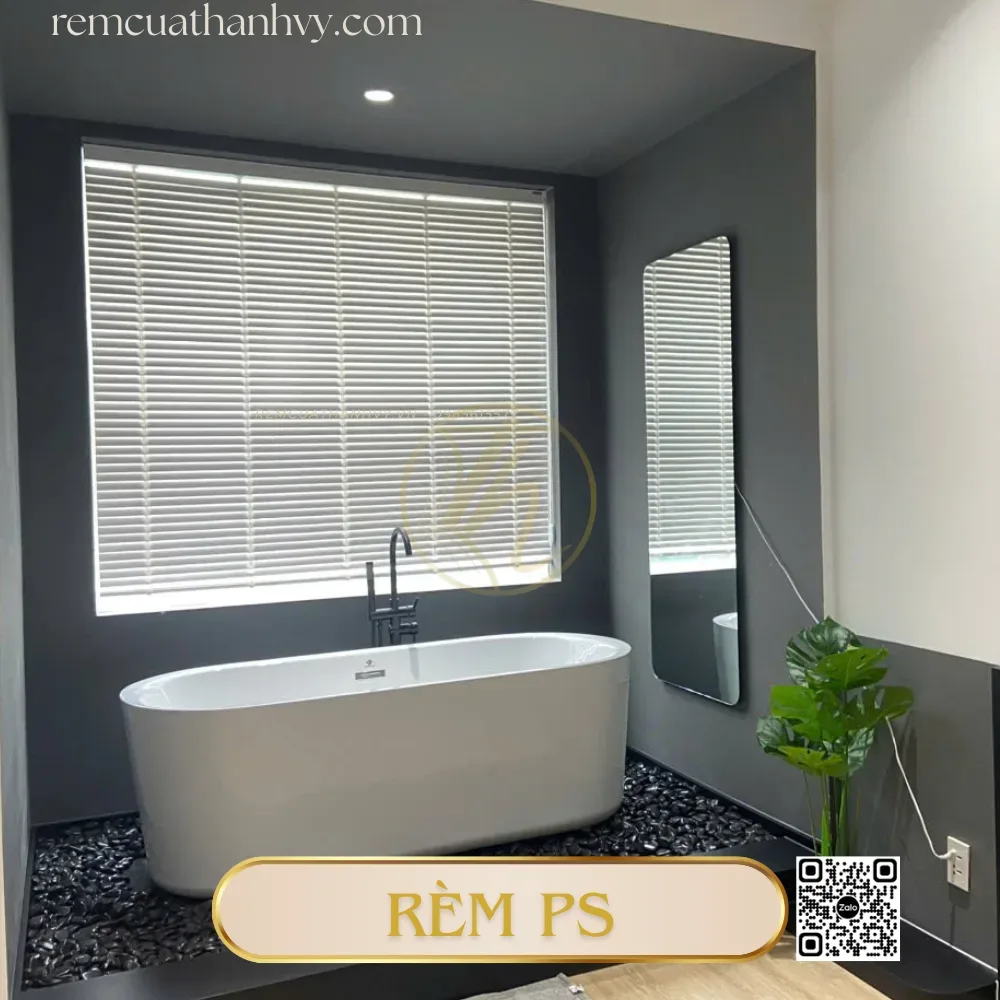
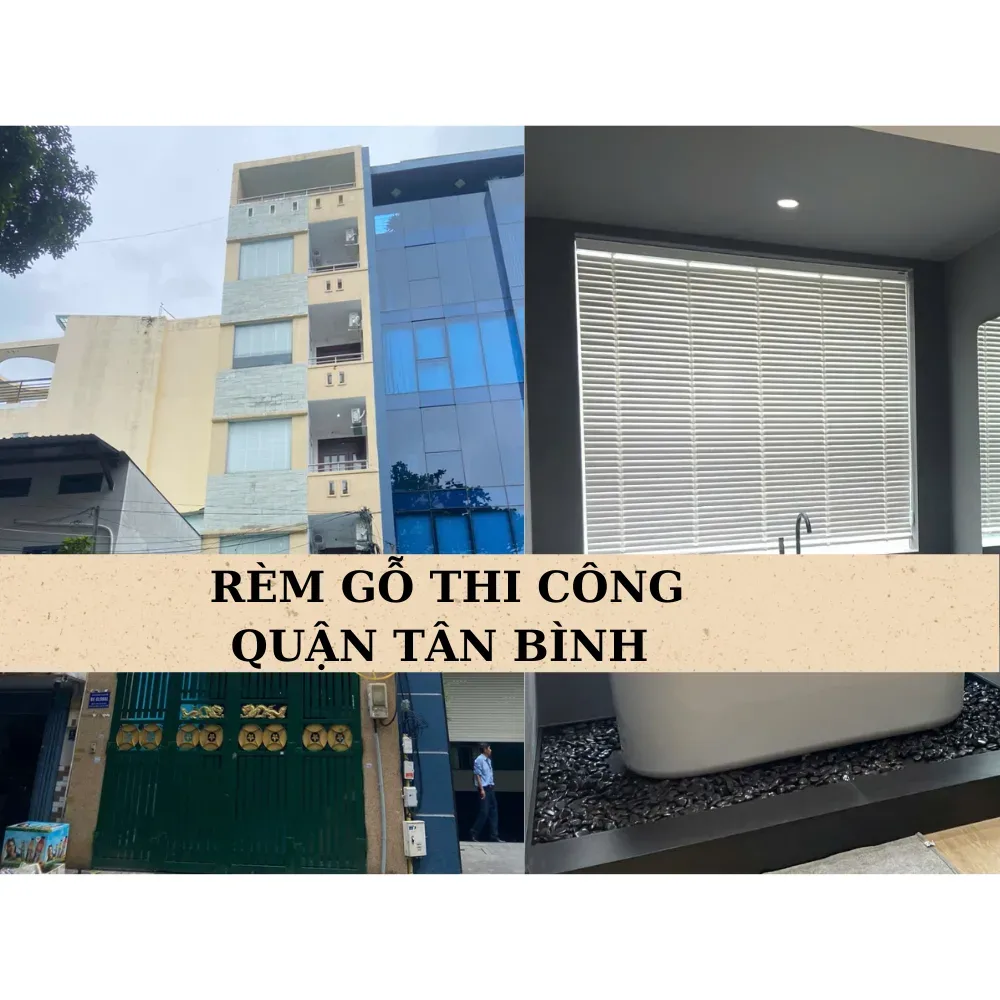
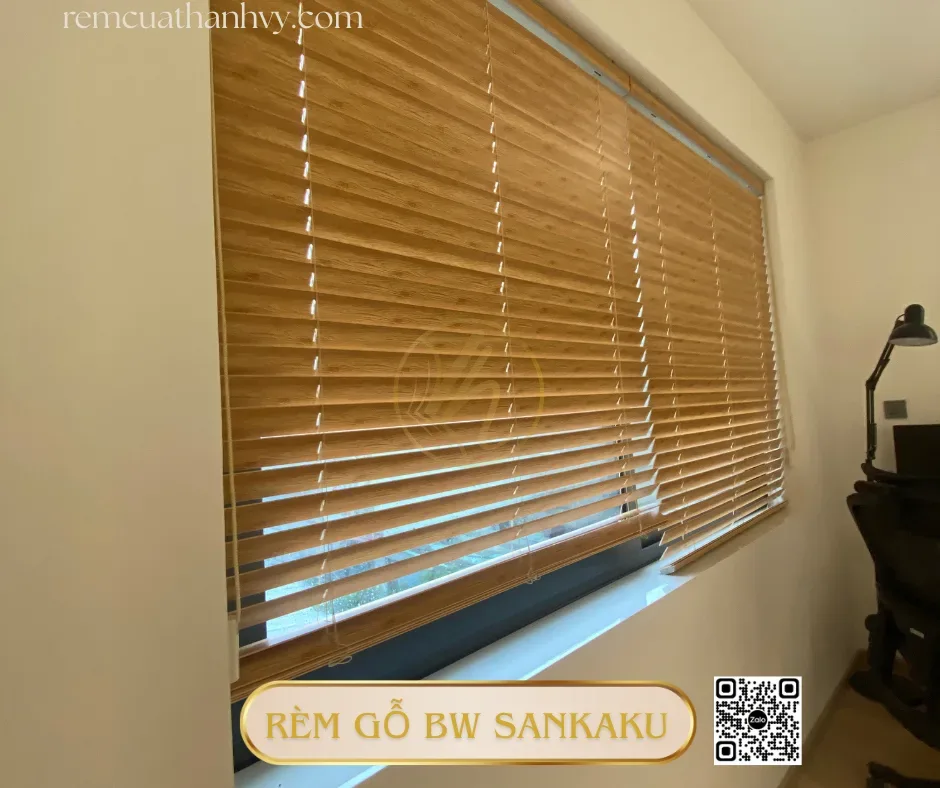
Wooden blinds
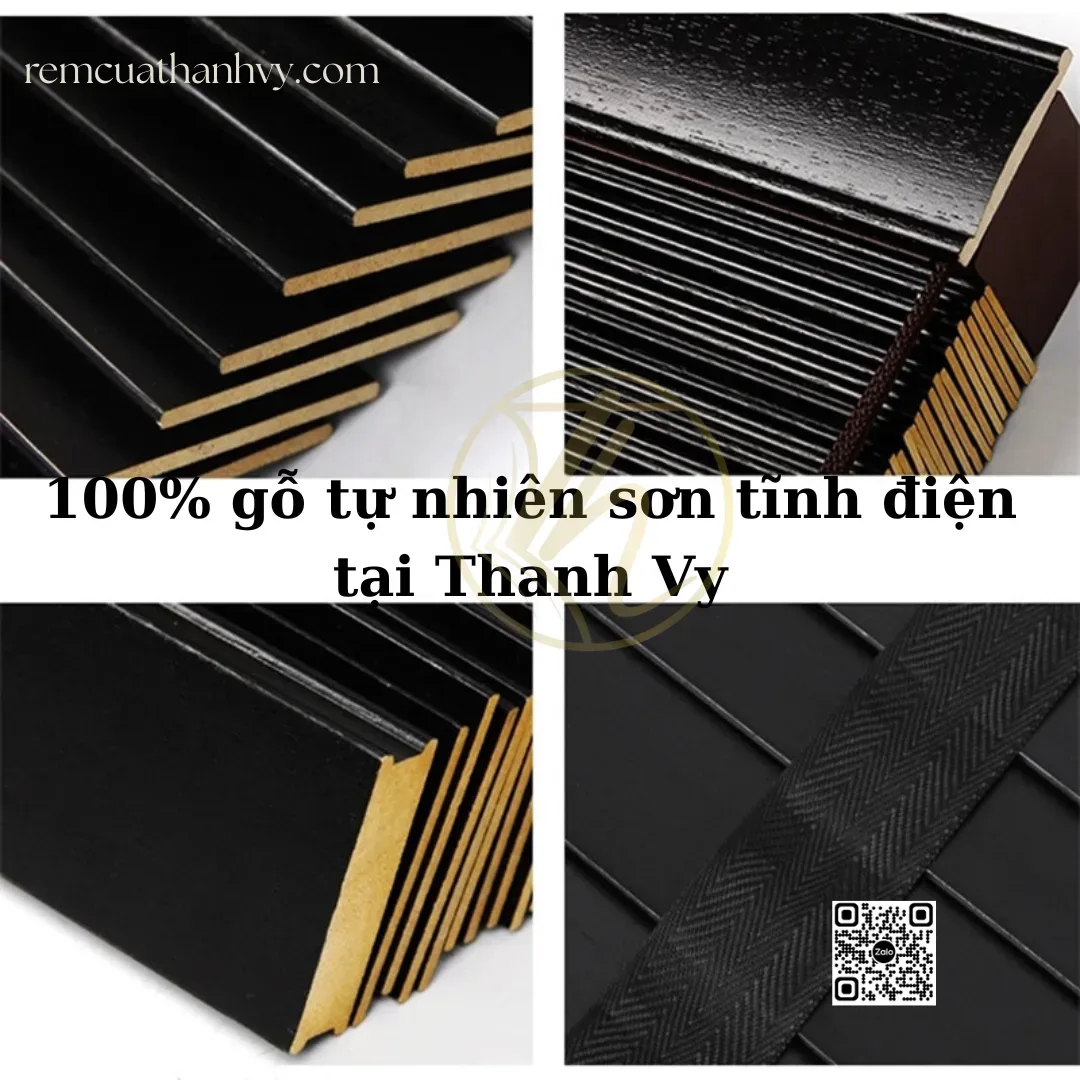
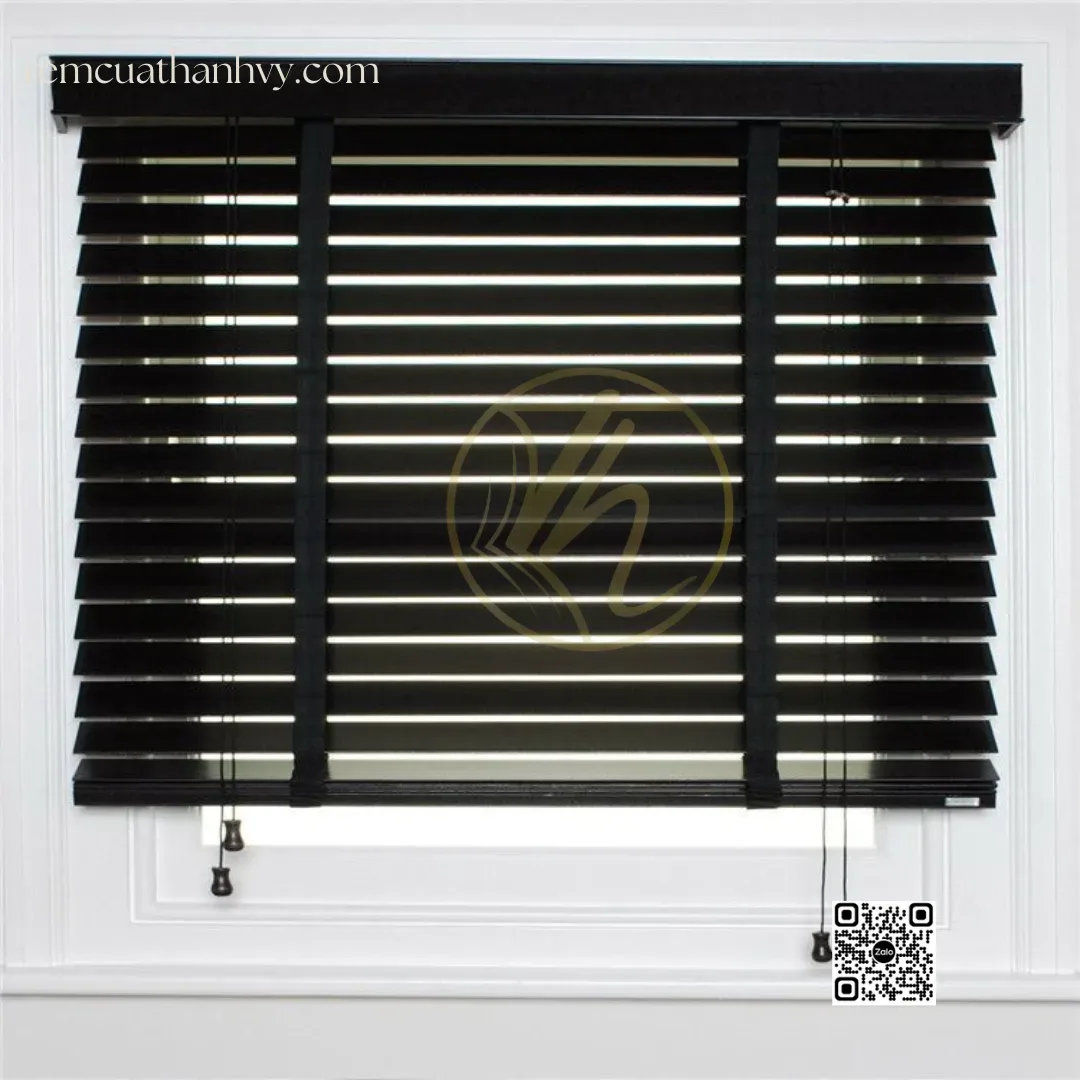
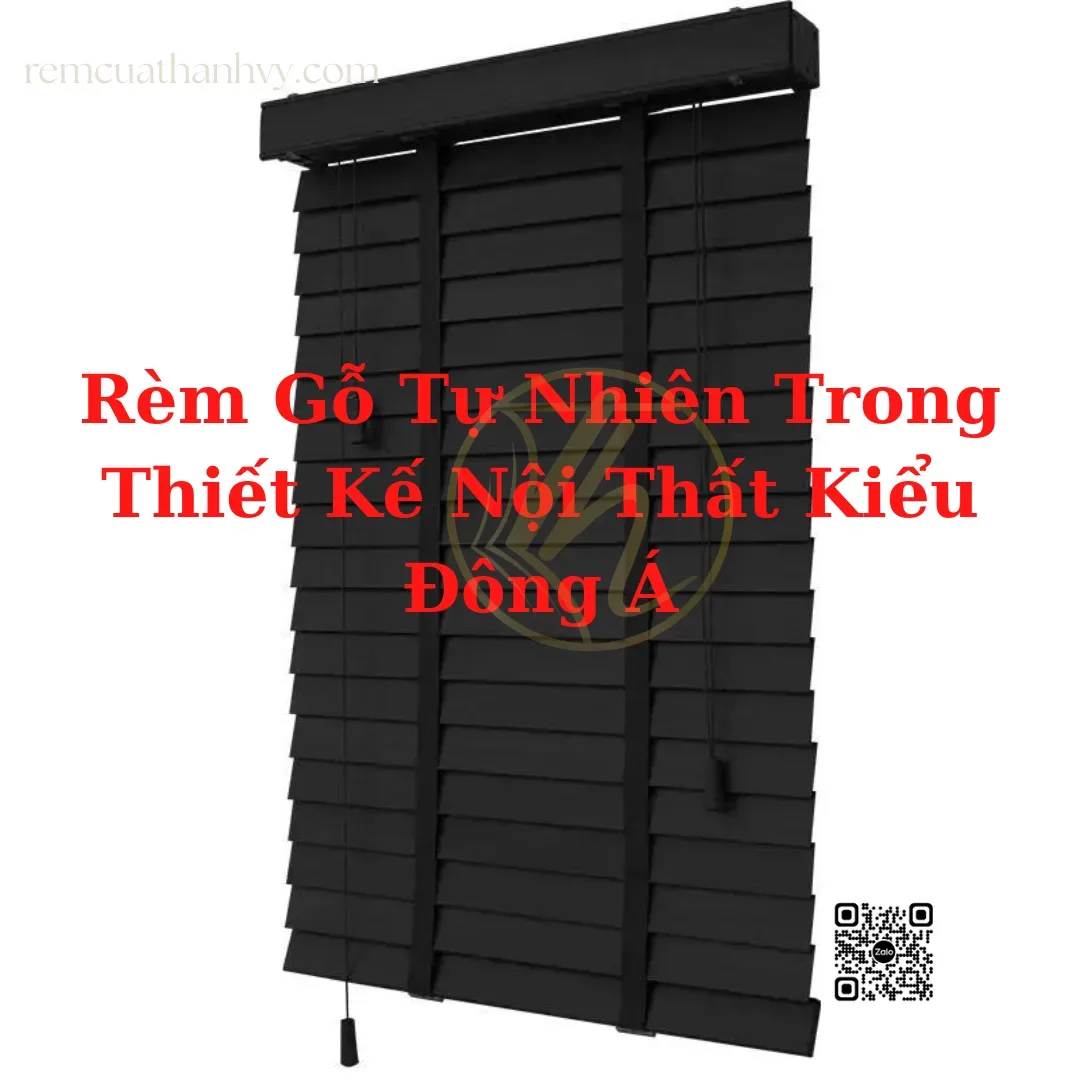
Rotatable wooden slats adjust light by angle, suitable for home offices and reading rooms.
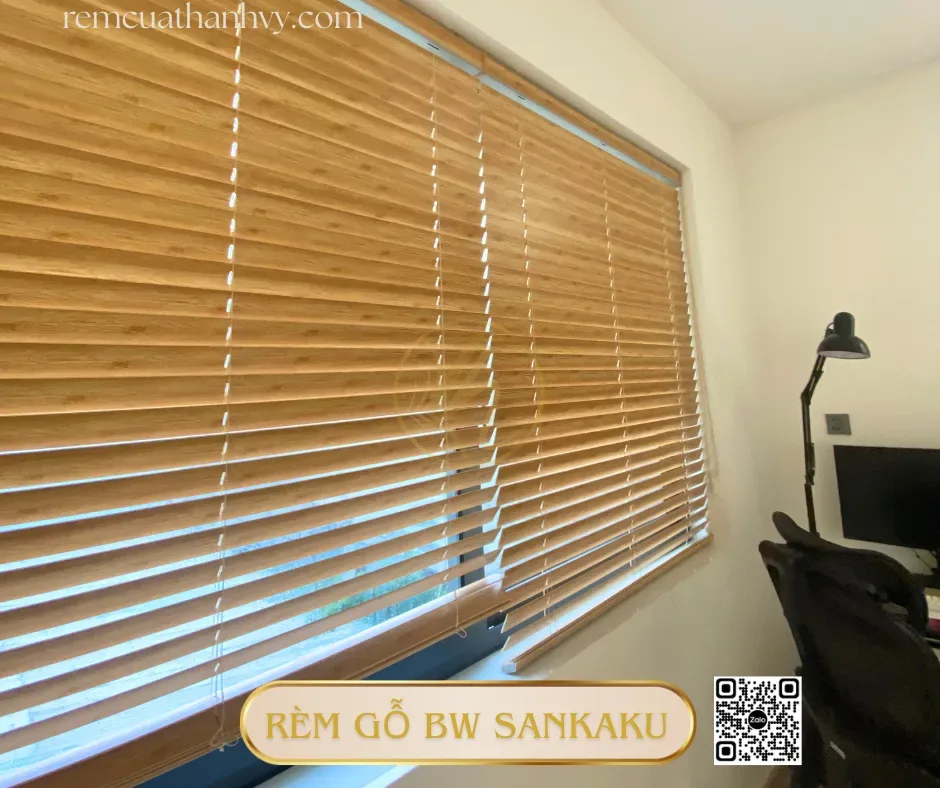
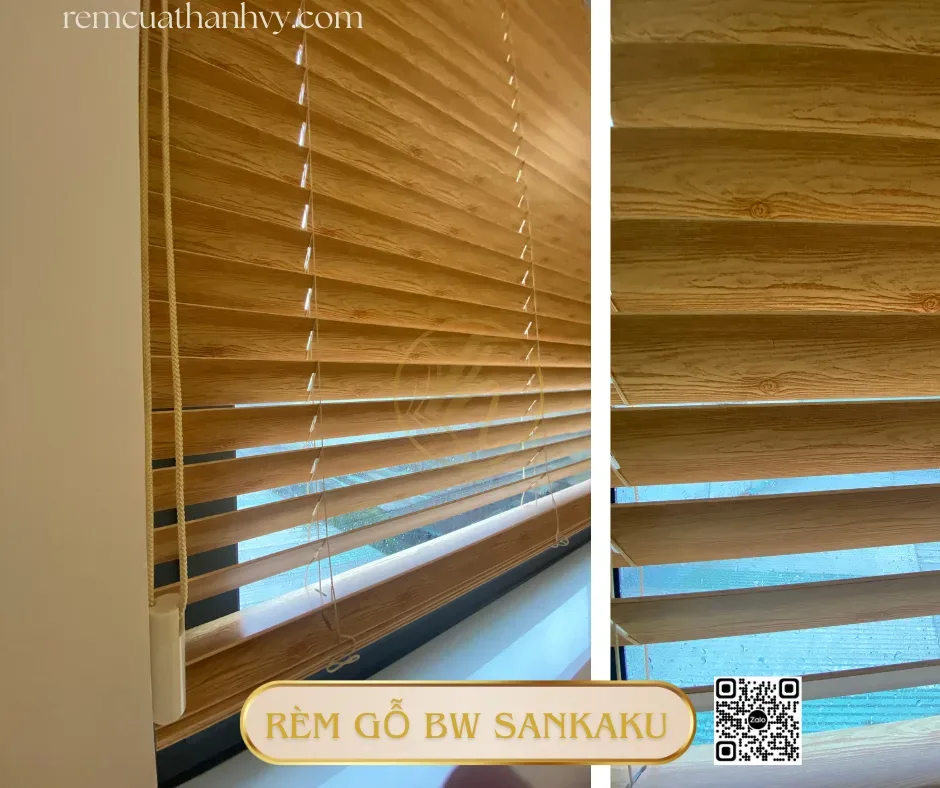
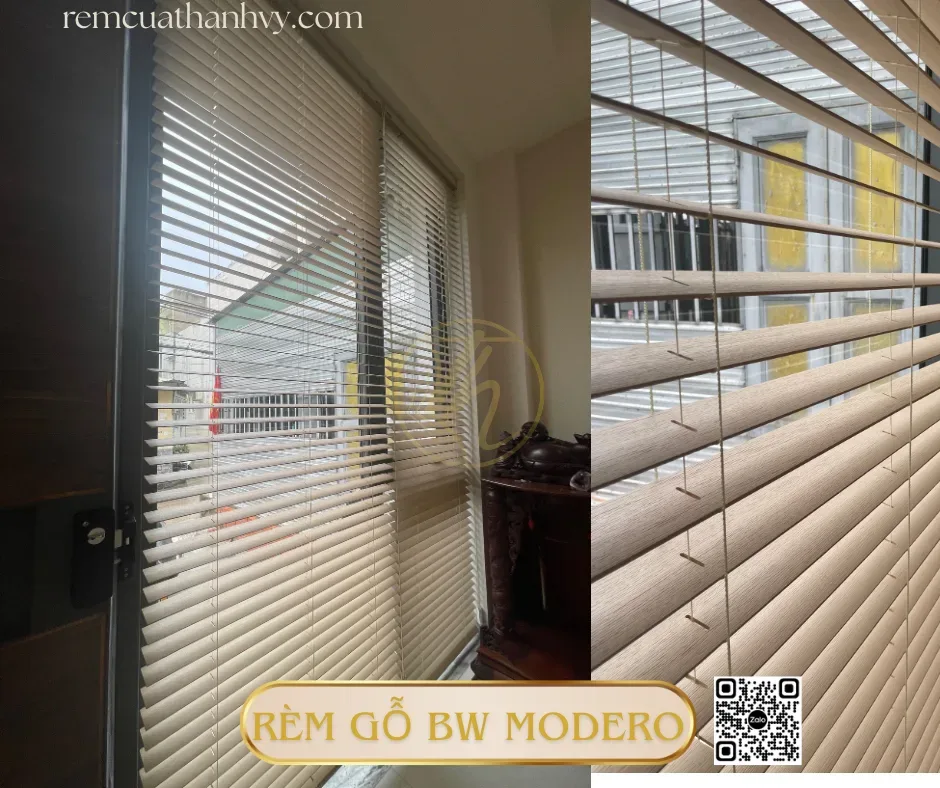
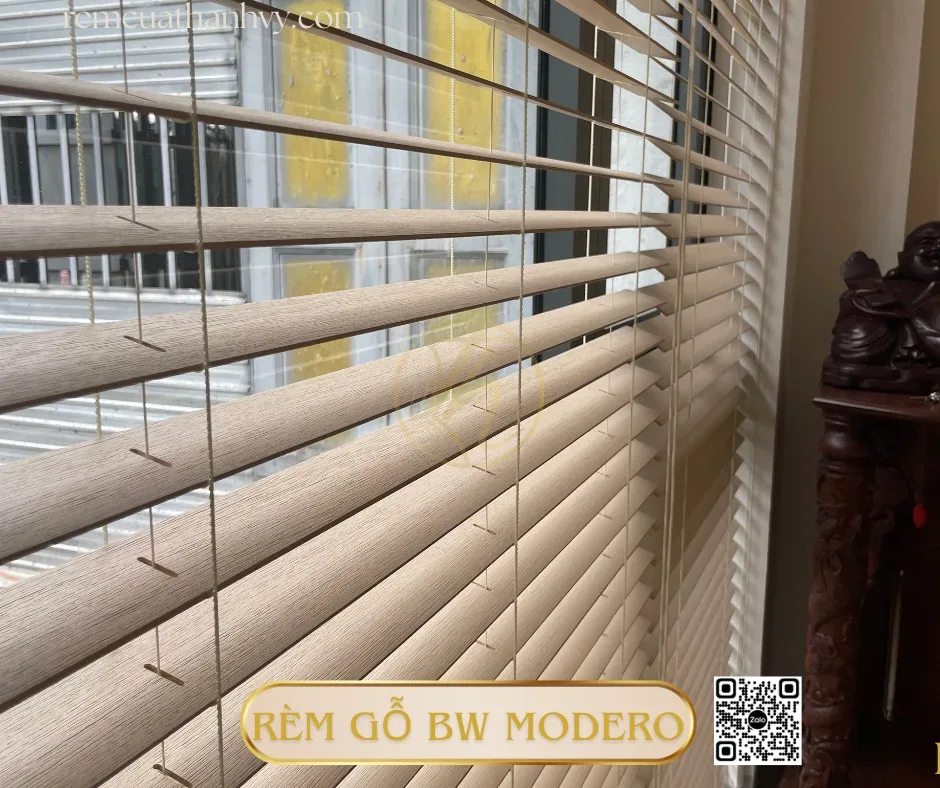
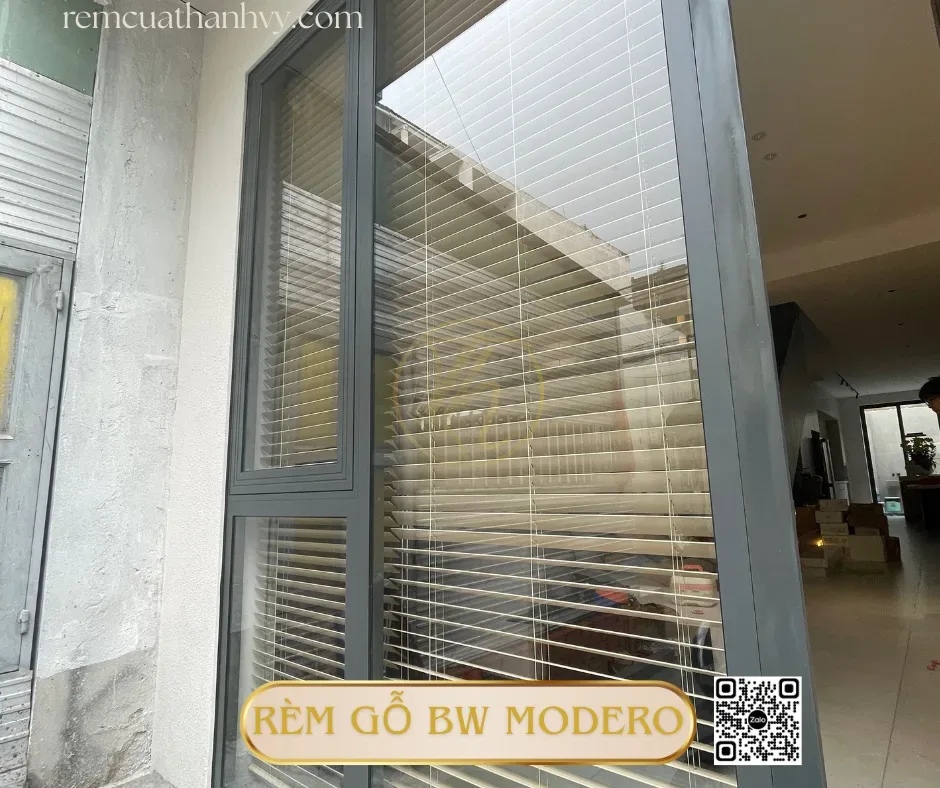
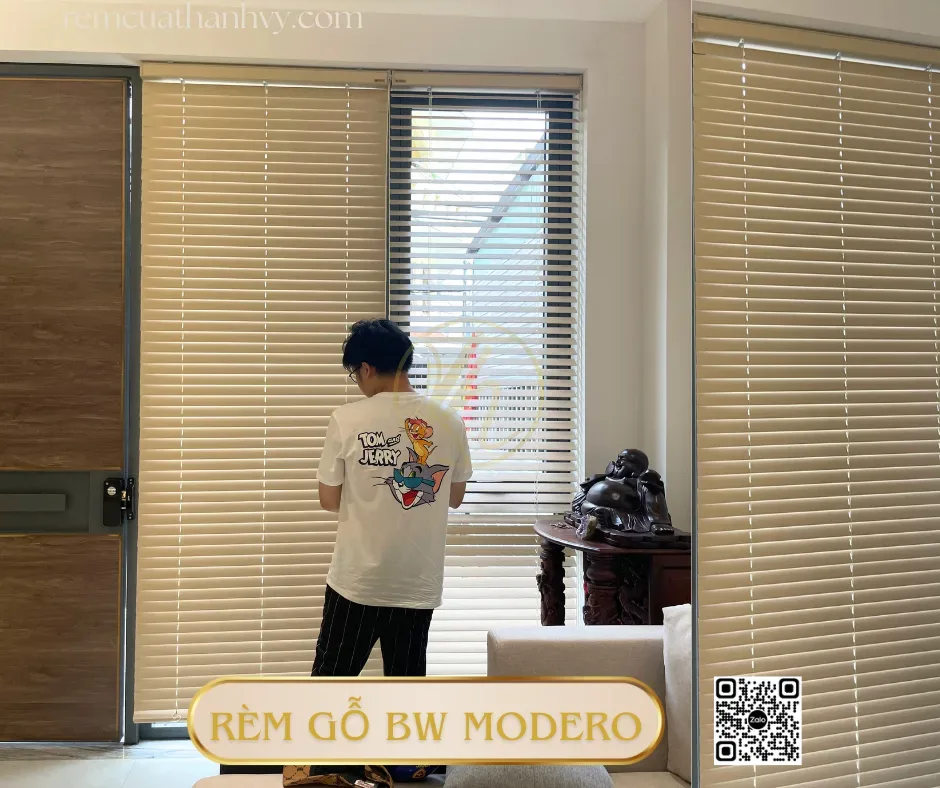
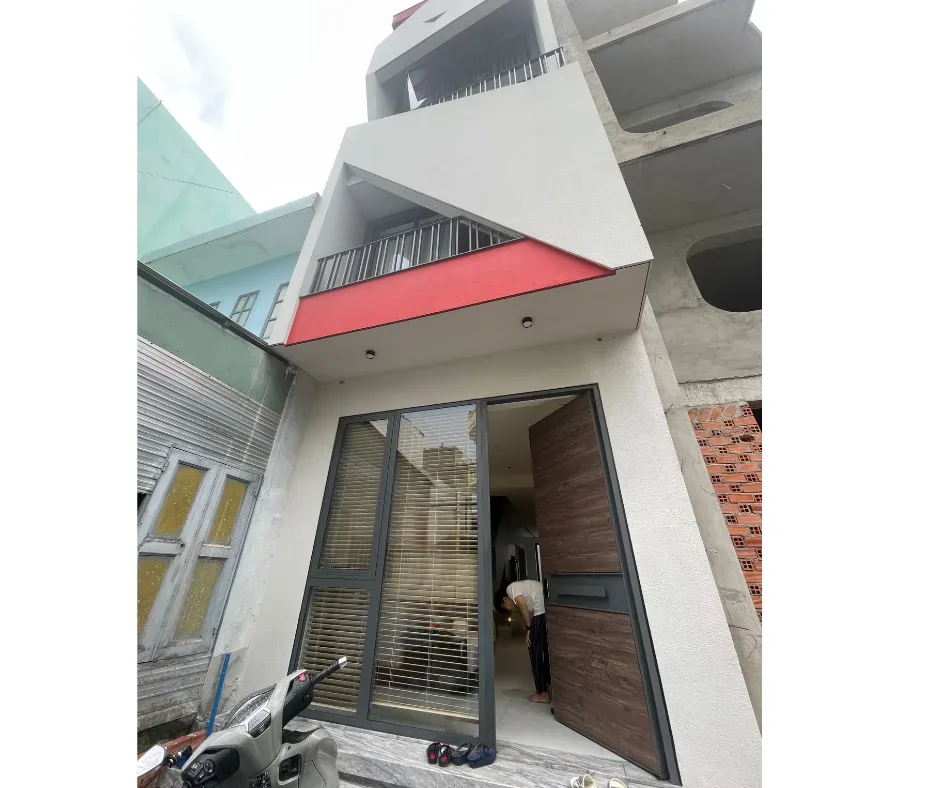
For further information, please contact Thanh Vy Curtains
We provide free consultation and on-site measuring at your home.
Related projects
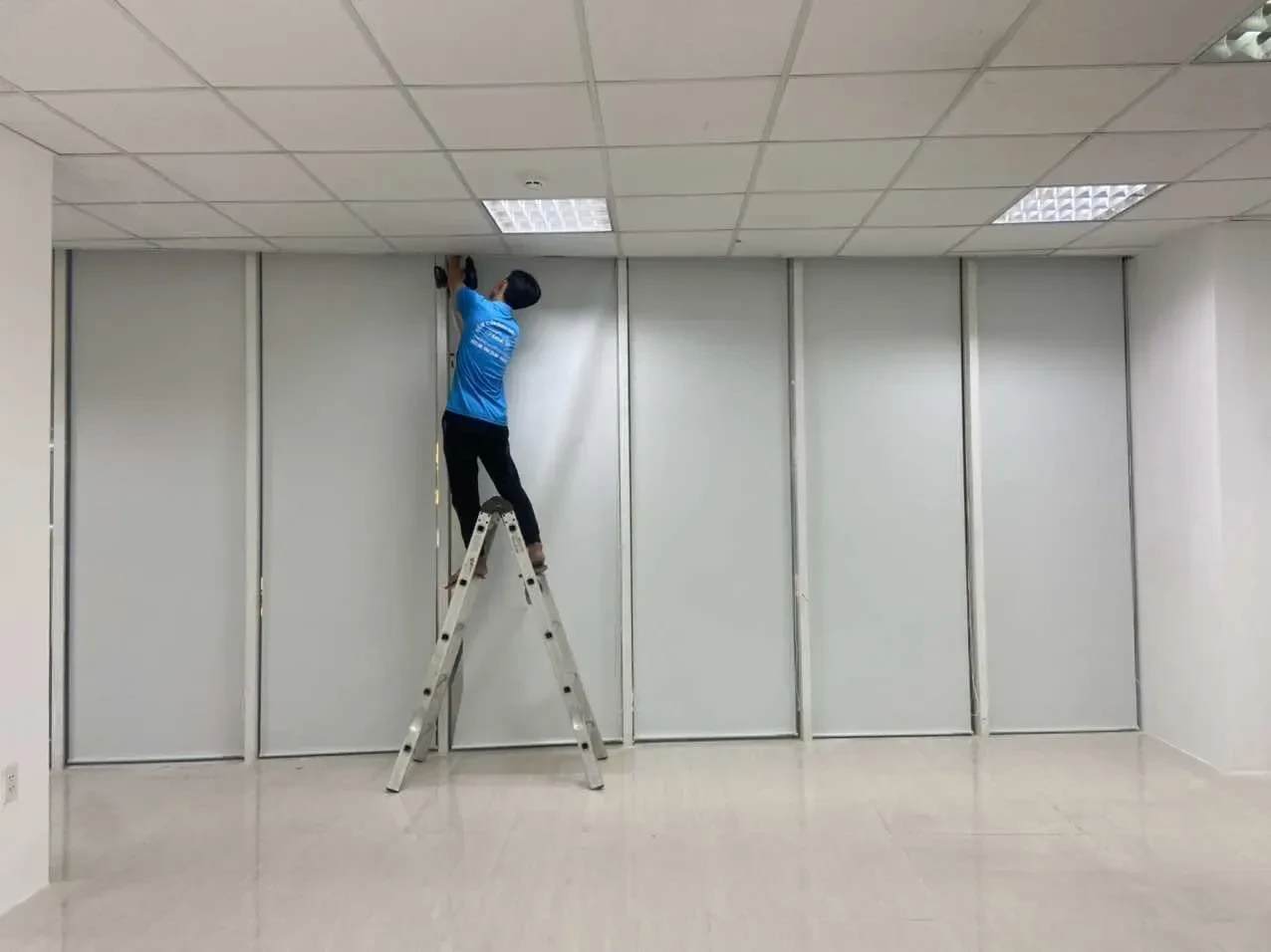
Office Roller Blinds in District 11 – Le Dai Hanh Street
This project involved installing roller blinds on an upper floor of a modern office building [...]
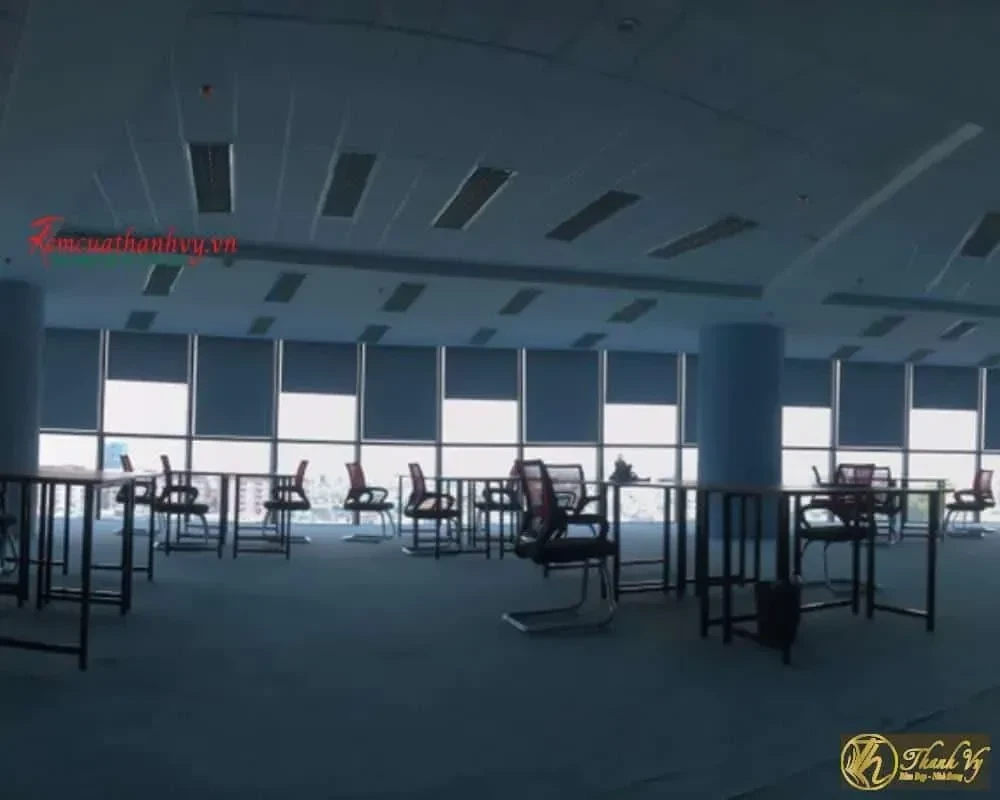
High-Rise Office Roller Blinds in District 11: Professional Day-Night & Blackout Solutions
This project is a typical example of a roller blind solution for a modern office [...]
Related areas
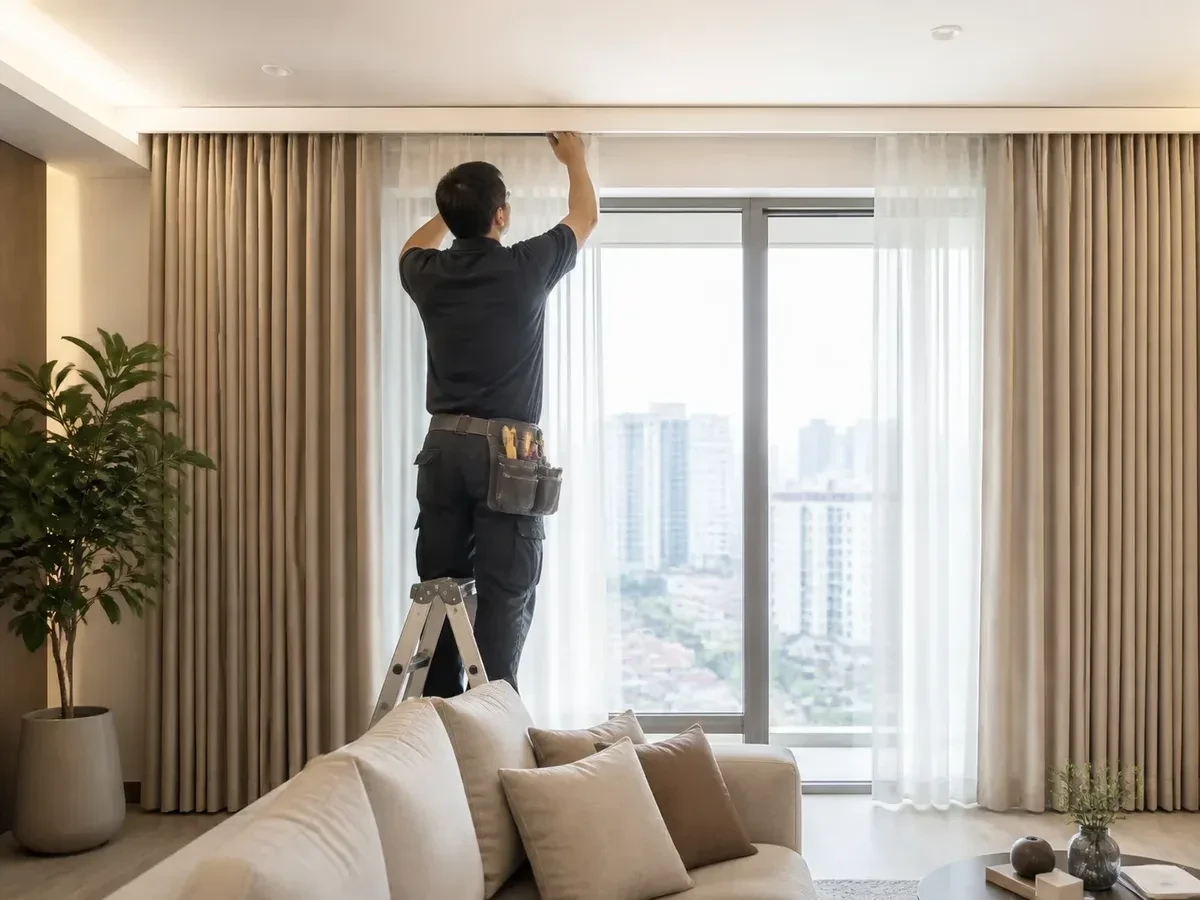
District 11 Curtains: What to Prioritize for Each Space
Choosing District 11 curtains at Thanh Vy delivers optimal sun-blocking solutions and elevates the aesthetics [...]
Curtains in District 6: What to Prioritize for Each Space
To choose the perfect curtains in District 6, contact Rèm Cửa Thanh Vy for dedicated [...]
Curtains in District 3: What to prioritize when choosing for each space
**Curtain selection advice:** Customers in District 3 should prioritize two-layer fabric curtains or neat Korean [...]
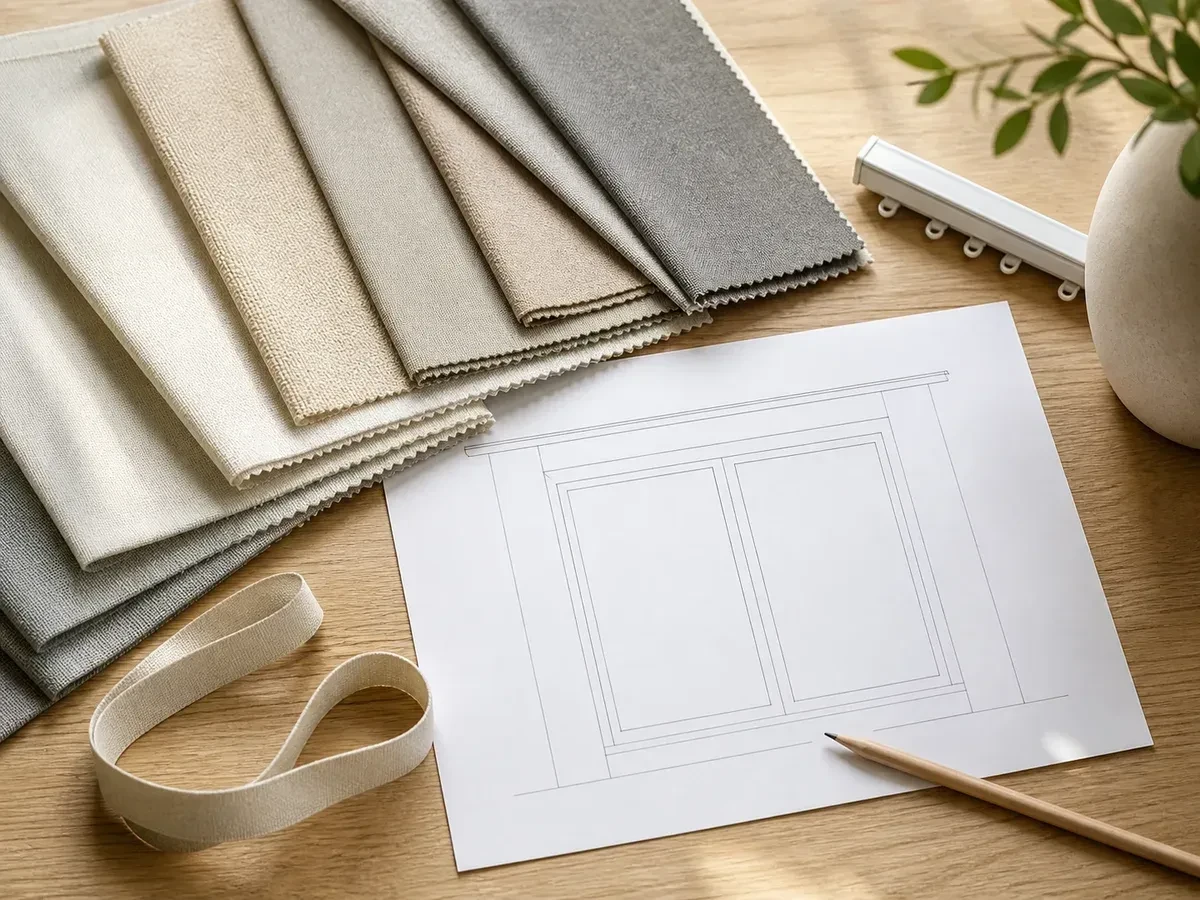
Curtains in Binh Chanh: What to prioritize when choosing for each space
To choose the perfect curtains in Binh Chanh, you should prioritize color-fast, sun-blocking fabrics combined [...]
Related reviews
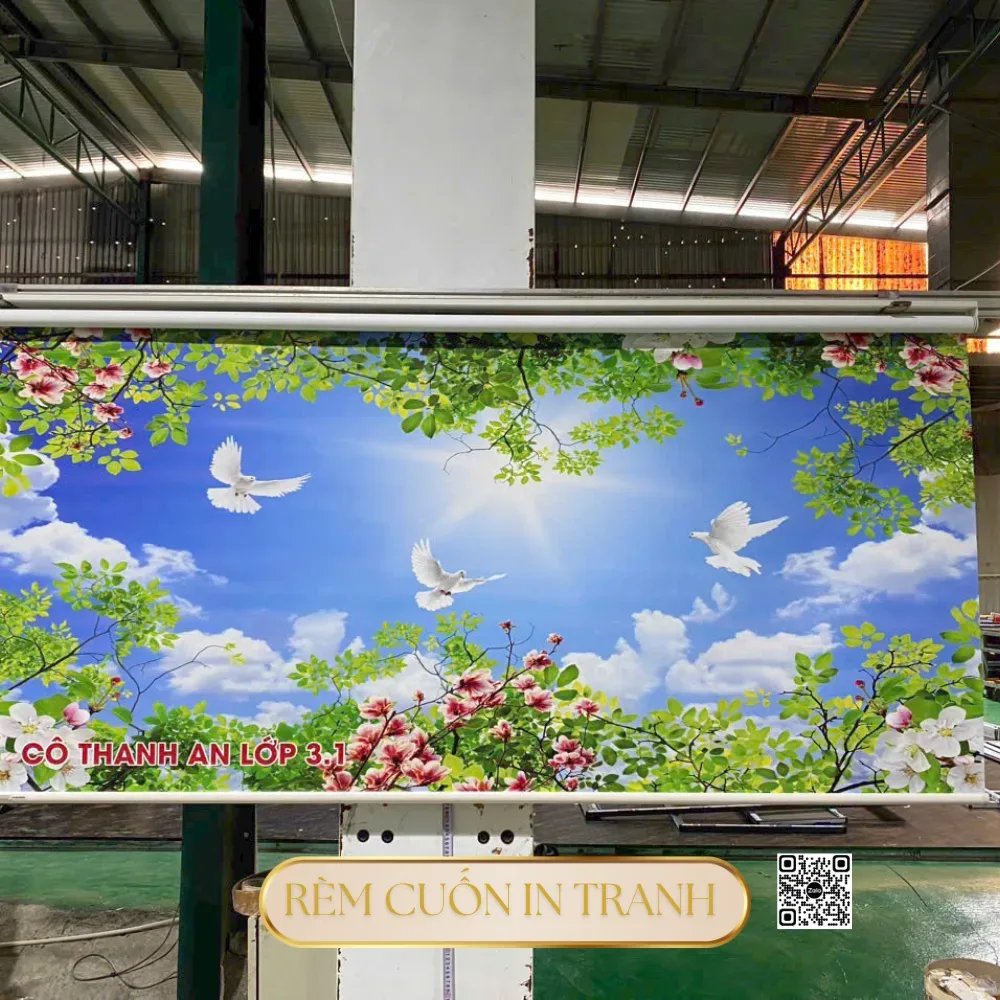
Fabric Curtains vs. Roller Blinds? A Detailed Comparison to Help You Choose
Compare fabric curtains and roller blinds based on light control, privacy, operation, aesthetics, maintenance, and [...]
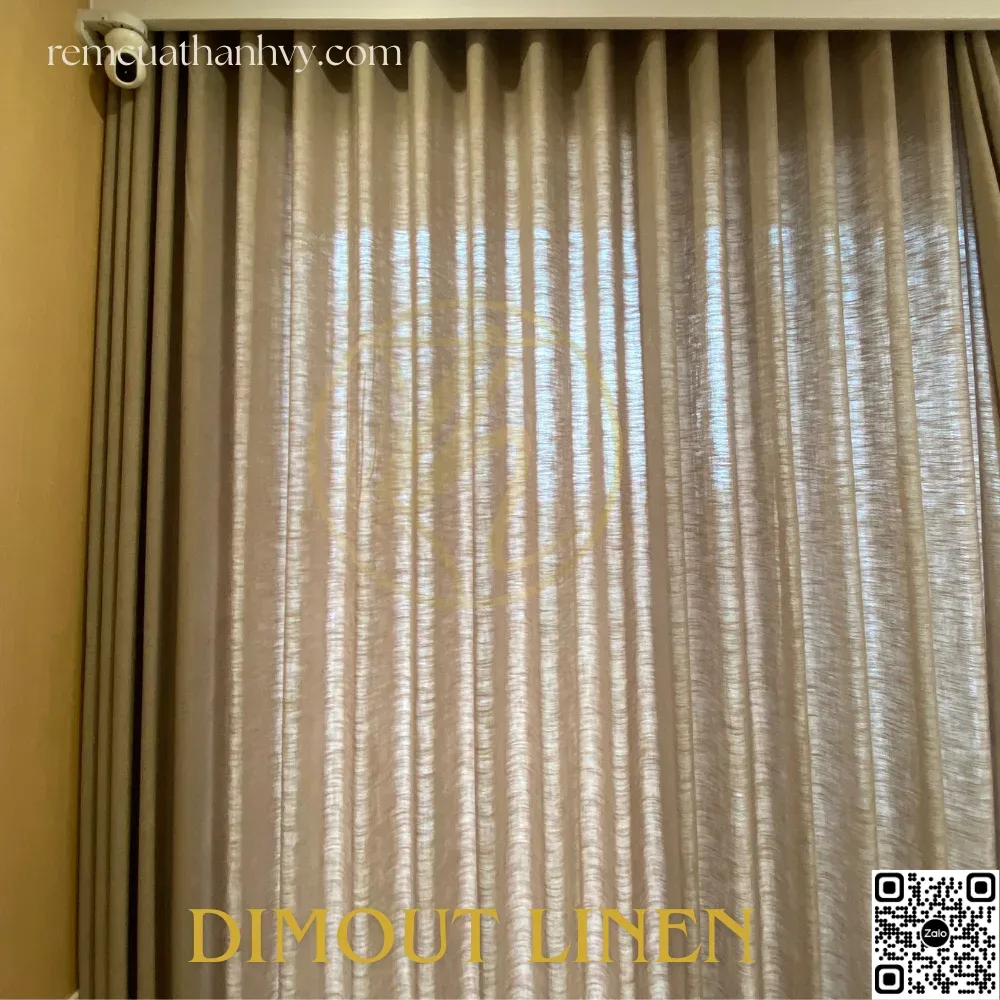
Fabric Curtains vs. Linen Curtains? A Detailed Comparison to Help You Choose
Compare fabric and linen curtains based on light control, privacy, operation, aesthetics, maintenance, and cost [...]
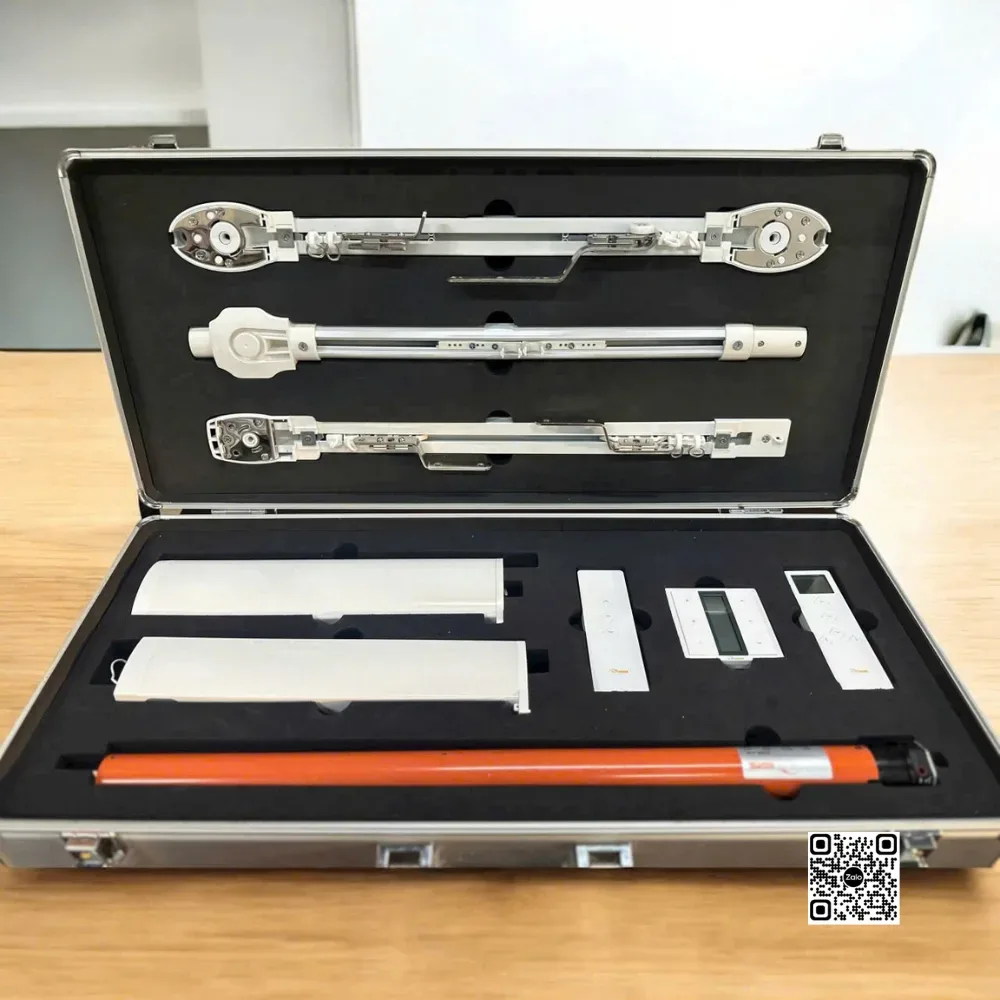
Fabric Curtains vs. Roman Shades: A Detailed Comparison
Compare fabric curtains and Roman shades based on light control, privacy, operation, aesthetics, maintenance, and [...]
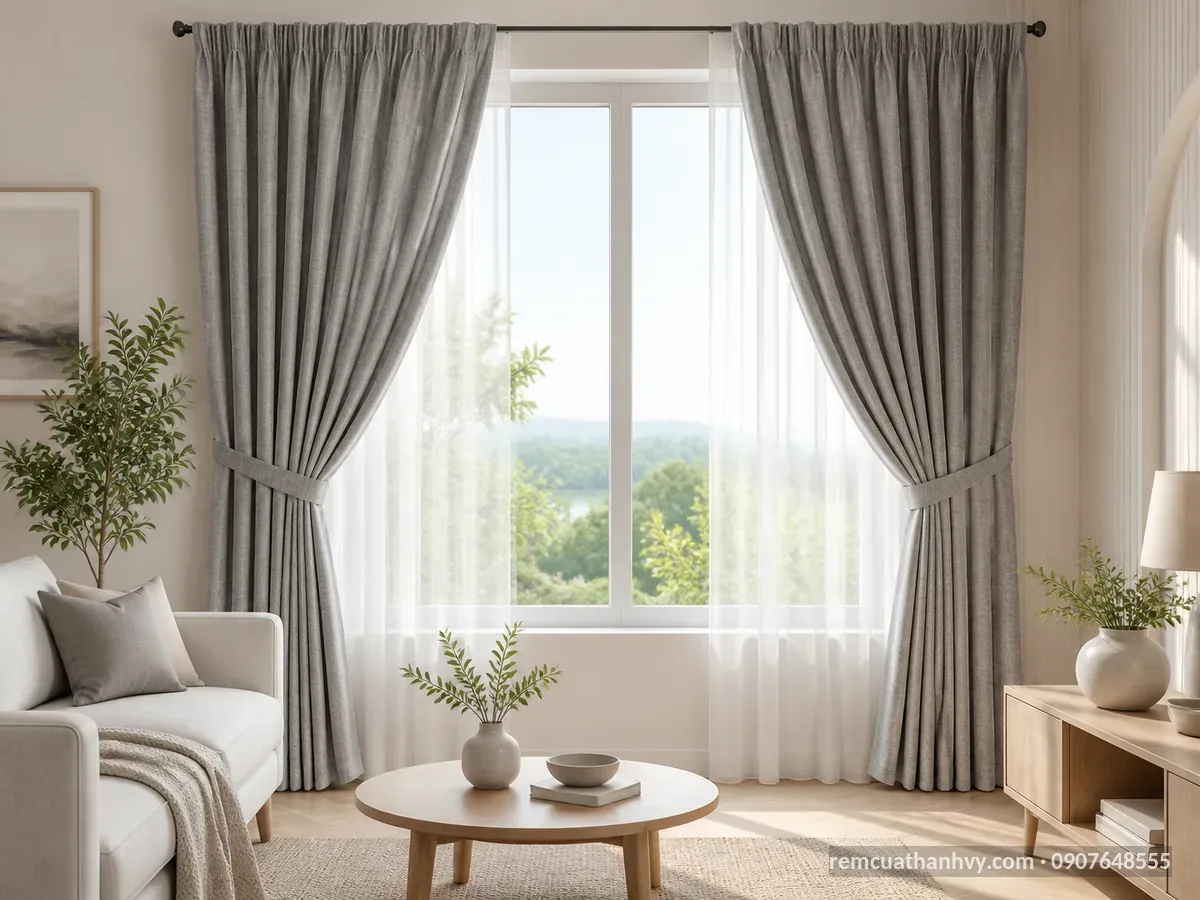
Are Fabric Curtains Good? How to Assess the Real Needs of Each Space
This article helps readers answer whether fabric curtains are good by assessing light, privacy, usage [...]
Related posts
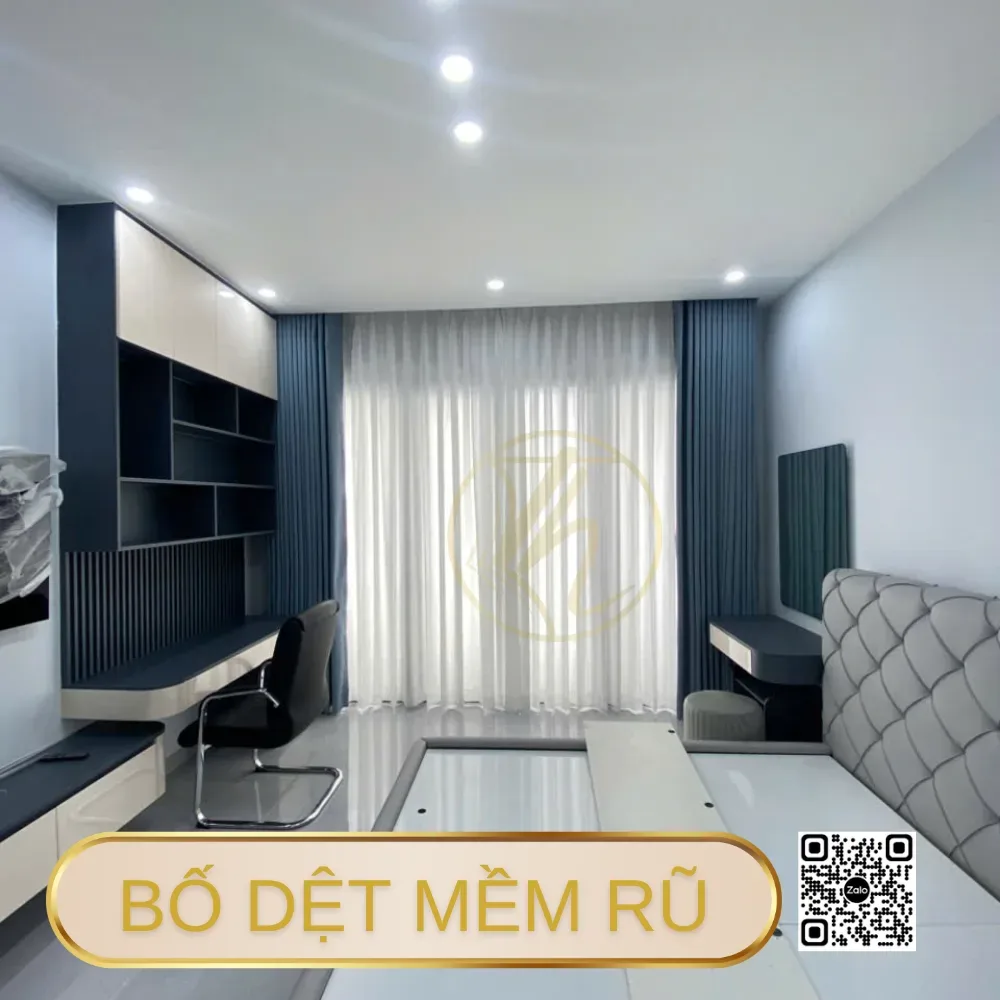
Fabric Curtains in District 3: How to Choose by Room and Need
This article helps readers choose fabric curtains in District 3 based on light blocking needs, [...]
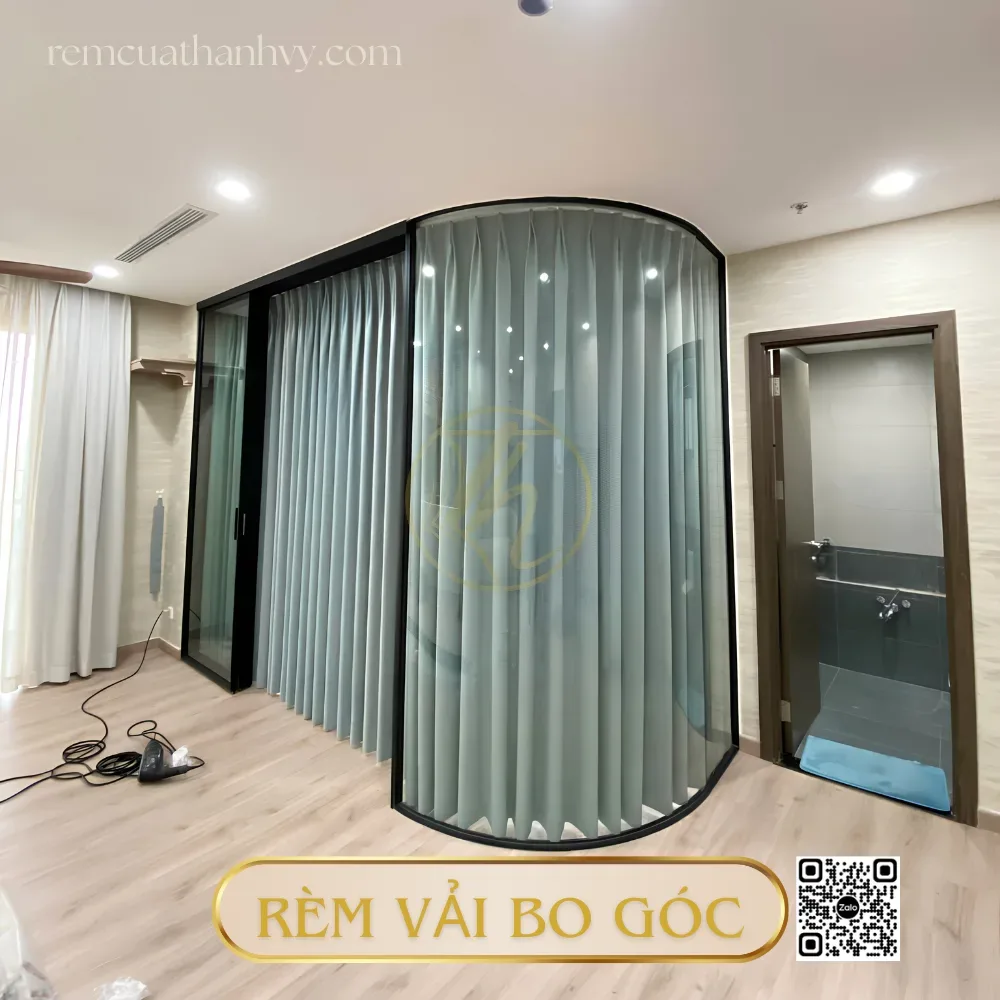
Fabric Curtains in District 6: How to Choose Fabrics and Sewing Styles
A guide to choosing fabric curtains in District 6 for every space, light level, material, [...]
No comments yet!