


Fabric Curtains in Binh Tan: Custom Made at Home, Good Prices | Thanh Vy
Why You Should Choose Binh Tan Fabric Curtains Based on Functionality Before Aesthetics
Fabric curtains in Binh Tan are often queried and purchased simply because they look stunning in photos, whereas the actual user experience ultimately depends on the specific functionality required for each room. Before selecting colors or materials, it is best to determine what the room needs most: strong light blocking at a specific time of day, privacy in the evening, or simply softening the sunlight while keeping the space bright all day long. Moving from functional needs to aesthetics helps eliminate options that look great in pictures but do not fit daily routines.
A well-suited set of fabric curtains typically balances three elements: controlling light to the exact degree needed, maintaining a proper proportion for the window, and avoiding unnecessary heaviness in the room. For townhouses or apartments in Binh Tan, where building density is quite high and sun orientations can vary even between houses a few doors apart, defining the functionality in advance helps the consultation go straight to the right configuration instead of fumbling around with subjective choices.
Determine Light Blocking and Privacy Levels by Room
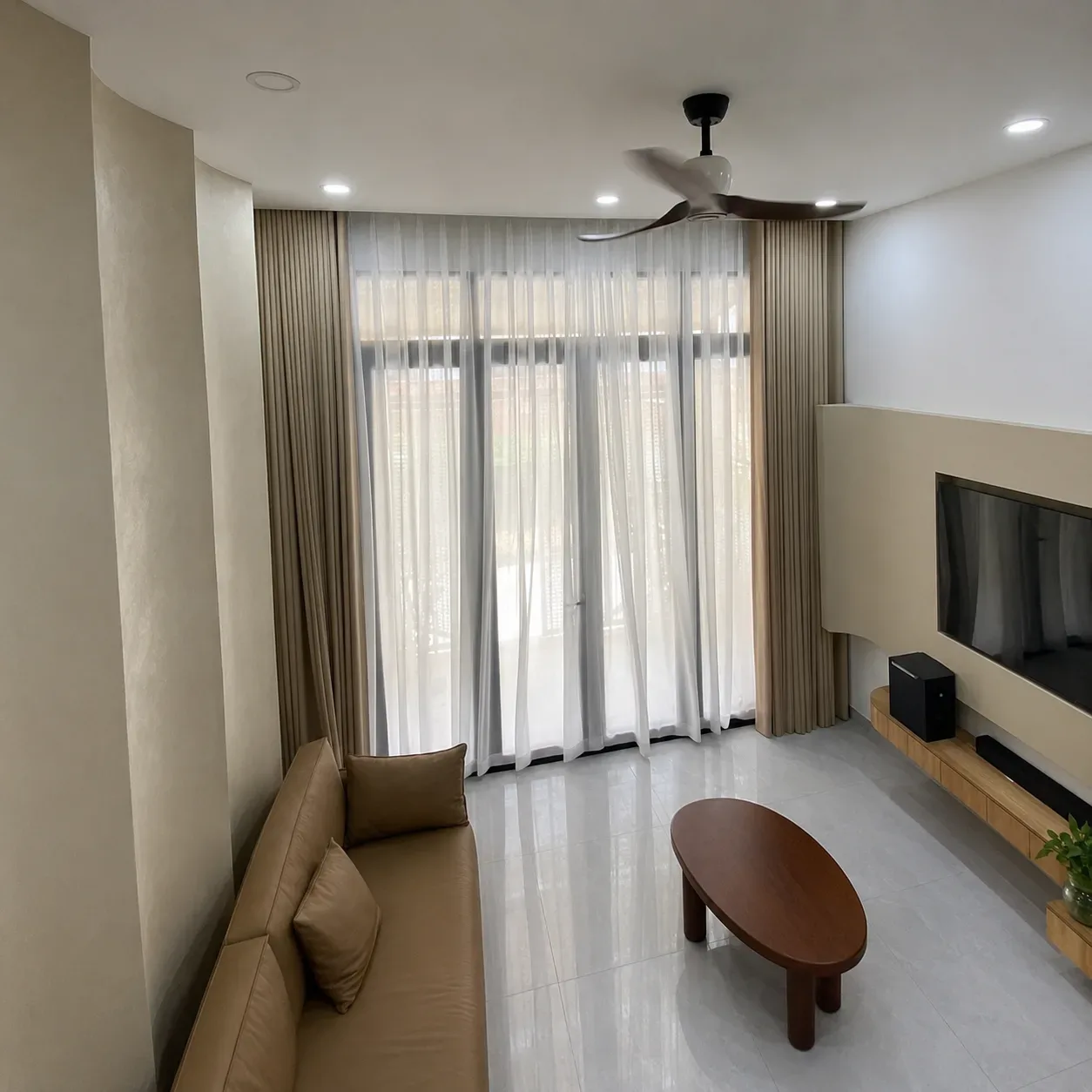
If windows receive direct afternoon sunlight, the primary priority is controlling glare and heat during peak hours rather than just darkening the room. For living rooms or common areas facing a street or apartment corridor, the need typically leans toward maintaining enough daylight while avoiding clear visibility from the outside. For bedrooms, the more important consideration revolves around resting hours and the acceptable level of light entering the room.
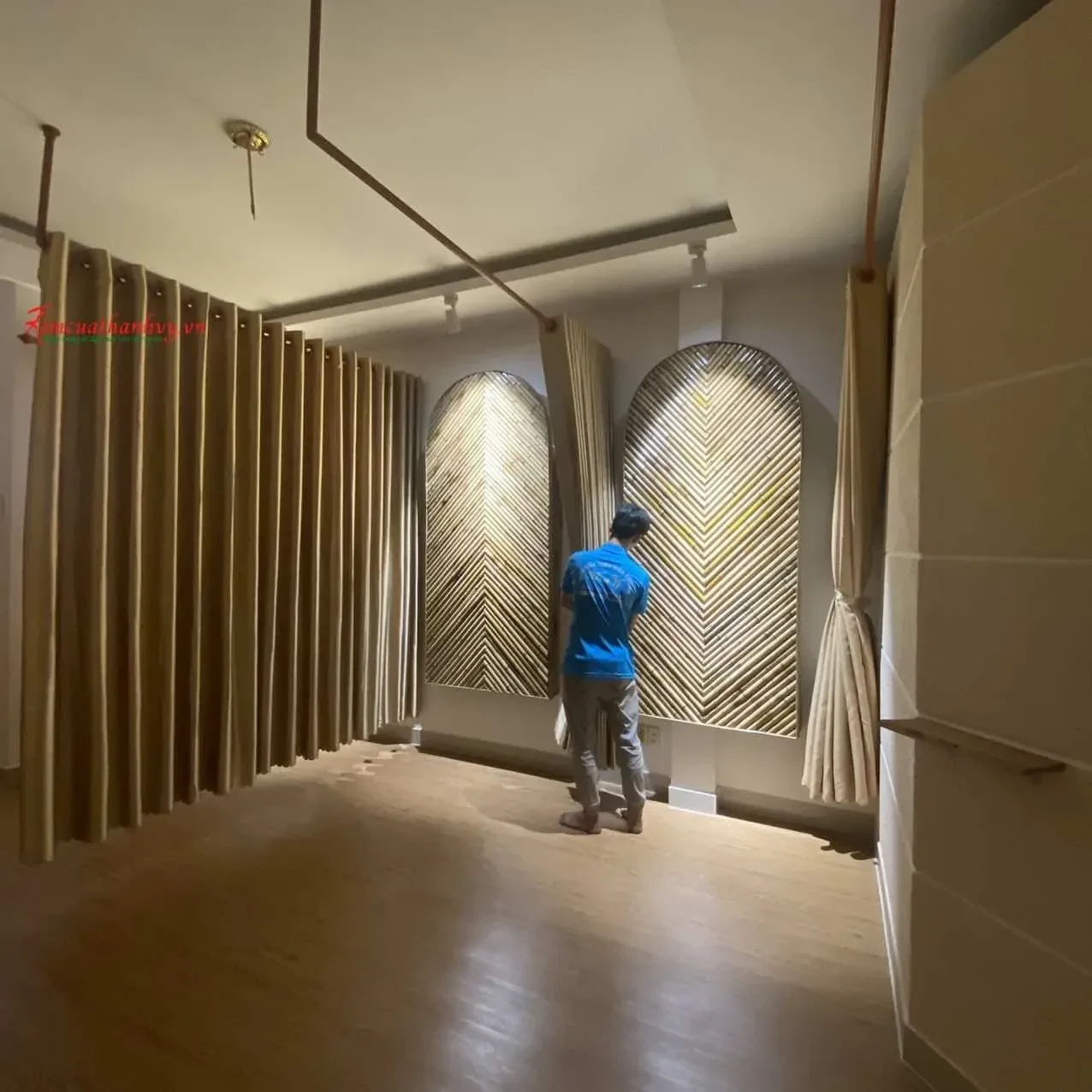
Before finalizing your plan, you may also want to check out District 6 Fabric Curtains: How to Choose Fabrics and Sewing Styles or District 3 Fabric Curtains: How to Choose by Room and Need.
Quick Tip: When looking for an on-site custom fabric curtain provider in Binh Tan, what you should observe is not merely the number of displayed samples or the speed of message replies.
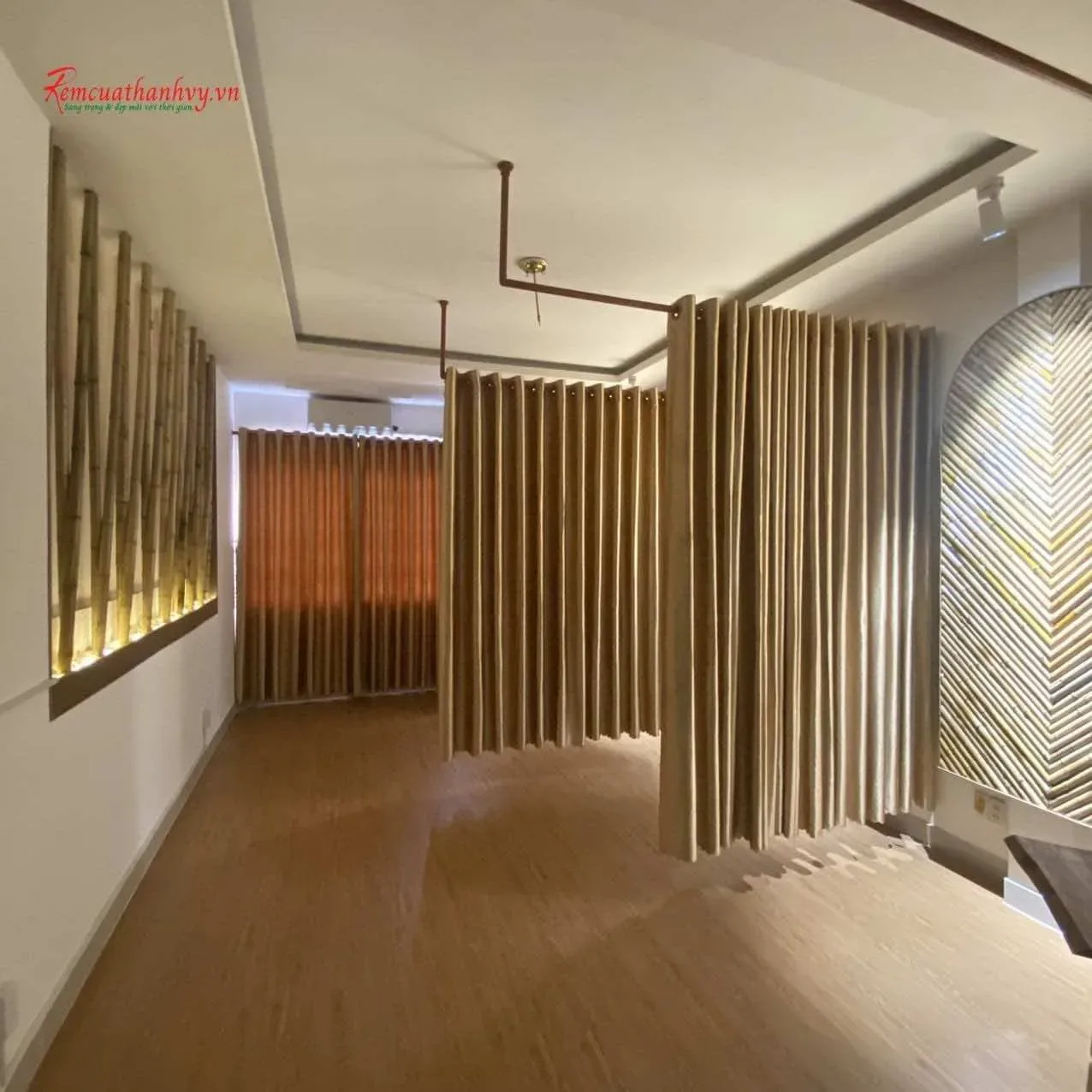
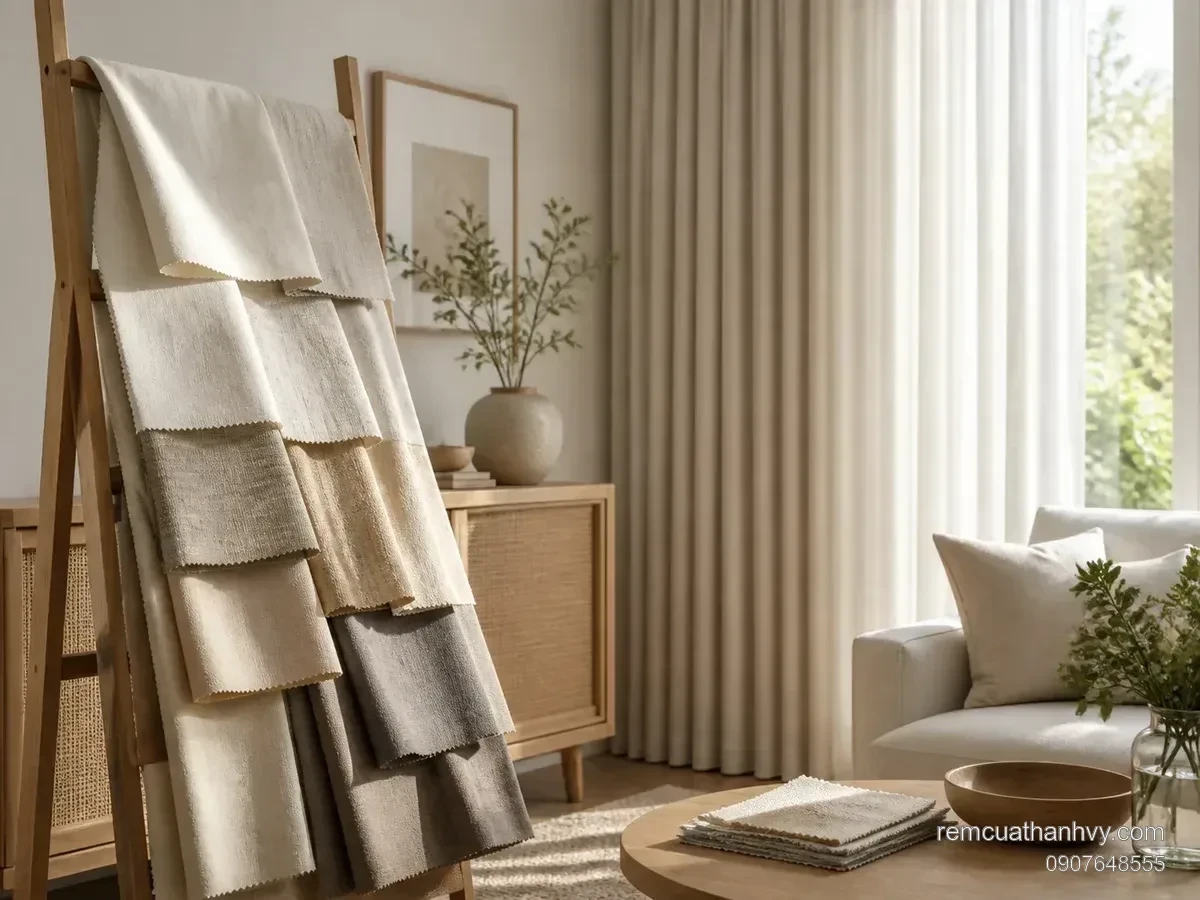
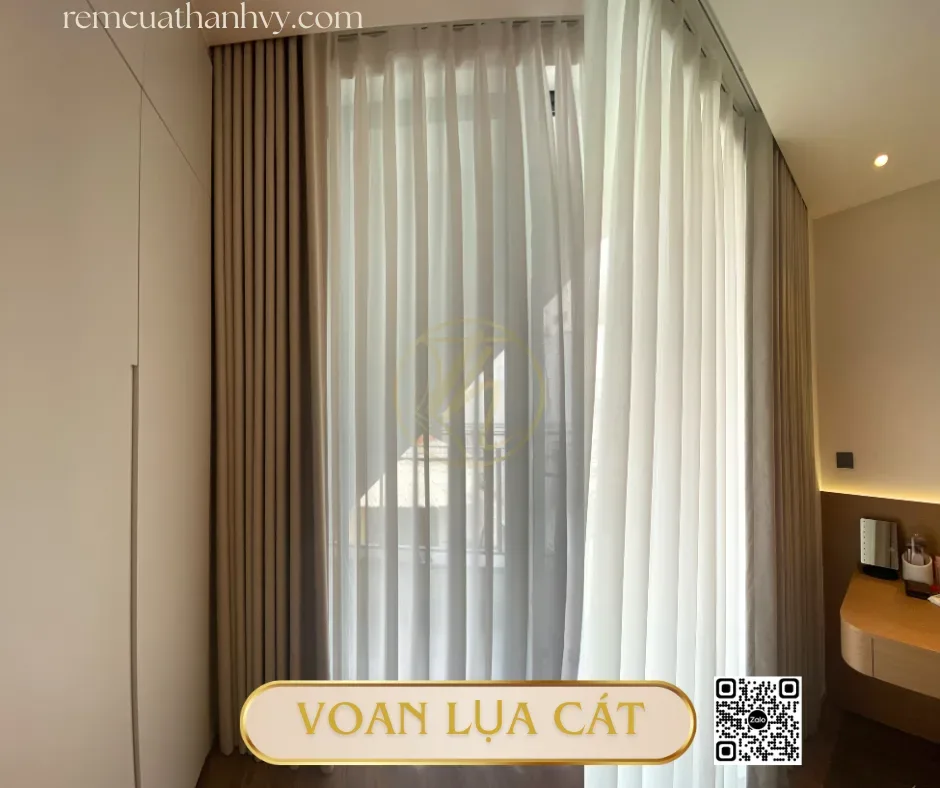
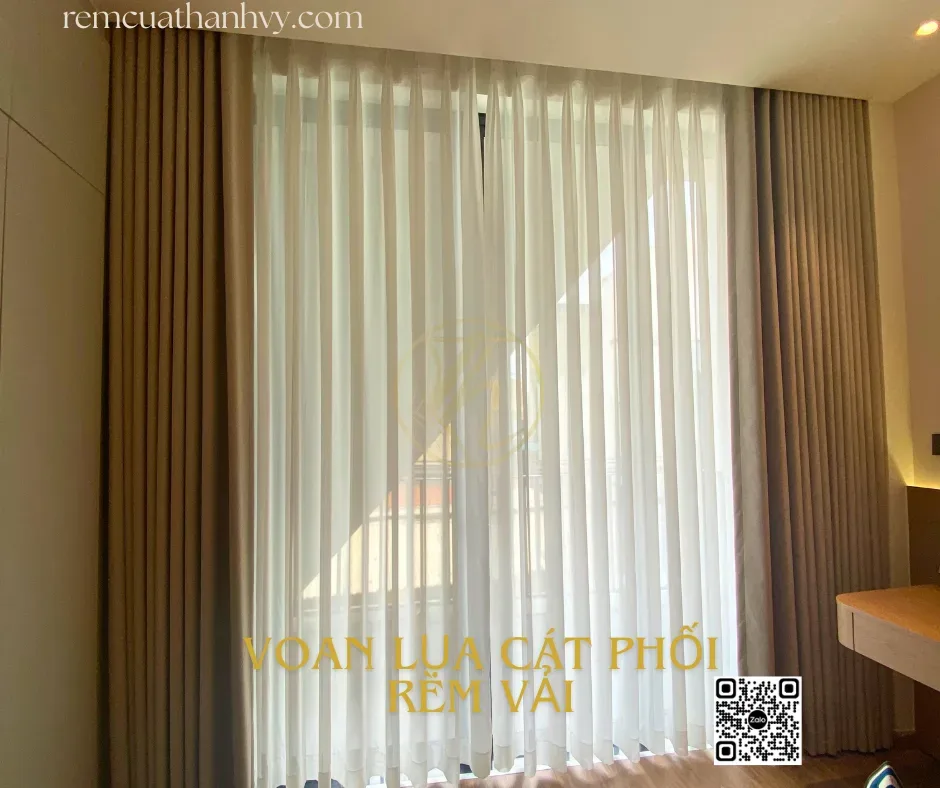
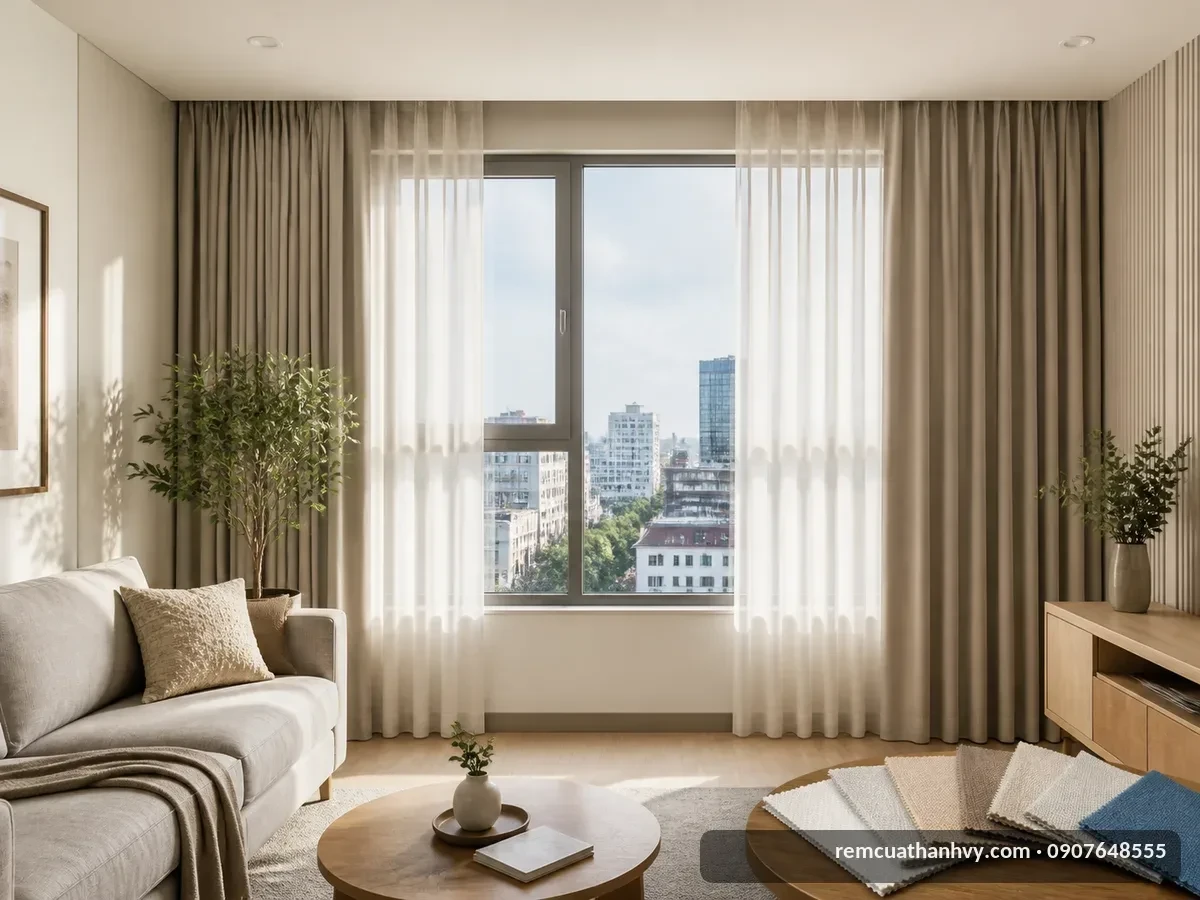
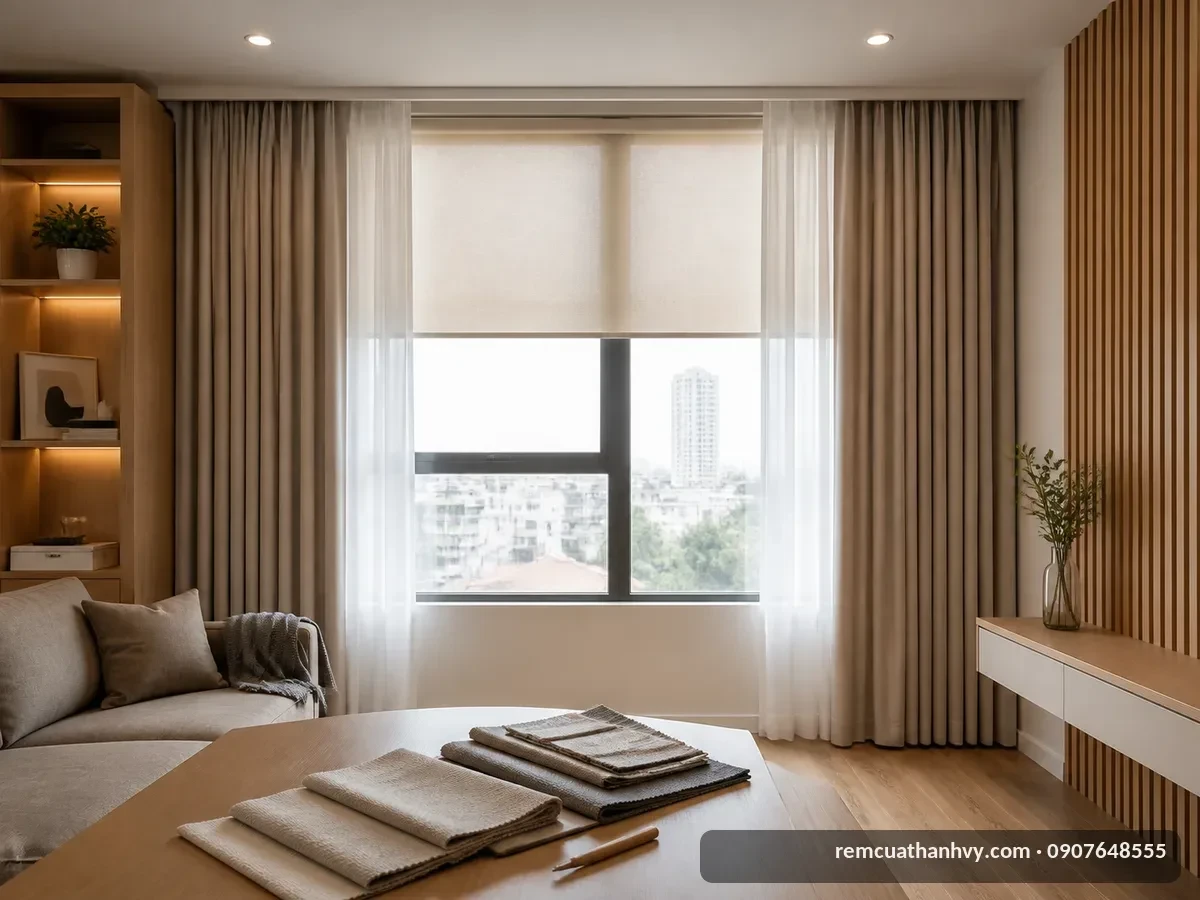
Even among fabric curtains, material thickness, weave structure, and the addition of an inner voile or lining layer create vastly different experiences. Instead of asking vaguely “which fabric type is best,” you should frame questions around specific goals: simply softening the light, increasing evening privacy, or needing a flexible configuration for both. For Binh Tan residences near major roads or densely packed high-rises, the line of sight from neighboring units can change by the time of day, so consider combining the main fabric layer with a lighter layer to flexibly adjust coverage. Background information on polyester fibers in the textile industry can help as a reference when choosing materials.
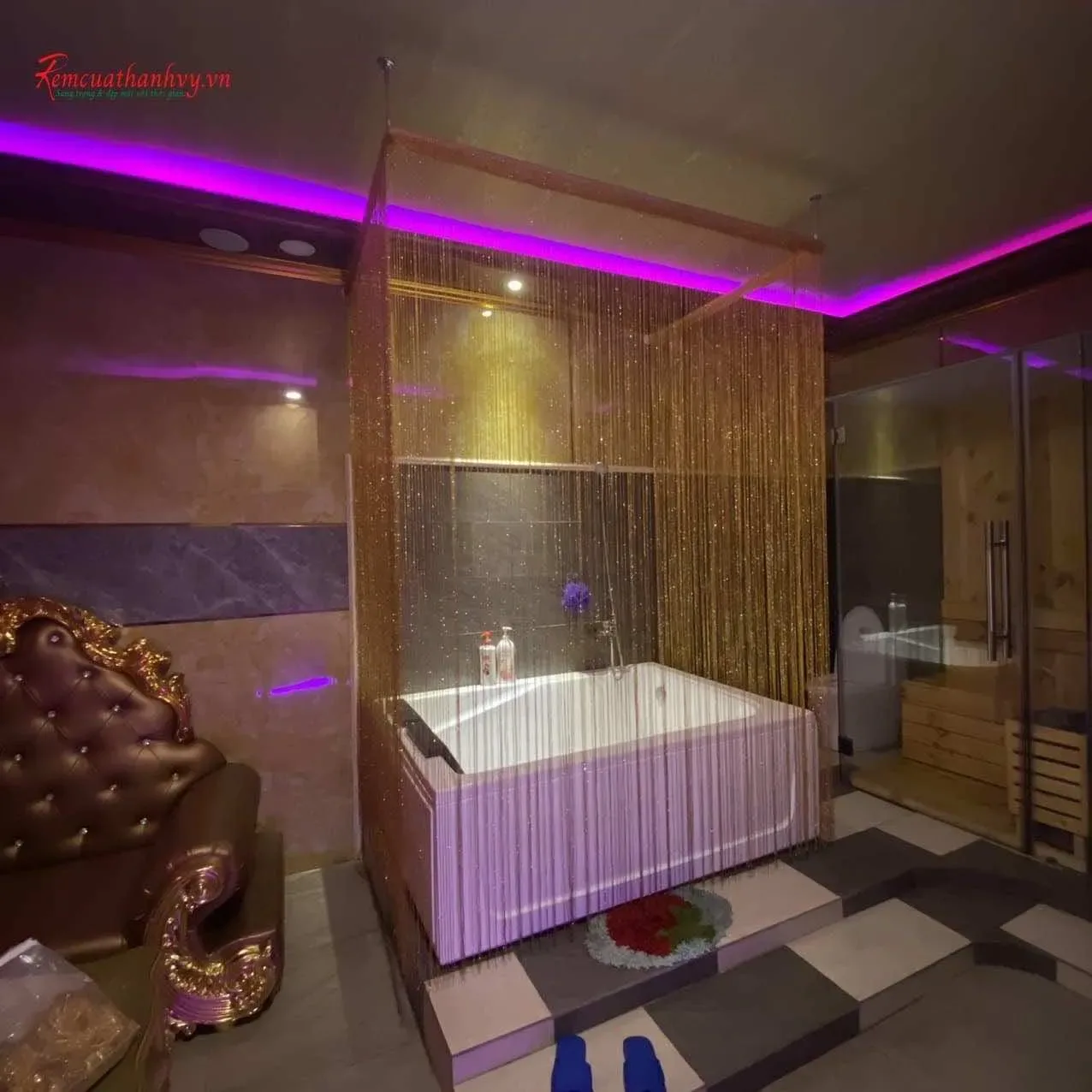
Choose Curtain Materials Suited to Real Housing Conditions in Binh Tan
A suitable material is one compatible with the actual living conditions of the house, not the one rated highest in theory. Areas near major roads, construction sites, or high-traffic zones typically accumulate more dust, so prioritize fabrics that are easy to clean, dust-resistant, and maintain their shape after multiple washes. Homes with young children or pets should also take fabric durability under frequent contact into account.
For apartments or townhouses with small to medium-sized windows, common in many Binh Tan residential areas, choose materials with a moderate drape so they do not make the window look cramped. Conversely, large glass doors or wide balconies can utilize thicker materials to create an accent while keeping an airy feel. For homes near canals or areas with higher-than-average humidity, materials prone to sagging or losing shape will cause the curtains to deteriorate quickly, so when comparing samples, explicitly ask about shape retention and color durability over time.
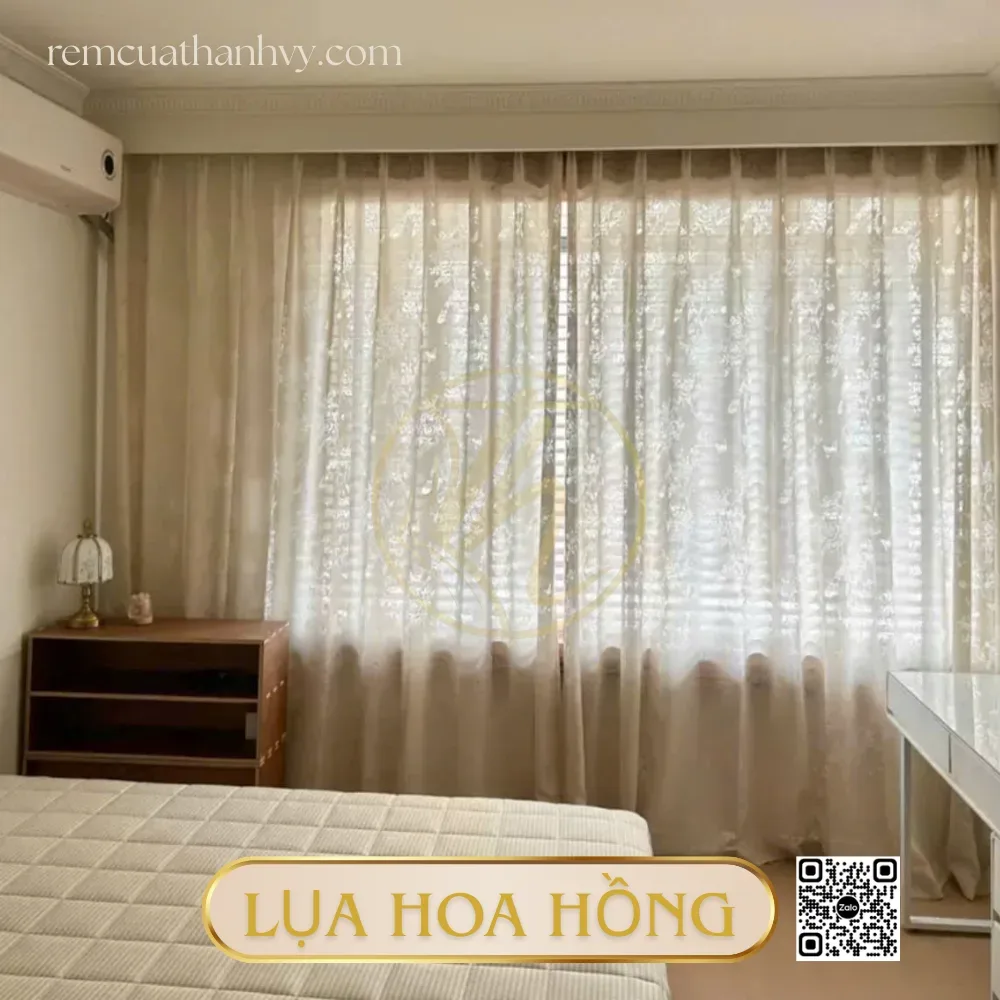
Choose Curtain Colors Based on the Space and Actual Light of the House
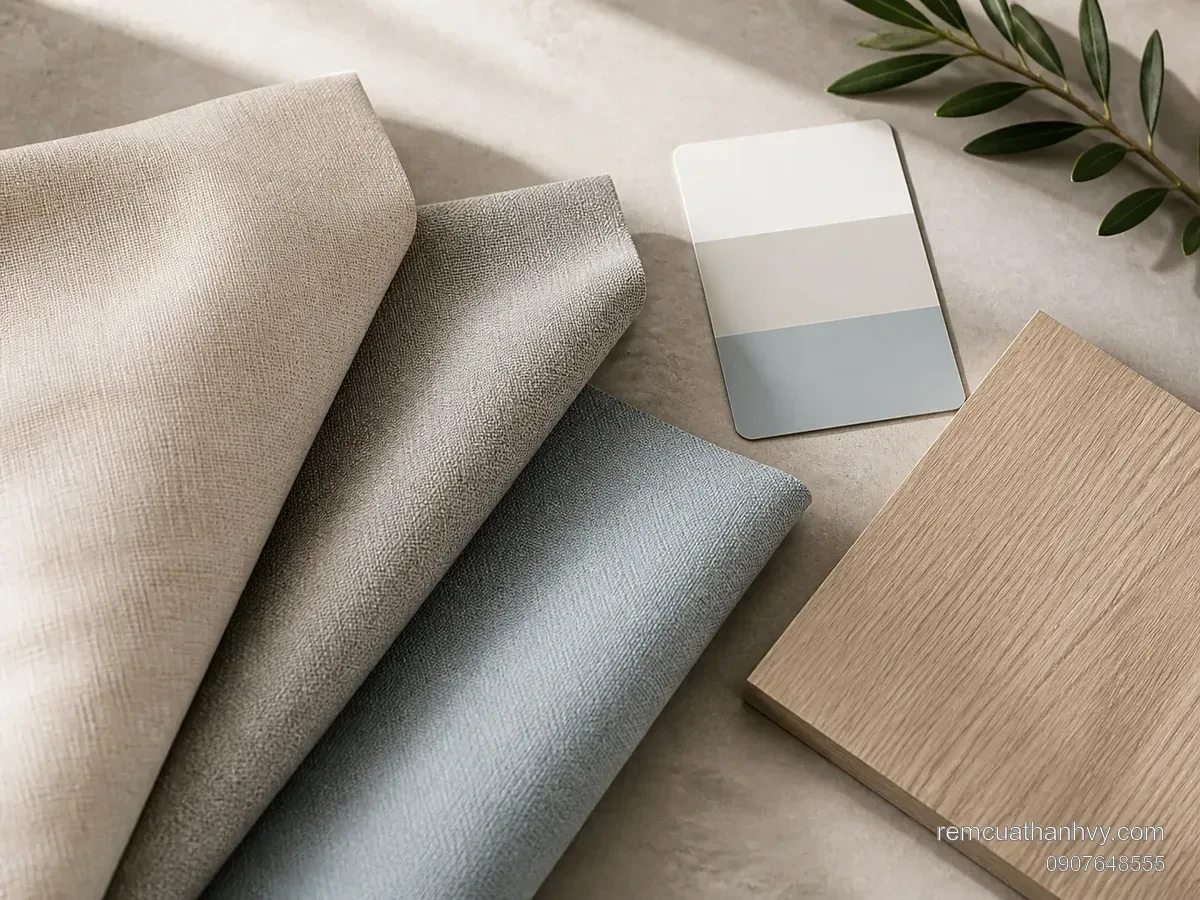
Curtain colors should be finalized based on existing wall finishes, flooring, and furniture rather than following a trend popular on social media. Neutral tones are generally easier to match and less prone to going out of style, but that does not mean light colors must always be chosen. If a room already has plenty of natural light, a moderately deep shade can still work as long as the overall balance is maintained.

In Binh Tan homes, where many properties feature narrow frontages and great depths, lighting often varies unevenly between the window area and the interior. Viewing samples under showroom lighting can sometimes look completely different when hung in reality, so it is advisable to request small fabric samples to check directly at the intended installation spot during both day and night. For homes with open-plan layouts connecting the living room, kitchen, and dining area, choose color tones that create a connection between spaces for a seamless visual flow when moving from room to room.

How Sewing Styles and Hanging Methods Affect the Finished Look and Feel
The sewing style directly influences the drape, fabric volume, and whether the curtains look neat or soft. Wide windows, high ceilings, and sufficient stacking space when open generally suit sewing styles that create distinct folds to accentuate height. Small windows or those close to furniture and shelving units usually require more compact configurations to avoid a cramped feeling.
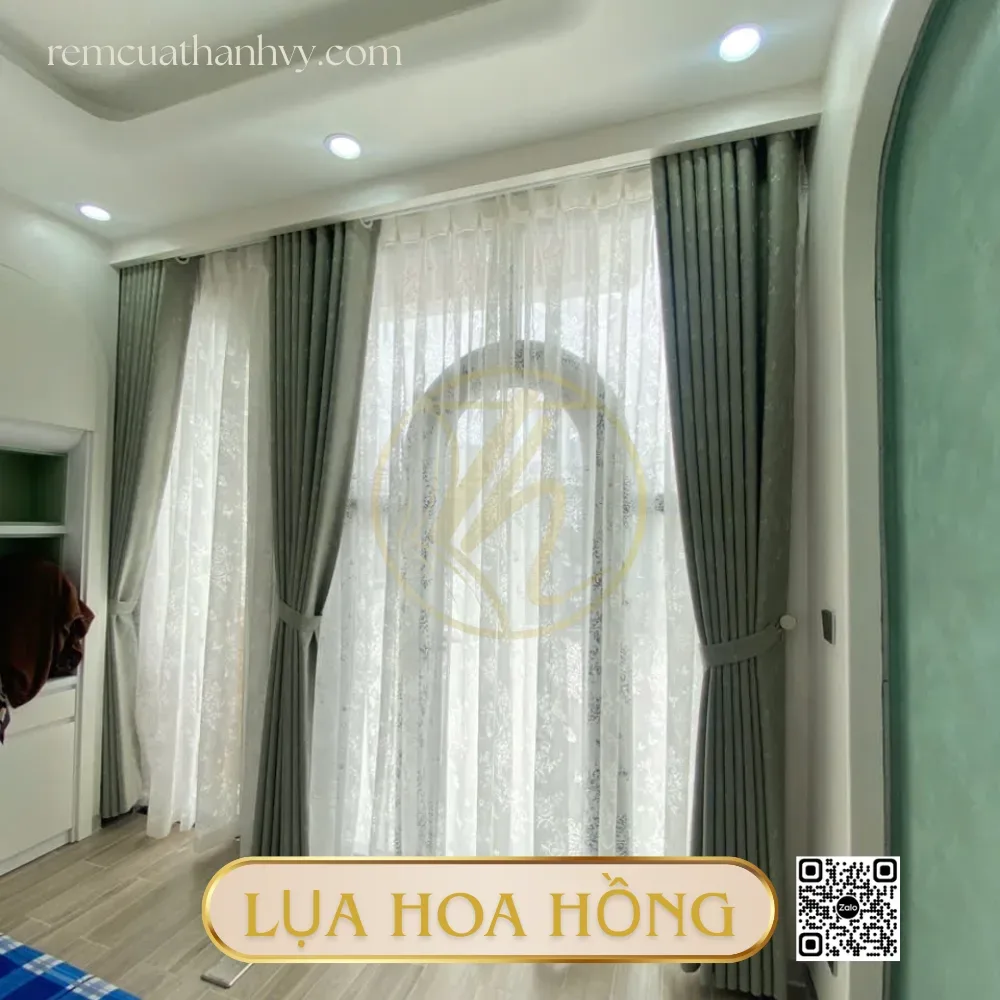
The hanging method is just as important as the sewing style. Curtain tracks ensure smooth operation with minimal exposed hardware, while curtain rods can act as decorative elements if they match the home’s style. Be sure to ask about the differences between the two options regarding window coverage ratios, fabric volume, stacking methods, and cleaning convenience, rather than merely comparing cost differences. For Binh Tan homes with low ceilings or cross-beams near windows, prioritize compact configurations, minimize multi-layered fabrics, and hang them close to the ceiling to make the space feel taller.
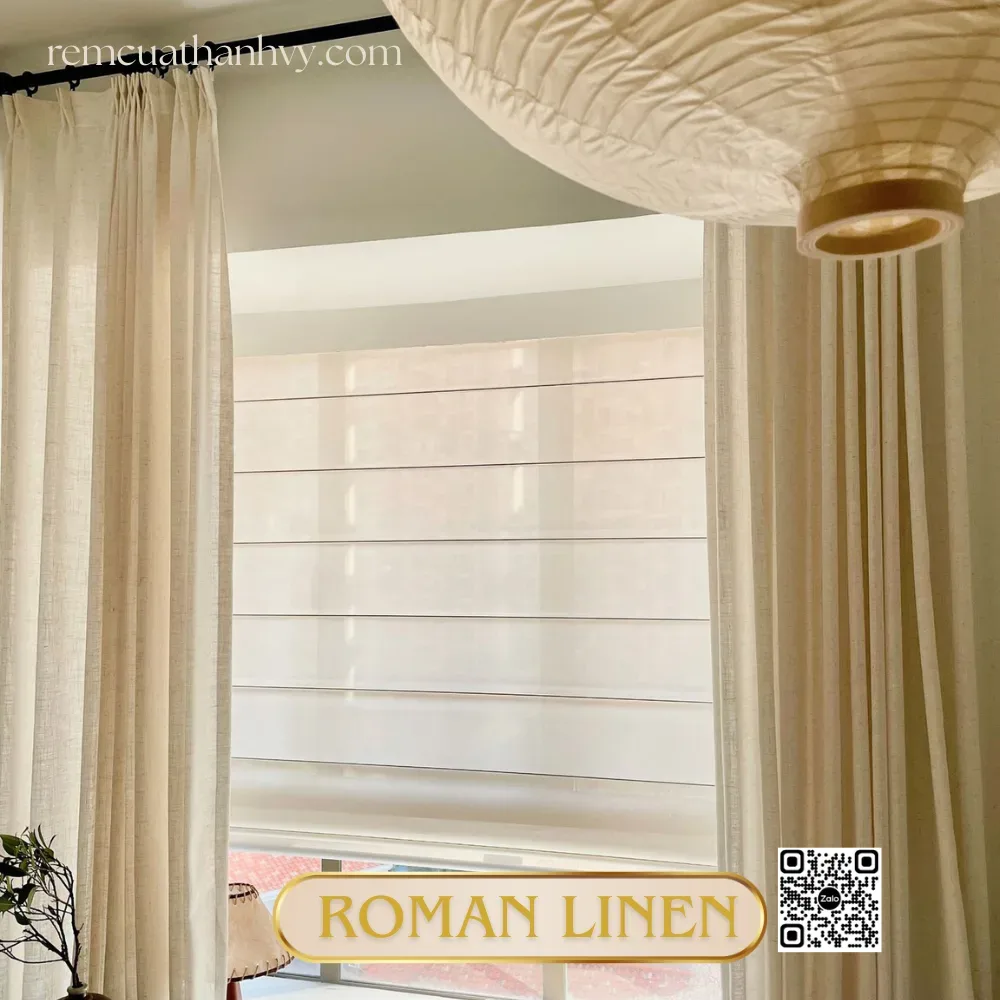
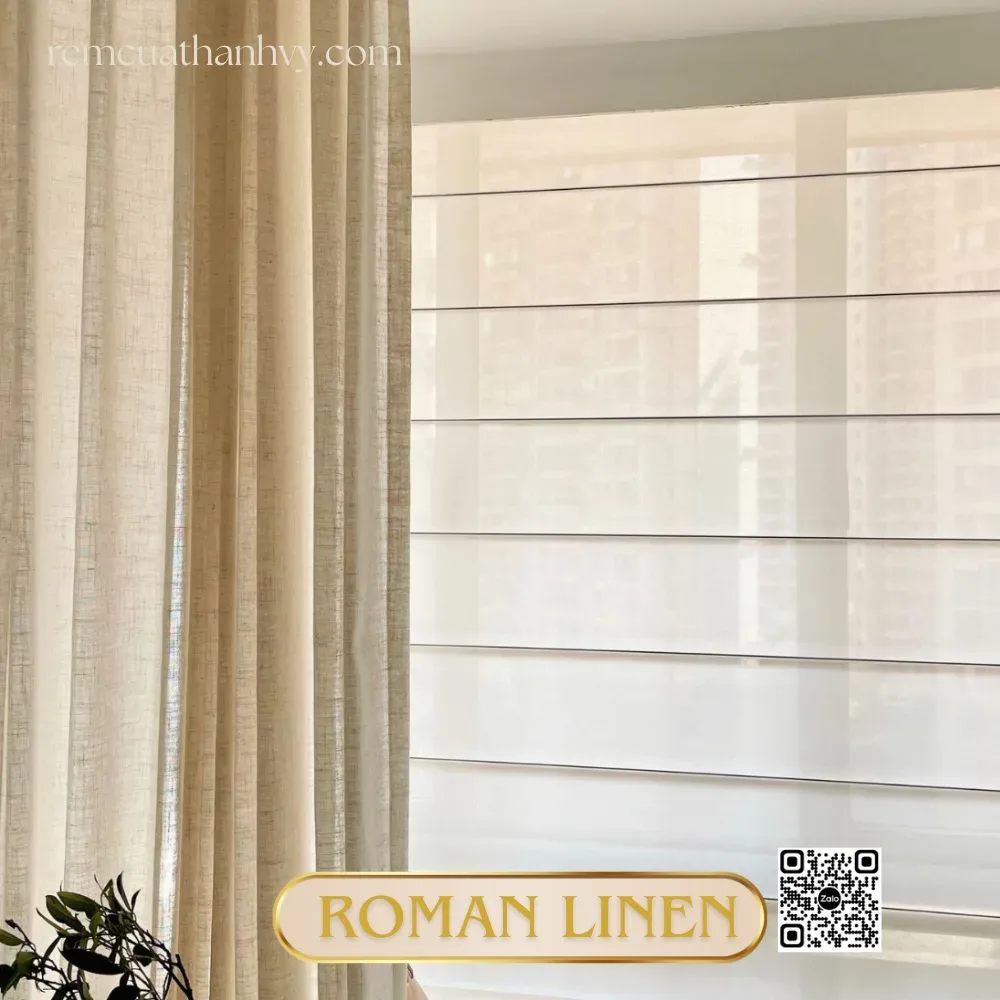
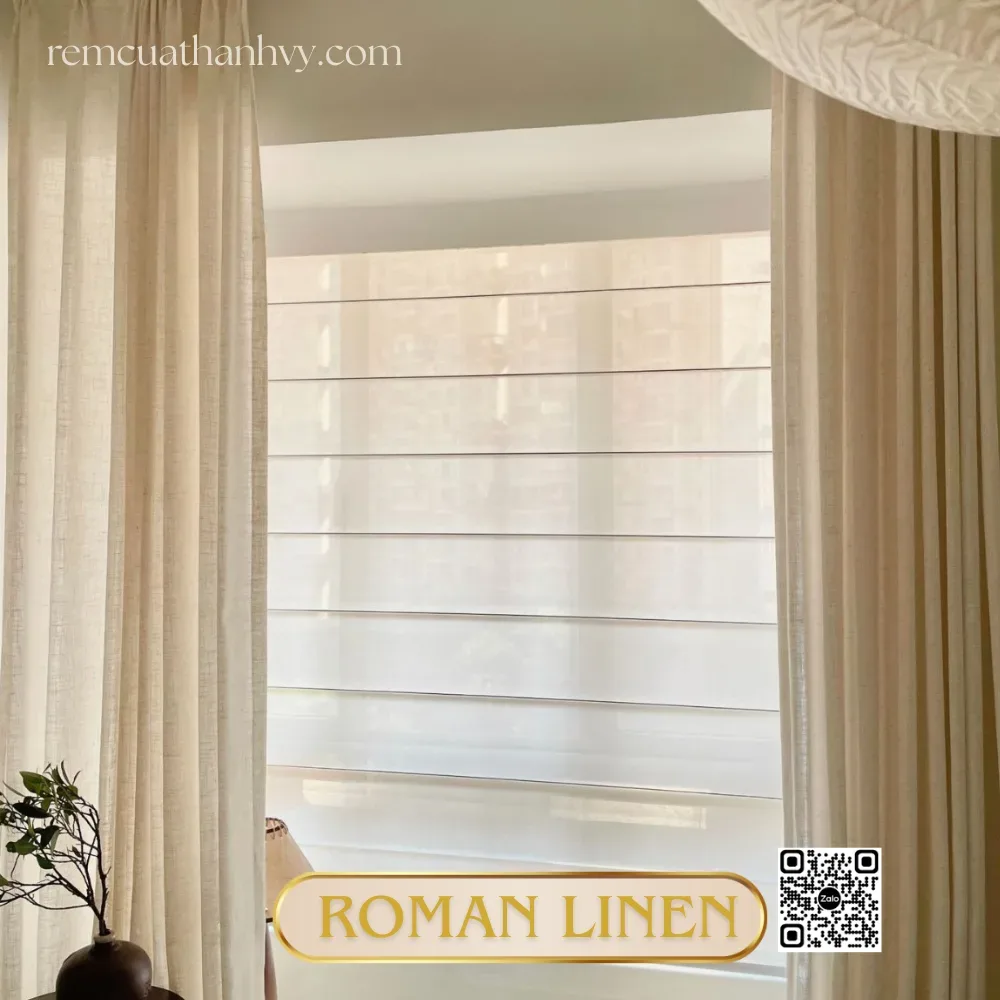
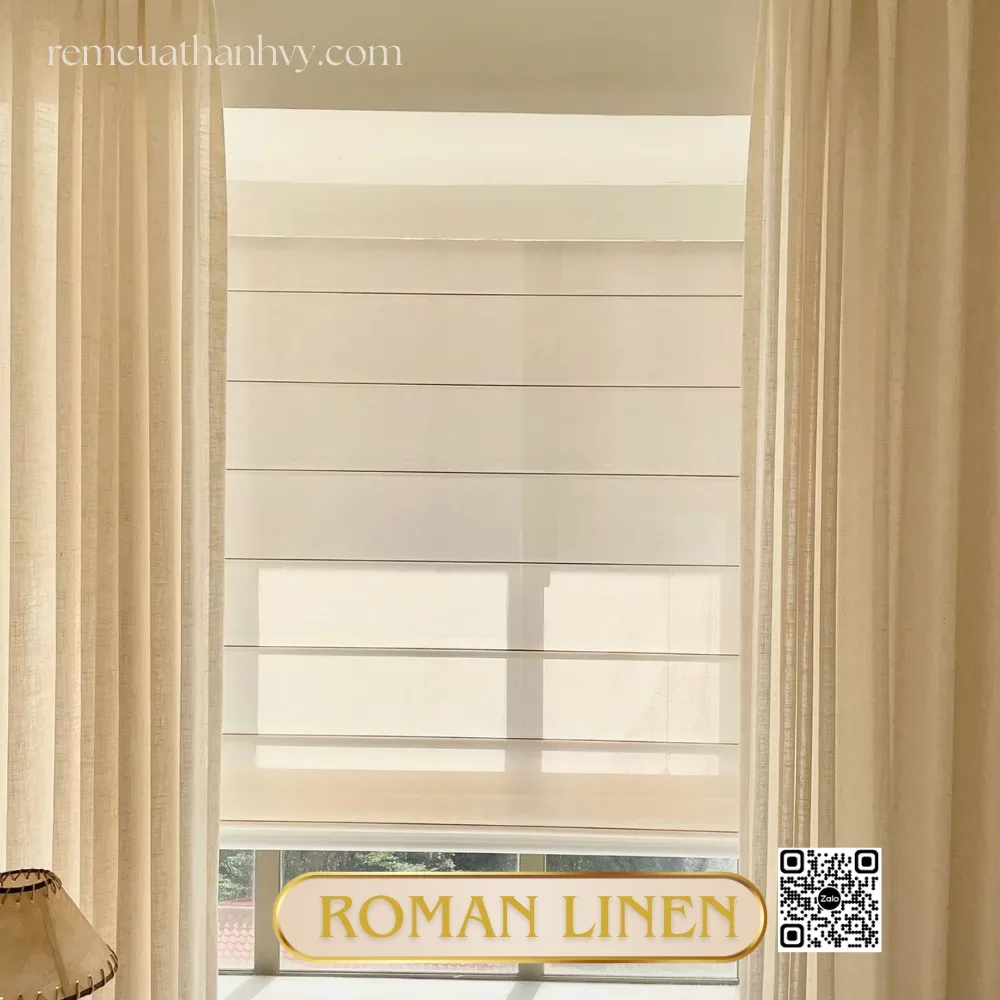
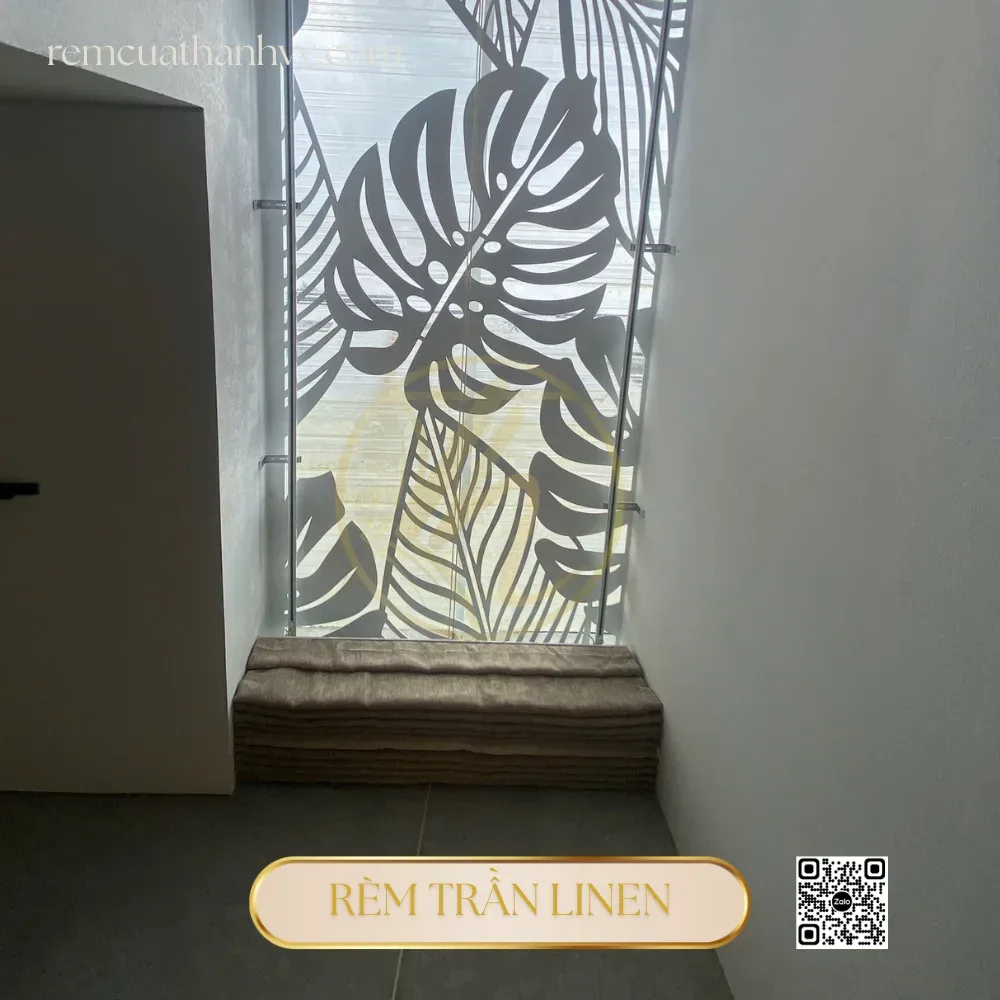
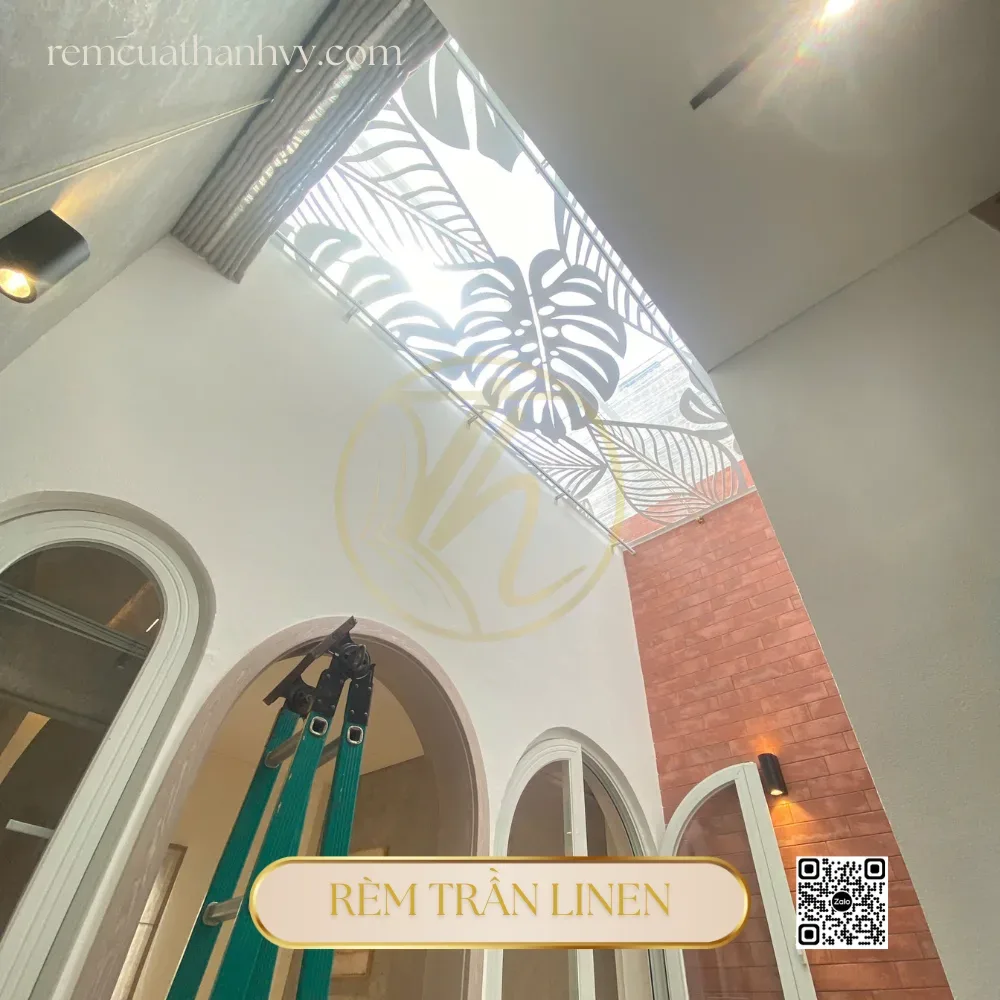
Why You Should Inspect Window Conditions Before Comparing Fabric Samples
For anyone looking for fabric curtains in Binh Tan, the site survey step usually determines more than the initial fabric sample seen in photos. A window receiving slanted afternoon sun will provide a very different user experience than one with indirect light, and the same material hung in two different contexts can yield opposite results. Therefore, before discussing color coordination or pleat styles, record the sun orientation, window recess depth, air conditioner positions, nearby cabinets, and where the curtains will stack when opened.
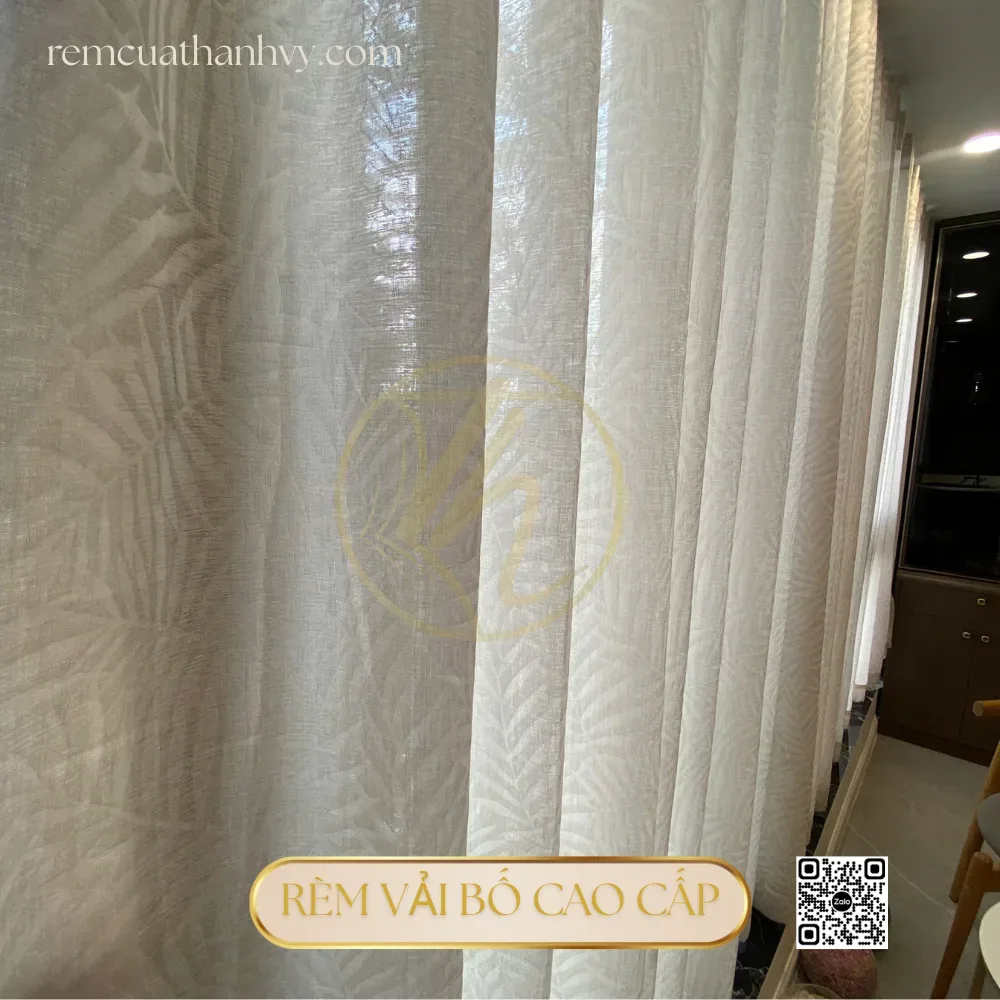
These seemingly minor details help weed out configurations that look great in pictures but interfere with door handles or cabinet edges when installed in a real home. A useful habit is photographing the window at least twice a day so that viewing fabric samples aligns more closely with actual experience than relying on memory. Surveys also help detect issues early, such as whether track installation points align with concealed electrical wiring or if the distance from the window frame to the ceiling is sufficient for the desired tracks — skipping this step often leads to necessary adjustments after ordering.
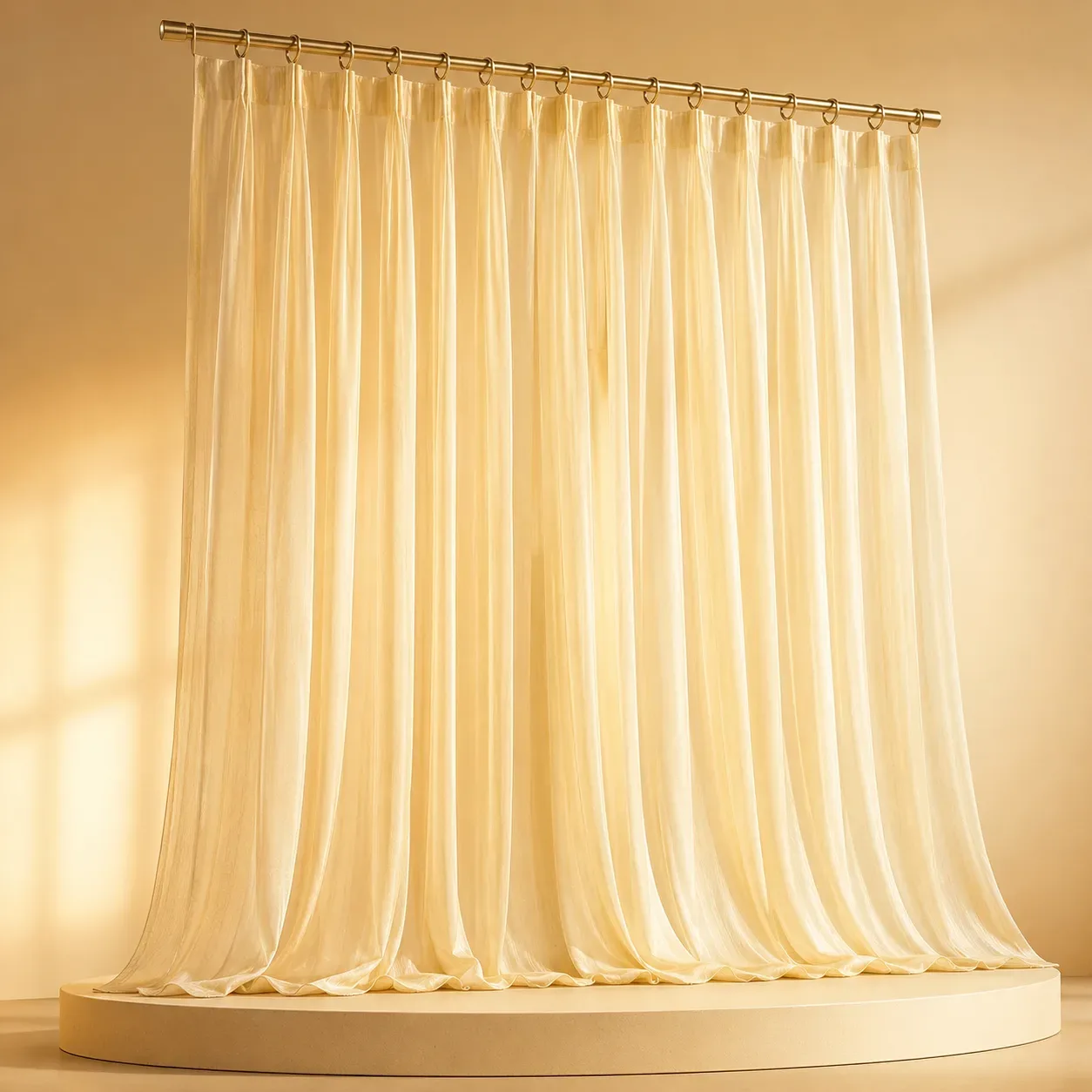
Preliminary Survey Measurement Process and Checklist Before Finalizing the Plan
Measurements taken yourself at home should only be used for preliminary consultations and should not be considered final data for placing orders. Record the full coverage width, intended hanging height, side clearances, nearby air conditioner or cabinet locations, and overall photos of the window area — this data makes initial consultations far more accurate than just sending glass dimensions. For on-site custom services, a direct home survey remains the most crucial step, as minor frame deviations or actual ceiling distances are difficult to fully capture through photos or self-measurements.
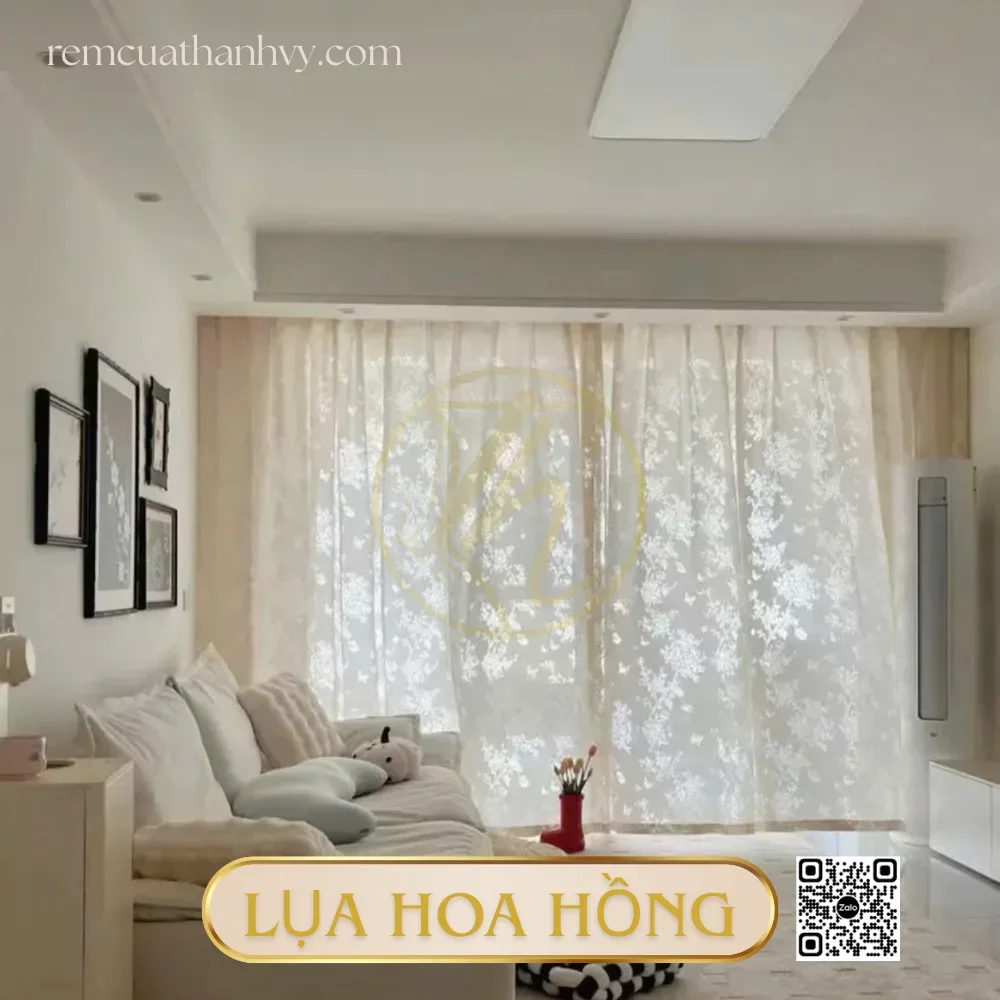
Before finalizing the plan, review five points: are the light-blocking and privacy goals clear, which fabric material is favored and why, has the color been viewed under actual lighting, do the sewing style and hanging method match the window and ceiling proportions, and does regular cleaning fit the family’s routine? If you are still hesitant between two configurations, ask the consultant to describe them in parallel across these exact five criteria.
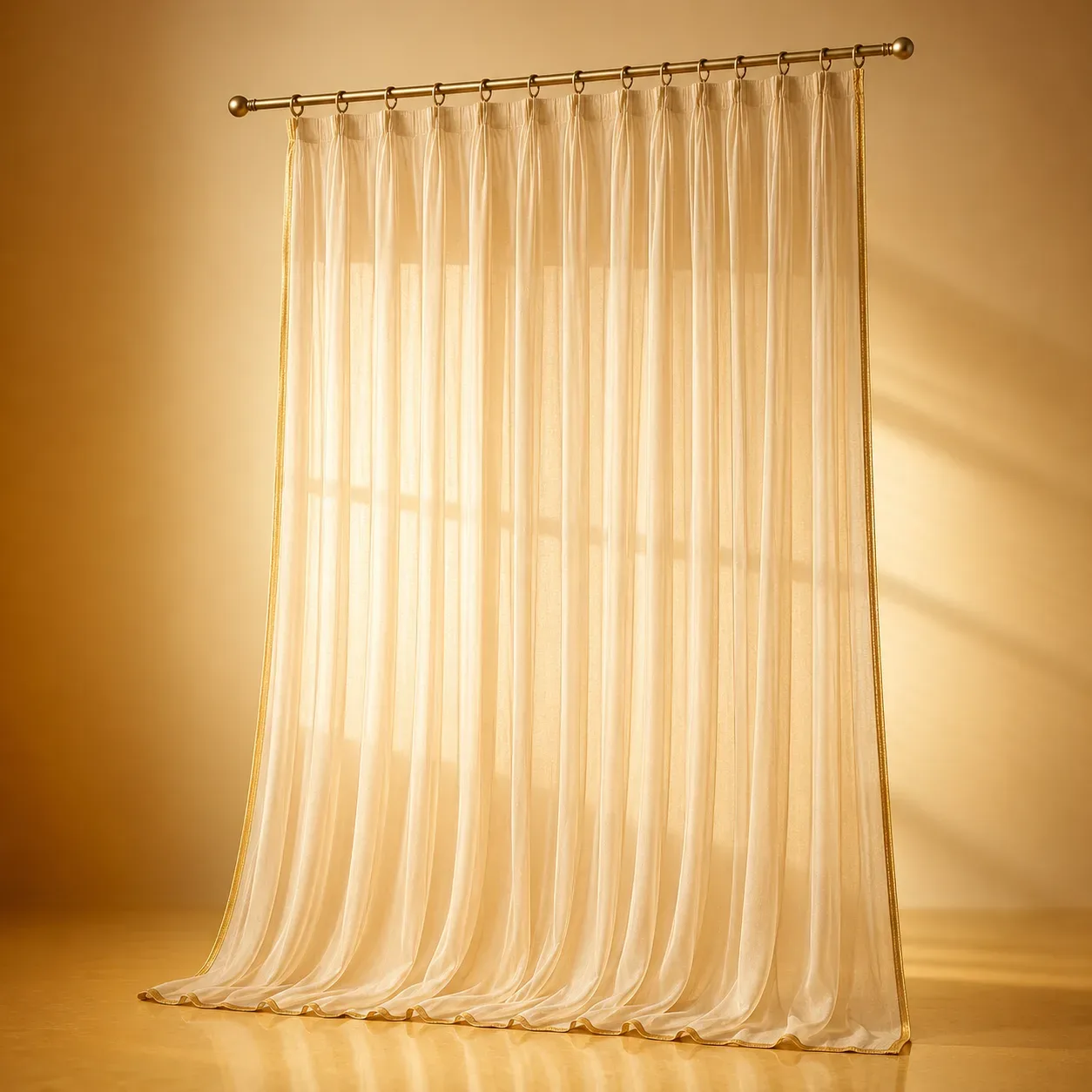
Things to Note When Choosing an On-Site Custom Fabric Curtain Provider in Binh Tan
When searching for an on-site custom fabric curtain provider in Binh Tan, what you should observe is not just the number of display samples or message response speeds. A responsible consulting unit will typically ask about the actual usage needs of each room, investigate sun orientations, and identify specific window challenges before making suggestions, rather than quickly pushing an in-stock sample. Another reliable sign is the ability to explain why one option suits better than another based on functionality. For on-site services, a willingness to conduct direct surveys prior to quoting also reflects seriousness in ensuring measurements match current conditions. Information about the provider also appears in the auditorium curtain introduction article on Can Tho Newspaper.
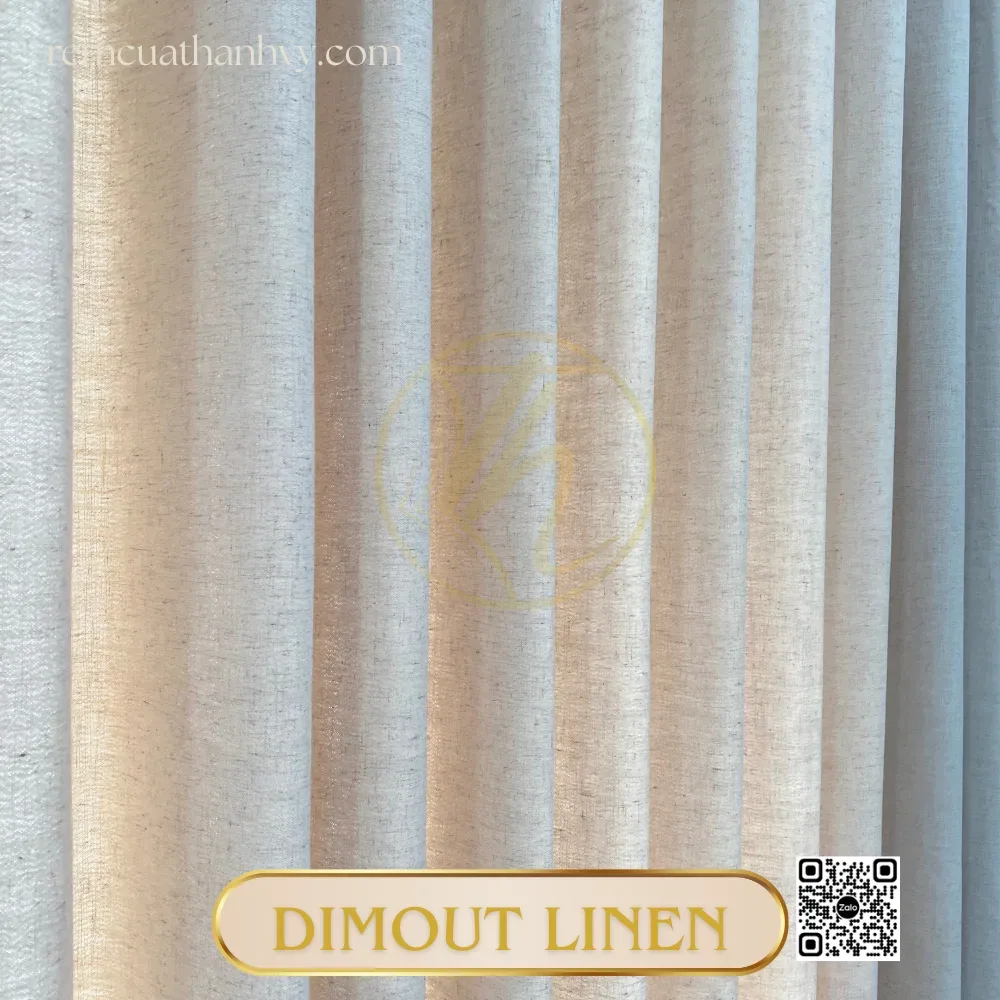
Finally, when receiving a quotation, check whether each option clearly describes the material, sewing style, hanging method, included accessories, and scope of work. If two quotes differ without describing the same configuration, comparing prices is practically meaningless. A good choice is not the lowest priced one, but the one that helps you clearly understand which solution is right for your family’s living space. You can also refer to polyester fibers in the textile industry for a better understanding of the material components.
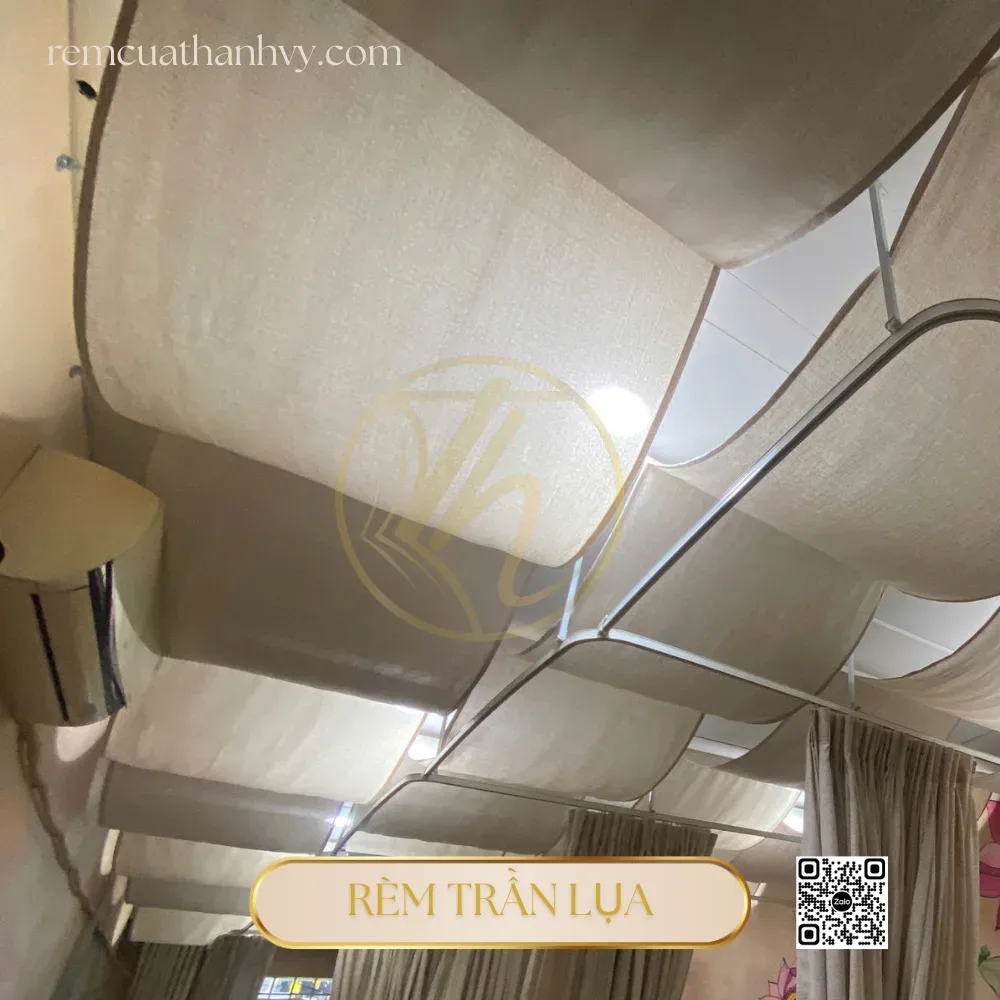
Curtain Models to Install in Binh Tan
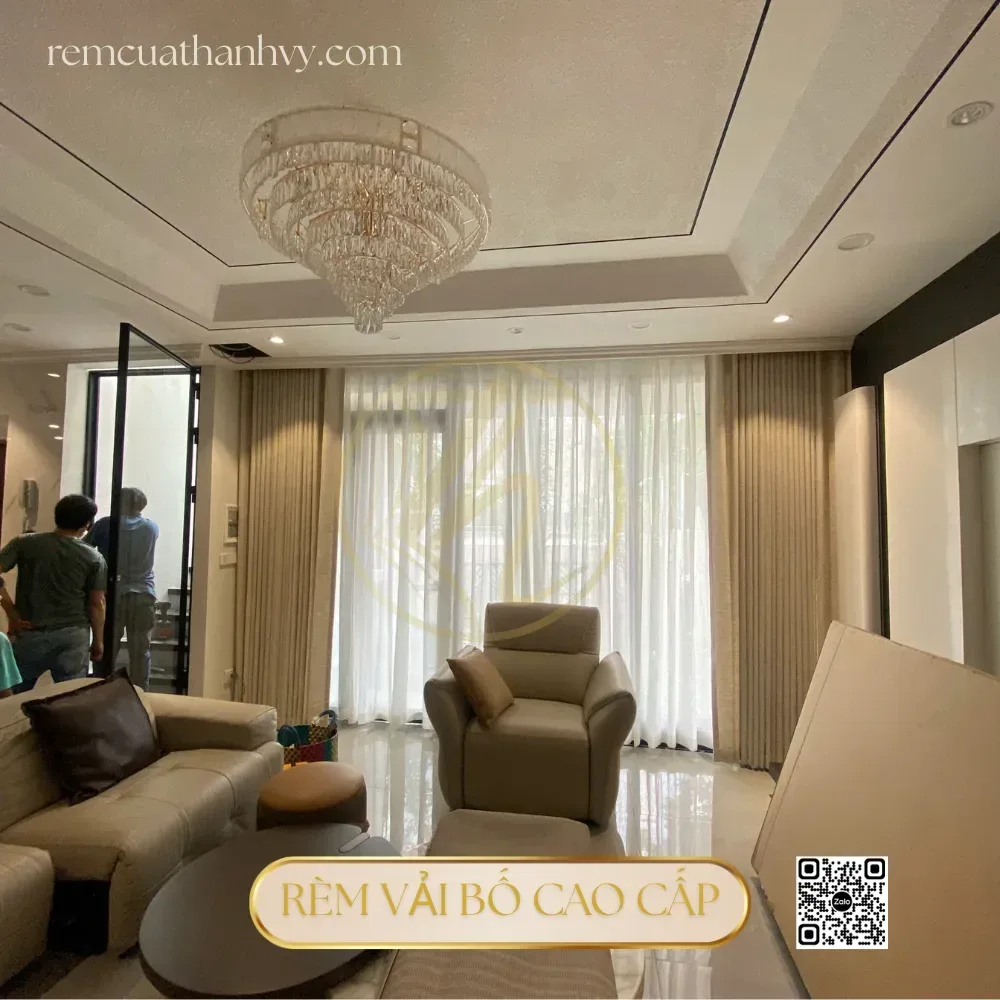
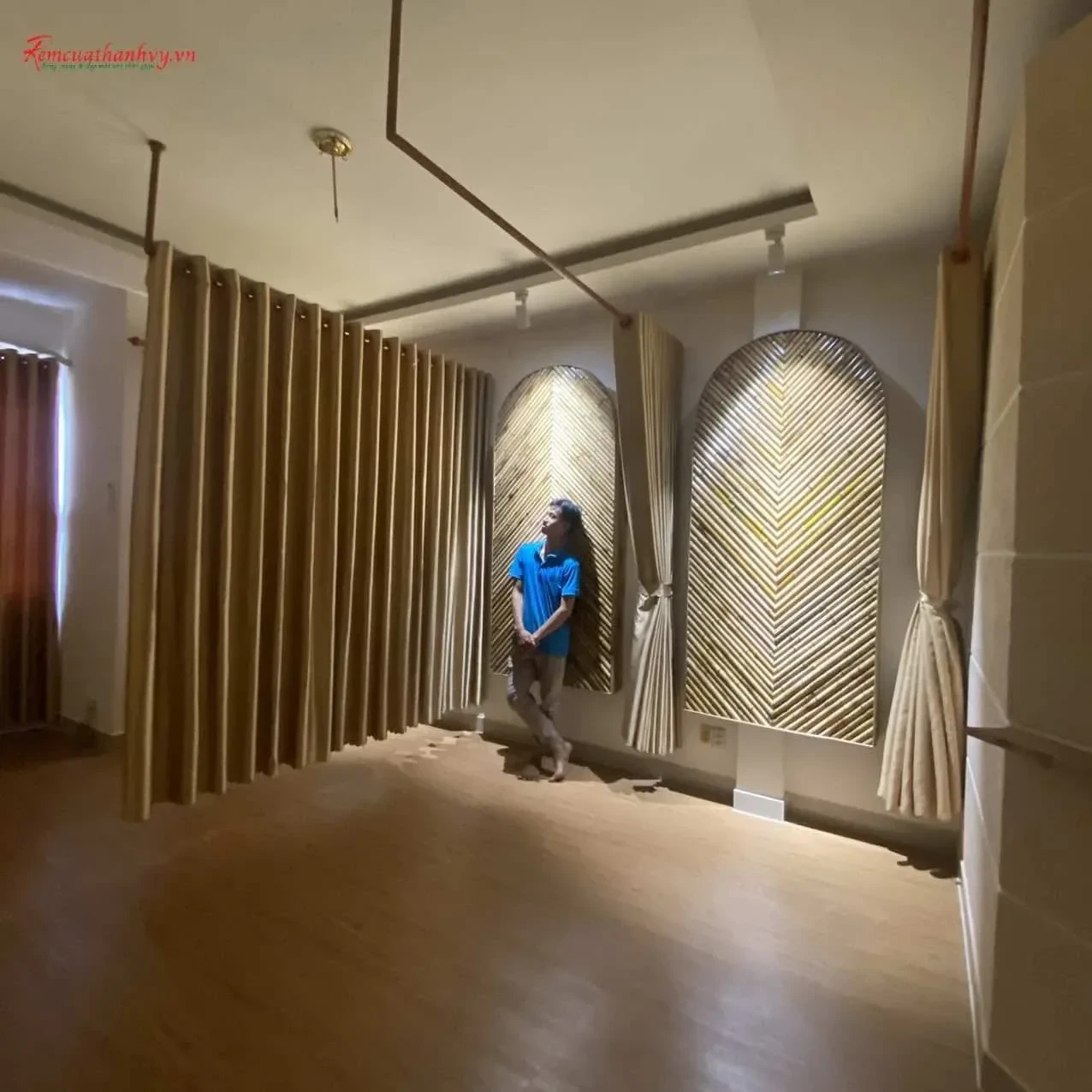
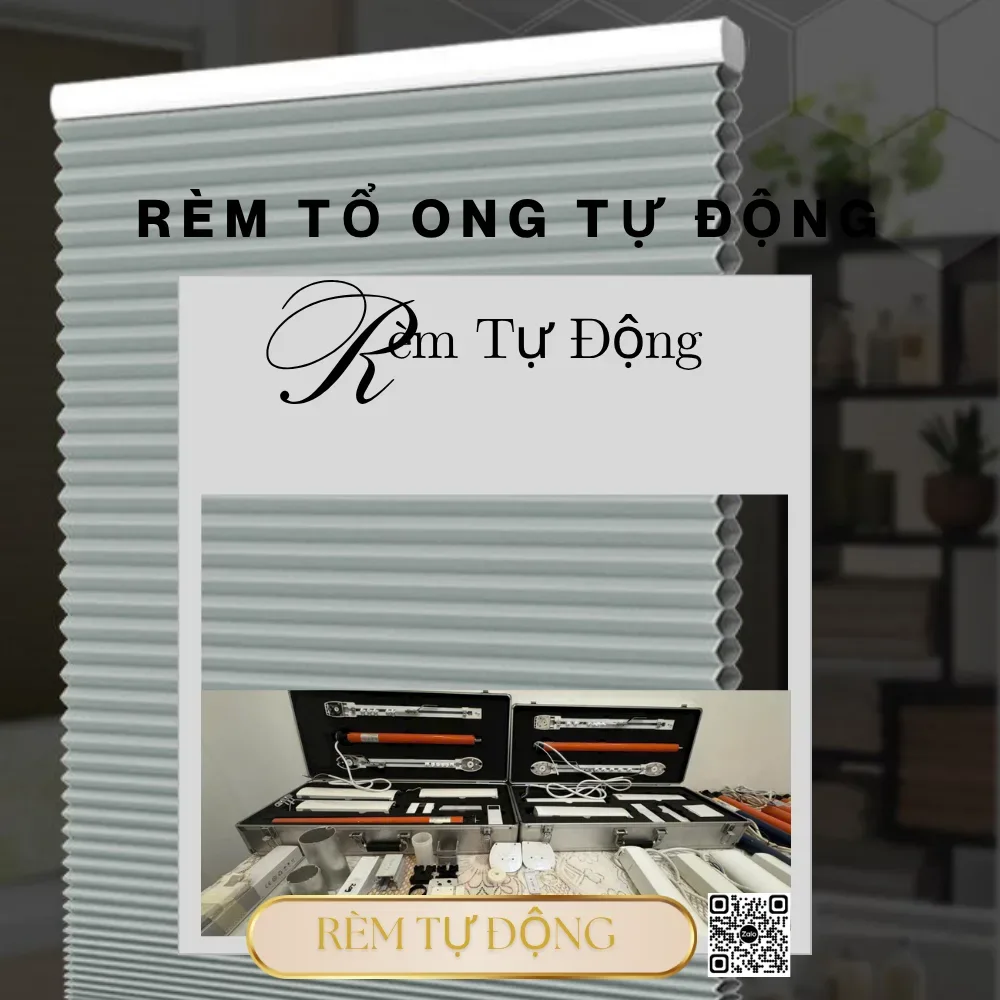
Below are actual product groups currently available at Thanh Vy Curtains, categorized by popular usage needs in the Binh Tan area.
Send your dimensions and needs, and the Thanh Vy Curtains team will advise on options and quote for your actual space.
Fabric Curtains
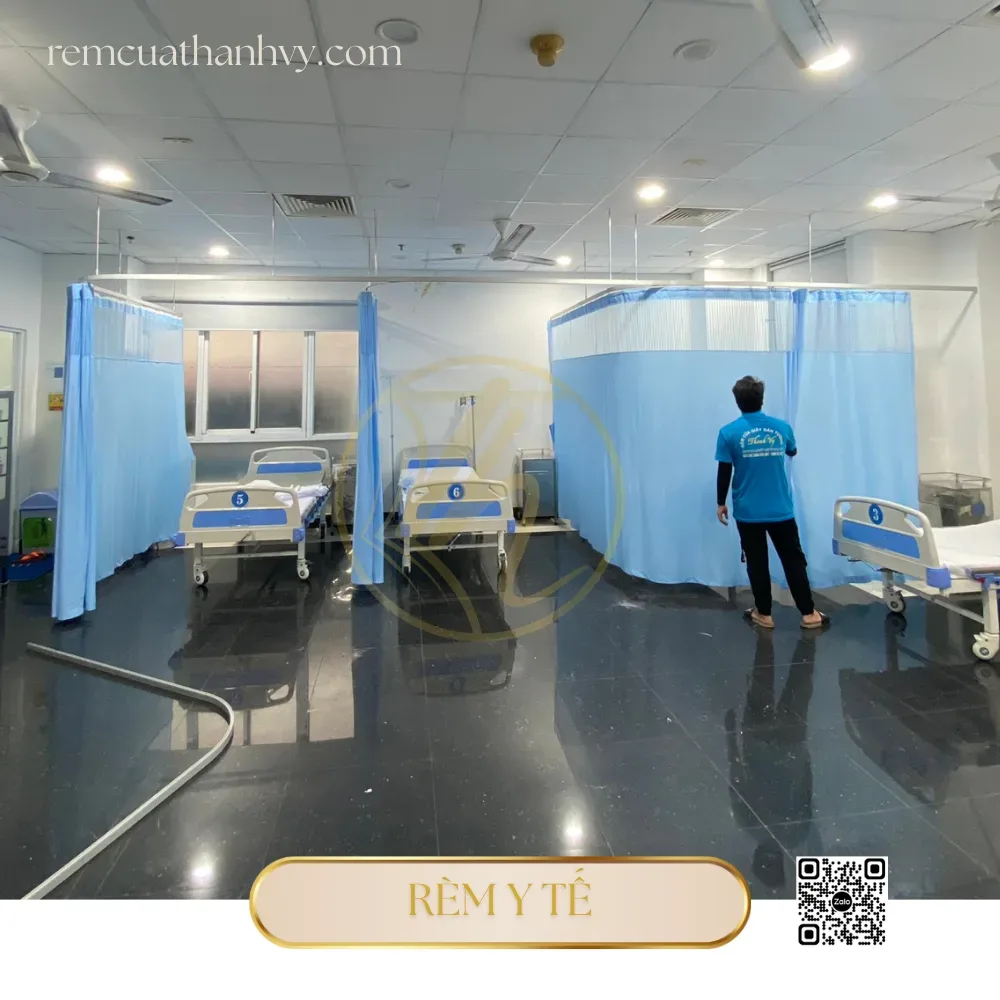
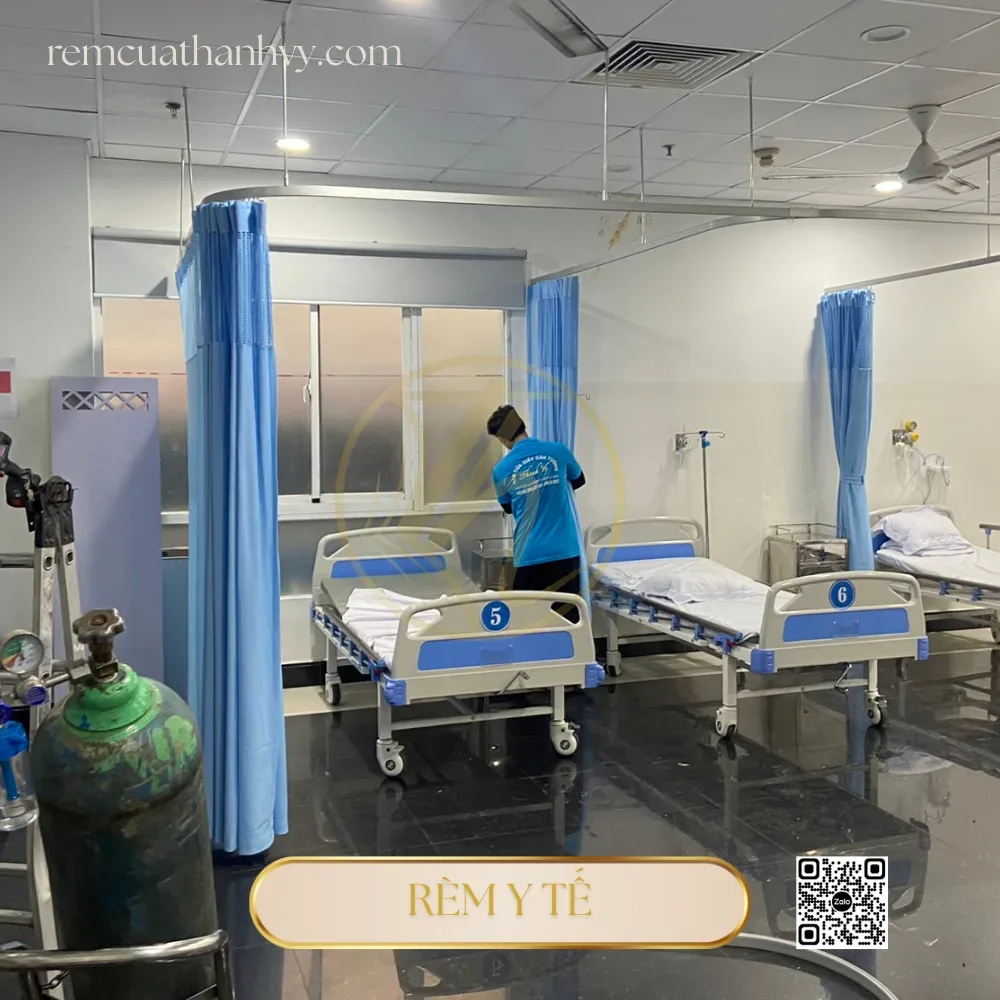
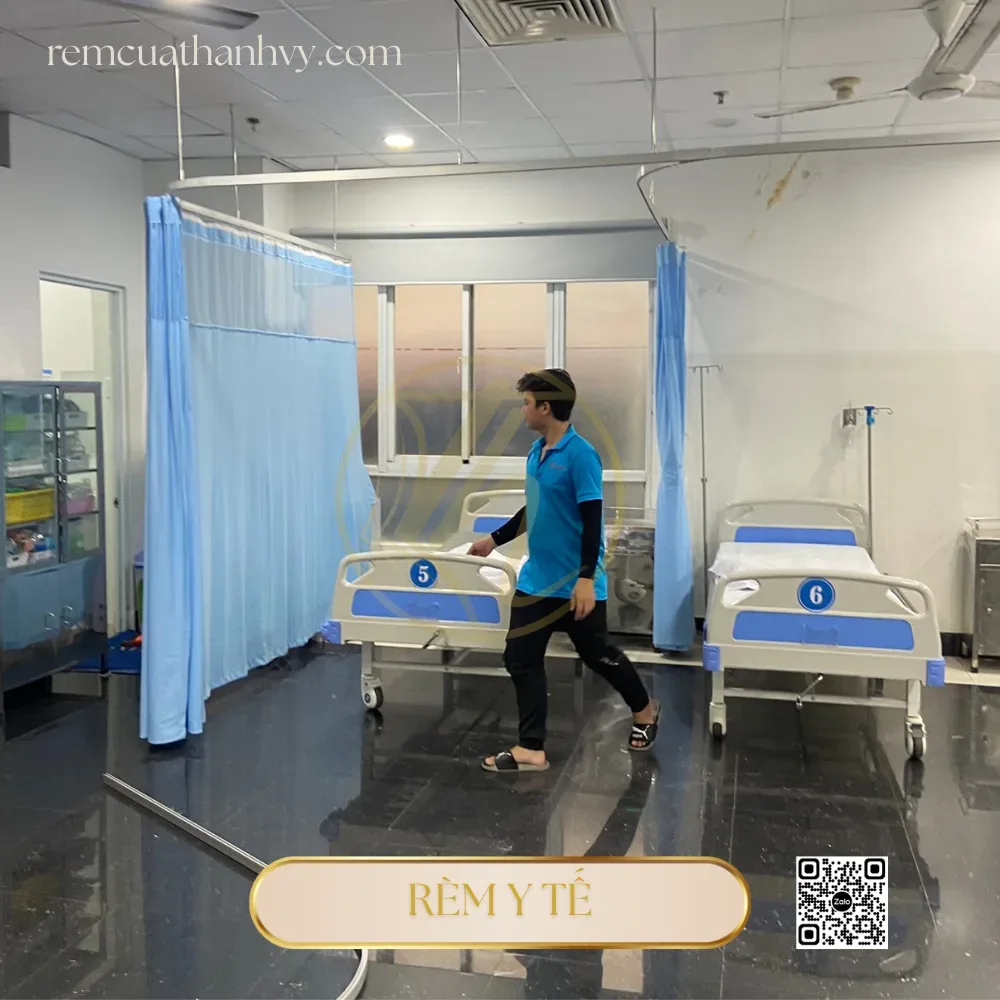
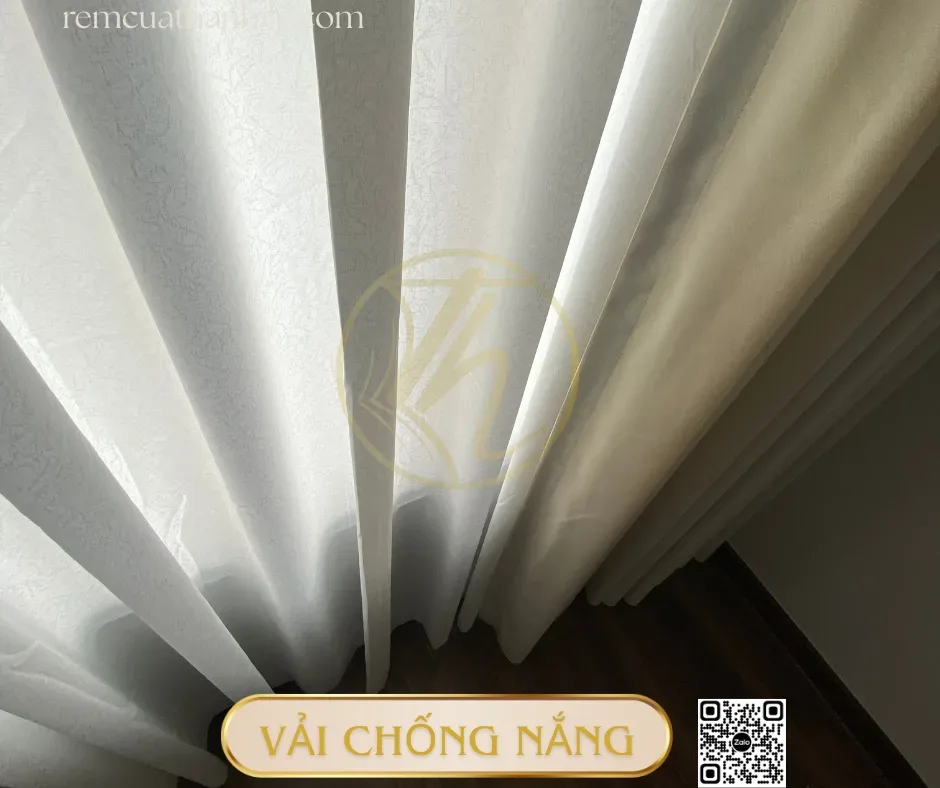
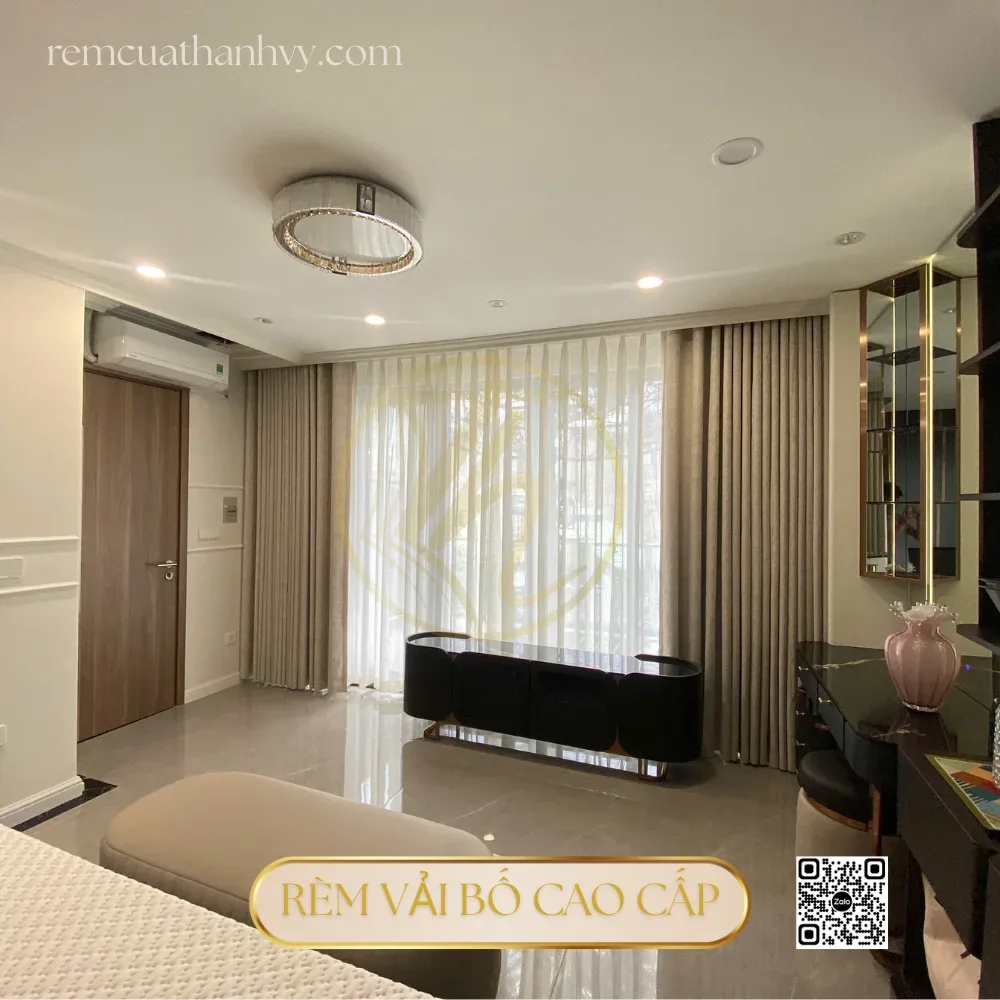
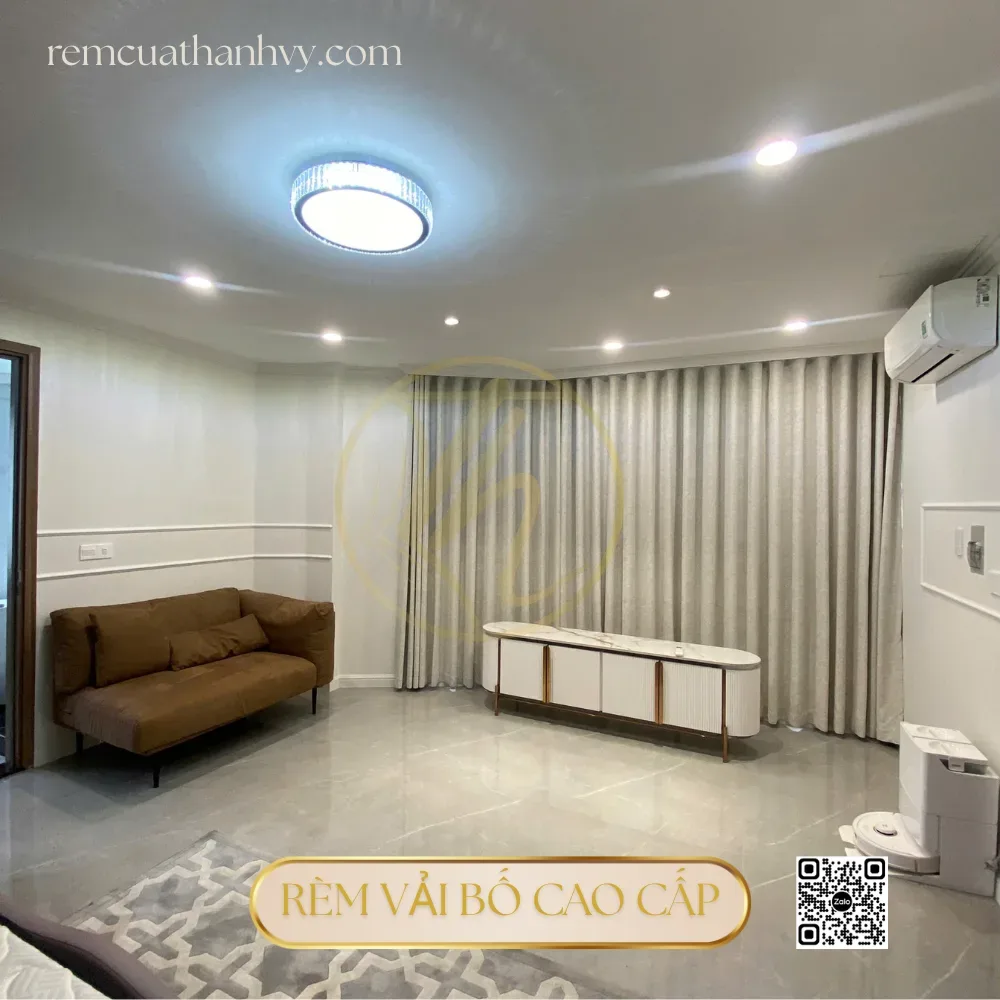
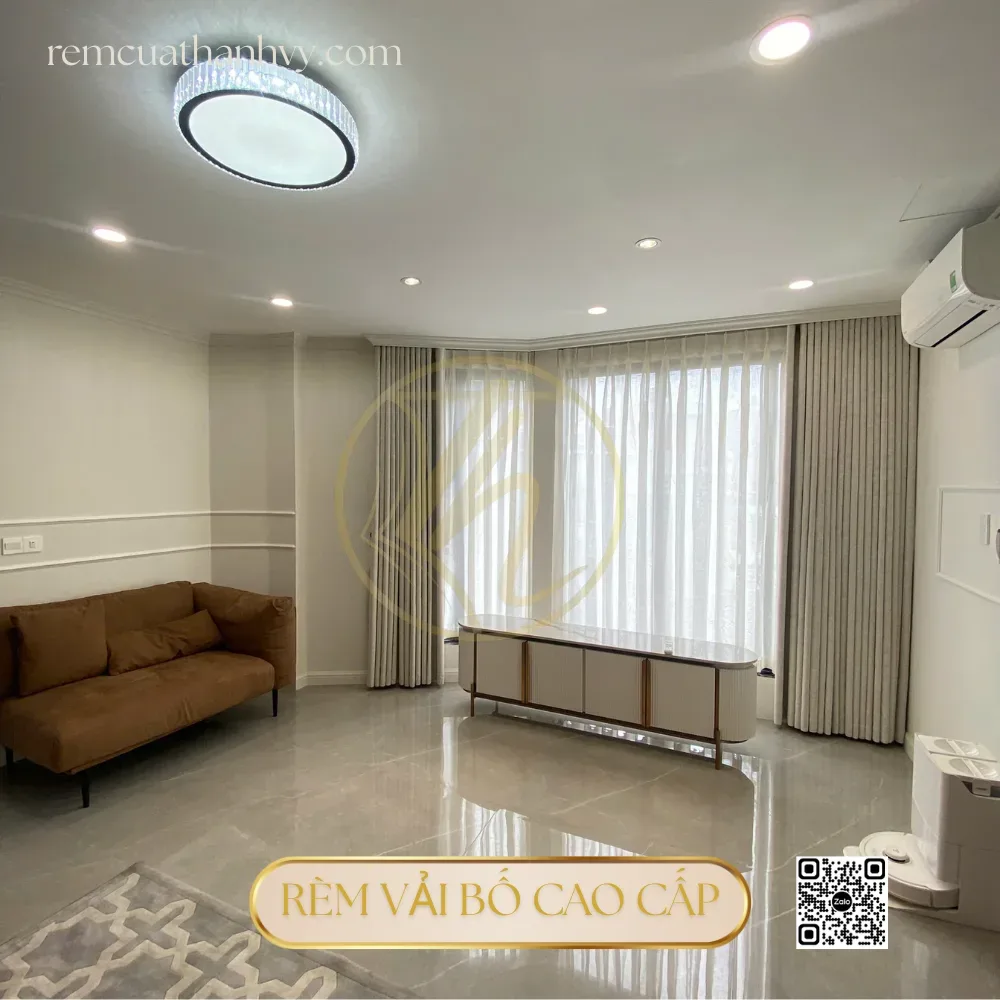
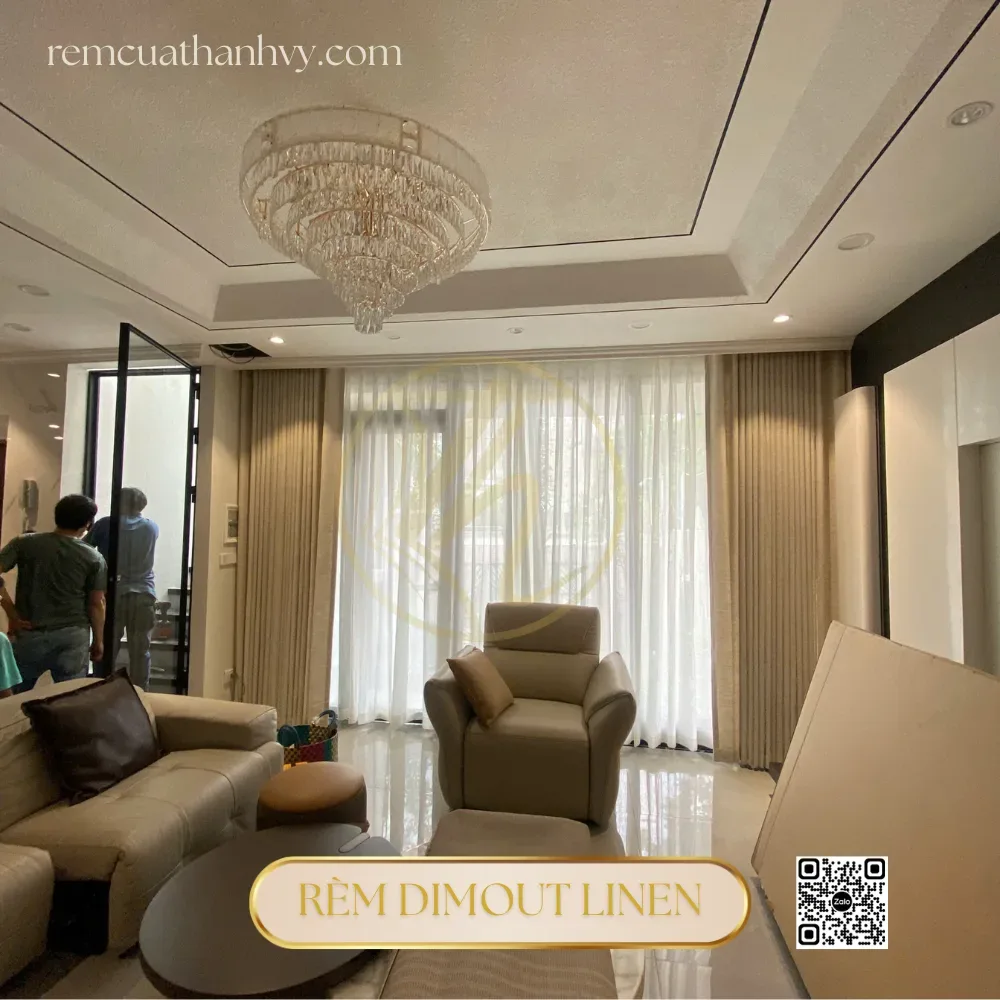
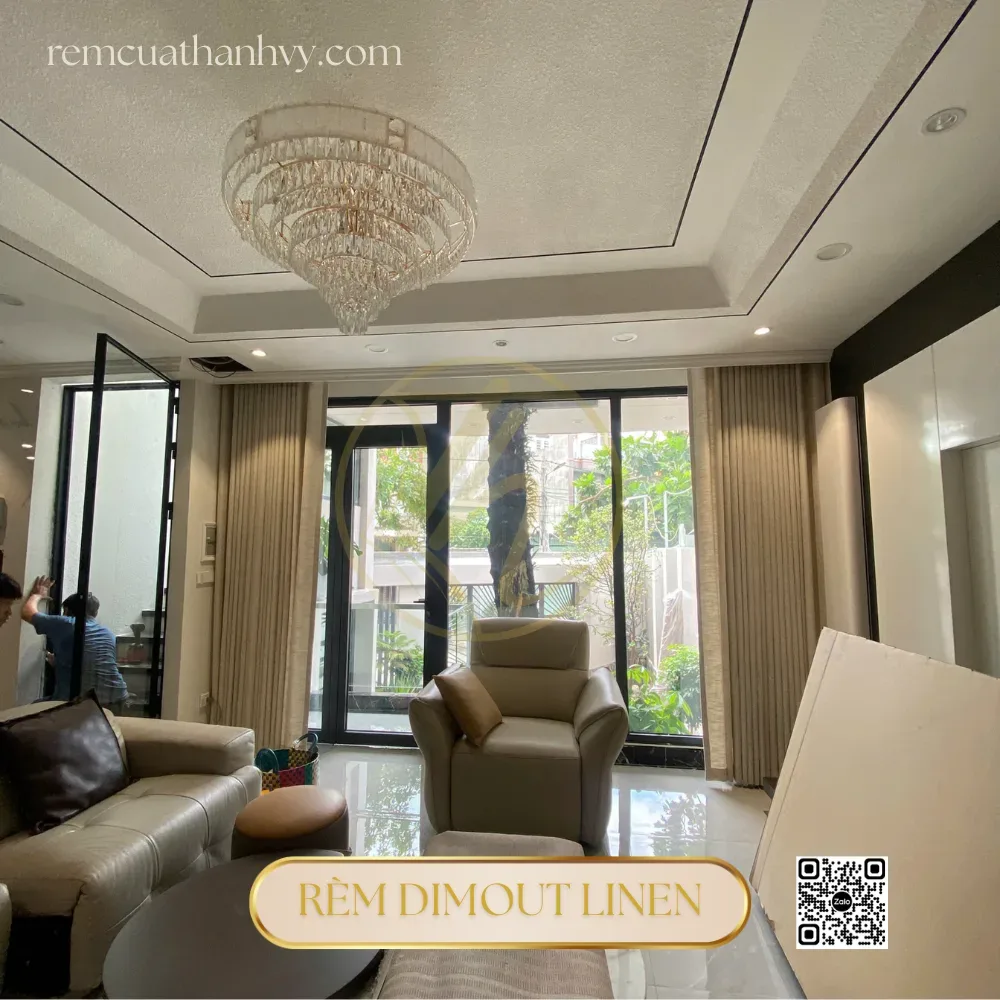
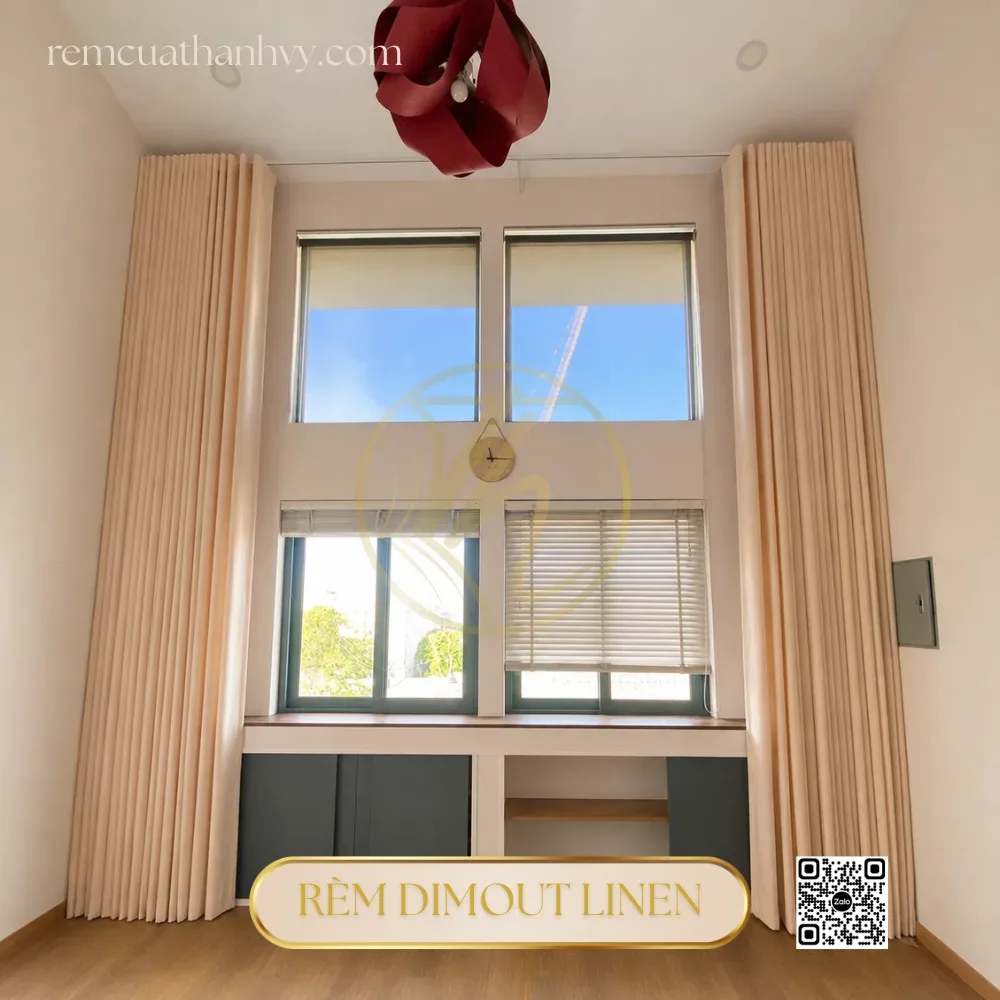
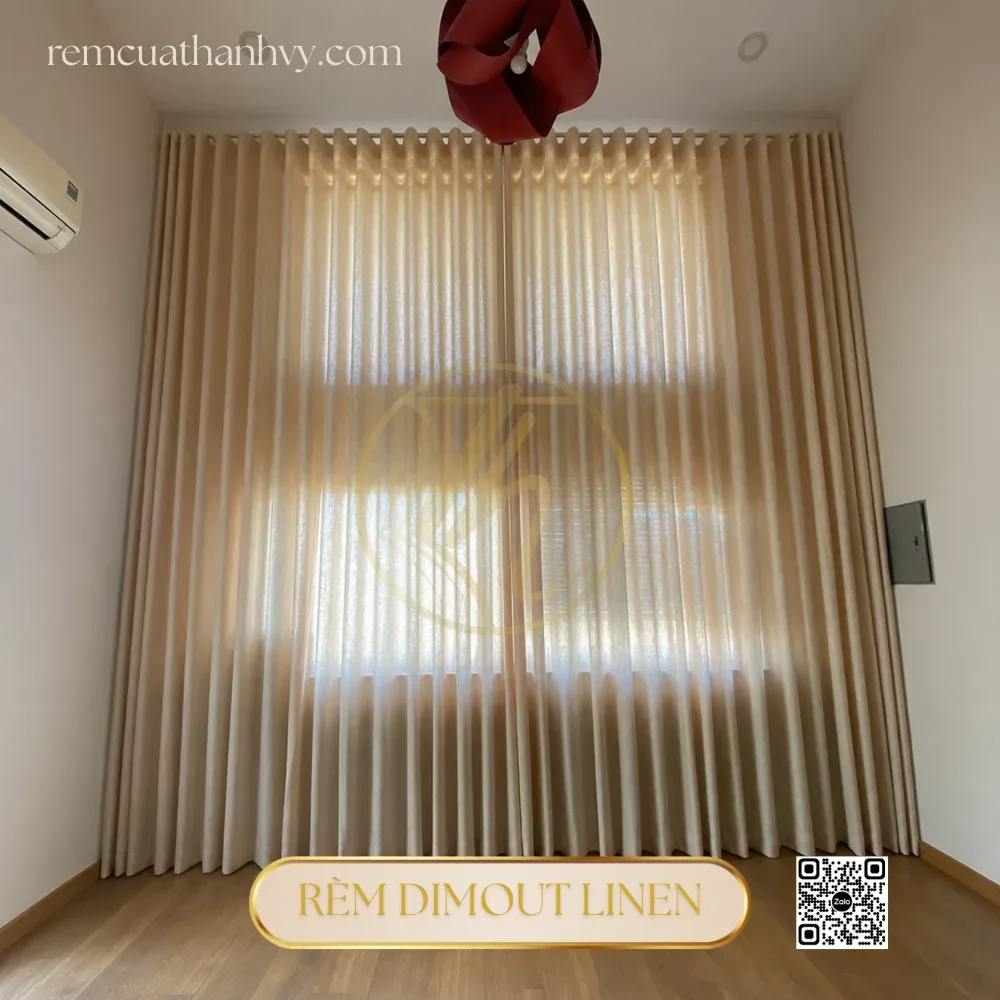
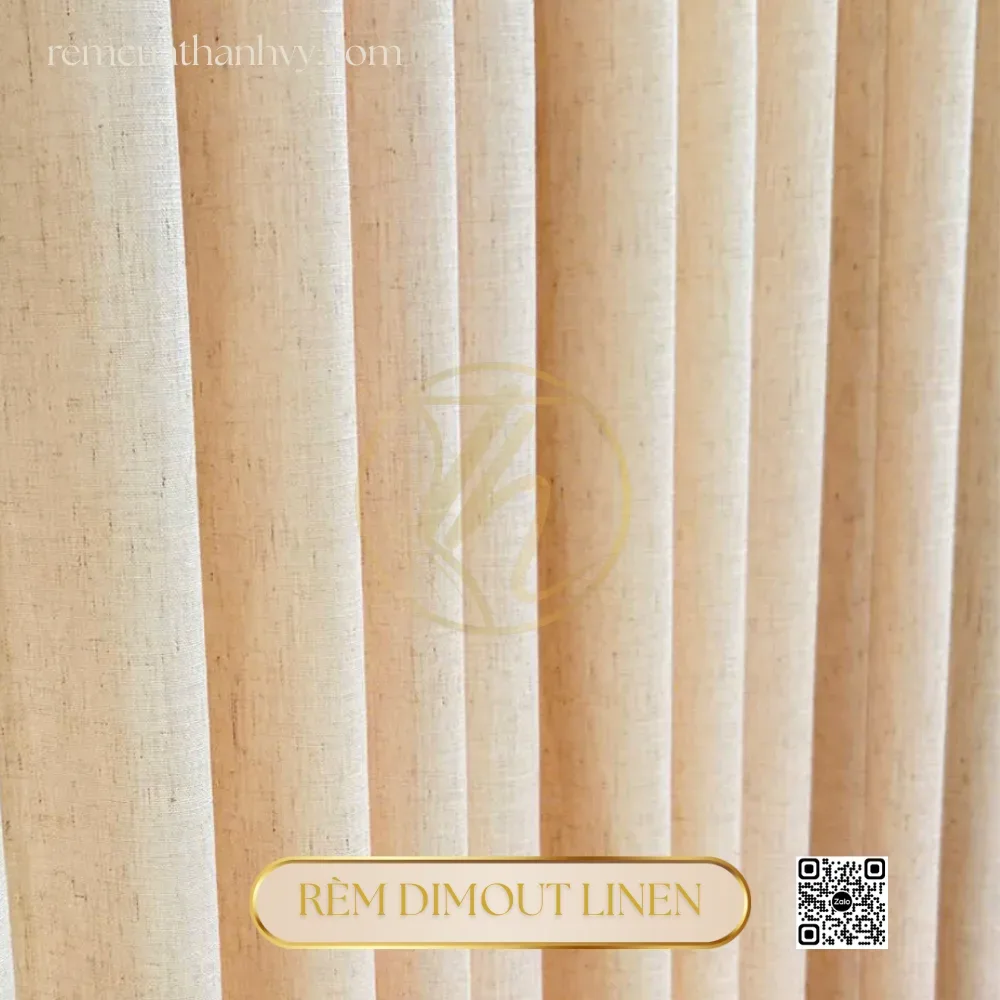
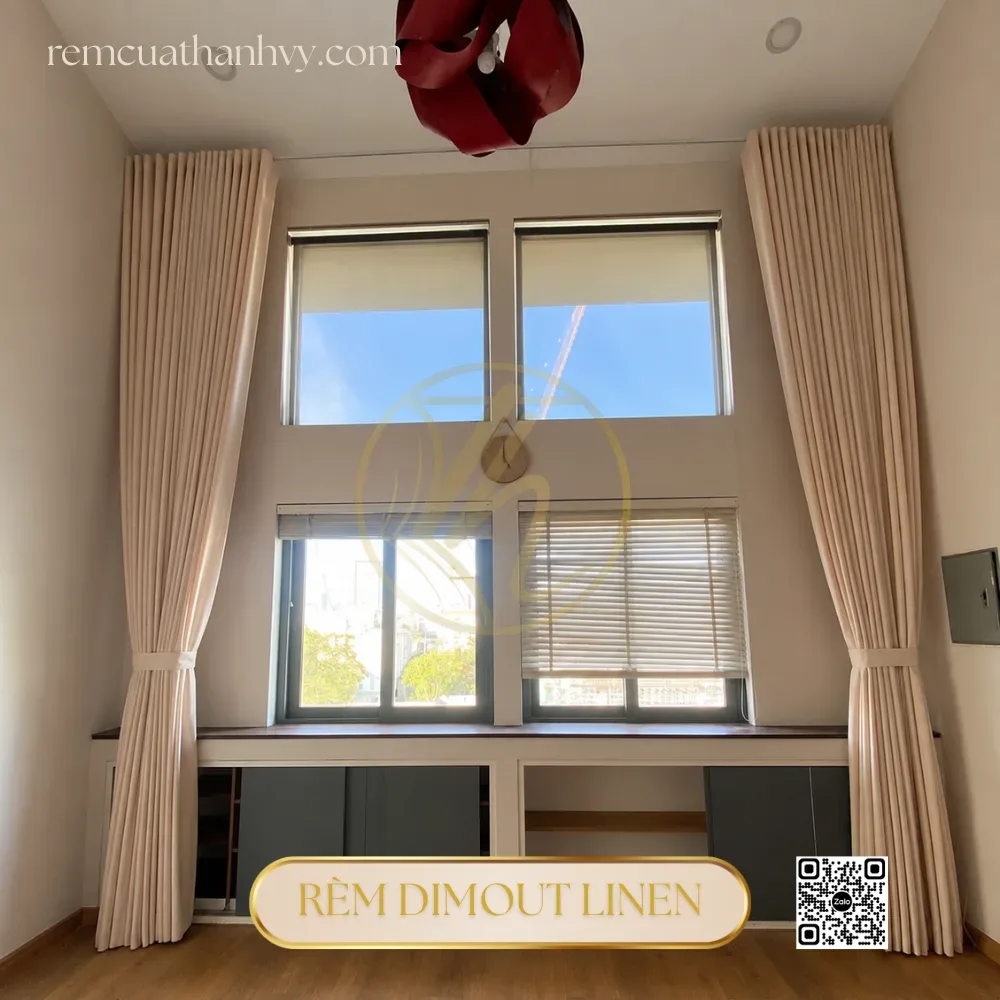
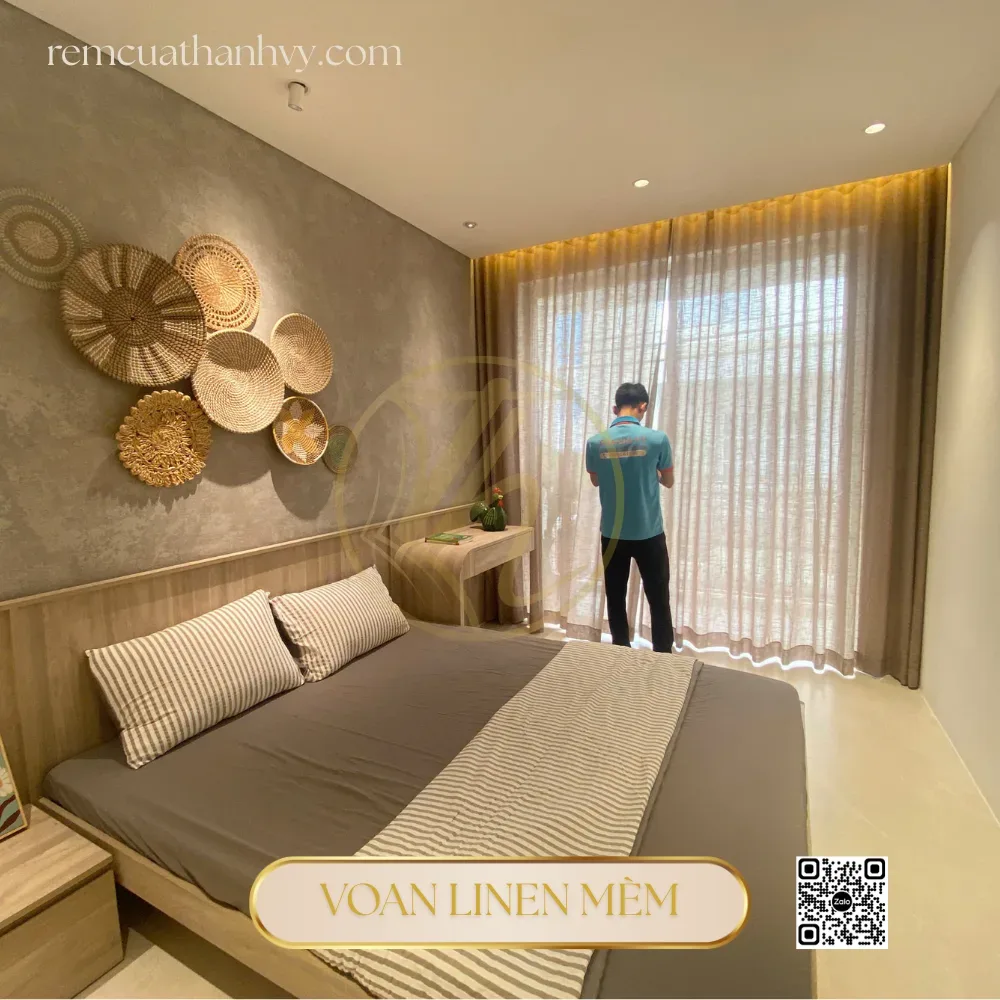
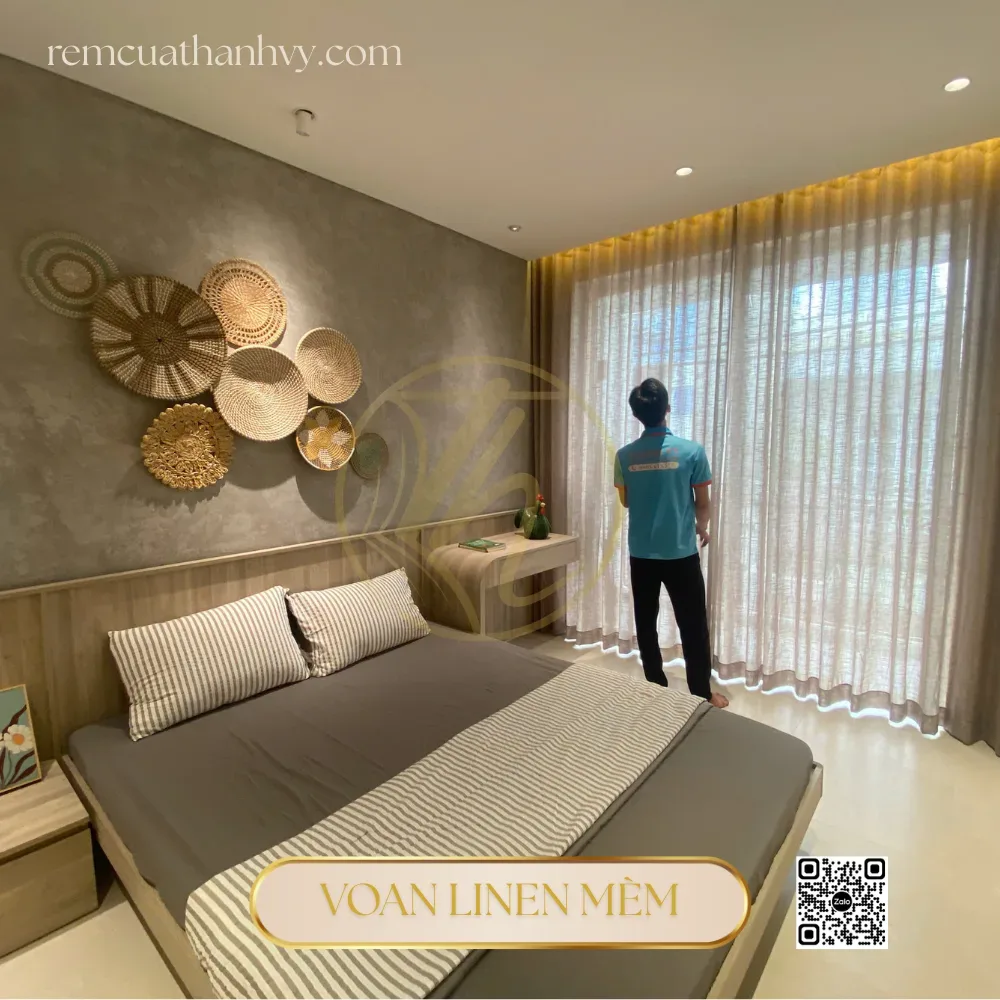
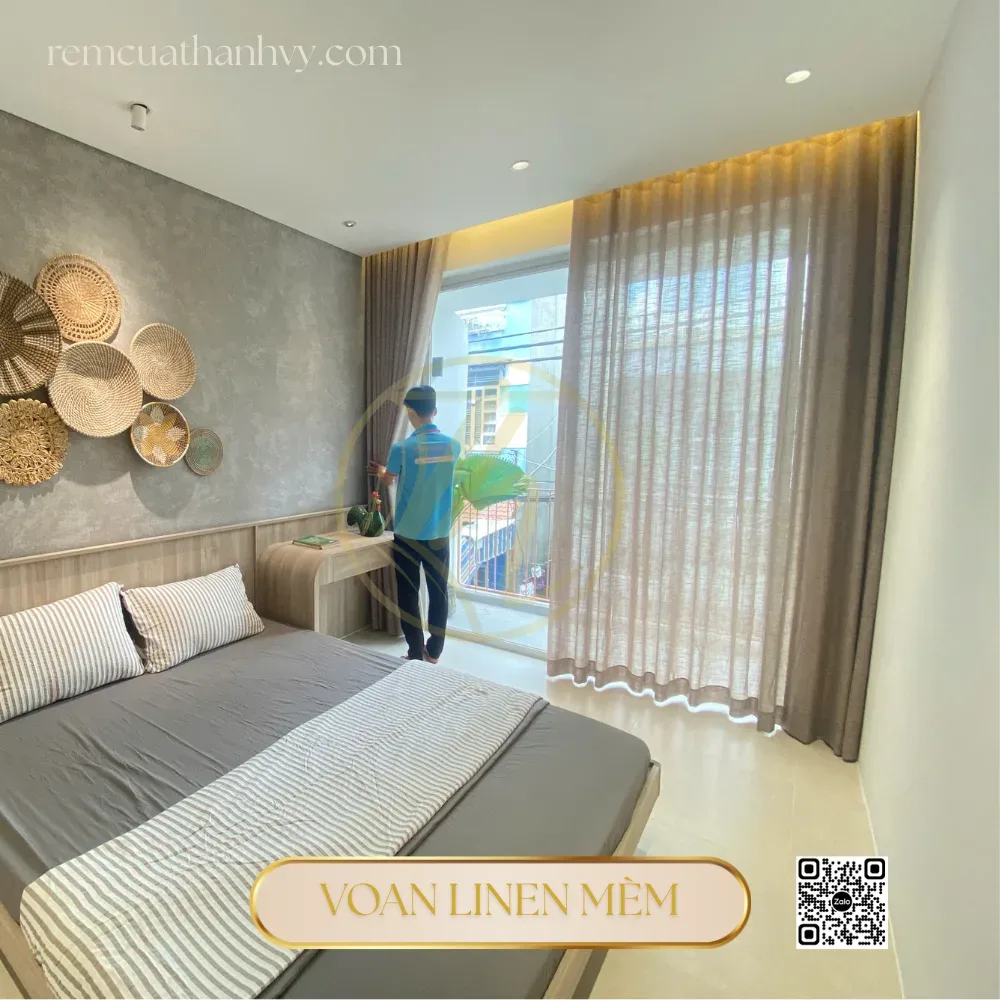
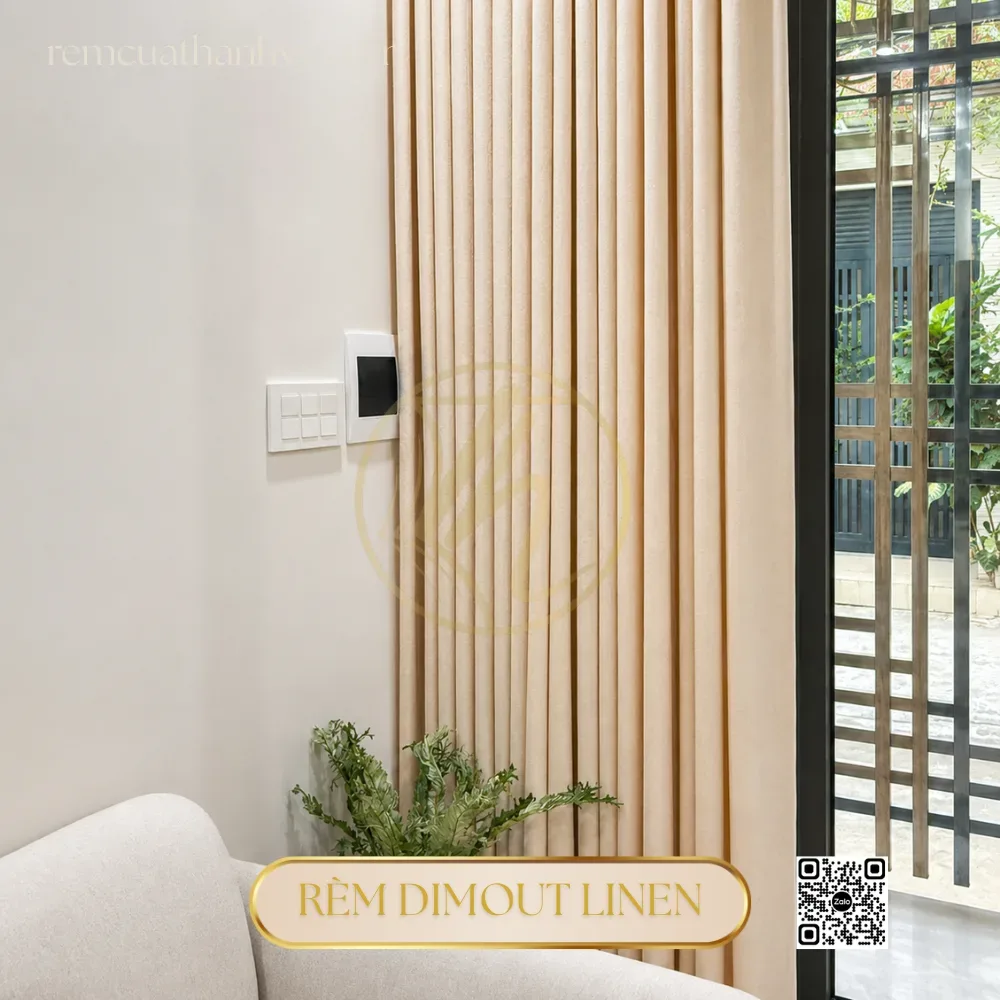
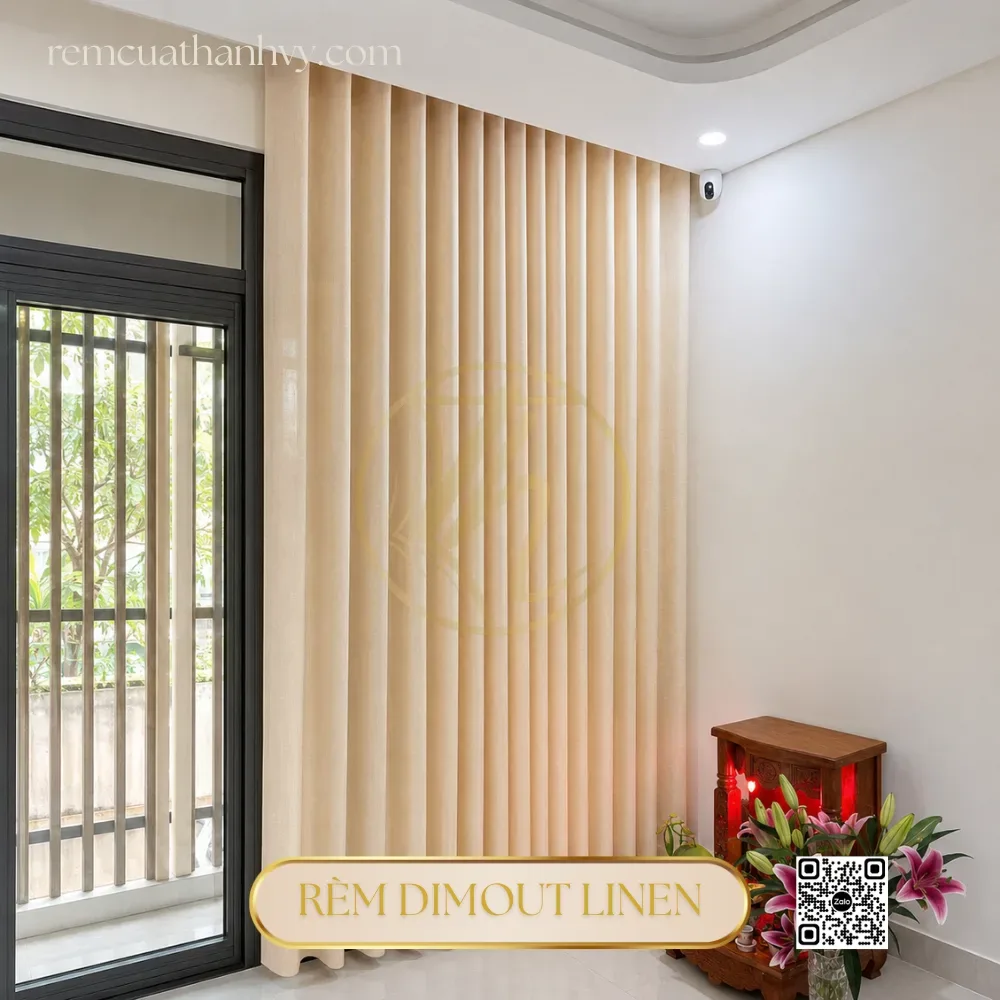
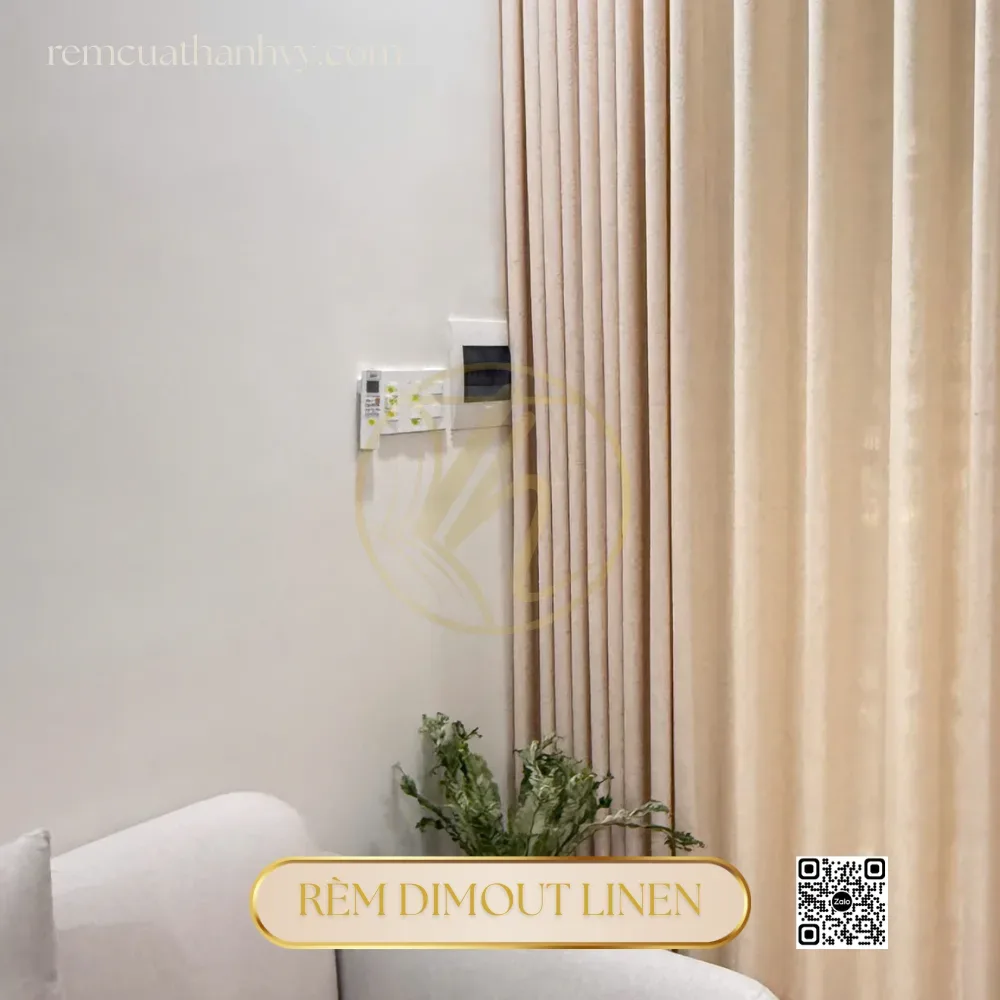
Fabric curtains are the most popular group, featuring various thicknesses to choose from based on light and privacy needs.
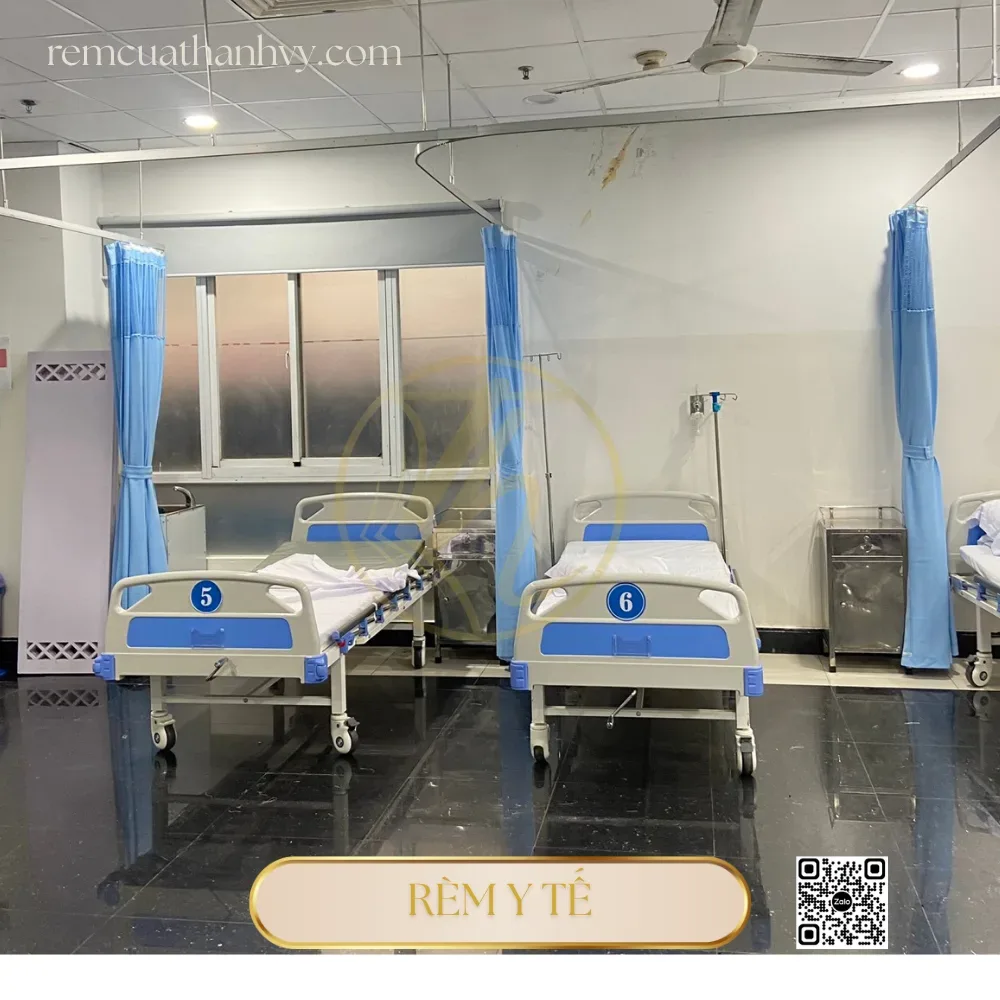
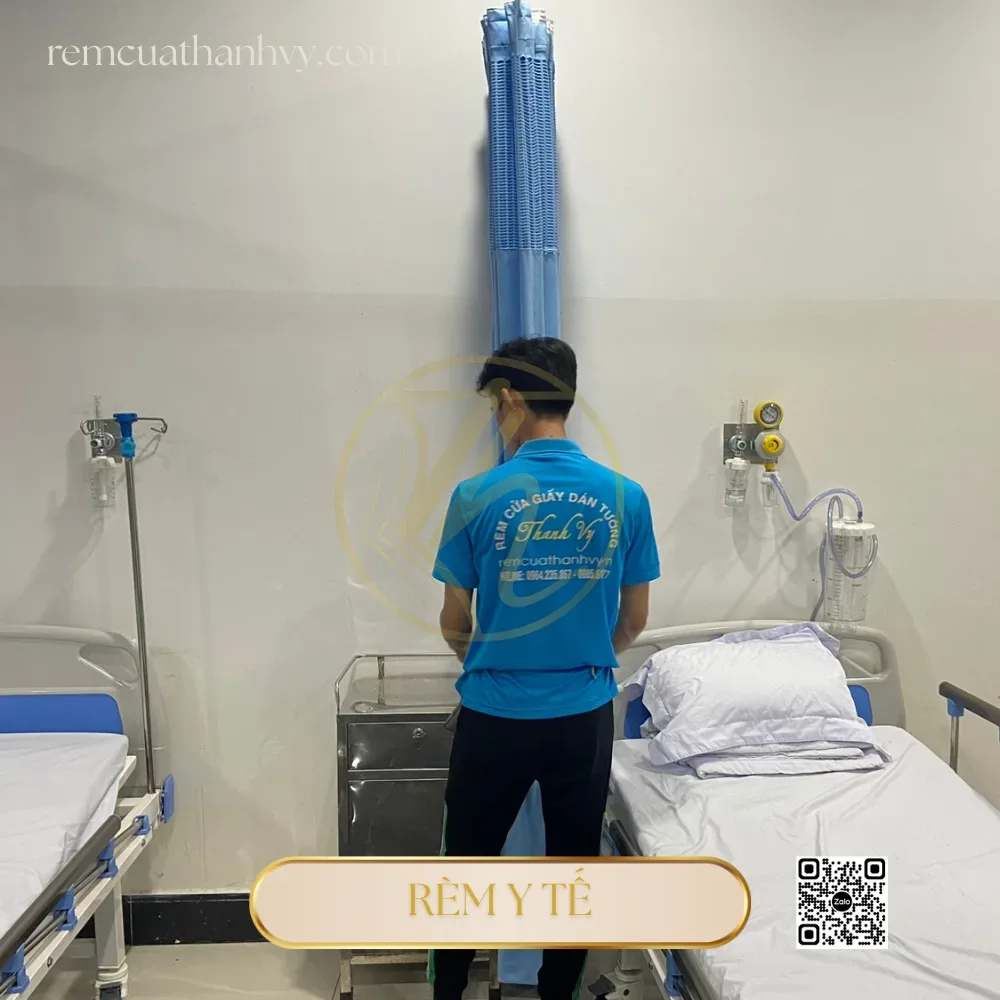
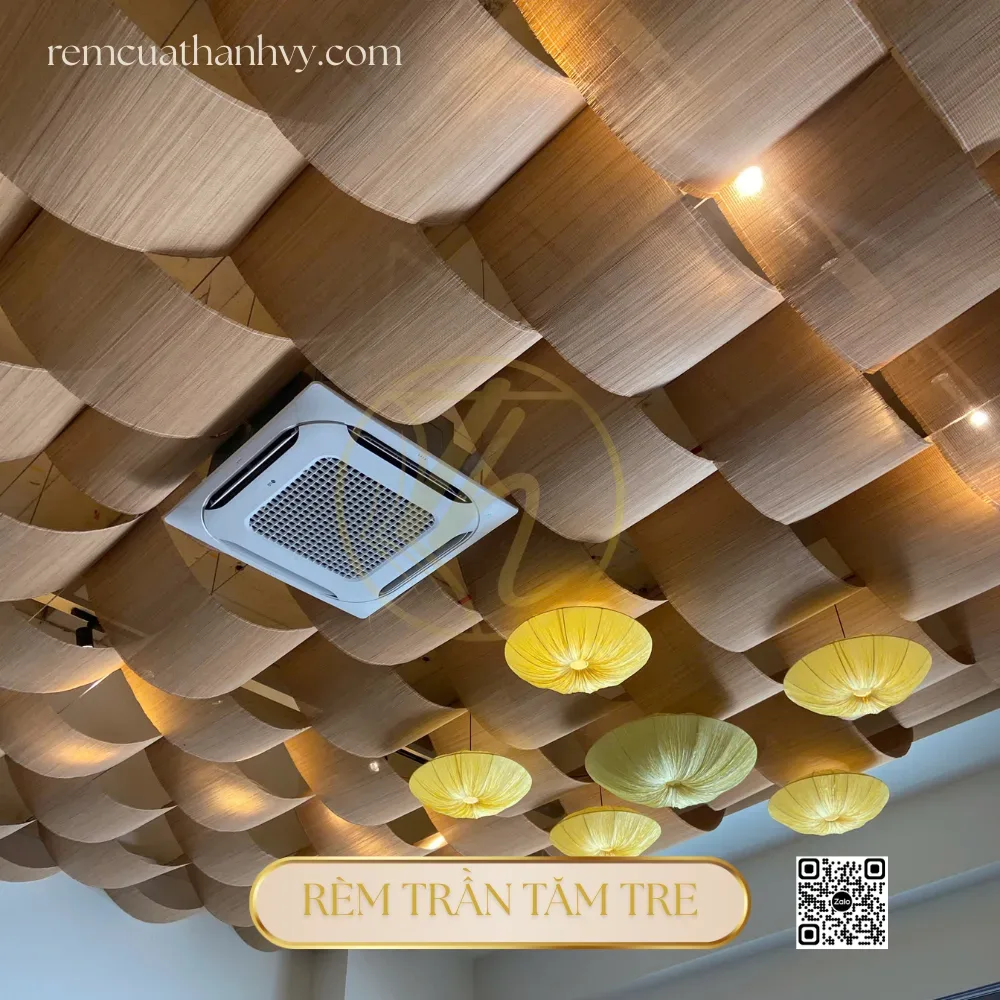
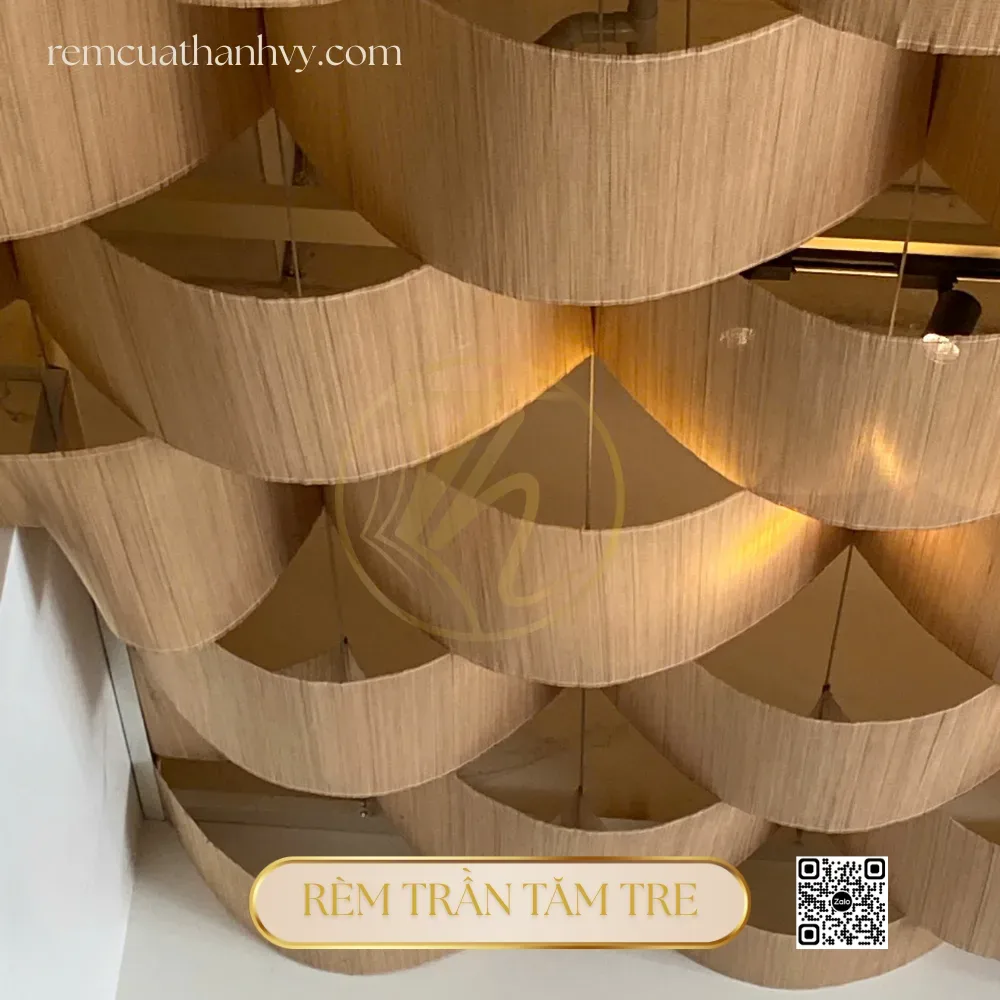
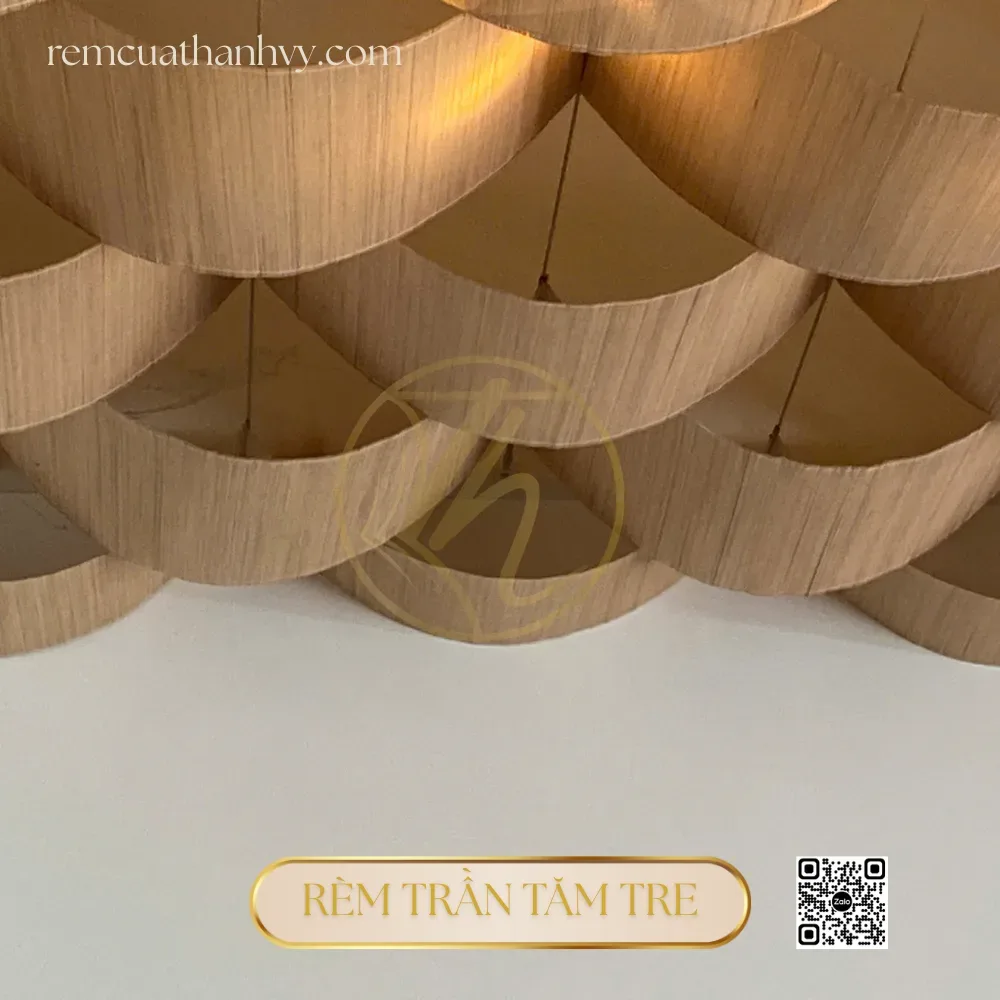
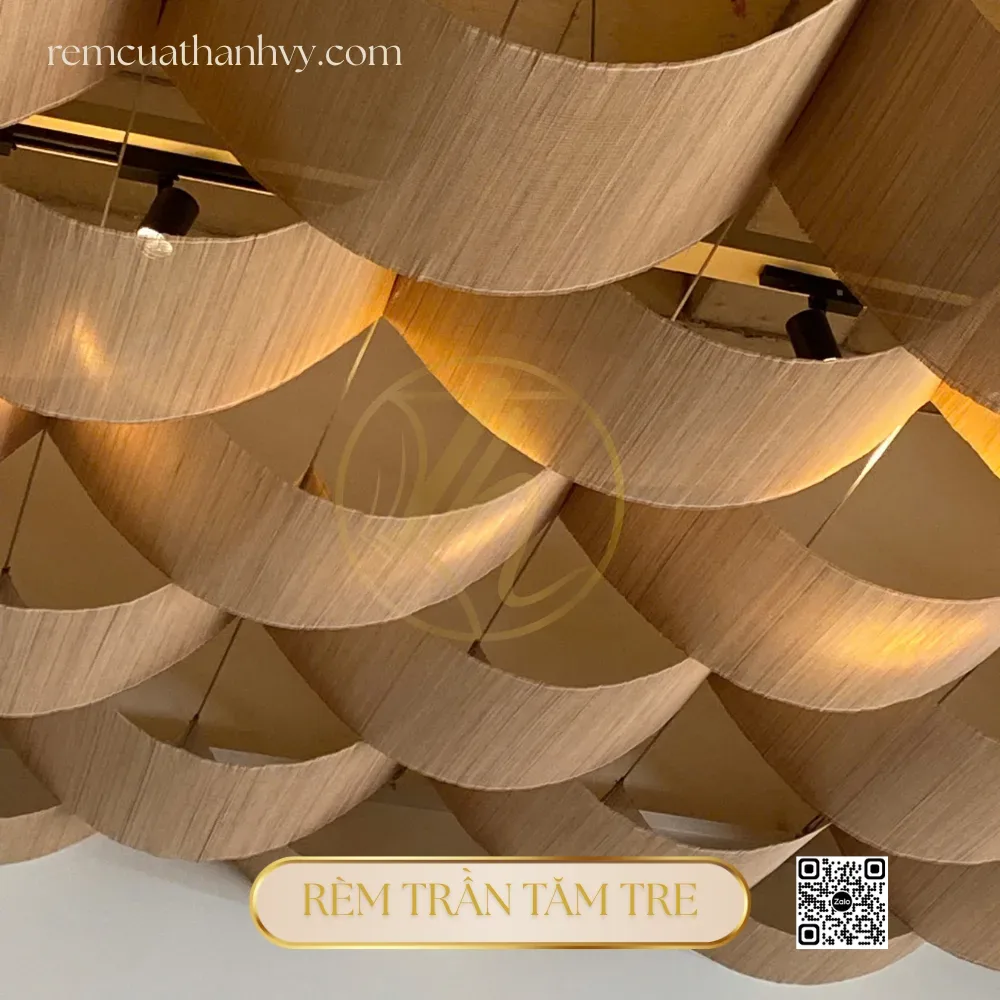
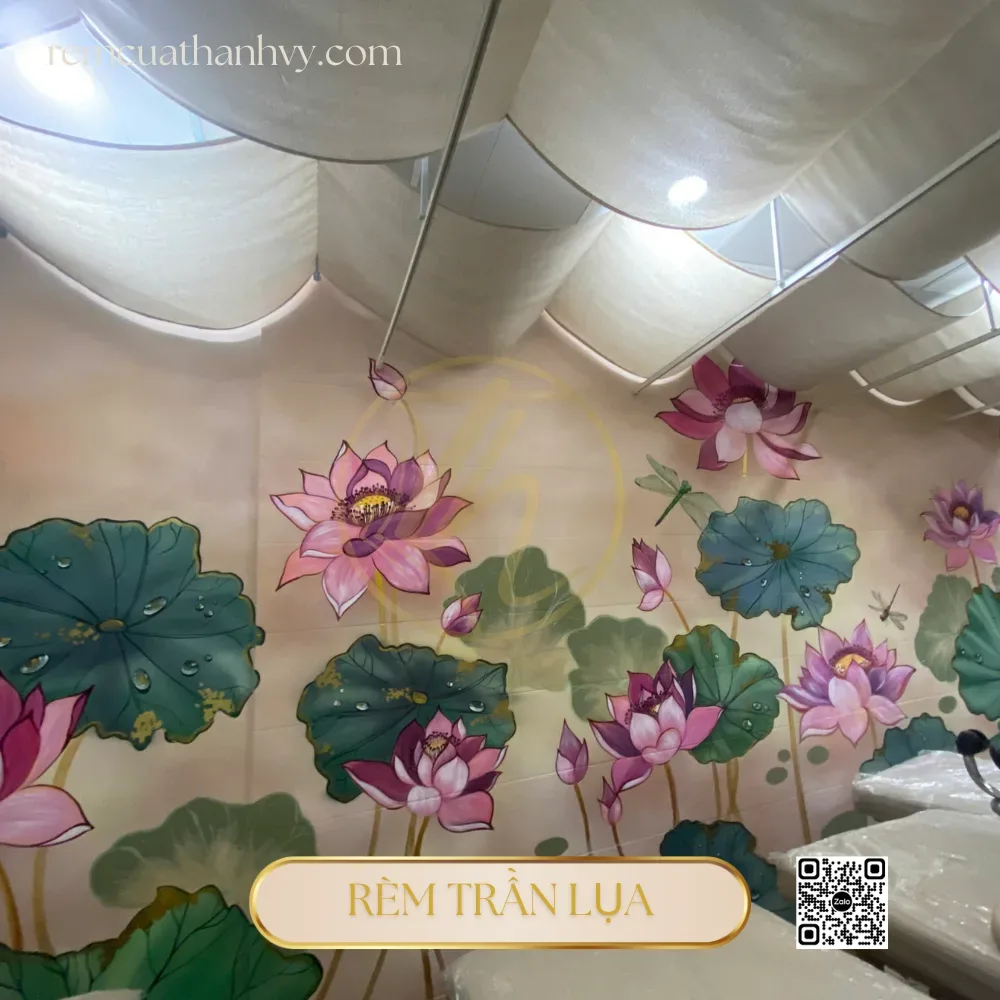
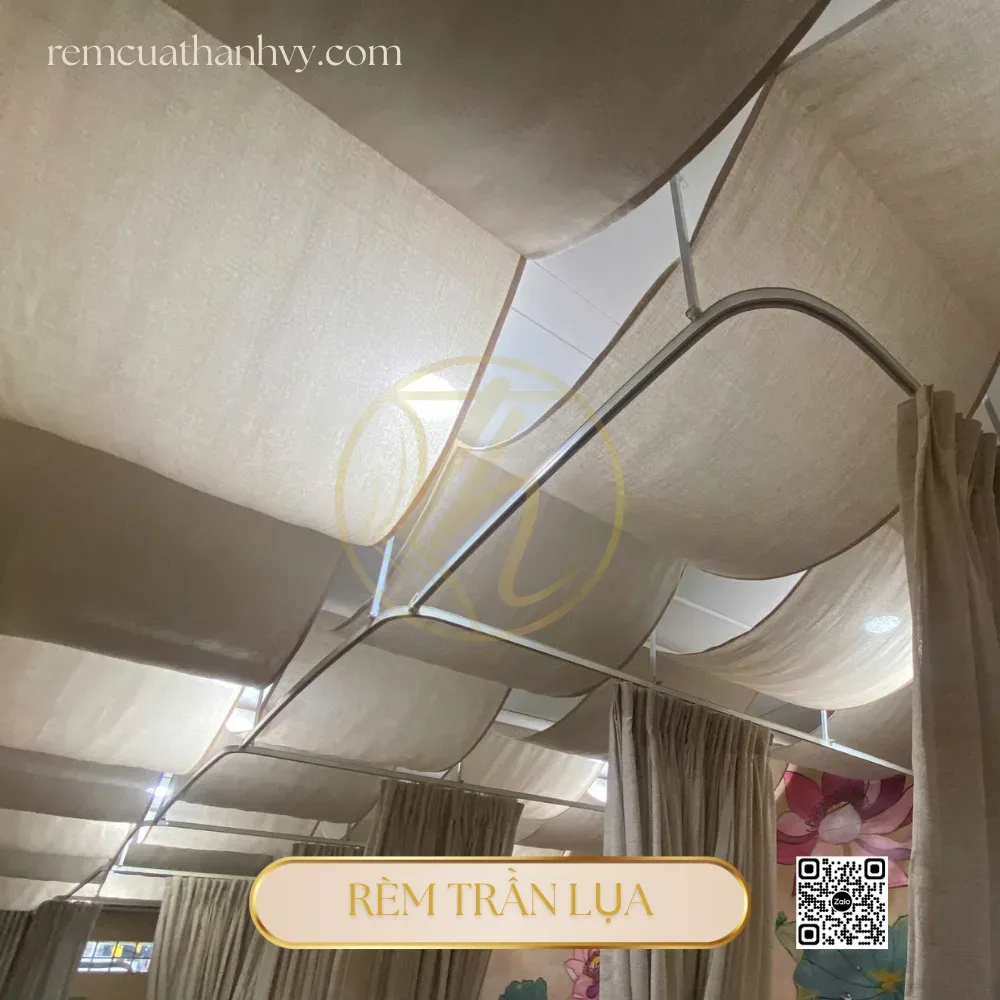
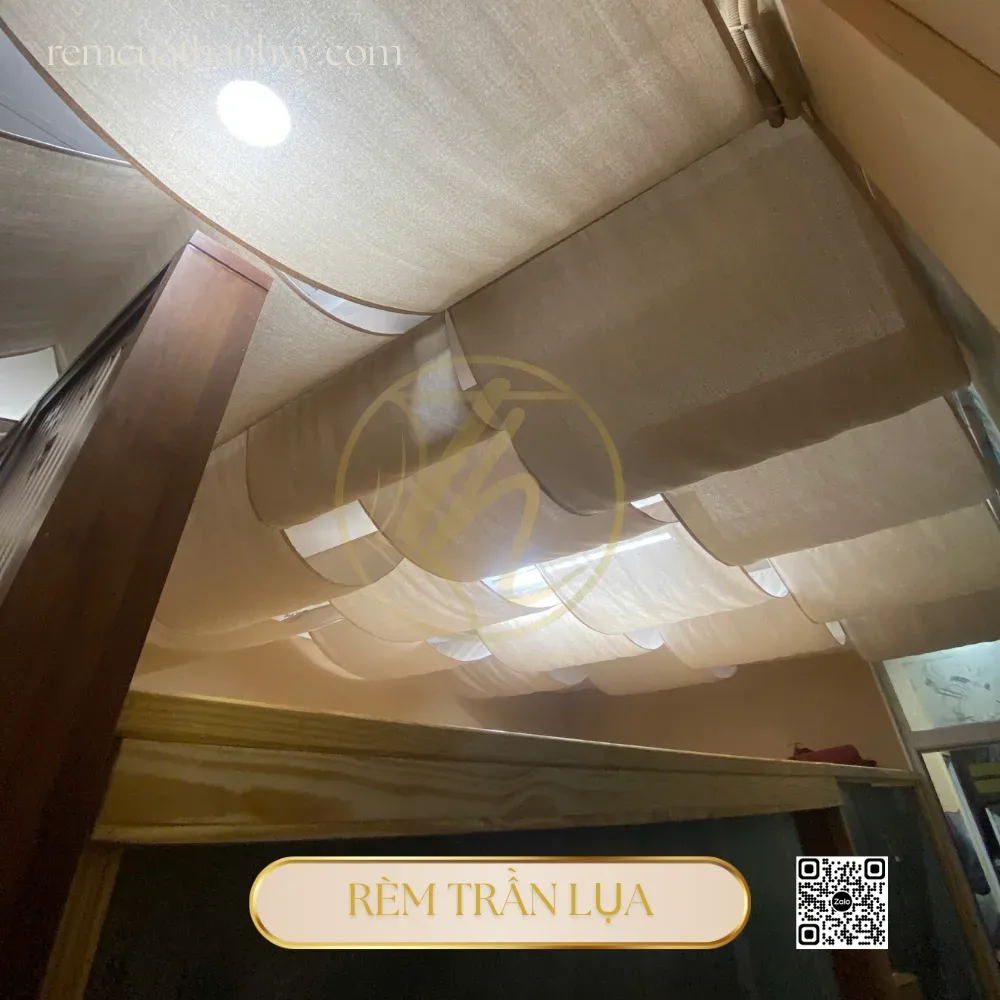
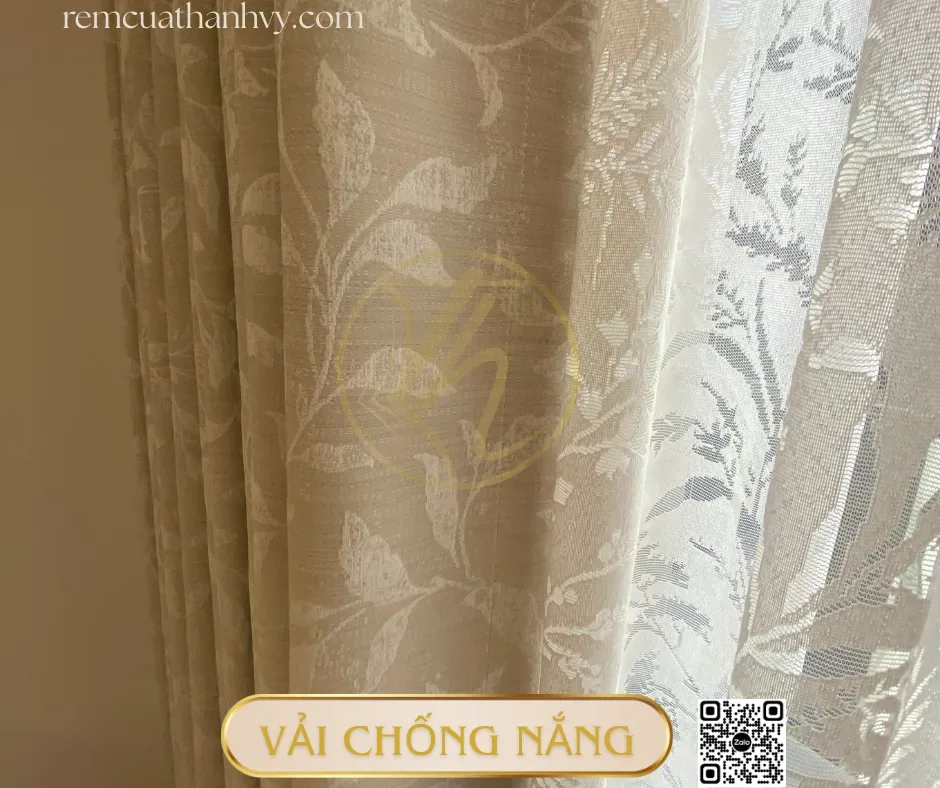
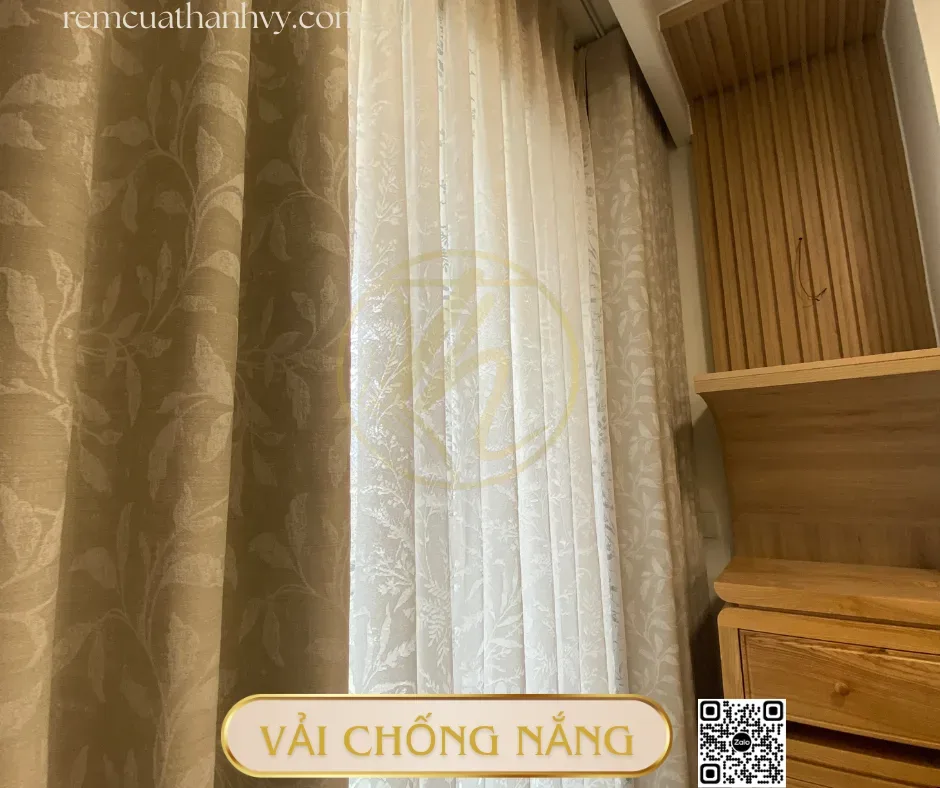
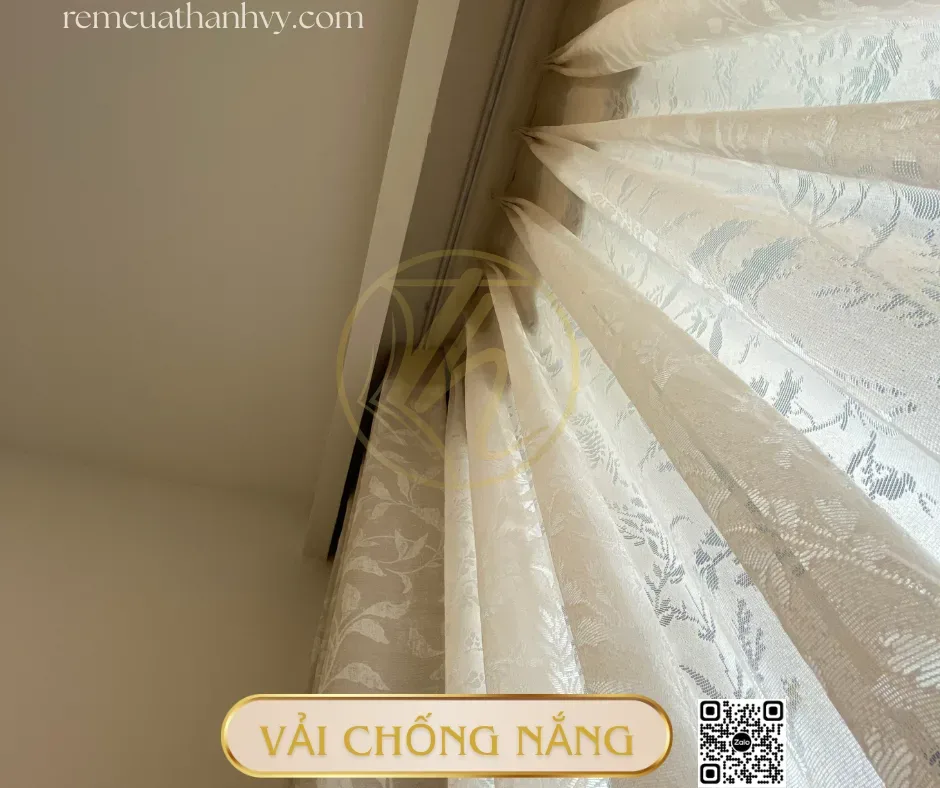
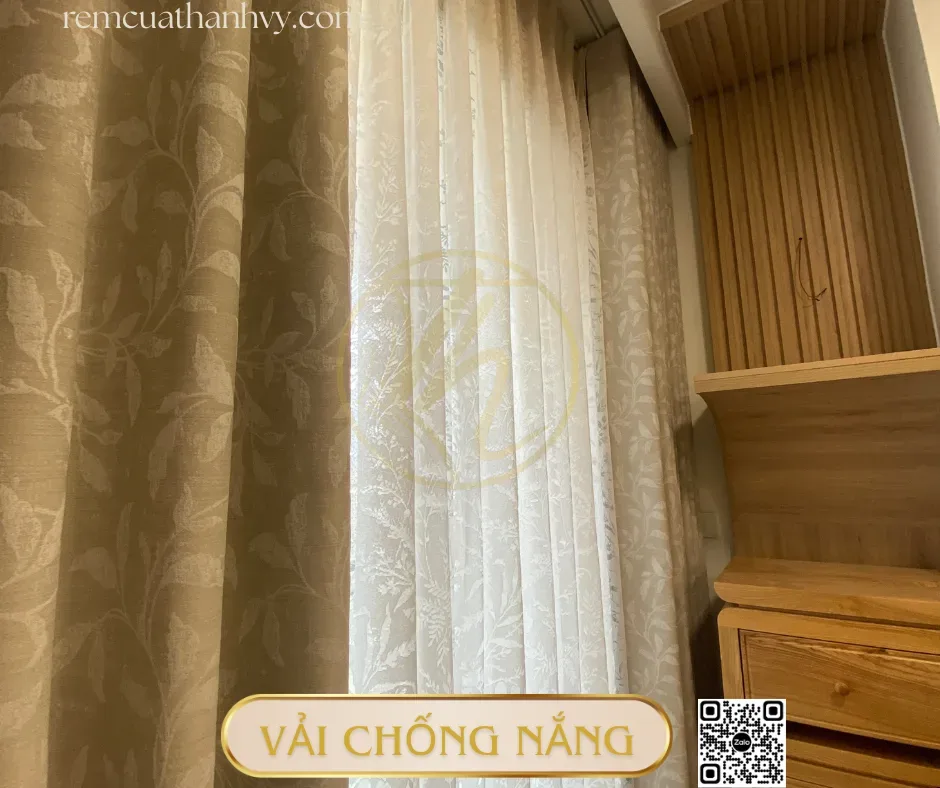
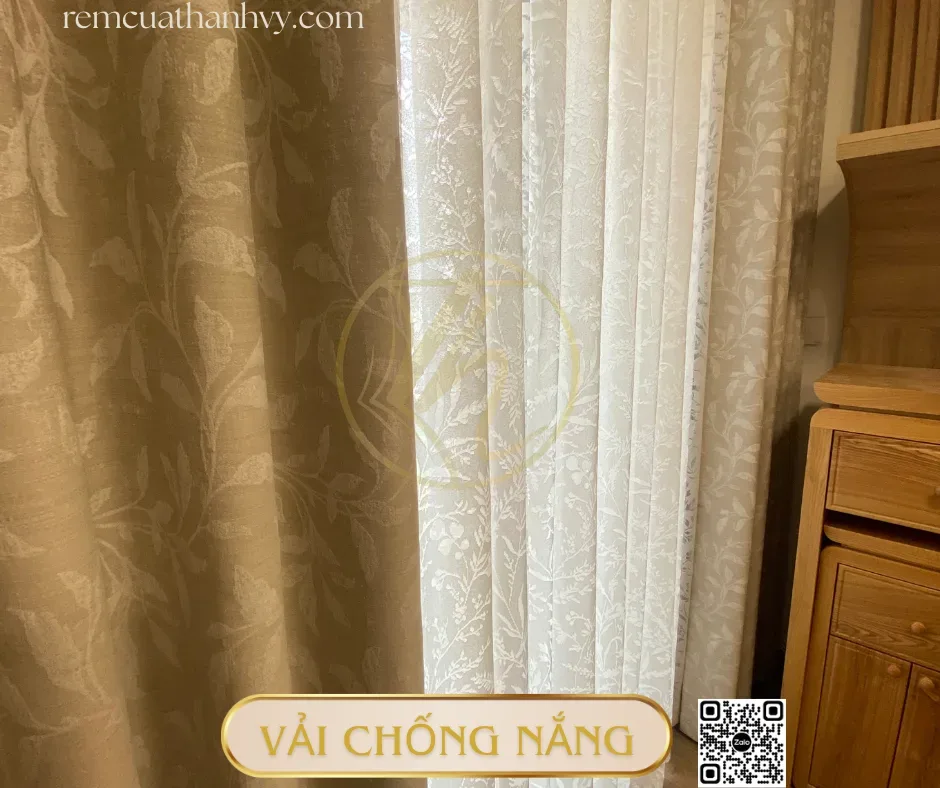
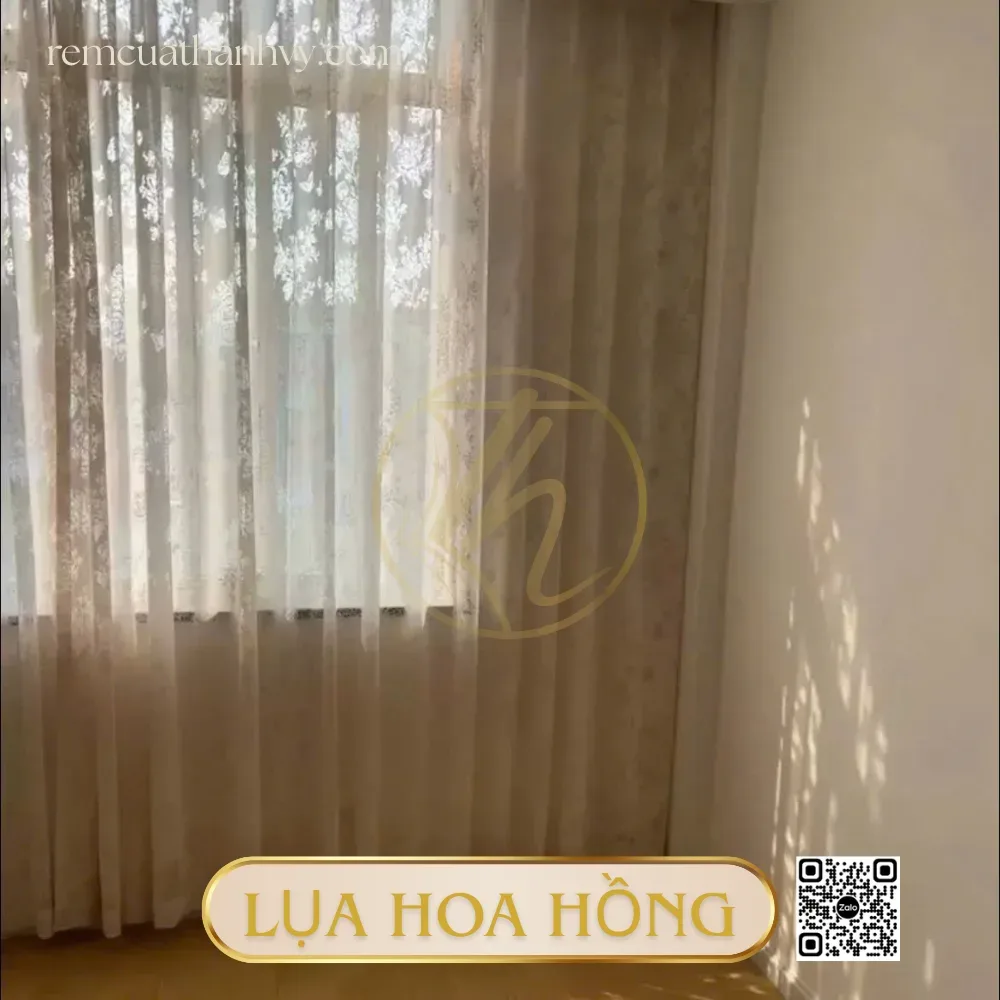
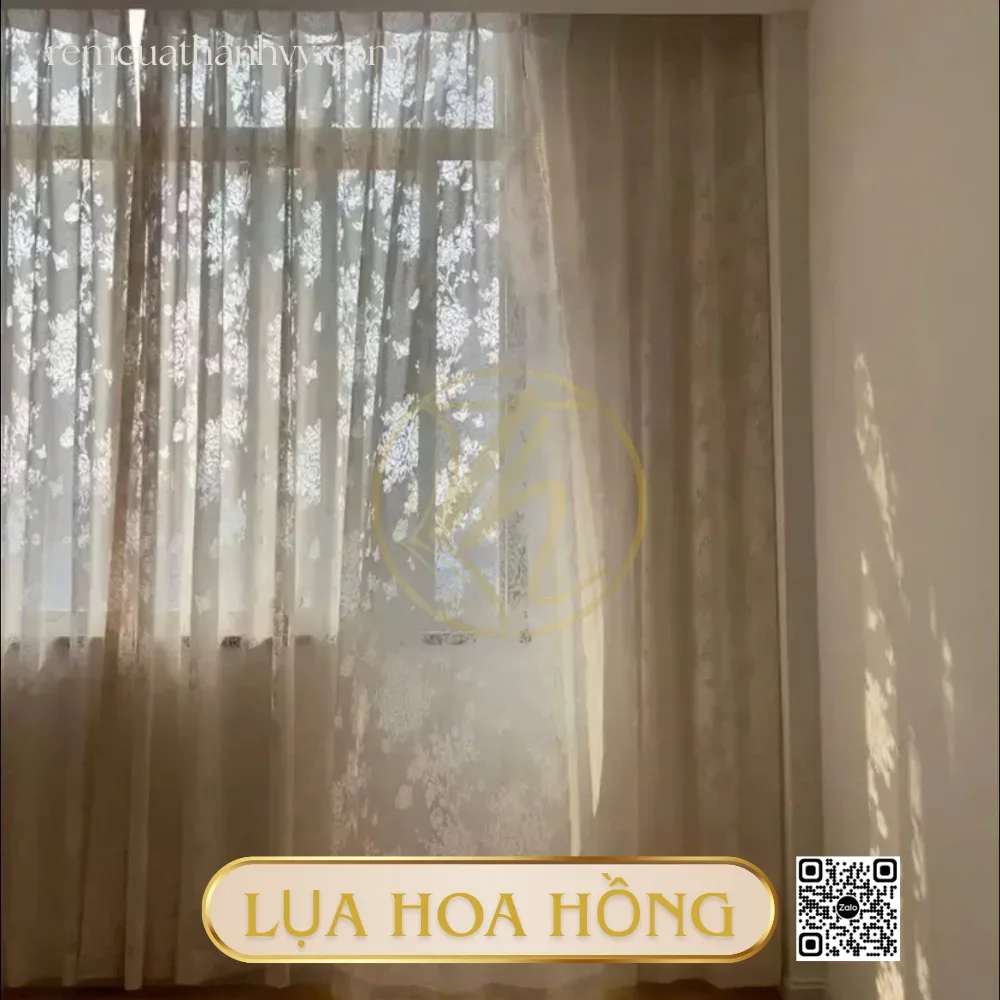
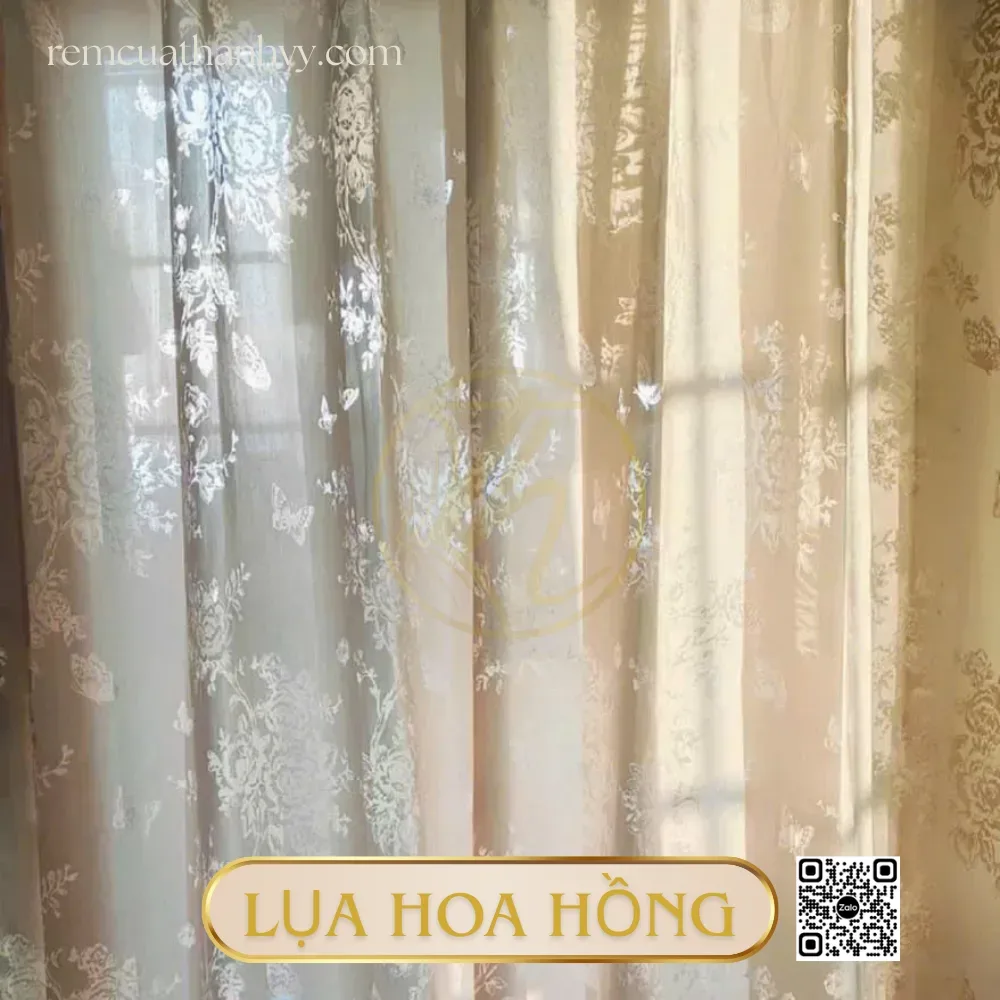
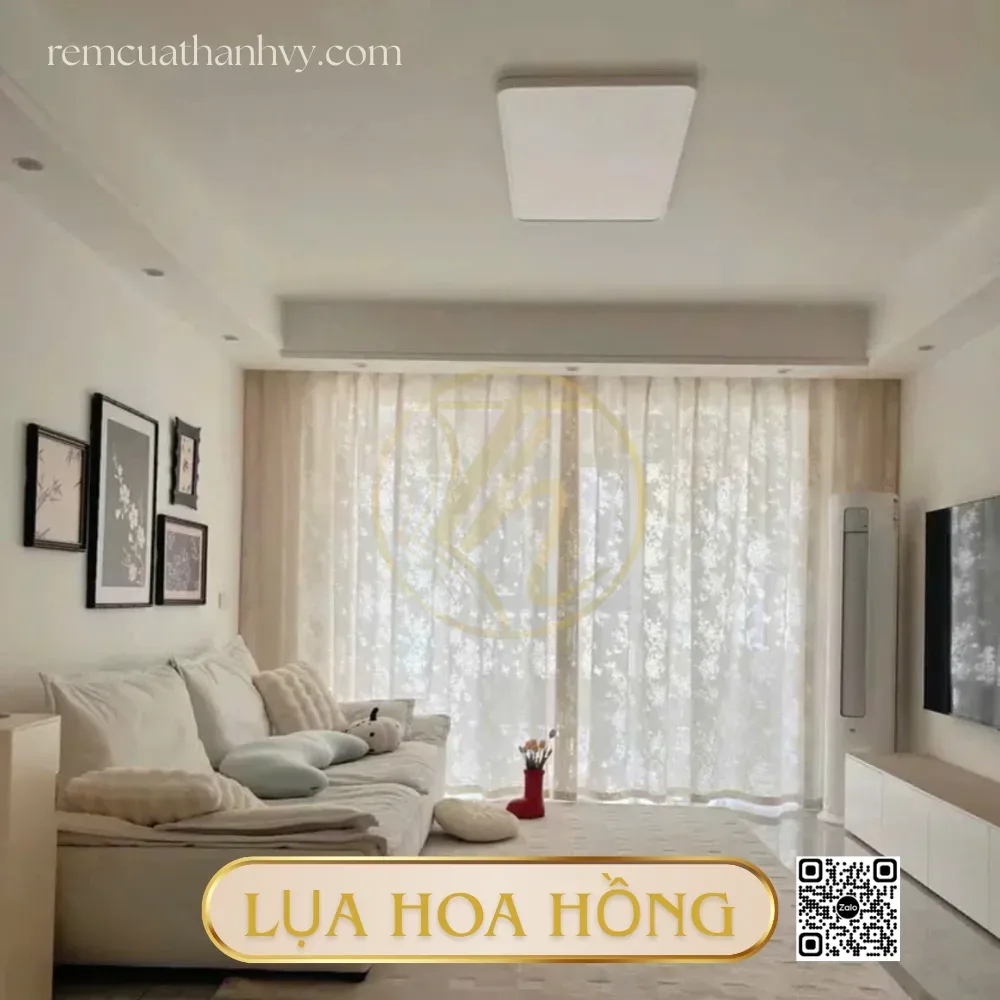
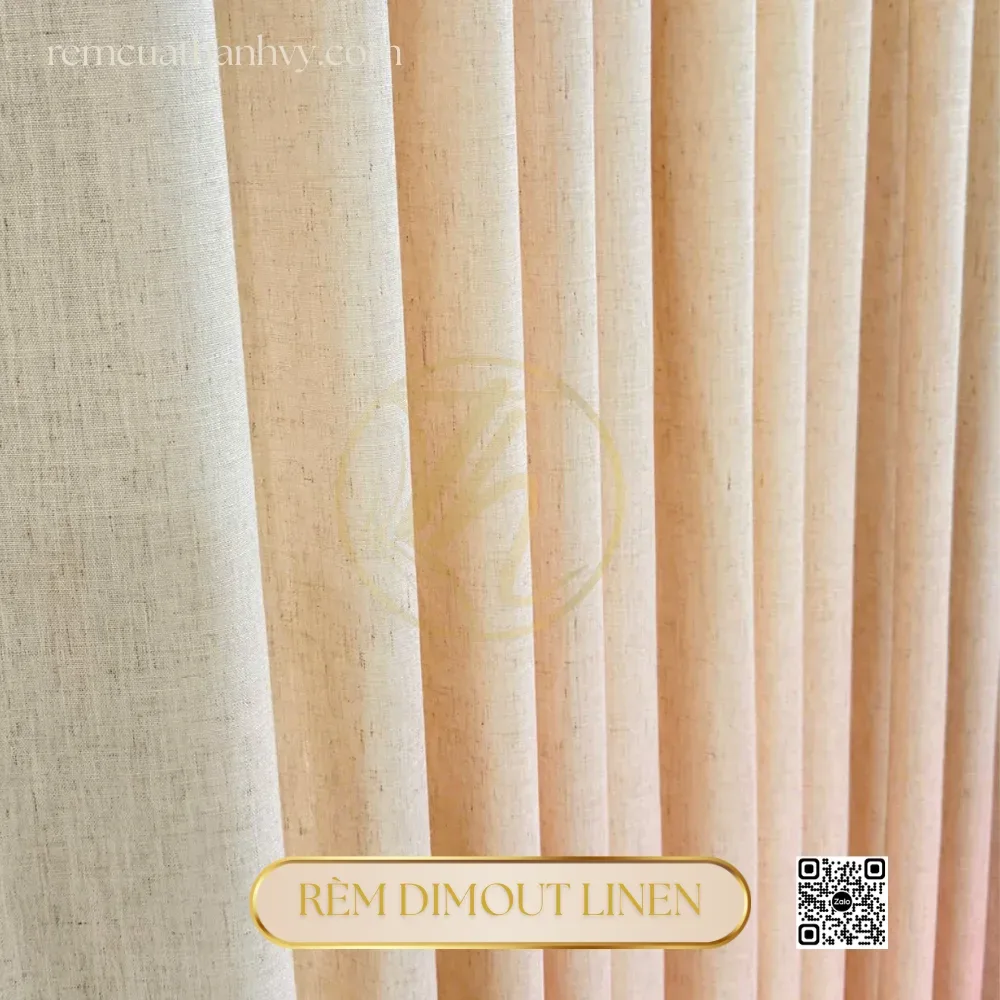
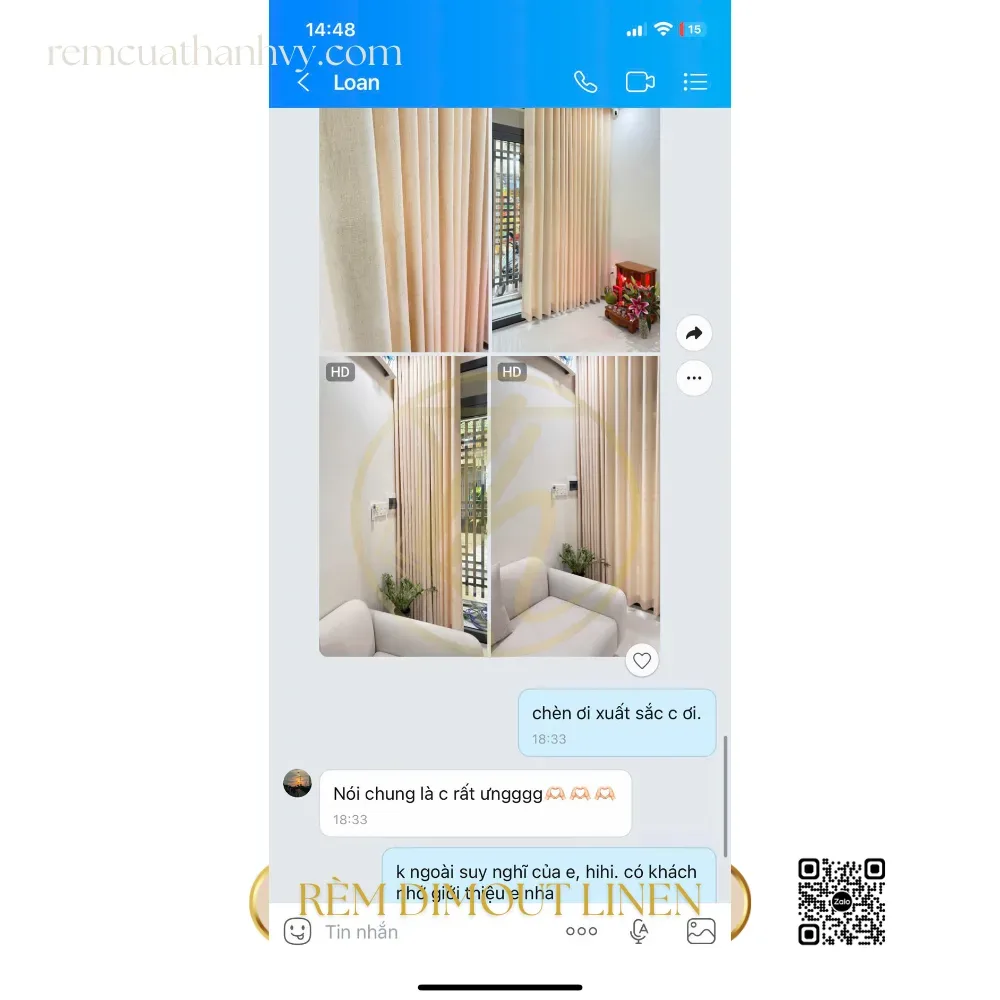
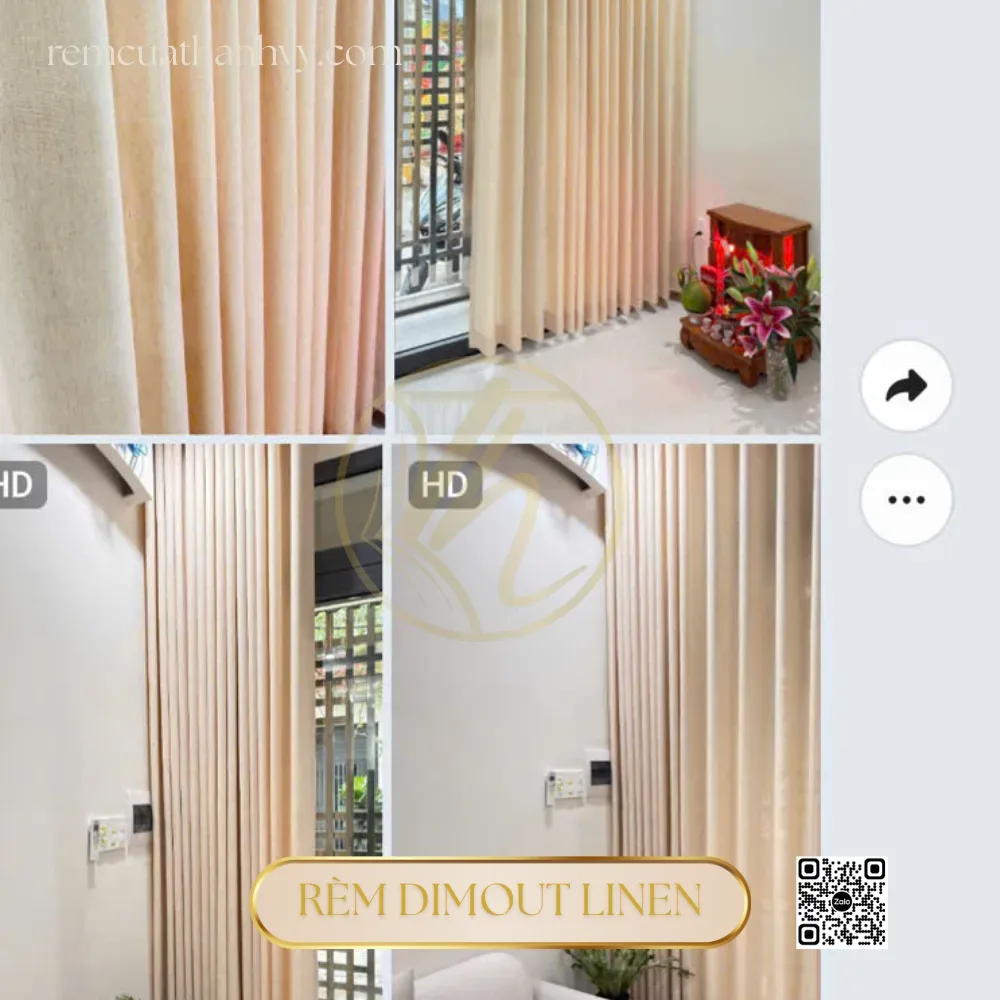
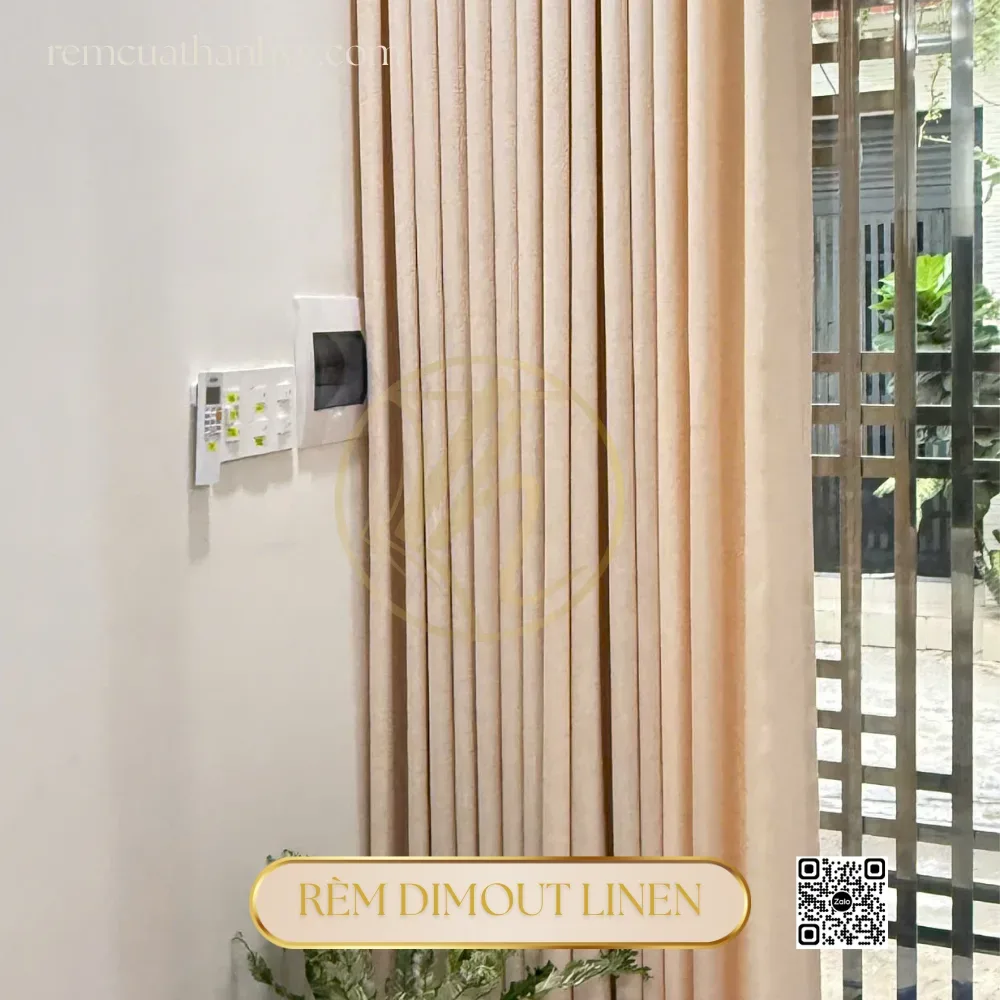
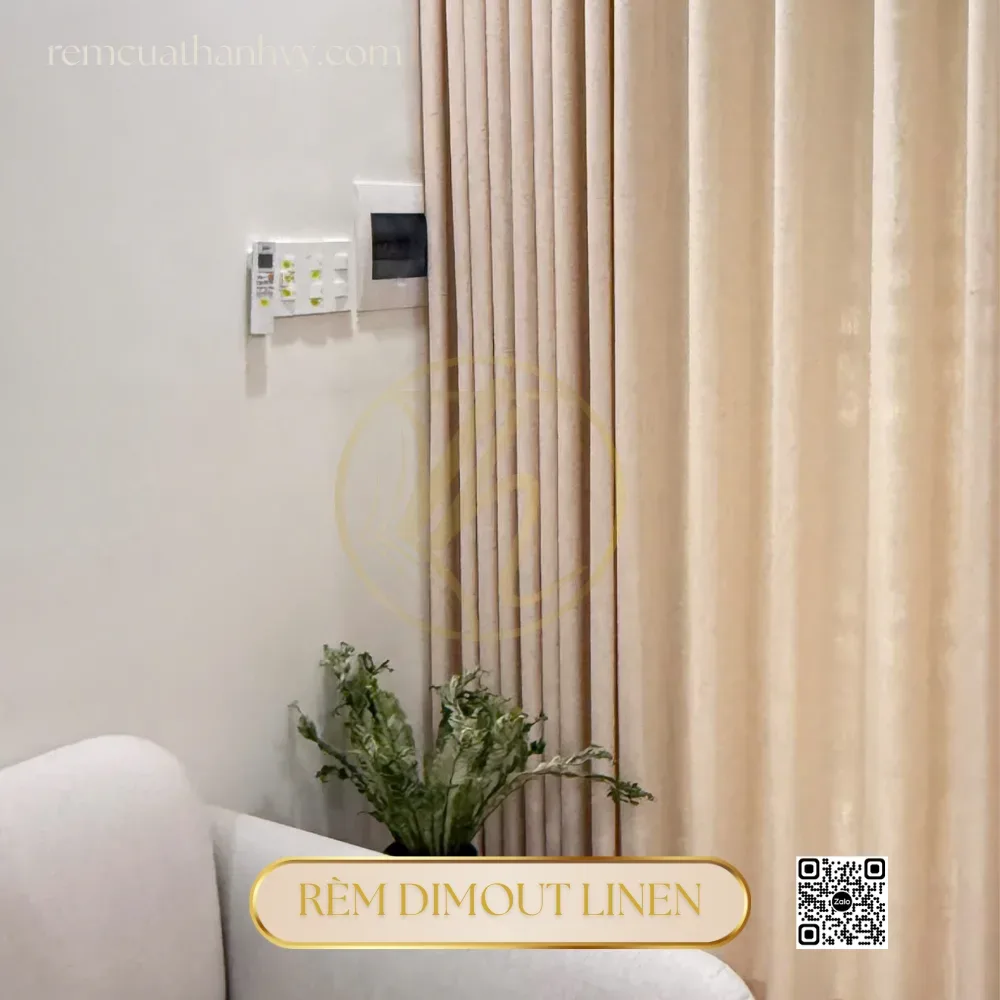
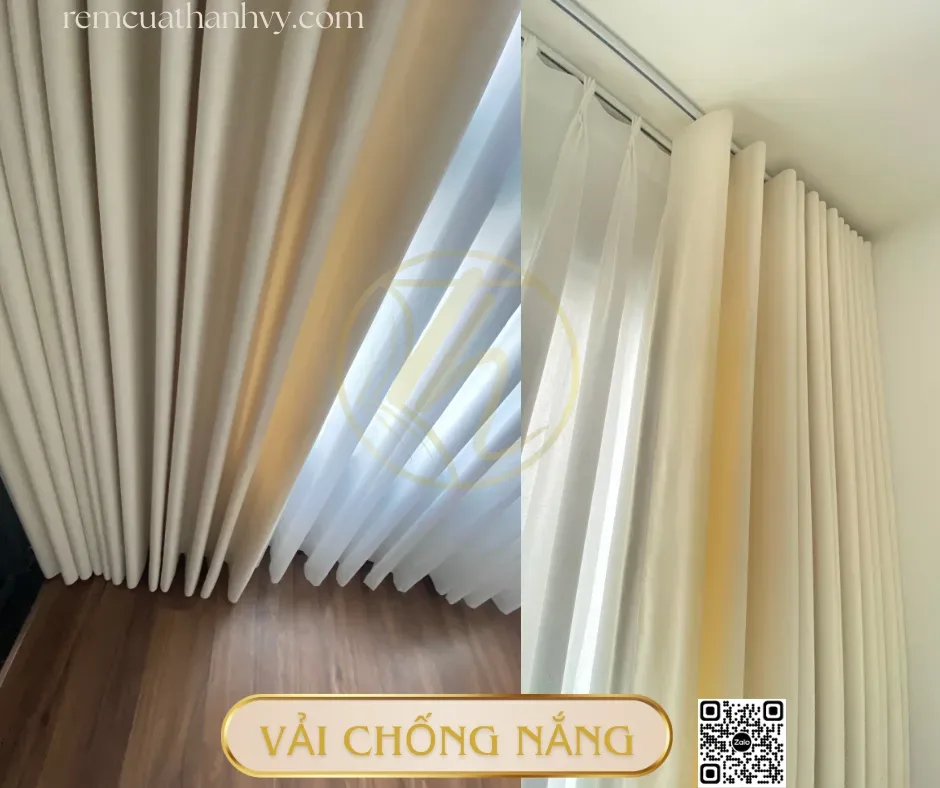
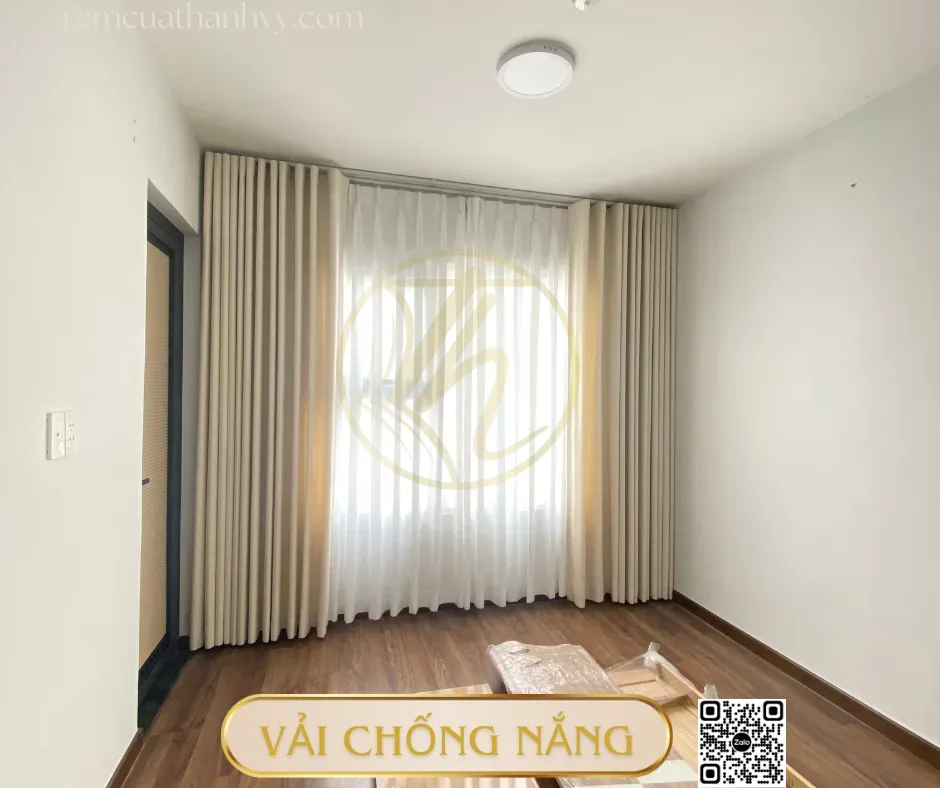
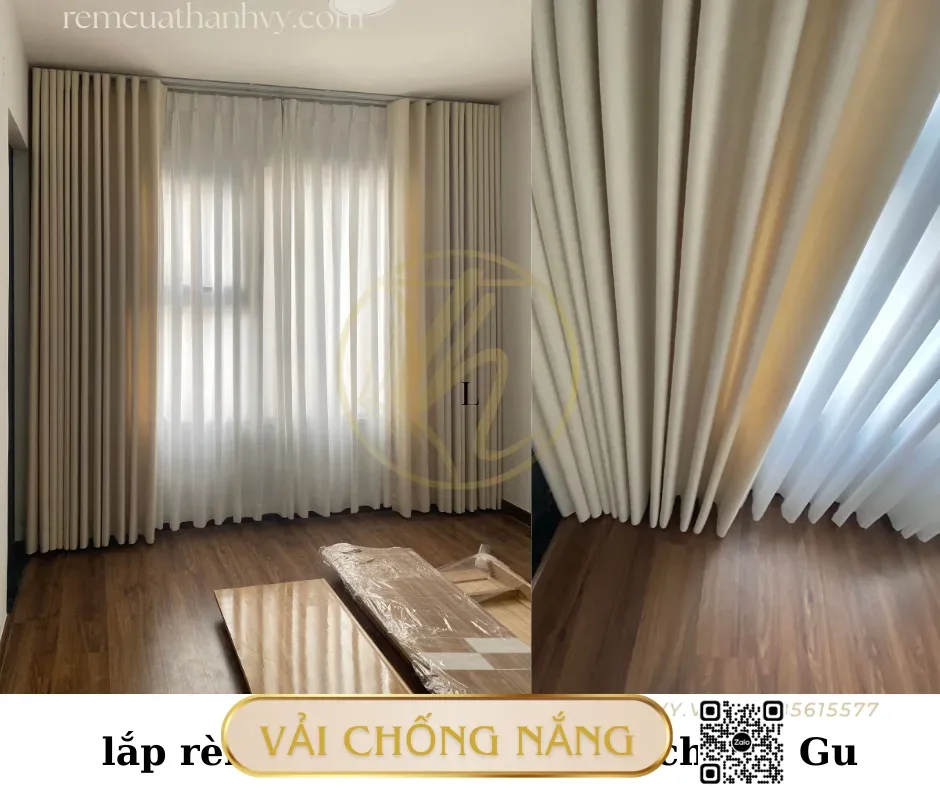
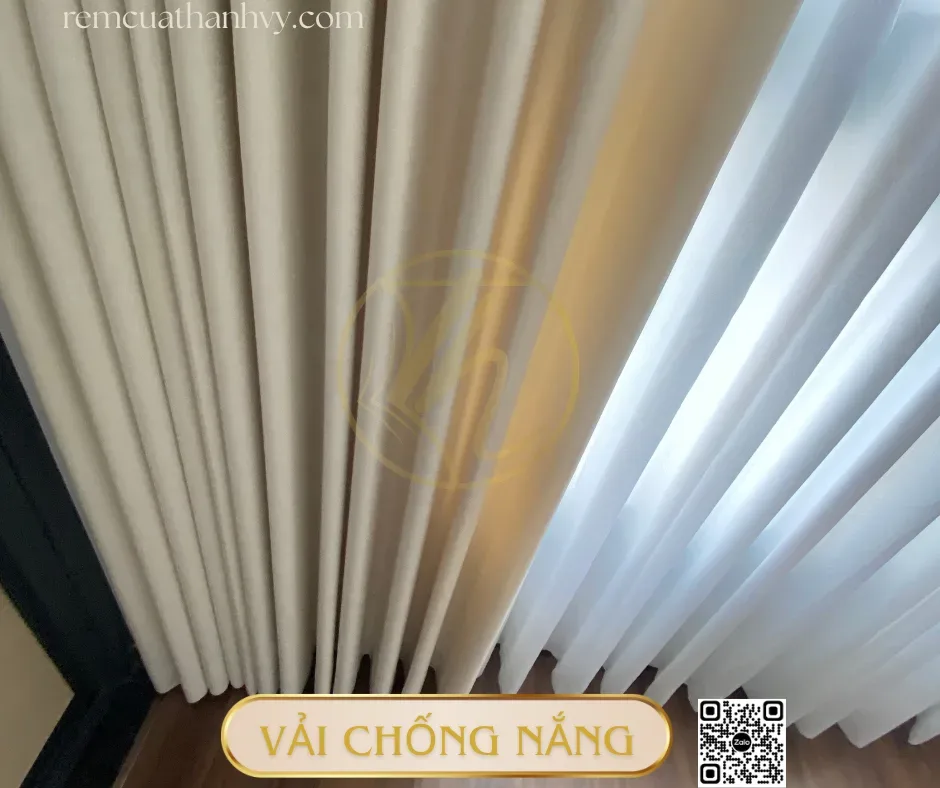
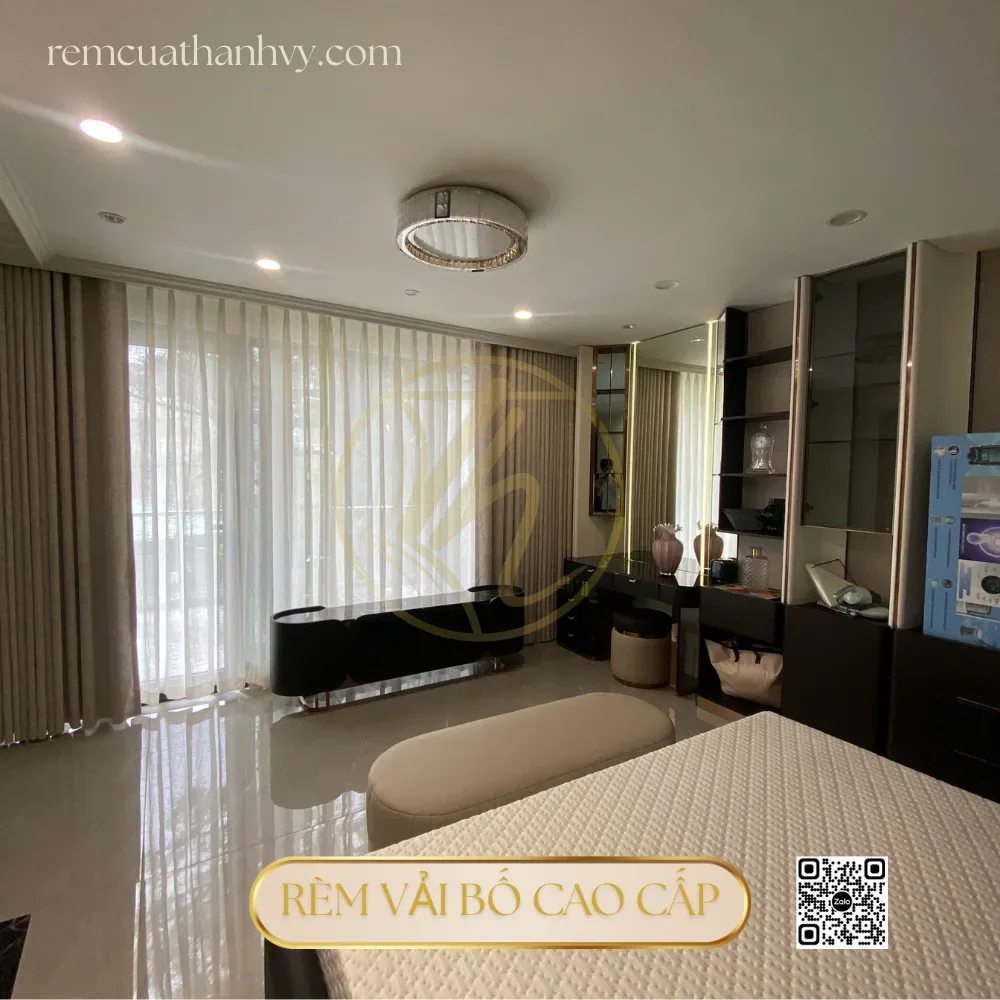
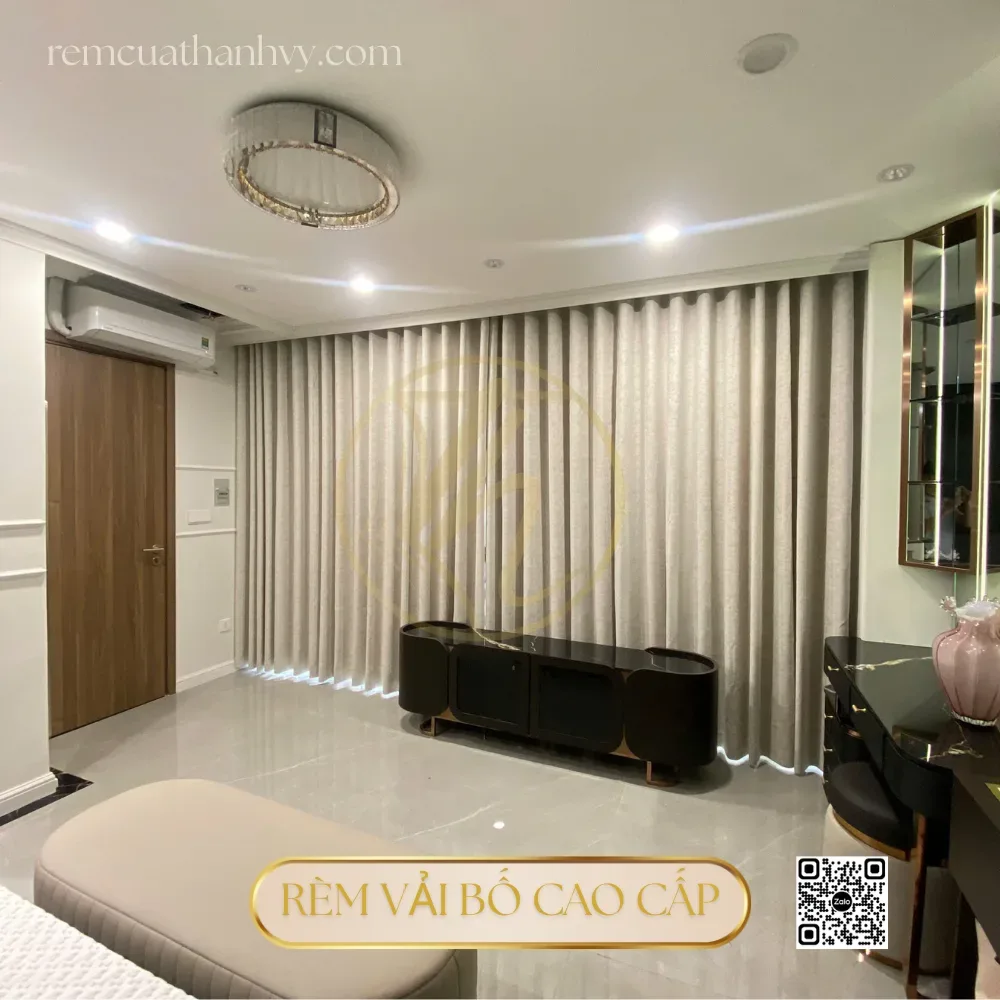
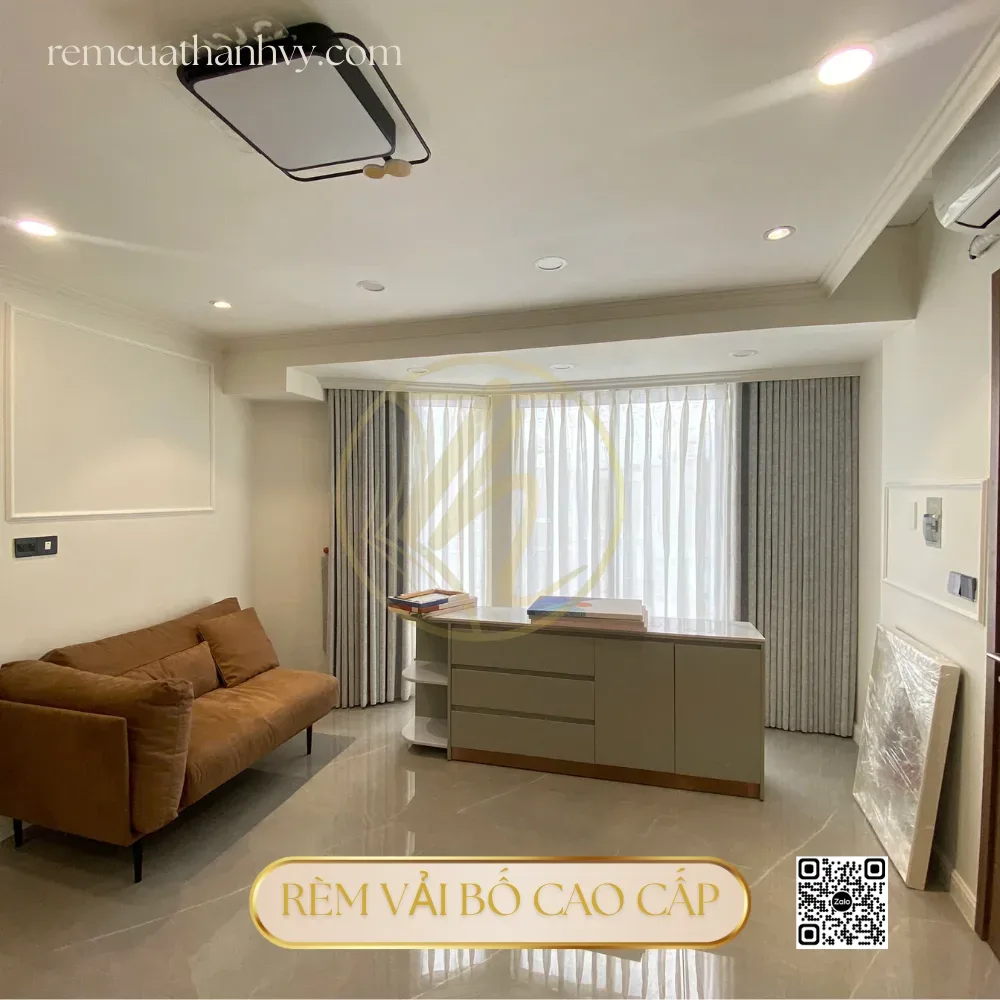
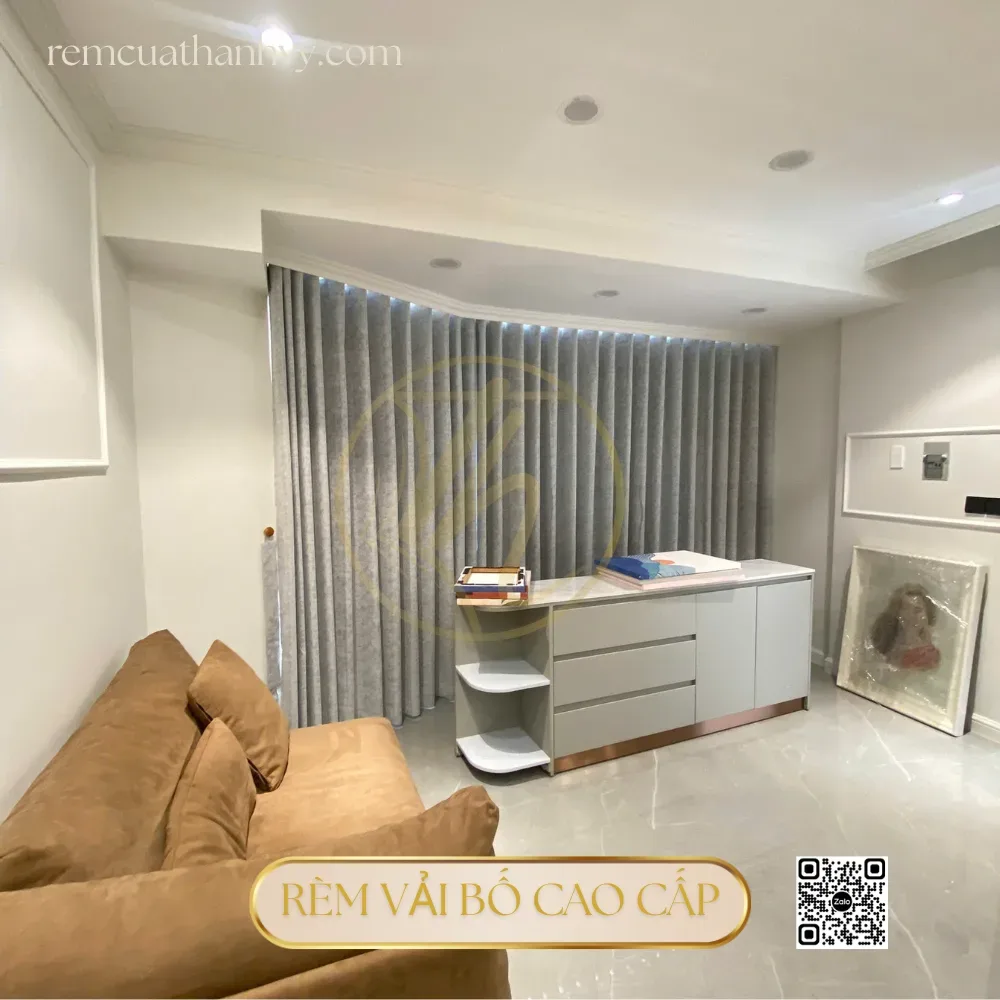
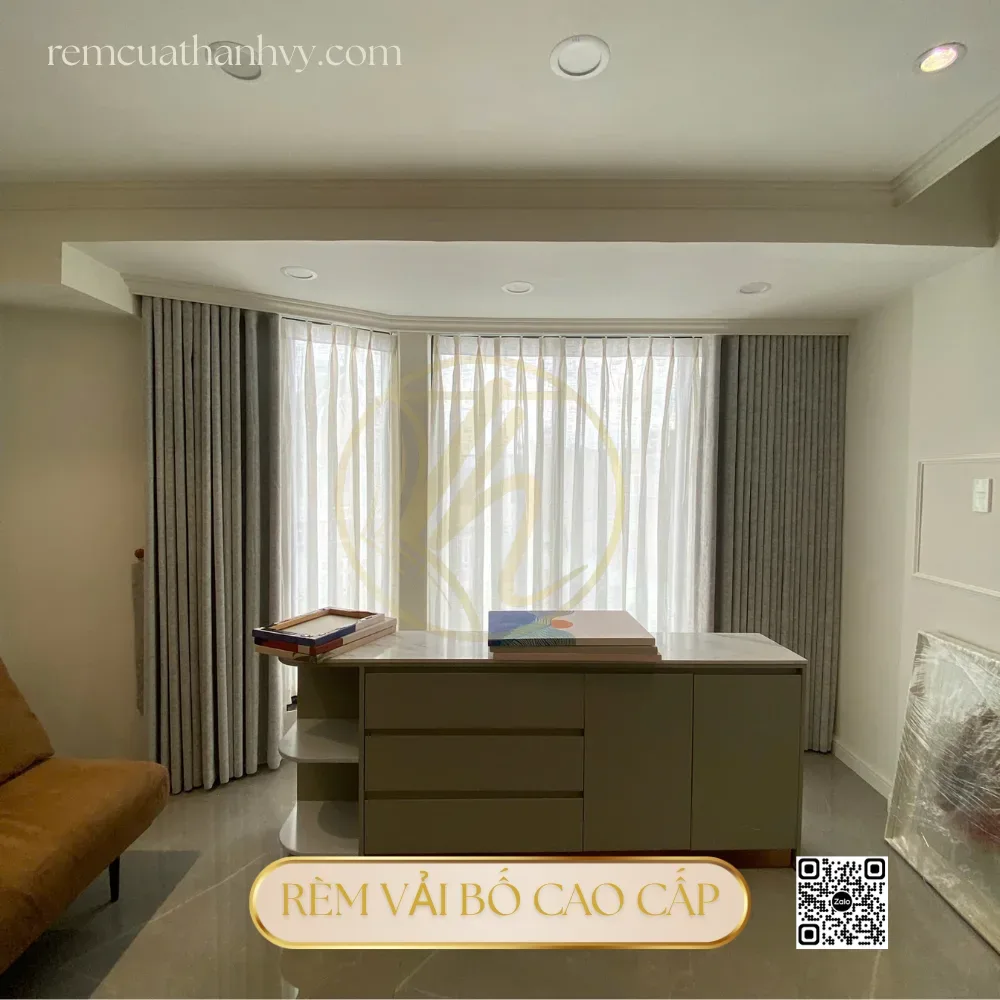
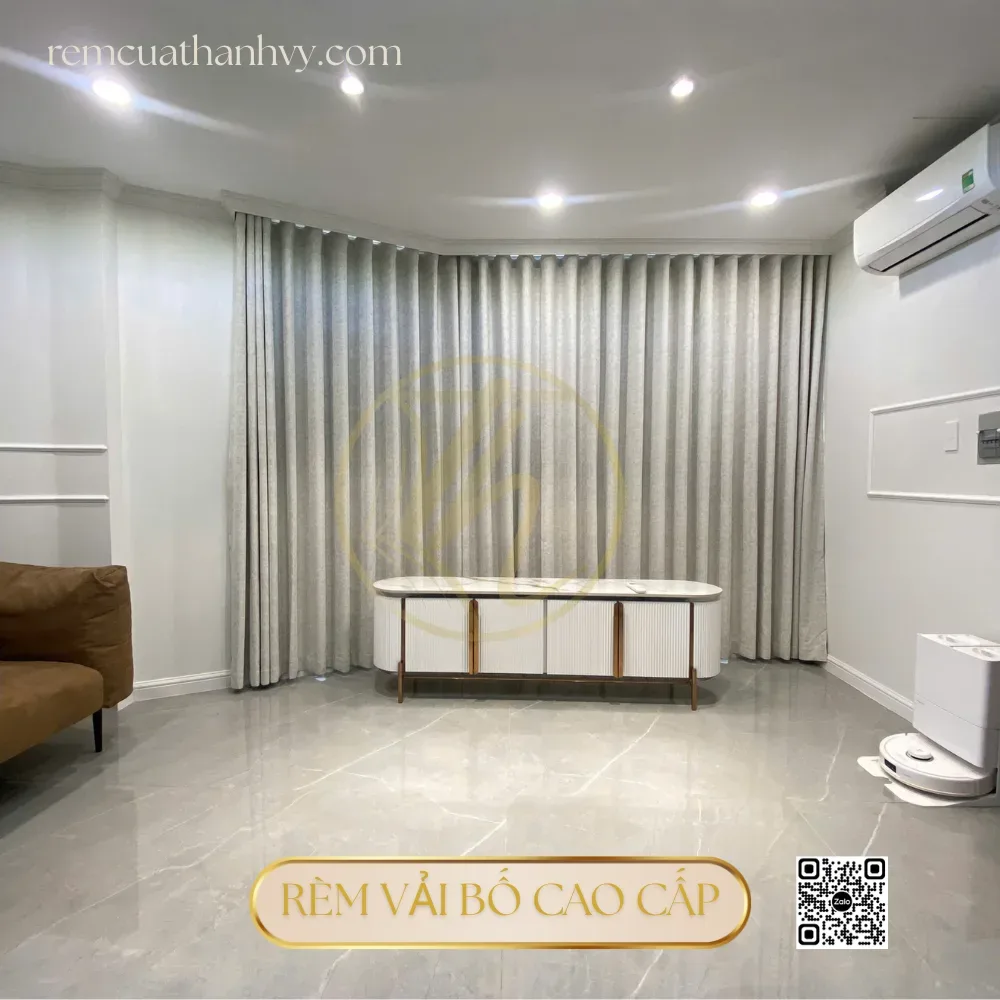
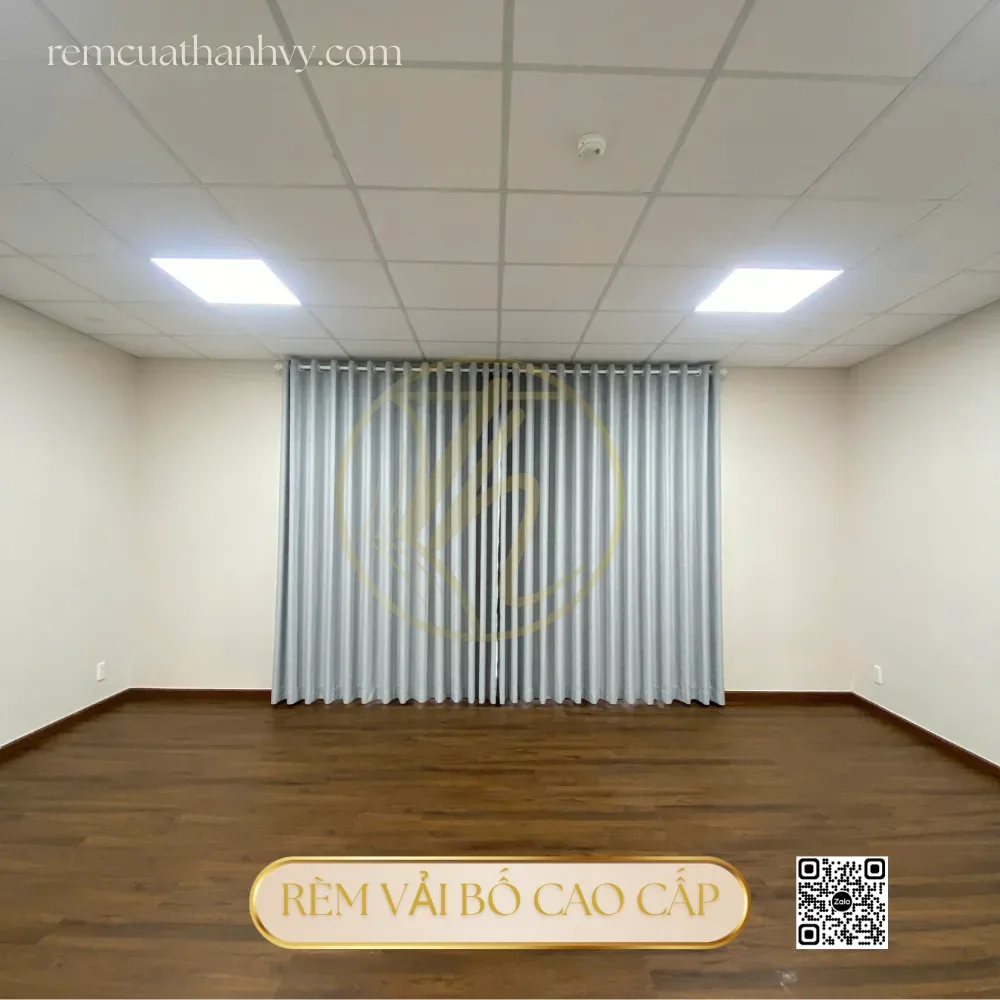
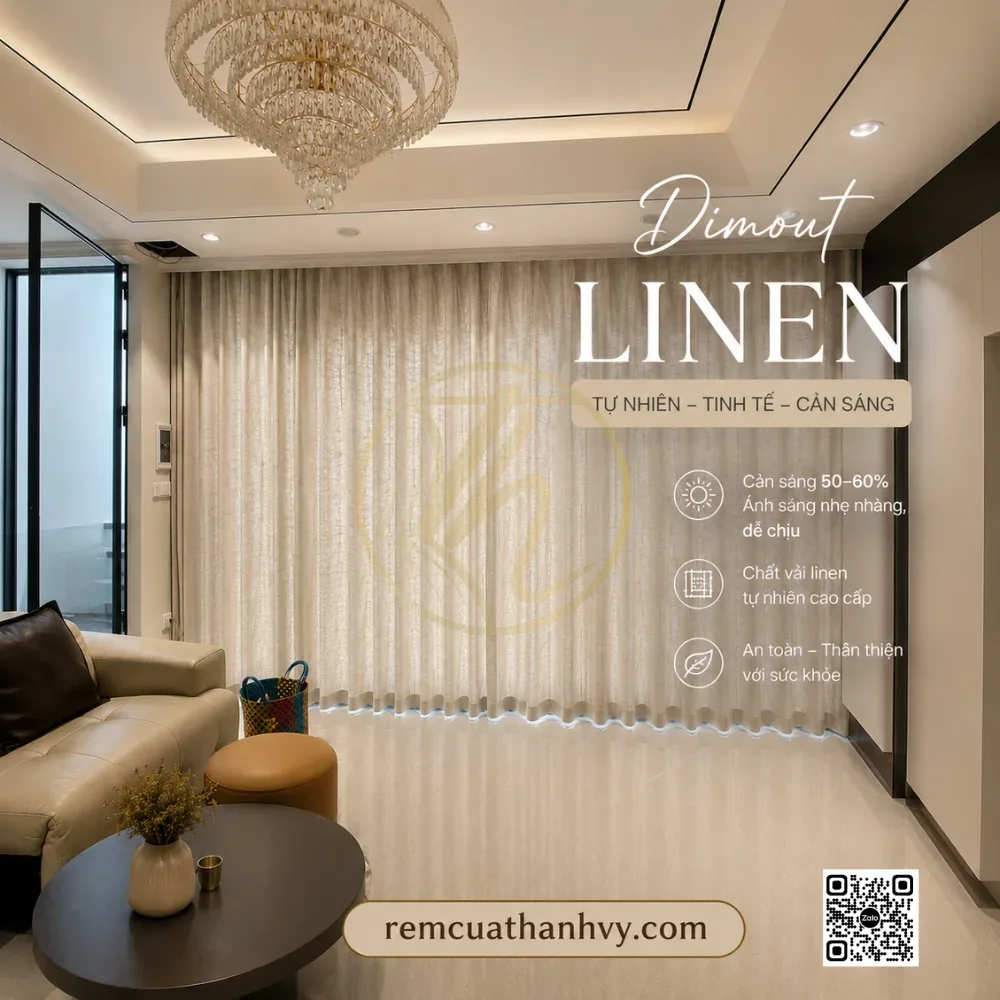
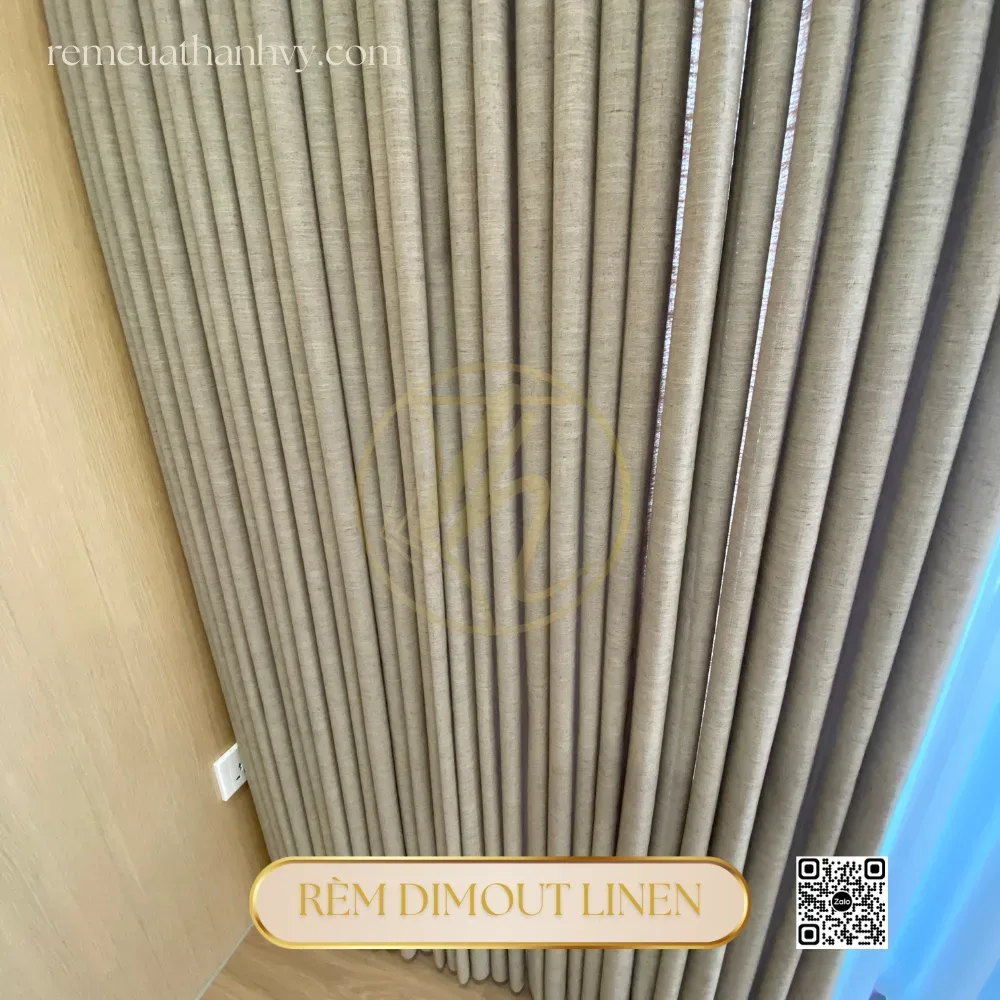
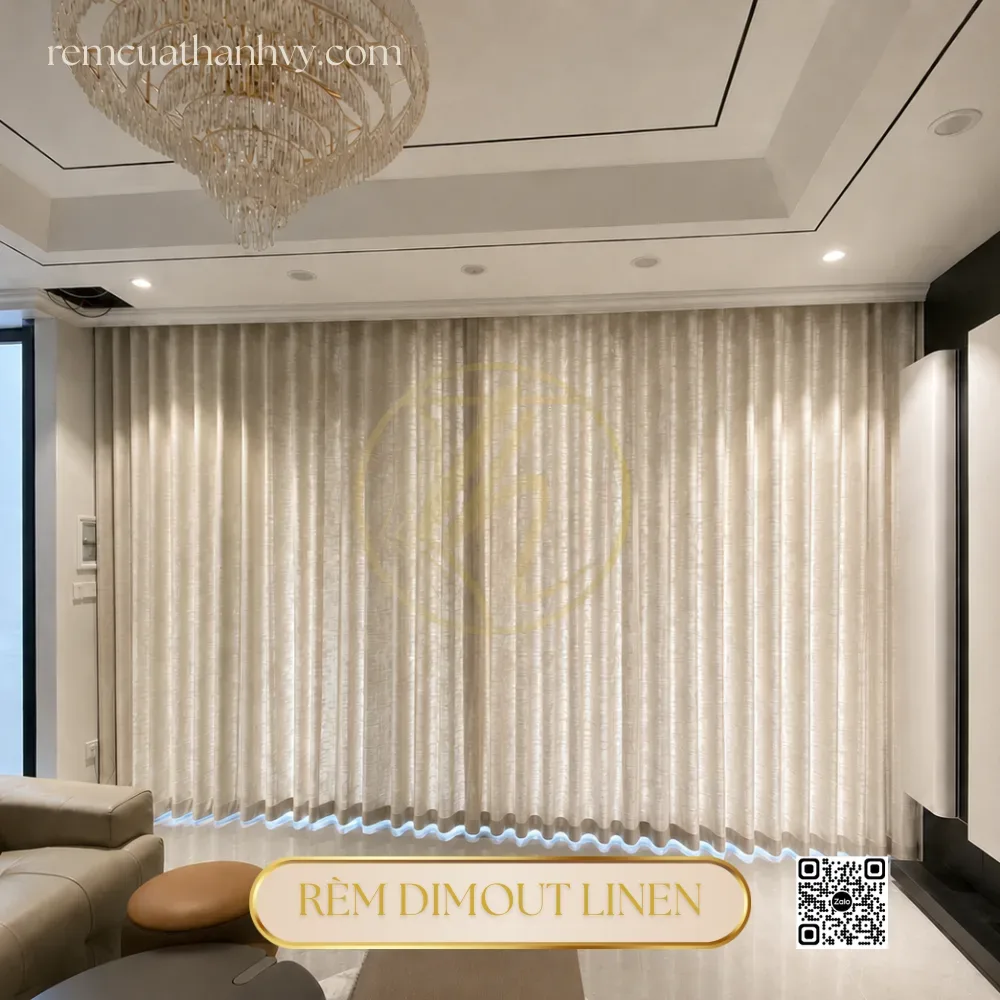
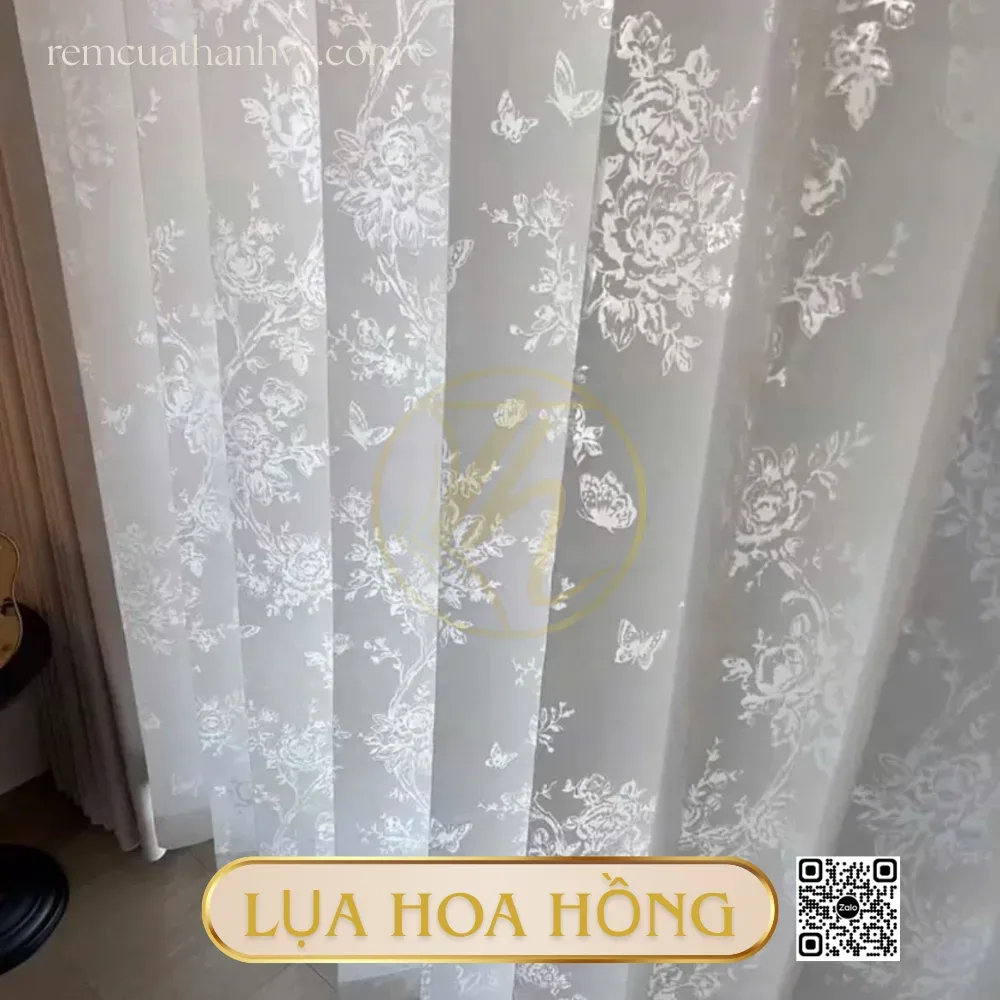
Voile Curtains
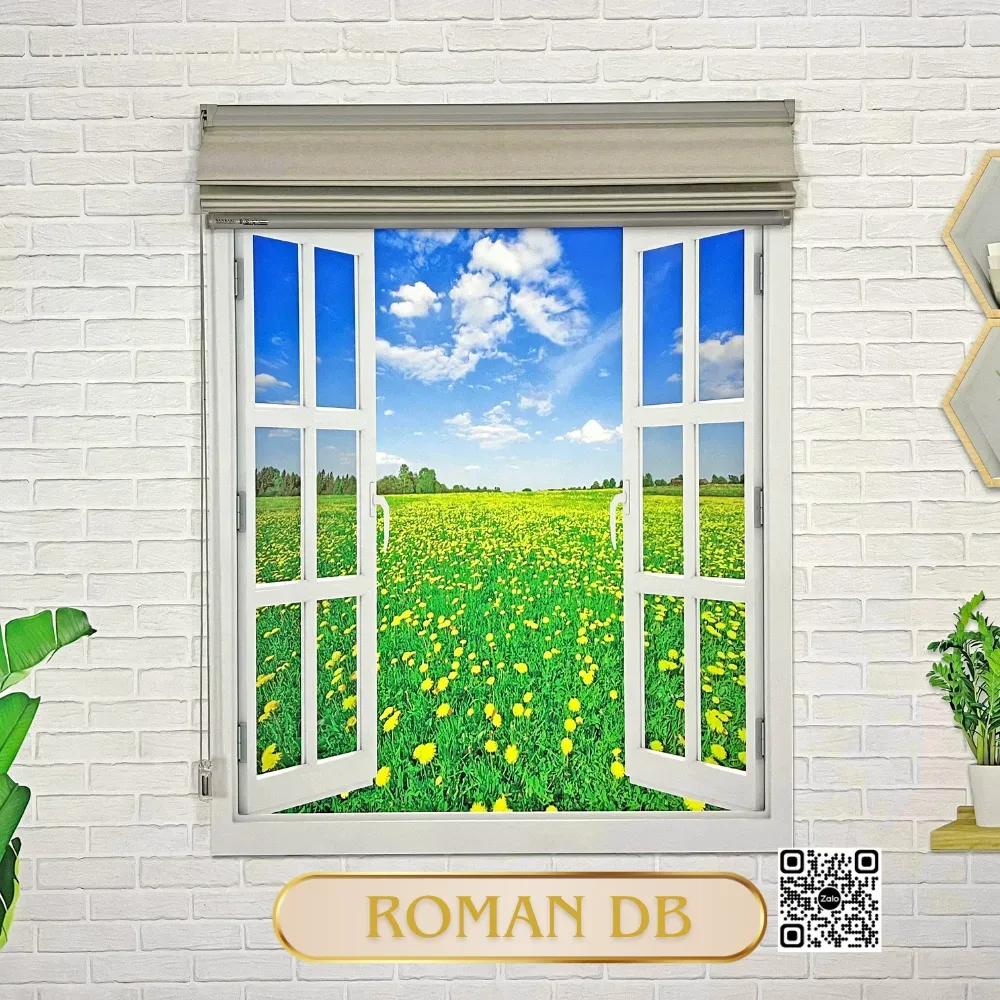
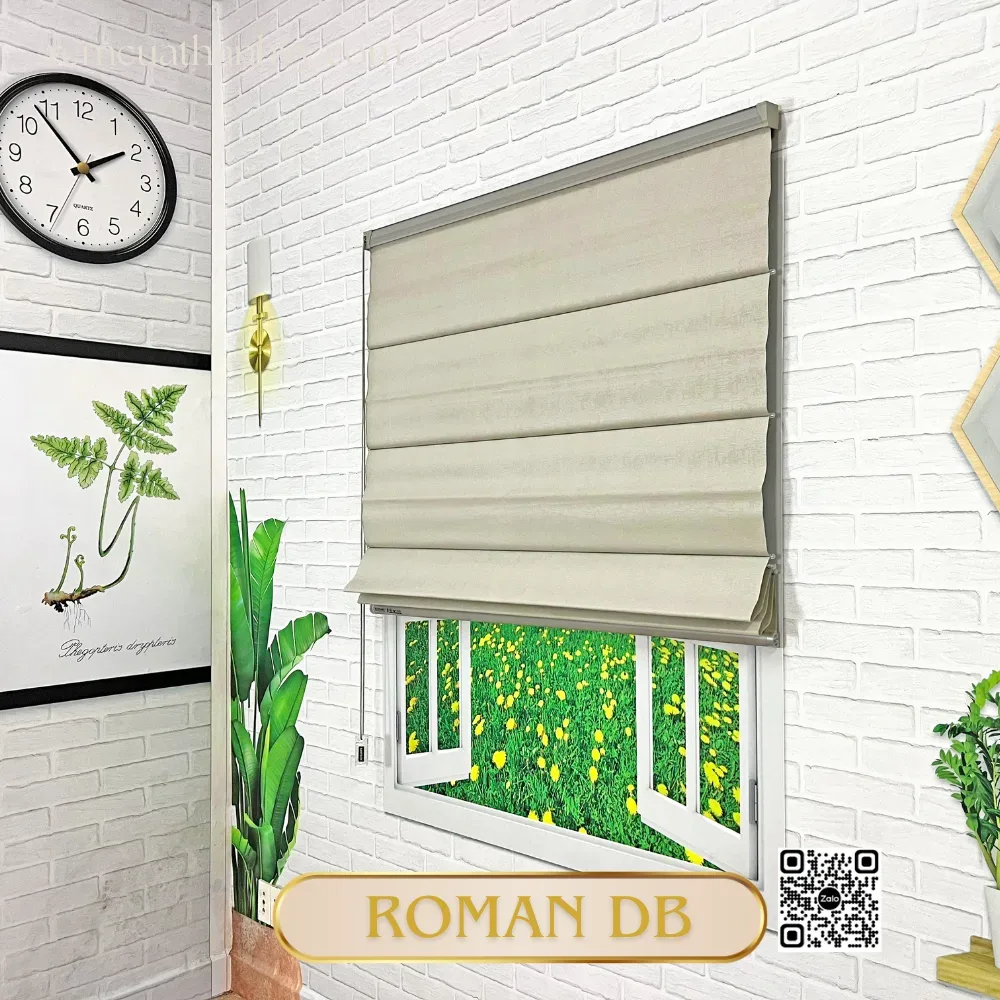
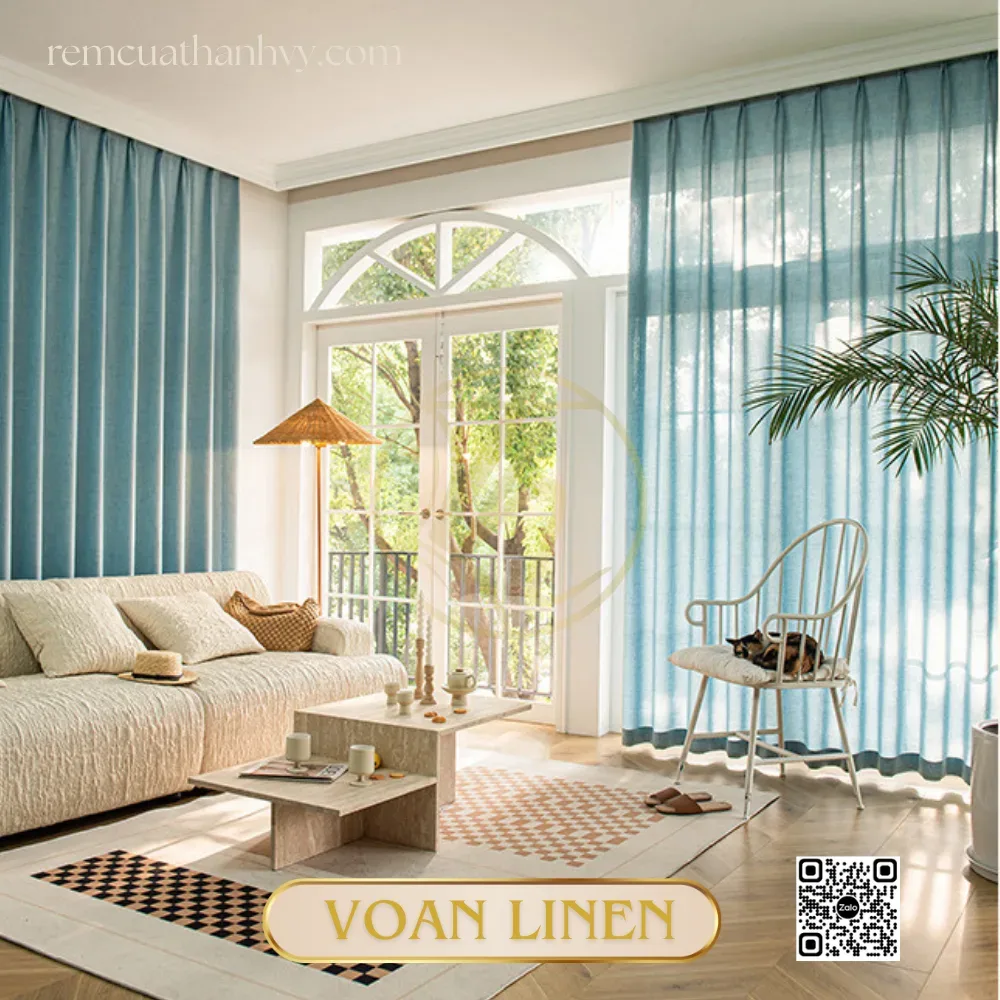
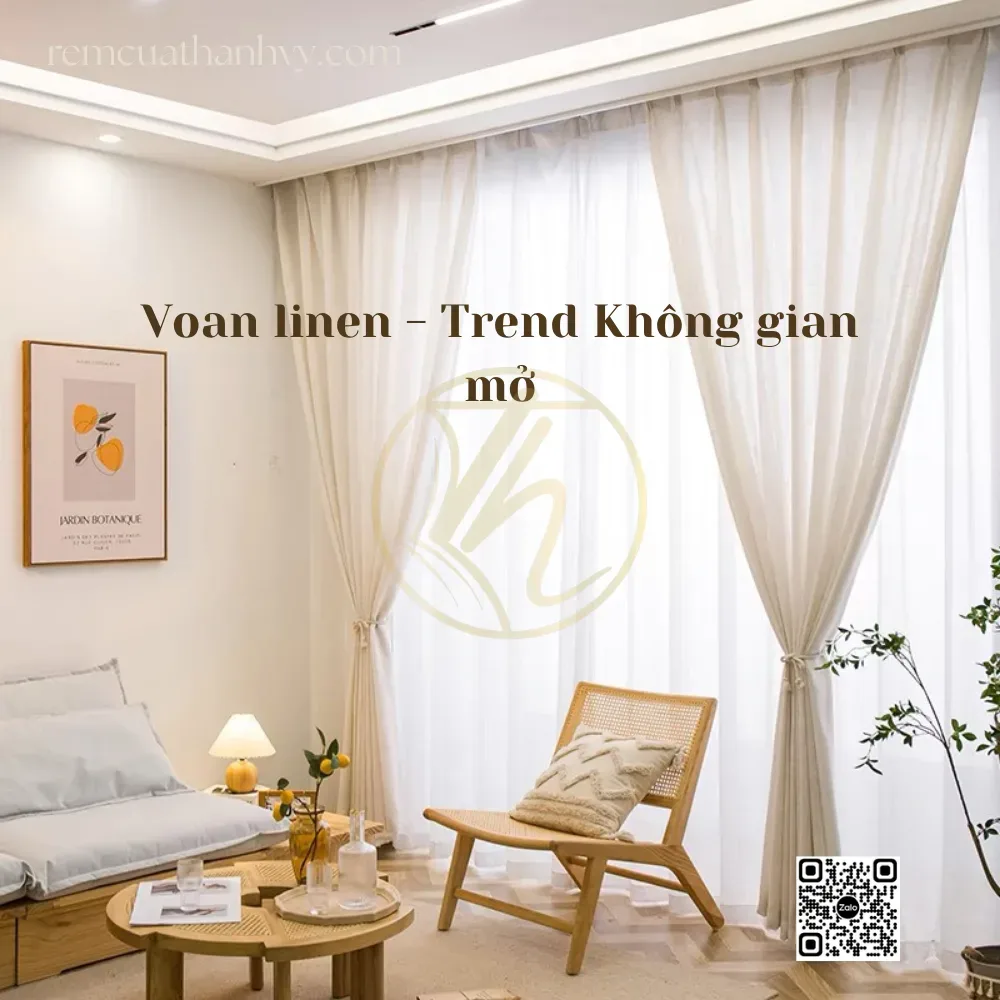
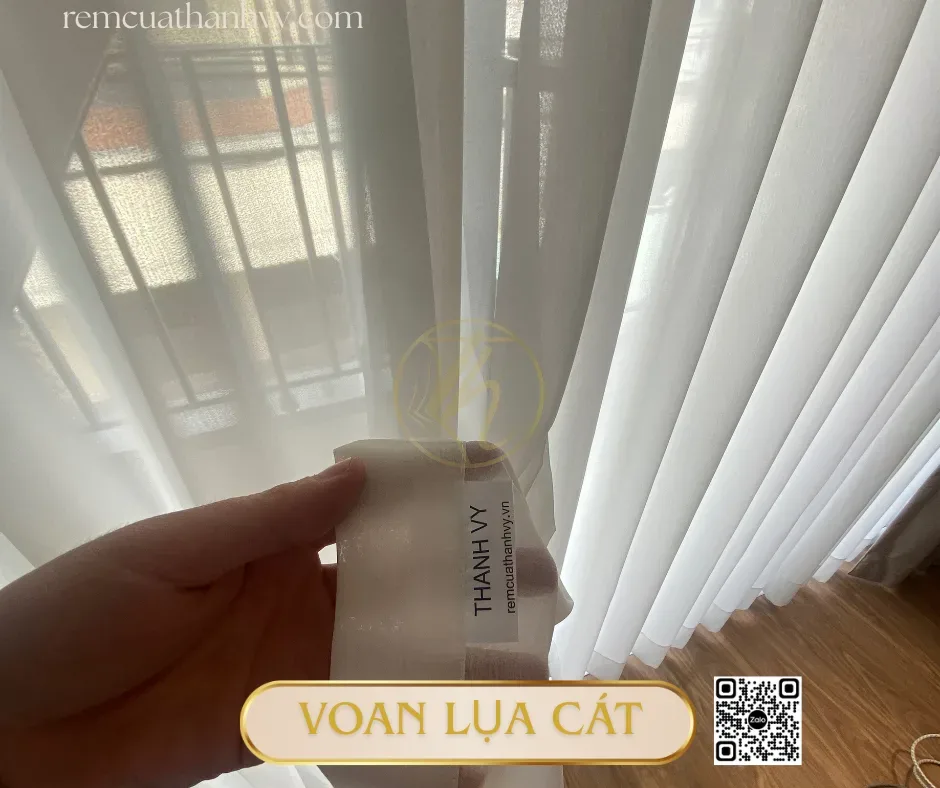
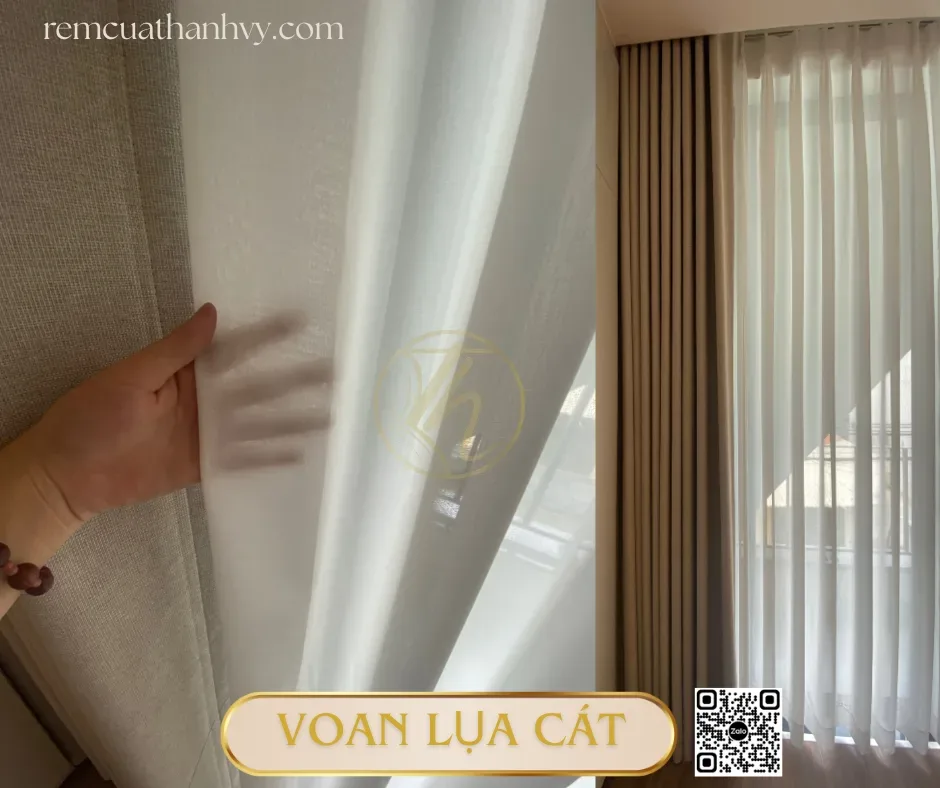
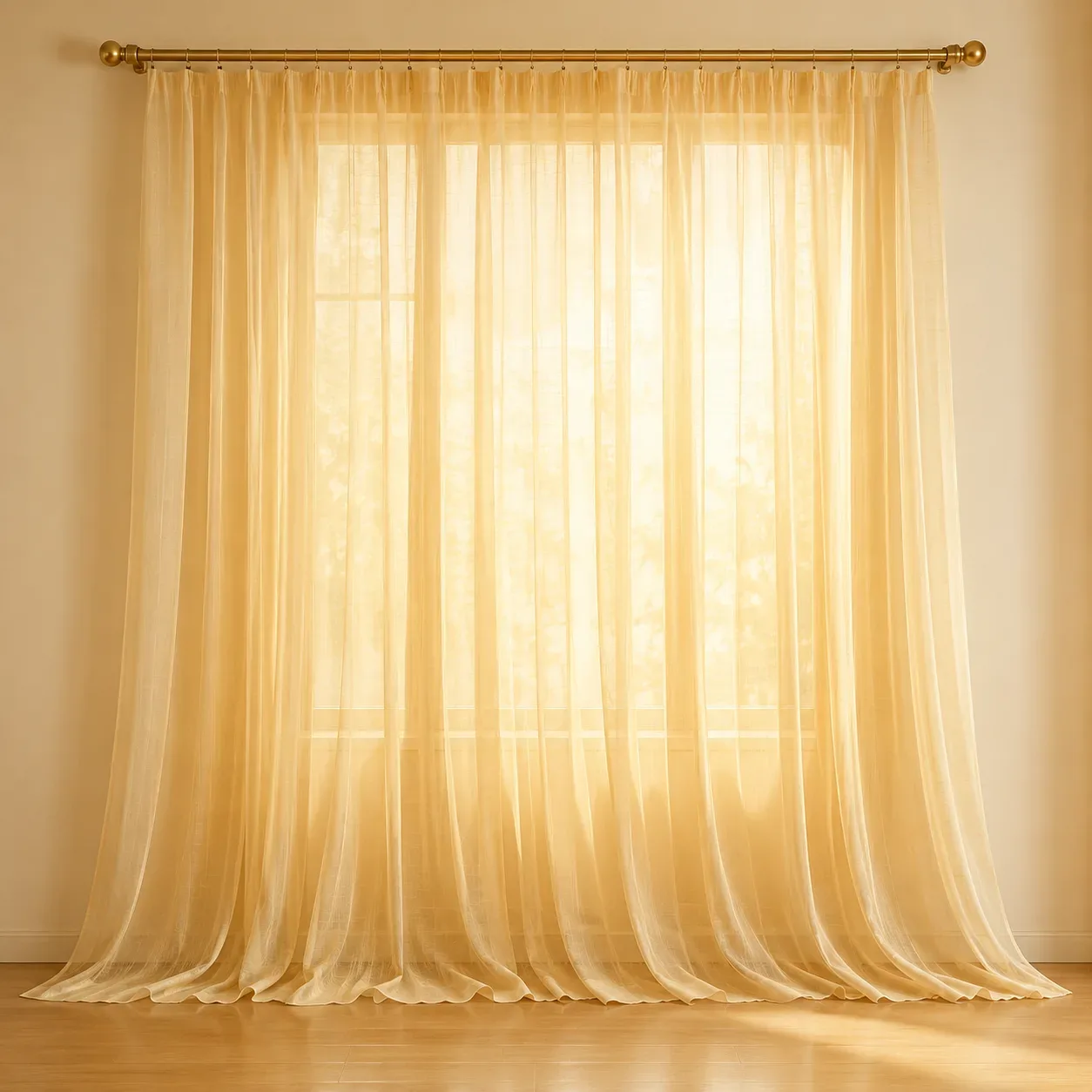
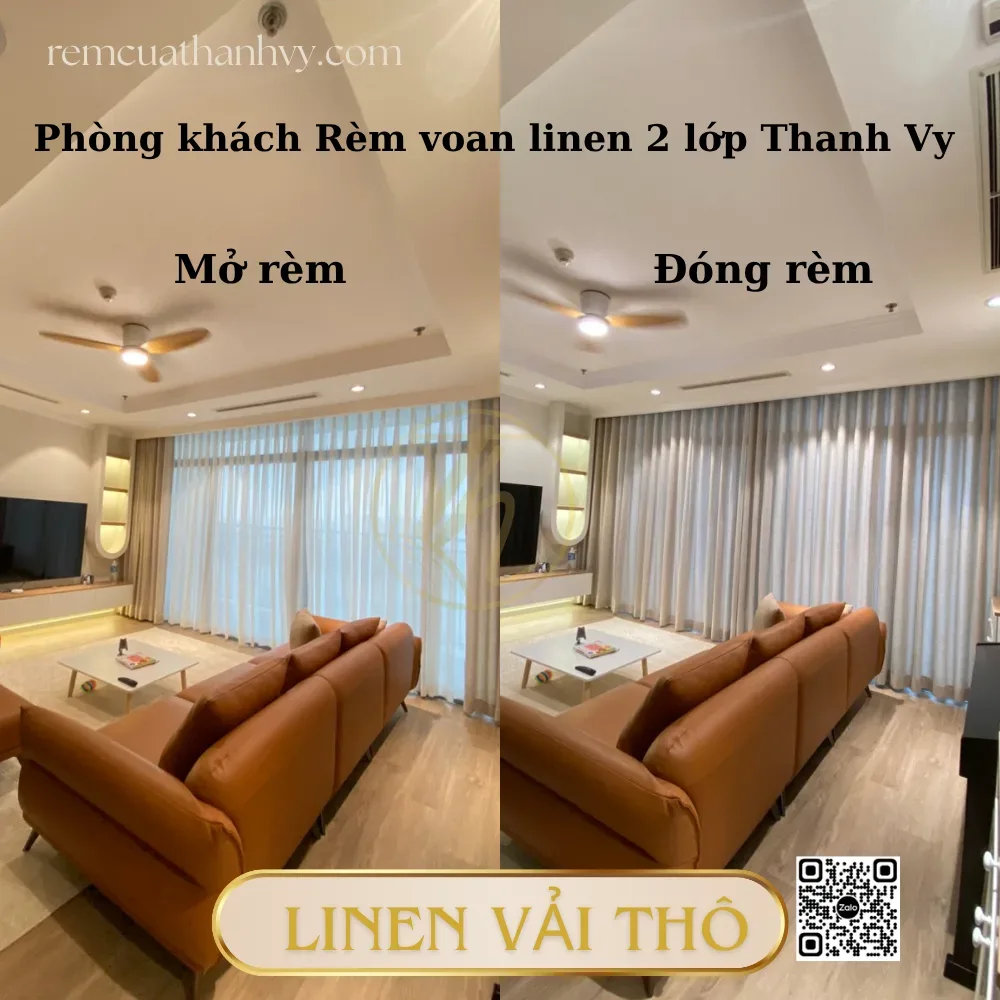
Voile is commonly used as an inner layer, combined with a thick outer layer when light blocking is needed.
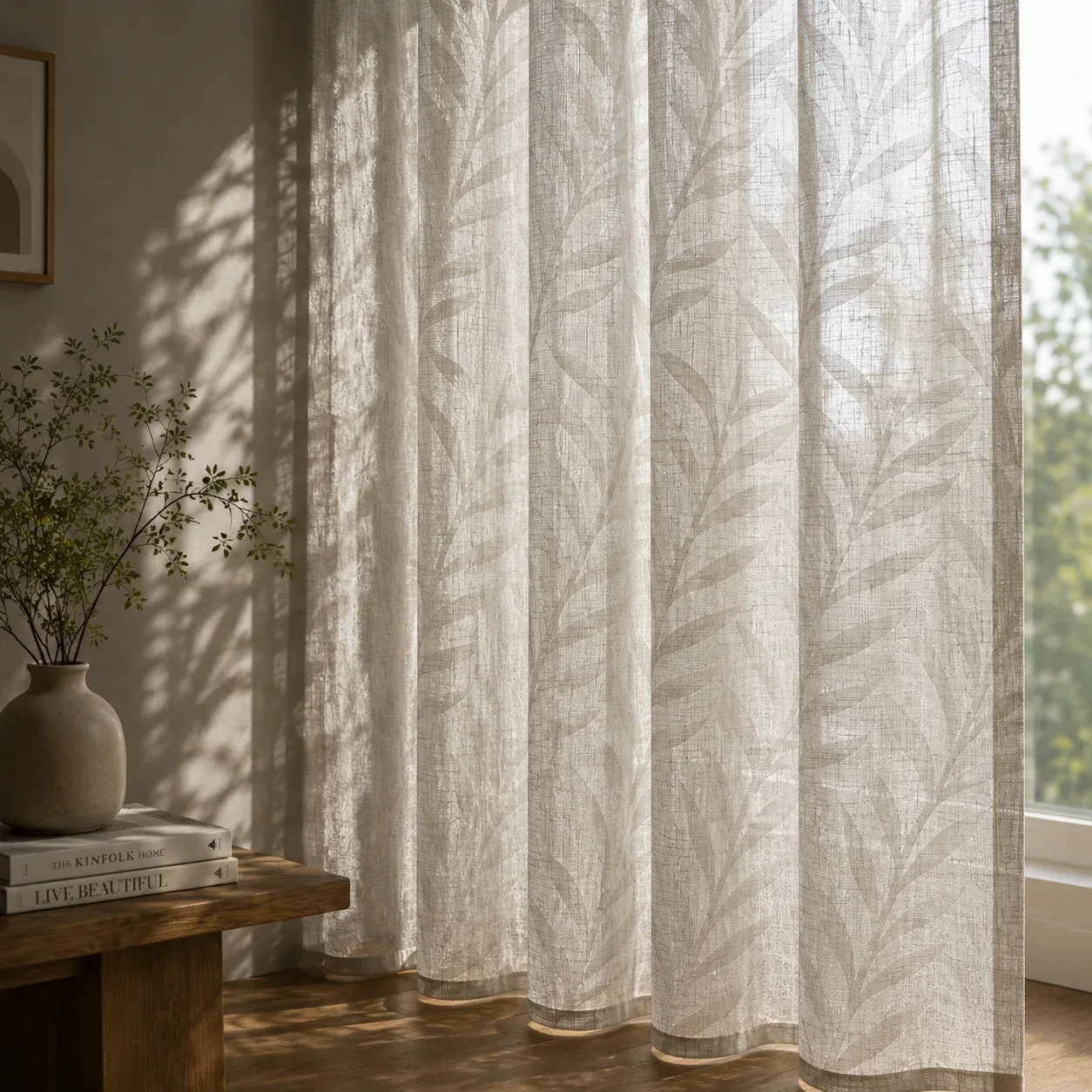
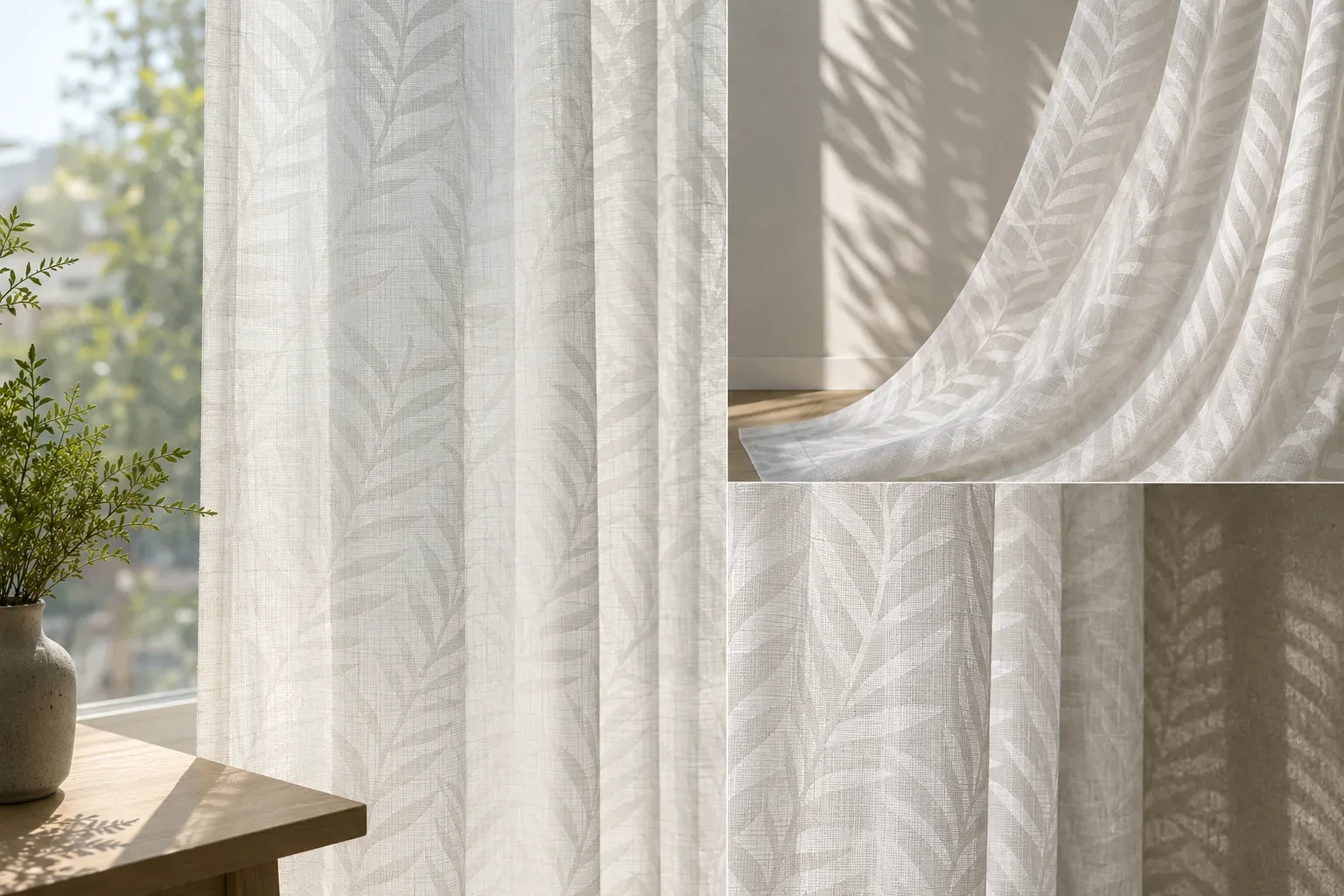
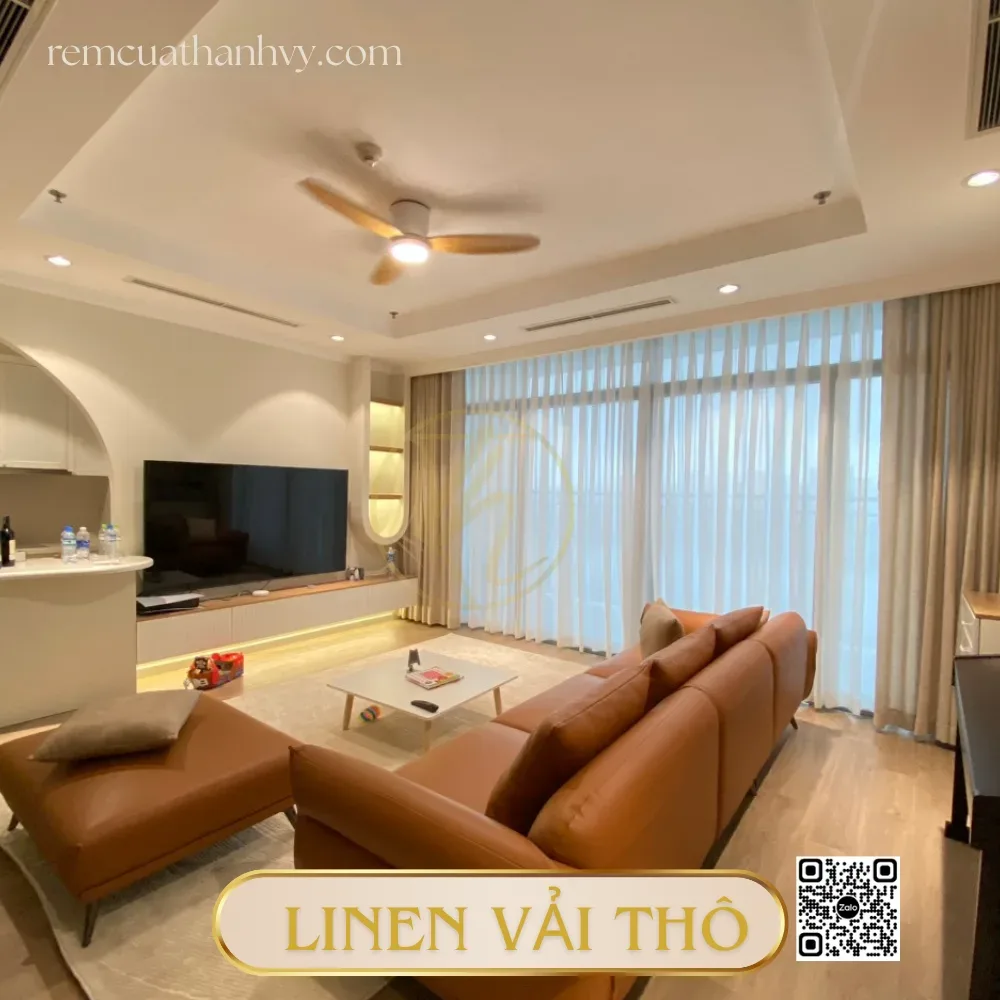
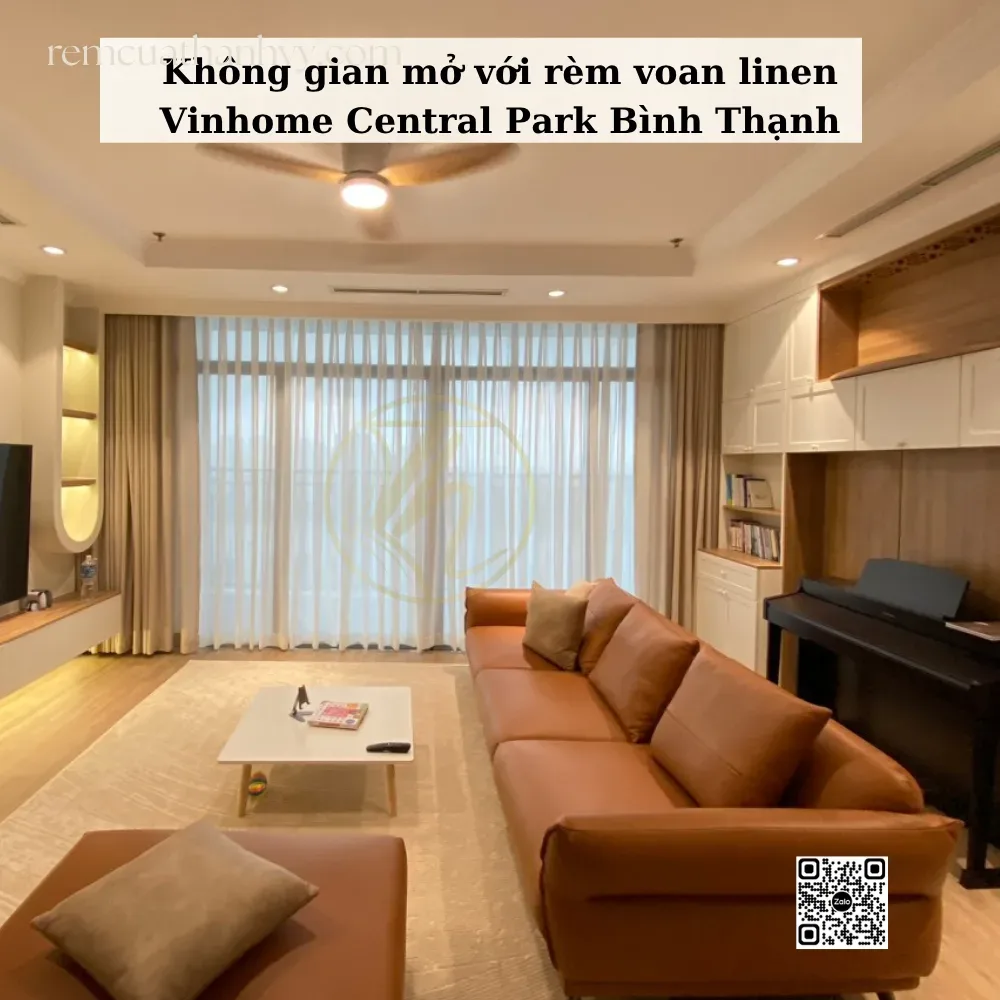
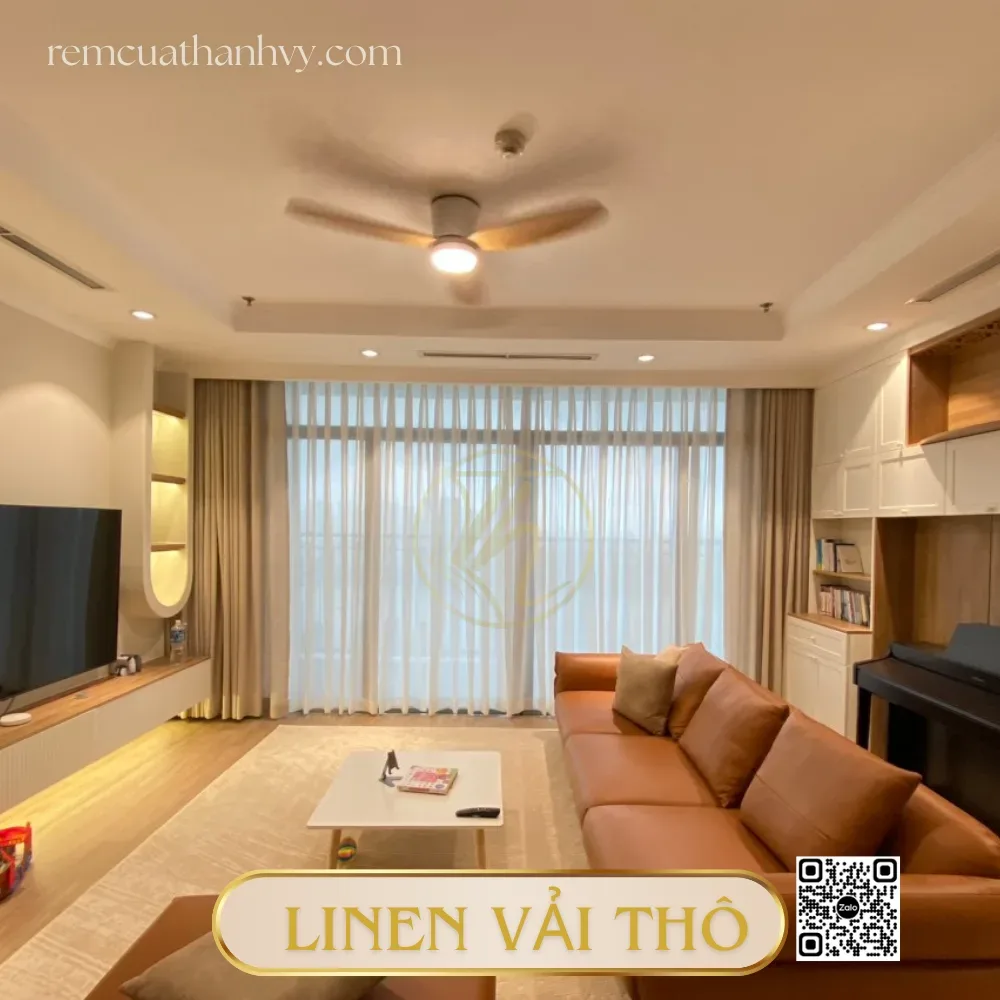
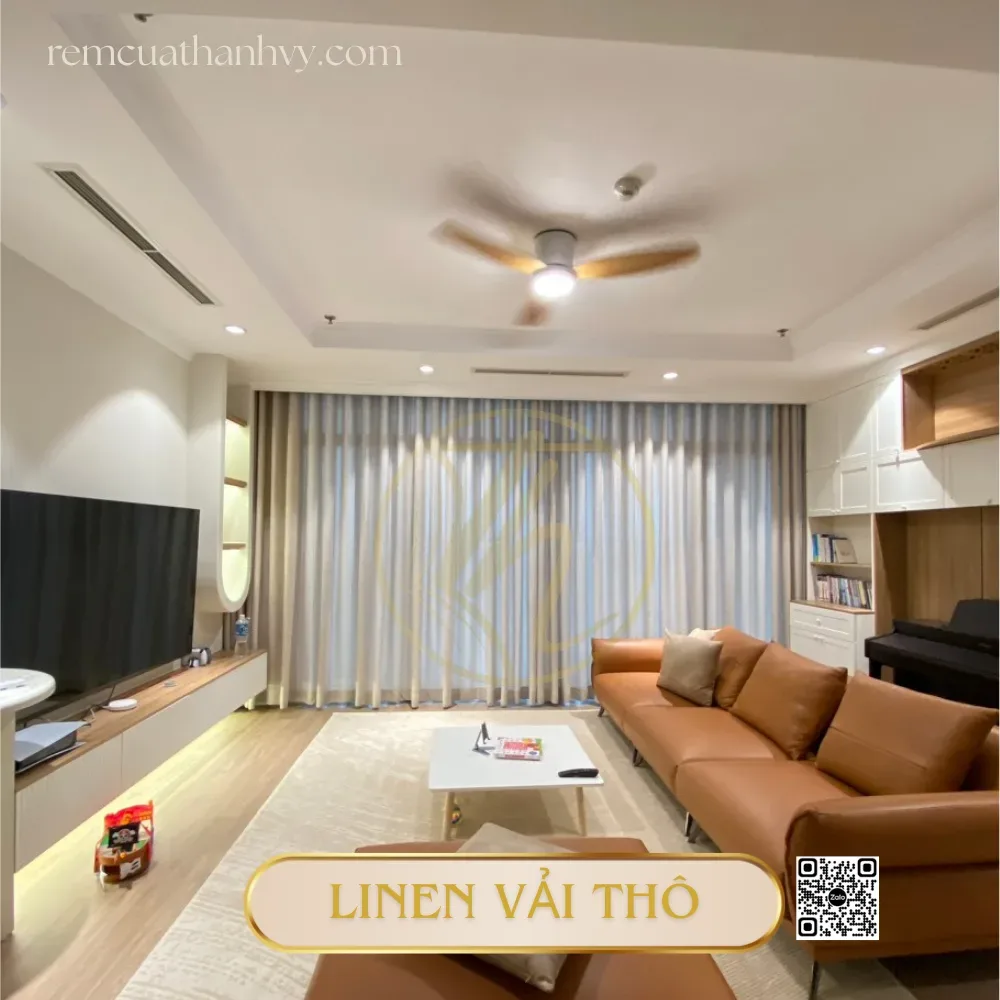
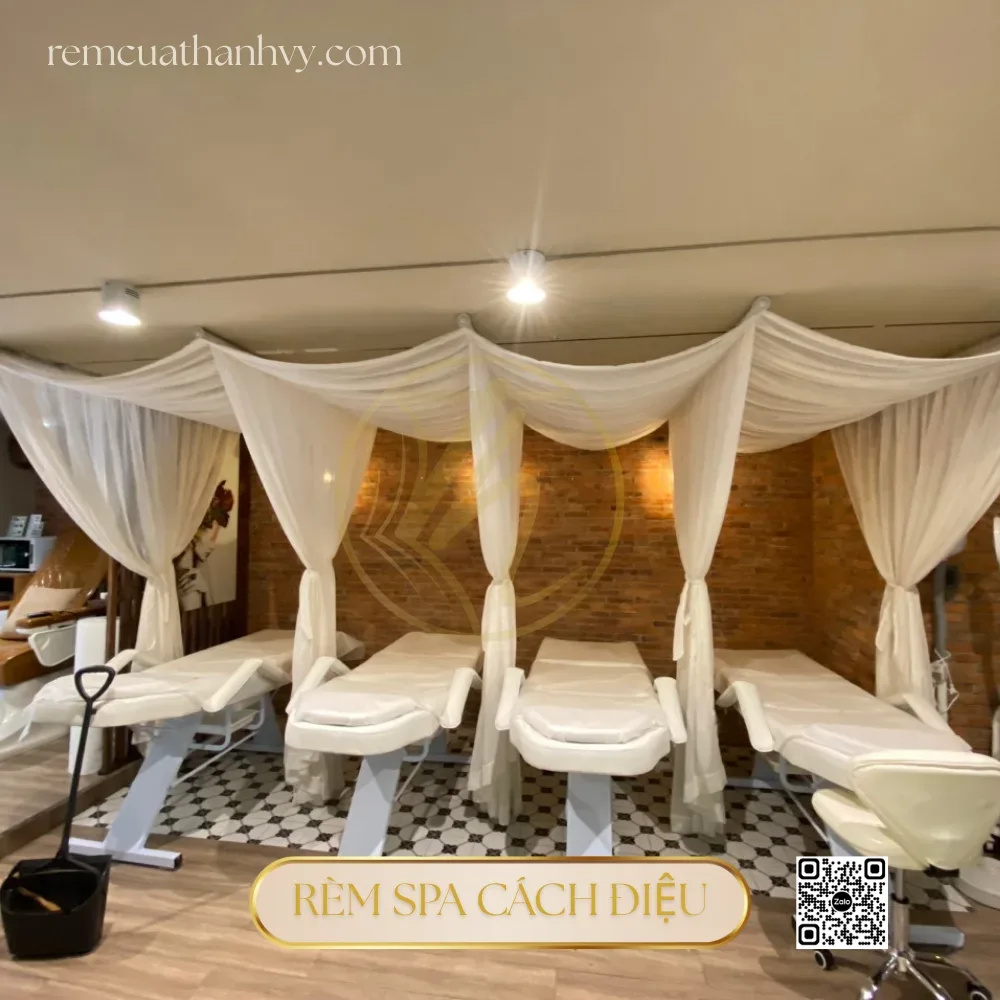
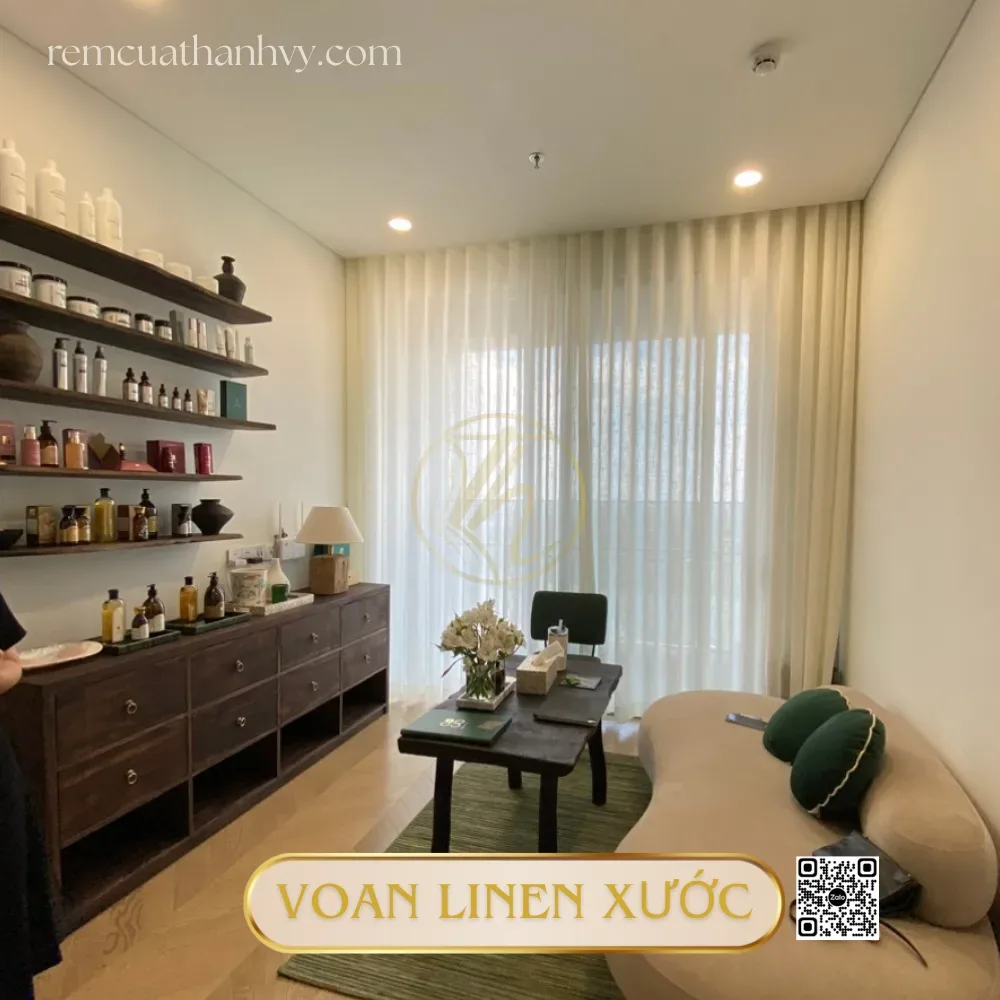
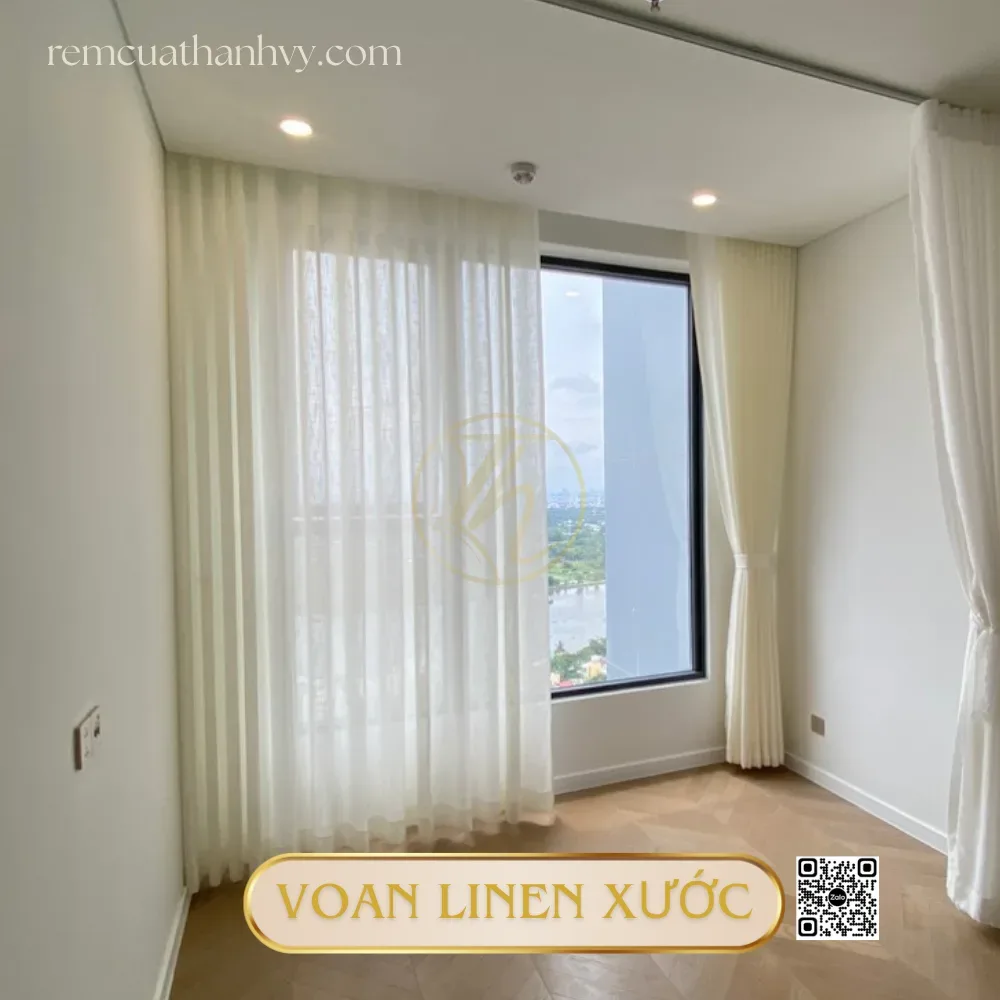
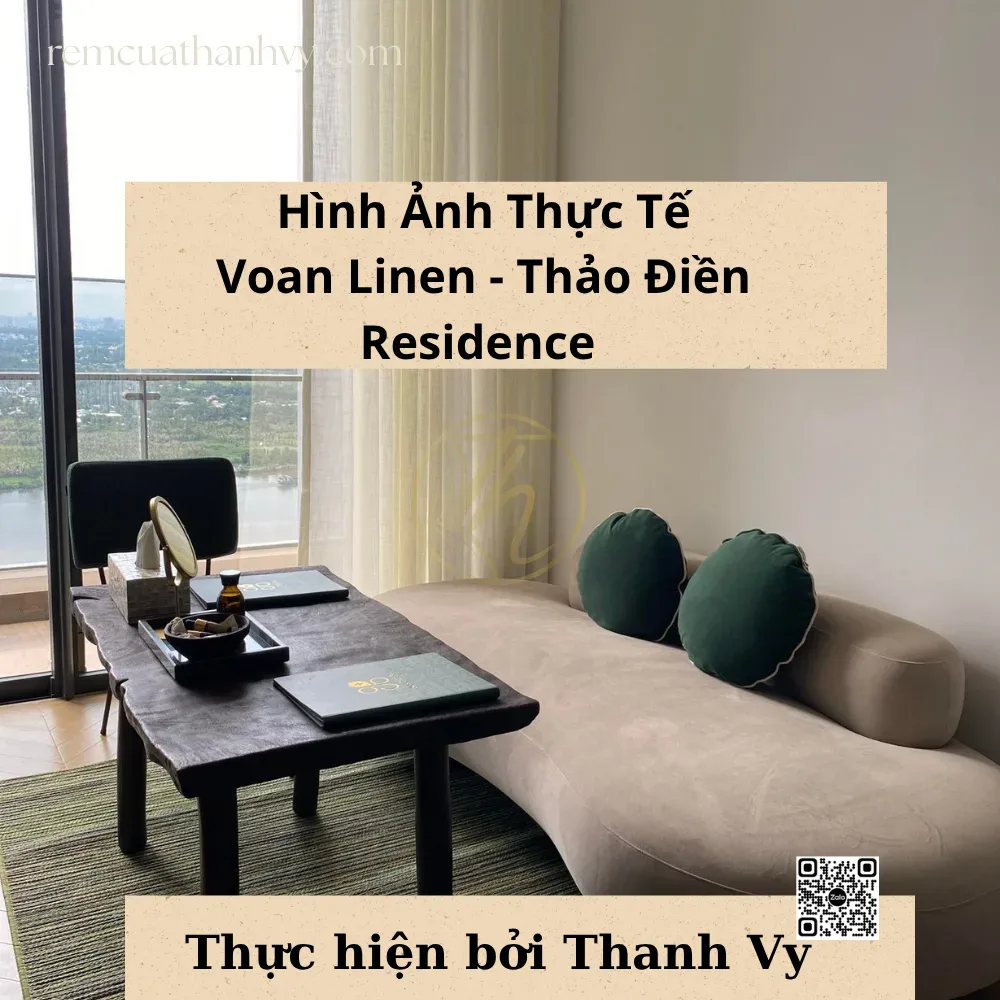
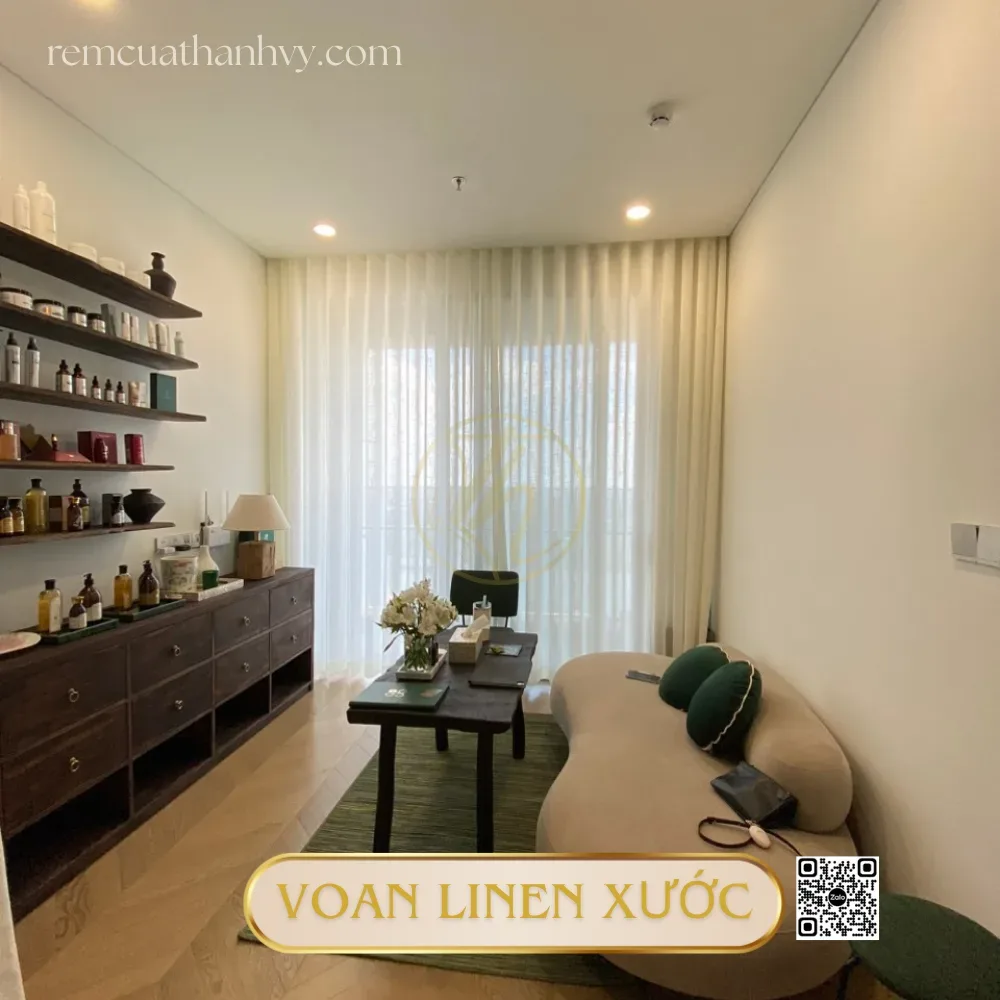
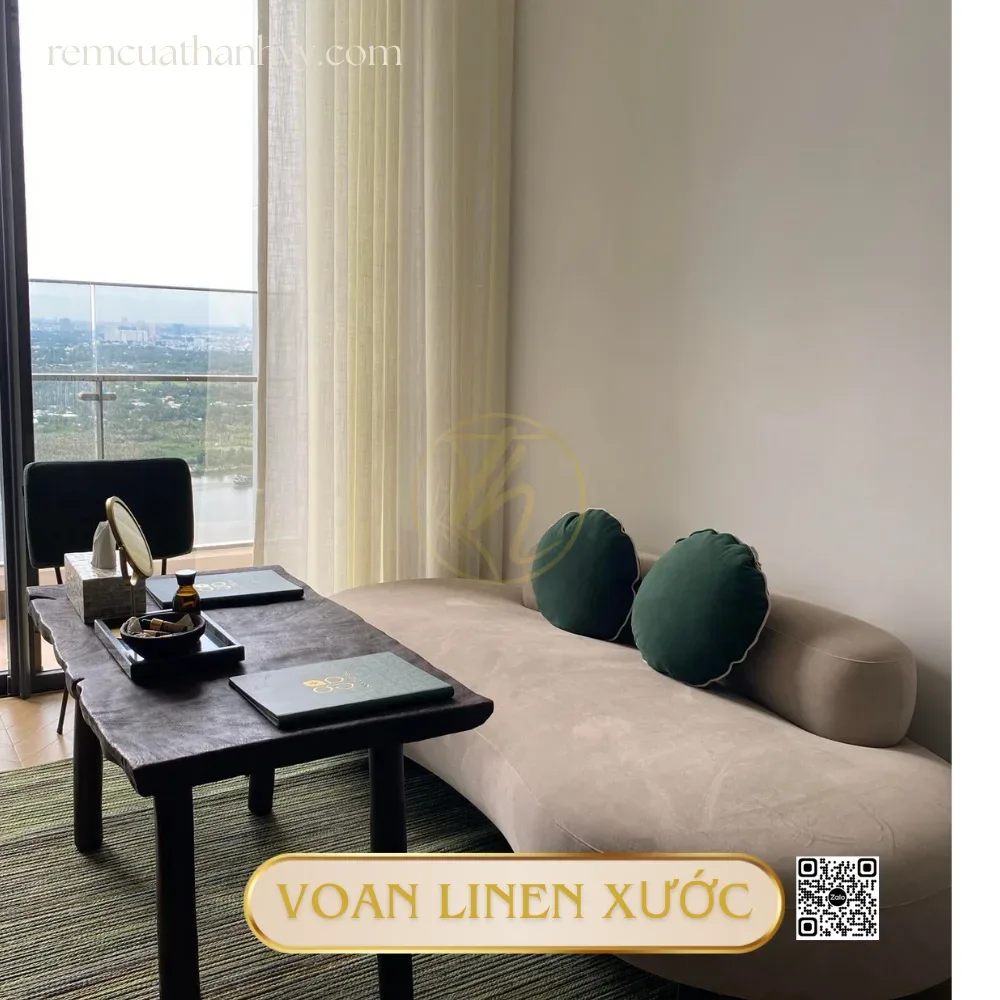

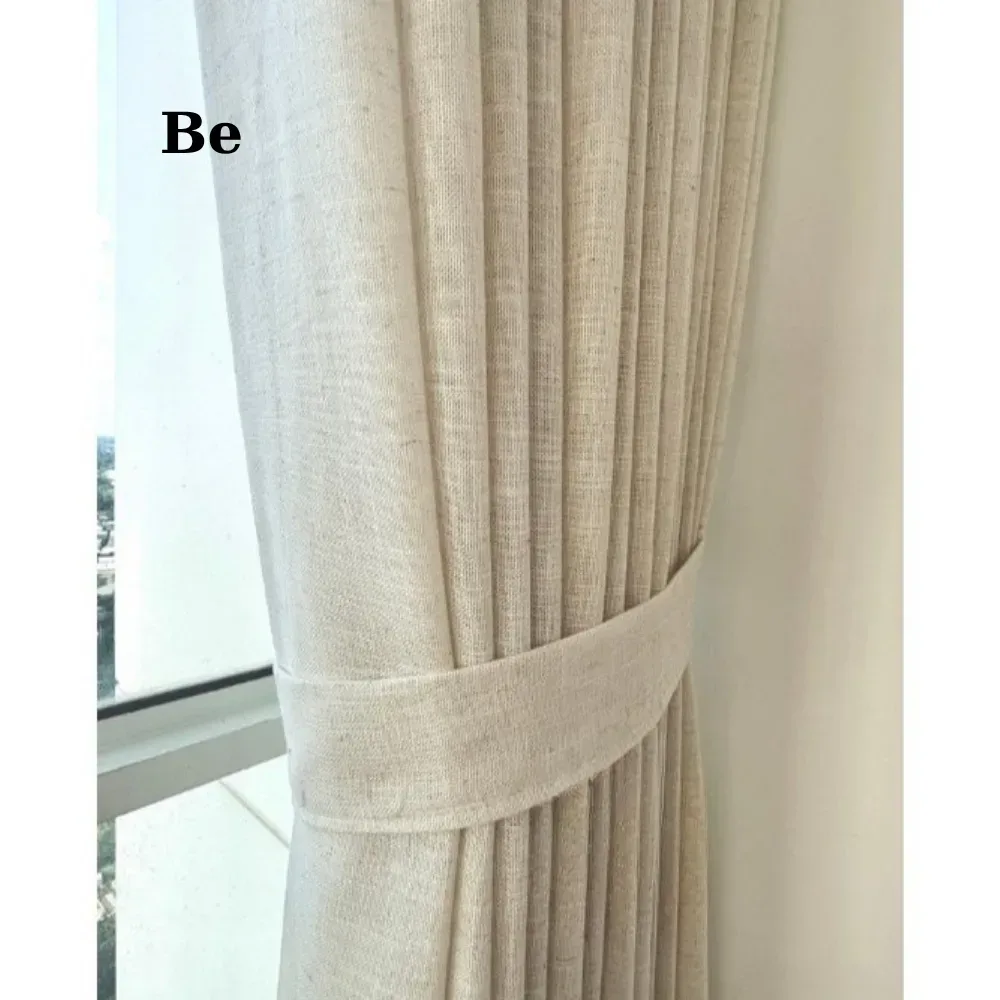
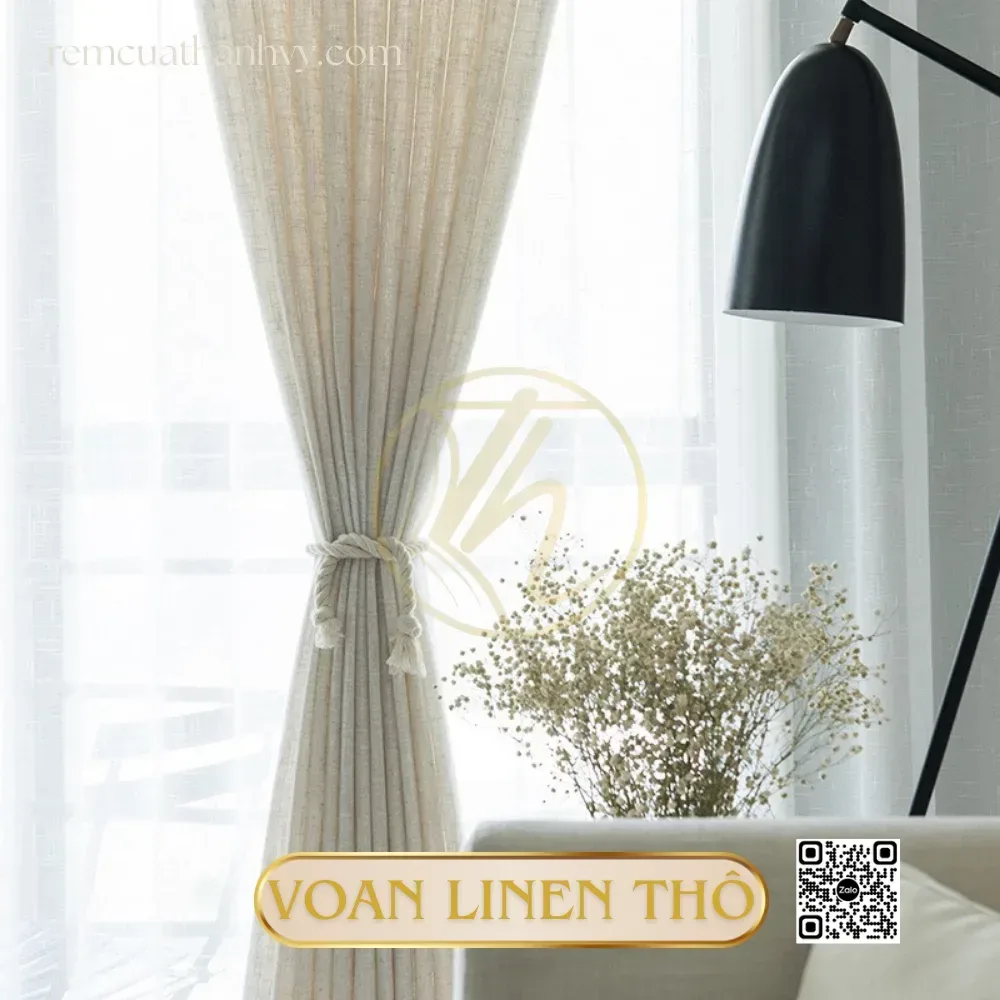
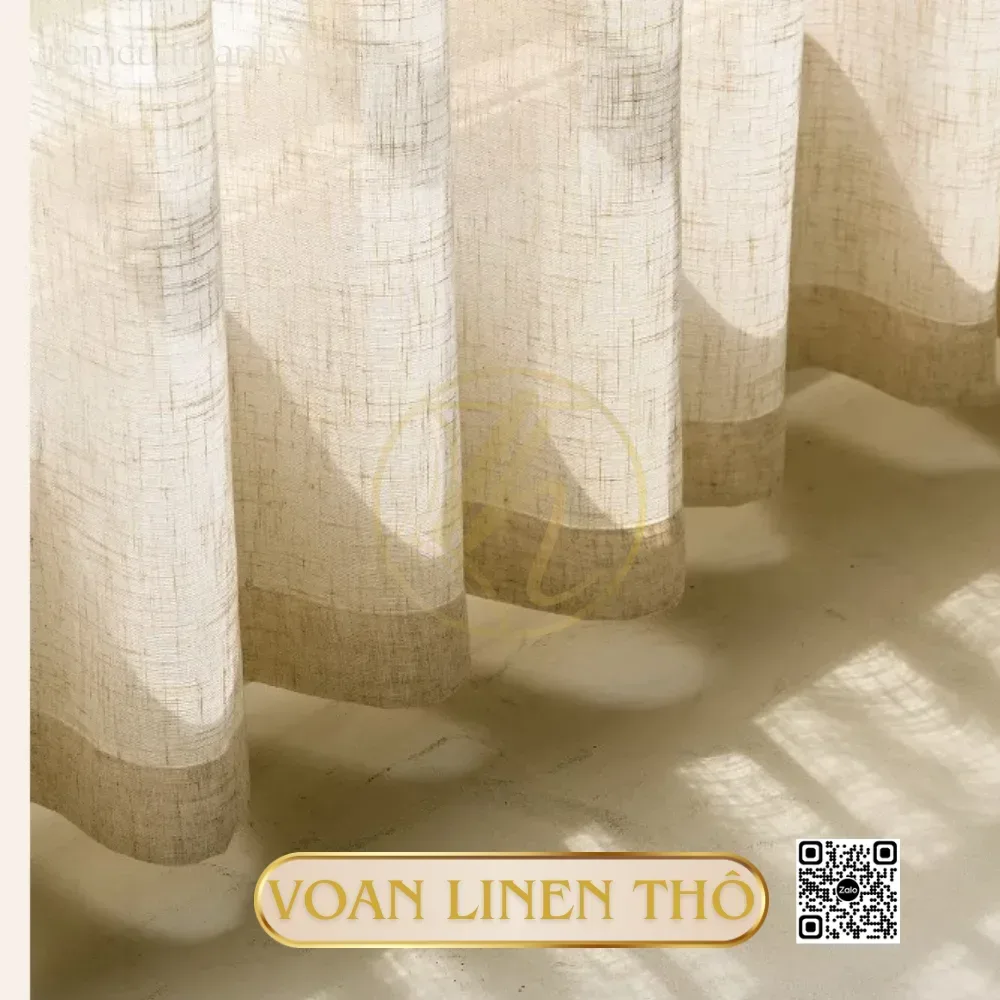
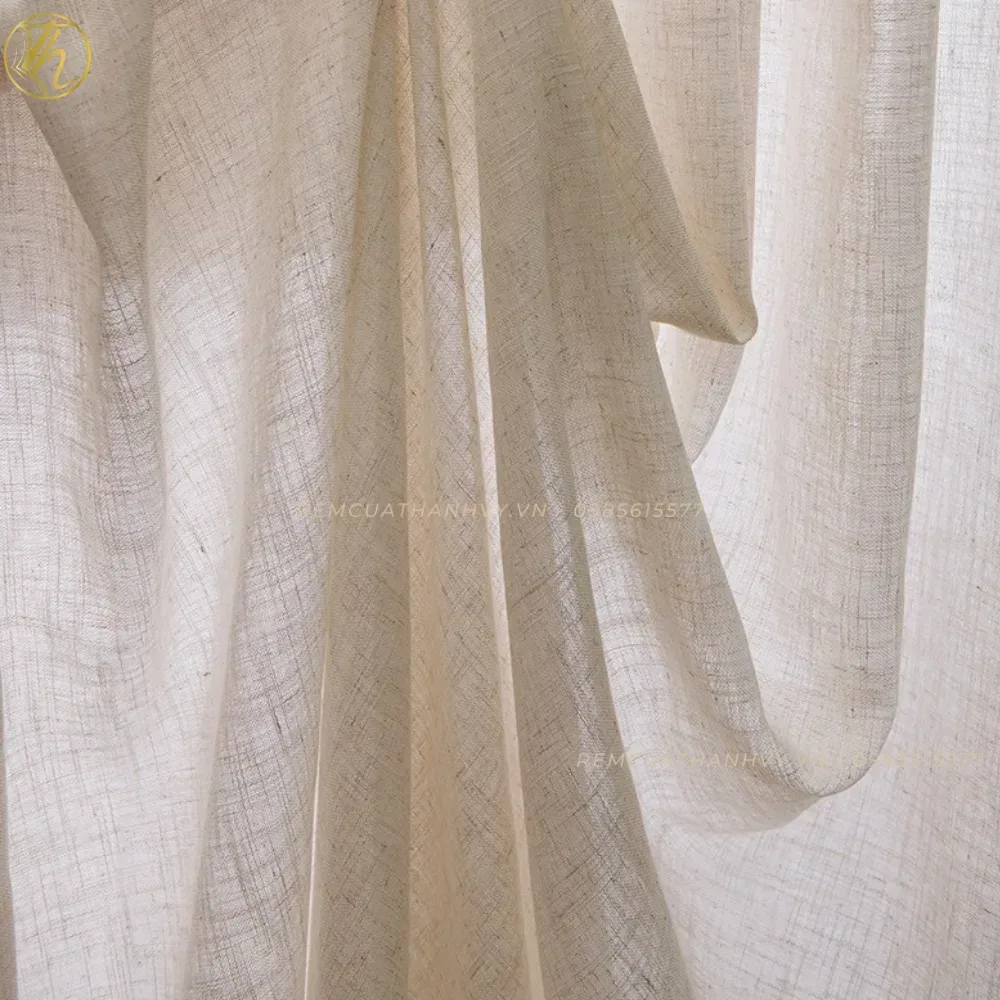
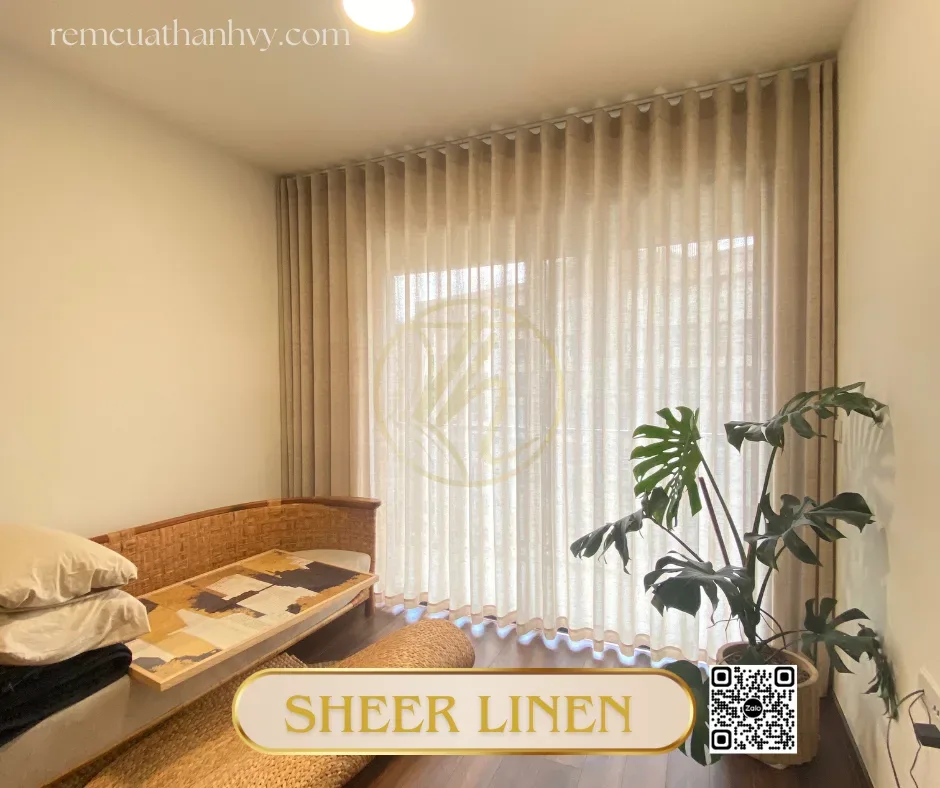
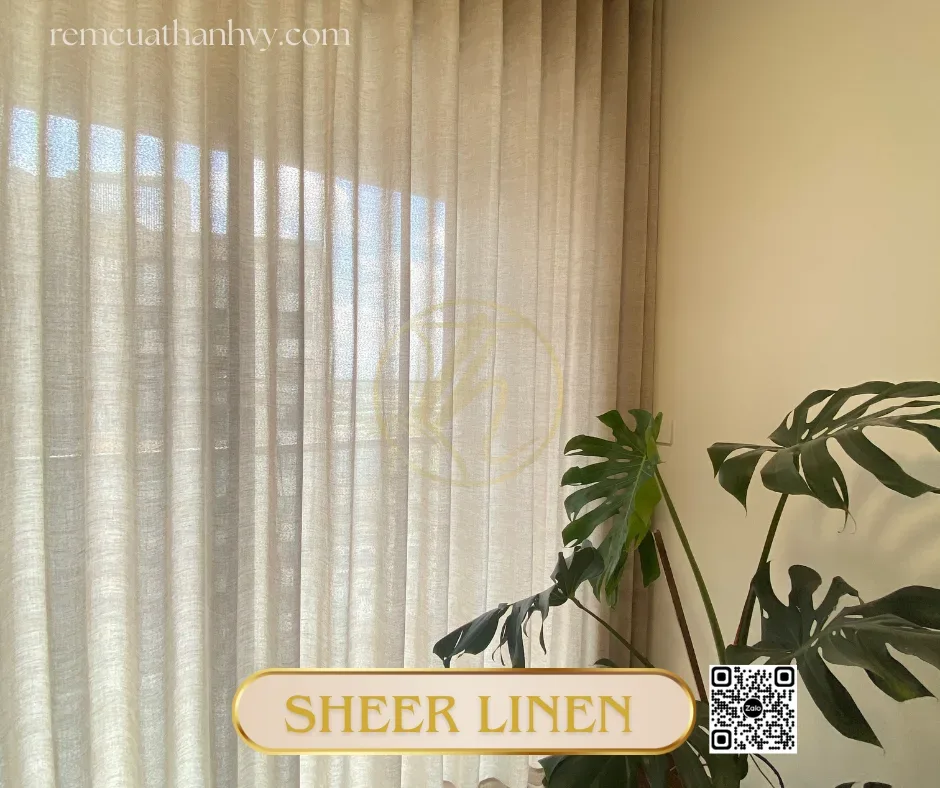
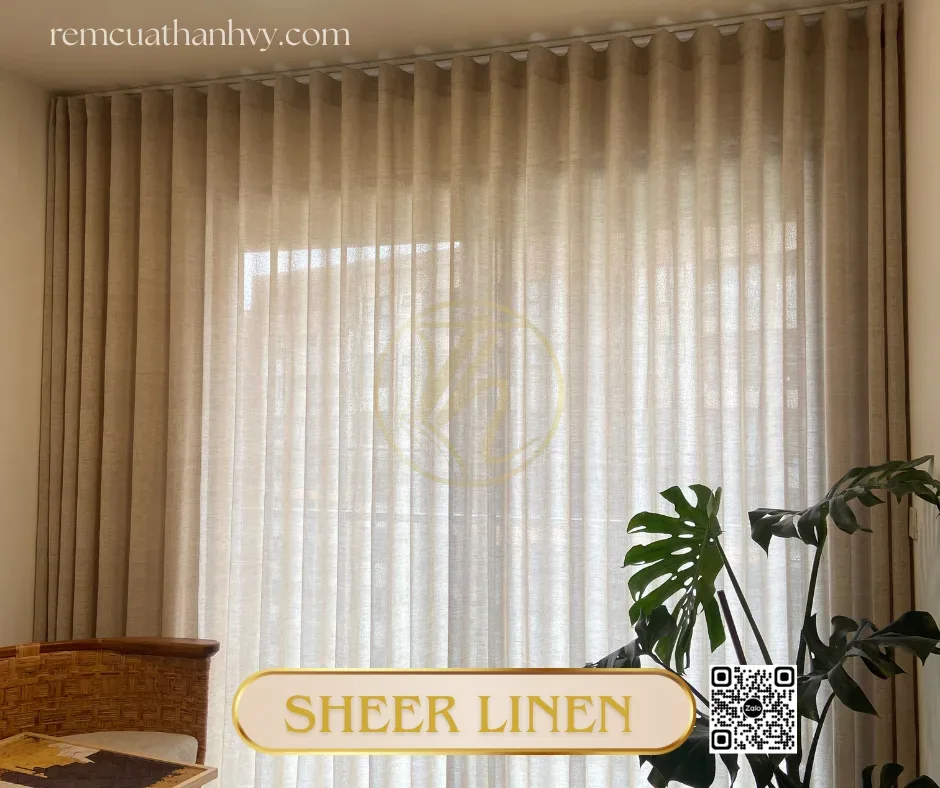
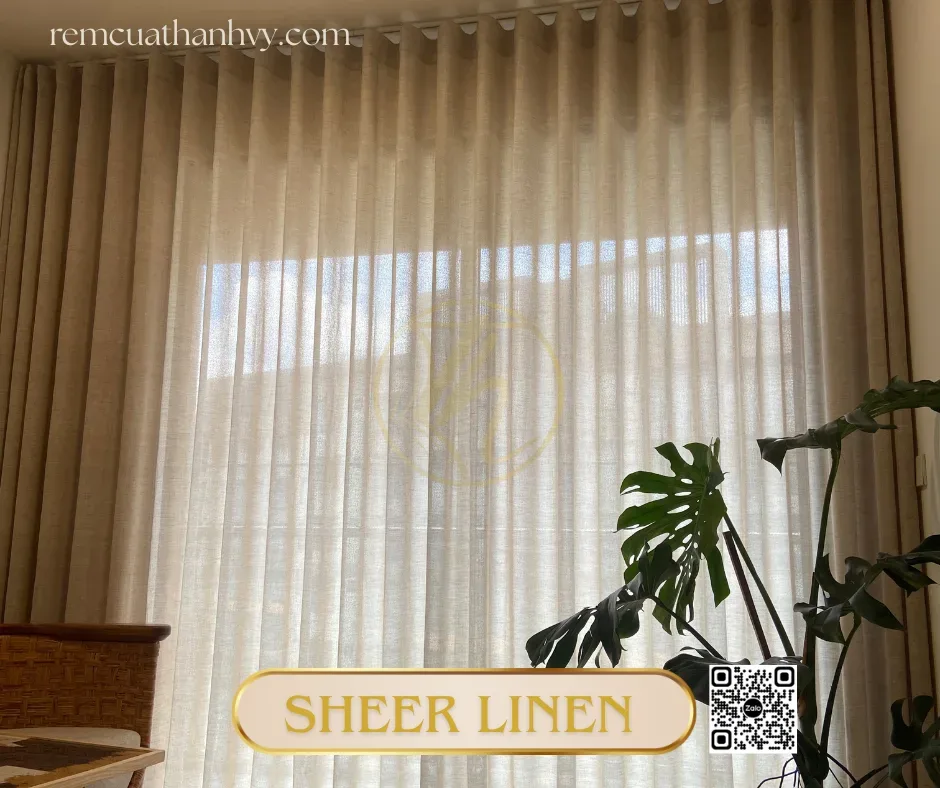
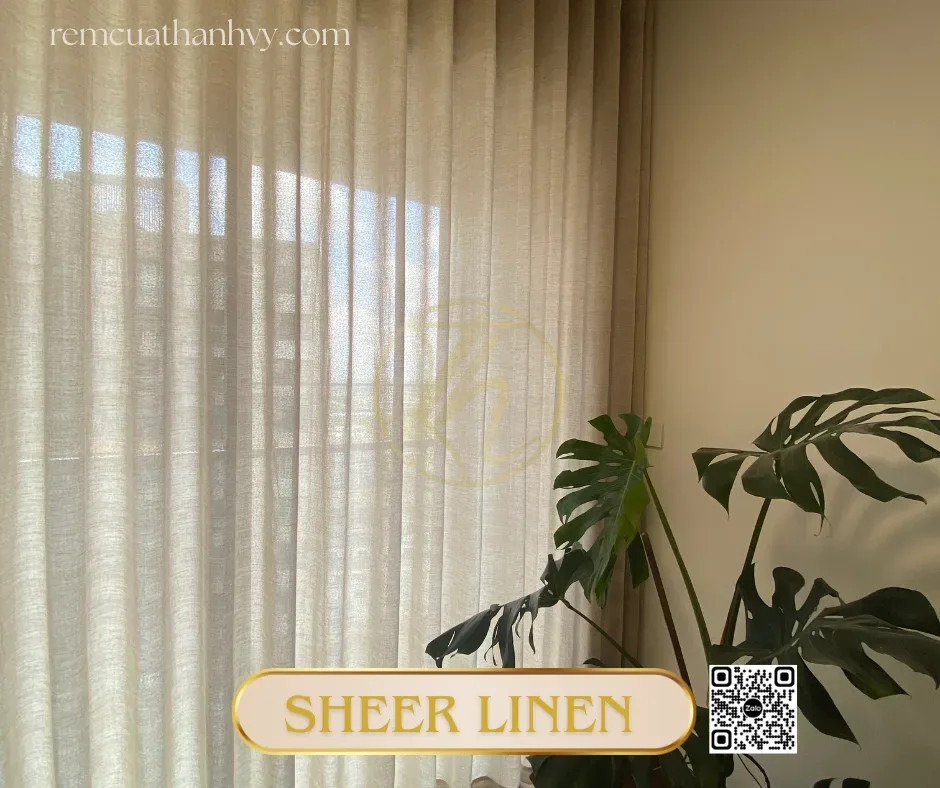
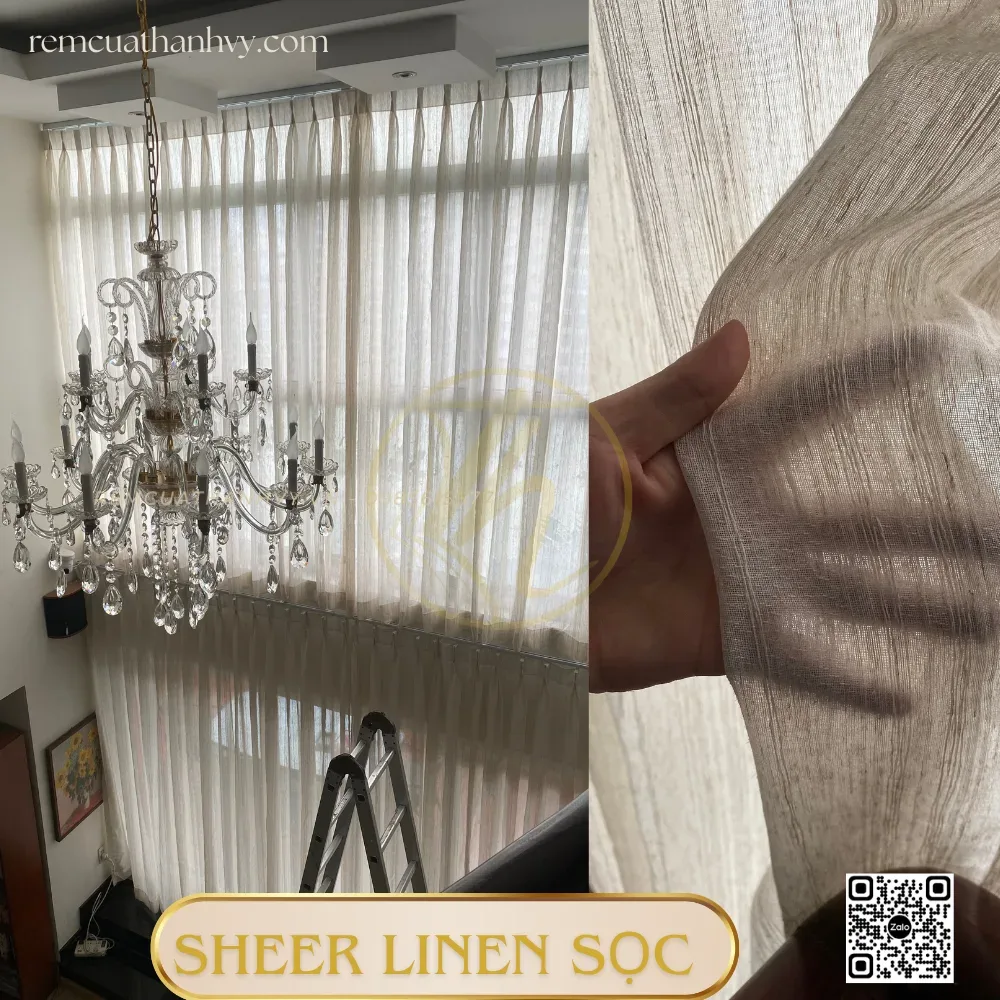
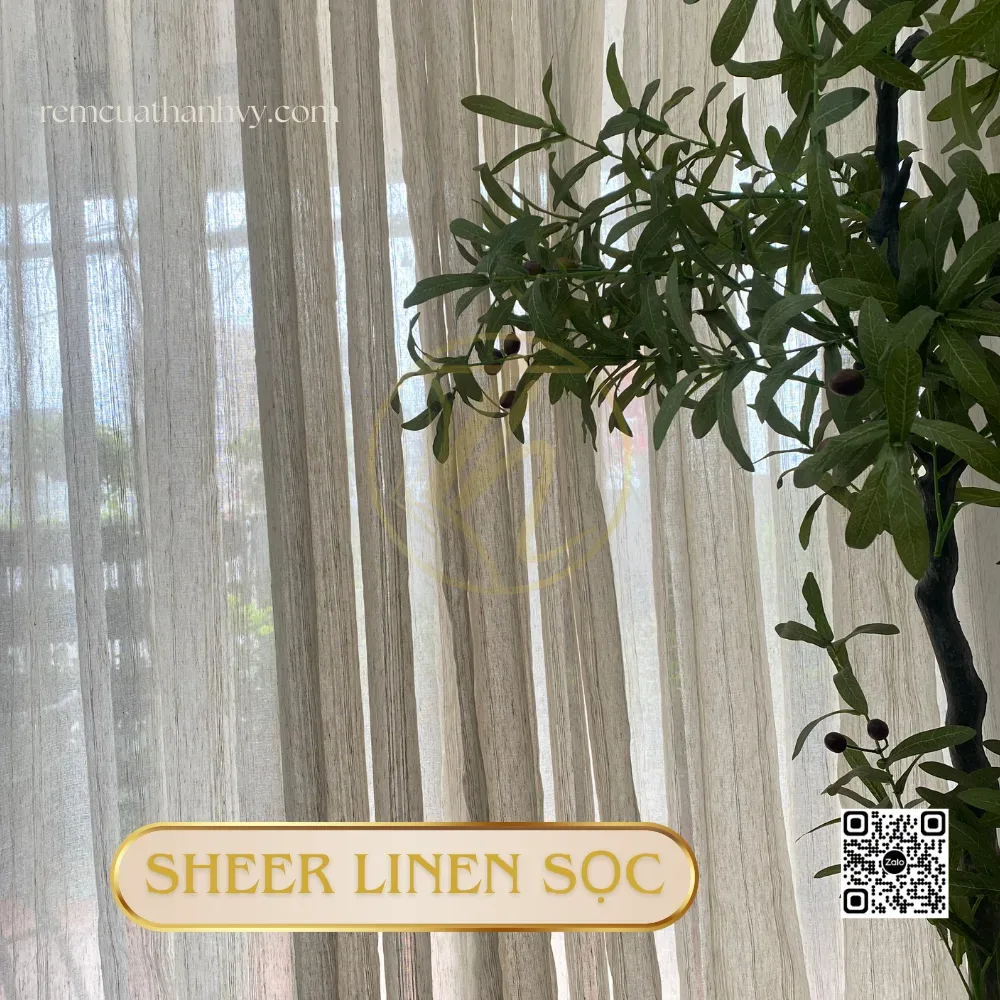
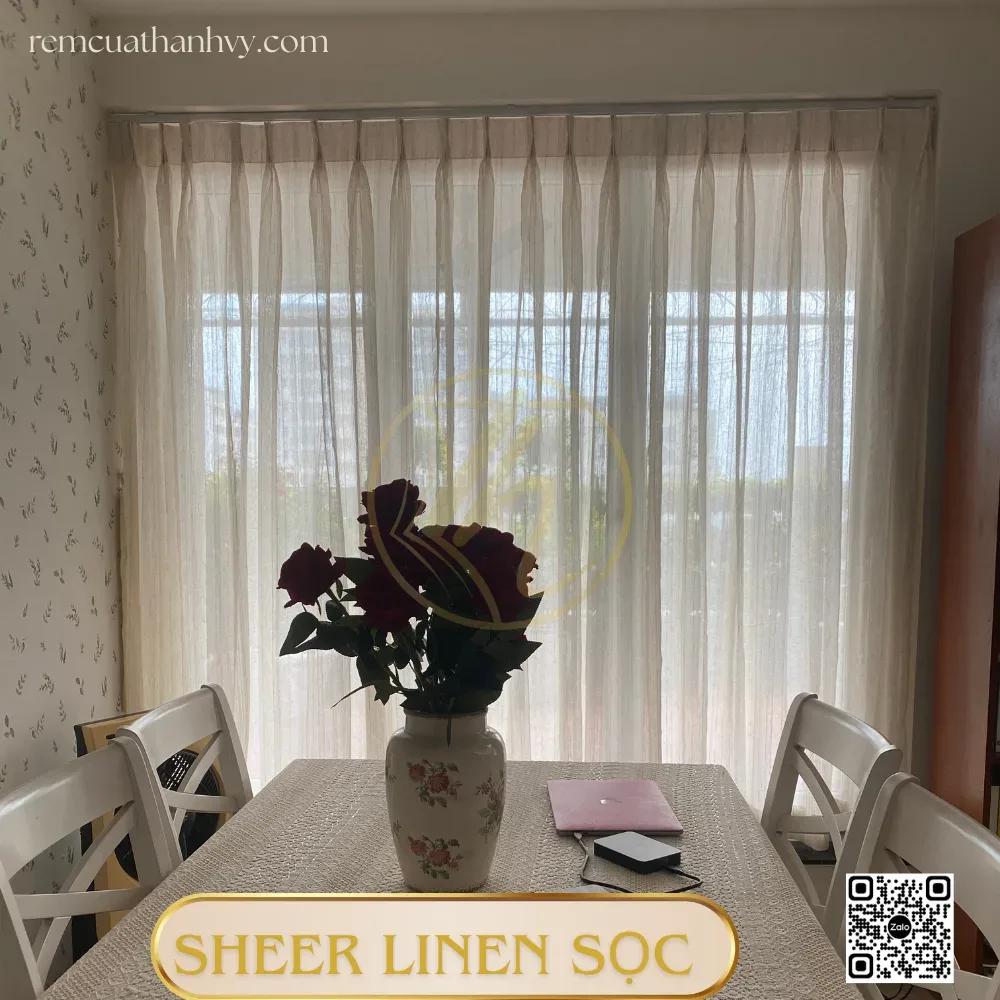
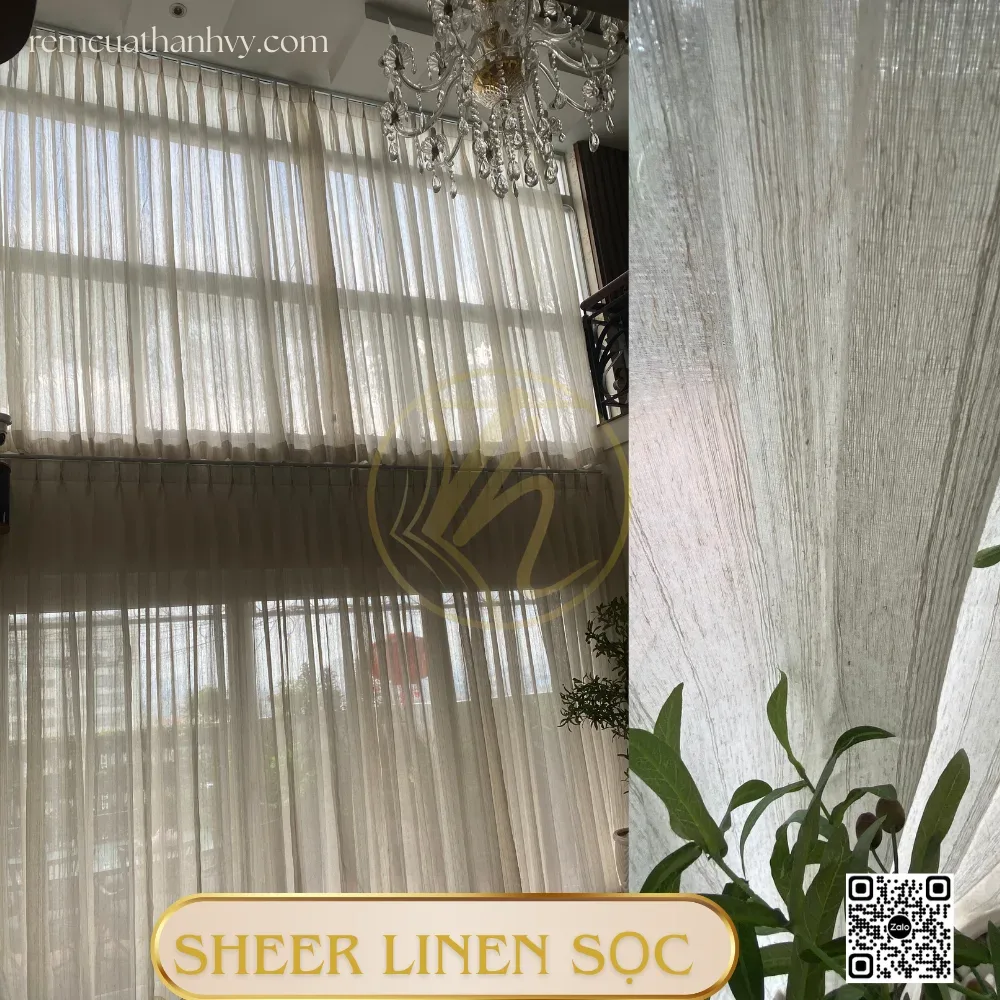
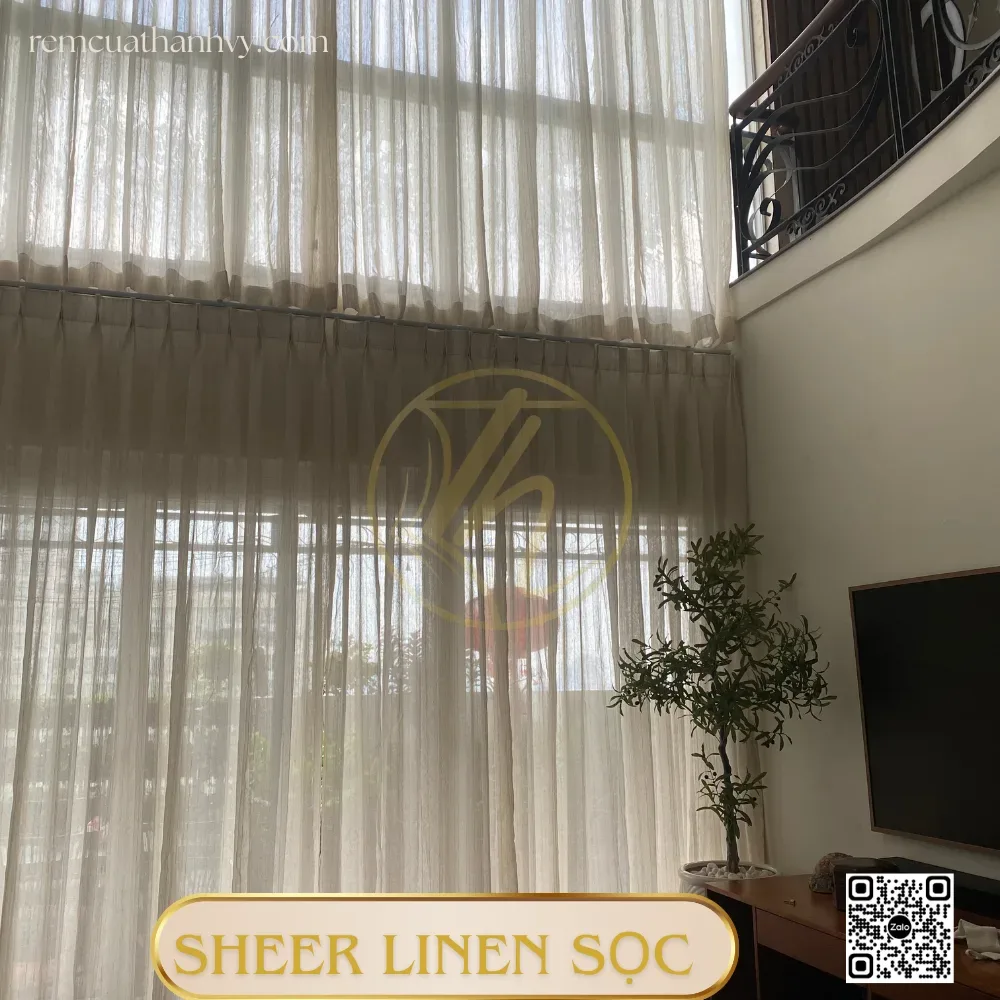
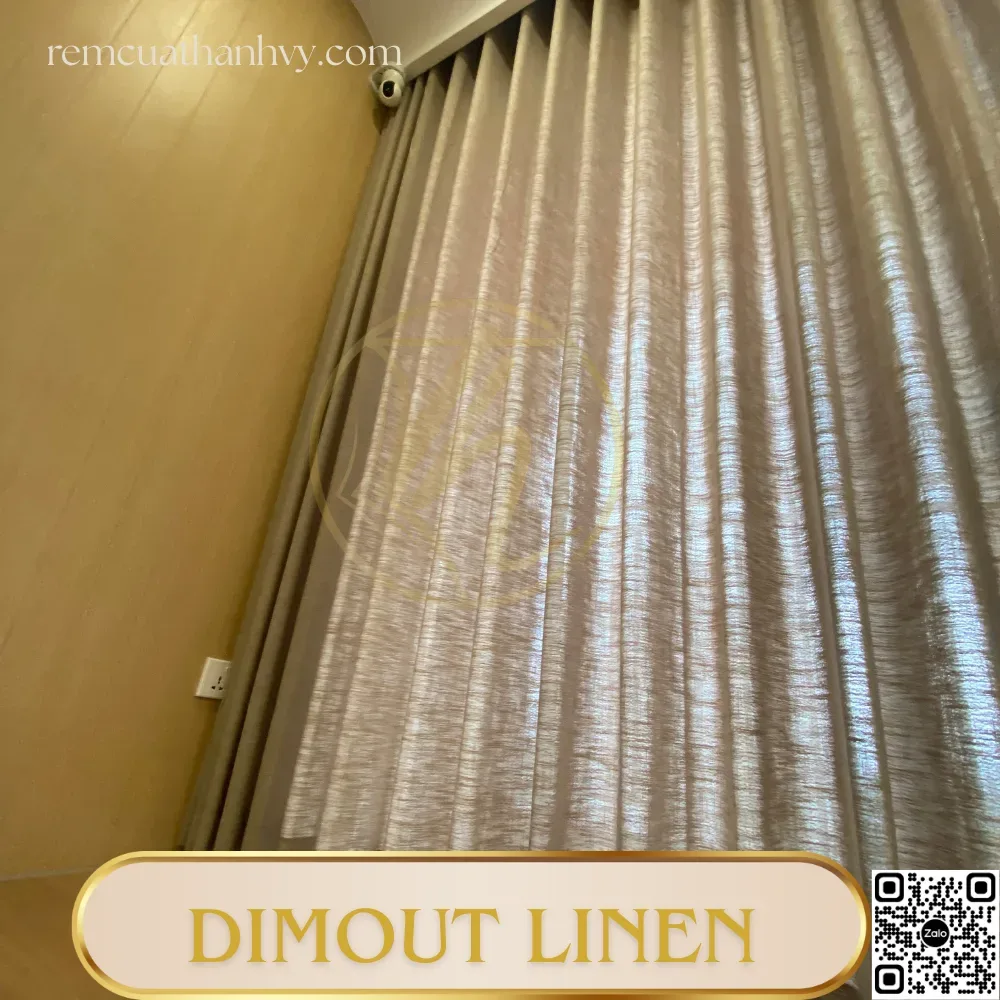
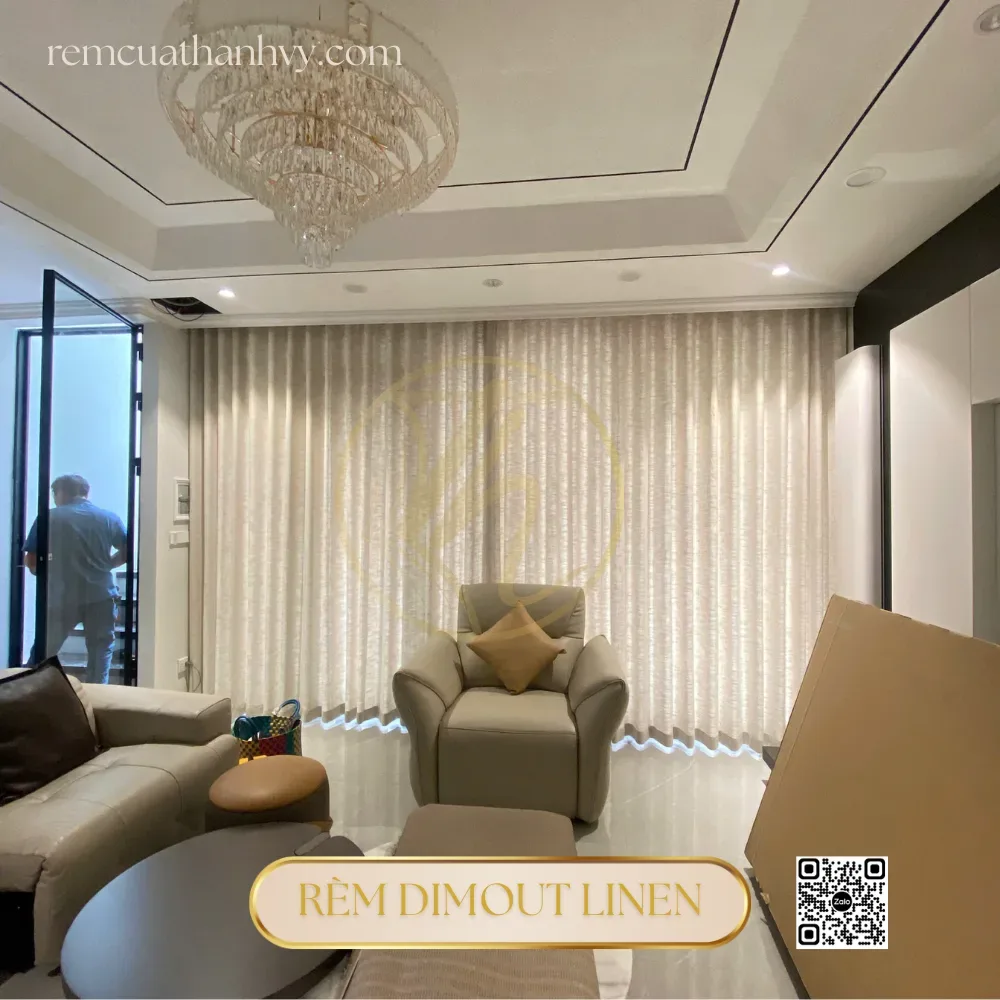
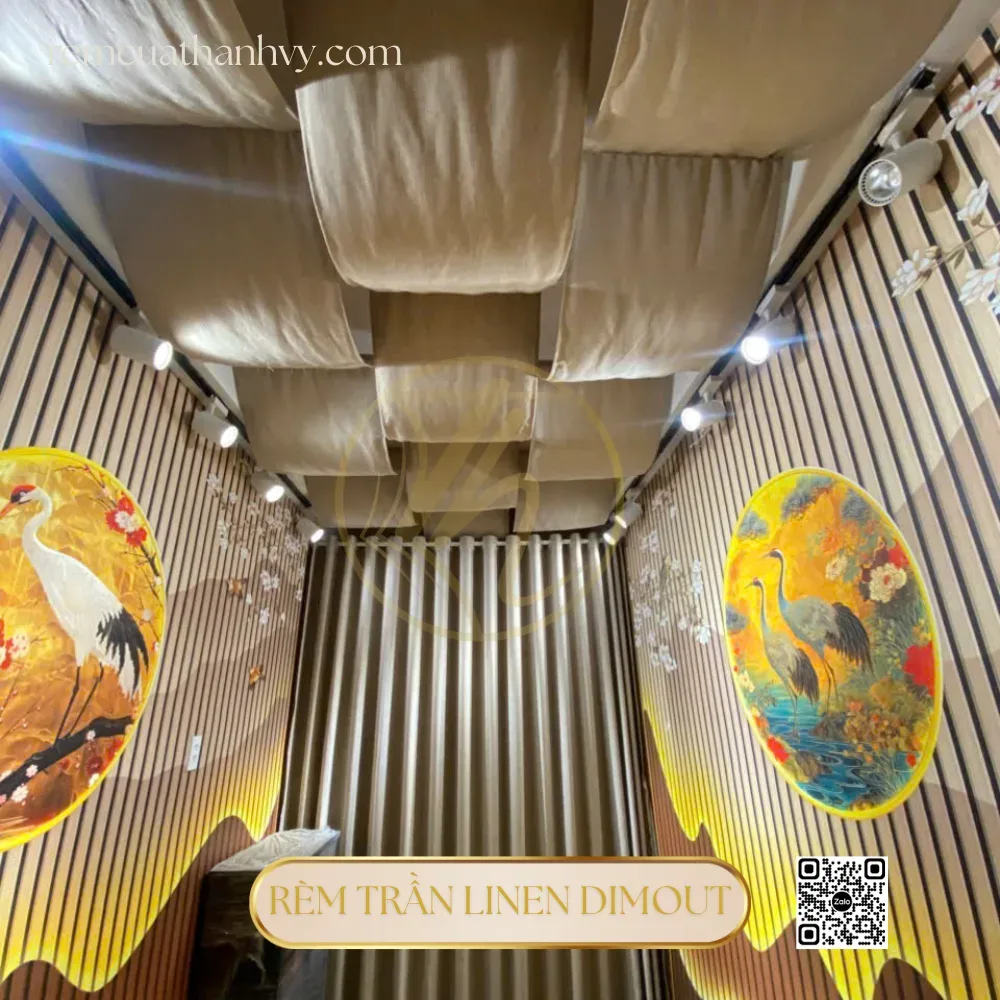
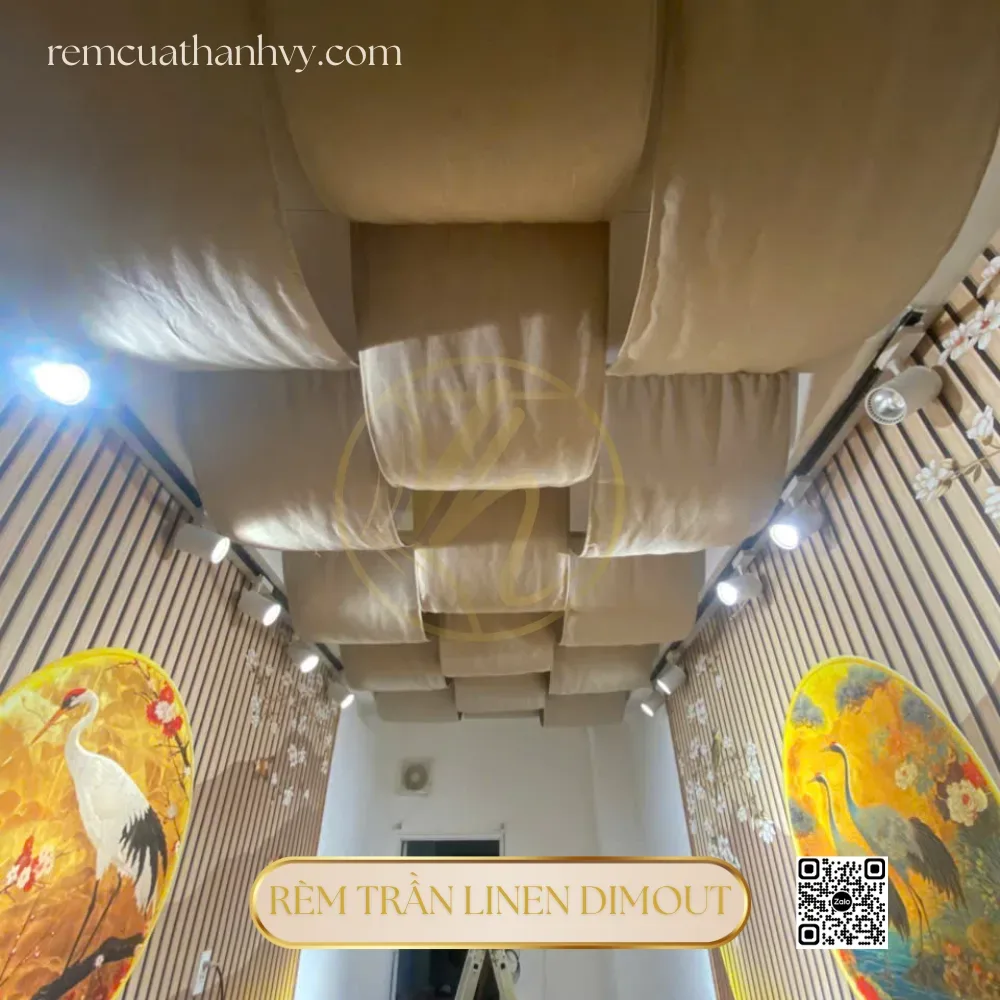
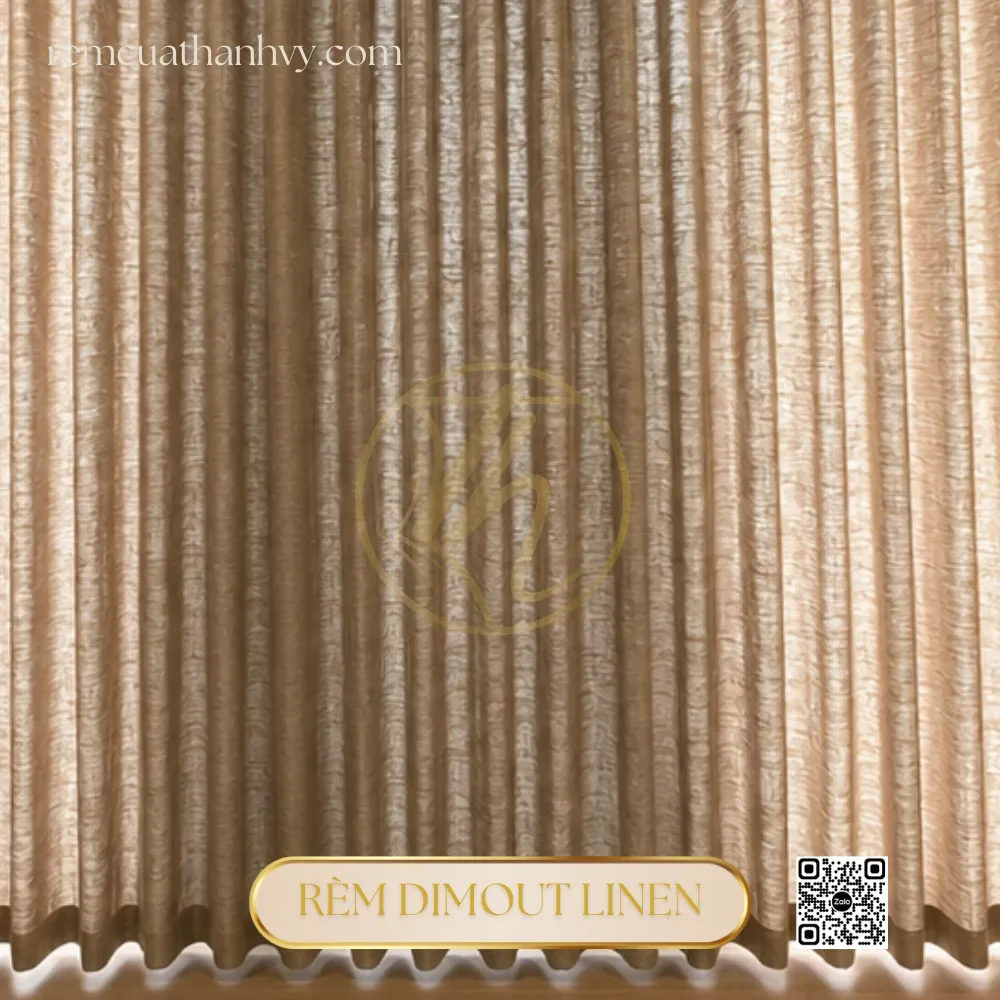
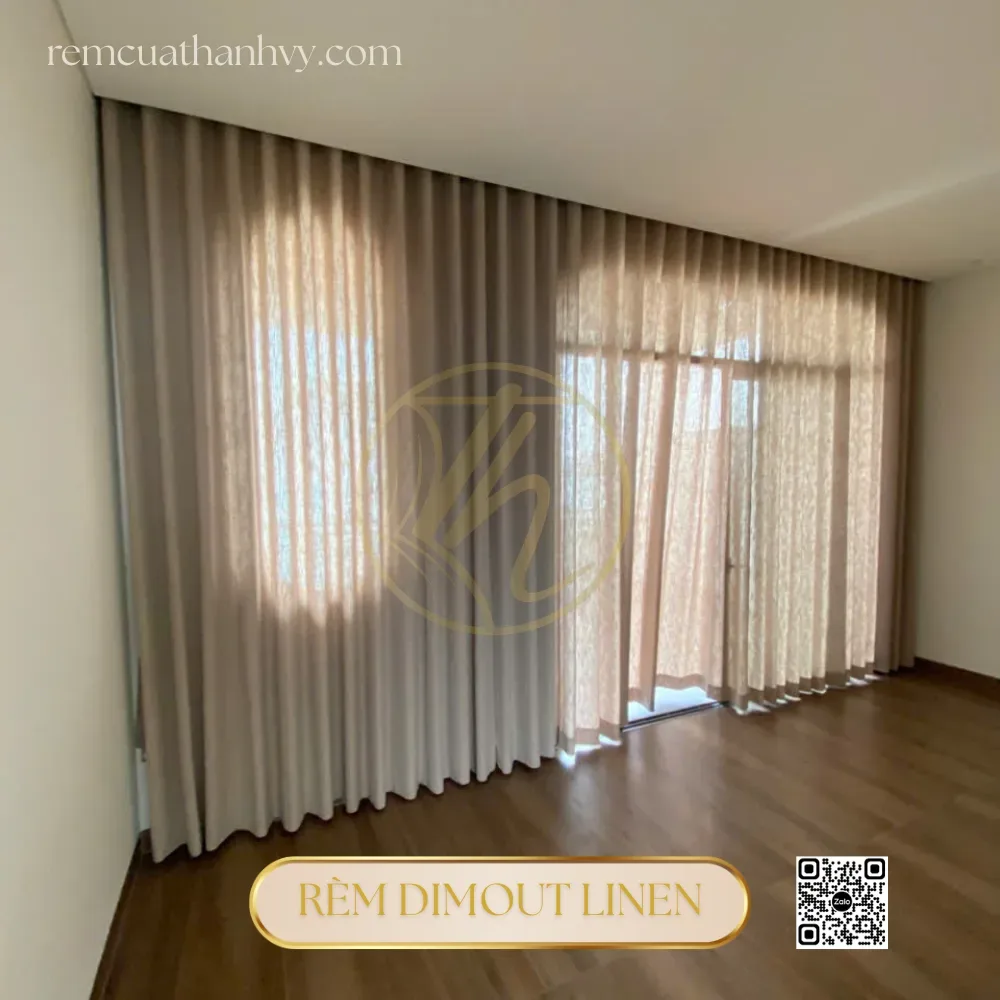
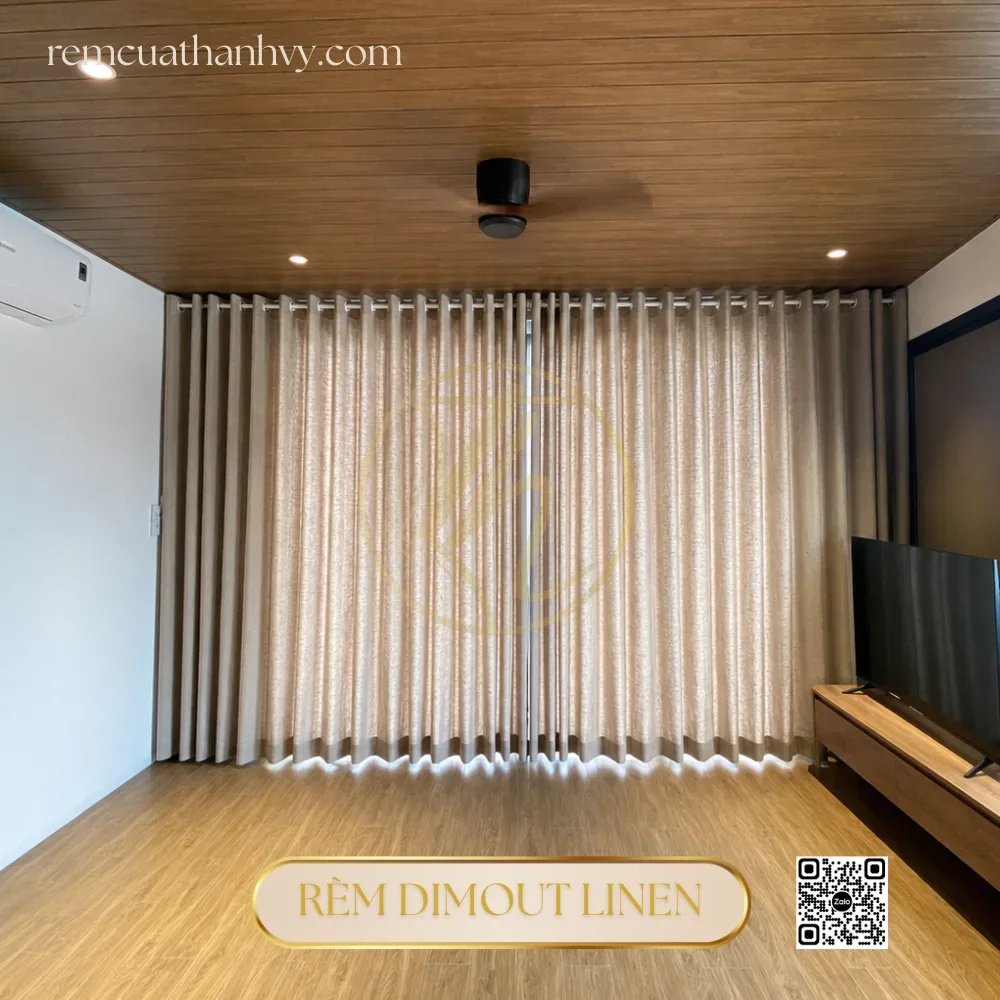
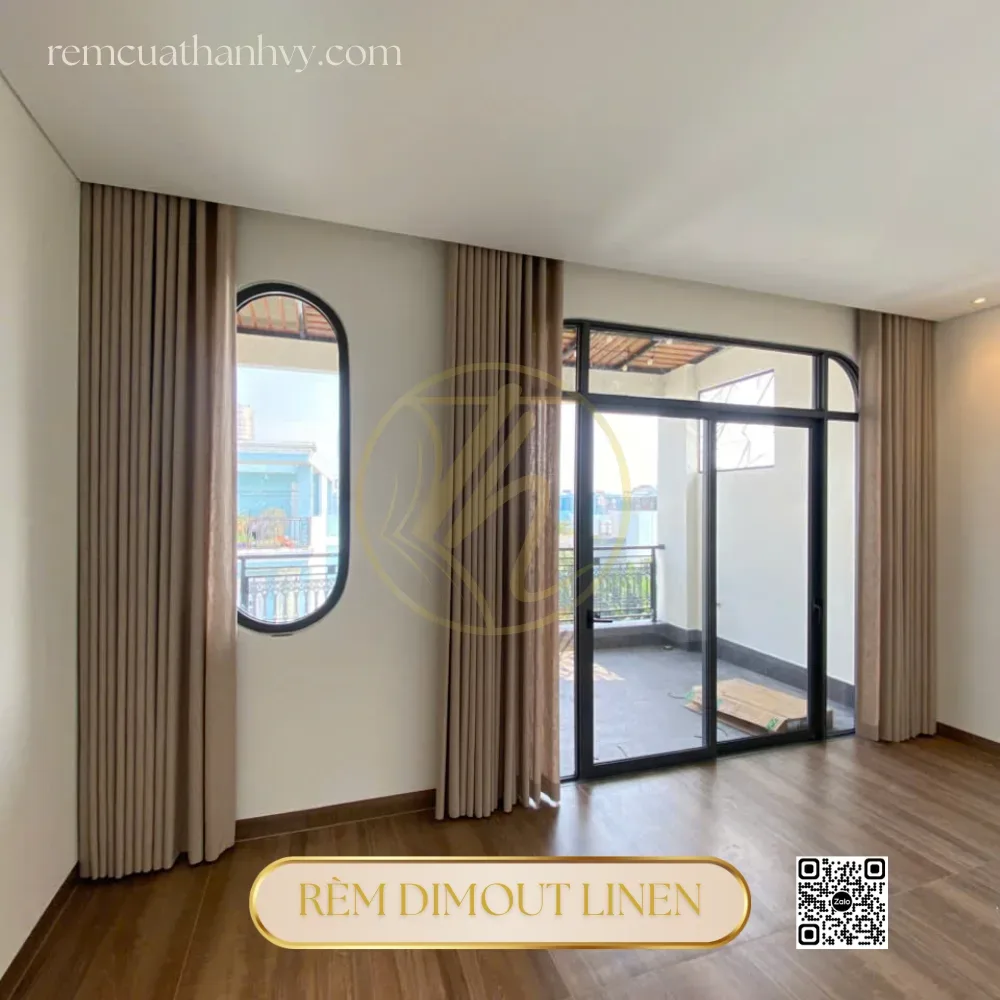
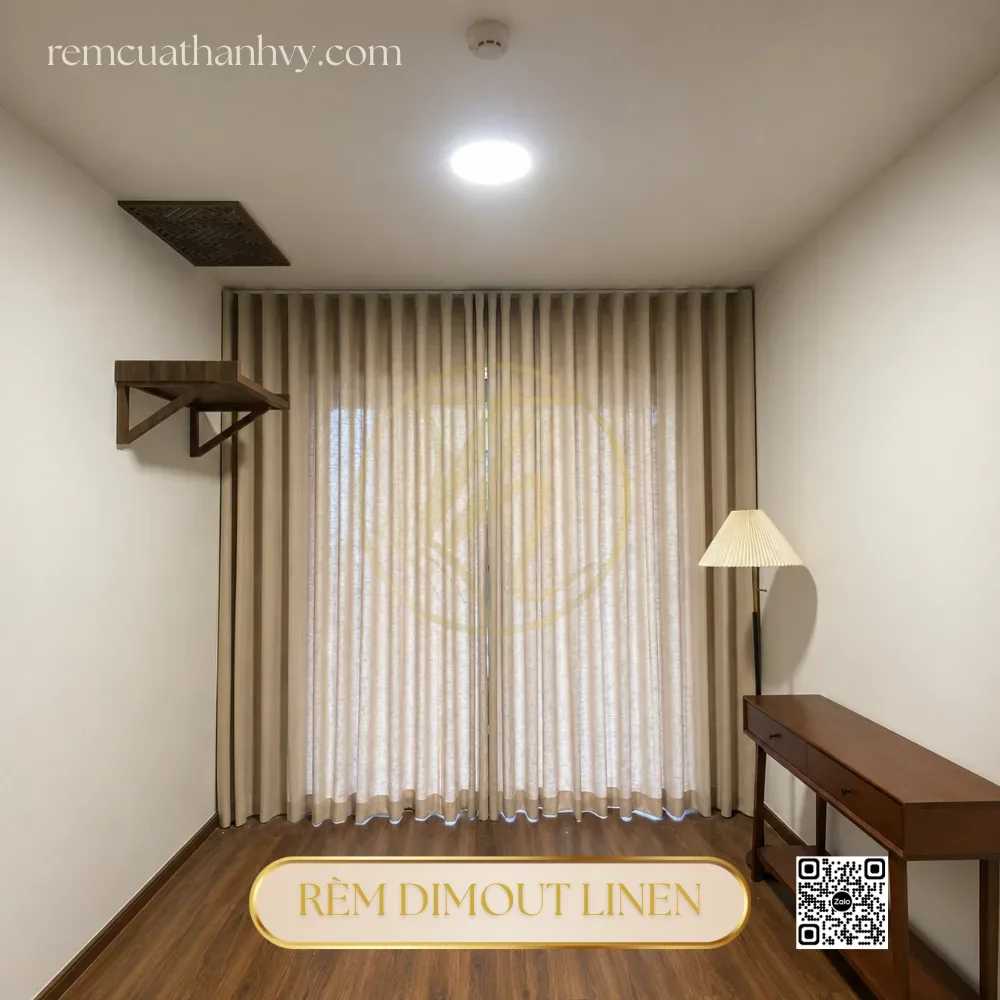
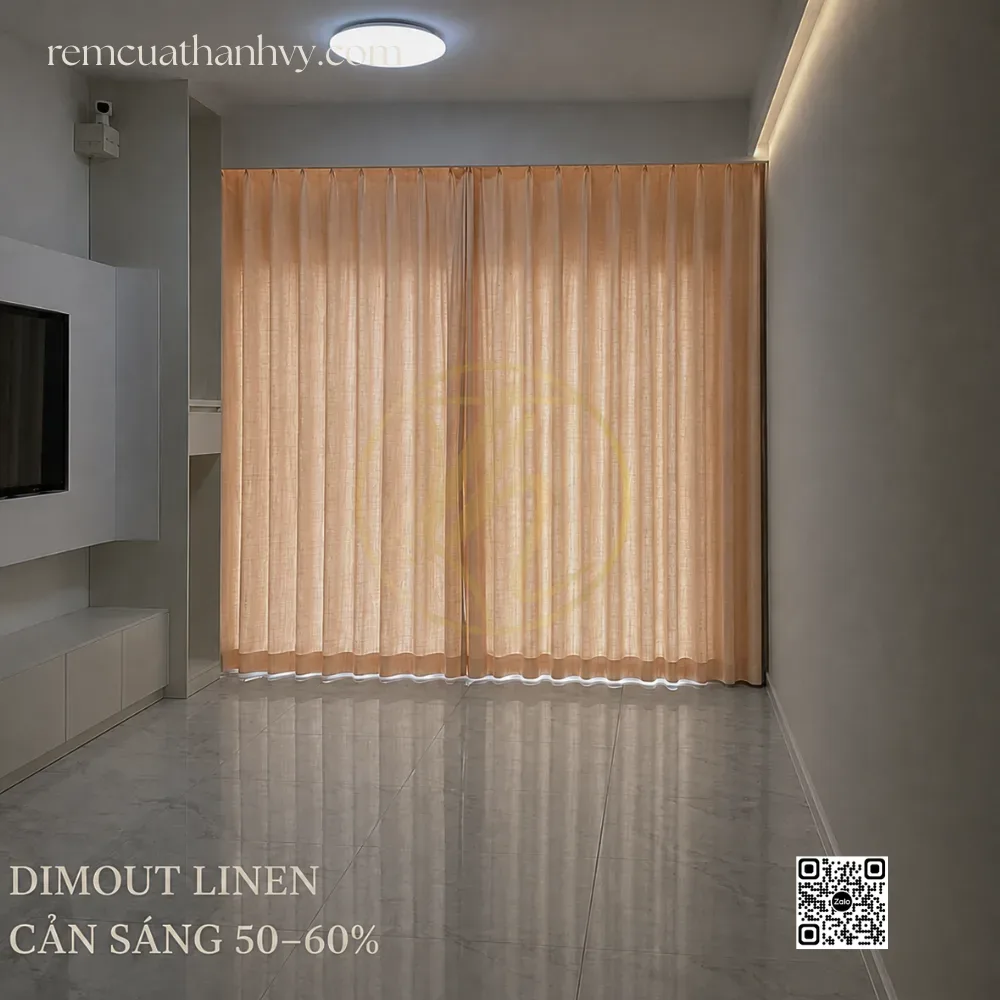
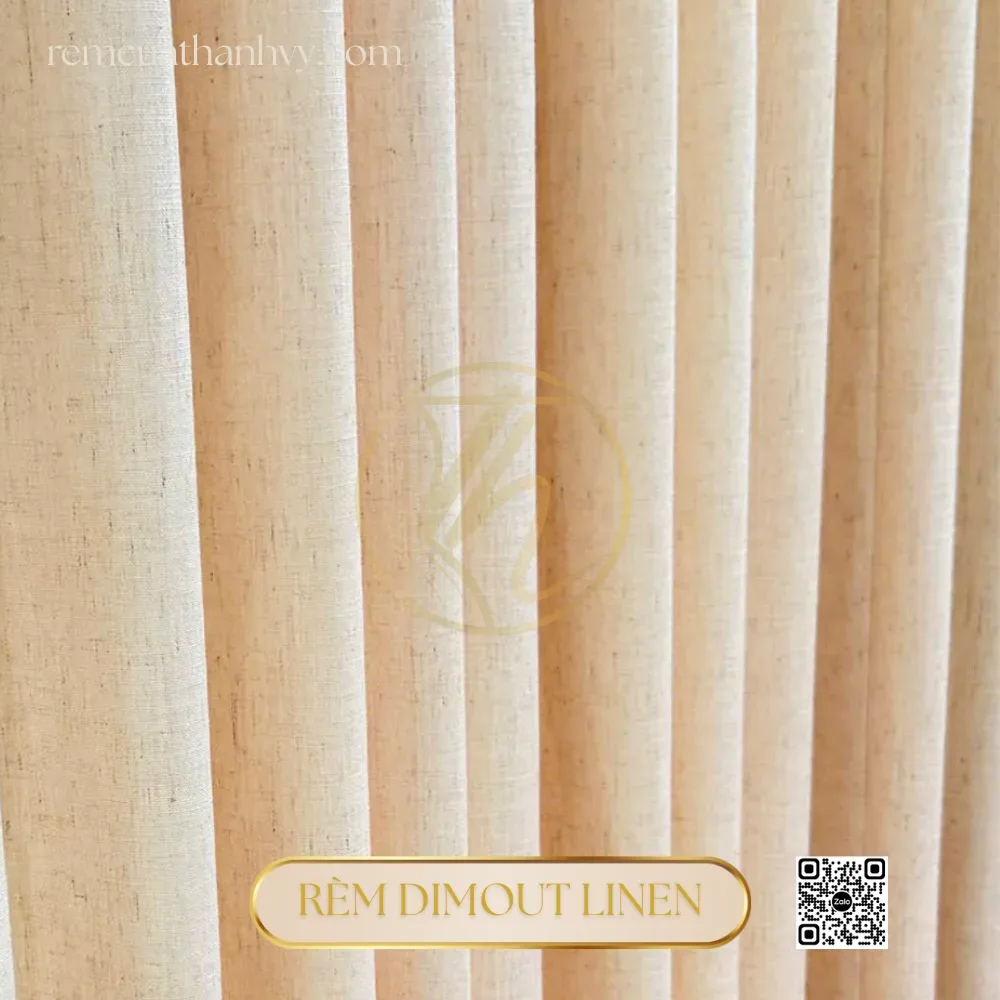
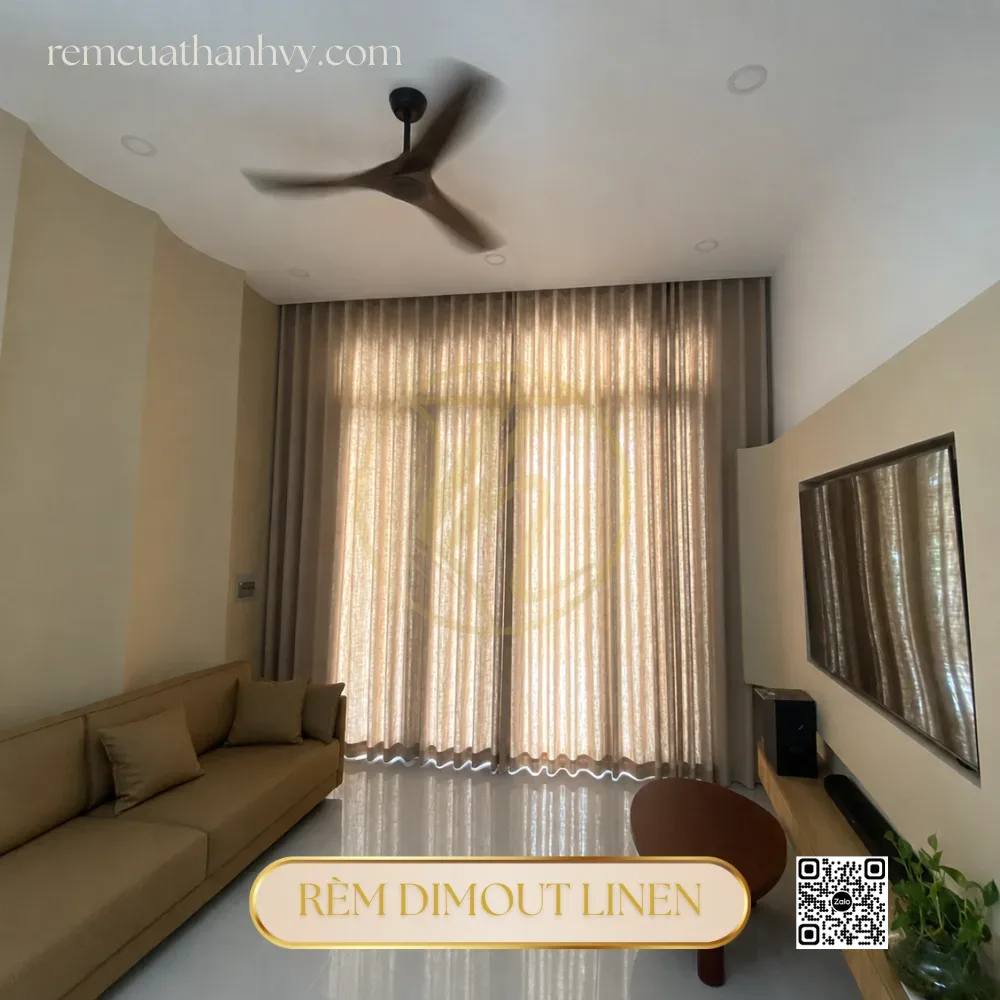
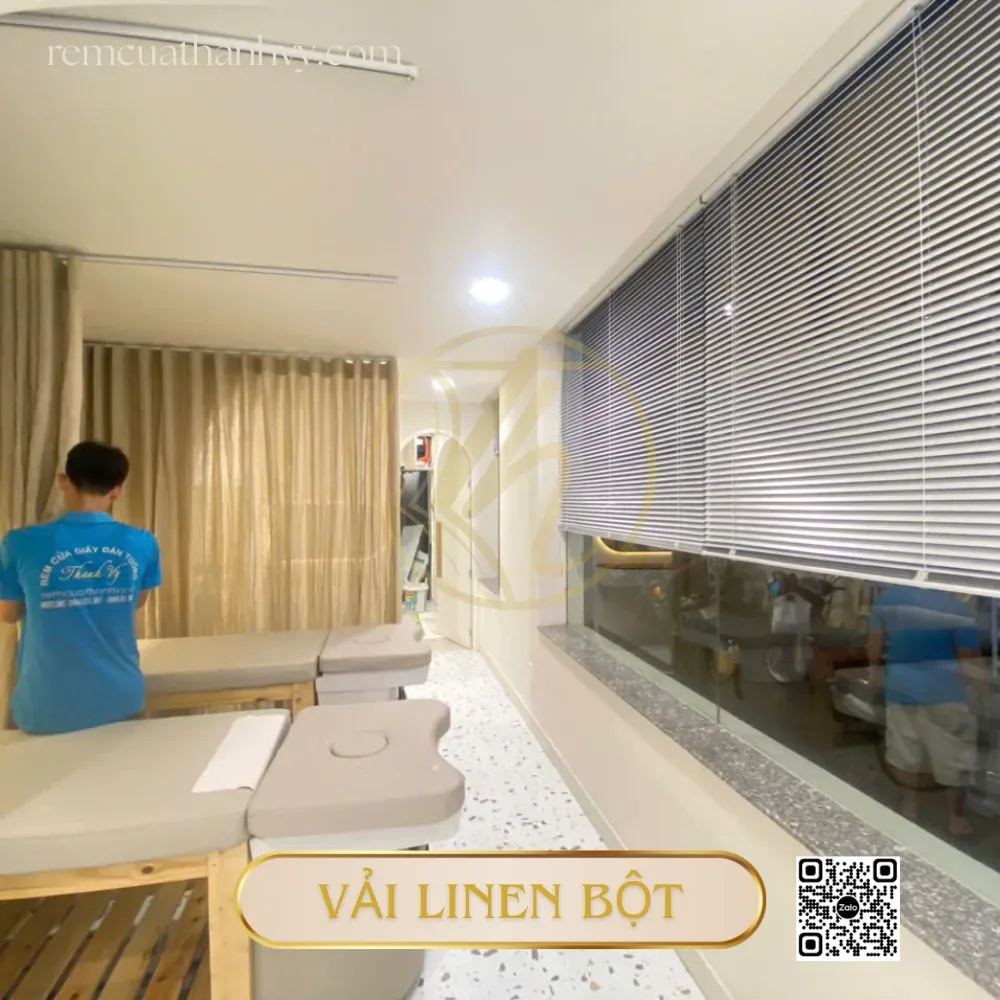
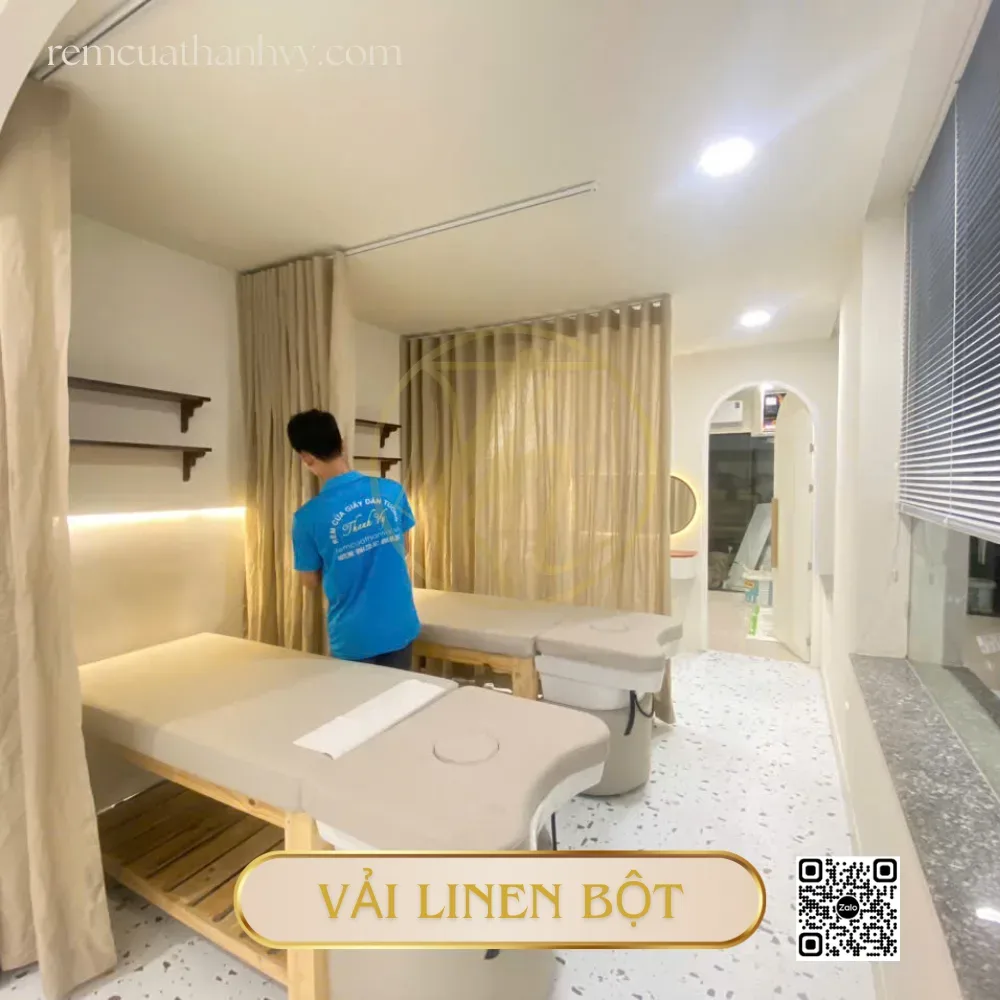
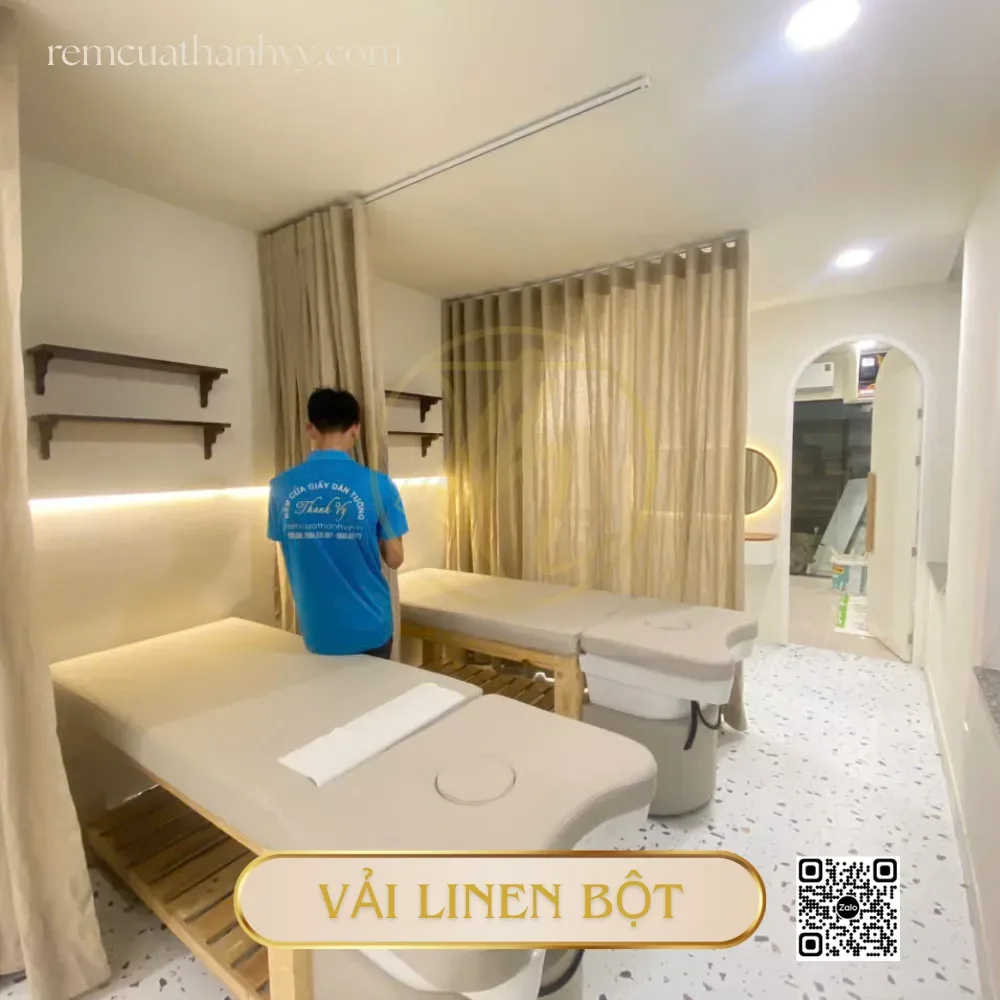
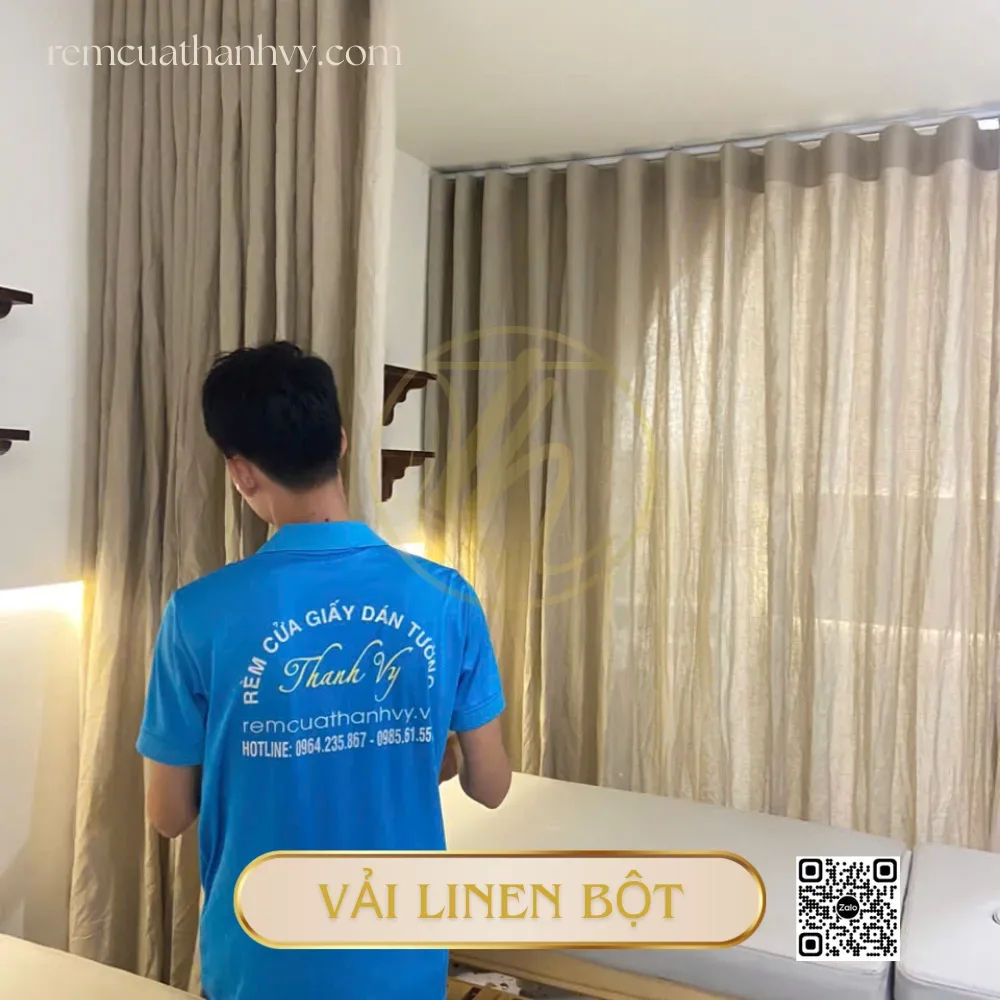
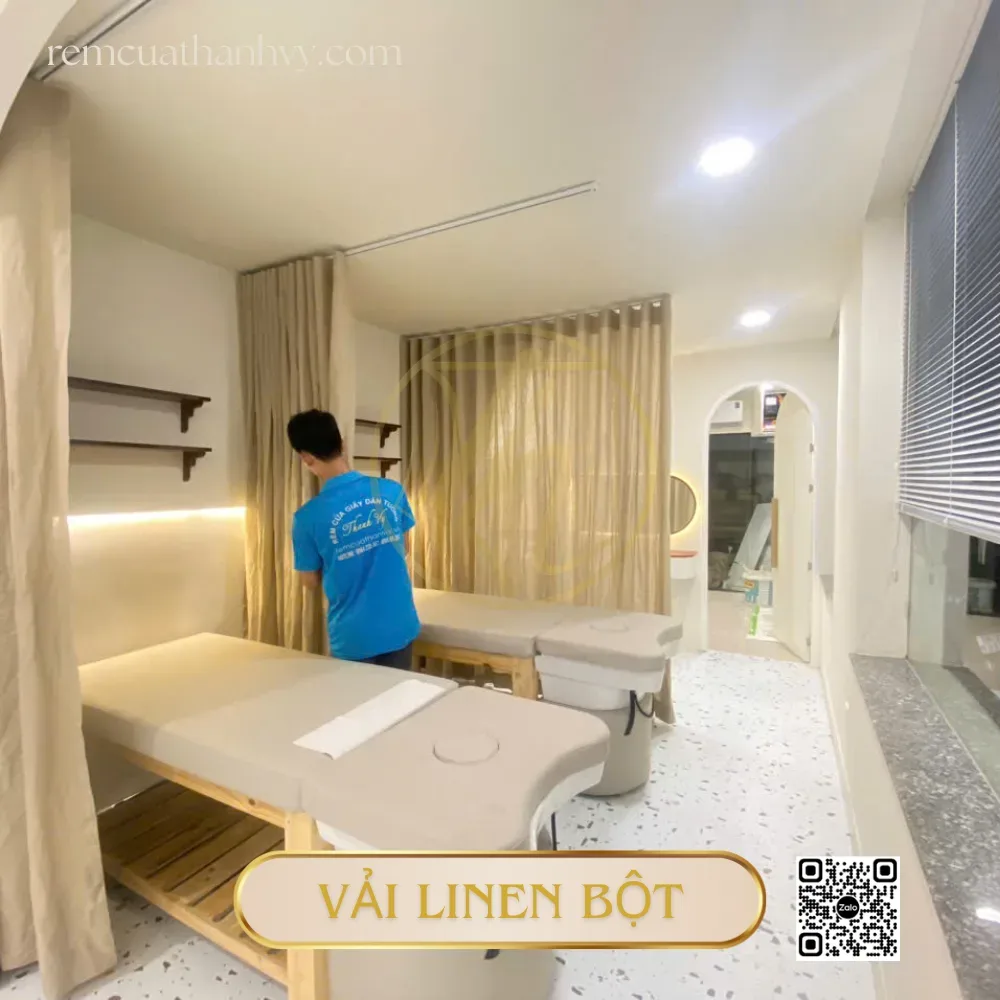
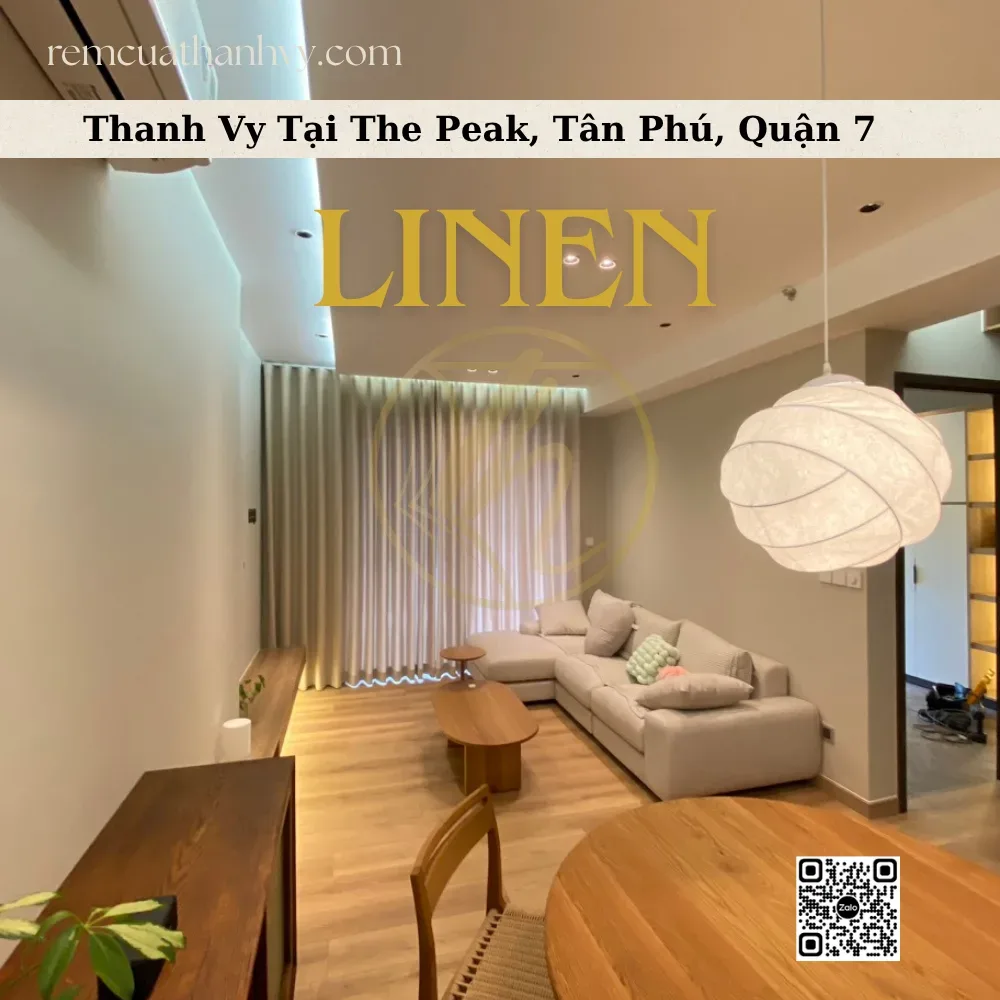
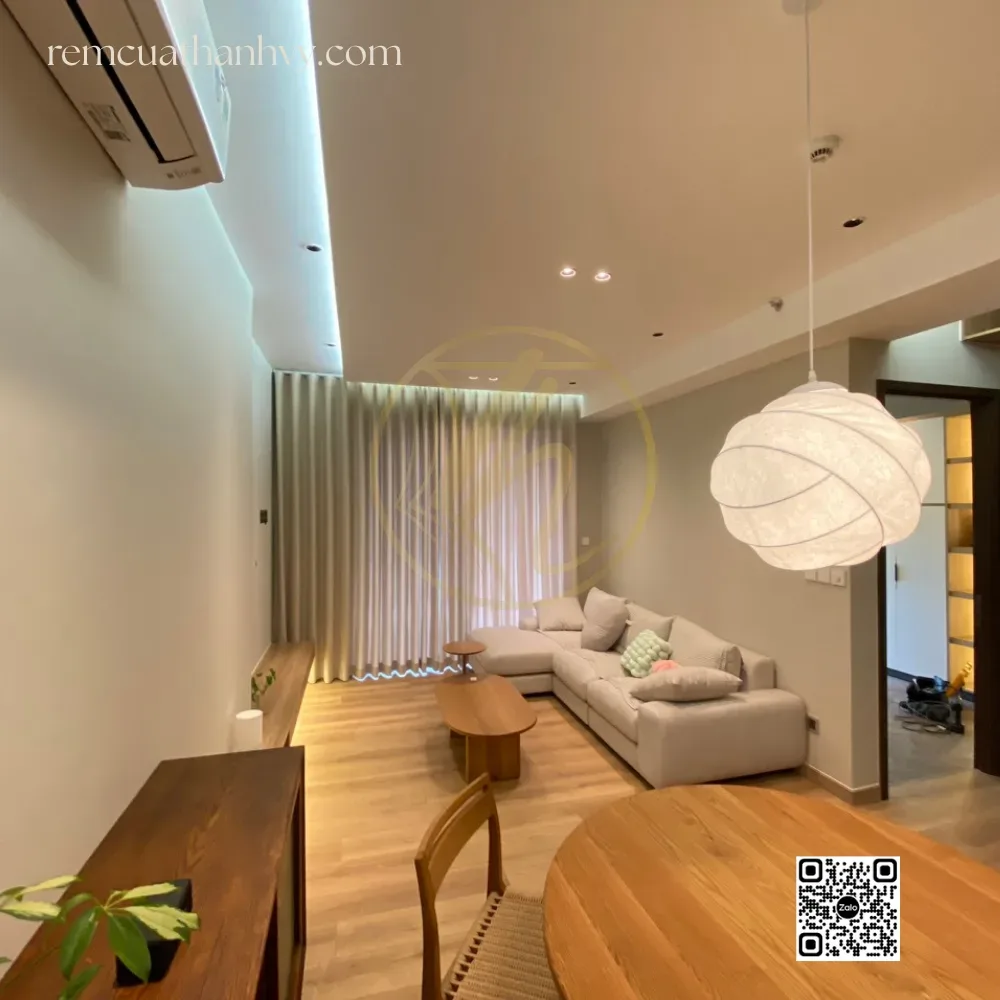
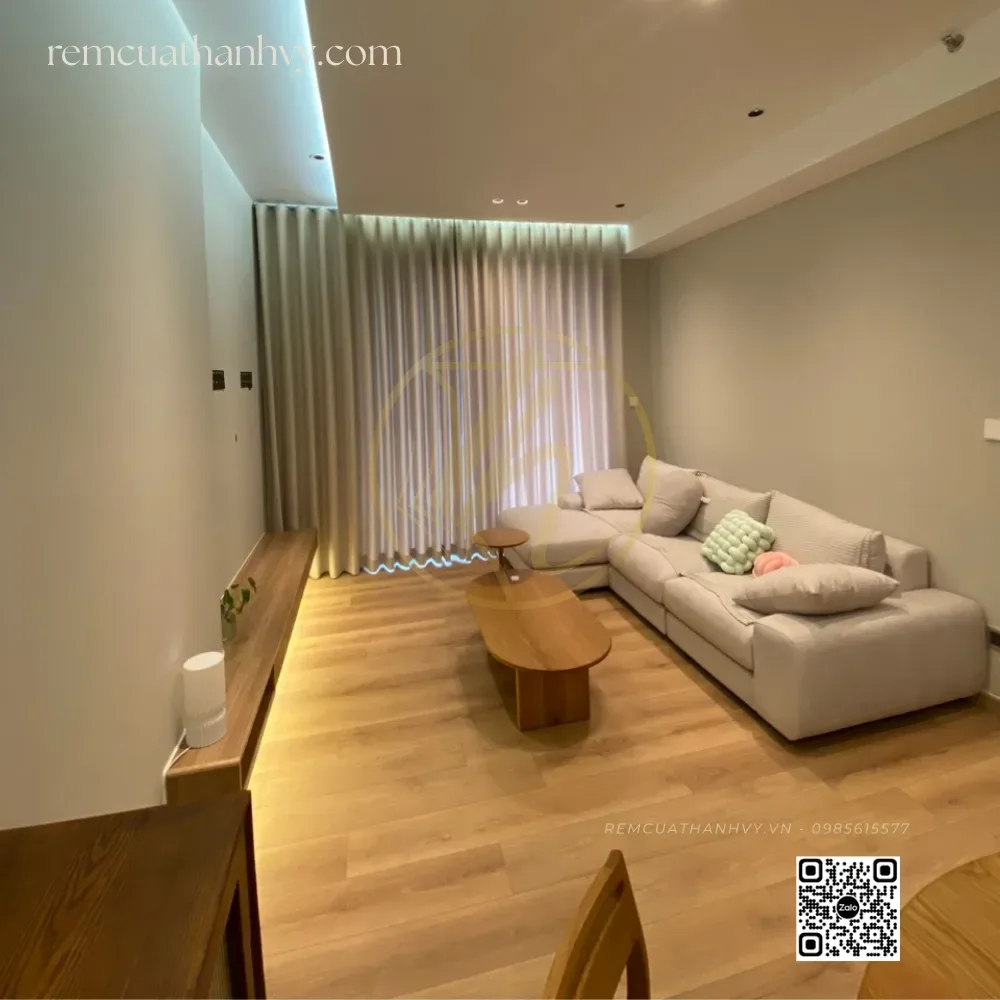
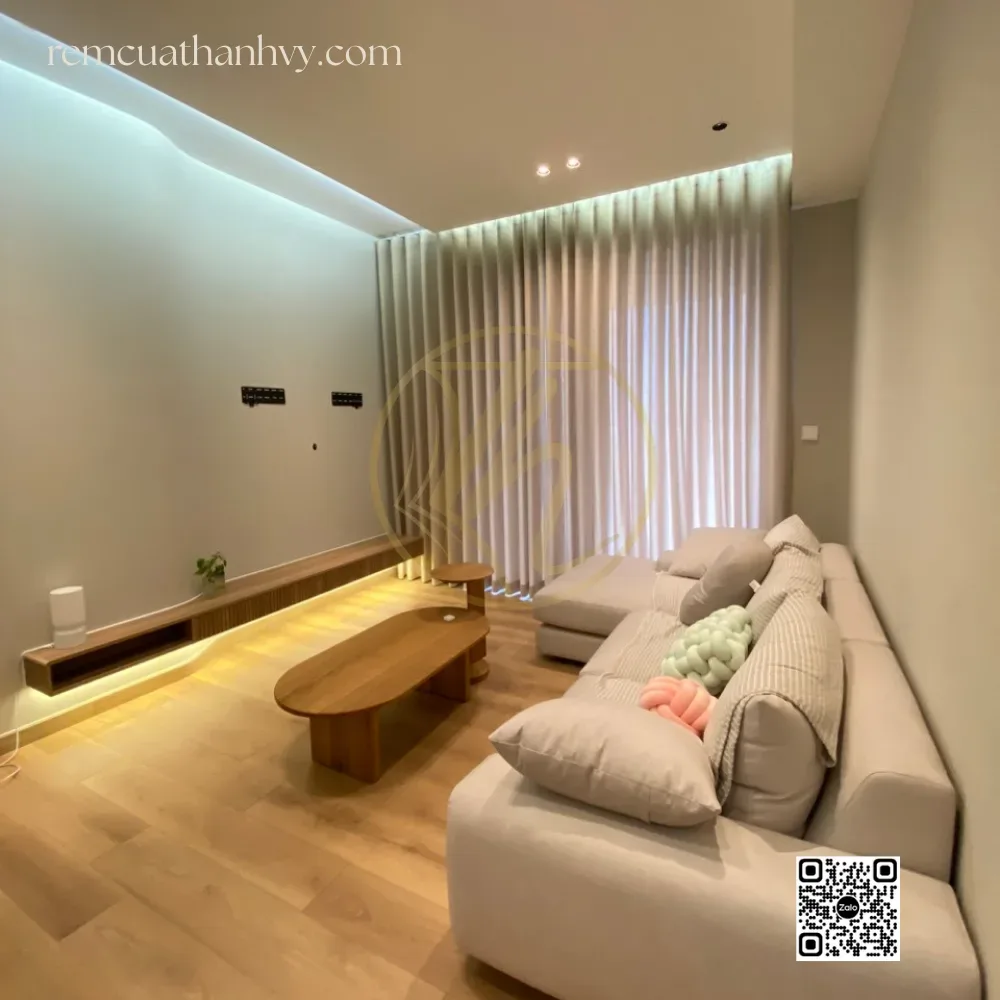
Linen Fabric Curtains
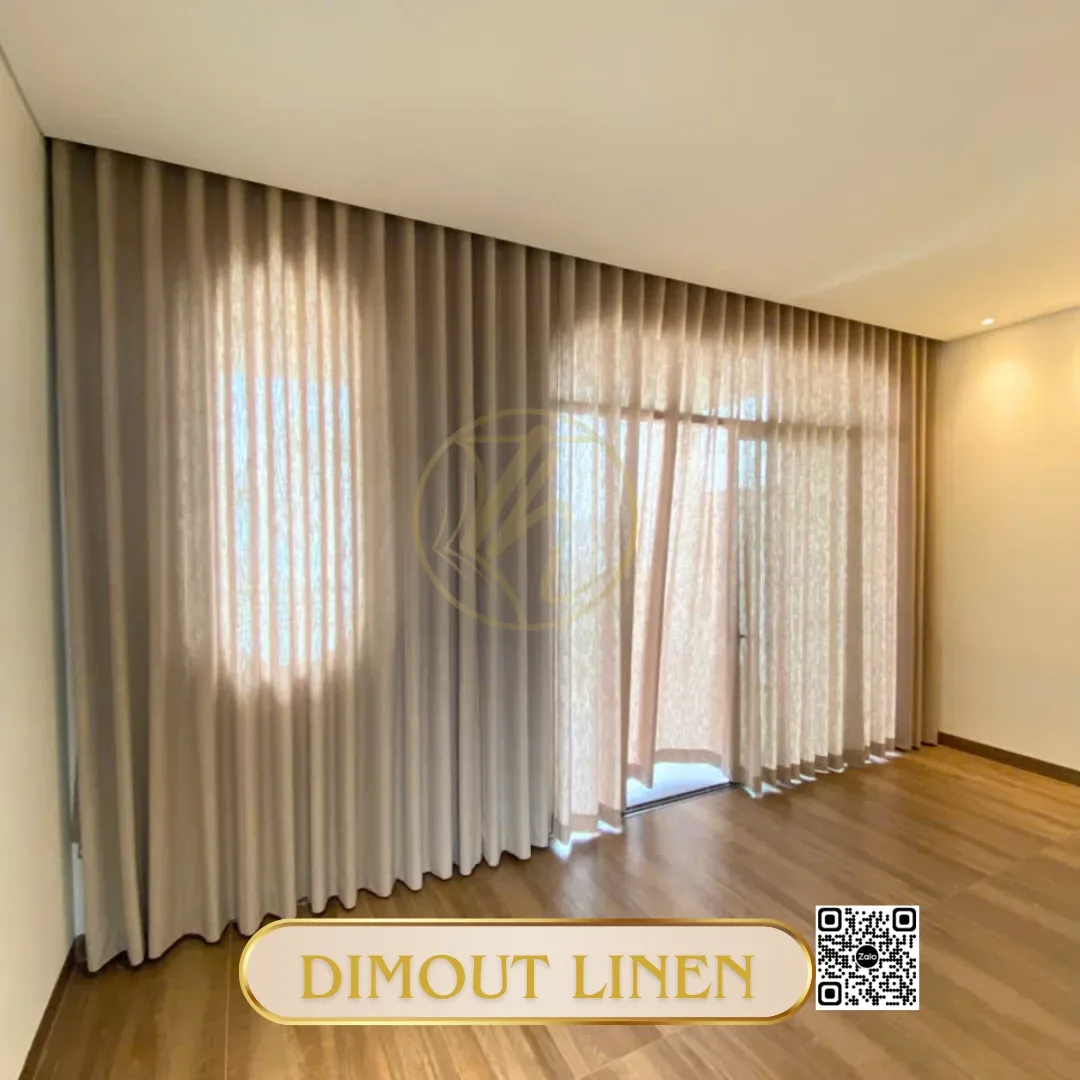
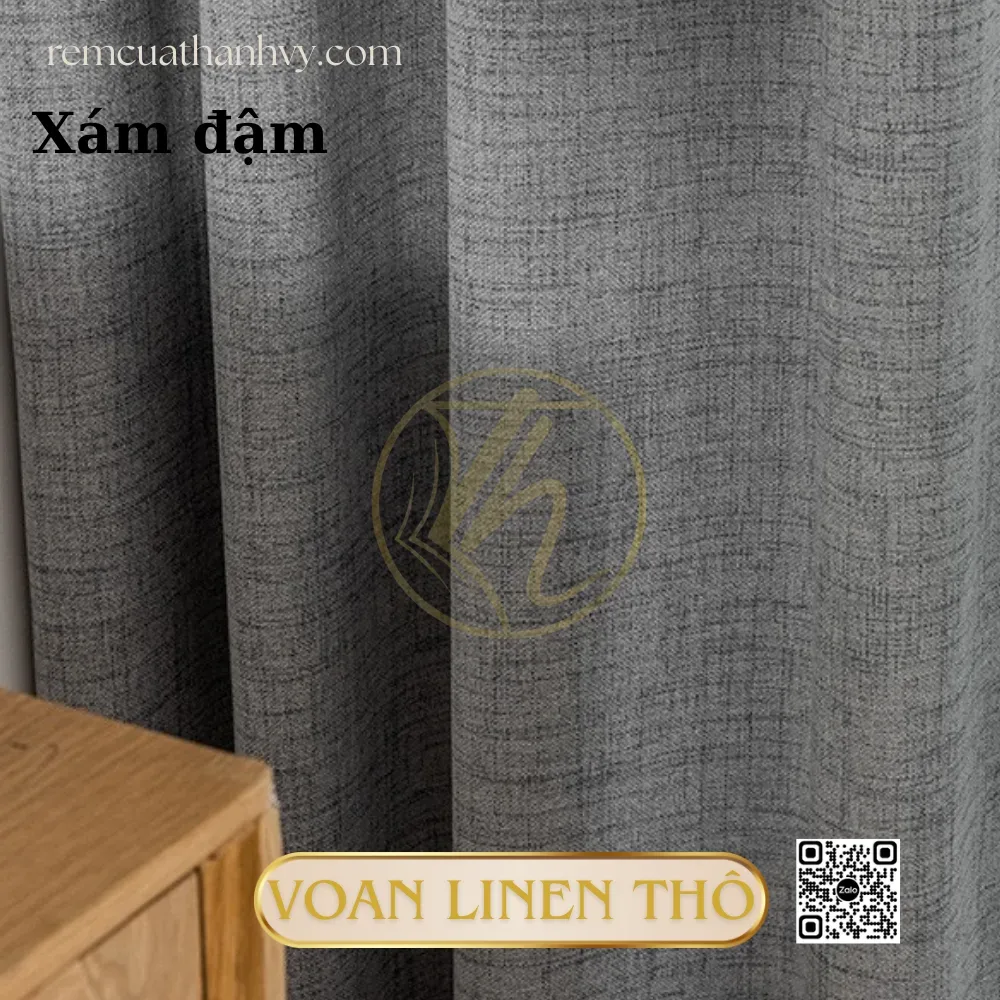
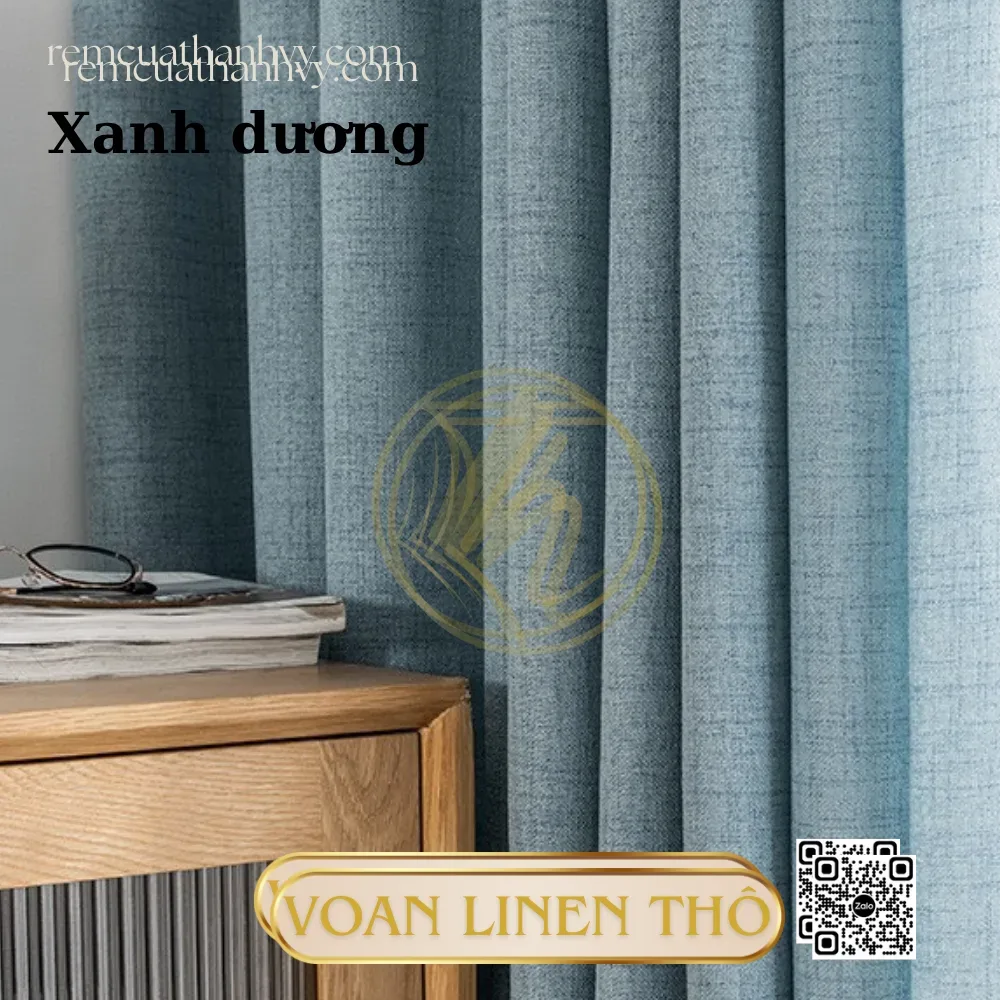
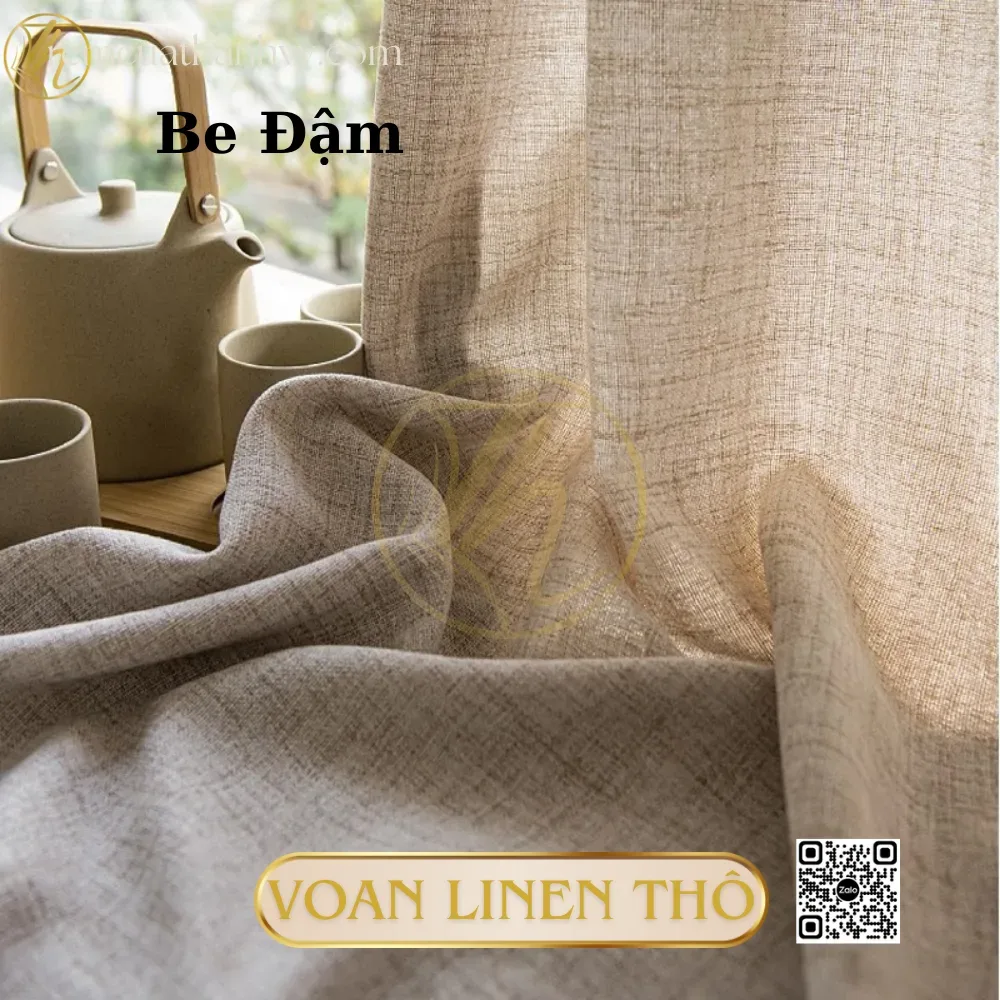
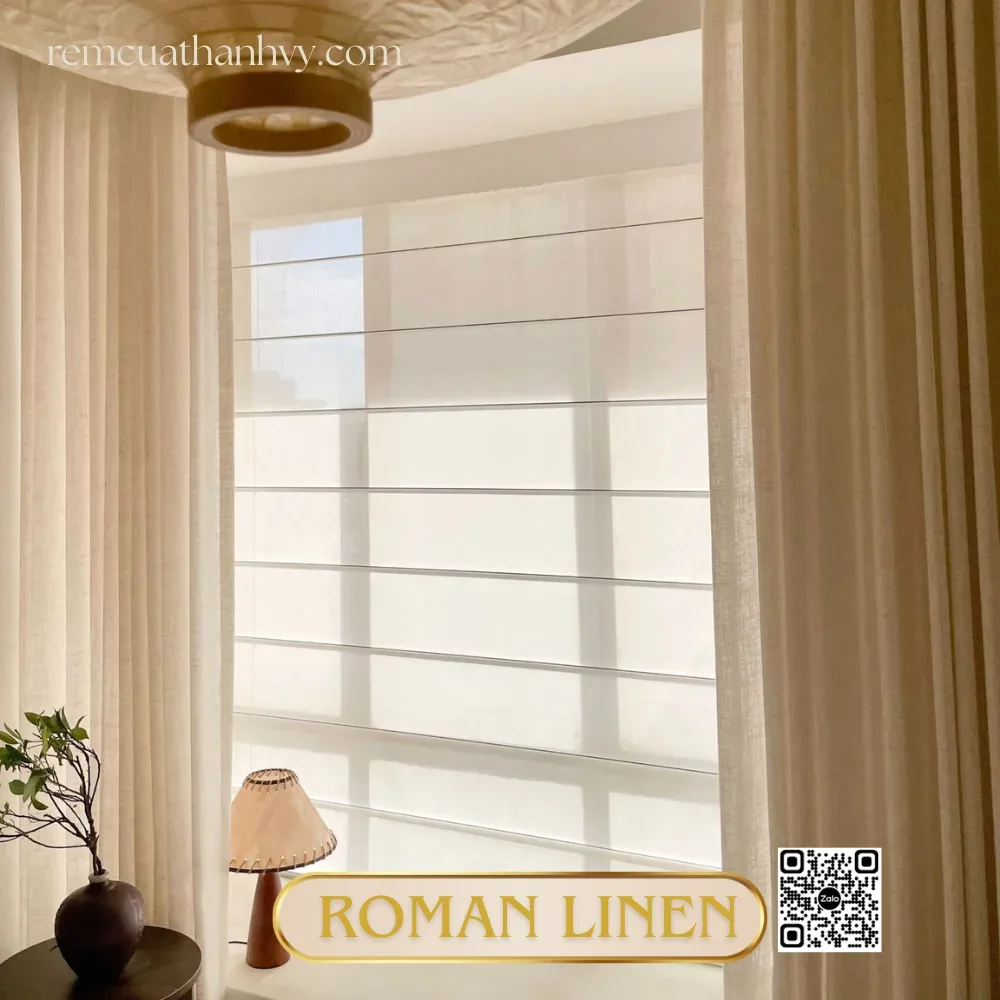
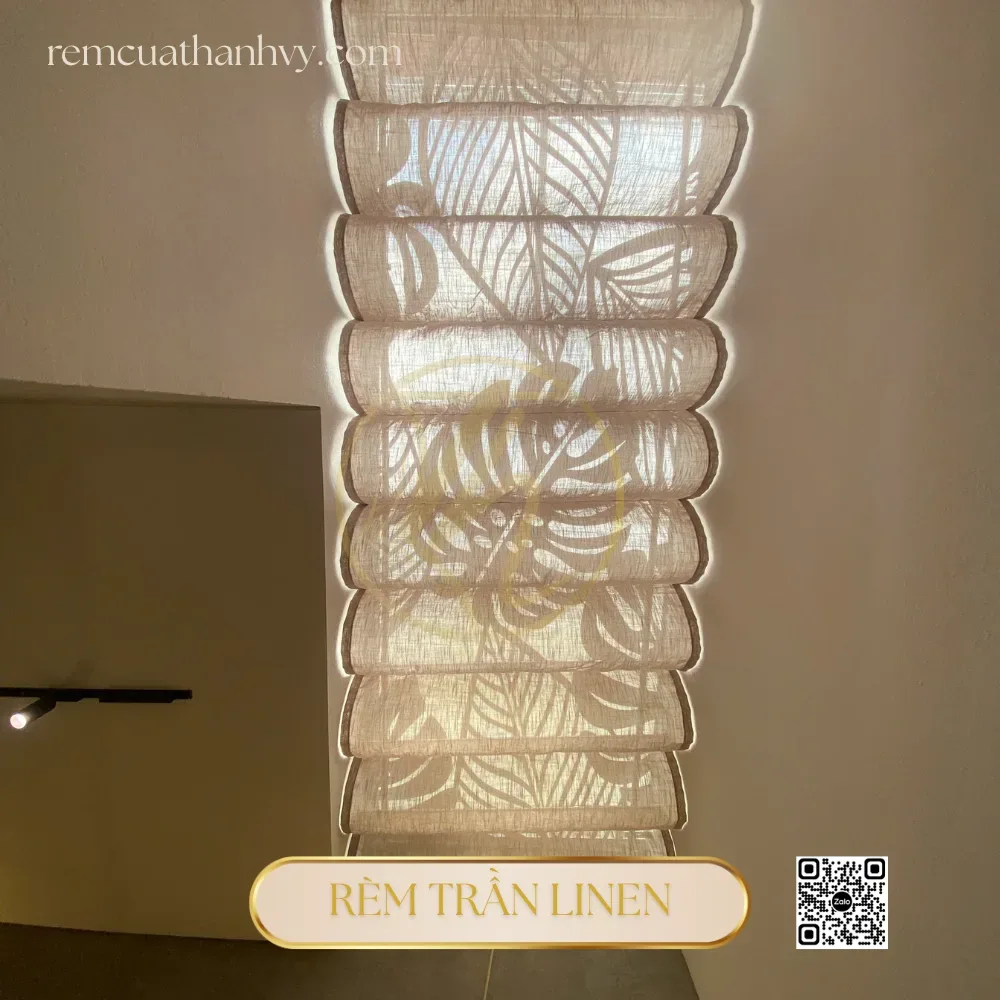
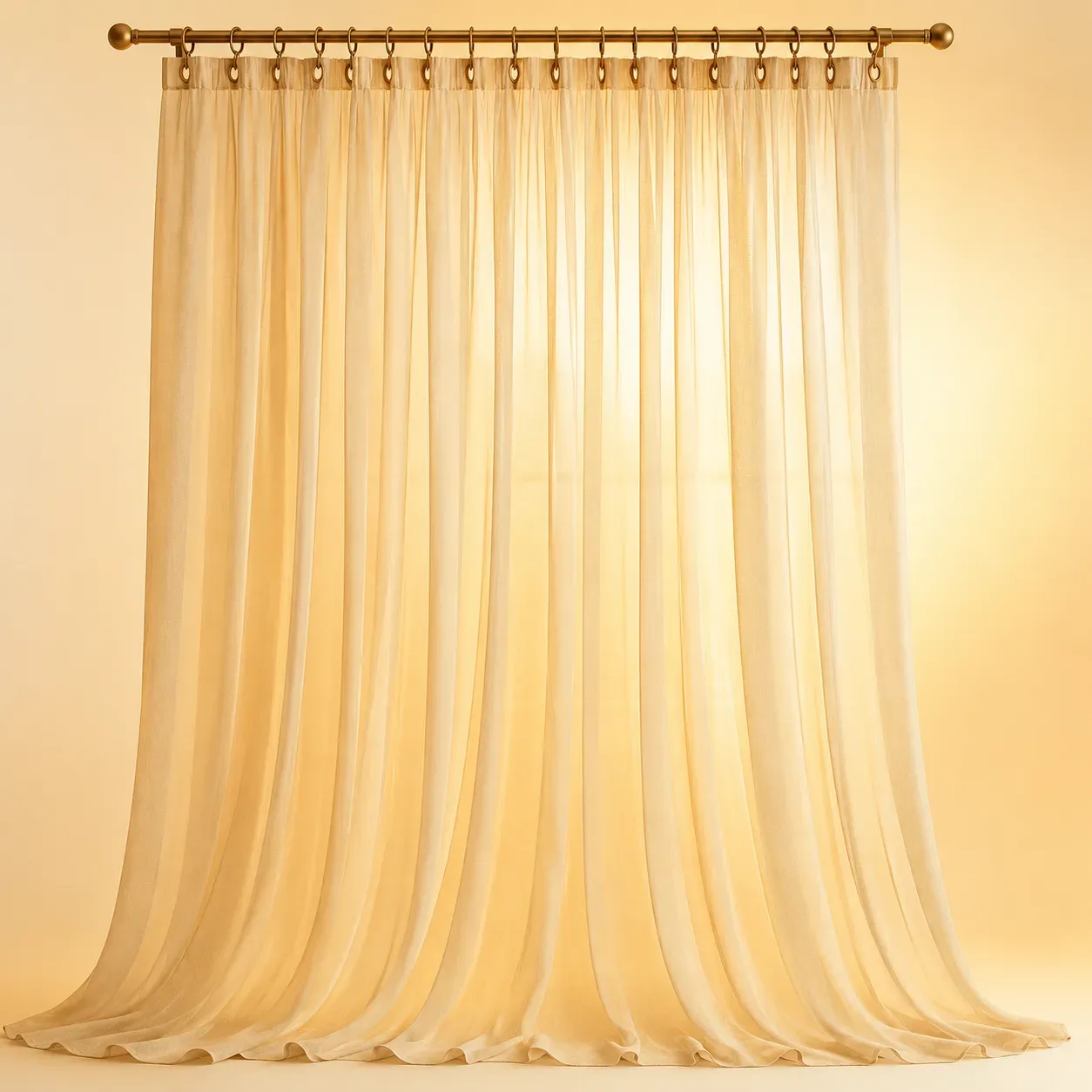
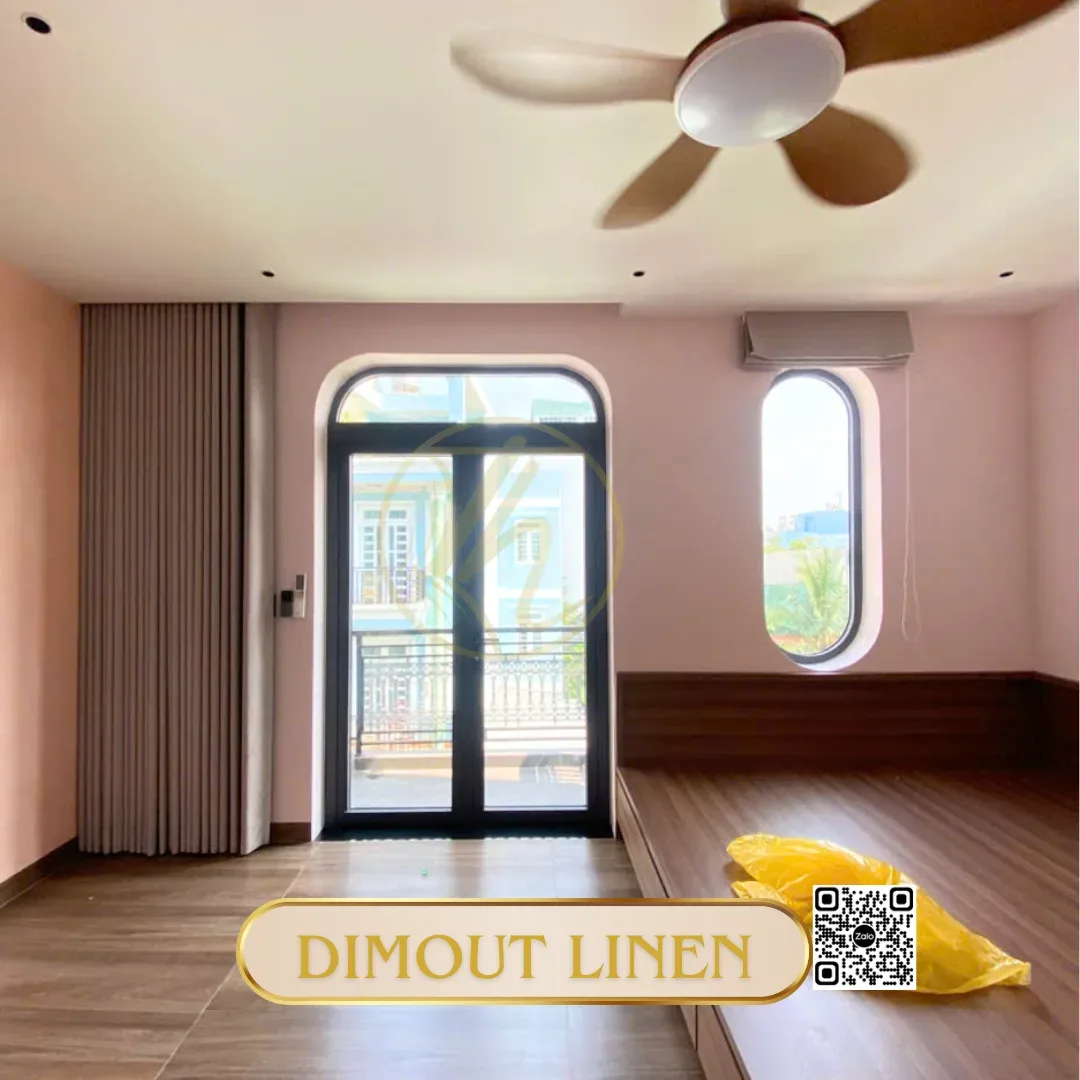
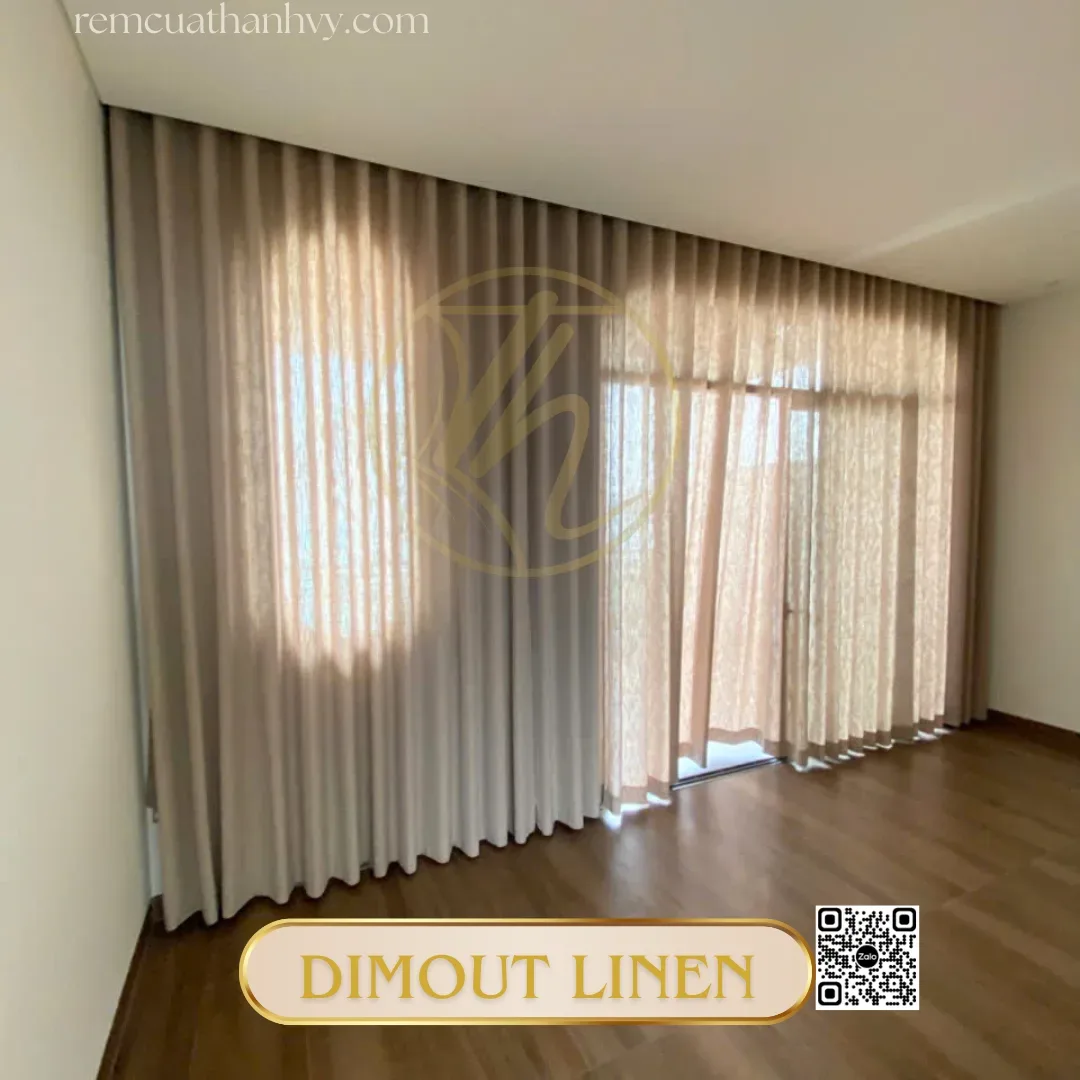
Linen material maintains a natural drape and moderate light blocking, fitting living rooms or bedrooms requiring both light entry and privacy.
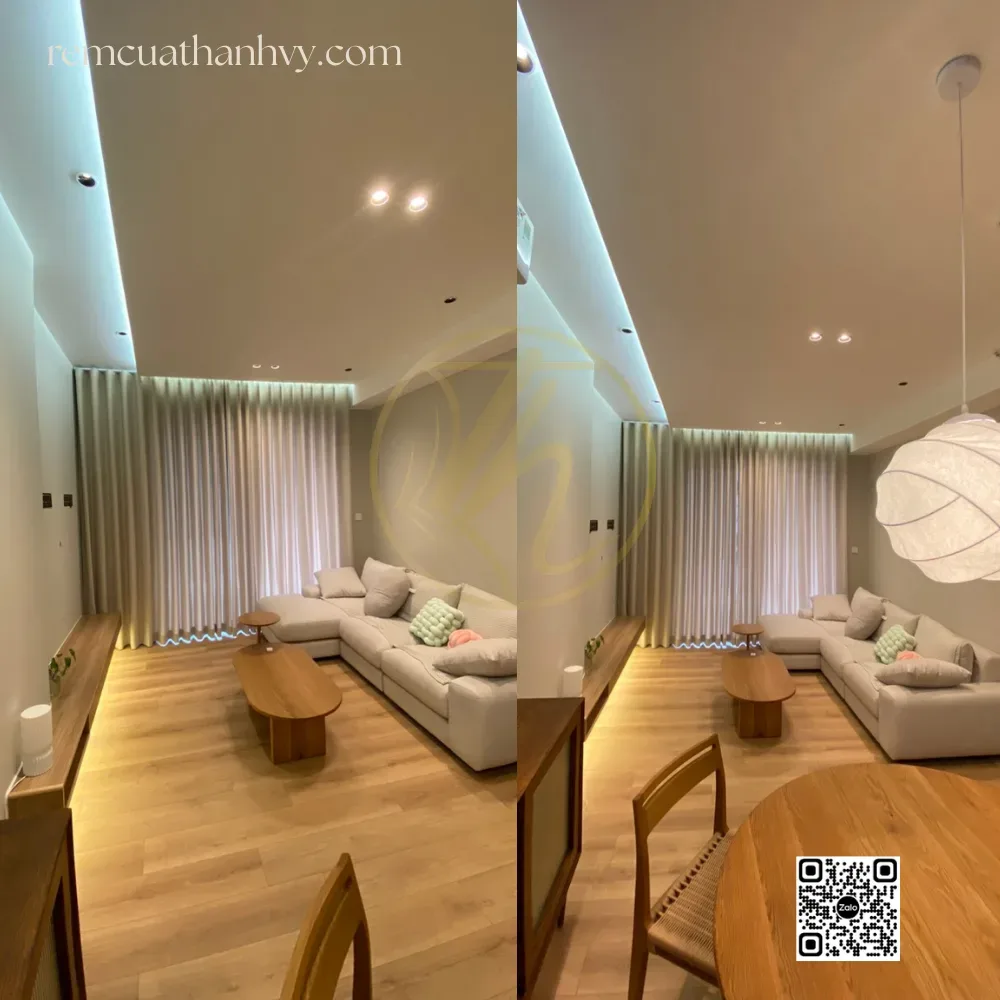
For further information, please contact Thanh Vy Curtains
We provide free consultation and on-site measuring at your home.
Related projects
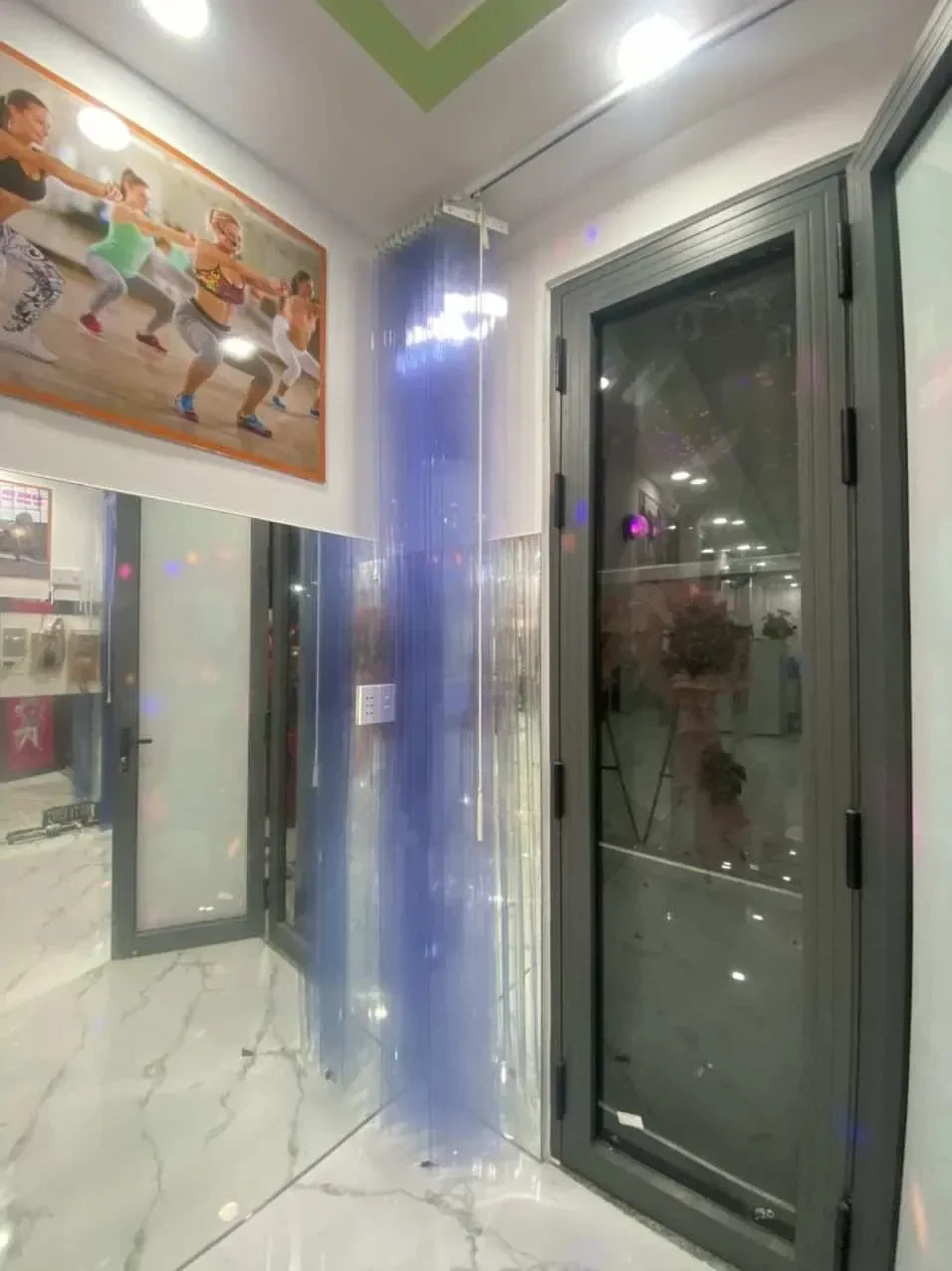
PVC Curtains in Bình Tân District – Ngọc Liên Club
Ngọc Liên Club, a modern fitness and yoga space in Bình Tân District, required a [...]
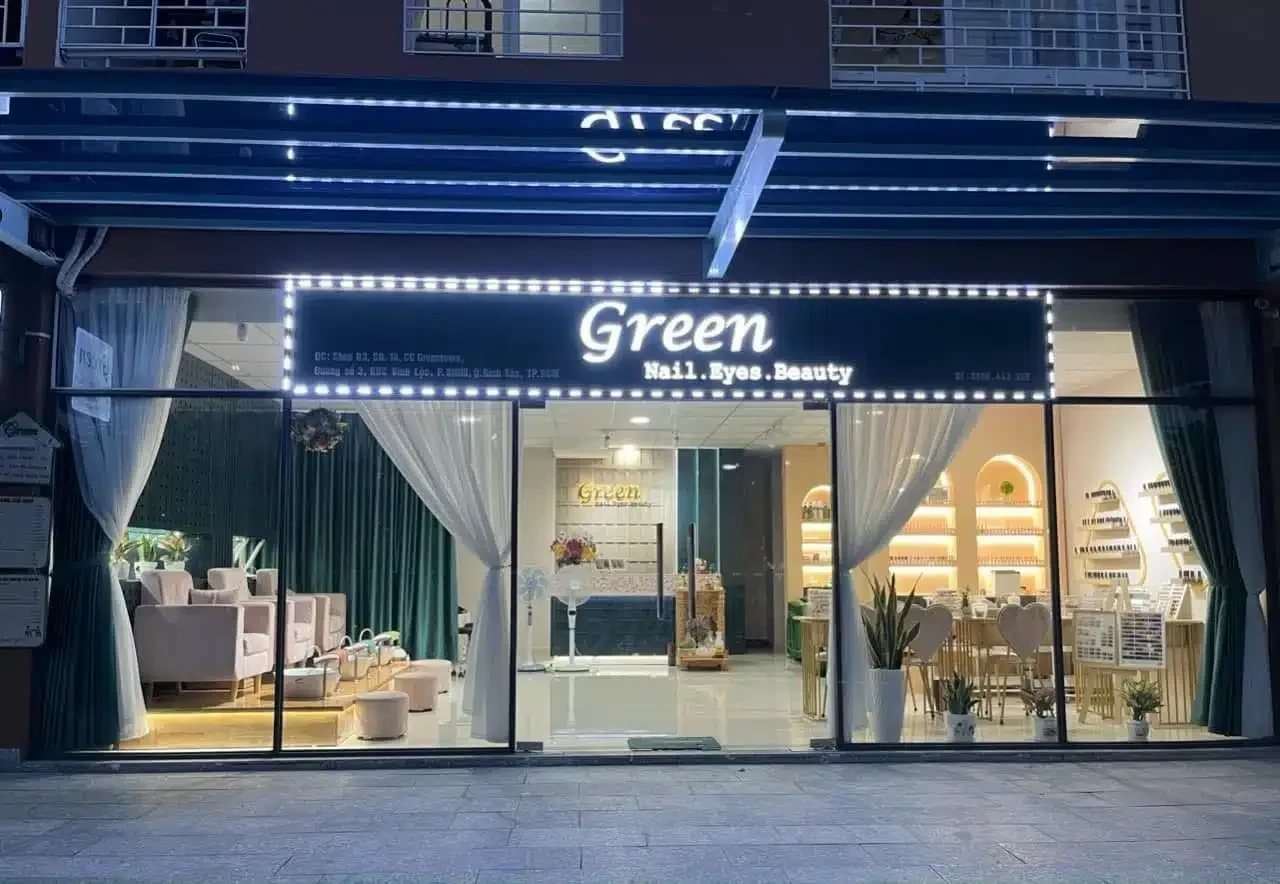
Fabric Curtains for Dividing the Green Nail Binh Tan Spa Space – A Private and Aesthetic Solution
The curtain installation project at Green Nail Spa in Binh Tan District is a typical [...]
Premium Fabric Roller Blinds for Minh Hoàng Jewelry Store, Bình Tân
This project is a typical example of applying premium fabric roller blinds in a luxurious [...]

Unusual Green Roller Blinds for the Little Lion Preschool Classroom – Bình Tân
This project was completed at Little Lion Preschool in Bình Tân District: the installation of [...]
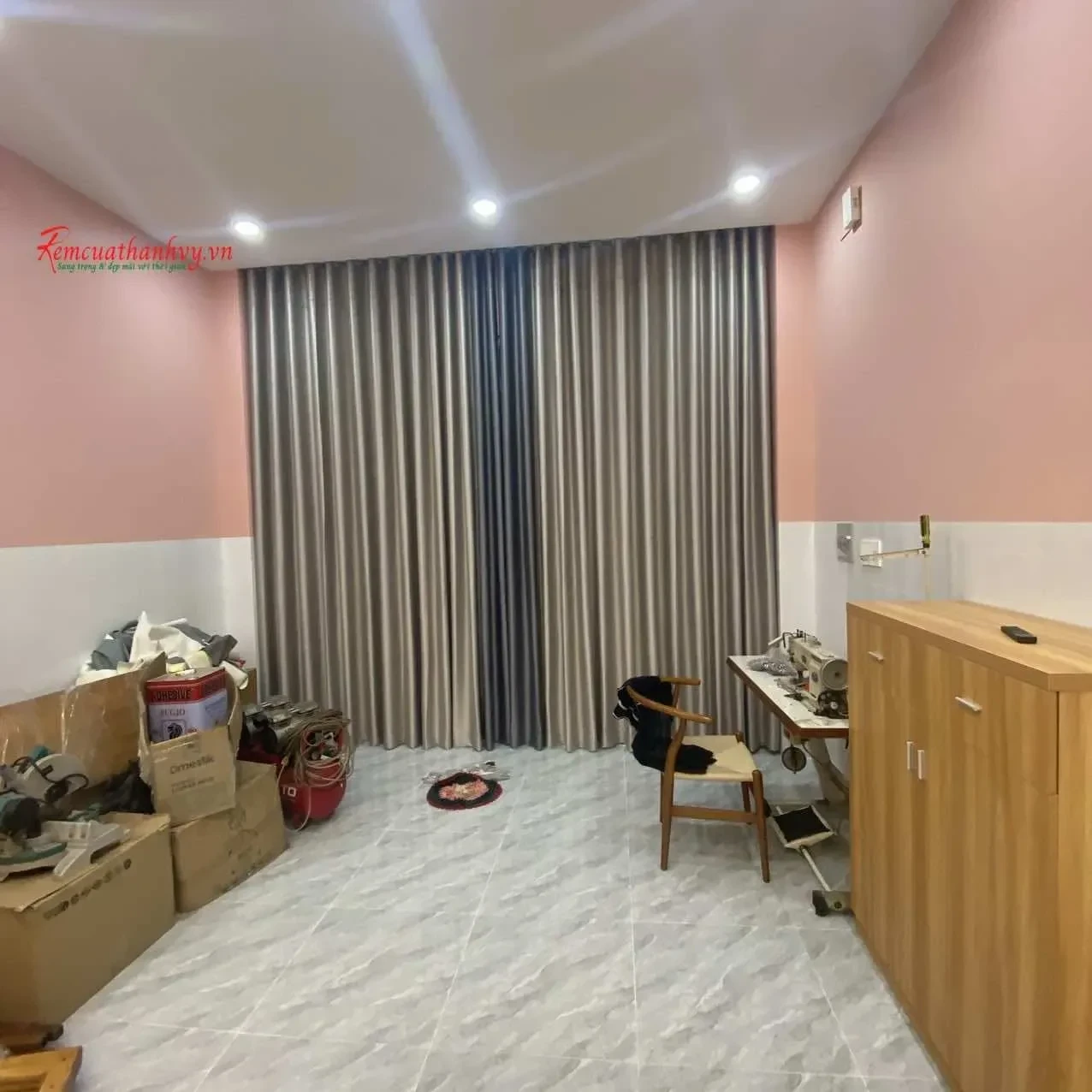
Color-Combination Fabric Curtains on Street 52, Binh Tan – A Modern Townhouse Space
This project on Street 52, Binh Tan District is a typical example of combining two [...]
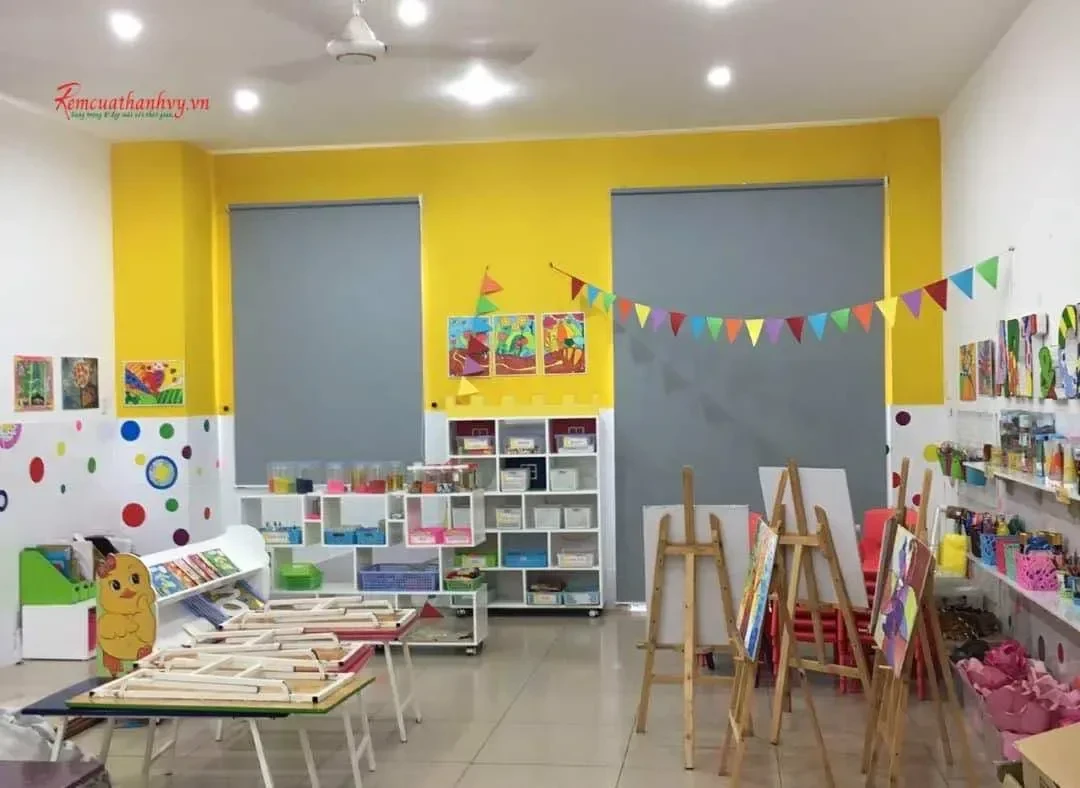
Gray Roller Blinds for a Kindergarten Classroom in Binh Tan District
This project involved installing a roller blind system for a classroom at Little Rose Kindergarten [...]
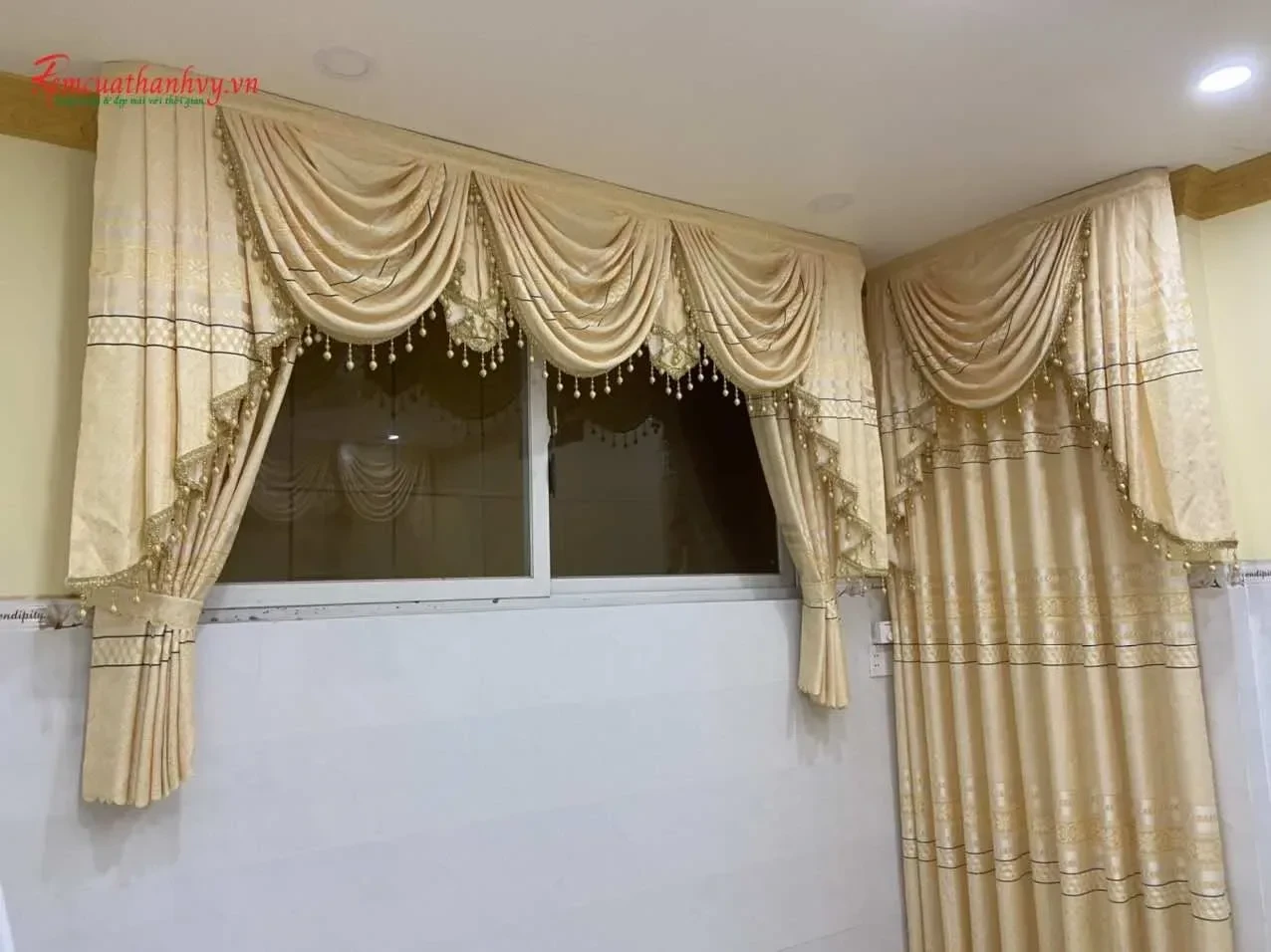
Queen Shell Curtains for the Assembly Hall – Lien Hoa Pagoda, Binh Tan
In 2024, Thanh Vy Curtains completed the installation of queen shell curtains for the assembly [...]
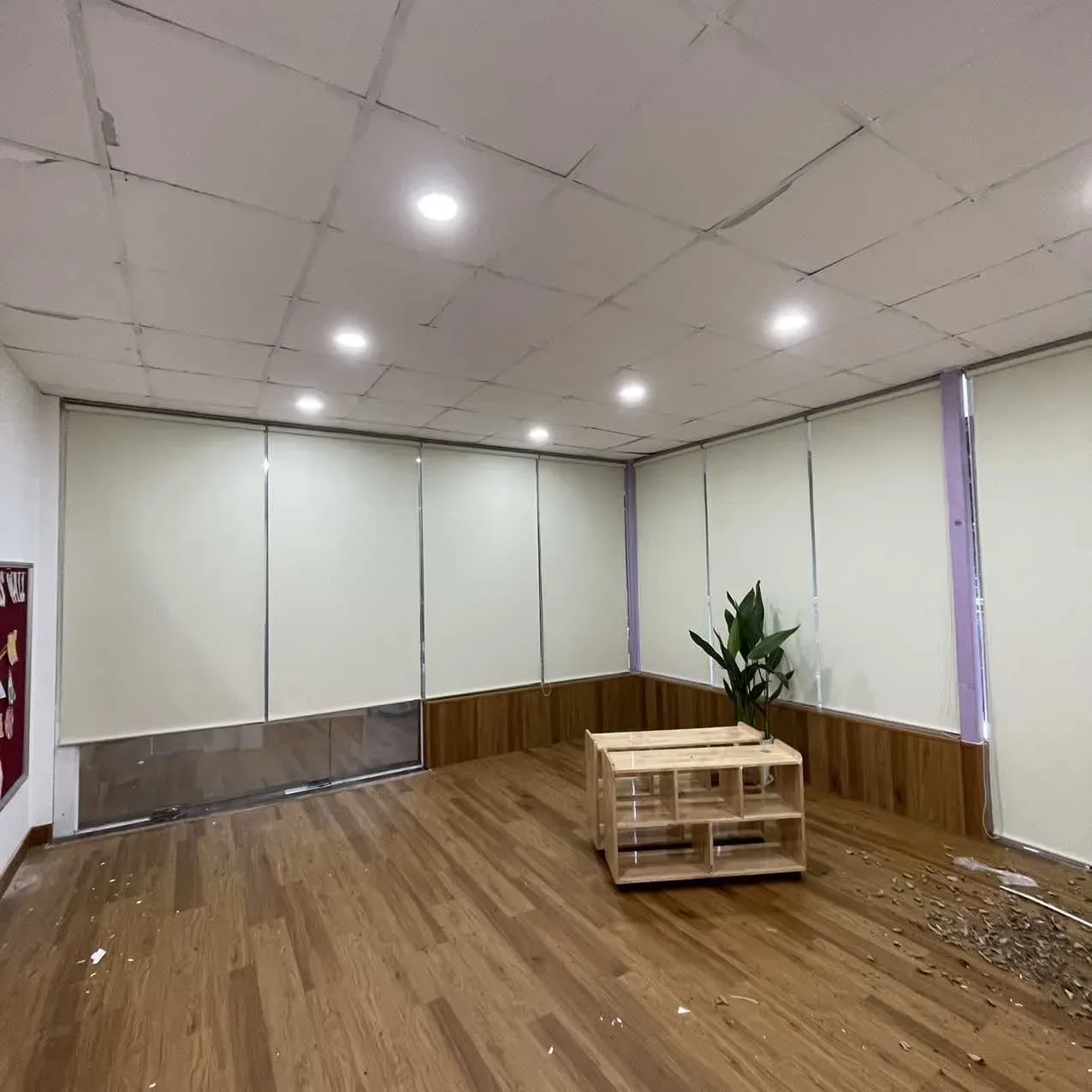
Cream Blackout Roller Blind Project in Bình Tân District
I will analyze the actual photos and write the project article as requested. First, let [...]
Related areas
Linen curtains in Binh Tan: Choosing the right Nordic style for every space
When choosing curtains in Binh Tan, it is essential to carefully consider sun-blocking materials and [...]
Window Treatments in Binh Tan: What to Prioritize for Each Space
Thanh Vy Window Treatments offers tailored window treatment solutions in Binh Tan, backed by extensive [...]
Curtains in District 6: What to Prioritize for Each Space
To choose the perfect curtains in District 6, contact Rèm Cửa Thanh Vy for dedicated [...]
Curtains in District 3: What to prioritize when choosing for each space
**Curtain selection advice:** Customers in District 3 should prioritize two-layer fabric curtains or neat Korean [...]
Curtains in District 7: Priorities when choosing for each space
Thanh Vy Curtains provides optimal curtain solutions for living spaces in District 7, using durable [...]
Related reviews
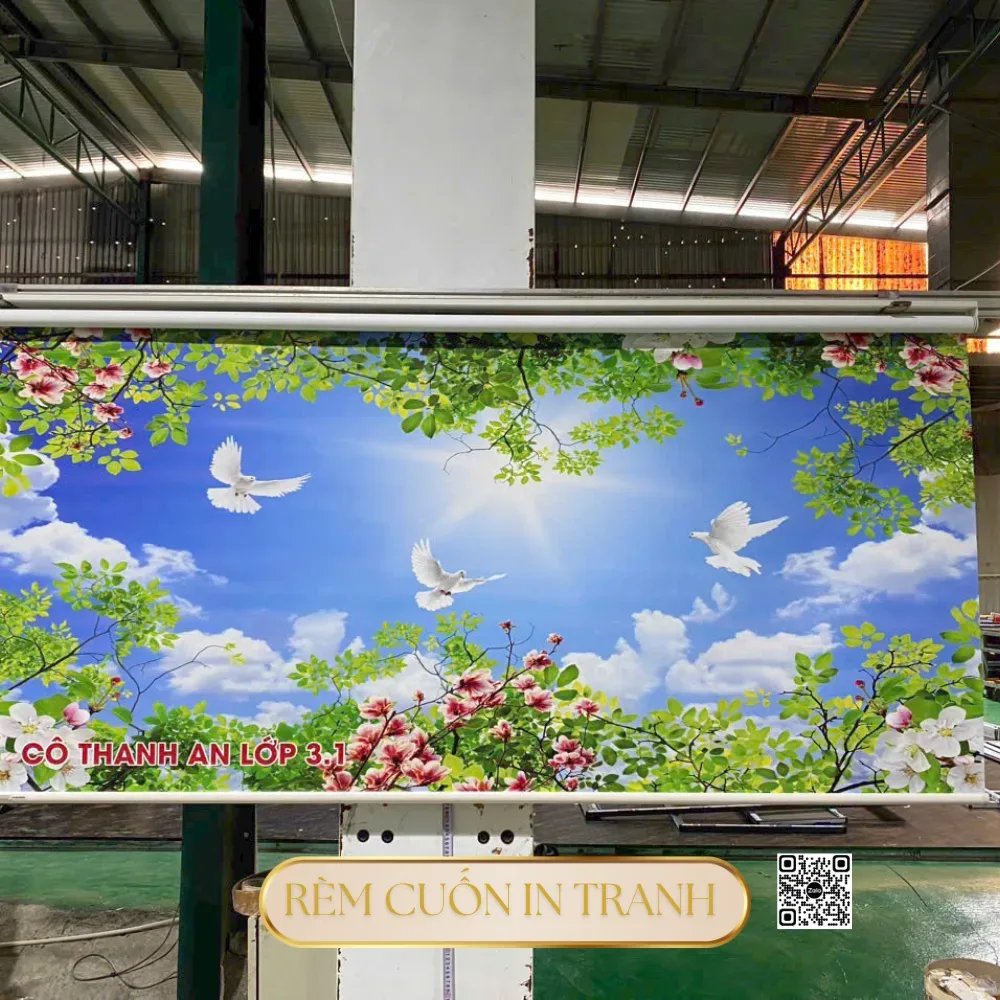
Fabric Curtains vs. Roller Blinds? A Detailed Comparison to Help You Choose
Compare fabric curtains and roller blinds based on light control, privacy, operation, aesthetics, maintenance, and [...]
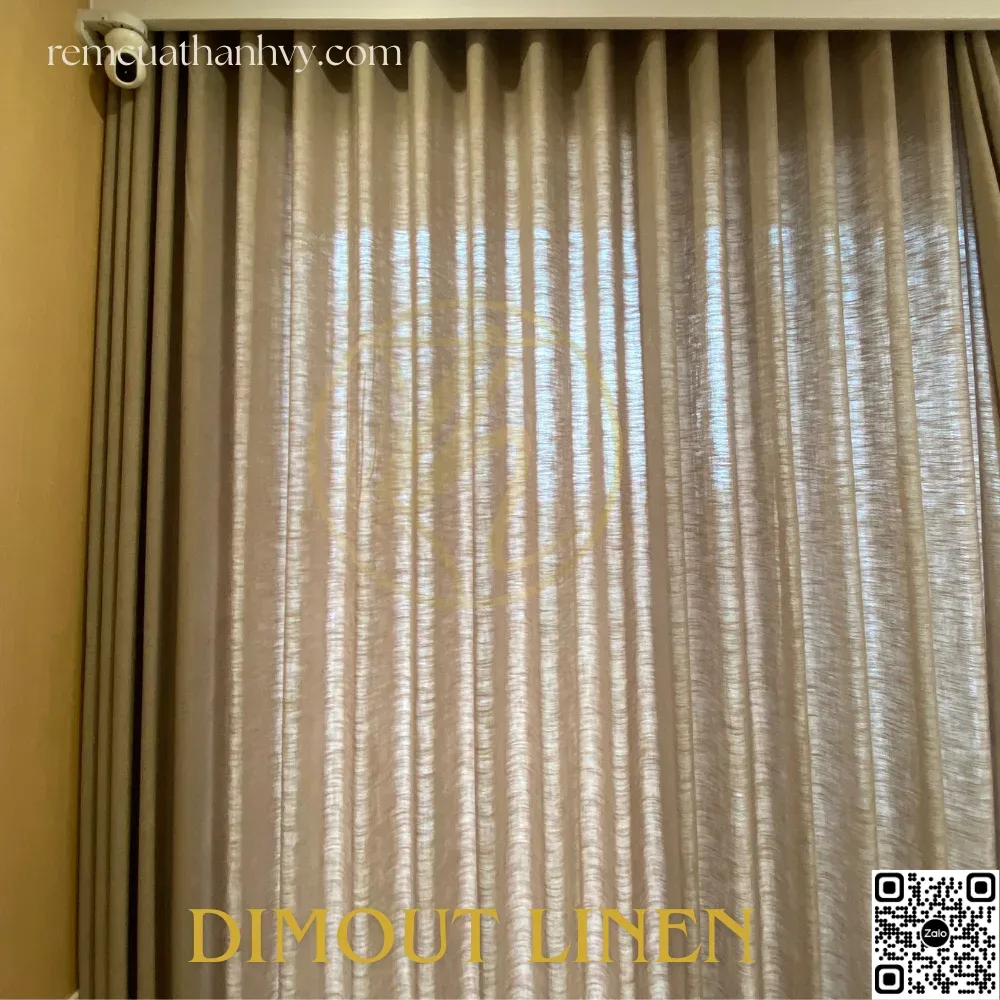
Fabric Curtains vs. Linen Curtains? A Detailed Comparison to Help You Choose
Compare fabric and linen curtains based on light control, privacy, operation, aesthetics, maintenance, and cost [...]
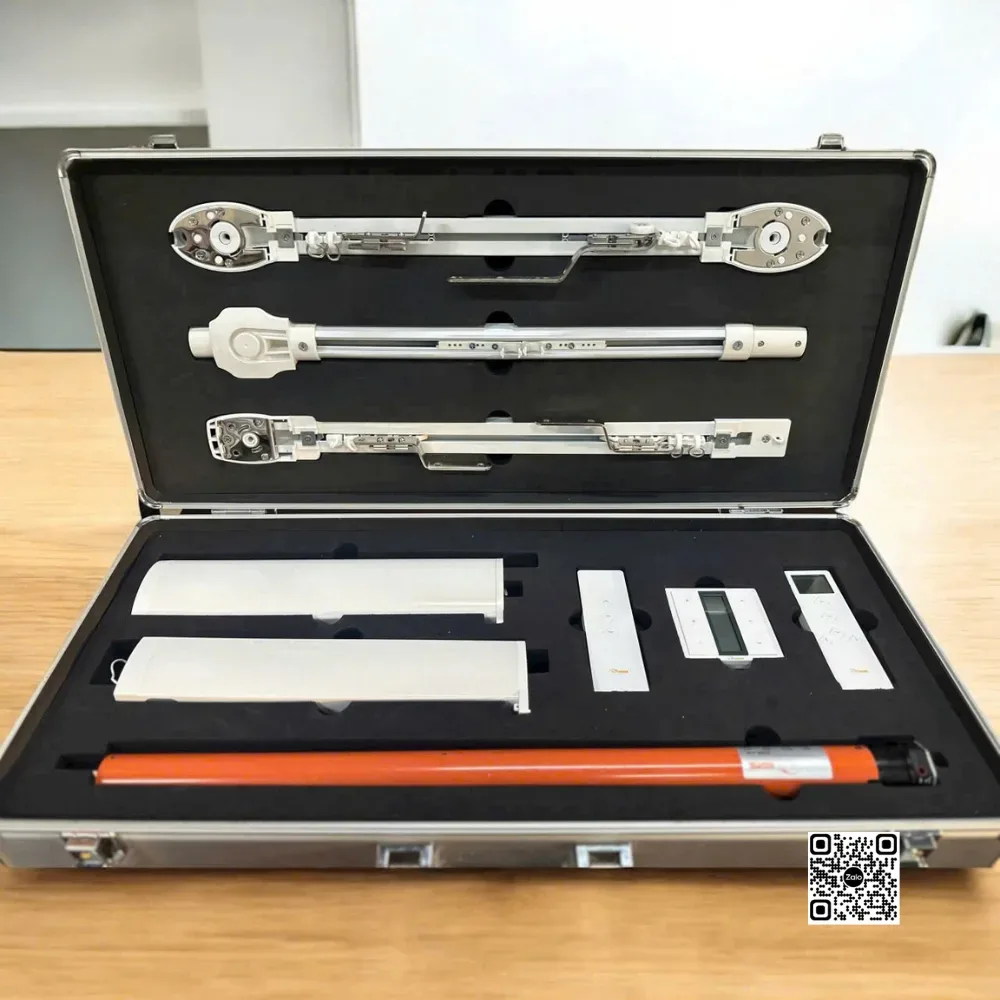
Fabric Curtains vs. Roman Shades: A Detailed Comparison
Compare fabric curtains and Roman shades based on light control, privacy, operation, aesthetics, maintenance, and [...]
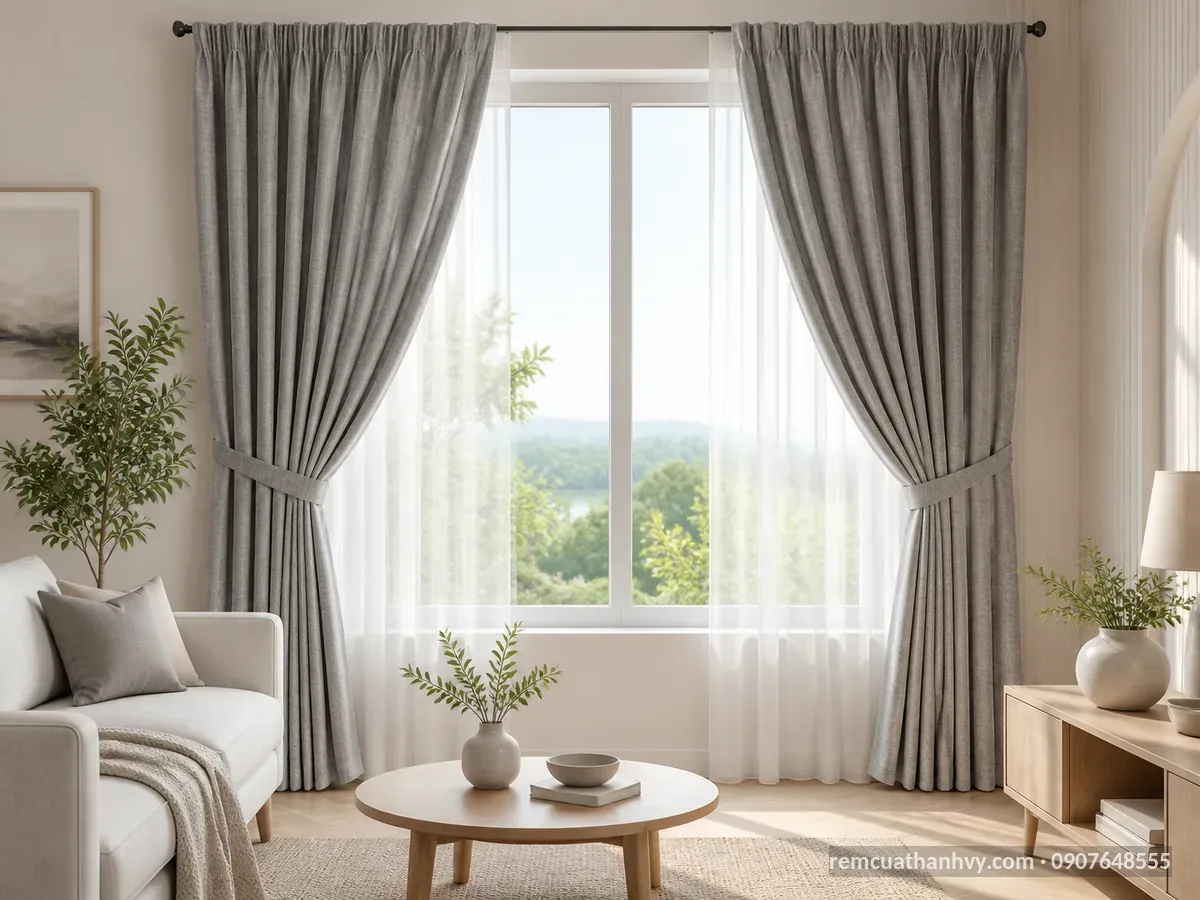
Are Fabric Curtains Good? How to Assess the Real Needs of Each Space
This article helps readers answer whether fabric curtains are good by assessing light, privacy, usage [...]
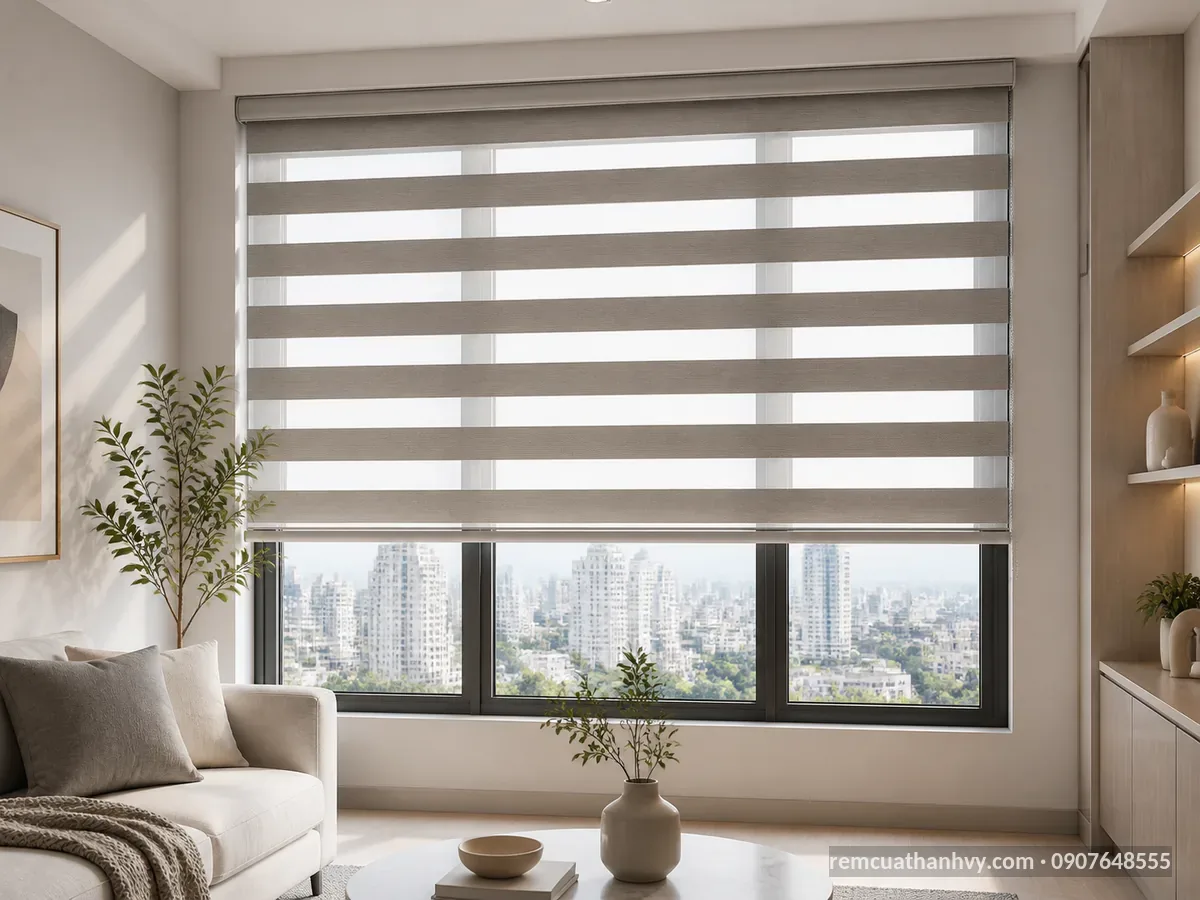
Comparing Fabric Curtains and Zebra Blinds: Which One Fits Your Needs?
This article compares fabric curtains and zebra blinds in terms of light, privacy, stackback, the [...]
Related posts
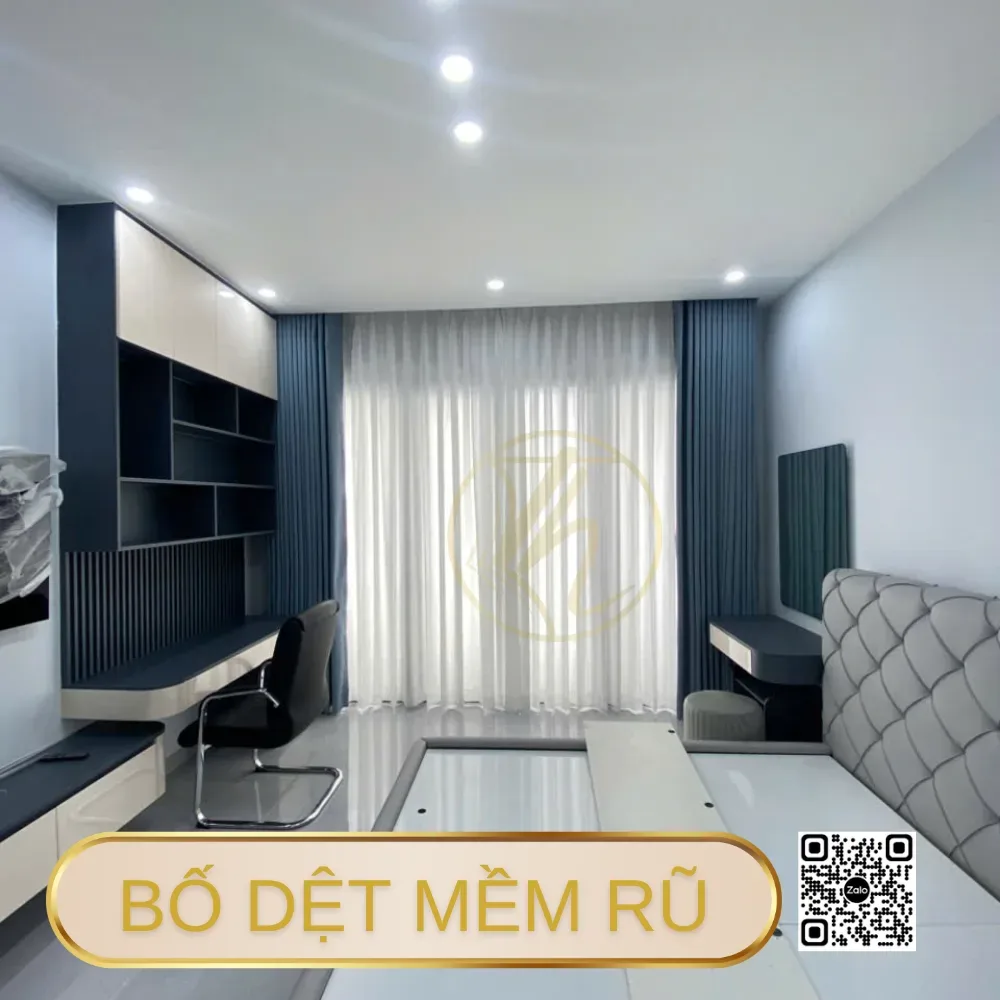
Fabric Curtains in District 3: How to Choose by Room and Need
This article helps readers choose fabric curtains in District 3 based on light blocking needs, [...]
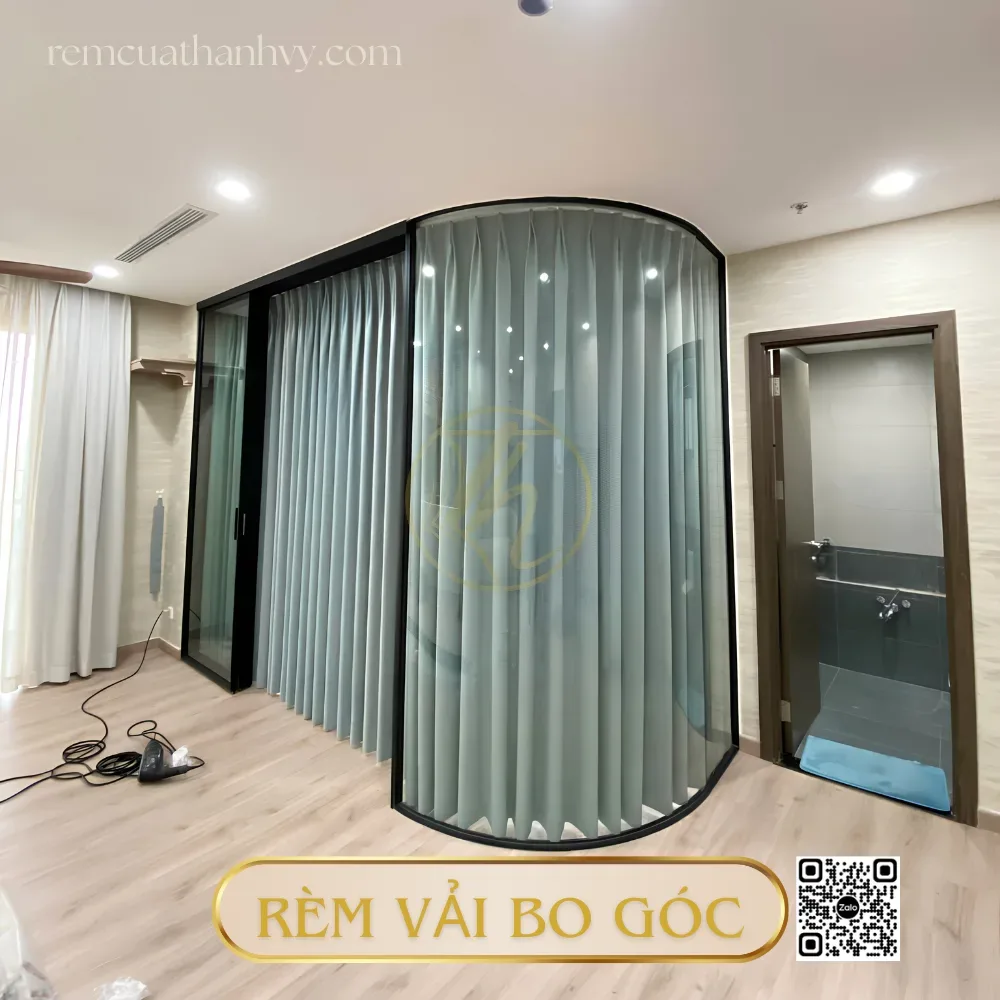
Fabric Curtains in District 6: How to Choose Fabrics and Sewing Styles
A guide to choosing fabric curtains in District 6 for every space, light level, material, [...]
No comments yet!