


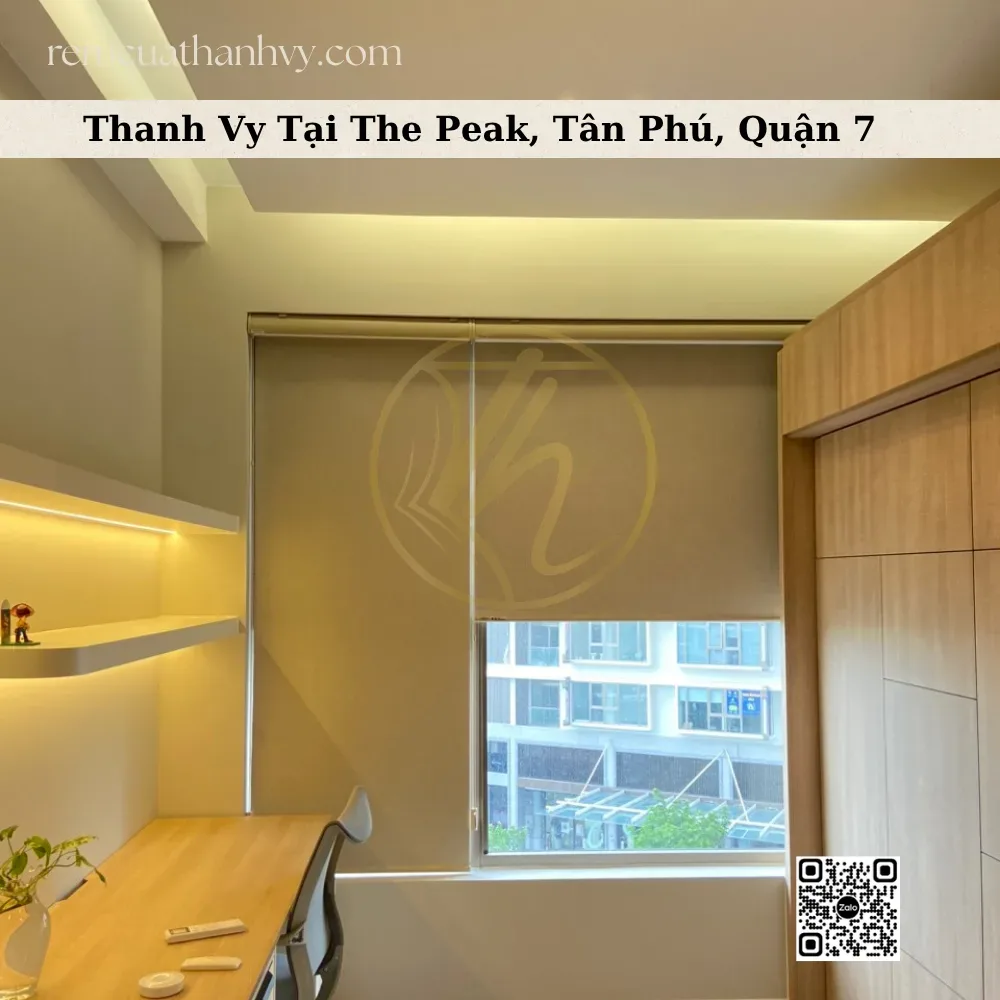

District 8 Roller Blinds: Custom-Made On-Site, Best Price | Thanh Vy
Why many families and business households in District 8 turn to roller blinds
The demand for roller blinds in District 8 usually stems from the quite distinctive housing characteristics of the area: narrow street-front townhouses interspersed with apartment buildings, residential areas along routes near canals such as Doi canal, Te canal, and not a few units with large glass doors used for business and small-scale trading. With these housing and door styles, a neat sun-shading solution that takes up little space when opened and is easy to clean is often prioritized over elaborate multi-layered curtain types.
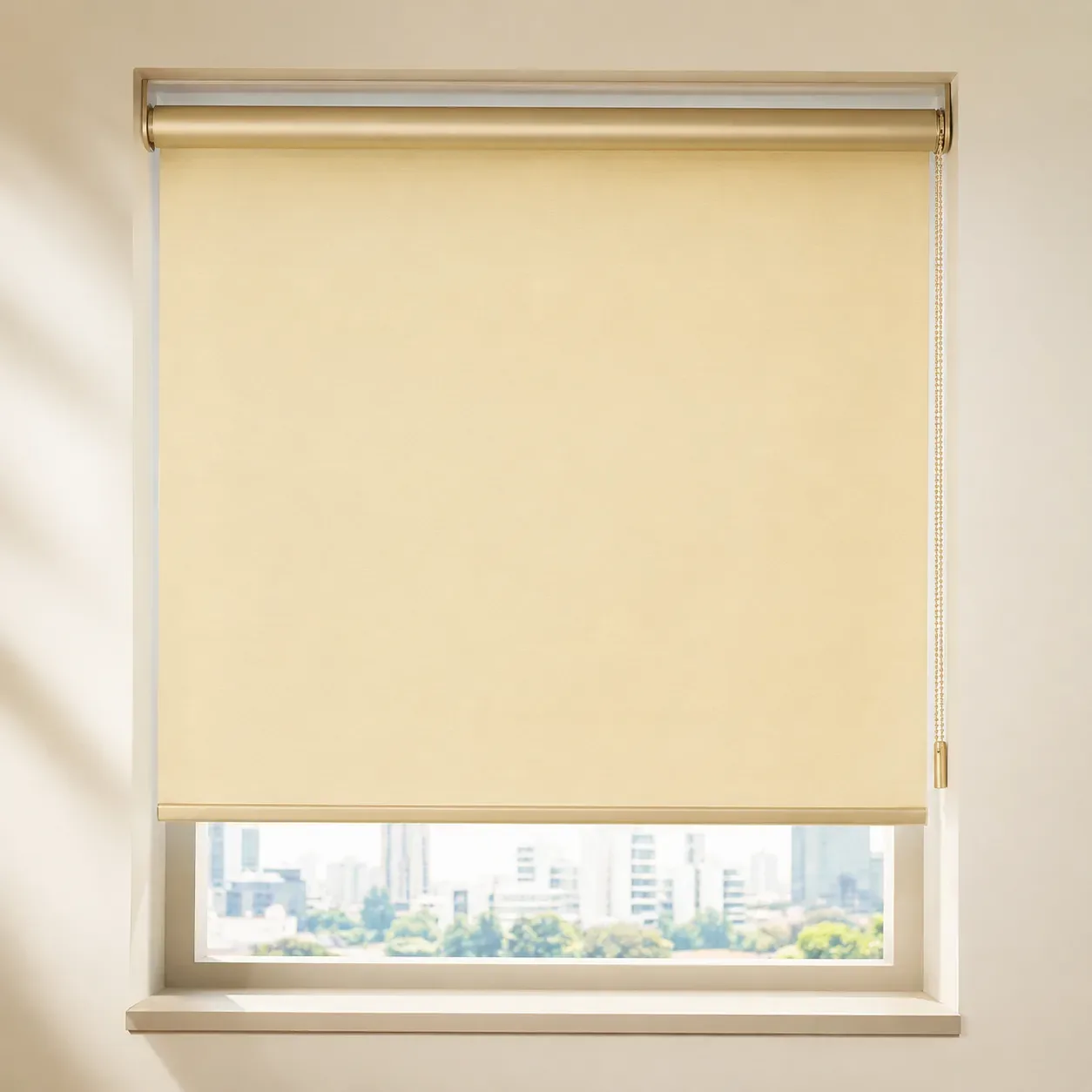
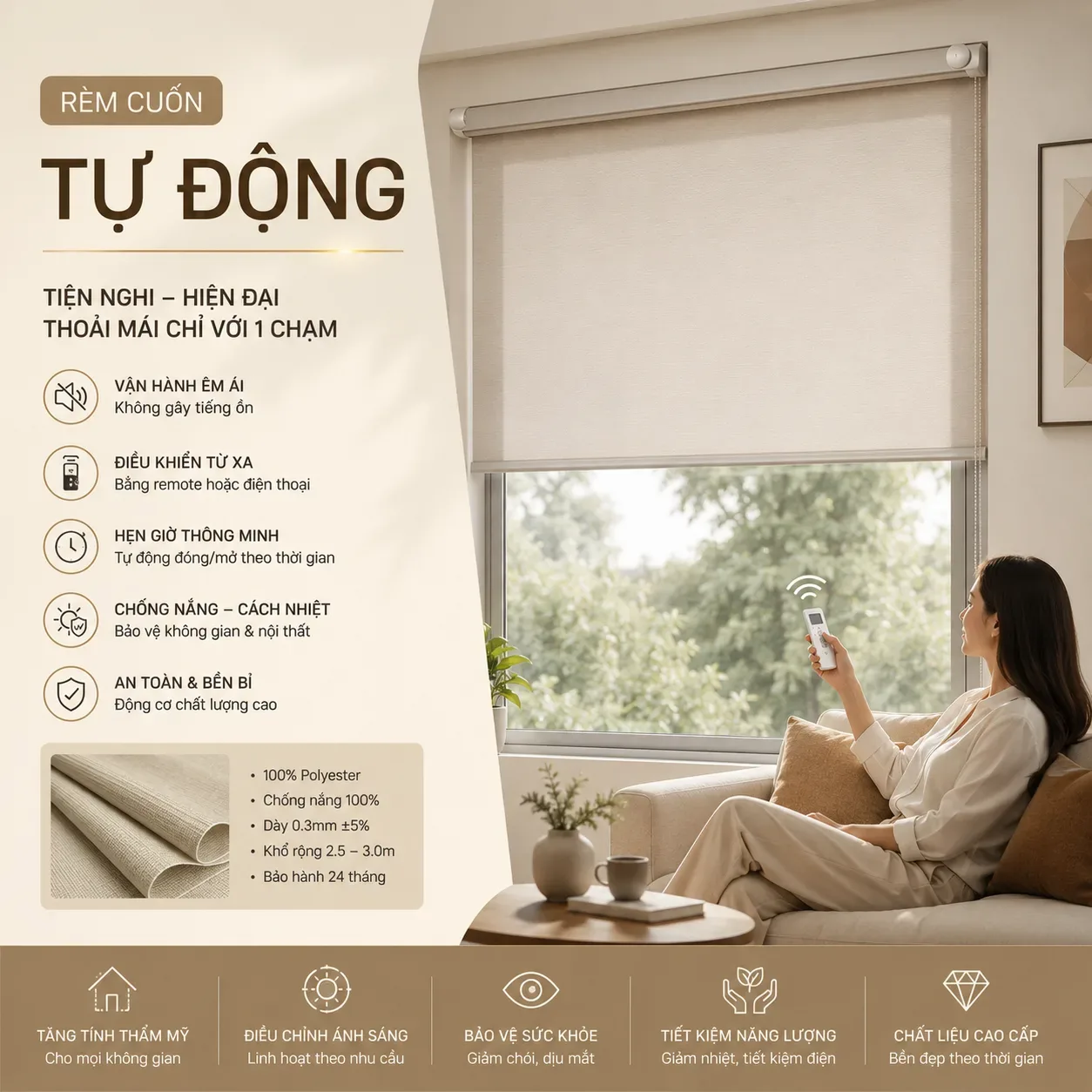
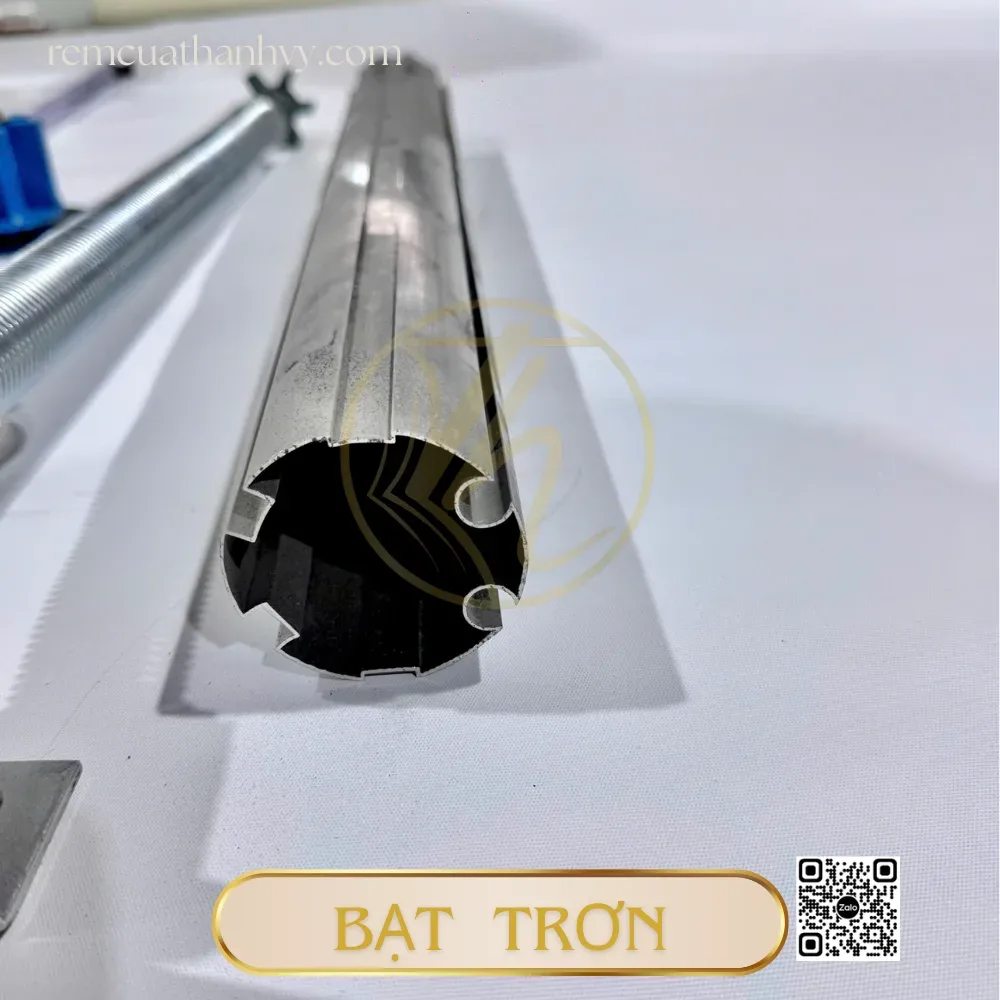
Roller blinds are essentially a piece of fabric rolled around a horizontal axis mounted above the window frame; when light is needed, it is simply rolled up high, and when shading is needed, it is pulled down. This simple mechanism is suitable for spaces that require quick operation, where one does not want the curtain to block walkways or get caught on product shelves and glass cabinets when displaying goods. This is also why roller blinds are considered by many street-front business households in District 8, alongside the demand for use in regular residences. You can refer further to polyester fibers in the textile industry to better understand the material part.
However, simply choosing roller blinds does not mean all issues regarding light, privacy, and durability are solved. The climatic characteristics and geographical location of District 8, especially areas near rivers and water bodies with higher air humidity than average, require users to consider fabric materials and installation methods more carefully so that the blinds maintain long-term durability.
Characteristics of the roller blind mechanism and its suitability for the conditions of the District 8 area
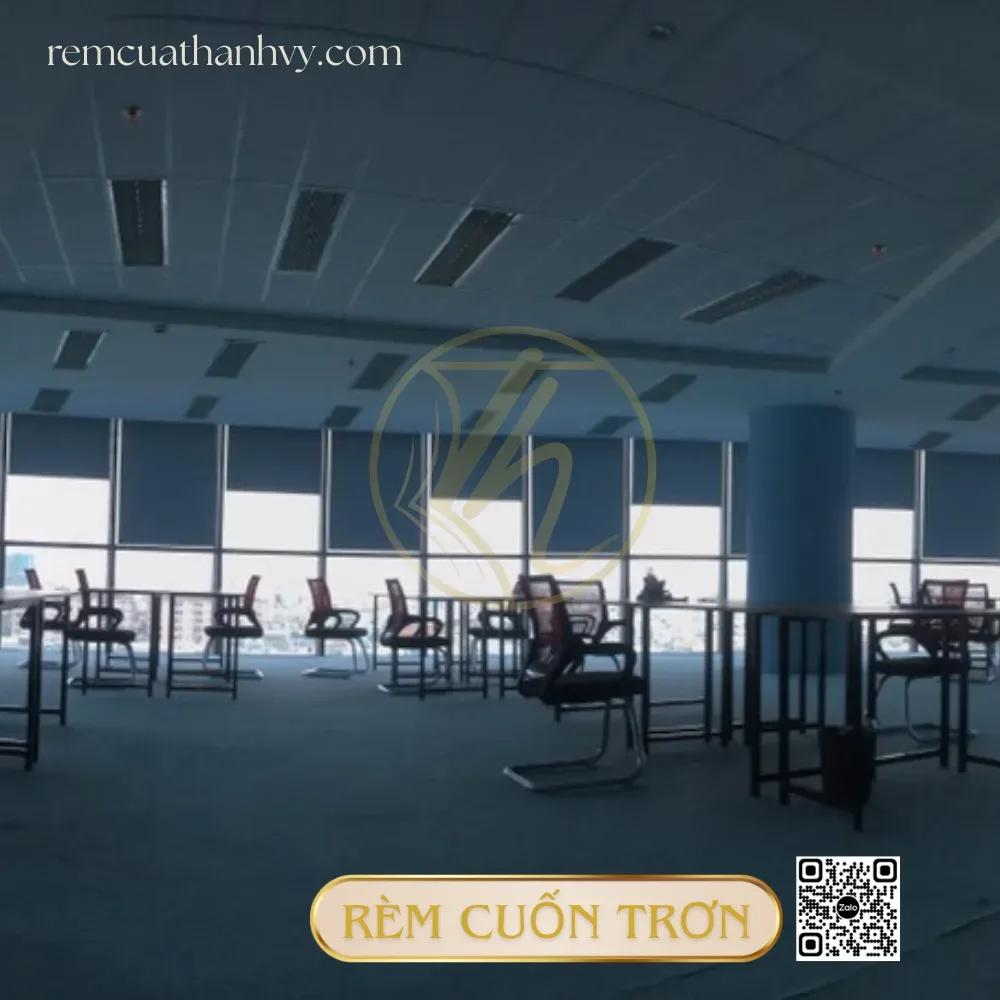
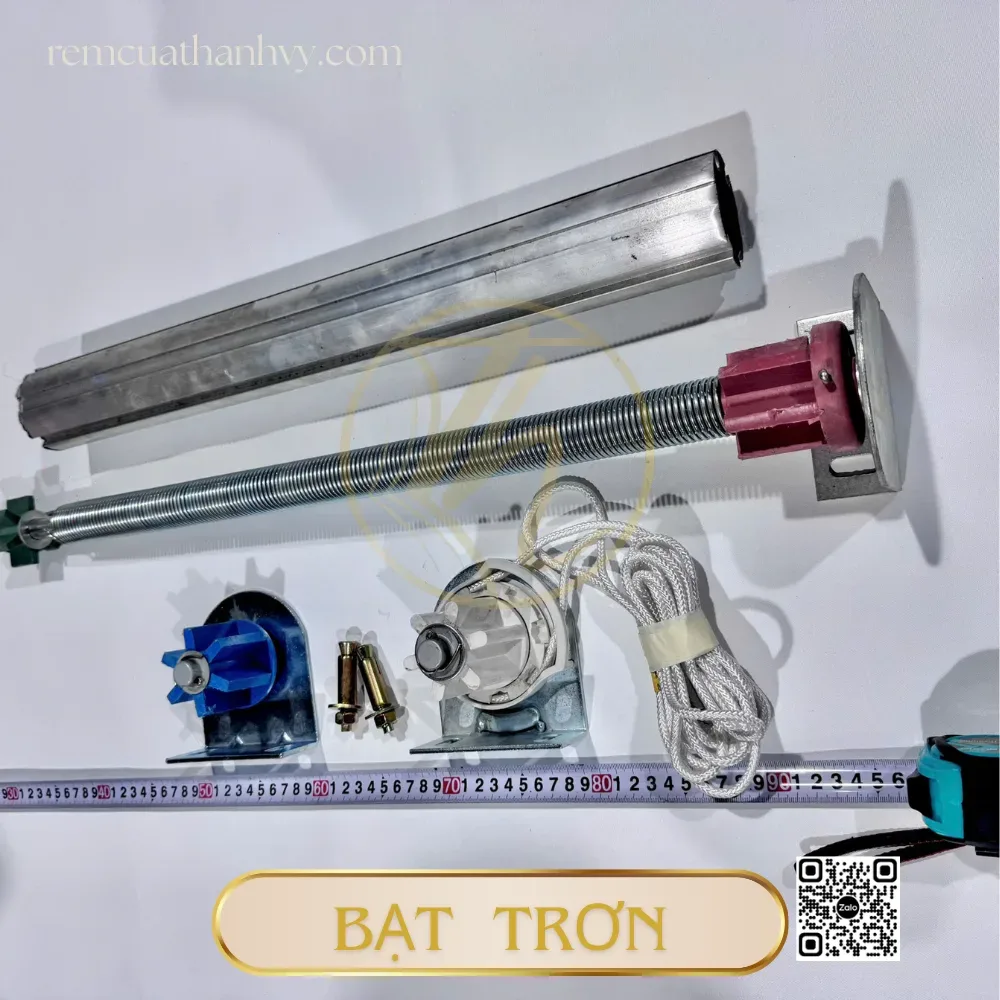
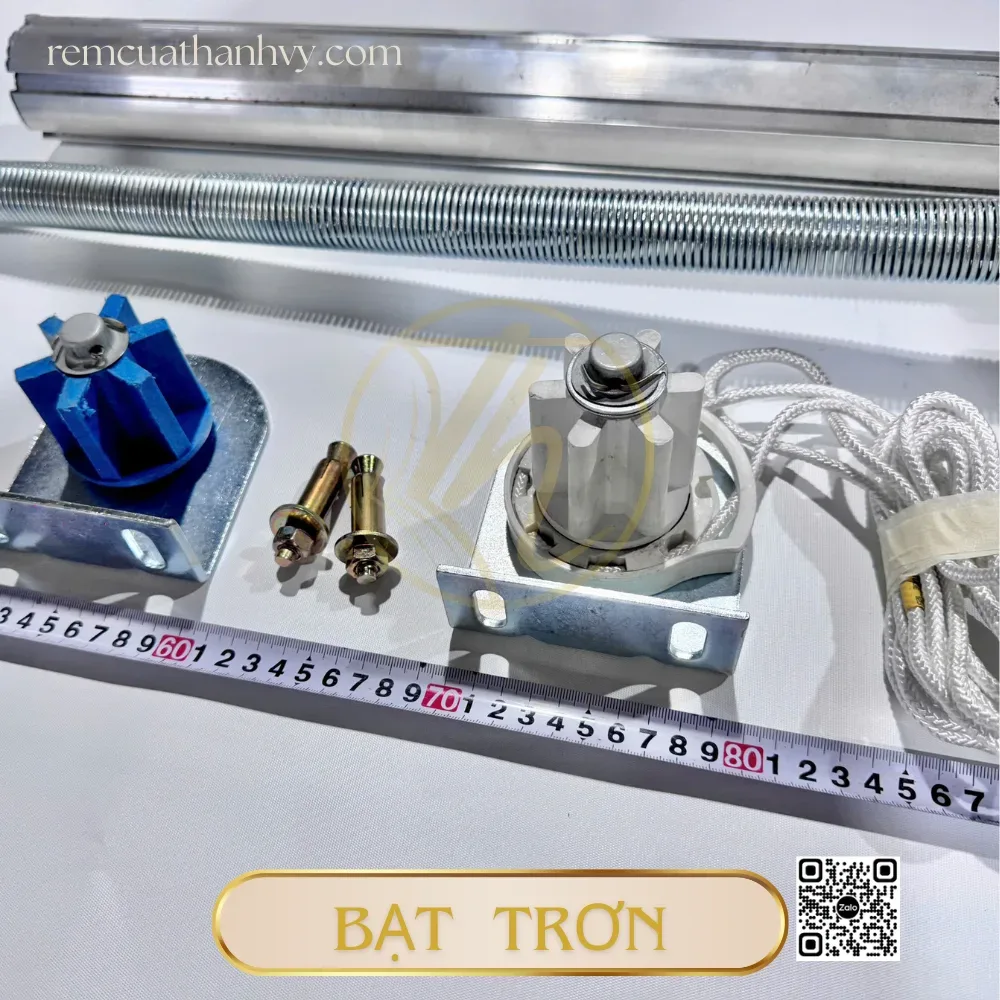
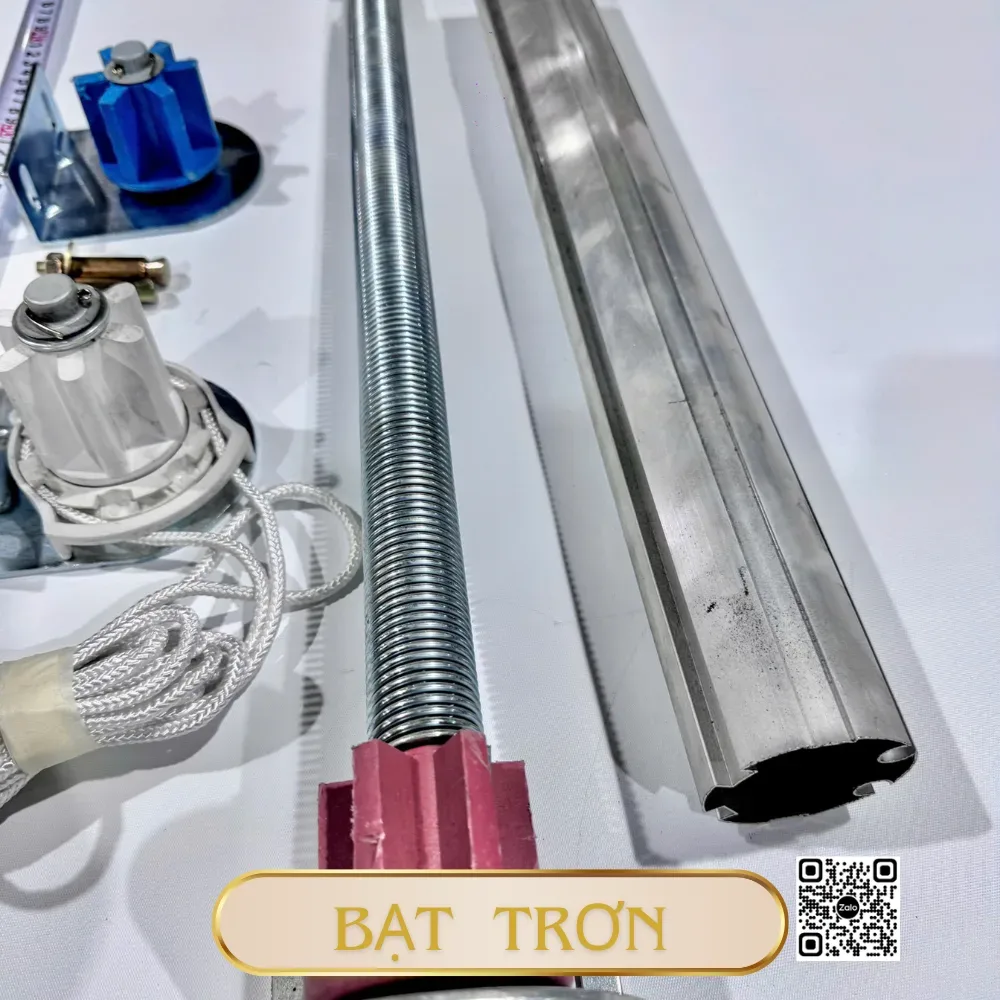
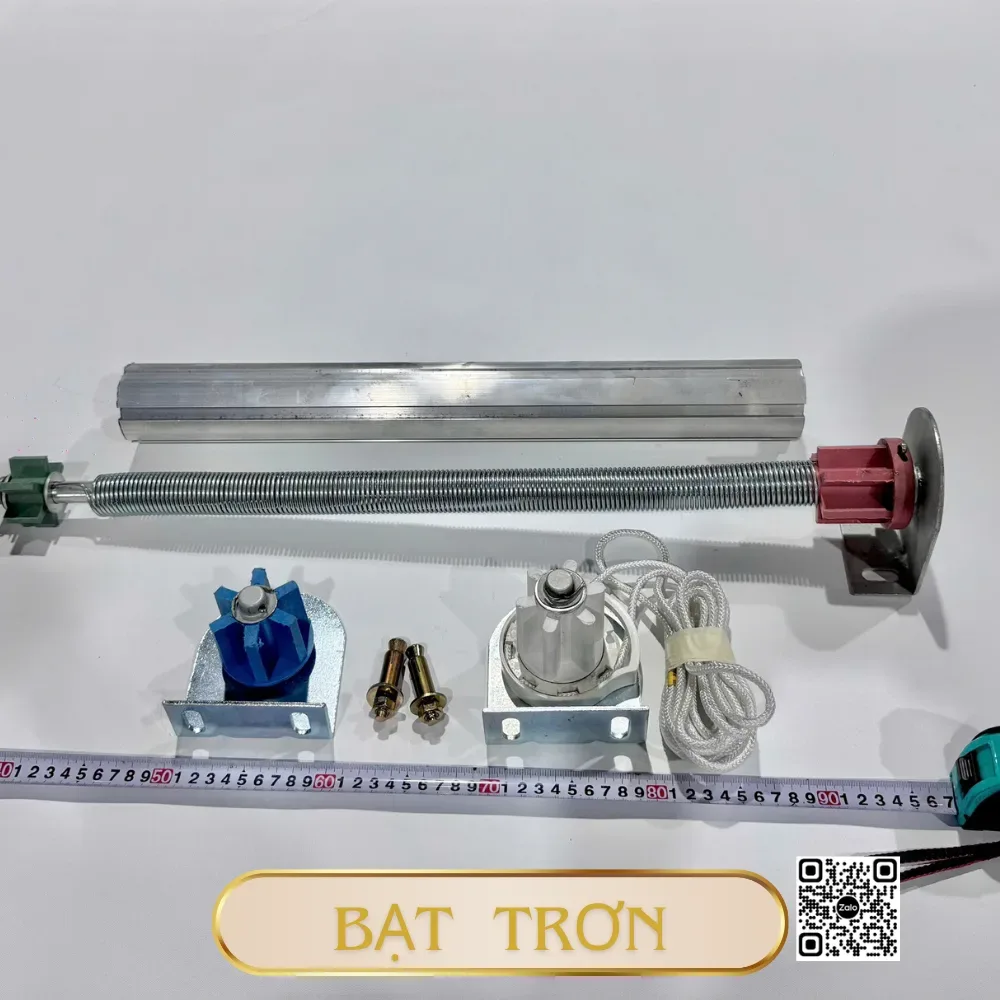
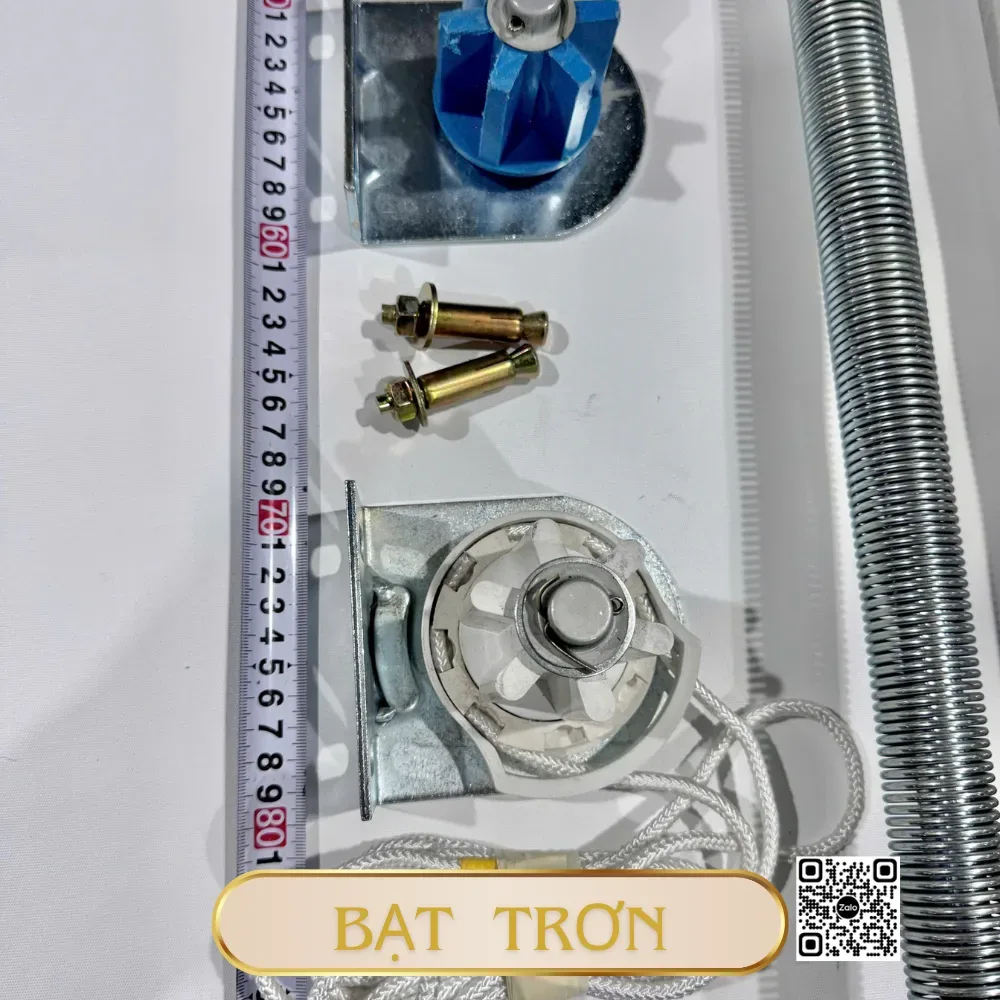
The structure of a roller blind consists of a rolling shaft, a fabric panel, and a control system using pull cords, a crank handle, or a motor. Compared to traditional horizontal-pull fabric curtains, roller blinds have a flat, neat surface that does not create large folds, thus collecting less dust in the creases—a significant plus in areas with high traffic density where the air often carries fine dust.

Before finalizing the plan, you can also check out District 3 Fabric Curtains: How to Choose by Room and Need or District 6 Fabric Curtains: How to Choose Fabric and Sewing Style.
Quick selection tip: Therefore, you should specifically ask the tailoring unit about the light-blocking capability of each fabric sample along with the installation method to minimize gaps, rather than relying solely on the general description on the fabric swatch.

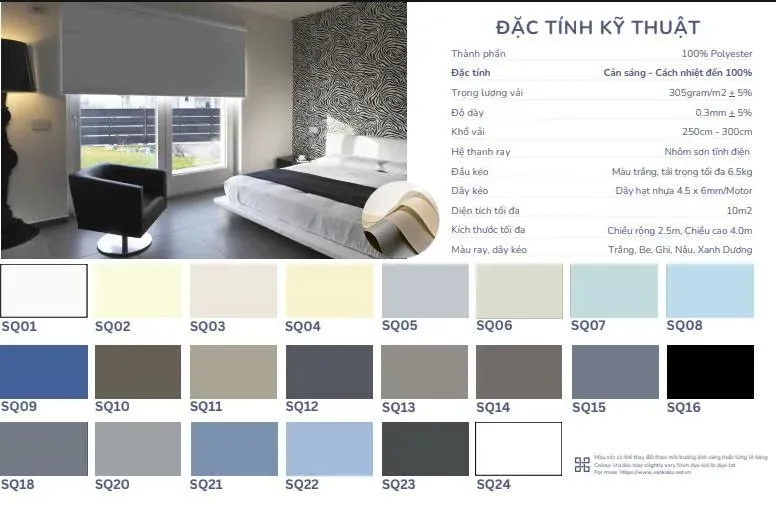
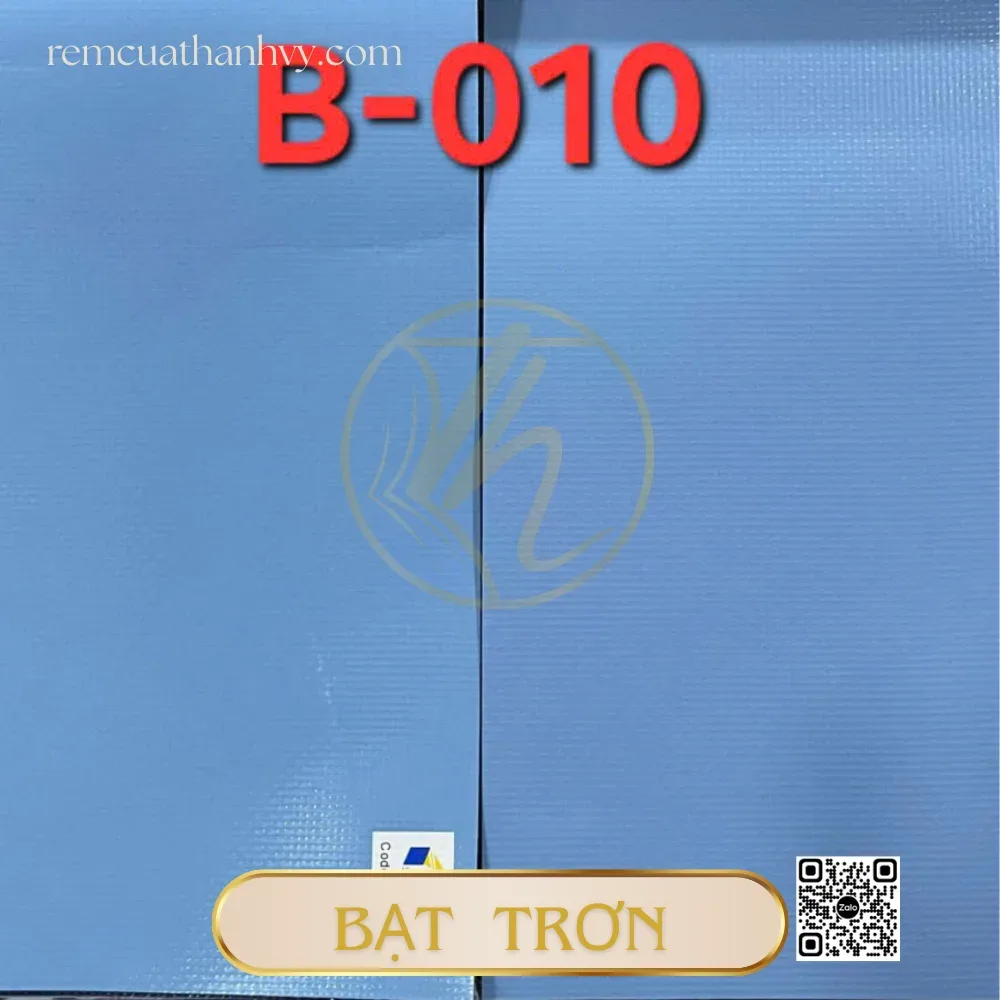
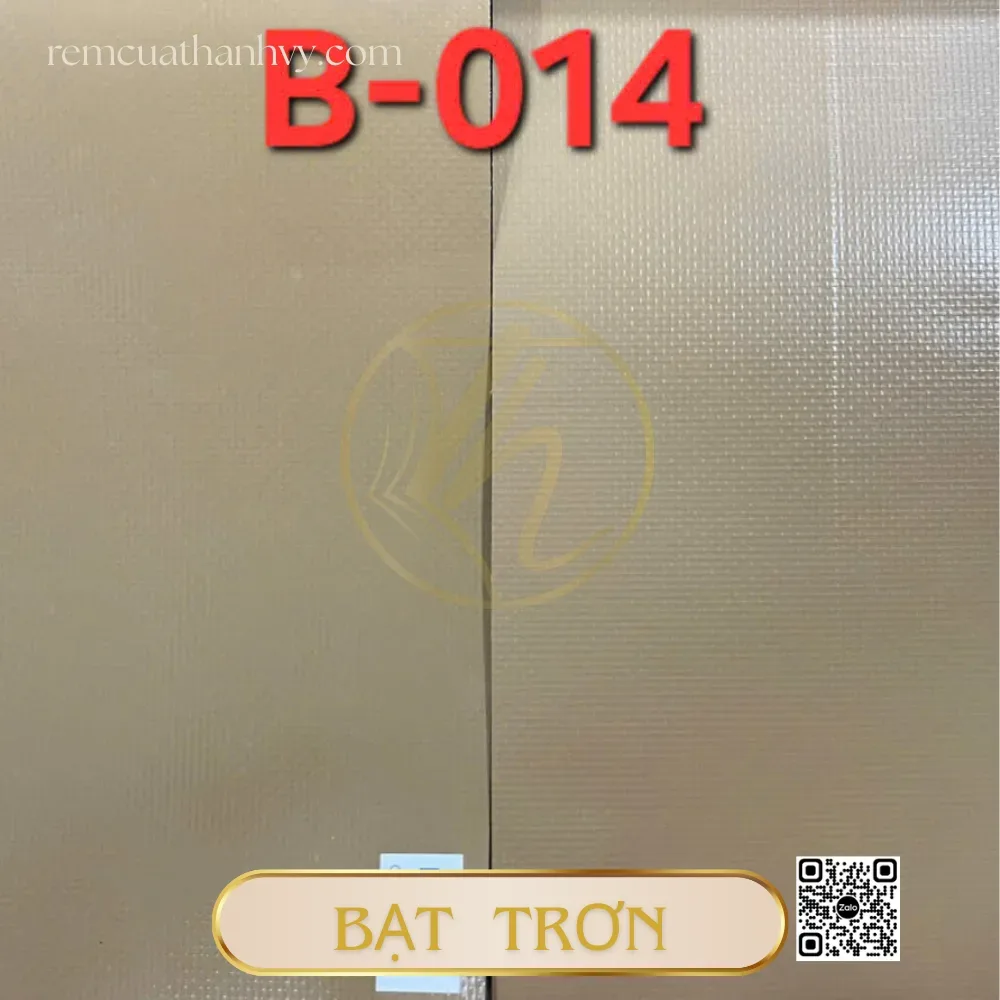
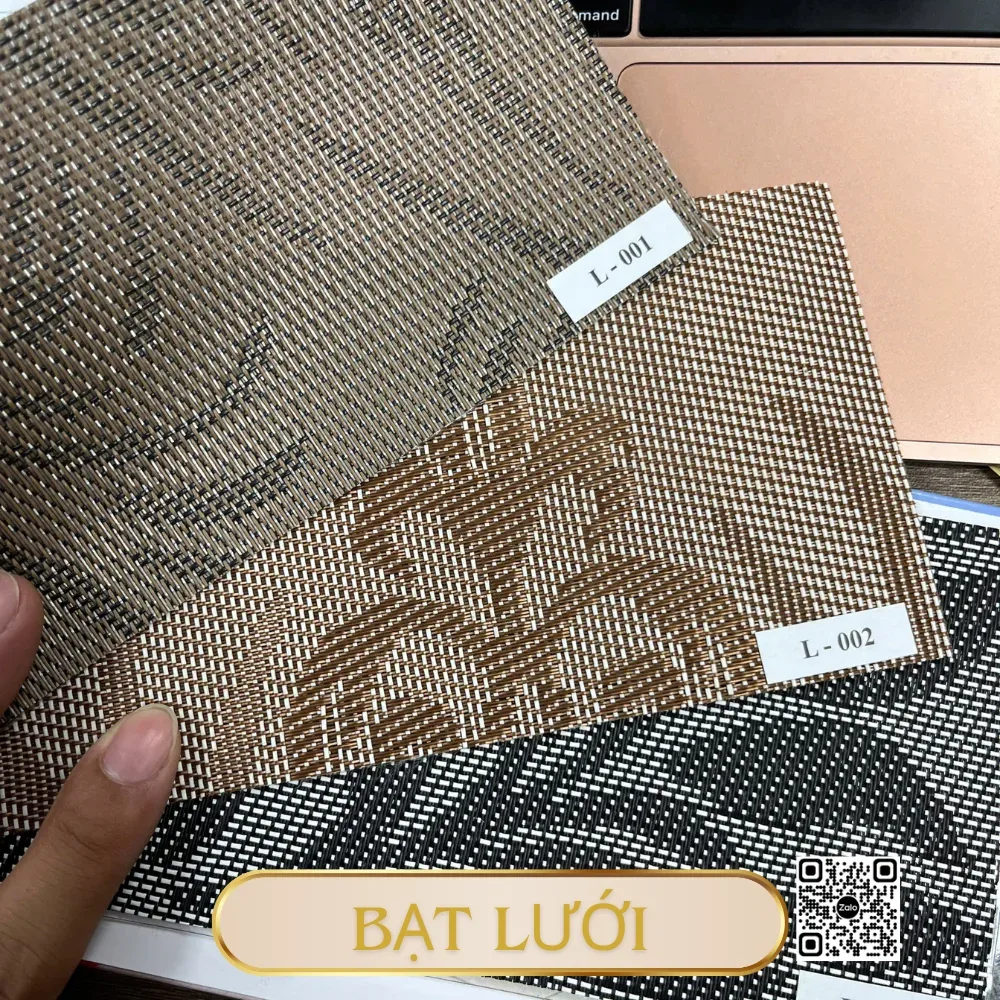
Regarding materials, the market currently has many roller blind fabric lines with different characteristics: some lines focus on dust resistance and easy surface wiping, some emphasize color fastness when exposed to sunlight for a long time, and some are treated to limit mold. For areas near canals or low-rise houses with higher air humidity, you should clearly ask the tailoring unit about the moisture-proof and stain-resistant capabilities of the fabric before deciding, rather than just looking at the surface color or pattern.
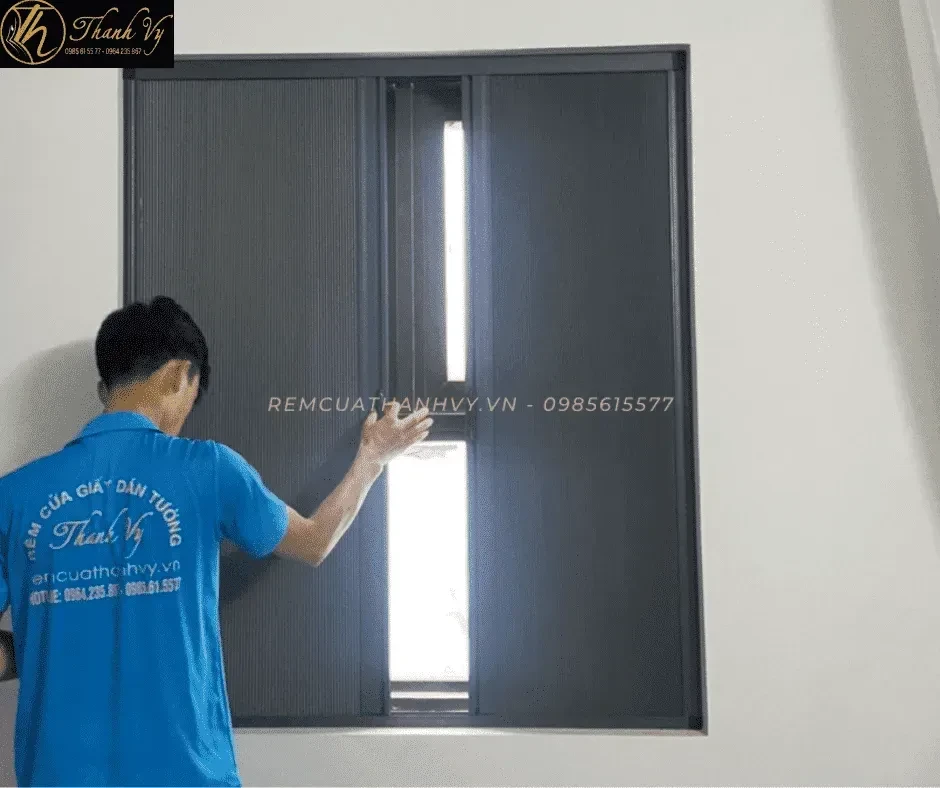
In addition, for narrow street-front townhouses—a quite common housing style on many routes in District 8—windows or glass doors usually have a moderate width but a fairly large floor-to-ceiling height. Roller blinds with a continuous long shaft can handle tall windows well without needing to be divided into multiple layers, helping the facade look neater and less cluttered compared to installing multiple small sets of combined curtains.
How to choose roller blinds according to light requirements and practical usage purposes
Before choosing the fabric type or color, users should clearly define the usage objective for each window. For locations that need both to receive light and maintain an outside view during the day, thin fabric lines with a certain light transmission are usually considered. For locations requiring higher privacy, such as bedrooms or areas adjacent to a neighboring house with a close distance, thicker fabric lines should be chosen to limit visibility from outside at night when lights are turned on inside the room.
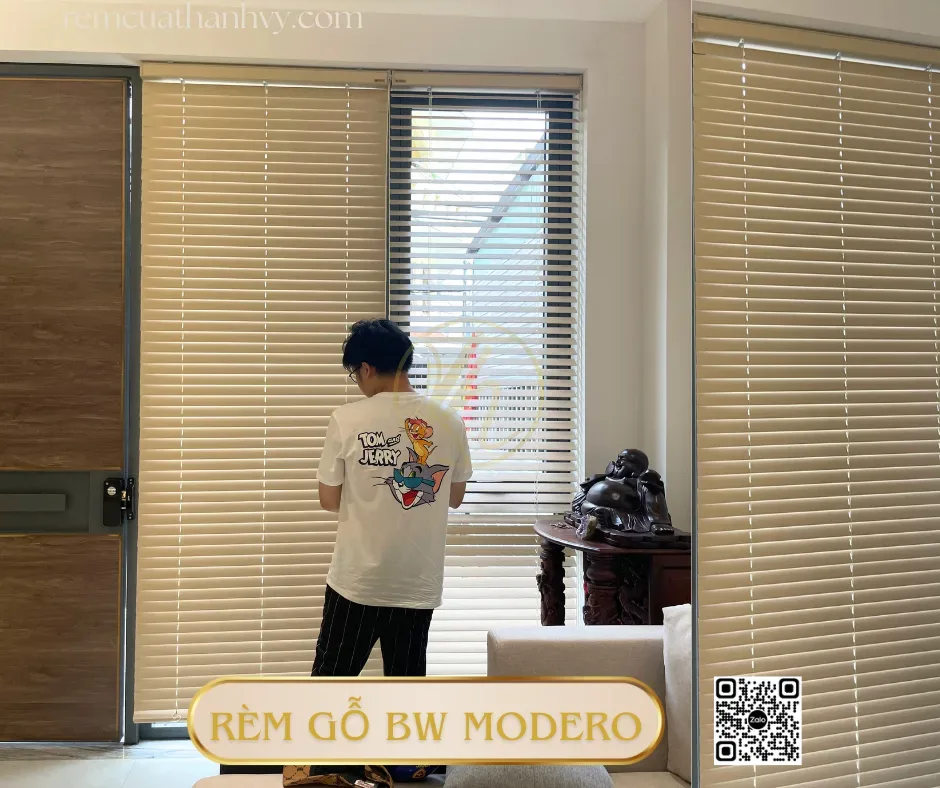
It should be noted that no type of fabric blocks light completely under all installation conditions—the shading level also depends on the tightness between the blind and the window frame and the installation method. Therefore, you should specifically ask the tailoring unit about the light-blocking capability of each fabric sample along with the installation method to minimize gaps, rather than relying solely on the general description on the fabric swatch.

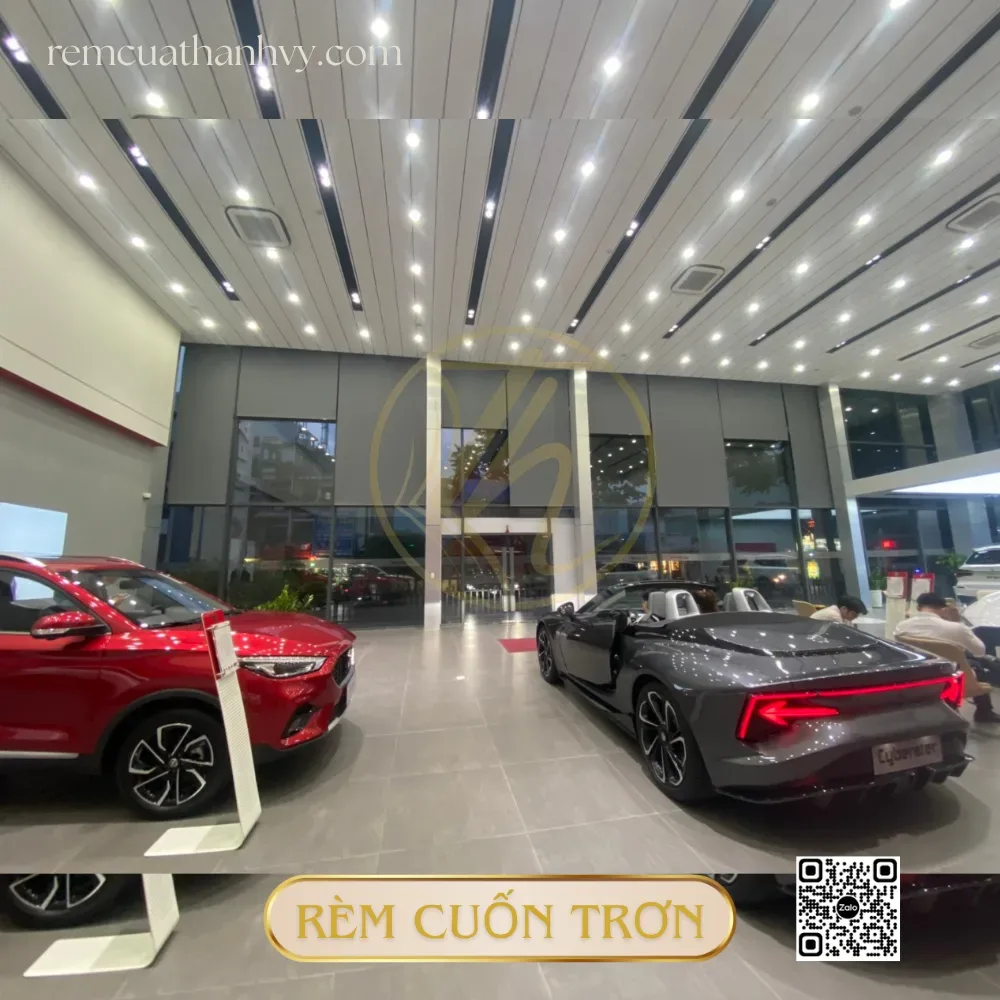
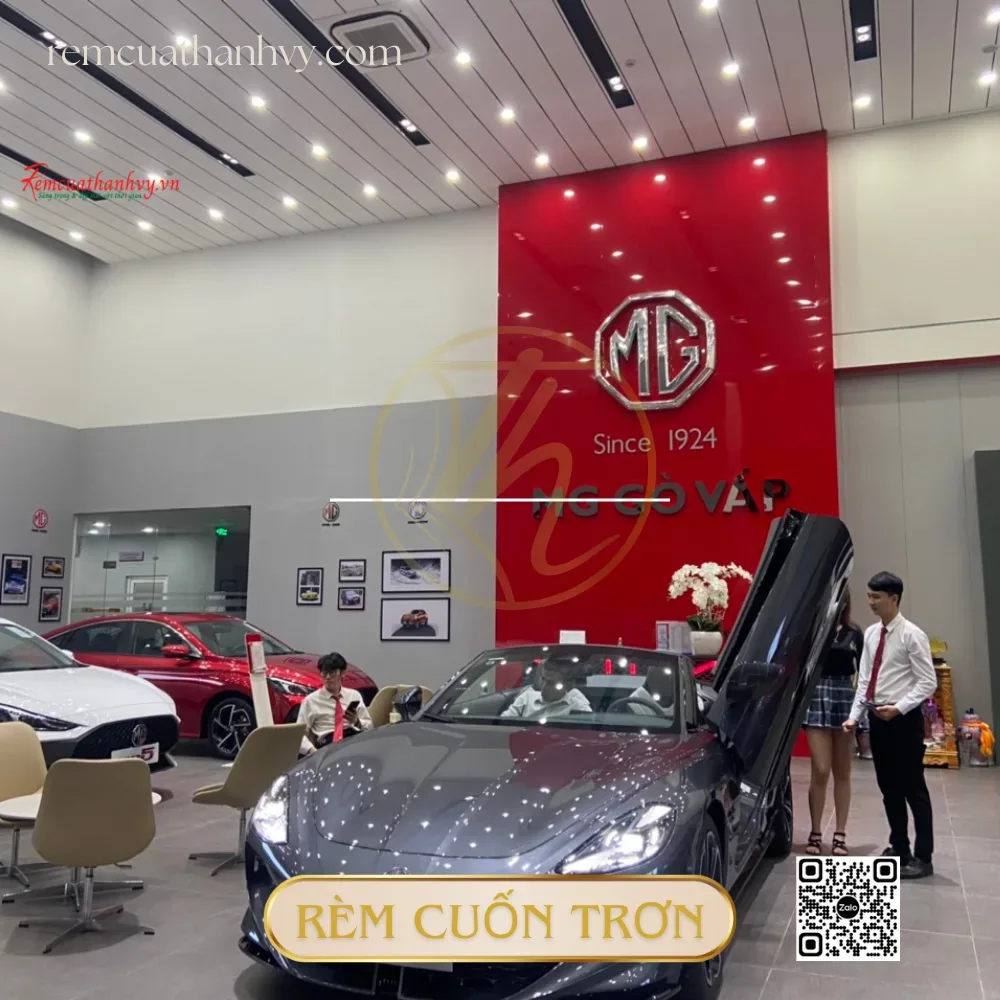
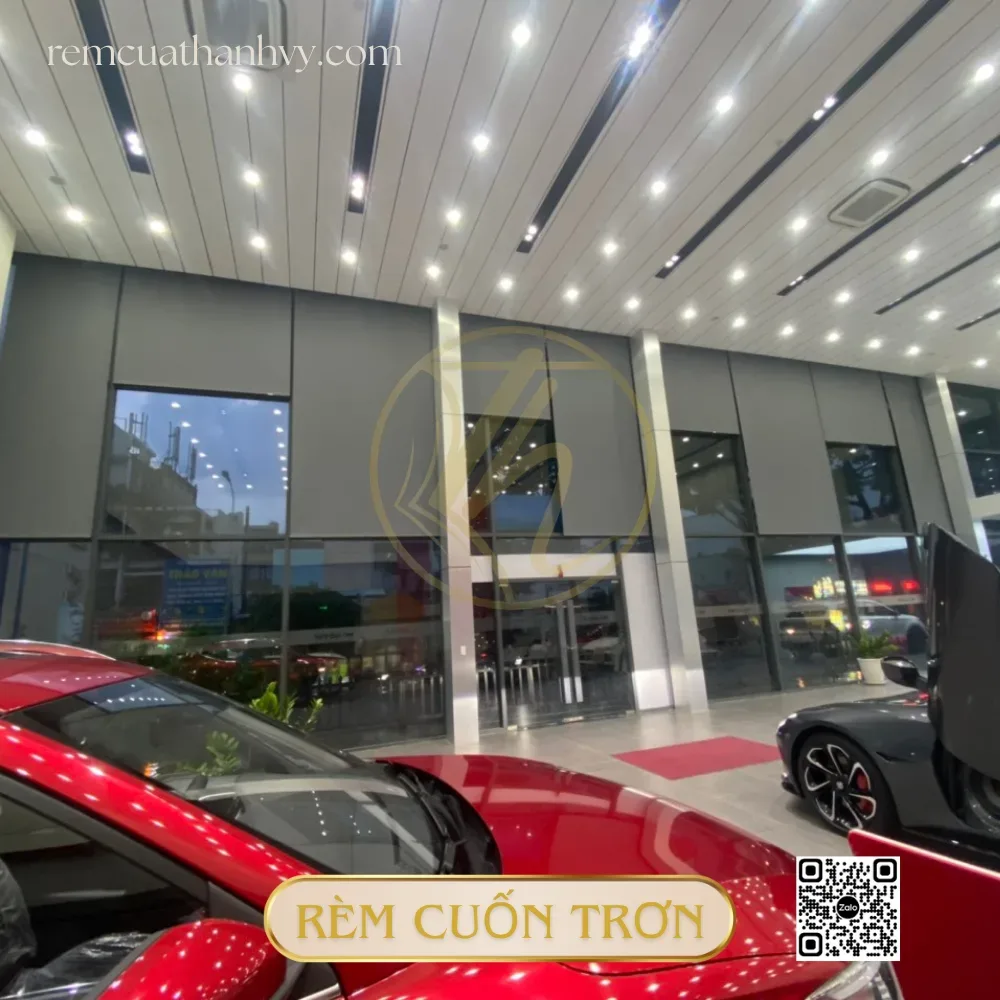
For business households with storefronts using large glass doors, besides light, it is also necessary to consider heat control and glare reduction when displaying goods. Some roller blind fabric lines have a coating that helps reduce the amount of heat absorbed during harsh sunny hours, although this is a supporting effect rather than replacing other specialized insulation solutions.
Installation styles and construction techniques affecting overall aesthetics
Roller blinds have two popular installation styles: inside the window frame (recessed or flush-mounted) and outside the frame (surface-mounted, overlapping). Installing inside the frame keeps the blinds neat, not protruding onto the wall surface, suitable for standard-sized windows without obstacles like handles or protruding hinges. Installing outside the frame is more flexible when doors have irregular shapes or need wider coverage than the actual size to increase edge-shading capability.
With narrow street-front townhouses, choosing the installation style is also related to the interior layout inside. If there are display shelves, desks, or fixed items near the door, distances must be measured carefully to prevent the blinds from getting caught when pulled down. This is why the practical survey step before tailoring is always necessary, rather than just providing measurements over the phone.
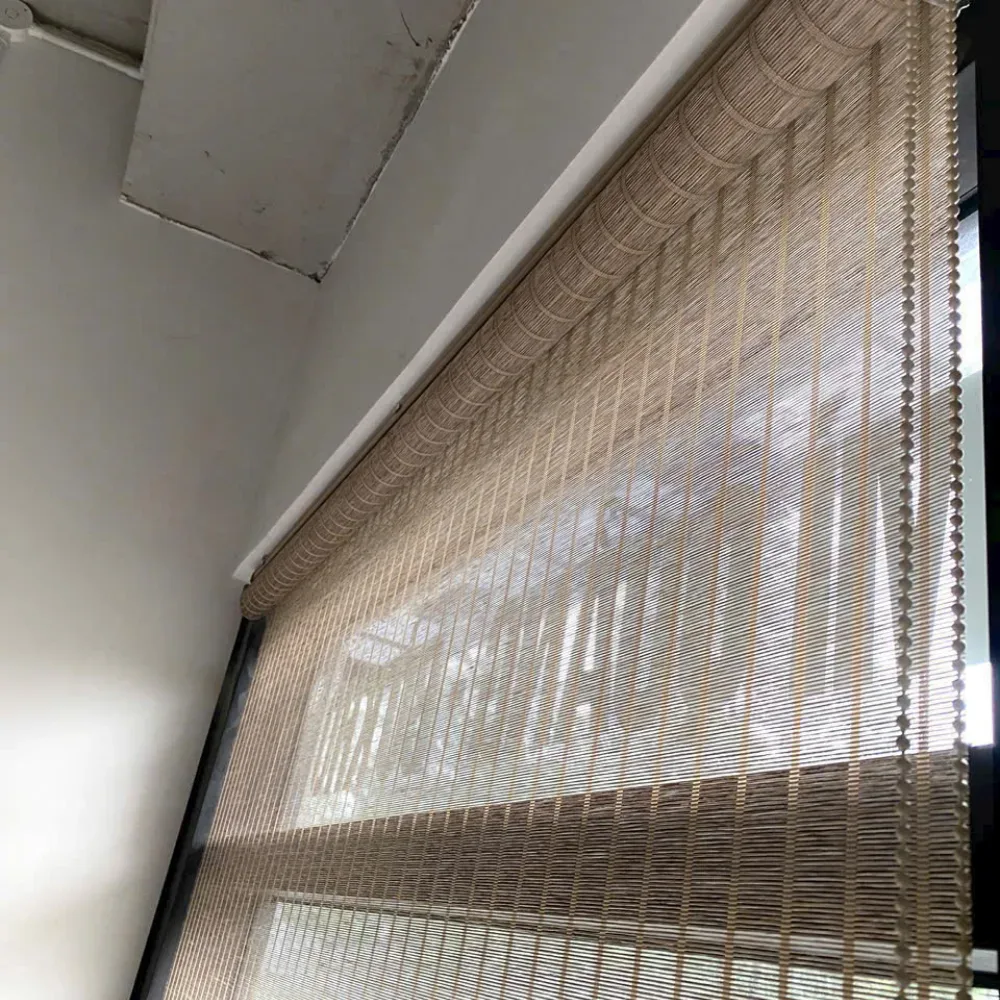
Another technical detail is how fabric edges are treated and the tension when rolling. Fabric that is evenly tensioned, without sagging or shaft misalignment, will maintain straight lines when rolled up and down many times. Conversely, if the installation technique is not standard, the blinds may be misaligned, jammed on the axis, or make noise during operation—you should ask clearly about the warranty and post-installation adjustment policy before finalizing your order.
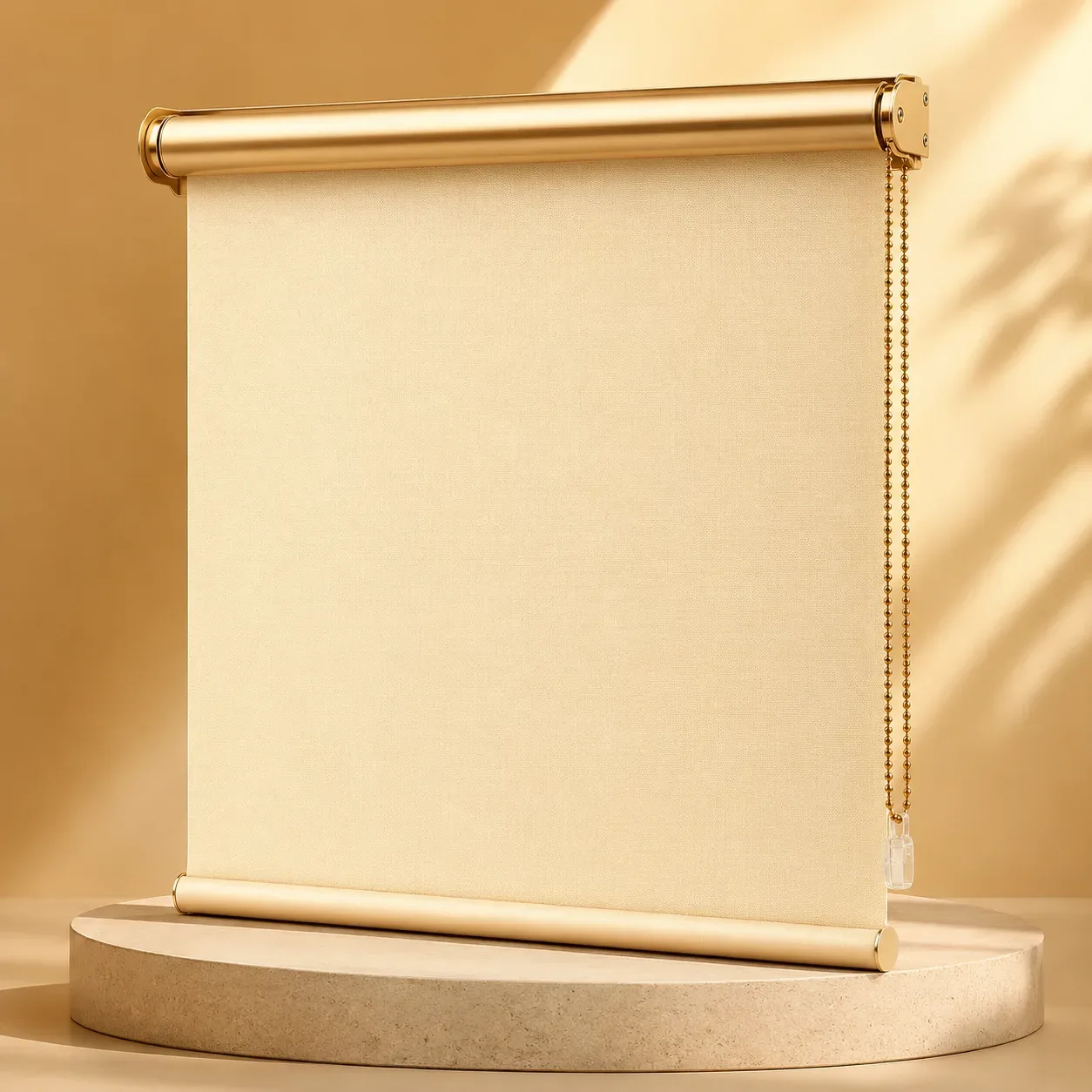
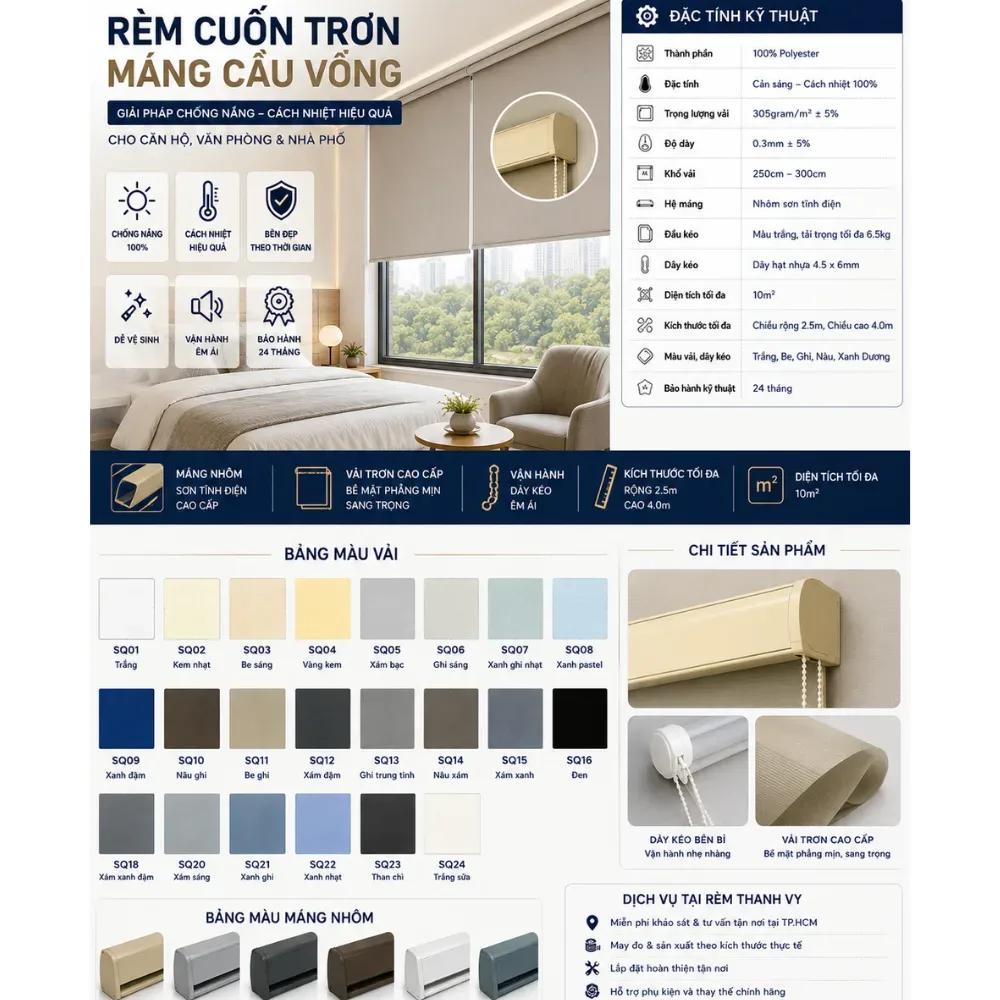
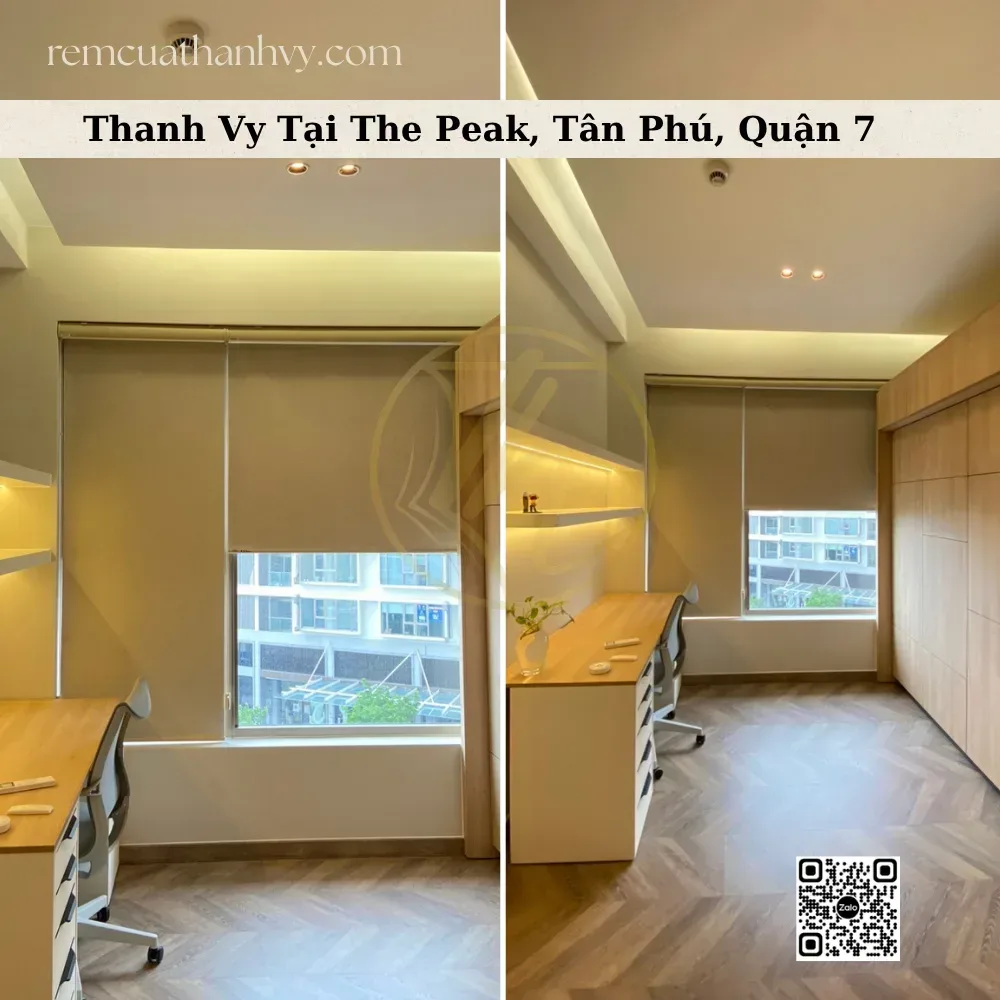
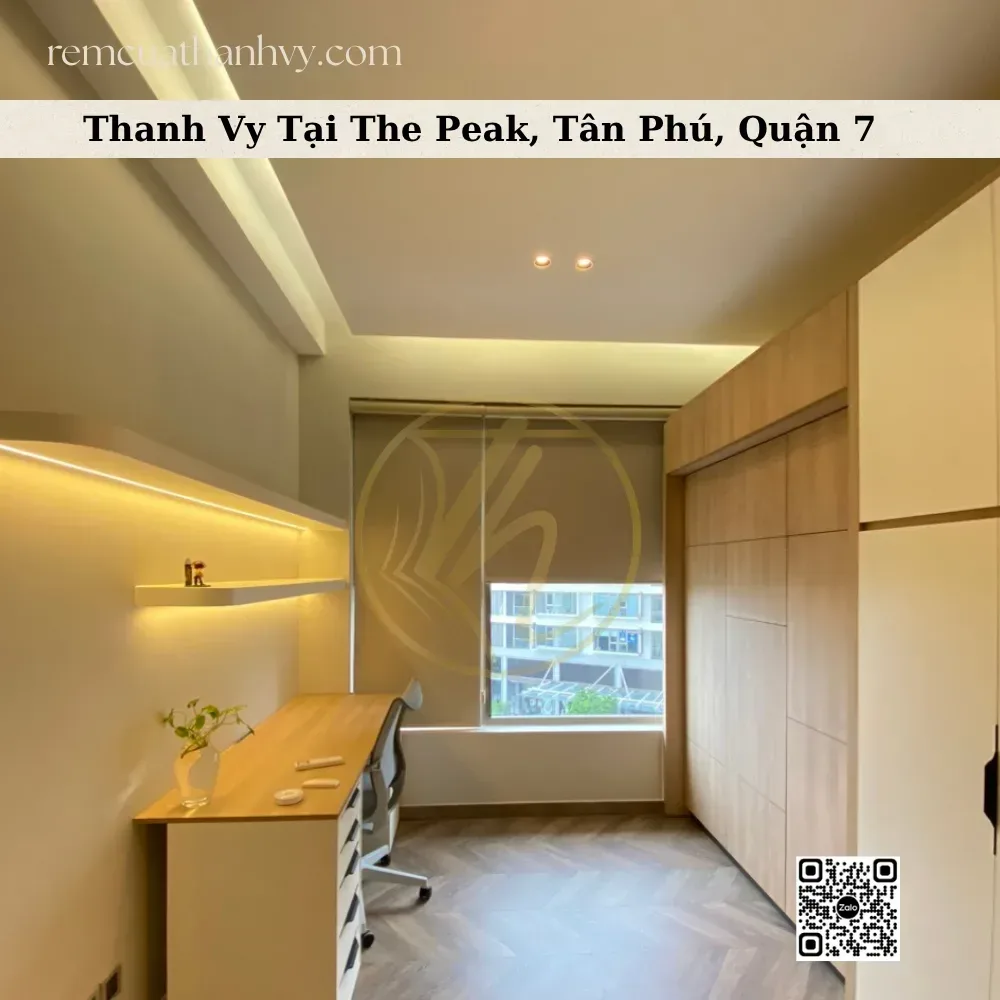
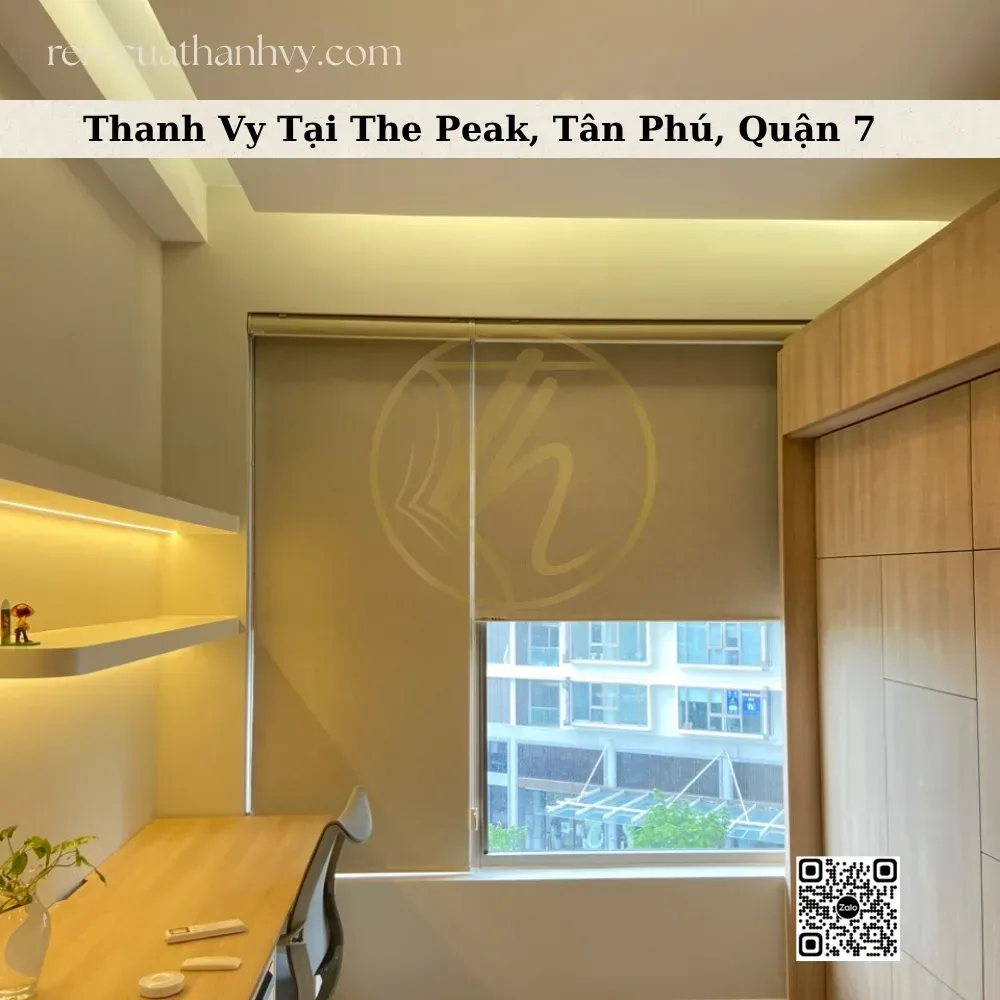
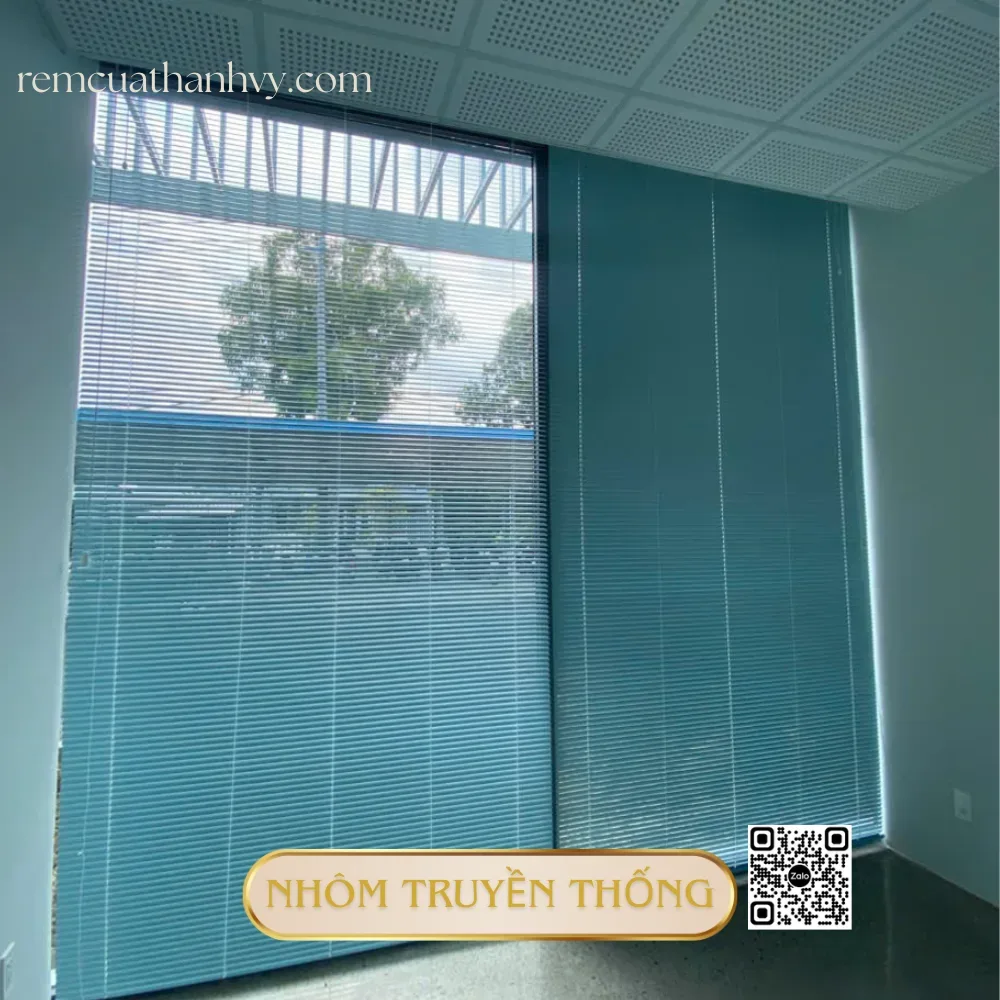
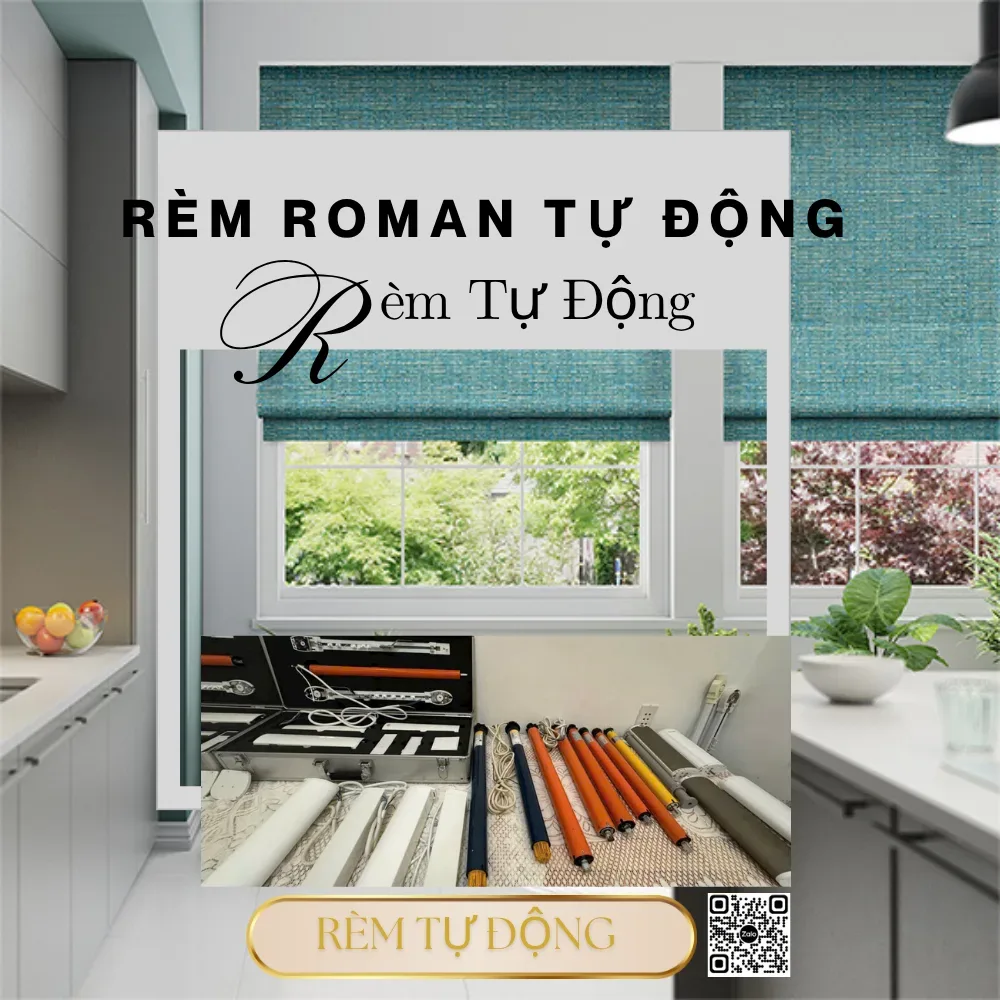
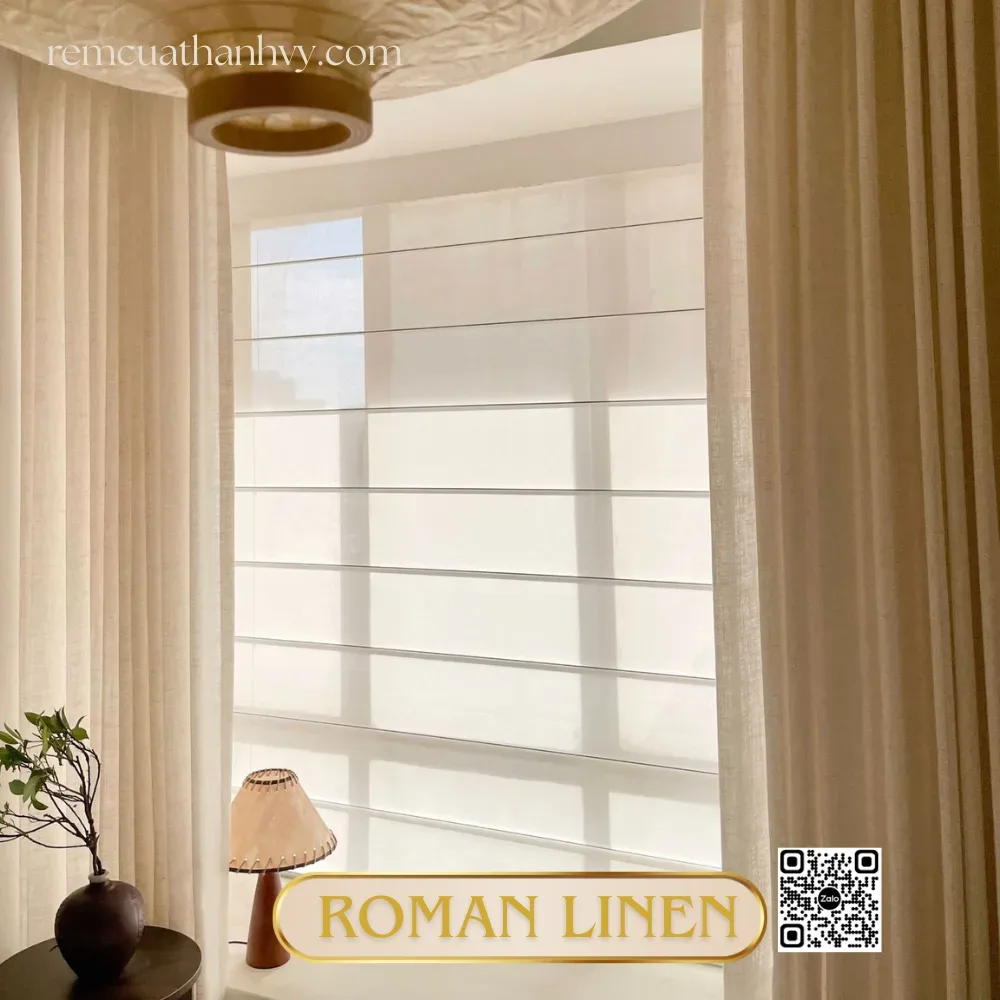
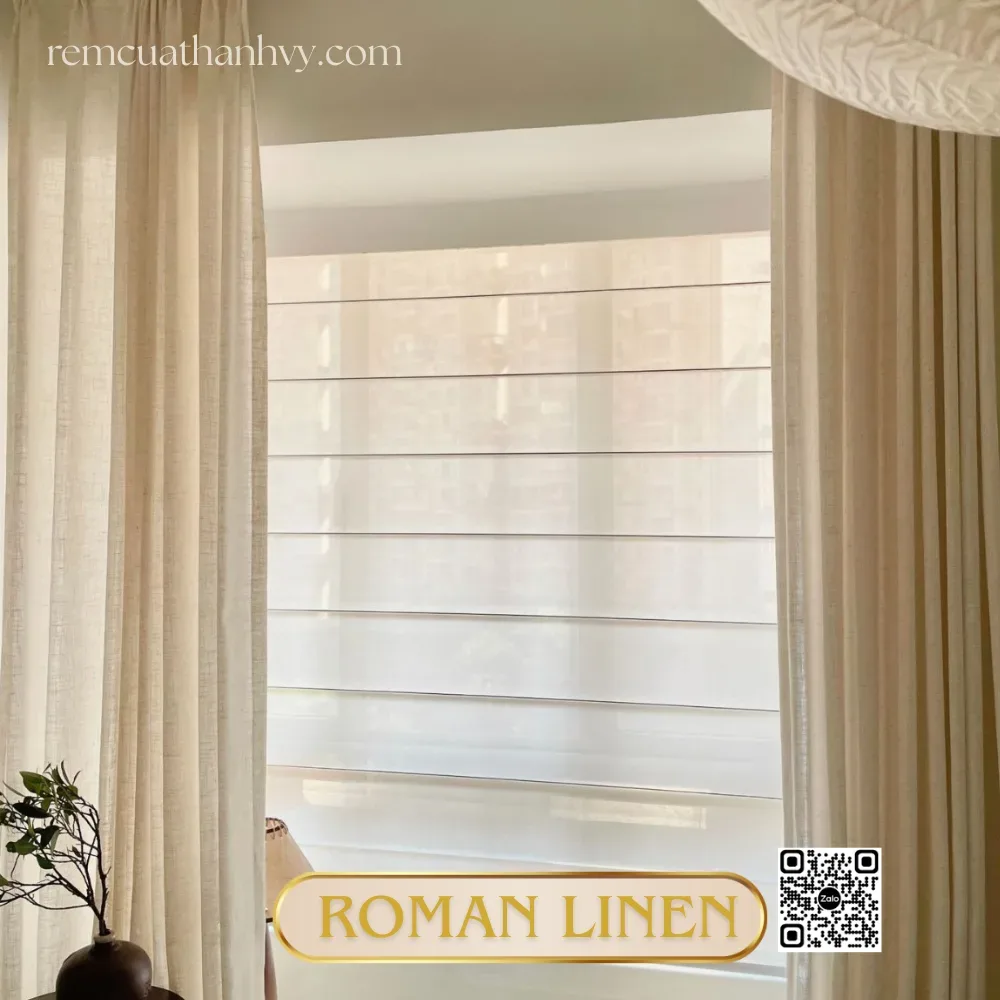
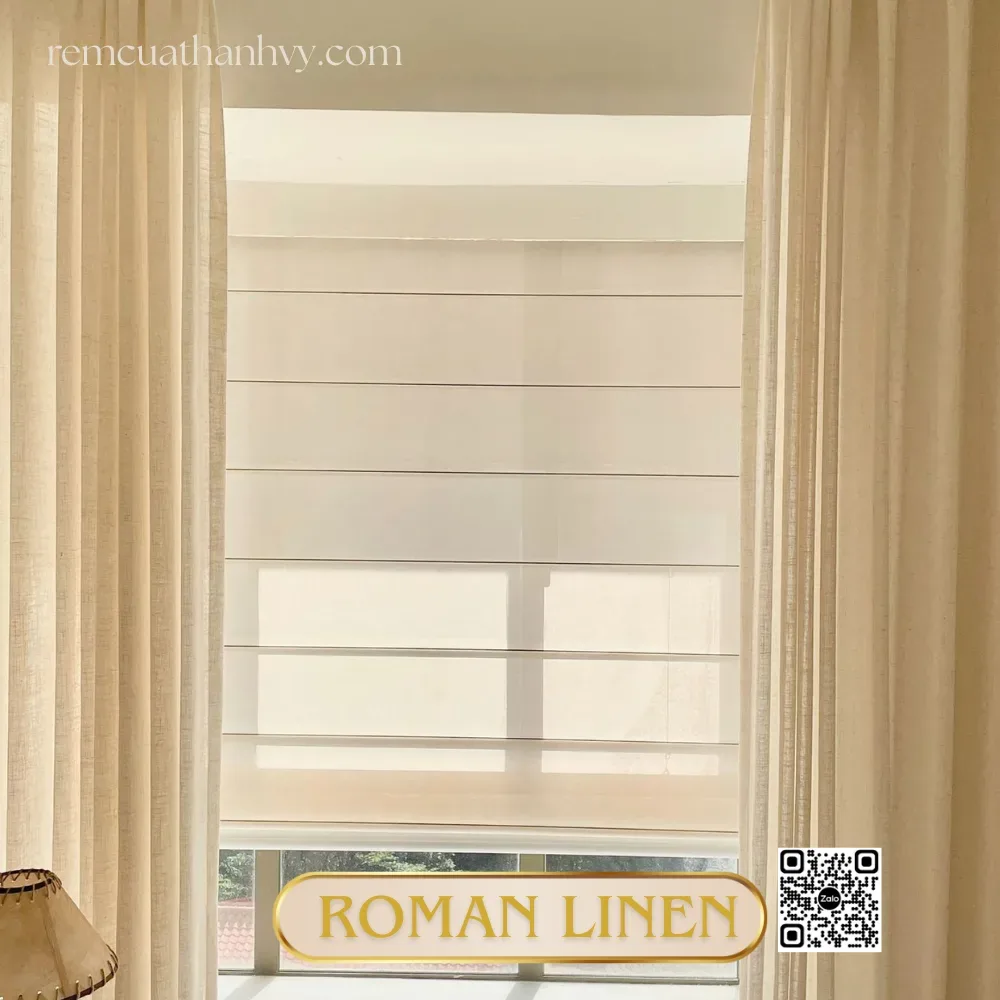
Application of roller blinds by space: living room, bedroom, balcony, and office
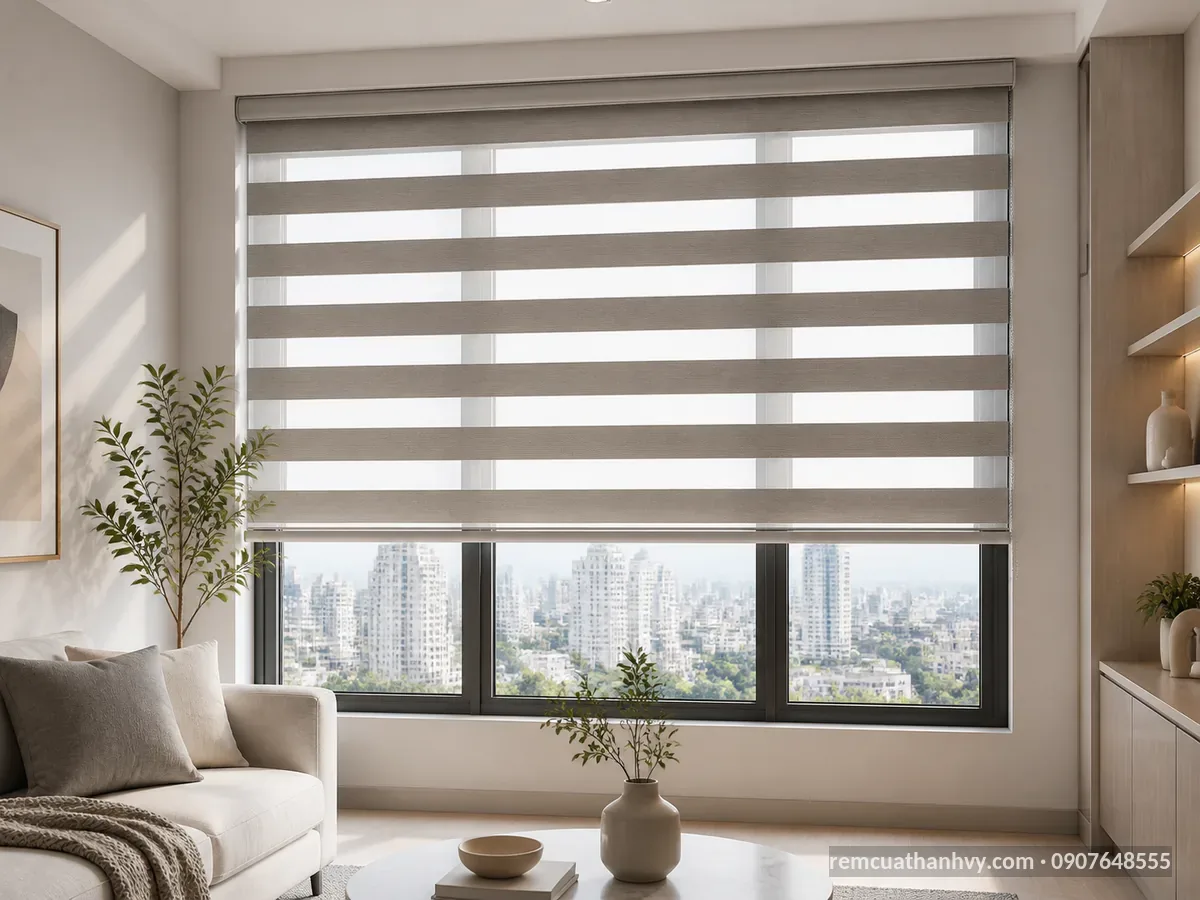
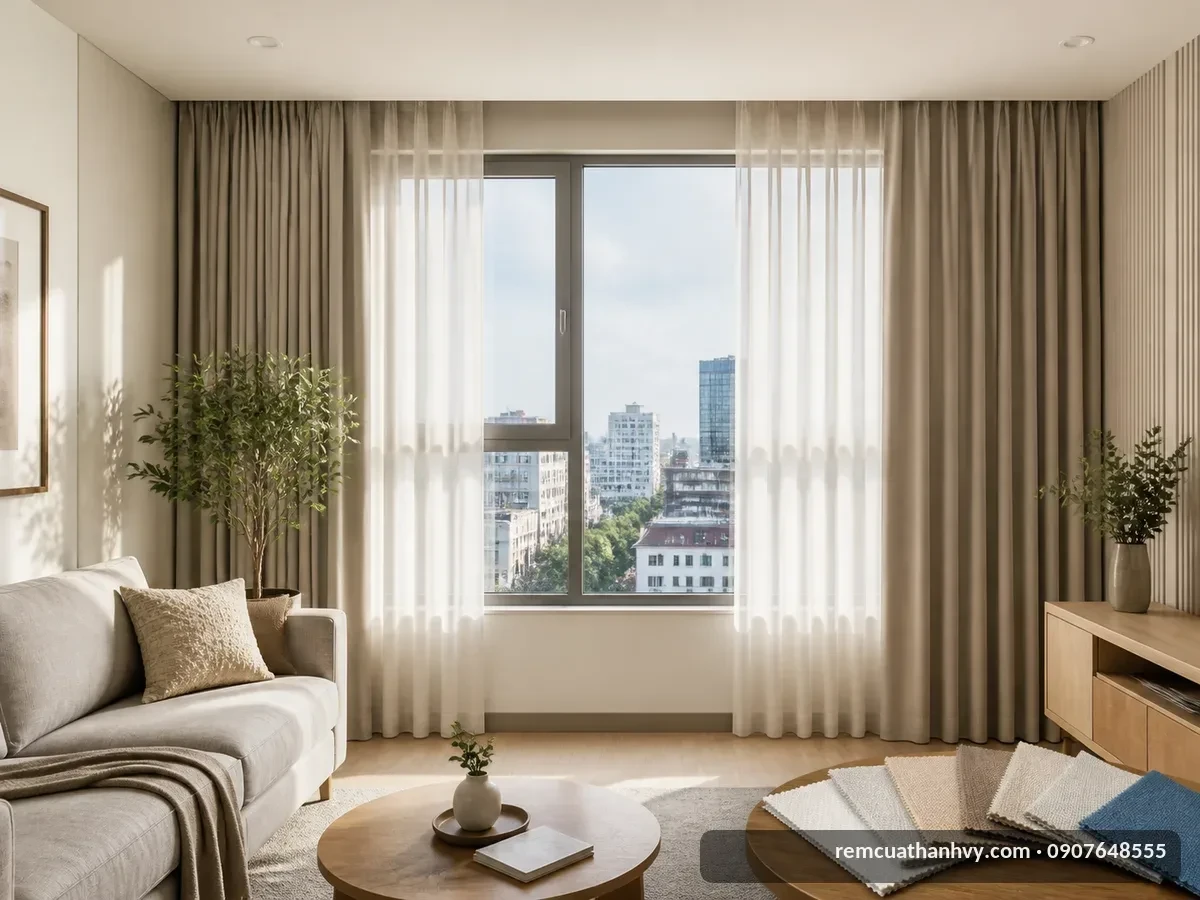
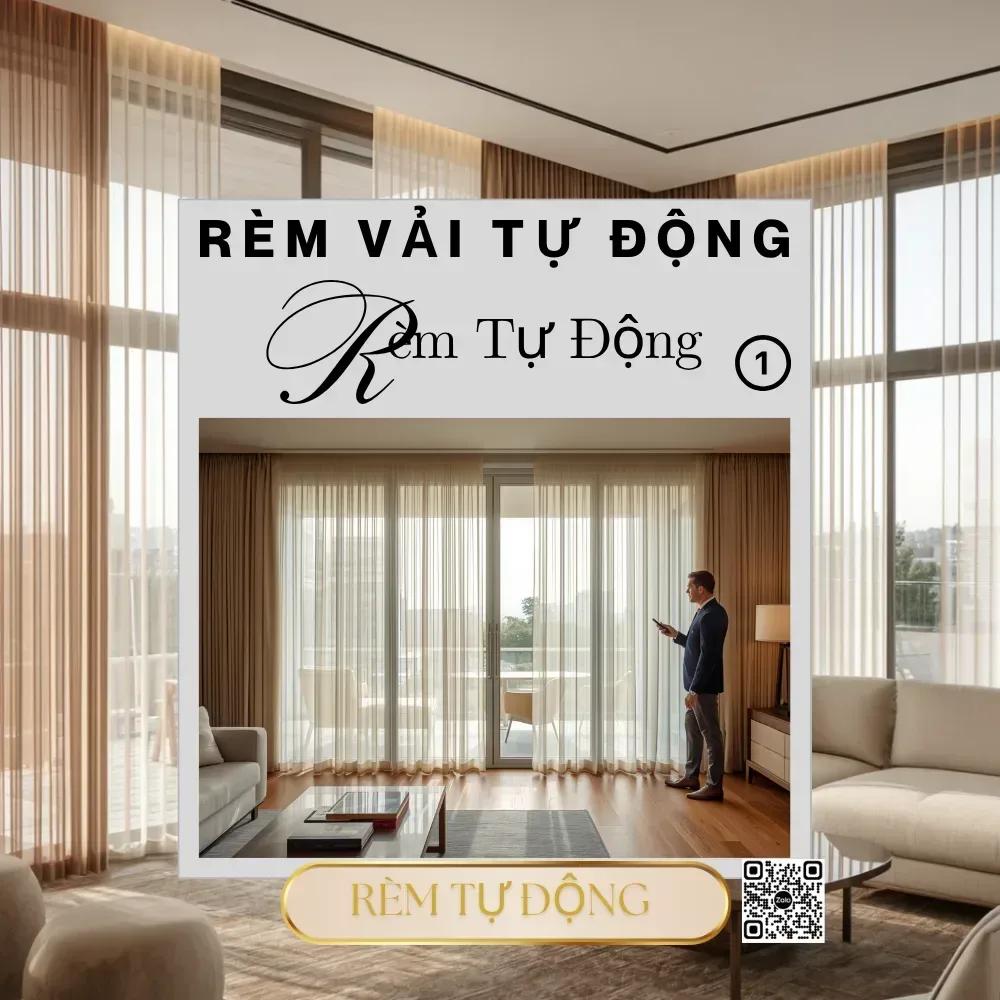
In the living room, roller blinds are usually chosen for large glass windows facing the balcony or front yard, where it is necessary to balance natural light harvesting and moderate privacy. Fabric lines with moderate light transmission and neutral colors are usually easy to coordinate with interiors, without creating a heavy feeling for the room.
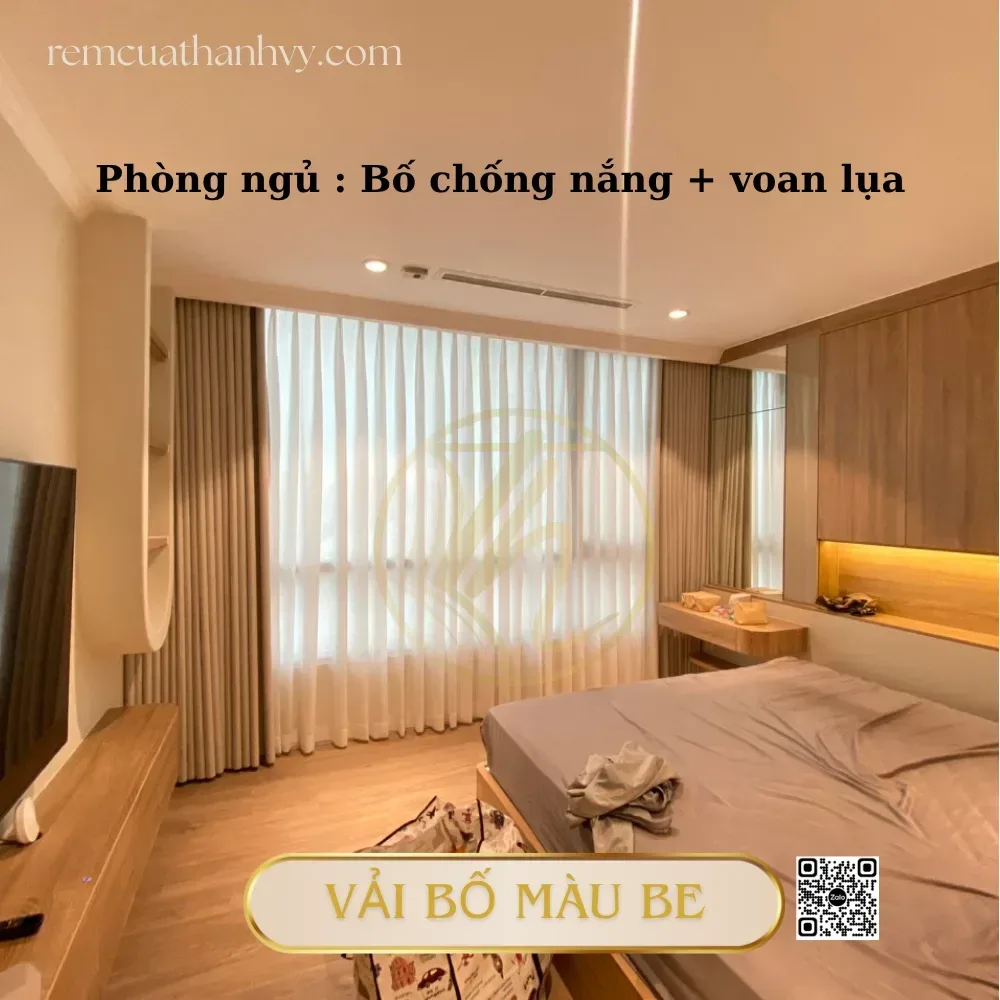
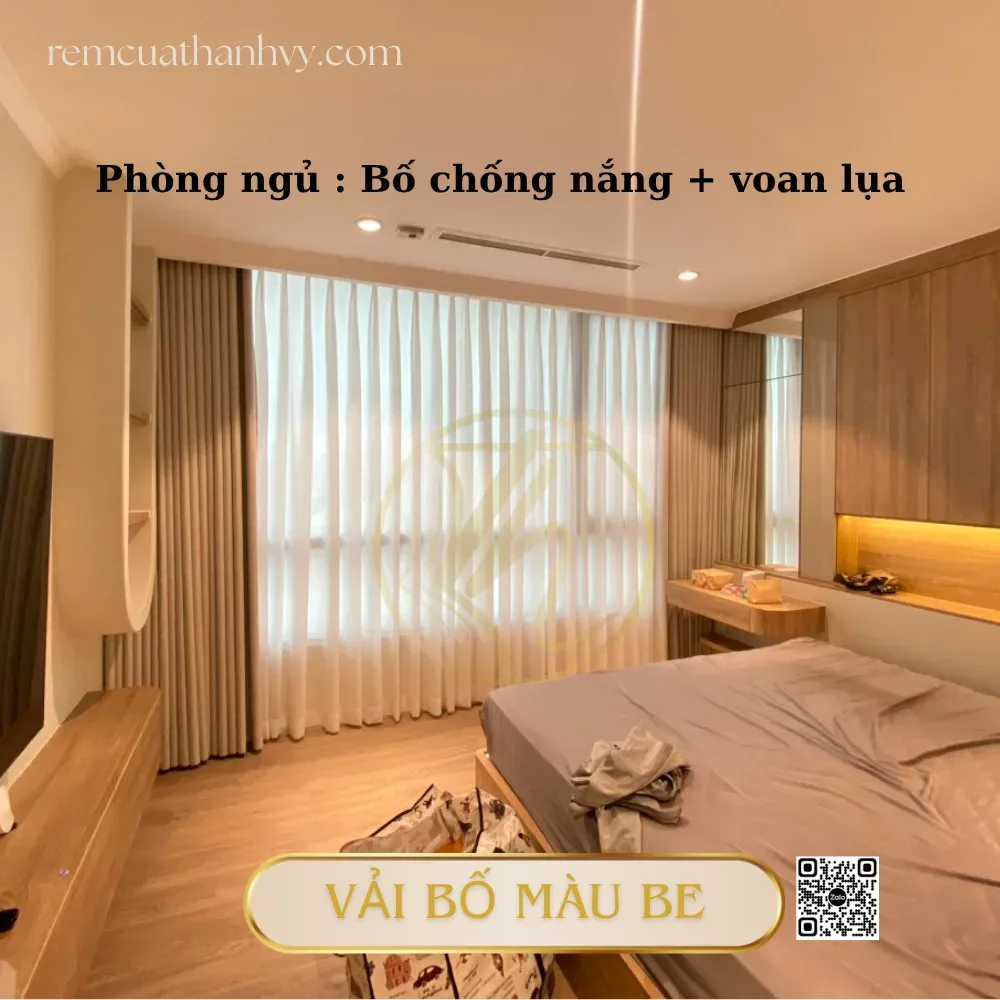
Bedrooms have distinctly different requirements, especially for rooms with morning sunlight shining directly onto the window. Here, the main demand is usually limiting early morning light and ensuring evening privacy, so thicker, better light-blocking fabrics will be more suitable than thin fabrics used for living rooms.
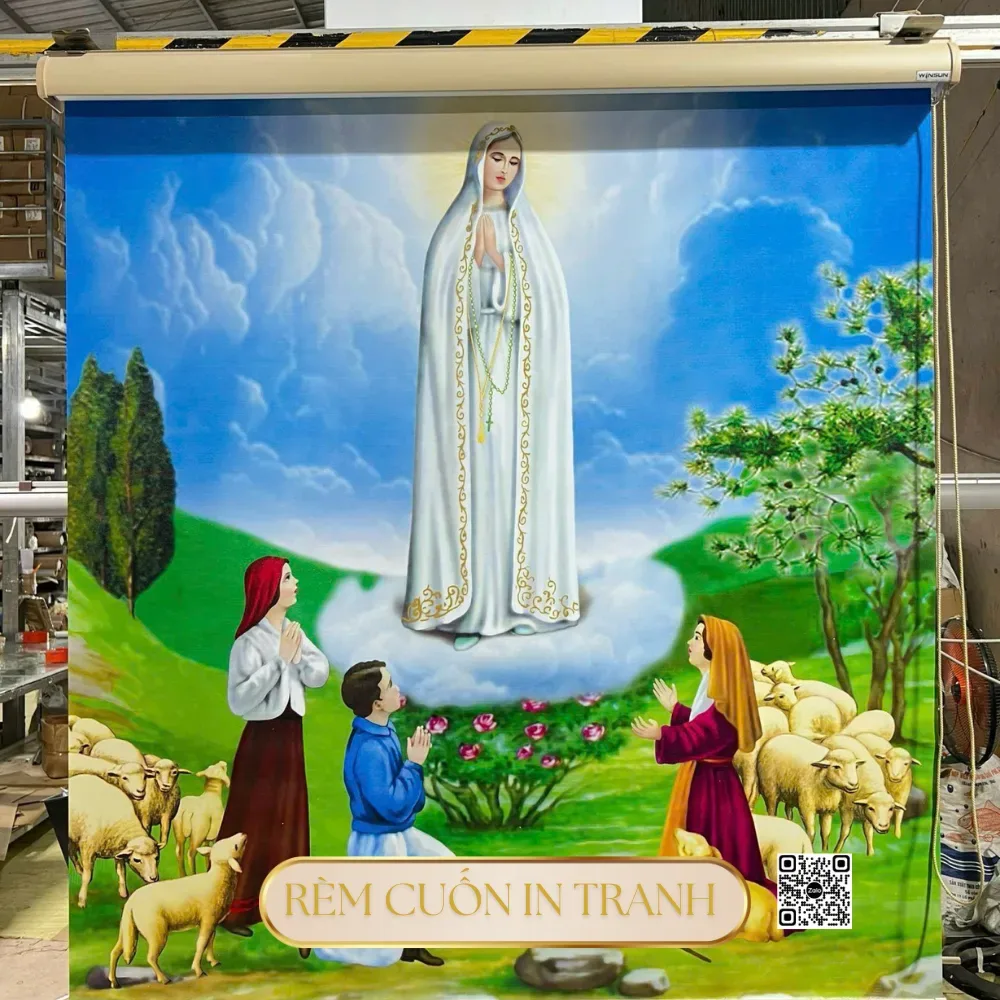
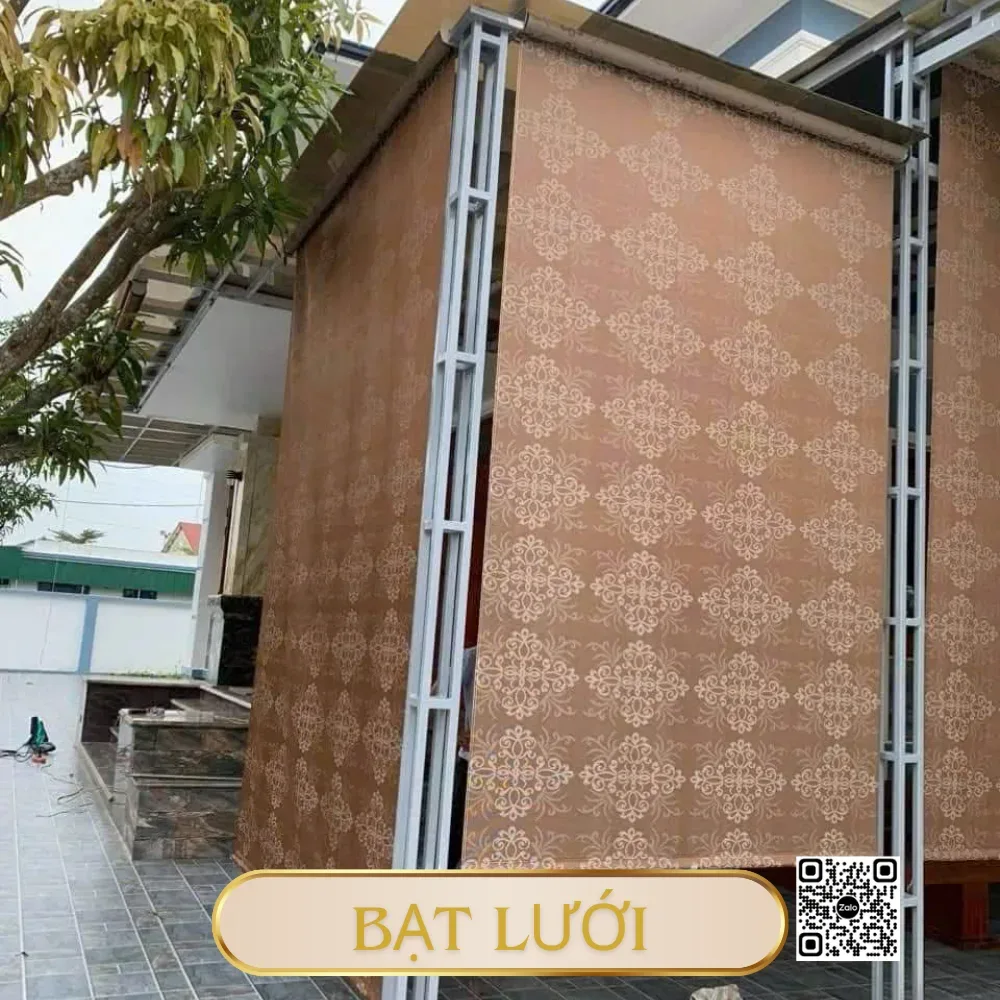
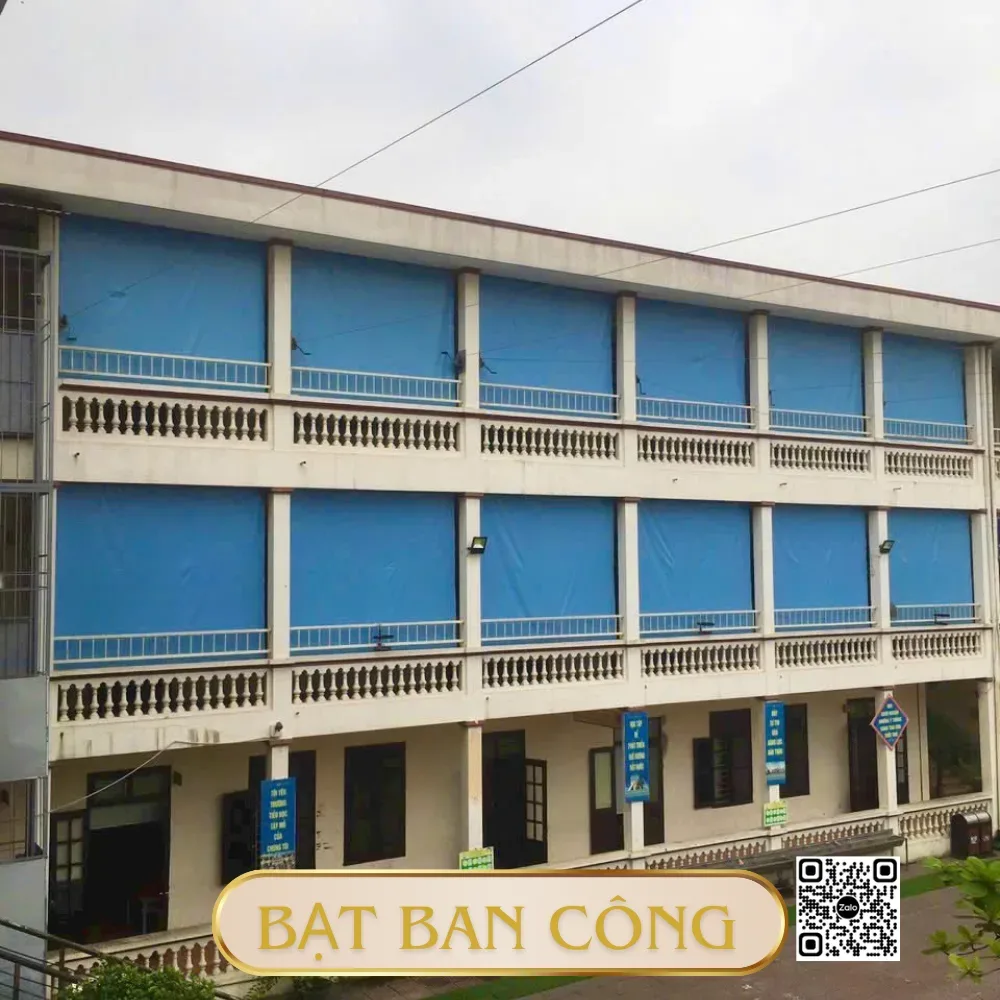
For balconies—areas directly exposed to sun, rain, and higher indoor humidity—roller blinds installed here should use specialized fabrics for outdoor or semi-outdoor use, capable of withstanding weather fluctuations without quickly fading or becoming brittle and breaking. Not all indoor roller blind fabrics are suitable for balcony installation, so it is necessary to discuss thoroughly with the construction unit.
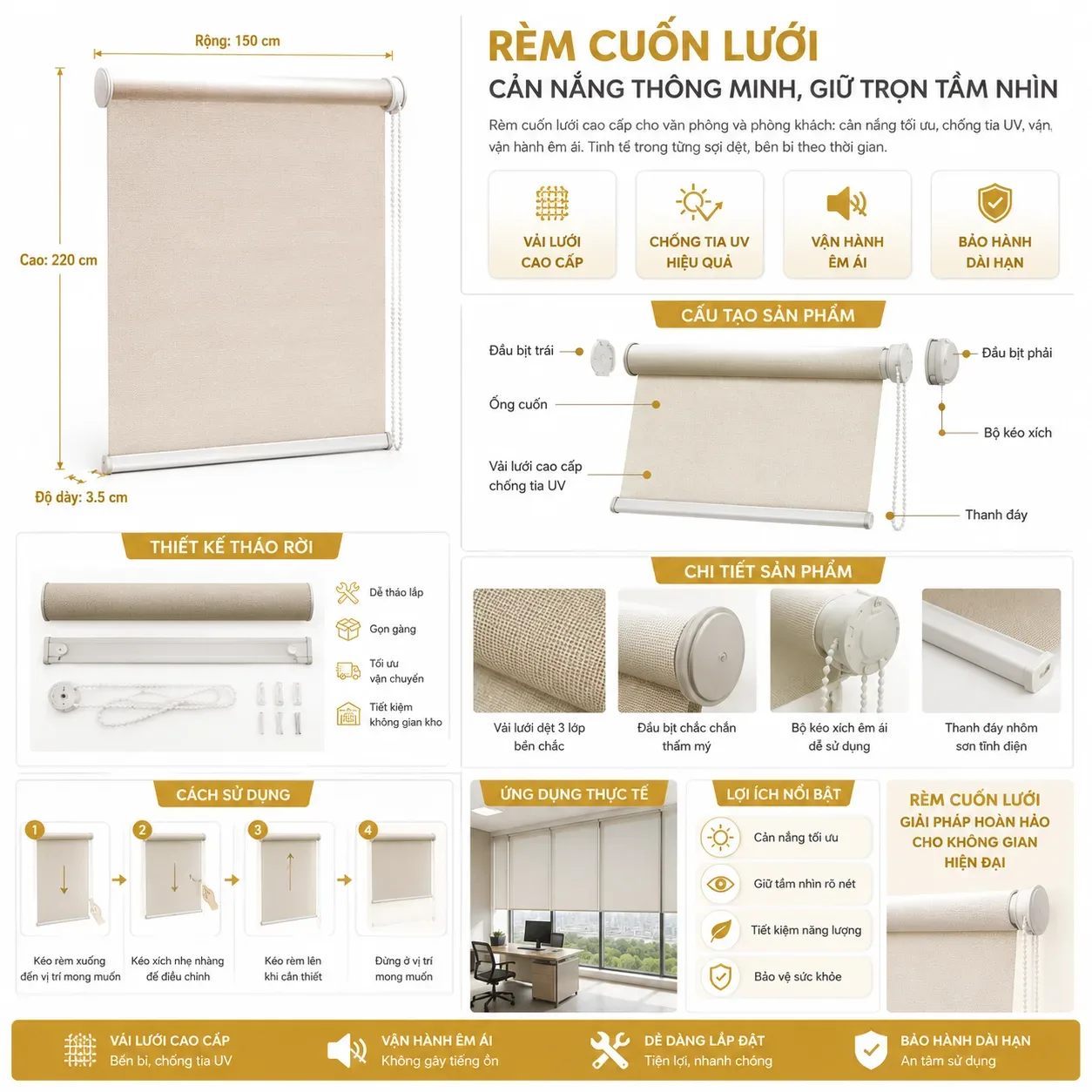
For offices or home workspaces, the important factor is usually reducing glare for computer screens while maintaining sufficient working light, combined with a smooth operating mechanism that causes little noise when pulled up and down.
Survey measurement process and checklist to prepare before finalizing the order
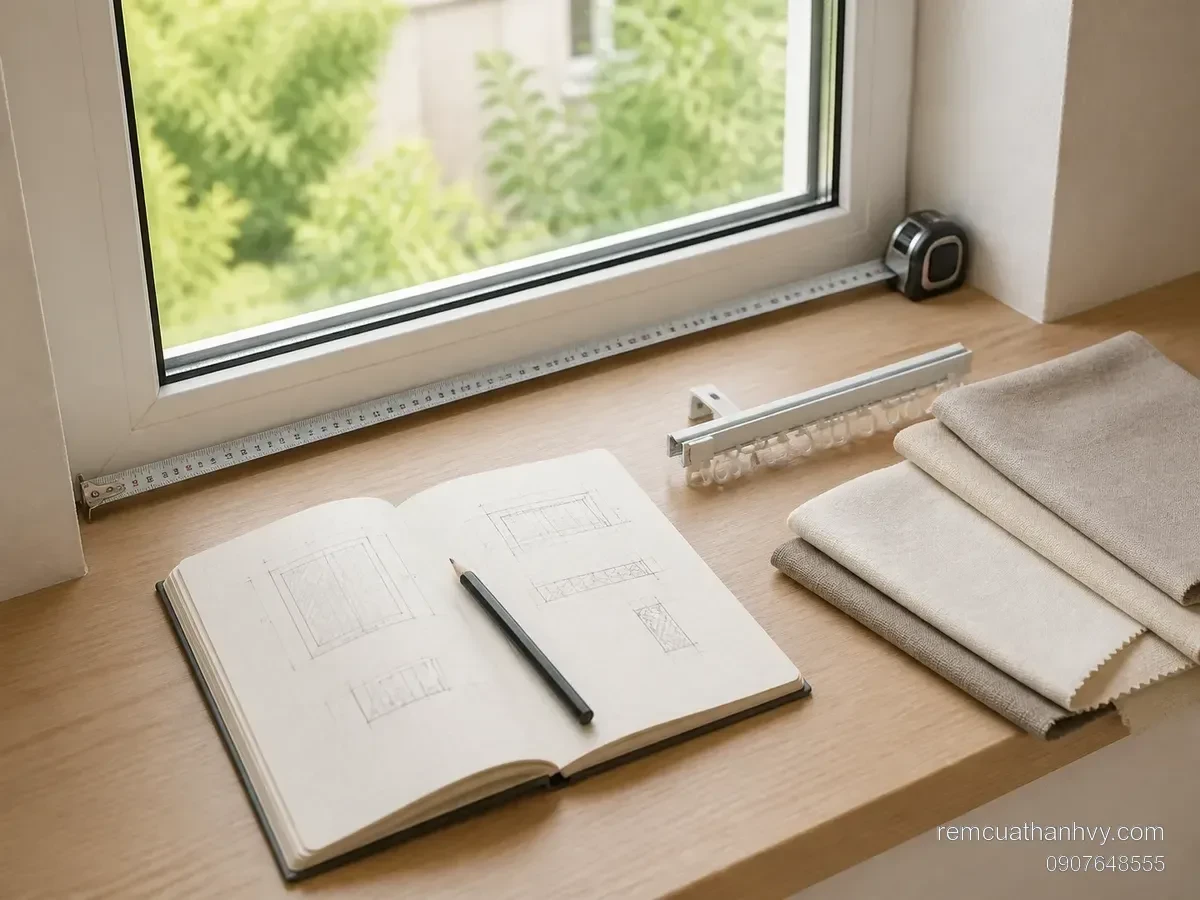
A roller blind tailoring process at home usually begins with a practical survey step: technical staff come to measure the exact dimensions of each window, check the wall or window frame structure to determine the appropriate installation style, and simultaneously record influencing factors such as sunlight direction, area humidity, and obstacles around the window. Miscalculated measurements of just a few centimeters can cause the blinds to fit poorly, affecting both aesthetics and light-shading capability.
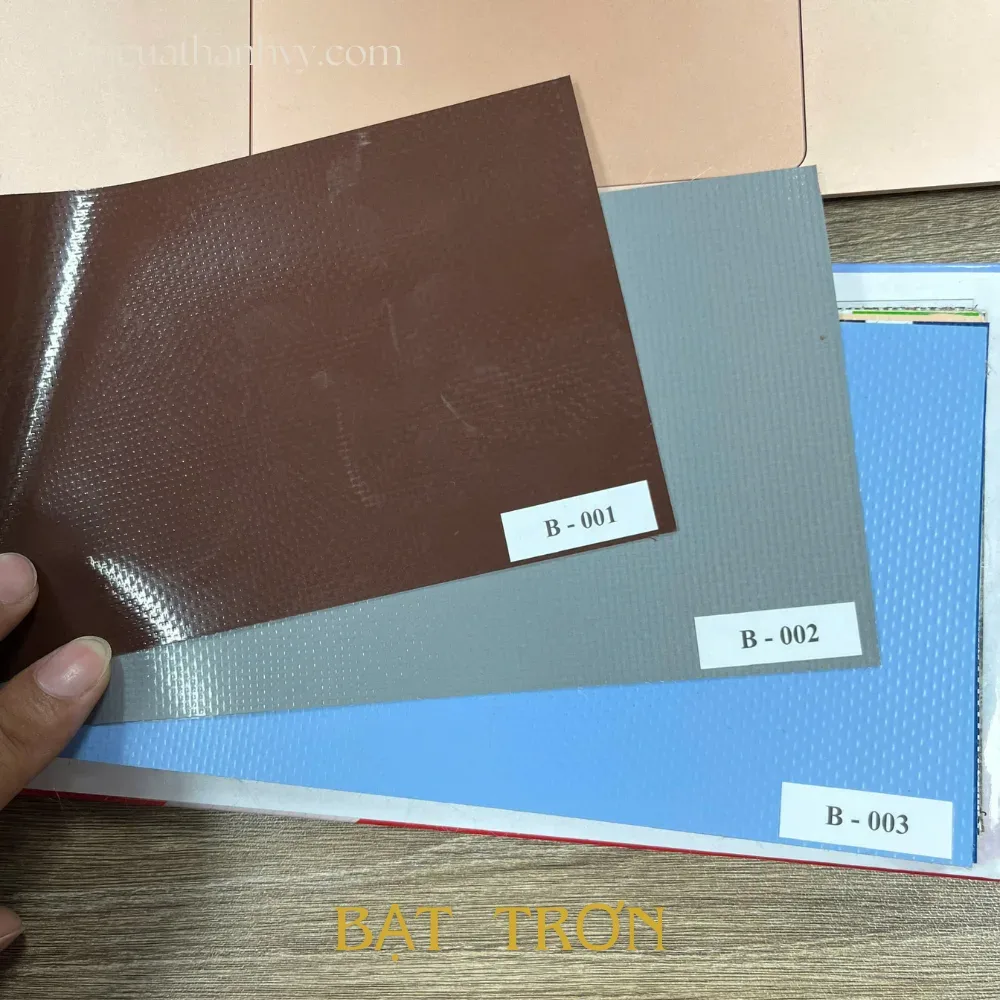
After the survey, you should ask to see actual fabric samples instead of just looking at pictures in a catalog, because the color and thickness of the fabric under natural light at home may differ from photographs. At the same time, you should clearly ask about completion time, warranty policies for the rolling axis and operating mechanism, as well as support capabilities for adjustments if technical issues arise after installation, such as warped or jammed blinds.
A basic checklist users can prepare before working with the tailoring unit includes: defining the usage purpose of each window (light harvesting, sun shading, privacy), noting locations with high humidity or direct exposure to sun and rain, preliminary measuring of the dimensions of windows requiring installation, and preparing questions about fabric materials suitable for the climatic conditions of areas near canals if the house is in this area.
Notes when choosing a tailoring and construction unit for roller blinds in District 8
When looking for a roller blind tailoring unit in the District 8 area, you should prioritize units with experience in conducting practical surveys at home rather than just consulting via phone or text messages, because the characteristics of narrow street-front townhouses interspersed with apartments here often have diverse door structures, requiring professionals to measure directly to avoid errors. On-site surveys also help provide accurate advice on fabric types suited to the humidity conditions of each specific area, especially for units near rivers and canals.
In addition, you should thoroughly research warranty policies, especially for the rolling axis, operating mechanism, and fabric color fastness over actual usage time, instead of just listening to general commitments. A reputable unit is usually ready to provide clear information about fabric origins, specific warranty periods for each component, and have a post-installation support process when technical issues arise. Readers can also cross-reference via the article in An Giang Newspaper about Thanh Vy high-end fabric curtains.
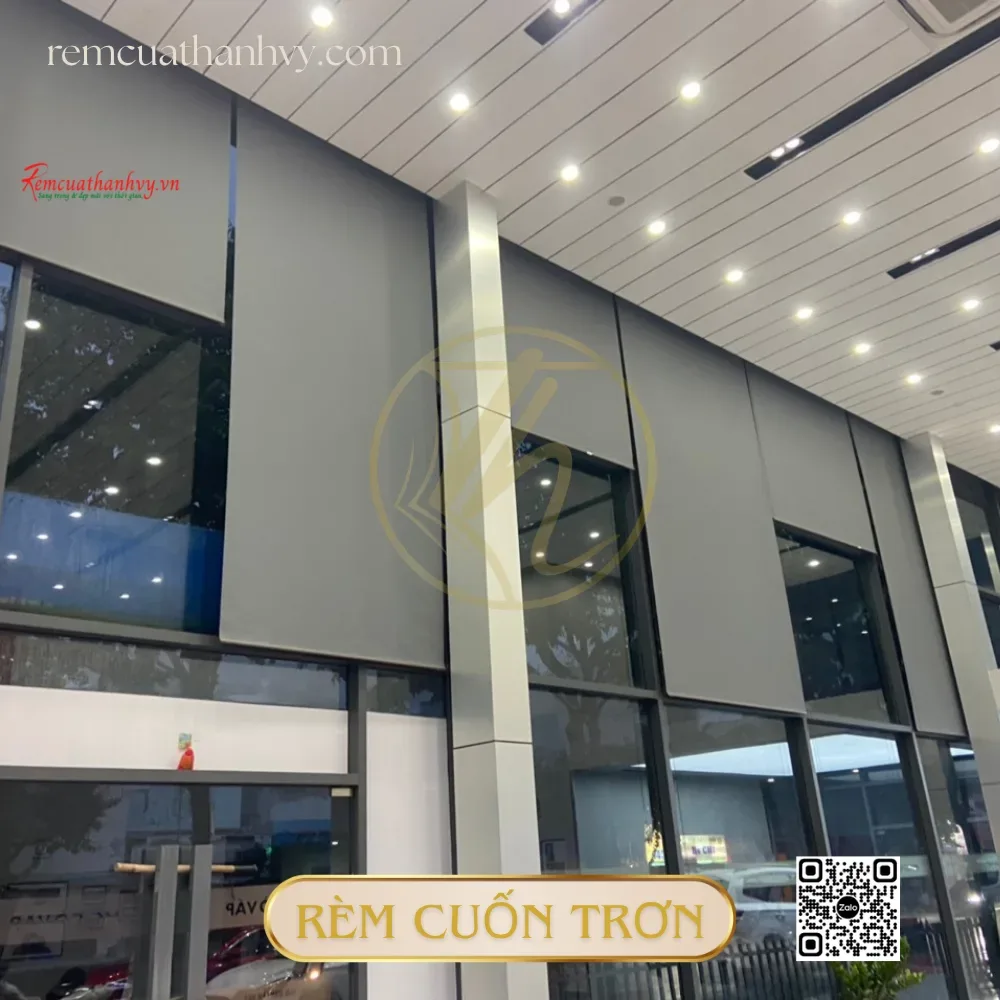
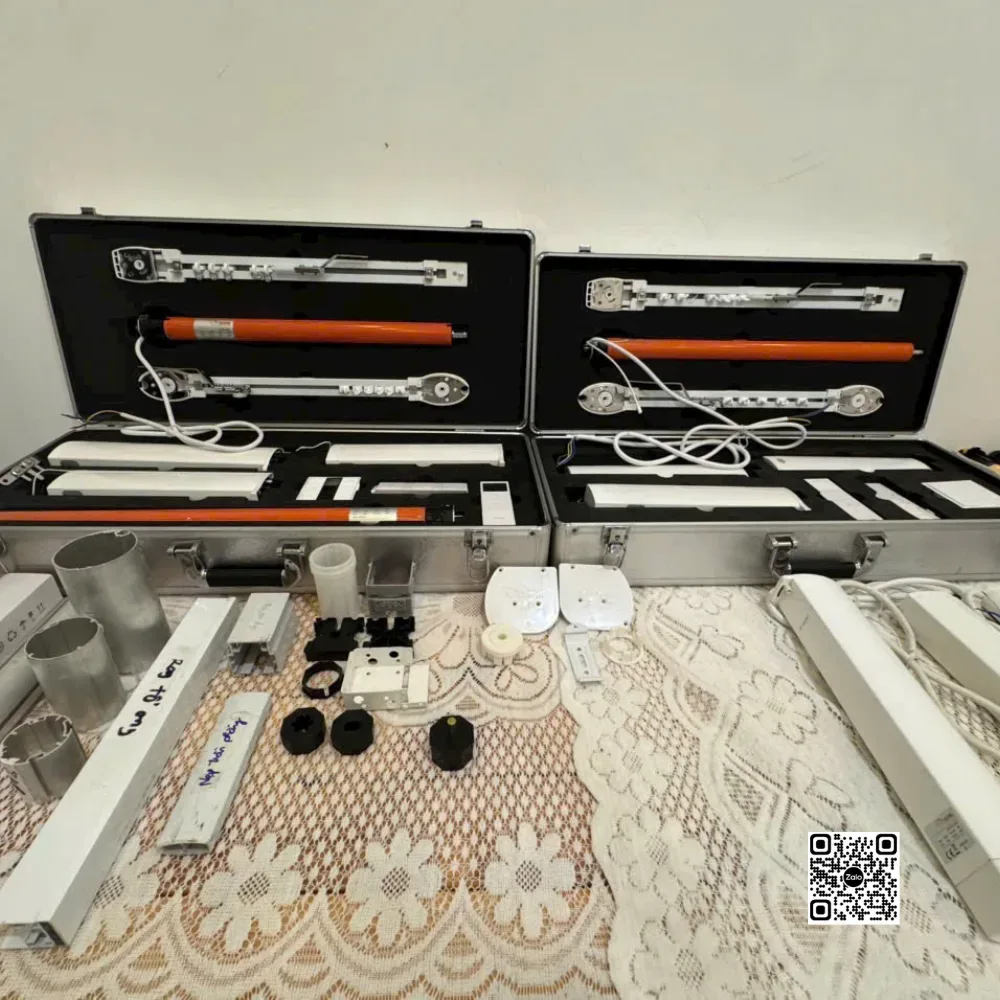
Finally, for street-front business households needing roller blinds for large glass doors, you should discuss the load-bearing capacity of the rolling axis with large fabric sizes thoroughly, as well as consider adding control motors if the opening and closing frequency is high. Overall, choosing suitable District 8 roller blinds does not stop at beautiful fabric colors, but requires a synchronized consideration of regional climate, house structure, usage purpose, and the reputation of the construction unit to ensure long-term effectiveness. Information about the unit also appears in the introductory article on hall curtains in Can Tho Newspaper.

Curtain models recommended for installation in District 8
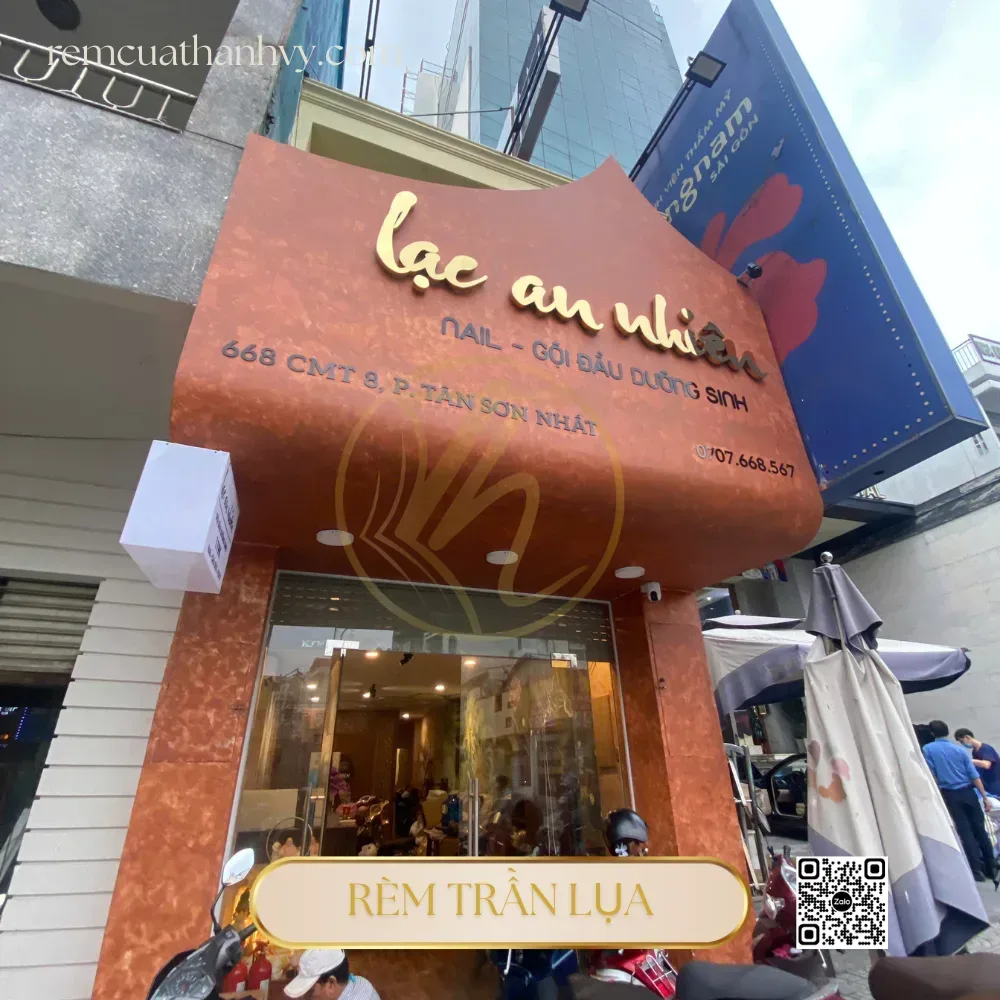
Below are real product groups currently available at Thanh Vy Curtains, sorted by popular usage needs in the District 8 area.
Send your dimensions and needs, and the Thanh Vy Curtains team will advise on options and quote for your actual space.
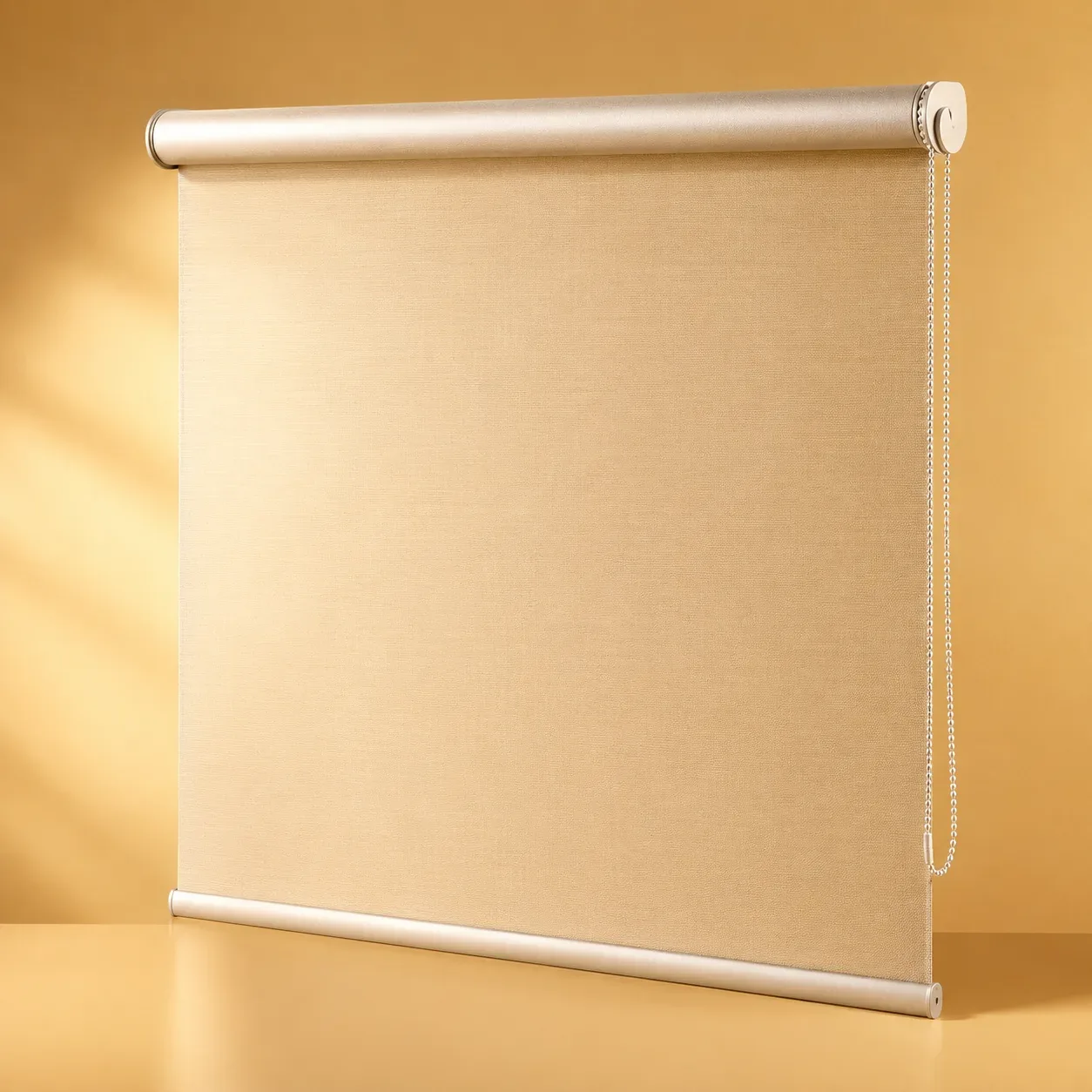
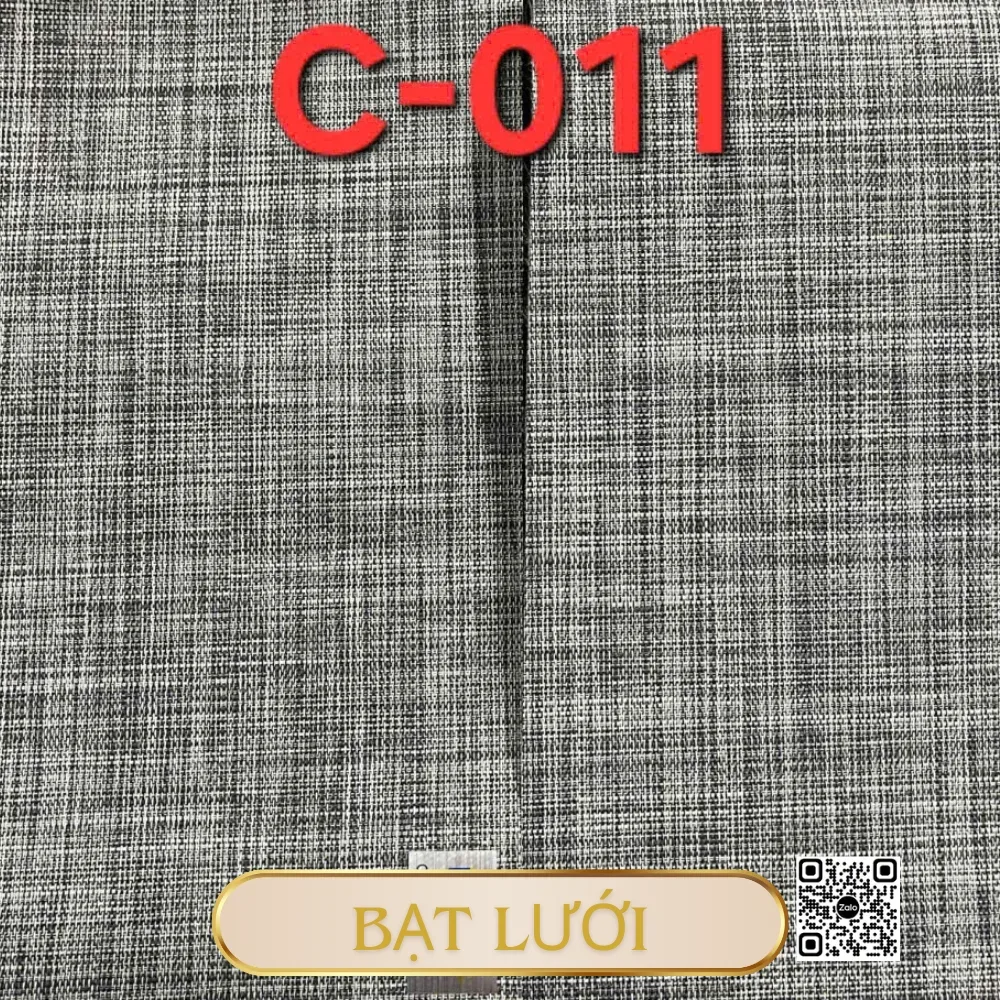
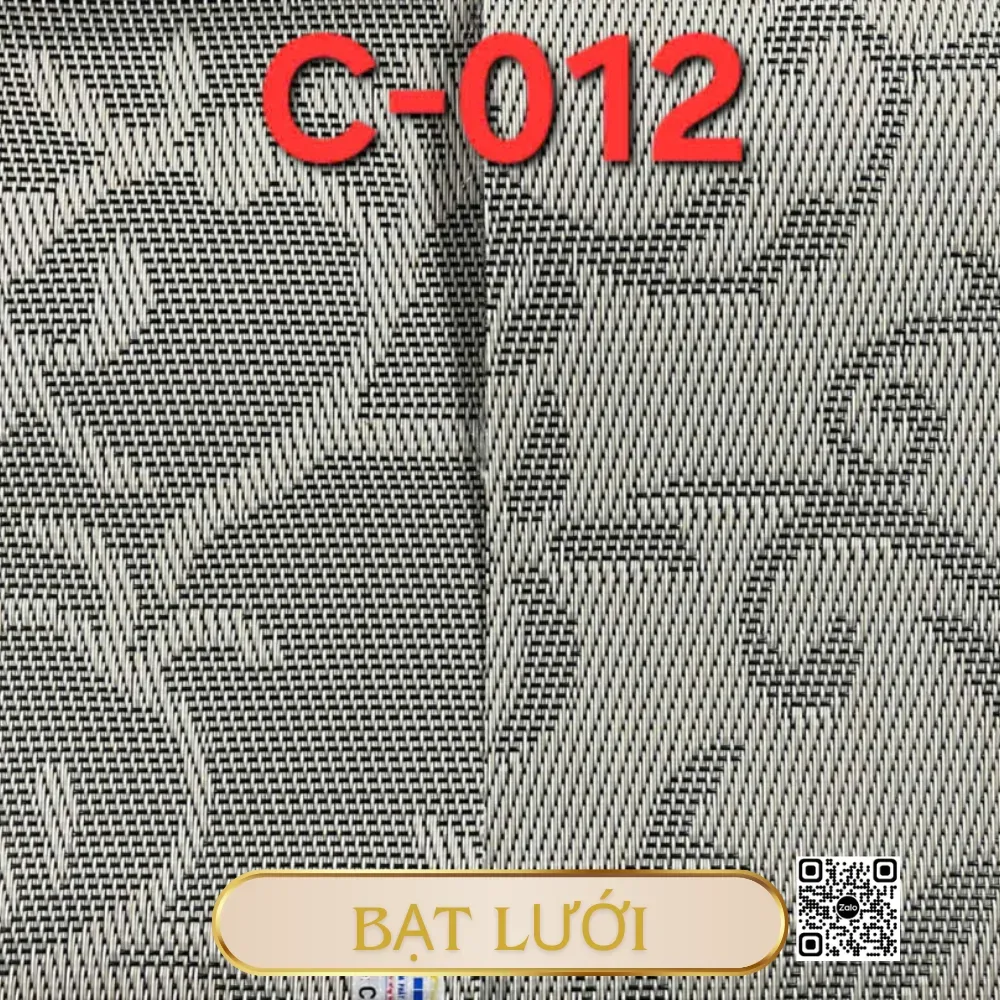
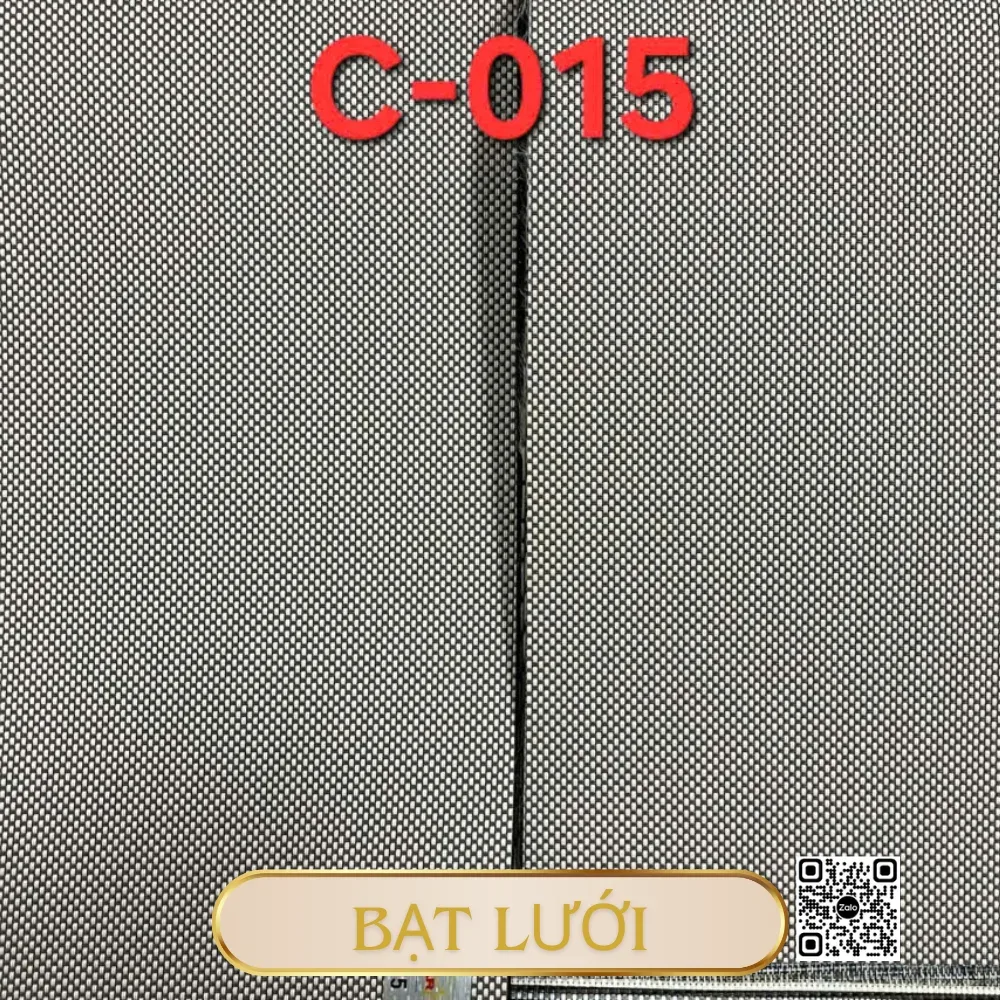
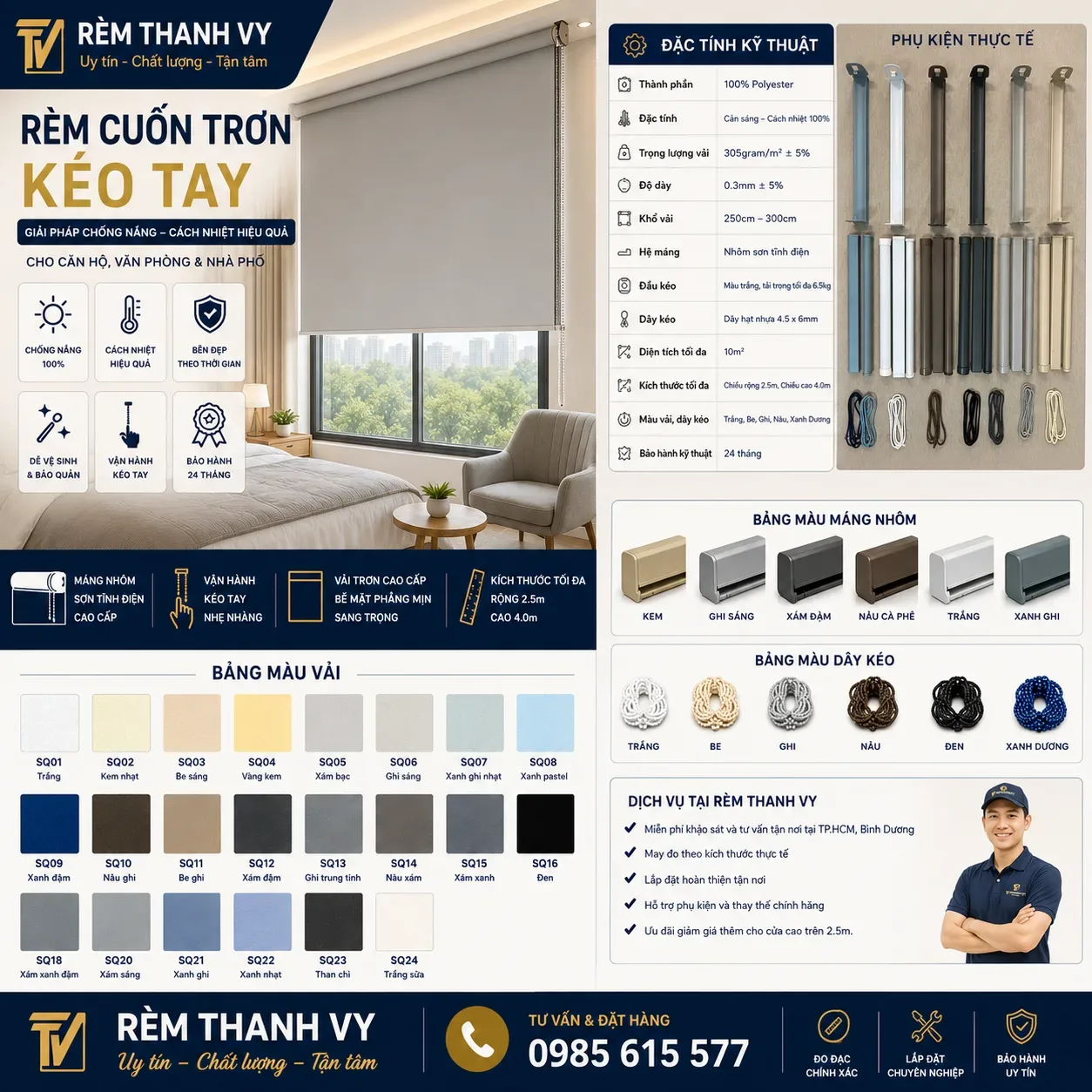
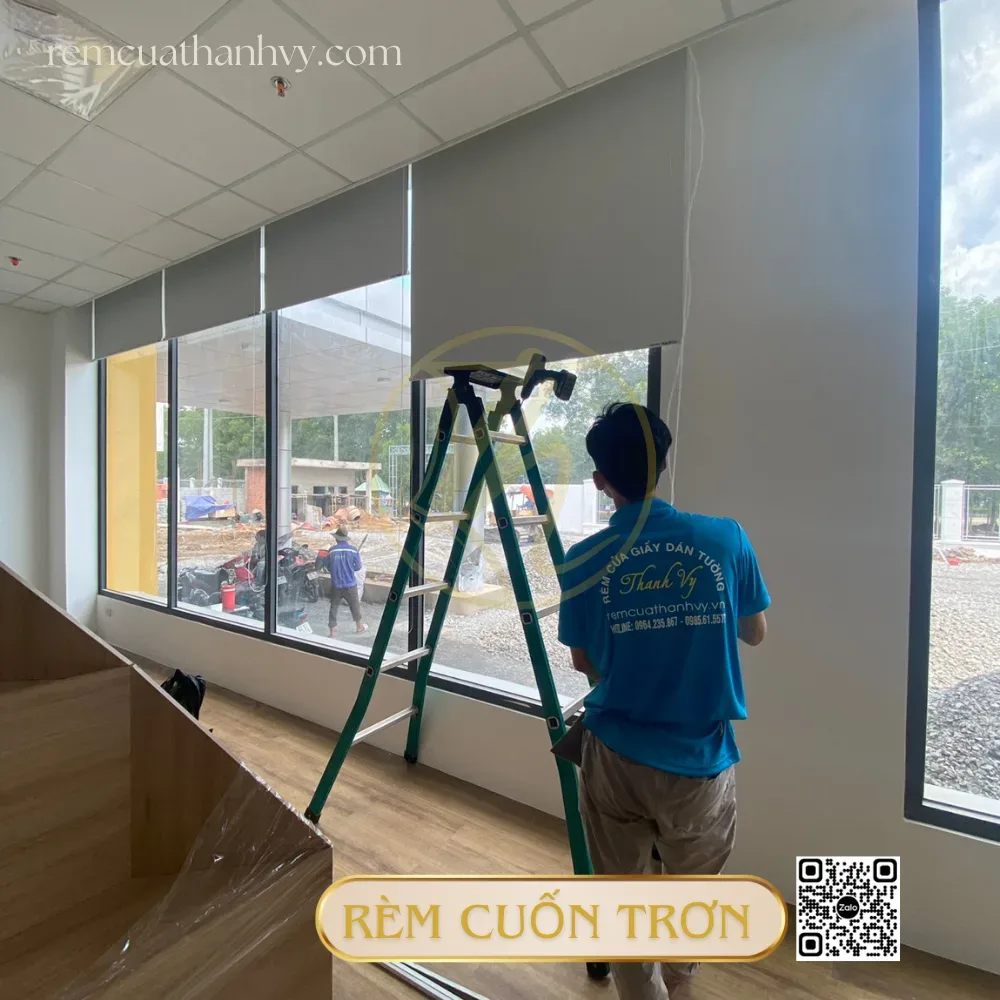
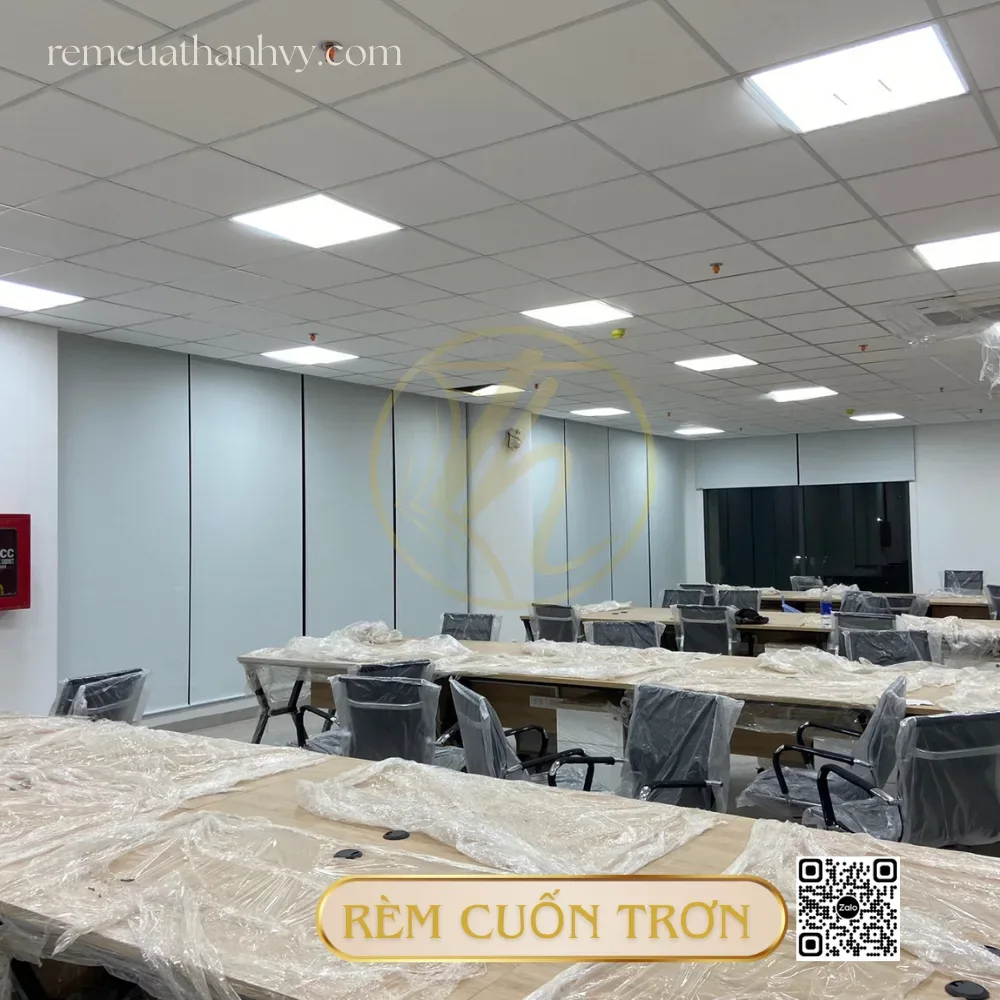
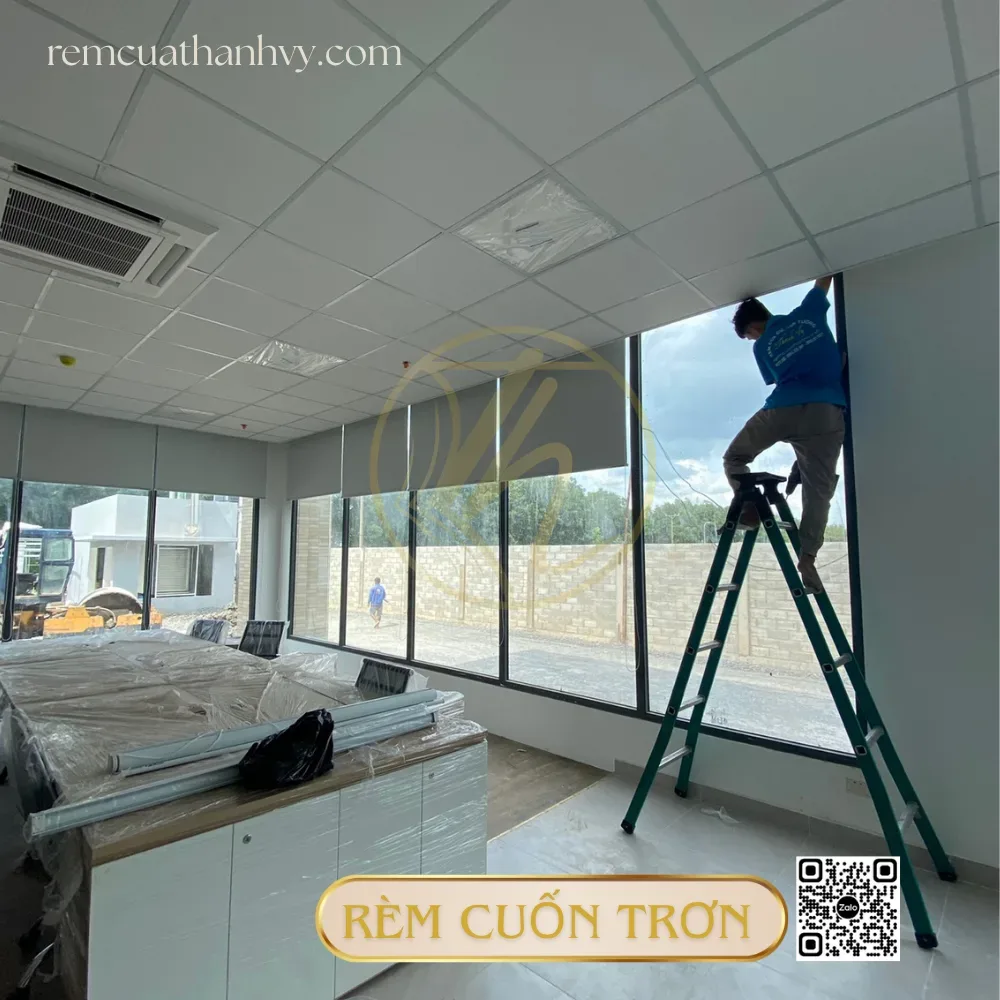
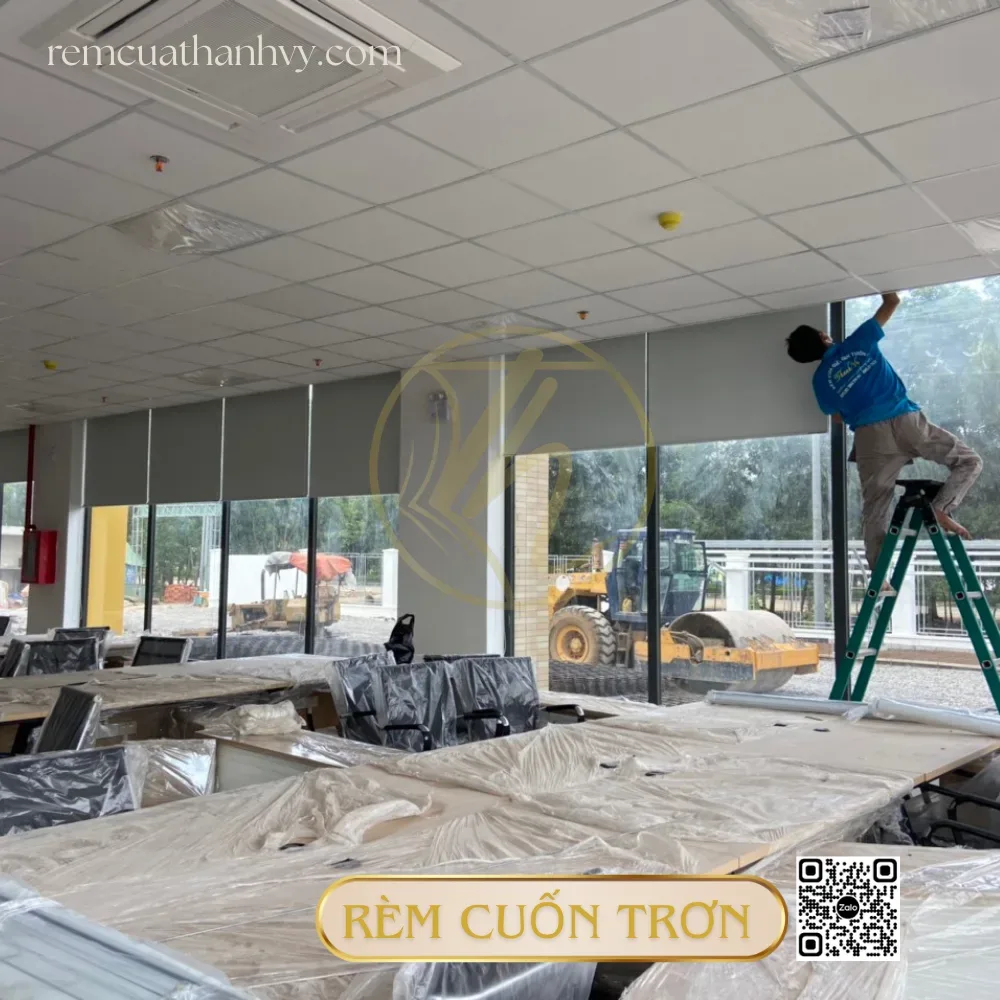
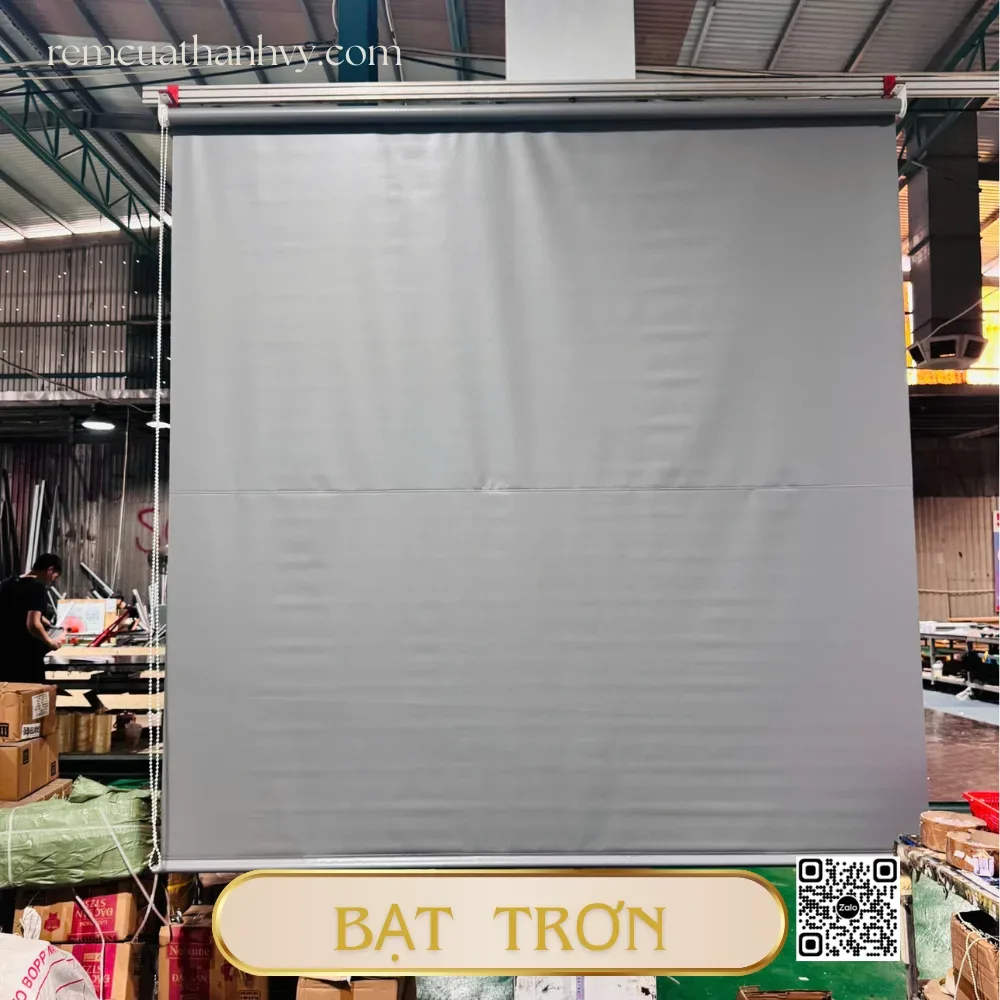
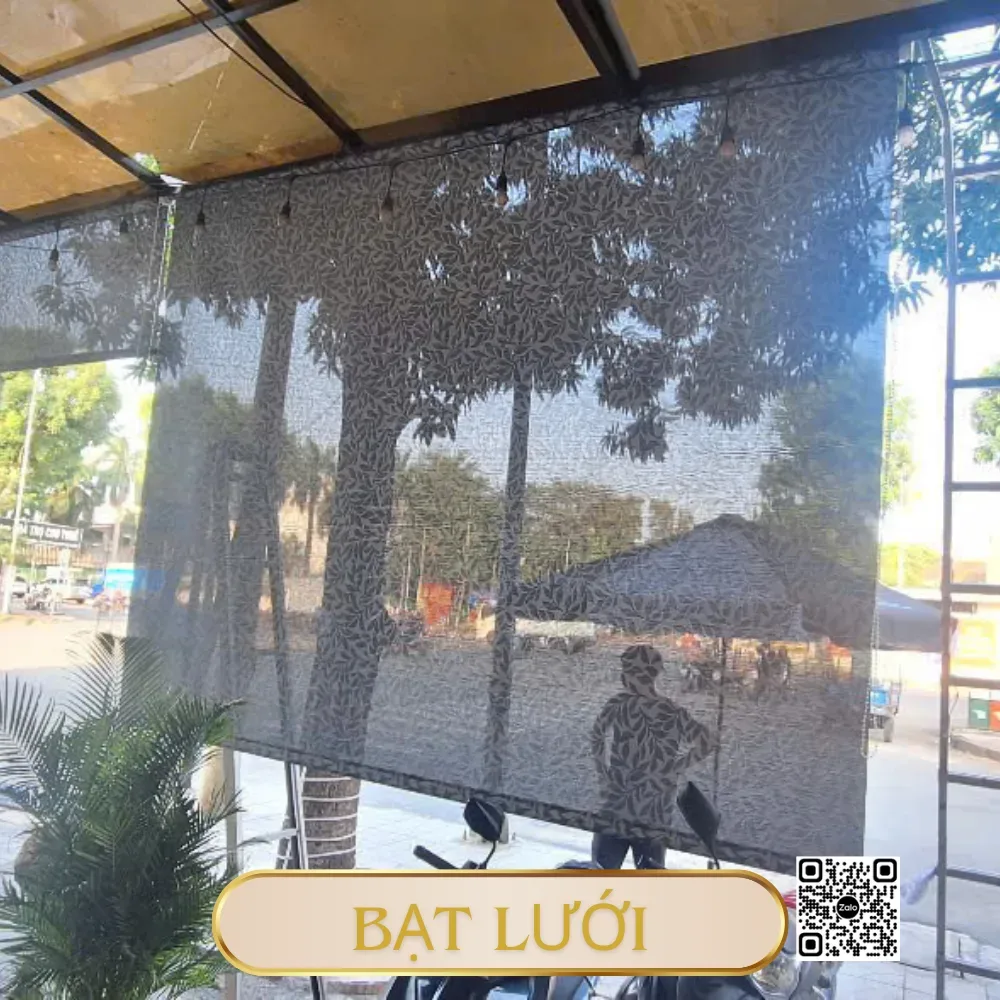
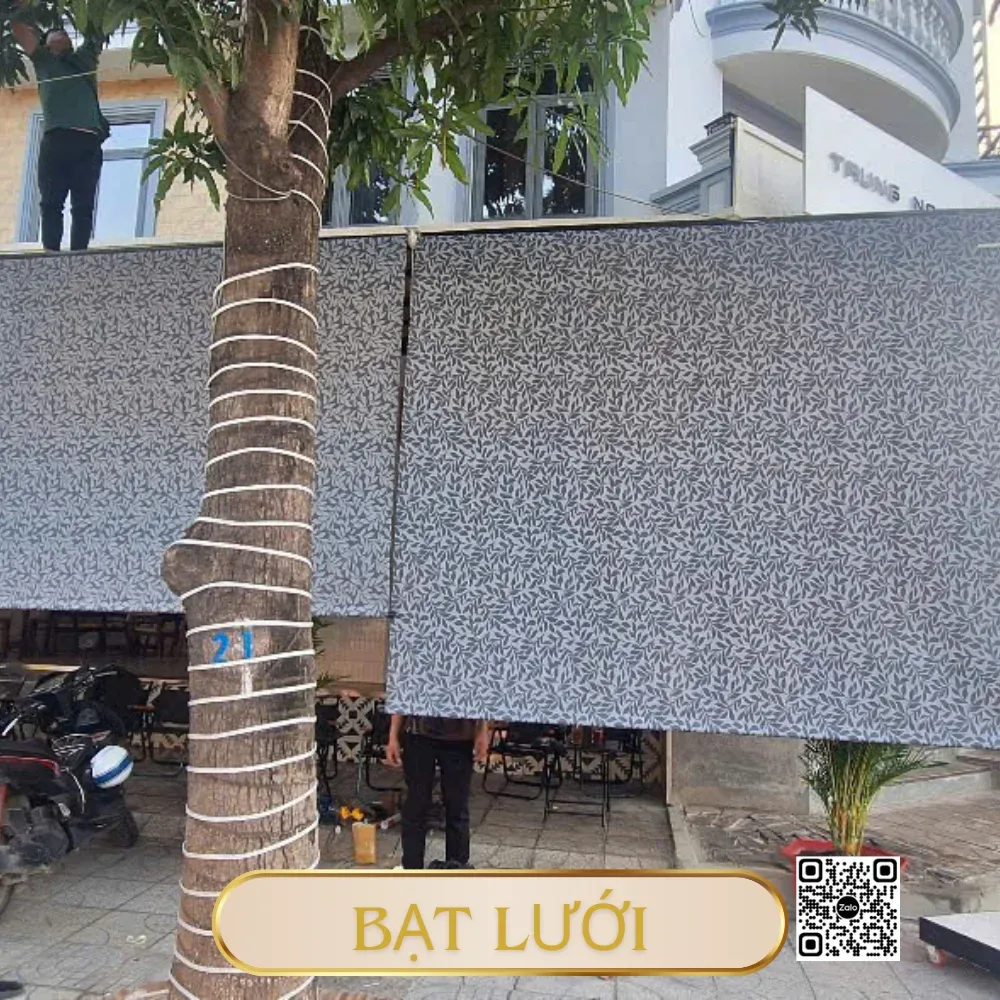
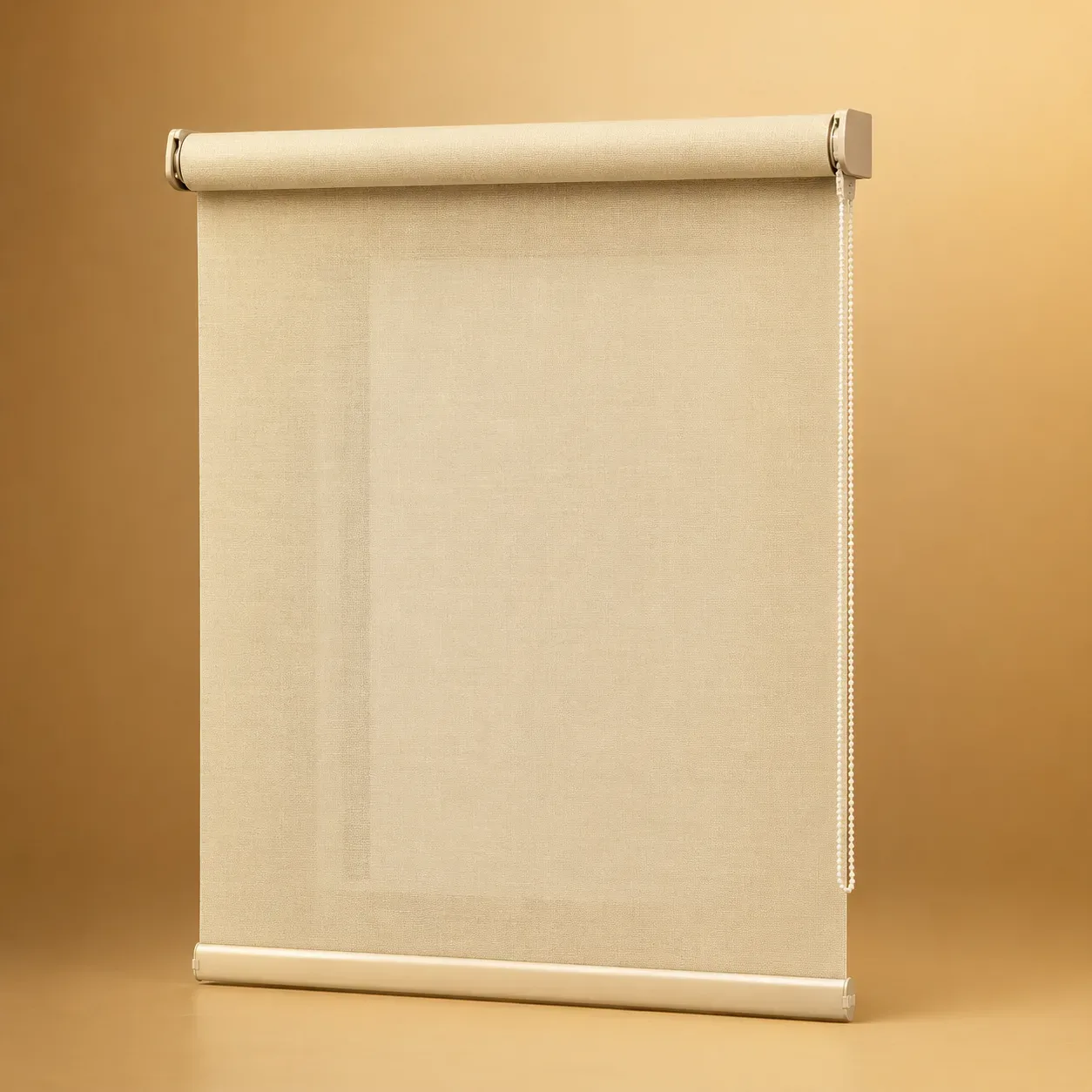
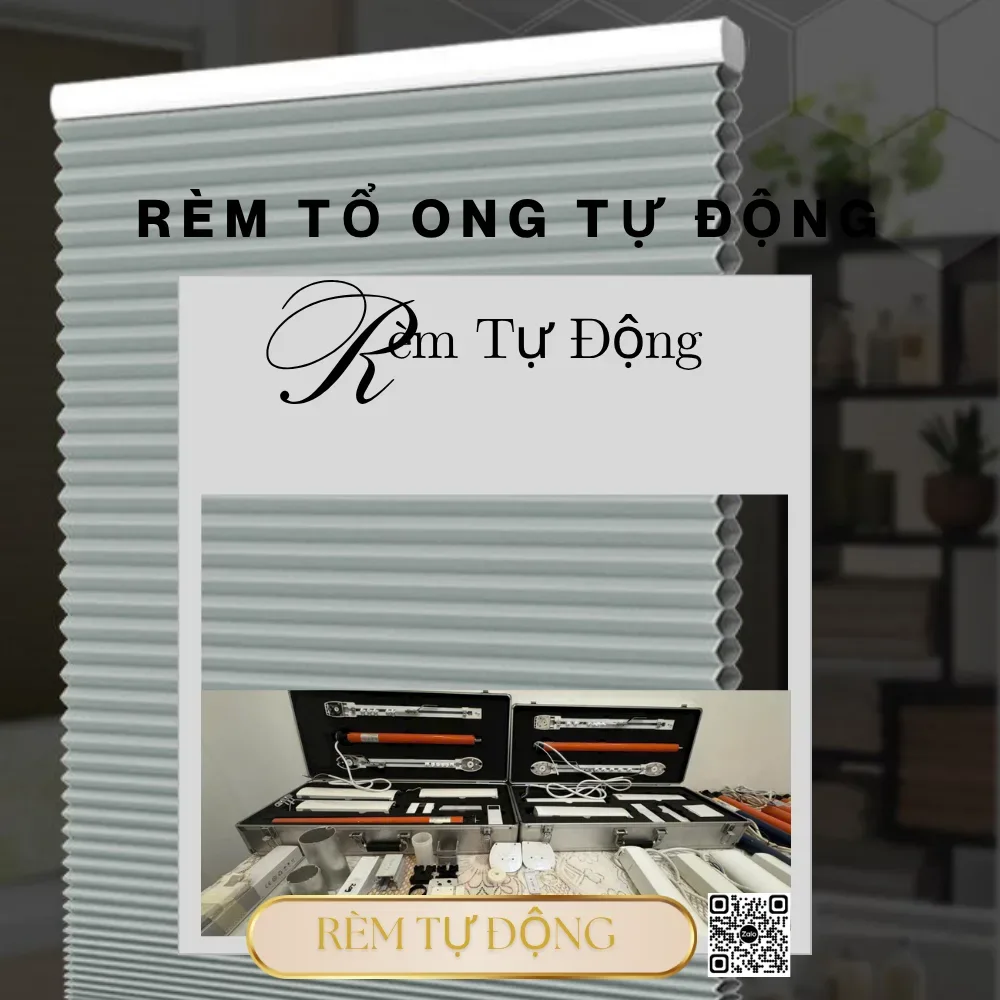
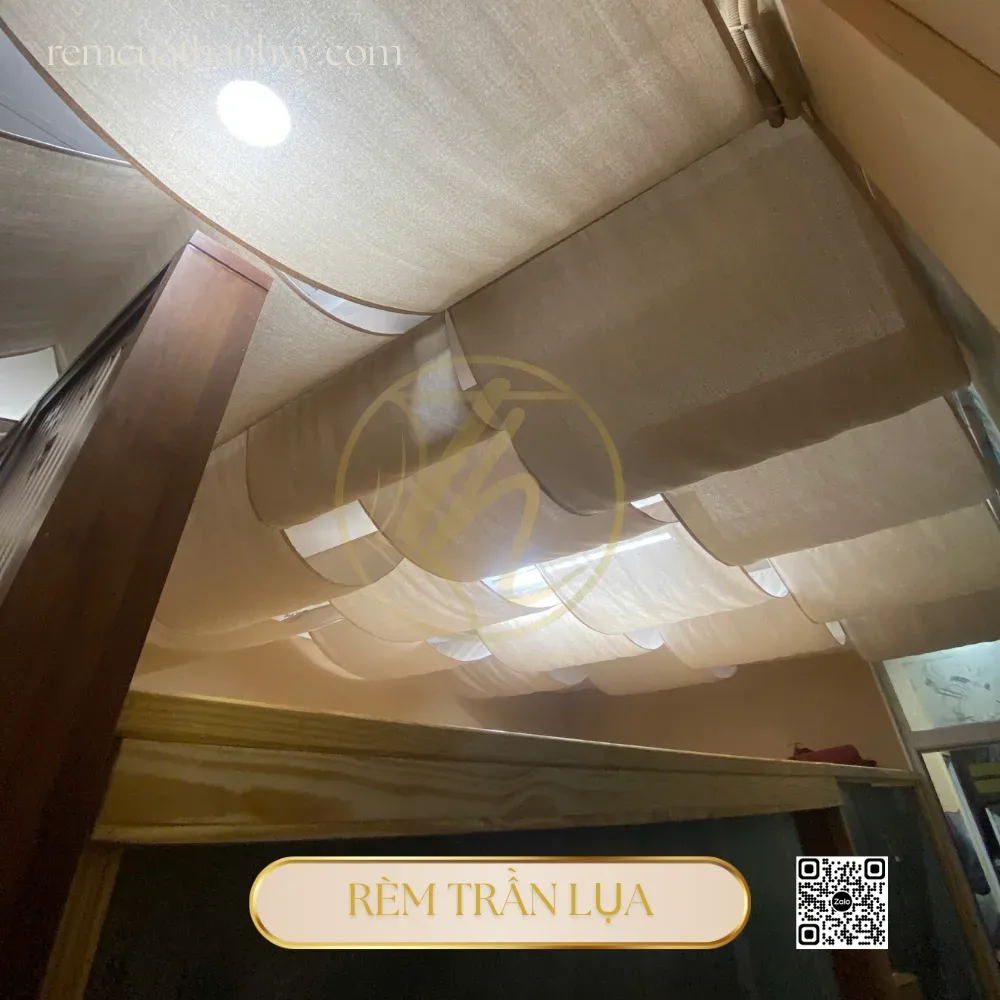
Roller blinds
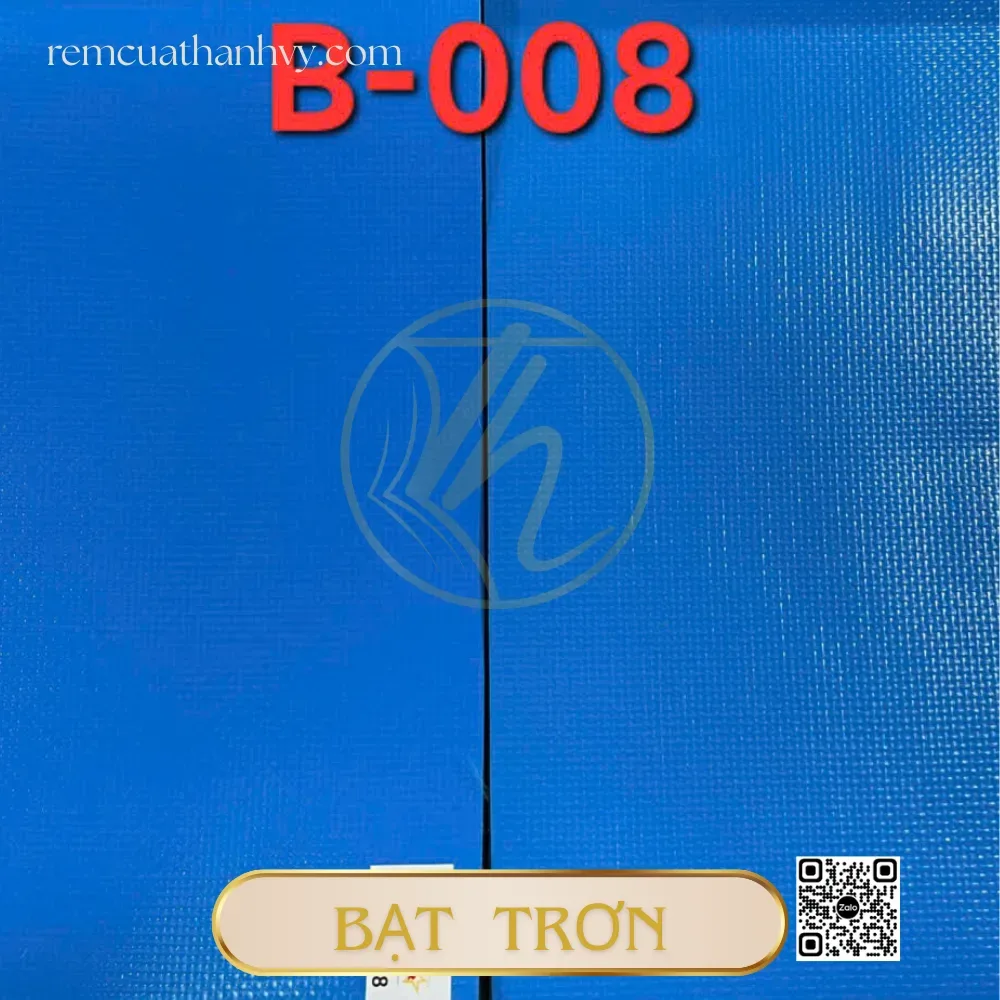
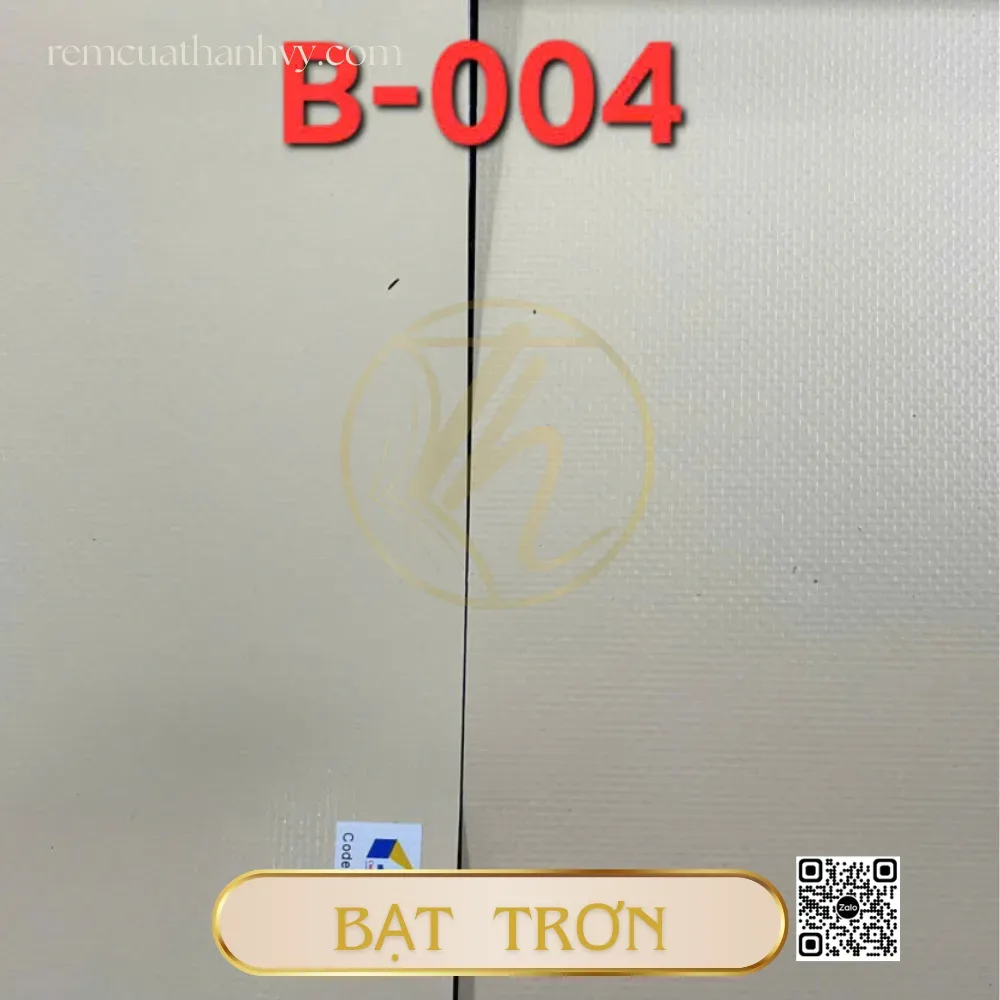
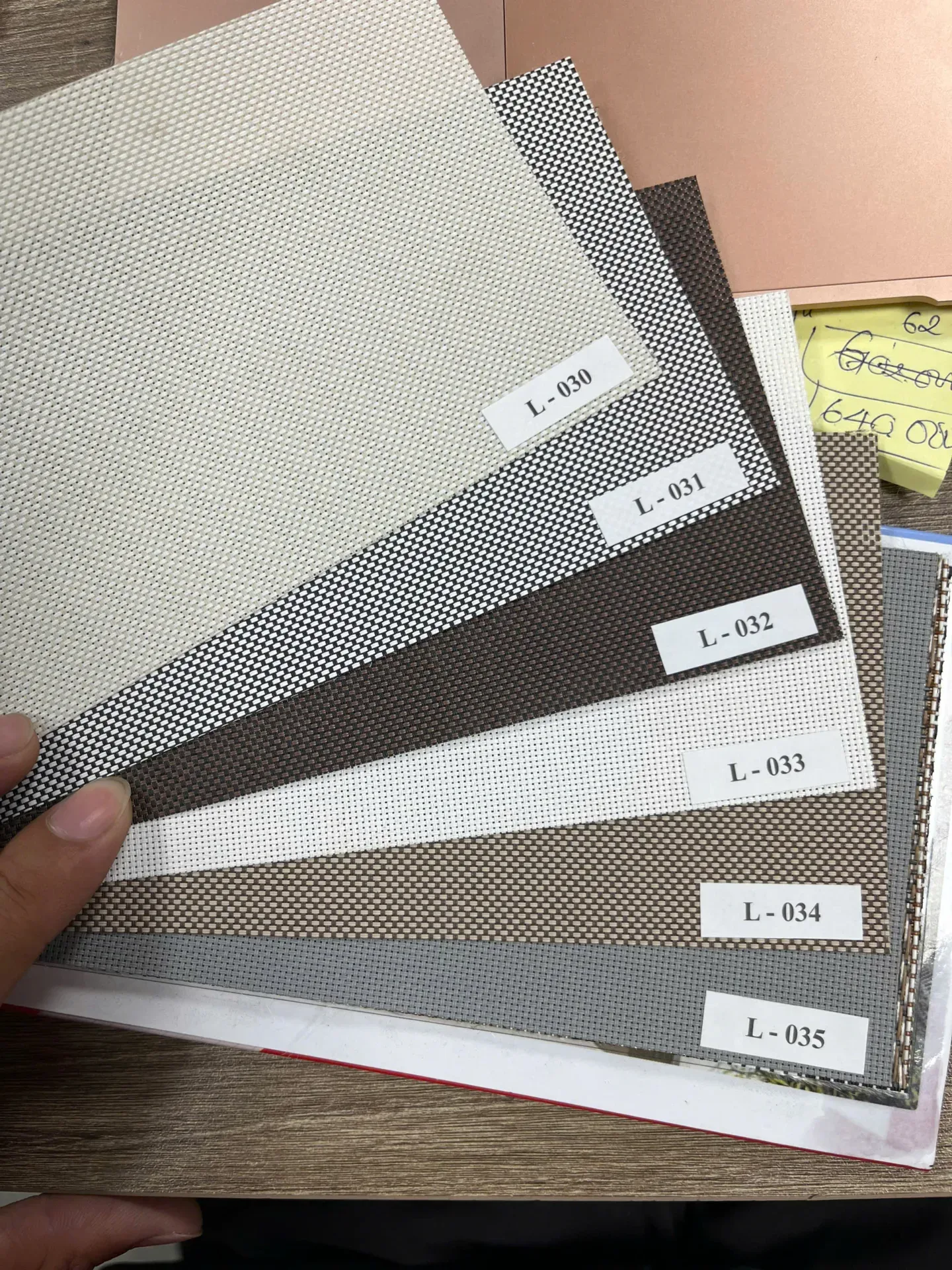
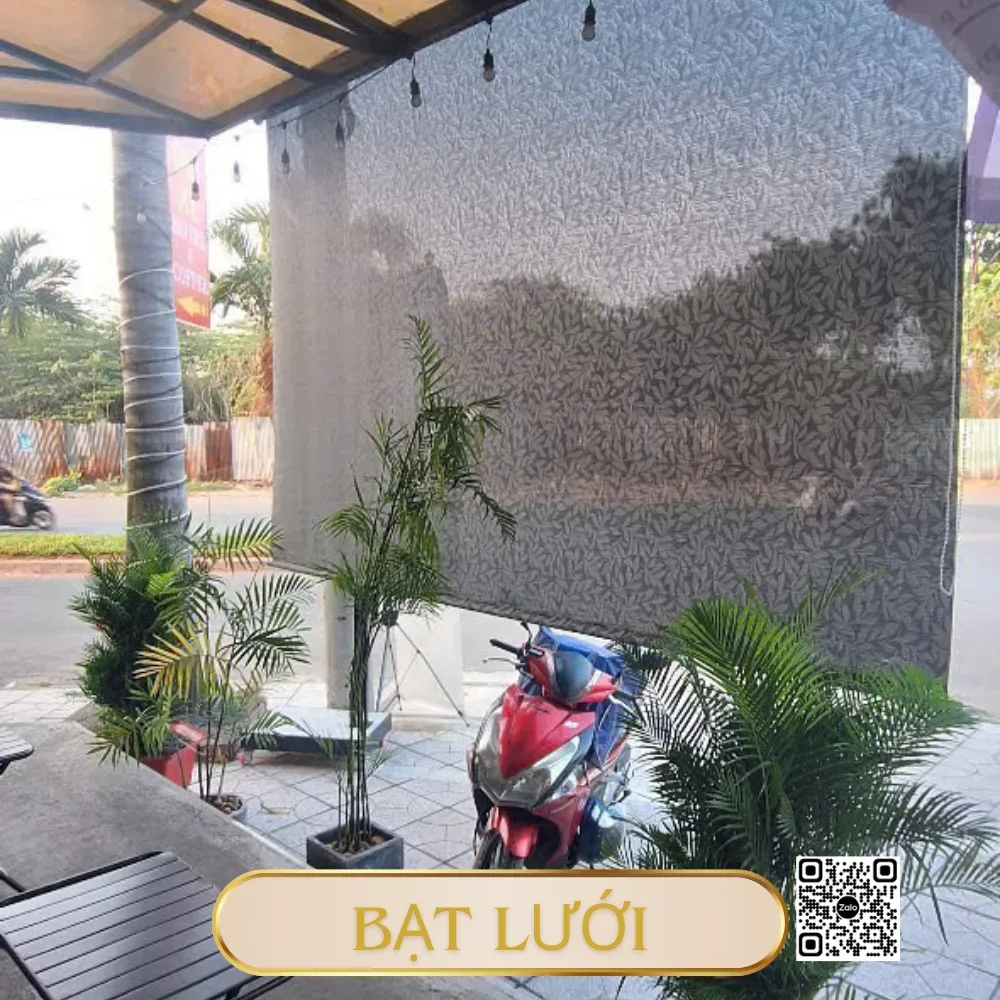
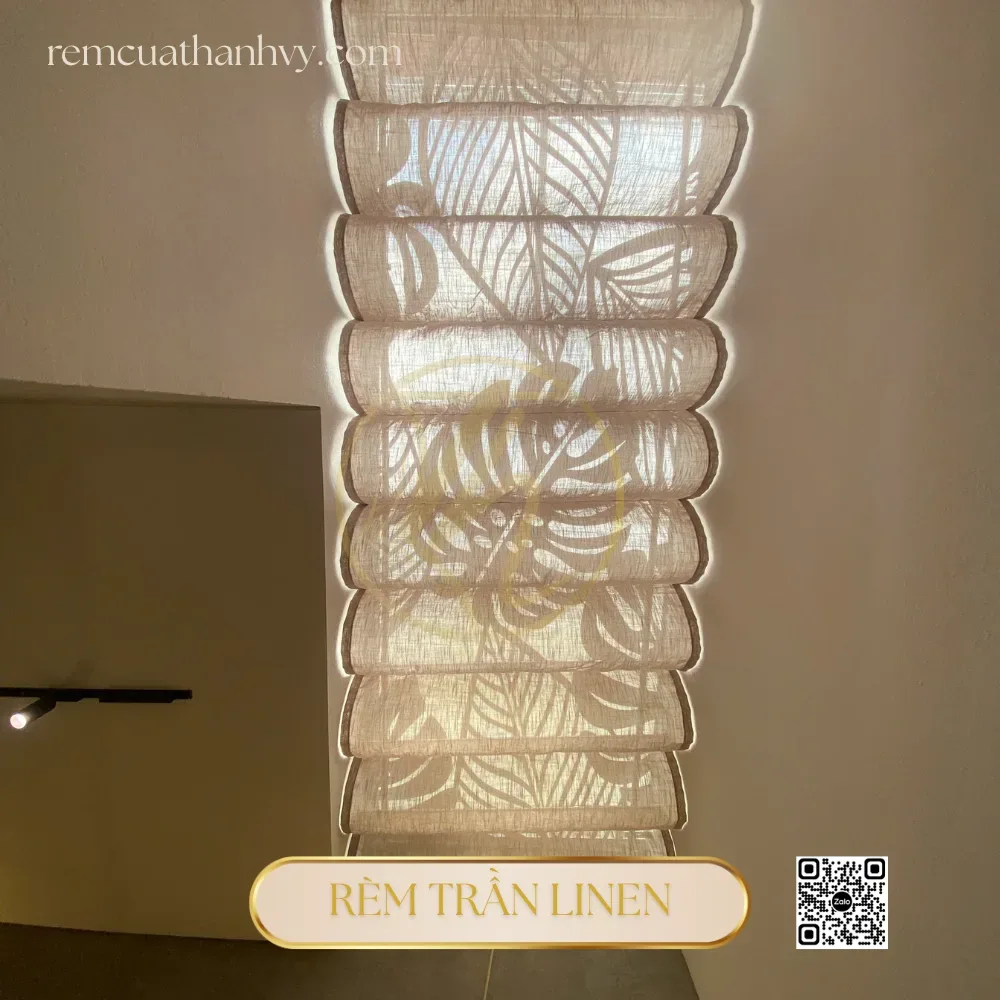
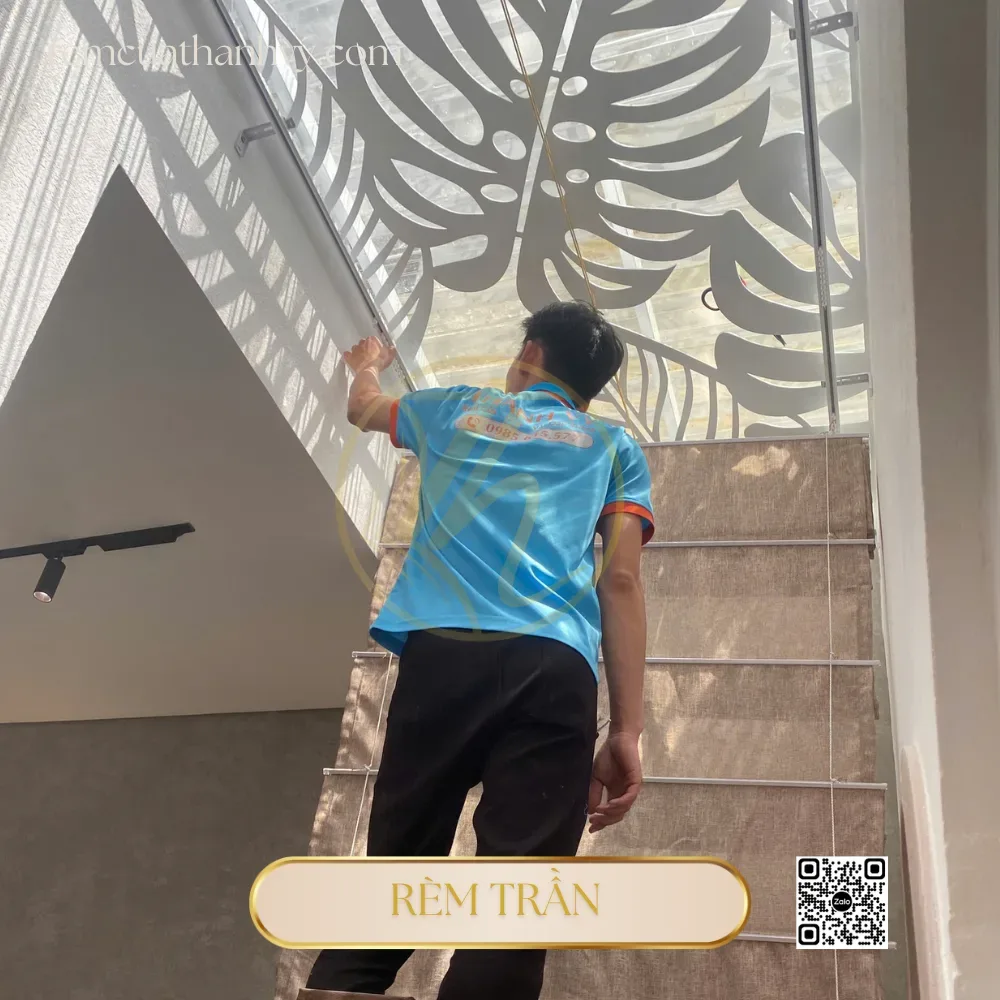
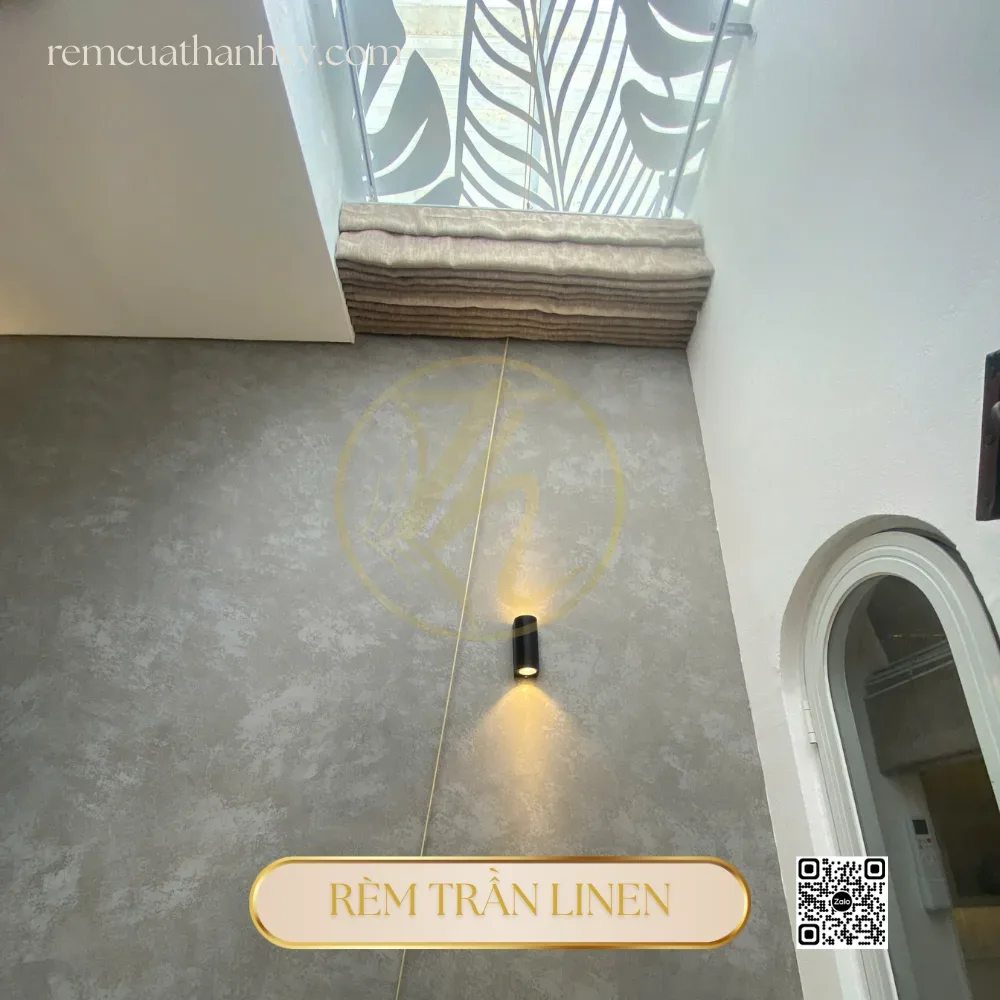
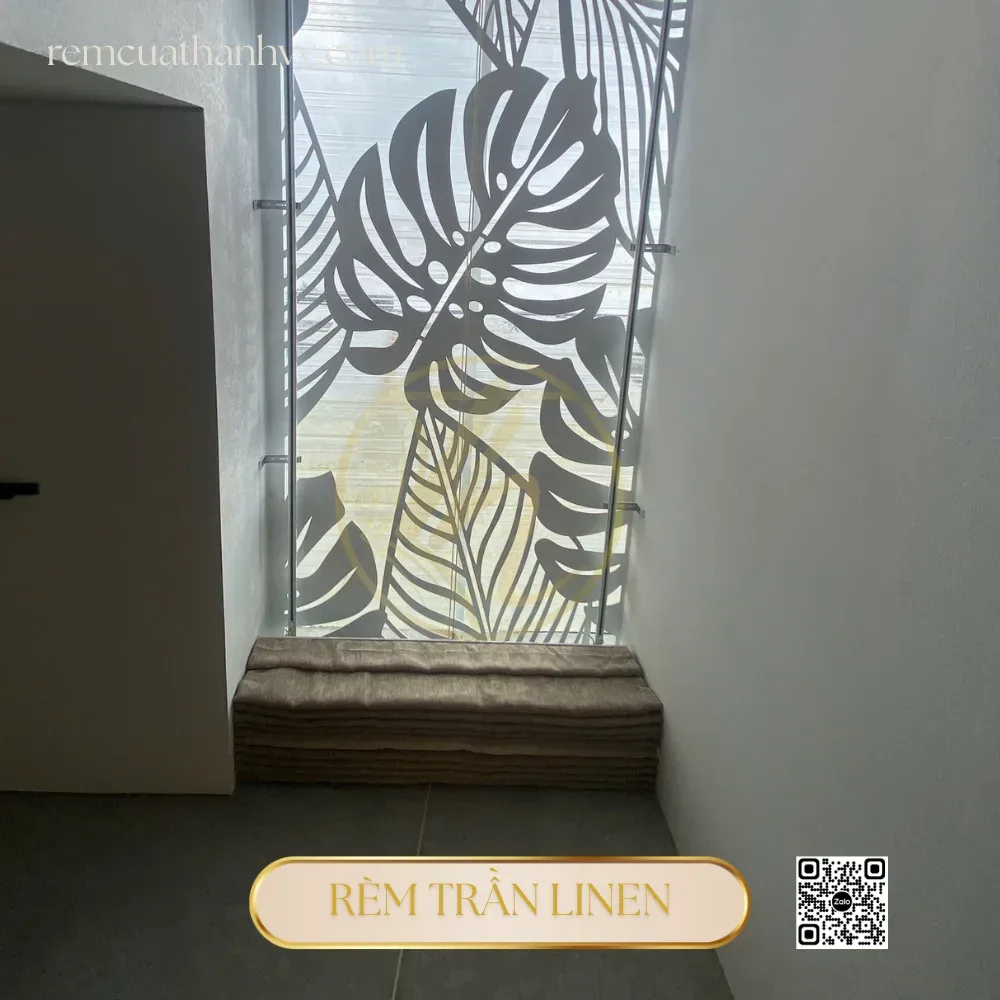
Roller blinds have a neat body, take up little space beside the window frame, and are suitable for small windows and areas requiring quick operation.

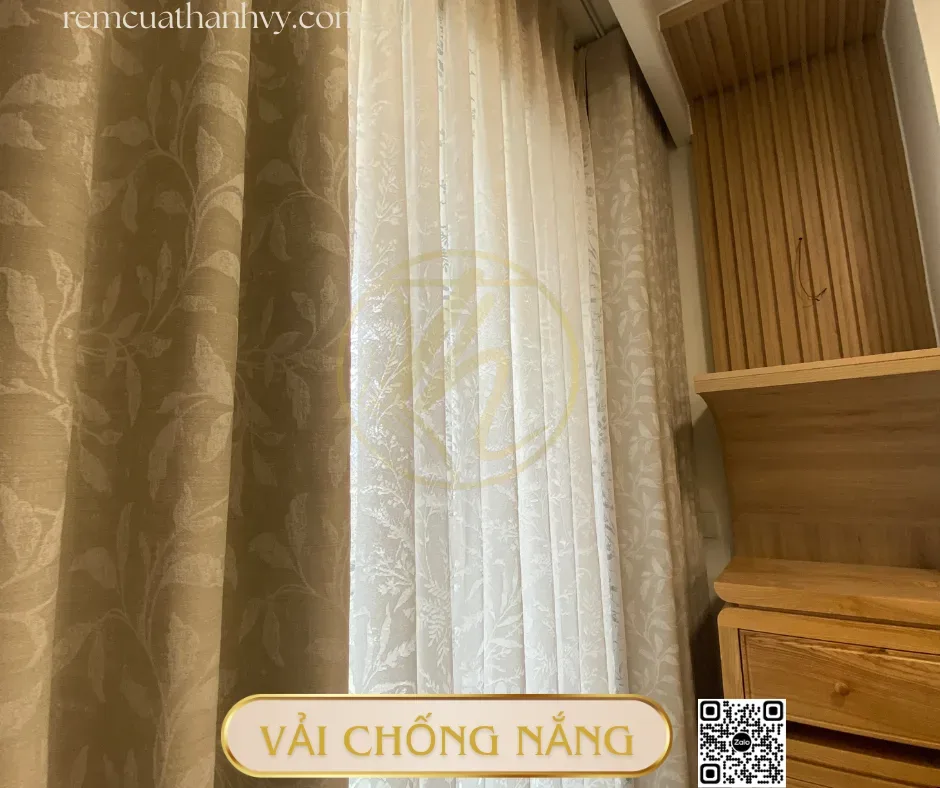
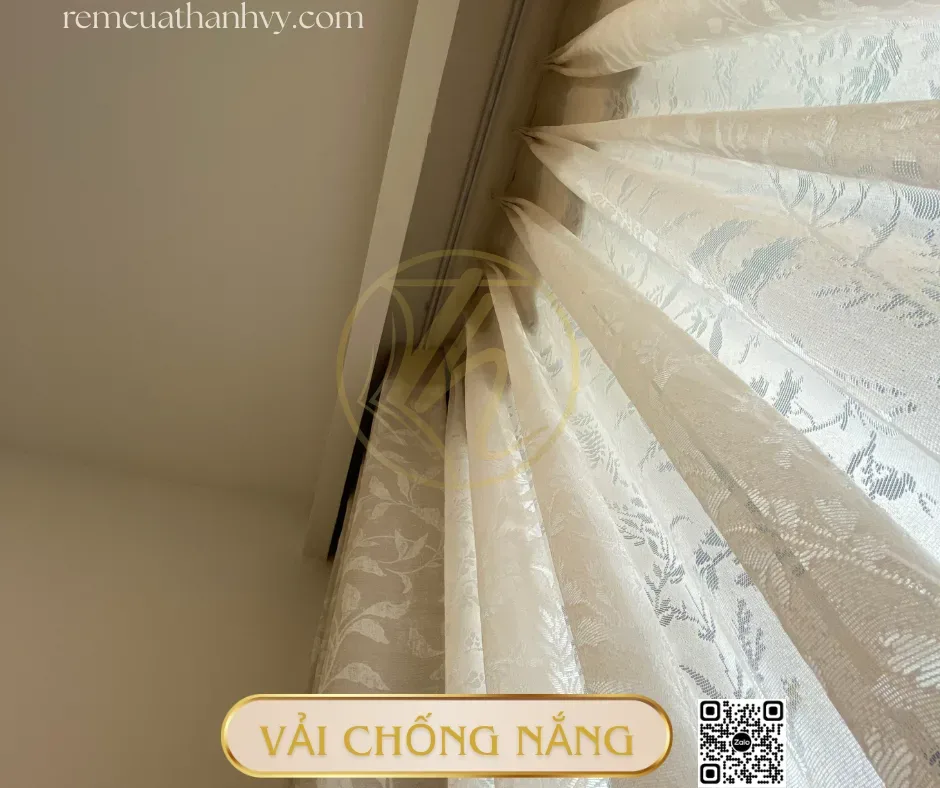
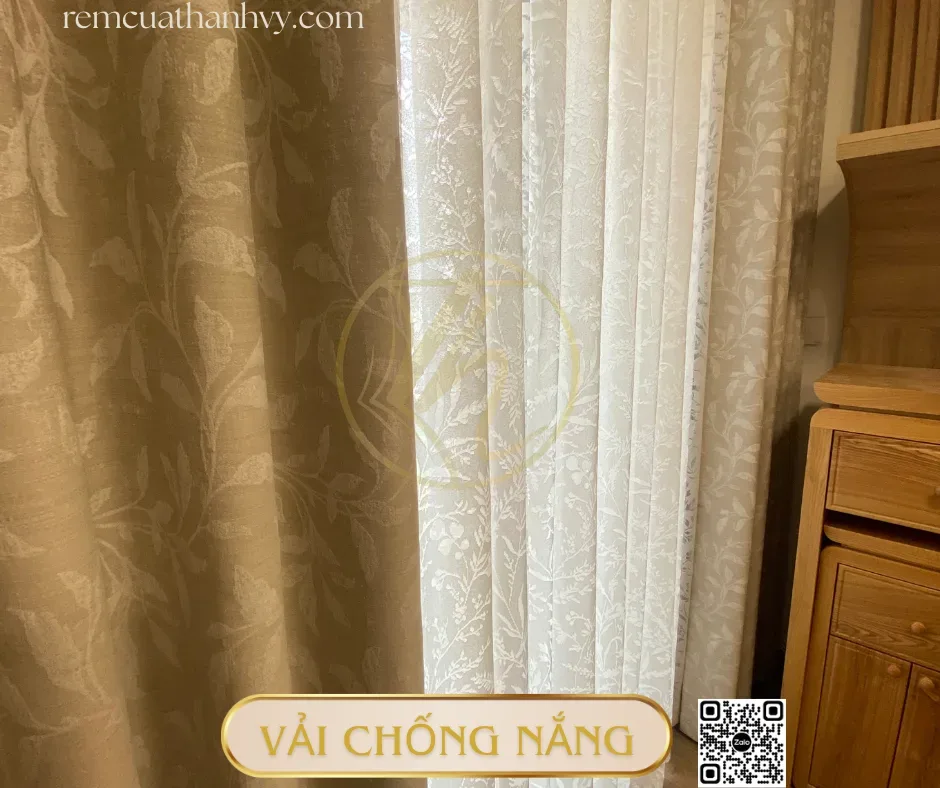
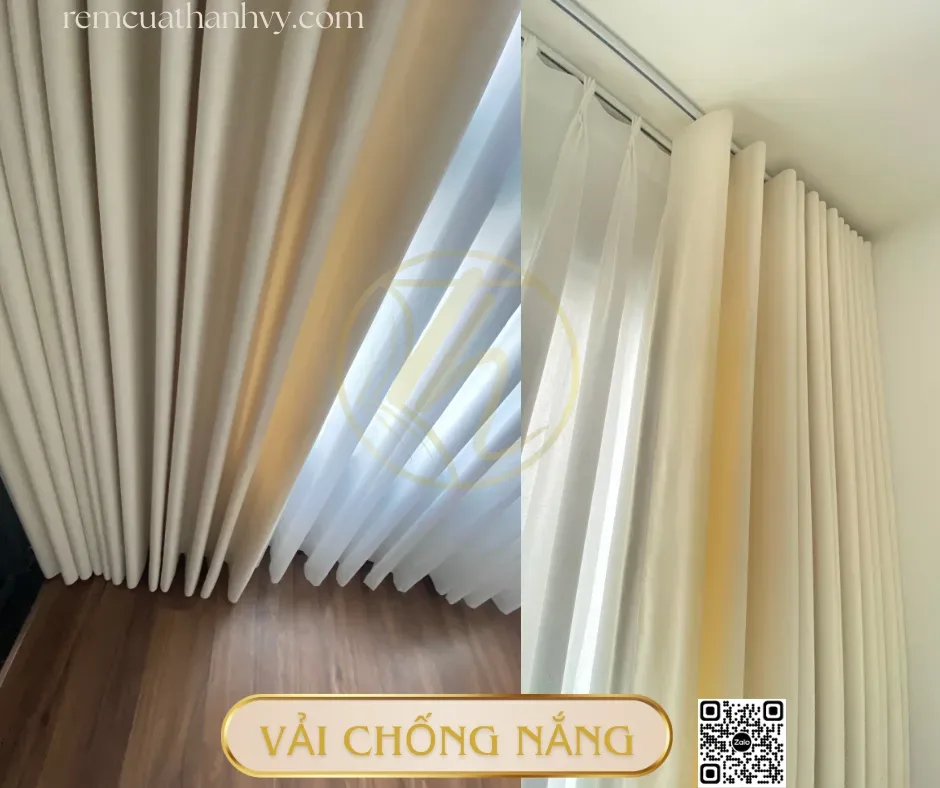
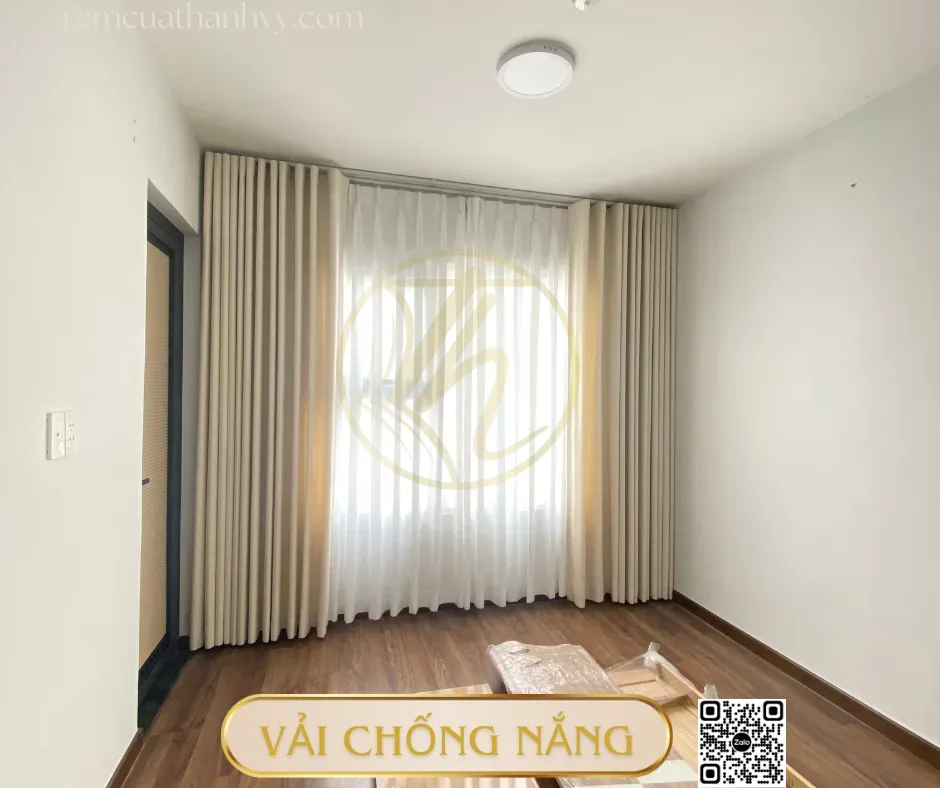
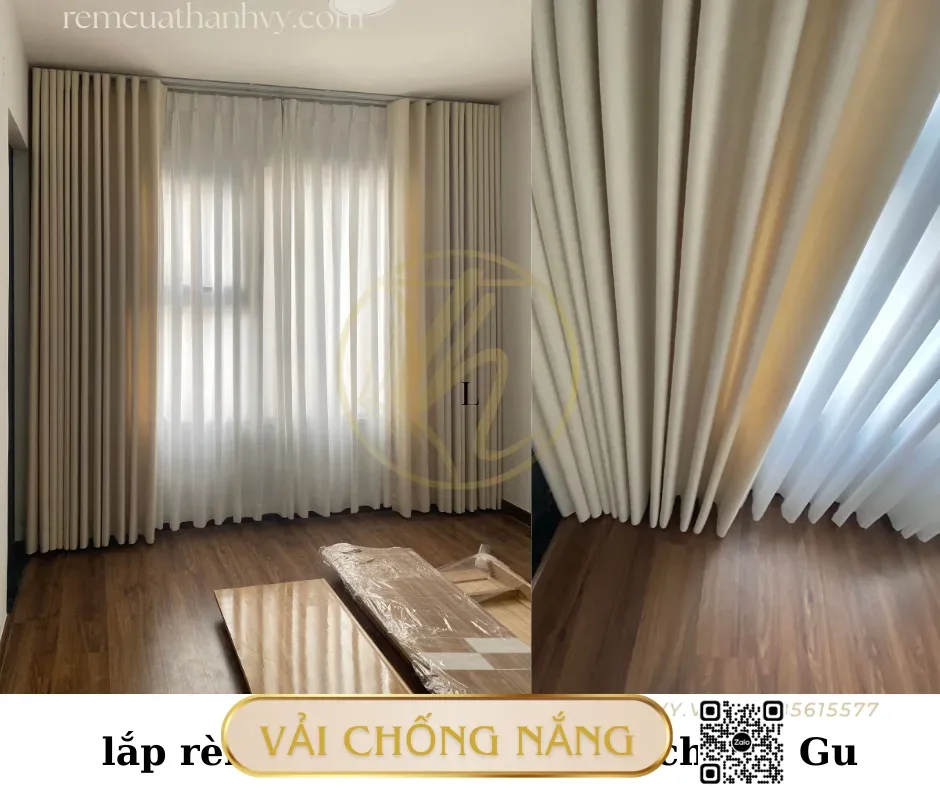
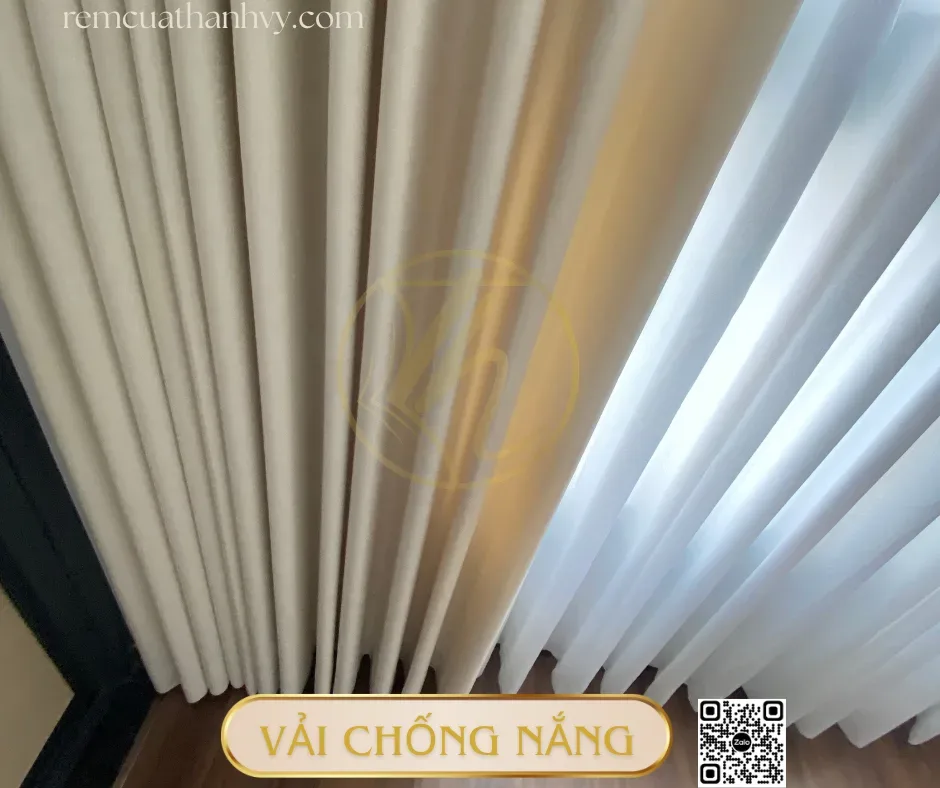
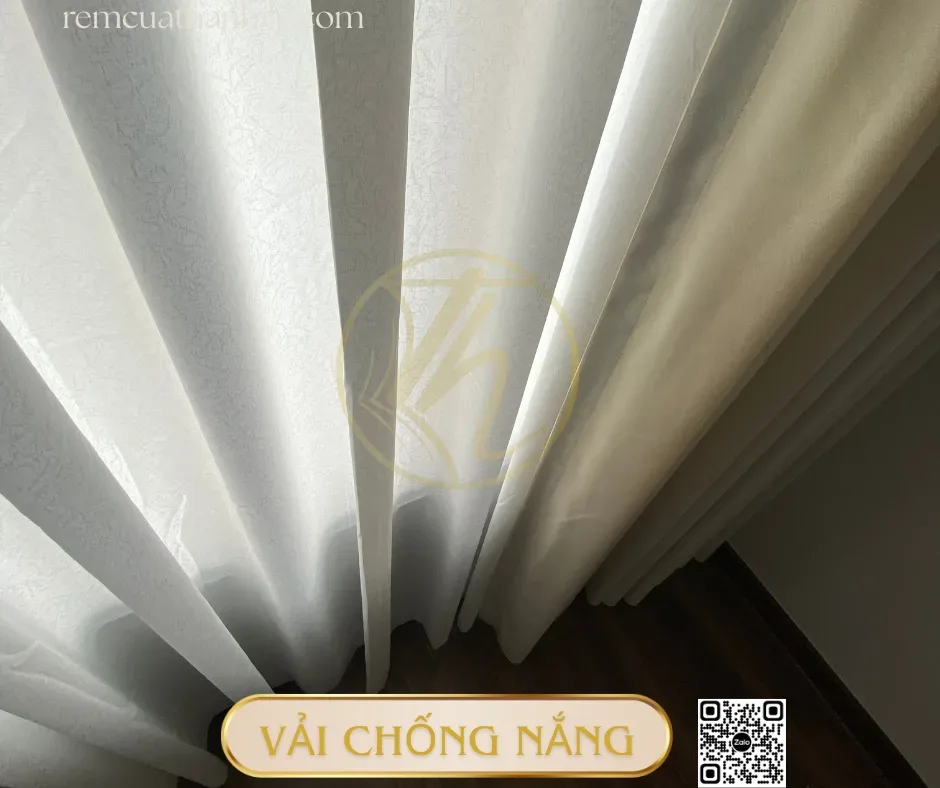
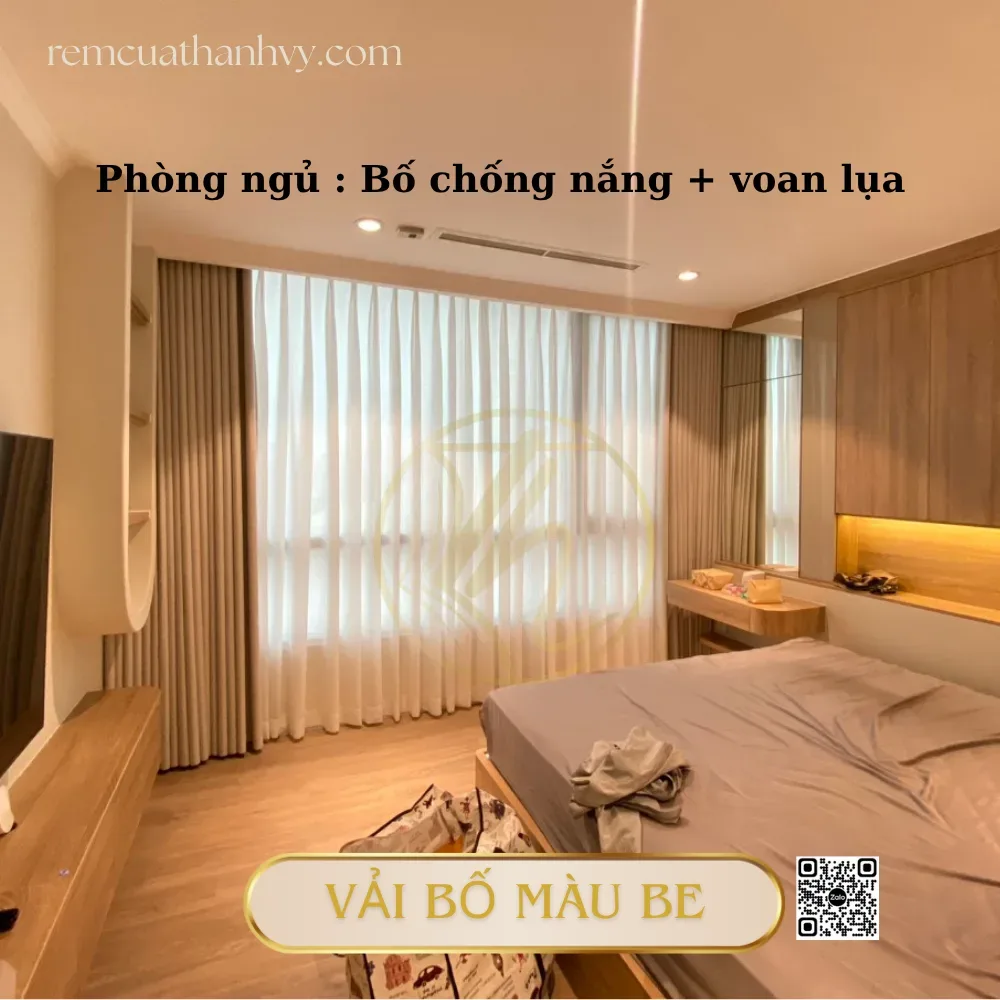
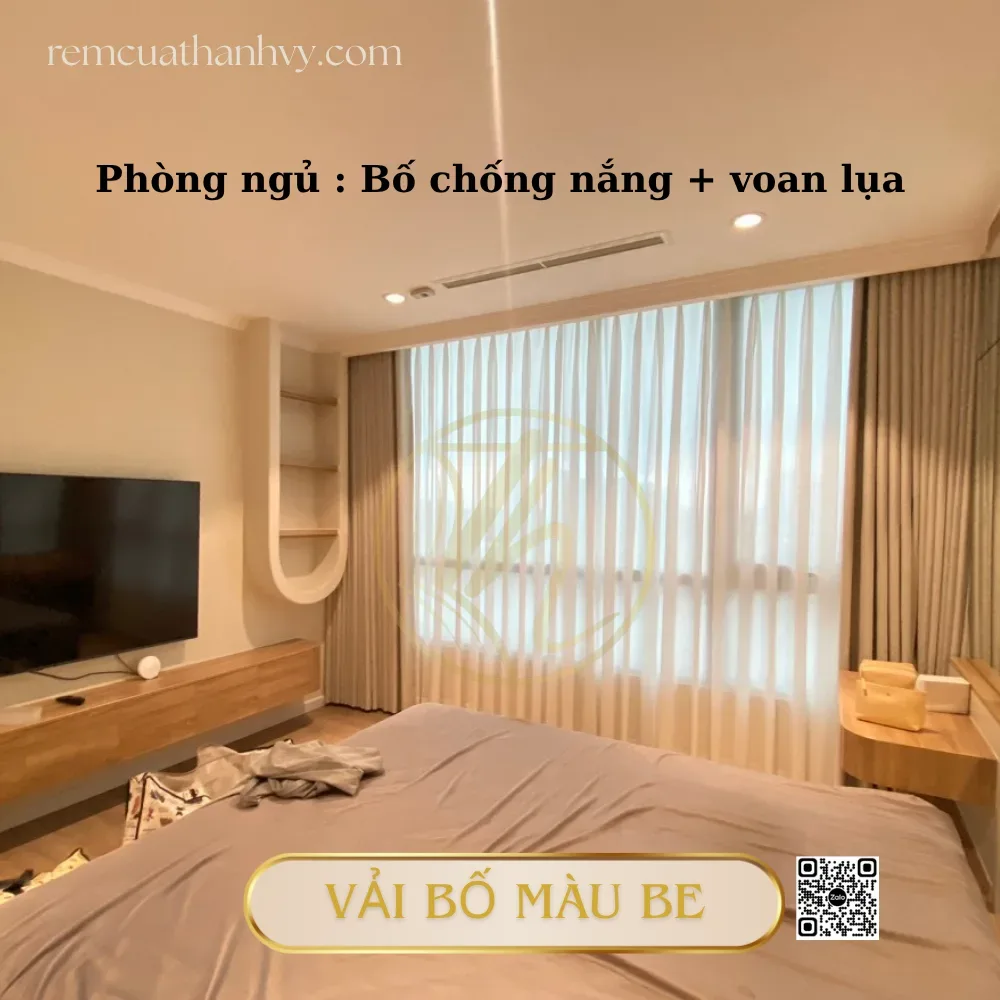
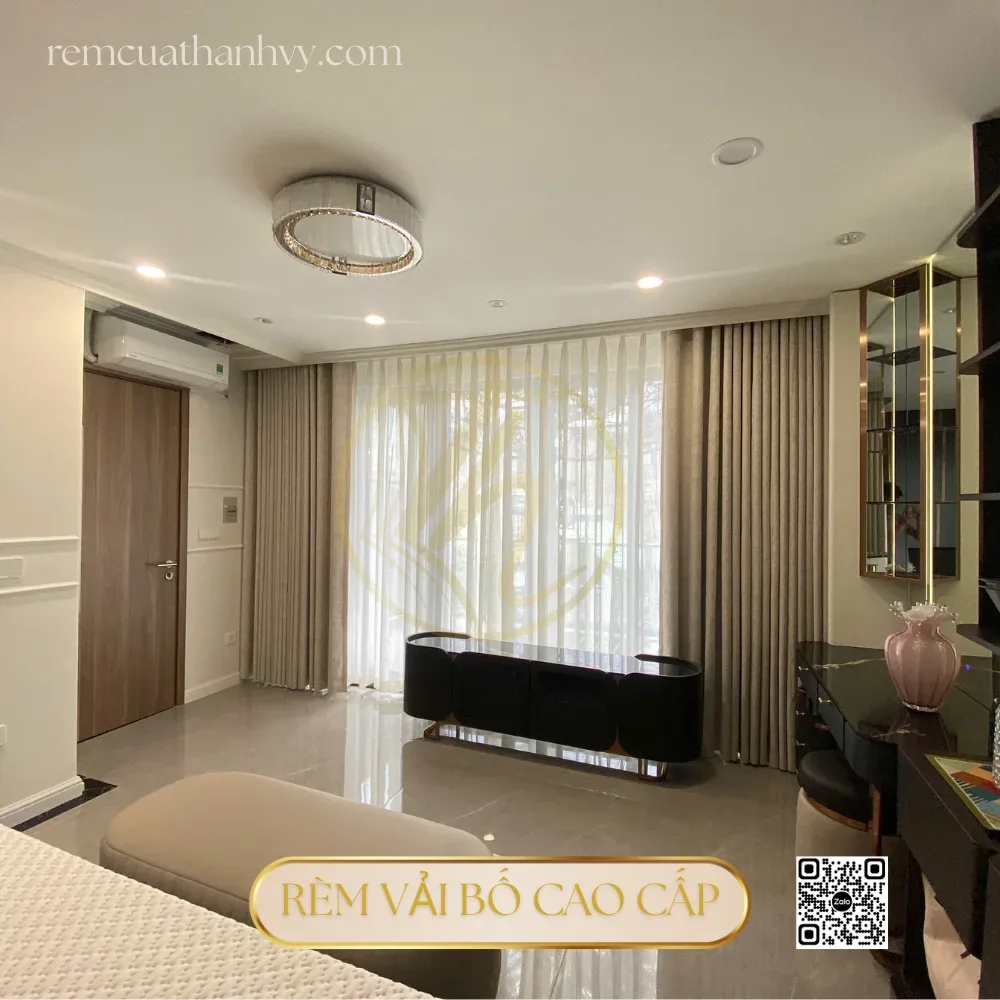
High-end blackout fabric curtains
Thick multi-layered fabrics help reduce strong light and limit outside visibility.
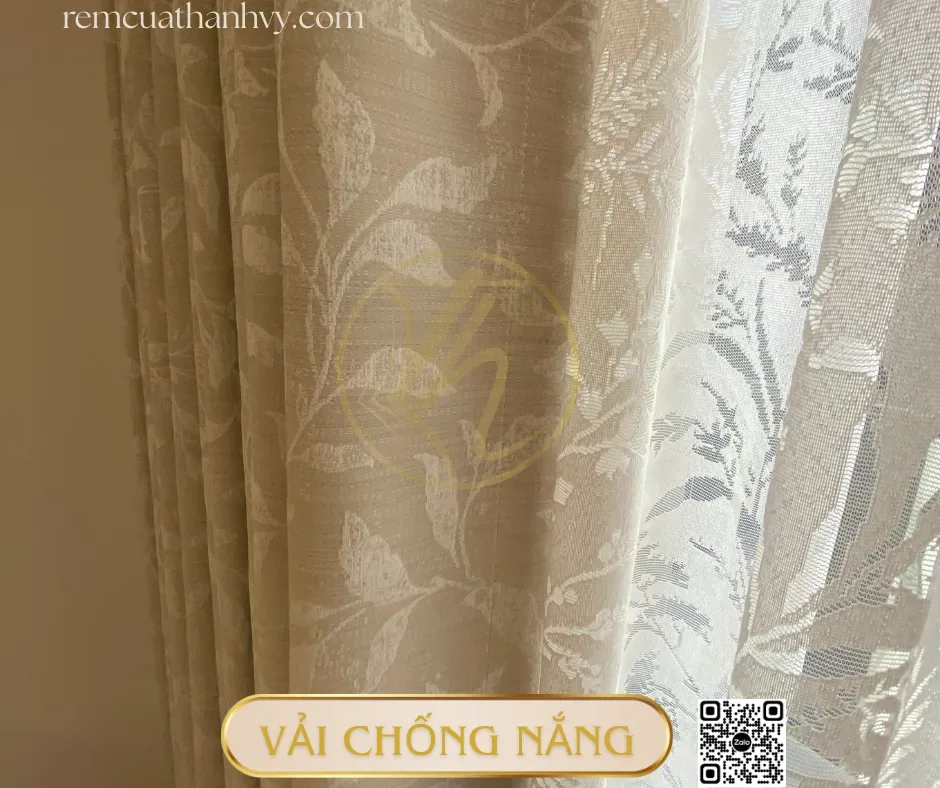
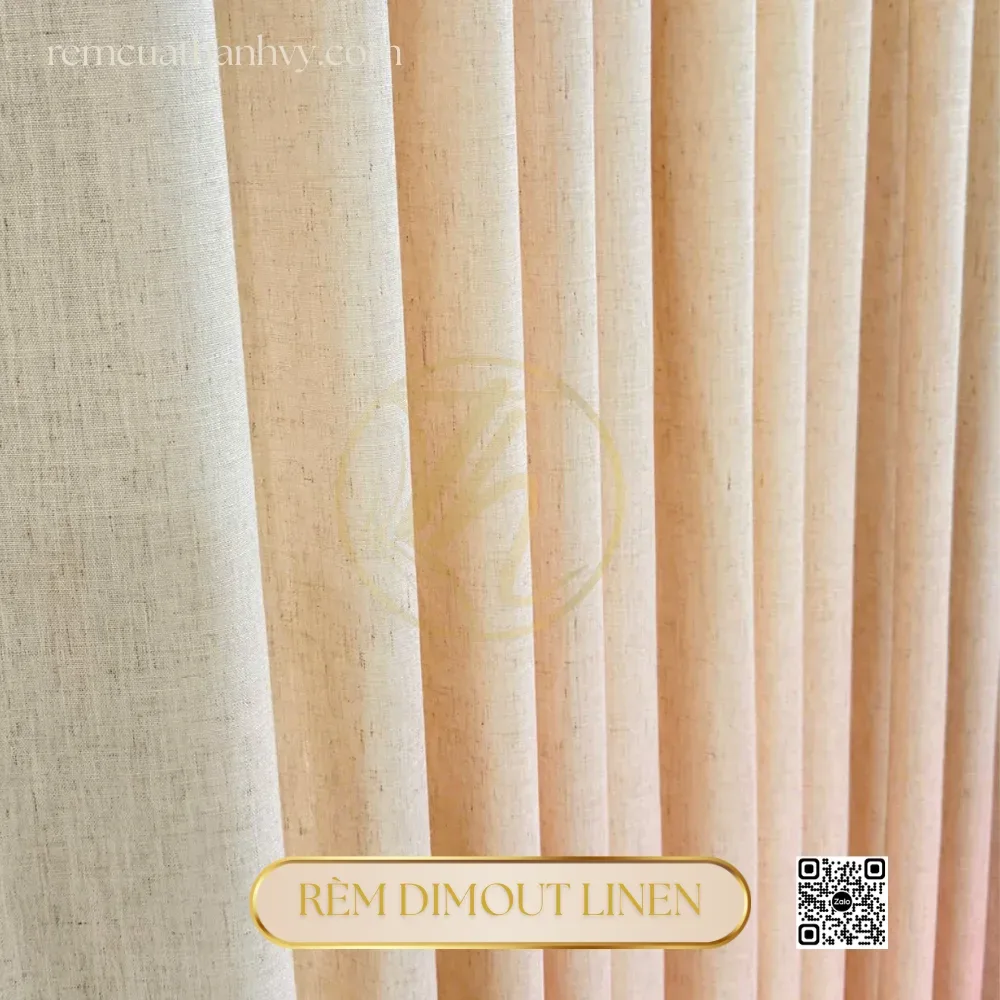
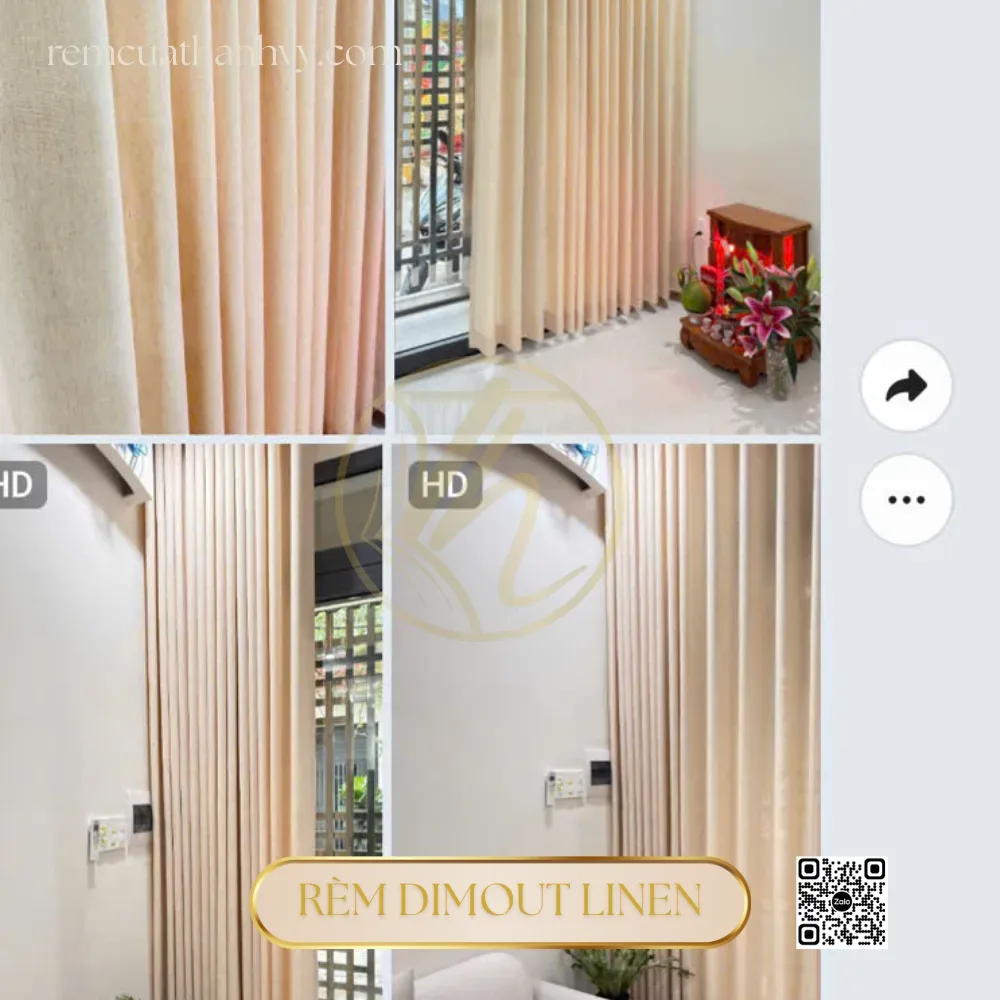
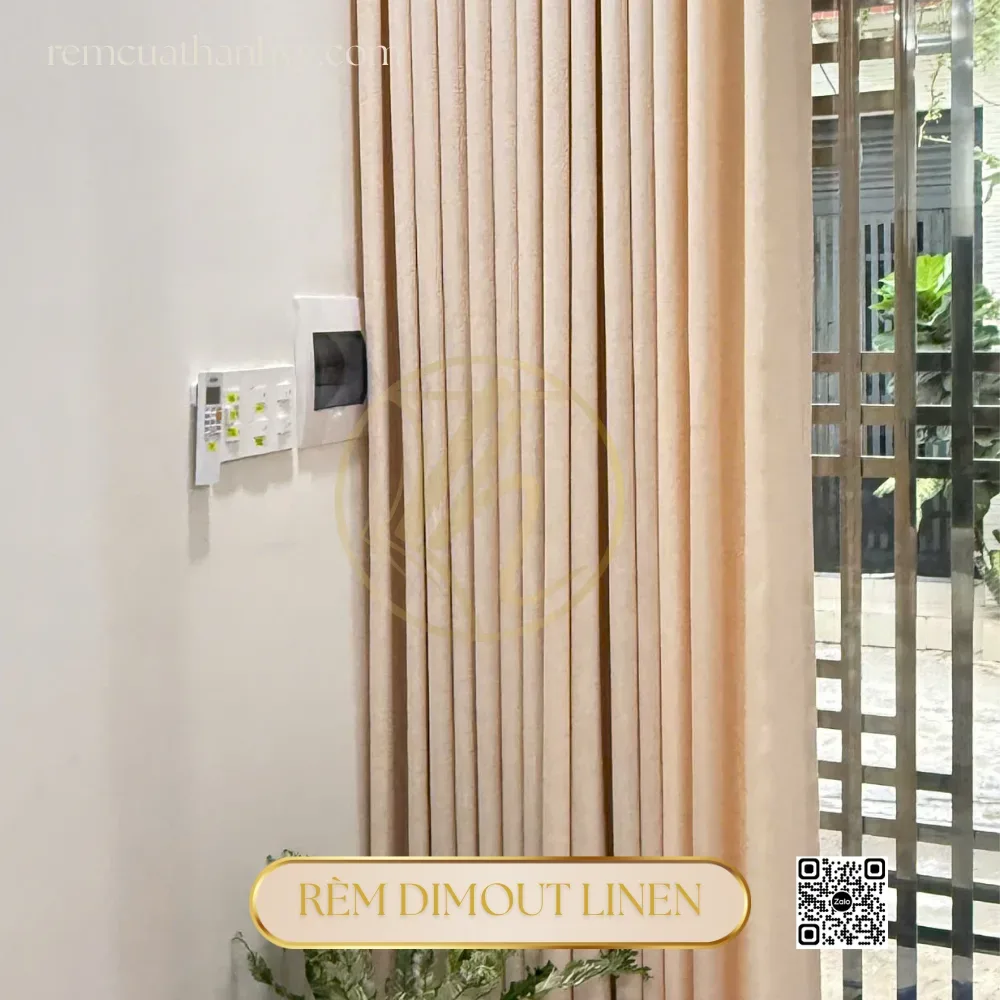
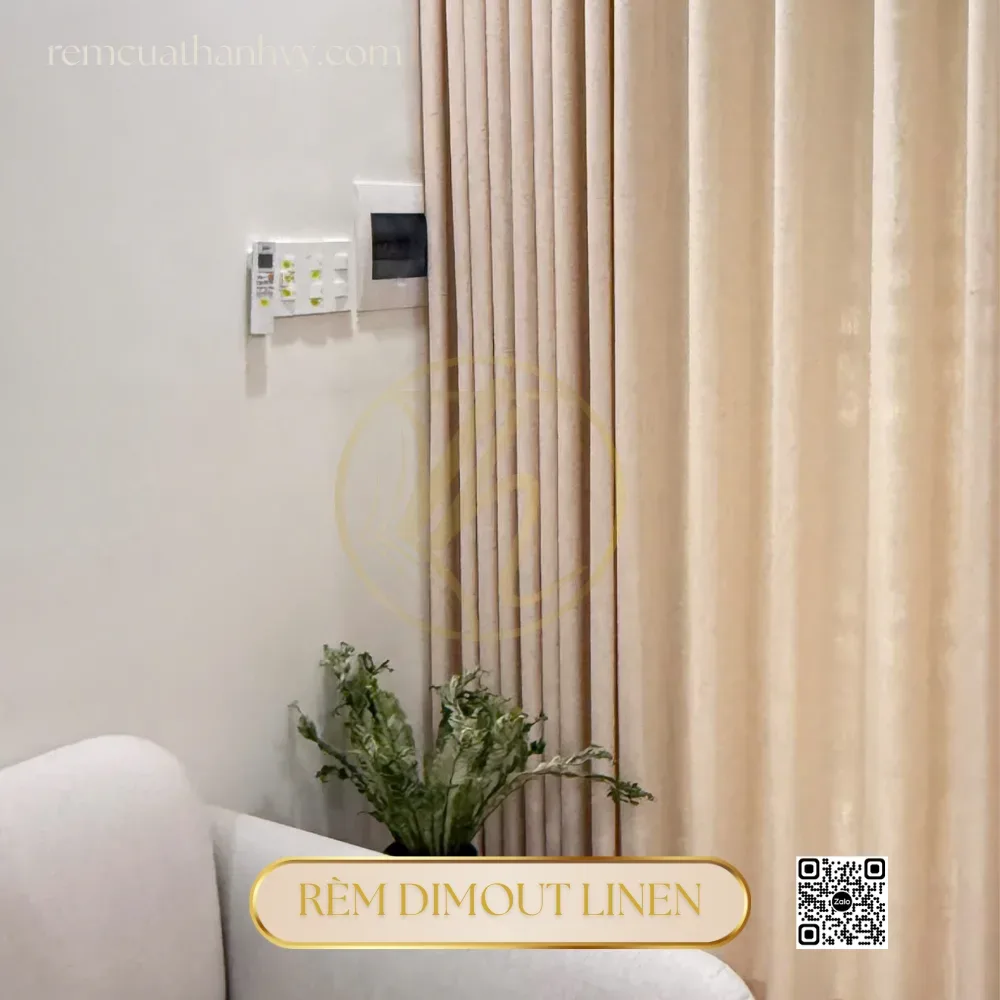
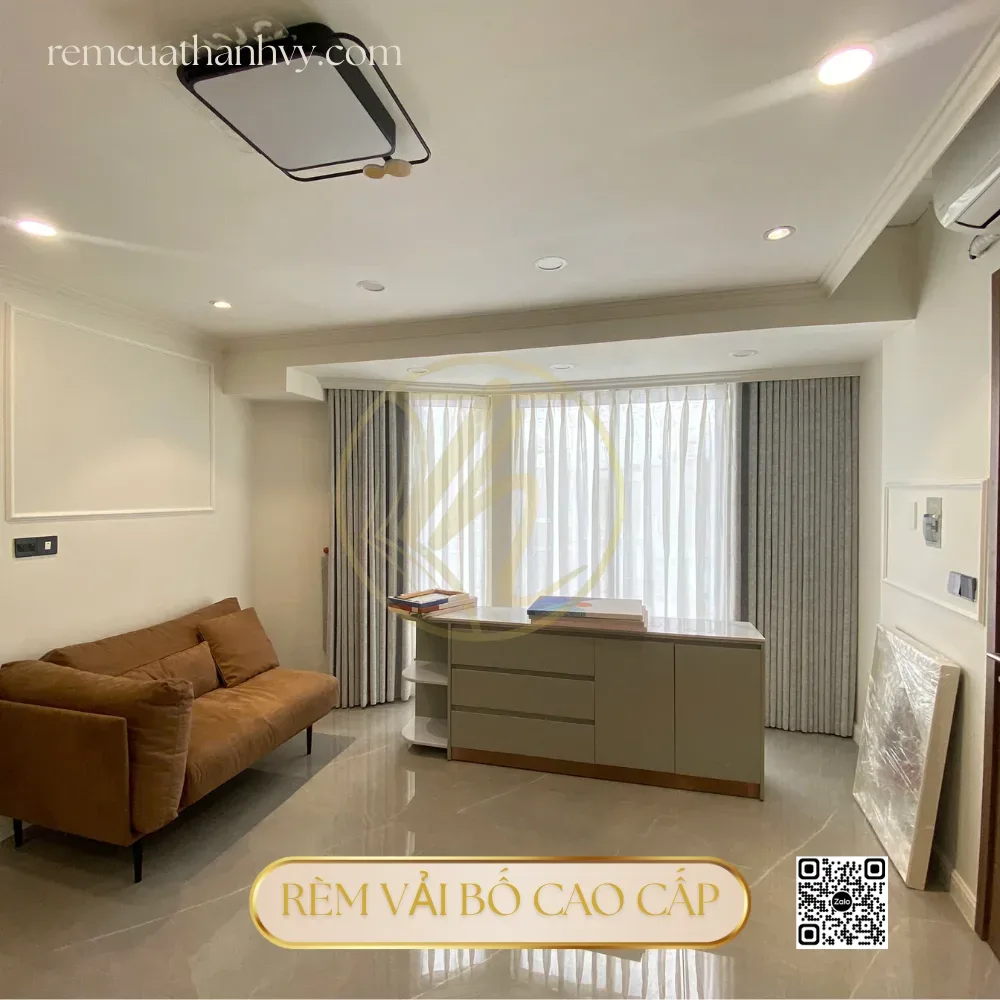
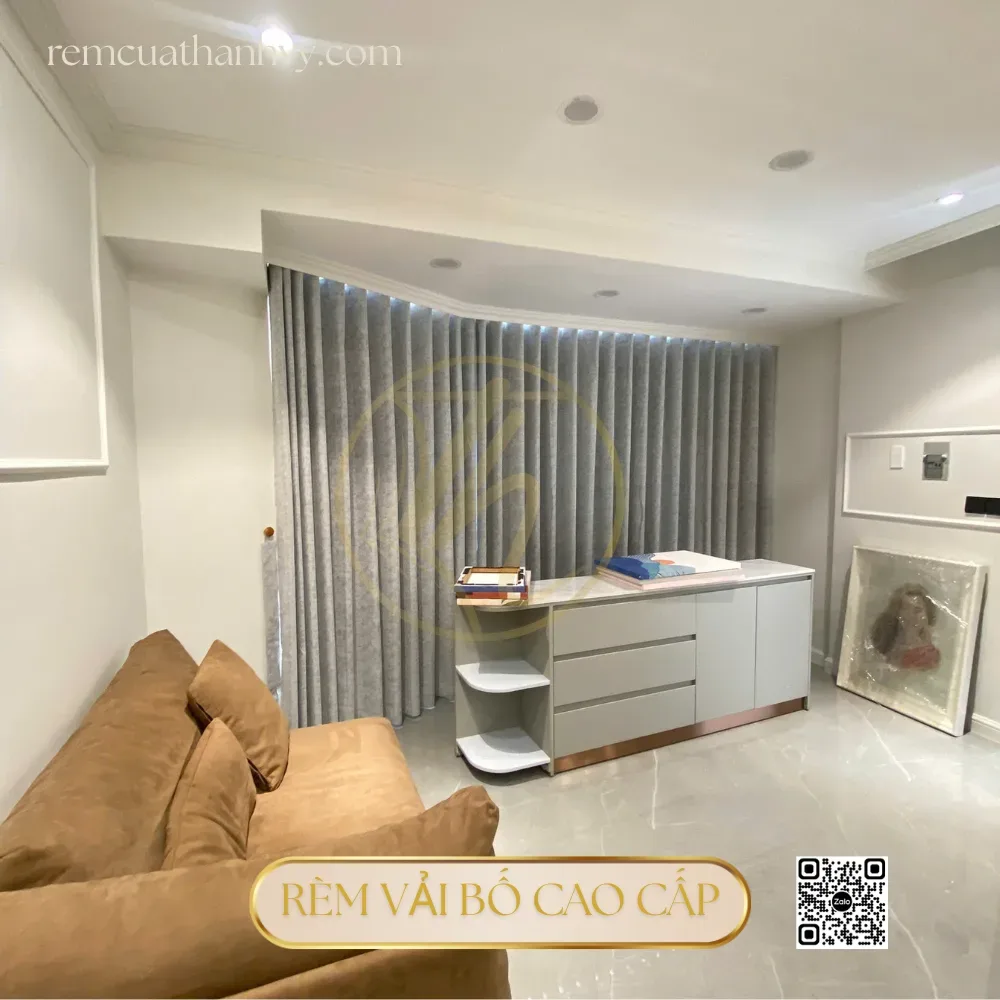
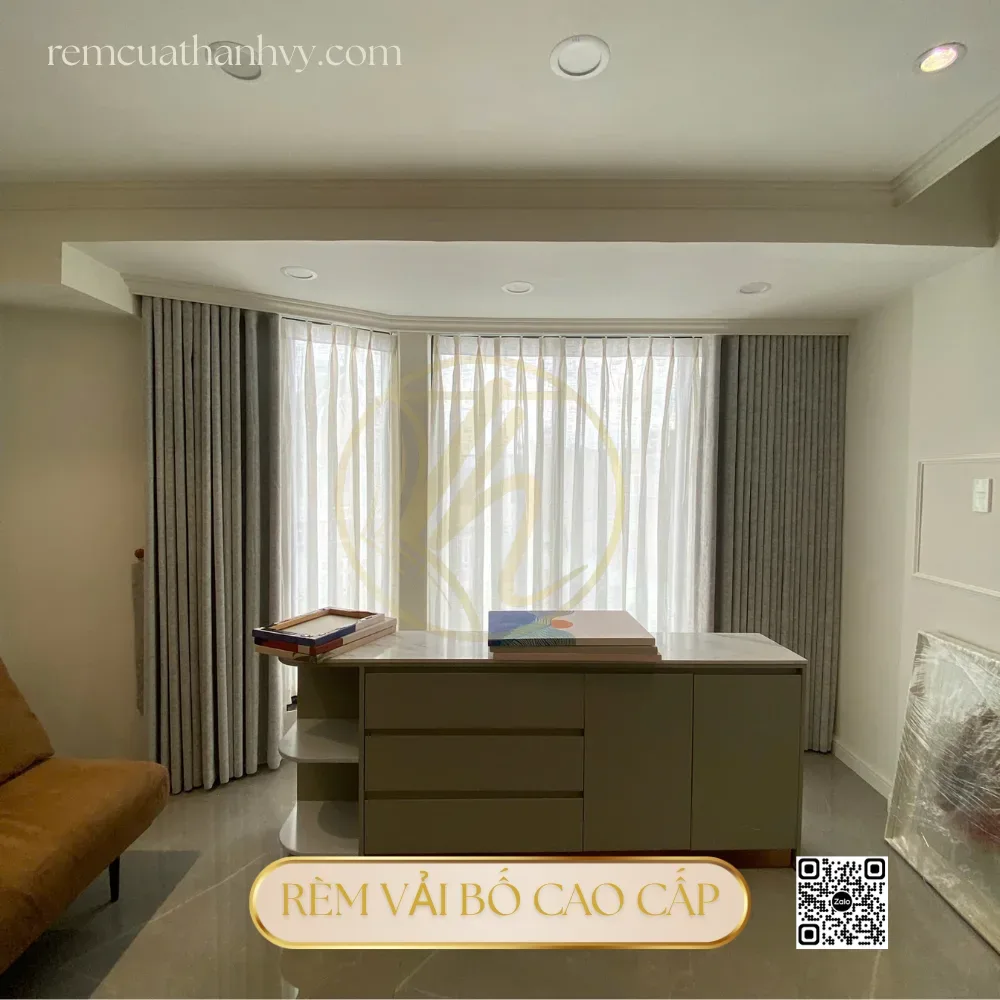
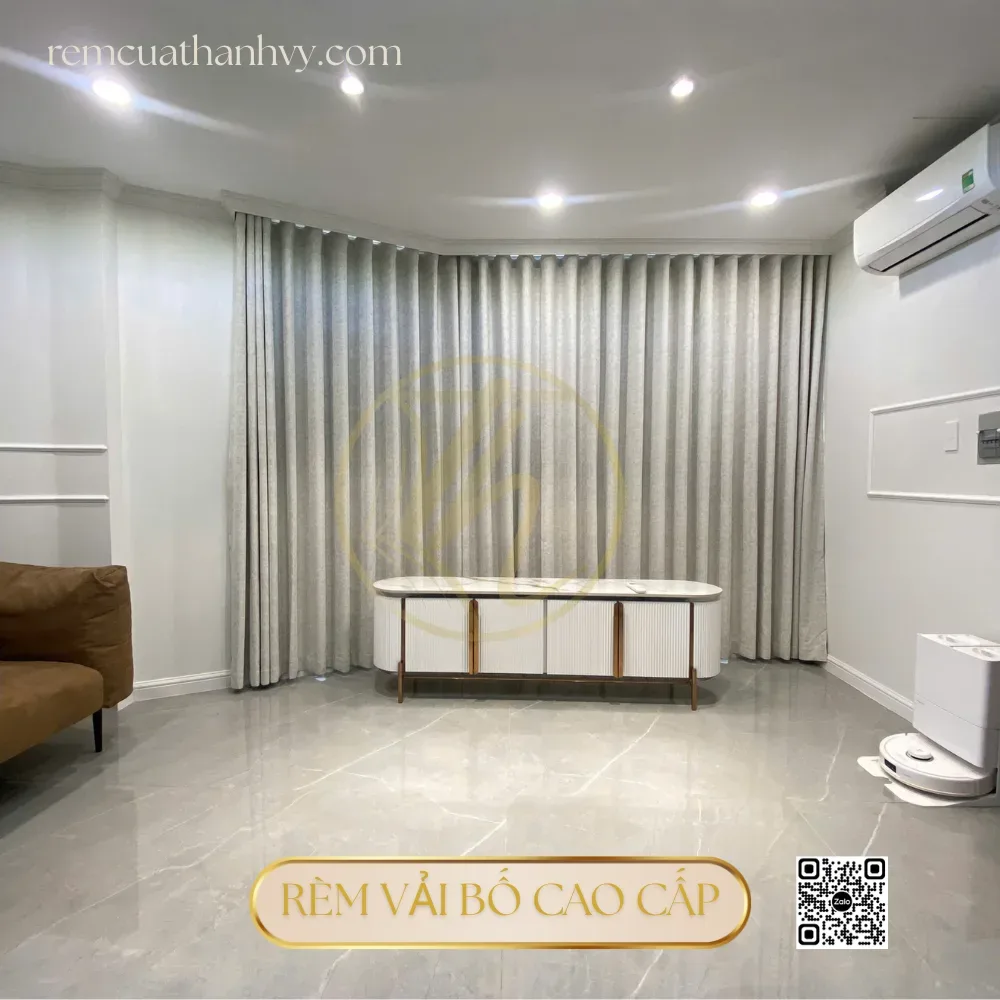
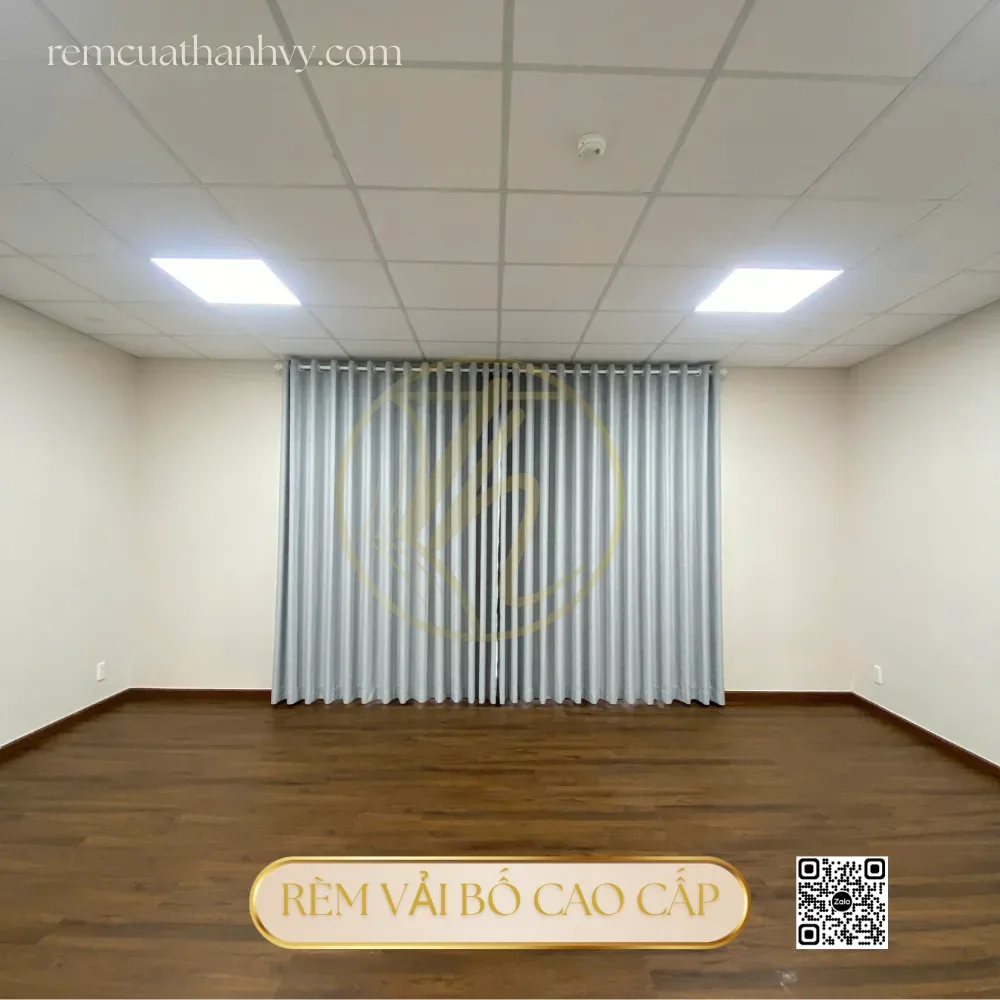
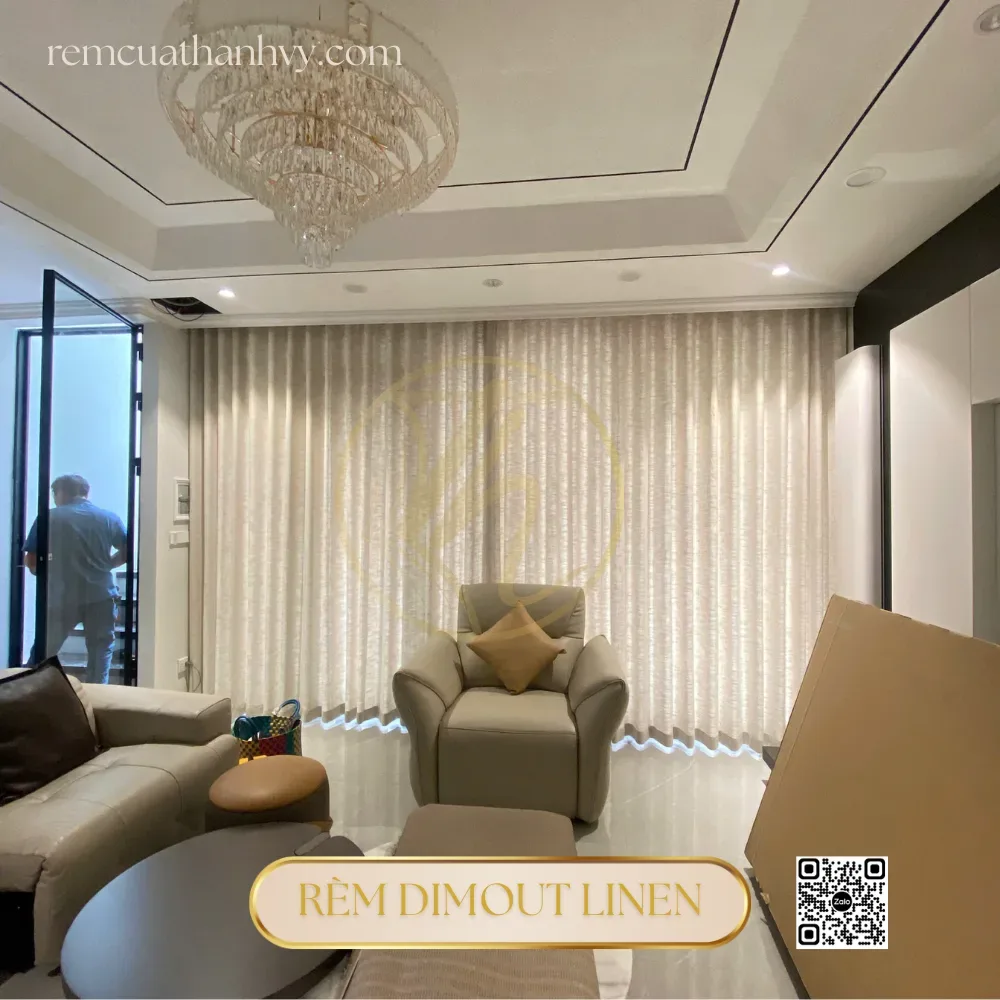
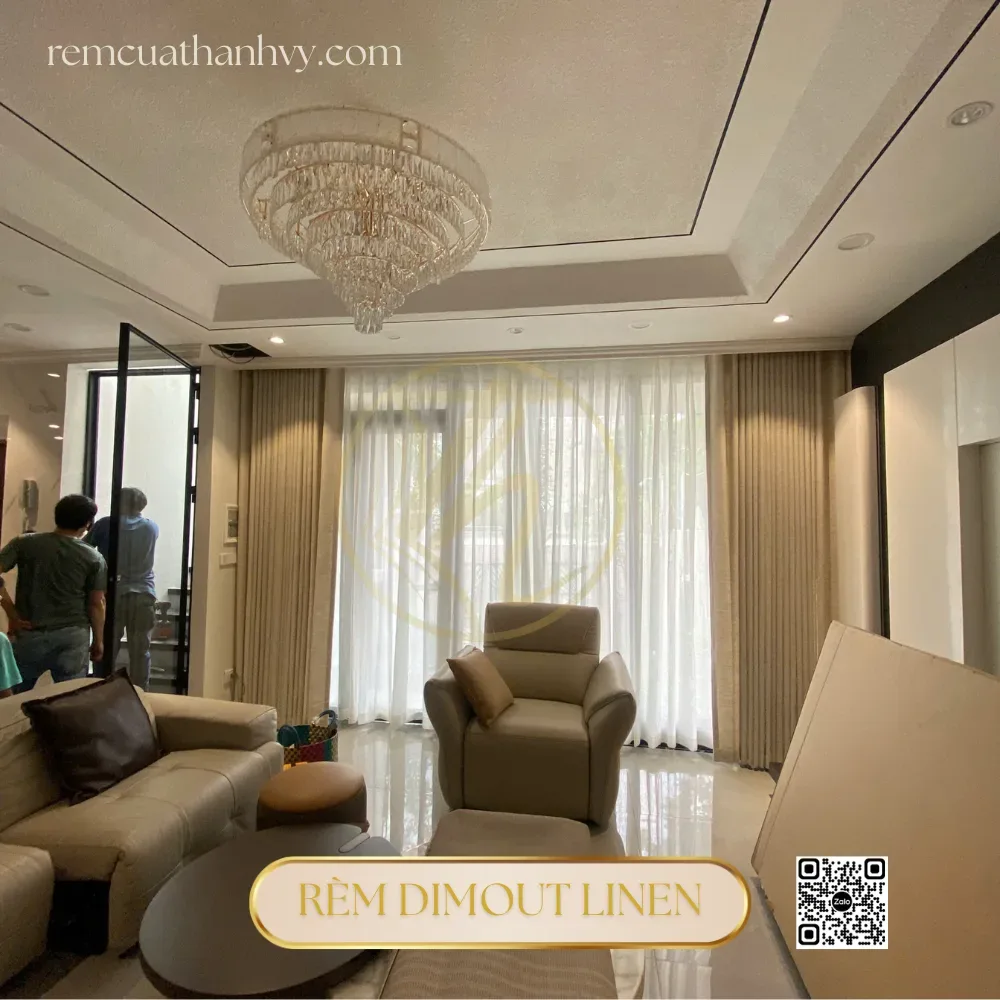
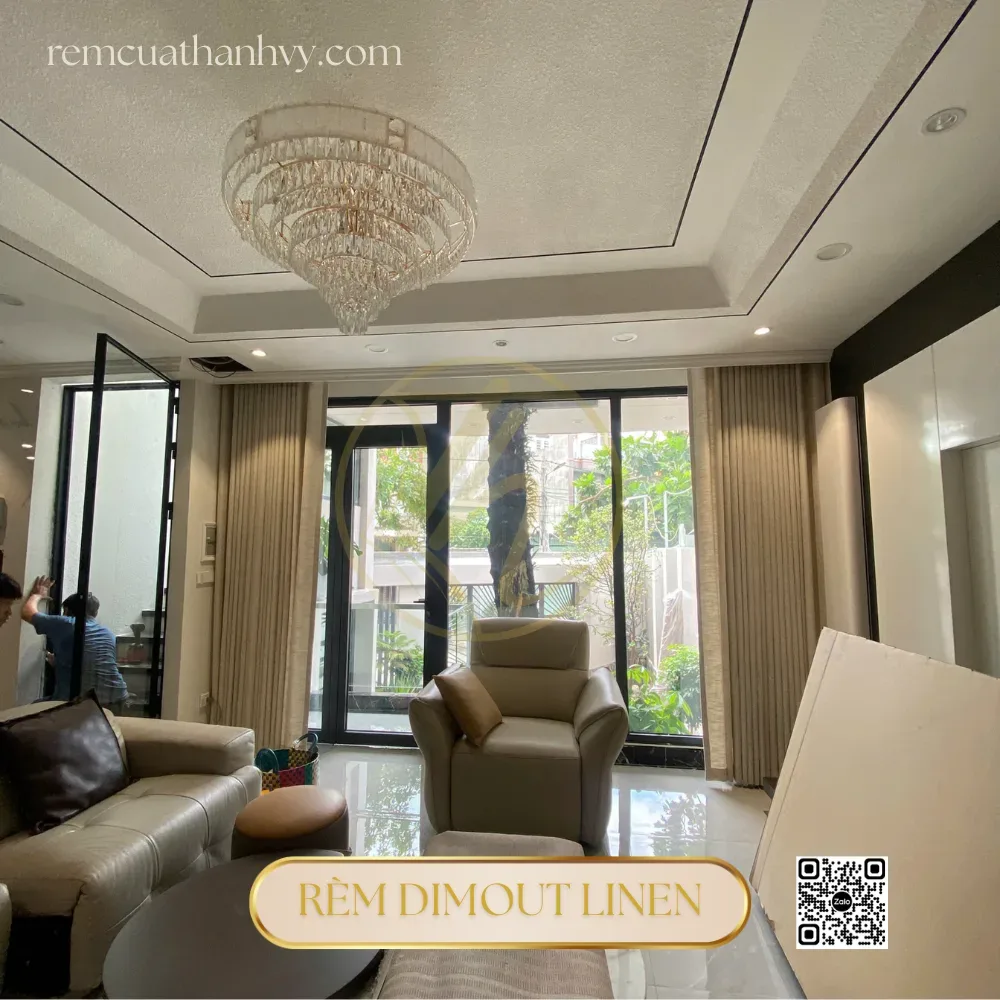
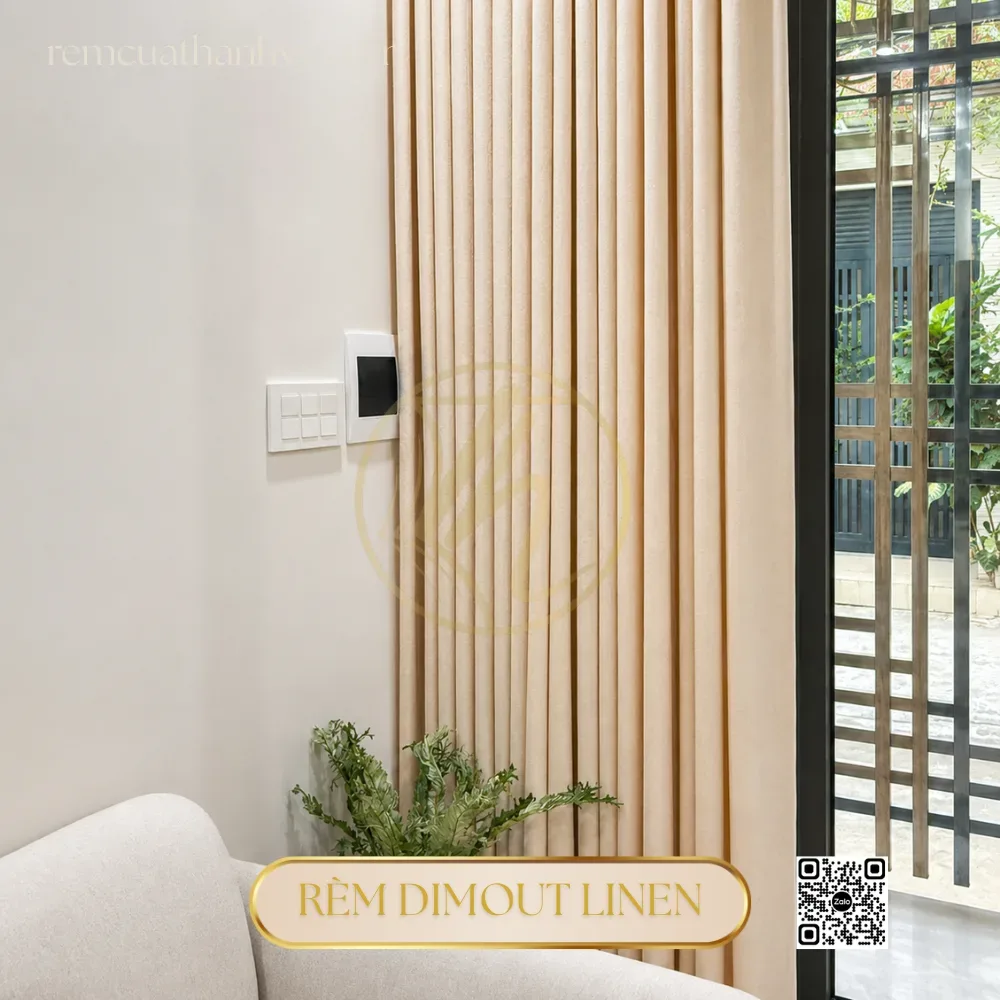
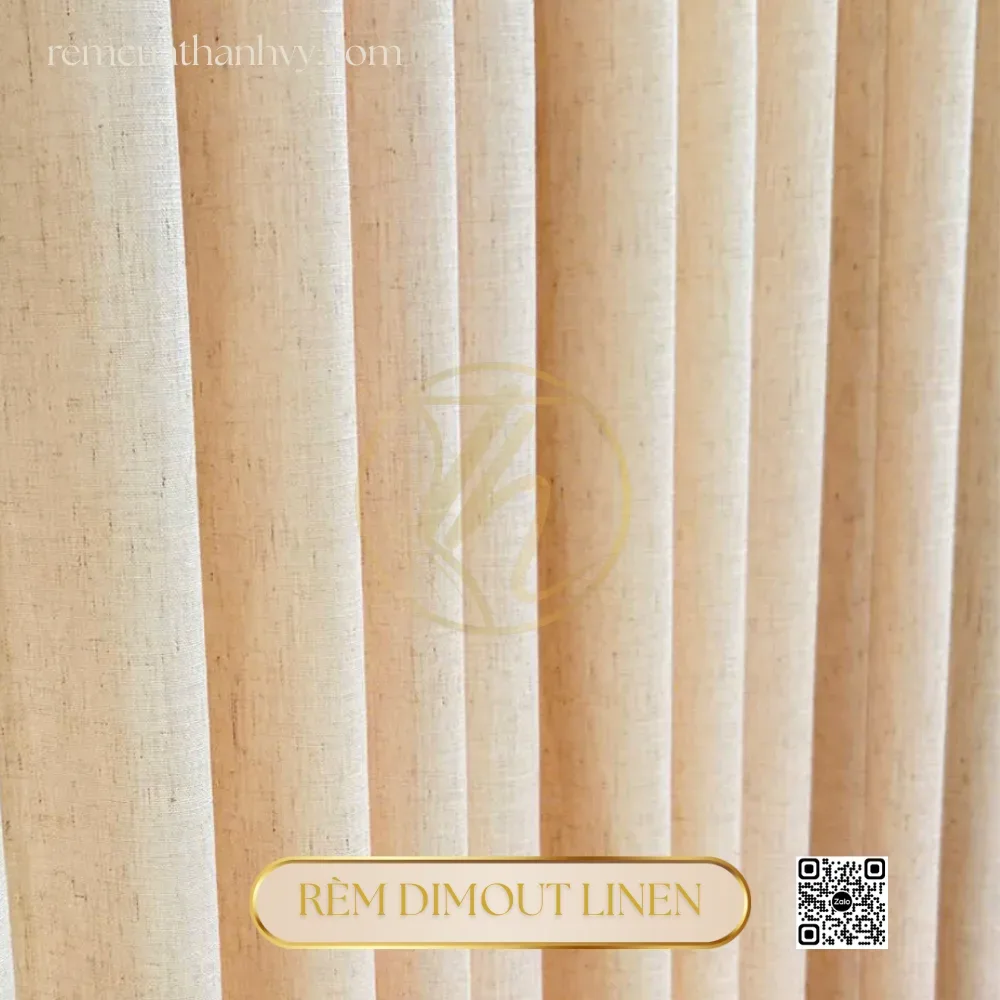
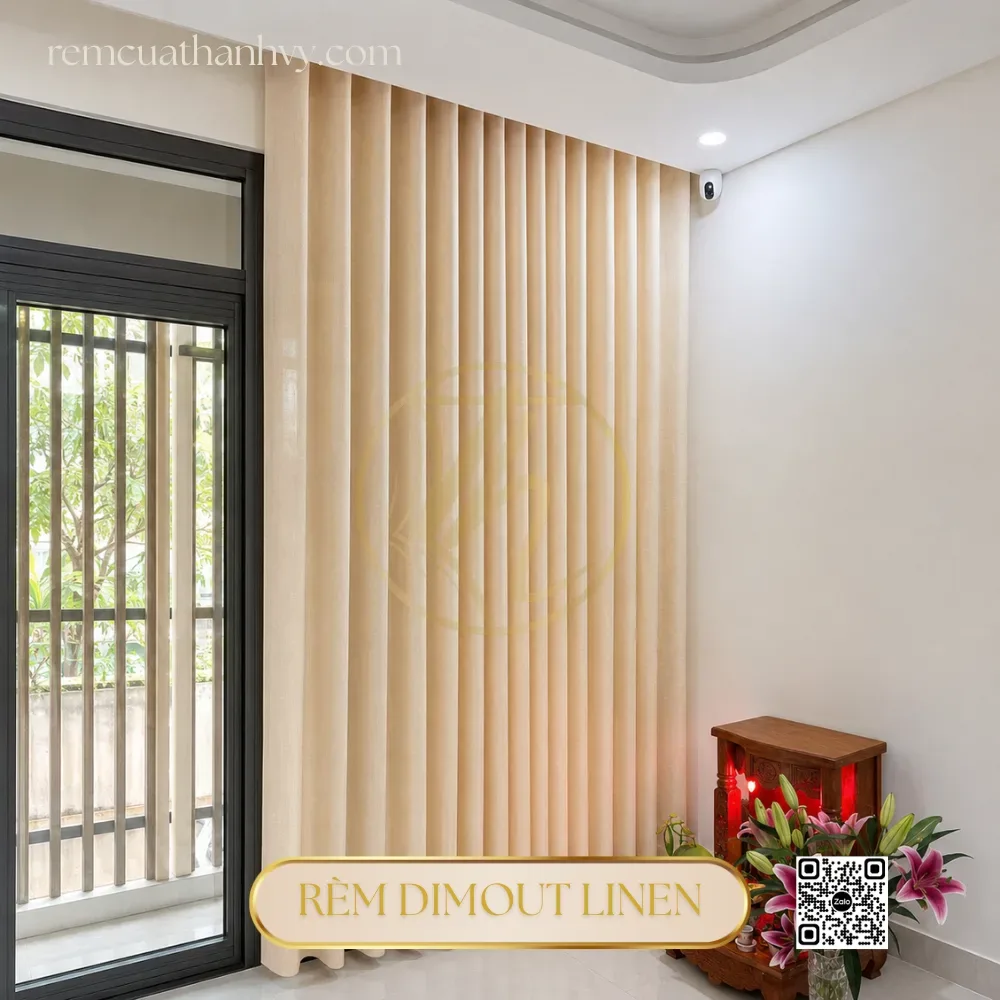
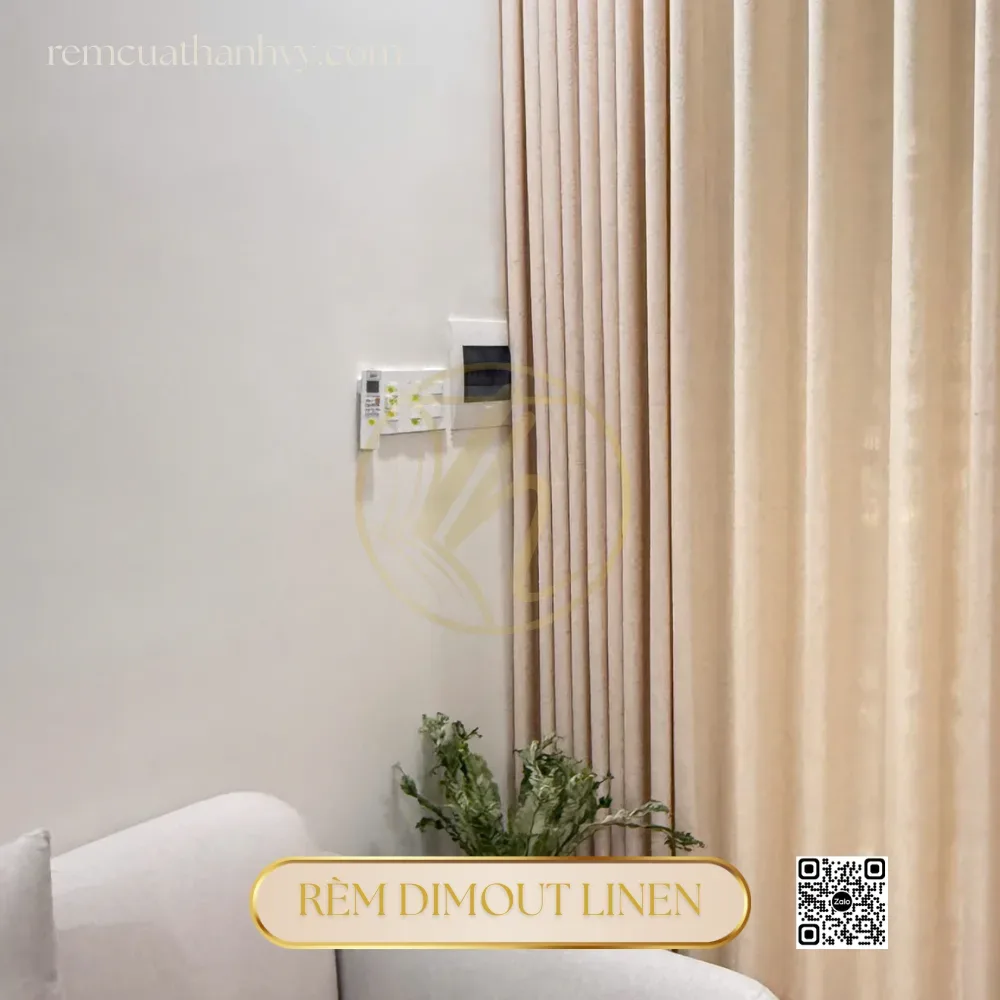
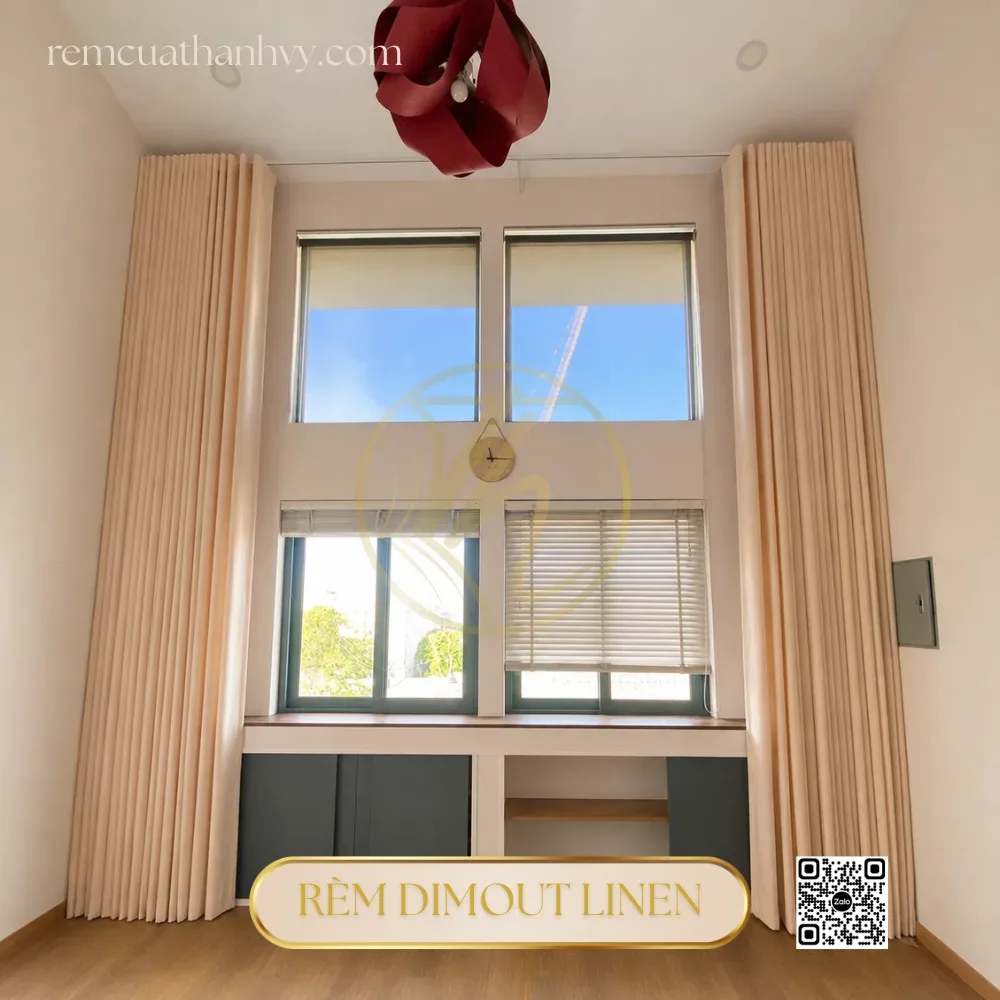
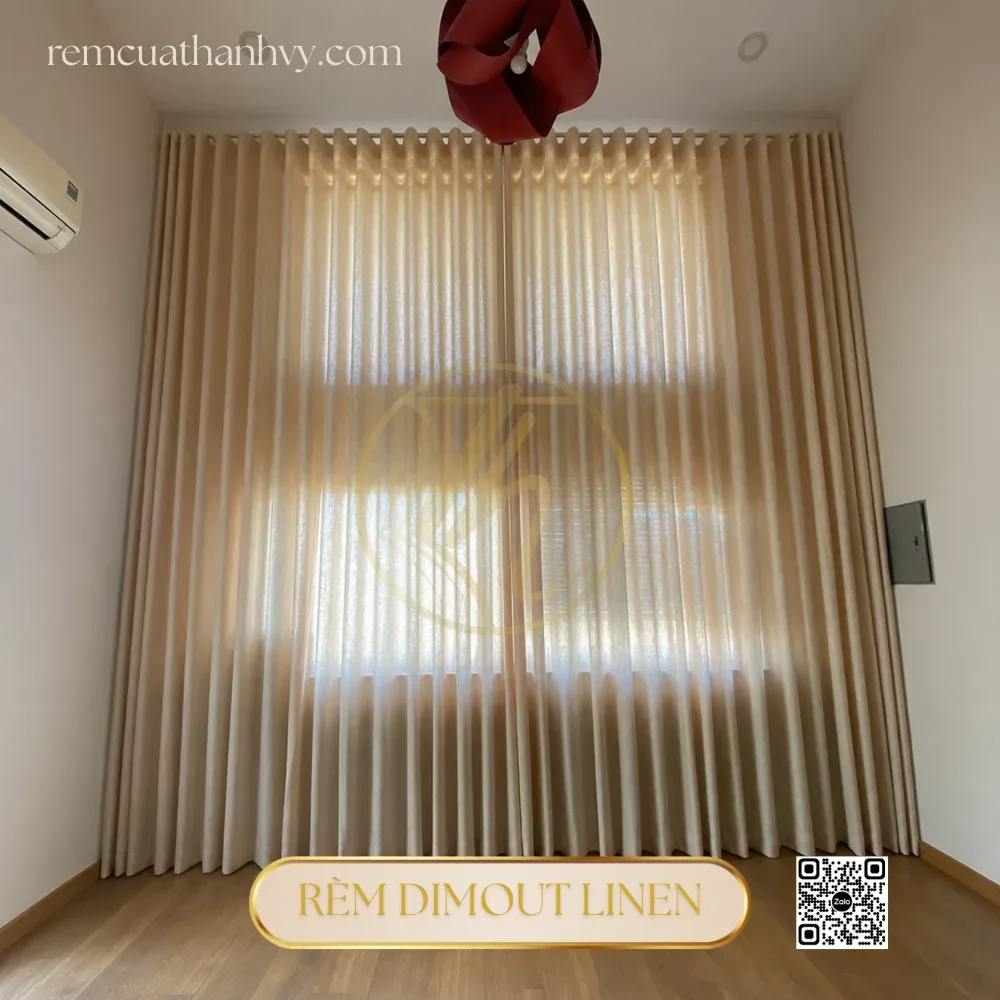
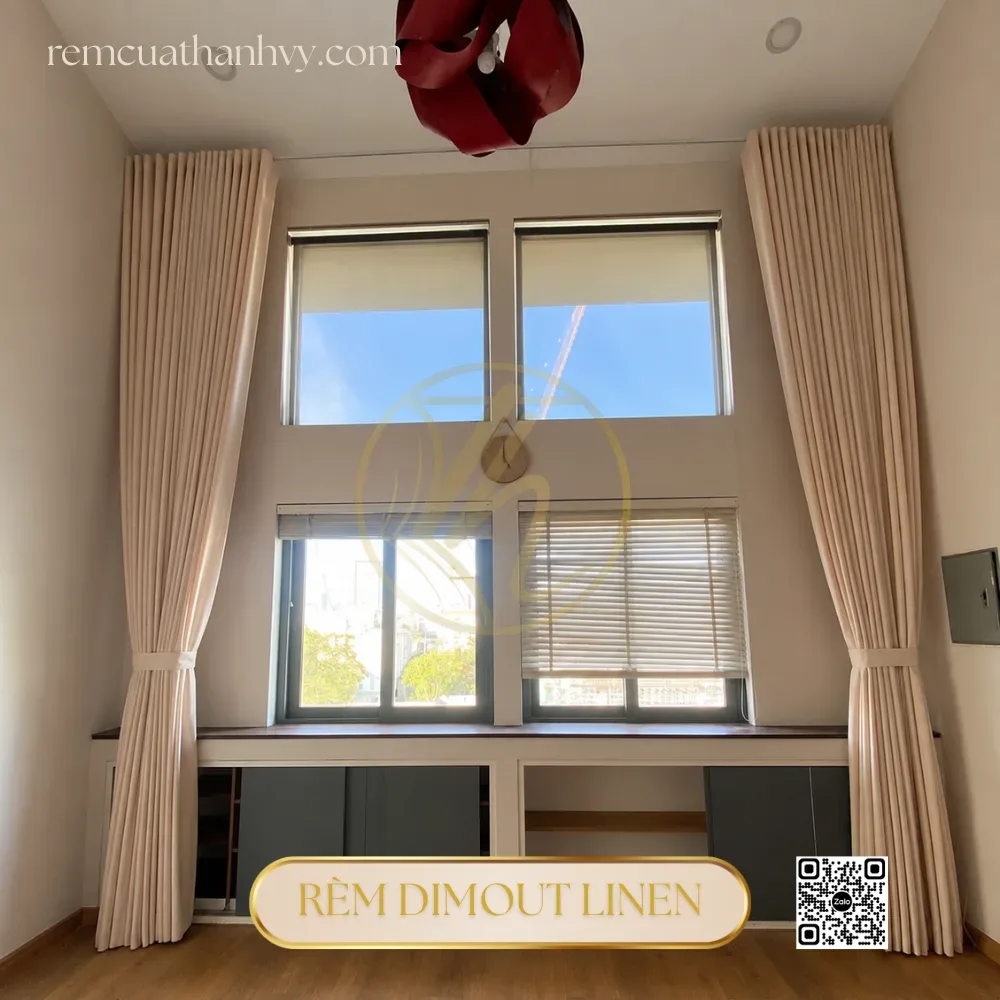
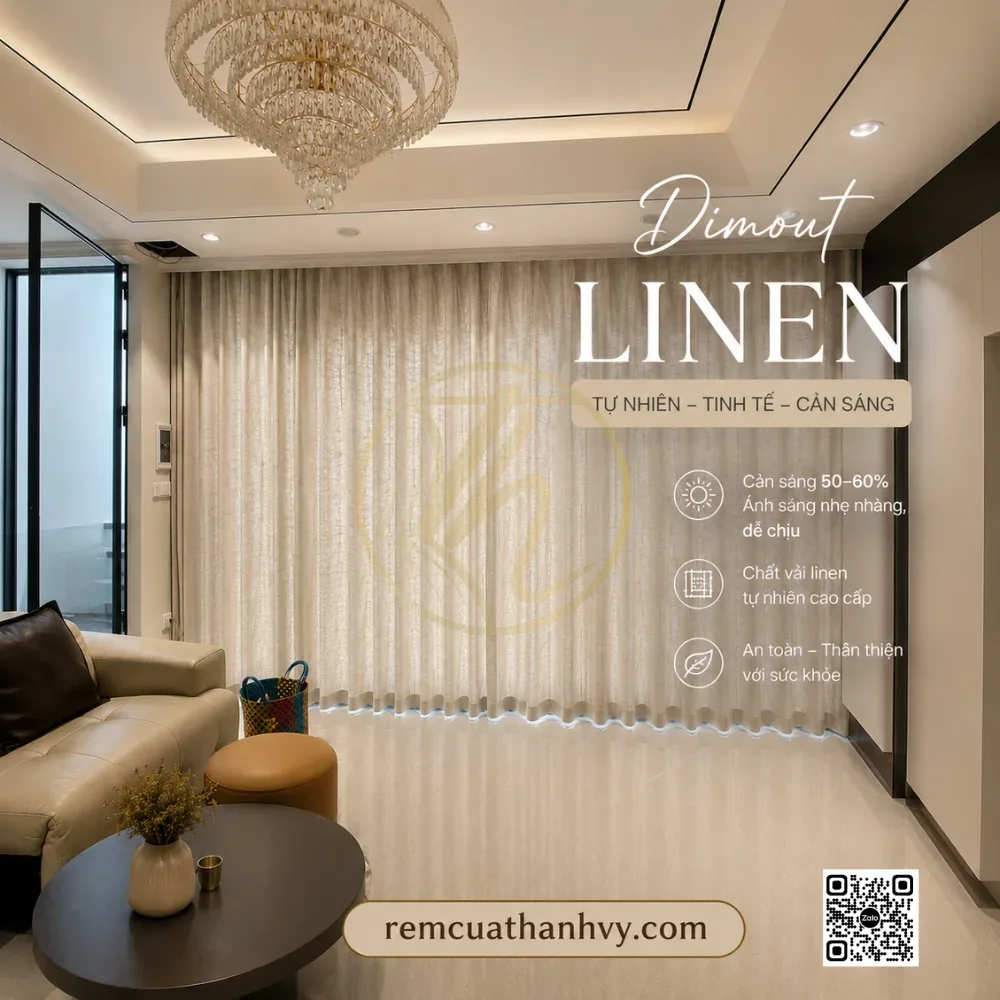
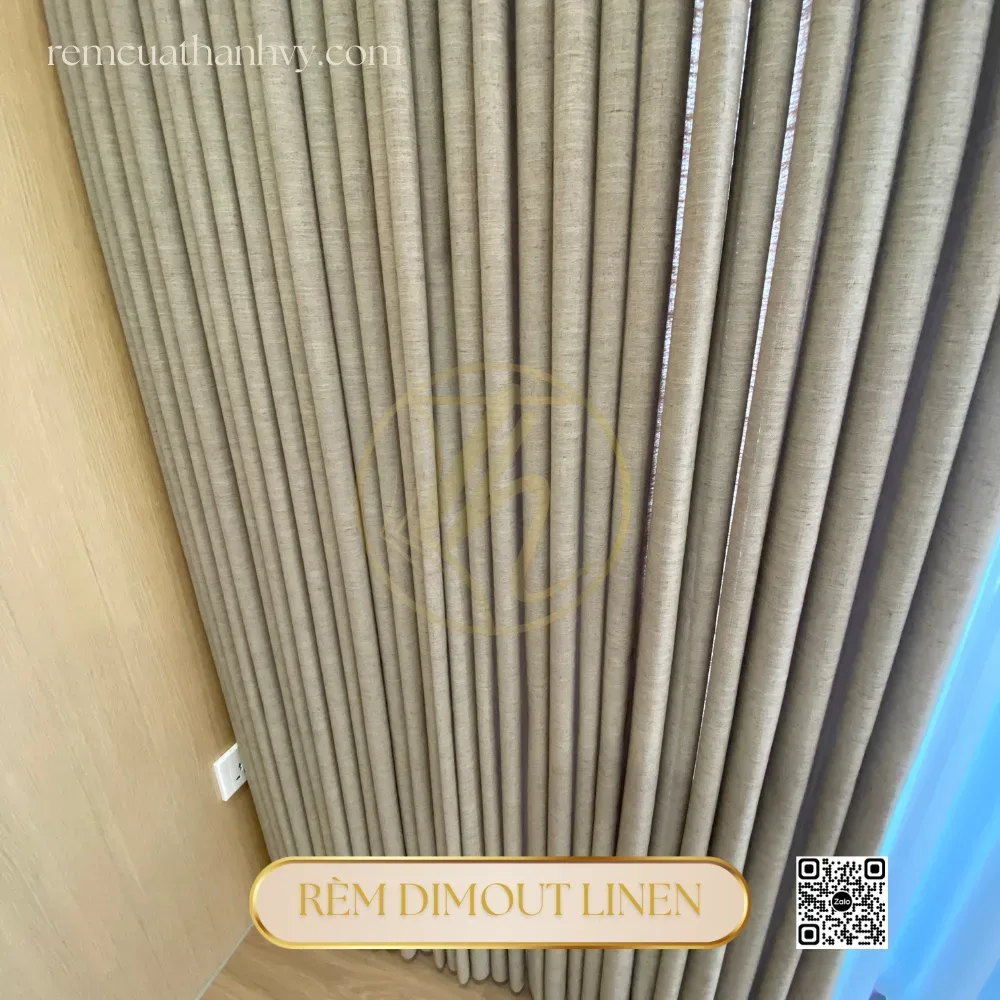
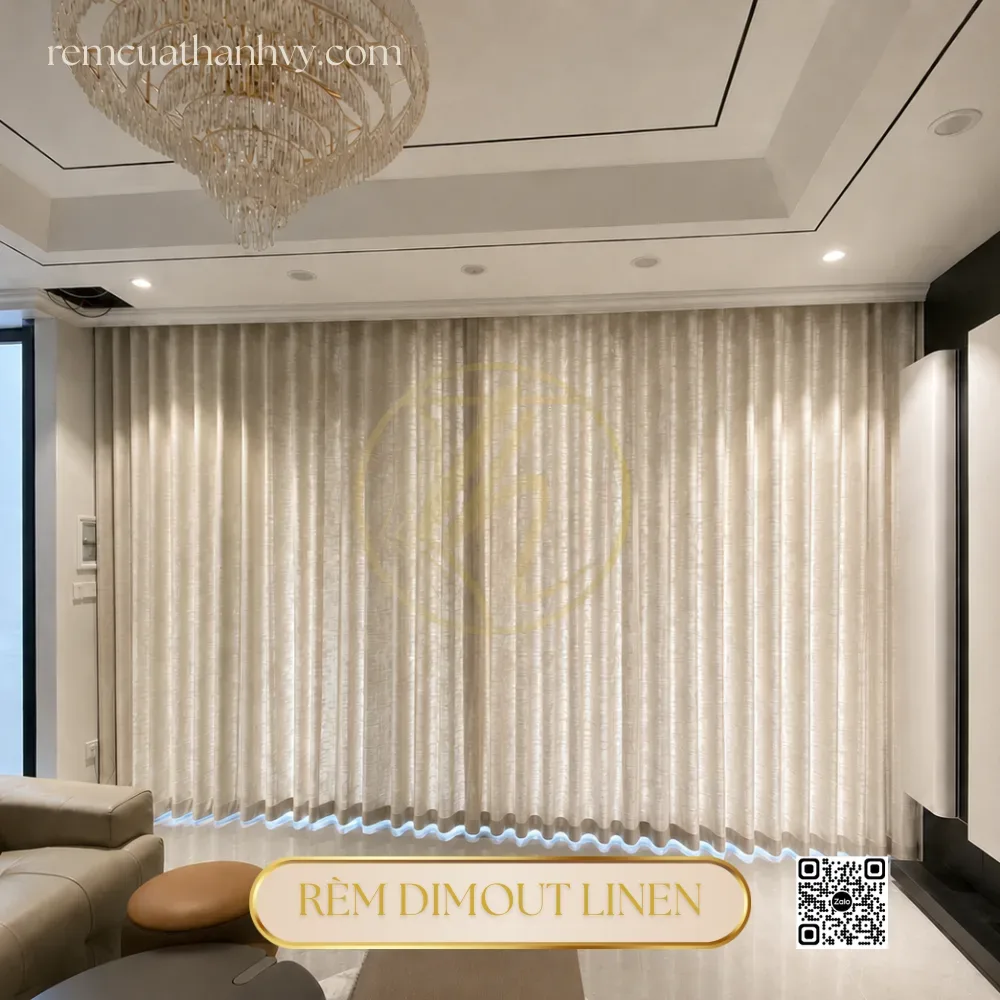
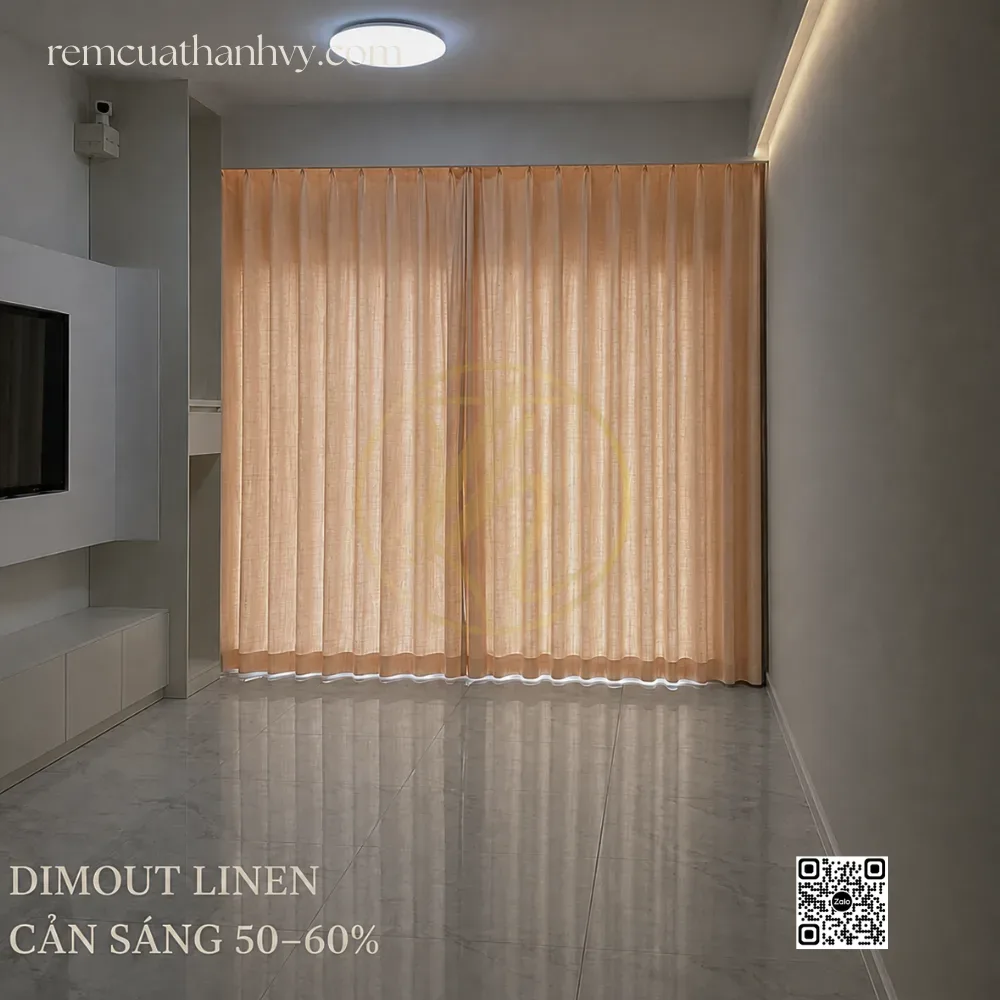
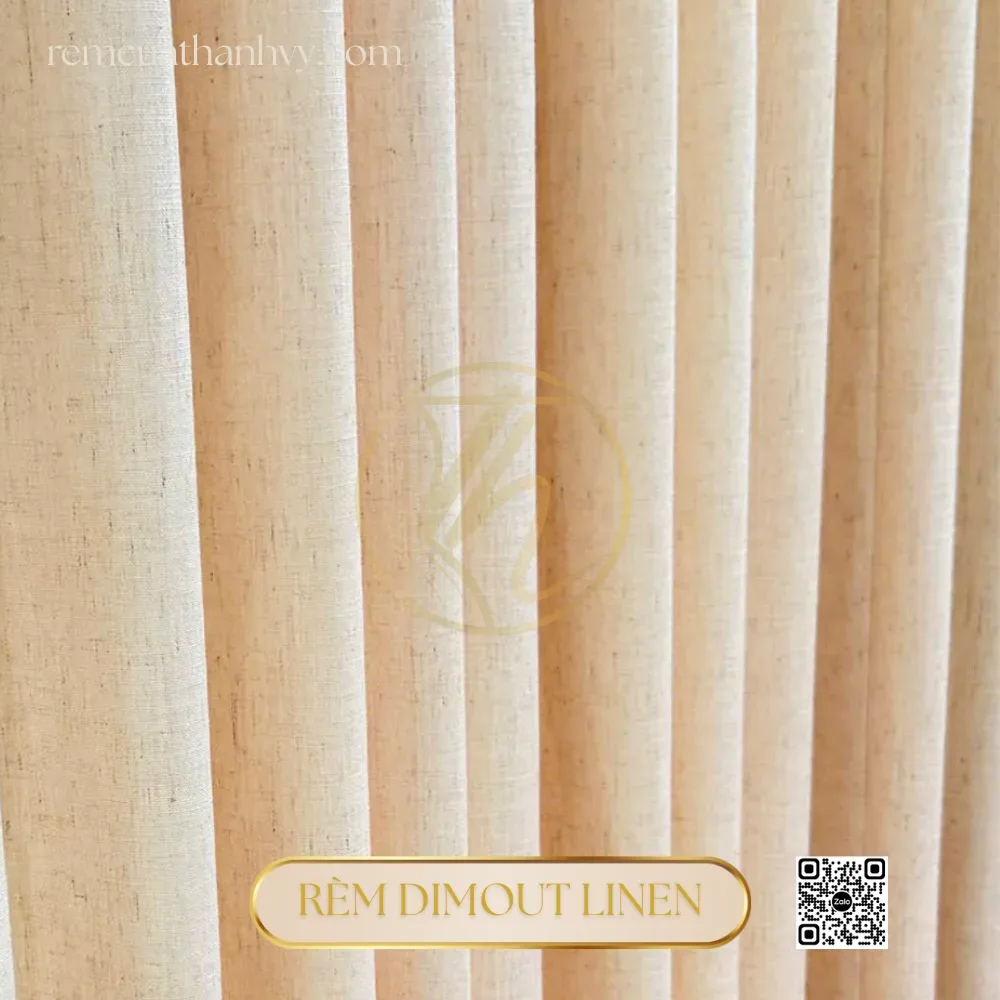
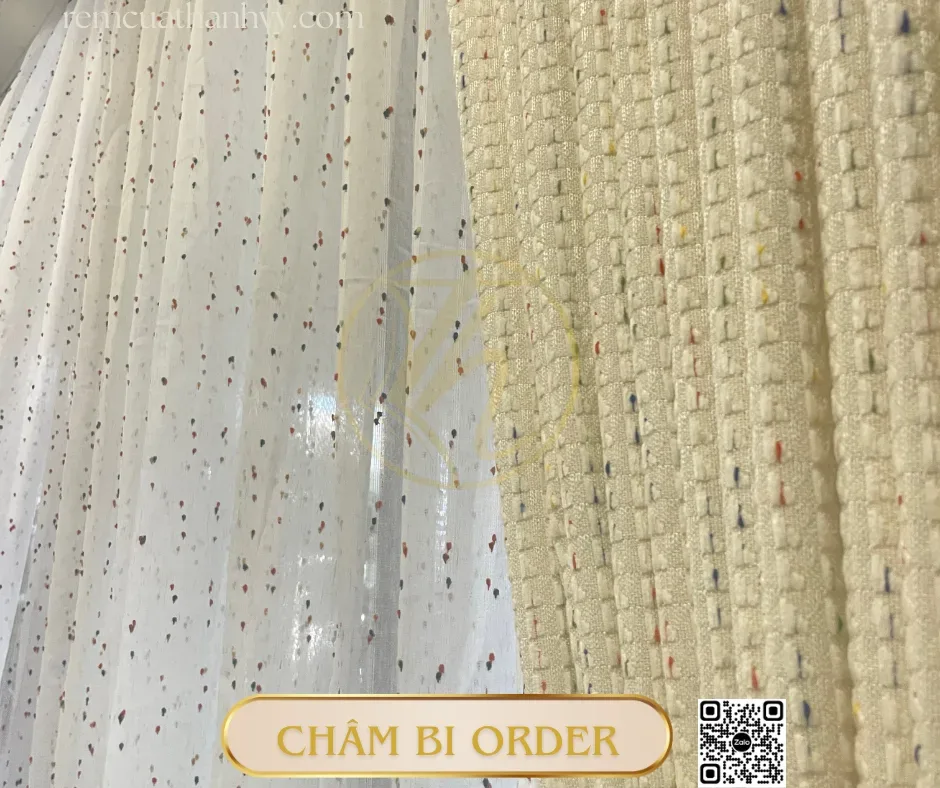
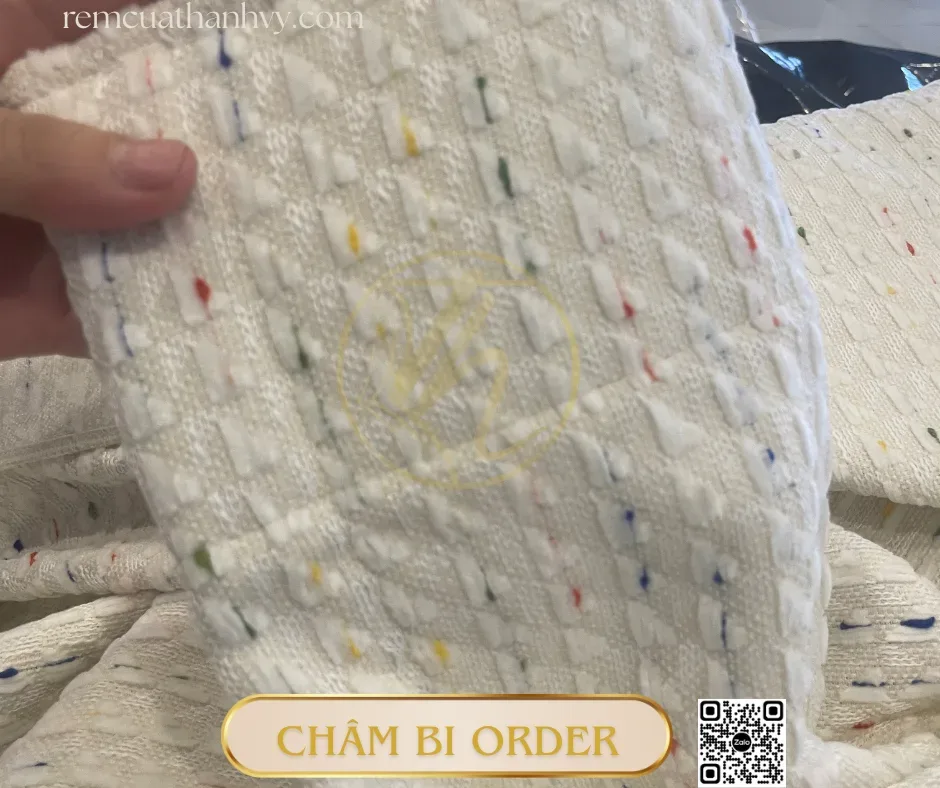
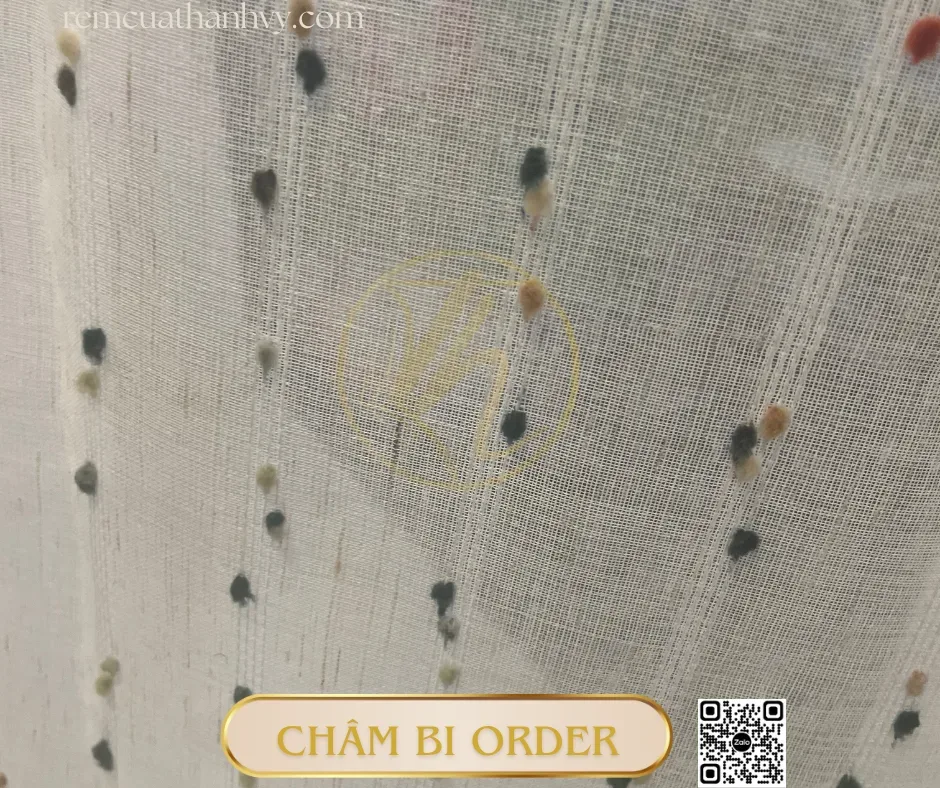
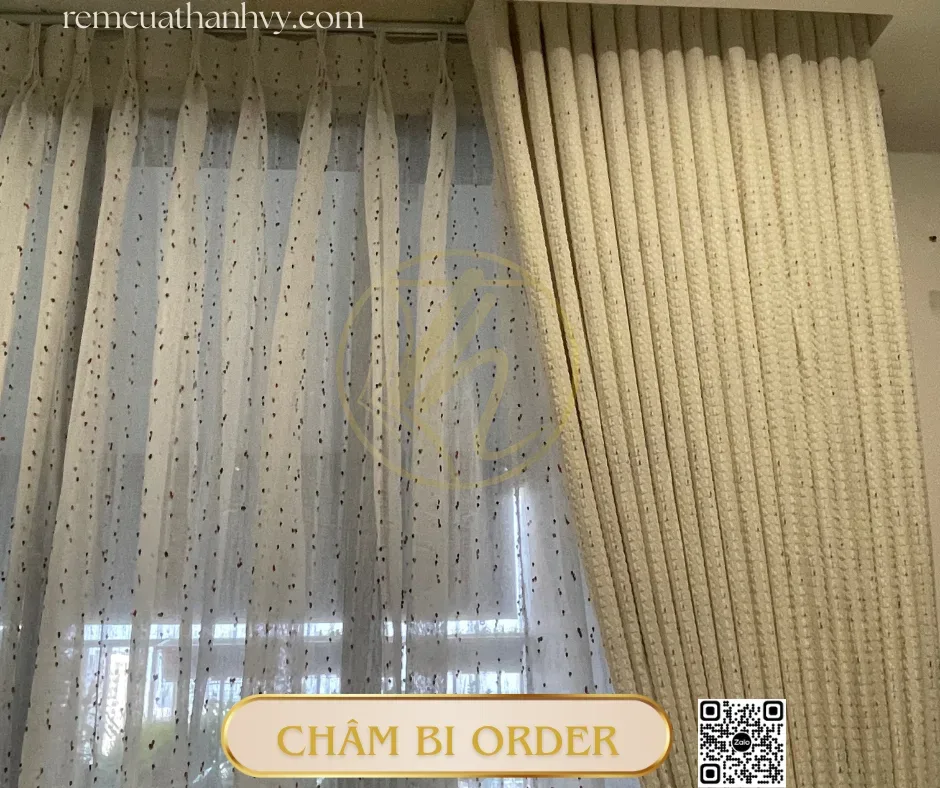
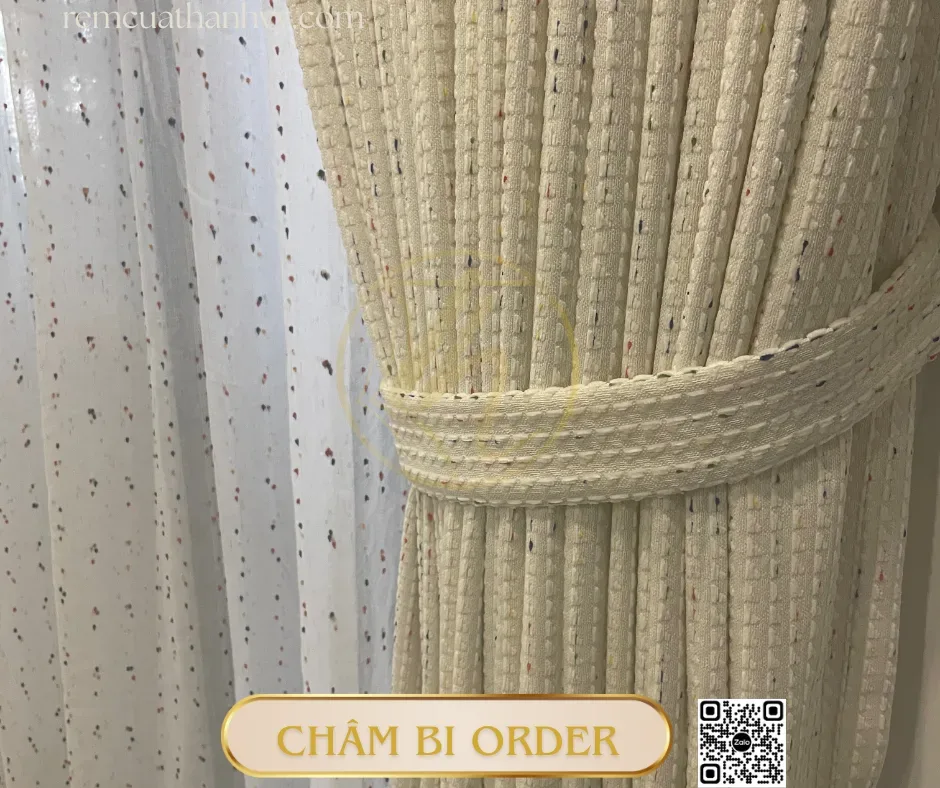
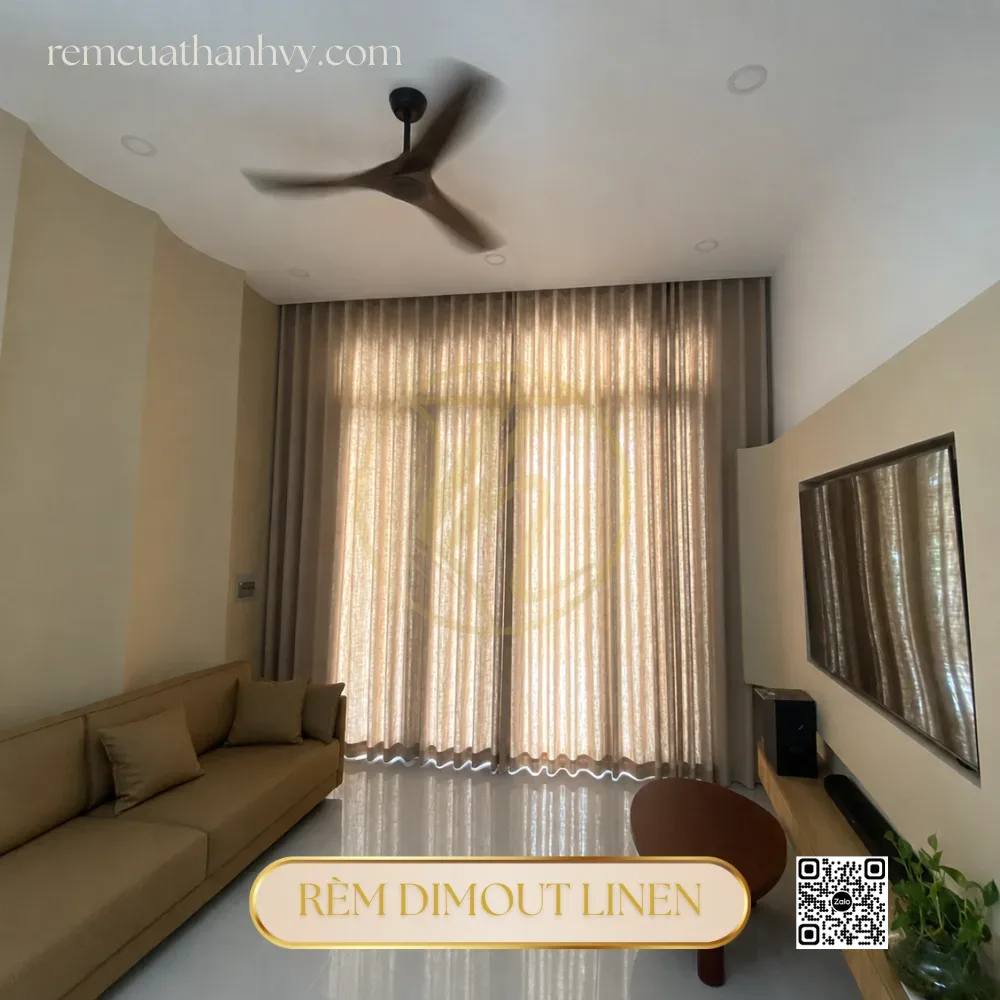
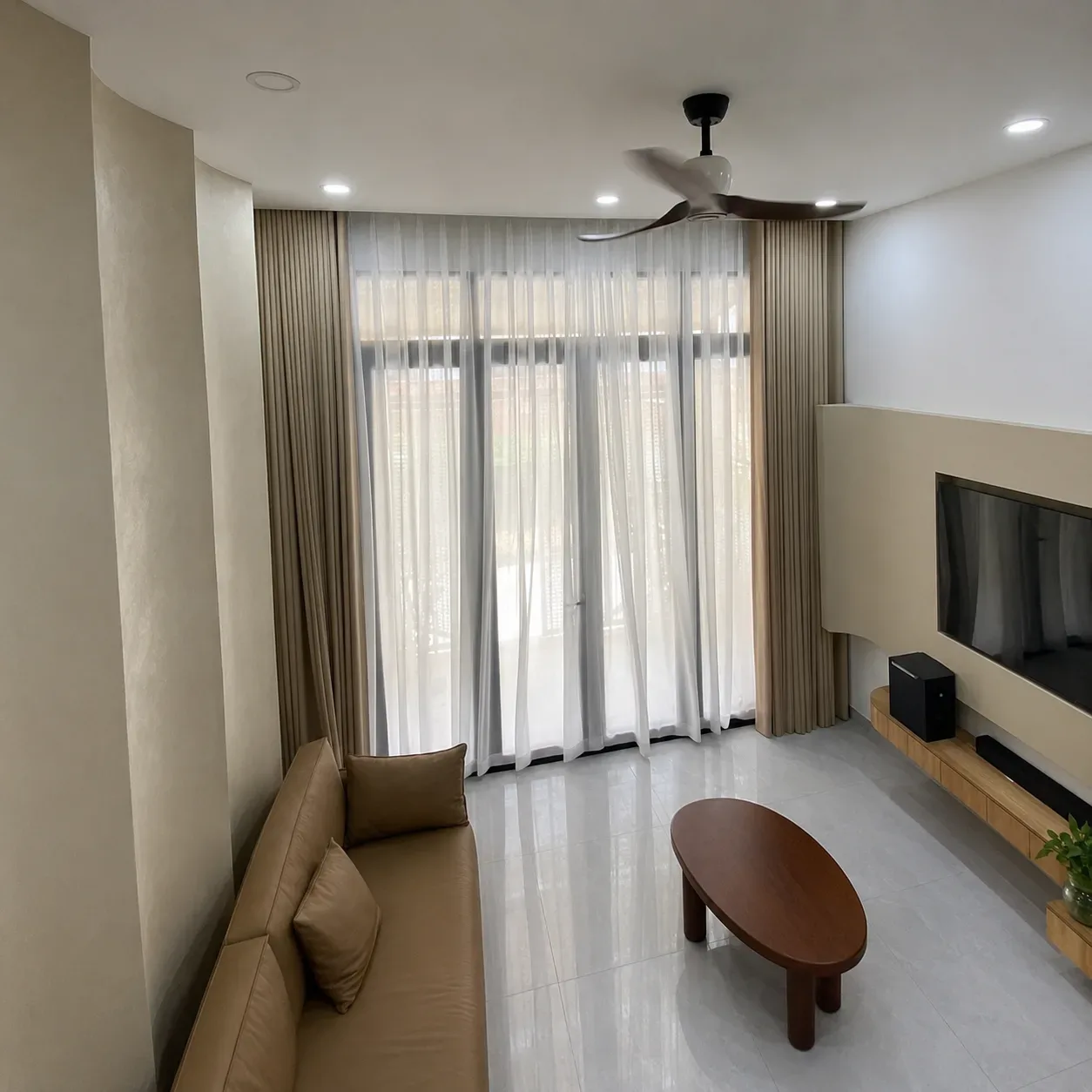
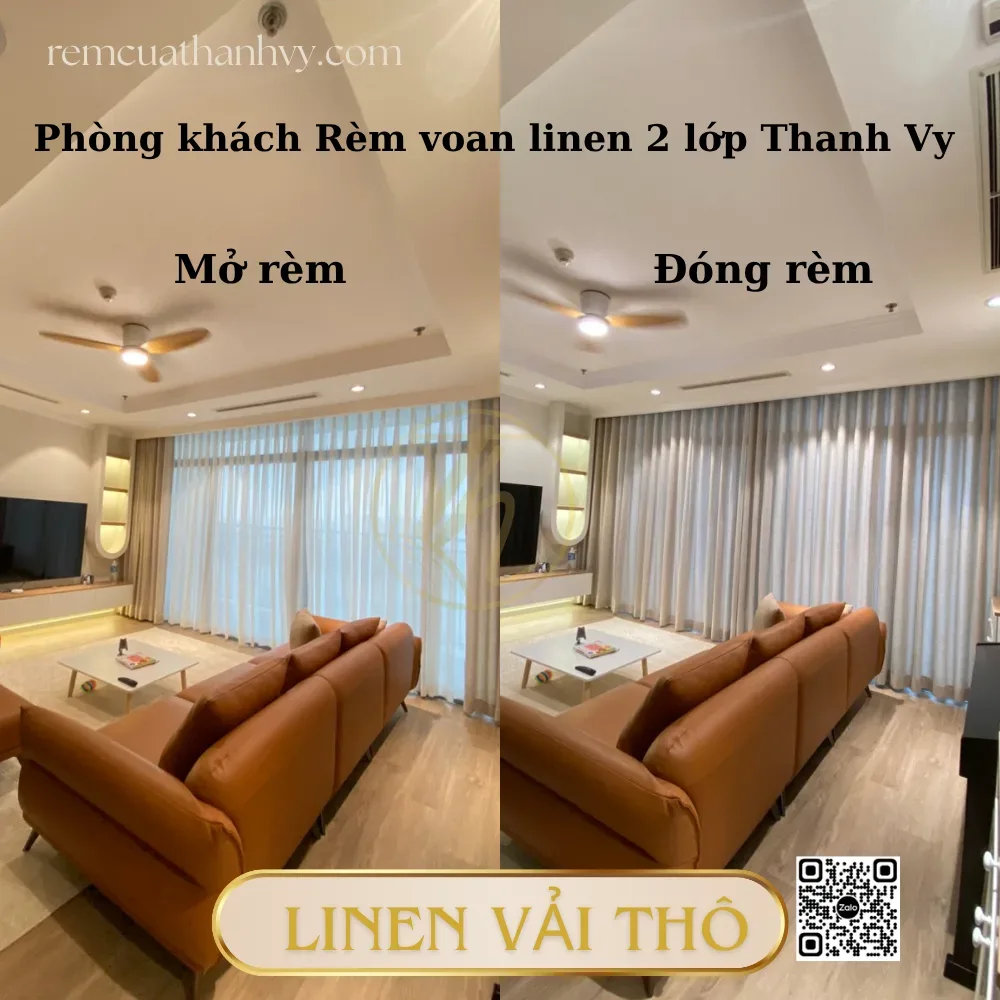
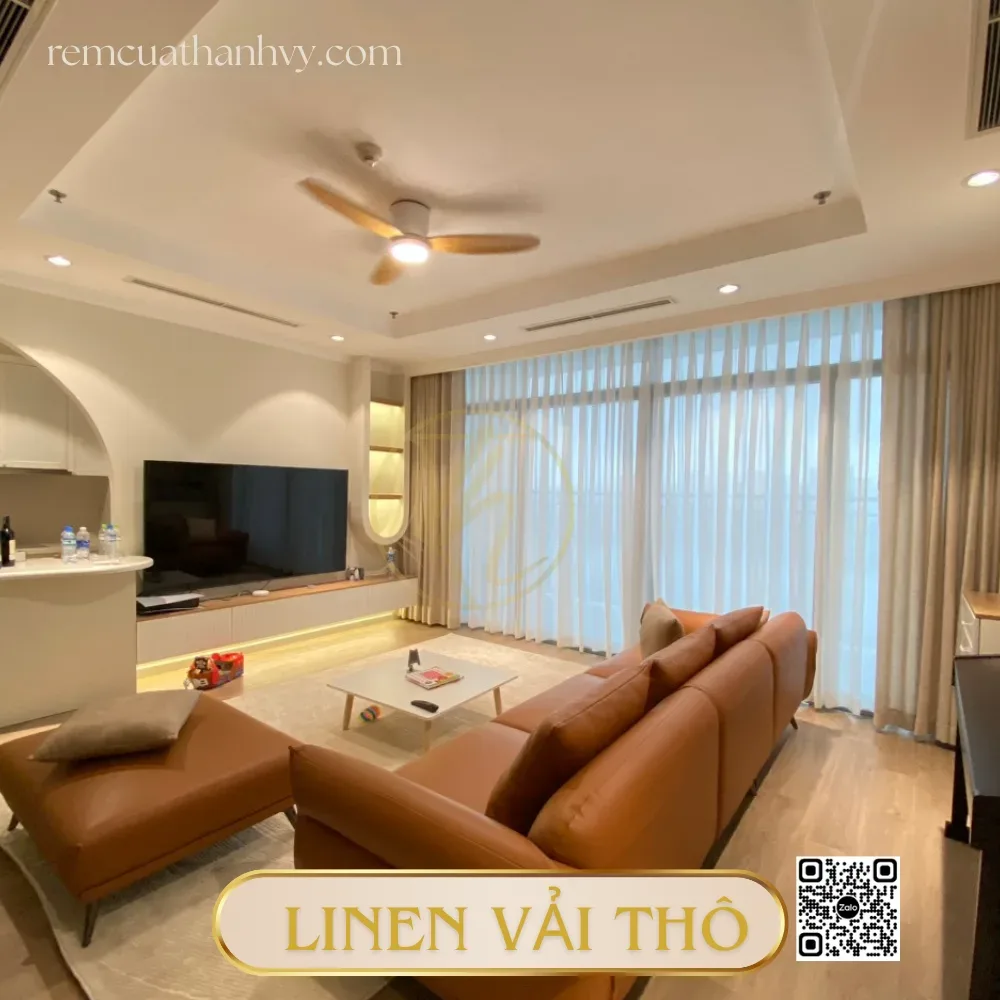
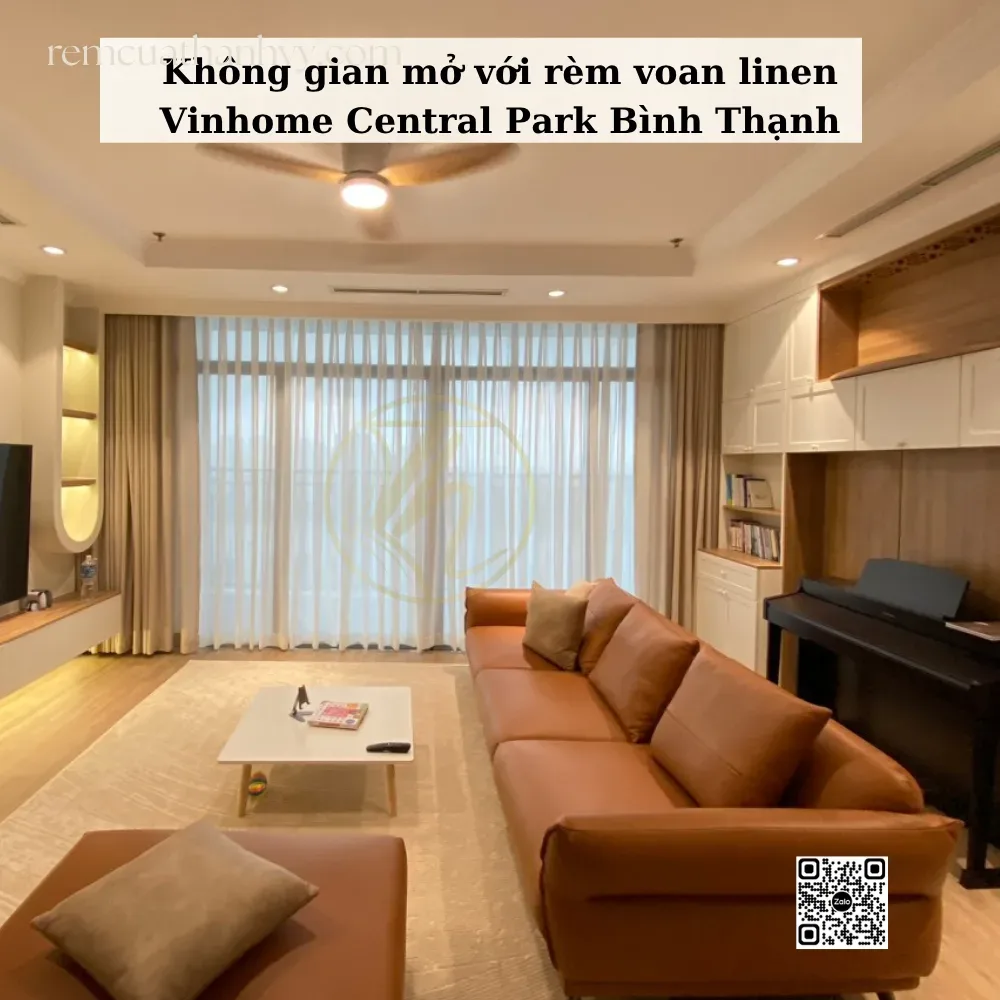
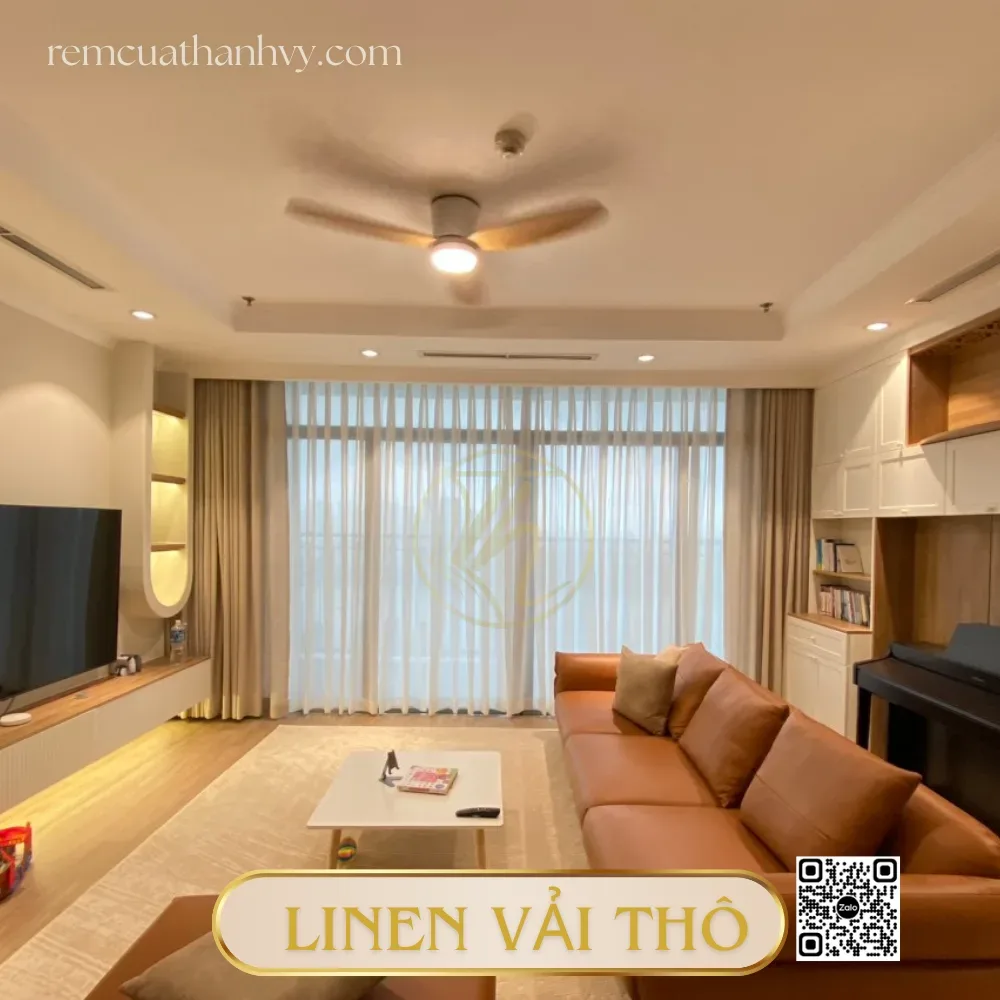
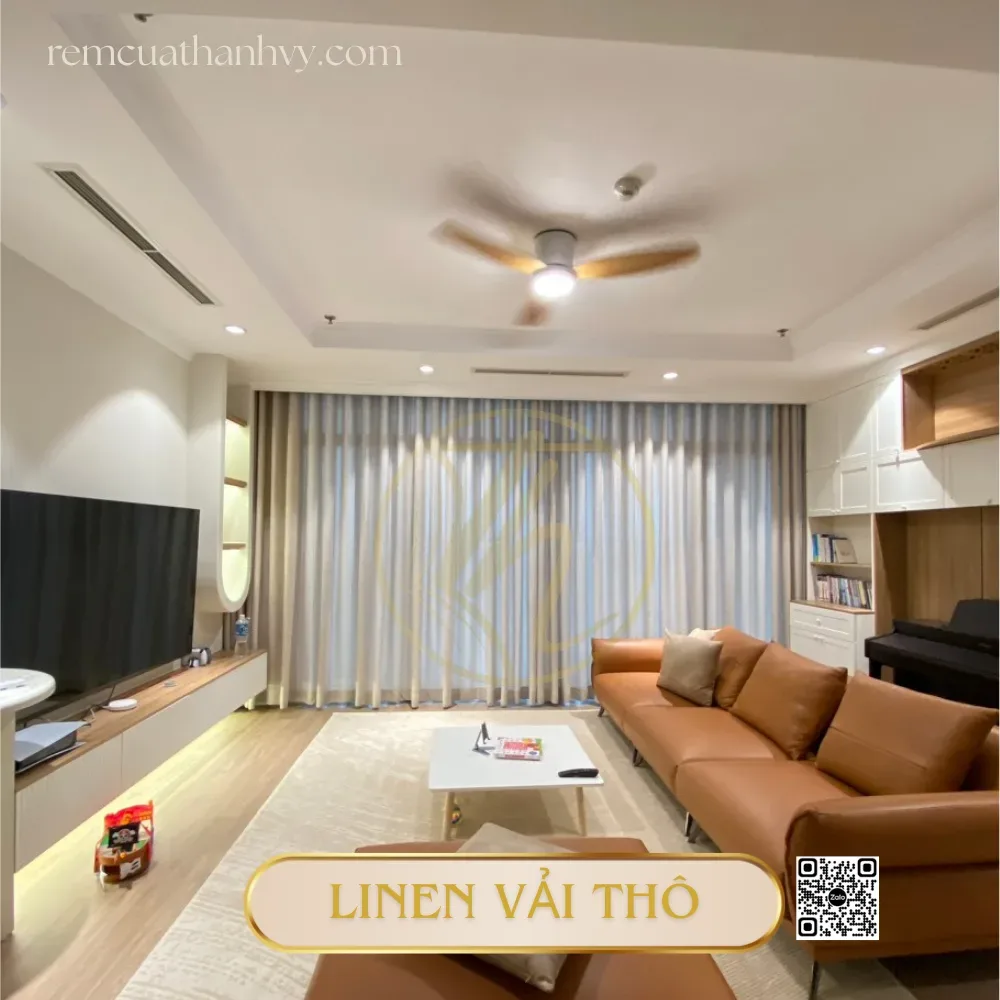
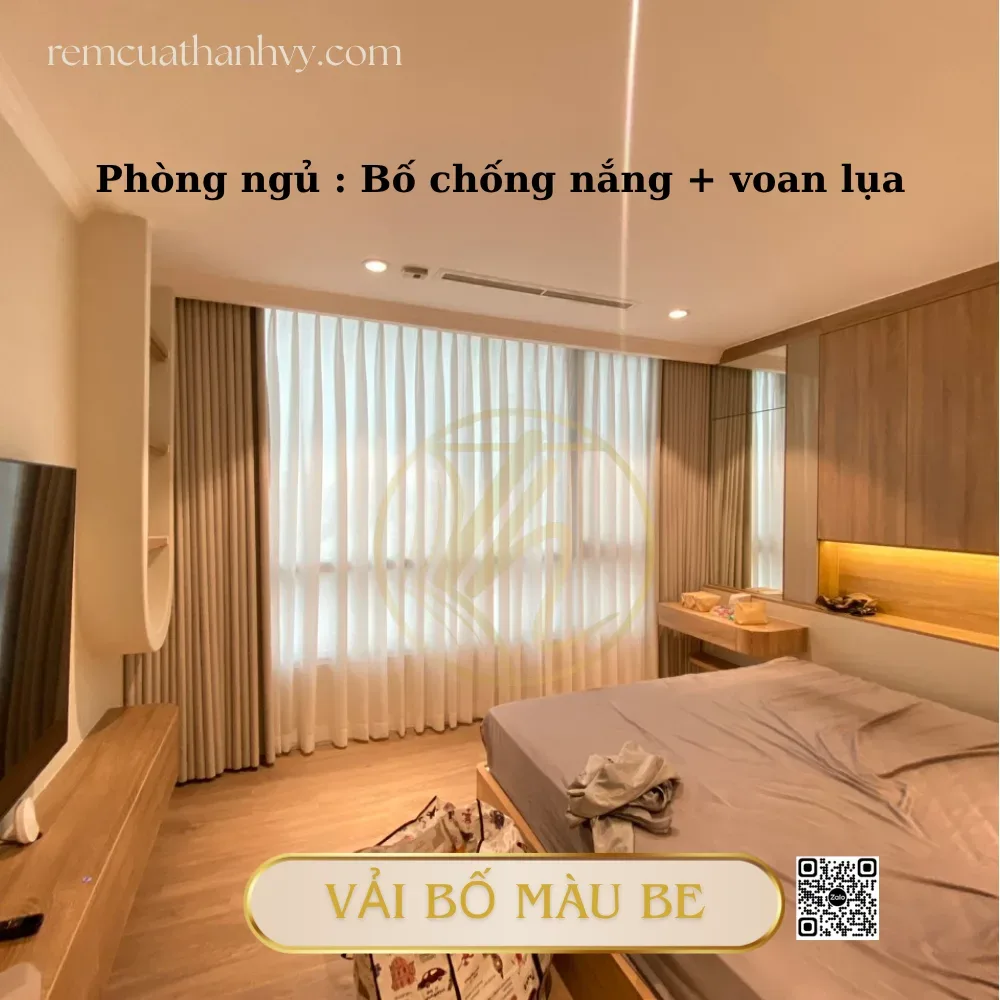
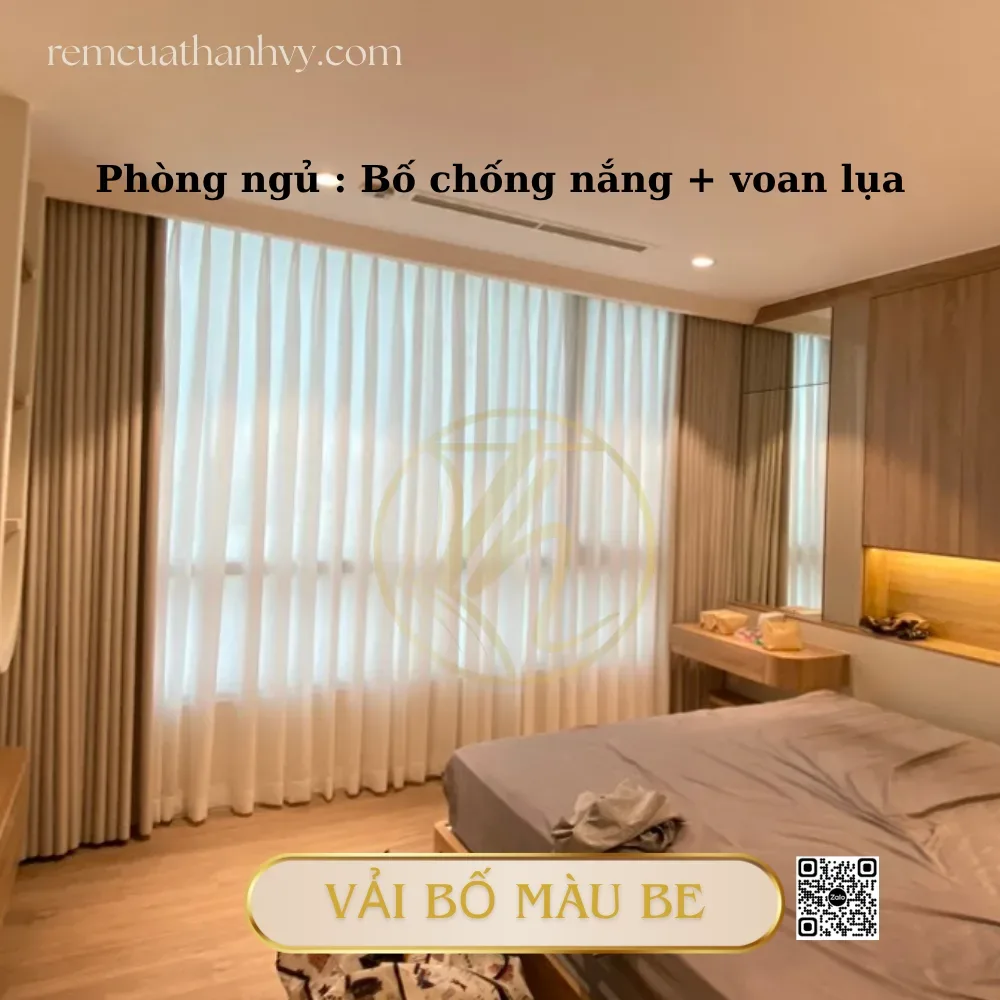
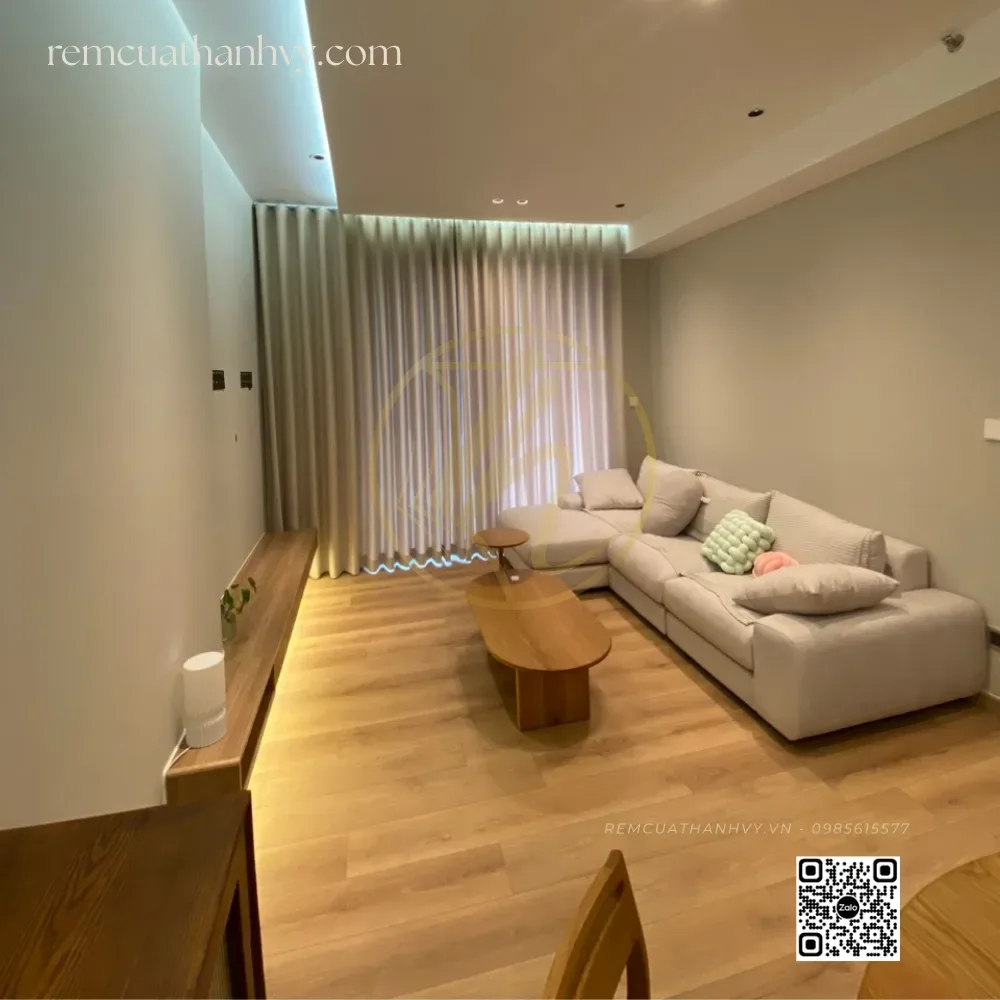
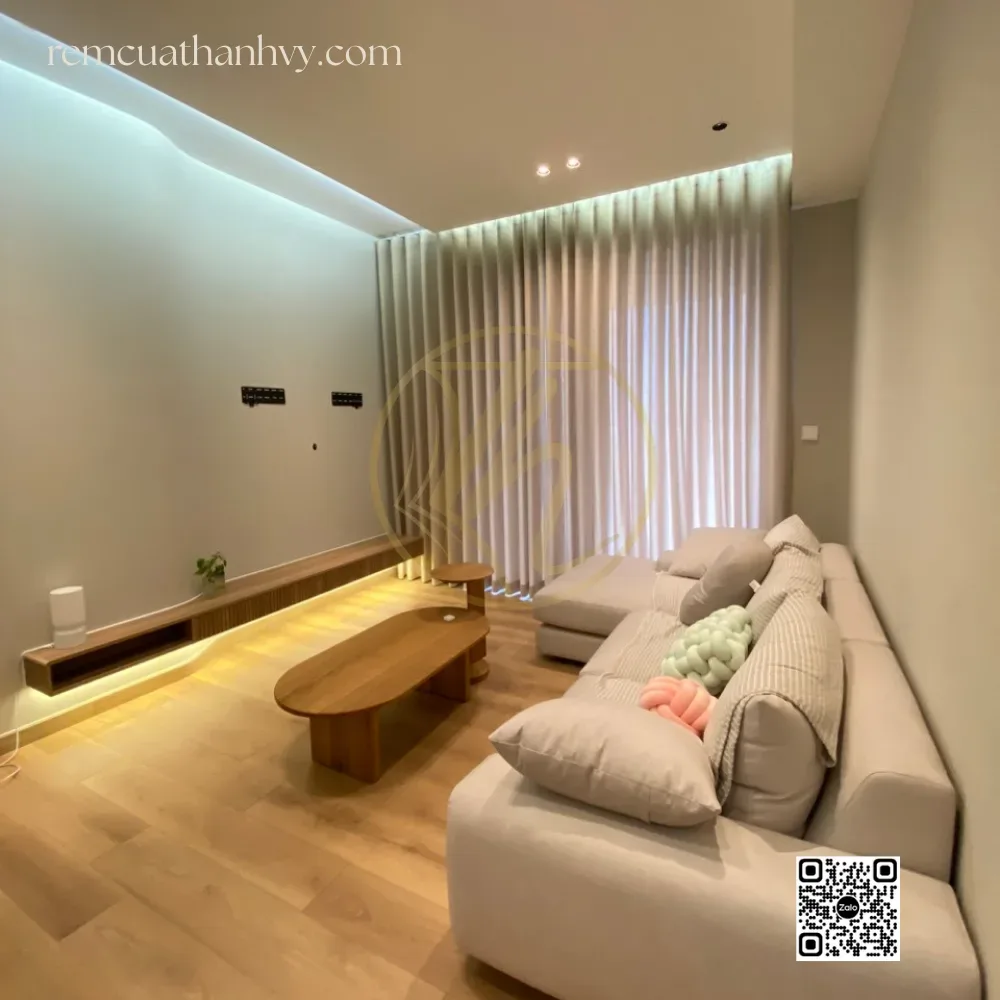
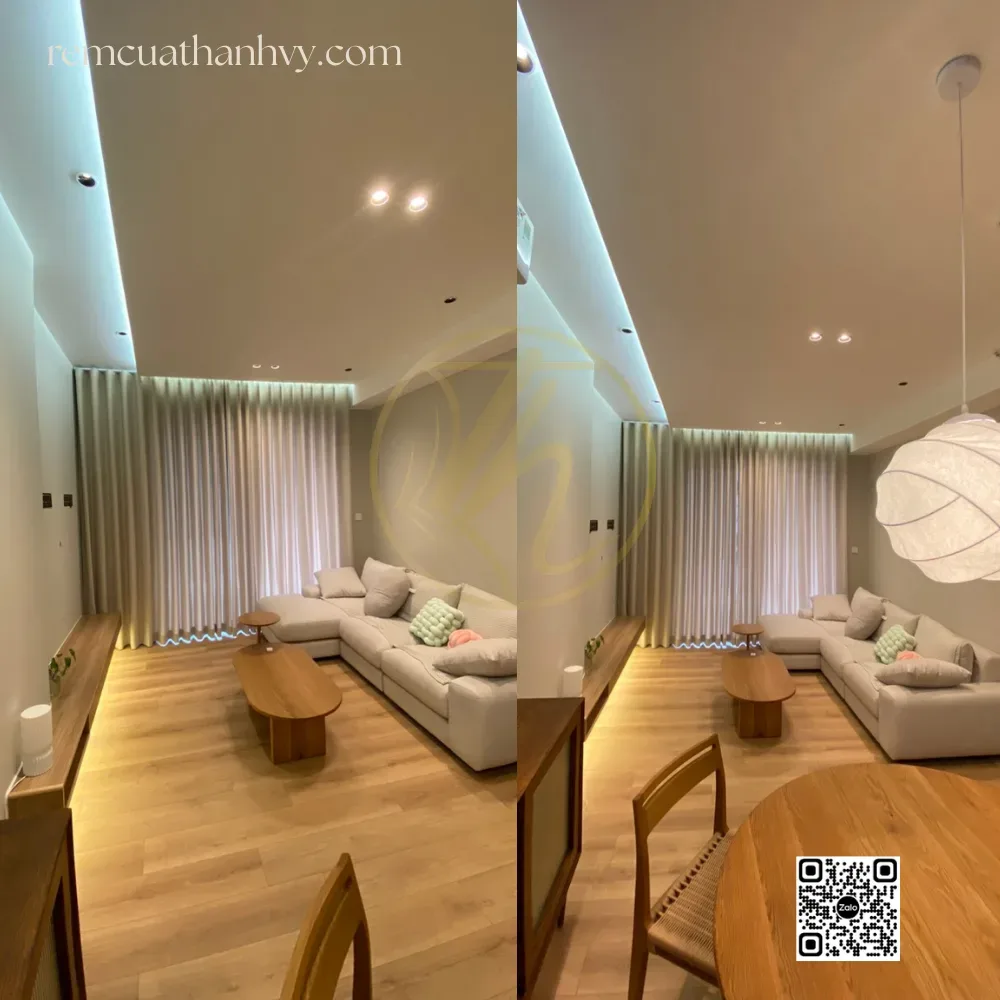
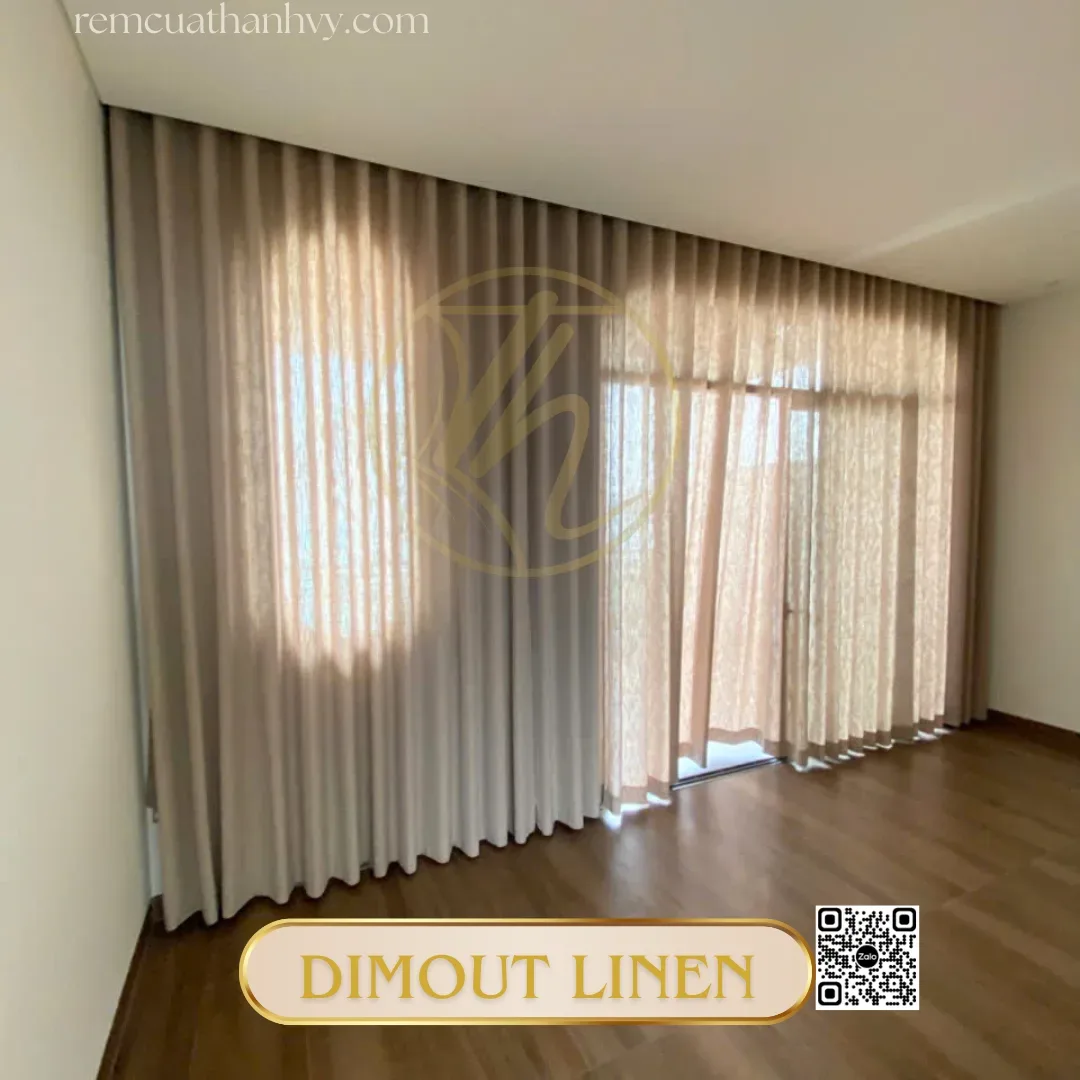
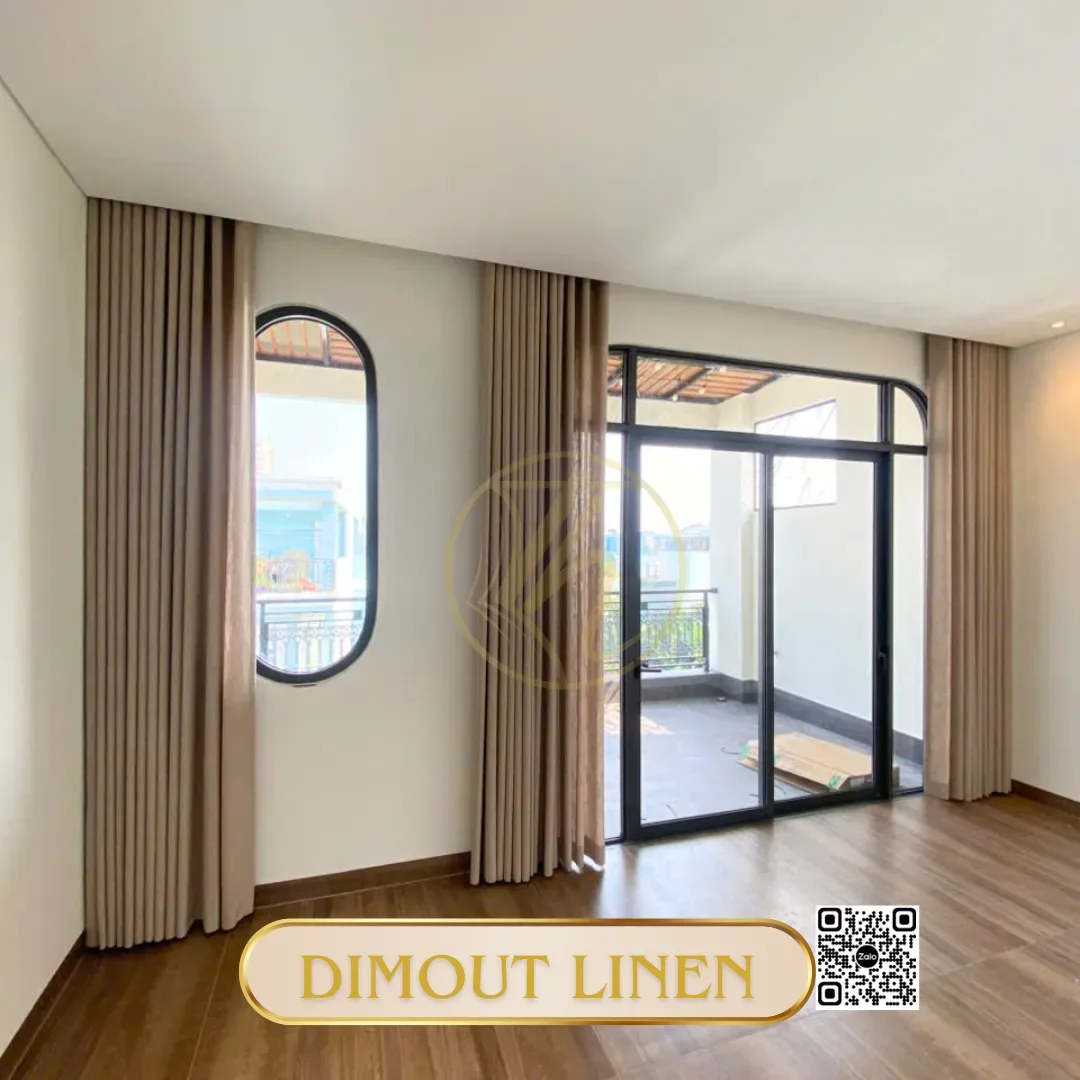
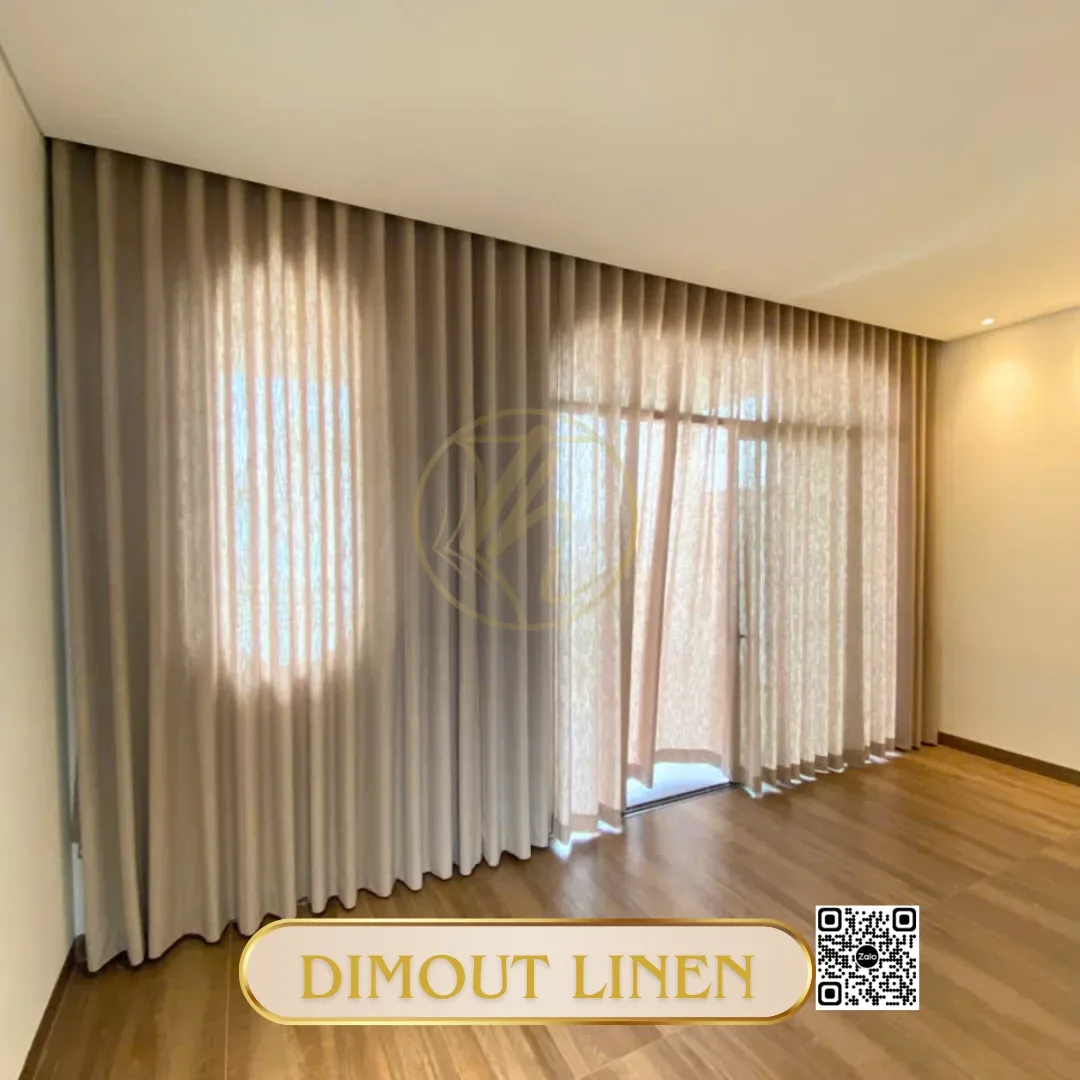
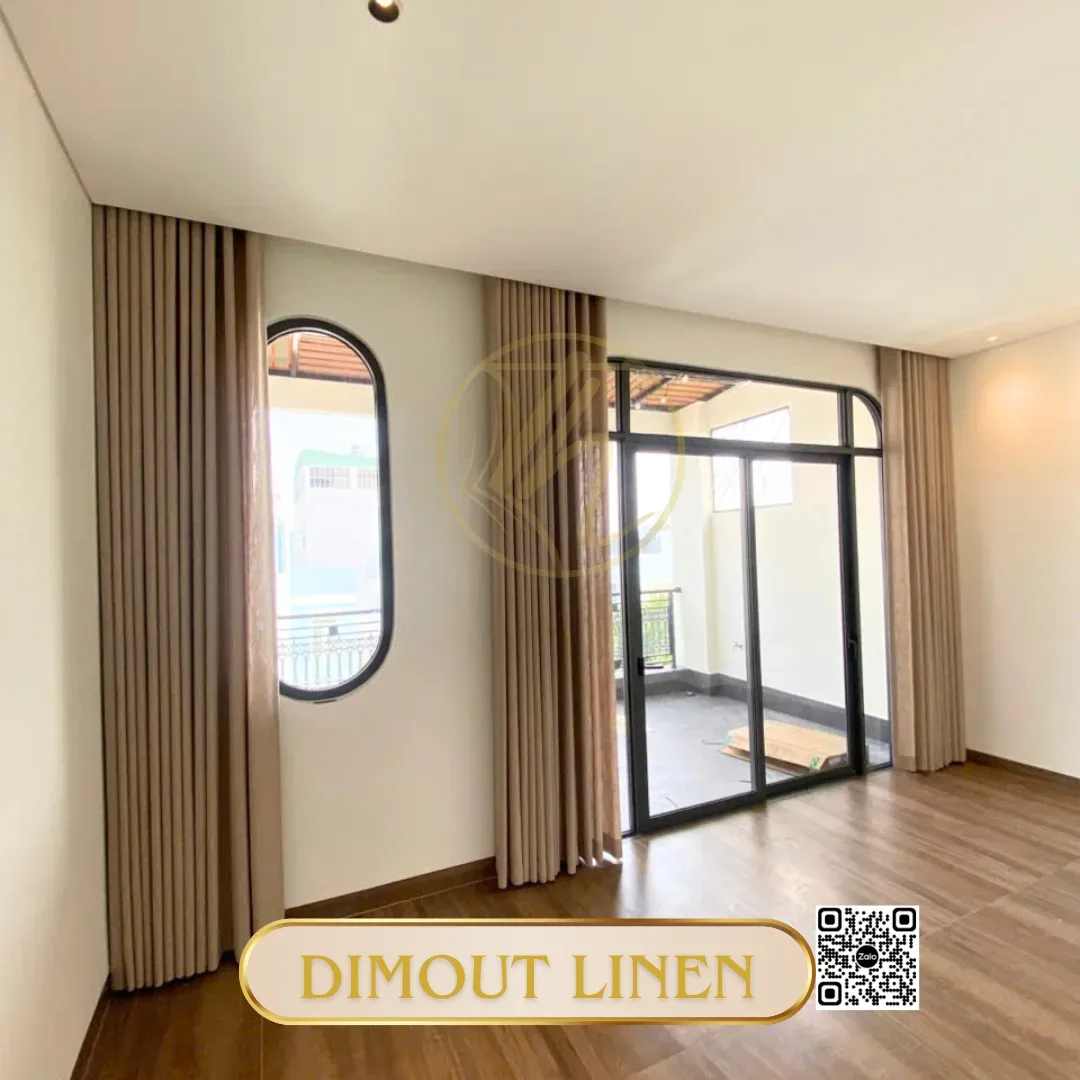
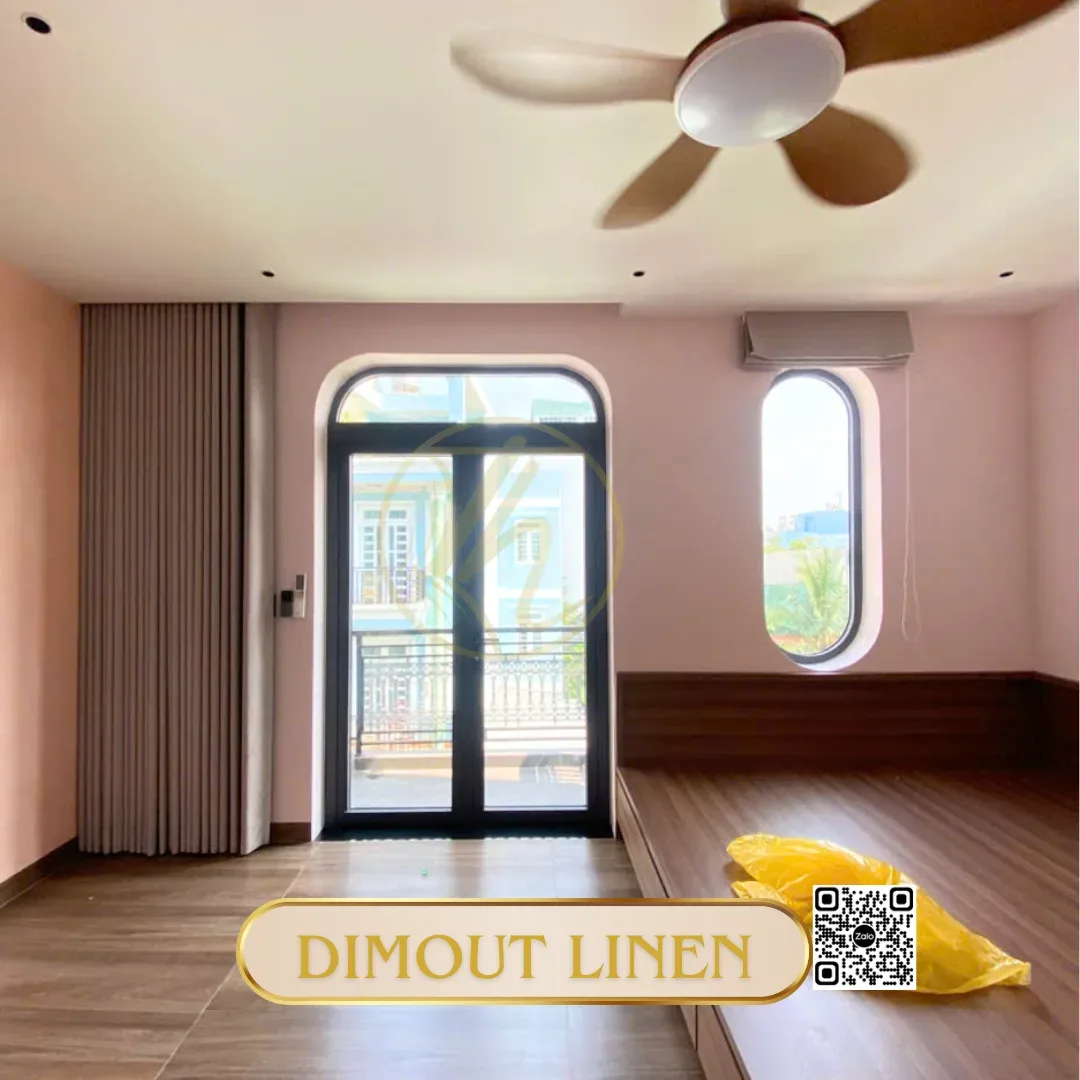
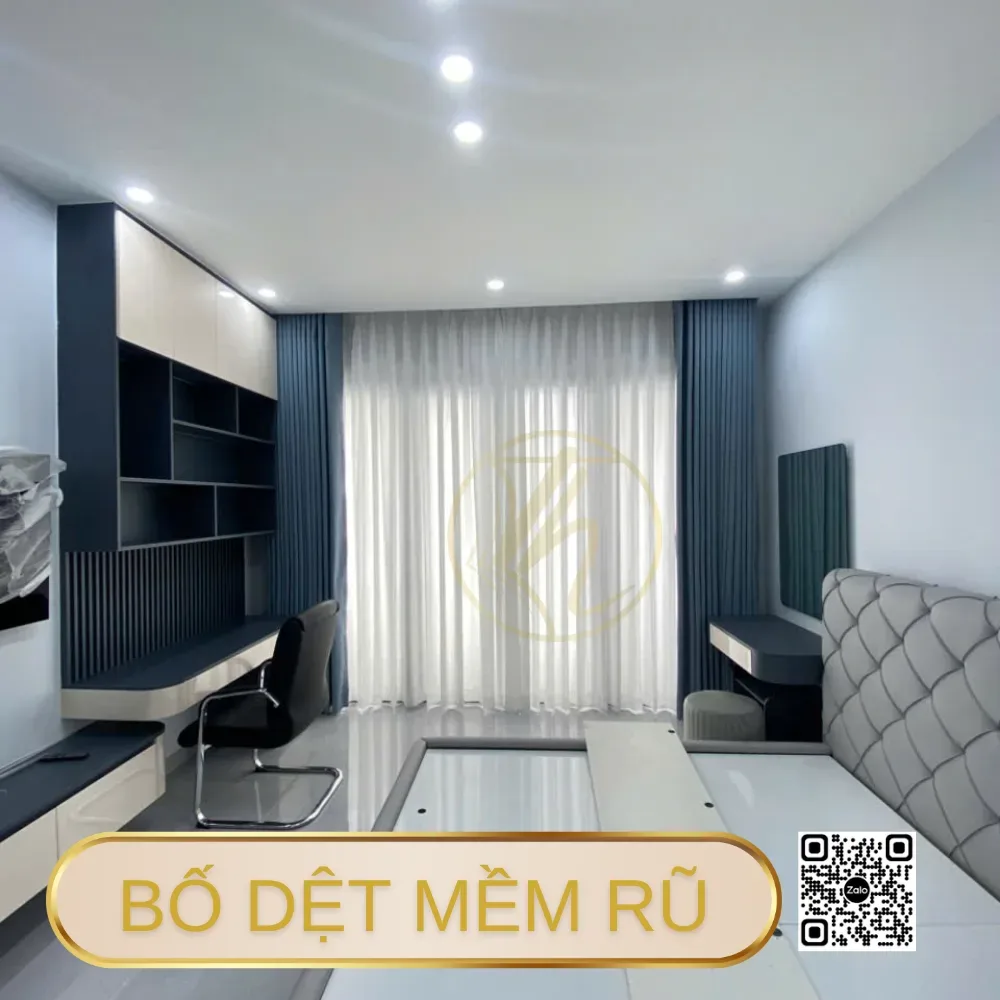
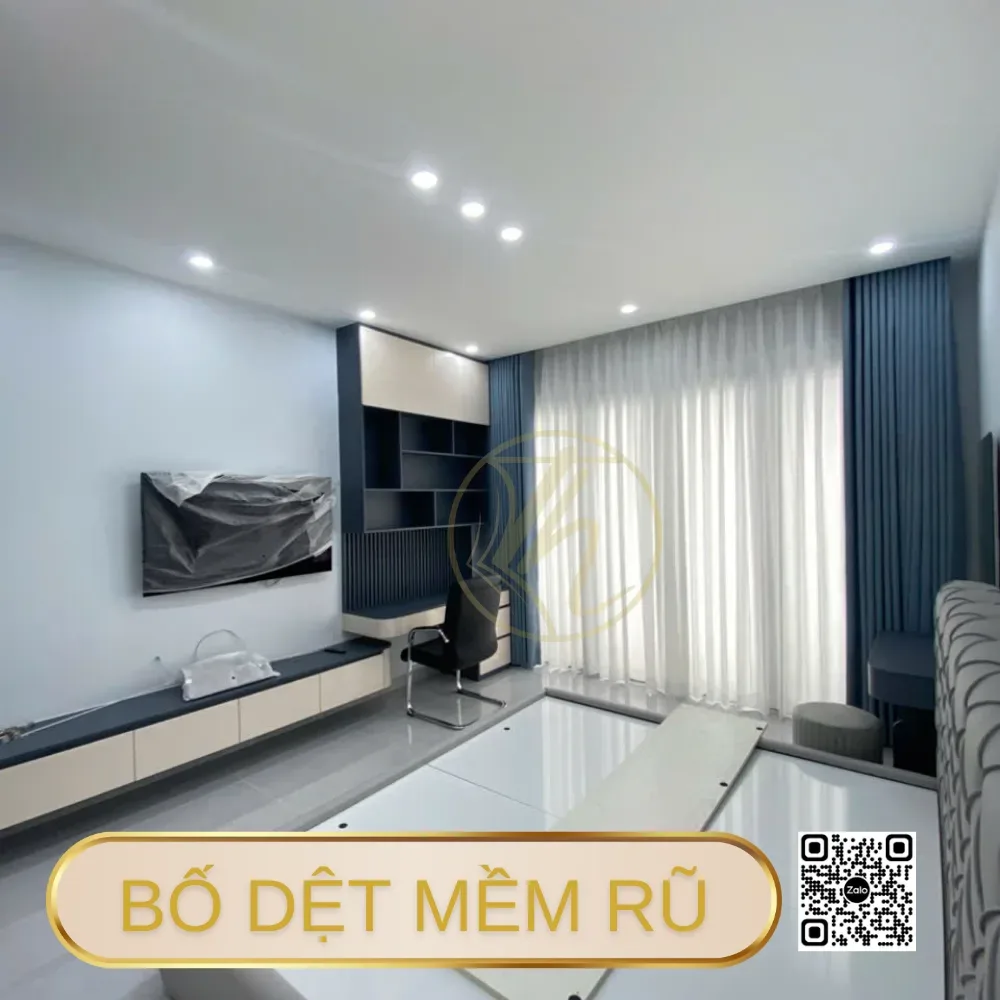
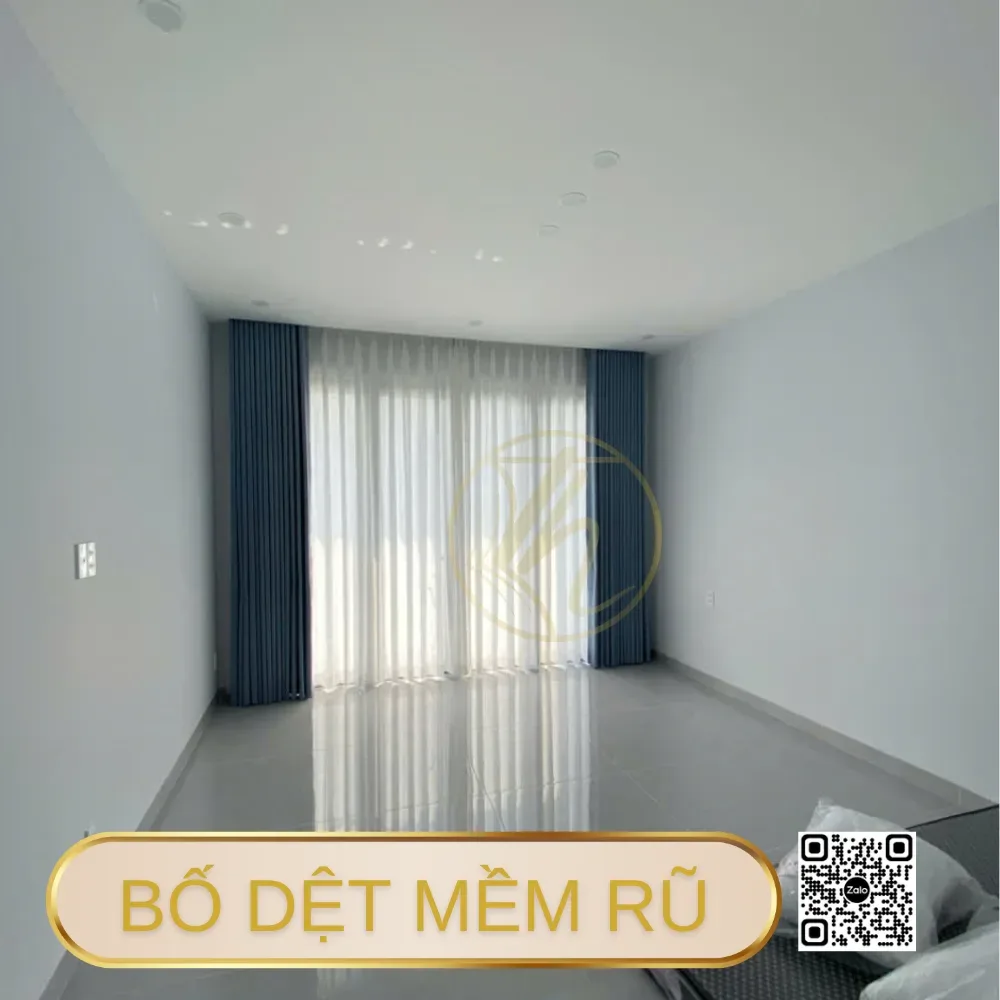
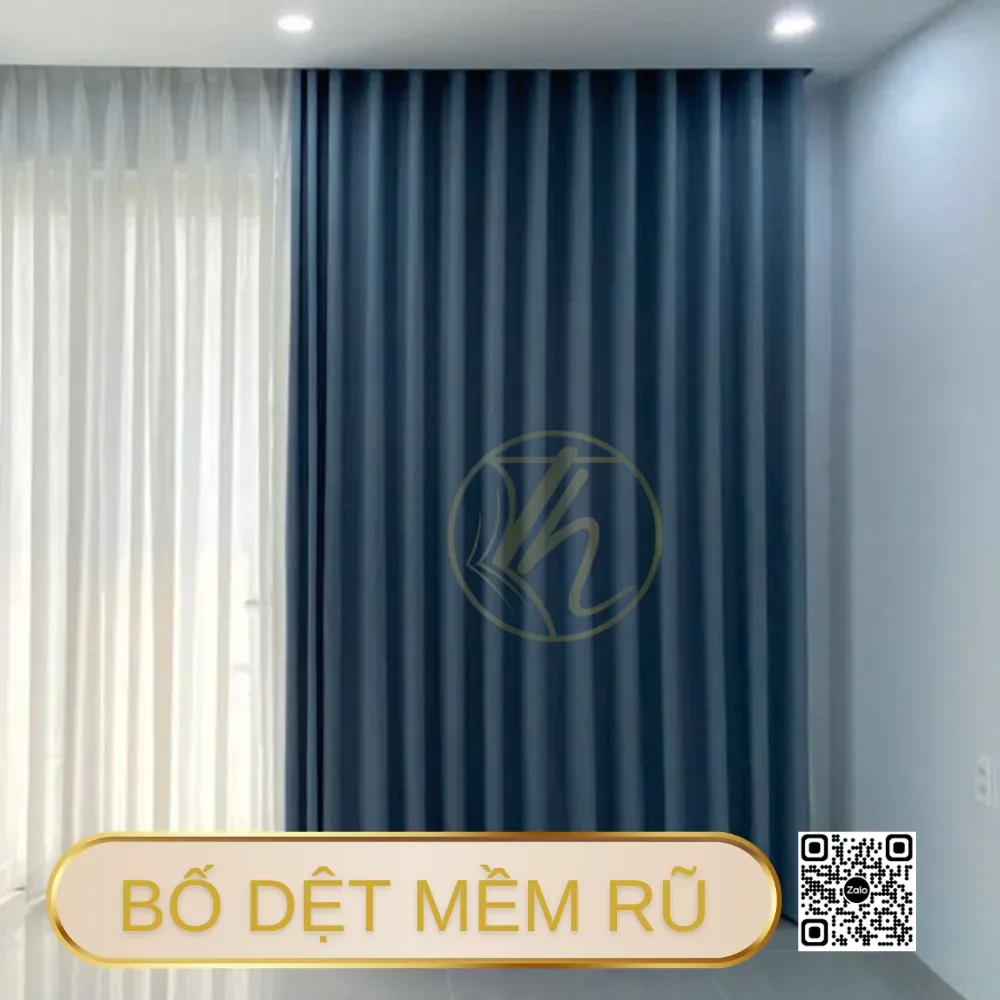
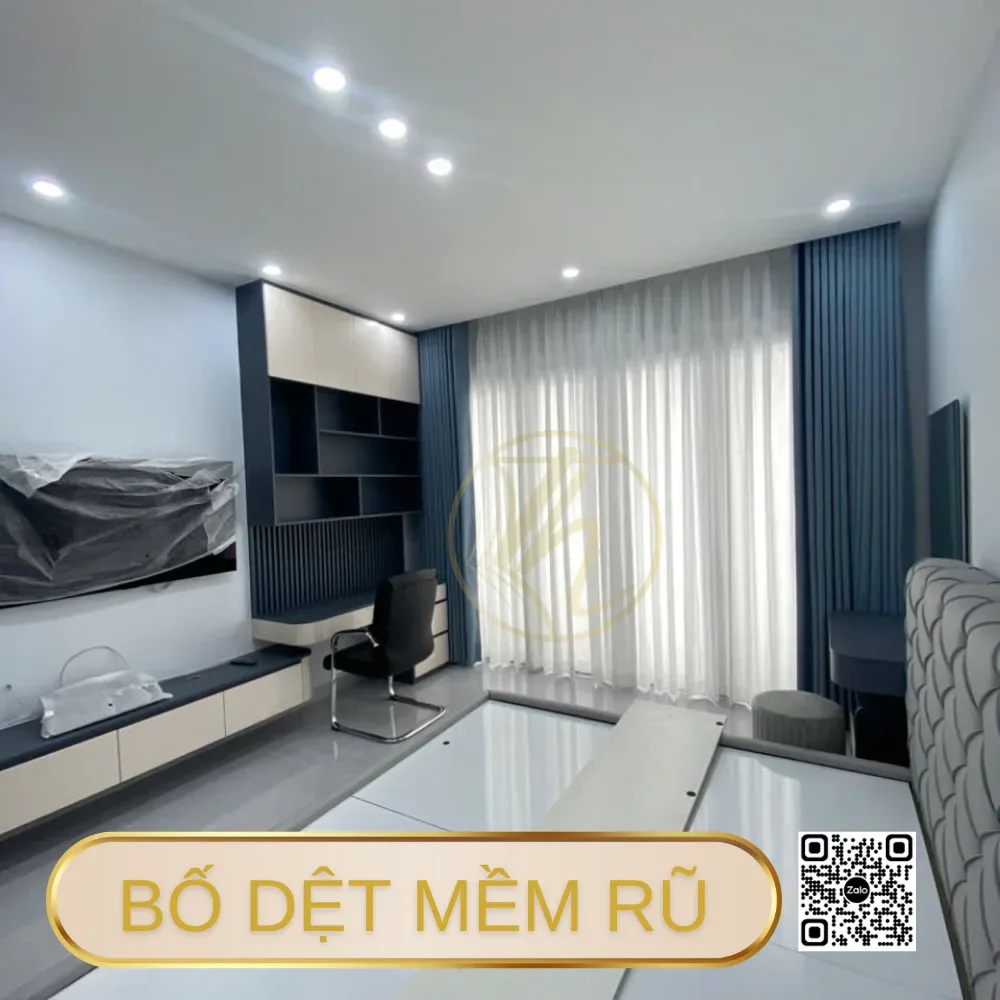
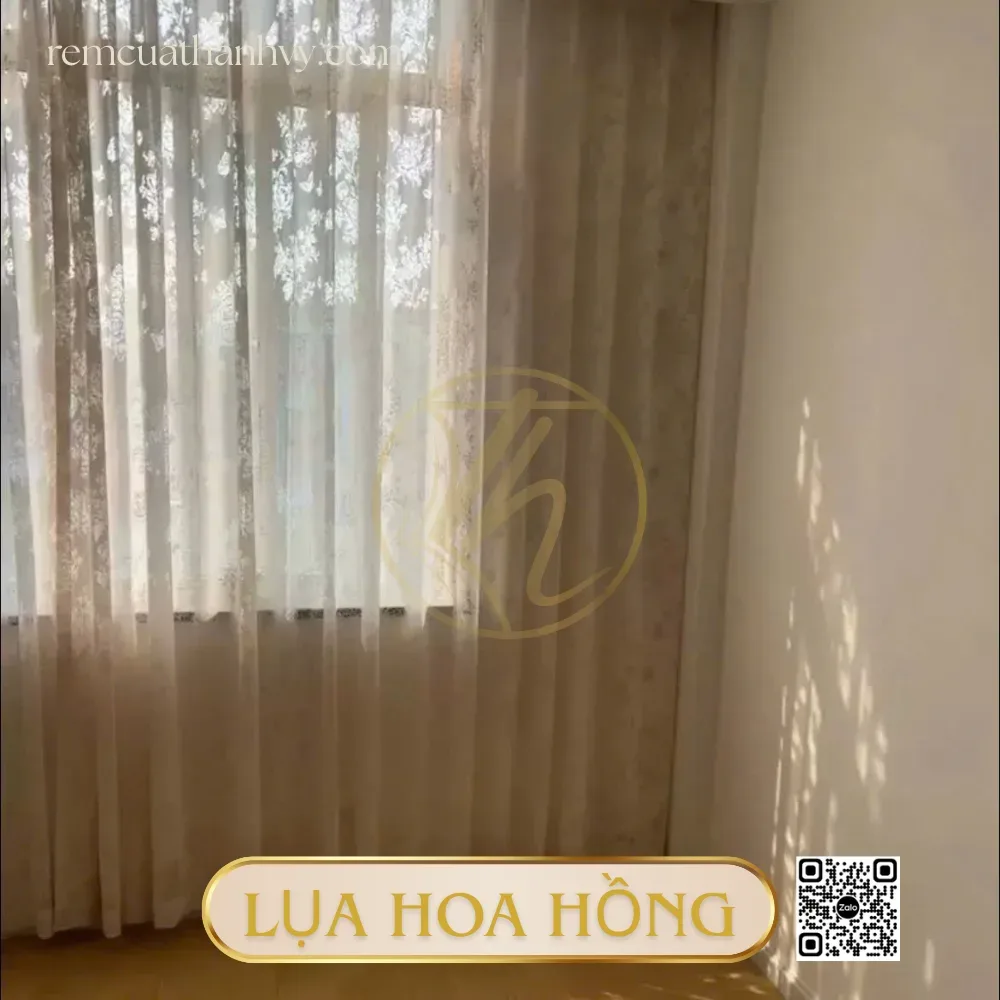
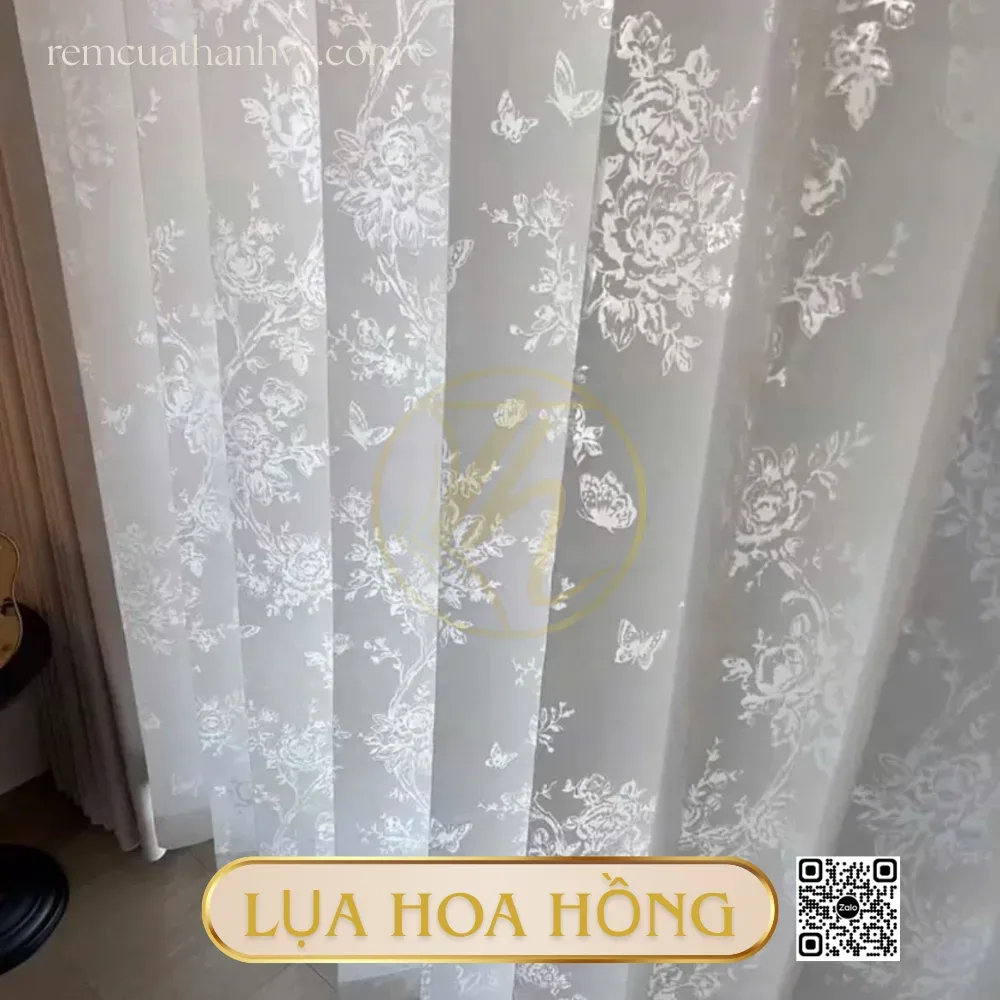
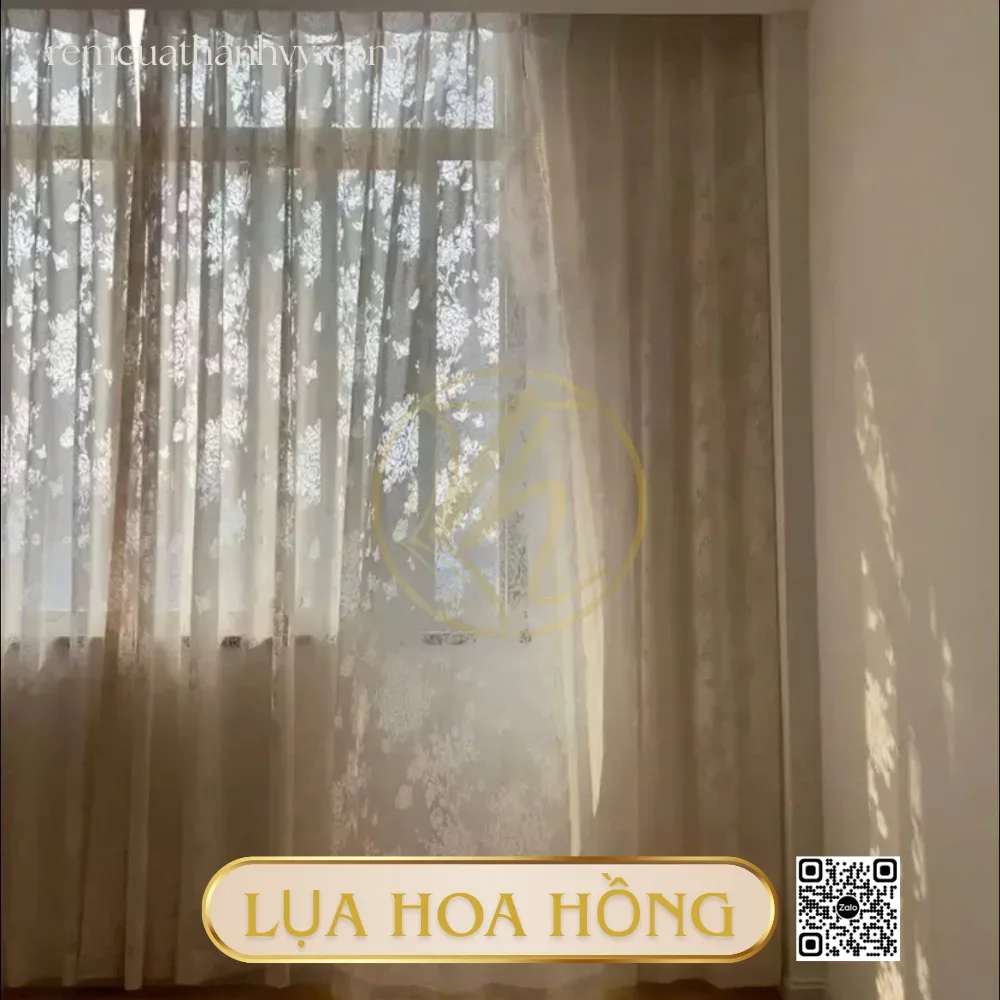
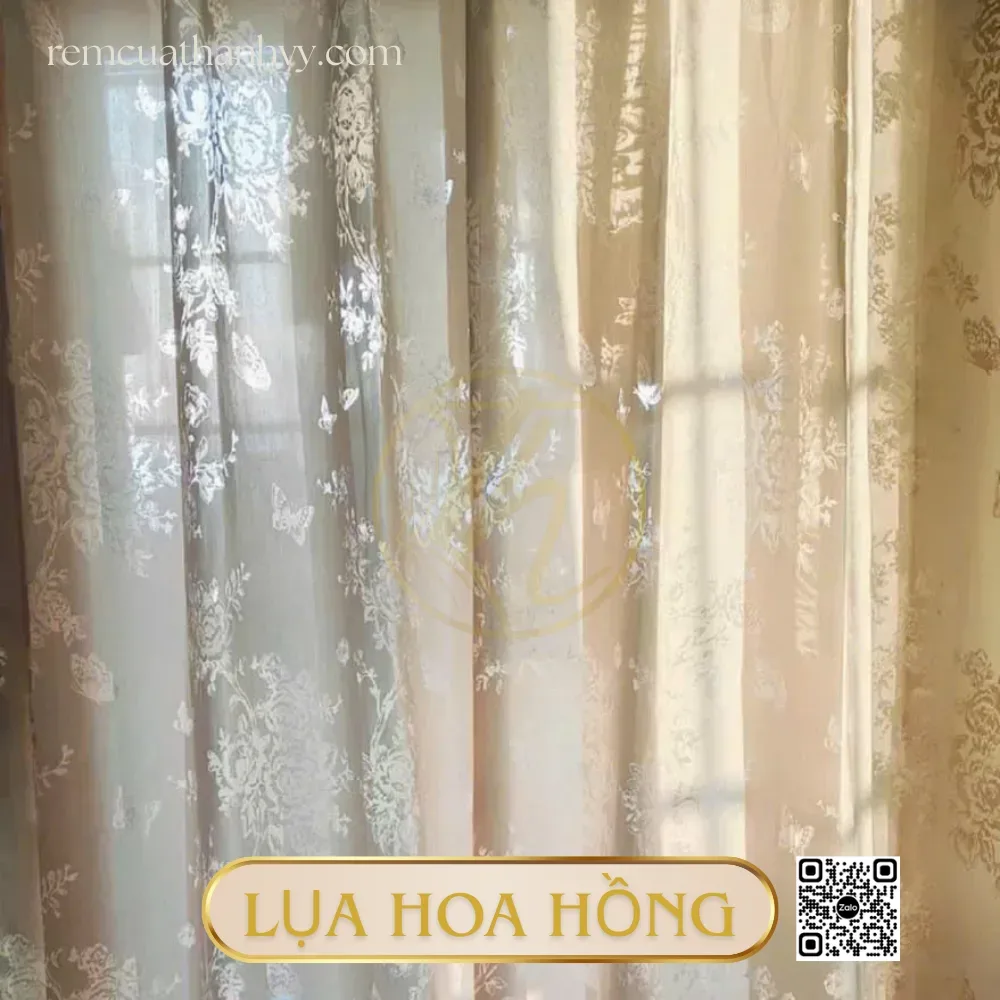
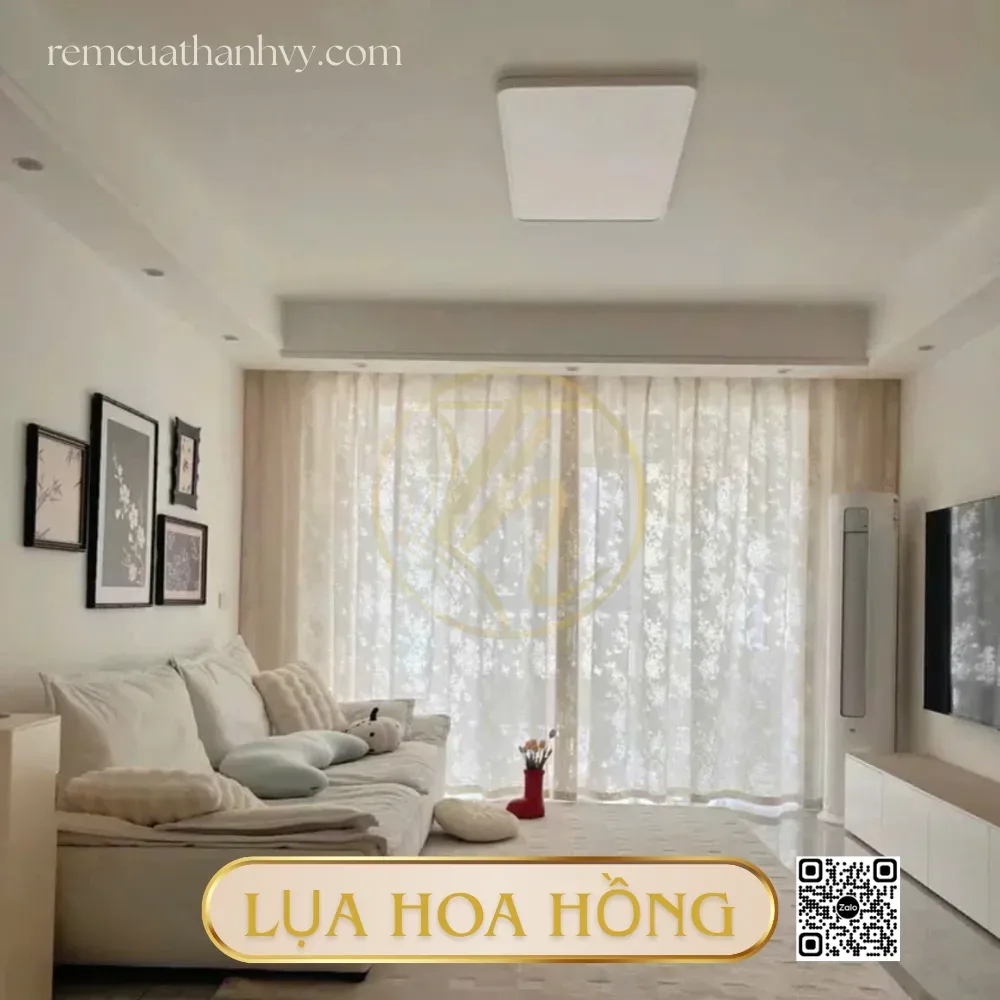
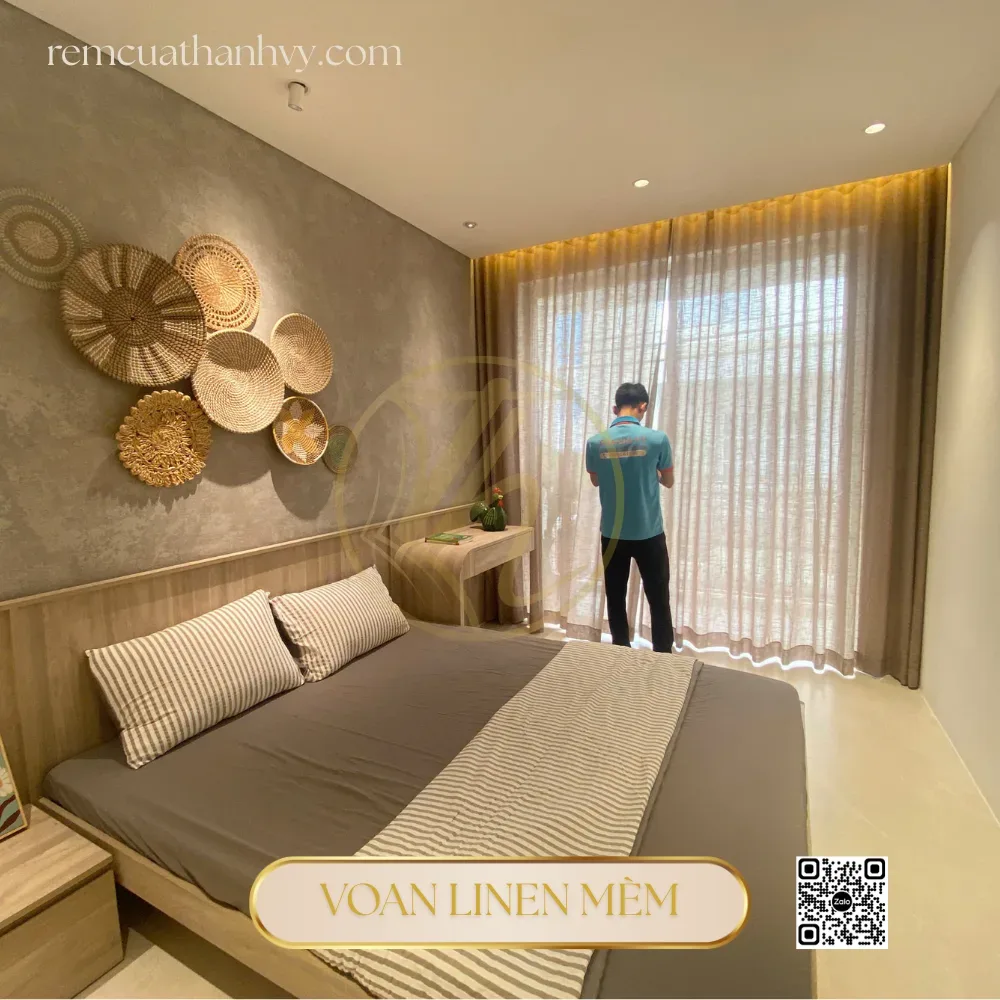
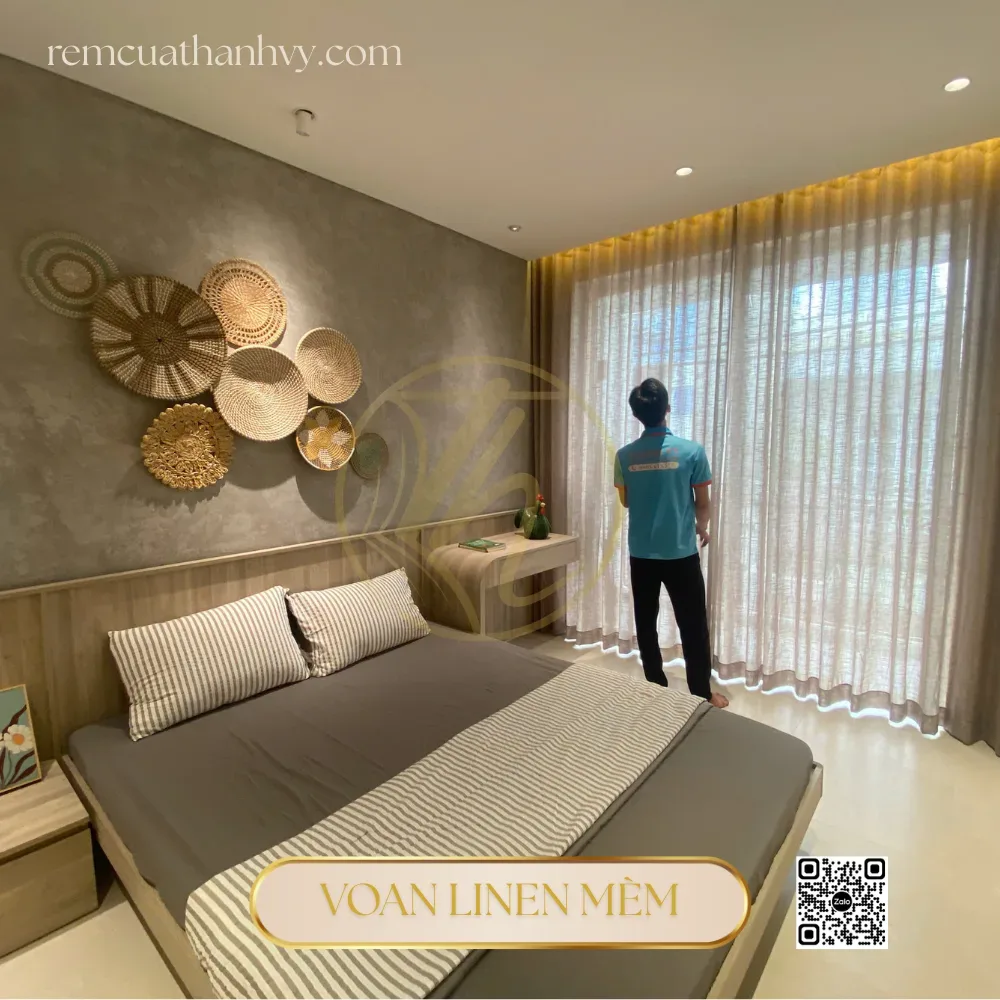
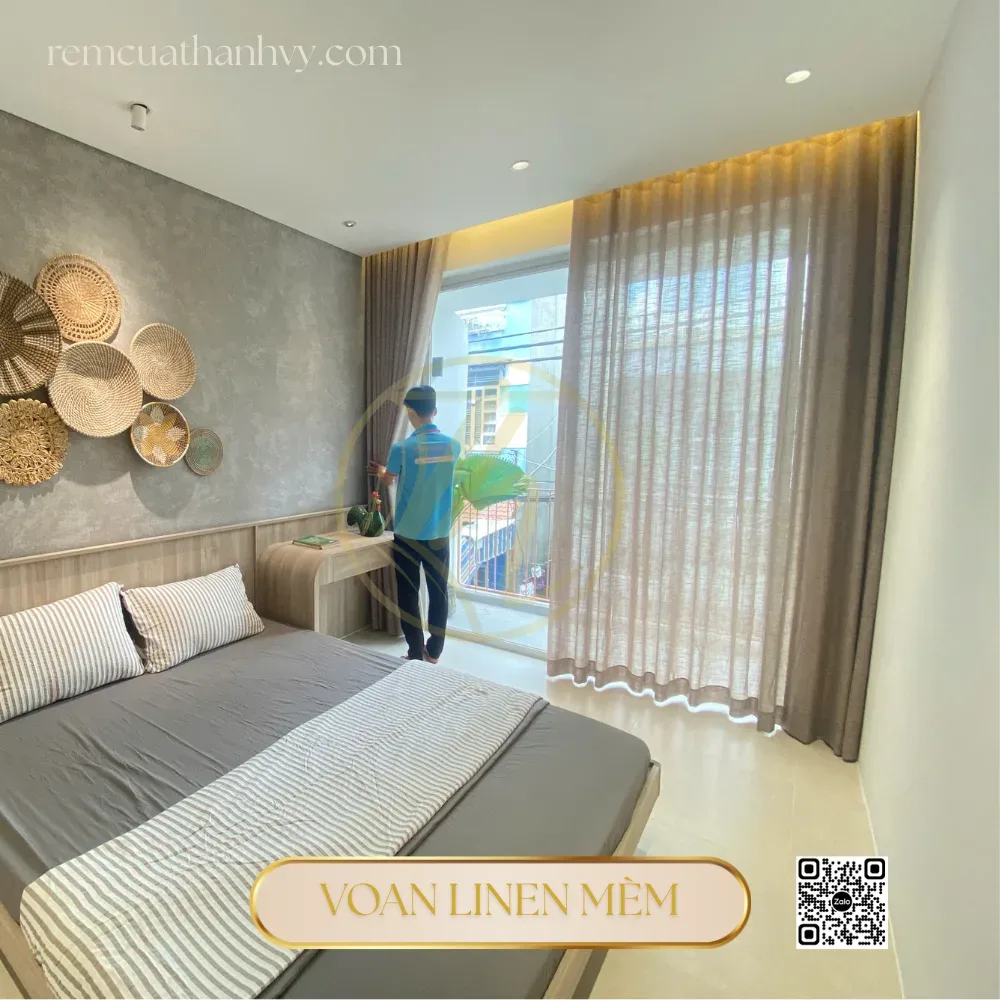
Fabric curtains
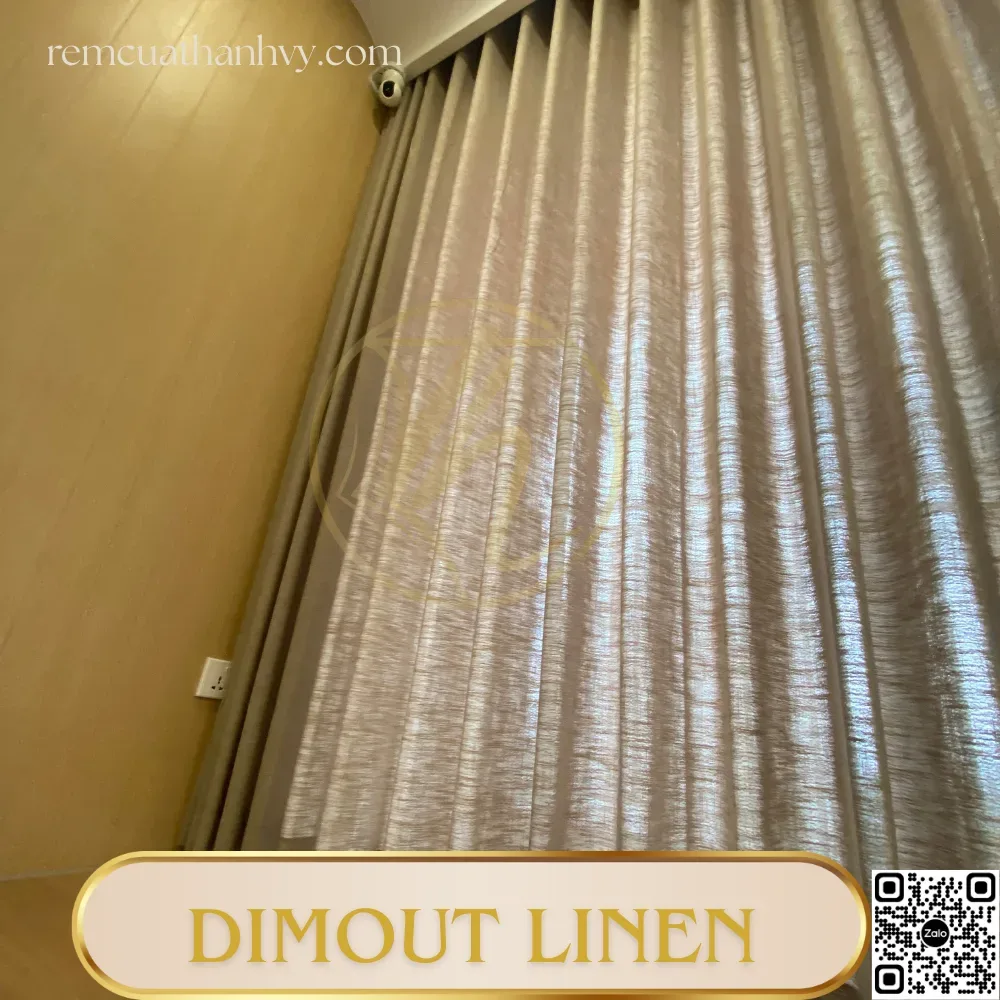
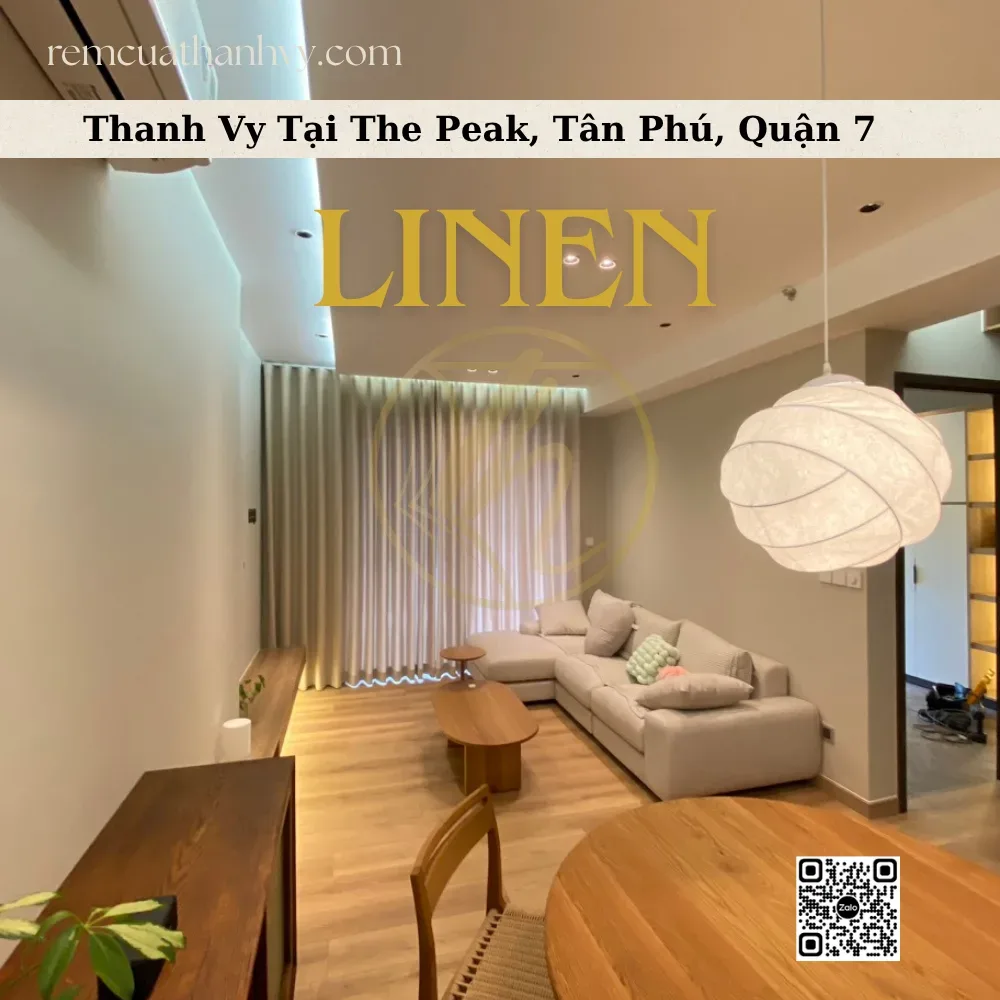
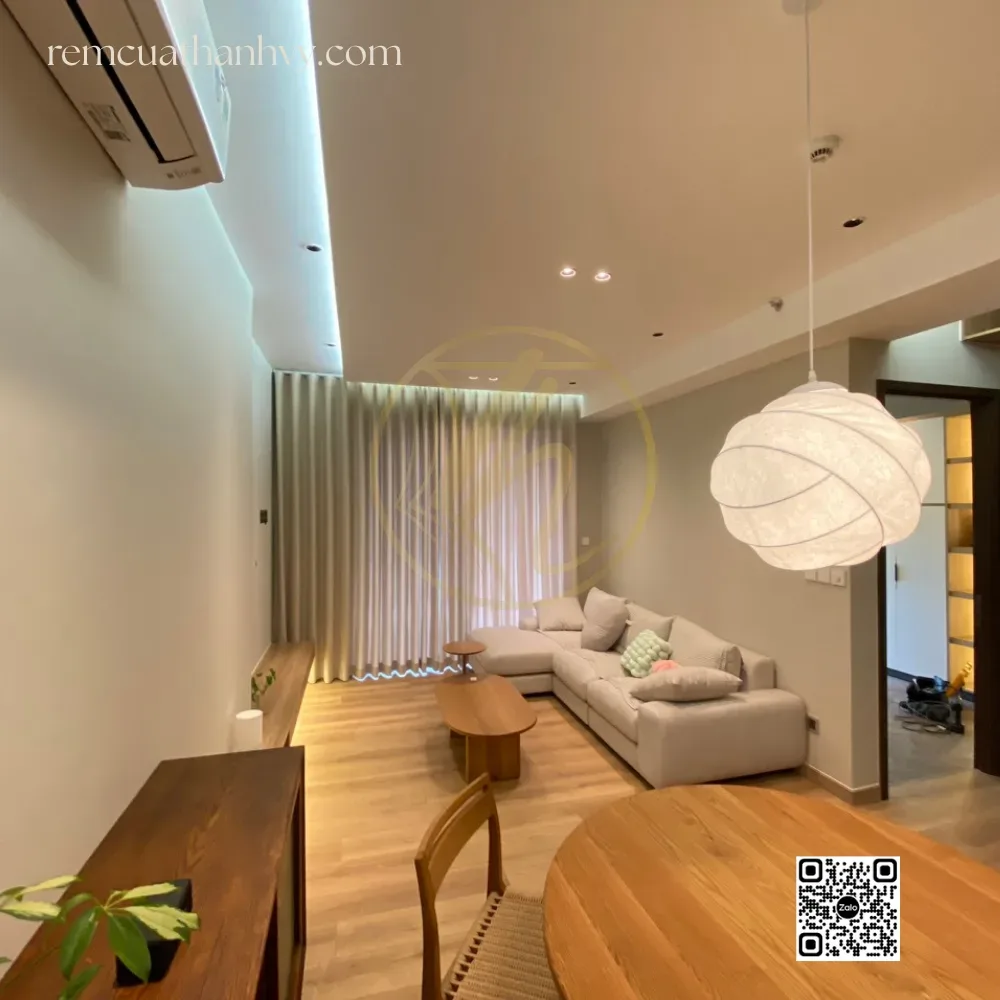
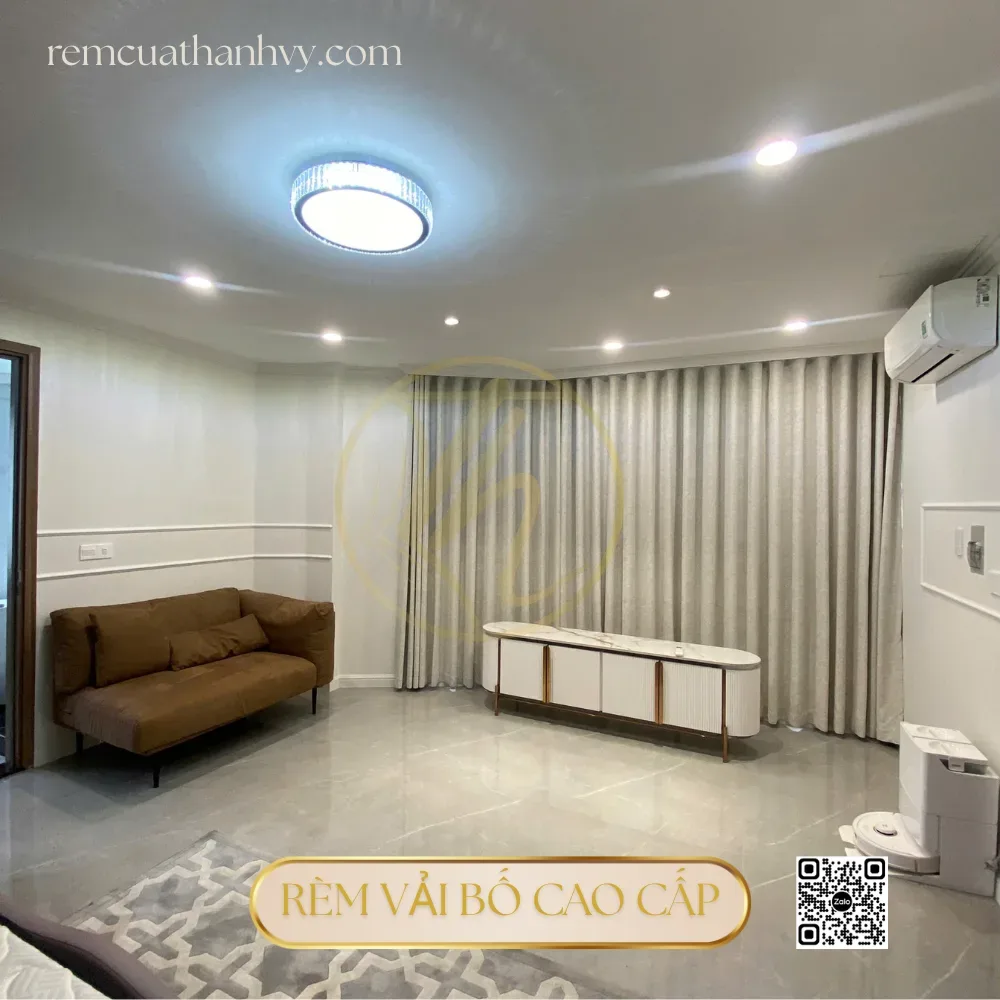
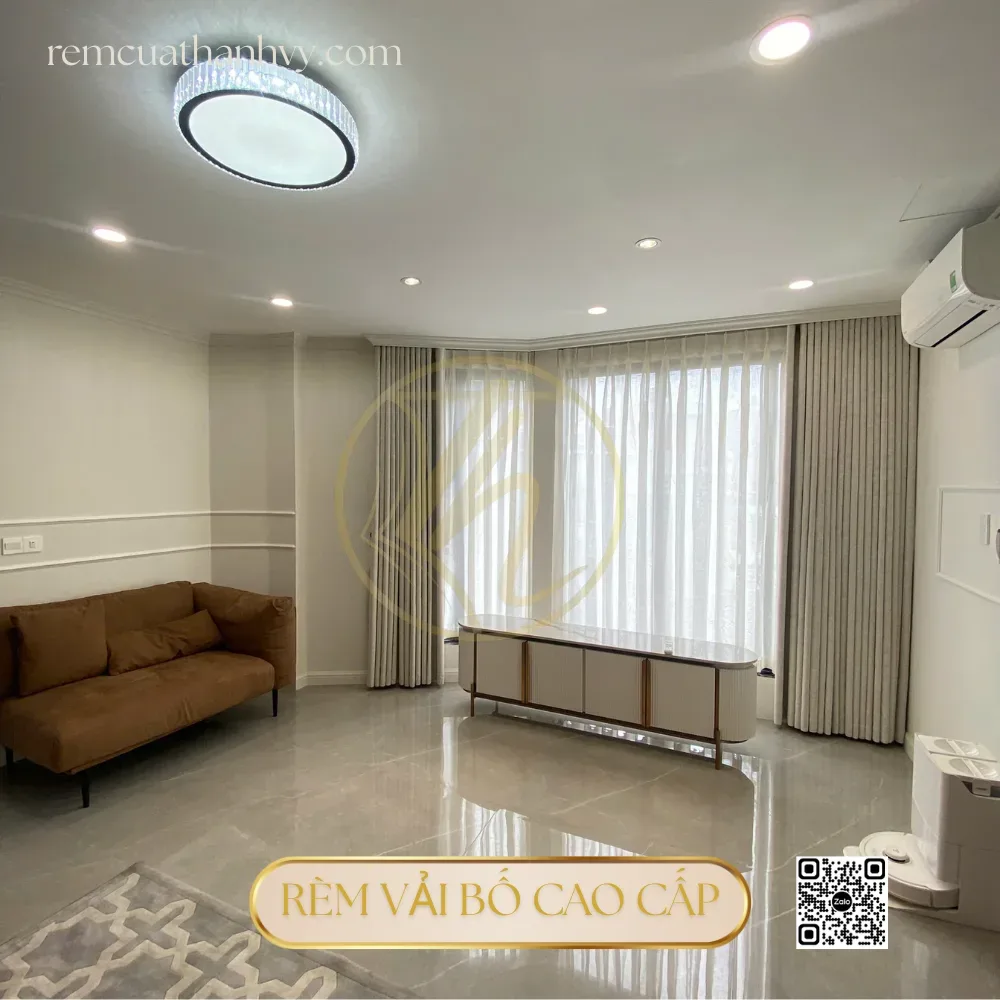
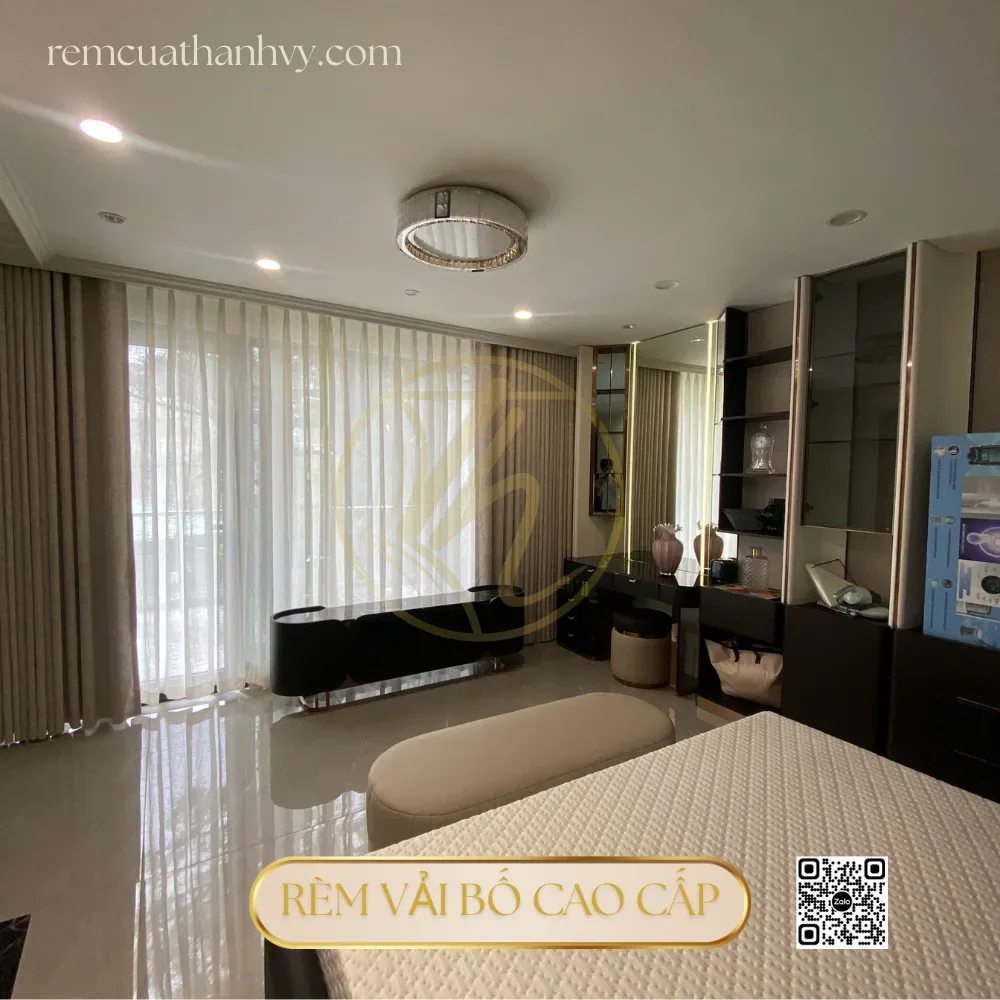
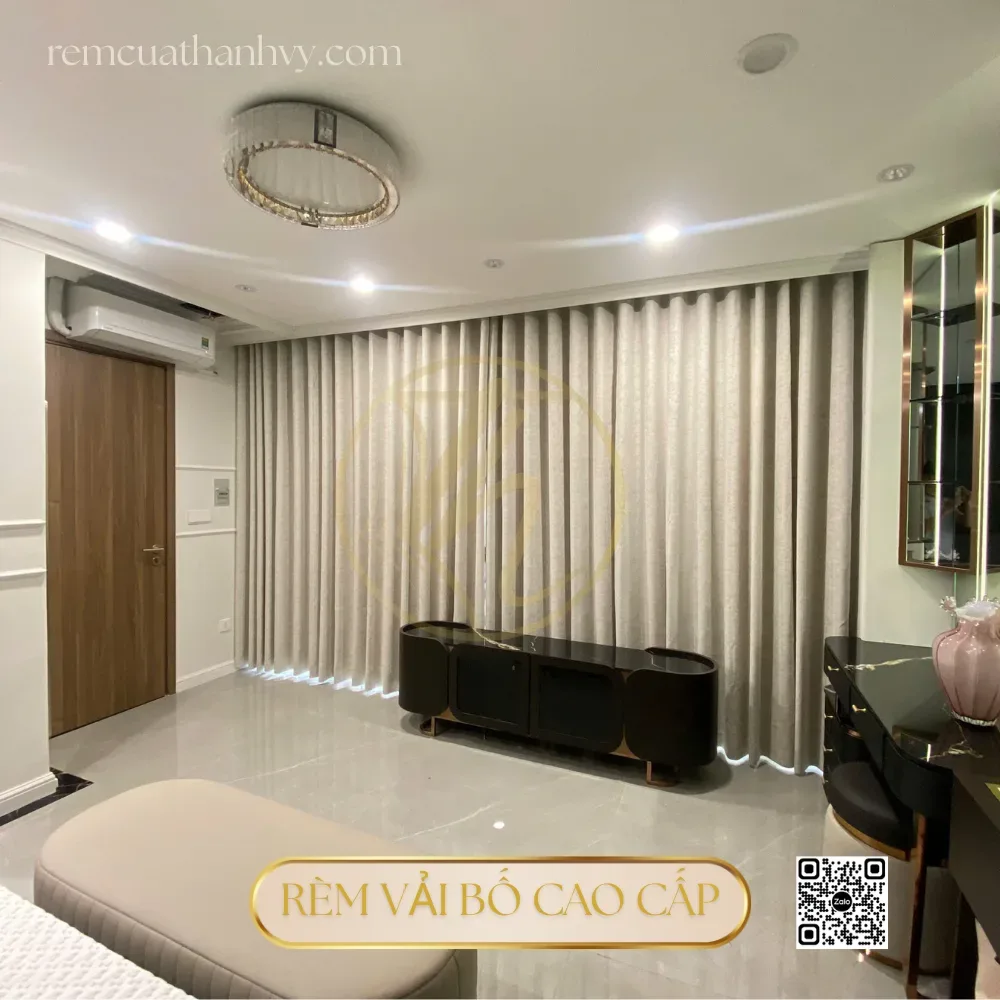
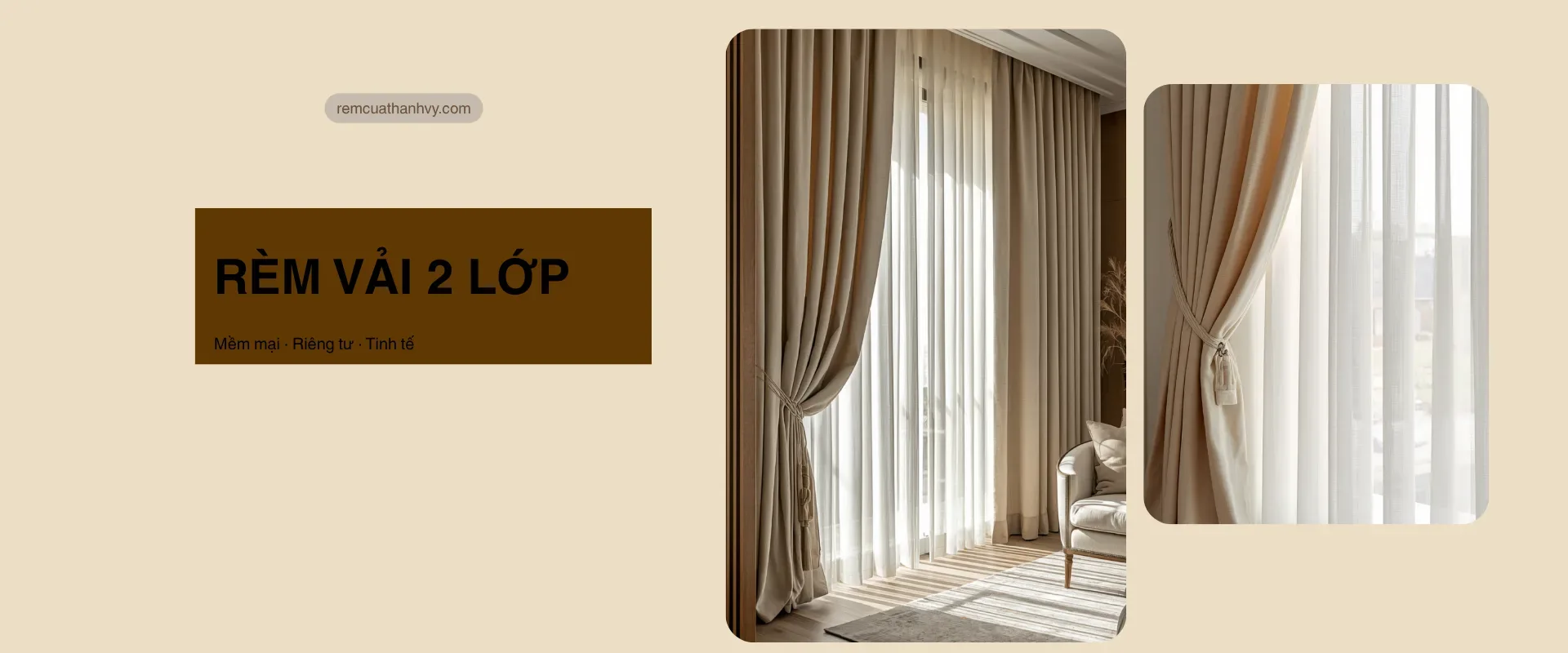
Fabric curtains are the most popular group, with many thickness levels to choose from according to light and privacy needs.
For further information, please contact Thanh Vy Curtains
We provide free consultation and on-site measuring at your home.
Related areas
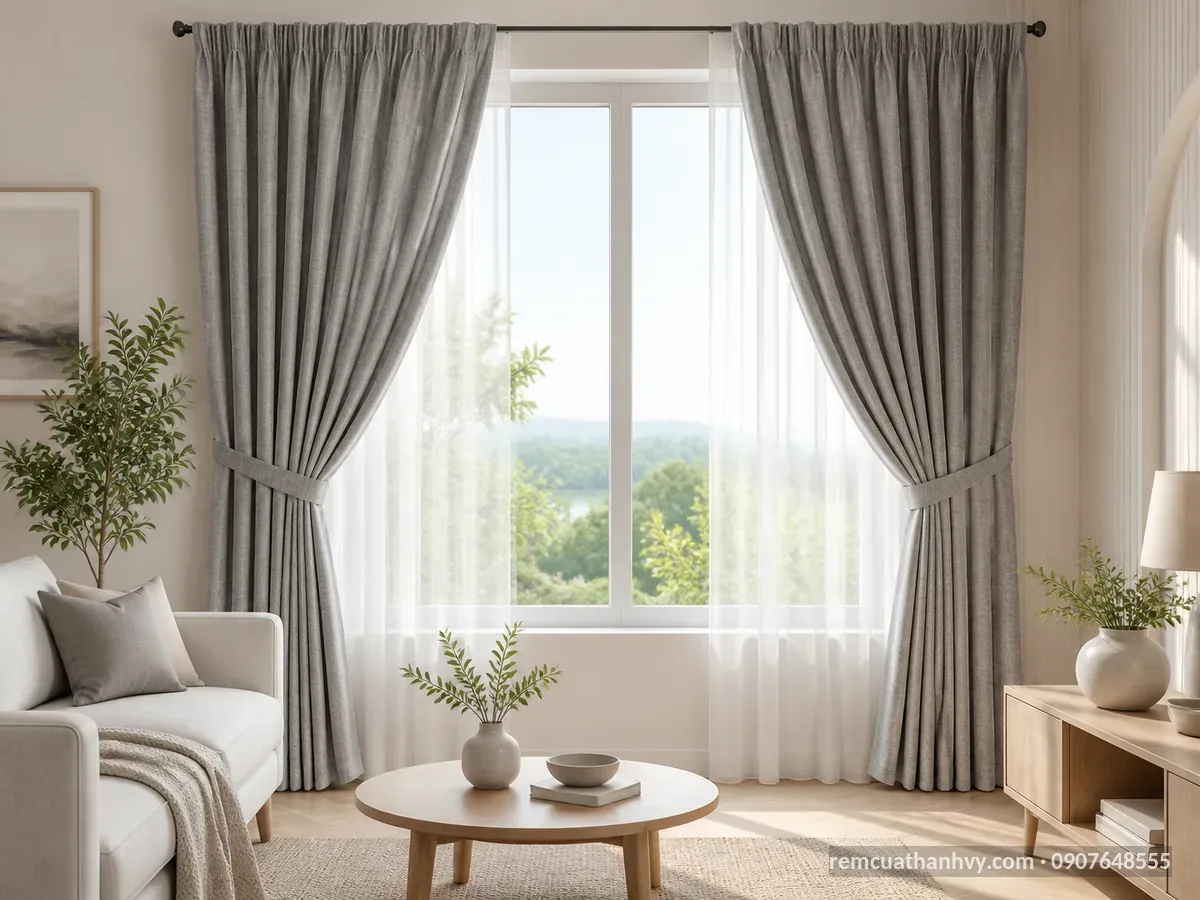
Curtains in District 8: Priorities when choosing for each space
Rèm Cửa Thanh Vy provides professional curtain solutions in District 8 with a wide range [...]

Curtains in District 3: What to prioritize when choosing for each space
**Curtain selection advice:** Customers in District 3 should prioritize two-layer fabric curtains or neat Korean [...]
Curtains in District 6: What to Prioritize for Each Space
To choose the perfect curtains in District 6, contact Rèm Cửa Thanh Vy for dedicated [...]
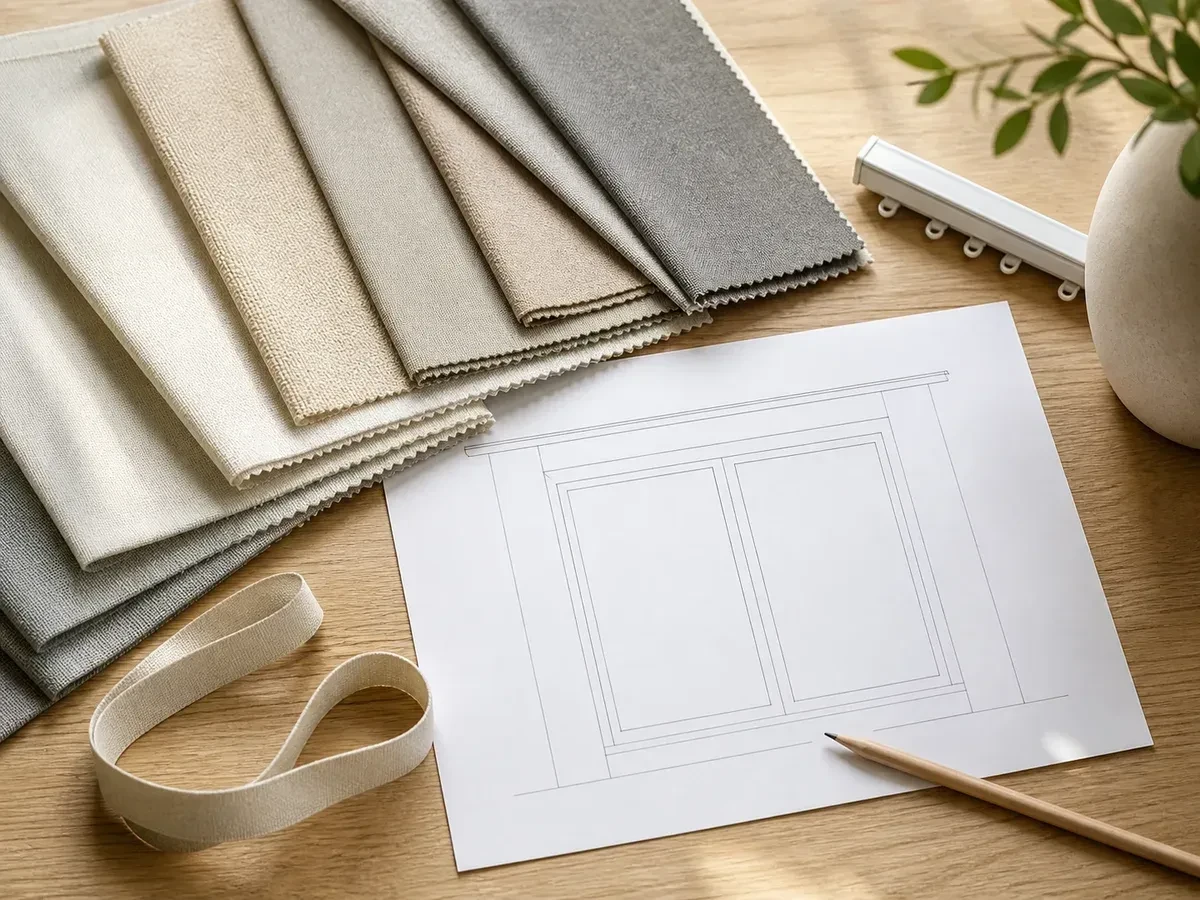
Curtains in Binh Chanh: What to prioritize when choosing for each space
To choose the perfect curtains in Binh Chanh, you should prioritize color-fast, sun-blocking fabrics combined [...]
Related reviews
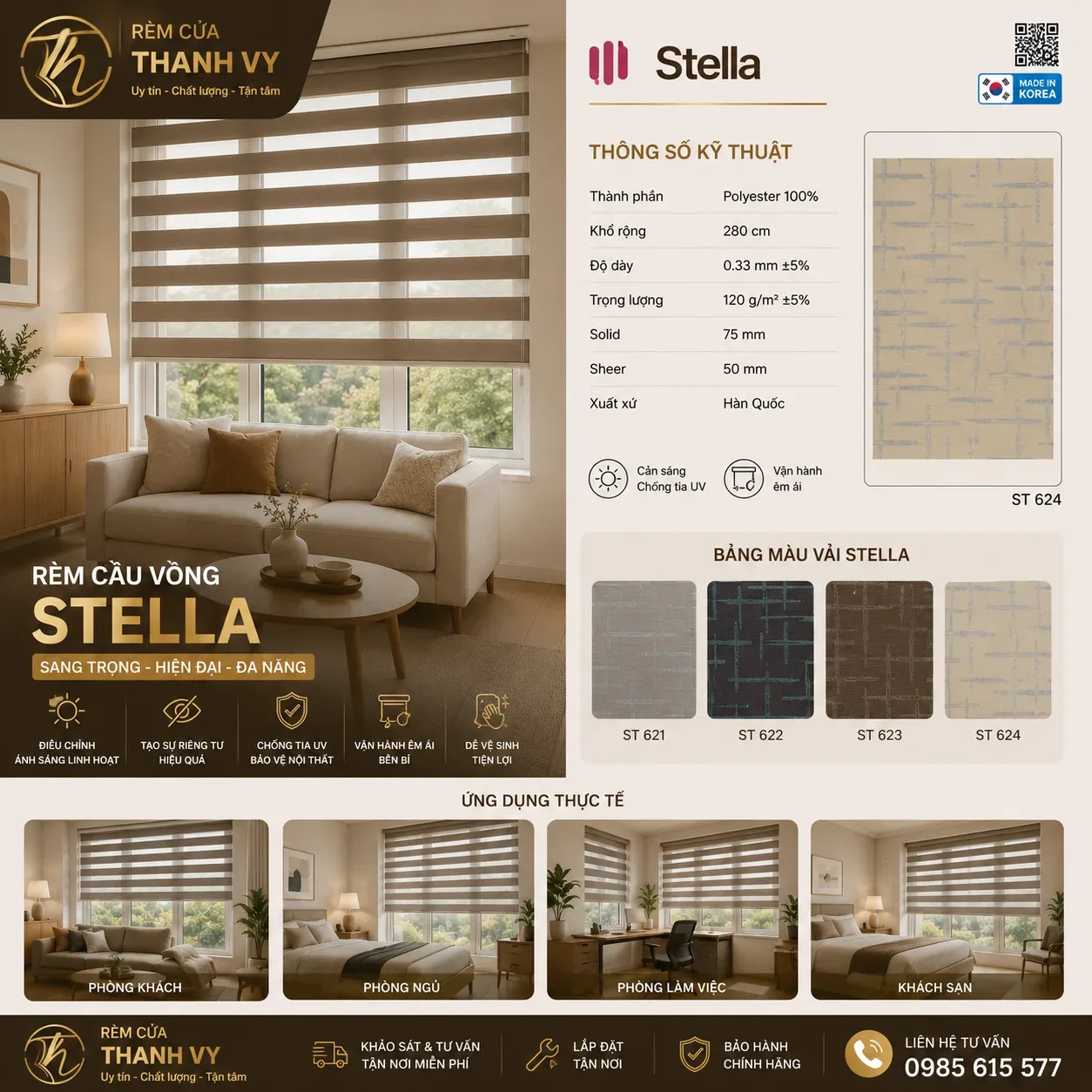
Roller Shades or Zebra Shades? A Detailed Comparison to Help You Choose
This article compares roller shades and zebra shades by construction, light control, aesthetics, price, durability, [...]
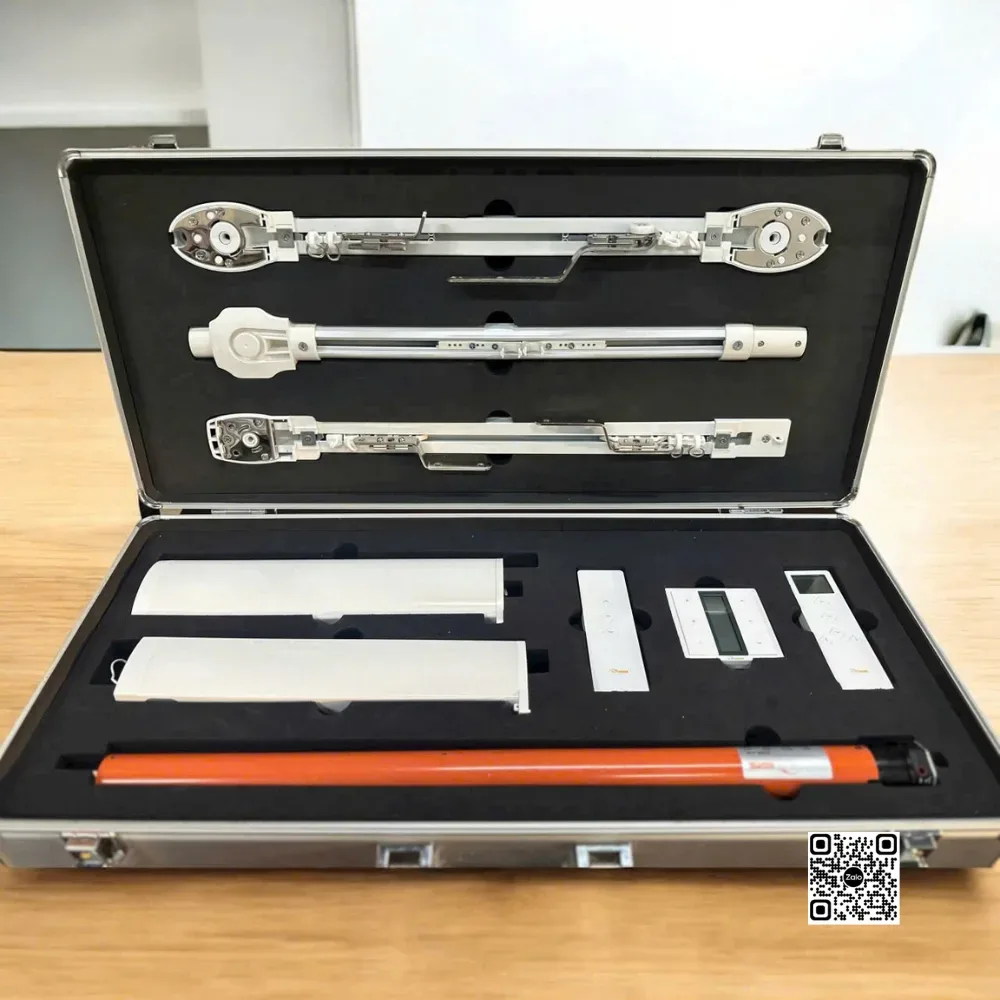
Fabric Curtains vs. Roman Shades: A Detailed Comparison
Compare fabric curtains and Roman shades based on light control, privacy, operation, aesthetics, maintenance, and [...]
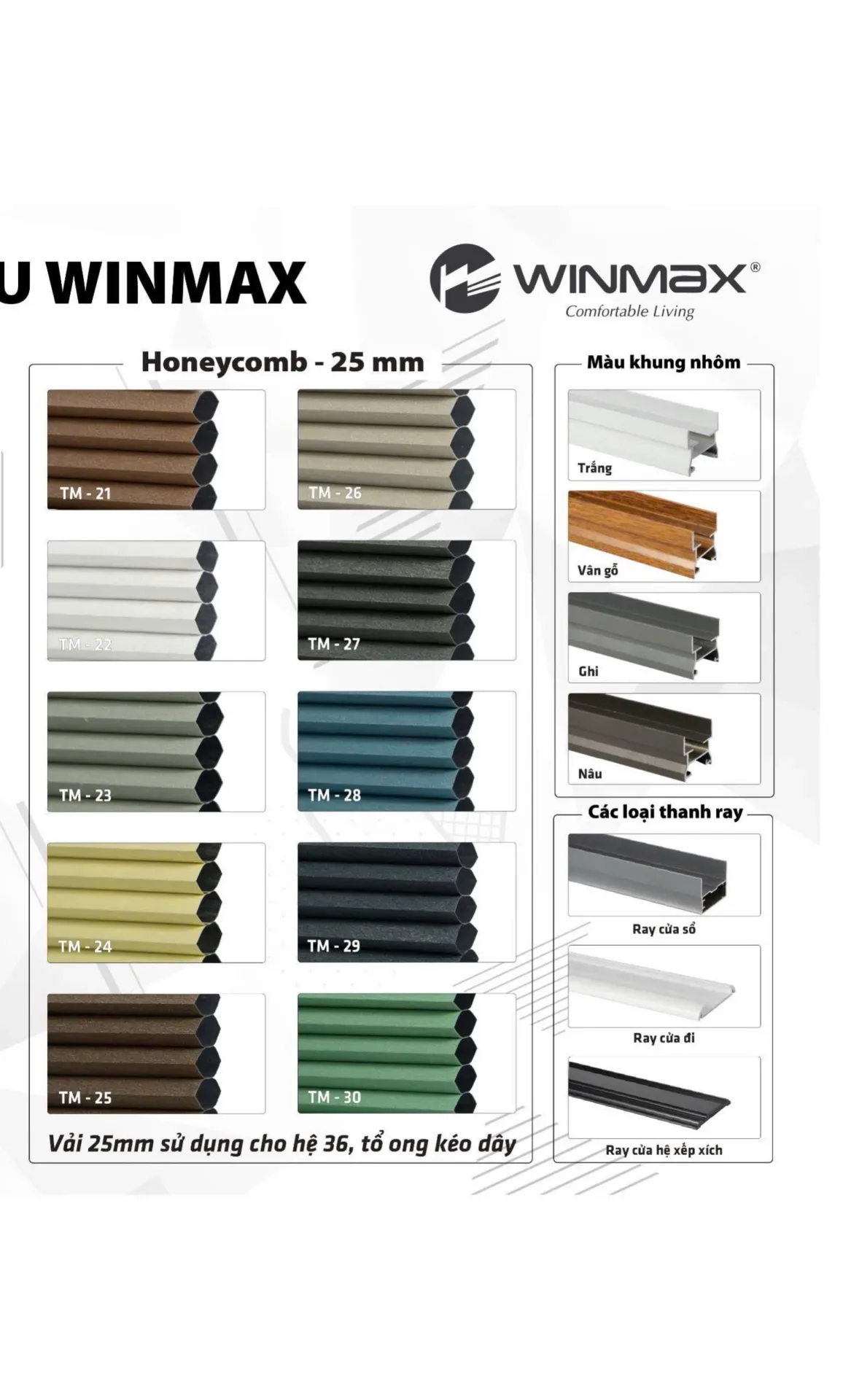
Roller Blinds vs. Honeycomb Shades: A Detailed Comparison to Help You Choose
This article compares roller blinds and honeycomb shades based on thermal insulation, soundproofing, light control, [...]
Related posts
Fabric Curtains in District 3: How to Choose by Room and Need
This article helps readers choose fabric curtains in District 3 based on light blocking needs, [...]
Fabric Curtains in District 6: How to Choose Fabrics and Sewing Styles
A guide to choosing fabric curtains in District 6 for every space, light level, material, [...]
No comments yet!