


Gò Vấp Fabric Curtains: Custom-Made at Home, Great Prices | Thanh Vy
Gò Vấp fabric curtains should start with how each room is used
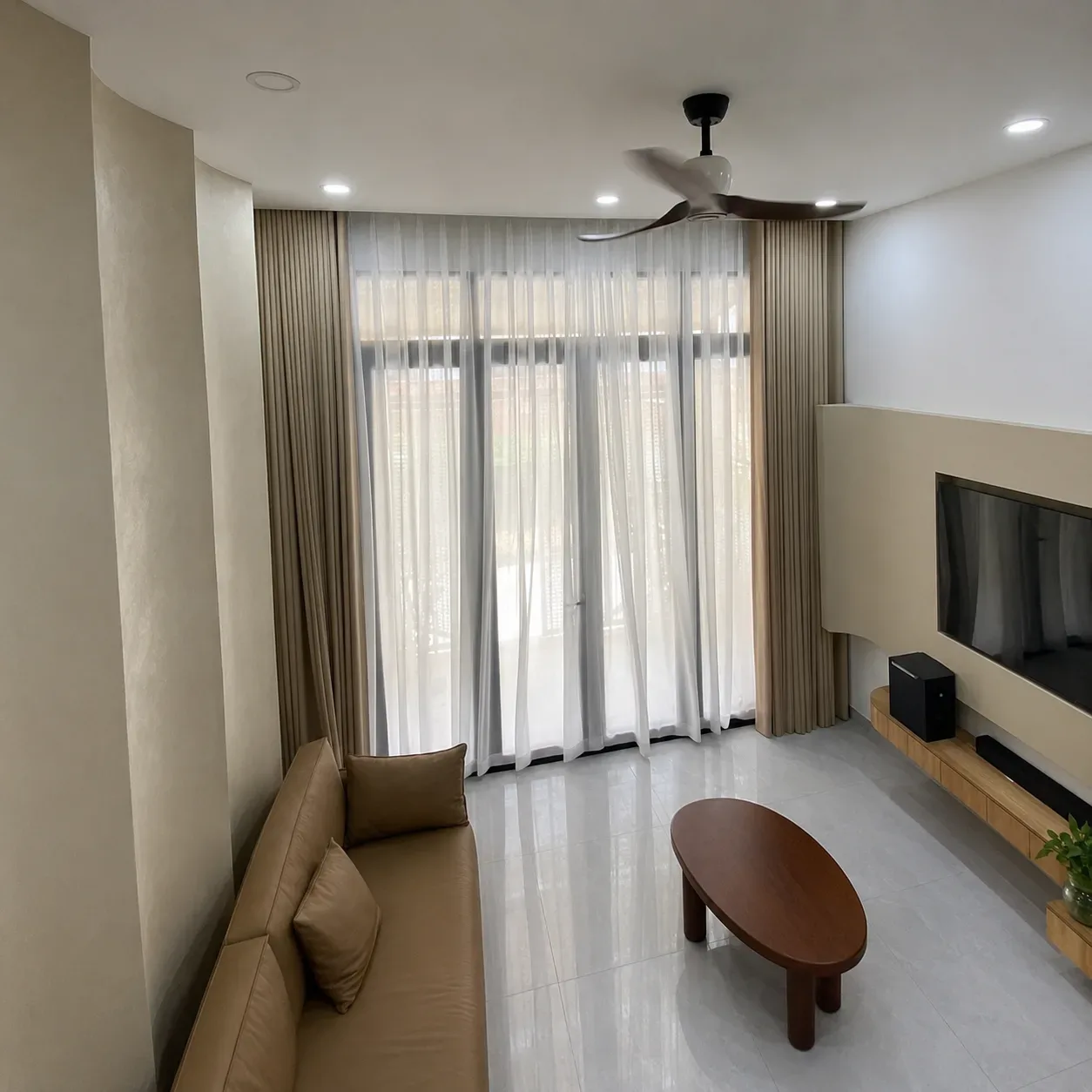
When looking for fabric curtains in Gò Vấp, many people tend to choose immediately based on an attractive sample image while overlooking a more important step: determining what the room actually needs. Living rooms, bedrooms, and work corners have different requirements for light control, privacy, and opening and closing frequency, so a beautiful fabric that works in one room may not necessarily be suitable when hung in another. Starting with functionality, then considering colors and styles, is the way to avoid liking a design at first glance but finding it inconvenient after using it for a few weeks. Information about the company is also available in the Thanh Vy premium curtains section on Báo Hà Tĩnh.
Homes in Gò Vấp are quite diverse — from townhouses on major streets and houses in alleys to apartments — and each type of home has different sun exposure, window widths, and interior settings, making it even more necessary to determine usage needs before choosing a design. The family’s daily routine also has an impact: homes with elderly people or young children often need curtains that are easy to draw and clean, while a home office requires flexible light control depending on the time of day.
Determine the level of light control and privacy based on the characteristics of homes in the area
Townhouses facing major roads in Gò Vấp often receive direct sunlight at certain times, especially in the afternoon. For these windows, the top priority is controlling glare and heat, while still allowing the space to be opened up during the rest of the day — if you choose only thick curtains for maximum sun blocking, the room can easily become dark and stuffy all day.
If you are considering additional options, you can refer to District 6 Fabric Curtains: How to Choose Fabric and Sewing Styles and District 3 Fabric Curtains: How to Choose Based on Room and Needs for comparison before deciding. You can also learn more about polyester fibers in the textile industry to better understand the material.
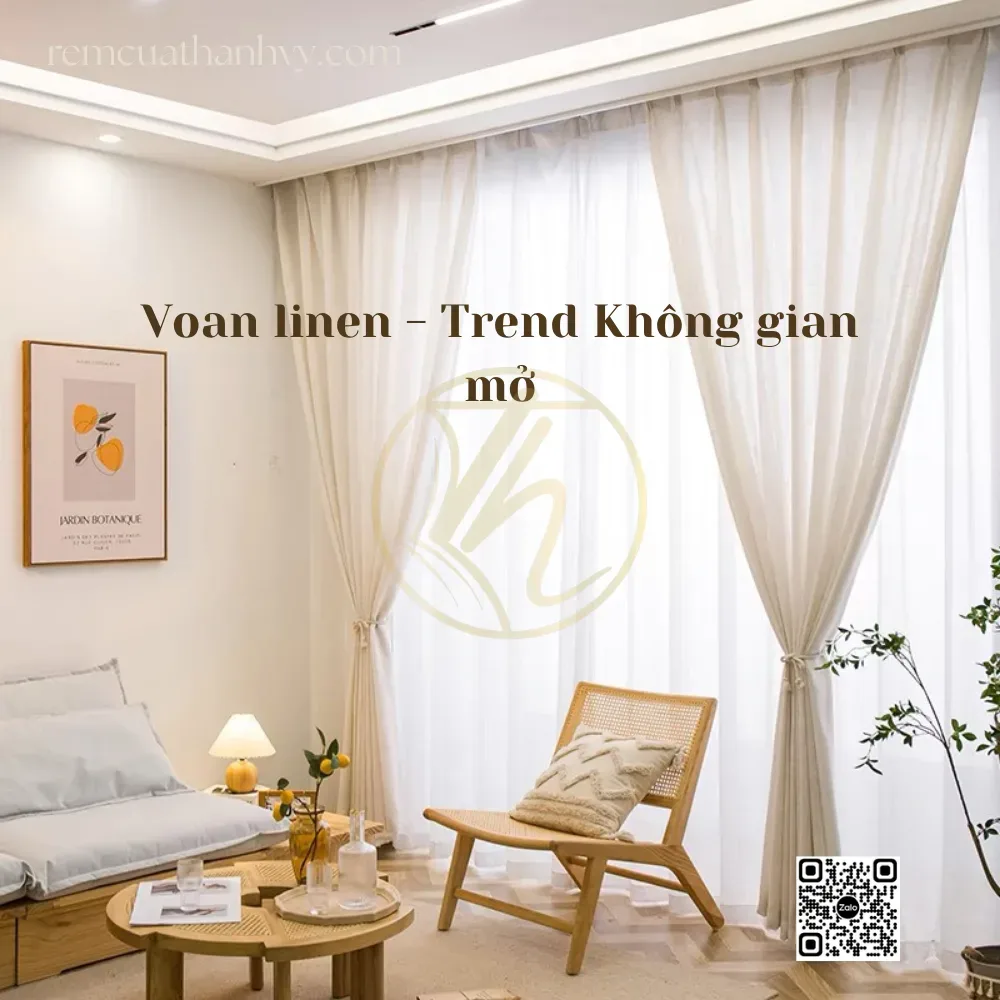
Quick answer: If you are still undecided between two options, ask for a side-by-side description based on the same set of criteria instead of relying only on your initial impression.
Houses in alleys are often the opposite: they receive less natural light, but the close distance between neighboring homes makes privacy more important than sun protection, so a thin curtain combined with a thick lining when full closure is needed at night is usually more flexible than choosing thick curtains from the outset. In apartments, glass doors and windows are often large, and morning light may shine directly into sleeping areas if the apartment faces the early sun, so the desired level of privacy should be considered based on both the floor level and the views from surrounding apartments.
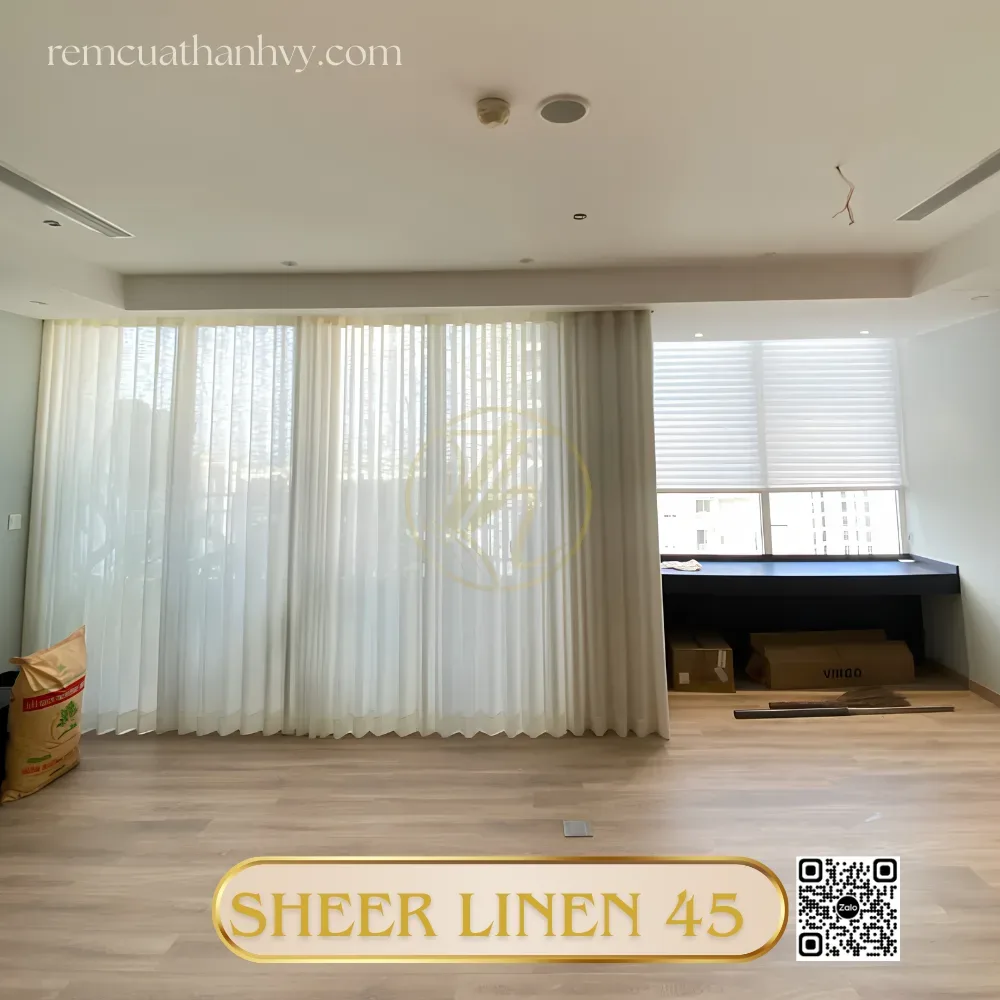
Regardless of the type of home, the core questions should still be: which hours need darkness, which hours need brightness, and whether the desired level of privacy at night differs from during the day.
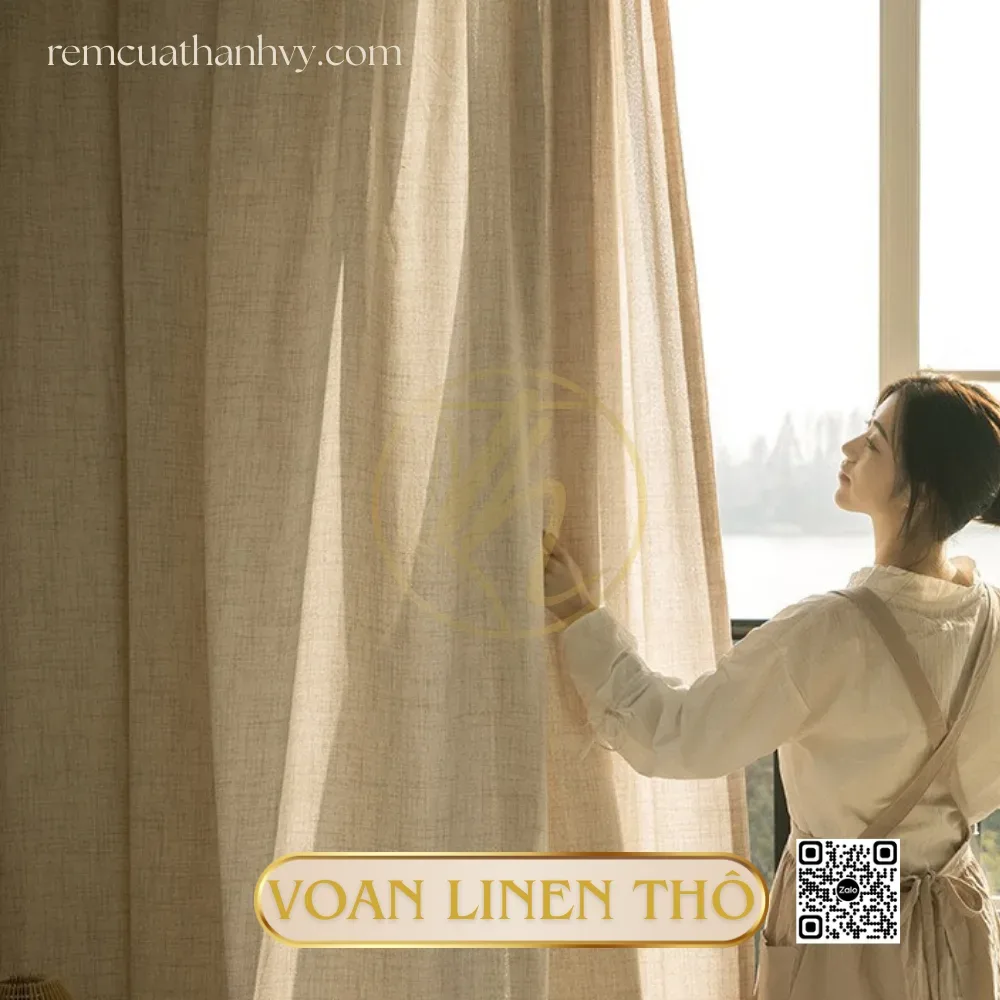
Choose a fabric material suited to the area’s actual conditions
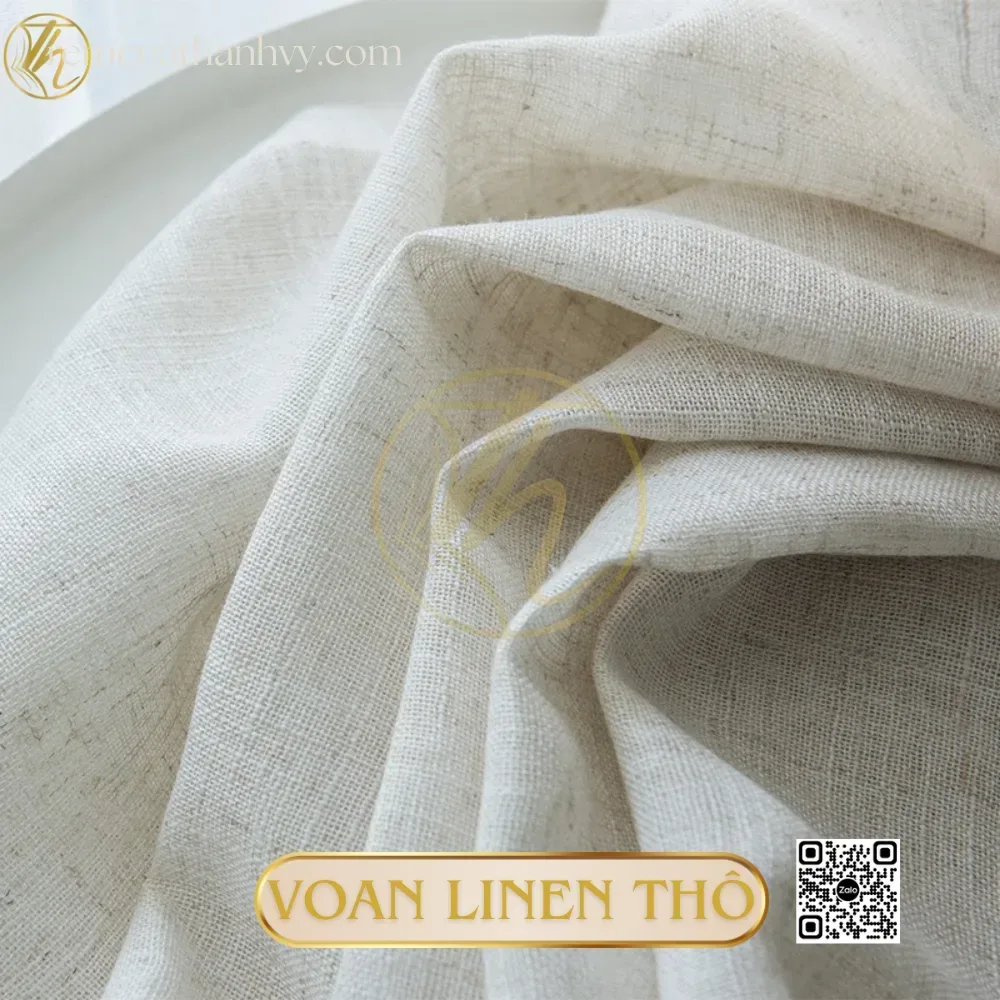
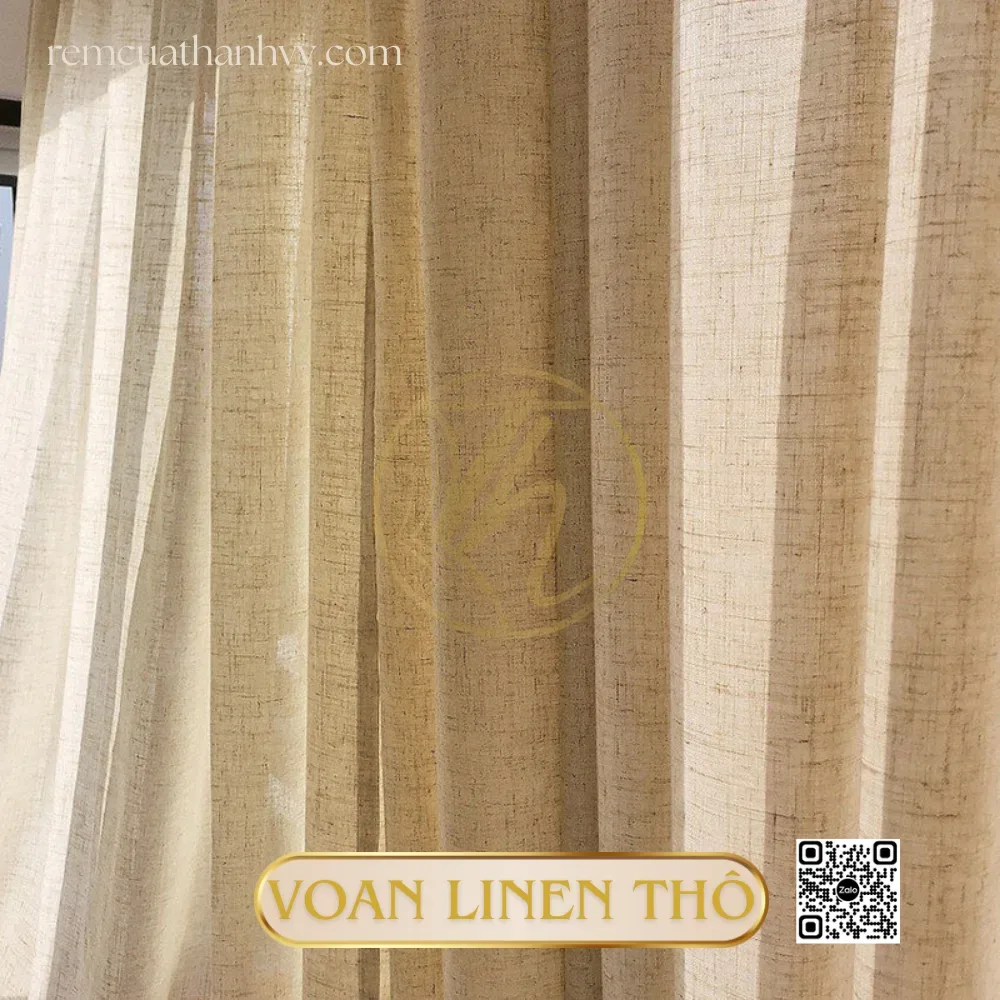
A suitable fabric material should not be evaluated only by how it feels to the touch when viewing a sample; it also needs to be compatible with actual usage conditions. Homes near busy roads or construction areas usually receive more dust than average, so fabric that is easy to wipe and wash regularly will be more convenient in the long term than fabric with a complex weave that is difficult to clean.
For homes with young children or pets, the fabric’s ability to retain its shape and withstand being opened and closed many times a day should also be taken into account — fabric that is too soft and thin can easily lose its shape, while fabric that is too stiff is difficult to drape naturally. For rooms with few windows or areas near the kitchen or bathroom, prioritize materials that retain little moisture and dry quickly to prevent mold from shortening the curtains’ lifespan.
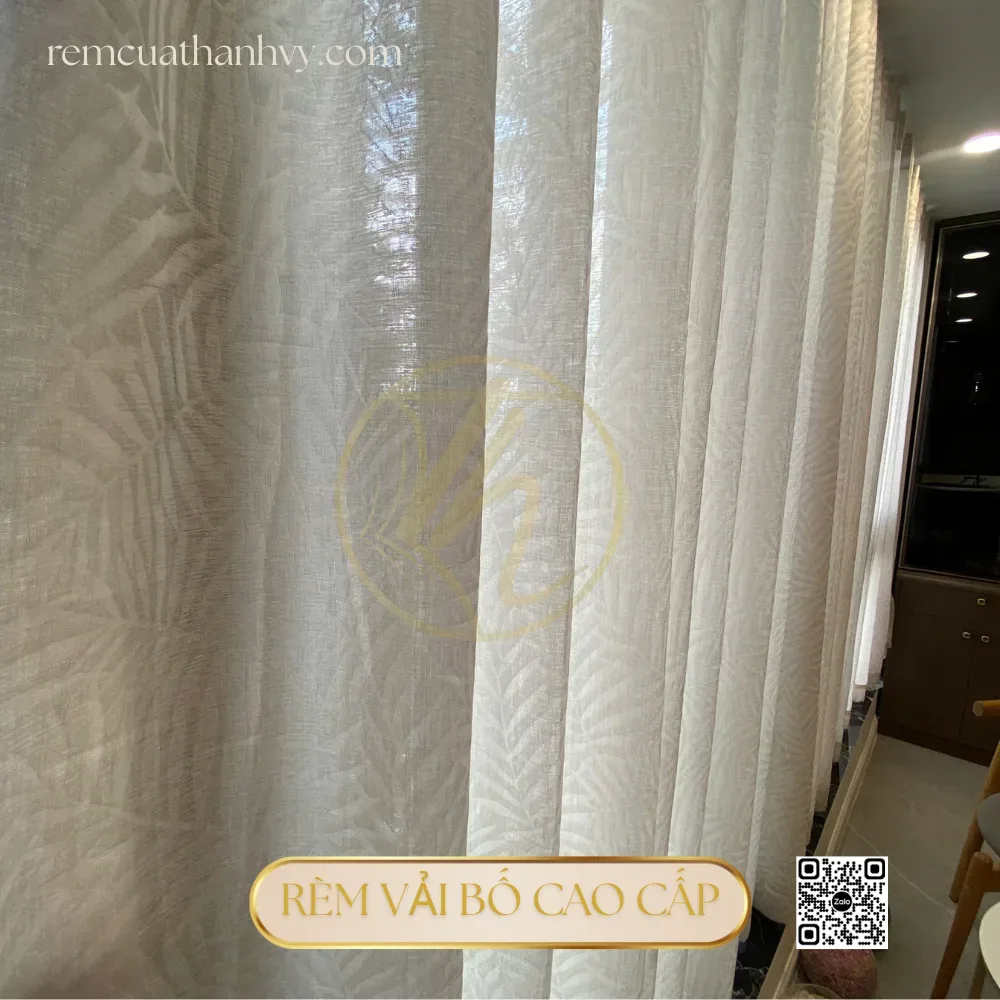
In general, instead of asking vaguely, “which fabric is best”, you should describe the room’s actual conditions specifically — location, dust levels, humidity, and frequency of use — so the consultant can recommend the right group of materials rather than relying solely on aesthetic preferences.
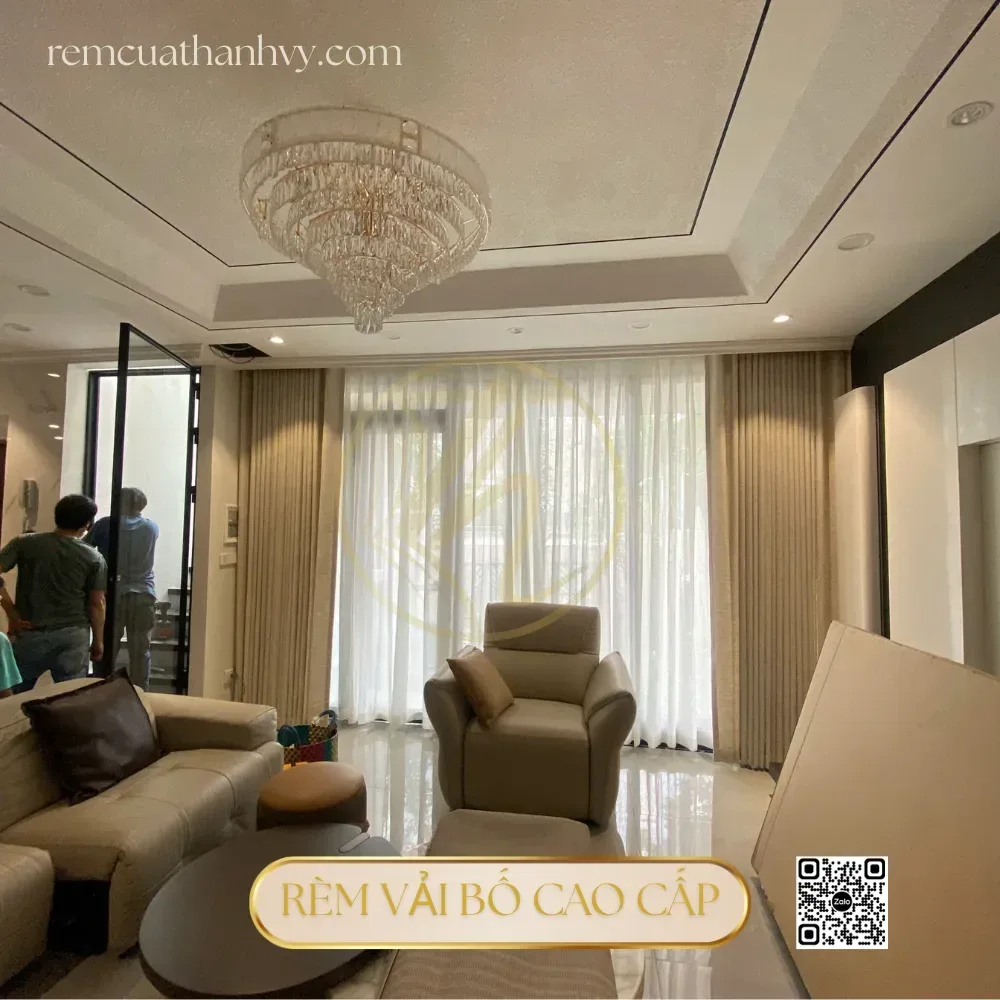
Choose curtain colors based on the space and the room’s actual lighting
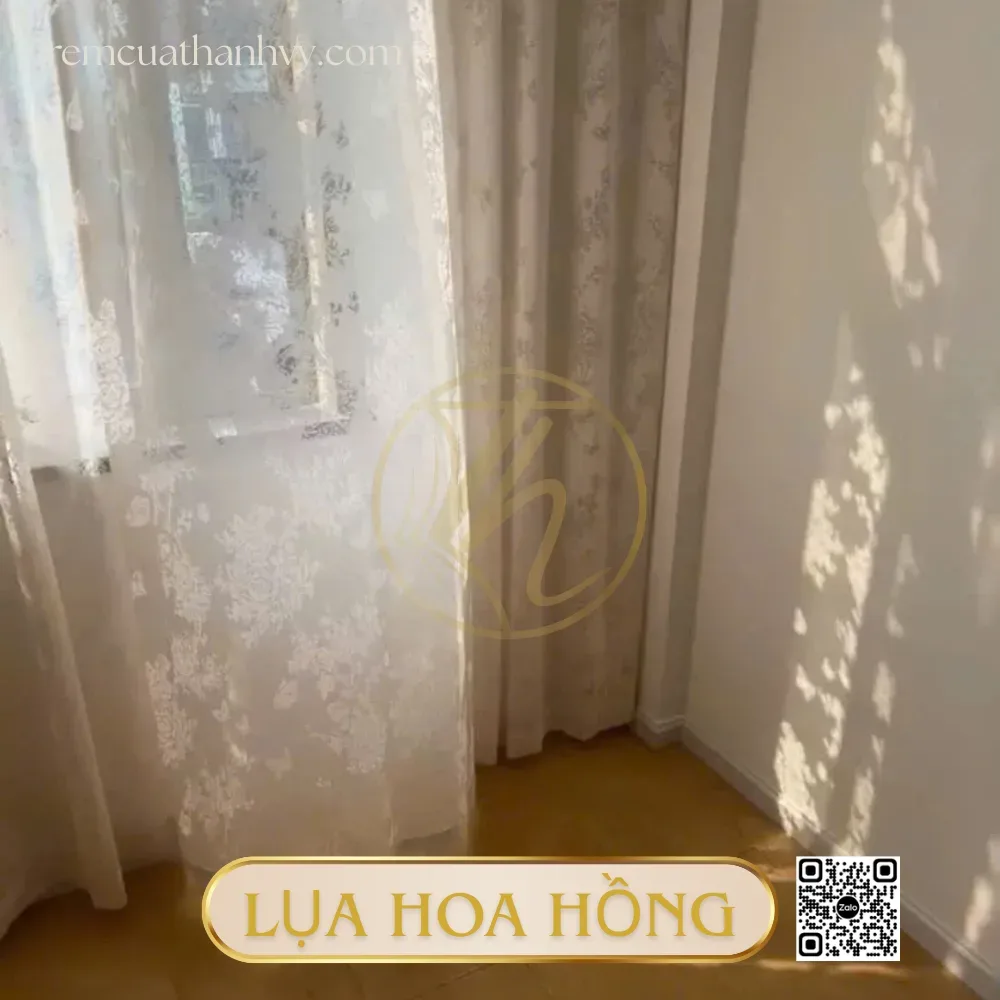
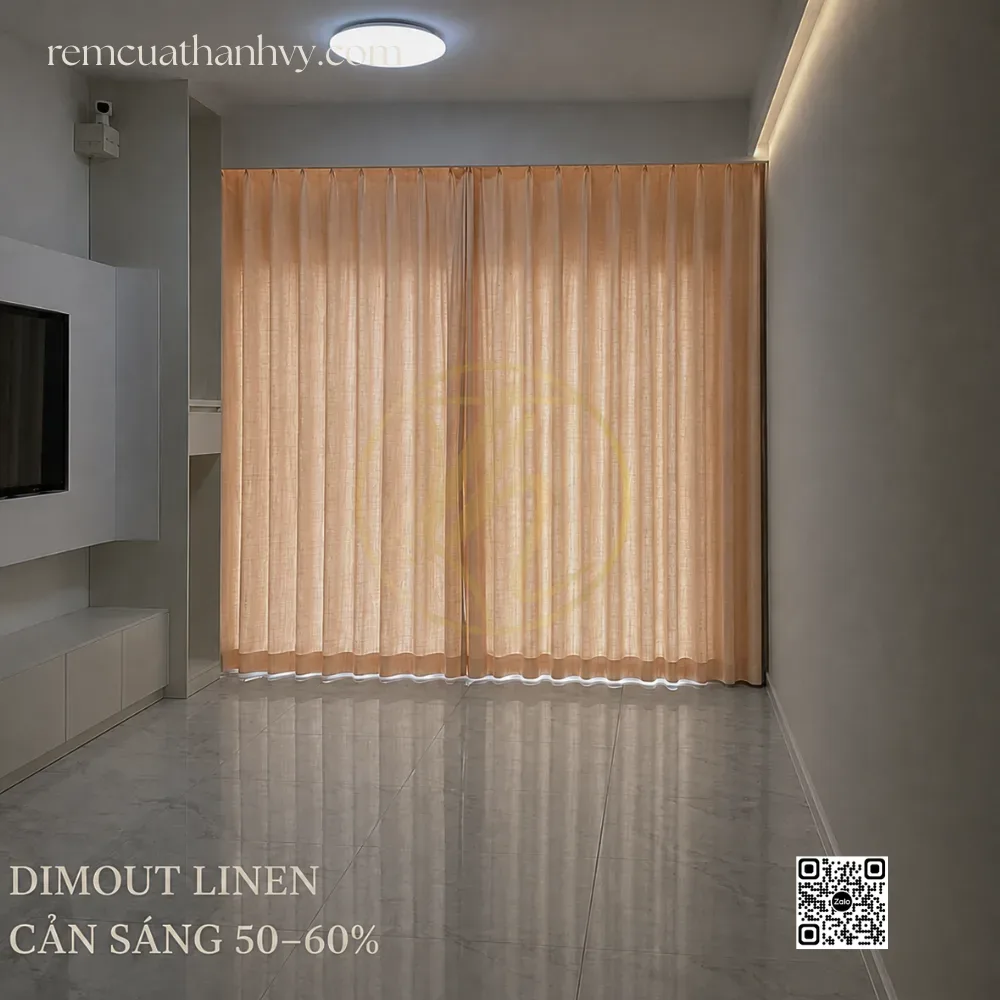
The color of fabric curtains should be chosen based on the wall and floor tones and the large pieces of furniture already in place, rather than selected according to a color currently popular online. Neutral tones such as beige, light gray, or earth brown are generally easy to coordinate with many interior styles and less likely to look dated, but that does not mean every room should use light colors: a room that is already bright may suit a moderately deep shade if the overall design remains balanced, while a room lacking light should be considered carefully before choosing overly dark colors, as they can make the space look smaller and darker than it actually is.
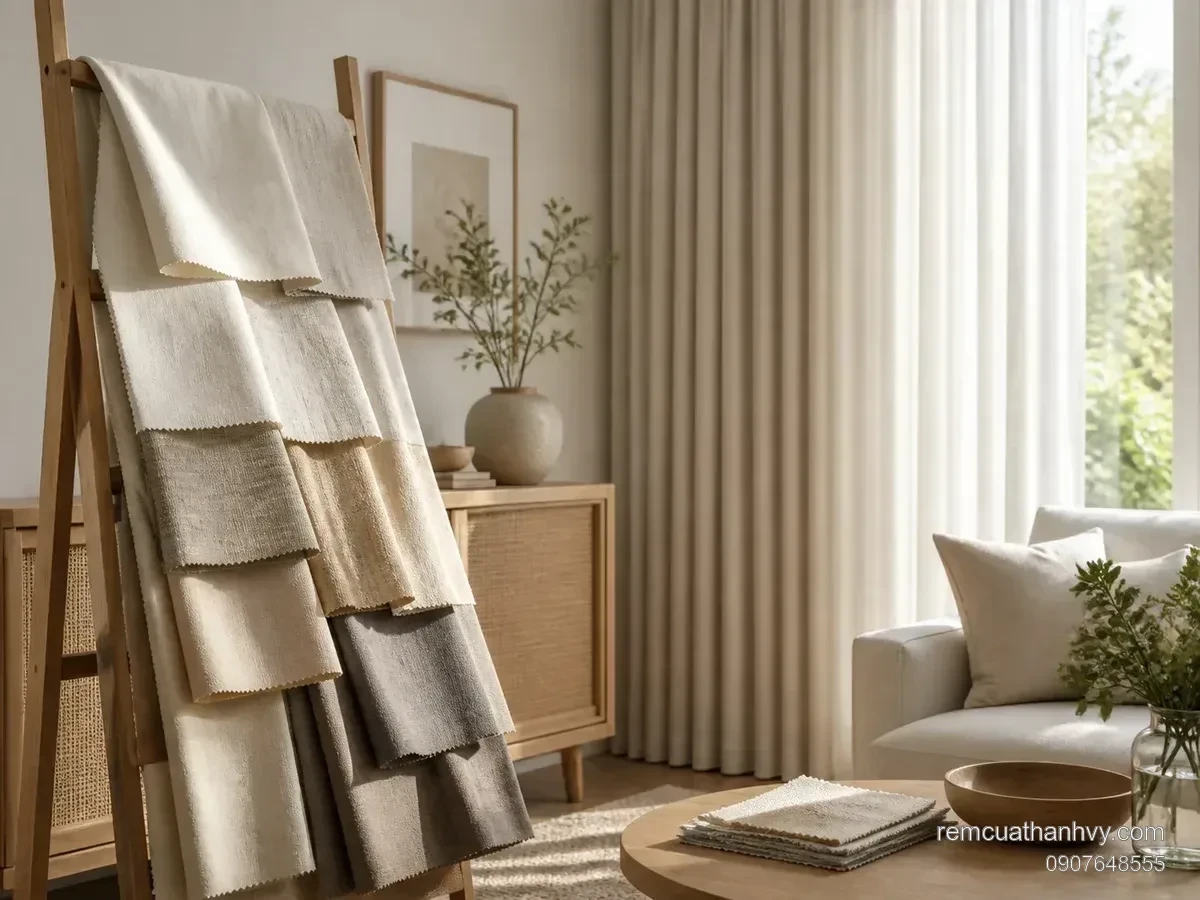
One point that requires particular attention is that the lighting when viewing fabric samples in a store or in images is often different from the actual lighting at home, so the same fabric color can create a noticeably different impression depending on the type of light. Therefore, before finalizing the color, you should request a small fabric sample to take home and view directly under the room’s actual lighting during both the day and evening.
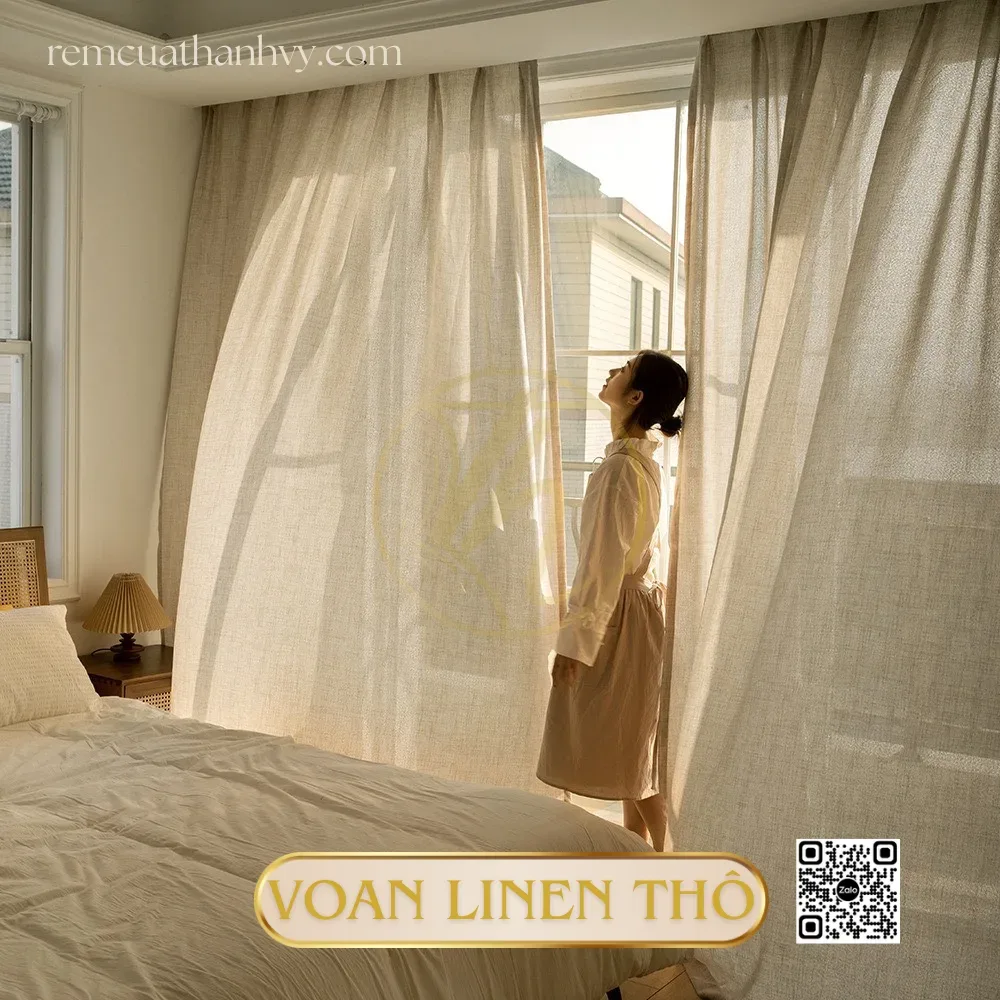
The sewing style and hanging method determine the finished look of the curtains
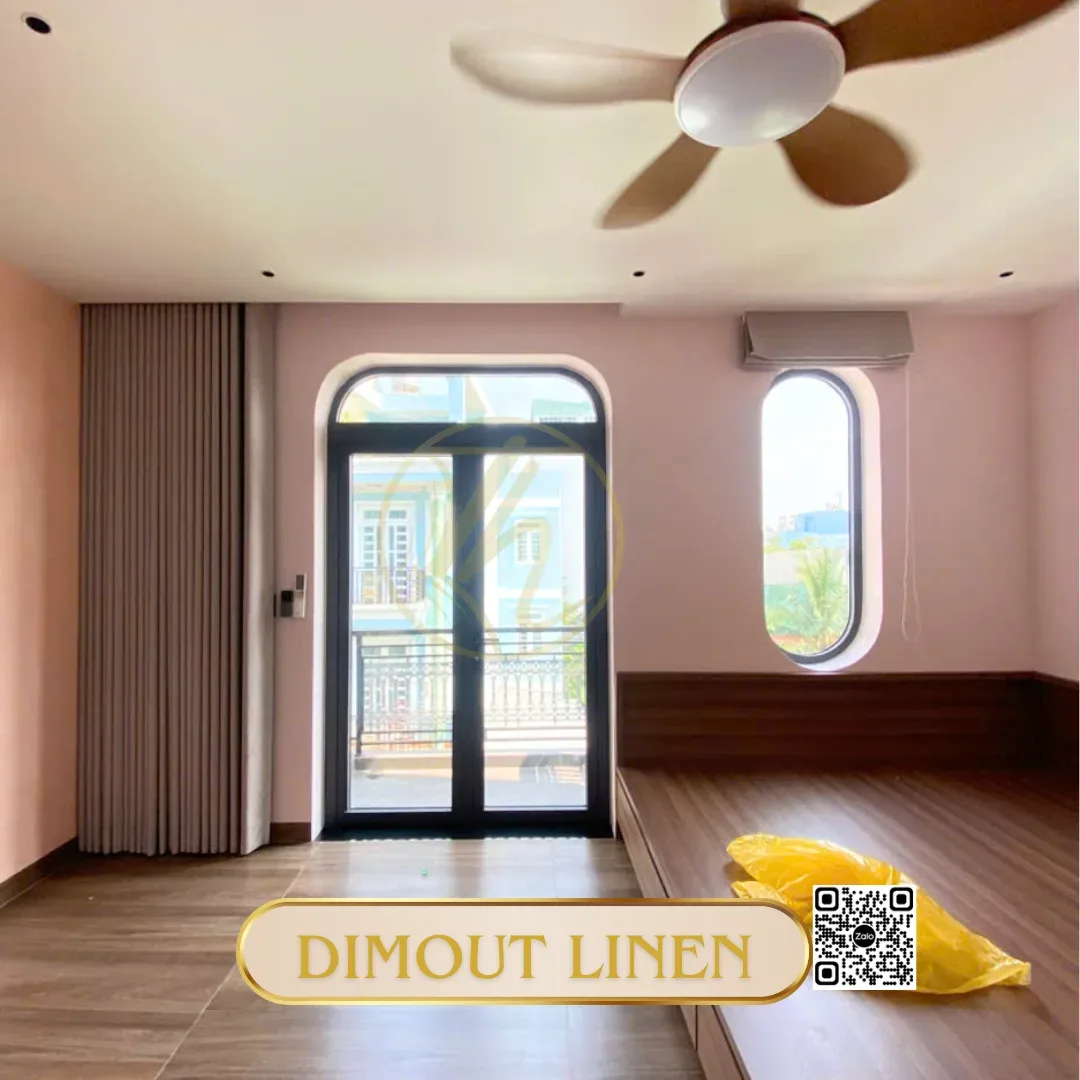
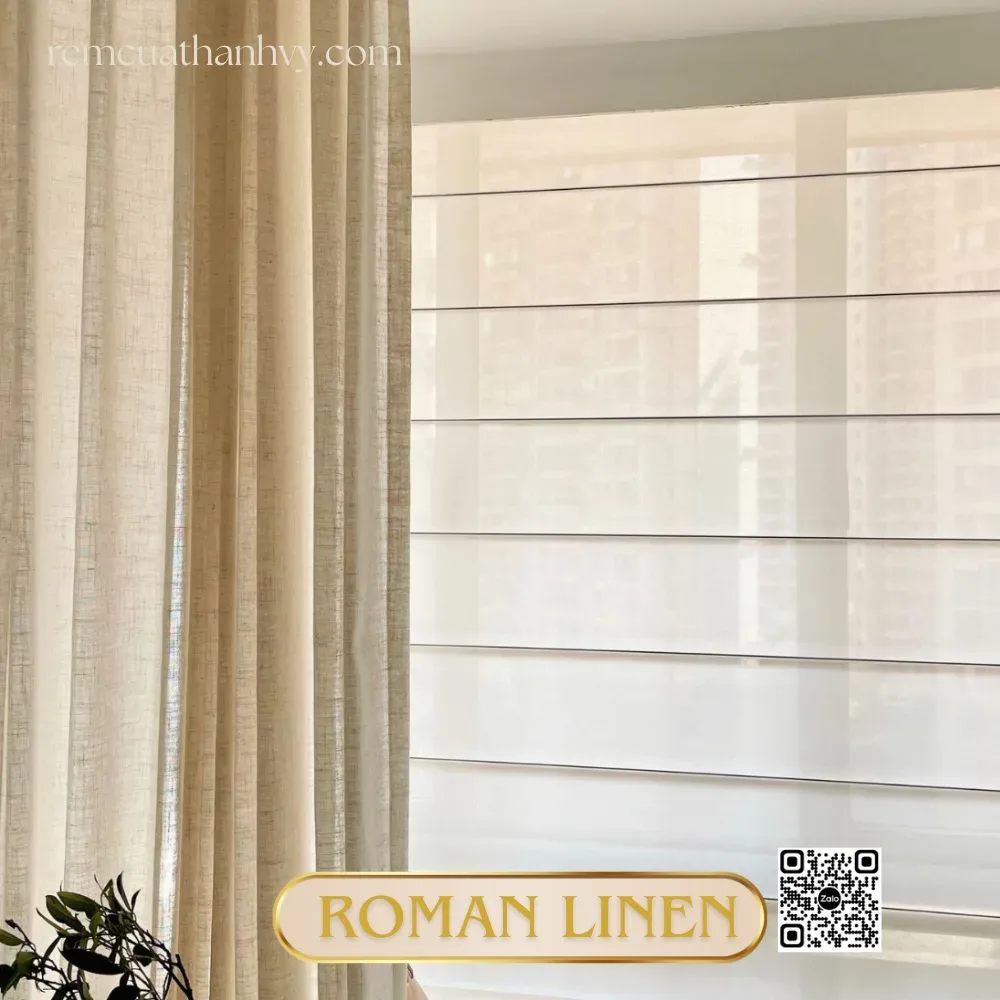
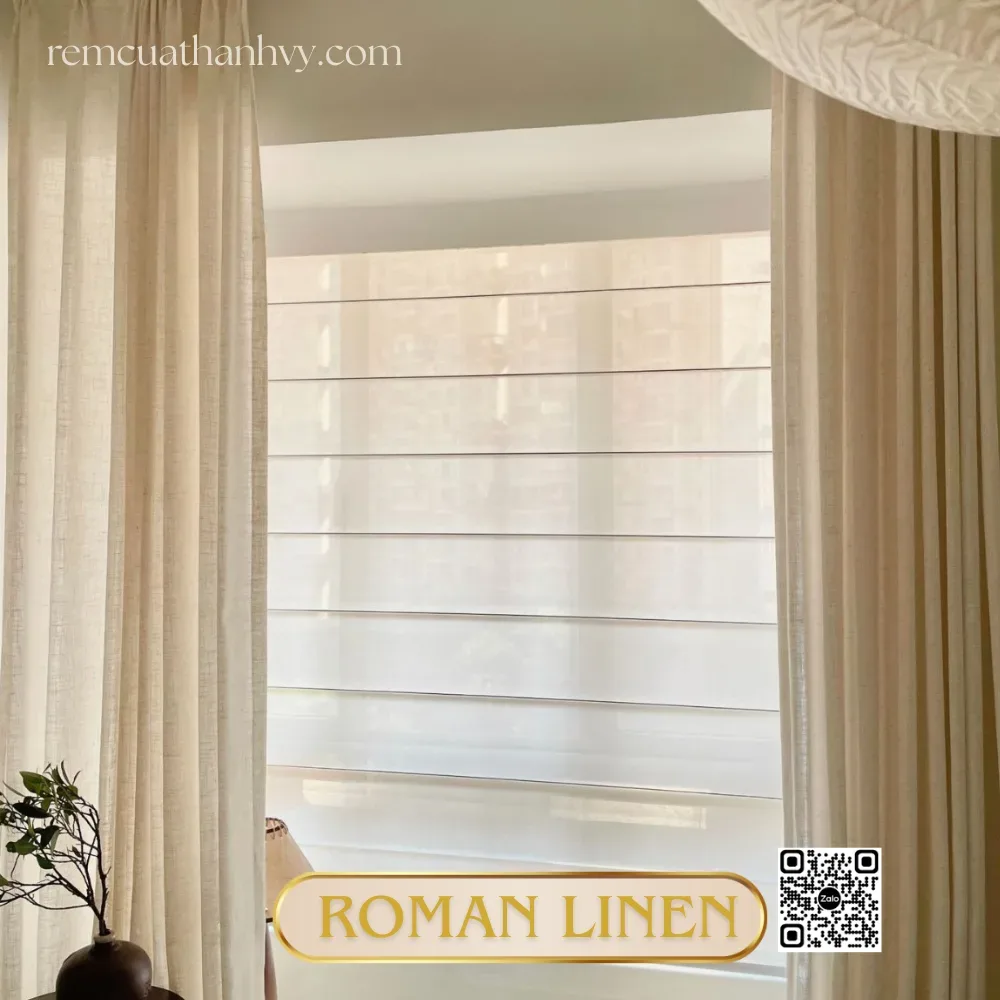
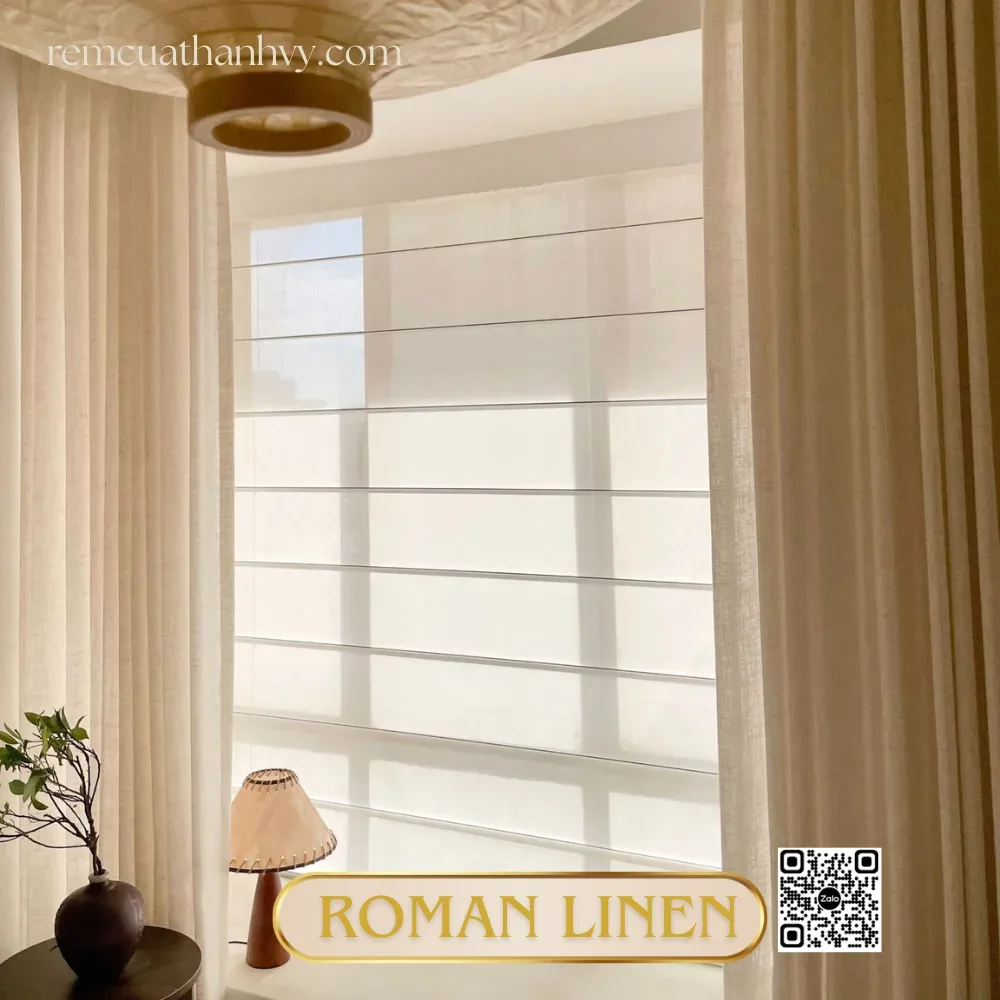
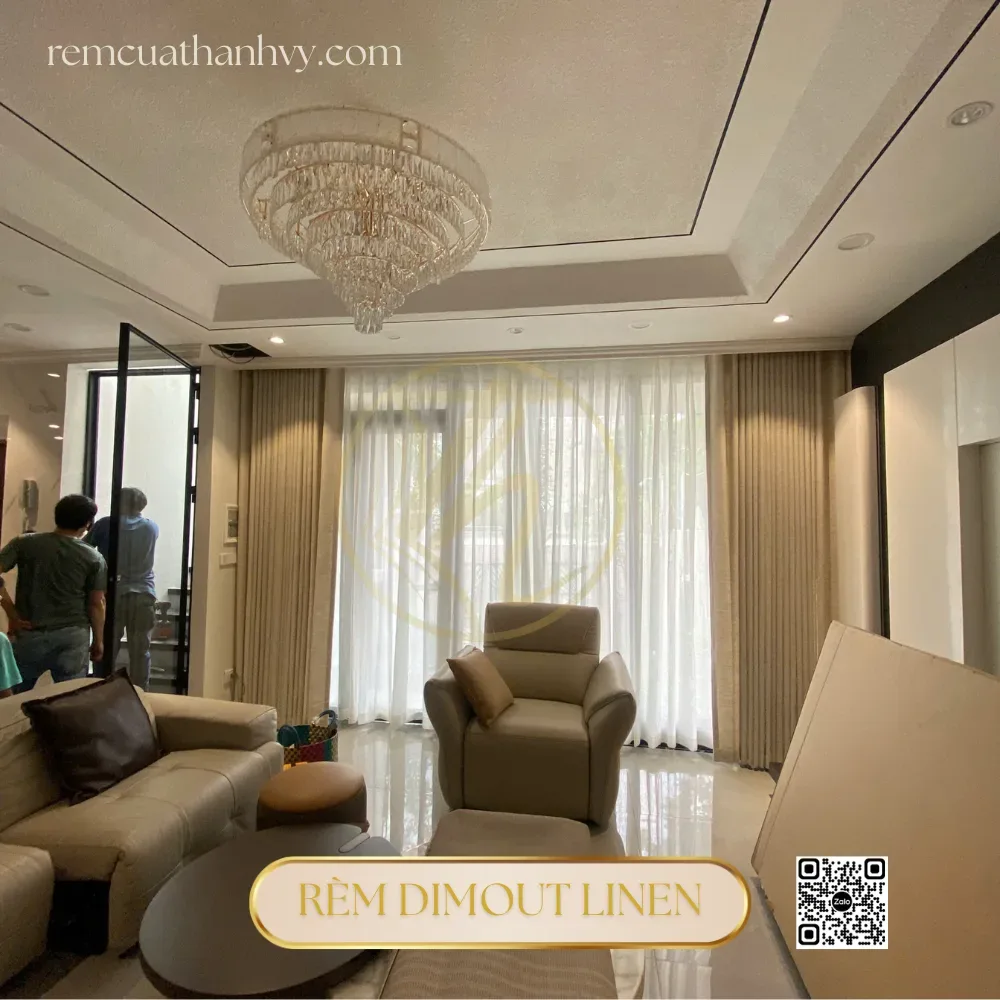
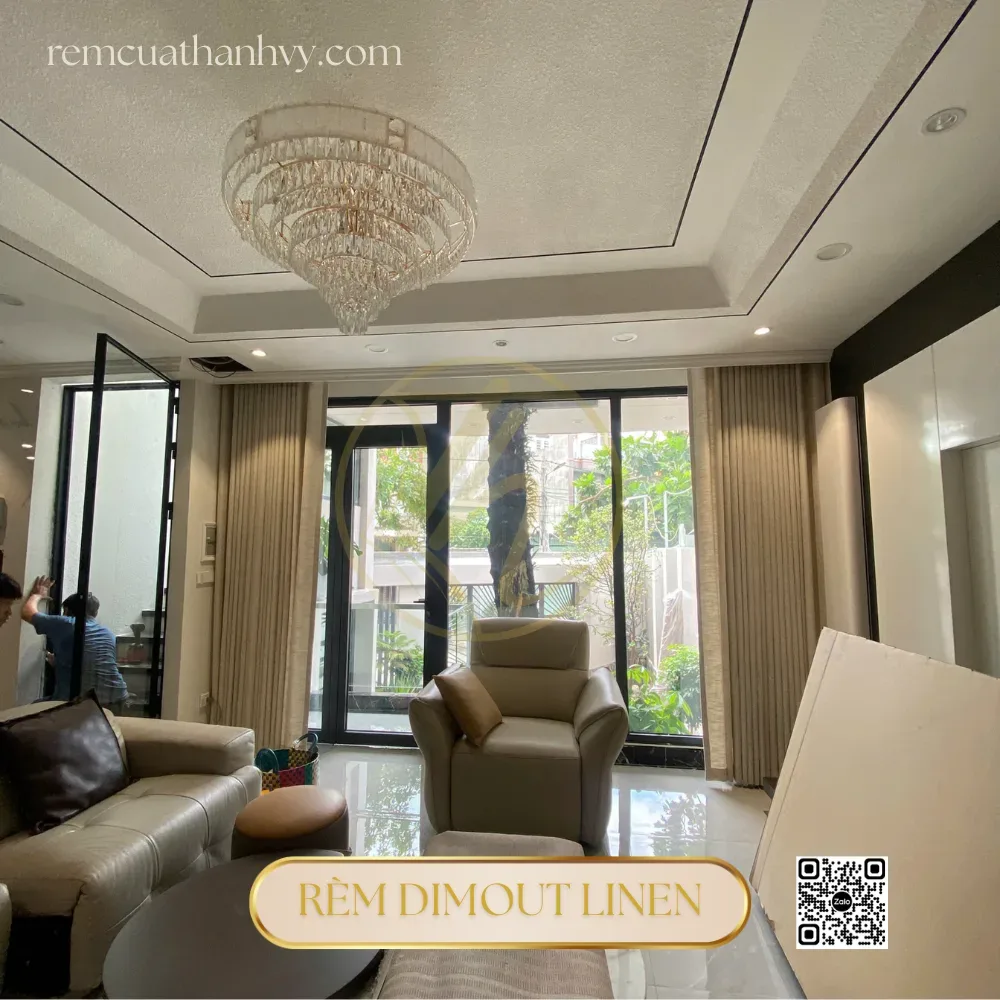
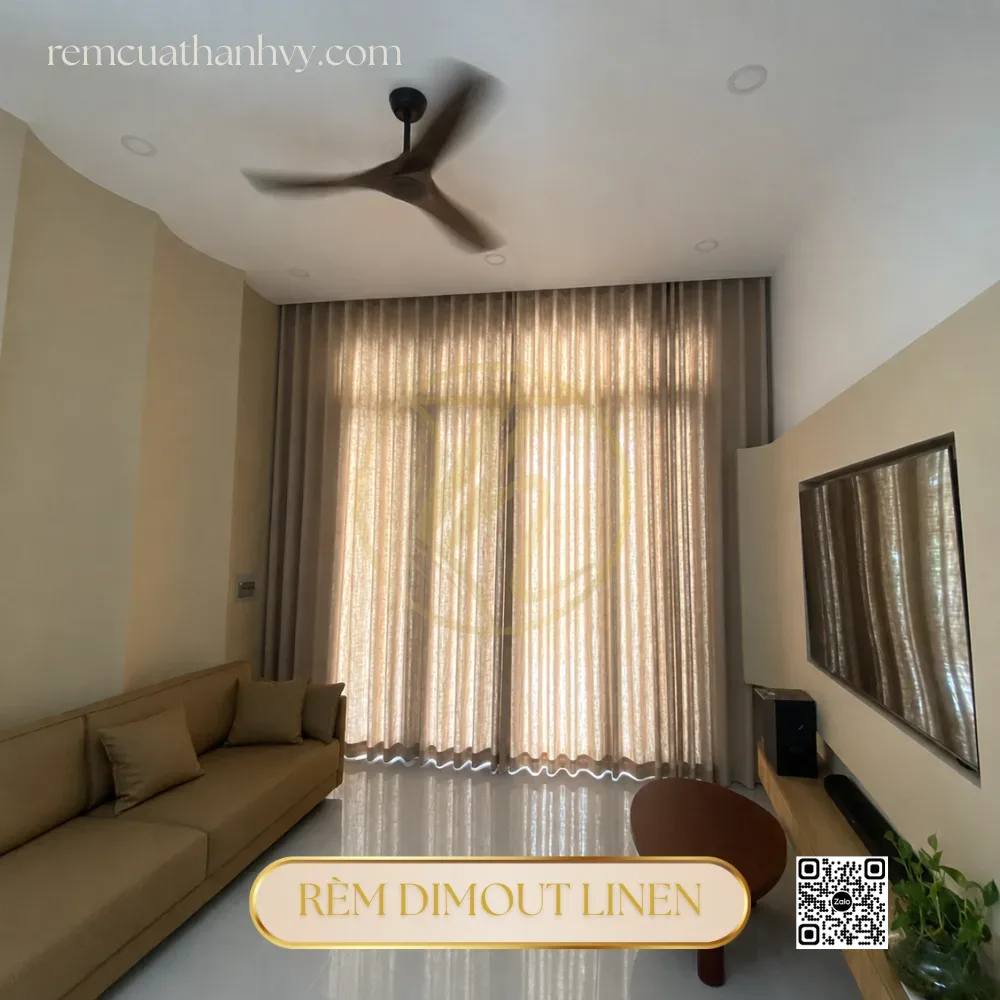
The sewing style directly affects the drape, the amount of fabric used, and whether the curtains feel neat or soft. Wide windows, high ceilings, and sufficient space to gather the curtains when open usually suit sewing styles that create defined, luxurious pleats; small windows or windows close to other furnishings should prioritize a compact style that uses less fabric. Before finalizing the sewing style, clearly determine where the curtains will sit when open and whether they will touch the air conditioner, cabinets, shelves, or door handles — details that are easy to overlook when only looking at sample photos but that directly affect everyday use.

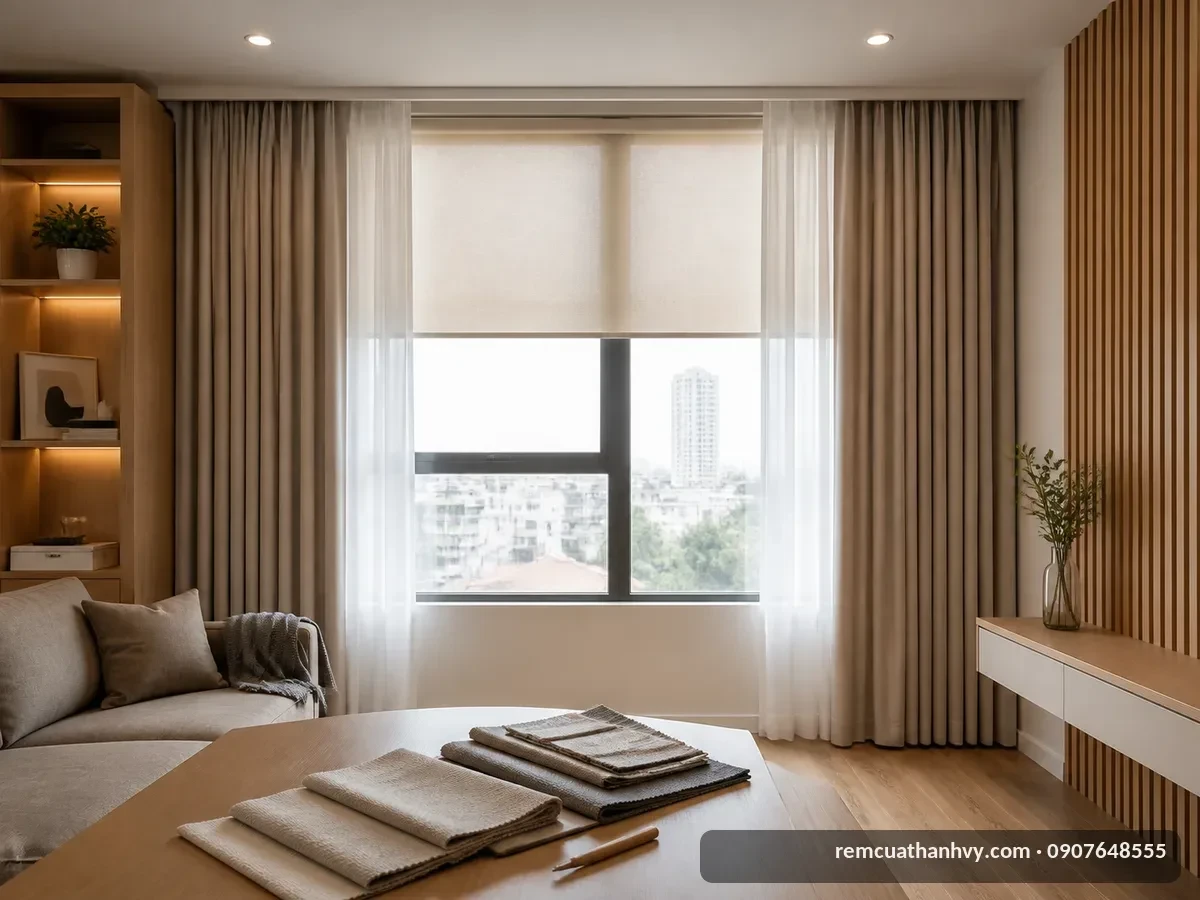
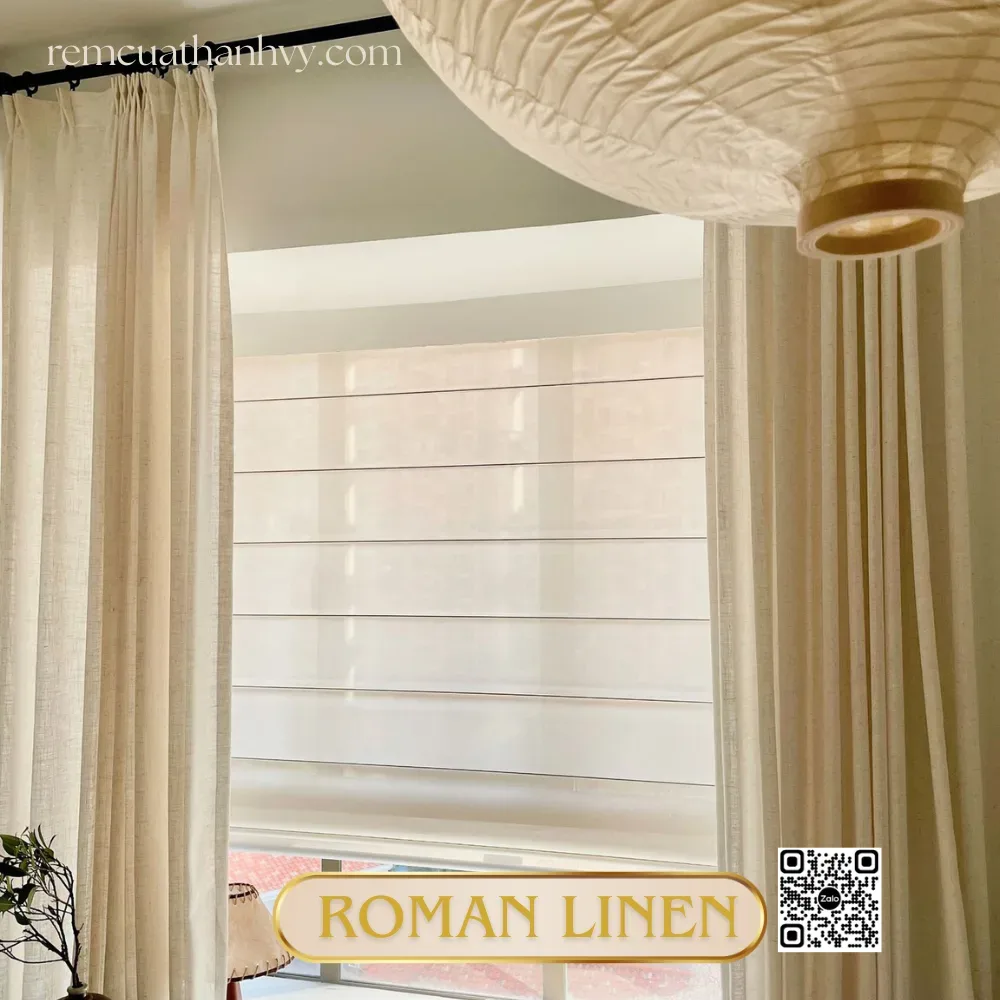
The hanging method is equally important. Curtain tracks keep the curtains neat, conceal the hardware, and operate smoothly when opened and closed frequently, making them suitable for spaces that prioritize minimalism; curtain rods can serve as decorative details if they match the interior style, but their durability should be considered if they are used regularly. When comparing options, ask clearly about differences in window coverage, fabric quantity, how the curtains gather, and ease of cleaning, rather than comparing only the cost difference.

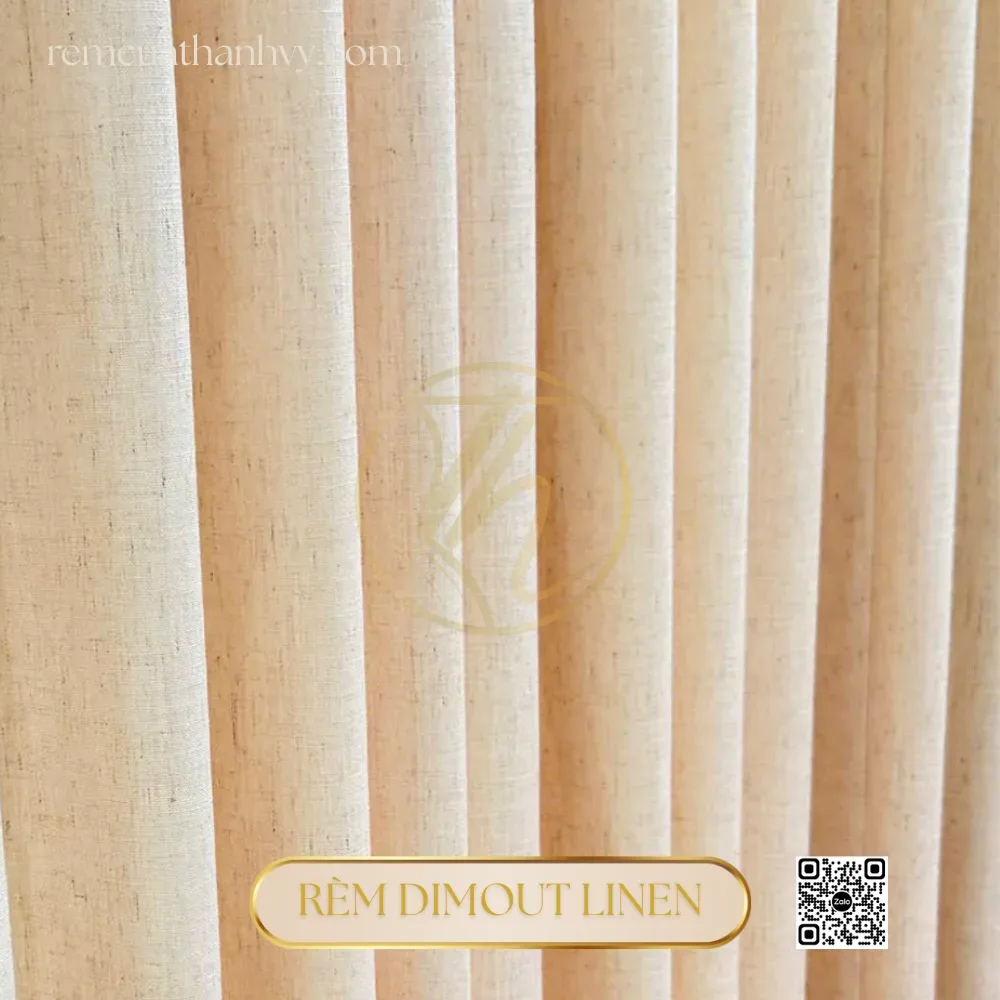
Preliminary measuring and survey process and checklist before finalizing an option
Initial measurements are important, but they should only be considered preliminary data. When providing information, prepare the width of the area to be covered, the expected curtain-hanging height, the clearance on both sides of the window, the location of any nearby air conditioner or cabinets and shelves, and an overall photo of the current window — these details make remote consultation much more accurate than sending only the dimensions of the glass window frame.
For on-site custom curtain services in Gò Vấp, an in-person home survey is usually carried out after preliminary discussions by phone. An on-site survey helps measure the actual dimensions accurately, inspect the wall or ceiling structure to determine the appropriate way to install a curtain rod or track, and directly observe the lighting conditions instead of relying only on verbal descriptions.
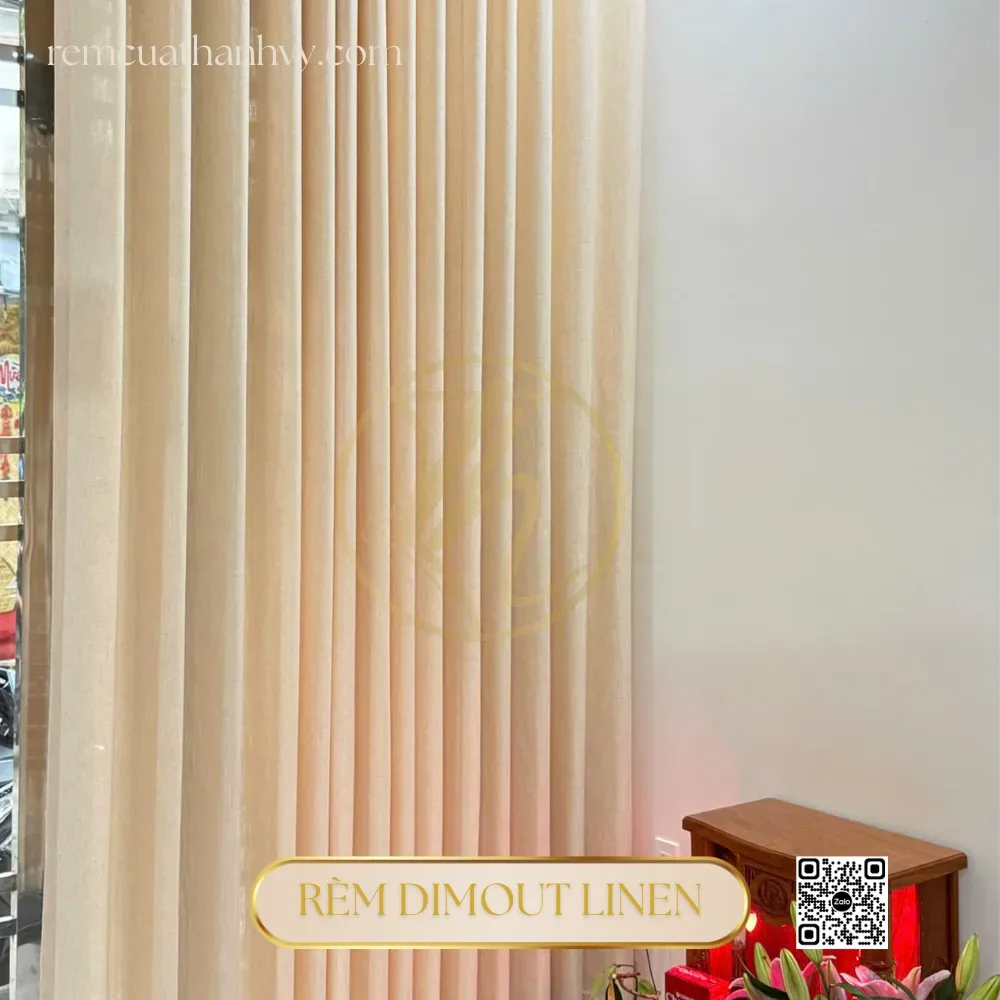
Before finalizing an option, review a short checklist: What is the goal for blocking light, what level of privacy is desired, which fabric material are you leaning toward, is the sewing style suitable for the window proportions, and will the space needed to gather the curtains when open affect surrounding items? If you are still undecided between two options, ask for both to be described using the same set of criteria instead of relying only on your initial impression.
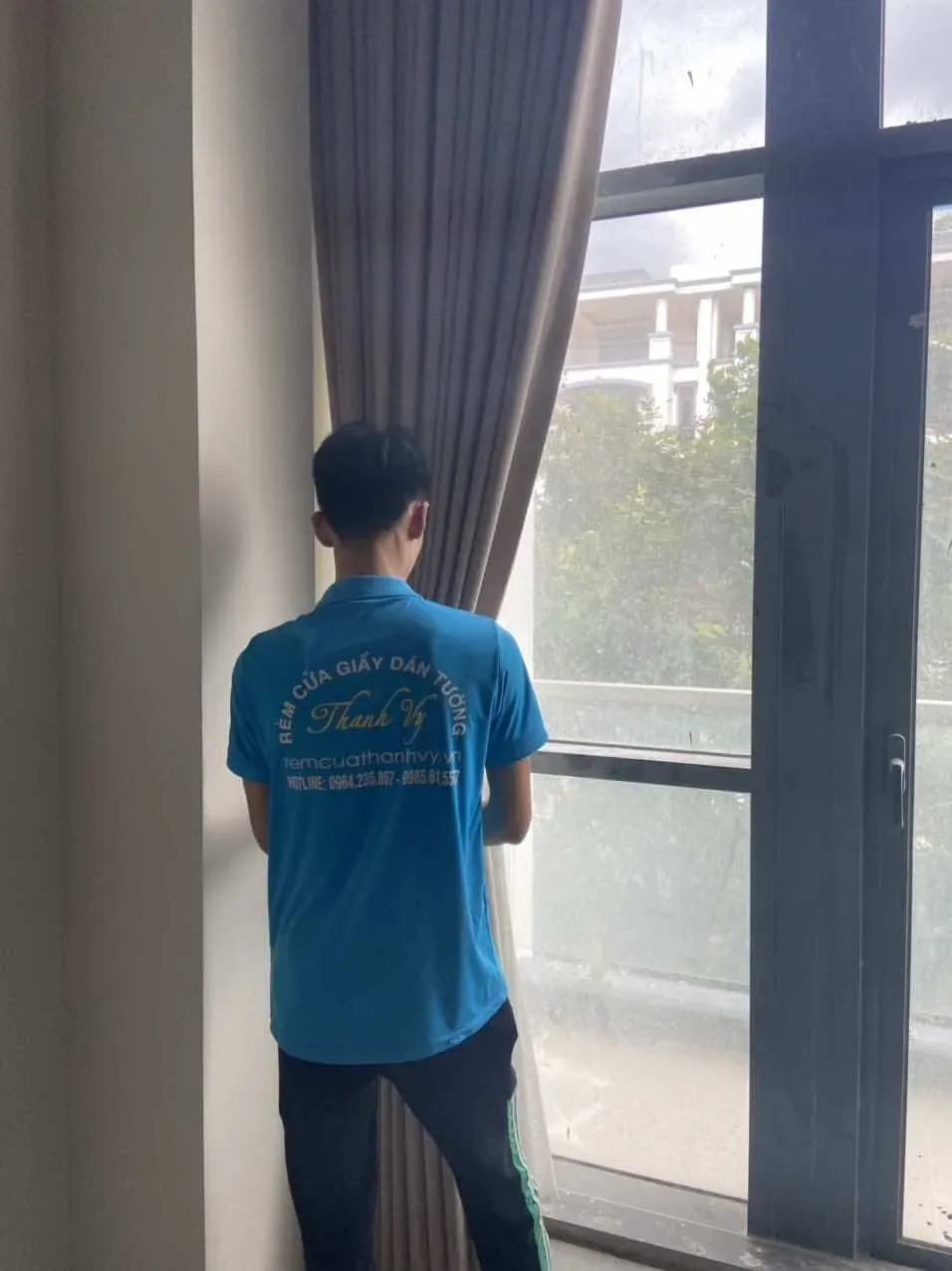
Why survey the current window conditions before comparing fabric samples
A fairly common mistake when choosing curtains in Gò Vấp is to look through many beautiful fabric samples first and only then think about measuring and surveying the current window conditions. This order can easily lead to liking a fabric in a photo but finding that its color does not suit the actual lighting at home, or that the sewing style does not suit the proportions of the existing window. Therefore, reverse the order: survey the current conditions first, then narrow down the range of fabric samples to view.
When surveying the current conditions, record the direction of sunlight entering the window throughout the day, the depth of the window recess if any, the location of the air conditioner or existing curtains, and the clearance on both sides to determine where the curtains will gather after being fully opened — these seemingly small details are often why a curtain configuration that looks beautiful in a photo gets caught on the handle in reality or makes the window look unbalanced.
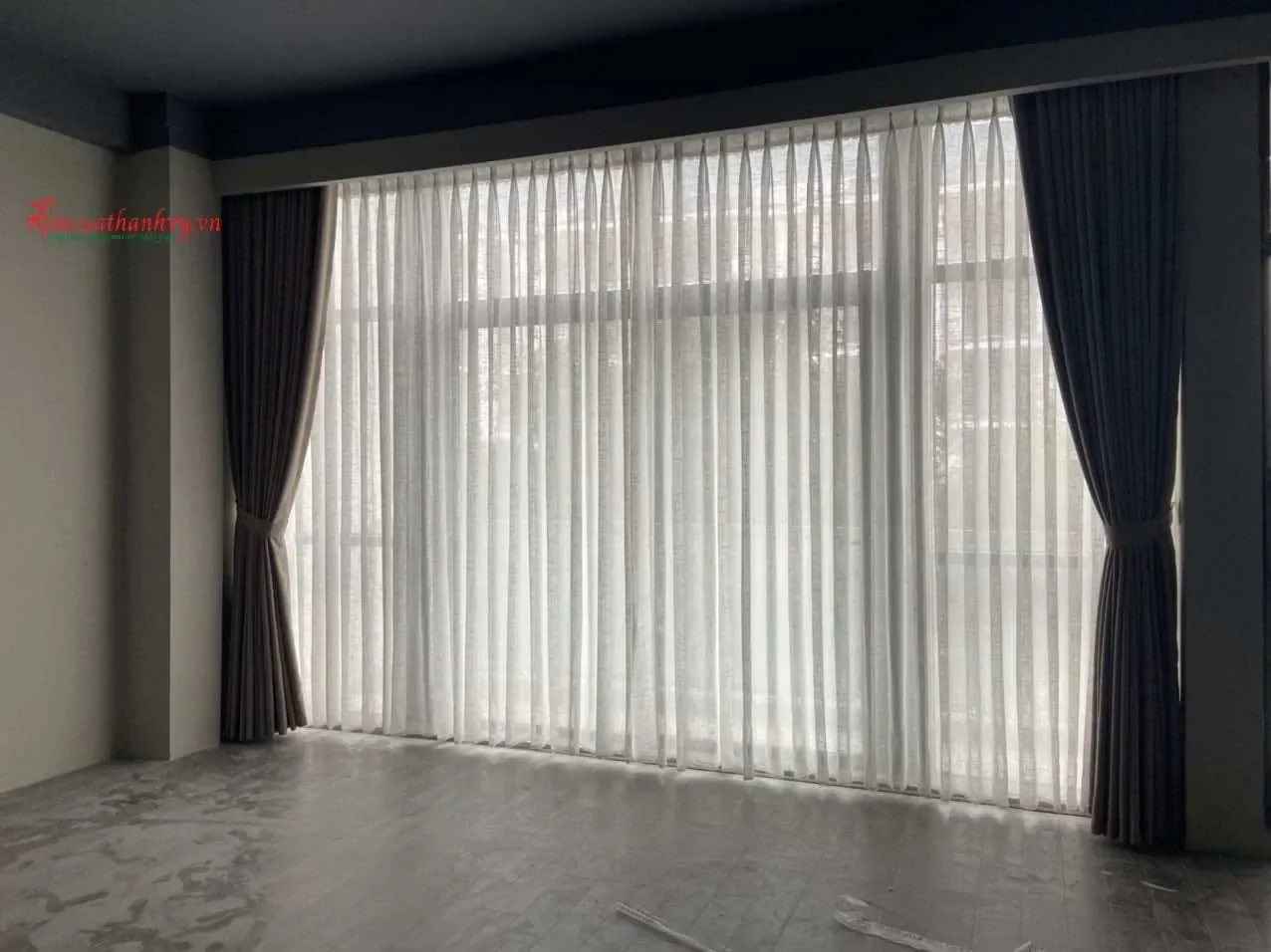
A useful approach is to photograph the window at least twice during the day, such as when the light is strongest and after dark when the lights need to be turned on, then compare the photos with the fabric sample to more easily visualize whether it truly meets your needs for softening the light, increasing privacy, or creating the aesthetic accent you are looking for.
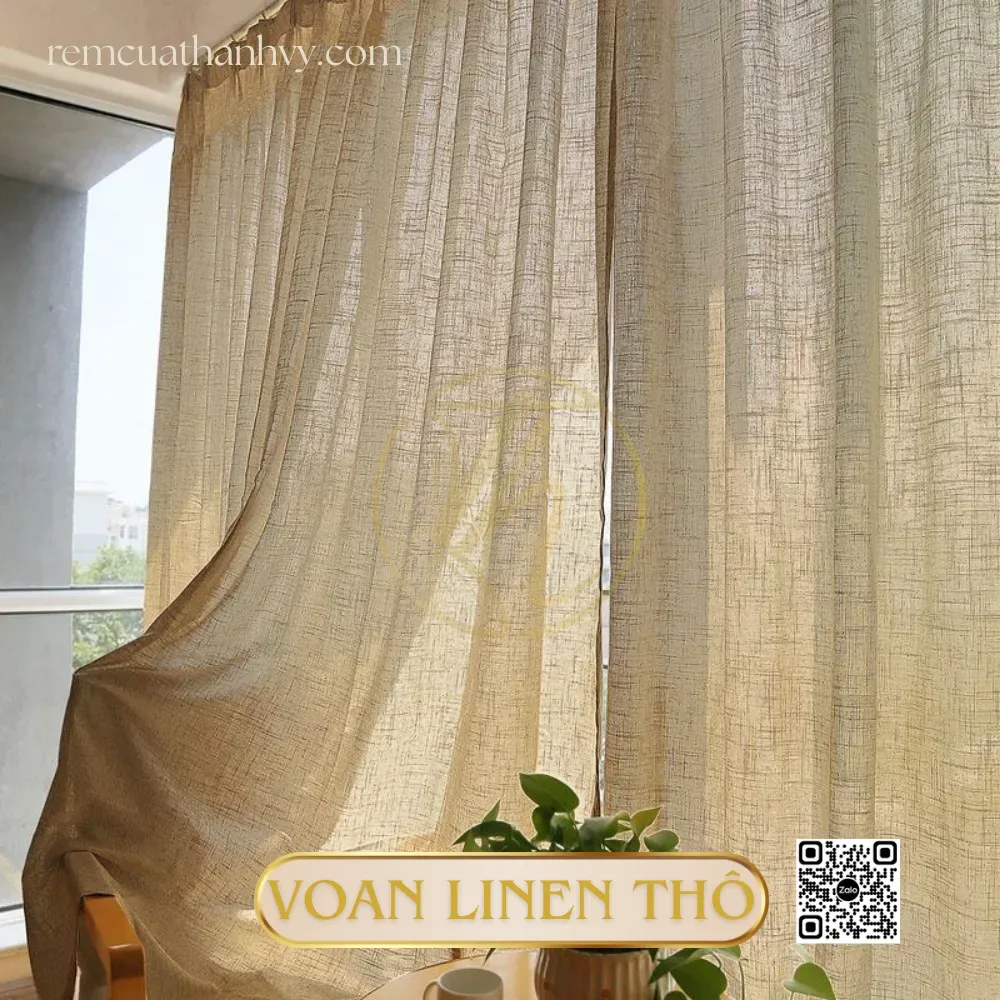
Things to note when choosing an on-site custom curtain provider in Gò Vấp
When looking for an on-site custom curtain provider in Gò Vấp, ask clearly whether the survey process includes coming to your home to measure and provide direct consultation, or whether it only involves discussing the project by phone and making the curtains according to measurements supplied by the customer. For homes with uneven window structures or many obstacles, an in-person survey usually reduces the risk of measurement errors much more than remote measuring. Background information about the properties of natural wood helps with comparison when choosing materials.
In addition to measuring, ask about their ability to advise on materials and sewing styles suitable for the room’s actual conditions, rather than simply presenting samples available at the store. A good consultant will usually ask about your usage needs, sun exposure, and daily habits before recommending an option.

The installation timeline should also be discussed clearly from the start: the completion date, how adjustments will be handled if the measurements need to be changed after the curtains are made, and the warranty policy for accompanying accessories. Finally, proactively ask to see actual fabric samples before placing the order instead of deciding only from online images — a decision made after carefully surveying the space, comparing real samples, and clearly discussing the process usually brings more lasting satisfaction than choosing quickly based on emotion.
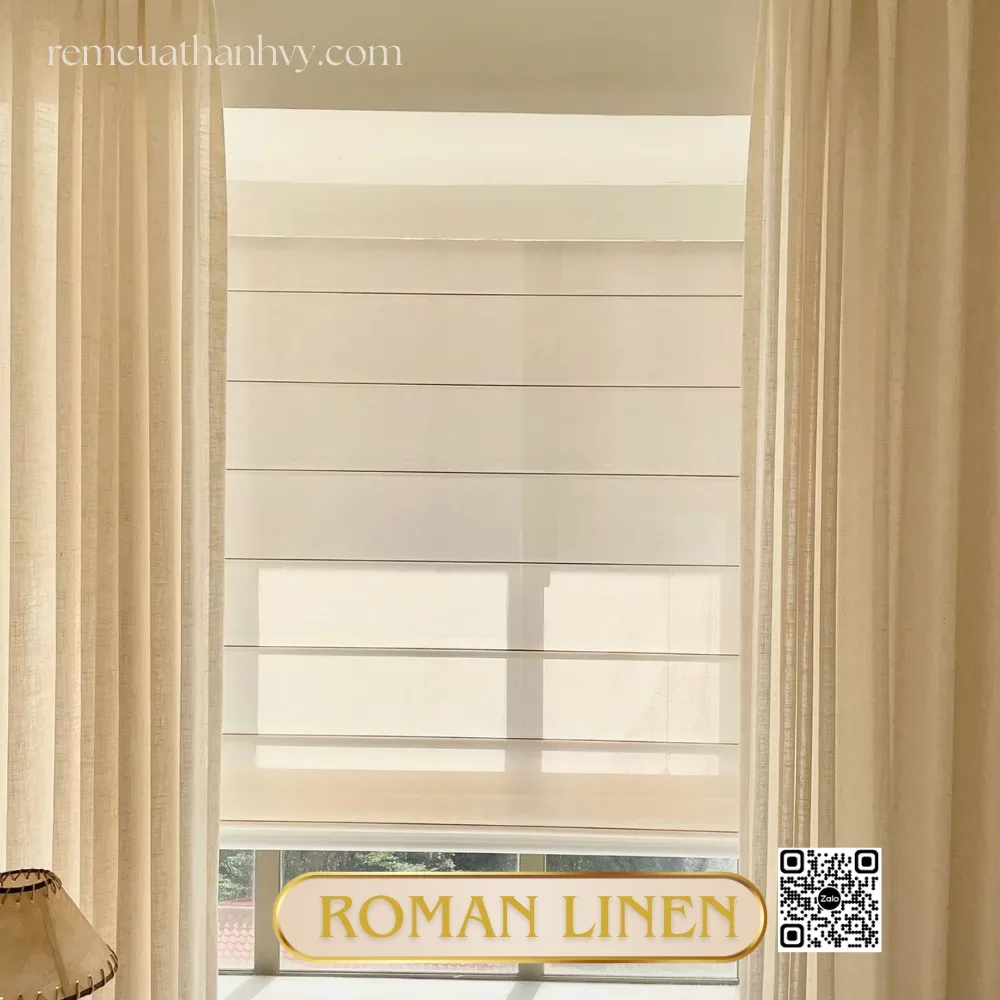
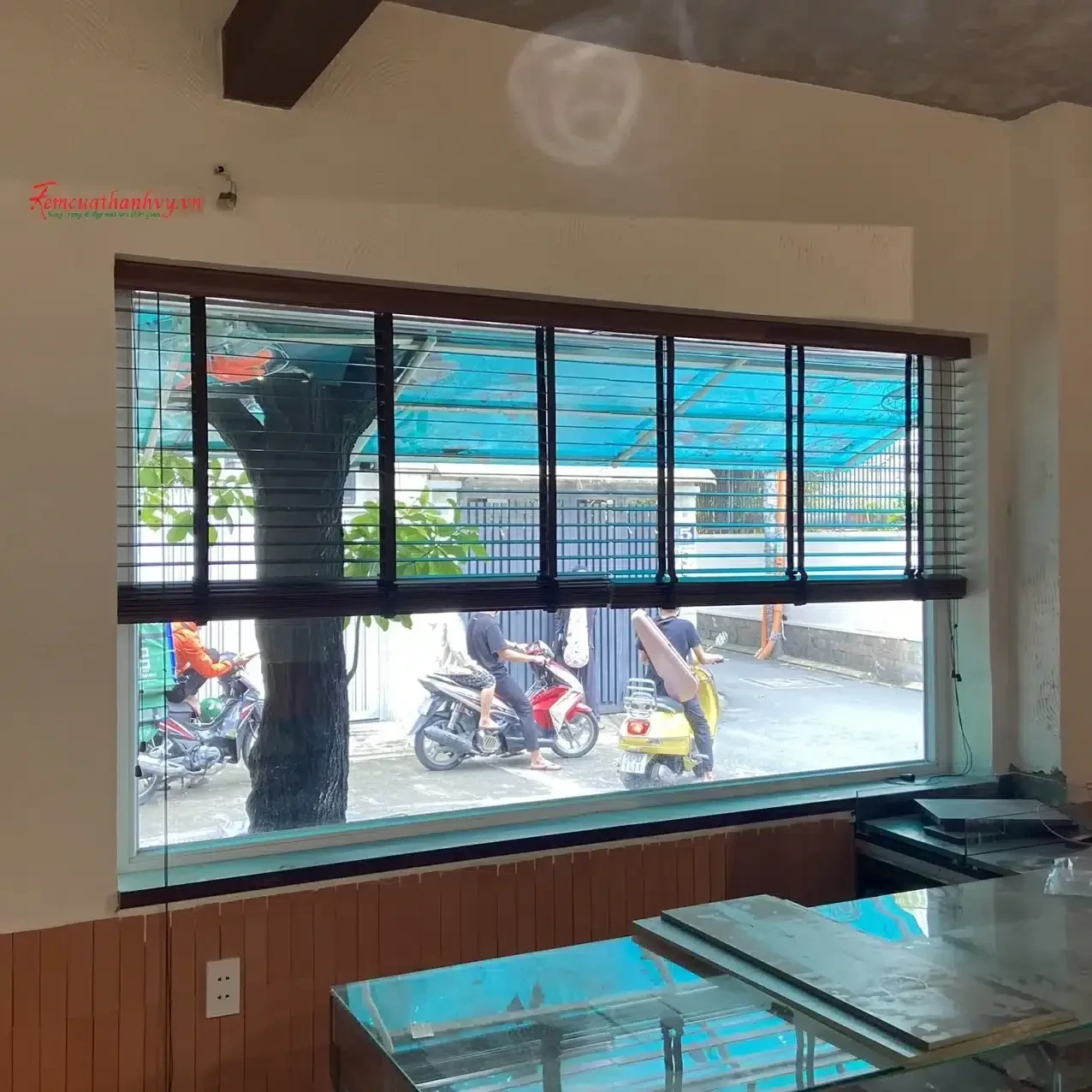
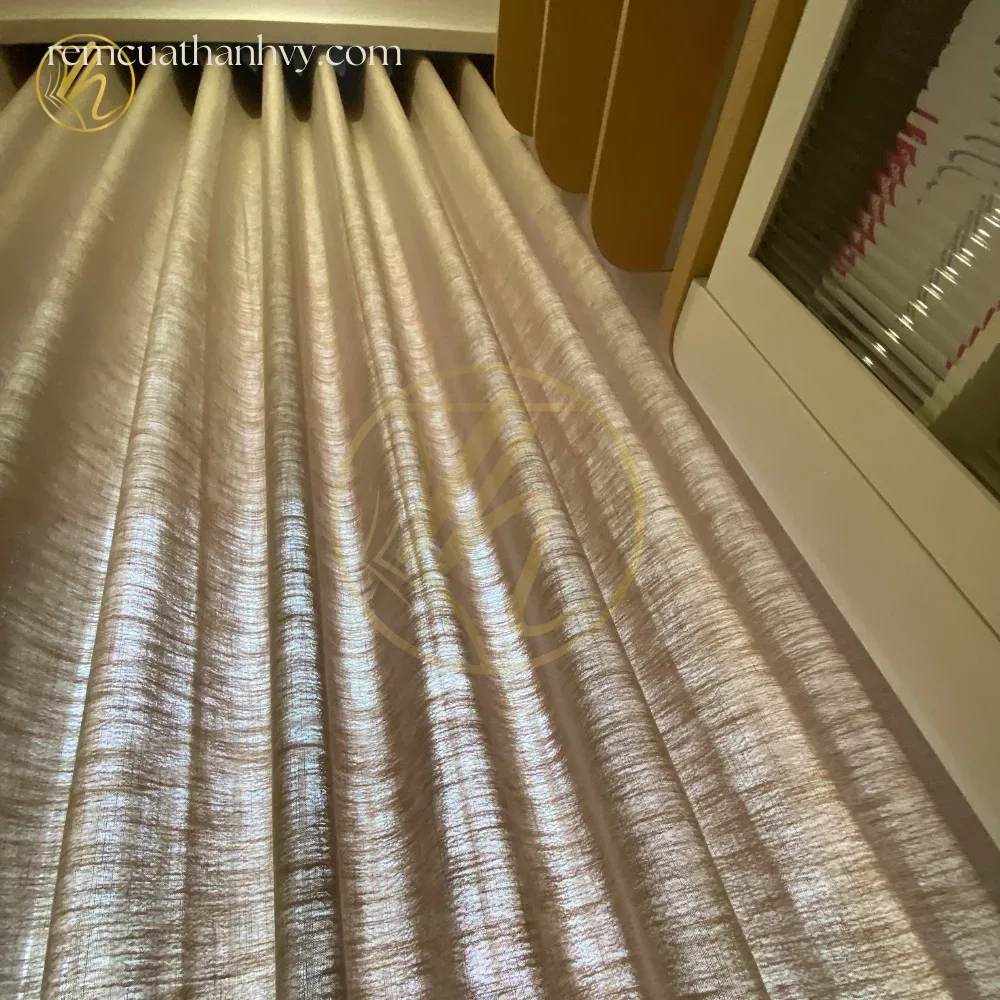
Curtain styles recommended for installation in Go Vap
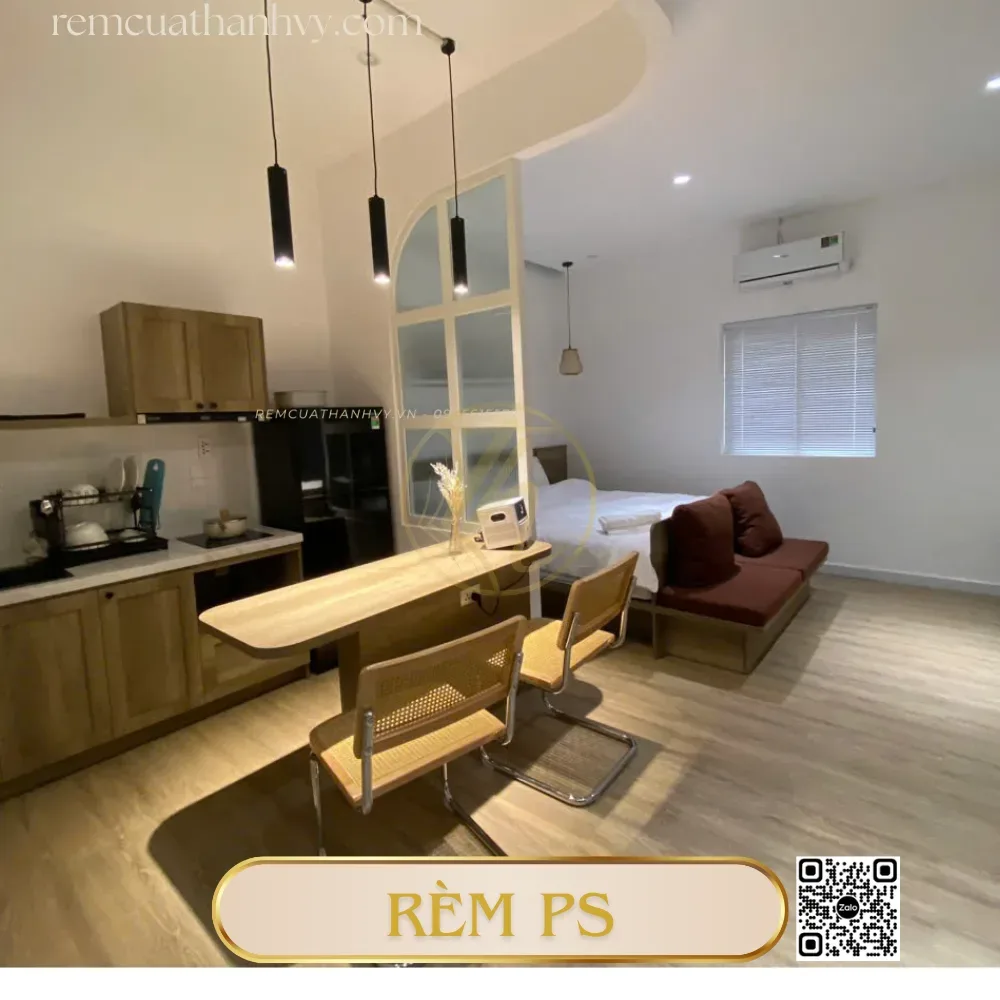
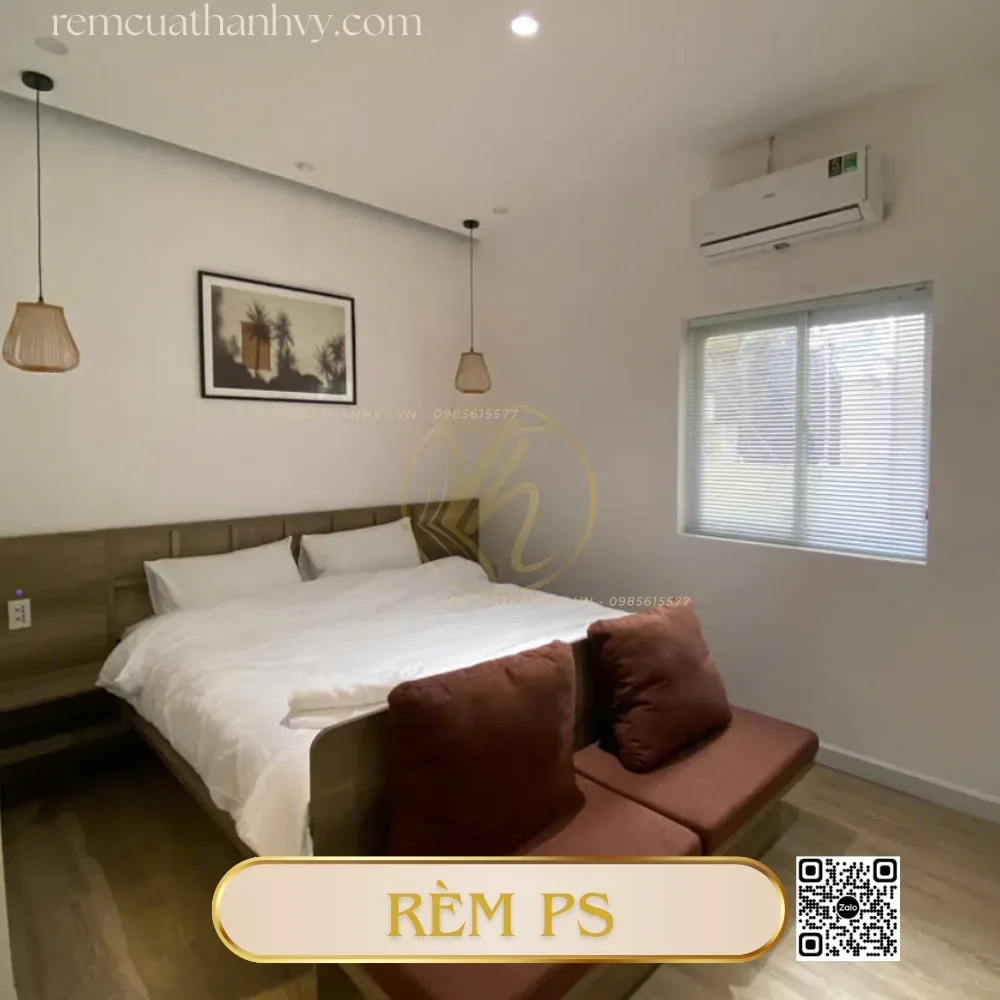
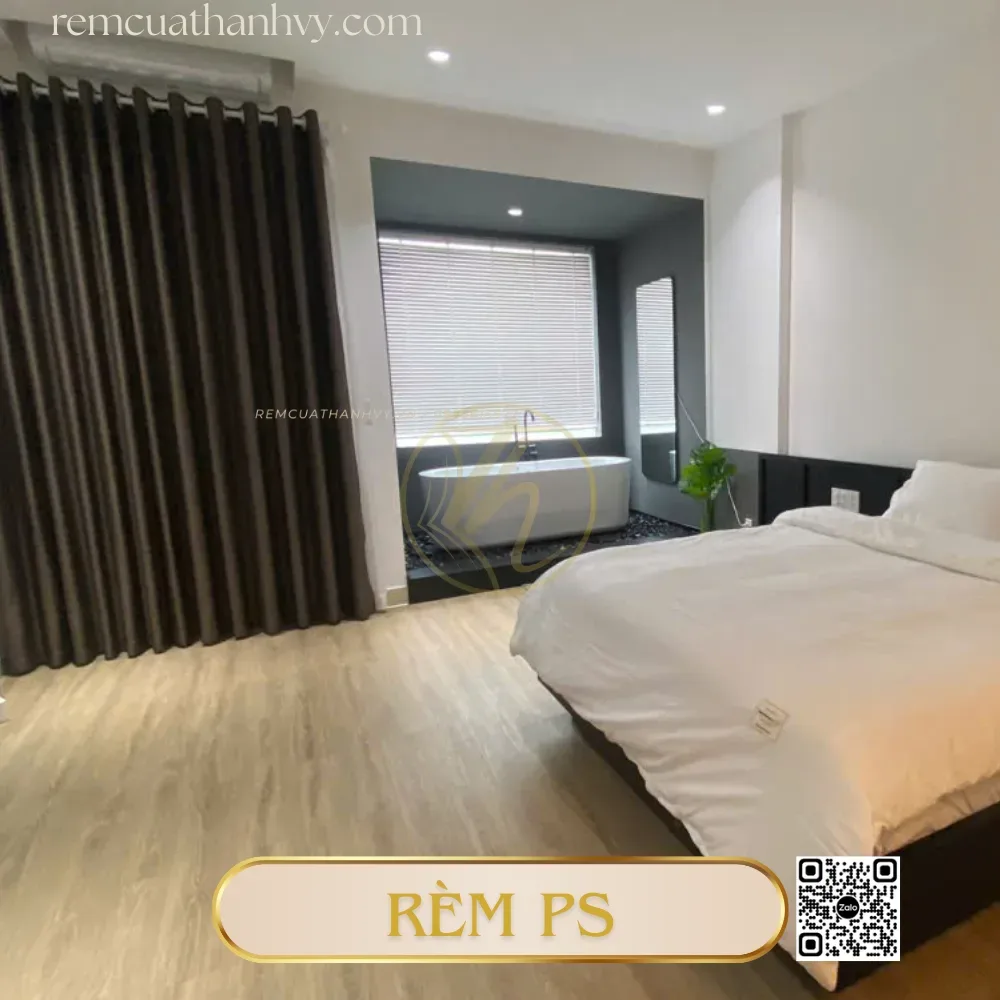
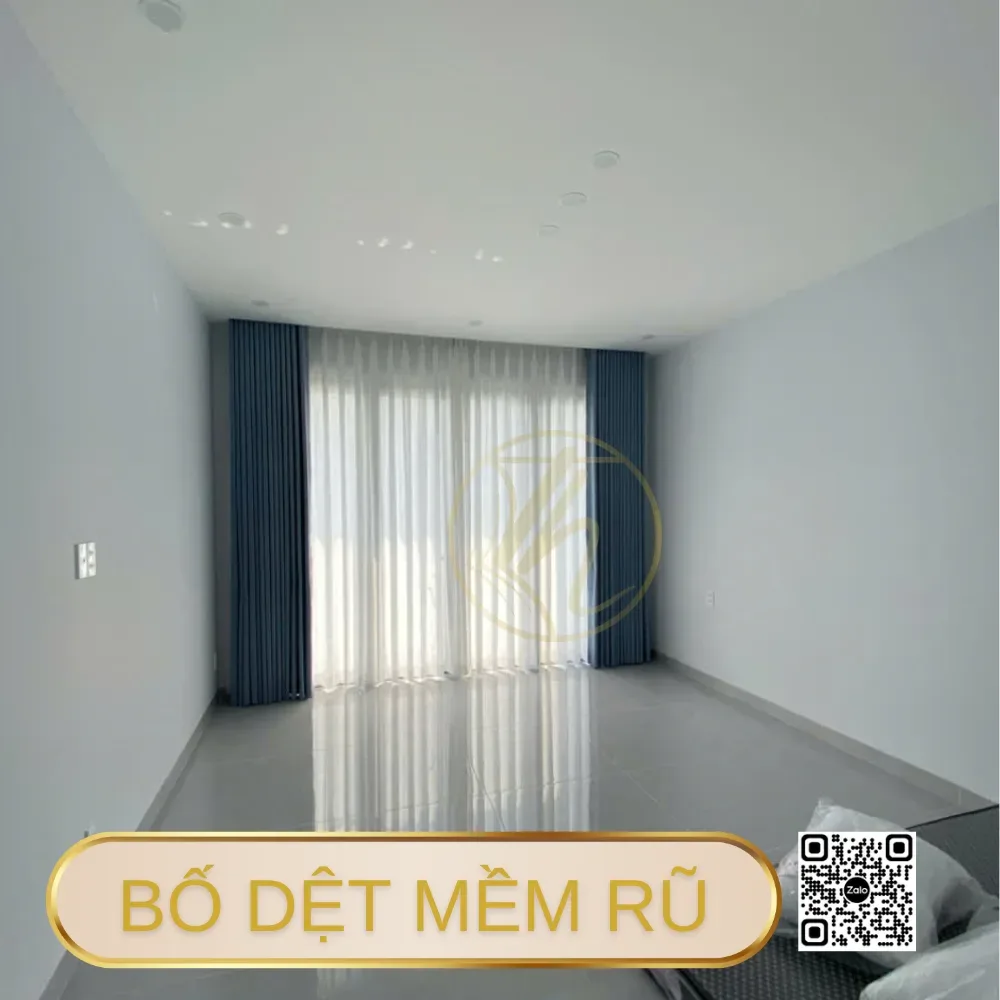
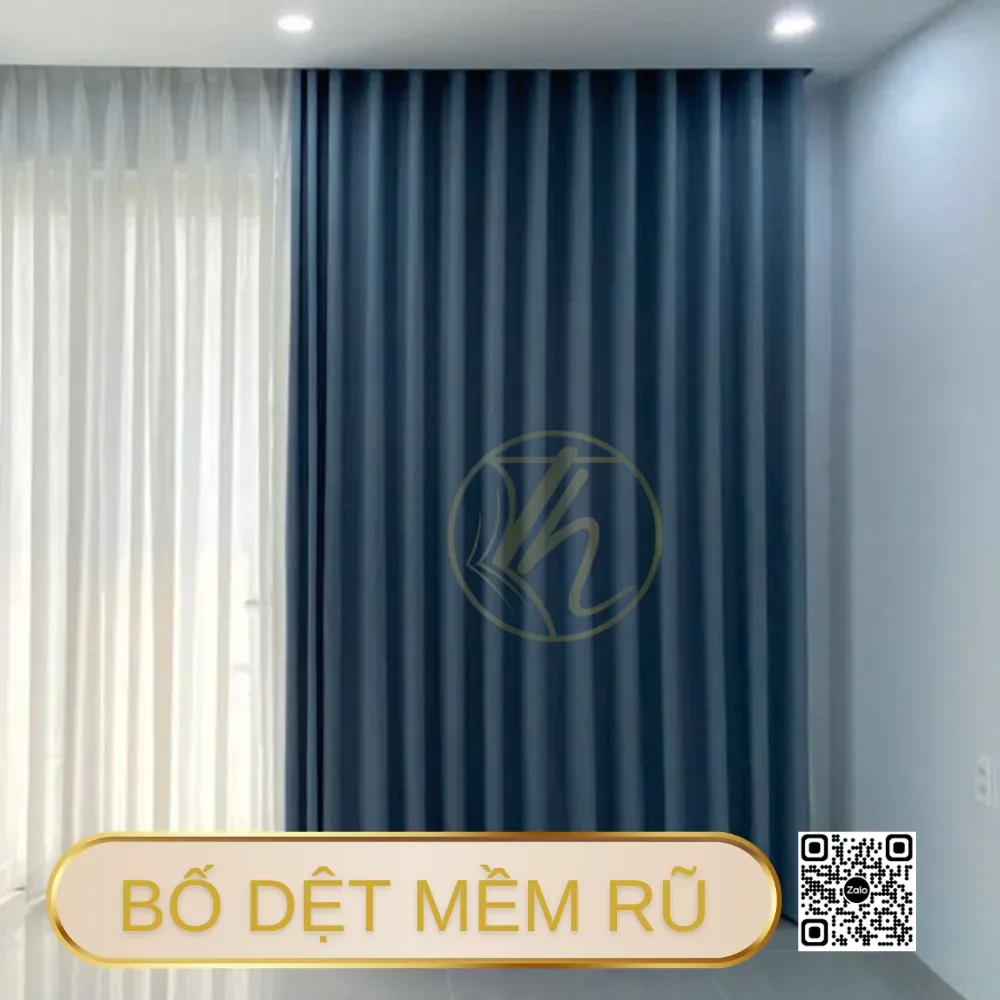
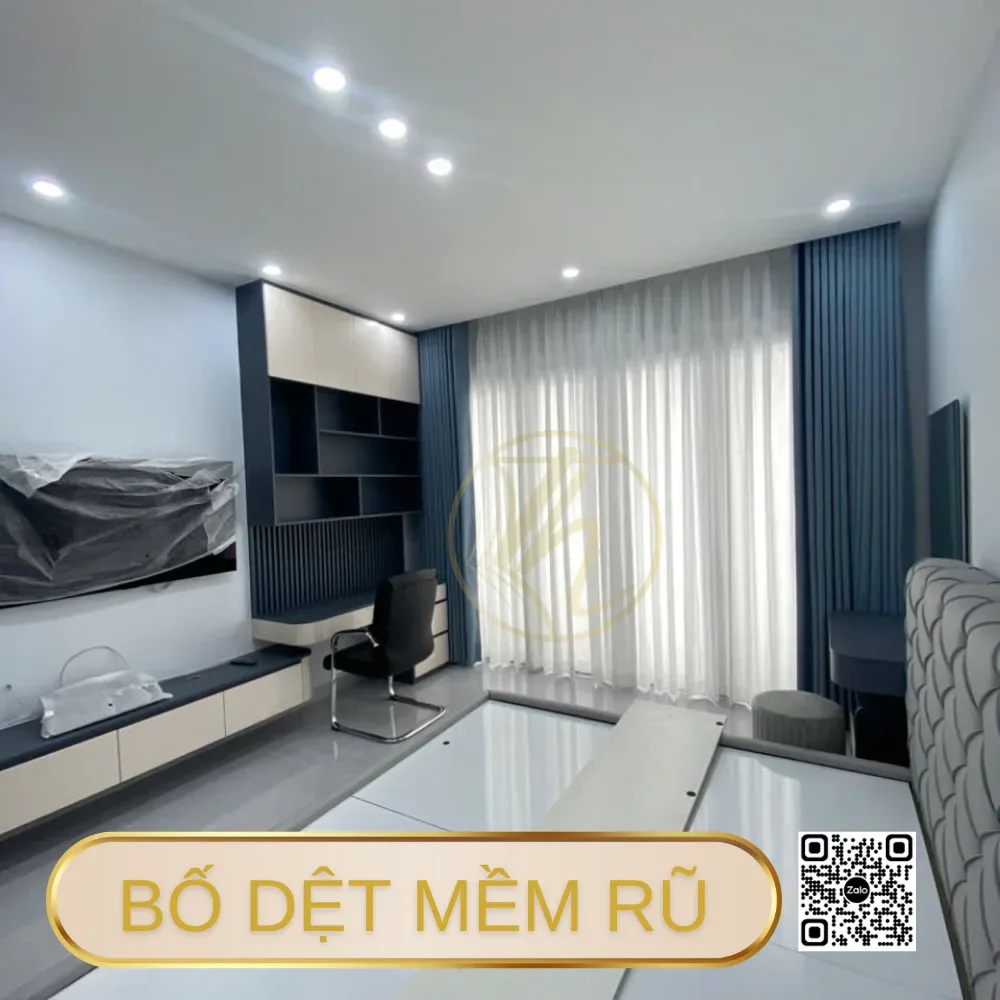
Below are the actual product categories currently available at Thanh Vy Curtains, organized according to common usage needs in the Go Vap area.
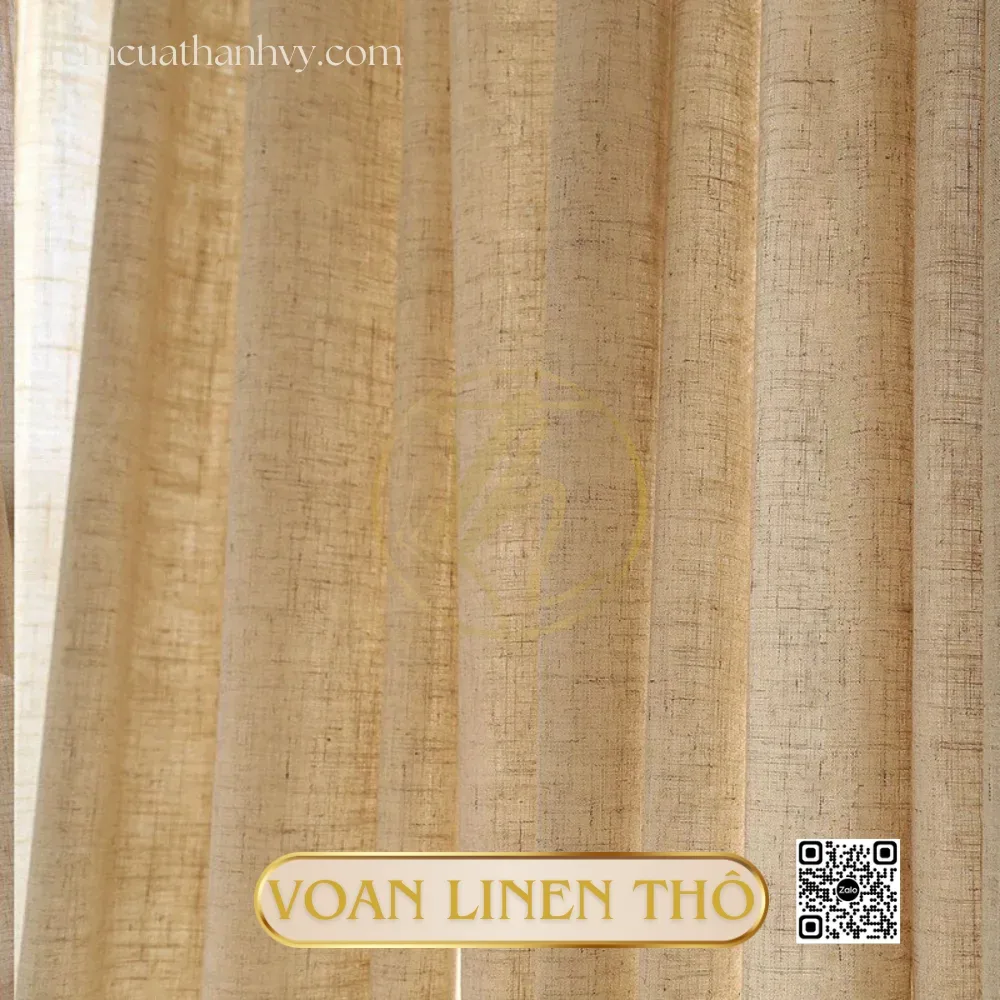
Send your dimensions and needs, and the Thanh Vy Curtains team will advise on options and quote for your actual space.
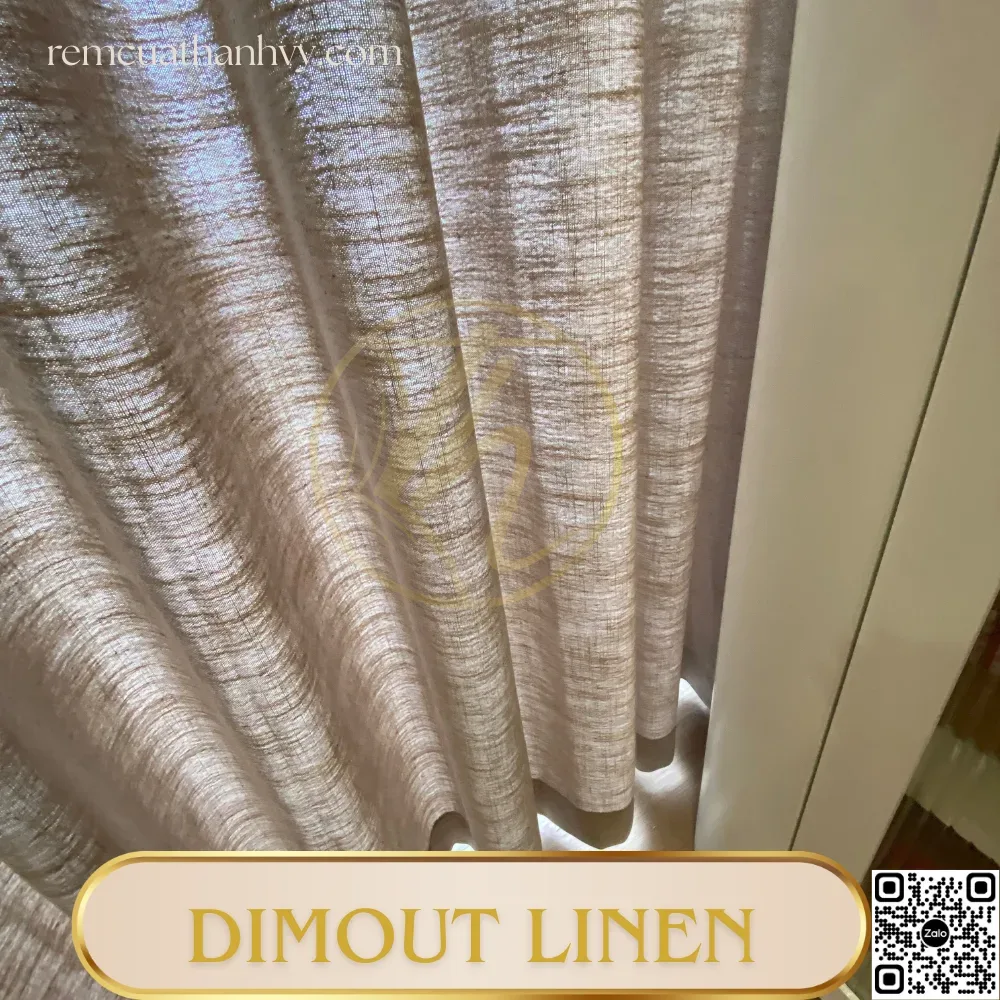
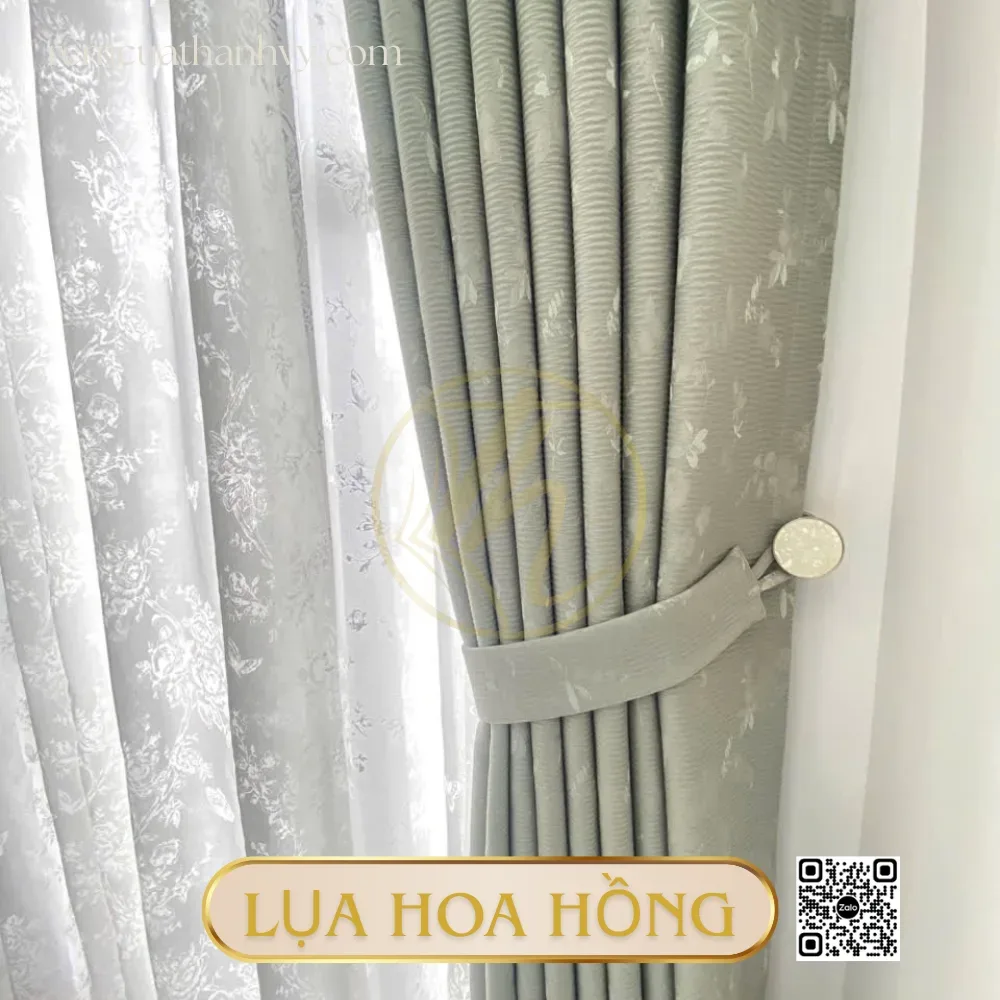
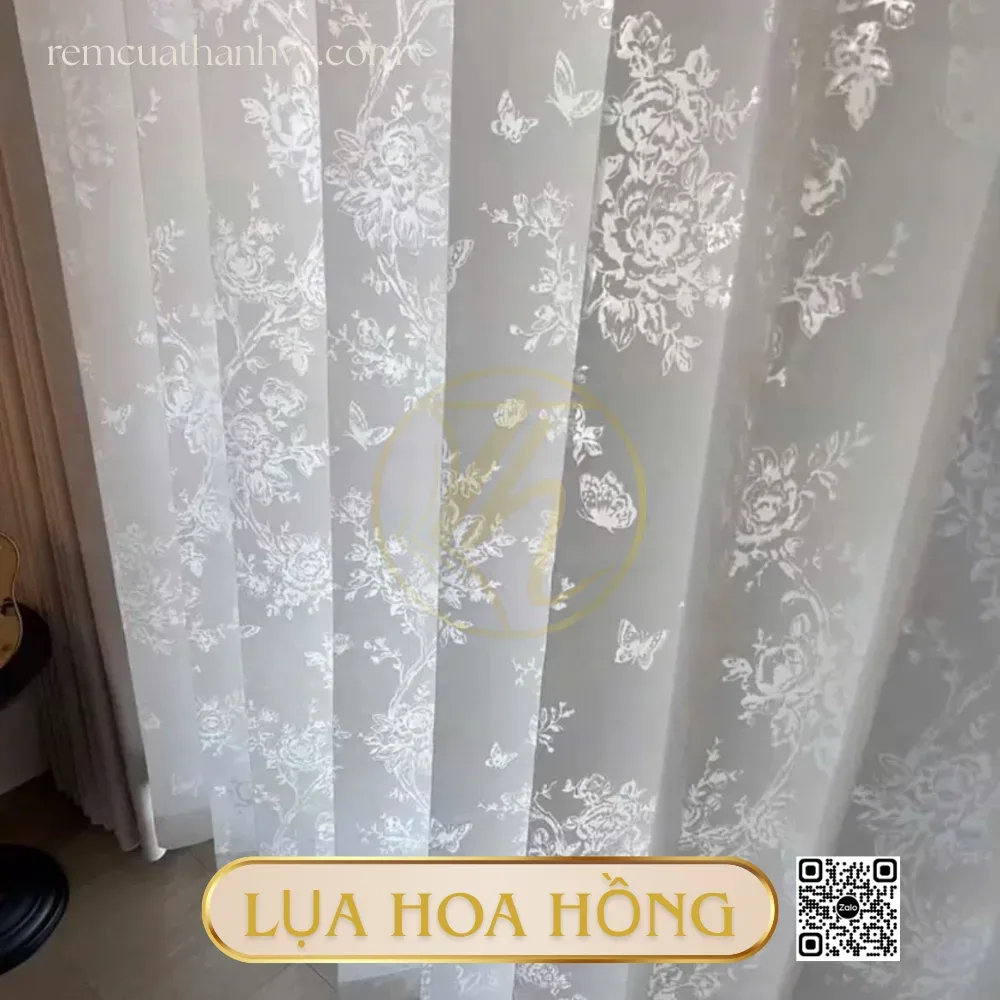
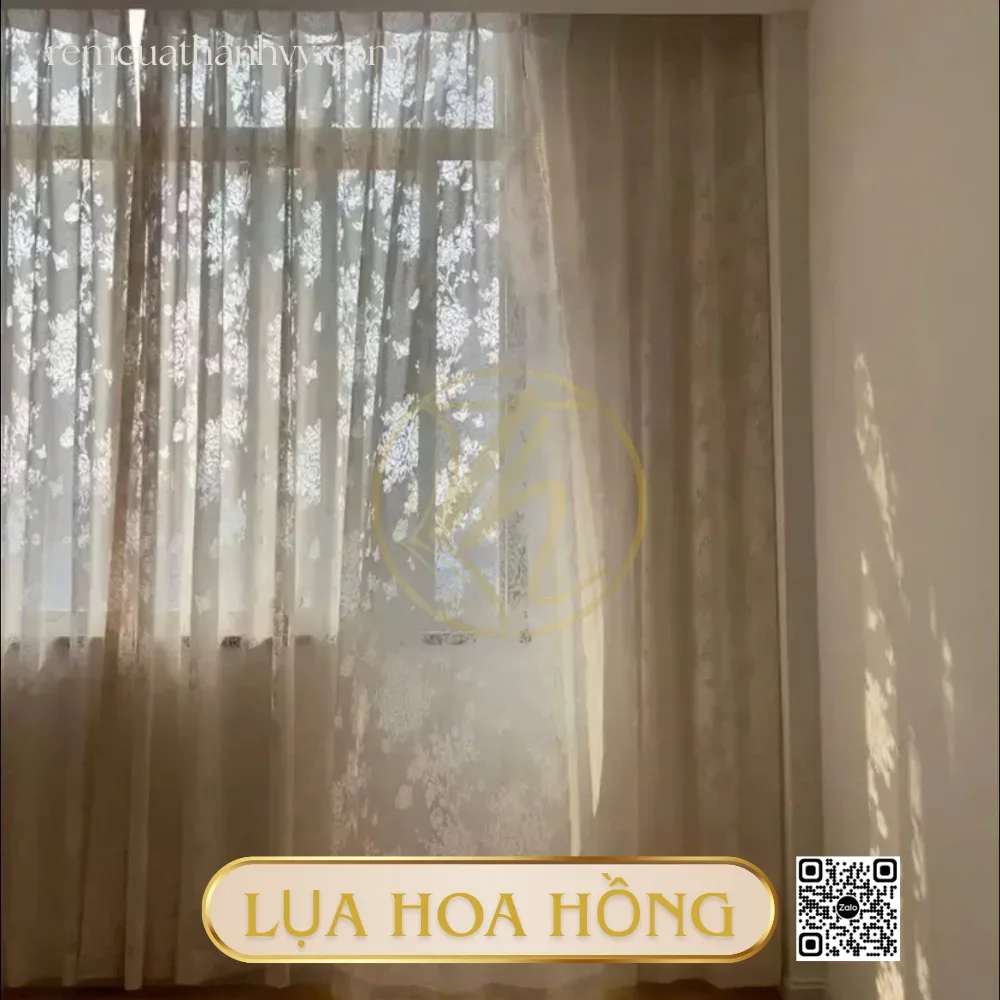
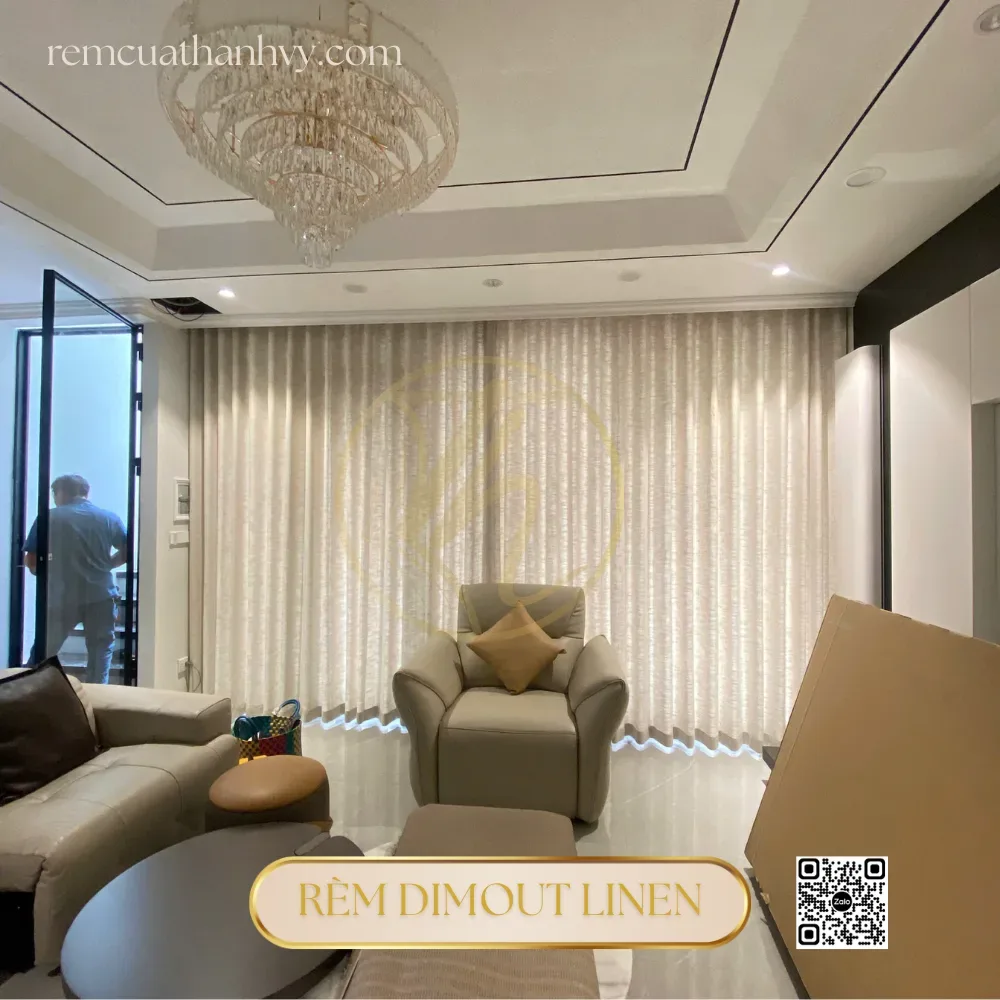
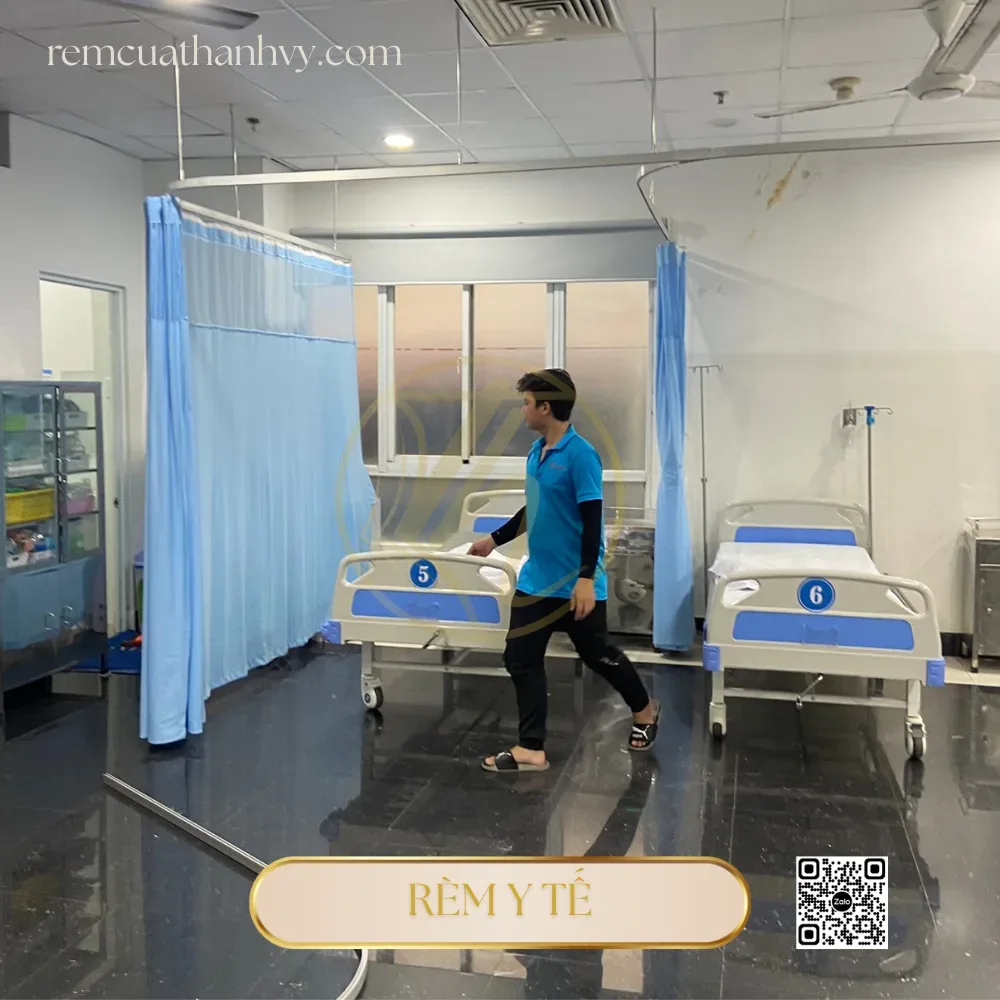
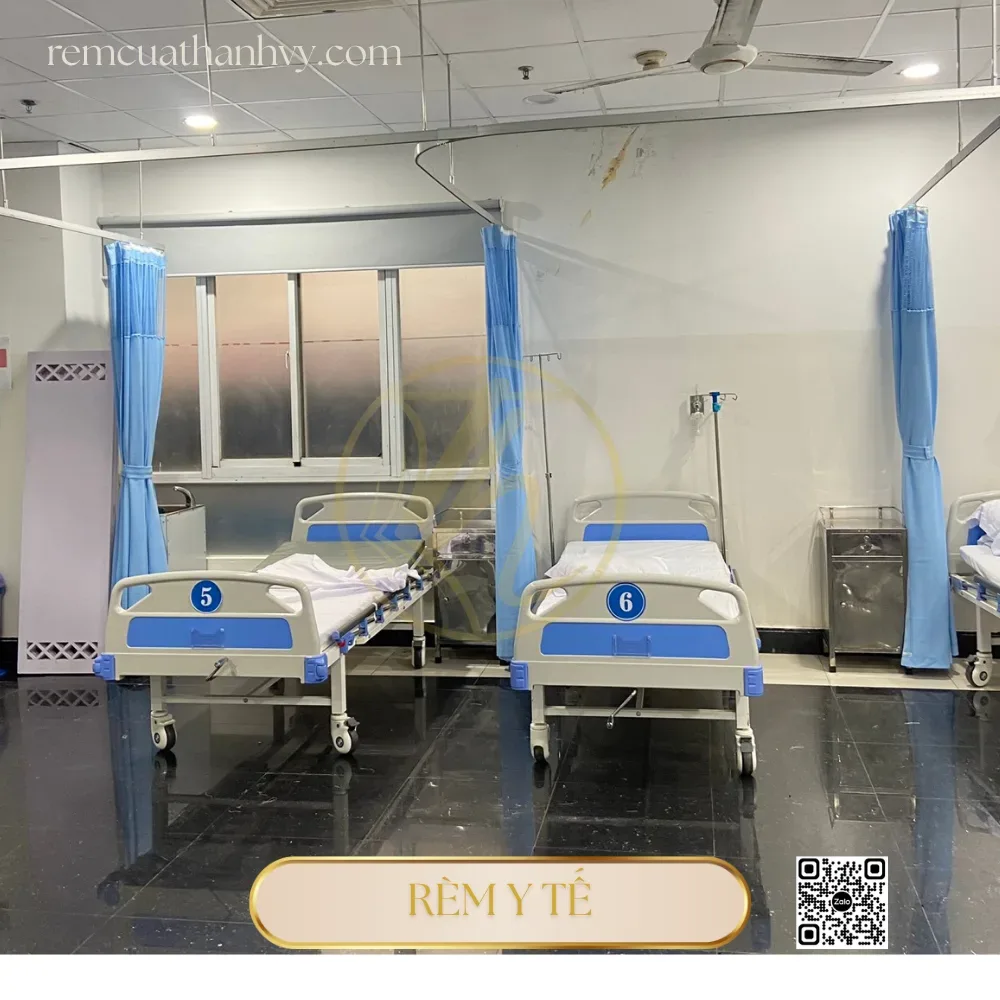
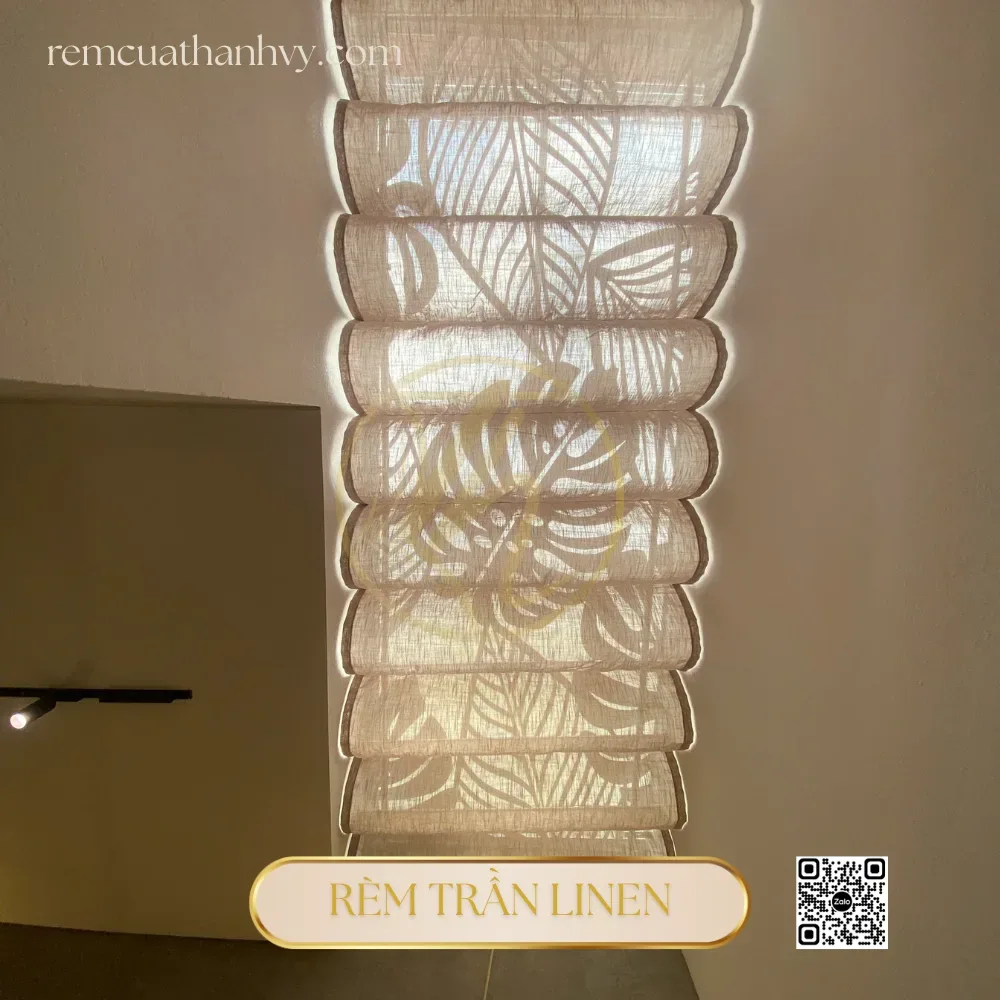
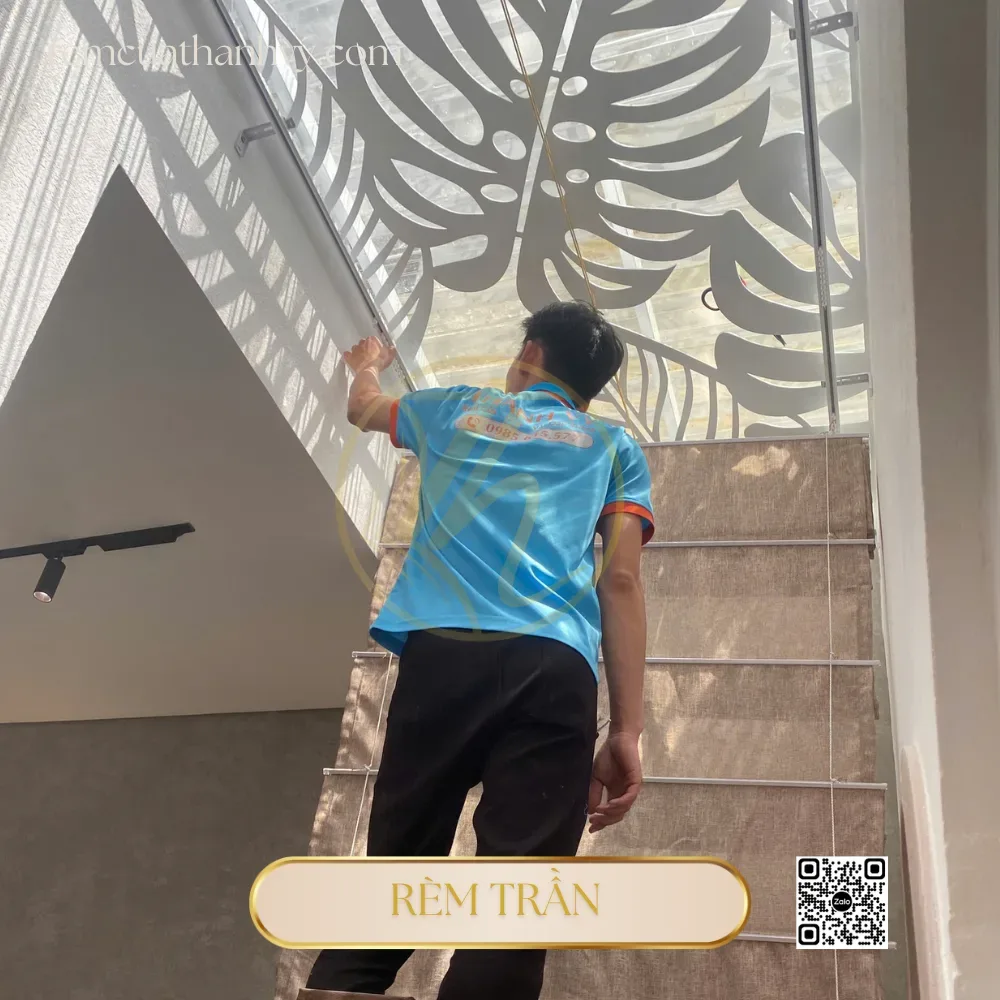
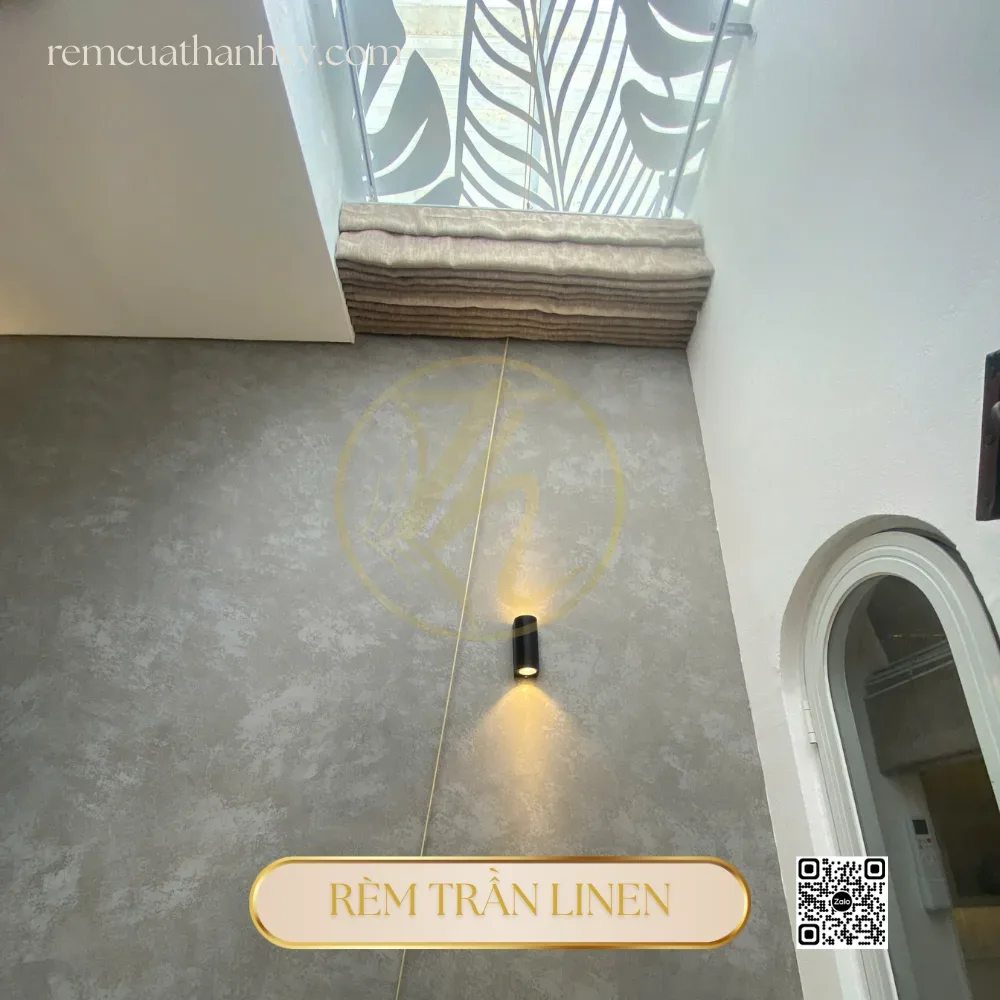
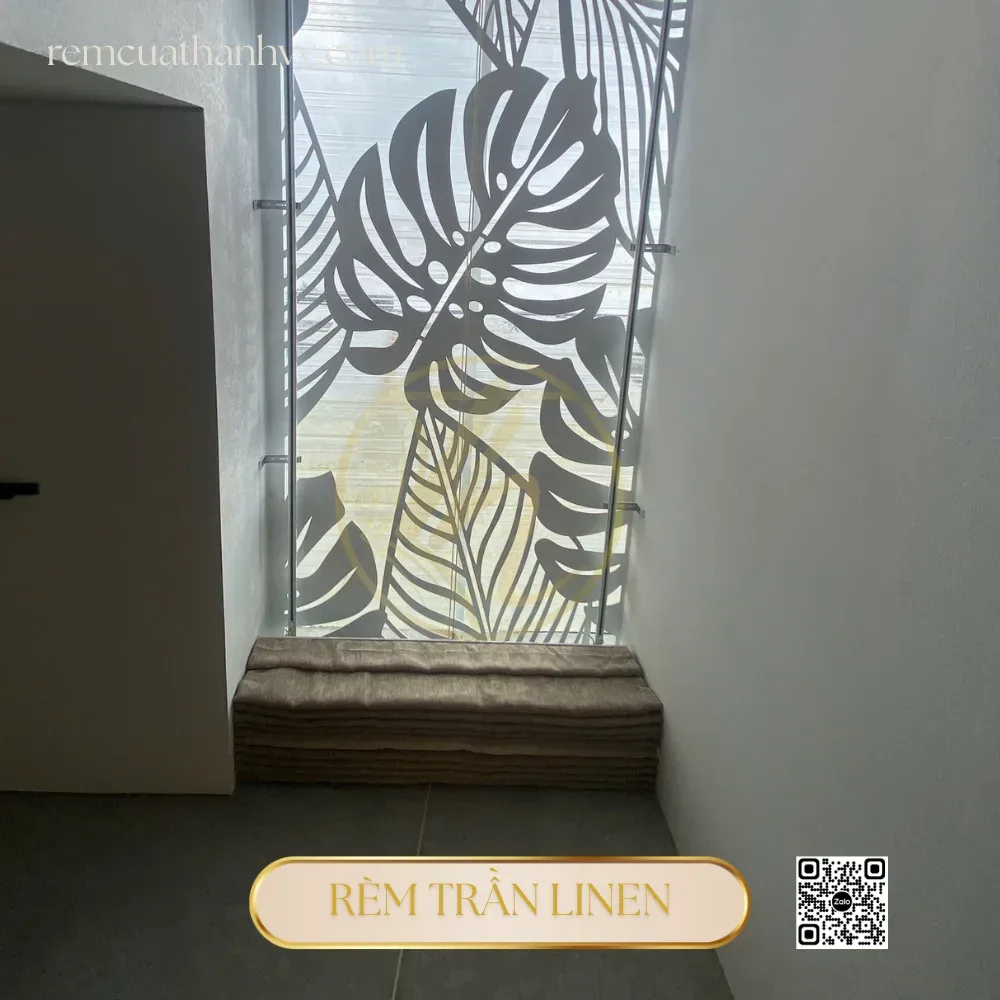
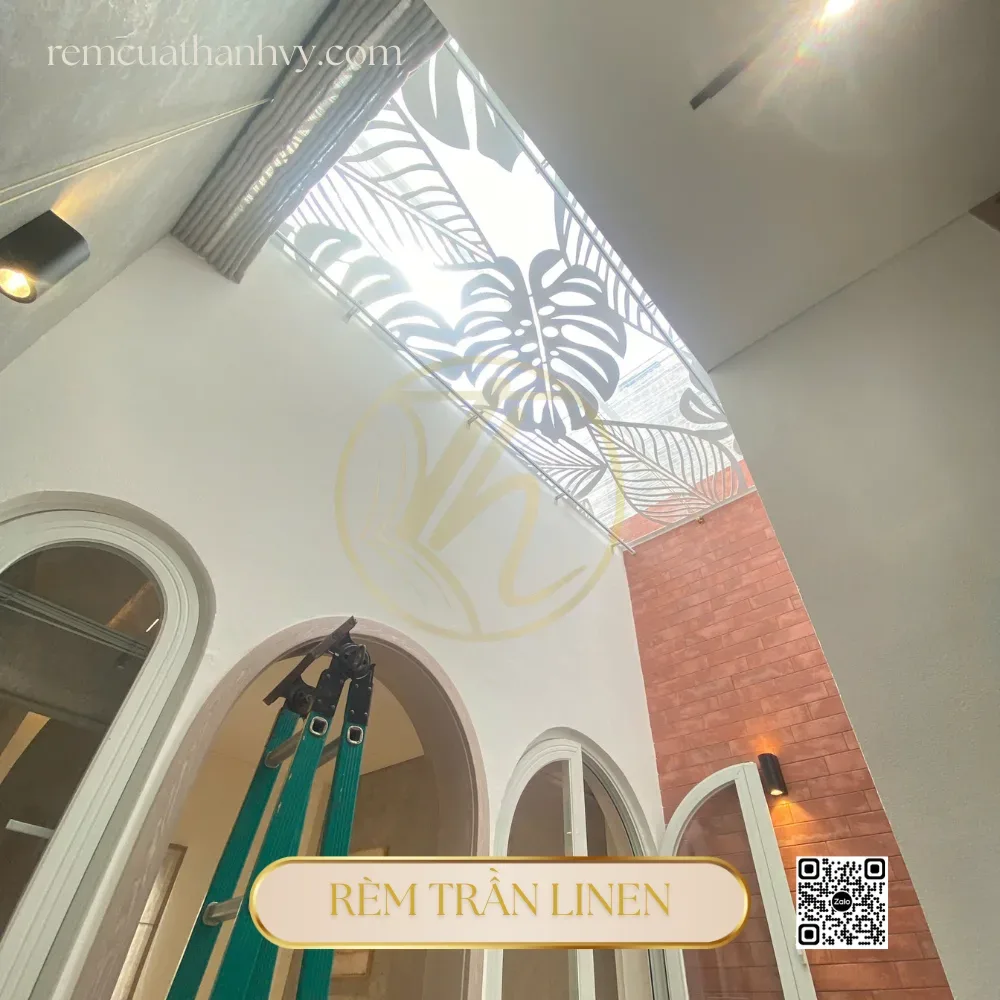
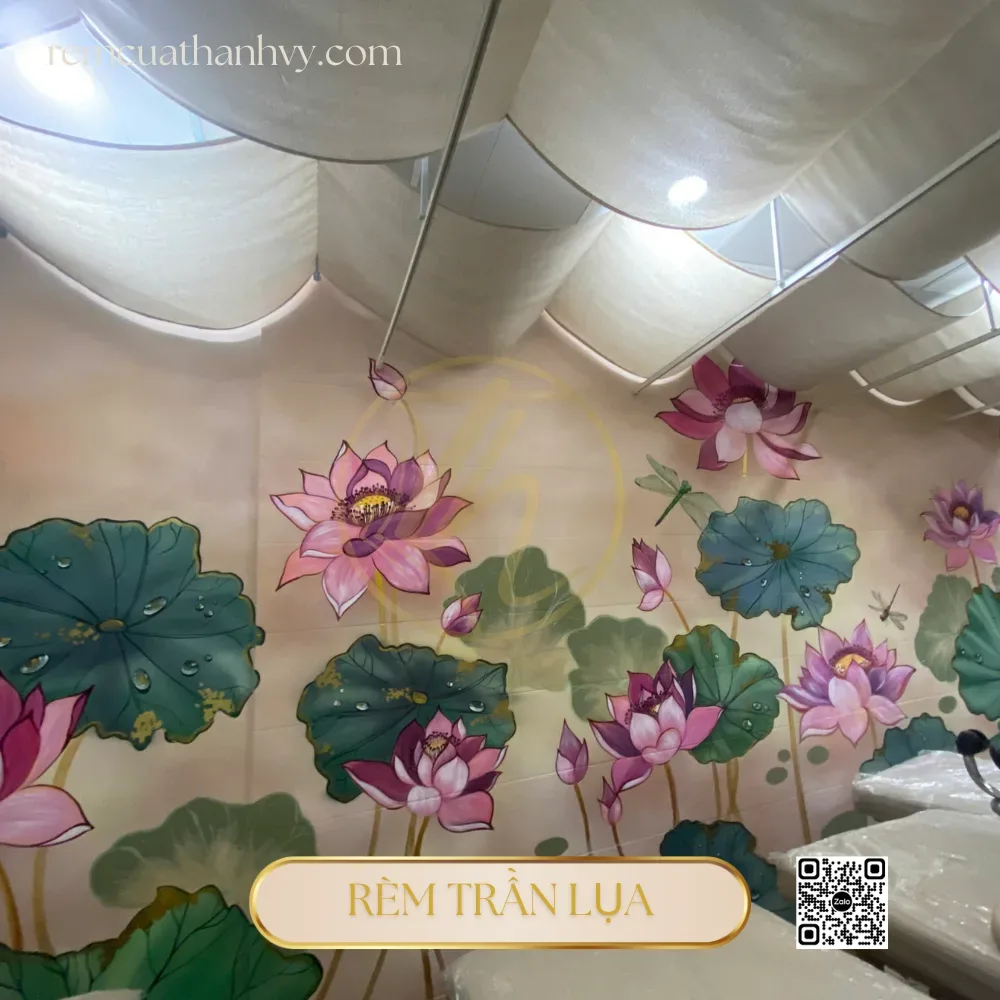
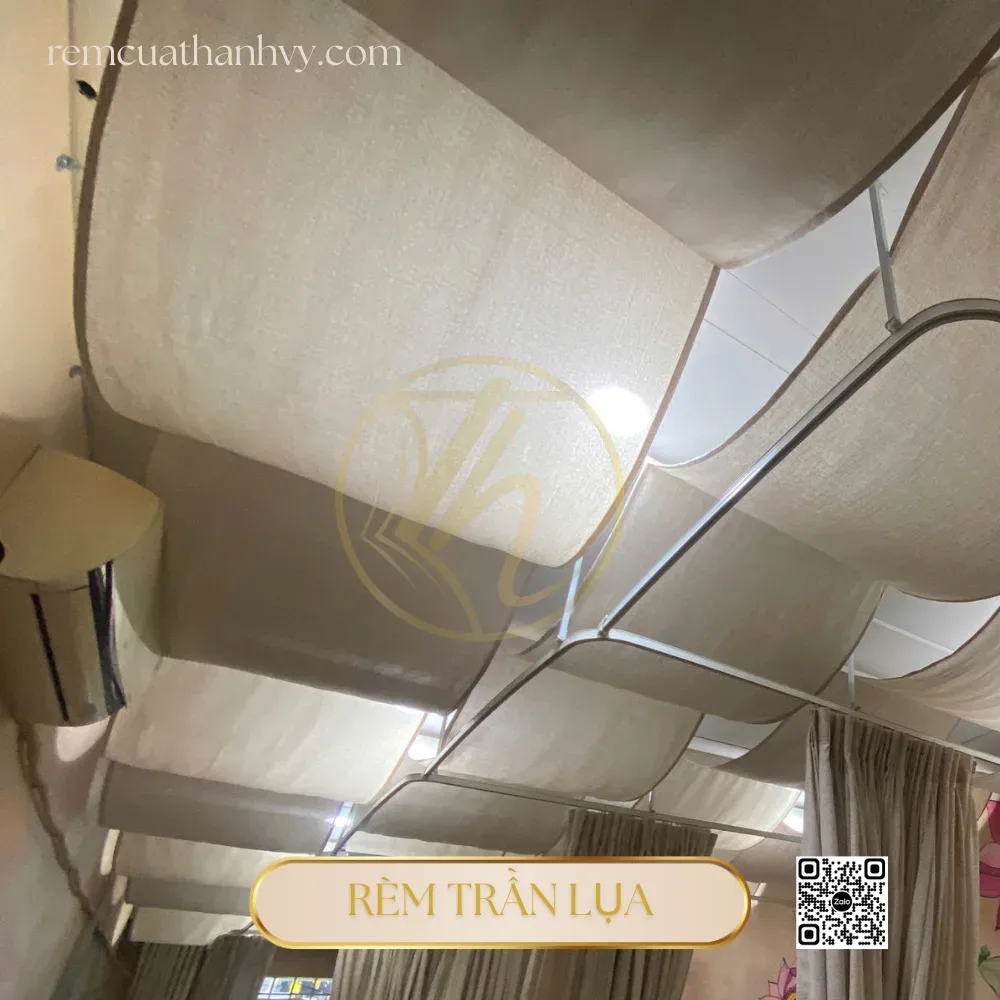
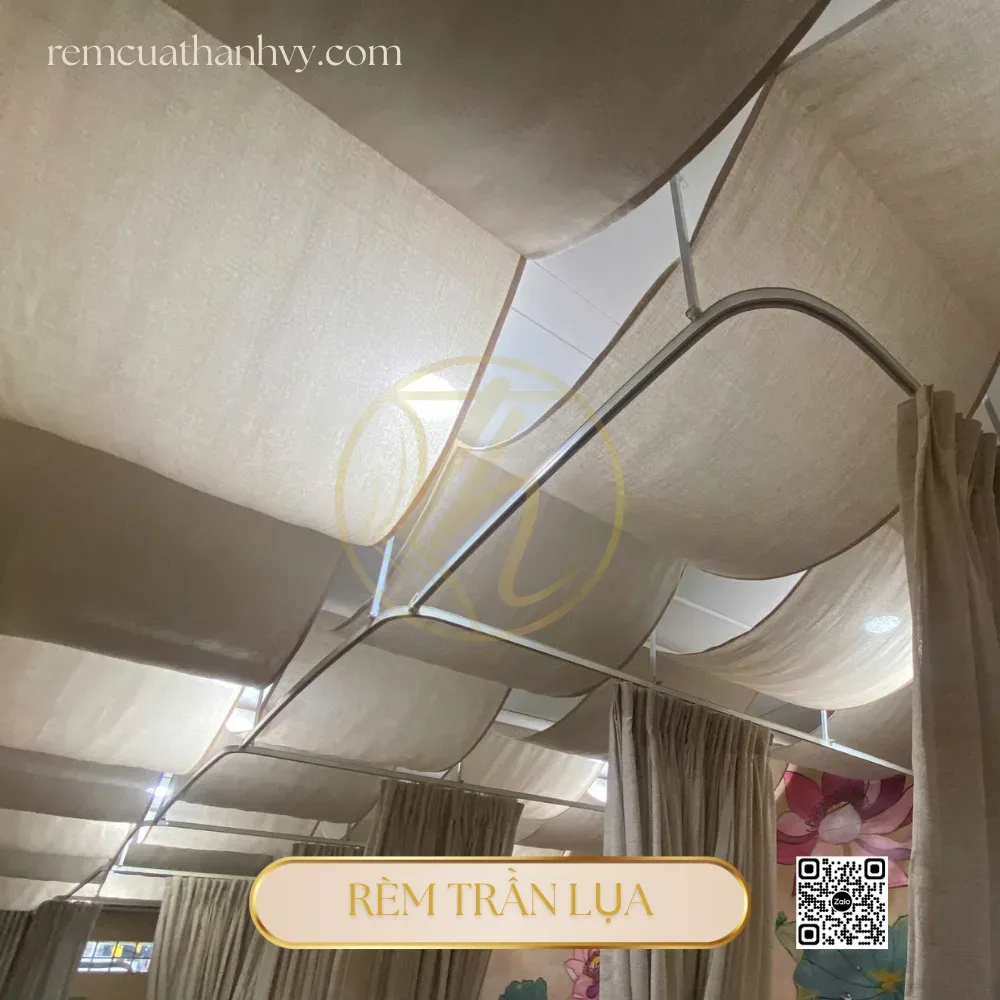
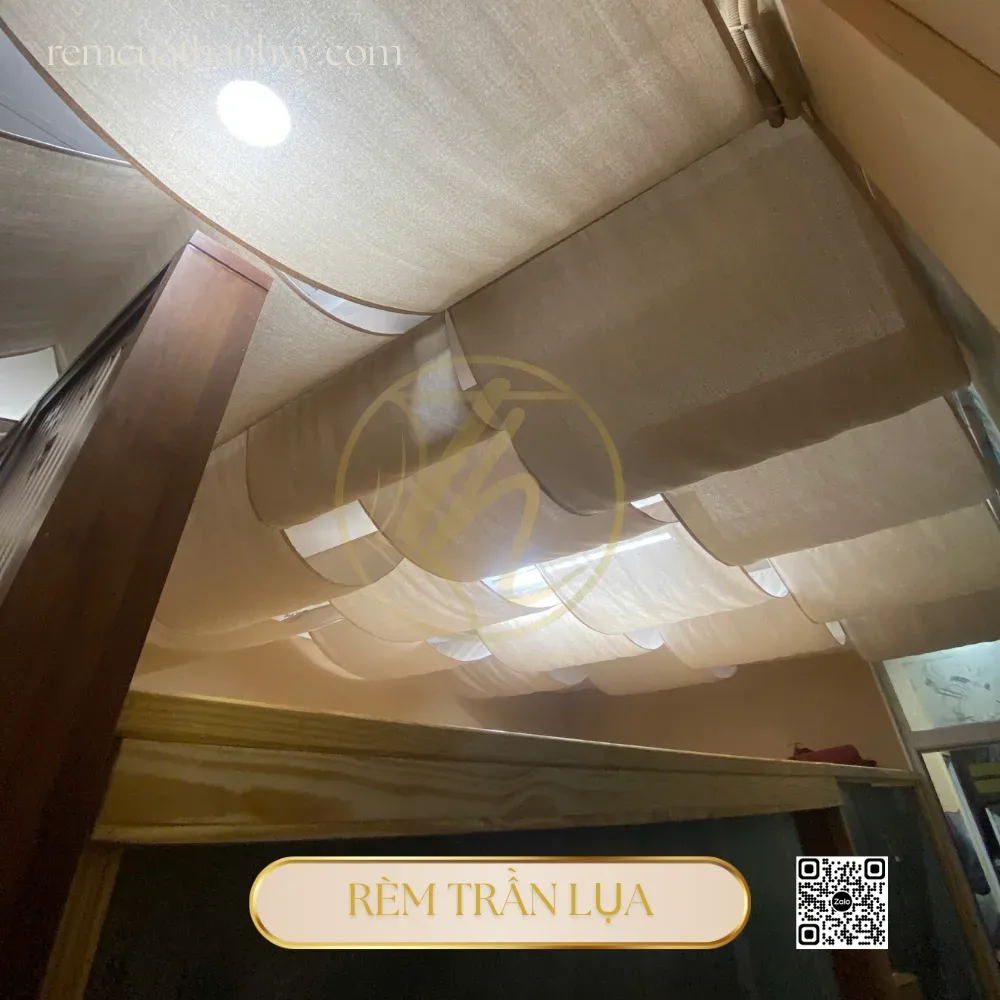
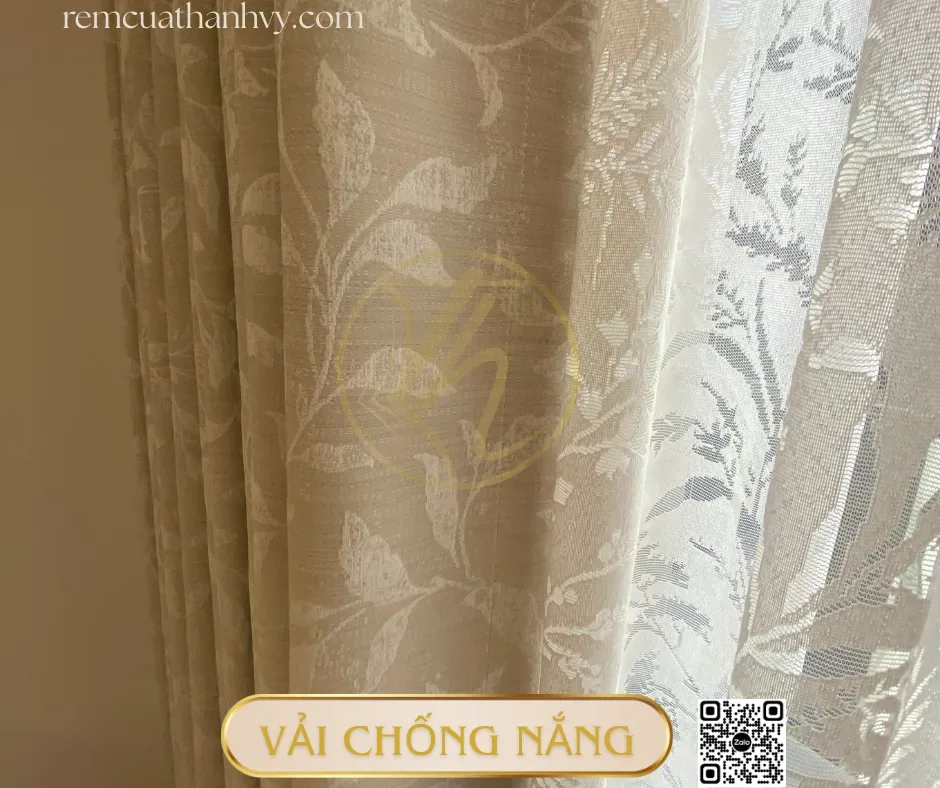
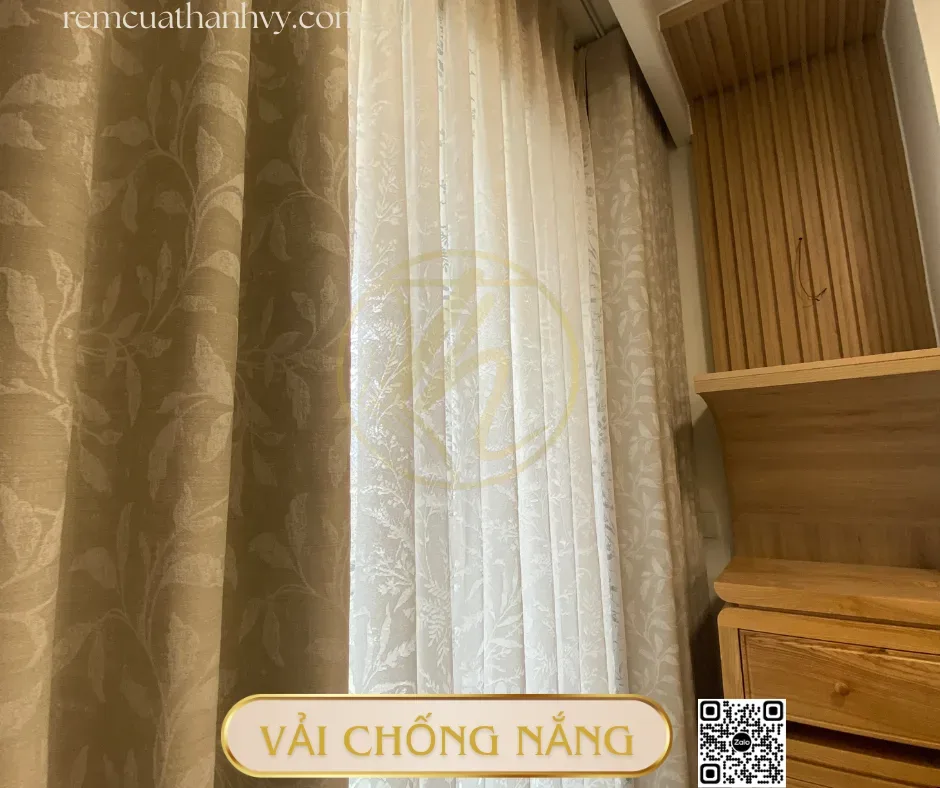
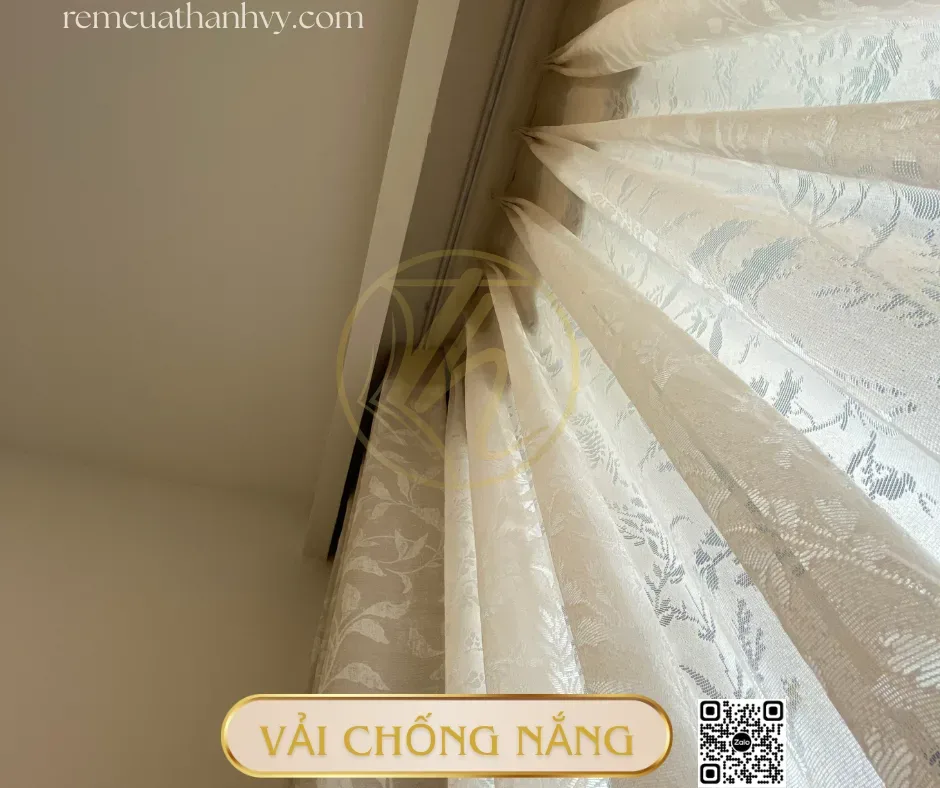
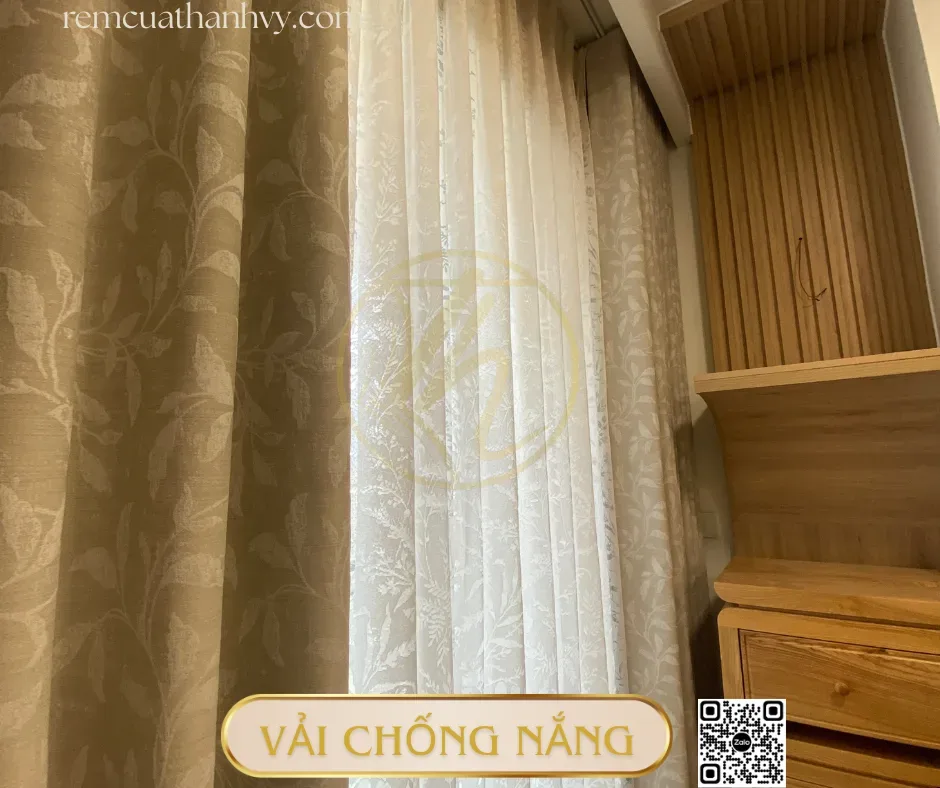
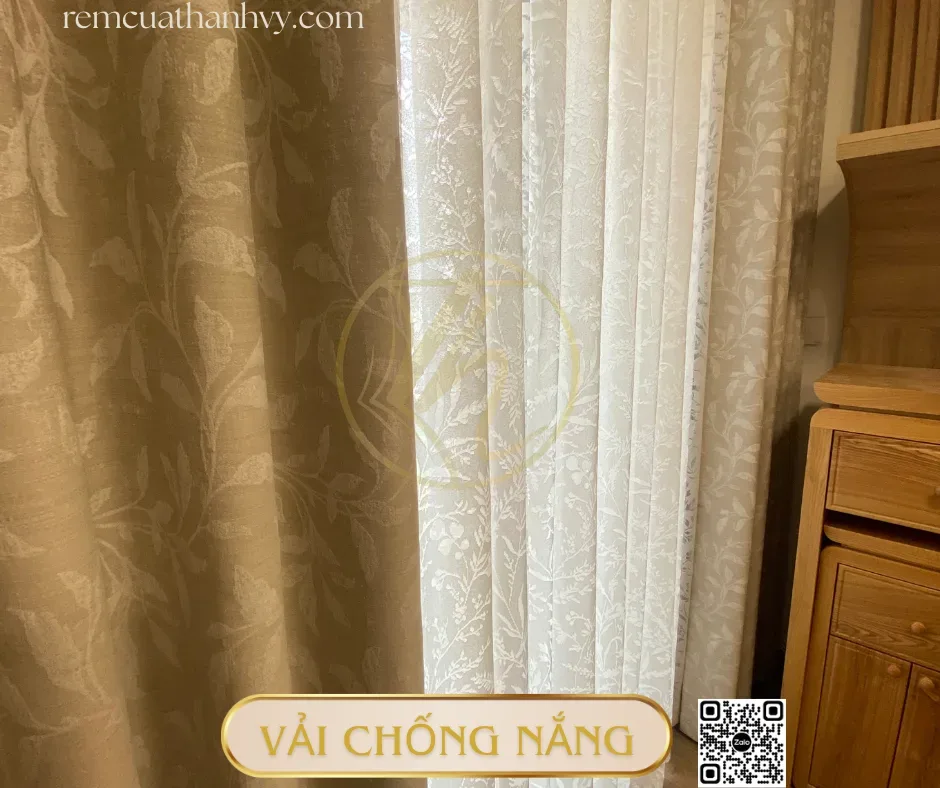
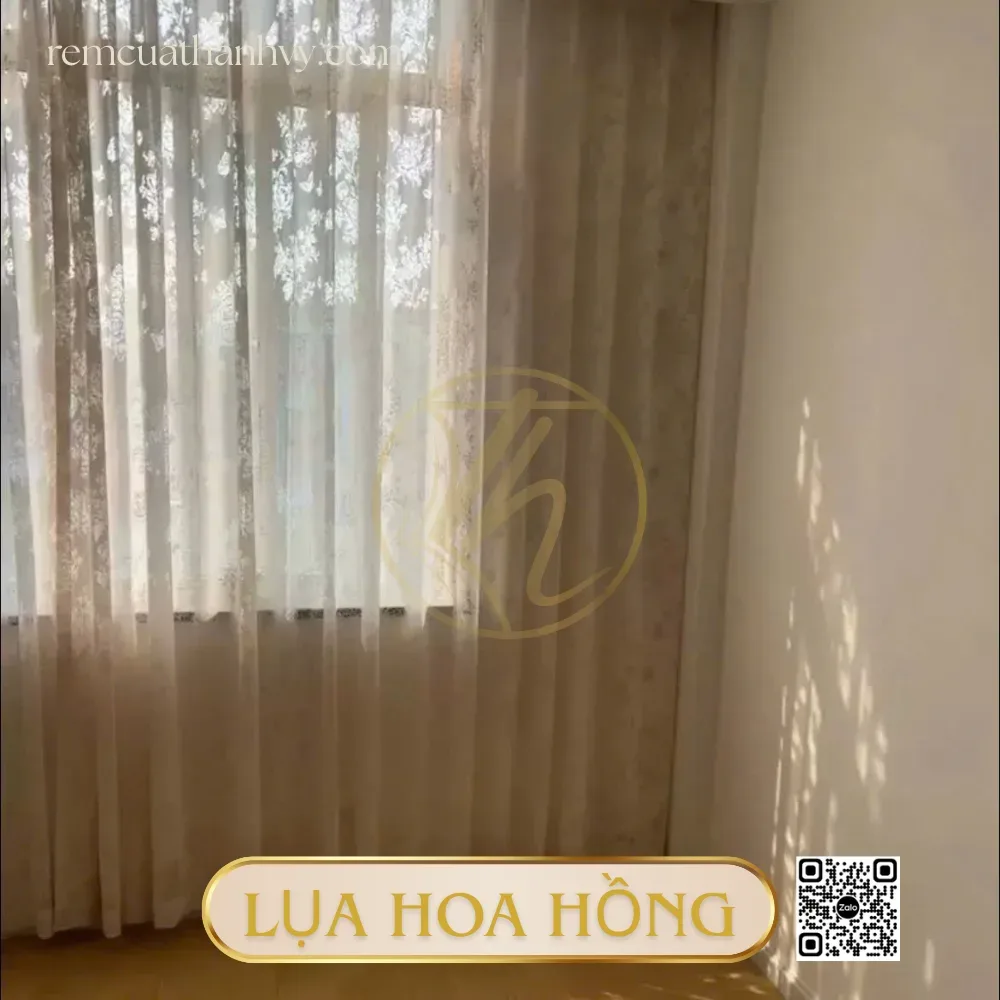
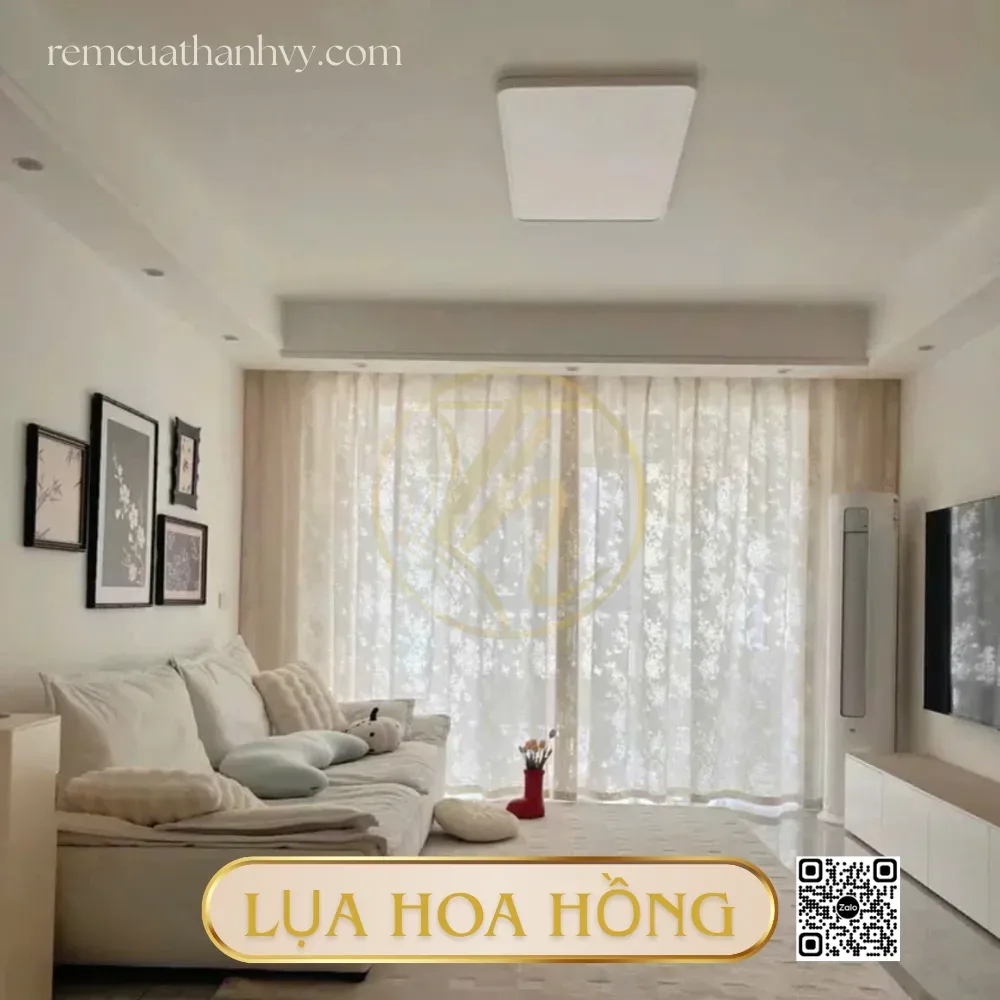
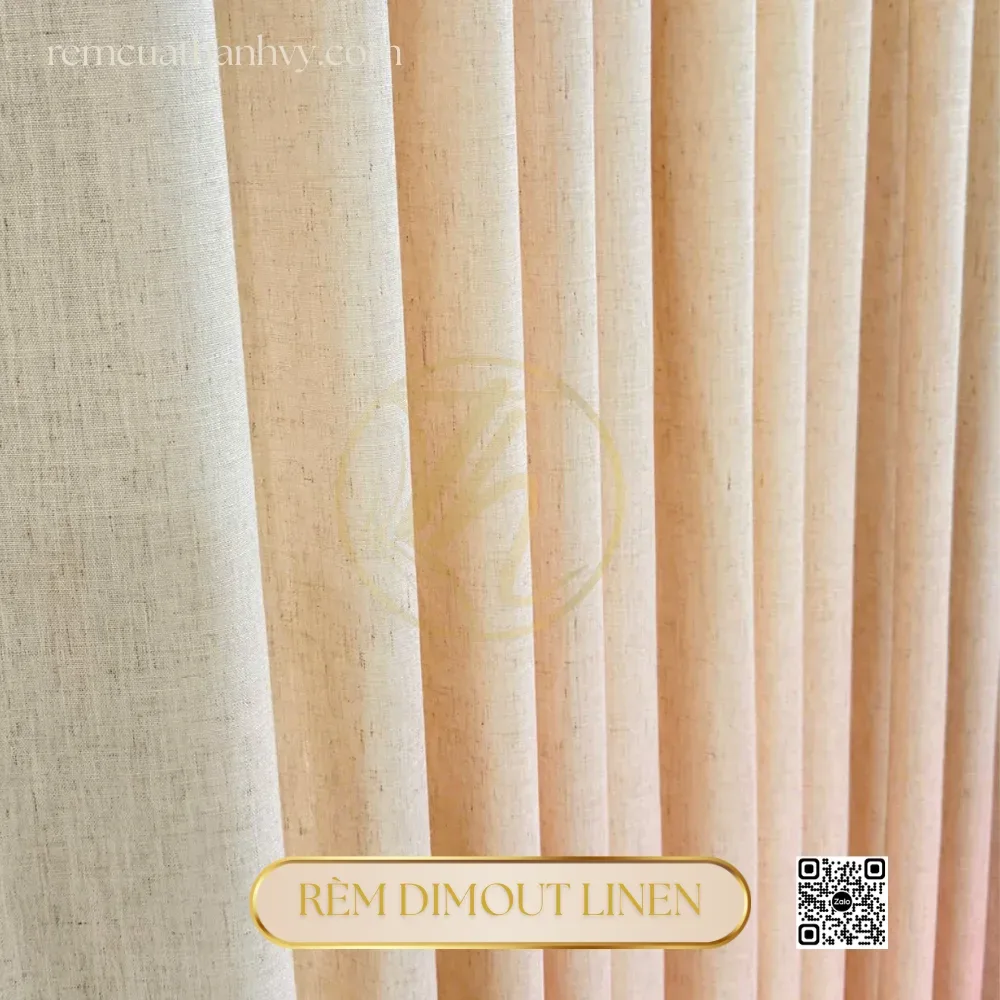
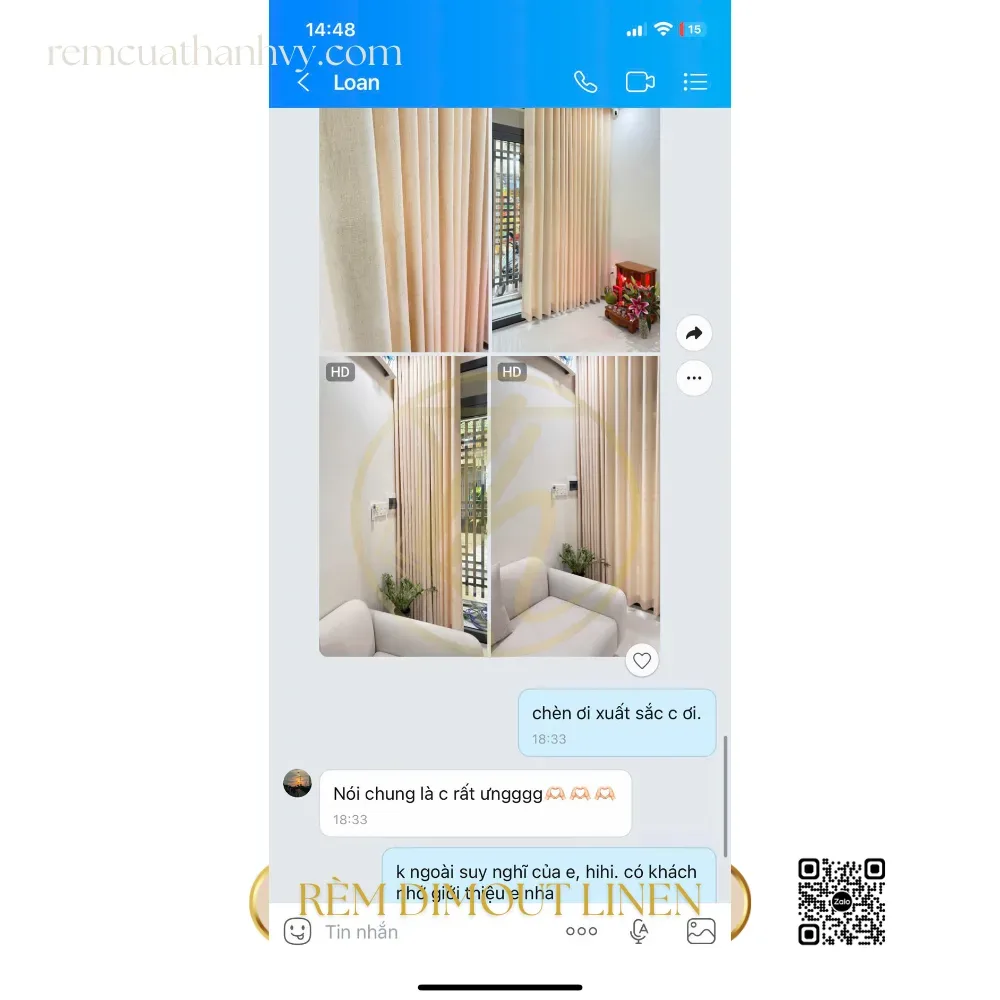
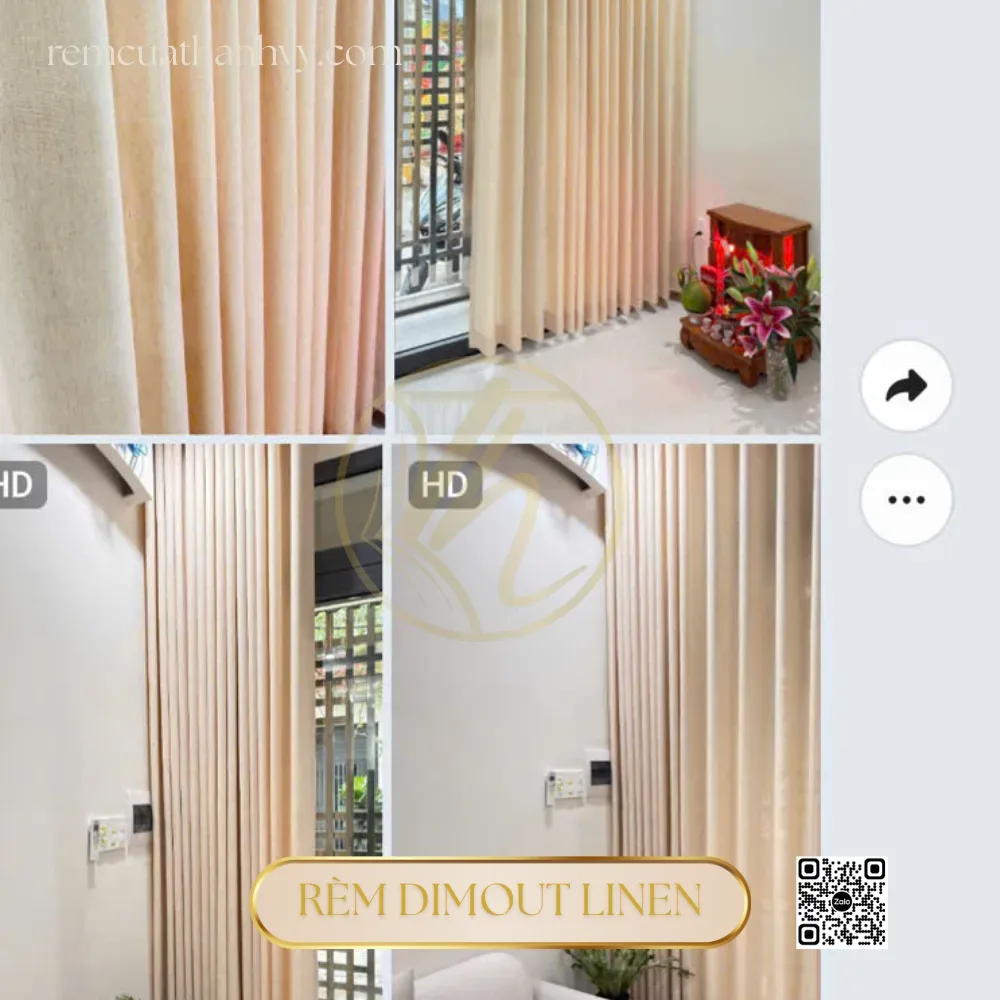
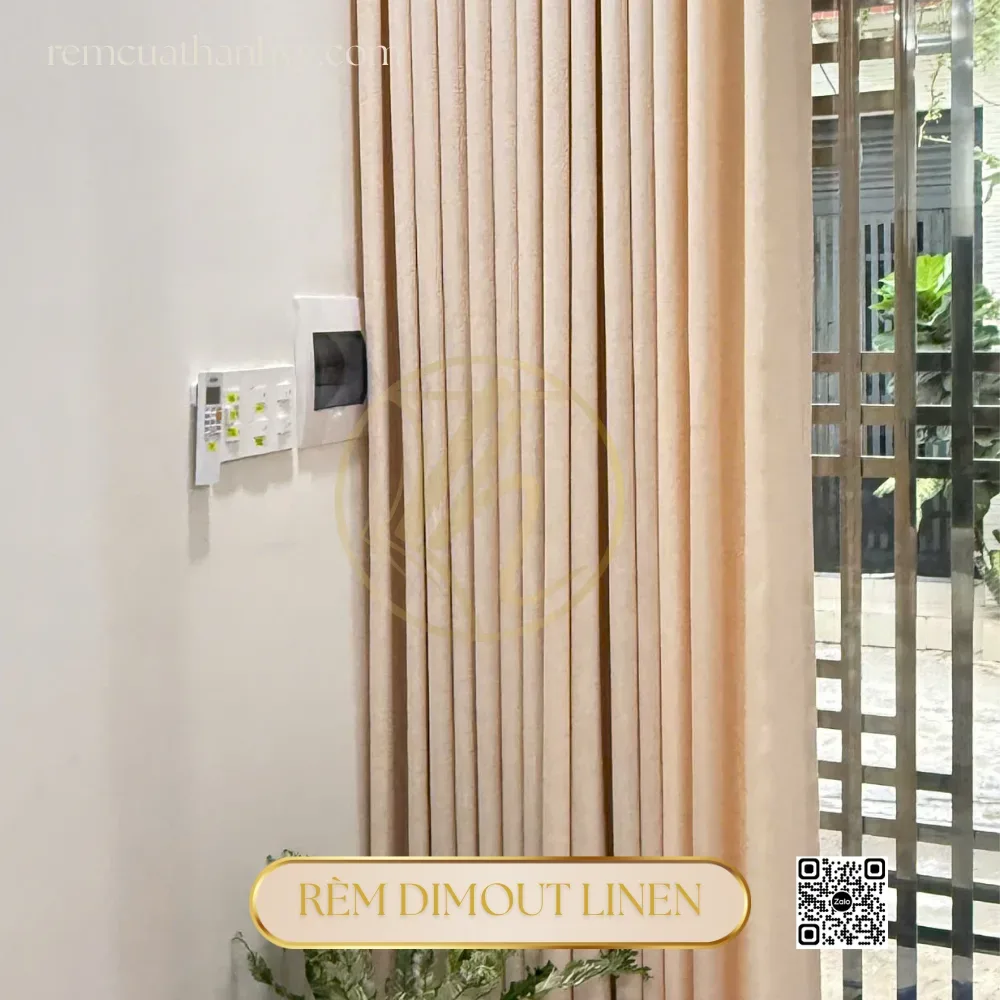
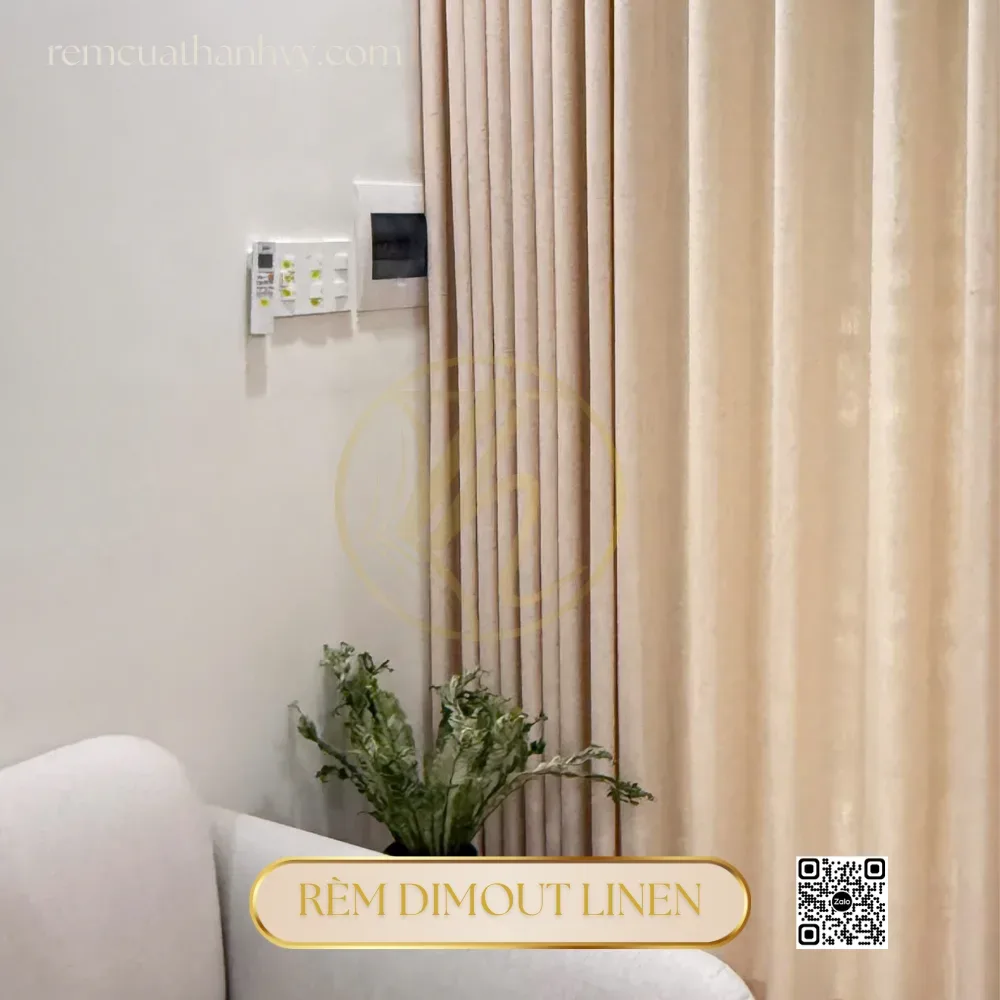
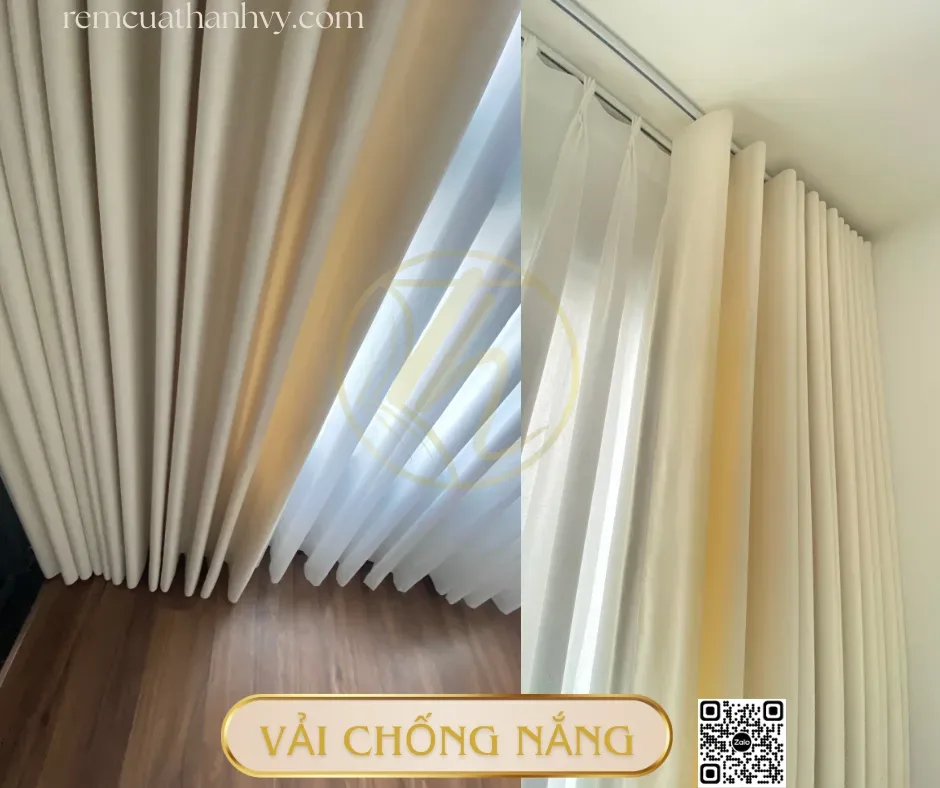
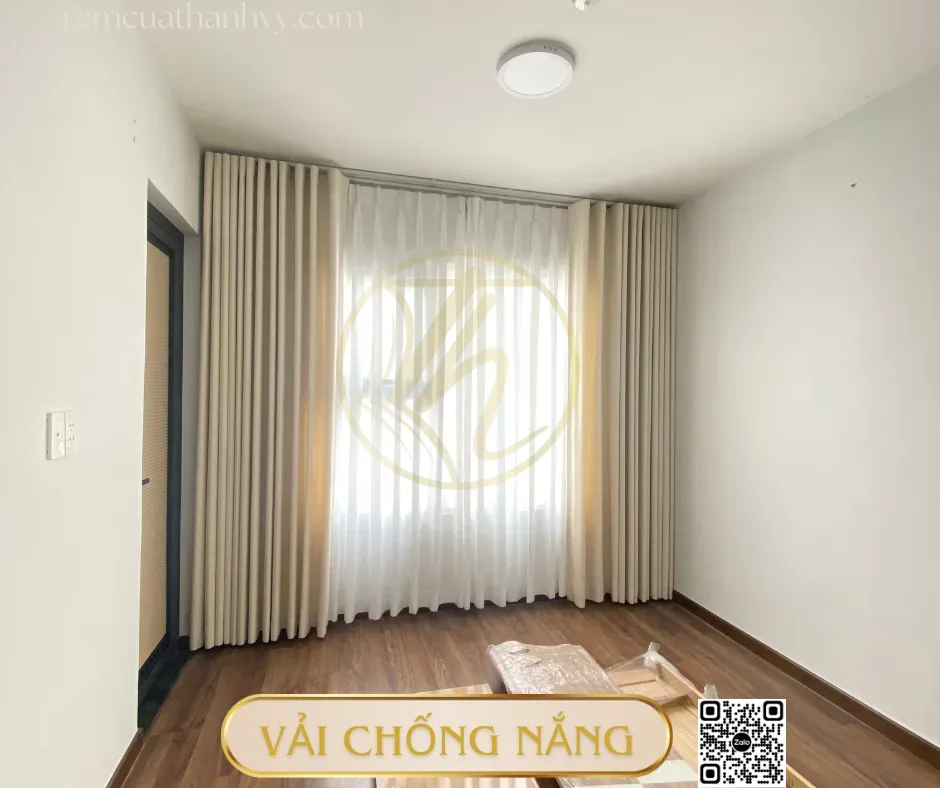
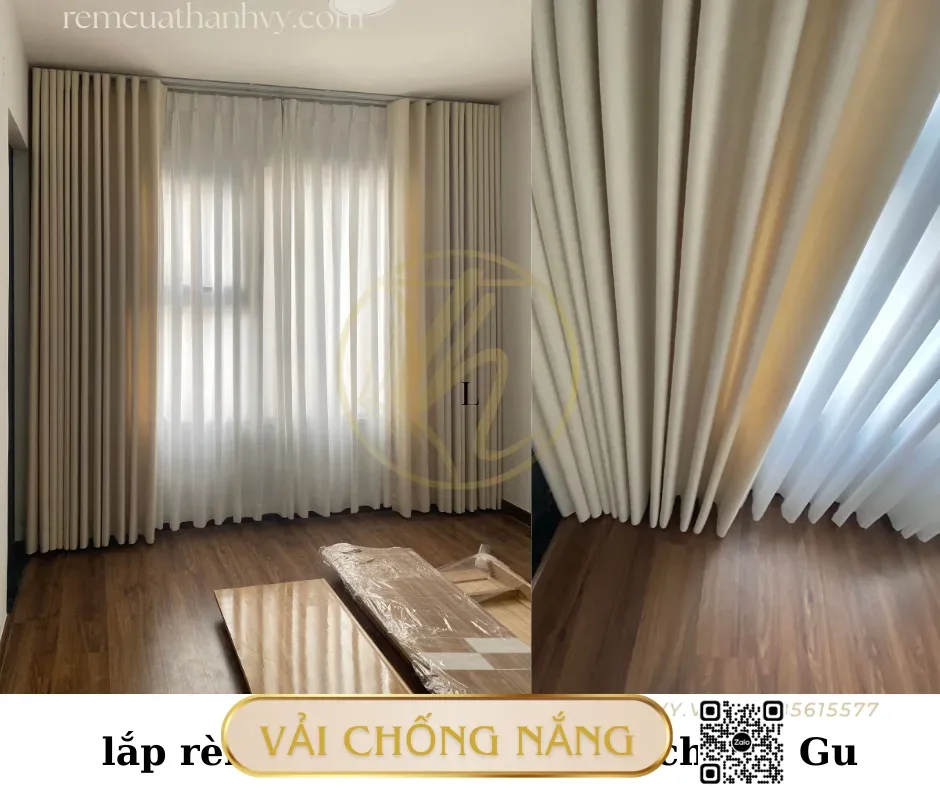
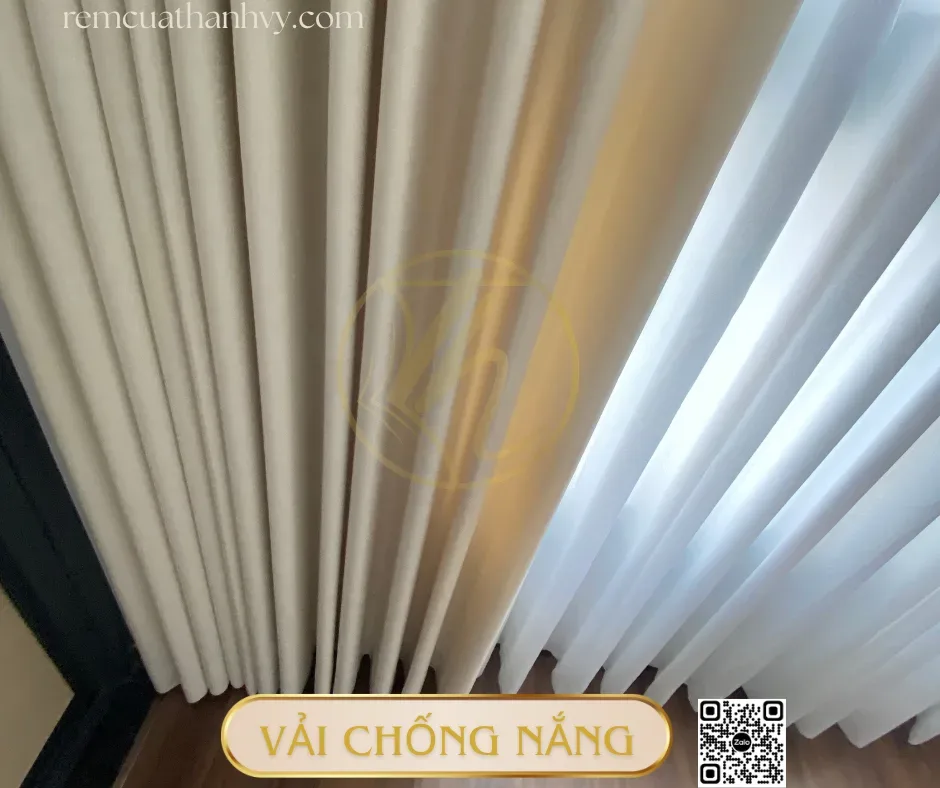
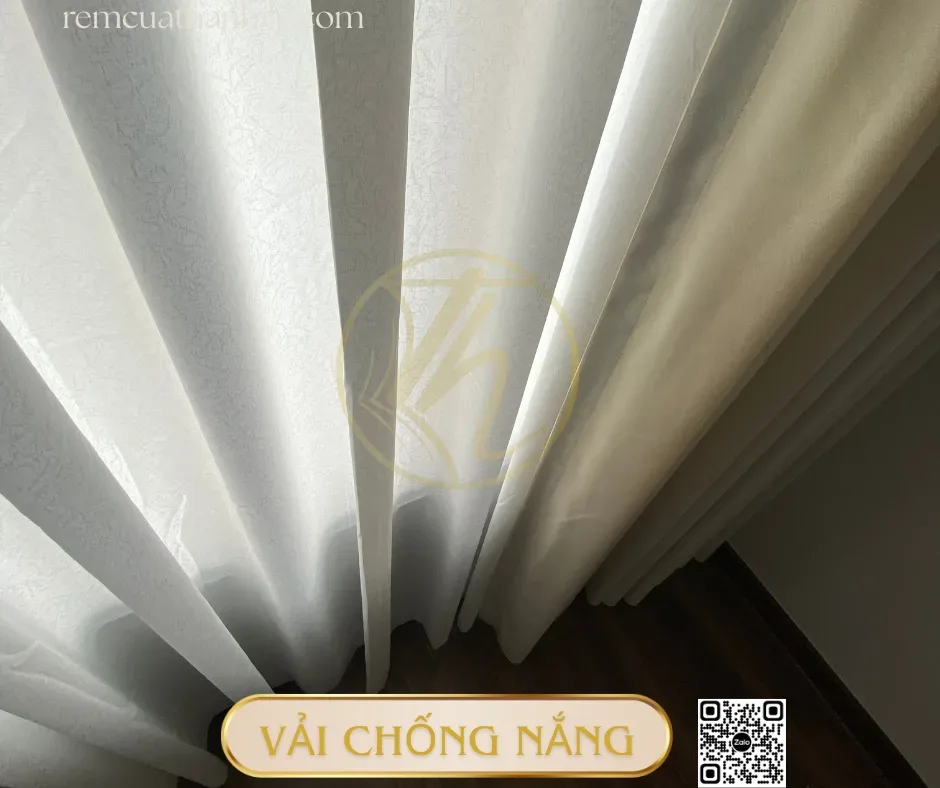
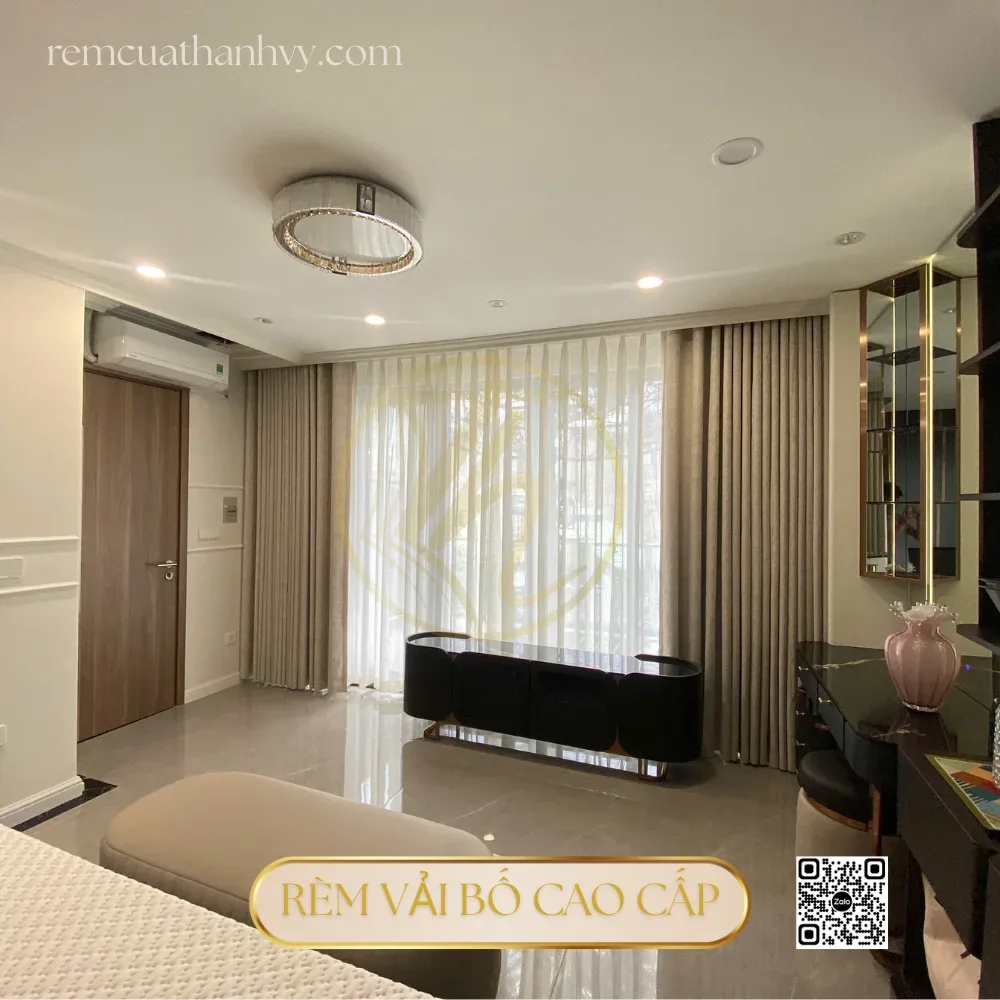
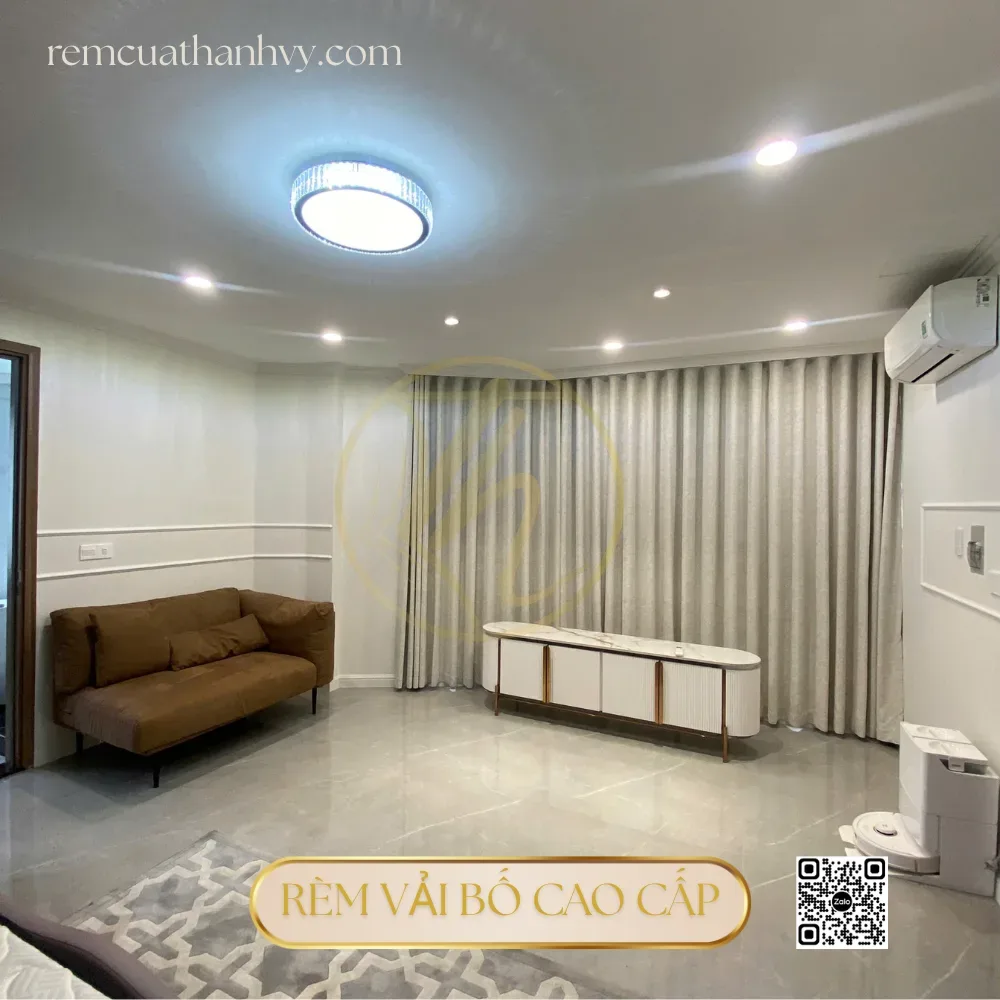
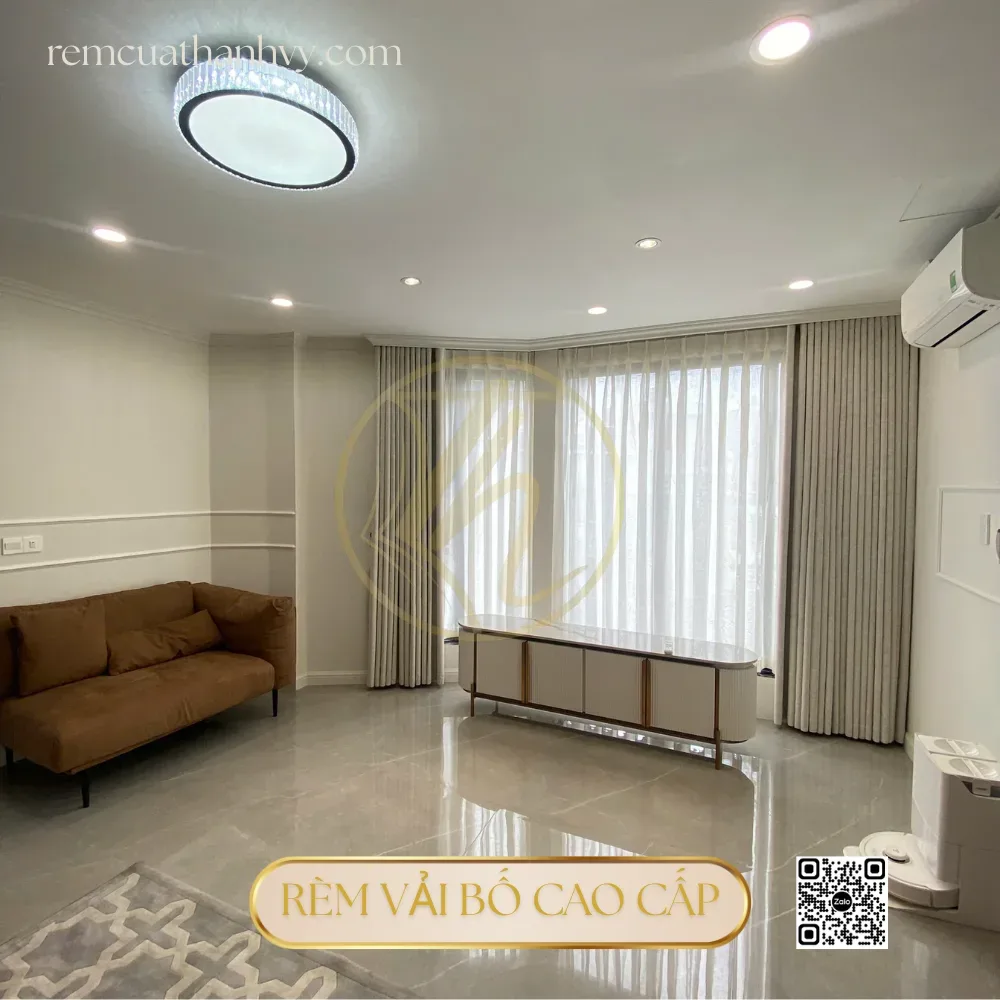
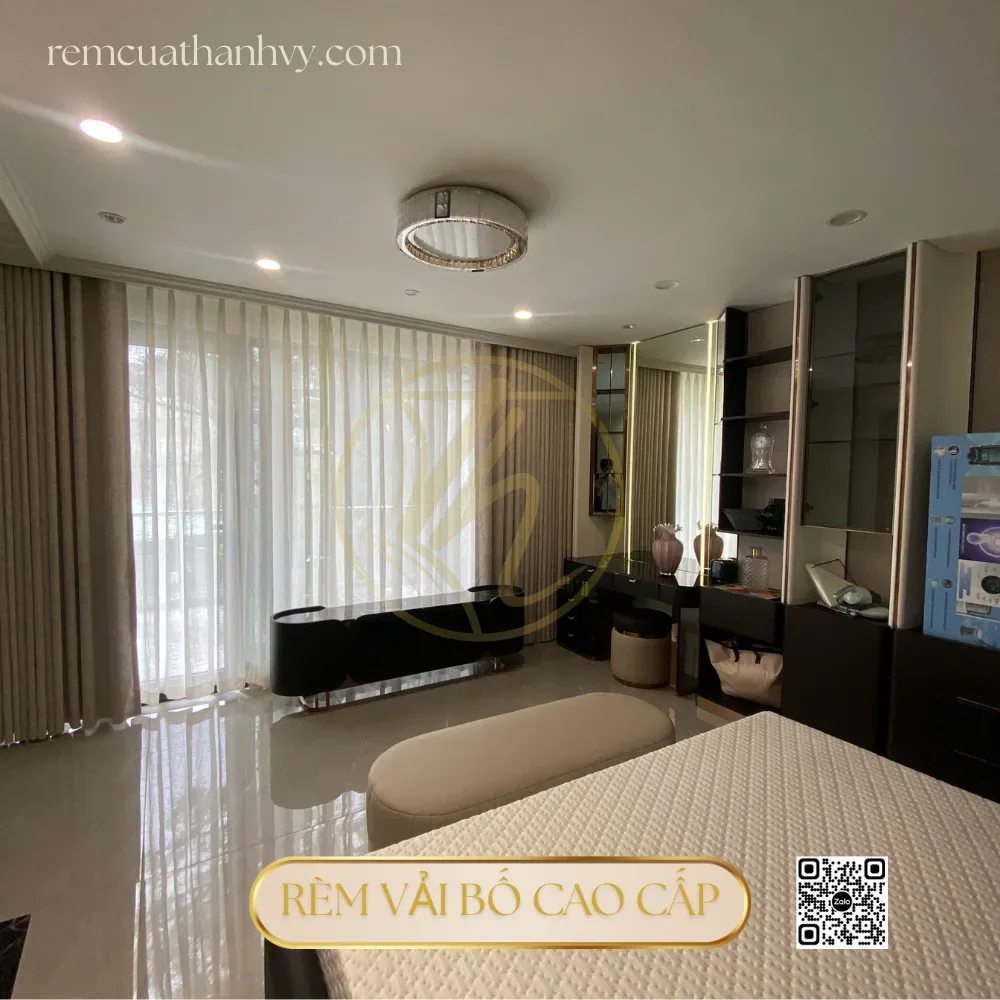
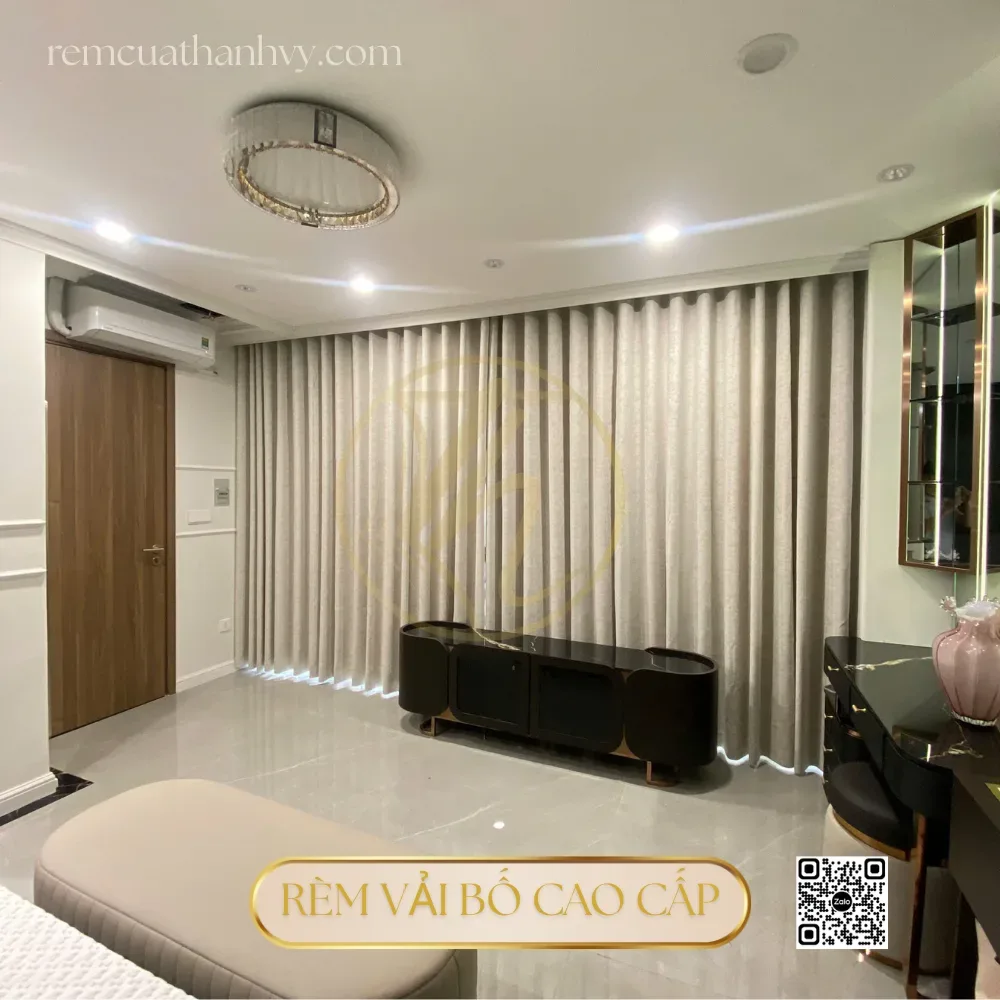
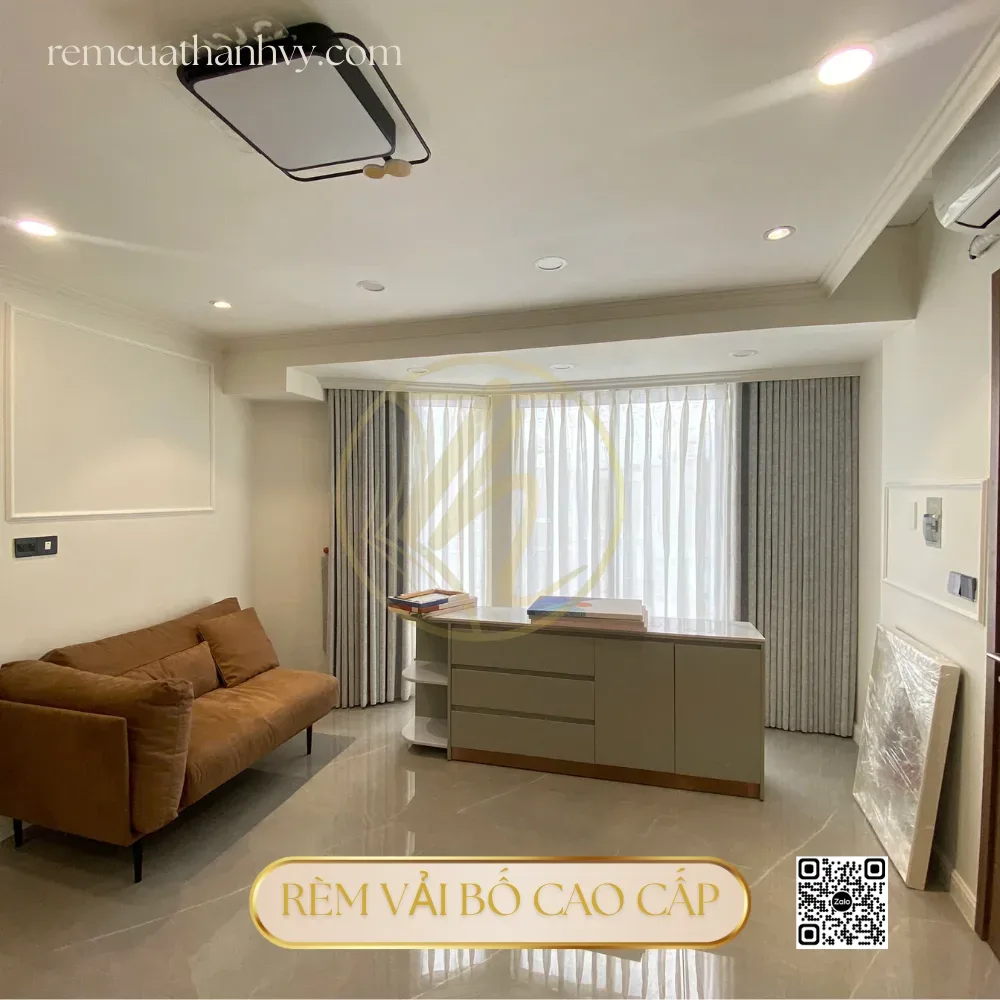
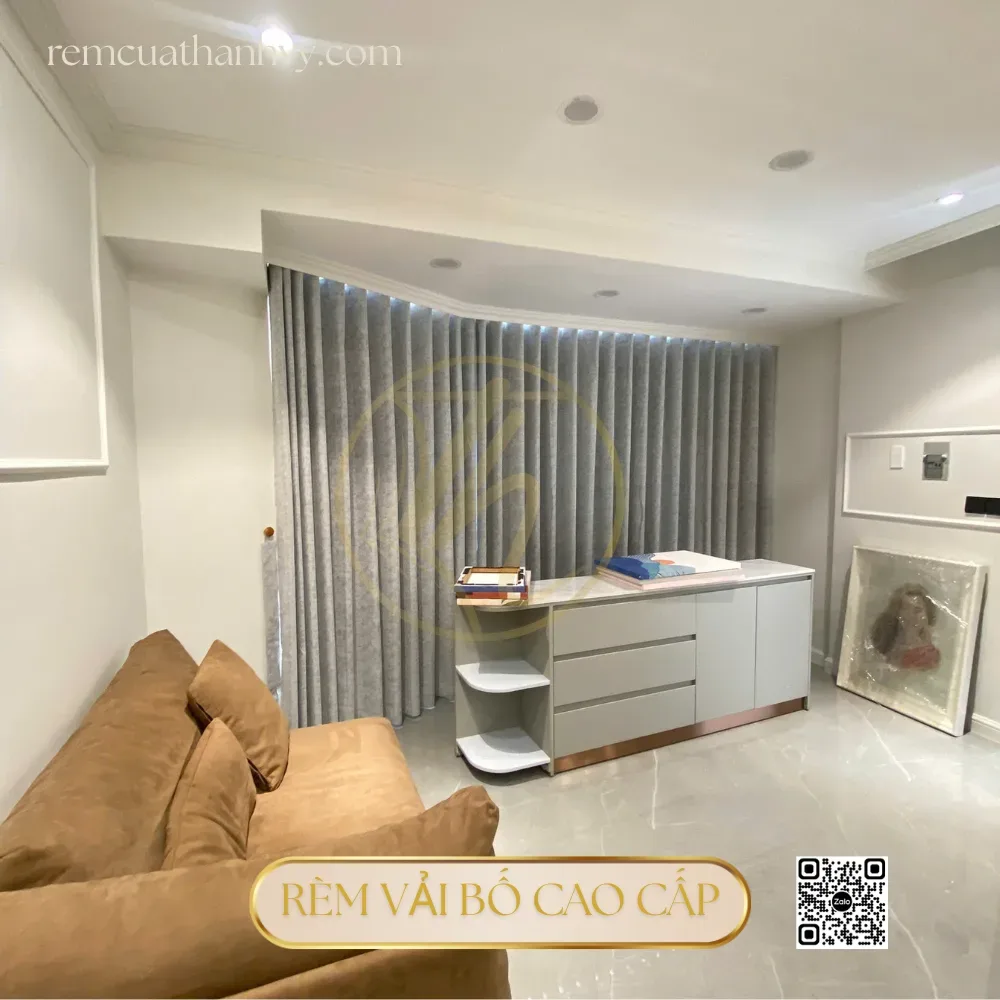
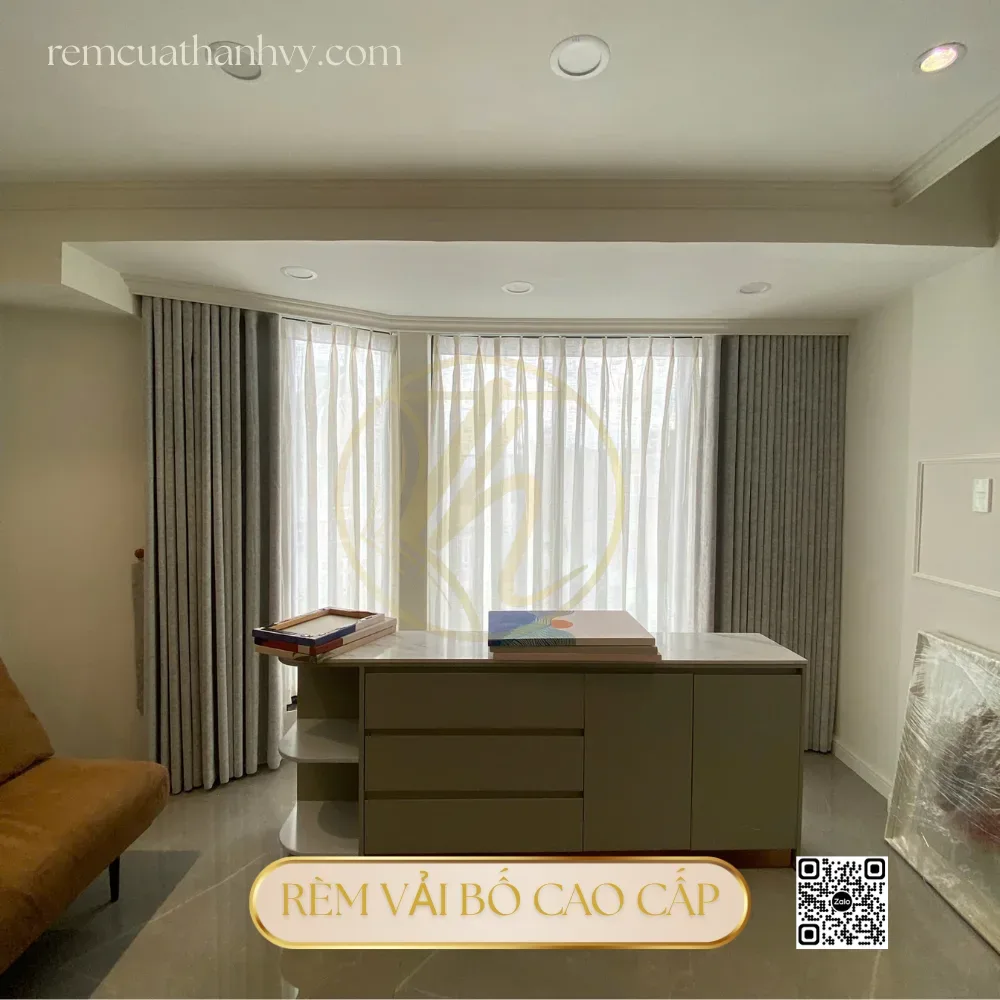
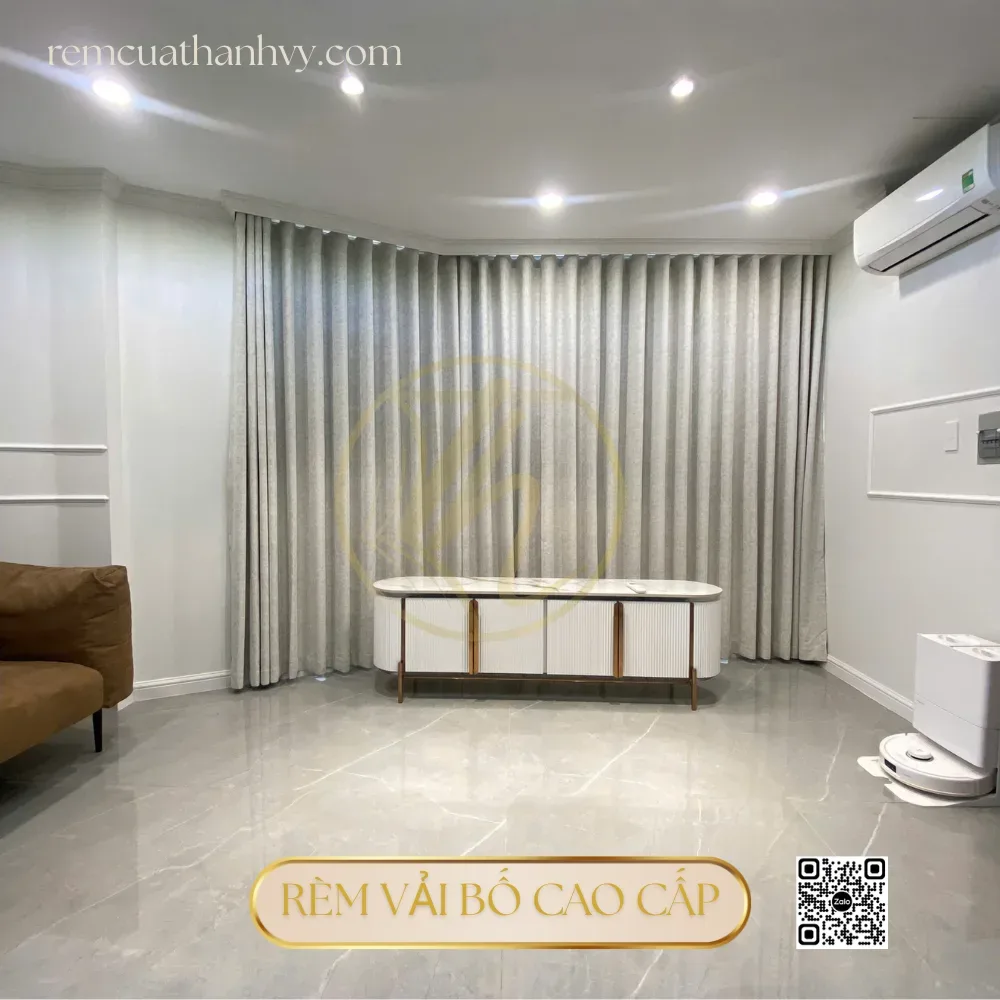
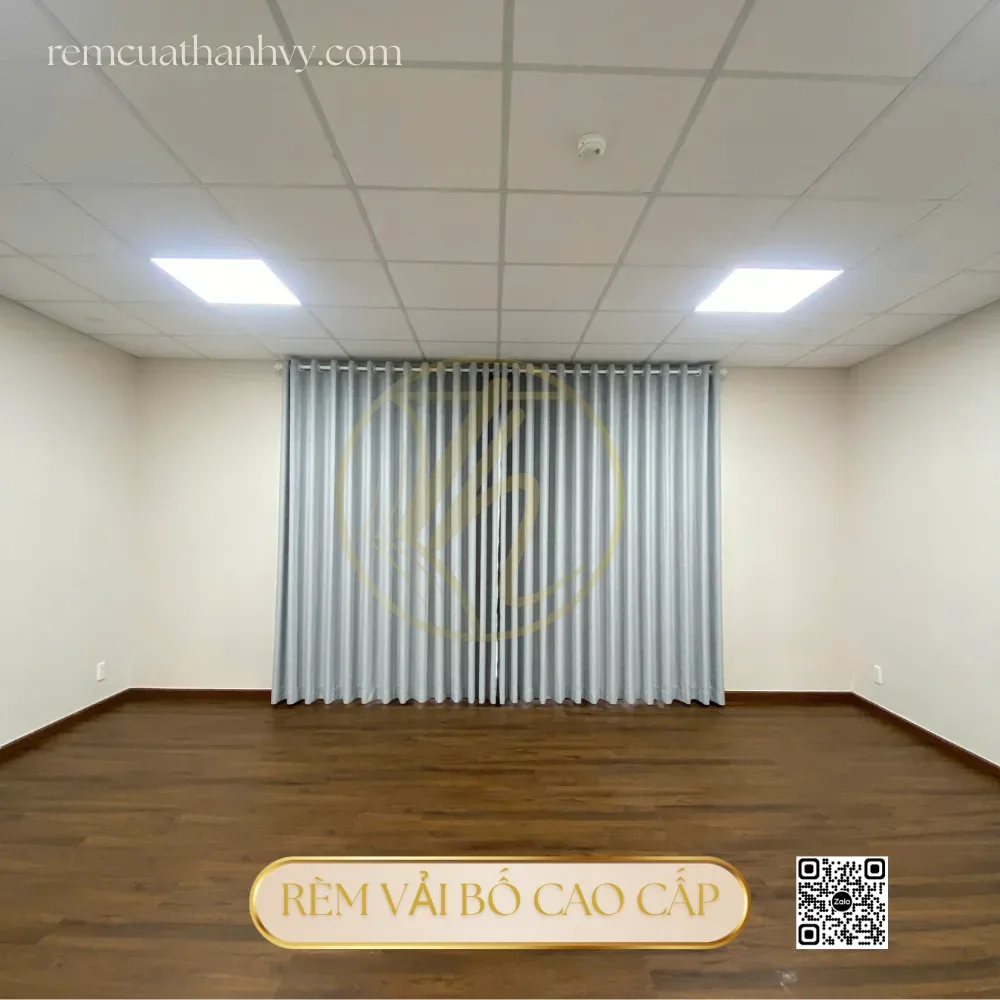
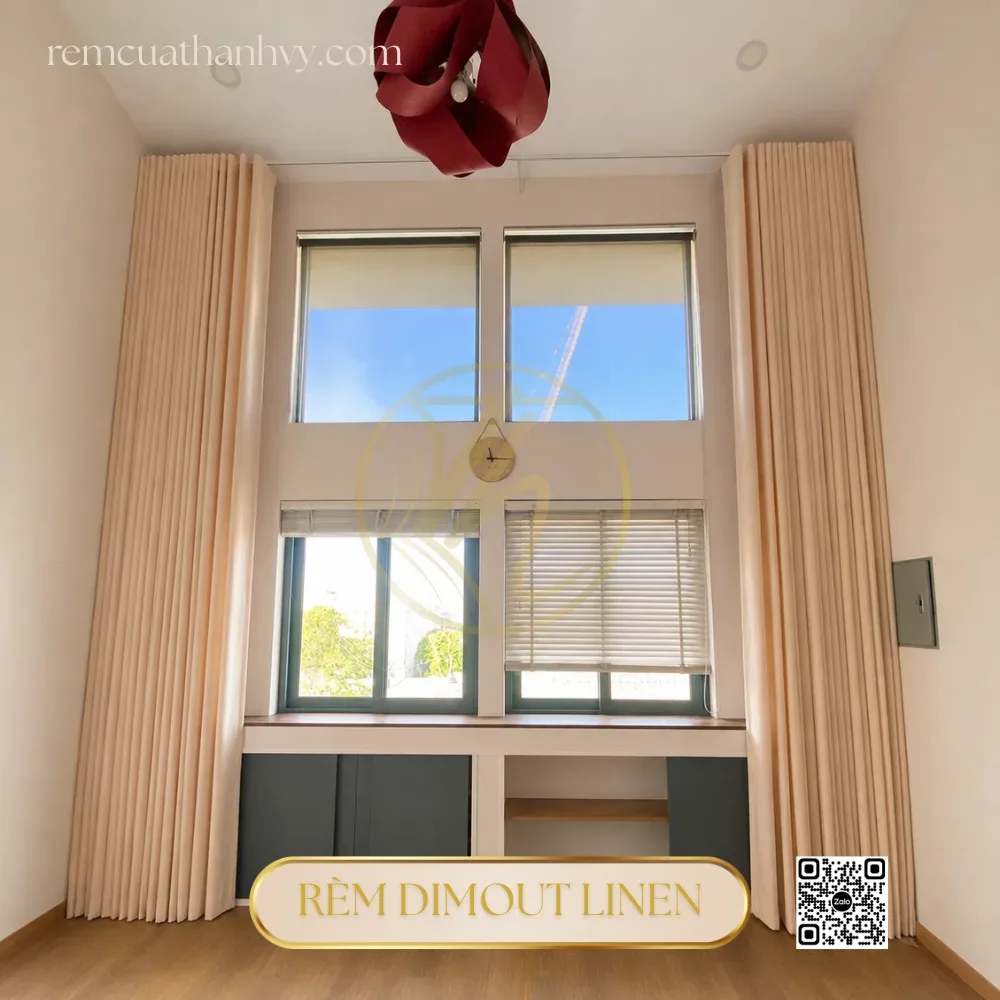
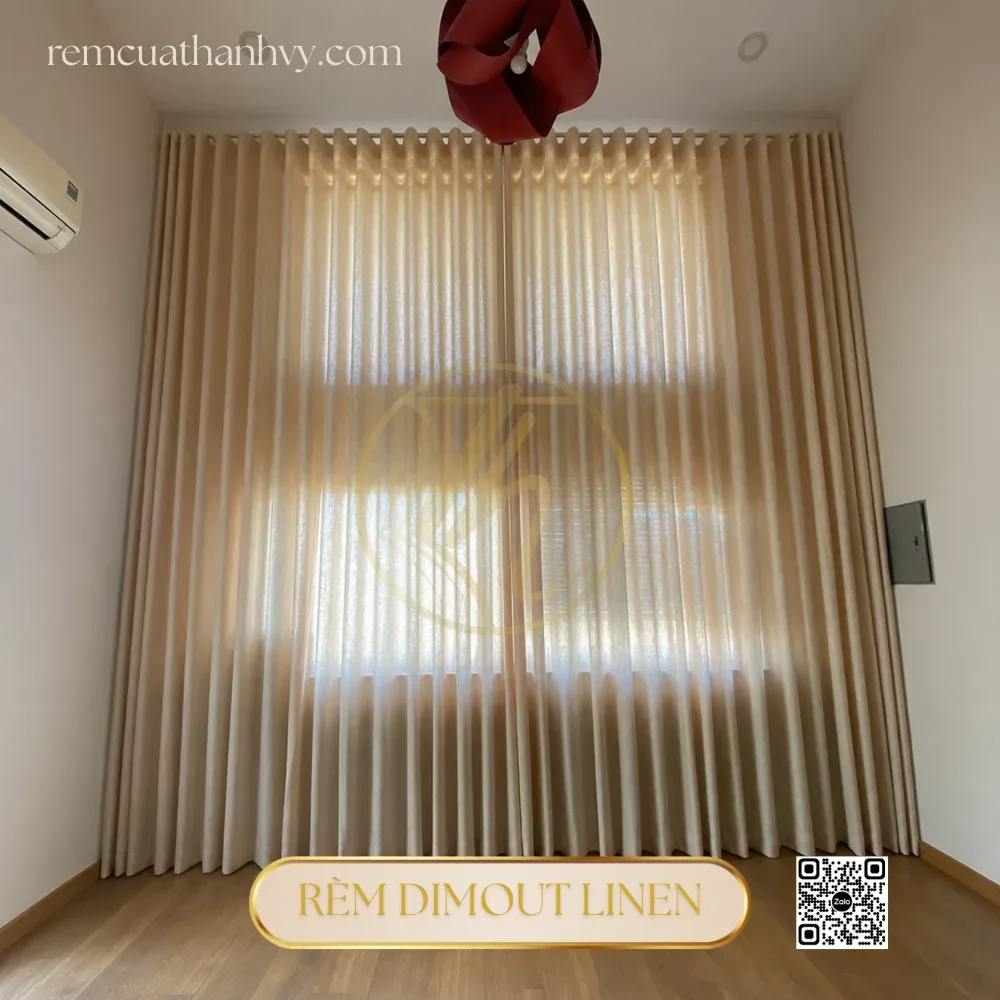
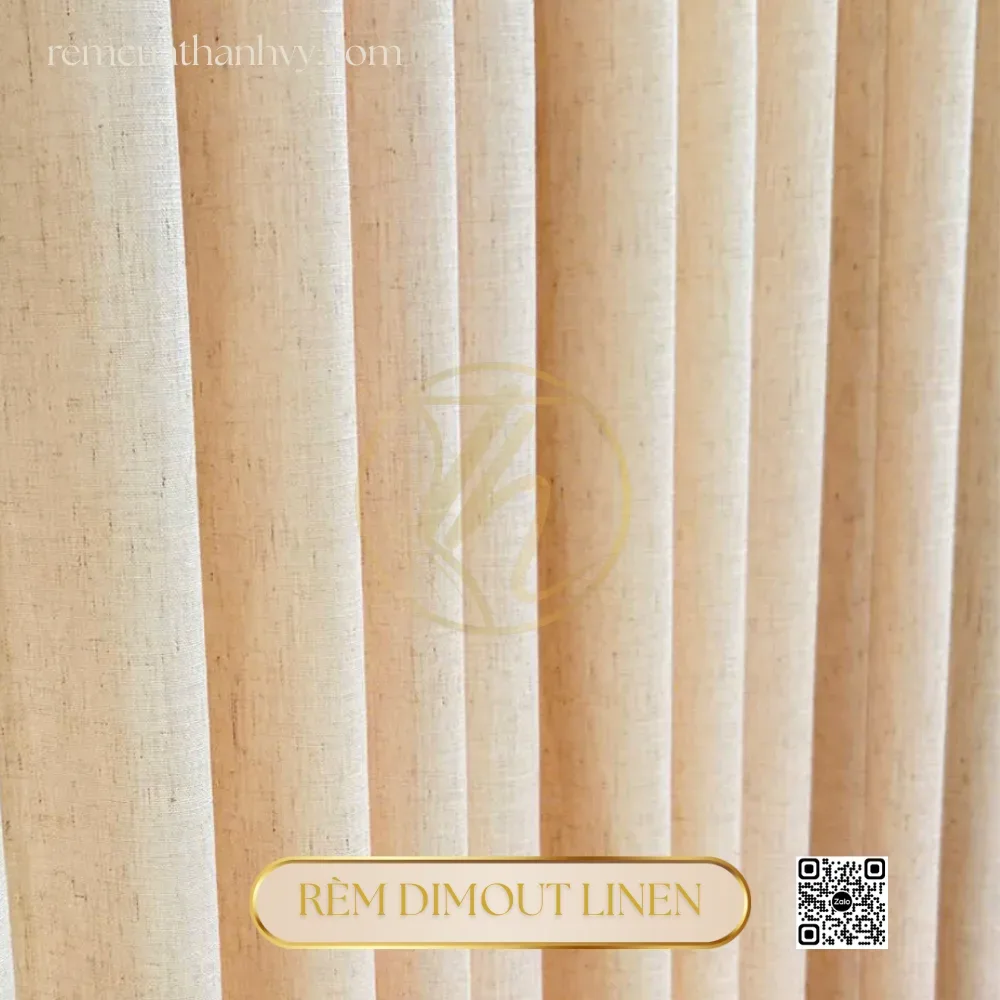
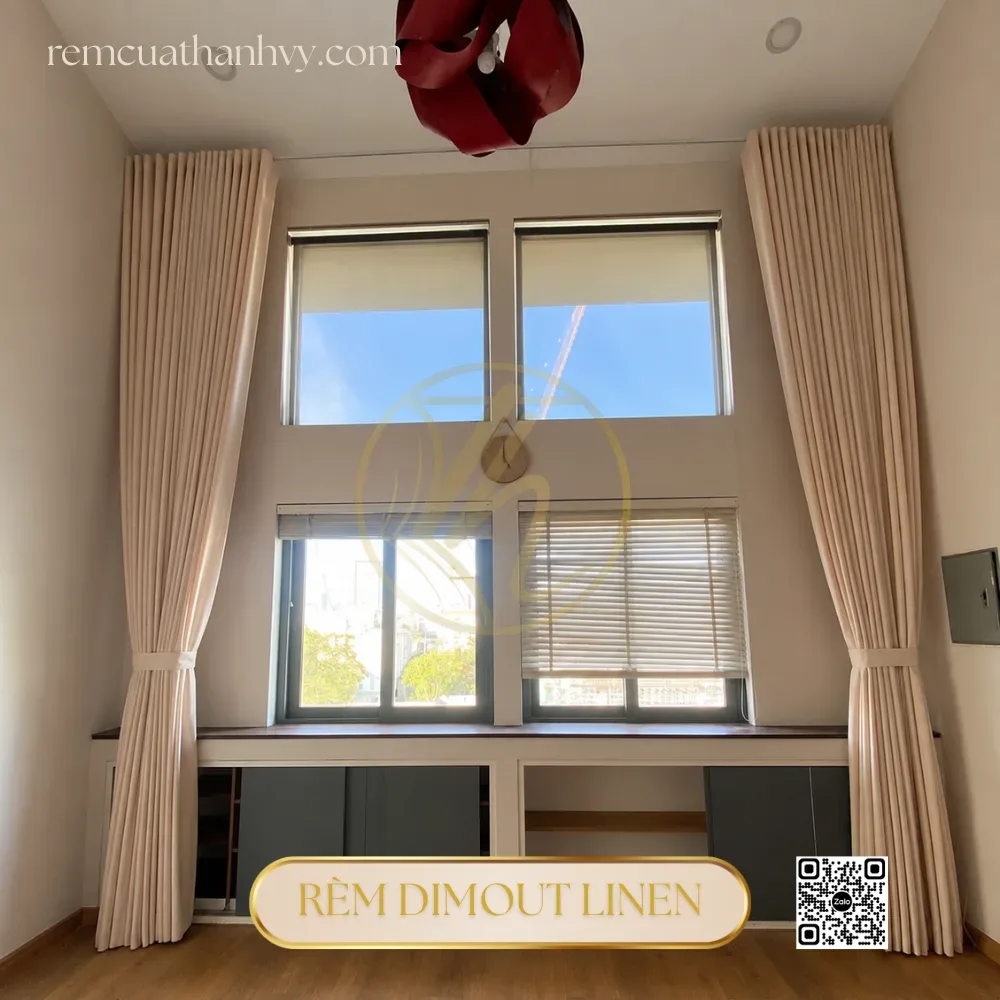
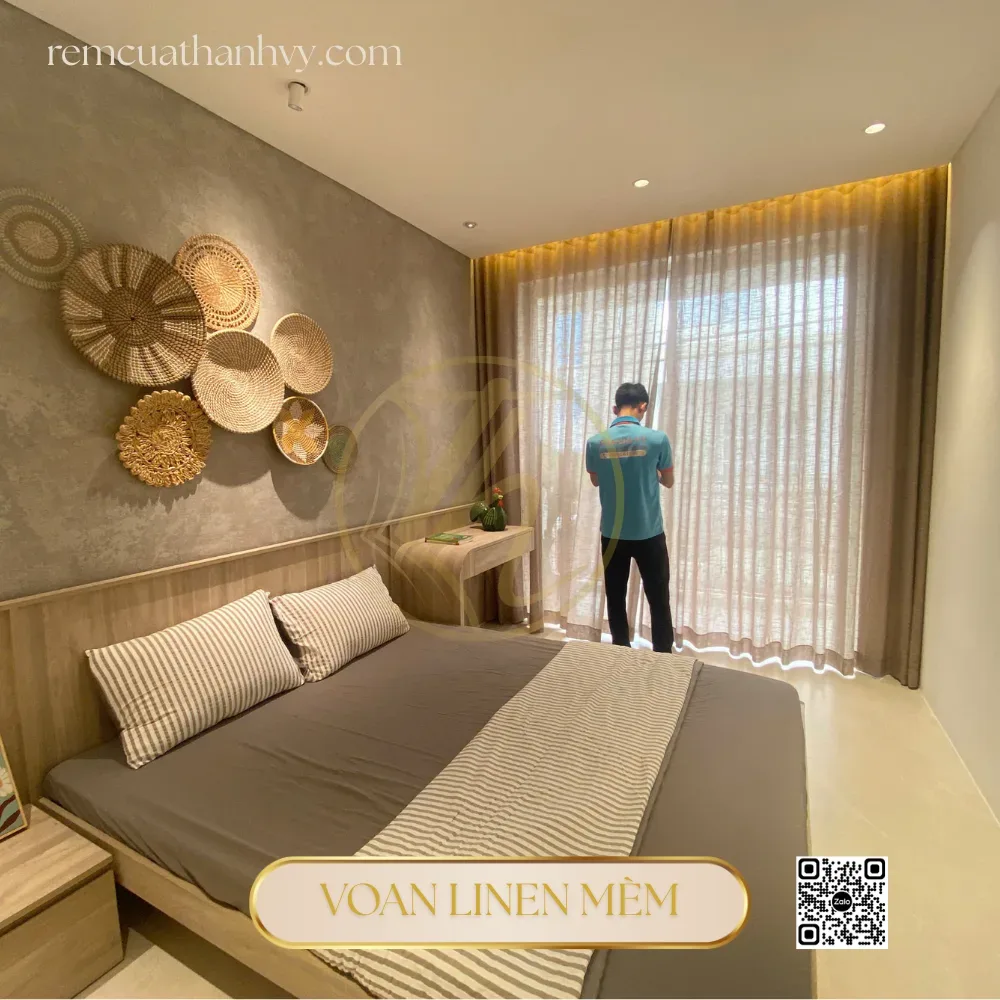
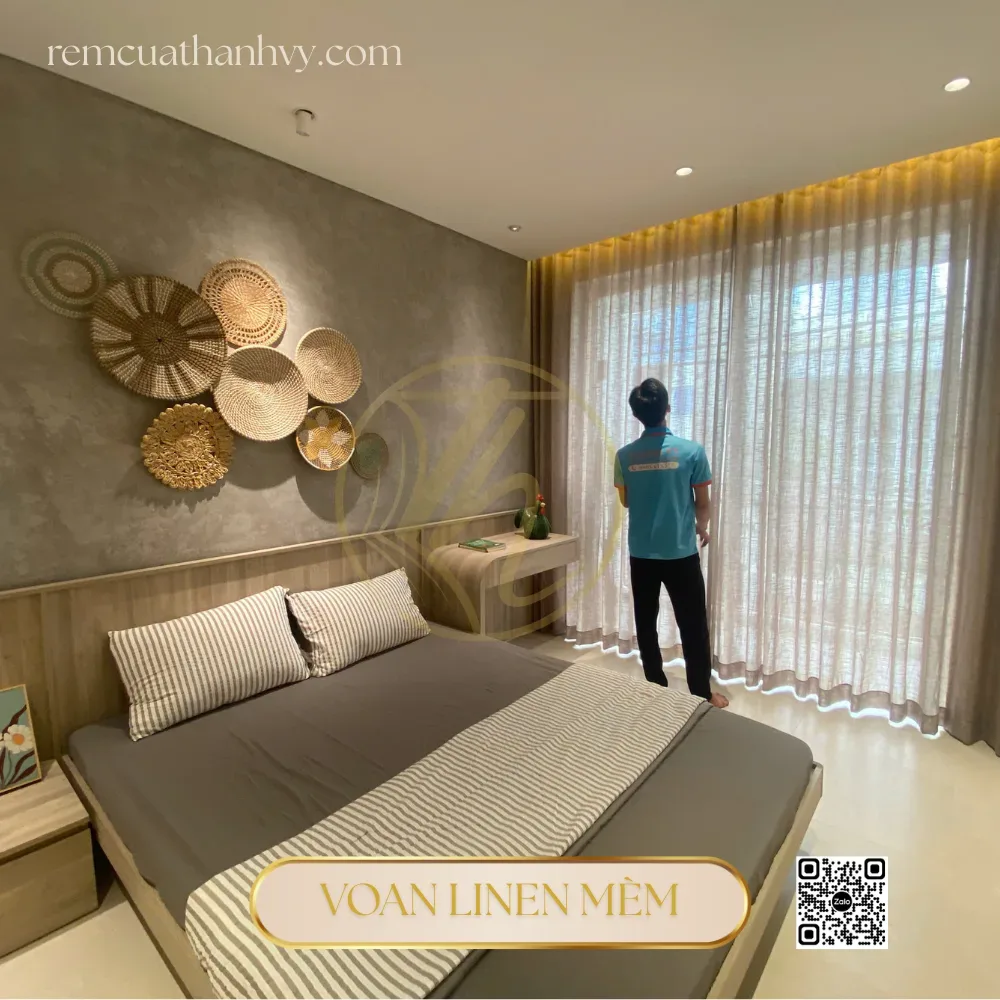
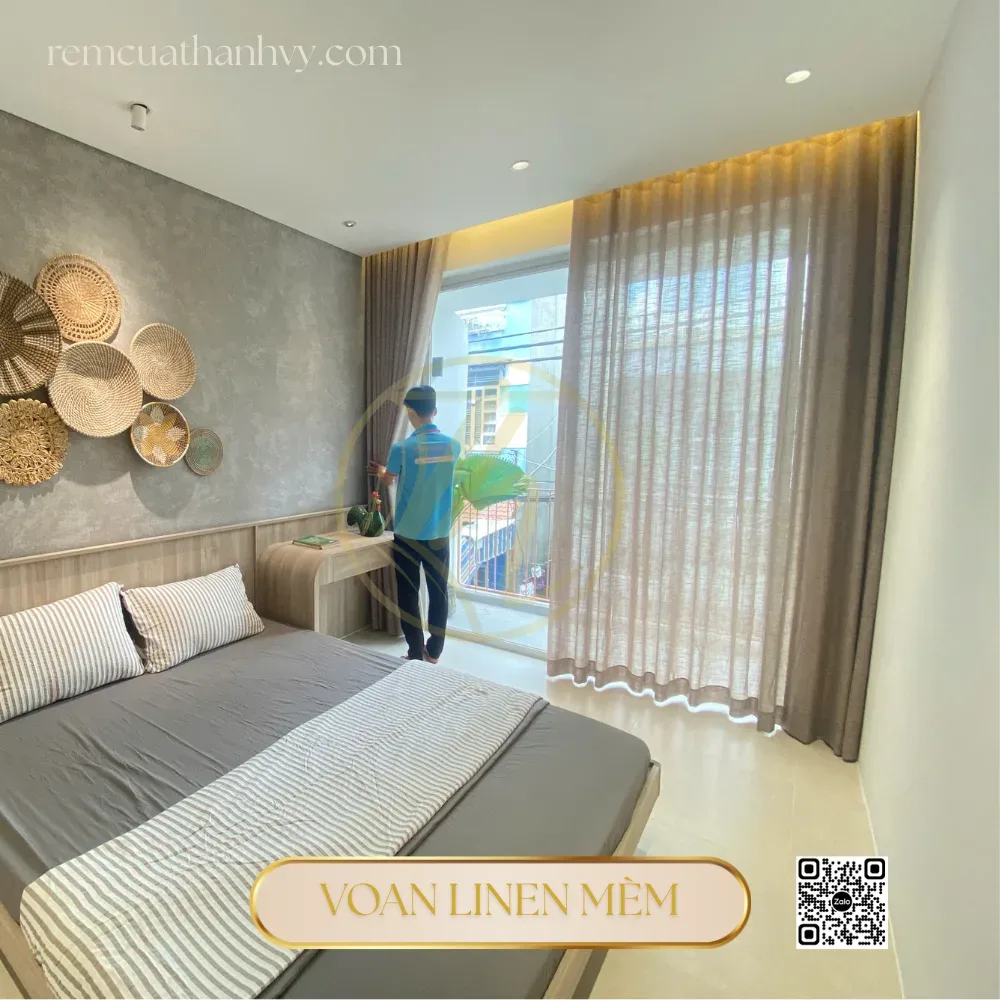
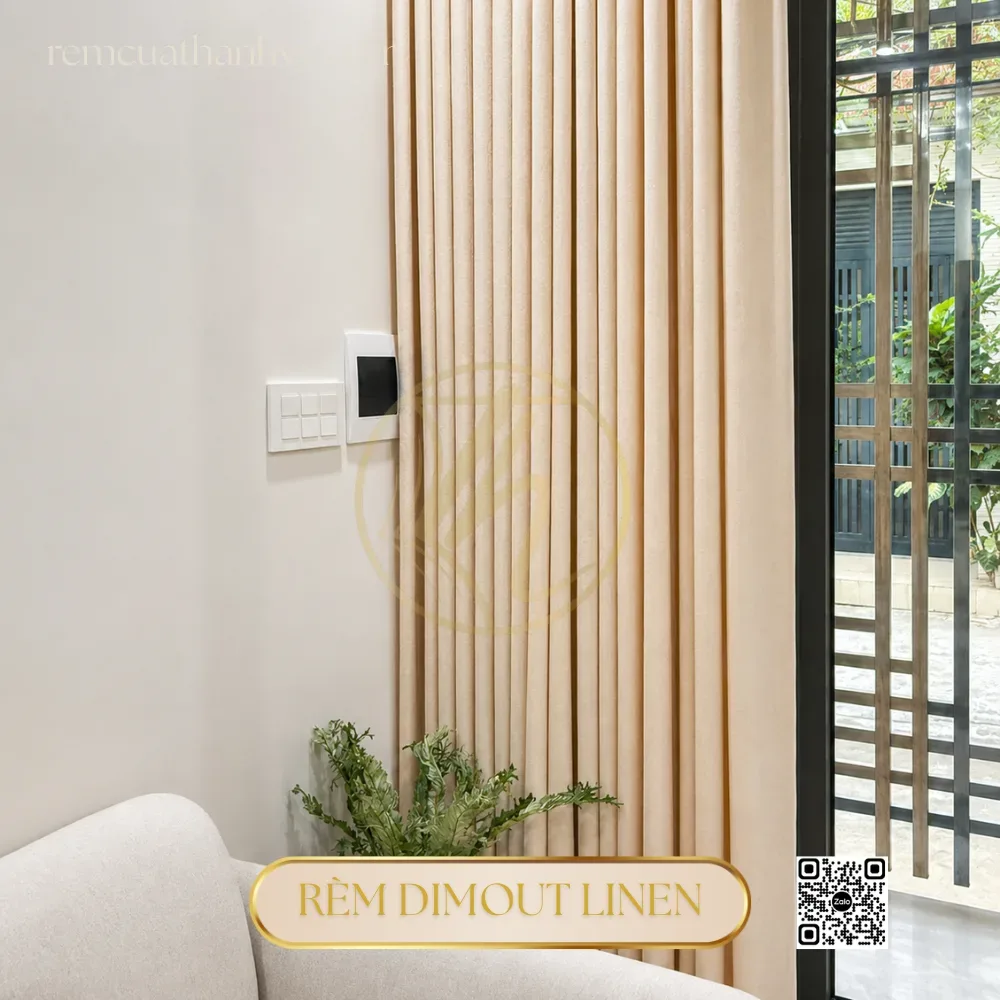
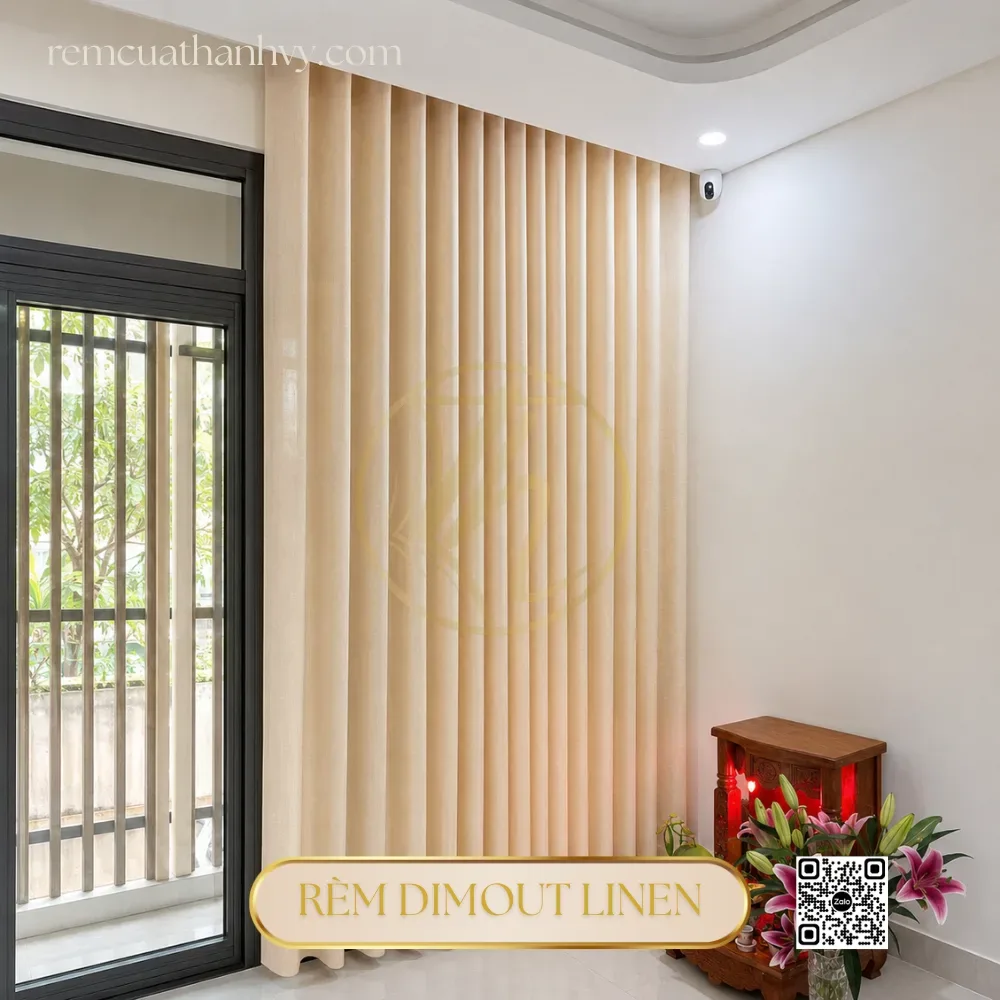
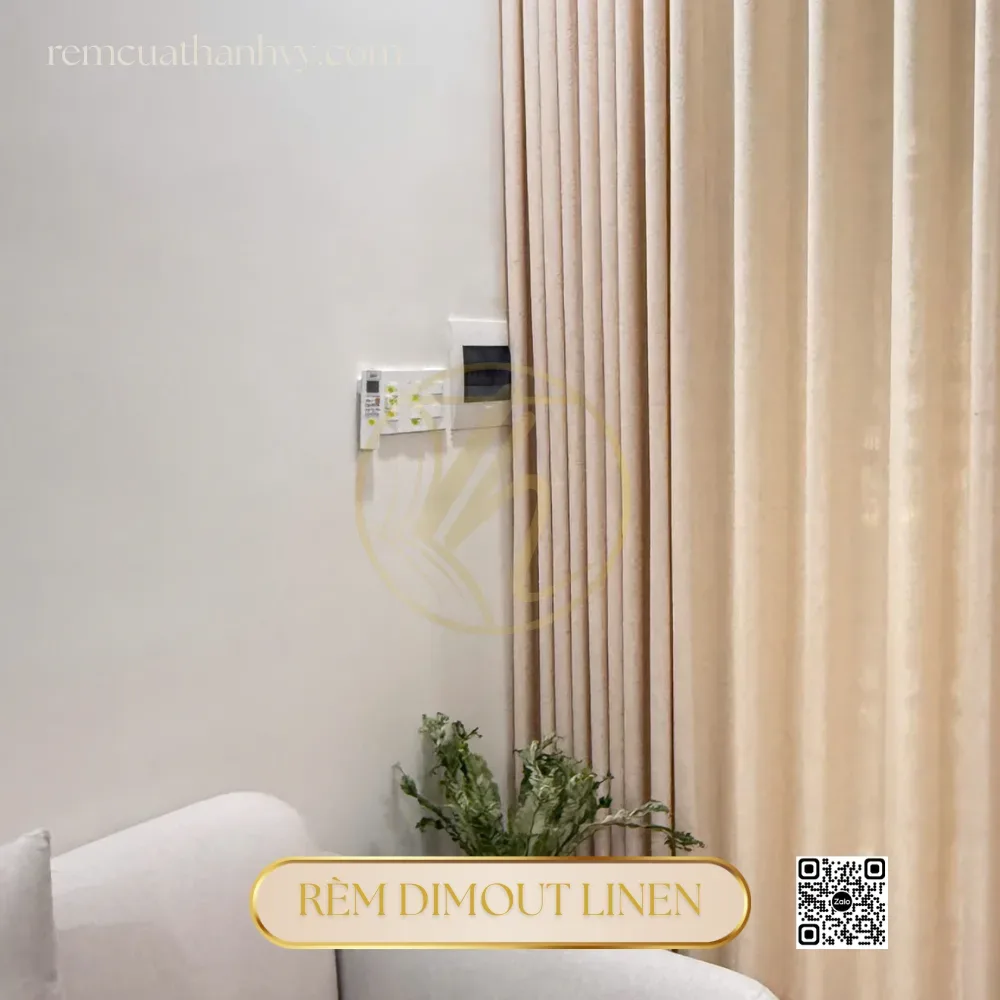
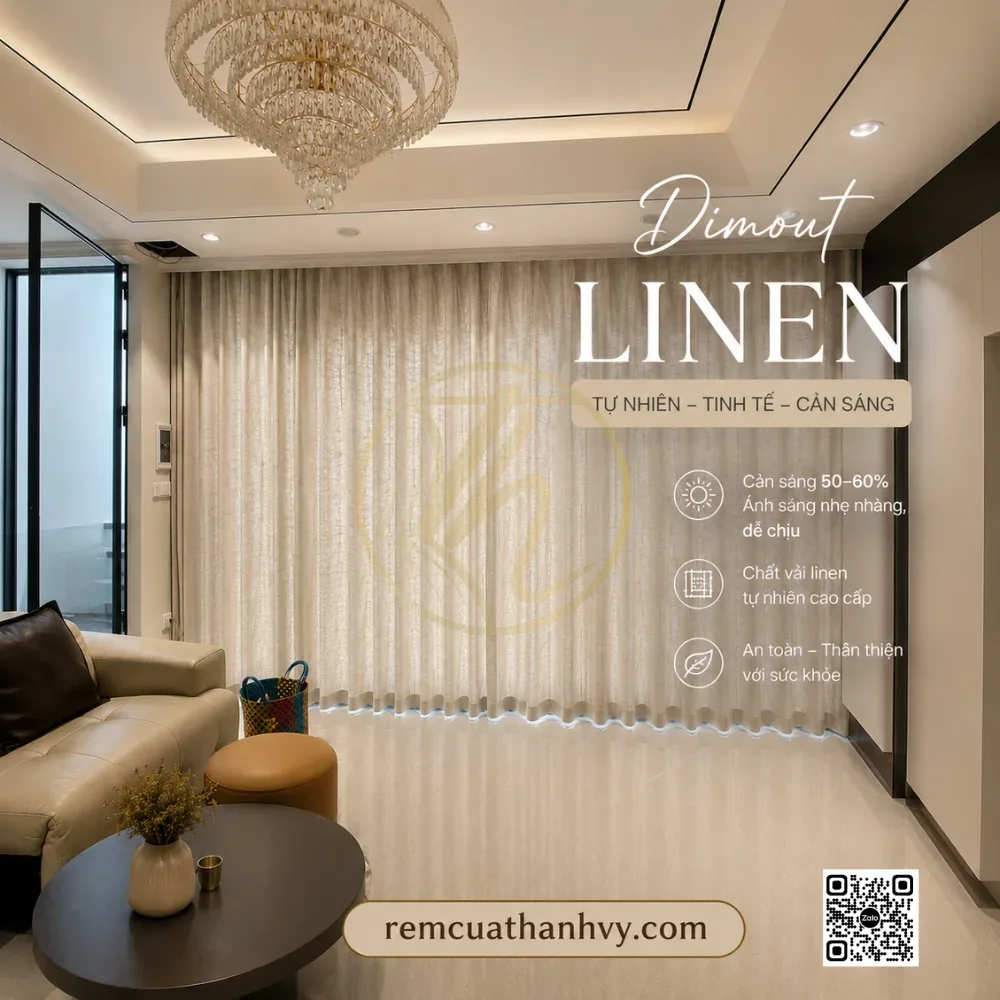
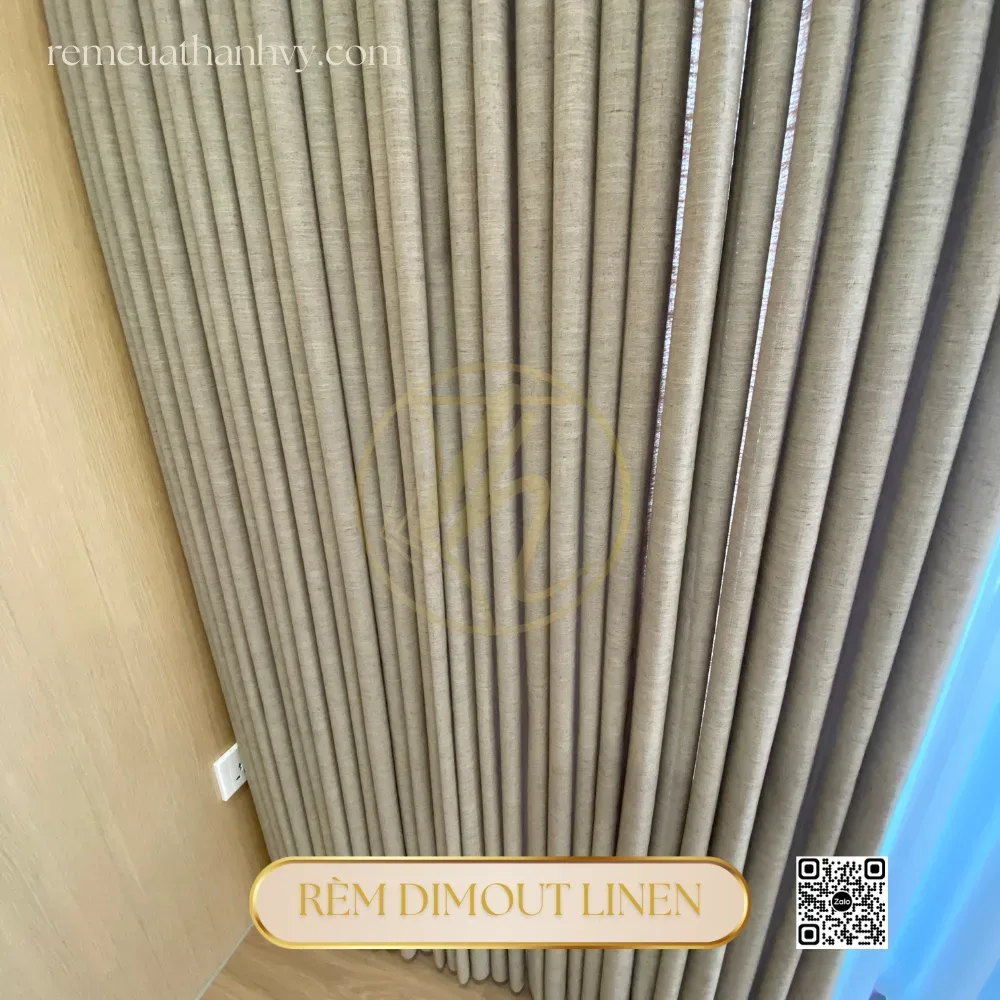
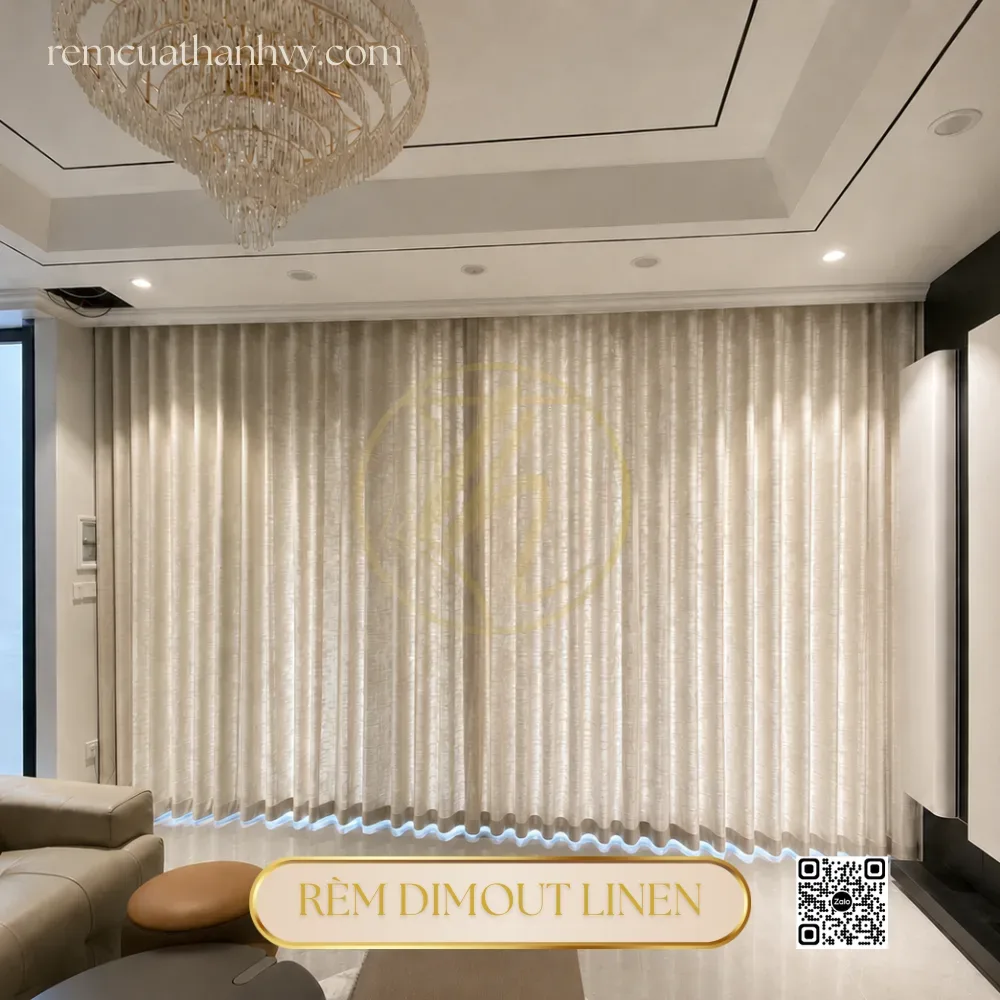
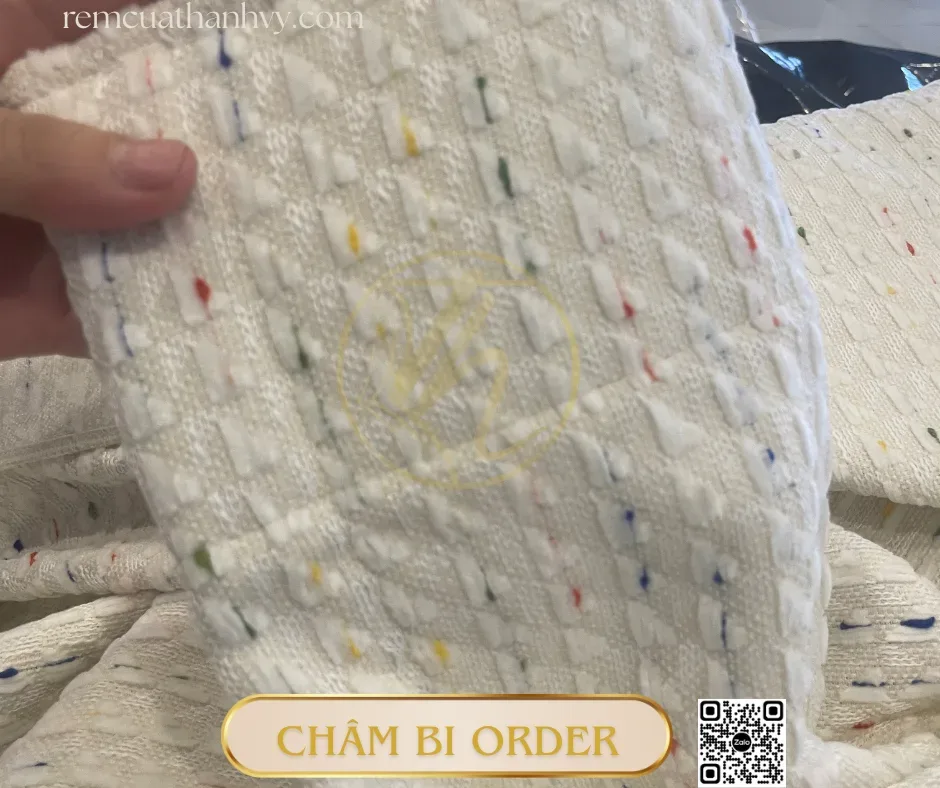
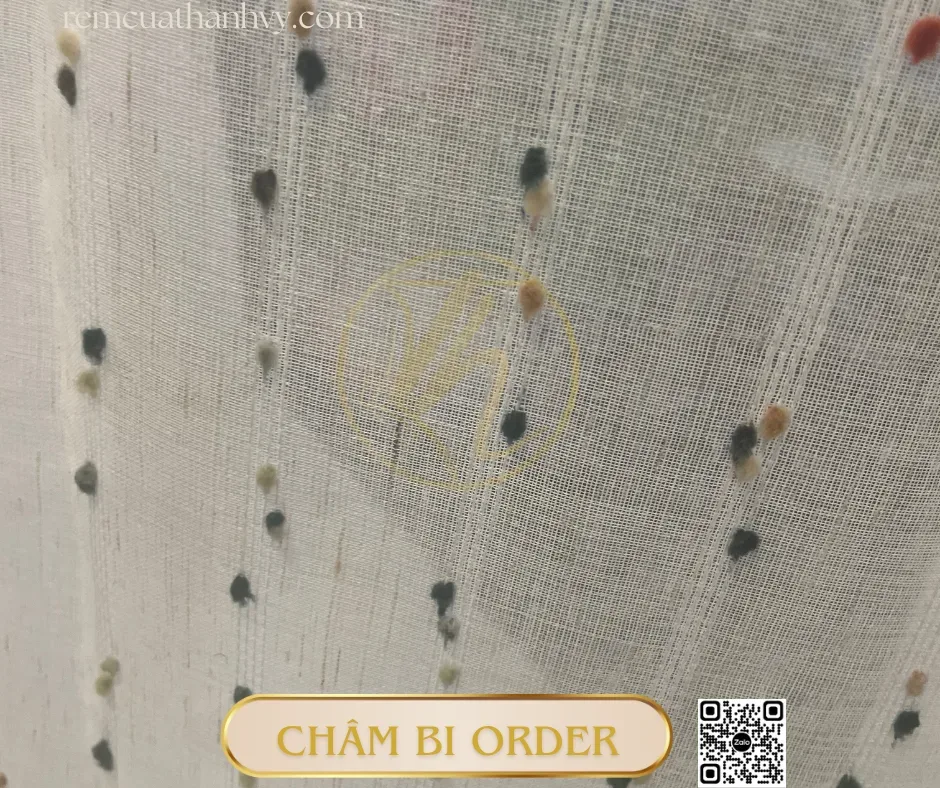
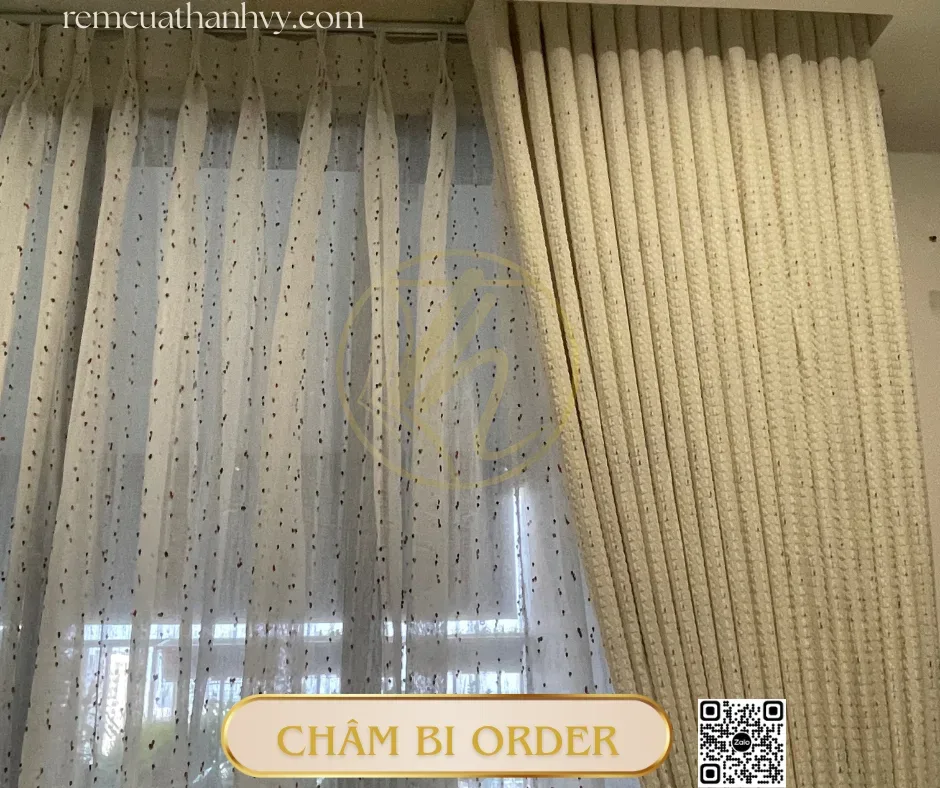
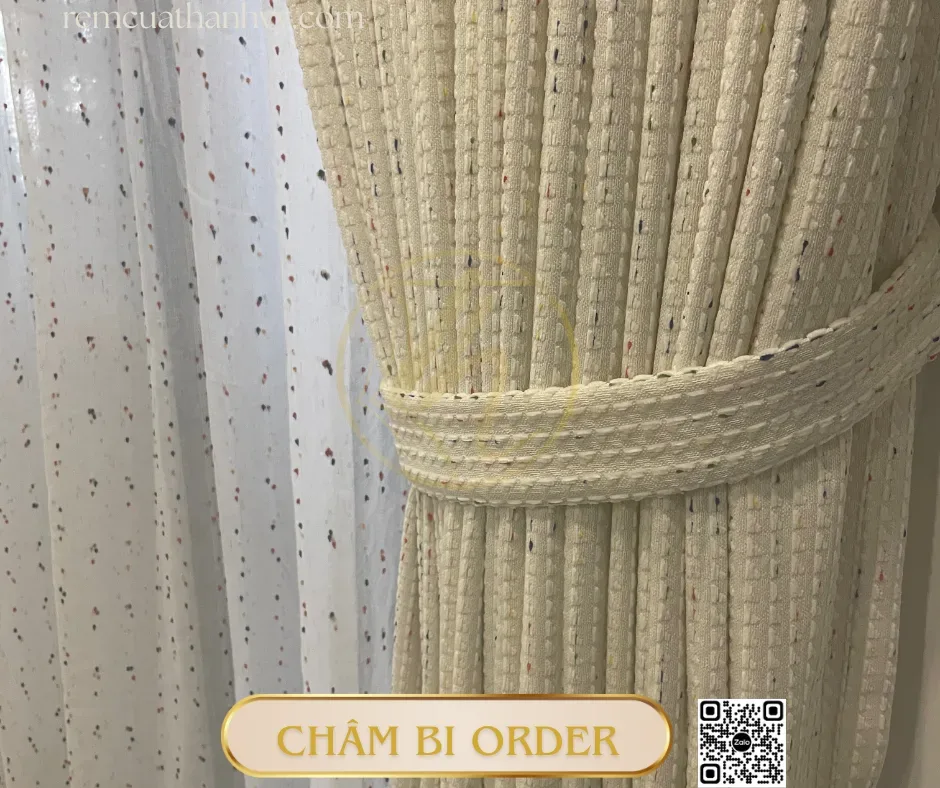
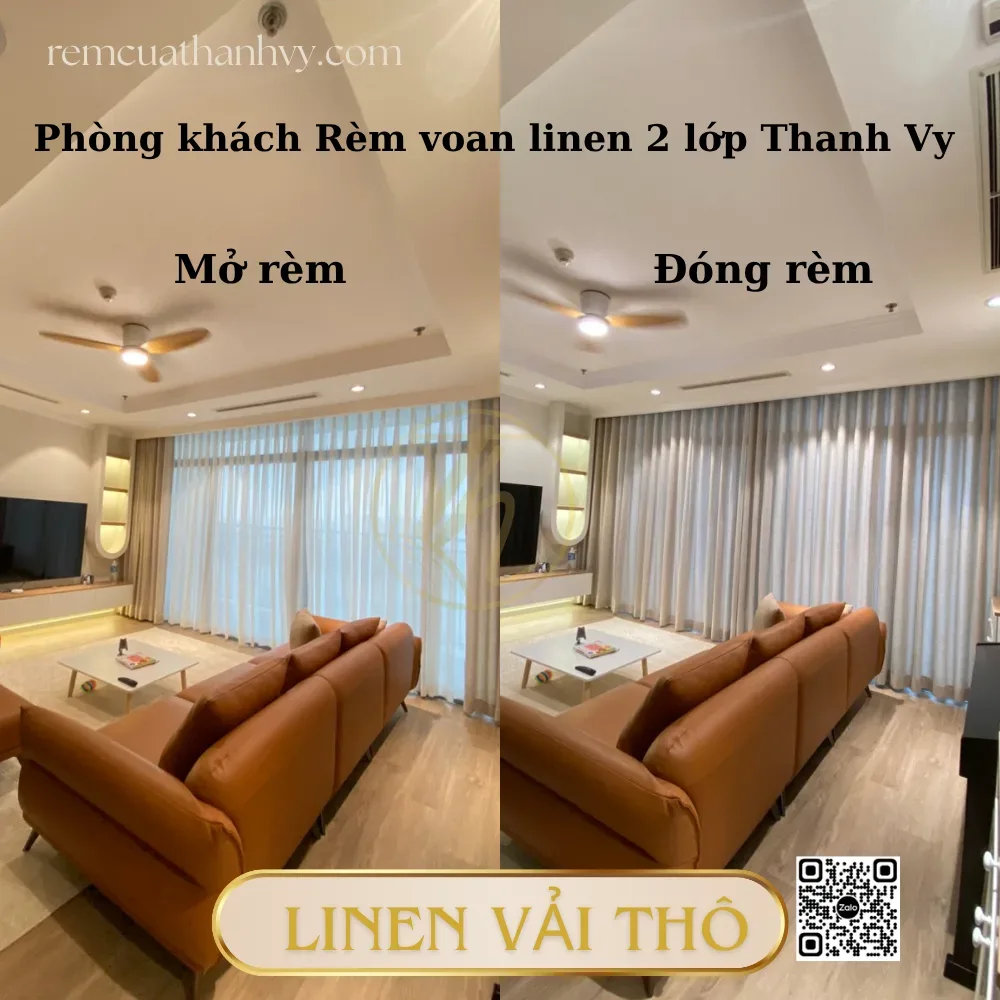
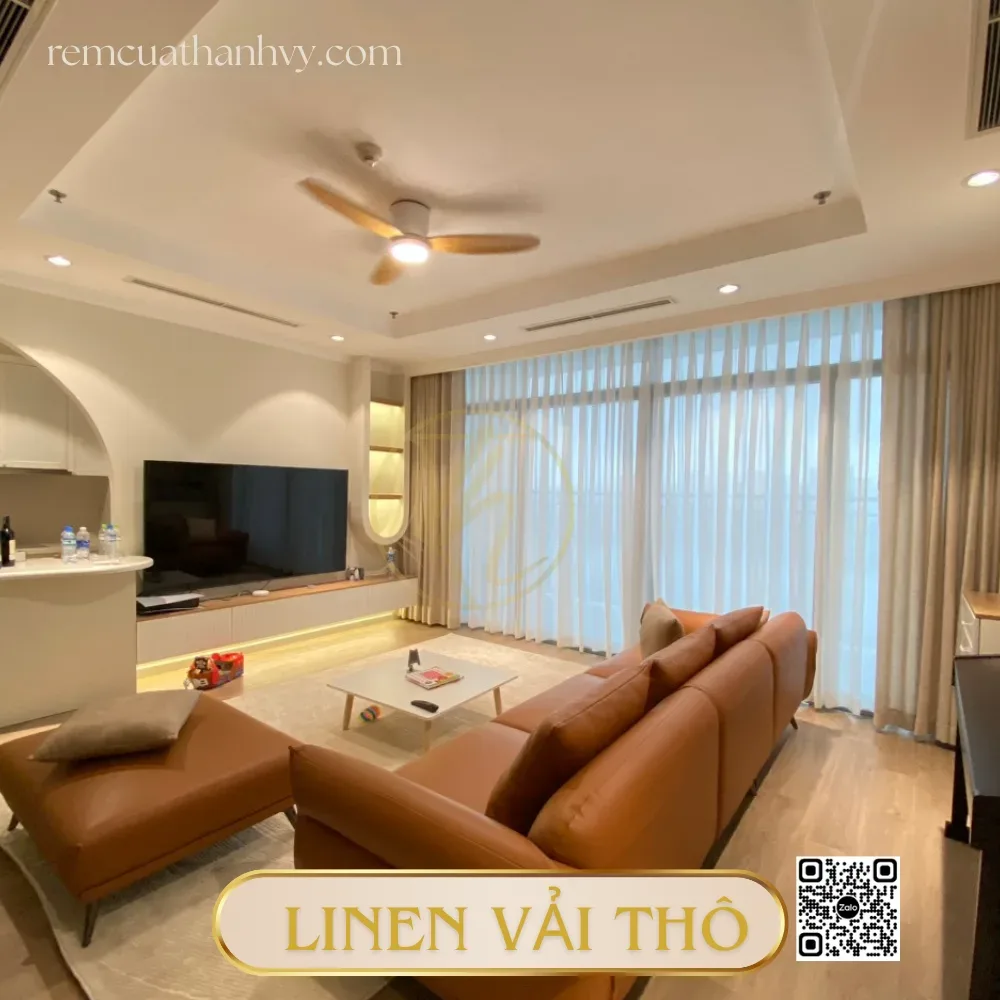
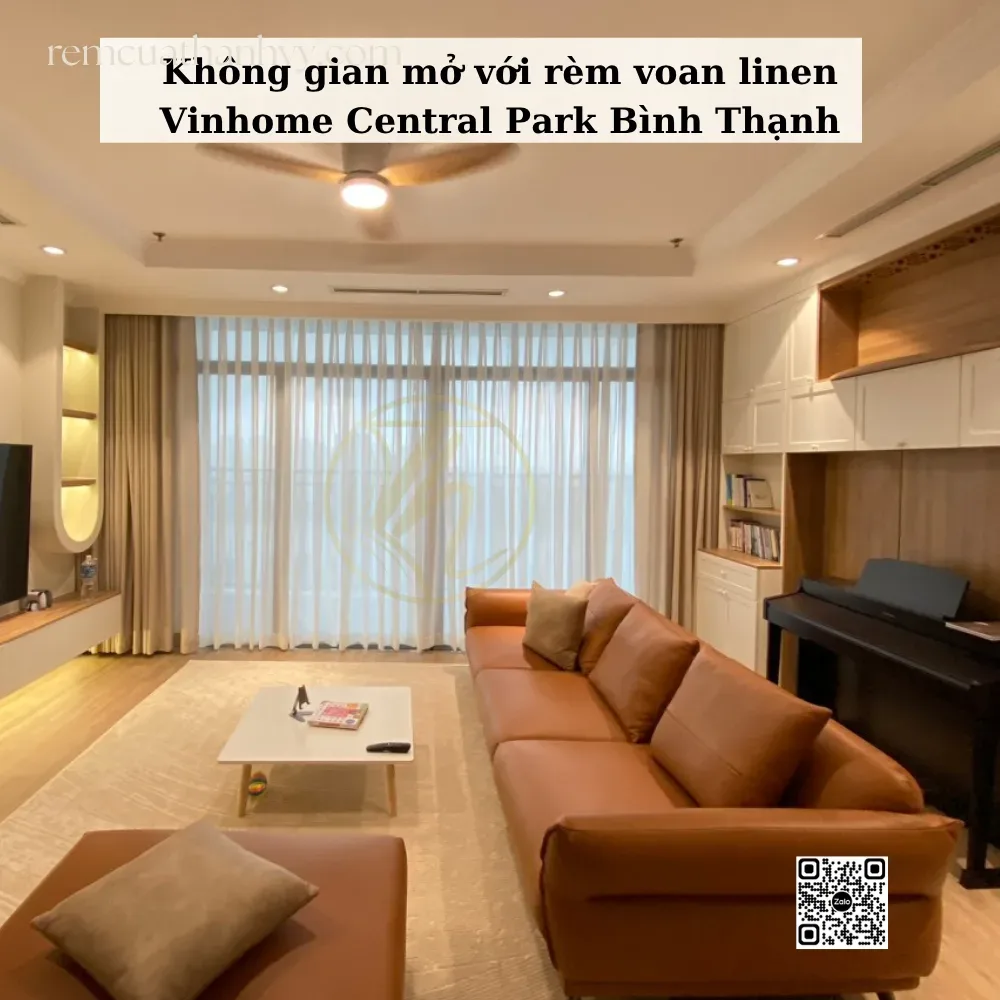
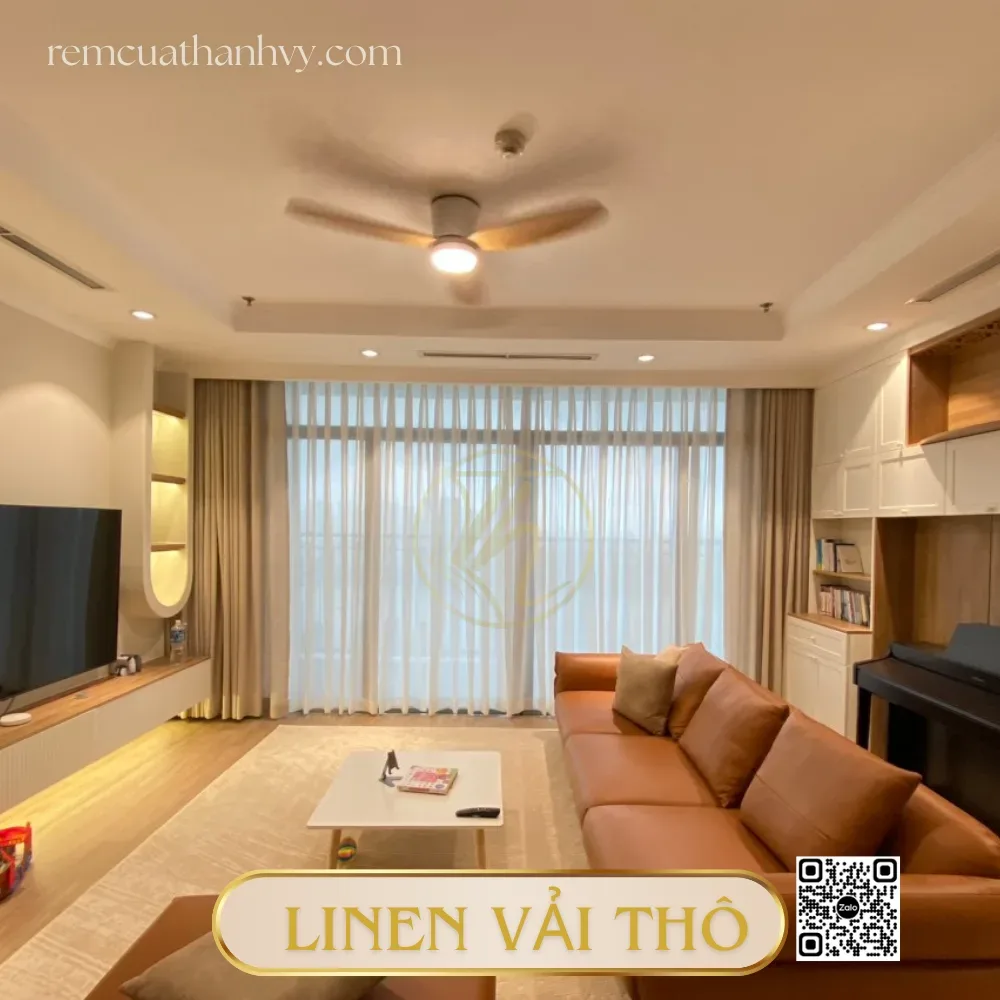
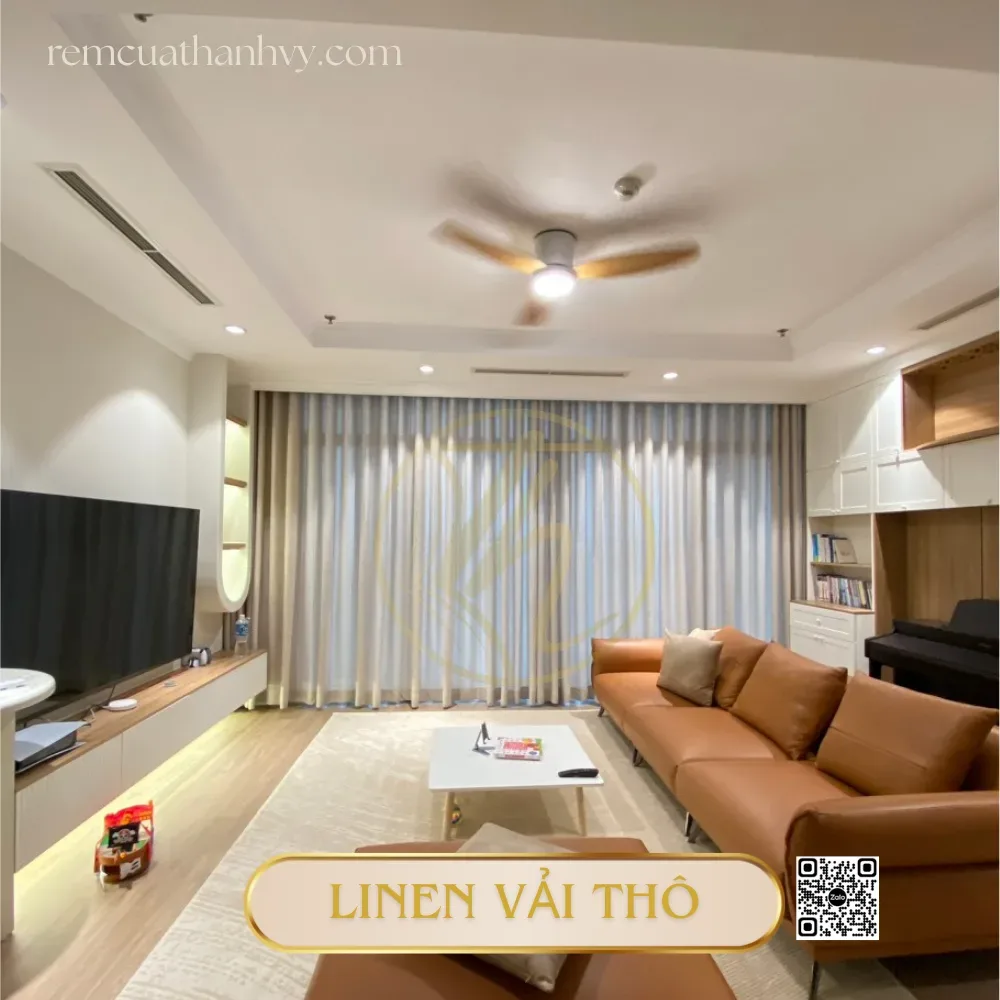
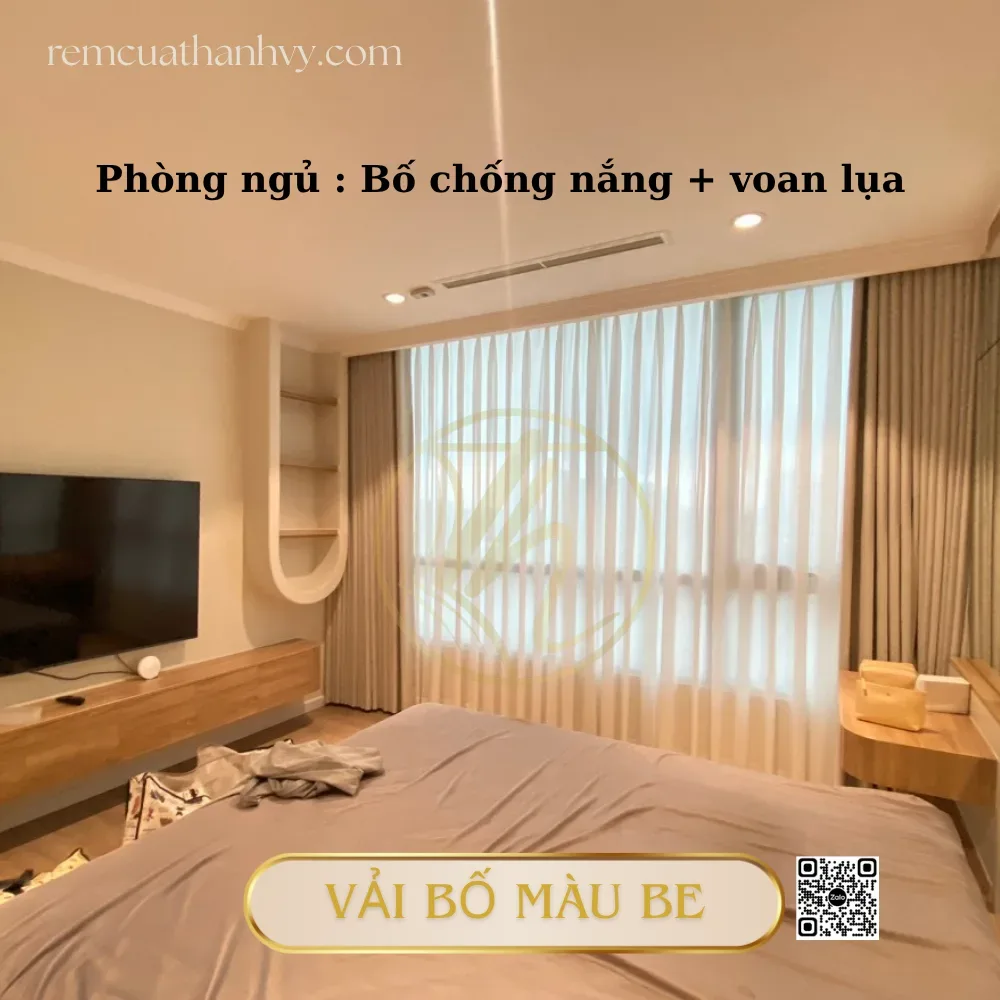
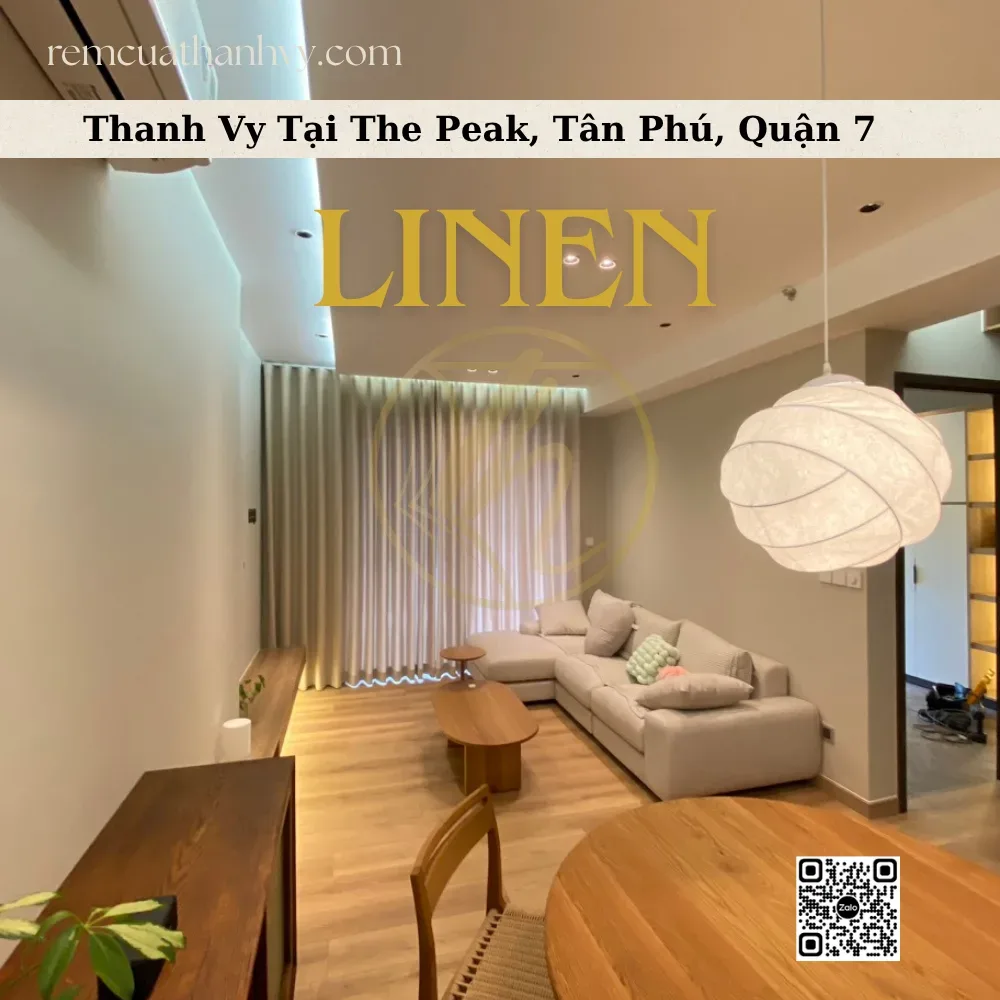
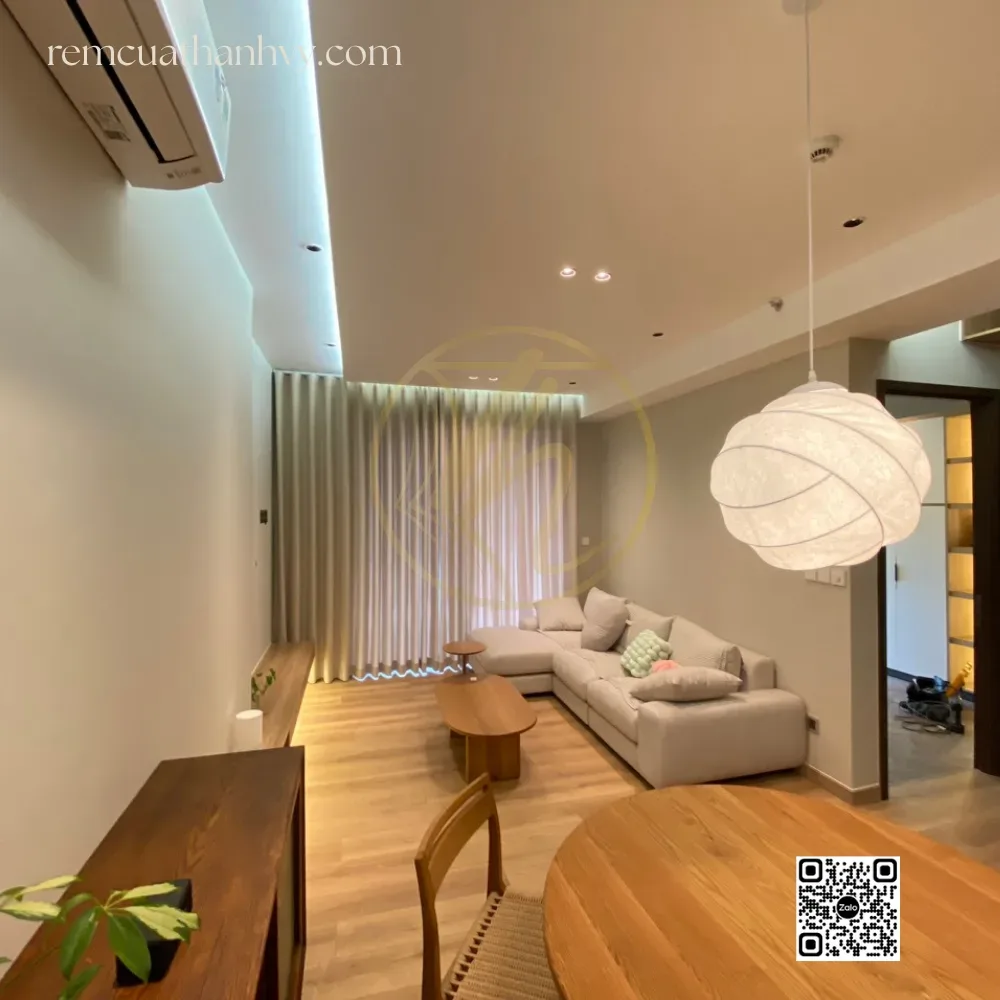
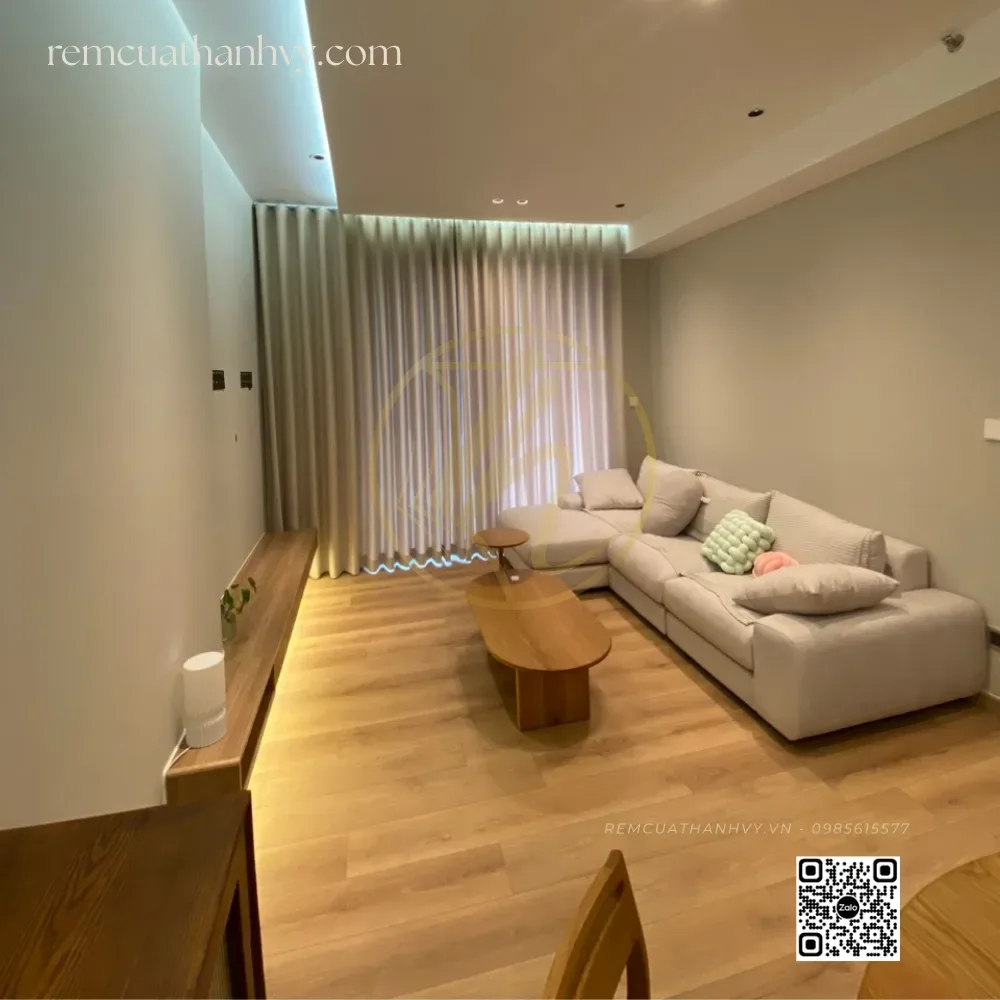
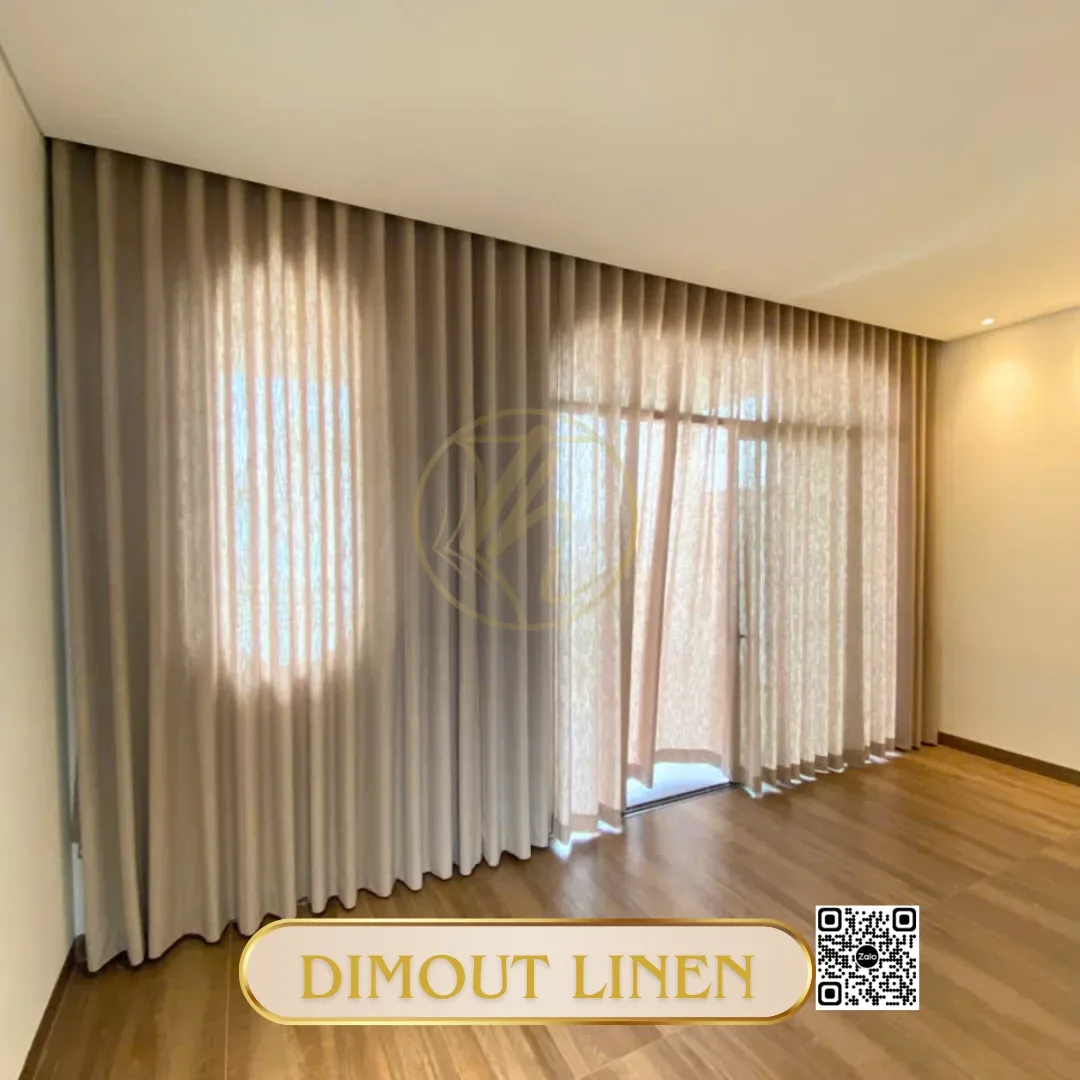
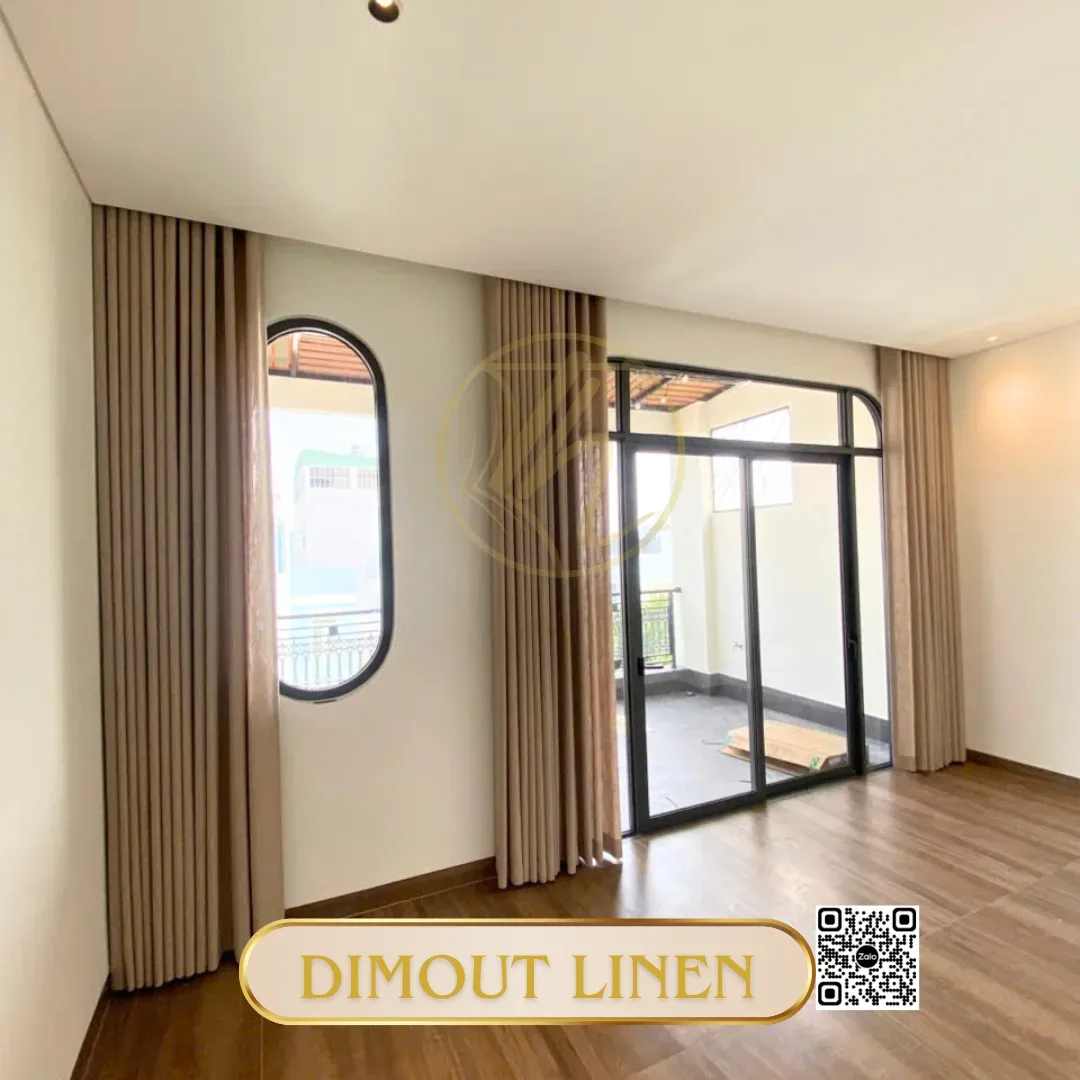
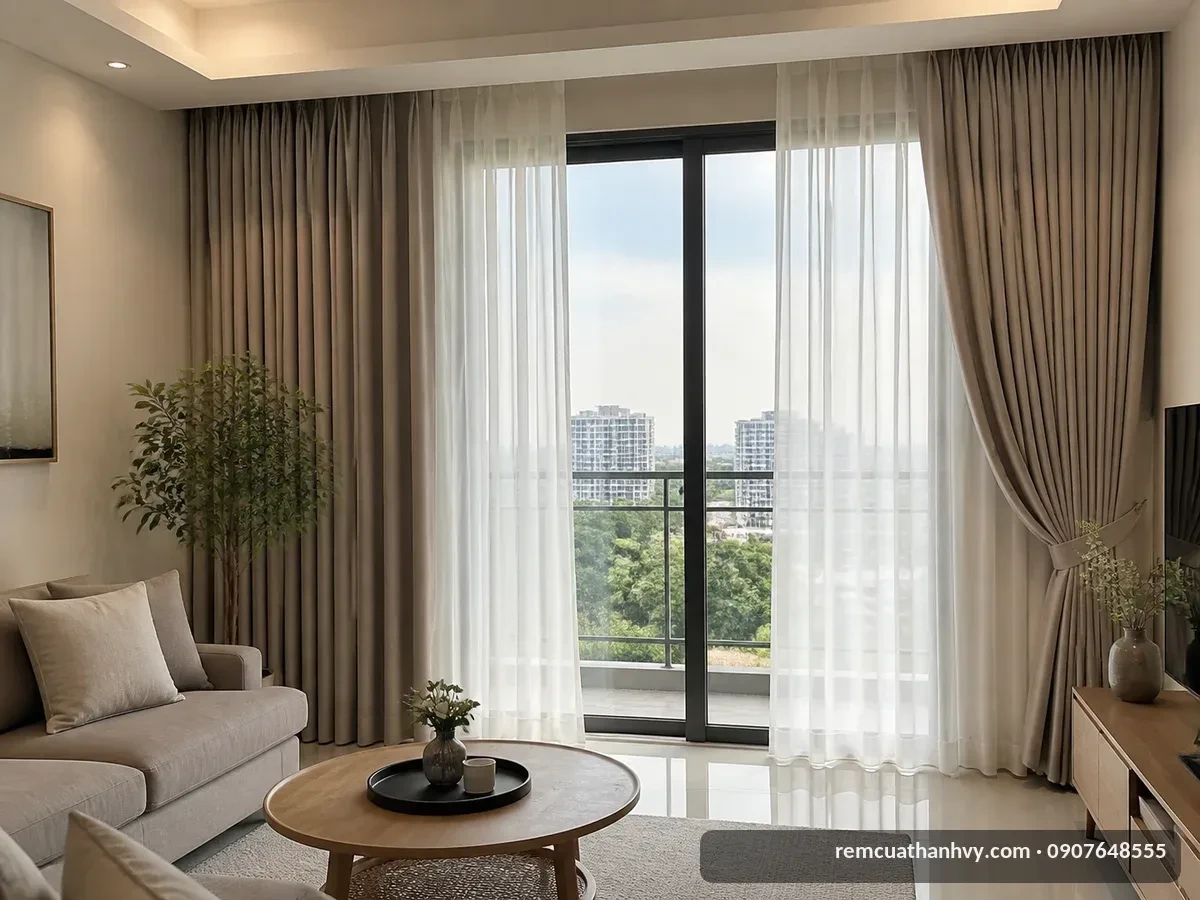
Fabric curtains
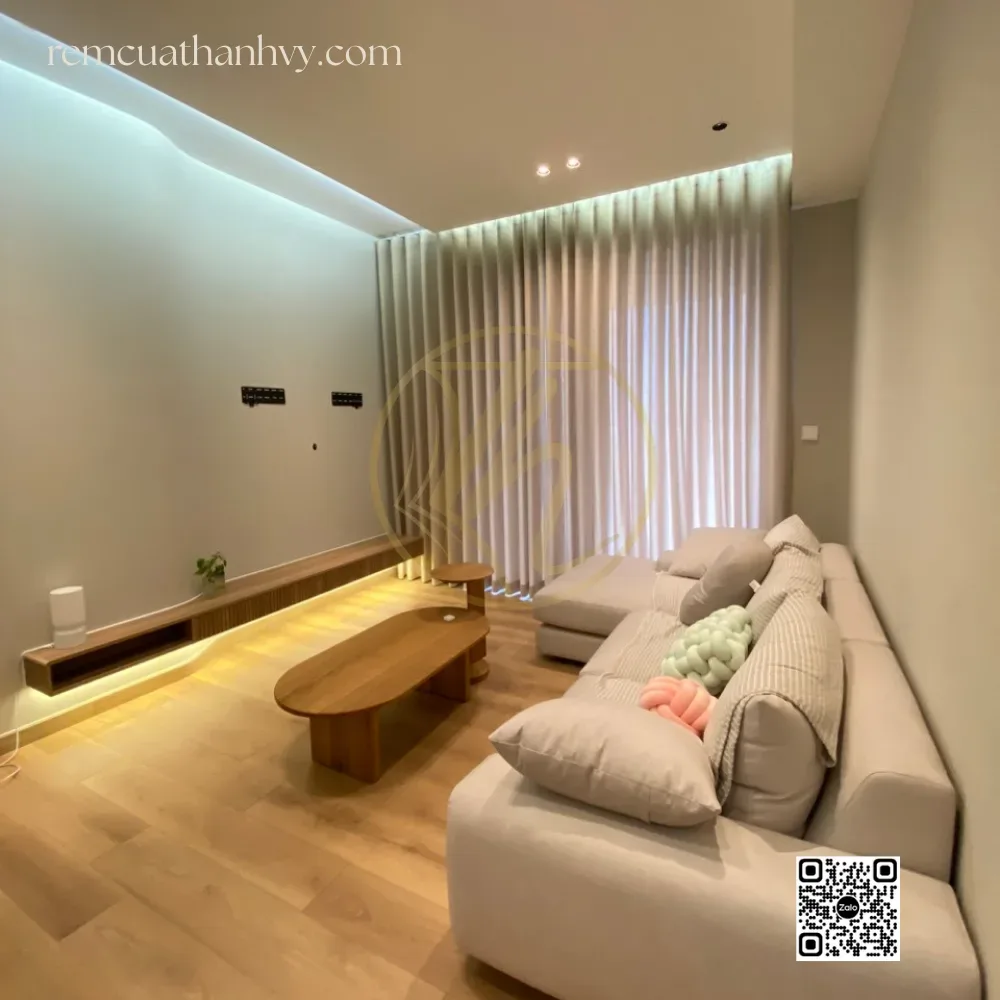
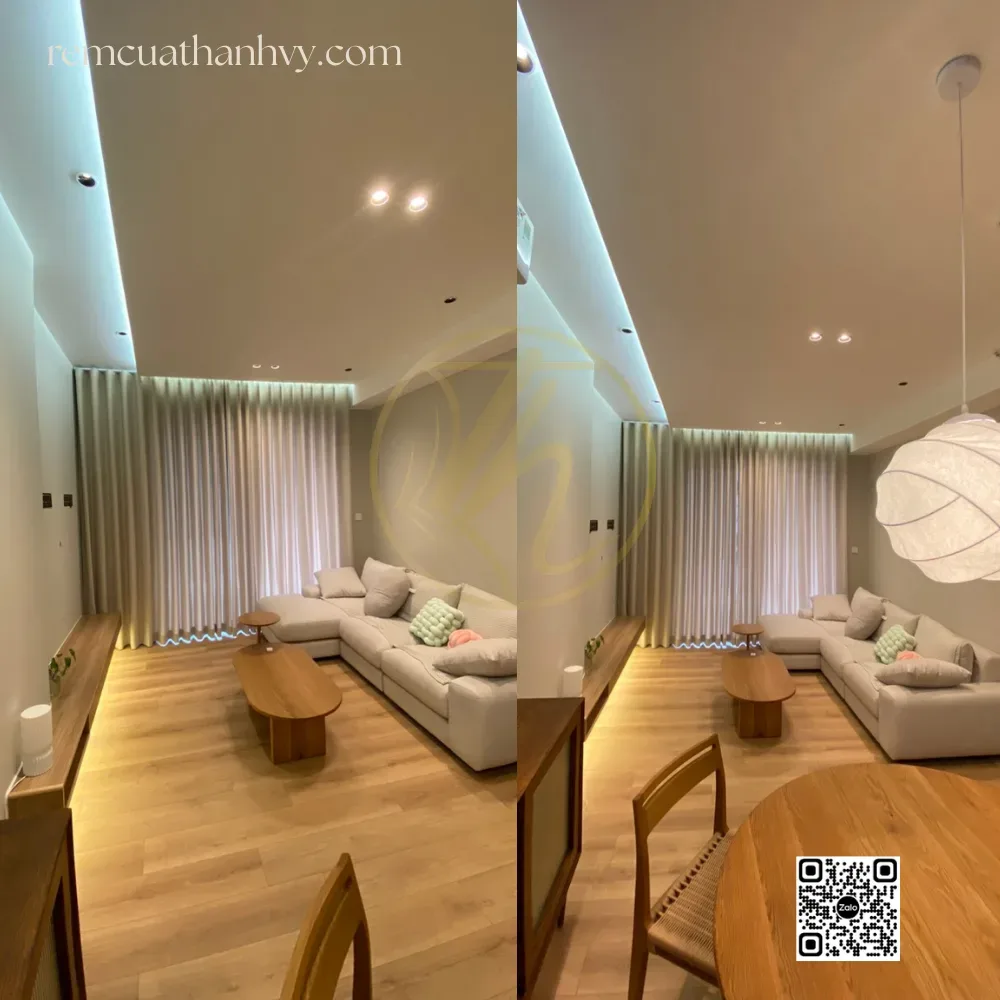
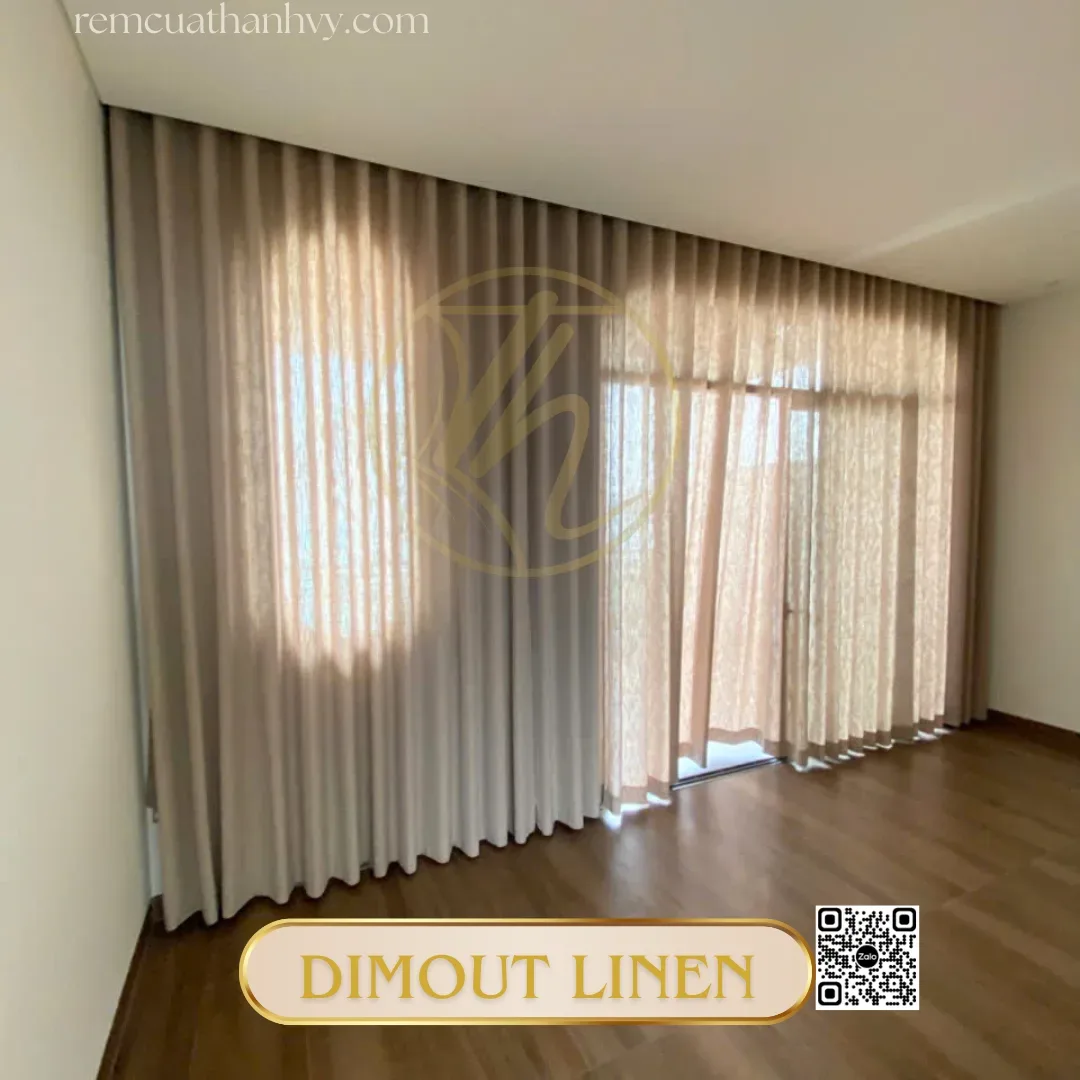
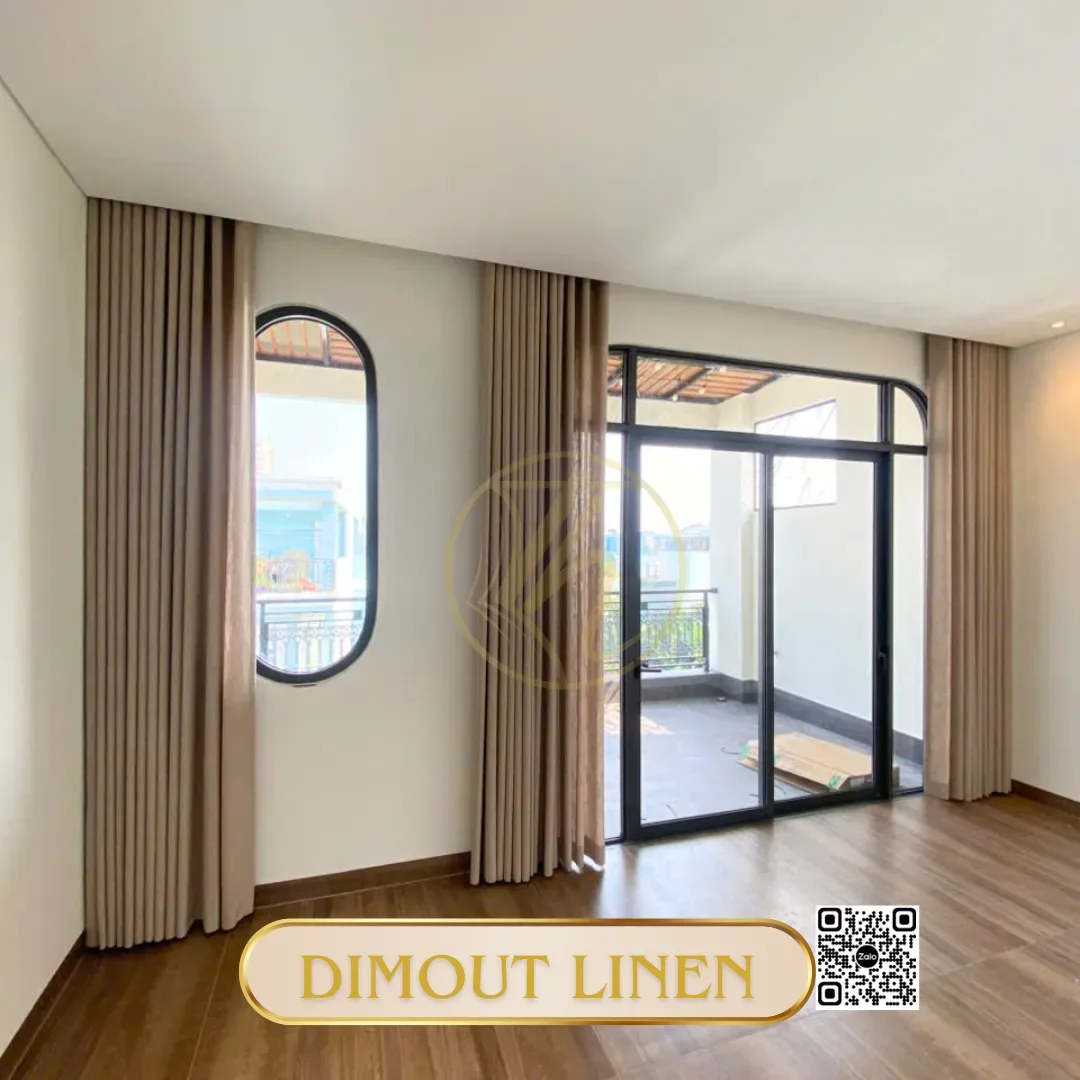
Fabric curtains are the most popular category, with various thicknesses to choose from based on lighting and privacy needs.

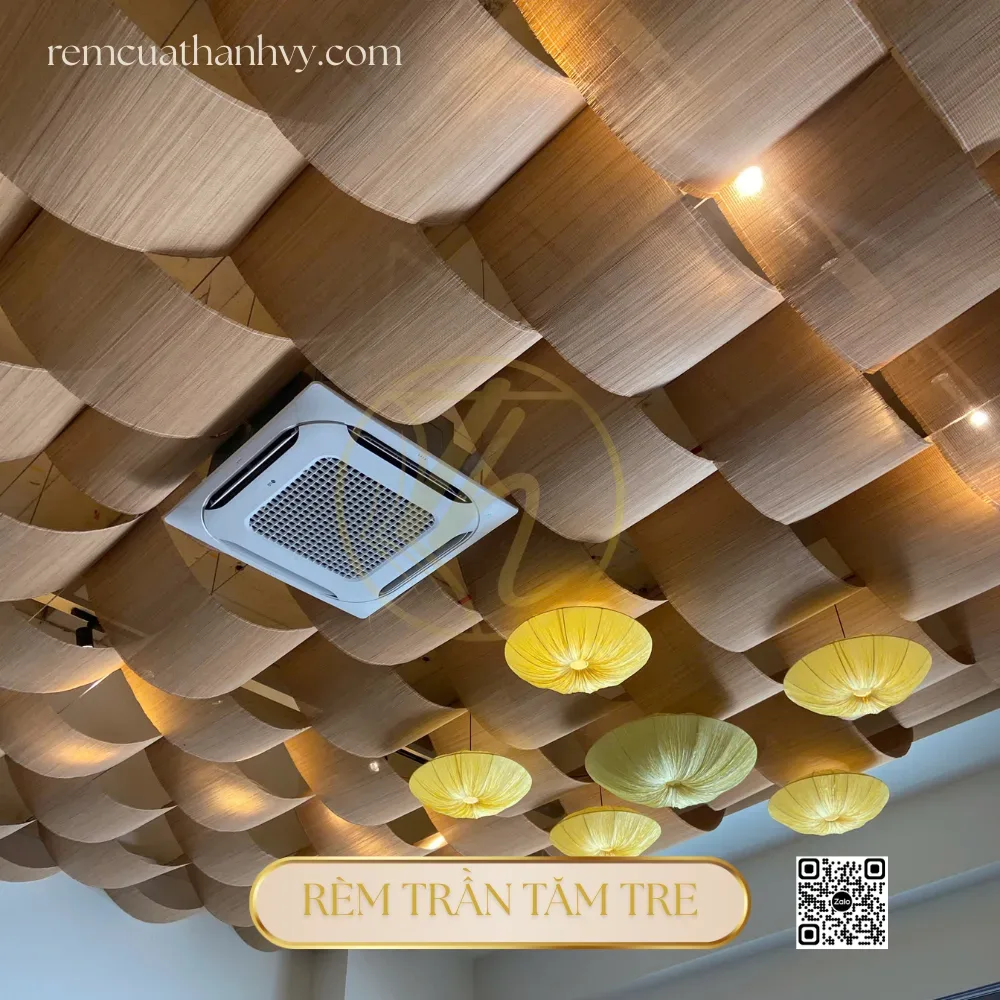
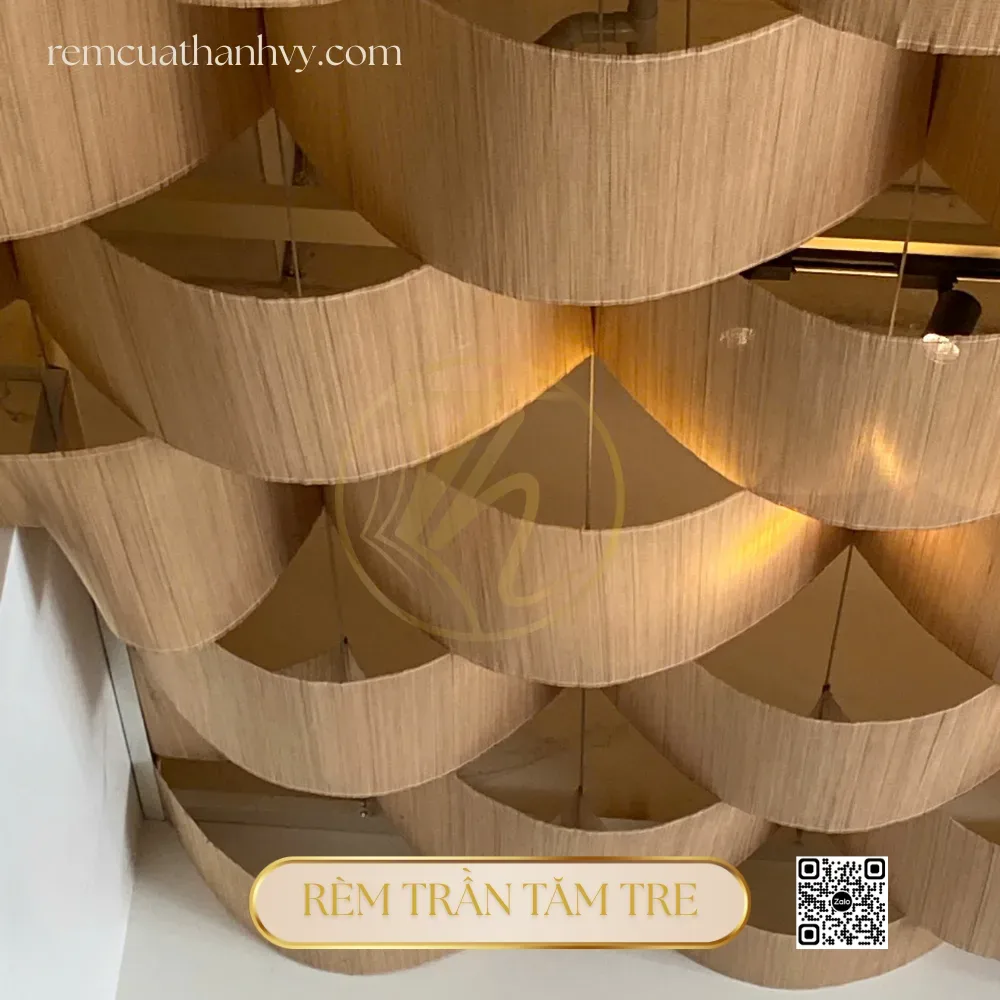
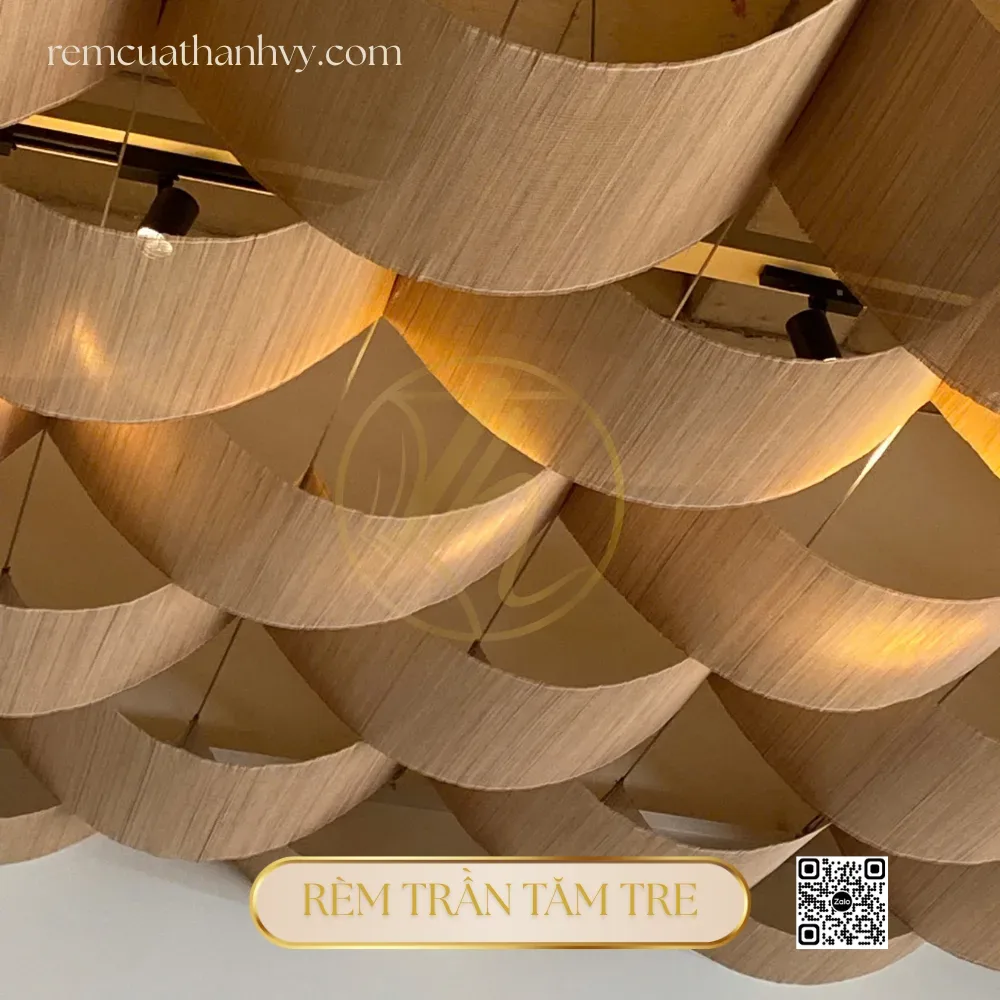
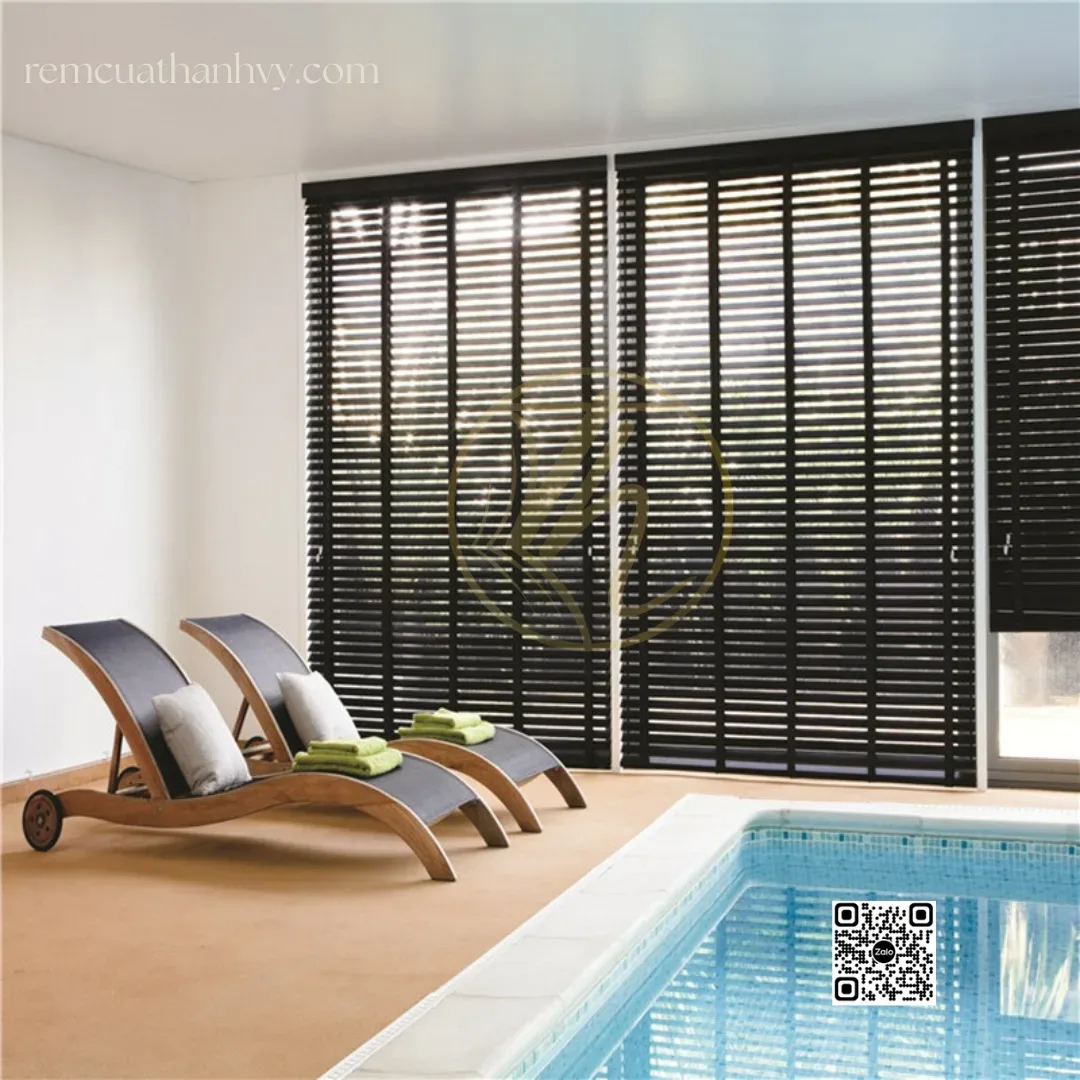
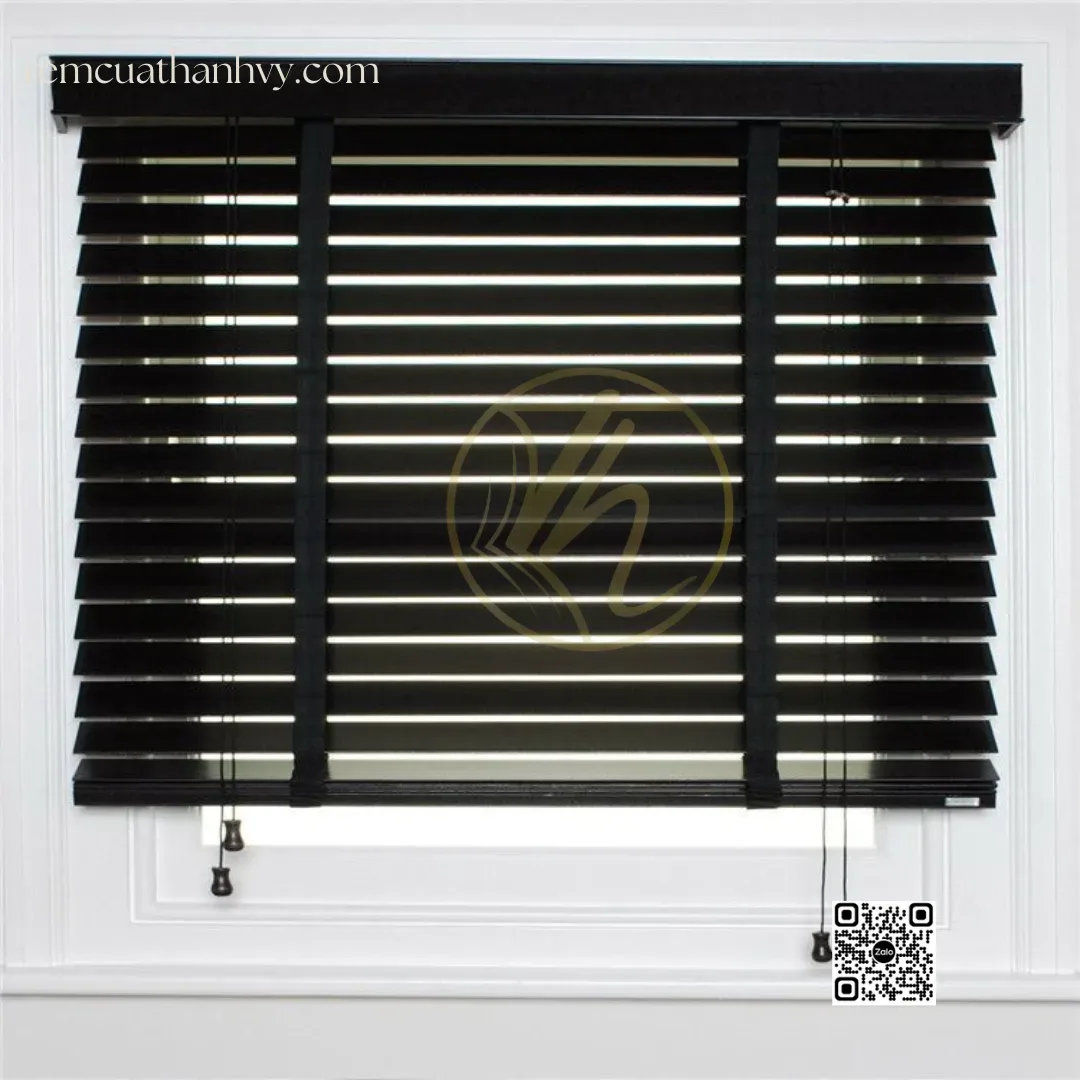
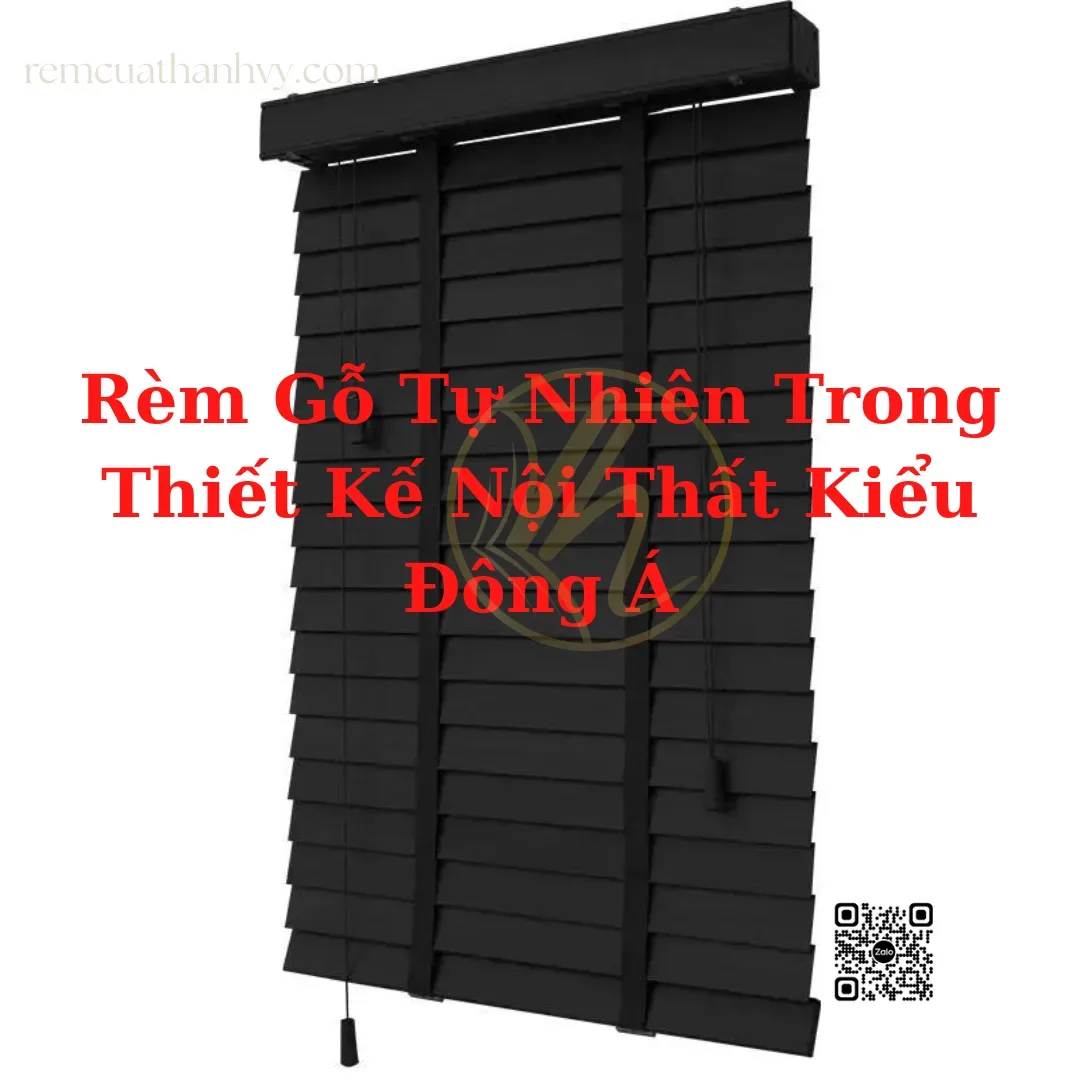
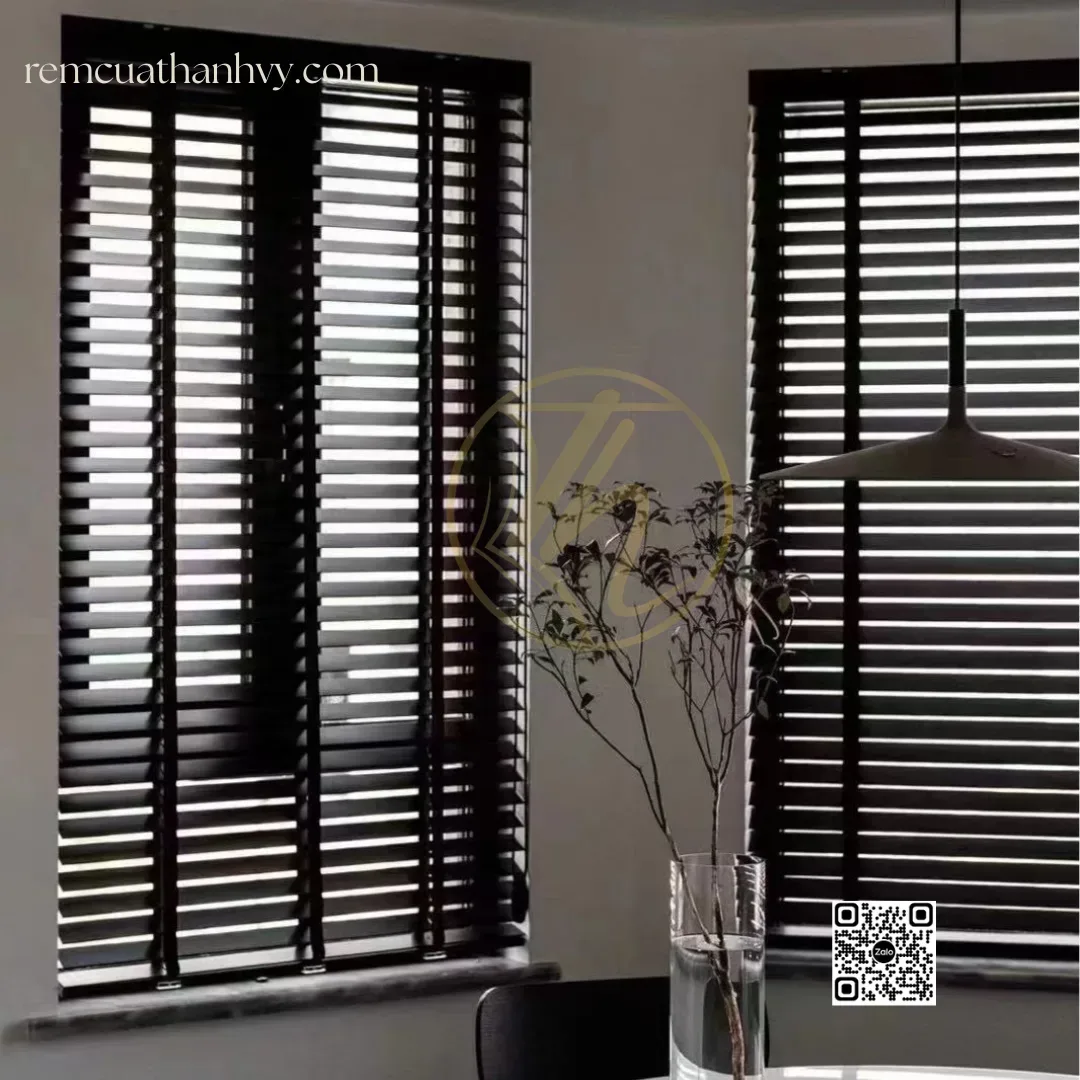
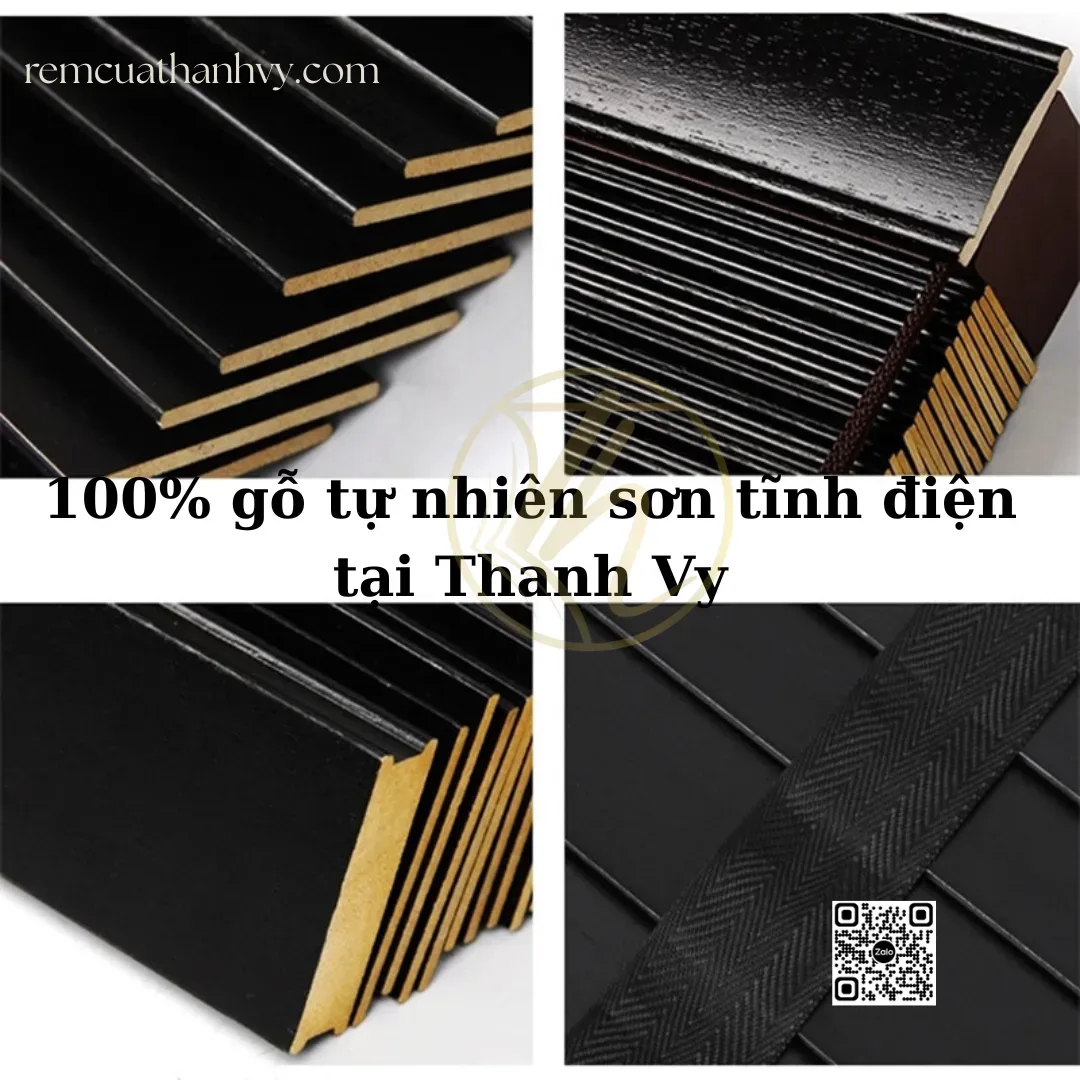
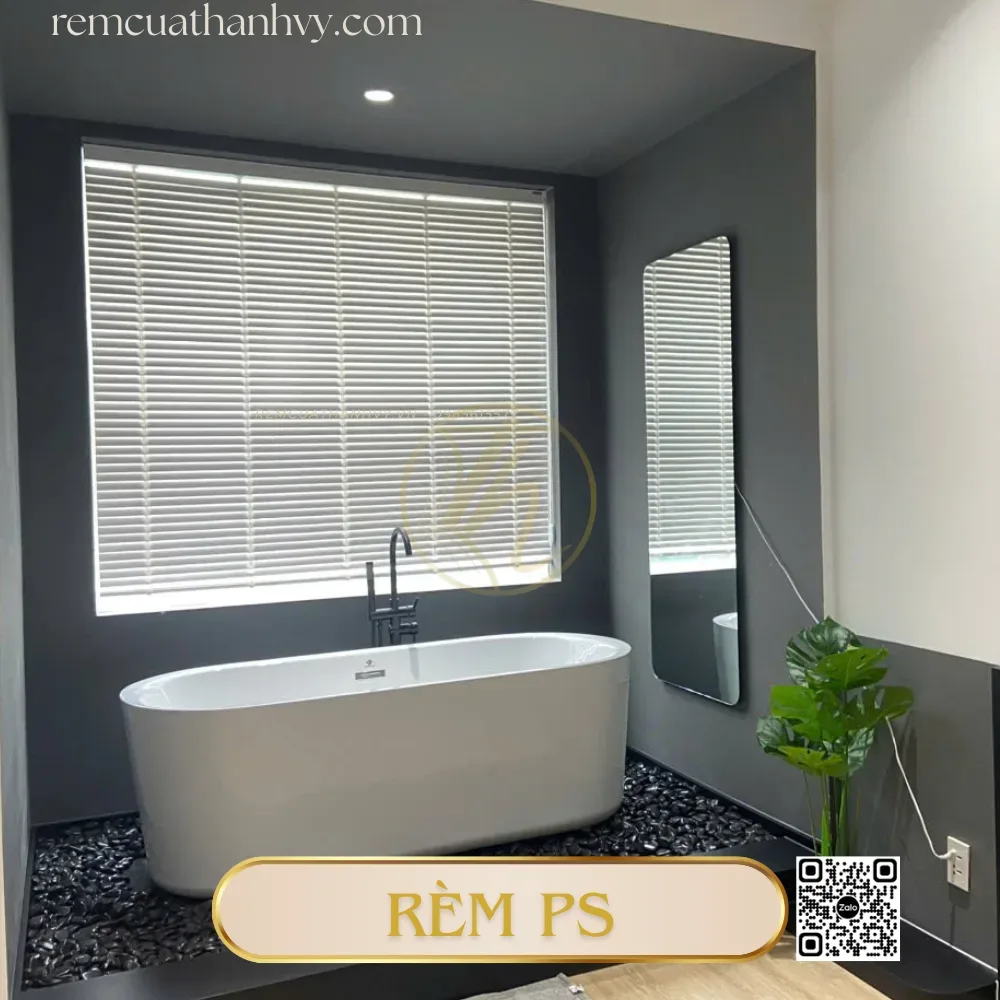
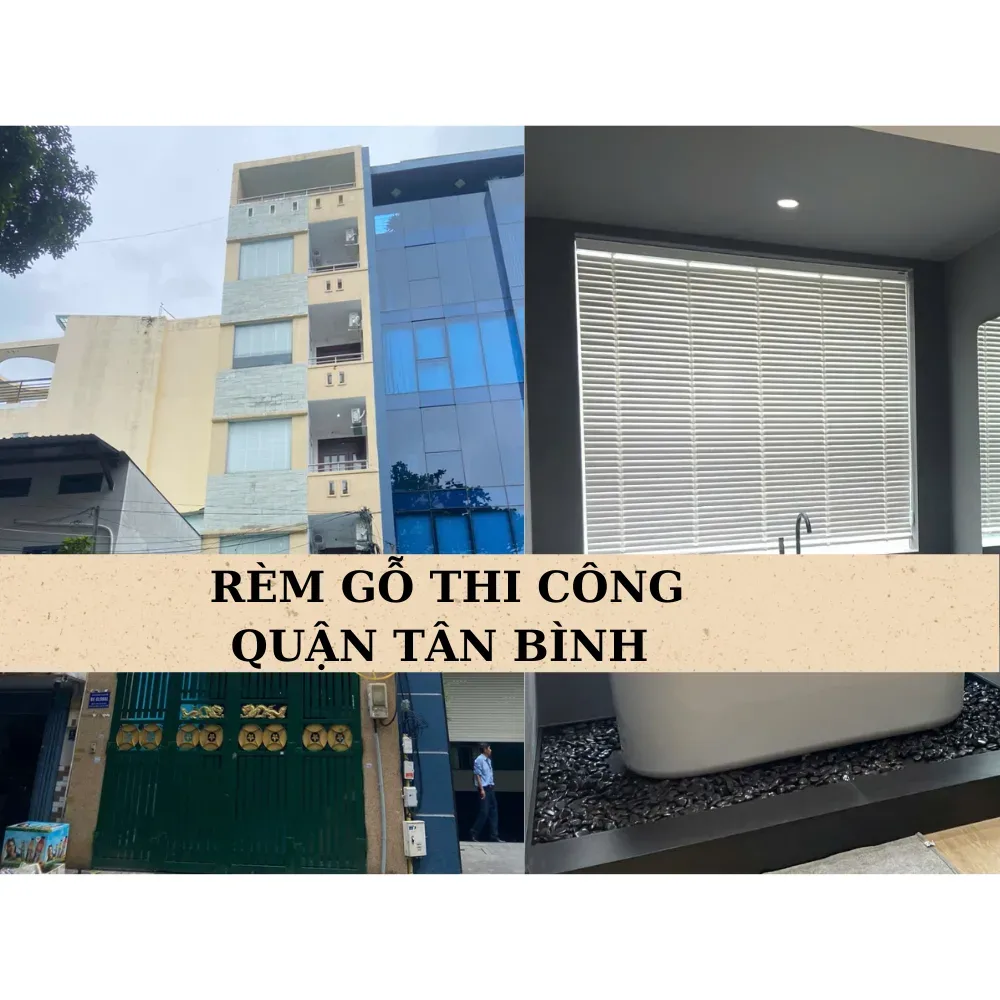
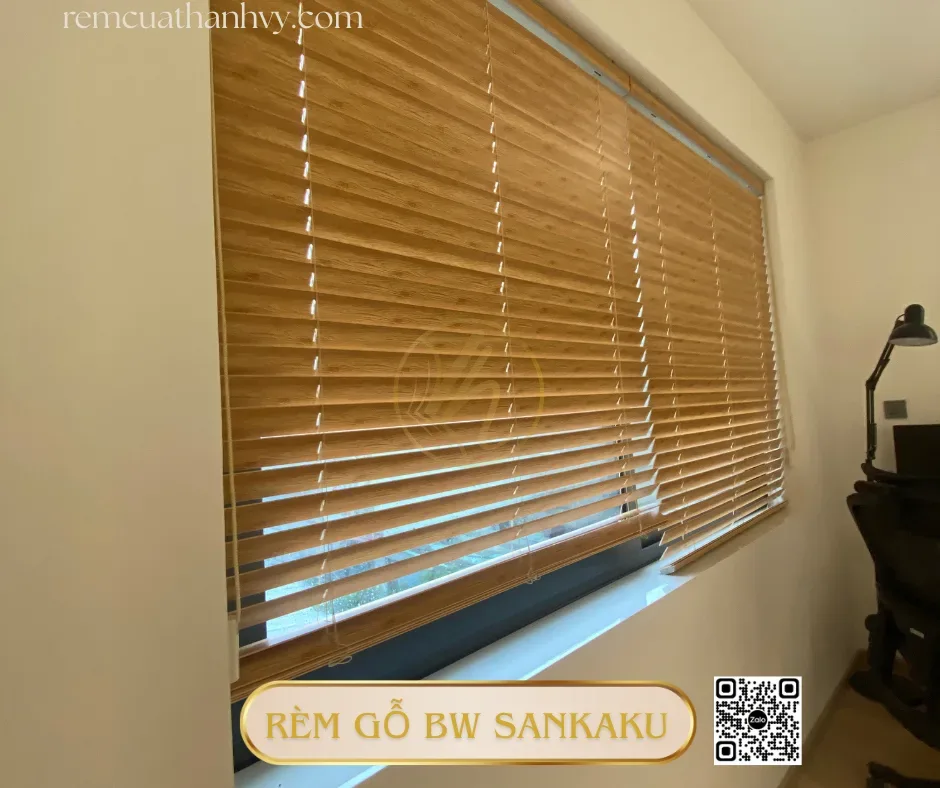
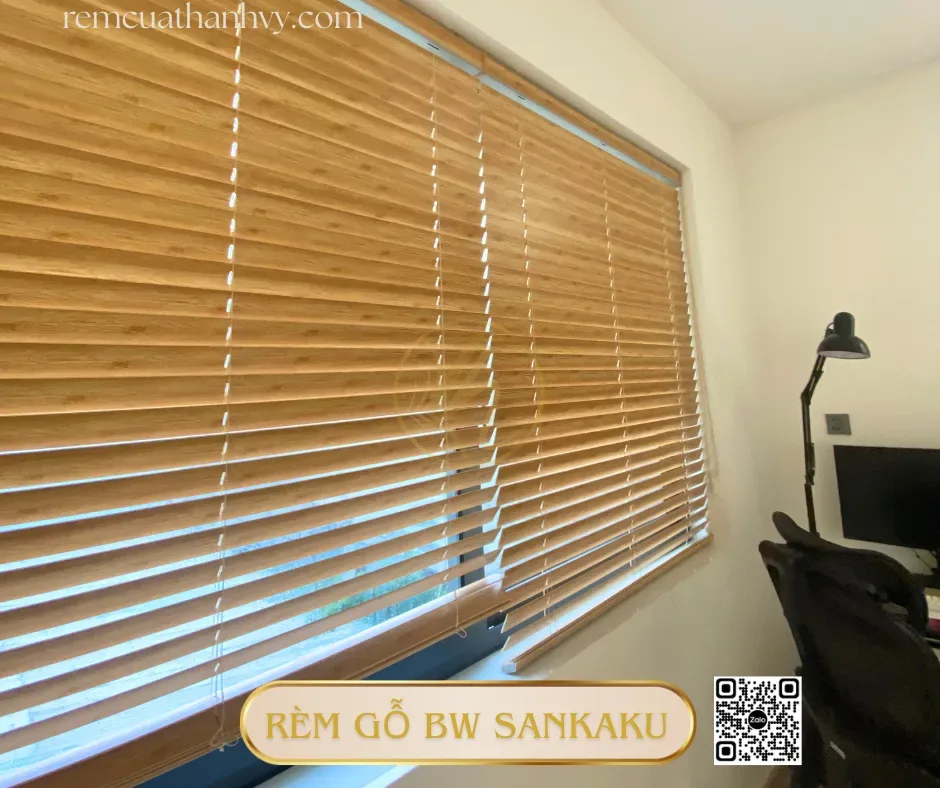
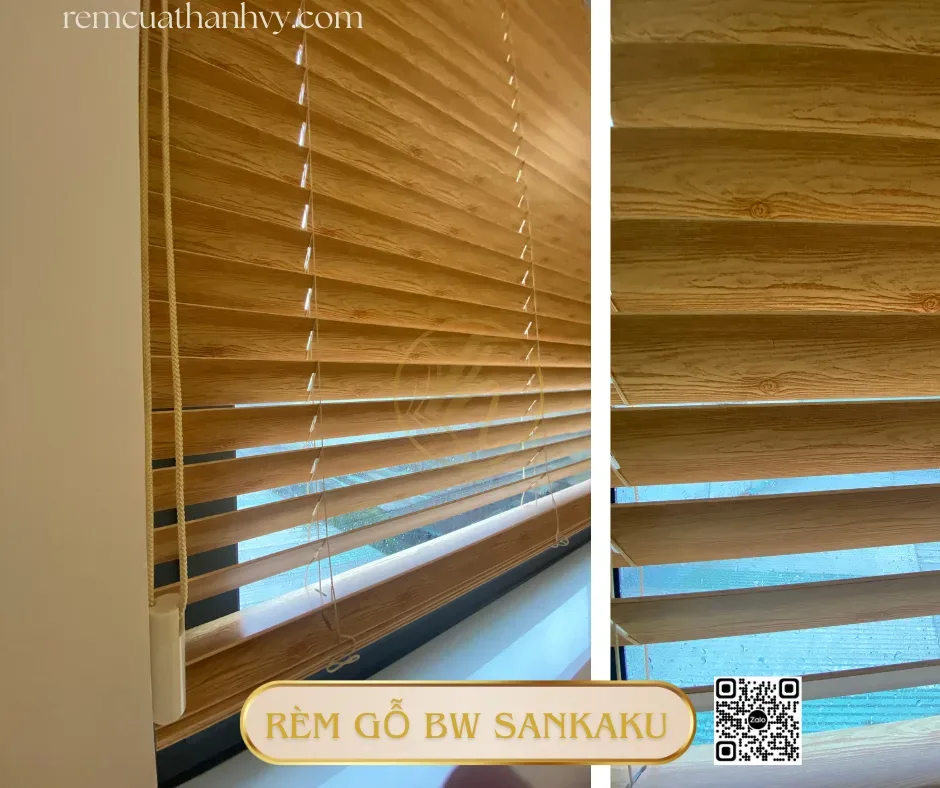
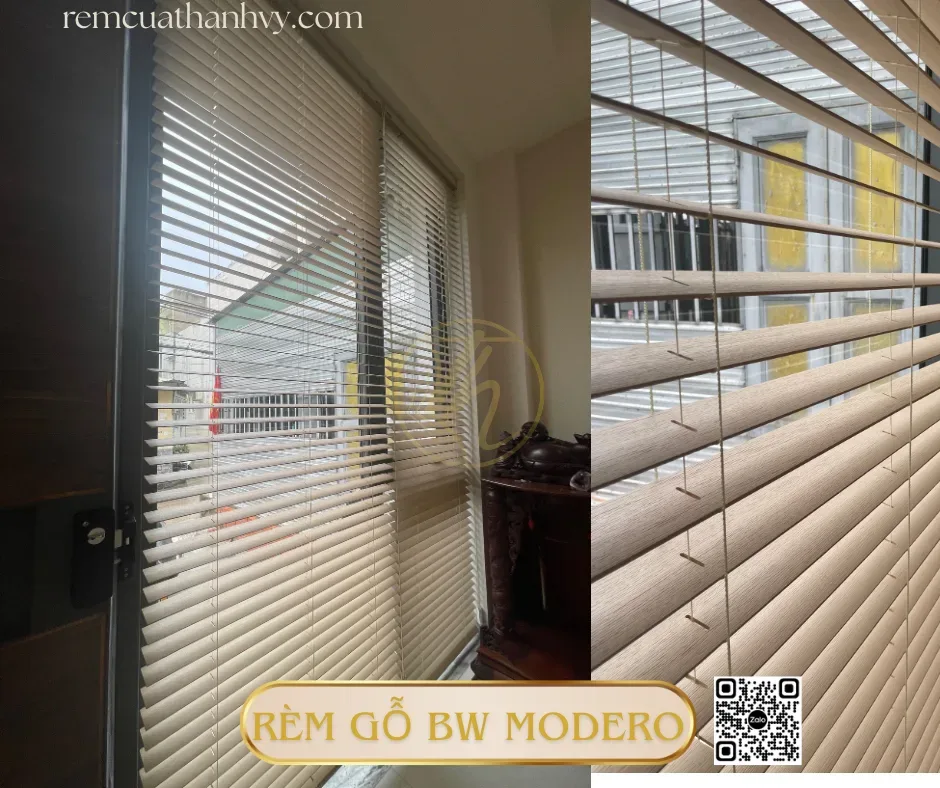
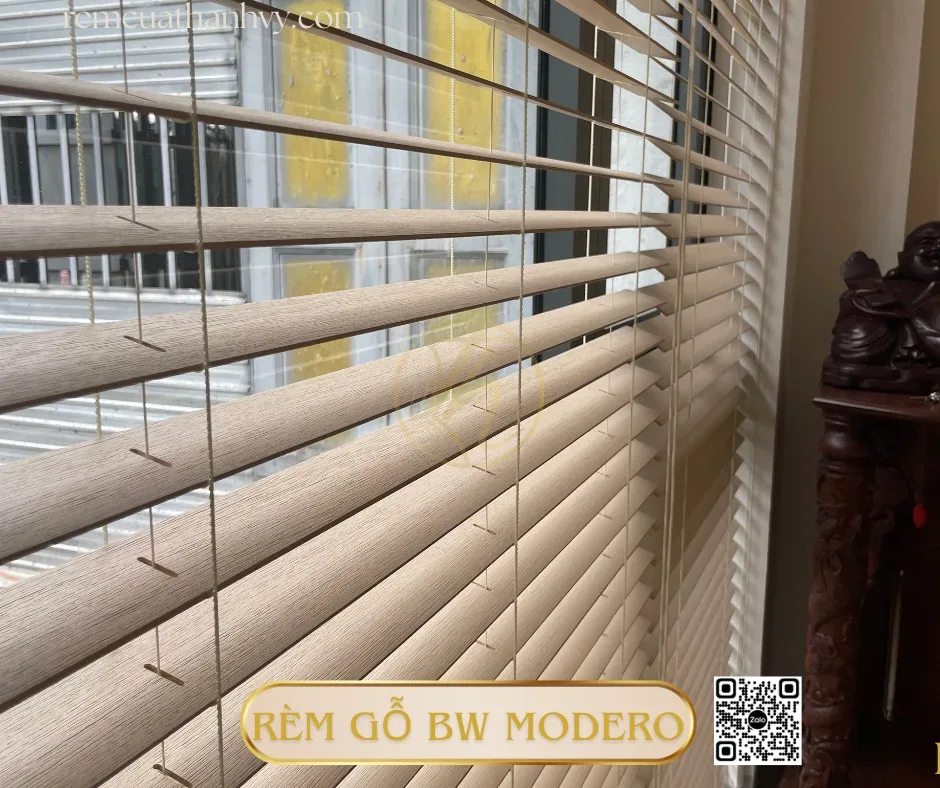
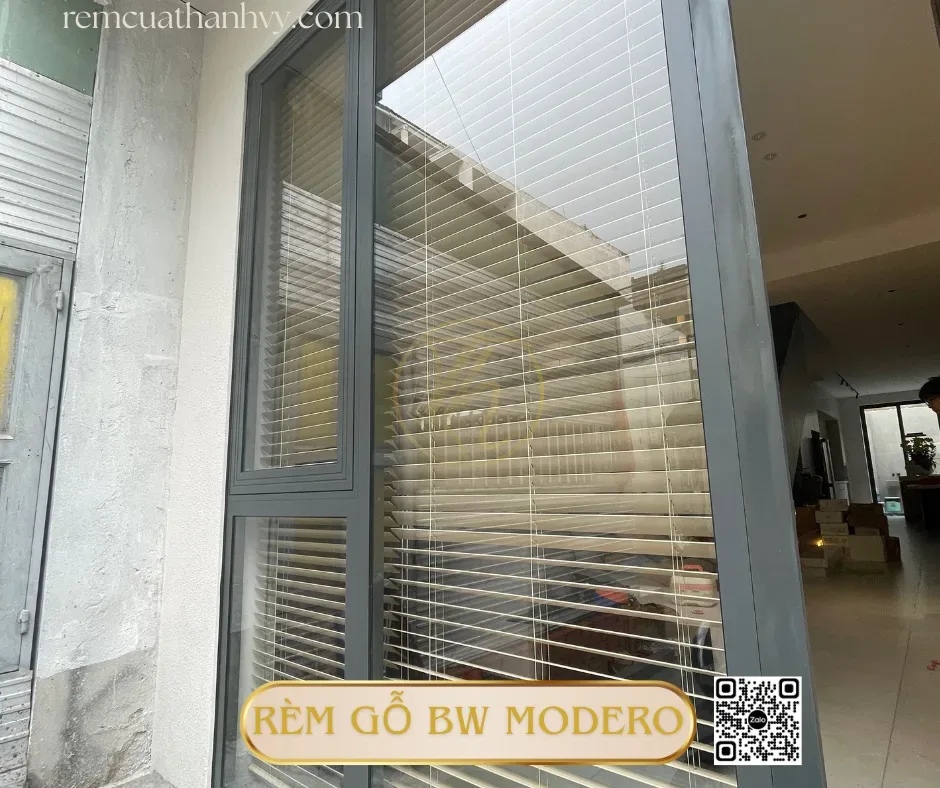
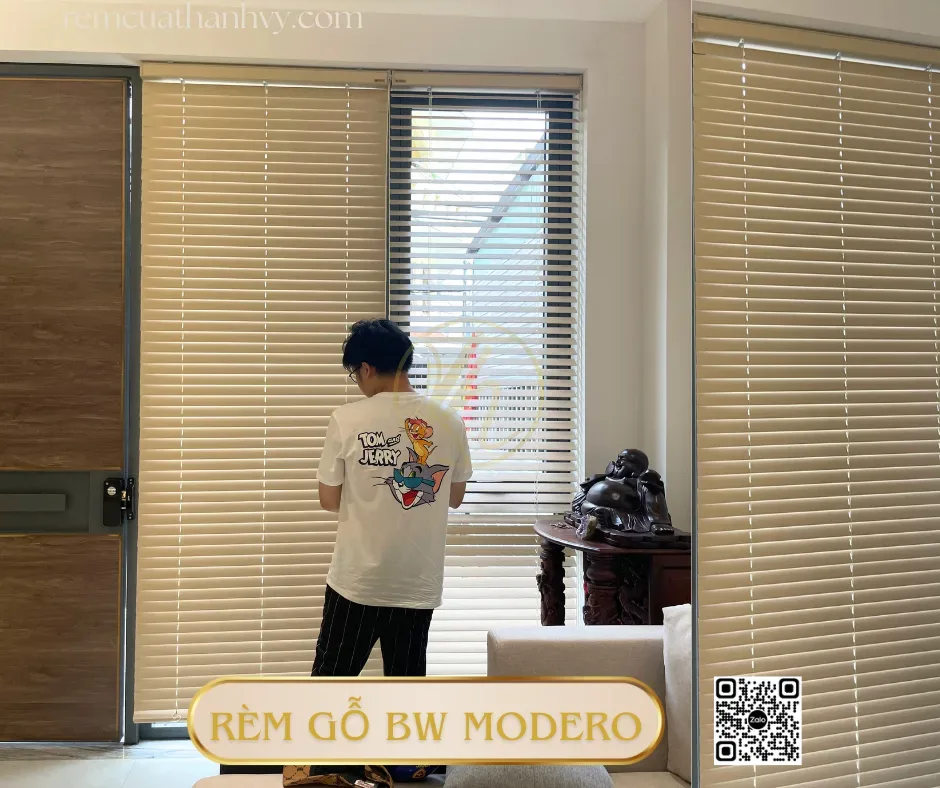
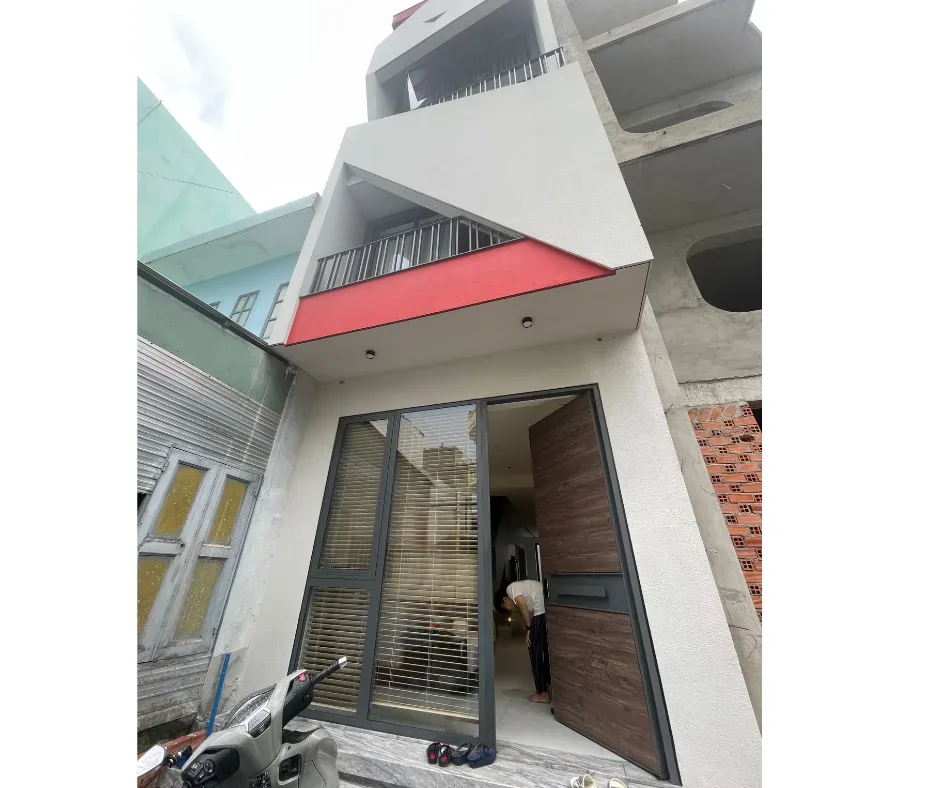
Wooden blinds
Rotating wooden slats regulate light according to the angle, making them suitable for home offices and reading rooms.
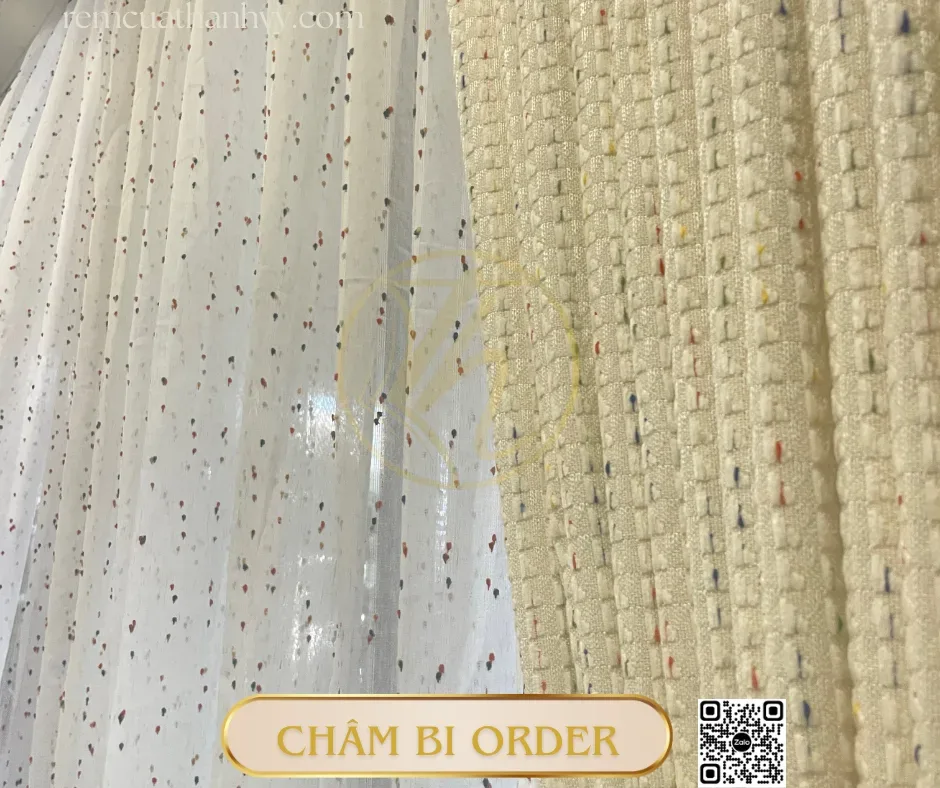
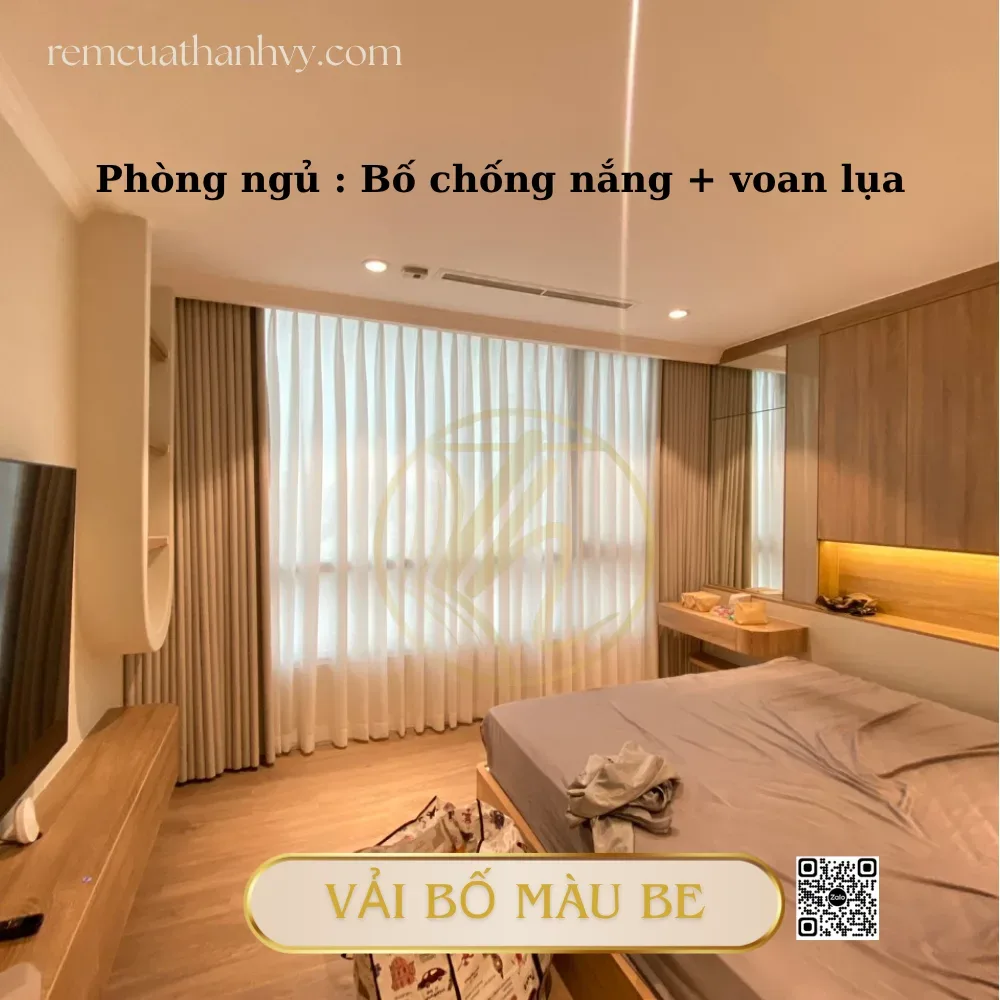
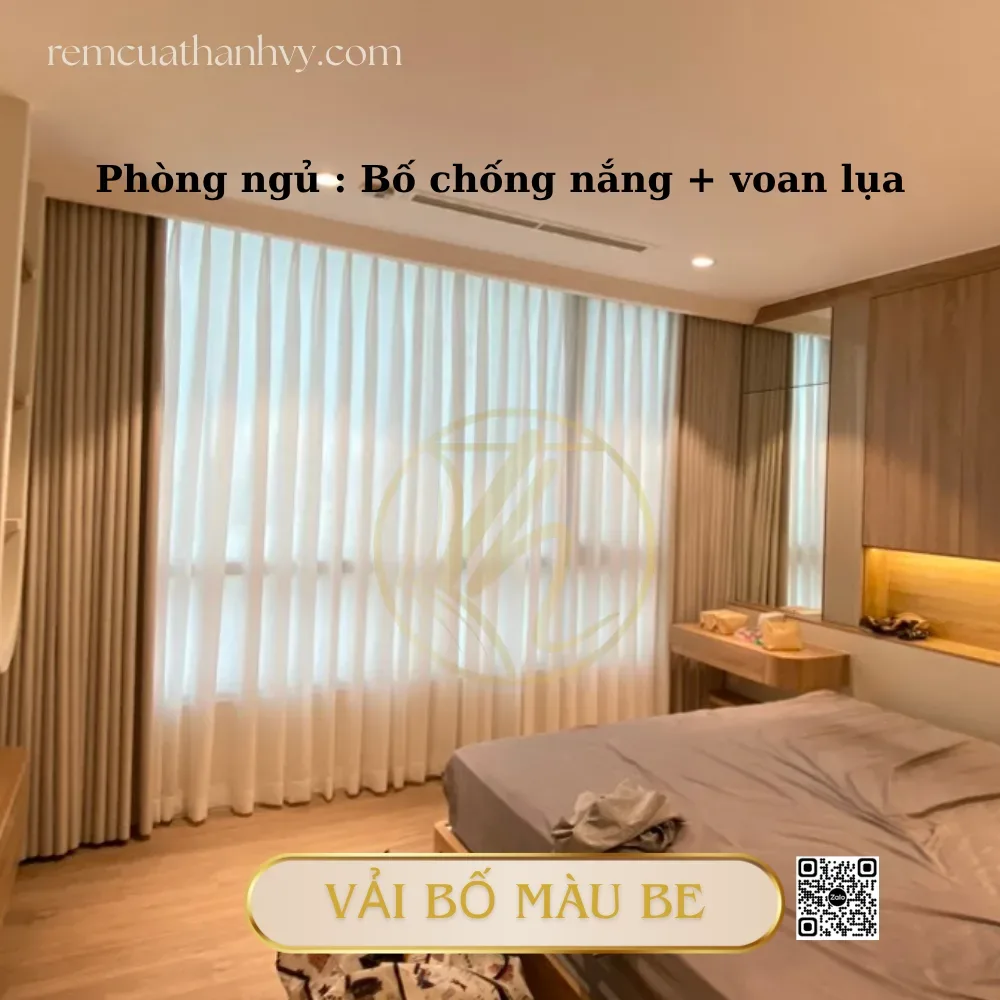
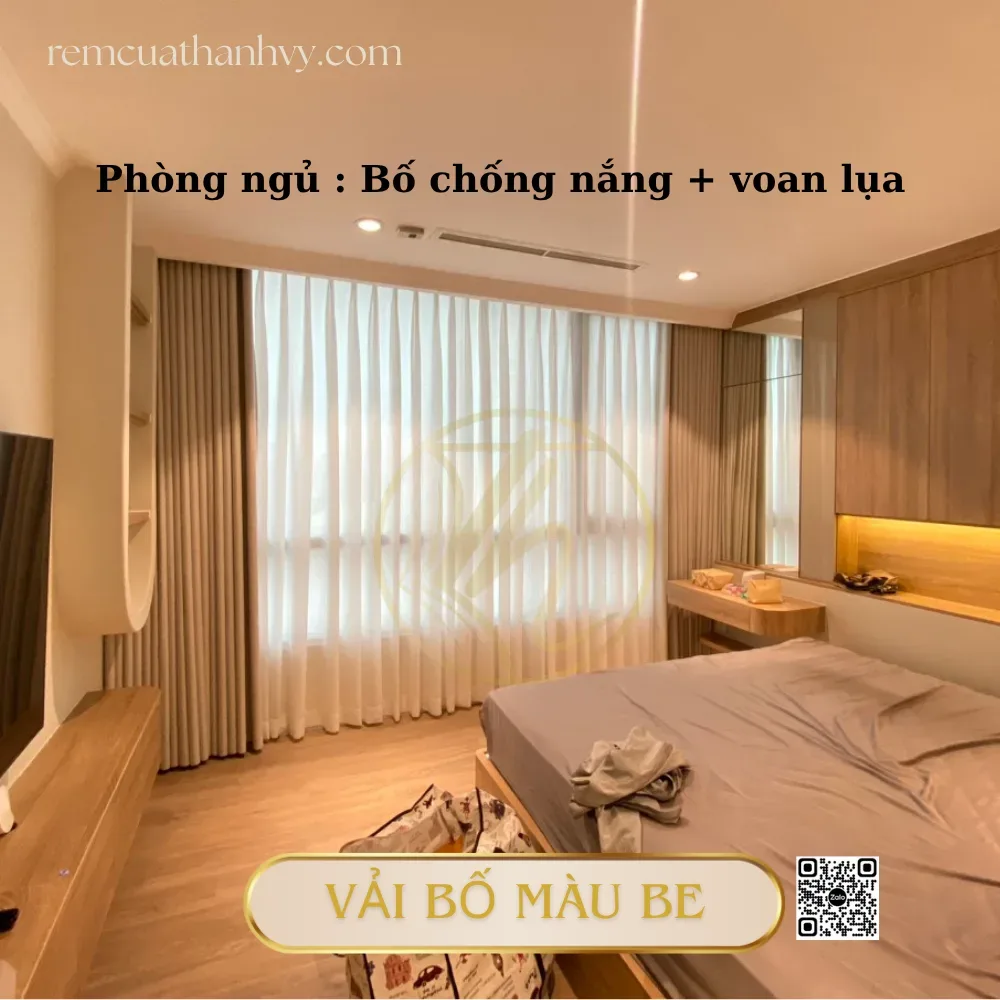
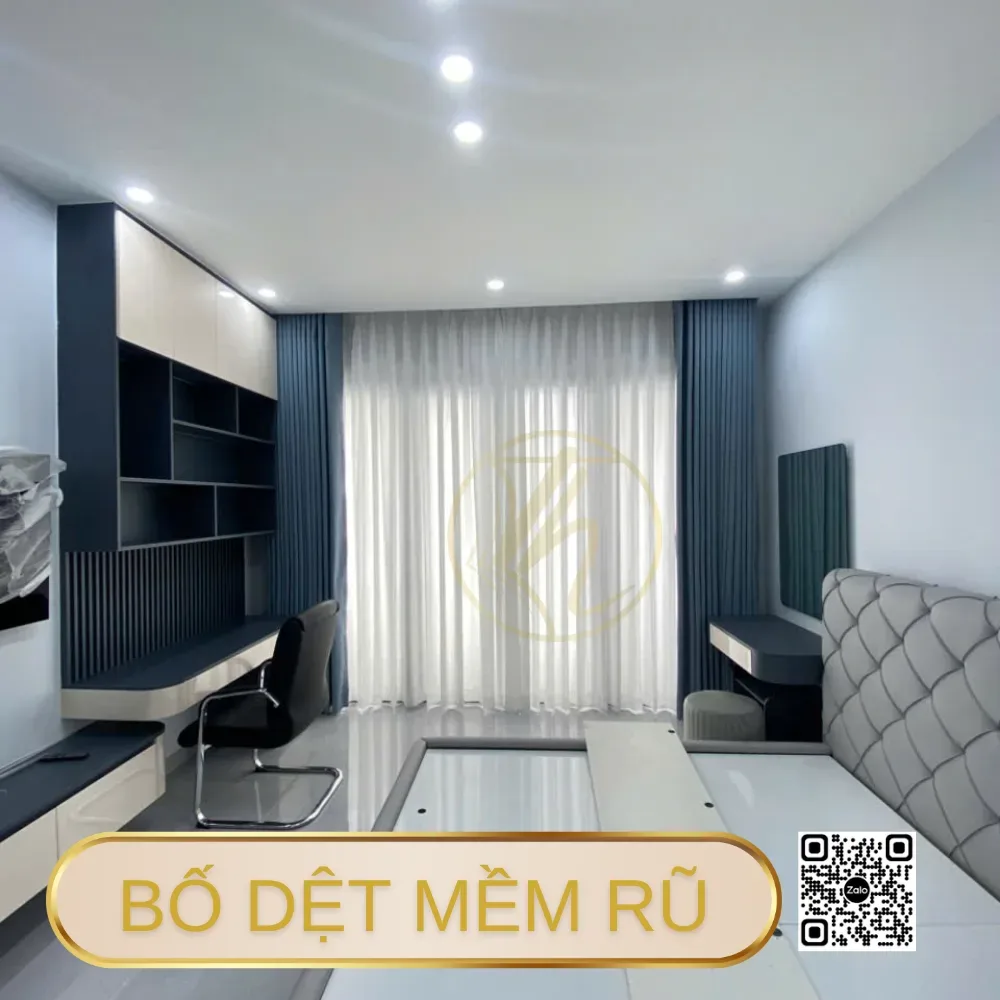
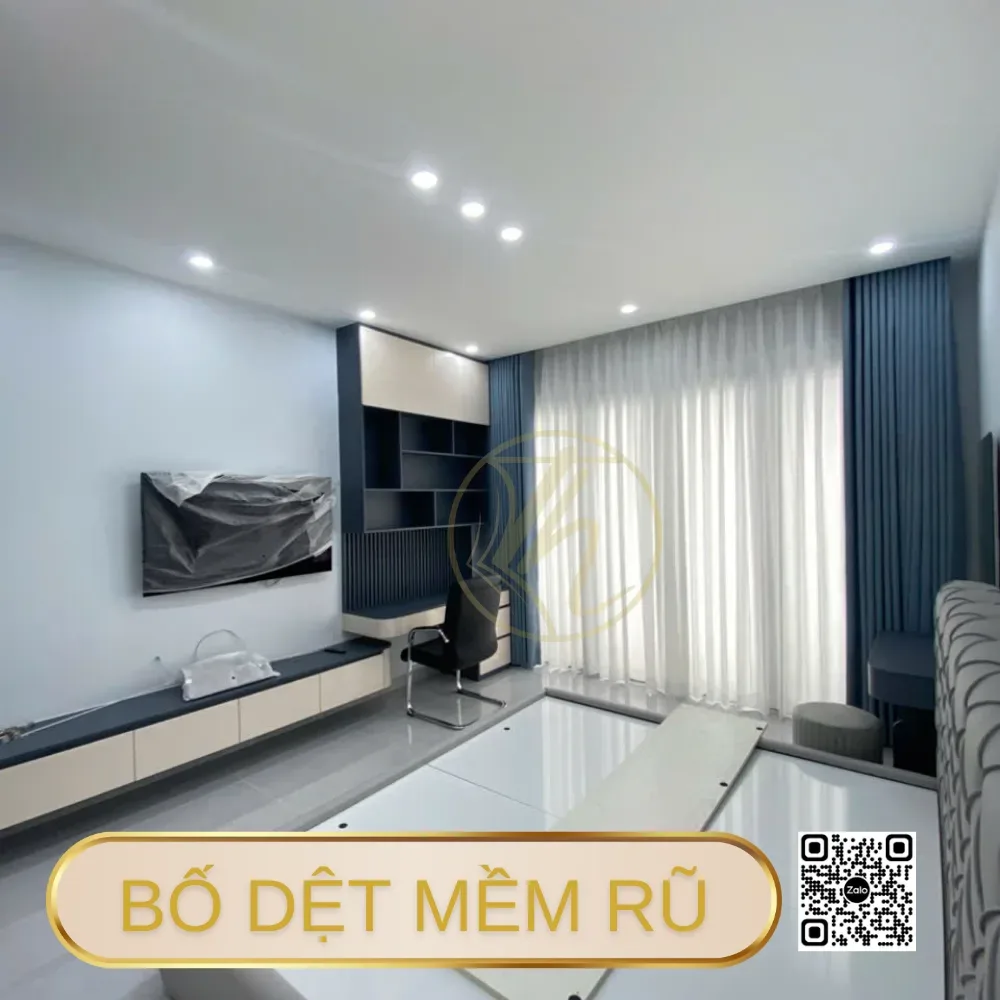
Premium blackout fabric curtains
High-quality blackout fabrics are used when significant room darkening is needed, typically for bedrooms or screening rooms.
For further information, please contact Thanh Vy Curtains
We provide free consultation and on-site measuring at your home.
Related areas
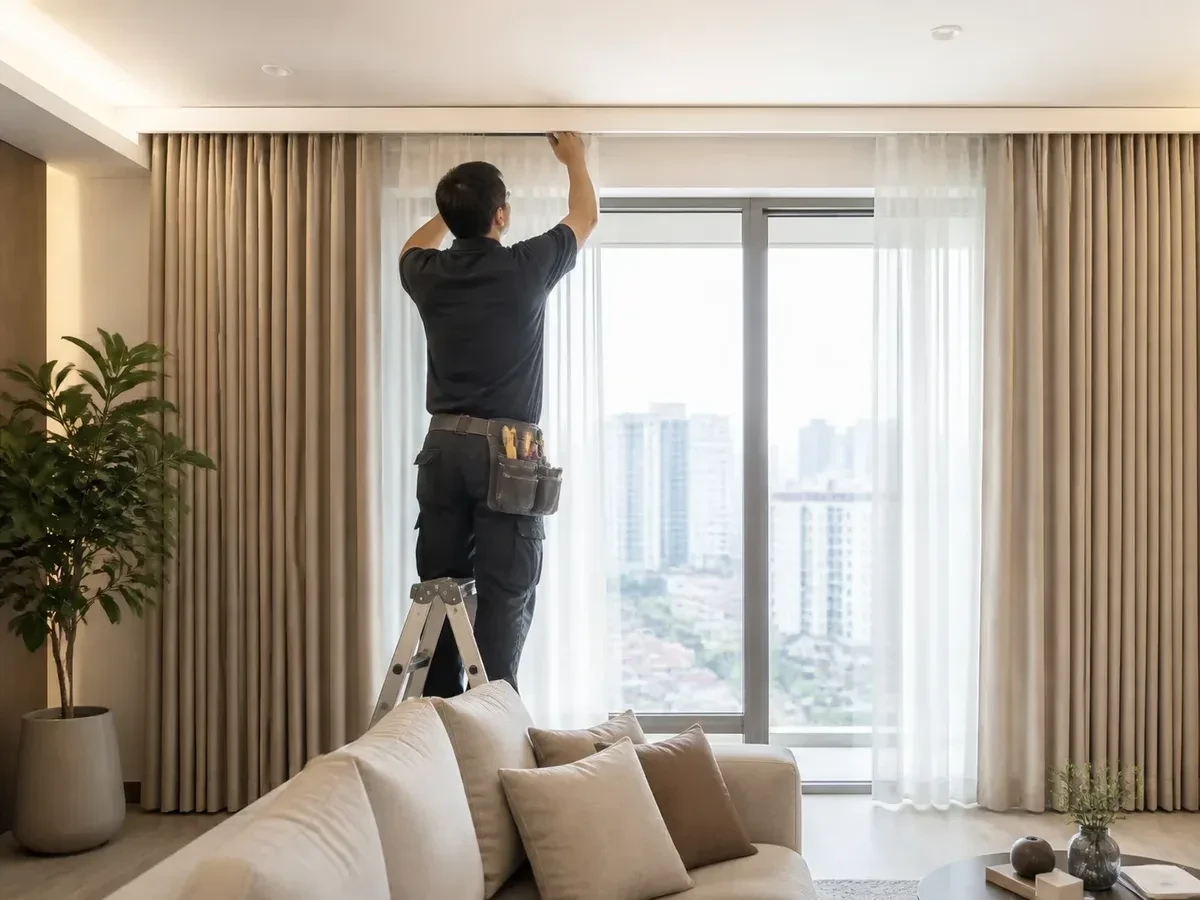
Go Vap Curtains: What to Prioritize for Each Space
**Choosing curtains in Go Vap:** Customers in Go Vap can easily find curtains they love—durable, [...]
Curtains in District 6: What to Prioritize for Each Space
To choose the perfect curtains in District 6, contact Rèm Cửa Thanh Vy for dedicated [...]
Curtains in District 3: What to prioritize when choosing for each space
**Curtain selection advice:** Customers in District 3 should prioritize two-layer fabric curtains or neat Korean [...]
Related reviews

Fabric Curtains vs. Roman Shades: A Detailed Comparison
Compare fabric curtains and Roman shades based on light control, privacy, operation, aesthetics, maintenance, and [...]
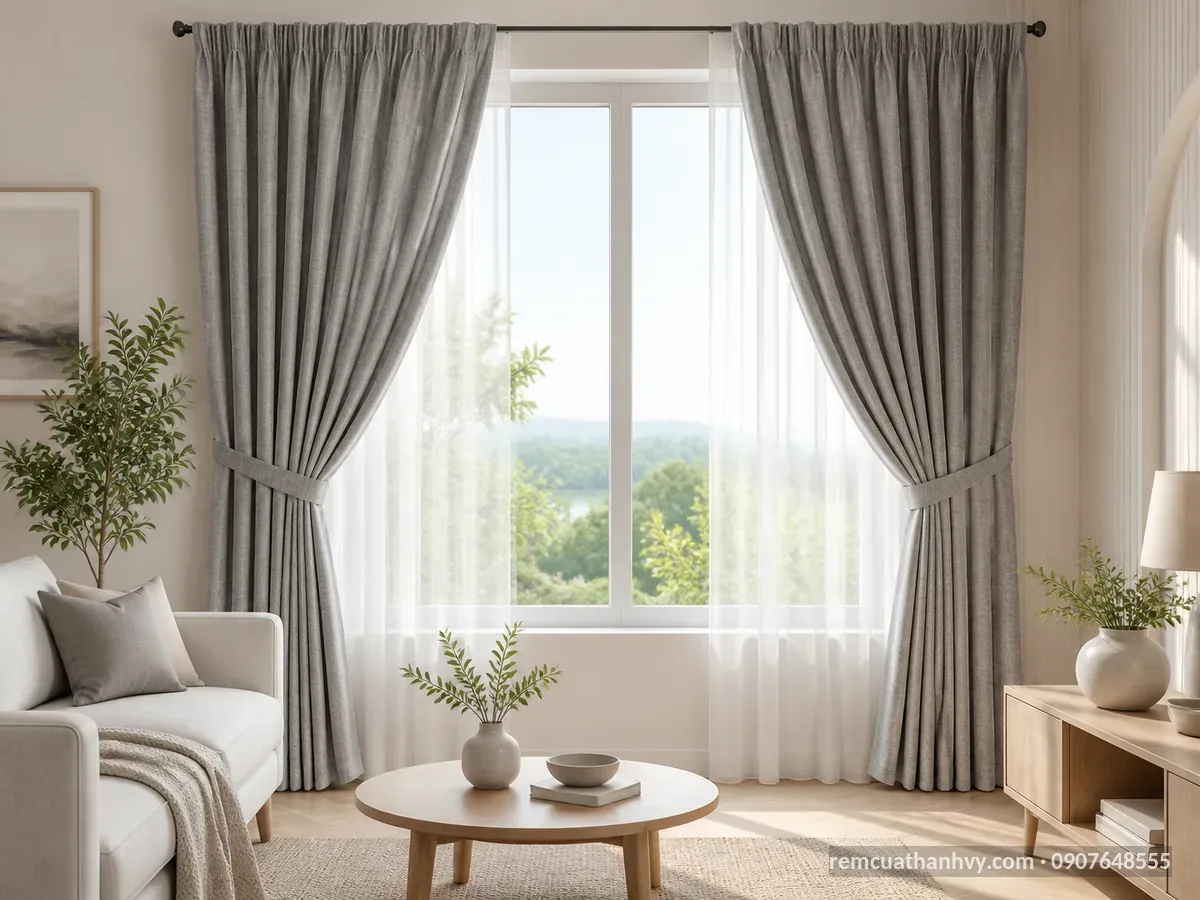
Are Fabric Curtains Good? How to Assess the Real Needs of Each Space
This article helps readers answer whether fabric curtains are good by assessing light, privacy, usage [...]
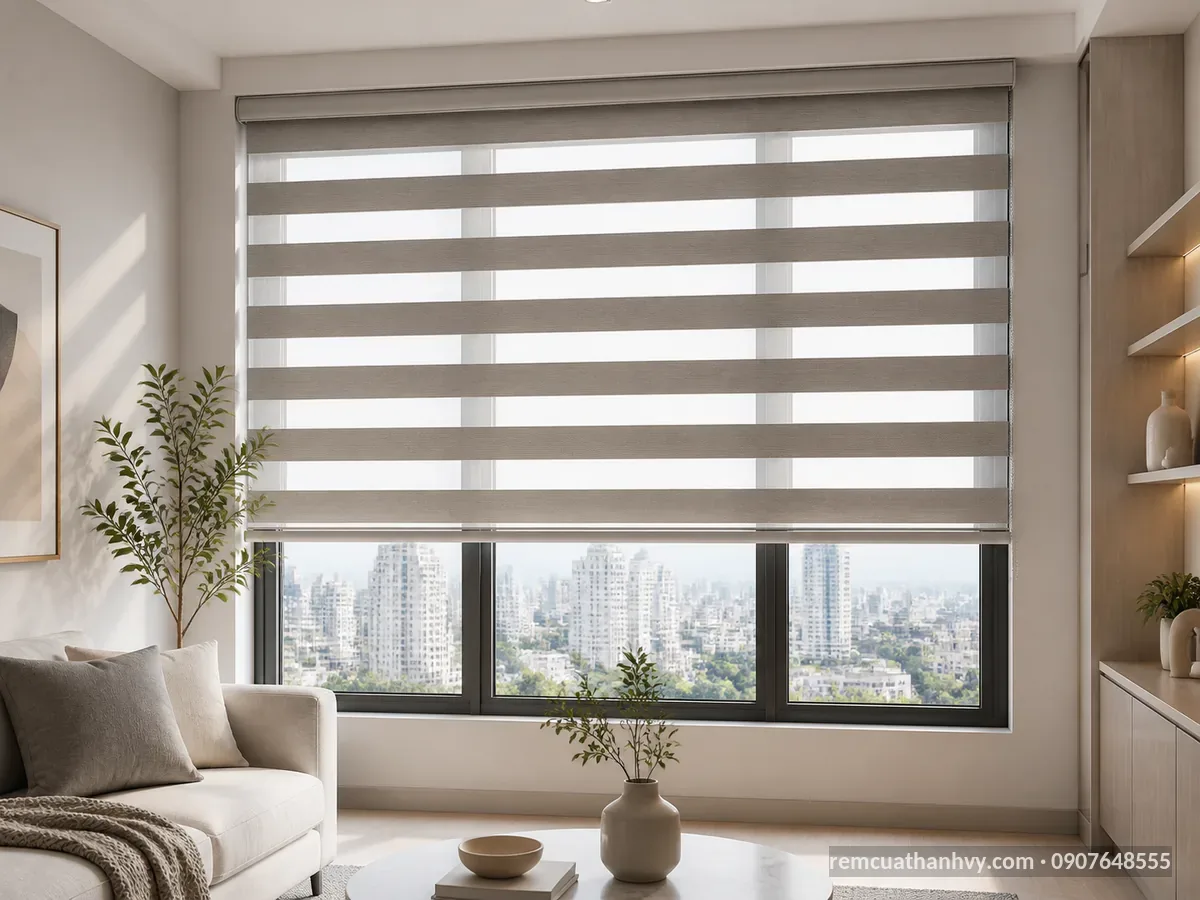
Comparing Fabric Curtains and Zebra Blinds: Which One Fits Your Needs?
This article compares fabric curtains and zebra blinds in terms of light, privacy, stackback, the [...]
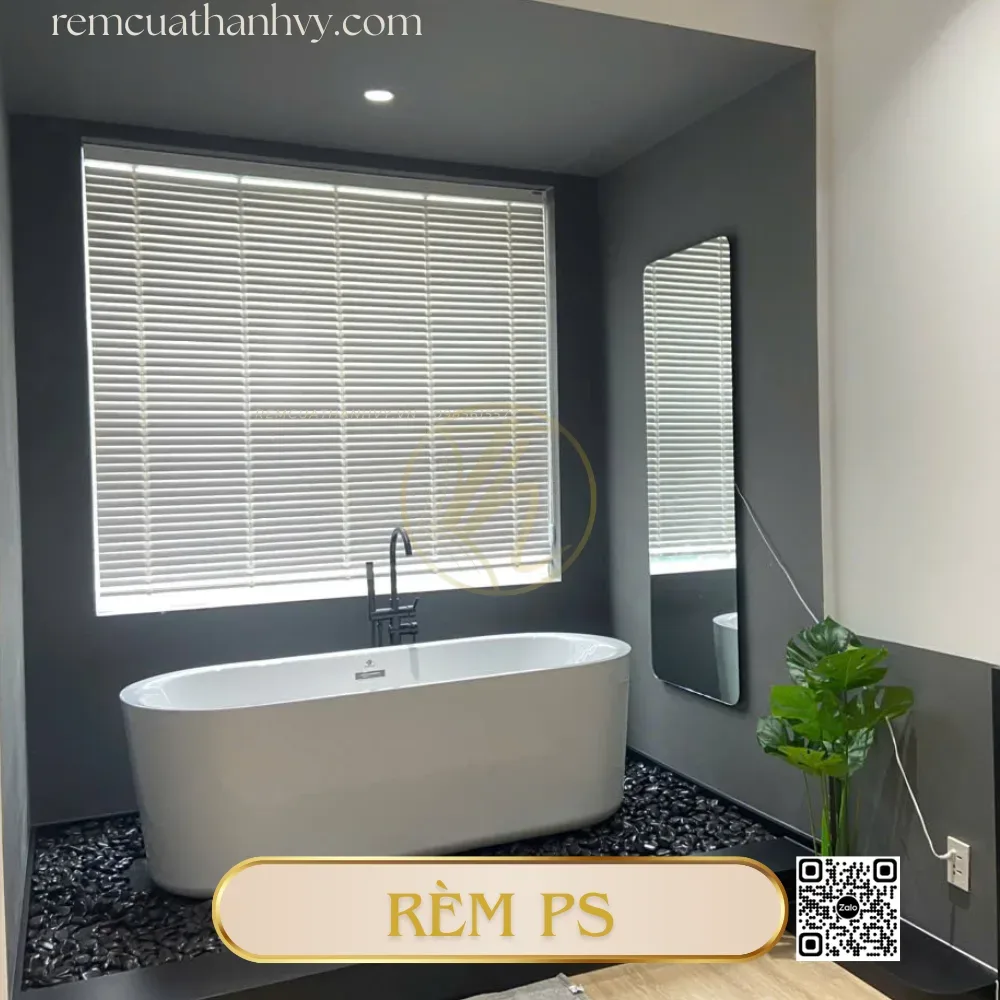
Fabric Curtains or Wooden Blinds? A Detailed Comparison to Help You Choose
Compare fabric curtains and wooden blinds by light control, privacy, operation, aesthetics, cleaning, and running [...]
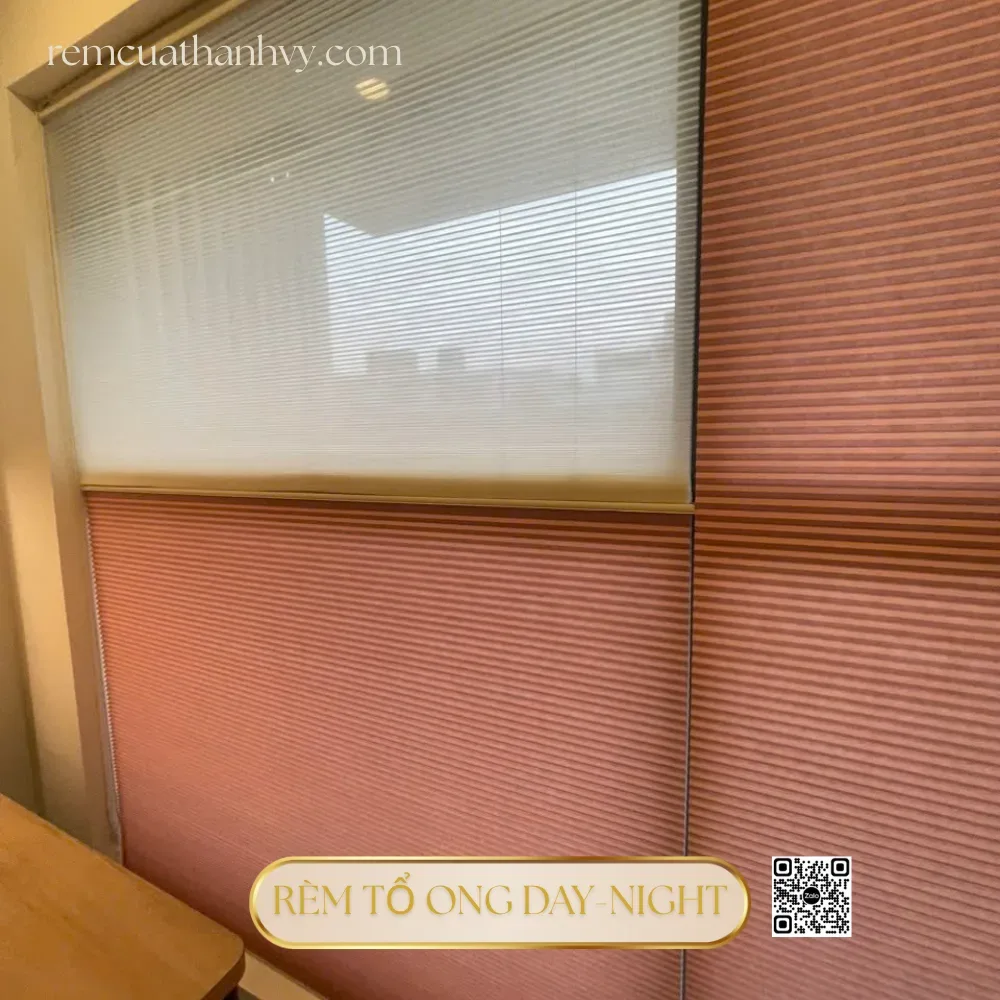
Fabric Curtains or Honeycomb Blinds? A Detailed Comparison to Help You Choose
Compare fabric curtains and honeycomb blinds based on light control, privacy, operation, aesthetics, maintenance, and [...]
Related posts
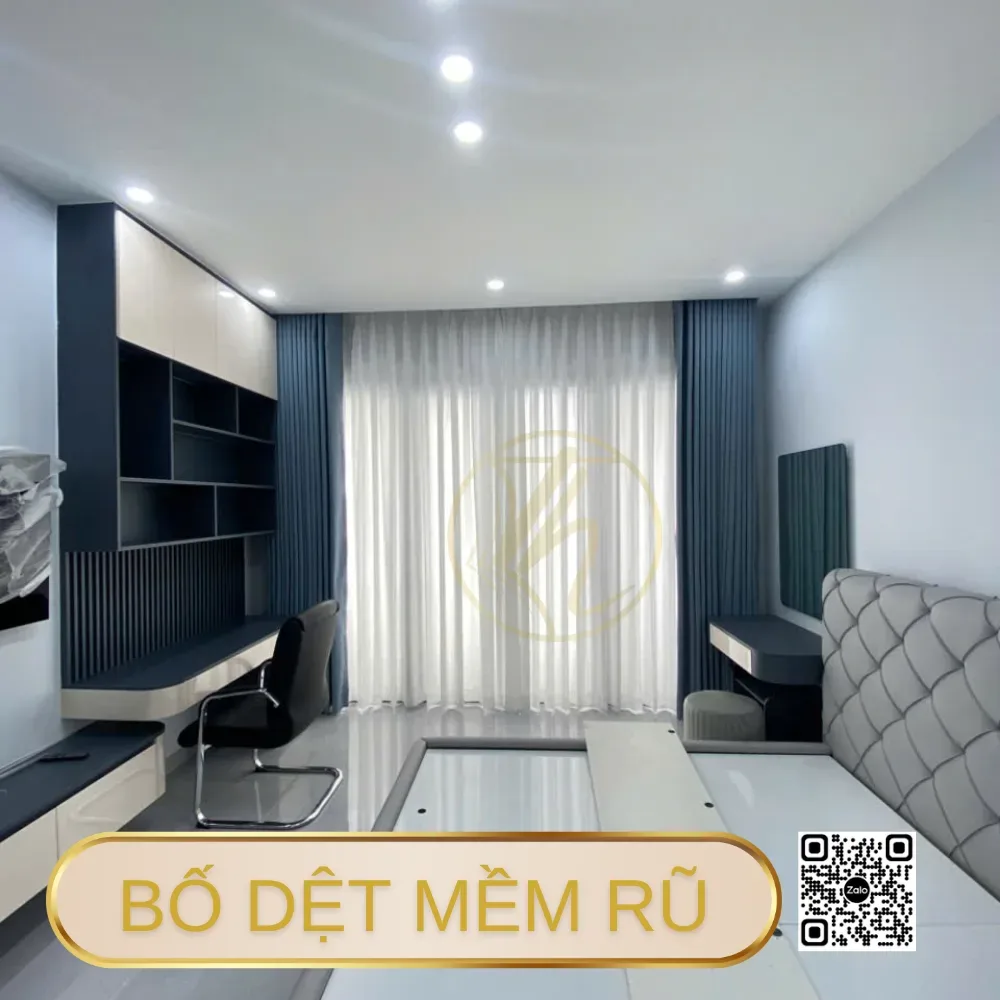
Fabric Curtains in District 3: How to Choose by Room and Need
This article helps readers choose fabric curtains in District 3 based on light blocking needs, [...]
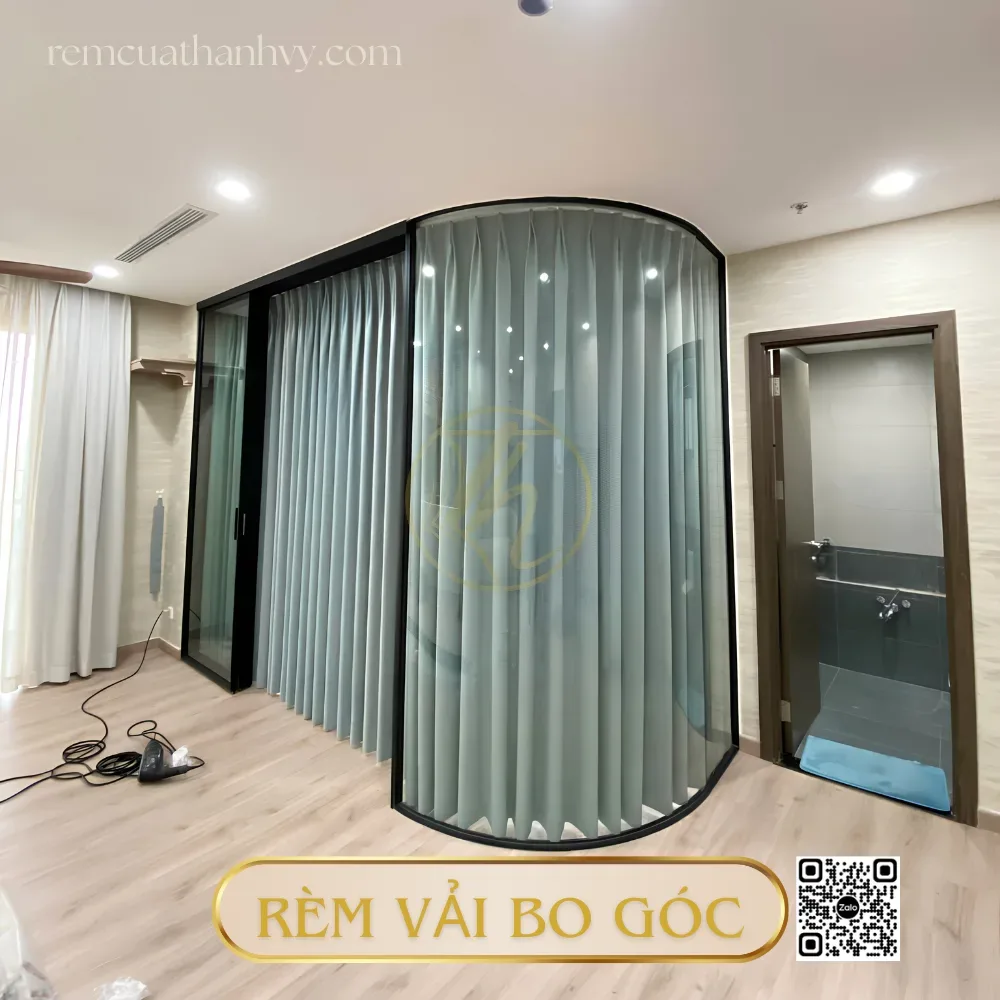
Fabric Curtains in District 6: How to Choose Fabrics and Sewing Styles
A guide to choosing fabric curtains in District 6 for every space, light level, material, [...]

No comments yet!