


Linen Curtains District 8: On-Site Tailoring, Good Price | Thanh Vy
Which types of homes are suitable for linen curtains in District 8?
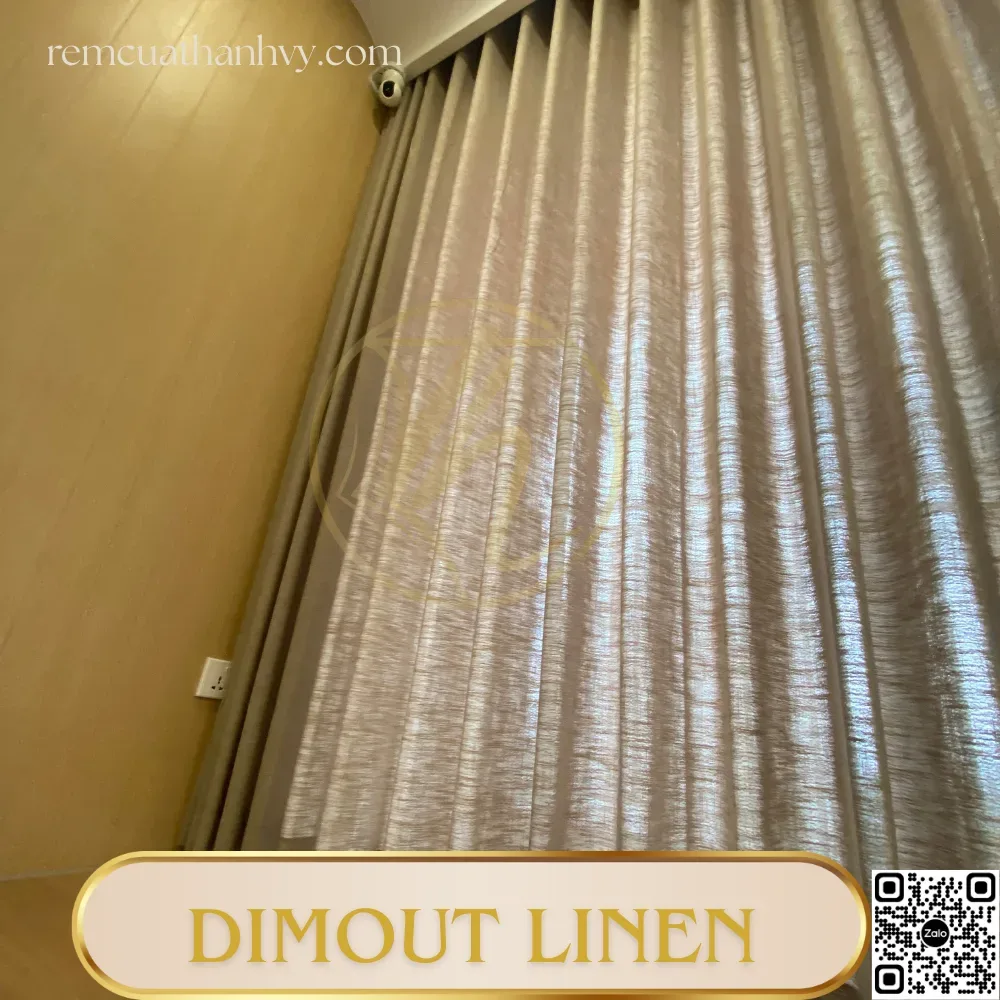
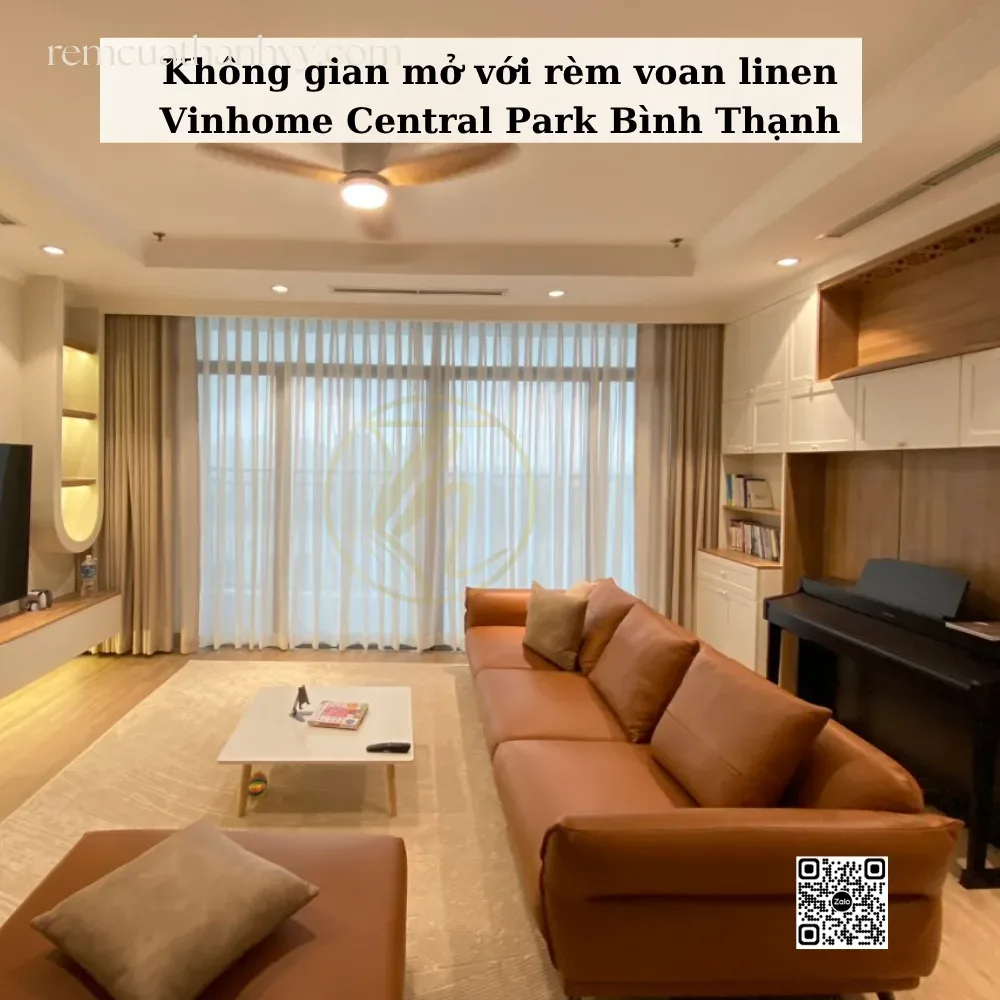
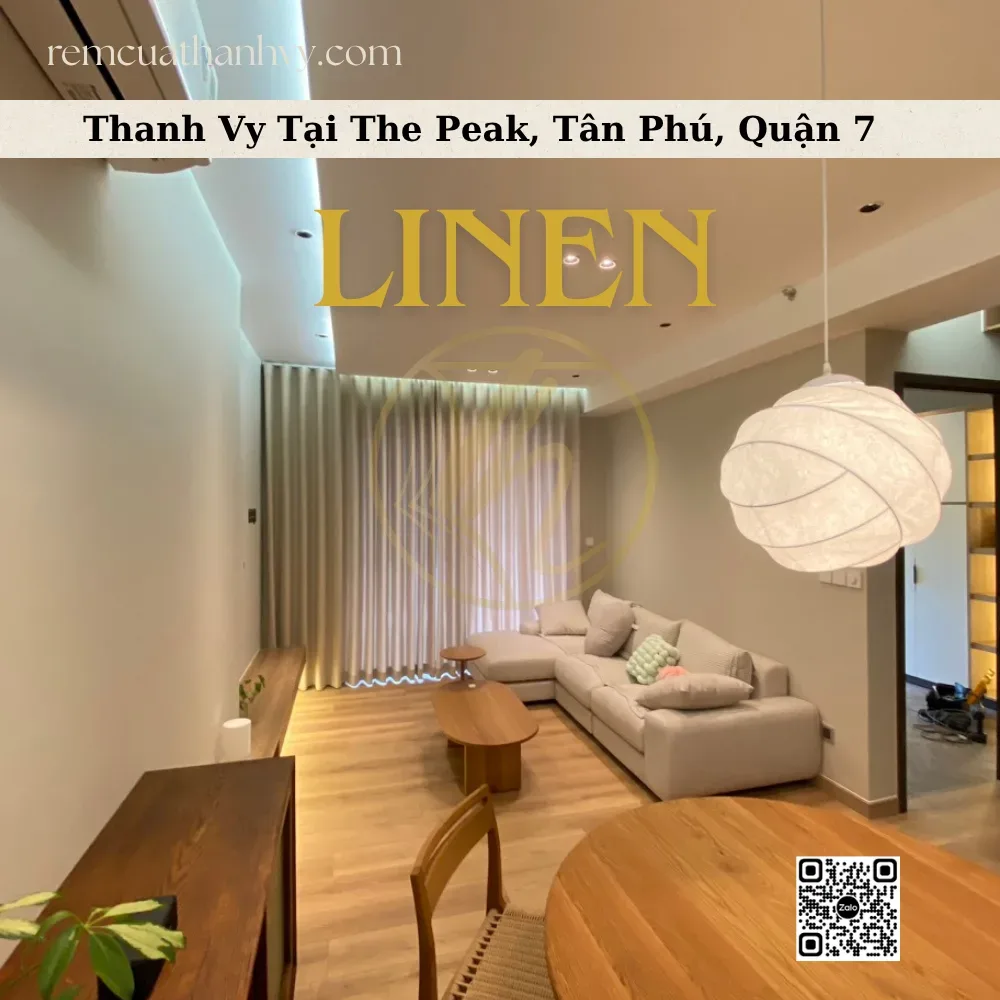
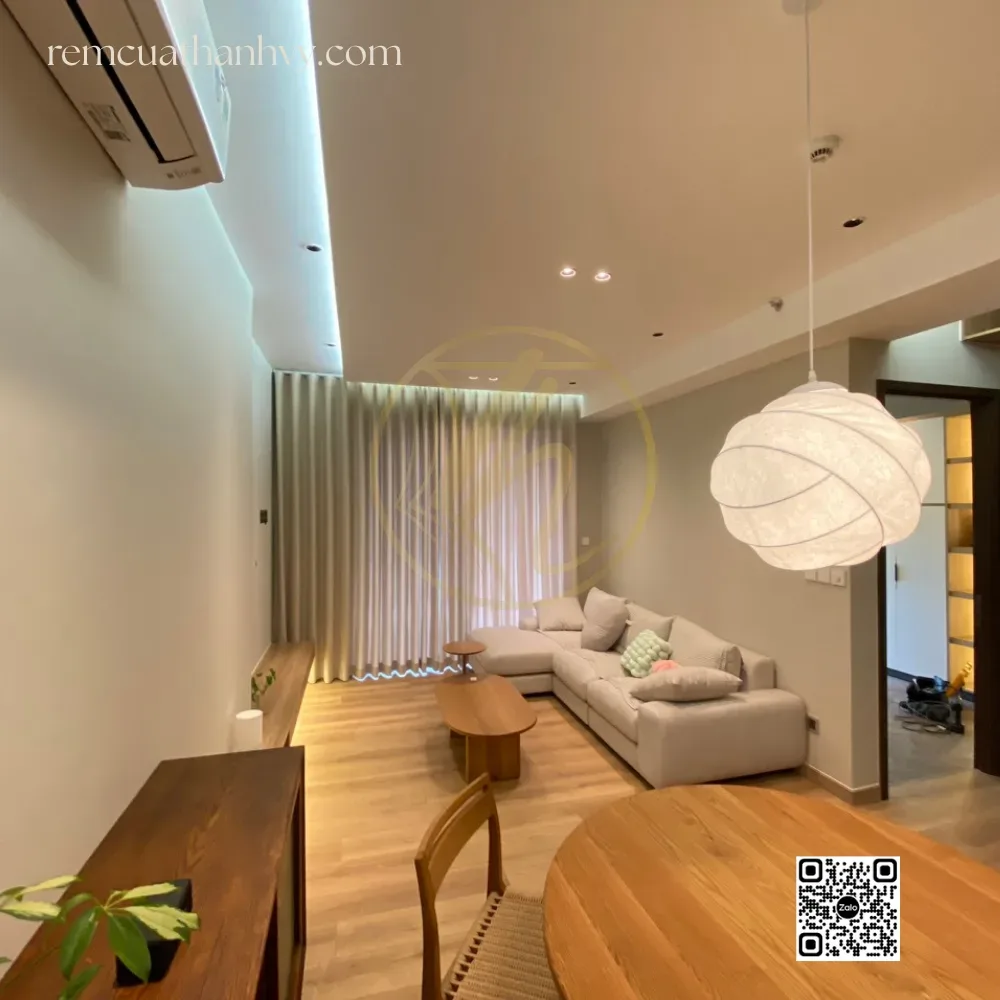
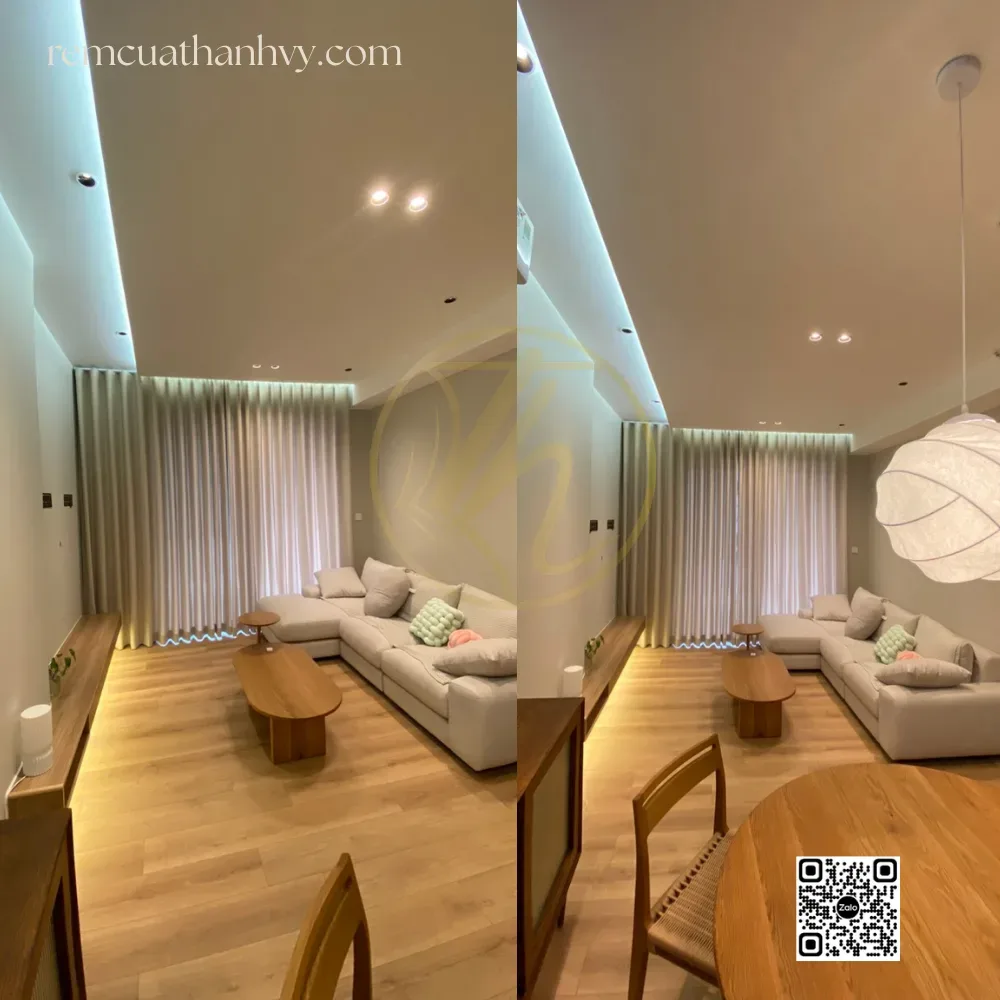
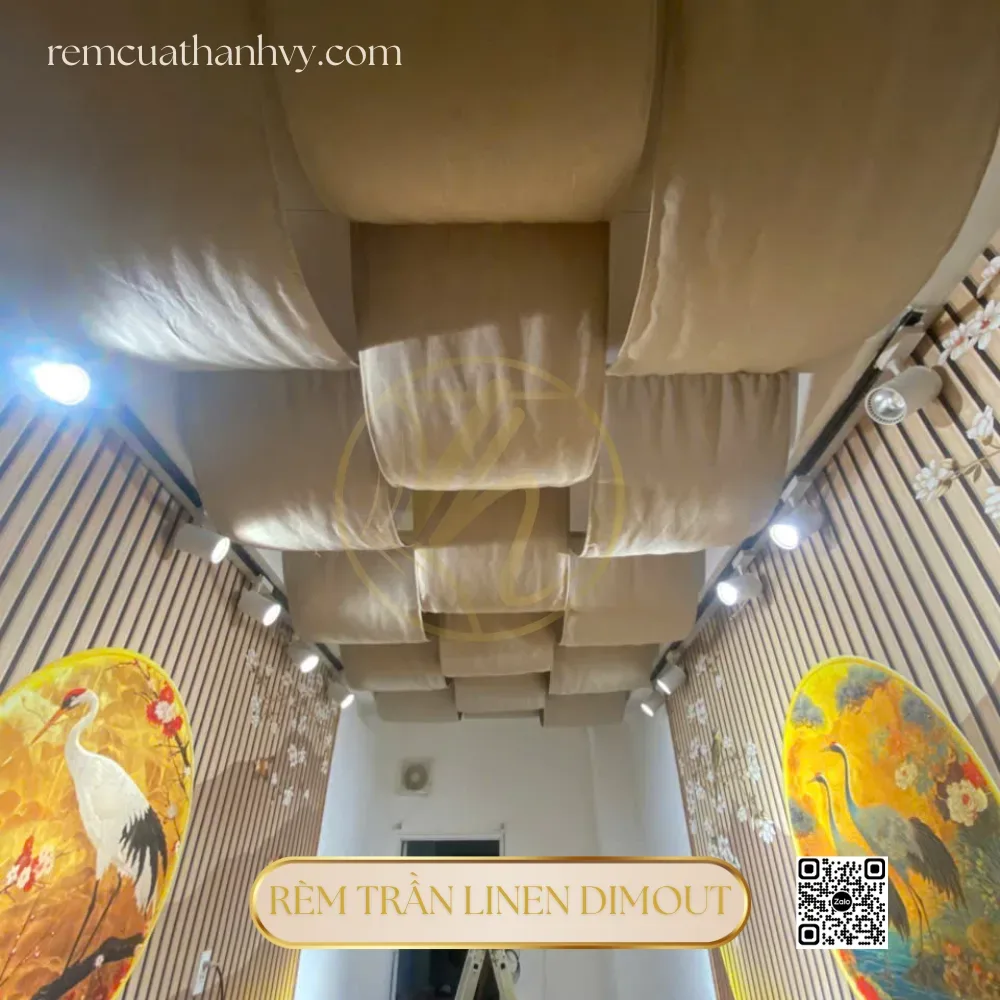
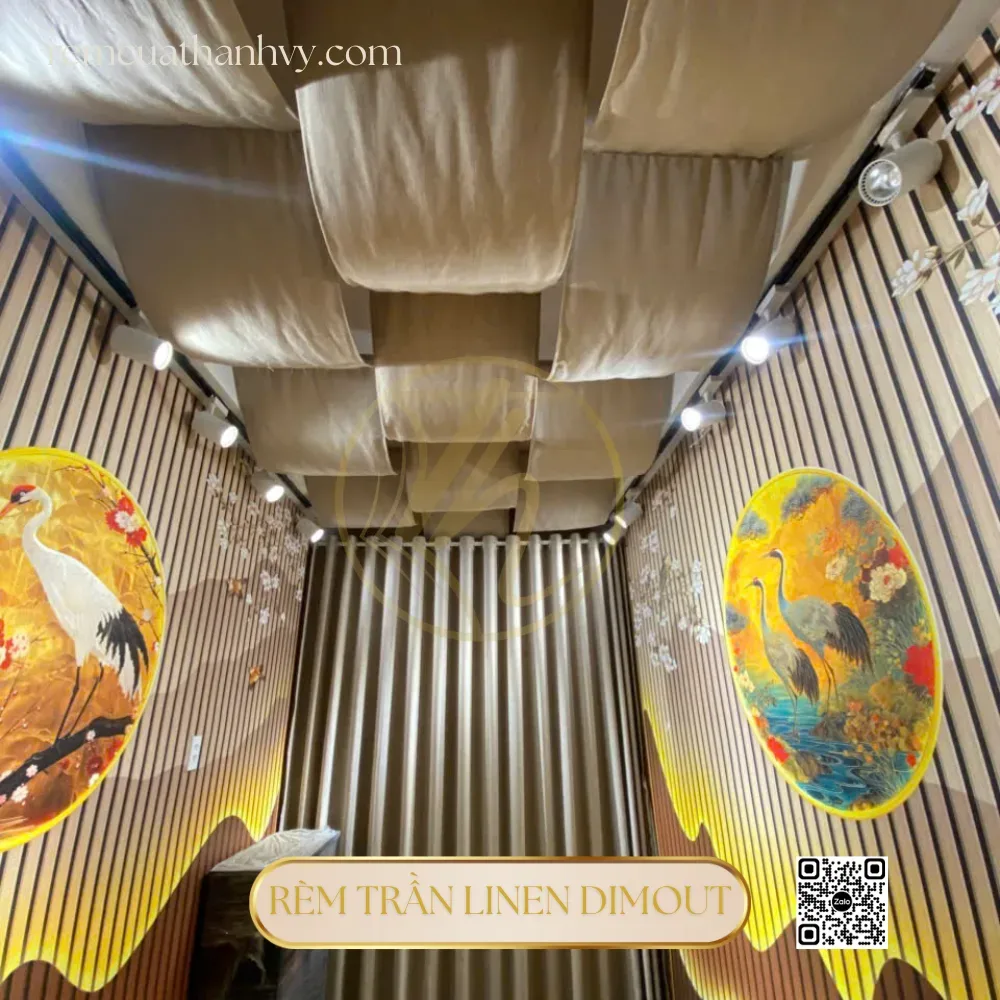
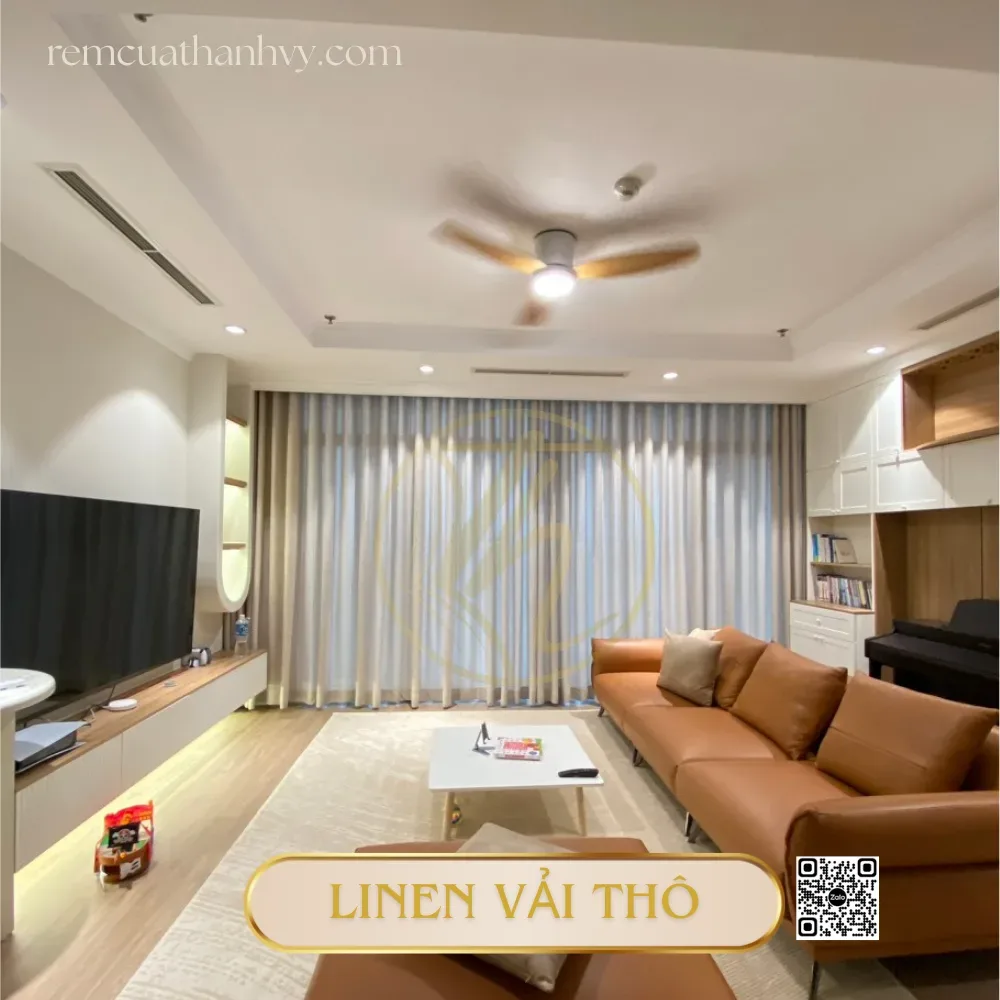
District 8 features a quite diverse range of housing types: from street-facing townhouses along major roads, alley houses near canals, to apartment complexes and newly built condominiums along developing axes. For these housing styles, linen curtains are often considered because they maintain a warm, natural feel for the living space without requiring the complex mechanical systems of roller blinds or honeycomb blinds. This is why District 8 linen curtains are increasingly inquired about by many families when renovating their living rooms or bedrooms. You can refer to the characteristics of linen fabric to better understand the material.
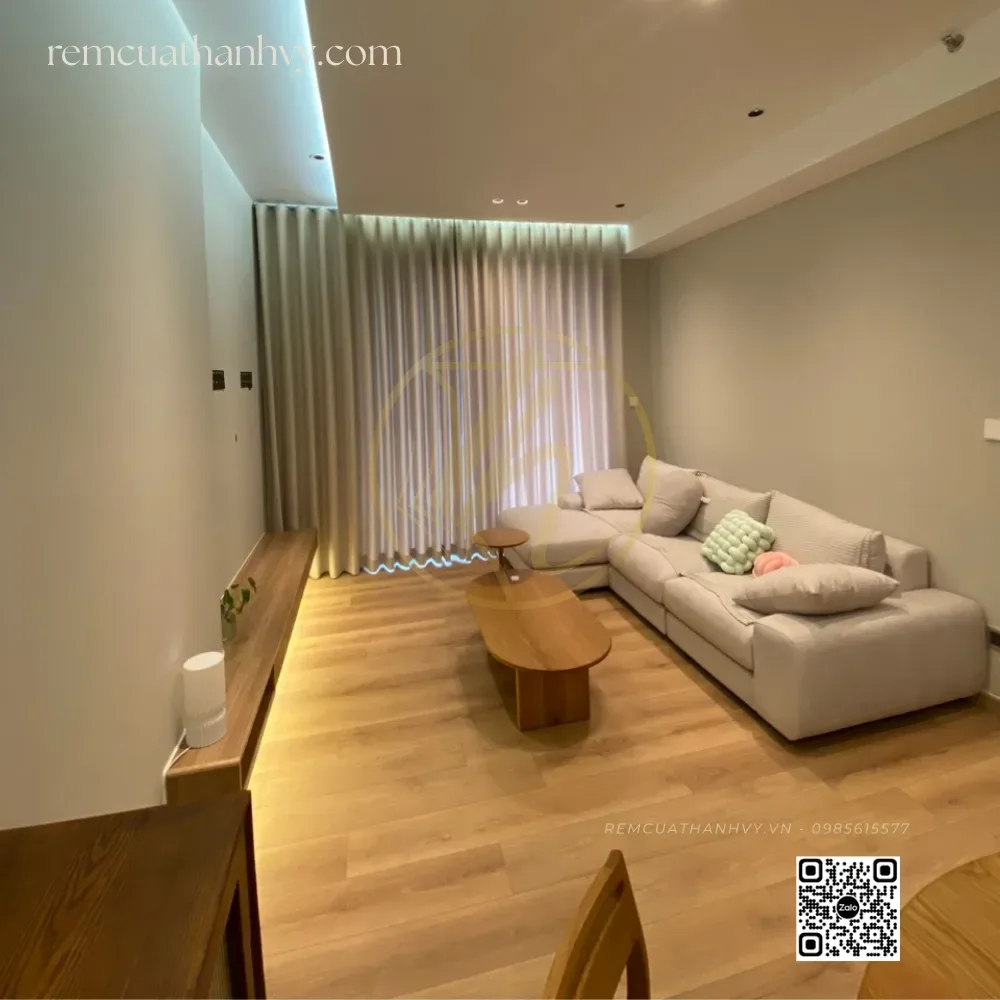
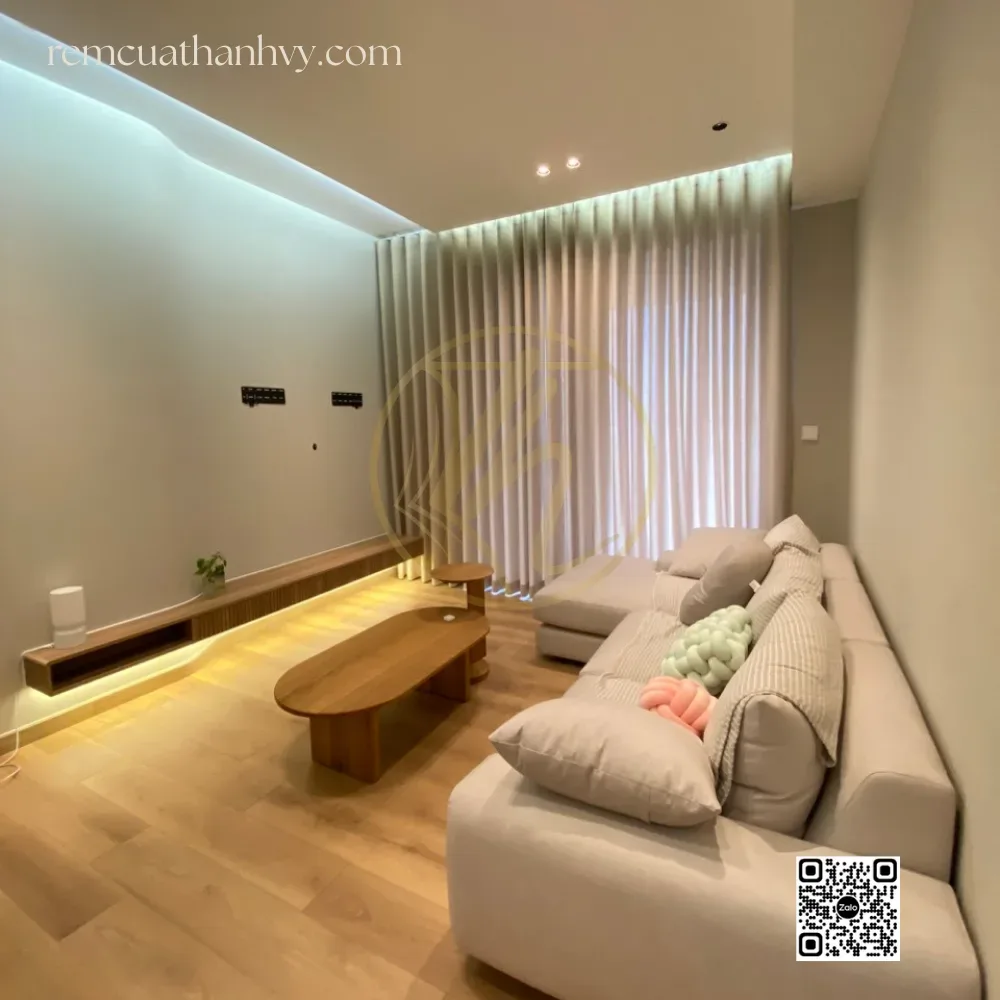
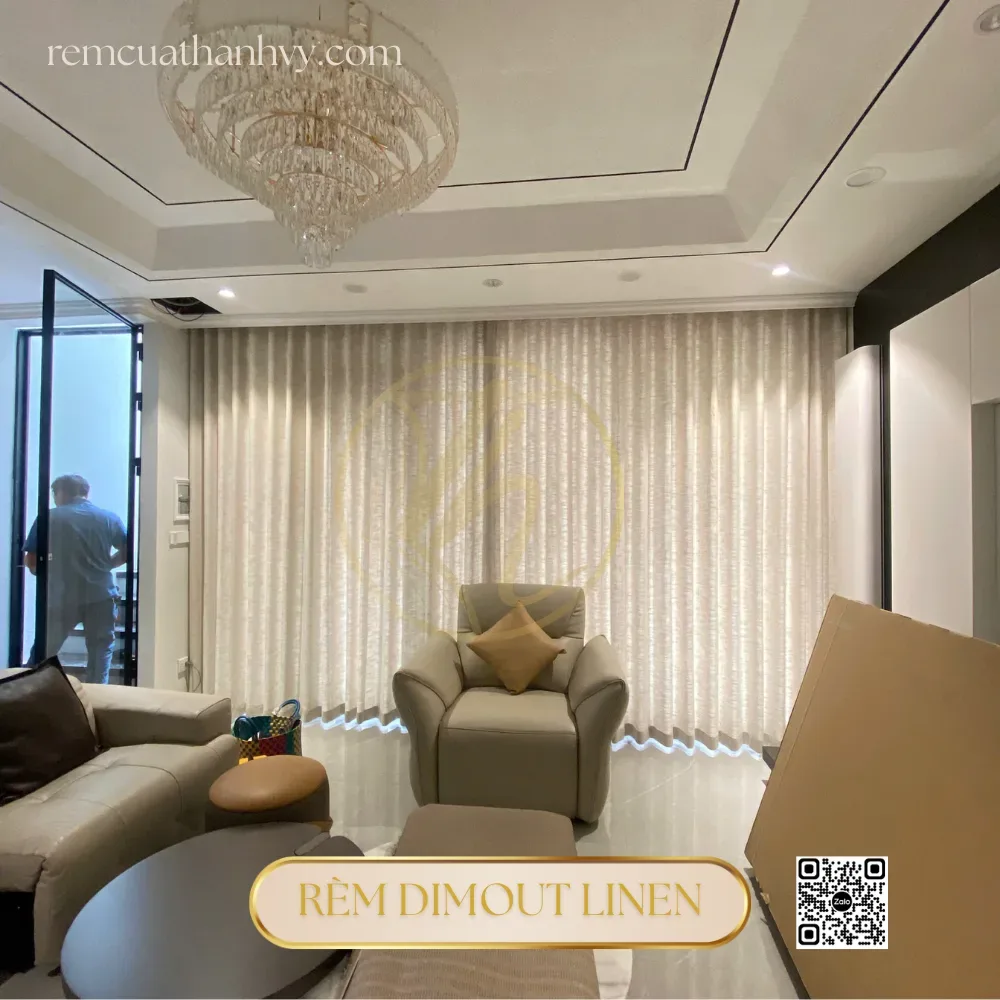
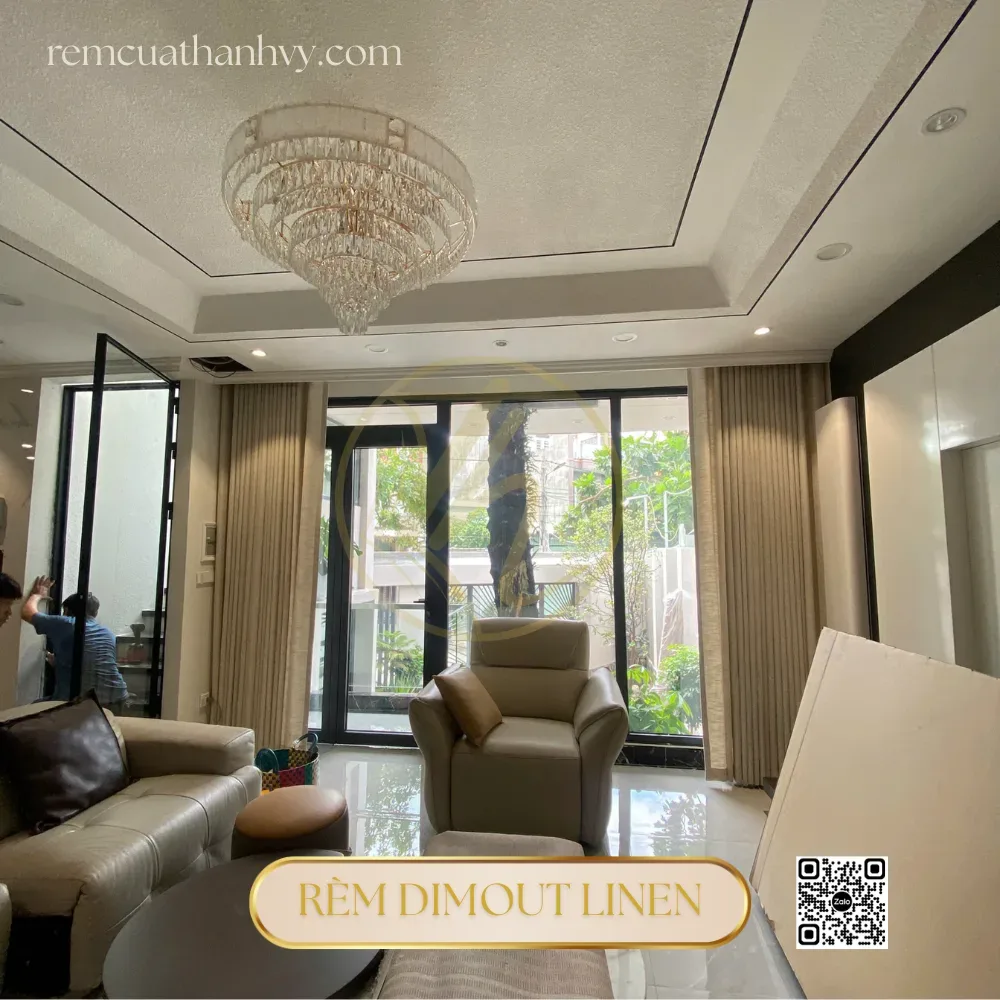
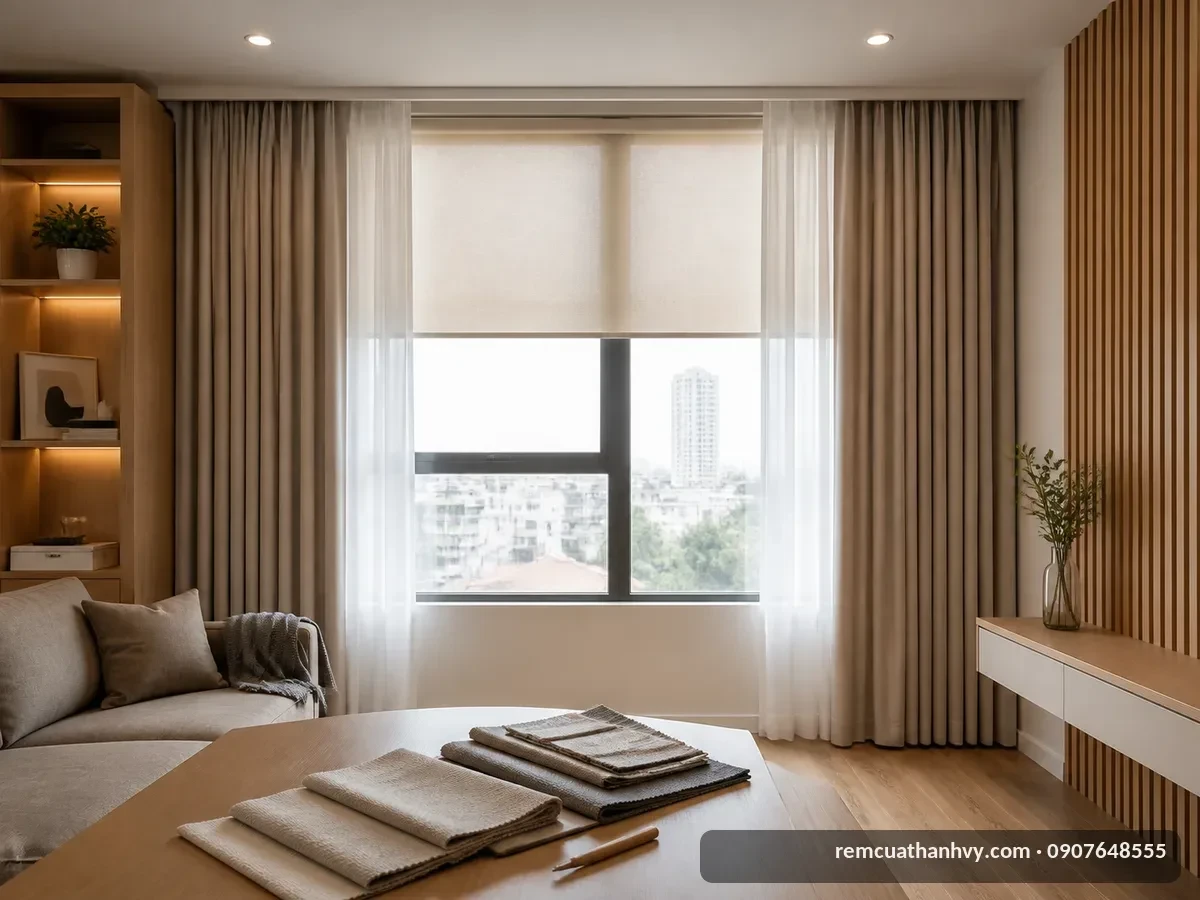
For townhouses with facades directly exposed to sunlight and road dust, linen curtains still perform well if the correct fabric thickness is chosen and a suitable periodic cleaning plan is in place. For apartment complexes with large glass doors, linen curtains are favored because they create a soft feel, reduce the cold and rigid look of aluminum and glass frames, and do not take up much space when opened or closed.
However, not every space suits linen in the exact same way. Living rooms that need to retain daylight have different requirements from bedrooms that require privacy and limited early morning light. Therefore, before finalizing the material, you should clearly define the primary purpose of each room, and then consider the thickness, color, and sewing style that fit the characteristics of your home in District 8.
Characteristics of linen material and why many homes in District 8 choose this curtain type
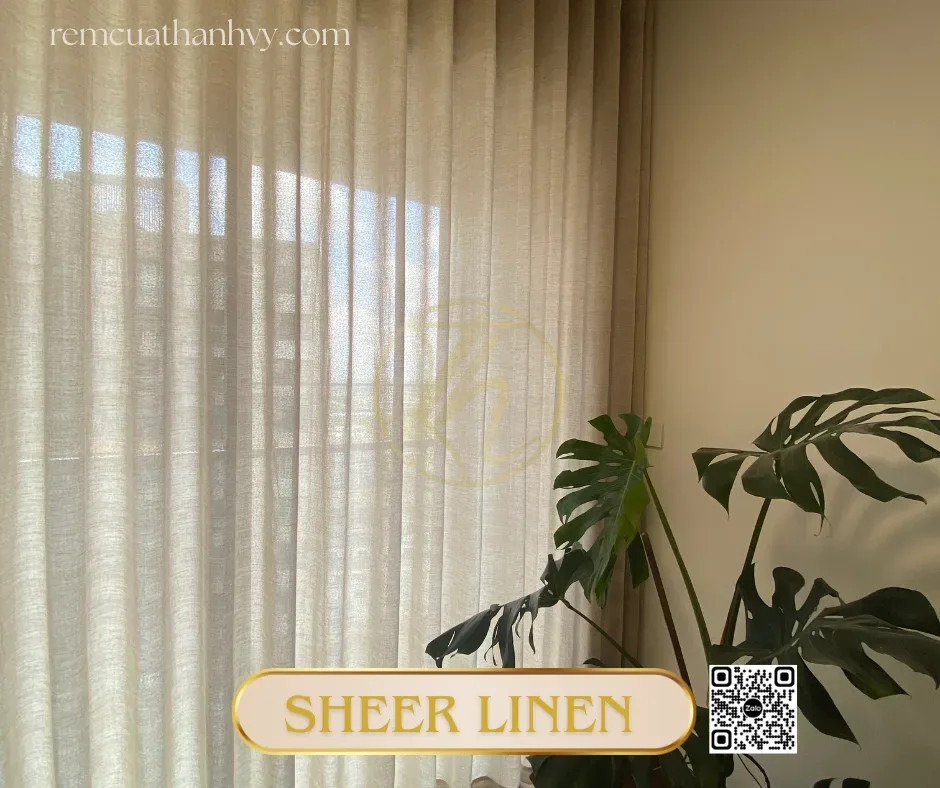
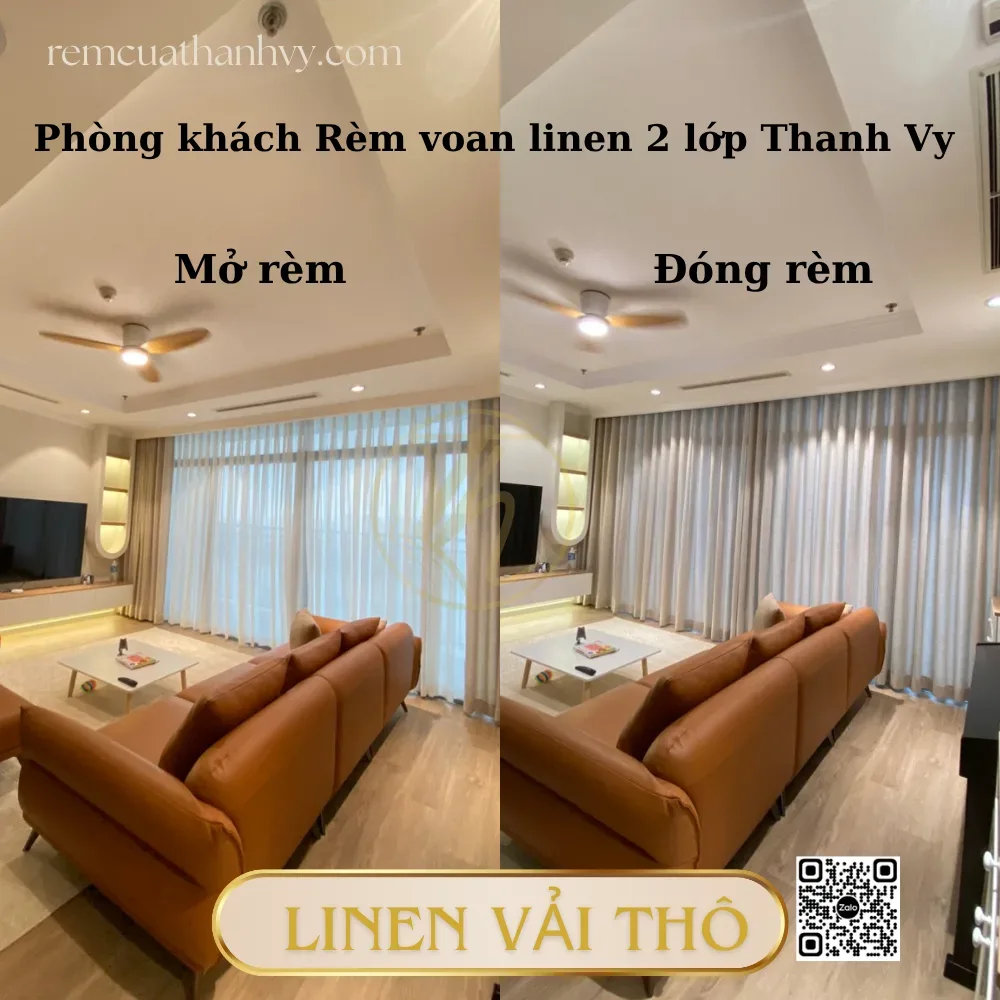
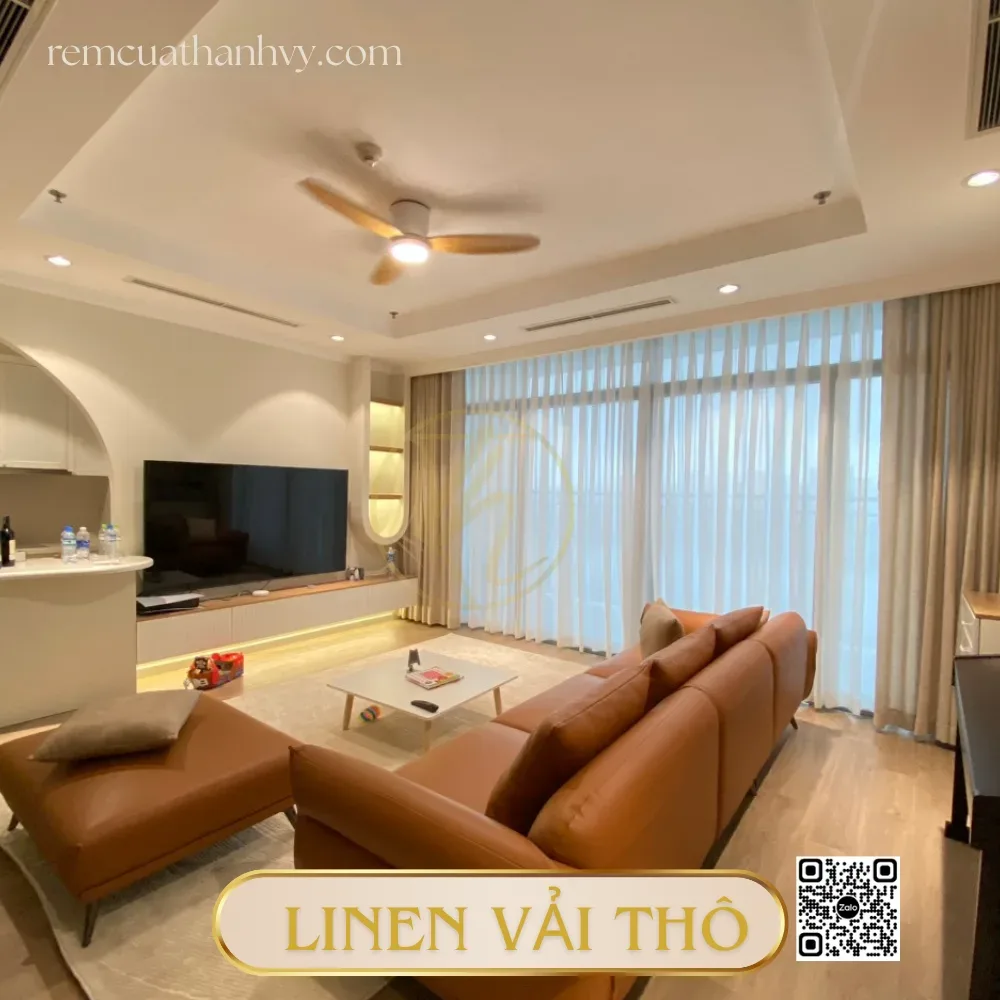
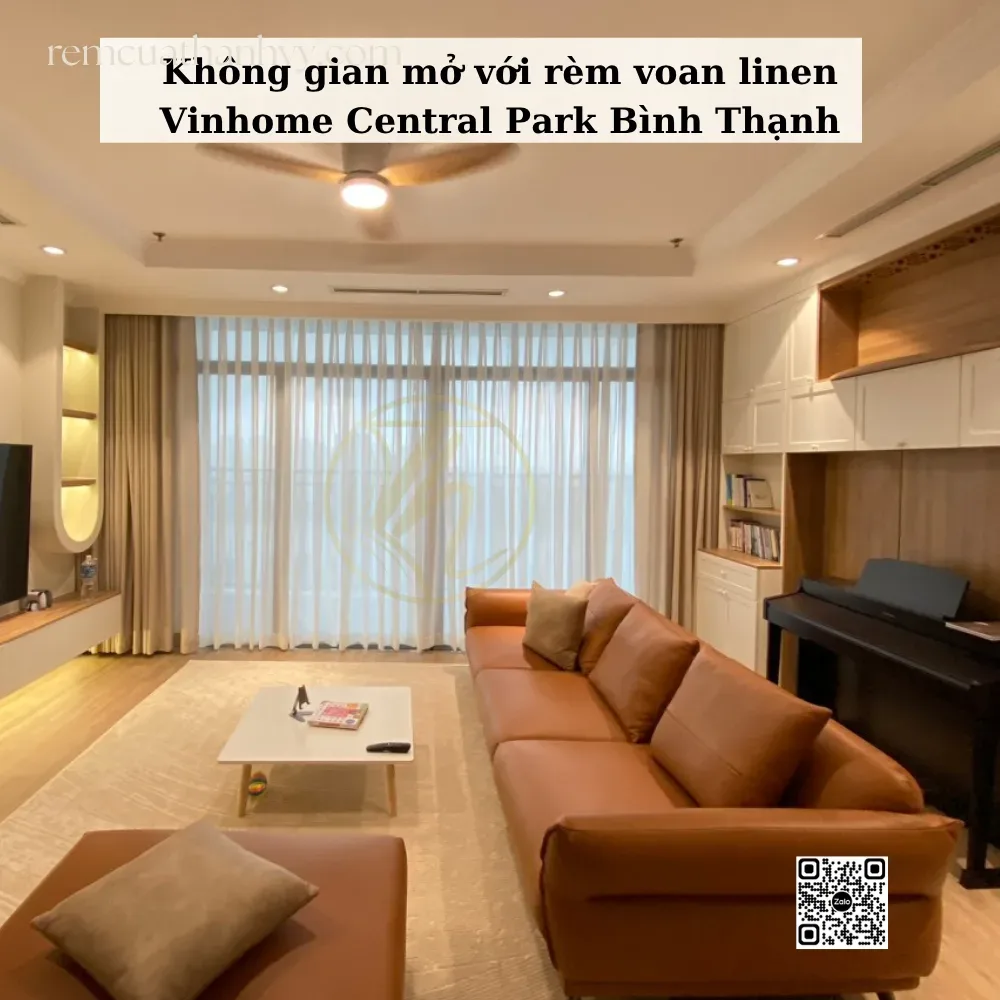
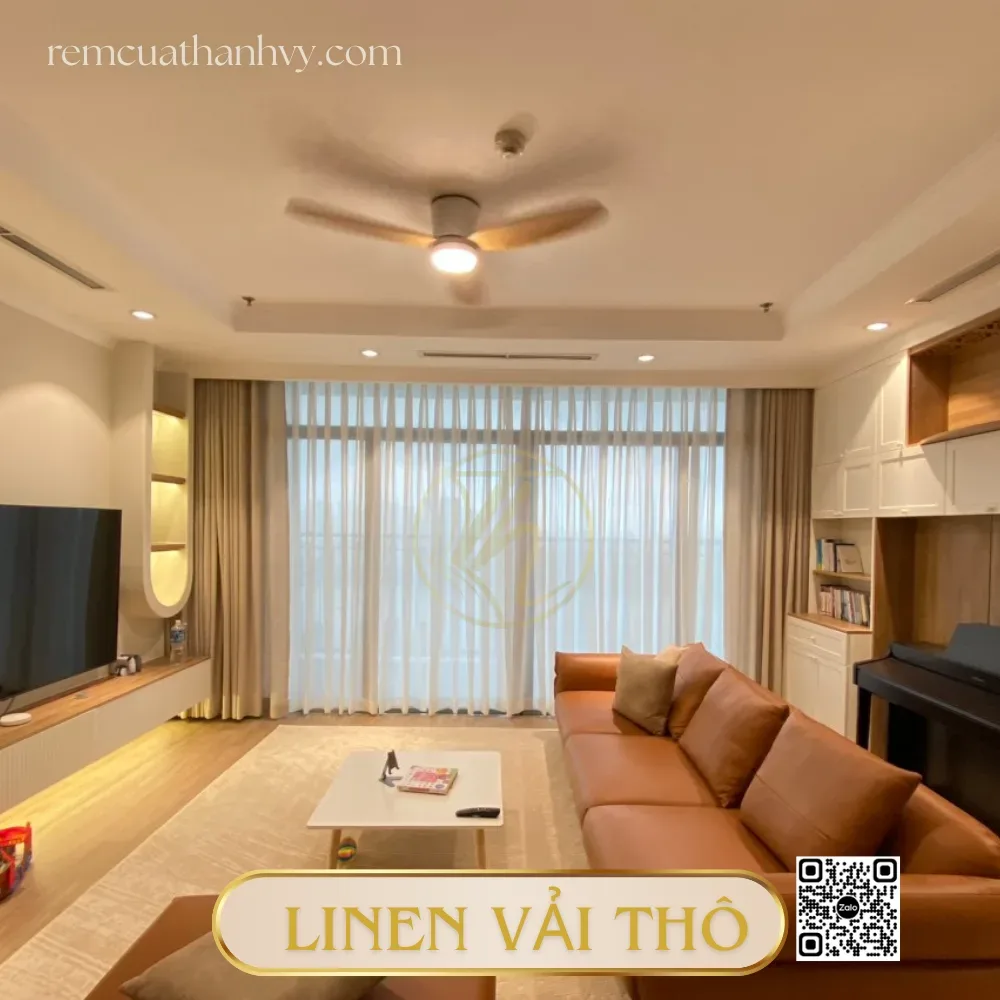
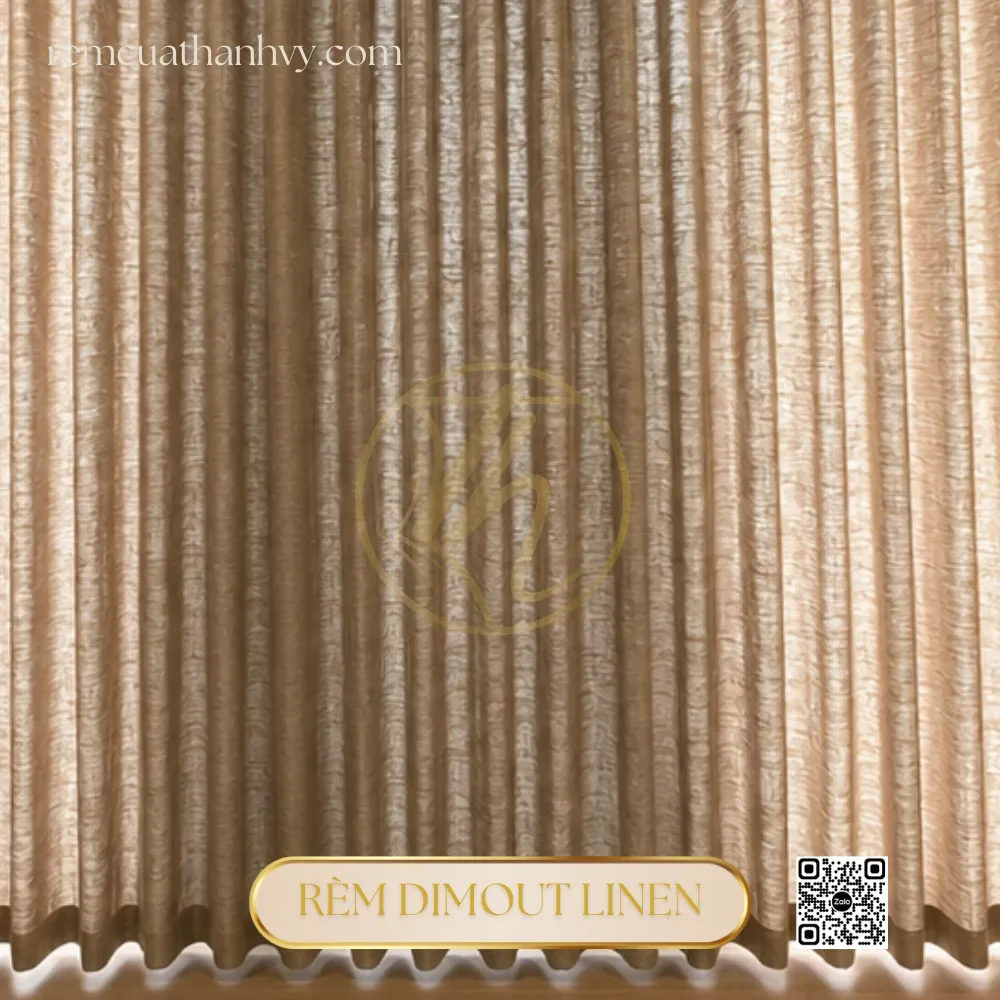
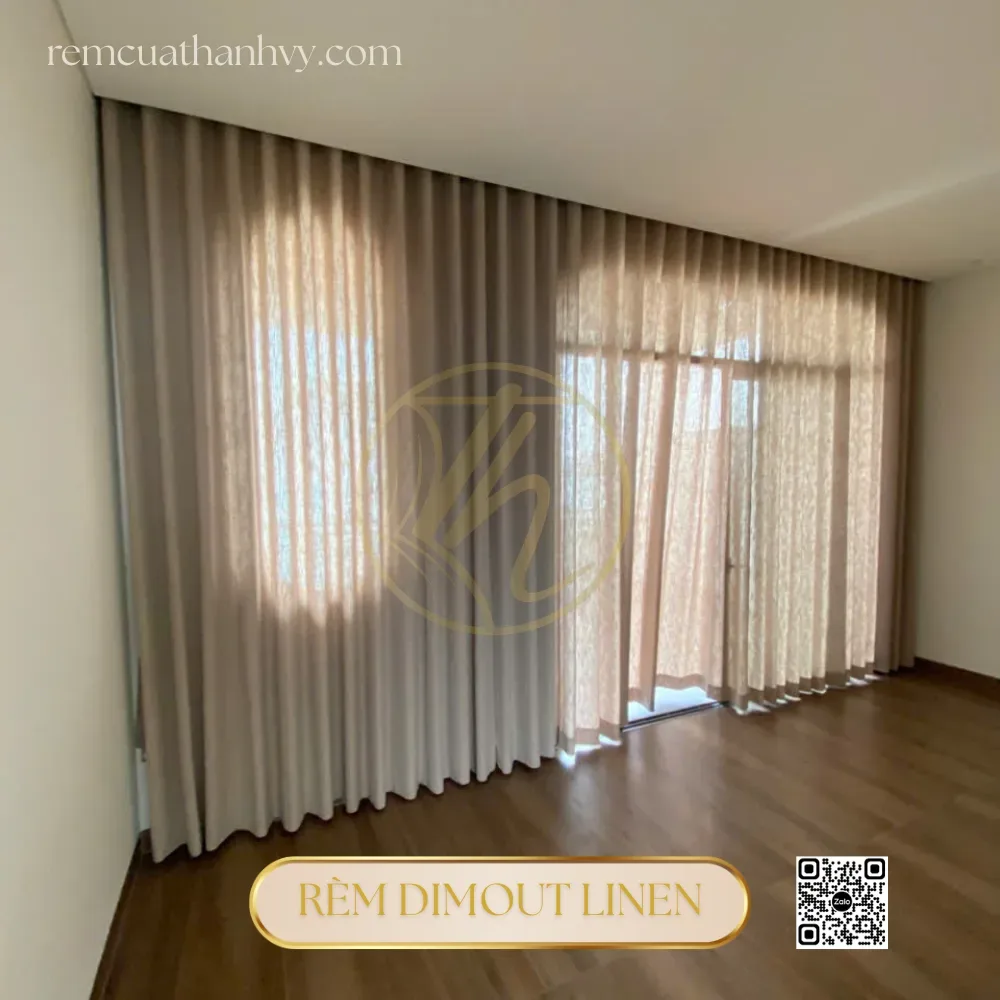
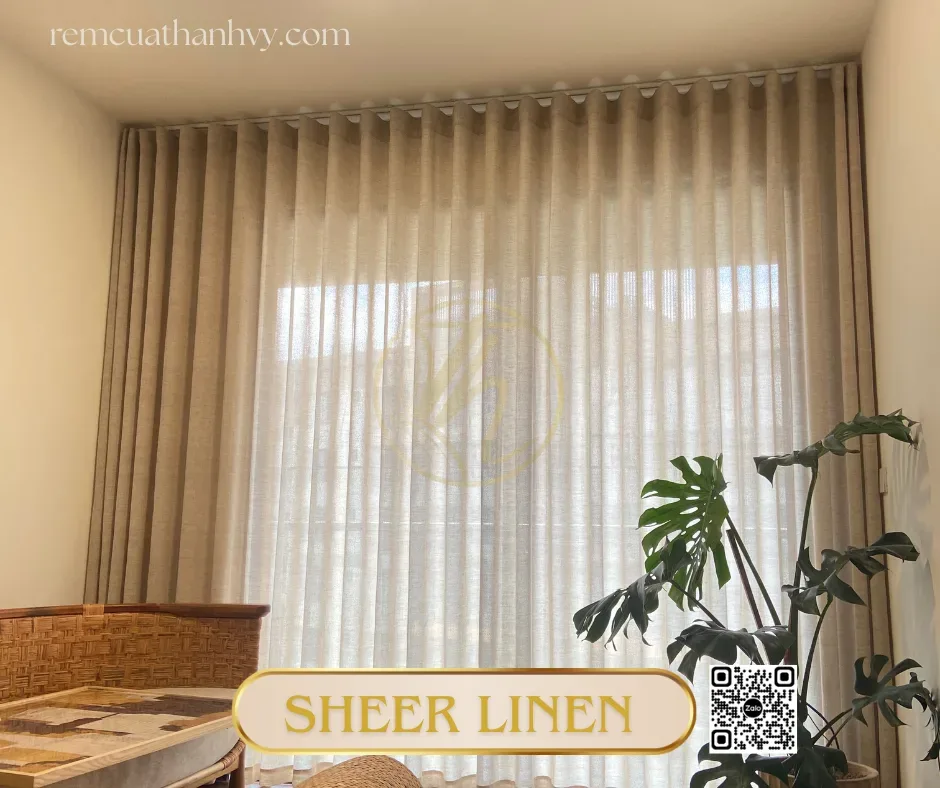
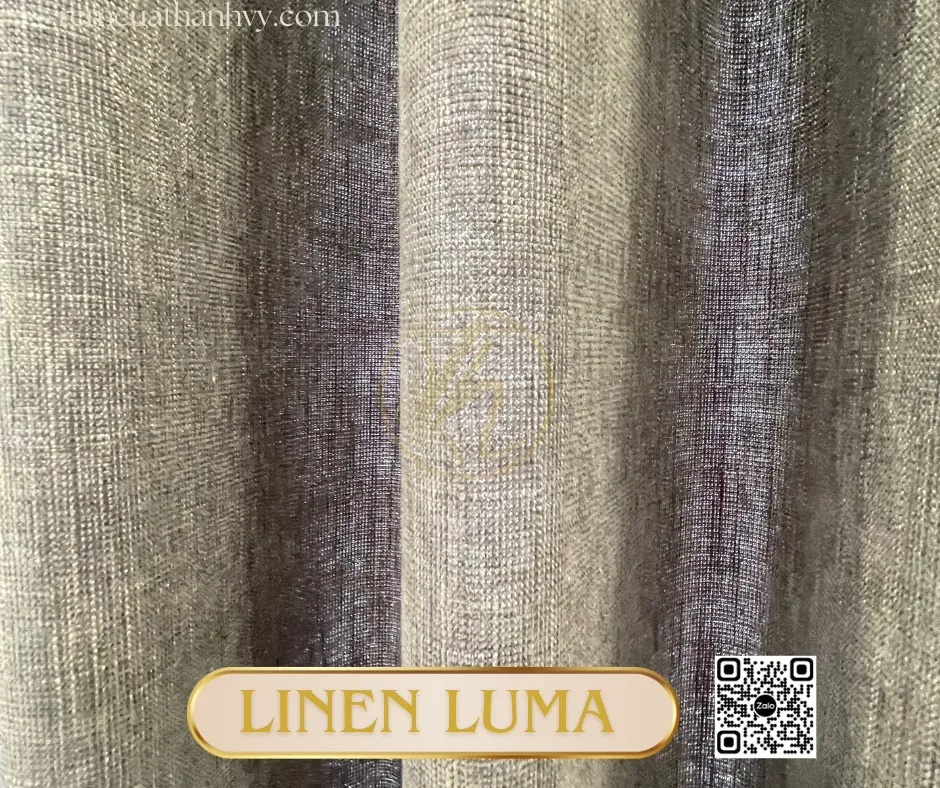
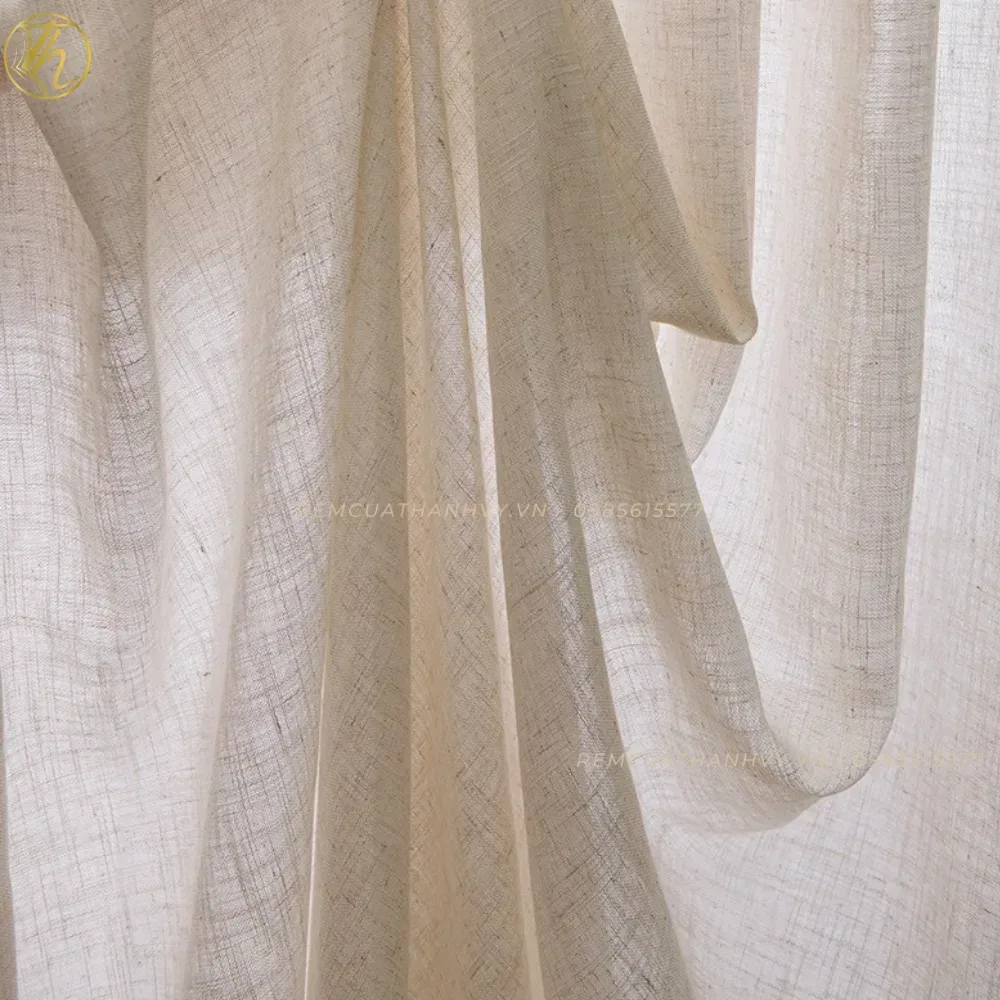
Linen is a fabric woven from flax fibers or linen-blend fibers, featuring a distinct, slightly coarse surface, natural drape, and the ability to gently diffuse light rather than completely block it. This characteristic suits rooms that want soft daylight, bright enough for daily activities, rather than rooms that need complete darkness throughout the day.
Before finalizing your option, you can also check out Fabric Curtains District 3: How to Choose by Room and Need or Fabric Curtains District 6: How to Choose Fabric and Sewing Style.
Important note: Living rooms that need to retain daylight have different requirements from bedrooms that require privacy and limited early morning light.
Given the hot and humid climate and fairly harsh midday and afternoon sun in Ho Chi Minh City in general and District 8 in particular, linen fabric with its breathable weave structure helps keep indoor air less stuffy compared to some thick, blackout fabrics. This is also why many families living in low-ceiling townhouses or homes with few auxiliary windows choose linen instead of heavy fabric lines.
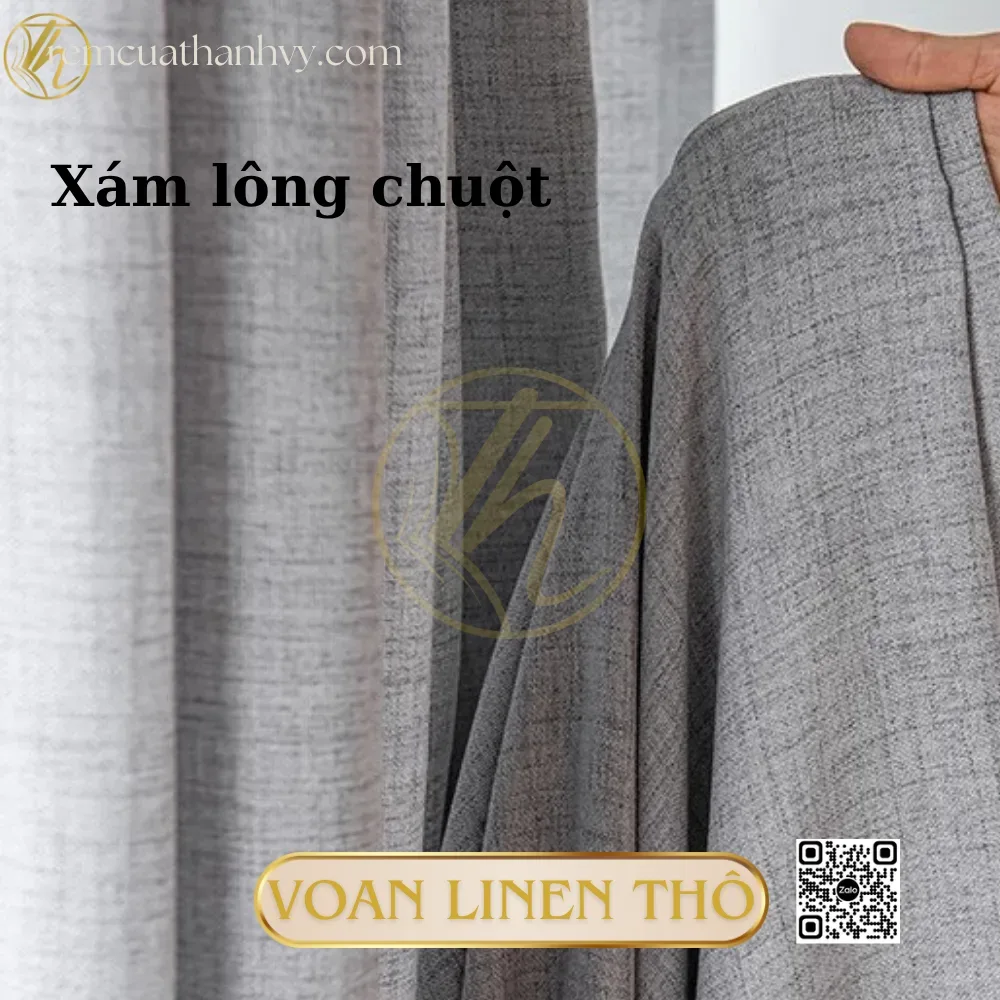
One point to note is that linen types themselves vary in thickness, tight-weaving degree, and fiber blend ratios. Thin linen allows more light to pass through, making it suitable for the main curtain layer in the living room. Thicker and more tightly woven linen blocks light better, but if near-total blackout is needed for the bedroom, it is still advisable to combine a lining or secondary curtain instead of expecting a single-layer linen to shoulder that entire role.
Choosing linen color and fabric thickness according to actual lighting conditions
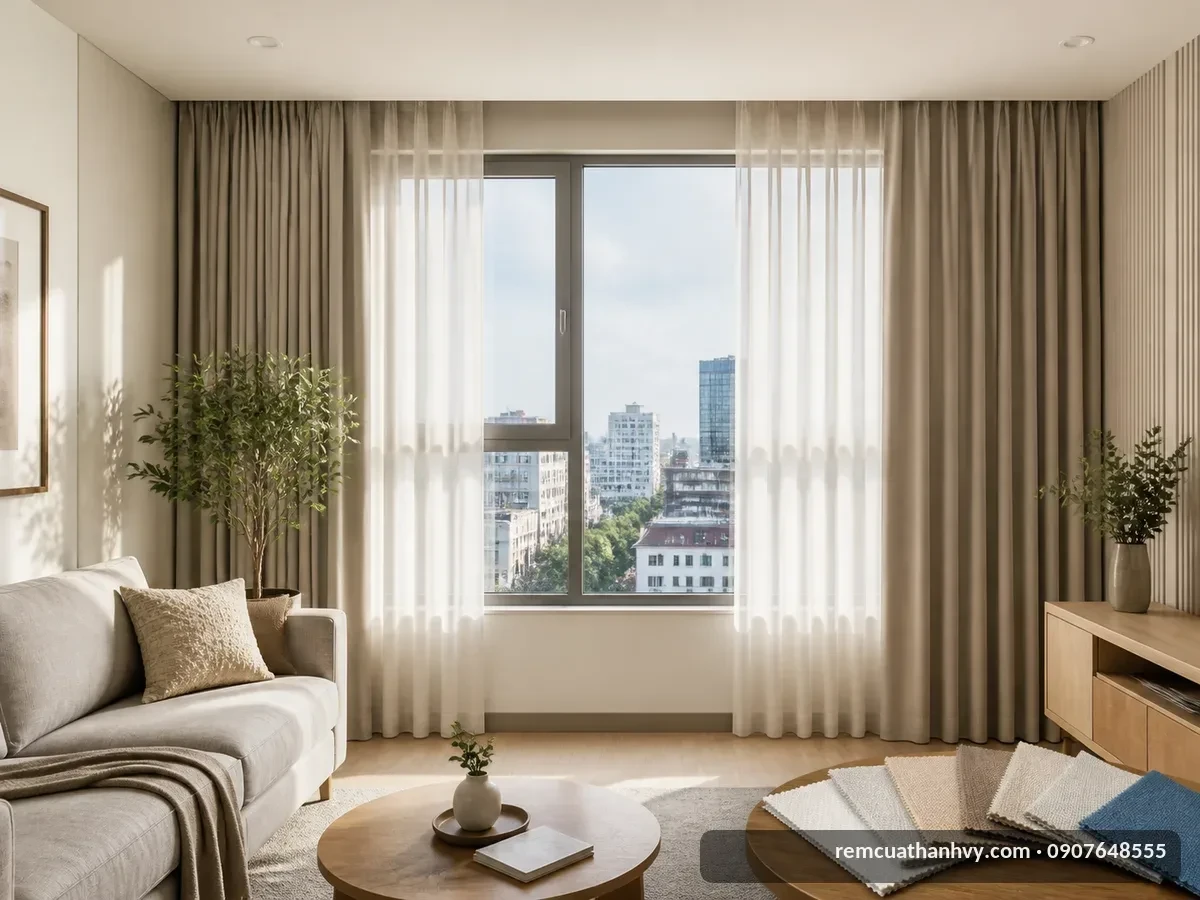
For homes in District 8 with west-facing facades or those exposed to harsh afternoon sun, neutral to slightly subdued linen tones such as beige, smoke grey, or light brown should be prioritized, as these tones tend to show dust streaks or sunlight-induced fading much less quickly than pure white tones. Conversely, if windows mainly receive indirect light or are located in alleys with little direct sun, lighter linen tones like ivory white, cream, or soft pastels will help spaces feel more airy and bright.
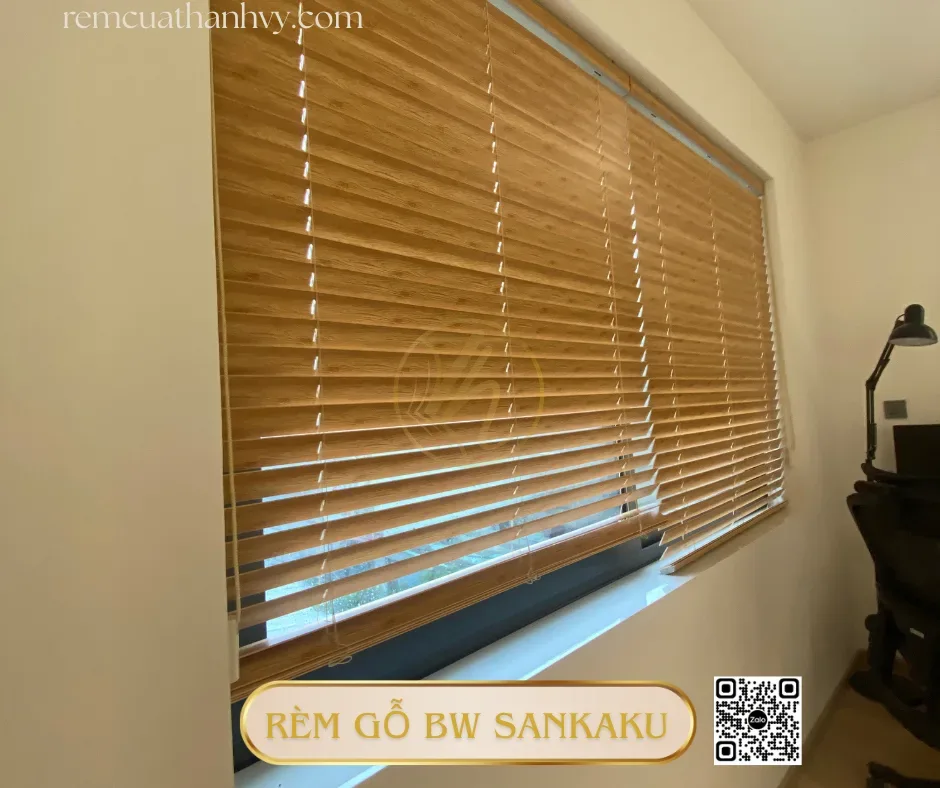
Fabric thickness should be chosen based on the usage purpose of each room rather than applying a single type uniformly across the whole house. Living rooms typically prioritize thin to medium linen to maintain natural light during the day, especially if the living room also serves as a reception area requiring an open feel. Bedrooms should consider thicker linen or a paired blackout lining, particularly for bedrooms with windows facing major roads in District 8, where street lights or light from neighboring houses can disturb sleep if only a single thin layer of fabric is used.
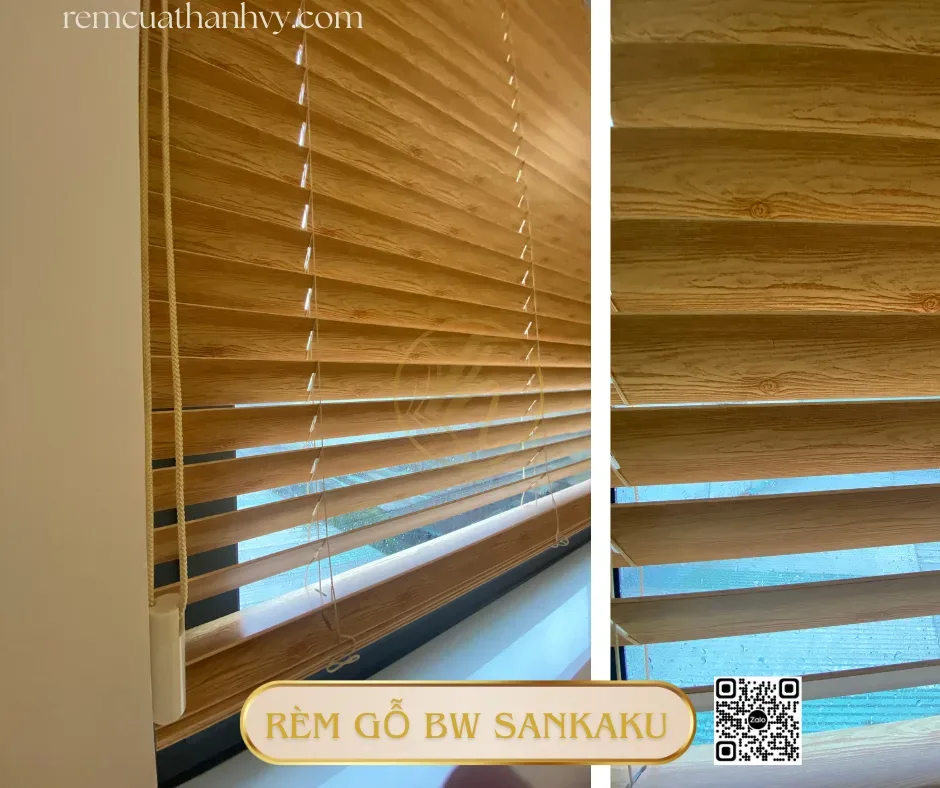
A common mistake is choosing colors and thickness solely based on sample images viewed on a phone or catalogue, while the actual lighting of each room varies greatly. The exact same beige linen sample, when hung in a room receiving direct morning sun, will feel much warmer than when hung in a room with only indirect afternoon light. Therefore, before finalizing colors, you should request physical fabric samples and observe them under the lighting of the exact room to be installed, rather than relying solely on photographs or online illustrations.
Sewing style and hanging method determine the finished feel of the linen curtain set
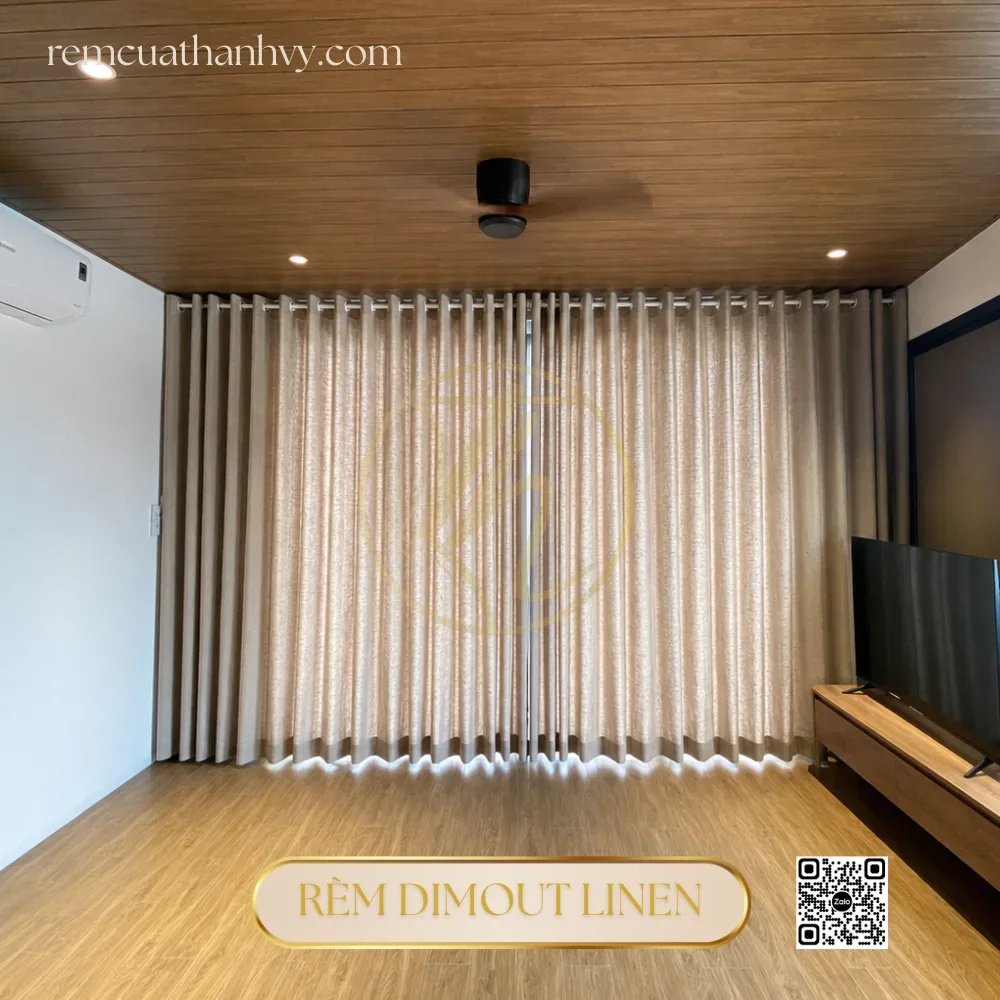
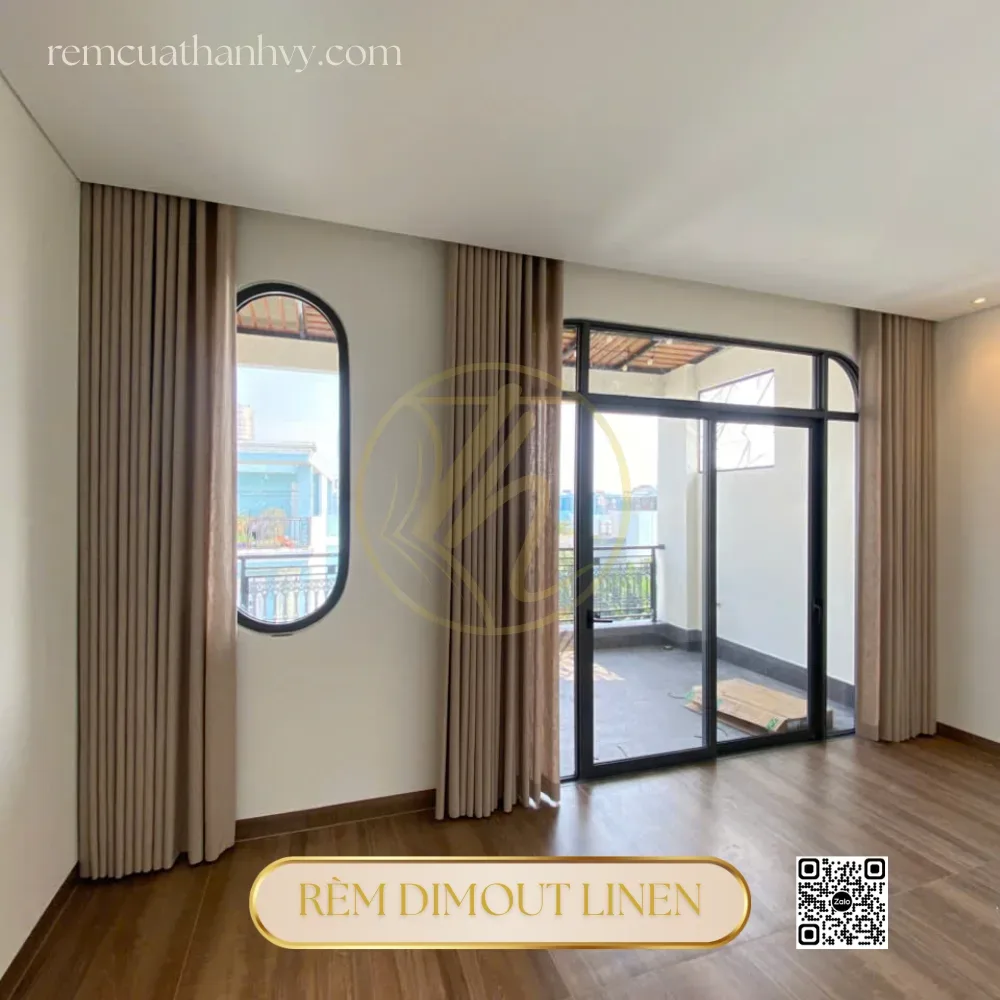
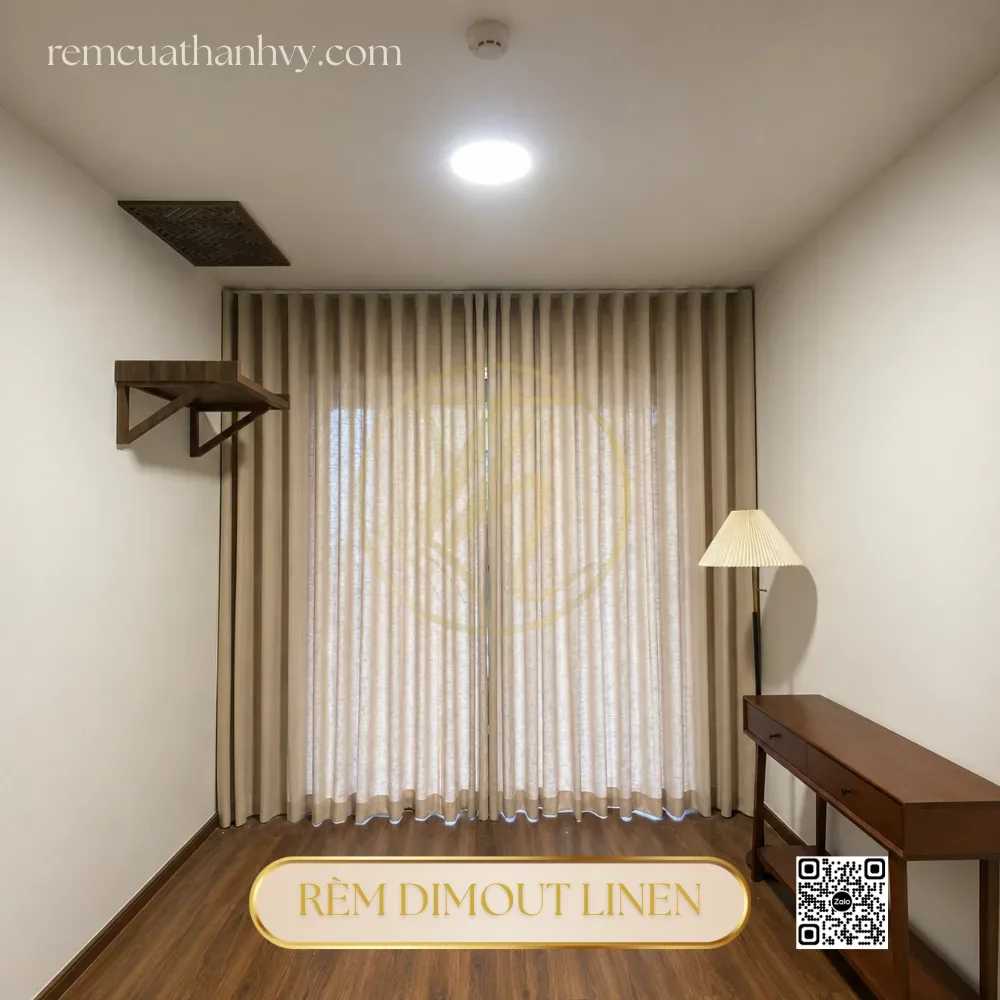
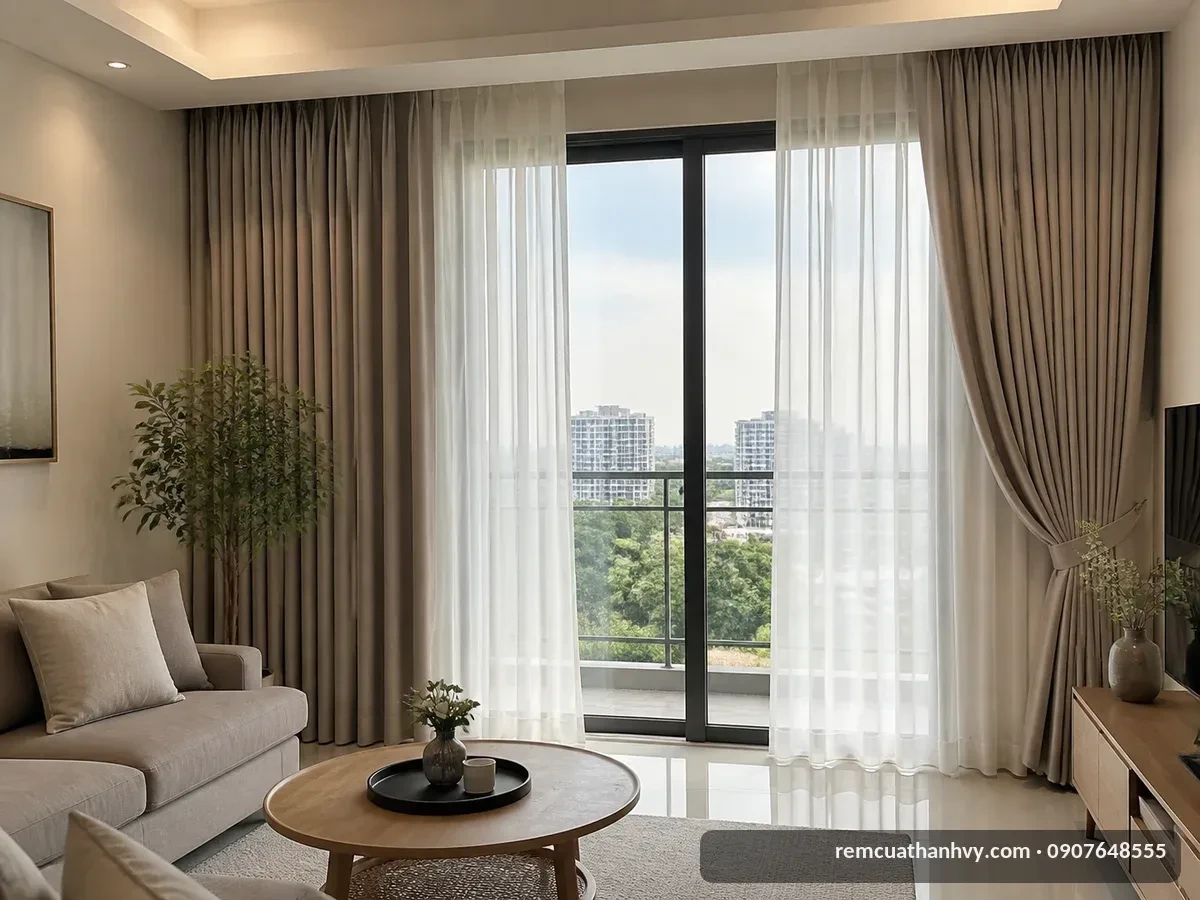
The sewing style directly affects the drape and the soft or neat feel of the linen curtain set. Traditional pleating creates a beautiful, luxurious drape, suitable for high-ceiling rooms and generous window widths, commonly found in wide-frontage townhouses in District 8. For apartments with smaller windows or furniture close by, a simple sewing style with fewer pleats keeps the curtain set tidier, avoiding bulkiness when opening and closing.
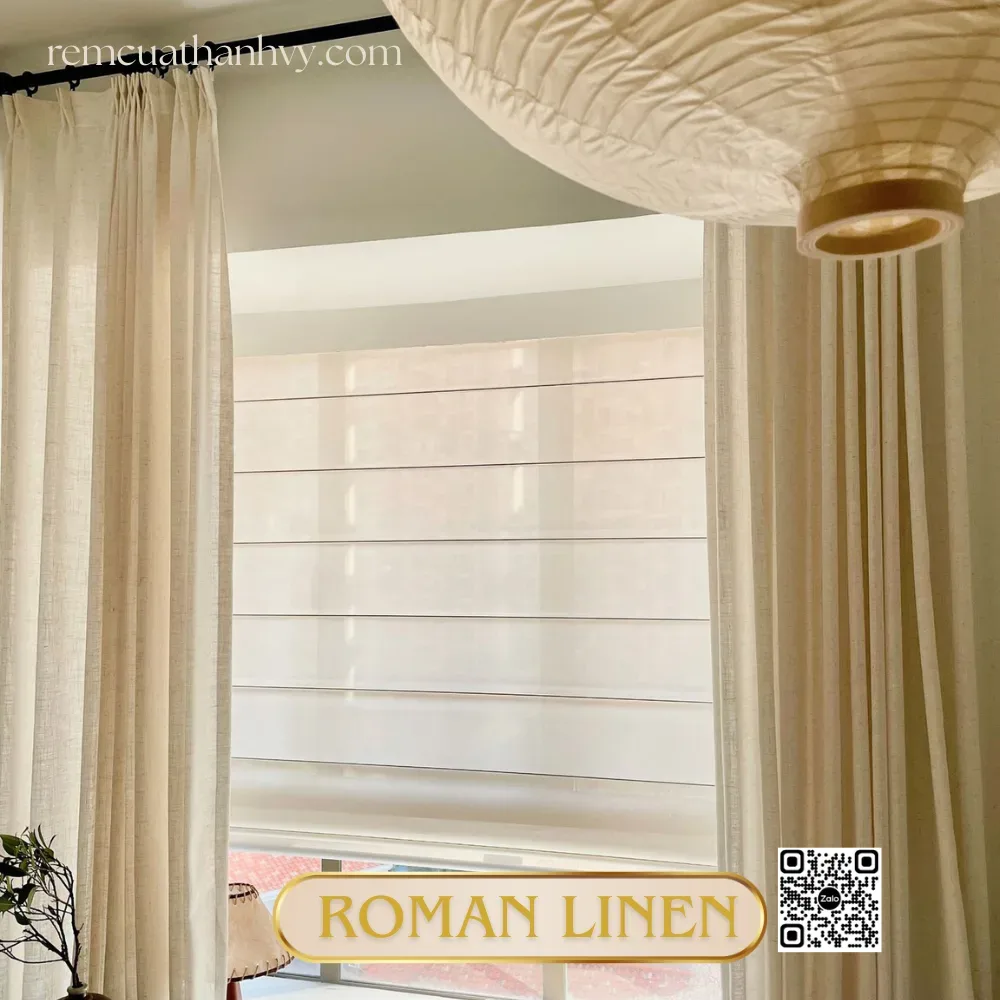
The hanging method also contributes to the finished feel. Track hanging helps curtains operate smoothly with minimal exposed mechanical details, fitting modern, minimalist spaces. Rod hanging can create decorative accents if the overall style leans toward warmth and rusticity, but ceiling height and distance to the window frame must be noted to avoid light gaps on the sides or top.
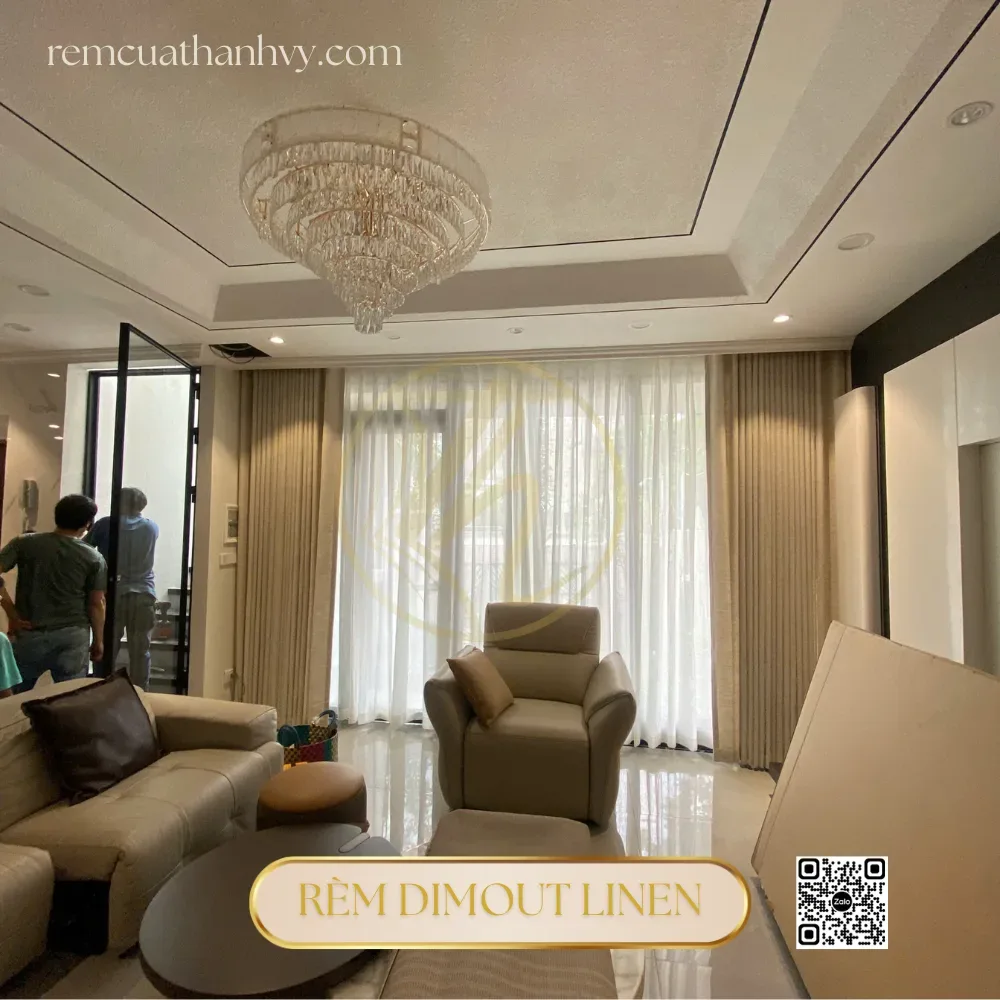
Additionally, the curtain stack-back space when opened must be calculated in advance so it does not interfere with air conditioners, cabinets, or door handles, especially for medium and small townhouses in District 8. Determining the curtain gathering space in advance not only keeps the curtain set neat but also prevents the linen fabric from constantly rubbing against obstacles, which leads to fuzzing or fading right at those specific spots.
Preliminary survey and measurement process before tailoring on-site linen curtains
With on-site tailoring services, the initial survey step typically begins with recording preliminary measurements and overall photos of the window opening before the construction unit visits your home. Information to prepare includes the width of the window frame to cover, the intended hanging height, clearance space on both sides of the window, positions of obstacles like air conditioners and cabinets, and the room’s main sun orientation during the day.
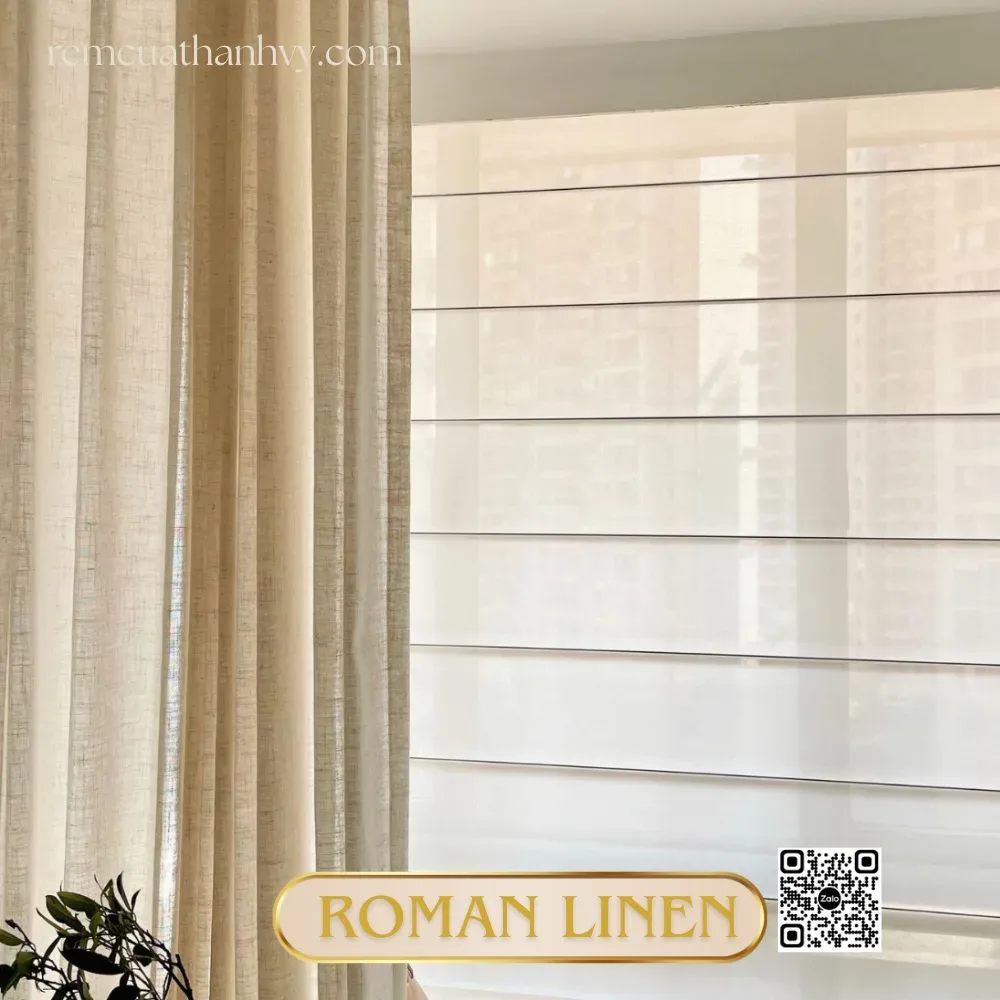
During the on-site survey, the construction unit must accurately re-measure window frame dimensions, check the flatness of the ceiling and walls at intended track or rod installation spots, and observe actual daily lighting directions if possible. For homes in District 8 with plaster ceiling structures or unique window frames like arched or split-level windows, this survey step becomes even more crucial to prevent issues during actual installation.
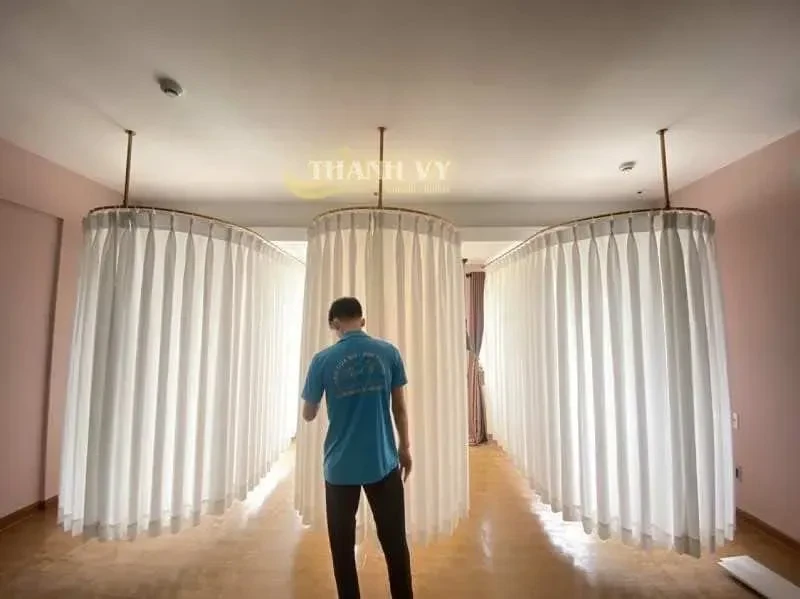
Once measurements and current conditions are obtained, the tailoring unit should provide specific advice on linen types, sewing styles, and hanging methods based on the exact lighting conditions, area, and usage purpose of that room, rather than applying a generic configuration to every home. This is also the time to proactively ask about completion timelines and what items are included in the final quotation. Readers can cross-reference further via the article in An Giang Newspaper about Thanh Vy high-end fabric curtains.
Checklist to finalize before ordering custom linen curtains
Before placing a formal order, you should review several points to avoid adjustments after the curtains are completed. First is the primary objective of the curtain set: softening light, increasing privacy, or serving mainly as a decorative element. Next is whether the chosen linen color and thickness truly suit the room’s light orientation when observing real samples, rather than relying solely on photo impressions.
The third point to finalize is whether the sewing style and hanging method match ceiling height, window width, and surrounding obstacles. If undecided between two options, you should request side-by-side descriptions under the same criteria: drape, gathering stack when open, light-blocking level, and cleaning difficulty, to make a fair comparison instead of looking solely at price.
Finally, for families with young children or pets, you should check the handling plan for pull cords or operational mechanisms if the curtain set uses corded tracks, ensuring cords are neatly secured and placed out of children’s reach. This is a basic safety factor that should be clearly confirmed with the construction unit before closing the order, and should not be bypassed just to focus on aesthetics and cost.
Things to note when choosing an on-site linen curtain tailoring unit in District 8
When searching for an on-site linen curtain tailoring unit in District 8, prioritize providers ready to thoroughly survey actual current conditions before quoting, rather than giving quick estimates based on a few area figures over the phone or messages. A professional team typically asks clearly about sun orientation, usage purposes per room, ceiling types, and surrounding obstacles near windows before advising on suitable materials and sewing styles.
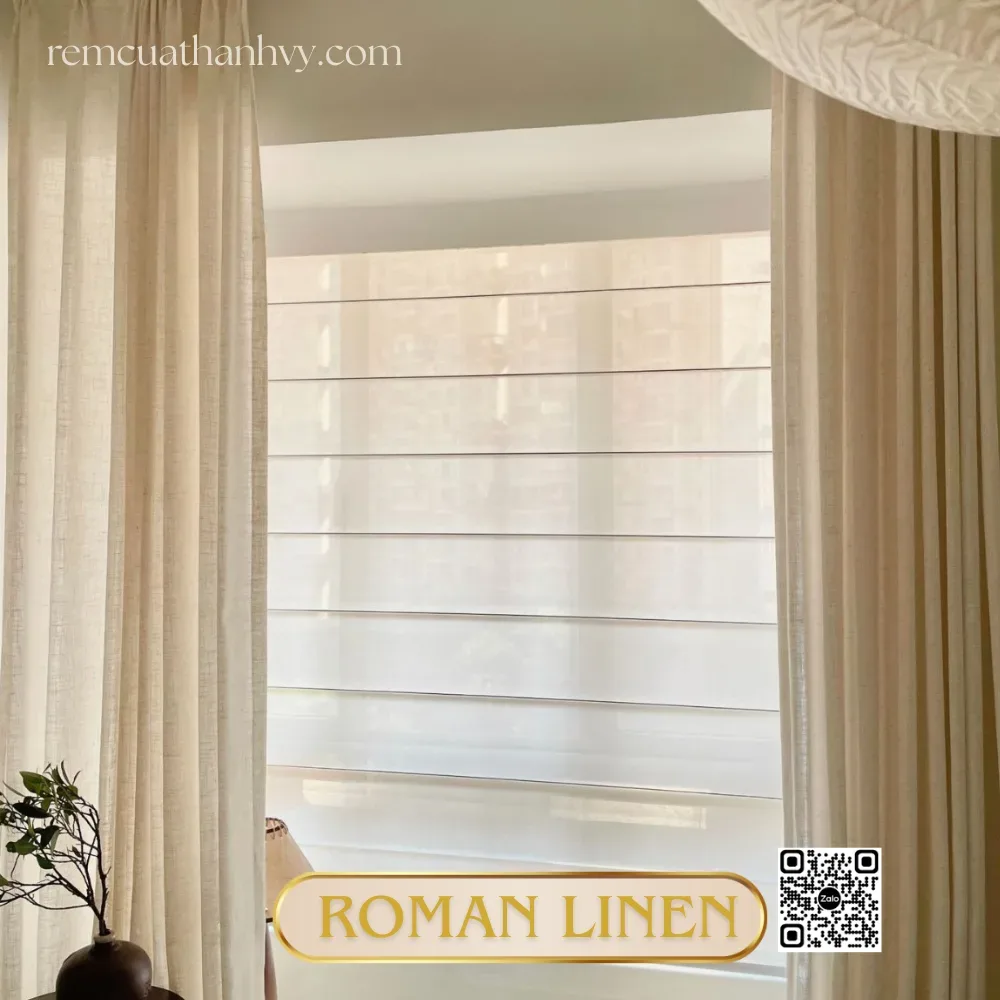
Additionally, you should request to see physical linen fabric samples instead of relying only on images, as colors and material feel in photos often differ from reality. Readers should also inquire about what items are included in the quotation: main fabric, hanging accessories, sewing labor, and installation labor, to avoid unexpected costs during actual home installation.
Finally, for homes with special structural features such as plaster ceilings, curved window frames, or restricted installation spaces commonly found in certain residential areas in District 8, choose a unit with experience handling these situations rather than opting solely for the lowest price. A linen curtain set measured and constructed with correct techniques from the start is usually more durable and looks good longer than having to adjust and repair it after installation is complete.
If you need further consultation for a specific space in District 8 or want to explore other fabric curtain models favored by many customers, the Thanh Vy team is always ready to survey and consult according to your actual window conditions, helping you choose the linen curtain configuration that best suits your family’s daily routines. Information about the provider also appears in the introduction article on auditorium curtains in Can Tho Newspaper.
Curtain models recommended for installation in District 8
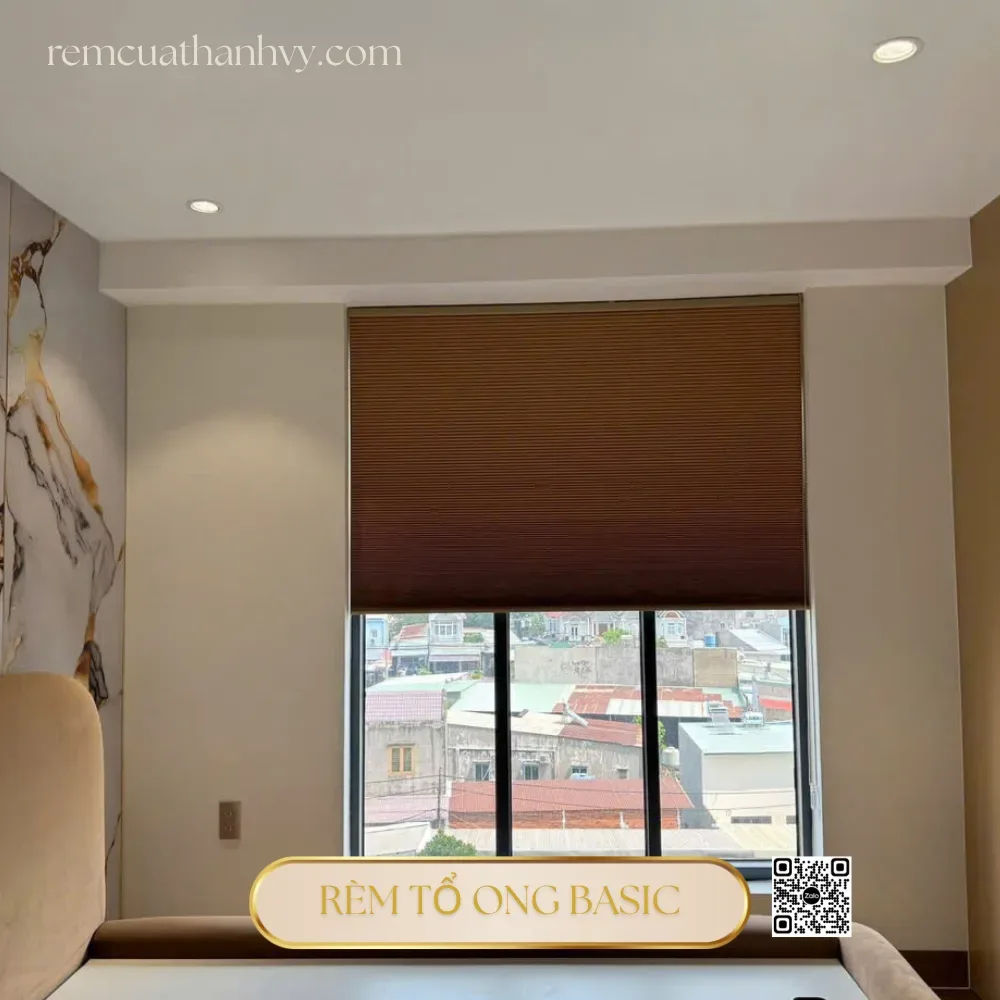
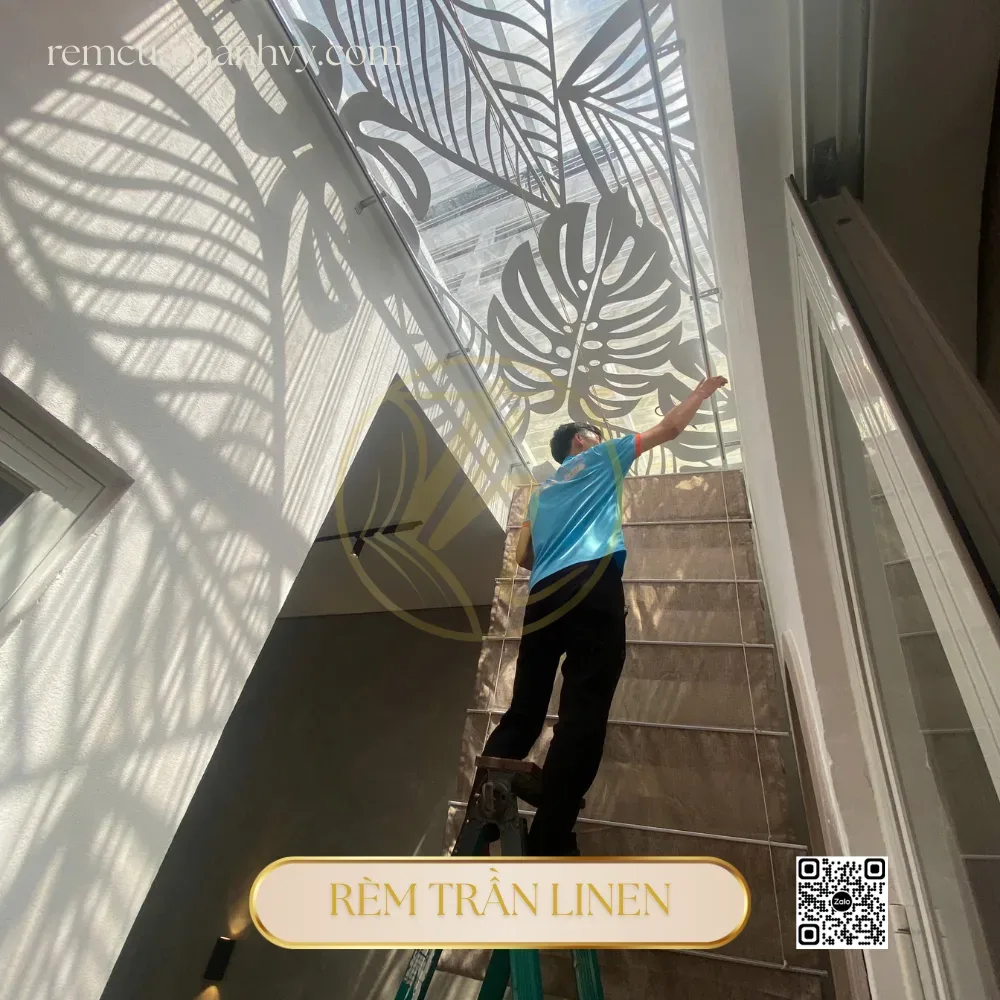
Below are actual product categories available at Thanh Vy Curtains, sorted by popular usage demand in the District 8 area.
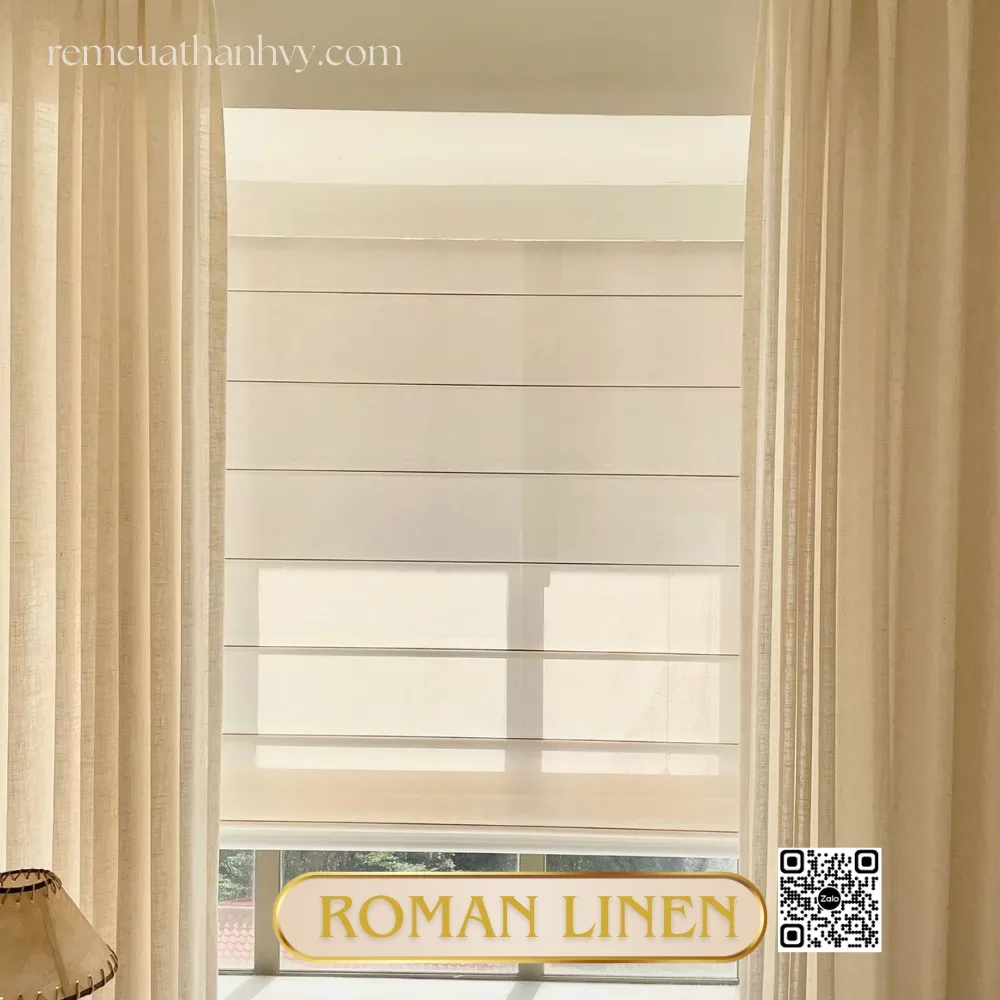
Send your dimensions and needs, and the Thanh Vy Curtains team will advise on options and quote for your actual space.
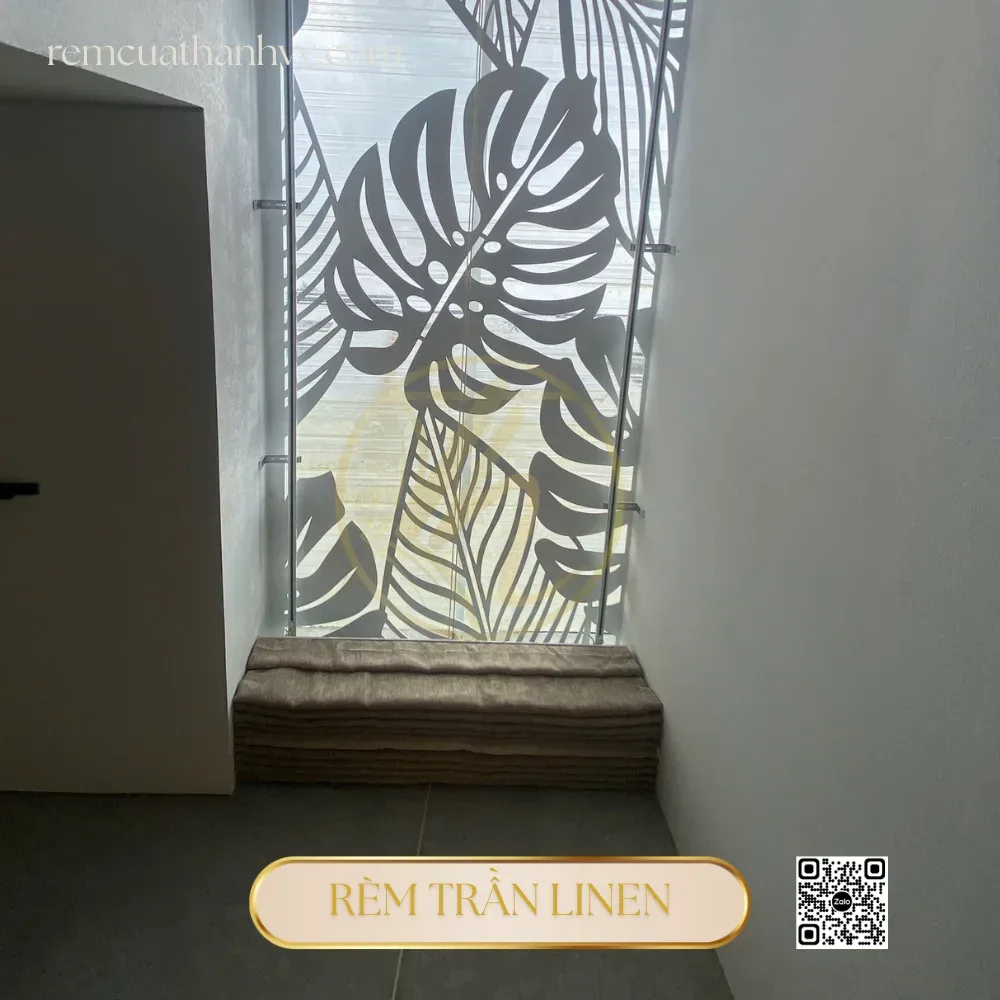
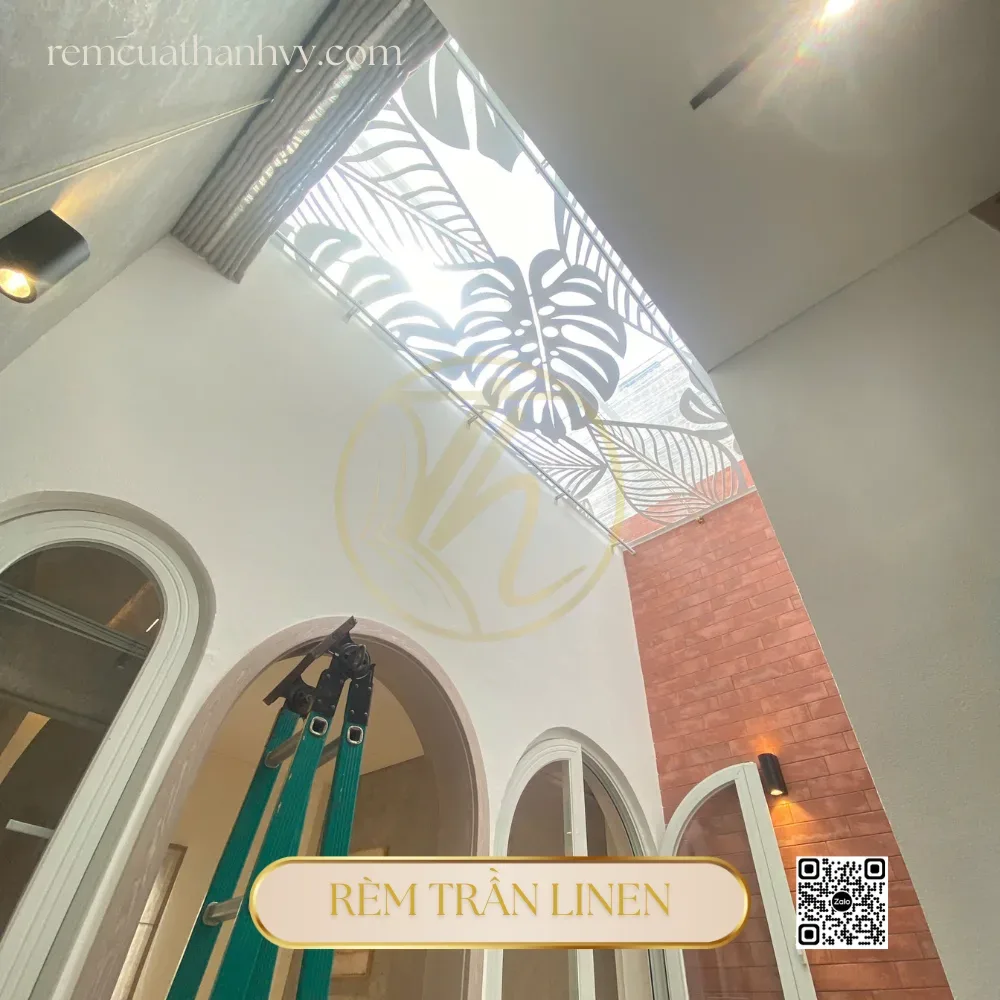
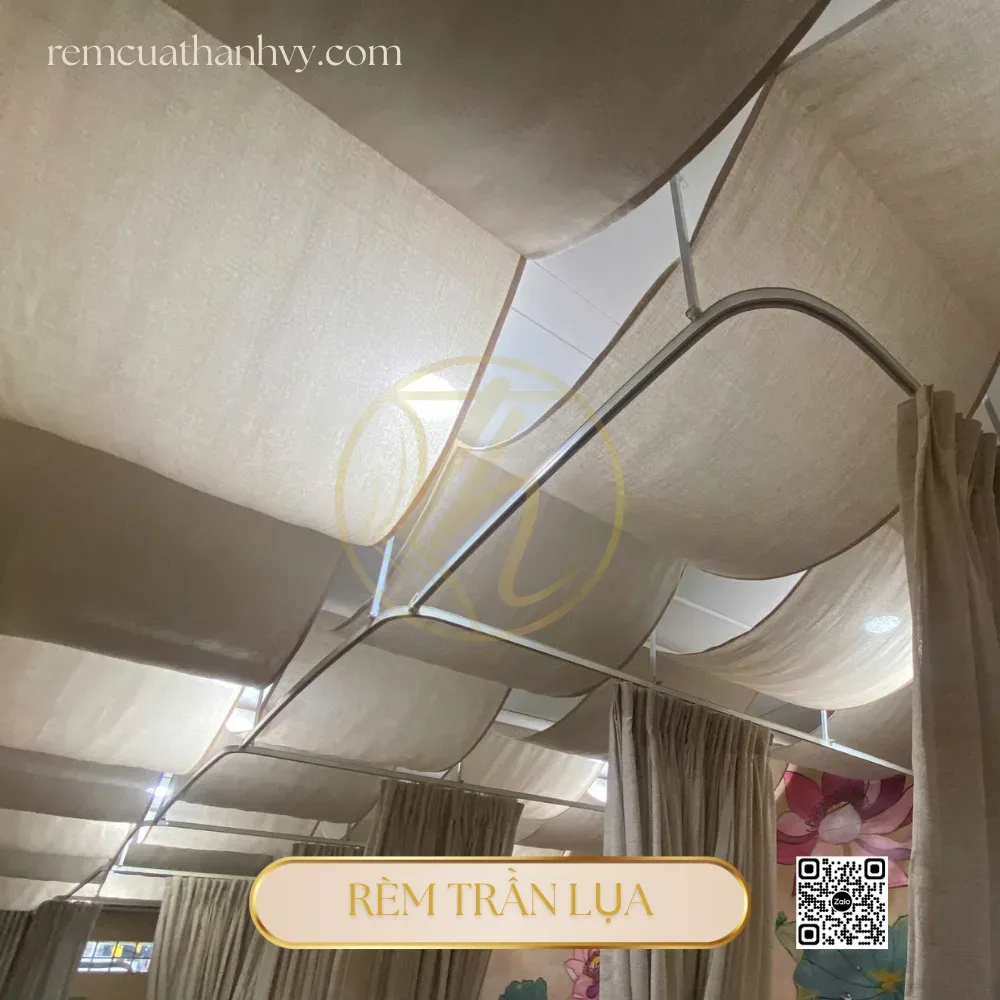
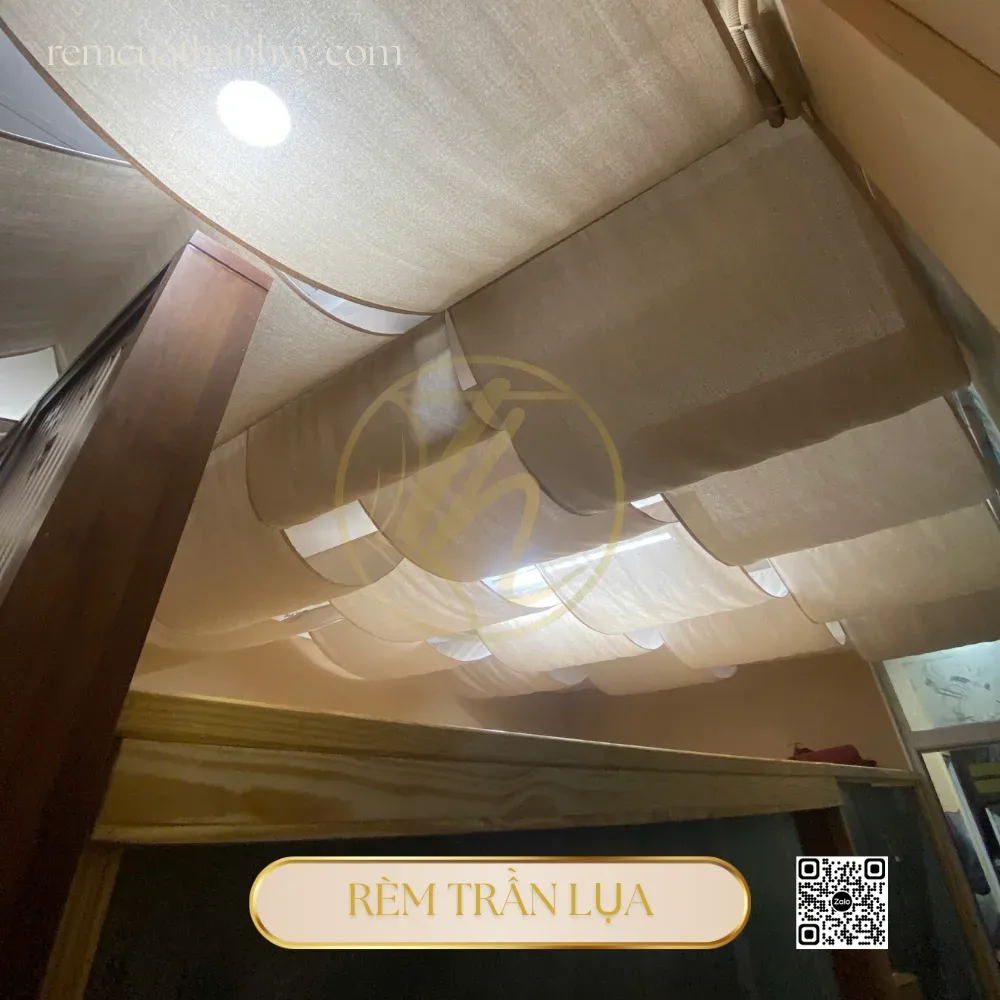
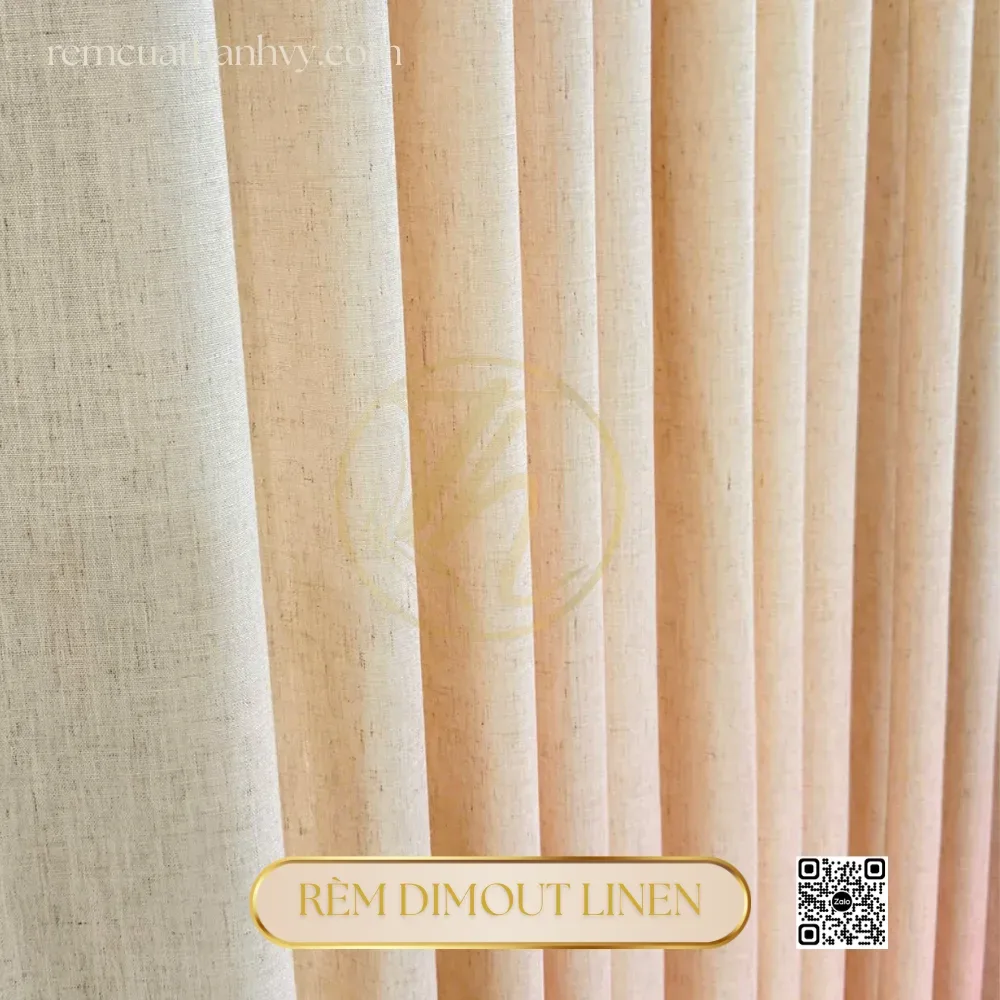
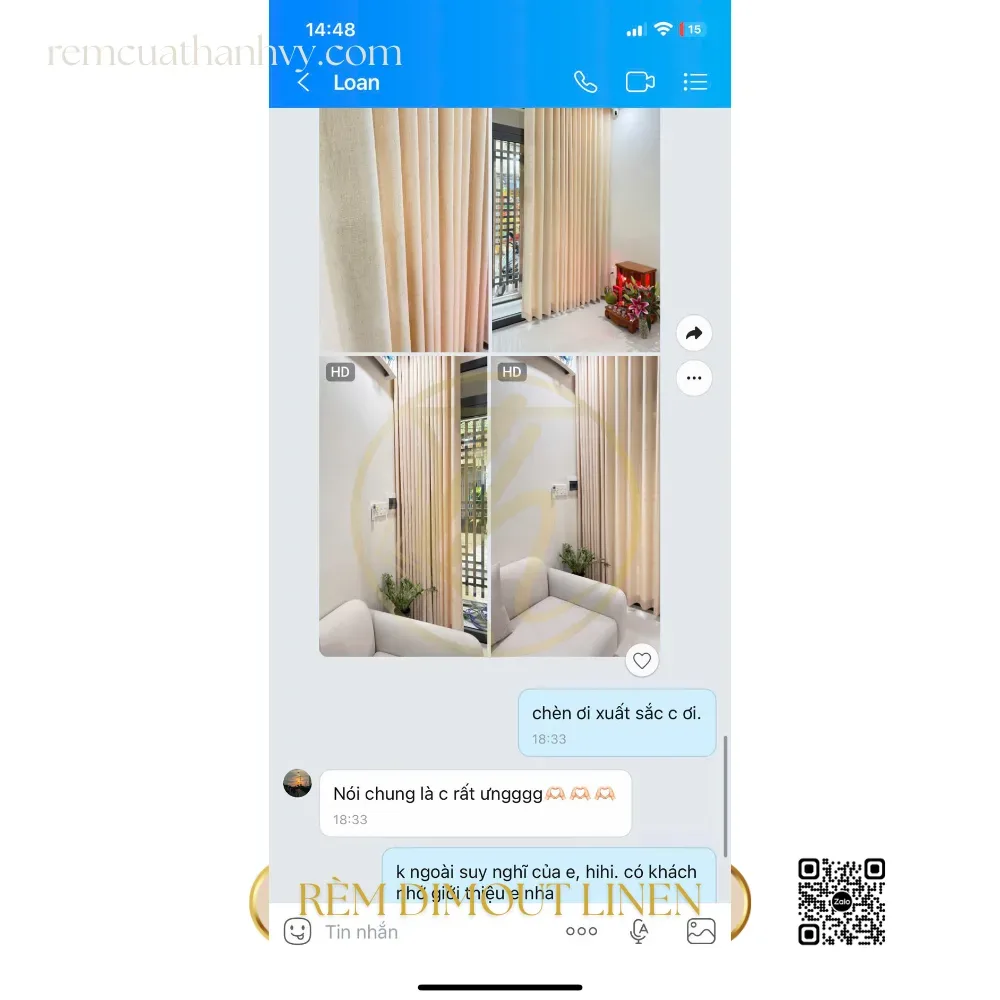
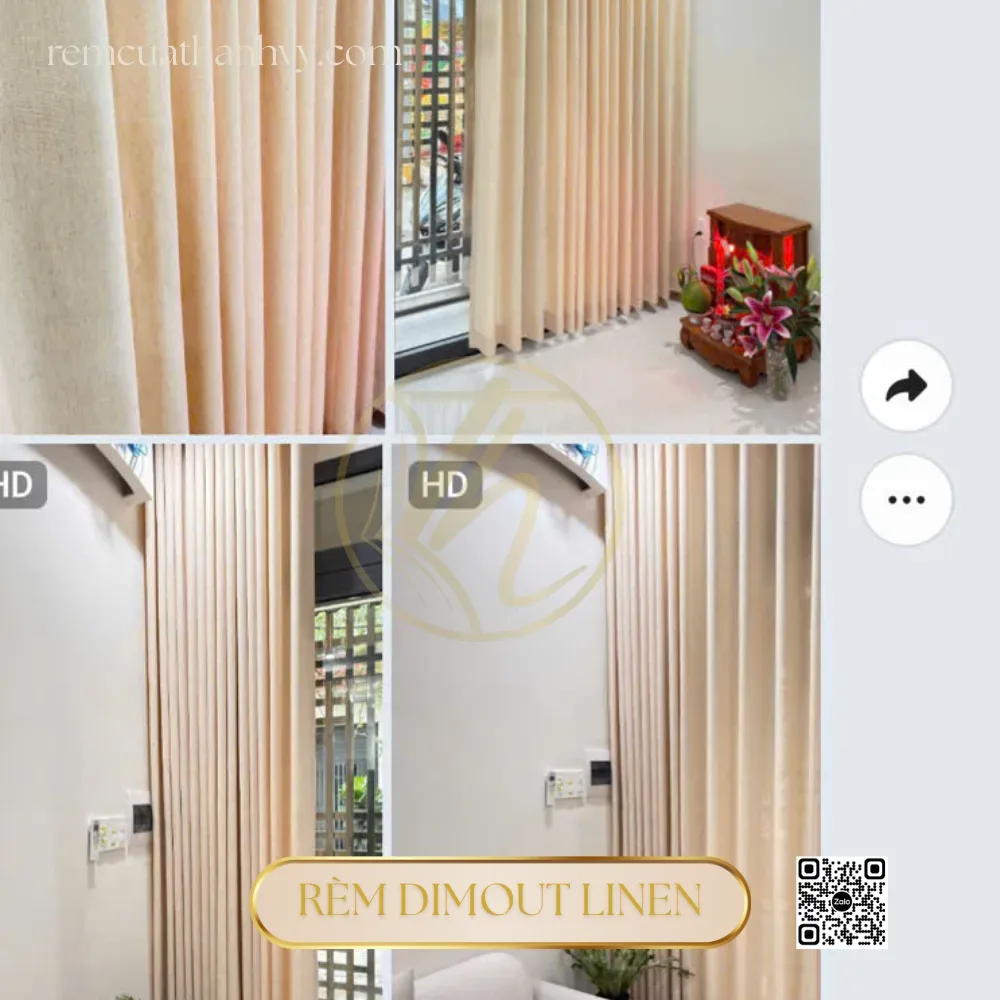
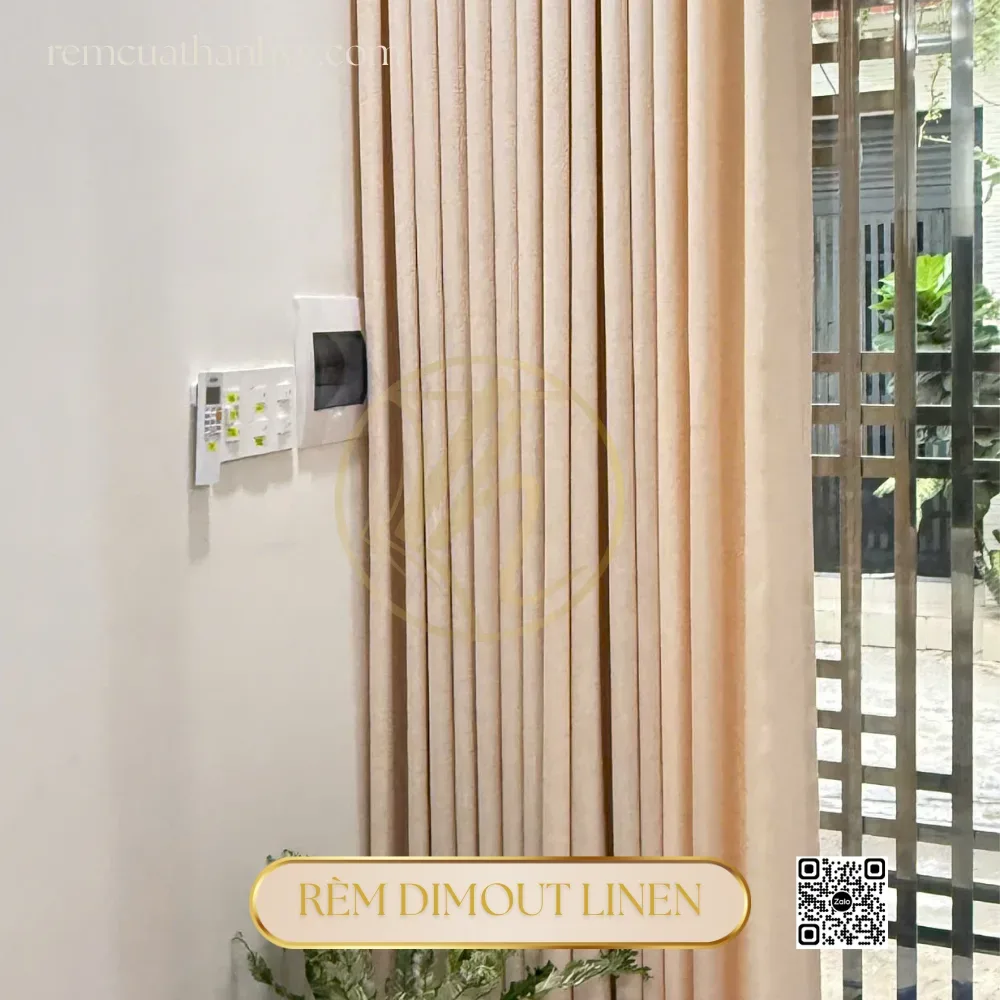
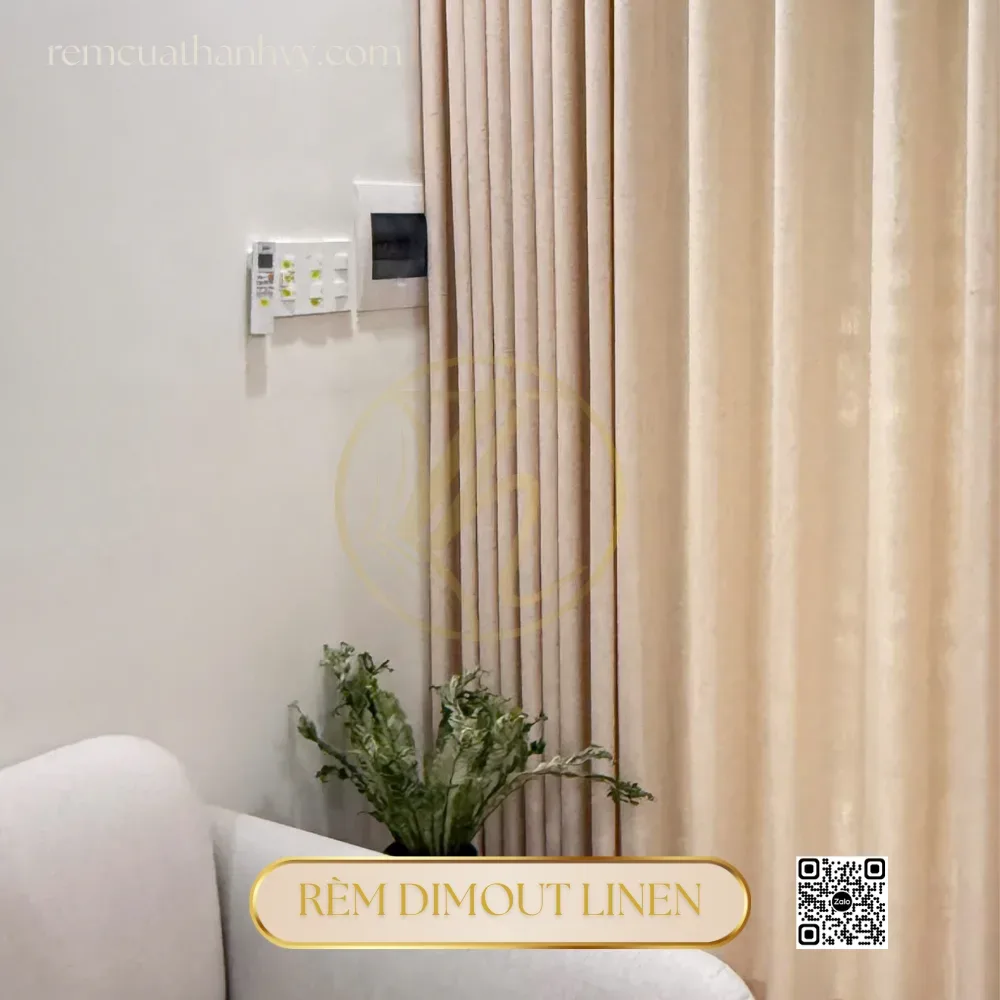
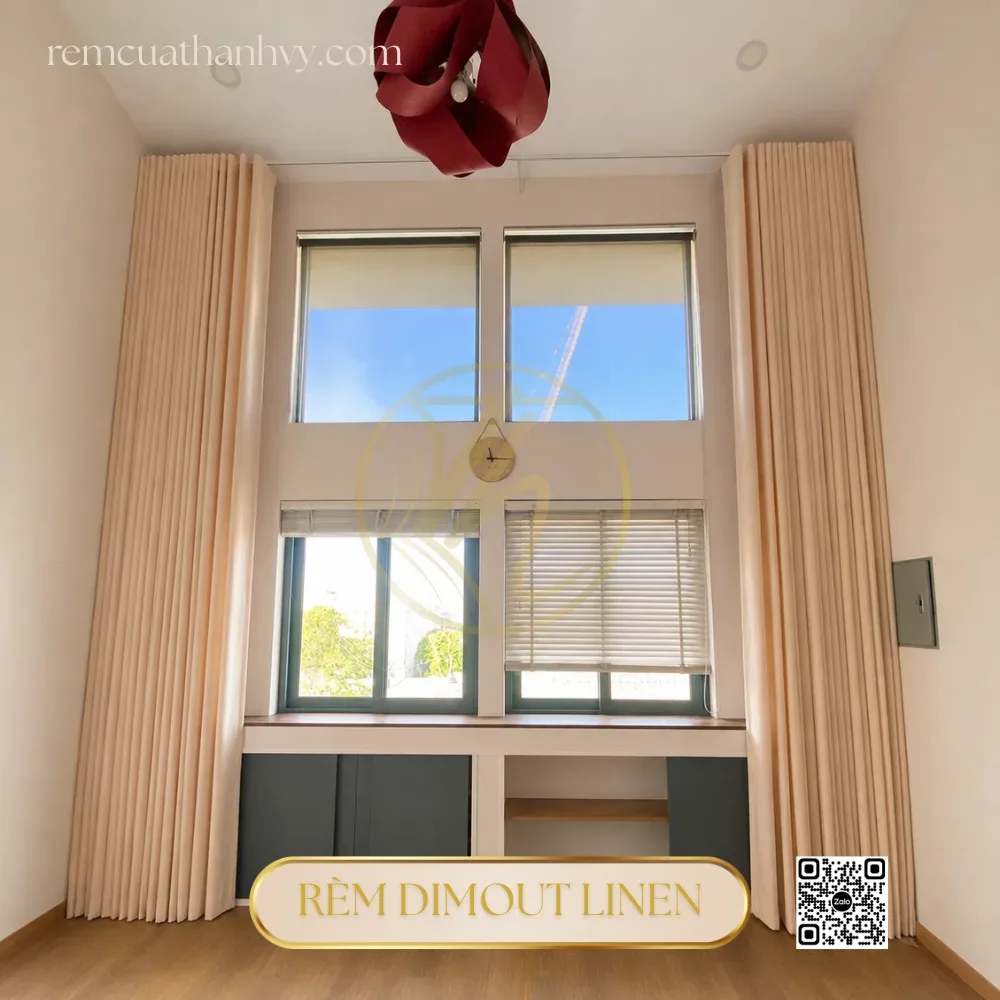
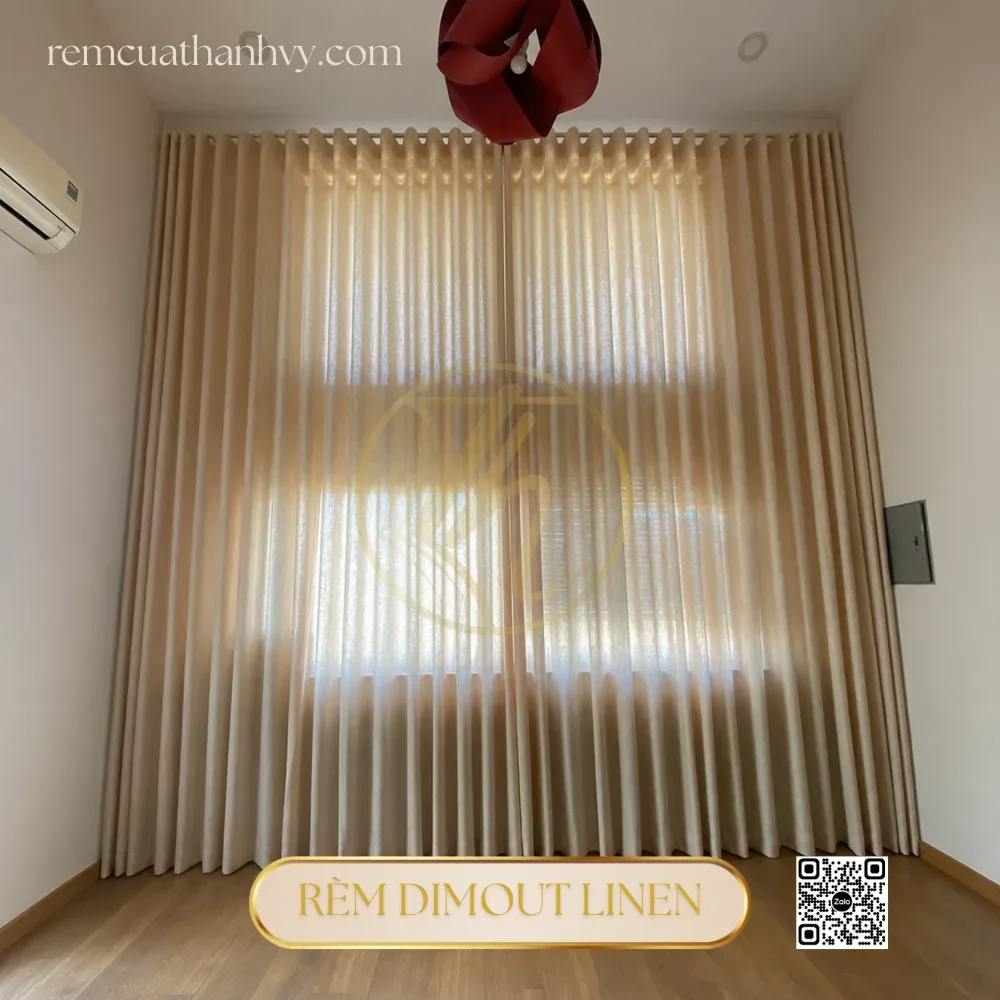
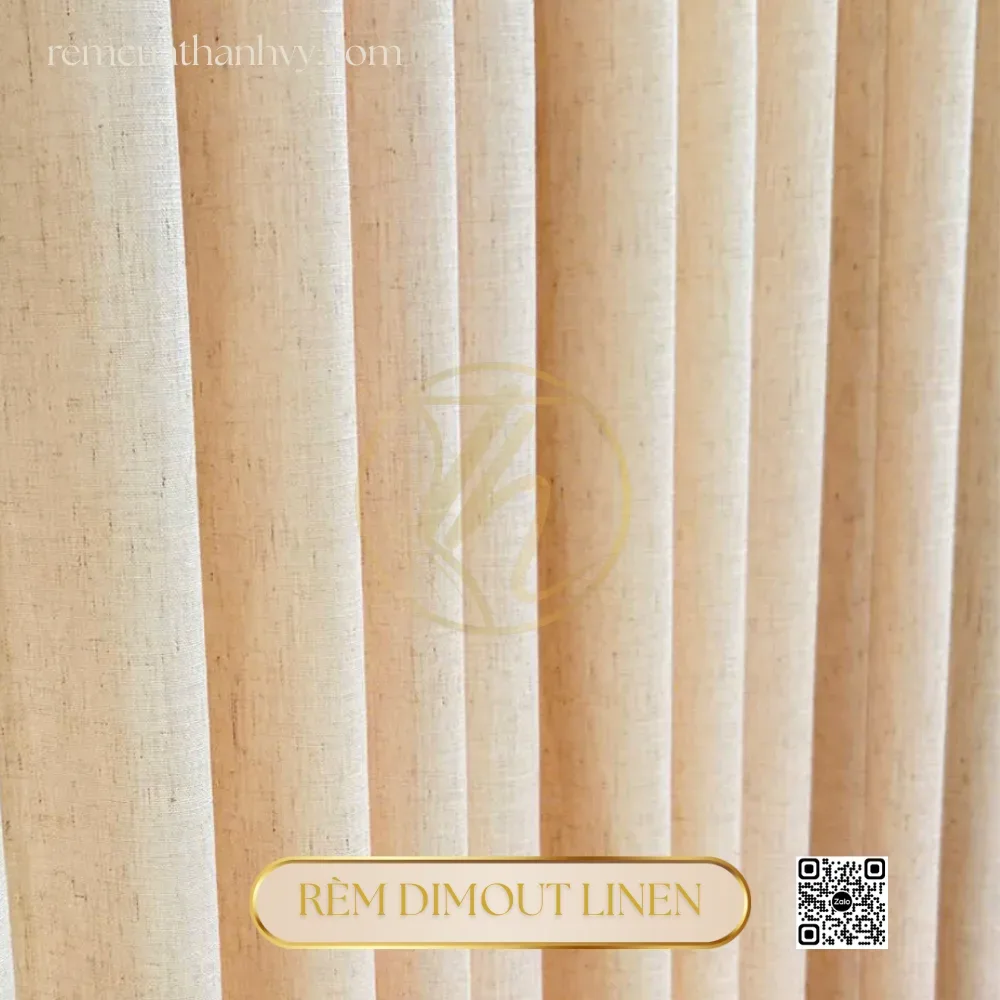
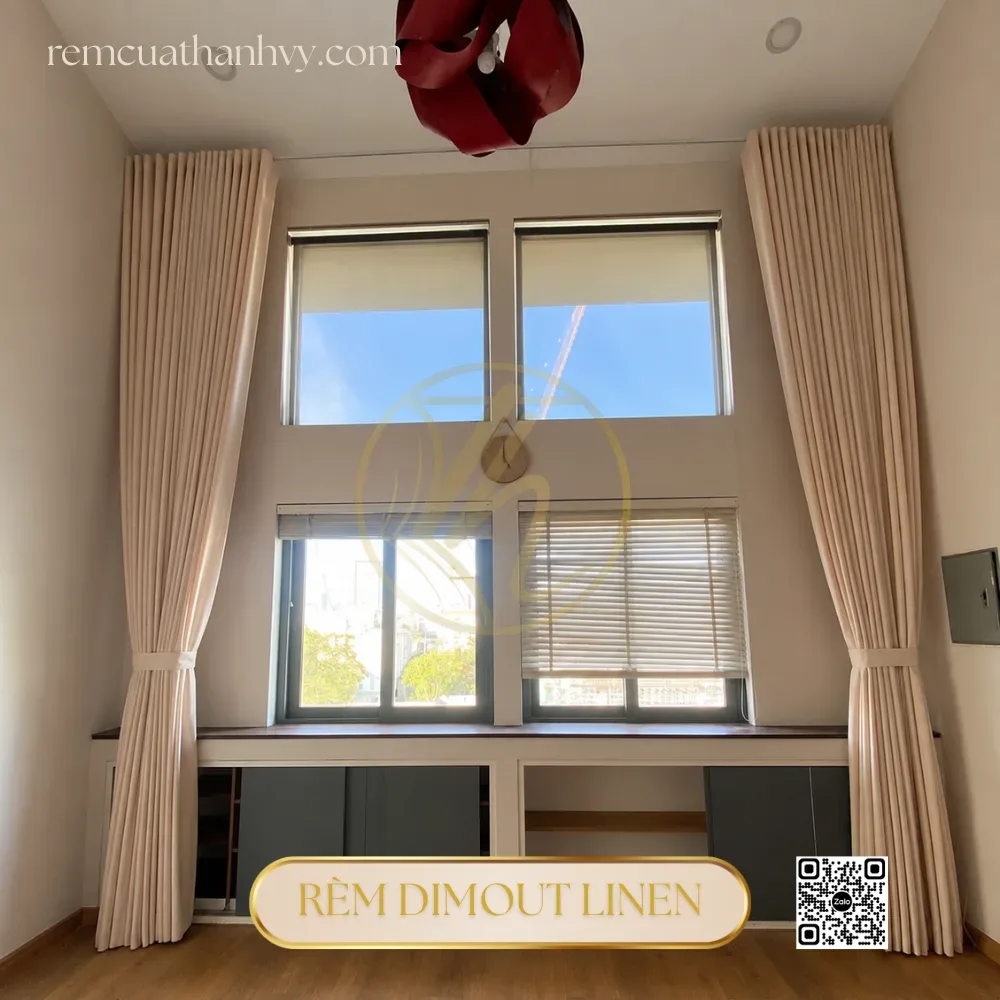
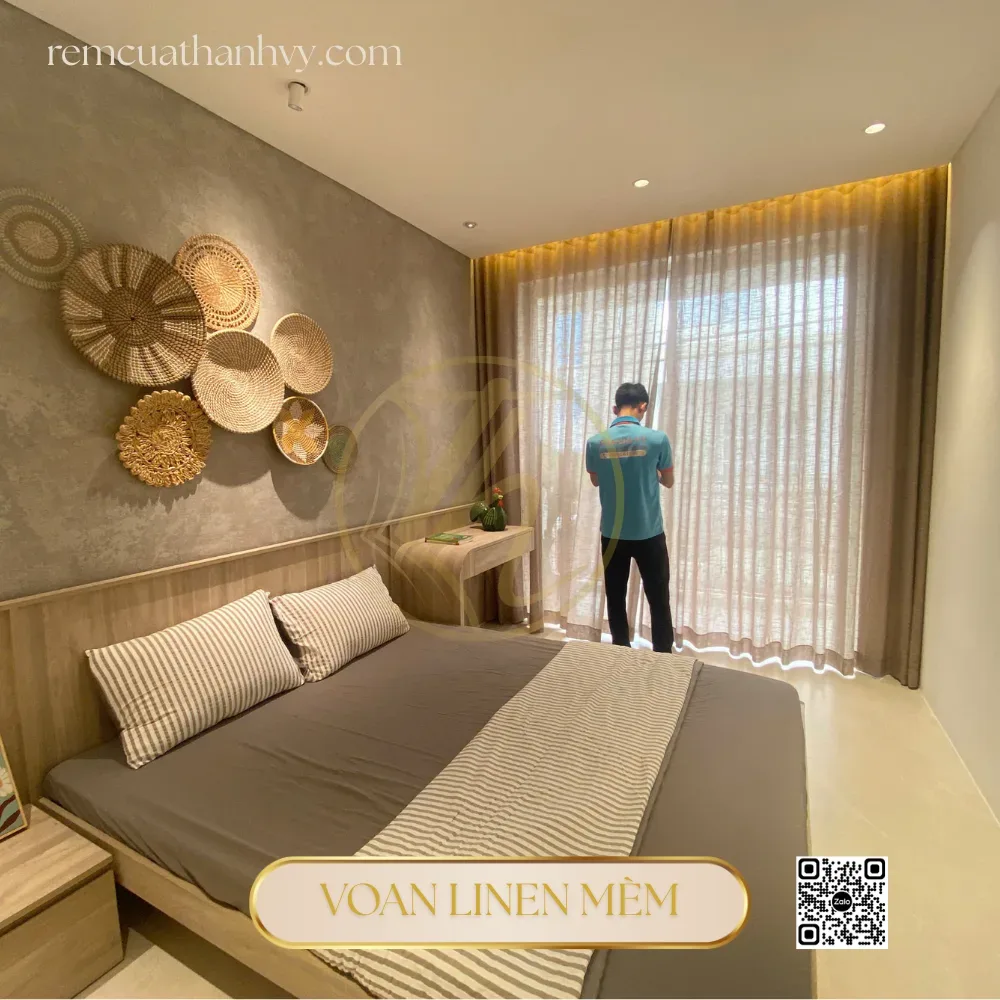
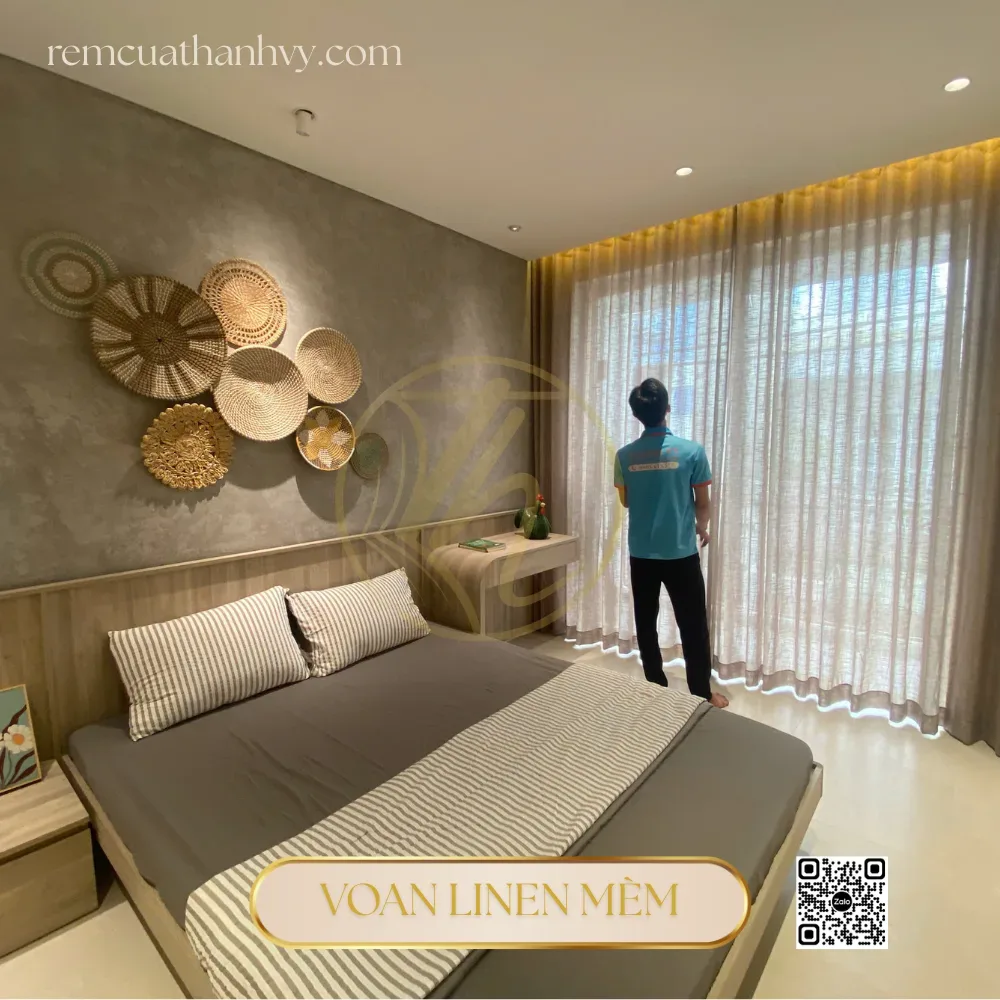
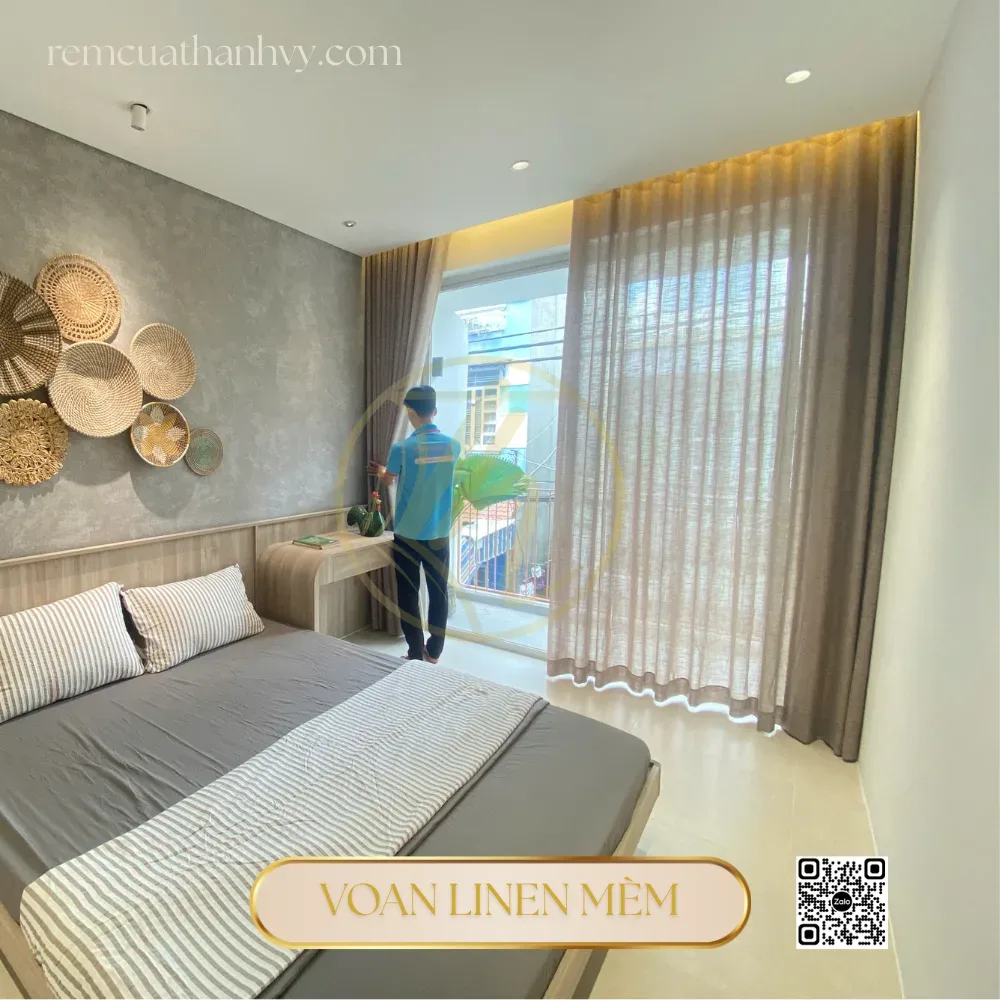
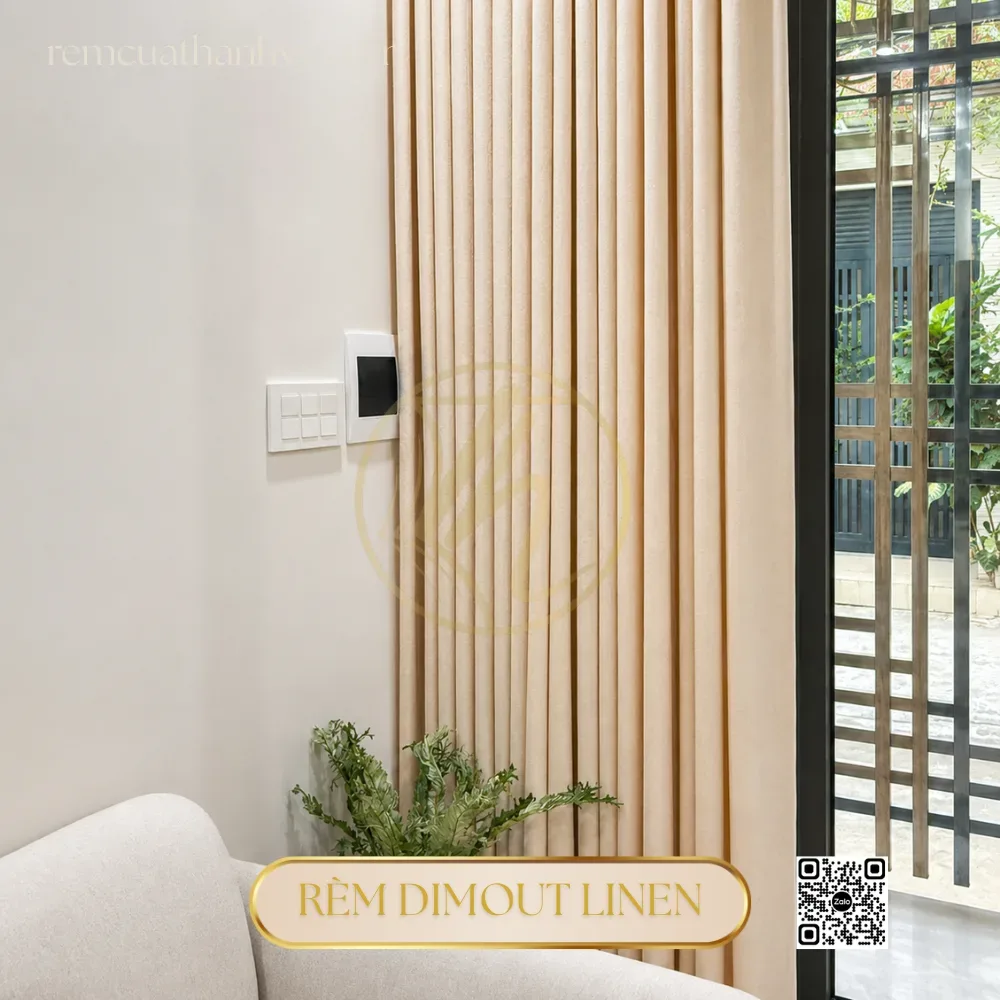
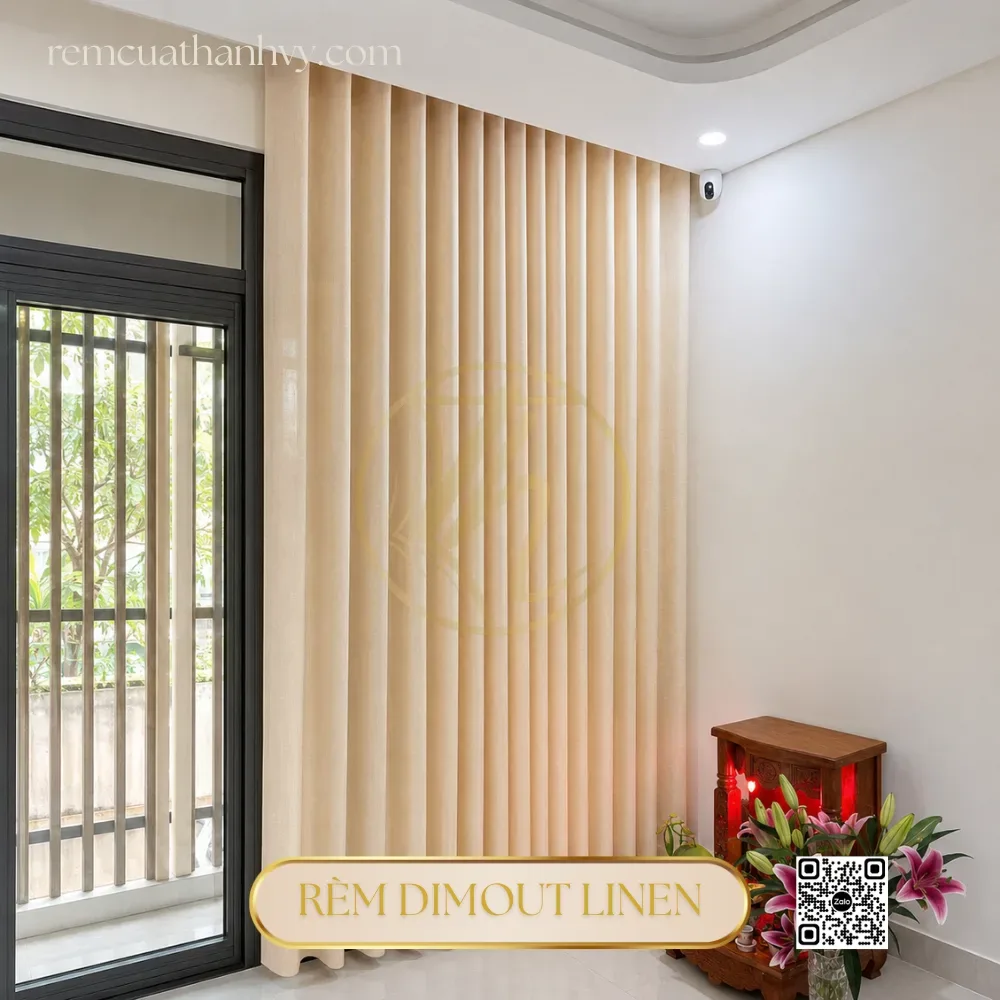
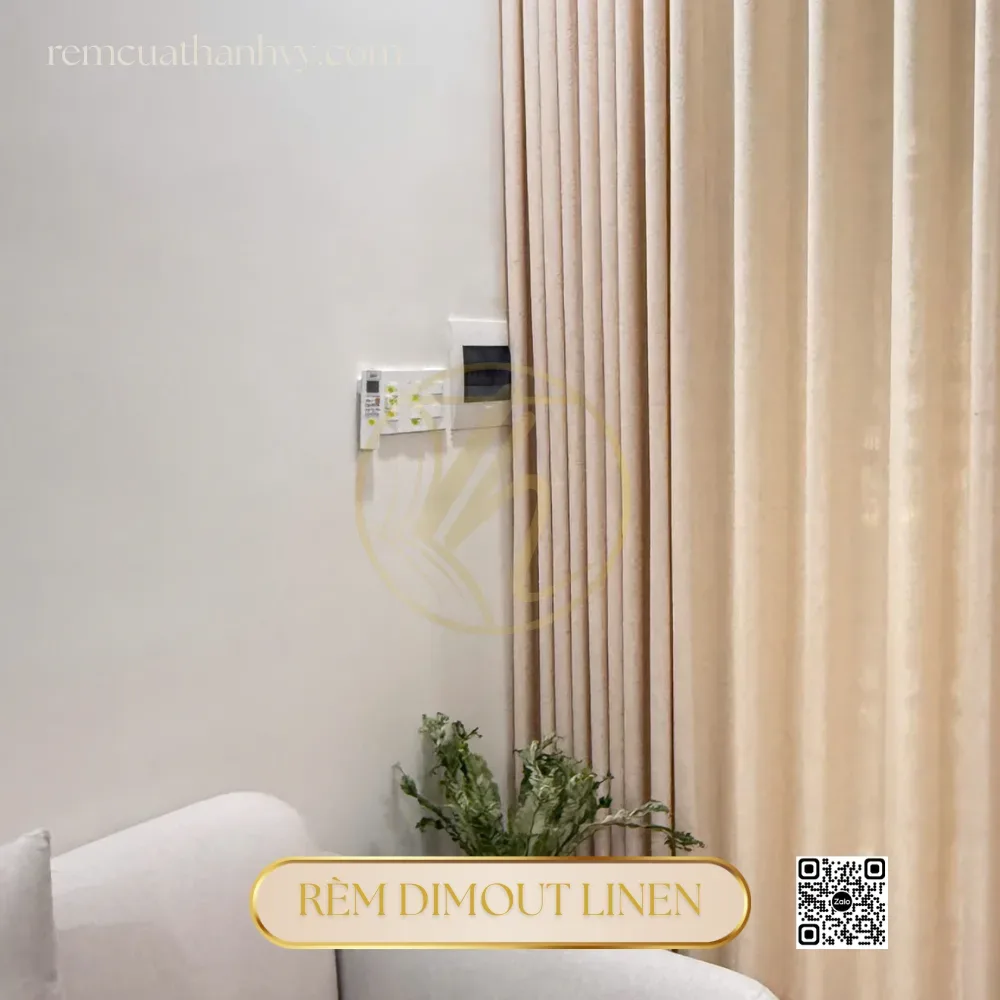
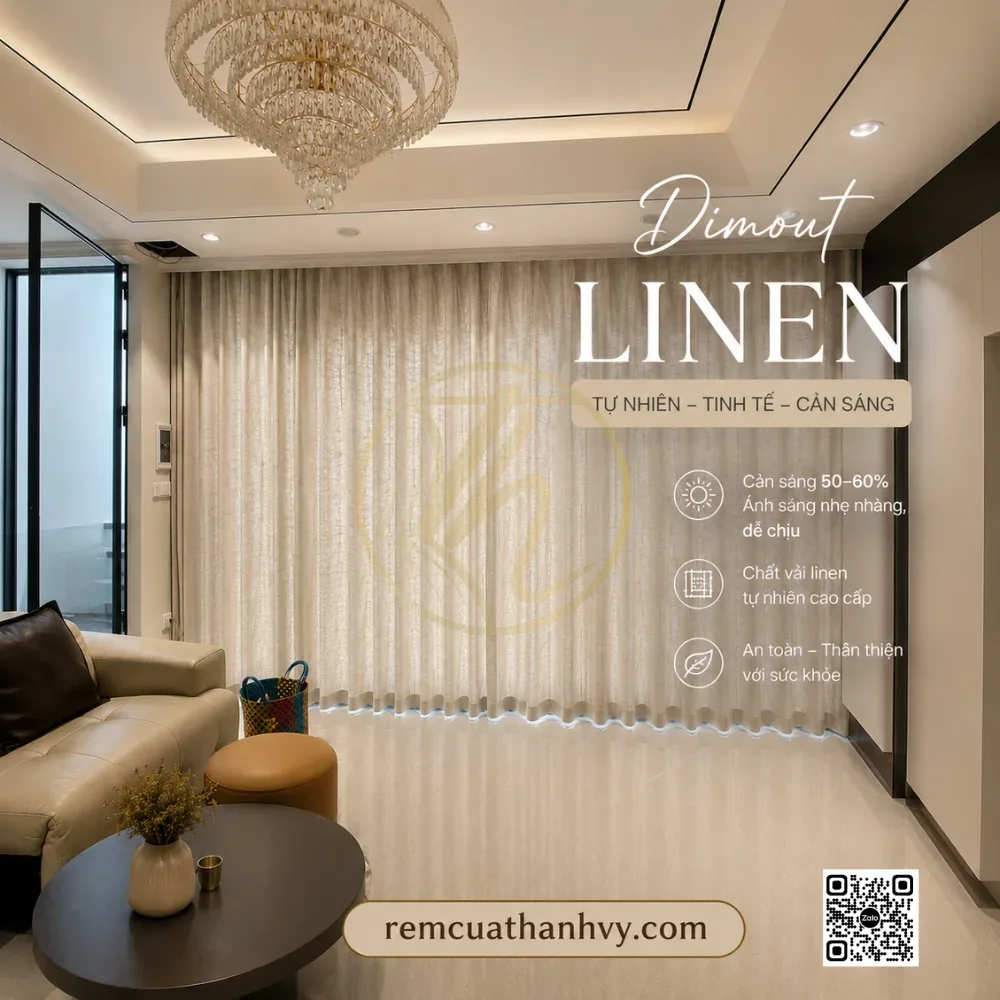
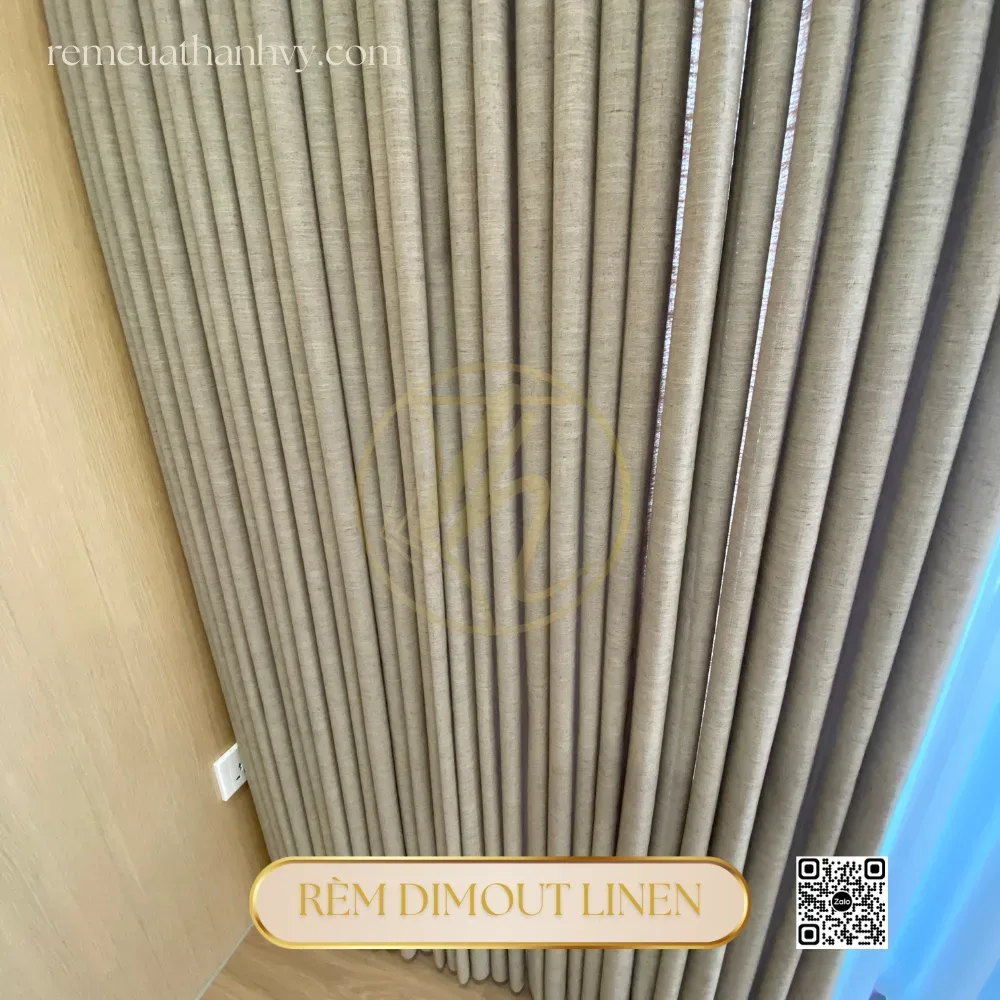
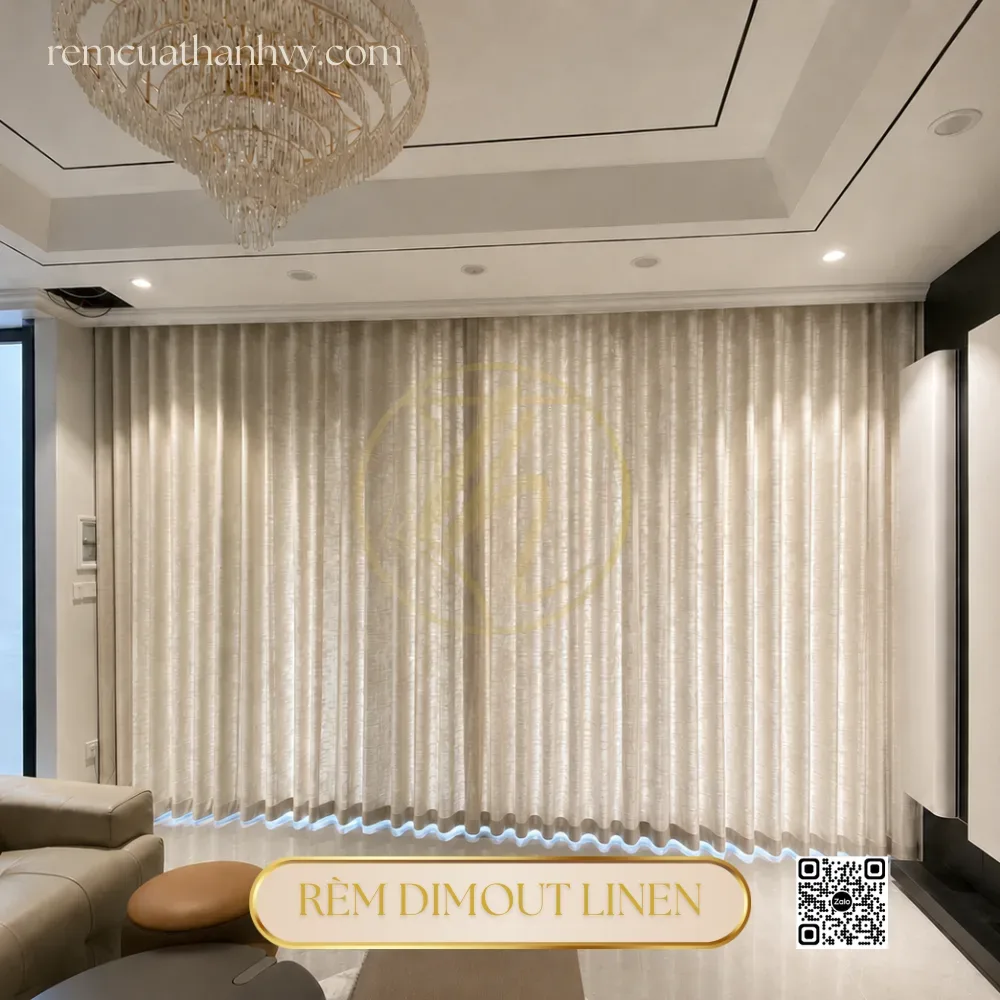
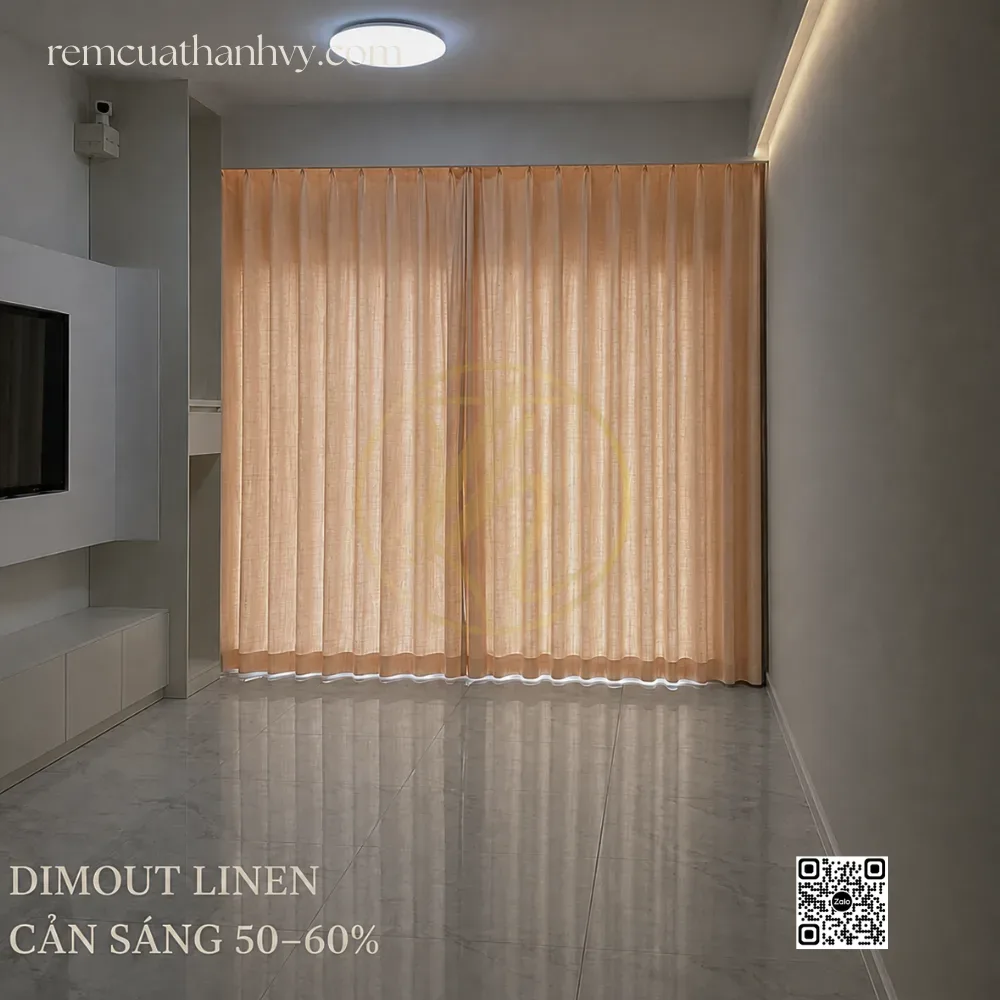
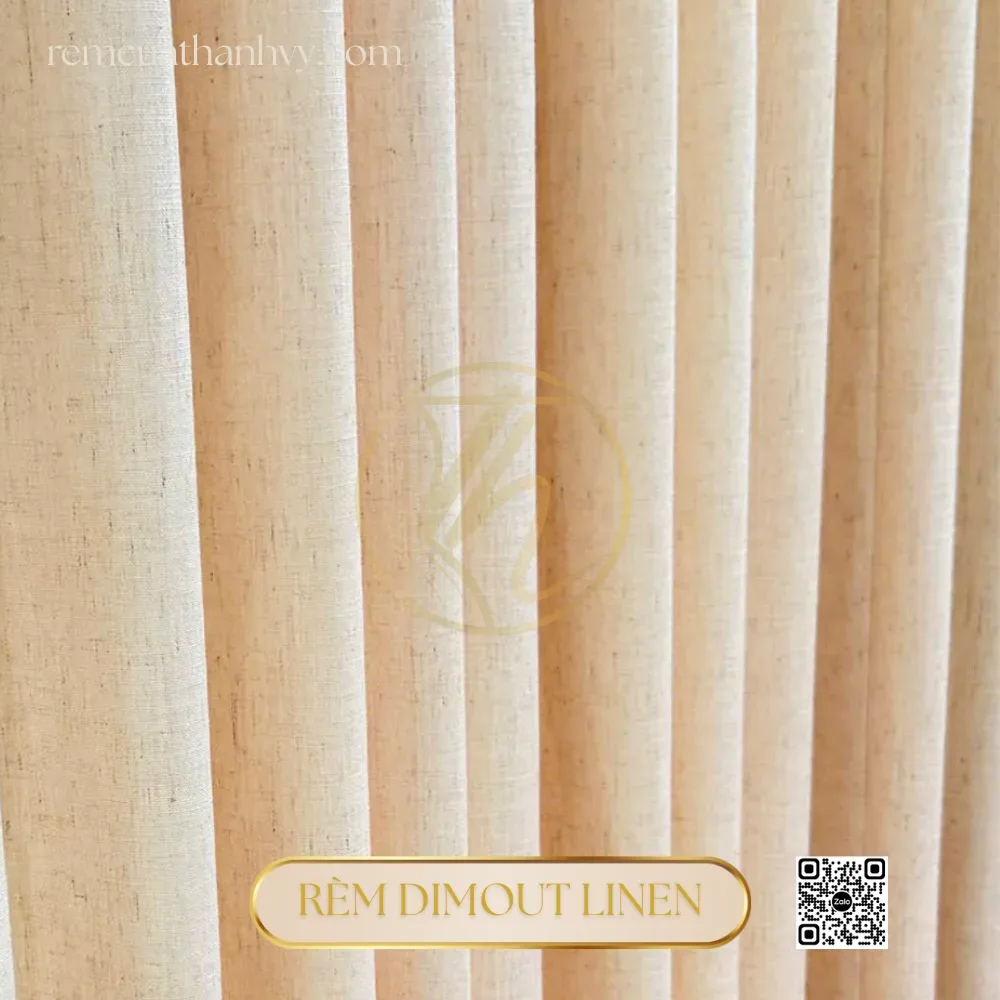
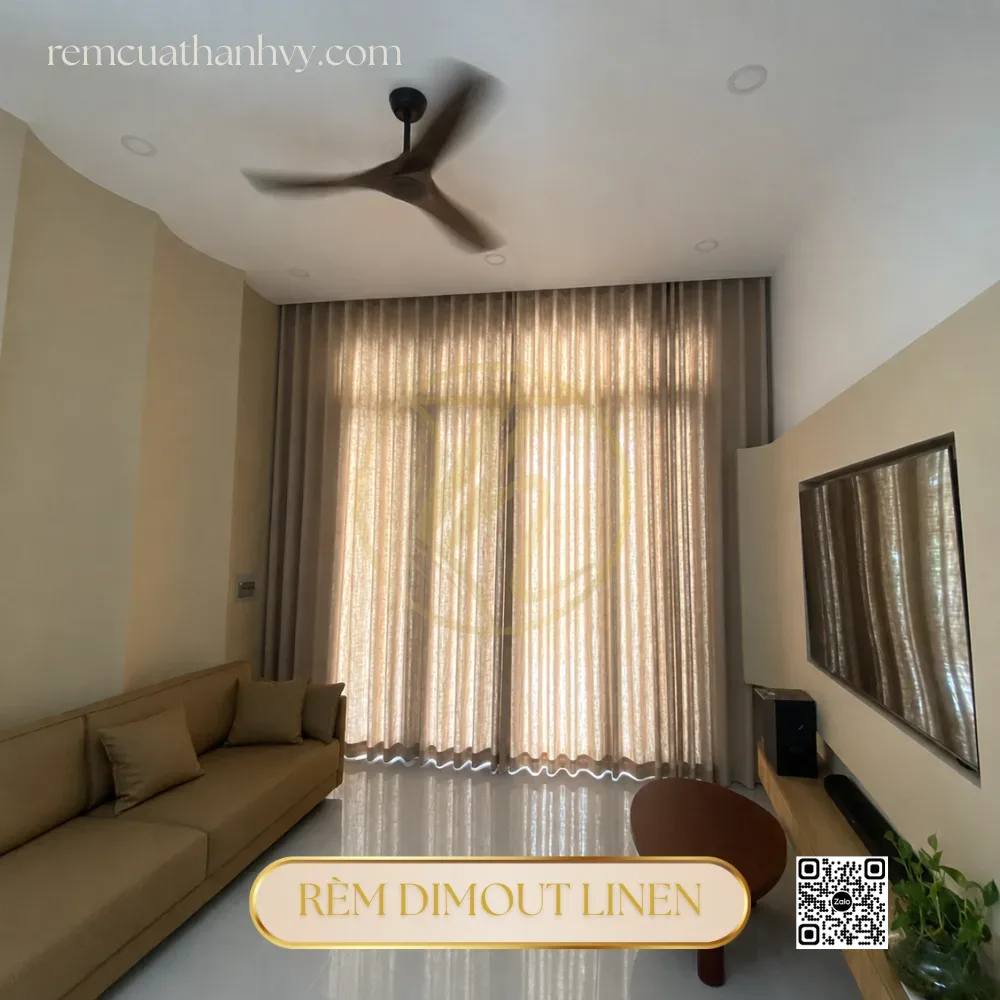
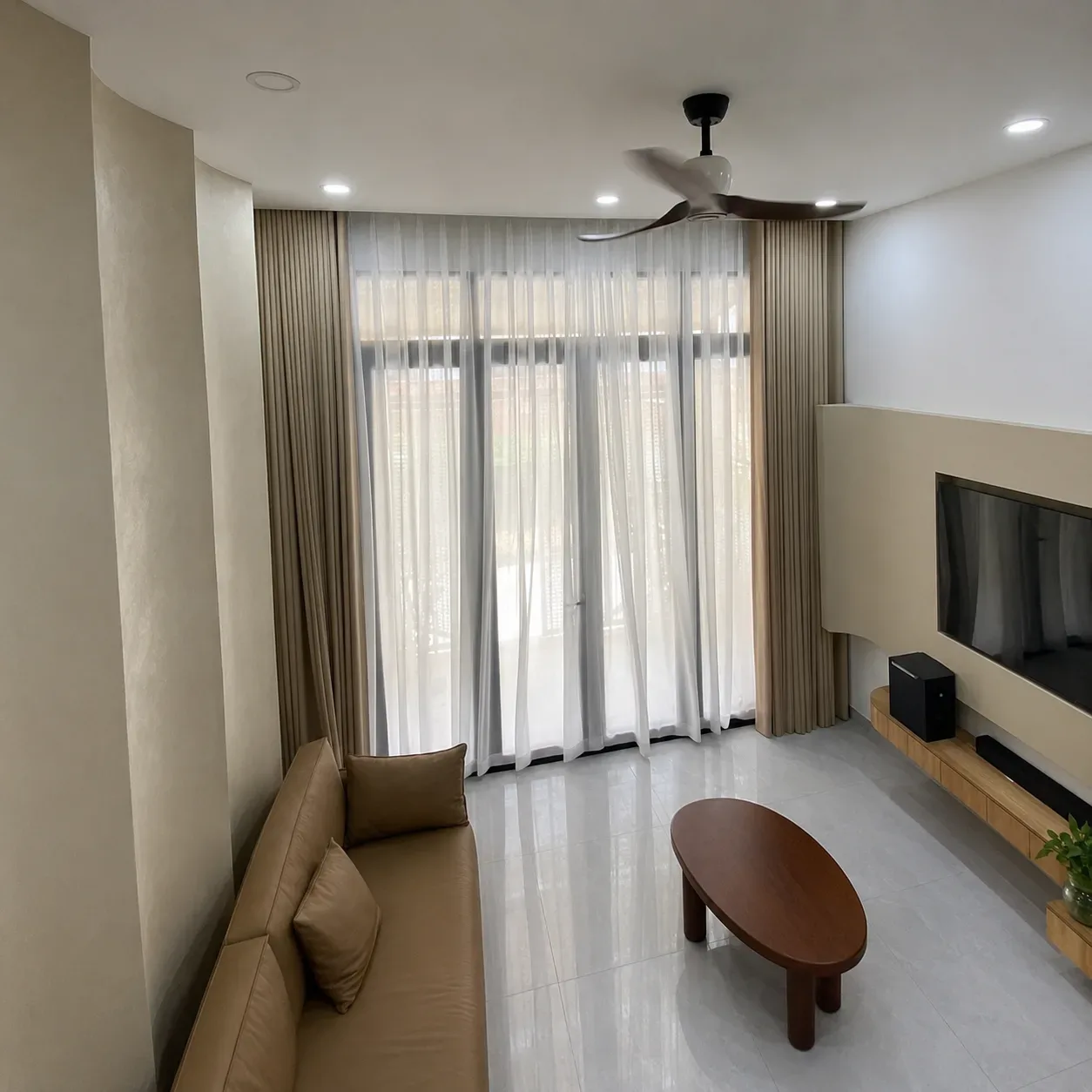
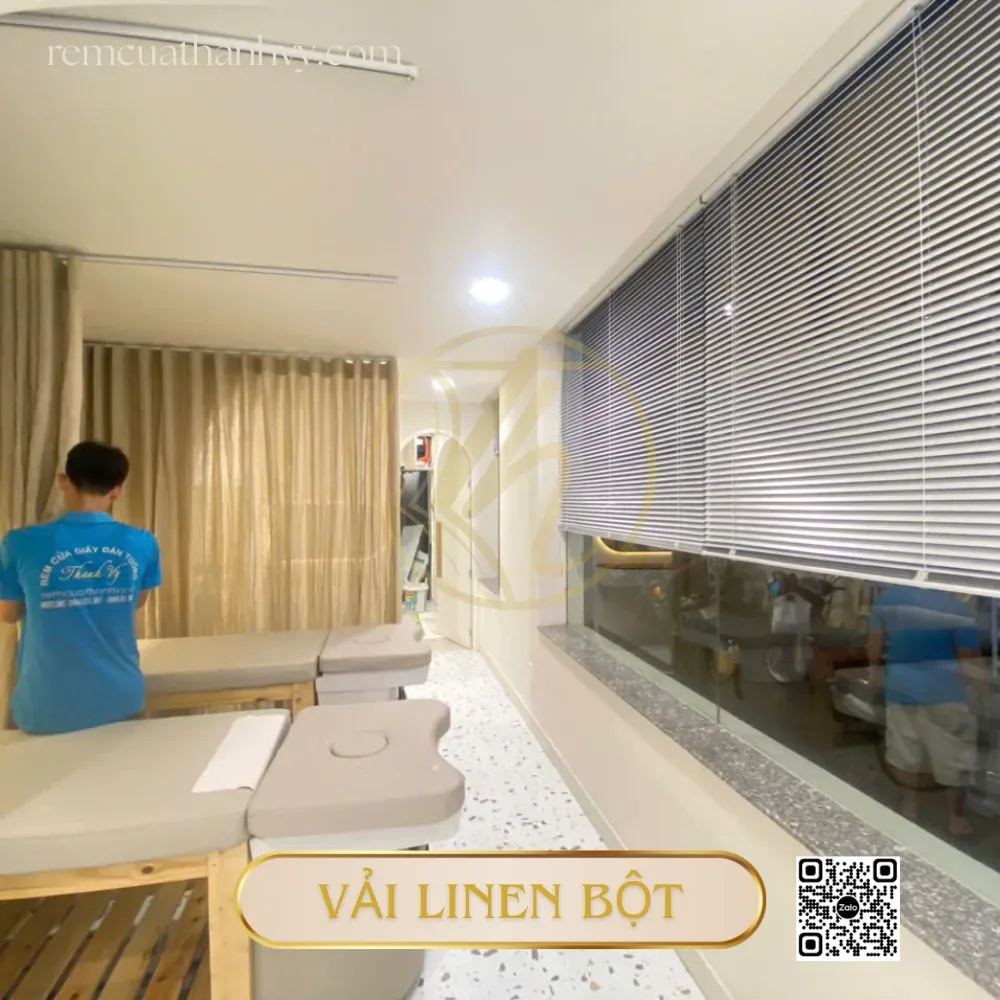
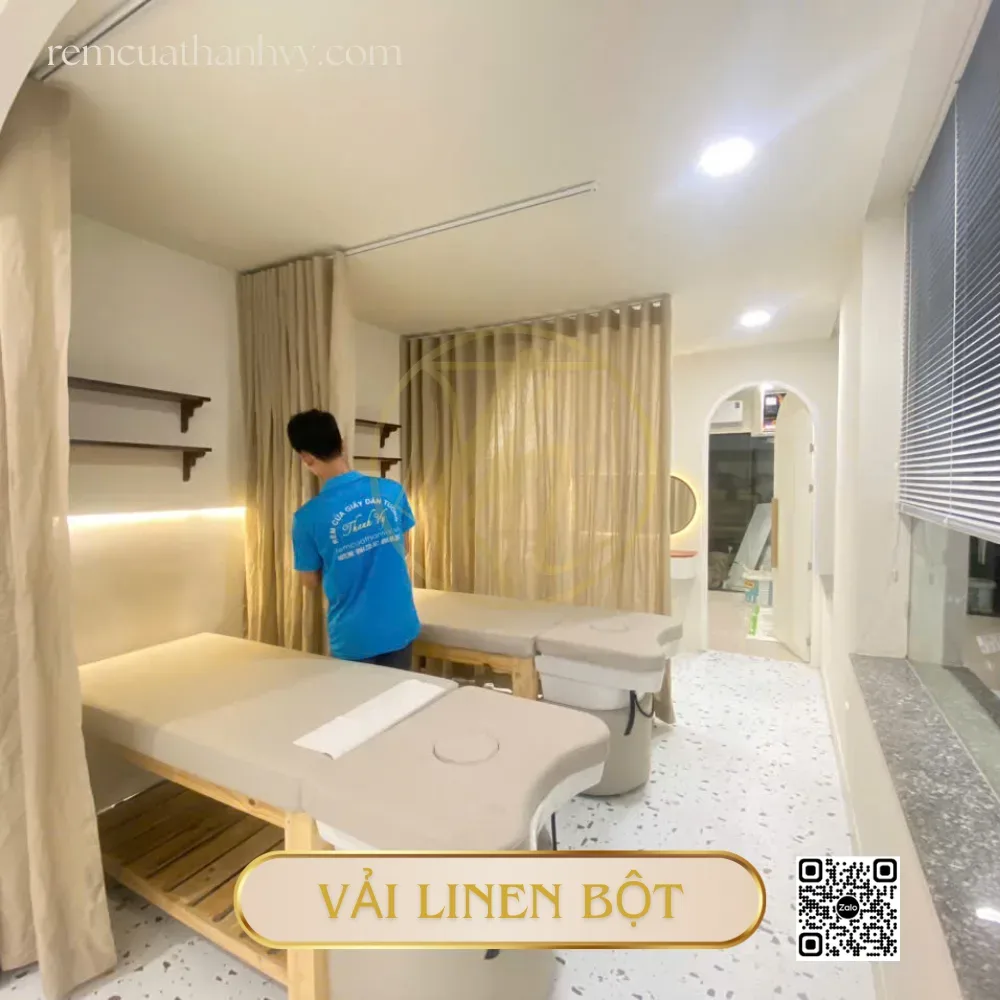
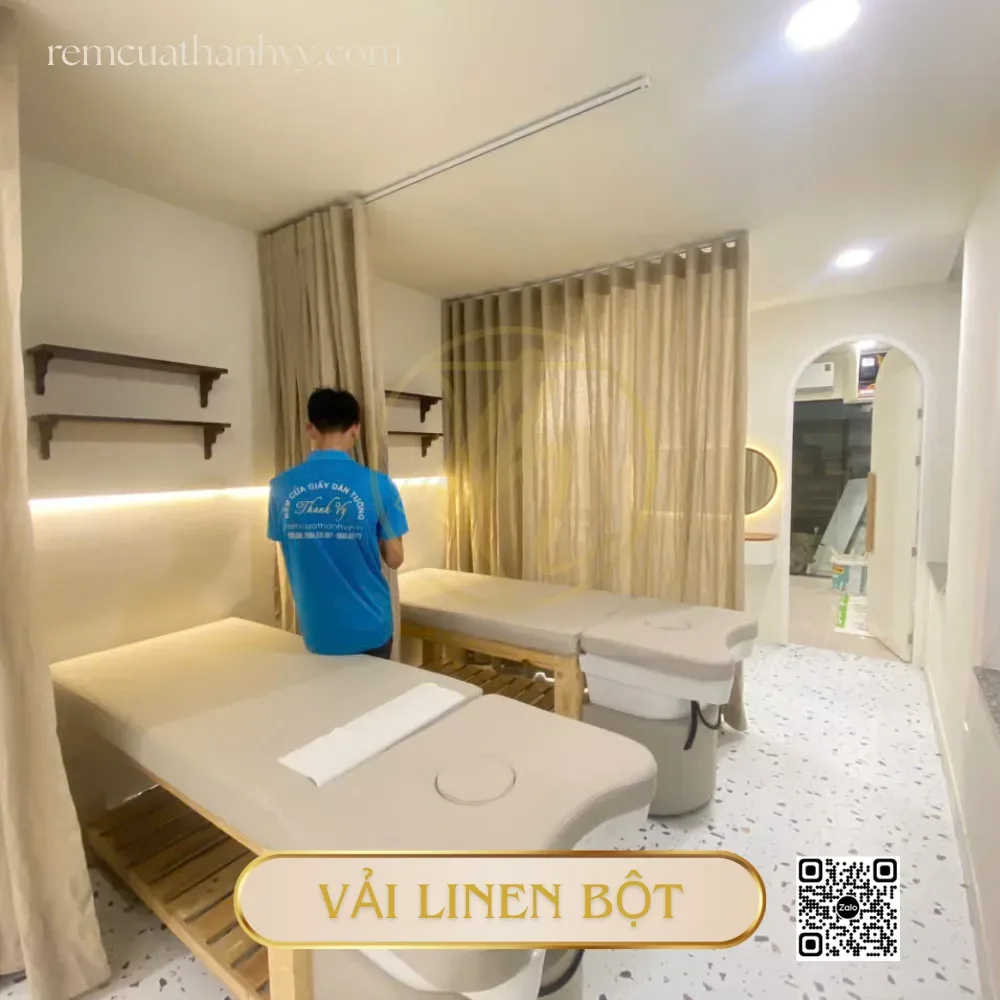
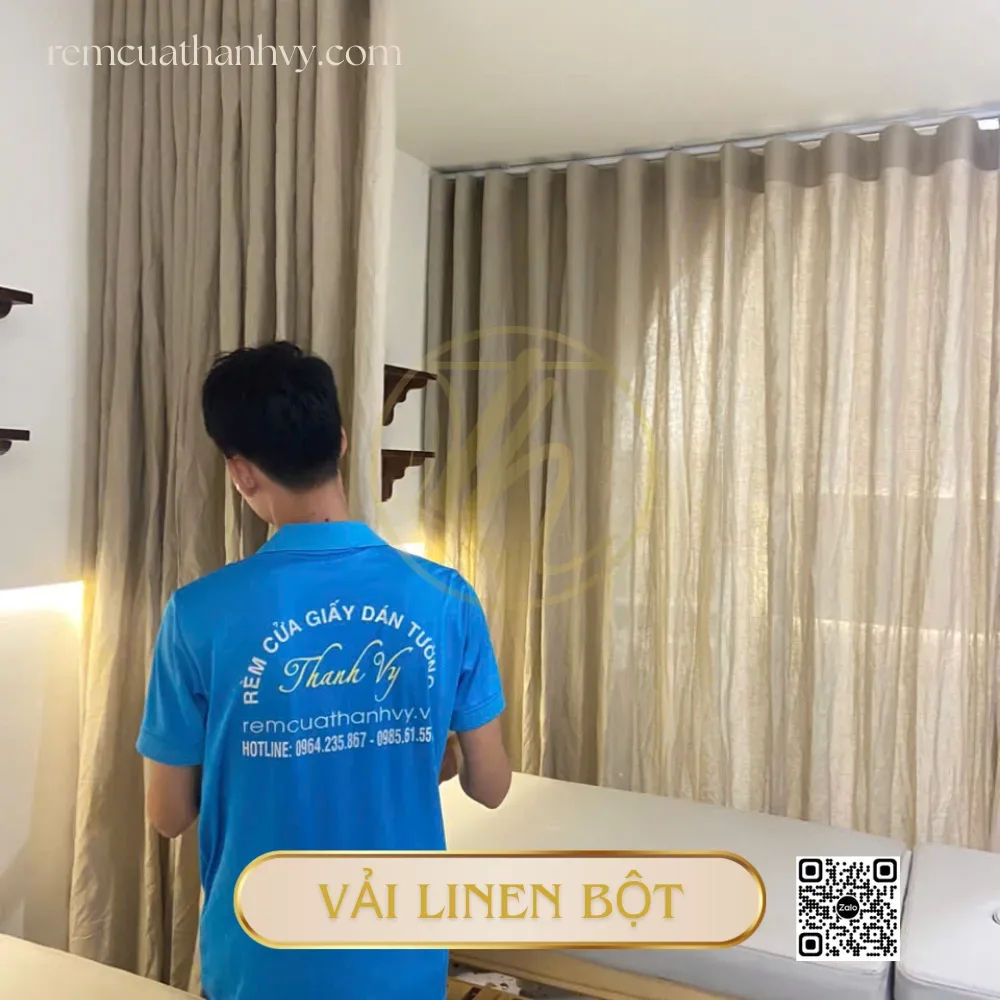
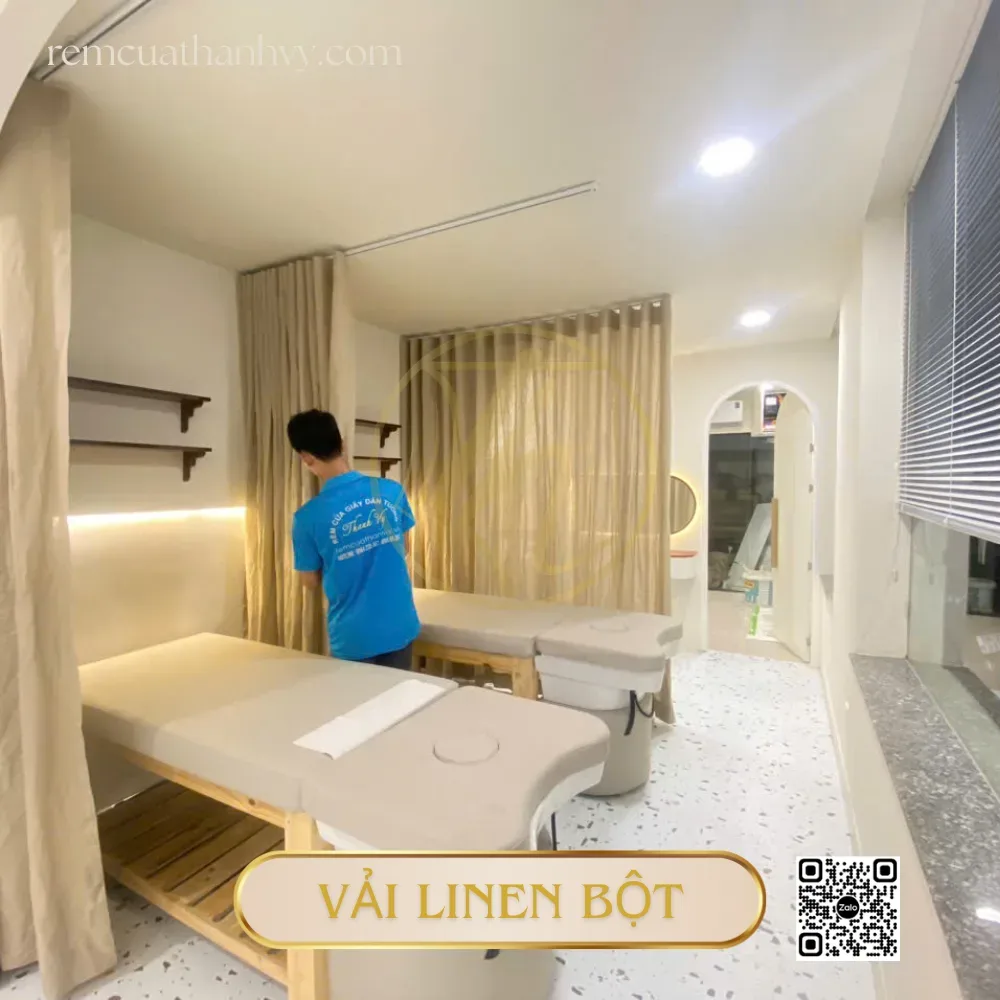
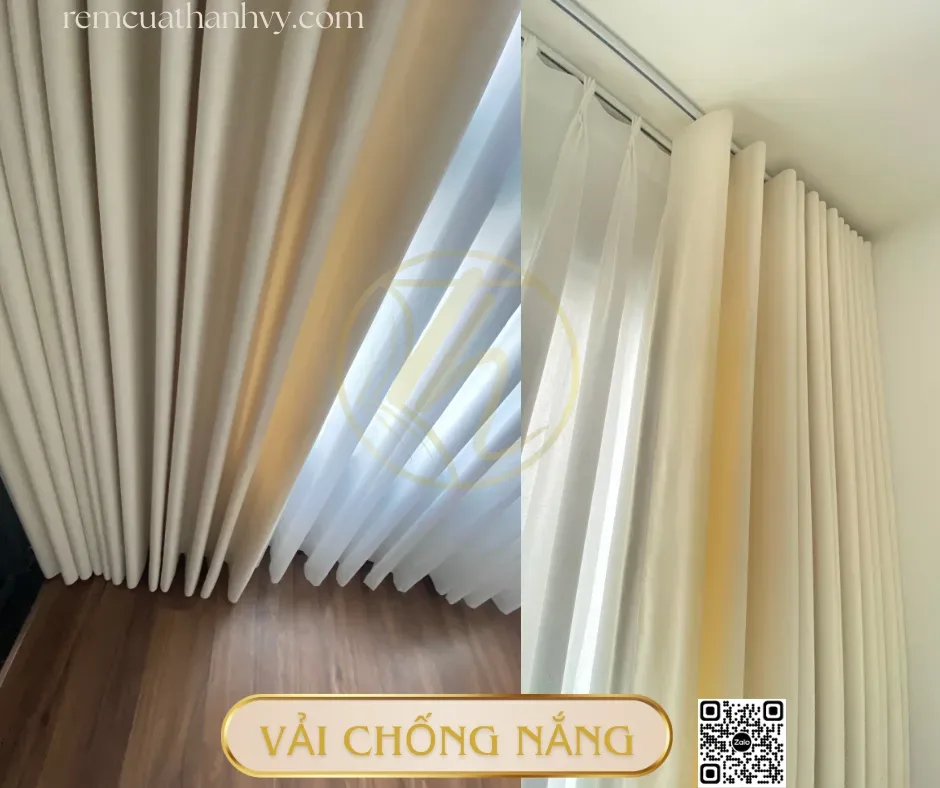
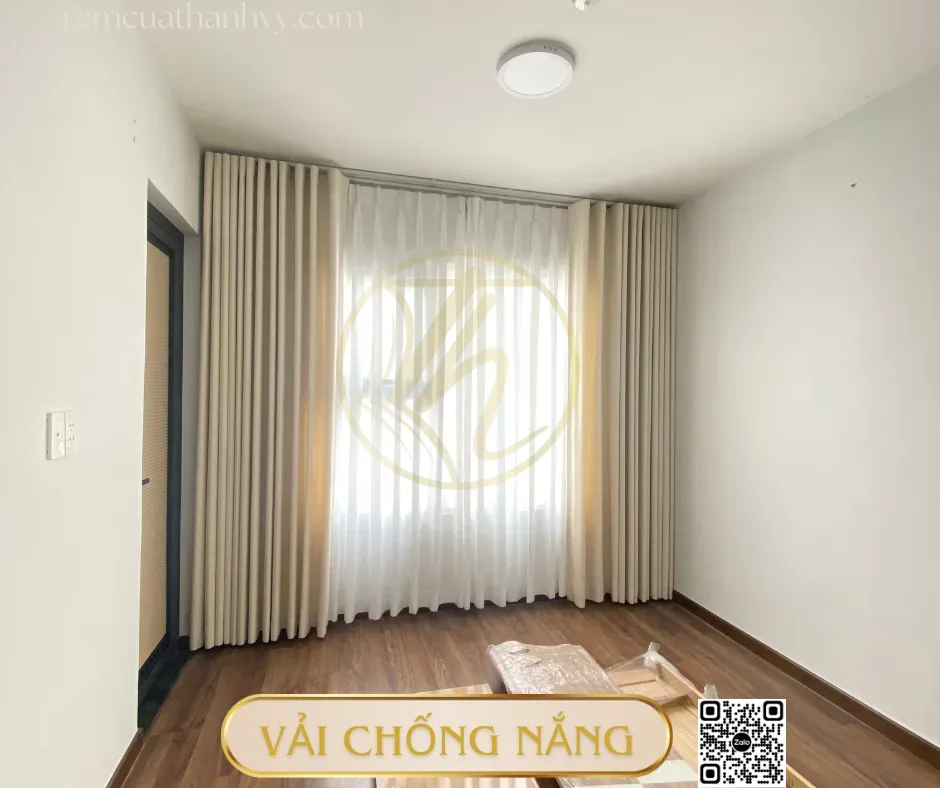
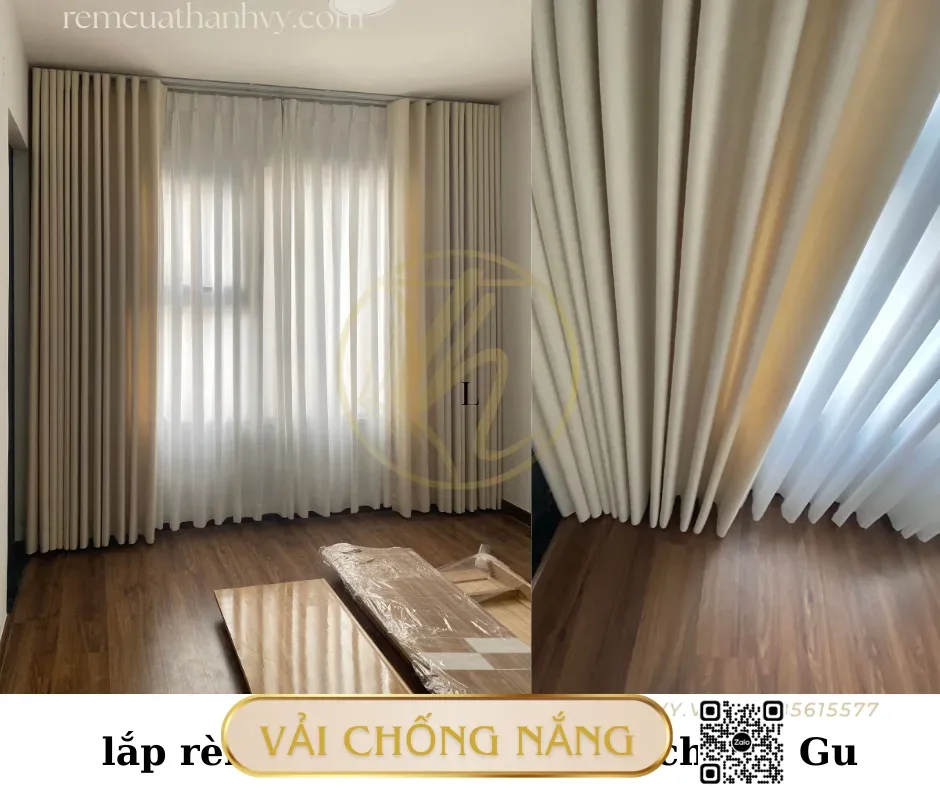
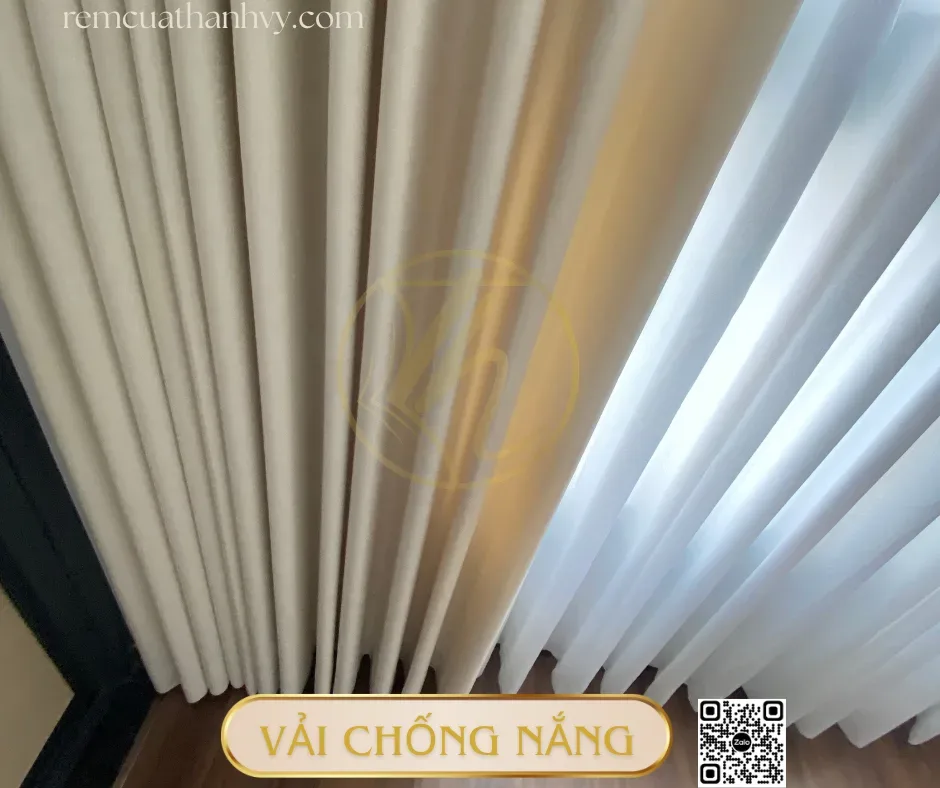
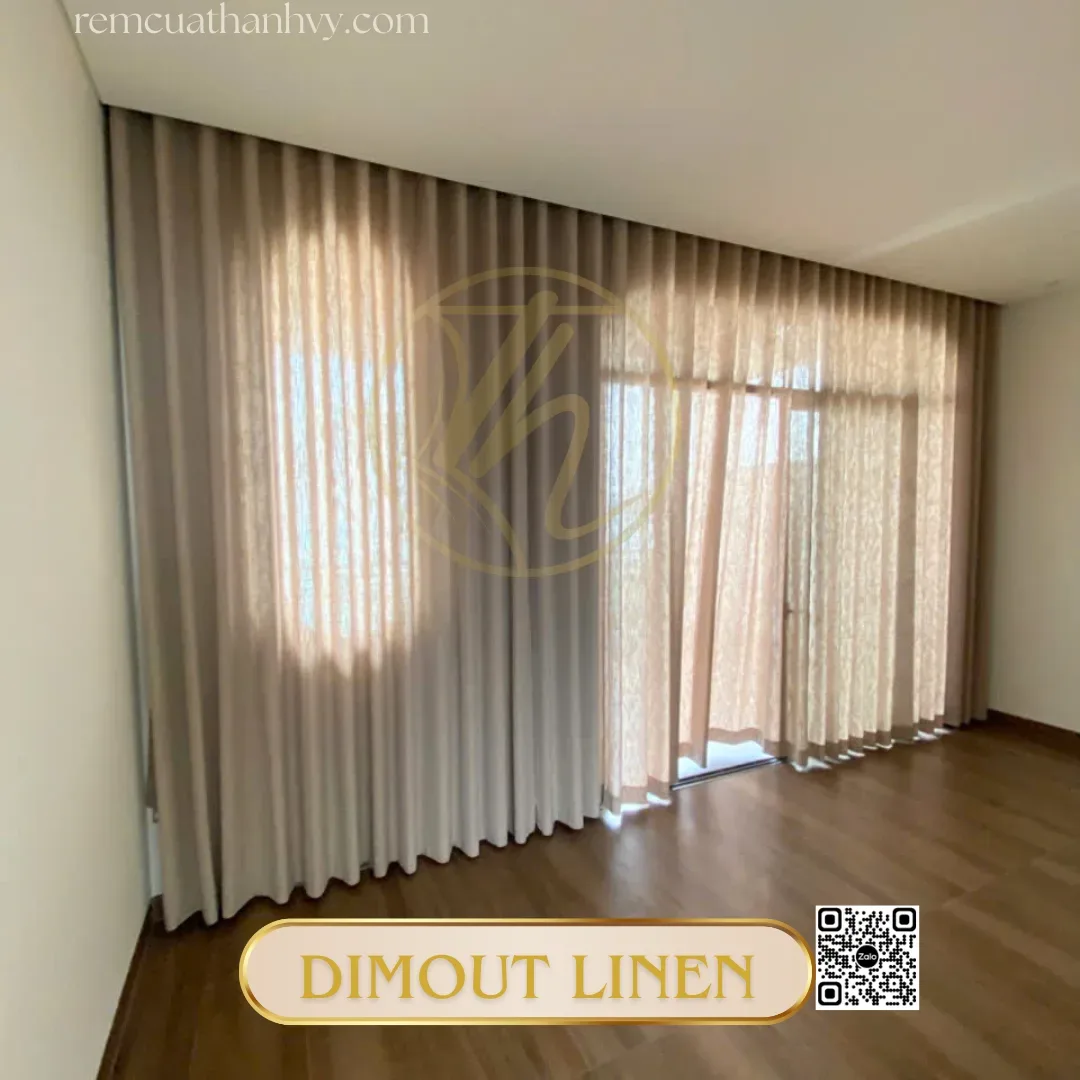
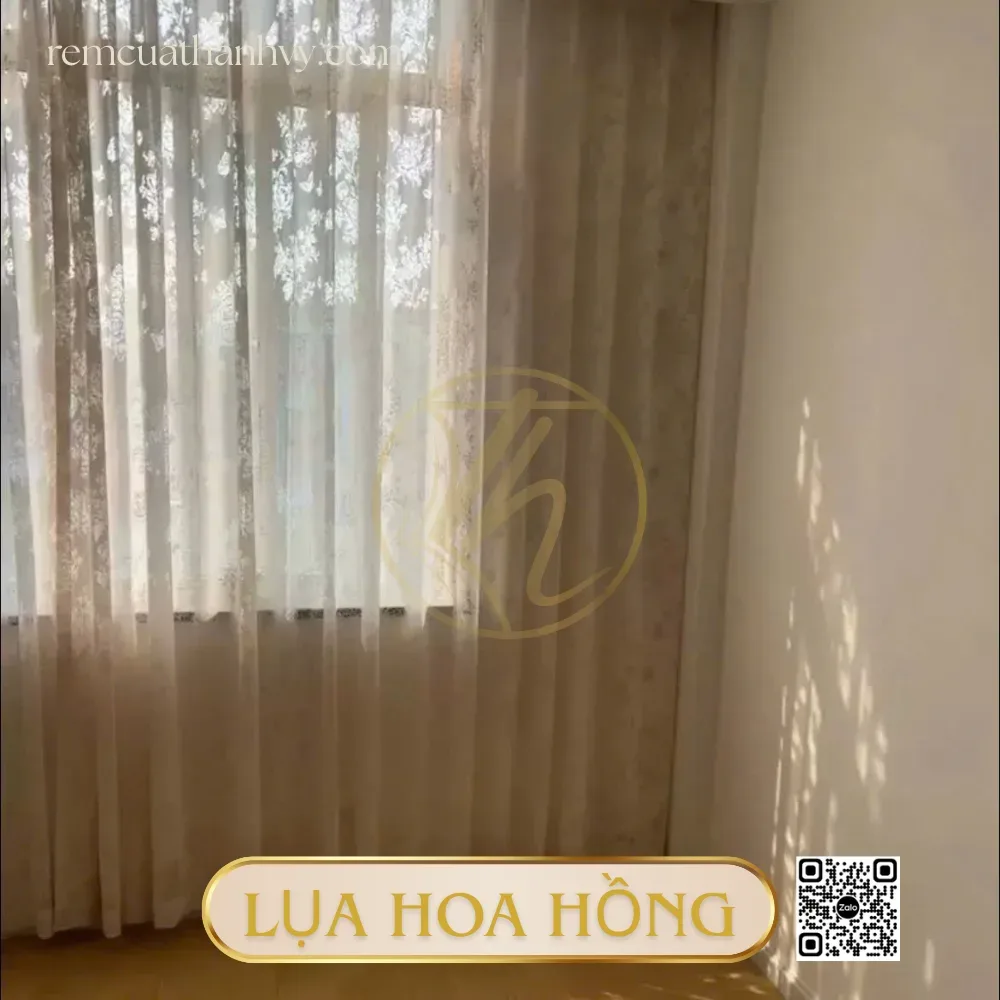
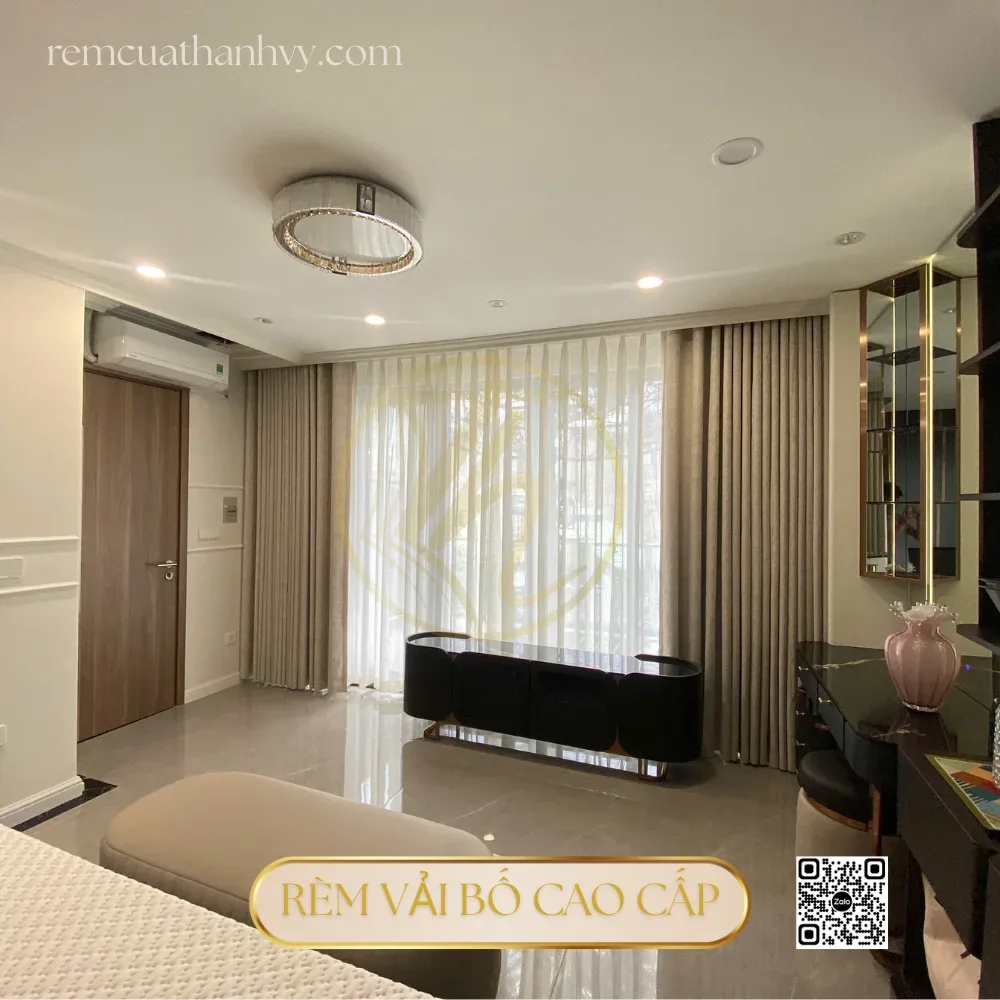
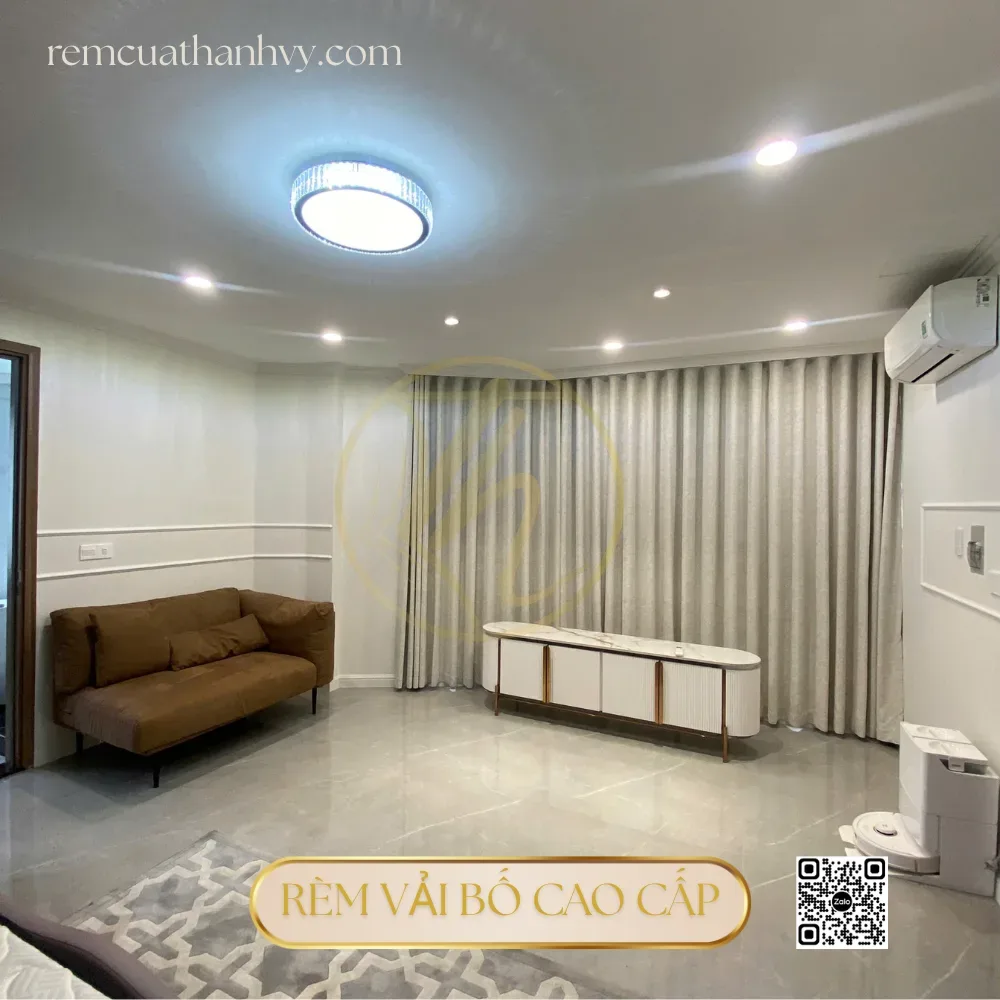
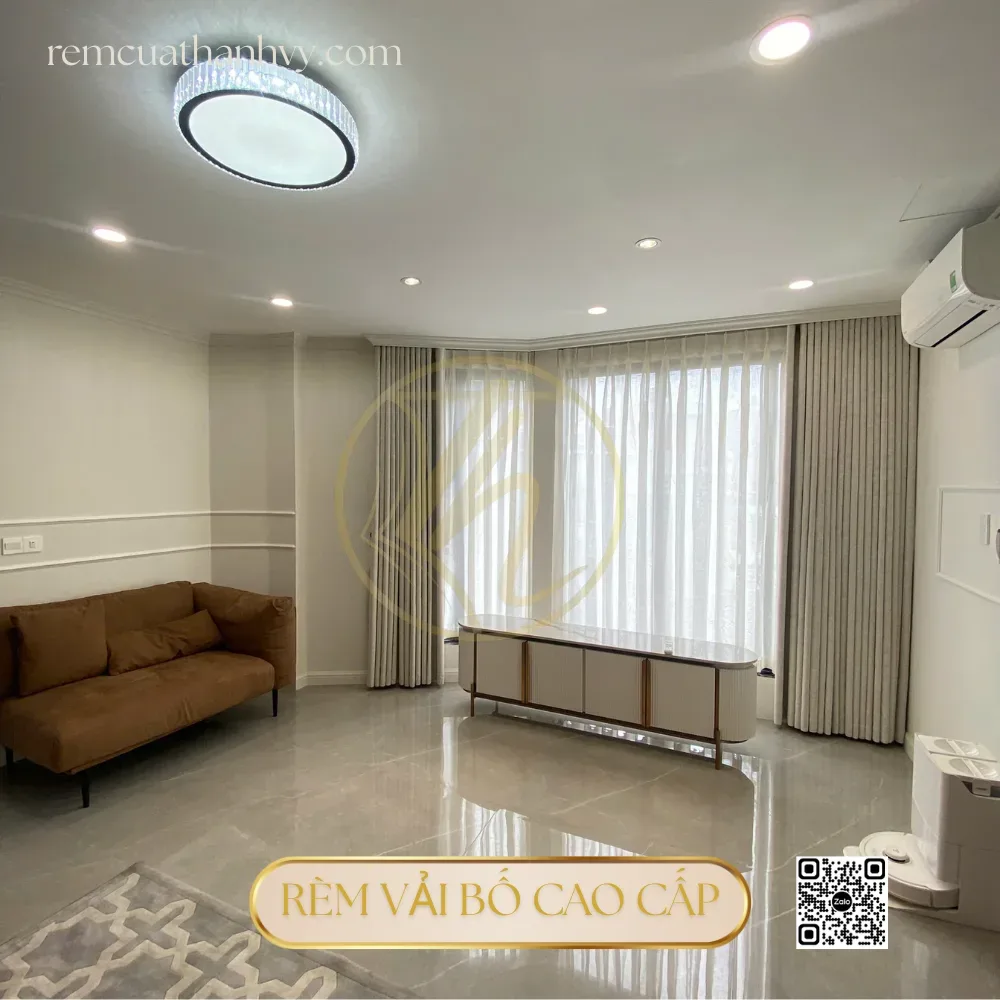
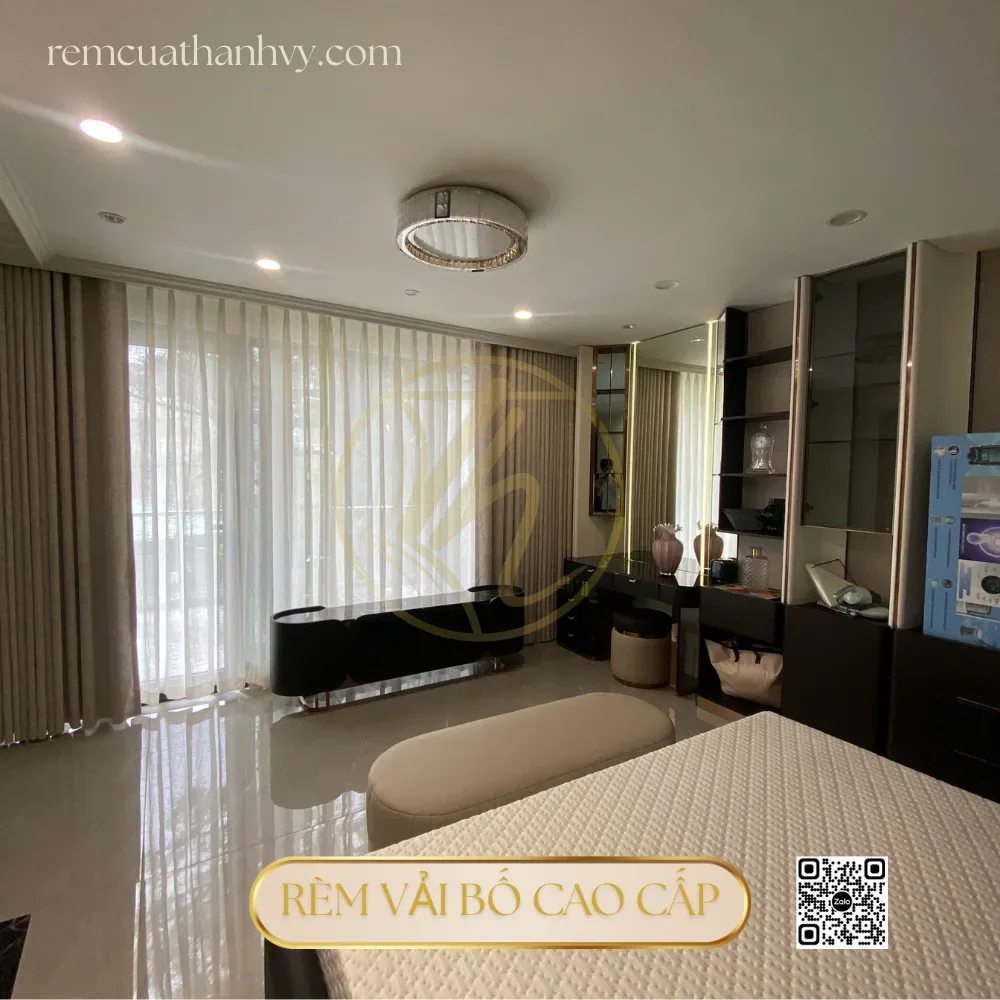
Linen Fabric Curtains
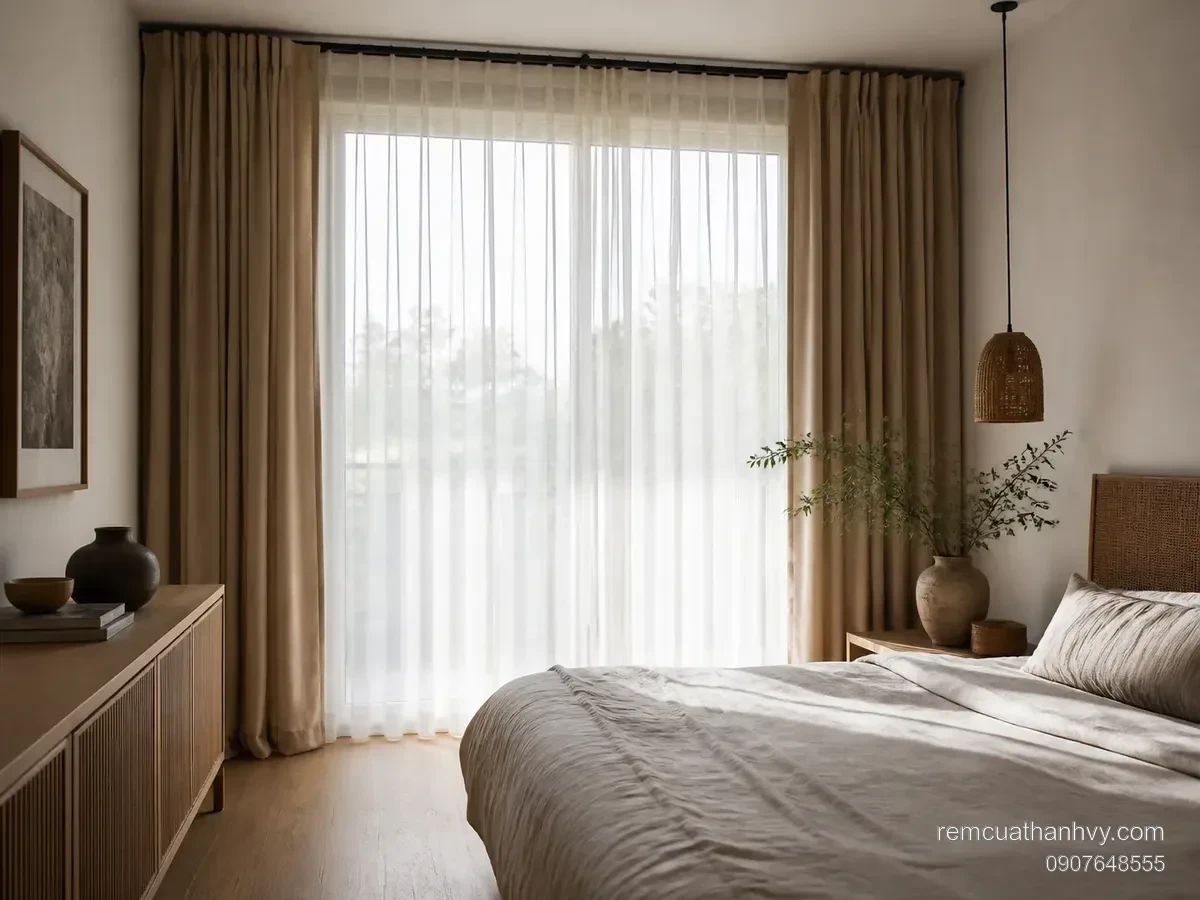
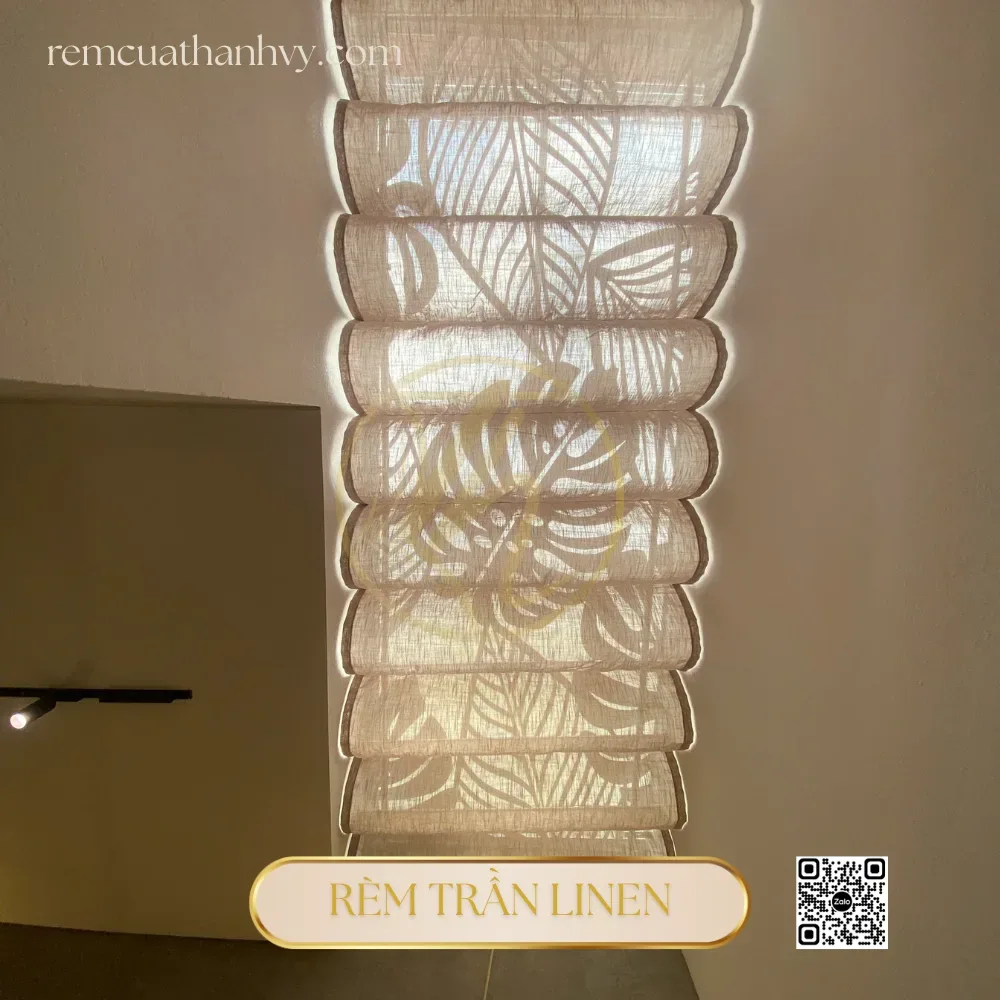
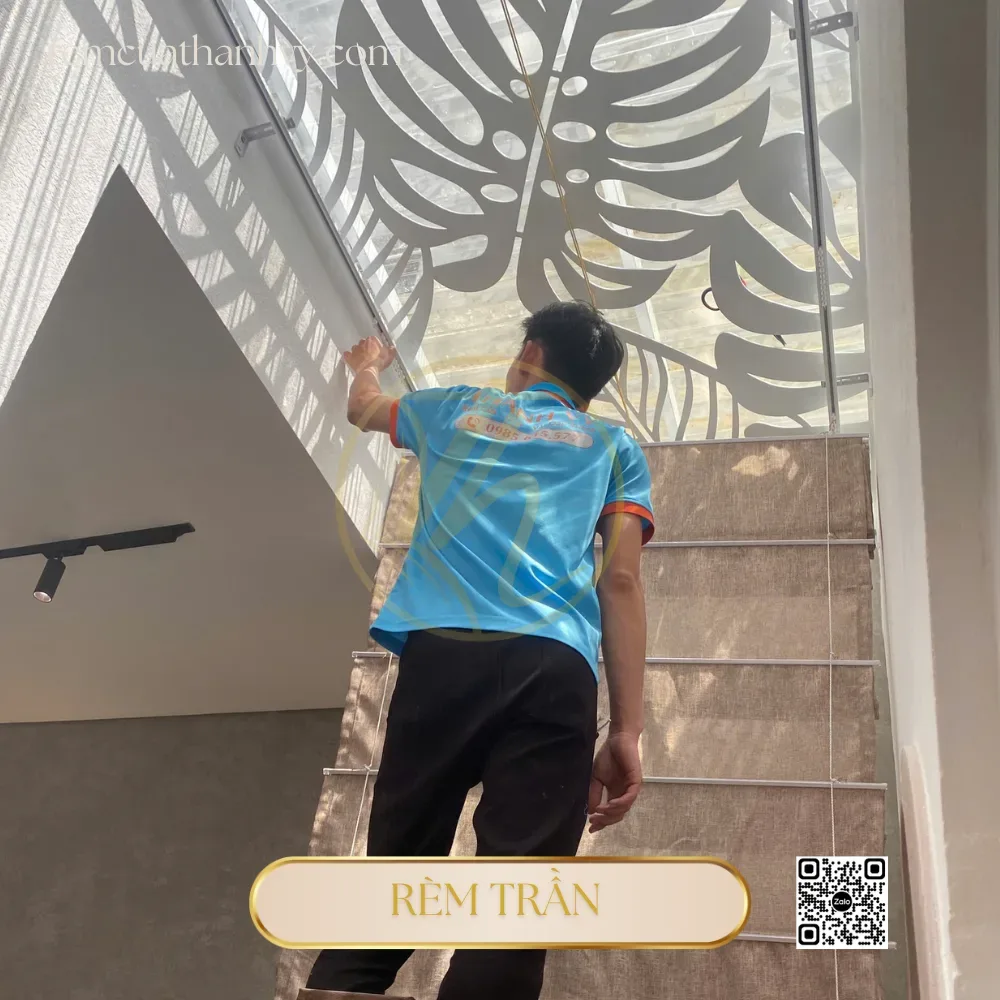
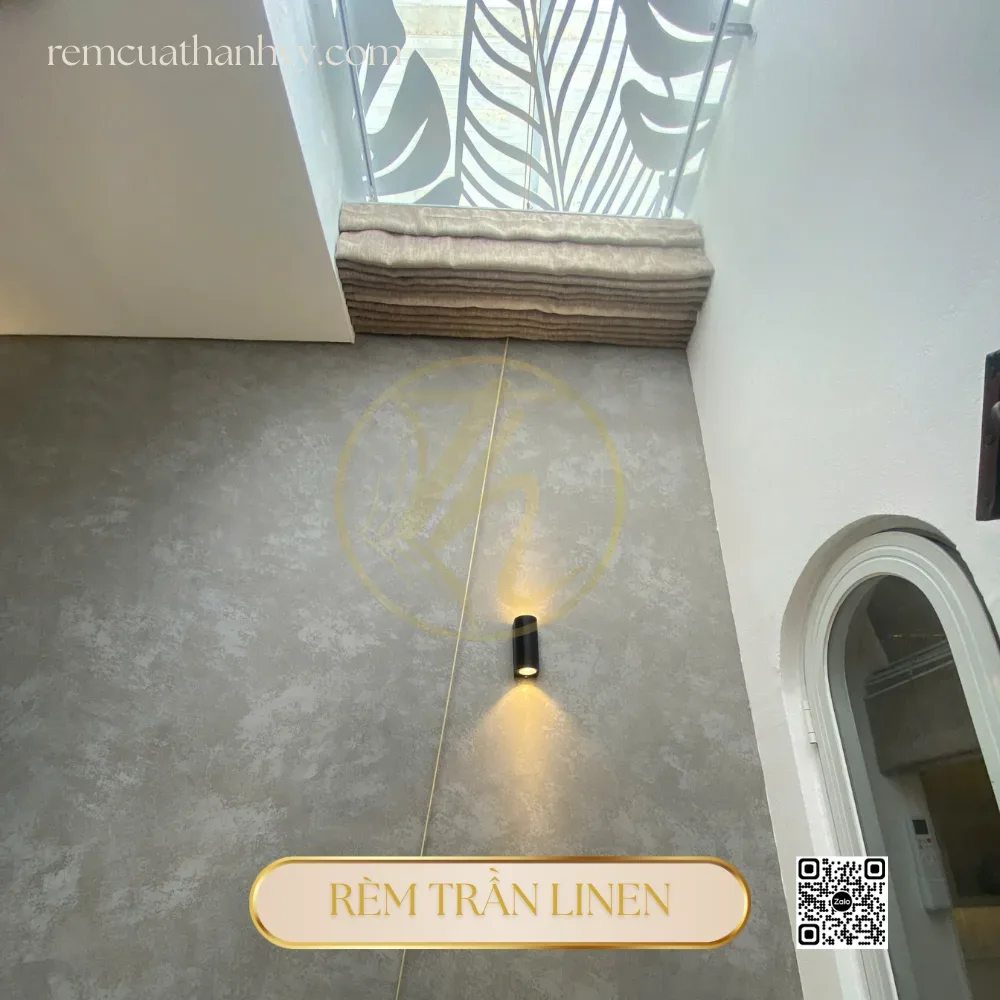
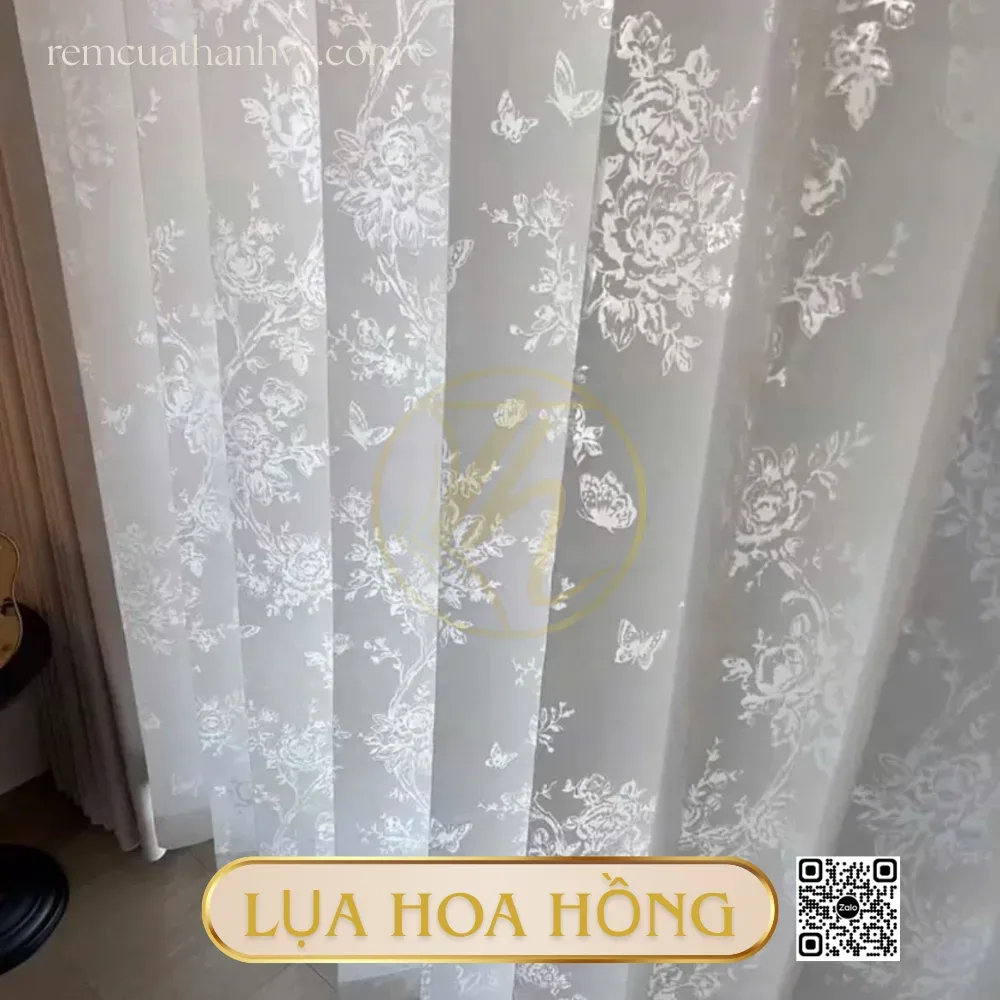
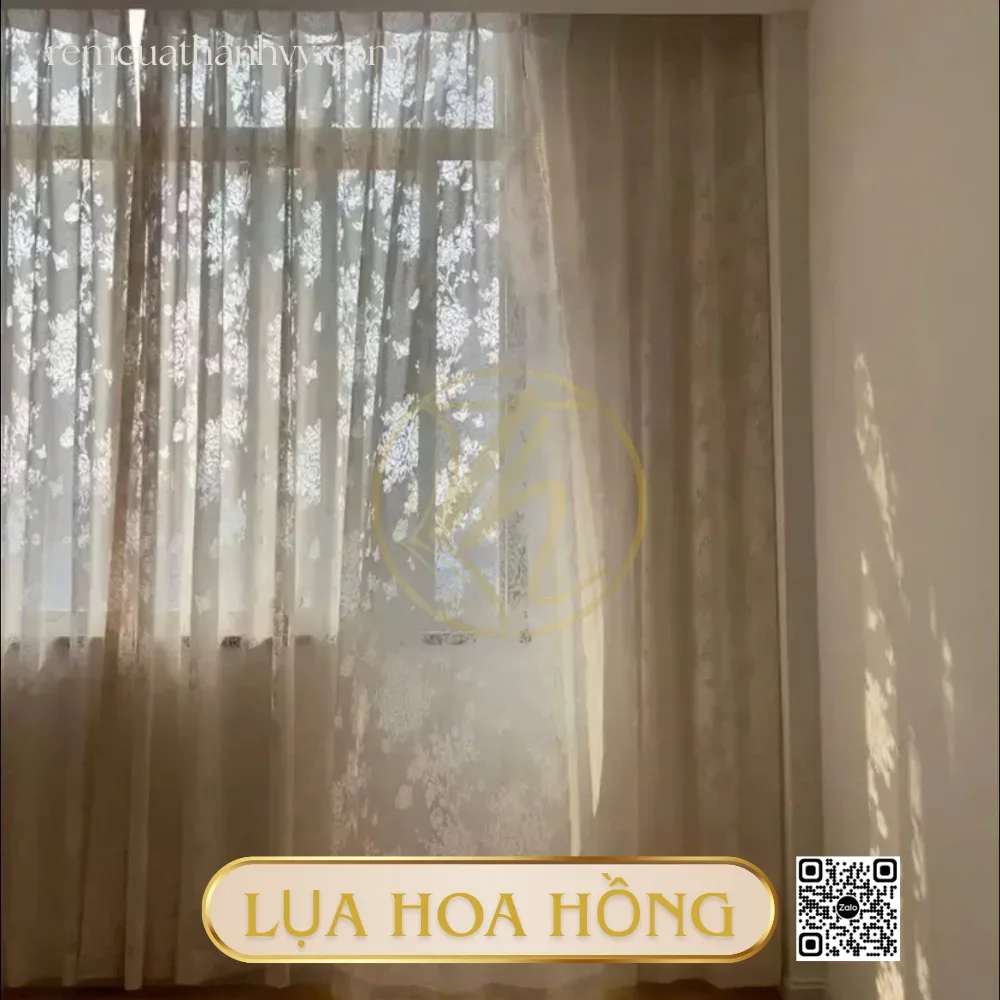
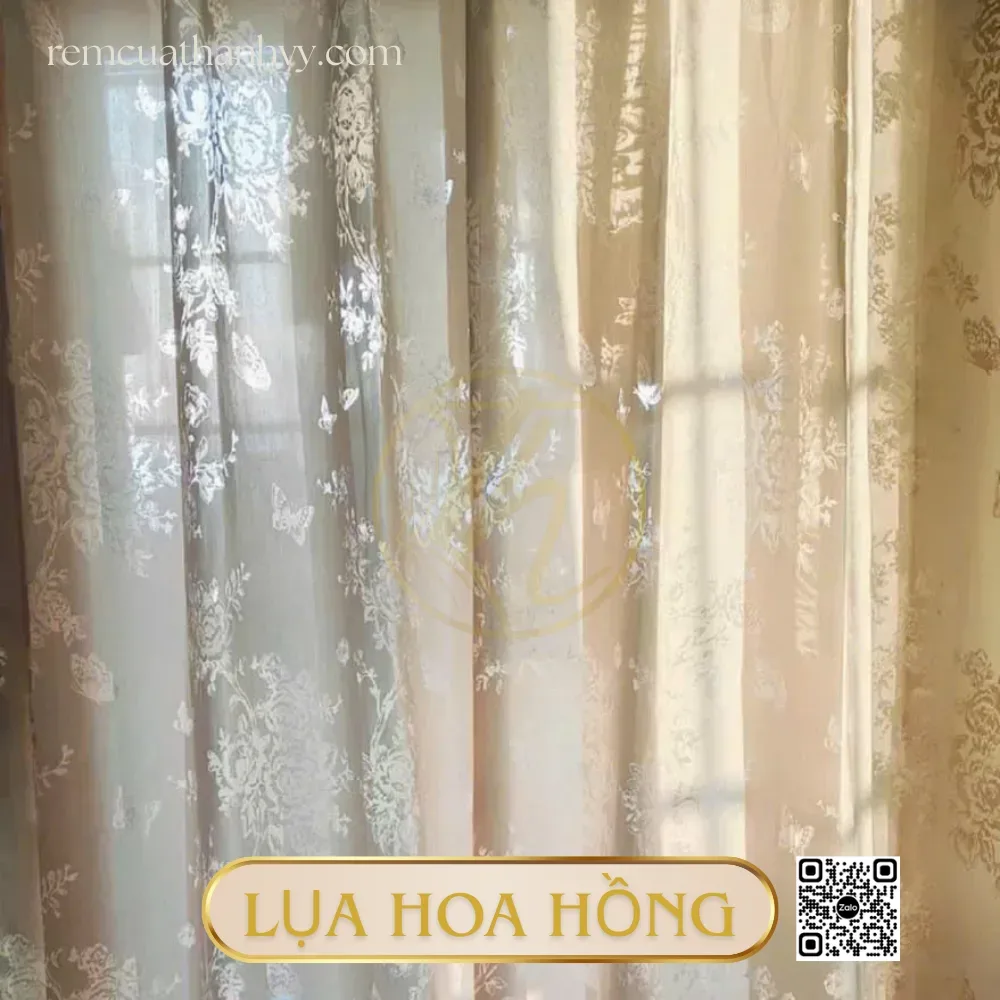
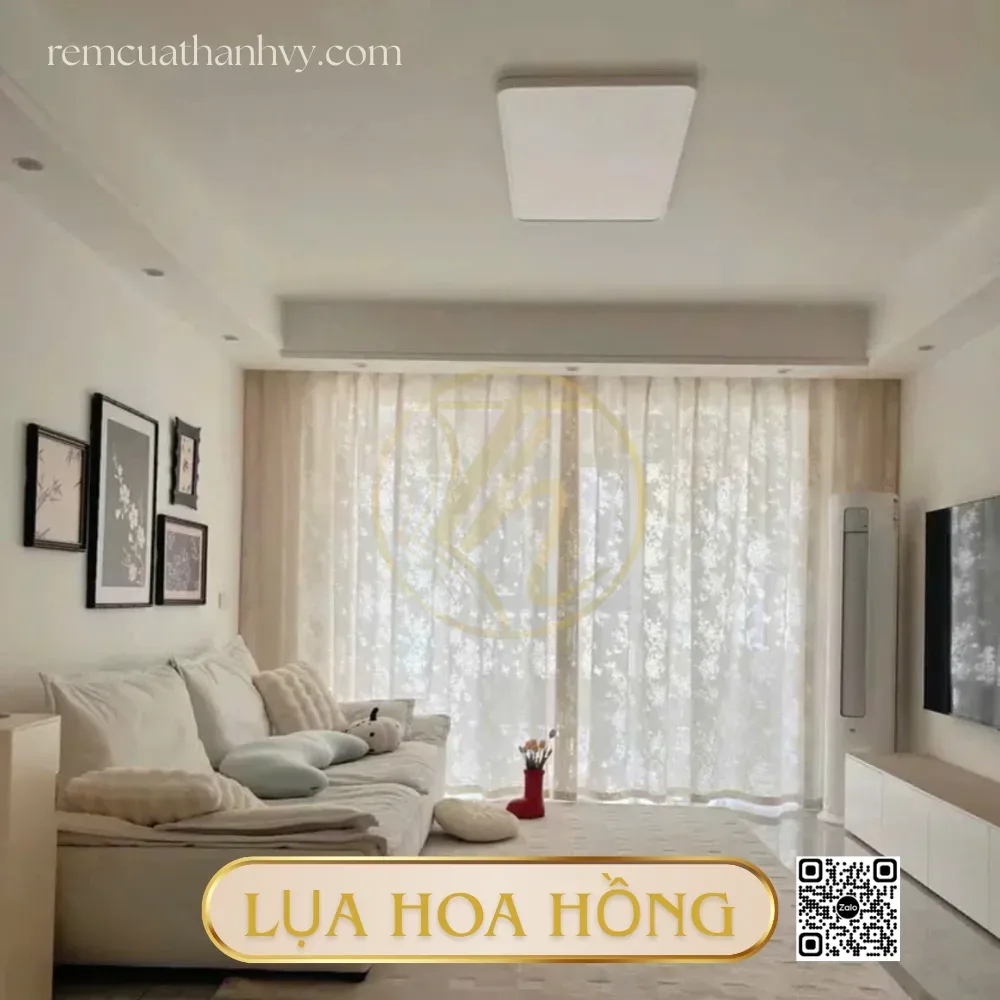
Linen material maintains a natural drape and moderate light blockage, fitting living rooms or bedrooms requiring a balance of light intake and privacy.
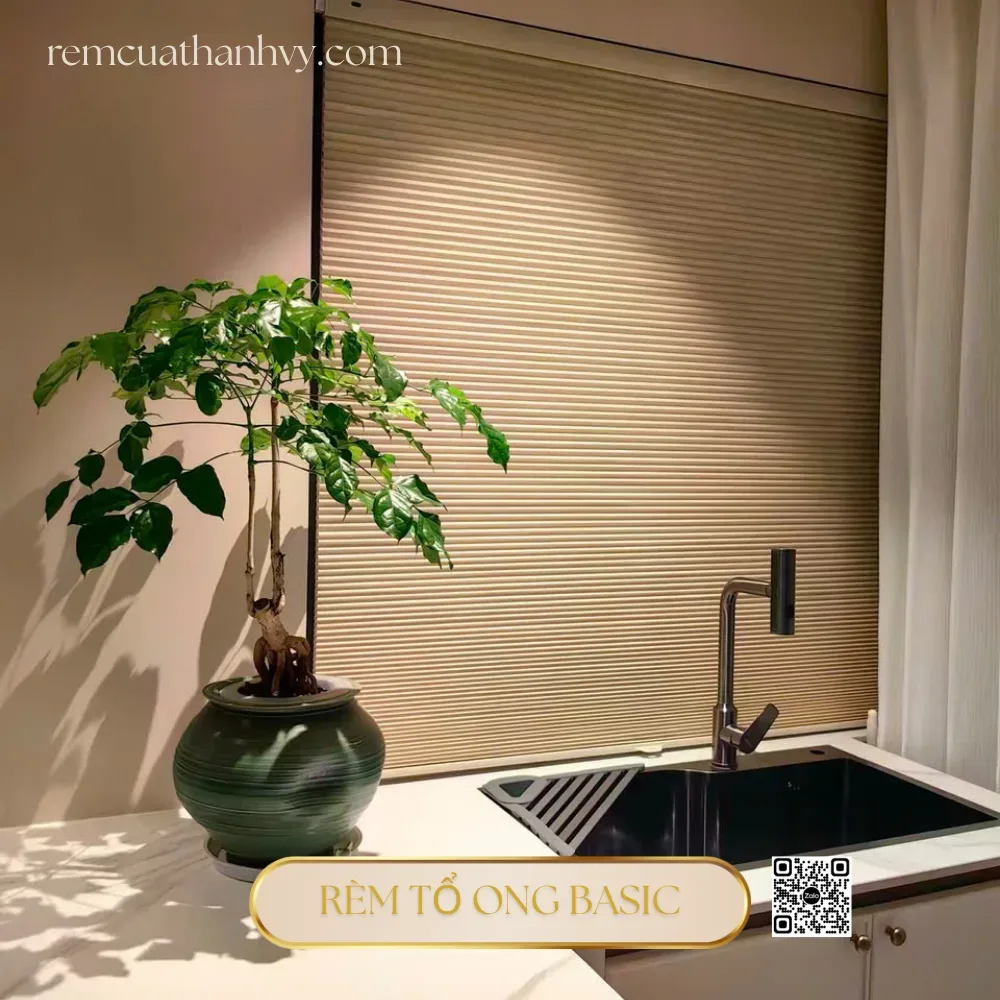
High-End Blackout Fabric Curtains
Multi-layered thick fabrics help reduce intense light and limit outside visibility.
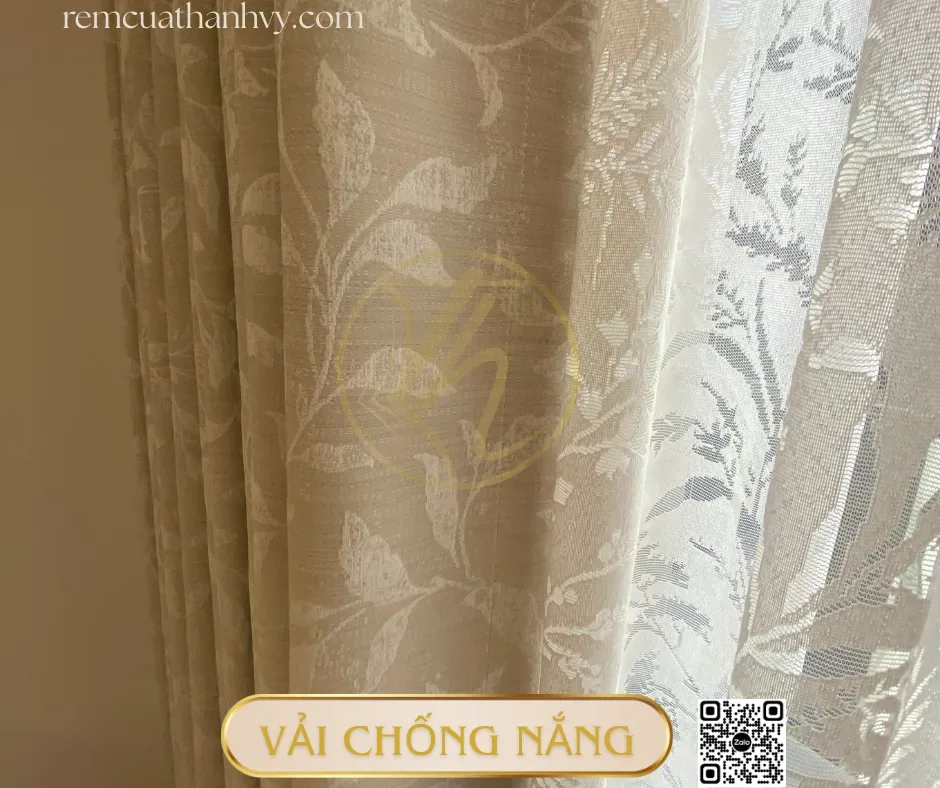
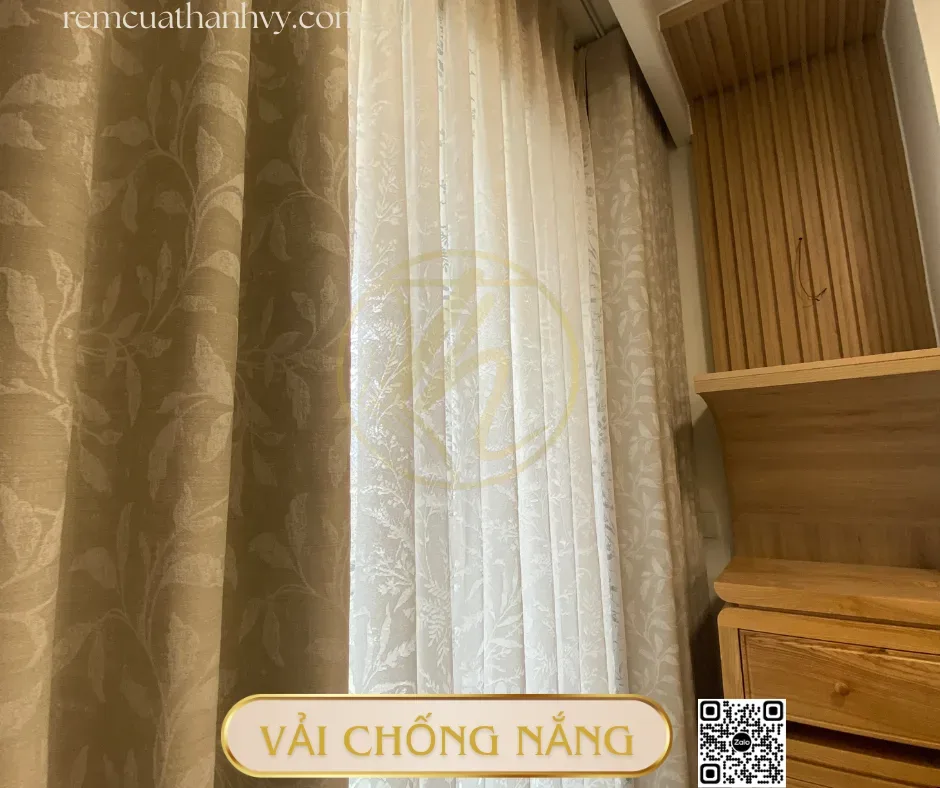
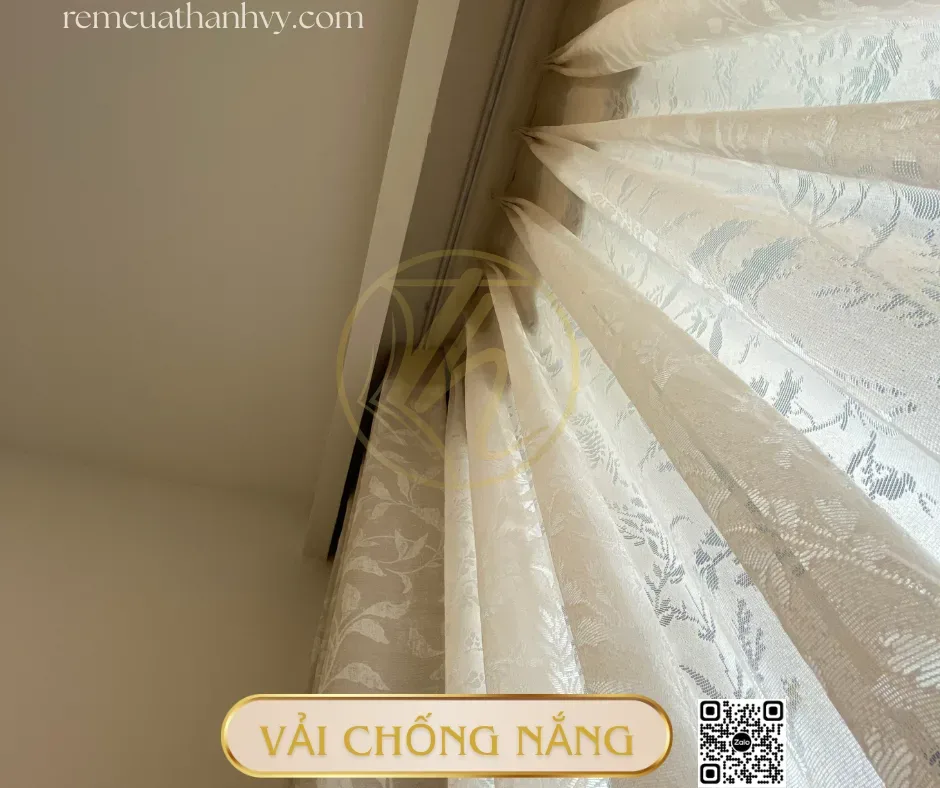
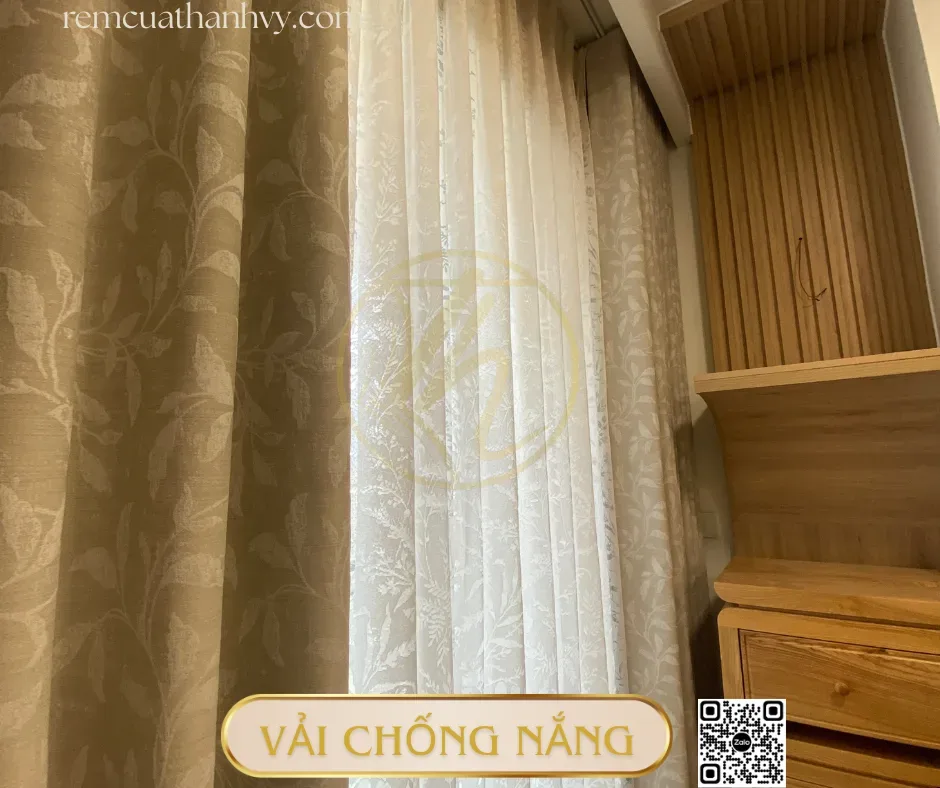
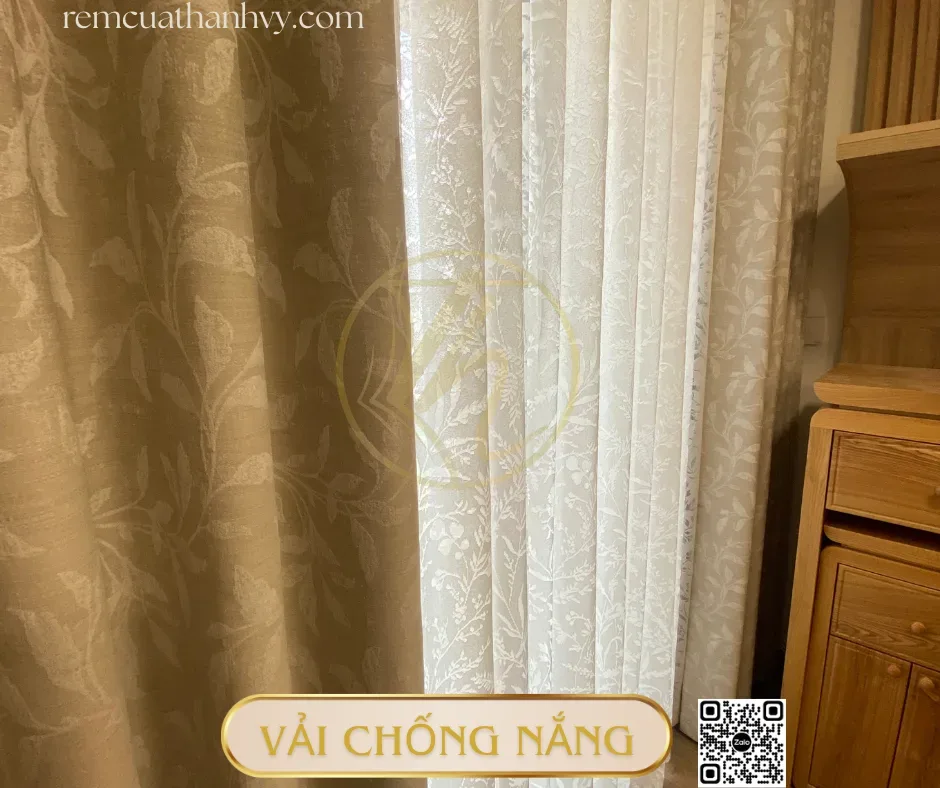
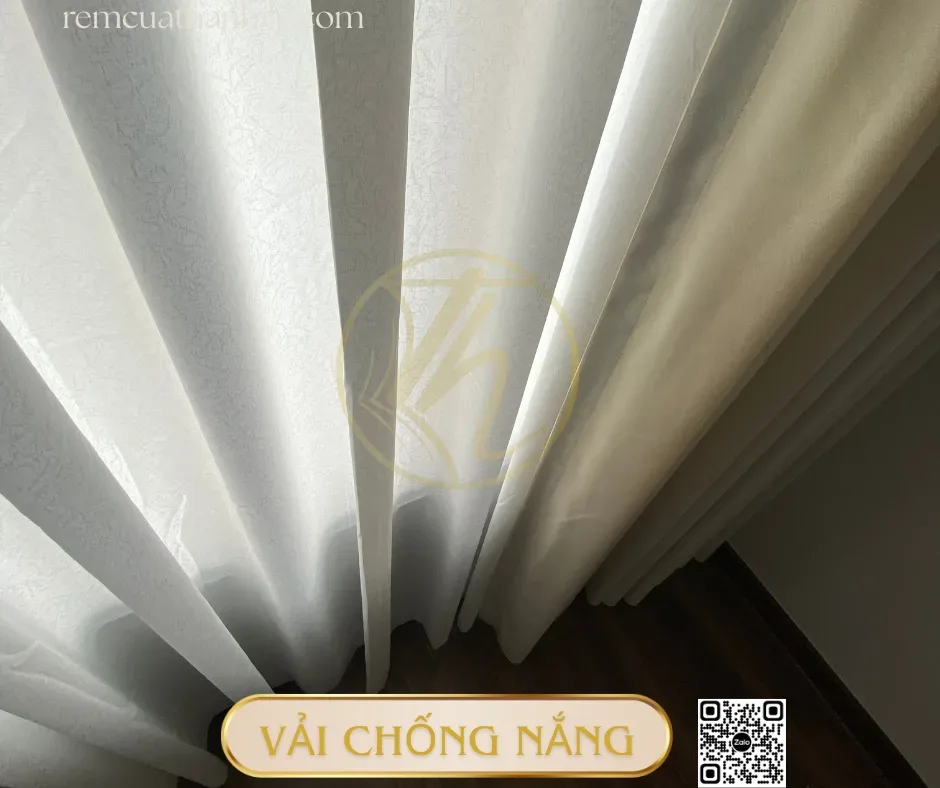
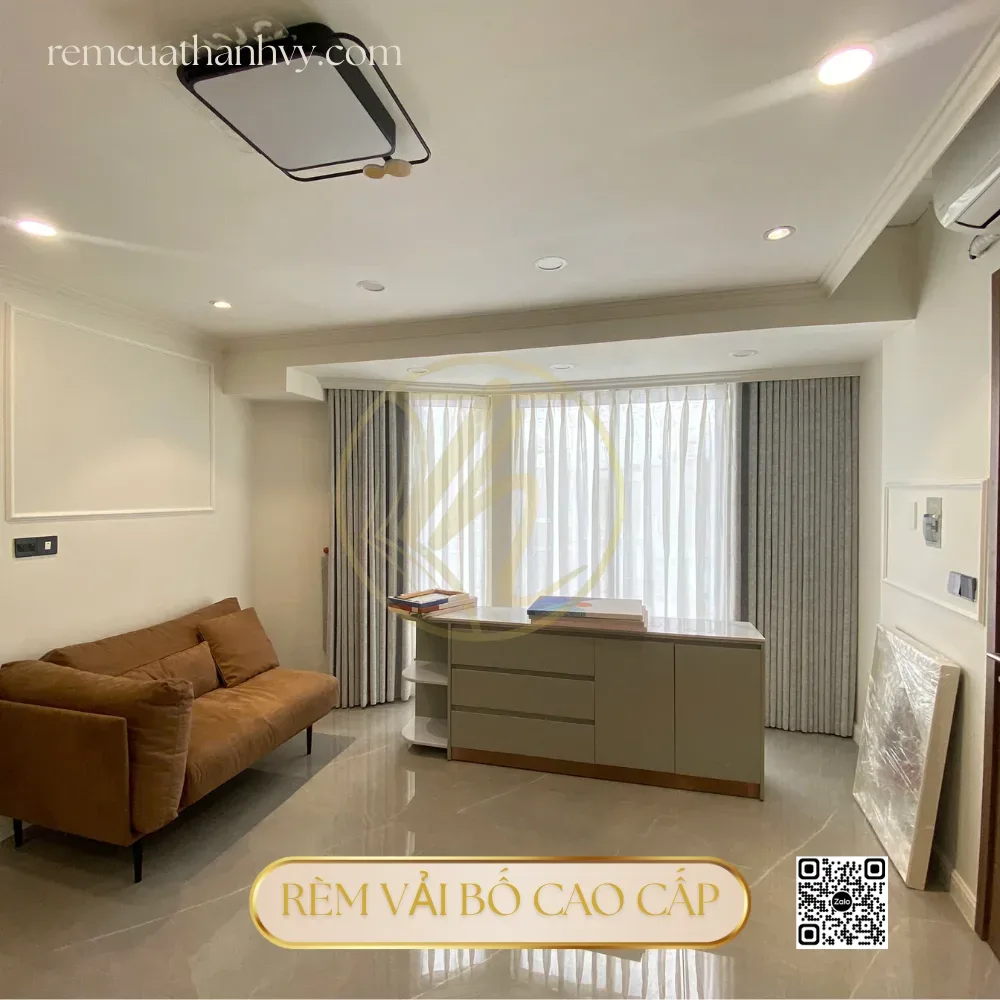
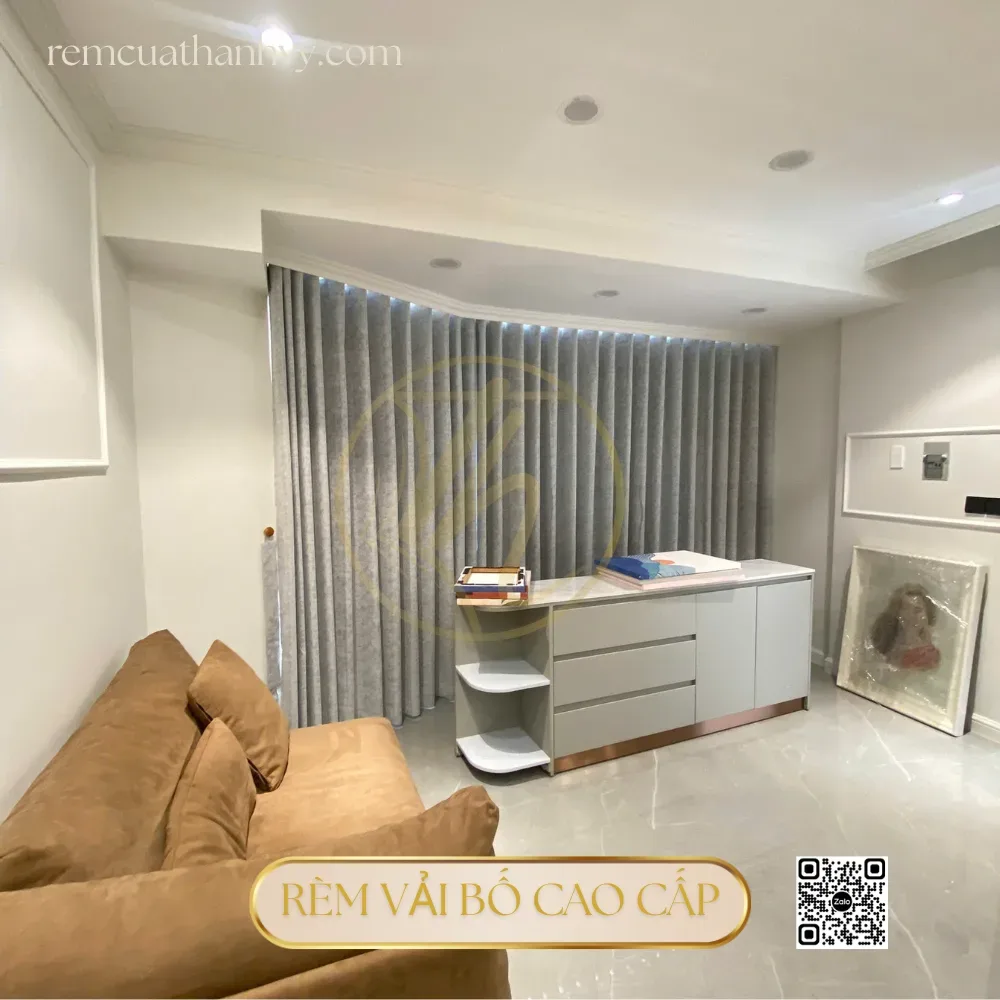
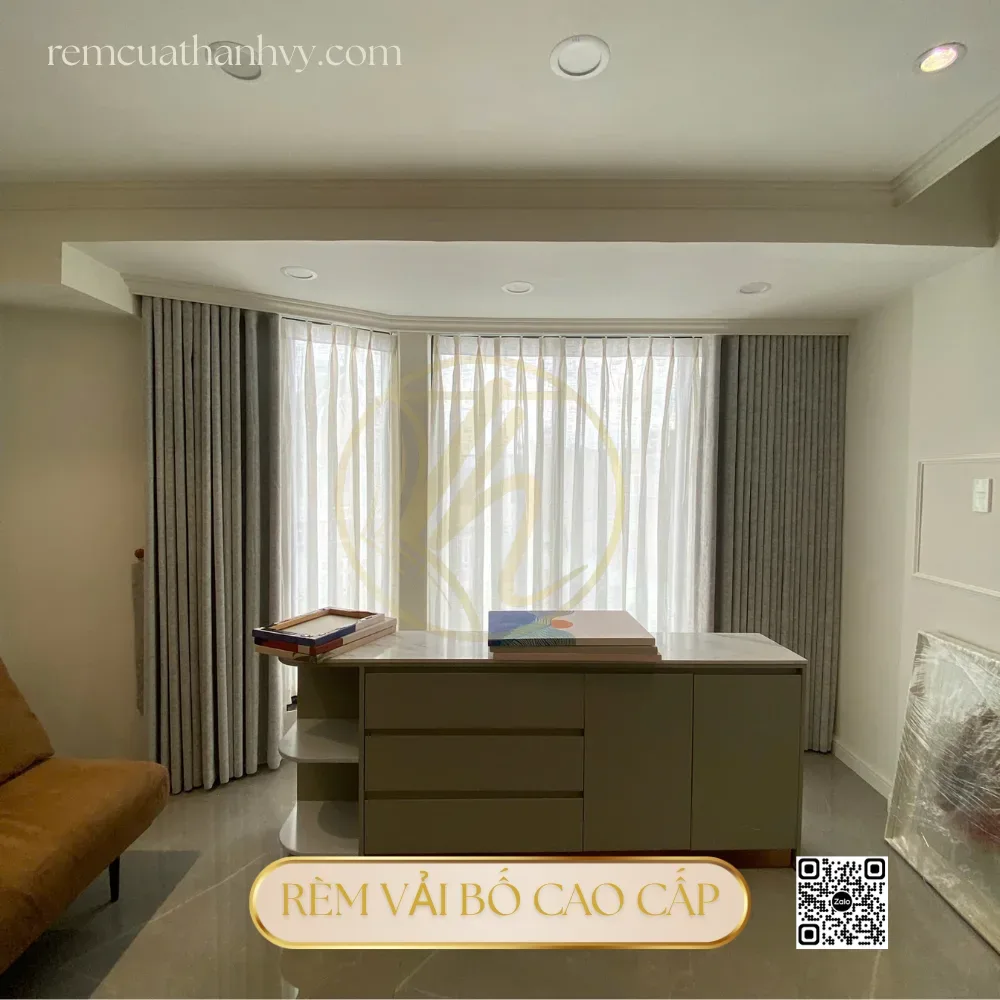
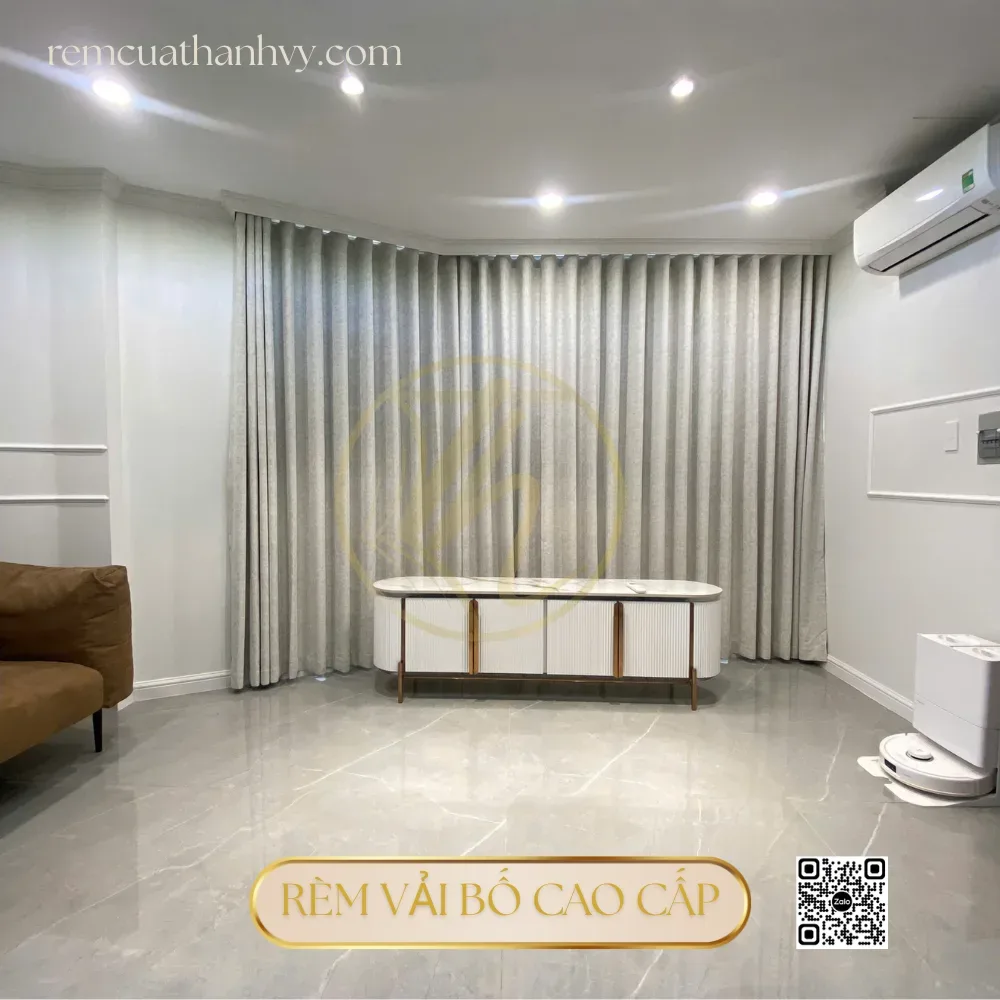
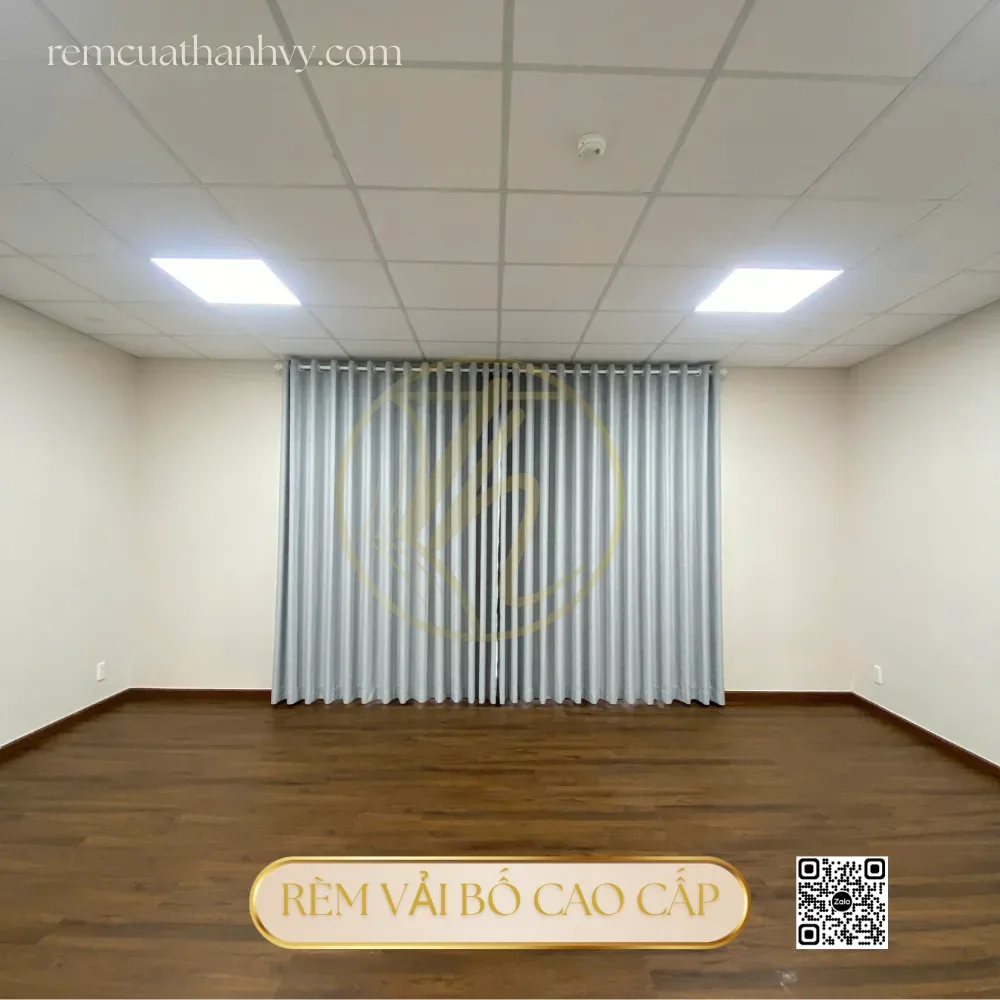
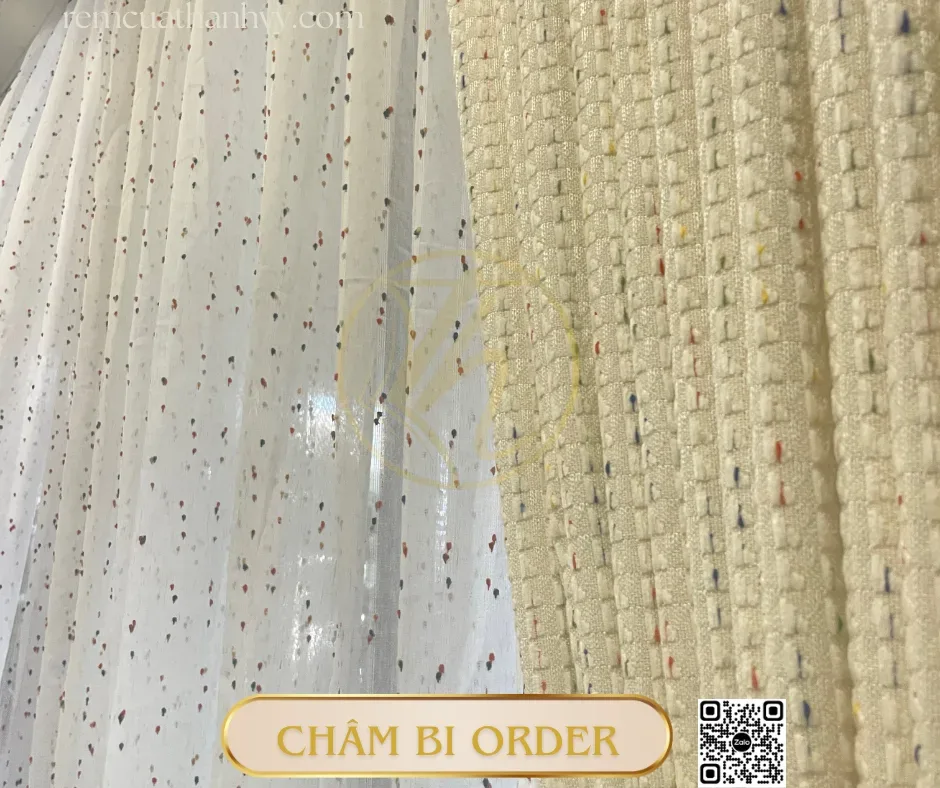
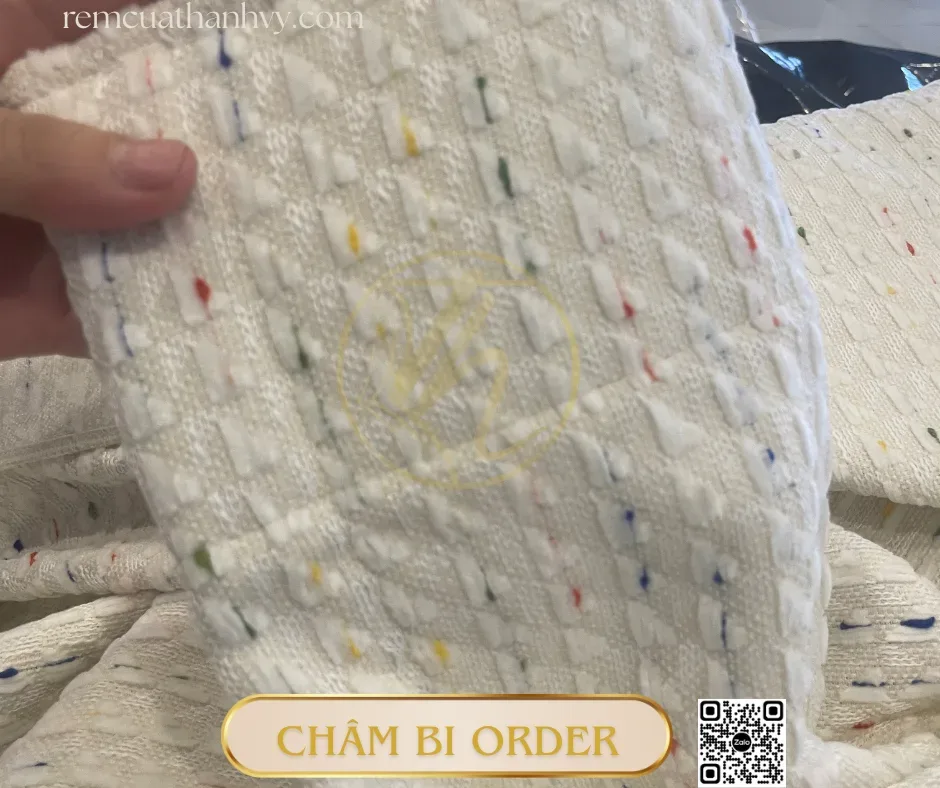
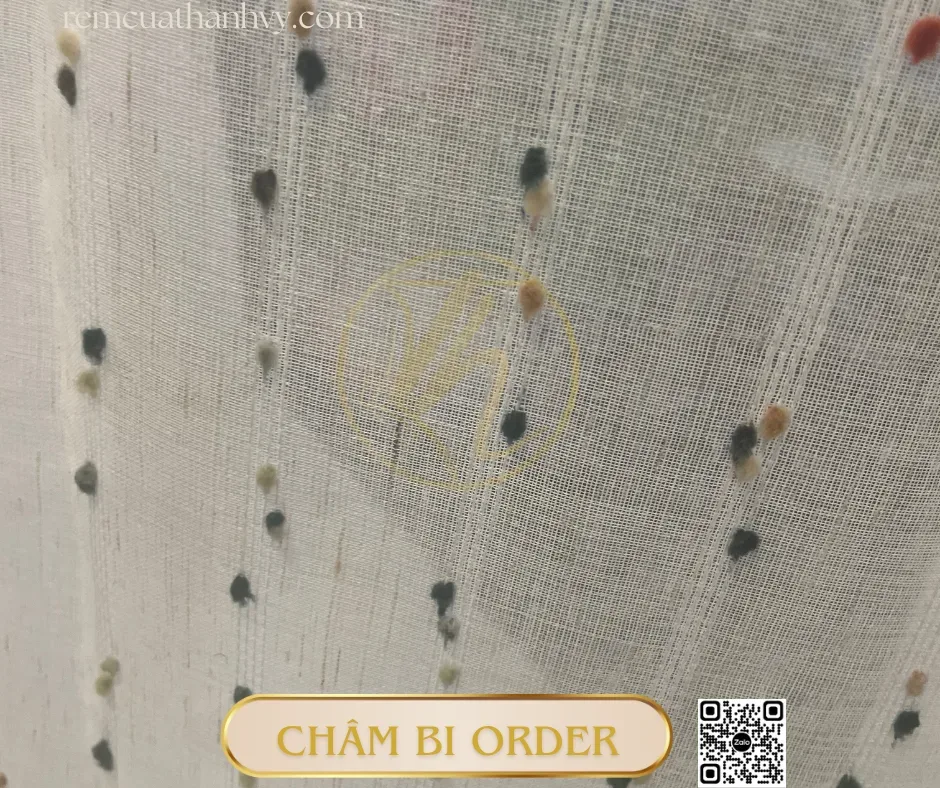
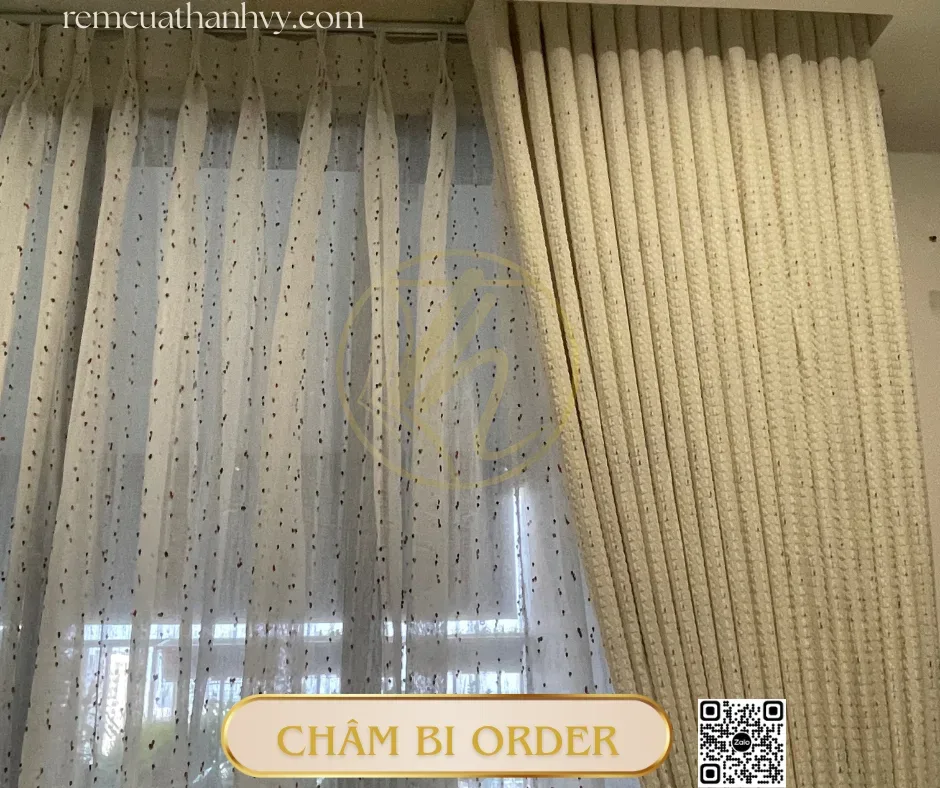
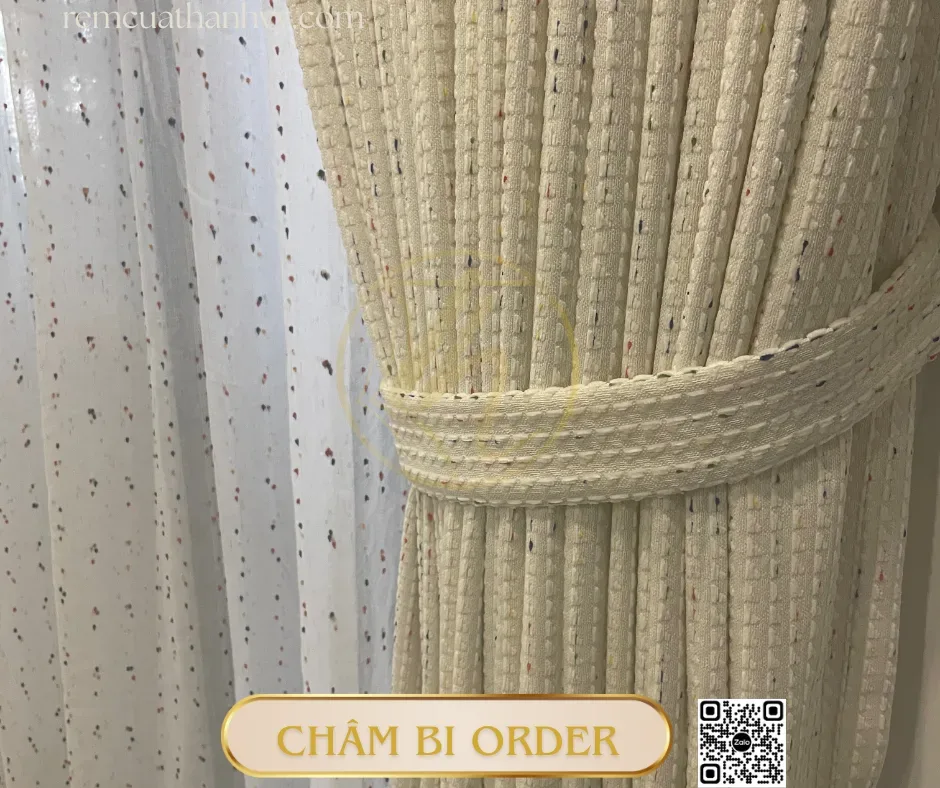
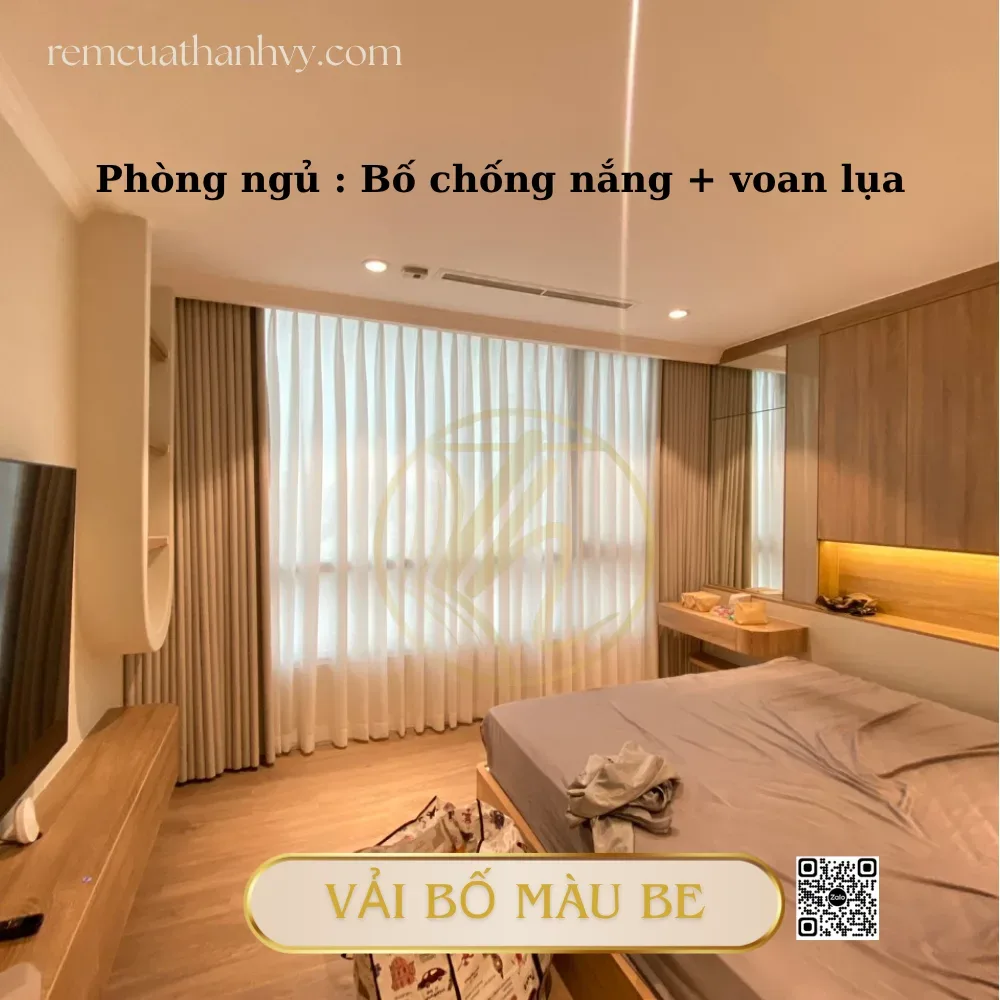
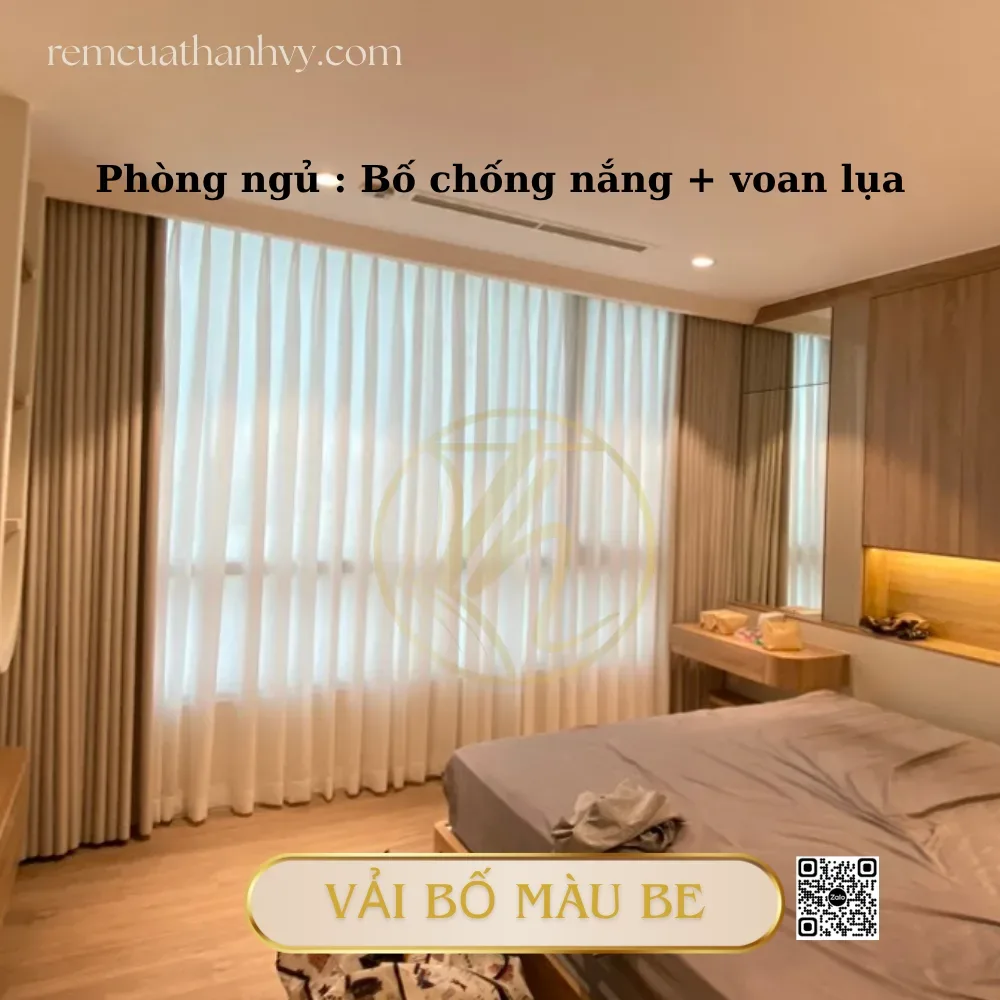
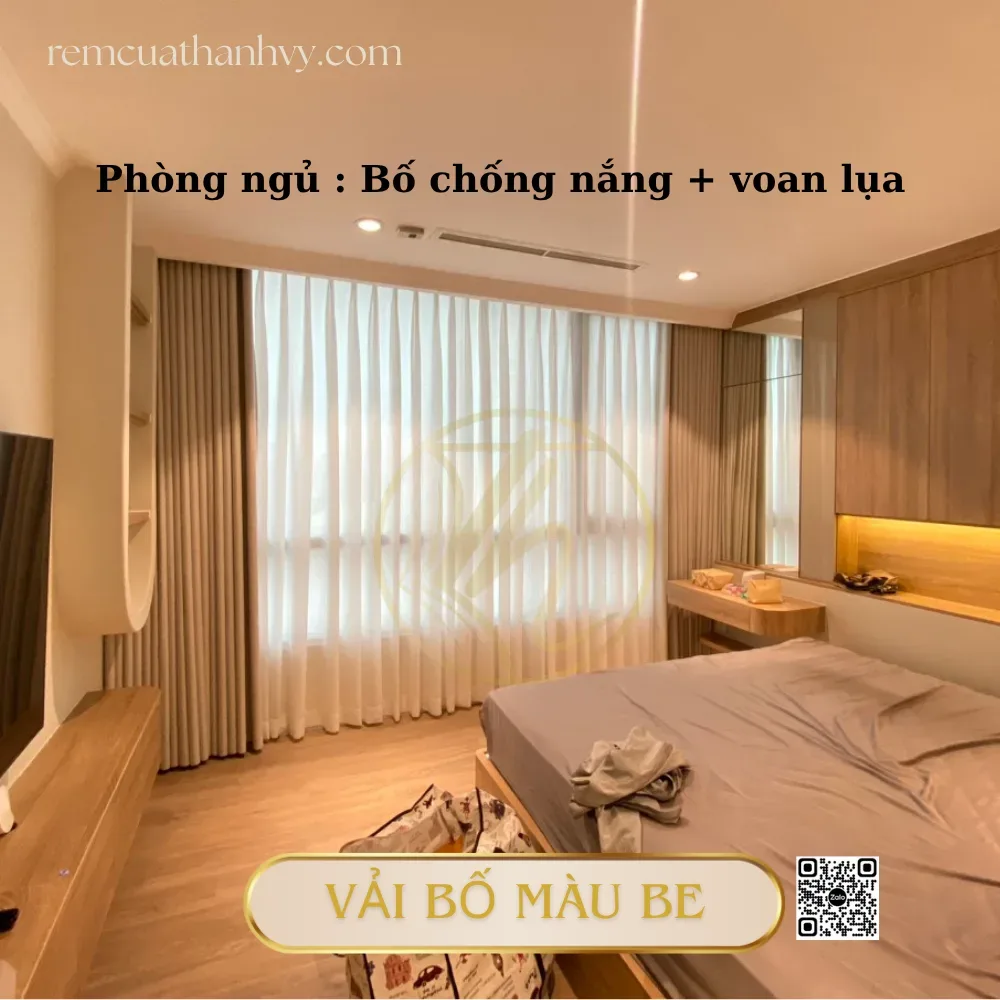
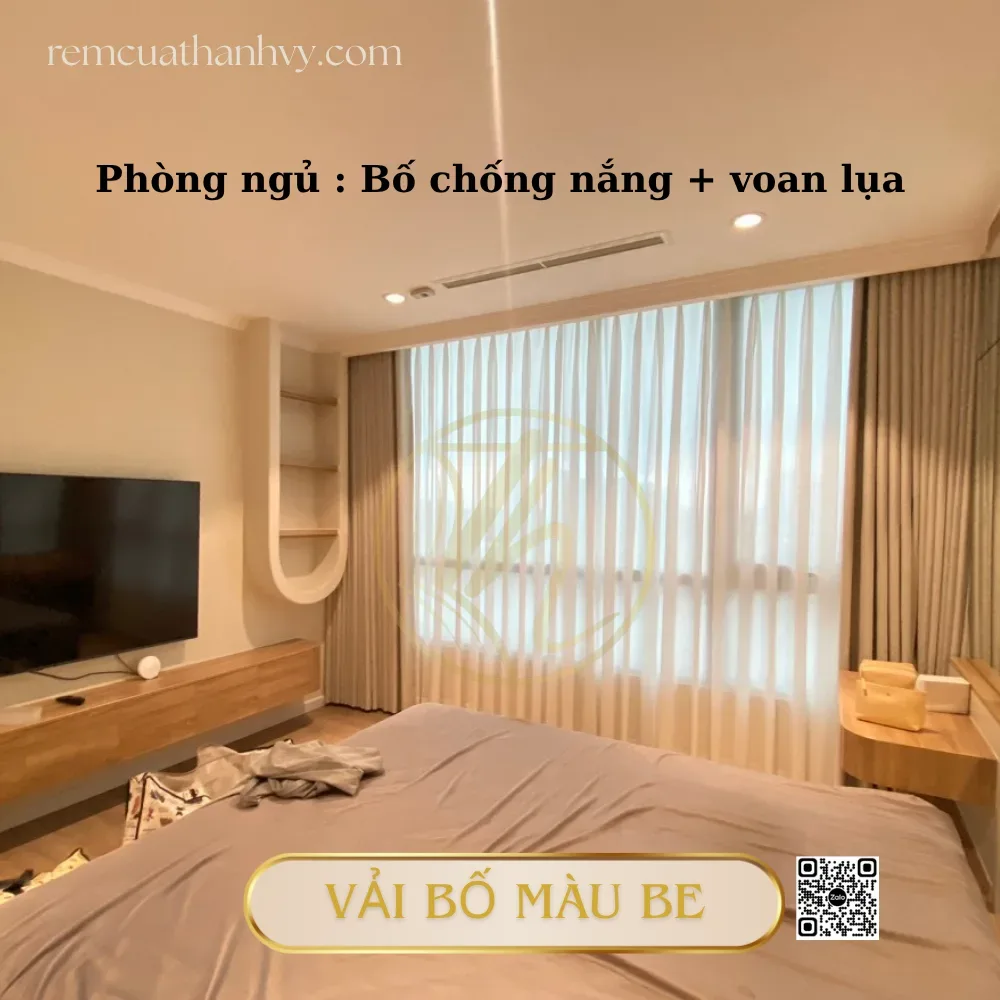
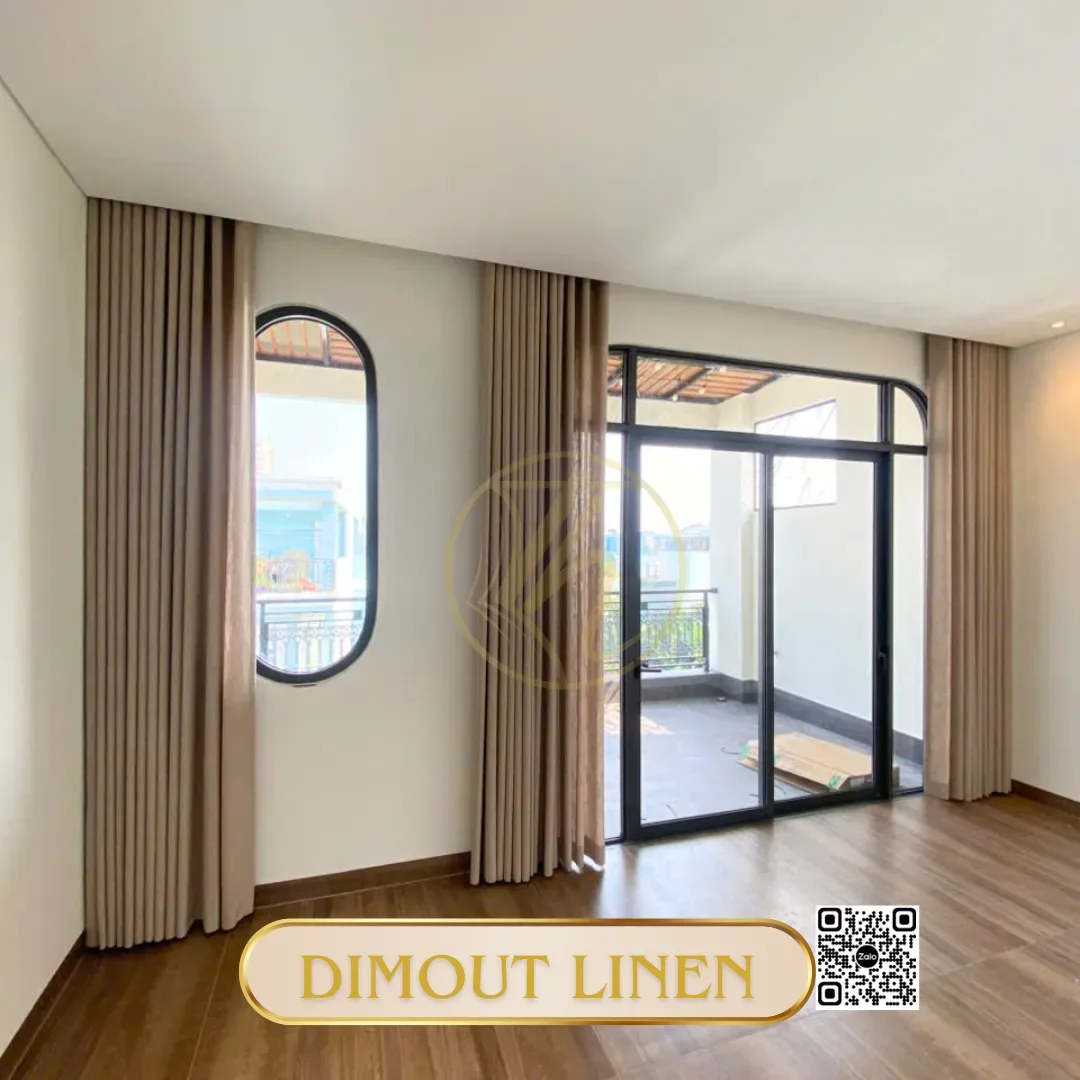
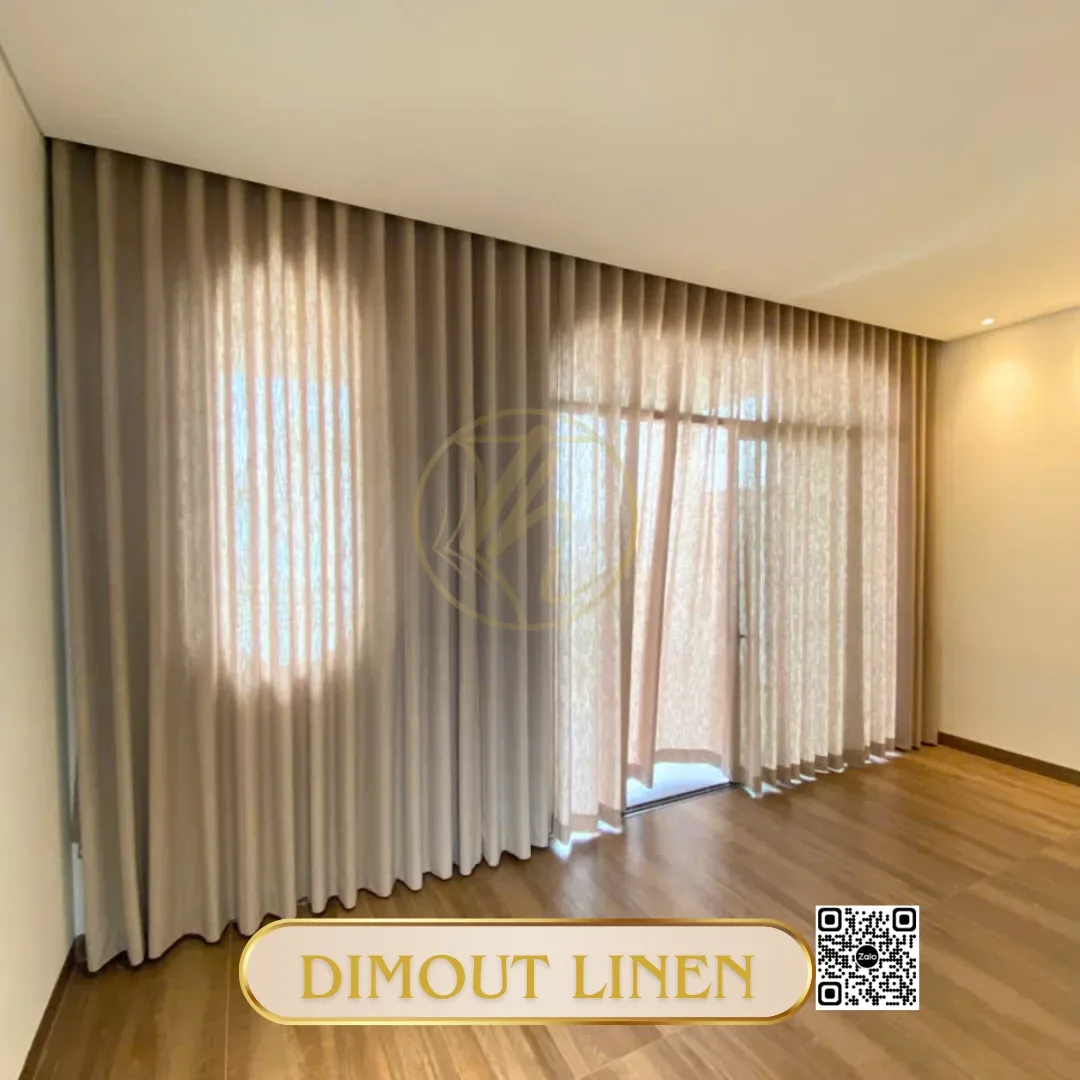
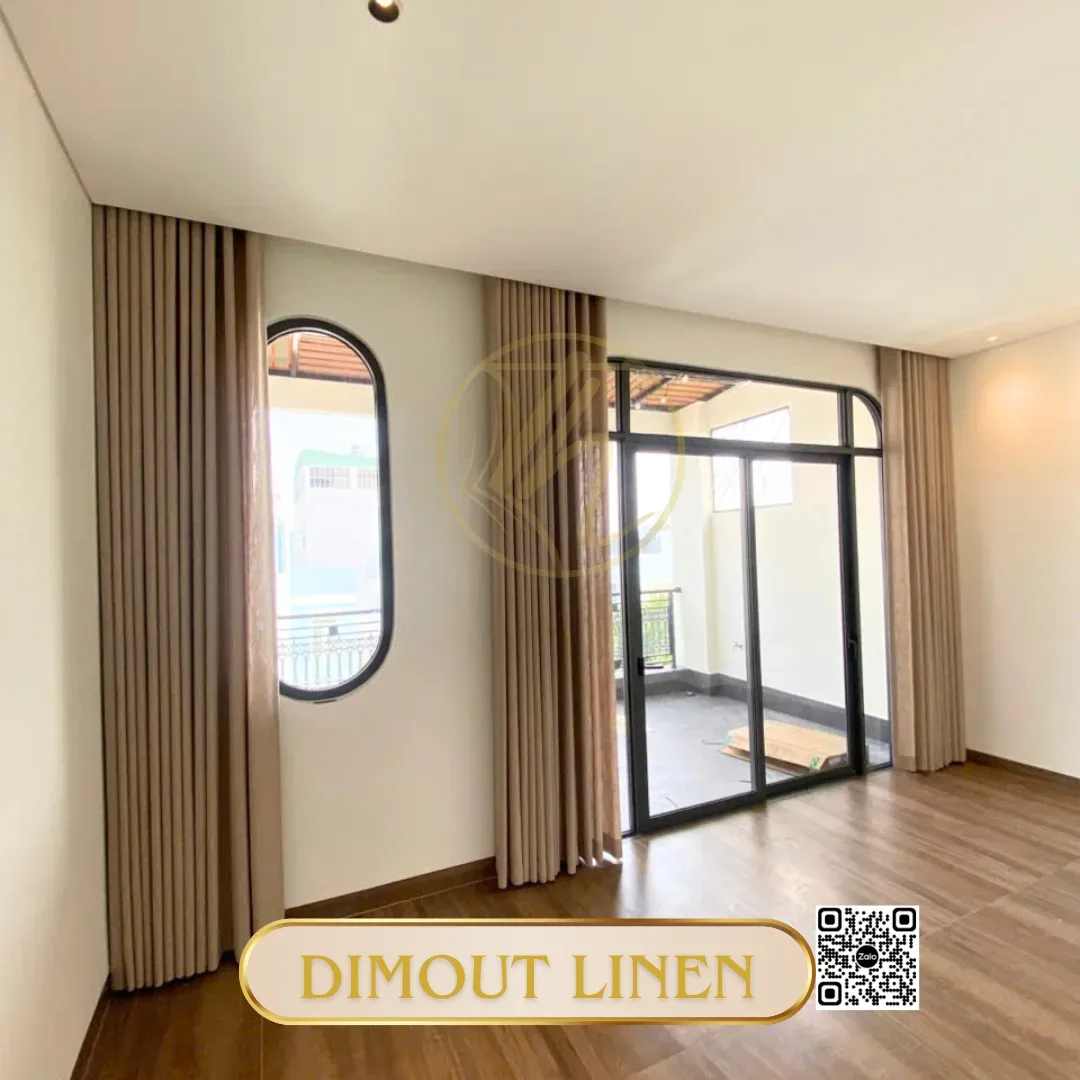
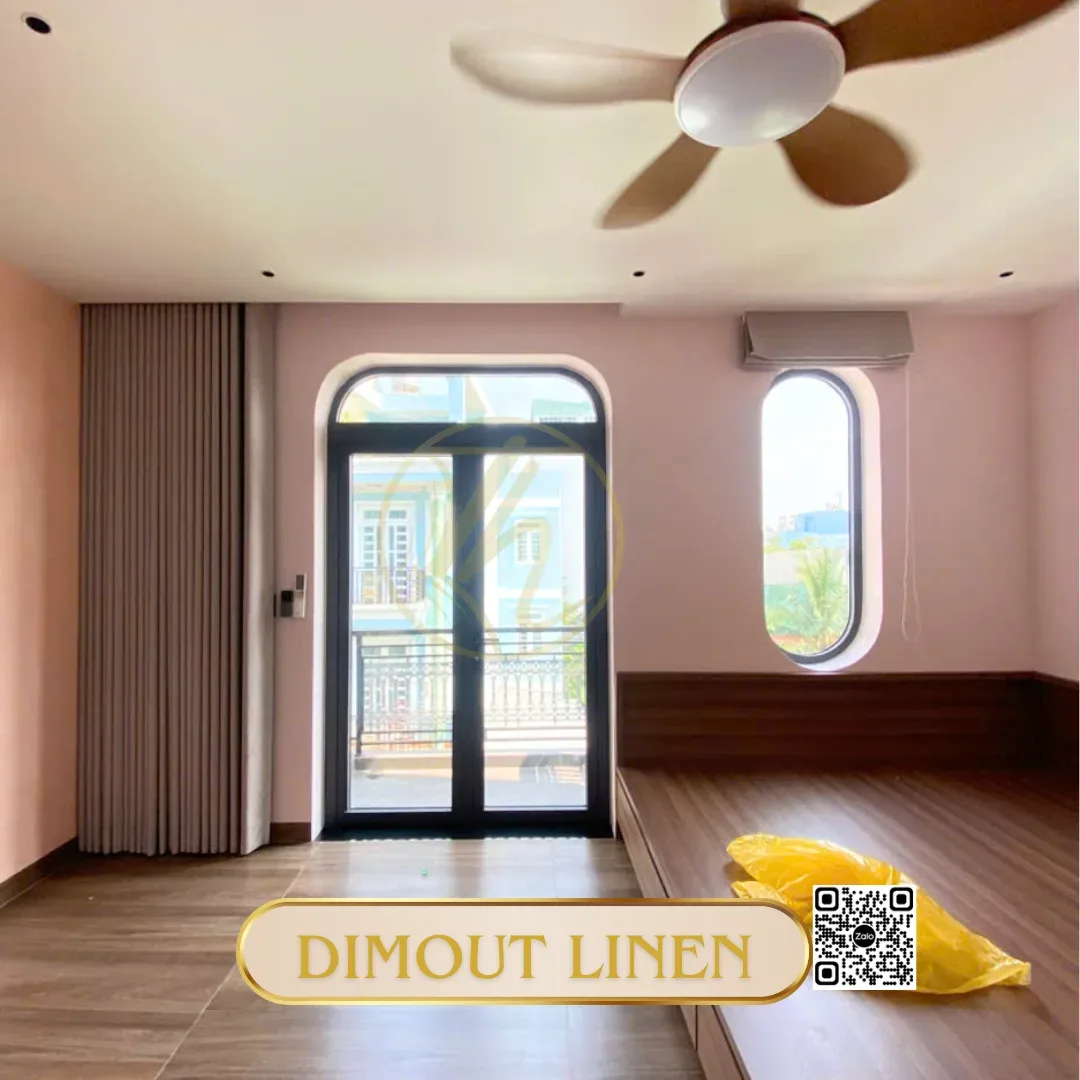
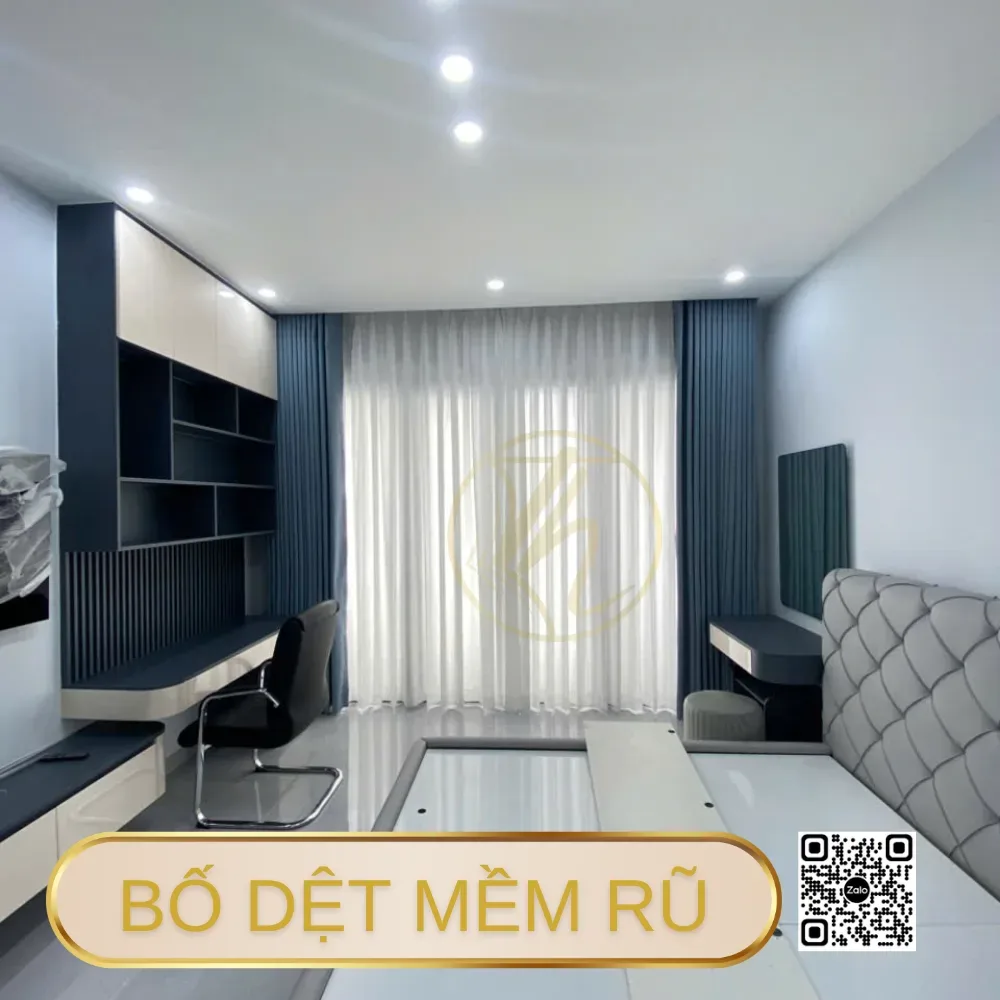
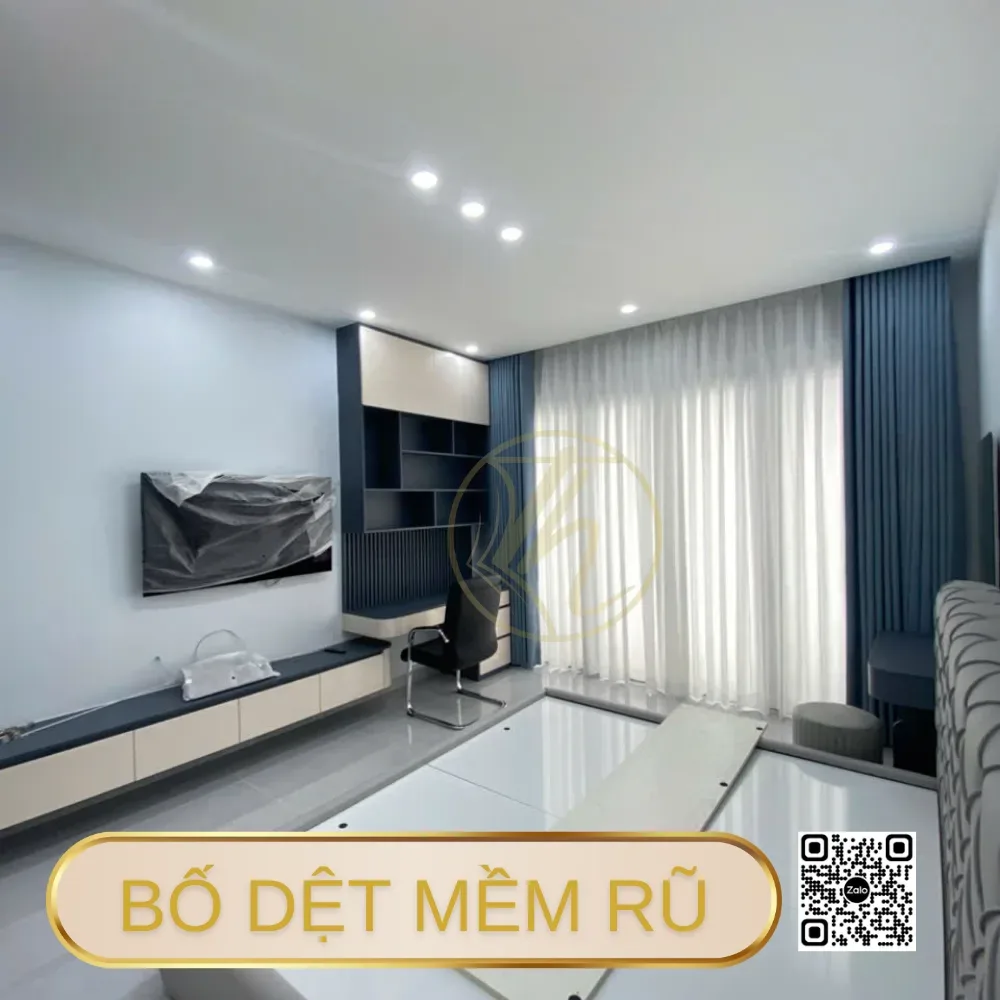
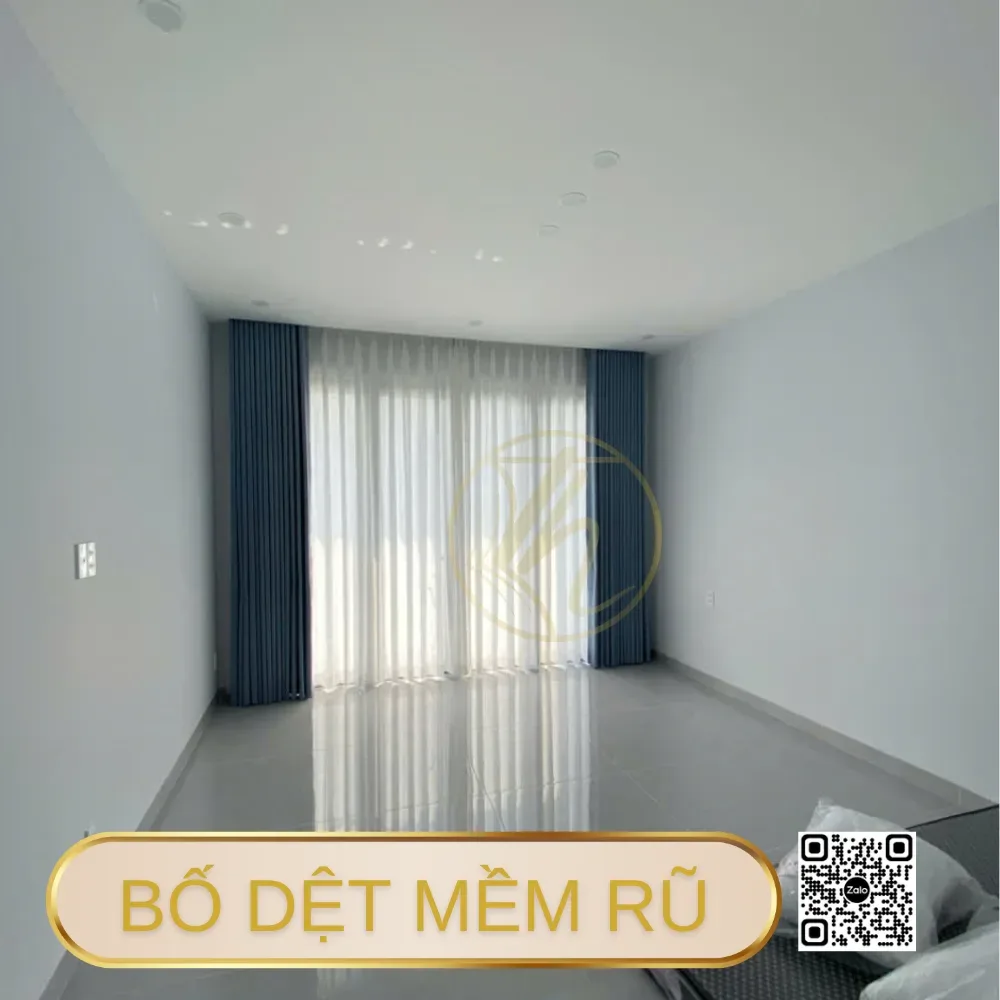
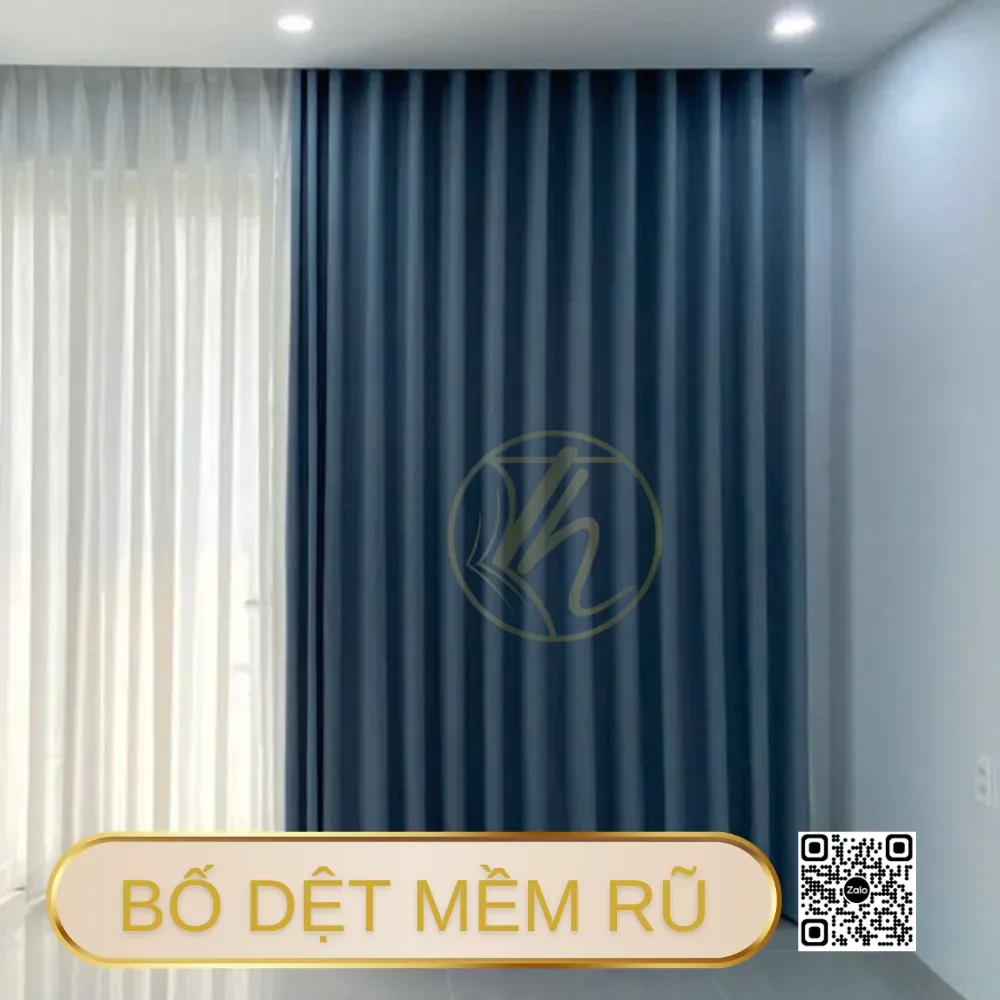
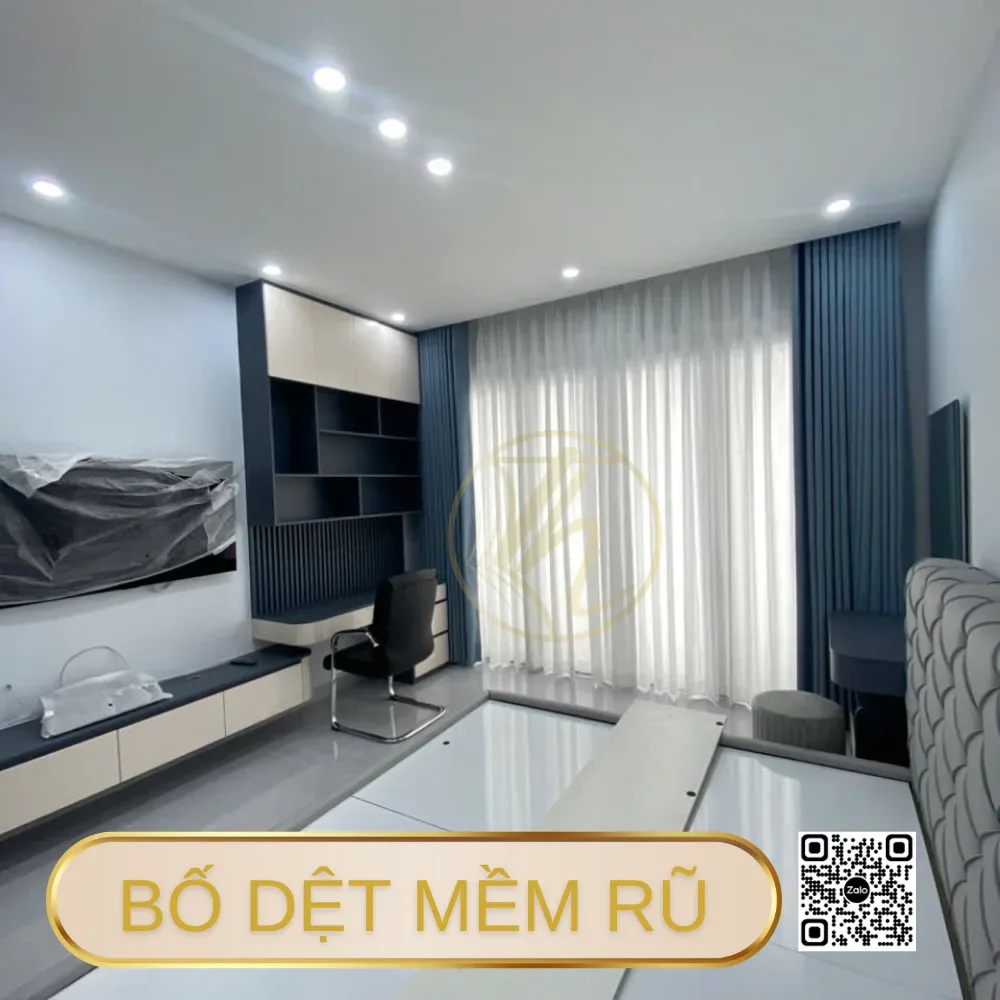
Fabric Curtains
Fabric curtains are the most popular group, featuring many thickness levels to choose from based on light and privacy needs.

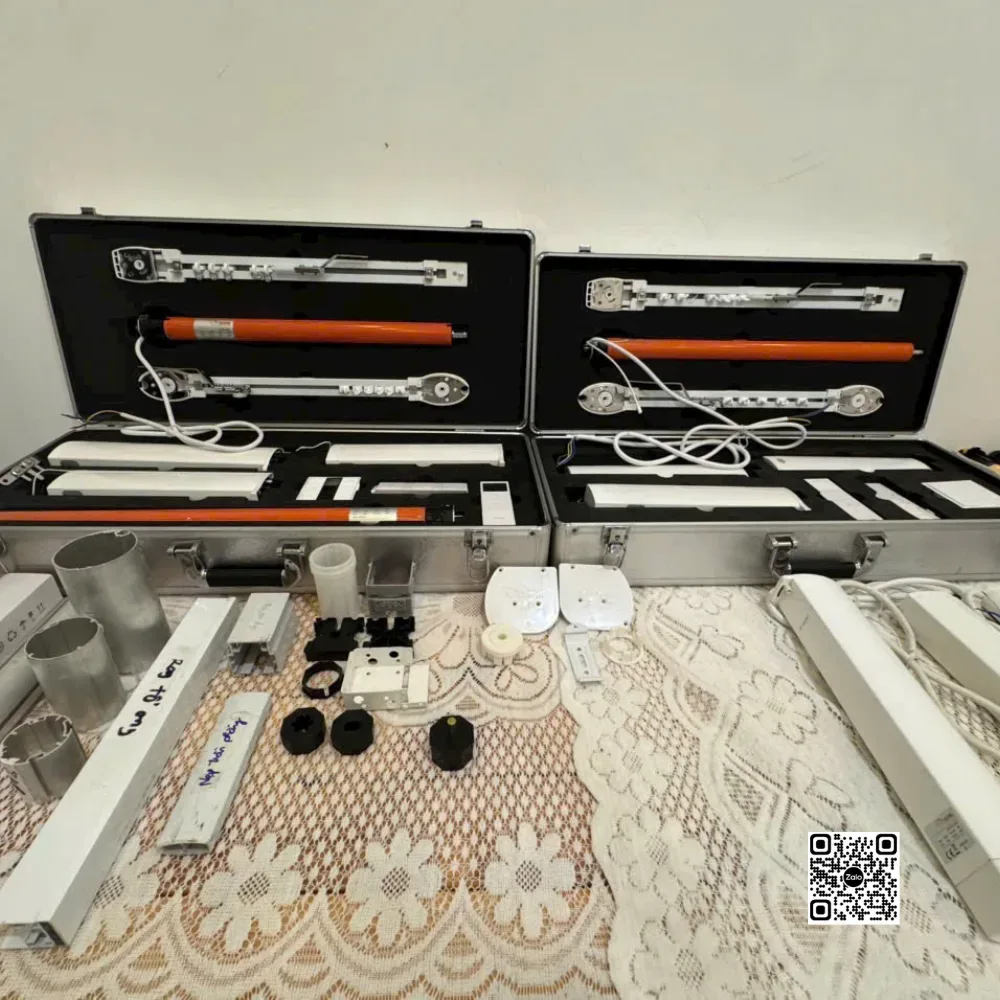
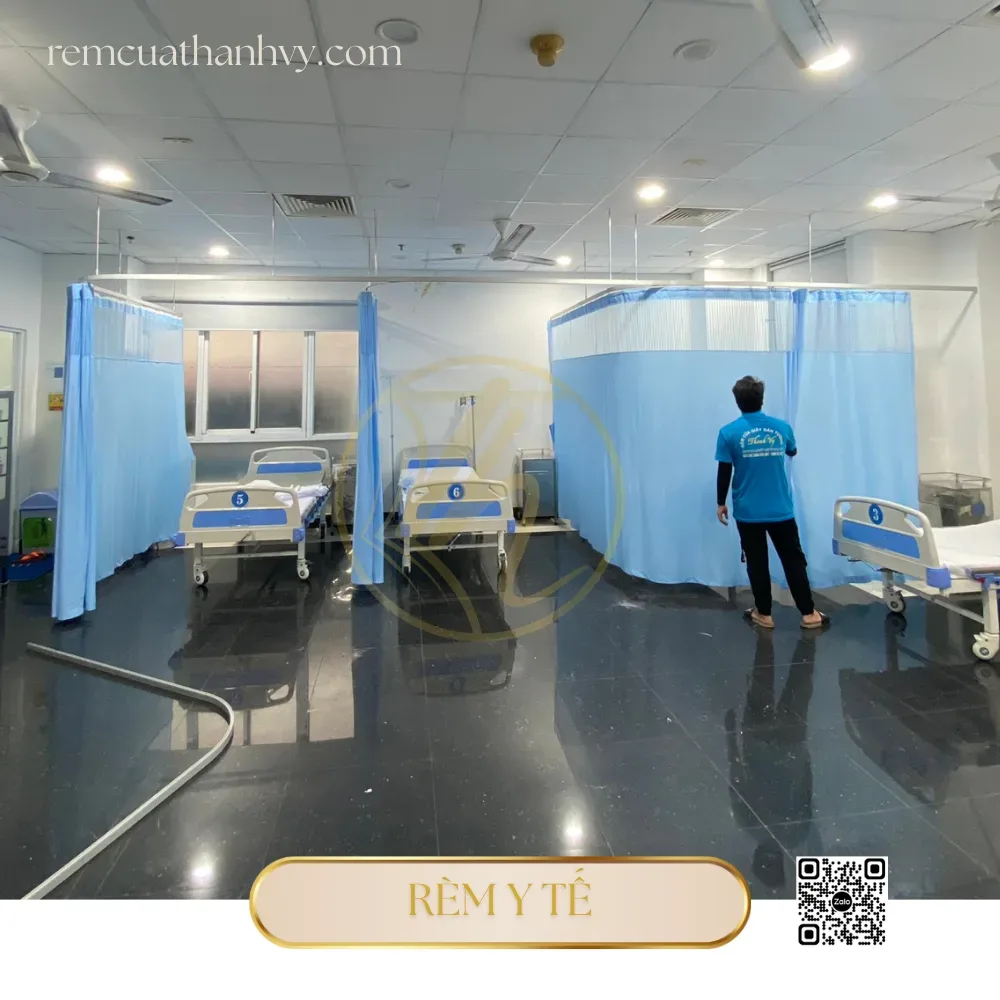
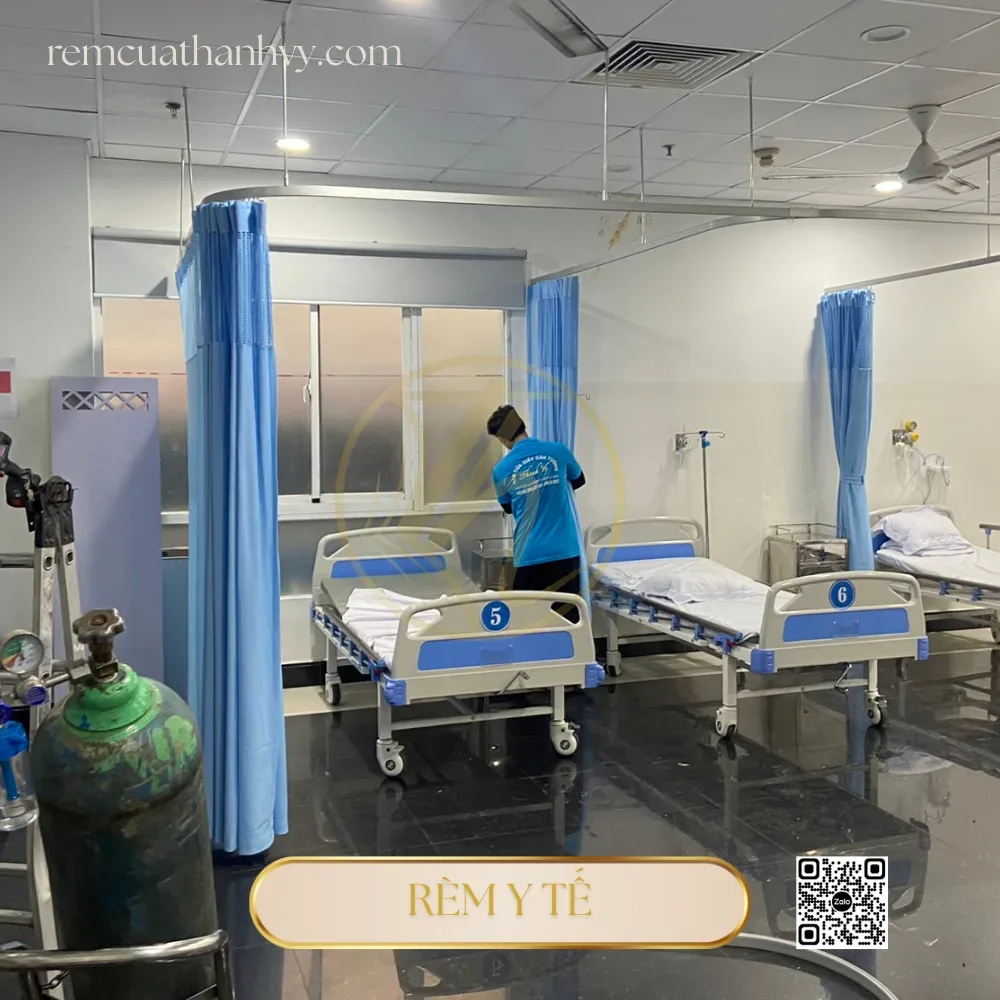
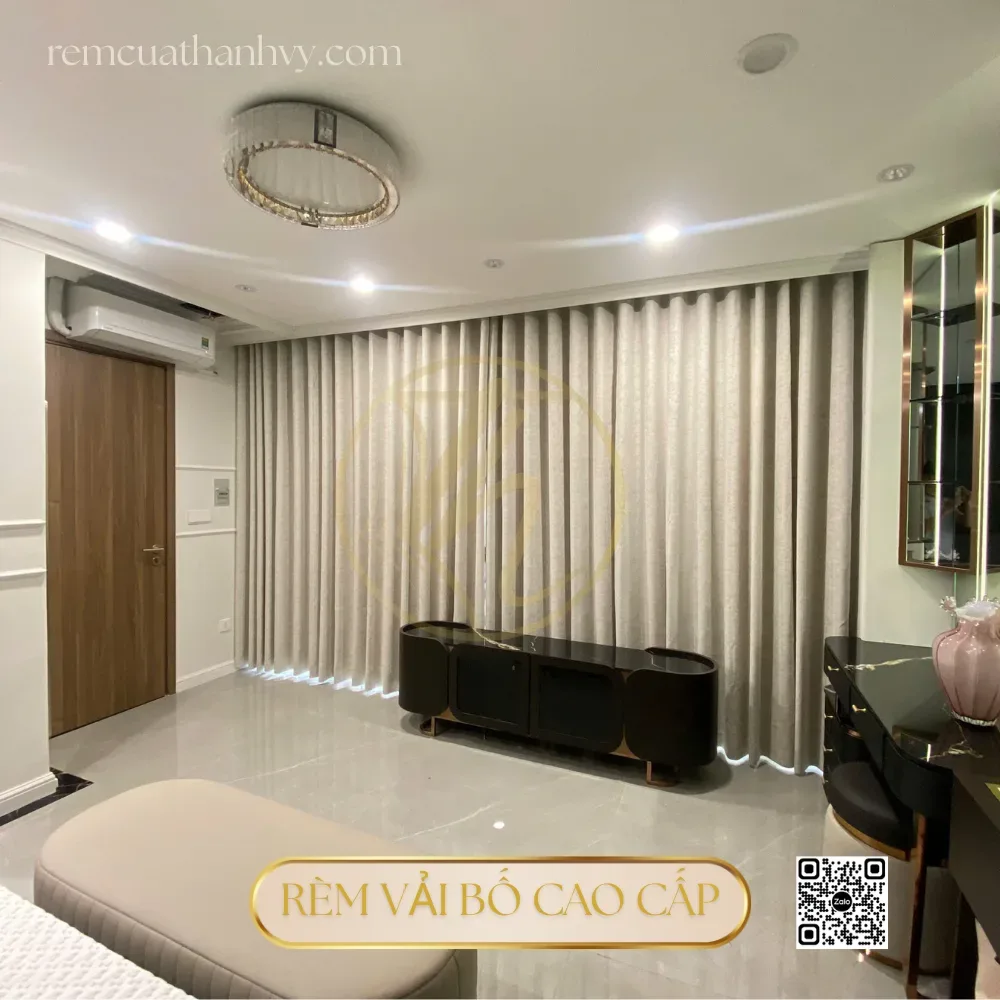
For further information, please contact Thanh Vy Curtains
We provide free consultation and on-site measuring at your home.
Related areas
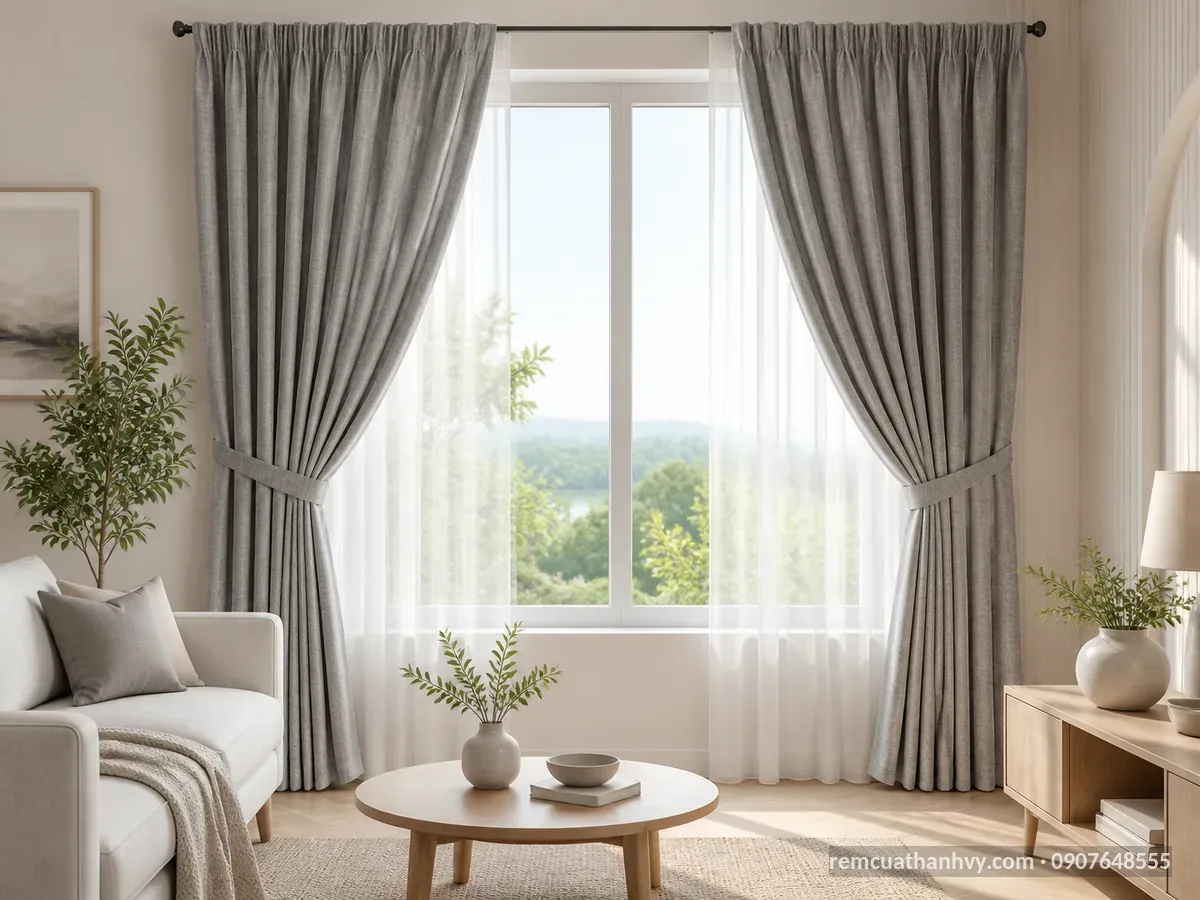
Curtains in District 8: Priorities when choosing for each space
Rèm Cửa Thanh Vy provides professional curtain solutions in District 8 with a wide range [...]
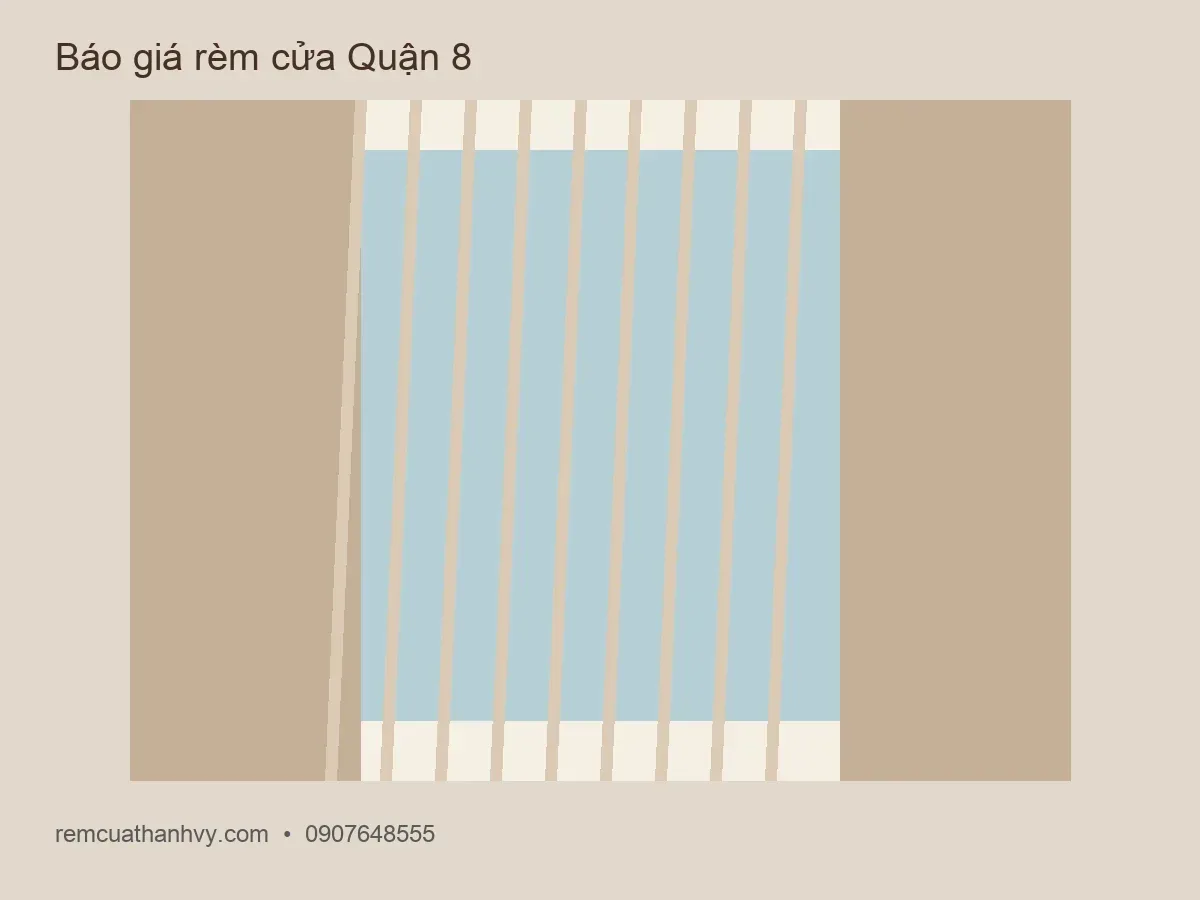
Curtains in District 3: What to prioritize when choosing for each space
**Curtain selection advice:** Customers in District 3 should prioritize two-layer fabric curtains or neat Korean [...]
Curtains in District 6: What to Prioritize for Each Space
To choose the perfect curtains in District 6, contact Rèm Cửa Thanh Vy for dedicated [...]
Related reviews
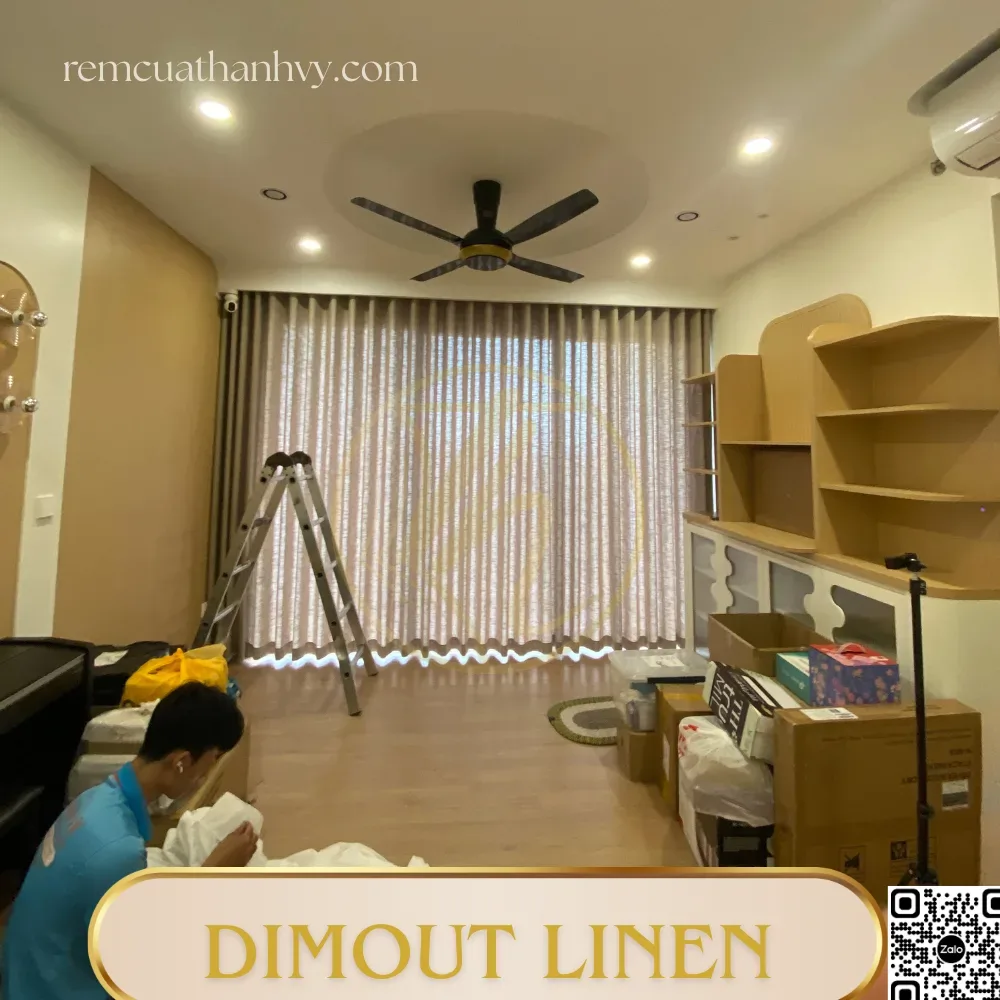
Linen Curtains or Cellular Shades? A Detailed Comparison to Help You Choose
Compare linen curtains and cellular shades by light control, privacy, operation, aesthetics, cleaning, and running [...]
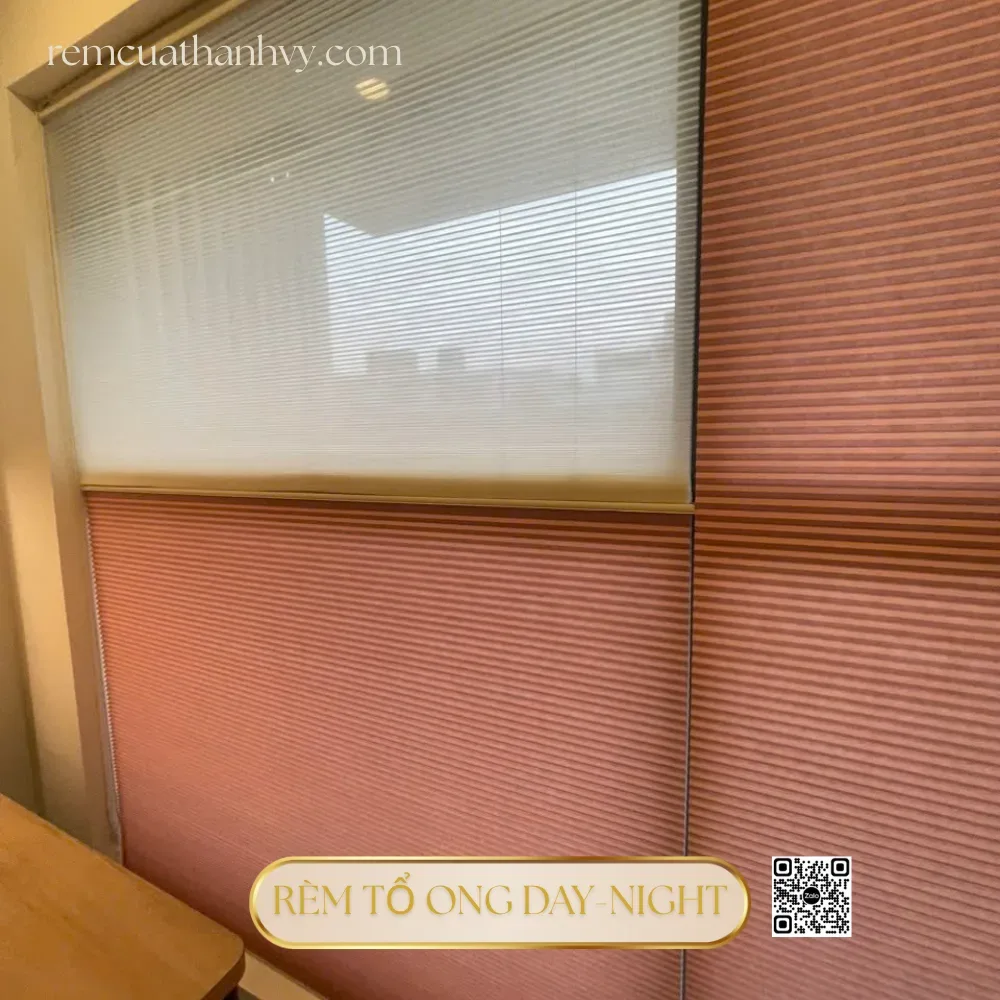
Fabric Curtains or Honeycomb Blinds? A Detailed Comparison to Help You Choose
Compare fabric curtains and honeycomb blinds based on light control, privacy, operation, aesthetics, maintenance, and [...]
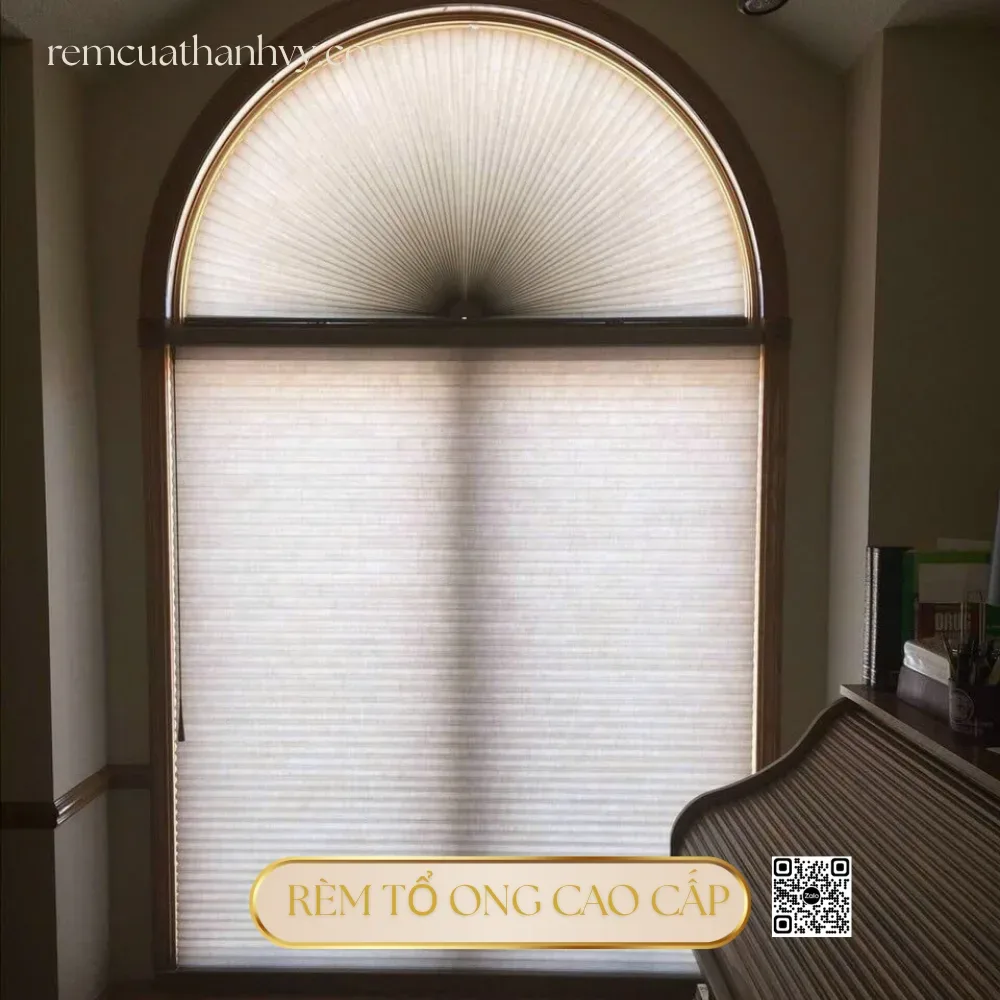
Are Honeycomb Blinds Good? An In-Depth Review From A-Z
A comprehensive guide on choosing honeycomb blinds based on living space, lighting, privacy, materials, finishes, [...]
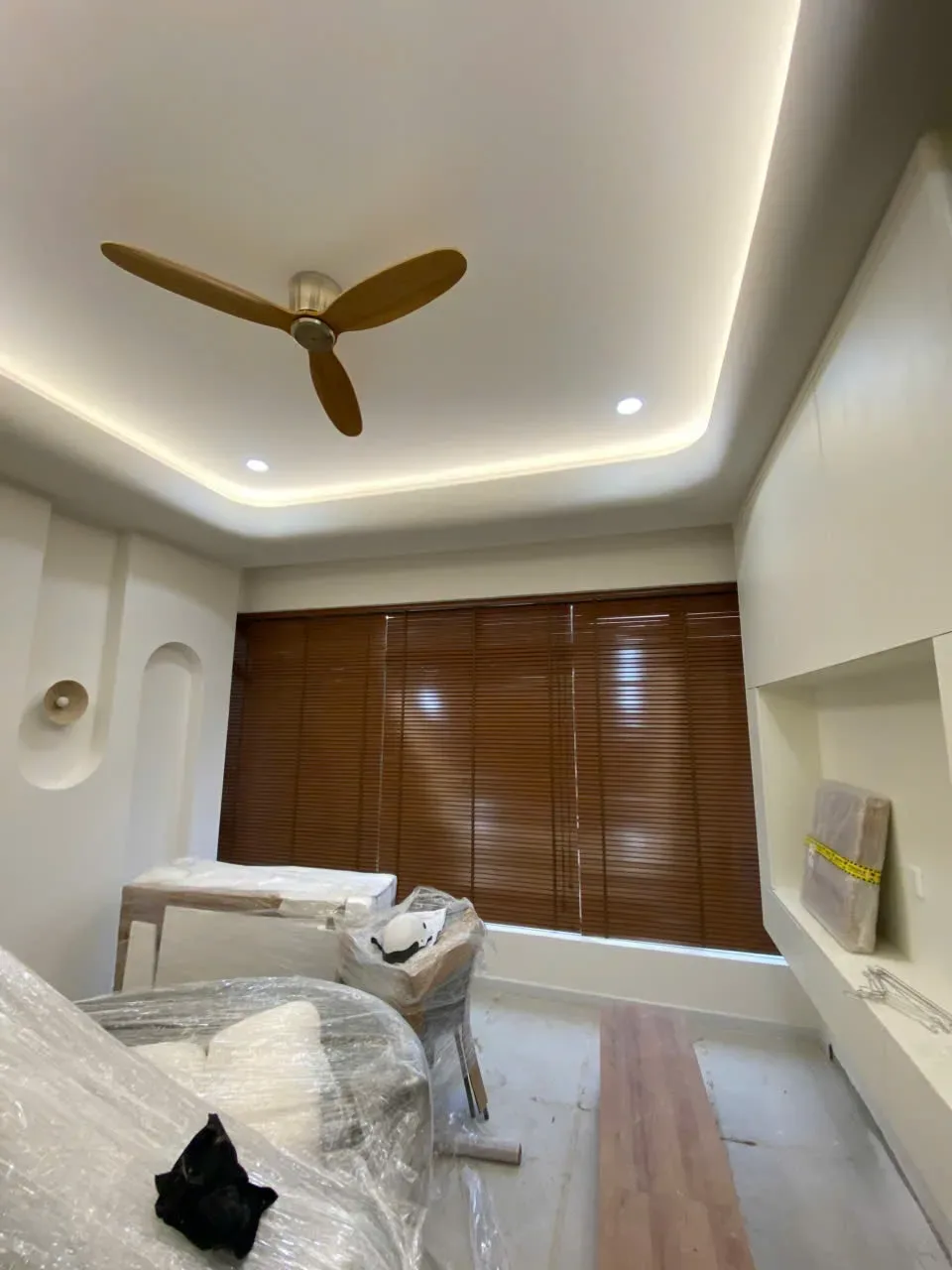
Roller Blinds vs. Wood Blinds? A Detailed Comparison to Help You Choose
Compare roller blinds and wood blinds based on light control, privacy, operation, aesthetics, maintenance, and [...]
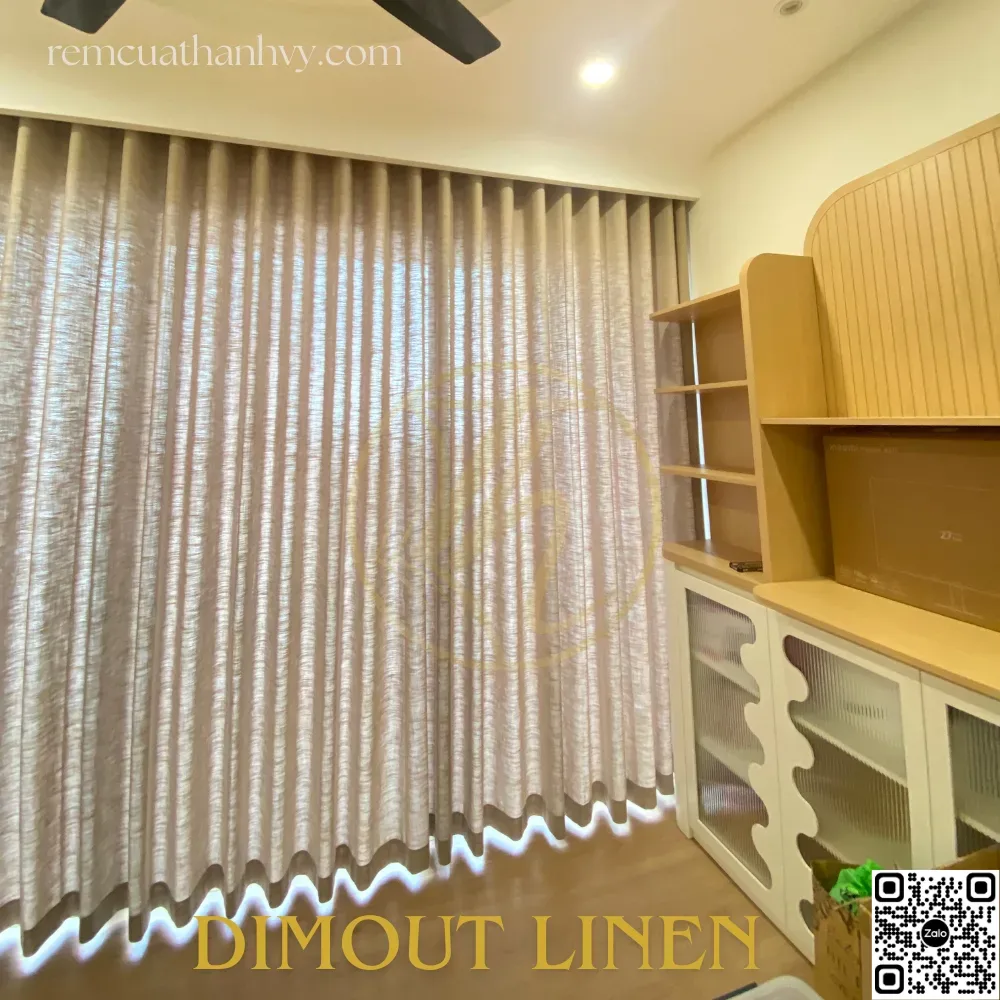
Linen Curtains or Wooden Blinds? A Detailed Comparison to Help You Choose
Compare linen curtains and wooden blinds based on light control, privacy, operation, aesthetics, maintenance, and [...]
Related posts
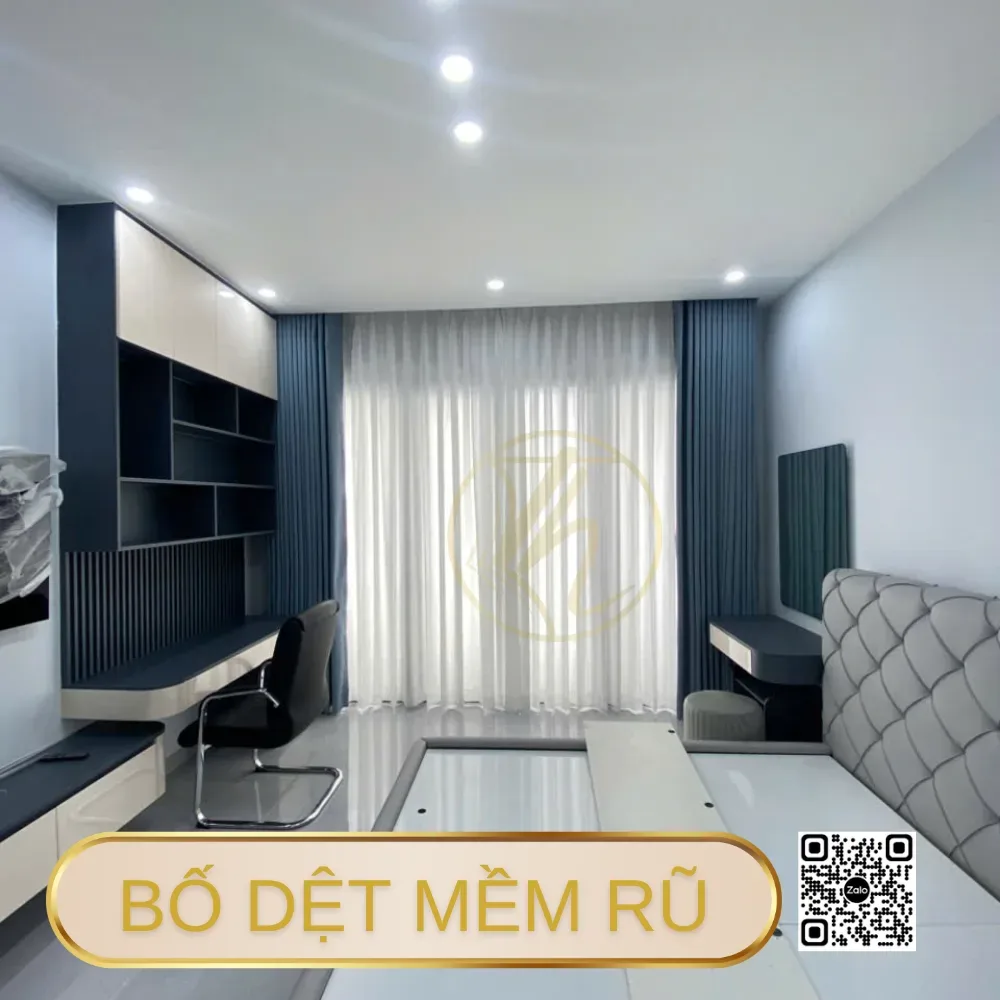
Fabric Curtains in District 3: How to Choose by Room and Need
This article helps readers choose fabric curtains in District 3 based on light blocking needs, [...]
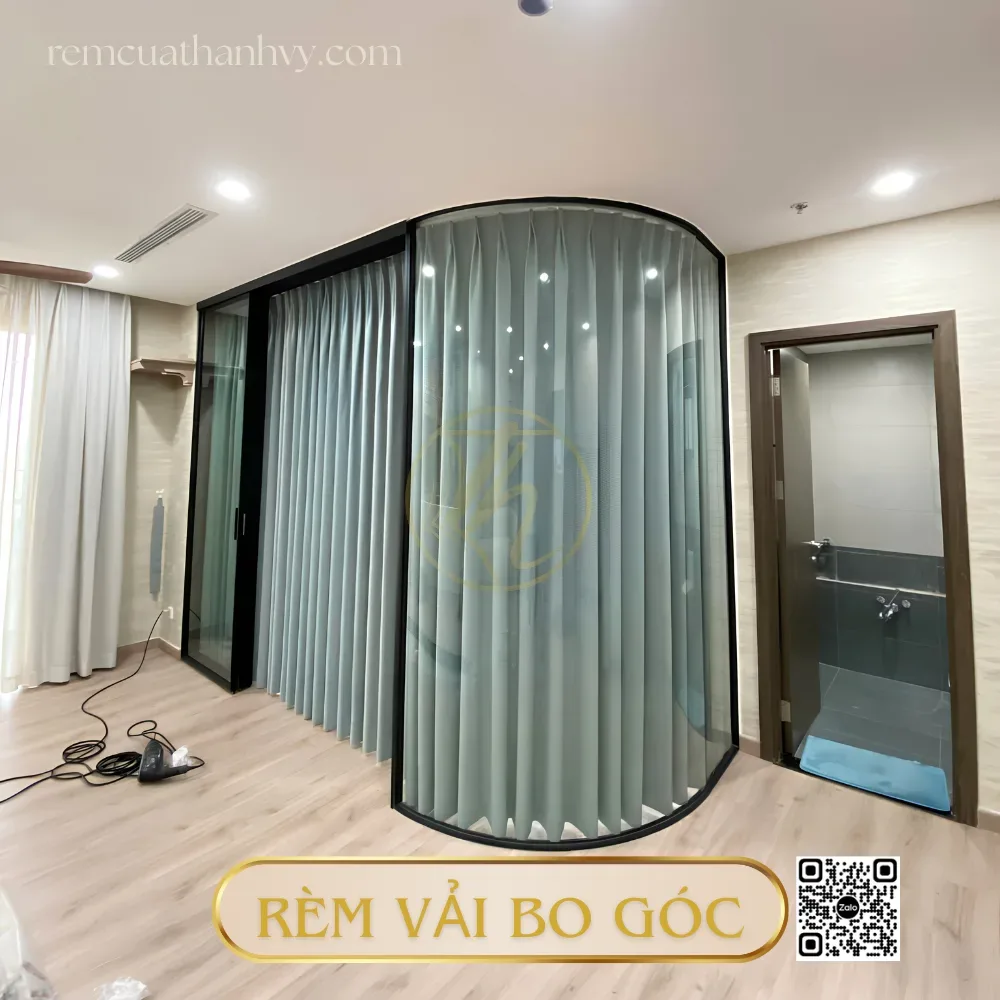
Fabric Curtains in District 6: How to Choose Fabrics and Sewing Styles
A guide to choosing fabric curtains in District 6 for every space, light level, material, [...]

No comments yet!