


Linen Curtains in District 5: Custom-Made On-Site, Great Prices | Thanh Vy
Why linen curtains are suitable for many homes in District 5
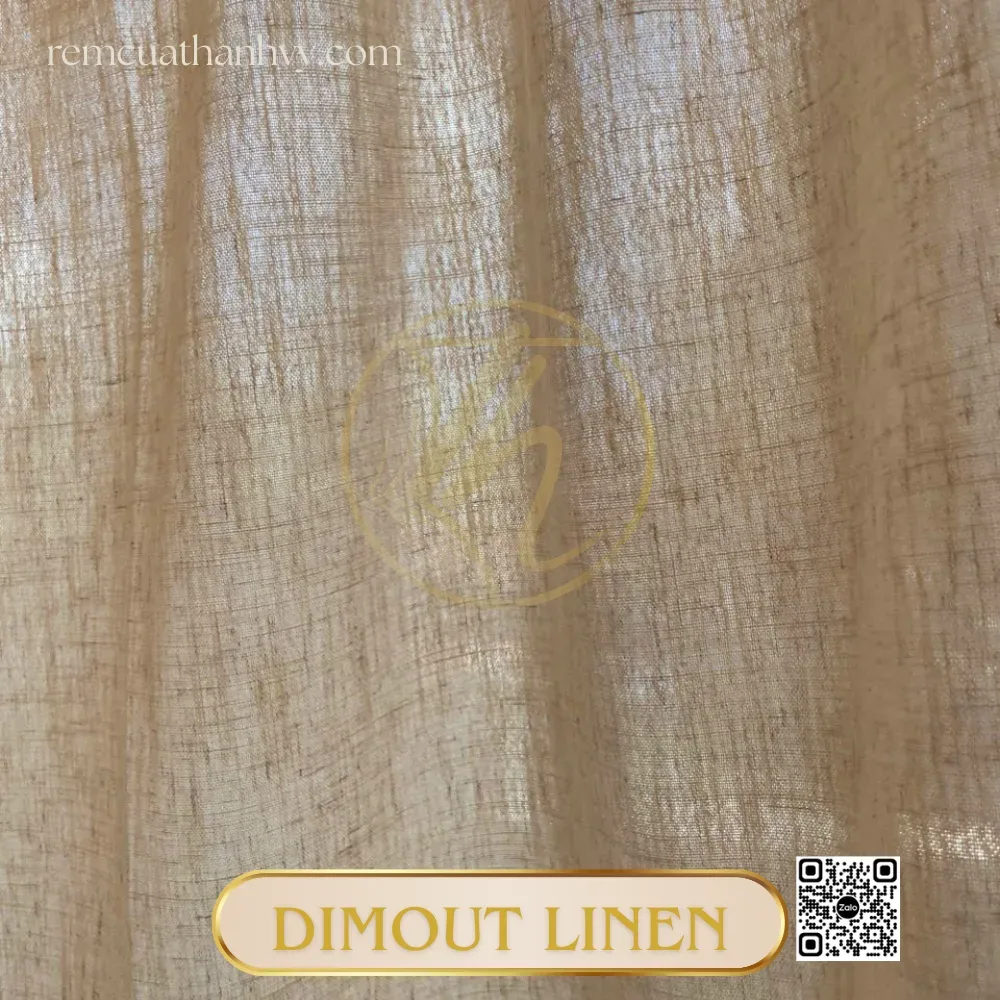
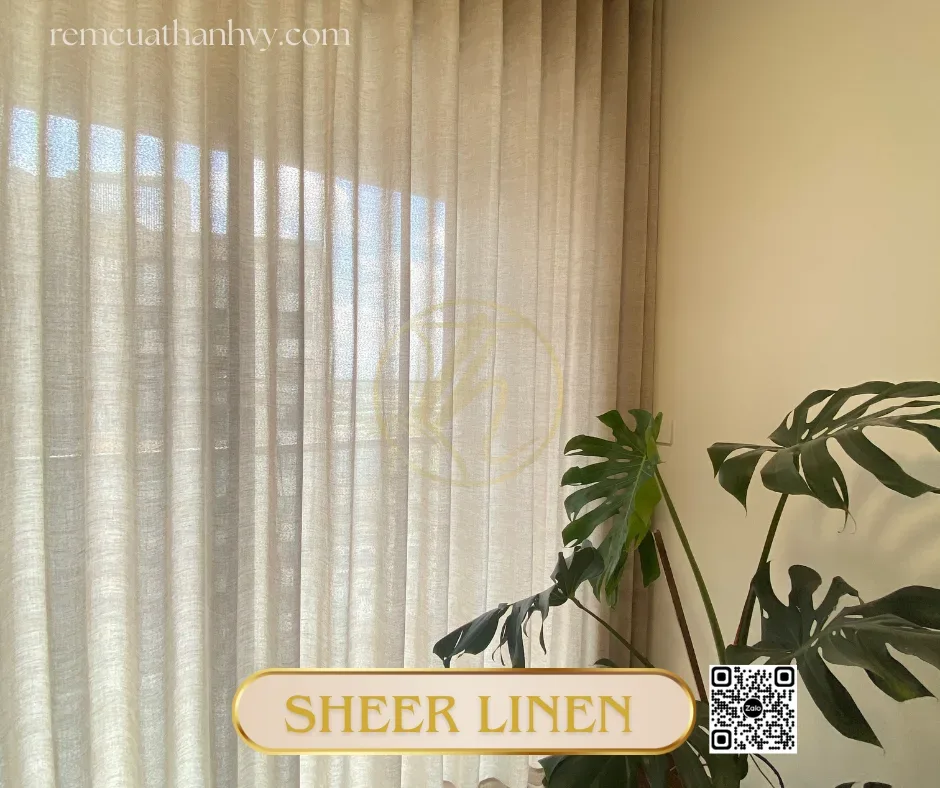
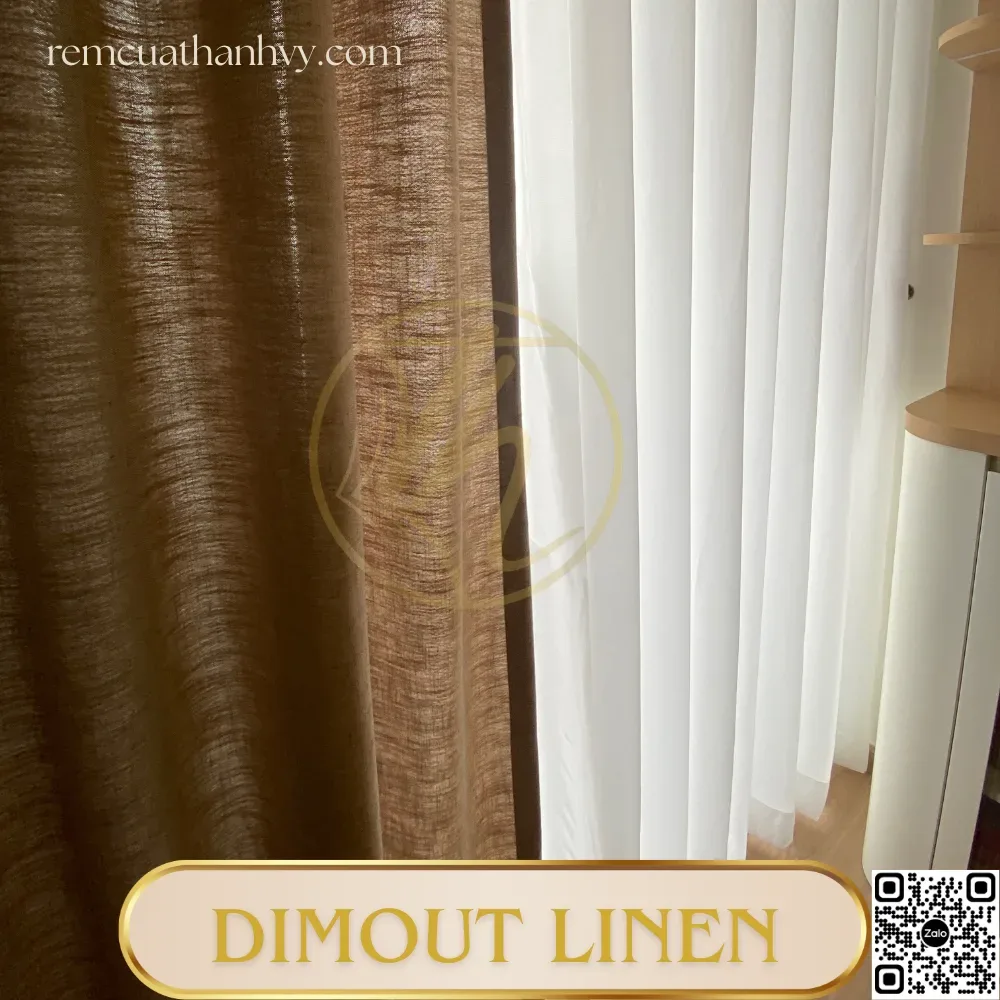
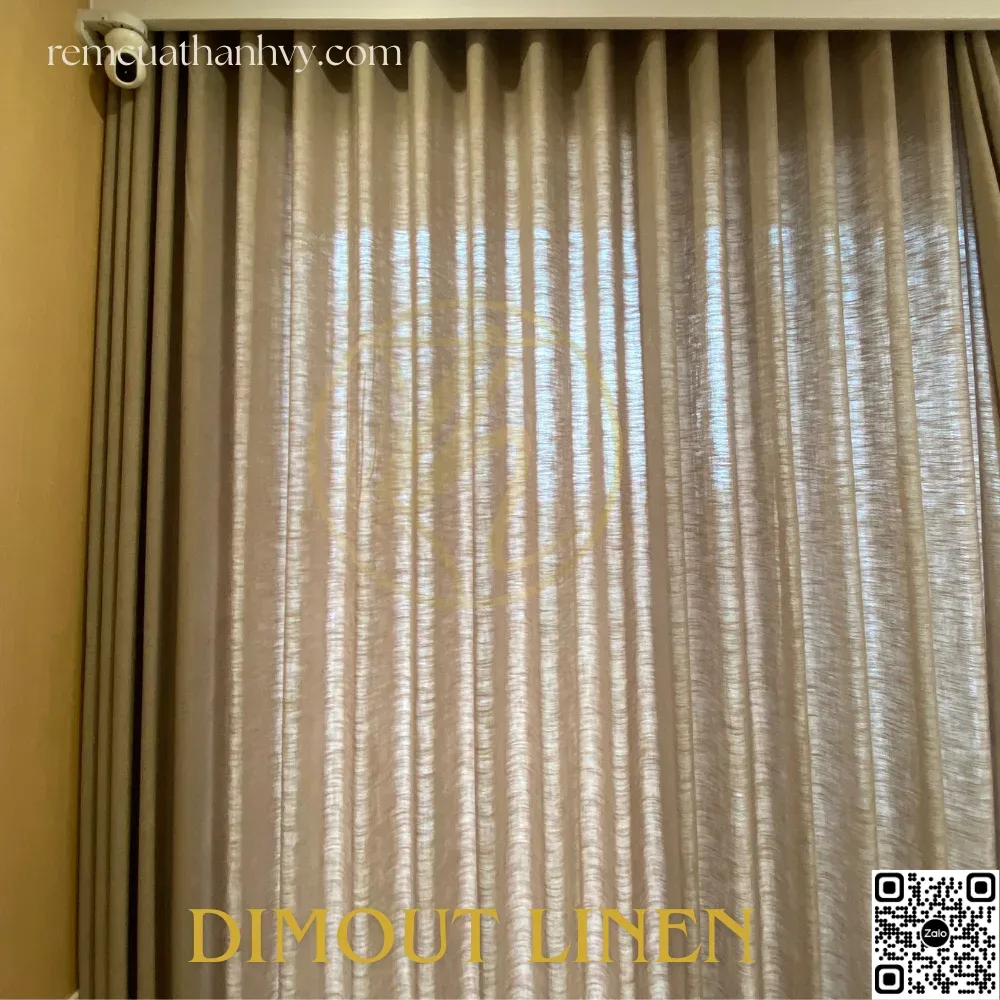
District 5 is an area with a high density of traditional townhouses, many of which are located right along the street or in narrow alleys. Windows and balconies are often not very wide, yet they are directly exposed to the light and dust from surrounding daily life and commercial activities. In this context, linen curtains are considered by many families because the fabric surface has a natural coarseness, allowing light to filter through while diffusing harsh glare without making the space completely dark — unlike traditional thick fabric curtains, which tend to block light out entirely rather than gently regulating it. Interested readers can check out the characteristics of linen fabric before making a decision.
Another reason is that linen fibers have a moderate drape — not as heavy as velvet or felt — so when hung on a small window or narrow balcony, they still do not create a cramped feeling. For tube houses with limited widths, this is an important factor because curtains that are too thick or have too many layers can easily make a room look smaller than it actually is.
Aside from aesthetics, linen is also highly appreciated for its breathability, making it suitable for hot and humid climates and homes where air conditioning is not always running continuously. However, not every space suits linen right from the start, so before deciding, homeowners need to understand the characteristics of the material to avoid choosing the wrong option for areas that require a higher level of light blocking than linen can provide.
Characteristics of linen fabric to know before choosing
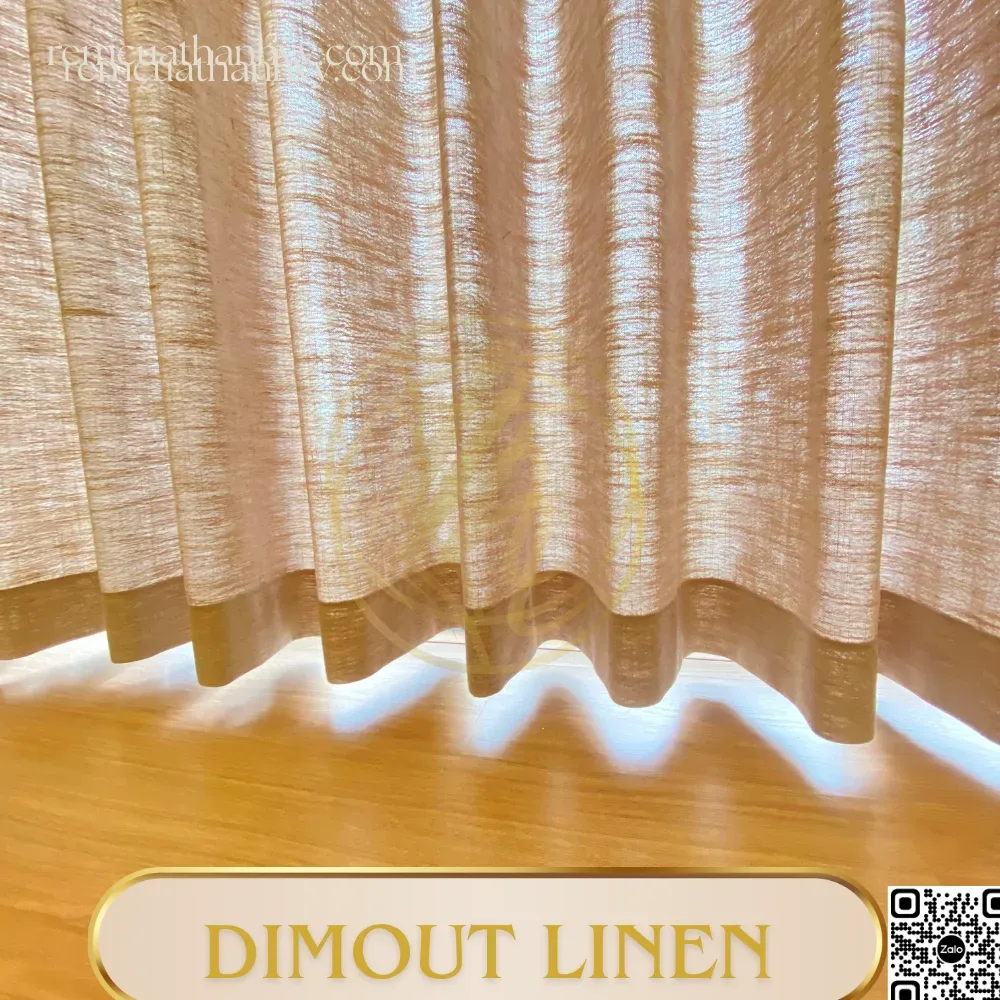
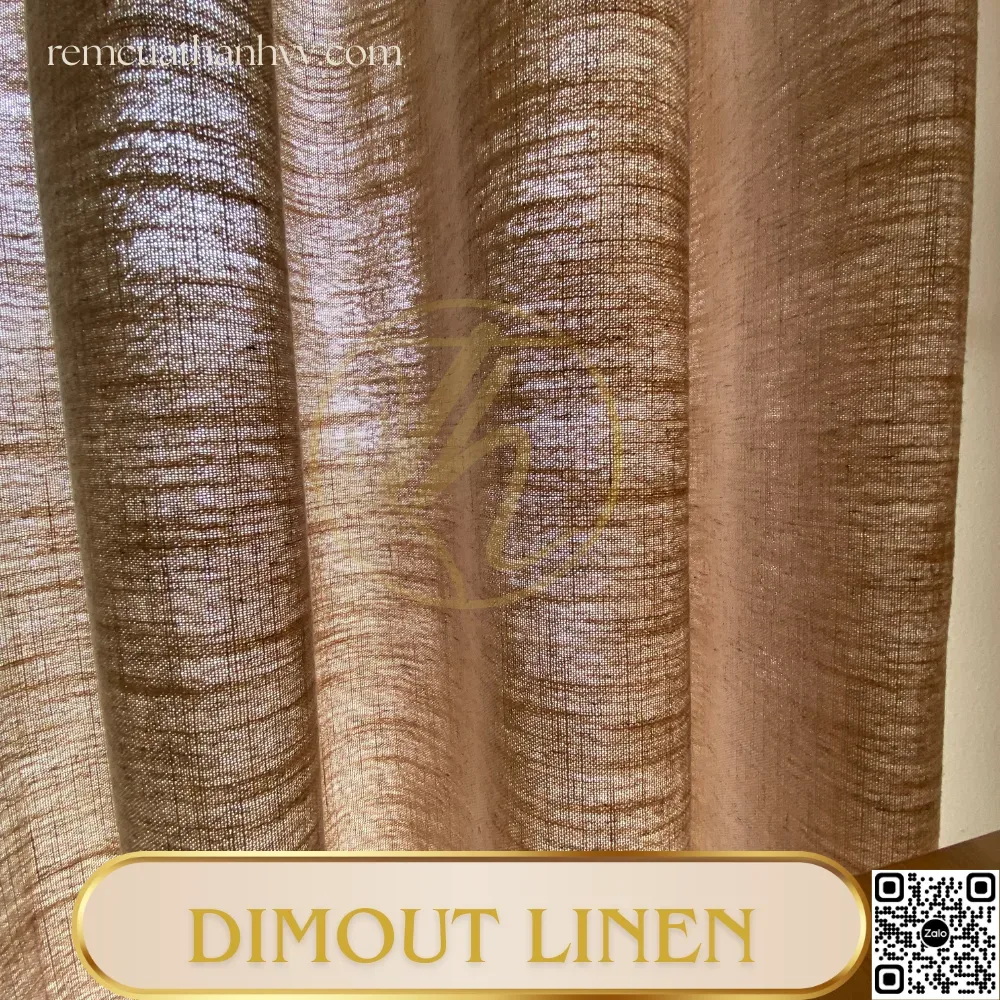
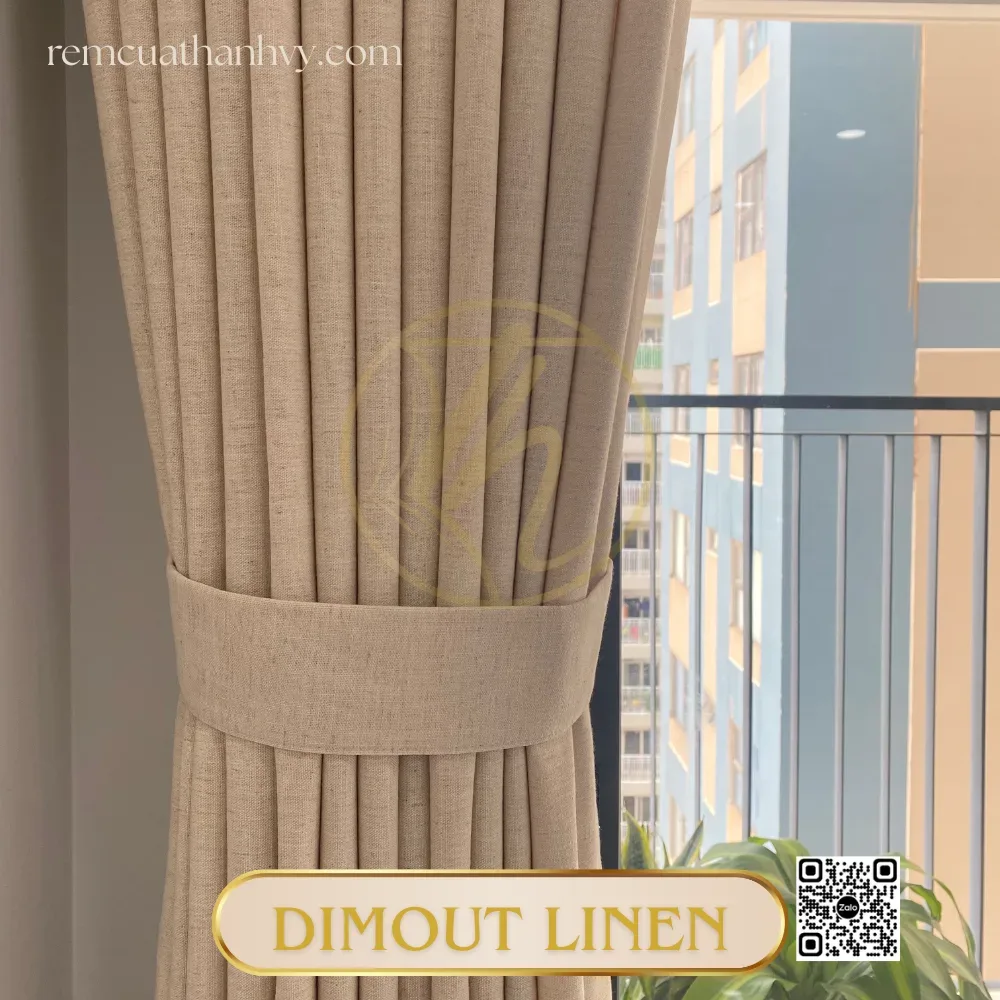
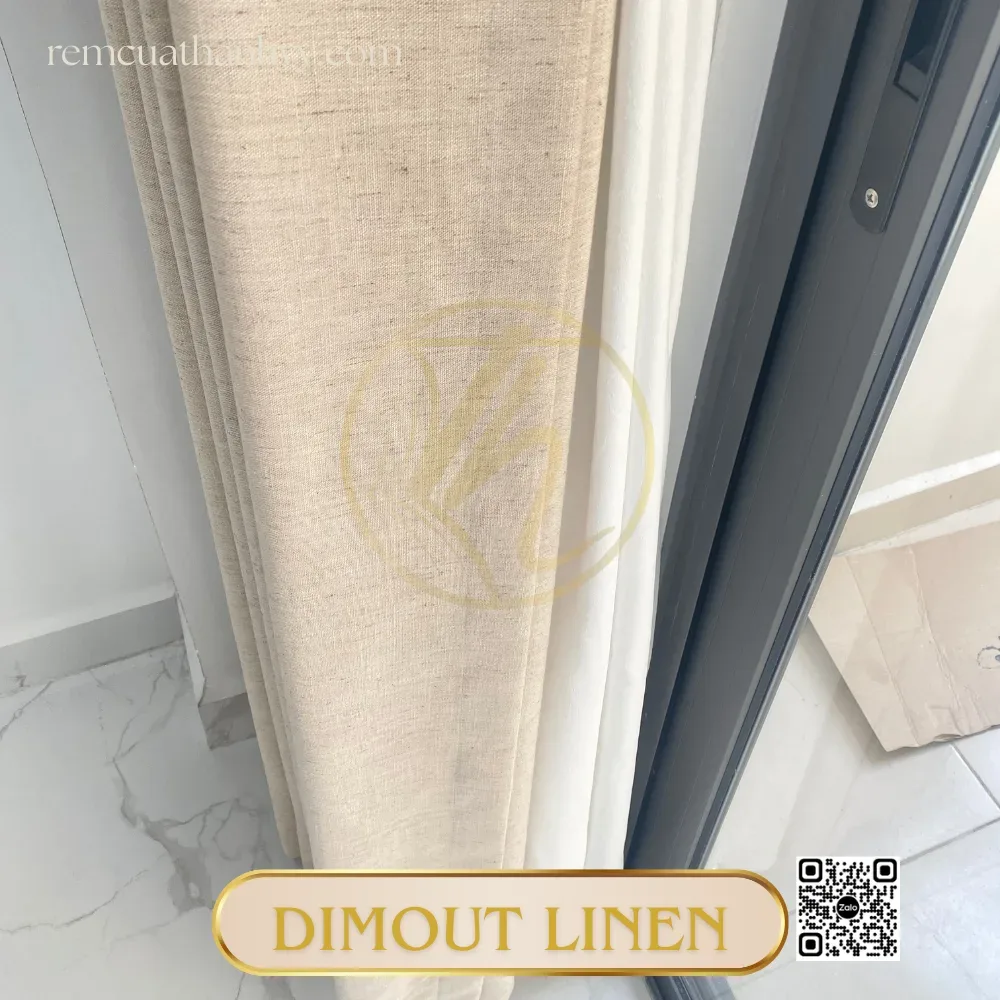
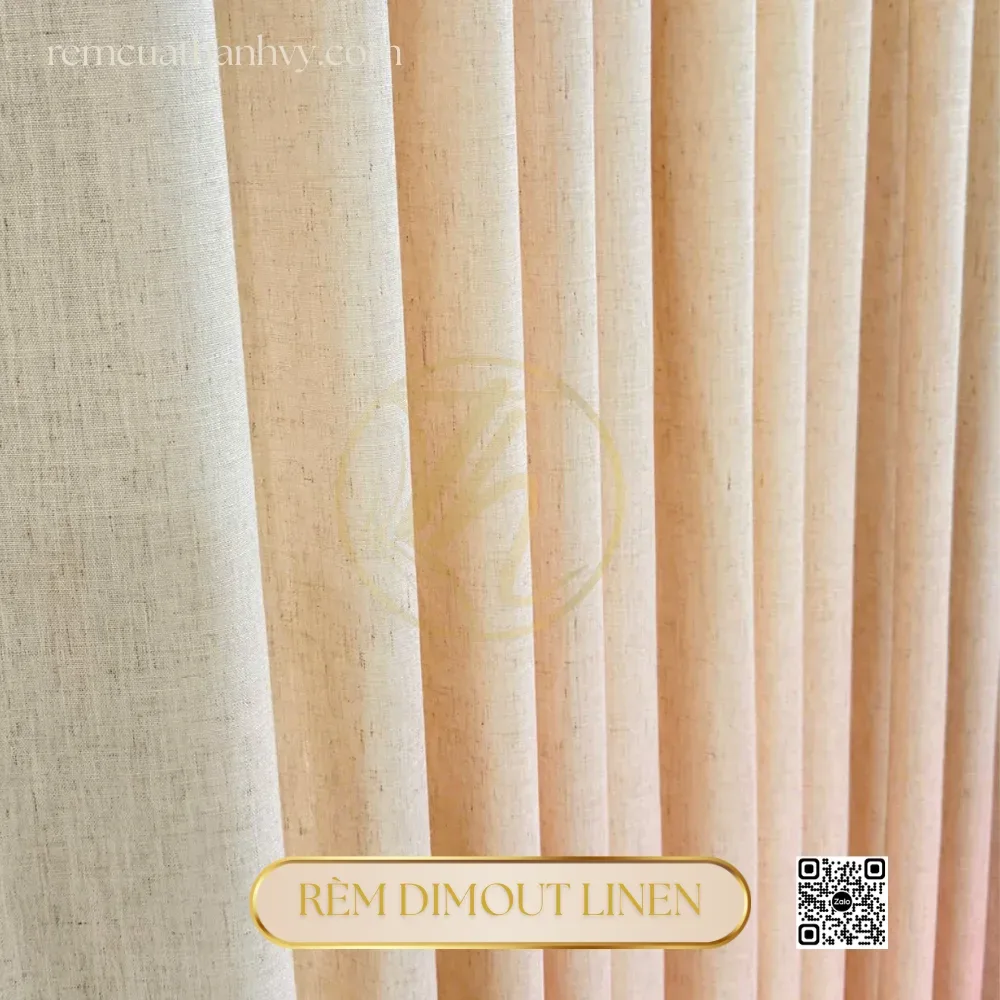
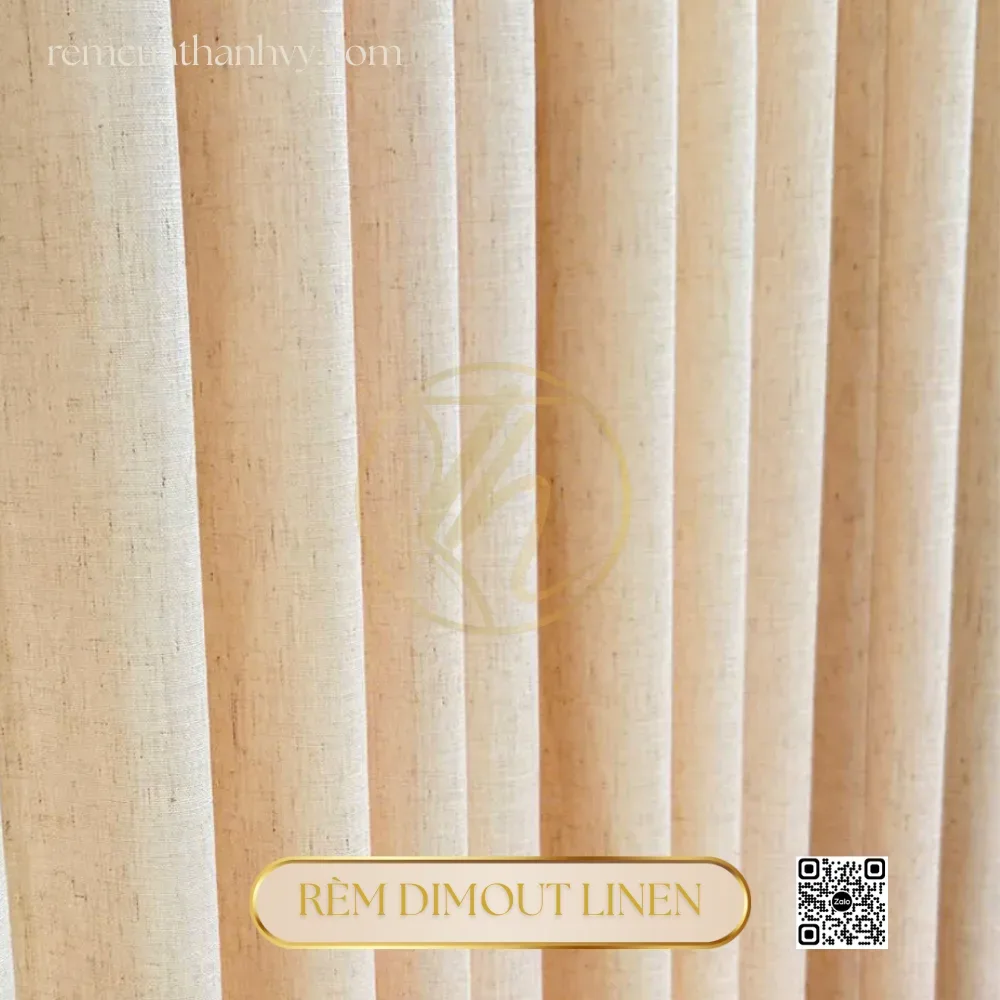
Linen is a fabric woven from natural flax fibers, characterized by a slightly coarse surface, clearly visible weaves, and a certain firmness compared to other smooth and soft fabrics. This characteristic brings a rustic, sophisticated look to the space, but it also means linen is not the optimal material if the main goal is complete blackout. For bedrooms that need darkness for daytime rest, a single layer of linen curtains is usually not enough; combining an inner lining or blackout curtain should be considered.
Two related choices worth checking out are District 3 Fabric Curtains: How to choose by room and needs and District 6 Fabric Curtains: How to choose fabric and sewing styles.
Quick selection tip: It is recommended to request small fabric samples to take home and observe in both daylight and evening before deciding on the custom-made quantity.
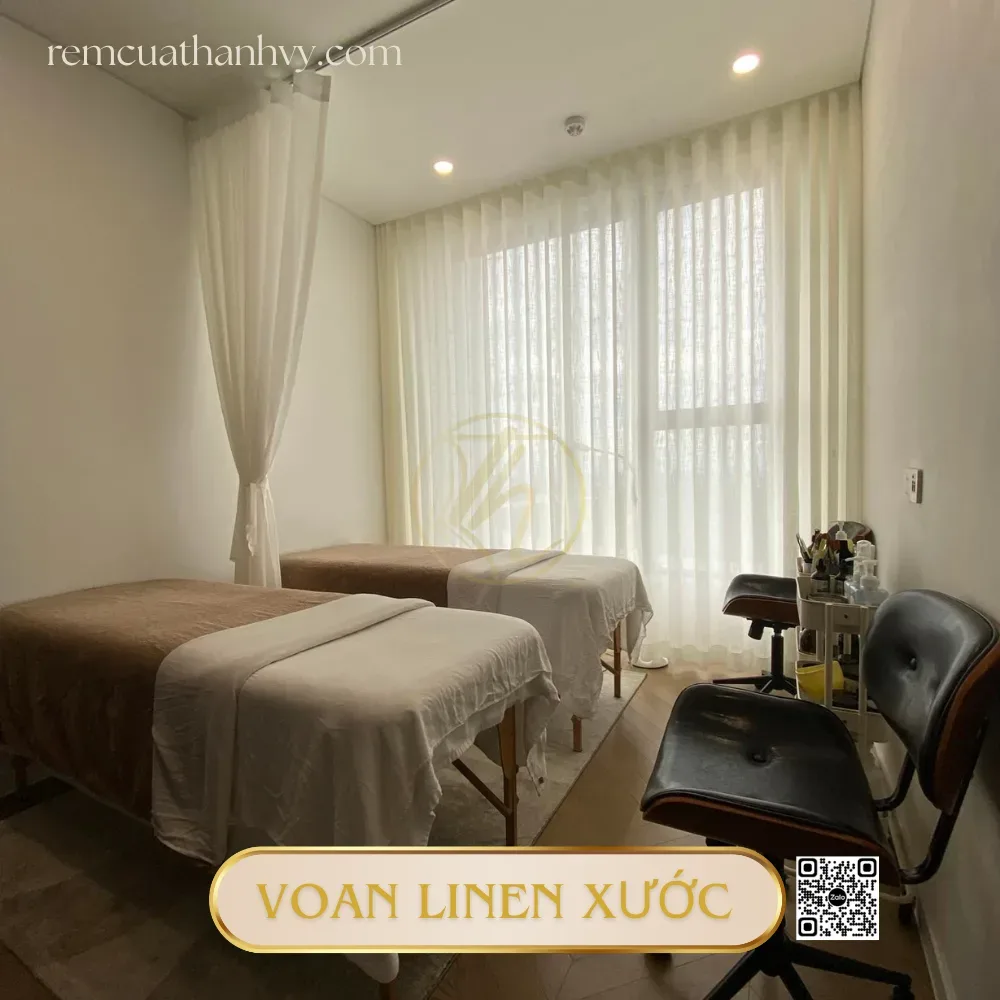
Linen is also prone to natural wrinkles after a period of use if not treated or if an unsuitable weave is chosen. For many people, these slight wrinkles are actually part of the material’s signature beauty. But if homeowners prioritize a smooth surface year-round, they should discuss blended linen fibers or fabric treatment methods with the tailoring provider in advance to minimize this characteristic.
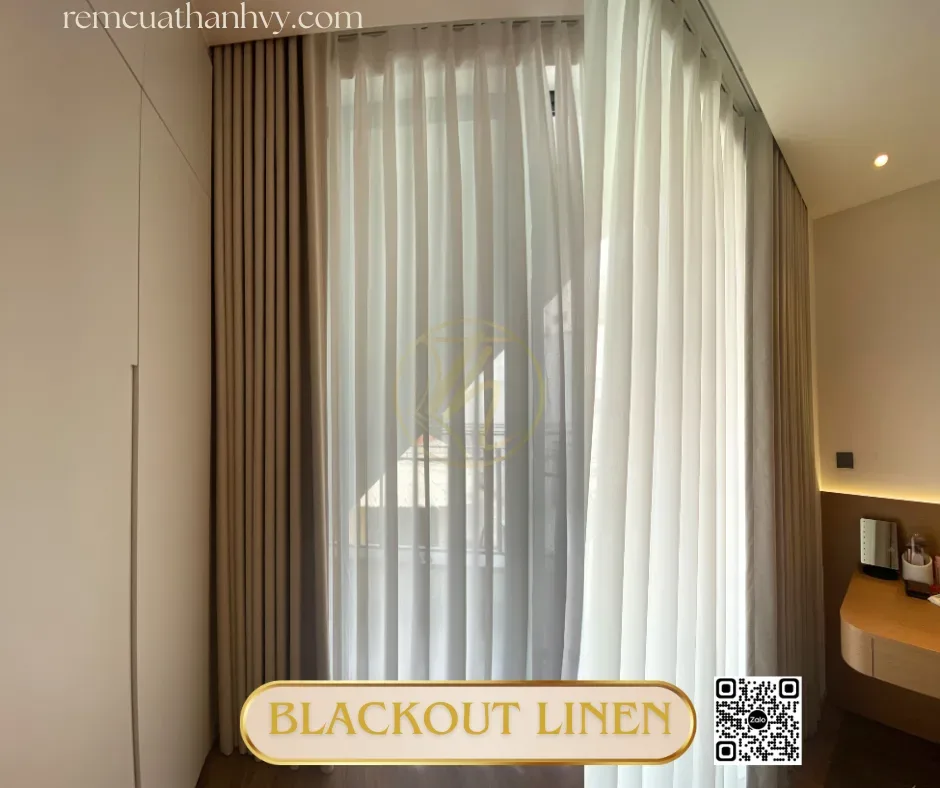
Regarding durability, linen has a fairly good lifespan if cared for properly, but the fabric can stretch or shrink slightly depending on atmospheric humidity, especially during the rainy season. Leaving an appropriate amount of extra fabric at the hem and bottom edges right at the tailoring stage will help limit the curtains shrinking or shifting out of shape after a period of use.
Choosing linen curtain colors and thickness based on actual lighting conditions
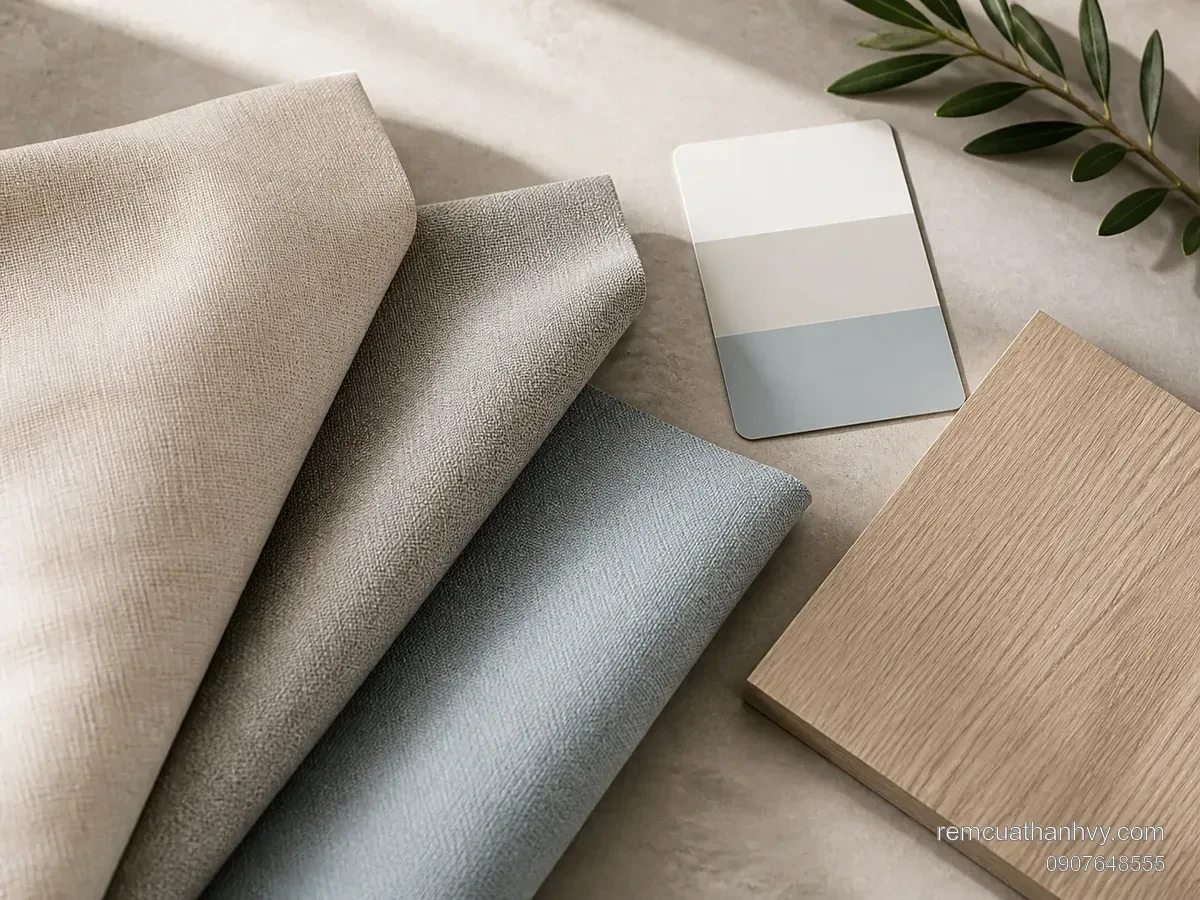
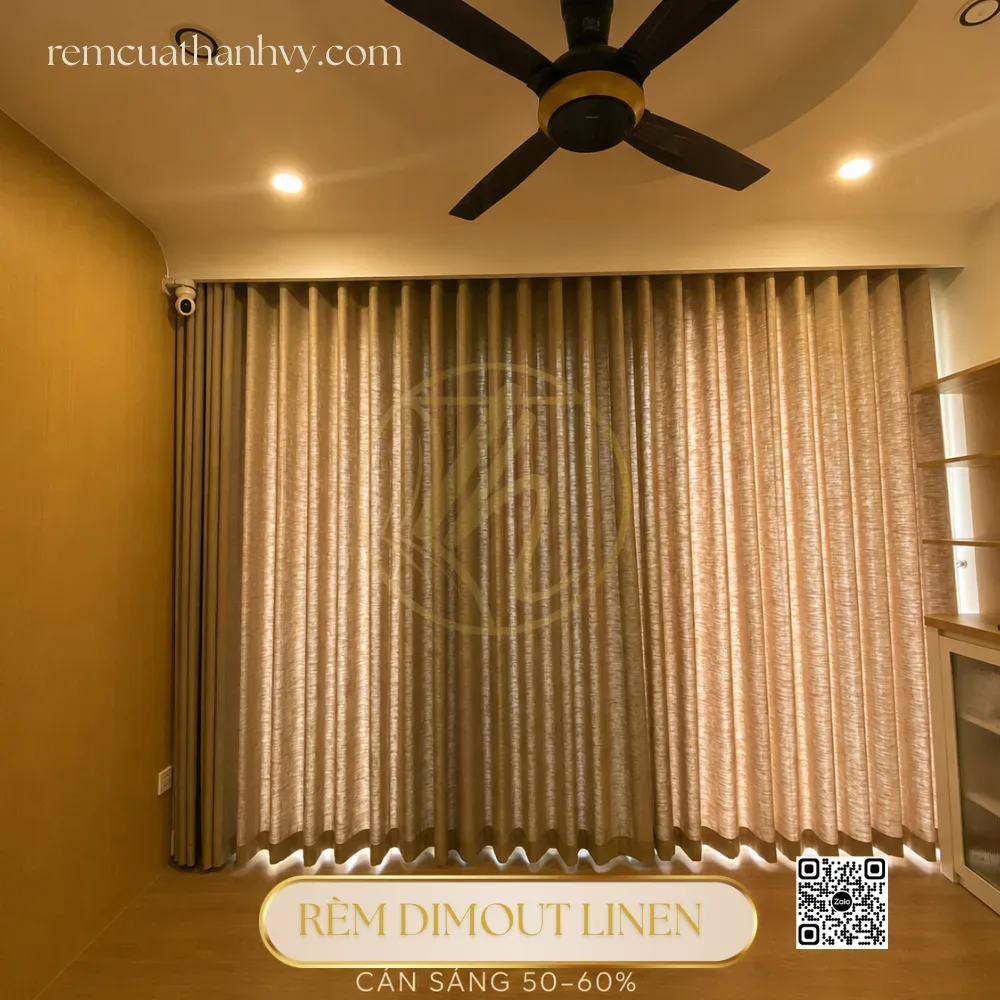
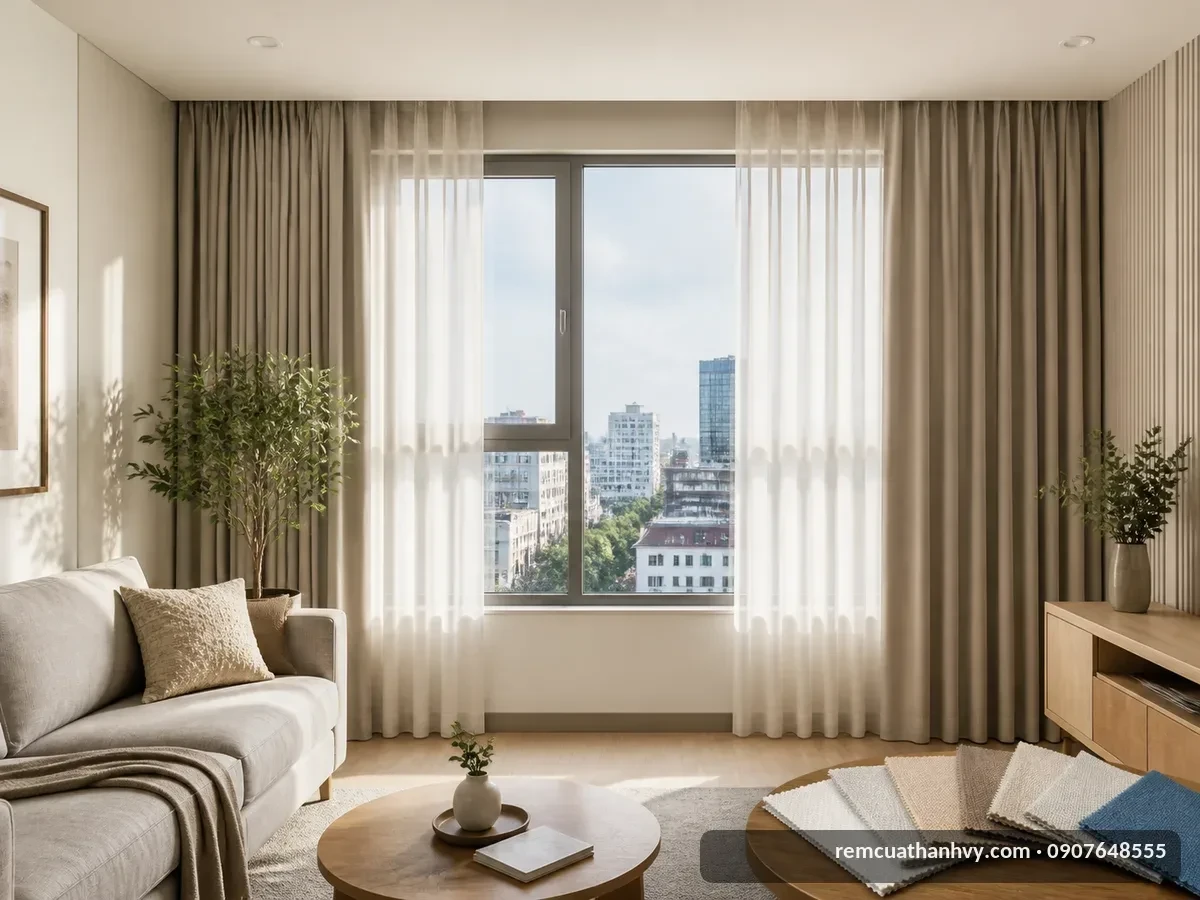
Linen curtain colors should be chosen based on the actual sunlight orientation of each window rather than just personal preference. For west-facing storefronts or homes receiving harsh afternoon sun, light linen tones like ivory white, light beige, or light gray help reflect more heat and are easier on the eyes than dark colors. Conversely, windows with less direct sunlight or located in shaded alleys can consider bolder tones such as moss green, earth brown, or smoke gray to create accents without worrying about the space feeling stuffy.
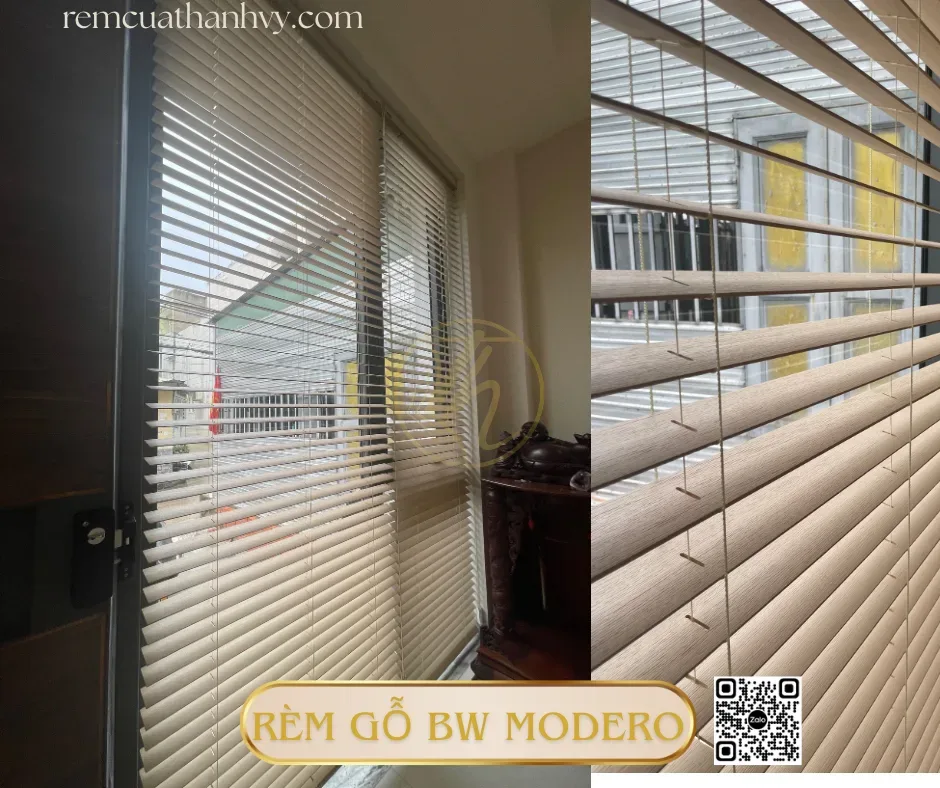
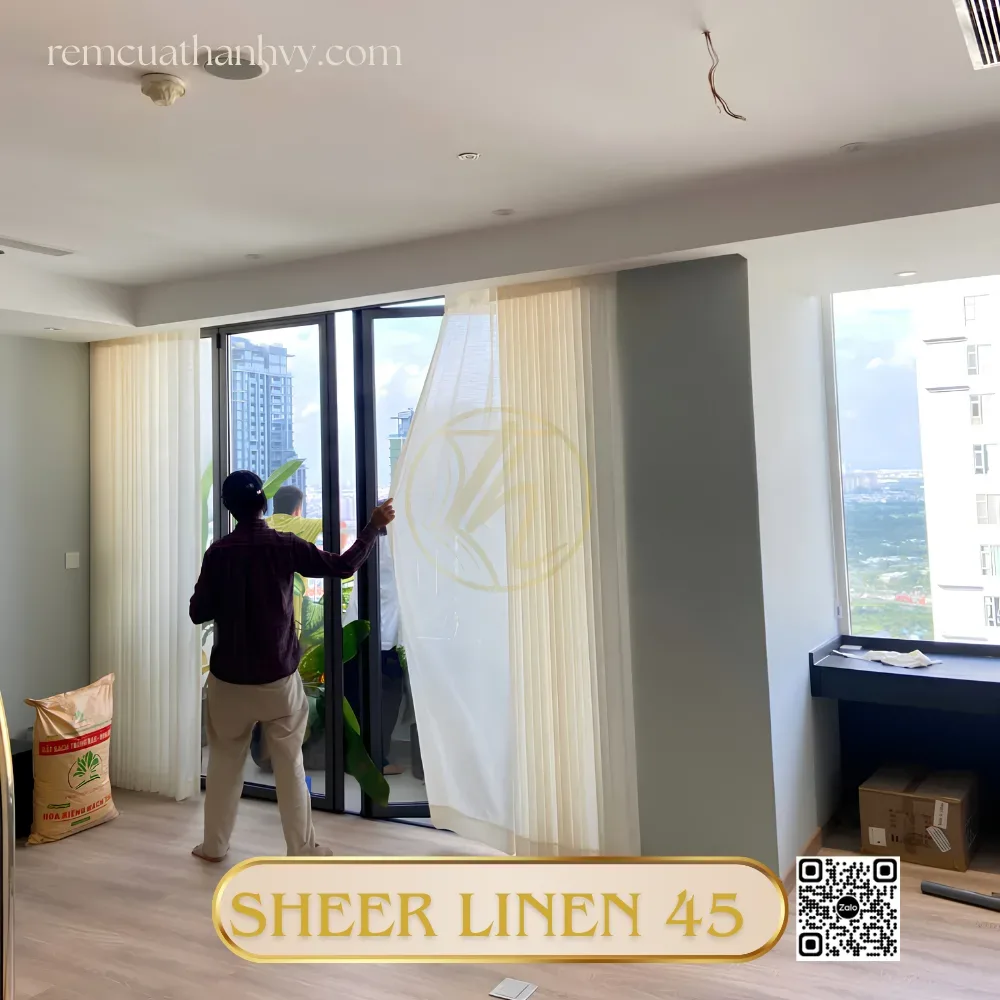
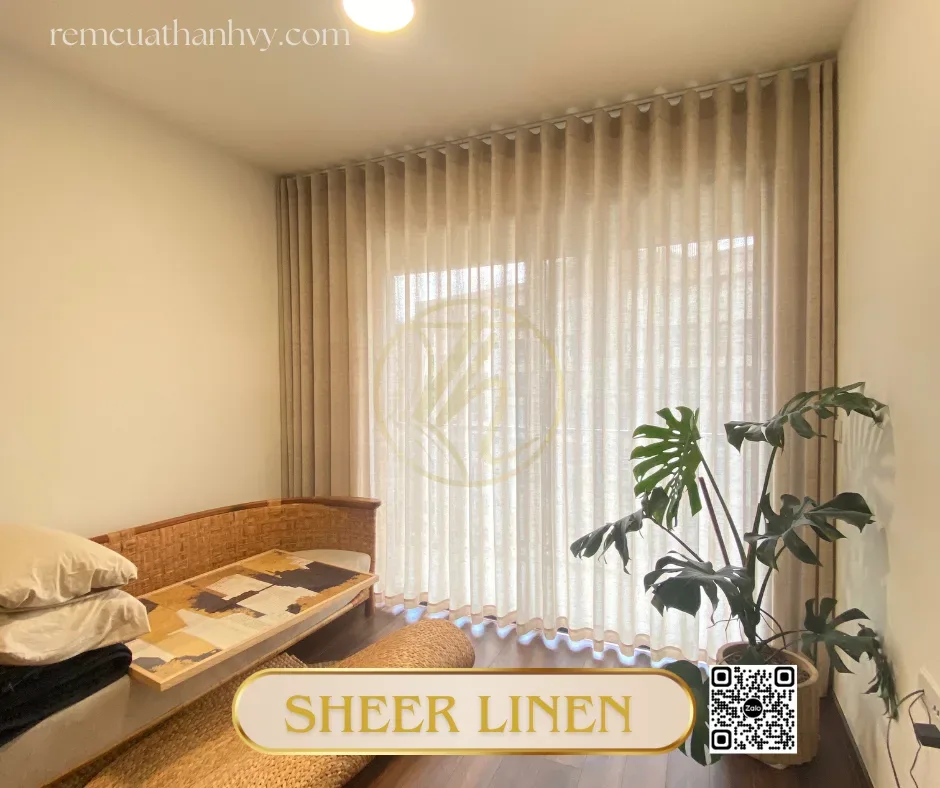
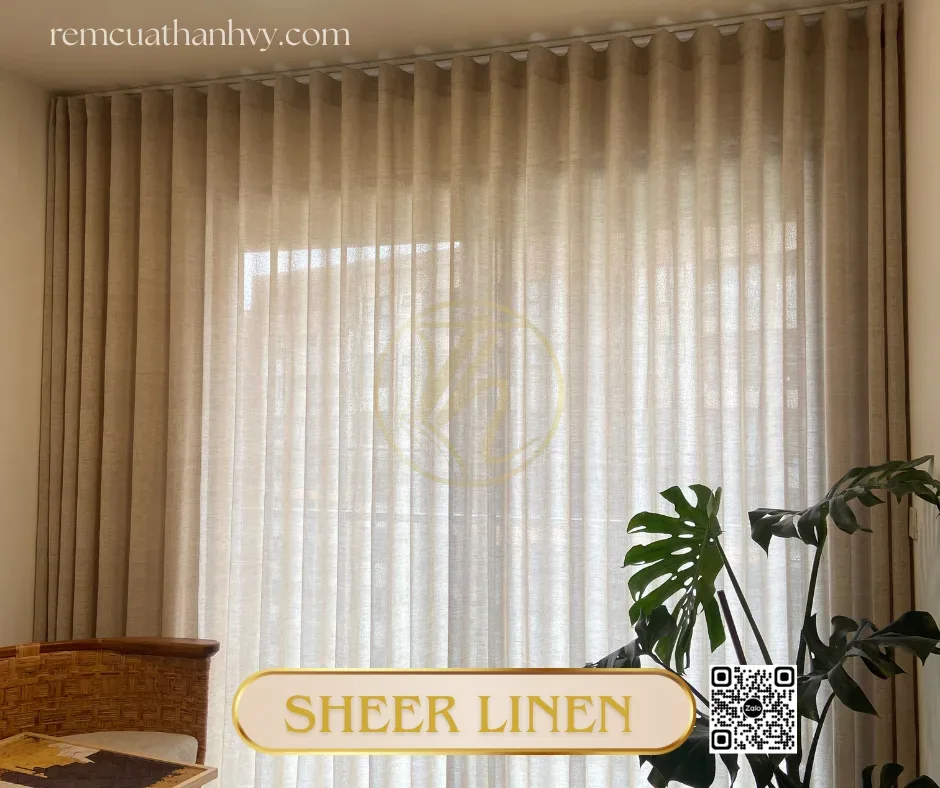
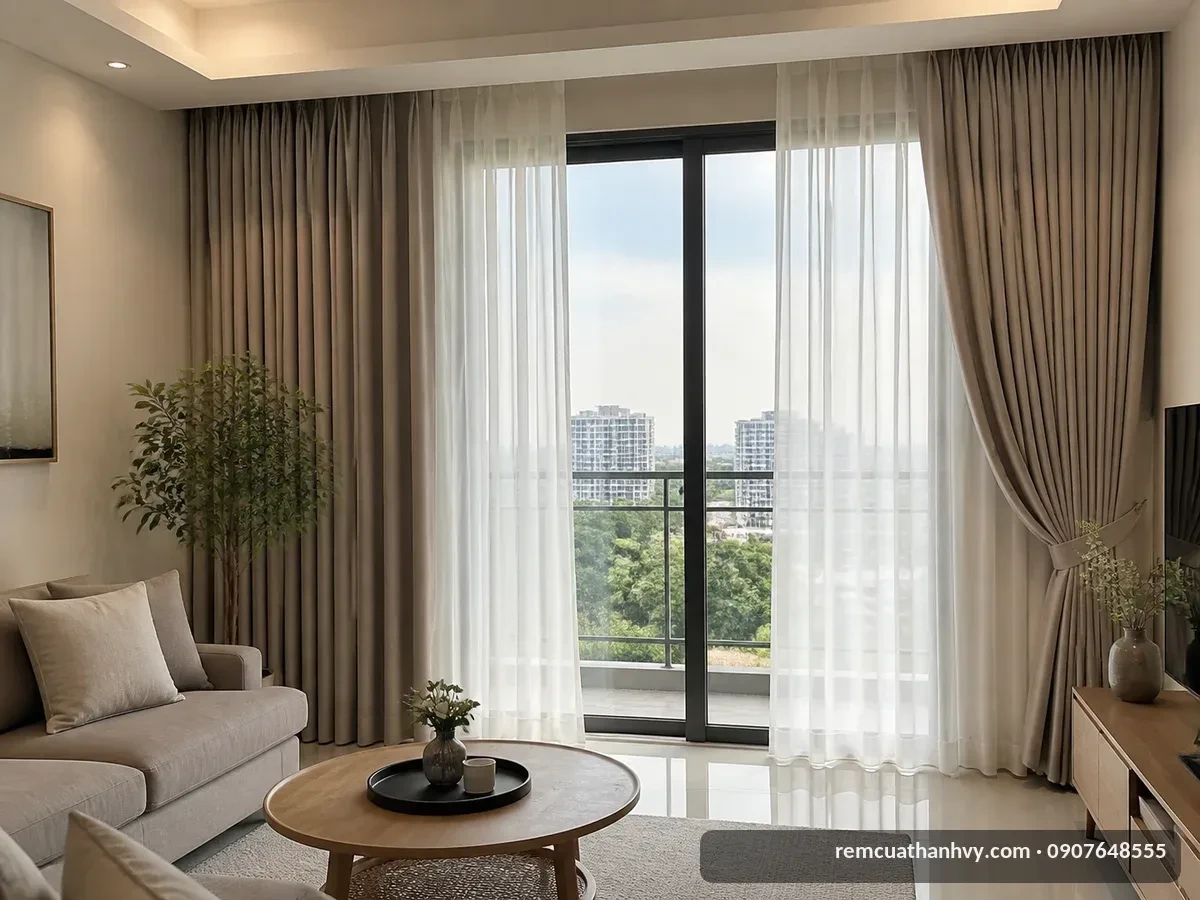
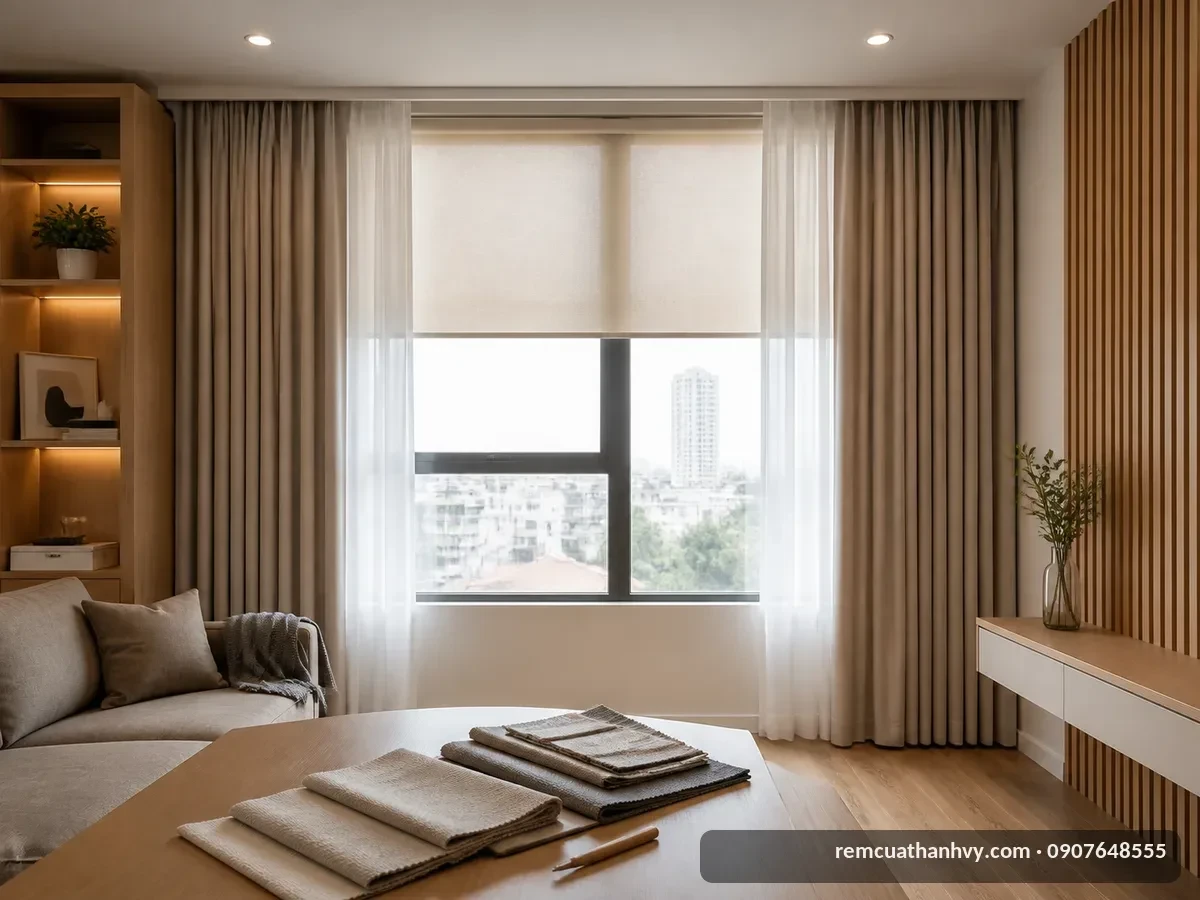
Fabric thickness also needs to be calculated according to the purpose of each room. Living rooms or common areas usually suit a single layer of linen that is thin enough to filter daytime light, maintaining ventilation while still providing a certain degree of privacy. Bedrooms should prioritize thicker linen or combine an inner blackout curtain layer, especially if the room is on a lower floor and exposed to streetlights at night.
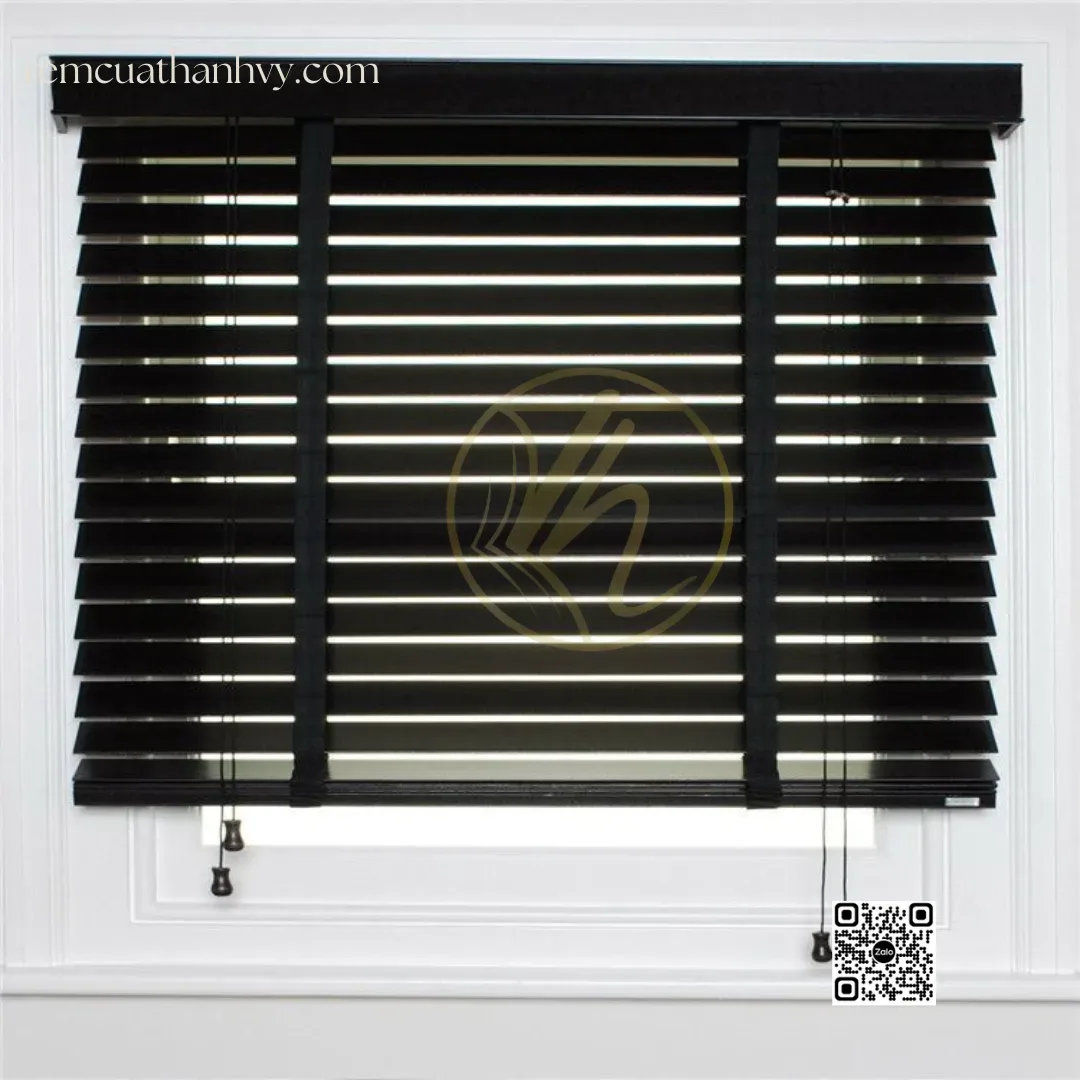
One detail many people overlook is that fabric samples should be viewed under the room’s actual lighting conditions before finalizing the color, because the exact same roll of fabric can look significantly different under showroom lights compared to being hung in an actual home. It is advisable to request small samples to take home and observe in both daylight and evening before deciding on the custom-made quantity.
Sewing styles and hanging methods that affect the finished feel
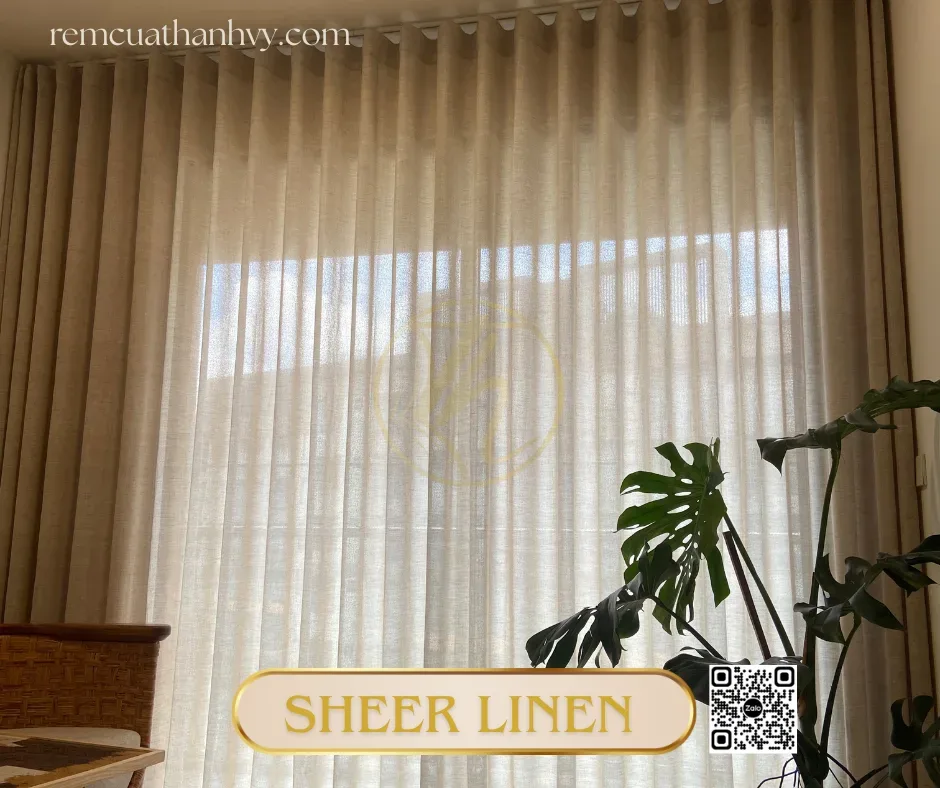
The sewing style largely determines the final look when the curtains are hung. Single-pleat or double-pleat styles create even folds, fitting rooms that want to maintain a classic touch, while modern pleatless styles or straight tailoring without pleats fit minimalist spaces better, especially when windows are not large like many townhouses in District 5. Choosing the wrong sewing style relative to the window proportions can make the curtains look cluttered or, conversely, too monotonous compared to the overall interior.
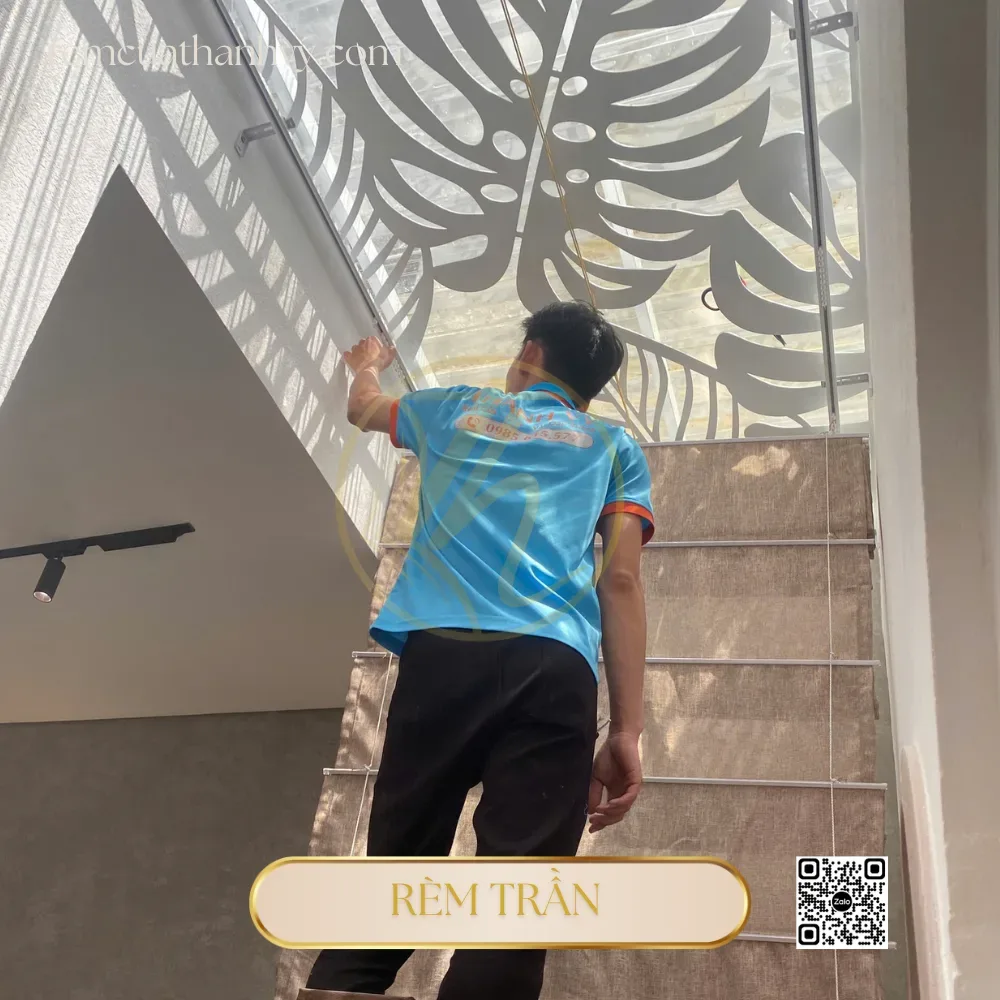
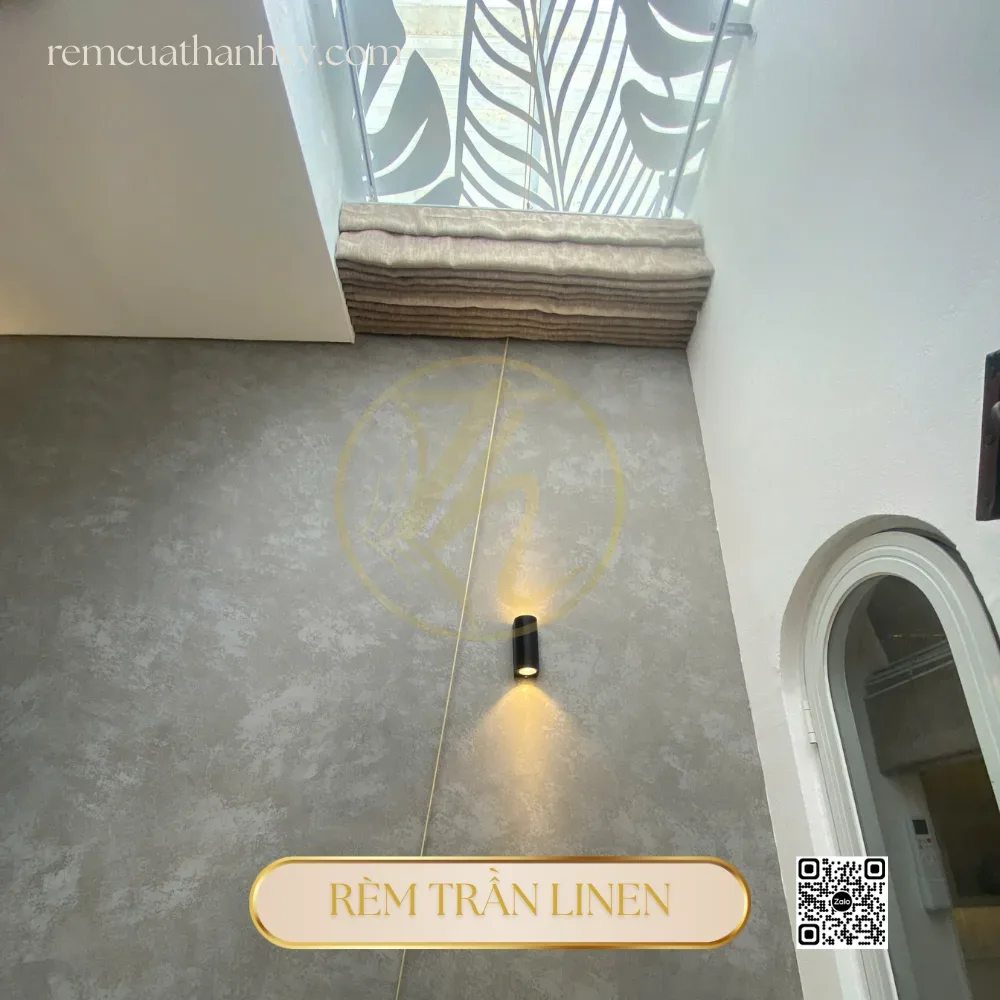
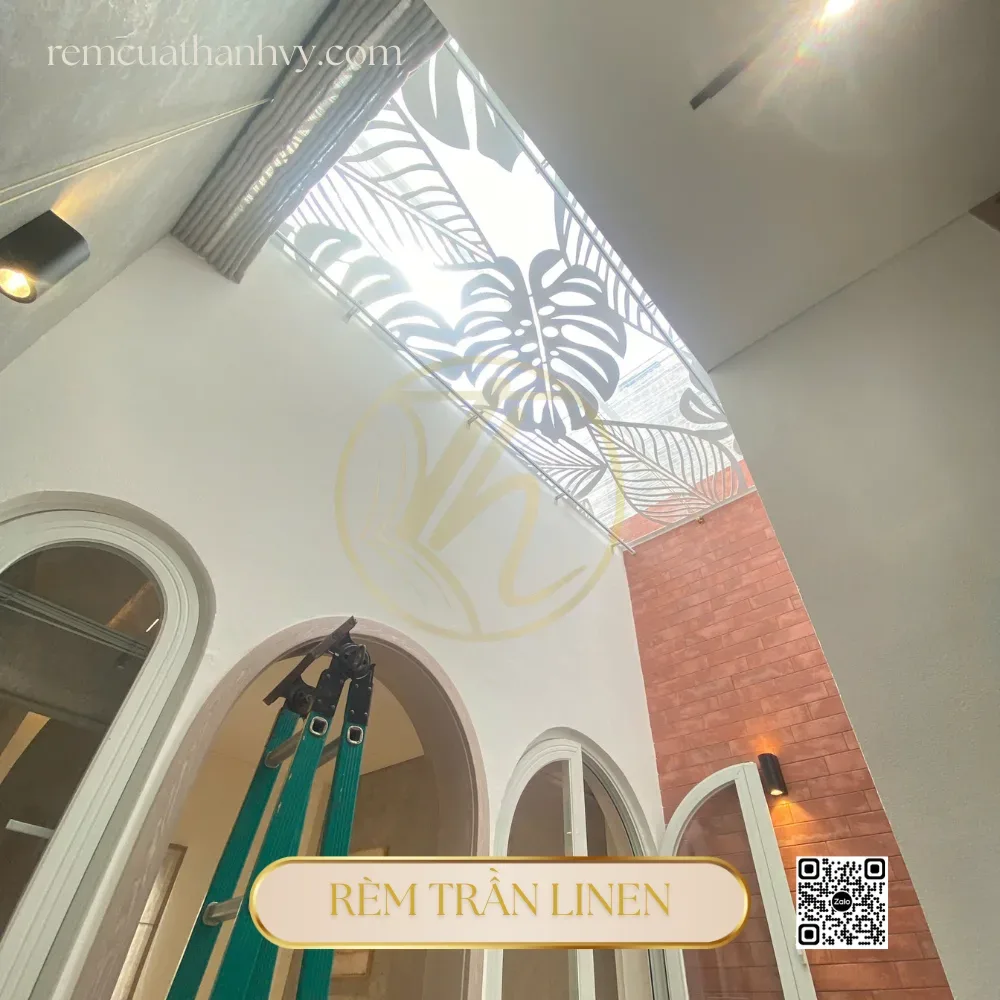
The hanging method is equally influential. Recessed ceiling tracks or wall-mounted tracks keep the curtains neat, exposing fewer mechanical details, making them suitable for apartments or townhouses with low ceilings. Wooden or metal hanging rods can play a decorative role if the interior style leans toward rustic or vintage, which pairs quite well with linen. You should also consider the clearance space above the window and the actual ceiling height when choosing between the two options. You can further refer to the properties of natural wood to better understand the material.
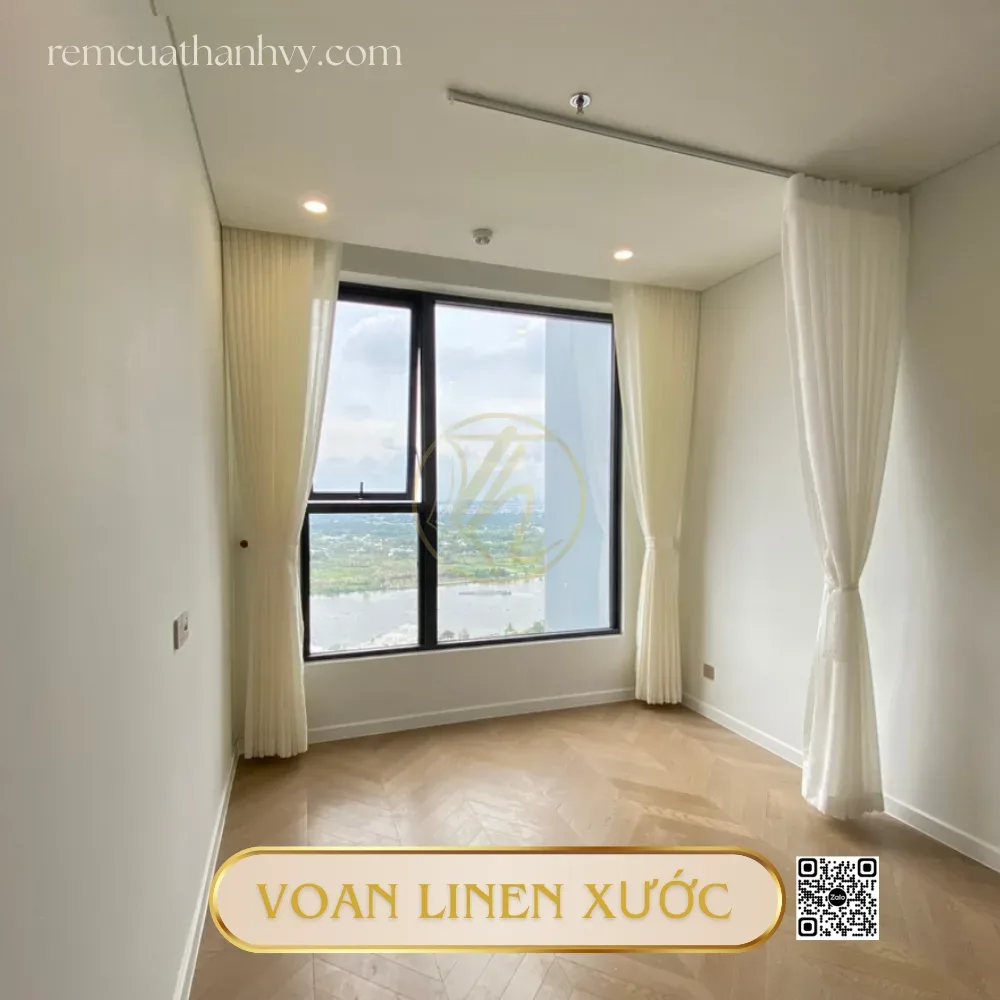
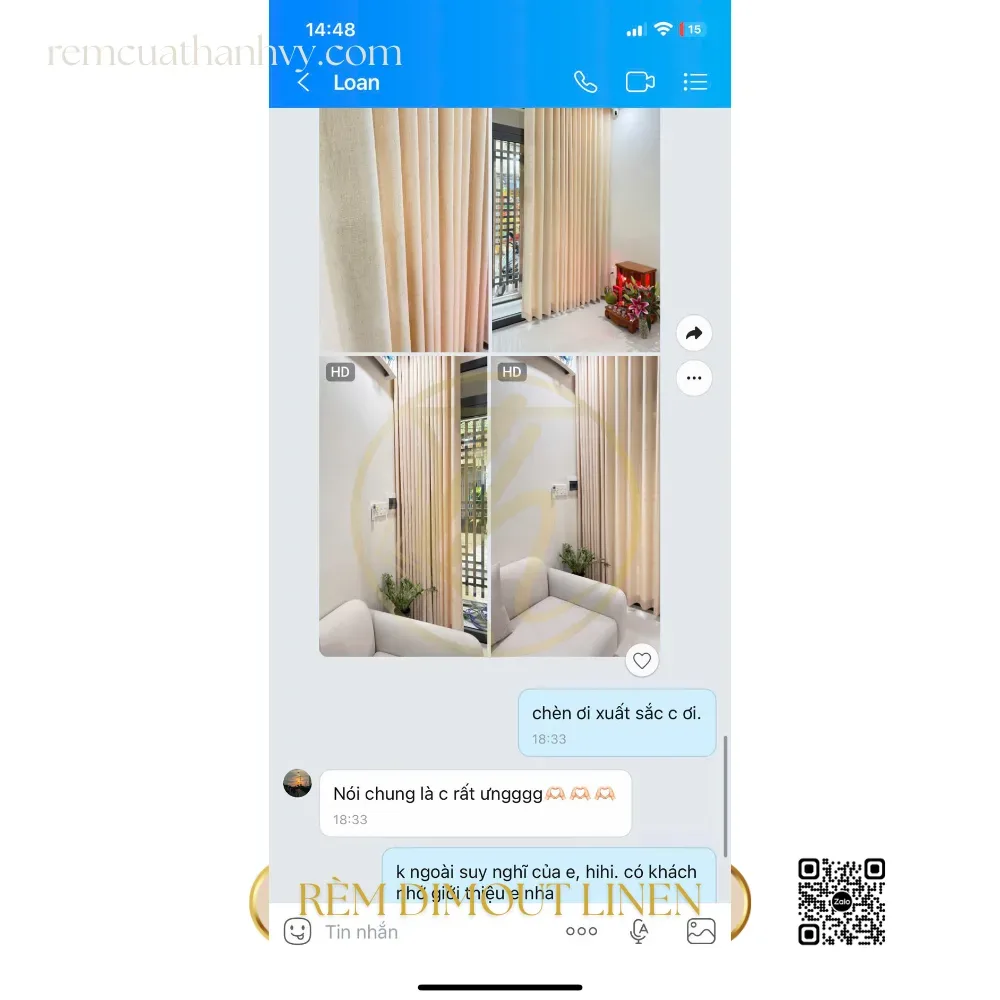
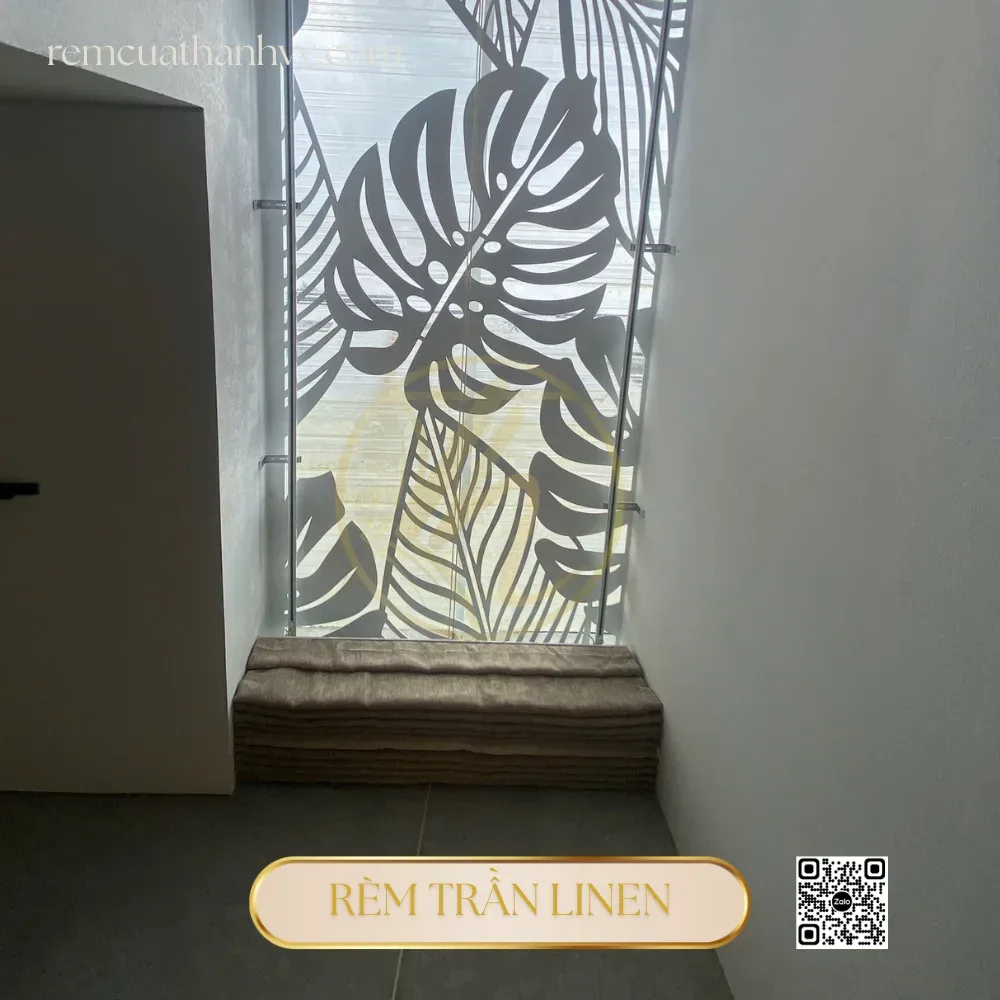
Additionally, when opened, the curtains need enough stacking space on both sides so they do not block walkways or collide with interior furniture such as storage cabinets or air conditioners. For District 5 townhouses, which typically do not have excess floor area, calculating the curtain gathering space right from the start avoids having to make adjustments after installation, which wastes time and affects the original form.
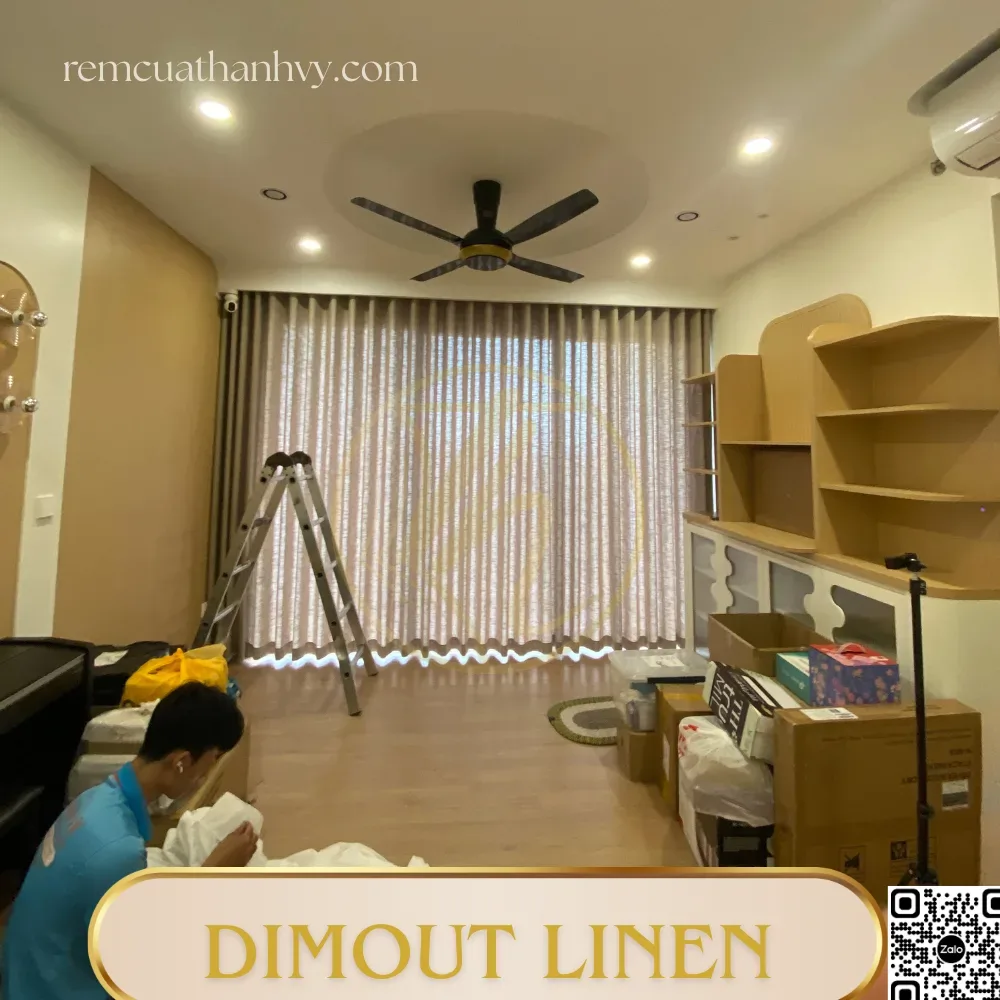
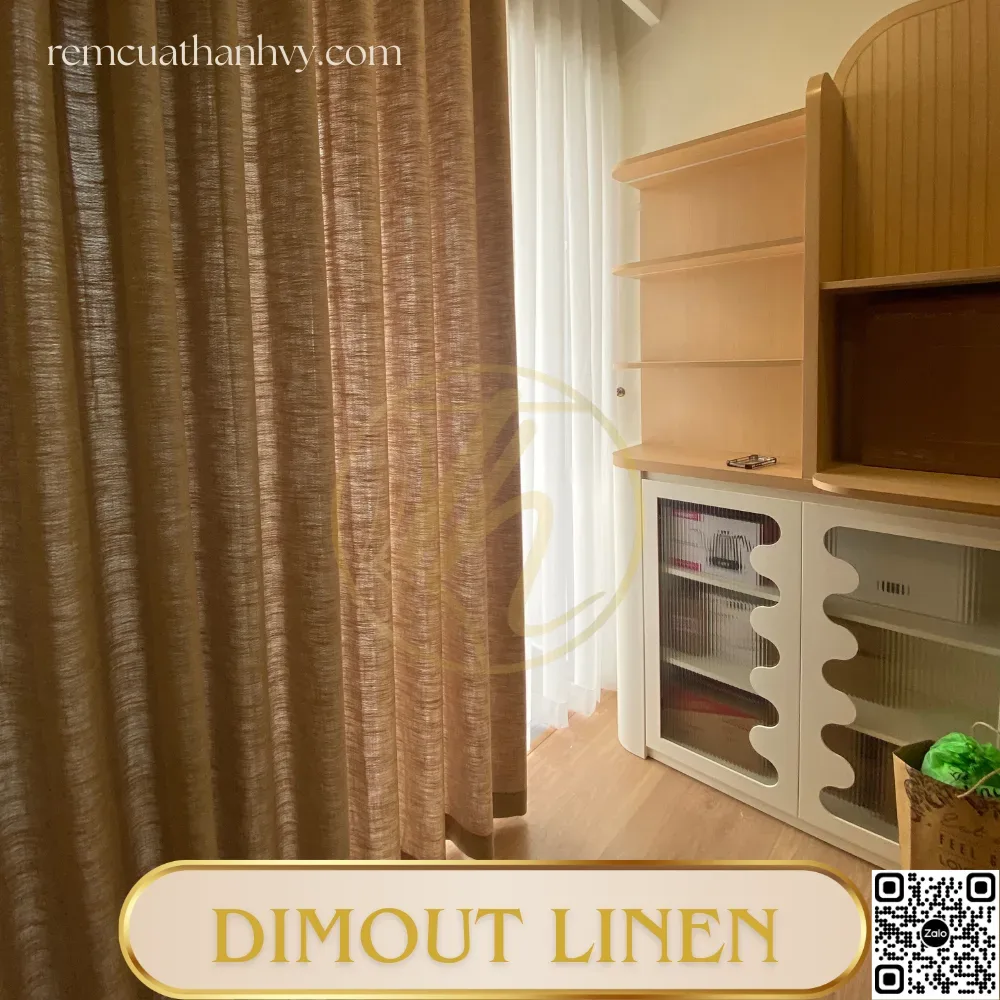
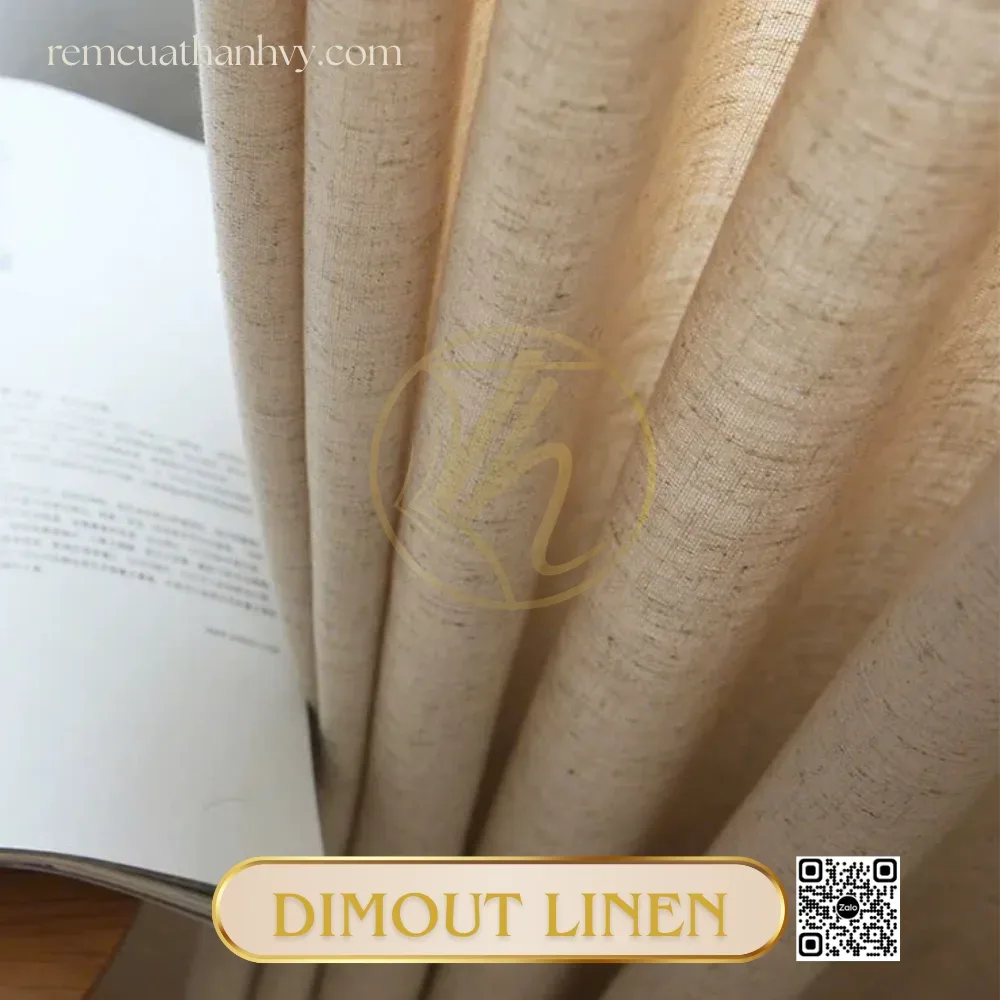
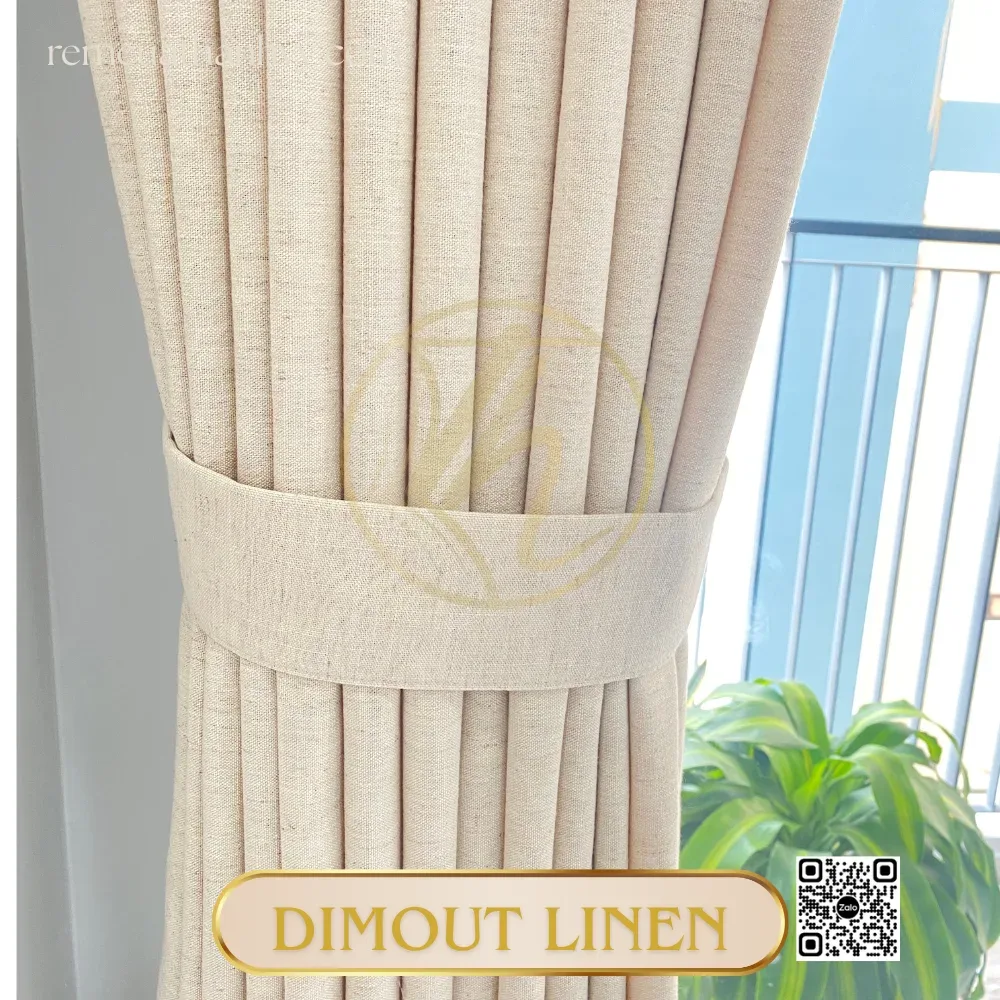
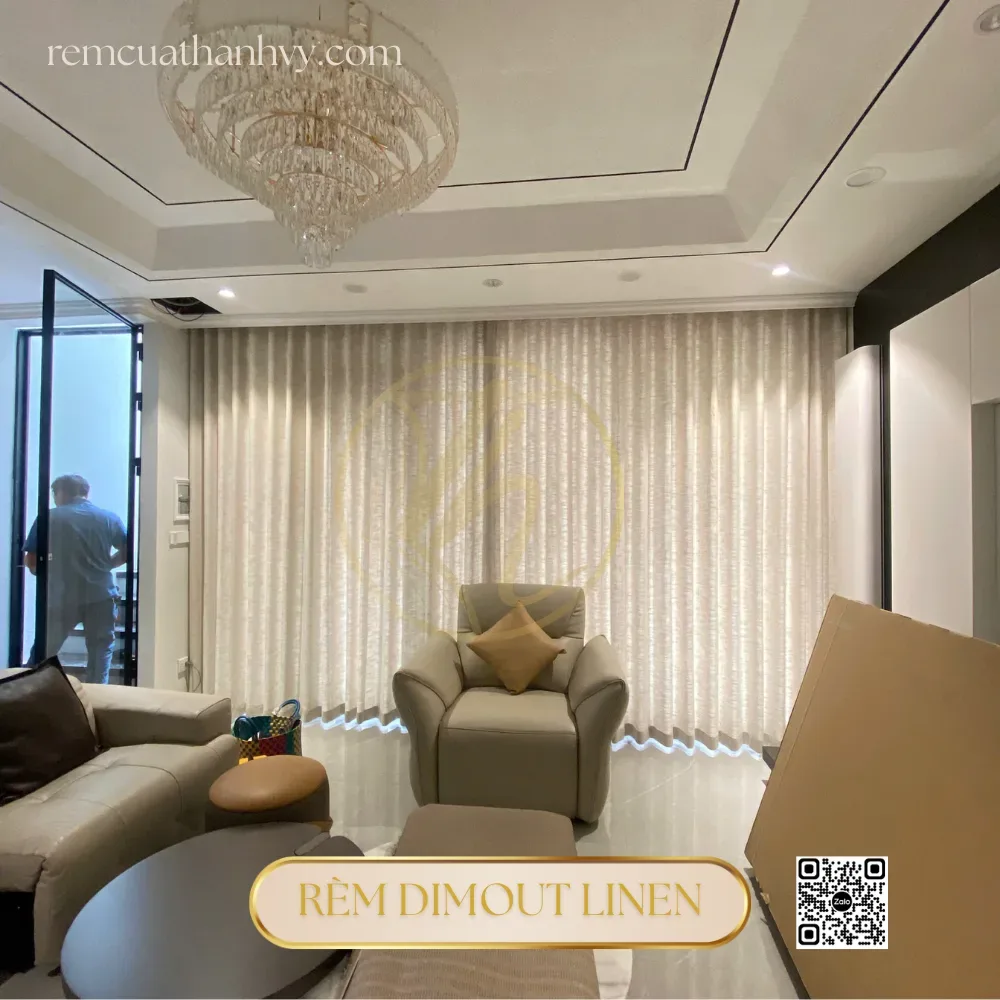
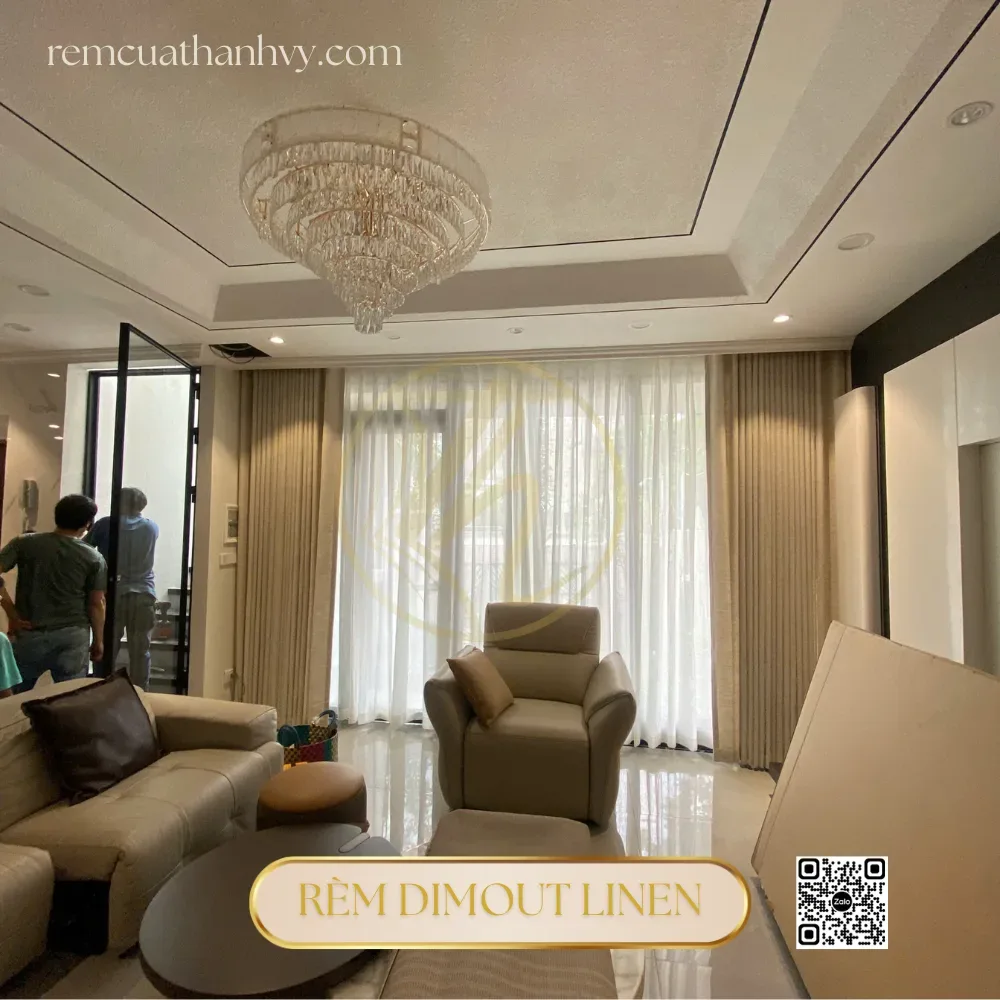
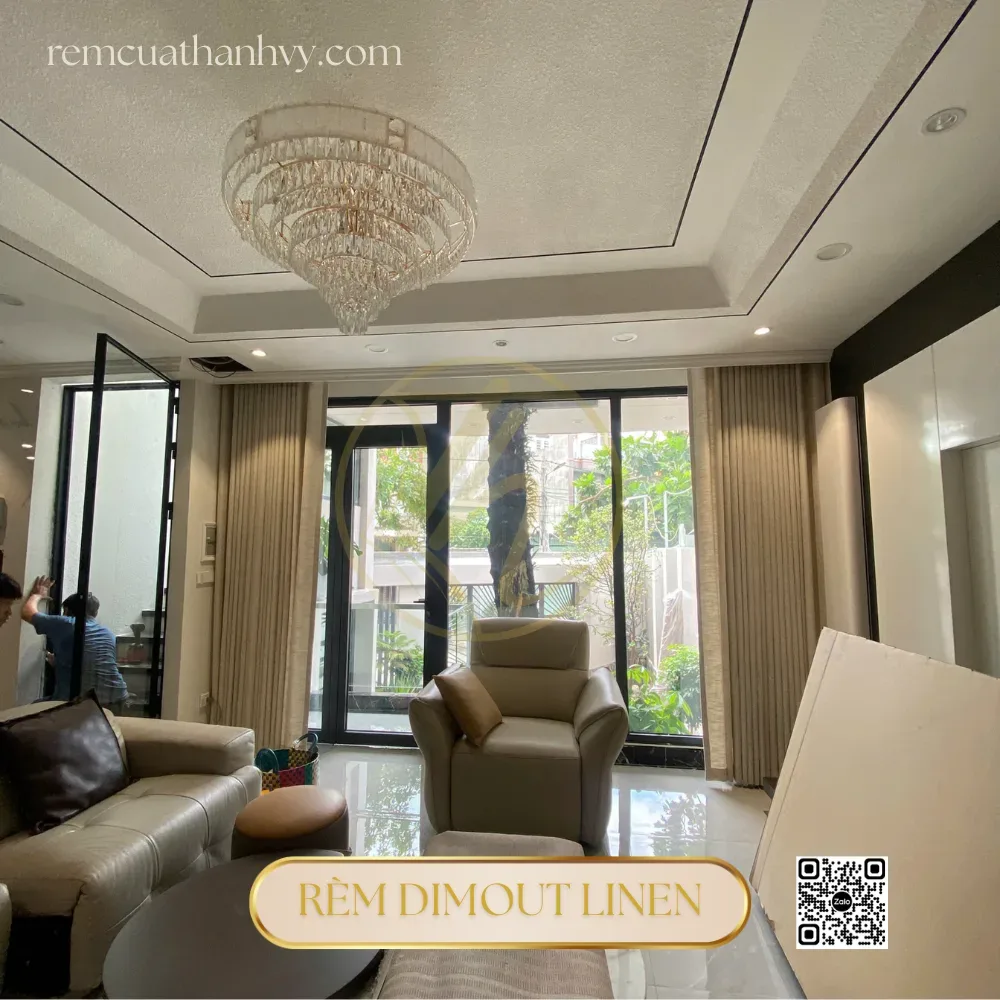
Preliminary survey measurement process and checklist before finalizing
Before placing an order, the preliminary survey and measurement step plays an important role in ensuring the curtains fit well and meet usage needs. Information to prepare includes the width of the window frame, the expected hanging height, clearance space on both sides, locations of obstacles such as air conditioners, decorative shelves, or old curtains if any, along with a few general photos of the installation area — helping the tailoring team visualize the actual space rather than relying purely on numbers.
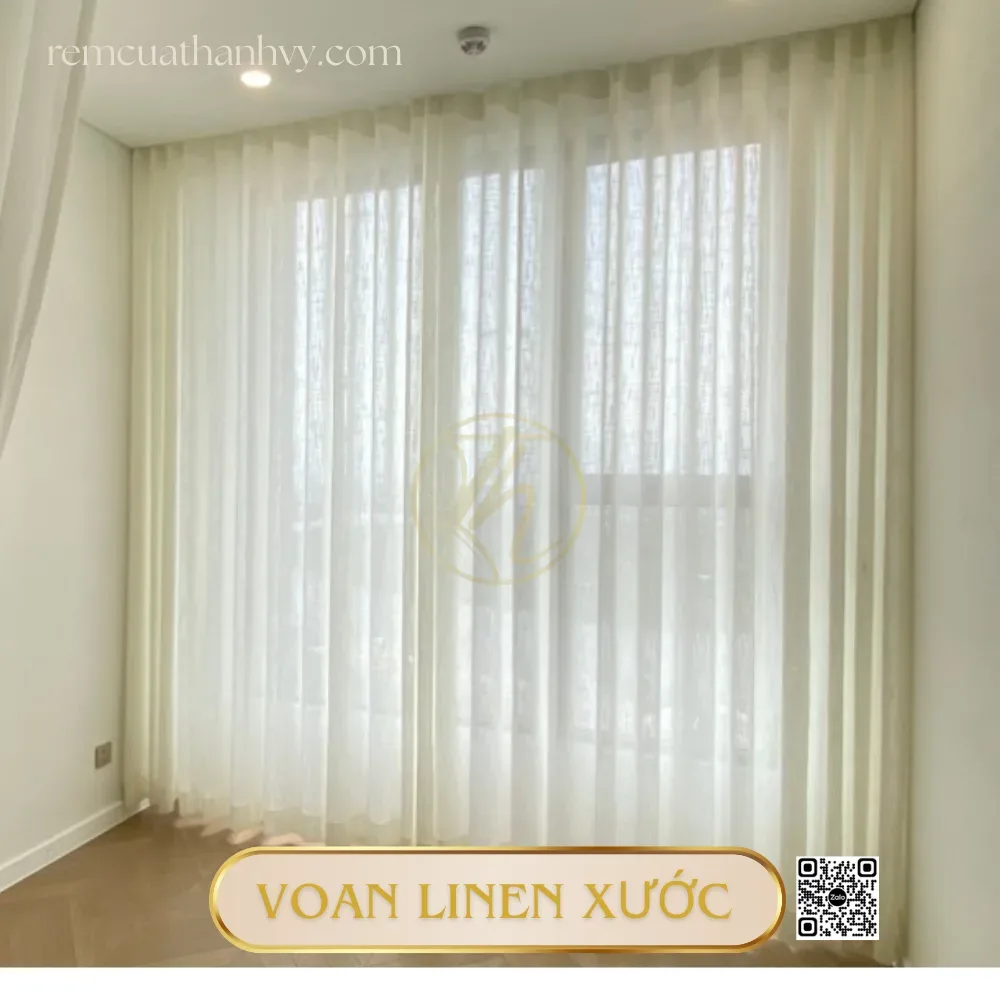
Given the characteristics of District 5 townhouses, which usually have narrow facades but great depth, an on-site survey is generally more accurate than discussing over the phone. The surveyor can observe actual sunlight directions, window recess depths, wall materials, and existing interior styles to provide better advice. This is also the time to ask clearly about completion times, warranty terms, and the handling process if minor measurement discrepancies arise during installation.
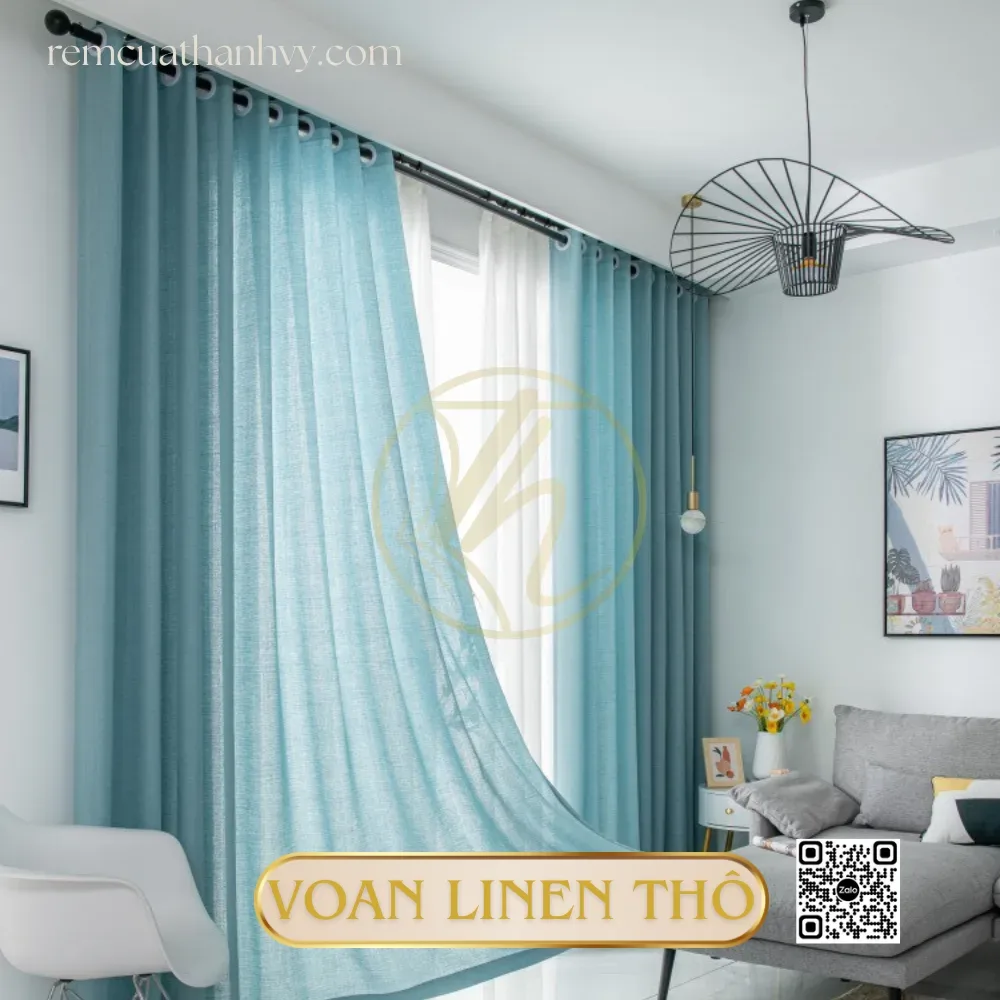
Before finalizing, you should review a short checklist: is the goal to gently filter light or block it more thoroughly, has the fabric color been viewed under the room’s actual light, do the sewing style and hanging method match the ceiling height and window area, and will the gathered curtains affect walkways or surrounding furniture when opened? If you are still torn between two options, ask the tailoring provider to describe them in parallel using the same set of criteria for a clearer comparison.
Notes on choosing an on-site linen curtain tailoring provider in District 5
When looking for an on-site tailoring provider in District 5, you should prioritize those who can survey directly at the installation address rather than just consulting via sample images. On-site surveys allow for more accurate measurements while observing actual lighting conditions, humidity, and space to advise on suitable fabrics and sewing styles, preventing orders made from estimated dimensions that lead to discrepancies during installation.
Another factor is the origin and quality of the linen fabric. The market offers many types of linen with different thicknesses, fiber blends, and finishing treatments, which directly affect durability and long-term user experience. You should ask clearly about the fabric type, recommended care instructions, and return policies if the fabric does not match the sample seen, instead of just comparing product photos. Readers can cross-reference further via the Thanh Vy high-end curtains category on Ha Tinh Newspaper.
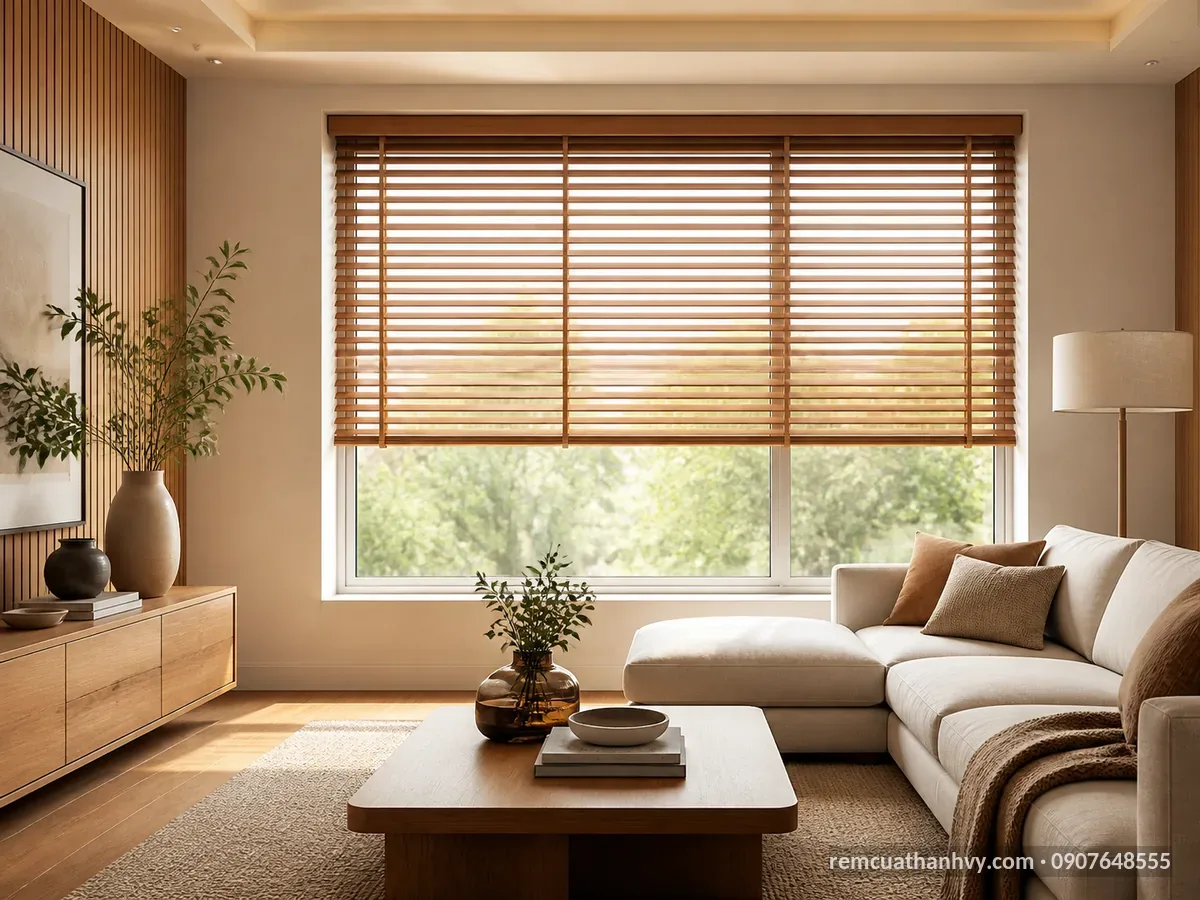
Alongside fabric quality, the installation process should also be discussed clearly before signing: completion time, methods for handling tracks or rods suitable for each home’s ceiling and wall structures, along with cleaning and maintenance guides after installation to maintain form and color long-term. This information often reflects dedication and practical experience much better than just looking at the initial price quote.
How to care for linen curtains to keep them durable and beautiful in the long run
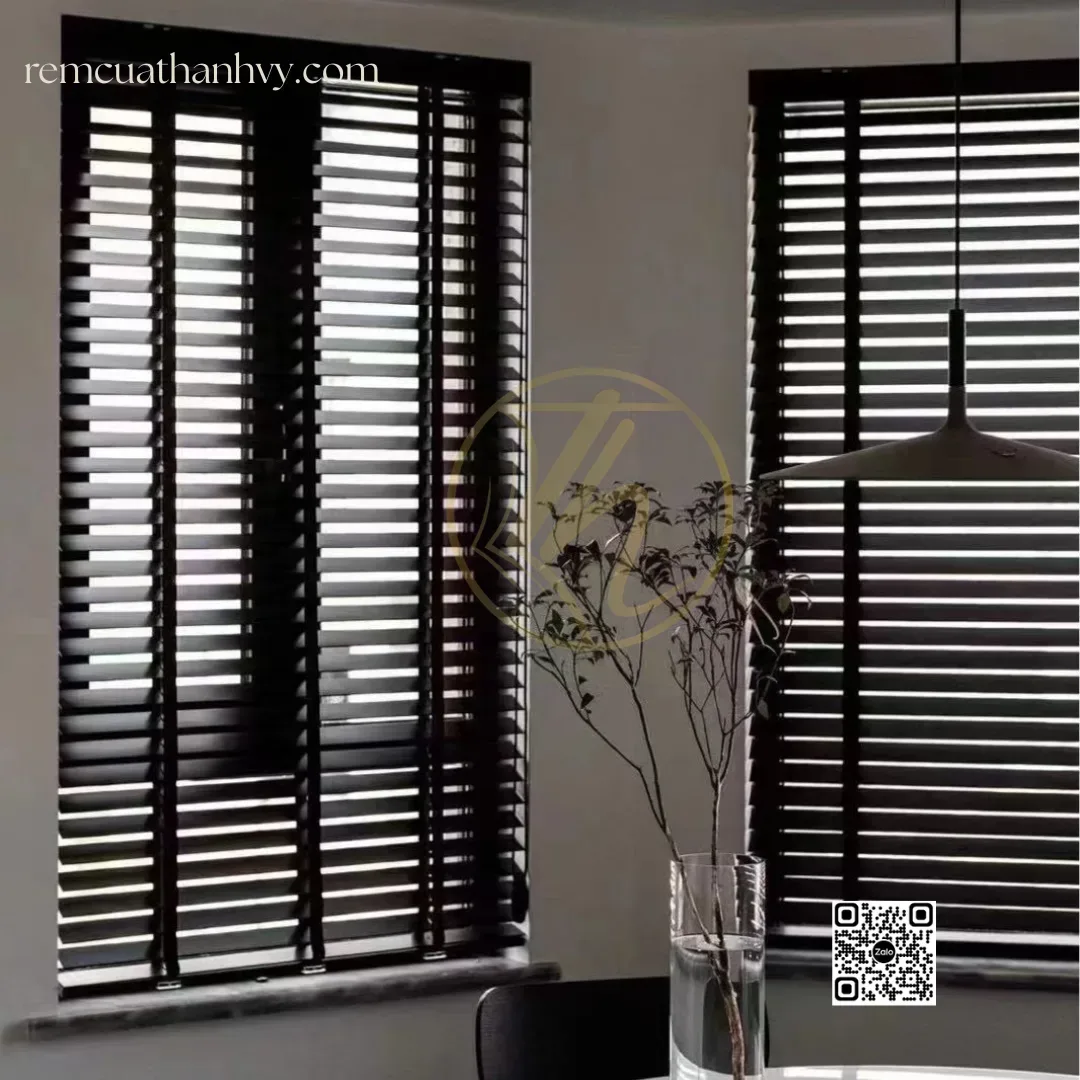
After installation, proper care helps linen curtains maintain their natural beauty over time. Due to the easily wrinkled nature of flax fibers, avoid vigorous rubbing or twisting when cleaning; instead, wash gently or use a specialized curtain dry-cleaning service if the fabric collects a lot of dust. For areas near streets or commercial zones like many places in District 5, cleaning frequency should be higher than in quiet, low-dust areas.
Long-term direct sunlight also affects color durability, especially with dark shades. If windows receive harsh sunlight all day, you might consider adding an external UV-blocking curtain layer or choosing neutral tones that fade less over time. Regularly alternating opening the curtains to both sides instead of always pulling them to one side also helps reduce uneven fading.
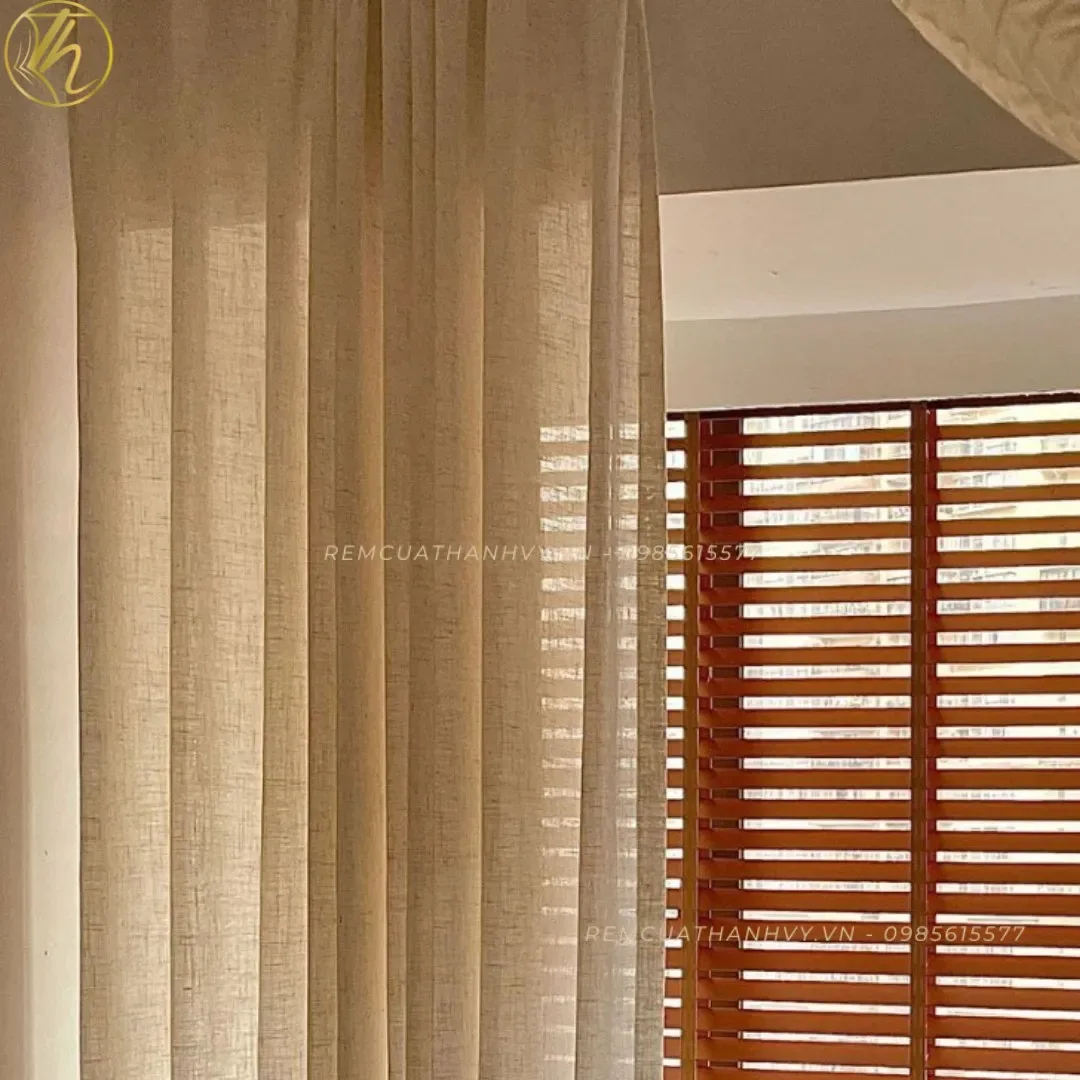
Finally, periodically check hanging hooks, tracks, or curtain rings to ensure the system operates smoothly, preventing the fabric from being pulled crookedly or sagging due to loose accessories. A properly cared-for set of linen curtains not only preserves its initial aesthetics but also extends its service life, helping save replacement costs later on.
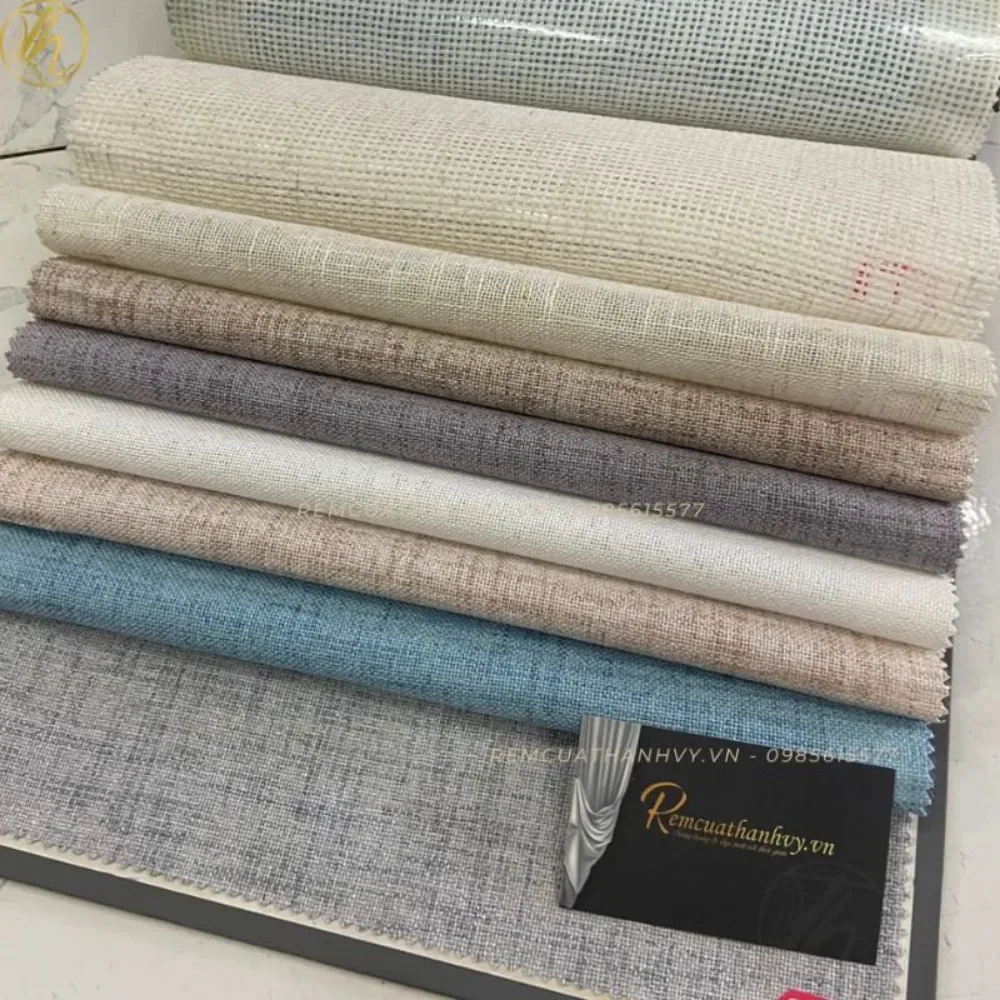
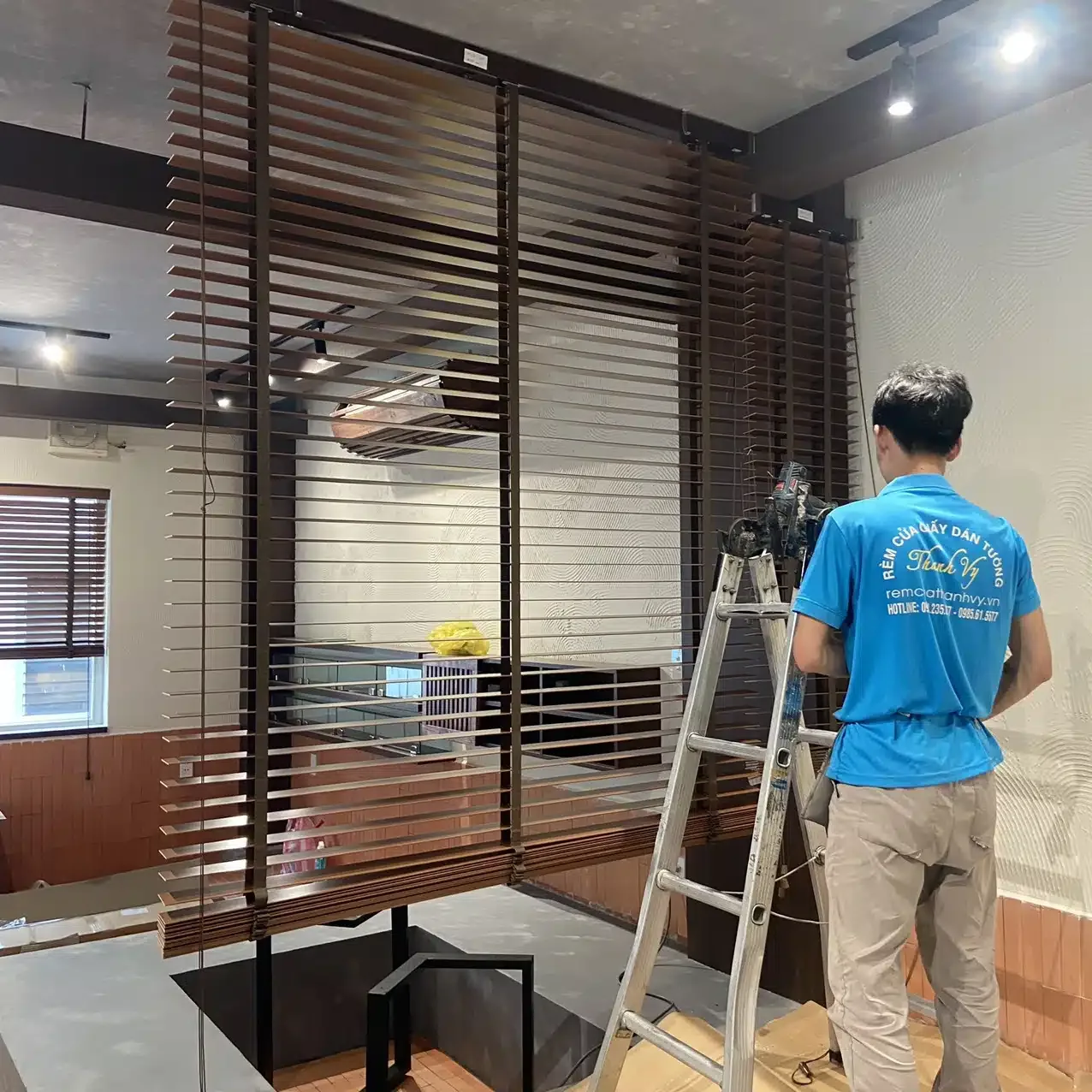
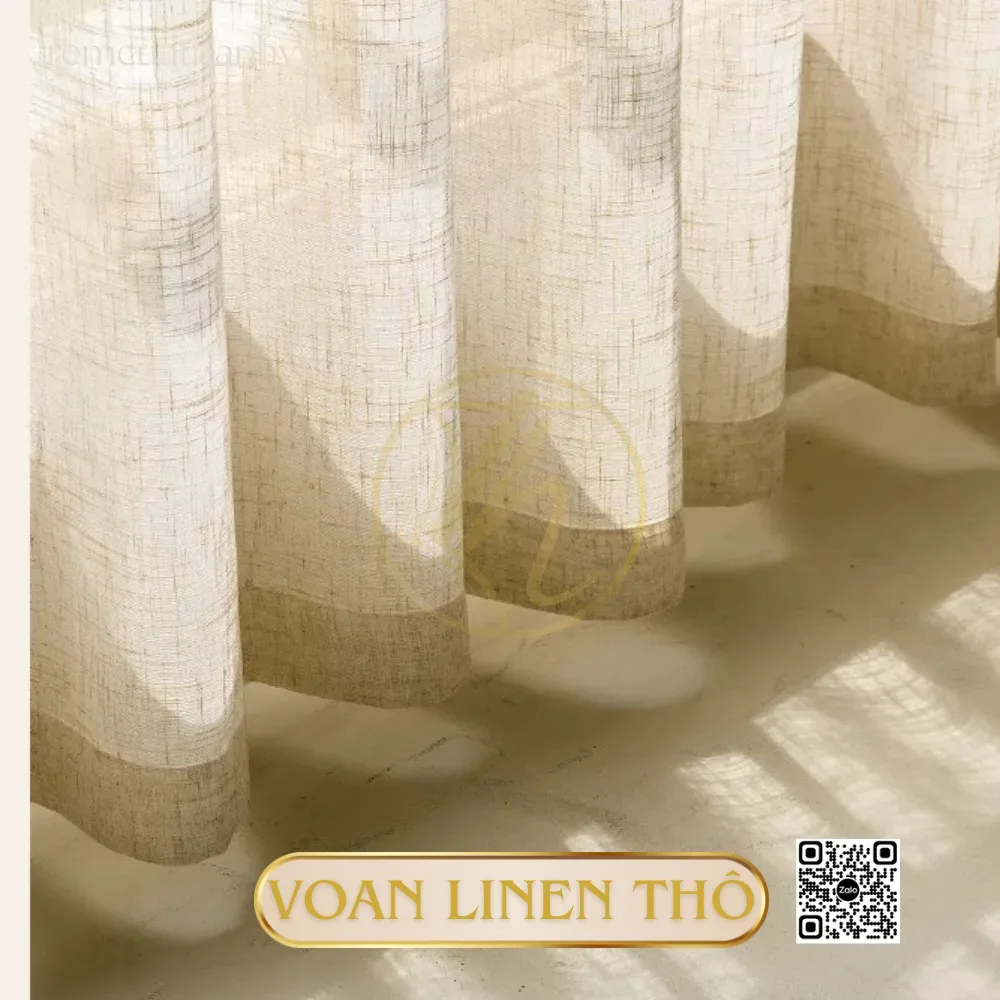
Curtain models recommended for installation in District 5
Below are actual product collections currently available at Thanh Vy Curtains, sorted by popular usage needs in the District 5 area.
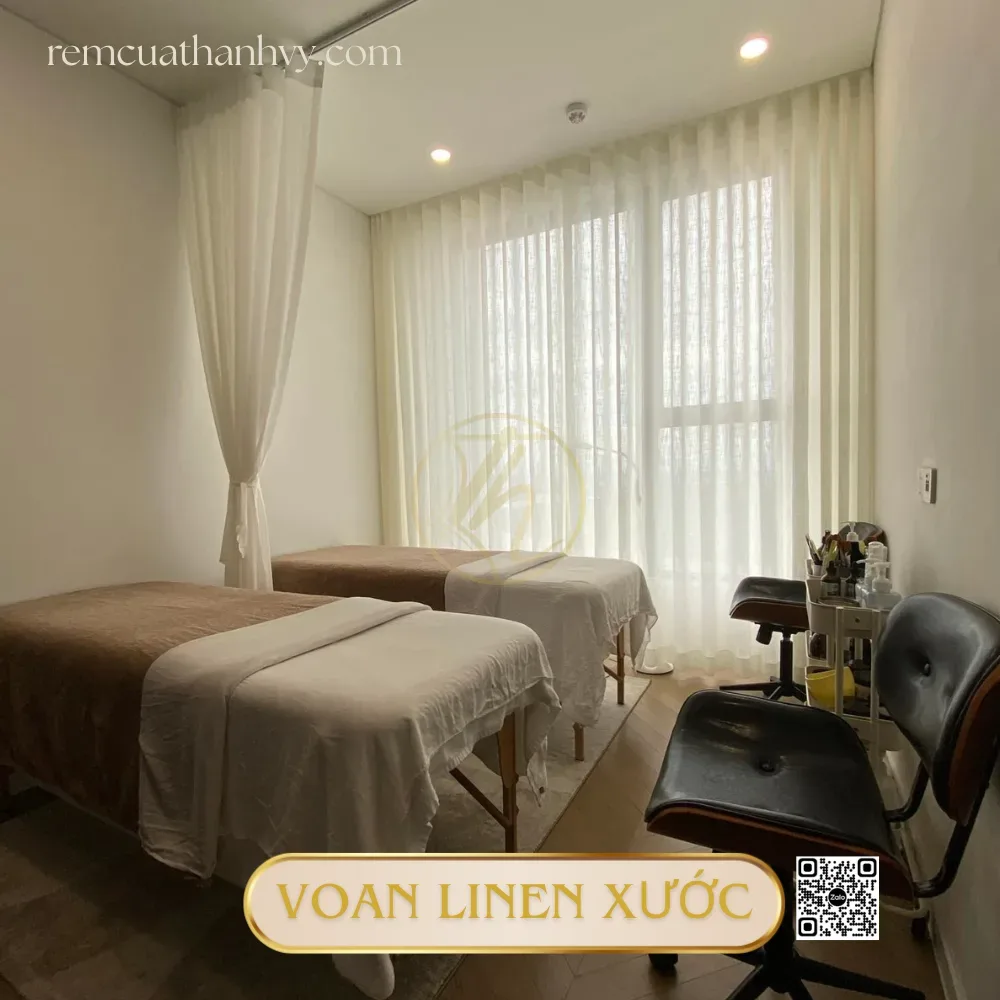
Send your dimensions and needs, and the Thanh Vy Curtains team will advise on options and quote for your actual space.
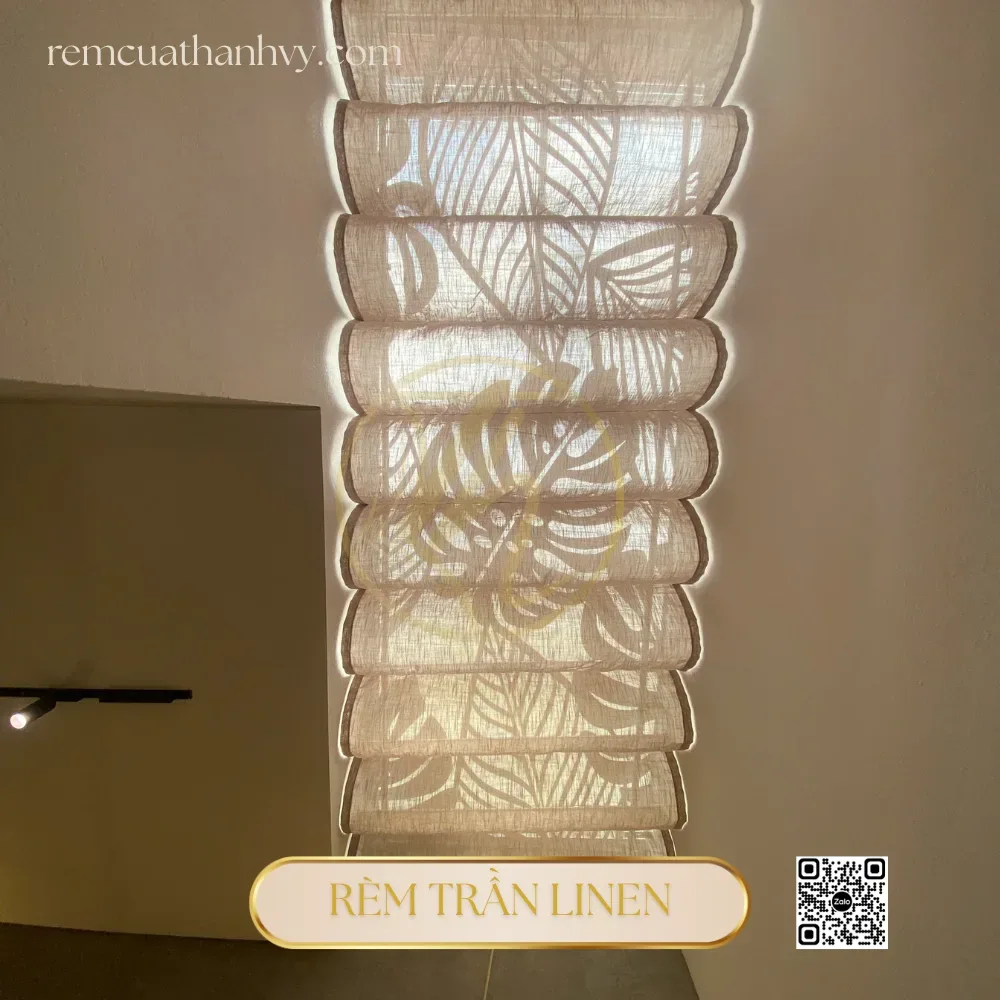
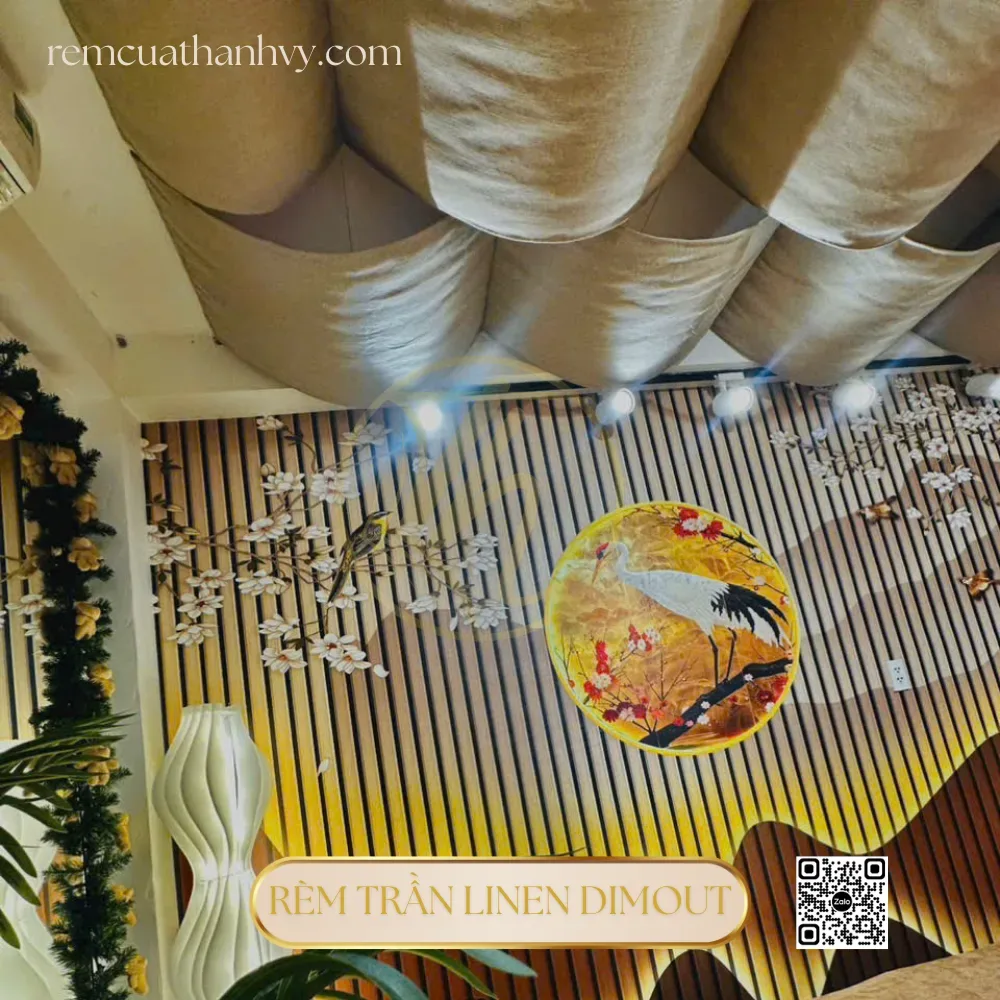
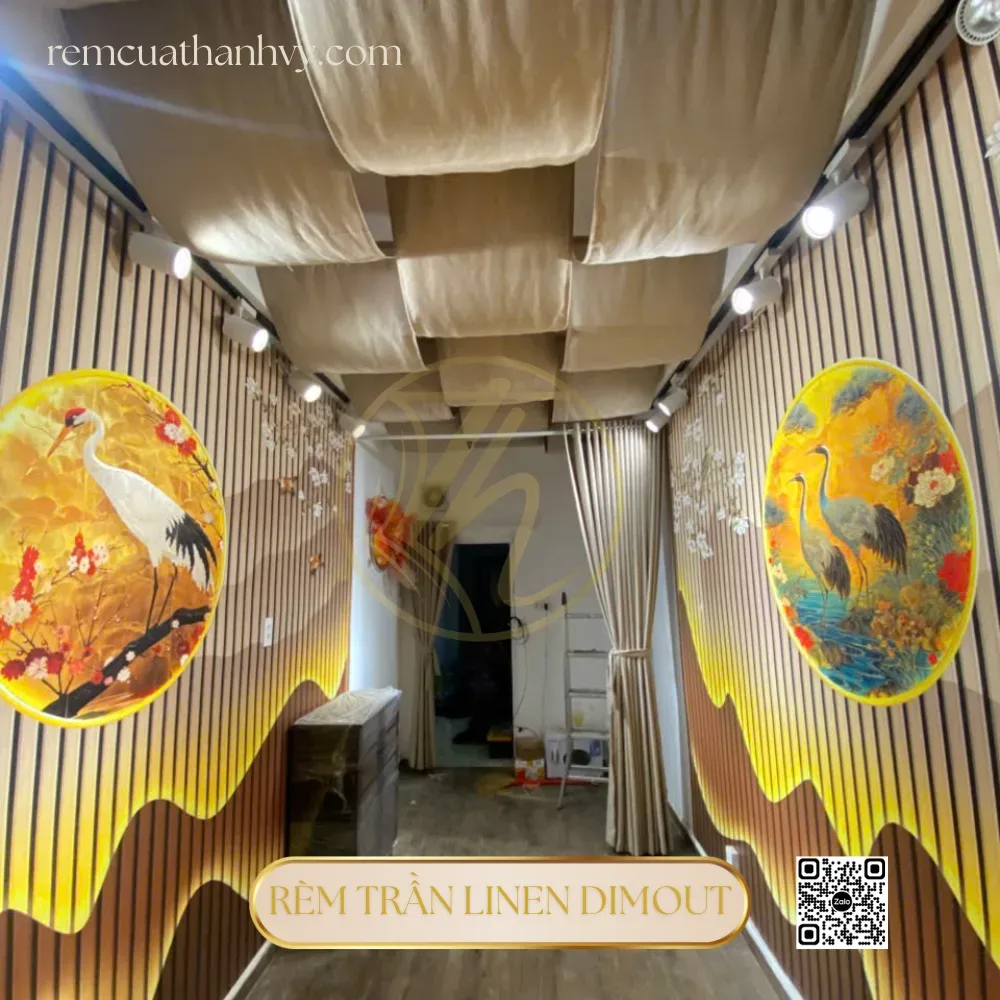
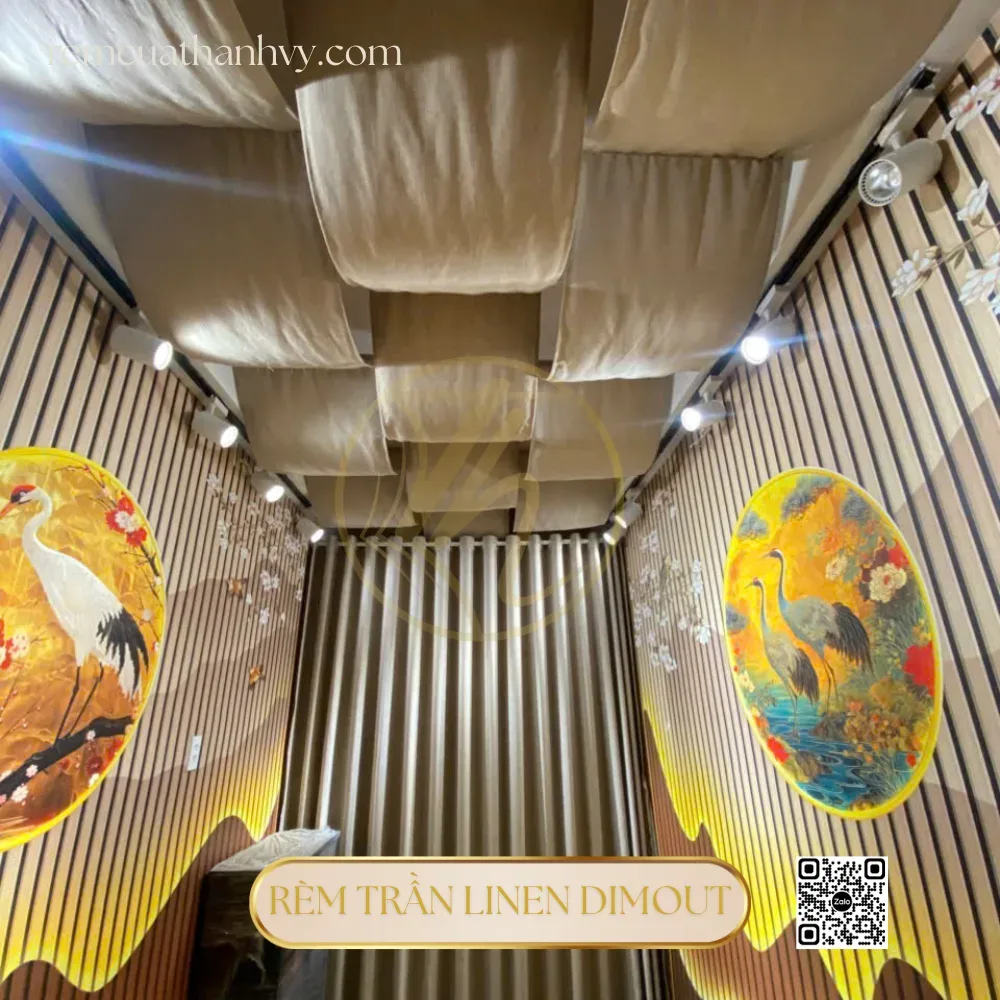
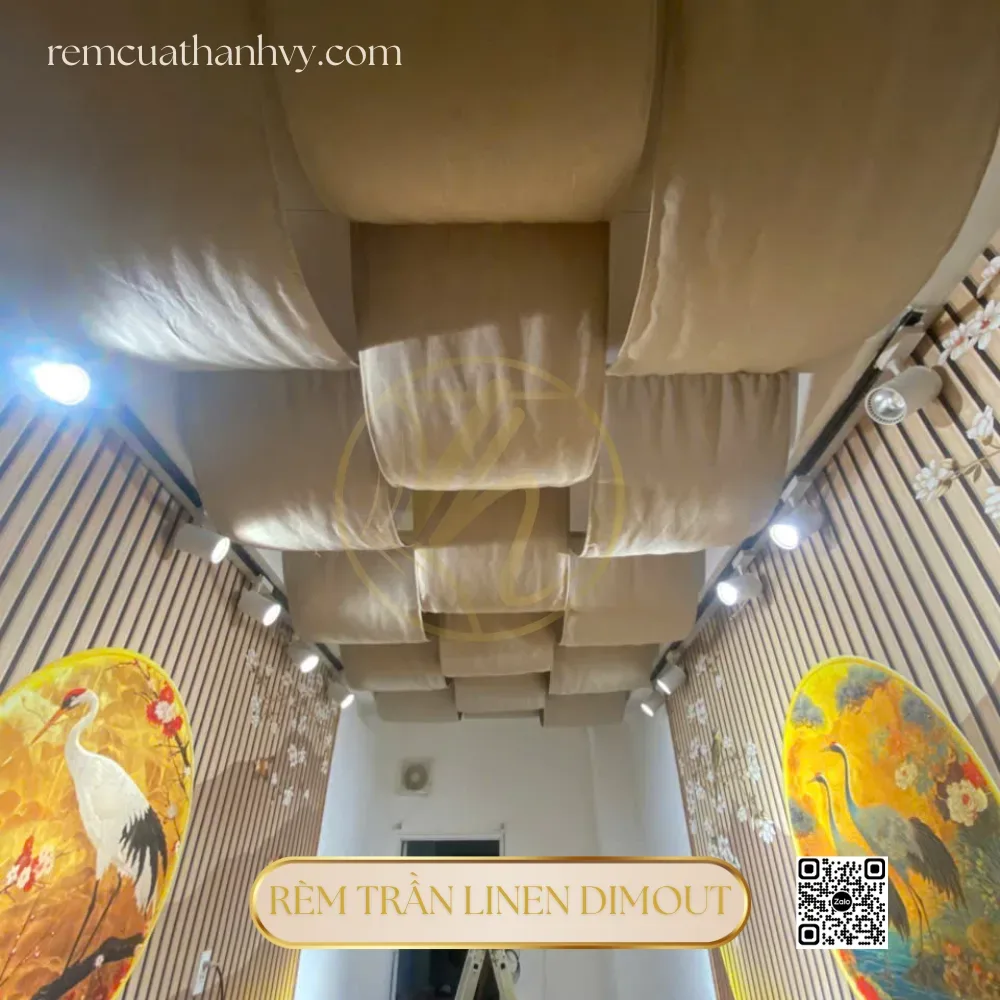
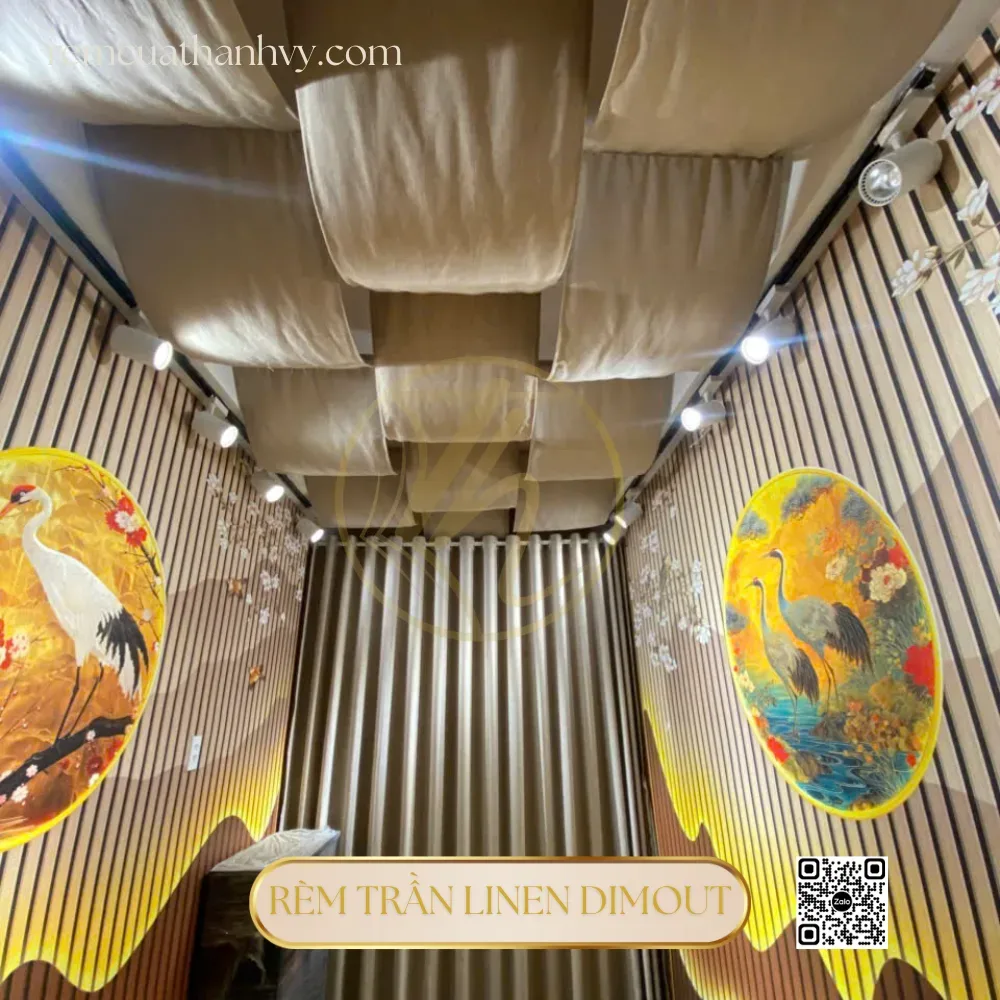
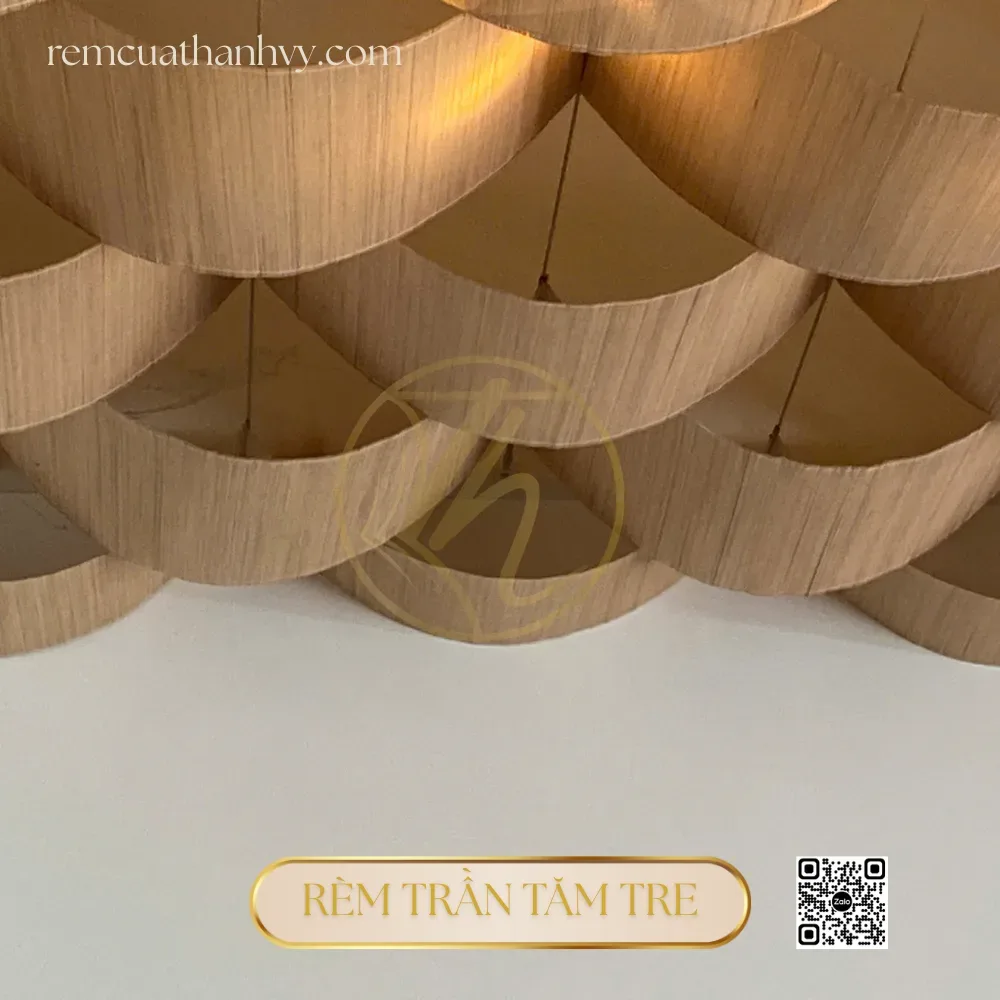
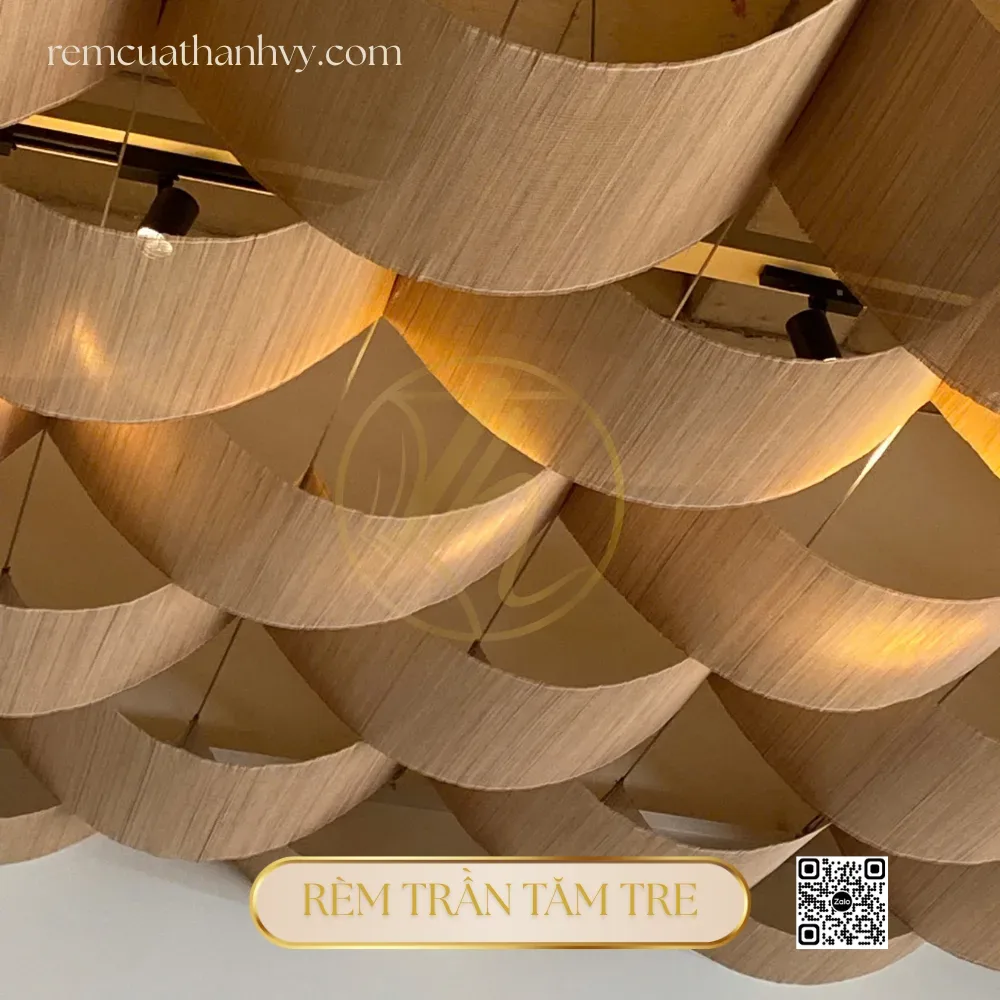
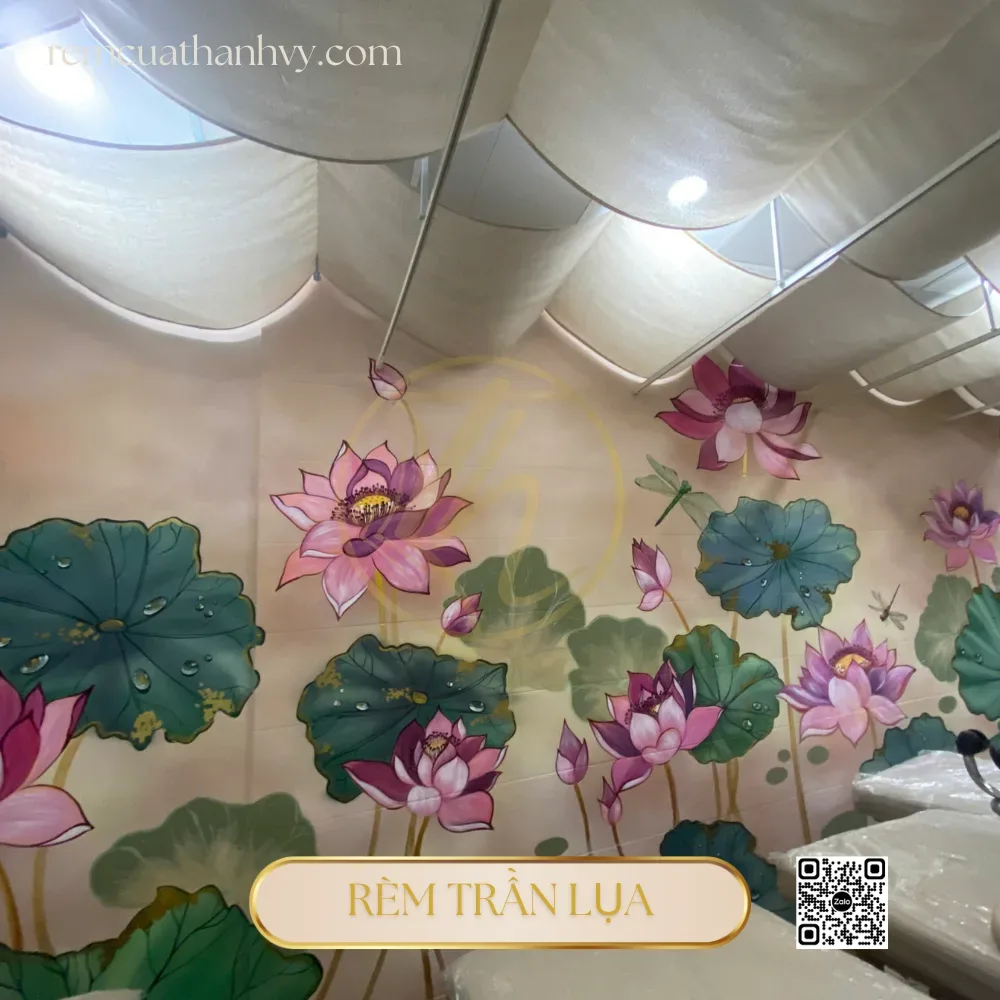
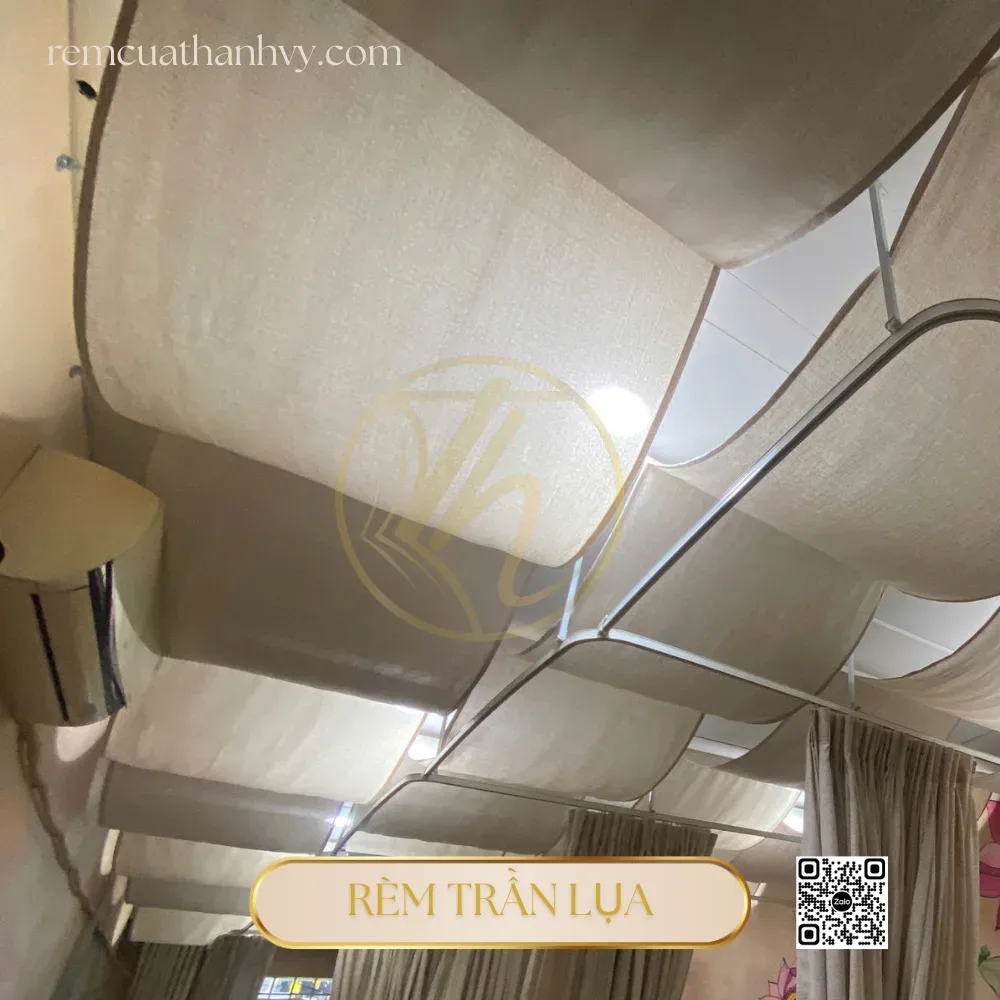
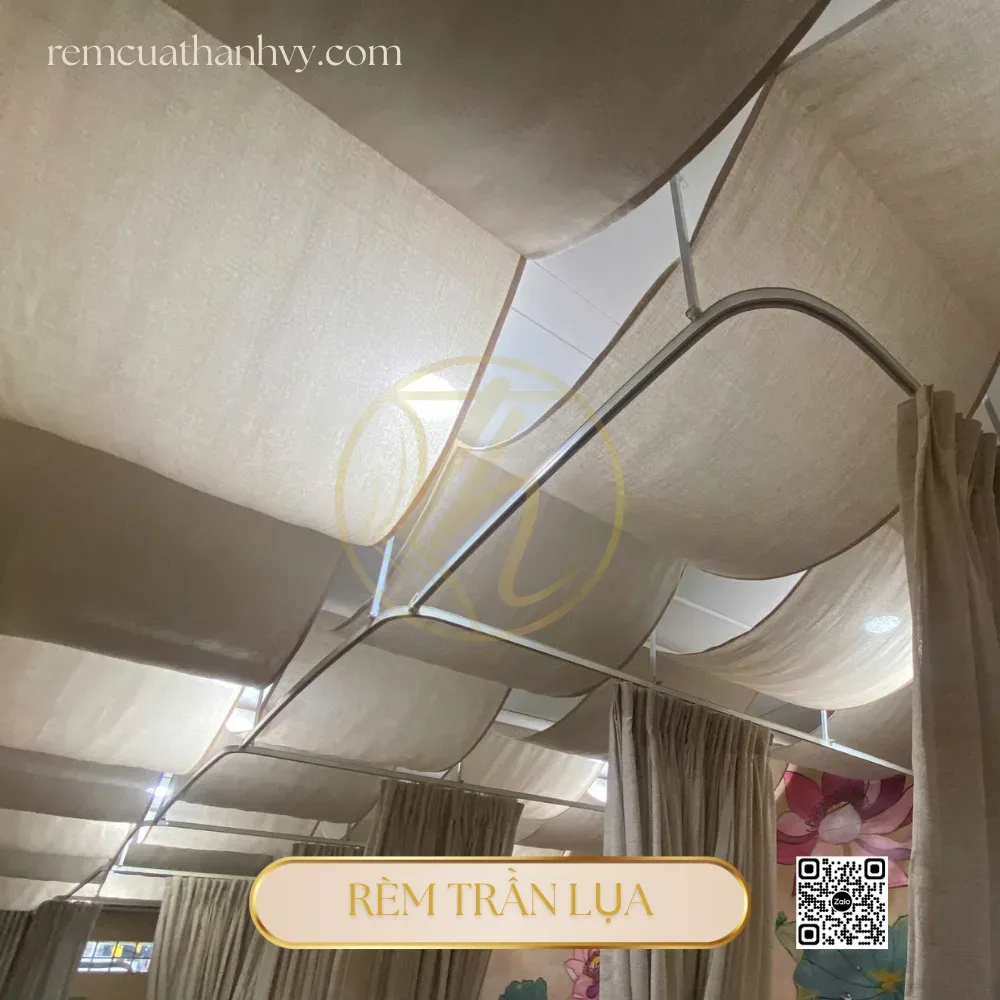
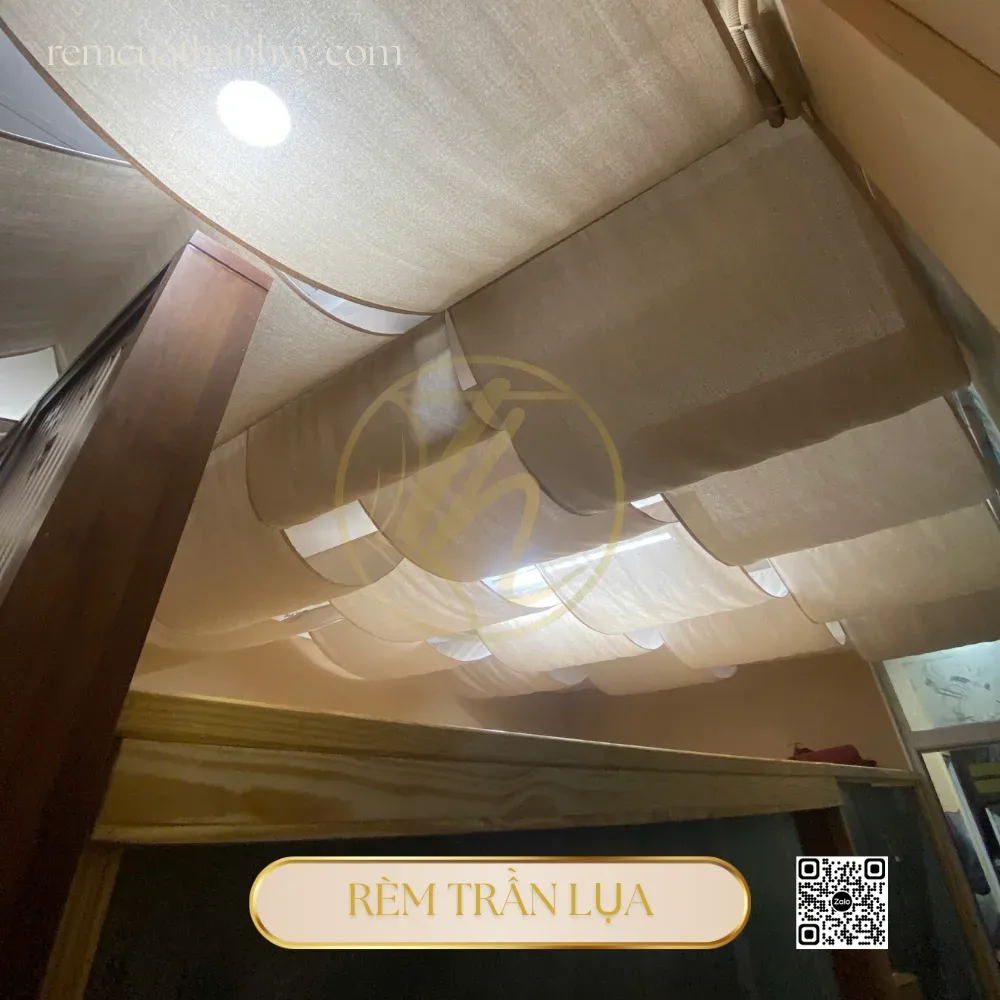
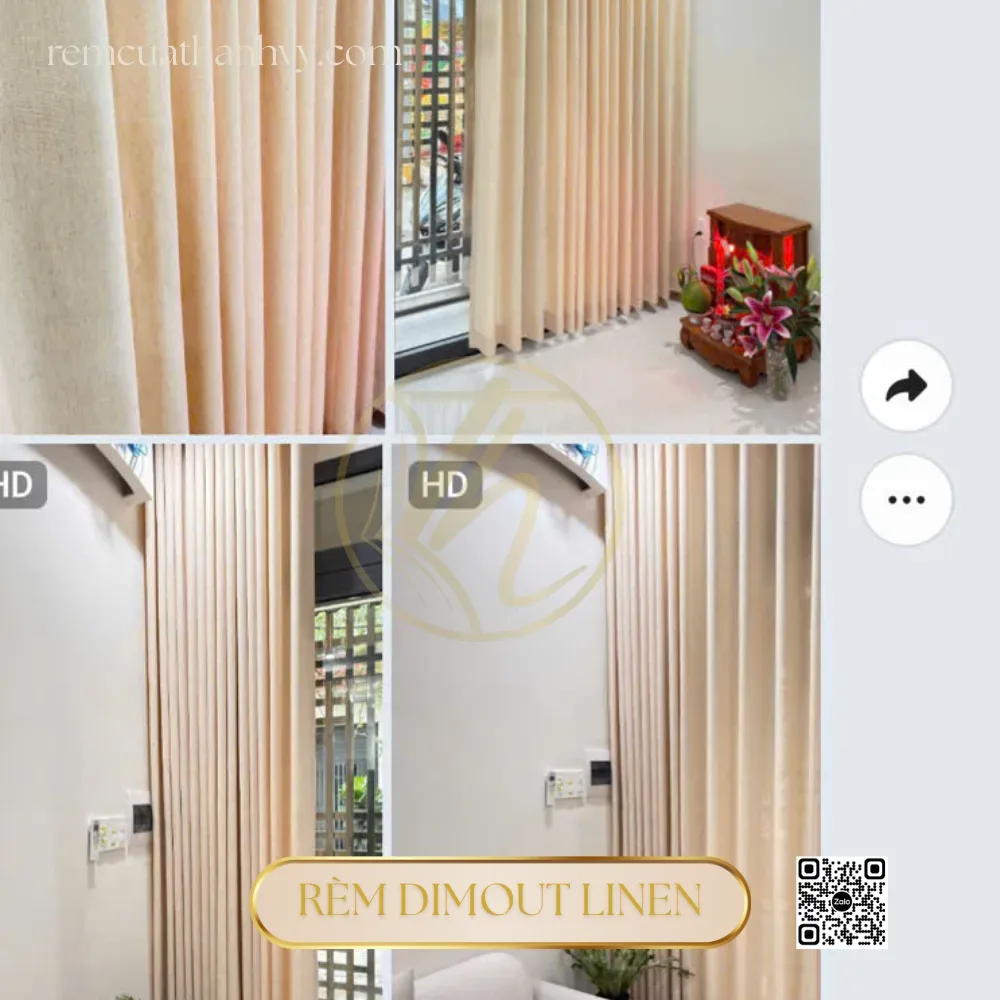
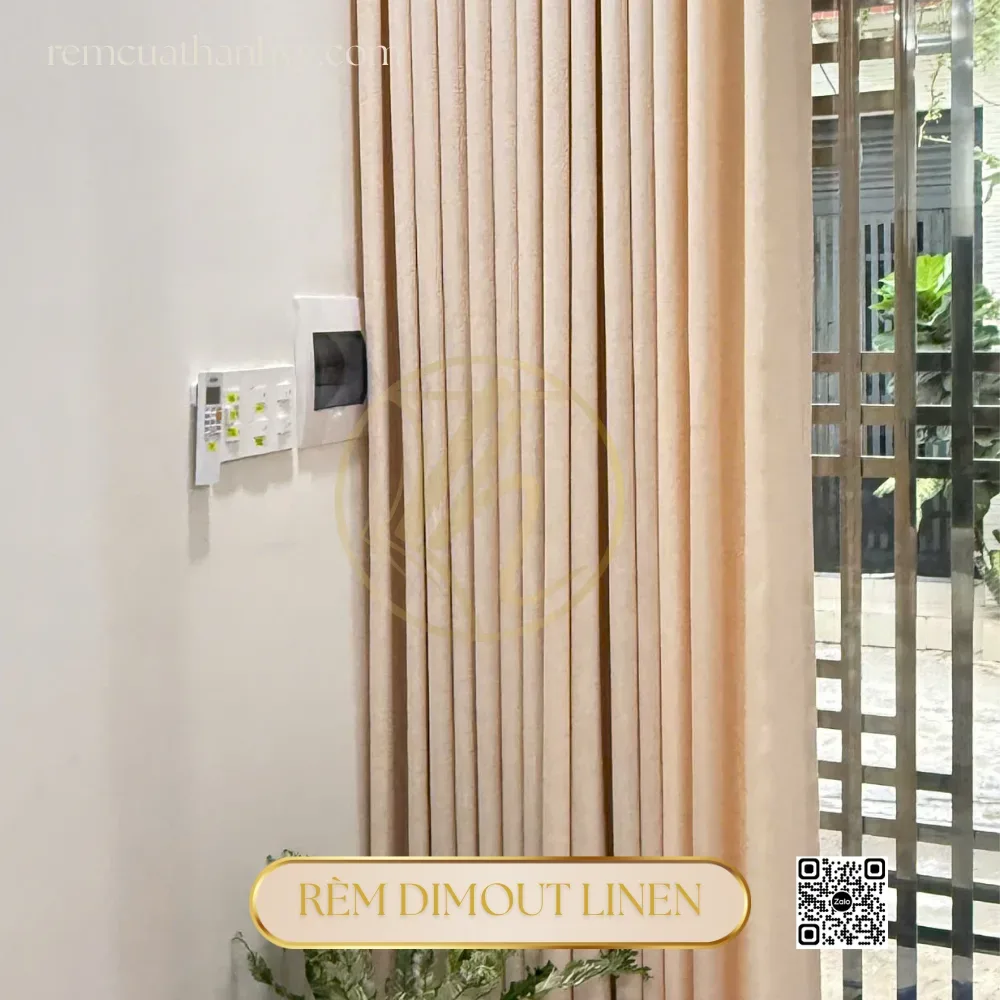
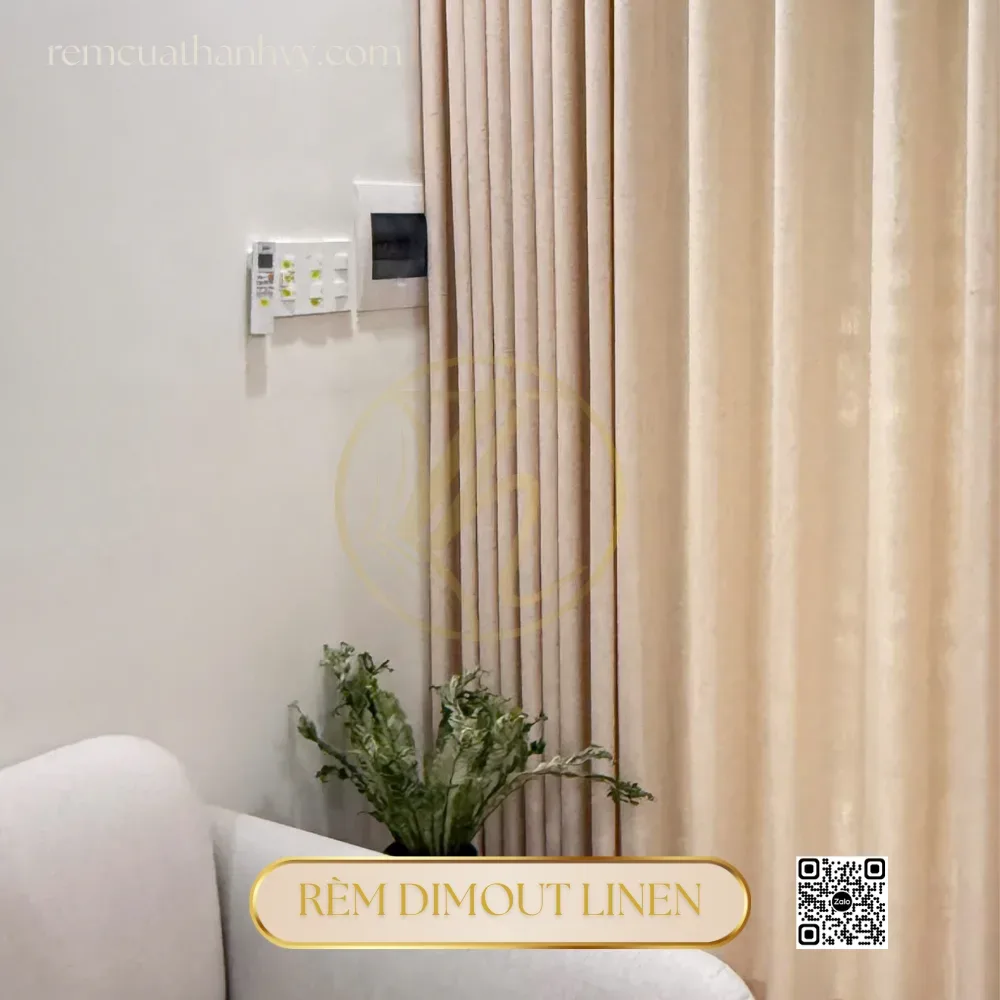
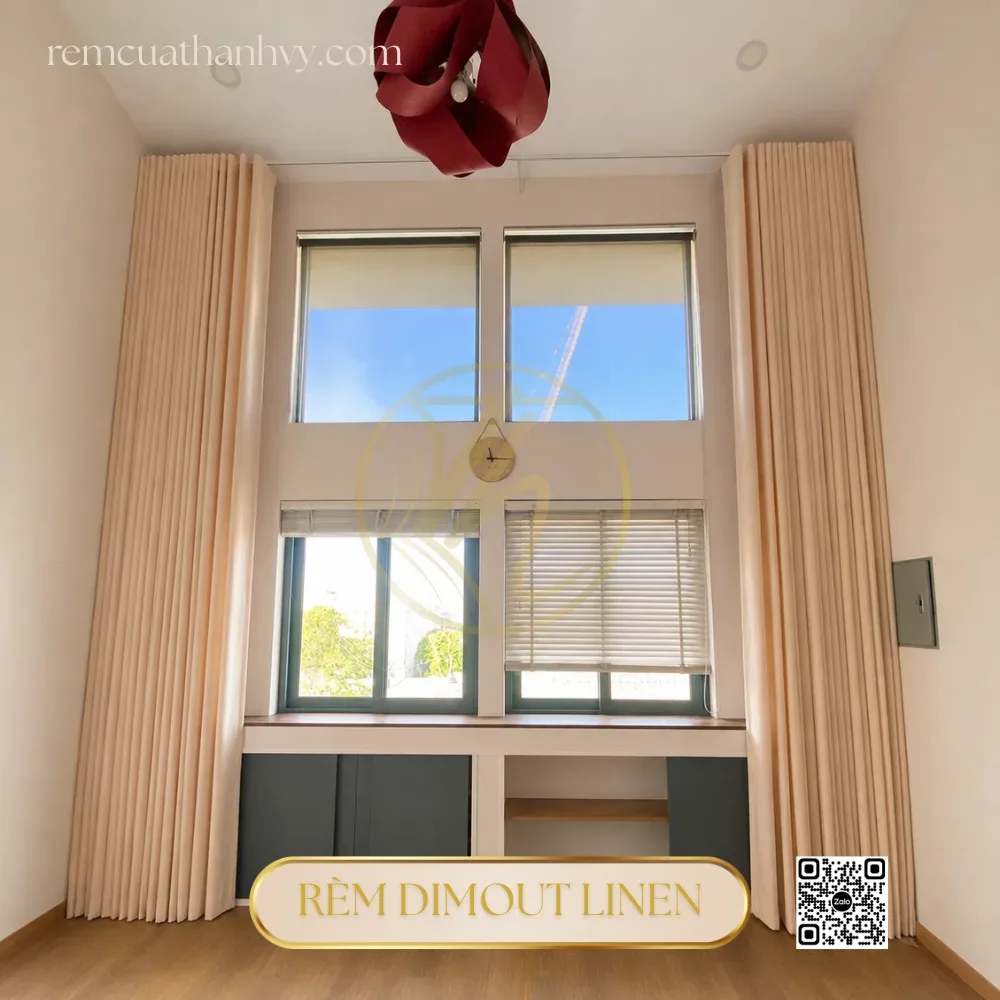
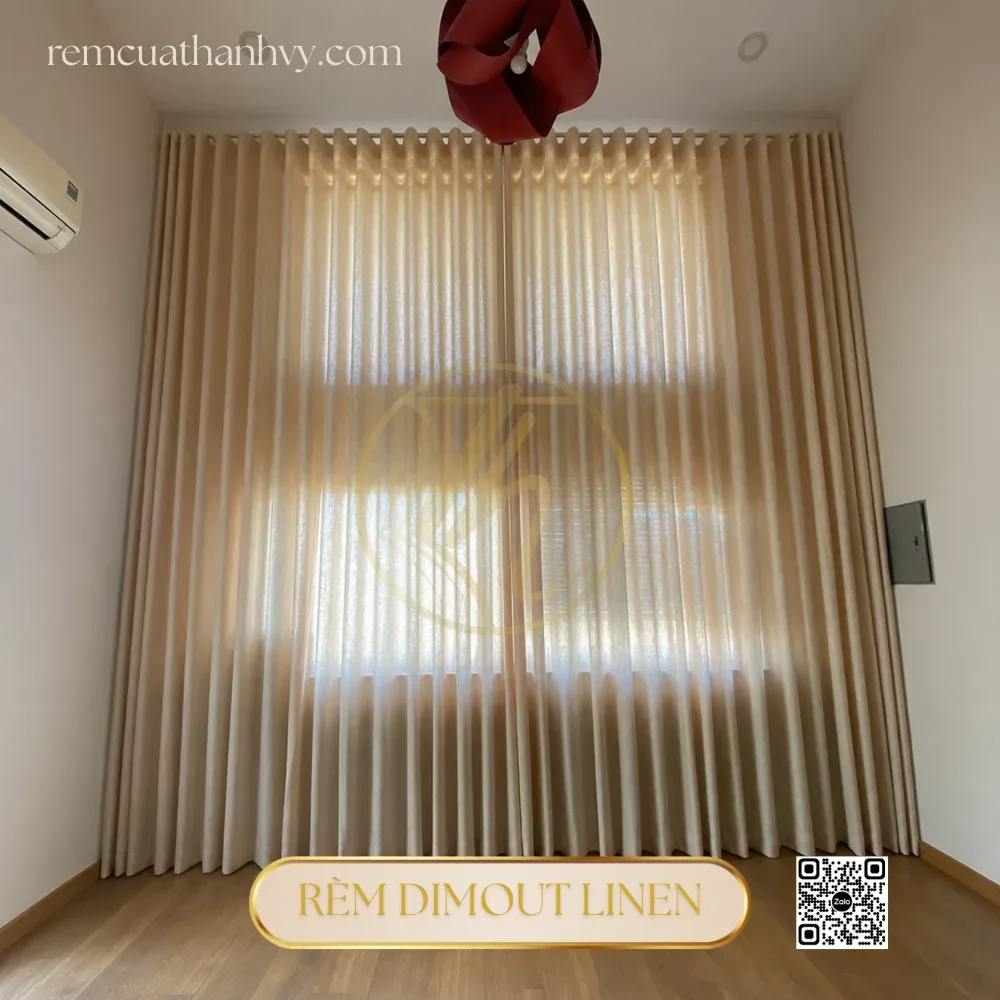
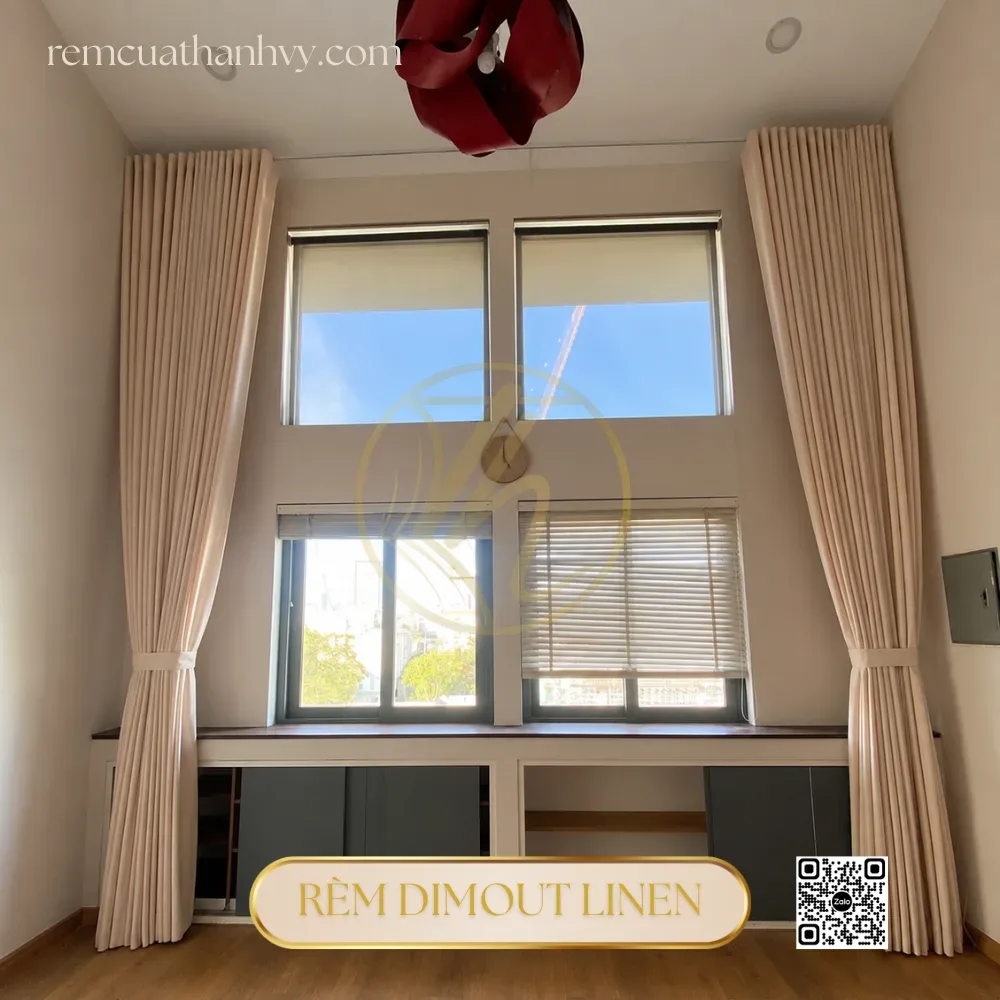
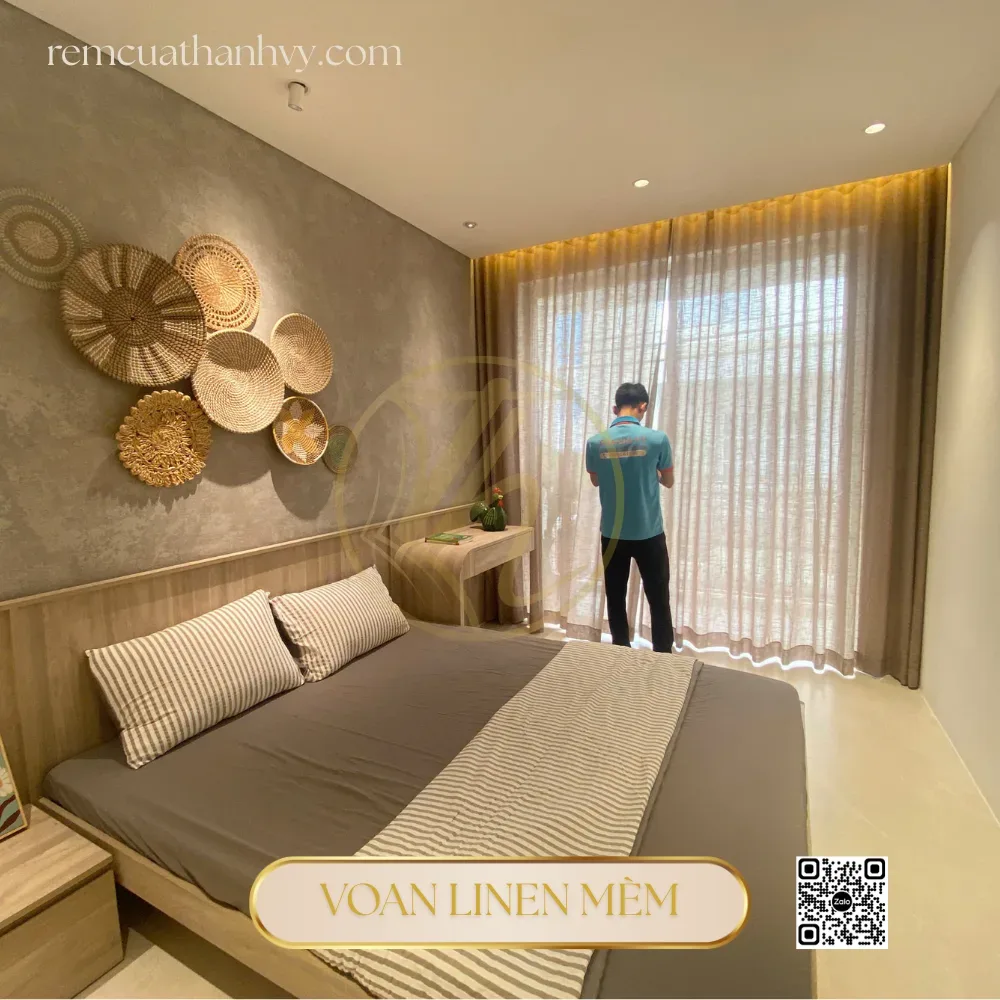
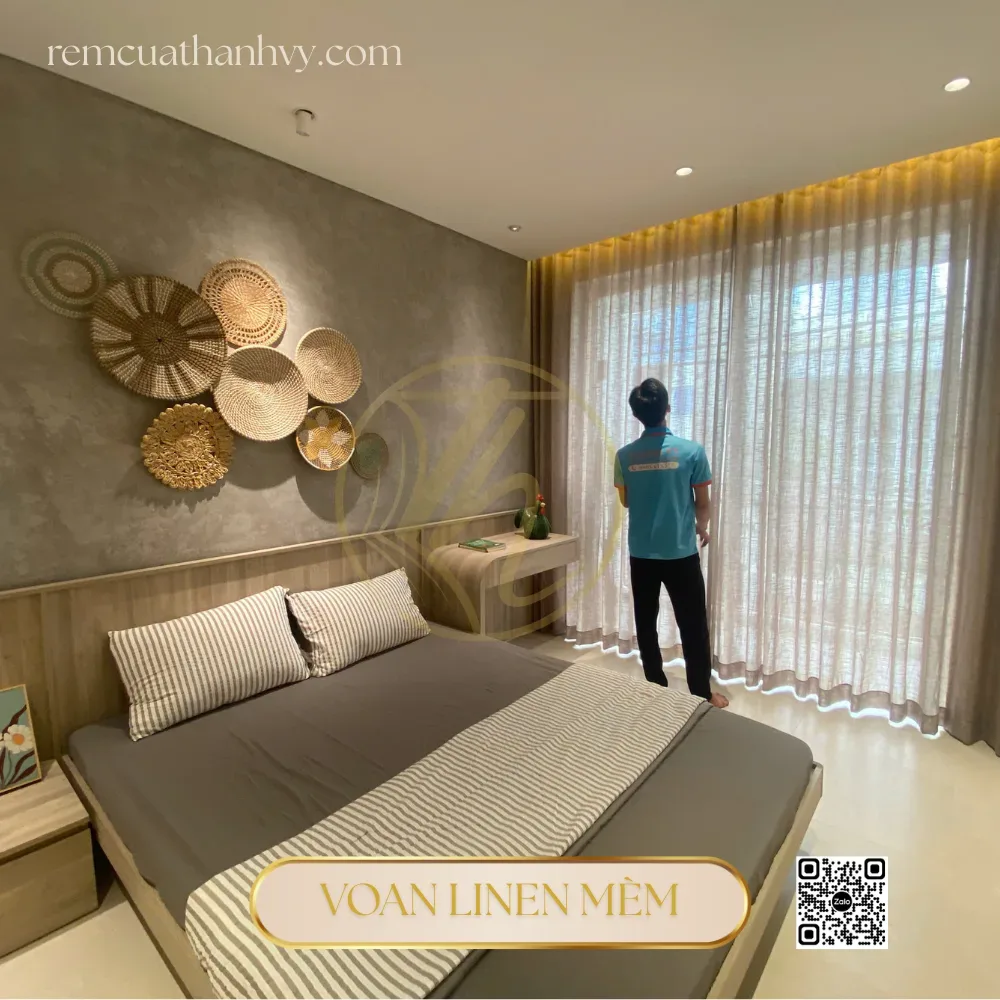
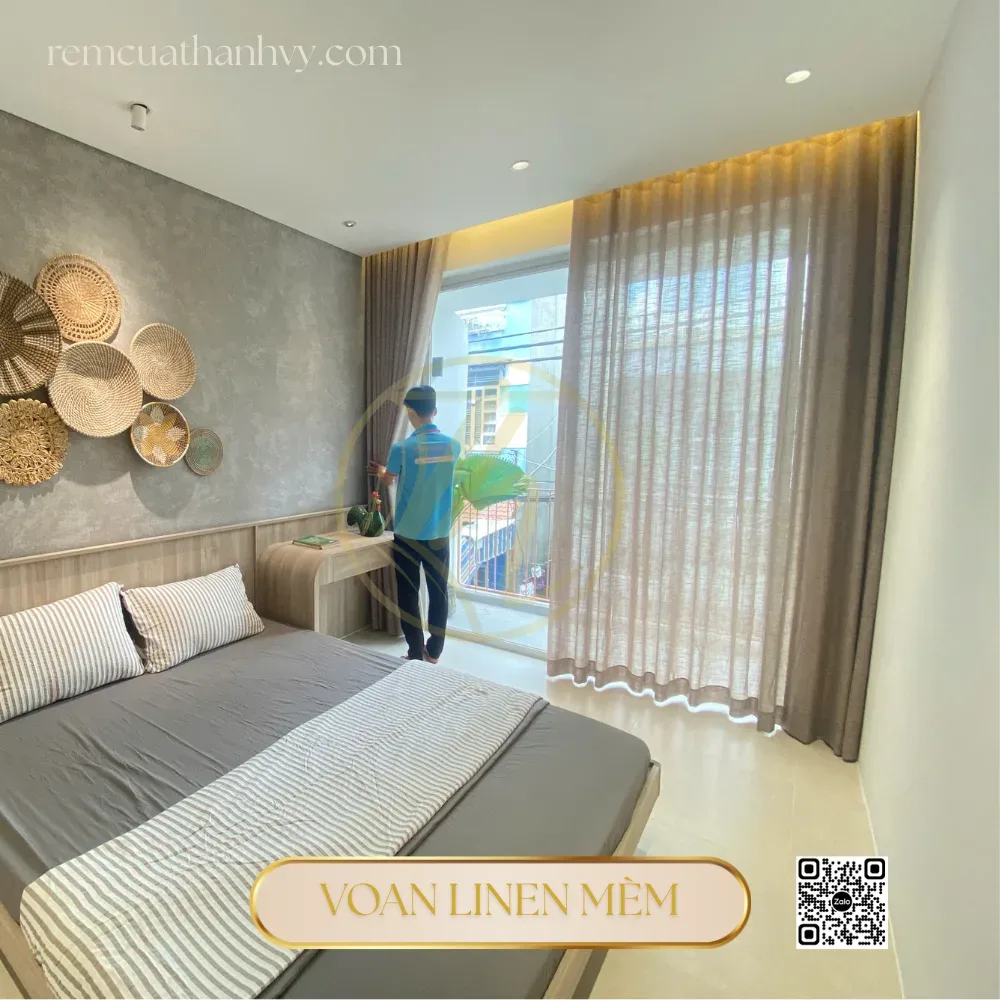
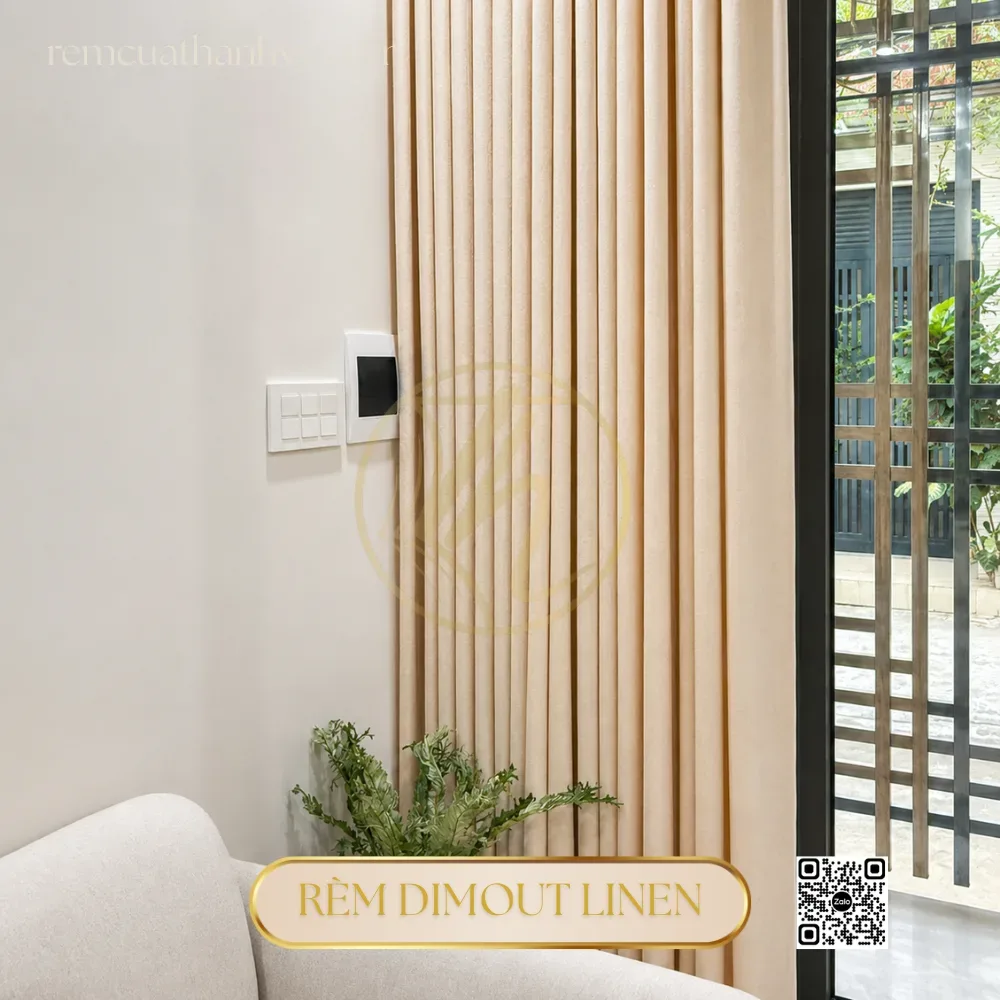
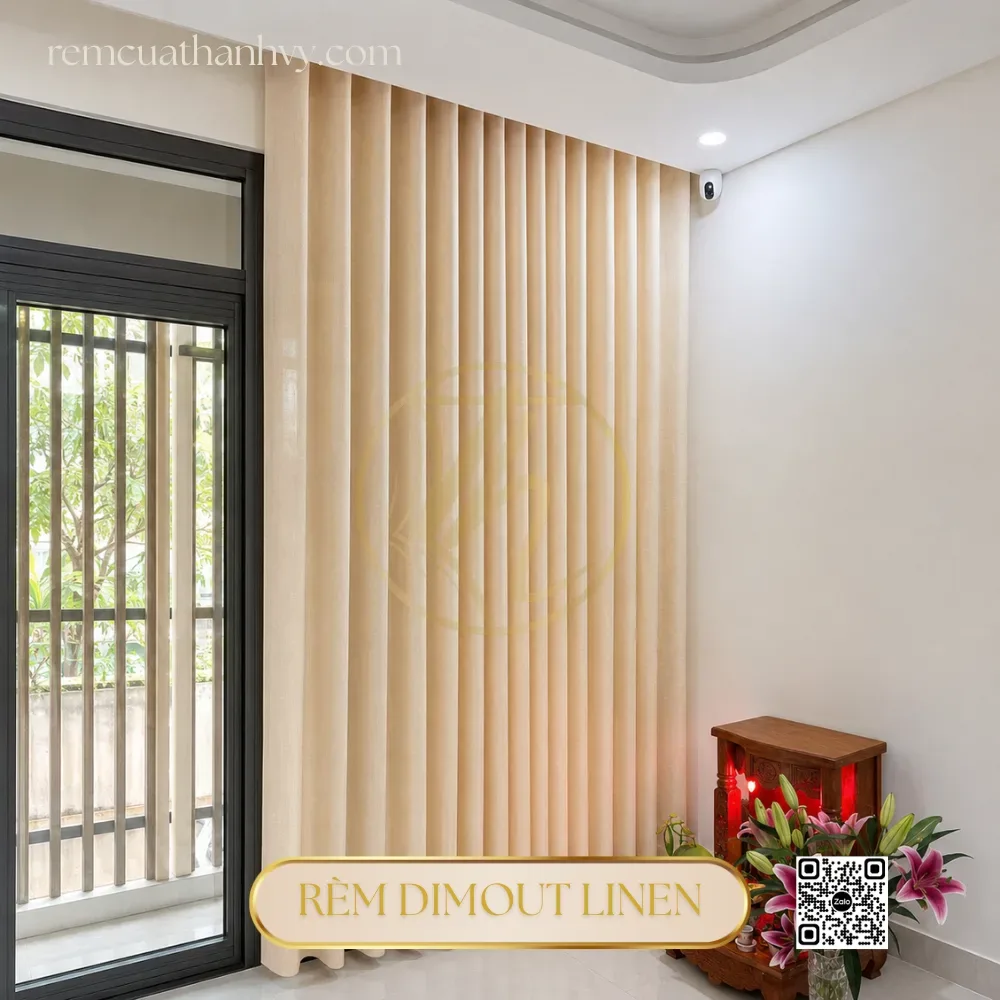
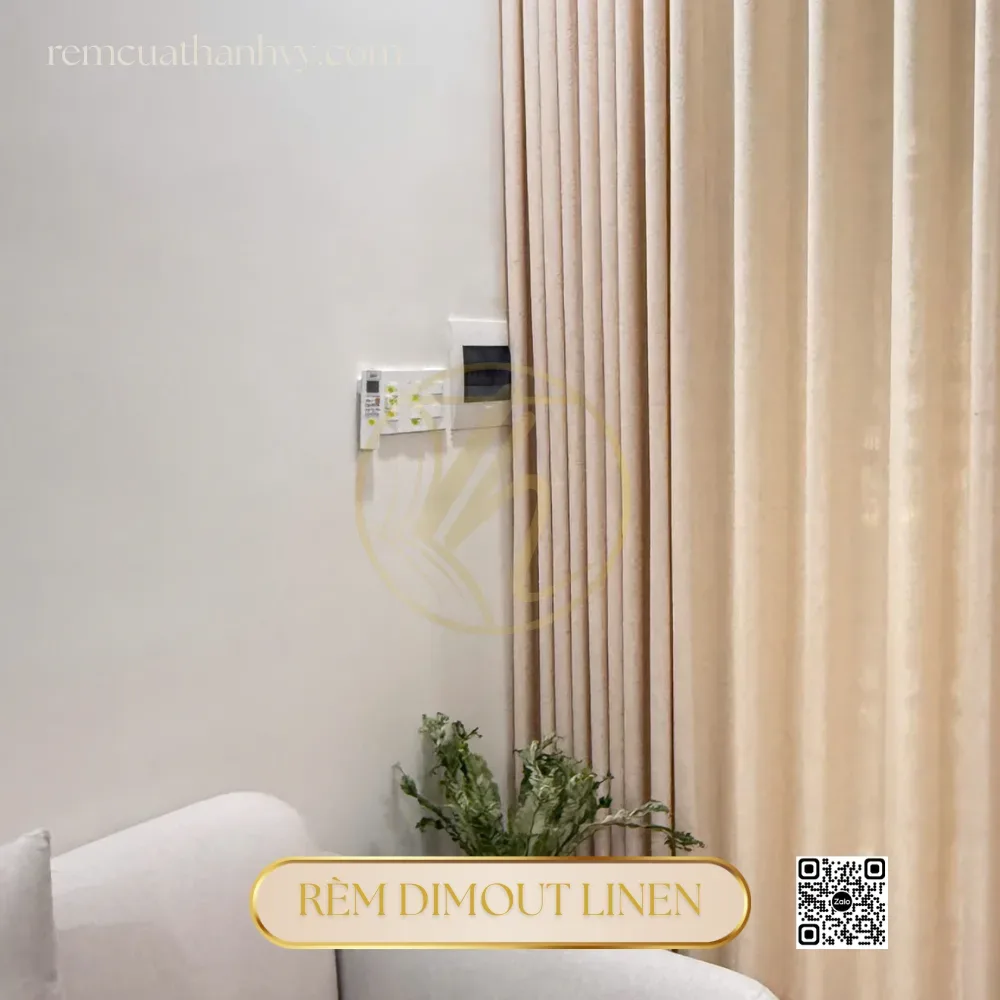
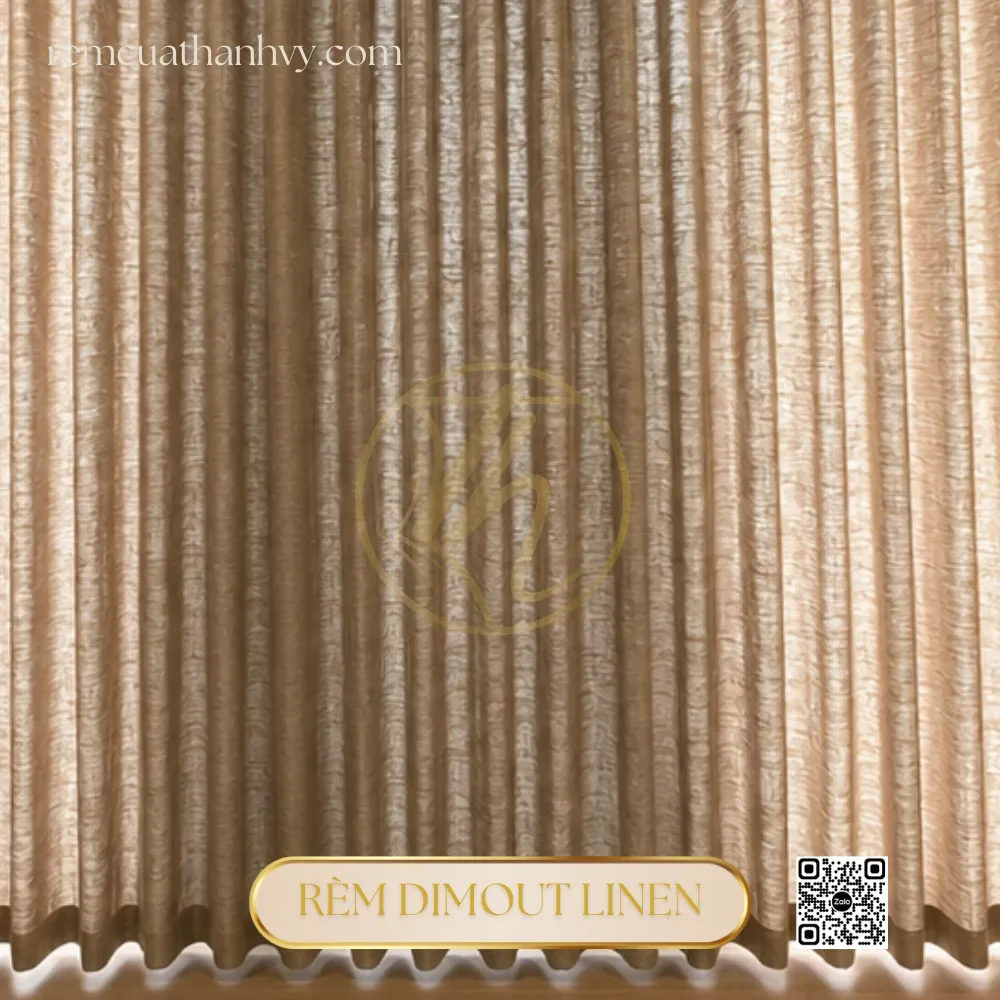
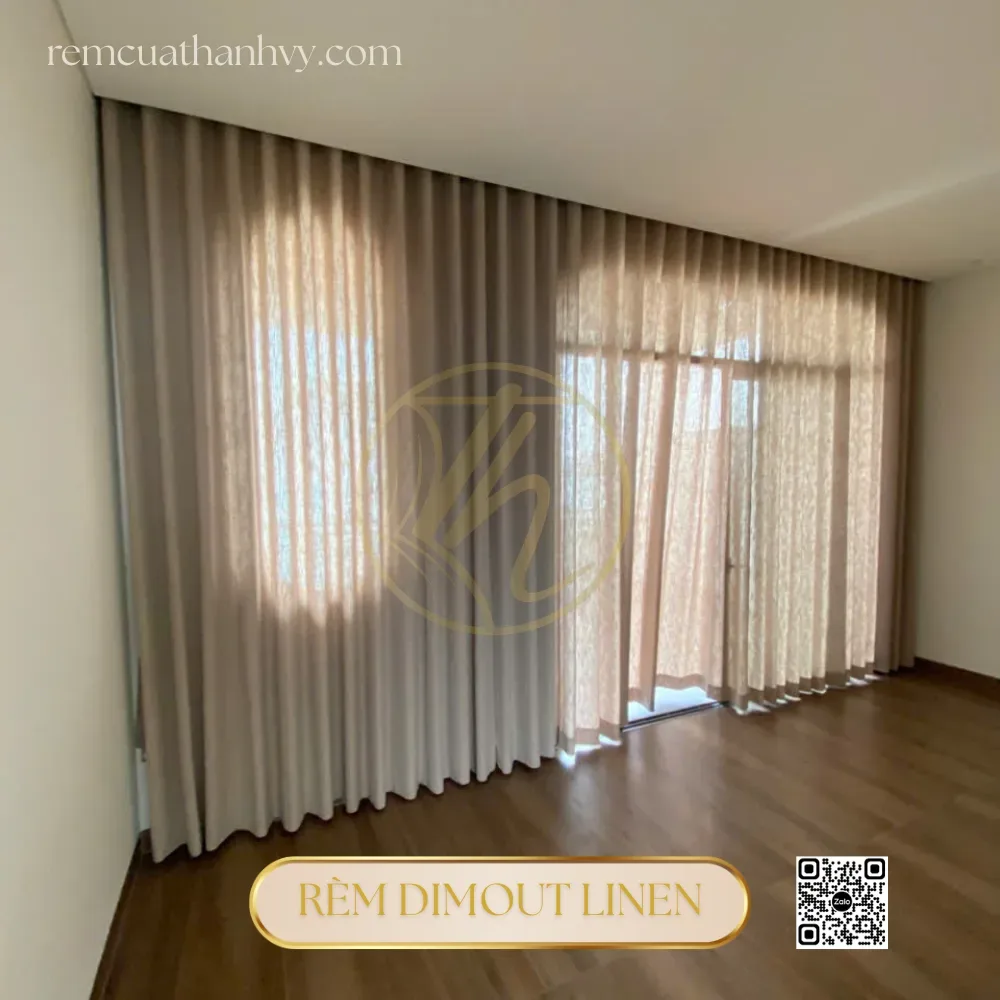
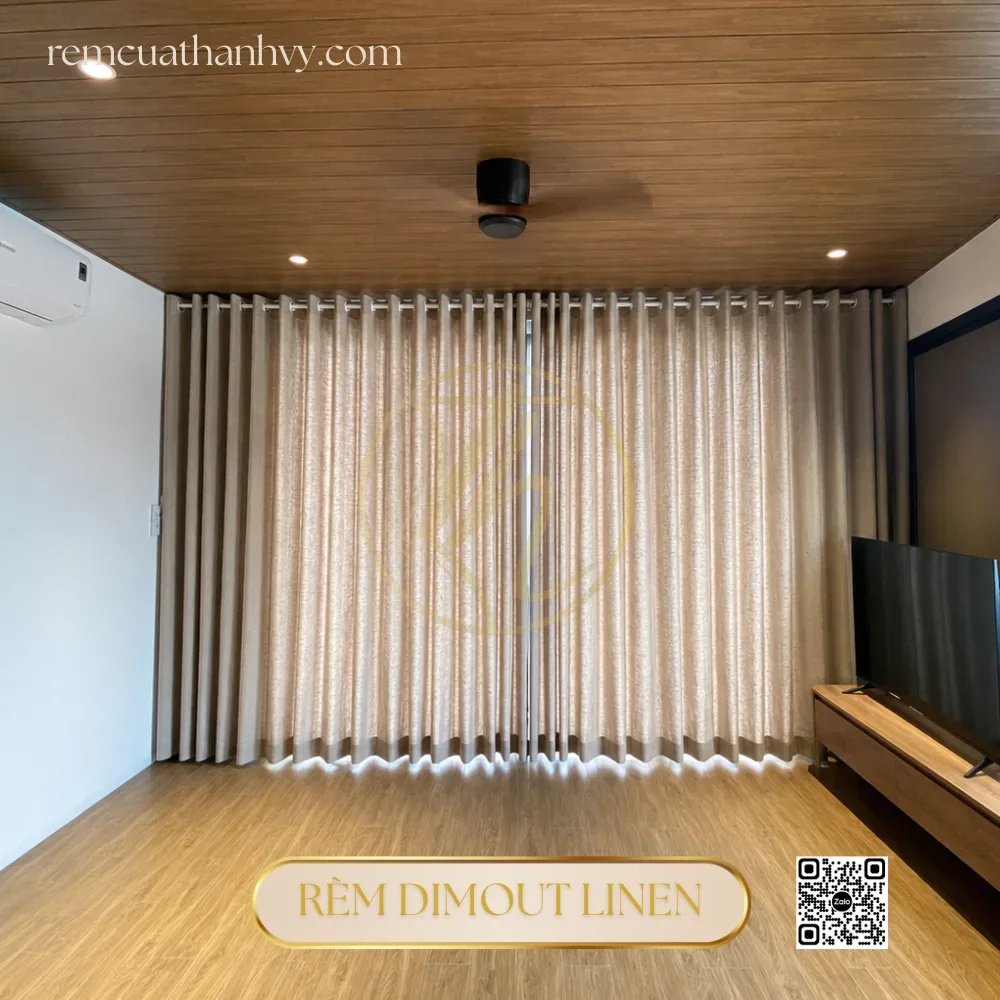
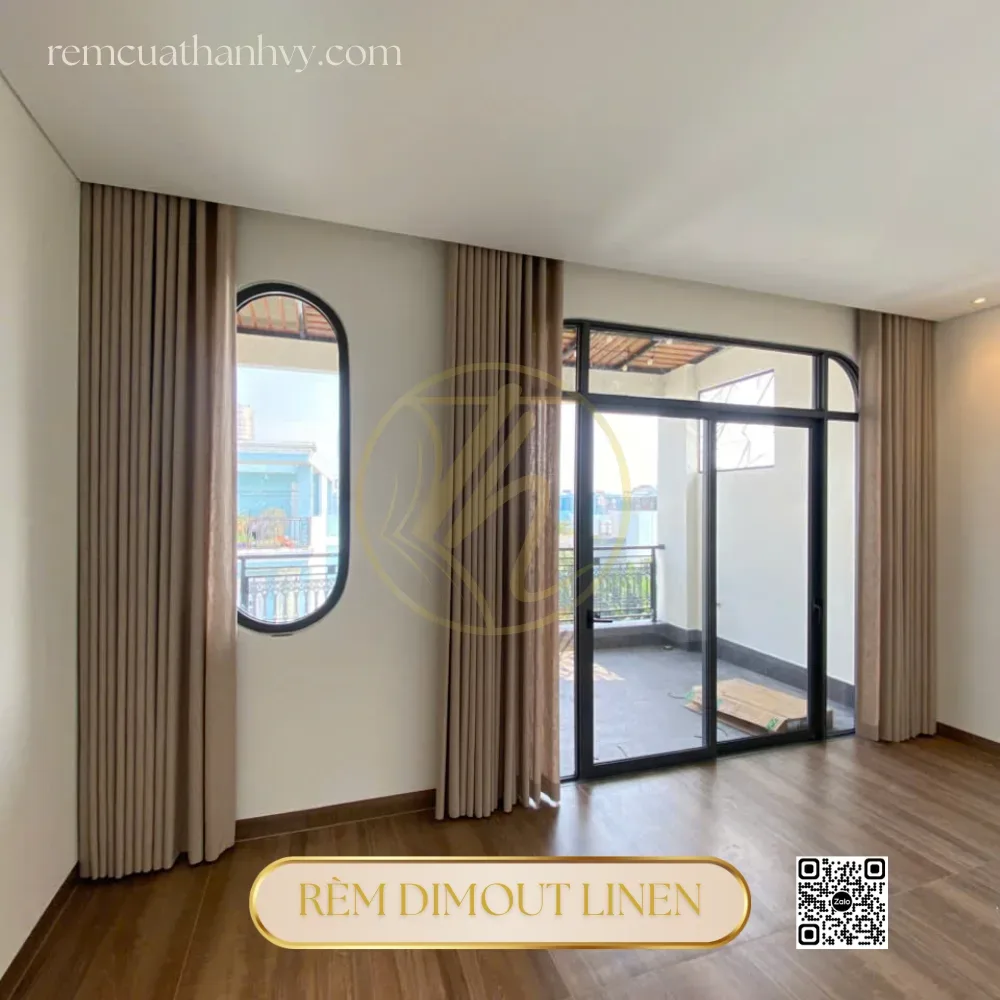
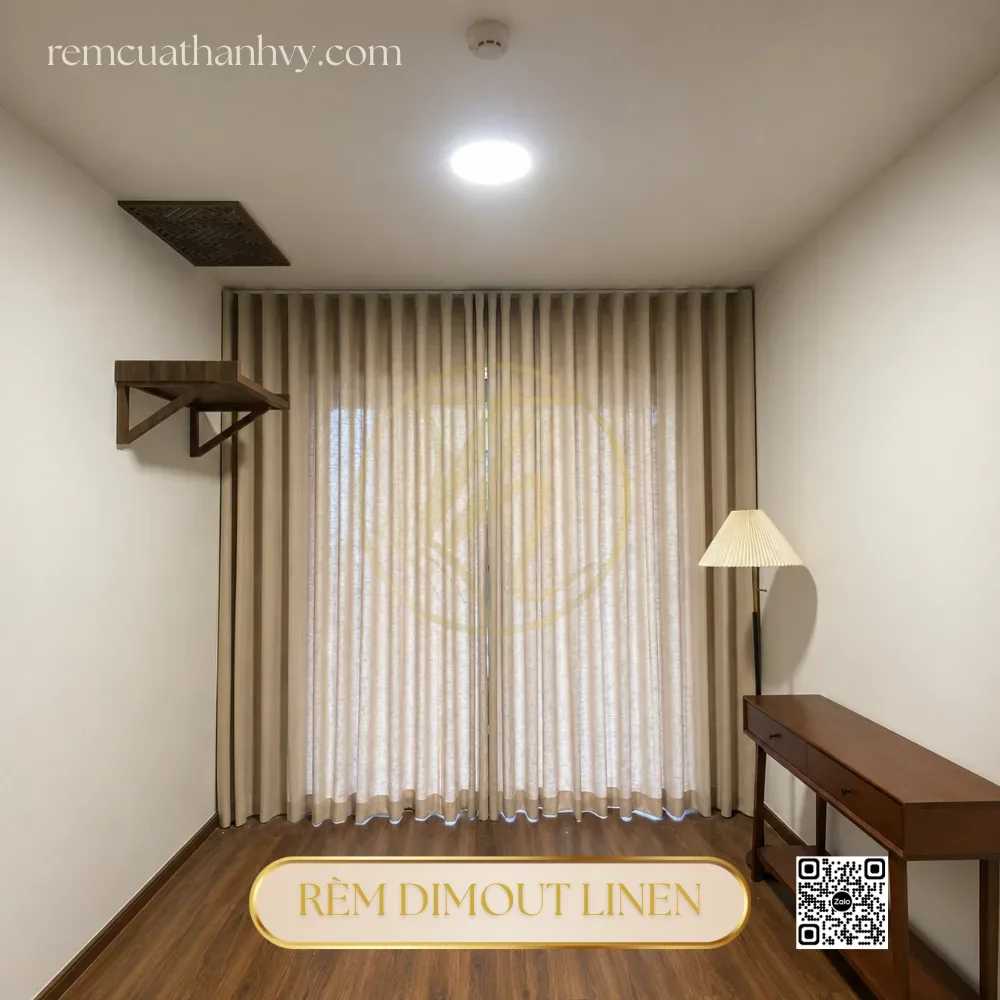
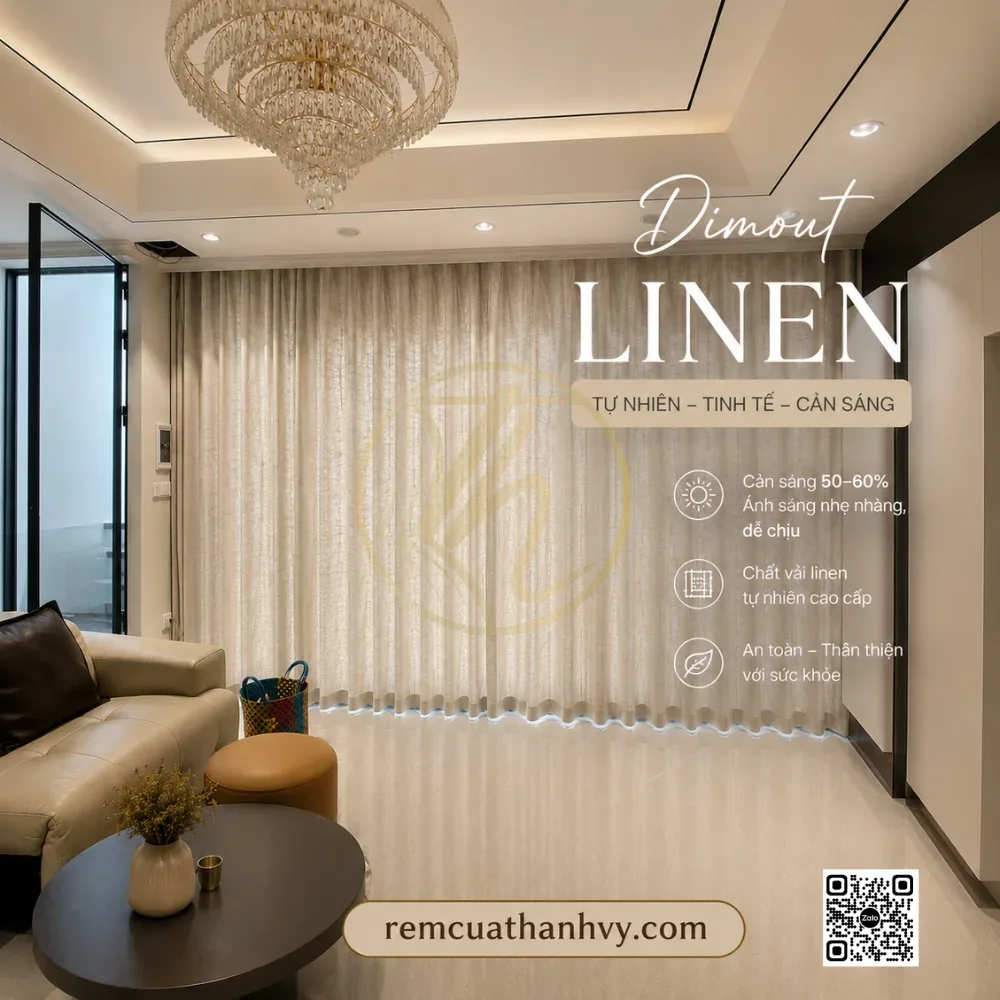
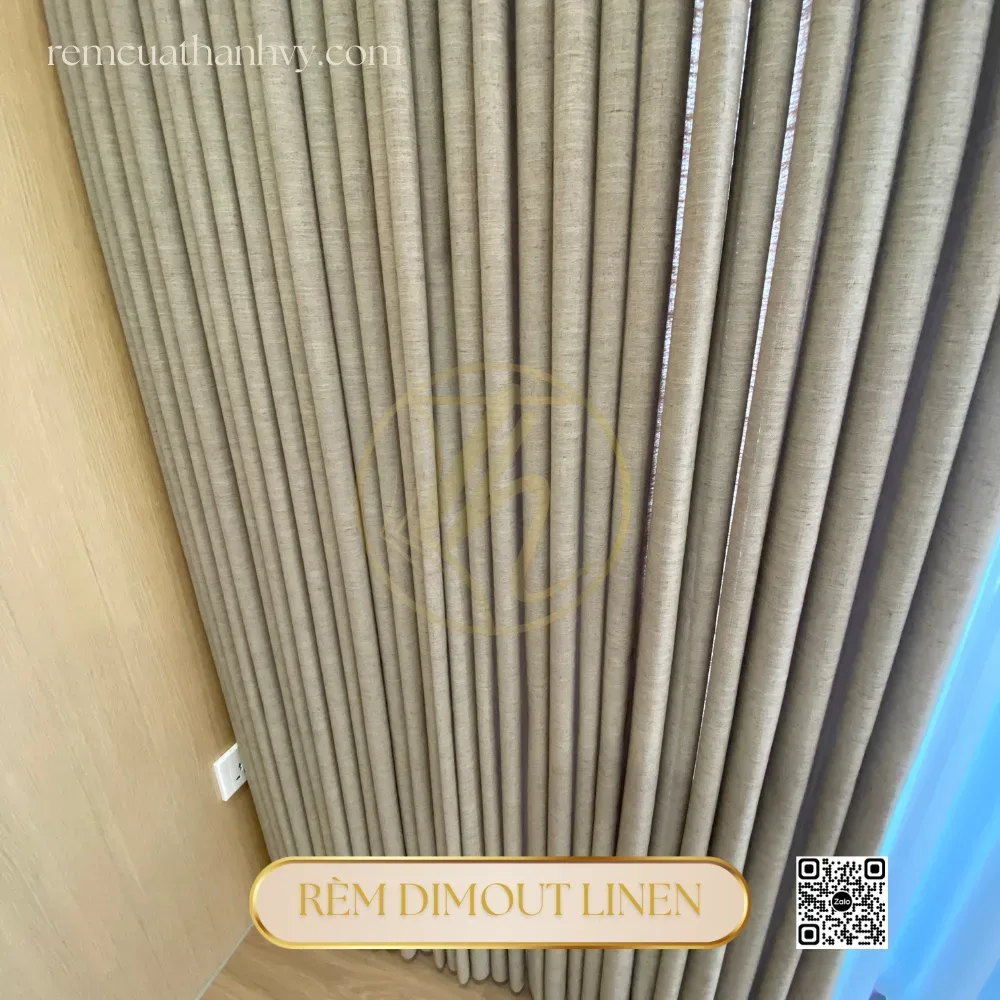
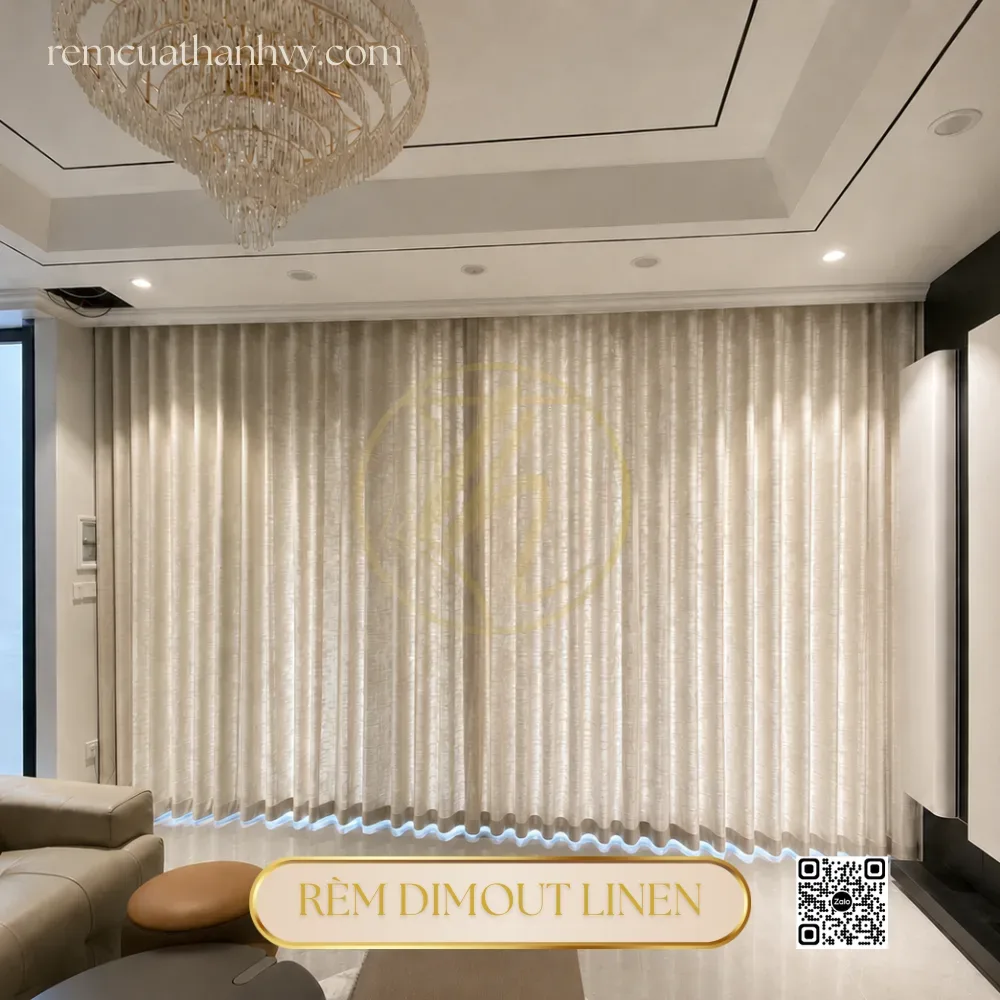
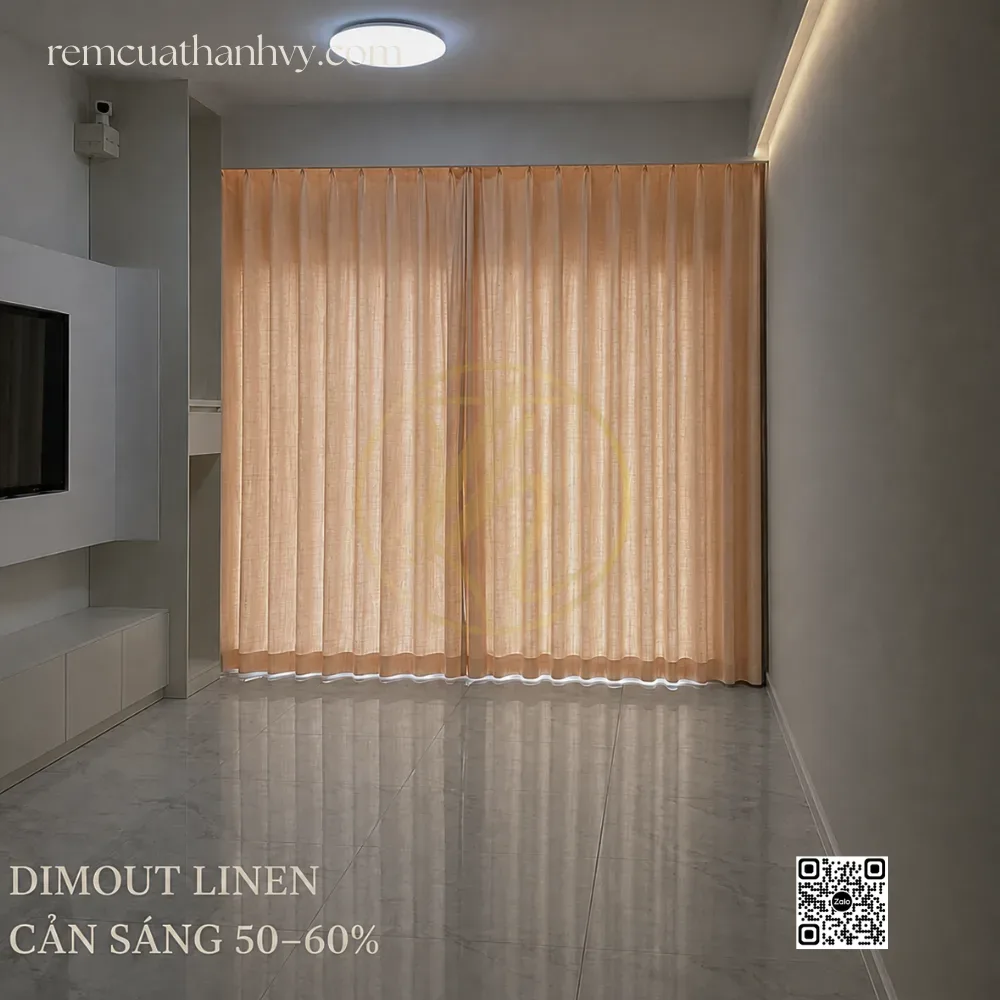
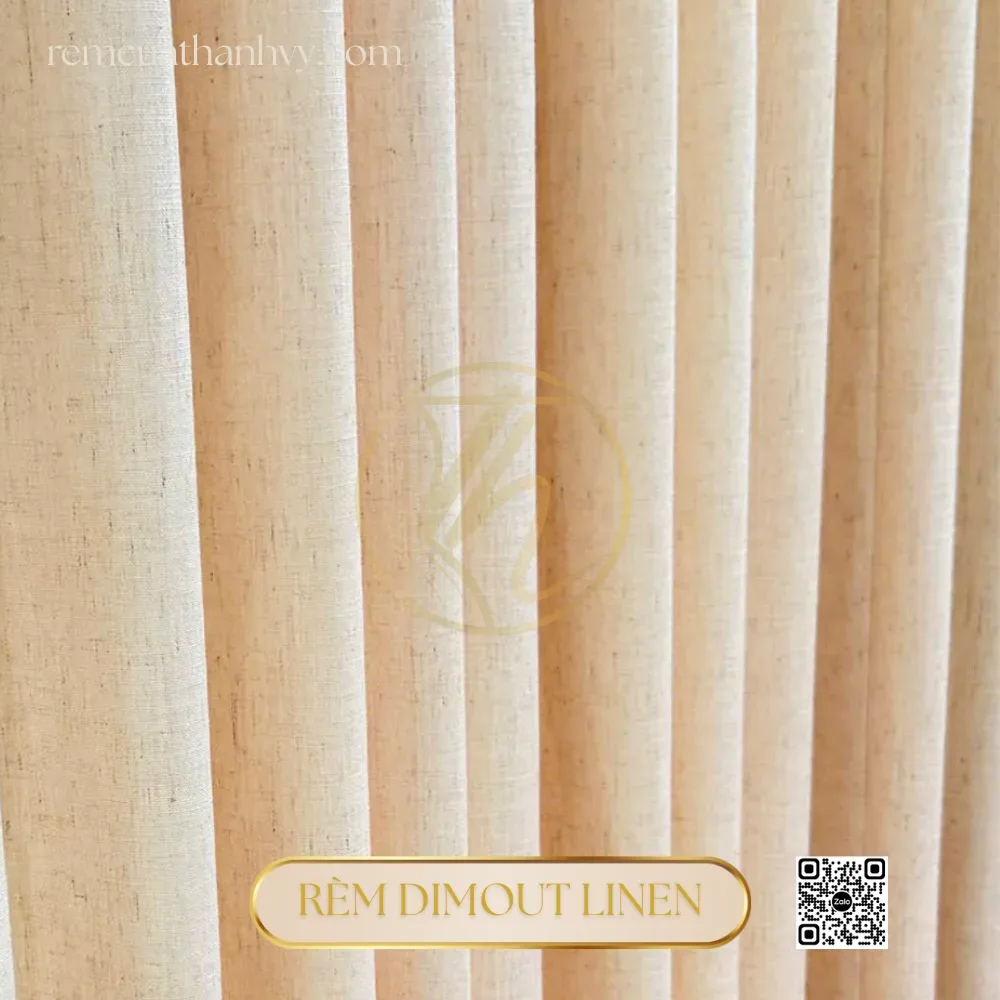
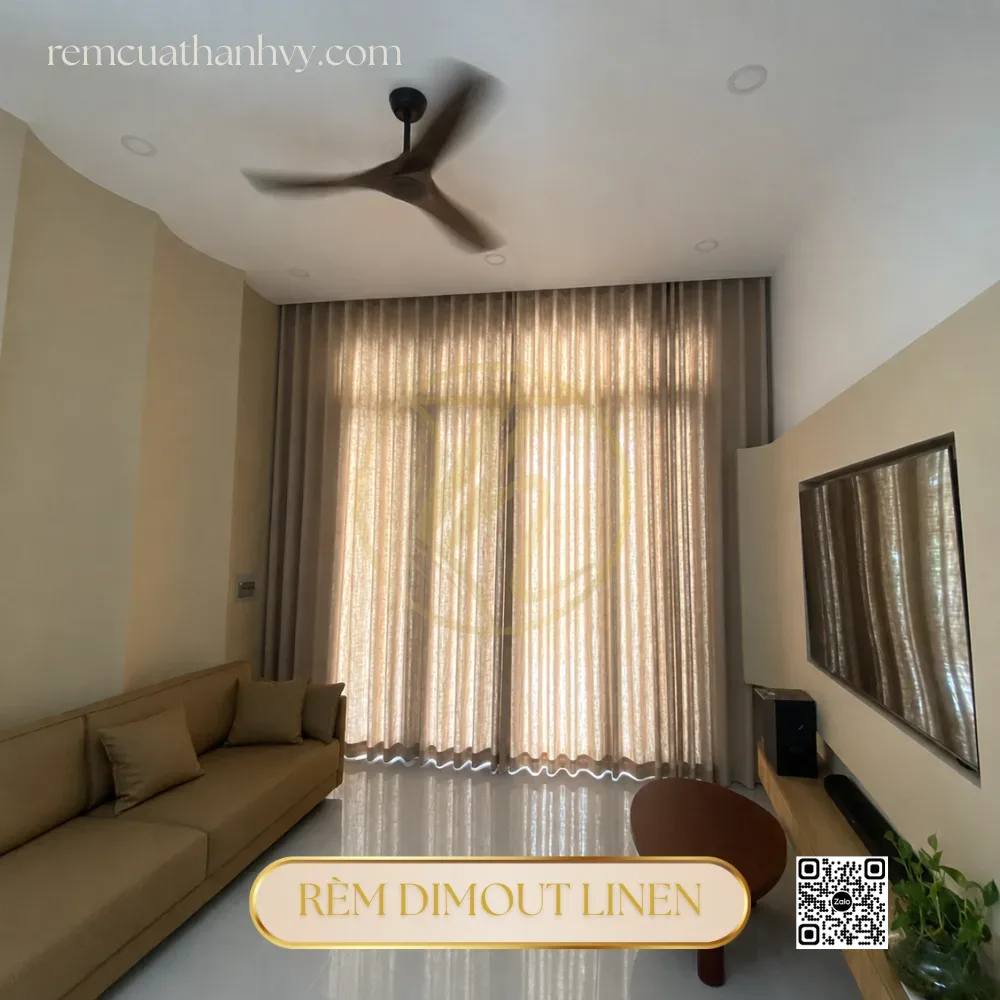
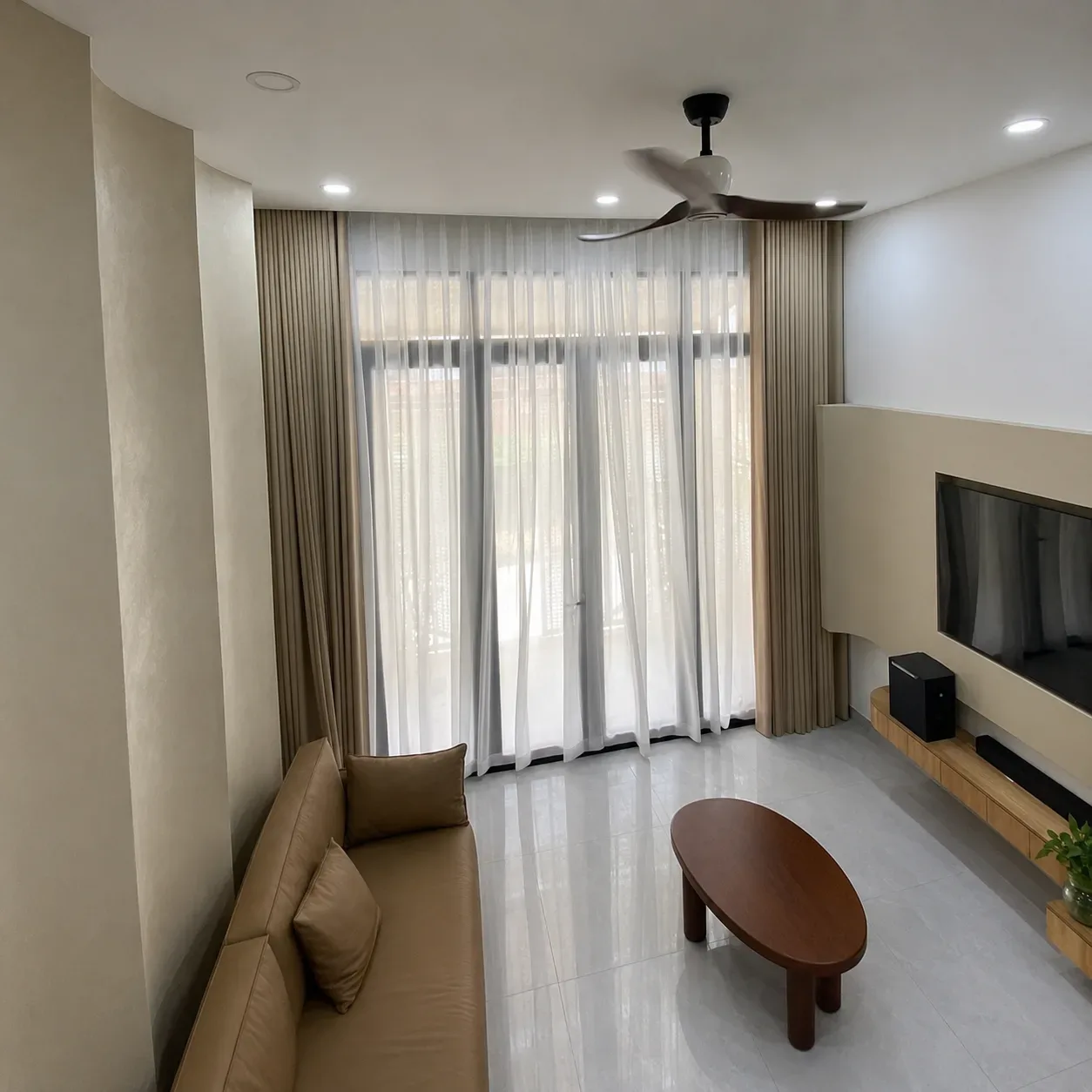
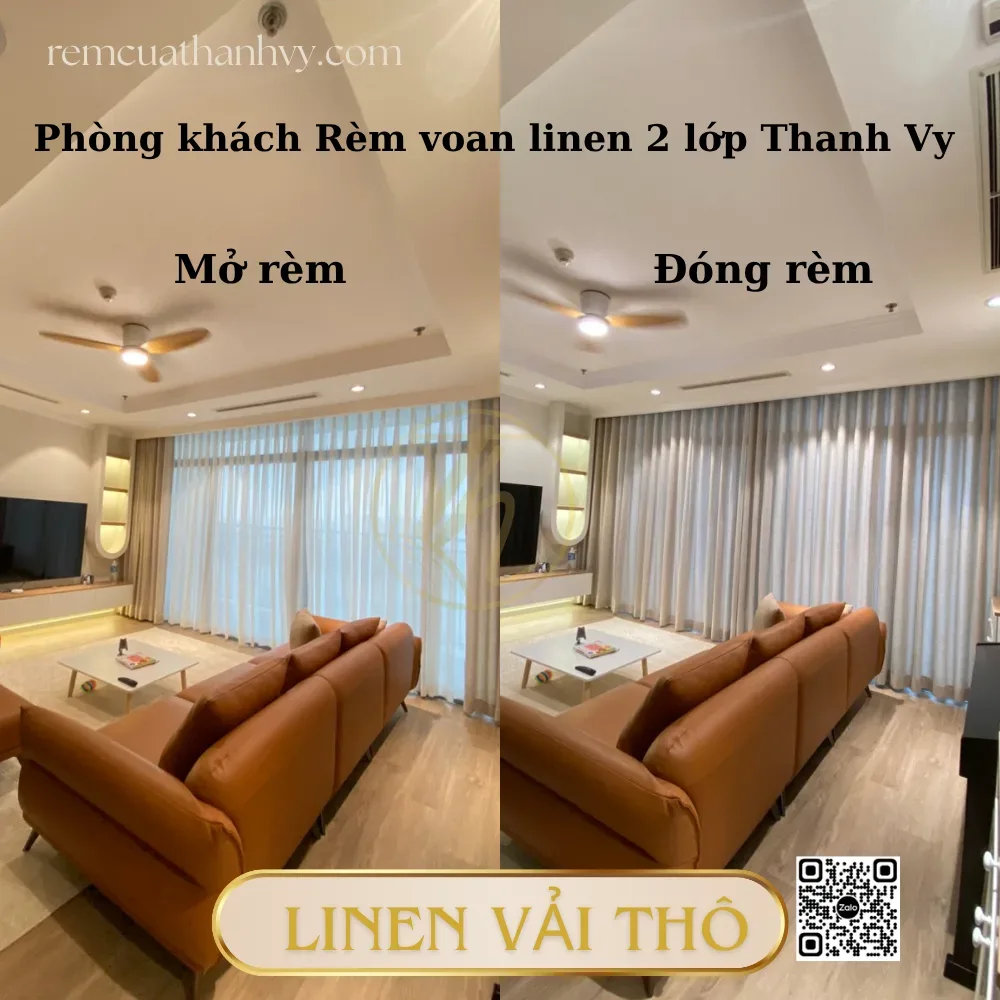
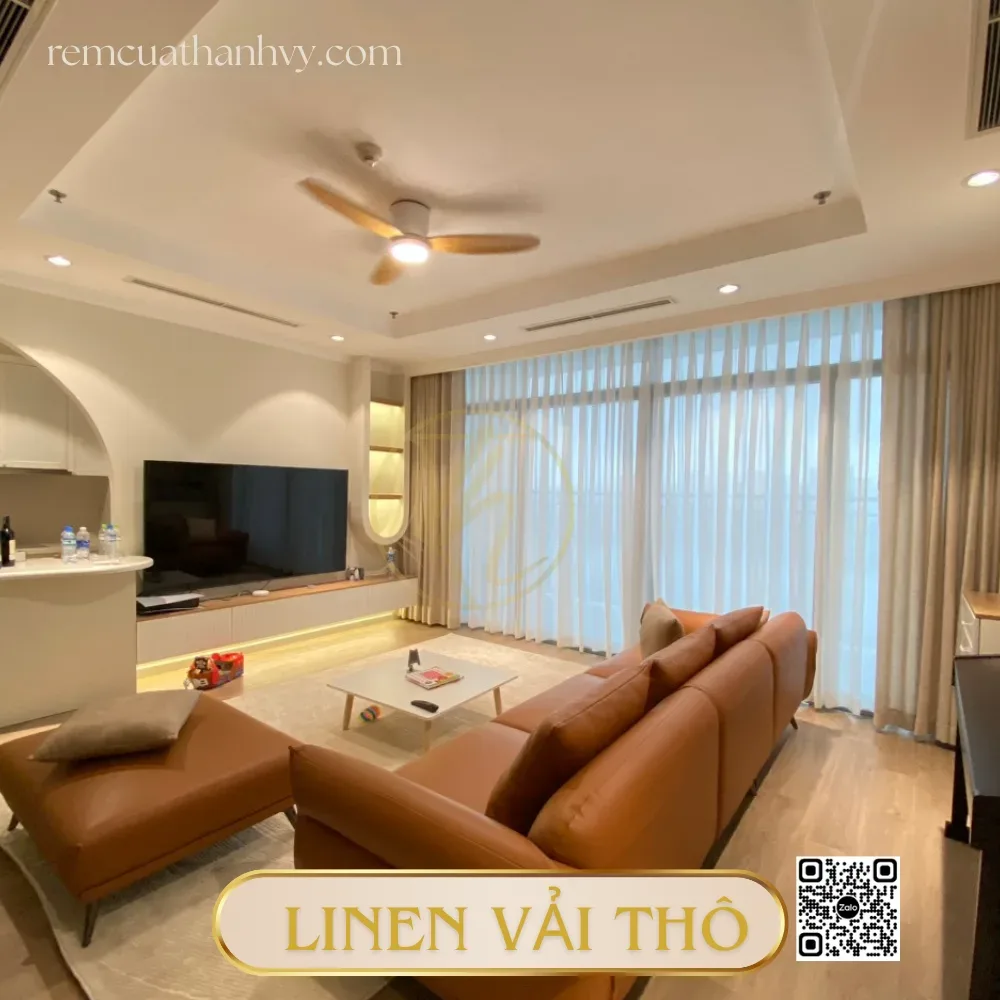
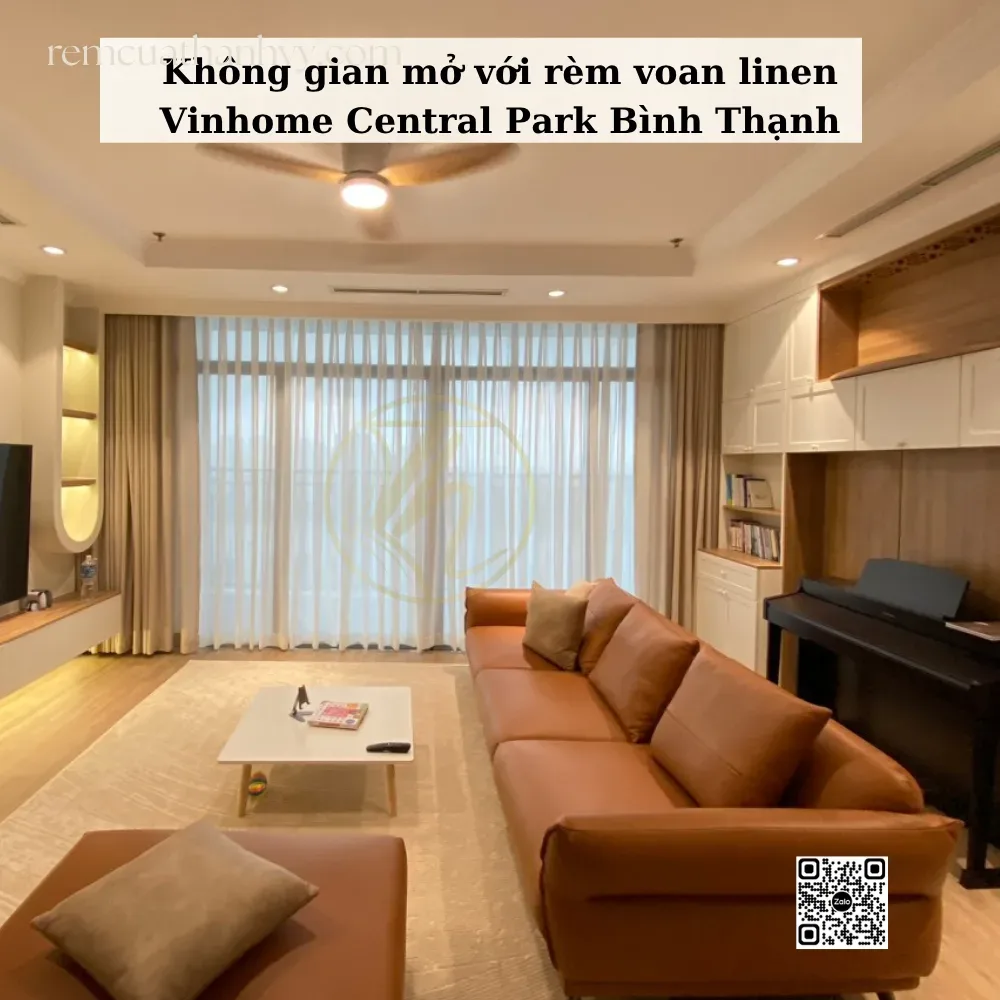
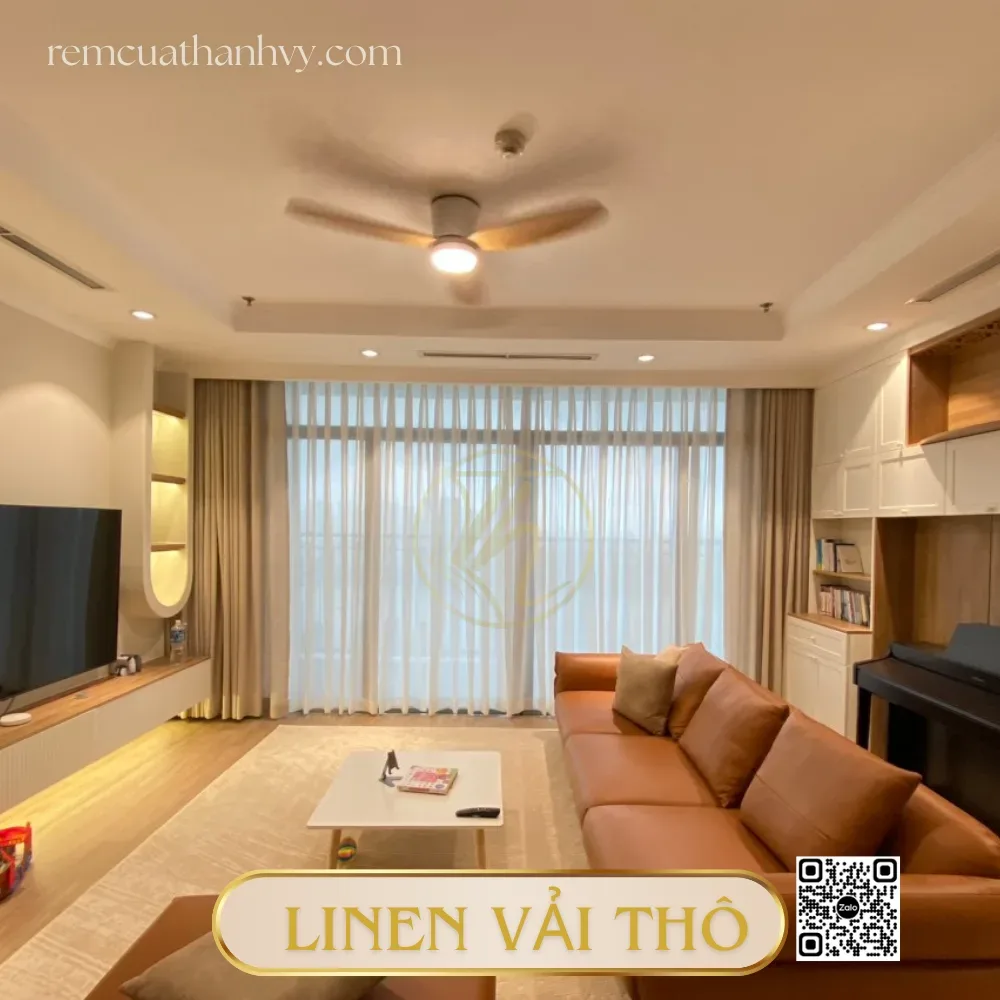
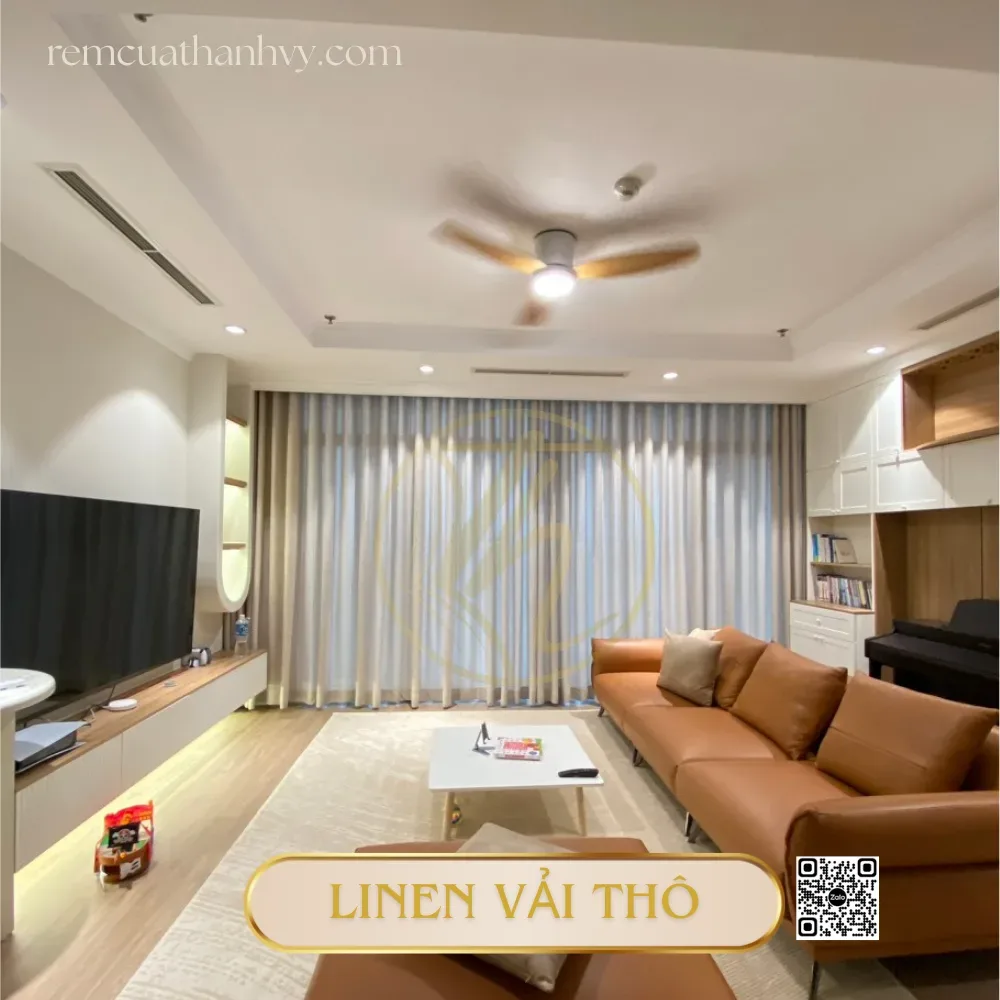
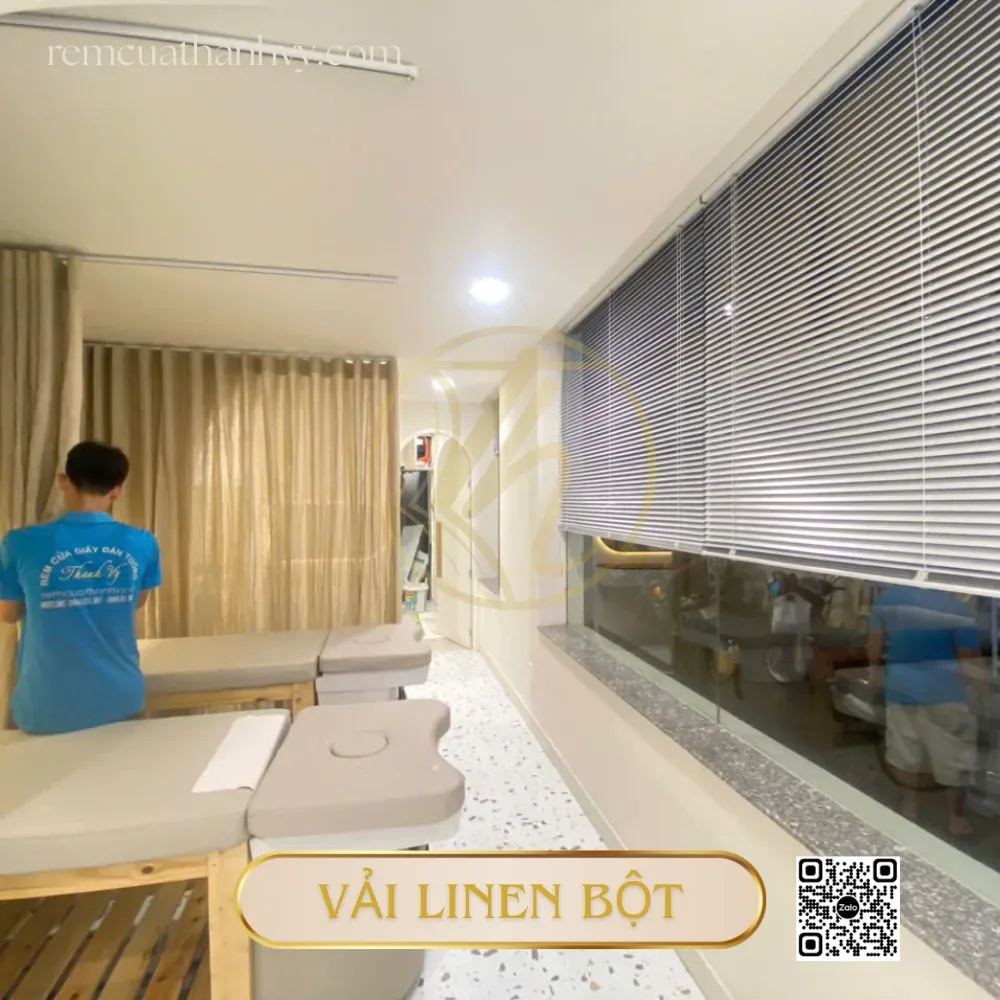
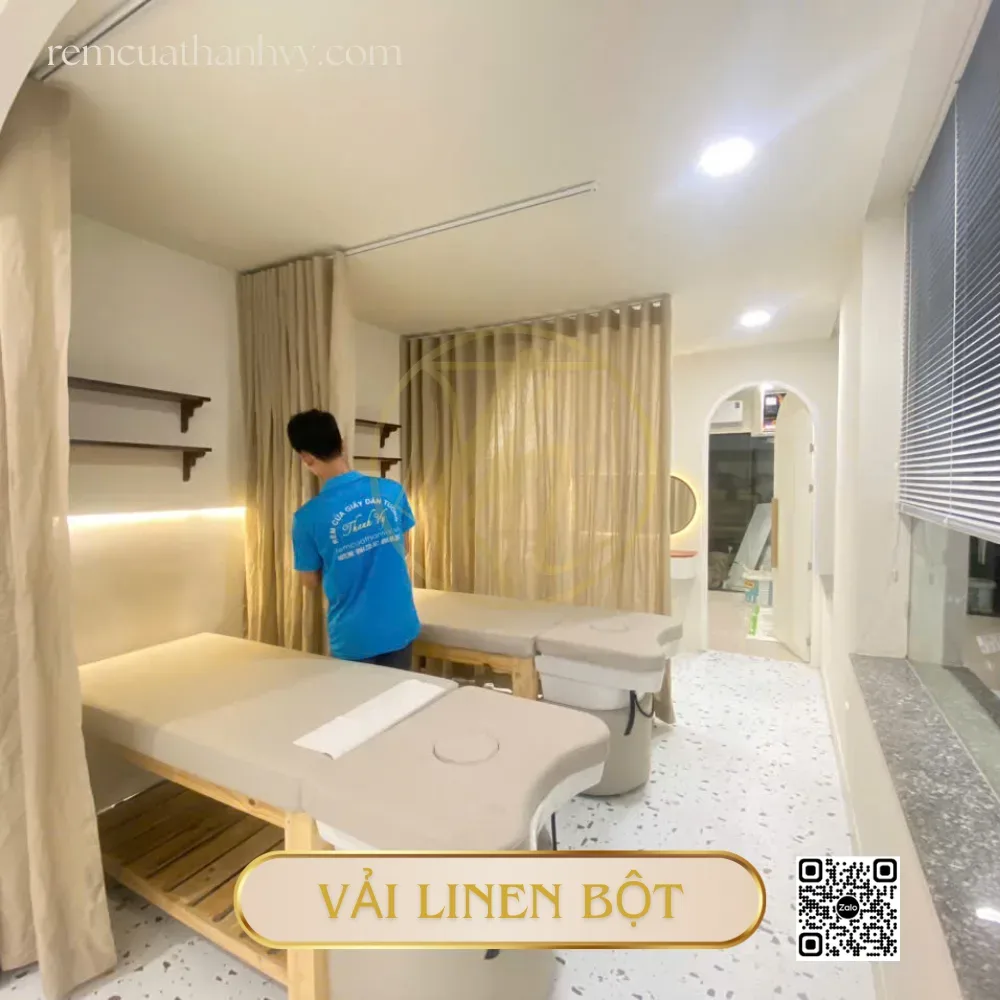
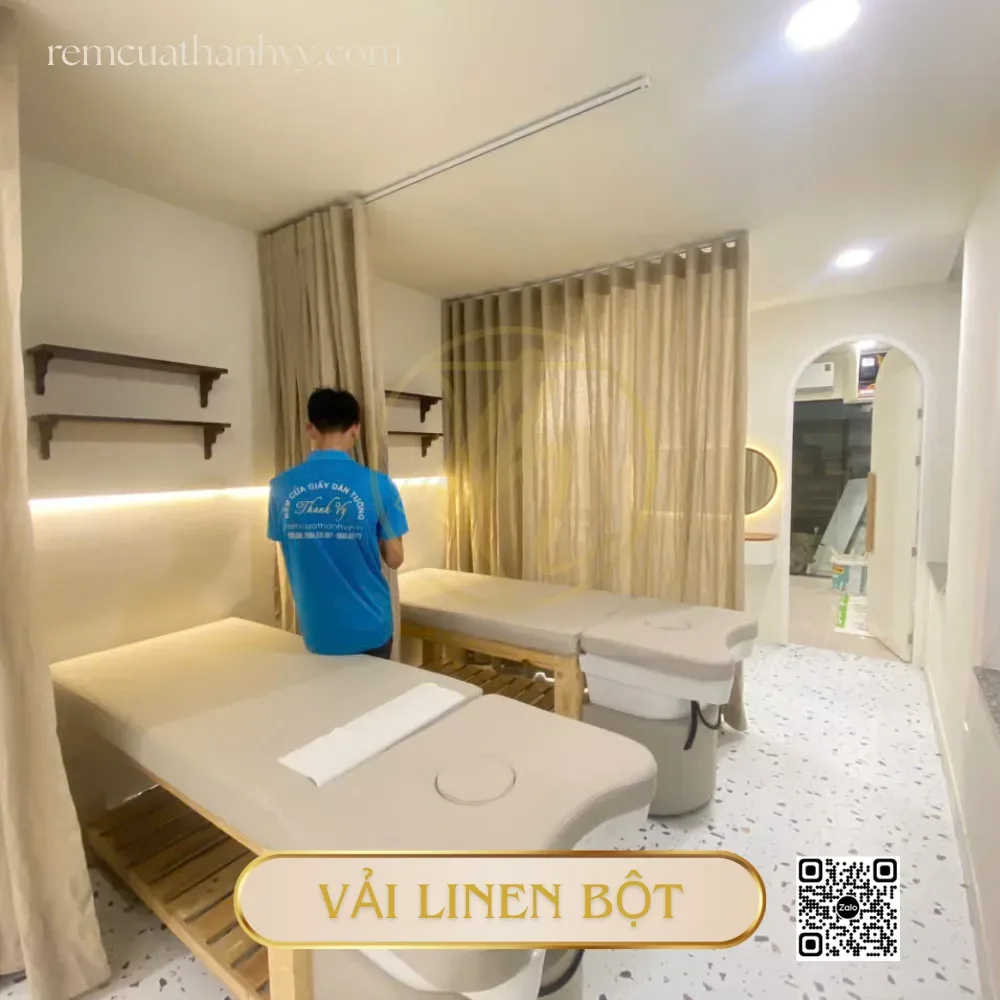
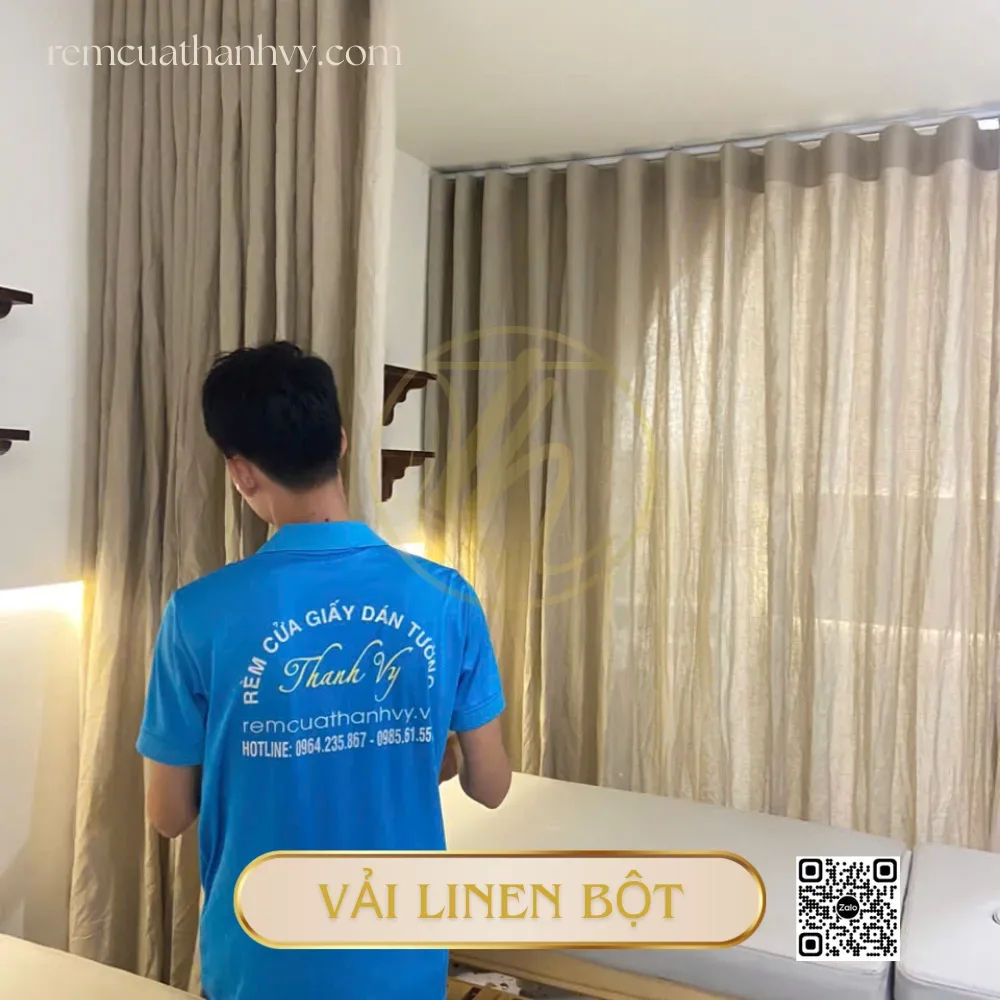
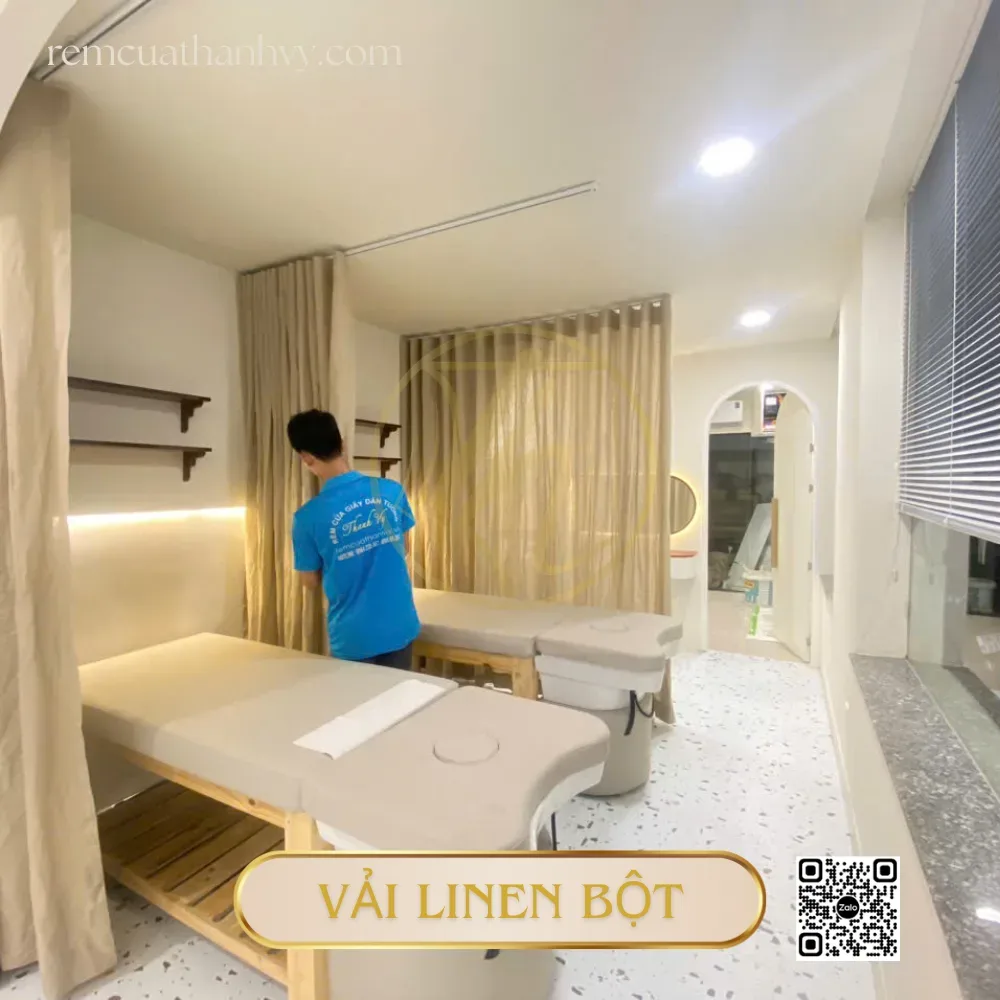
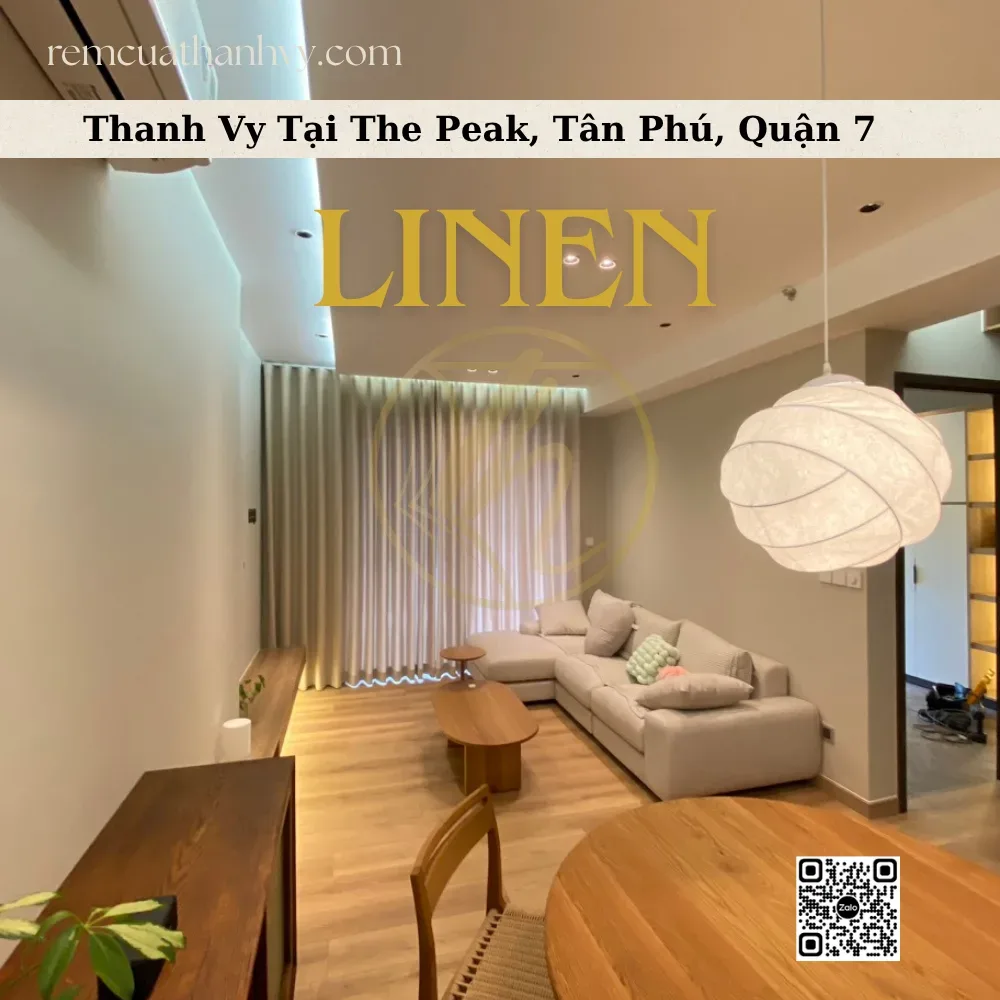
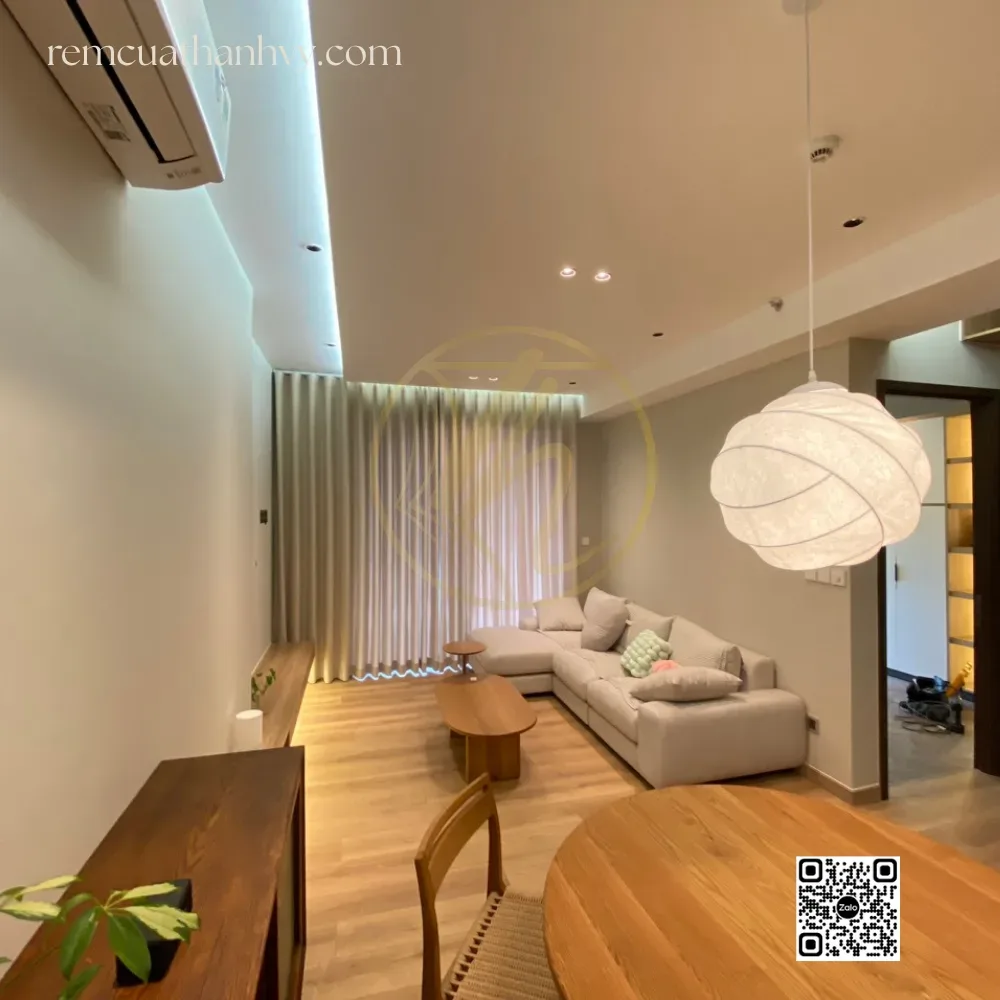
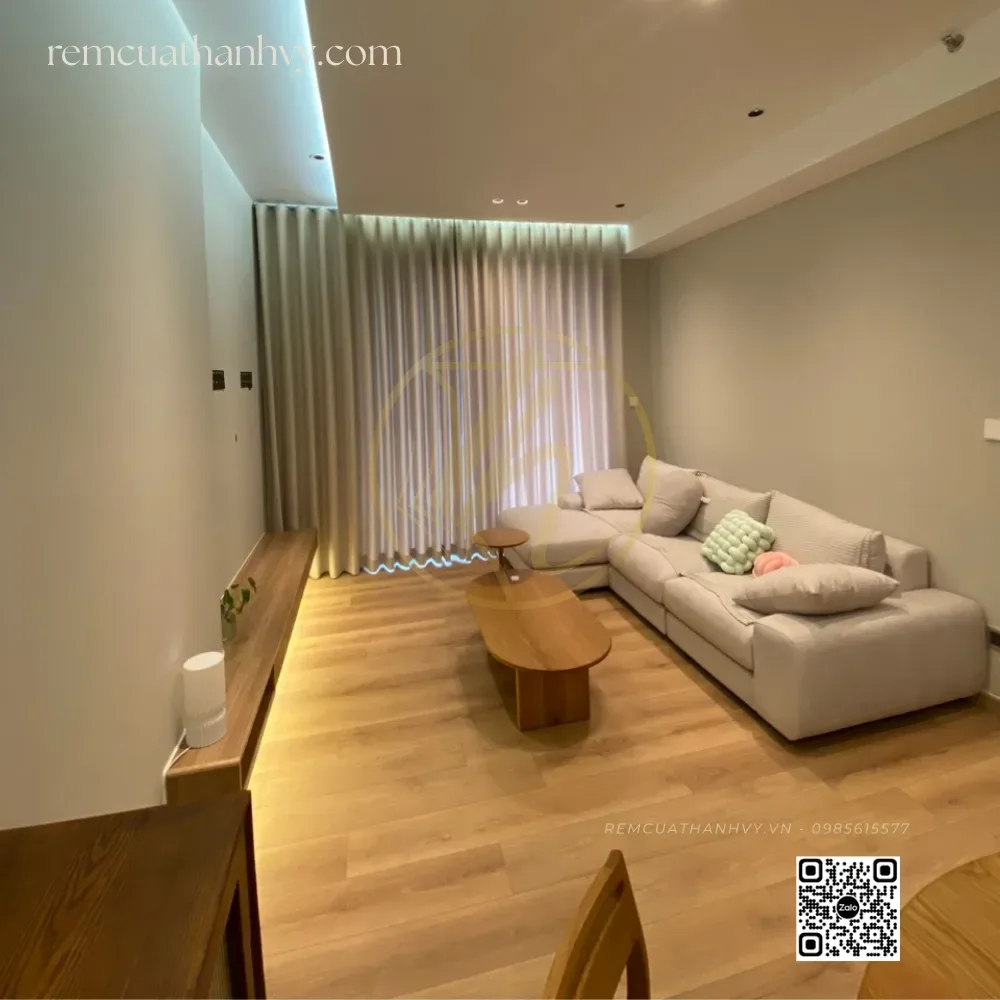
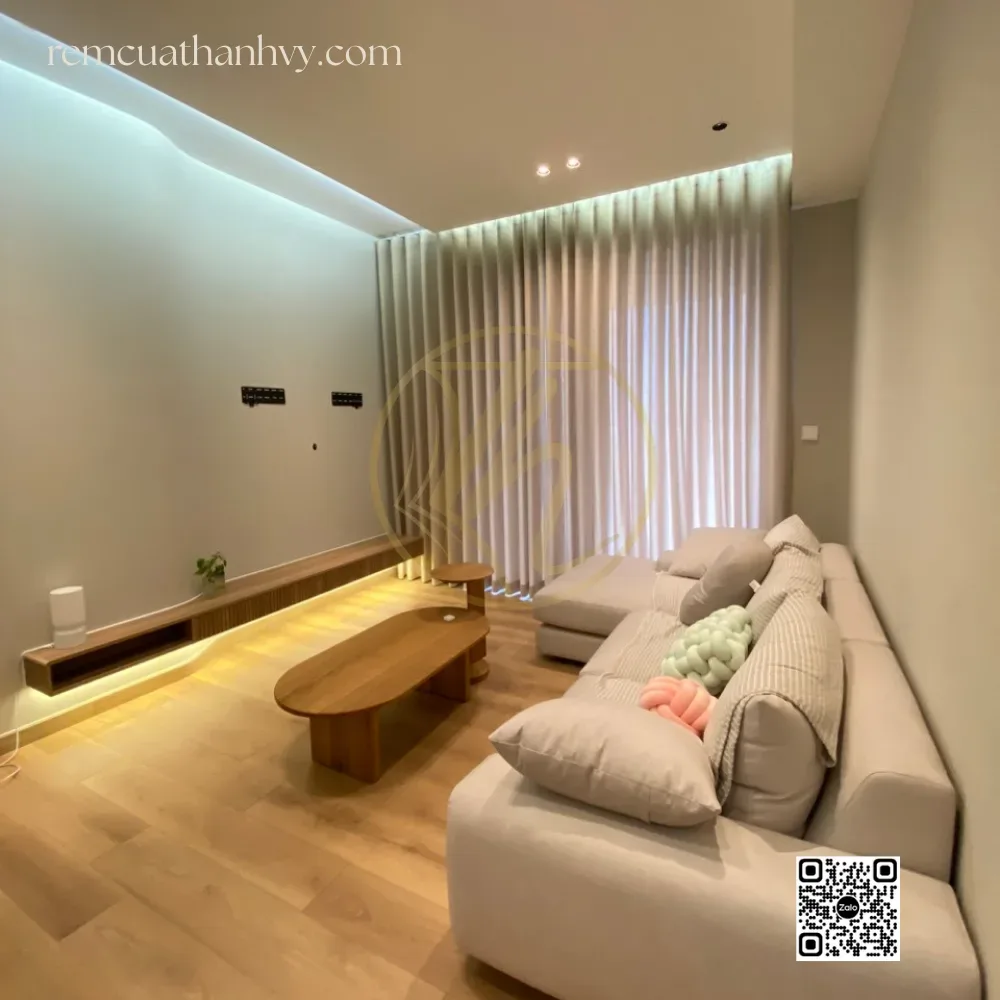
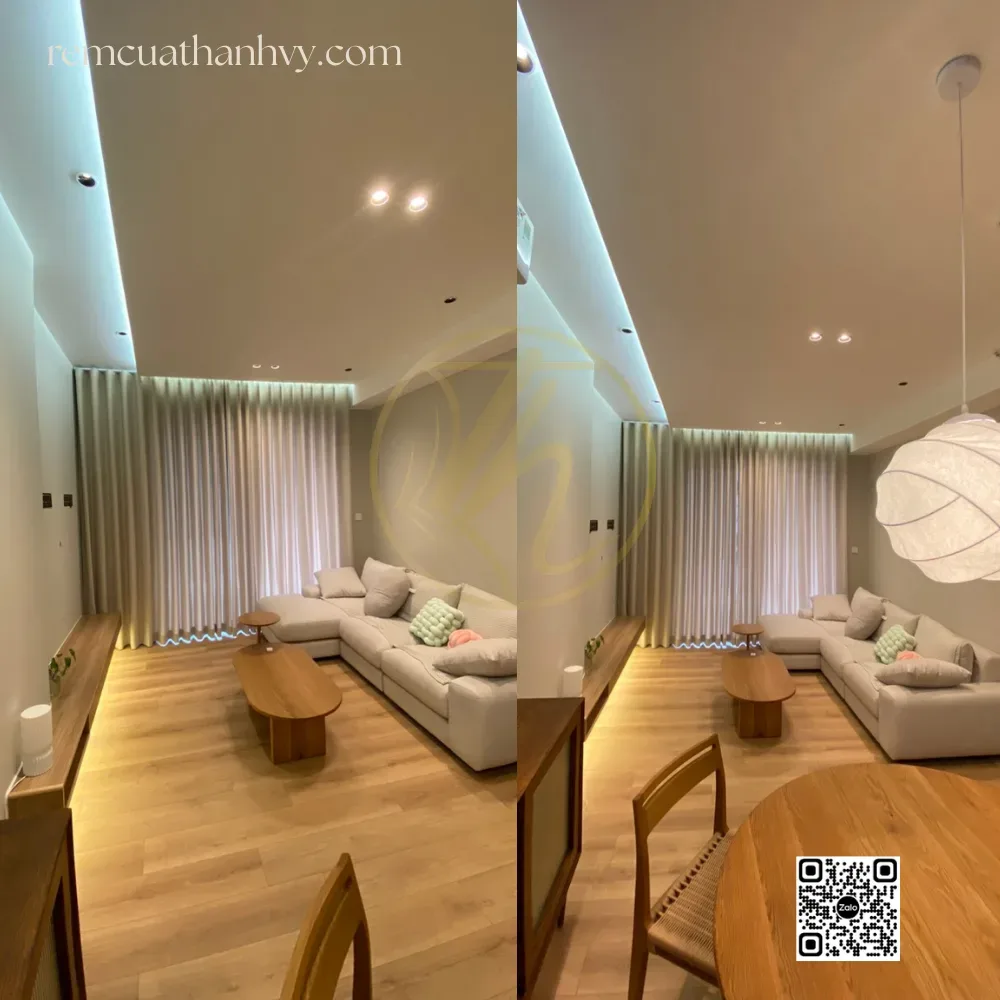
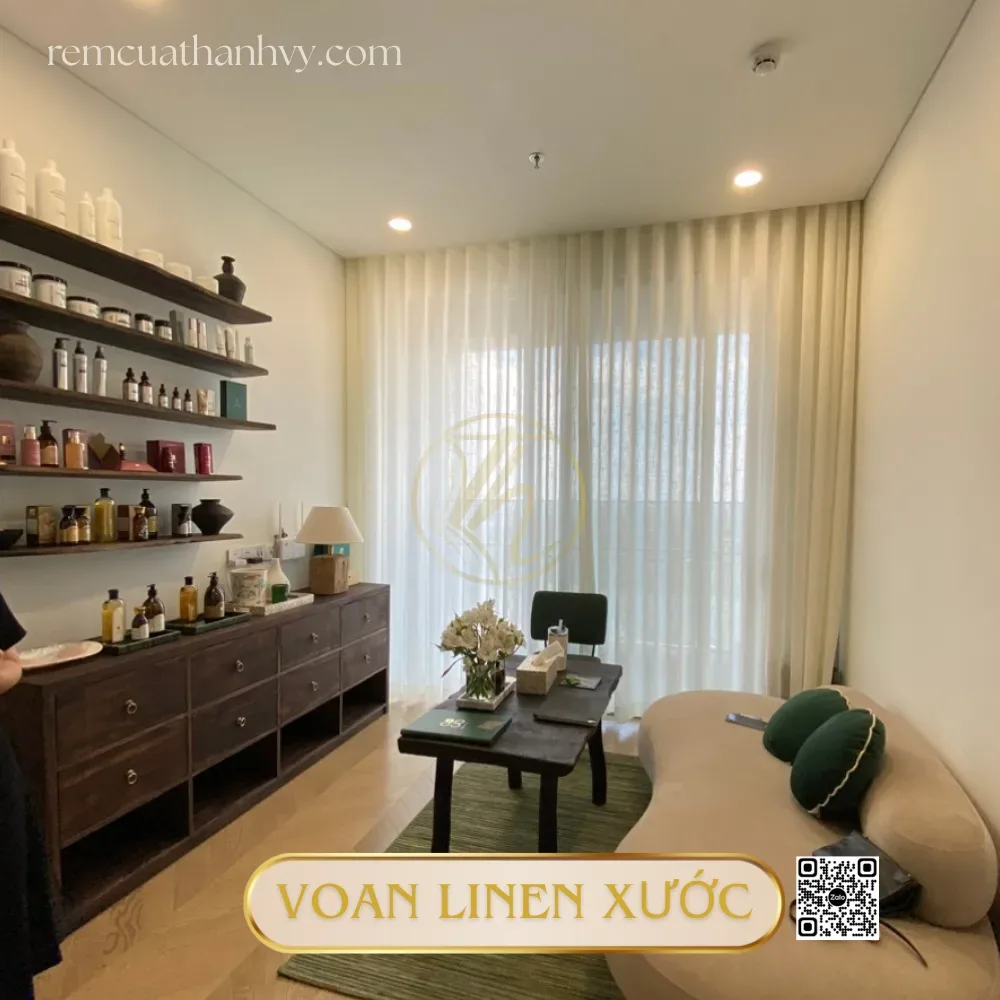
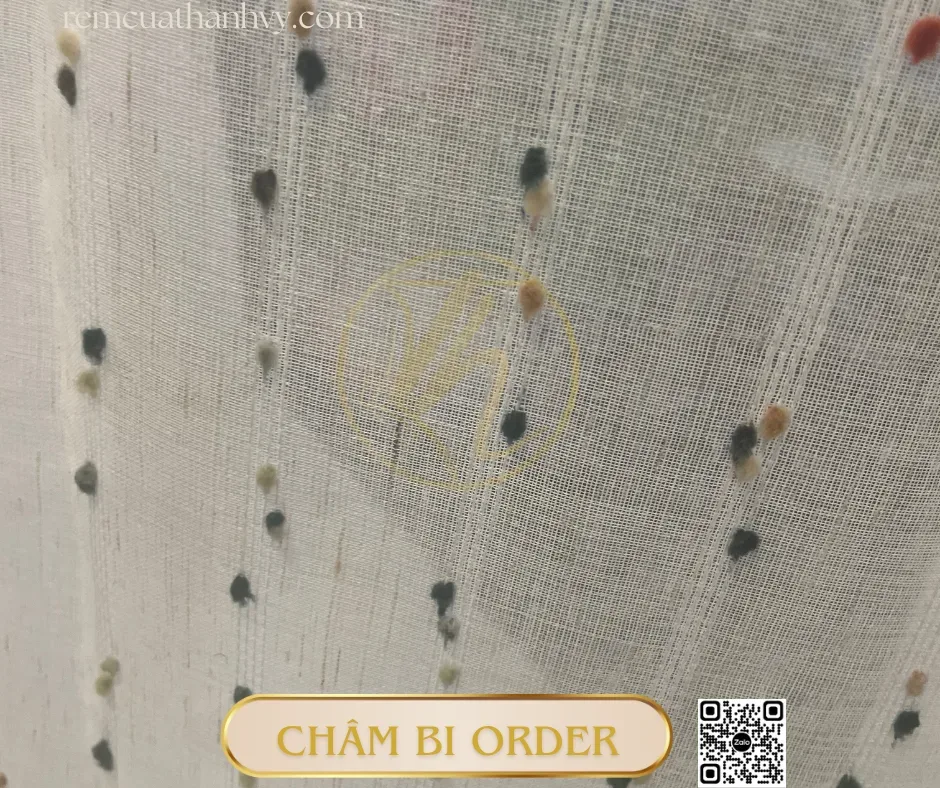
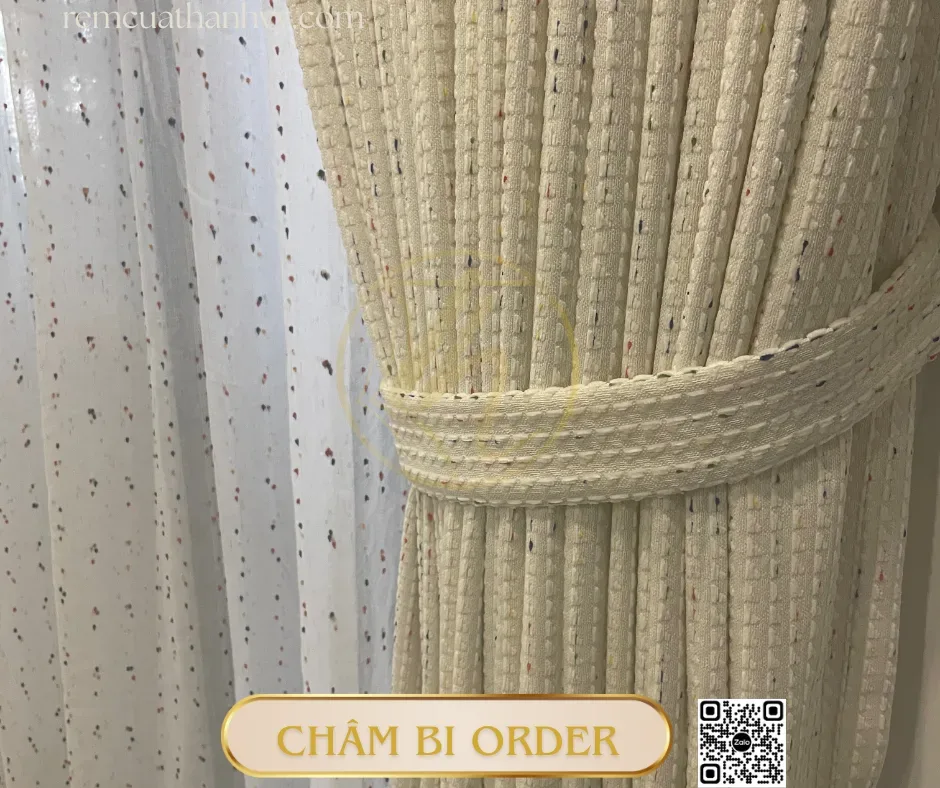
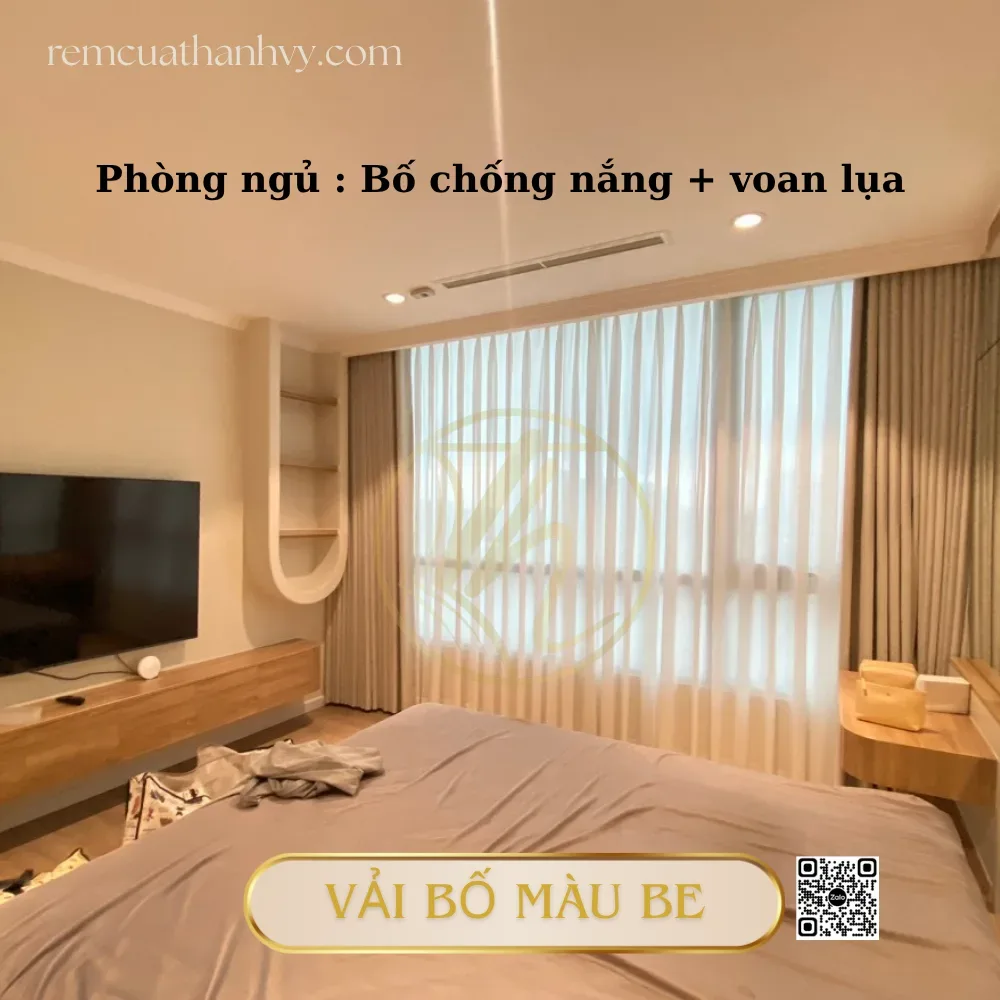
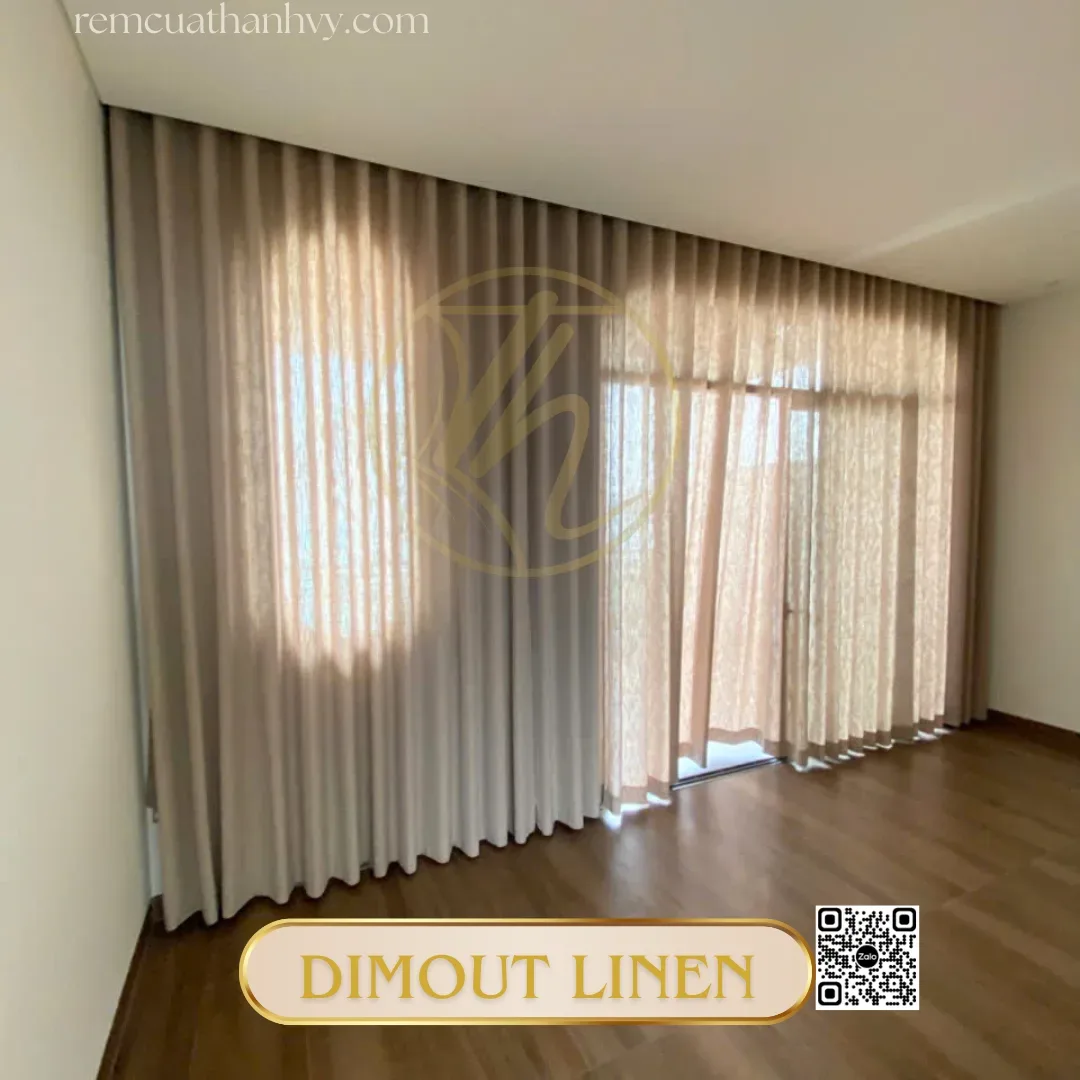
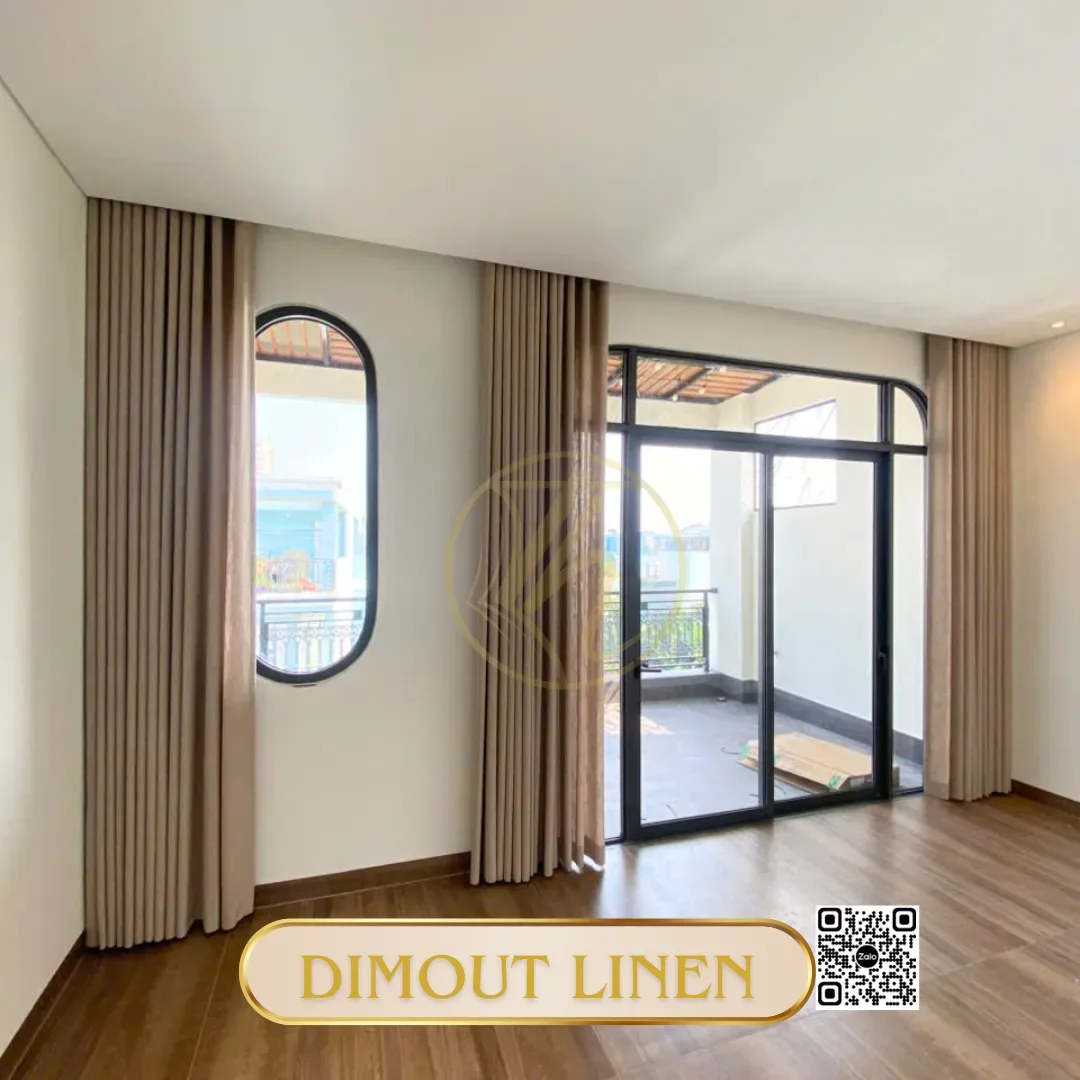
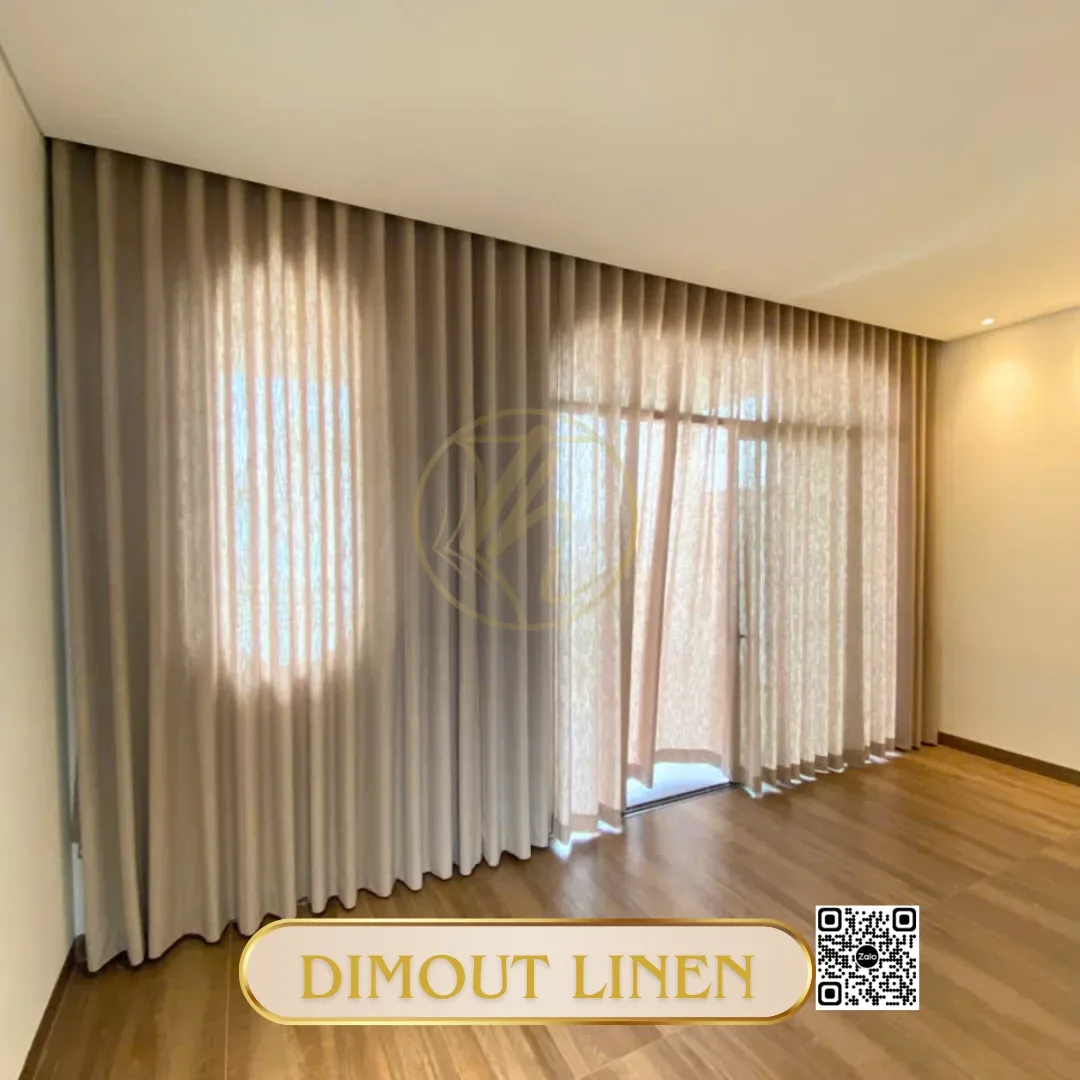
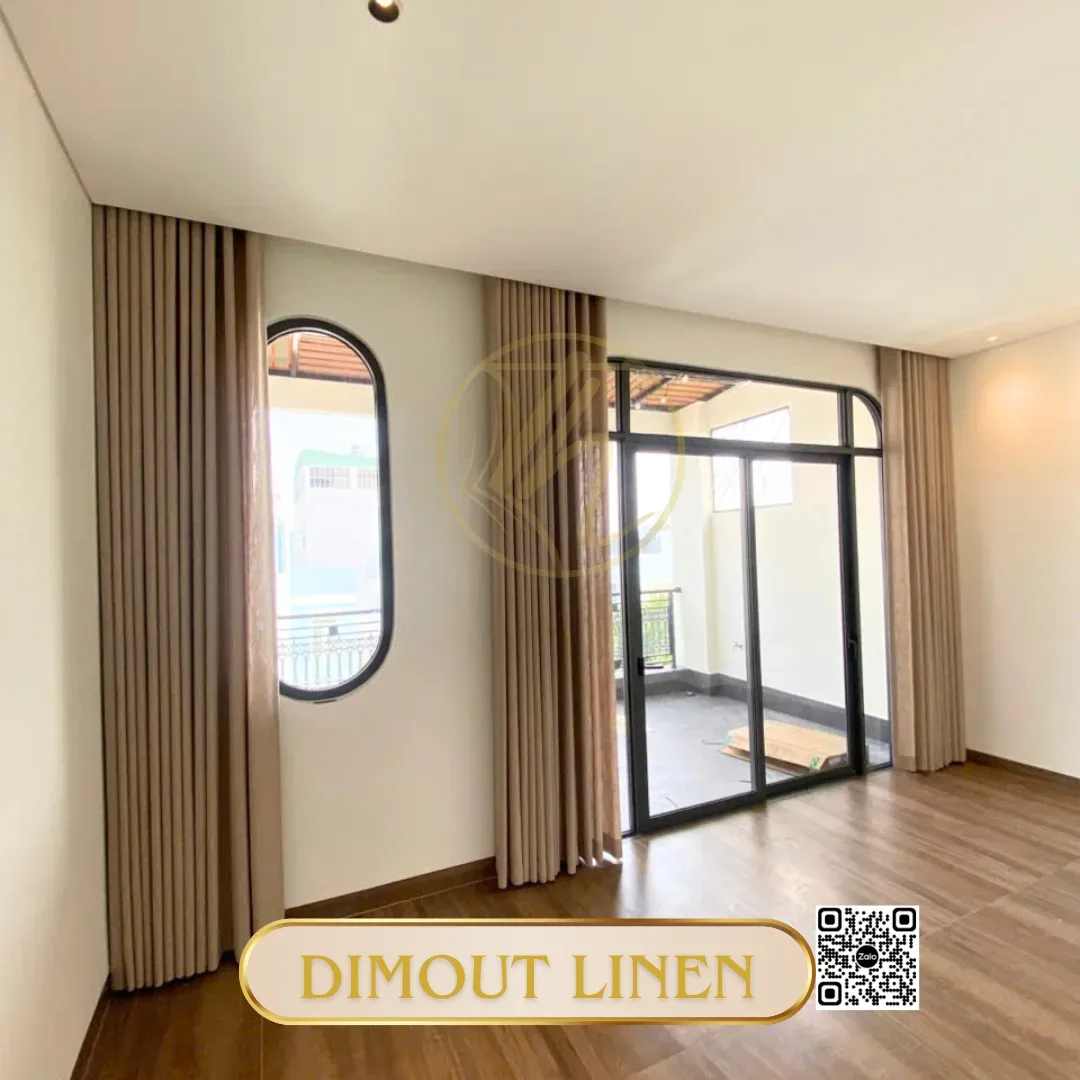
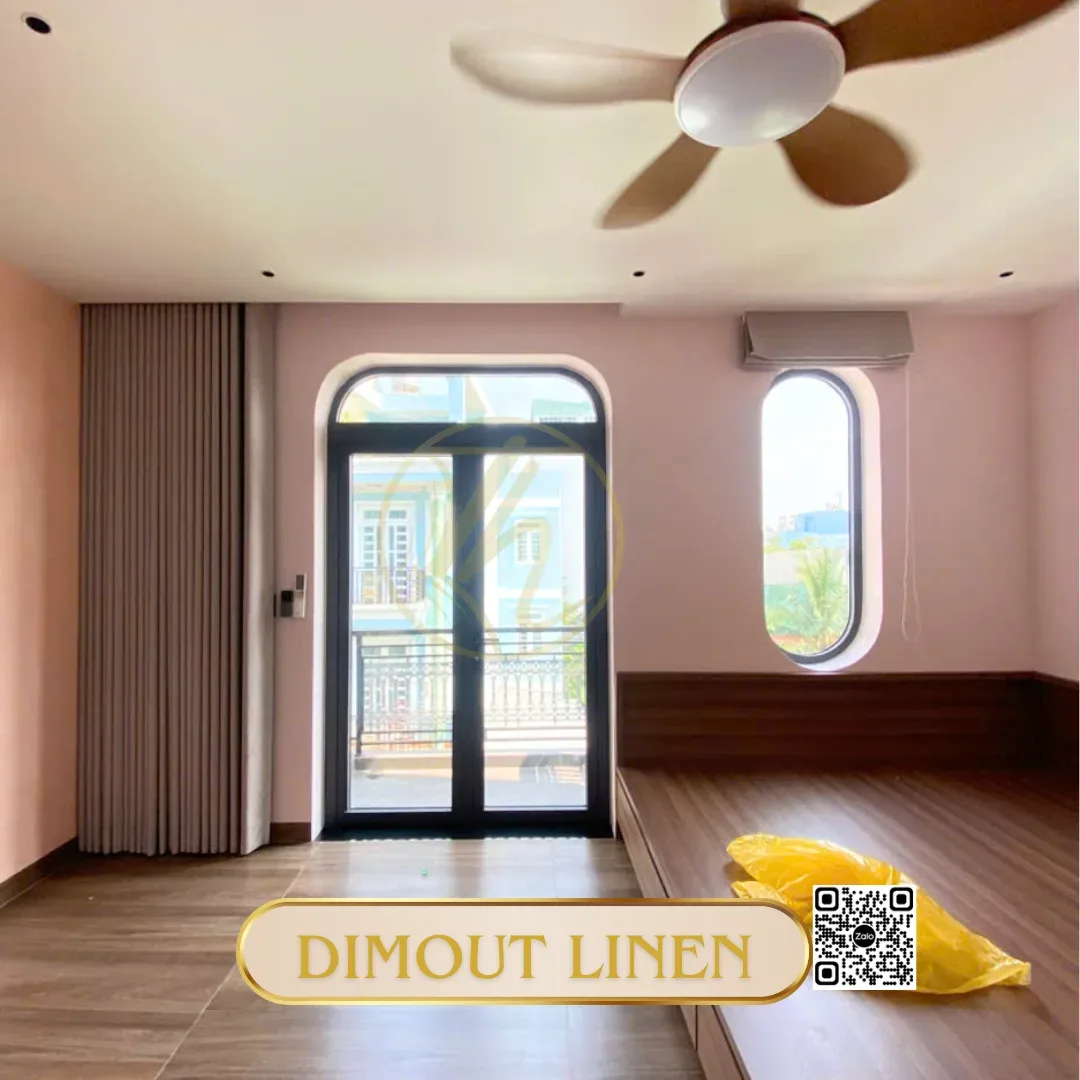
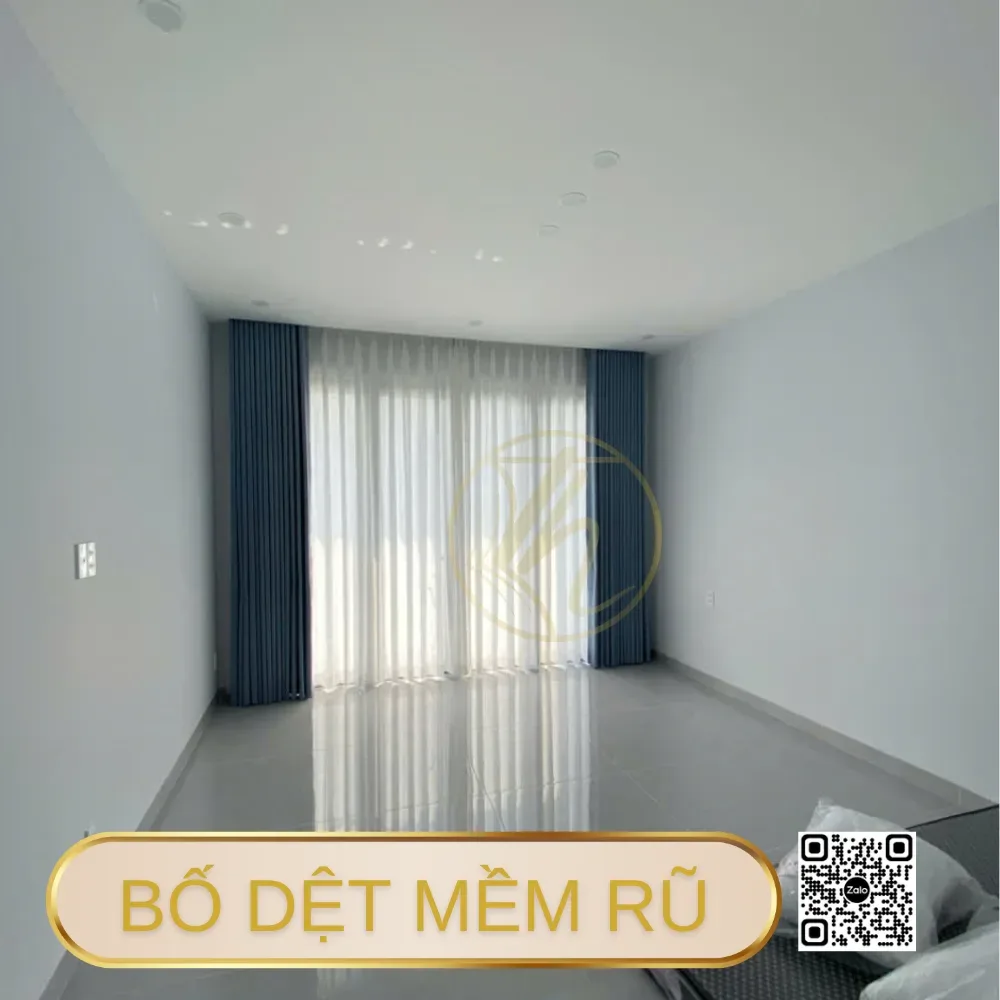
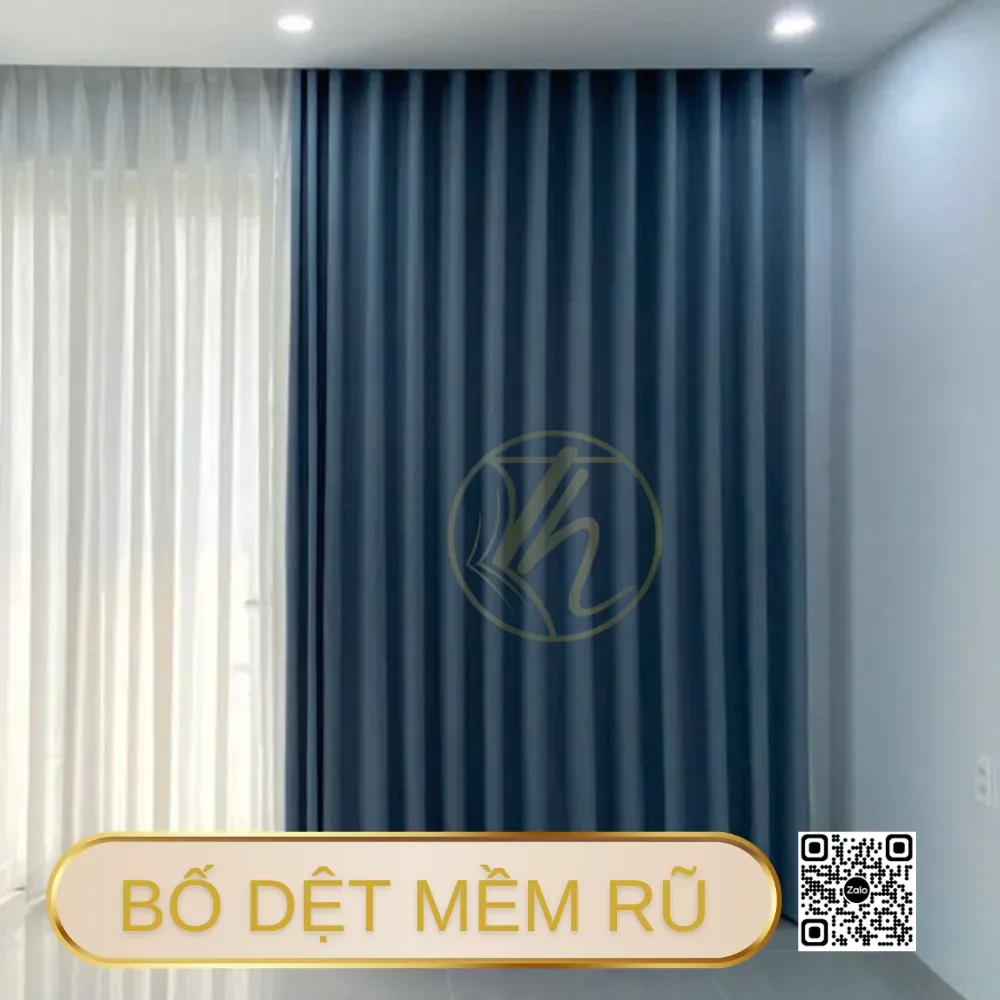
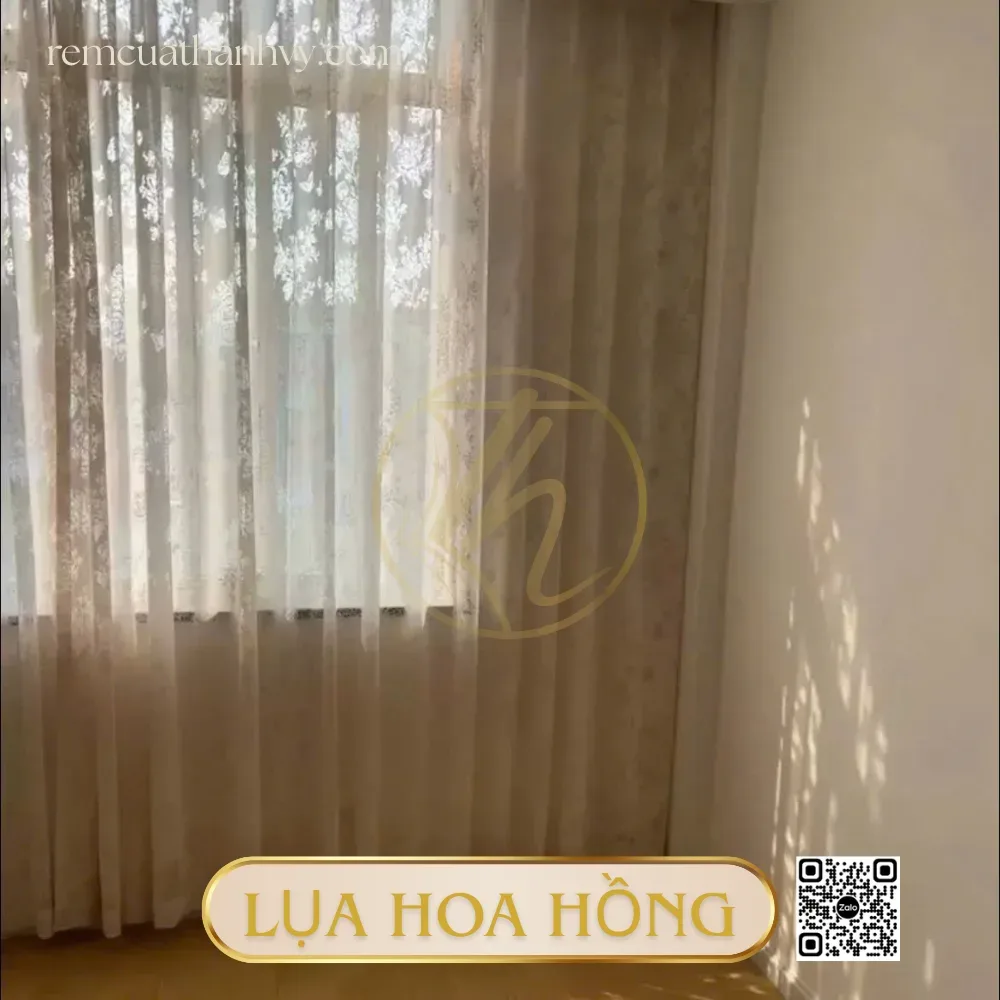
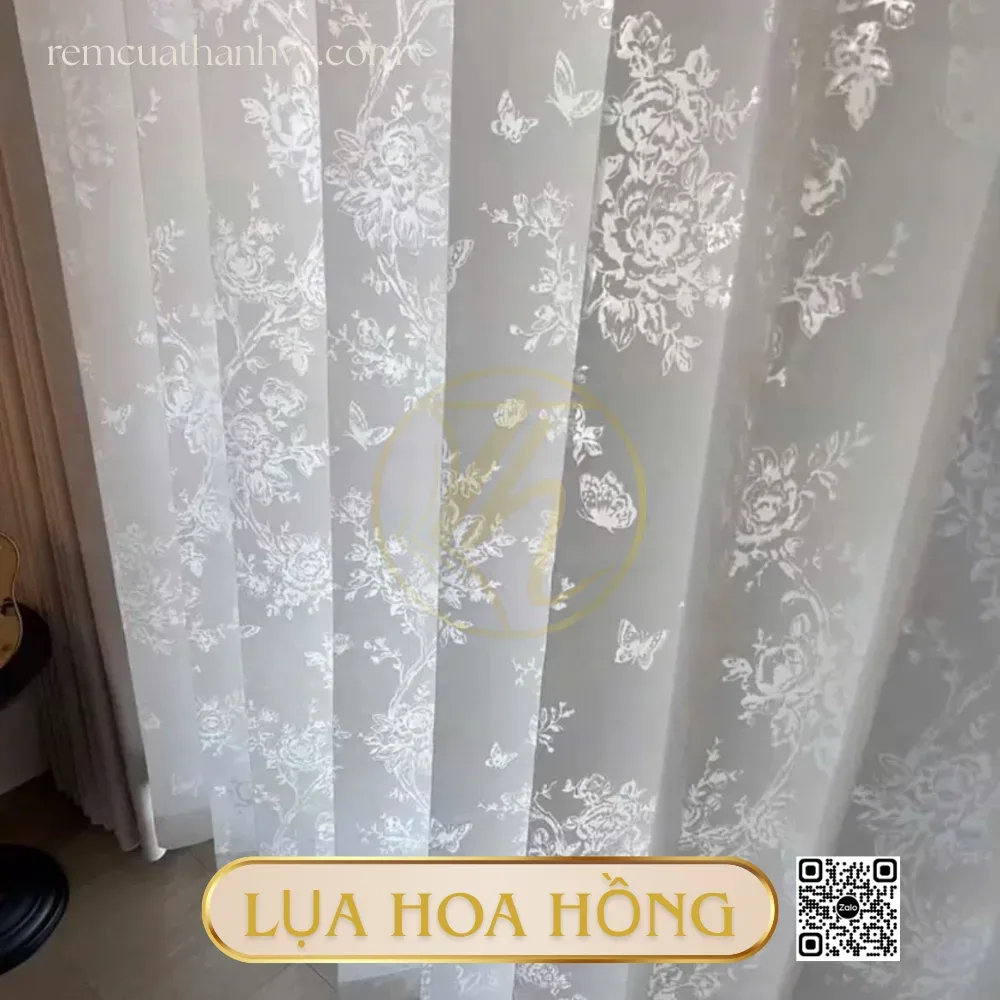
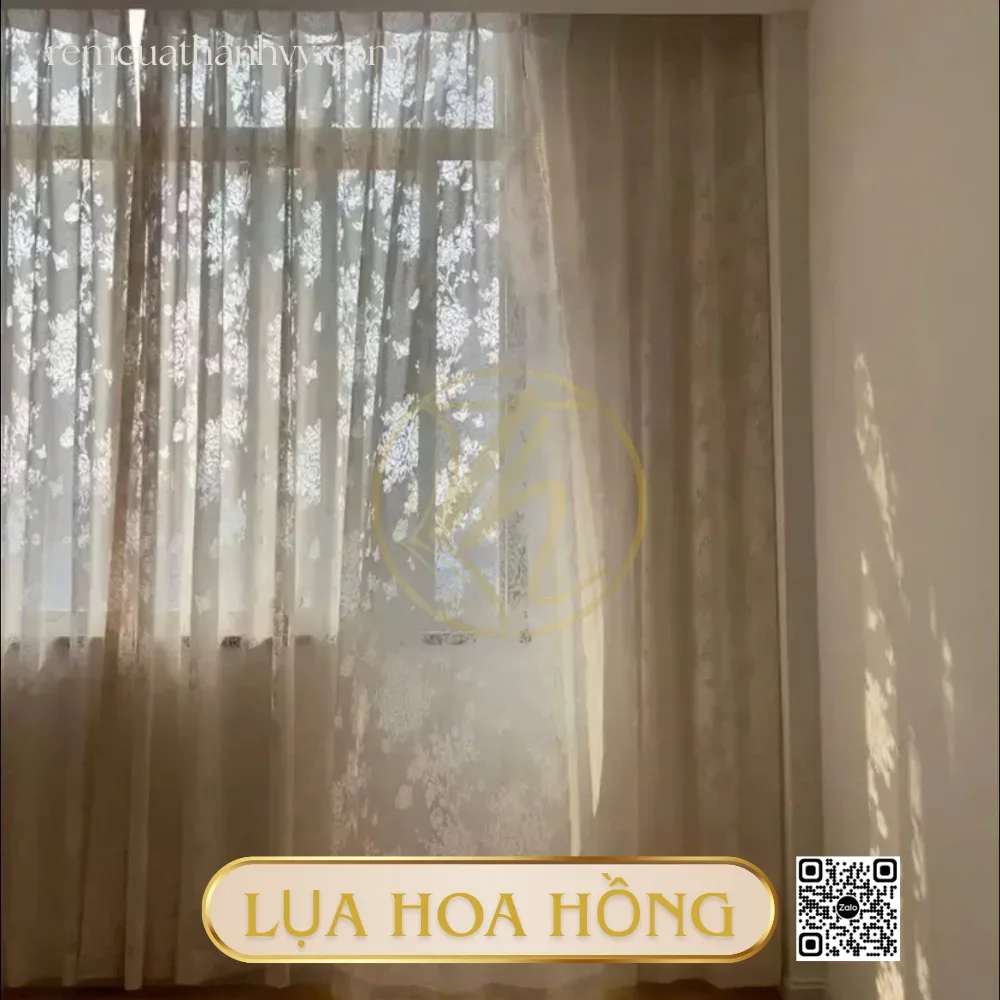
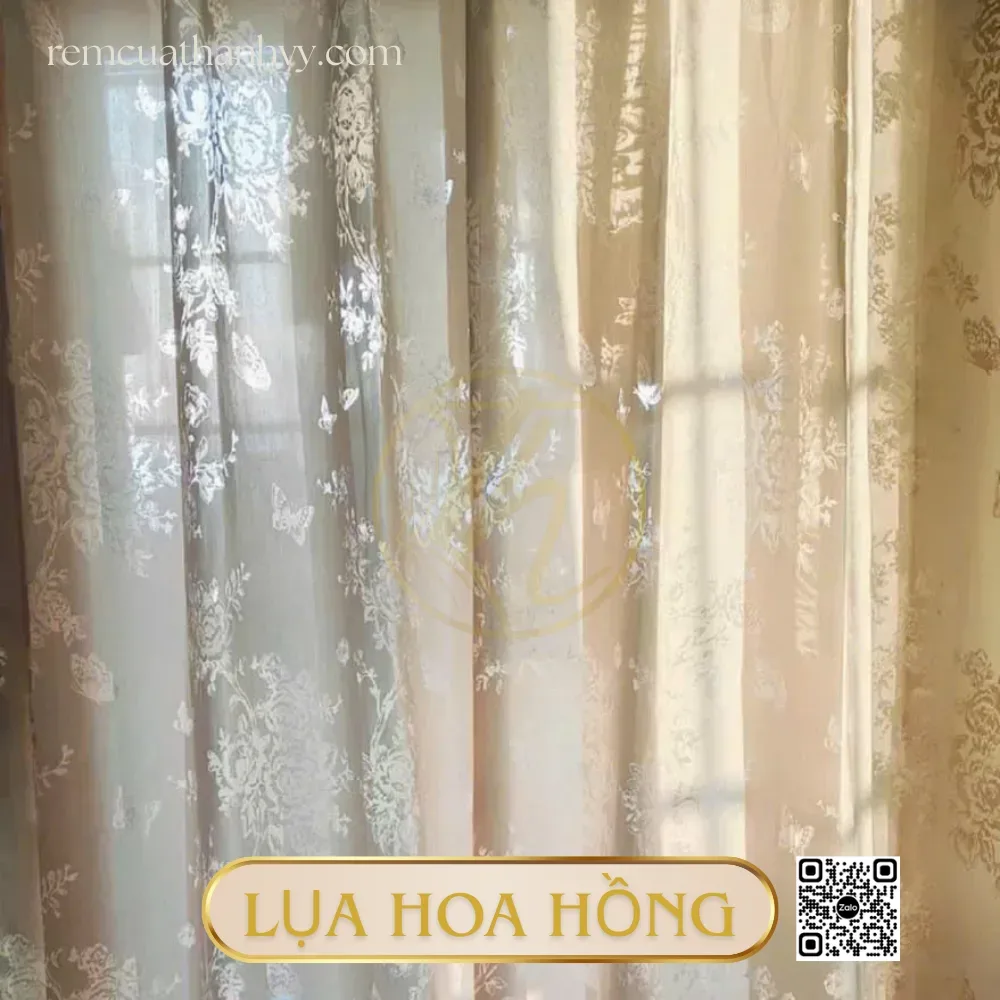
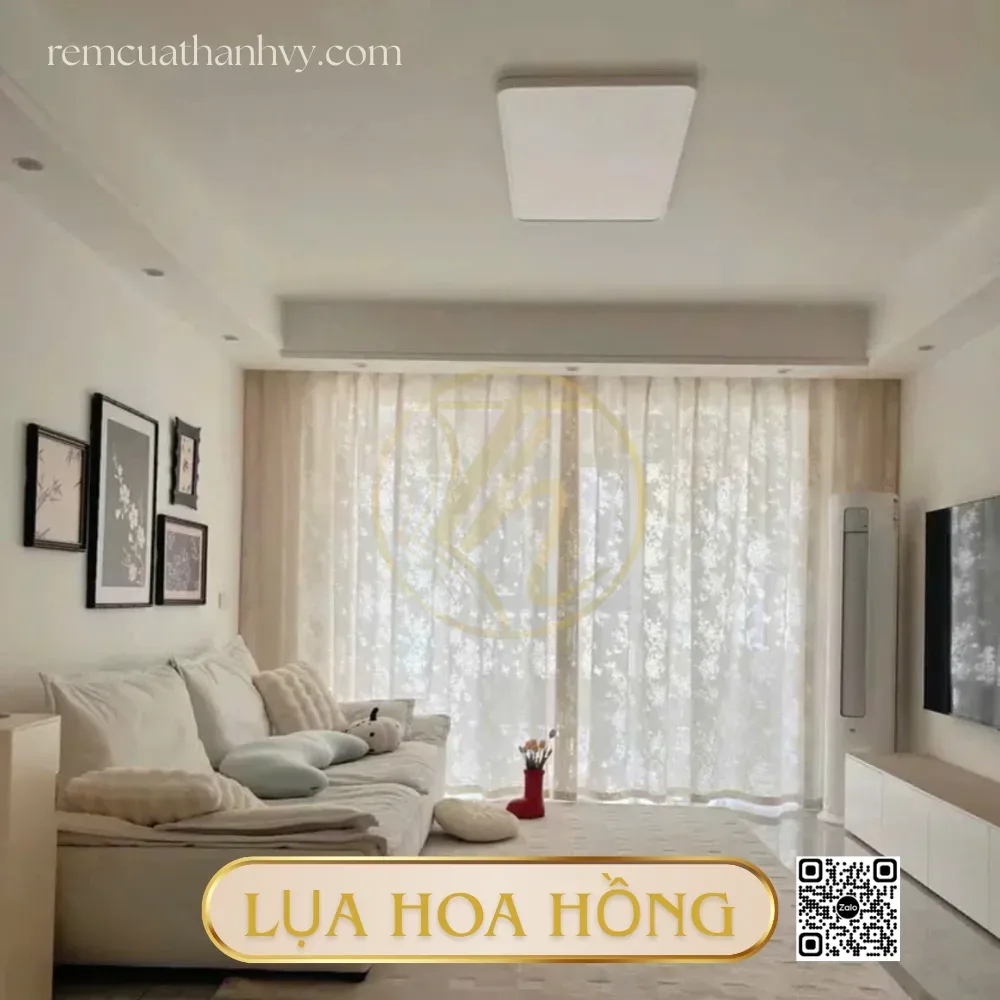
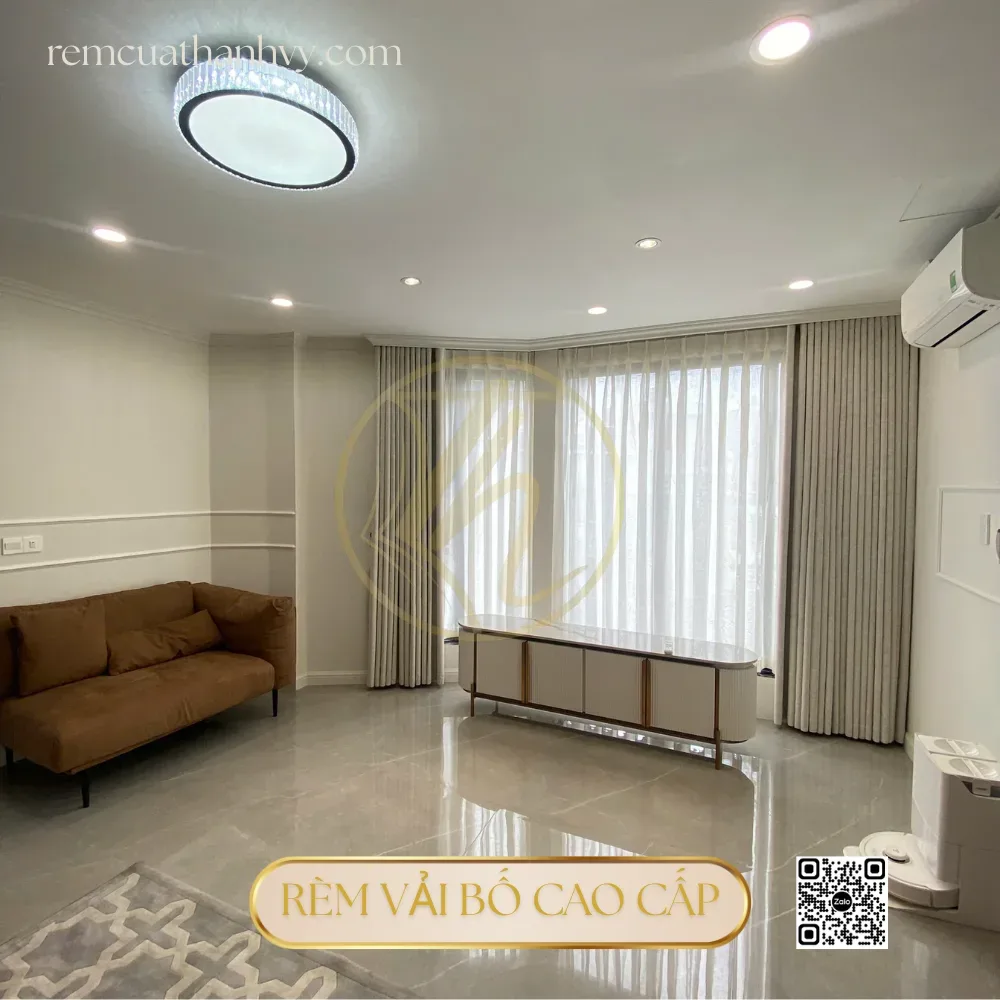
Linen fabric curtains
Linen offers a mildly coarse surface with low shine, making it suitable for wooden interiors and neutral tones.
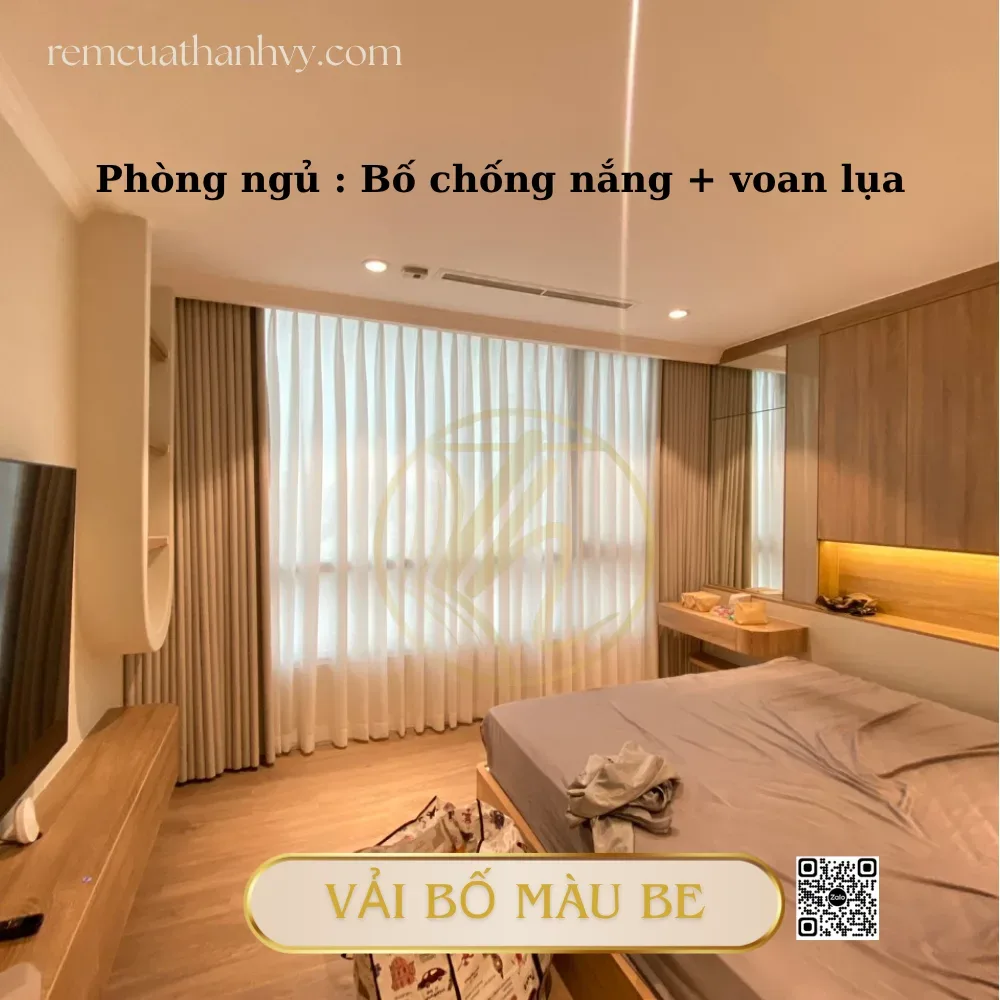
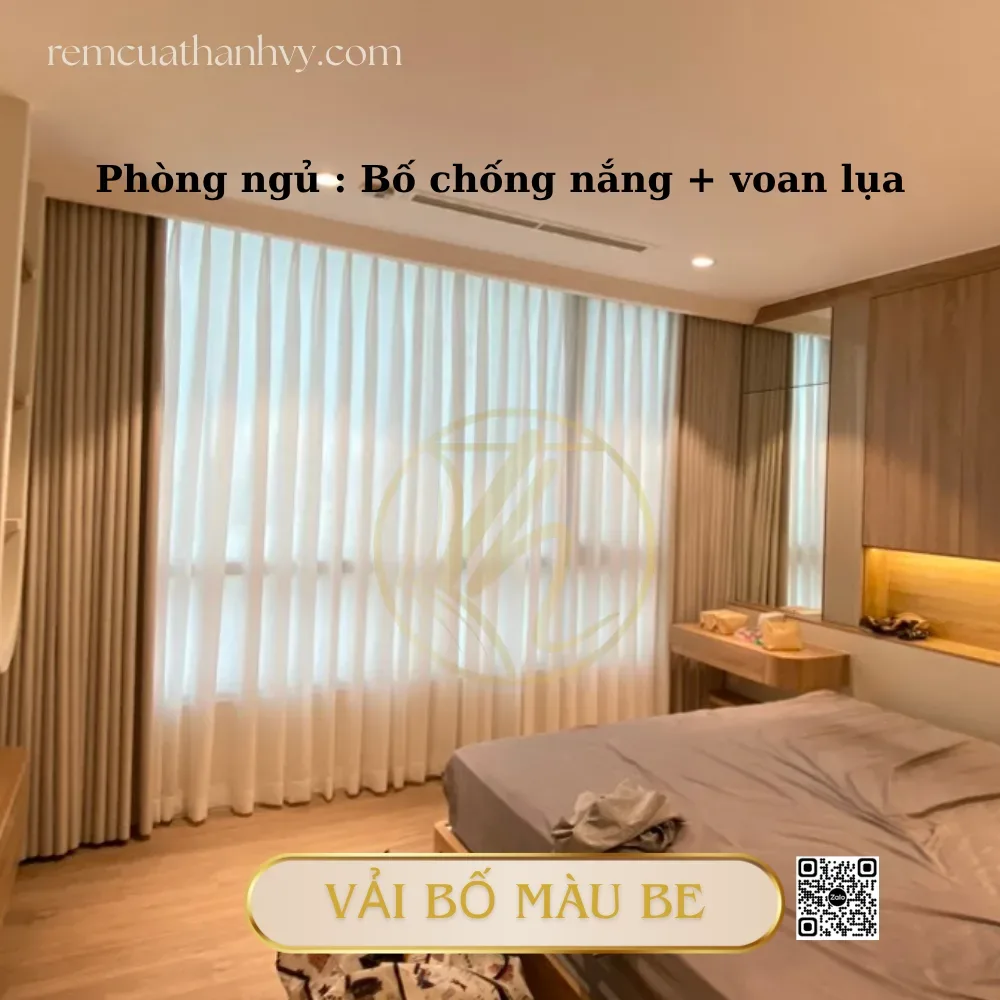
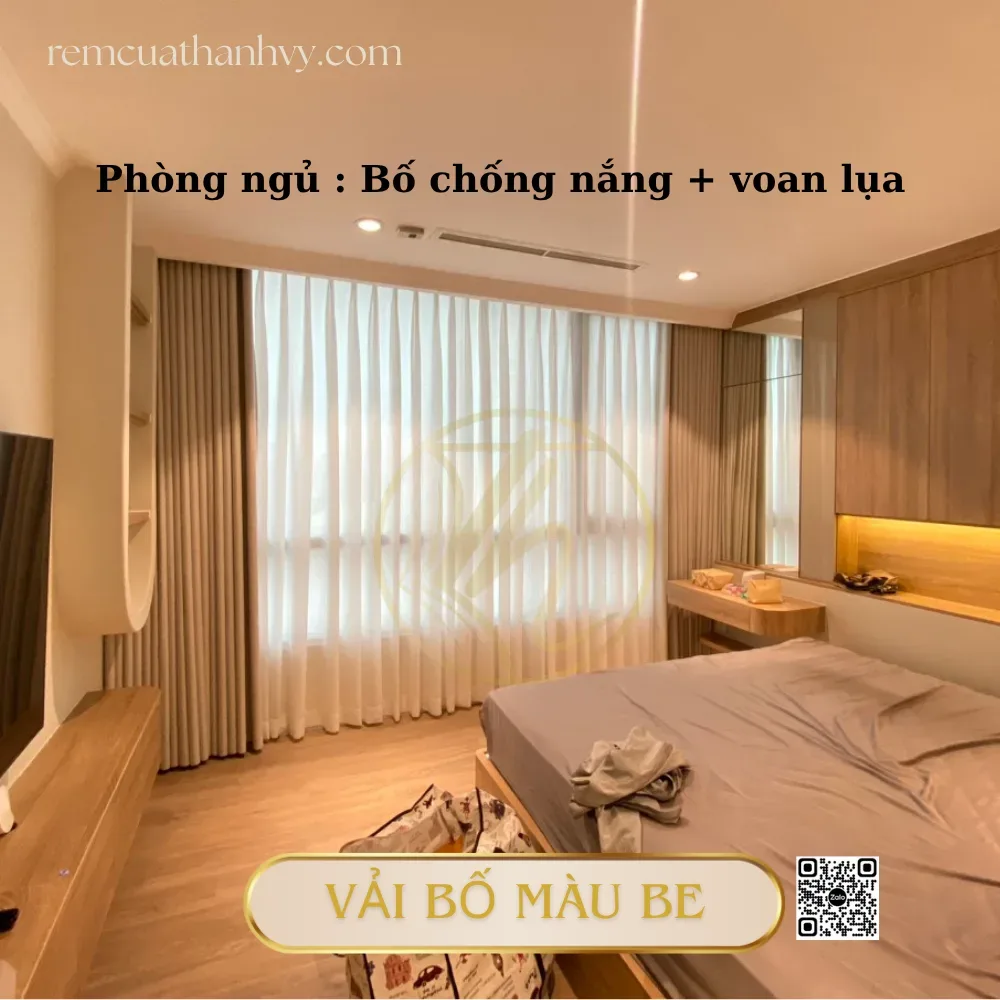
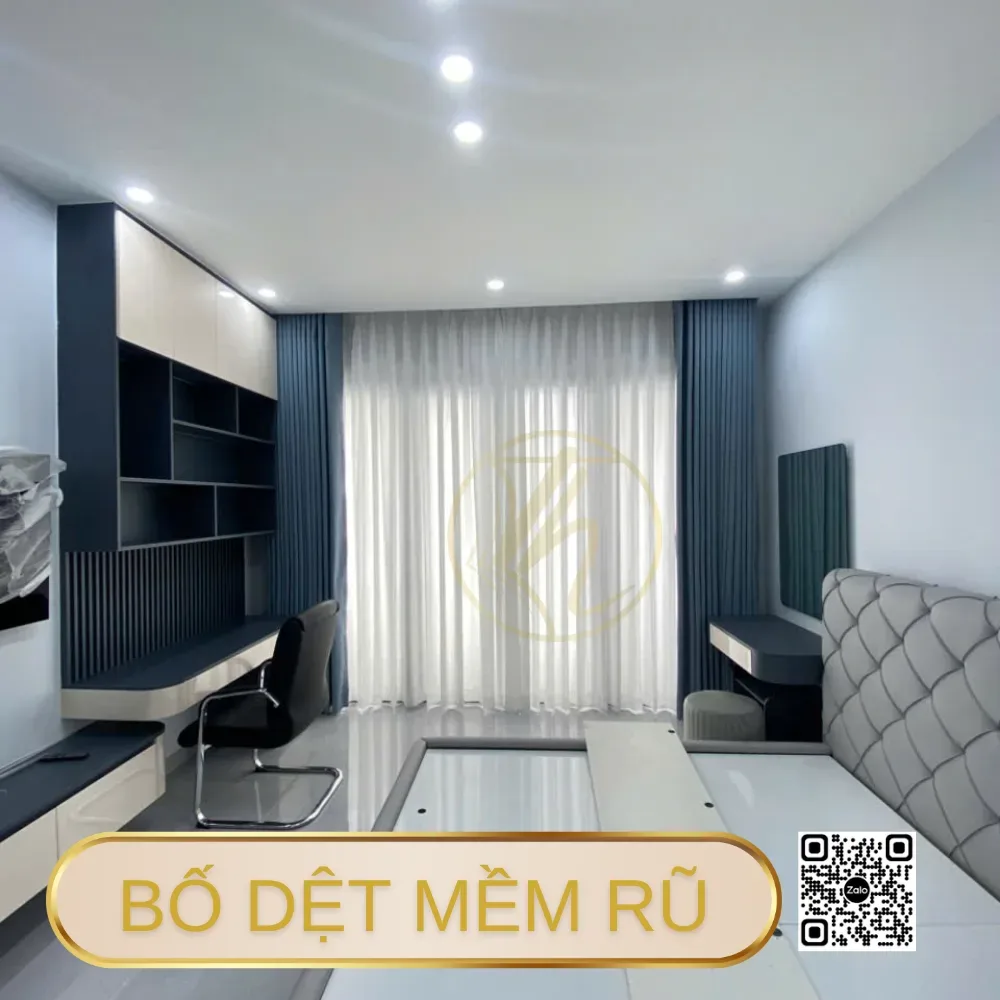
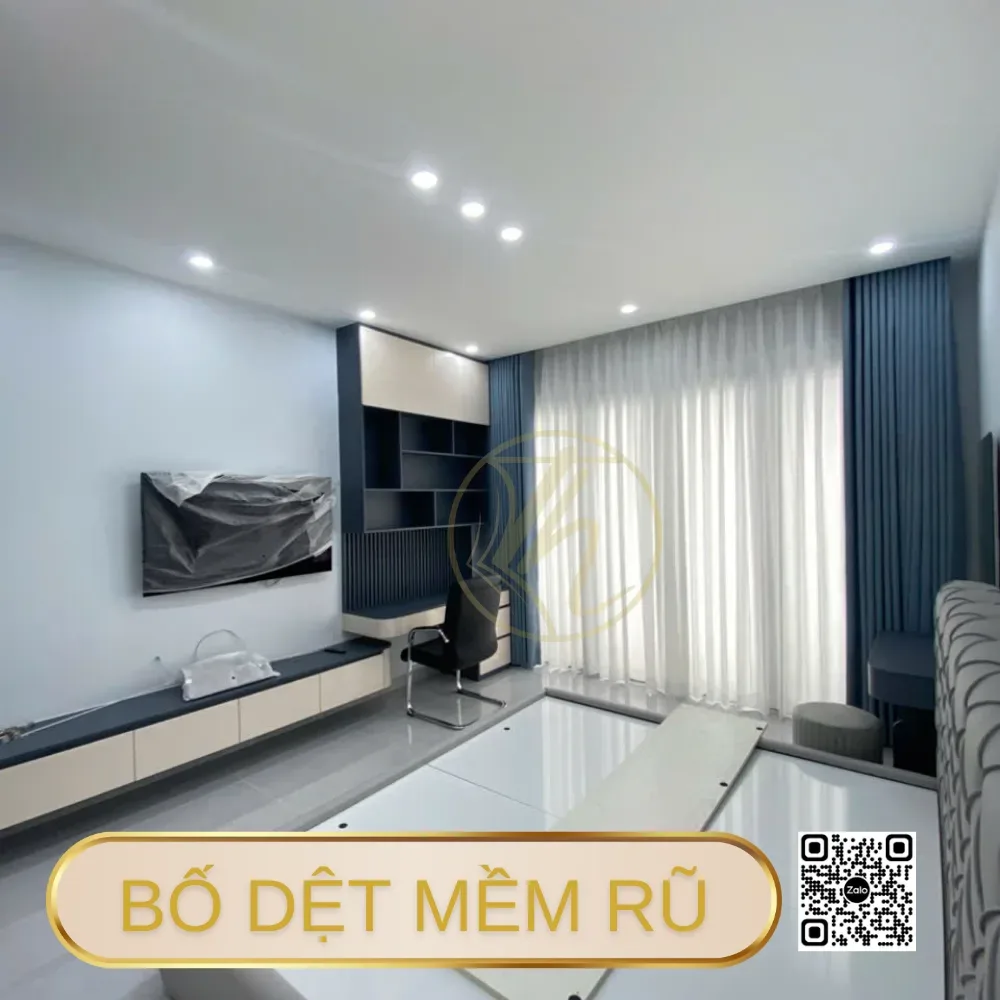
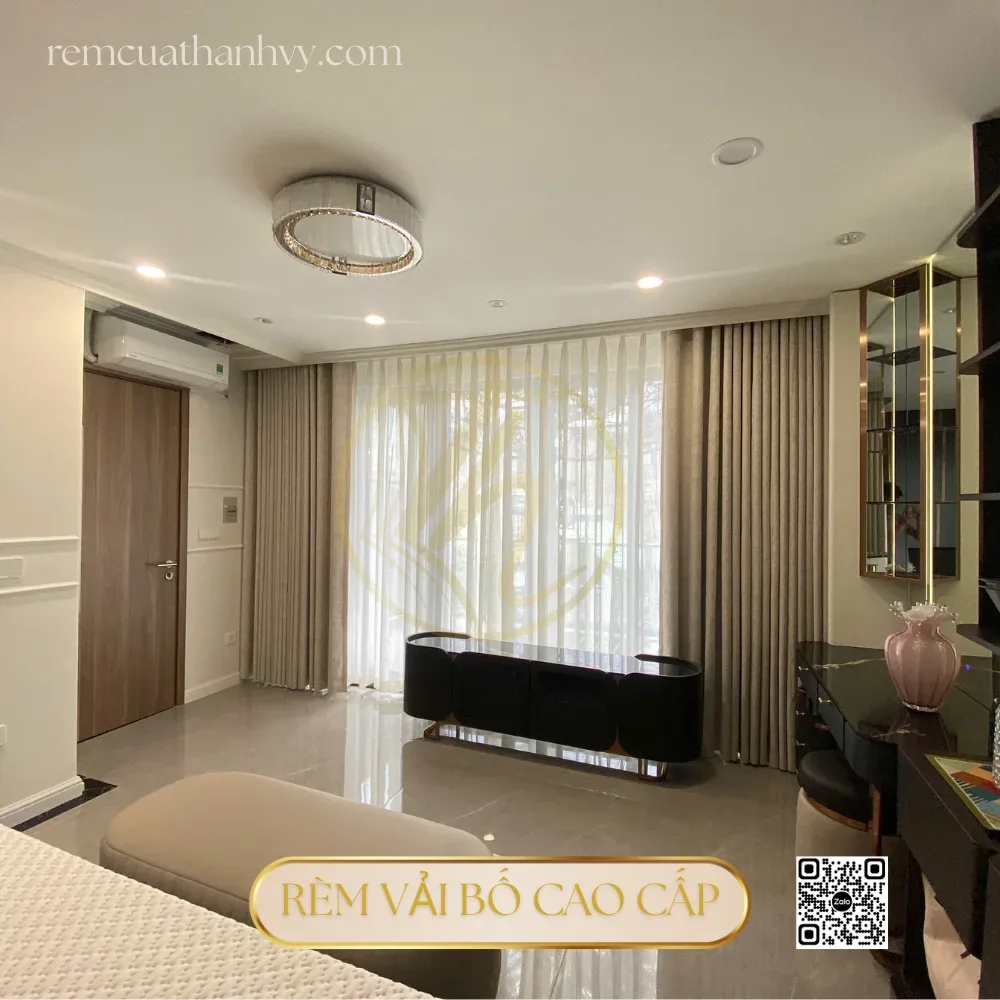
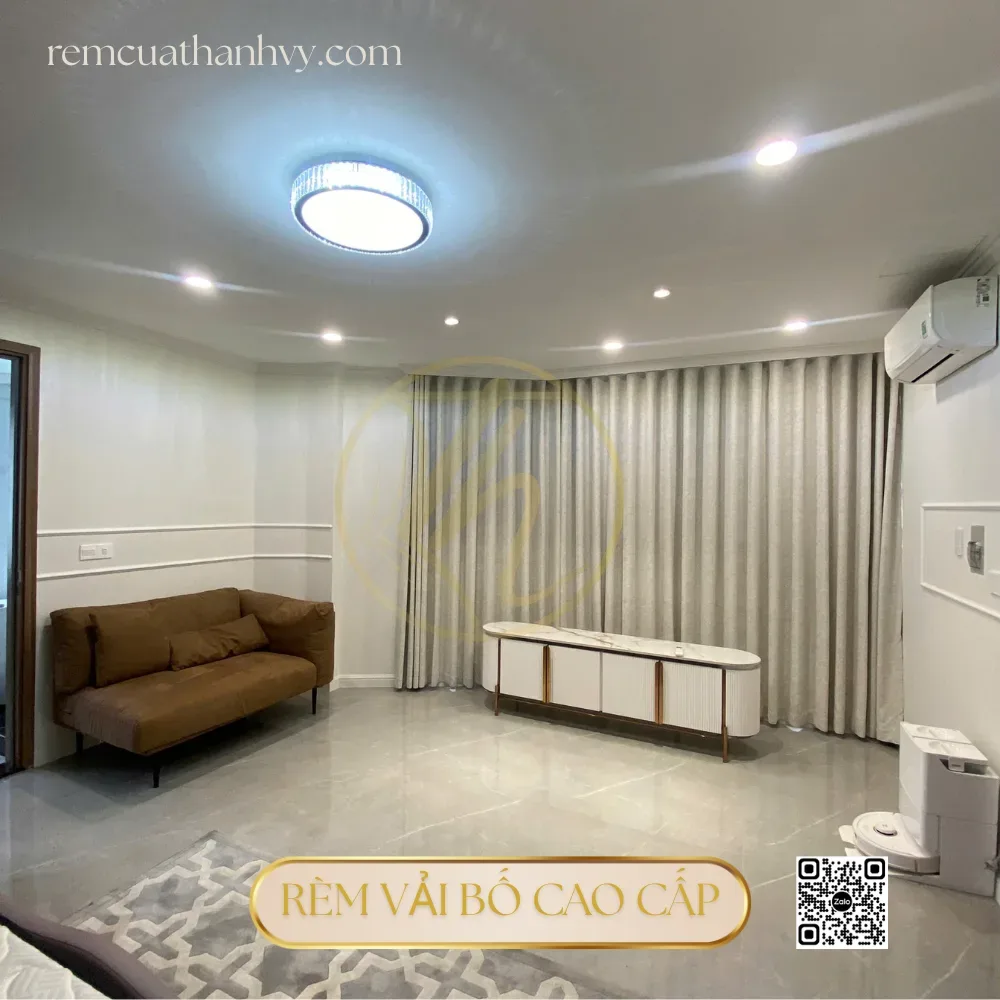
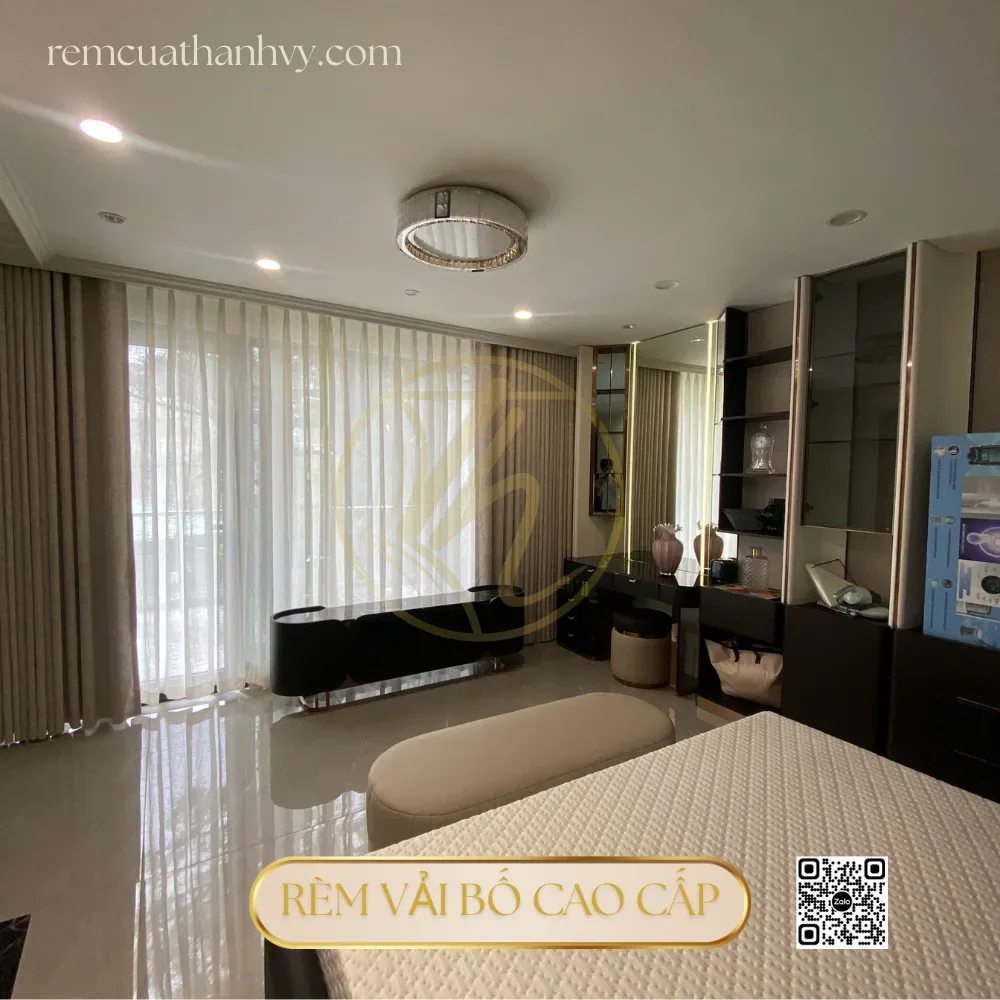
High-end blackout fabric curtains
High-end blackout fabrics are used when significant room darkening is needed, typically for bedrooms or projection rooms.
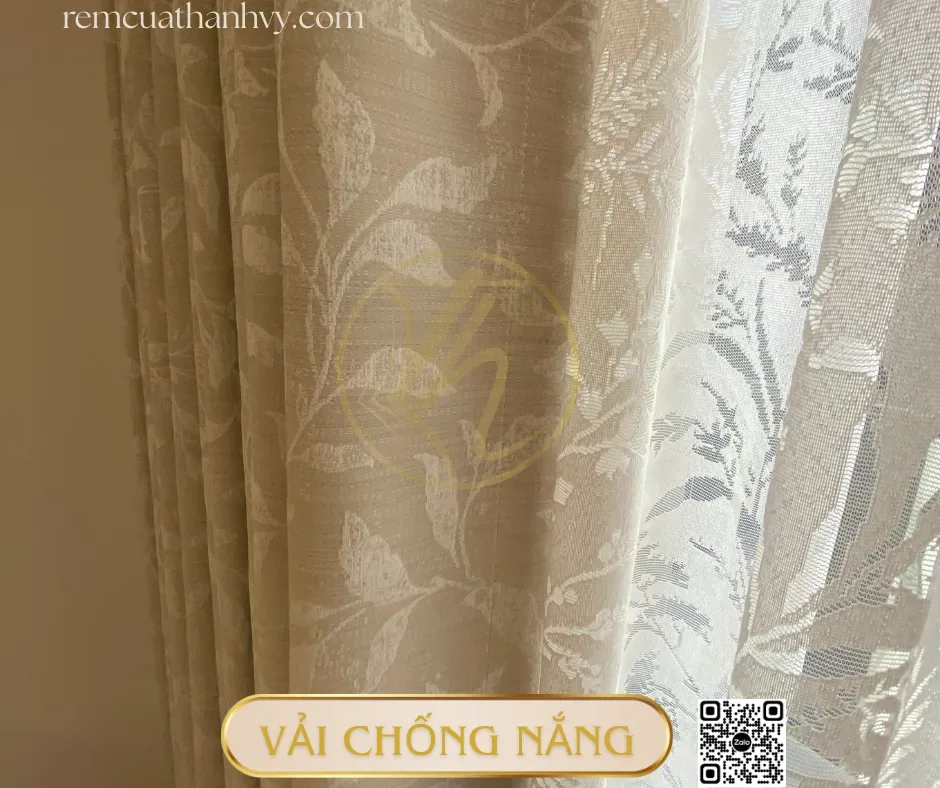
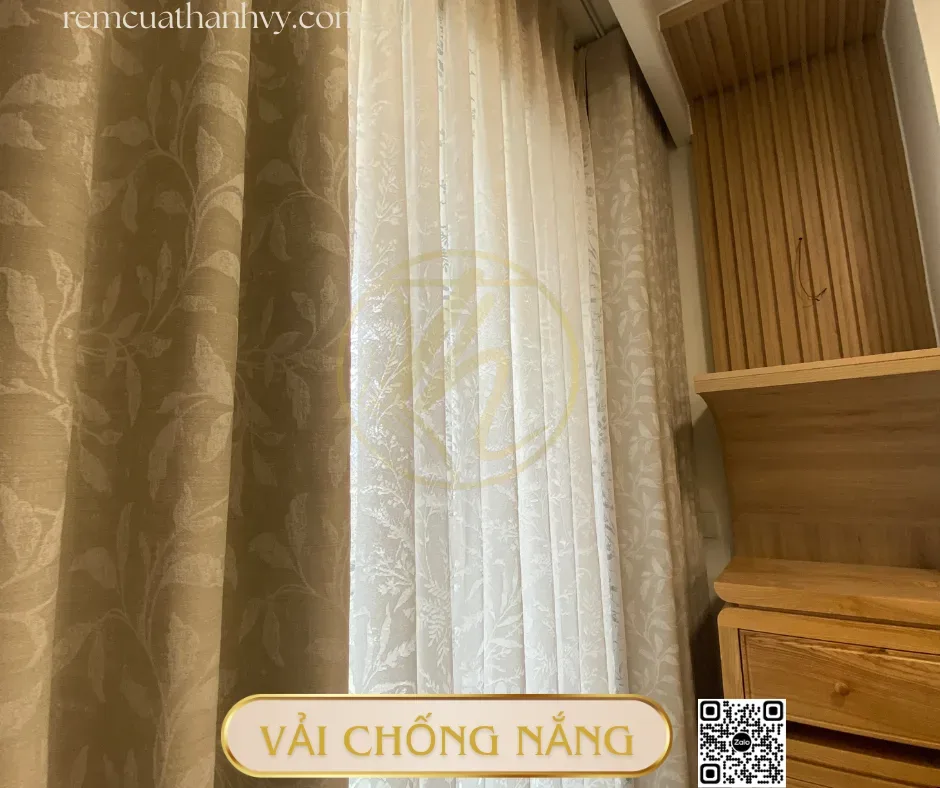
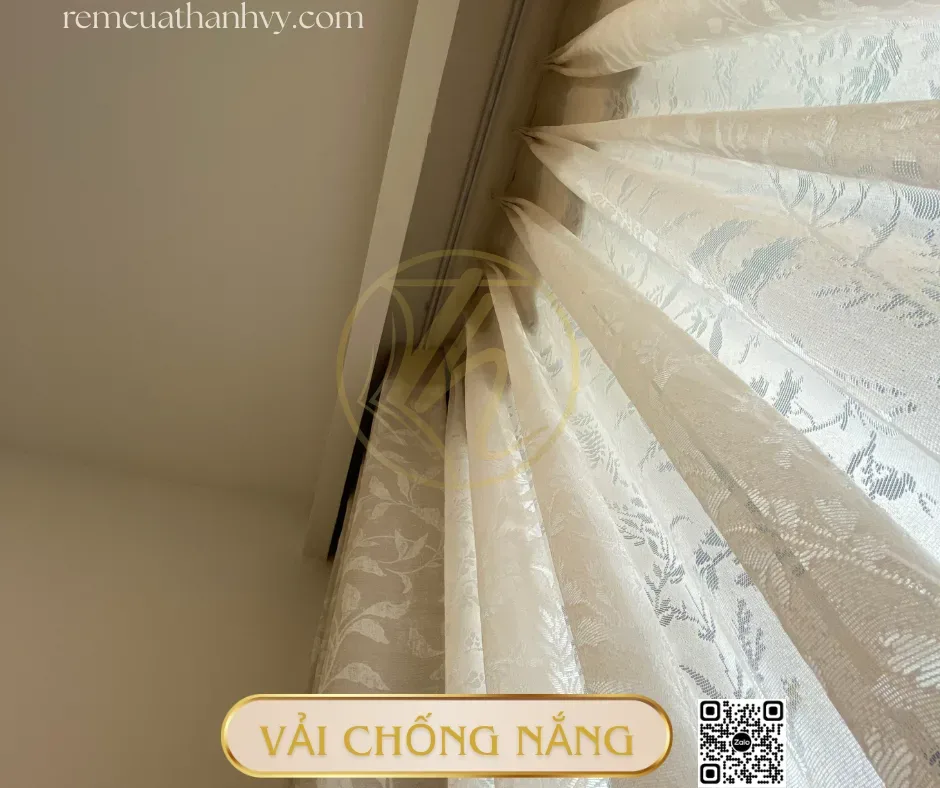
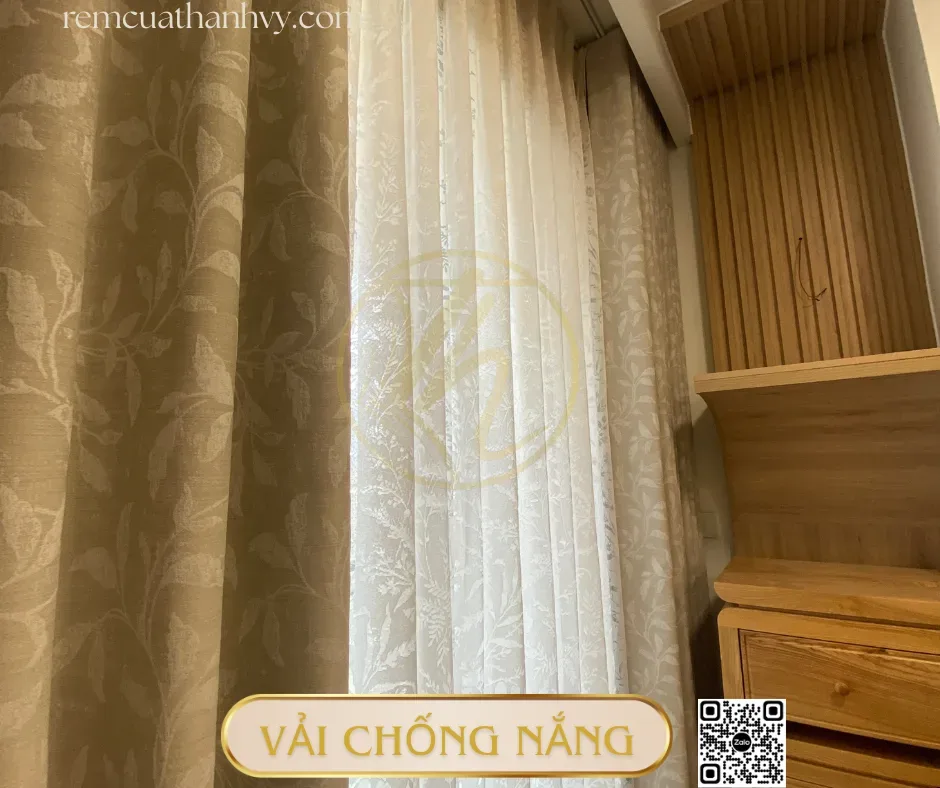
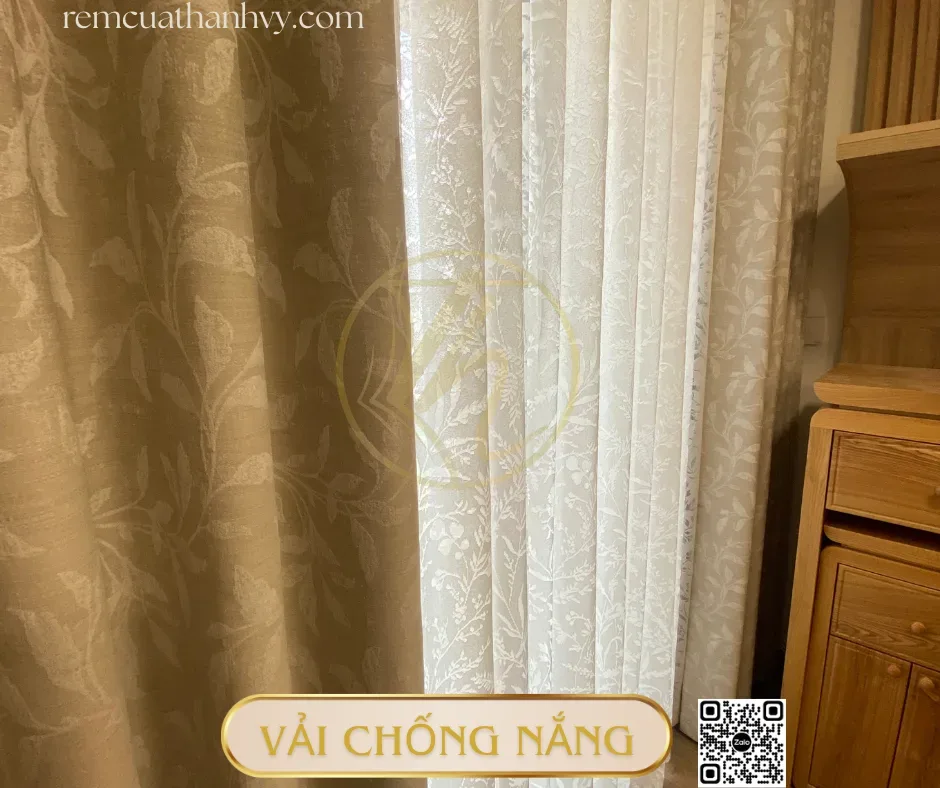
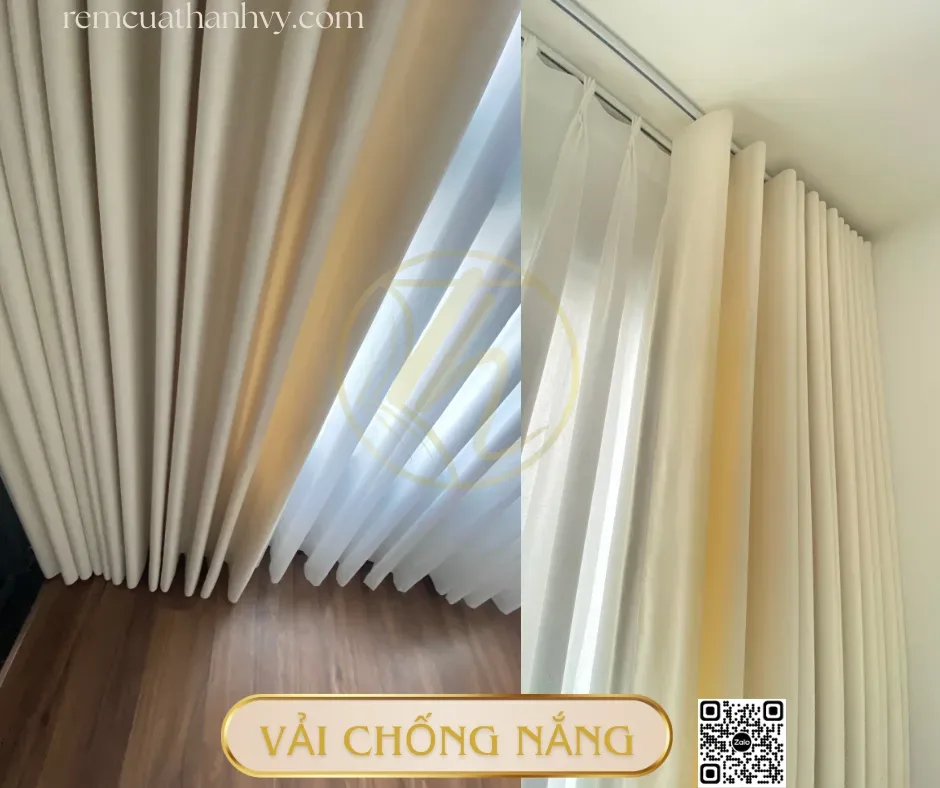
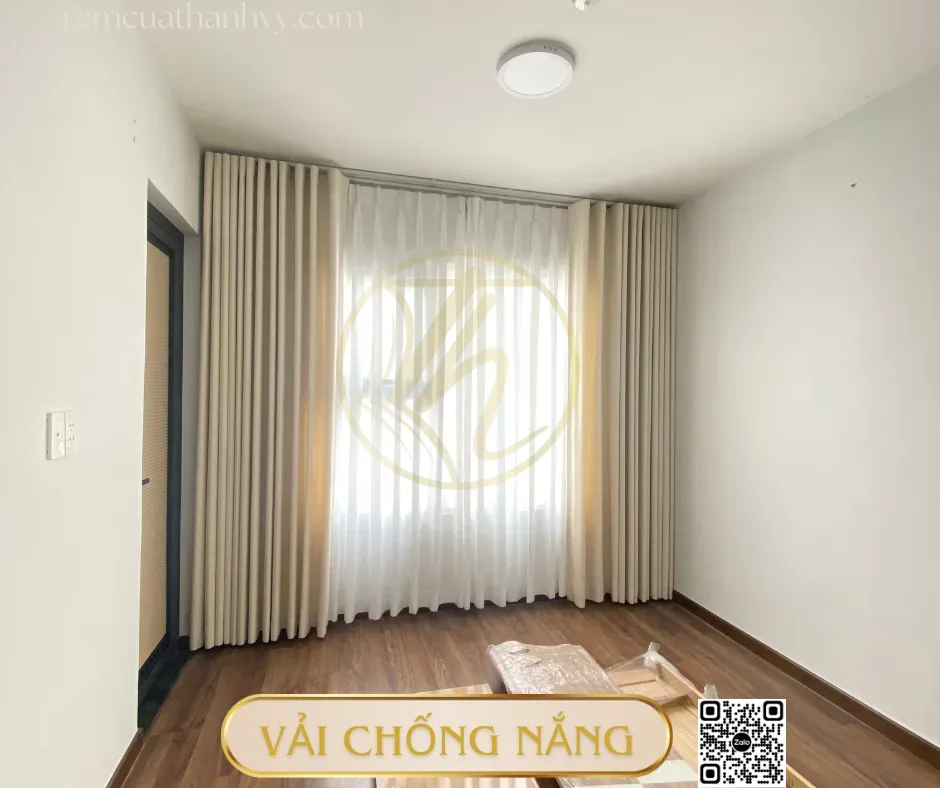
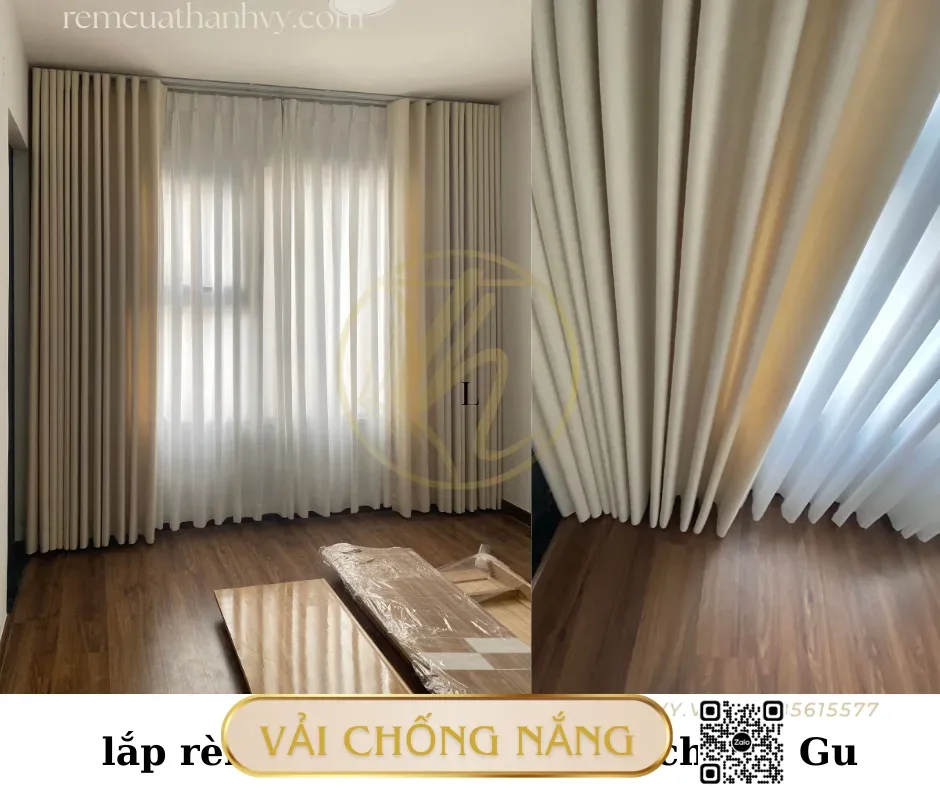
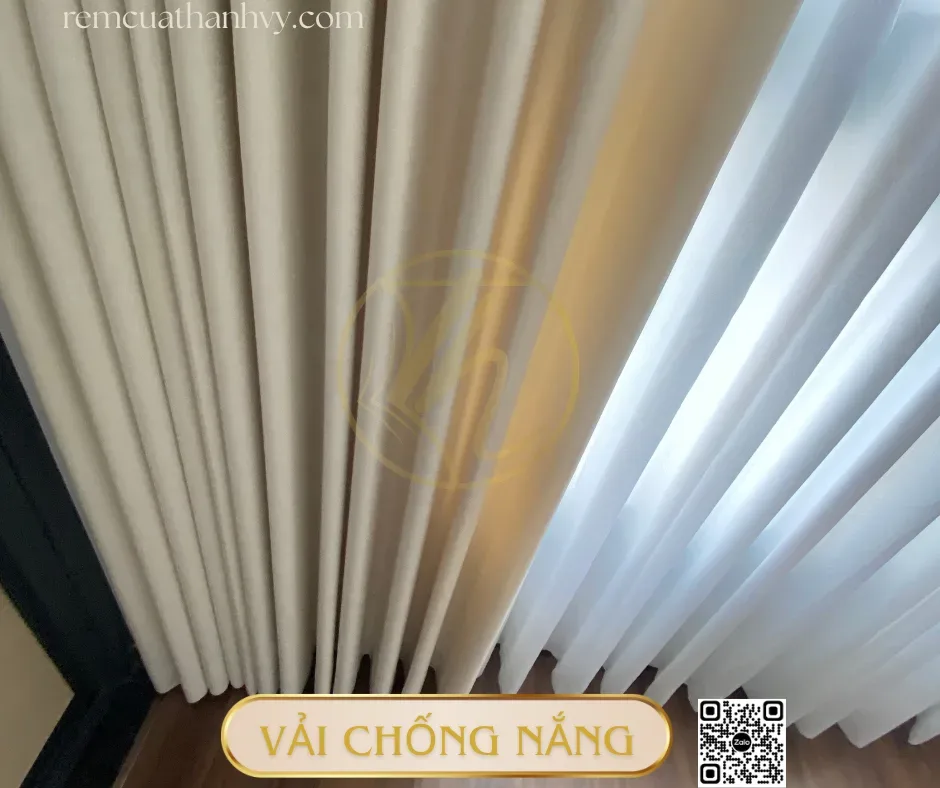
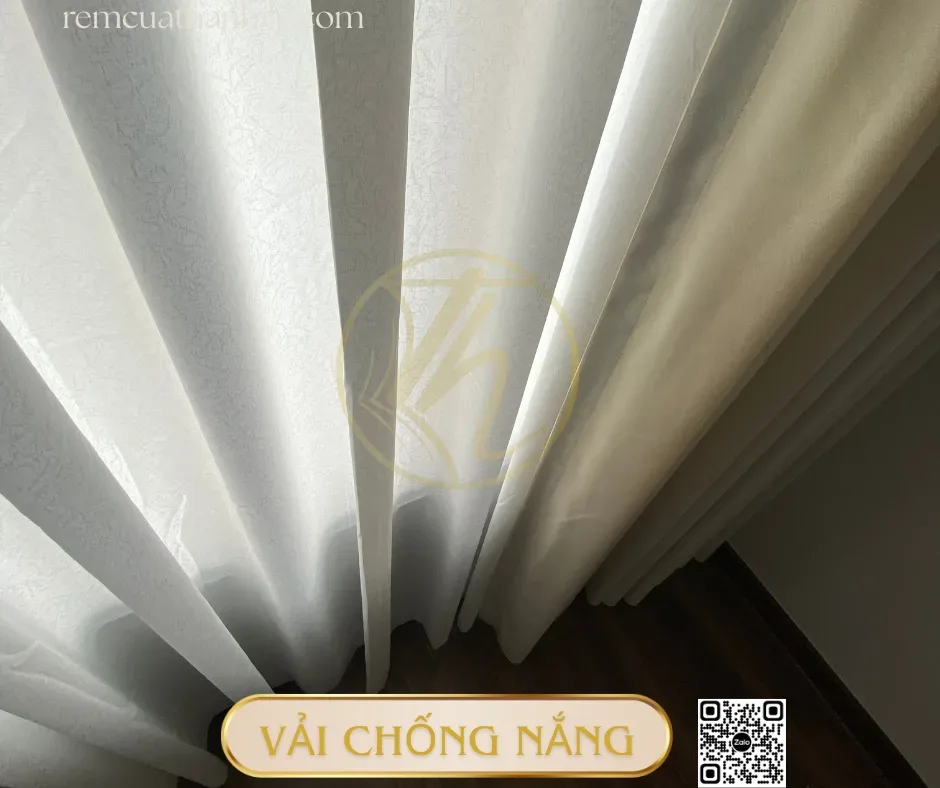
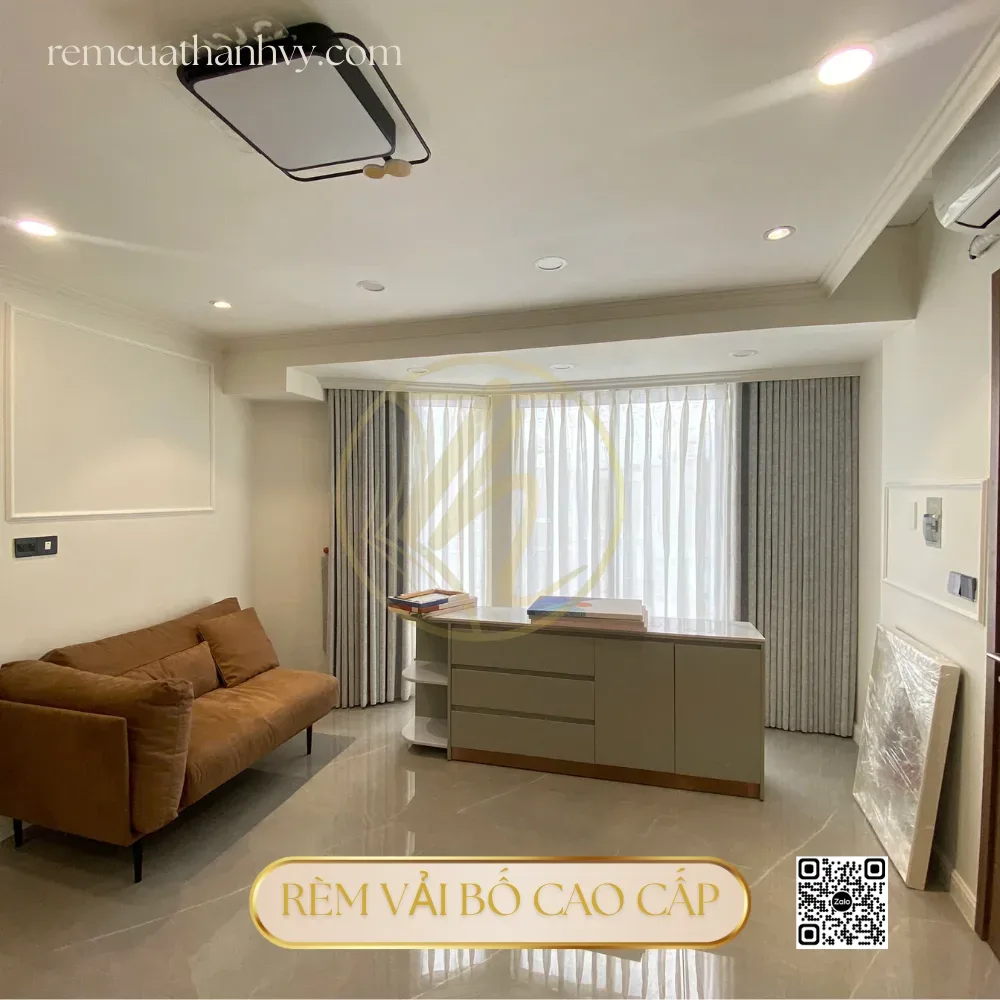
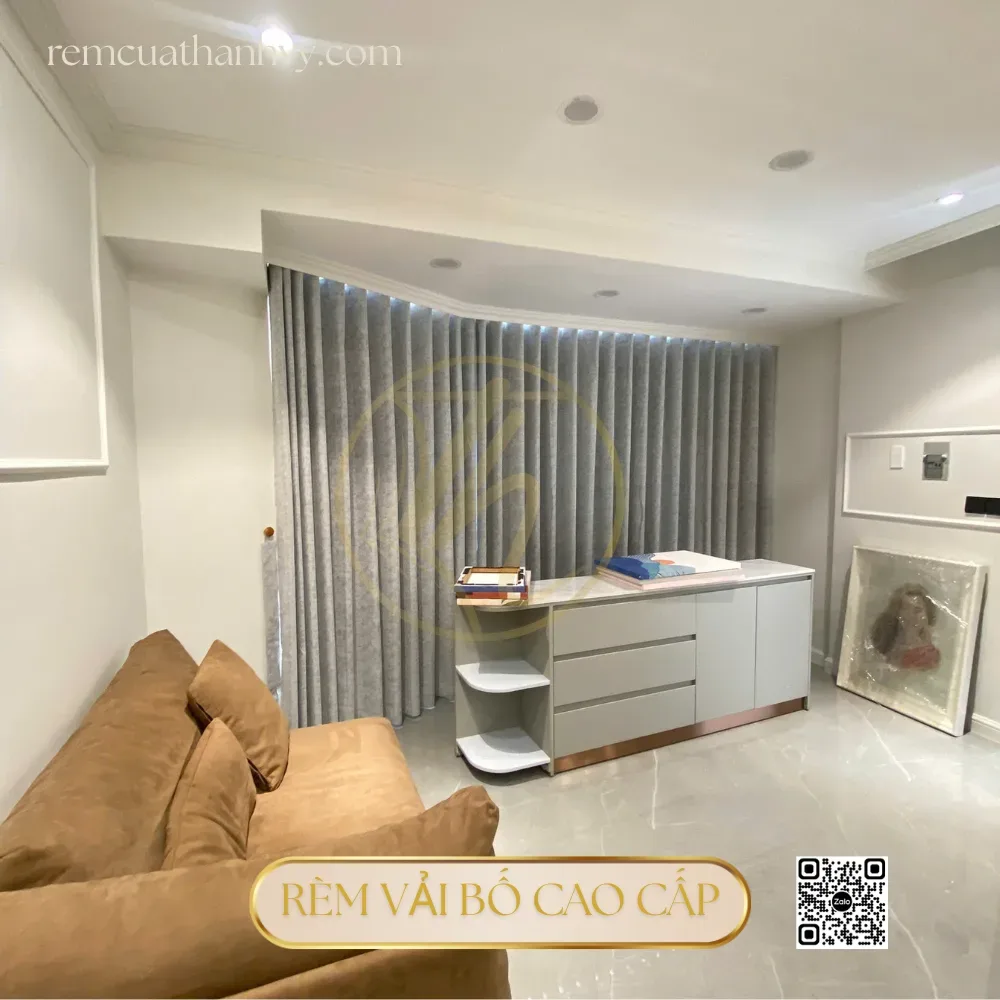
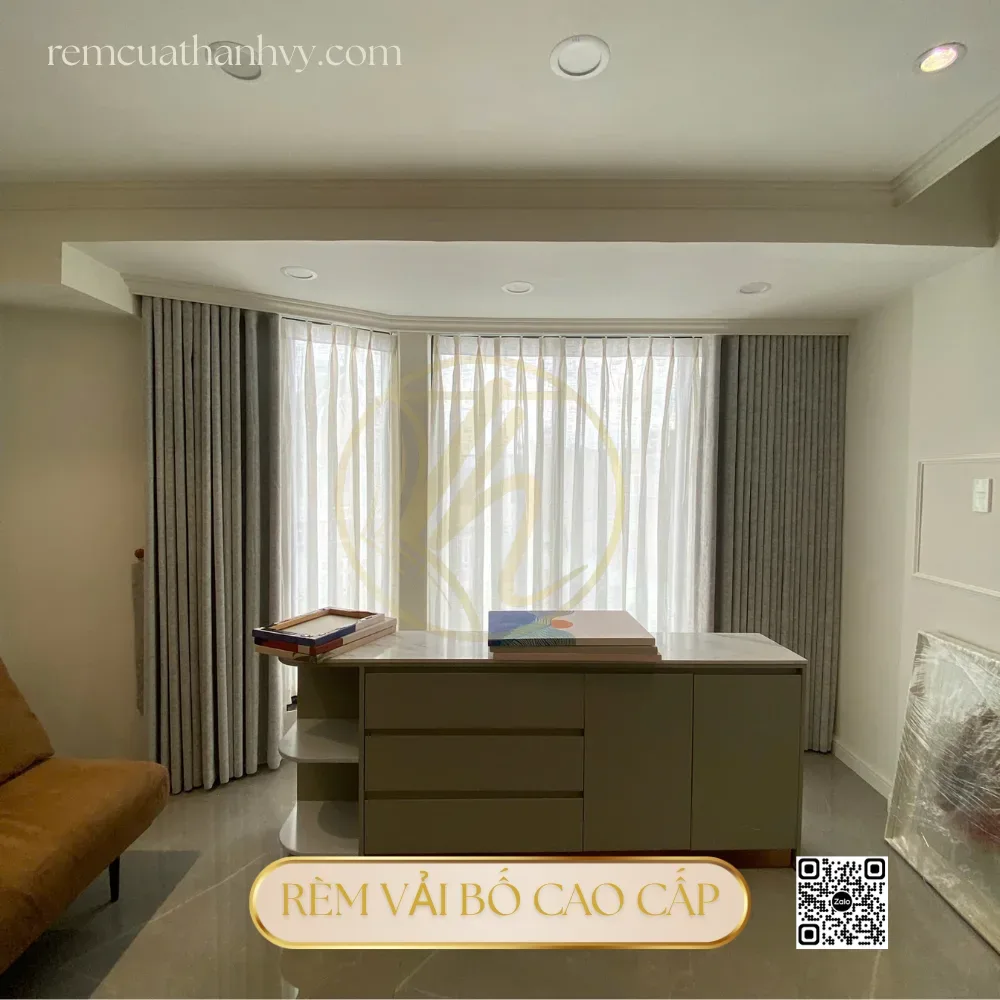
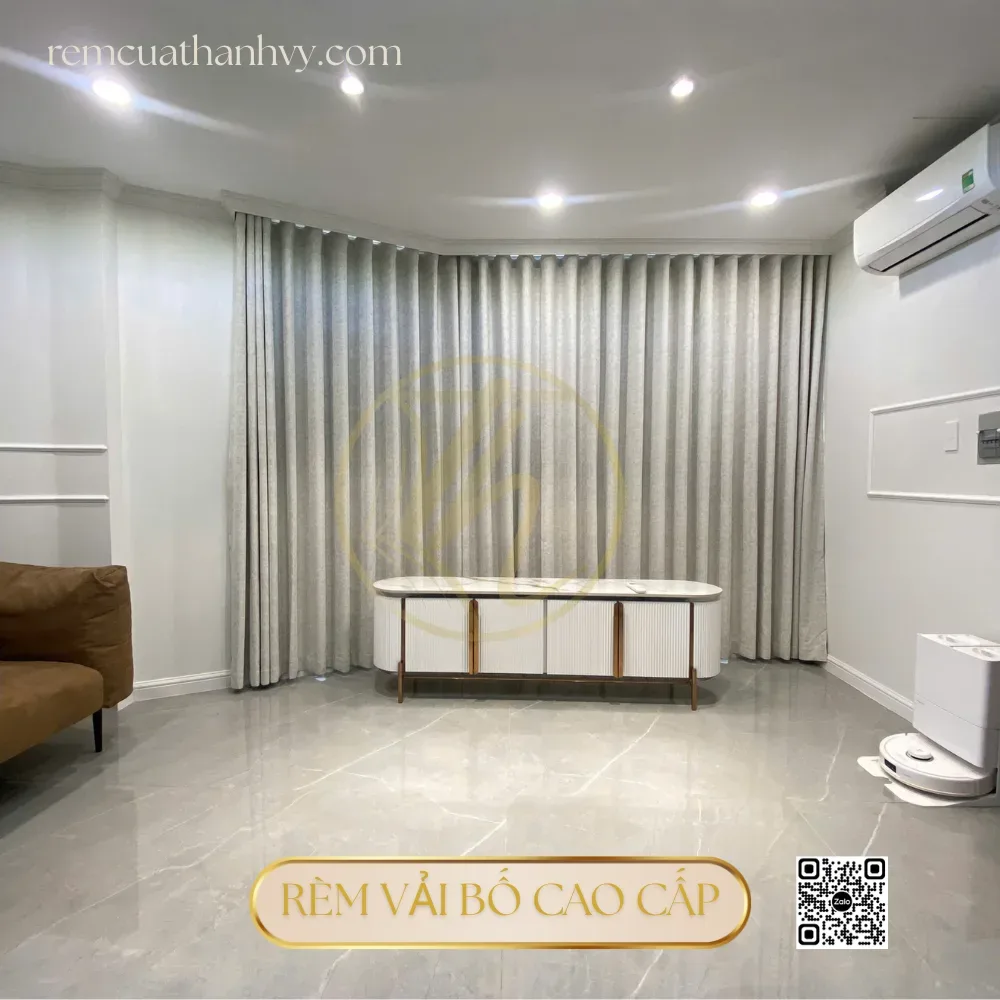
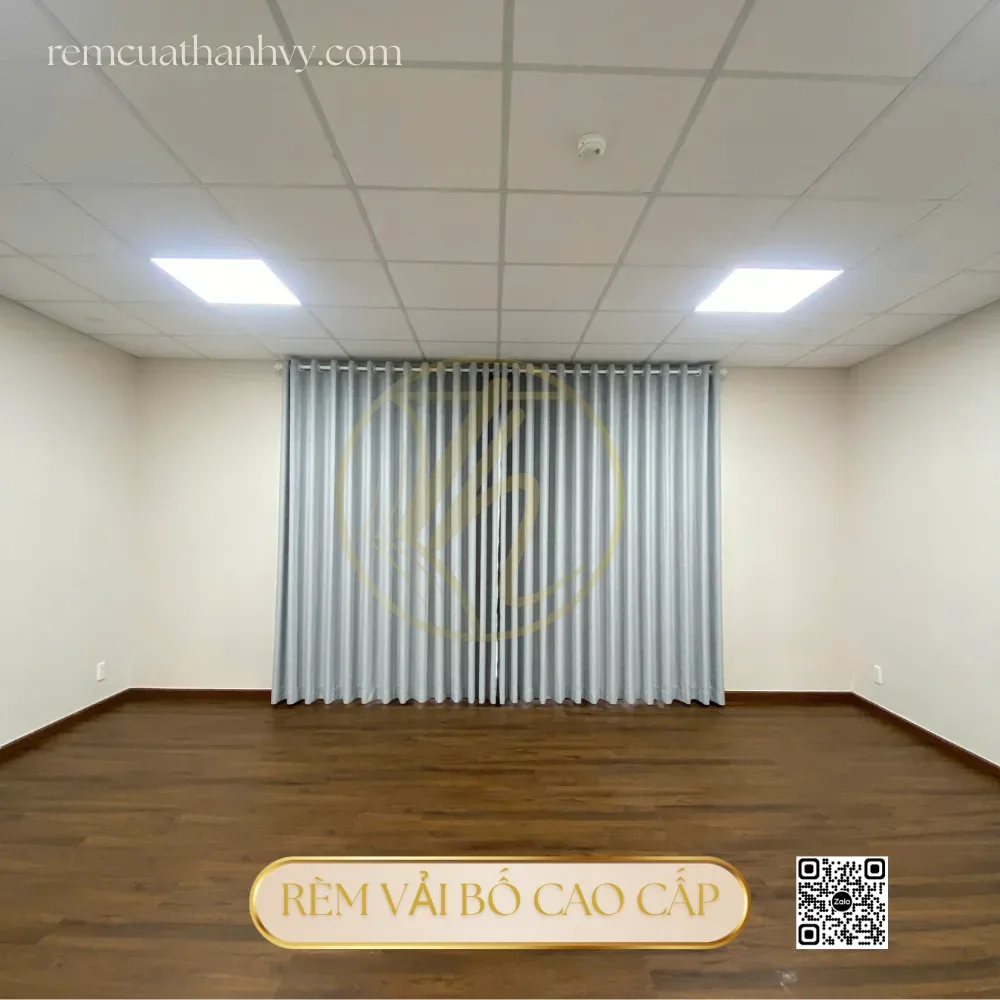
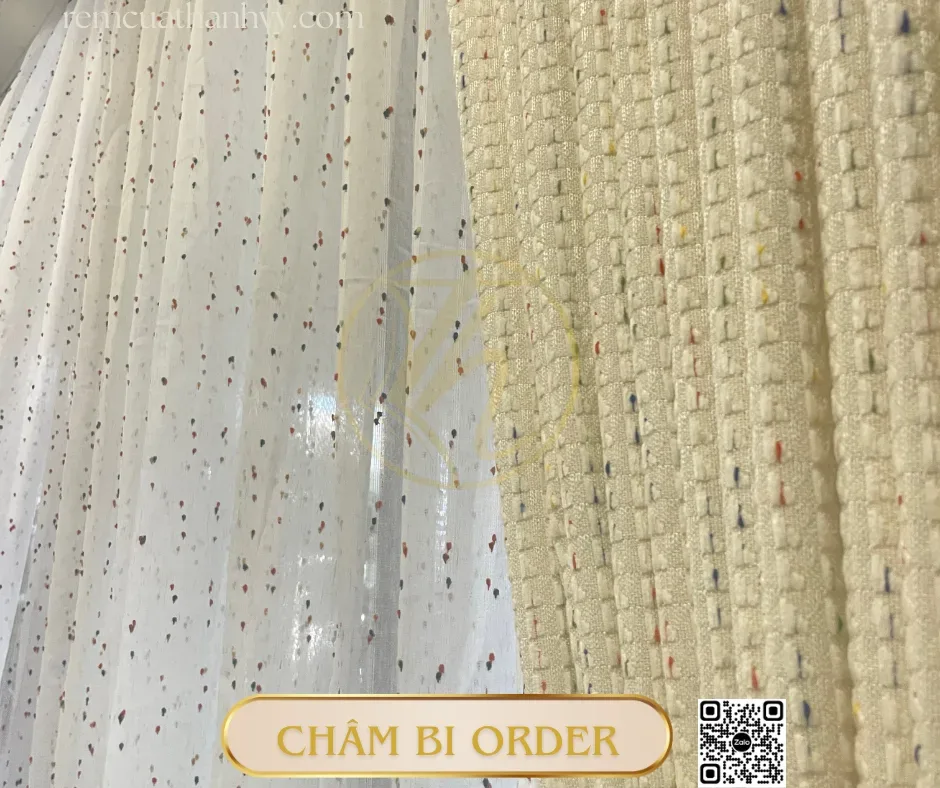
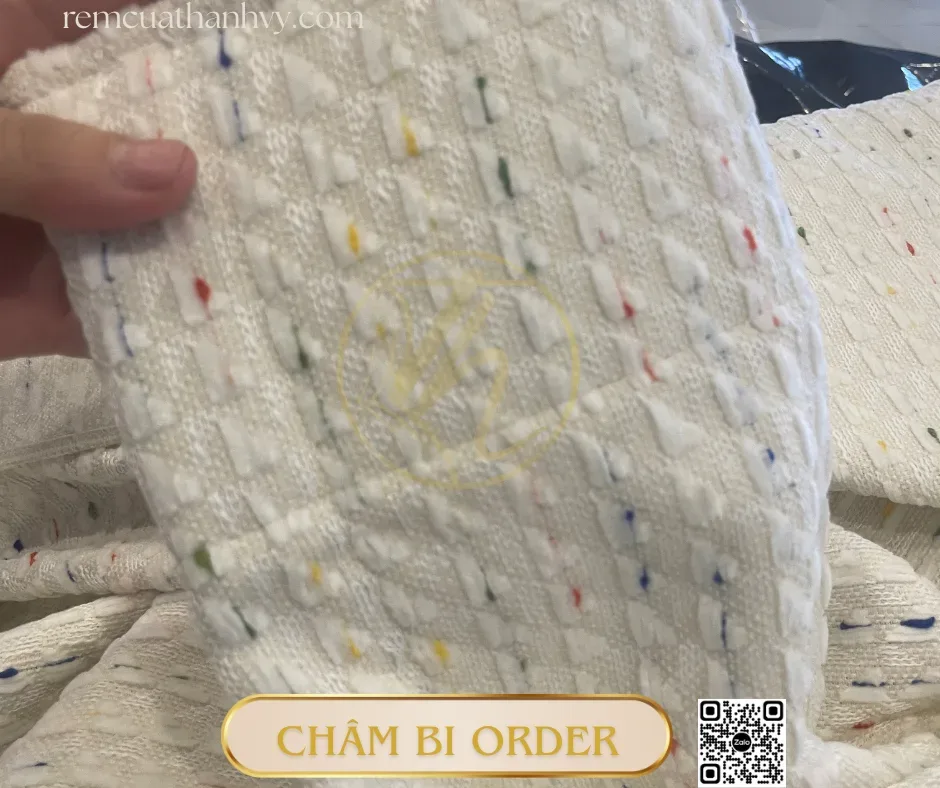
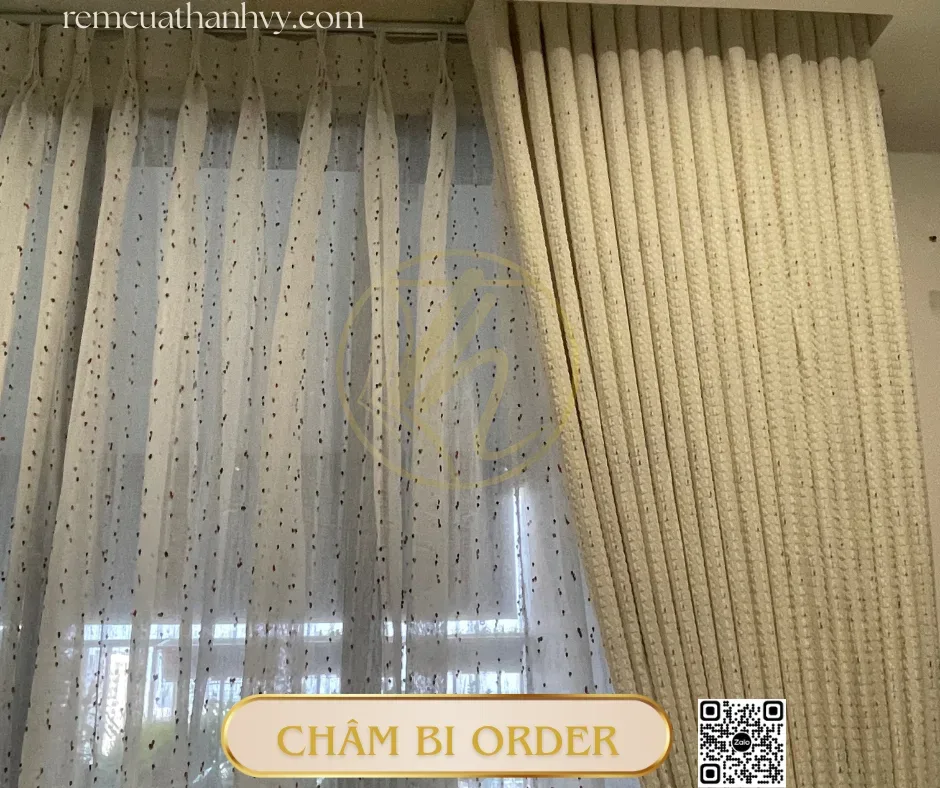
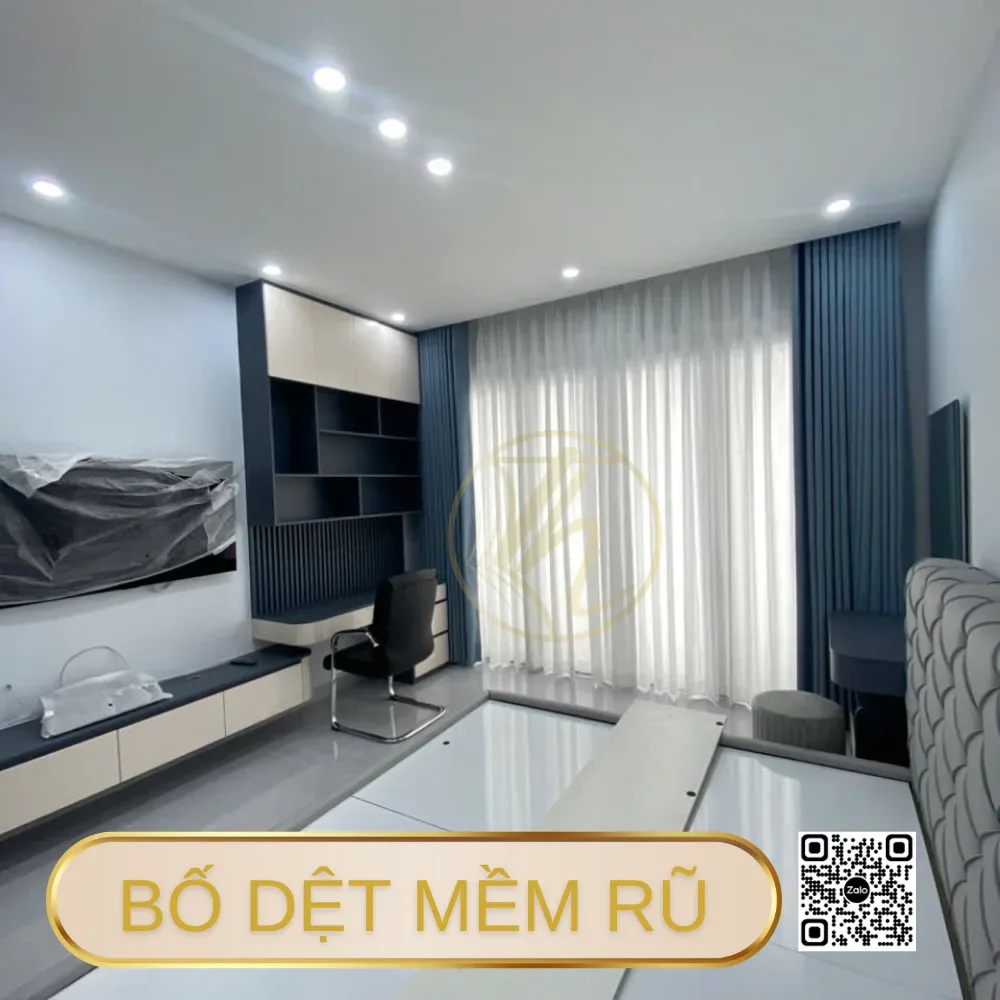
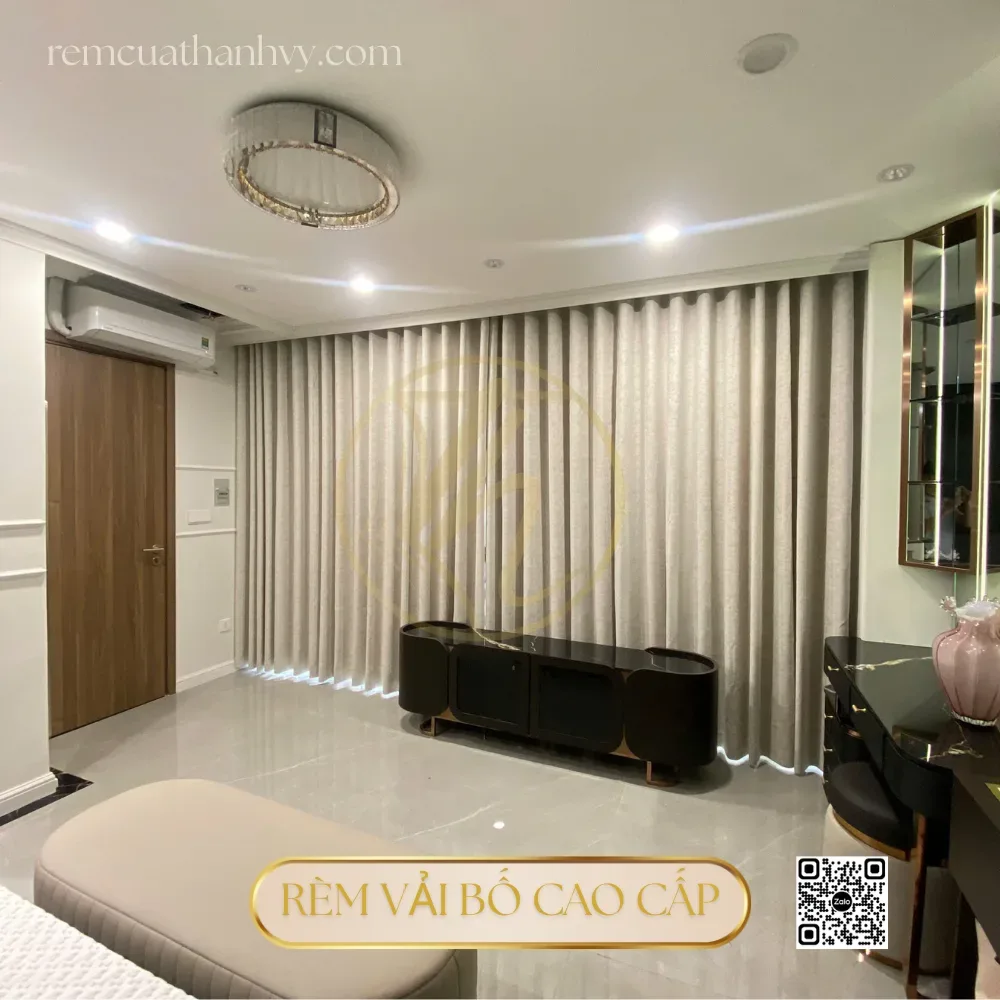
Fabric curtains
Fabric curtains are easy to coordinate with interiors and come in a wide price range.

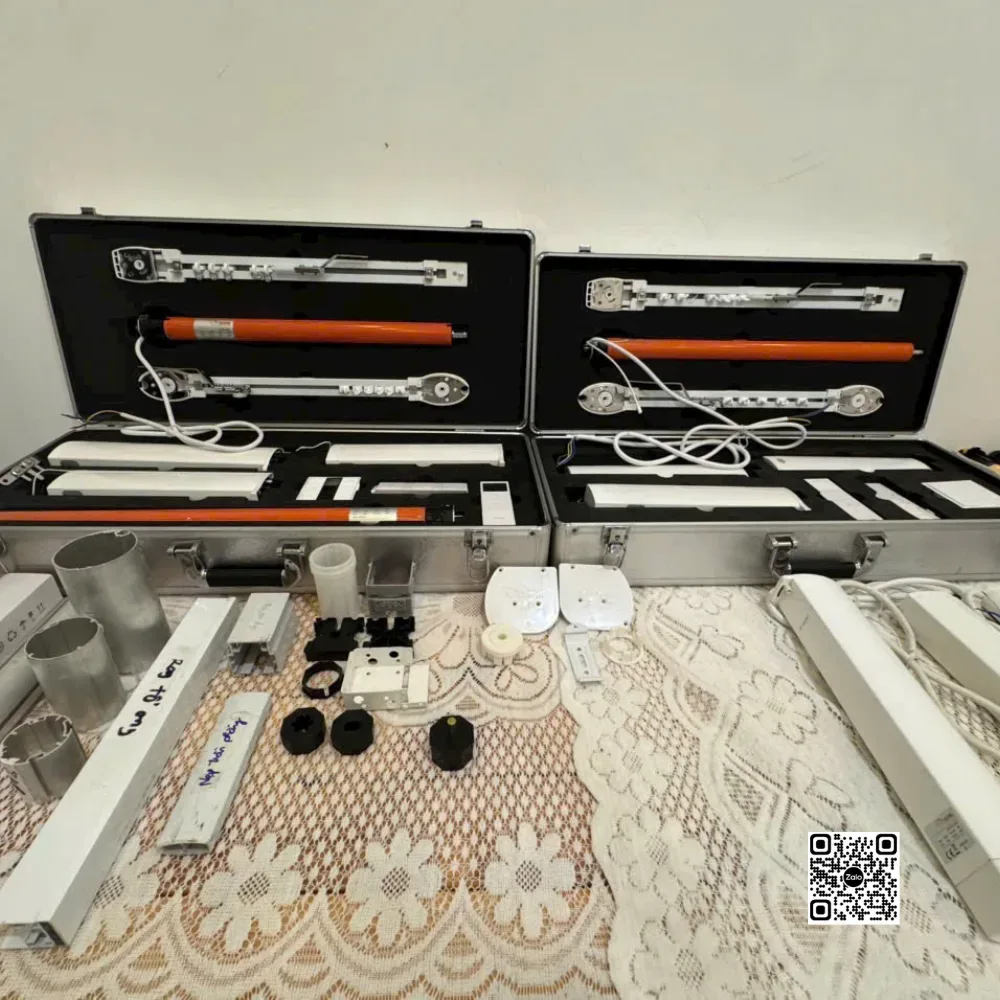
For further information, please contact Thanh Vy Curtains
We provide free consultation and on-site measuring at your home.
Related areas
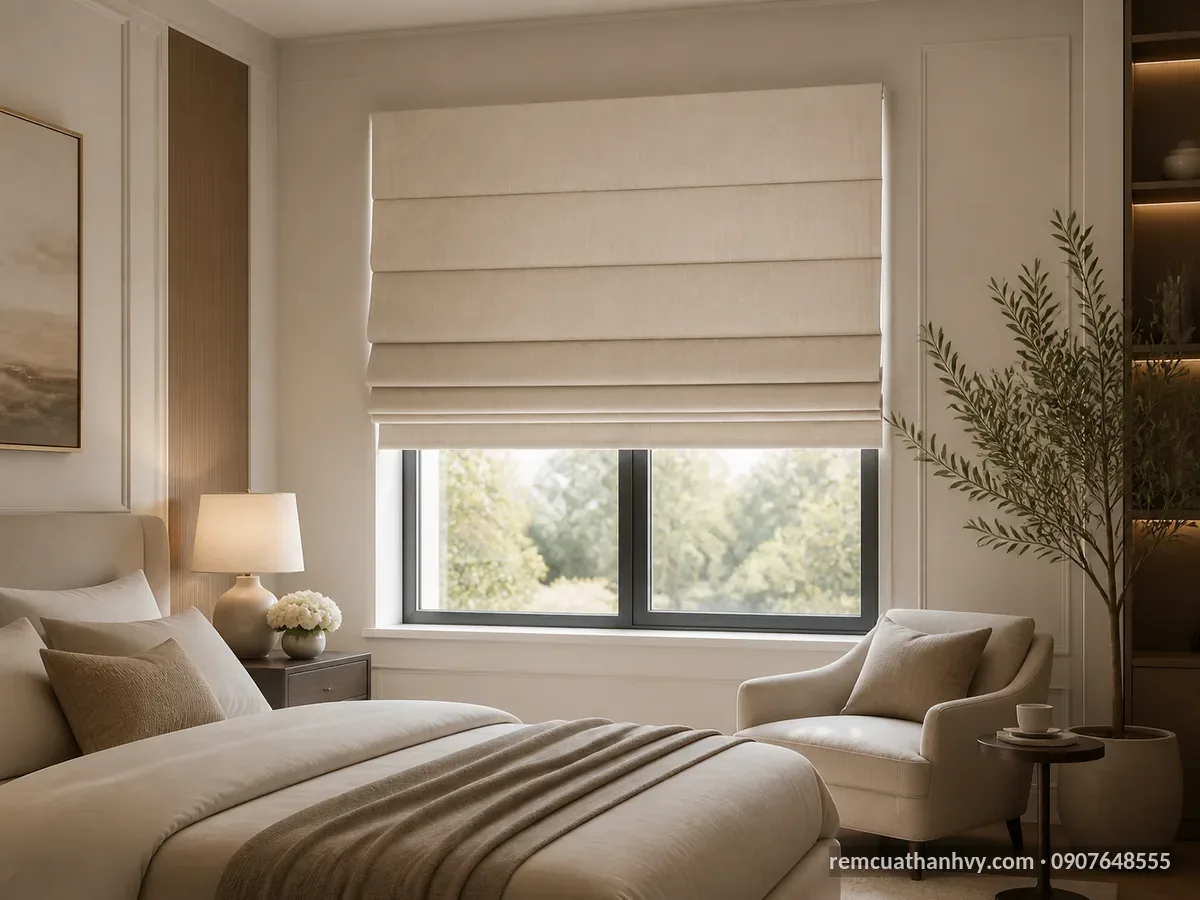
Curtains in District 5: Priorities when choosing for each space
With extensive experience from a long-standing production workshop, Rem Cua Thanh Vy is ready to [...]
Curtains in District 3: What to prioritize when choosing for each space
**Curtain selection advice:** Customers in District 3 should prioritize two-layer fabric curtains or neat Korean [...]
Curtains in District 6: What to Prioritize for Each Space
To choose the perfect curtains in District 6, contact Rèm Cửa Thanh Vy for dedicated [...]
Curtains in Binh Chanh: What to prioritize when choosing for each space
To choose the perfect curtains in Binh Chanh, you should prioritize color-fast, sun-blocking fabrics combined [...]
Related reviews
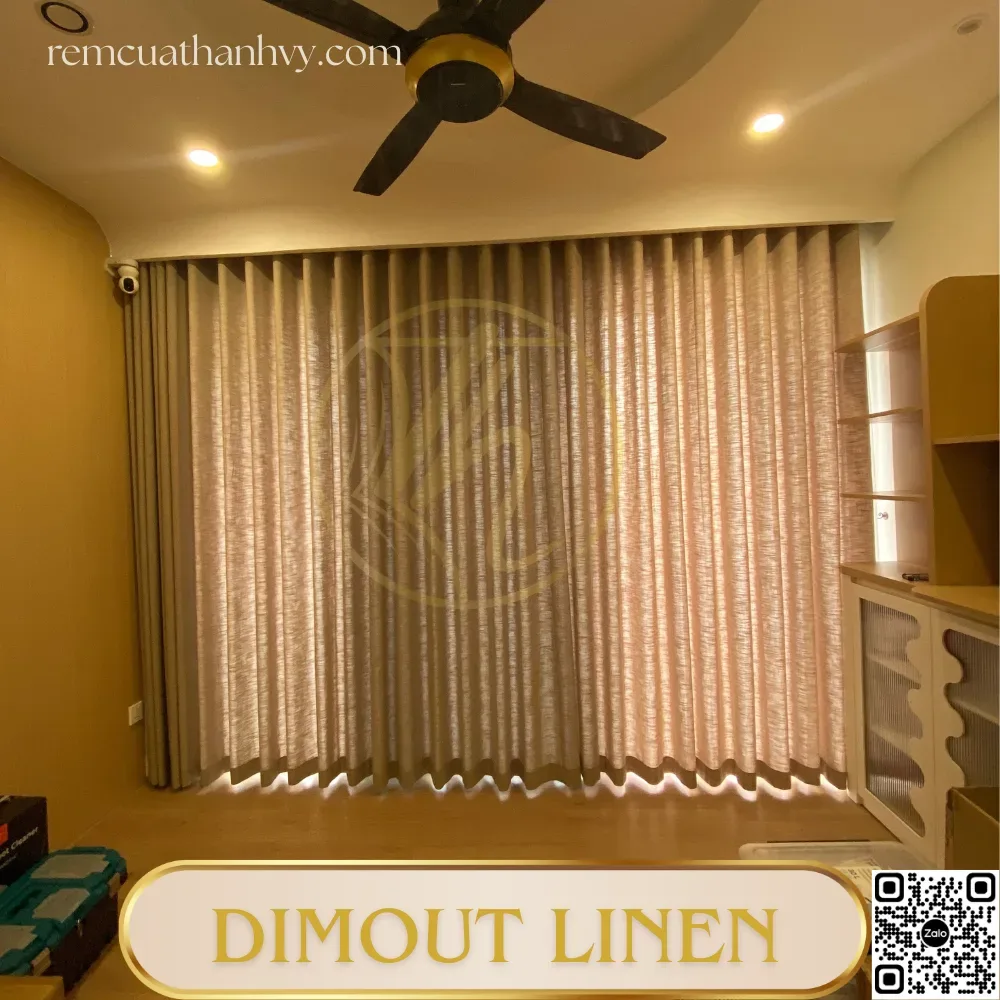
Are Linen Curtains Good? A Complete A-Z Review
A guide on choosing linen curtains based on living space, lighting, privacy, materials, finishes, and [...]
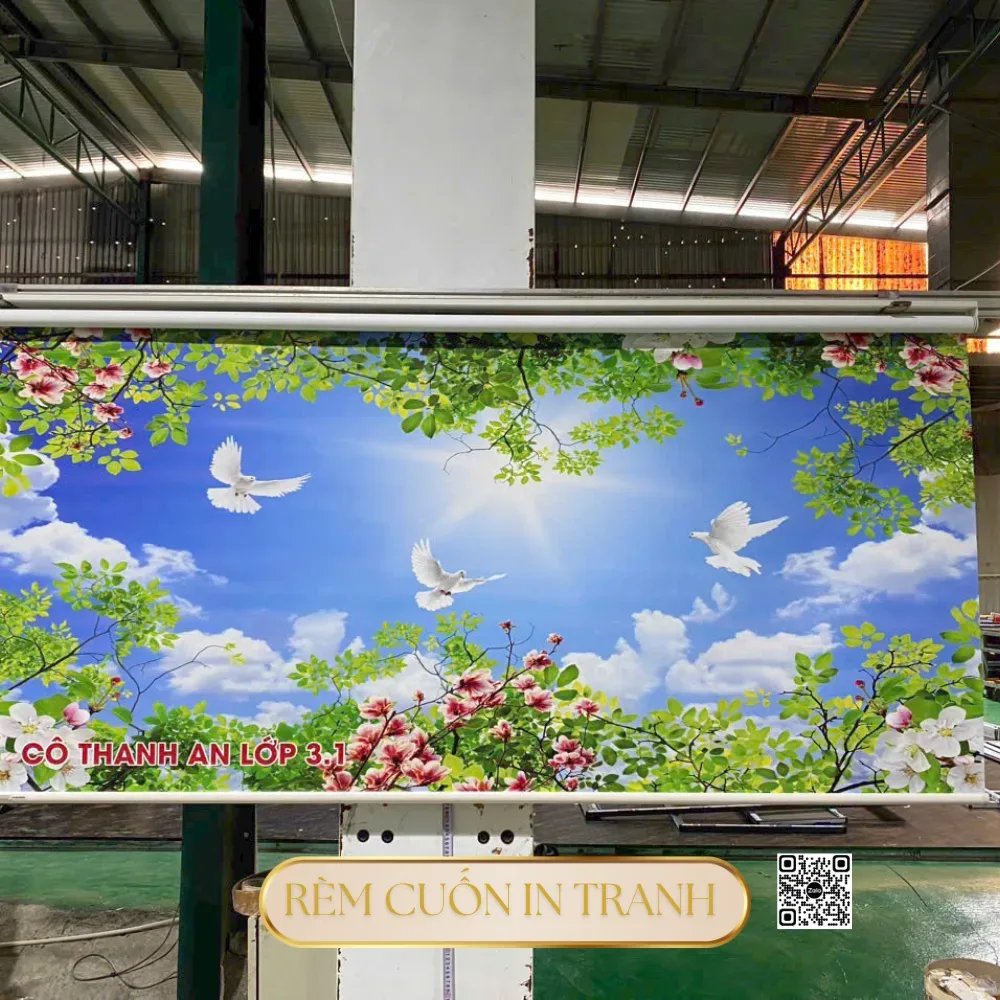
Fabric Curtains vs. Roller Blinds? A Detailed Comparison to Help You Choose
Compare fabric curtains and roller blinds based on light control, privacy, operation, aesthetics, maintenance, and [...]
Linen Curtains or Roman Shades? A Detailed Comparison to Help You Choose
Compare linen curtains and Roman shades based on light control, privacy, operation, aesthetics, maintenance, and [...]
Fabric Curtains vs. Linen Curtains? A Detailed Comparison to Help You Choose
Compare fabric and linen curtains based on light control, privacy, operation, aesthetics, maintenance, and cost [...]
Related posts
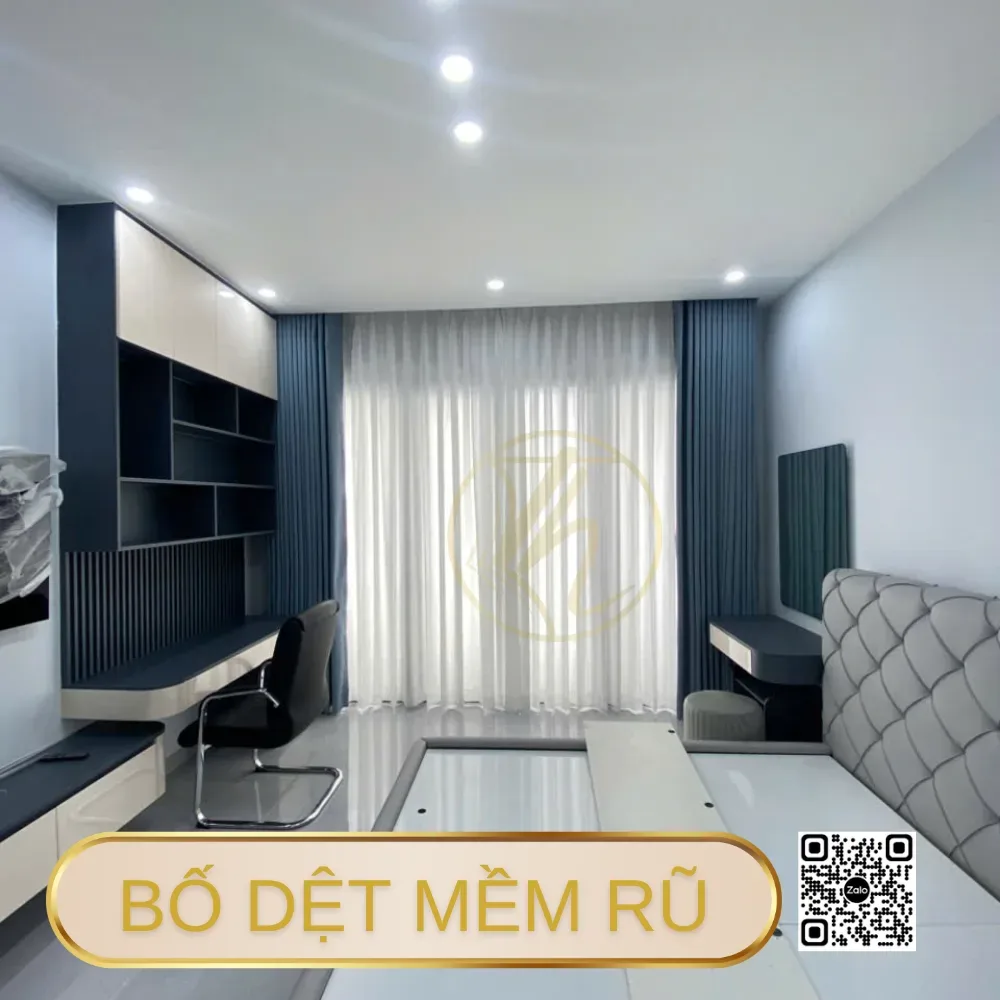
Fabric Curtains in District 3: How to Choose by Room and Need
This article helps readers choose fabric curtains in District 3 based on light blocking needs, [...]
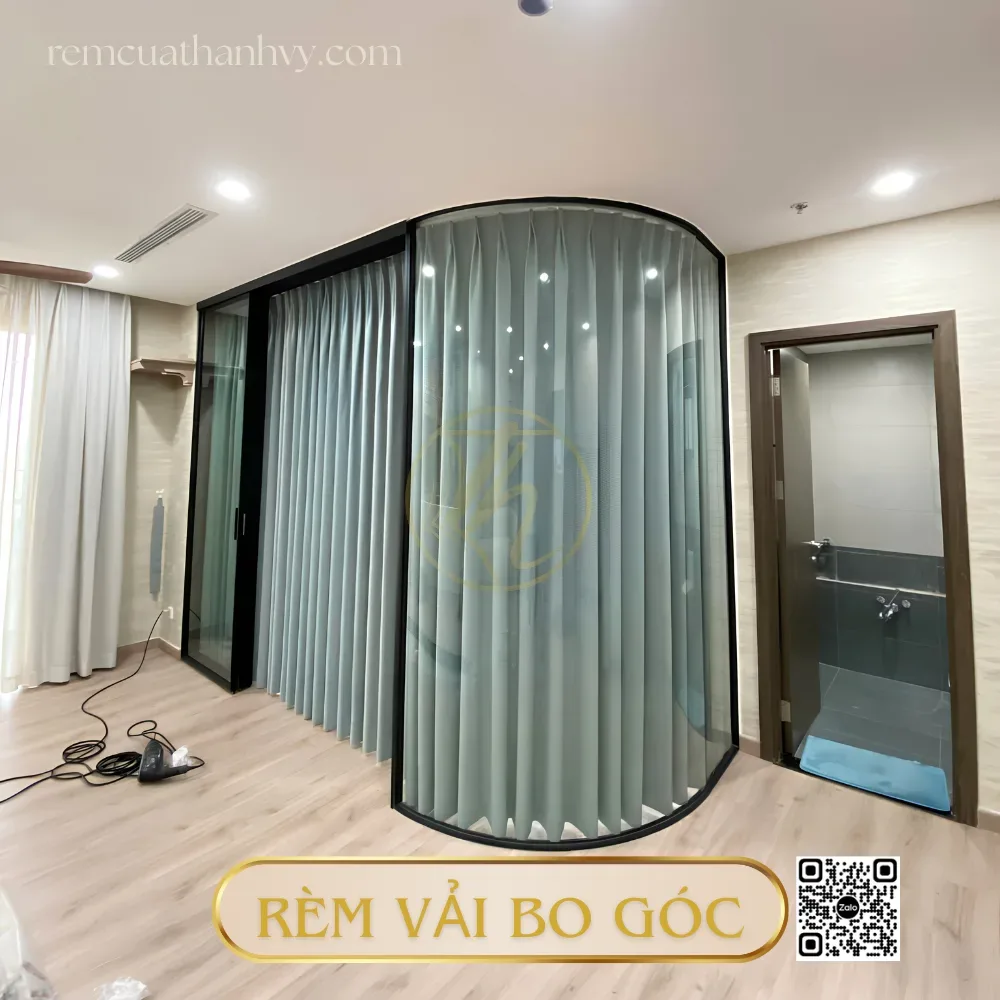
Fabric Curtains in District 6: How to Choose Fabrics and Sewing Styles
A guide to choosing fabric curtains in District 6 for every space, light level, material, [...]
No comments yet!