


Linen Curtains in District 12: Custom-Made On-Site, Best Prices | Thanh Vy
Demand for linen curtains in District 12 increases with the area’s urbanization rate
District 12 is currently one of the fastest-growing residential areas in Ho Chi Minh City, with many new residential zones, rebuilt townhouses, and apartment buildings springing up along major roads. When finishing their interiors, many homeowners turn to linen curtains in District 12 as a solution that both provides light shading and creates an aesthetic highlight for their living space. Unlike thick fabric curtains or classic velvet curtains, linen curtains offer a light, nature-friendly feel, fitting the minimalist design trend that is currently popular. Background information on the properties of linen fabric helps with comparison when choosing materials.
Beyond aesthetics, many people choose linen curtains for their breathability, which helps keep spaces from feeling stuffy during long, hot, sunny days. However, for linen curtains to function effectively, choosing the right type of fabric, the right sewing style, and the right installation location is something that requires careful consideration, rather than just choosing based on personal preference for colors or patterns.
This article will cover the factors you need to know before having linen curtains made in District 12: from material characteristics, how to choose based on sun orientation, sewing and installation styles, to the on-site survey process — helping homeowners have a more complete perspective before making a decision.
Characteristics of linen fabric and its suitability for the climate and living spaces in District 12
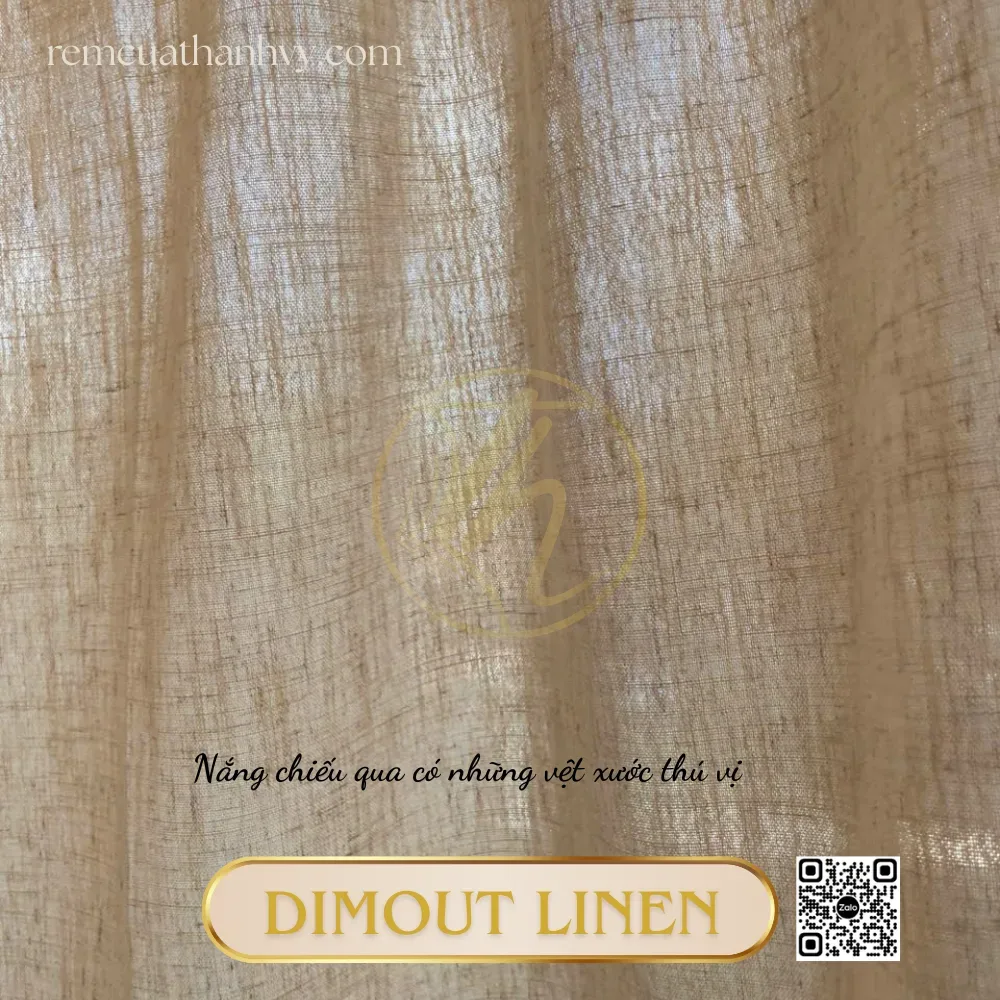
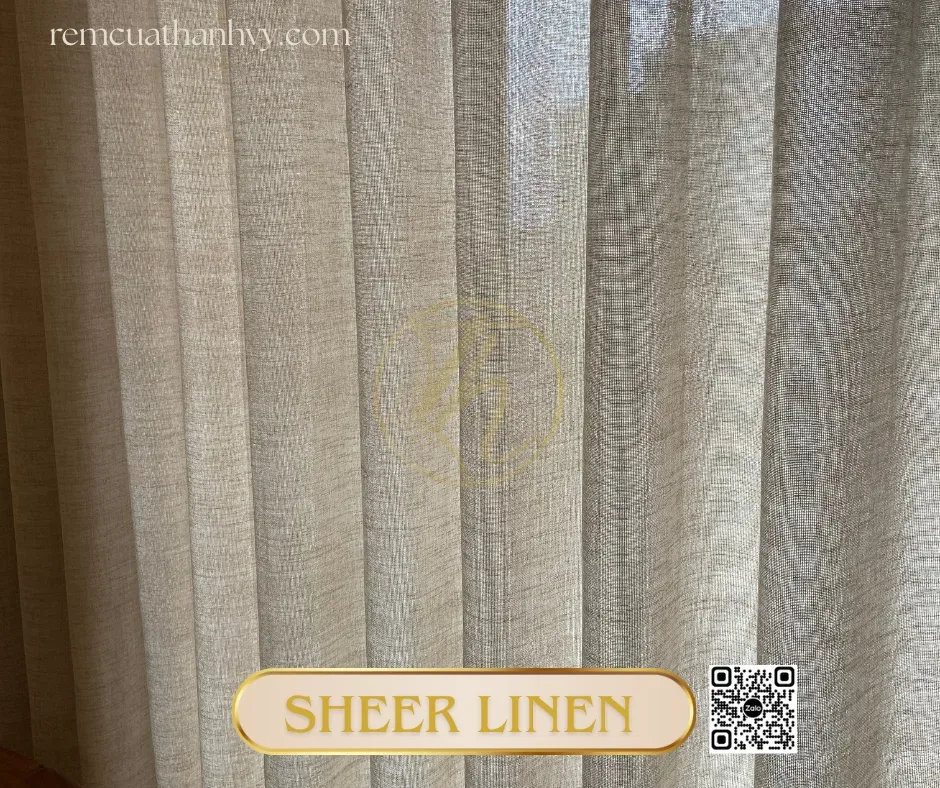
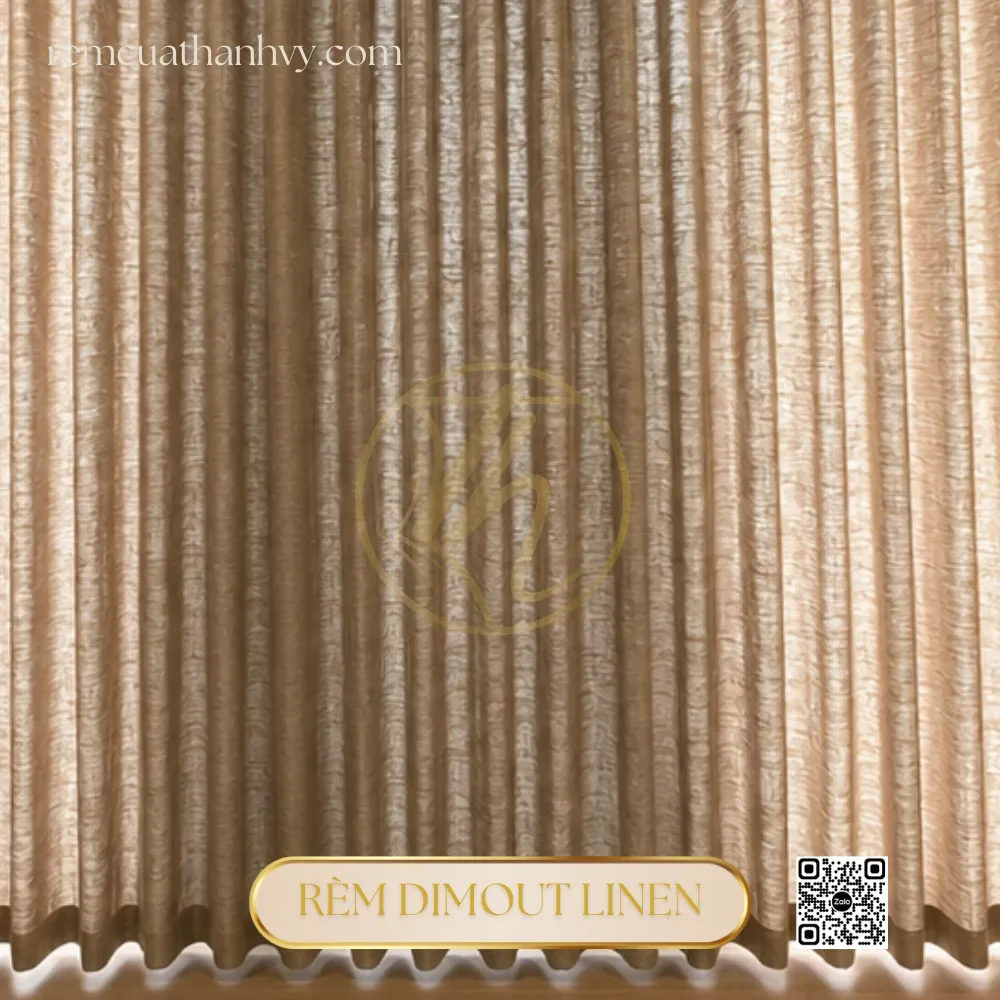
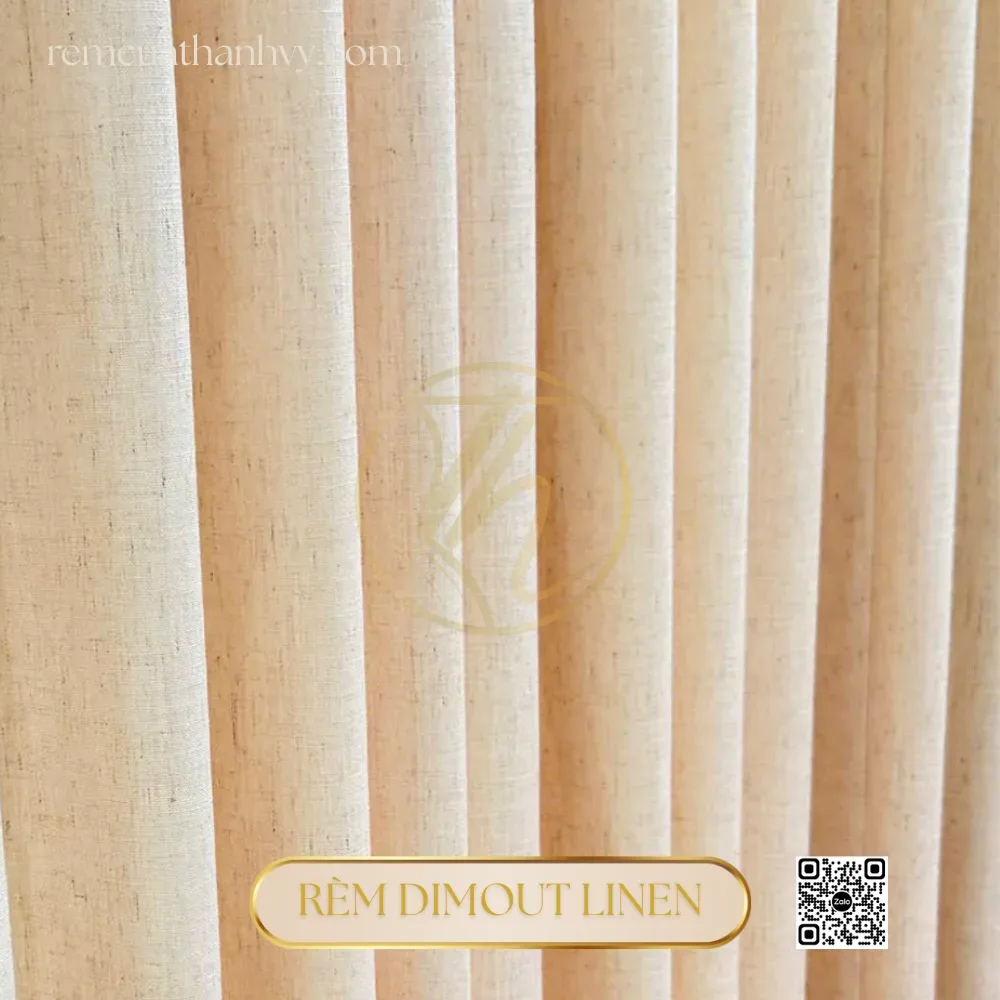
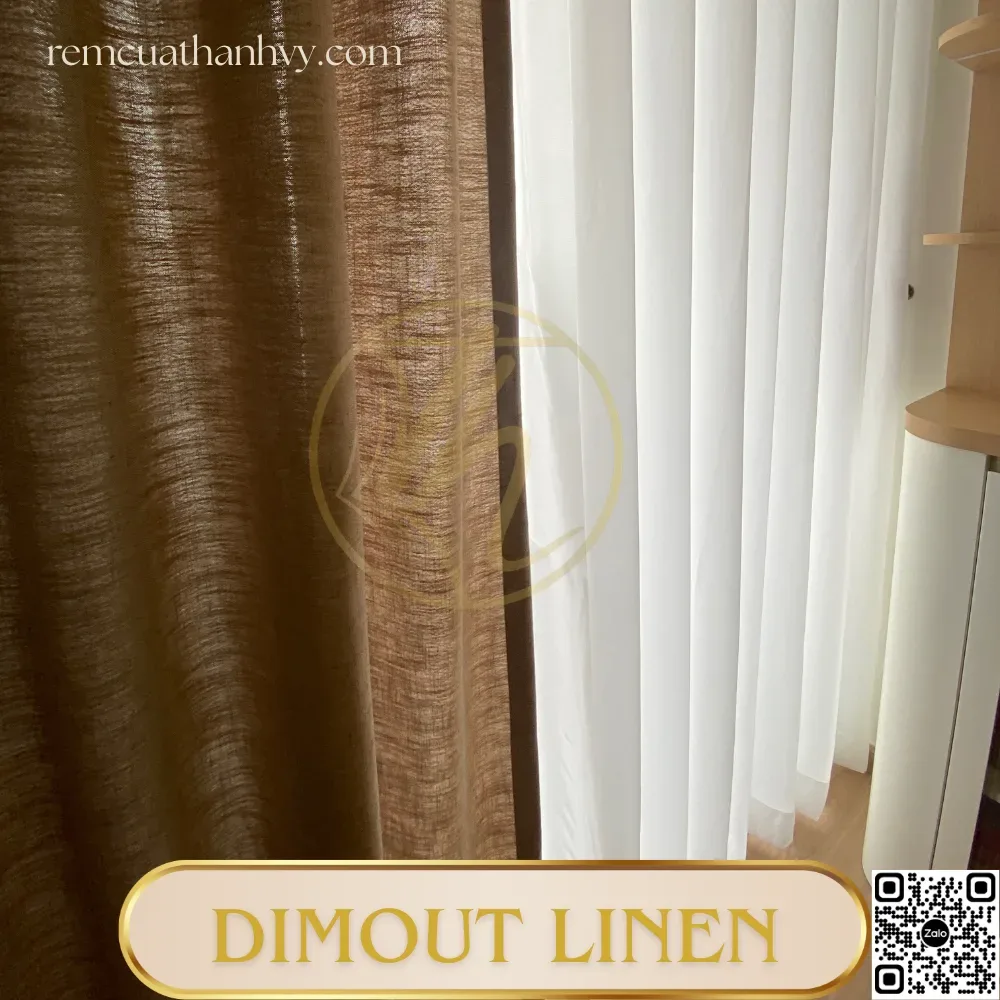
Linen fabric is woven from natural flax fibers or blended with synthetic fibers to increase durability, providing a slightly rough surface with a characteristic weave and a moderate, soft drape rather than the heavy drape of velvet. This characteristic helps linen curtains create an elegant, bright feel for the room, while also having better moisture-wicking capabilities than some fully synthetic fabrics — suitable for the hot, humid weather and unpredictable rain and sun characteristic of Ho Chi Minh City.
If you are considering further options, you can refer to Fabric Curtains District 6: How to choose fabric and sewing style and Fabric Curtains District 3: How to choose by room and need to compare before deciding.
Important note: Accurate measurement from the beginning helps avoid the situation where finished curtains are the wrong size or do not fit snugly against the actual window frame.
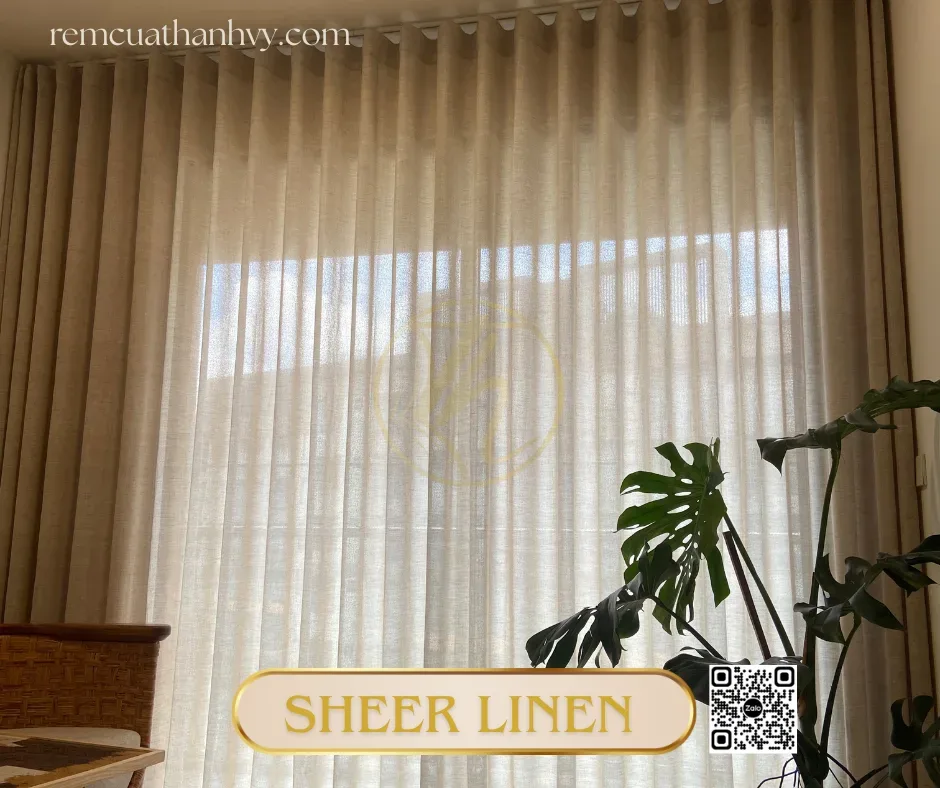
In District 12, most housing consists of townhouses, adjacent houses in residential areas, and some mid-range apartments. For townhouses with facades facing major roads or the West, afternoon sun is often harsh; thick linen curtains or those with a lining will help block some of the direct sunlight and reduce glare for living spaces, although they cannot be considered an absolute heat-blocking solution. For apartments with smaller windows or those facing less harsh sun, thin, loosely woven linen curtains are more suitable as they still retain natural light without making the room dark.
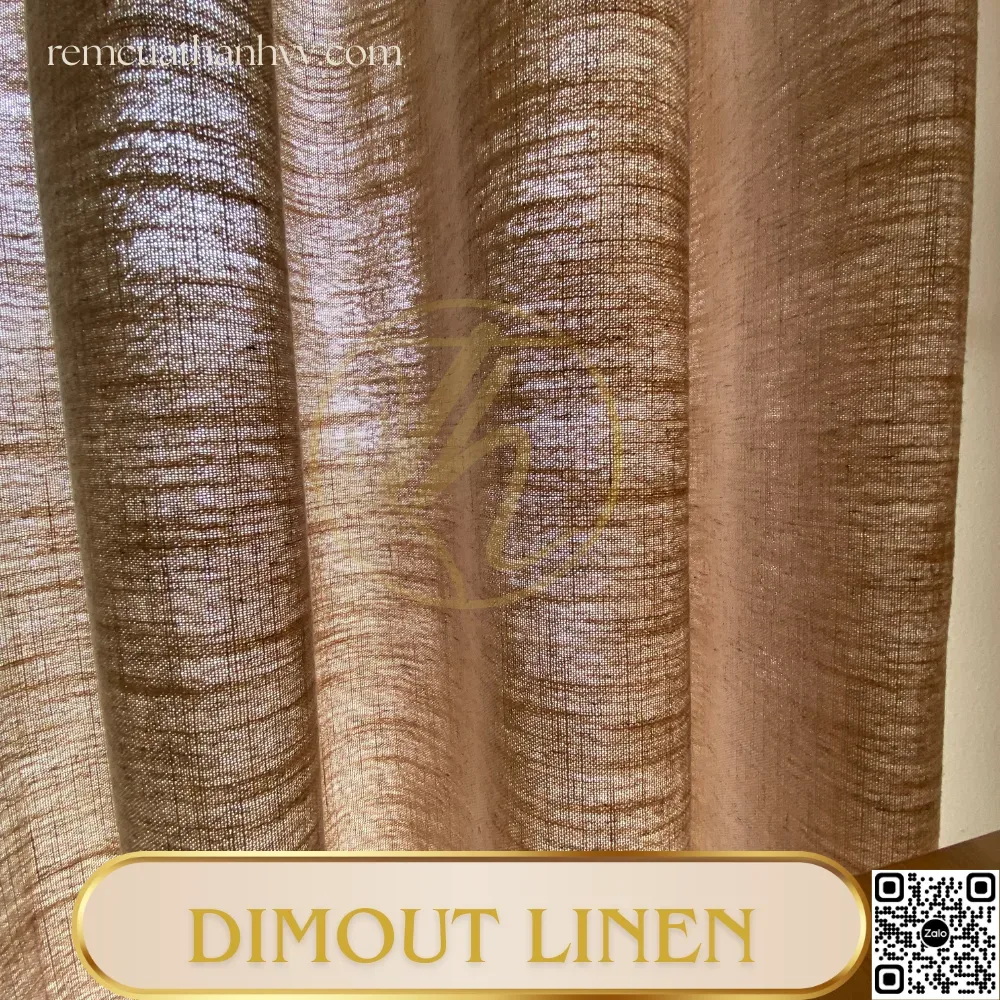
One point to note is that natural linen fabric is prone to wrinkling and can stretch or shrink slightly depending on humidity, so in hot and humid climates, many workshops often choose to blend linen with polyester to increase shape stability and make it easier to maintain during frequent washing. Homeowners should ask clearly about the fabric composition before ordering to balance natural aesthetics with long-term durability.
How to choose linen curtains based on sun orientation and actual usage needs
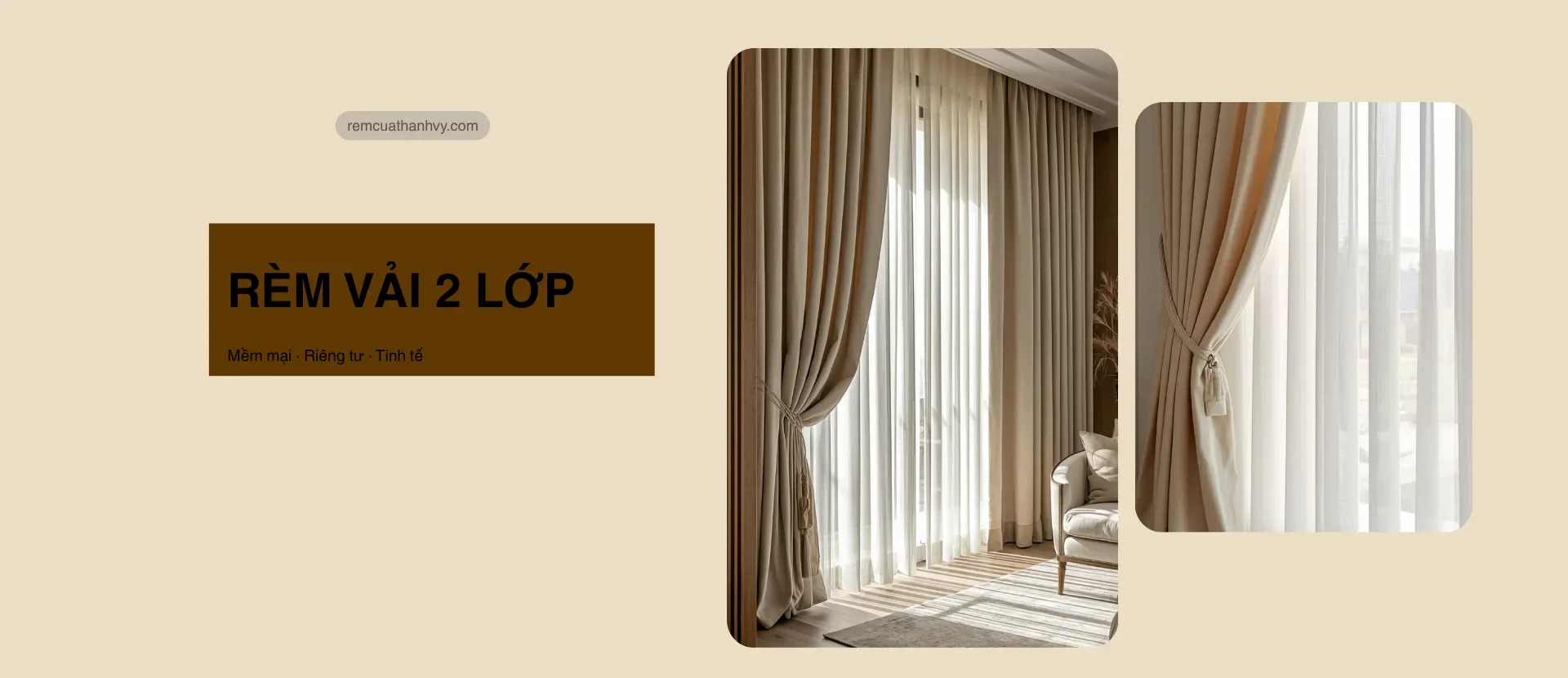
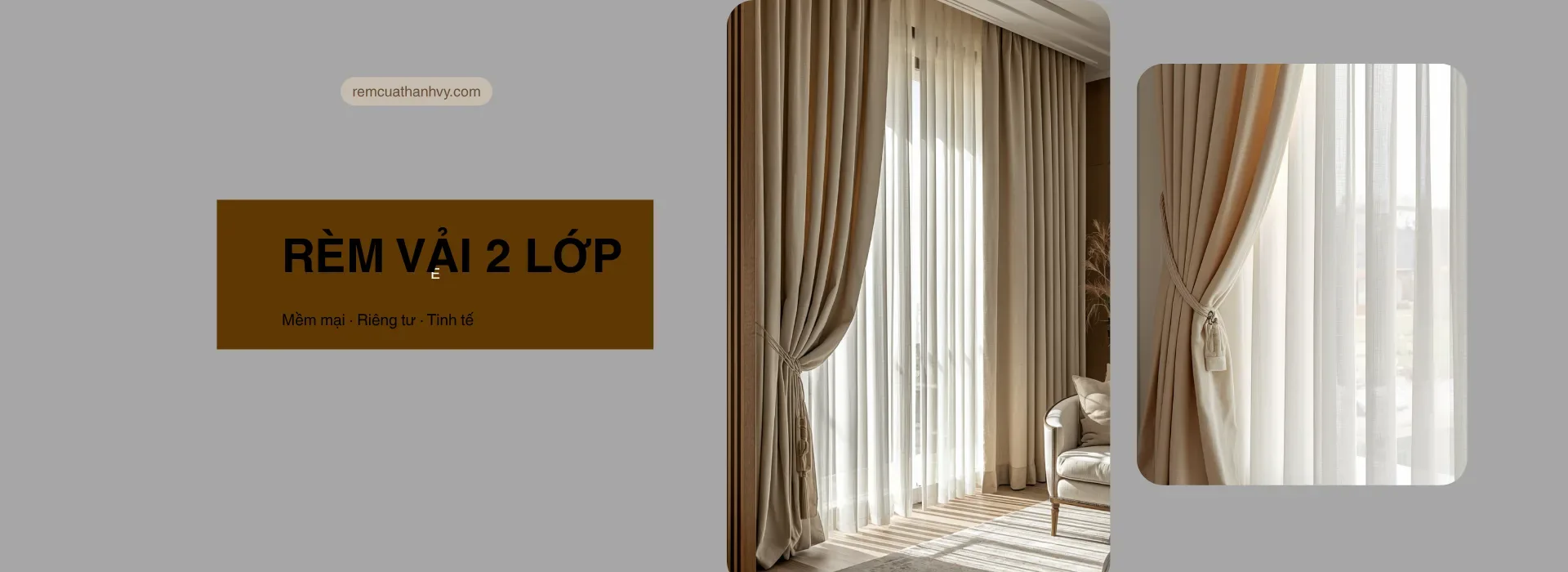
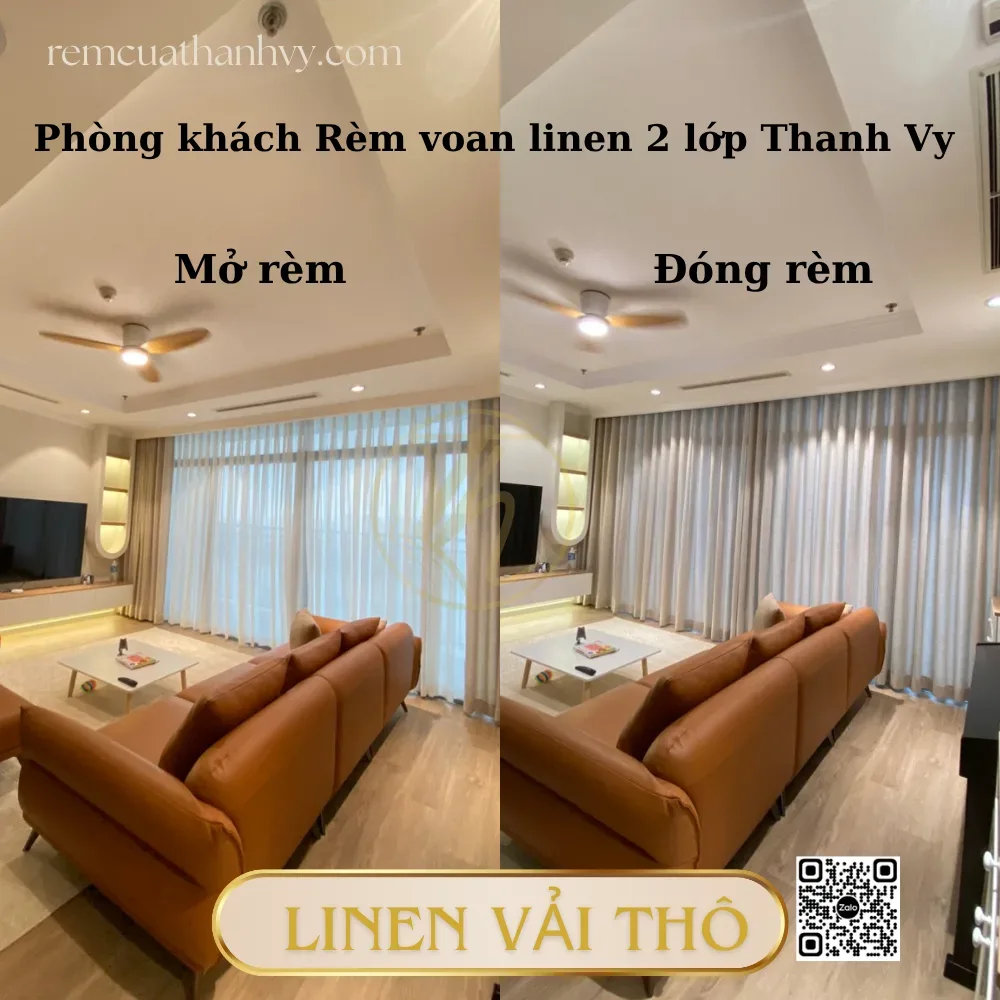
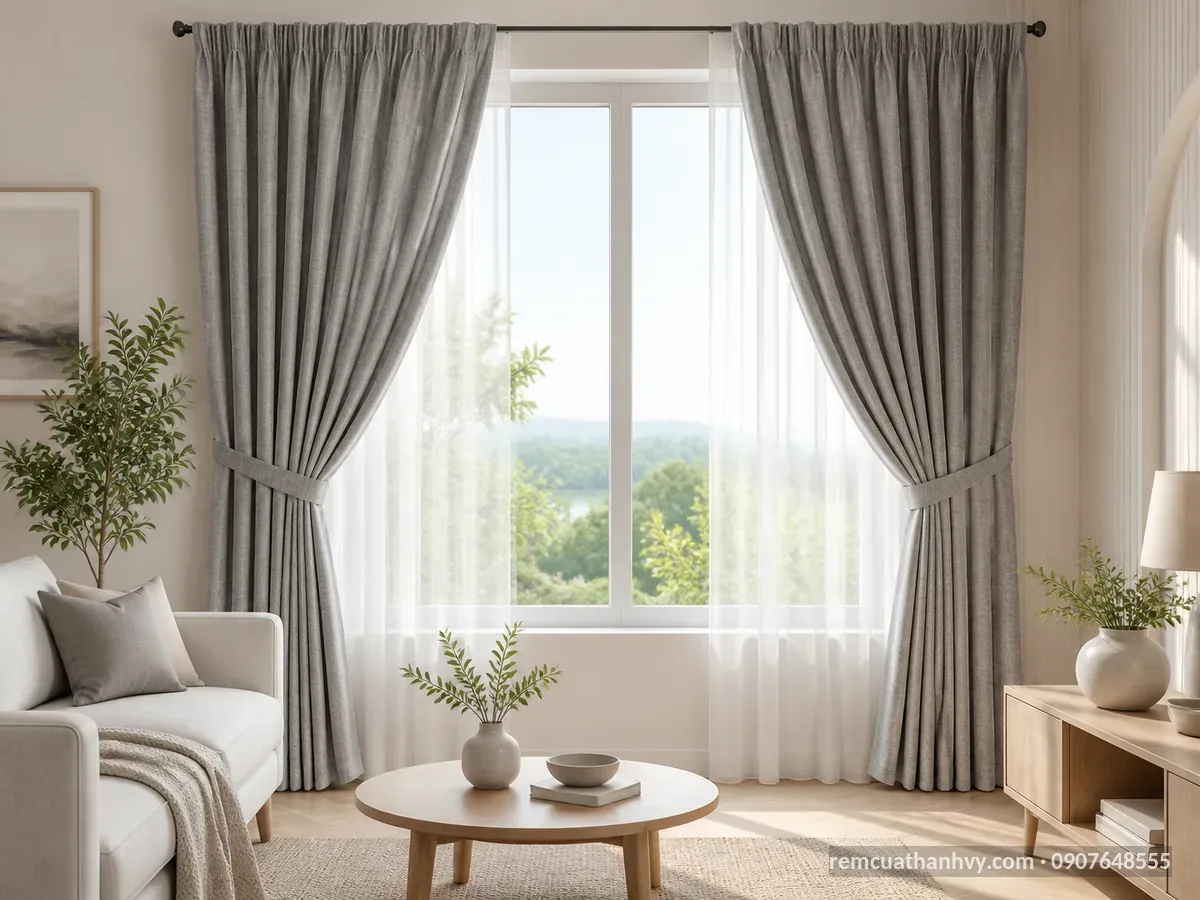
There is no single type of linen curtain that is suitable for every room, as the lighting needs of each space in the house are very different. For living rooms facing a balcony or a street front, where there is a need to balance natural light during the day and privacy at night, two-layer linen curtains — a thin linen layer paired with a thick fabric layer or a blackout curtain inside — are often chosen for flexibility in adjusting throughout the day.
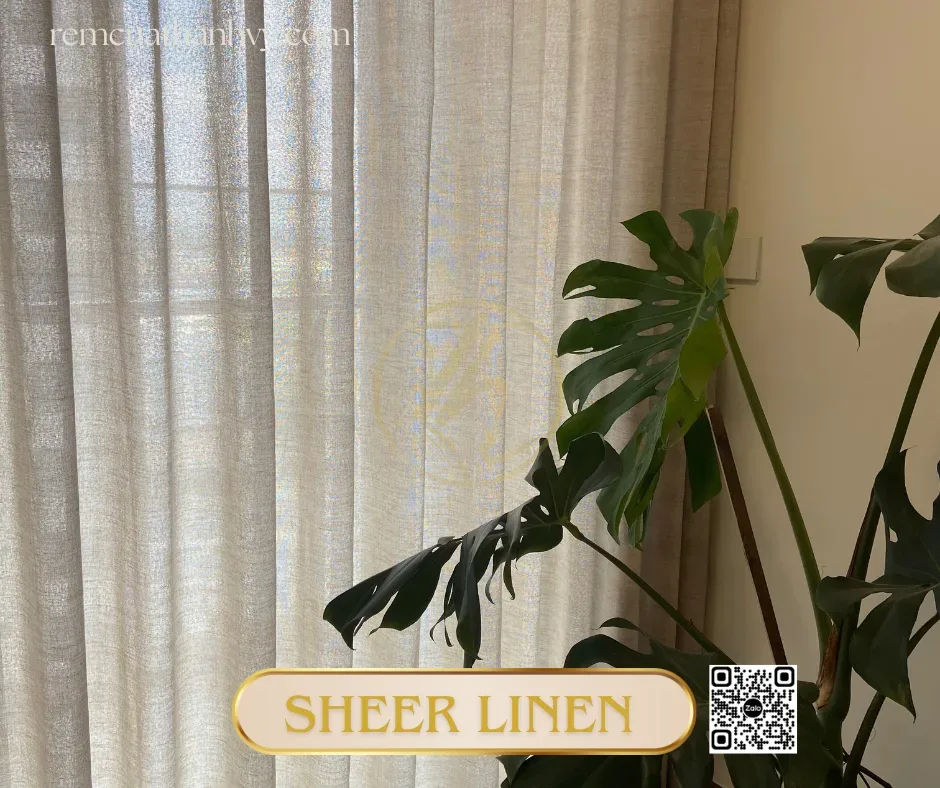
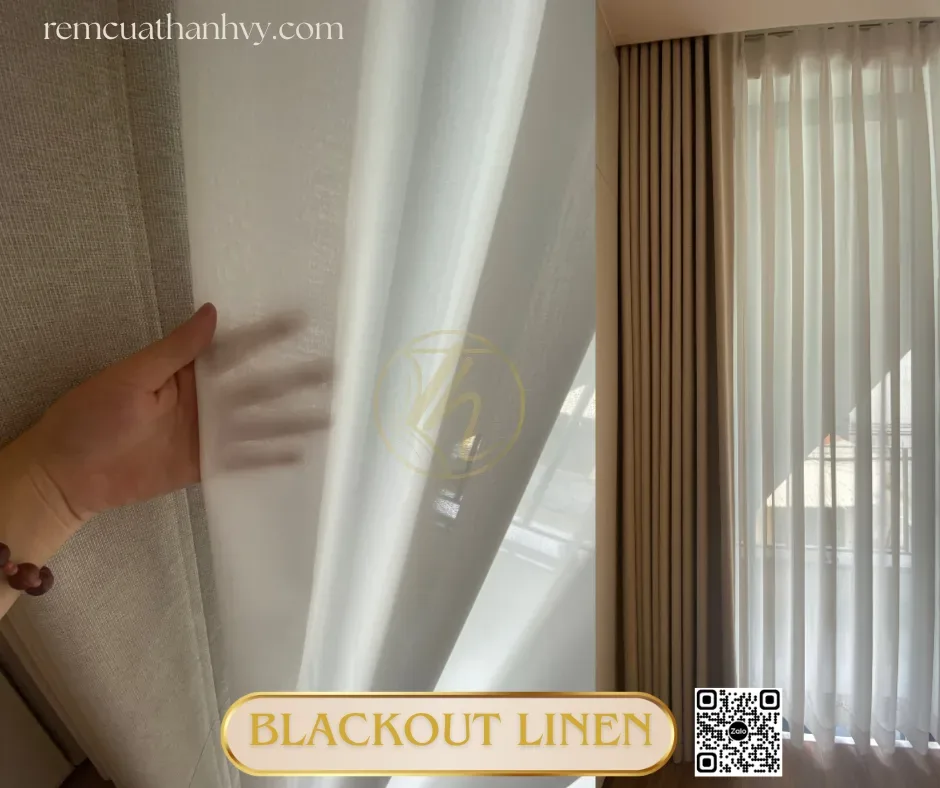
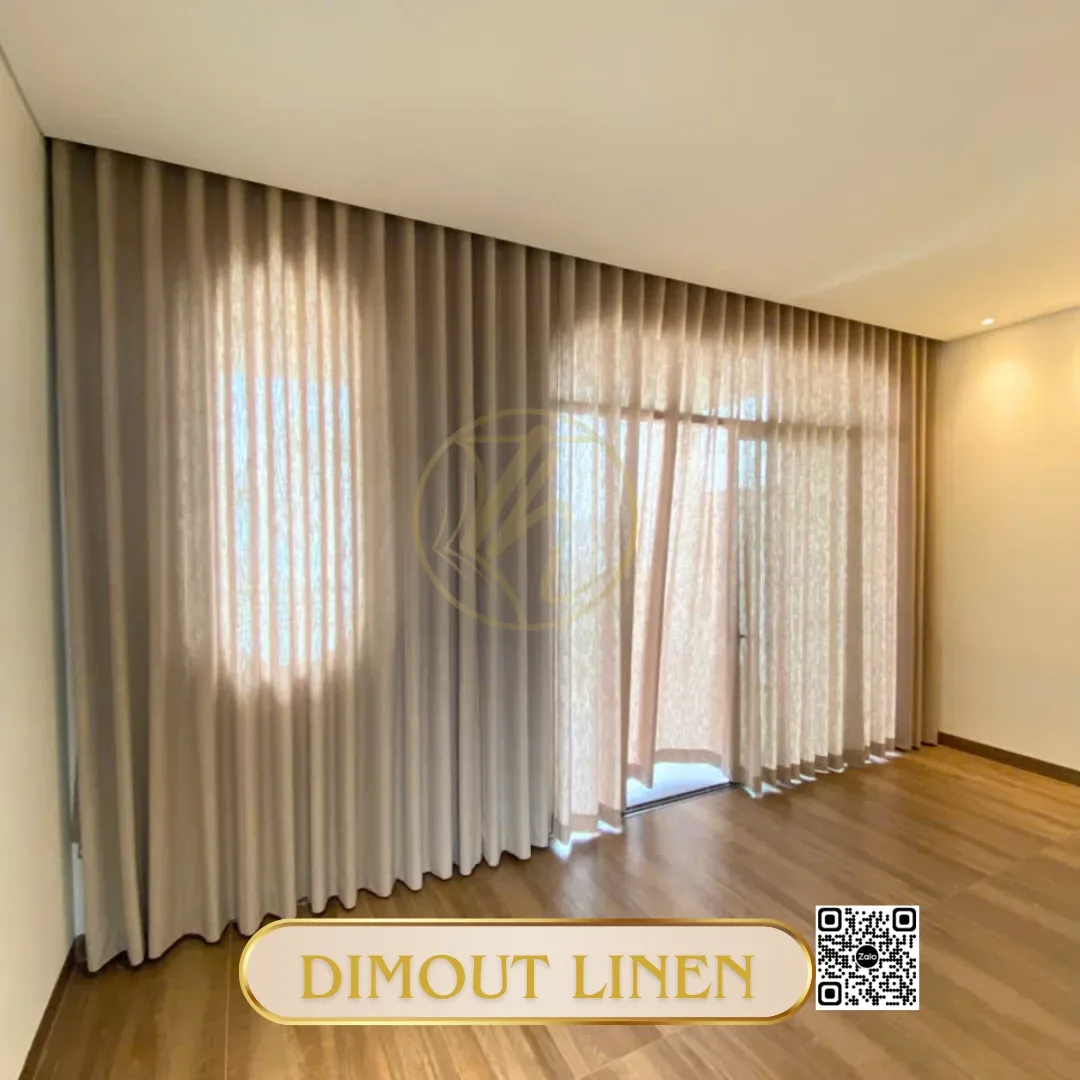
For bedrooms, the need is usually focused on reducing early morning light and creating a more private, discreet feel. If only a thin layer of linen is used, light can still pass through clearly, which is suitable for people who like a naturally bright space but is not enough for those accustomed to sleeping in a completely dark room. In this case, consider adding a blackout curtain or choosing thick-woven linen fabric with a lining on the back to increase light-blocking ability while maintaining the linen look on the side facing outward.
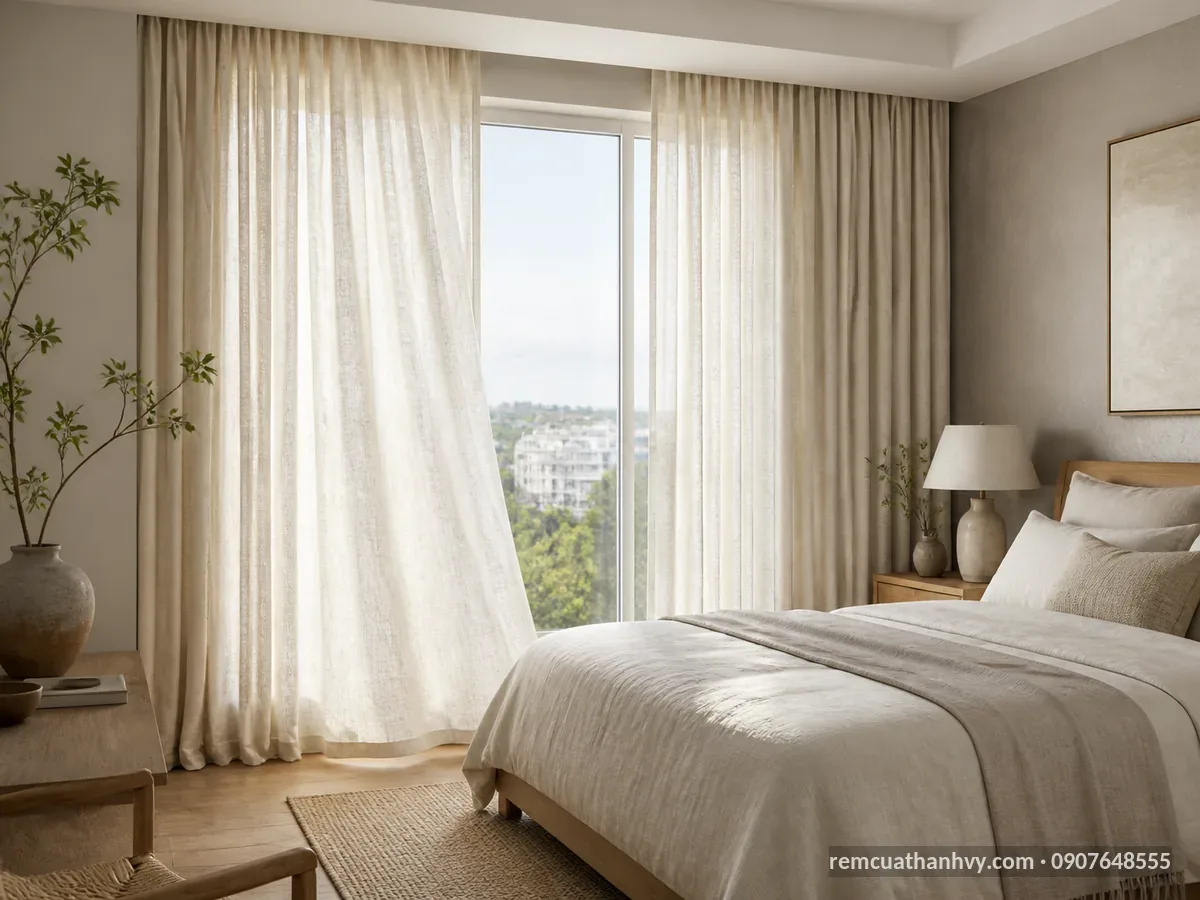
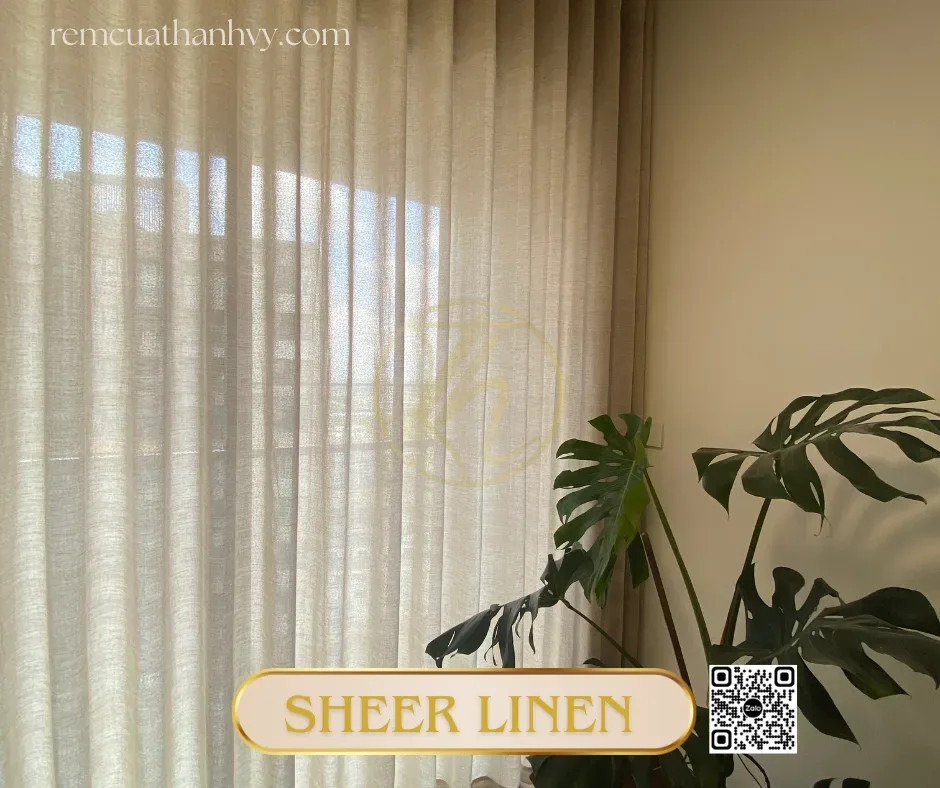
For balcony areas or small windows that only need light shading and a decorative accent, thin, light-colored linen curtains are a reasonable choice because they do not make a small space feel heavy. Clearly defining the purpose of use — light intake, sun shading, privacy, or decoration — before choosing the fabric will help avoid the situation of realizing after they are made that the curtains do not meet the original needs.
Sewing and installation styles for linen curtains affect overall aesthetics
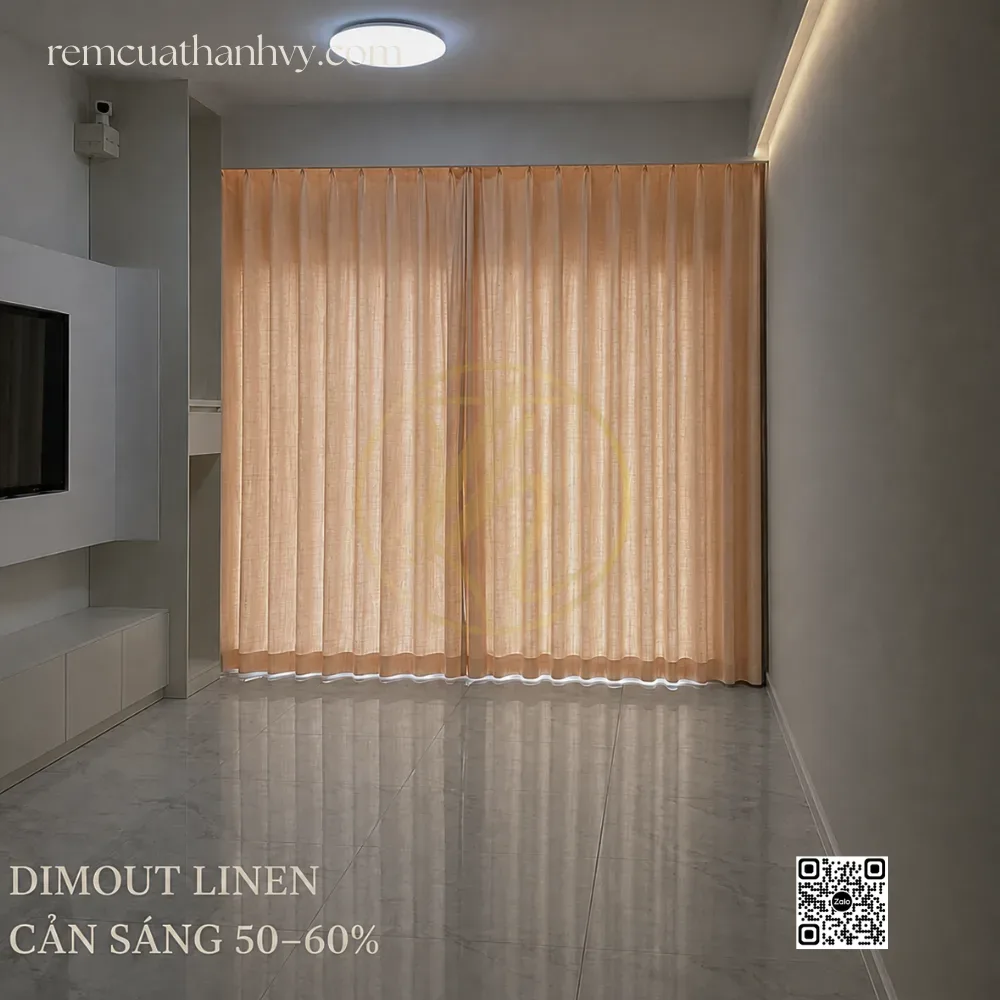
The curtain sewing style largely determines the drape and visual feel of the curtain when hung. Linen curtains sewn in the grommet (eyelet) style create even, round folds, suitable for a modern, minimalist style, and also make pulling the curtains smoother. Meanwhile, the pleated sewing style (single or double pleats) brings a more classic, formal look, often chosen for living rooms or spaces where a luxurious accent is desired.
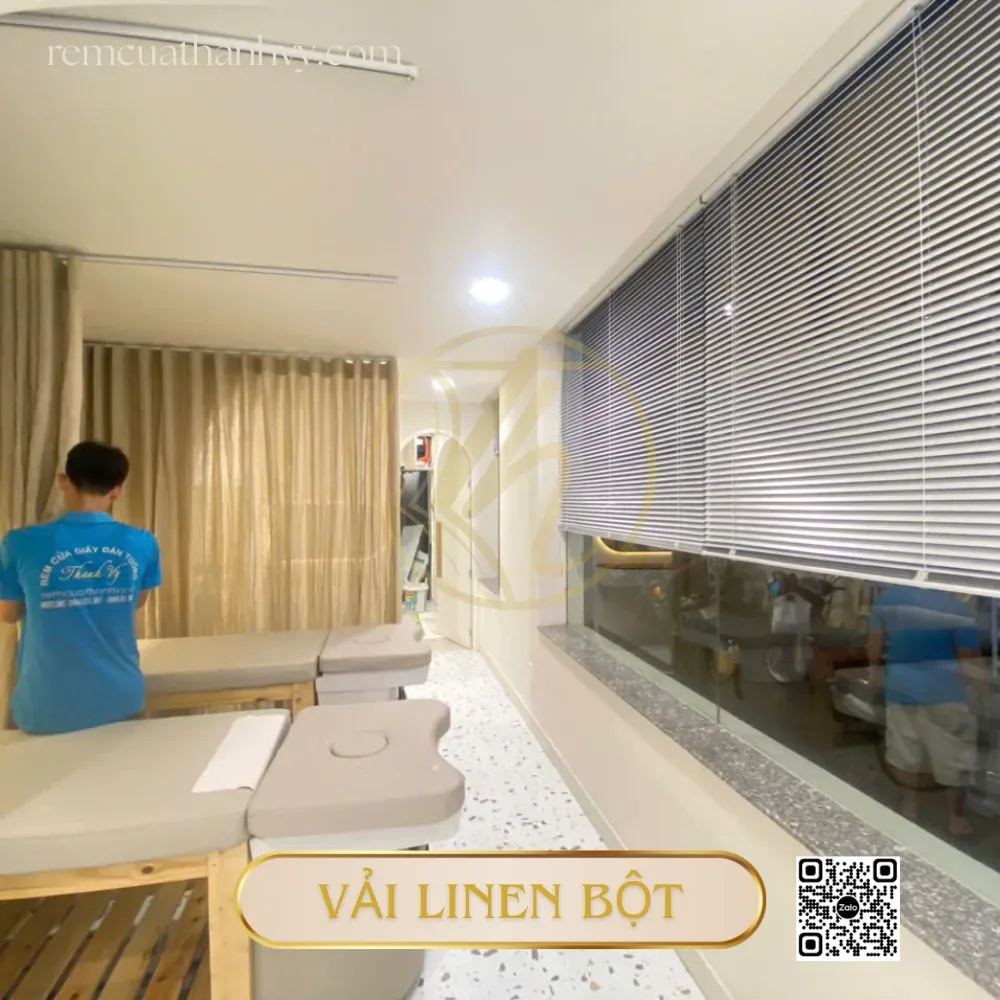
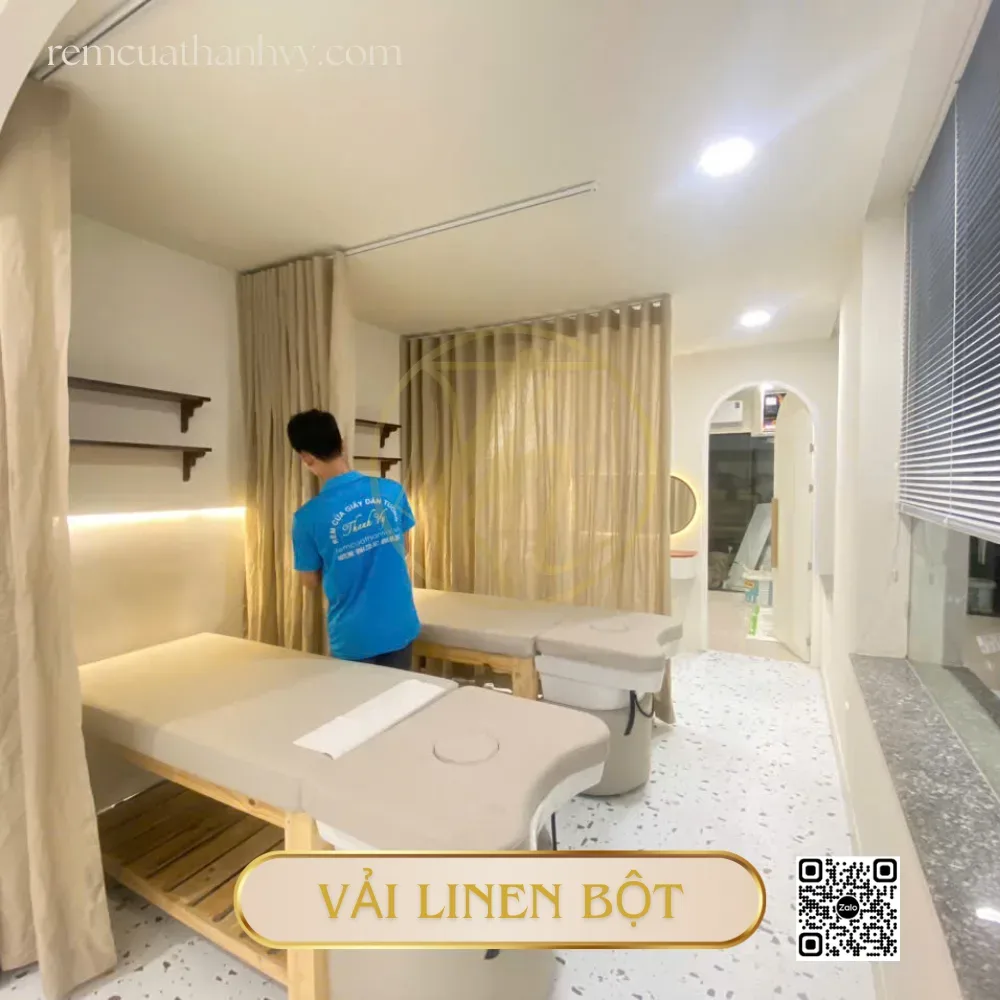
Regarding installation, linen curtains can be installed on rods (using an exposed curtain rod, creating an airy and modern feel) or on tracks (curtains are hidden above by a valance or plaster ceiling, creating a more seamless, neat surface). For townhouses in District 12 with low ceilings or spaces that need minimal details, ceiling-recessed tracks are often preferred because they reduce visual clutter.
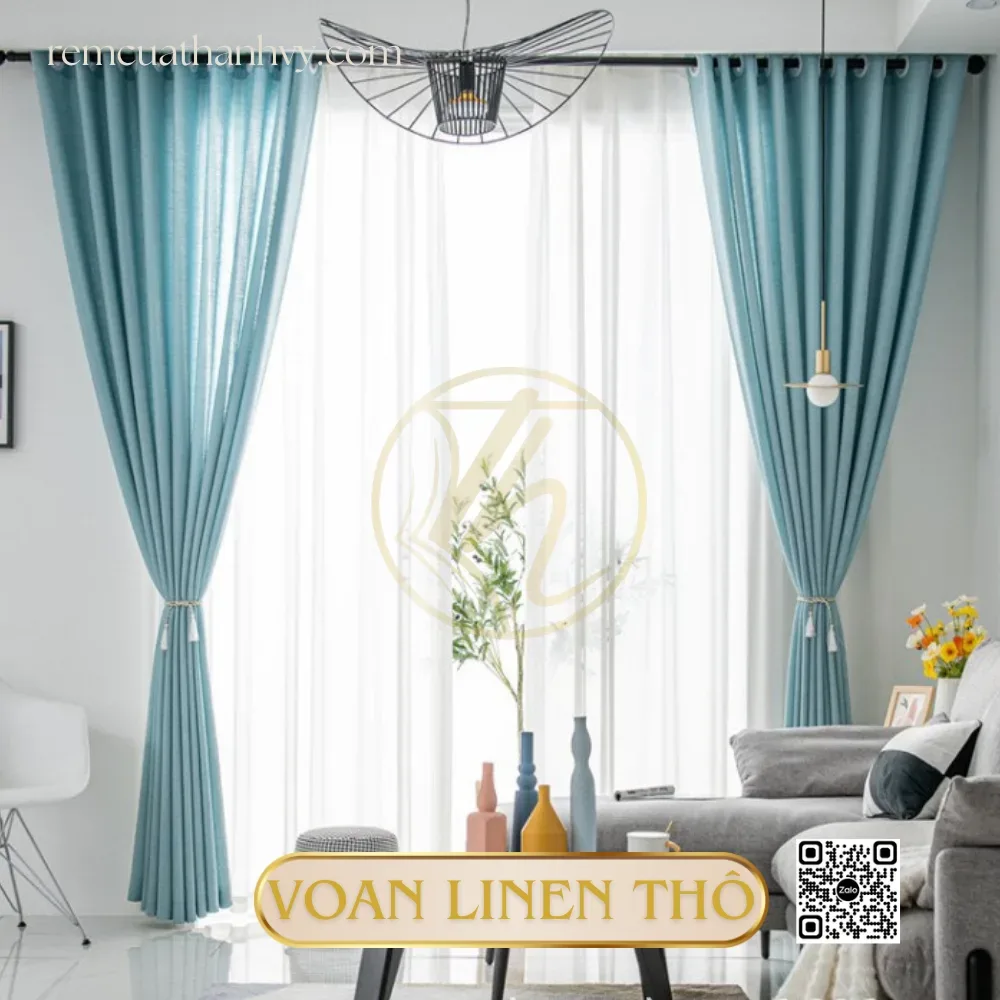
In addition, the width of the fabric when sewn also affects the fullness and aesthetics when the curtains are closed. Curtains sewn with moderate fullness (usually about 2 to 2.5 times the width of the window) will have a beautiful form, not looking too thin or too stiff. This is a technical detail that an experienced custom-making unit will advise on specifically based on the actual window dimensions, rather than applying a fixed formula to every case.
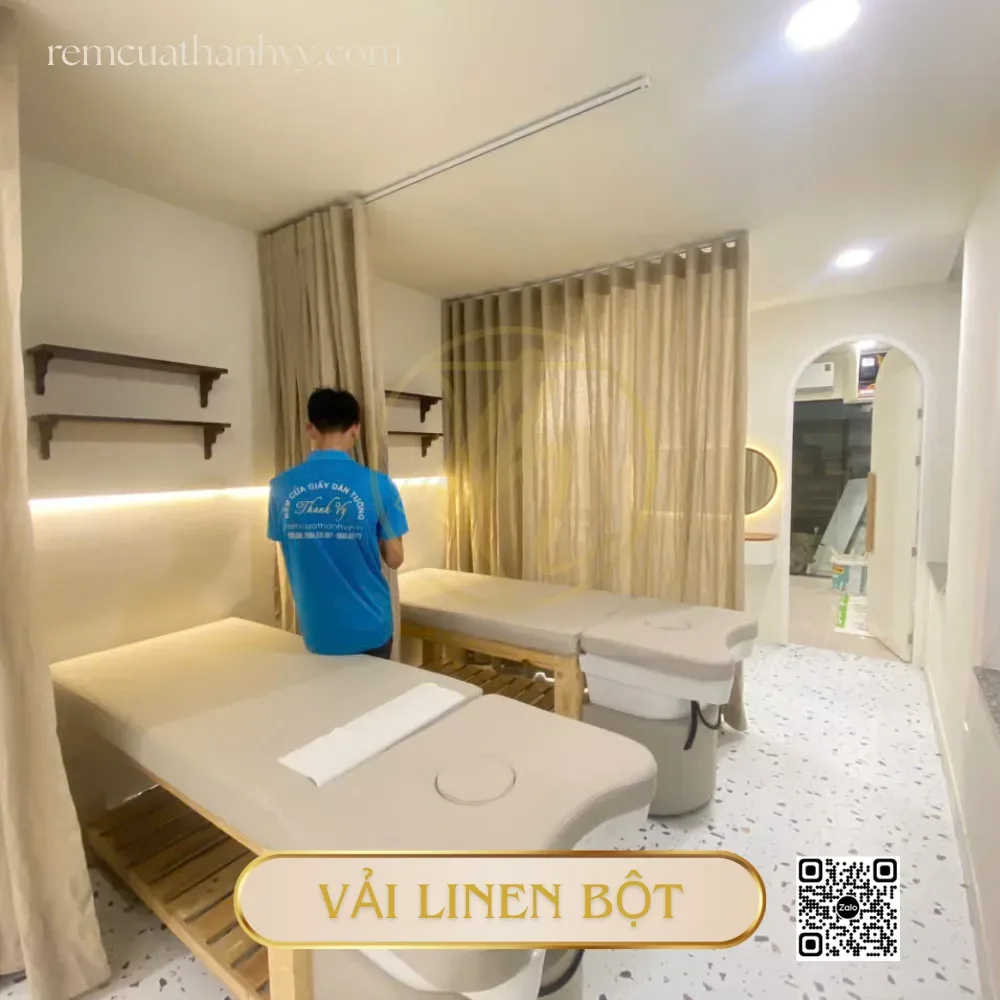
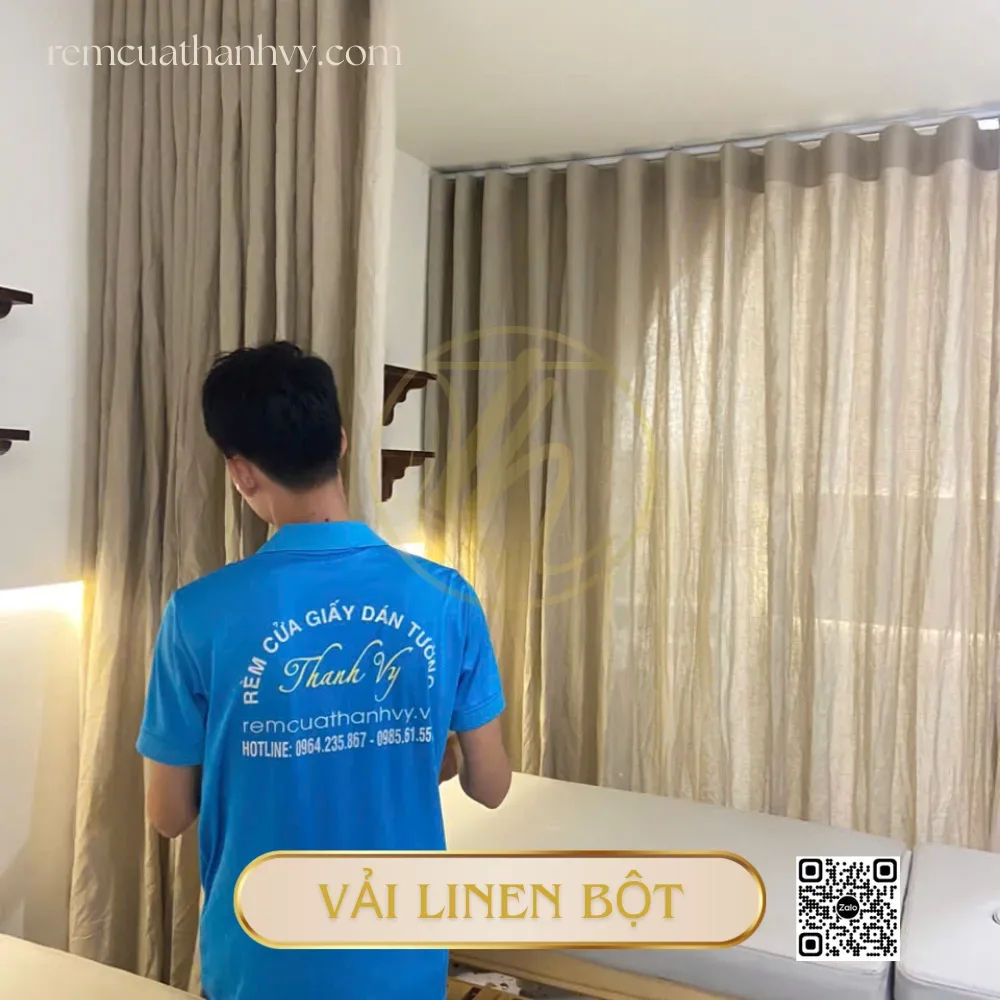
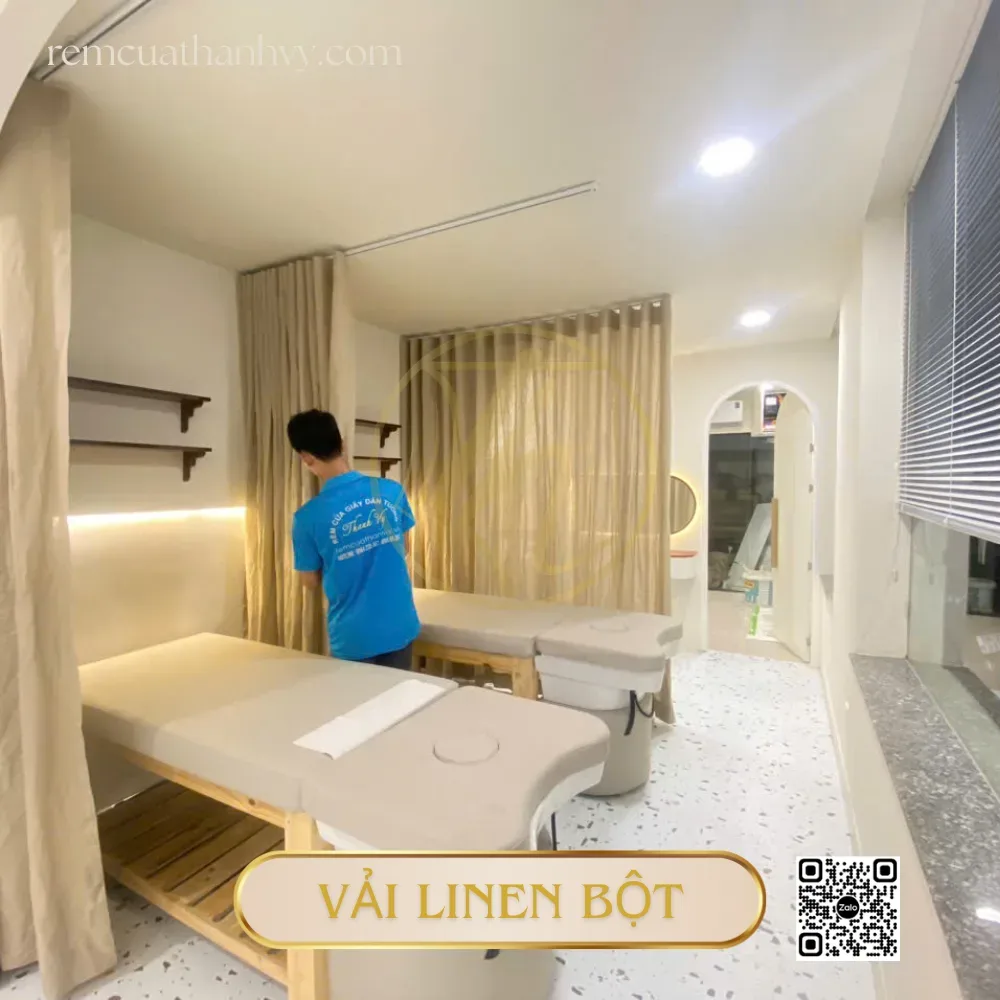
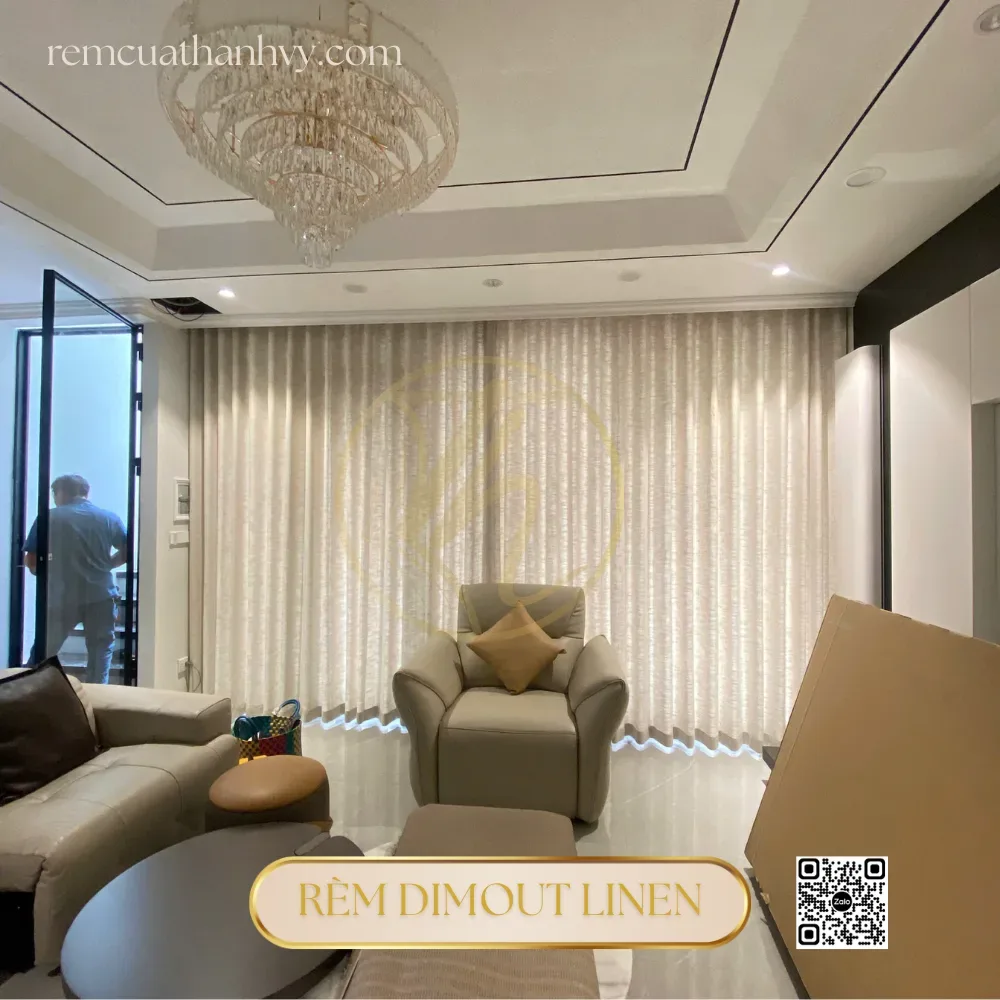
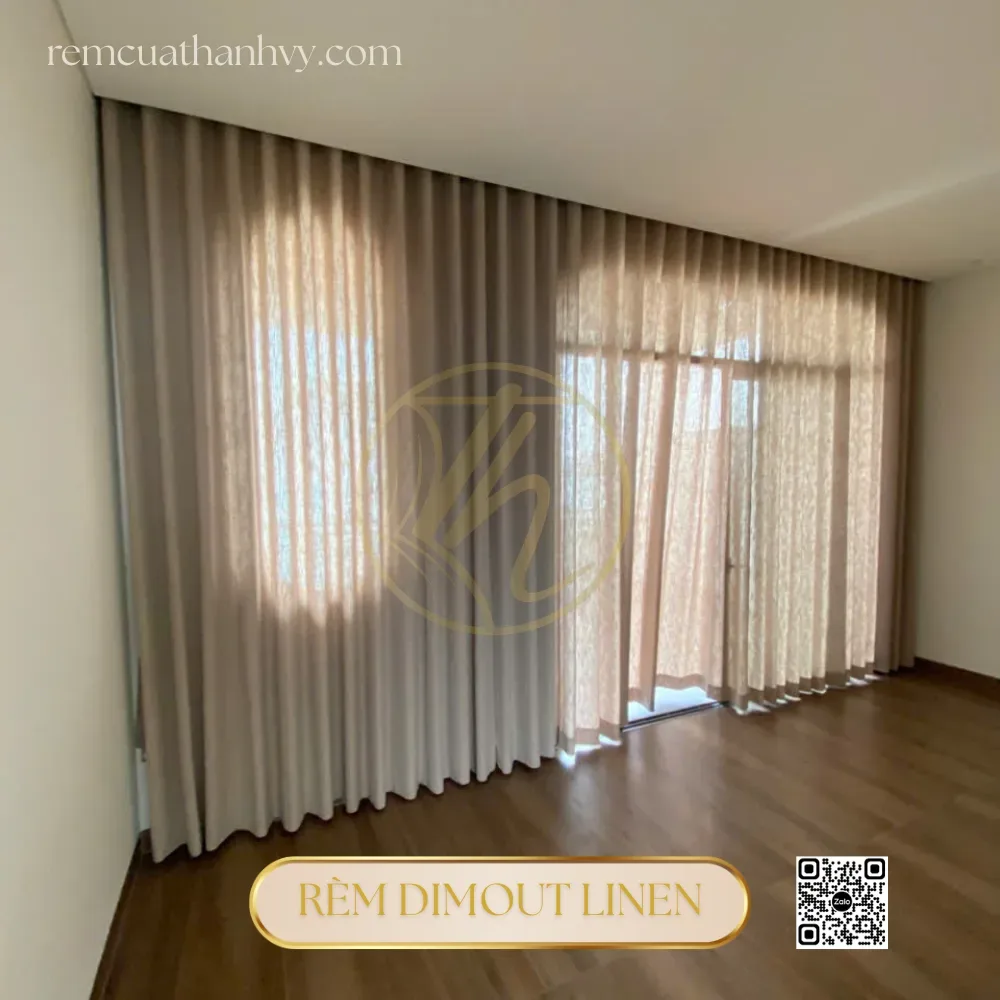
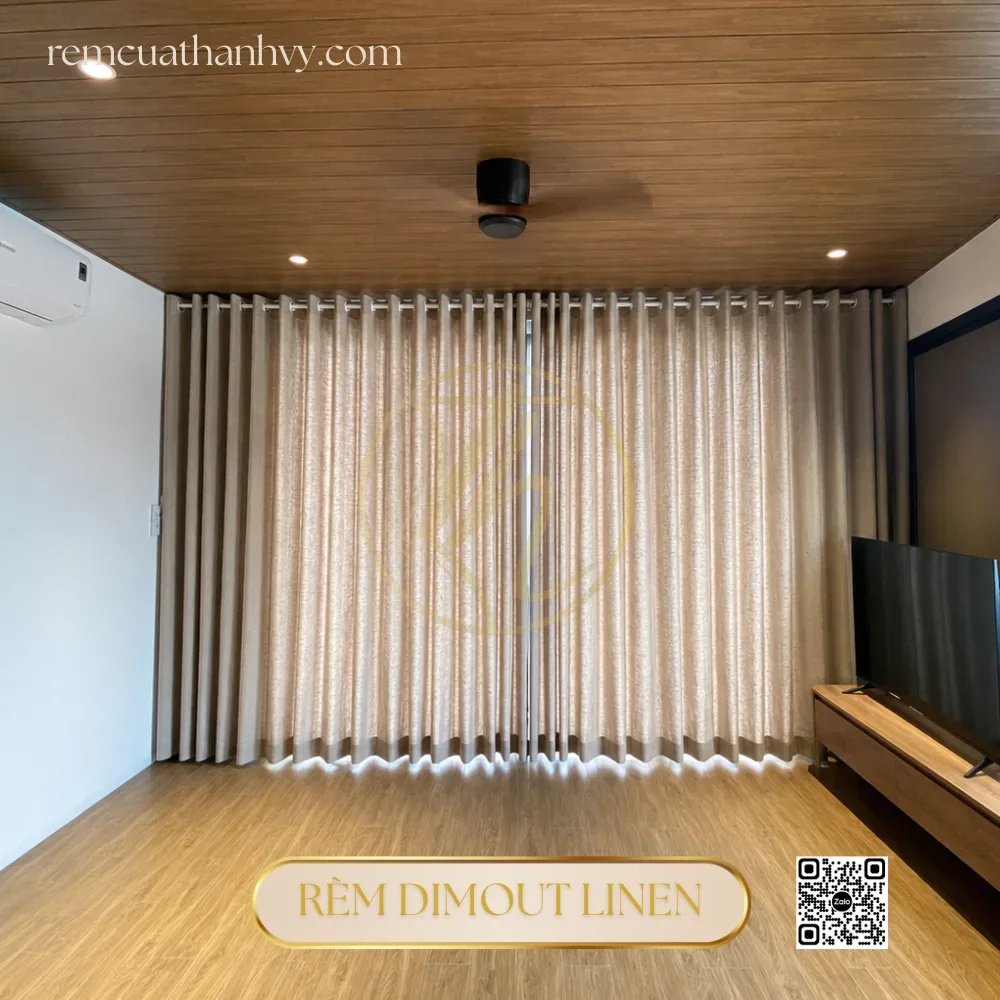
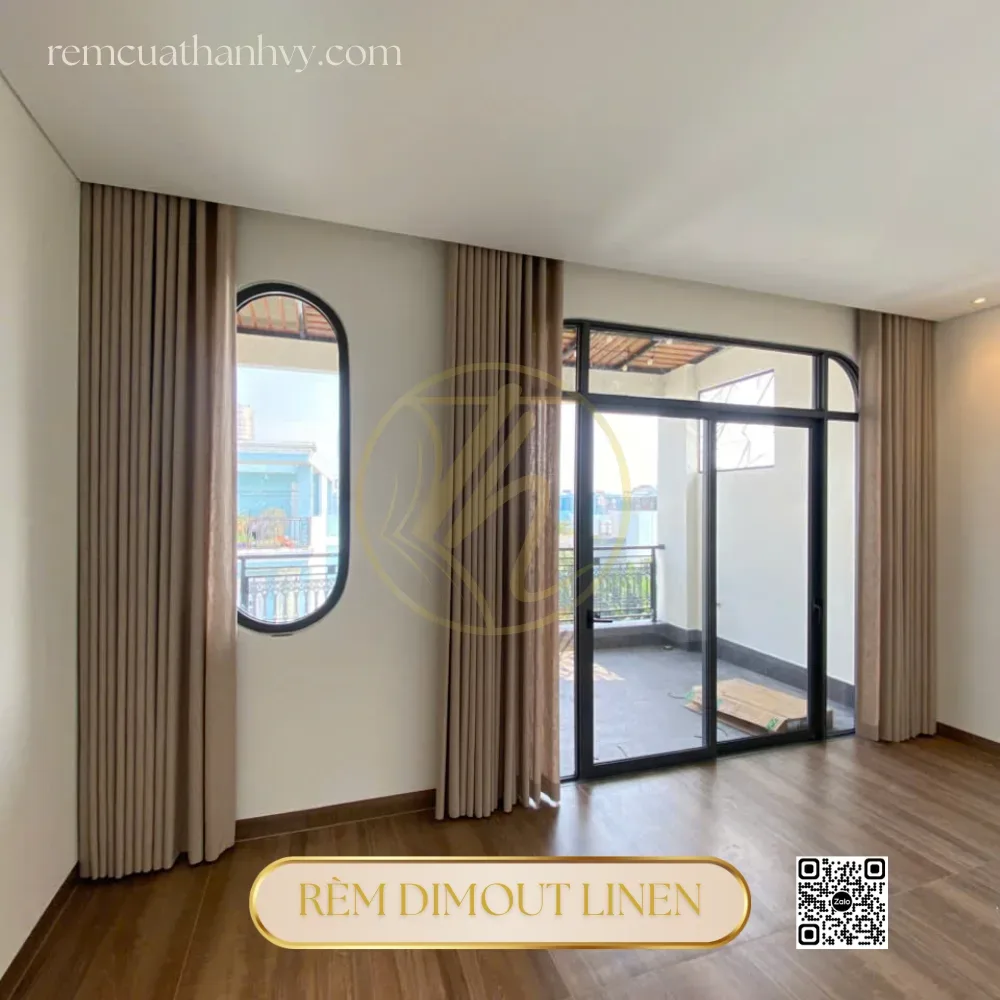
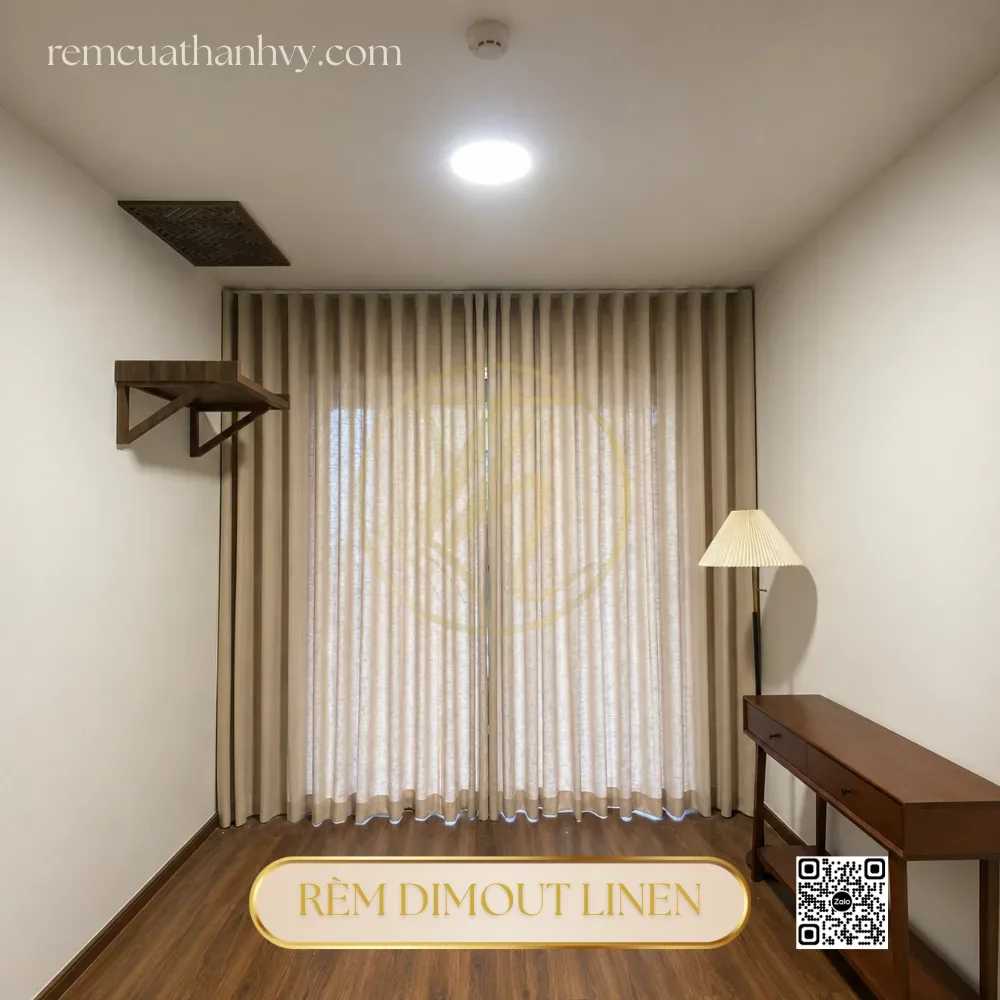
Application of linen curtains for each space: living room, bedroom, balcony
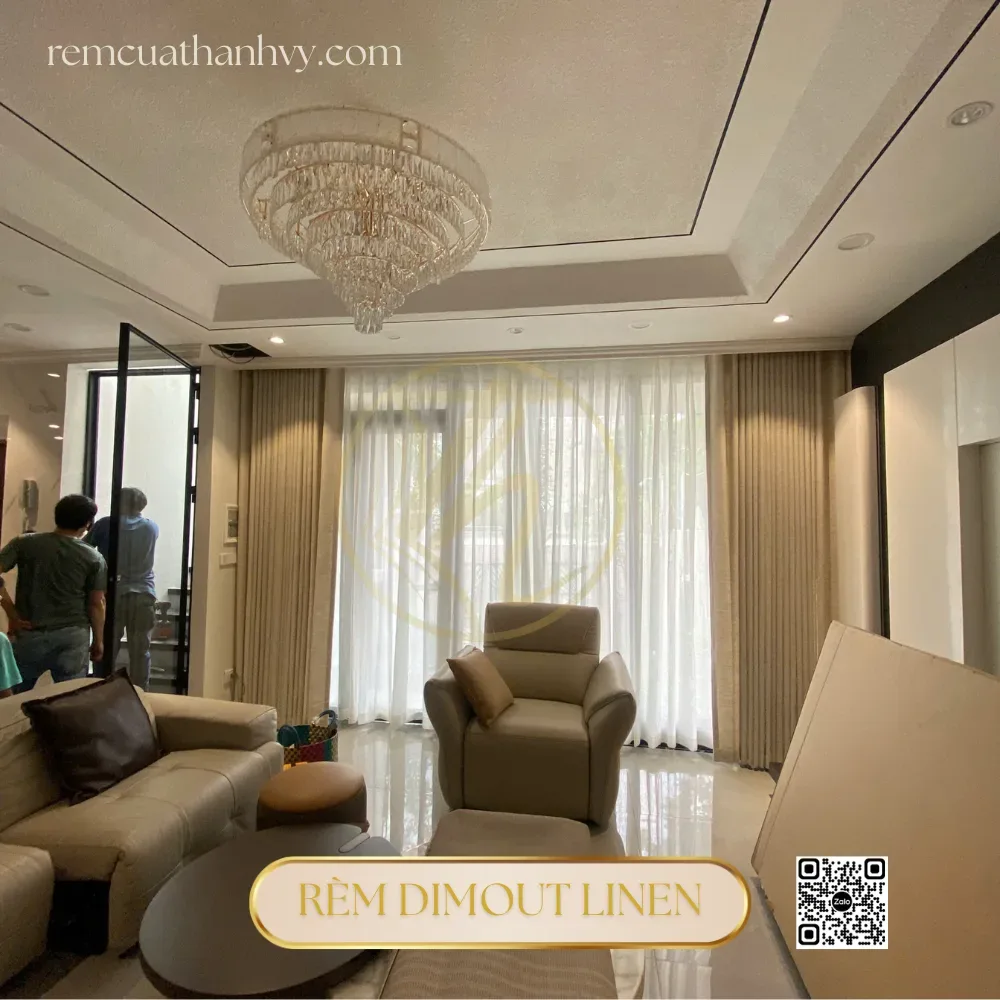
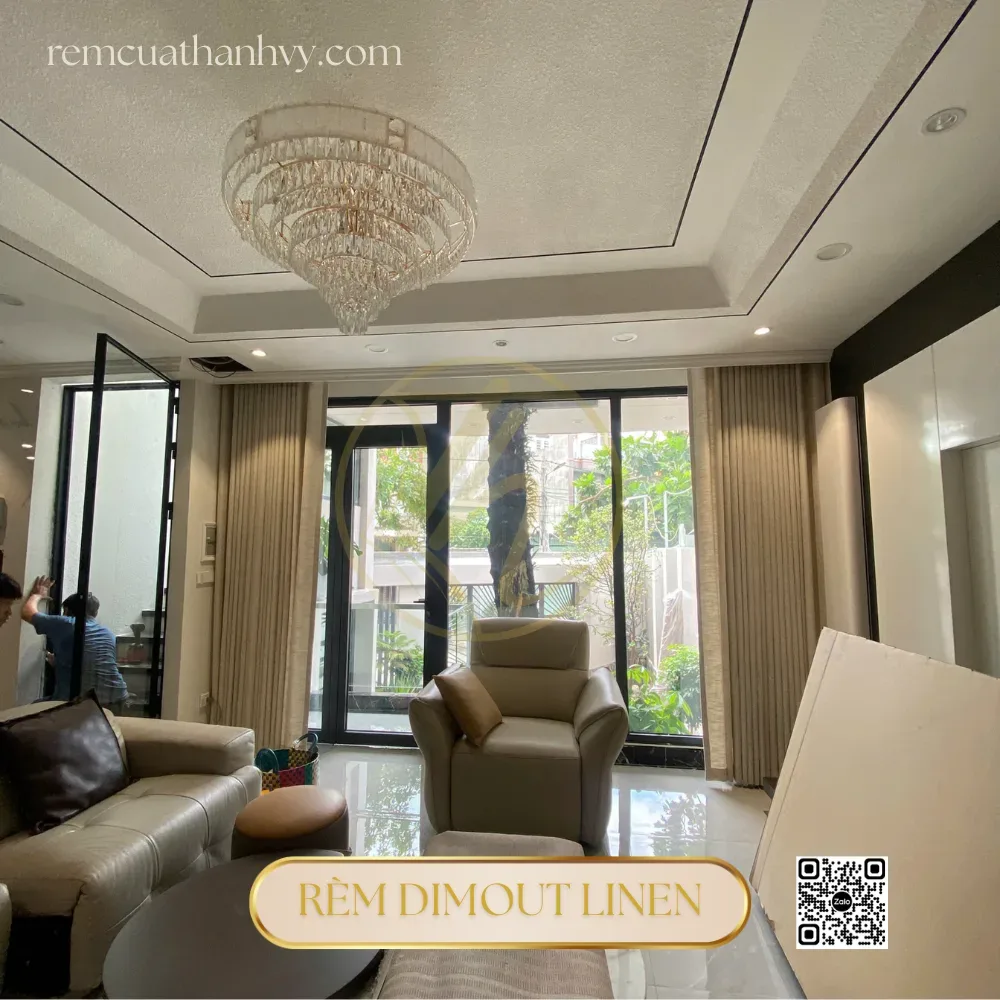
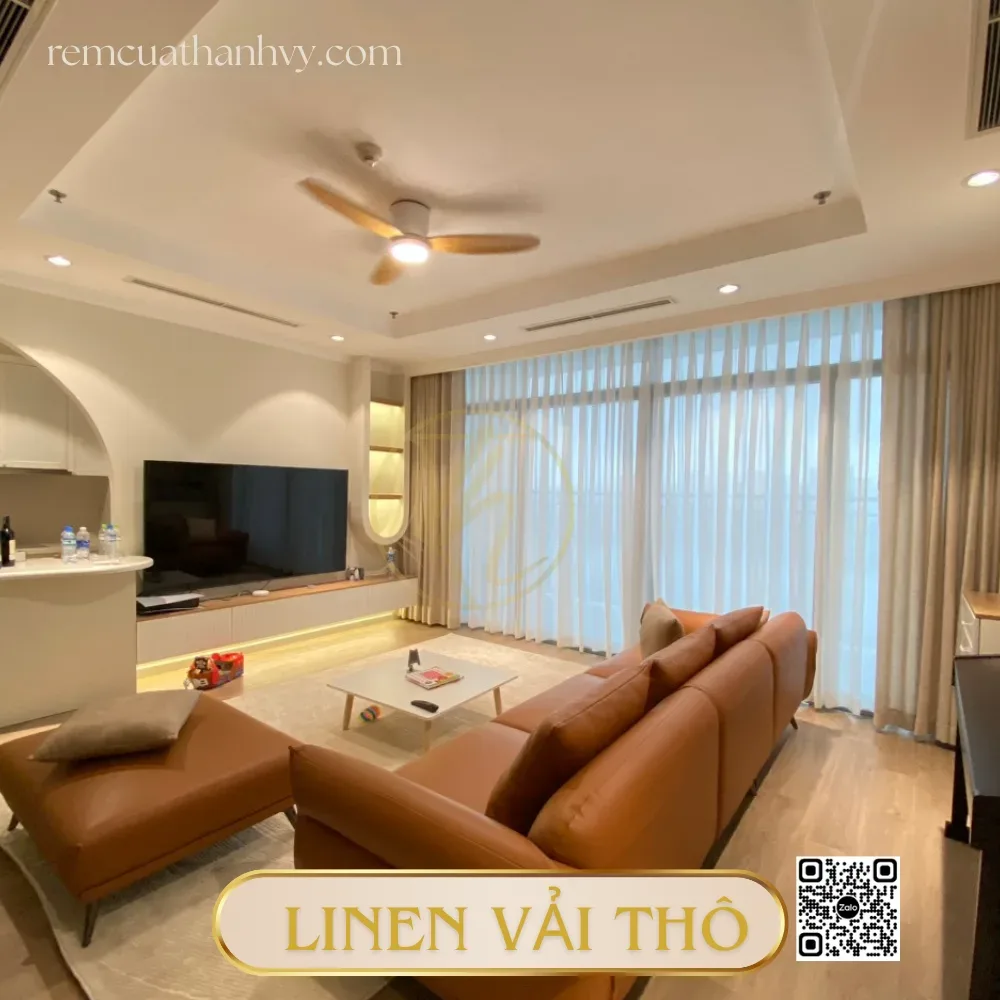
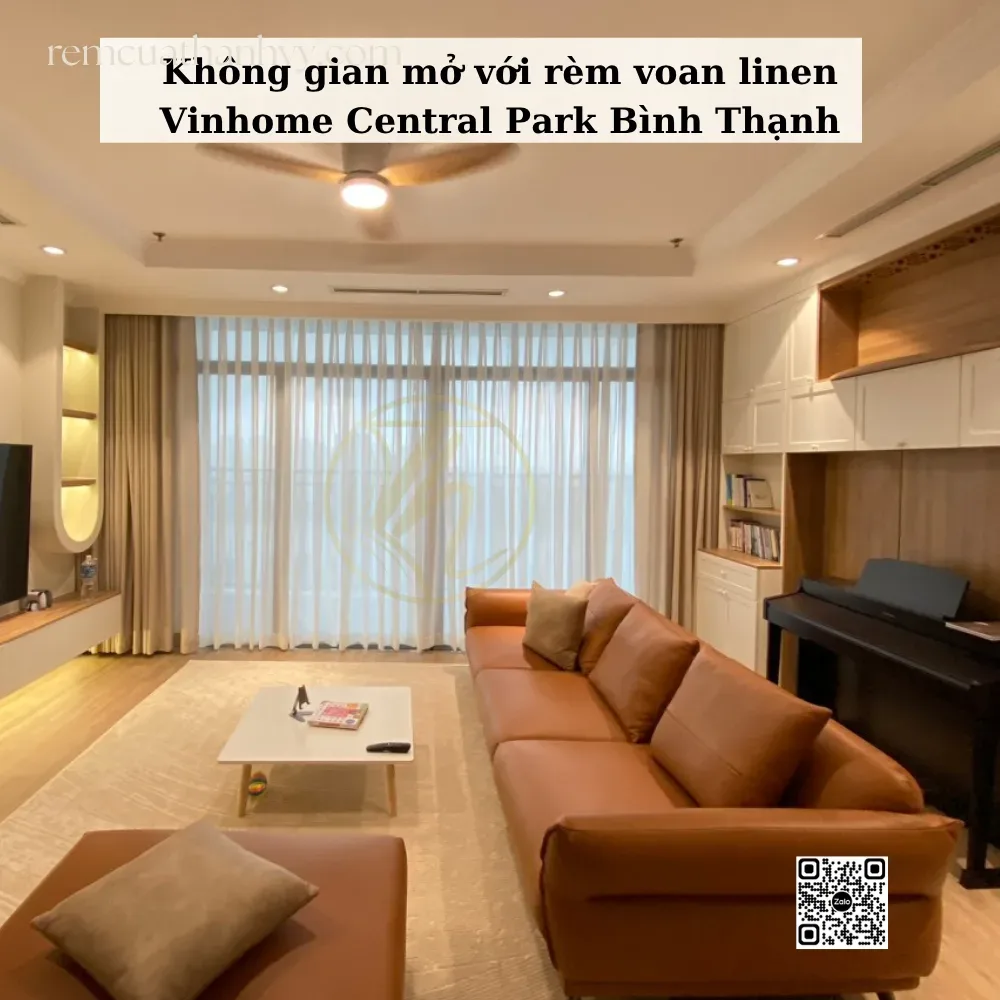
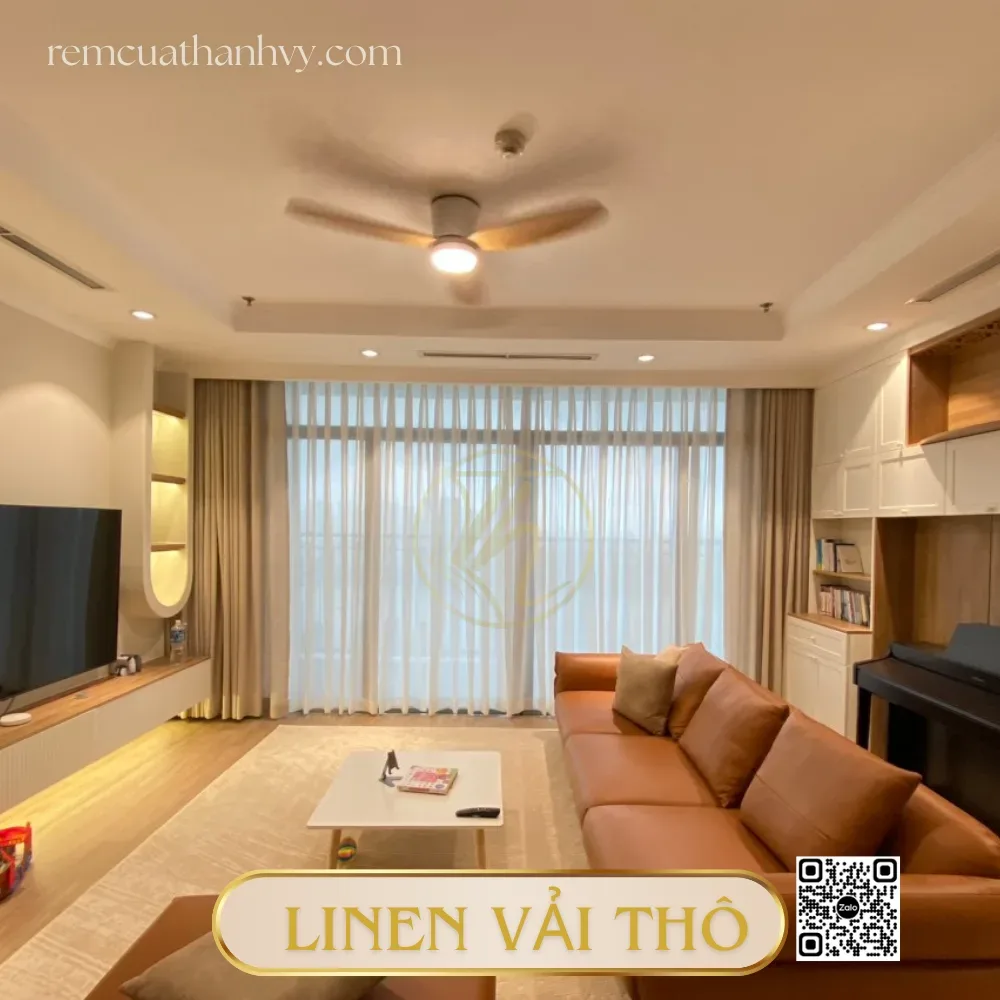
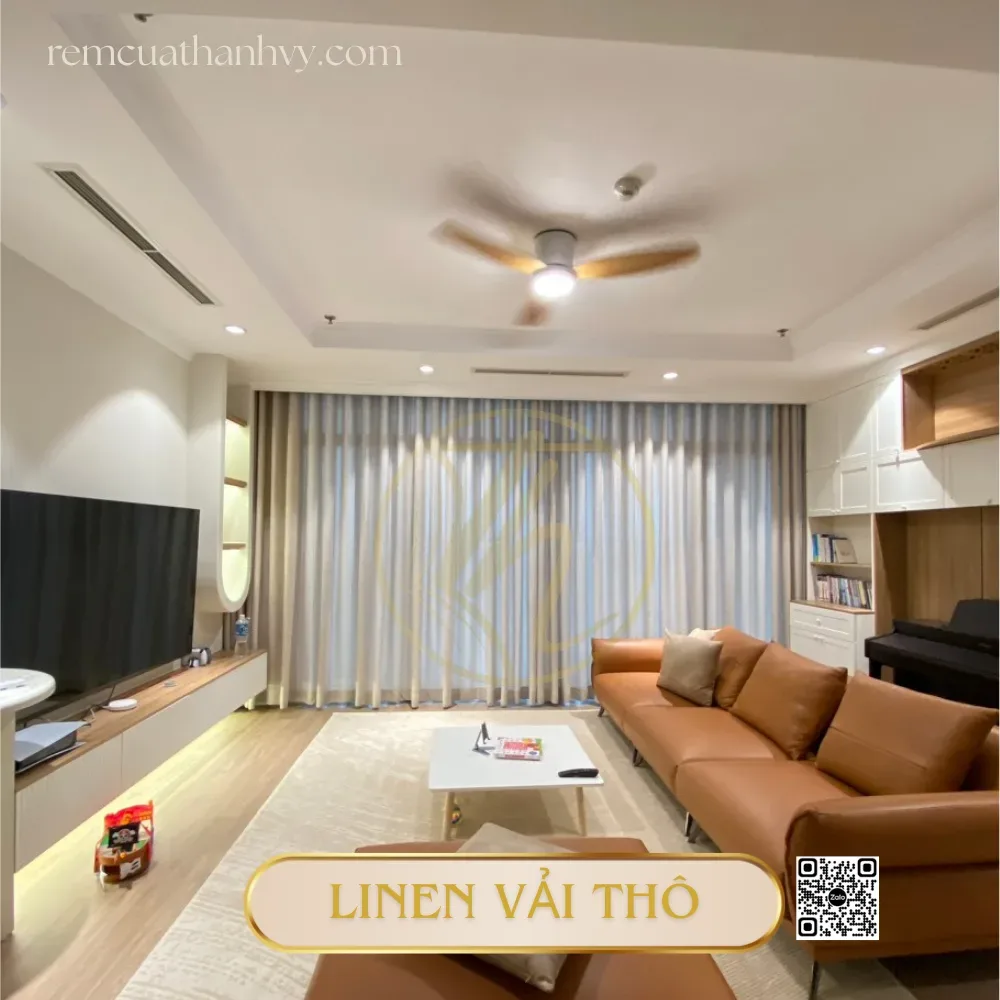
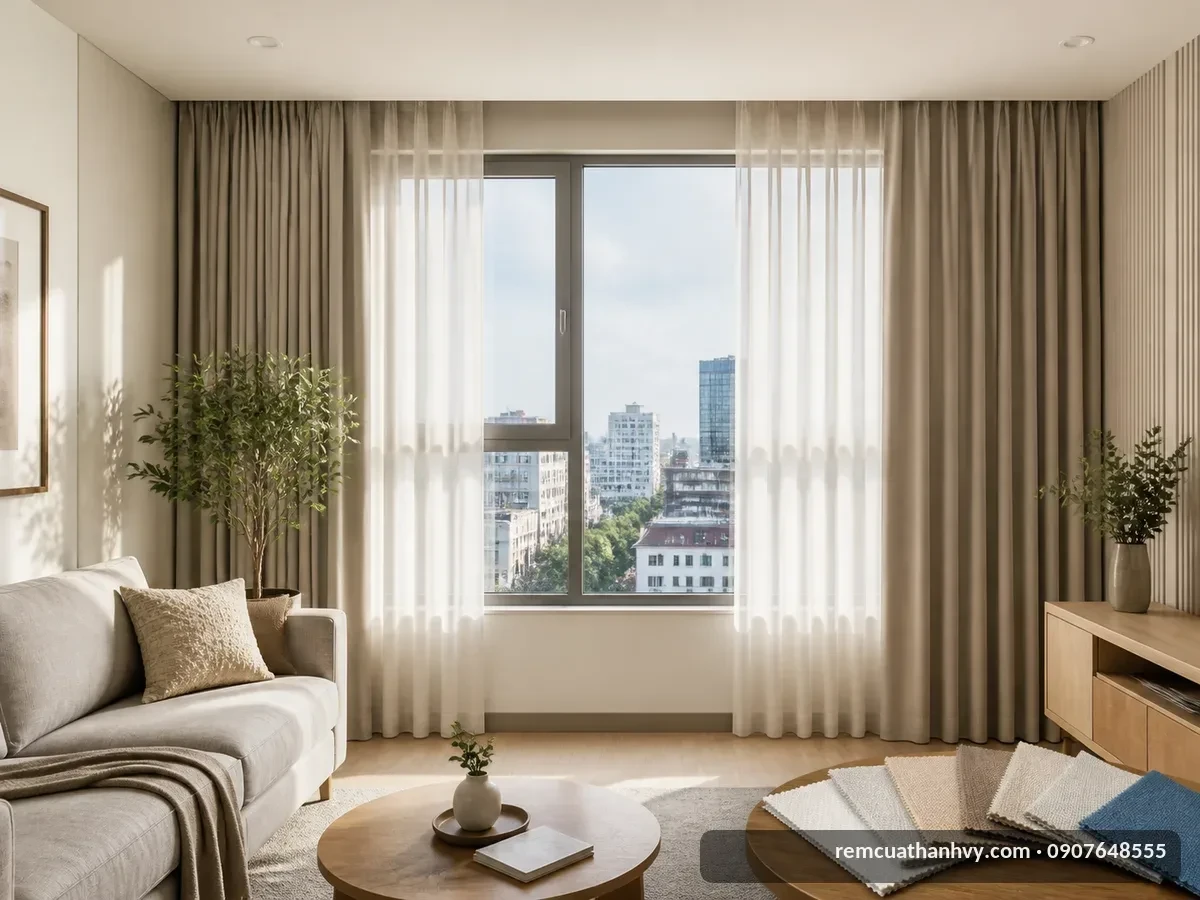
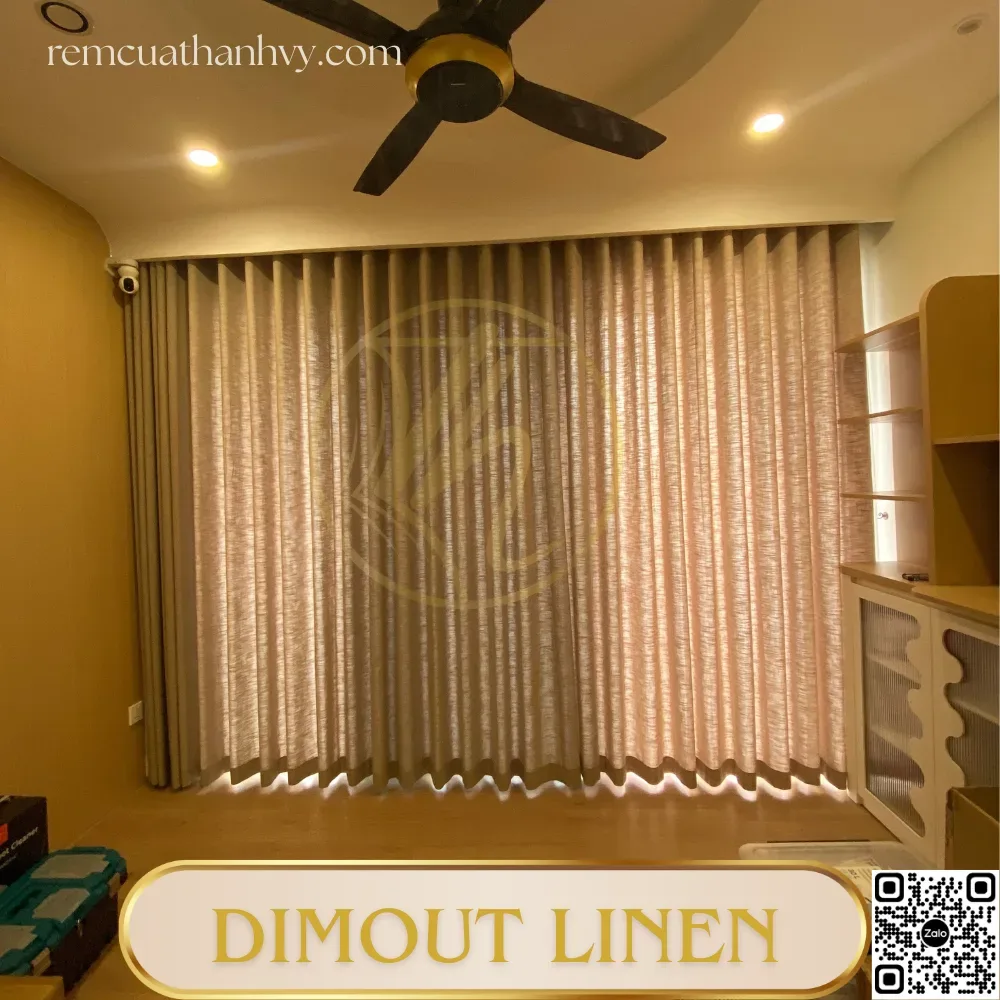
In the living room, linen curtains often play the role of both shading and being the main decorative highlight of the space, as this is the area with the largest window or glass door area in the house. Neutral linen colors like beige, light gray, and ivory white are often preferred because they are easy to coordinate with many different interior styles, from modern to semi-classical.
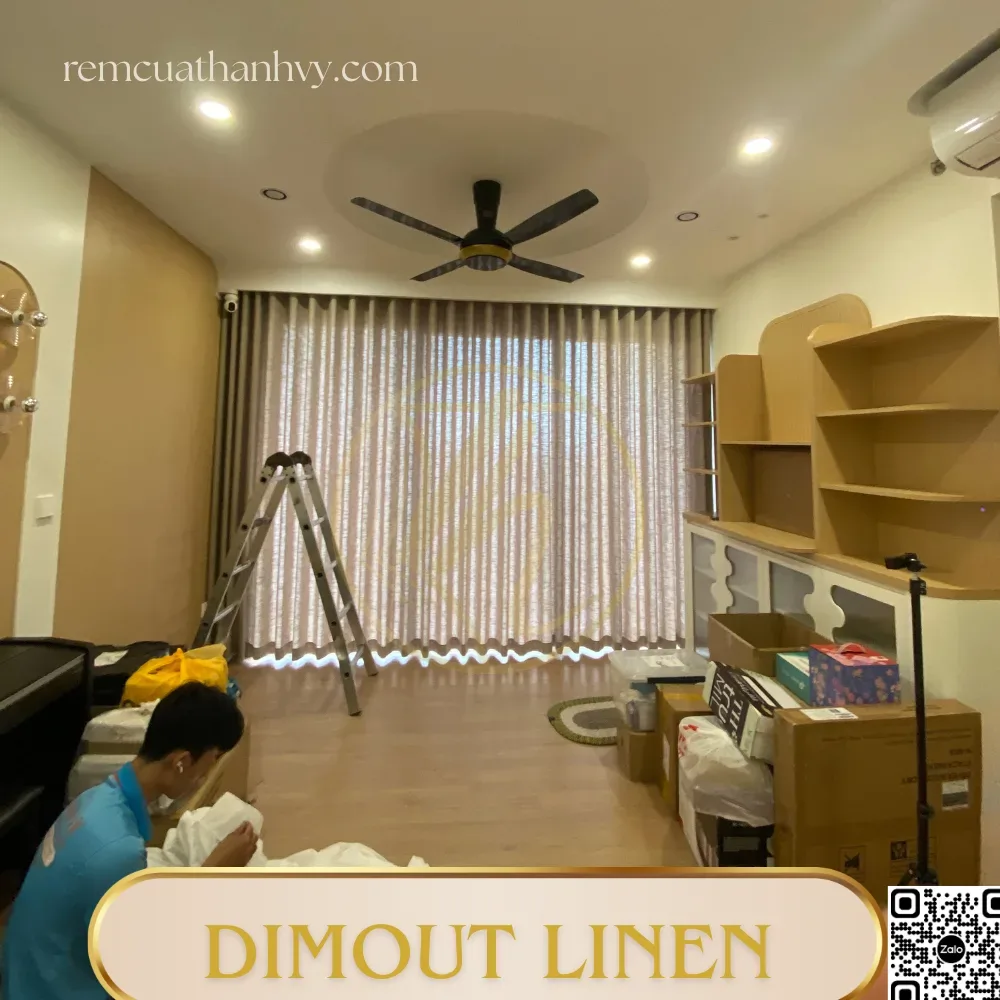
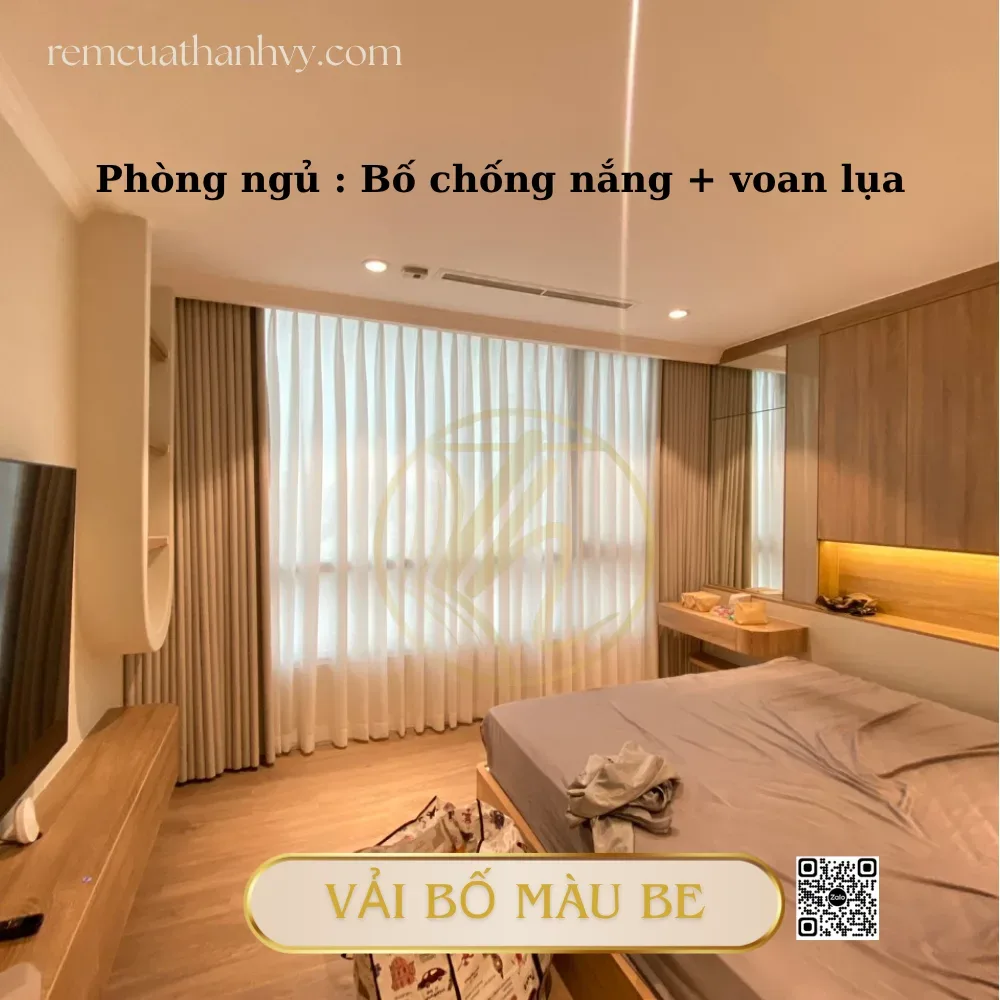
In the bedroom, besides aesthetics, privacy and morning light control need to be prioritized. Many families choose to pair thin linen curtains on the outside to let in light during the day, combined with blackout curtains on the inside for hours when complete rest is needed. This combination also helps with flexibility in adjusting according to the season, when the intensity of the sun changes throughout the year.
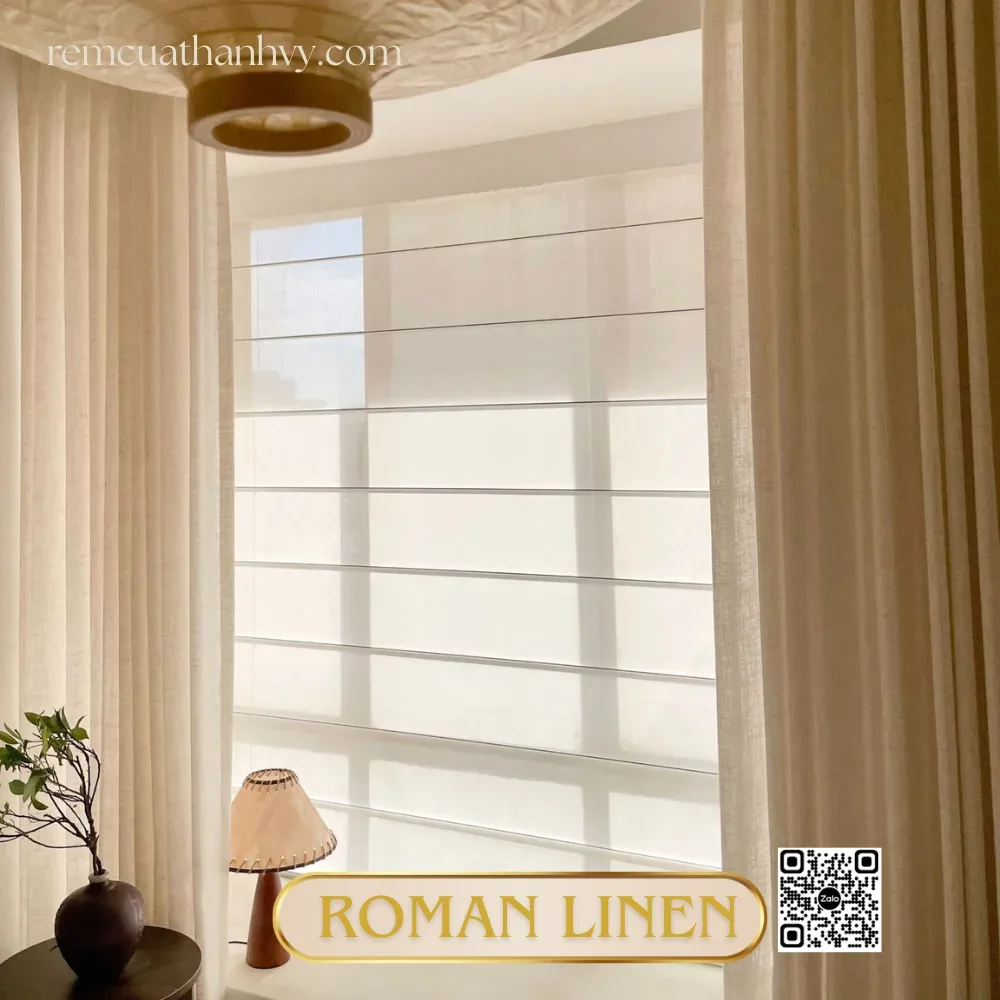
For balconies — spaces that are frequently exposed directly to sun and rain — it is better to prioritize blended linen fabric with better moisture resistance, and consider an installation style that is easy to remove for periodic cleaning. For apartments with small balconies, thin linen curtains and a simple sewing style will help the space not feel cramped or cluttered.
Survey measurement process and checklist before finalizing linen curtain production
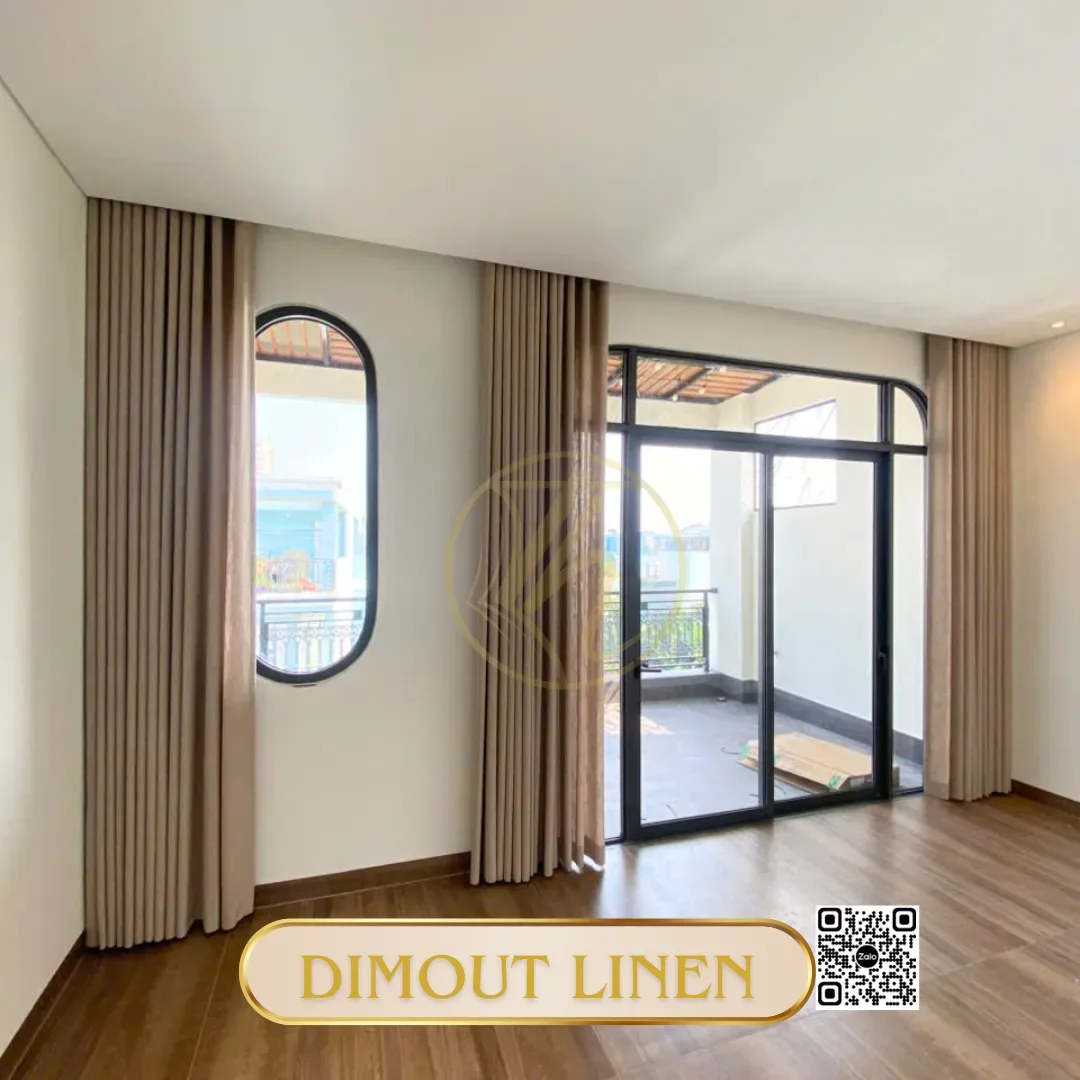
Before making any linen curtains, the step of on-site survey measurement is essential to ensure the dimensions and style fit the space. The survey measurement process usually includes: measuring the actual width and height of the window frame, checking the distance from ceiling to floor, determining the location for rod or track installation, and noting the direction of sunlight at different times of the day.
Besides measurements, several other factors also need to be carefully surveyed such as: ceiling structure (plaster ceiling, concrete ceiling, or drop ceiling) to determine the appropriate installation plan, distance of obstacles like recessed lights or air conditioners near the curtain installation area, and the main purpose of use for each room as mentioned in the previous section.
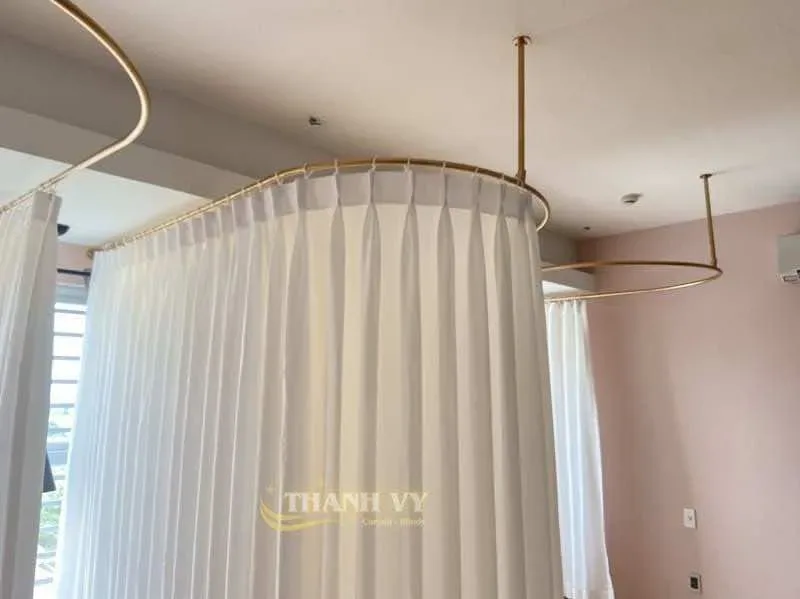
Before finalizing the order, homeowners should prepare a short checklist including: confirming the actual fabric color and sample (not just looking at images), confirming the agreed-upon sewing and installation style, re-checking measurements before cutting and sewing, and clearly discussing the completion and installation time. Careful preparation at this step helps minimize errors that may arise after the curtains have been completely made.
Notes when choosing a custom-making and installation unit for linen curtains in District 12
When looking for a linen curtain maker in District 12, prioritize places that can survey and measure directly at home instead of just consulting via phone or images, because the dimensions and structure of each project are different. Accurate measurement from the beginning helps avoid the situation where finished curtains are the wrong size or do not fit snugly against the actual window frame.
In addition, ask clearly about the linen fabric used — fiber blend ratio, thickness, wrinkle resistance, and maintenance methods — instead of just relying on the general name “linen fabric.” A reputable custom-making unit is usually willing to show real fabric samples and clearly explain the pros and cons of each type so that customers can consider them themselves, rather than just focusing on closing the order quickly. Information about the unit also appears in the article introducing auditorium curtains in Can Tho Newspaper.
Finally, discuss clearly the warranty policy, support for adjustments after installation, and response time when problems arise, because curtains are long-term interior products used in the home. In summary, to get a set of linen curtains that are both beautiful and functional in District 12, homeowners should invest time in researching materials, suitable sewing styles, and working with a unit that has a clear survey process from the beginning. You can refer to polyester fiber in the textile industry to better understand the material part.
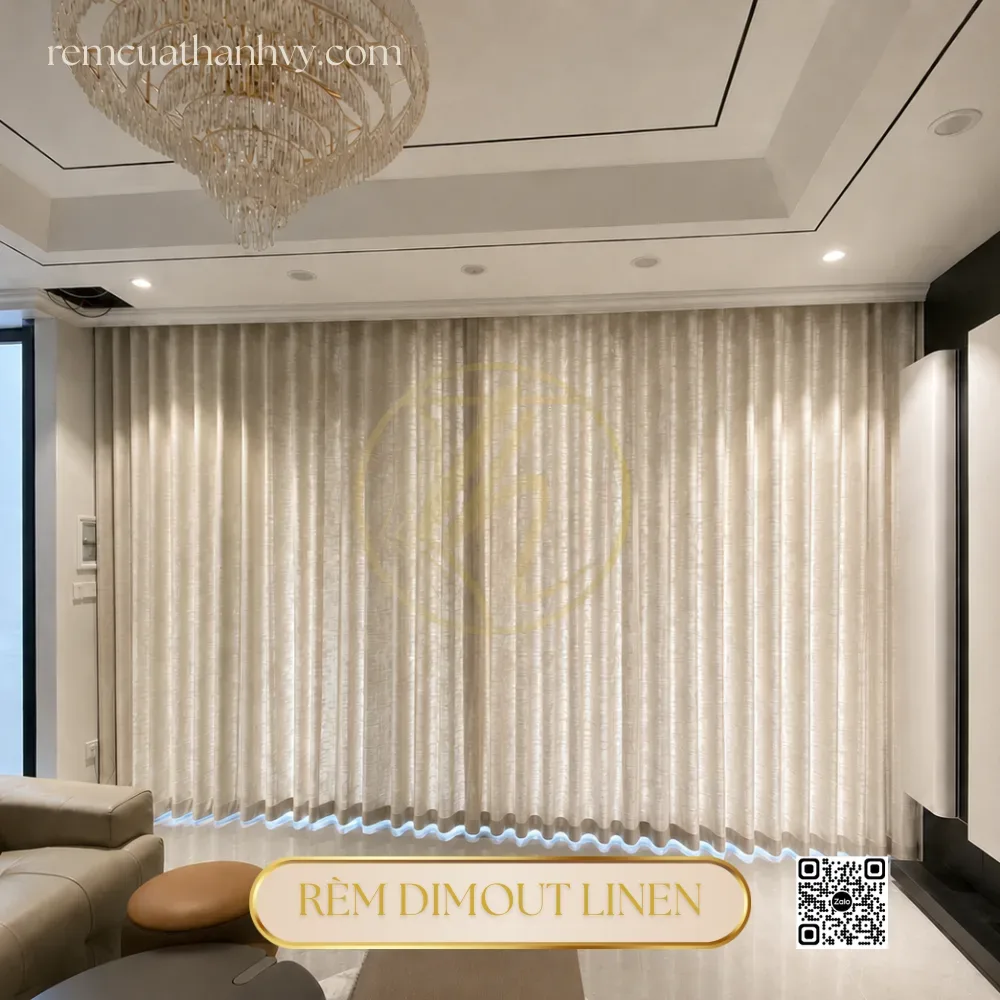
Curtain models that should be installed in District 1
Below are the actual product groups currently available at Thanh Vy Curtains, ranked by popular usage needs in the District 1 area.
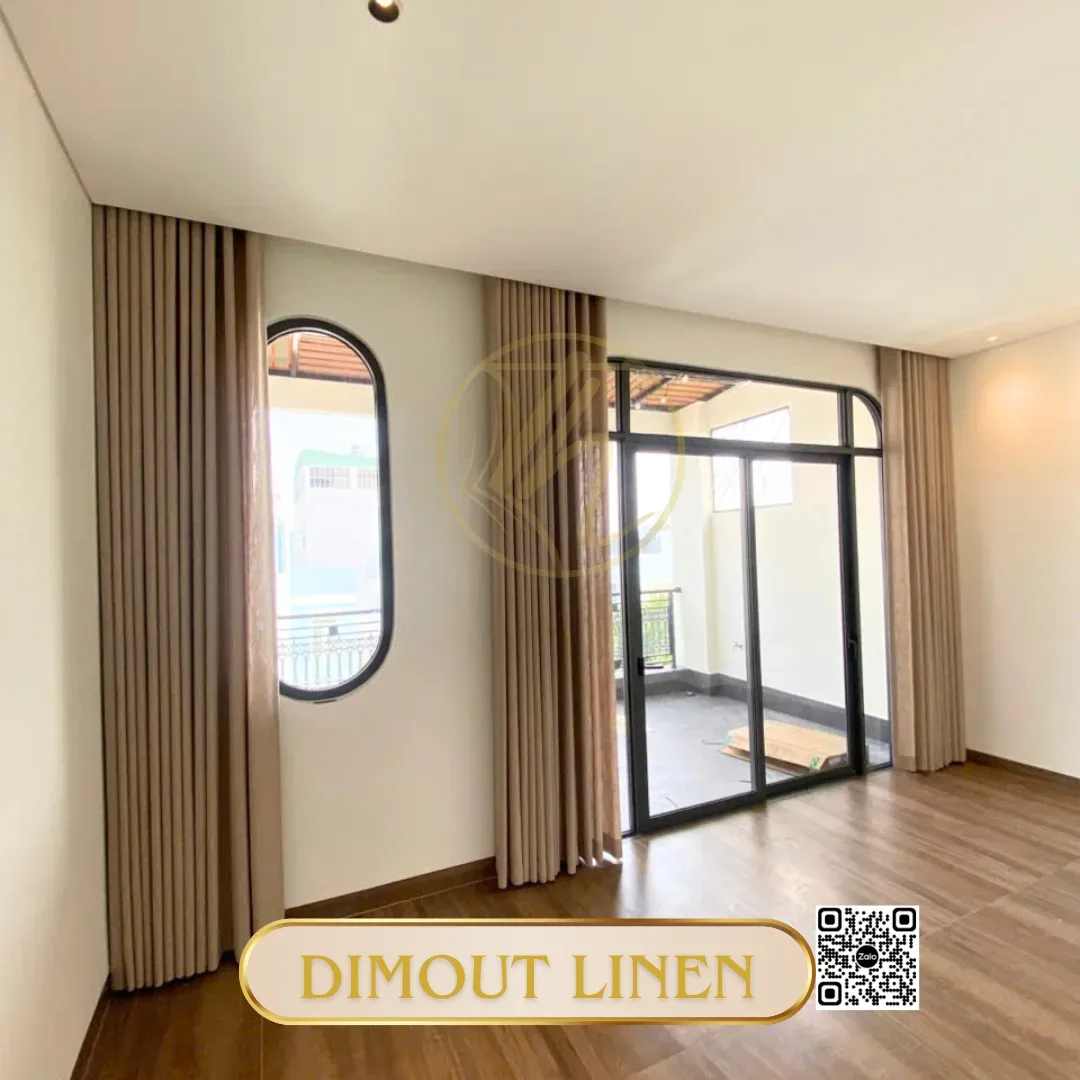
Send your dimensions and needs, and the Thanh Vy Curtains team will advise on options and quote for your actual space.
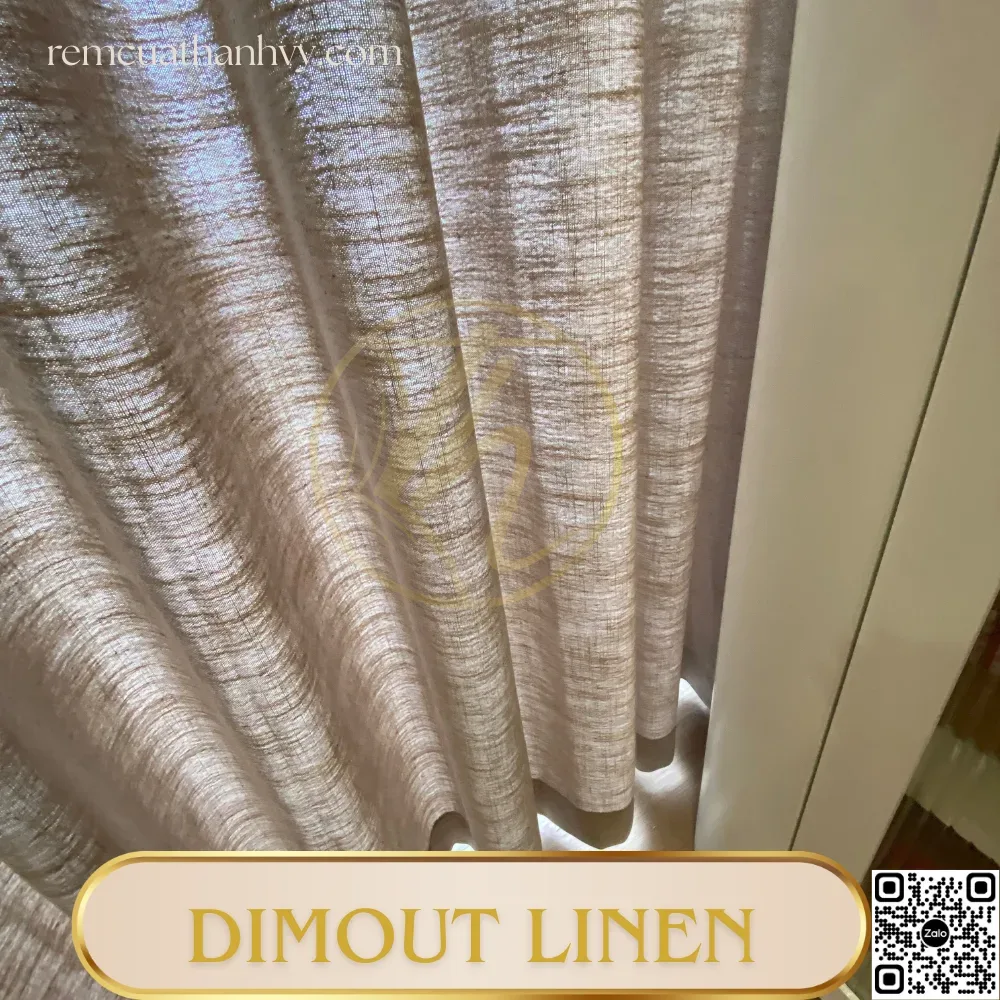
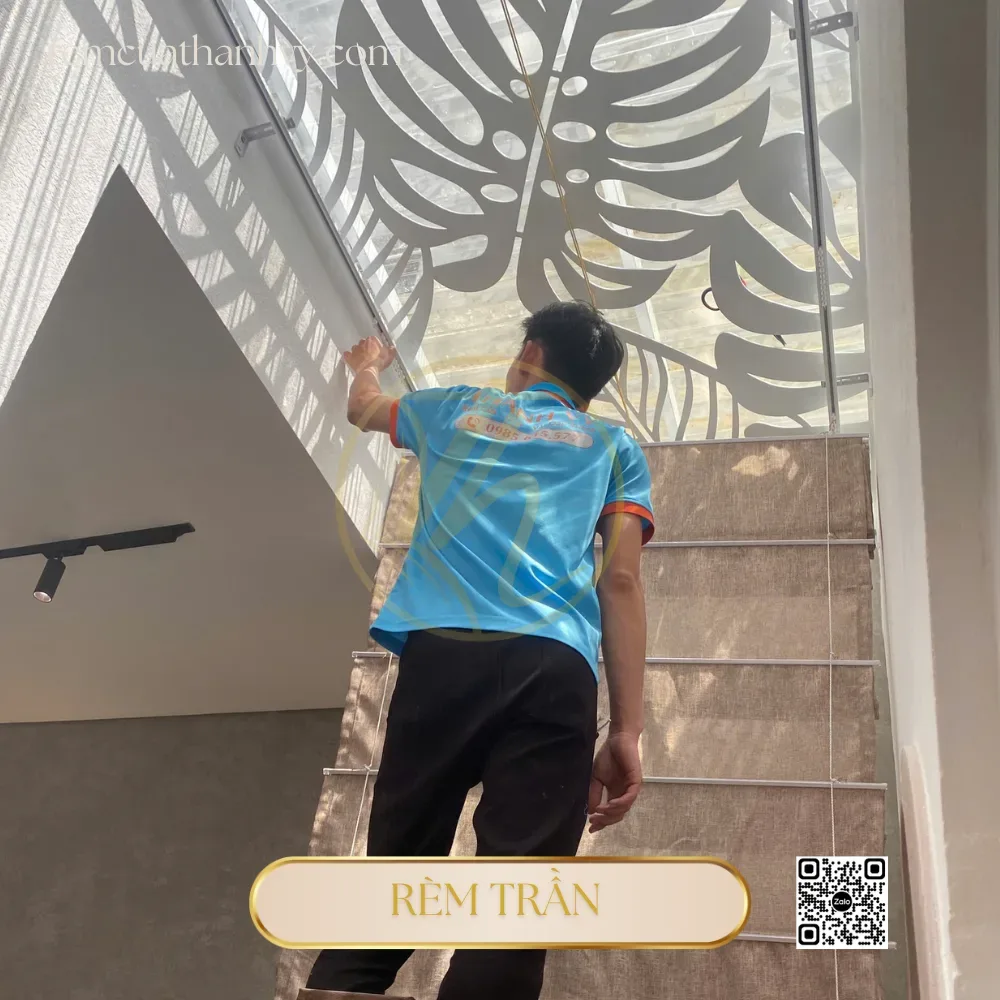
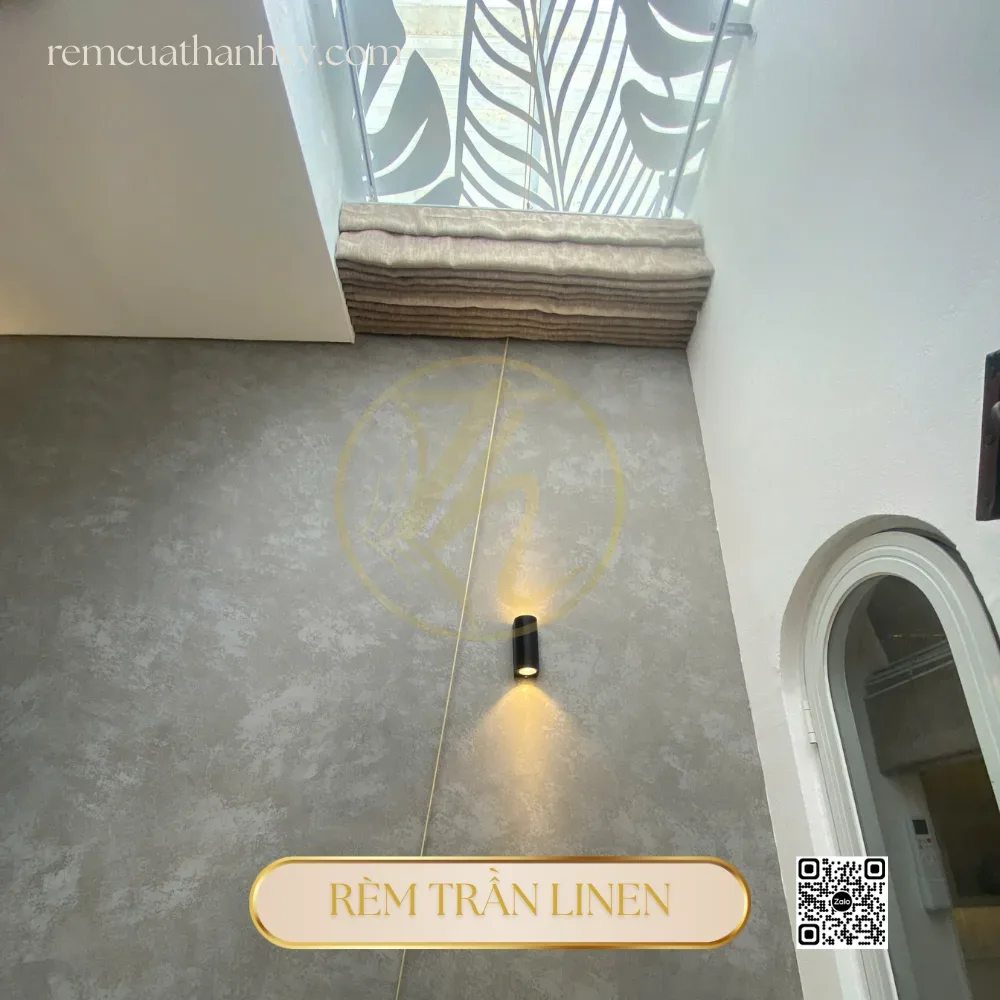
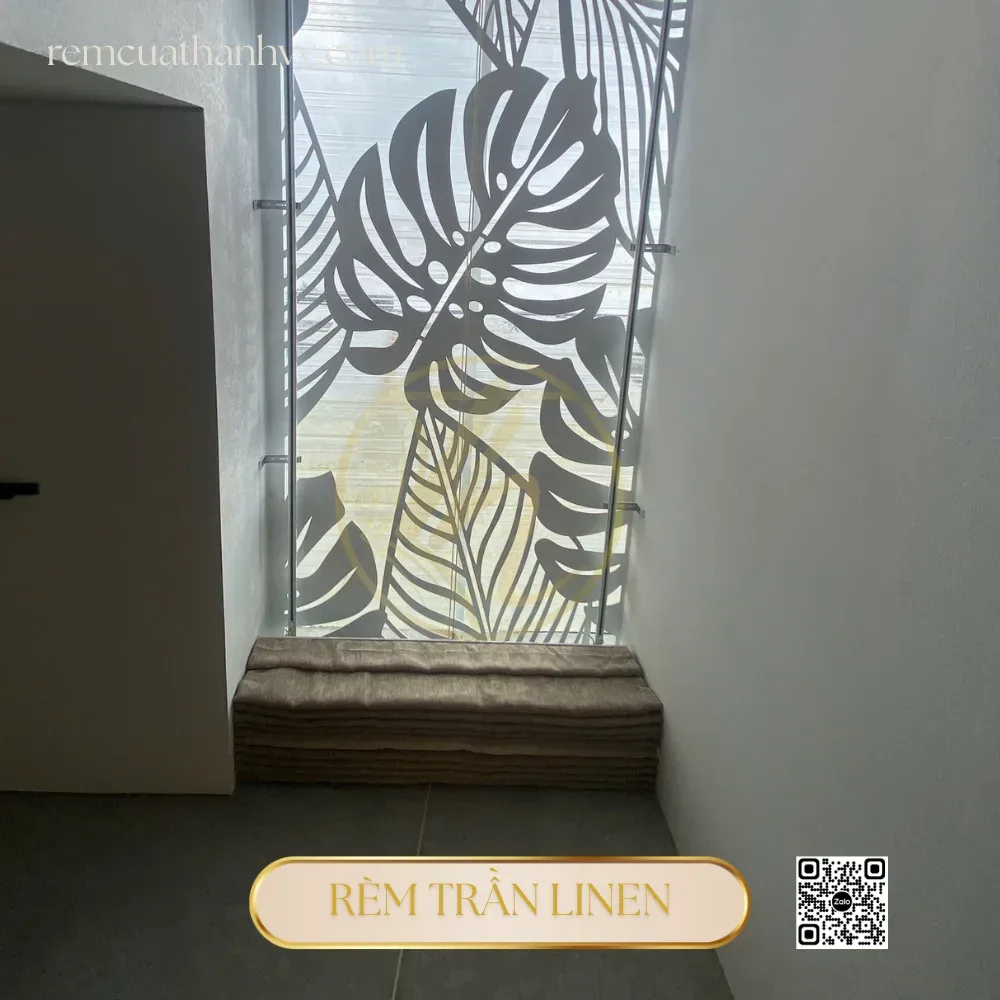
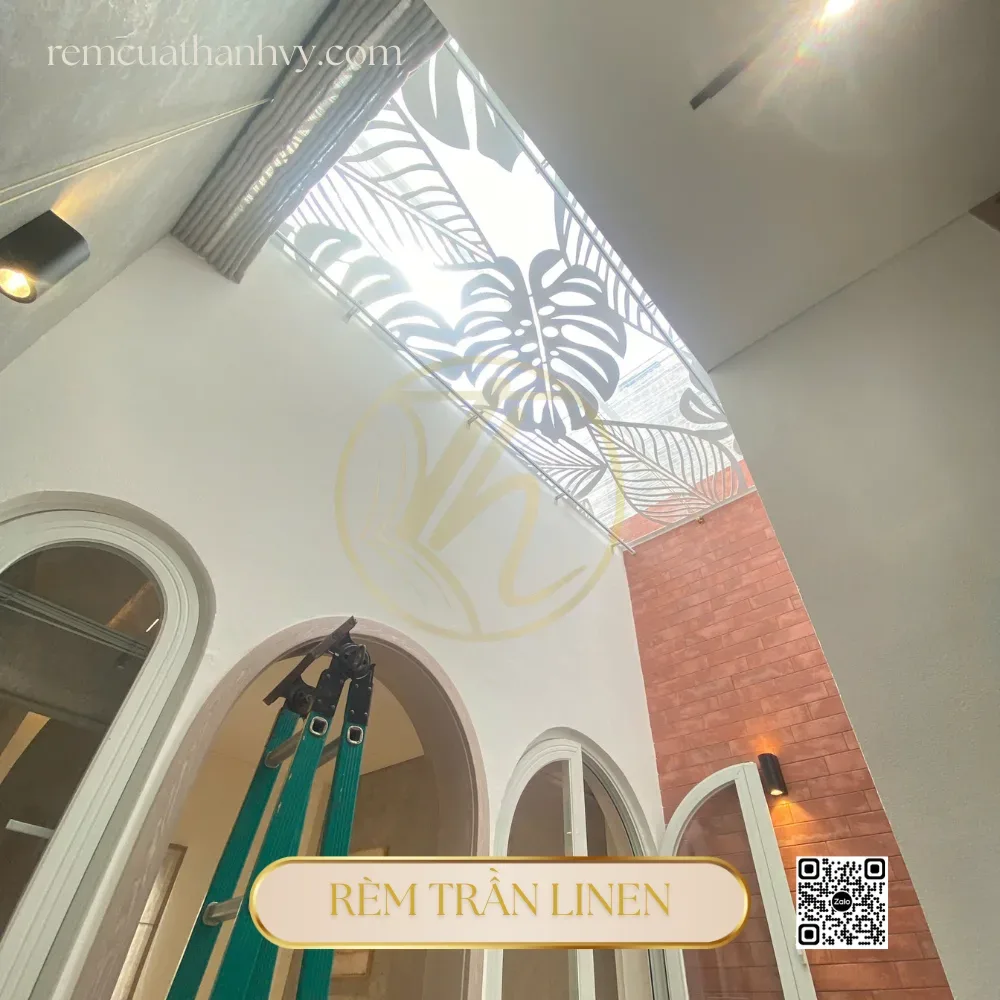
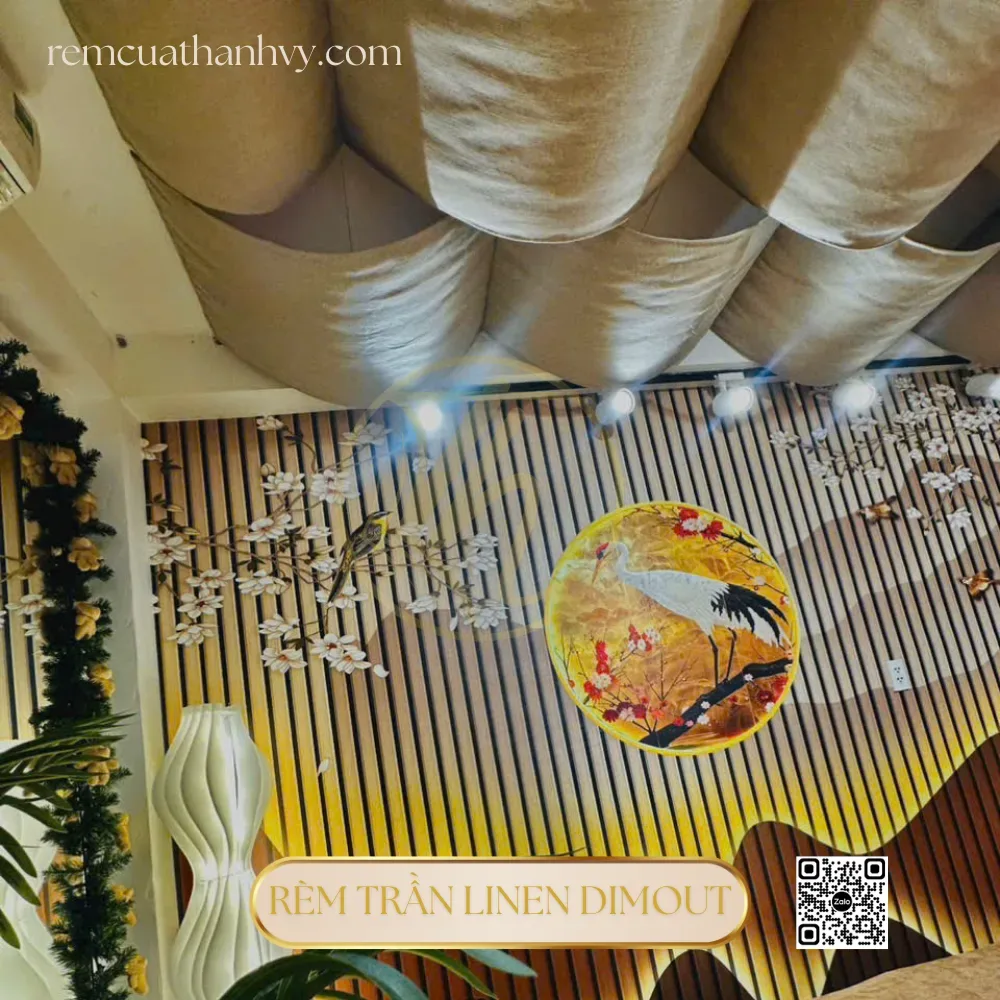
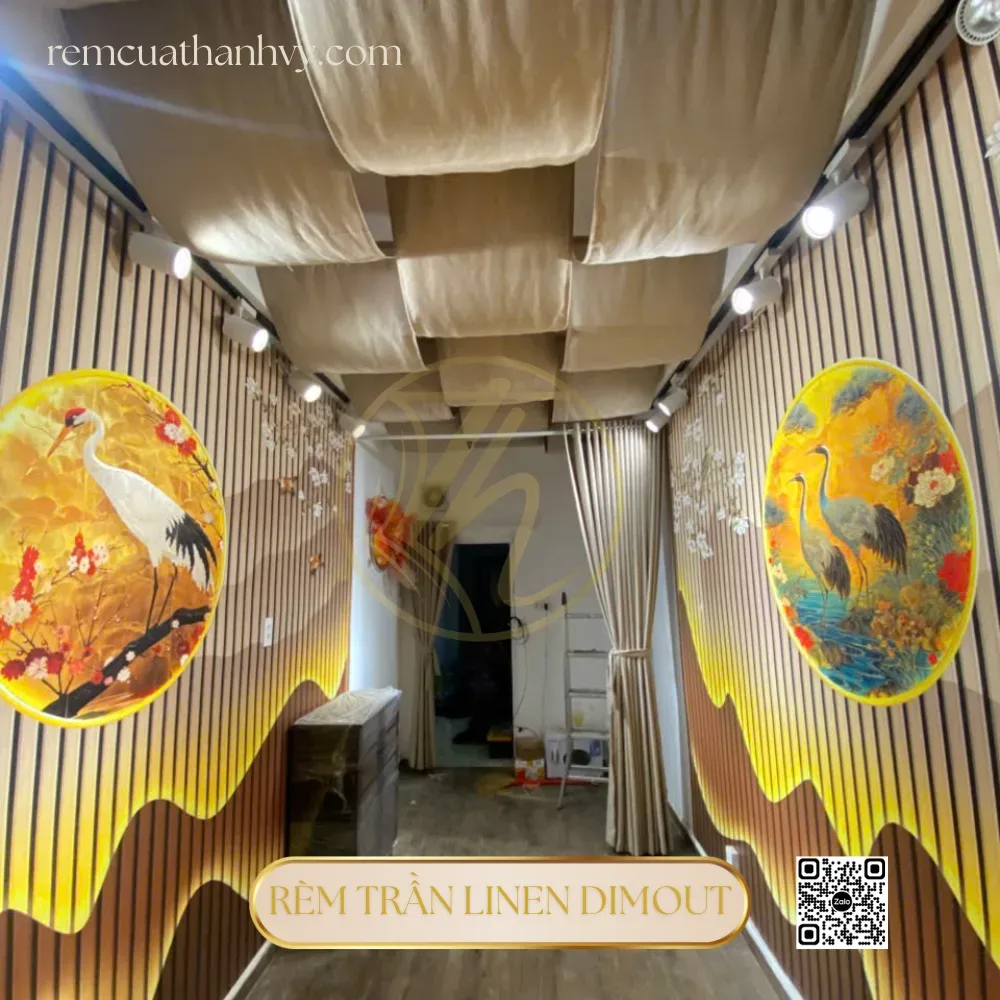
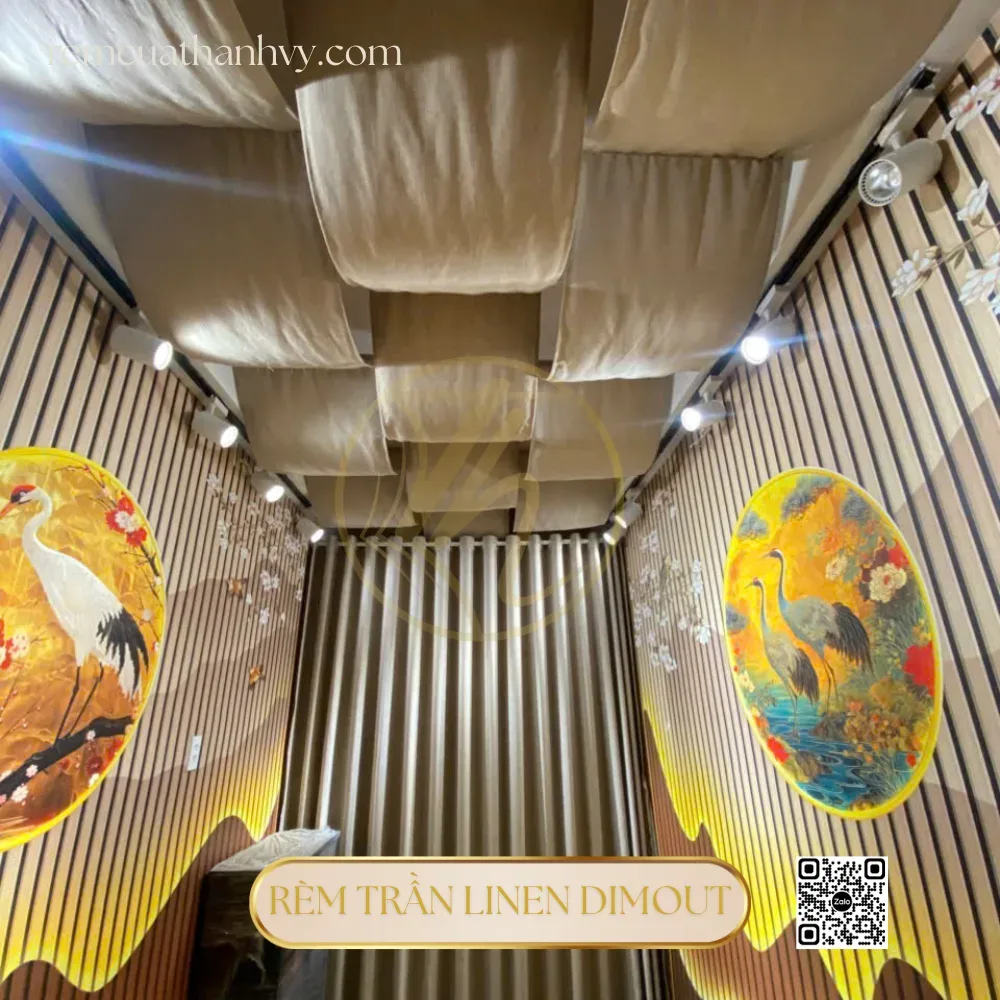
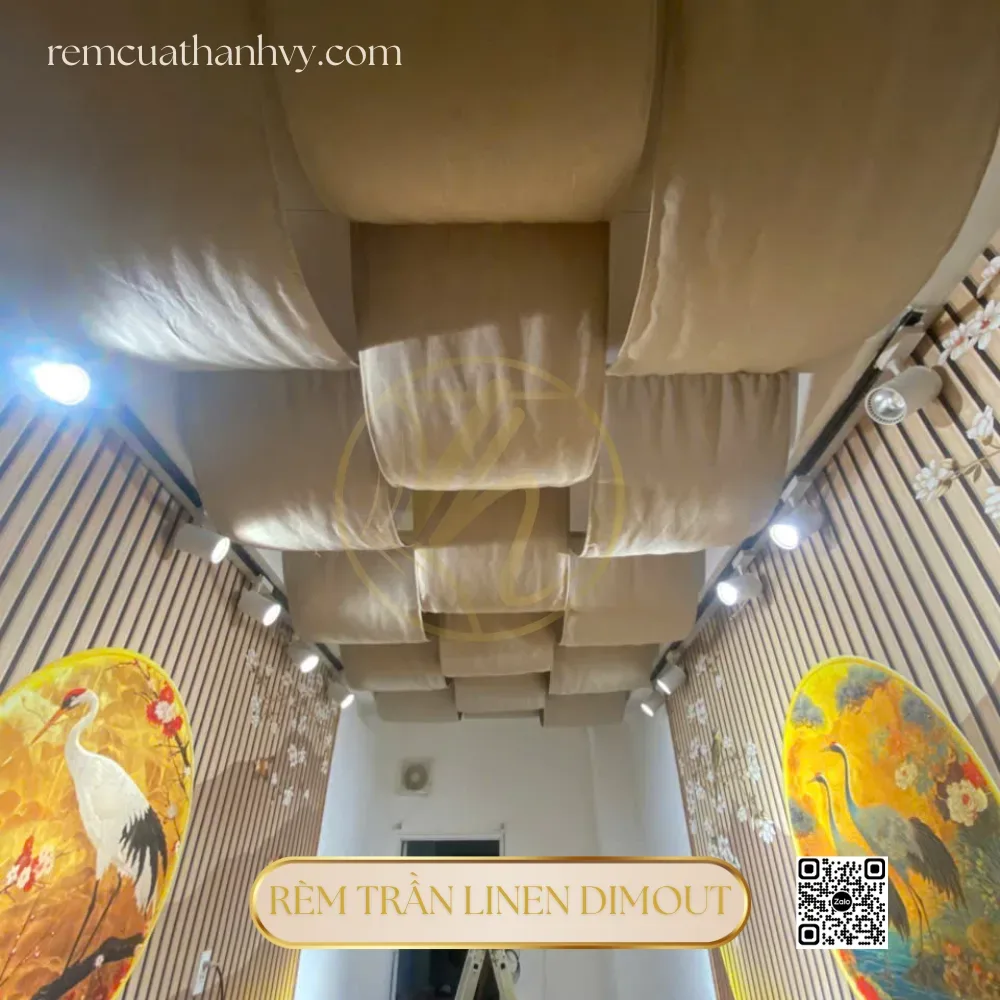
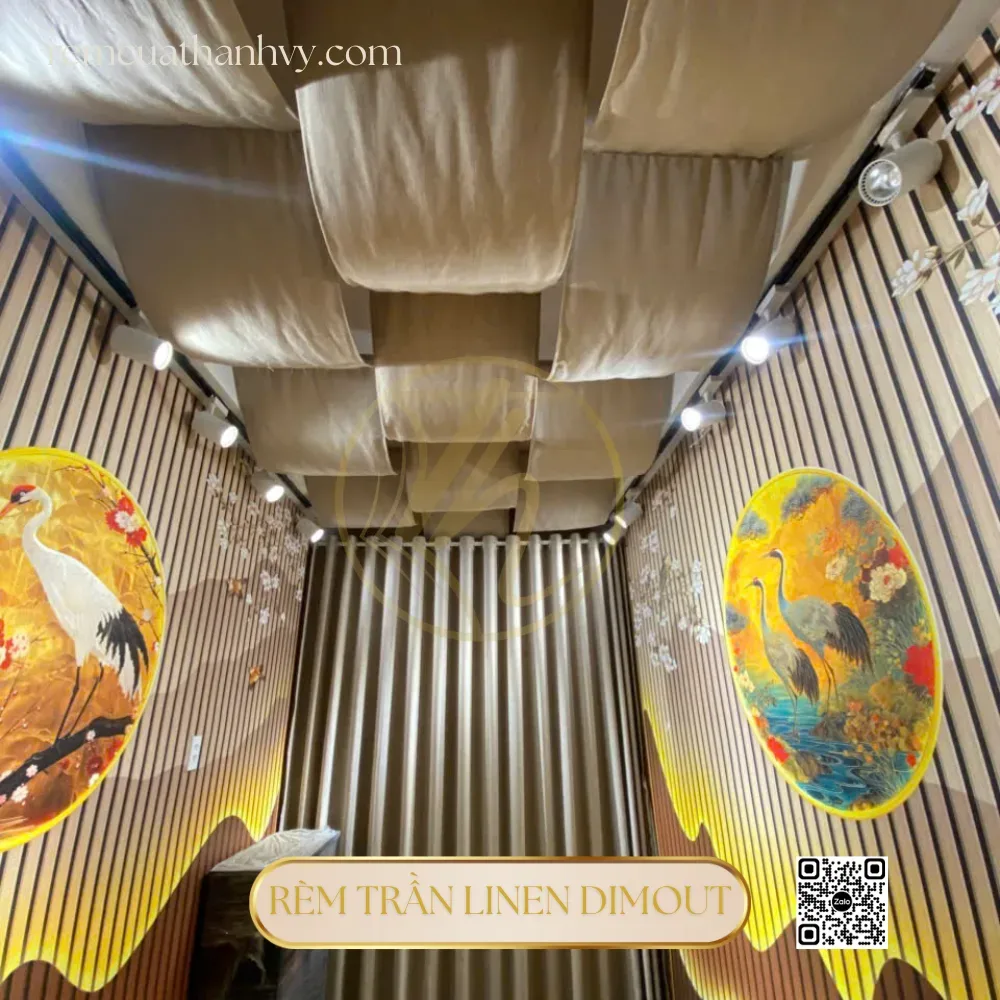
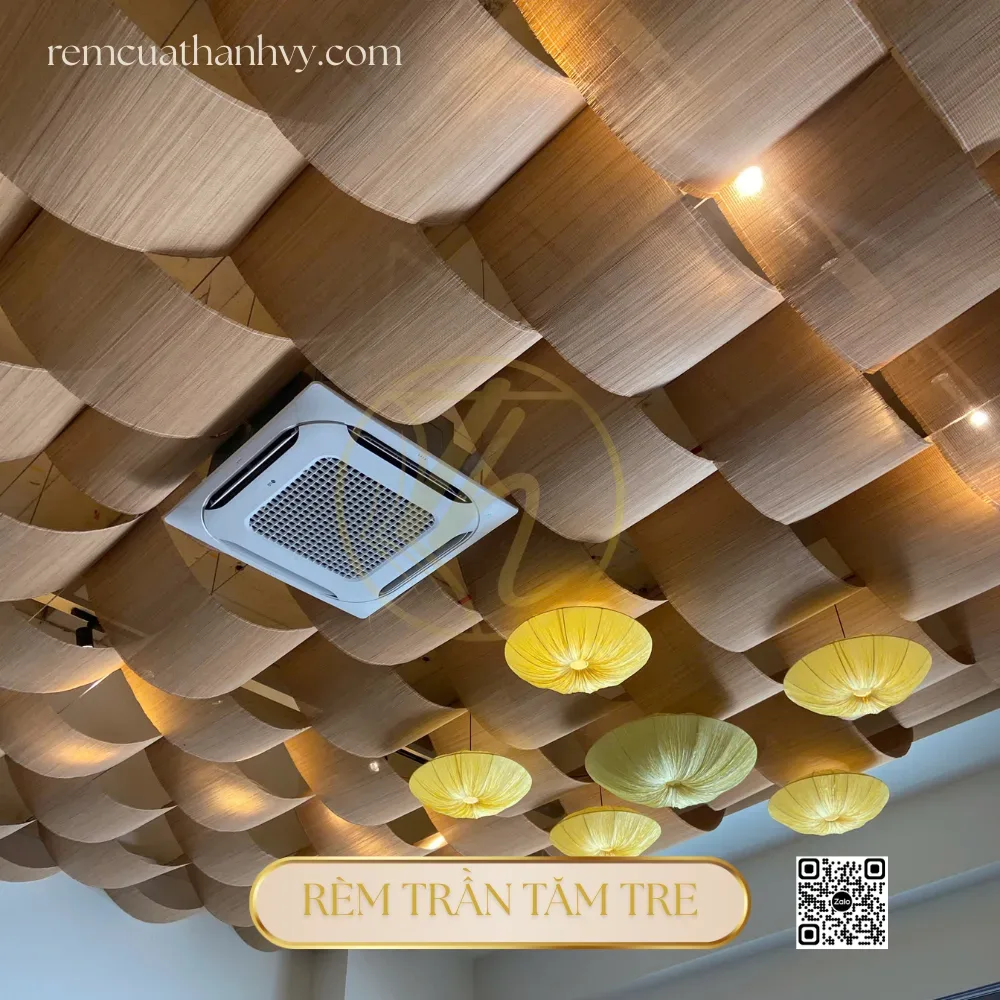
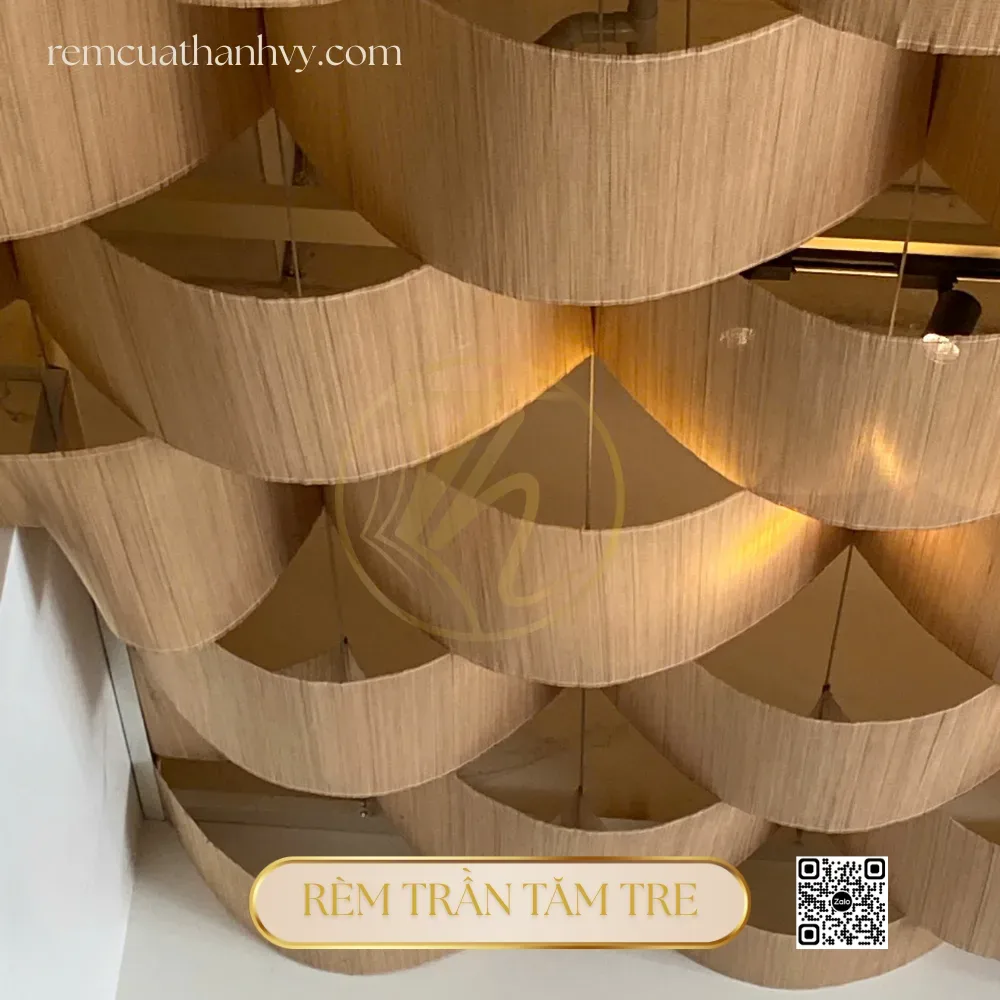
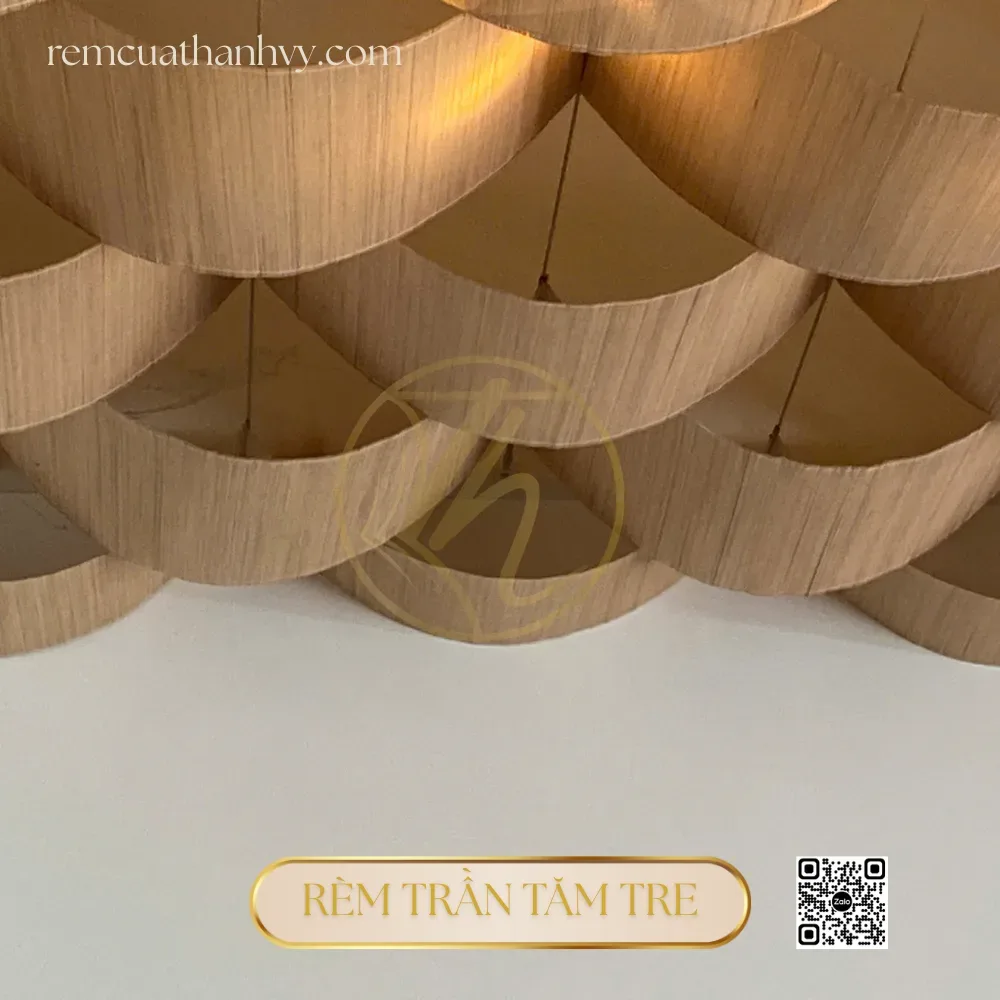
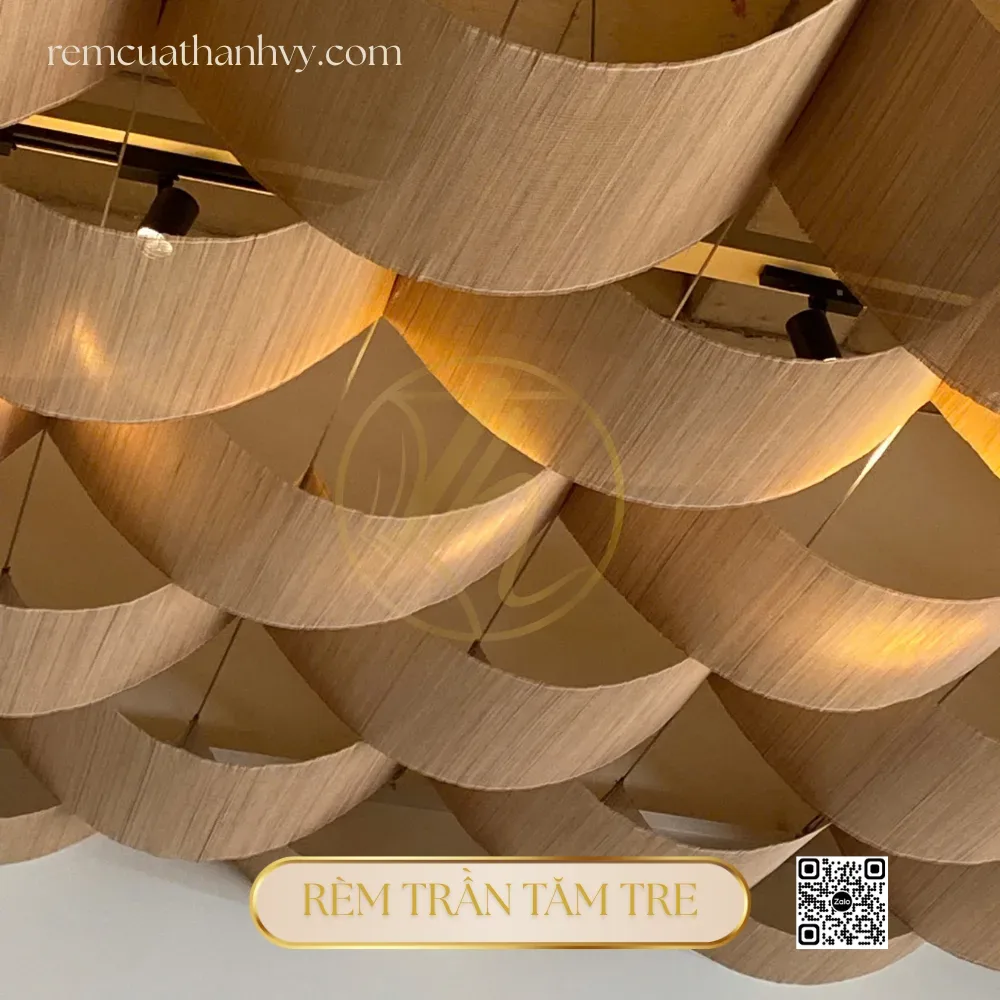
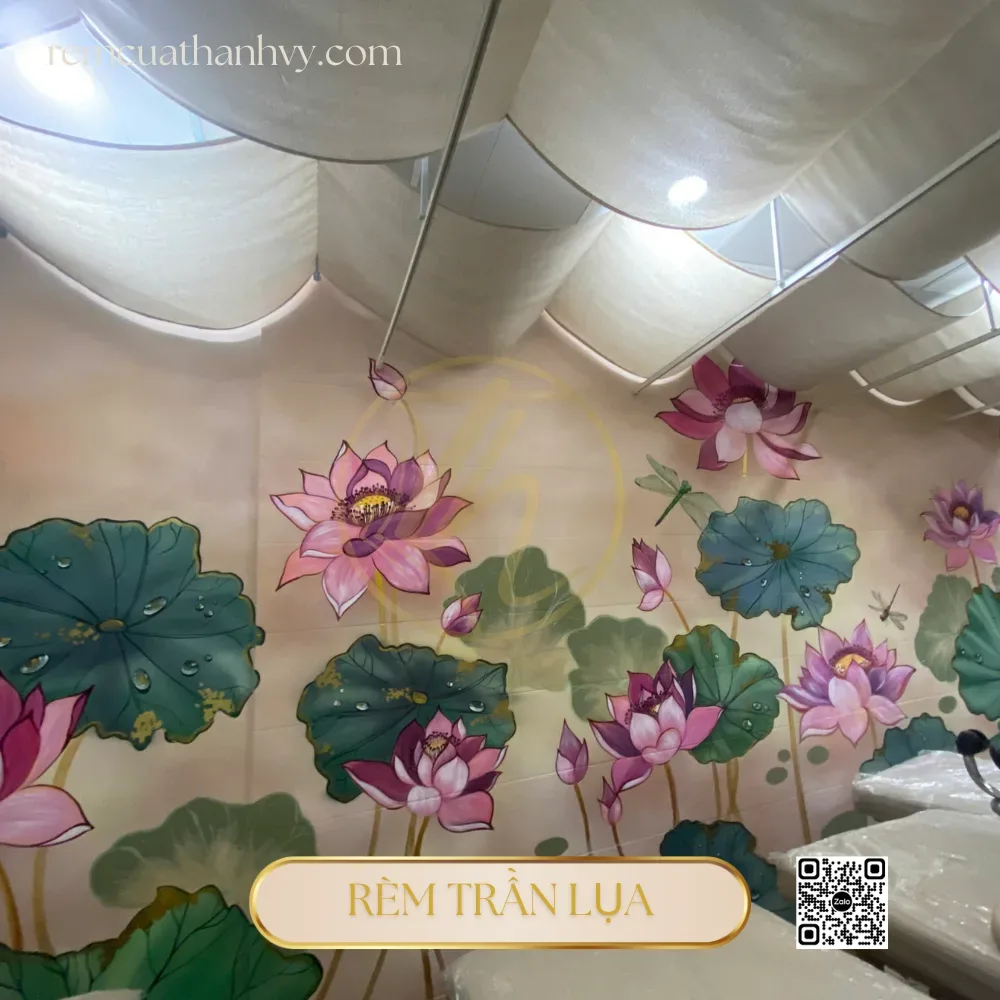
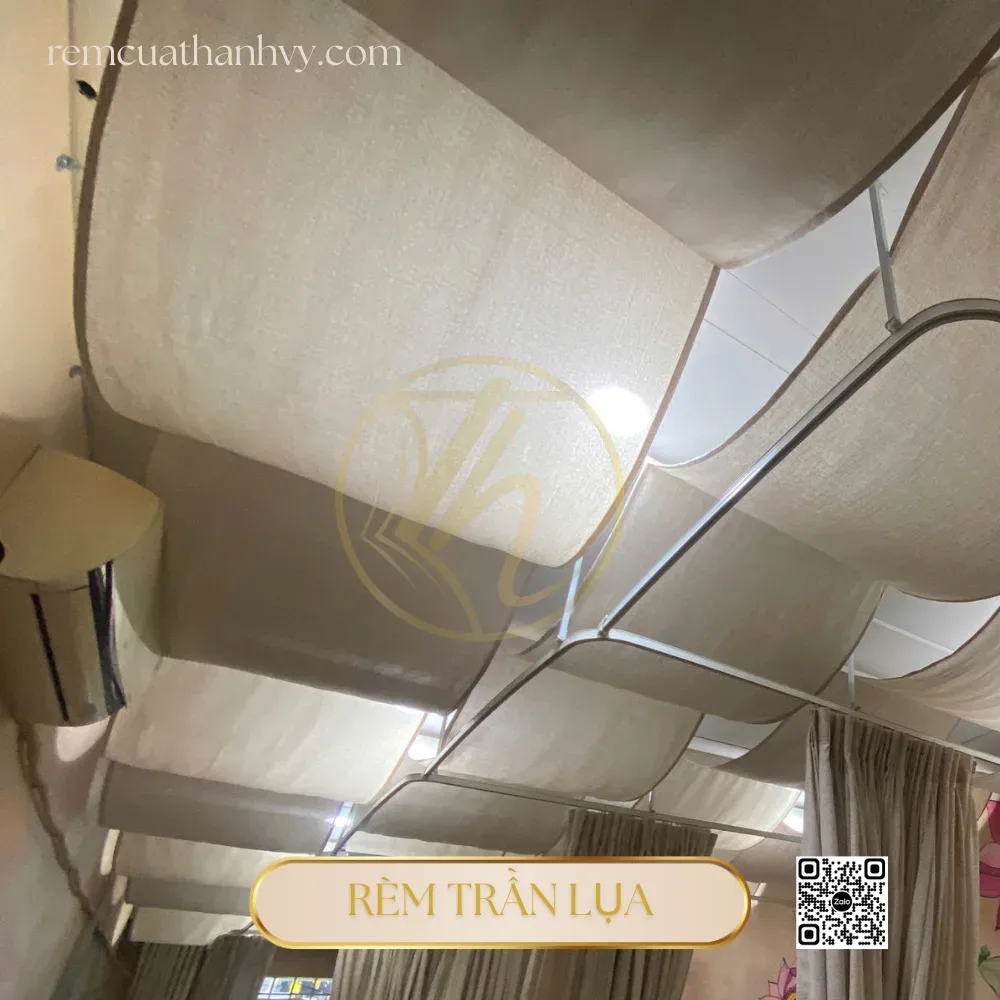
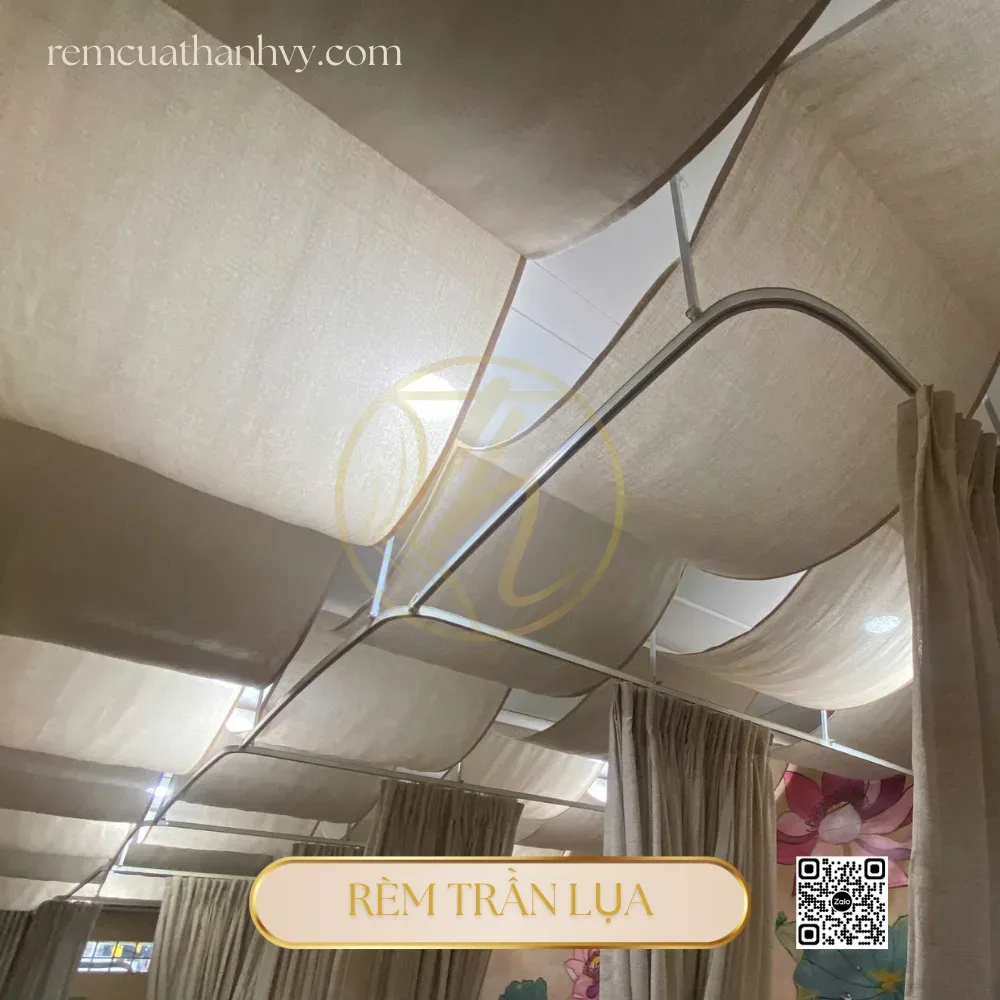
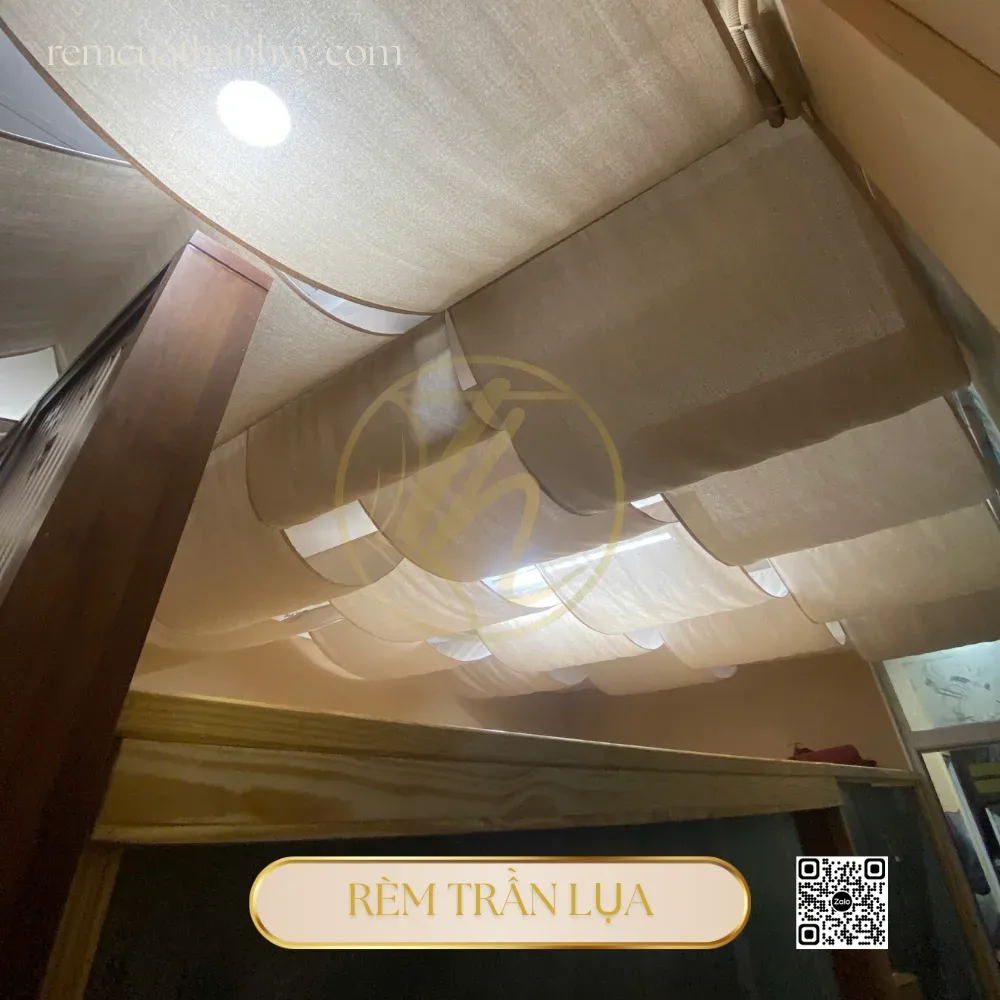
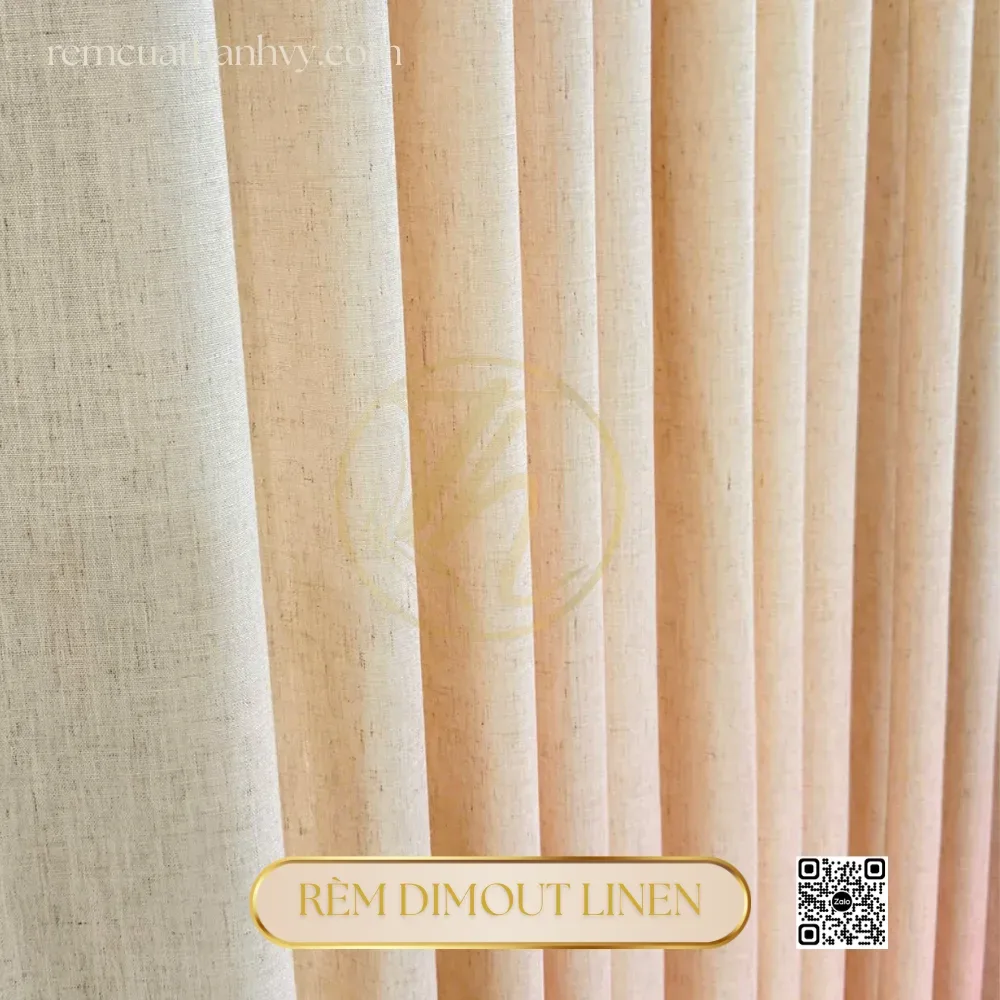
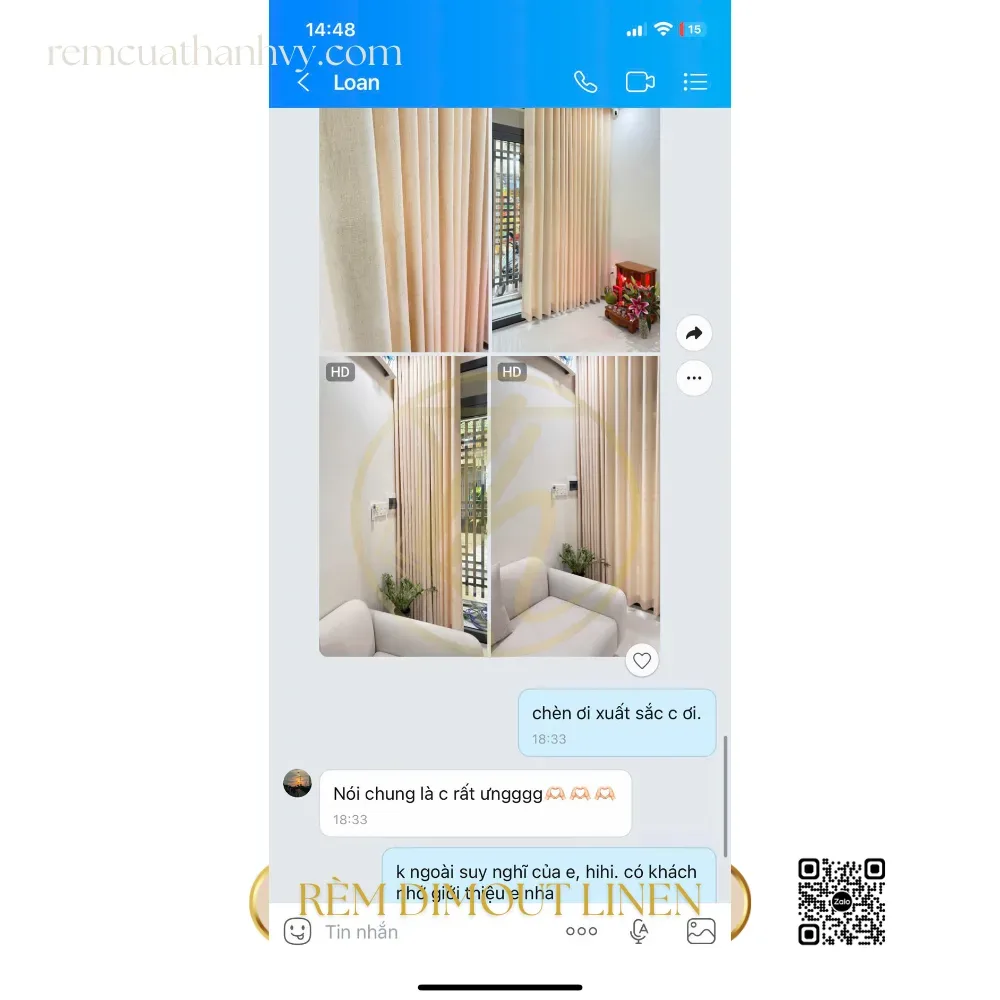
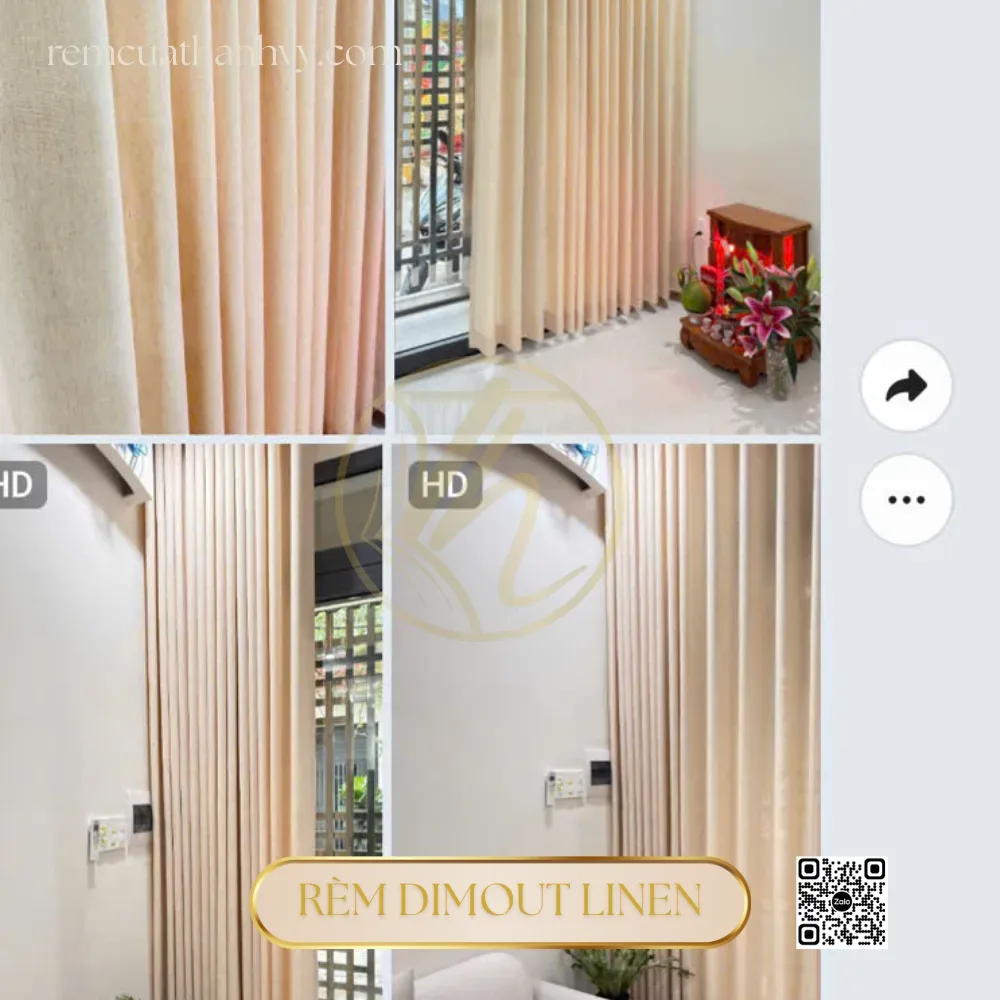
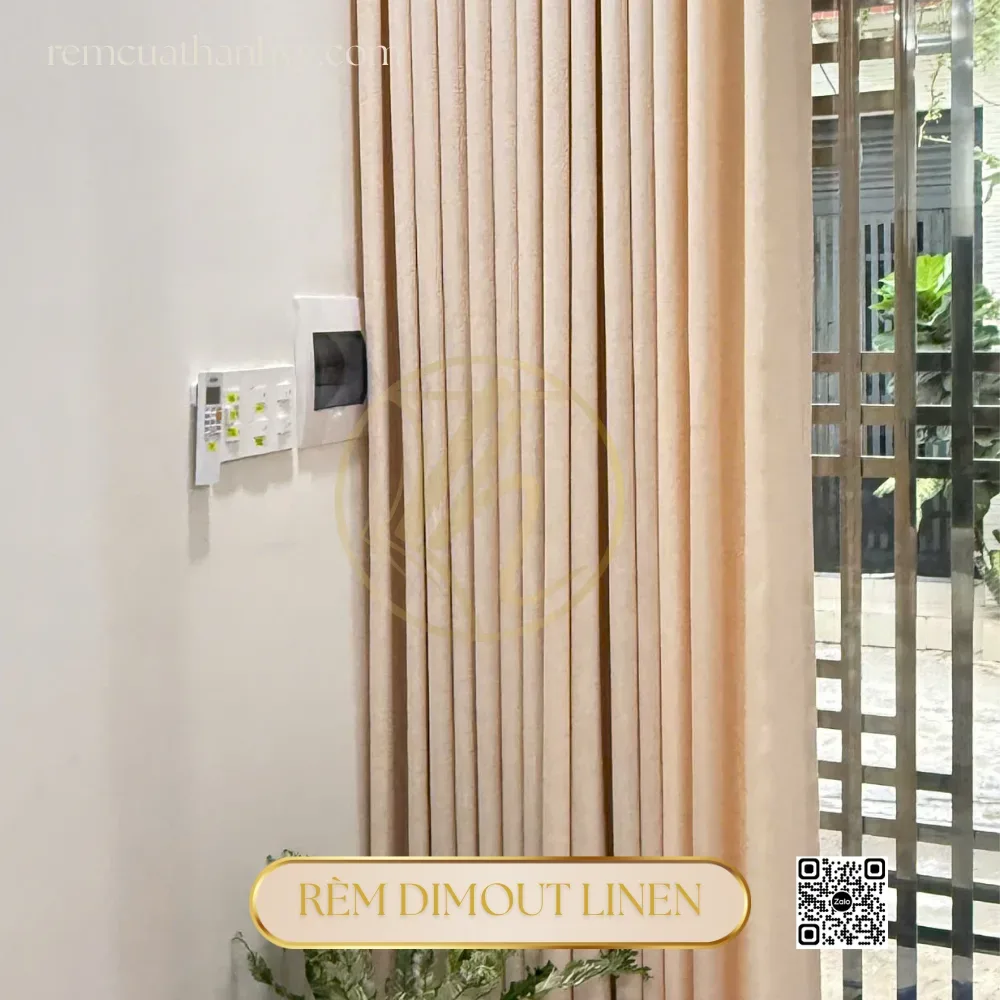
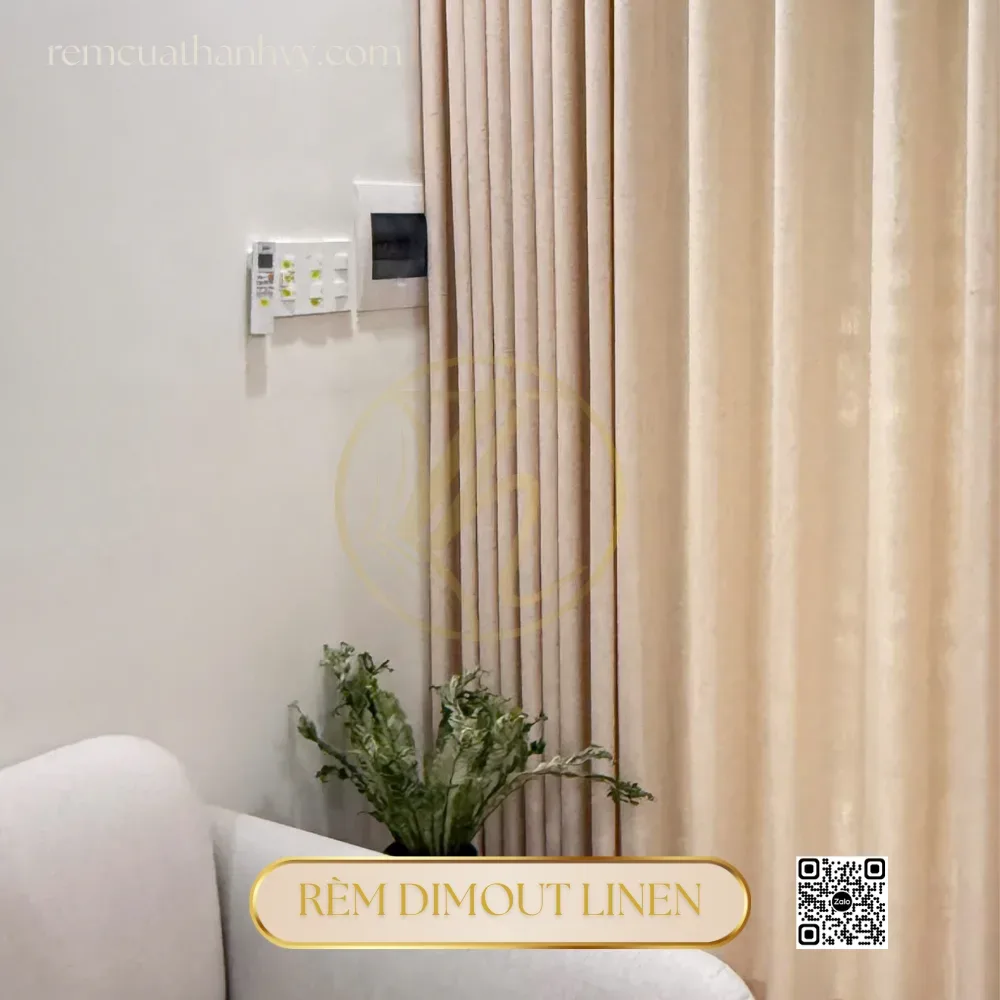
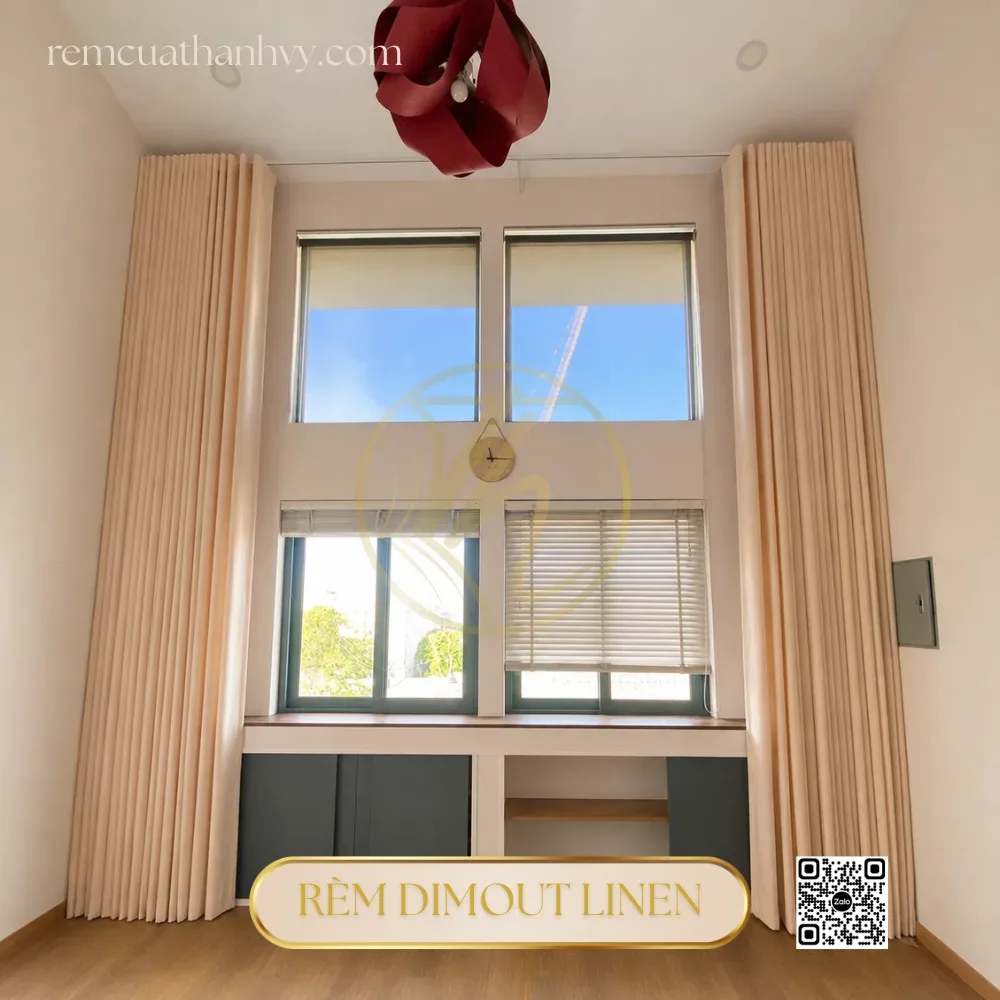
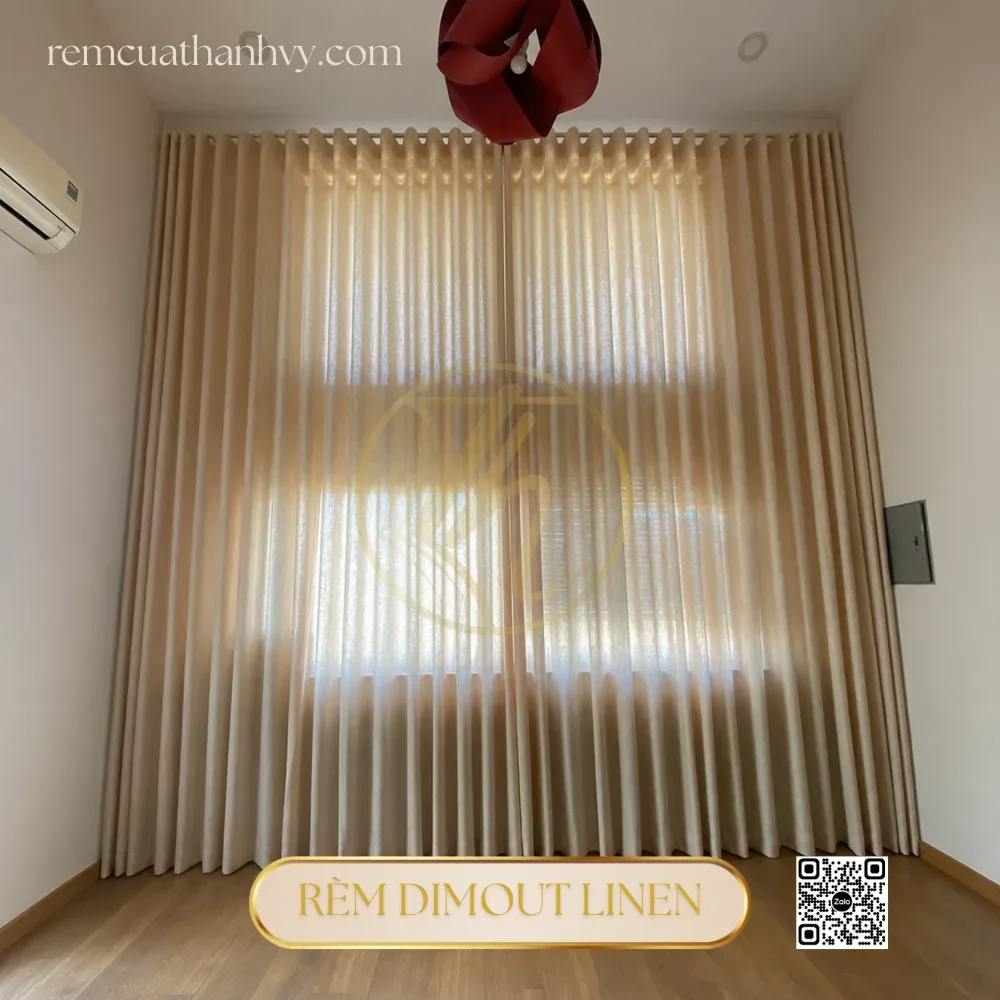
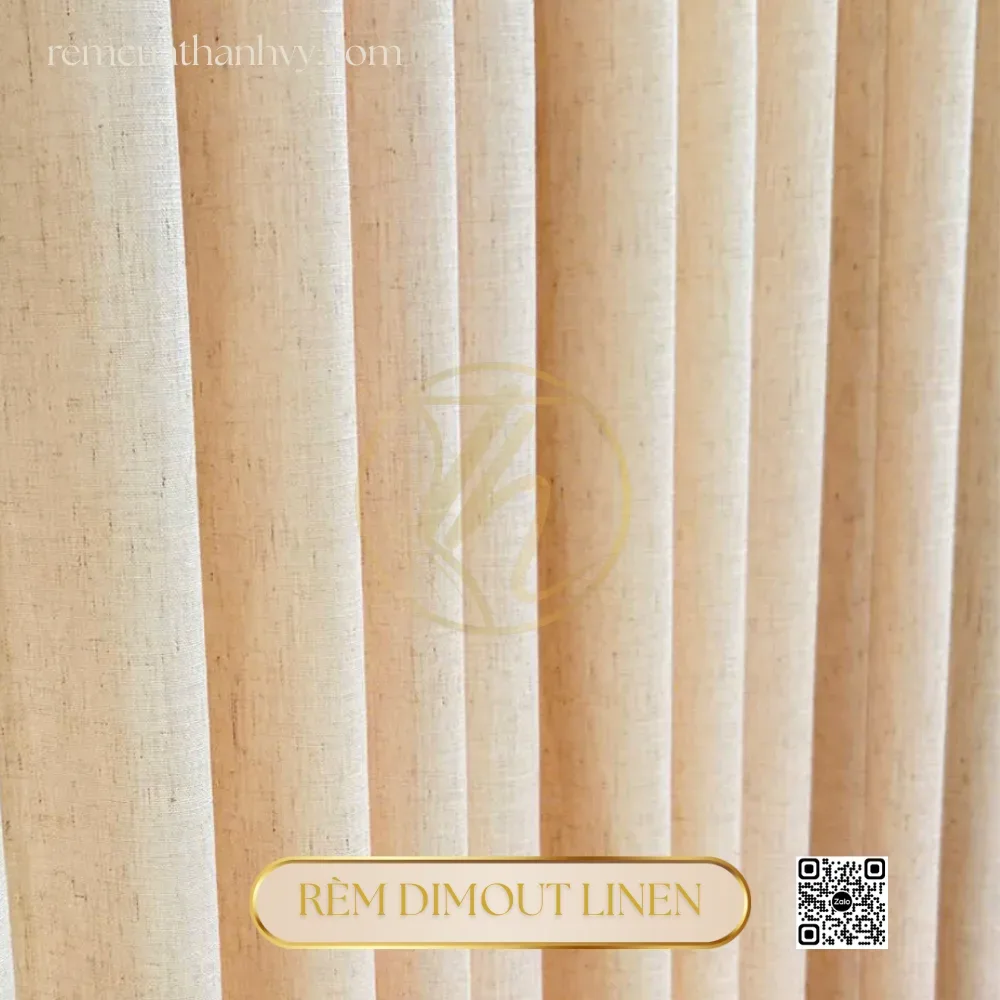
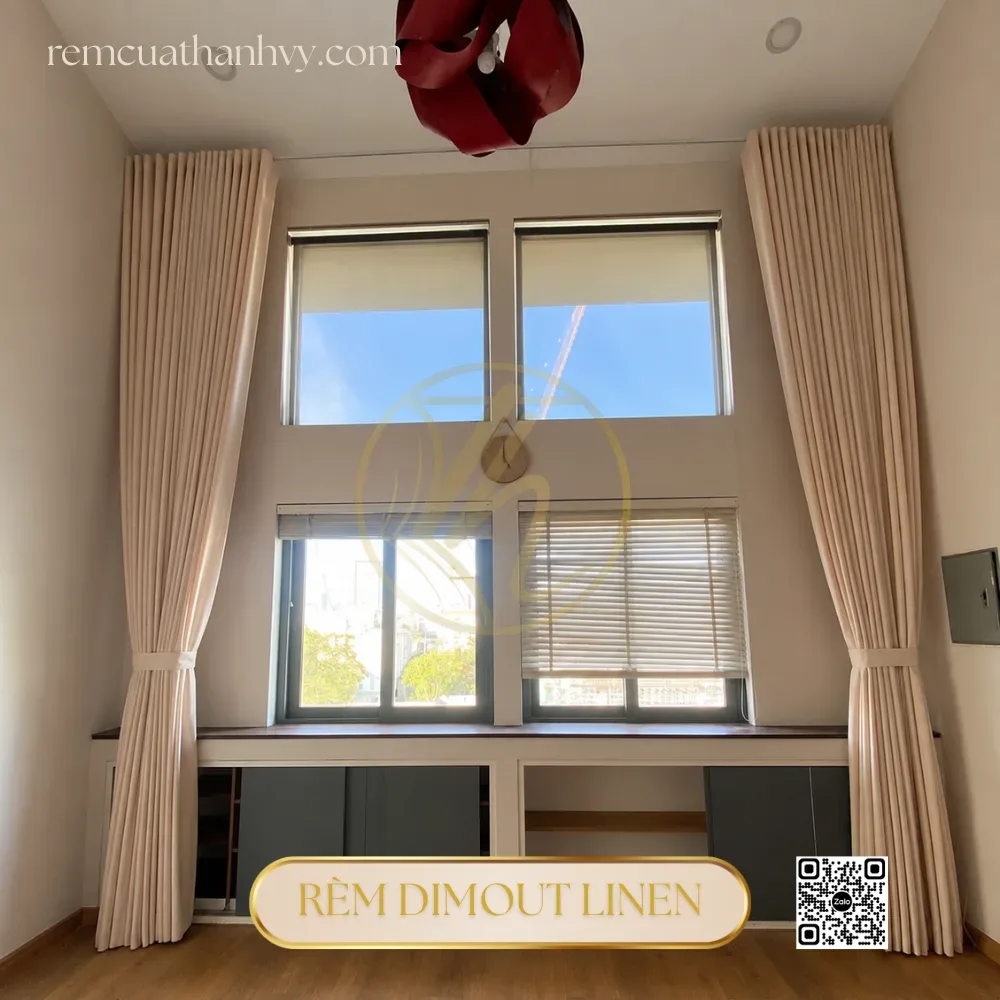
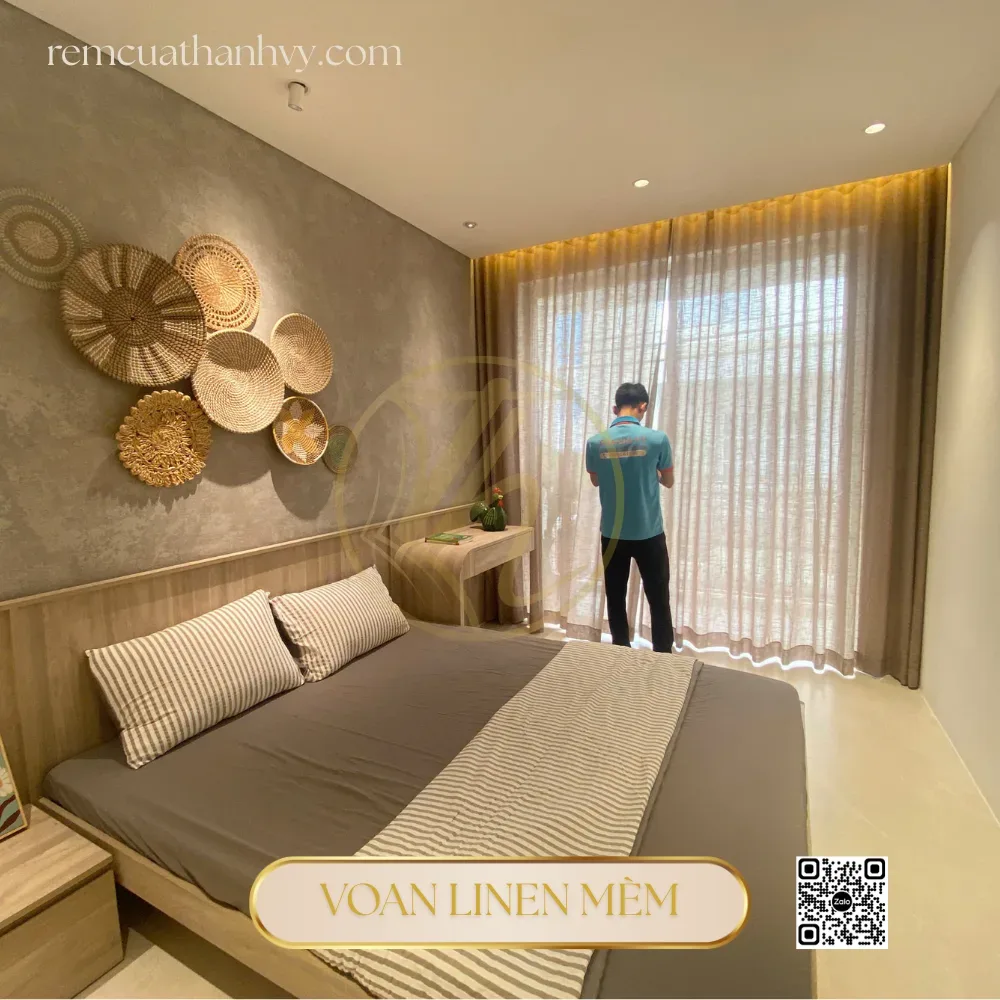
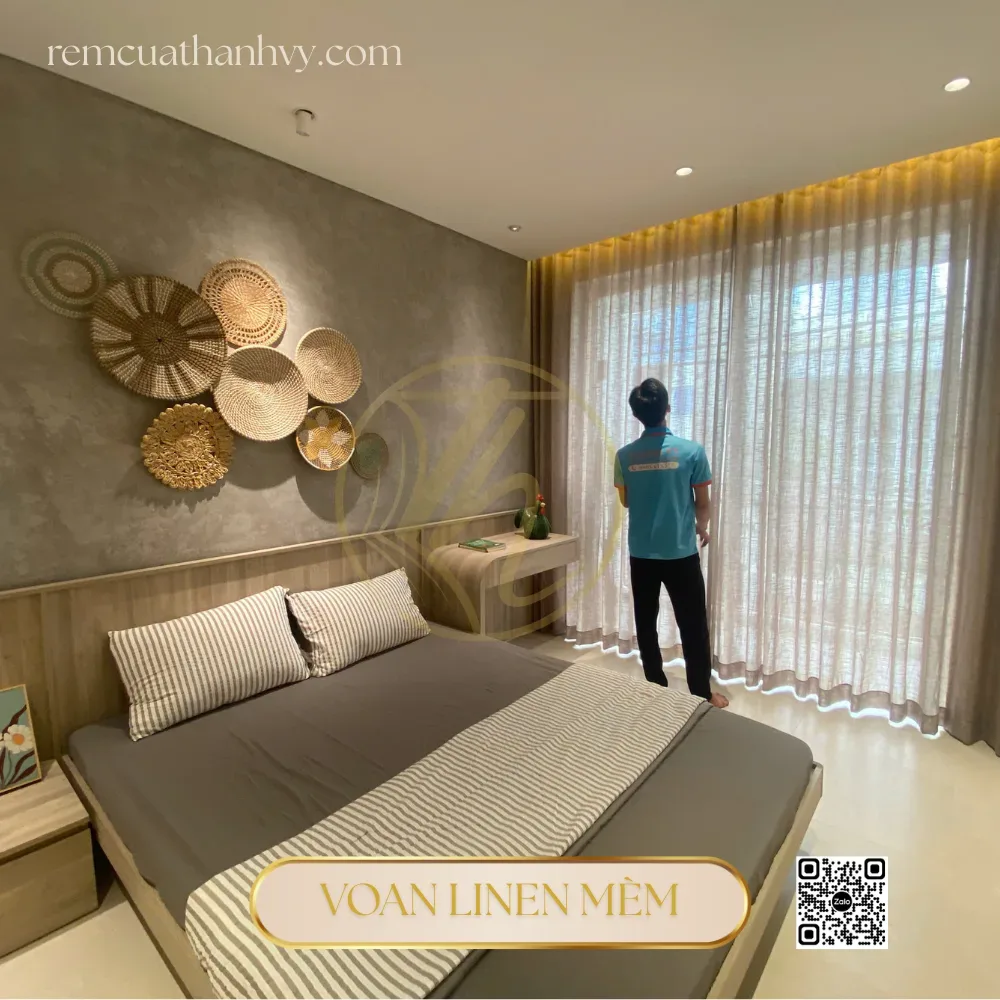
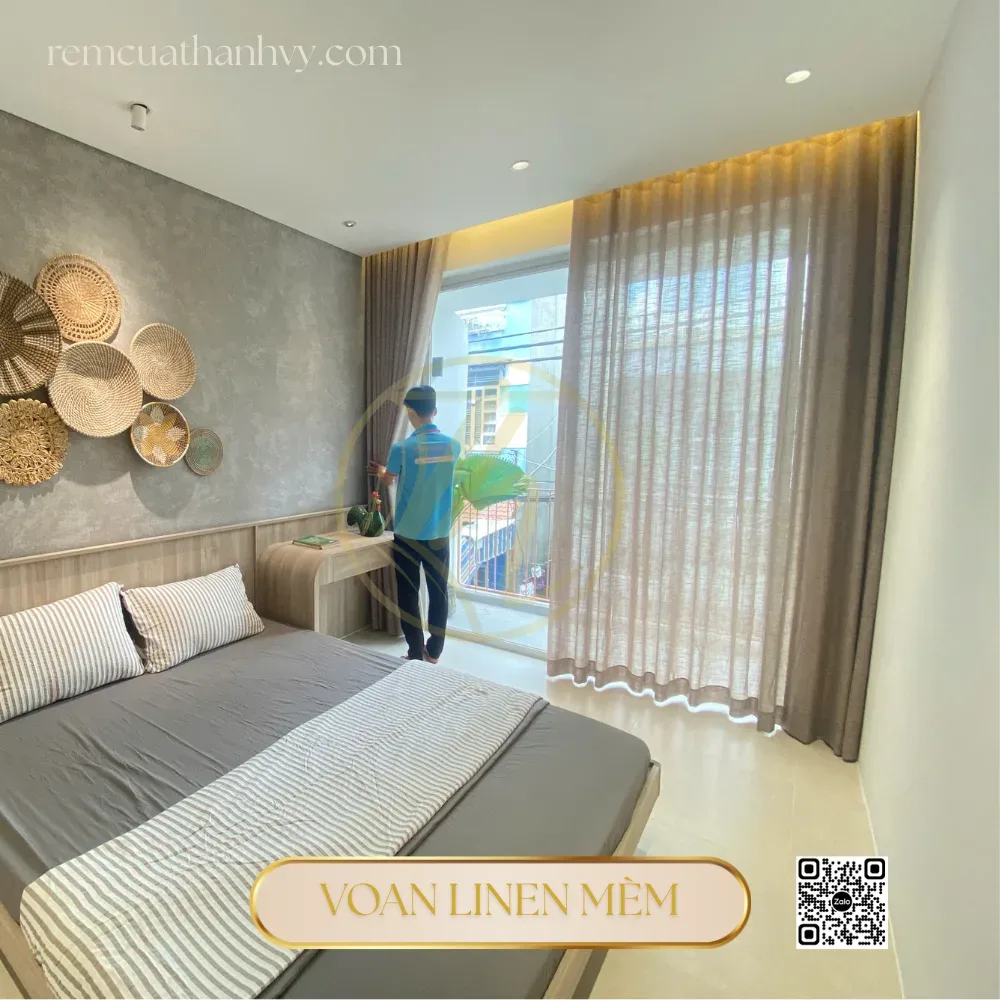
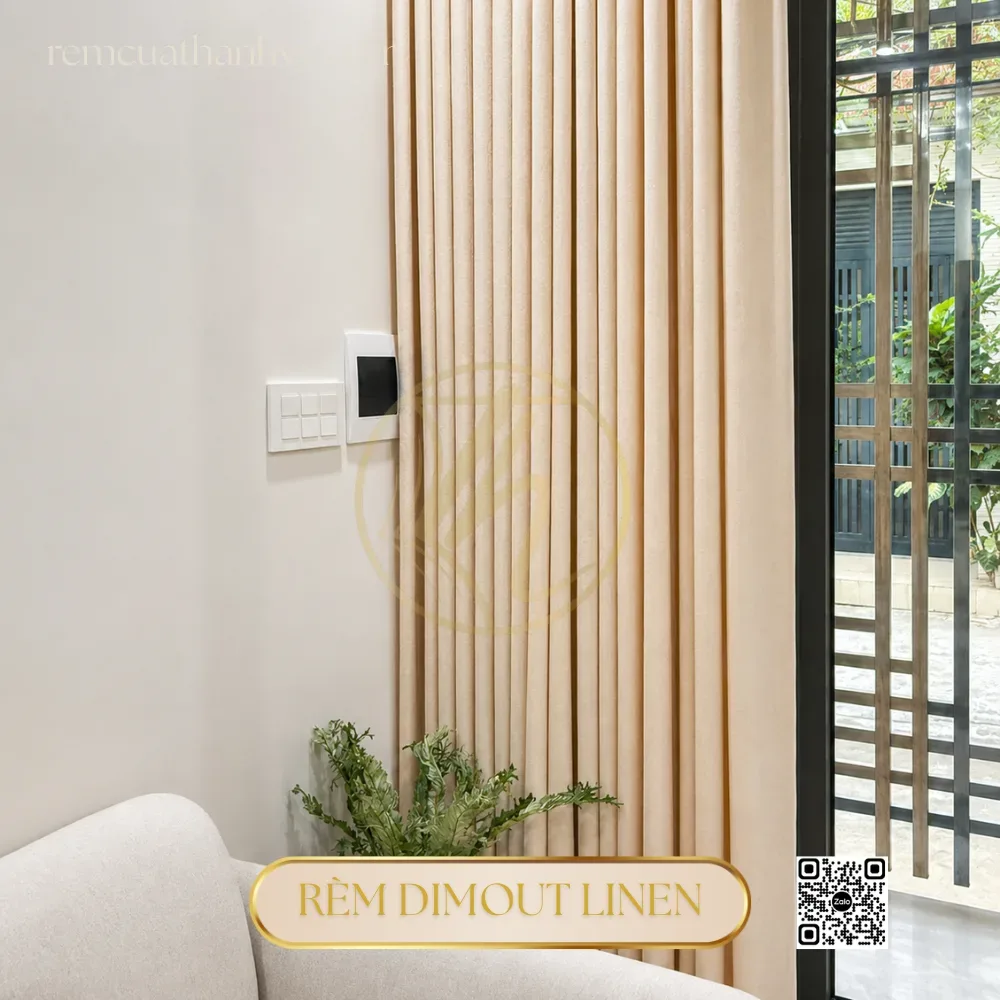
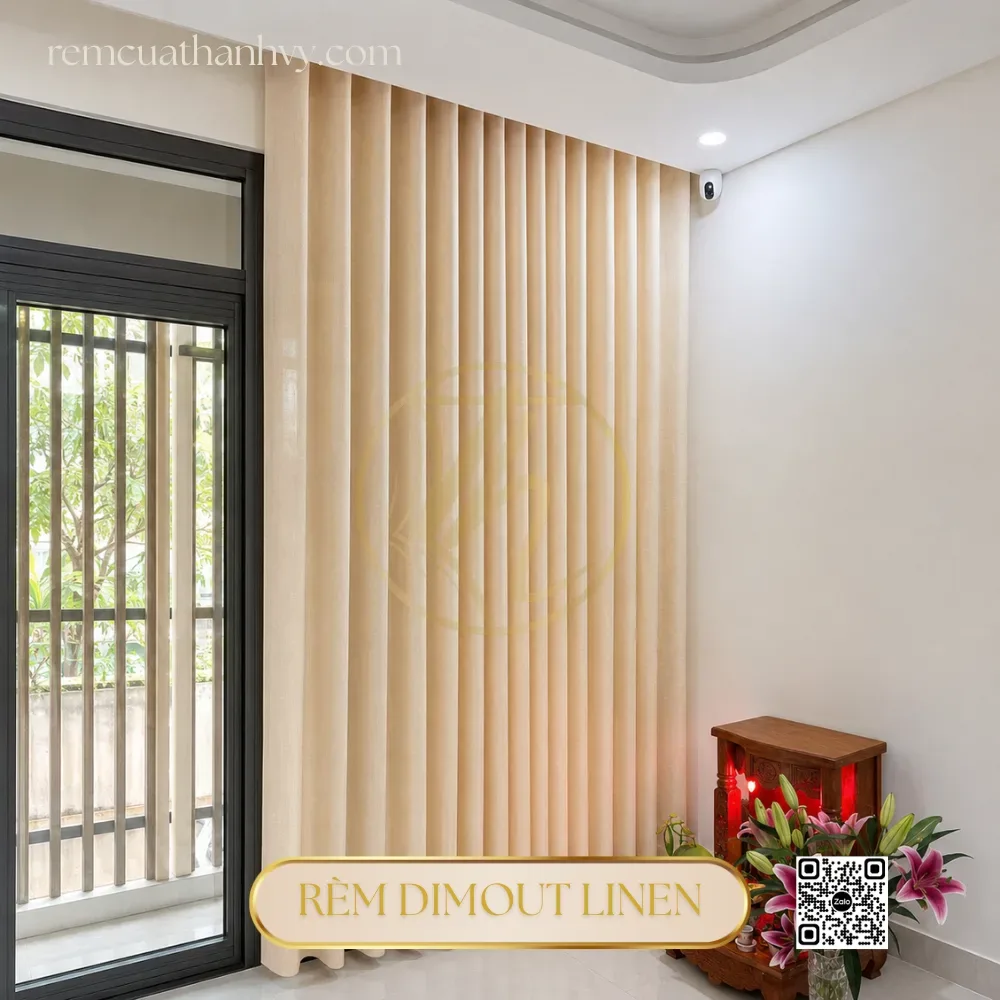
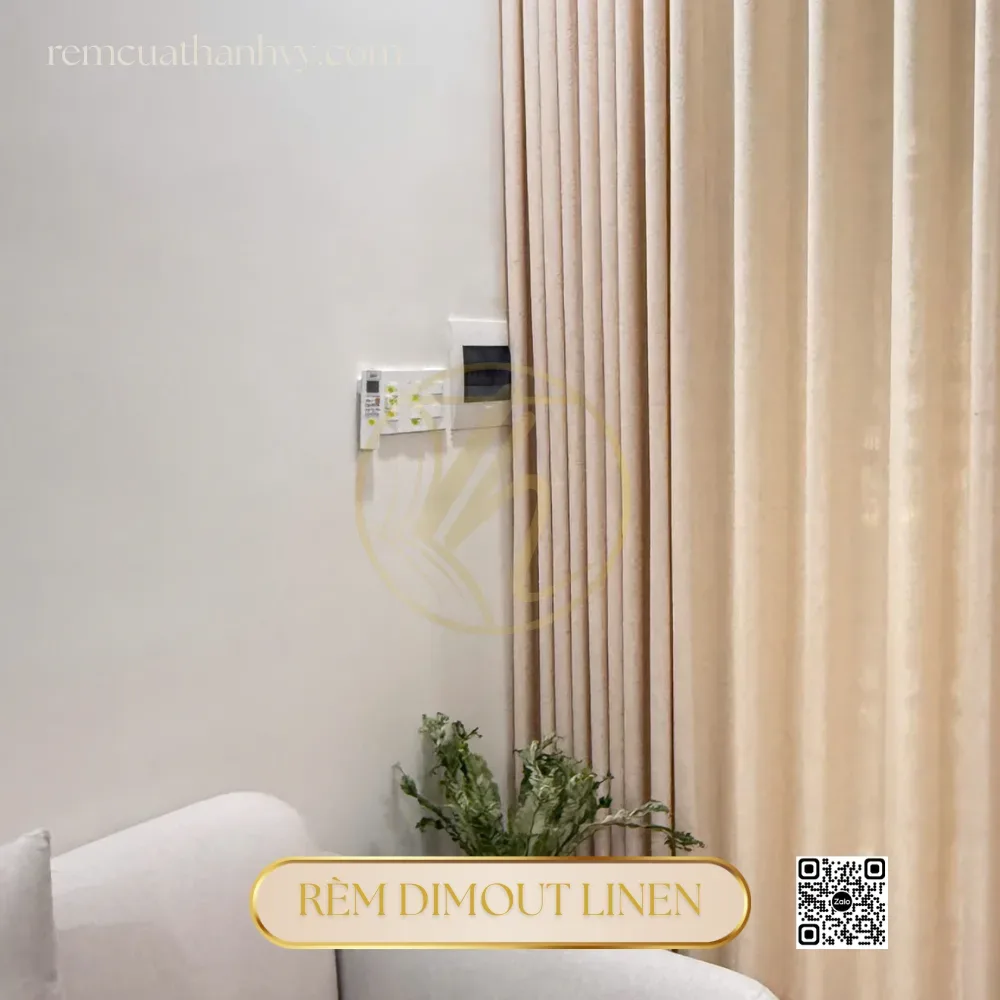
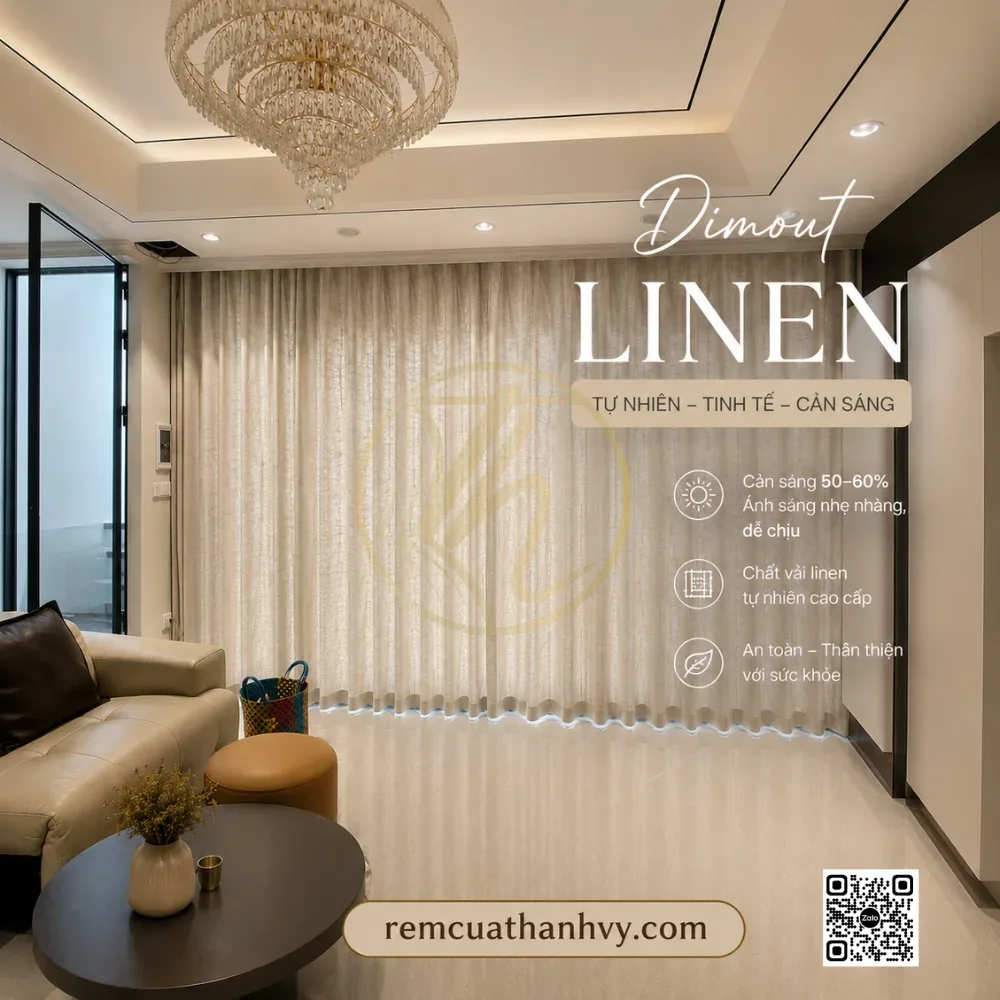
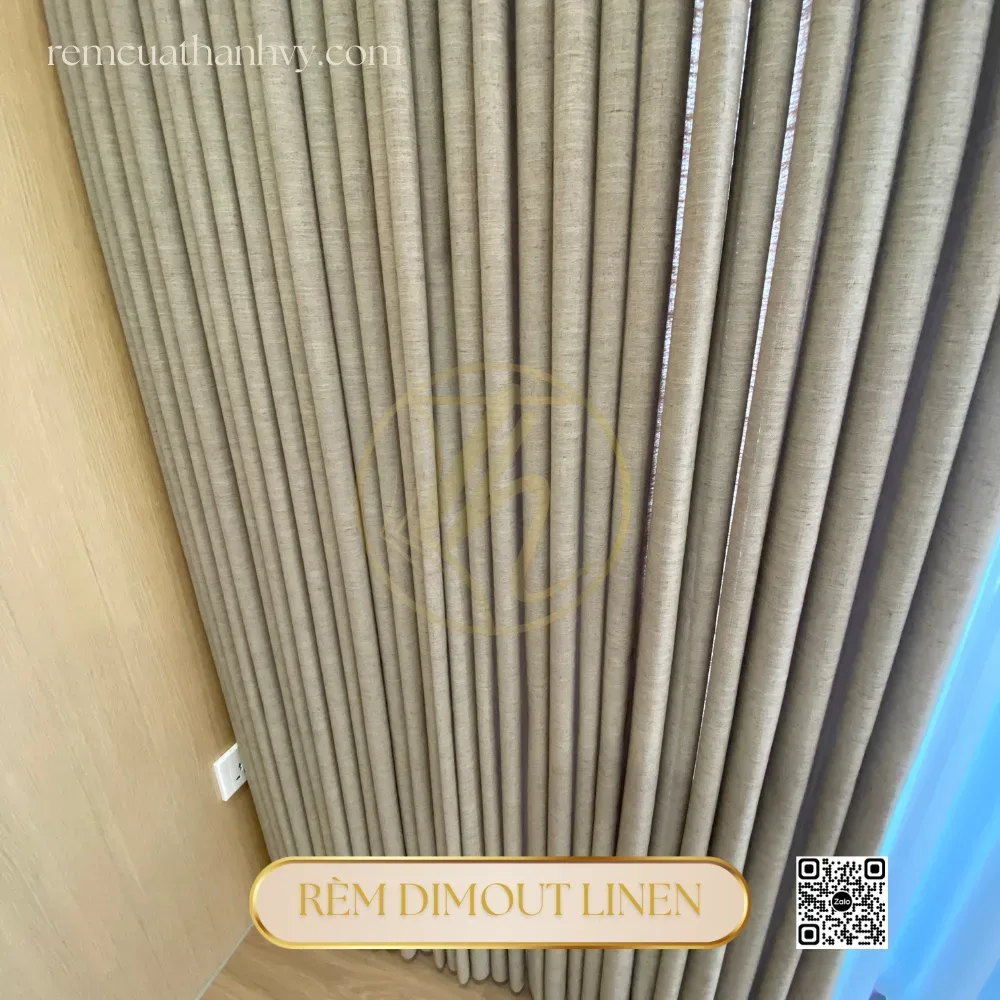
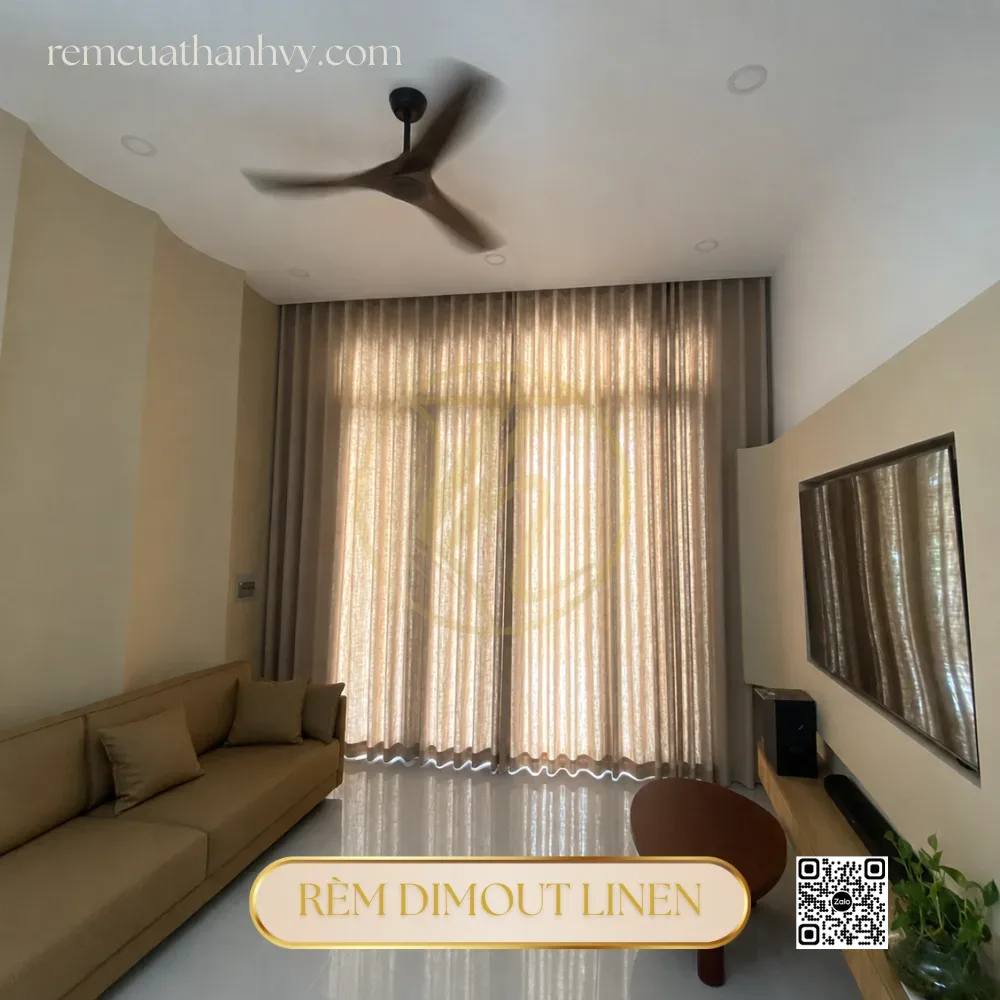
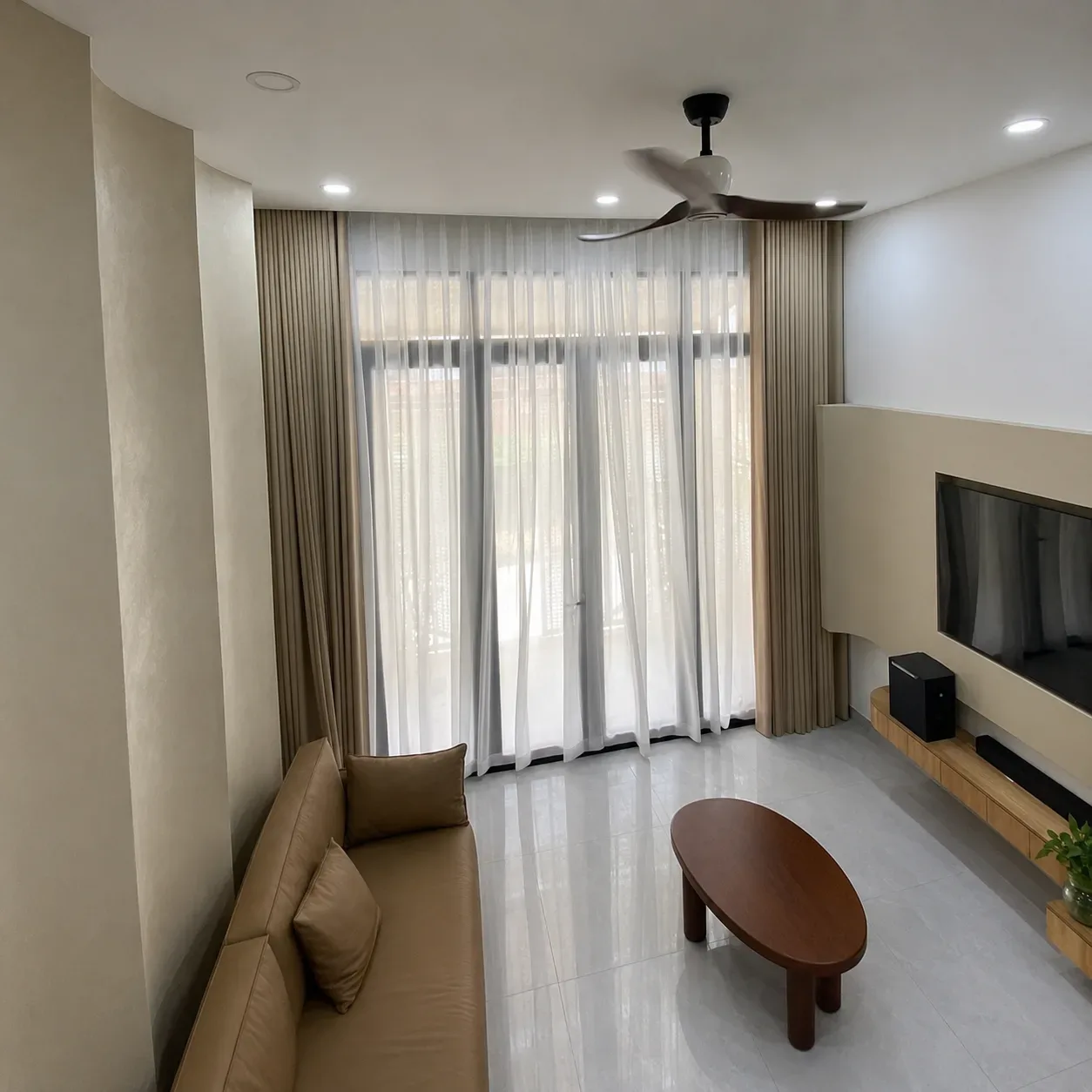
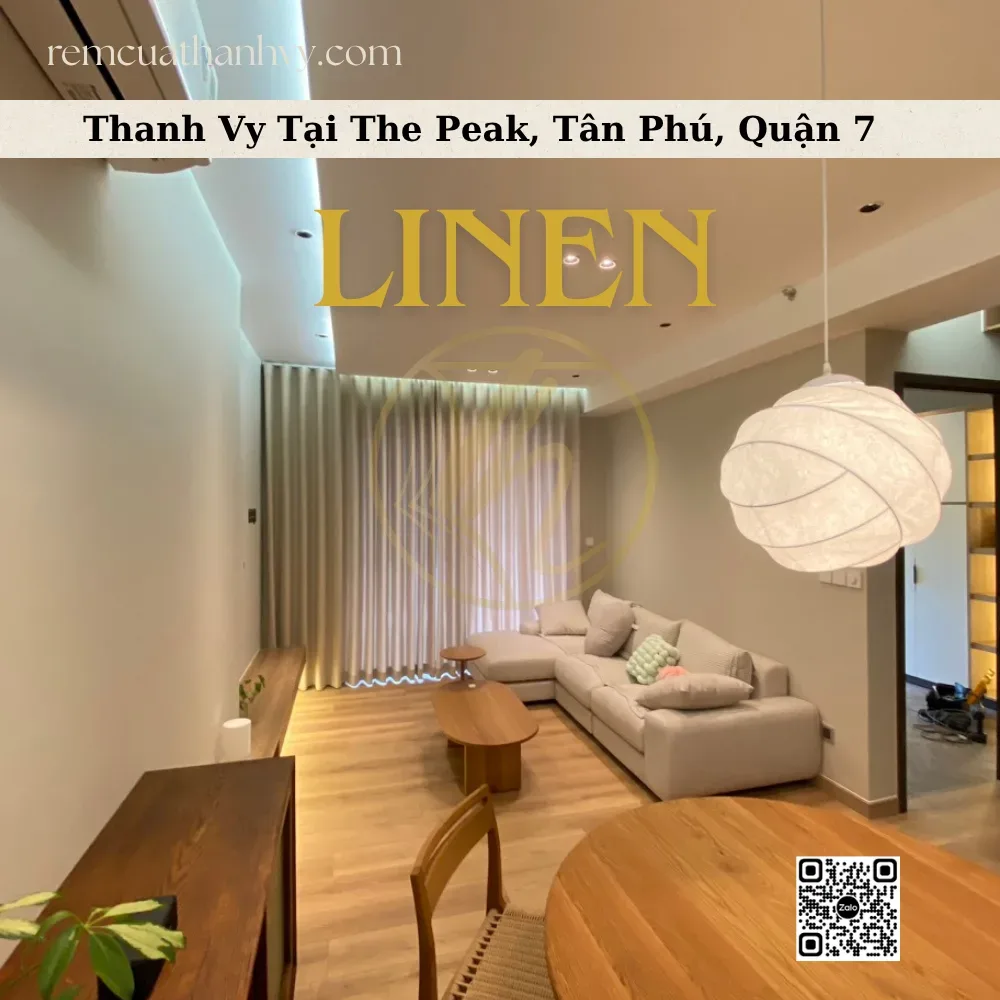
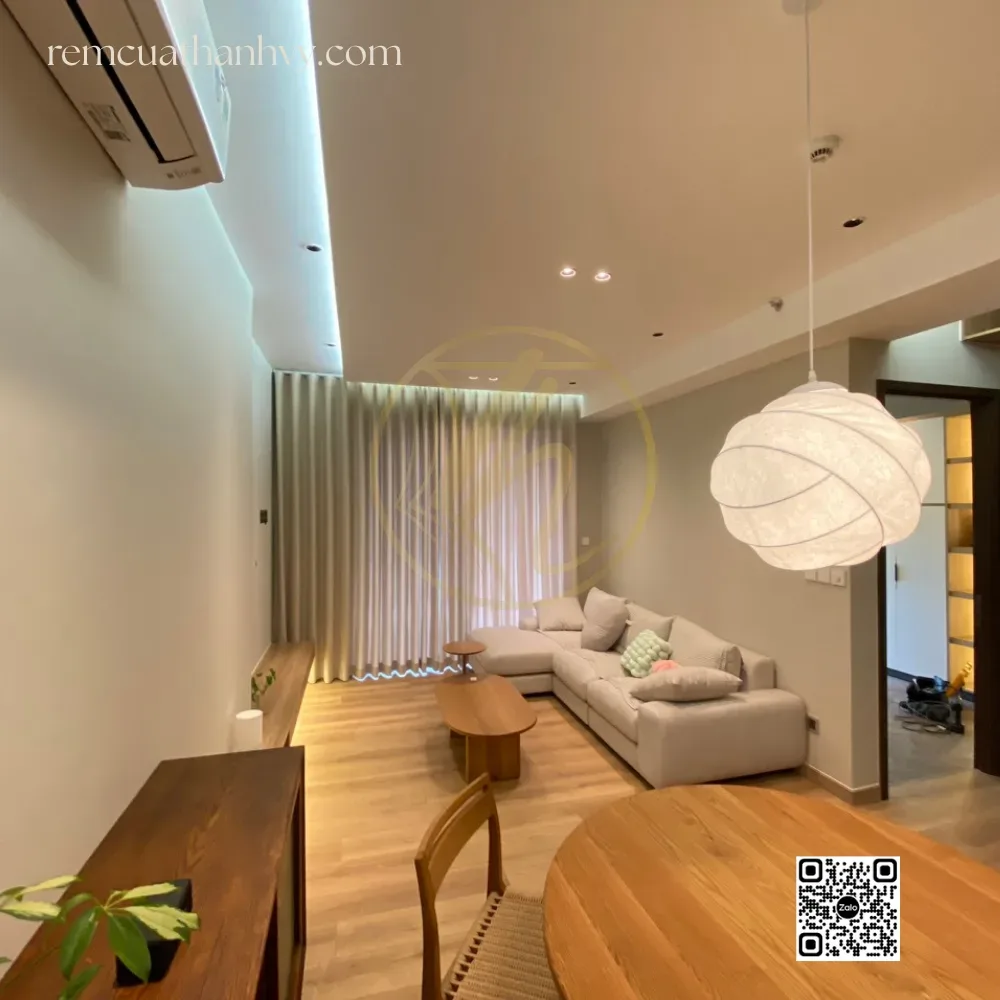
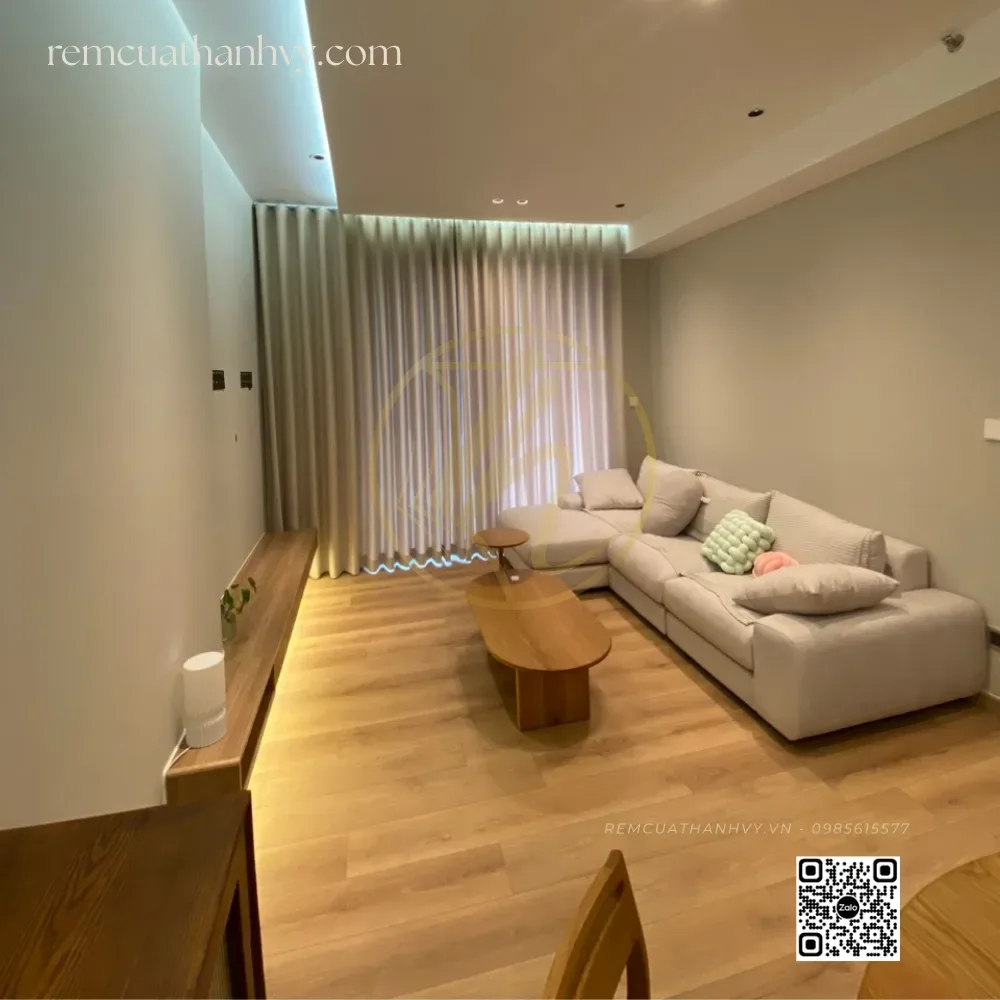
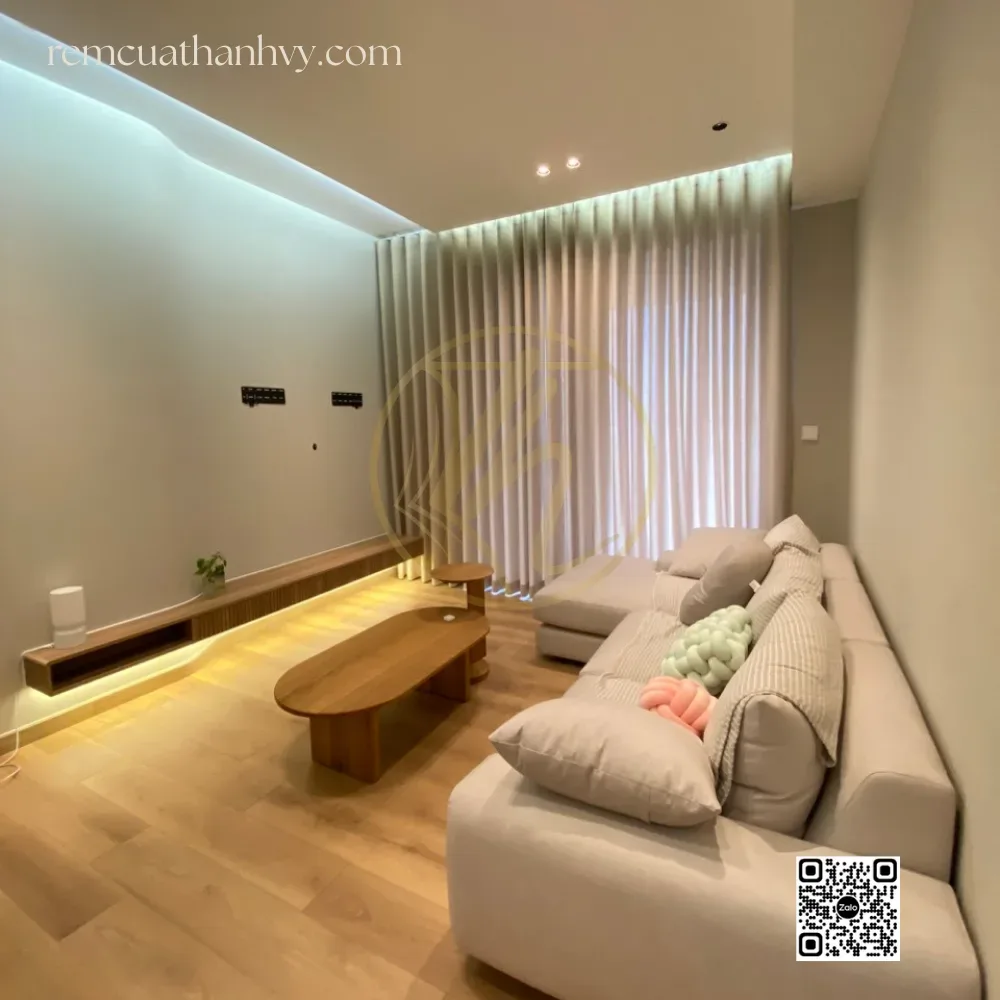
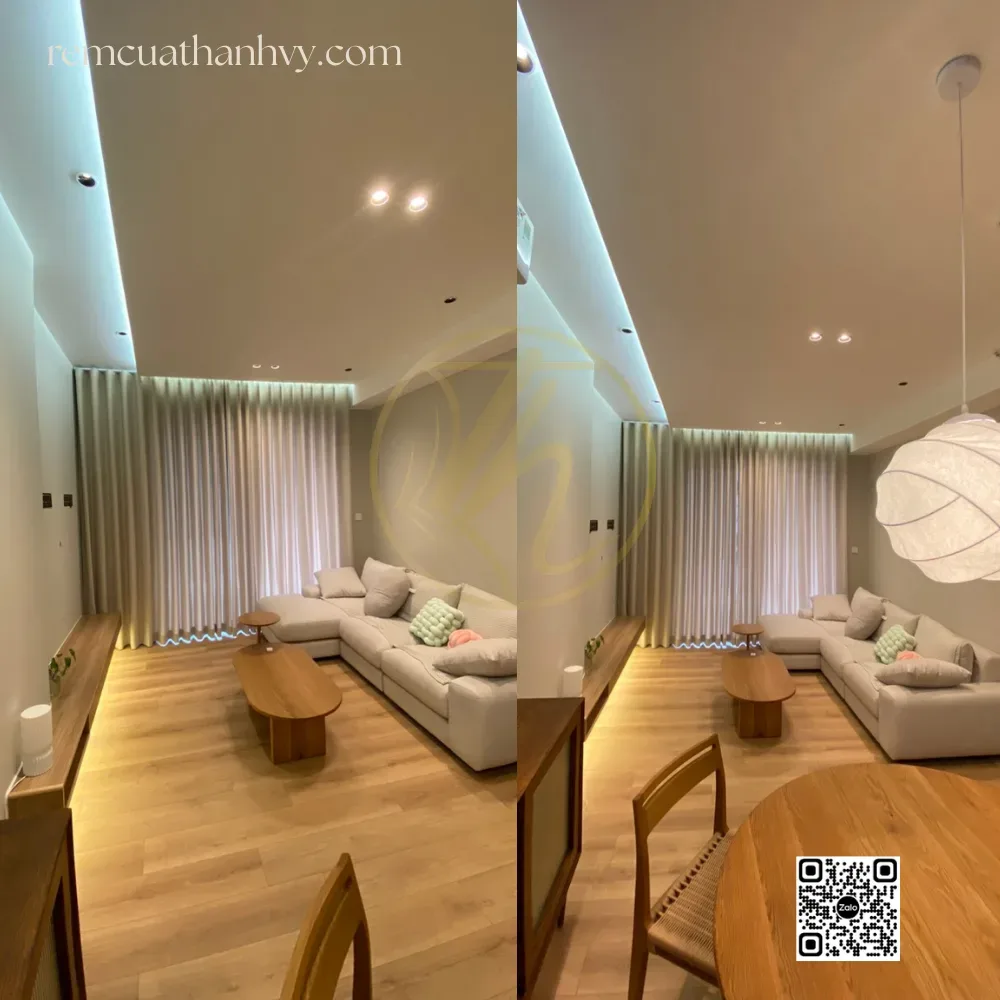
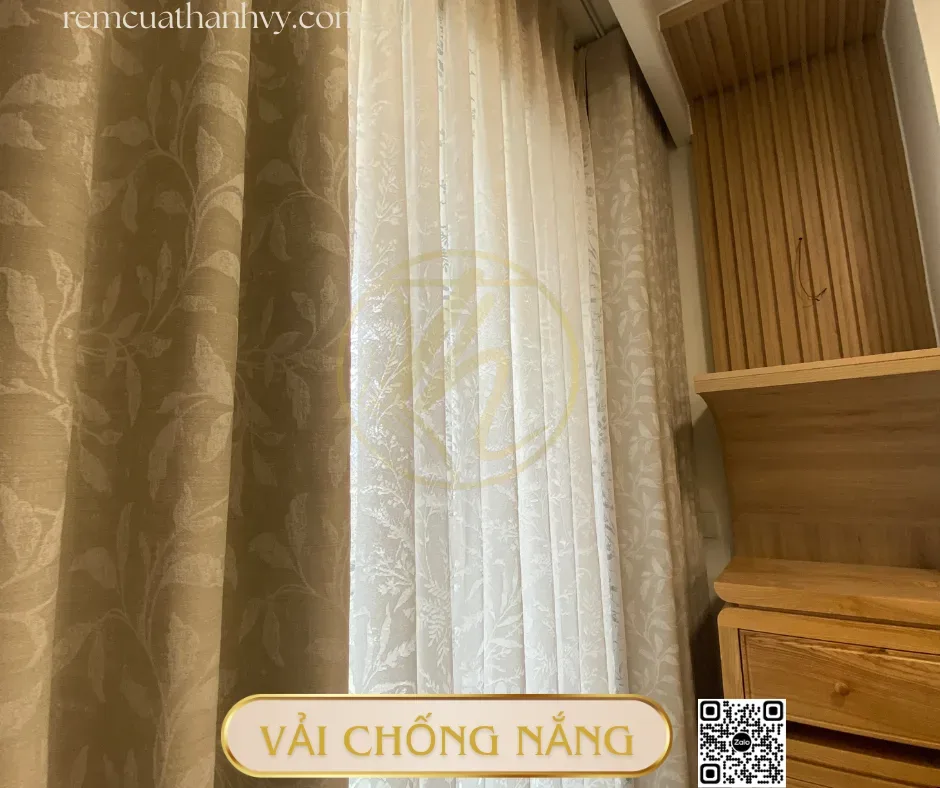
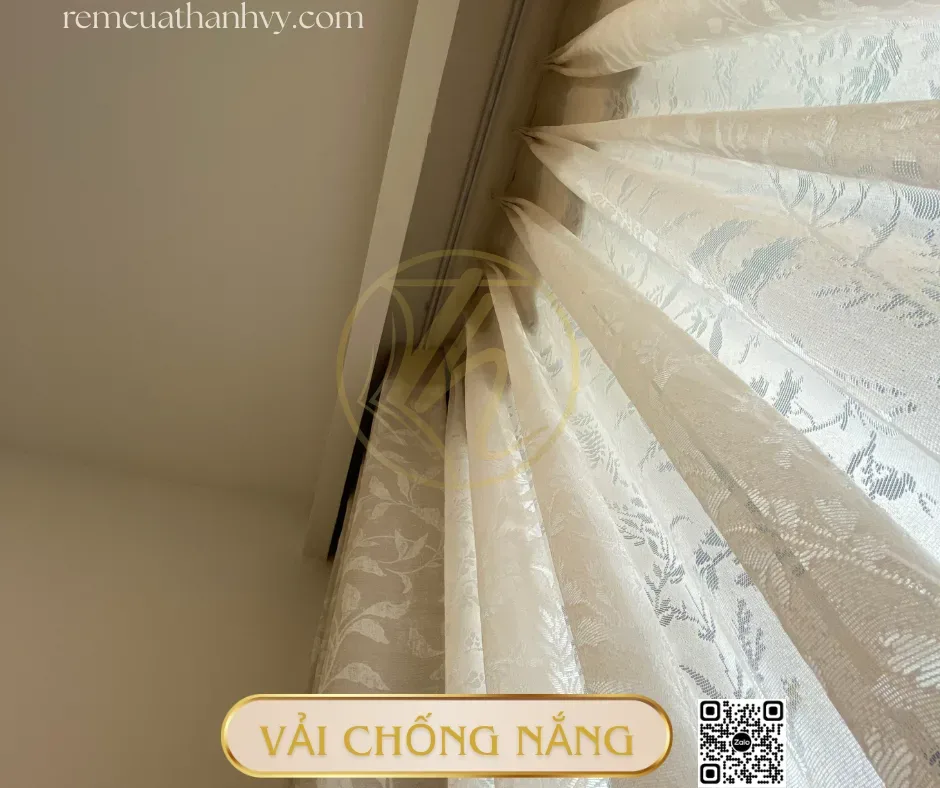
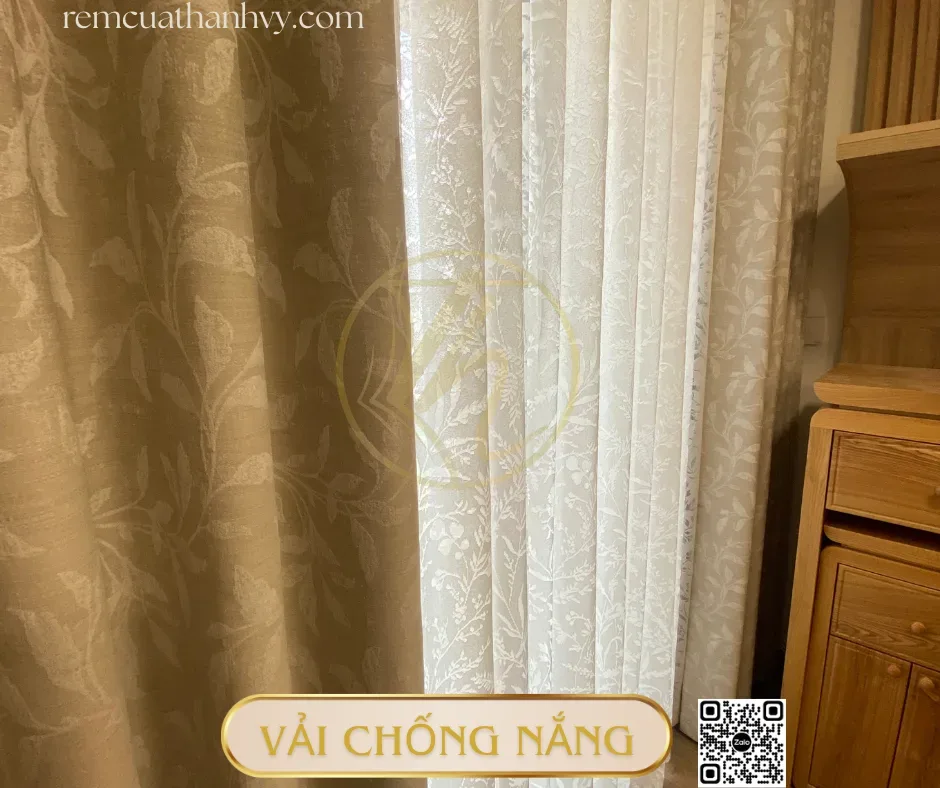
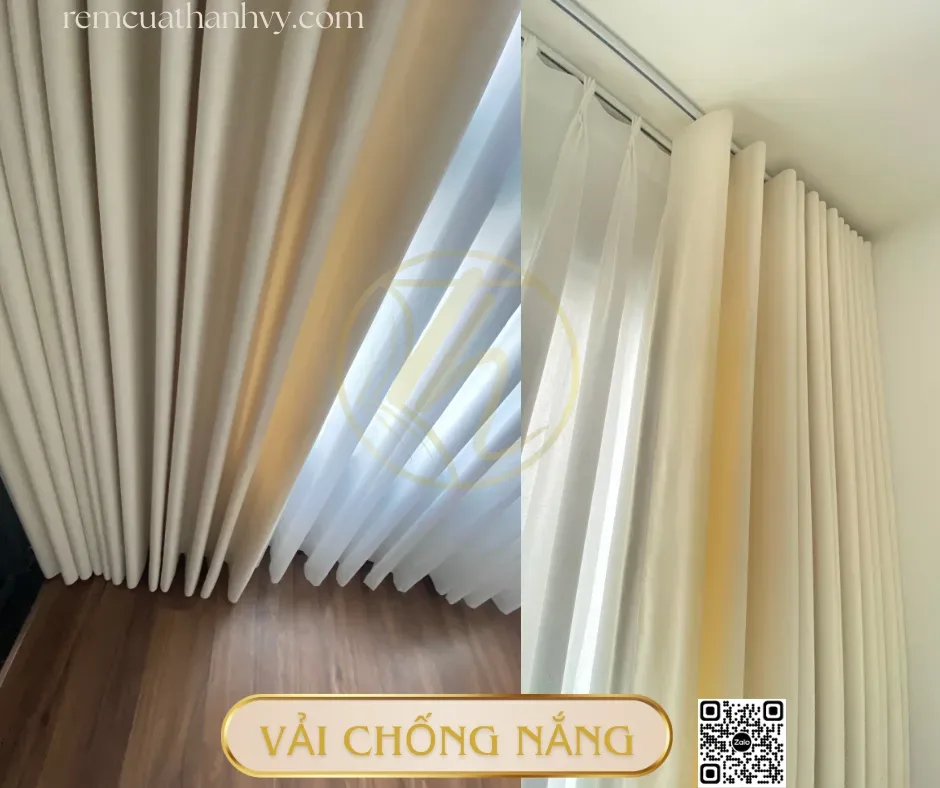
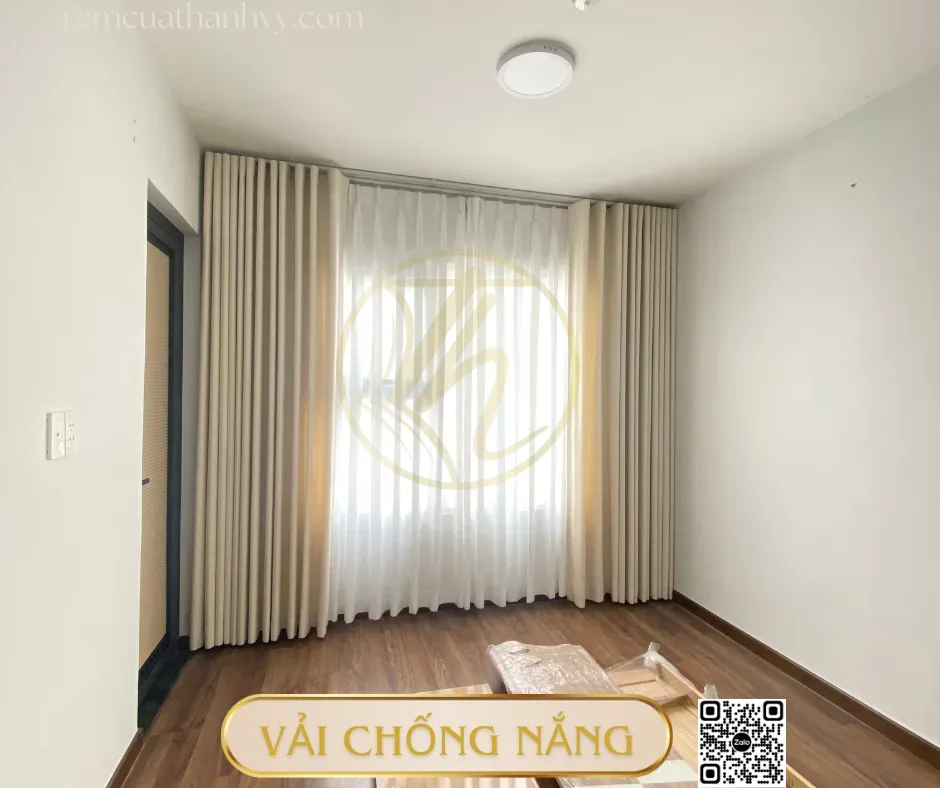
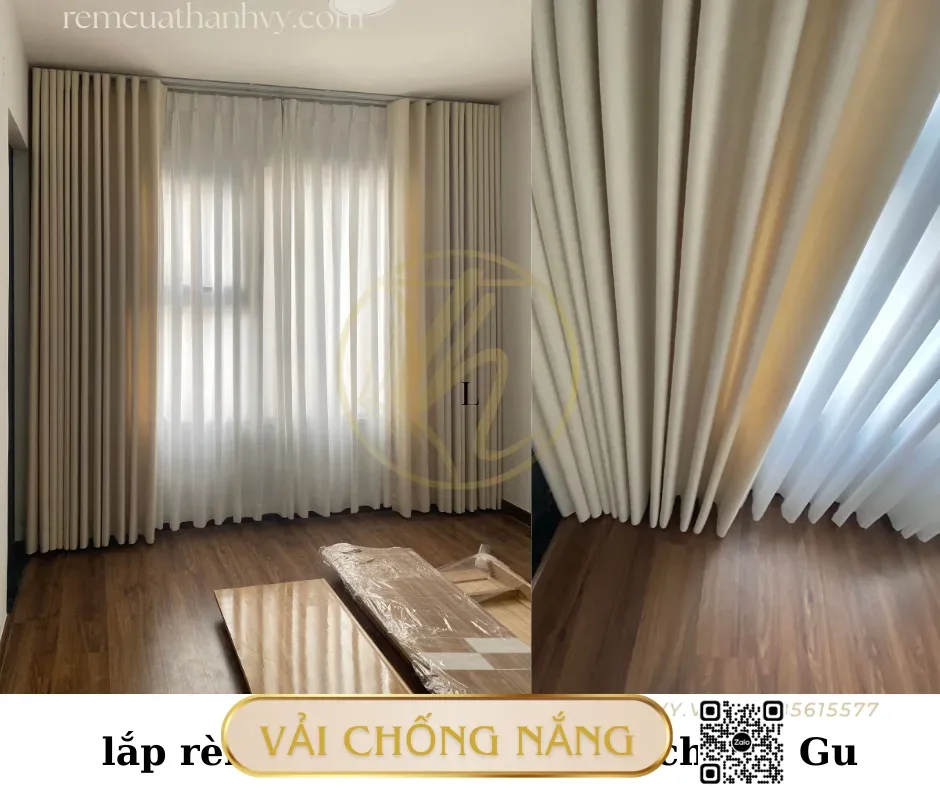
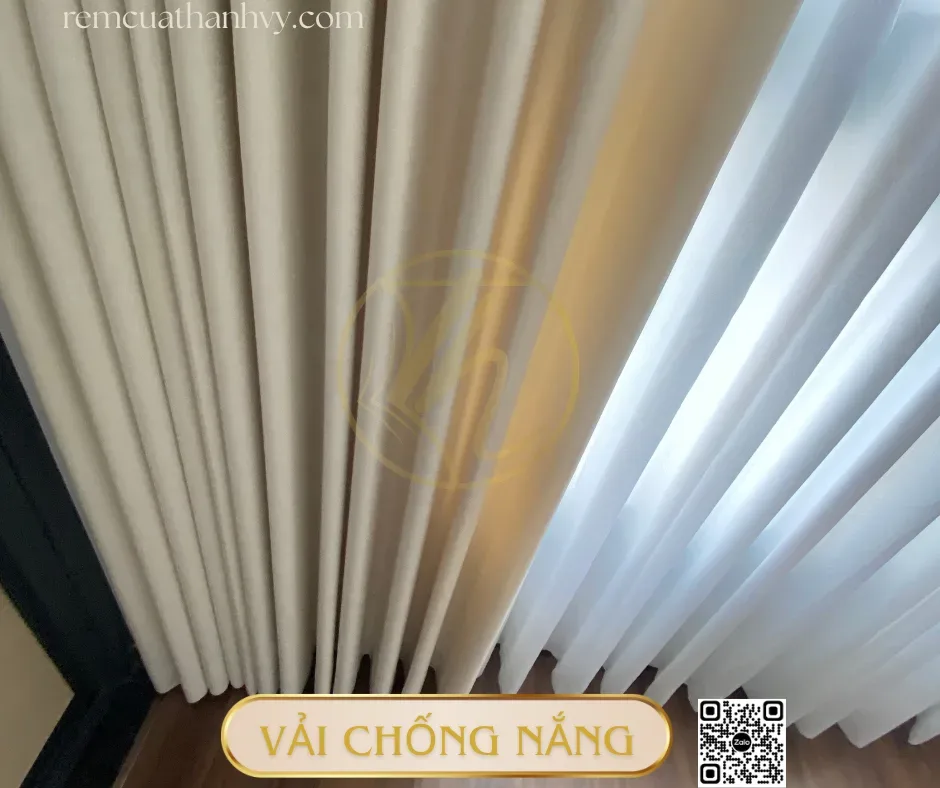
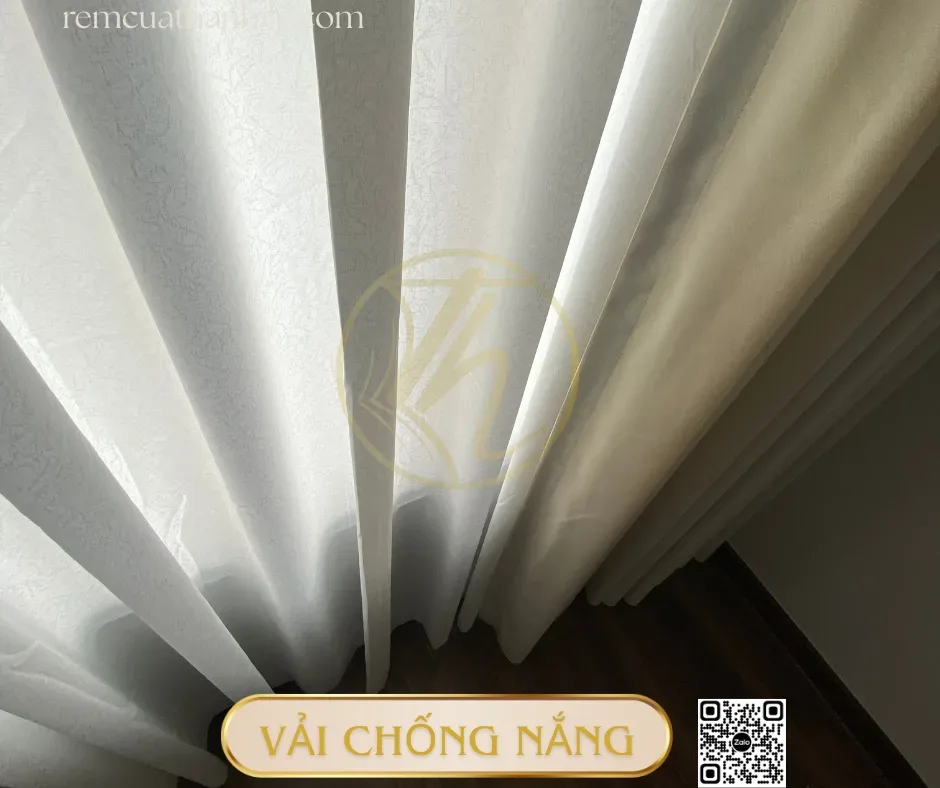
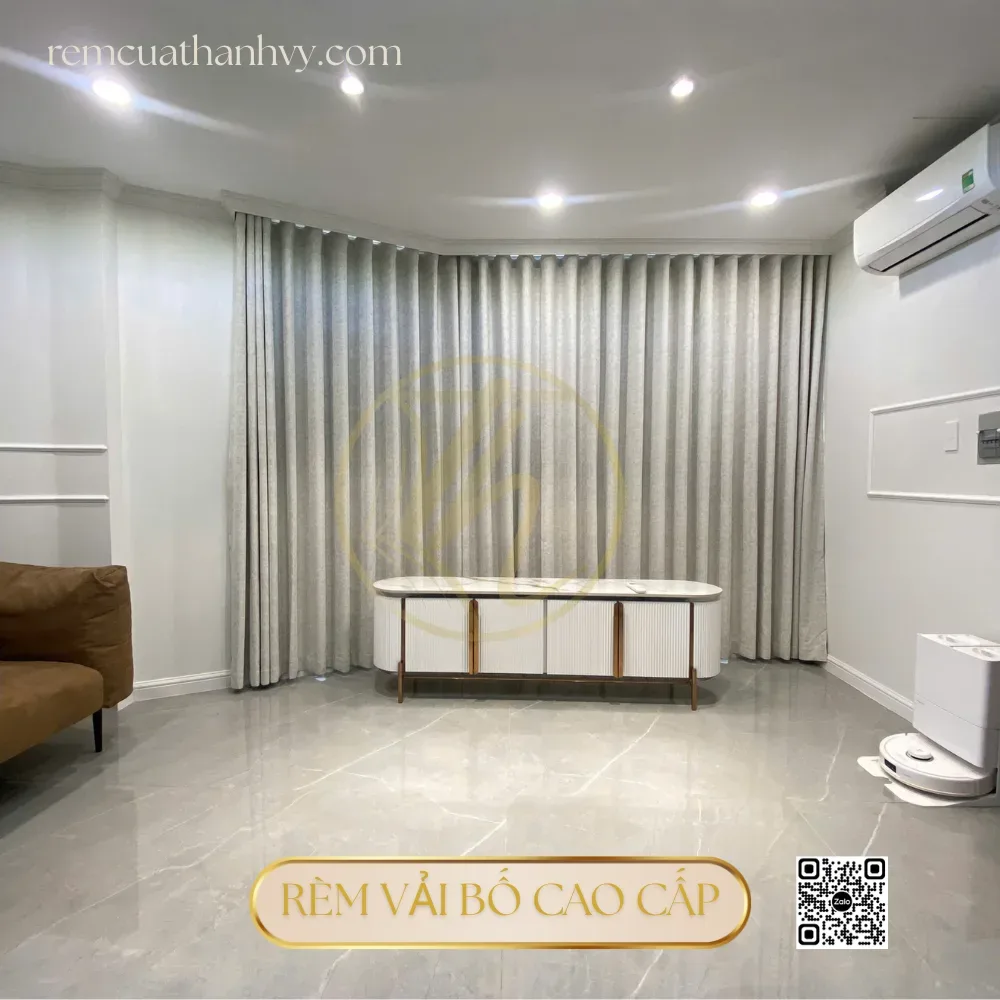
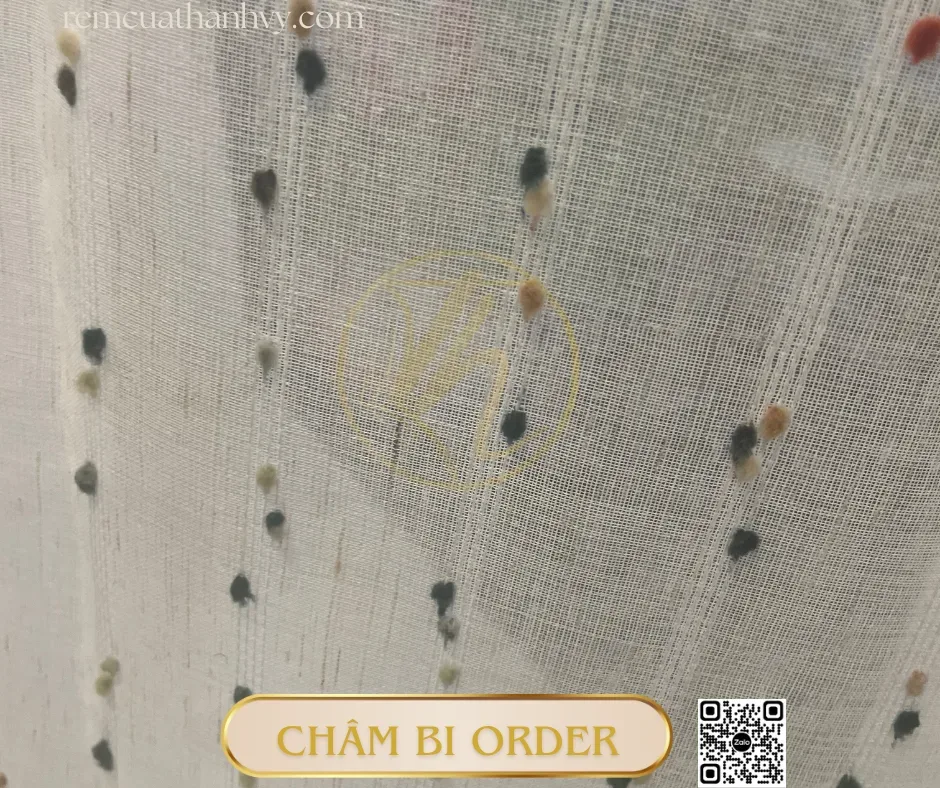
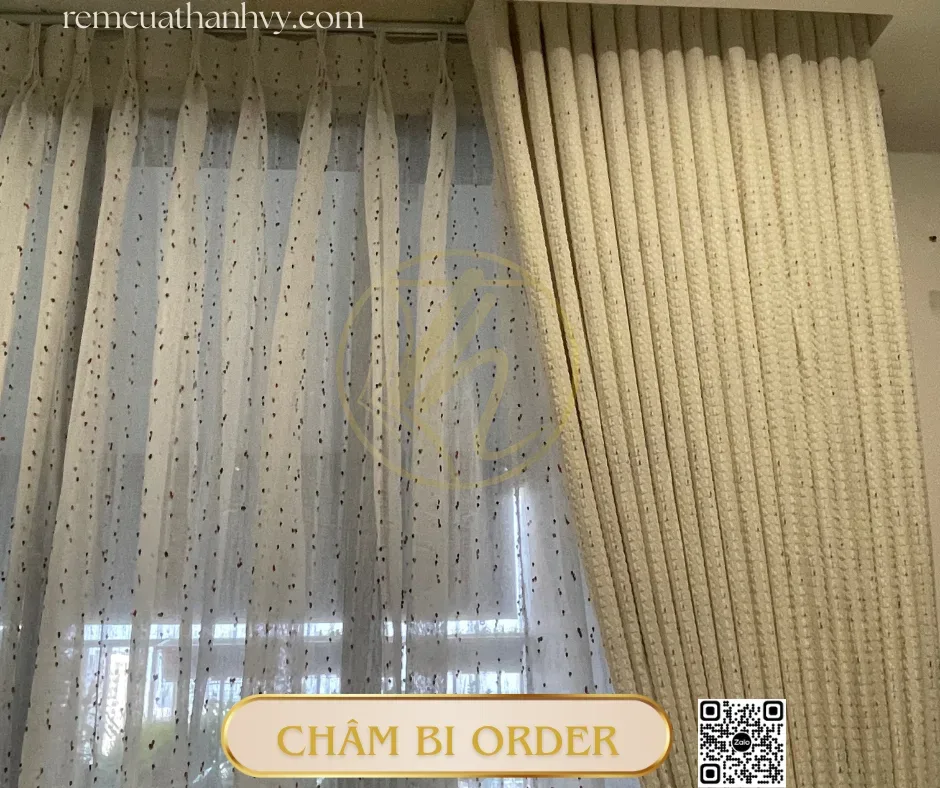
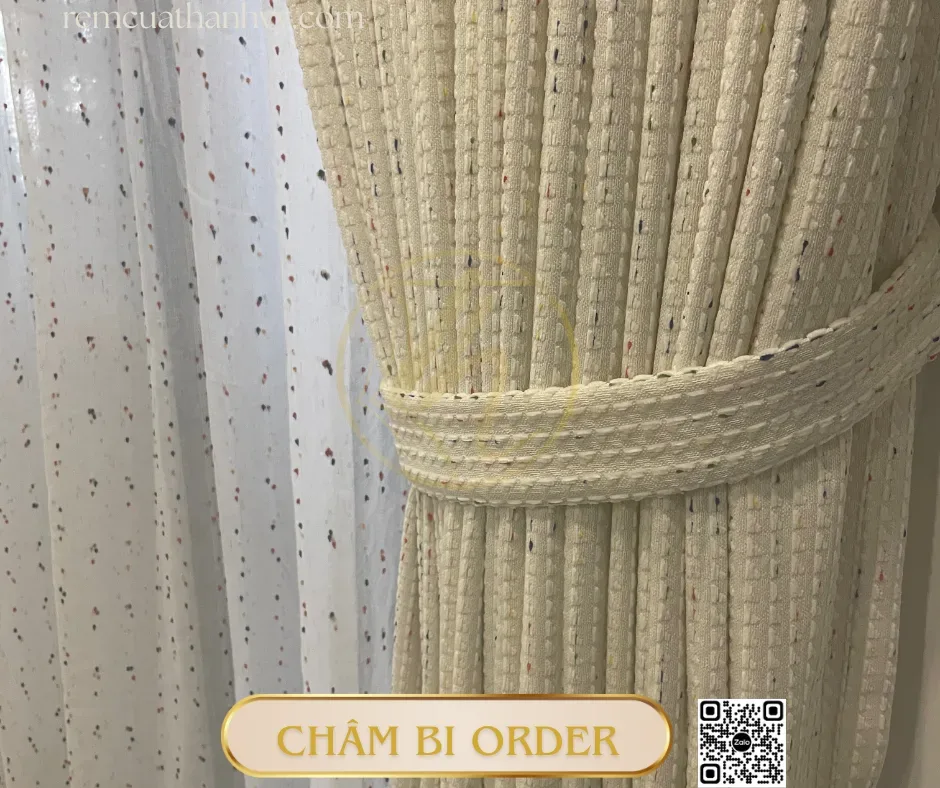
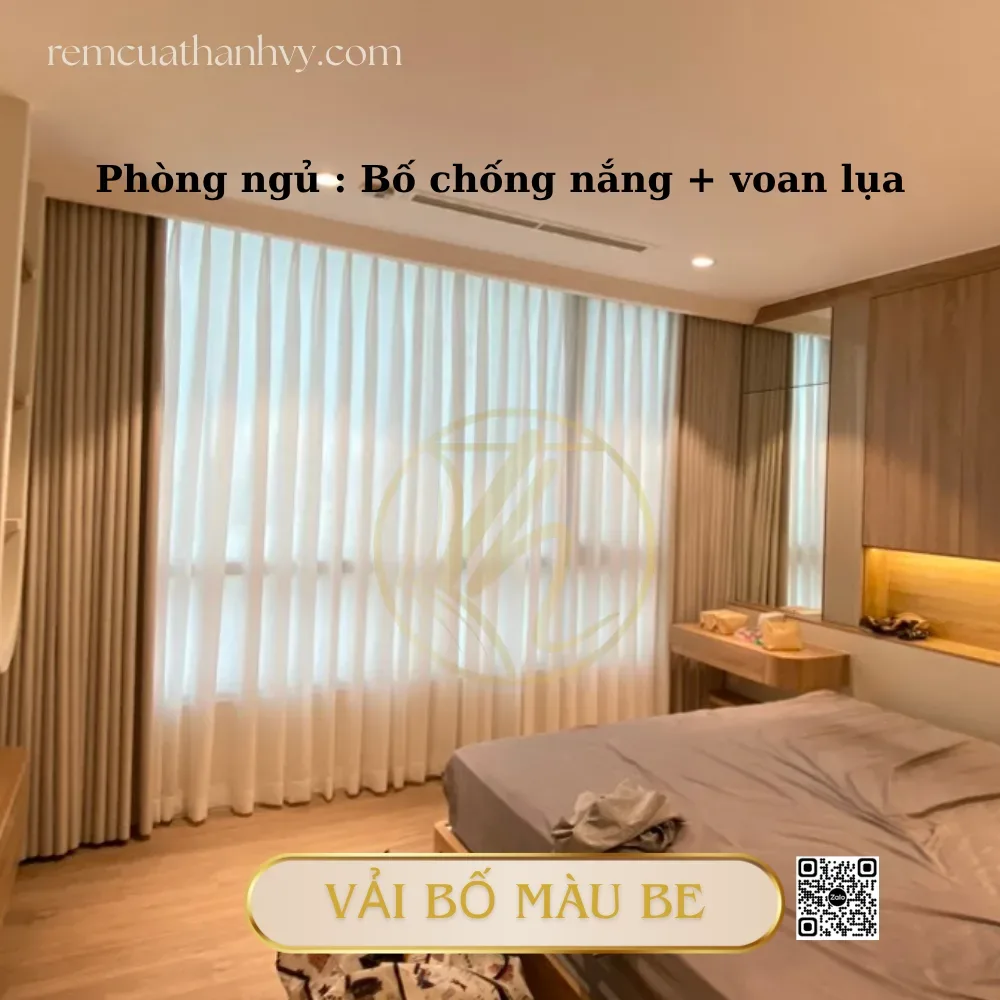
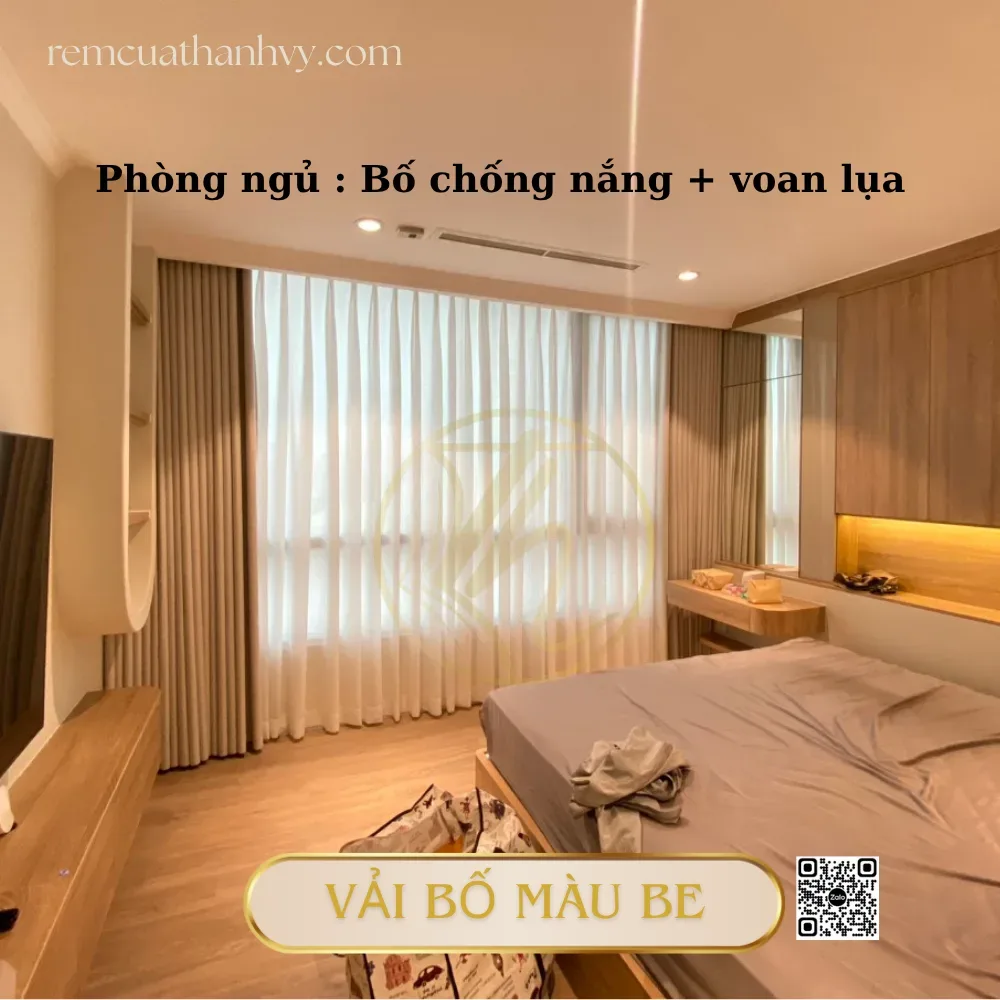
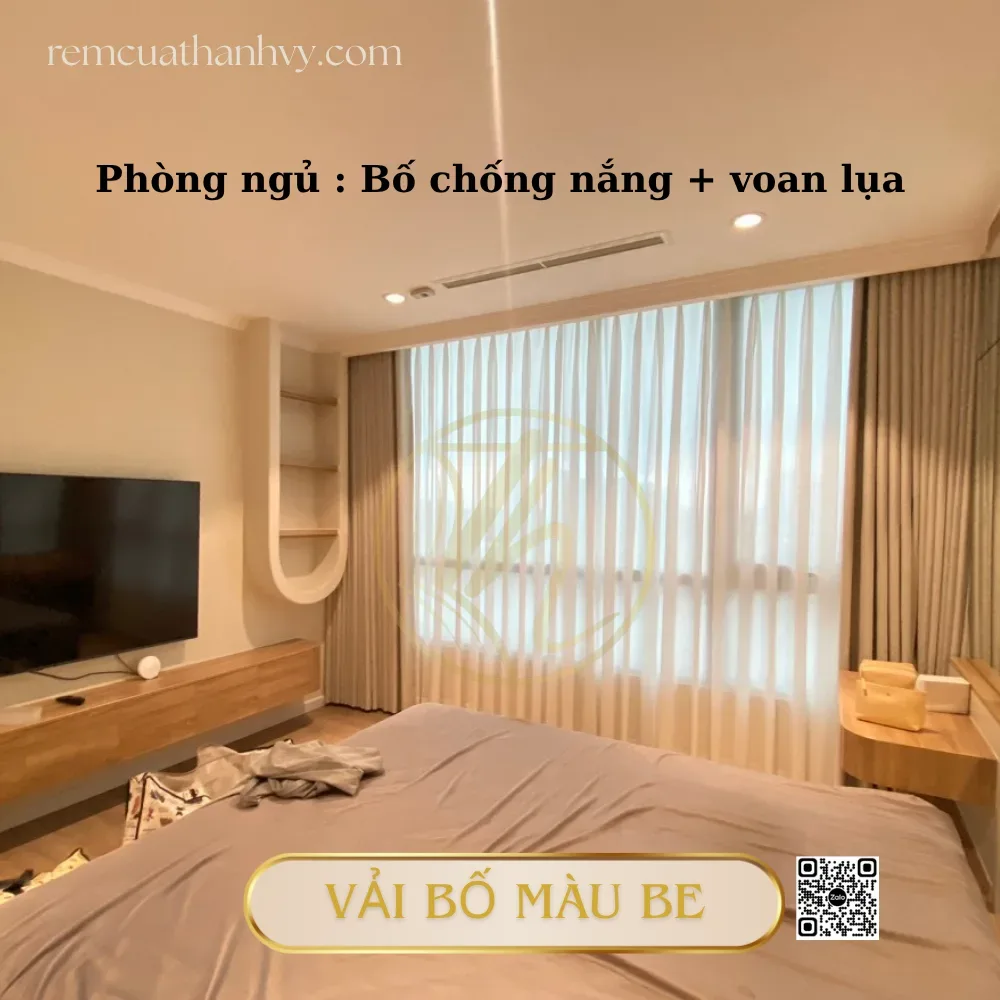
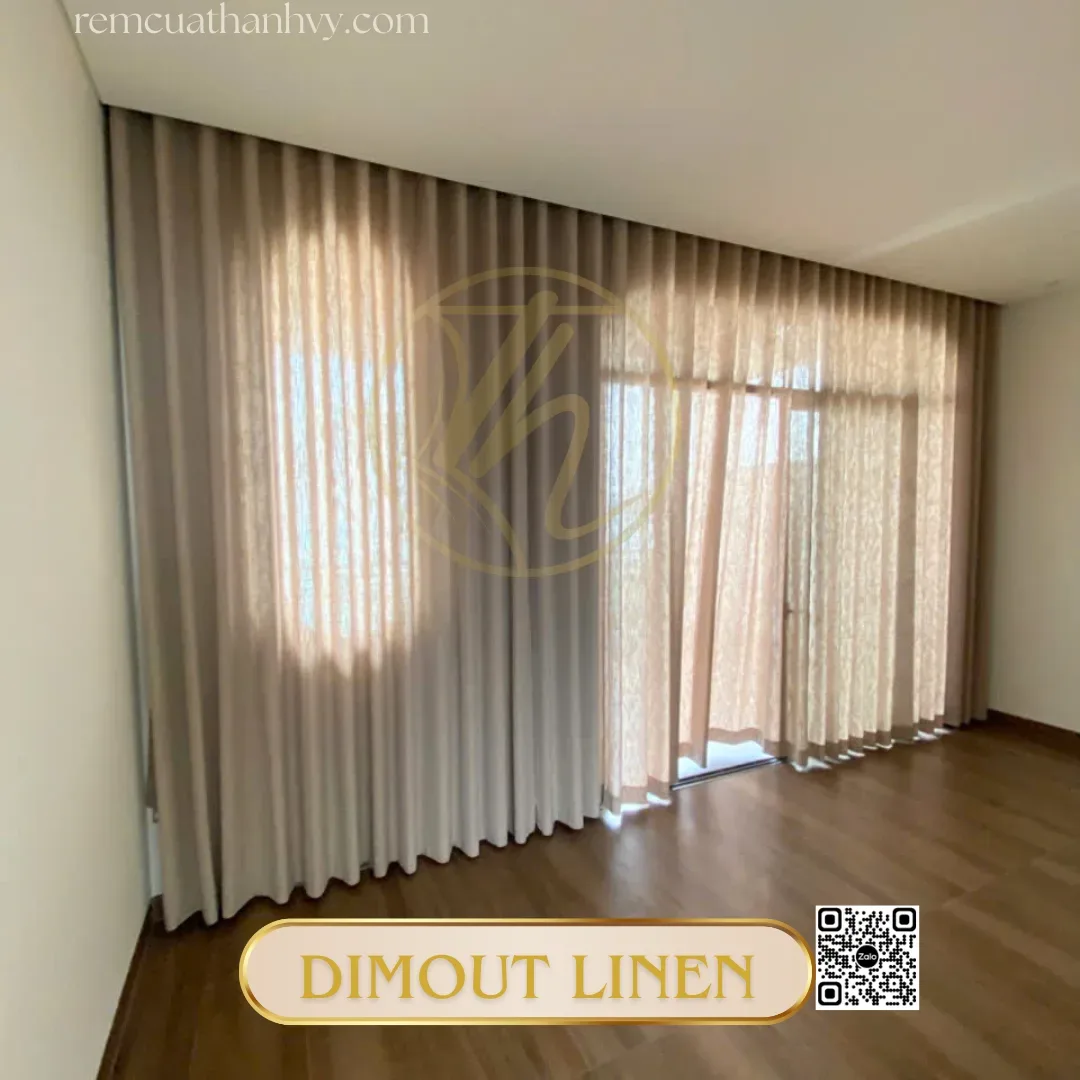
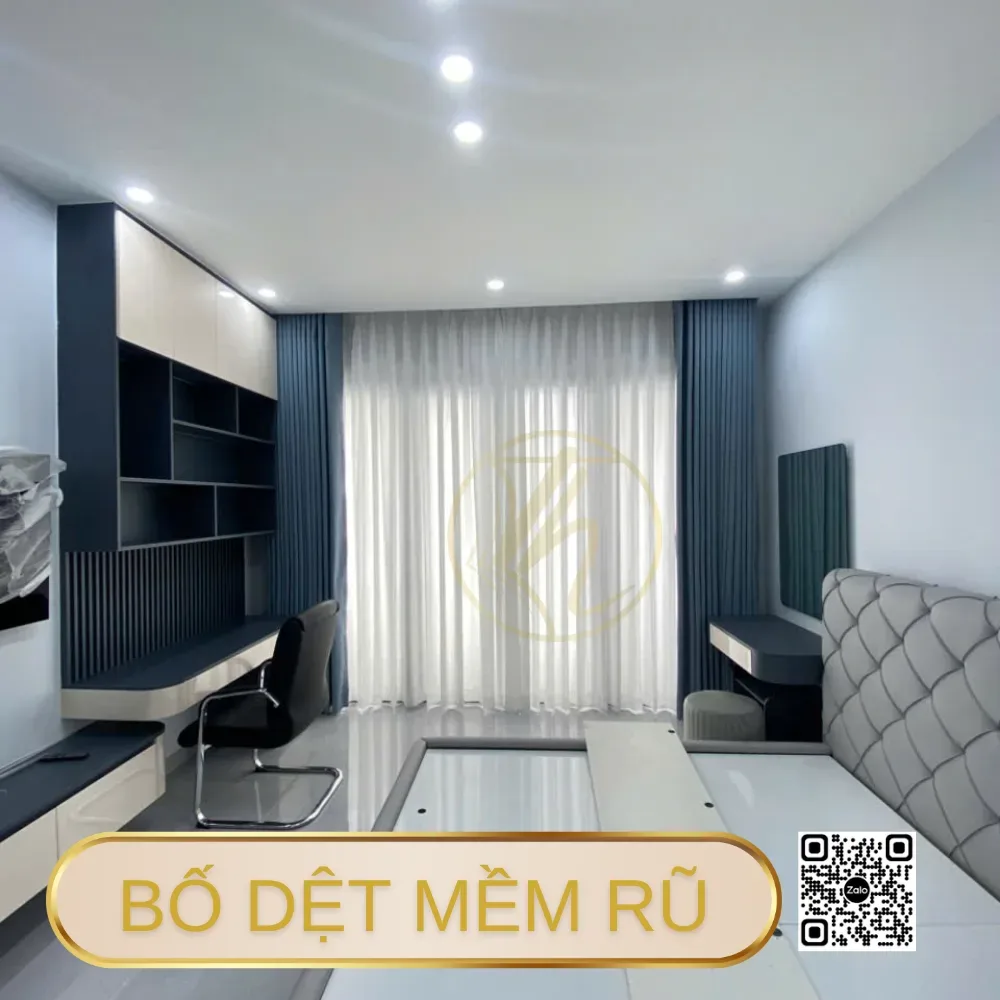
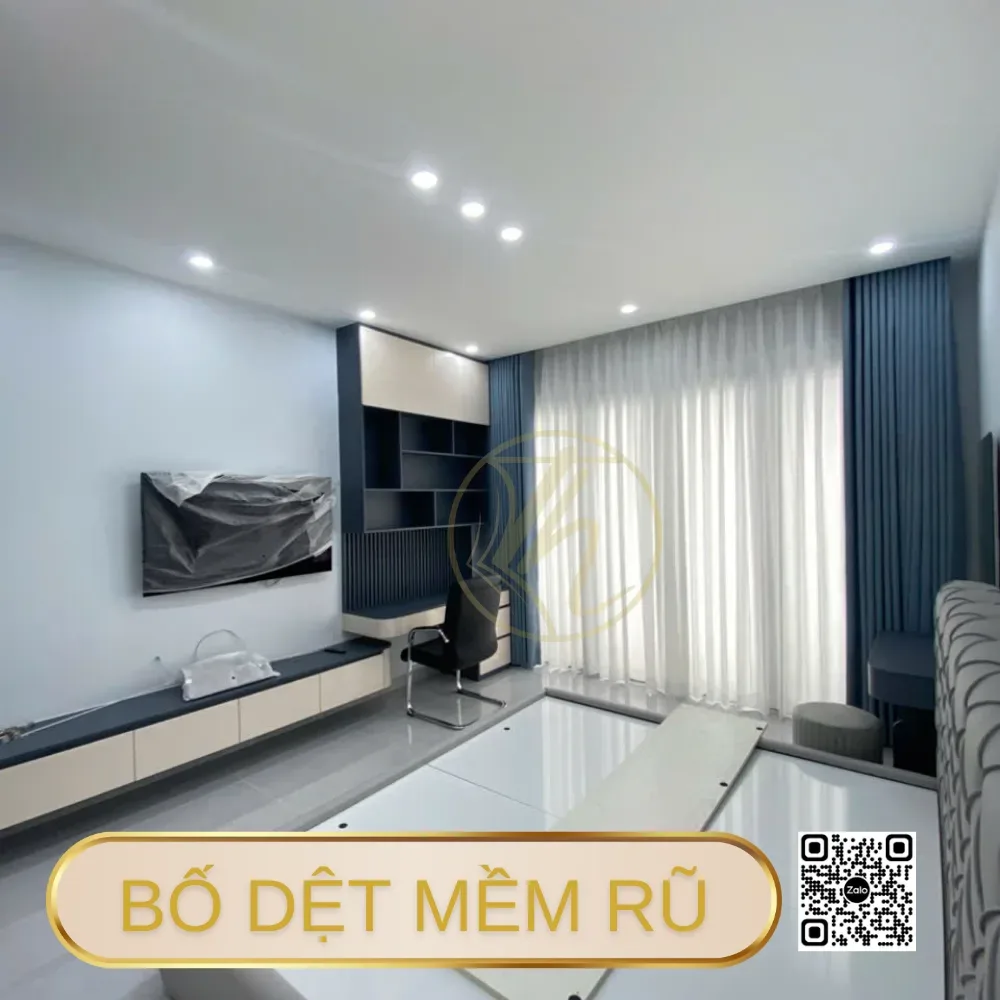
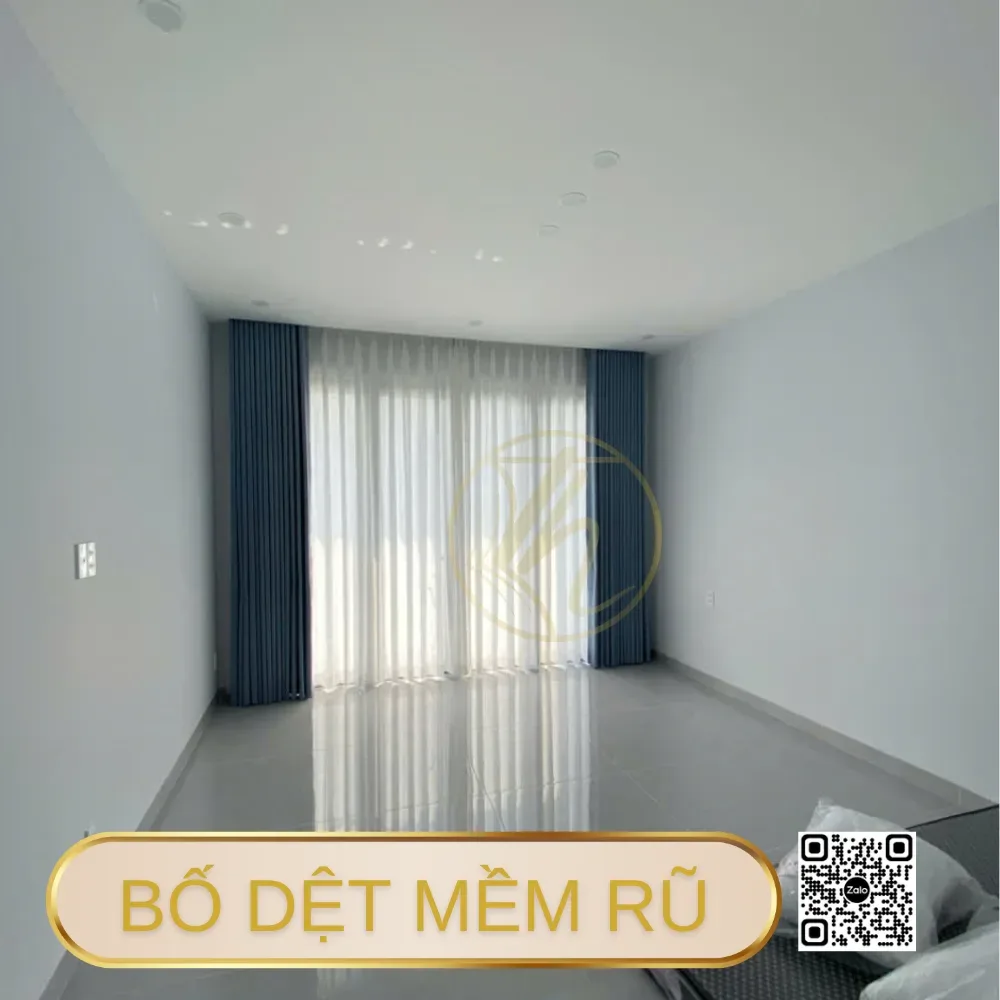
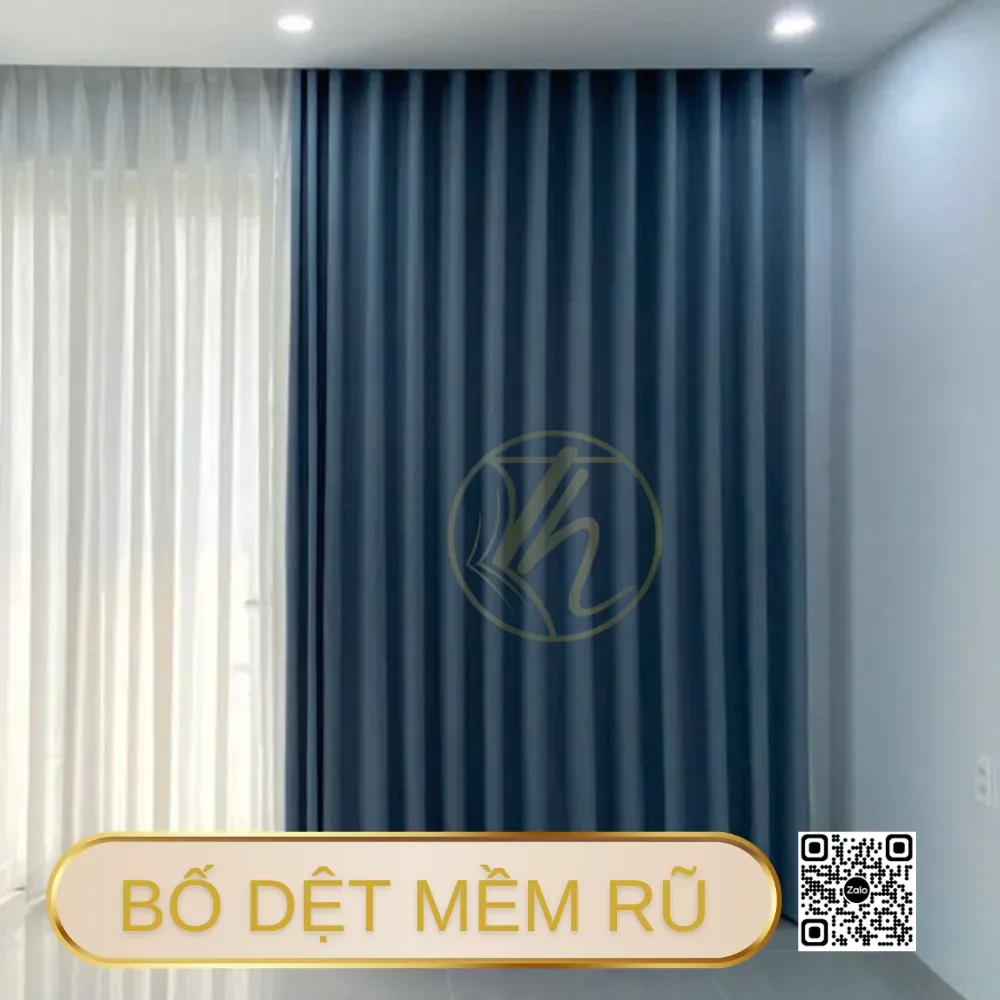
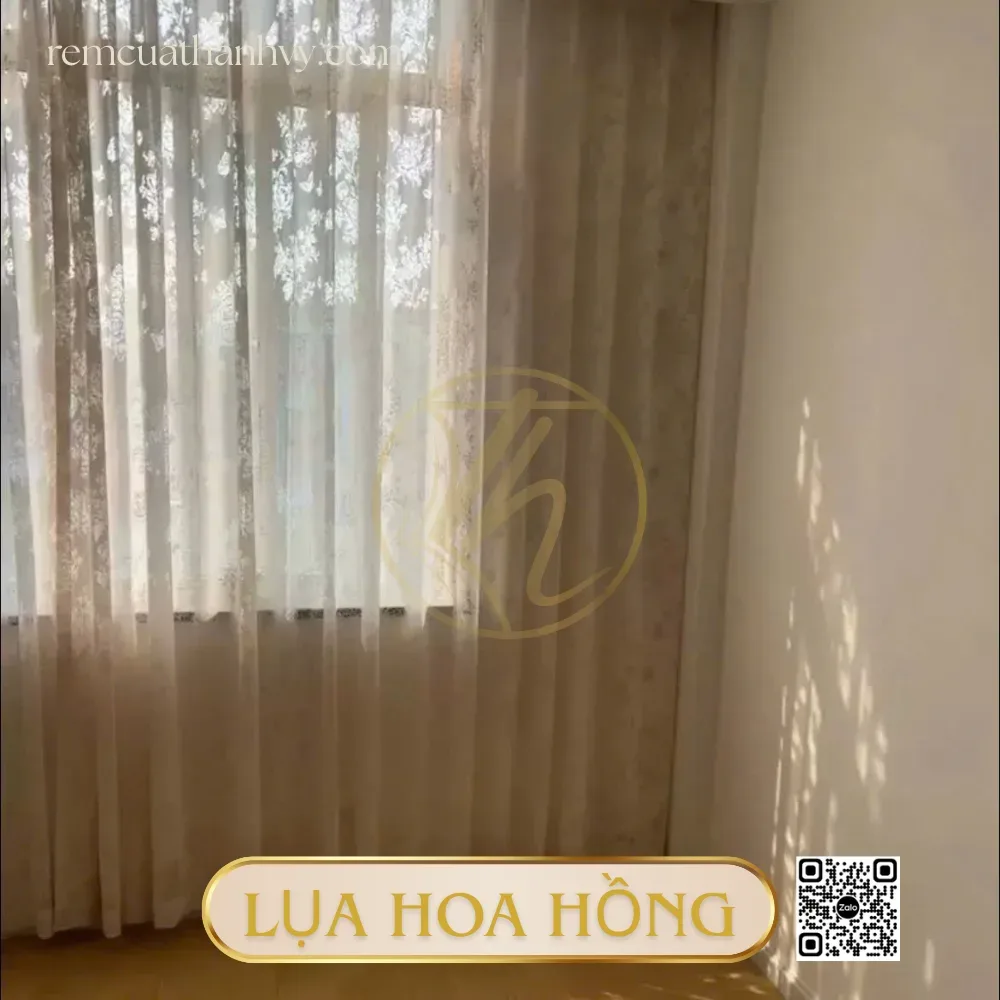
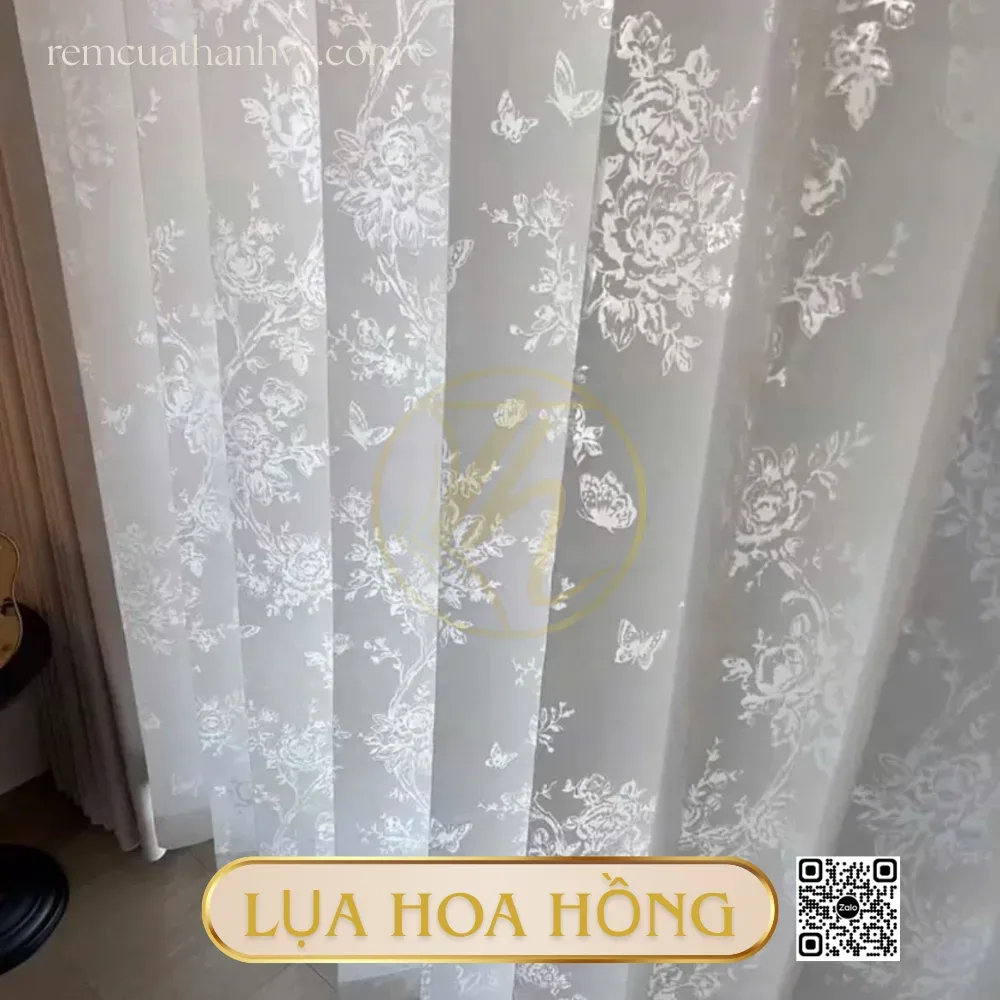
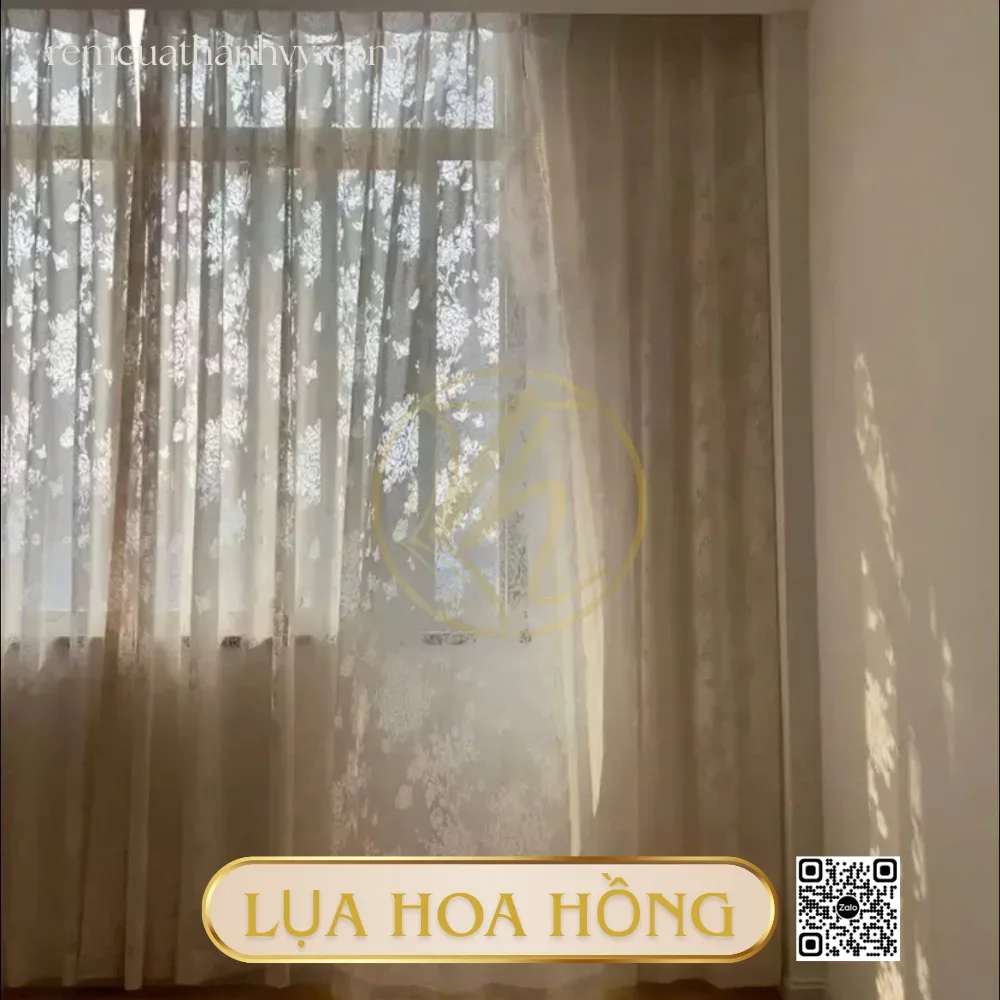
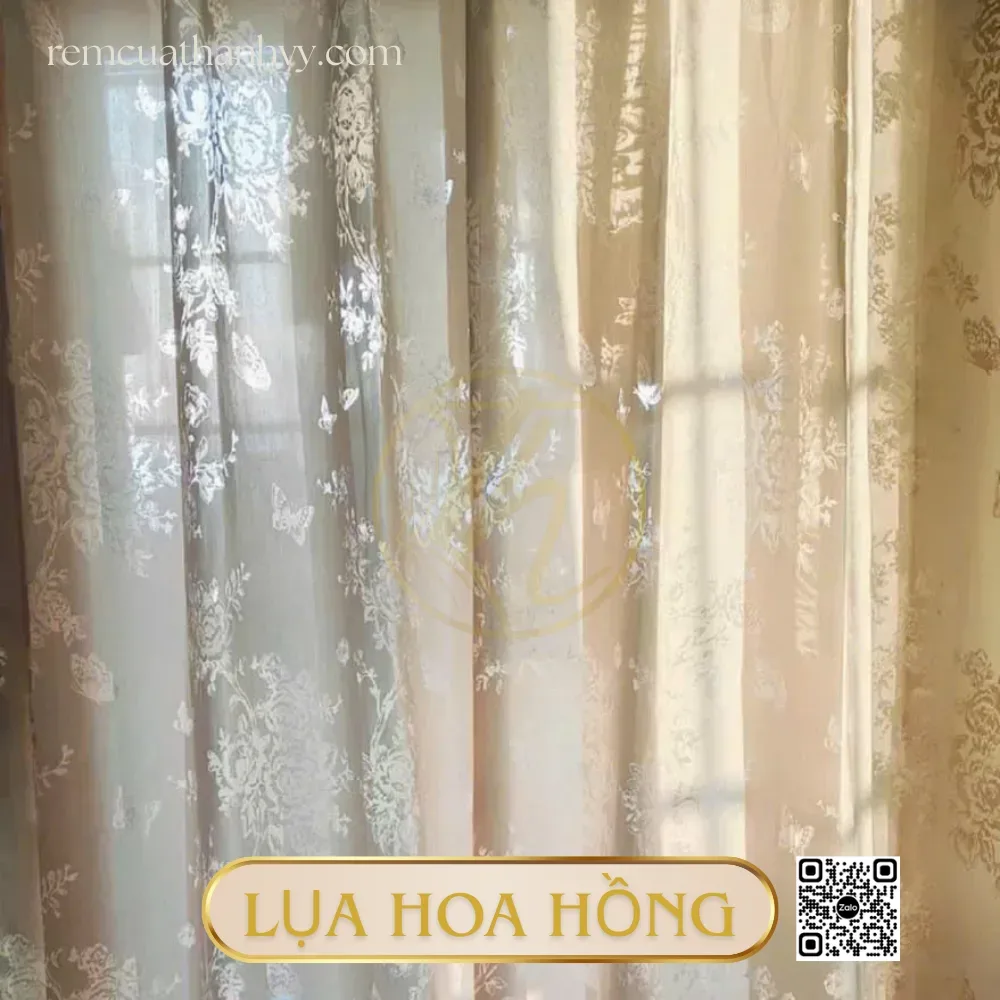
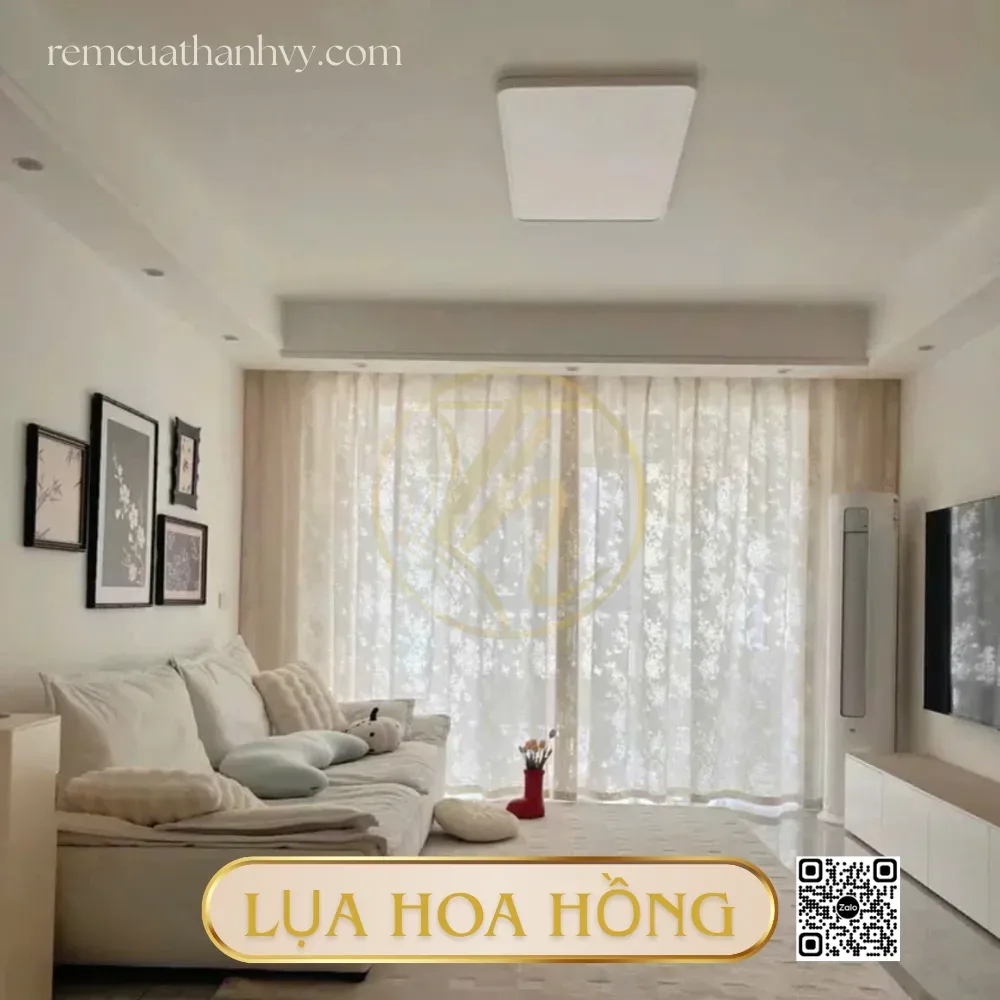
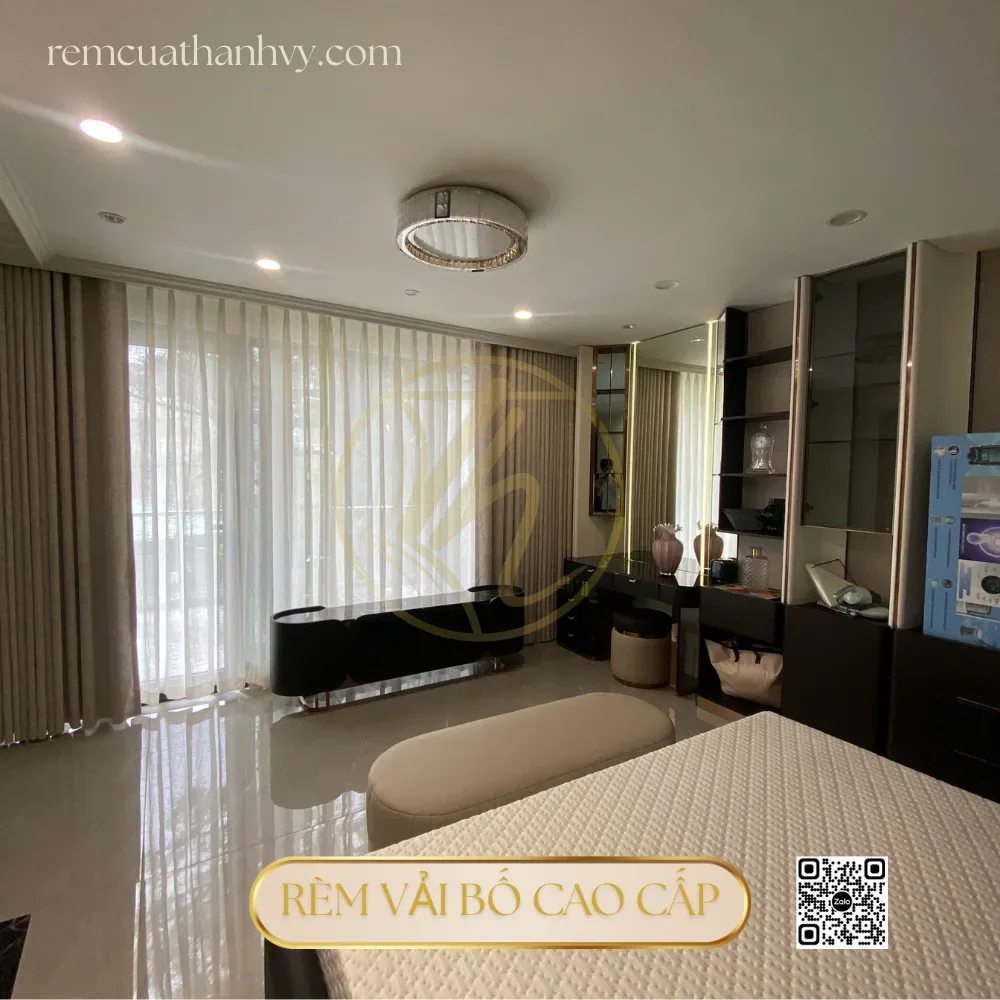
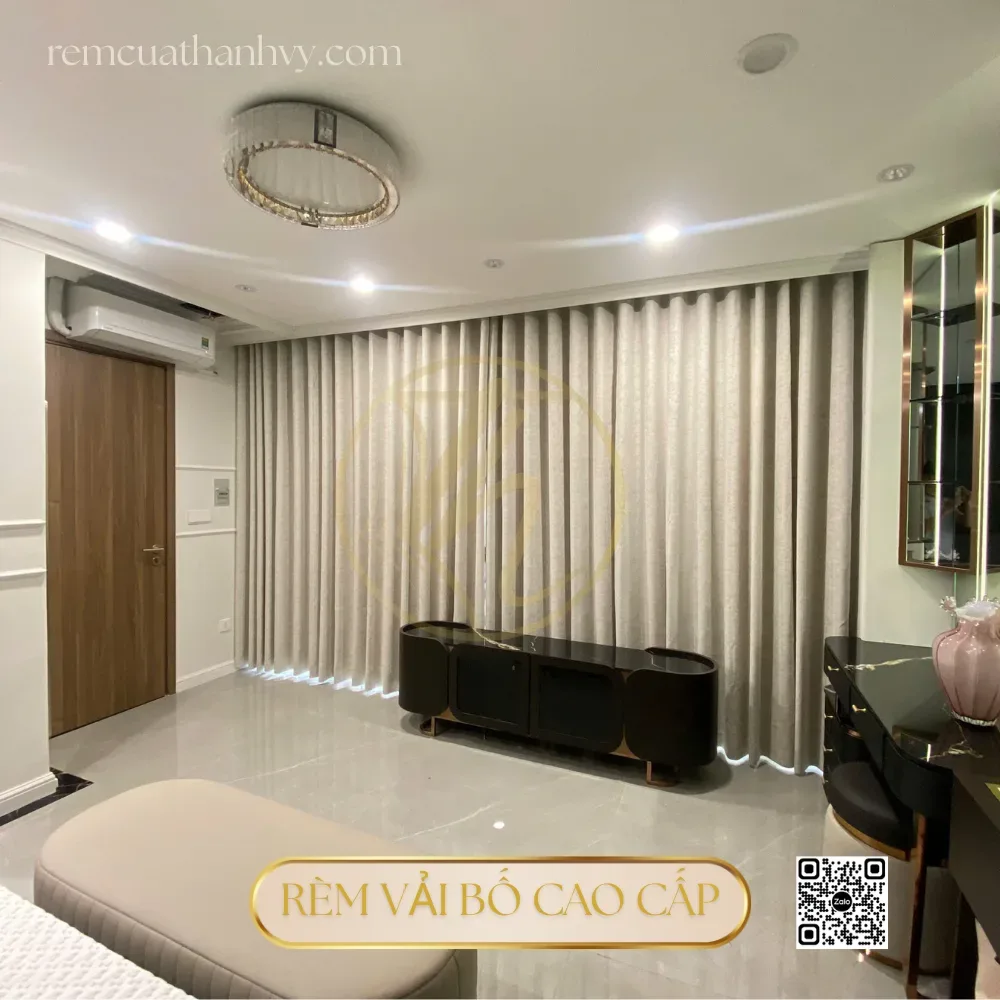
Linen fabric curtains
Linen provides a slightly rough, low-gloss surface, so it fits wooden interiors and neutral tones.
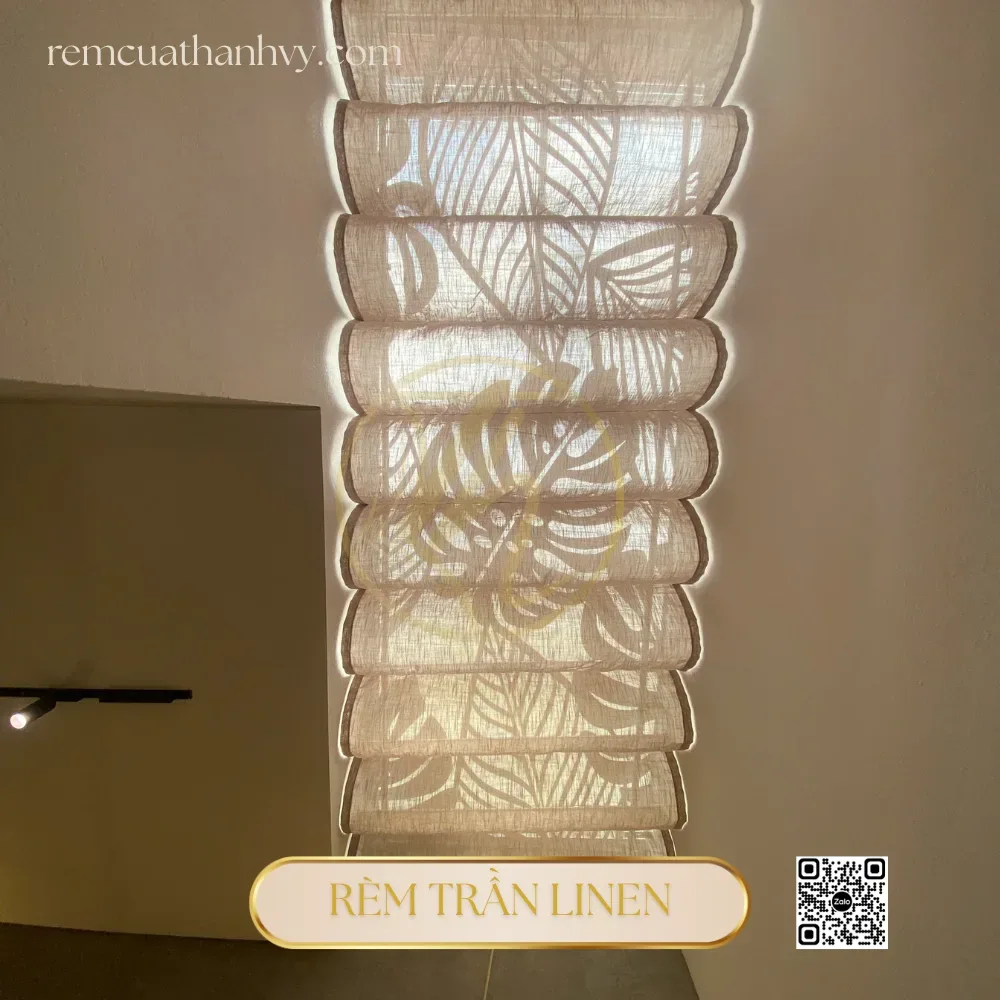
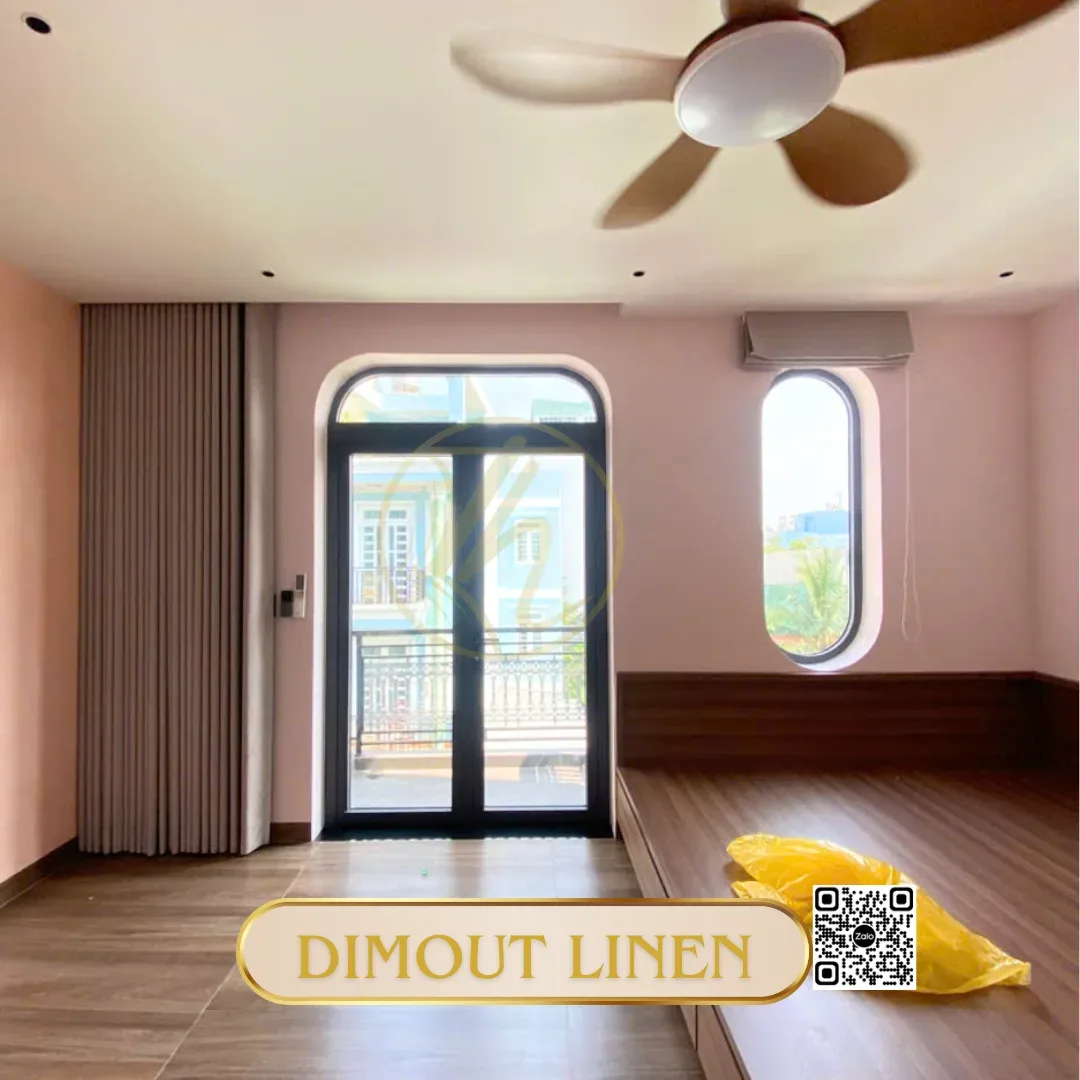
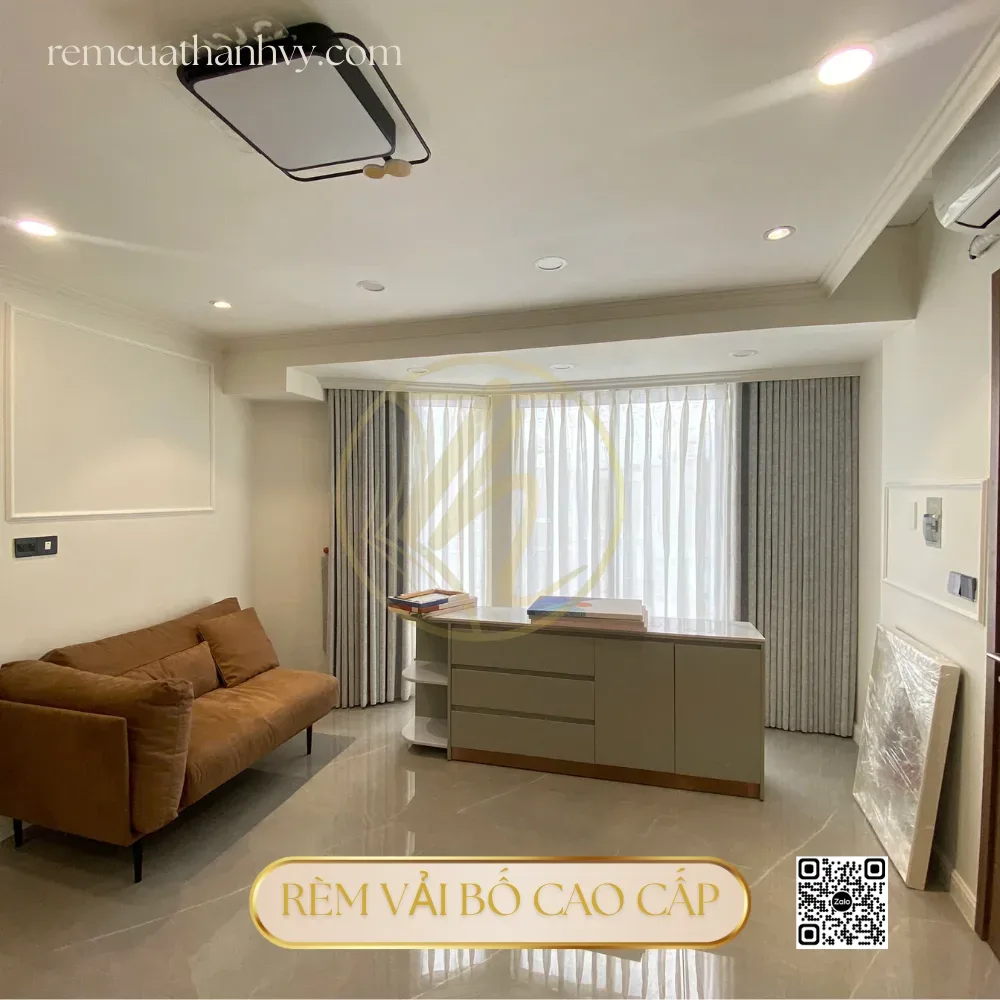
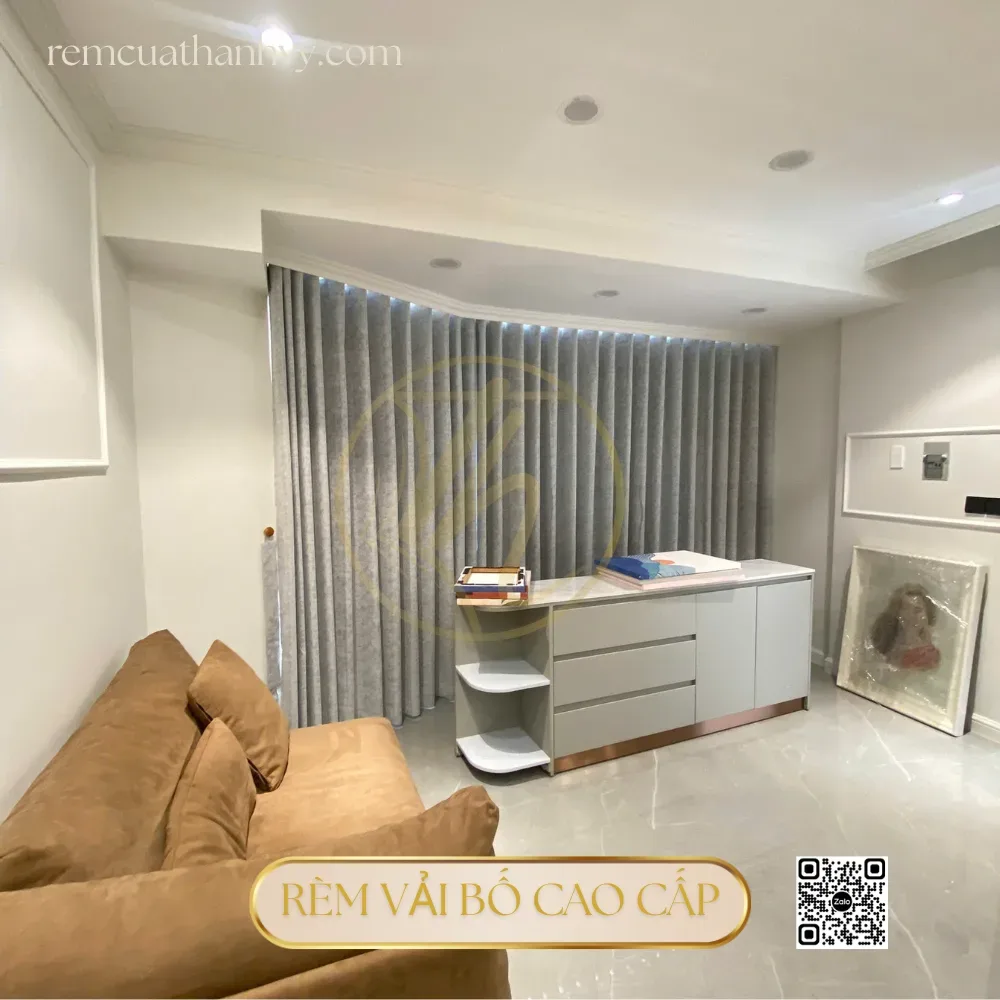
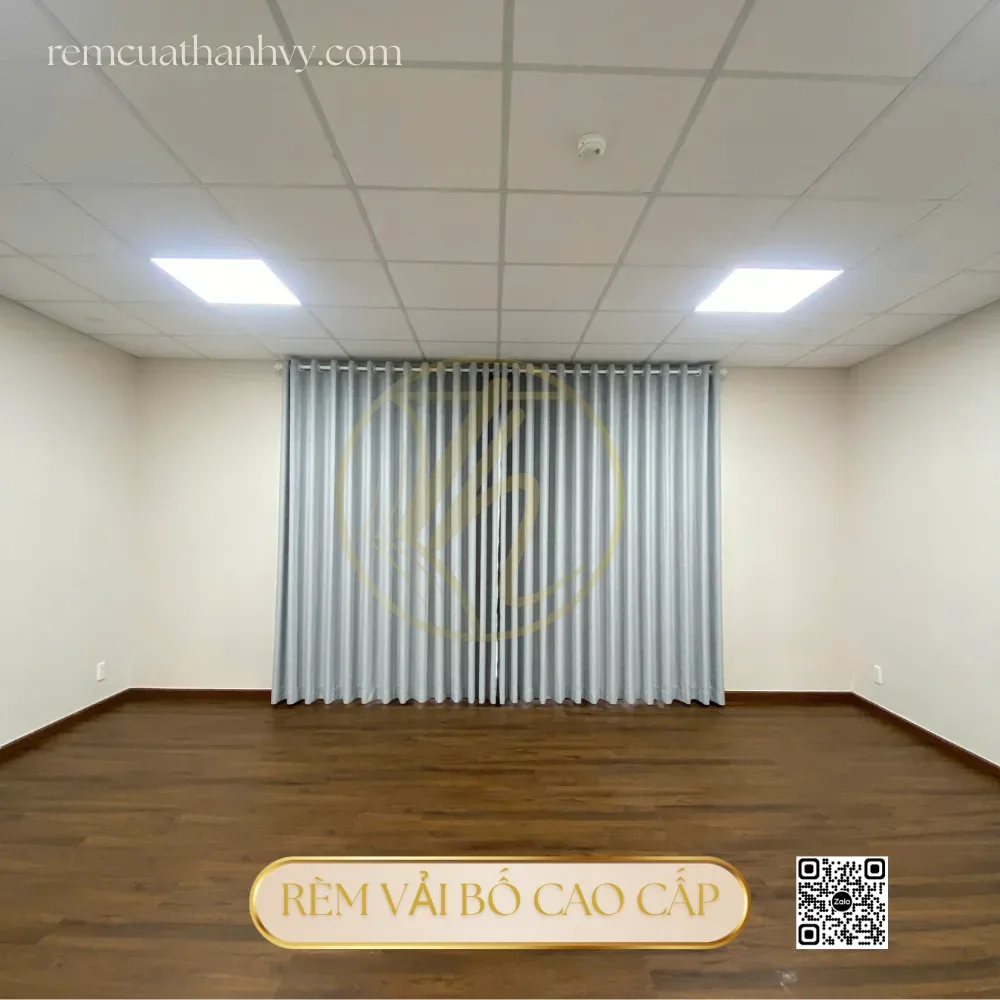
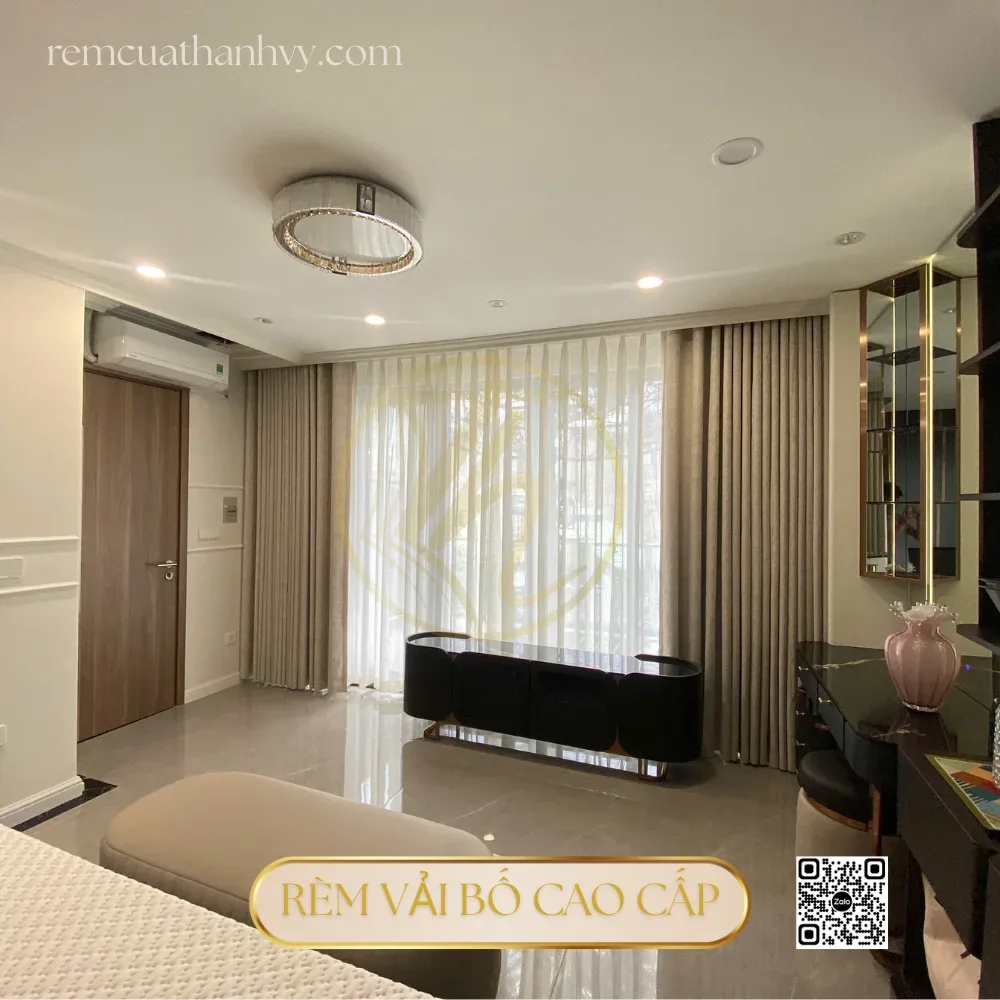
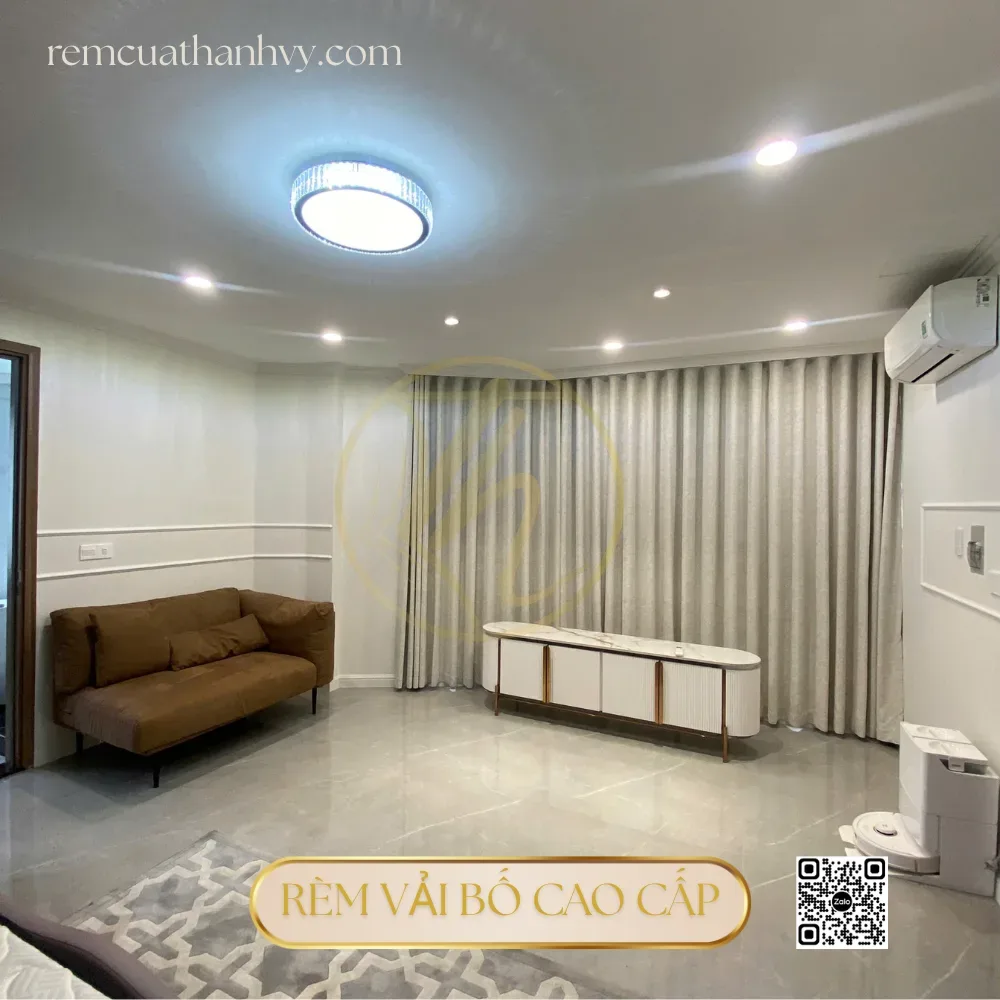
Premium blackout fabric curtains
The high-blackout fabric group is used when significant room darkening is needed, usually for bedrooms or screening rooms.
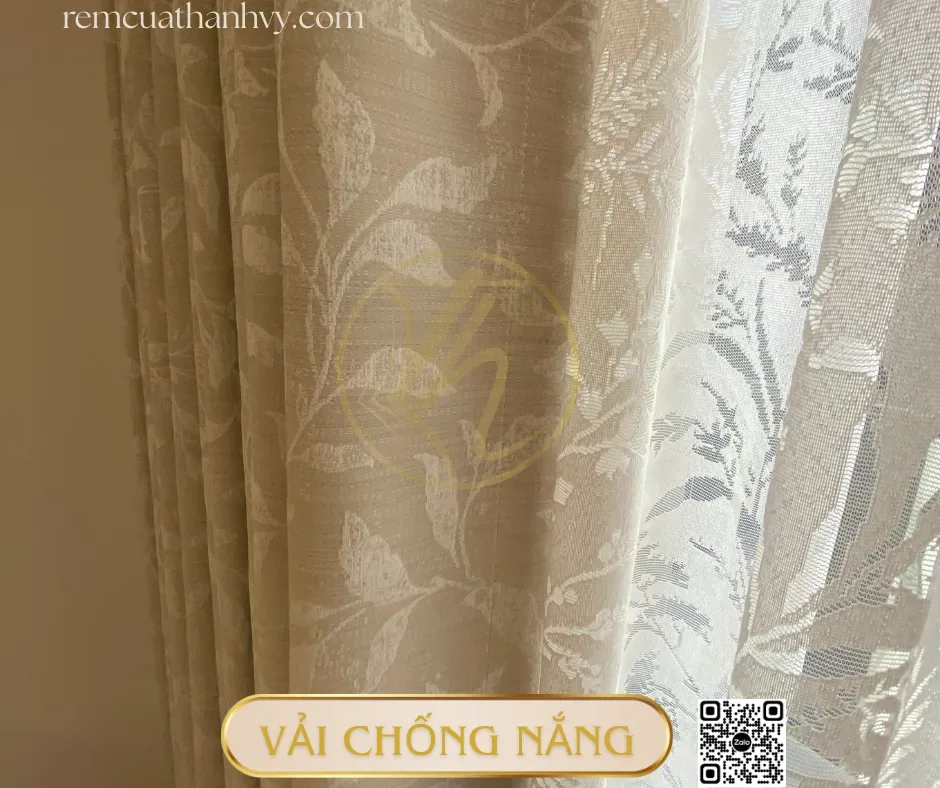
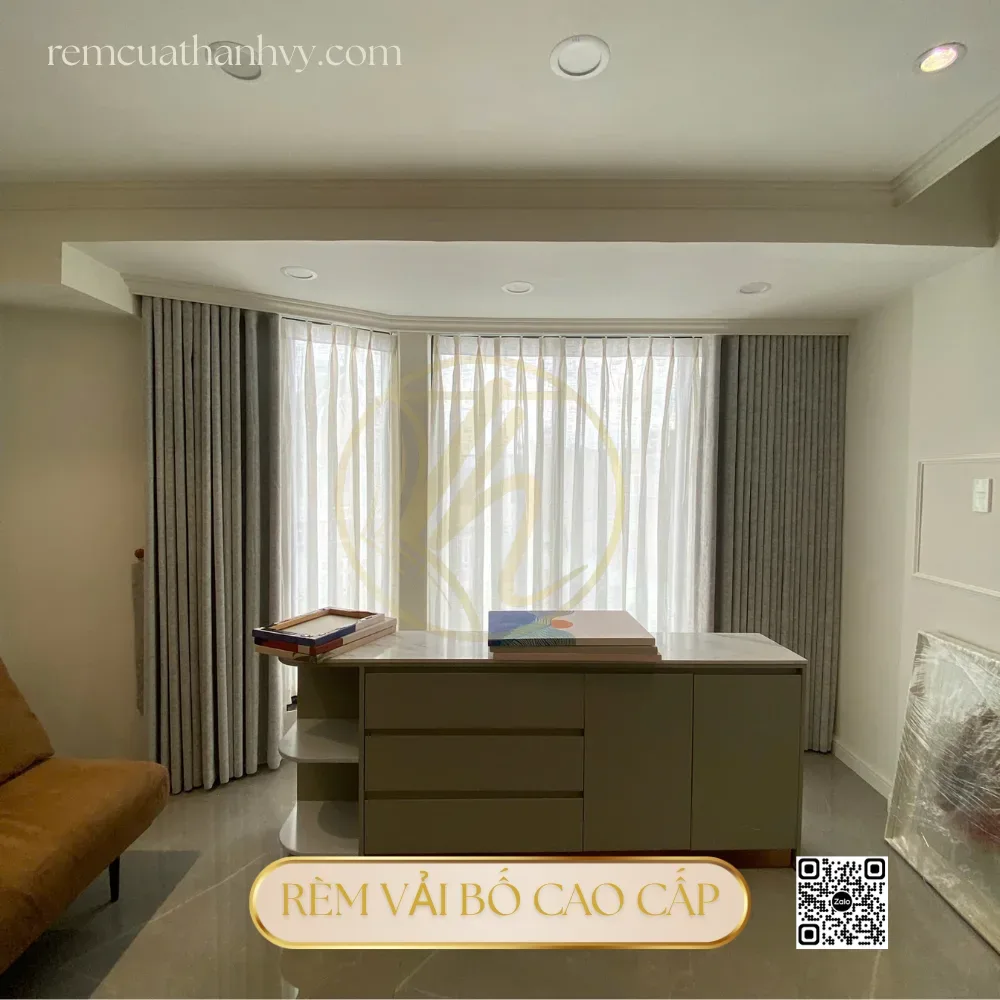
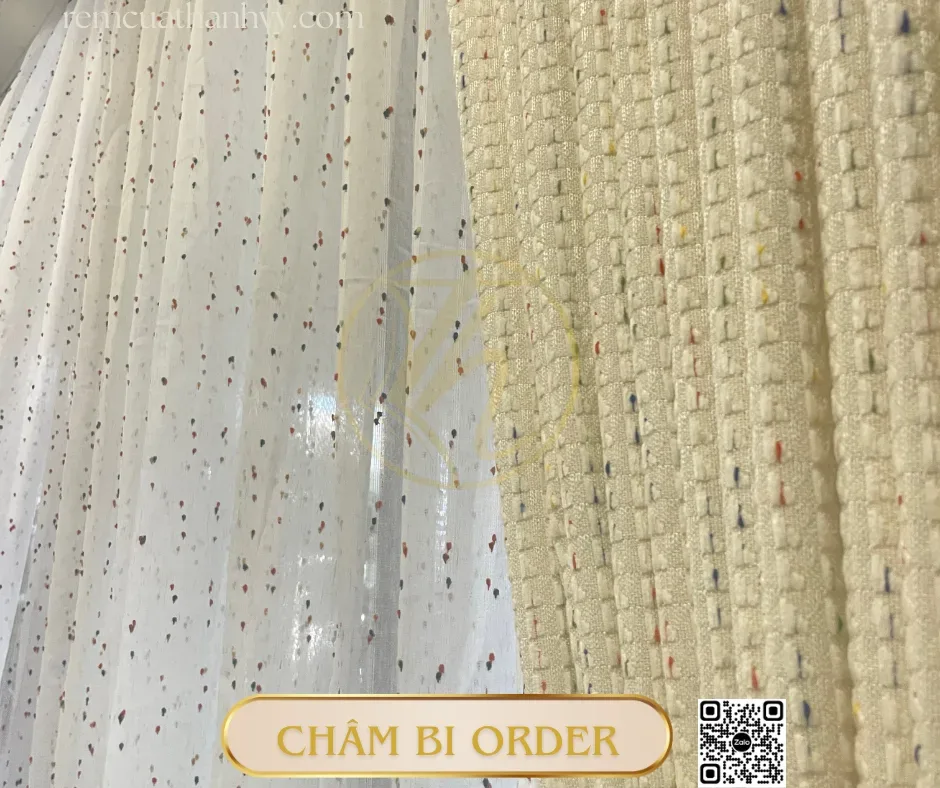
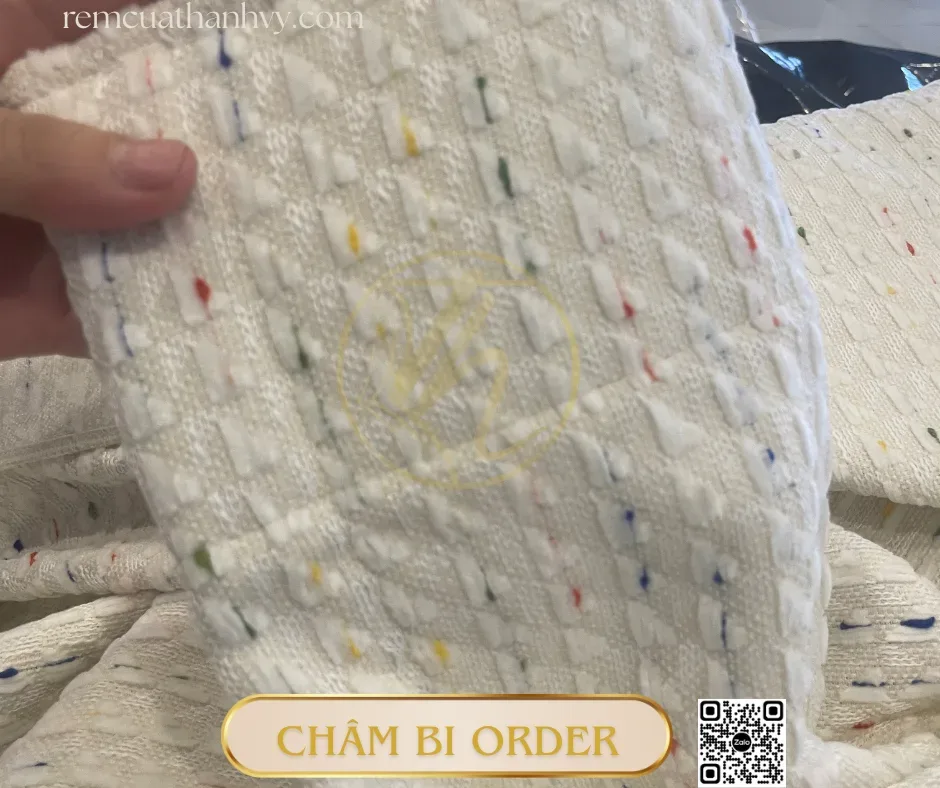
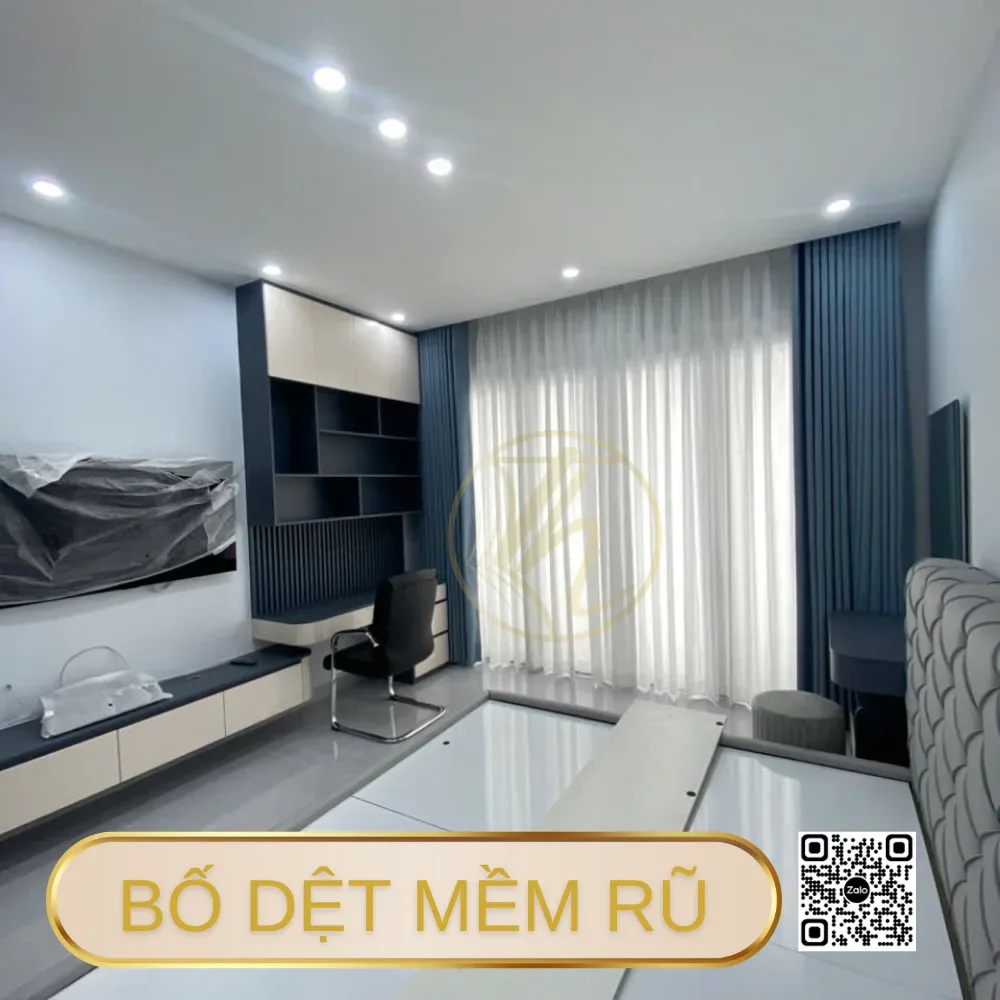
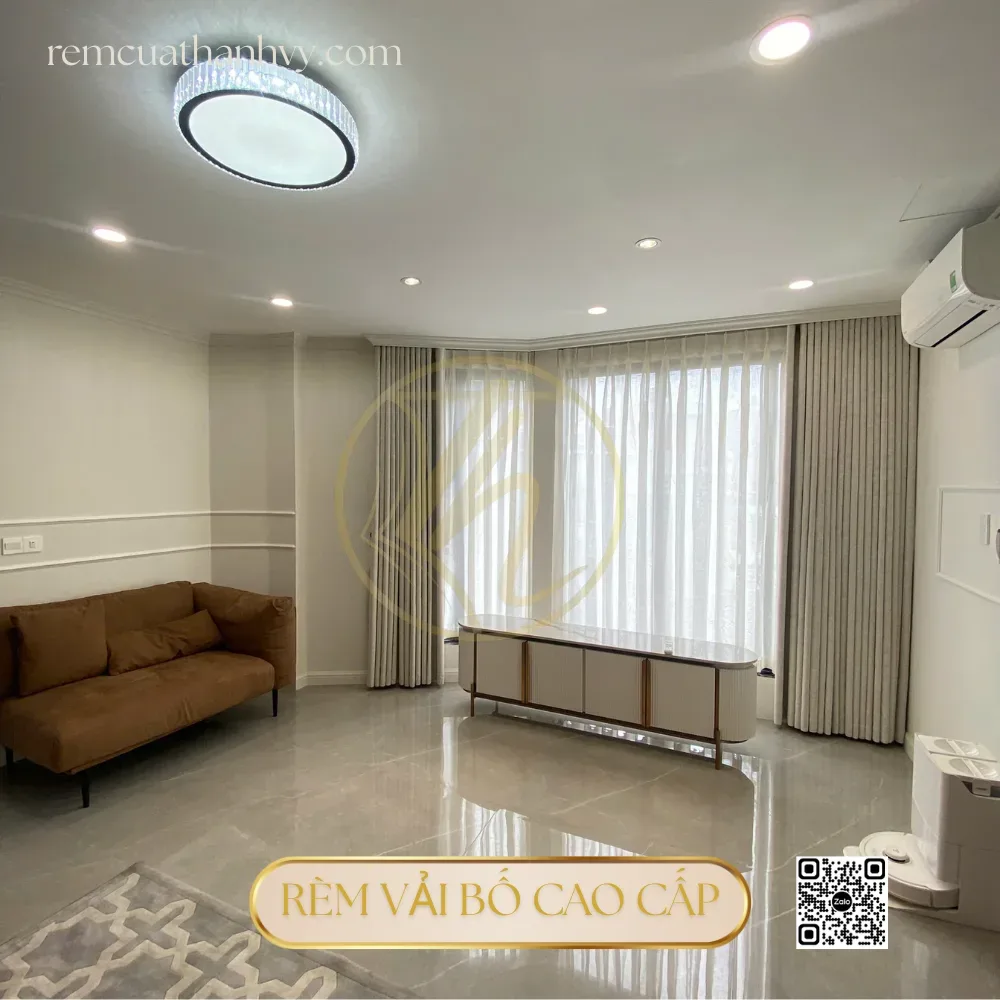
Fabric curtains
Fabric curtains are easy to coordinate with interiors and have a wide price range.
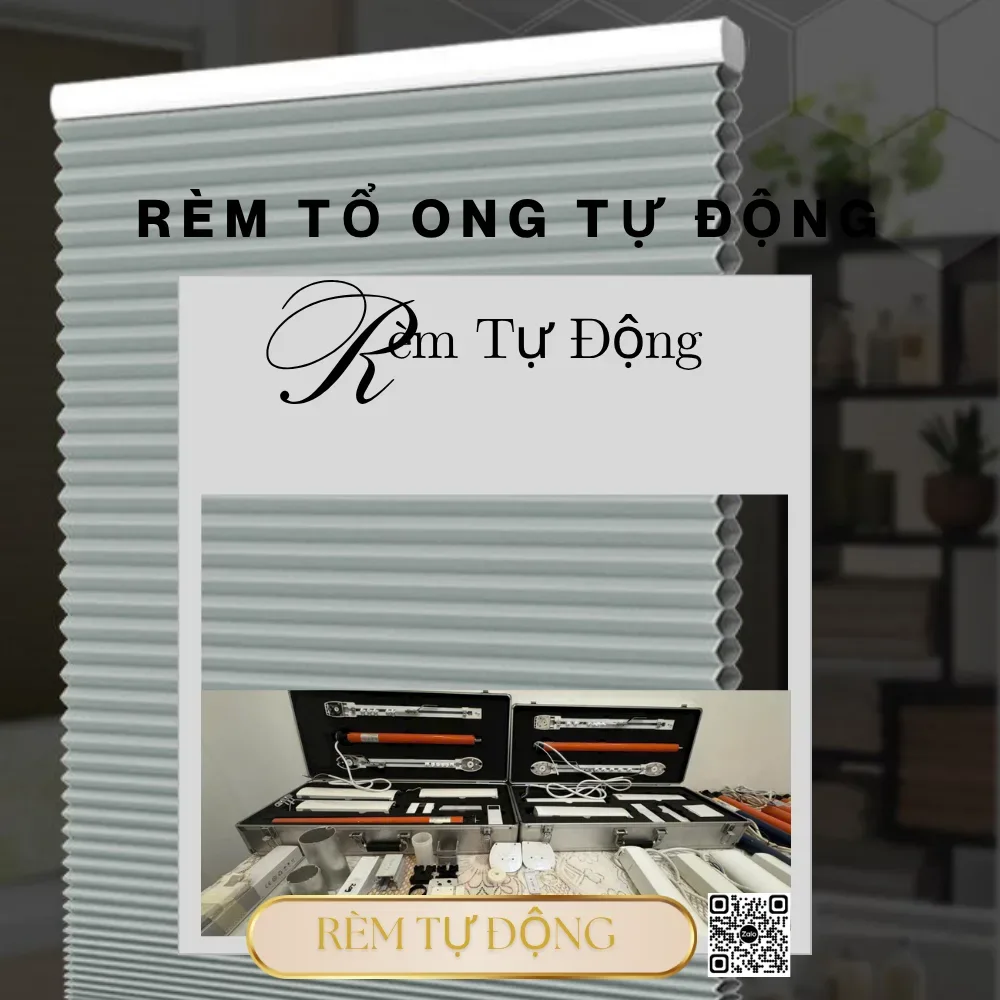
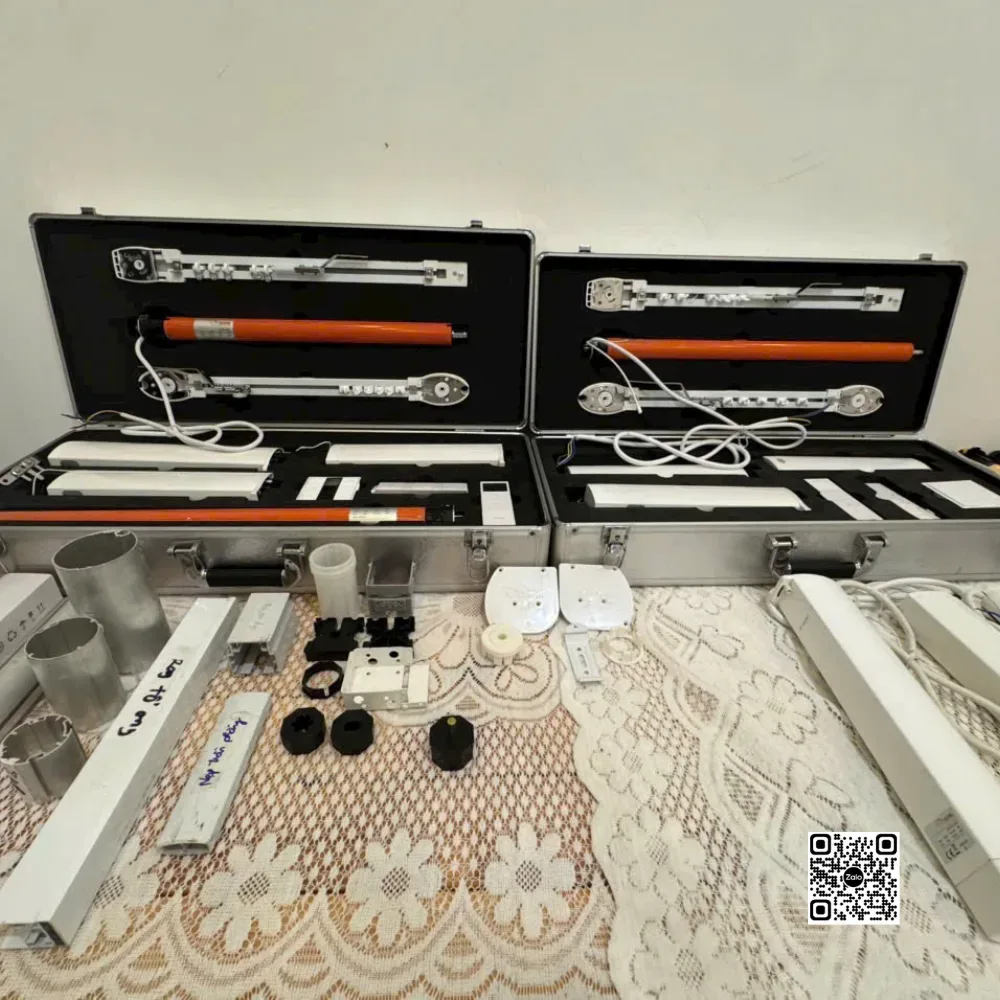
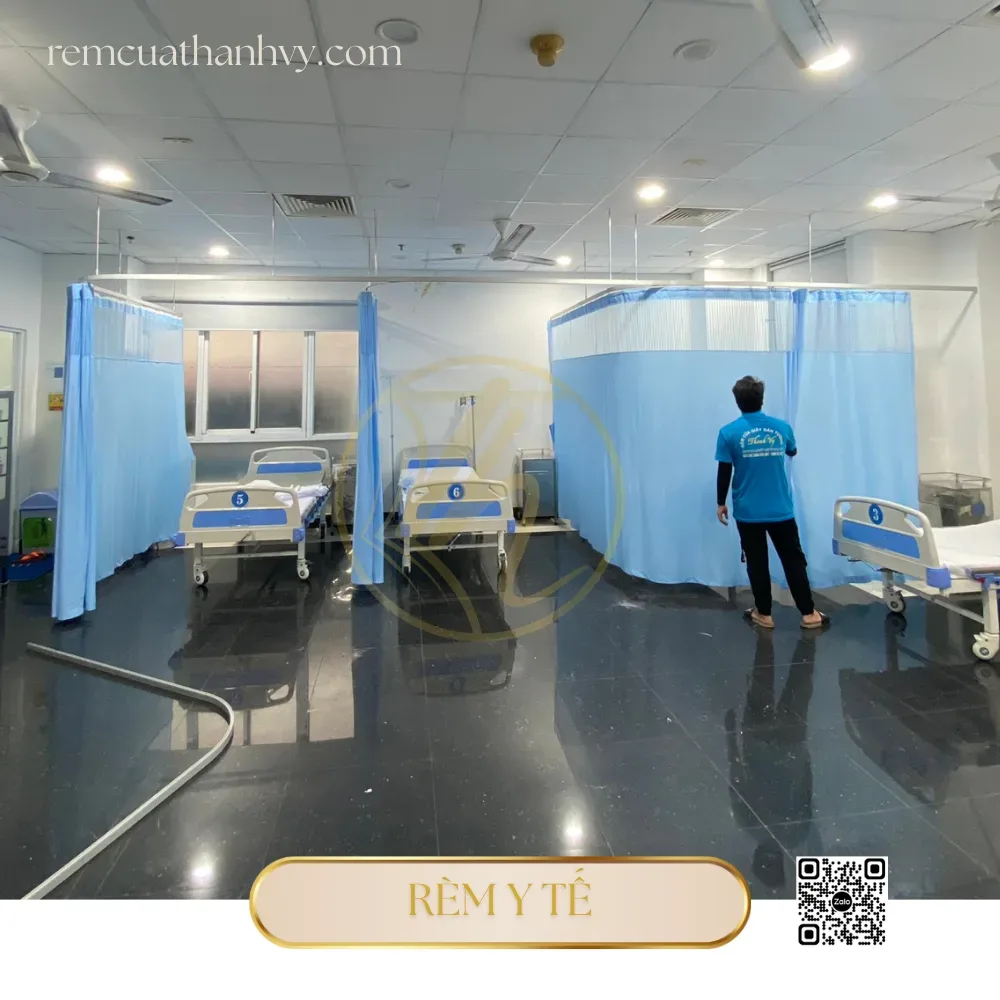
For further information, please contact Thanh Vy Curtains
We provide free consultation and on-site measuring at your home.
Related areas
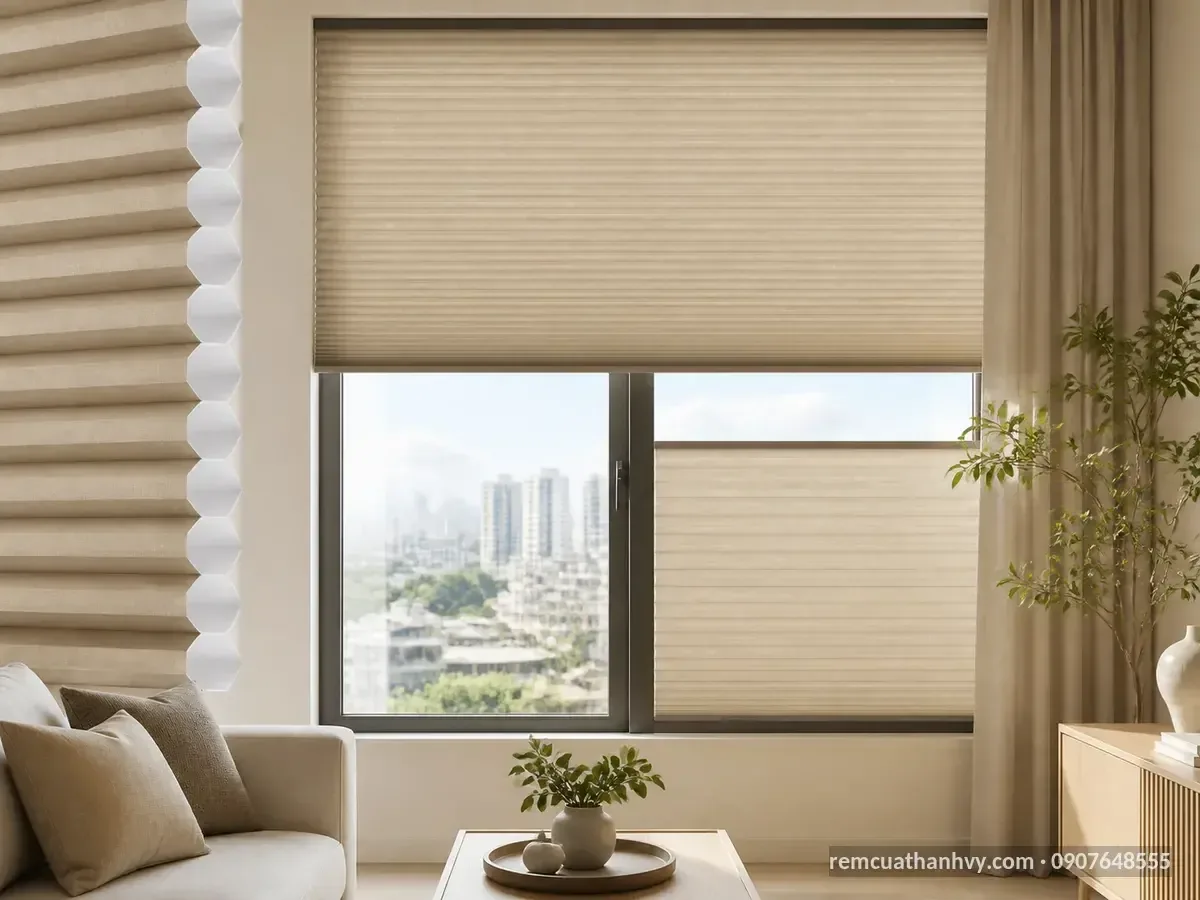
Curtains in District 12: What to Prioritize for Every Space
With over 15 years of experience working from a private workshop, Rèm Cửa Thanh Vy [...]
Curtains in District 6: What to Prioritize for Each Space
To choose the perfect curtains in District 6, contact Rèm Cửa Thanh Vy for dedicated [...]
Curtains in District 3: What to prioritize when choosing for each space
**Curtain selection advice:** Customers in District 3 should prioritize two-layer fabric curtains or neat Korean [...]
Curtains in District 7: Priorities when choosing for each space
Thanh Vy Curtains provides optimal curtain solutions for living spaces in District 7, using durable [...]
Related reviews
Are Linen Curtains Good? A Complete A-Z Review
A guide on choosing linen curtains based on living space, lighting, privacy, materials, finishes, and [...]
Are Fabric Curtains Good? How to Assess the Real Needs of Each Space
This article helps readers answer whether fabric curtains are good by assessing light, privacy, usage [...]
Linen Curtains or Roman Shades? A Detailed Comparison to Help You Choose
Compare linen curtains and Roman shades based on light control, privacy, operation, aesthetics, maintenance, and [...]
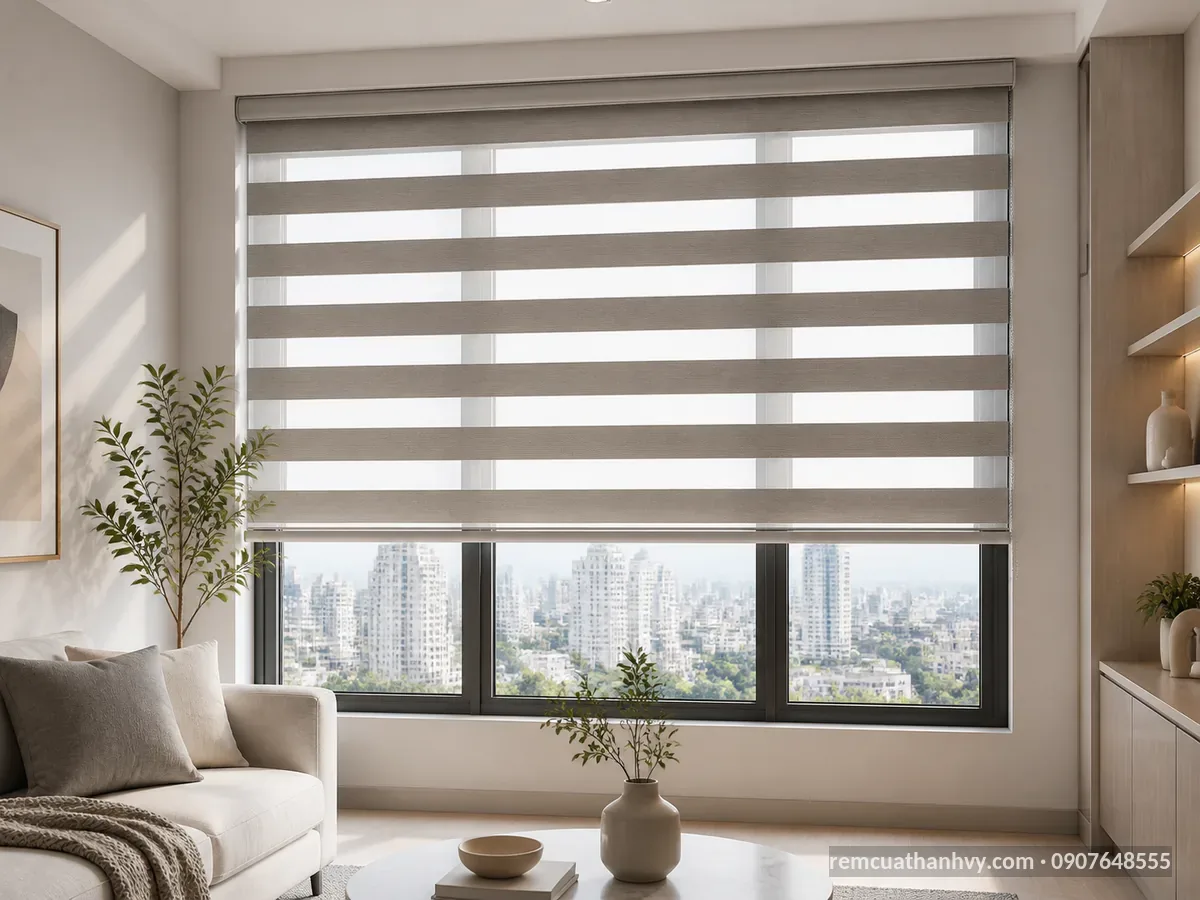
Comparing Fabric Curtains and Zebra Blinds: Which One Fits Your Needs?
This article compares fabric curtains and zebra blinds in terms of light, privacy, stackback, the [...]
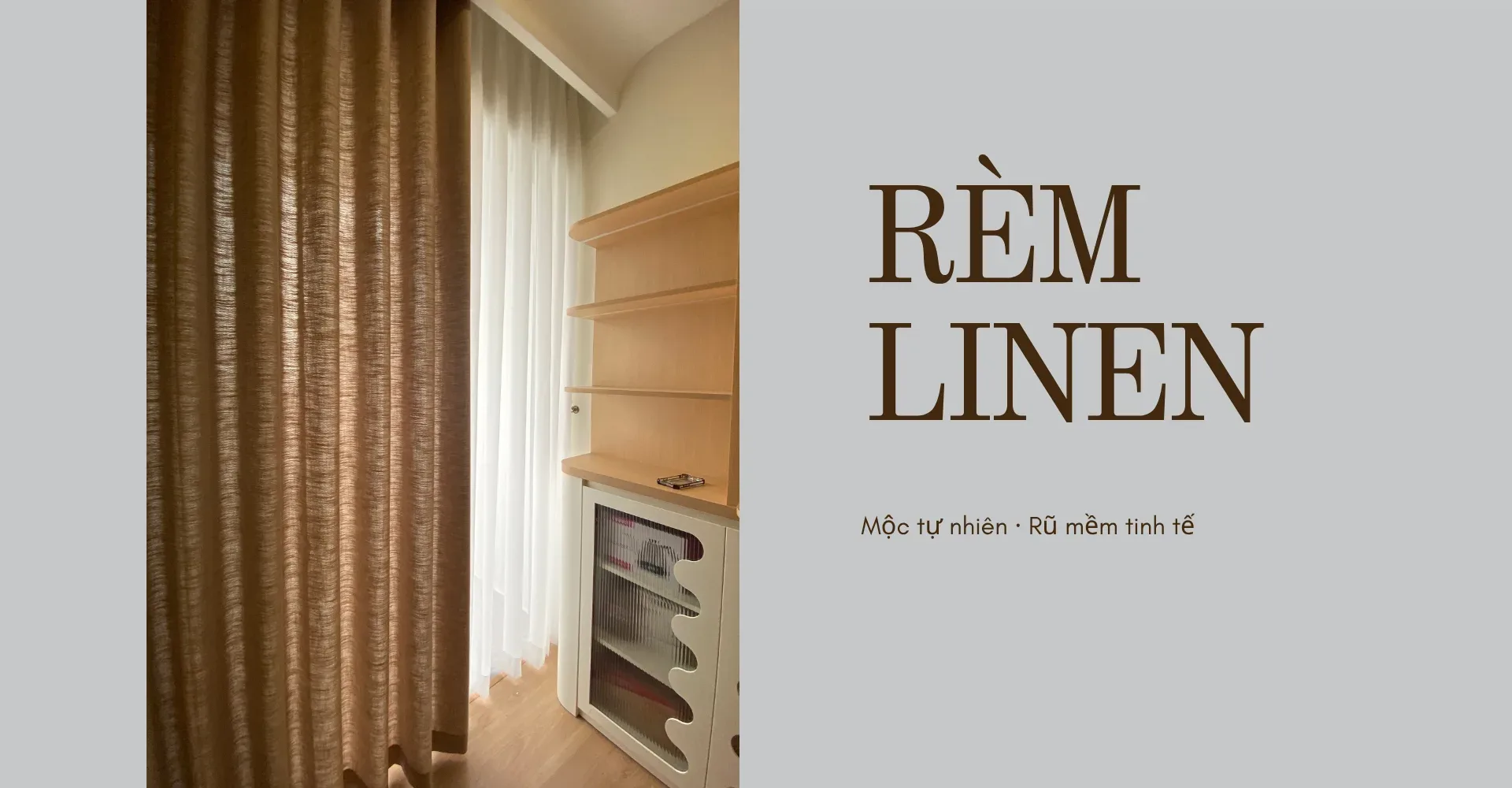
Linen Curtains or Combi Blinds? A Detailed Comparison to Help You Choose
An objective comparison of linen curtains and combi blinds covering aesthetics, light control, durability, maintenance, [...]
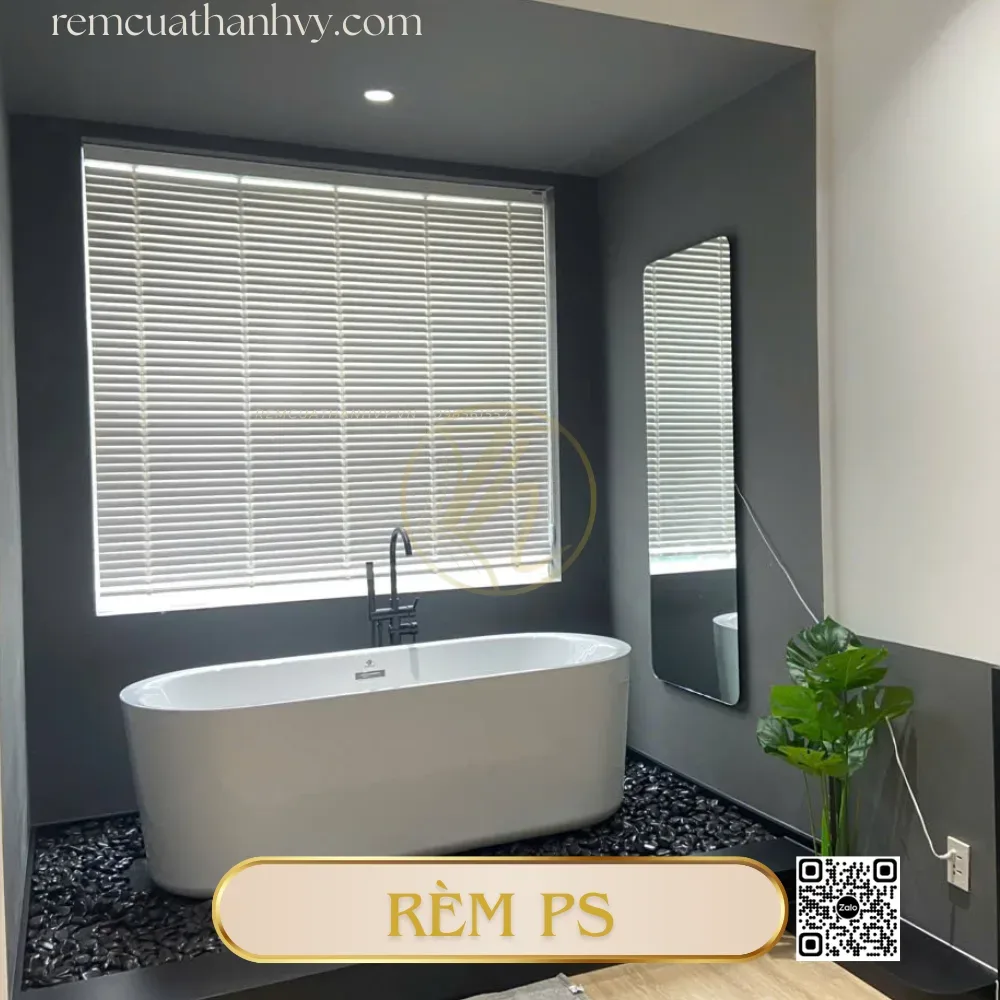
Fabric Curtains or Wooden Blinds? A Detailed Comparison to Help You Choose
Compare fabric curtains and wooden blinds by light control, privacy, operation, aesthetics, cleaning, and running [...]
Related posts
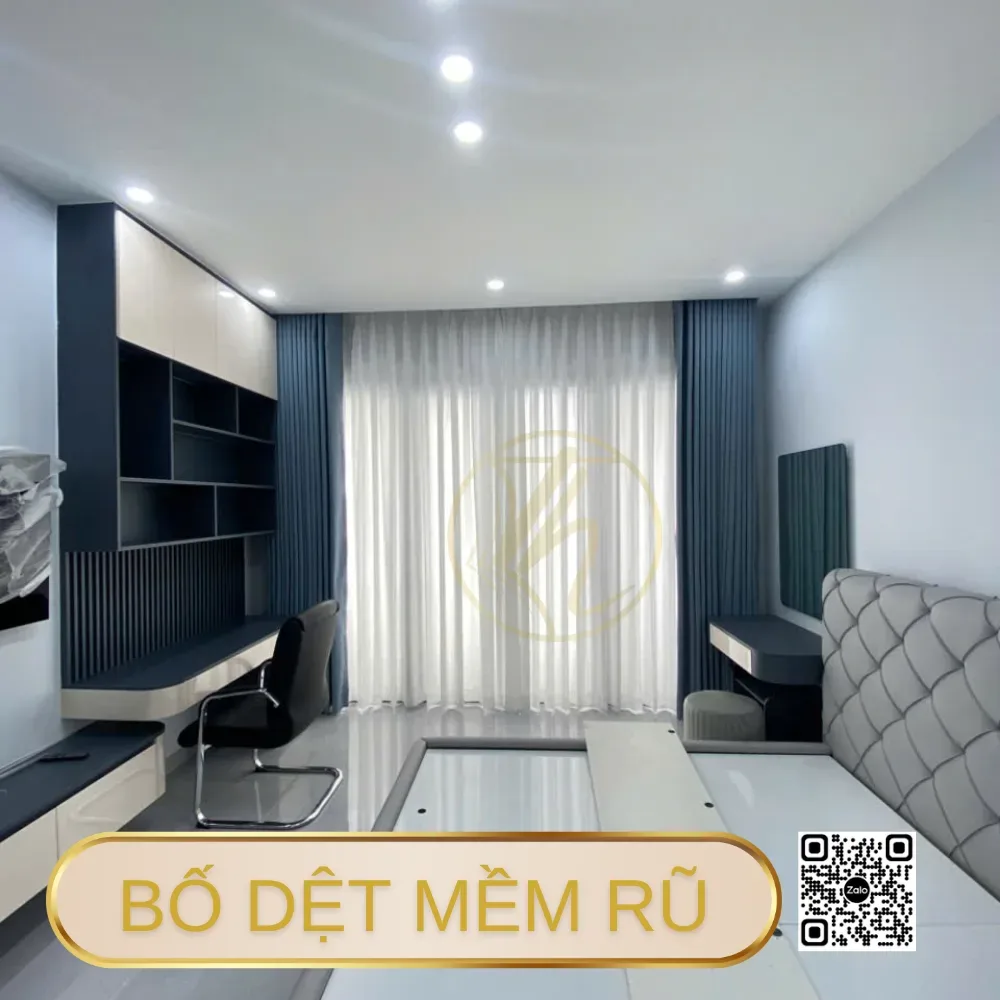
Fabric Curtains in District 3: How to Choose by Room and Need
This article helps readers choose fabric curtains in District 3 based on light blocking needs, [...]
Fabric Curtains in District 6: How to Choose Fabrics and Sewing Styles
A guide to choosing fabric curtains in District 6 for every space, light level, material, [...]
No comments yet!