


District 4 Fabric Curtains: On-Site Tailoring, Good Prices | Thanh Vy
District 4 fabric curtains should start with the intended use of each room
Fabric curtains in District 4 should not be chosen solely based on color or an attractive reference photo found online. The point to clarify beforehand is how much light the room needs to block, what the privacy requirements are, and how often the curtains will be opened and closed during the day. Moving from functionality to aesthetics makes it easier for readers to eliminate options that look good in pictures but are unsuitable for daily use in their own homes. Information about the provider also appears in the Thanh Vy high-end curtain column on Ha Tinh Newspaper.
A suitable set of fabric curtains typically balances three things: softening the light, maintaining good proportions for the window frame, and avoiding making an already limited space feel heavier than necessary. Given the characteristics of housing in District 4, most window areas are not overly large, so every decision regarding material or tailoring style noticeably affects the overall feel of the entire room. Therefore, before discussing colors and tailoring styles, it is best to clearly establish what the living room, bedroom, or working corner in the house needs most, rather than buying on a sudden whim.
How District 4 townhouse and apartment characteristics affect curtain selection
District 4 has a fairly dense concentration of alley townhouses, with many narrow facades and windows positioned right next to neighboring buildings, while also featuring numerous apartments and condos located near major roads or rivers. These two settings pose quite distinct requirements when choosing fabric curtains, so a single formula cannot be applied to every home in the same area.
Two related options worth checking out are District 3 Fabric Curtains: How to Choose by Room and Need and District 6 Fabric Curtains: How to Choose Fabrics and Tailoring Styles.
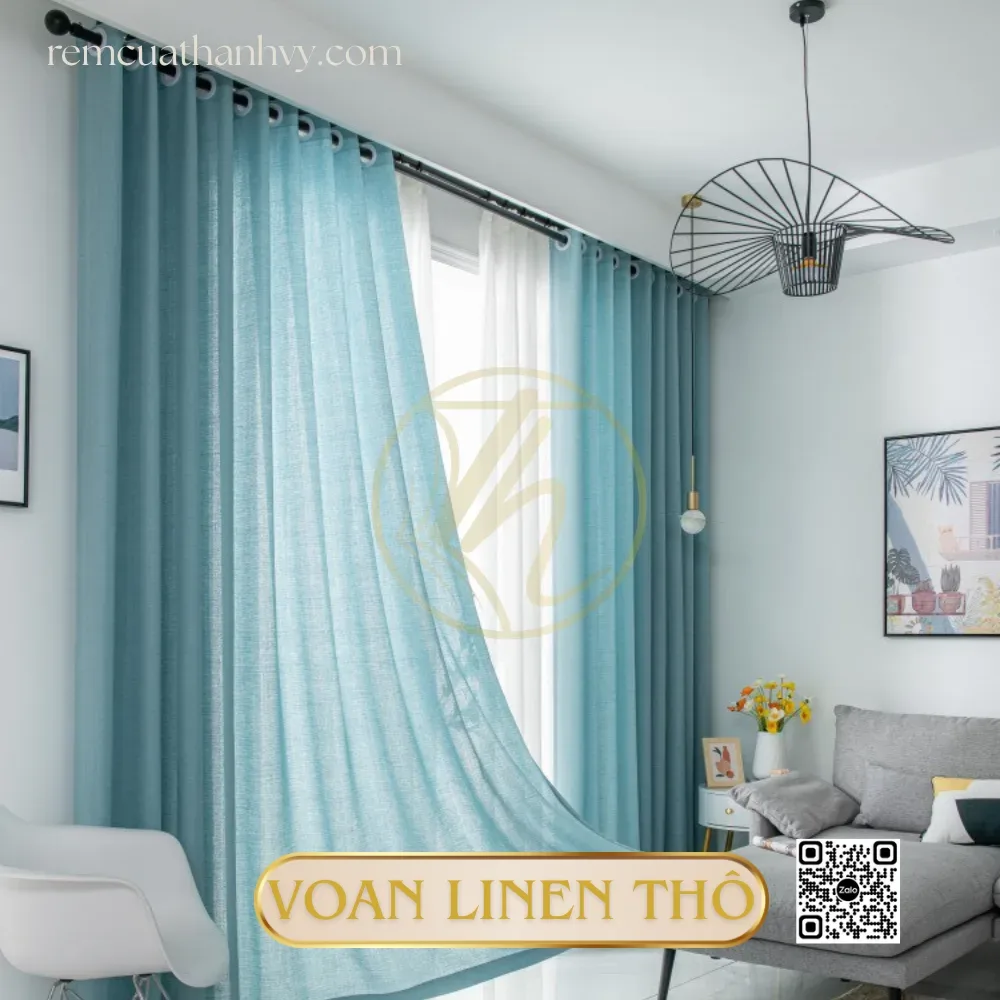
Important note: The key point to clarify beforehand is how much light the room needs to block, what the privacy requirements are, and how often the curtains will be opened and closed during the day.
In small alley townhouses, windows usually do not catch much natural breeze and sometimes sit right against the wall of the next house, making the incoming light weaker during certain hours but harsher at noon if the window faces direct sunlight. In this case, fabric curtains need to both preserve natural light to keep the room from being too dark and have the ability to block out harsh sunlight when needed, rather than just choosing a thick material for maximum darkness.
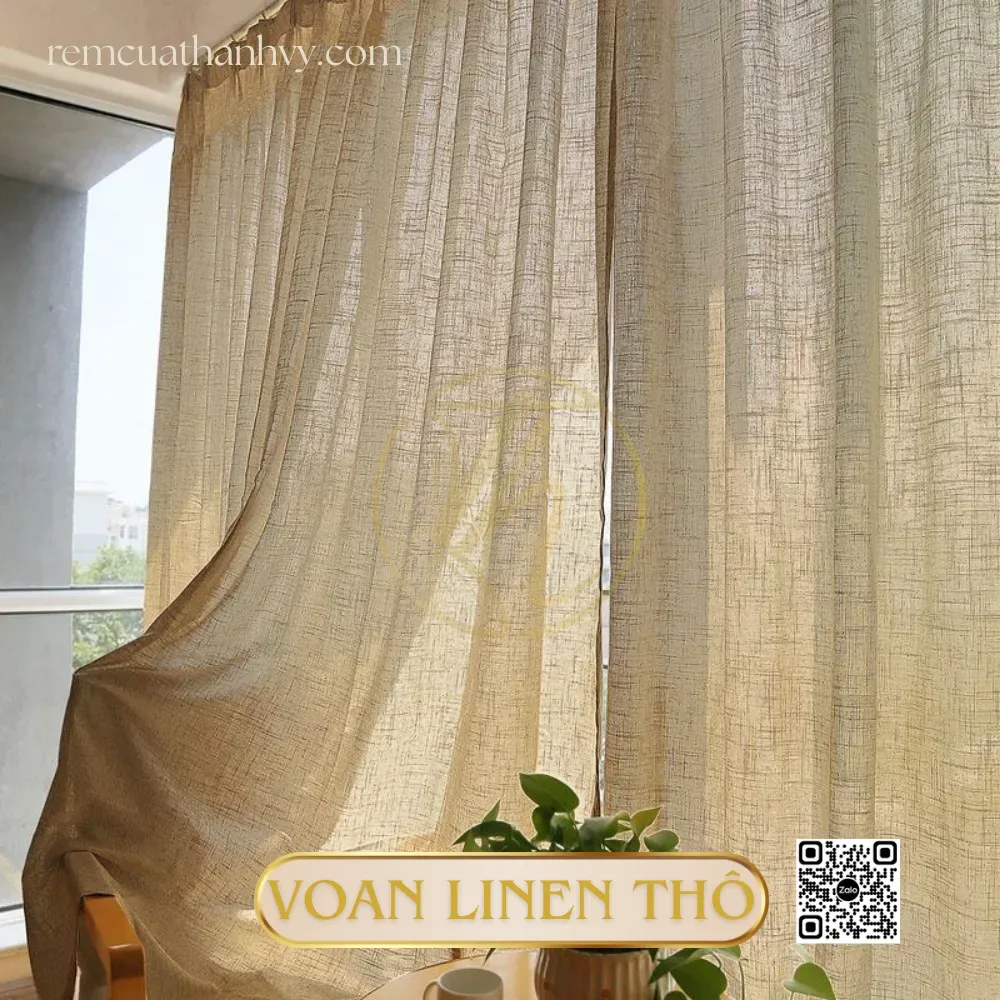
For apartment units, especially those with balconies or large glass doors facing outward, additional factors to consider are humidity and moisture if the home is near canals or rivers, along with controlling afternoon sun if the apartment faces west or southwest. Fabric materials in this context should be evaluated more carefully regarding color durability and shape retention when exposed to high-humidity environments over a long period.
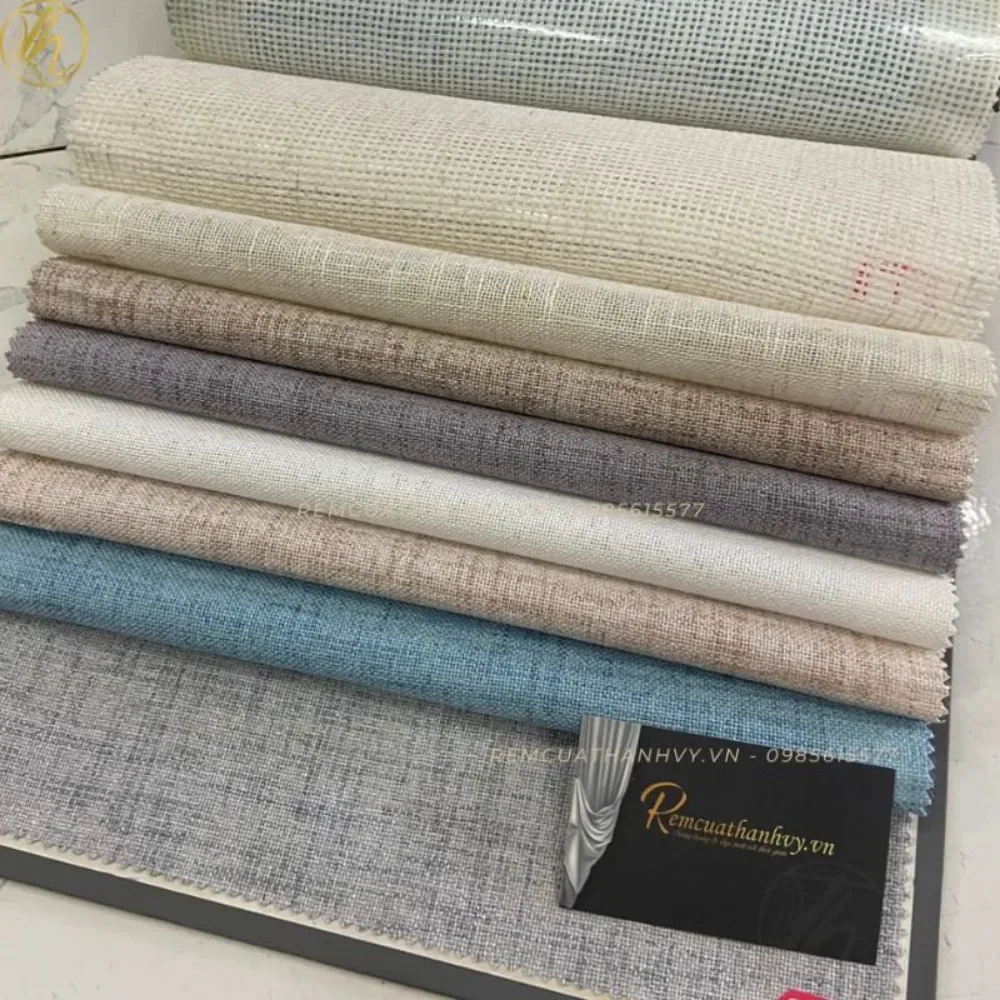
Determine the required light-blocking level and privacy for each room
If the window receives a lot of direct sunlight, the top priority is controlling glare and perceived heat during peak sunlight hours, especially around noon and early afternoon. If the window is in a common living area like the living room, the need is usually to retain enough daylight so the space does not become dark, while still avoiding a feeling of exposure from the outside when the house sits right by an alley or near a facing neighbor.
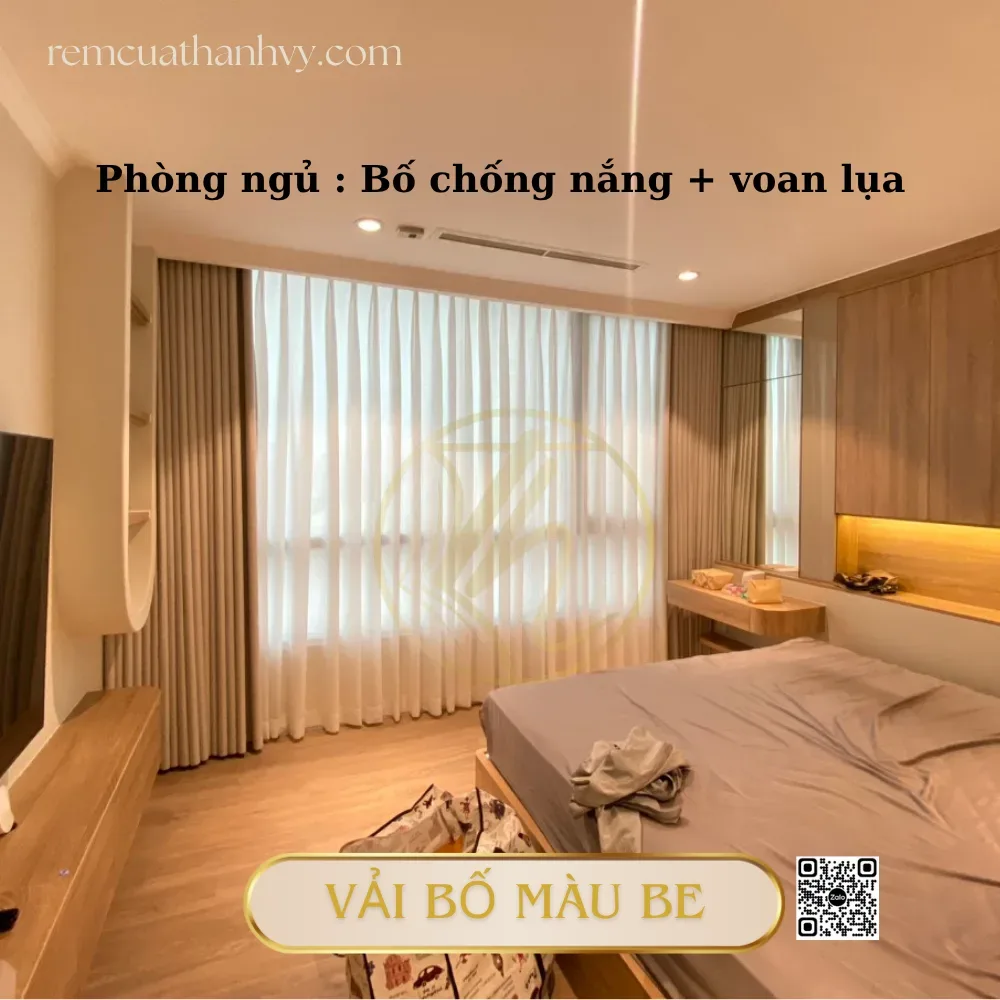
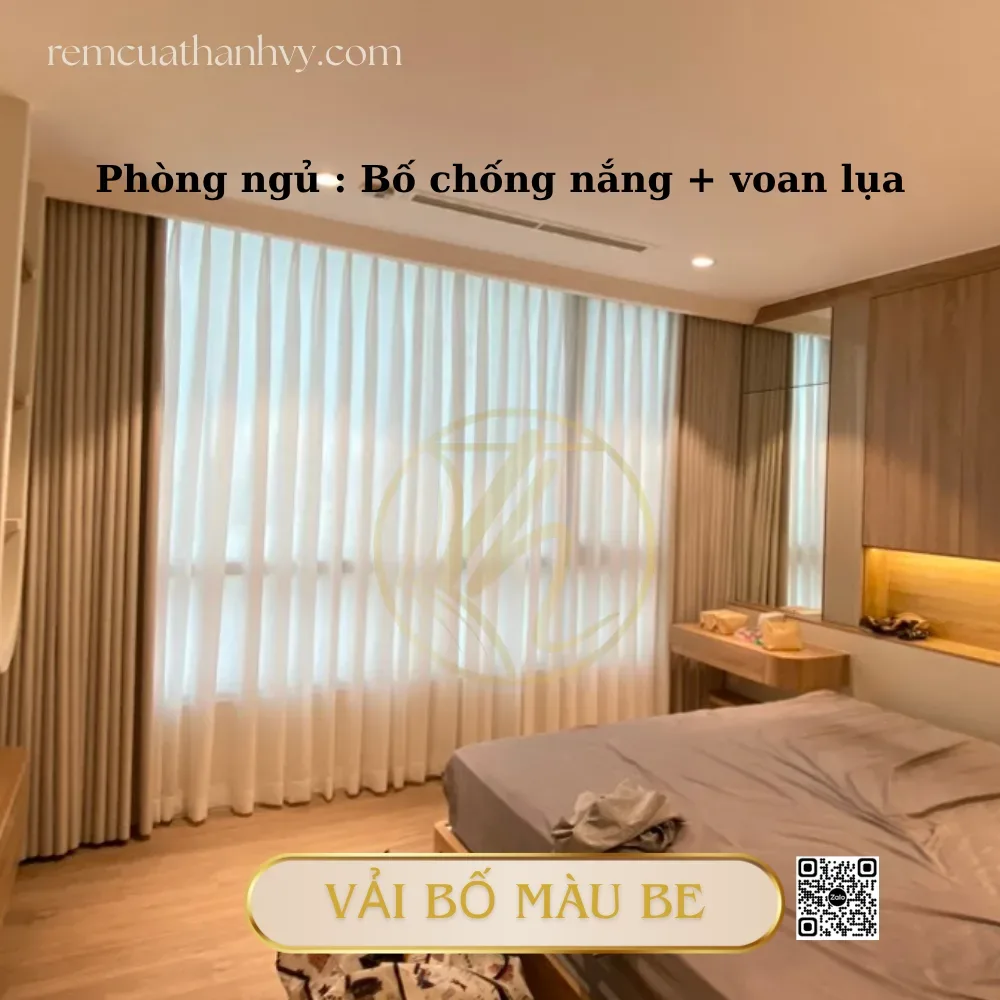
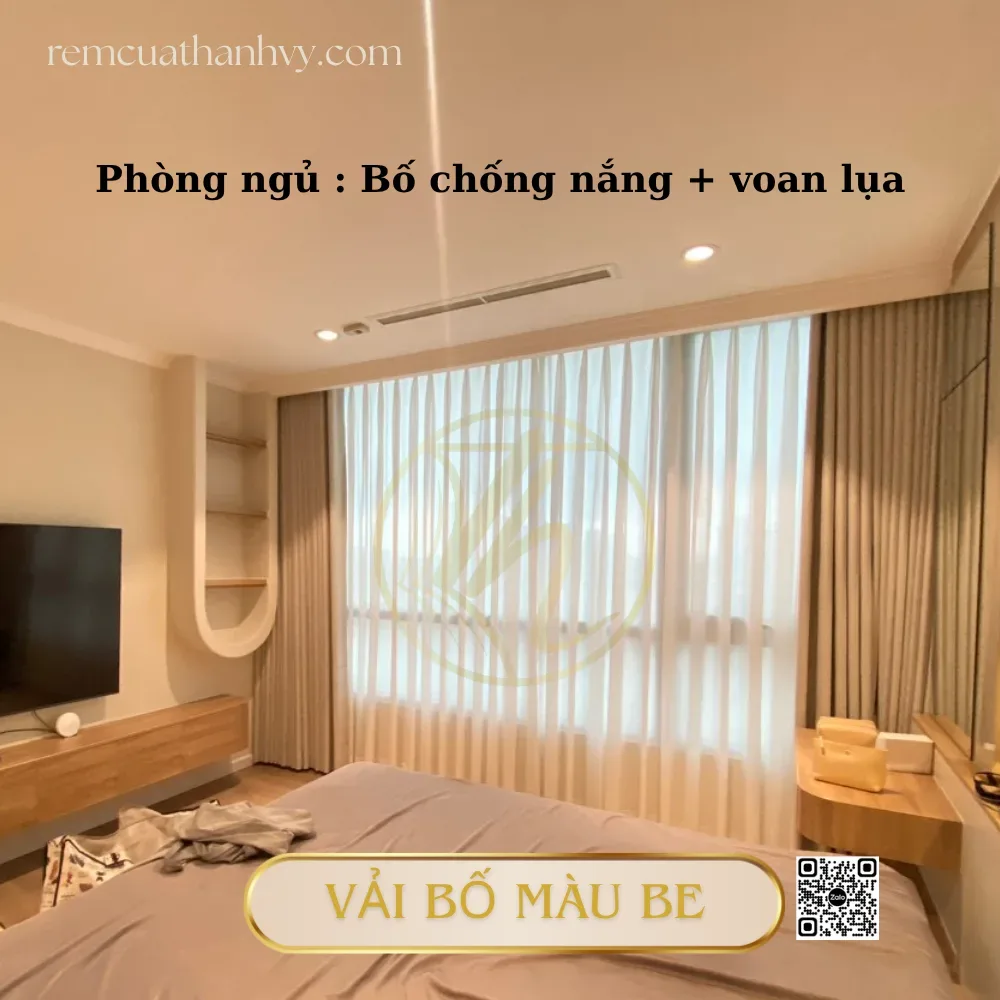
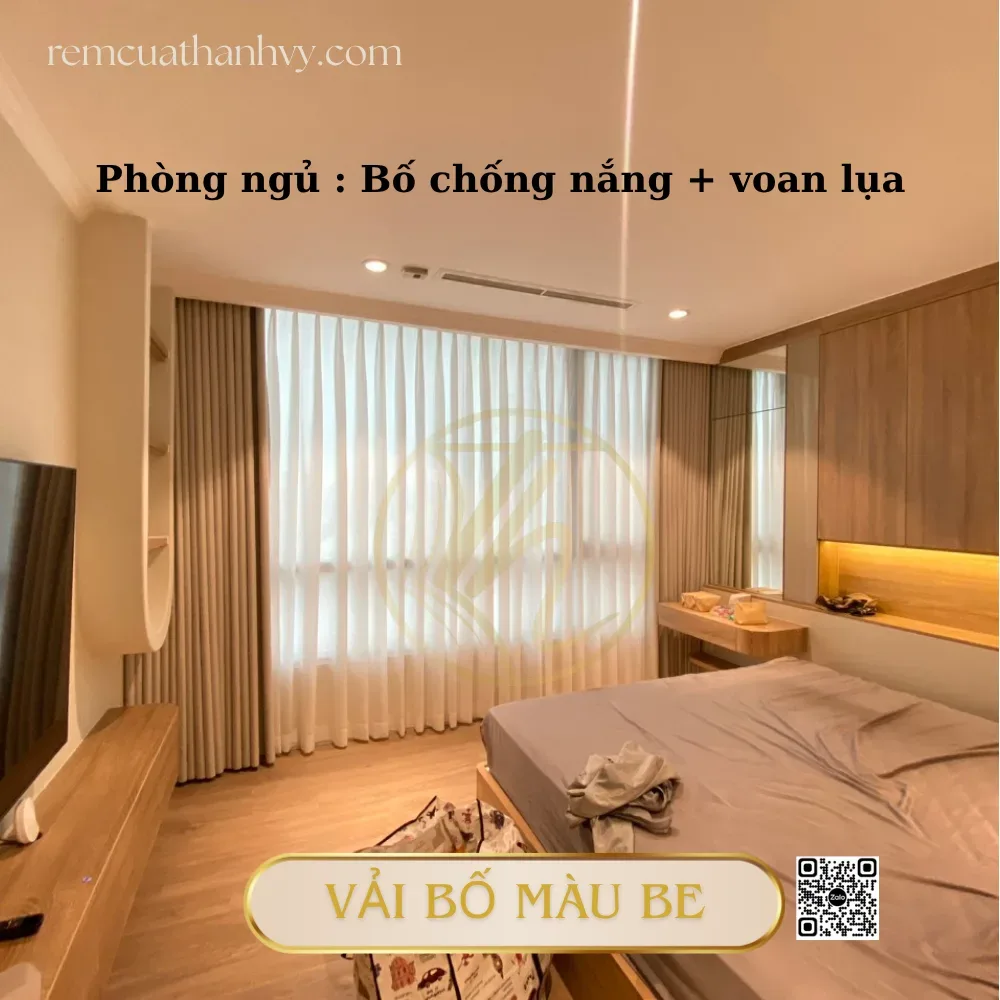
For bedrooms, the more important questions are the required rest period, daily curtain opening and closing habits, and tolerance for early morning light creeping in. Some families need a completely dark bedroom to sleep easily, while others prefer gentle natural light to wake up more naturally, and these two needs lead to quite different curtain selection directions.
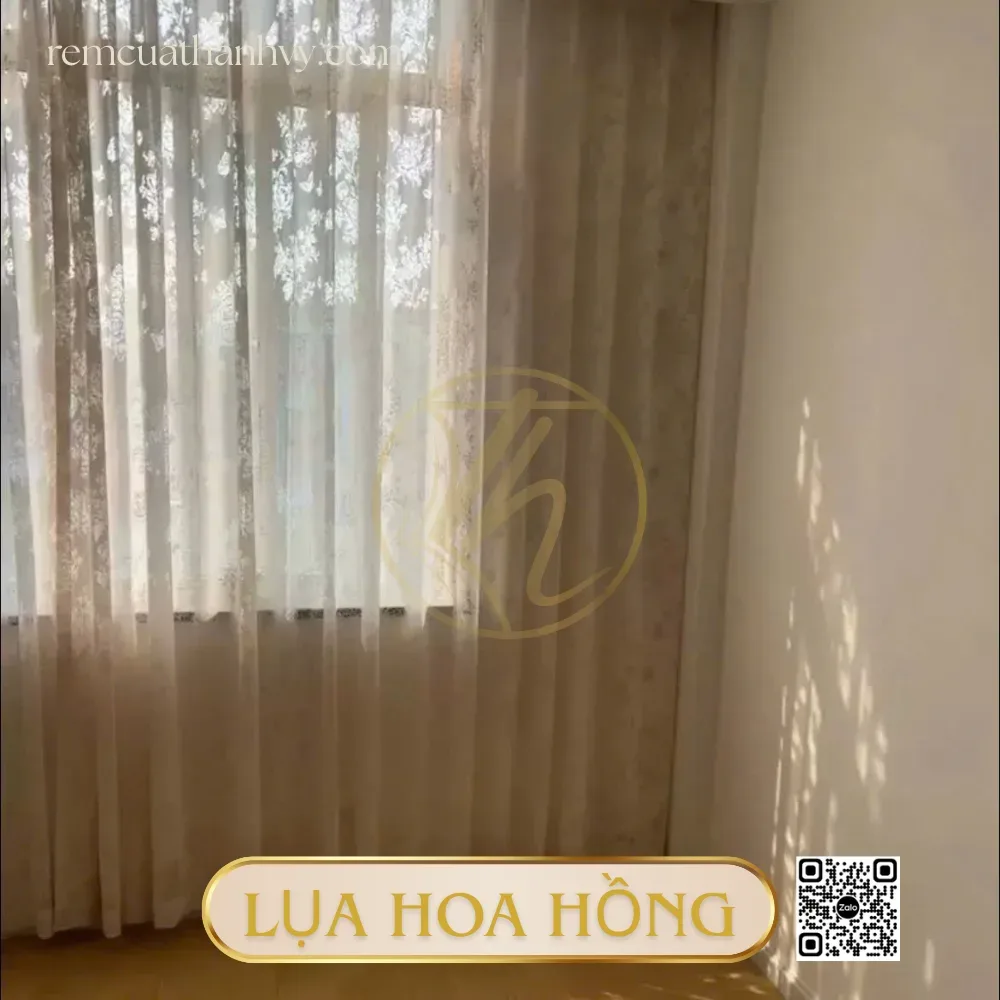
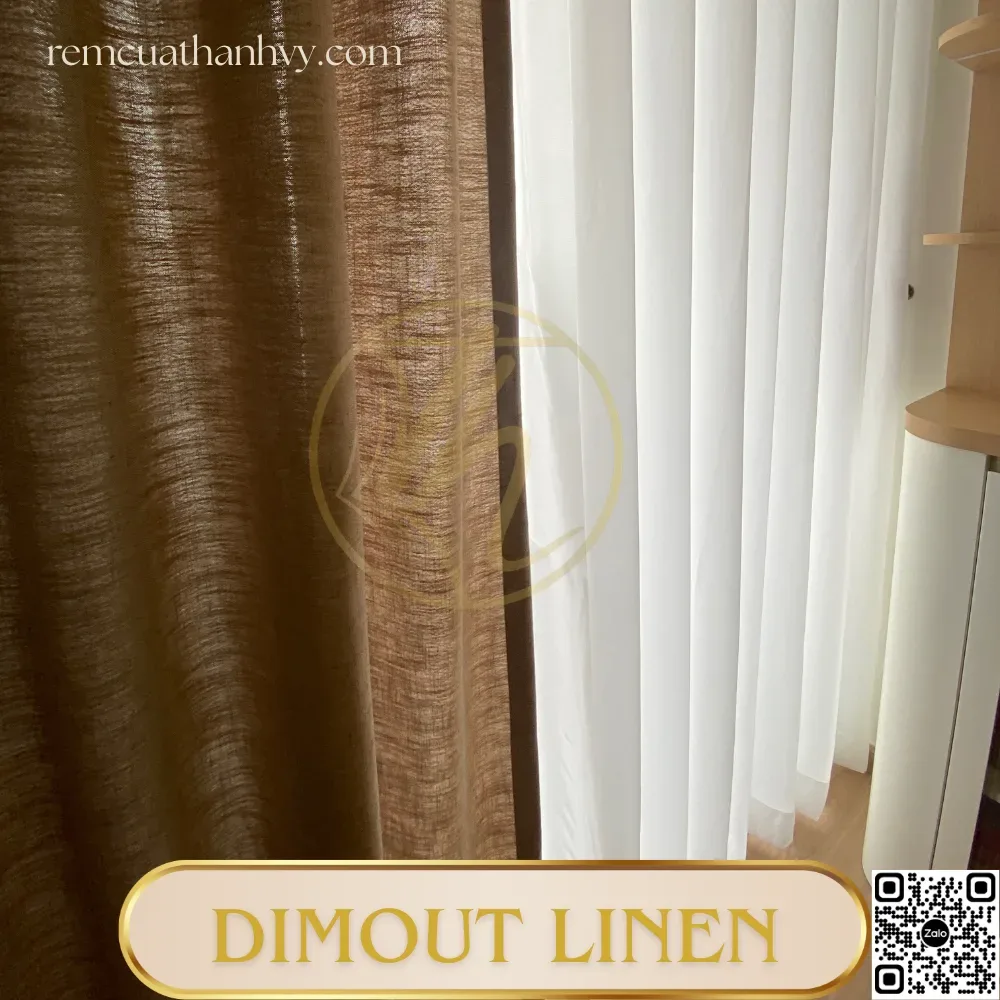
Even with fabric curtains, thickness, weave structure, and the presence of an inner sheer or lining layer create very different usage experiences. Instead of asking generally “which type is best,” compare them based on specific objectives: only softening light, increasing privacy at night, or needing a flexible configuration to switch between bright and dark states within the same day. You can reference polyester fibers in the textile industry to better understand the material aspect.
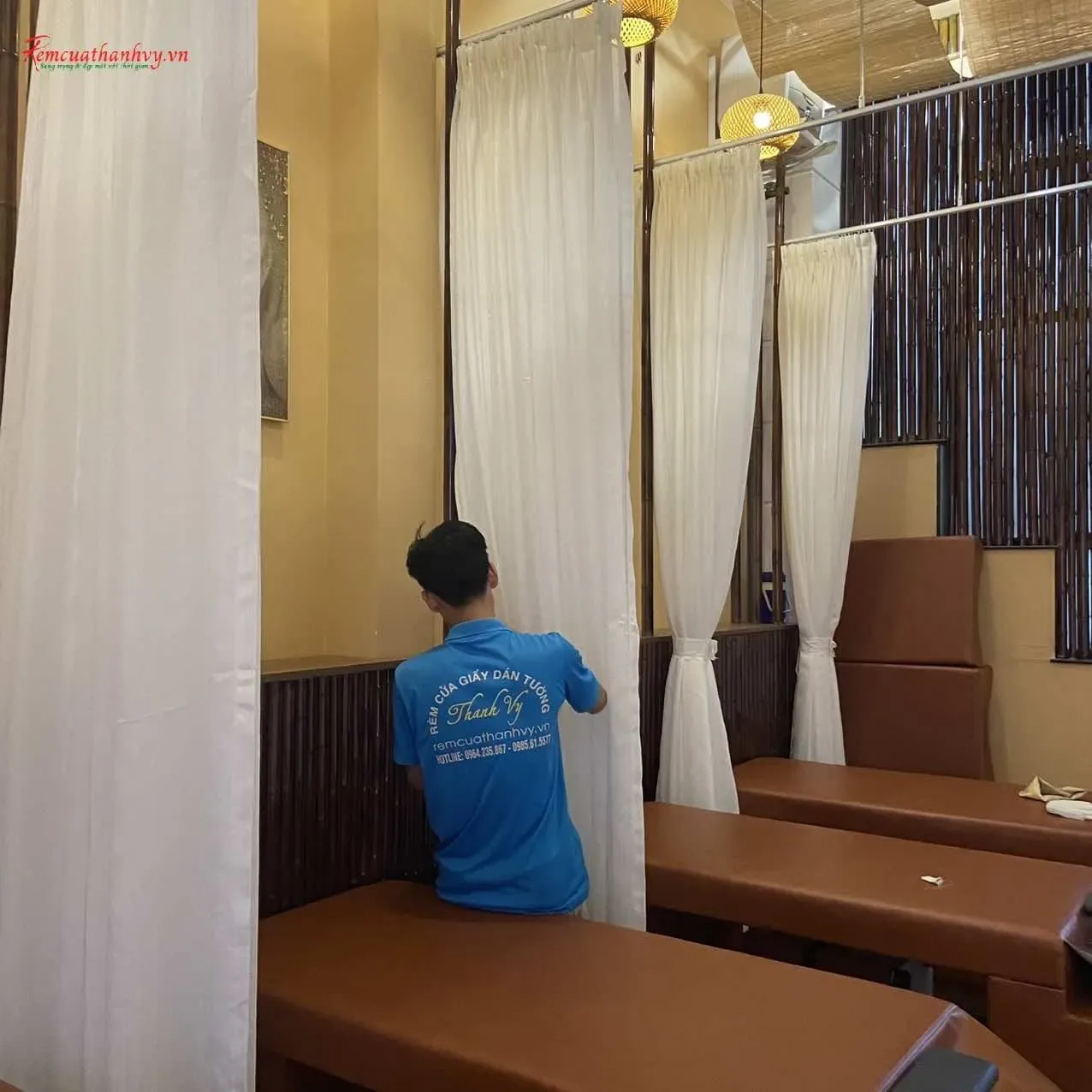
Choose fabric materials and colors based on actual conditions
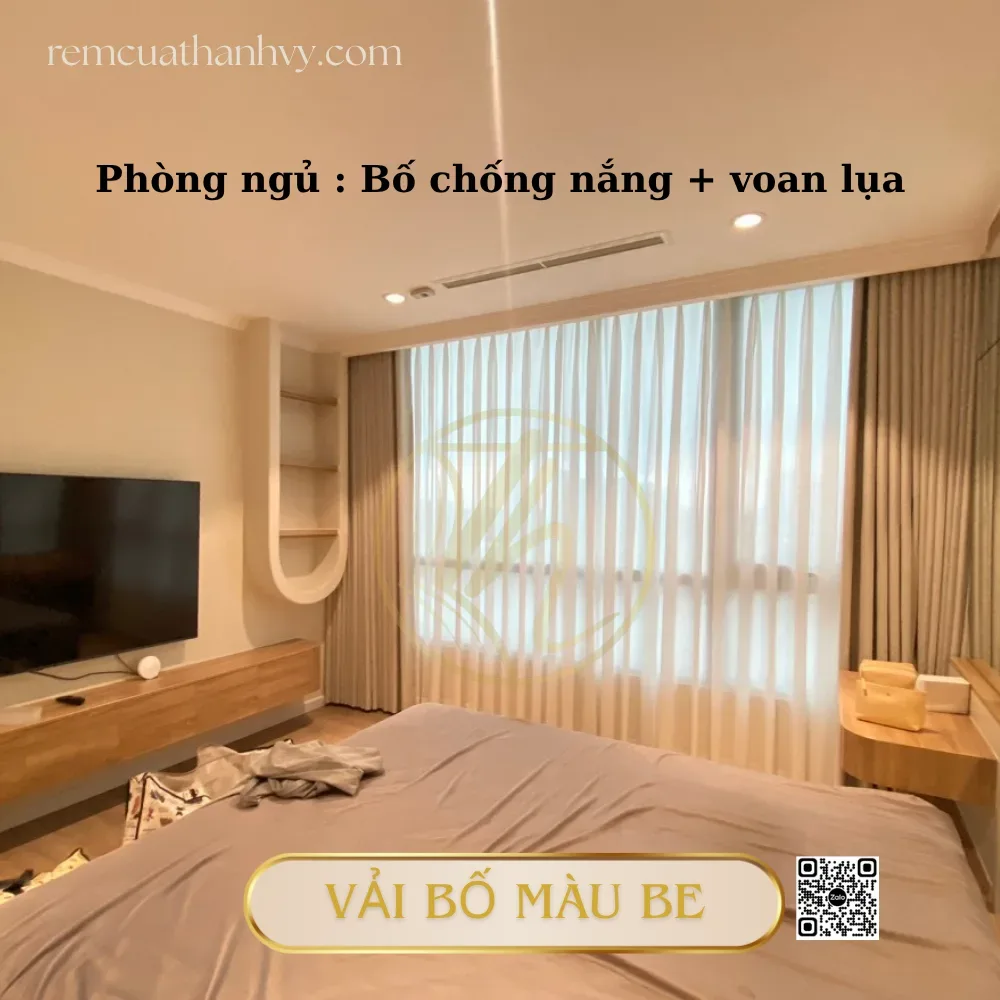
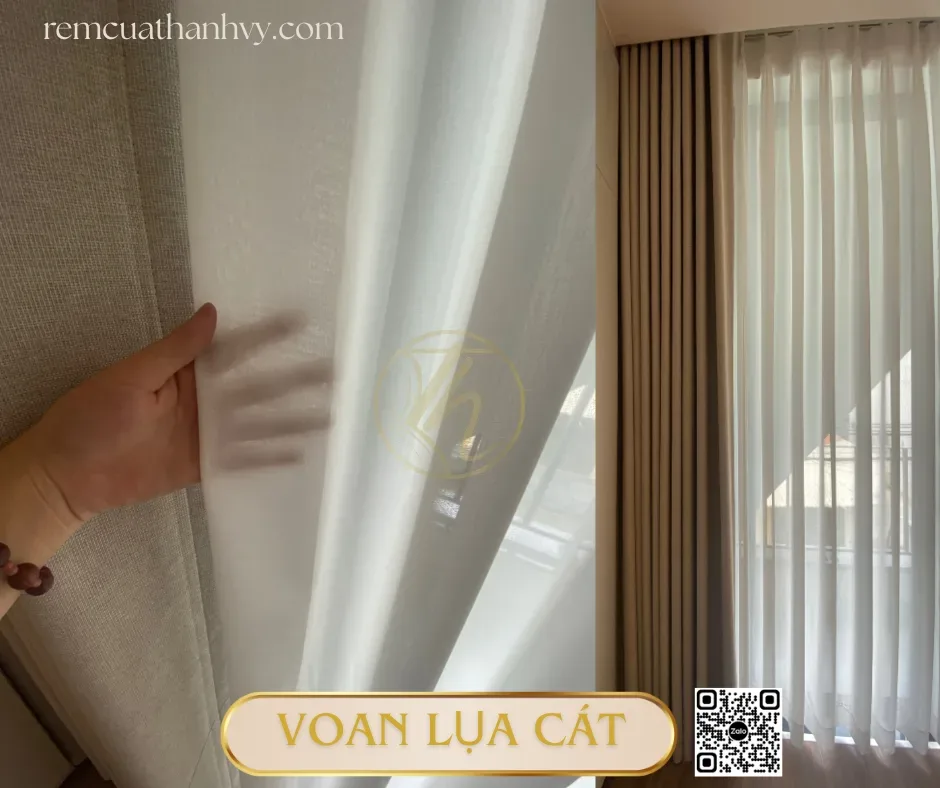
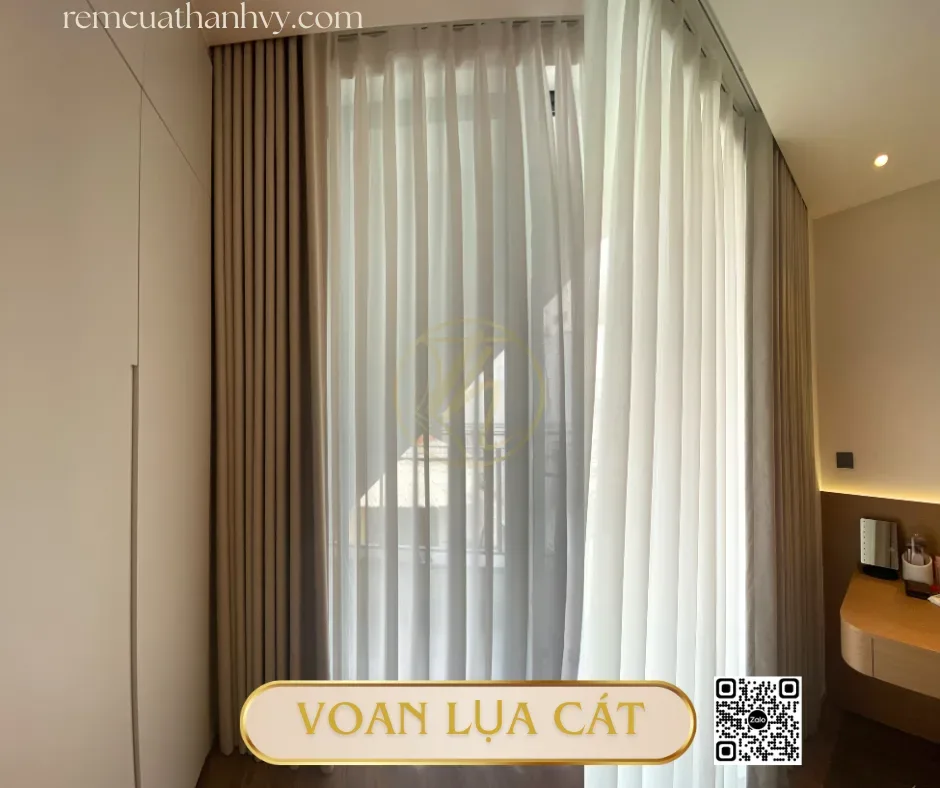
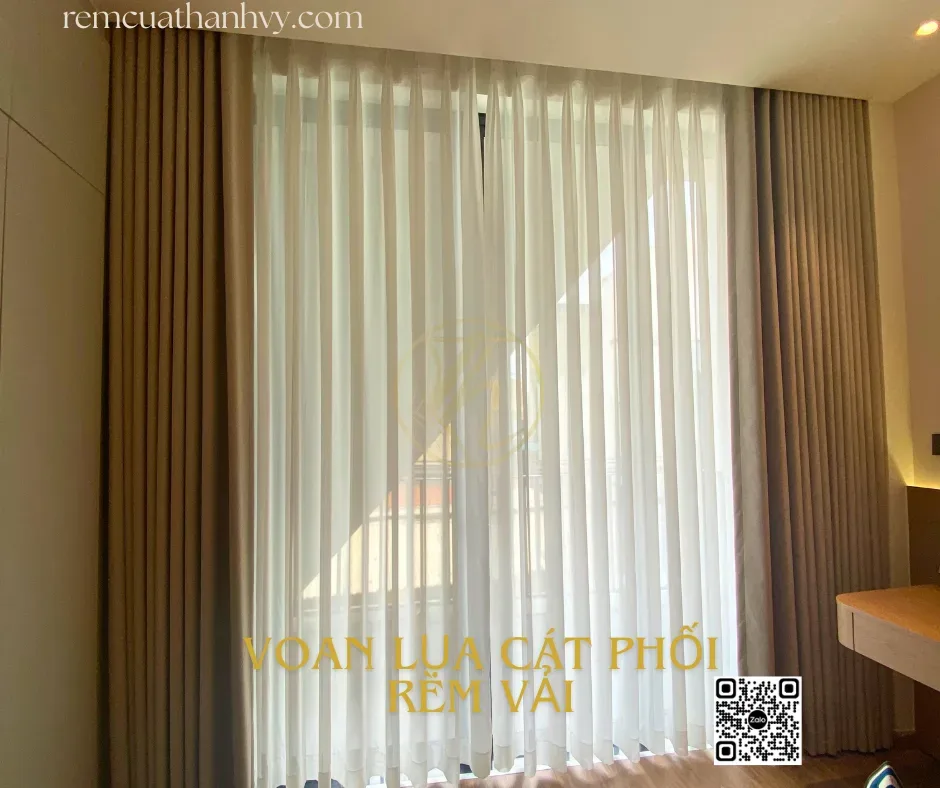
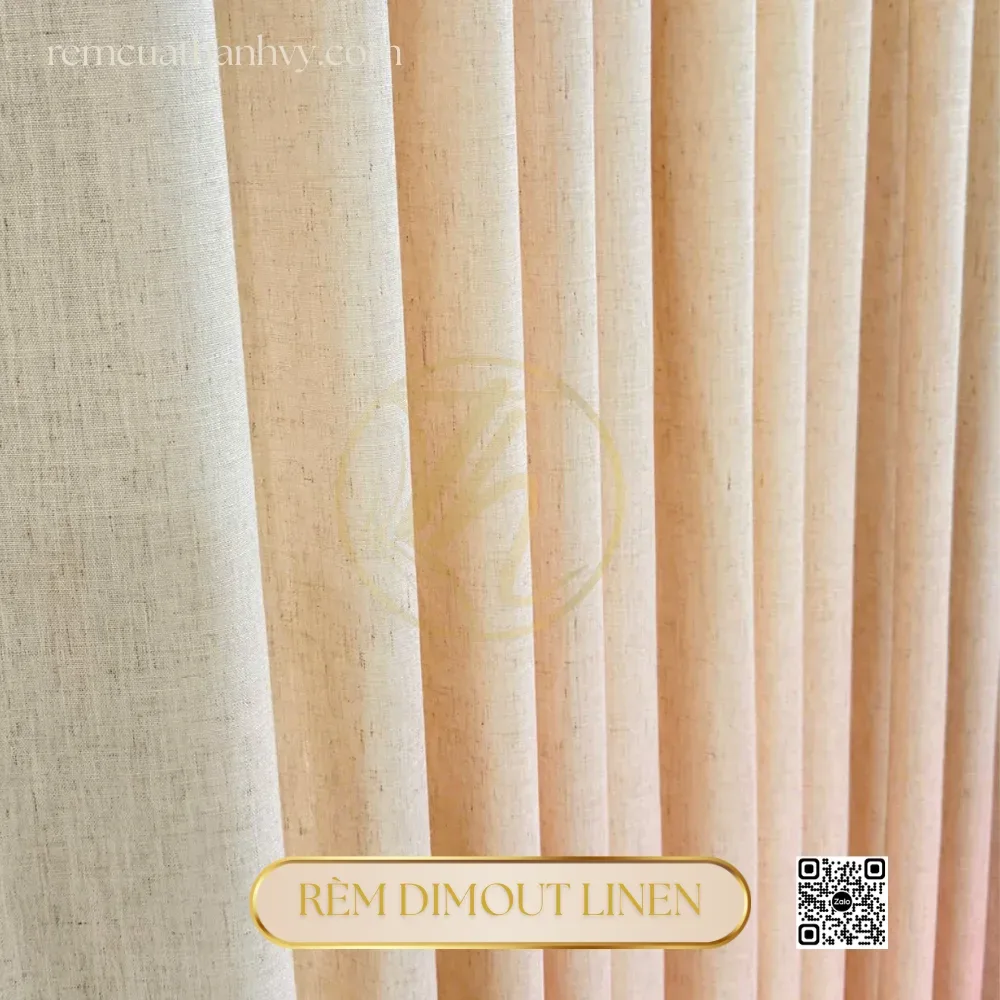
The right material is one compatible with the rhythm of life and actual conditions of the room, not the material rated highest online. Spaces with dust, near kitchens, or with young children require thinking about periodic cleaning and fabric fold stability after multiple washes. Living rooms with abundant natural light usually suit fabric surfaces that make the space easier on the eyes, while bedrooms may need fabrics that create a more private and warm feel.
For homes near rivers or with high humidity during certain seasons of the year, prioritize materials that absorb less moisture and maintain a stable fabric form, avoiding sagging or loss of shape after a period of use. Colors should also be finalized against existing walls, flooring, and furniture in the room rather than chosen individually based on personal preference. Neutral tones are generally easier to coordinate long-term and less likely to go out of style, but that does not mean you always have to choose light colors, as long as they balance the overall space.
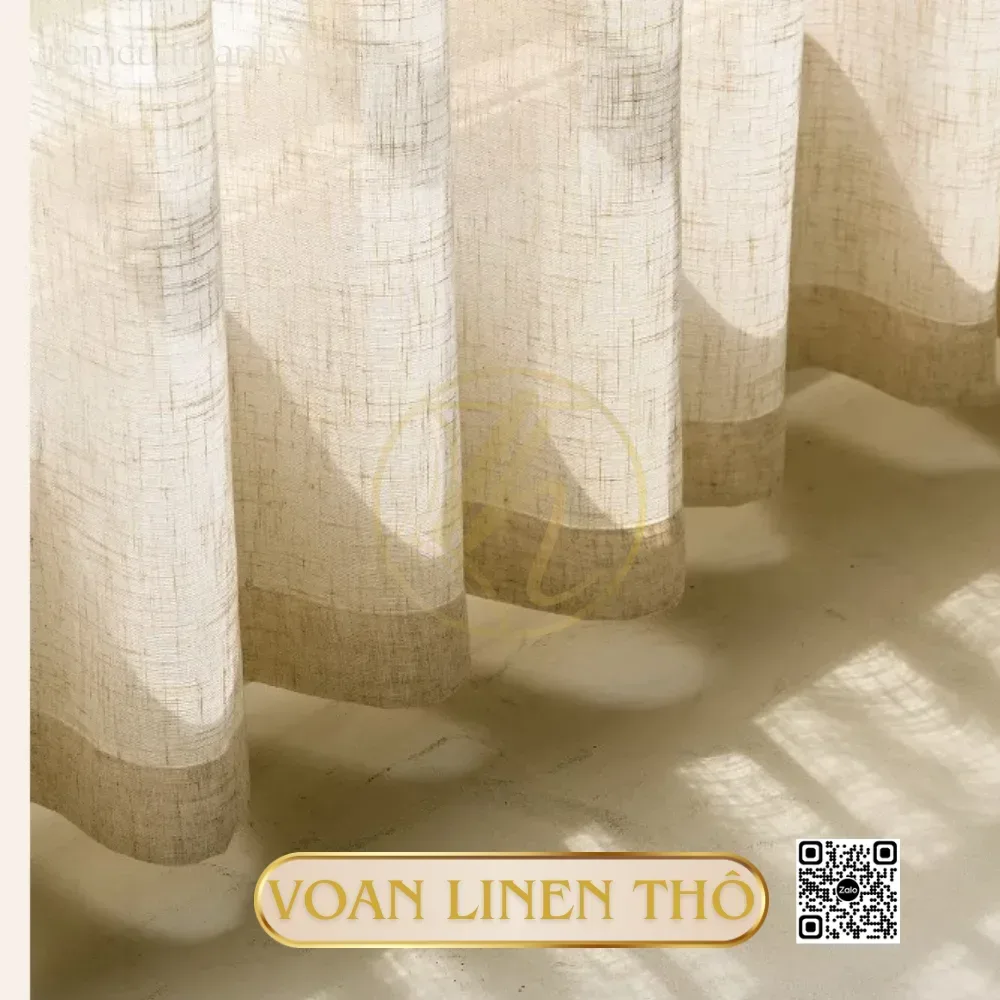
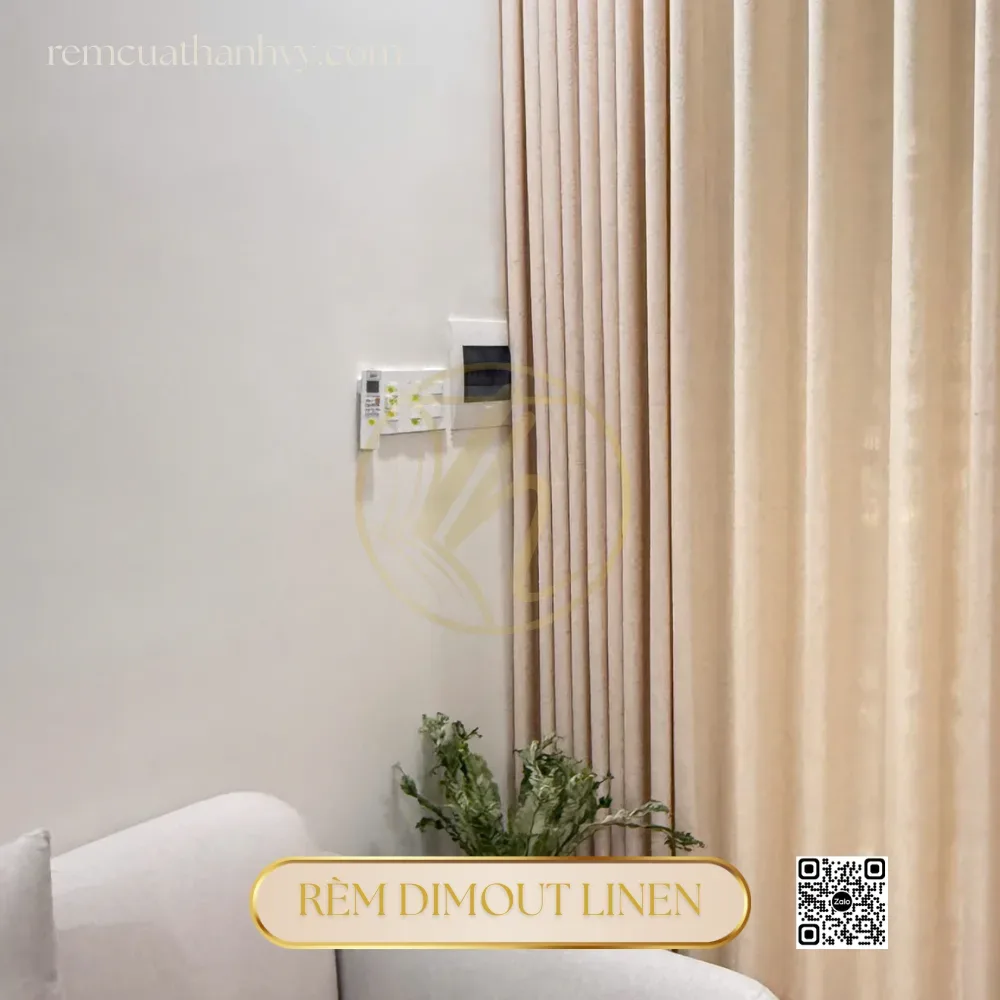
Tailoring style, window proportion, and hanging method determine the finished feel
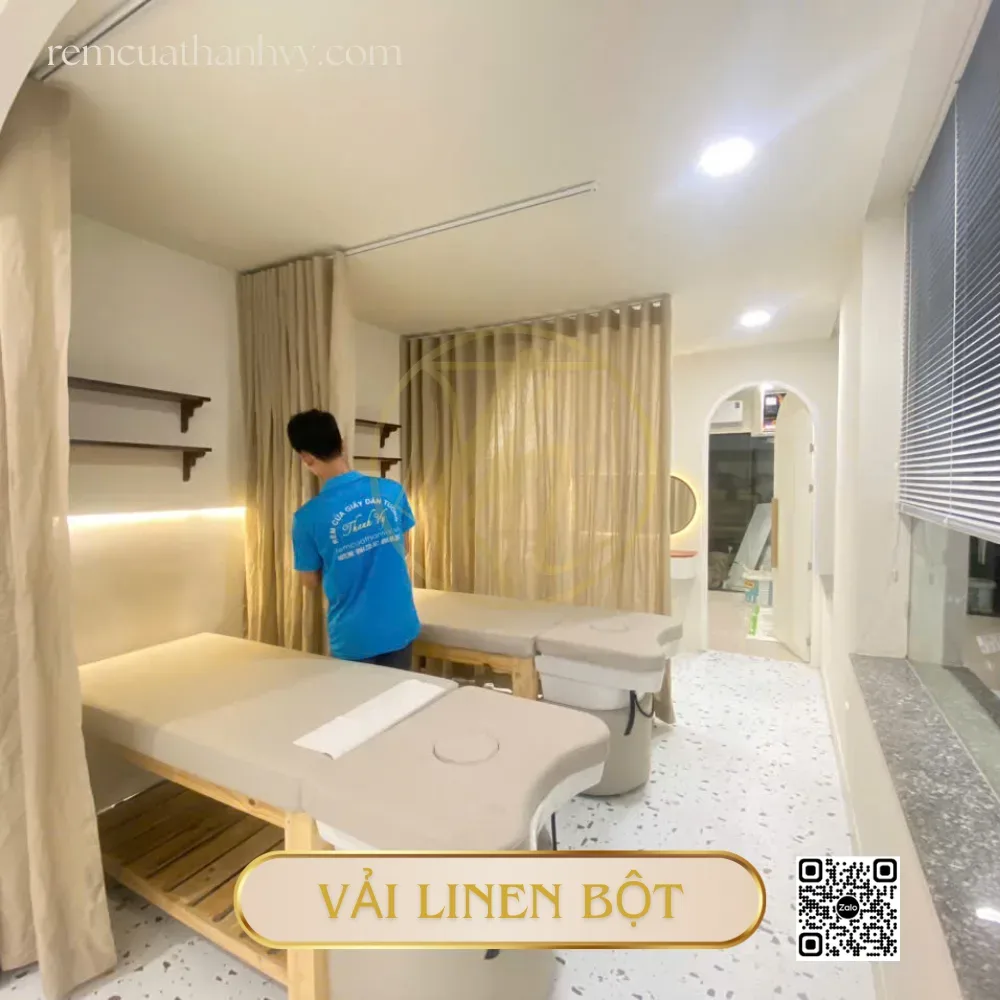
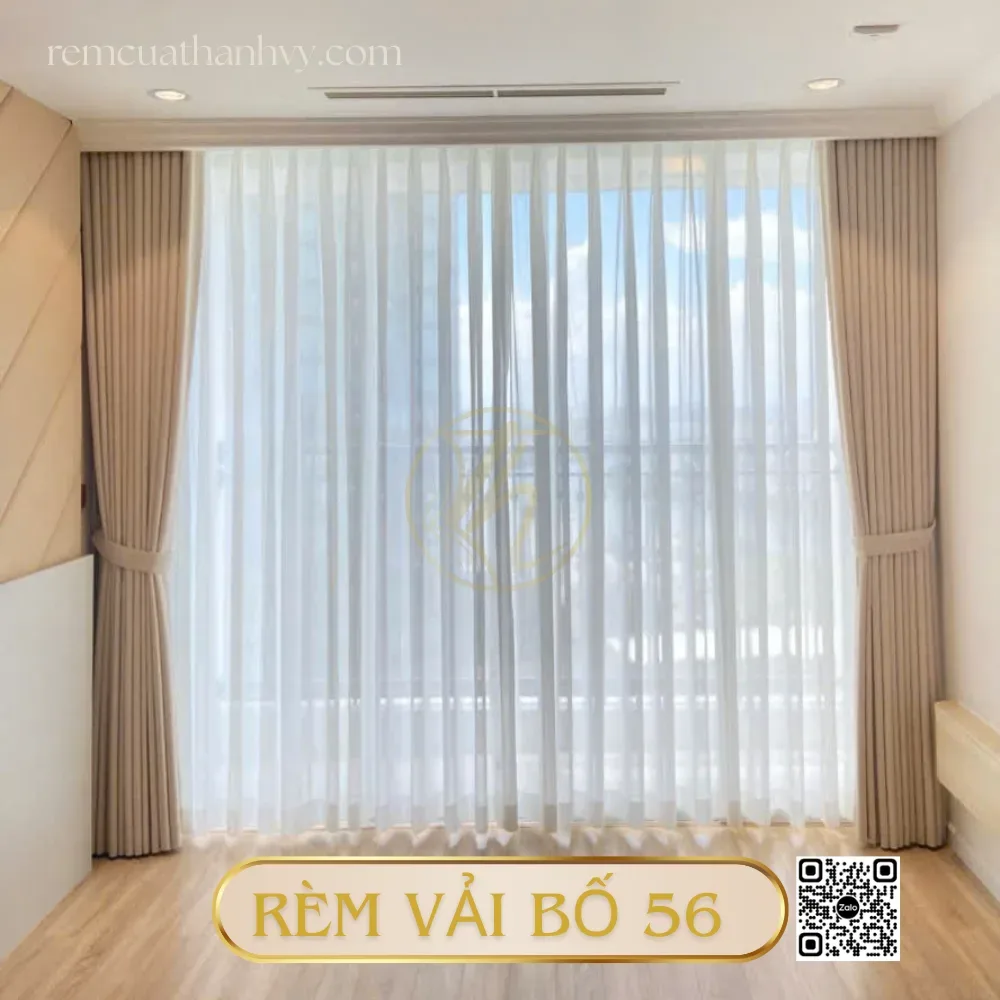
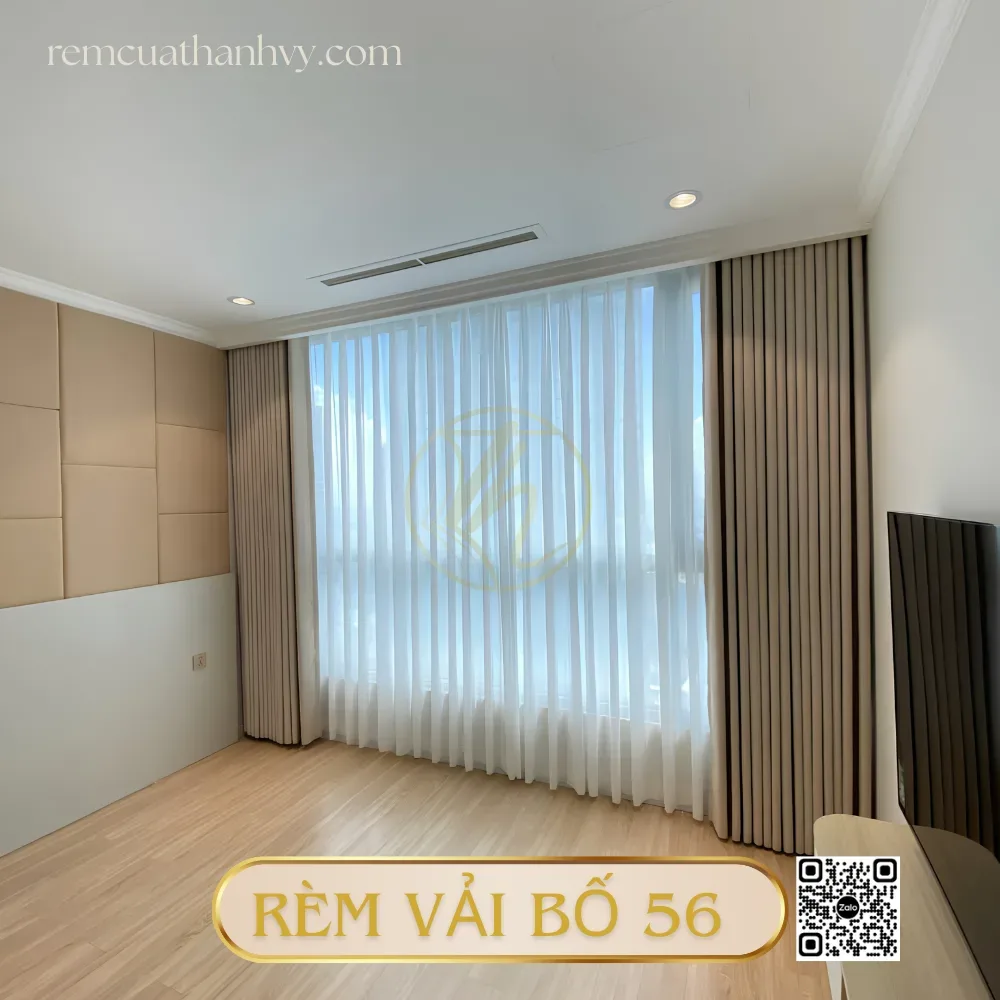
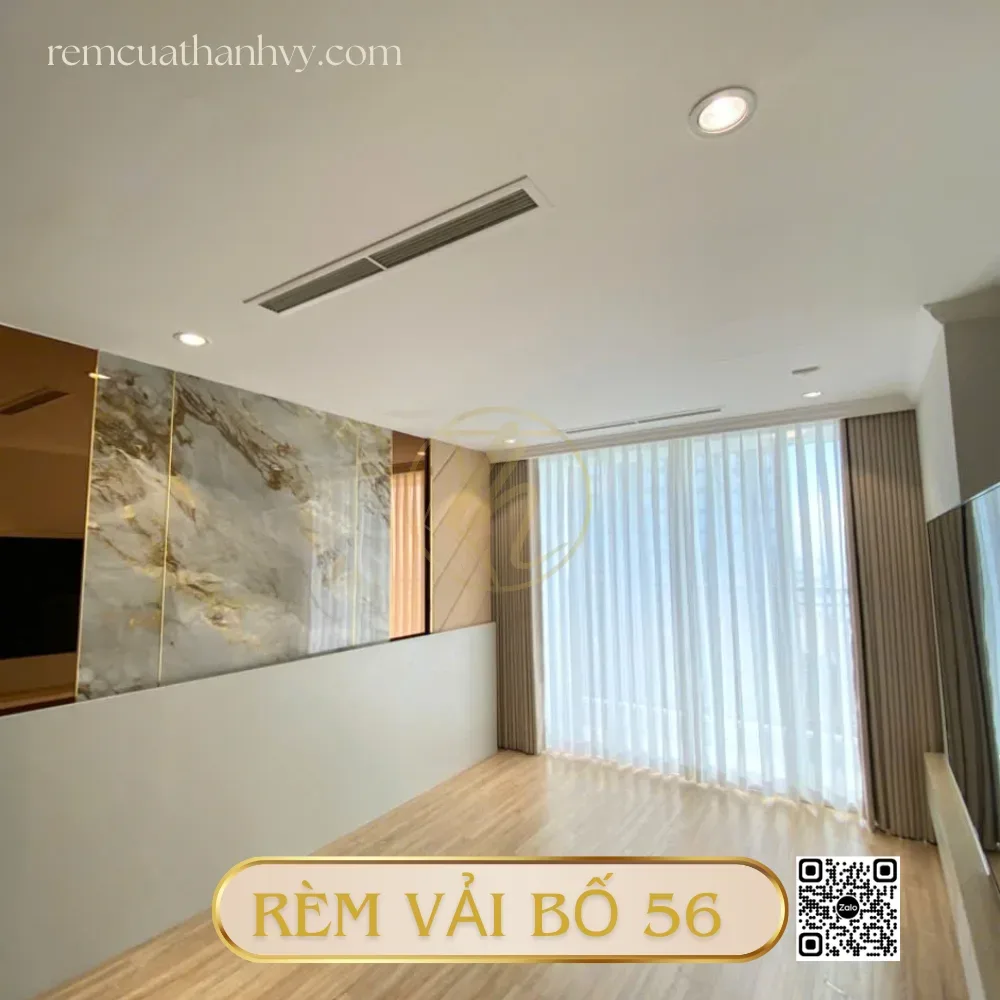
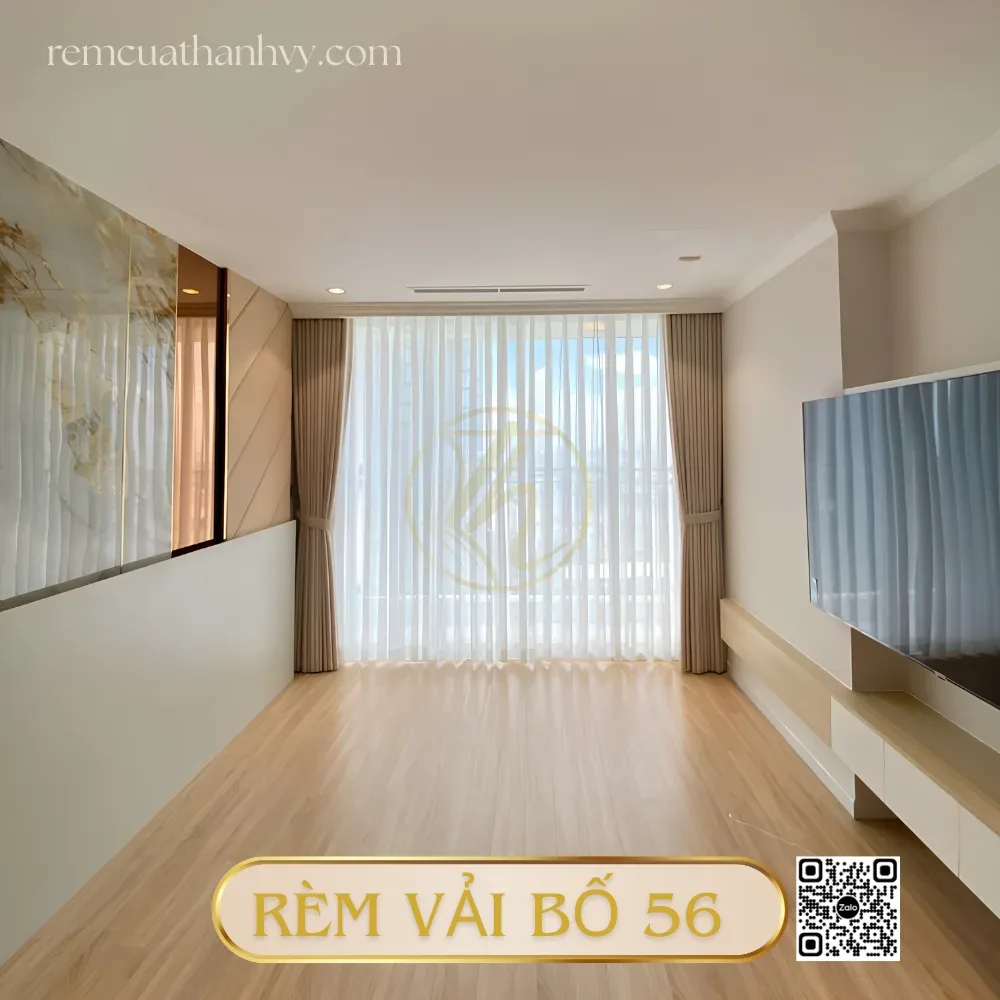
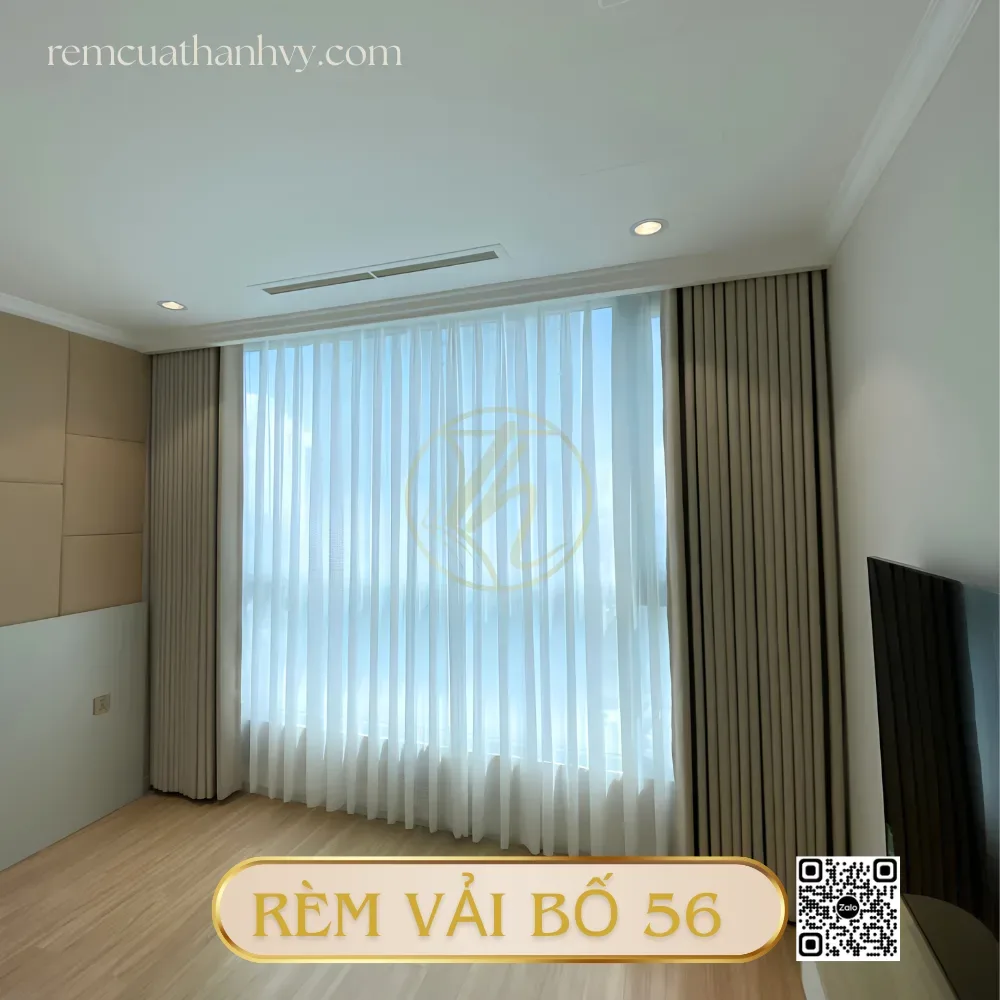
The tailoring style directly affects the drape, the amount of fabric used, and the neat or soft feel of the curtains as a whole. Wide windows, high ceilings, and comfortable curtain stacking space can accommodate styles that create distinct folds and use more fabric, while small windows or those close to furniture usually need a more compact configuration to avoid bumping or snagging. Do not finalize the tailoring style before knowing clearly where the curtains will sit when opened and whether they will touch equipment, door handles, or cabinets, as this is a common mistake when choosing curtains solely through illustrations.
The hanging method is just as important as choosing the fabric. Tracks keep curtains neat and conceal mechanical details, suitable for modern and minimalist rooms, while rods can play a decorative role if they match the general style of the house. When comparing the two hanging options, ask clearly how they differ in window coverage ratio, fabric volume, curtain gathering when opened, and ease of future cleaning, rather than just asking about the price difference between the two choices.
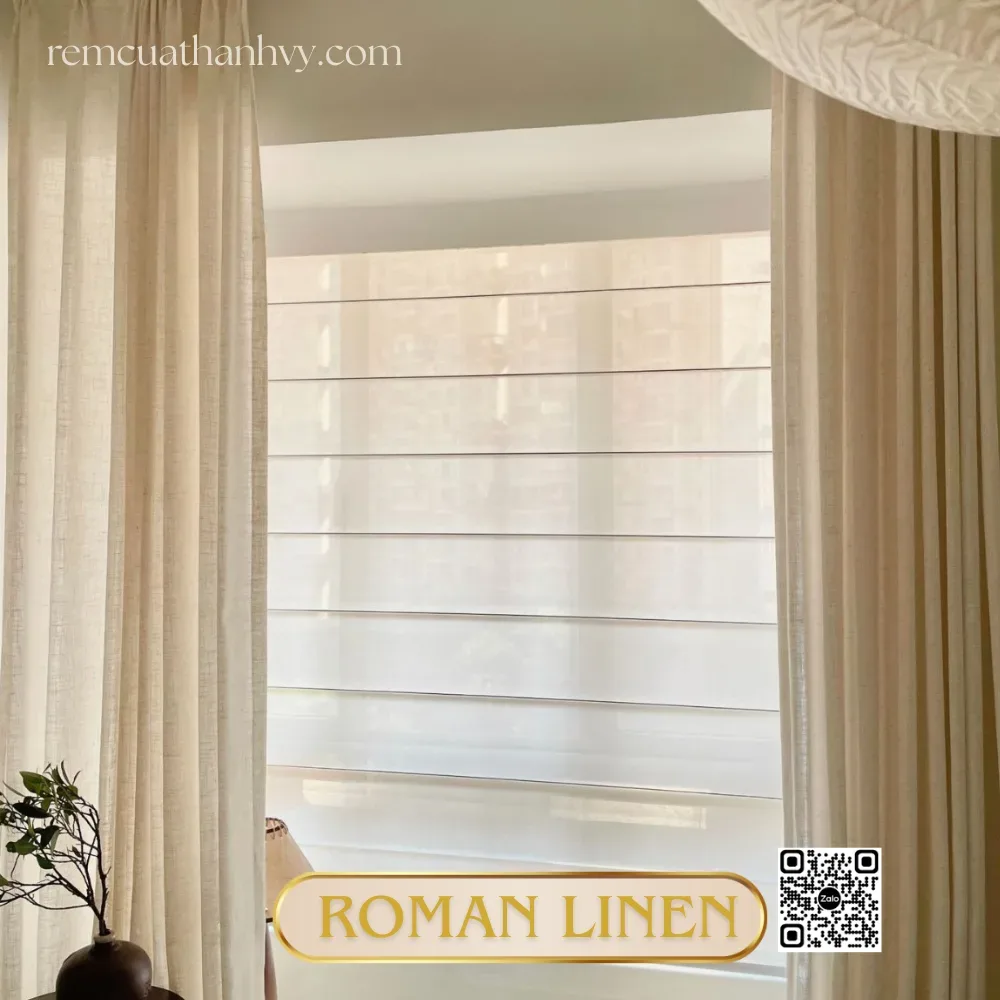
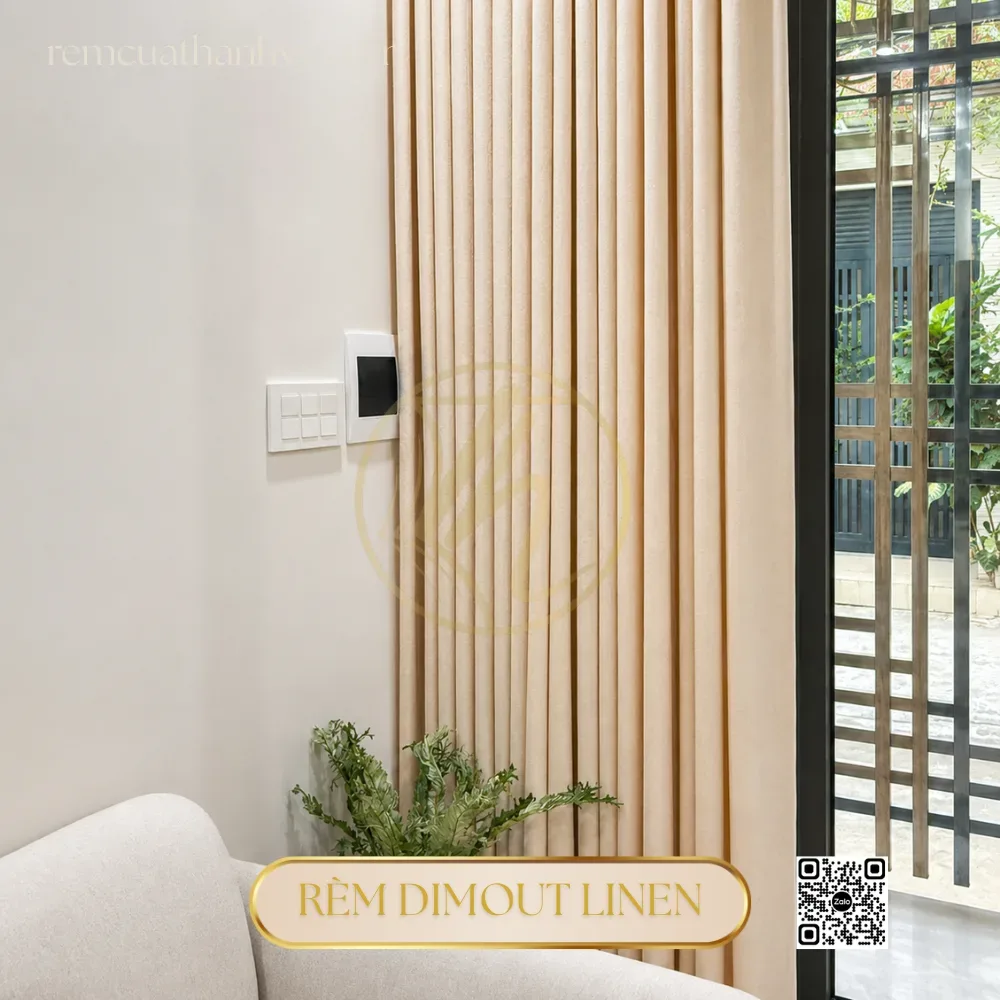
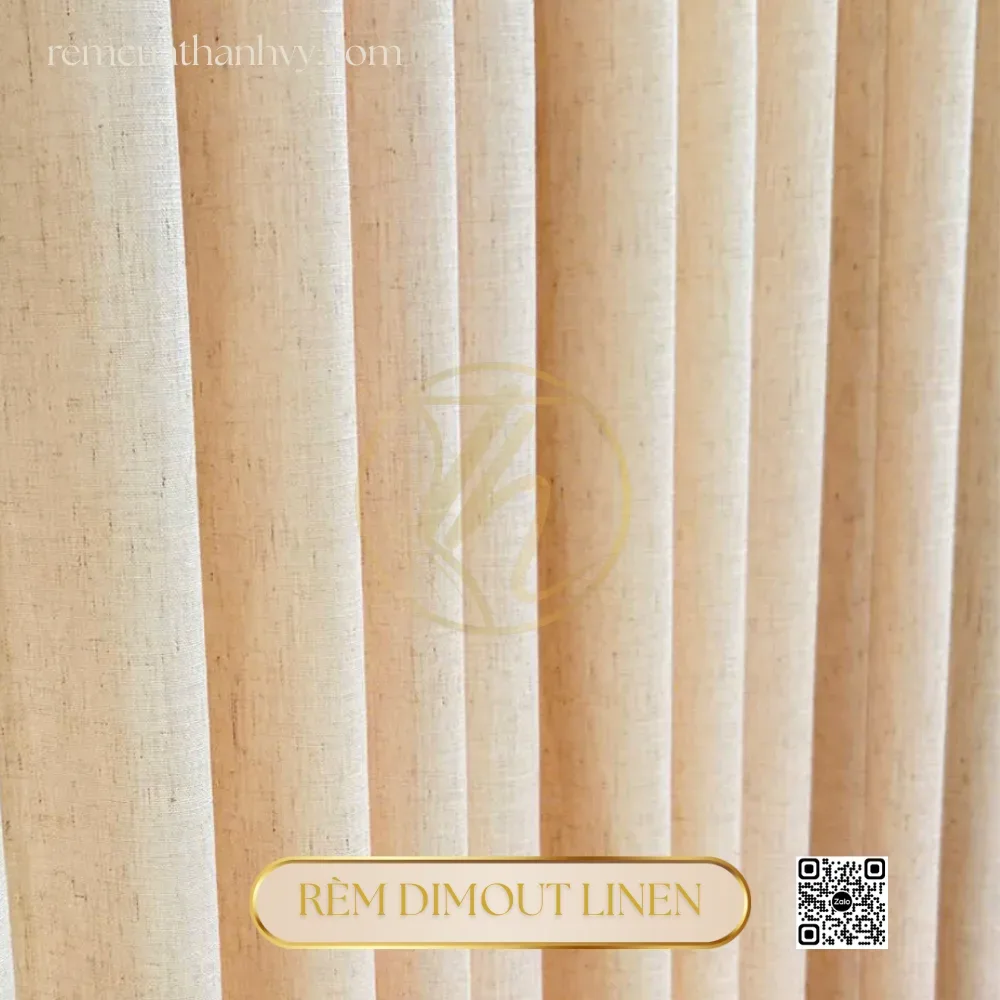
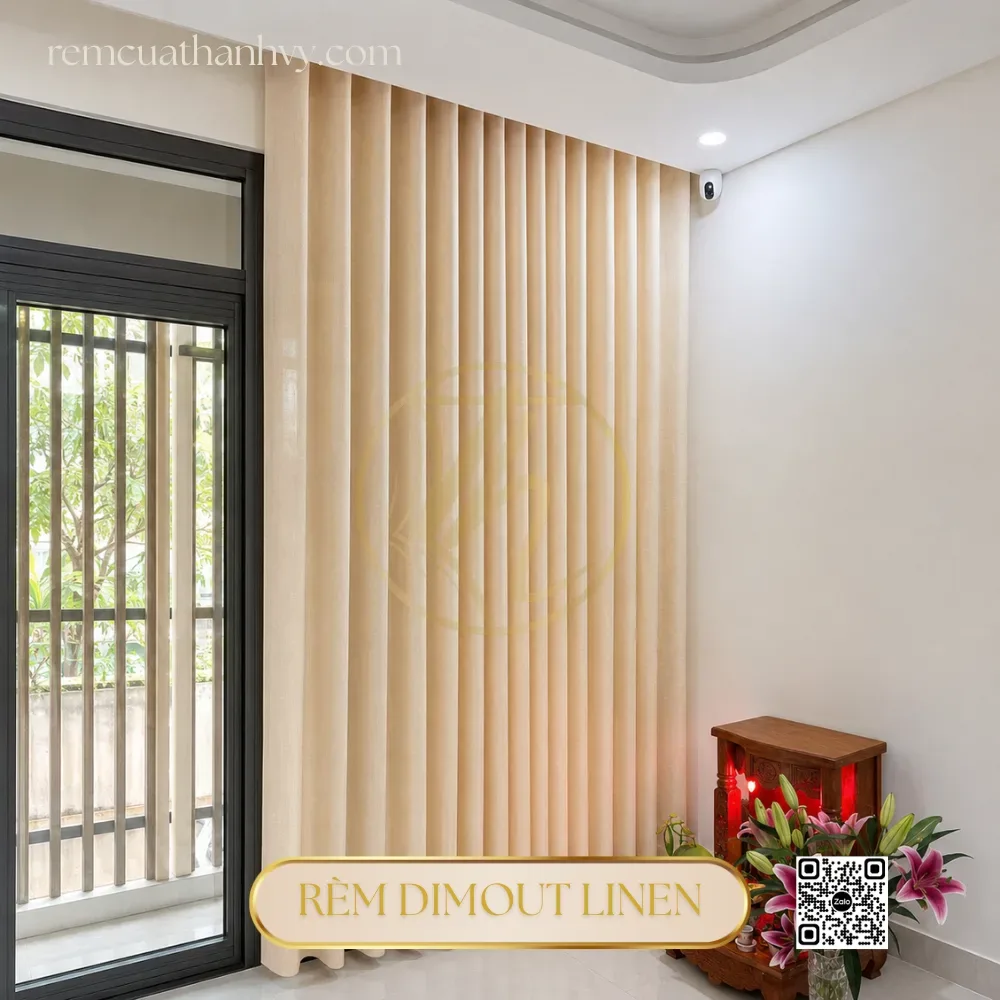
Preliminary survey measurement process and pre-finalization checklist
Initial measurements should only be used for preliminary advice, not final measurements for cutting and sewing. When recording information, include the required width to cover, intended hanging height, clearance on both sides of the window frame, position of nearby air conditioners or cabinets, and a wide-angle overall photo of the window. These details are far more useful than just sending glass dimensions because they show the entire context where the curtains will actually be installed.
Before finalizing the plan, check five main points: the room’s light-blocking goal, necessary privacy level, preferred fabric material, desired tailoring style, and how the curtains will gather when opened daily. If you are still torn between two different configurations, ask the consultant to describe them in parallel using the same set of criteria mentioned above so that the comparison remains within scope and fair across choices.
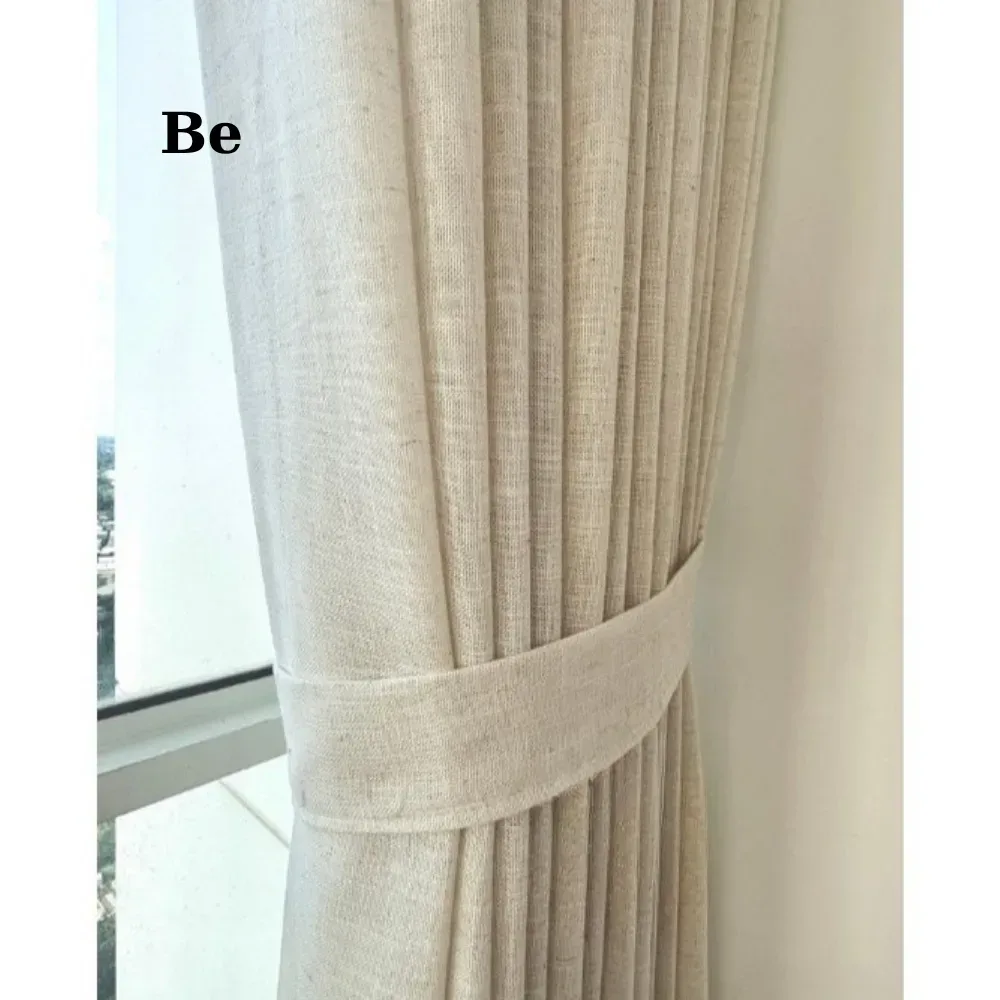
One additional point to keep in mind when surveying apartments is whether the track or rod mounting position is suitable for the existing ceiling and wall structure, as some apartments have drop ceilings or recessed ceiling systems requiring different handling compared to townhouses with standard poured concrete ceilings. Discussing this in advance with the tailoring provider helps avoid issues during actual installation.
Why you should survey the current window condition before comparing samples
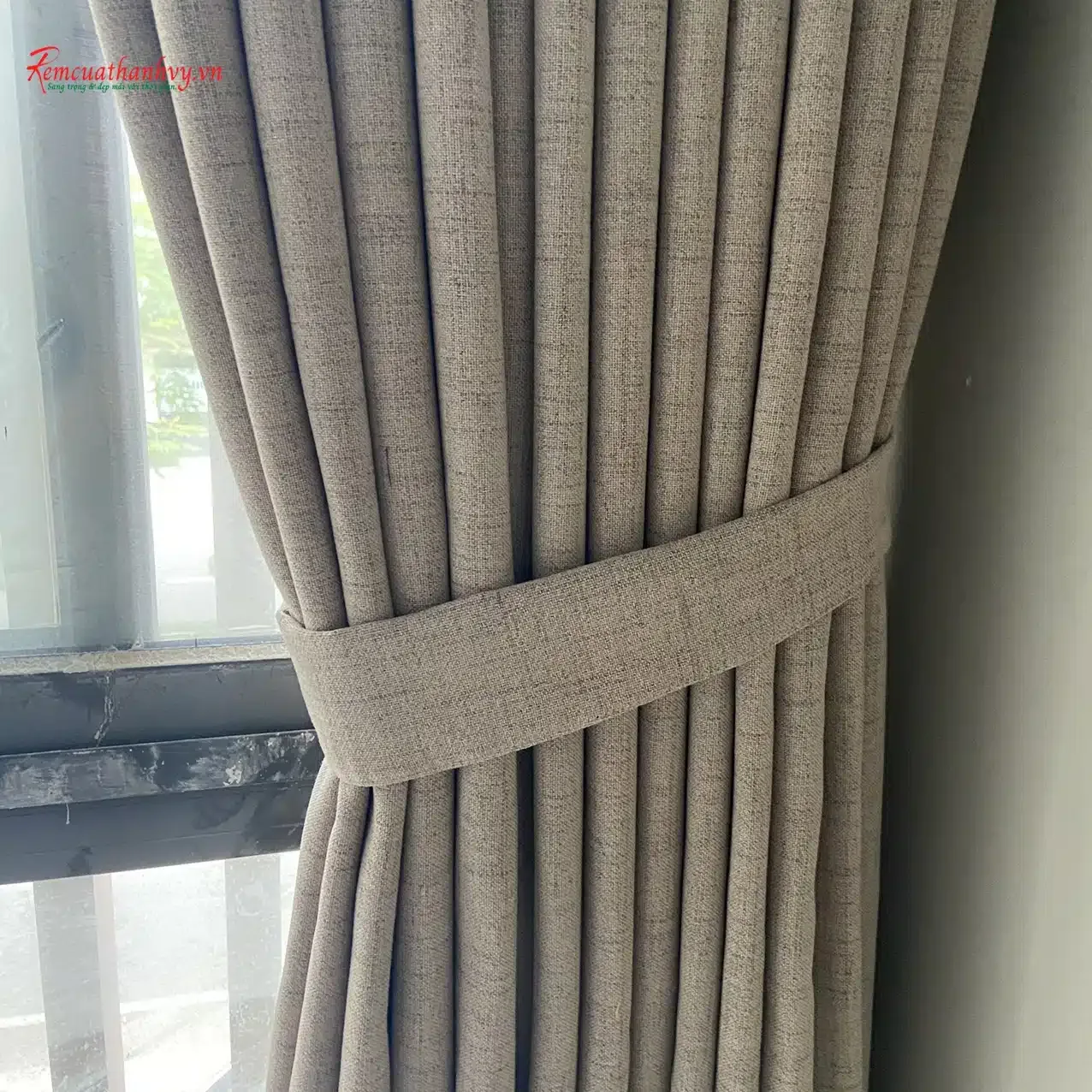
For those looking for fabric curtains in District 4, the window condition survey step usually determines much more than the initial fabric sample viewed through photos or online. A window receiving slanted afternoon sun will feel very different from one receiving only indirect light from another direction, and the same fabric material hung in two different light contexts can produce completely different results when viewed with the naked eye.
Therefore, before talking about color coordination or curtain pleat styles, record the window’s light direction, recess depth if any, positions of nearby air conditioners, cabinets, and desks, and where the curtains will stack after opening. A helpful habit is photographing the window at least twice a day—for example, during bright morning hours and when indoor lights are turned on at night—to properly evaluate whether you need to soften light, increase privacy, or prioritize space neatness.
Things to note when choosing an on-site fabric curtain tailoring provider in District 4
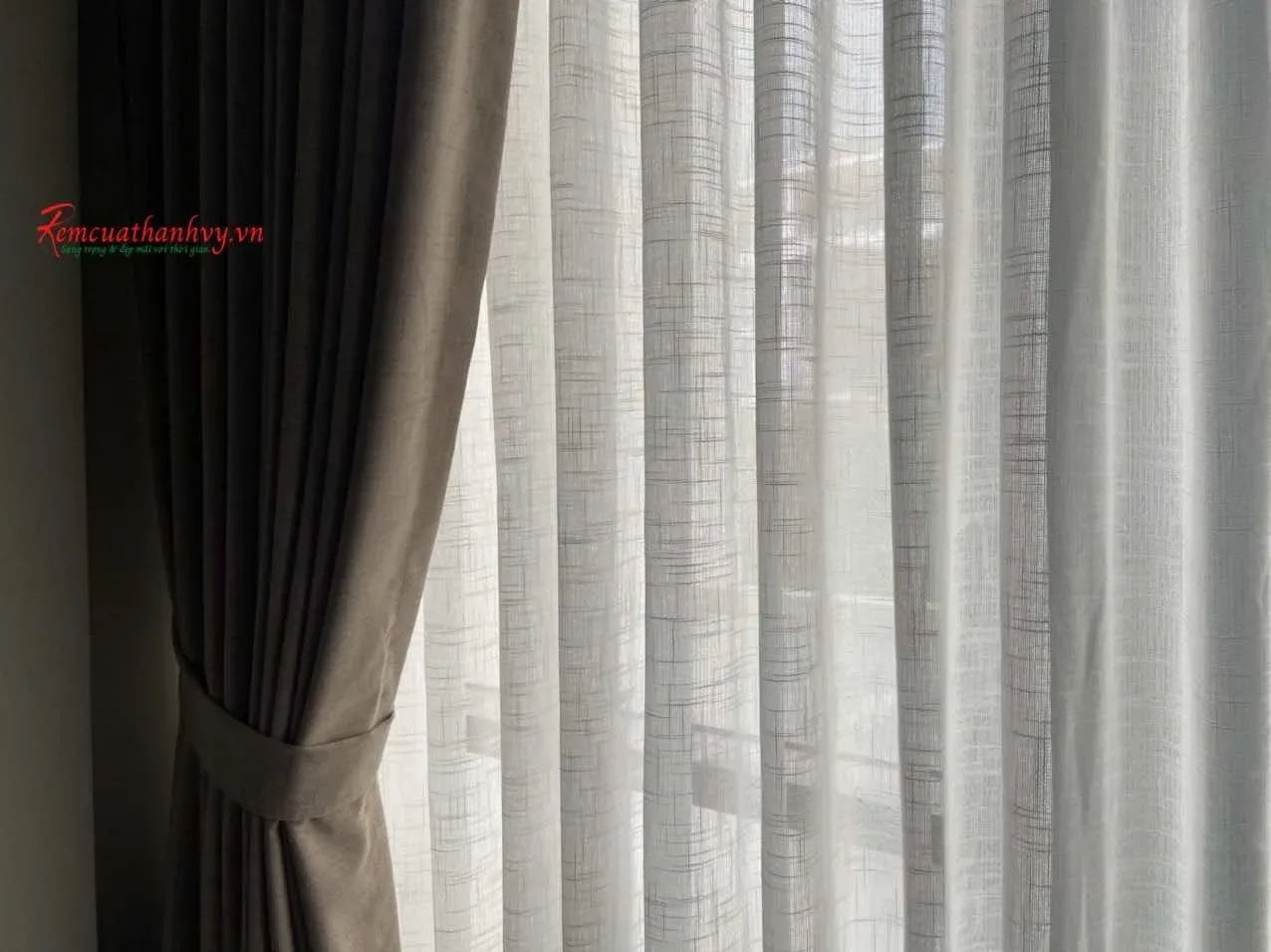
When searching for an on-site fabric curtain tailoring provider in District 4, prioritize those capable of direct home surveys rather than solely consulting based on remotely provided measurements. Direct surveys help the tailoring provider see the exact light direction, window structure, distance to furniture, and specific factors like humidity or afternoon sun direction that measurements on paper cannot fully convey.
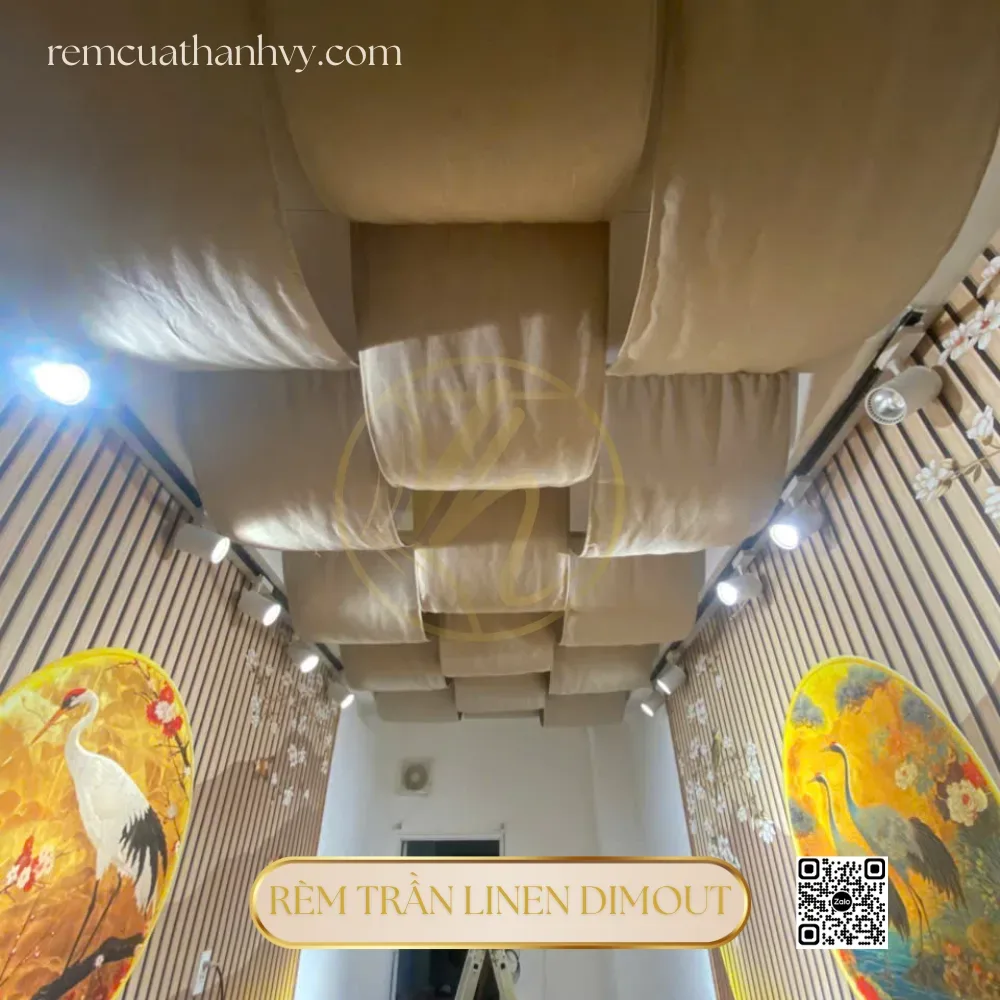
Ask clearly about the working process before finalizing, covering steps from surveying, sample consultation, official measurement, tailoring, to complete installation. A clear step-by-step process usually reflects a professionally experienced provider, rather than one focused solely on quick sales while skipping the careful initial survey. Also discuss post-installation support, such as adjustments if tracks or rods have slight discrepancies, or advice on cleaning methods suited to each selected fabric type.
Finally, given the characteristics of alley townhouses and apartments in District 4, choose a provider familiar with both types of projects, because technical handling during installation in townhouses with poured ceilings and apartments with drop ceilings is not entirely identical. Practical experience with various project types makes surveying, consulting, and installation smoother, minimizing unexpected issues during construction. Readers can cross-reference via the article on An Giang Newspaper about Thanh Vy high-end fabric curtains.
Curtain models to install in District 4
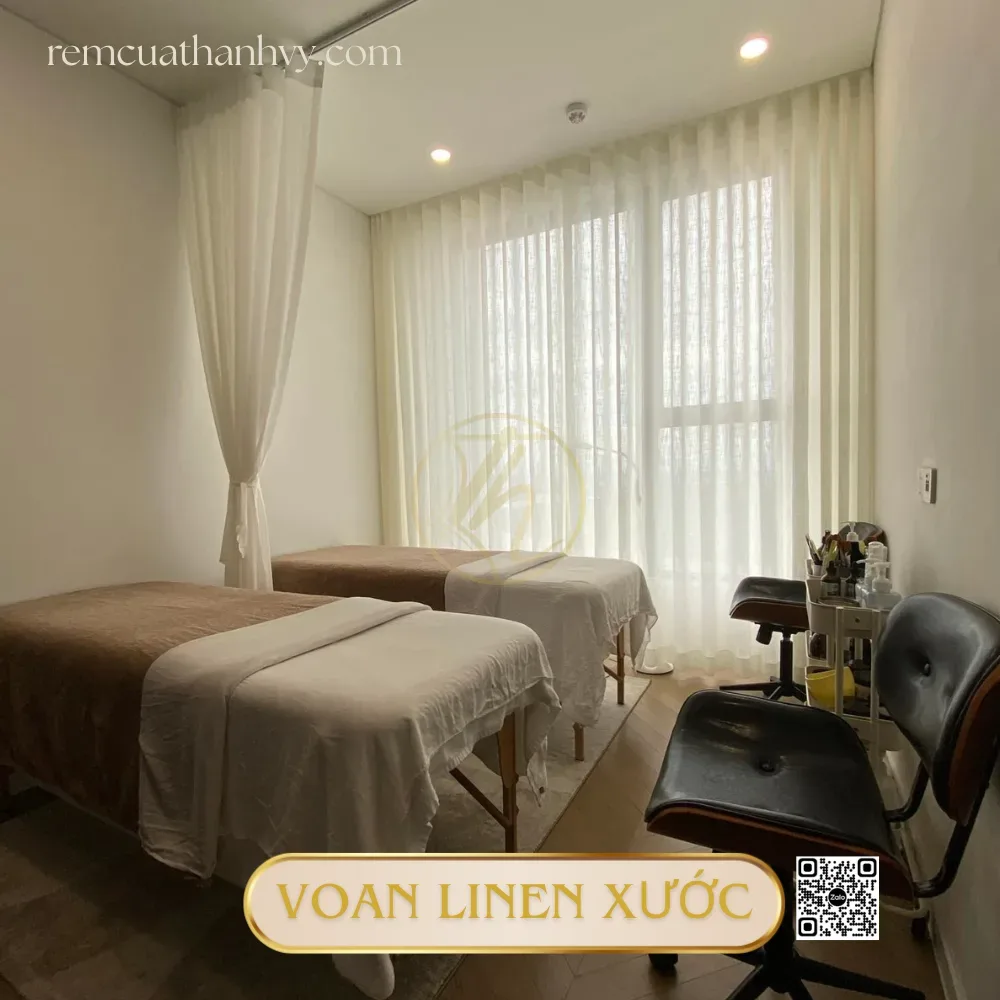
Below are actual product categories currently available at Thanh Vy Curtains, sorted by popular usage needs in the District 4 area.

Send your dimensions and needs, and the Thanh Vy Curtains team will advise on options and quote for your actual space.
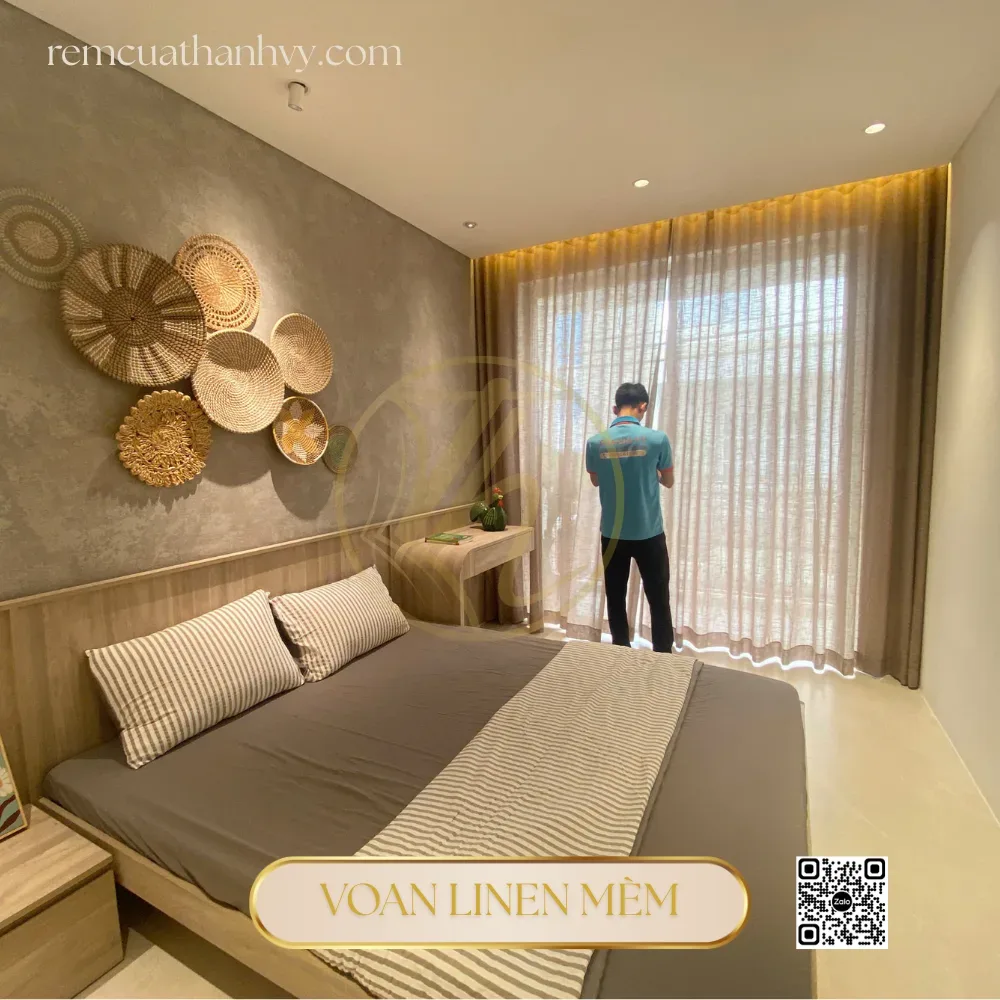
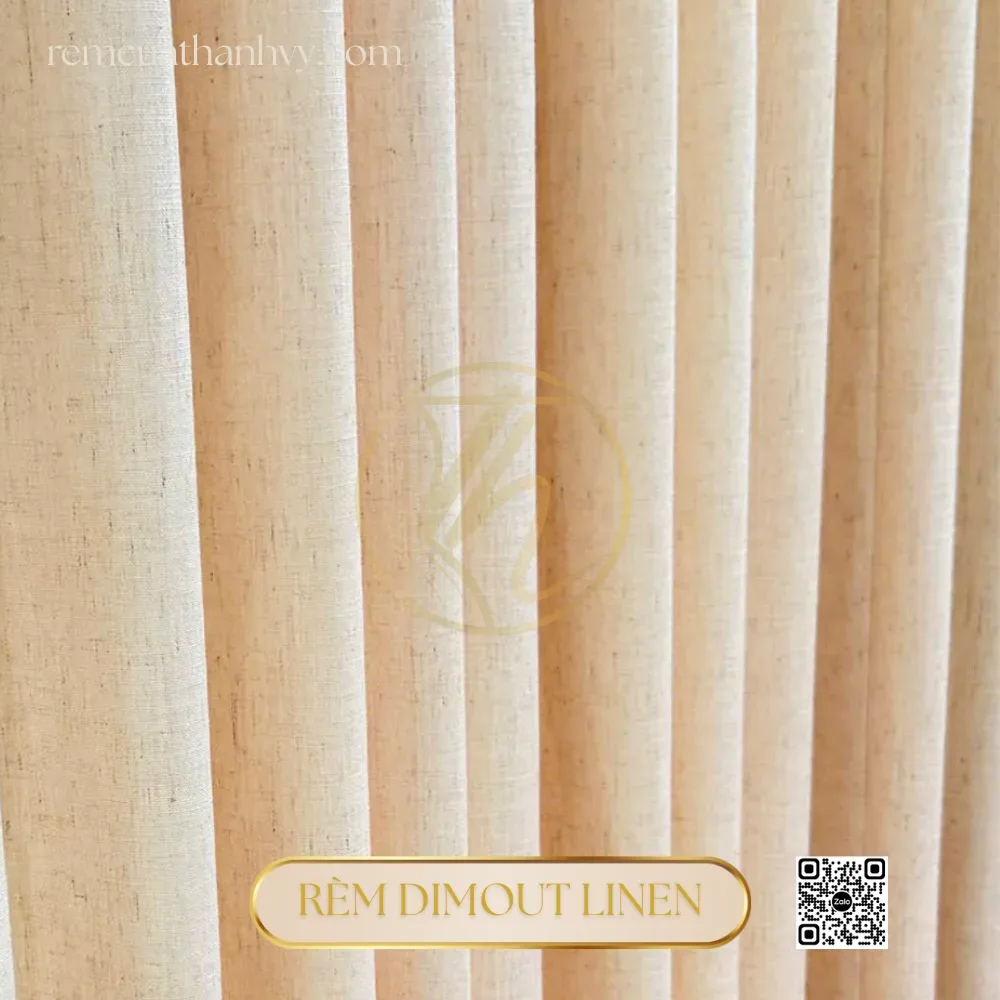
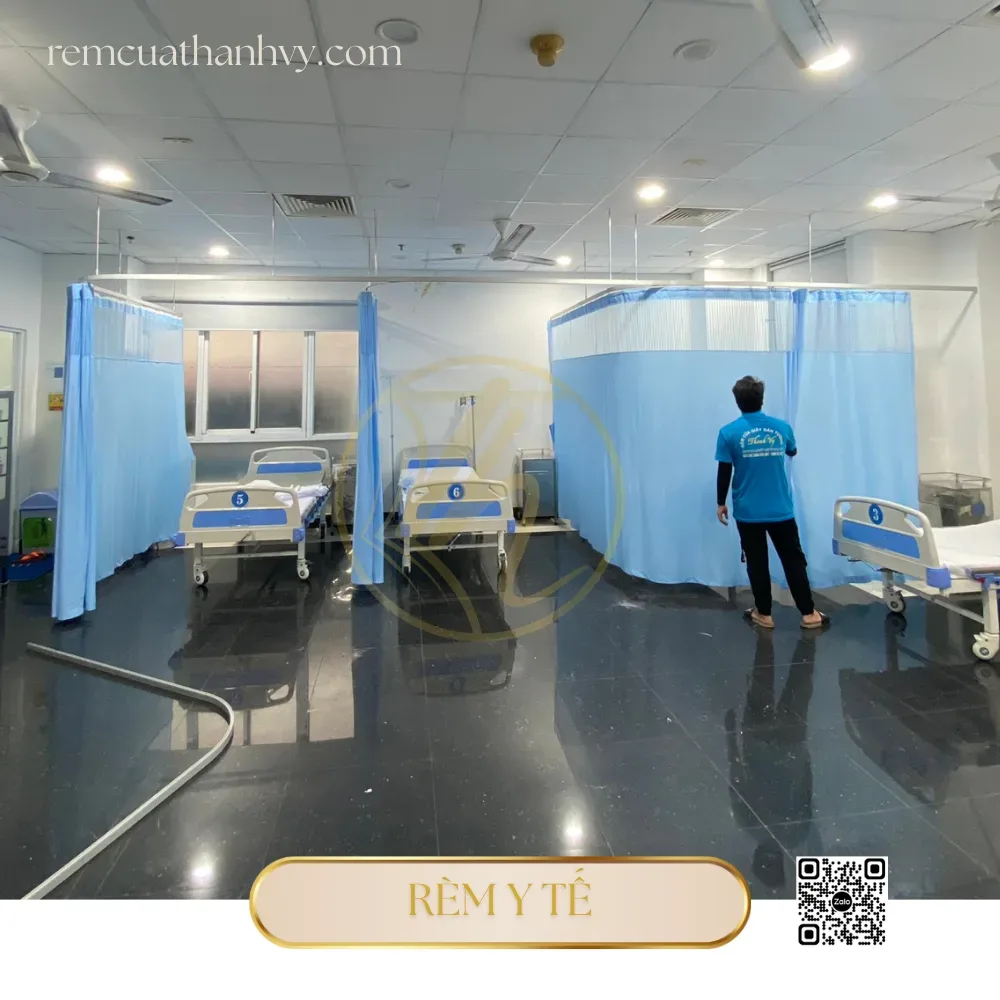
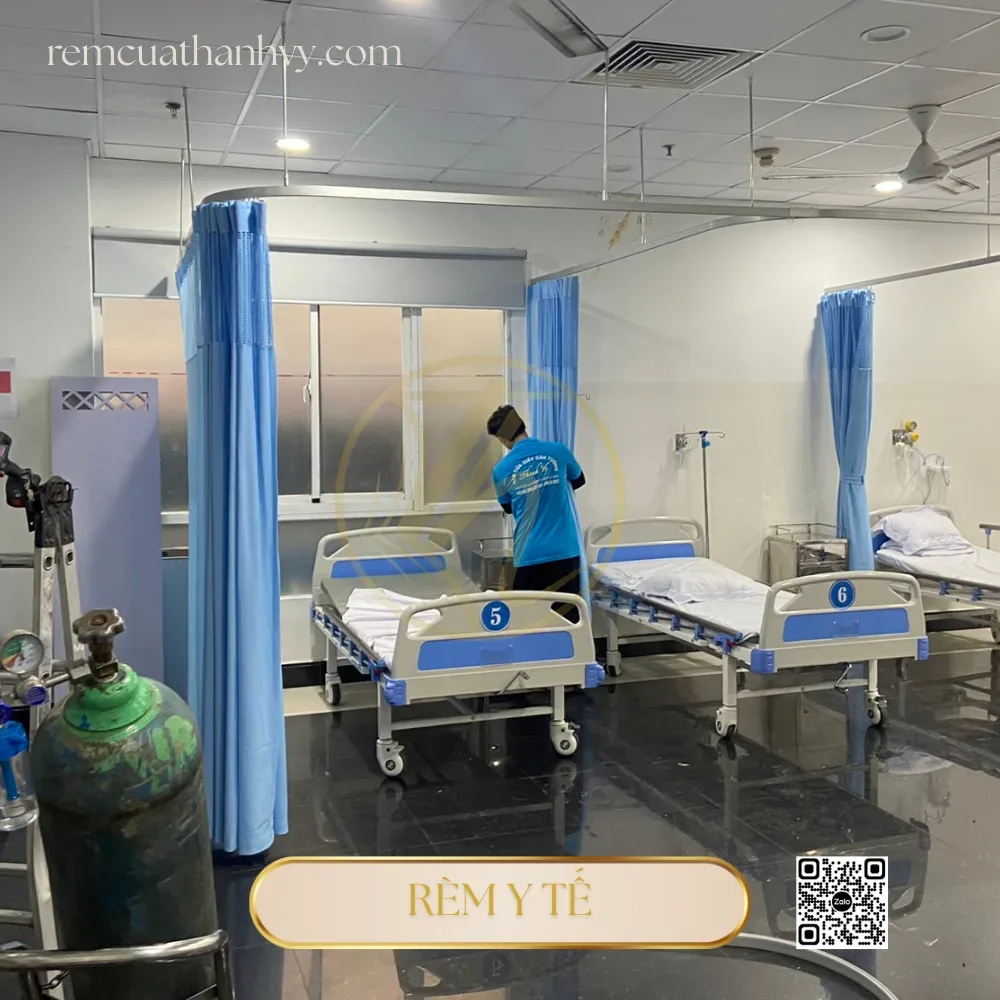
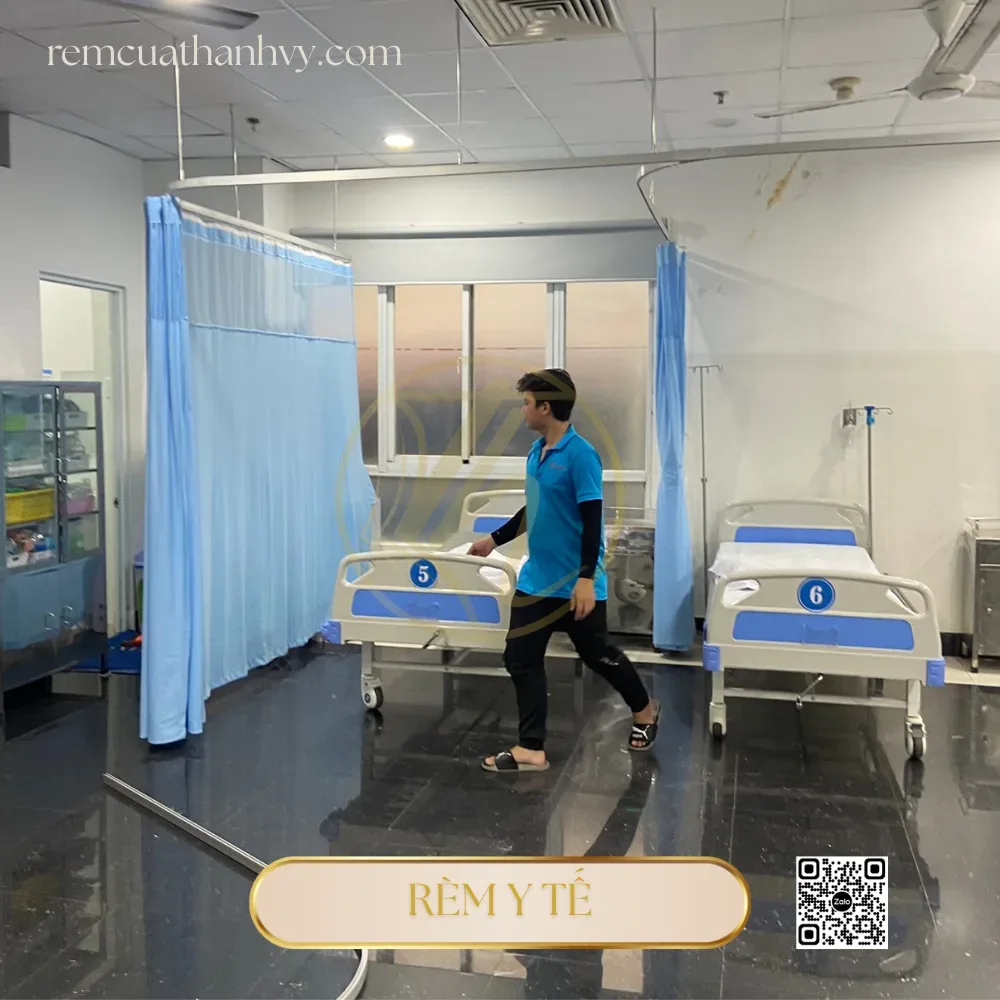
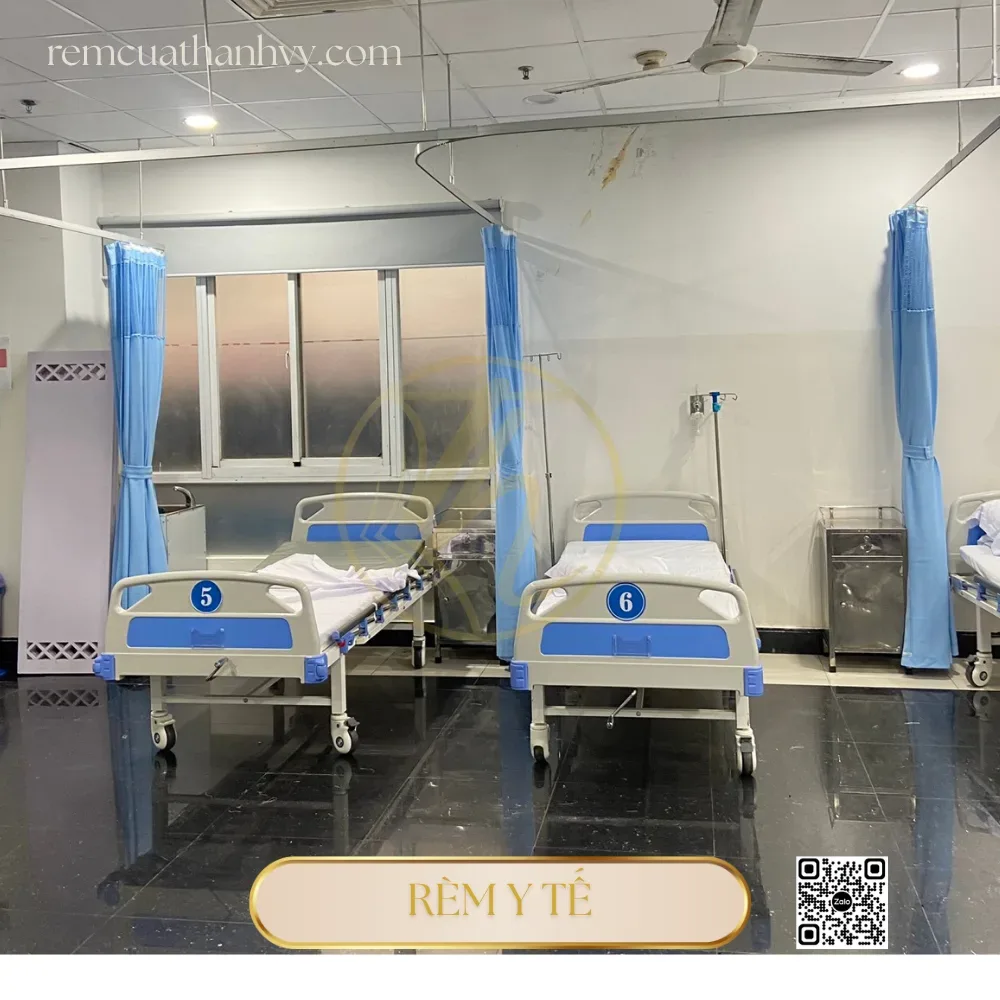
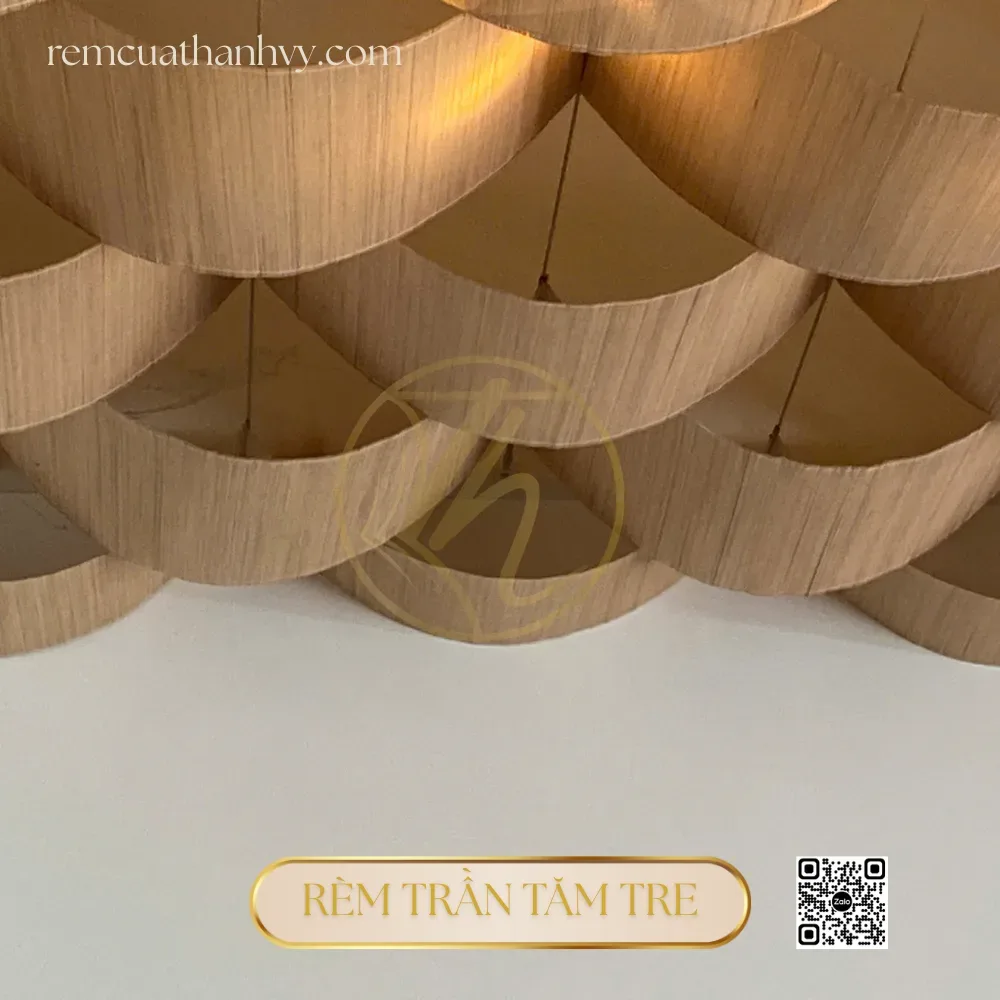
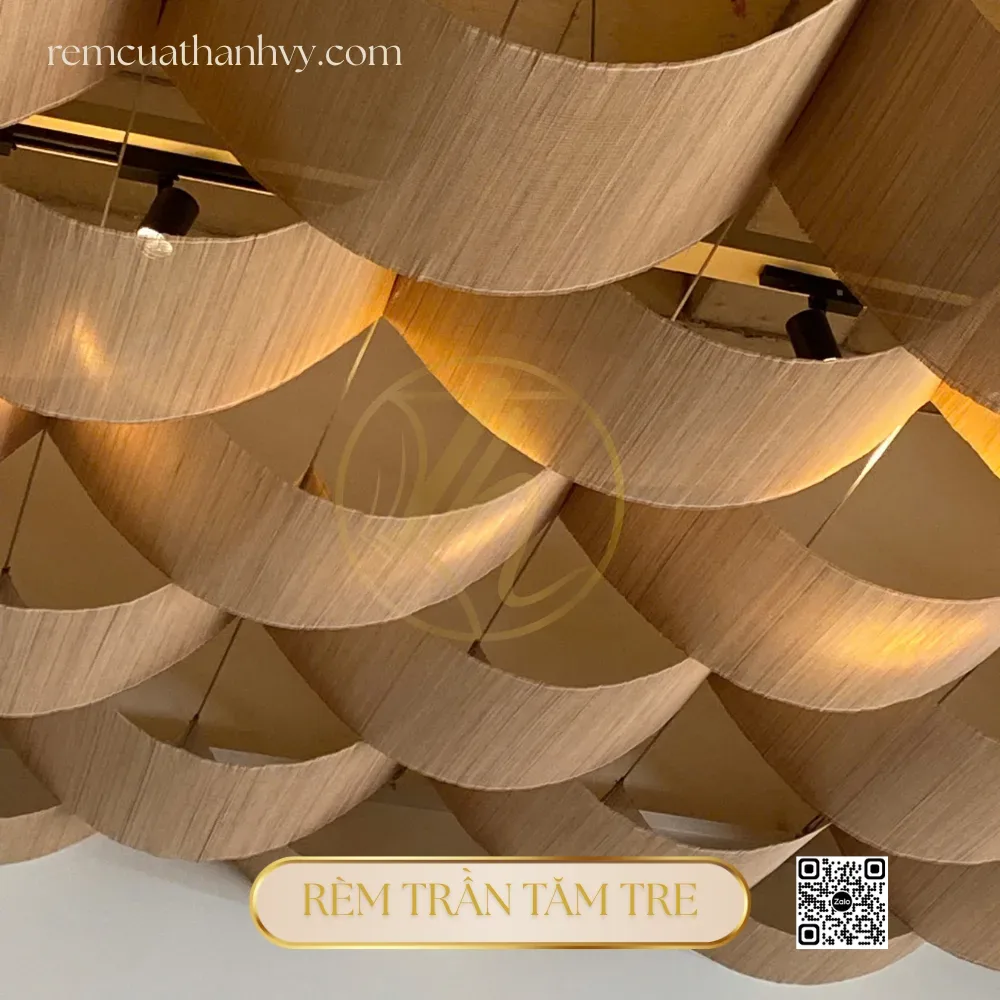
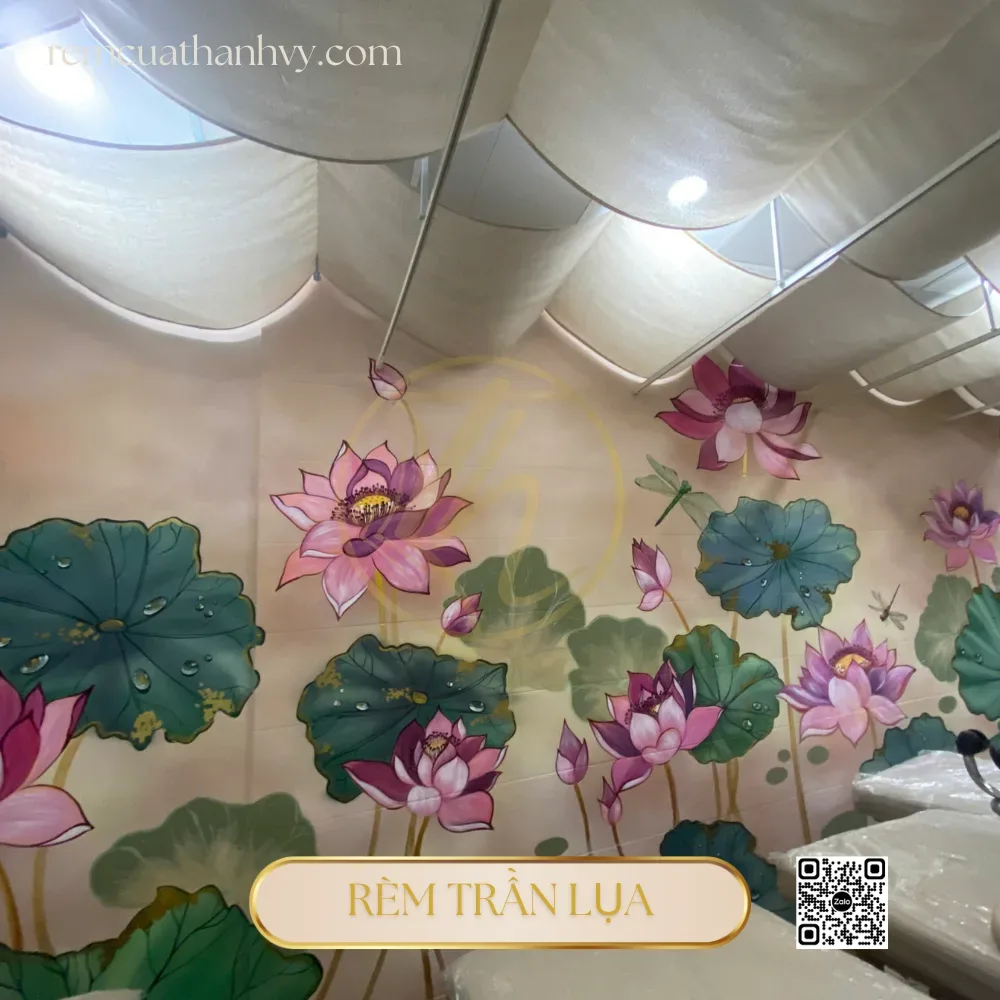
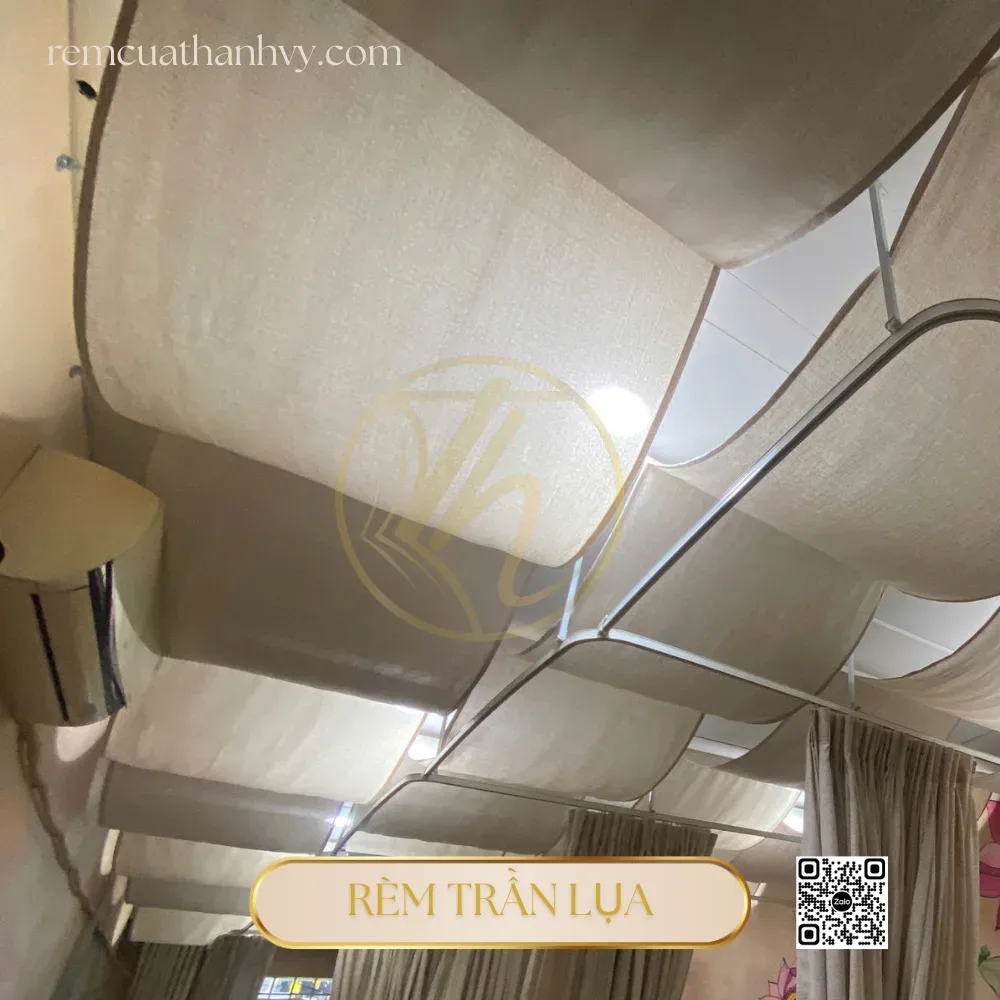
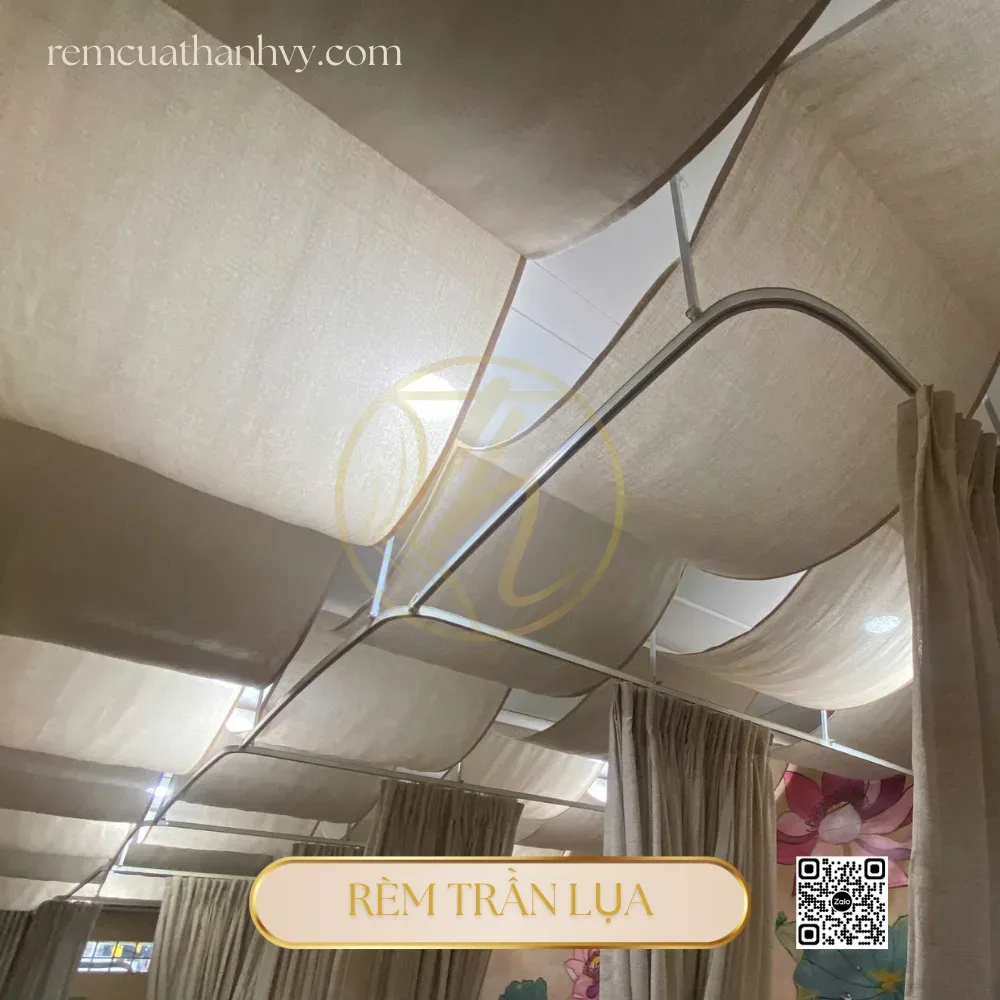
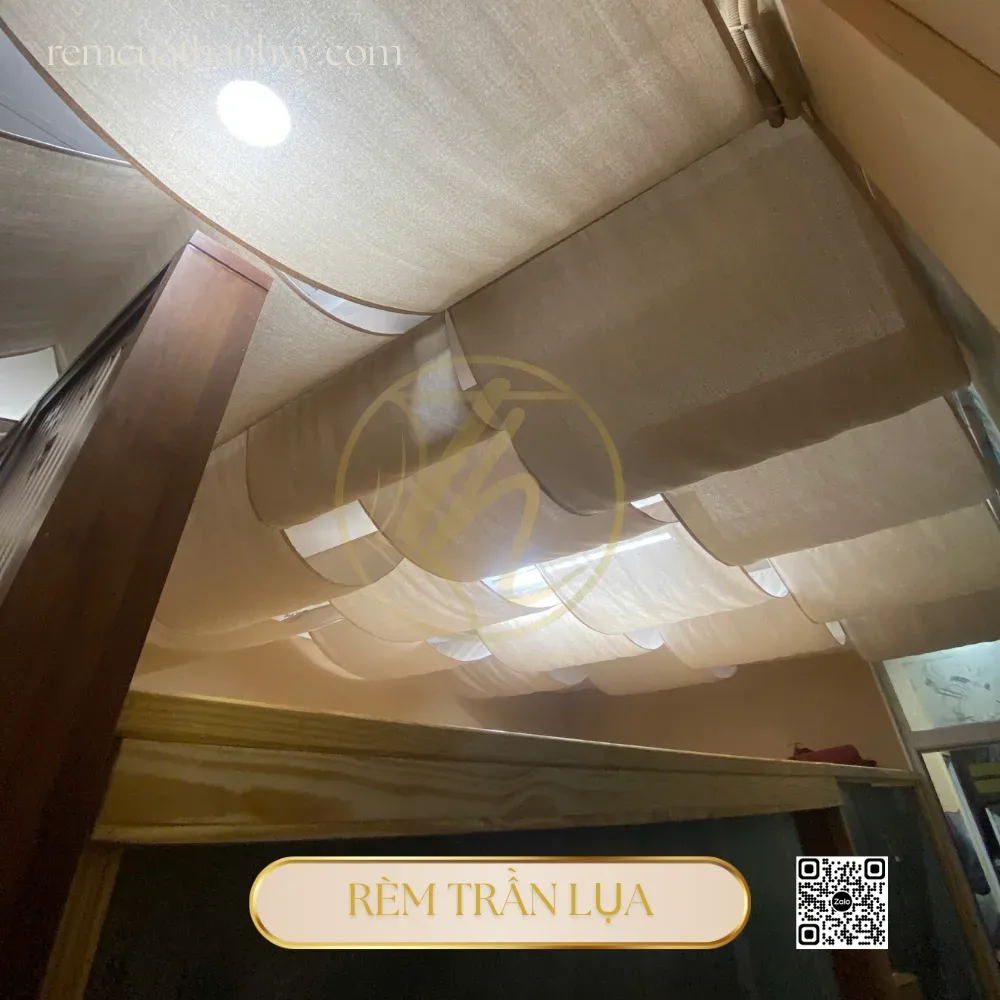
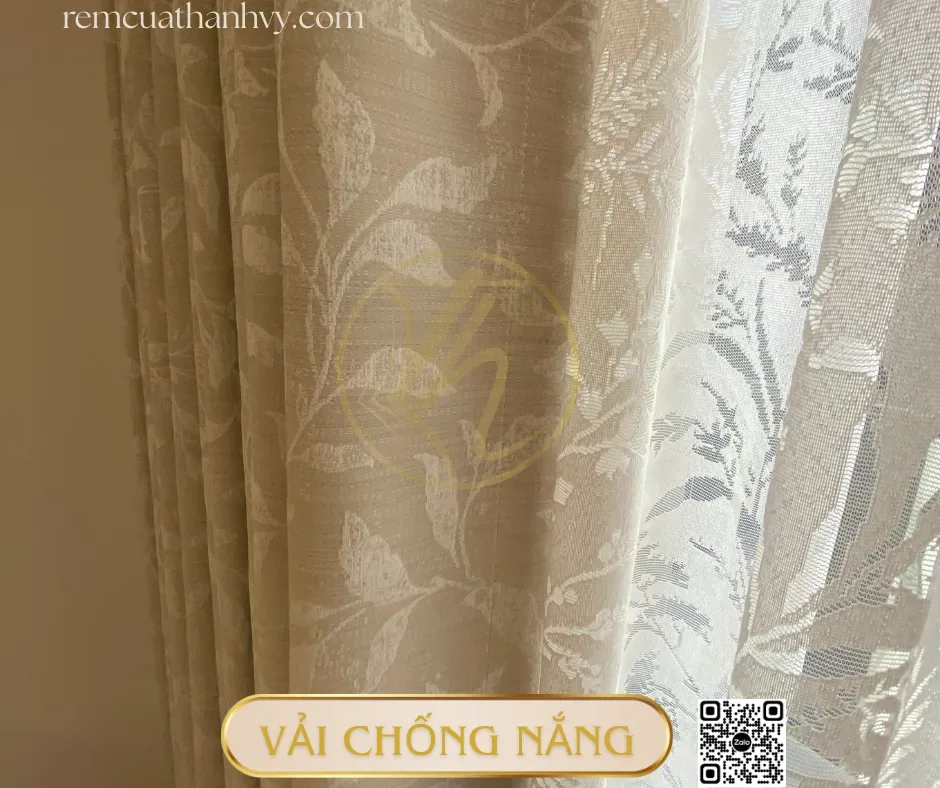
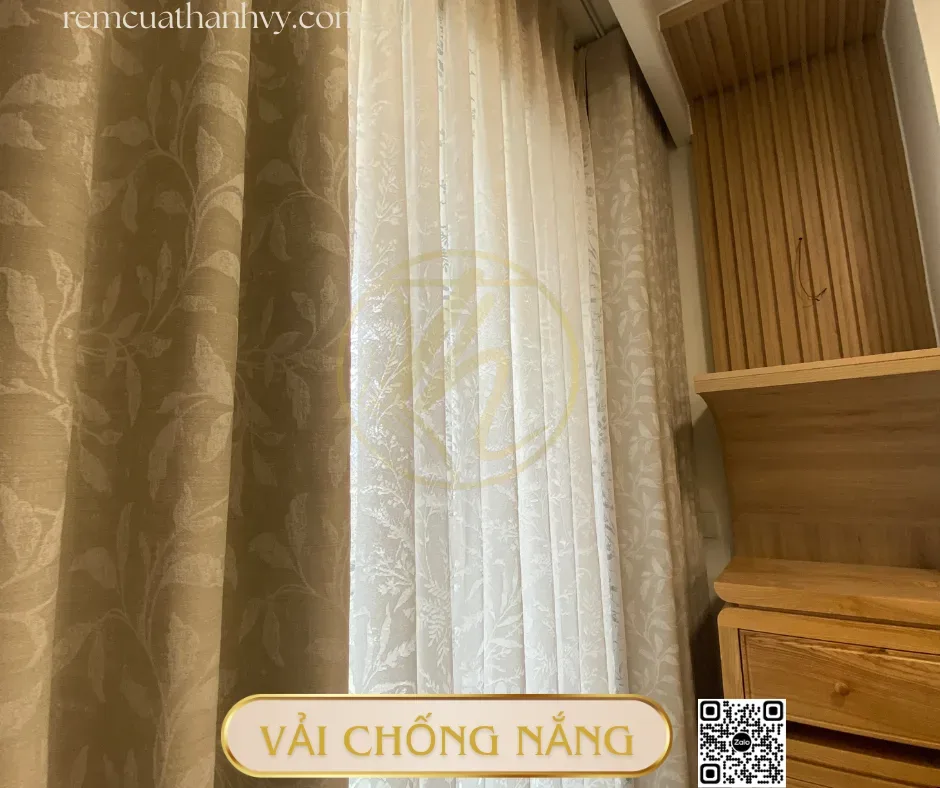
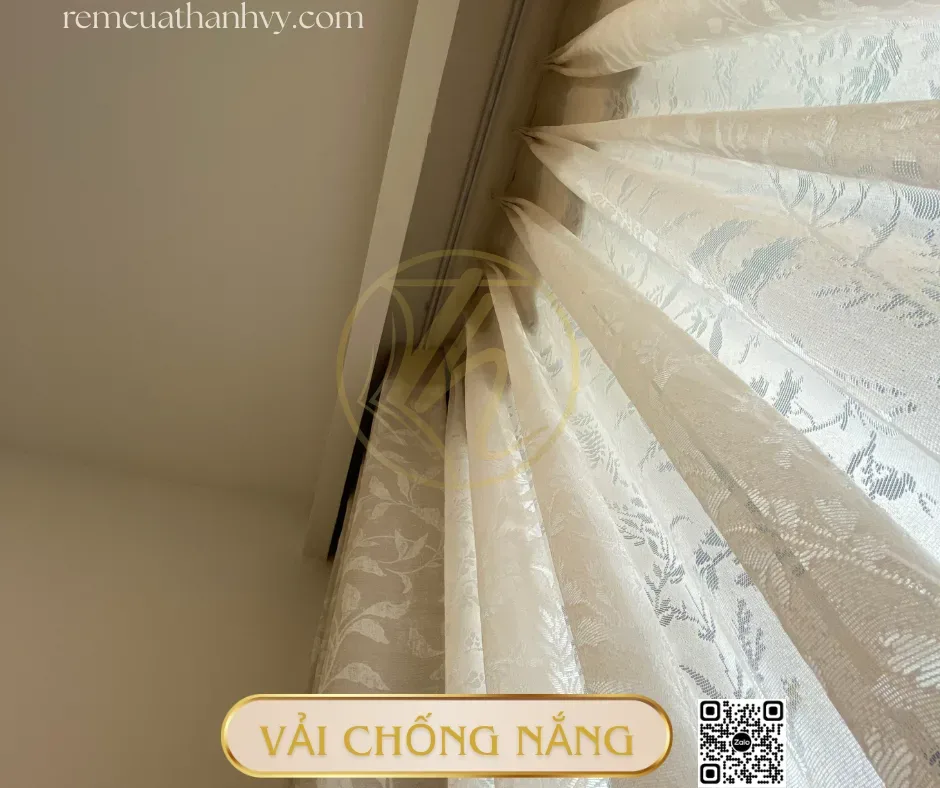
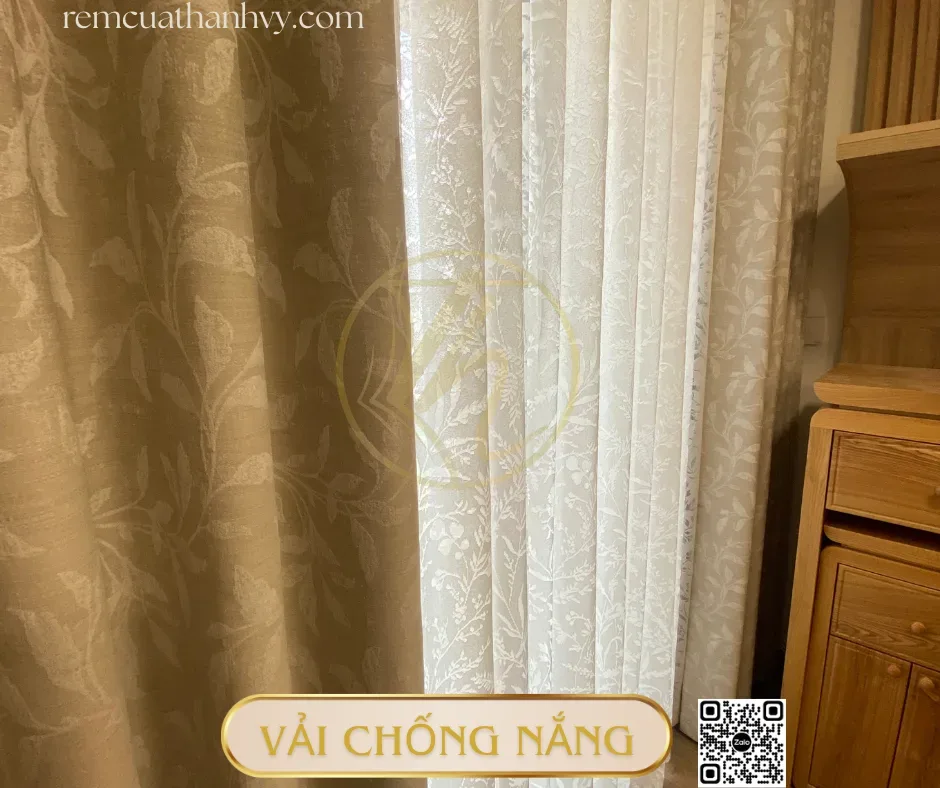
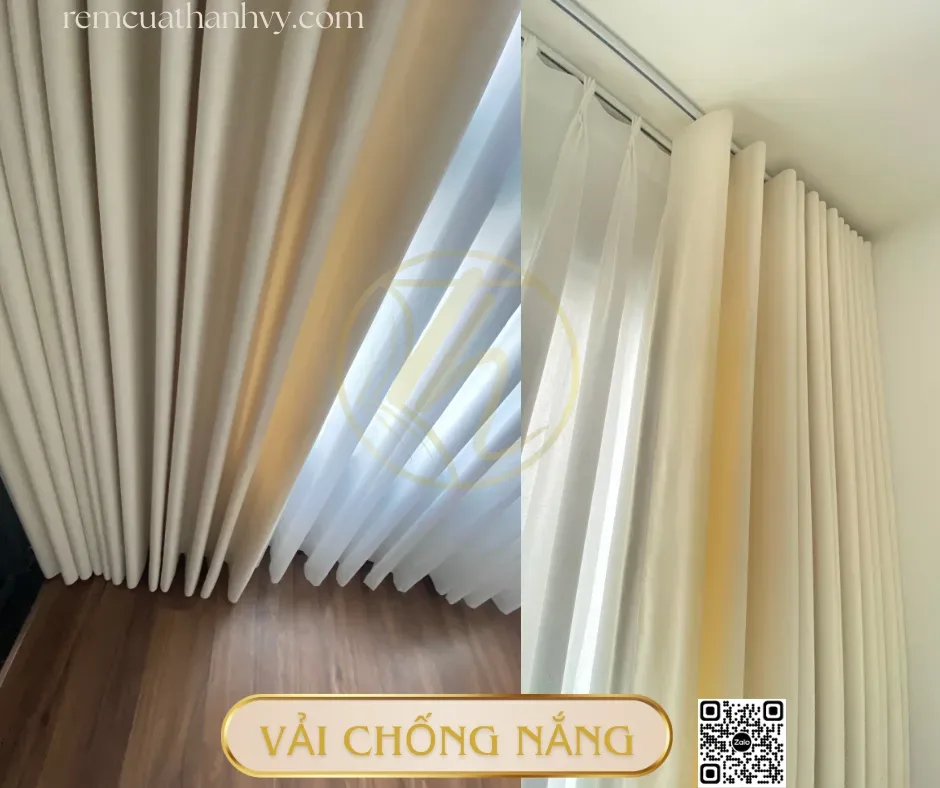
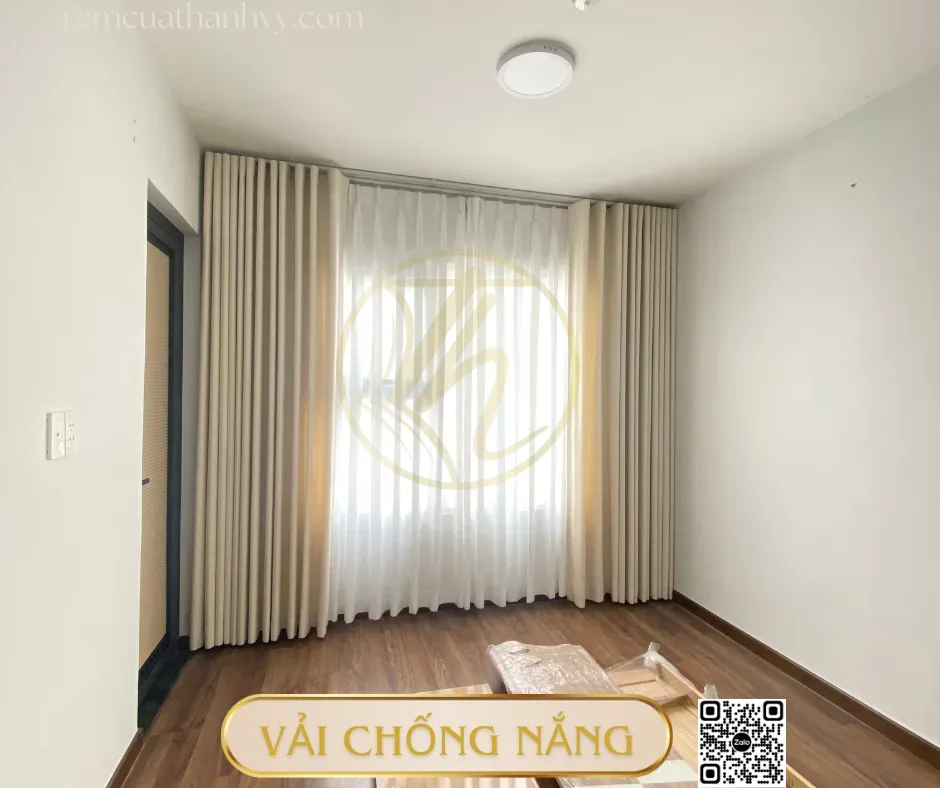
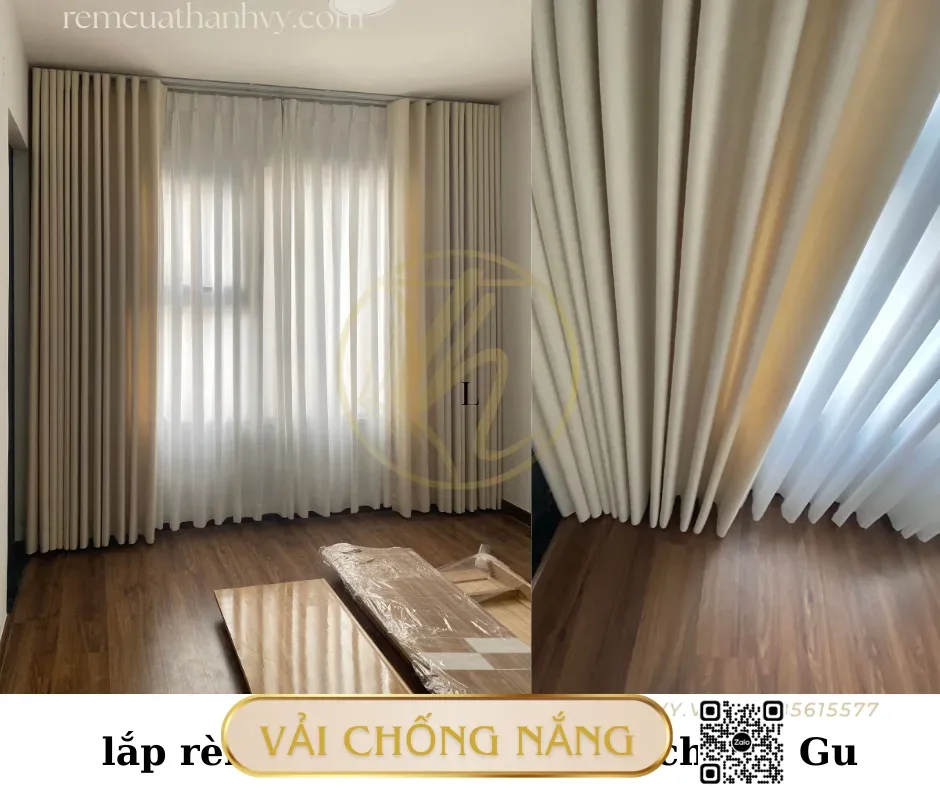
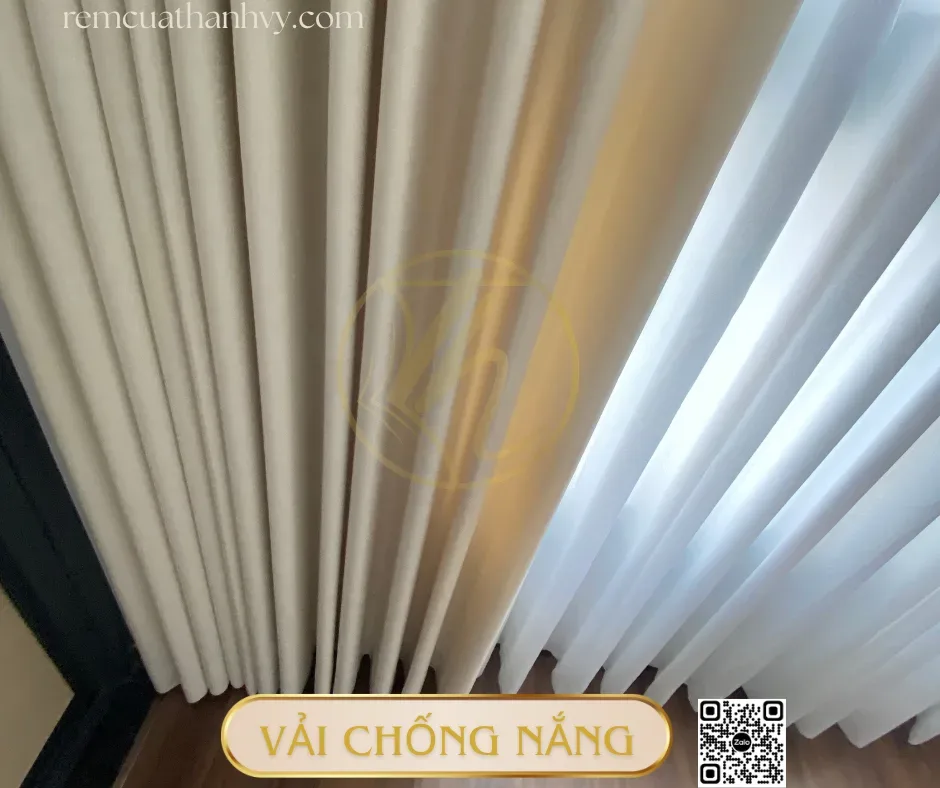
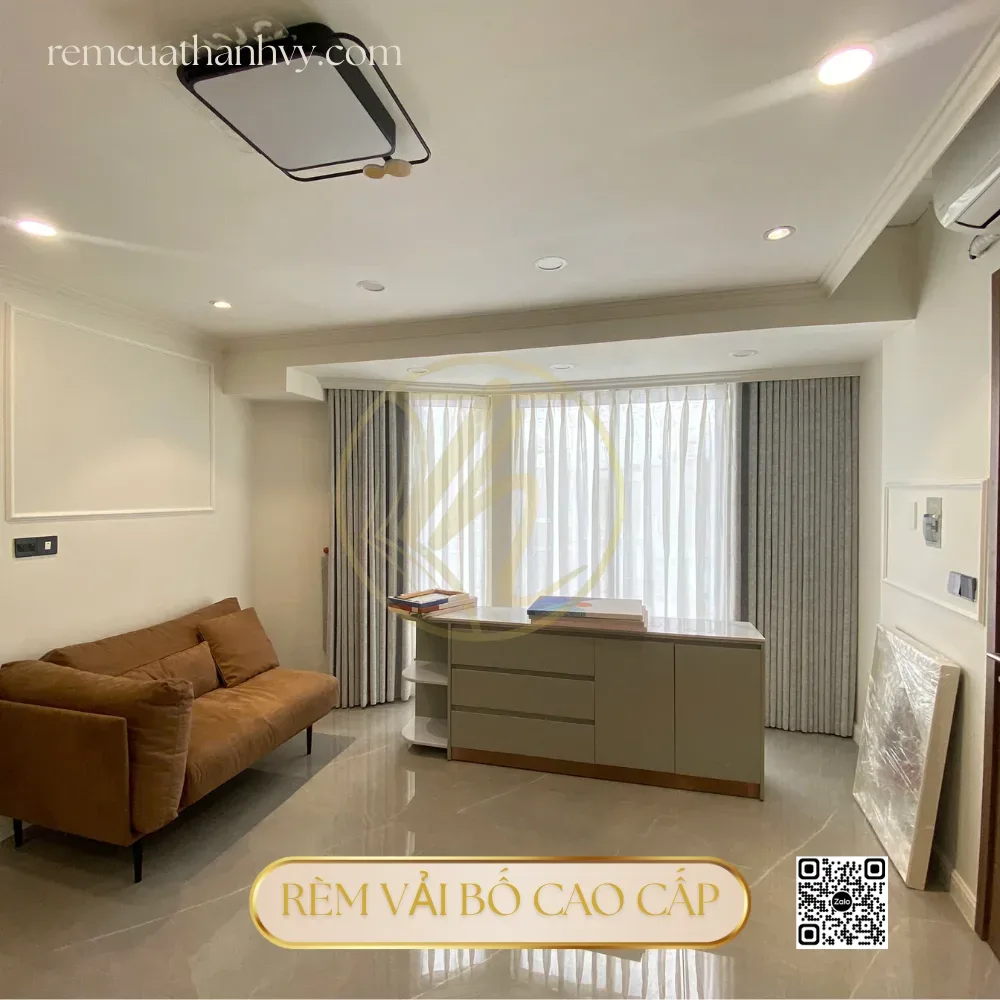
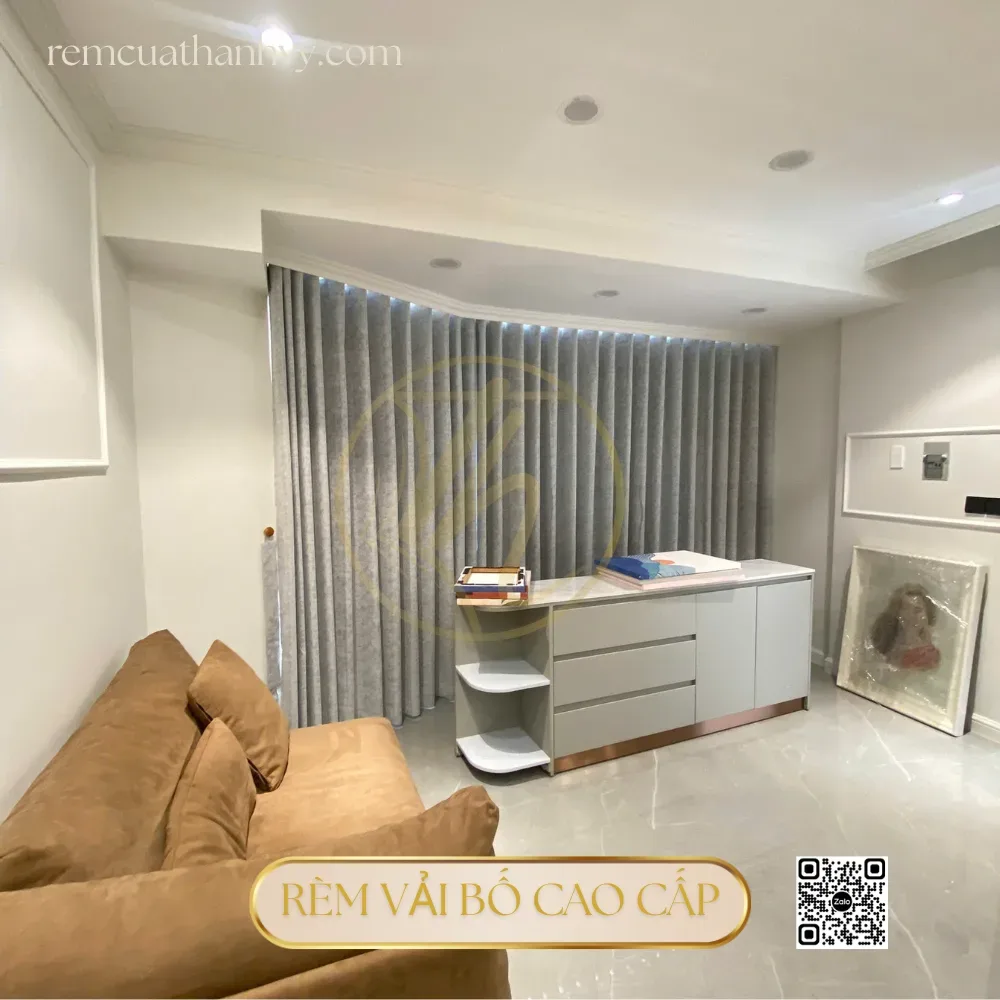
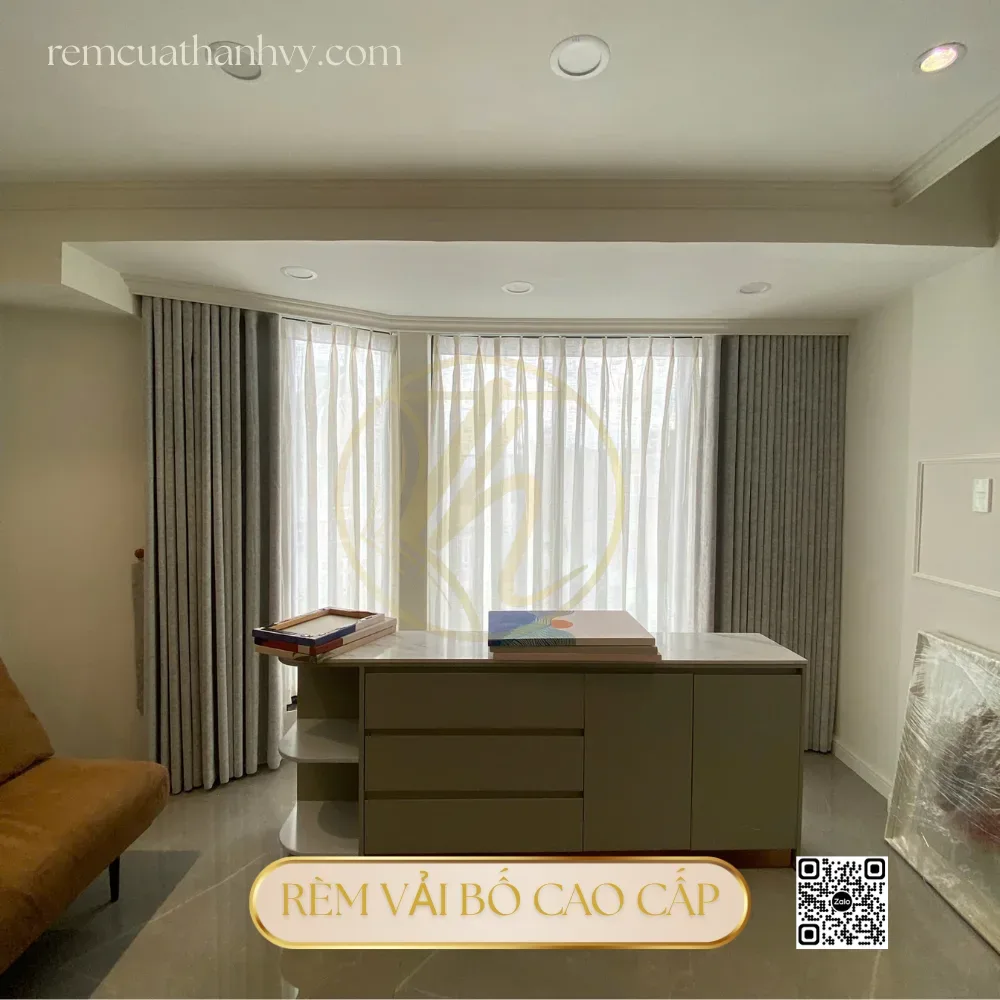
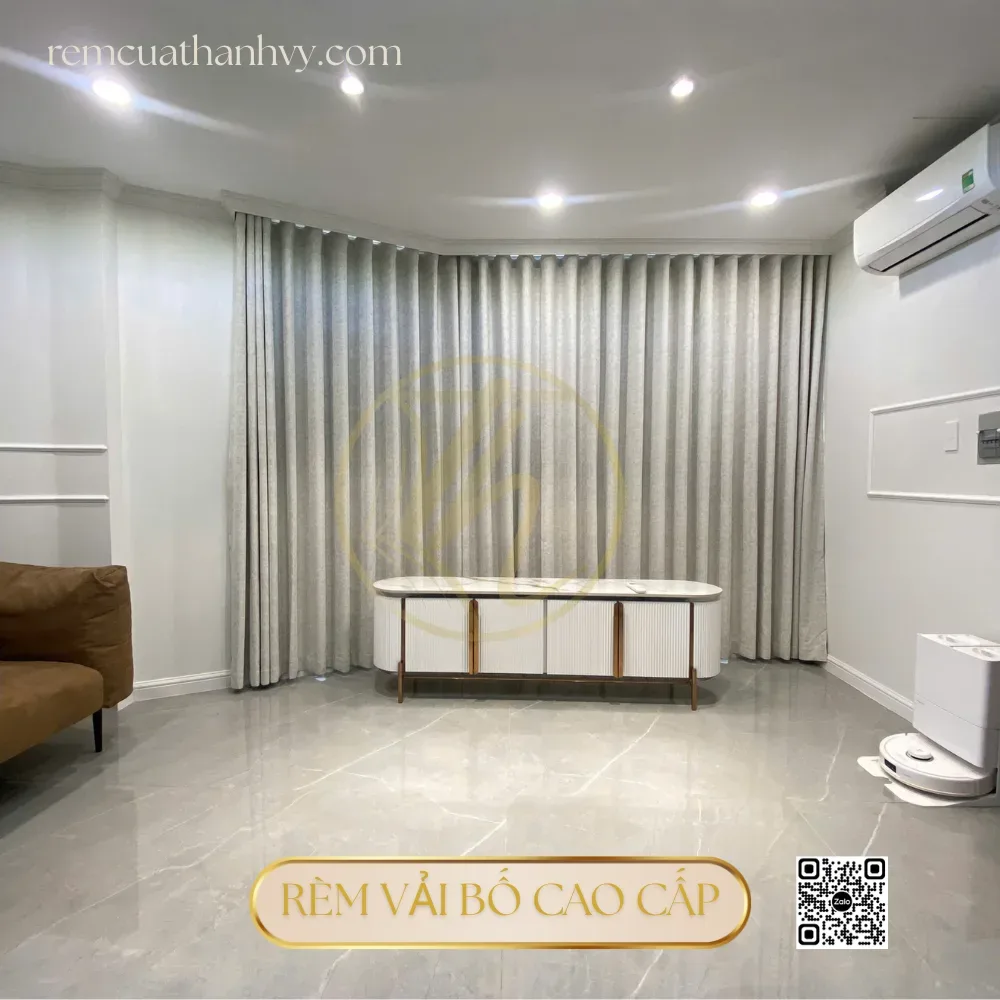
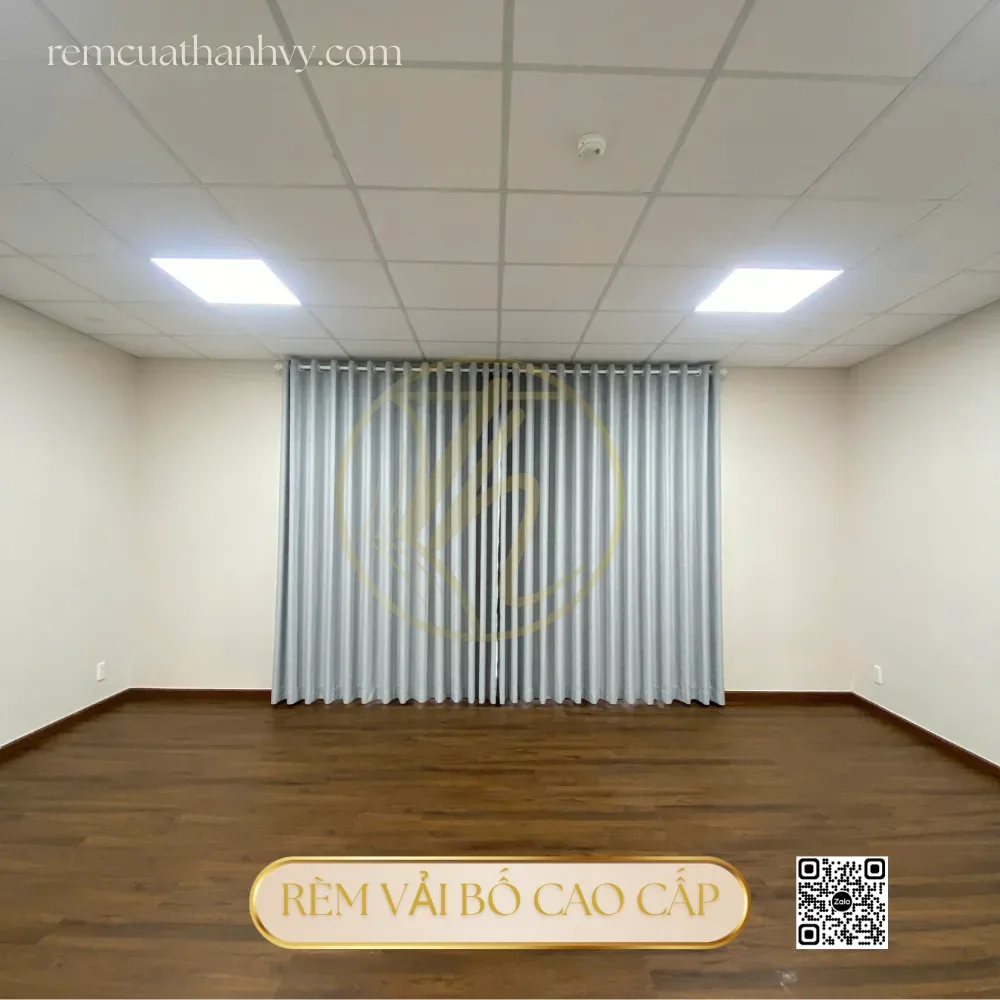
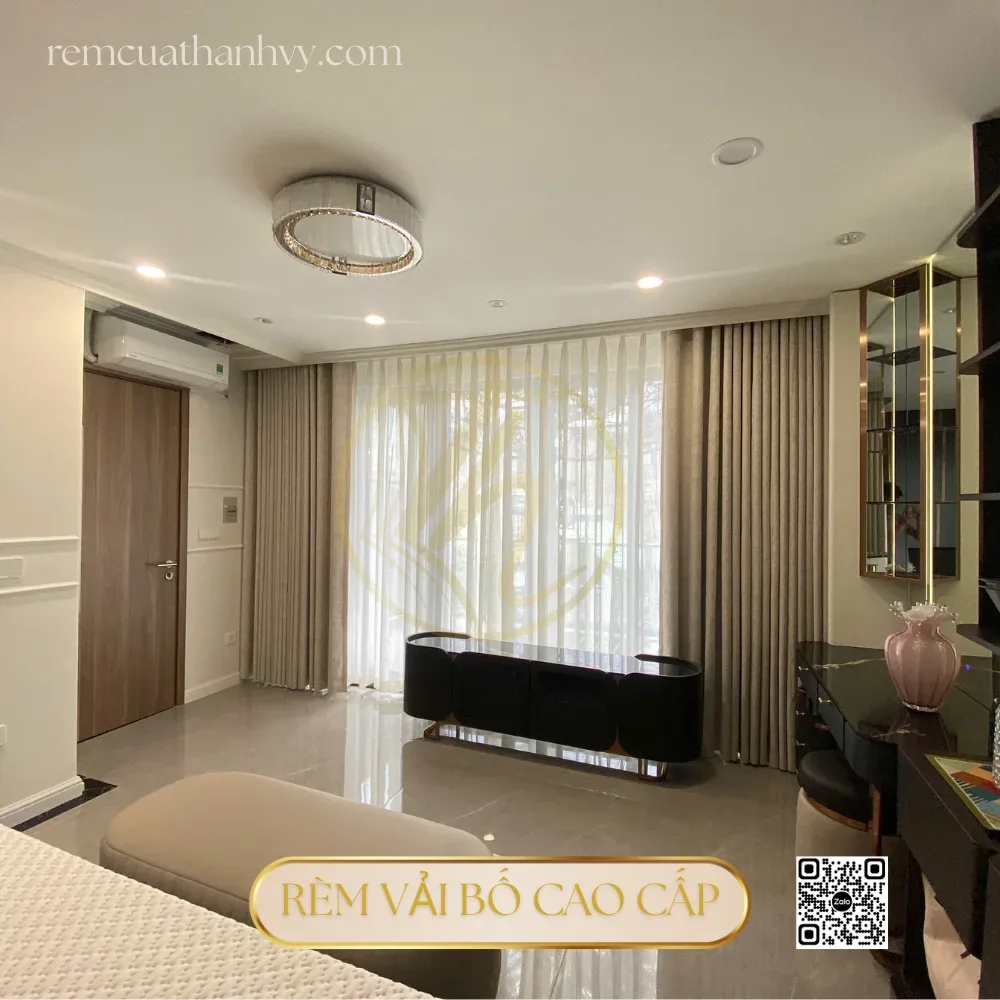
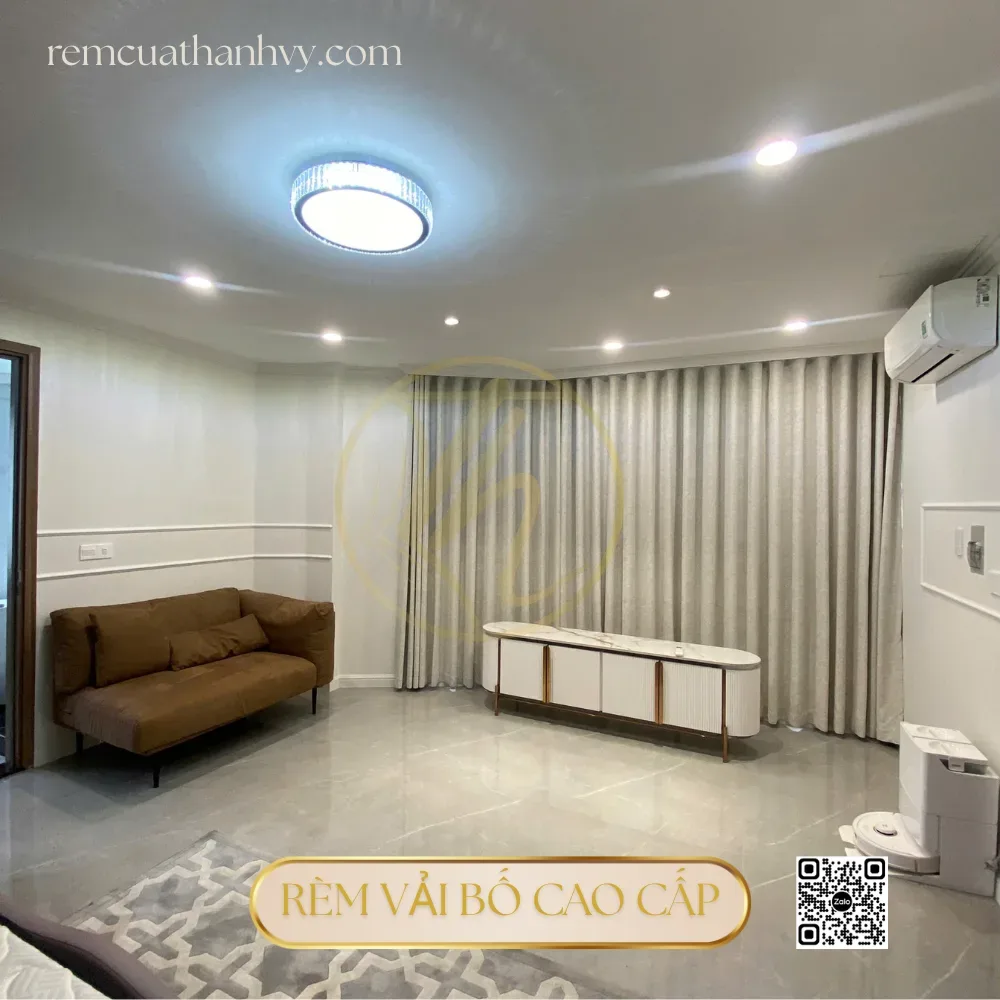
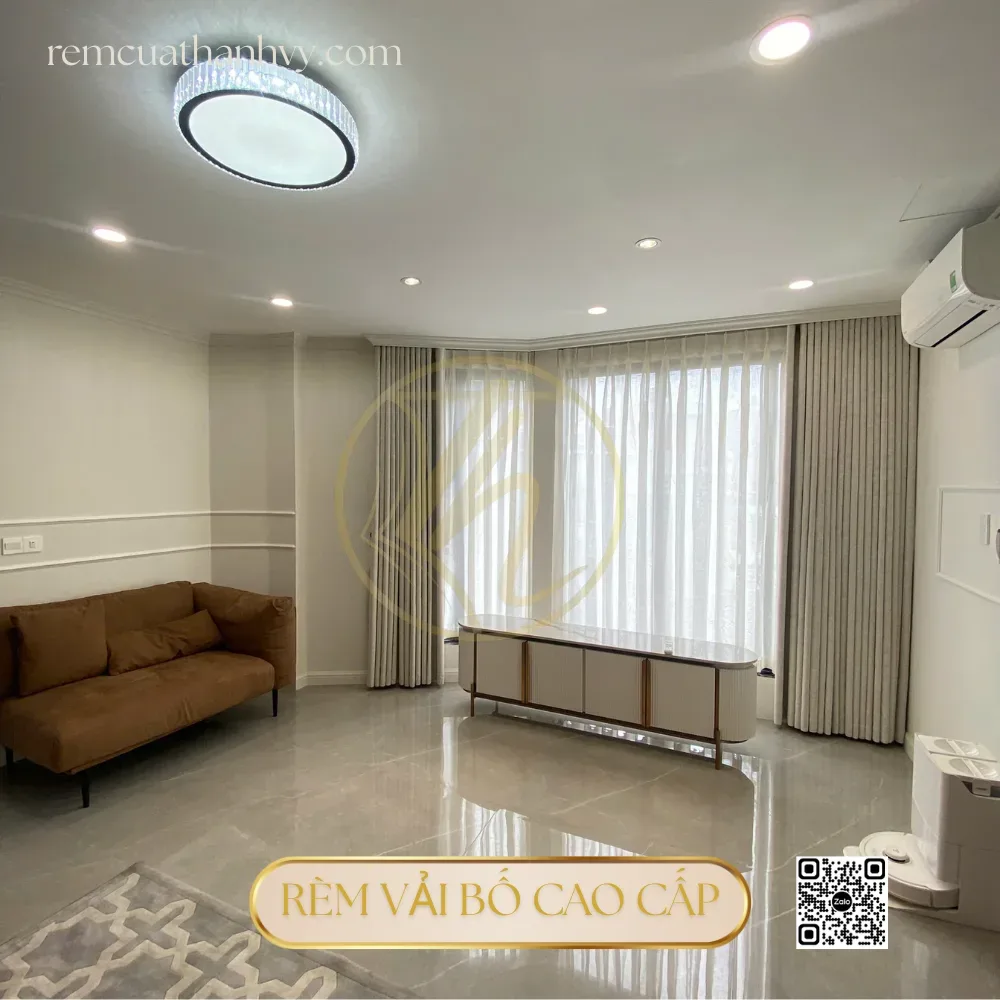
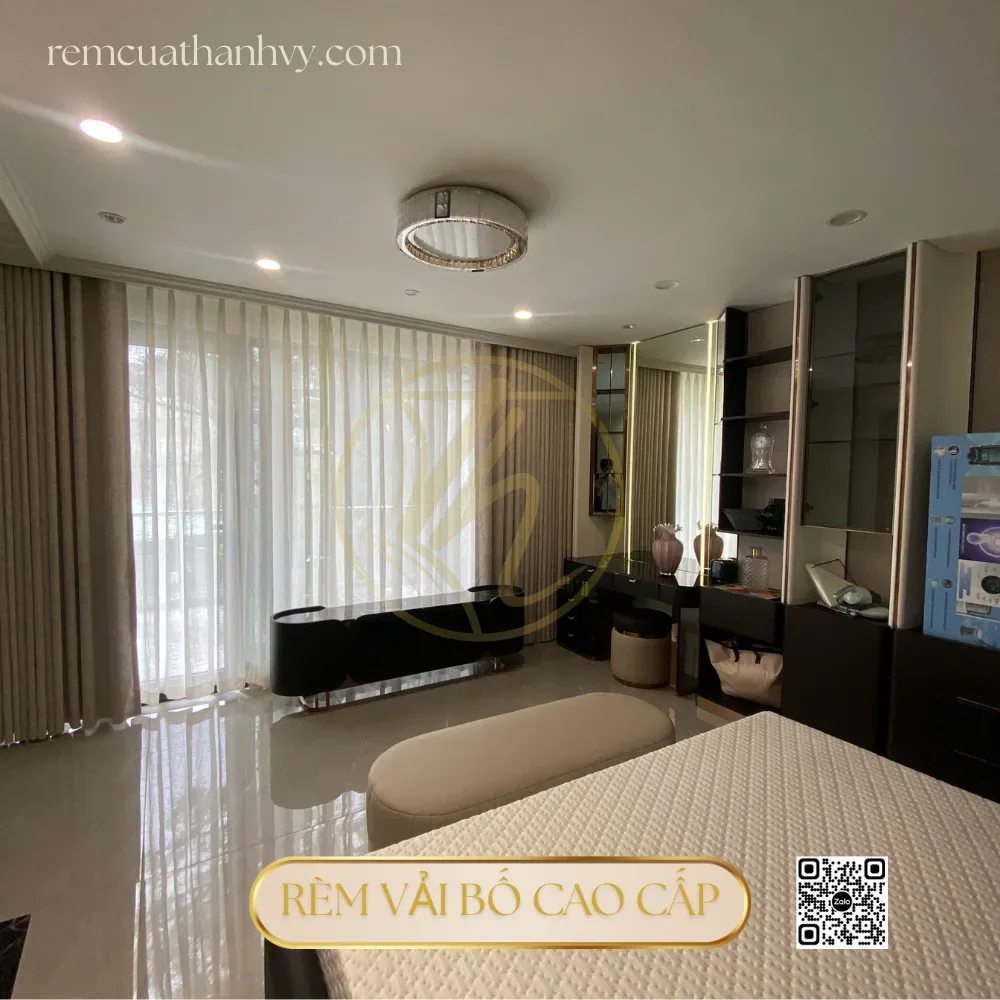
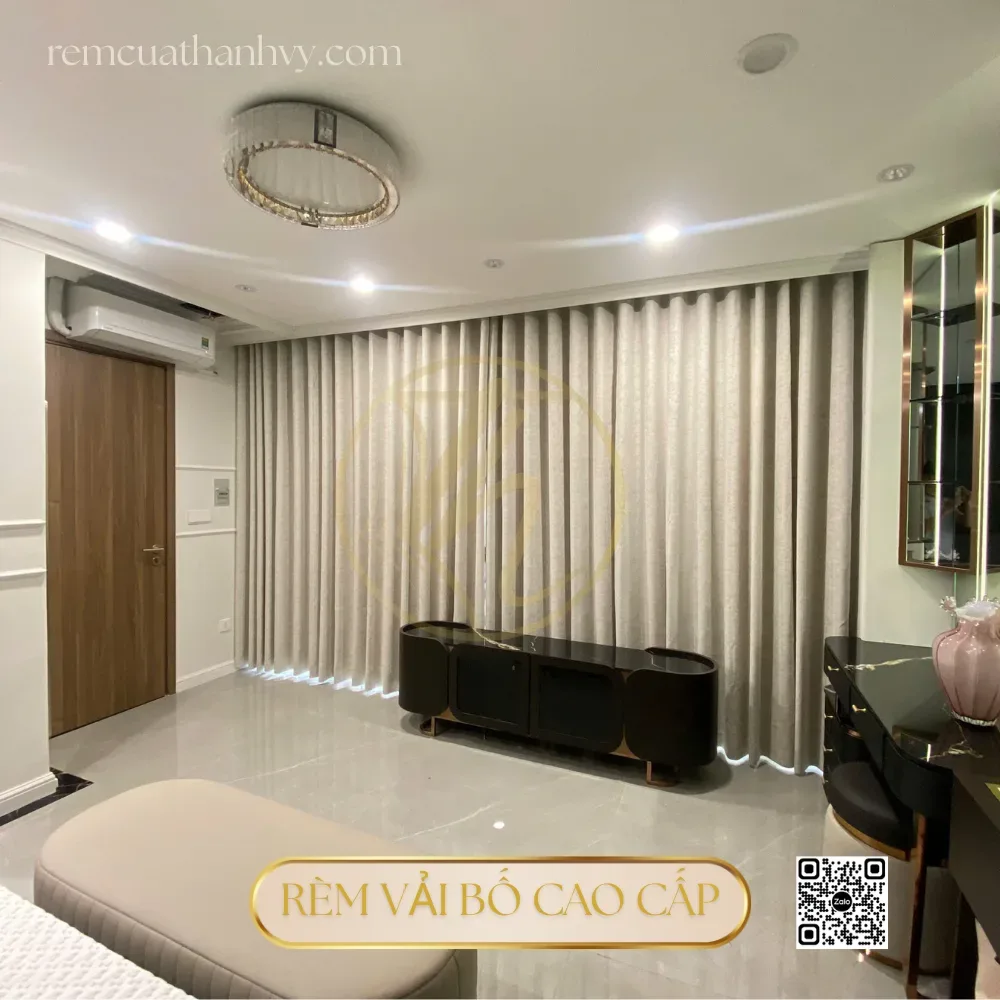
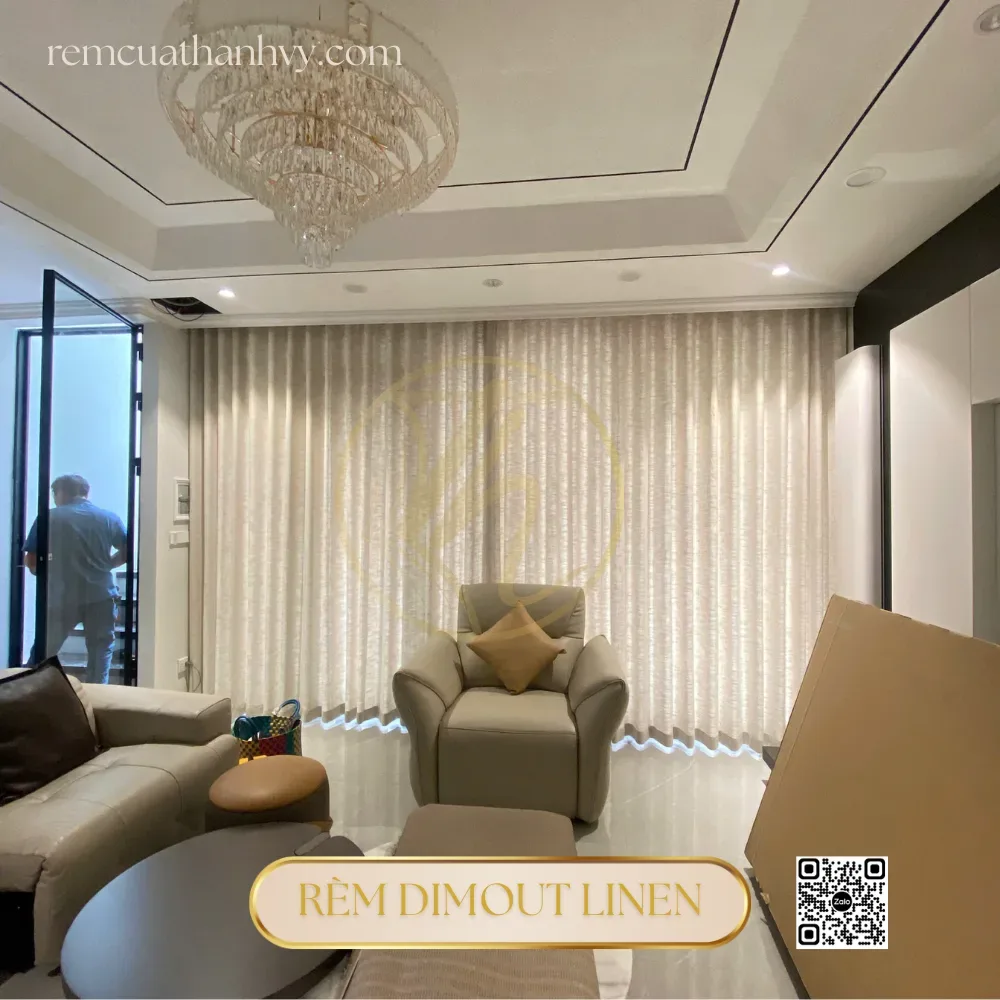
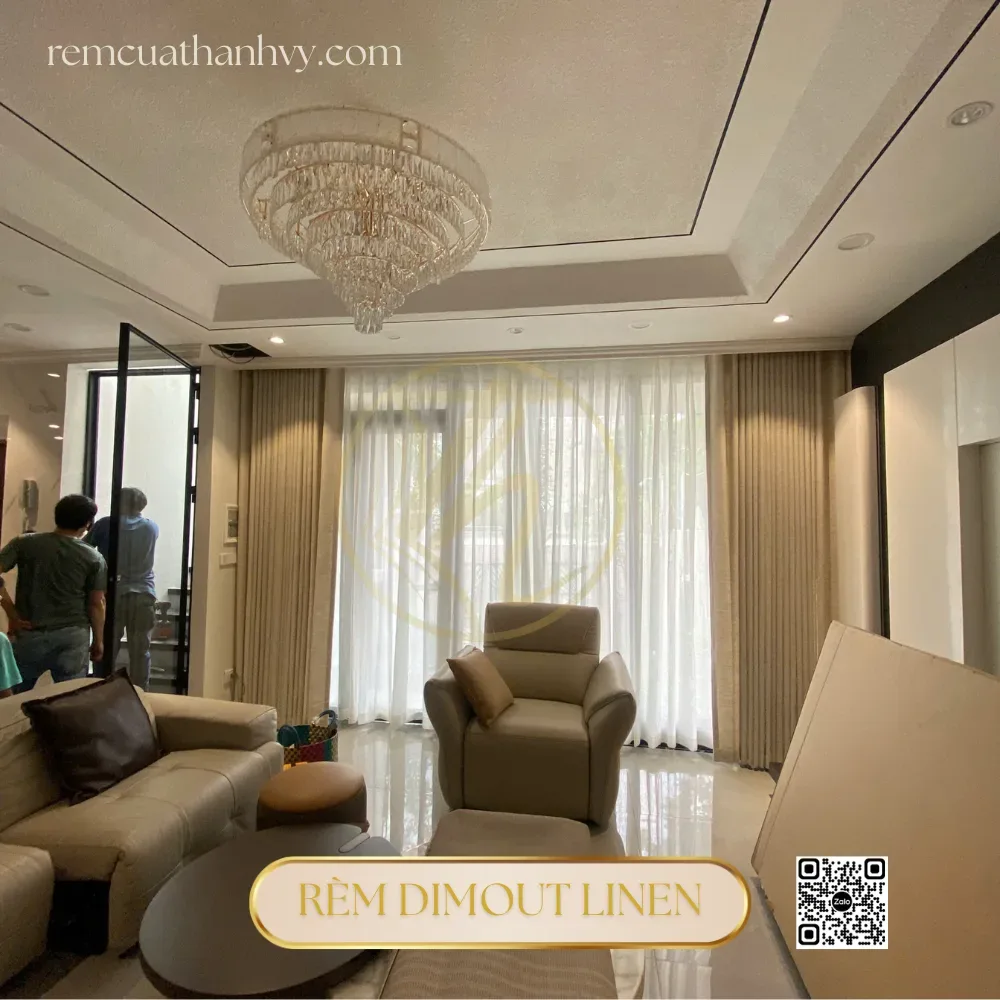
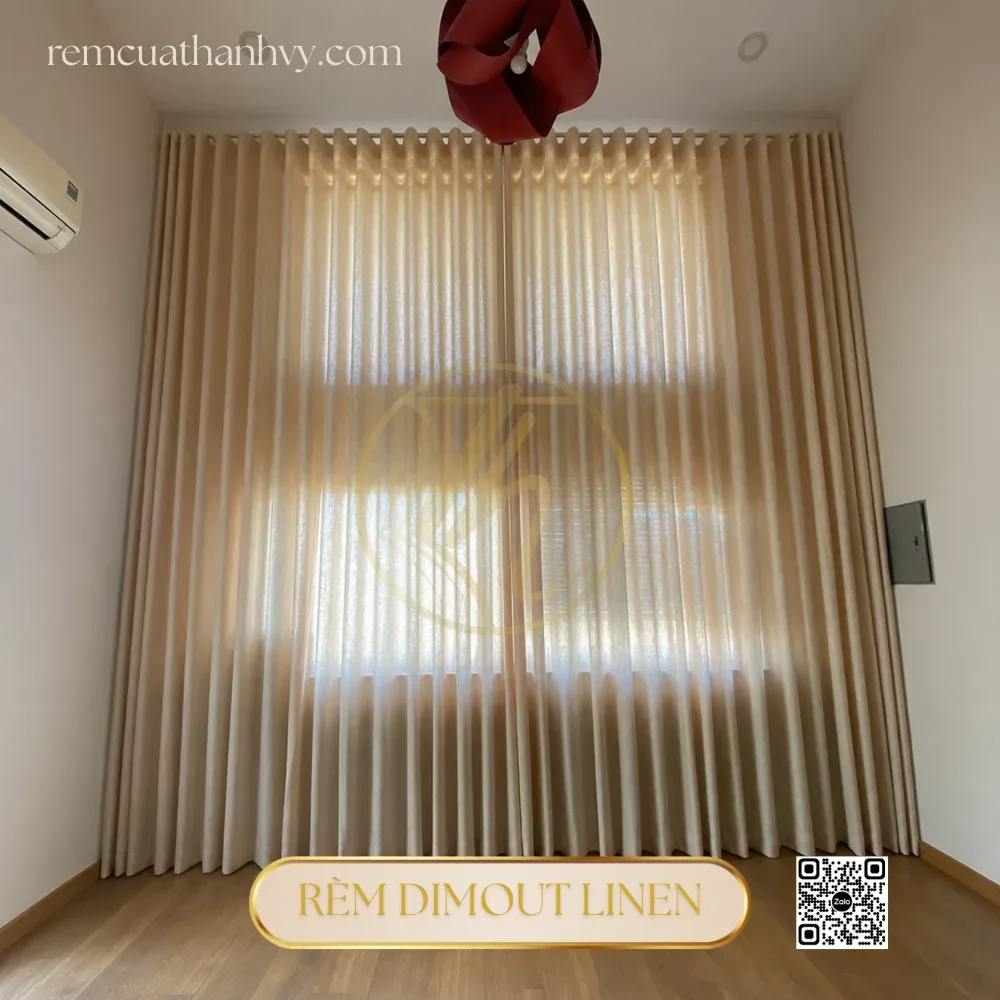
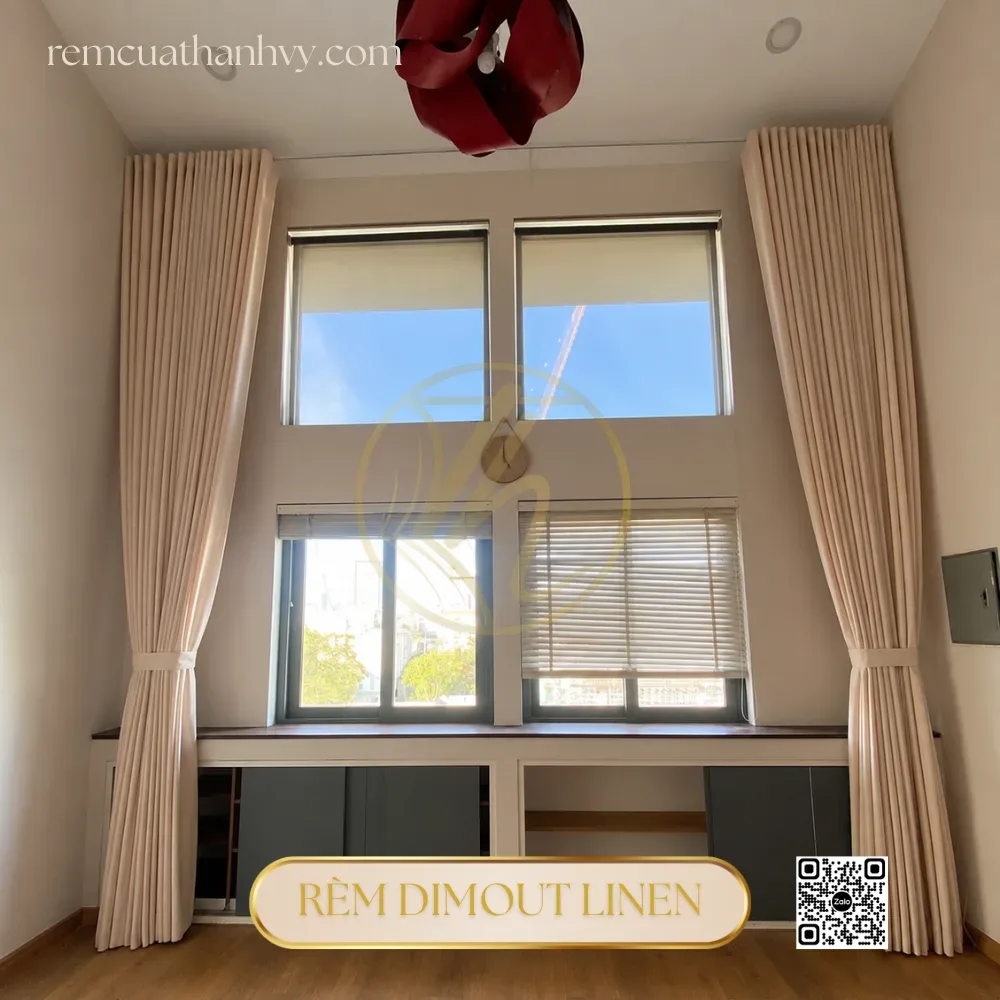
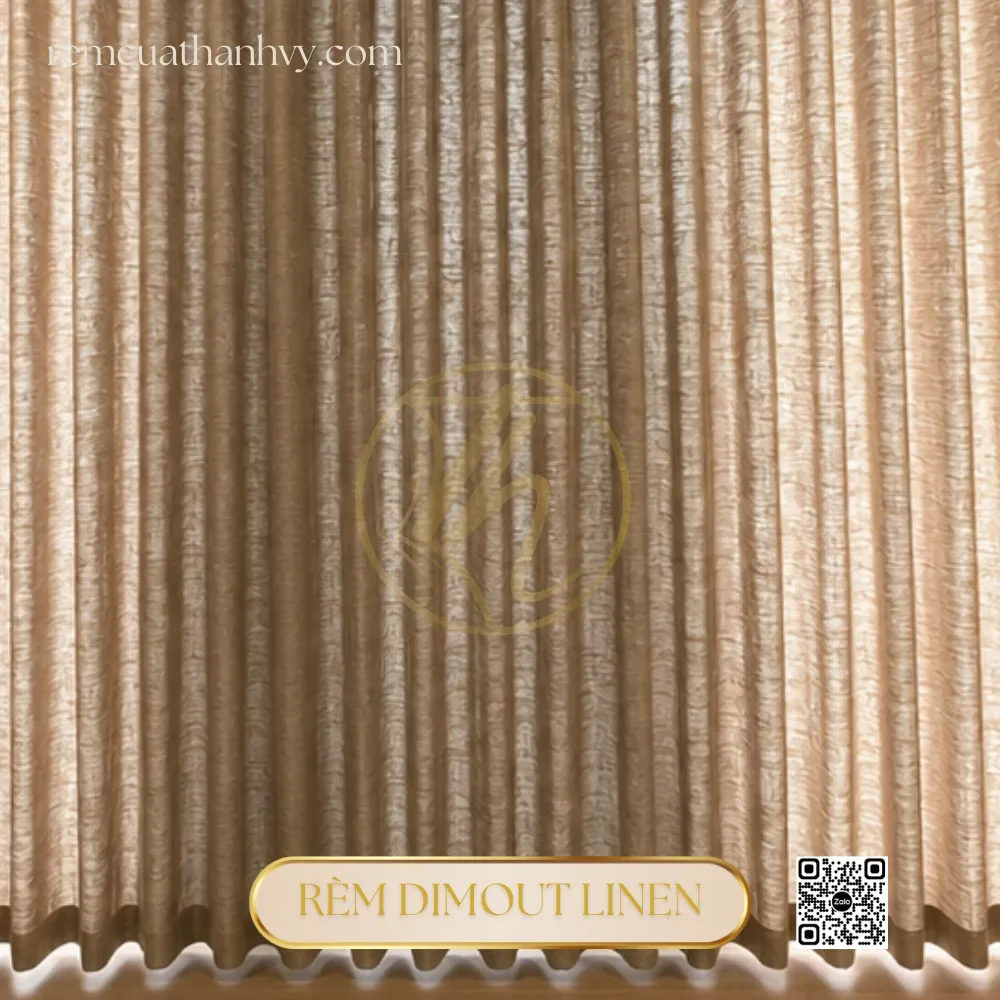
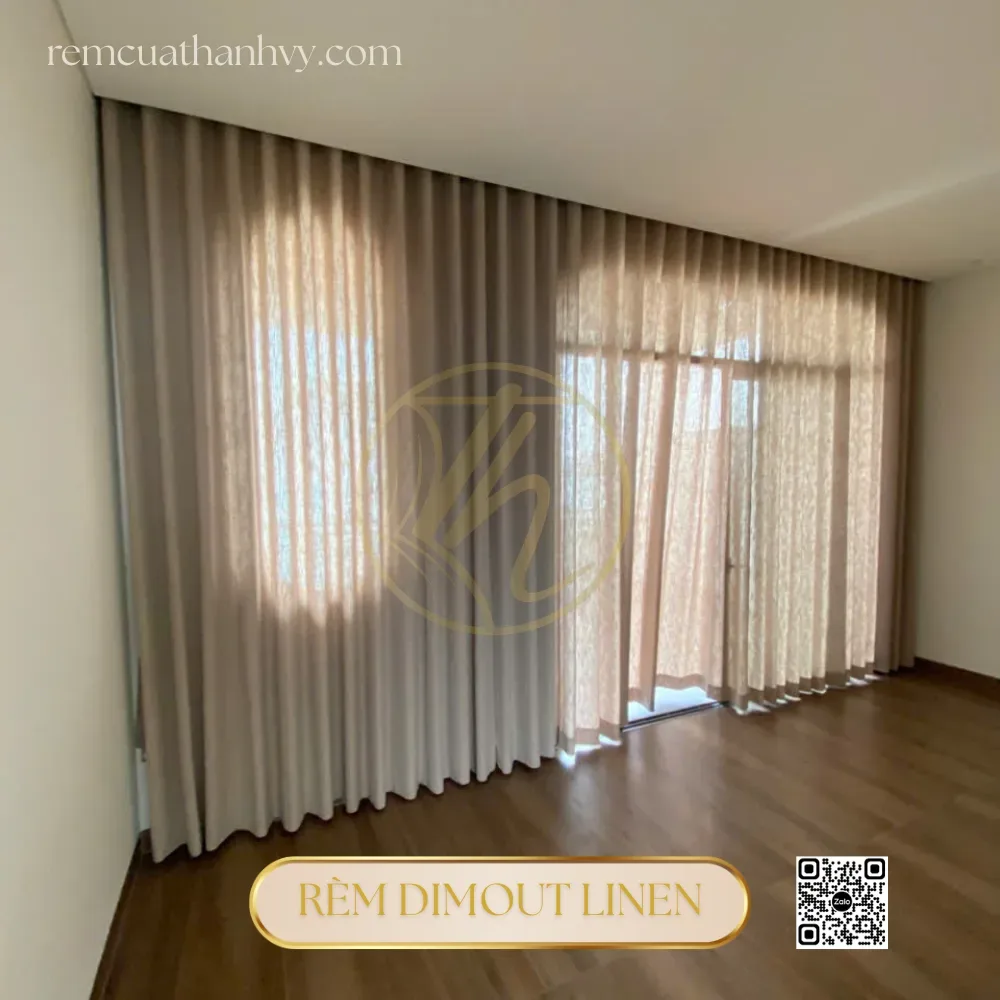
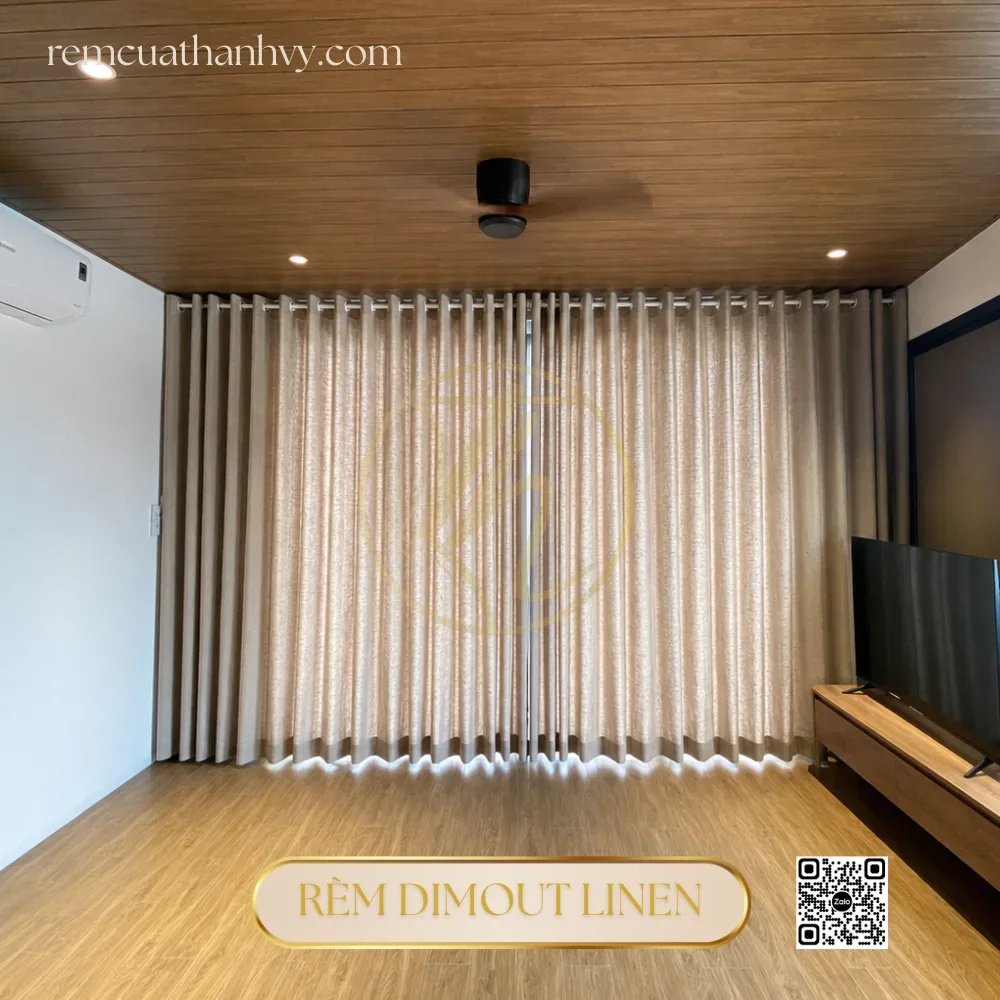
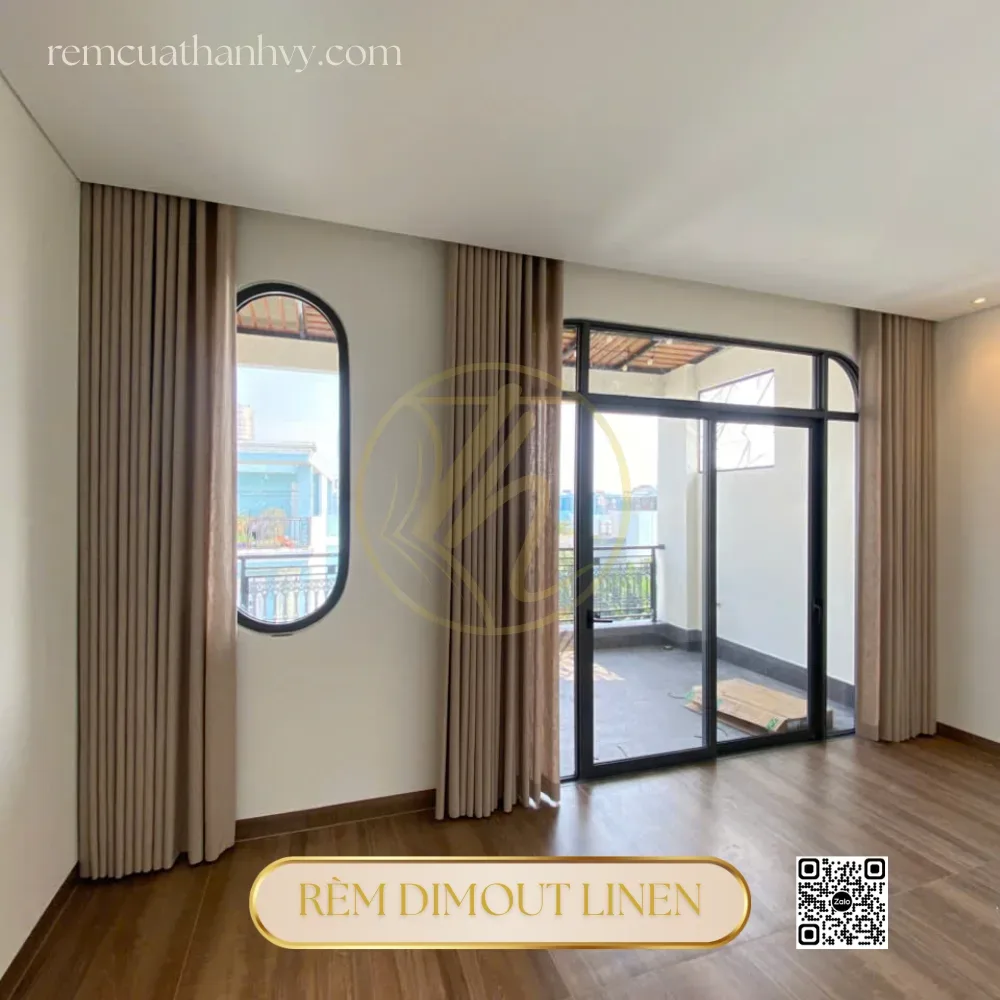
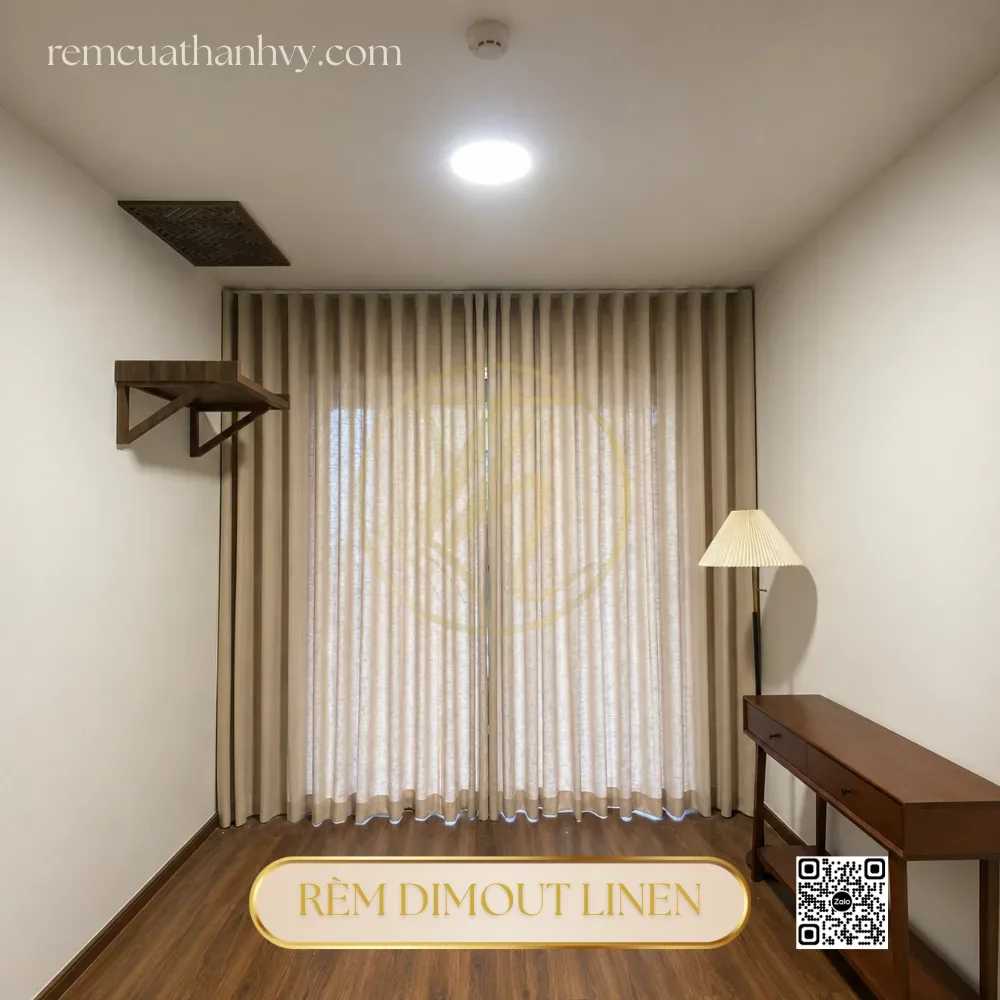
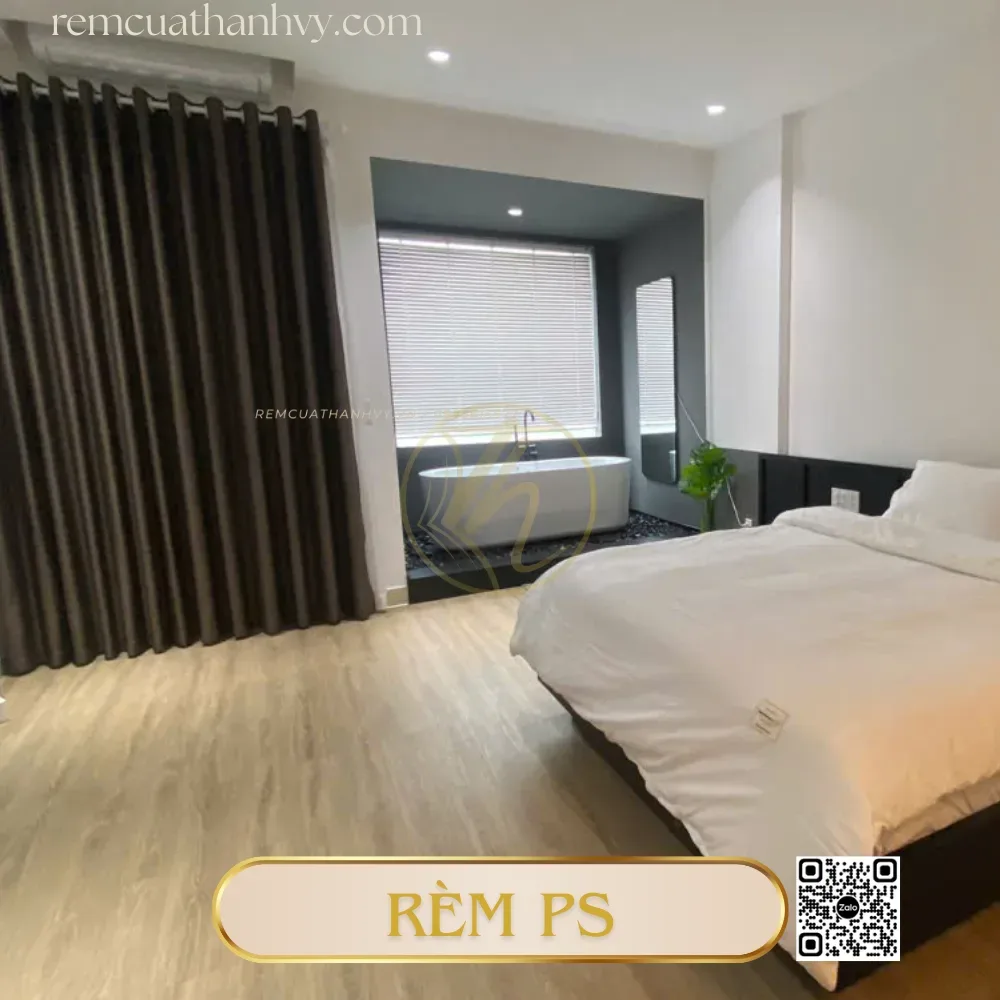
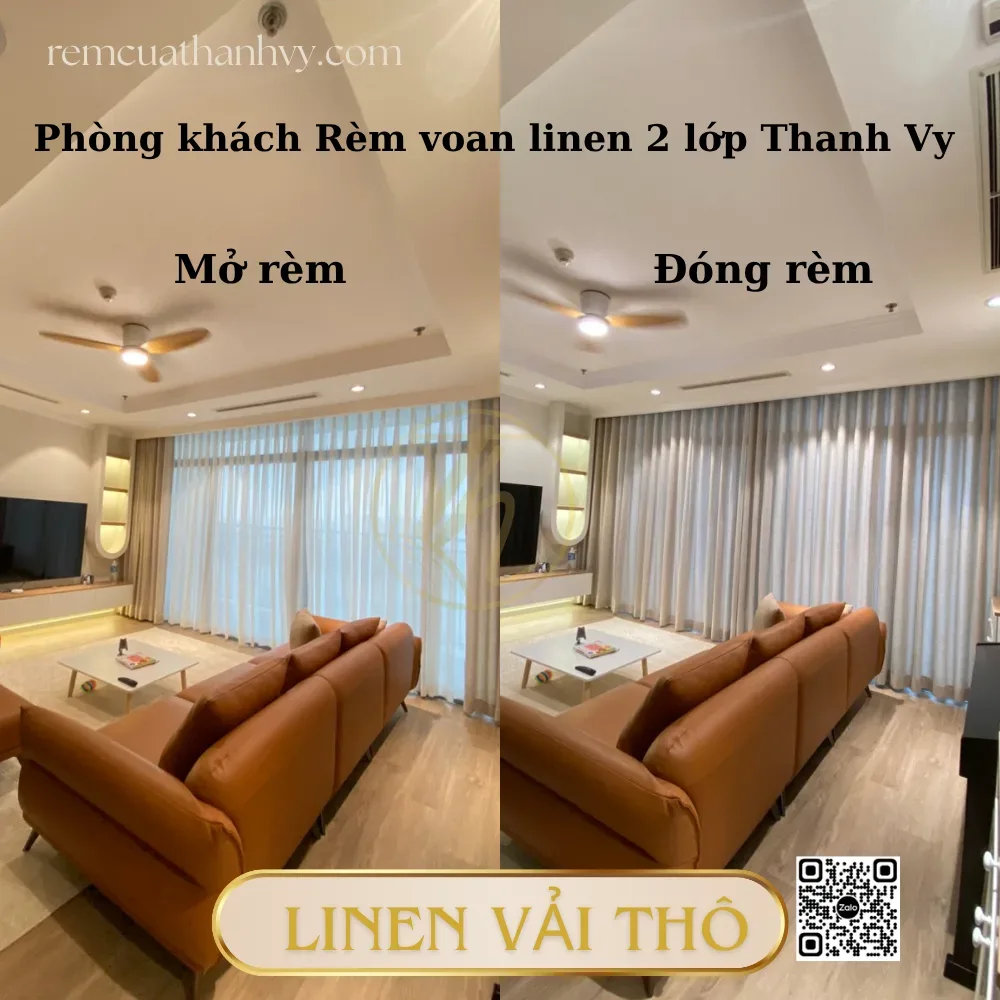
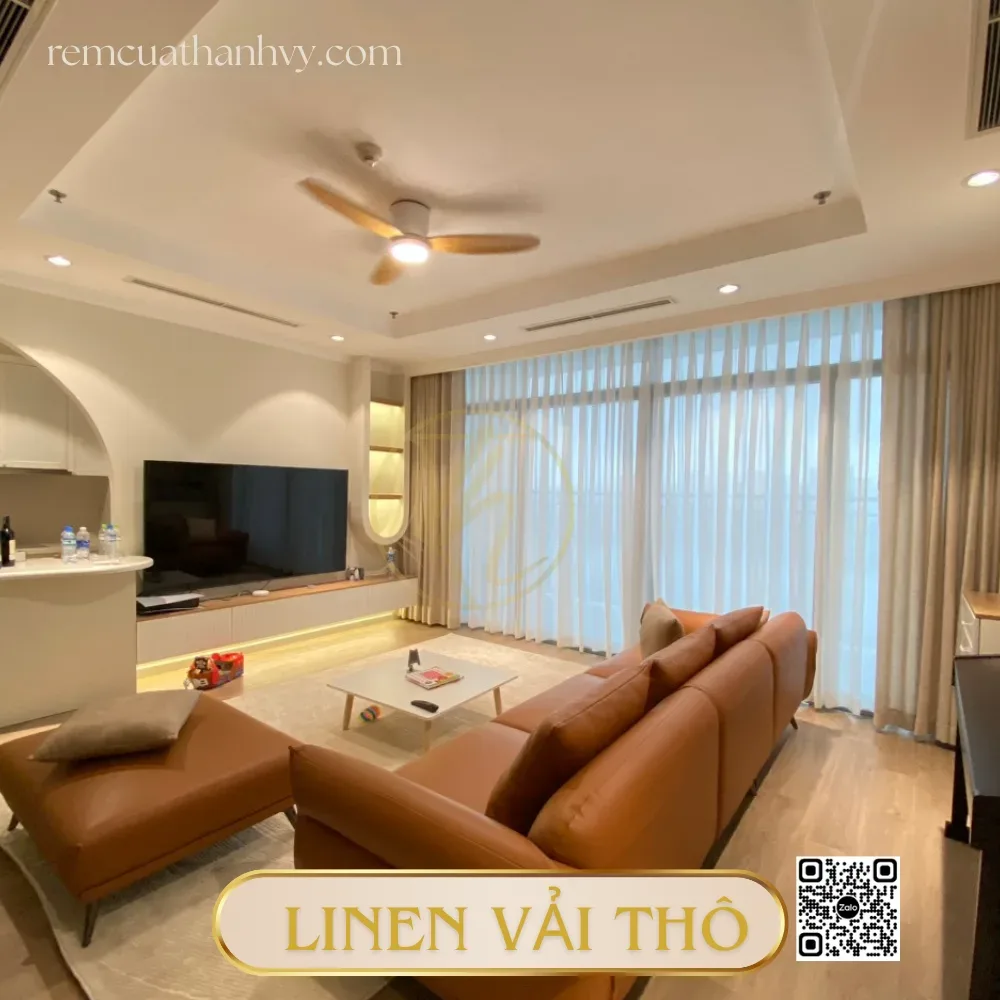
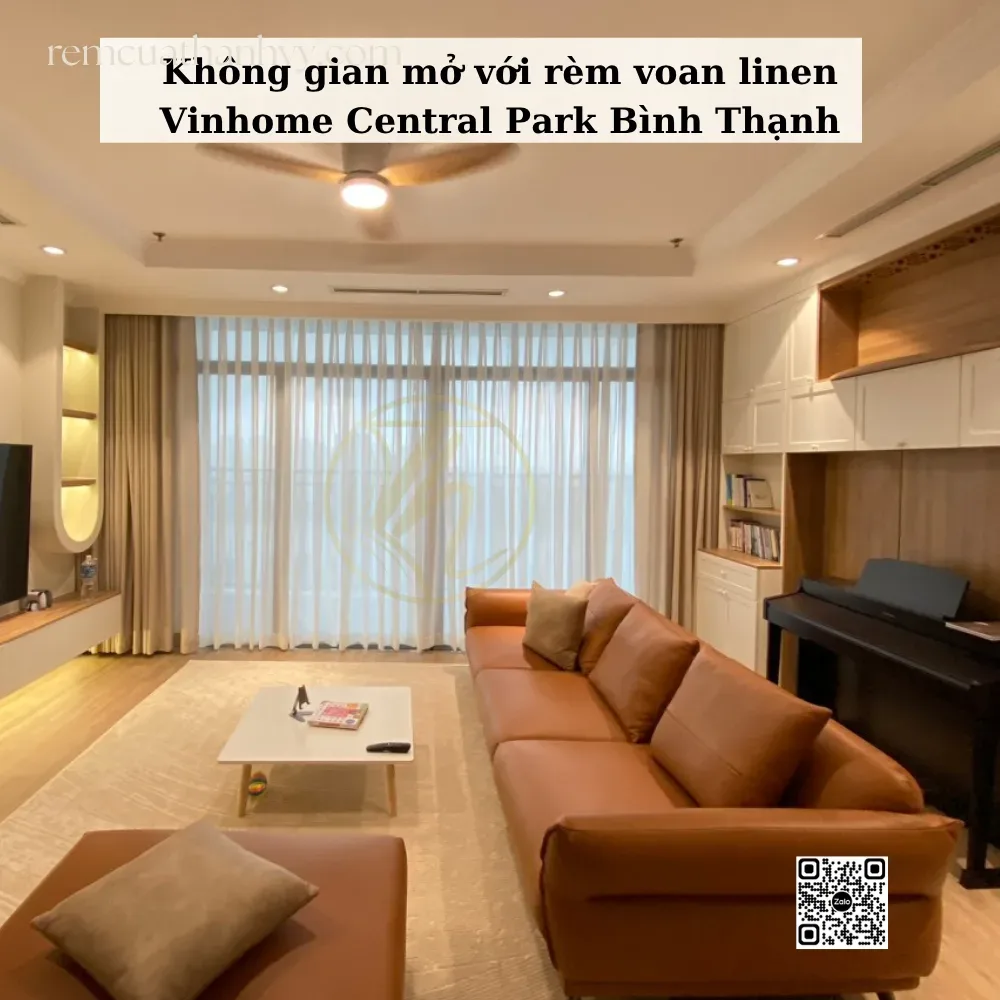
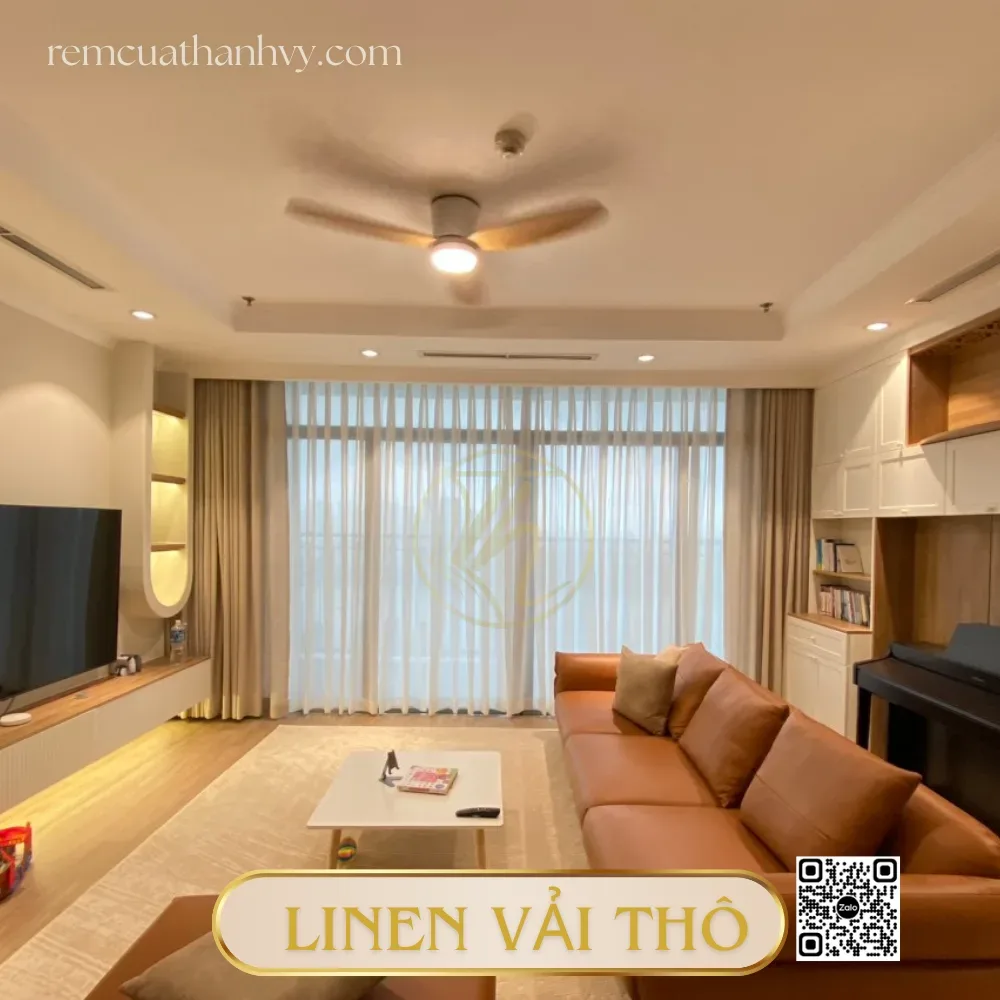
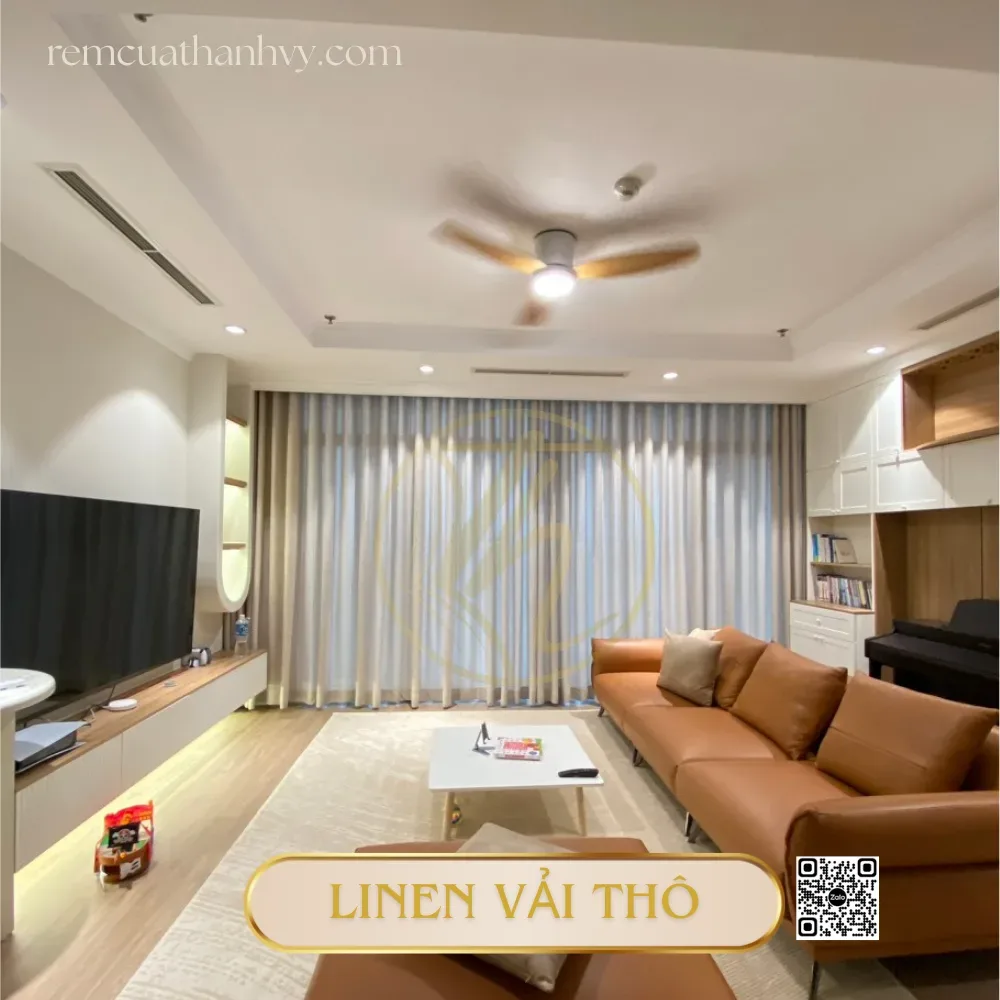
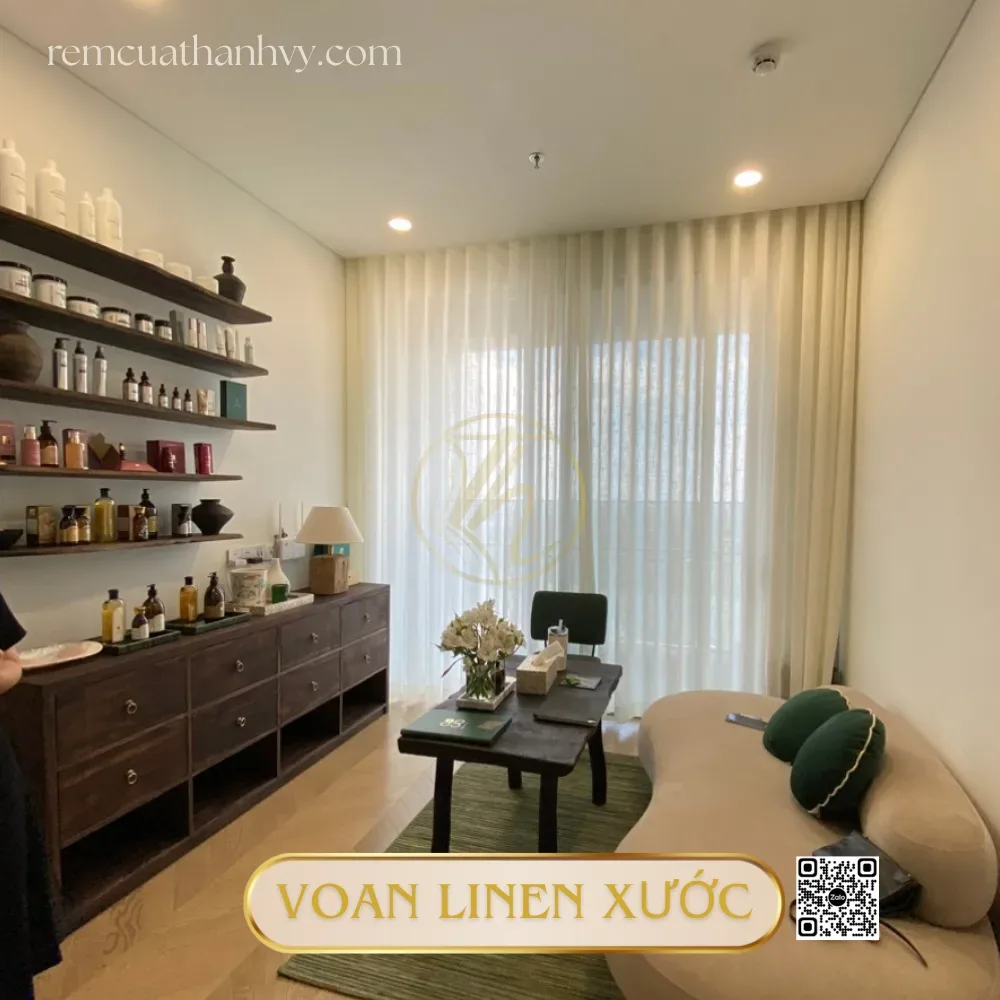
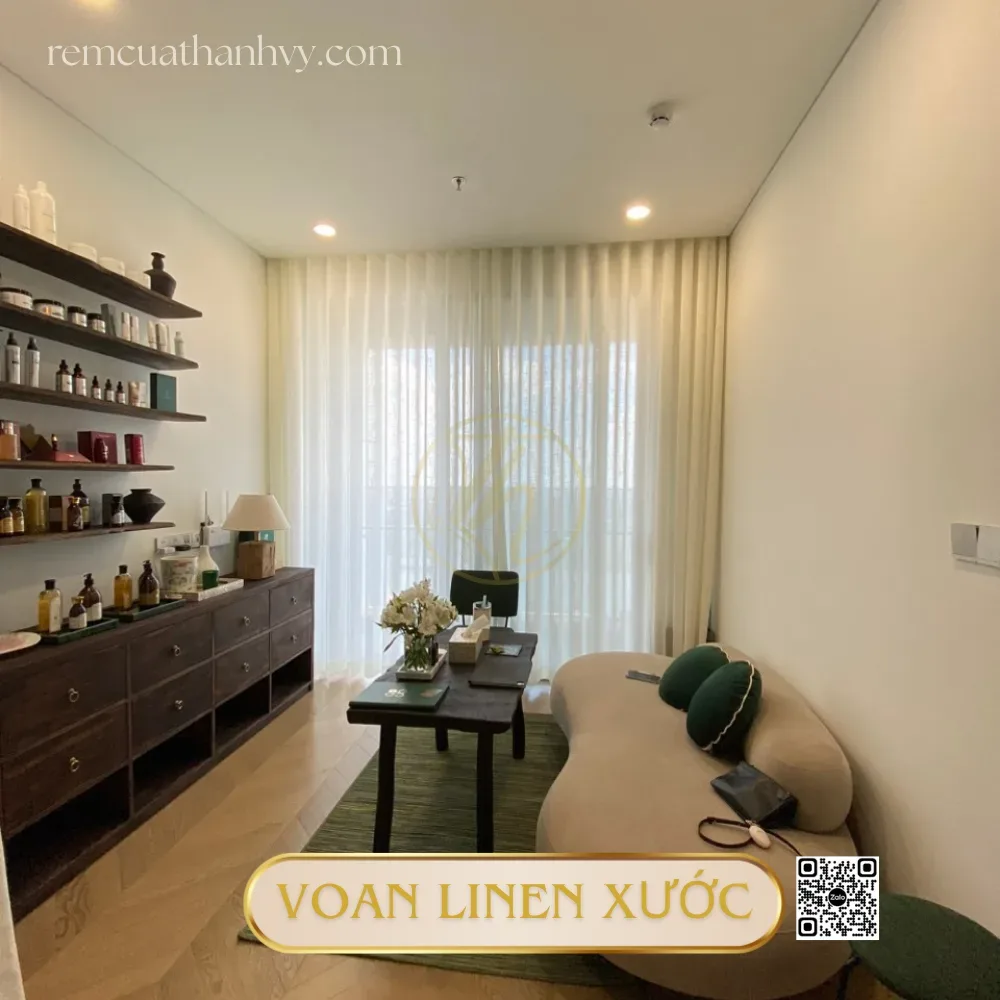
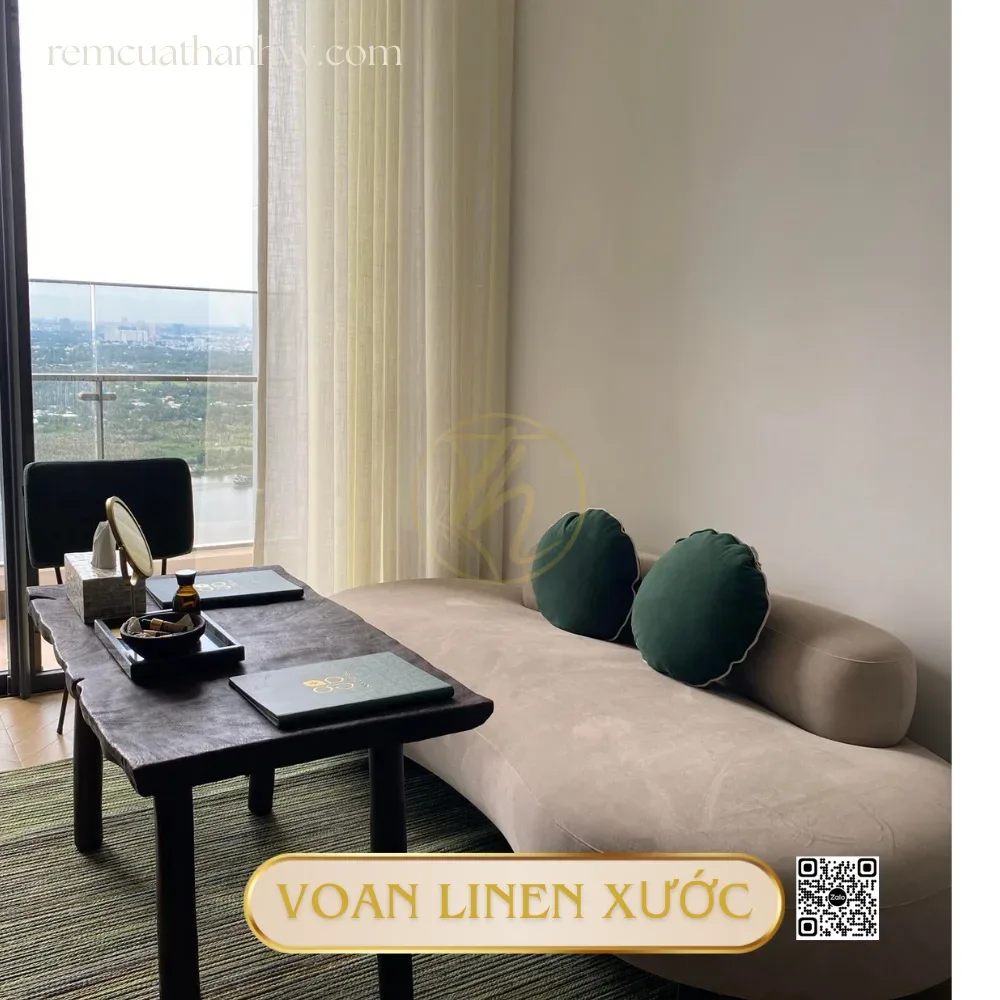
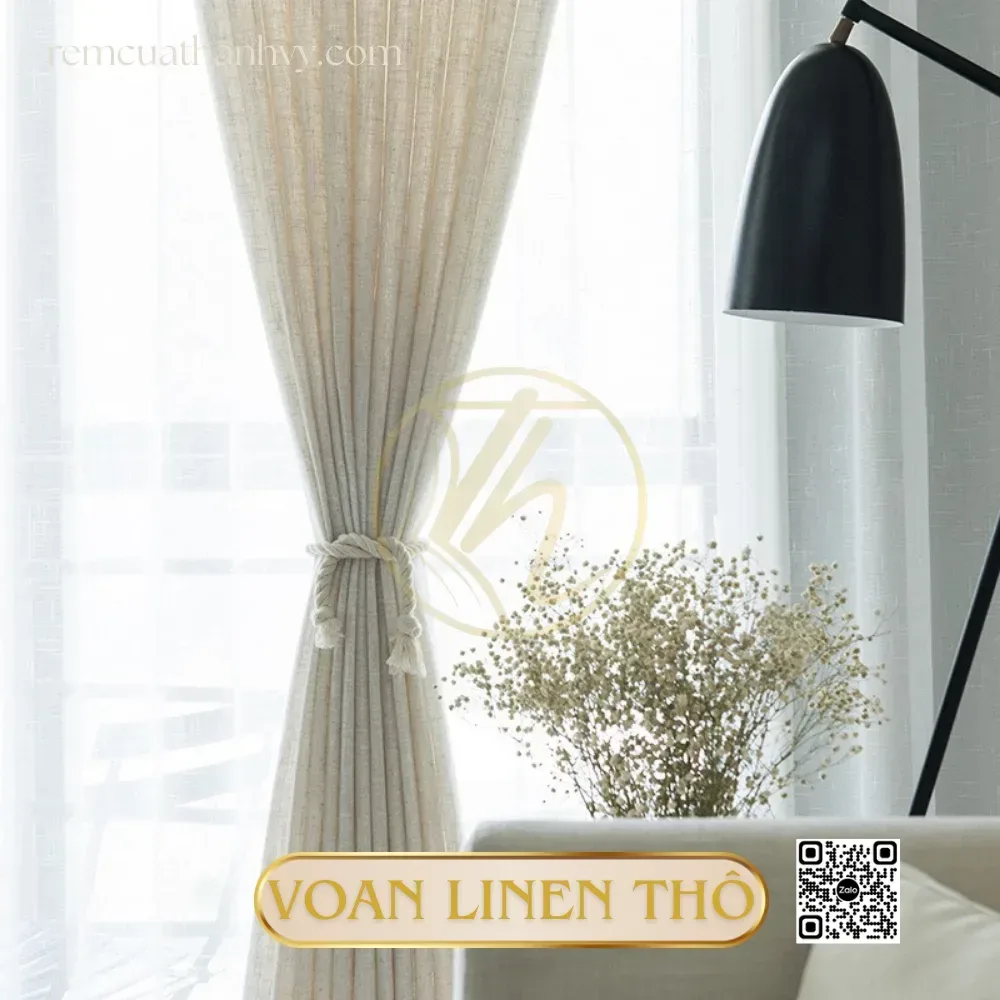
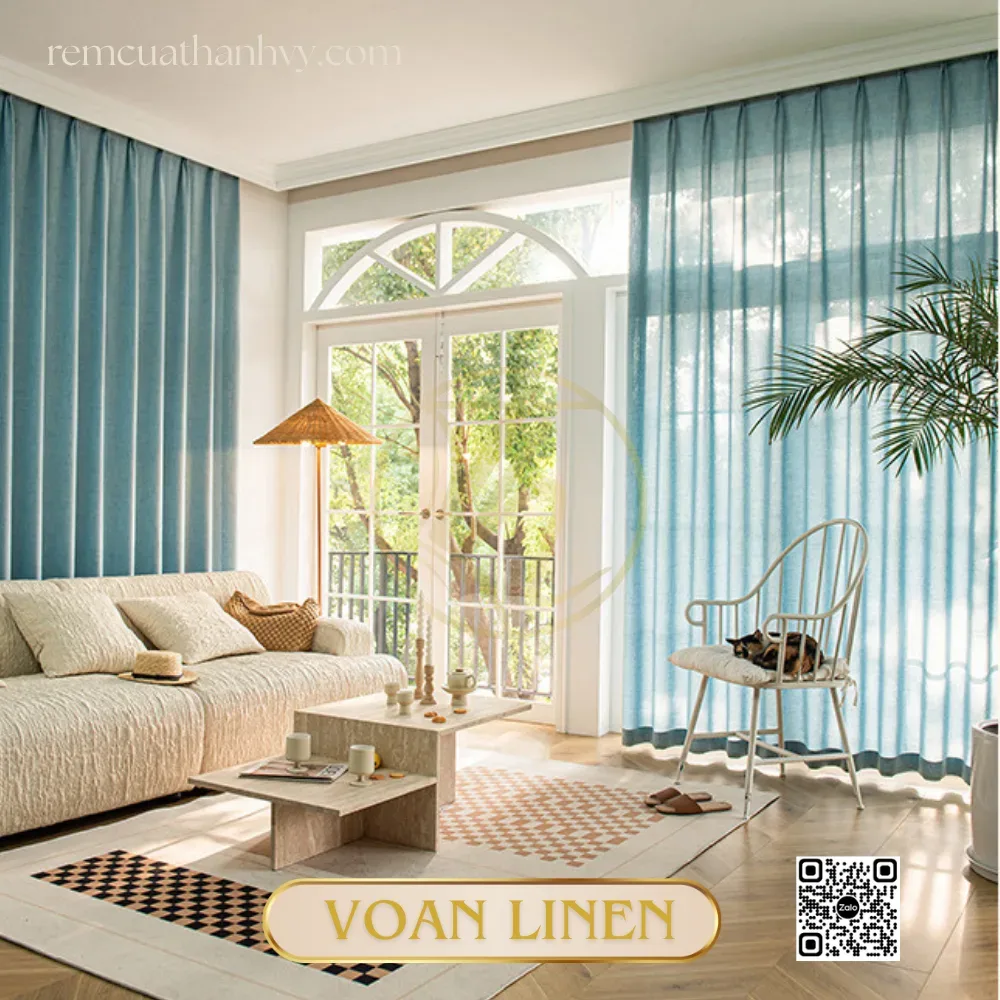
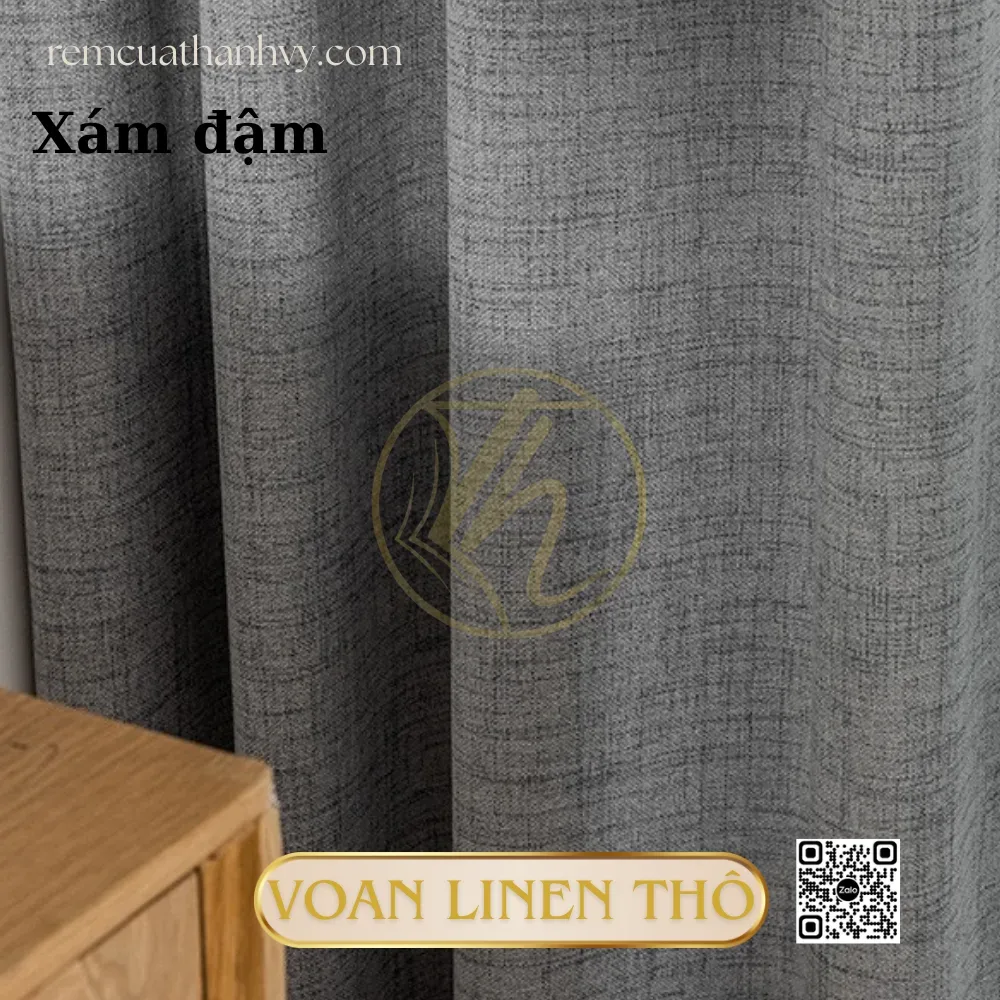
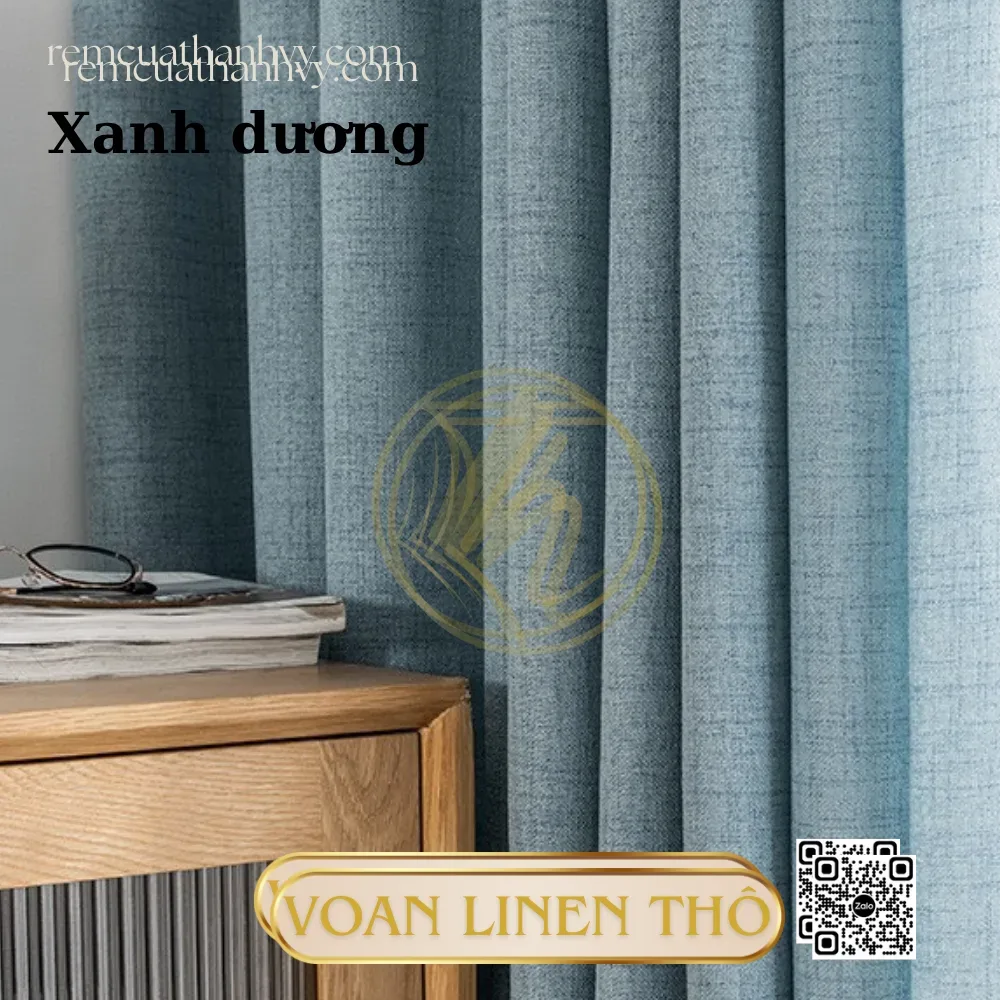
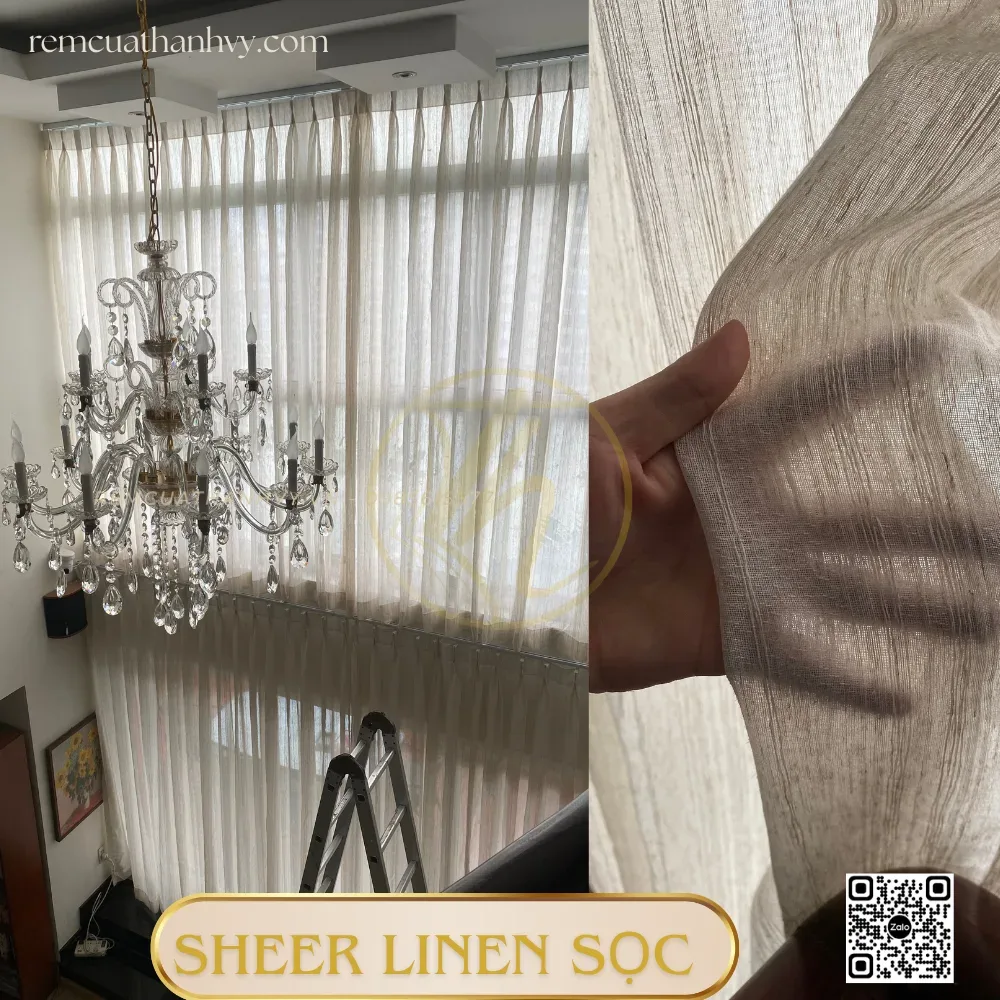
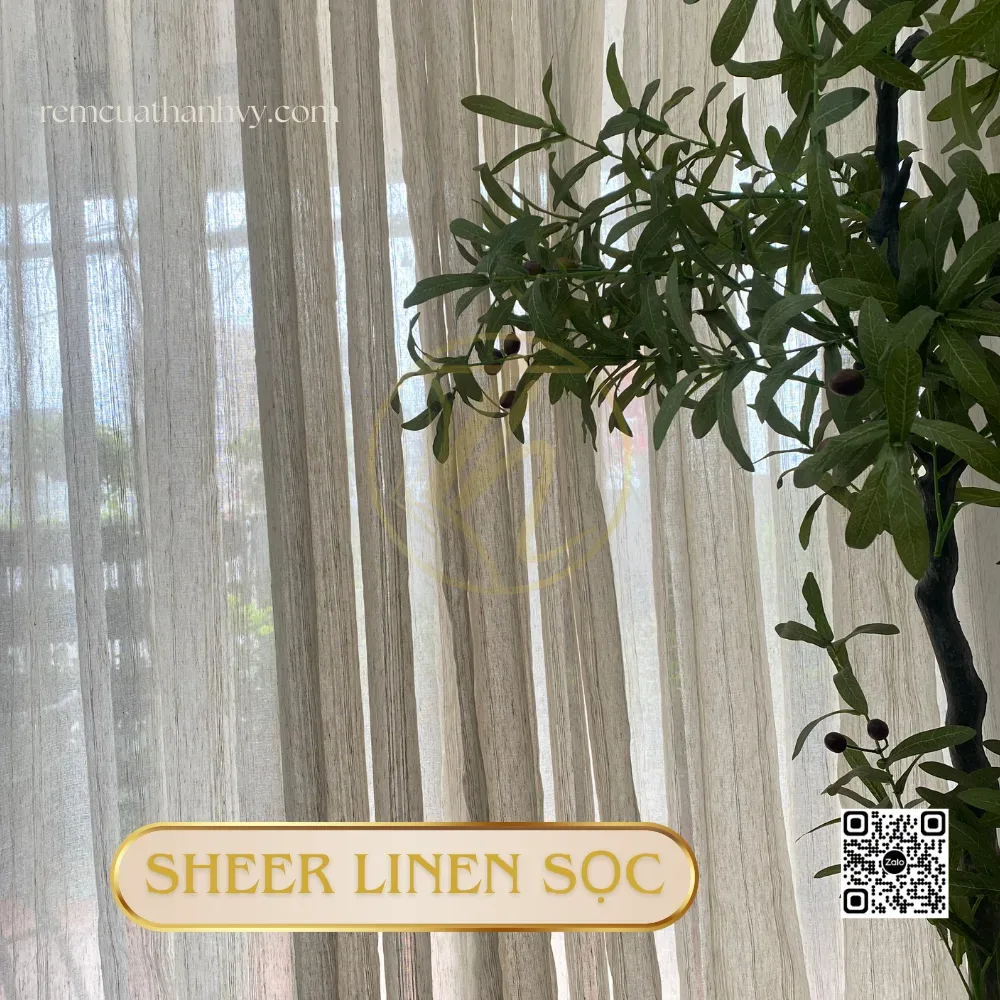
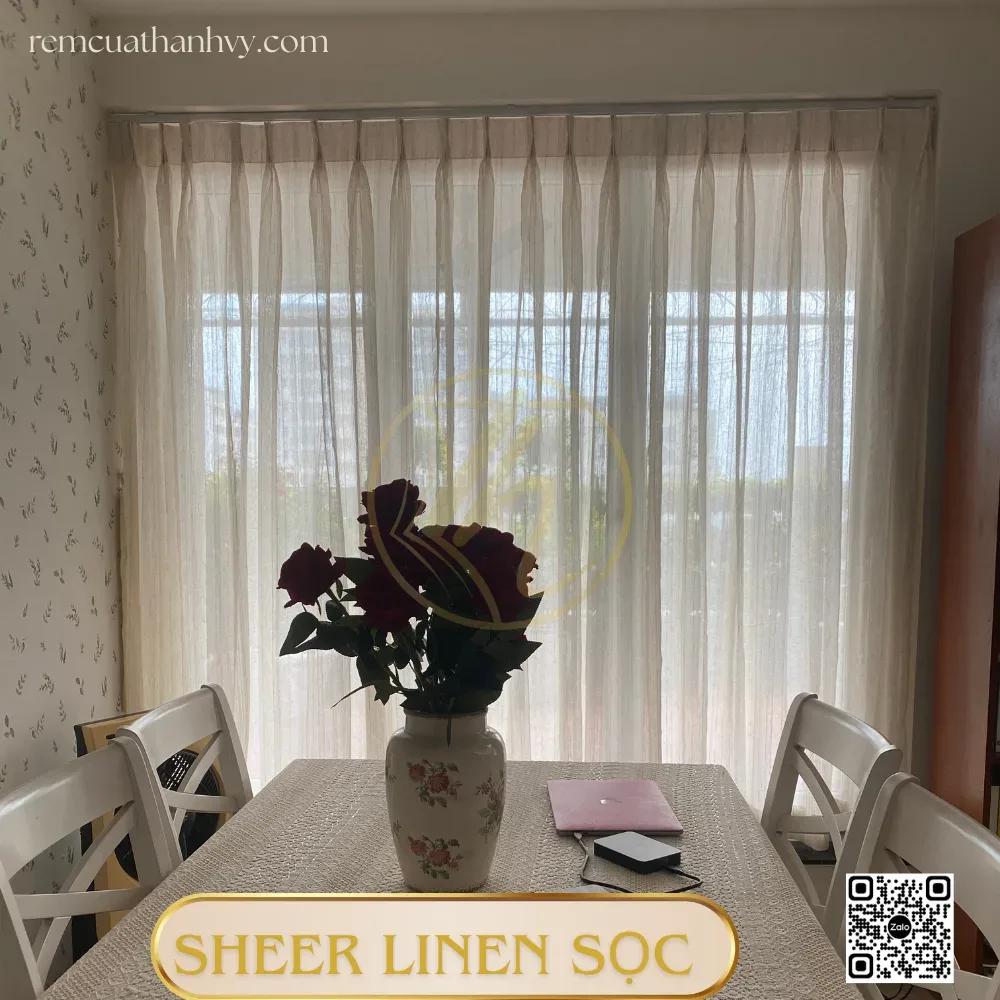
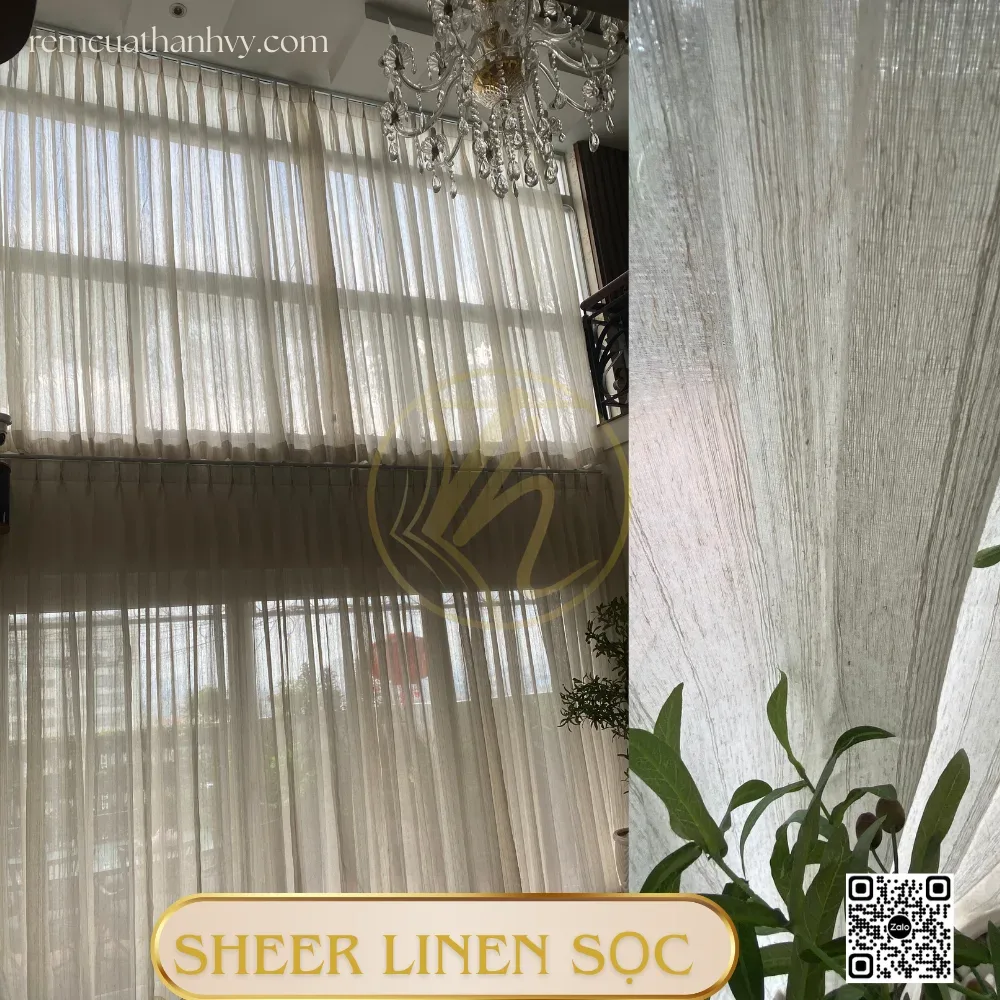
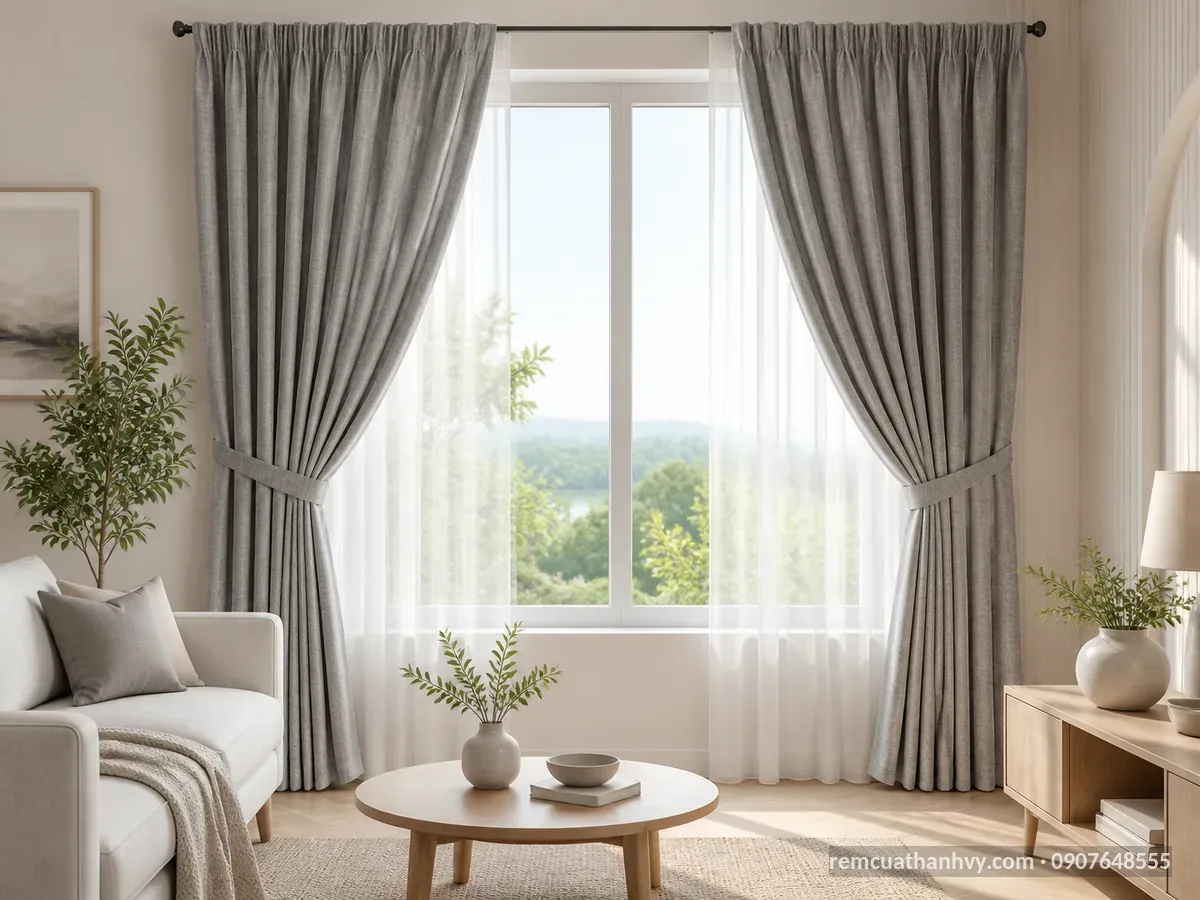
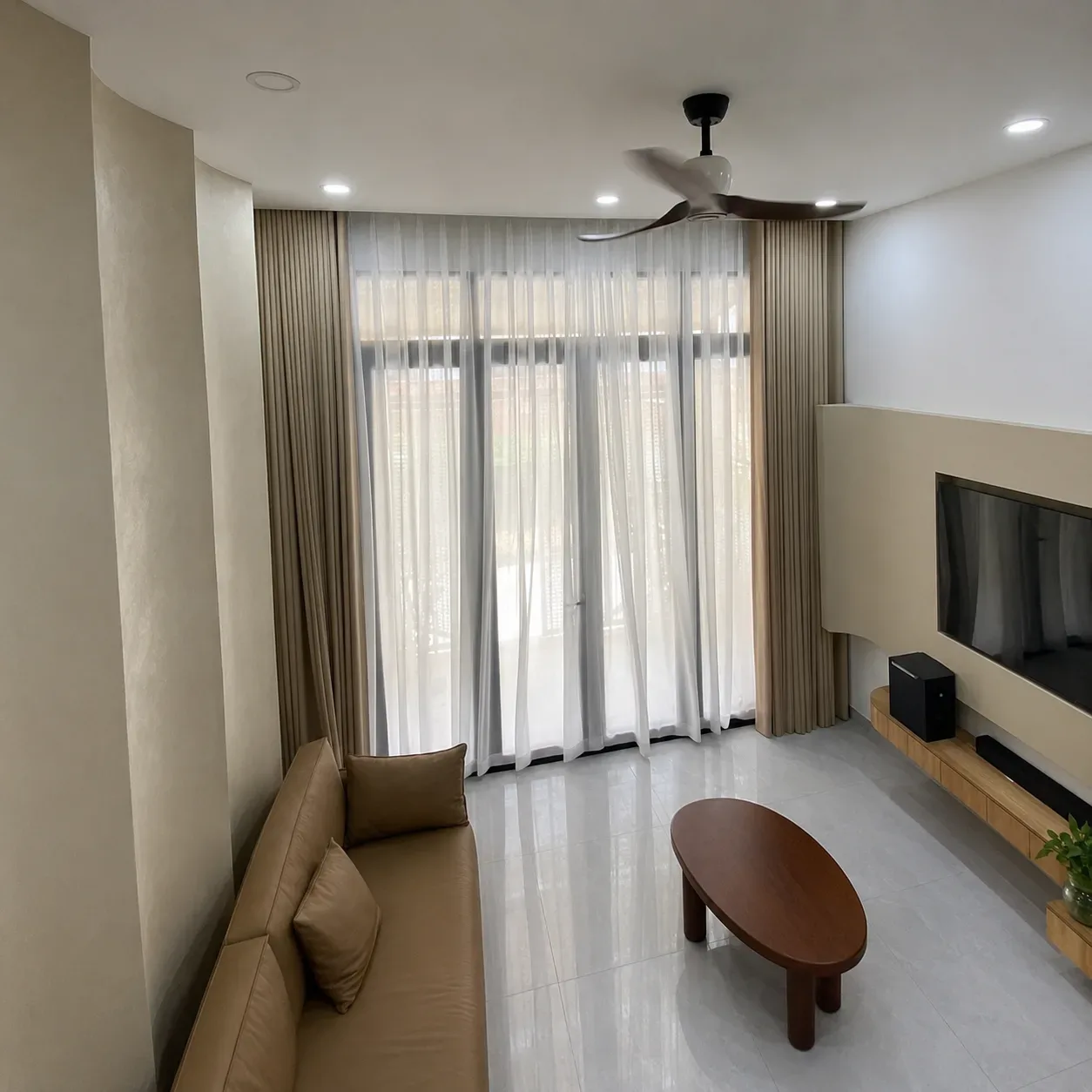
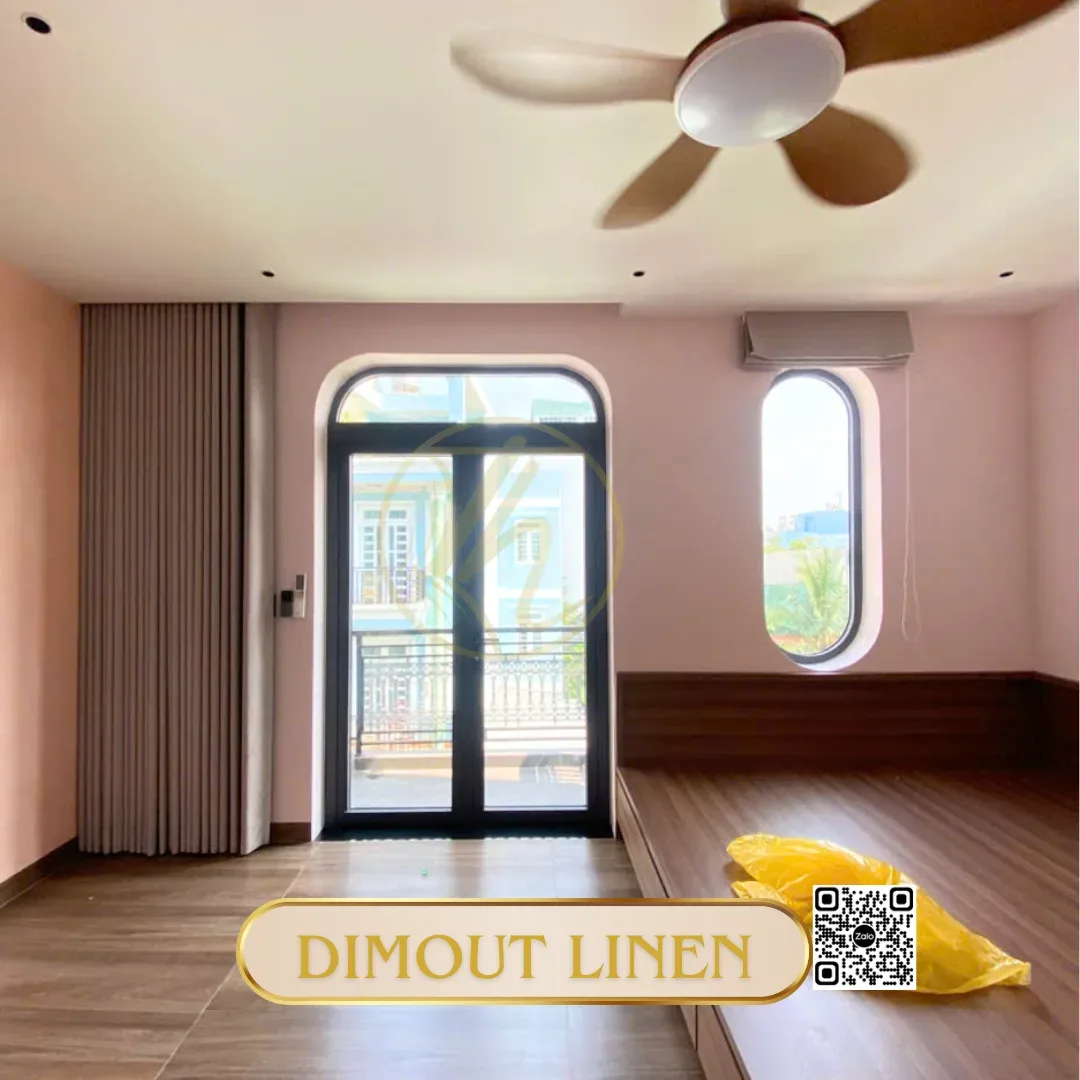
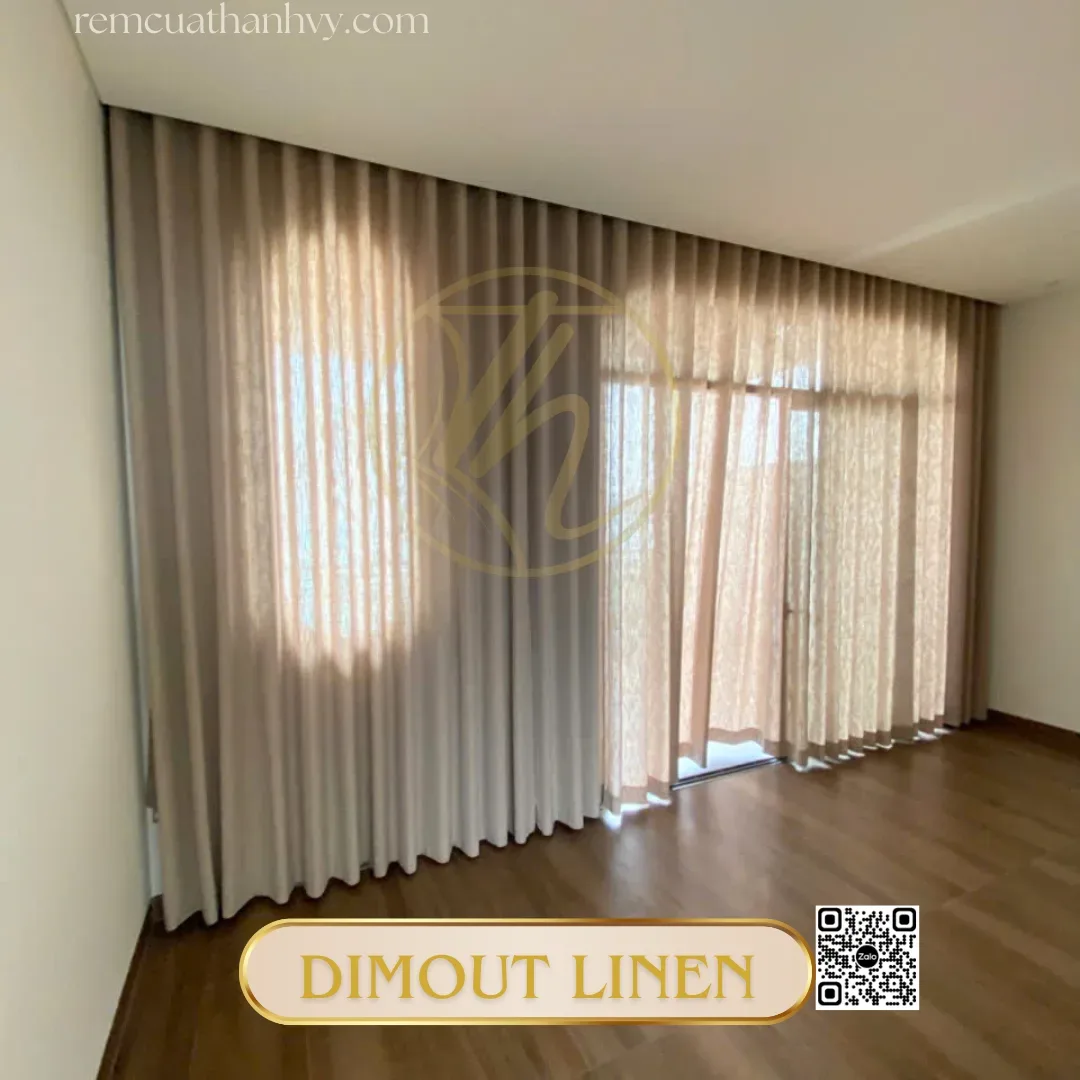
Fabric Curtains
Fabric curtains easily match interior decor and come in a wide price range.

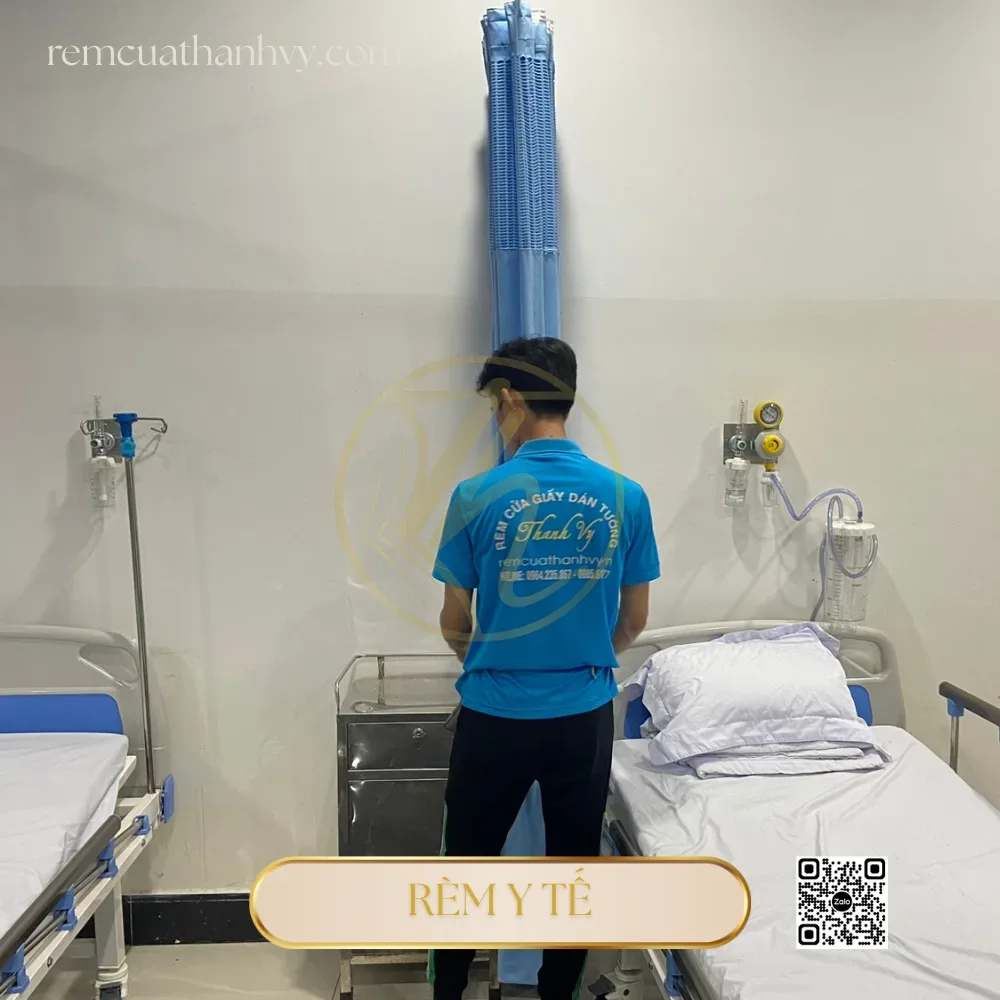
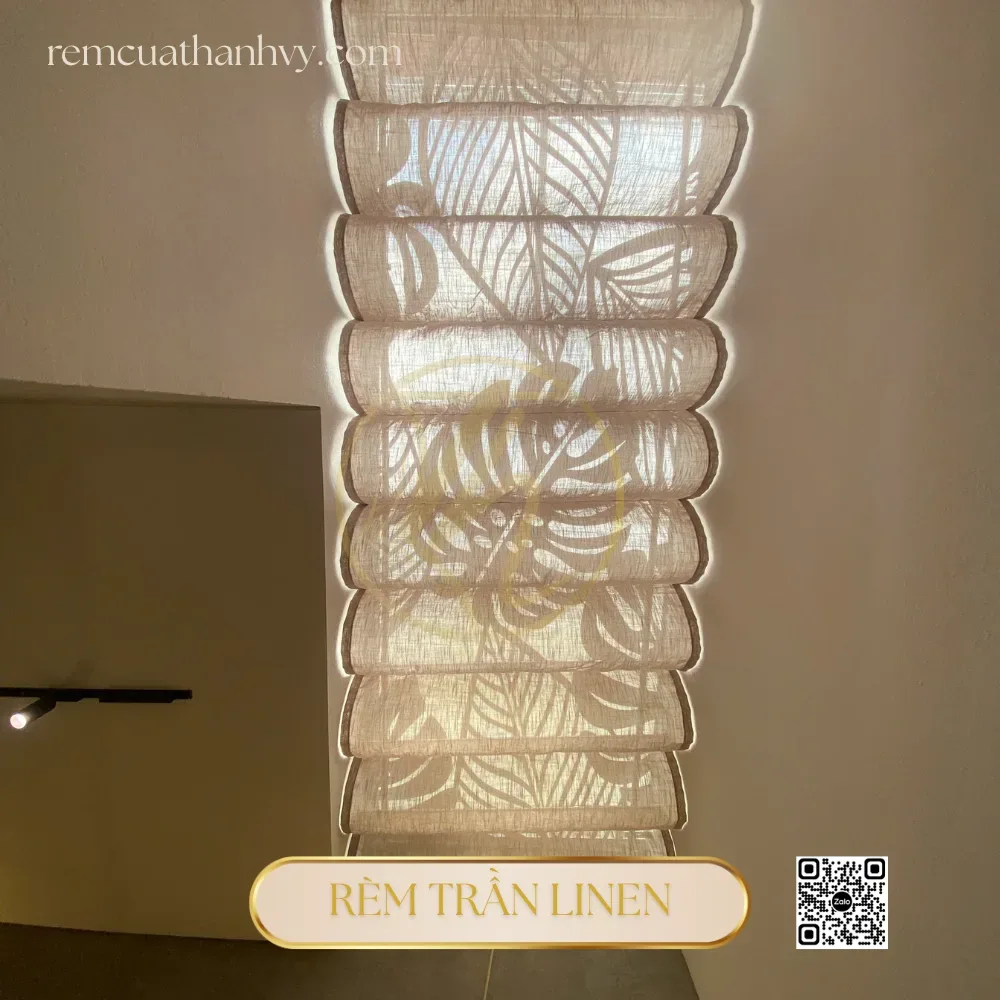
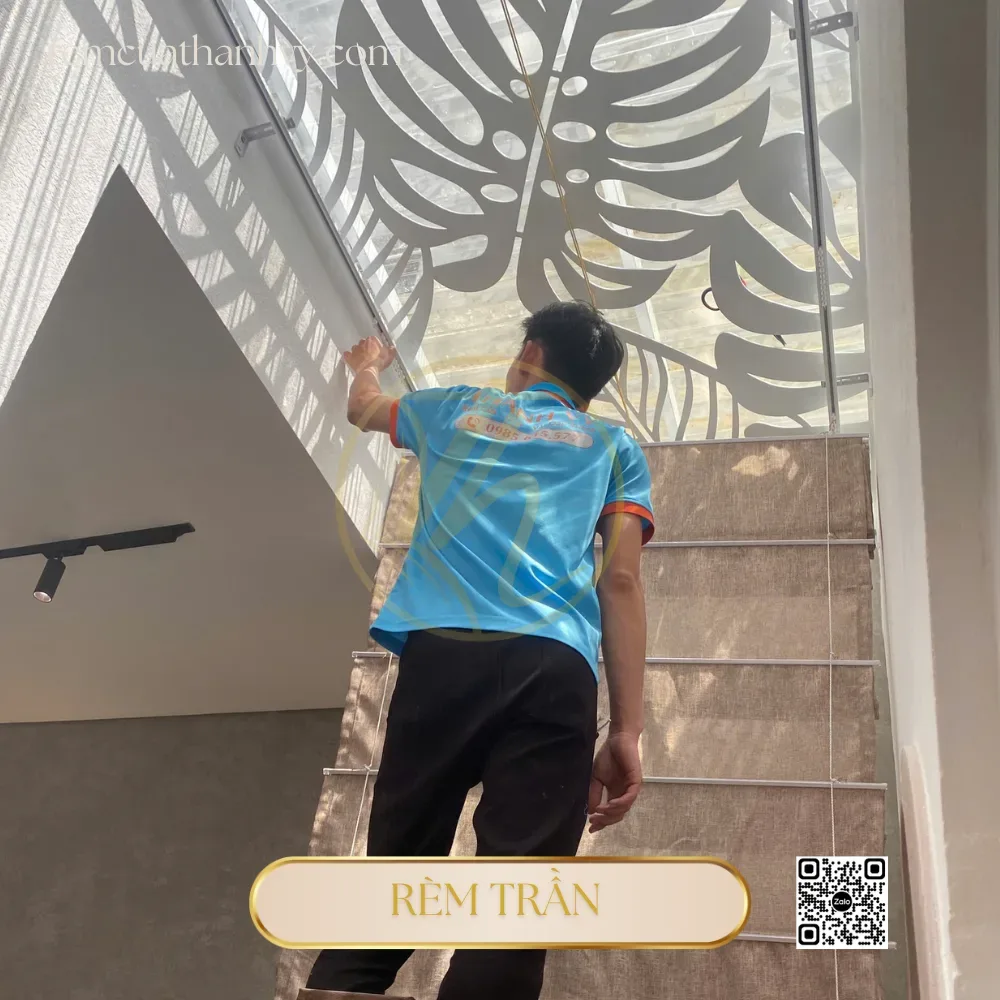
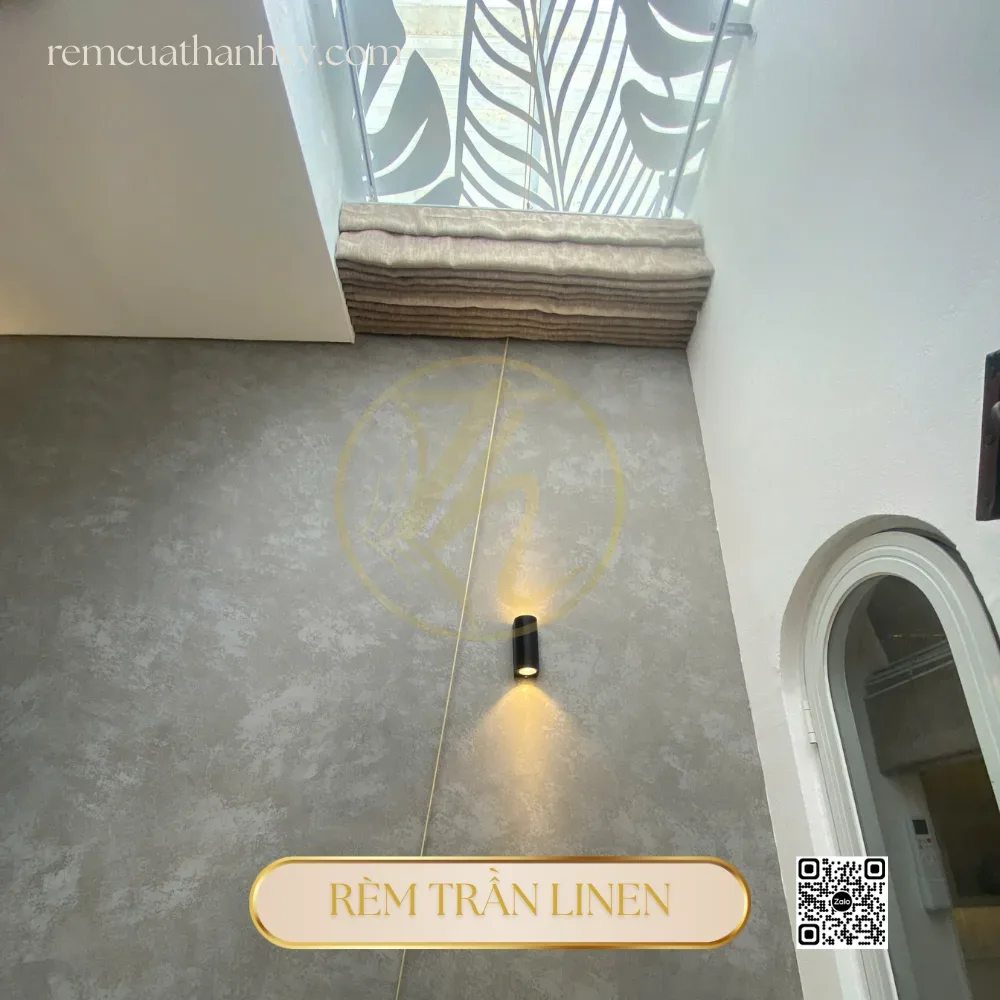
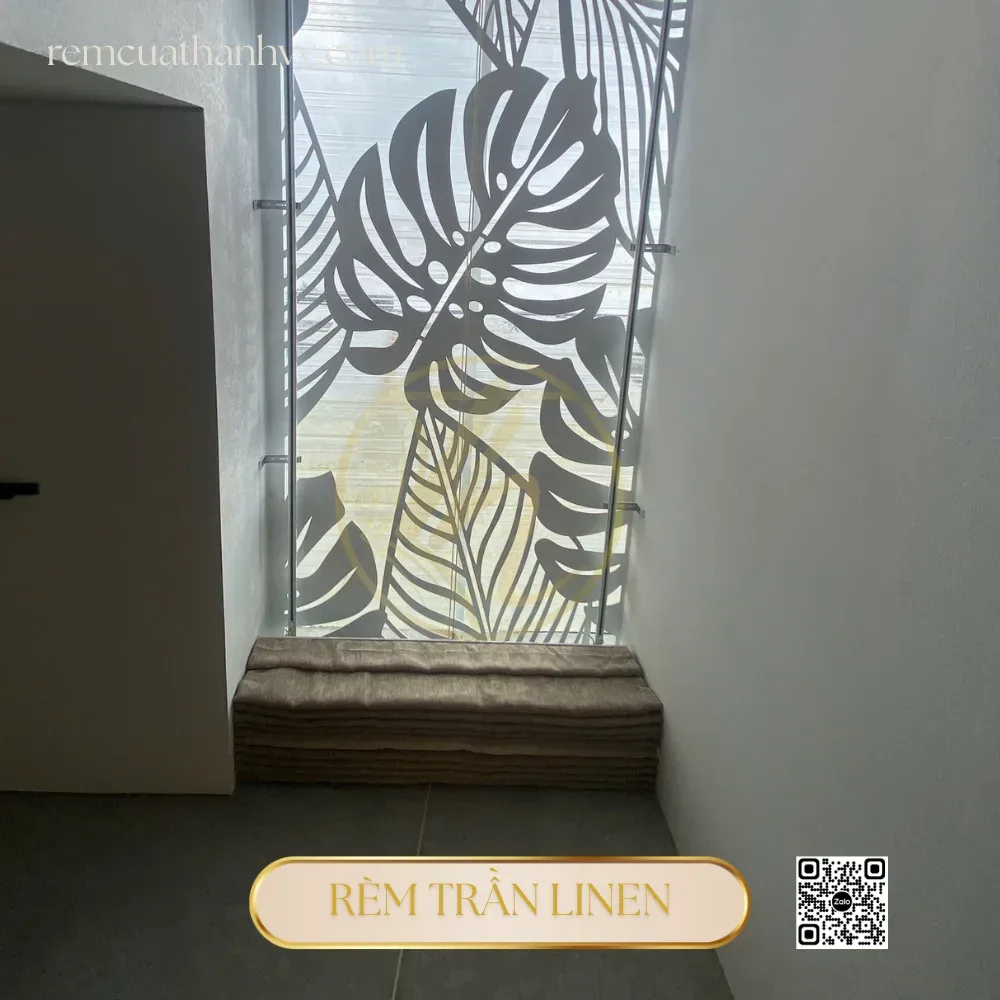
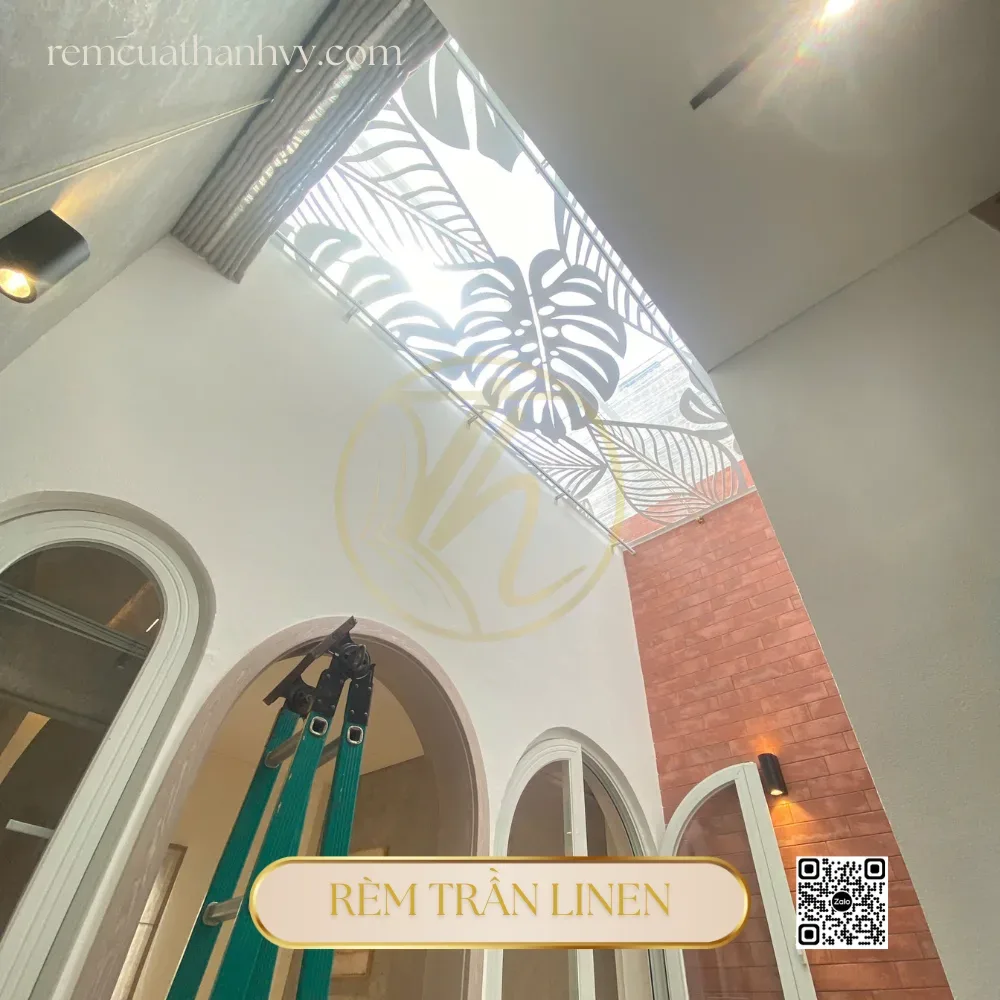
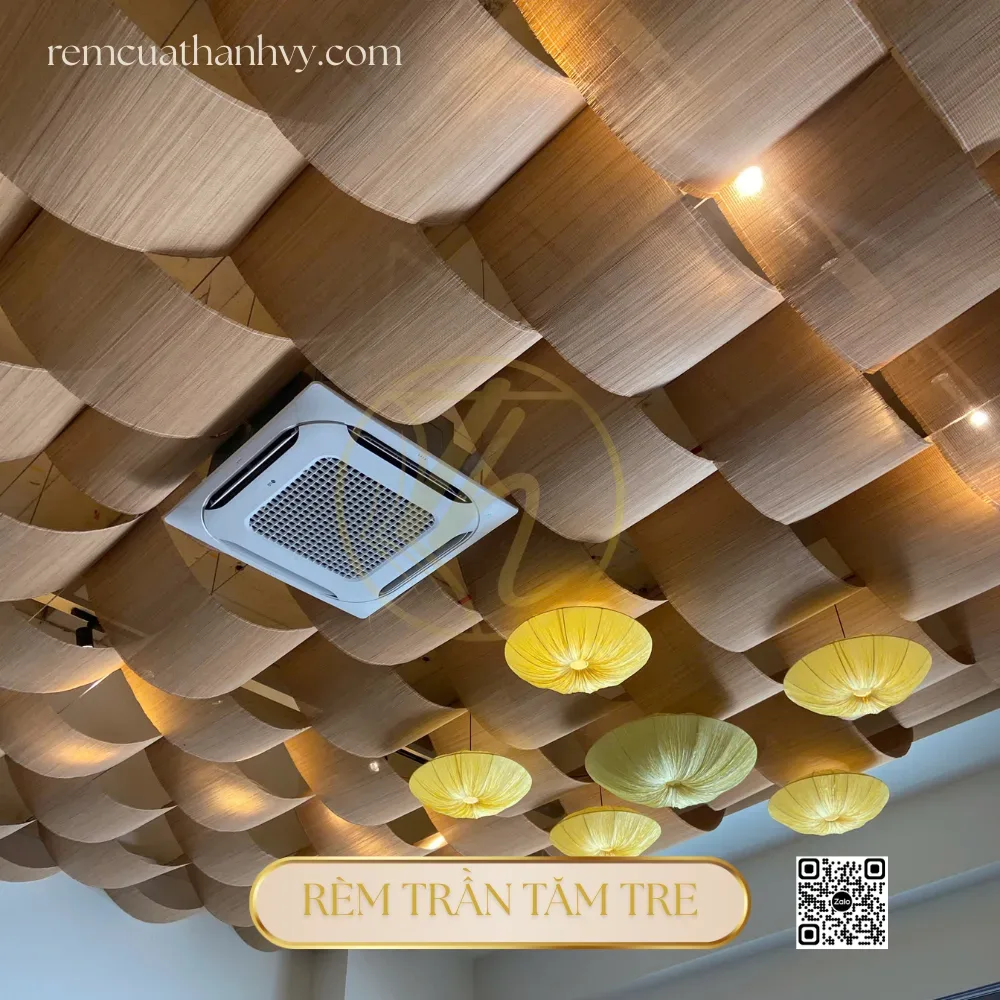
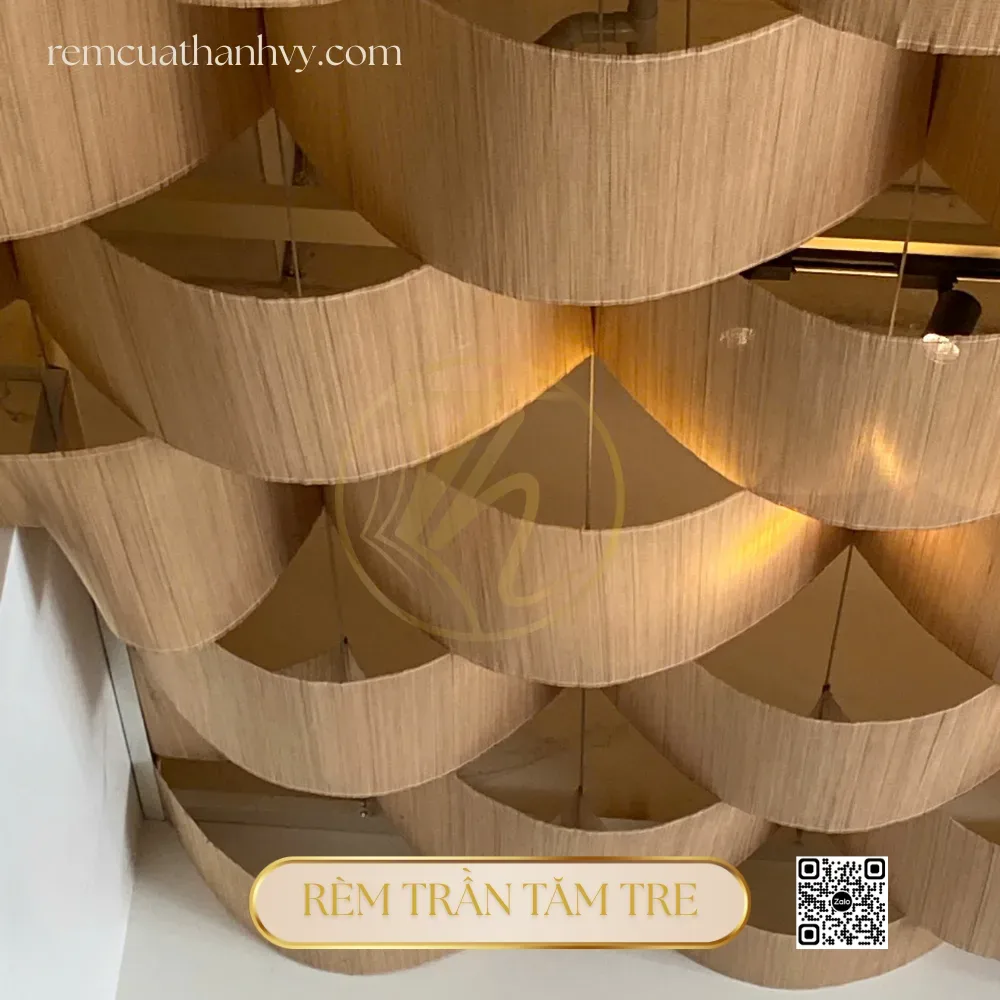
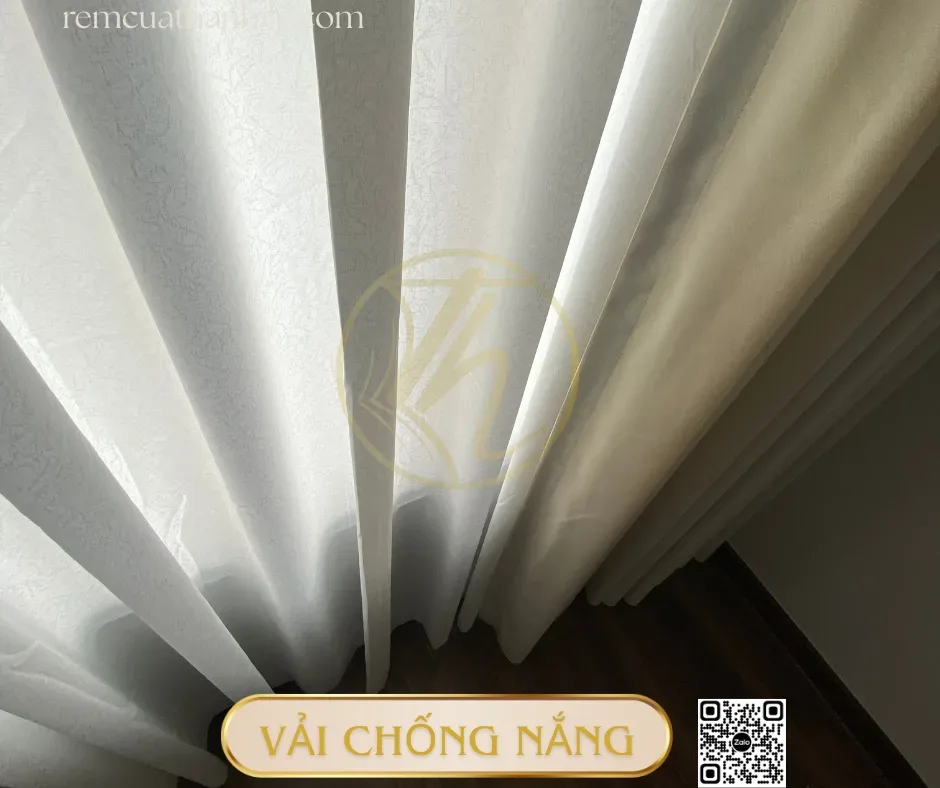
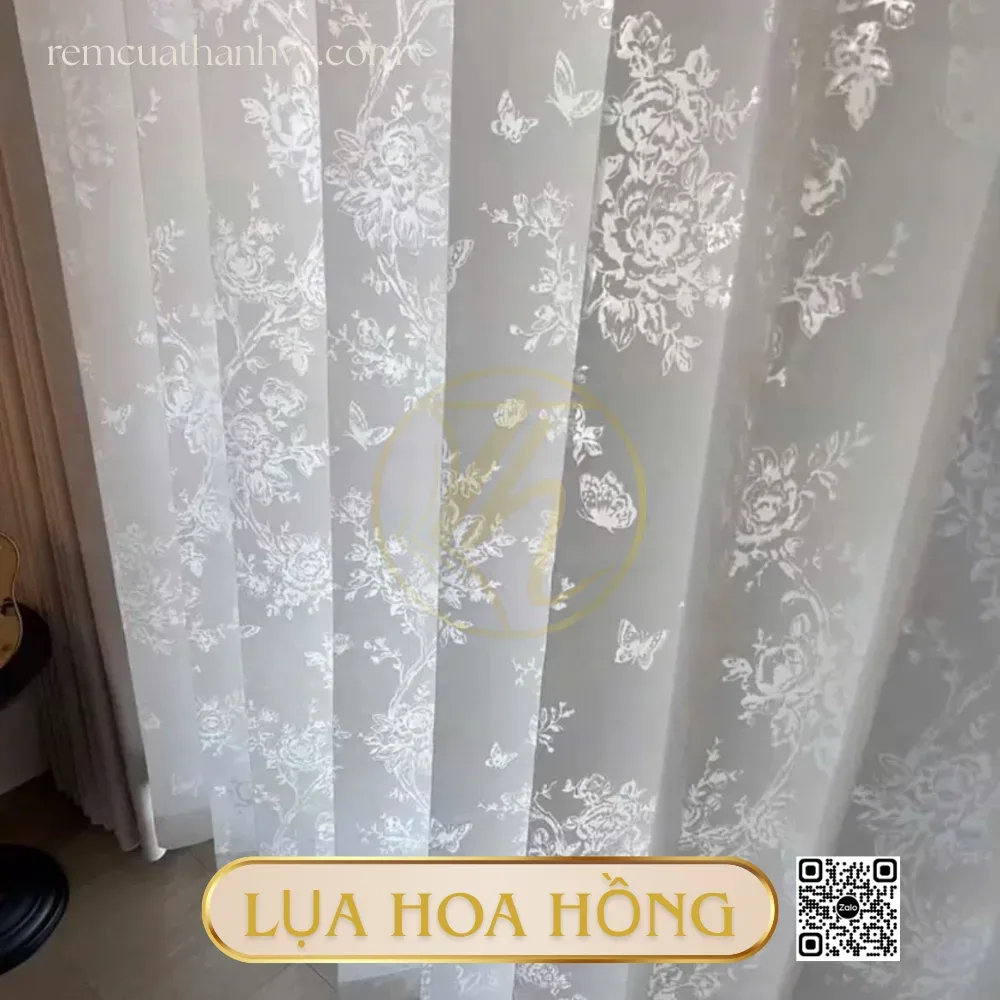
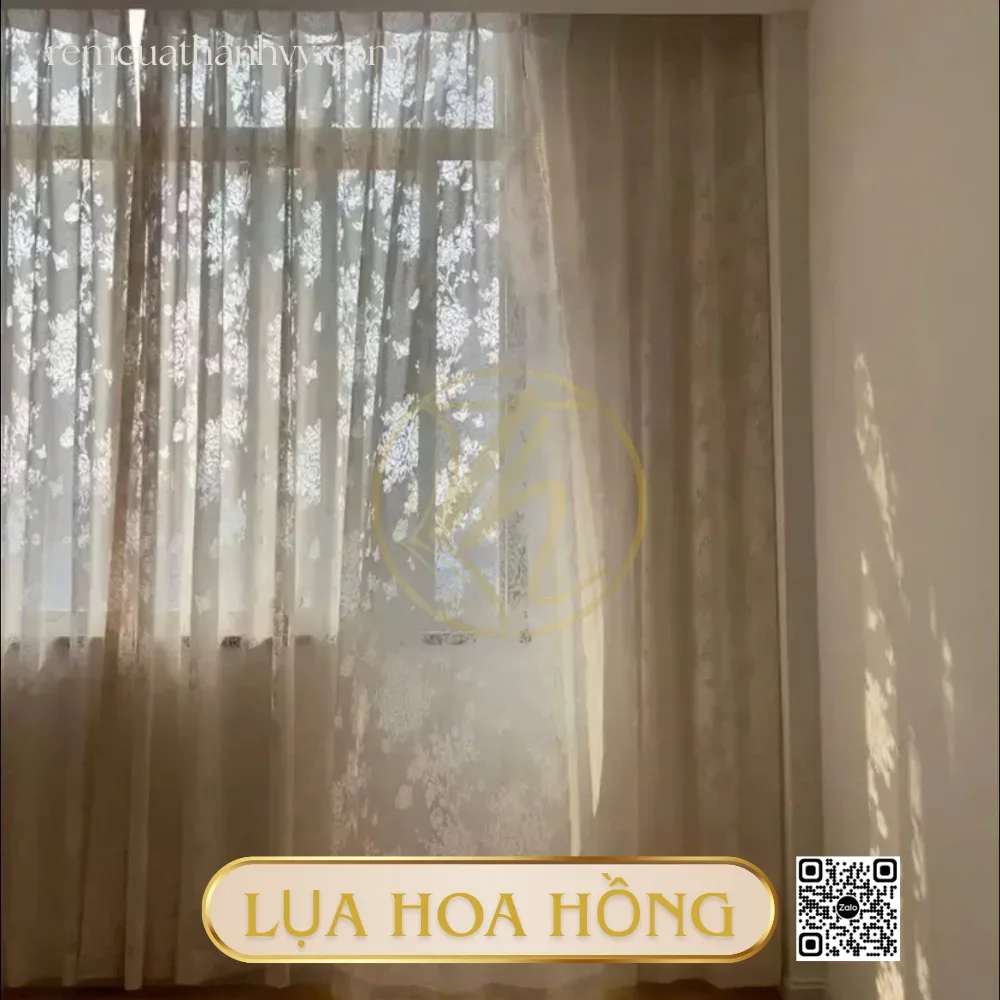

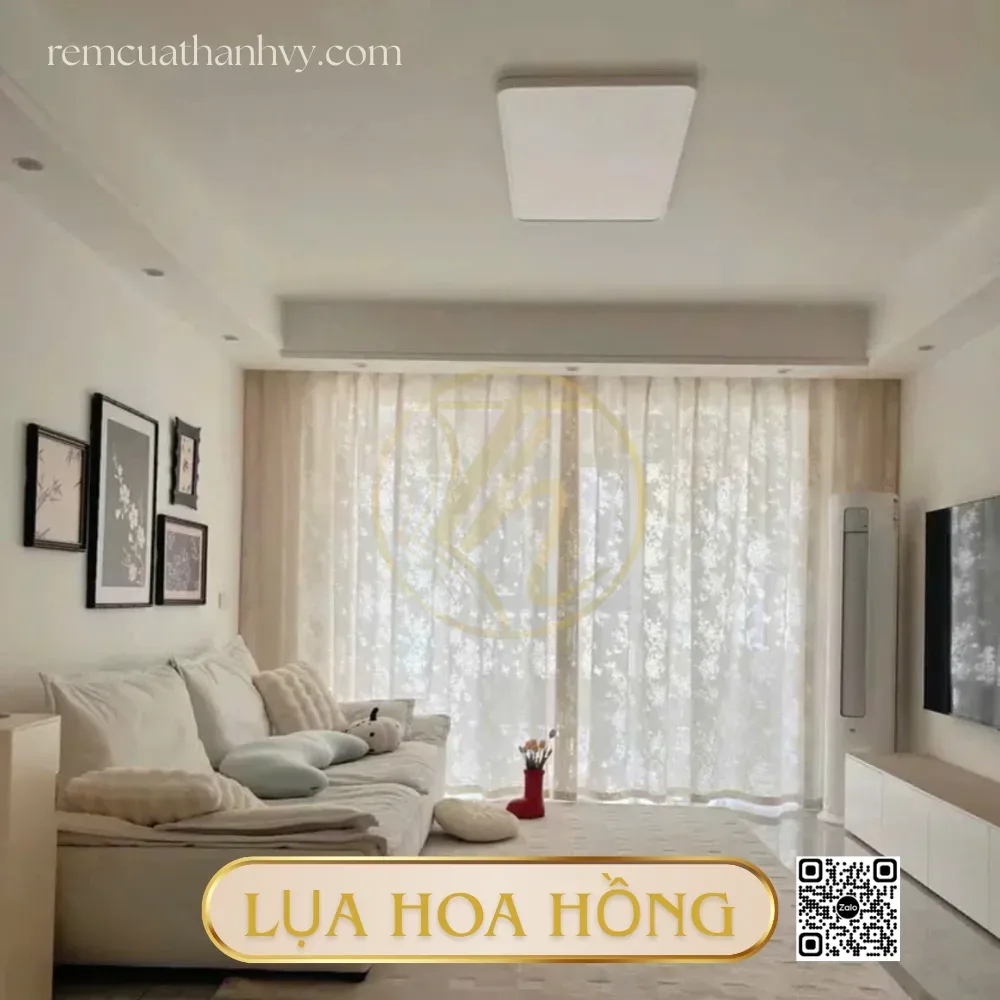
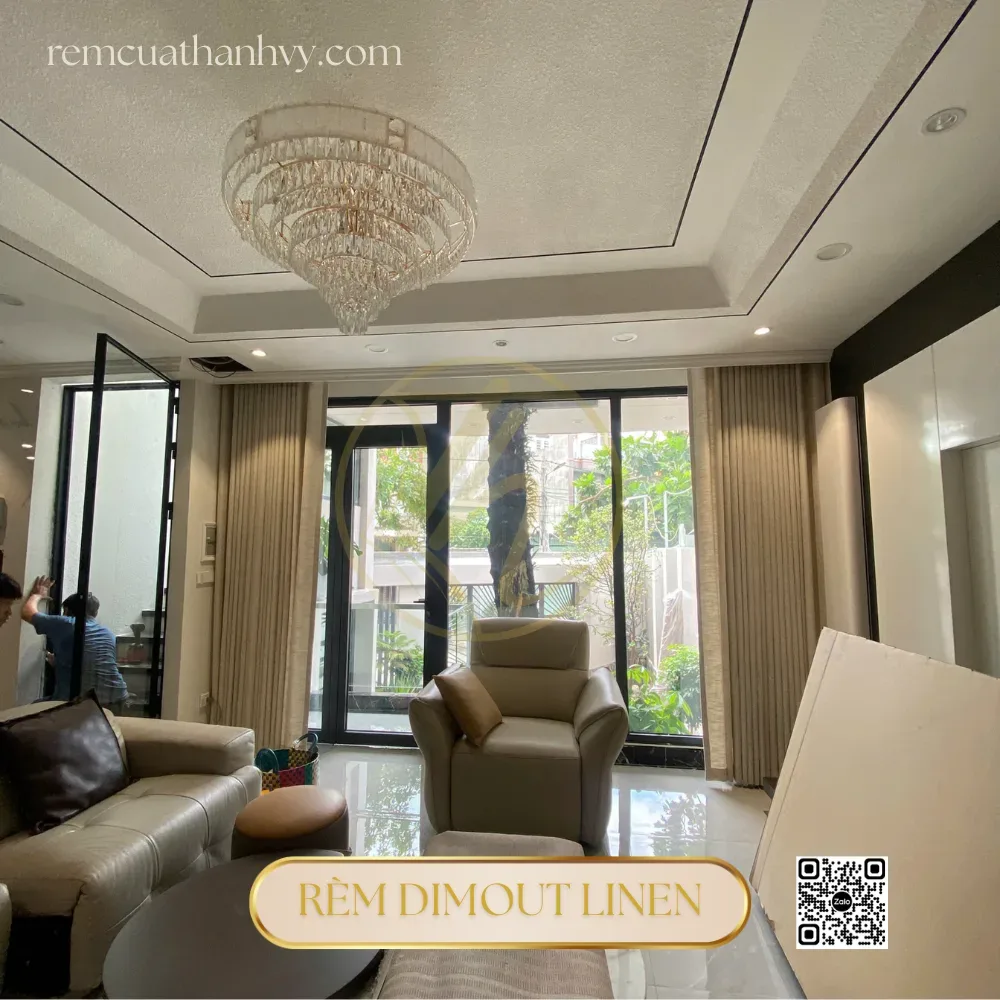
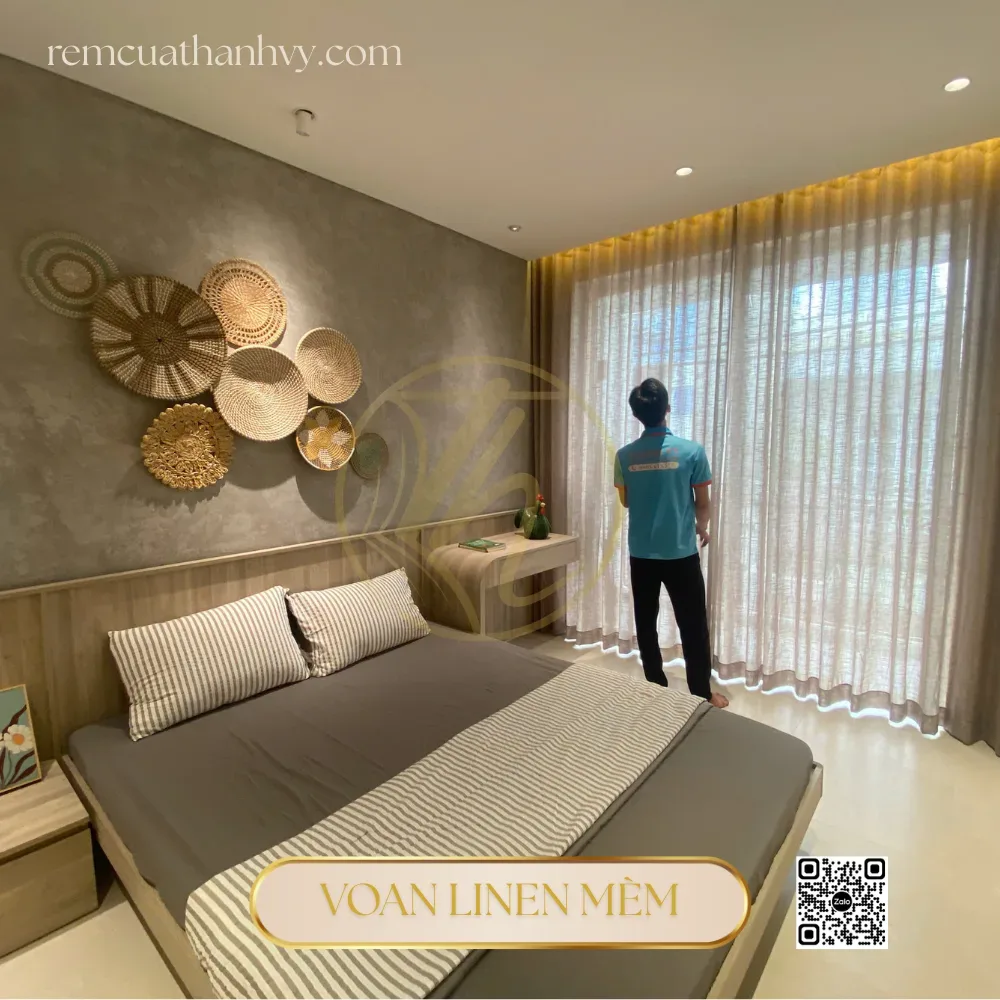
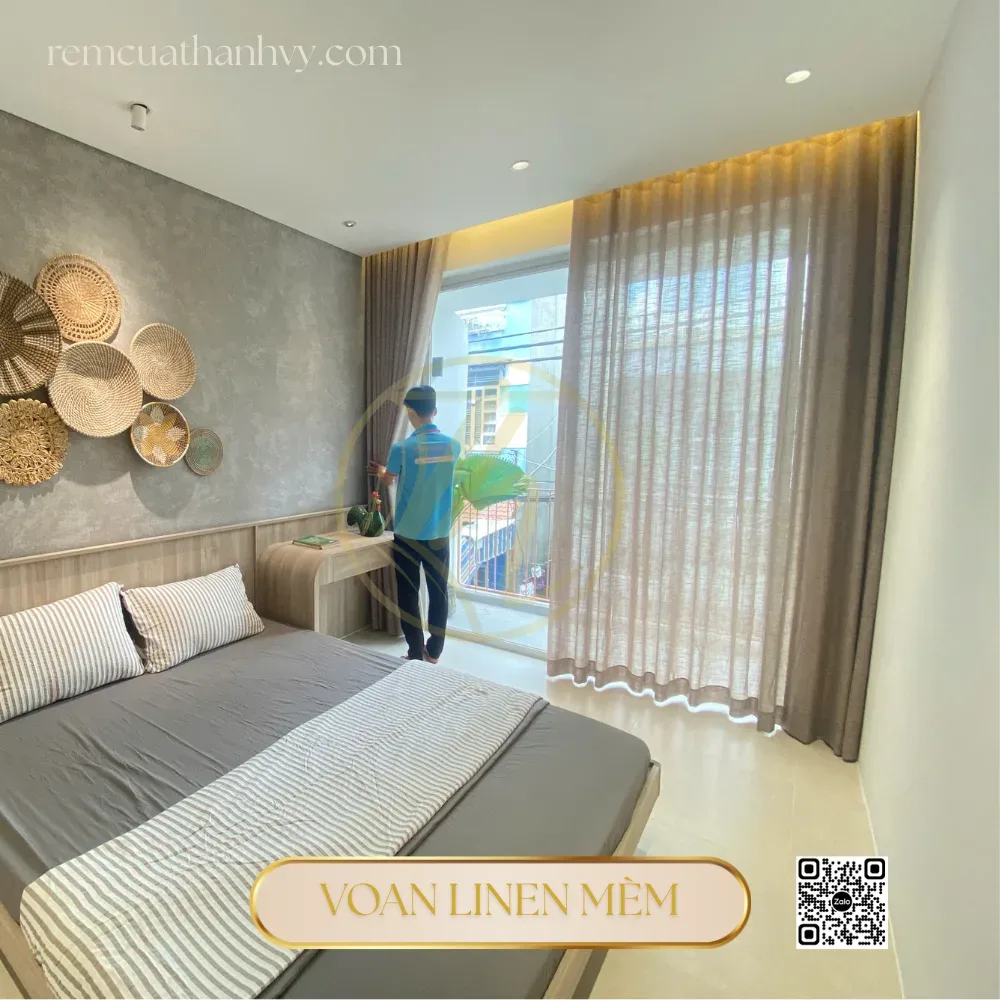
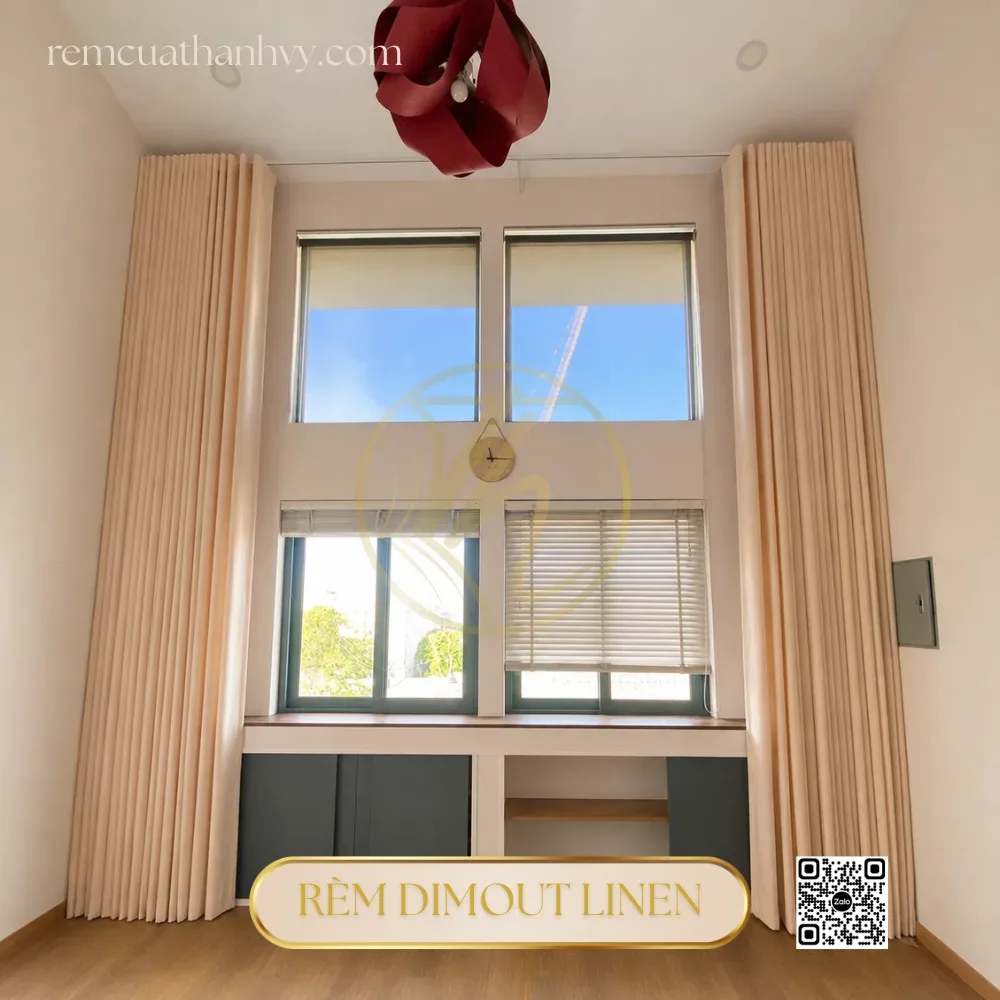
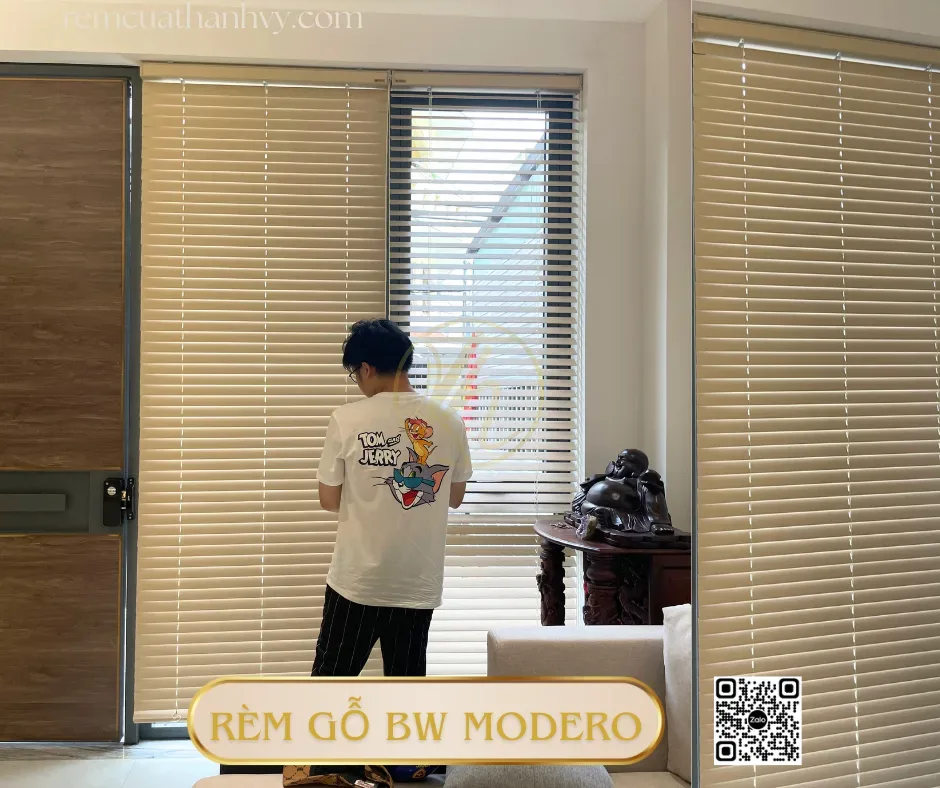
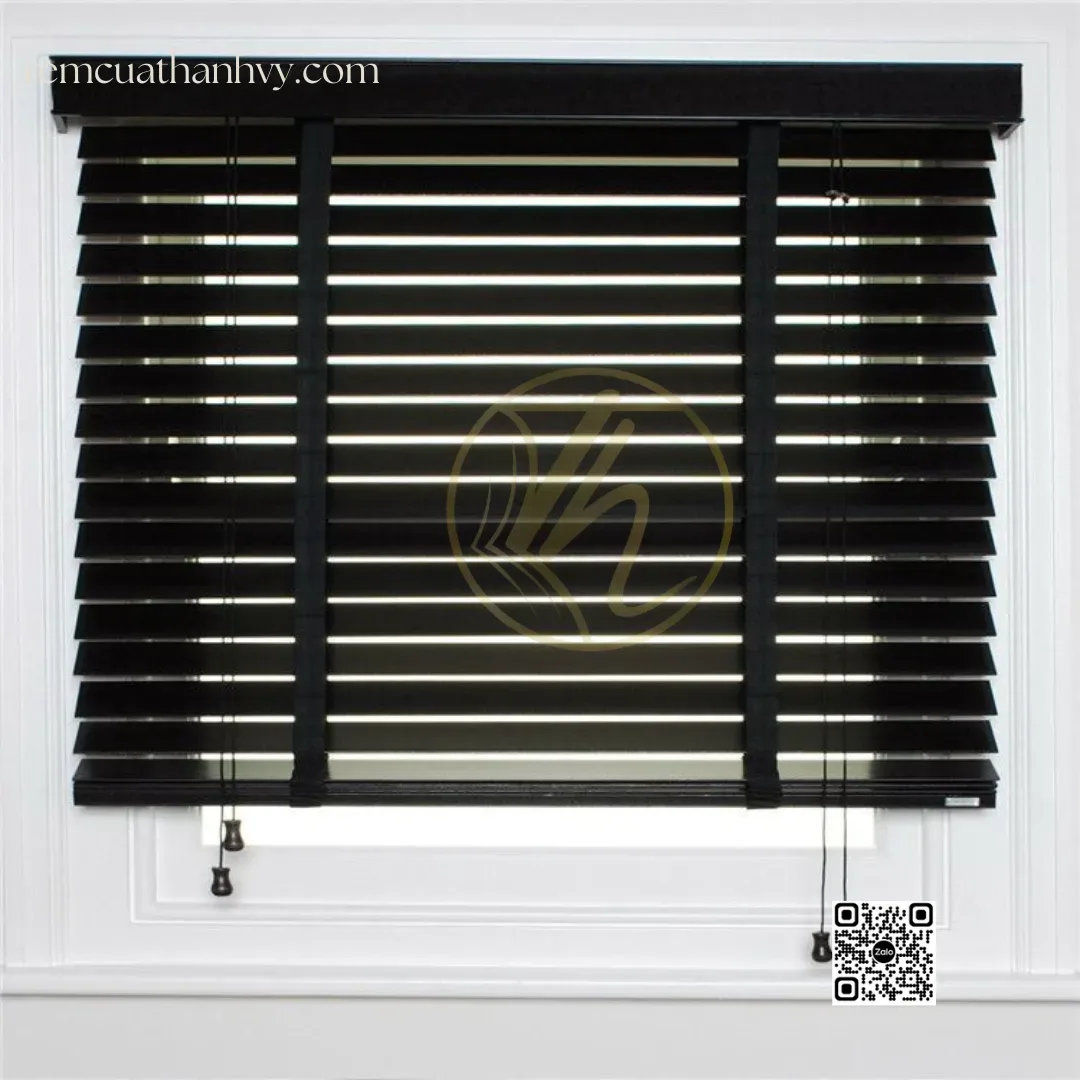
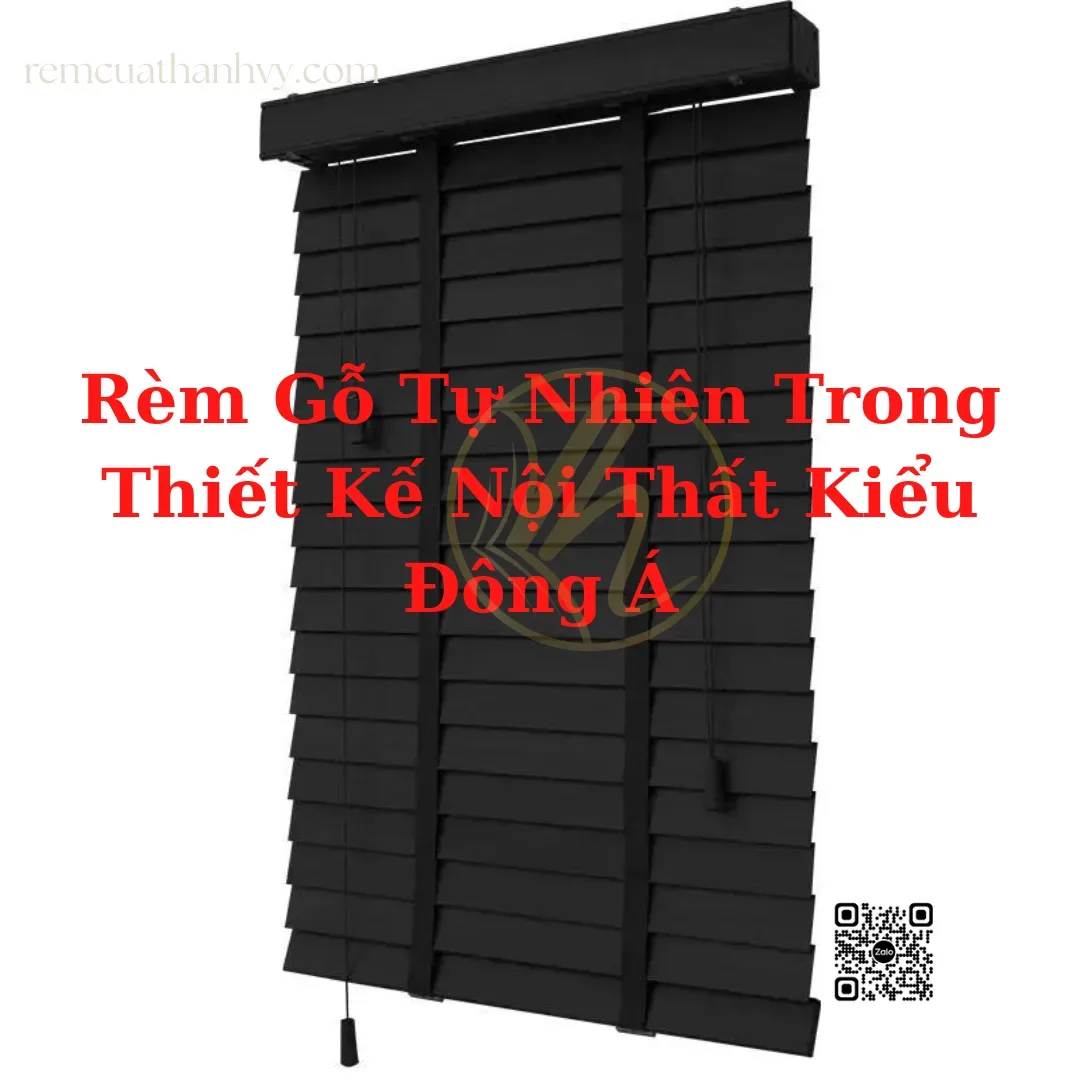
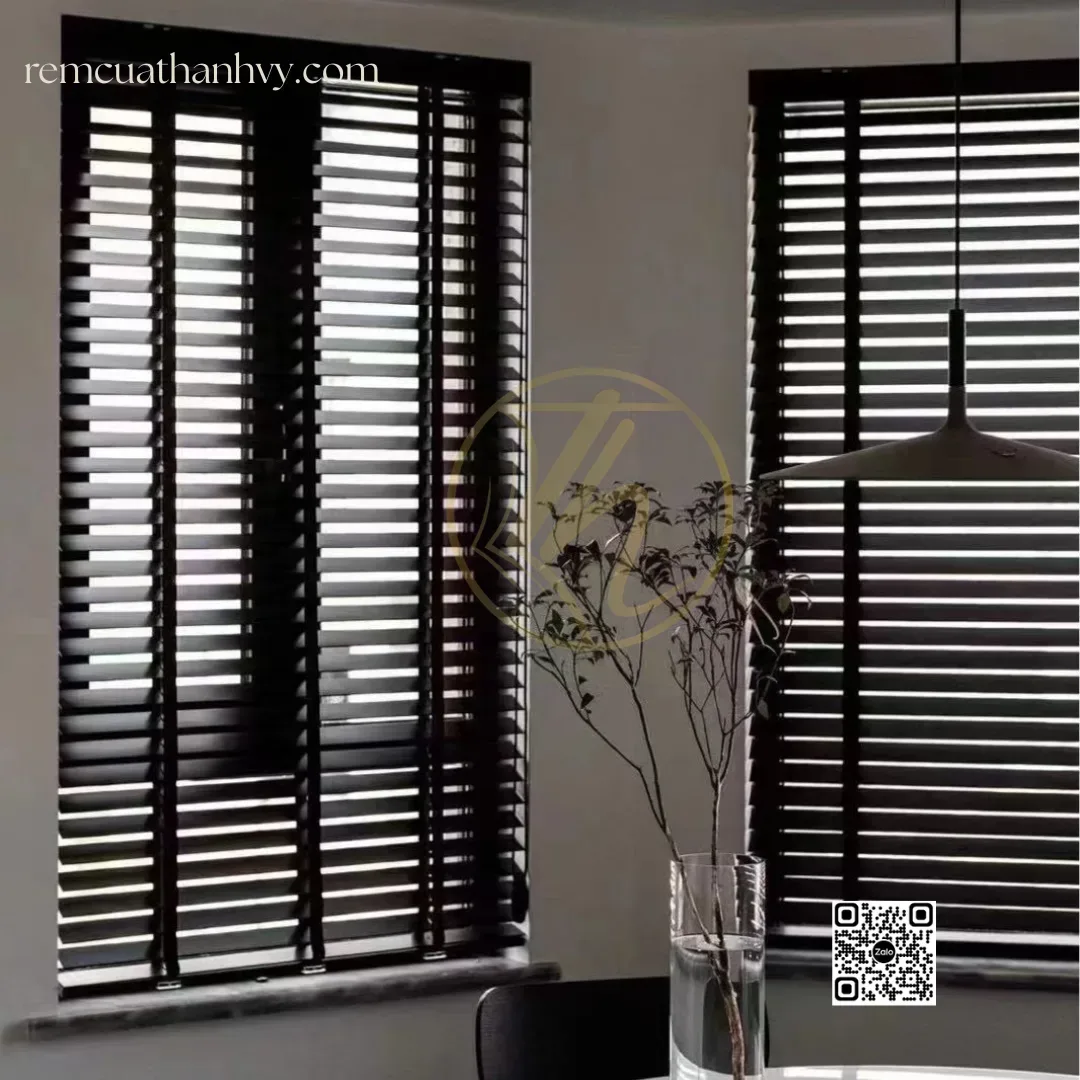
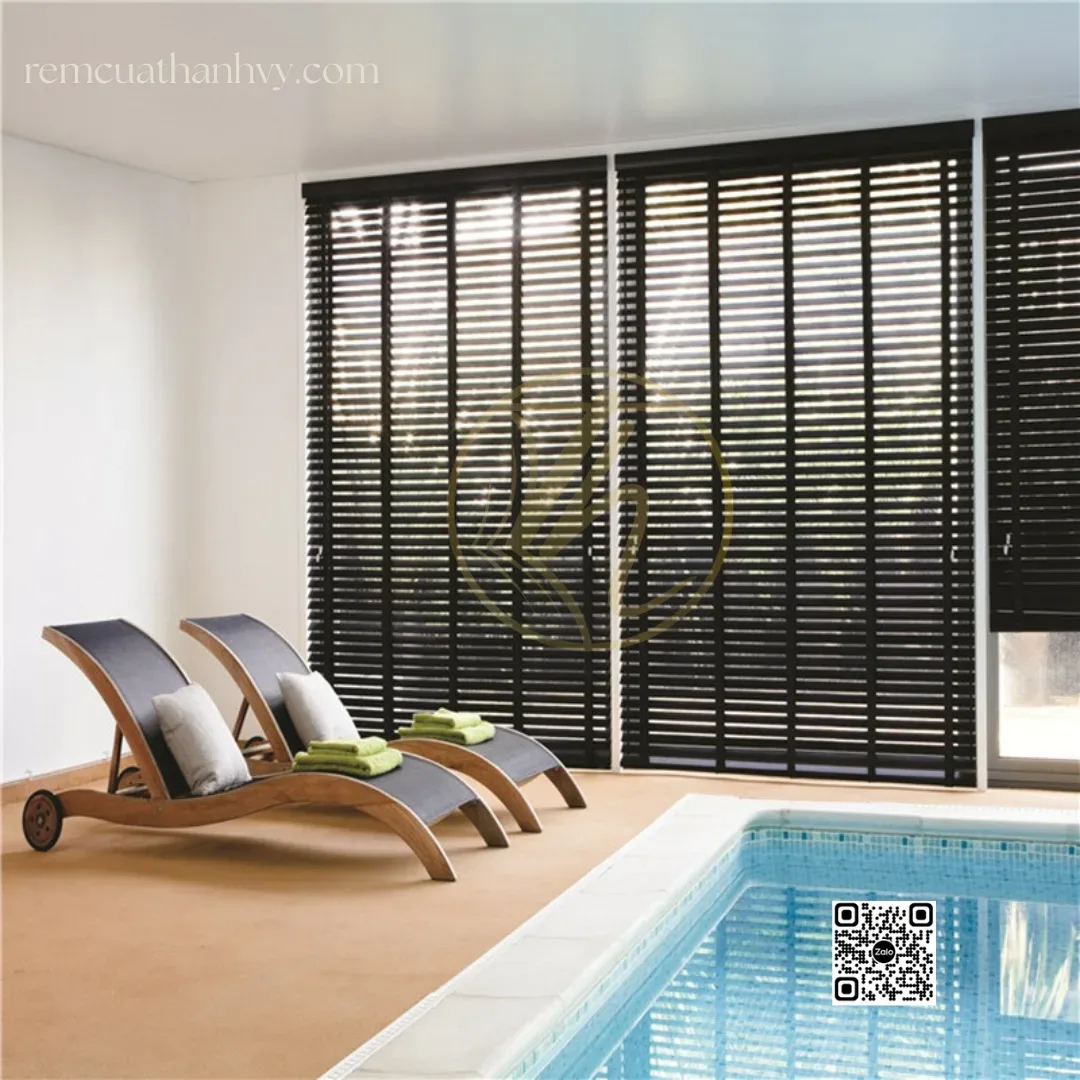
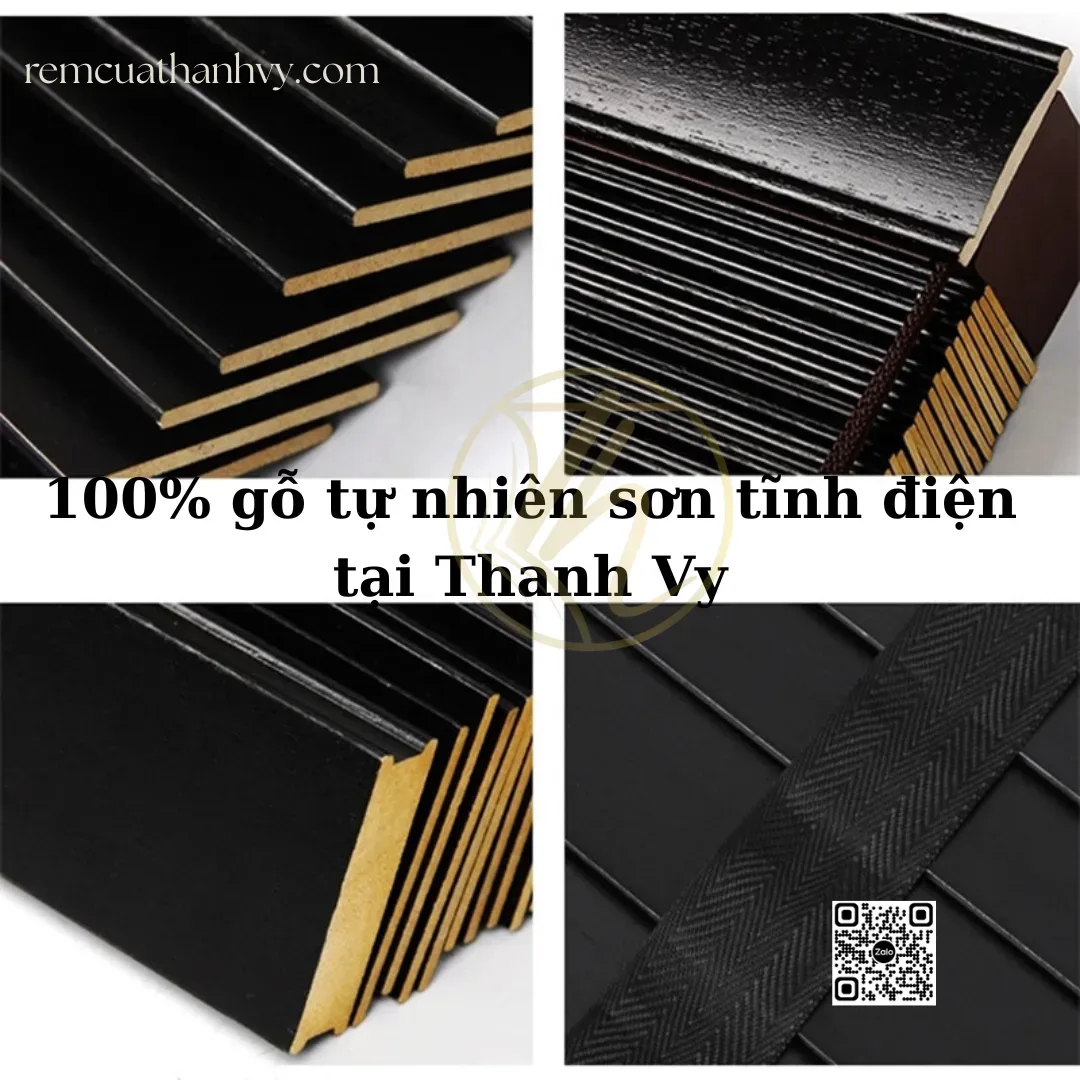
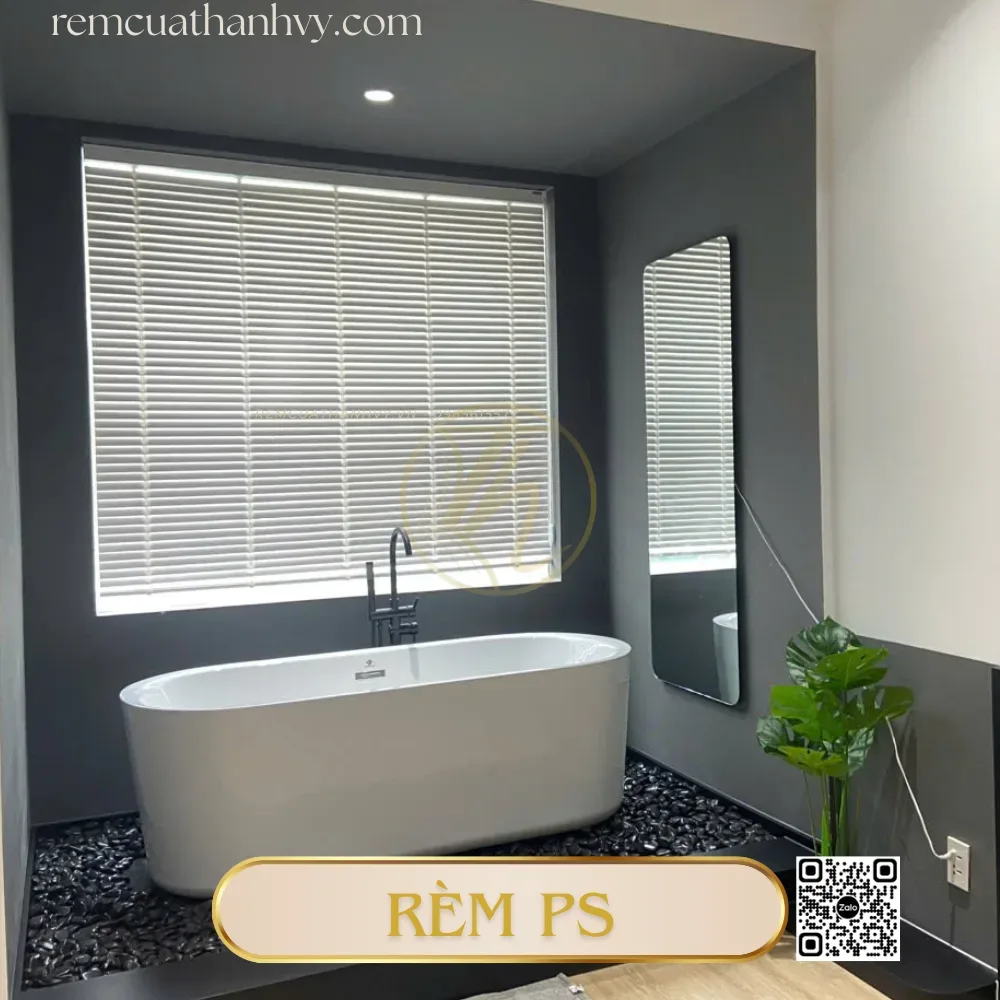
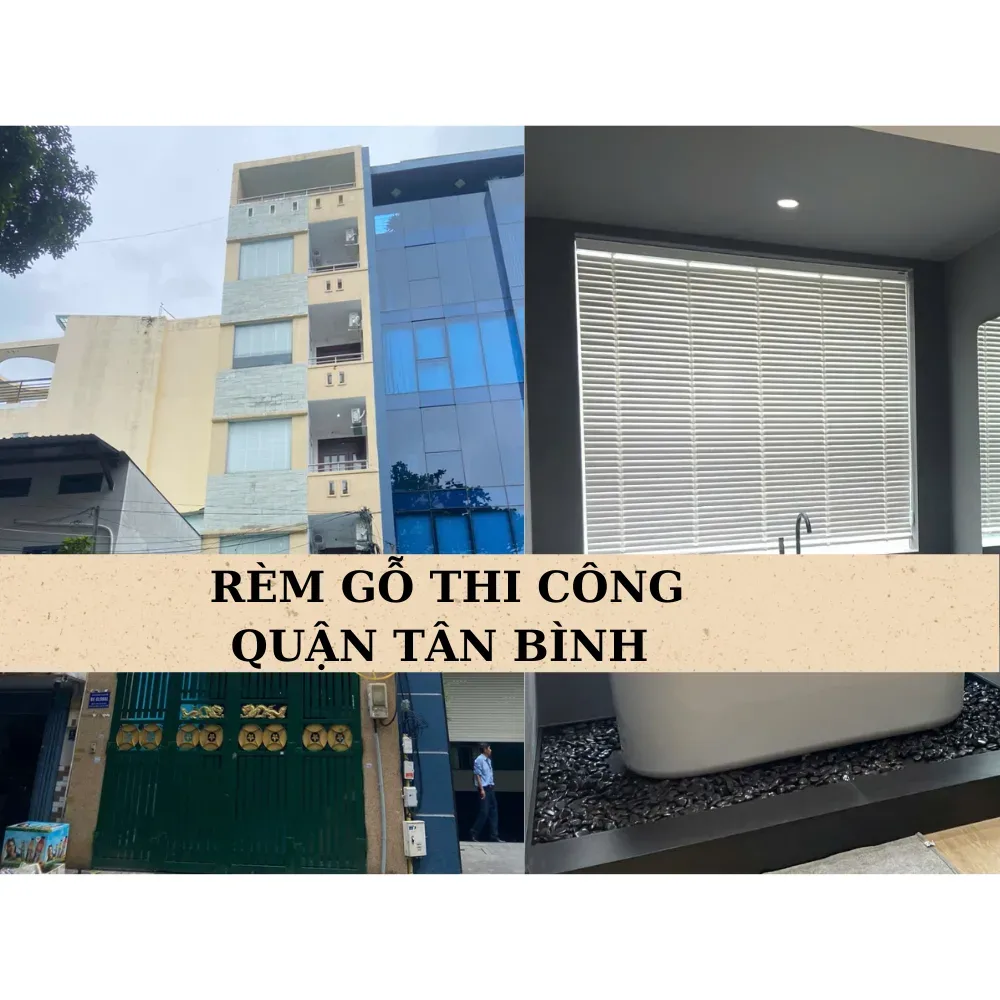
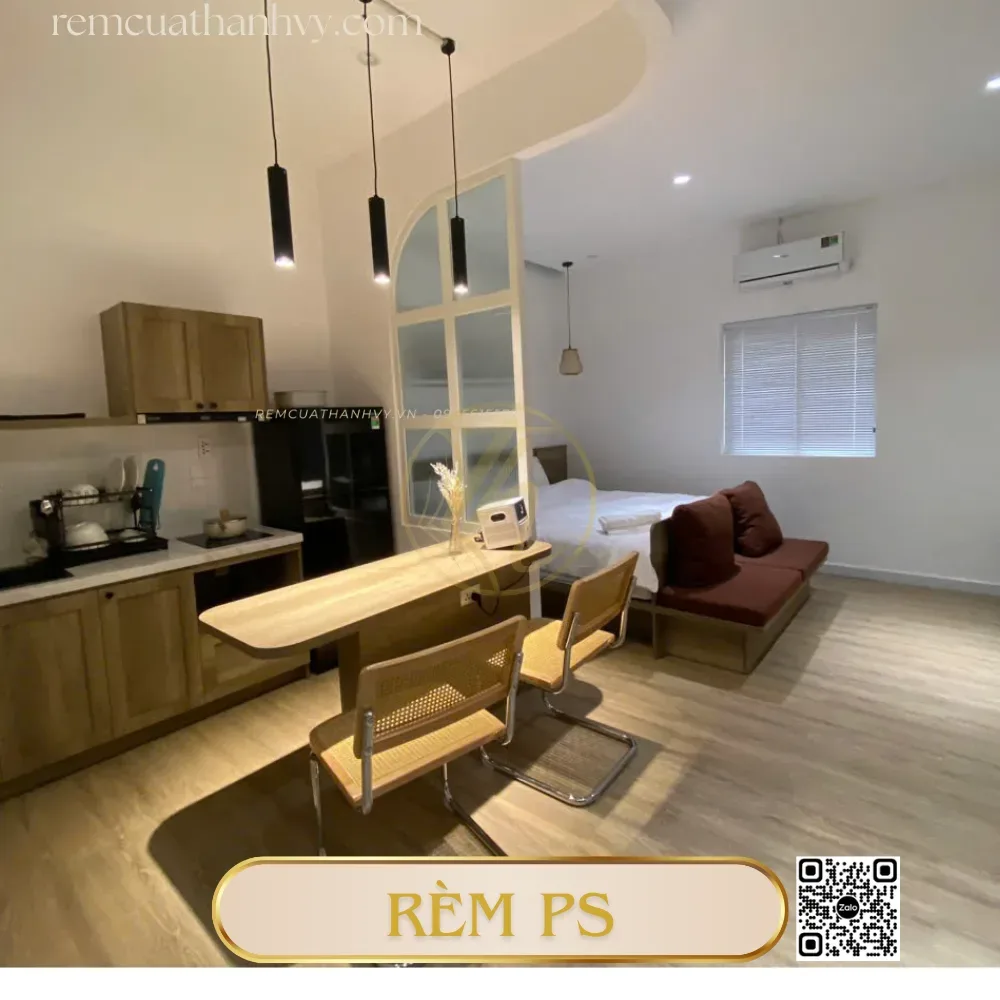
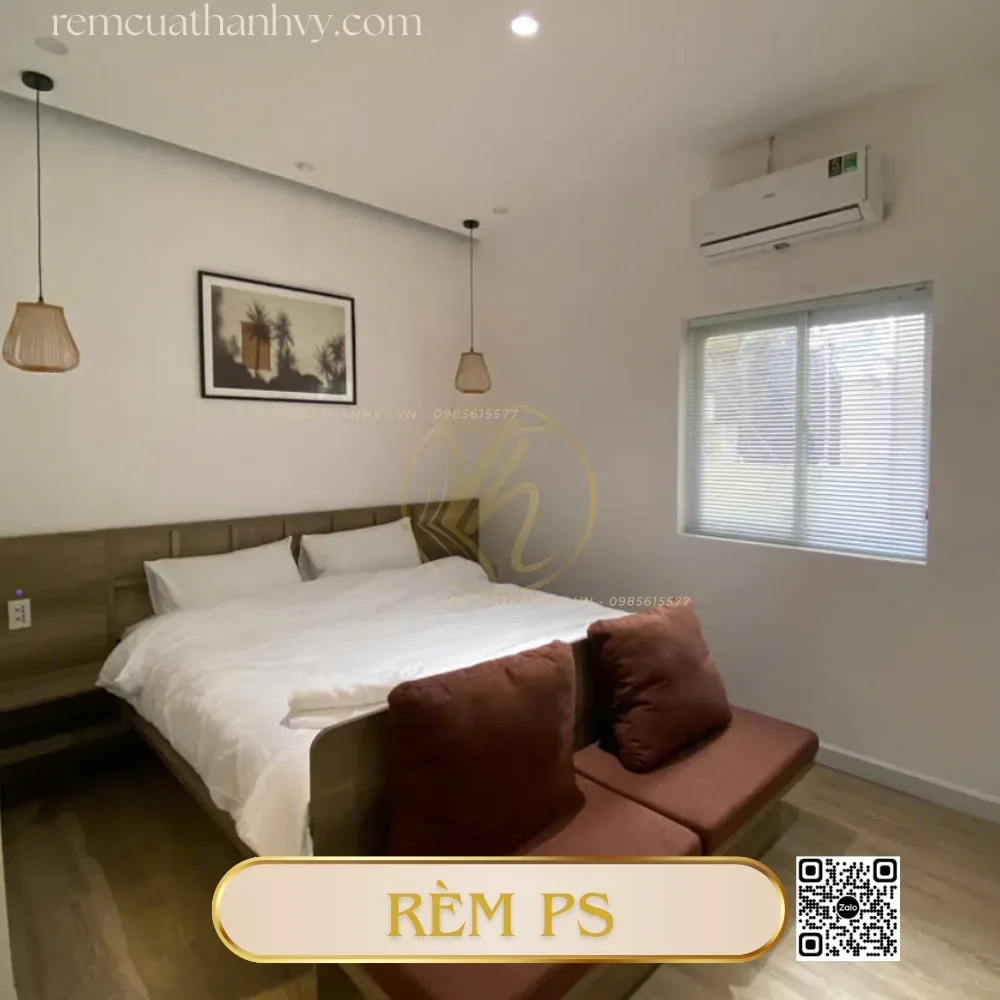
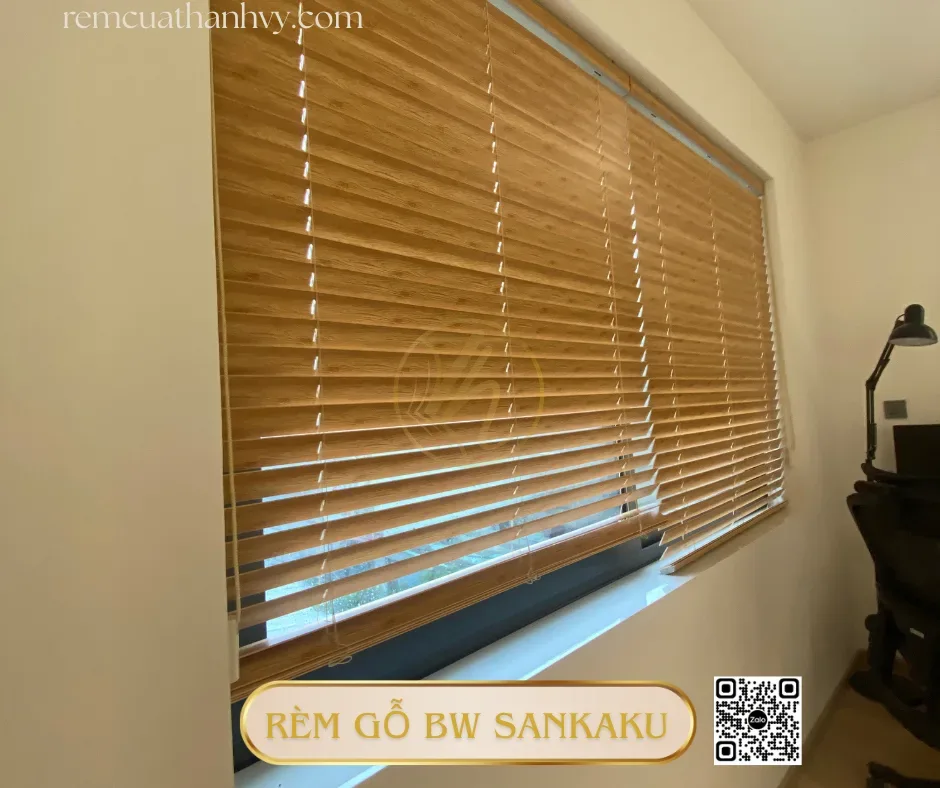
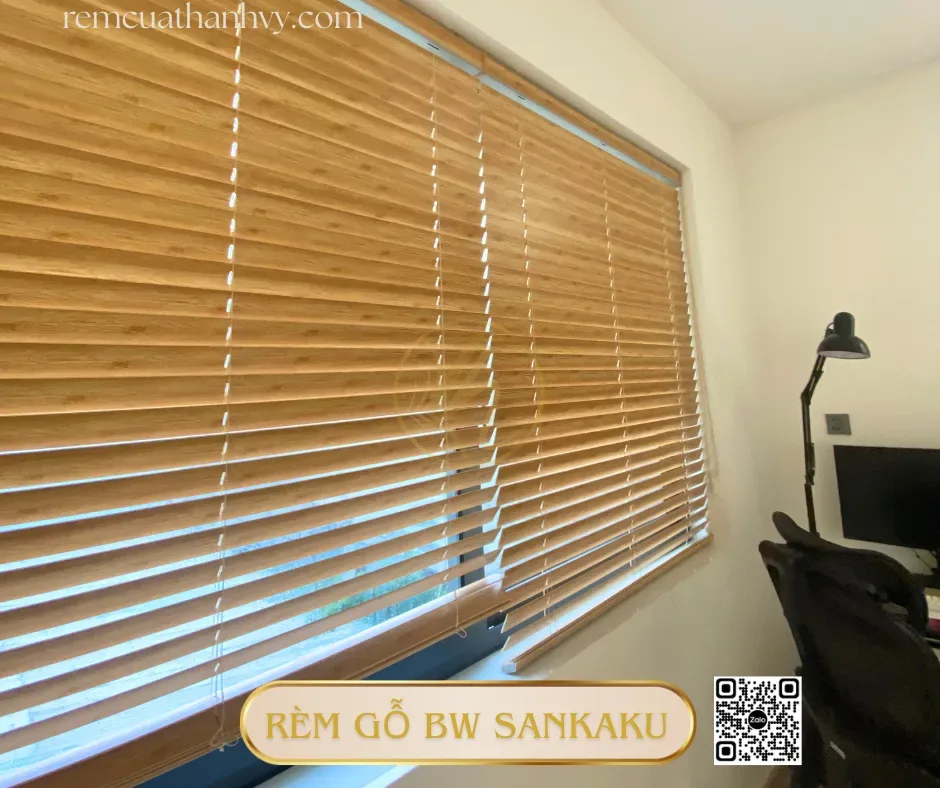
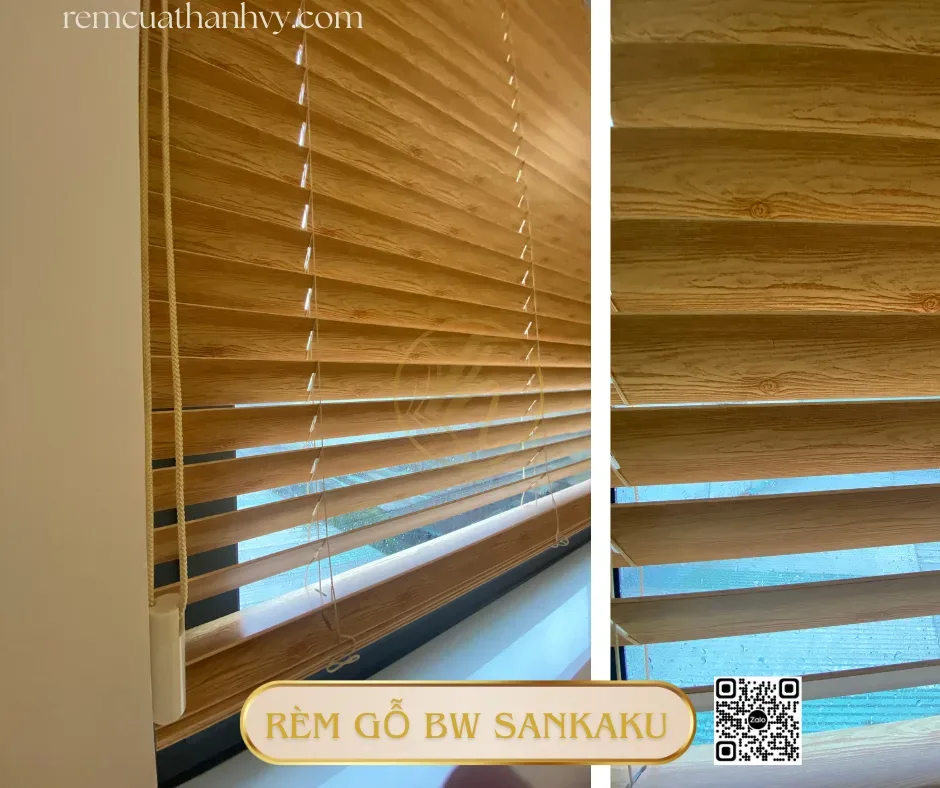
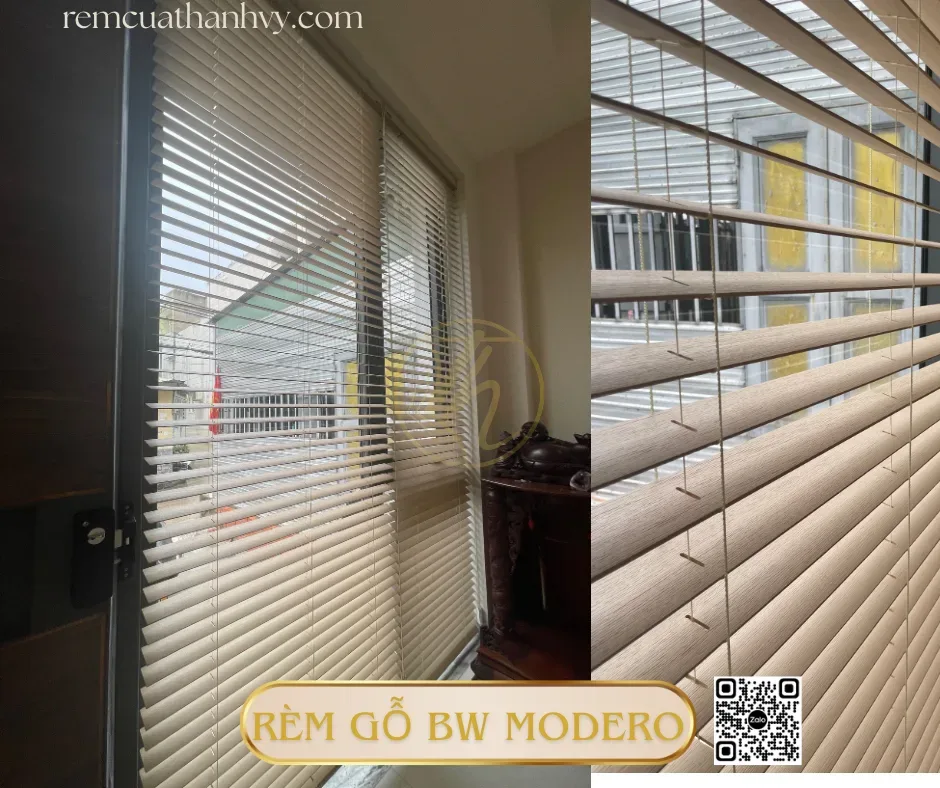
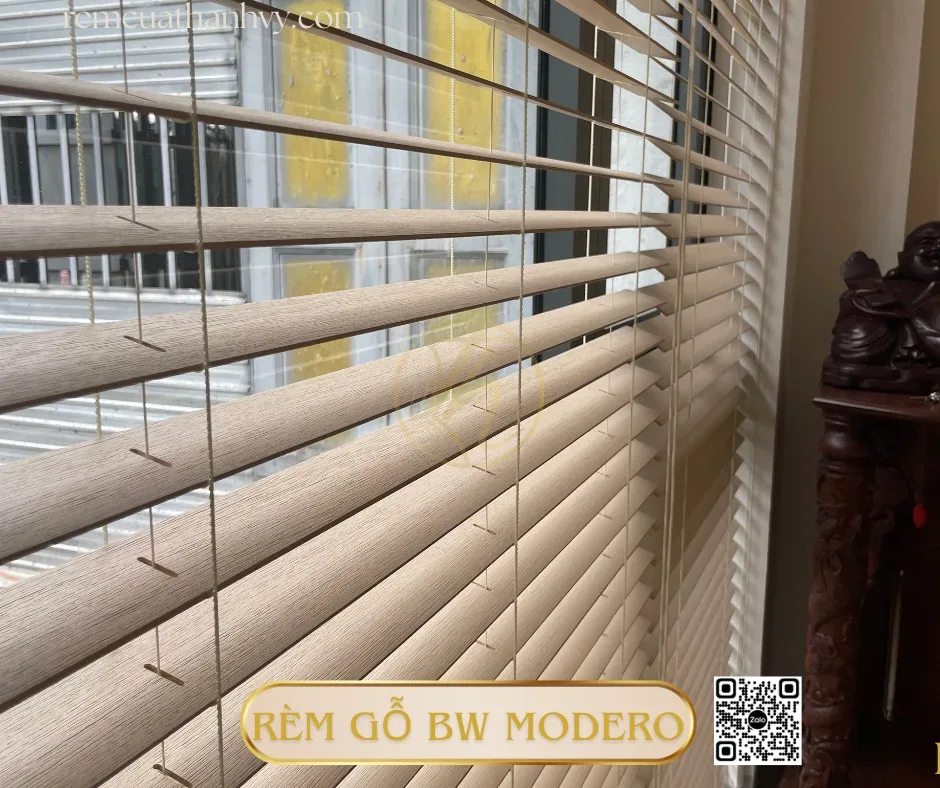
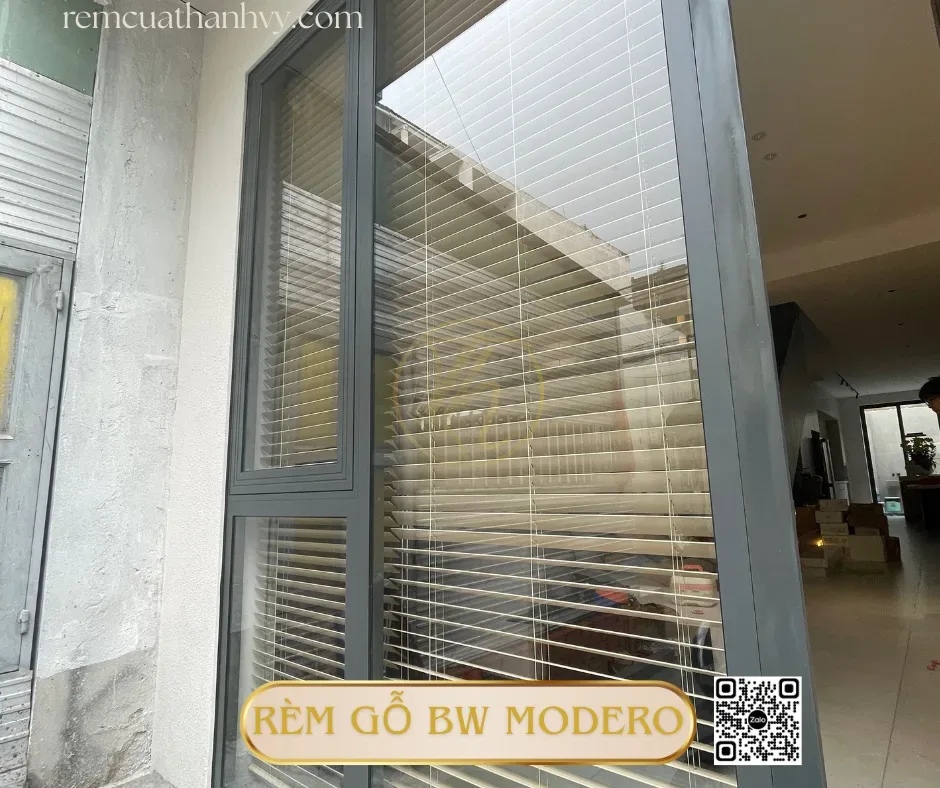
Wooden Blinds
Wooden blinds offer warm tones and sturdiness, fitting spaces with plenty of wooden furniture.
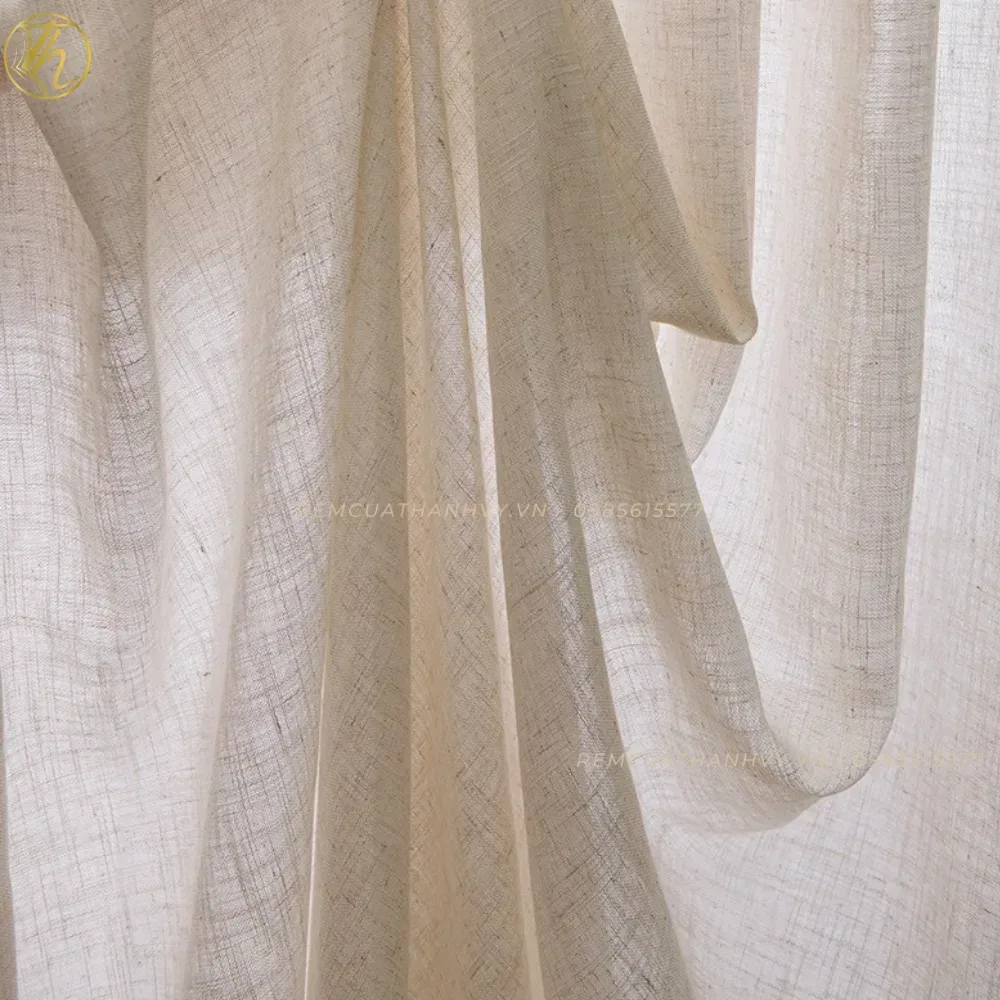
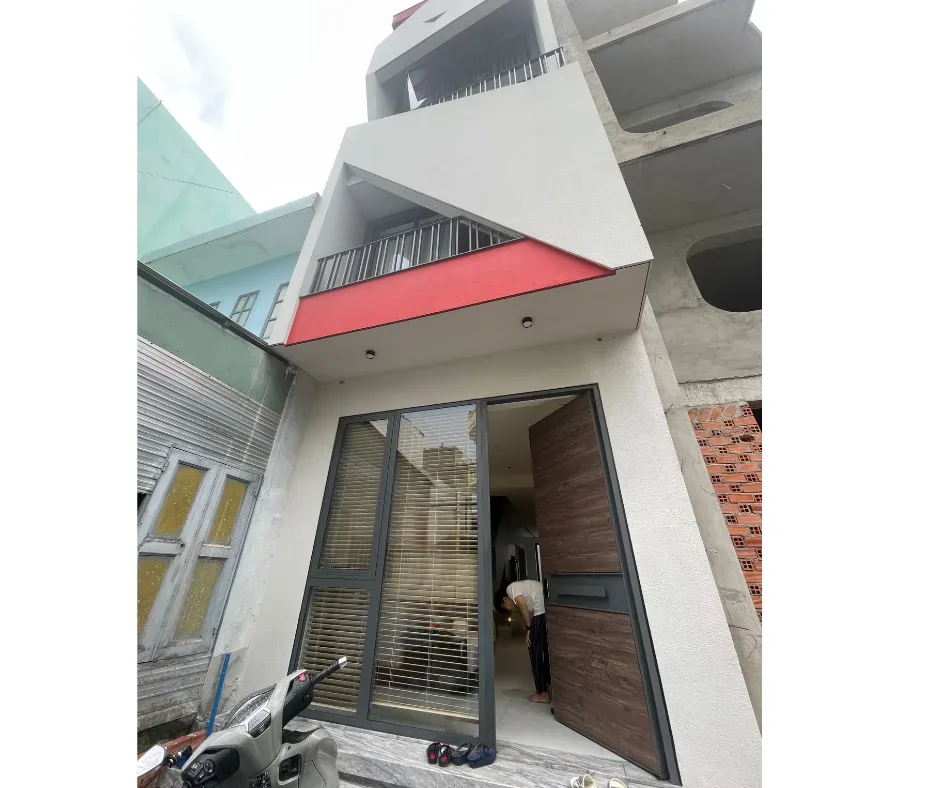
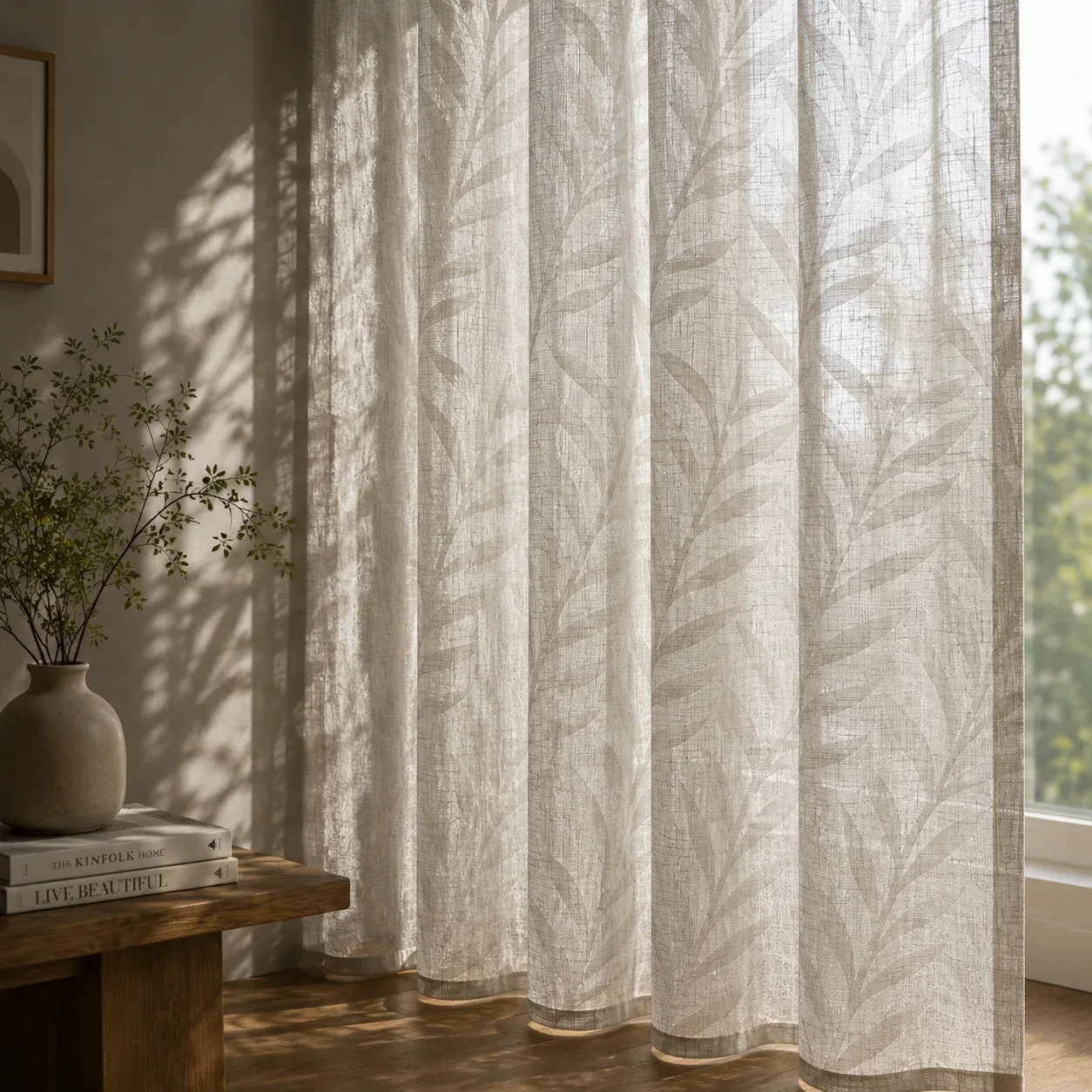
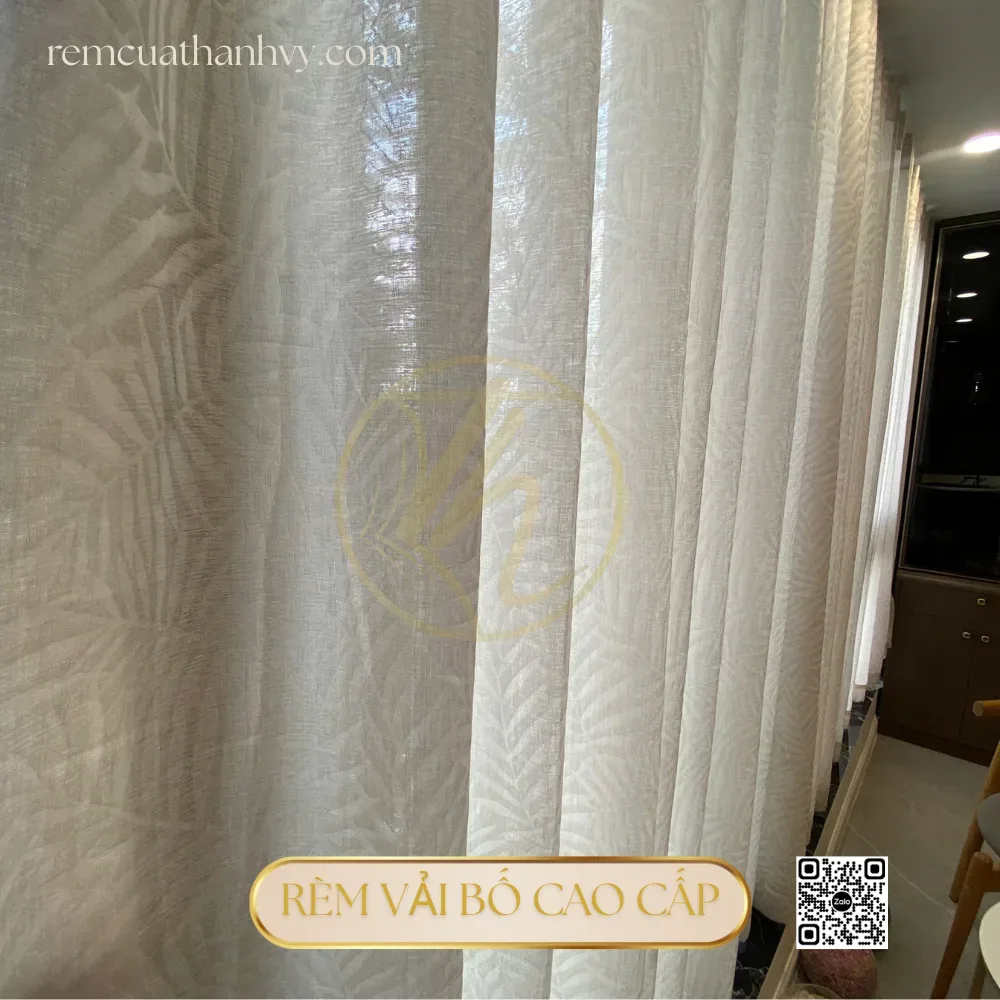
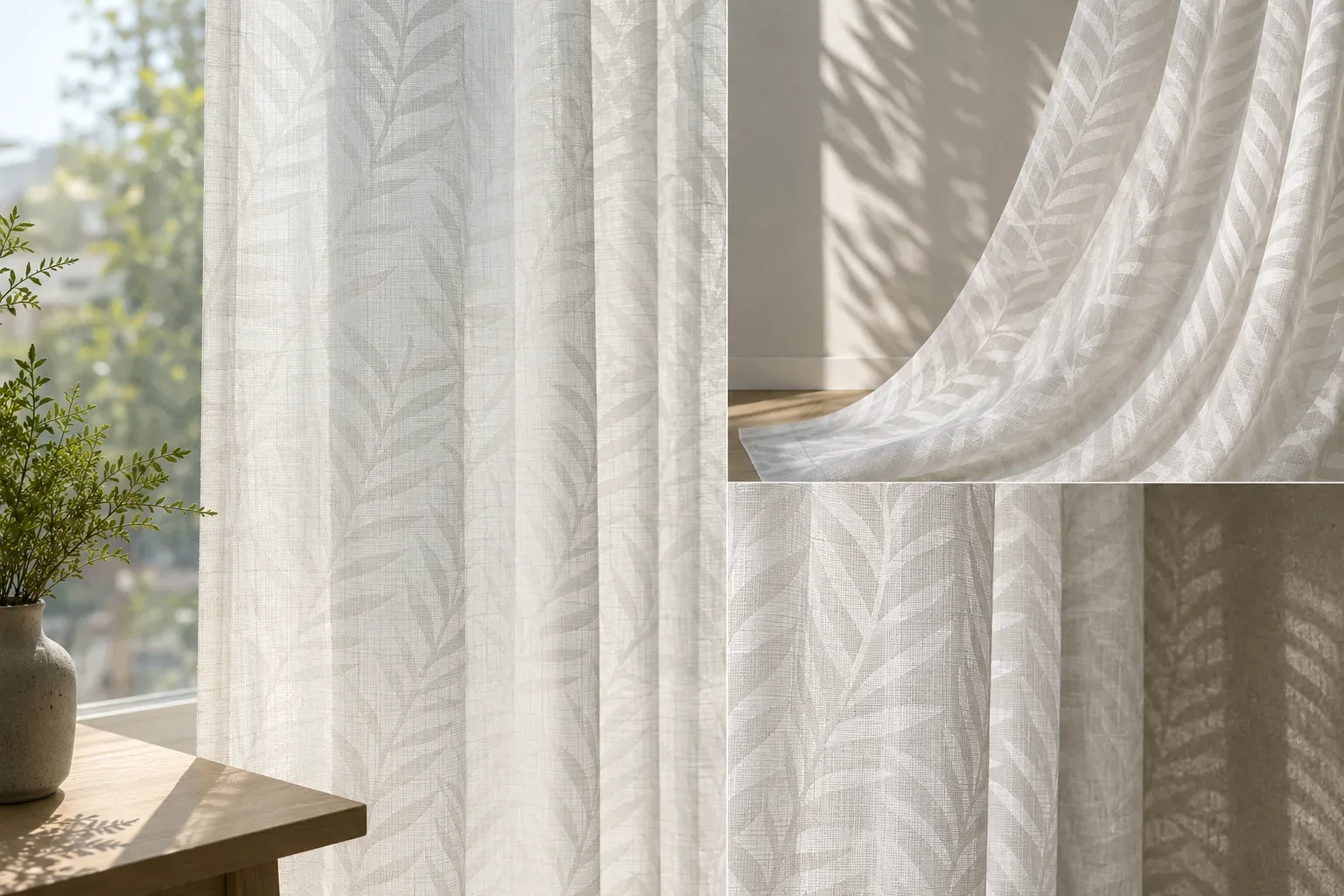
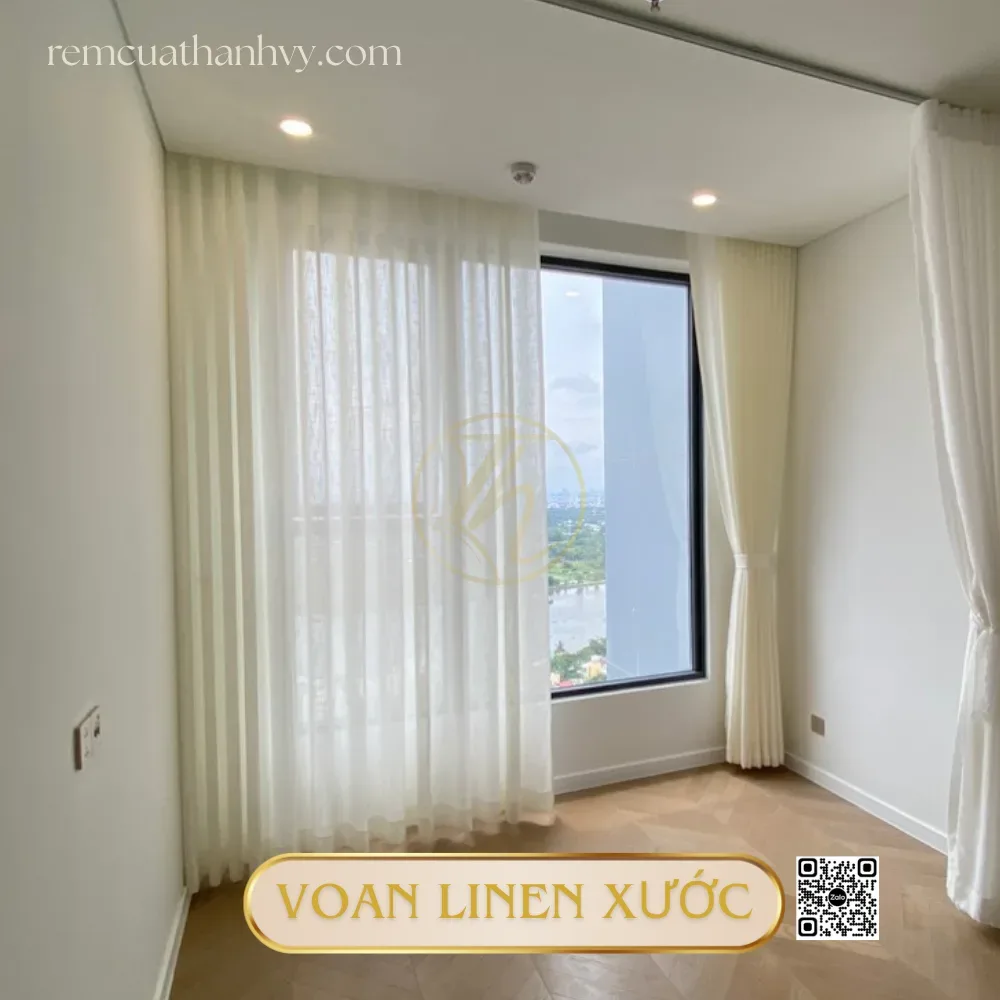
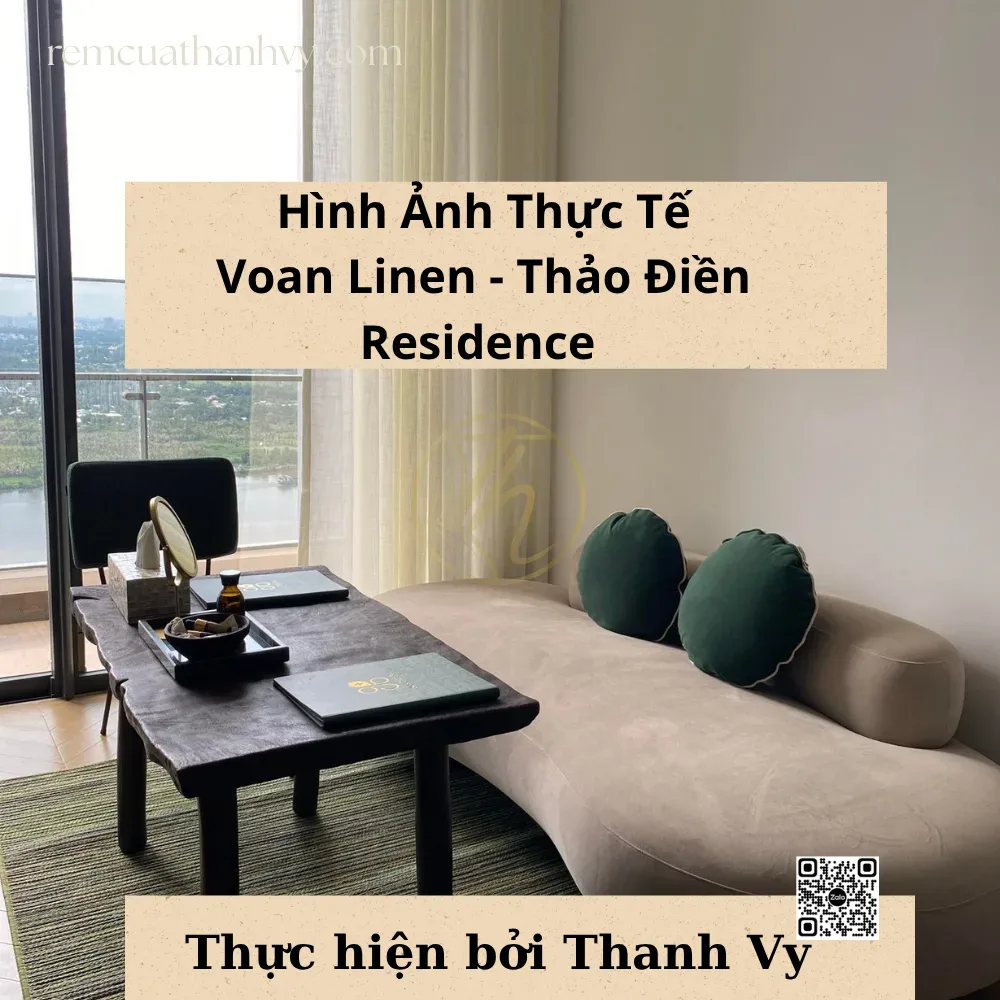
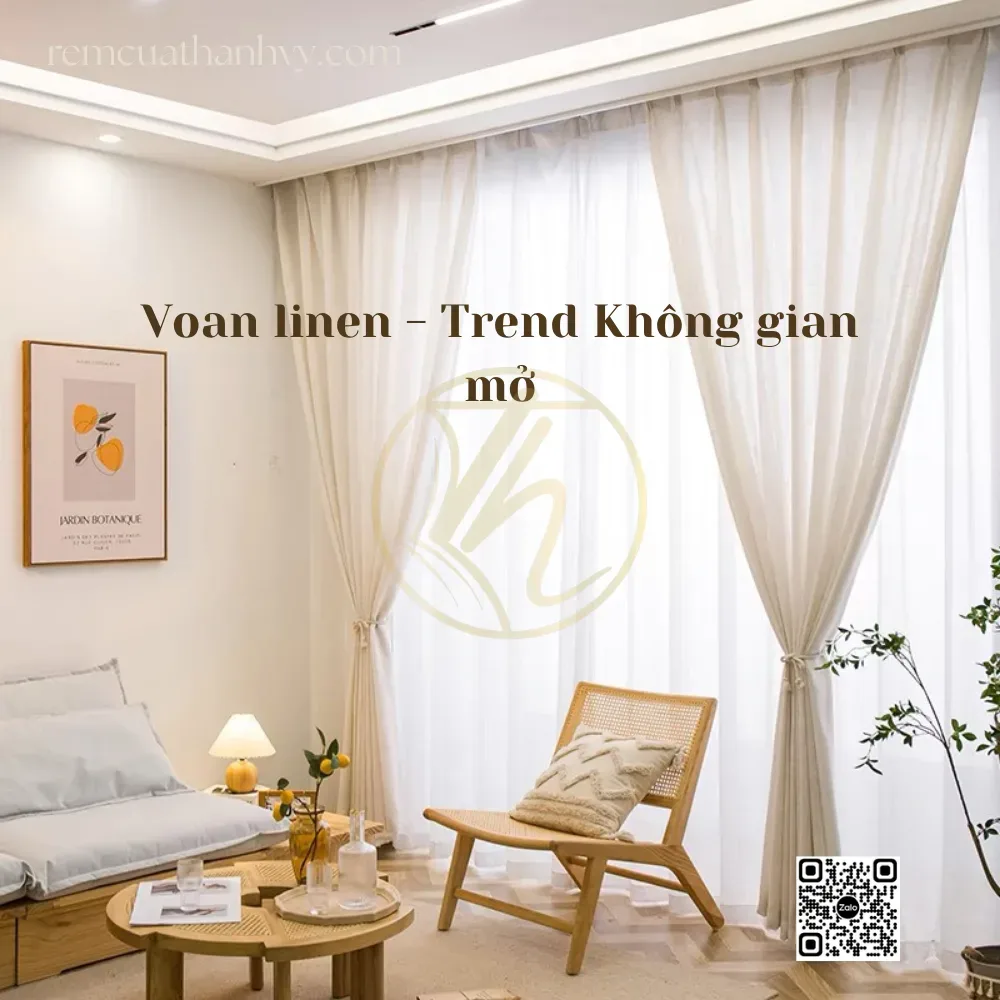
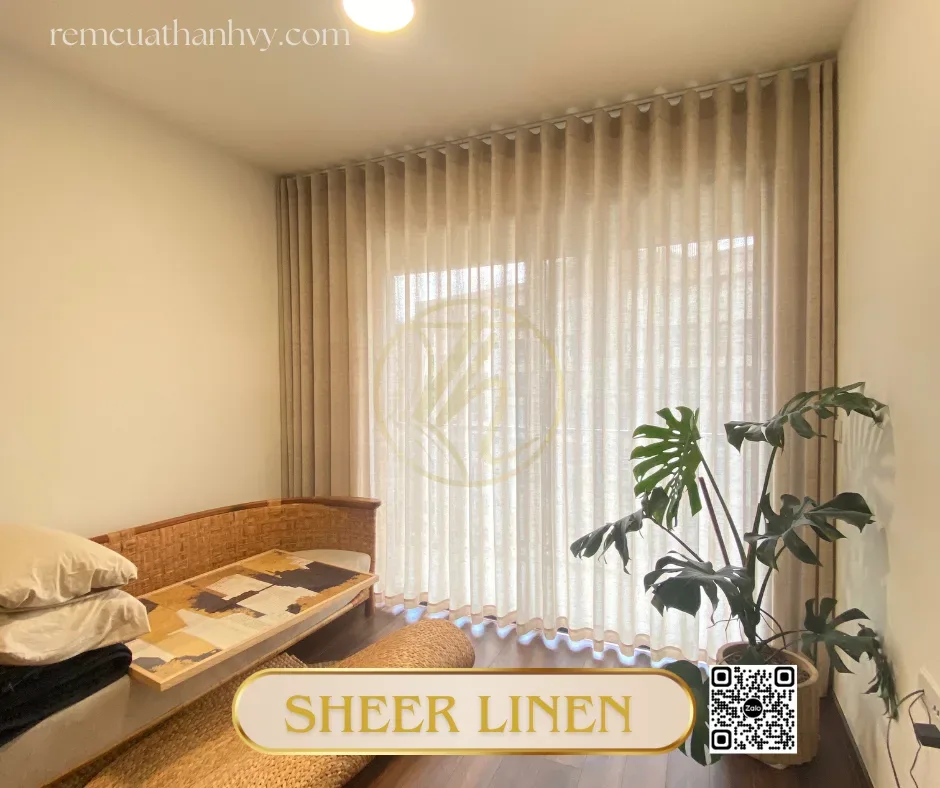
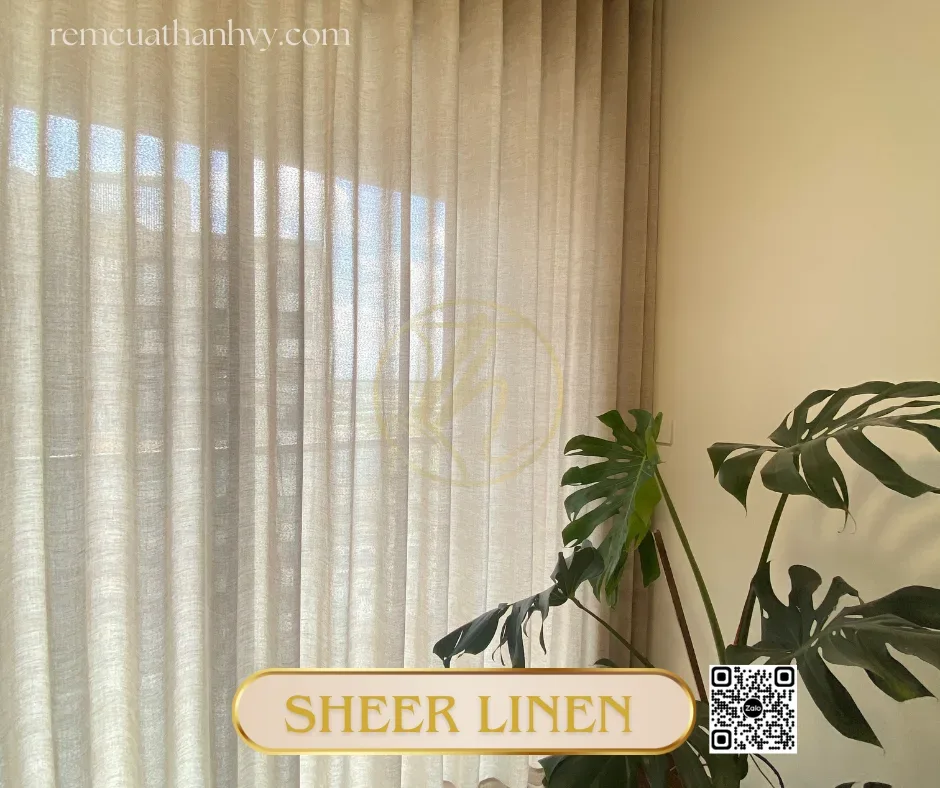
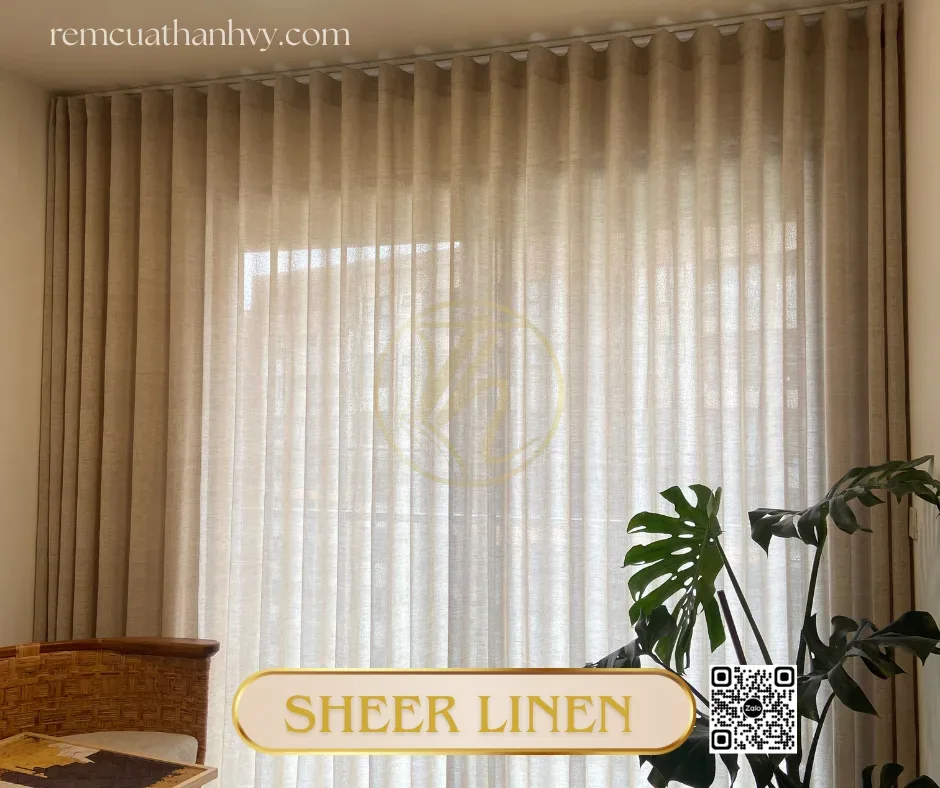
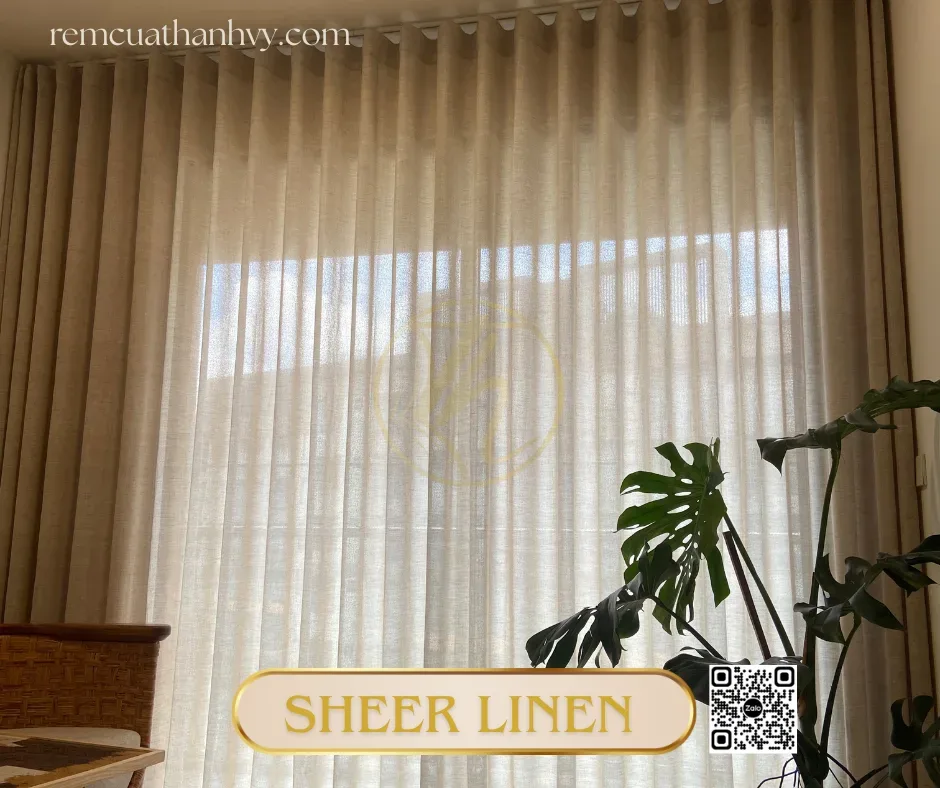
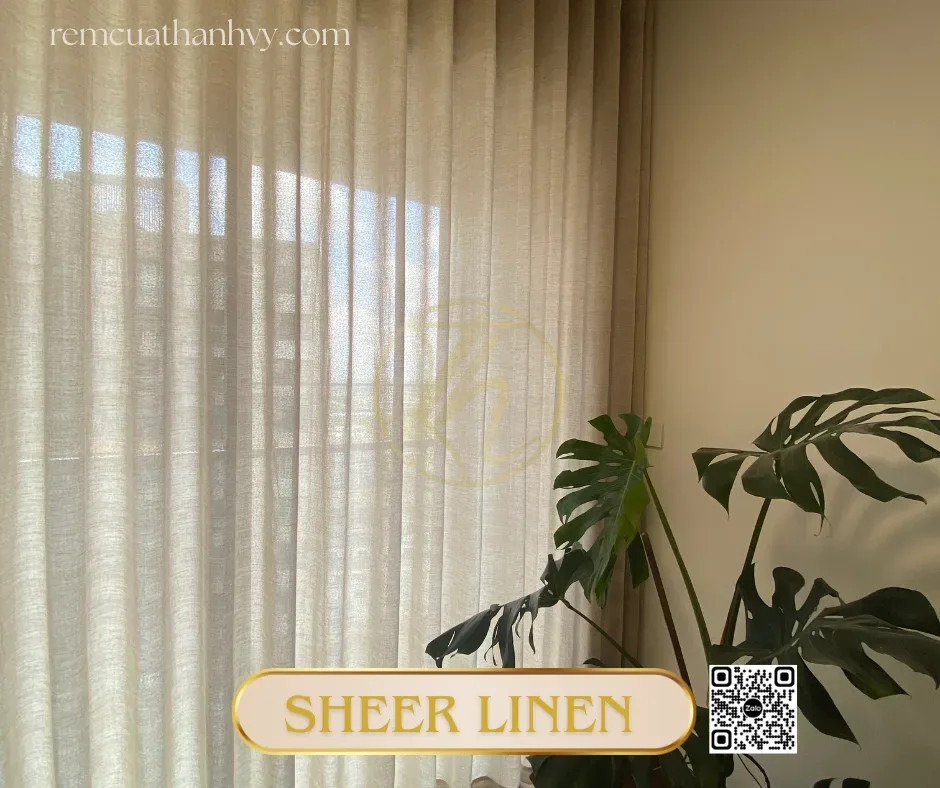
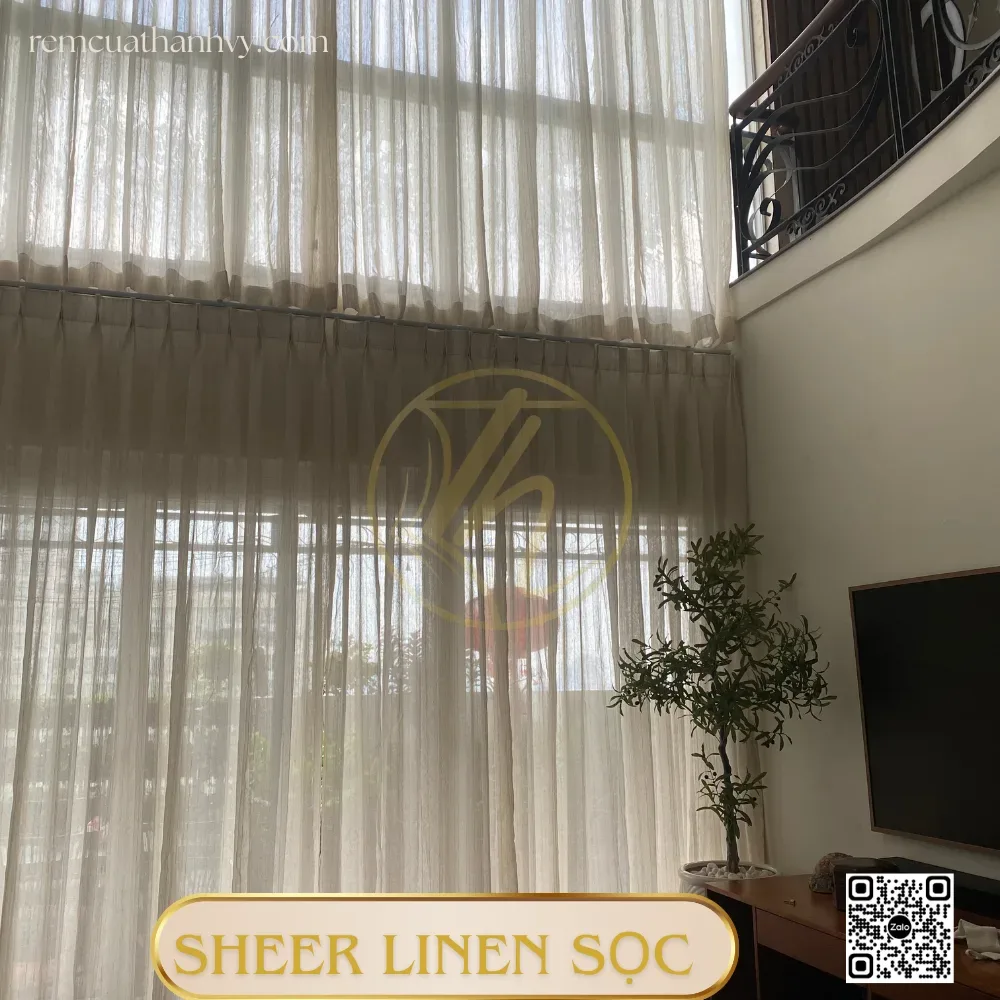
Sheer Curtains
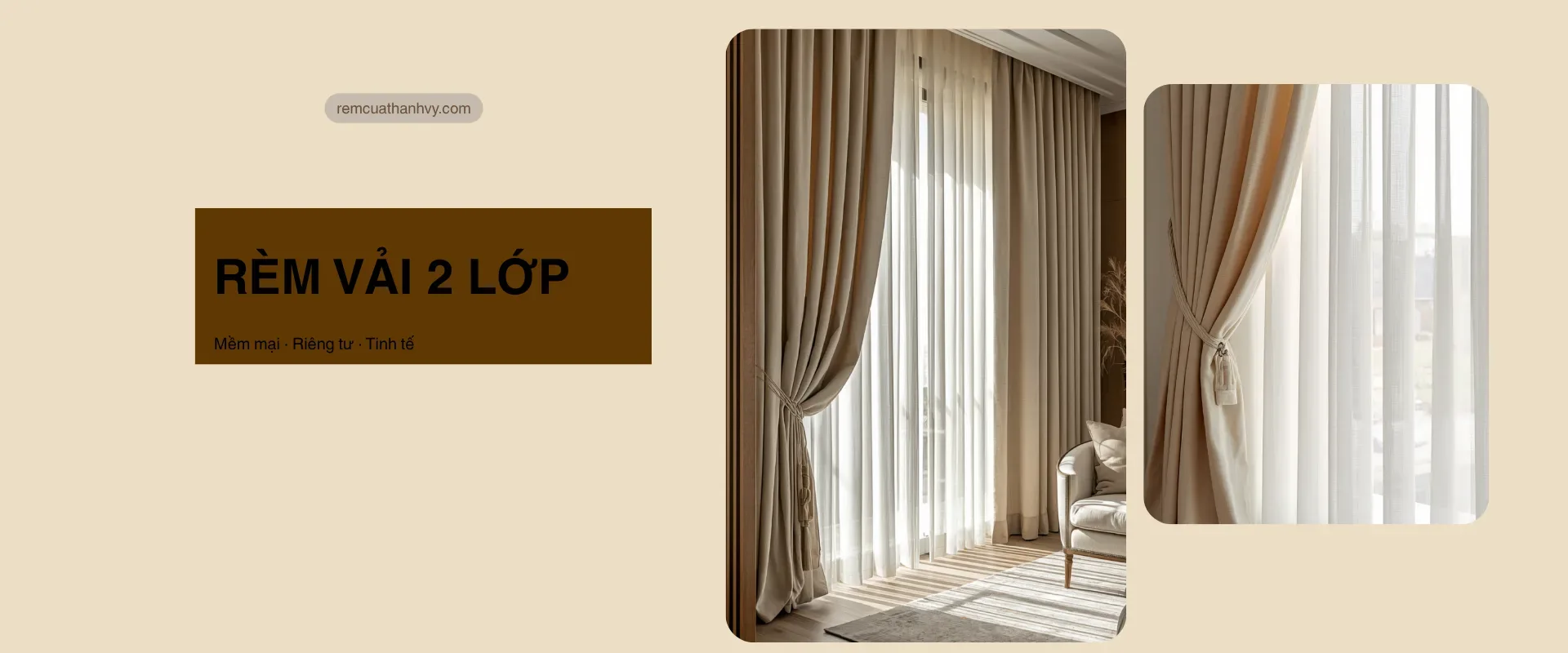
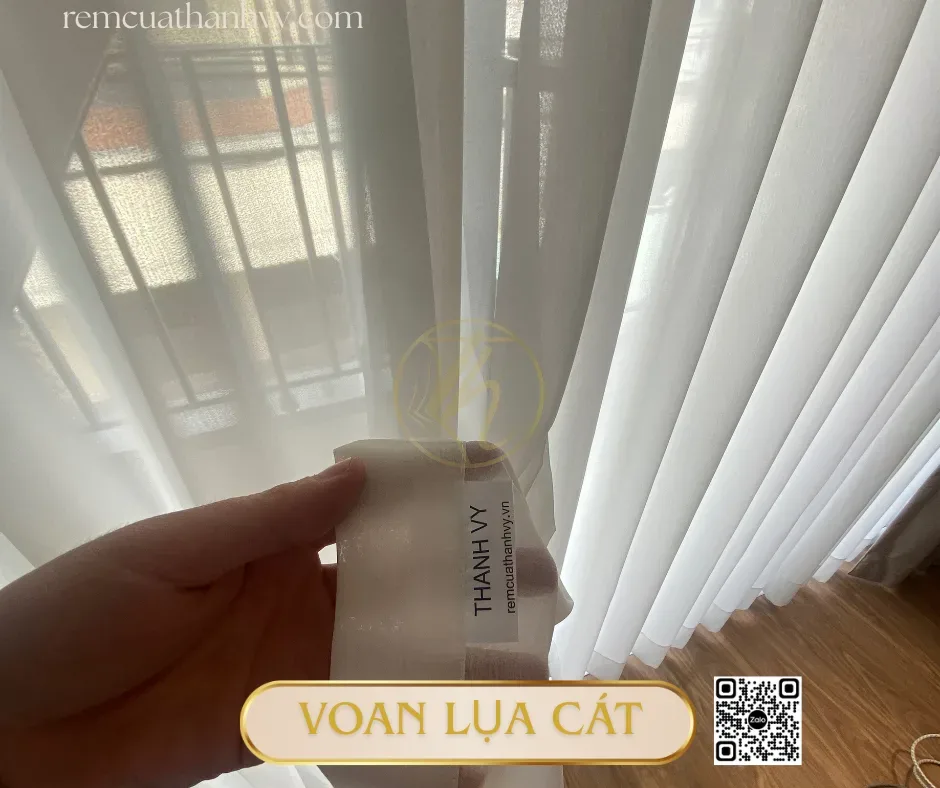
Sheers are usually used as an inner layer, combined with an outer thick layer when light blocking is needed.


For further information, please contact Thanh Vy Curtains
We provide free consultation and on-site measuring at your home.
Related areas

Curtains in District 4: What to prioritize when choosing for each space
Thanh Vy Curtains provides professional curtain solutions in District 4 with experience accumulated from many [...]
Curtains in District 3: What to prioritize when choosing for each space
**Curtain selection advice:** Customers in District 3 should prioritize two-layer fabric curtains or neat Korean [...]
Curtains in District 6: What to Prioritize for Each Space
To choose the perfect curtains in District 6, contact Rèm Cửa Thanh Vy for dedicated [...]
Thu Duc Curtains: Priorities when choosing for each space
With years of hands-on workshop experience, Rem Cua Thanh Vy is ready to advise on [...]
Related reviews

Fabric Curtains vs. Roller Blinds? A Detailed Comparison to Help You Choose
Compare fabric curtains and roller blinds based on light control, privacy, operation, aesthetics, maintenance, and [...]

Fabric Curtains vs. Roman Shades: A Detailed Comparison
Compare fabric curtains and Roman shades based on light control, privacy, operation, aesthetics, maintenance, and [...]
Are Fabric Curtains Good? How to Assess the Real Needs of Each Space
This article helps readers answer whether fabric curtains are good by assessing light, privacy, usage [...]
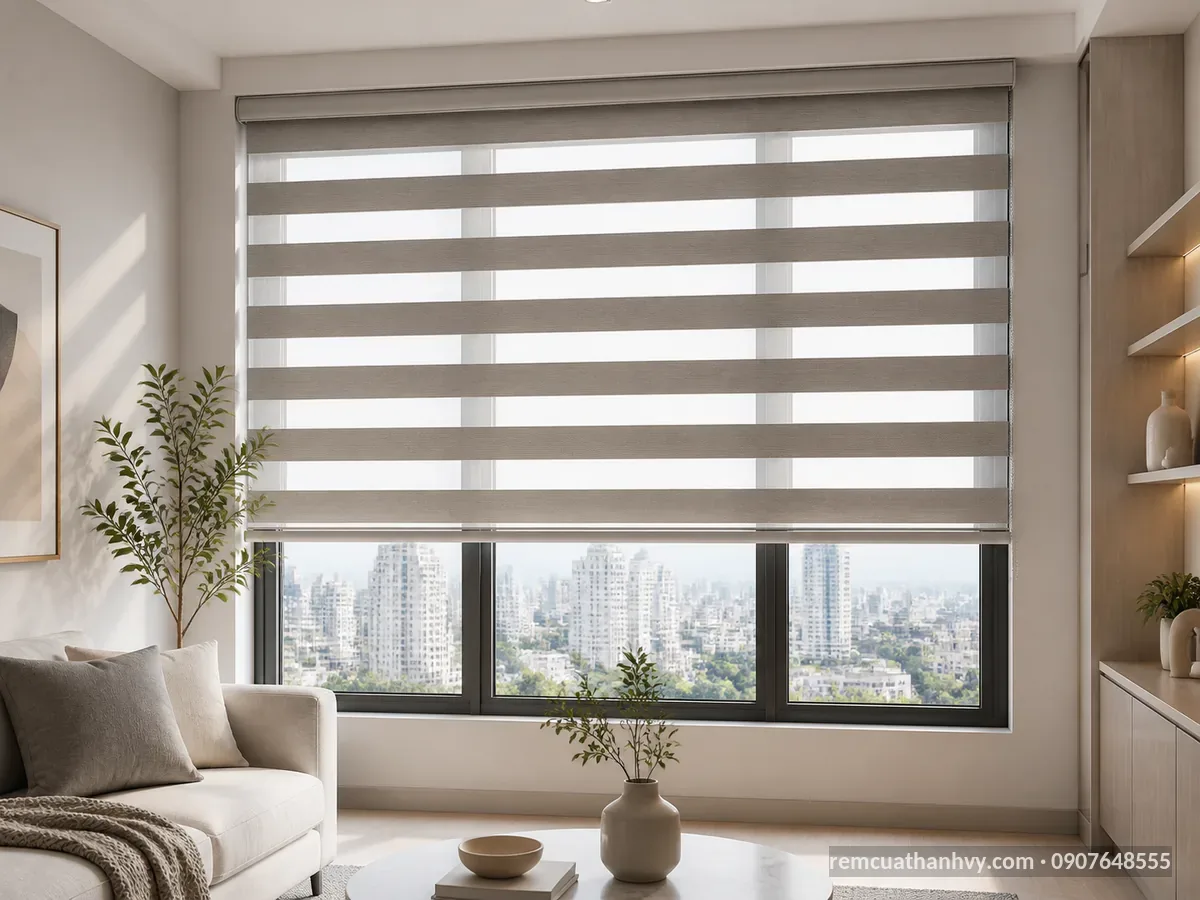
Comparing Fabric Curtains and Zebra Blinds: Which One Fits Your Needs?
This article compares fabric curtains and zebra blinds in terms of light, privacy, stackback, the [...]
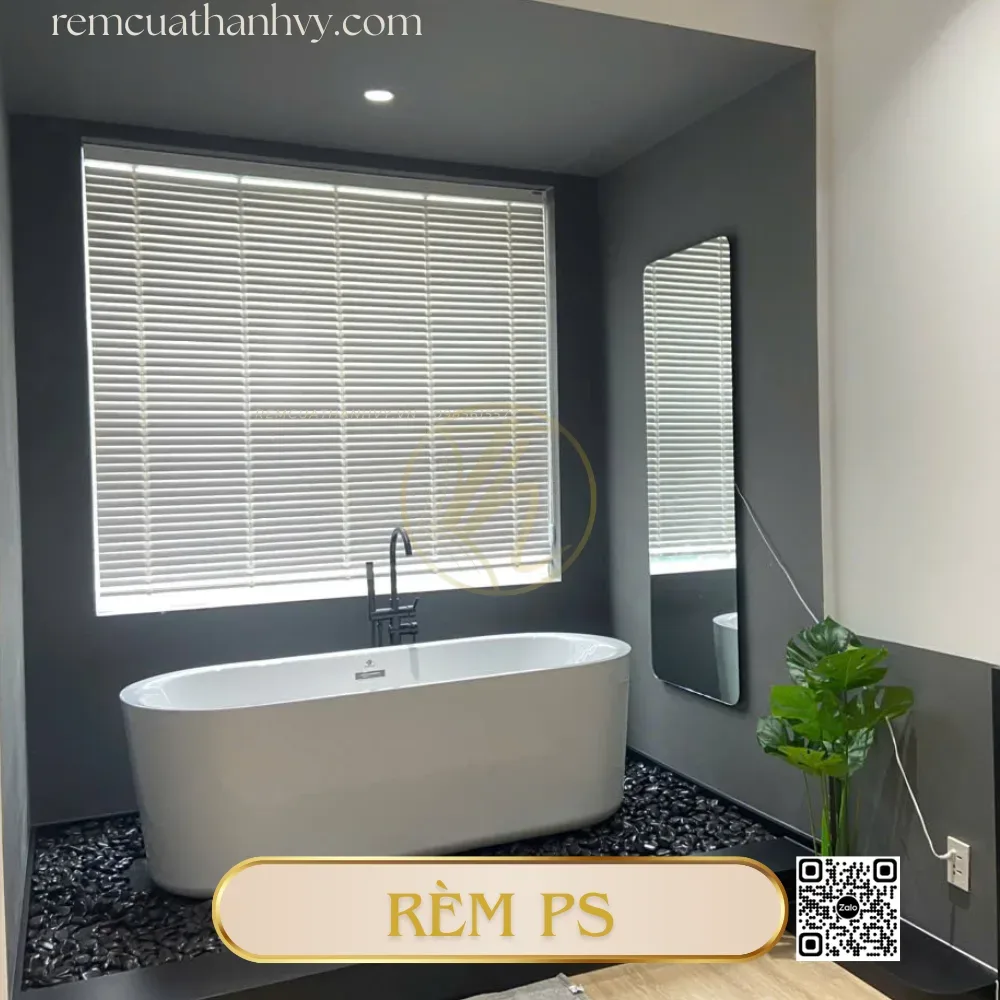
Fabric Curtains or Wooden Blinds? A Detailed Comparison to Help You Choose
Compare fabric curtains and wooden blinds by light control, privacy, operation, aesthetics, cleaning, and running [...]
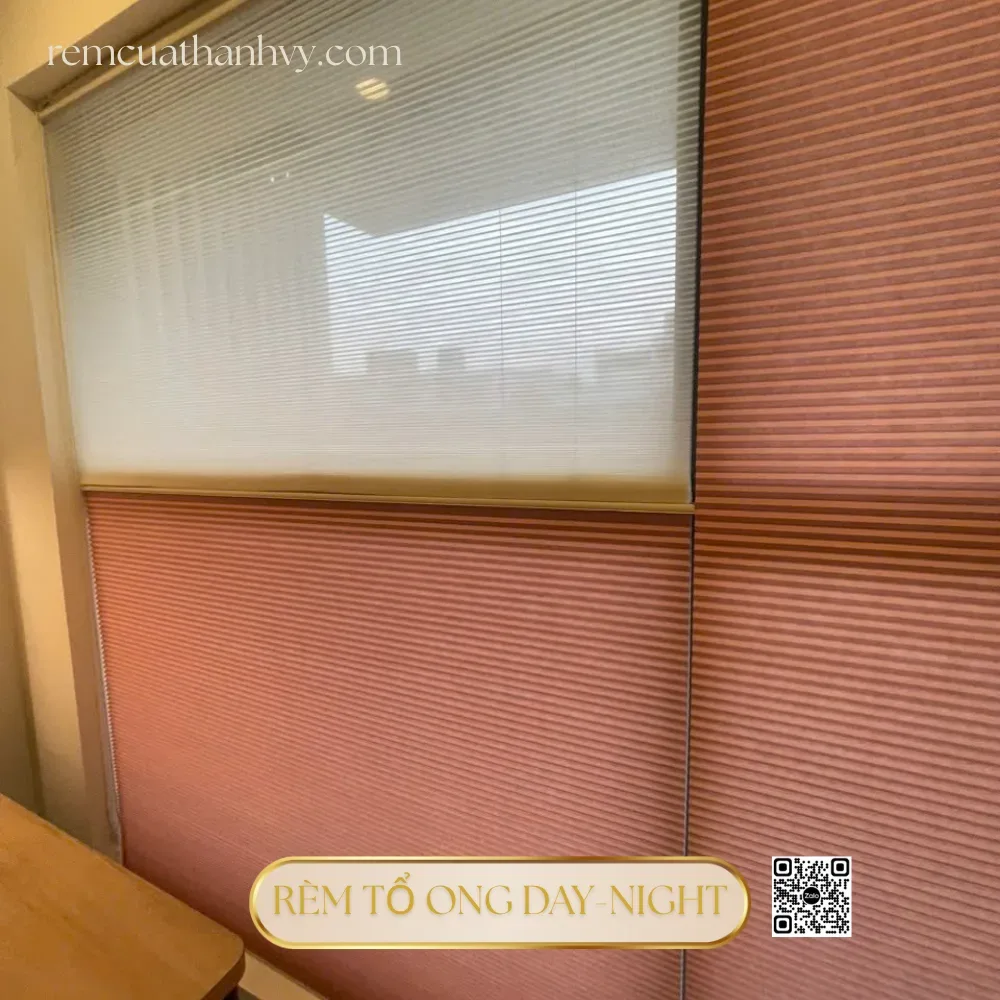
Fabric Curtains or Honeycomb Blinds? A Detailed Comparison to Help You Choose
Compare fabric curtains and honeycomb blinds based on light control, privacy, operation, aesthetics, maintenance, and [...]
Related posts
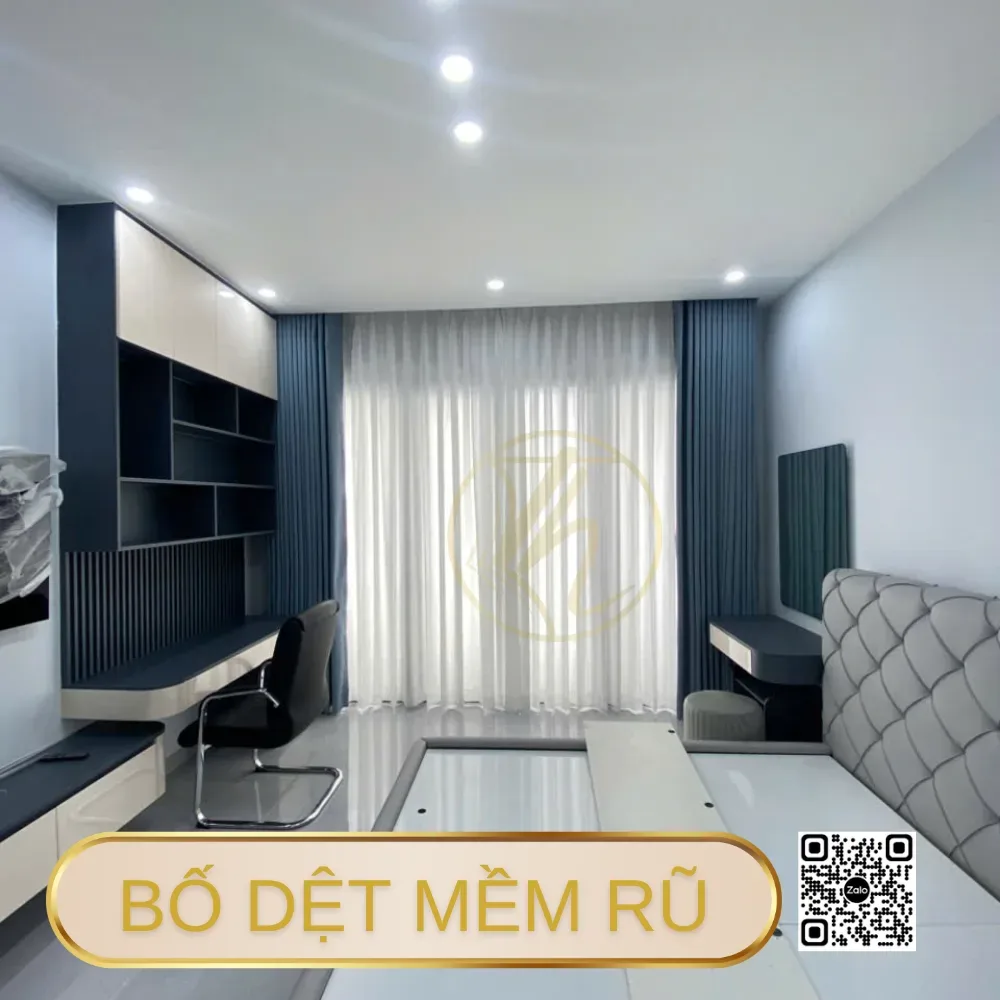
Fabric Curtains in District 3: How to Choose by Room and Need
This article helps readers choose fabric curtains in District 3 based on light blocking needs, [...]
Fabric Curtains in District 6: How to Choose Fabrics and Sewing Styles
A guide to choosing fabric curtains in District 6 for every space, light level, material, [...]
No comments yet!