



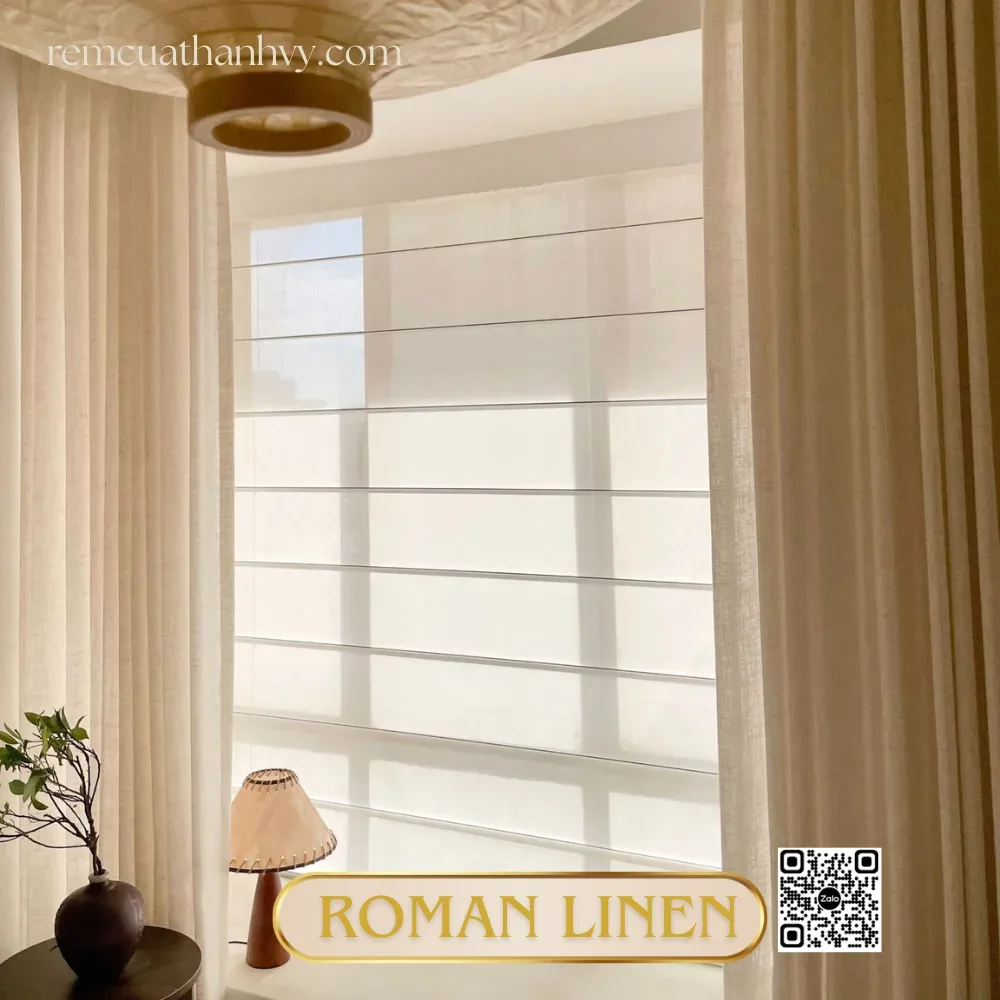
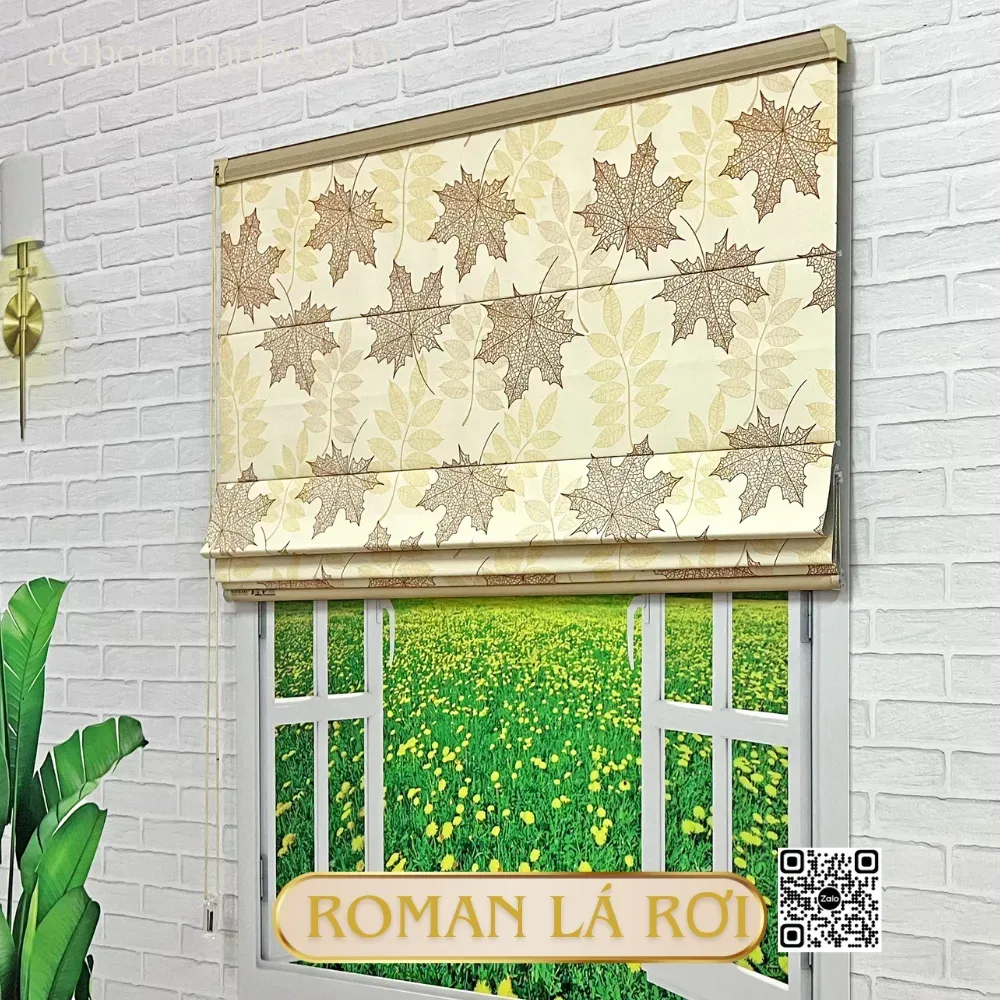
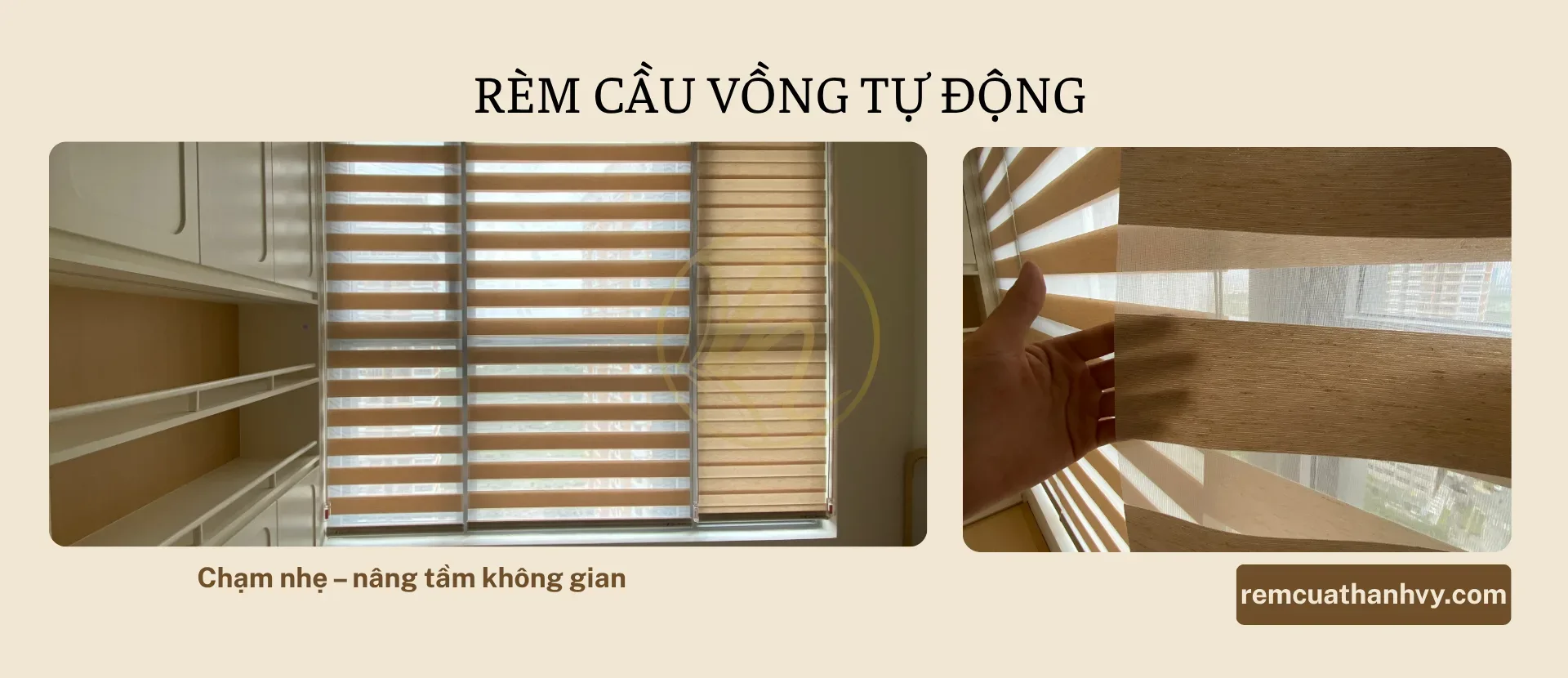
Roller blinds in District 11: How to choose the right ones for your needs
Roller blinds in District 11 are suitable when you need a compact surface and simple light control
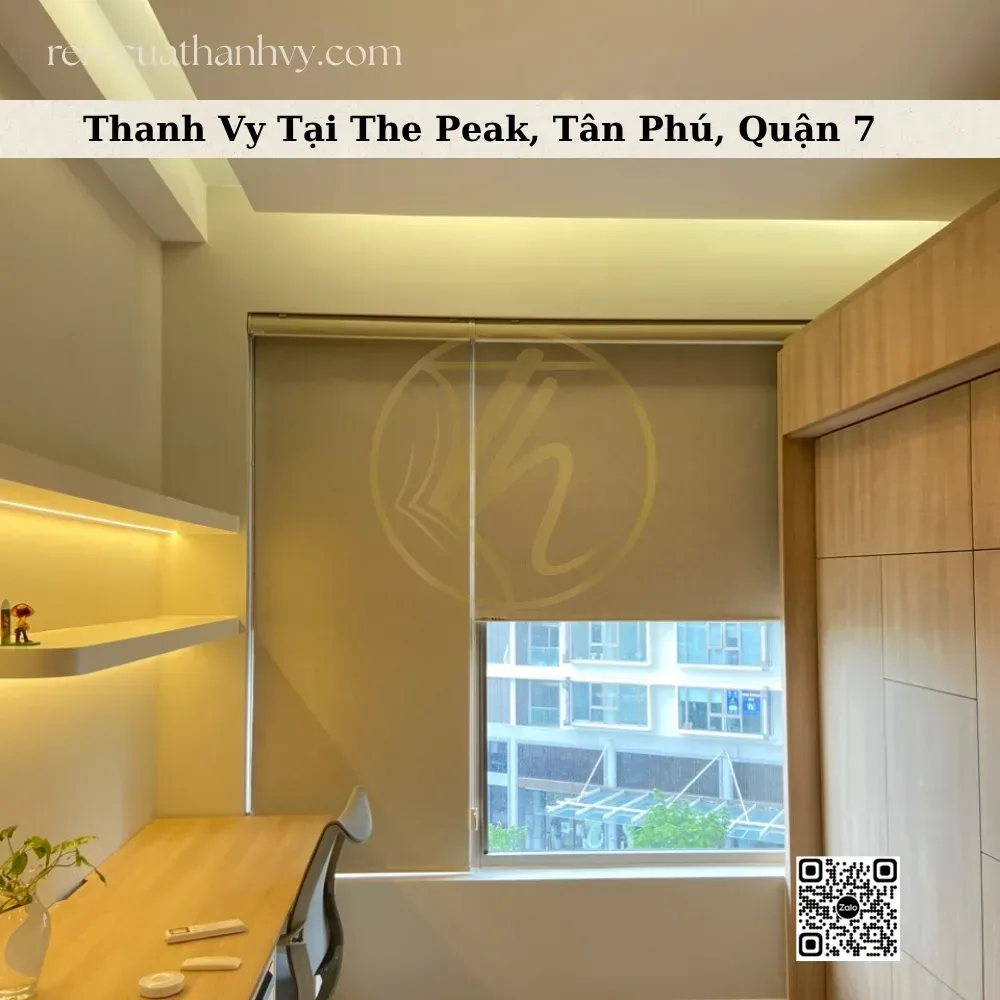
Roller blinds in District 11 are a compact, clean-surfaced choice that takes up little space when opened, making them suitable for apartment windows, secondary doors, workspaces, or small office areas that require minimalism. This is a very common requirement for apartment windows, secondary doors, workspaces, small office spaces, or locations where the curtains should not take up much space like fabric curtains. However, choosing roller blinds will only be truly effective when the user clearly understands their light goals, privacy needs, and the installation style suited to the current state of the door. If you only decide because the blinds look minimalist and compact, the chance of choosing the wrong configuration is still quite high. Background information on the concept of curtains in architecture helps for comparison when choosing materials.
The biggest strength of roller blinds is their simple operation, compact flat surface, ability to blend into many interior styles, and suitability for doors that do not require too much decorative treatment. But precisely because they lean towards compactness, roller blinds need to be decided quite carefully regarding light transmission, coverage, and installation space. Just one mistake in any of these three areas can make the blinds feel stiff, allow light in incorrectly, or be inconvenient for daily opening and closing.

Therefore, when looking into roller blinds in District 11, you should start from the context of use rather than the color. Is the door for a bedroom, a workspace, or a common living area? To what extent do you want light to pass through? Do you need to maintain privacy all day or only at certain times? And more importantly, will the door be installed inside the frame or outside the frame? These questions determine almost the entire quality of the final configuration. Information about the company also appears in an article introducing auditorium curtains on Bao Can Tho.
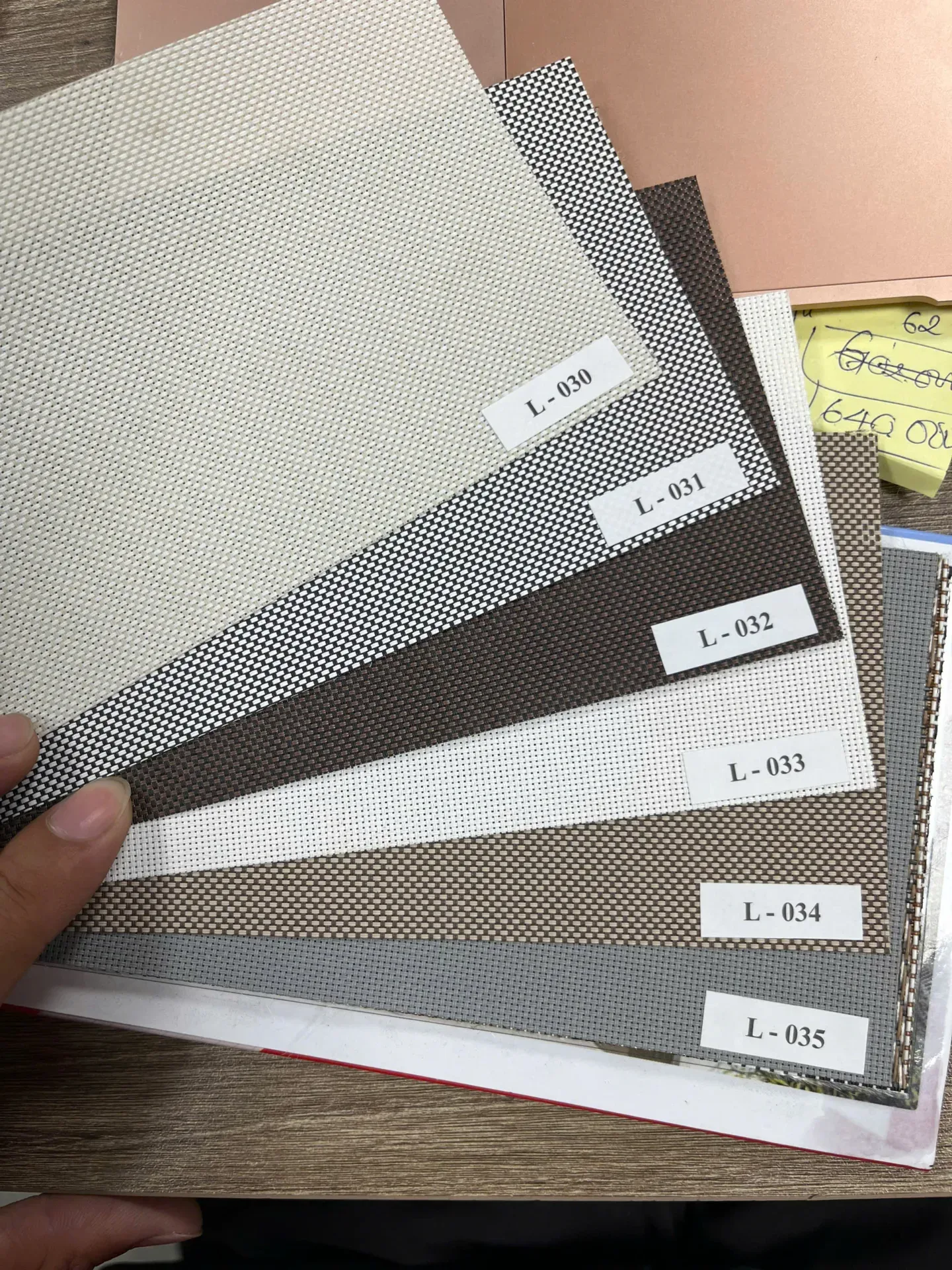
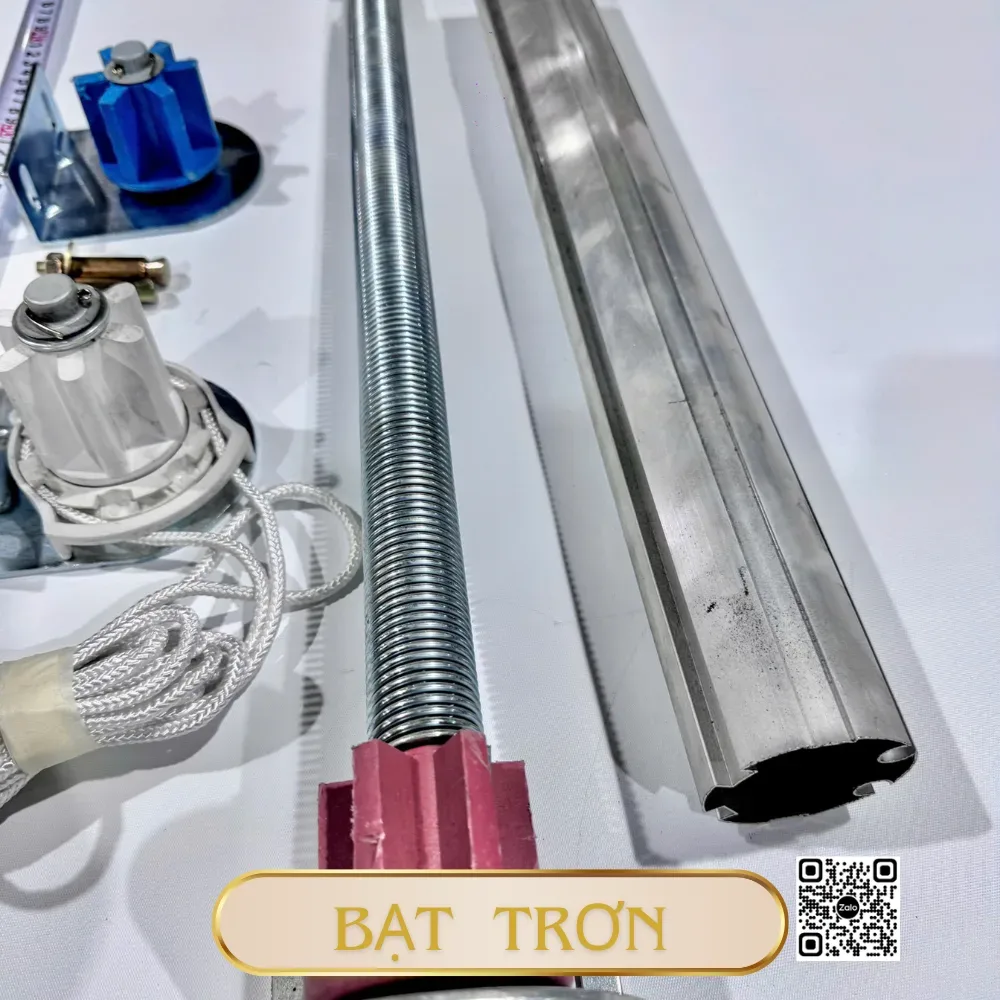
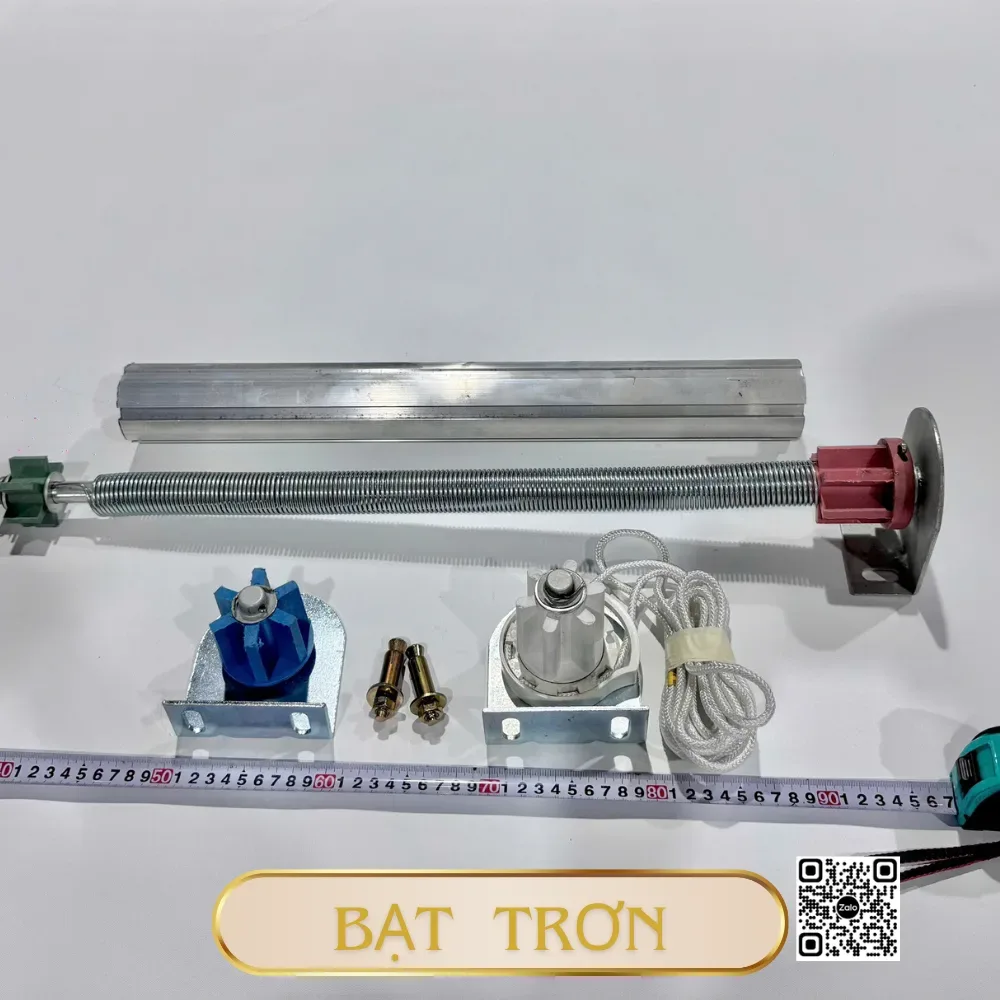
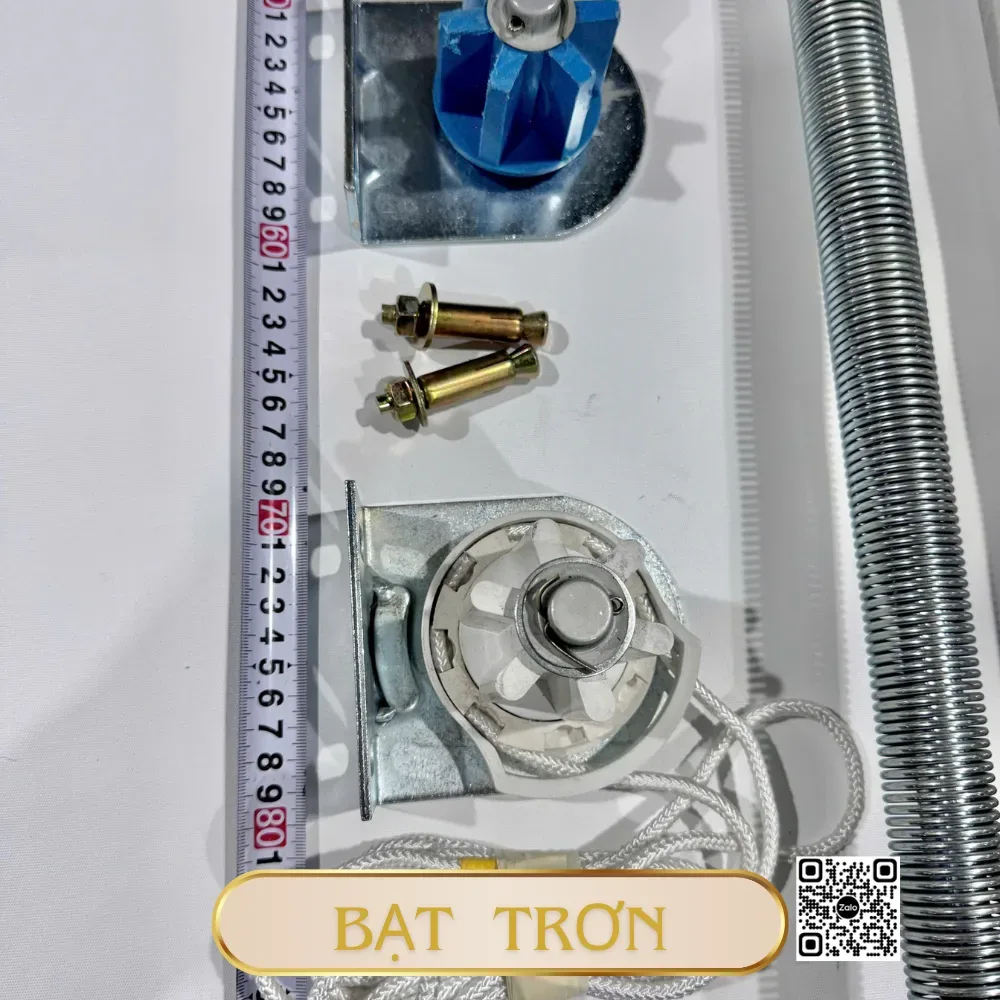
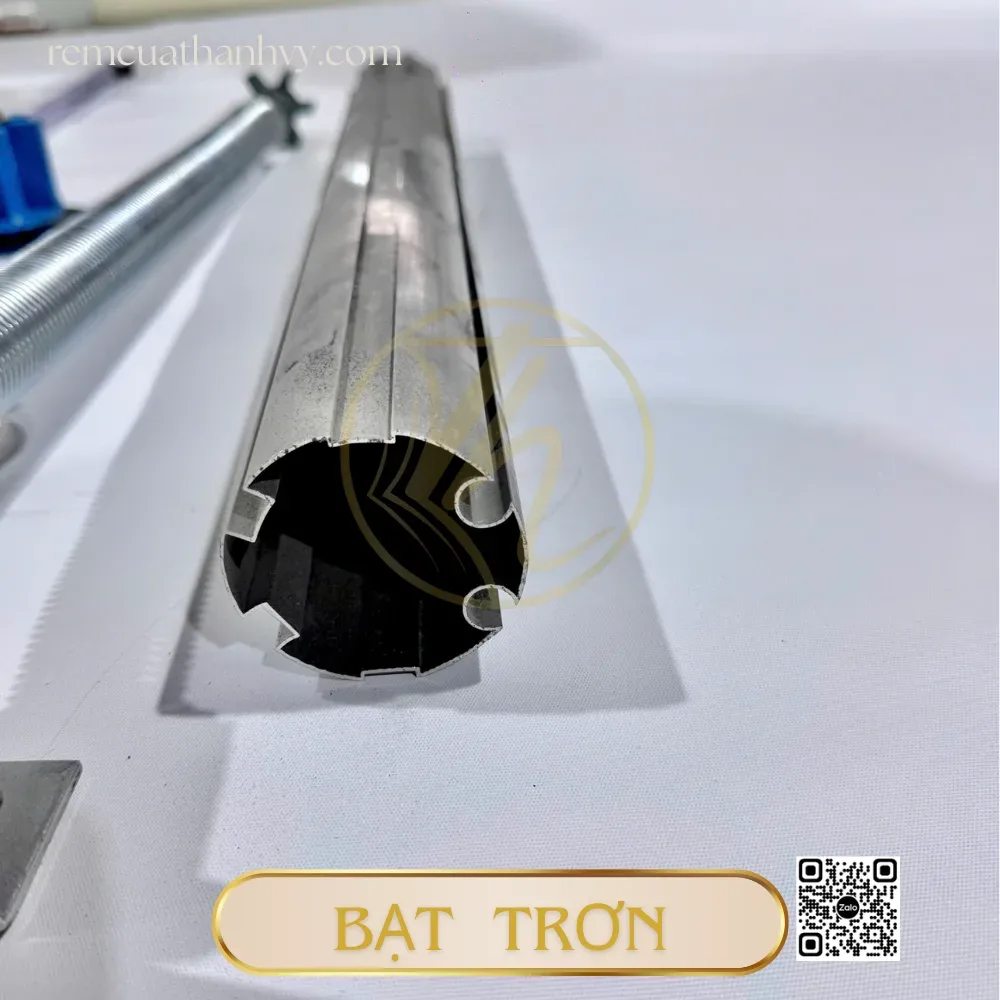
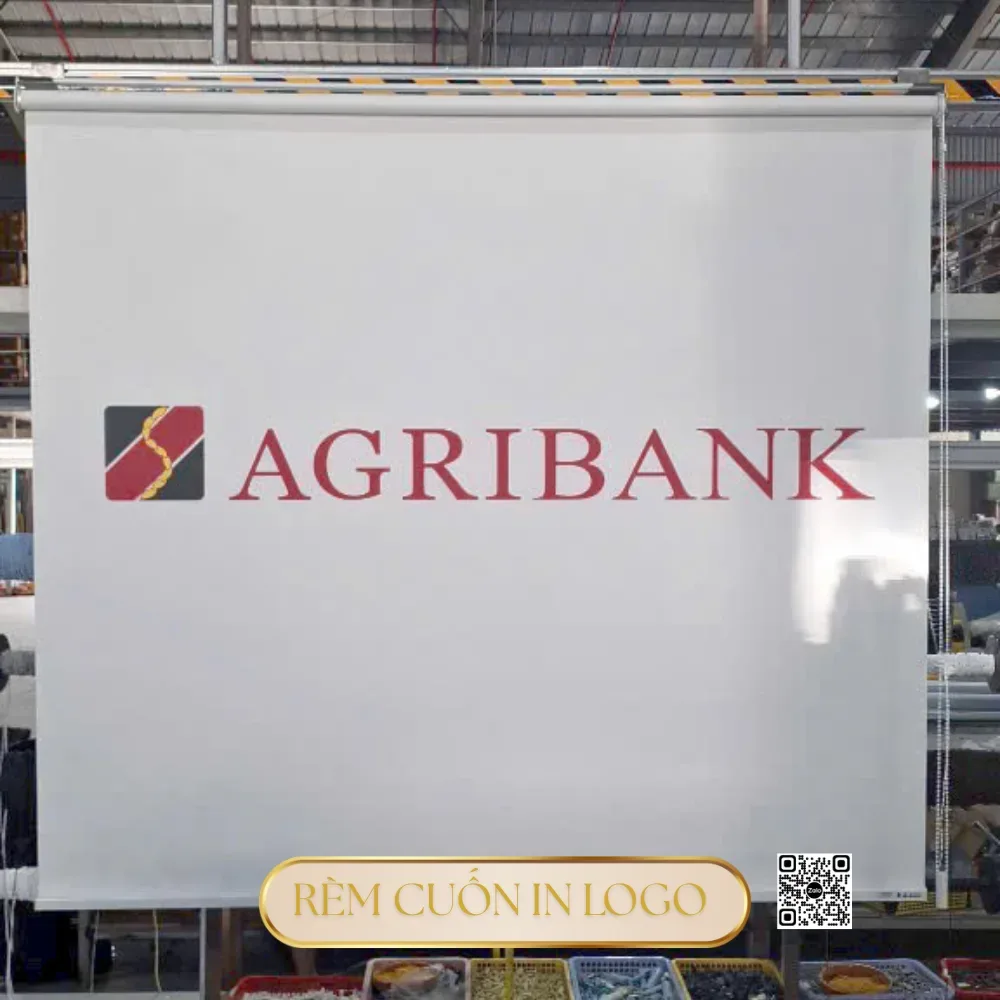
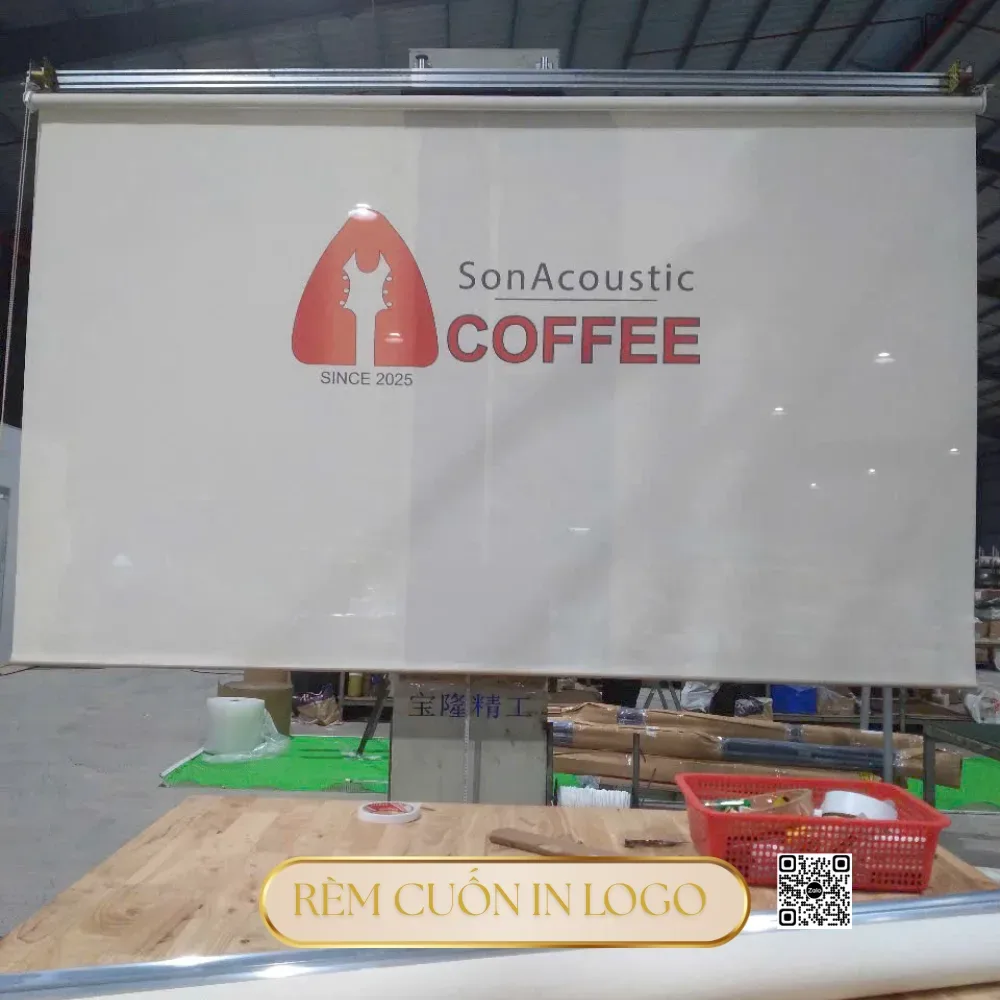
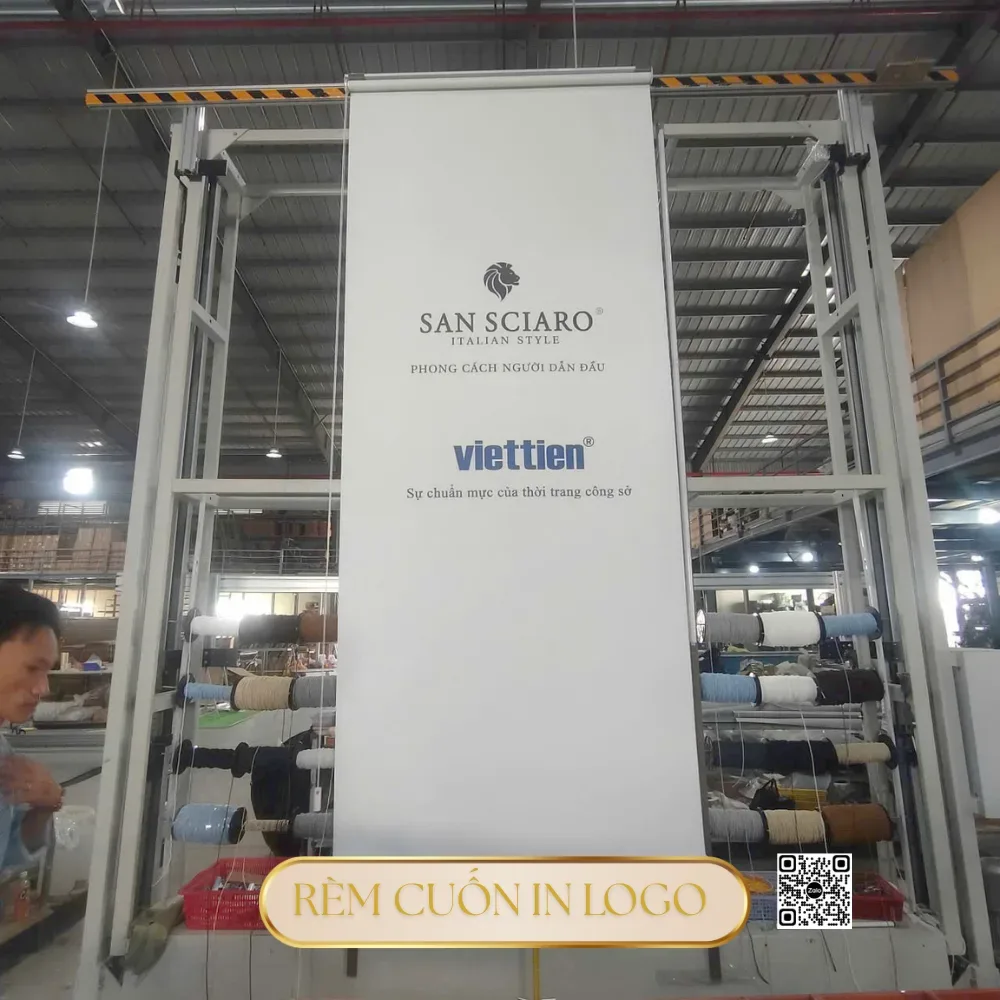
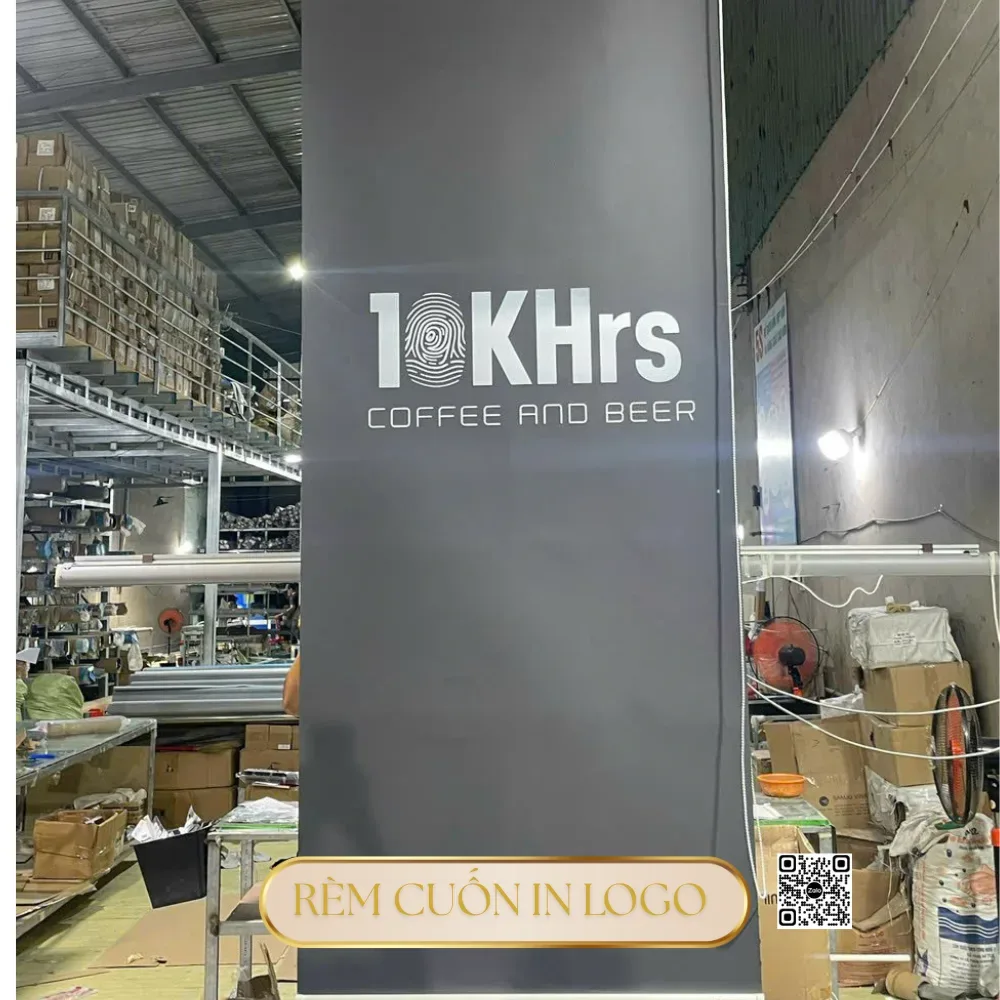
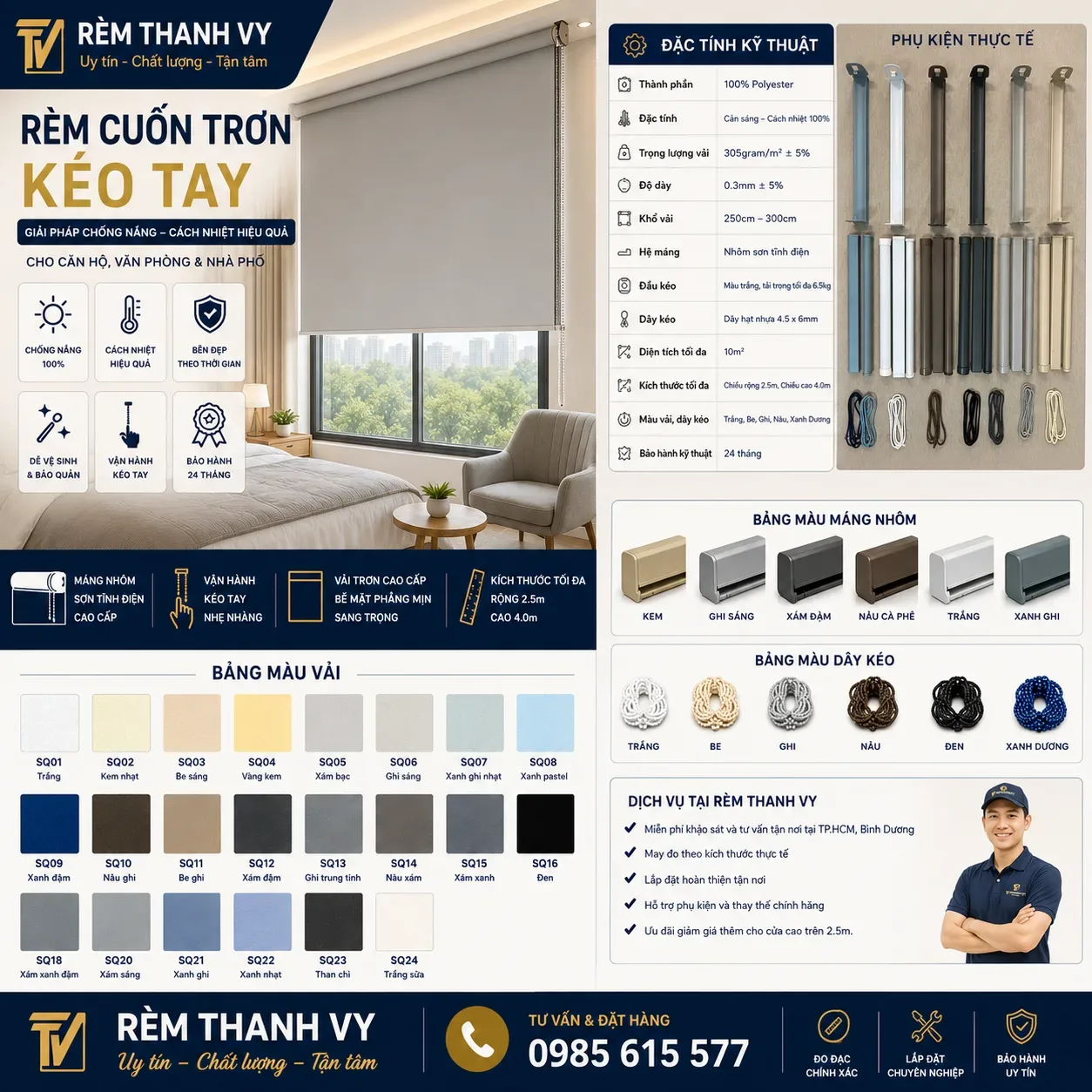
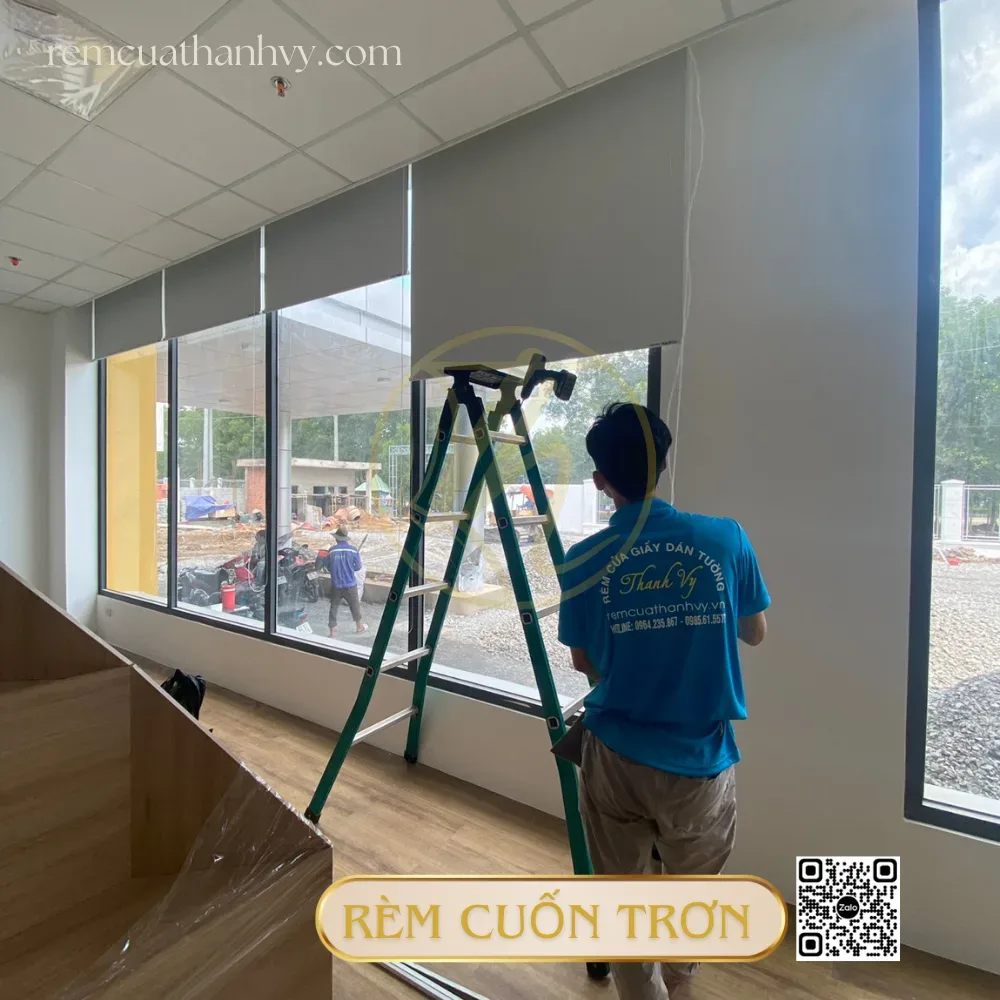
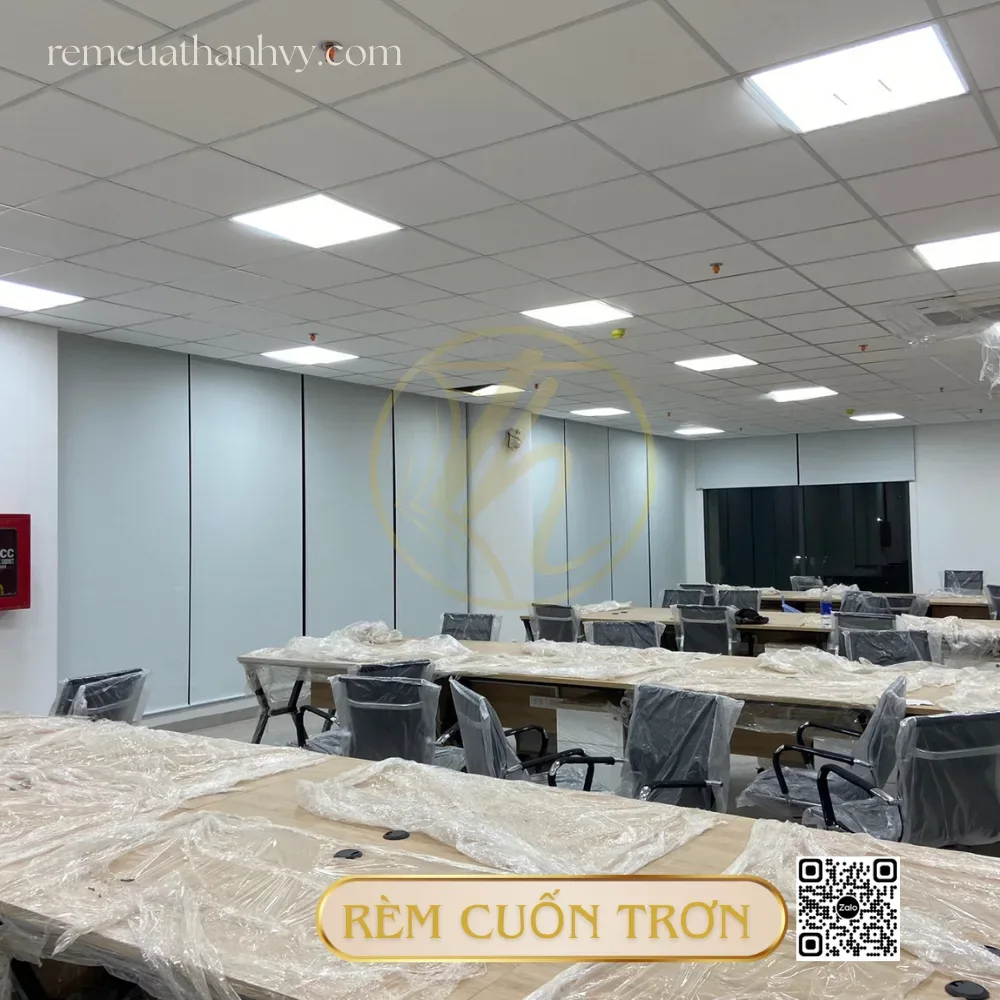
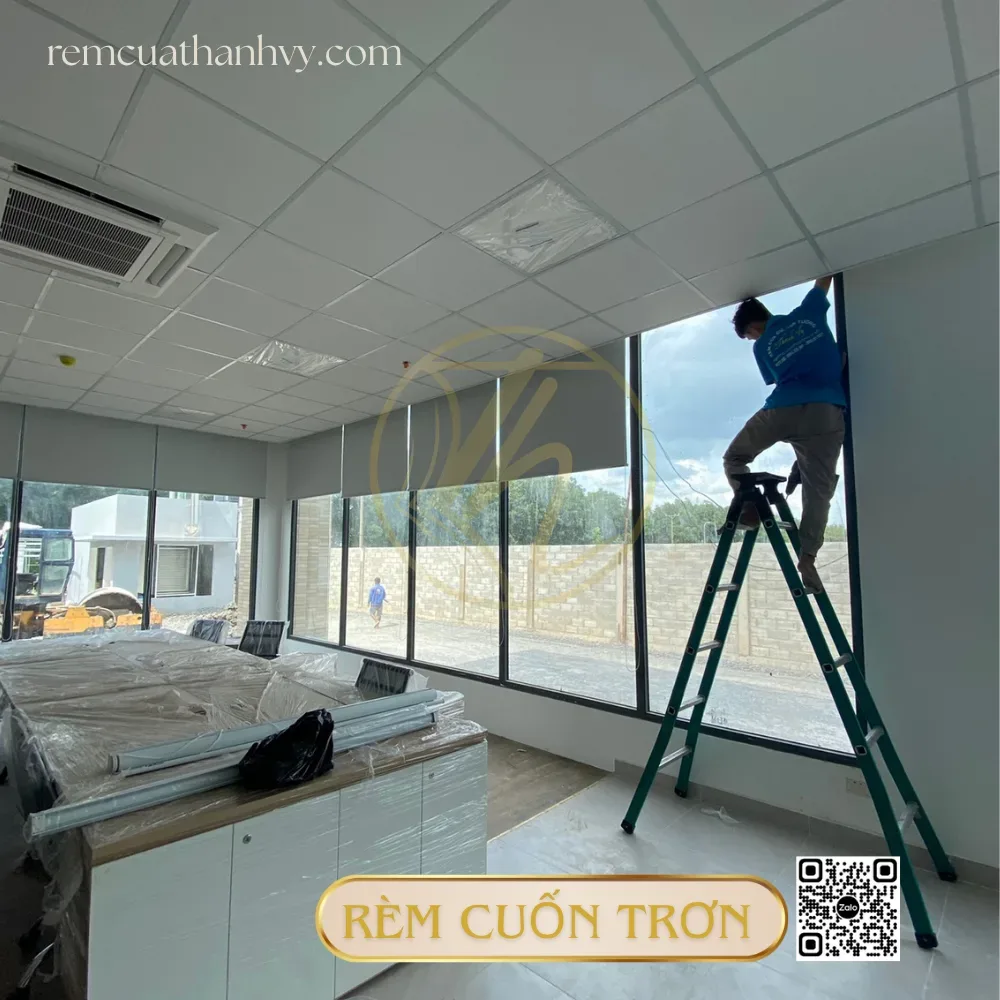
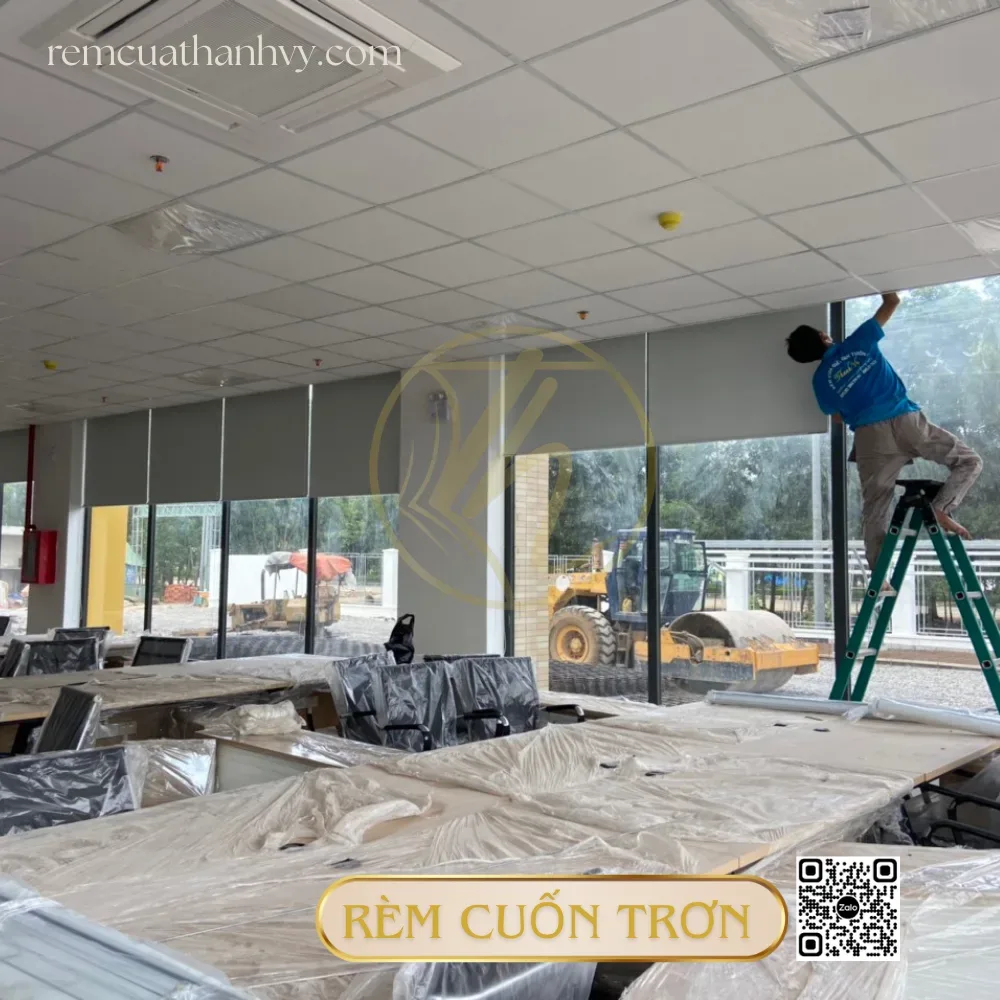
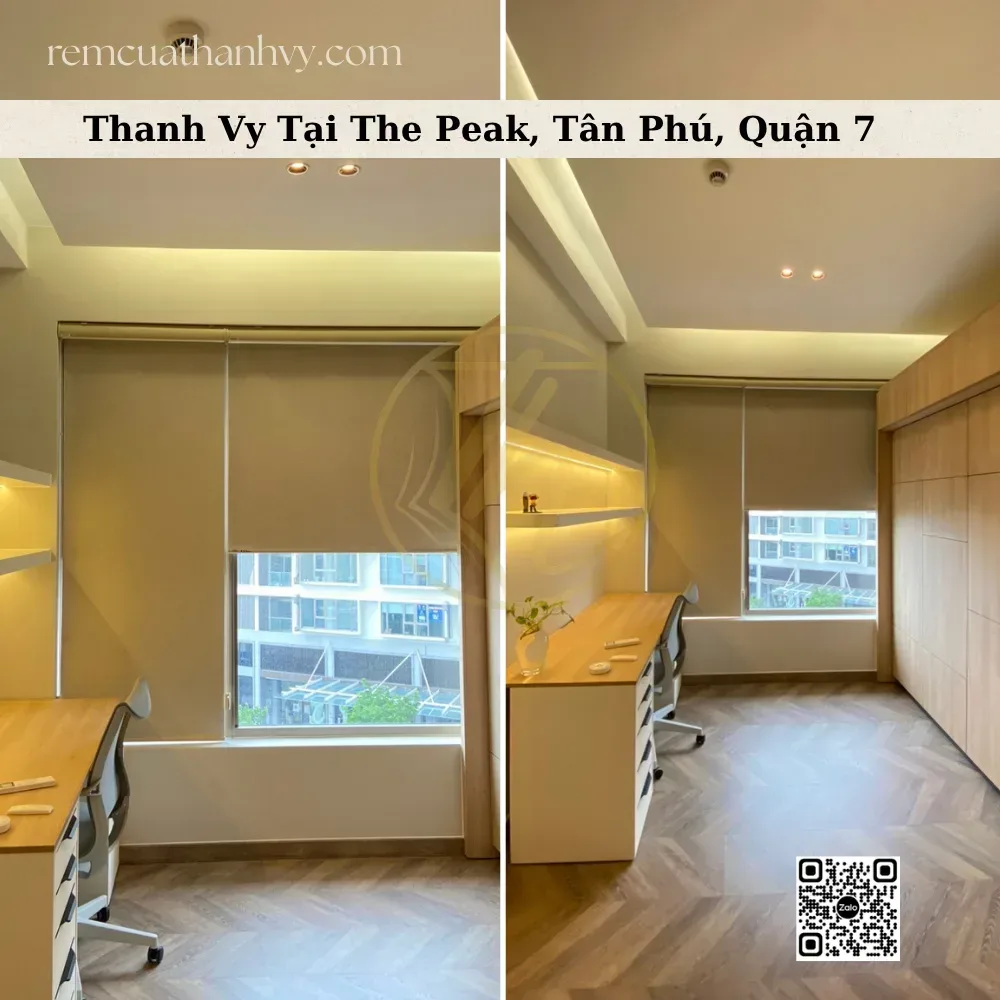
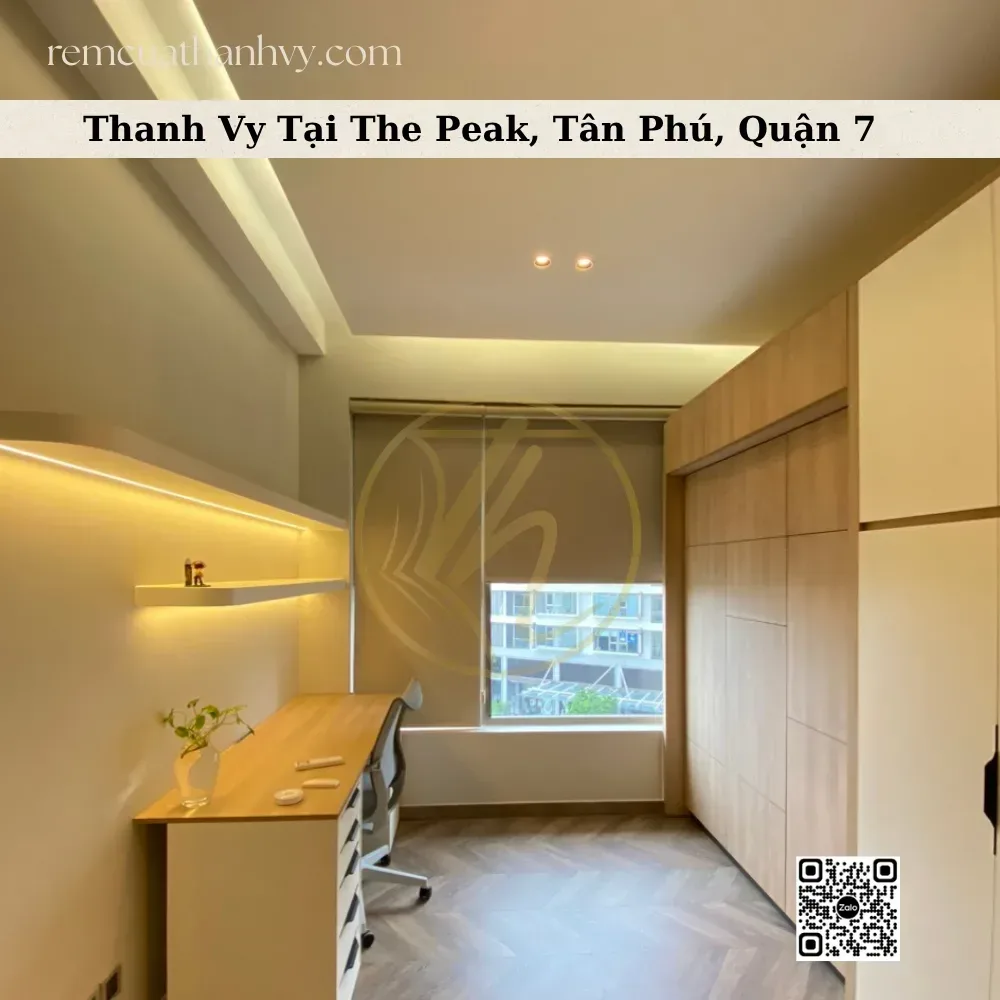
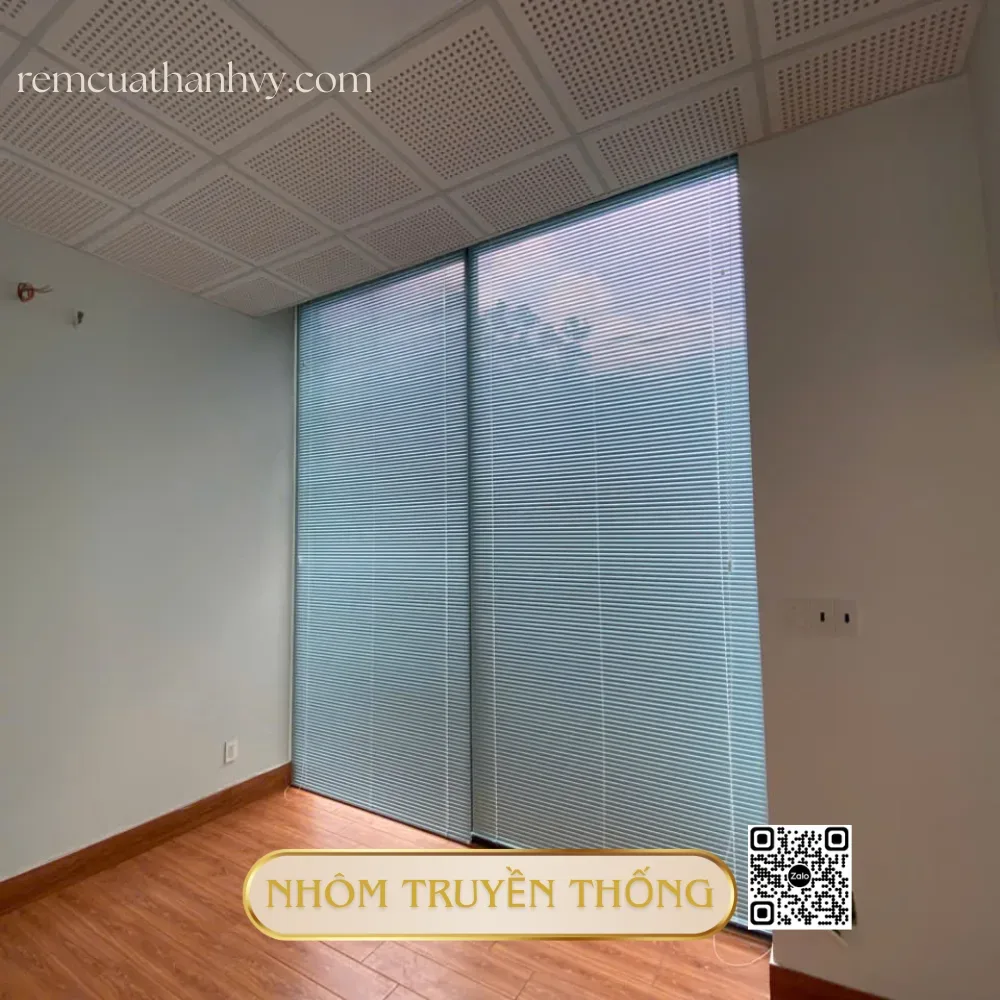
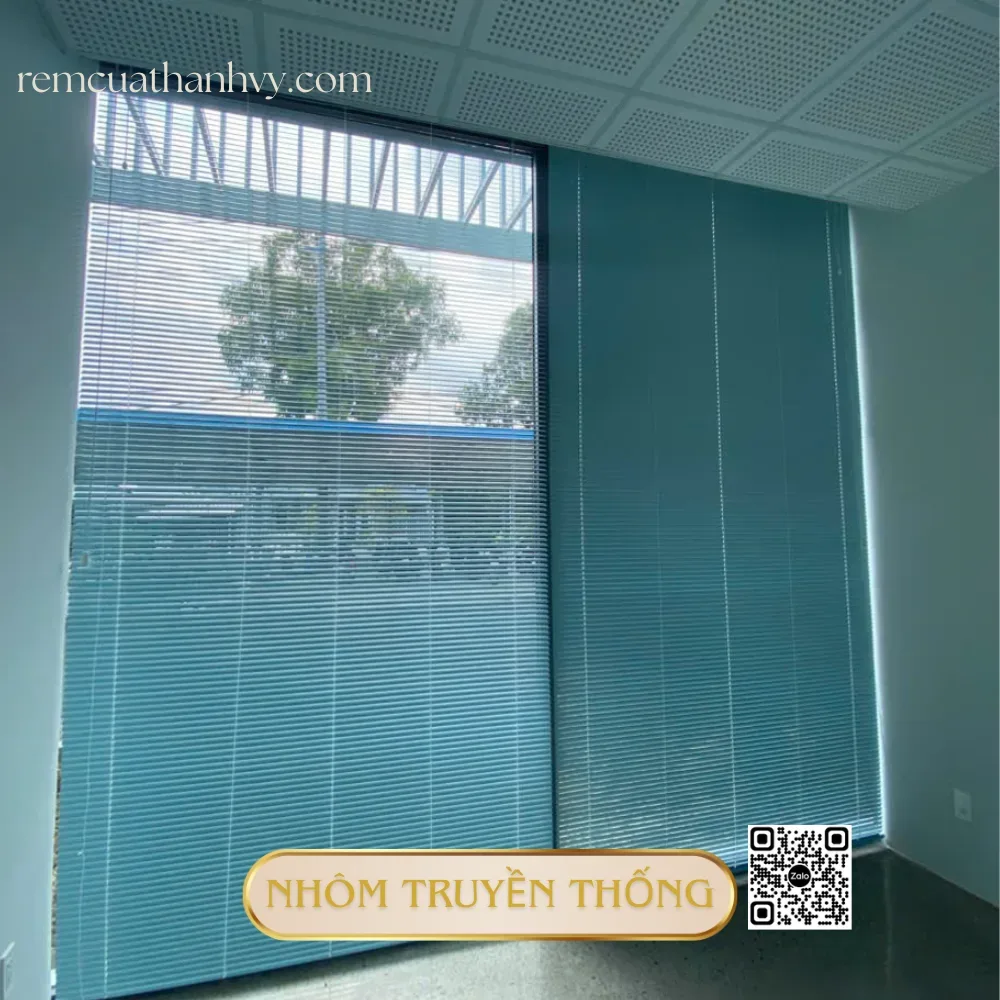
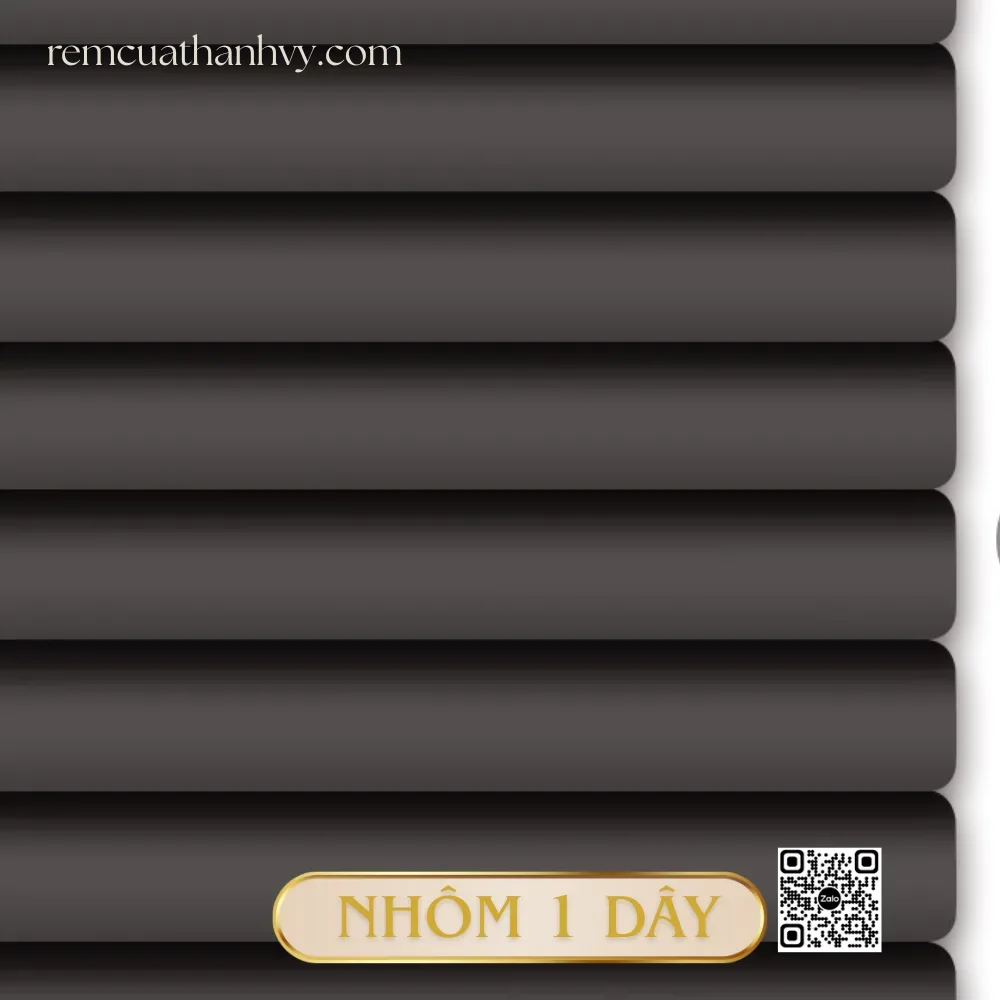
Light transmission level is the first factor to finalize before discussing color and material
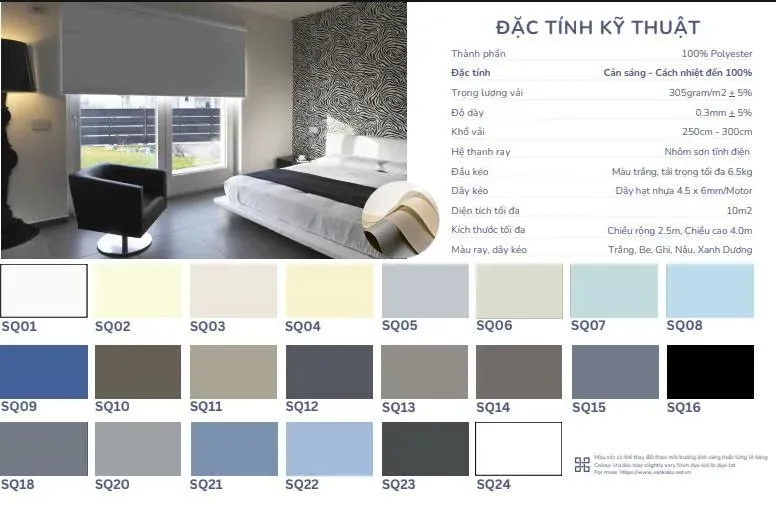
Many people view roller blinds as a fairly uniform group of products, but in reality, the difference between configurations often lies in the level of light that passes through. Some locations only need to soften sunlight and reduce glare, some need more coverage, and some doors just need to be compact, clean, and easy to operate. When these goals are not clearly distinguished, readers can easily fall into the situation of choosing a model that looks beautiful but does not solve the actual usage needs.
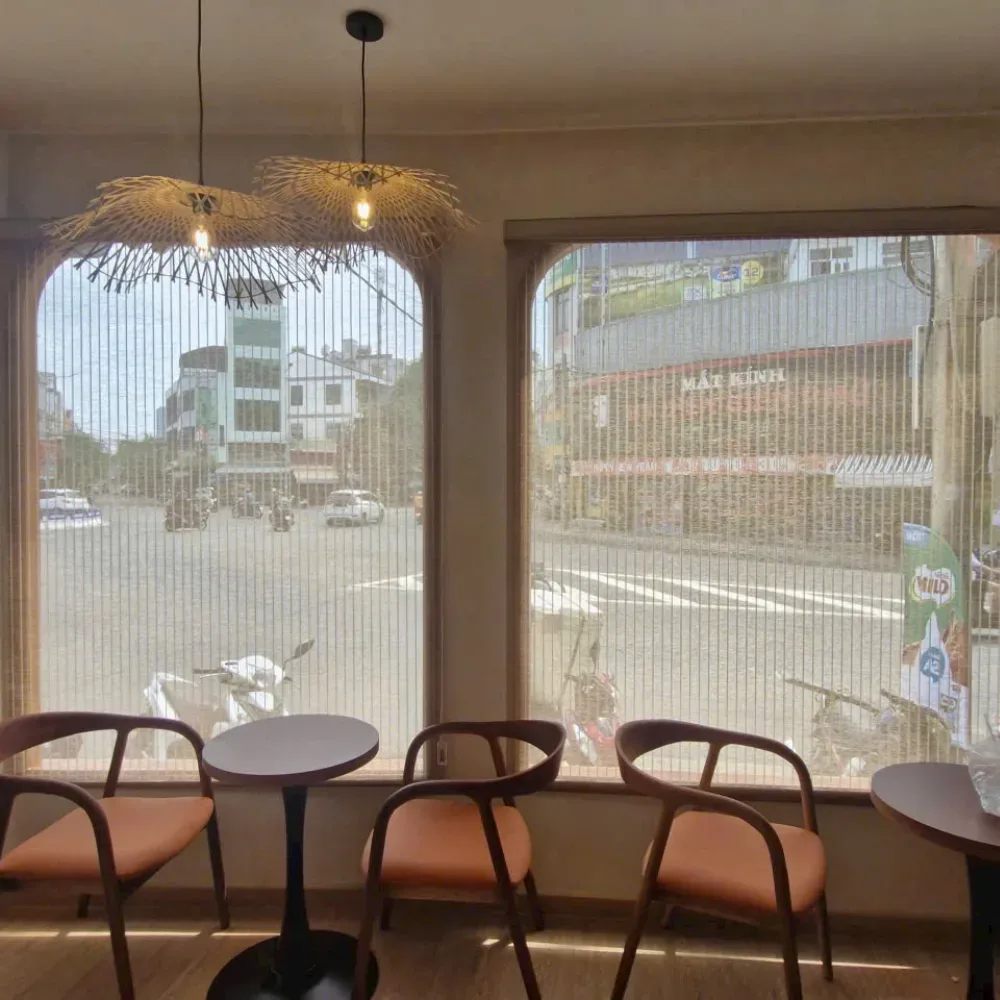
If the door is in a workspace, near a screen, or where daylight needs to be stable, glare control should be considered a high priority. If it is a bedroom or a door in a place where privacy is more important, the coverage level should be described in more detail rather than just using the word “light-blocking.” Conversely, in kitchens, hallways, secondary doors, or places that need neatness and quick operation, users can accept a configuration that leans more towards softening light than absolute blocking.
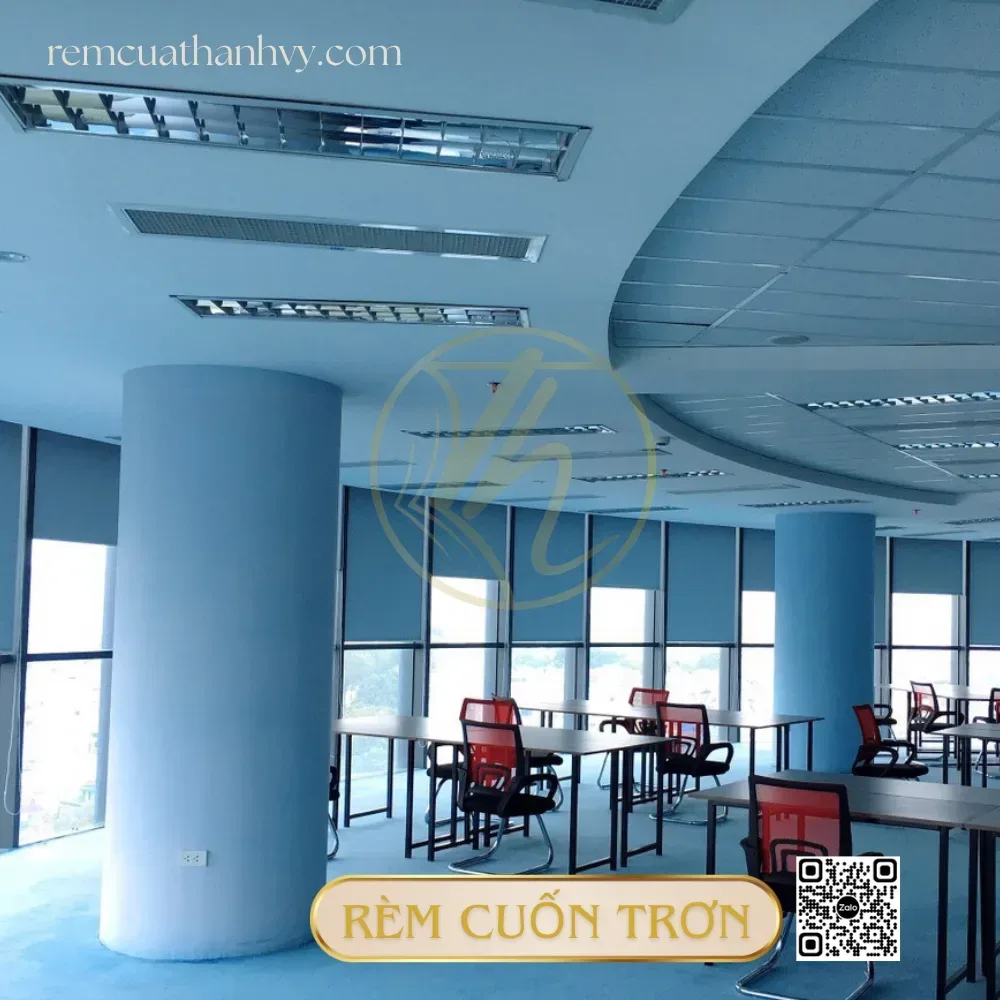
The important thing is not to equate the same color with the same effect. Light transmission also depends on the material surface, coating, construction, and how actual light enters the room. Therefore, if you haven’t seen the samples in person, you should at least ask for a description based on specific usage situations, such as morning use, afternoon use, or in a space with a computer screen. This way of describing helps readers compare options based on real experience rather than general names.
Installation style (inside or outside the frame) will affect both functionality and aesthetics
Roller blinds are a type of curtain that looks compact, but that compactness only shines when the installation style fits the current state of the door. Inside-frame installation is often preferred because the blinds sit neatly in the recess, and the overall look is clean and restrained. However, this option is only suitable when the door recess is sufficient, has appropriate depth, and is not affected by handles, opening leaves, protruding frames, or other obstructive details. If you force an inside-frame installation when conditions are not suitable, the opening and closing experience will be the first part to reveal problems.
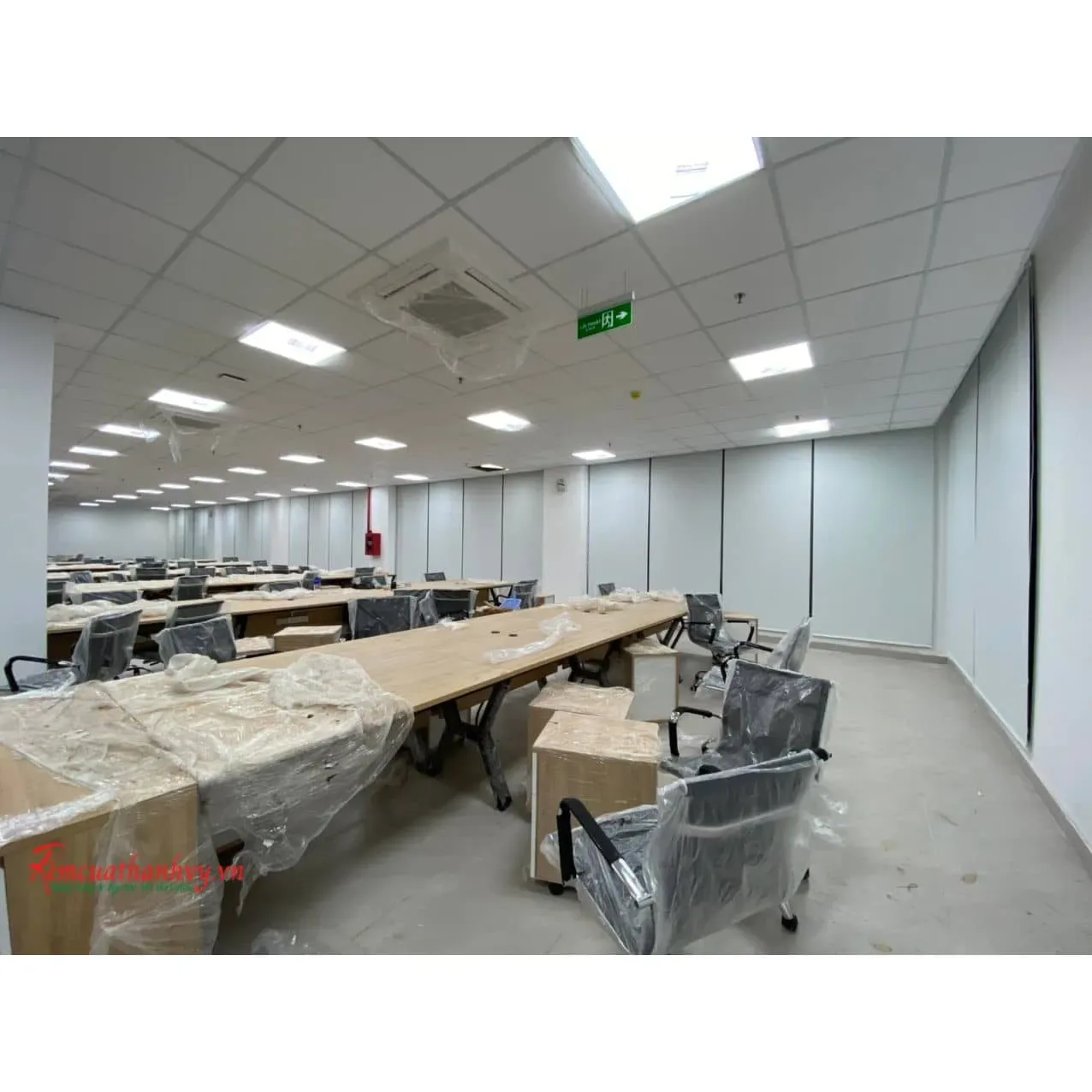
Outside-frame installation helps increase the coverage area and is often more flexible for many door conditions. However, outside-frame installation also requires careful calculation of the wall surface, screw placement, the opening range of the blinds, and the coverage on both sides to avoid looking crooked or unbalanced. With doors in central visual positions, even a small ratio difference can cause the blinds to lose the compactness that is the biggest advantage of this product line.
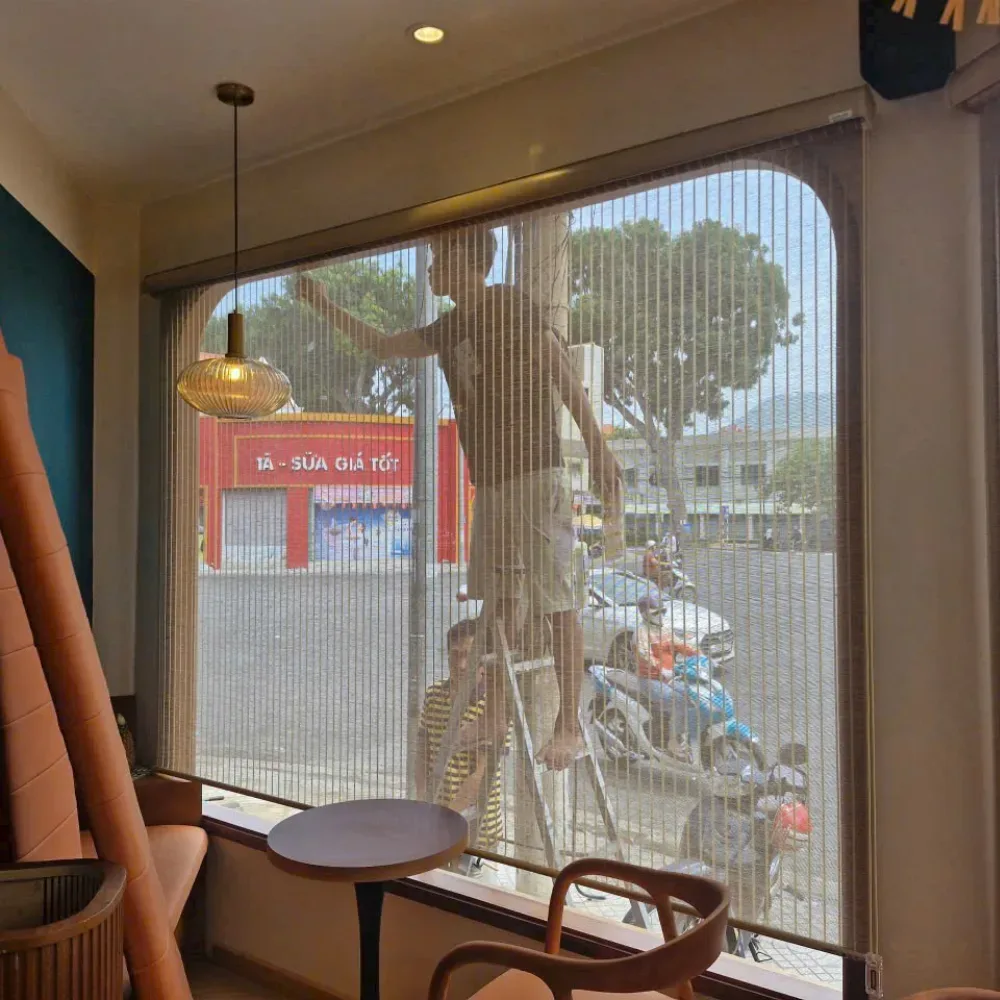
A common mistake is only looking at the closed state of the blinds while forgetting the open state. When opened, does the rolled-up part at the top affect the view, the handle, the door frame, or not? When closed, does the bottom edge of the blinds cover enough of the area the user wants to cover? Such questions are just as important as choosing the color or surface pattern.
If you are considering further, you can refer to the Top Most Beautiful Roller Blind Models for Bedrooms 2026 and Top Most Beautiful Roller Blind Models for Workspaces 2026 to compare before deciding.
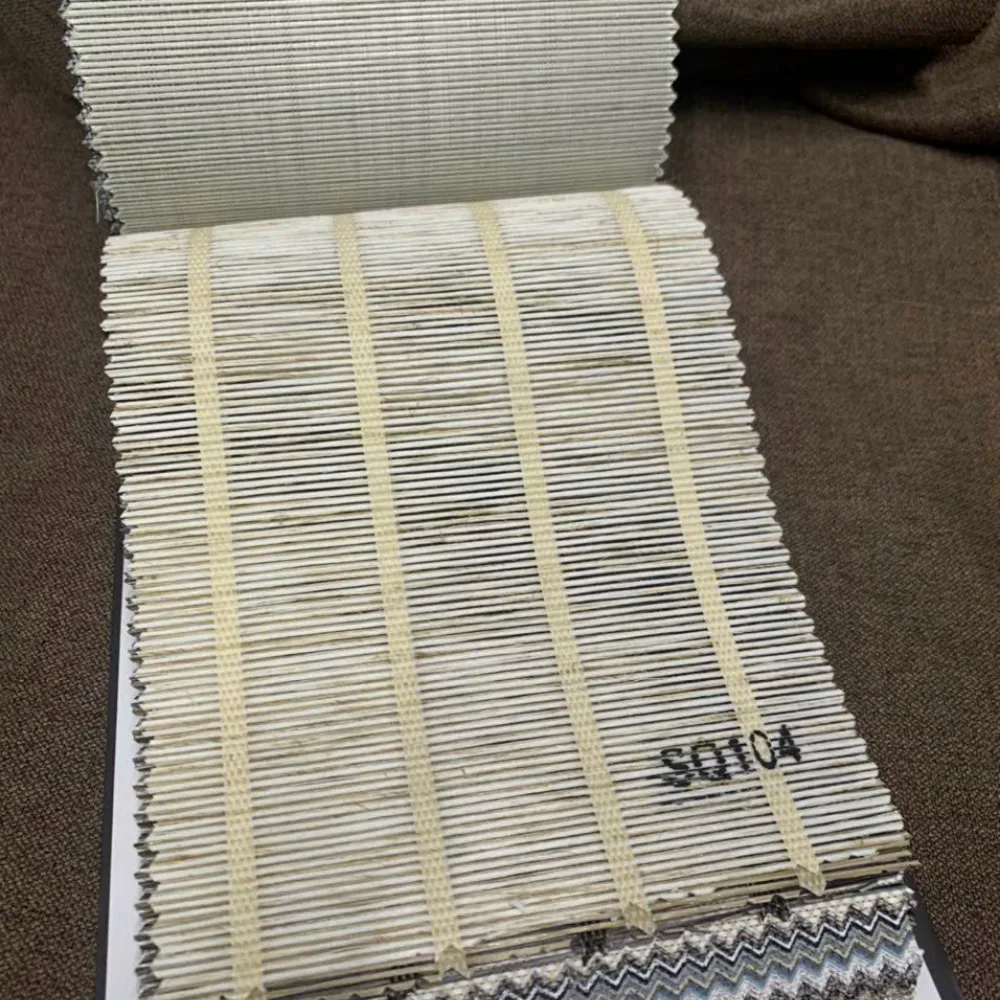
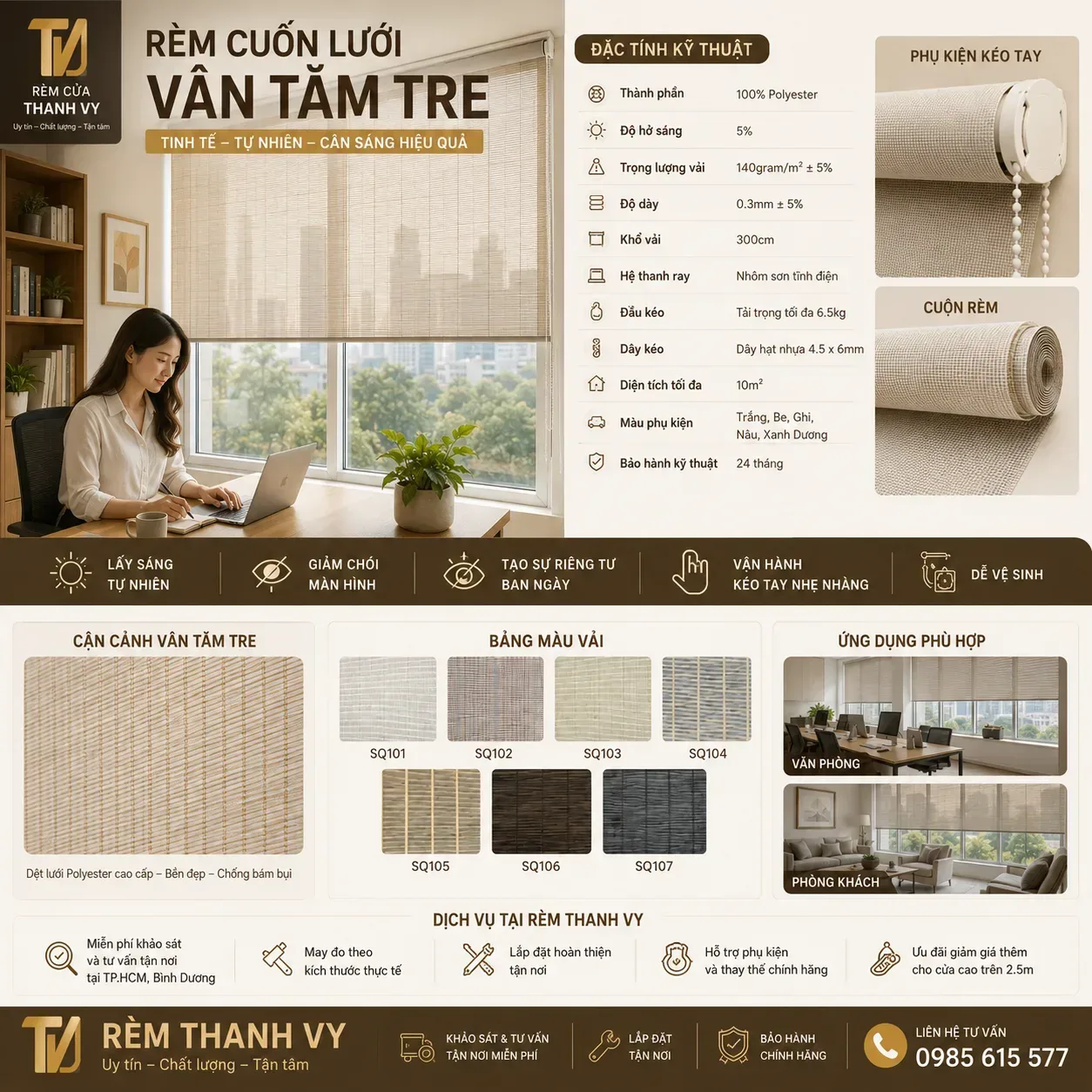
Quick answer: With roller blinds in District 11, you need to check both the open and closed states before finalizing: the rolled-up part at the top might interfere with handles or door frames, and the bottom edge when closed must cover enough of the area requiring privacy.
Material, operating mechanism, and safety level should be clearly asked about before finalizing
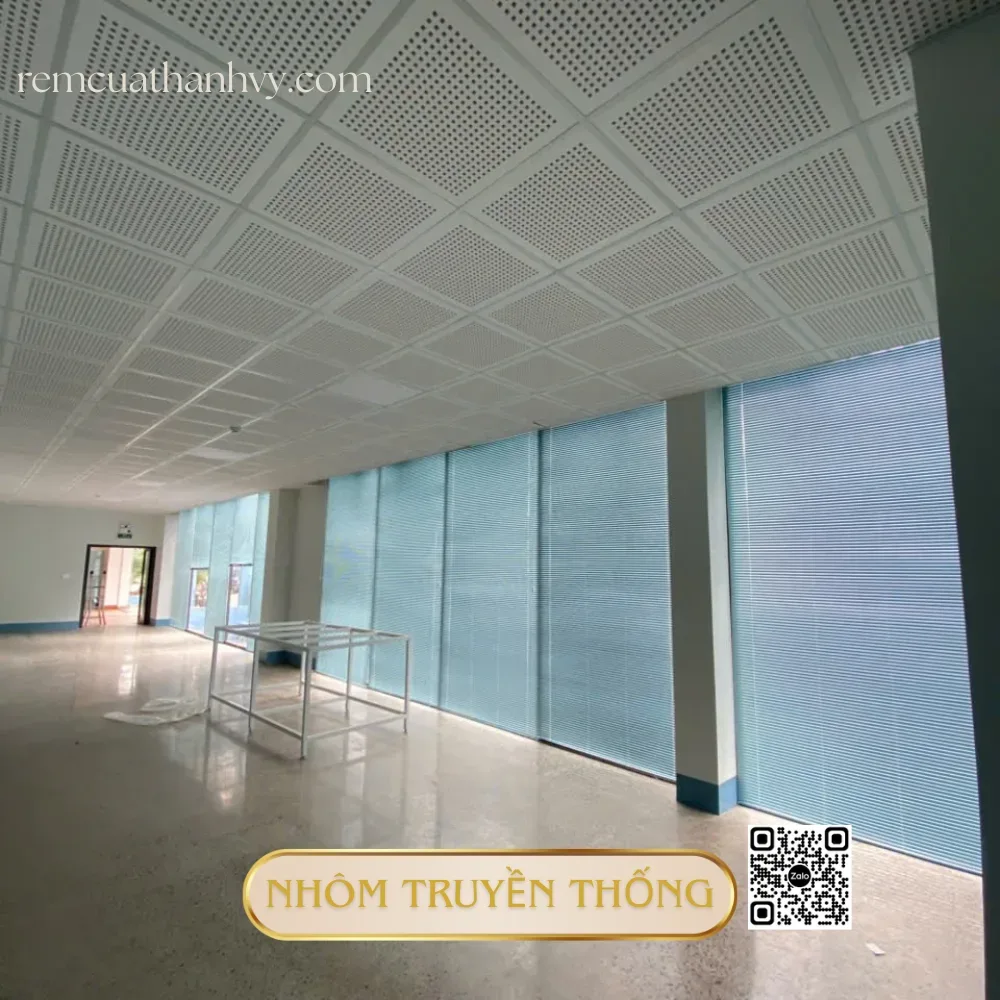
With roller blinds, the material not only determines the light but also affects the surface feel and ease of maintenance. Some locations need to prioritize ease of cleaning, especially when near a kitchen, a balcony with a lot of dust, or in a workspace with high usage frequency. Other locations need to focus more on the feeling of soft light or the level of opacity. Even with the same type of roller blinds, the priorities for each door can be completely different.
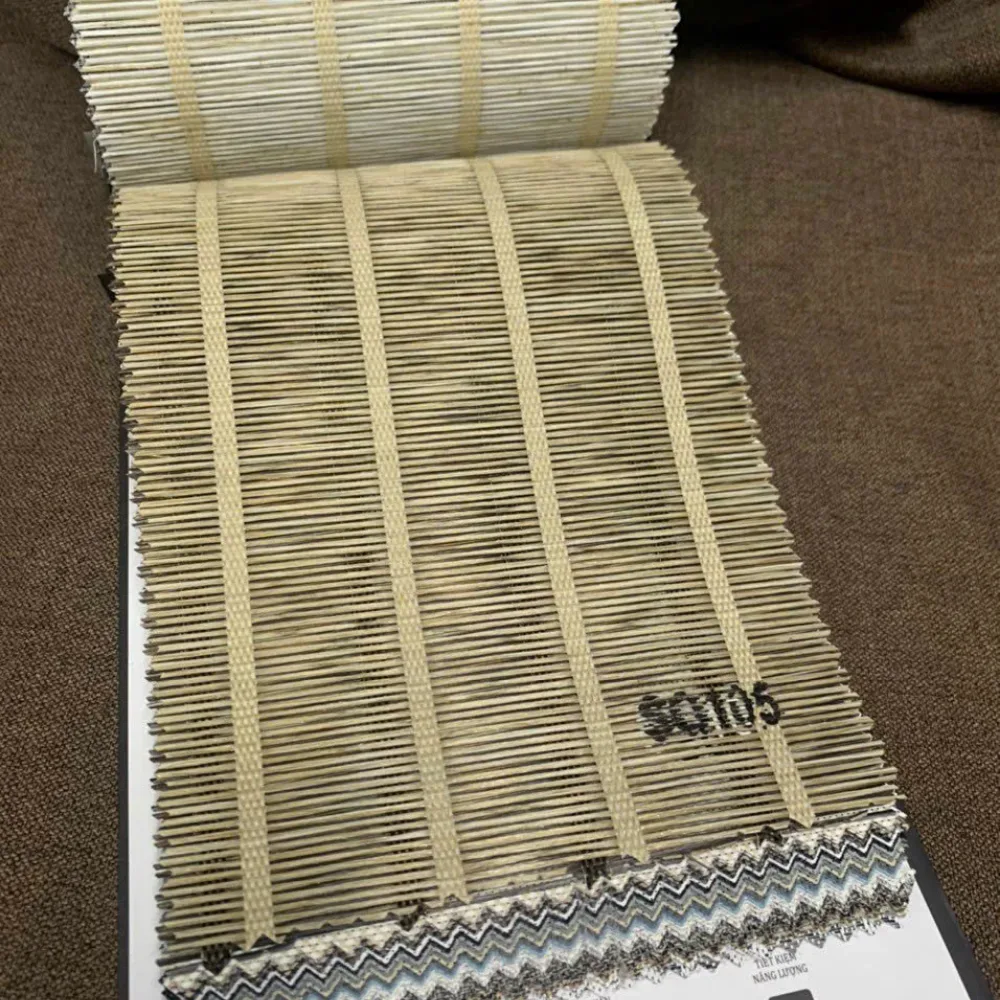
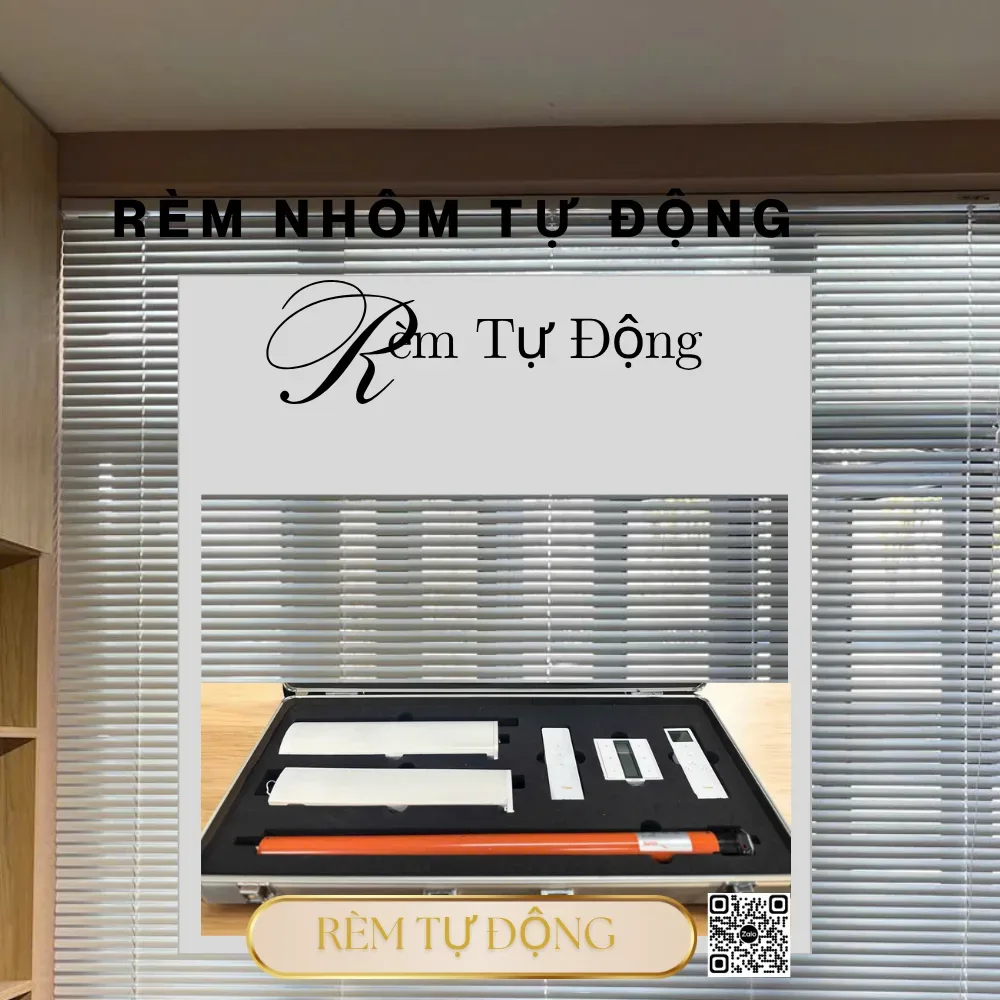
The operating mechanism should also be clearly asked about. Readers should know where the pulling or controlling will take place, whether it is convenient for the usage position, and whether it is suitable for a family or office context. For homes with young children, this detail should not be overlooked. A set of blinds that operates smoothly and is in the right position usually provides a better long-term experience than a set that only looks good at first glance.
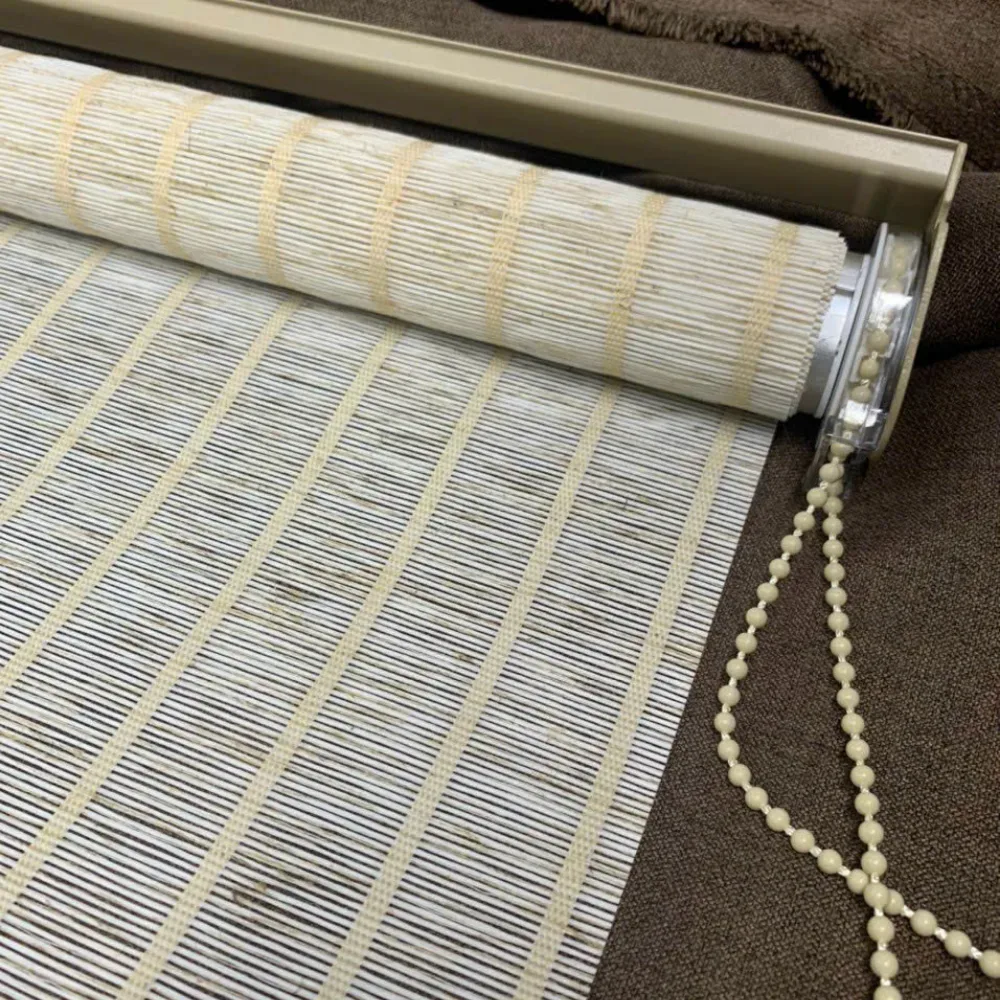
If you are debating between two configurations, the most effective way to compare is to put them through the same set of questions: light transmission level, daytime and nighttime privacy level, installation style, ease of cleaning, convenience of operation, and suitability for the space. When having the same set of criteria, readers will easily see the real differences instead of just seeing two models that look similar.
Roller blinds for bedrooms, workspaces, and secondary doors should not be thought of in the same way
In the bedroom, what users care about is usually privacy and the level of light control according to rest times. In the workspace, the priority may shift to anti-glare and maintaining focus on the screen. With secondary doors, kitchen doors, or areas where you don’t stay long, the factors of compactness, ease of cleaning, and quick operation may take precedence over other criteria. Because of that difference, roller blinds should not be decided based on the idea that “this model works anywhere.”
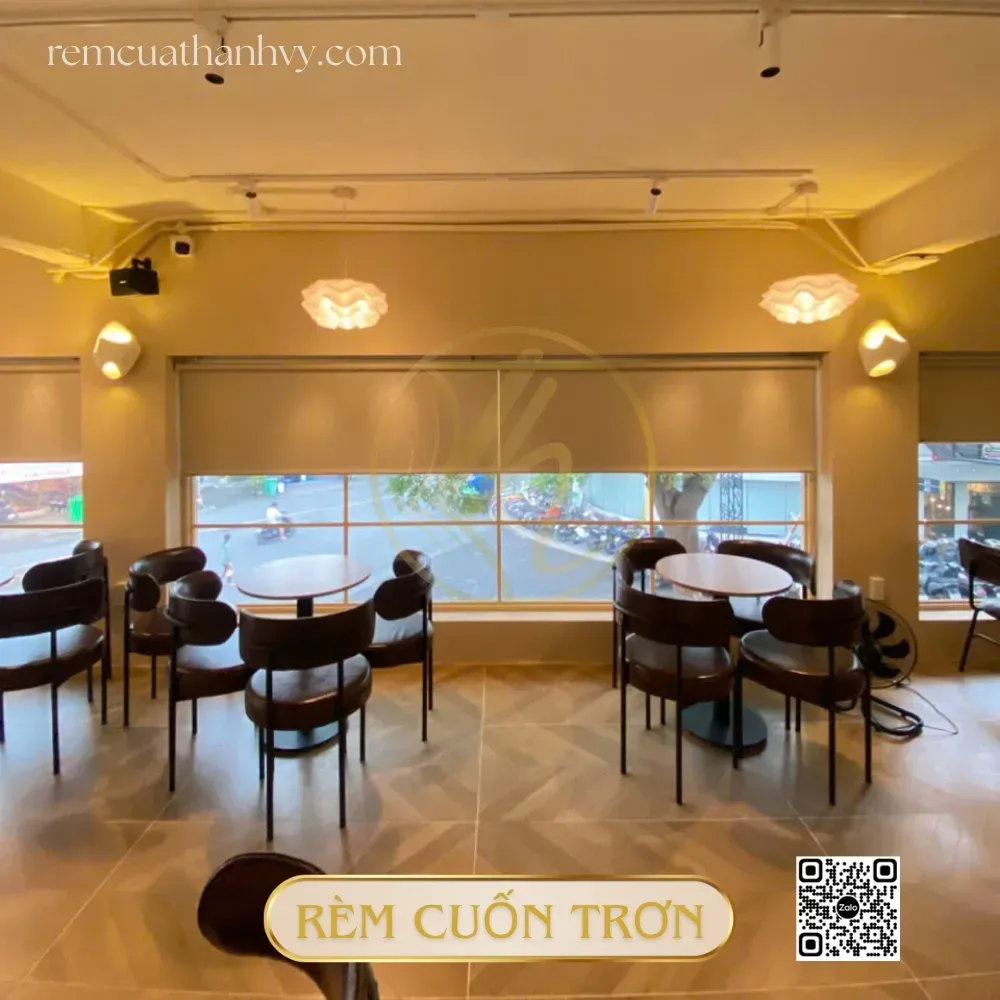
A home workspace is a typical example. Some people just need to soften the light to reduce screen glare, while others need to limit the view from outside during working hours. If you only say generally that you “want it compact and beautiful,” the consulting configuration is very likely to go off track. Conversely, at a kitchen door or hallway, a model that leans towards being compact, less visually heavy, and easy to clean may be much more suitable than a configuration that is heavy on light blocking.
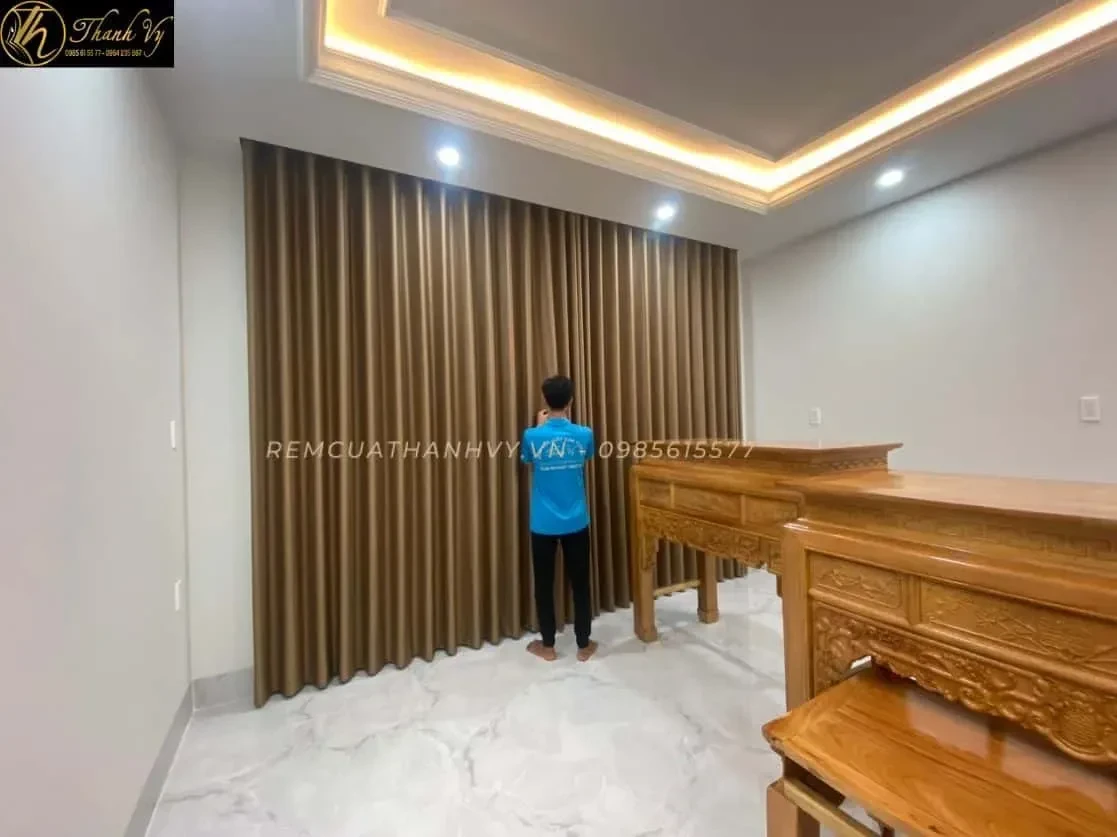
Separating the context of use helps readers understand that choosing roller blinds is essentially choosing how that door operates daily. When starting from real usage experience instead of just looking at pictures, the chance of choosing correctly will be significantly higher.
Checklist to prepare before requesting consultation and comparing configurations
To ensure that the consultation for roller blinds in District 11 does not fall into general descriptions, readers should prepare some simple data. First is an overall photo of the window, including the surrounding area to see obstructions, the installation surface, and the space when the door is opened. Next is the preliminary measurement of width, height, and information on whether the door is in a recess or not. If there are handles, opening leaves, or protrusions, they need to be clearly photographed because these are details that directly affect the installation style.
In addition, you should describe the time when the sun is strongest, the main usage goal, and how often the door is opened and closed. A door used a few times a day will have different requirements than a door that is operated continuously. A door near a desk is also different from a door that only acts as a secondary cover. The more clearly you state the context of use, the easier it is for the consultation to move into actual configurations instead of stopping at vague descriptions. You can refer to polyester fiber in the textile industry to better understand the material part.
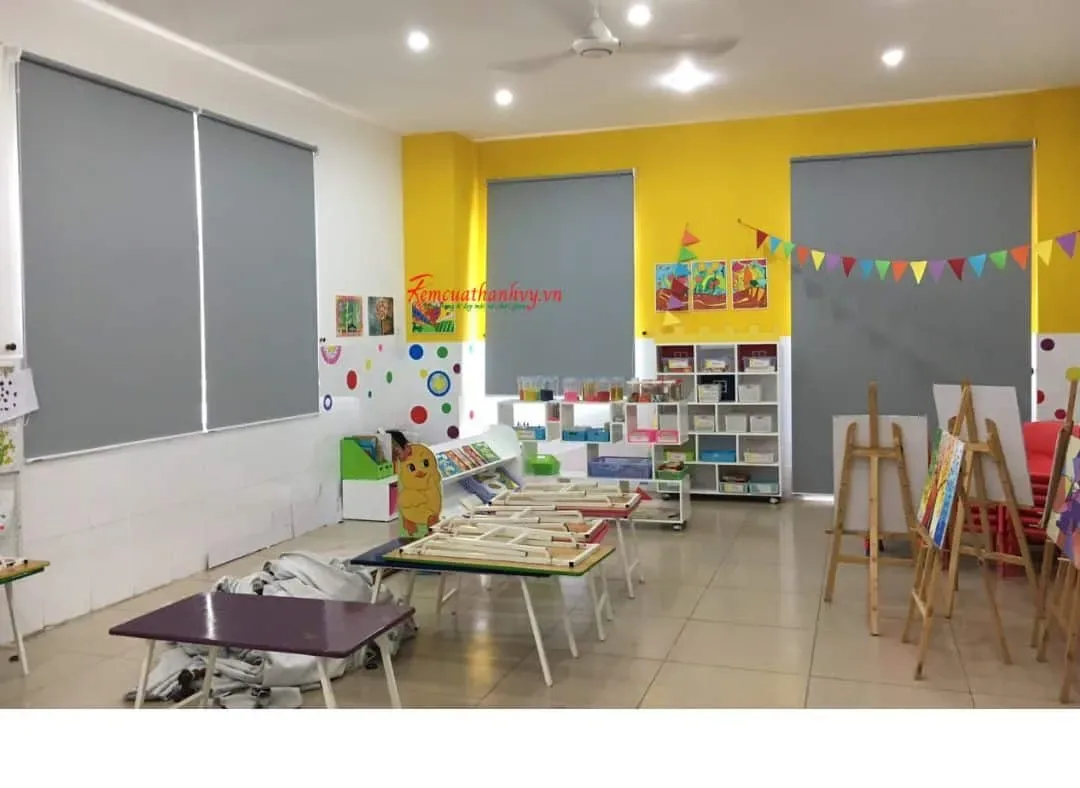
A short checklist before finalizing can include: light goal, desired privacy level, installation style (inside or outside the frame), any obstructions, cleaning needs, and which operating mechanism fits the usage context. With this set of questions, readers will compare options more clearly and avoid having to make adjustments after installation.
Roller blinds in District 11 are a very worthwhile choice when users need compactness, clear functionality, and simple operation. But for the blinds to be truly stable, the decision must still come from the current state of the door and actual usage, not from the minimalist feeling in sample photos.
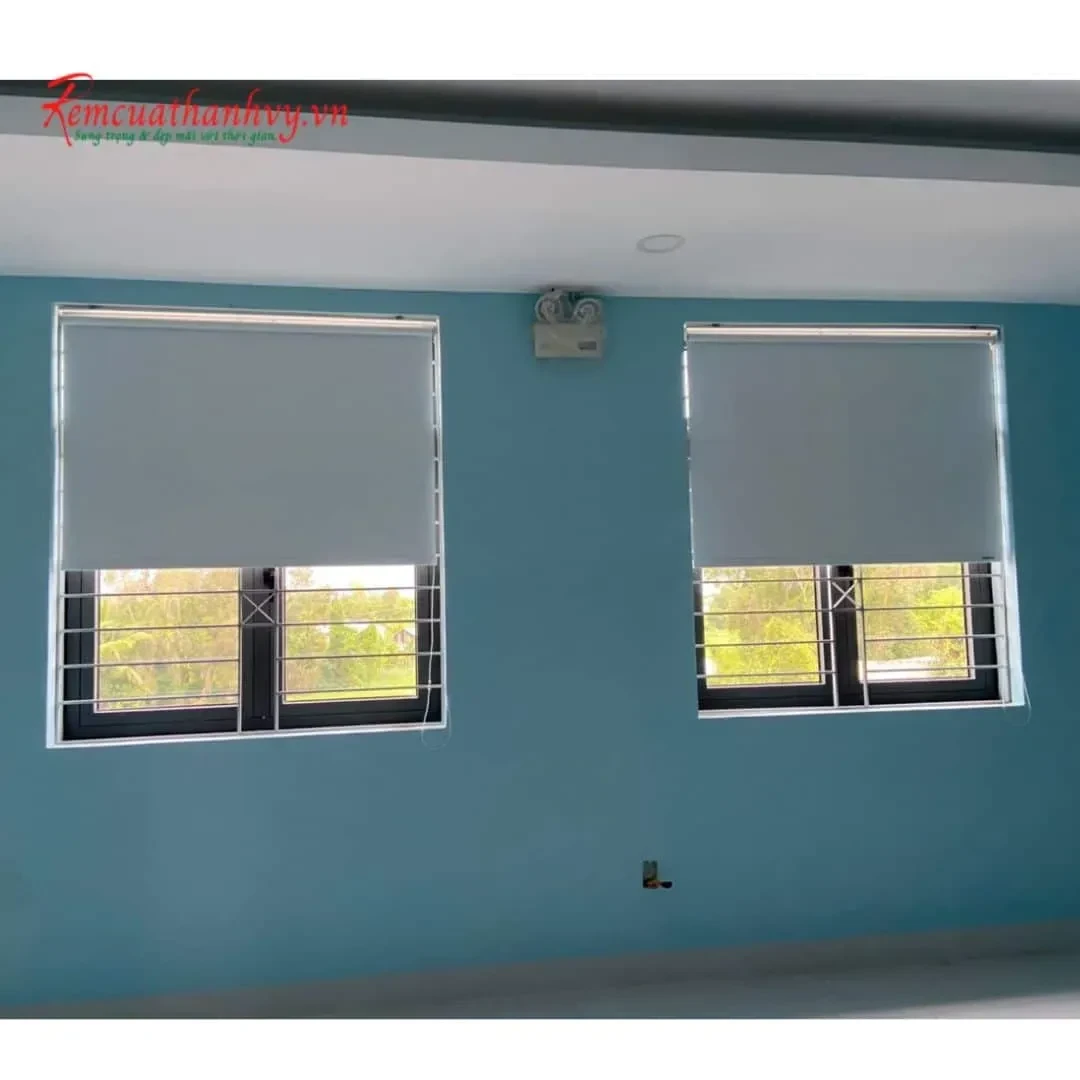
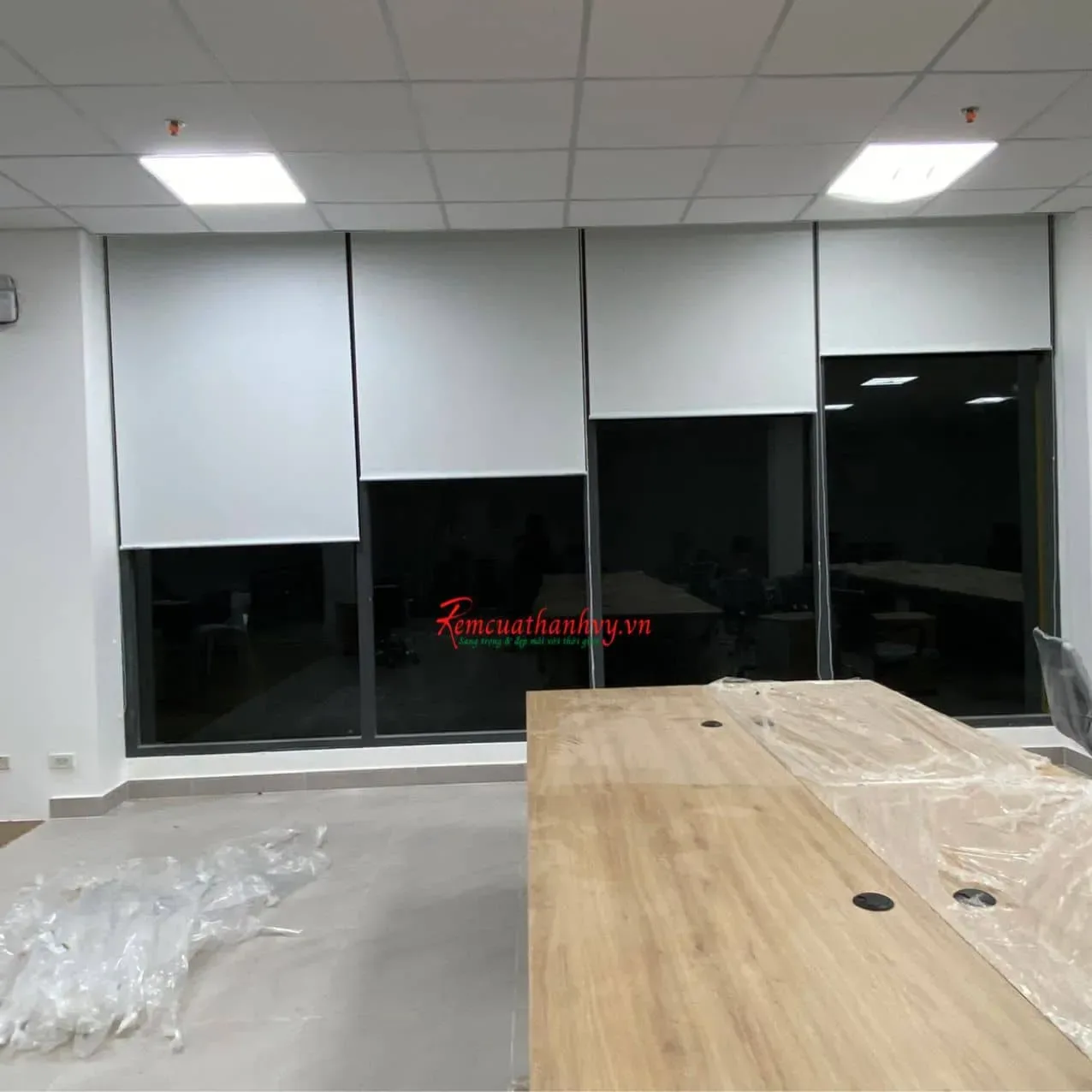
Send your dimensions and needs, and the Thanh Vy Curtains team will advise on options and quote for your actual space.
Curtain models that should be installed in District 1
Below are the actual product groups available at Rem Cua Thanh Vy, ranked by common usage needs in the District 1 area.

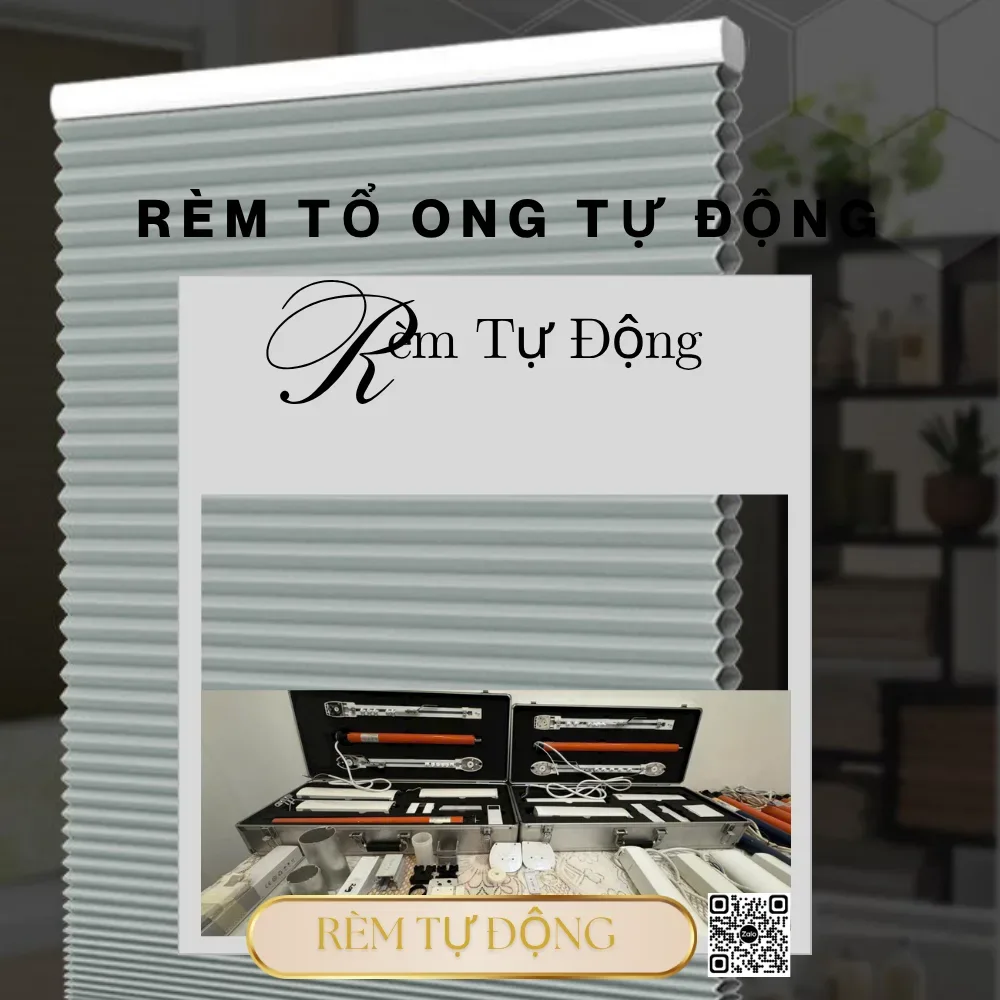
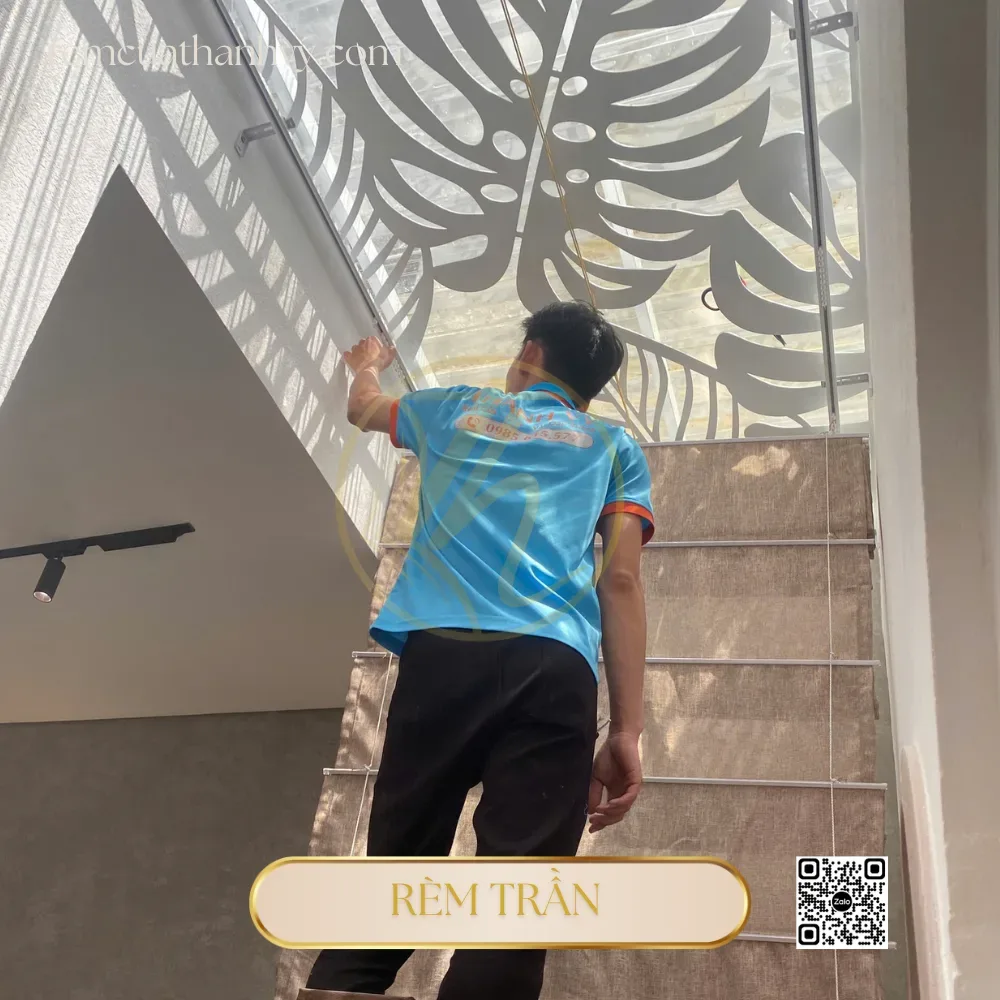
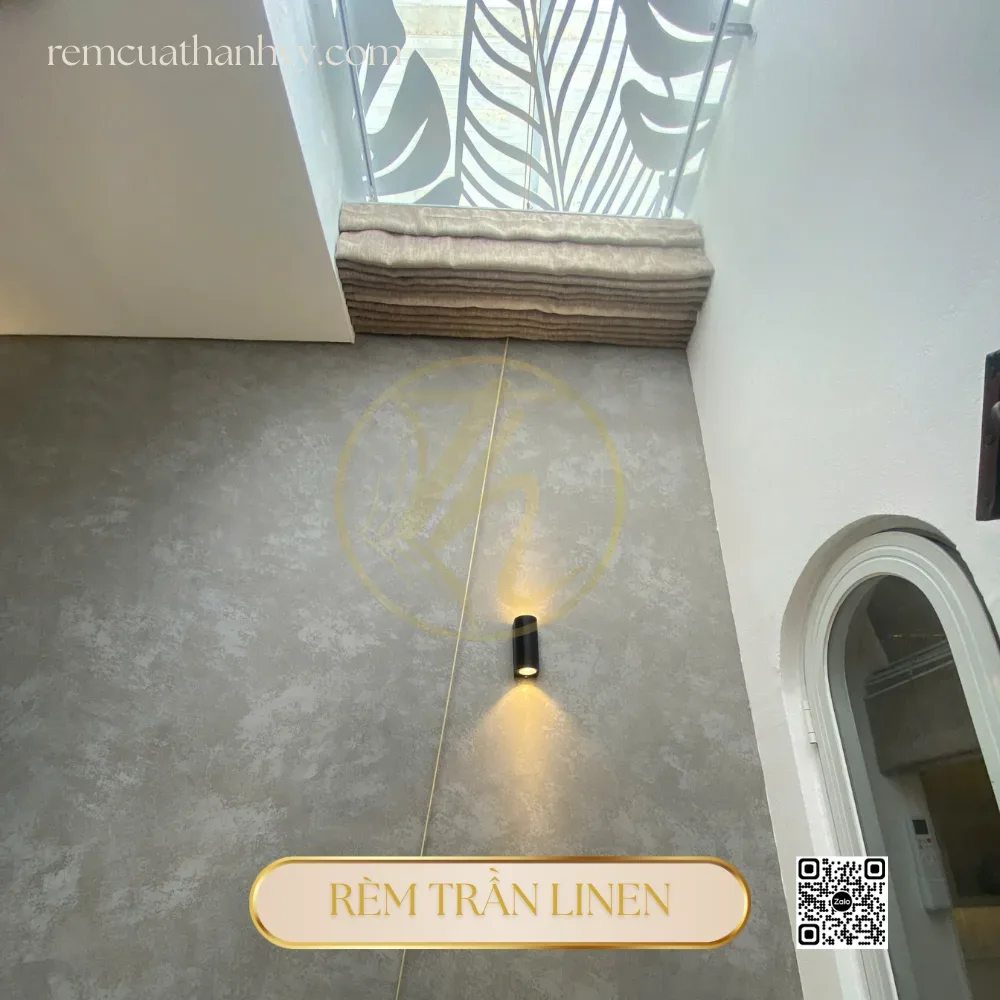
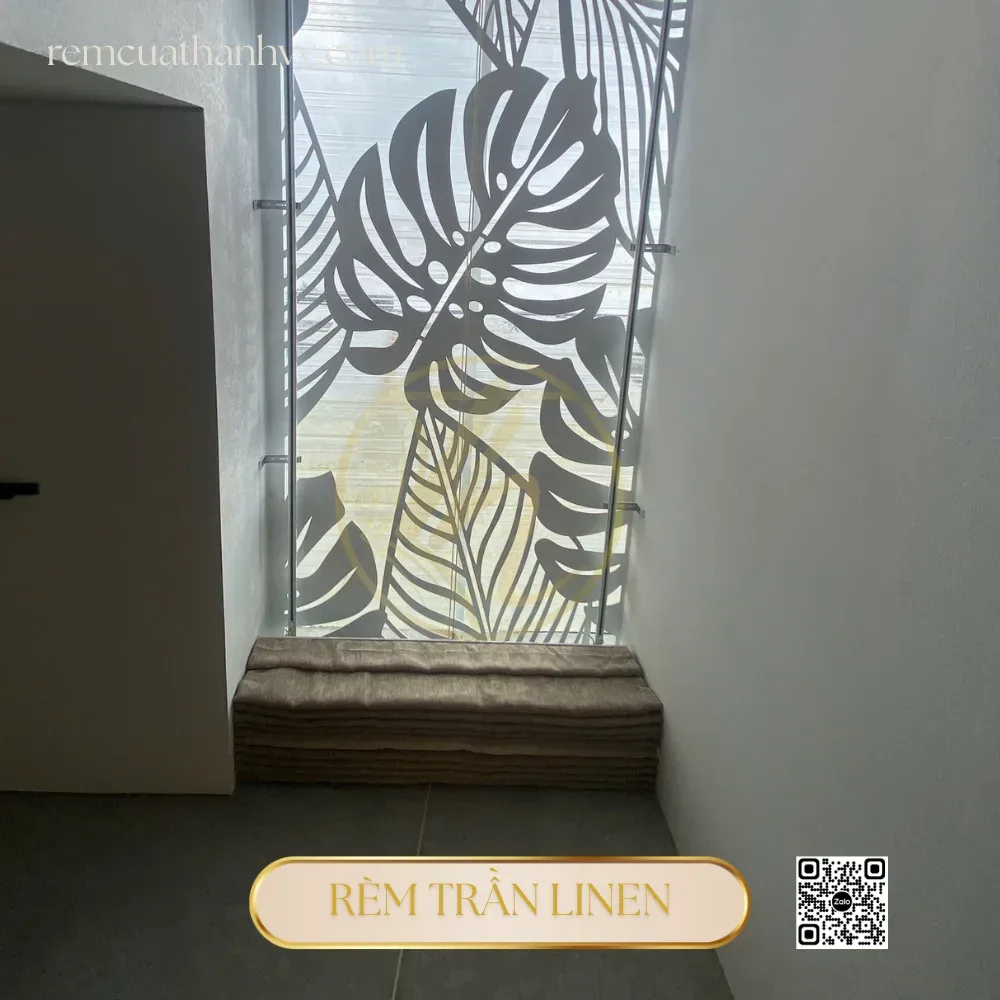
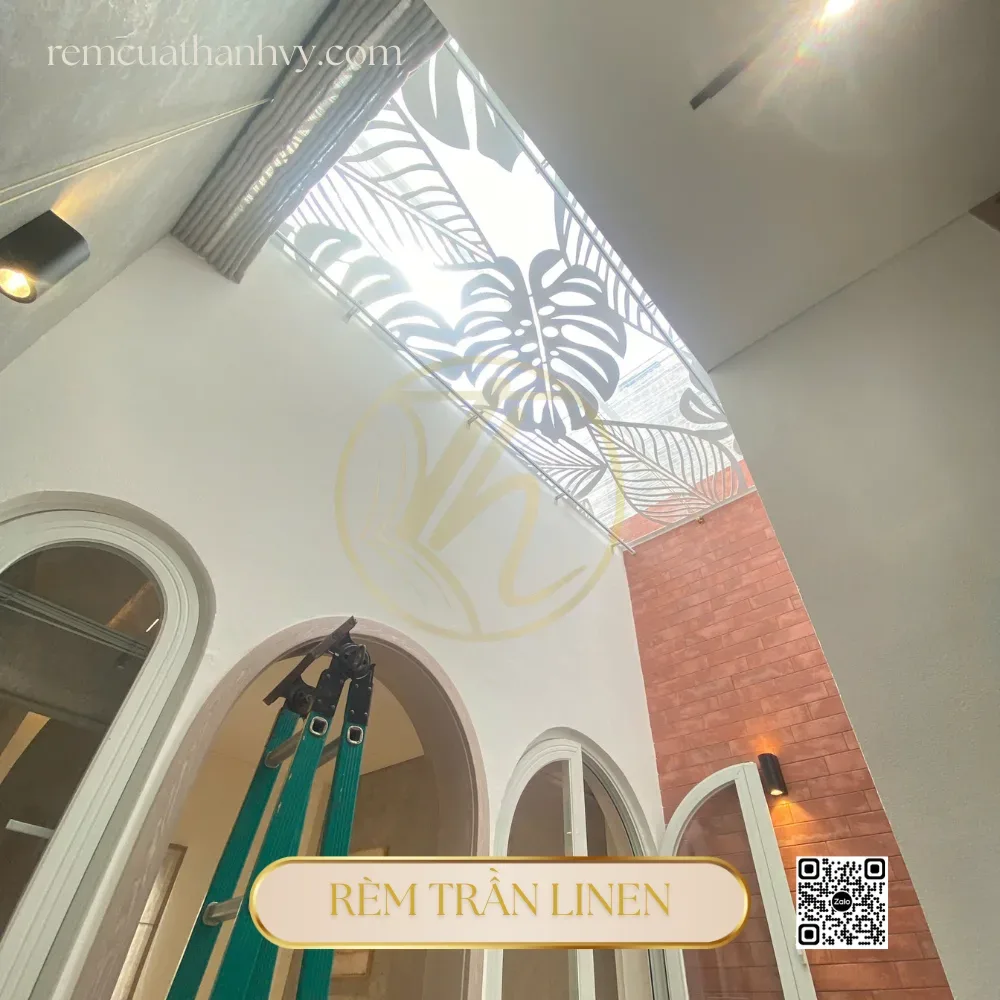
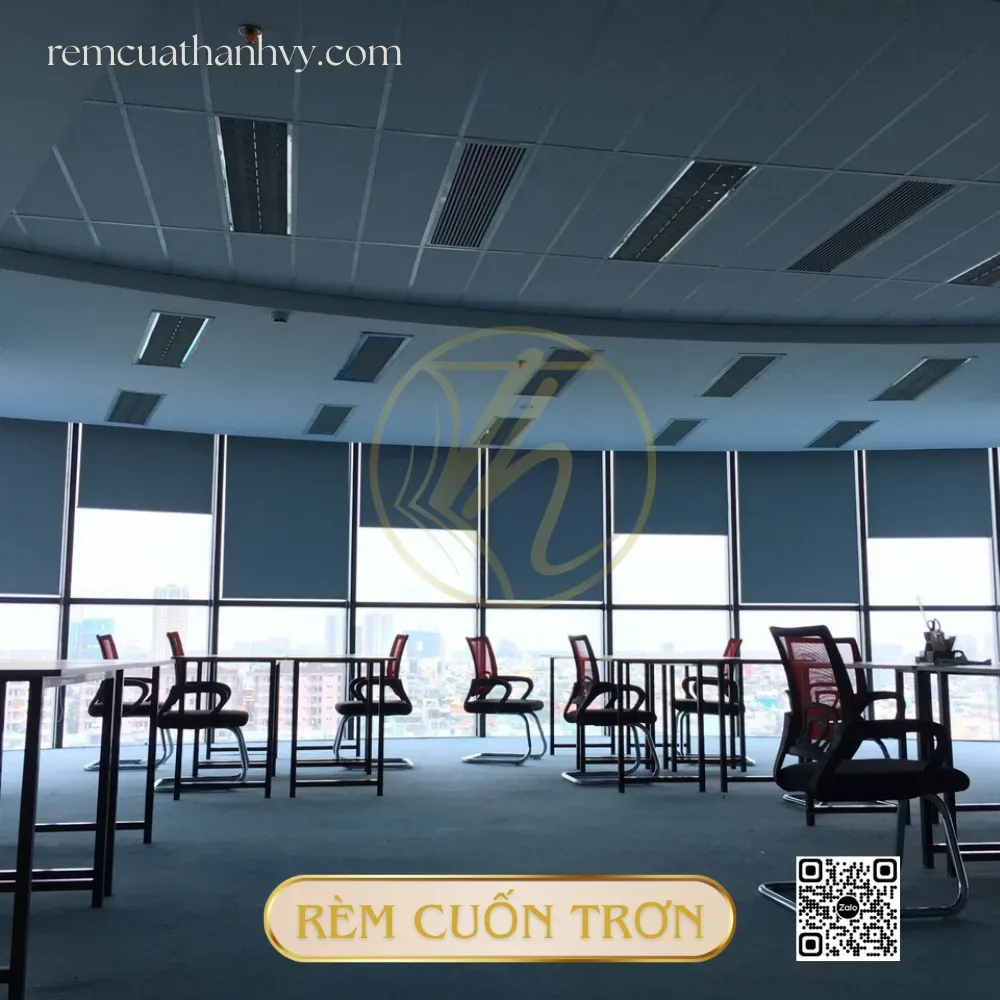
Roller blinds
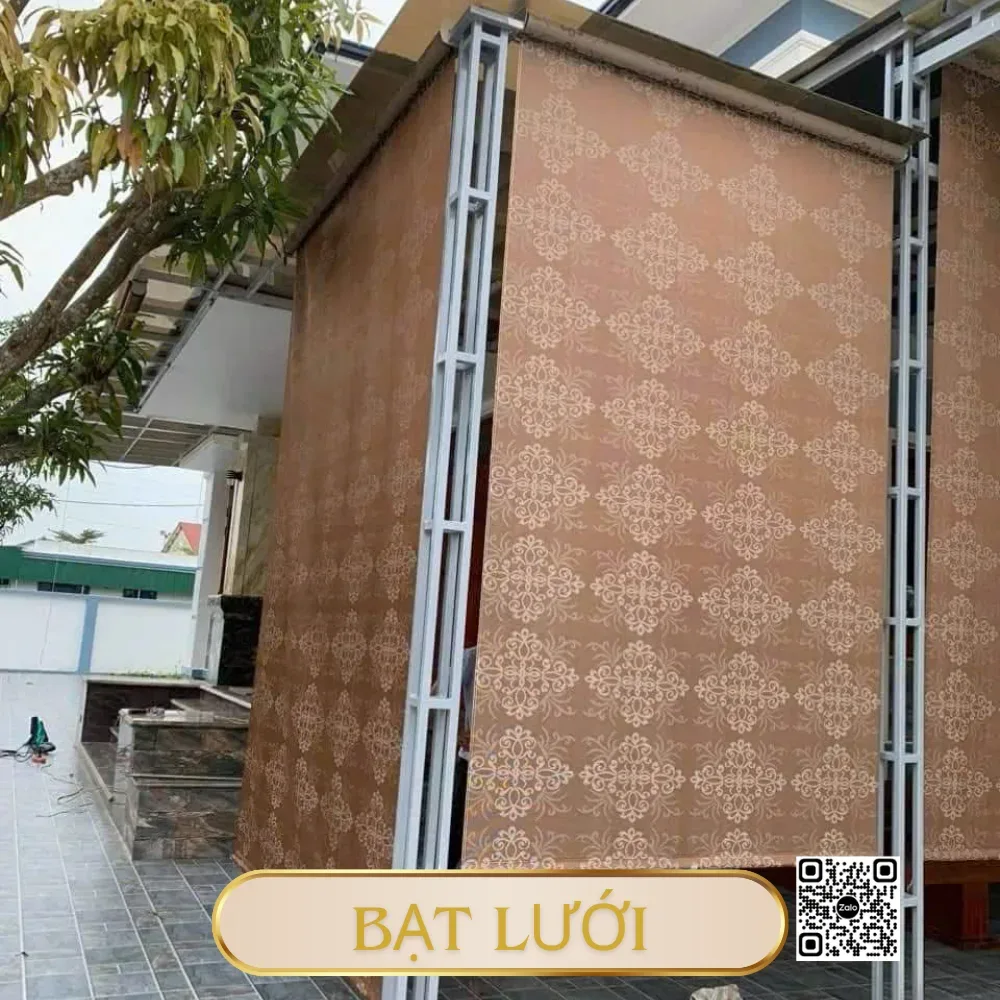
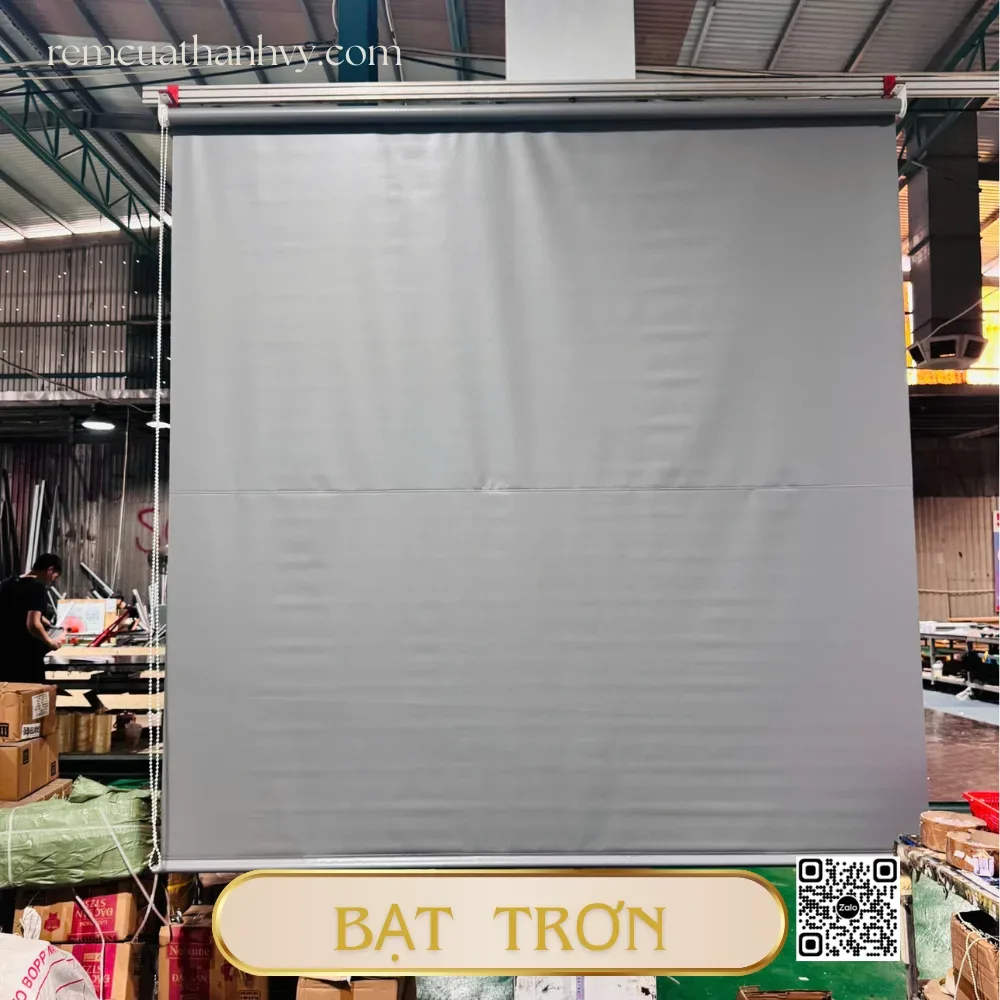
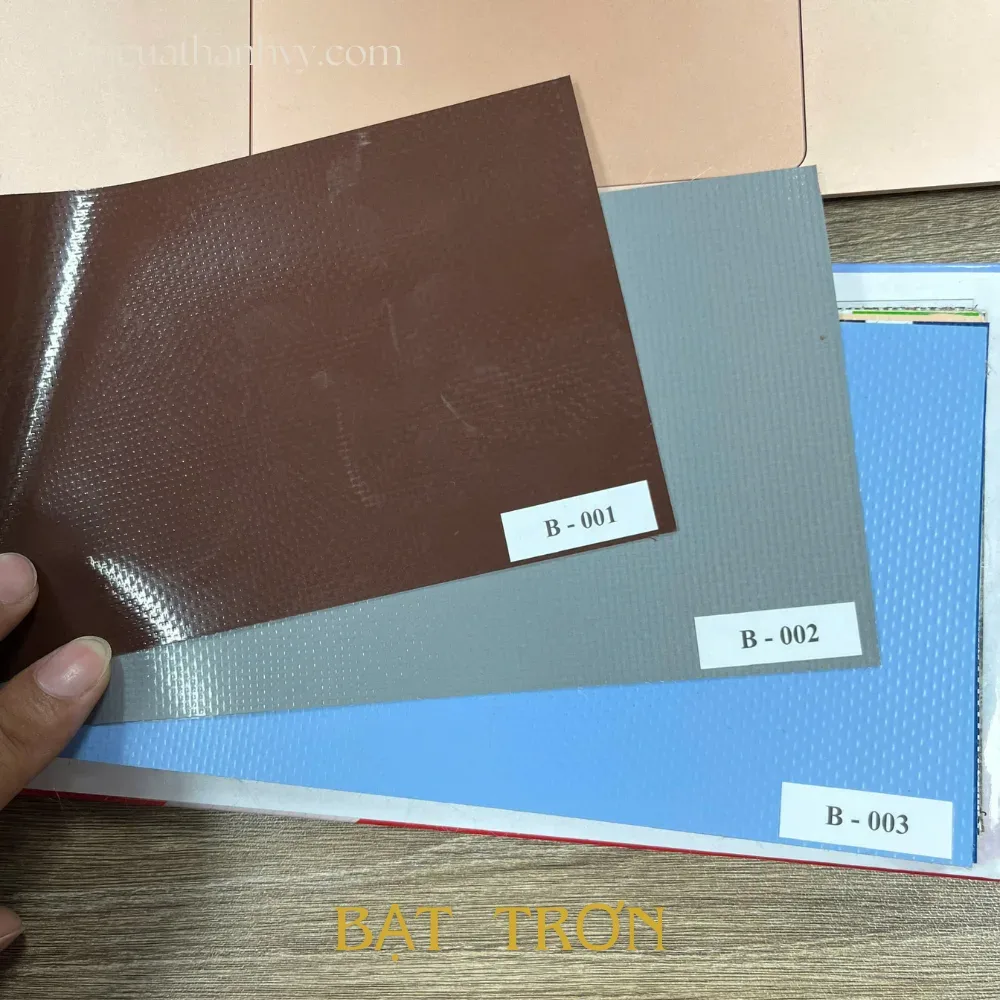
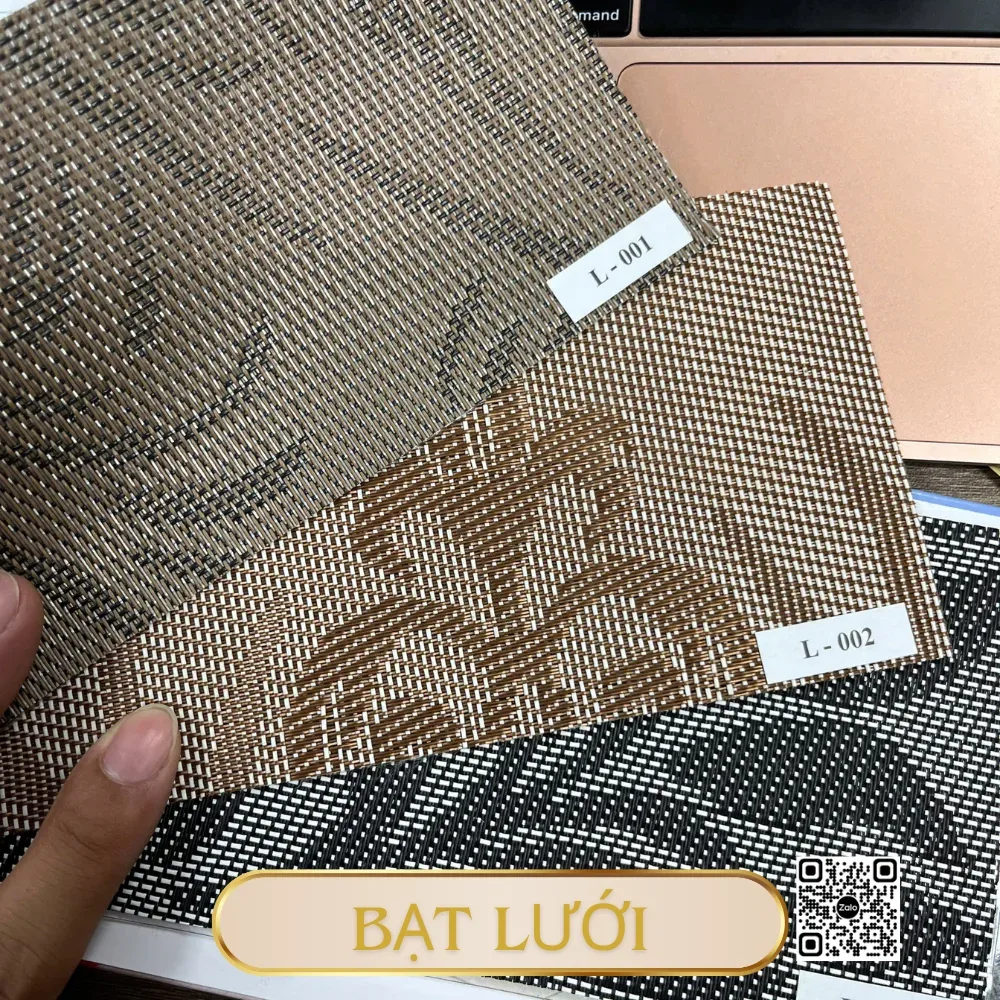
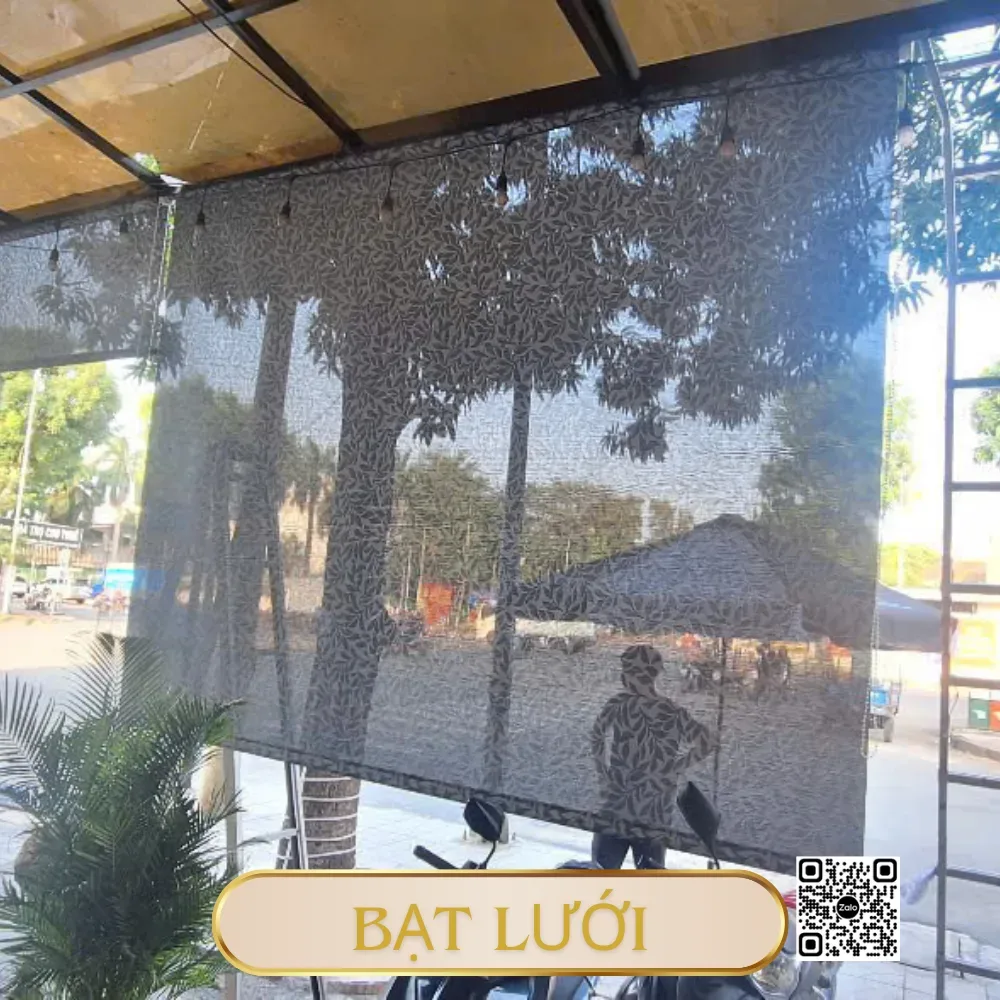
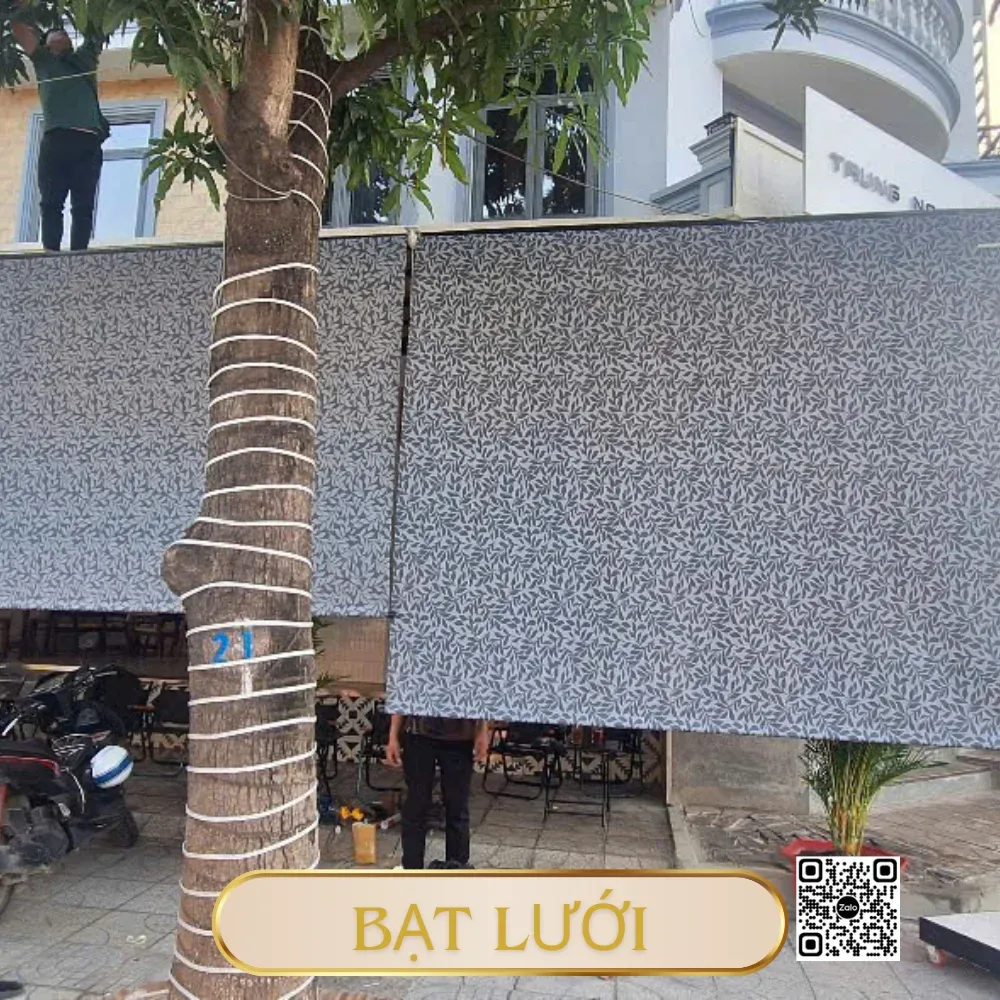
Roller blinds are easy to clean and maintain a flat form, suitable for workspaces or kitchens.




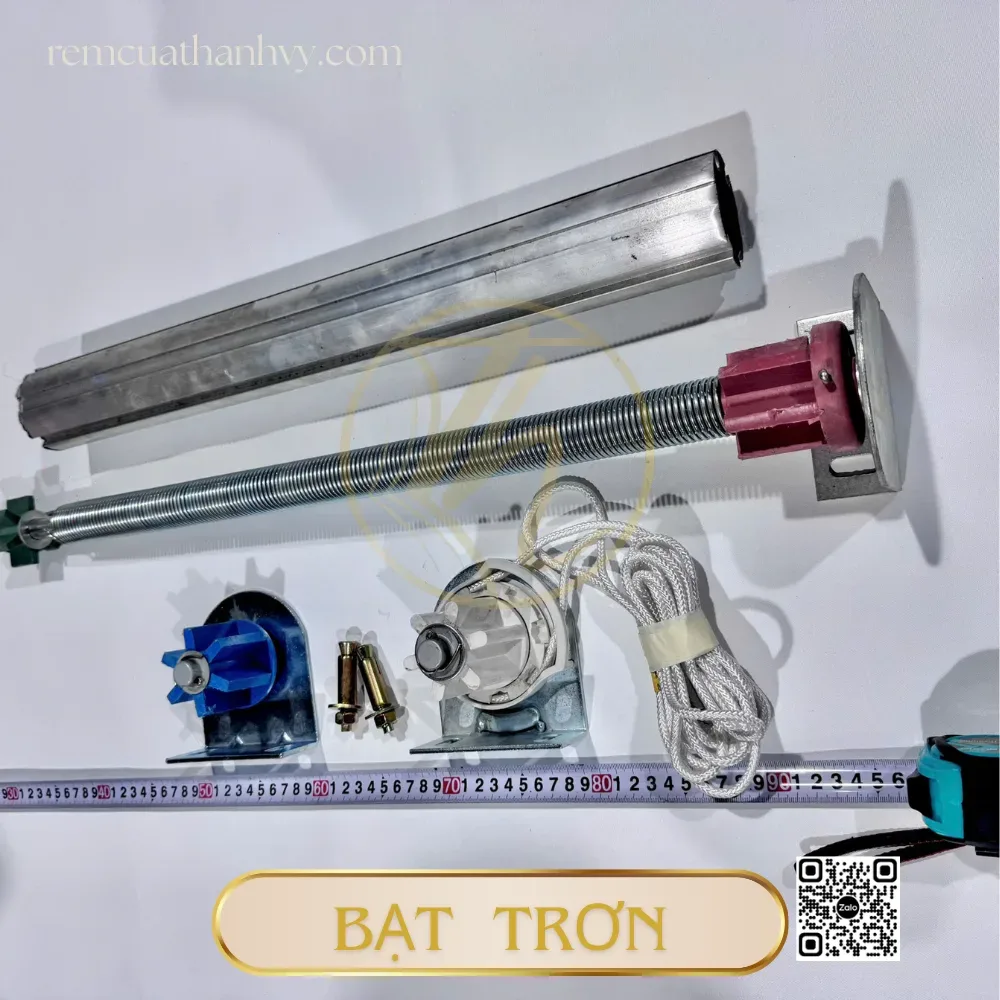
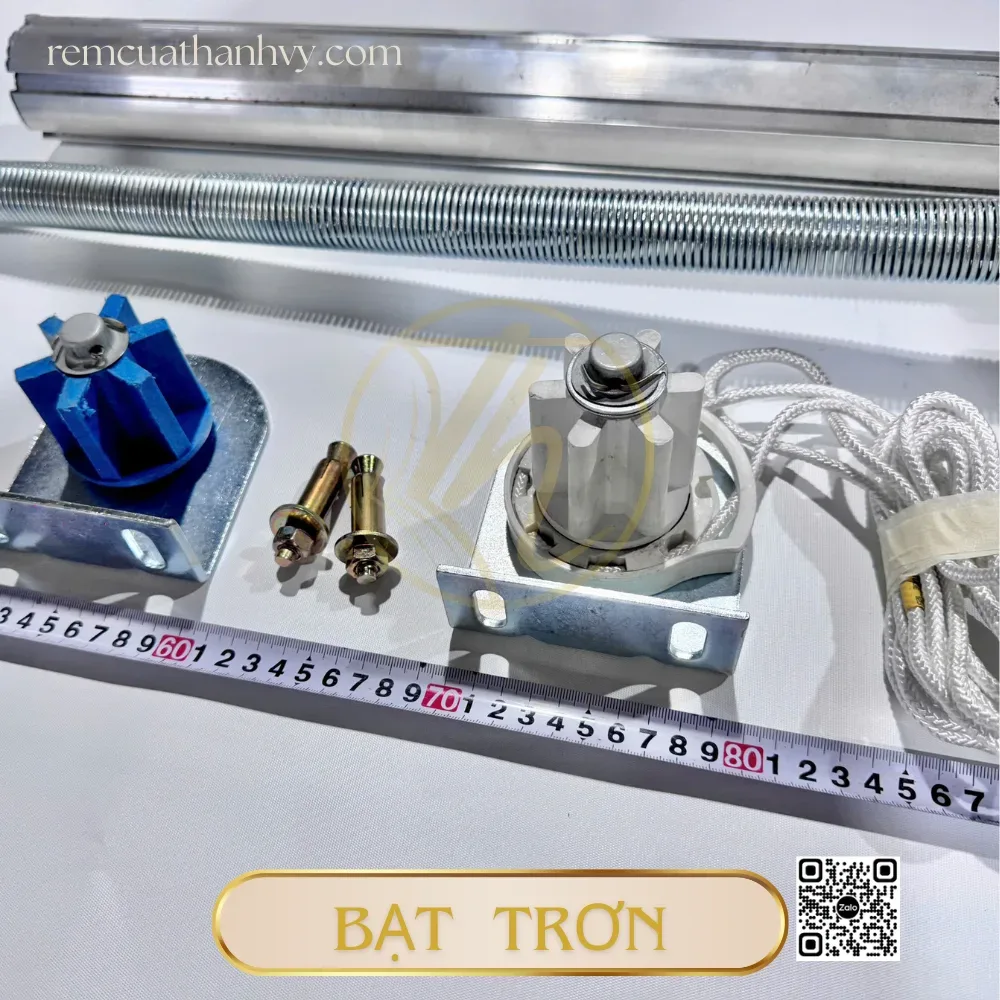
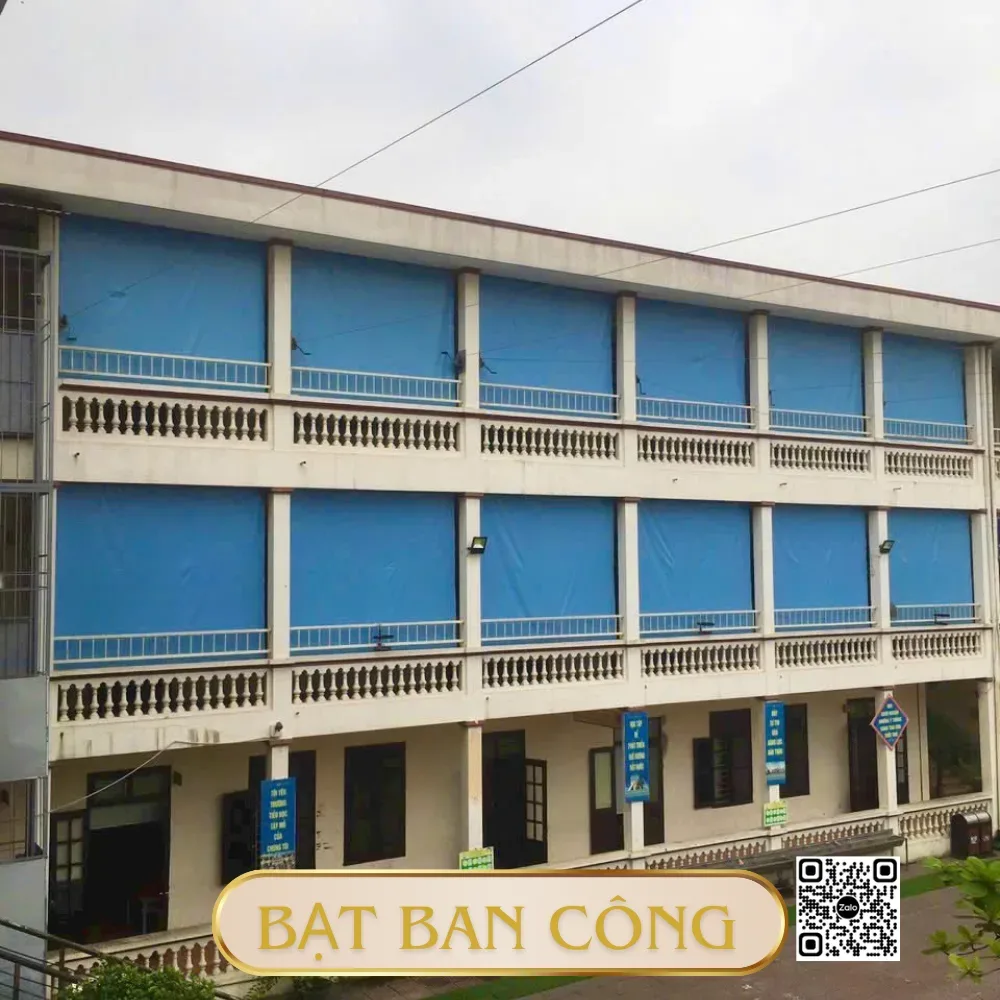
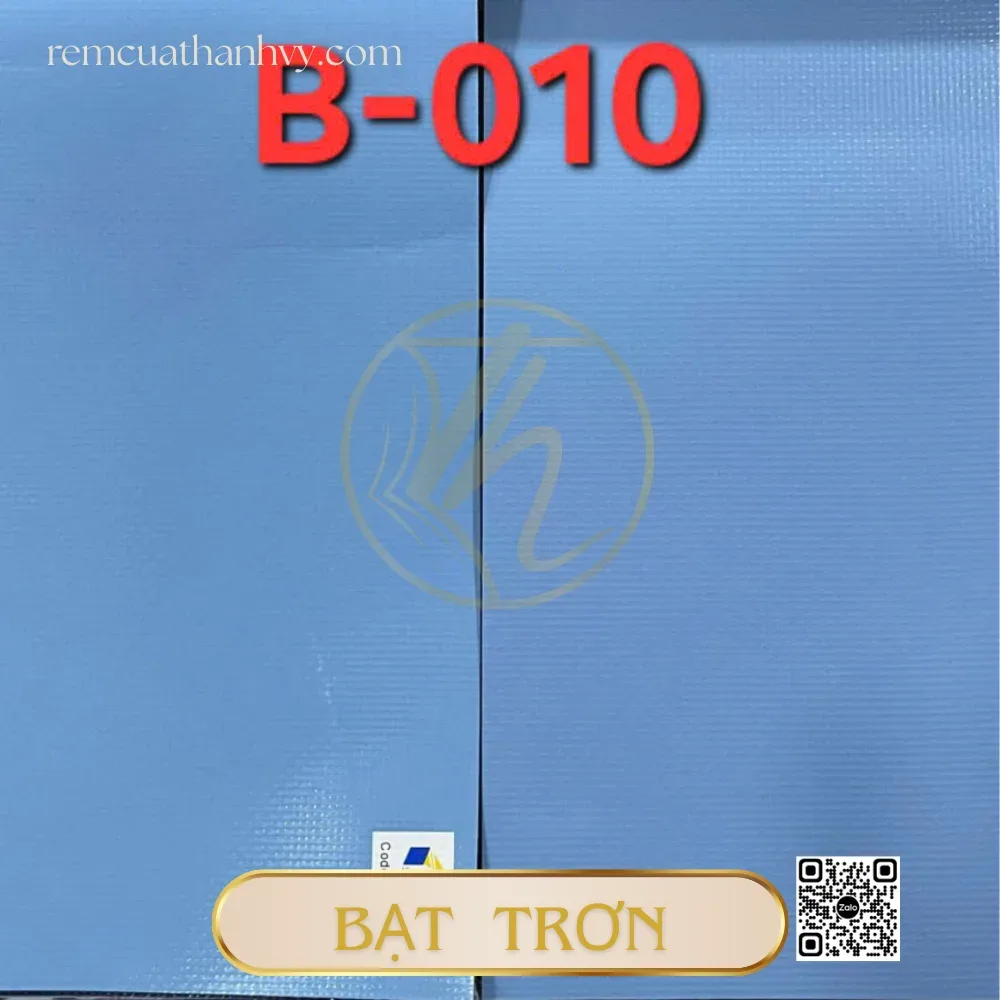
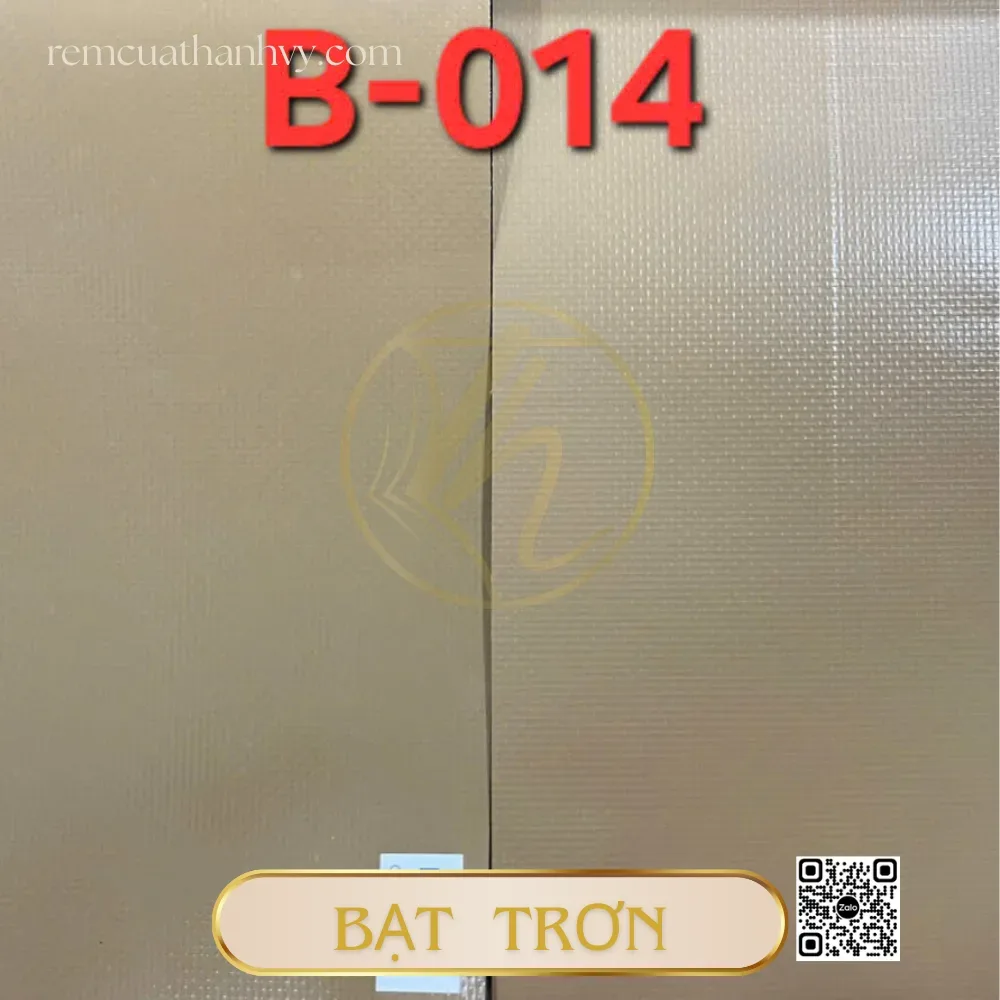
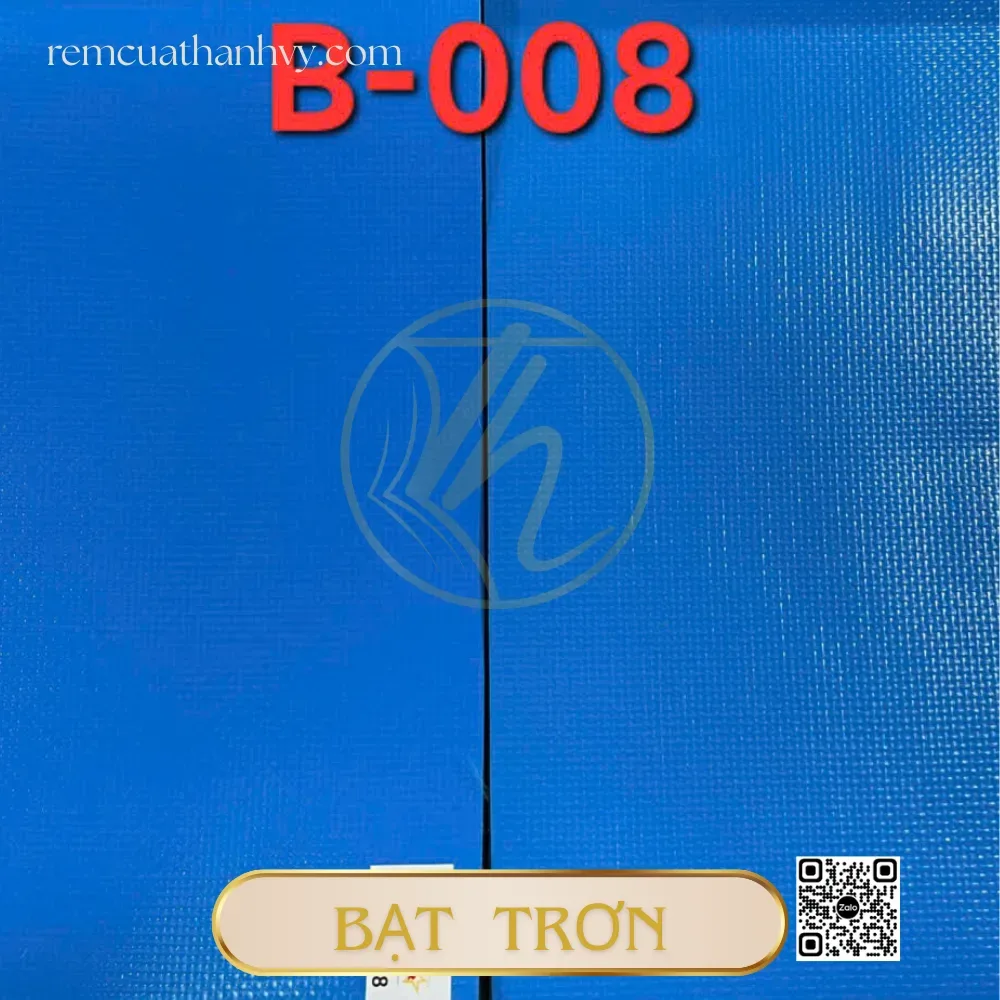
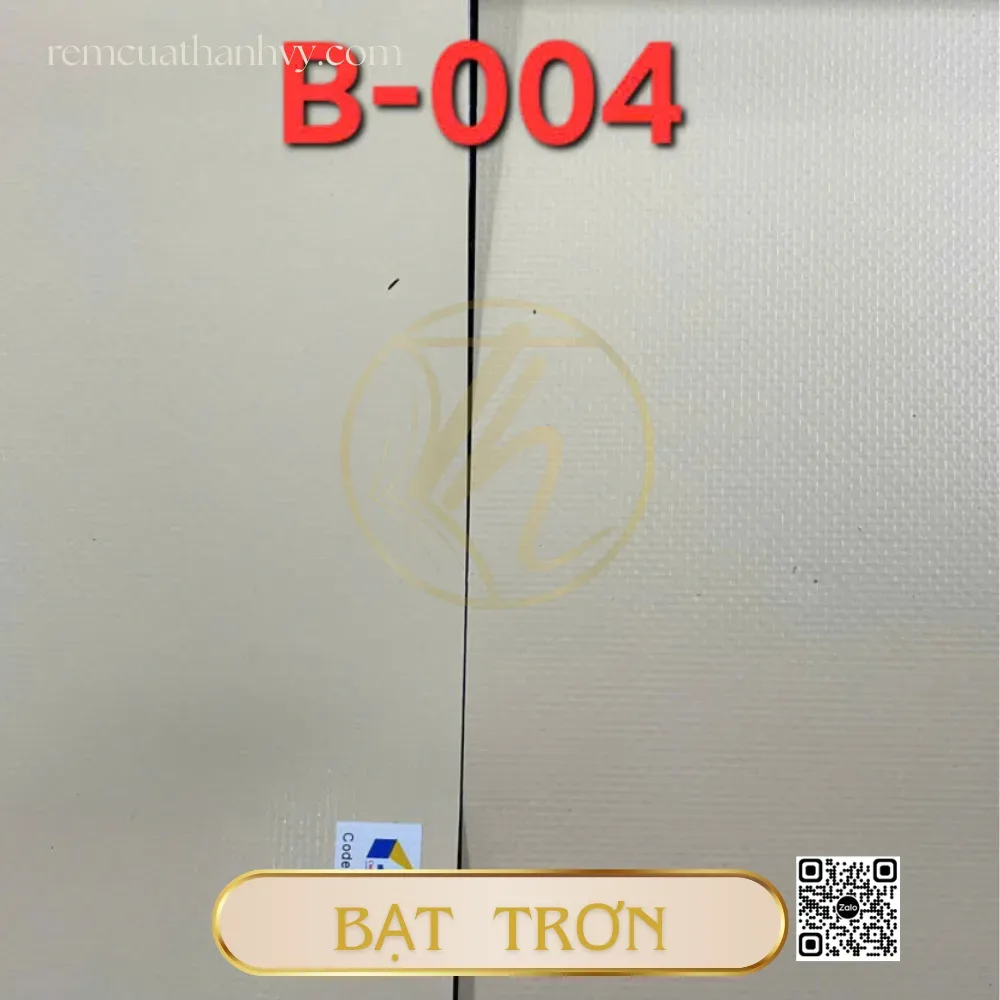
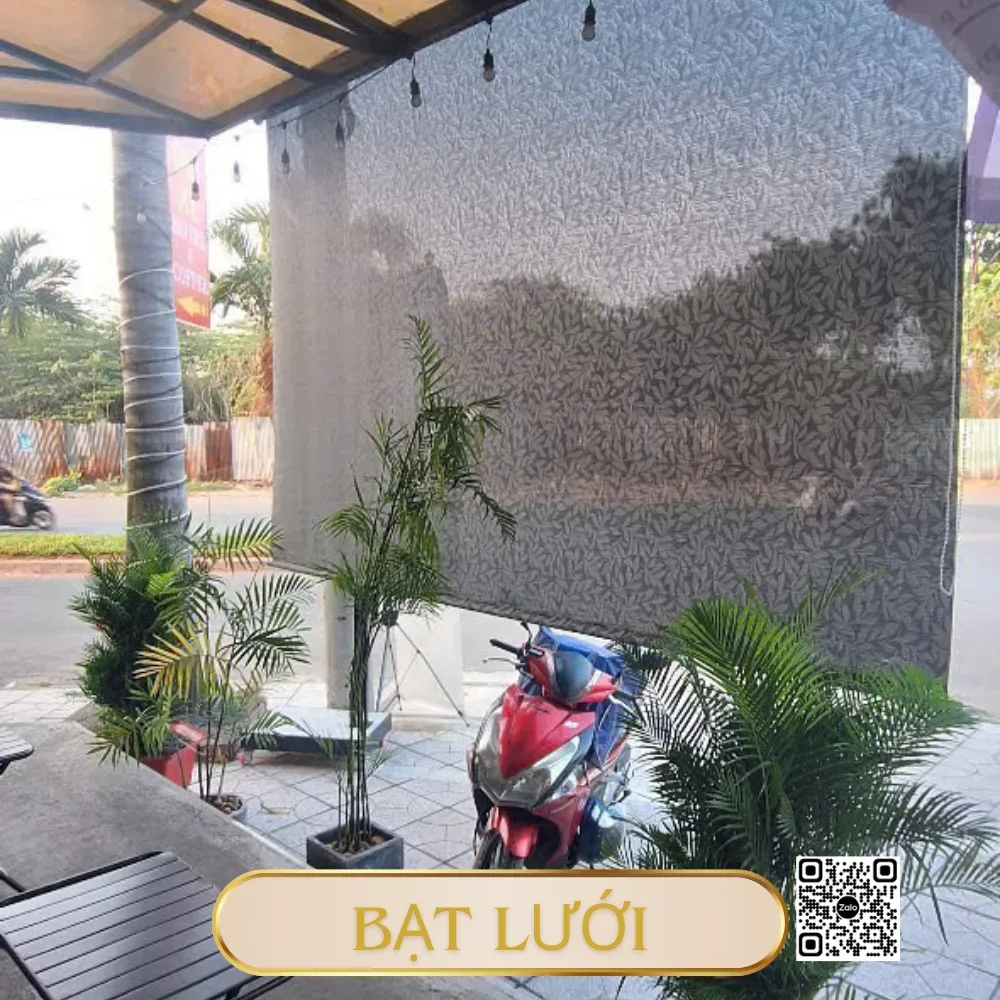
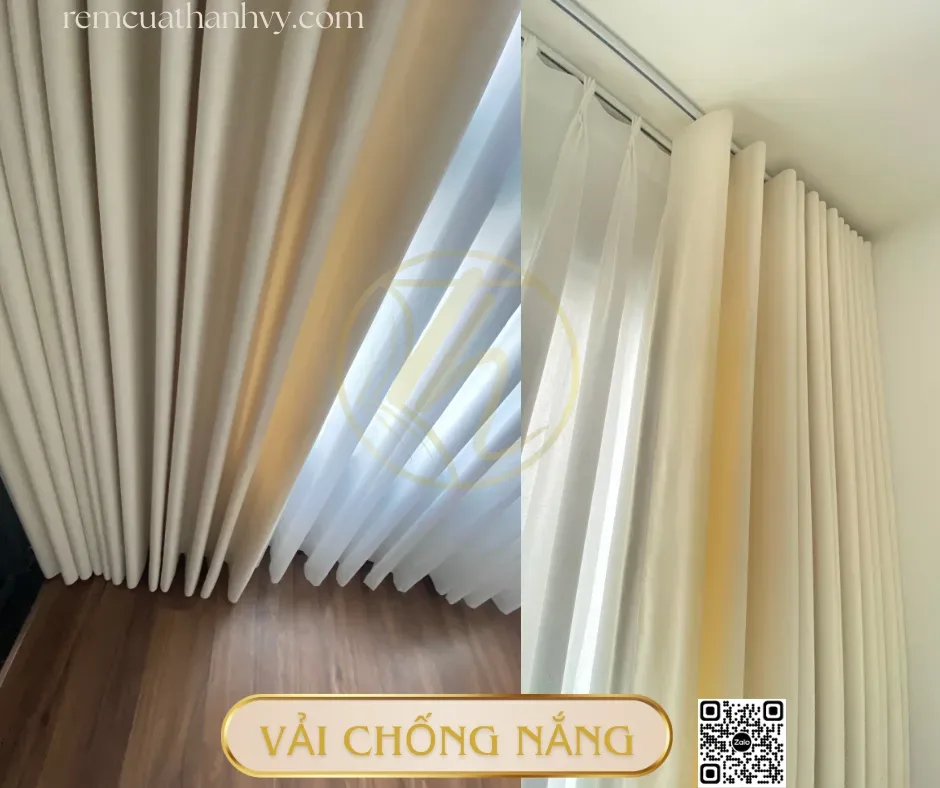
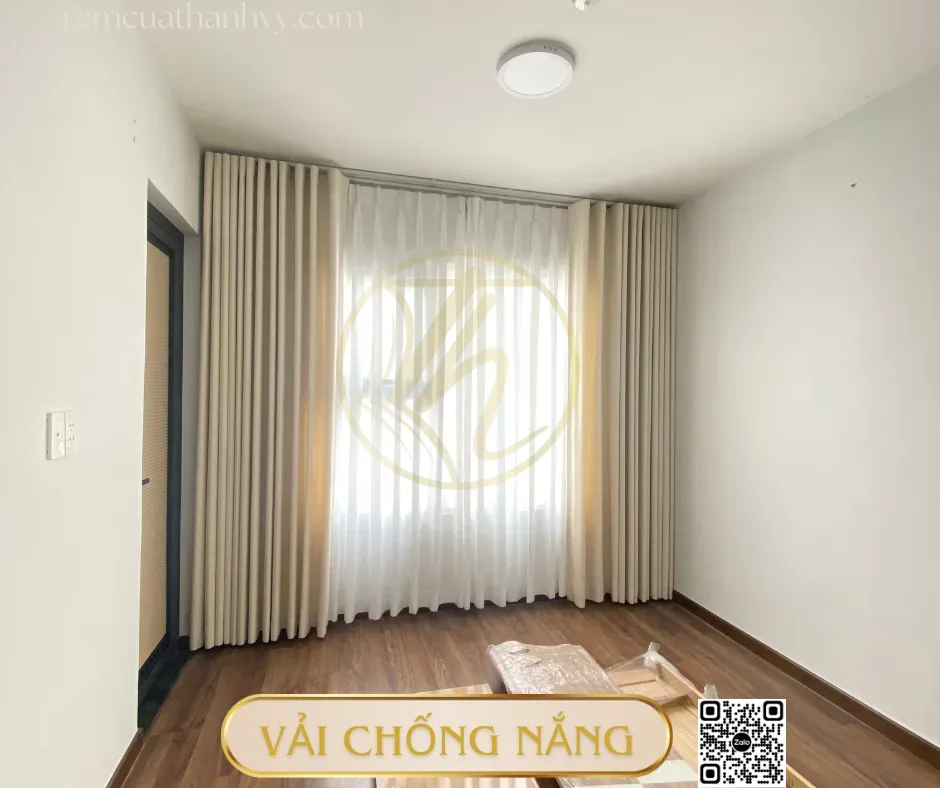
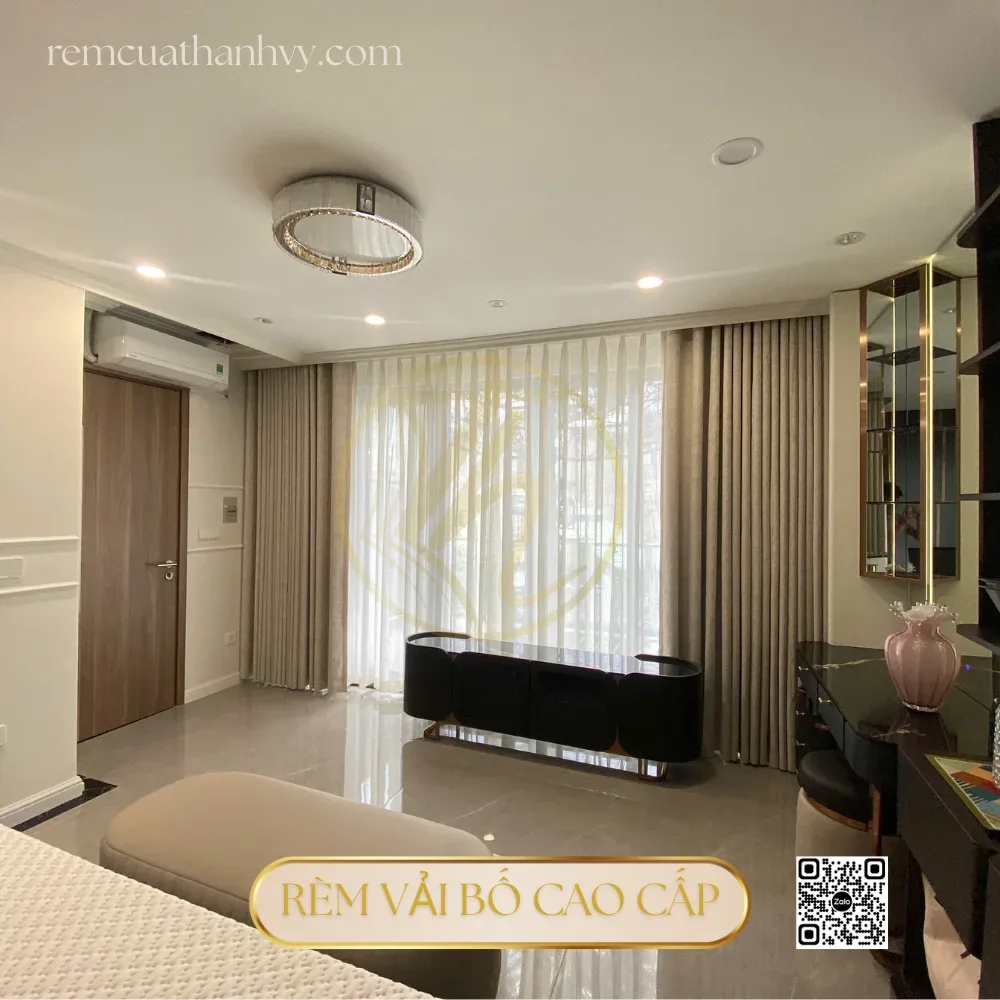
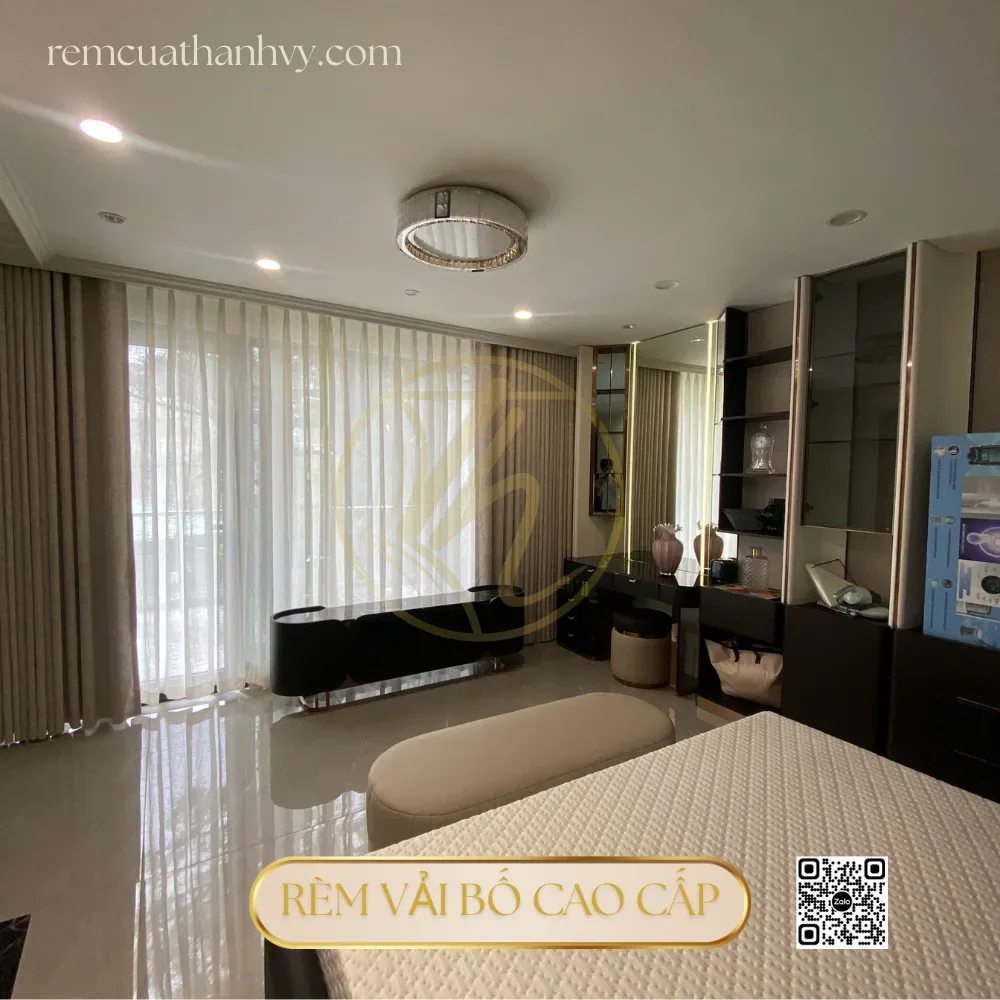
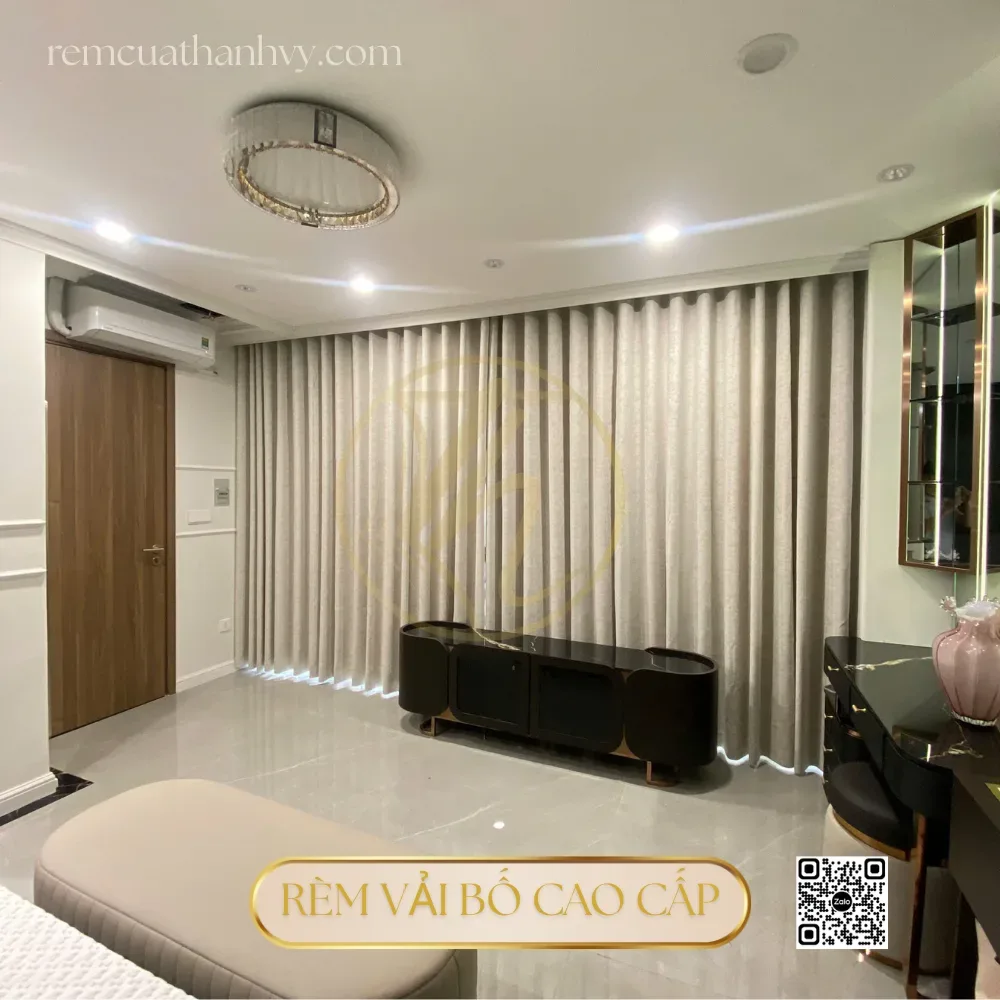
Premium light-blocking fabric curtains
A group of high-light-blocking fabrics used when you need to significantly darken a room, usually for bedrooms or screening rooms.
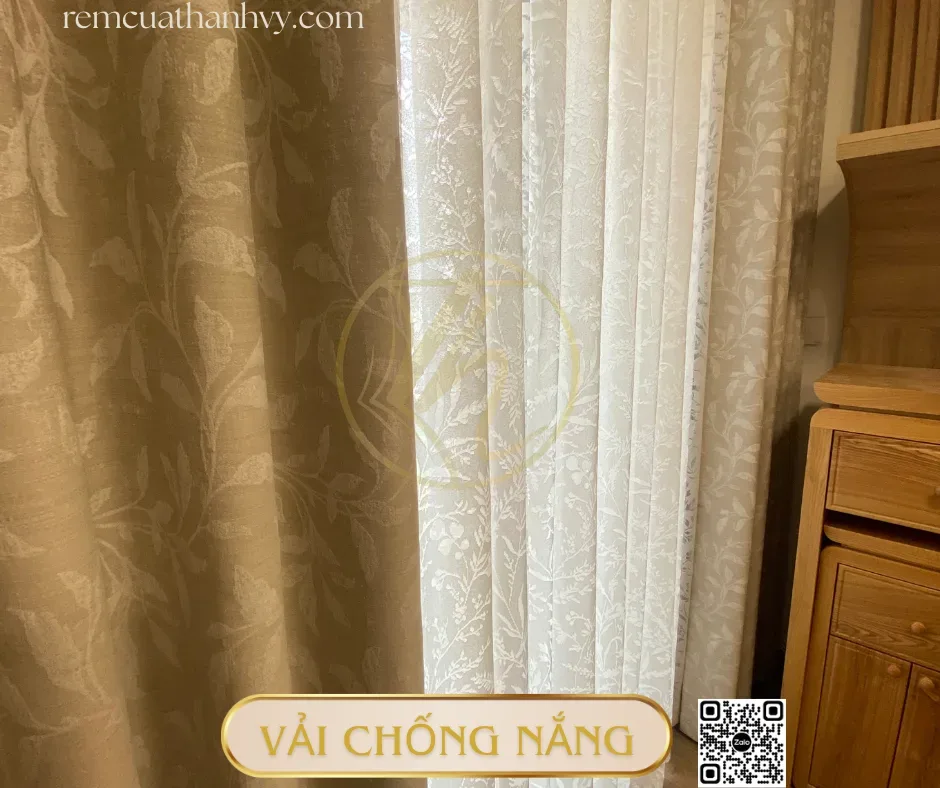
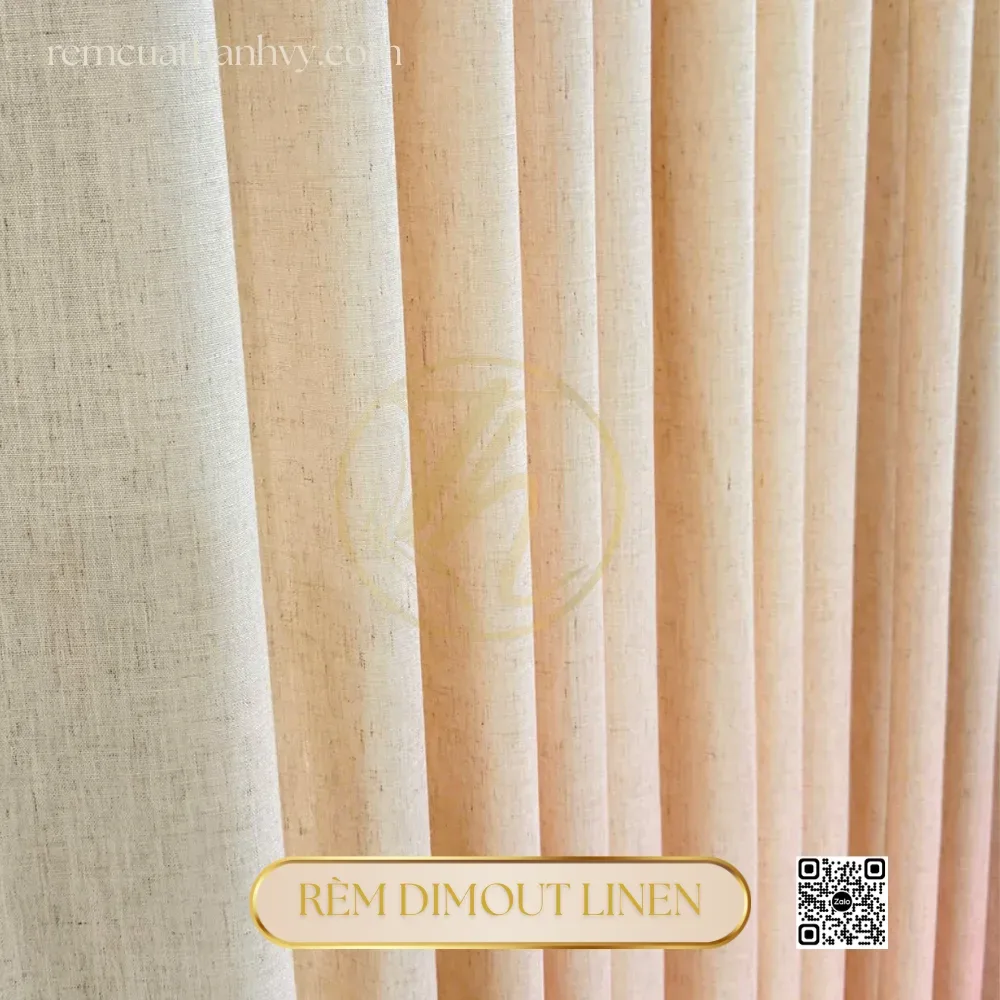
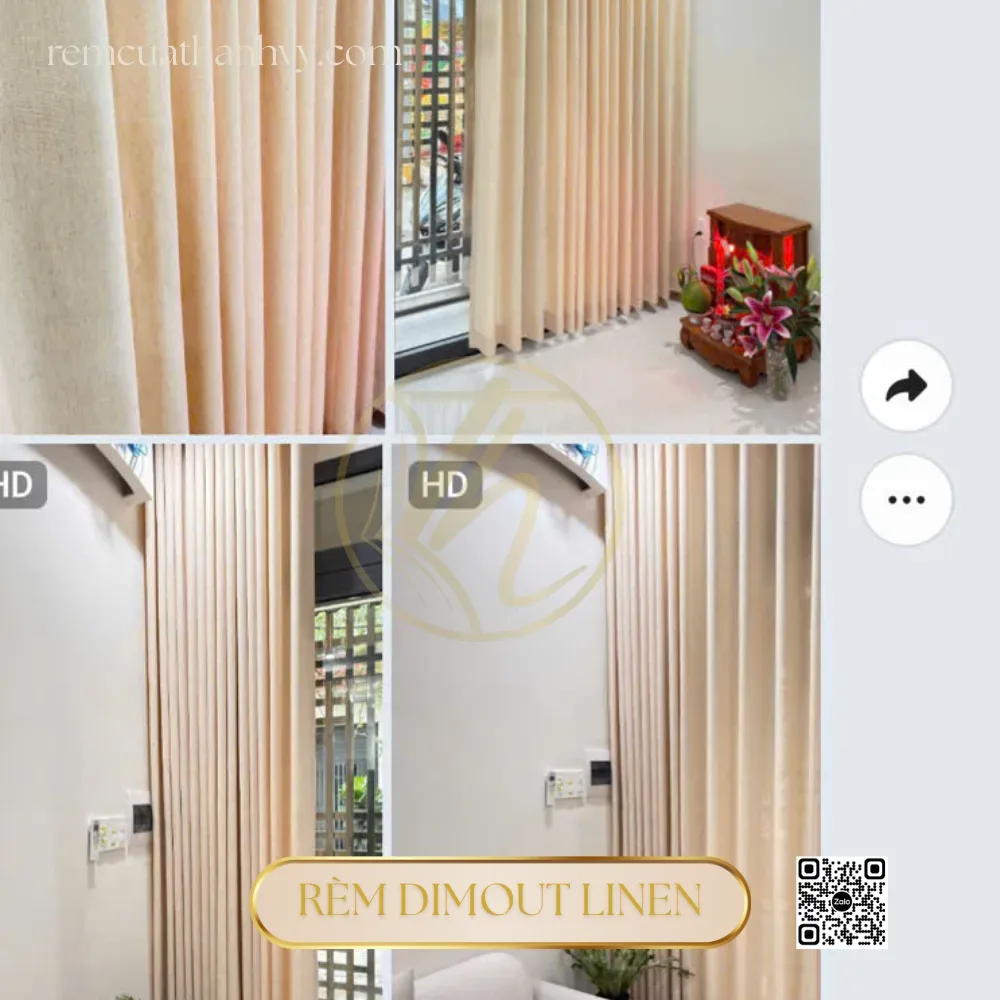
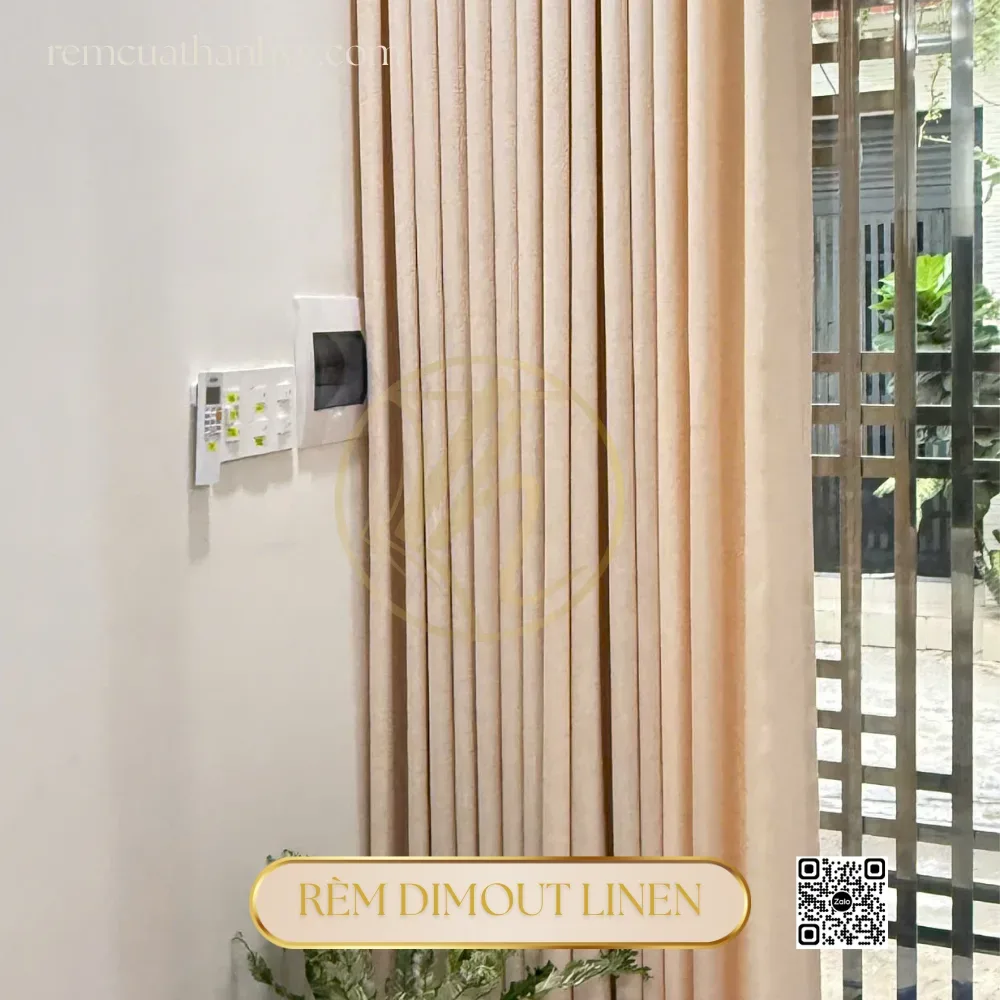
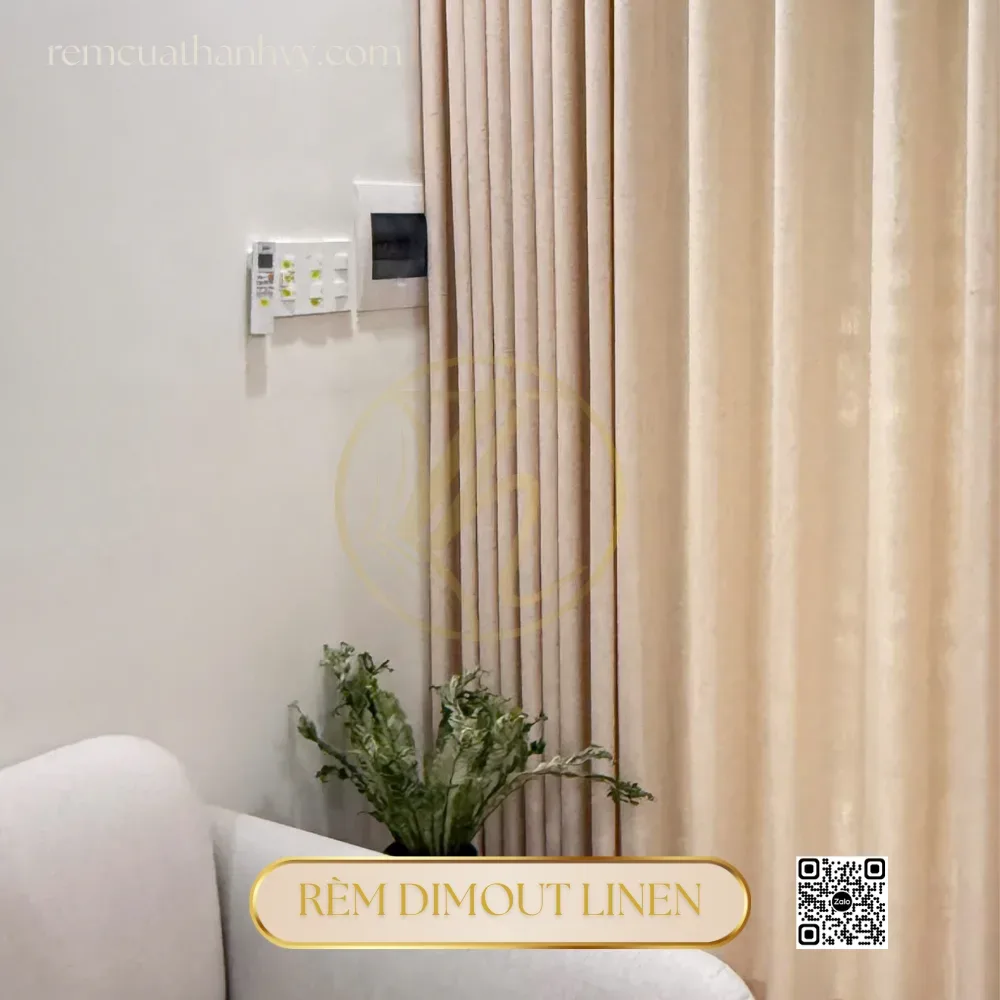
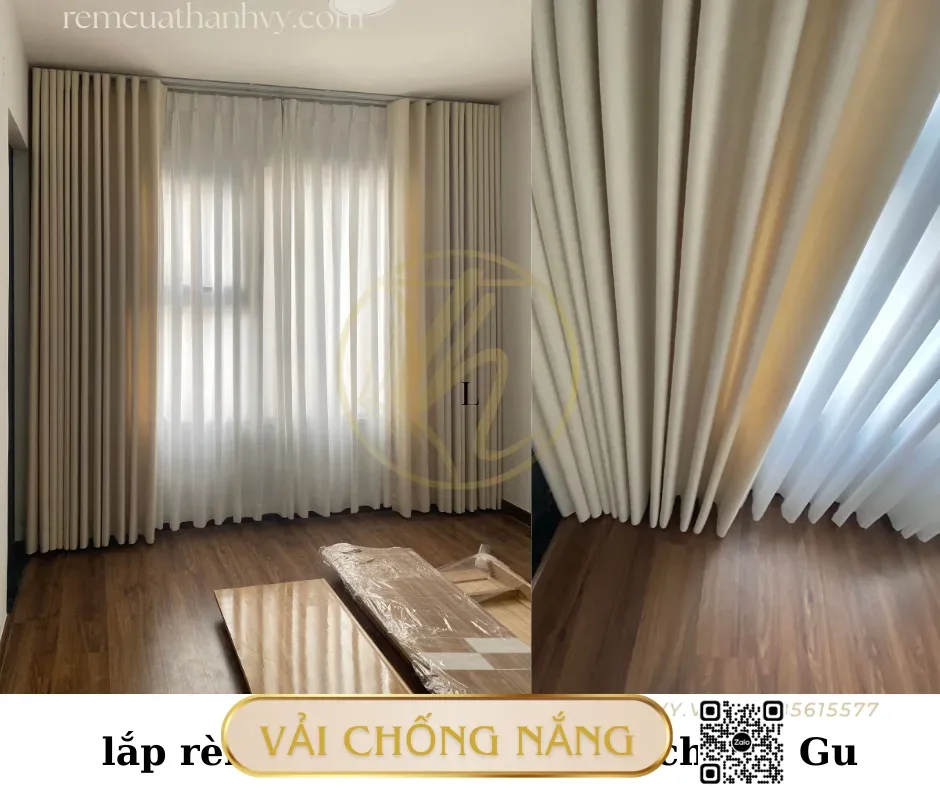
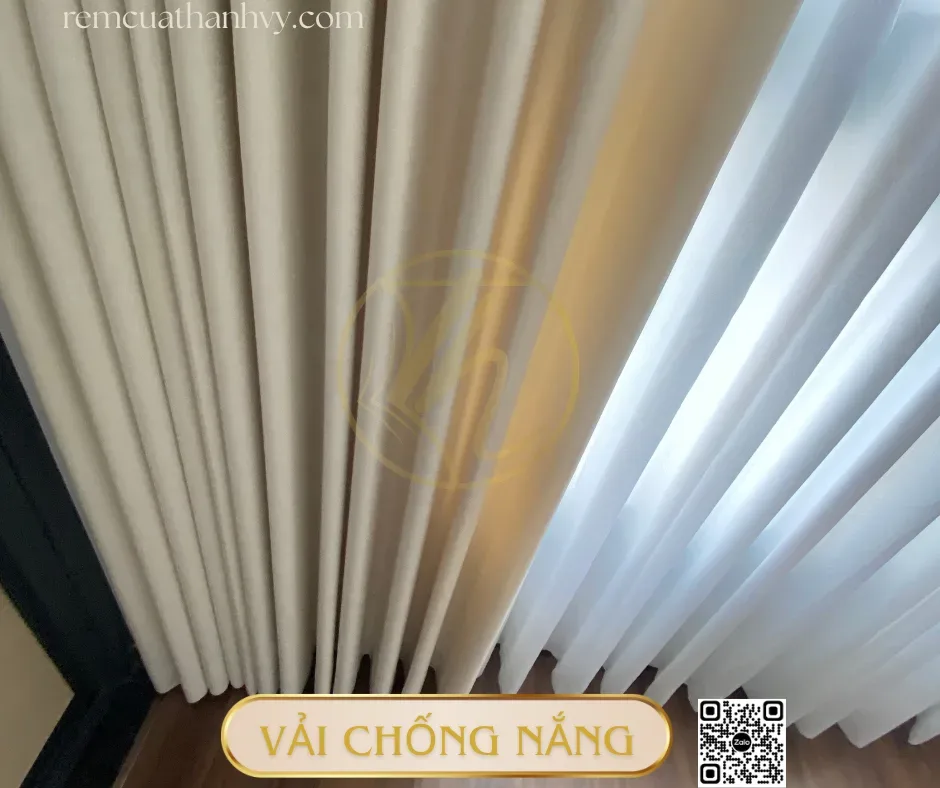
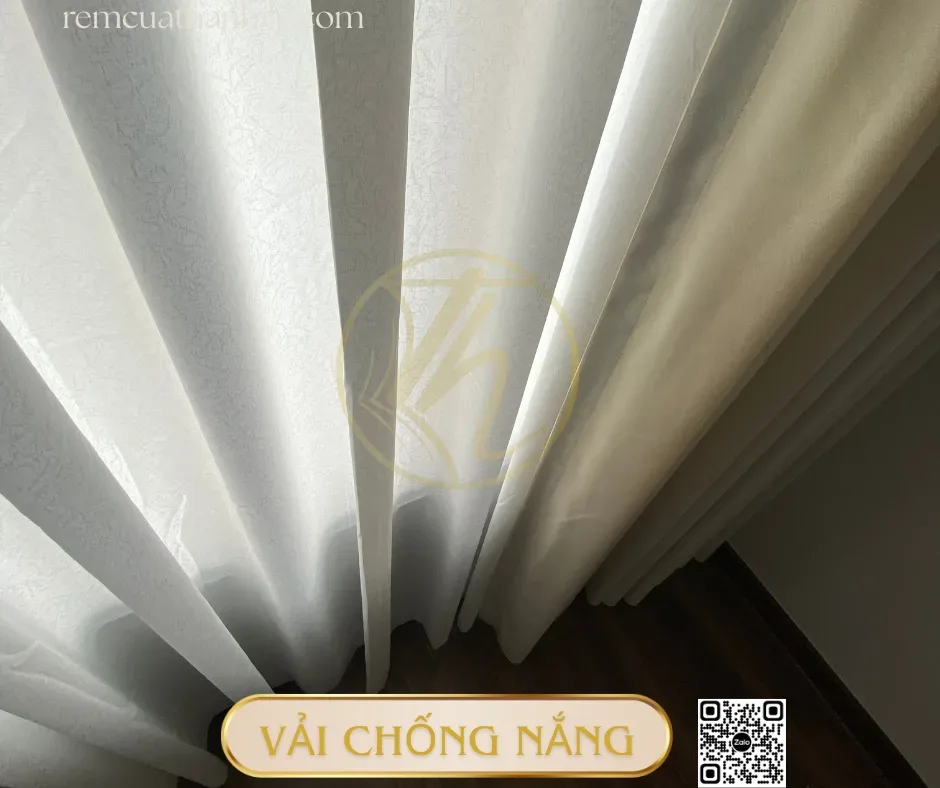
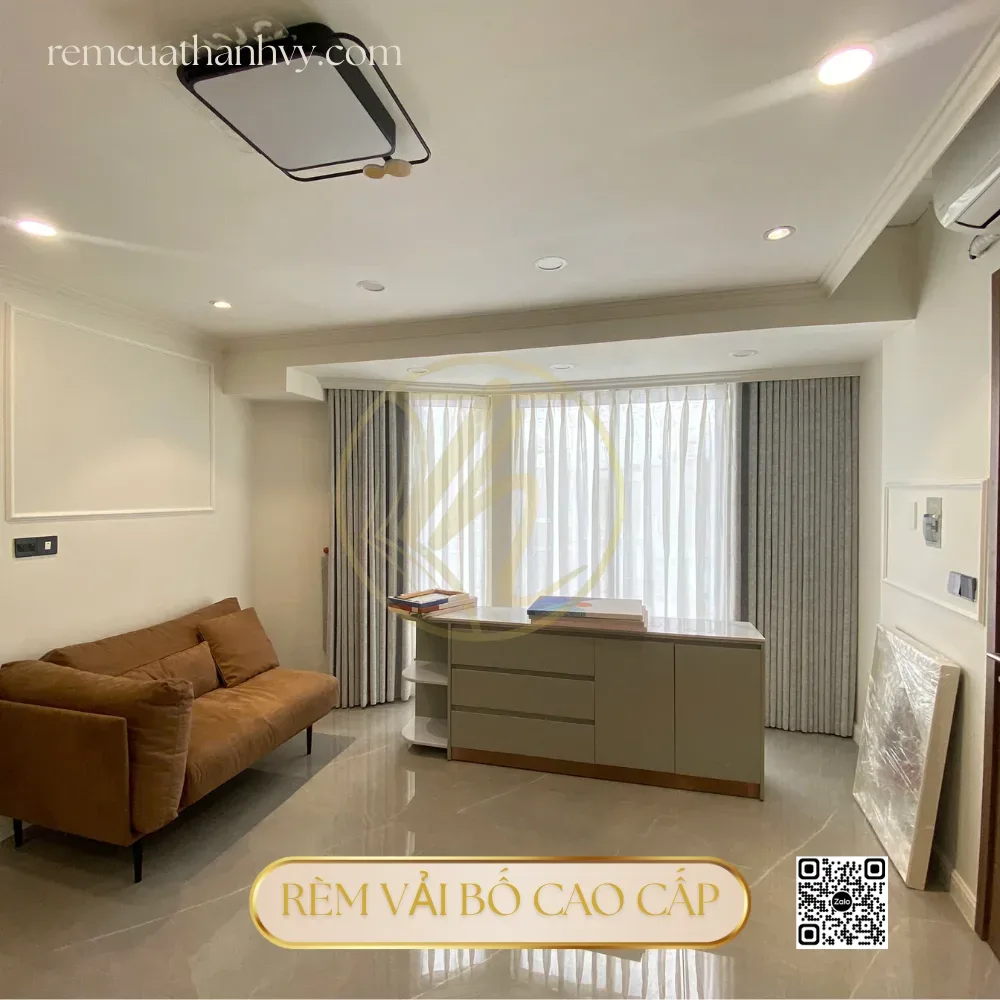
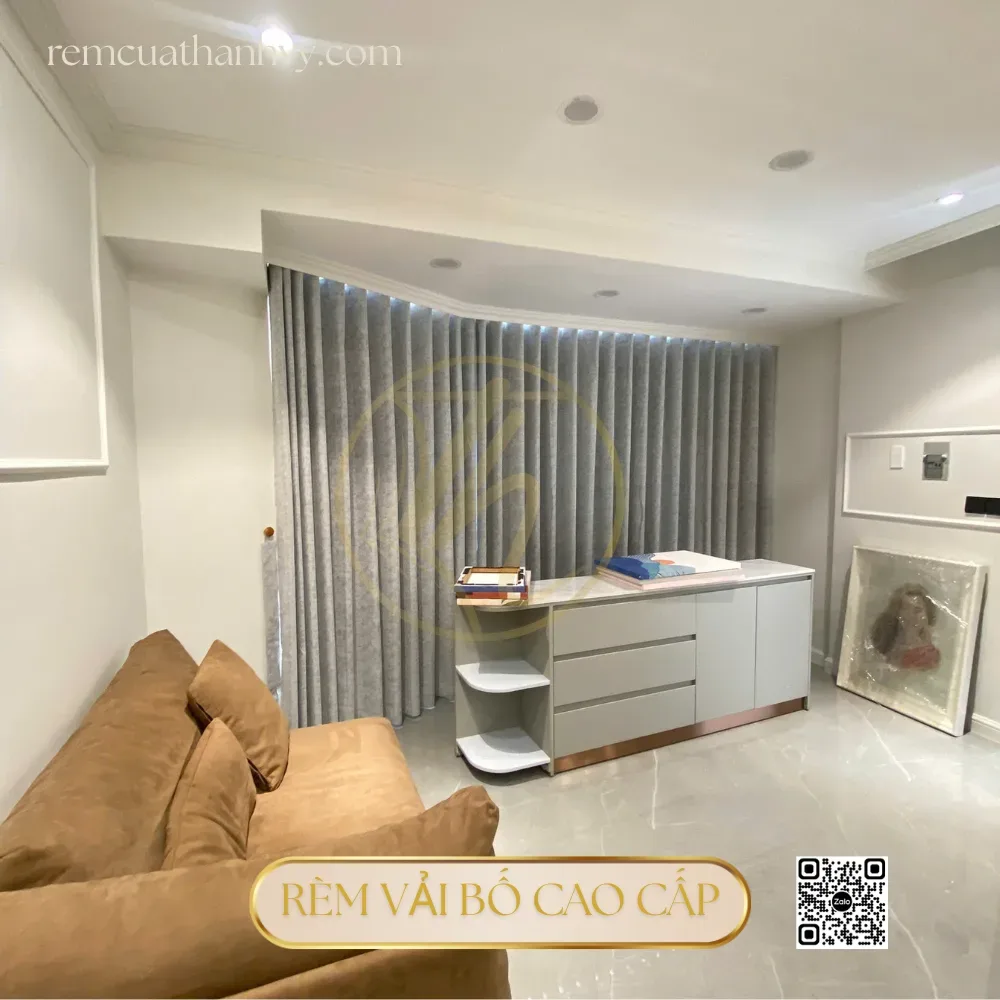
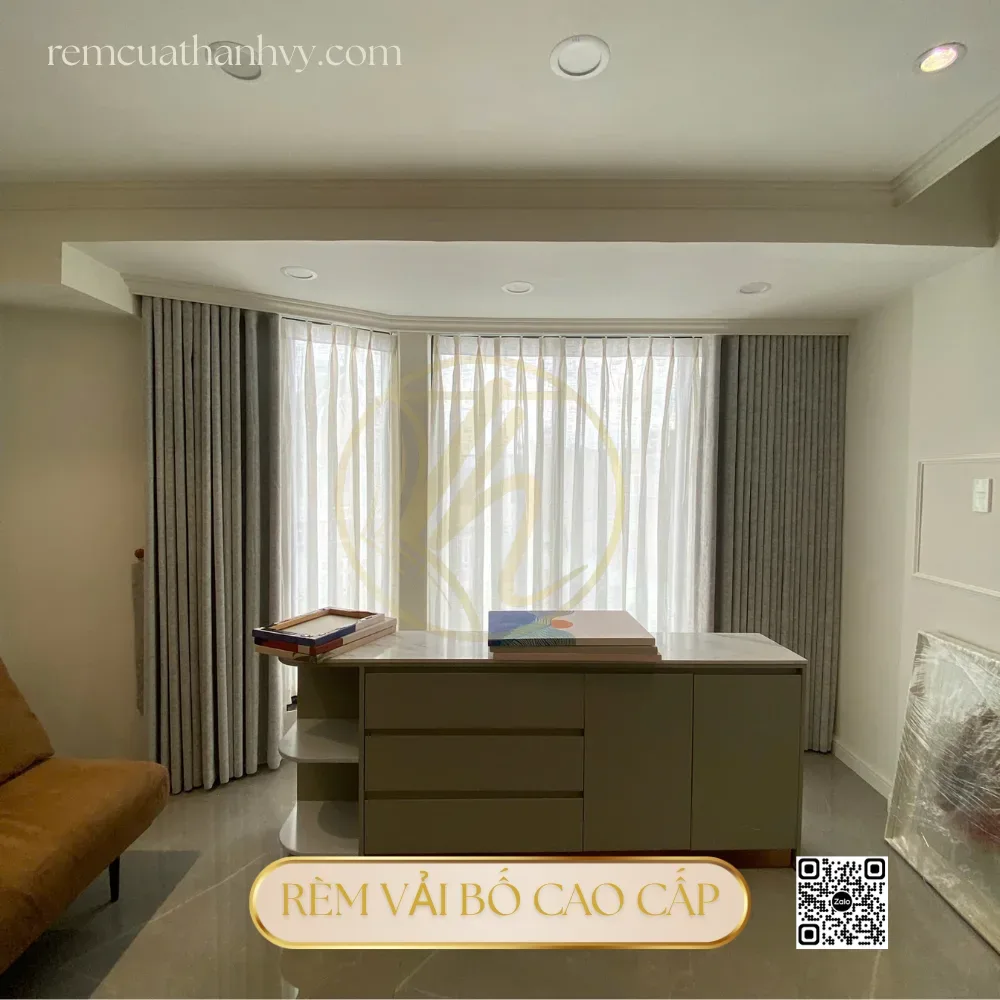
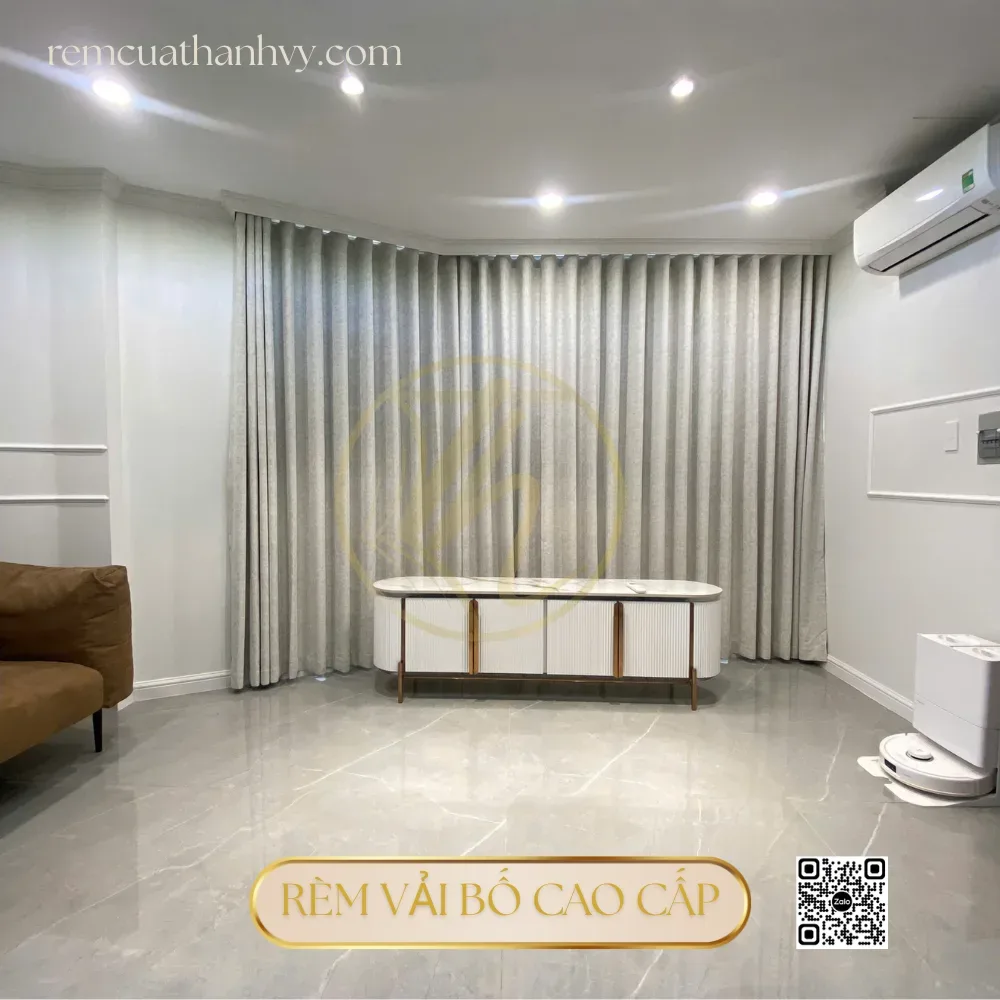
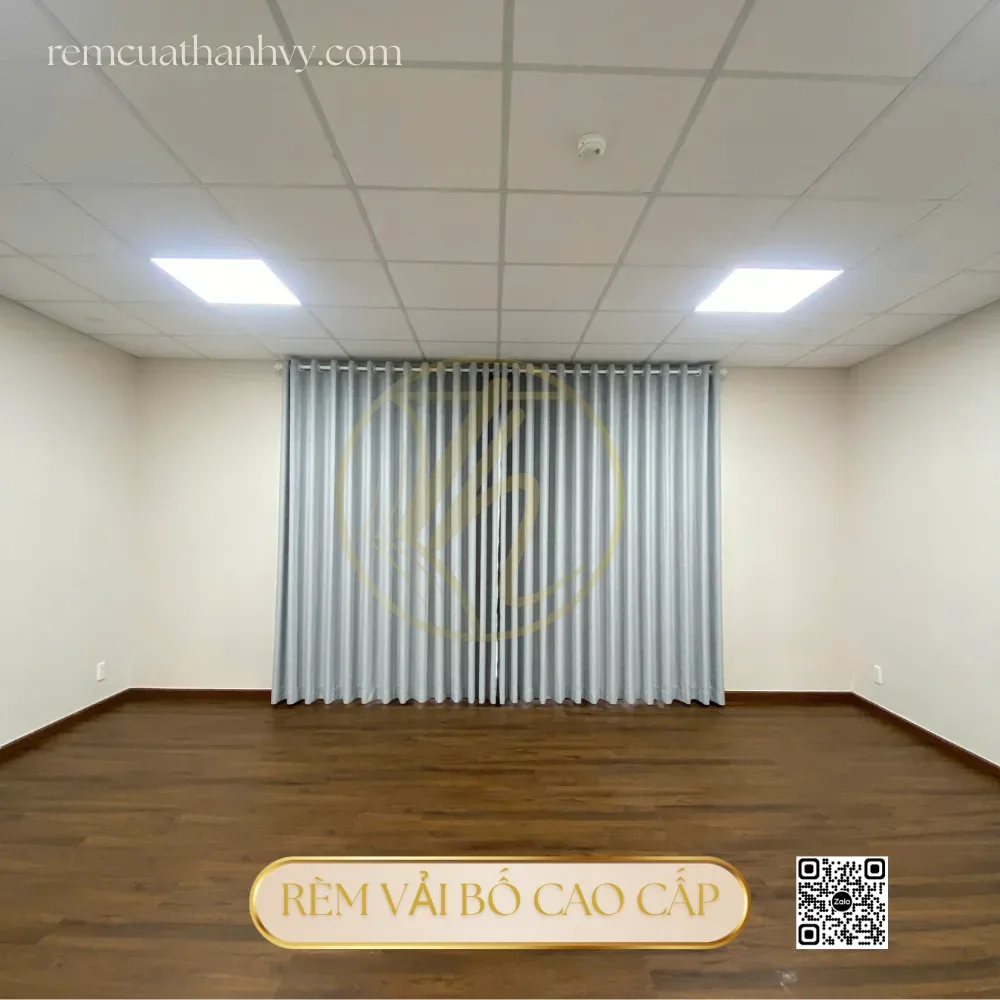
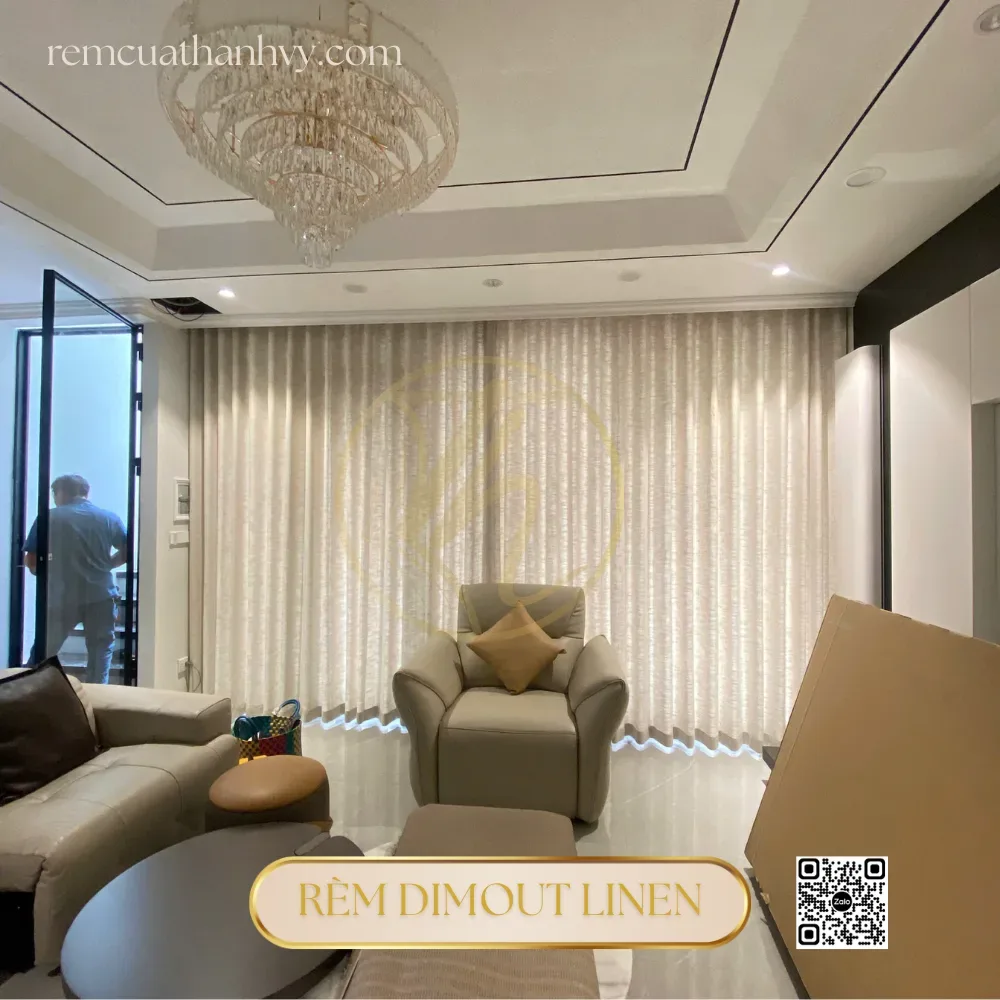
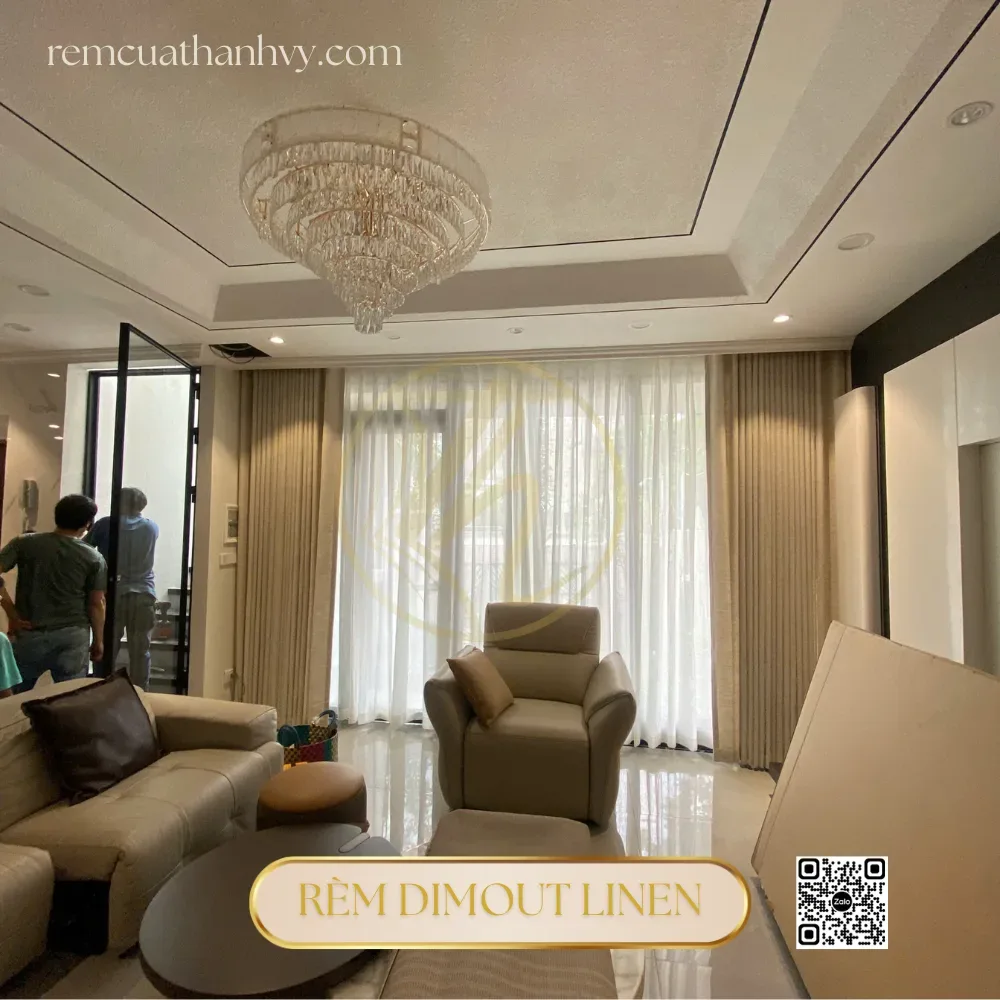
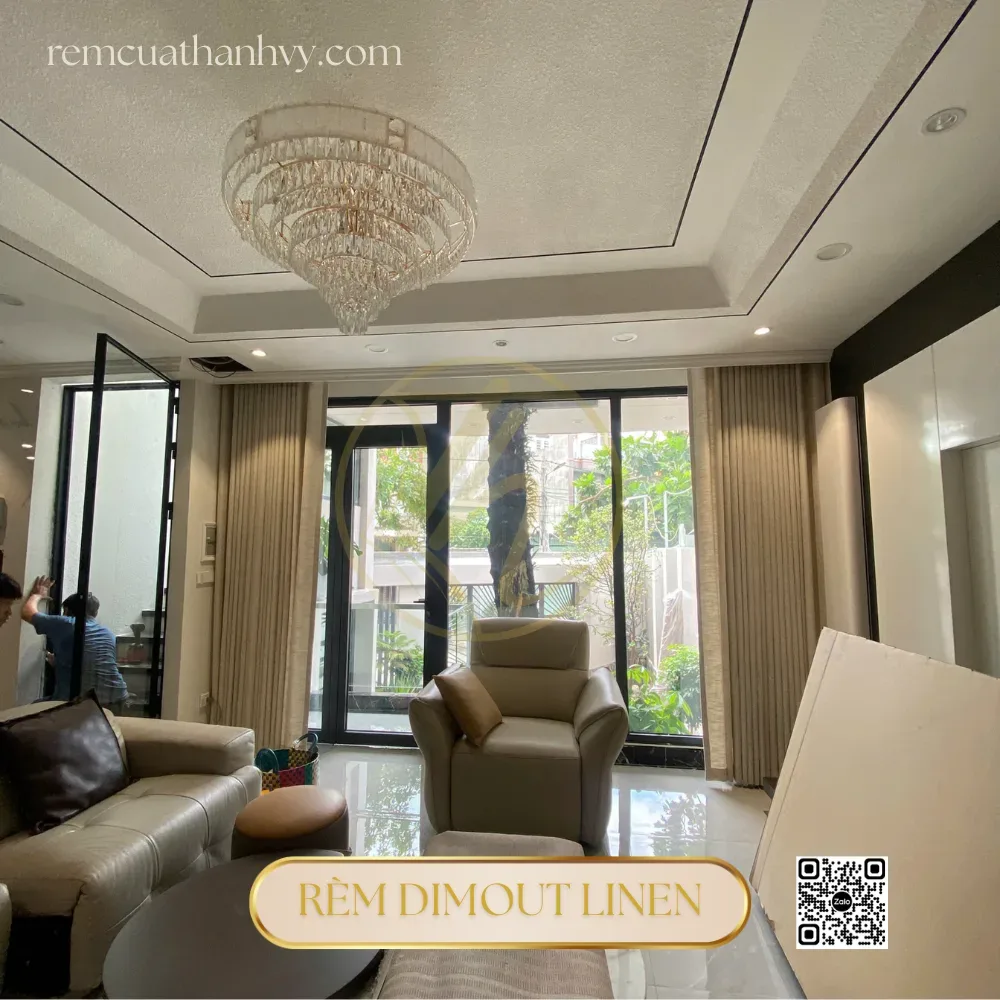
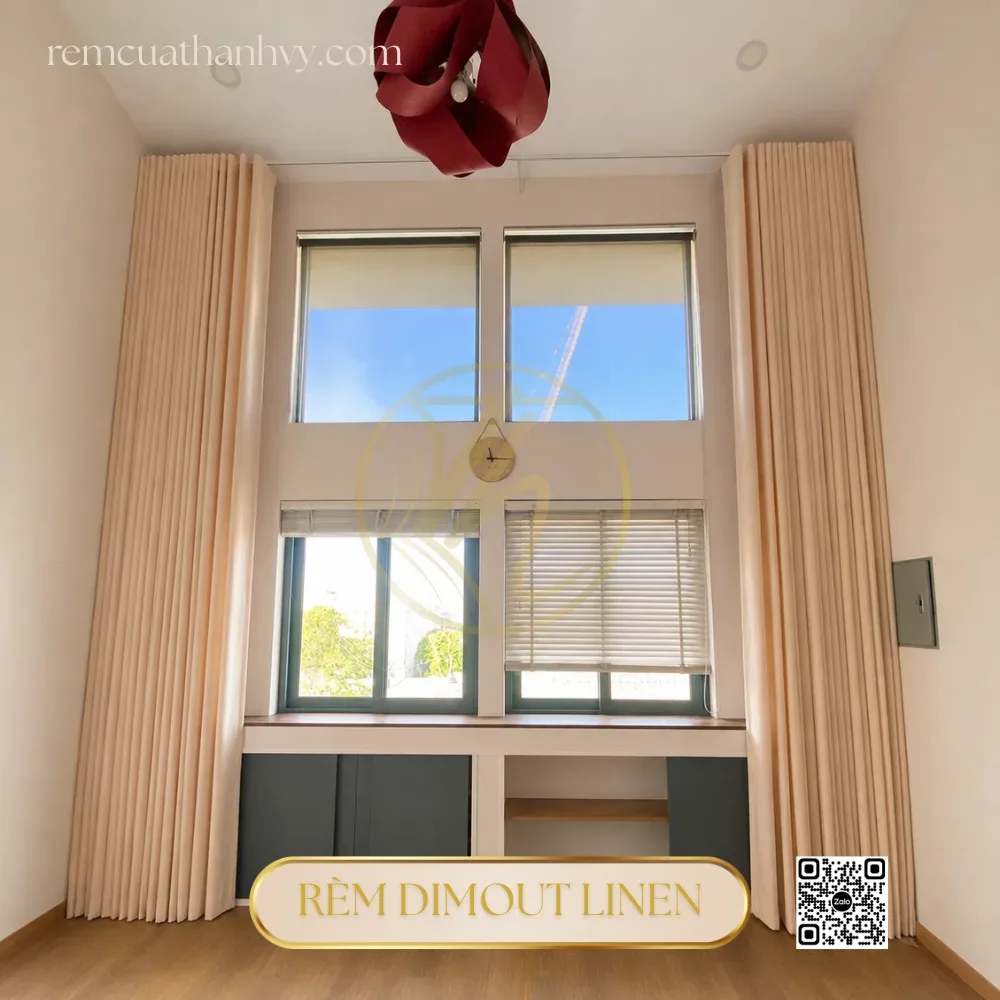
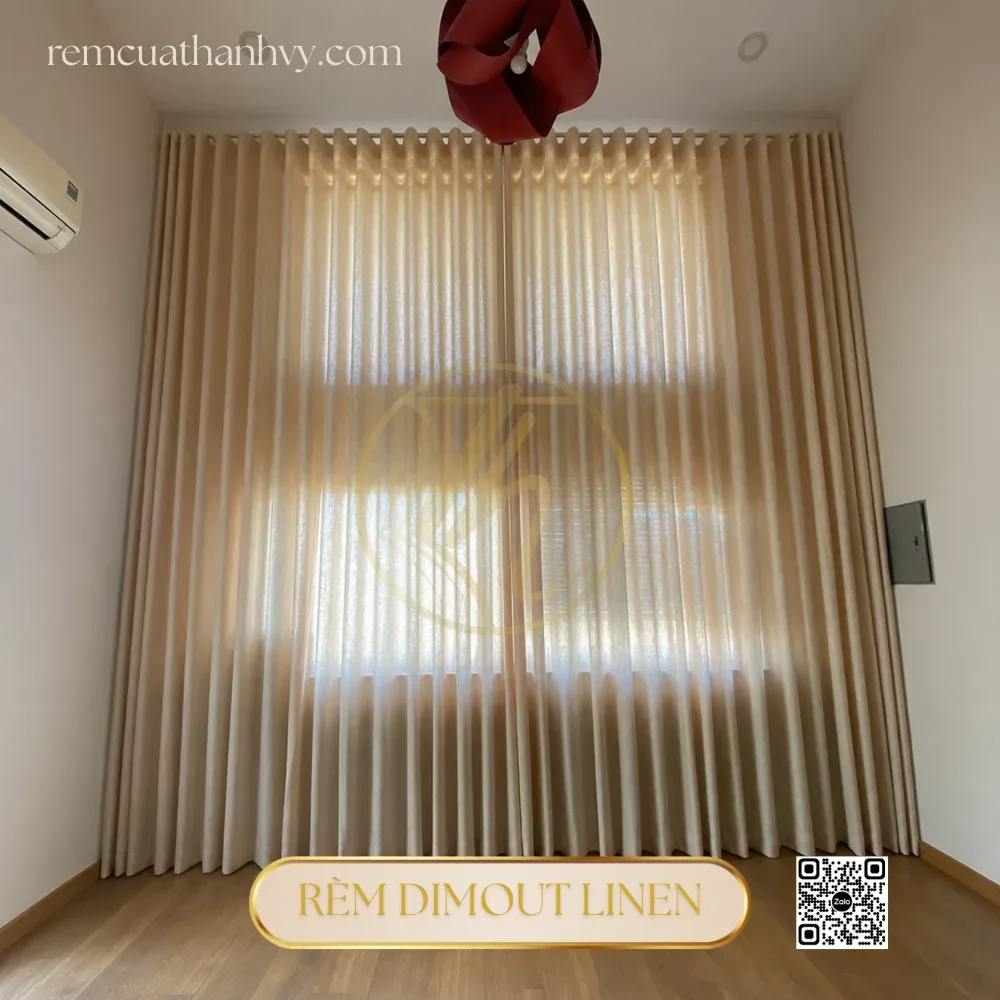
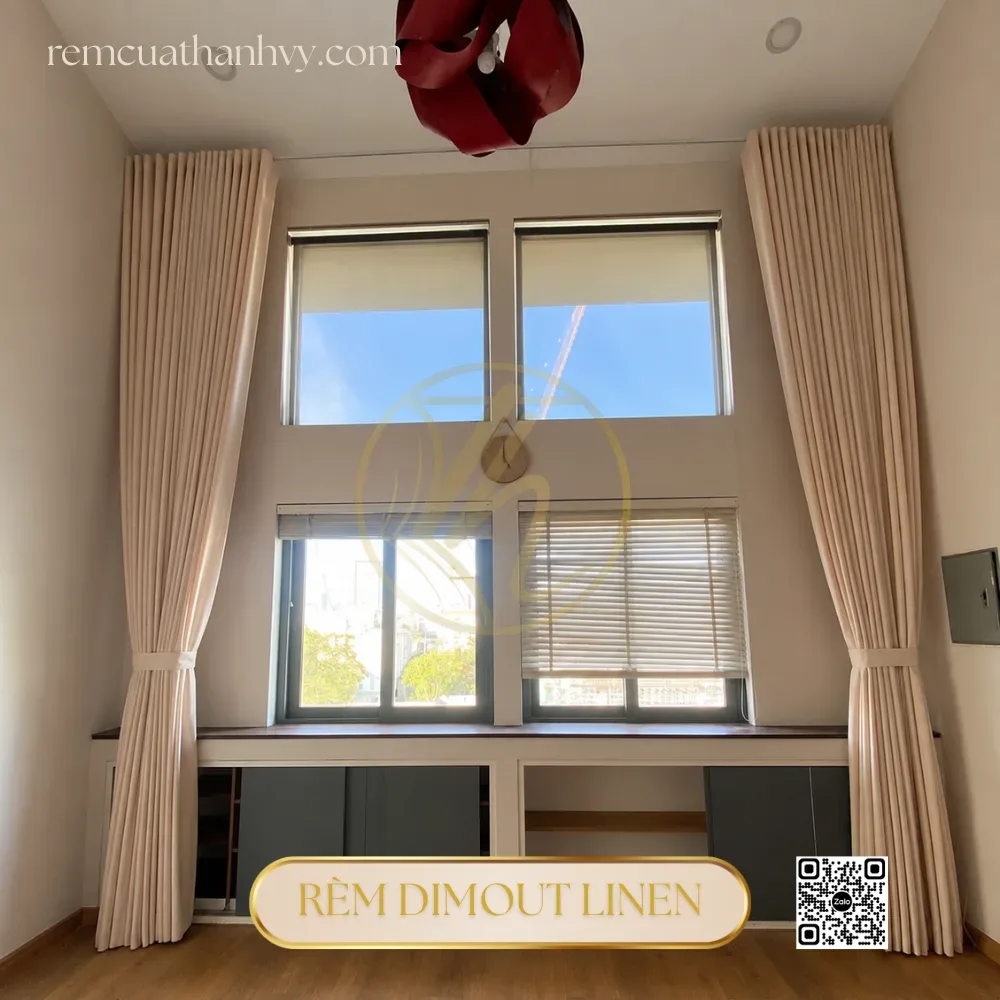
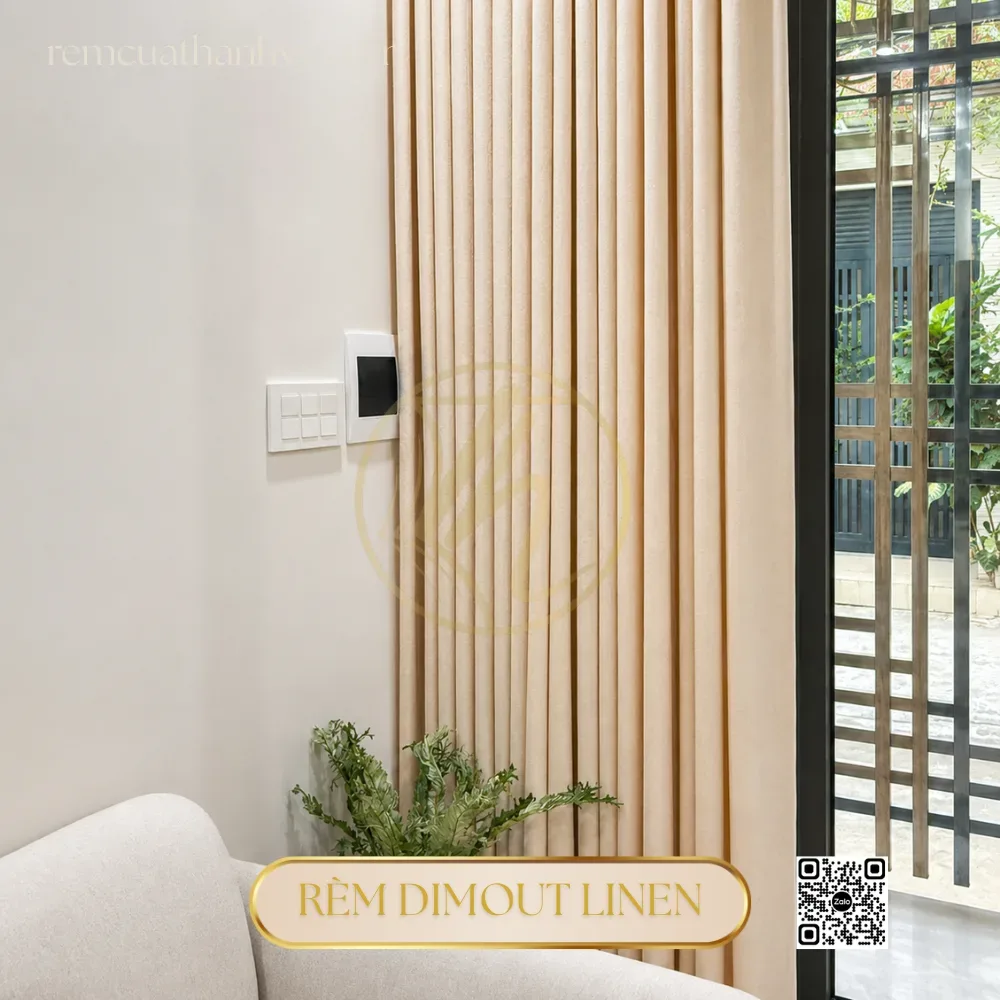
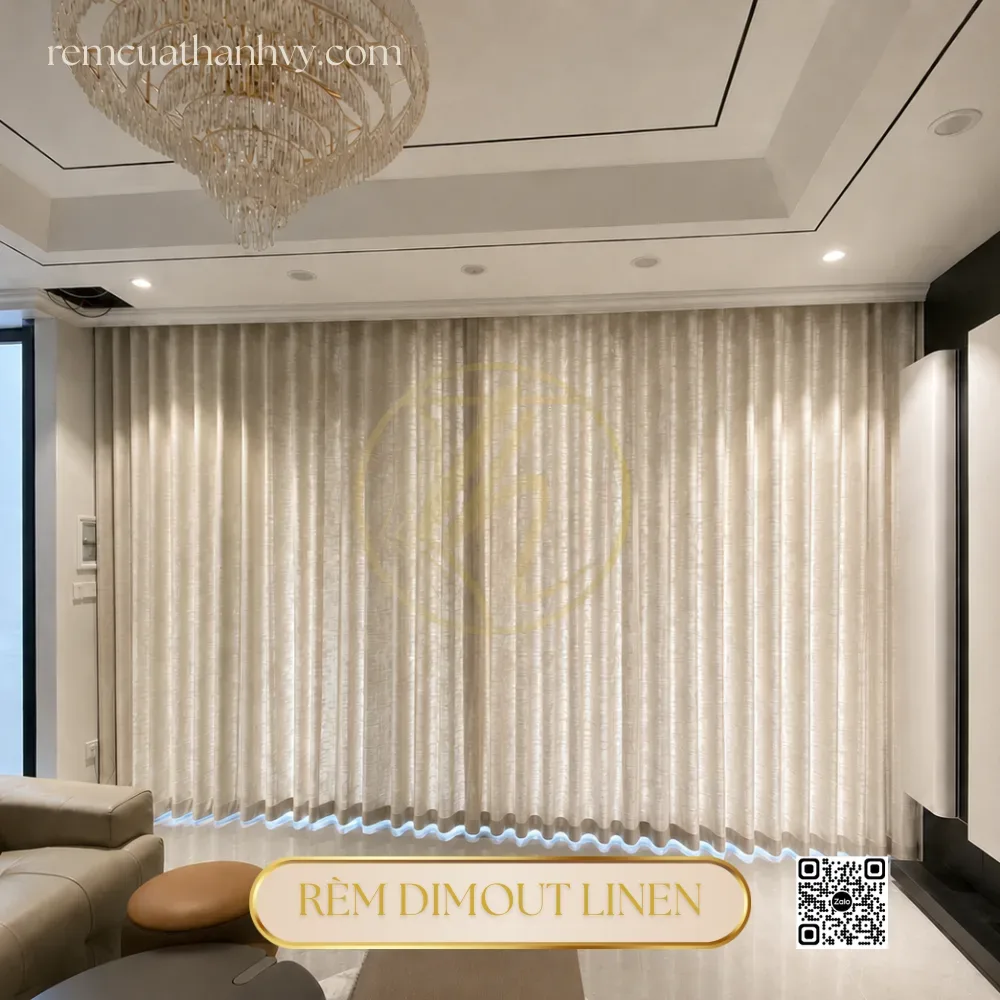
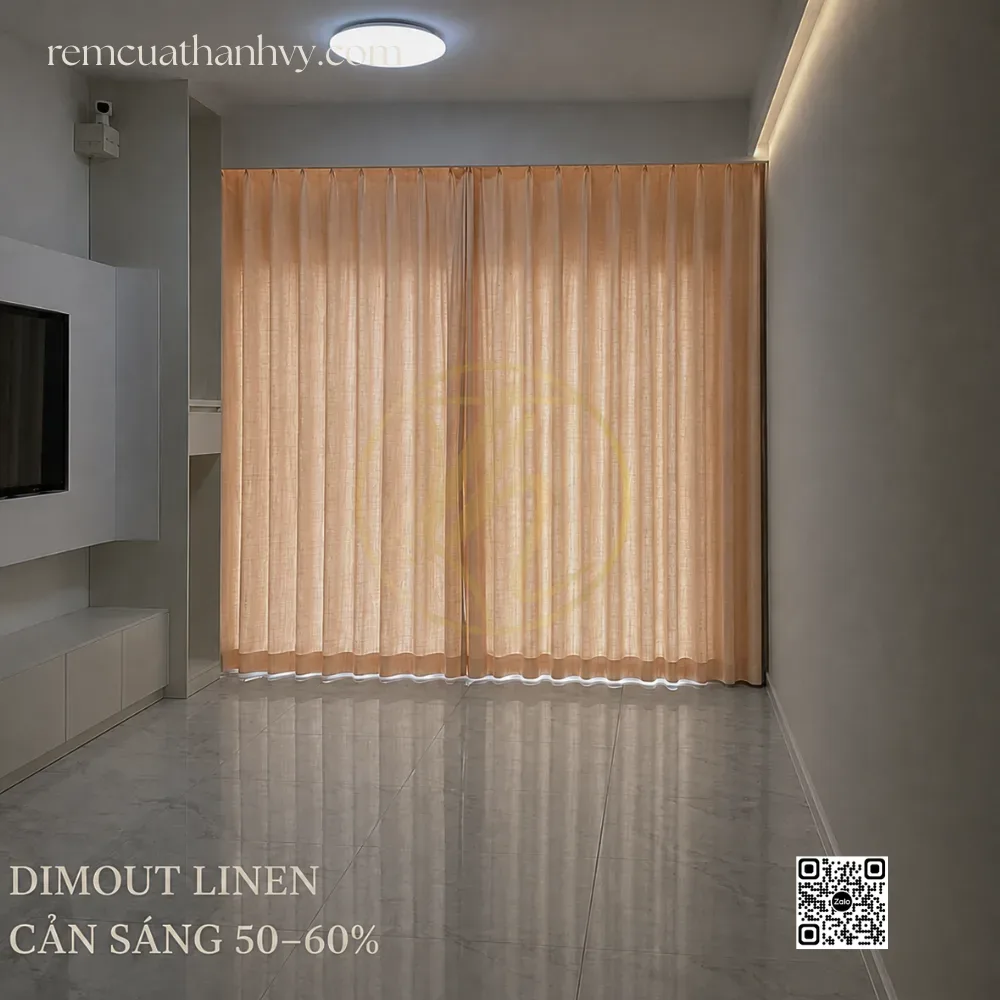


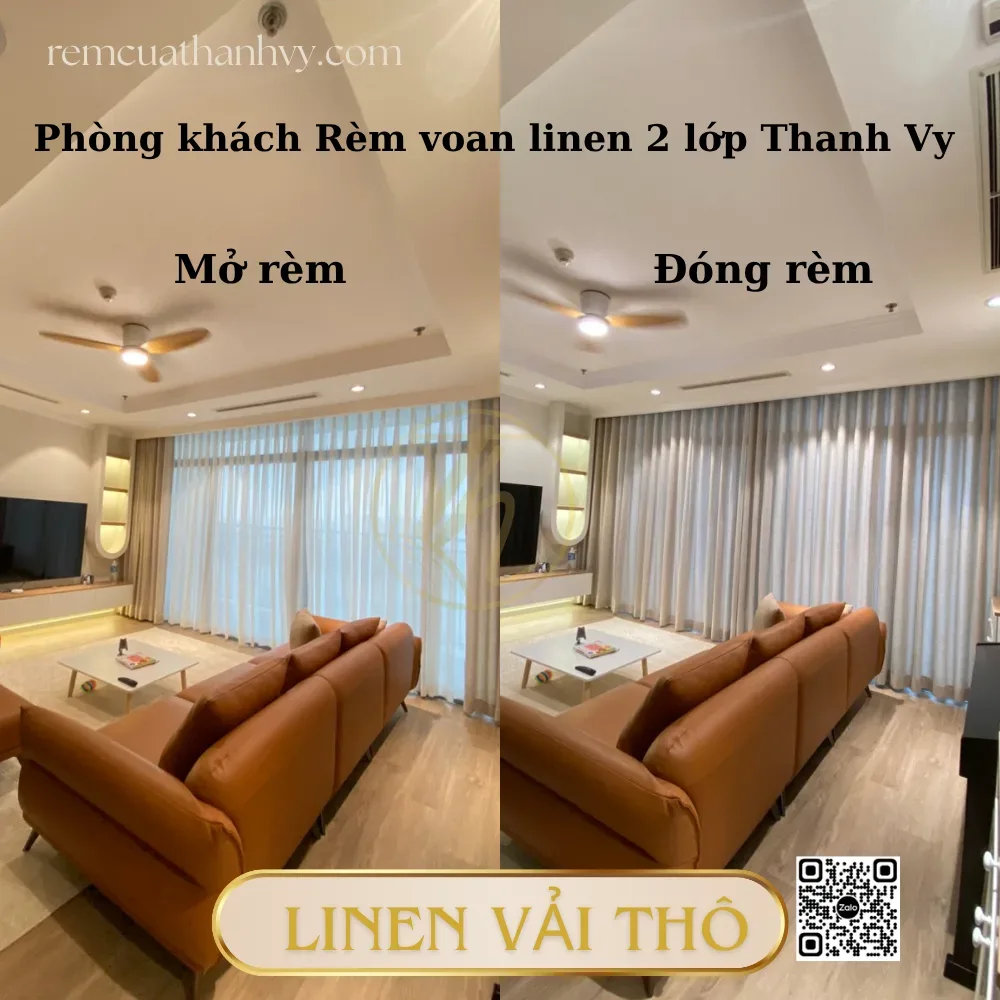
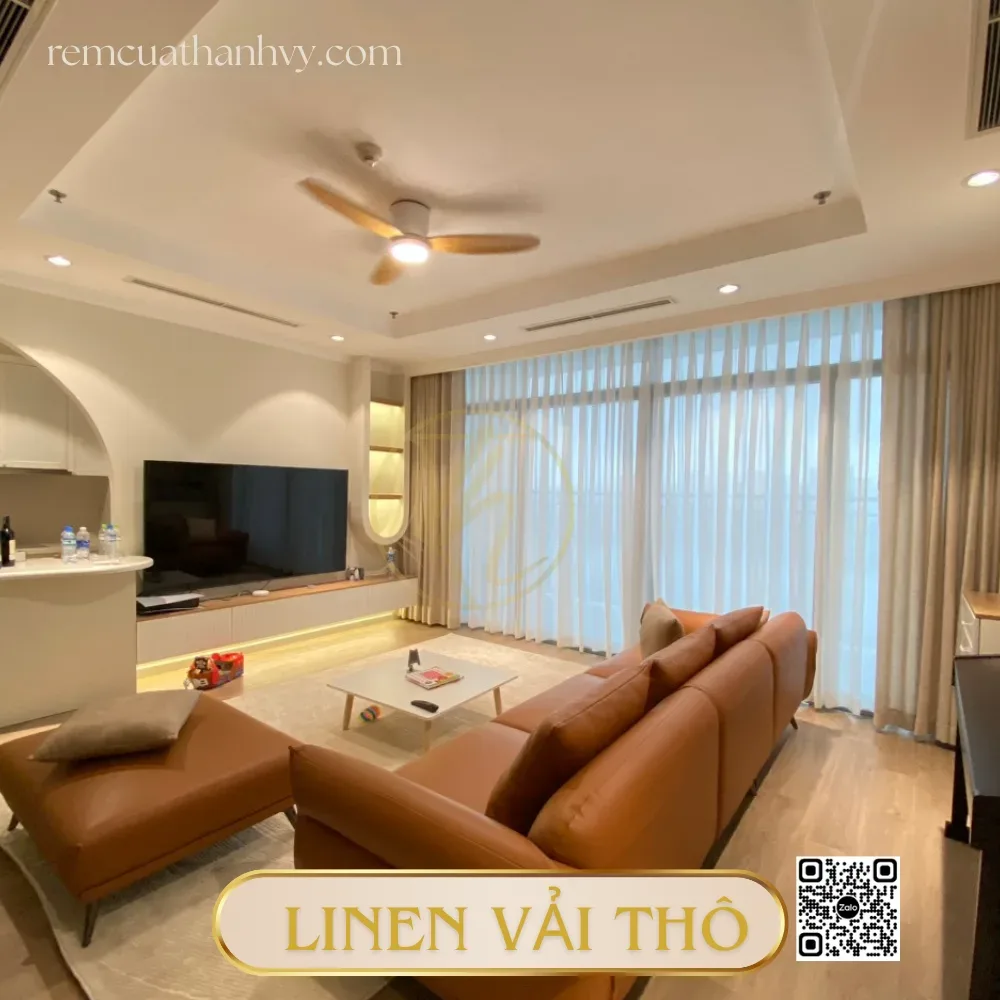
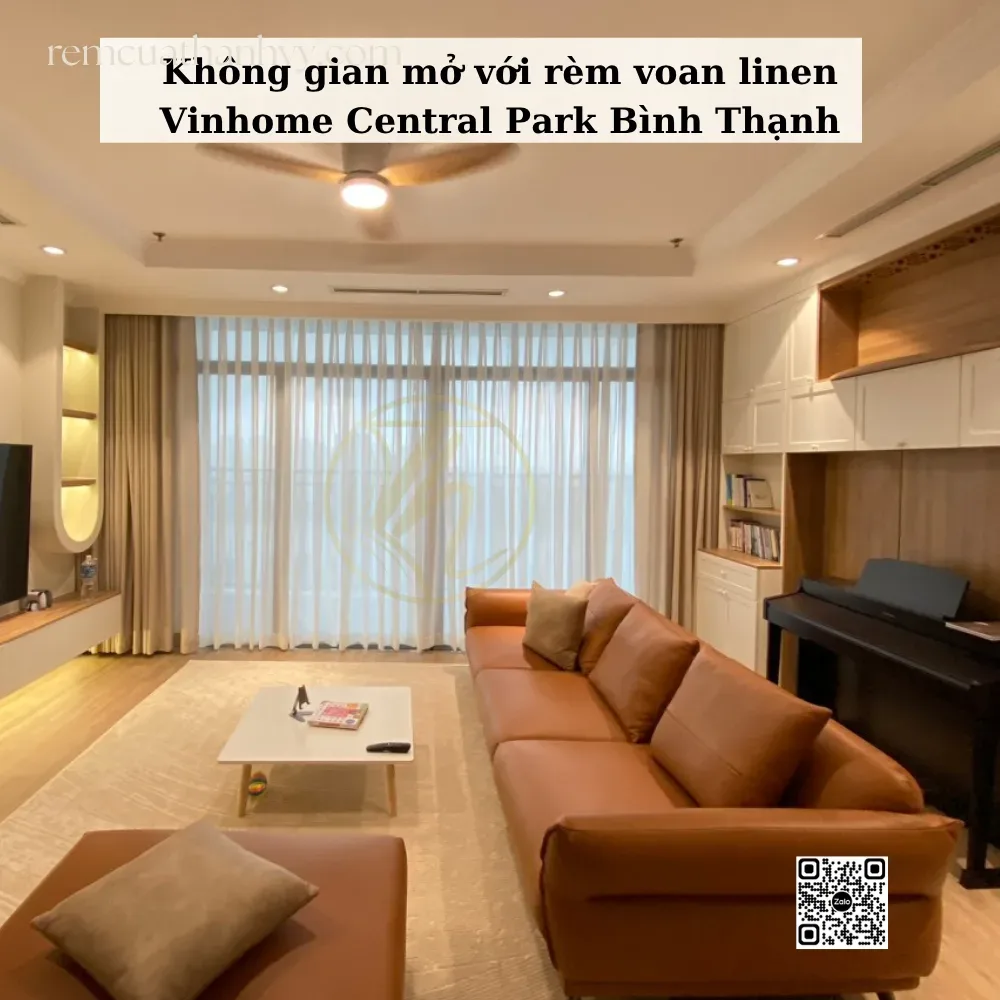
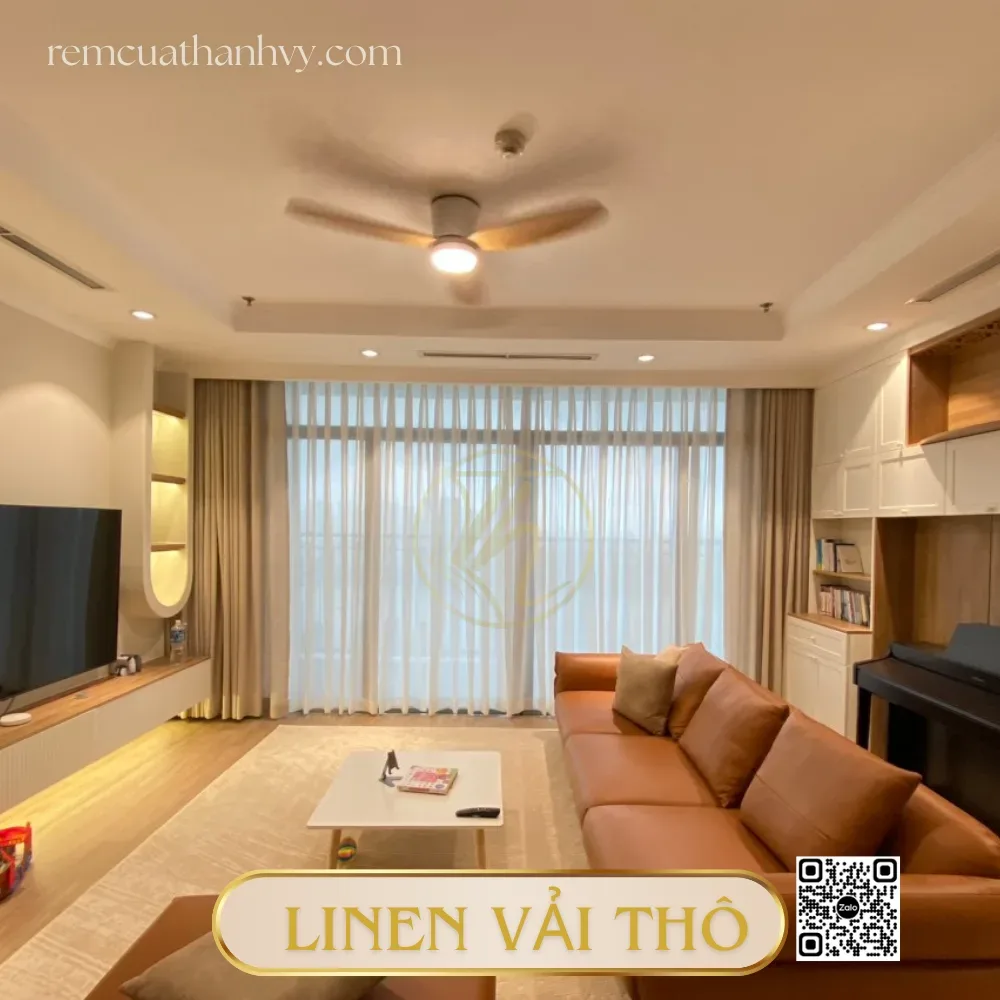
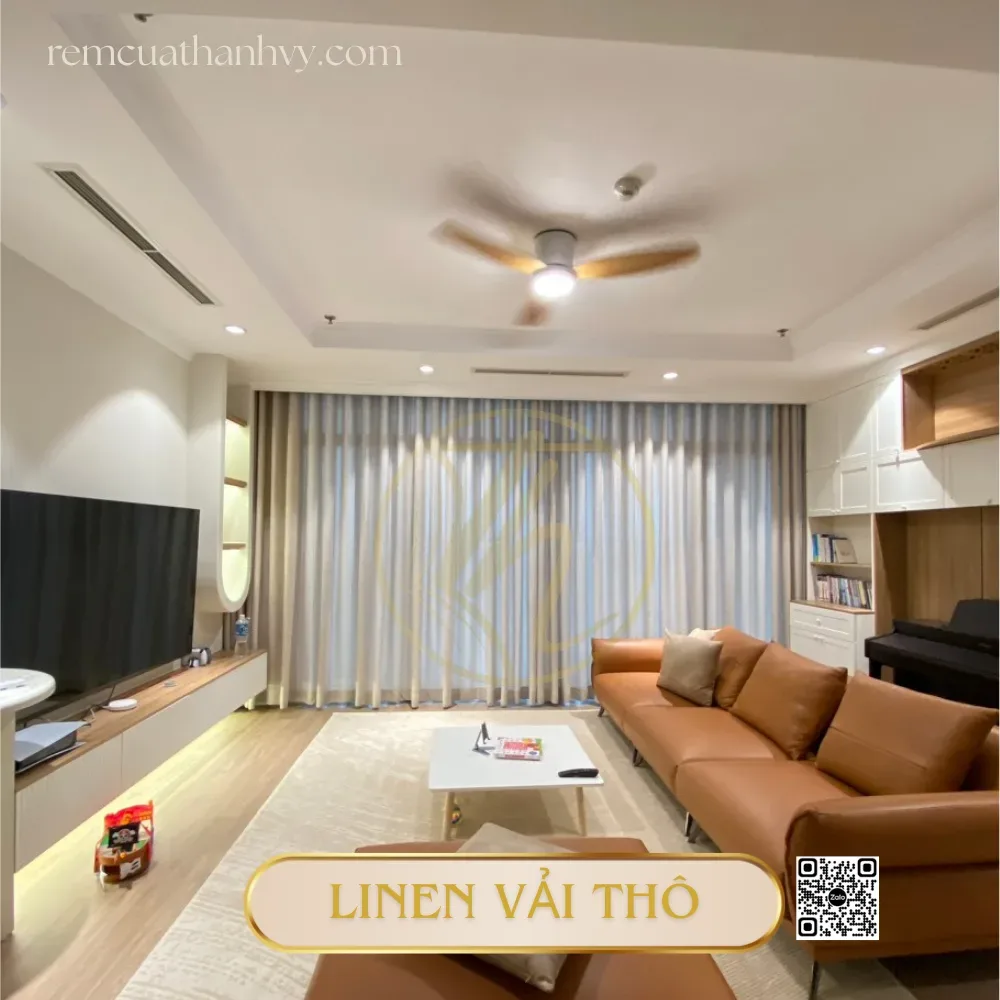
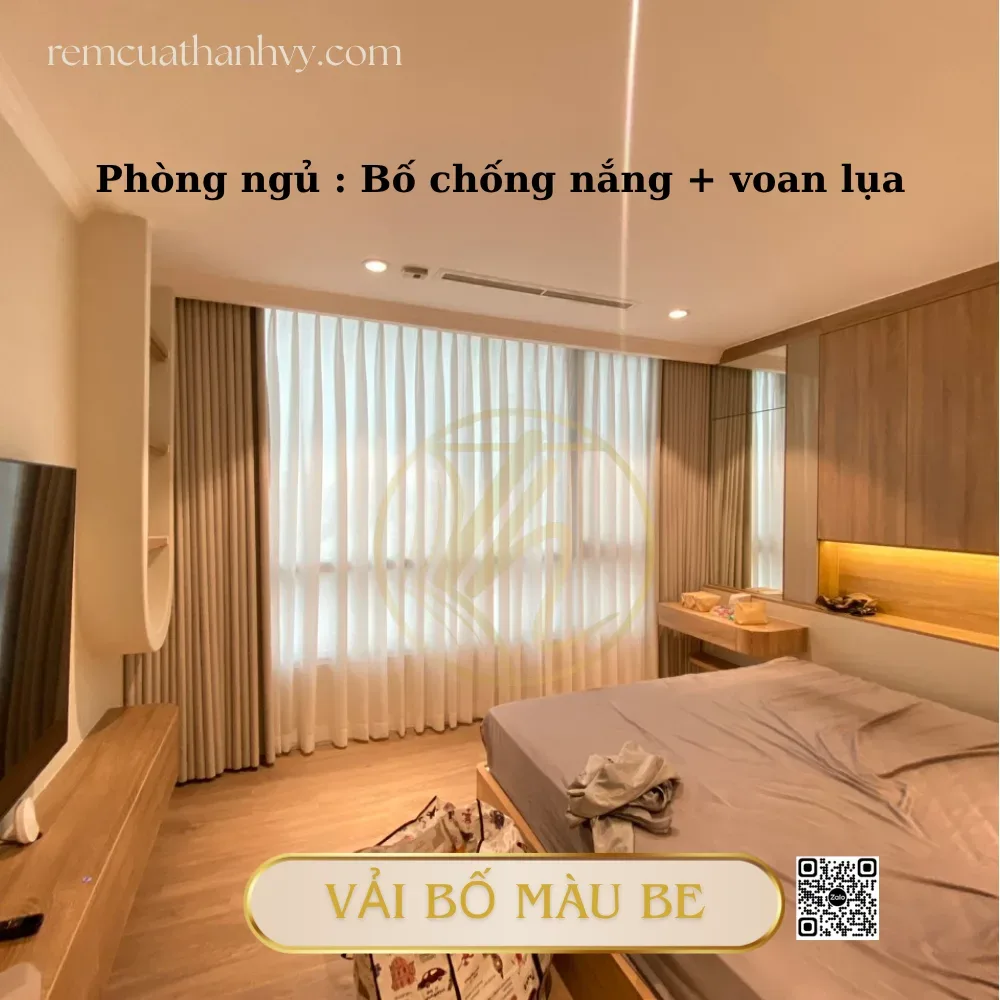
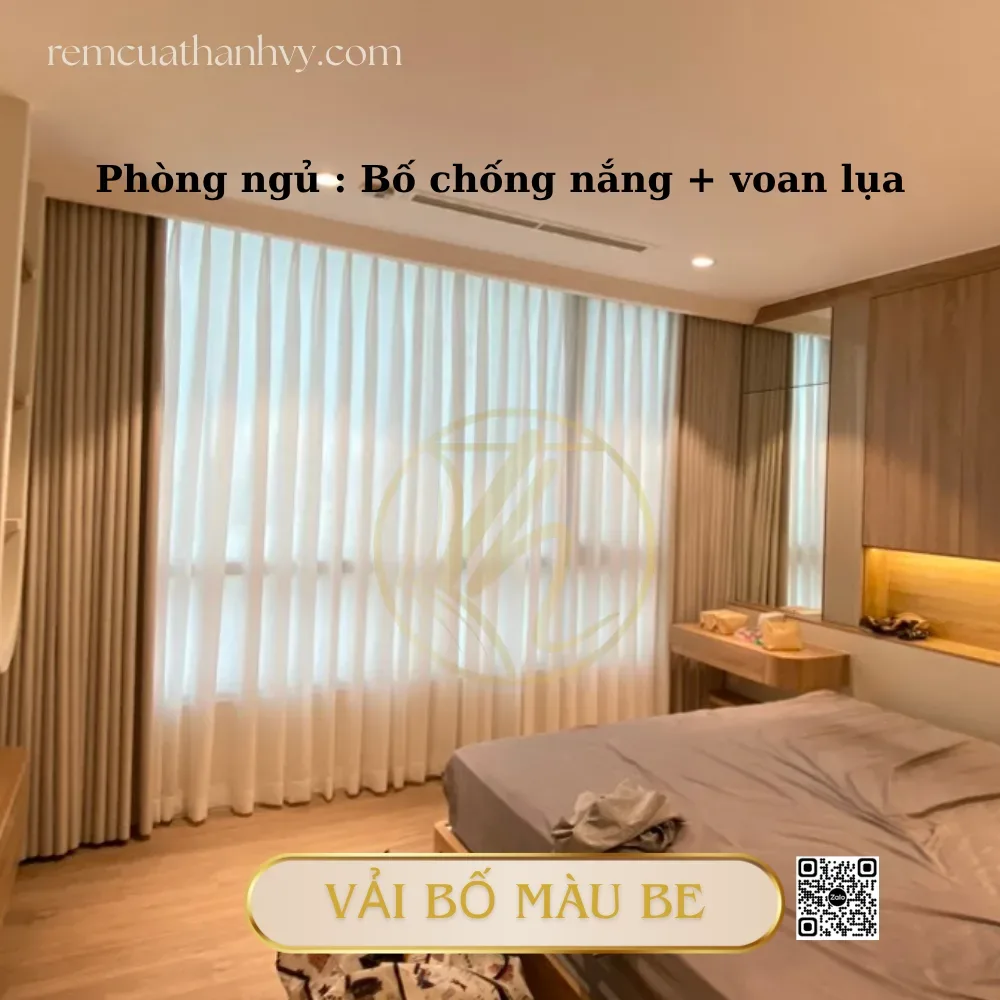
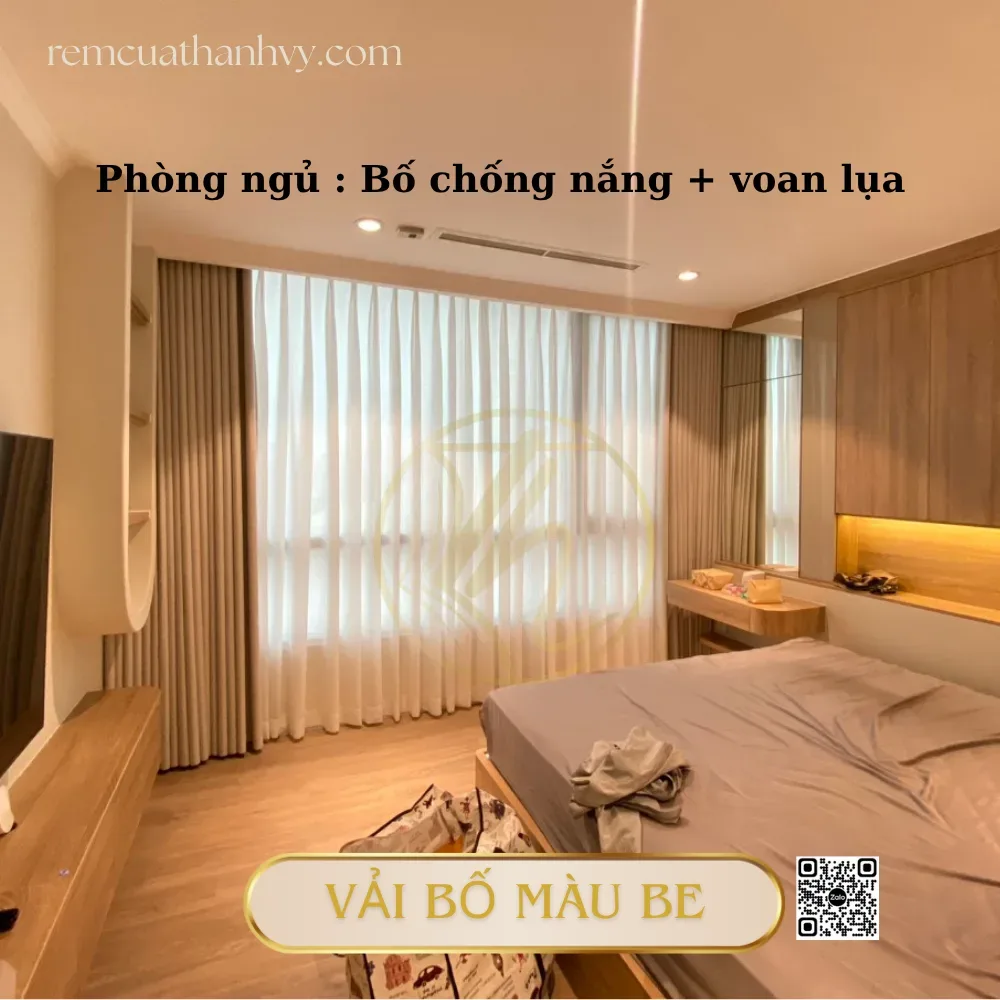
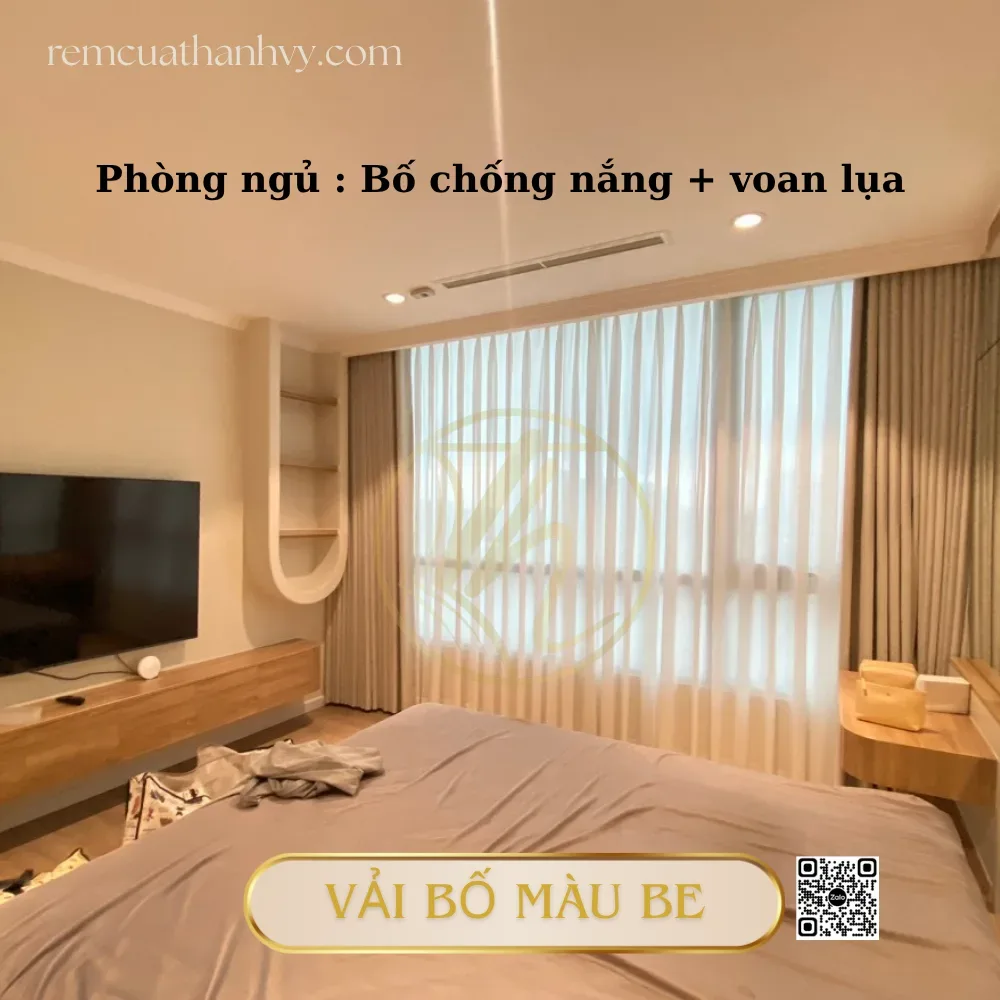
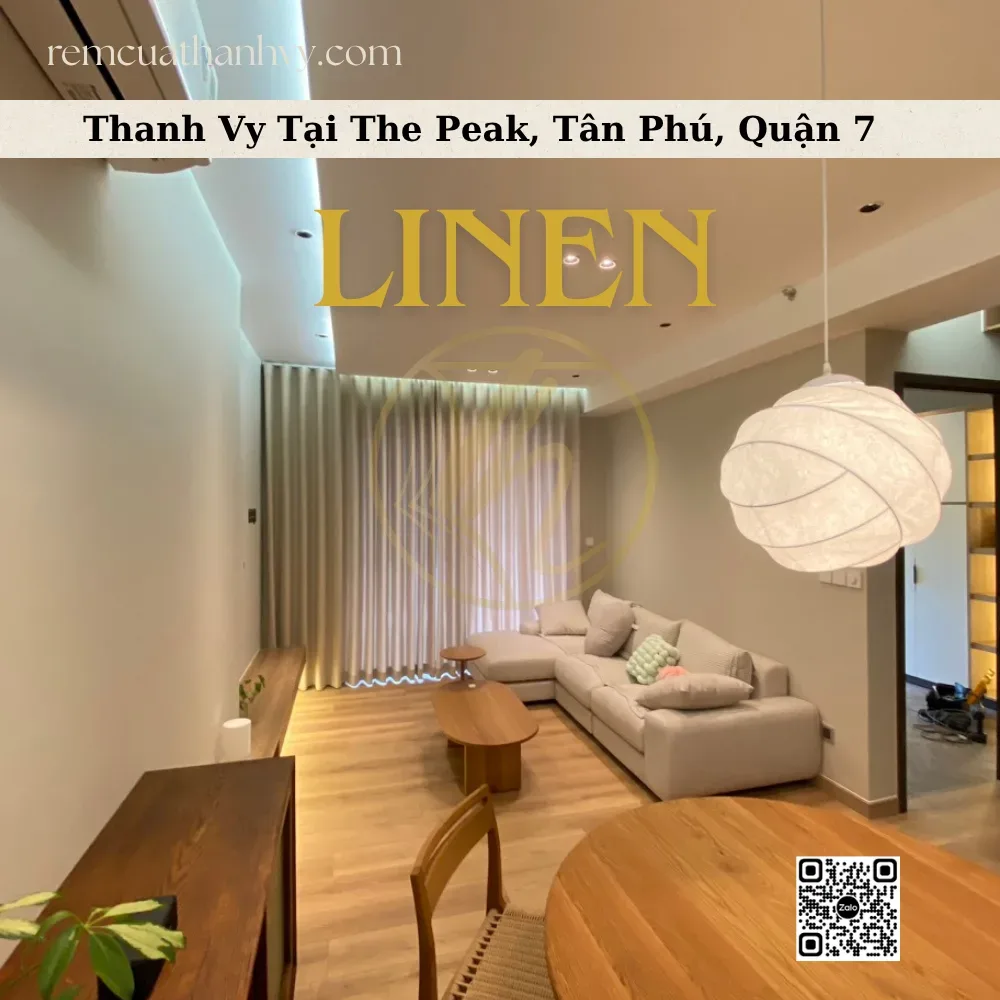
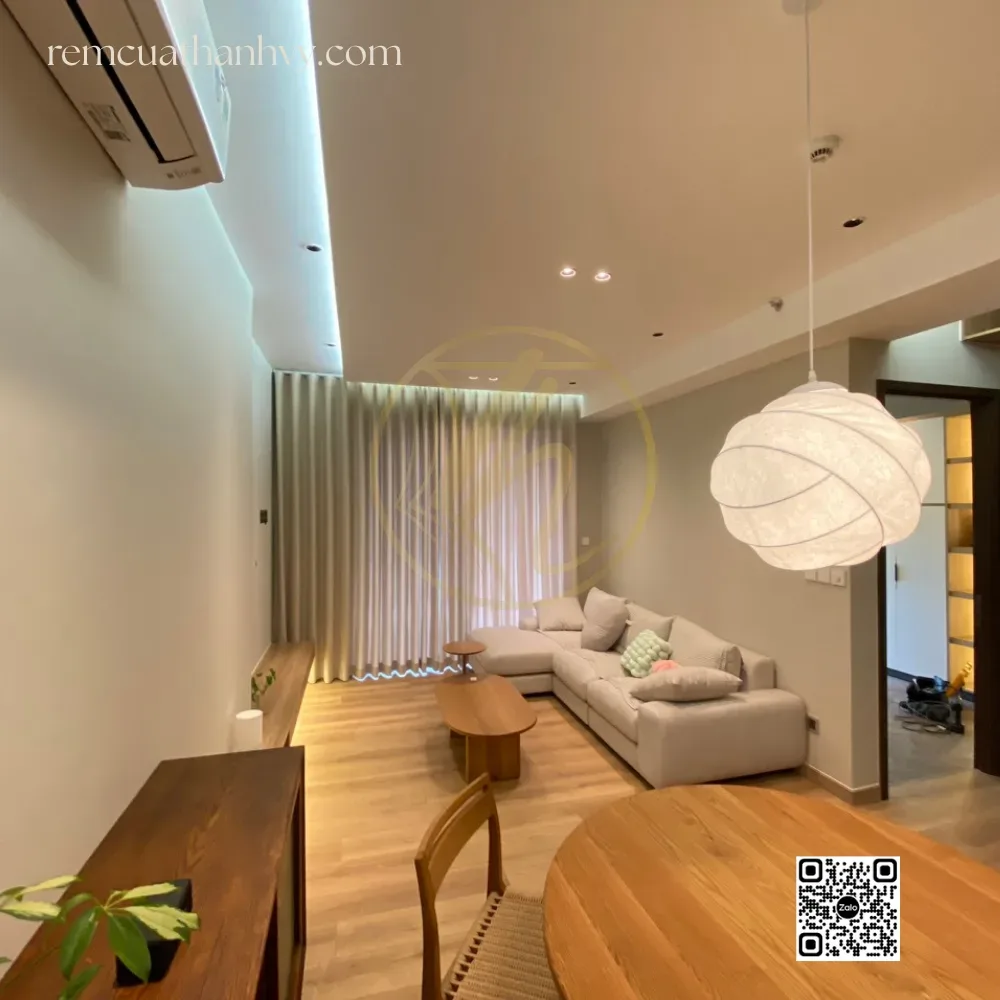
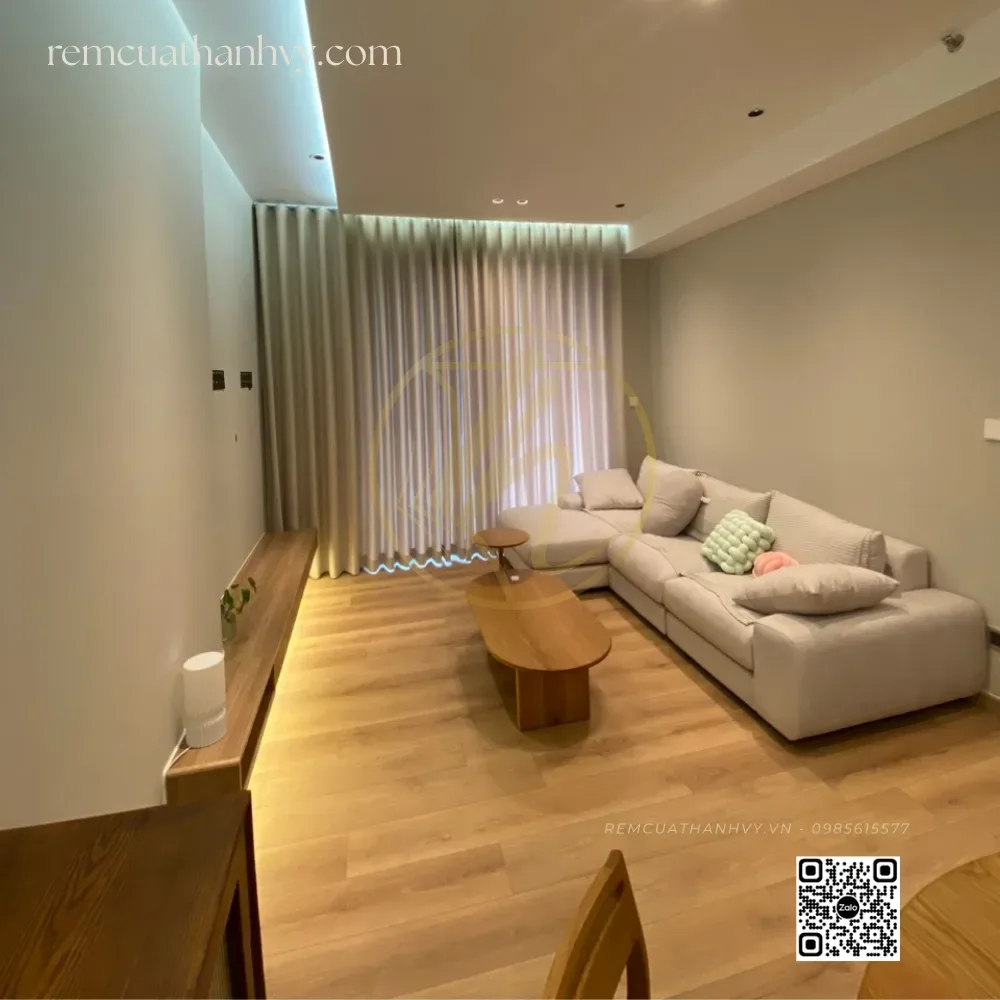
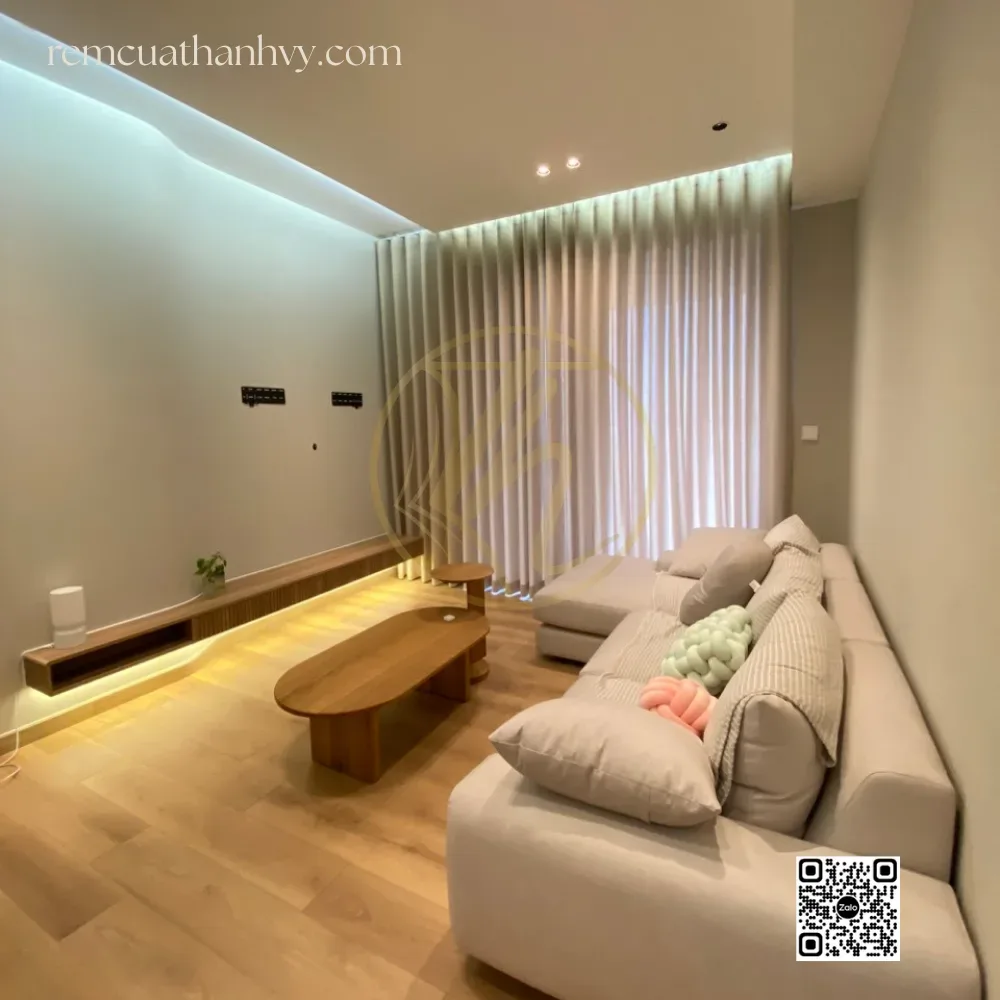
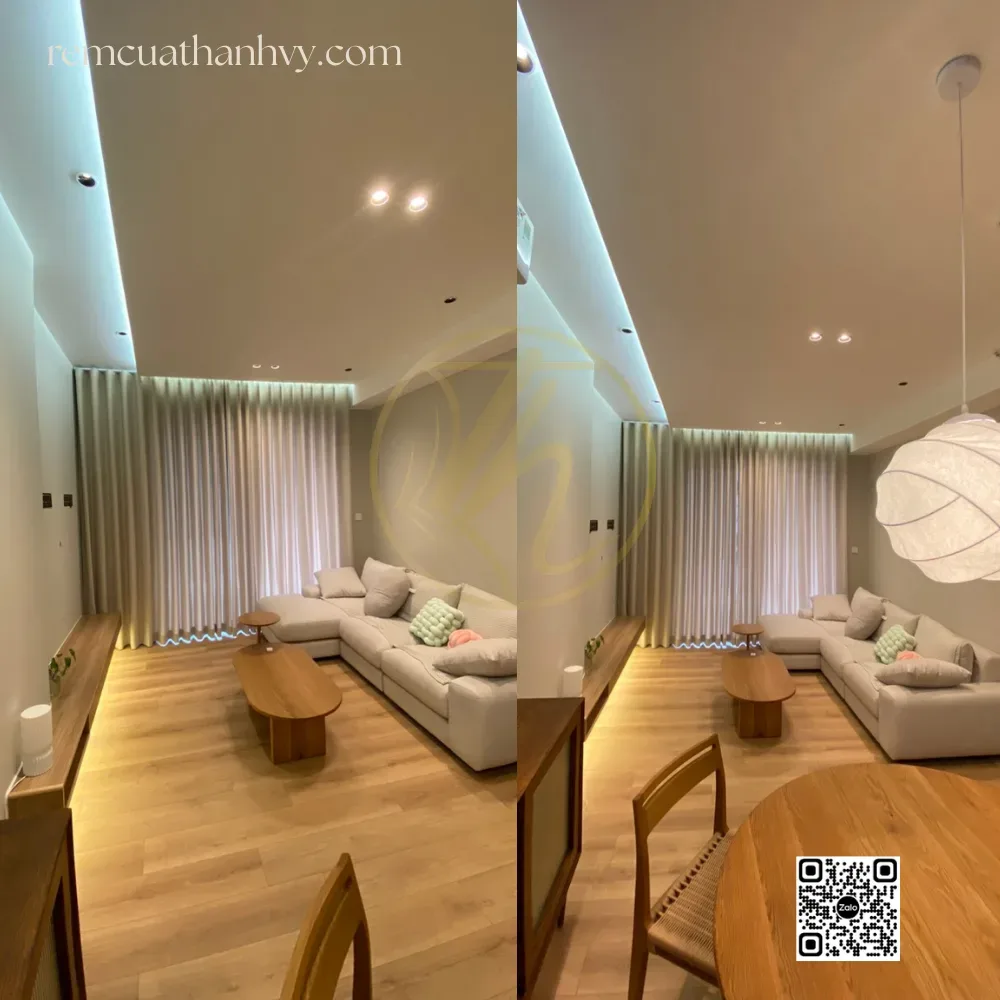
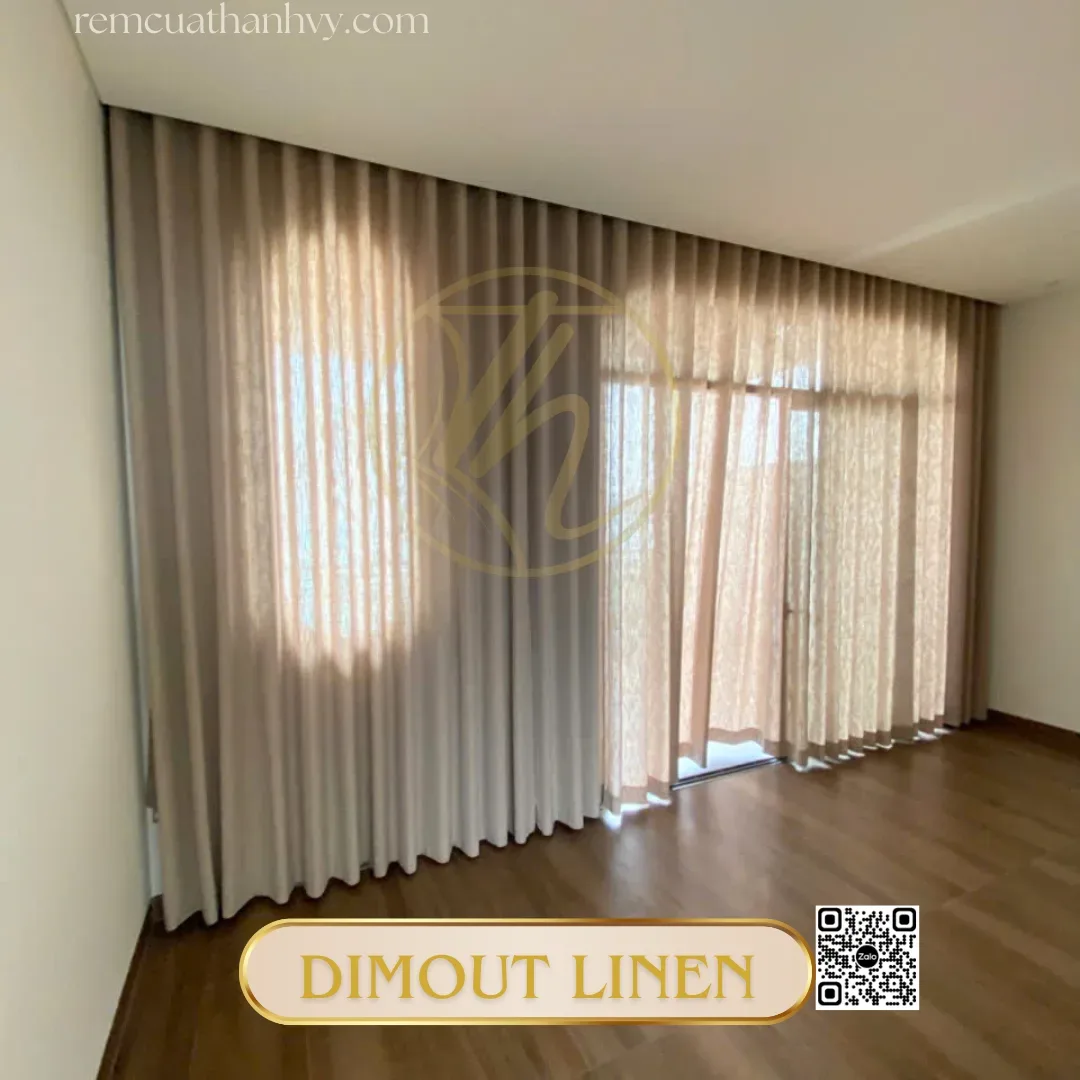
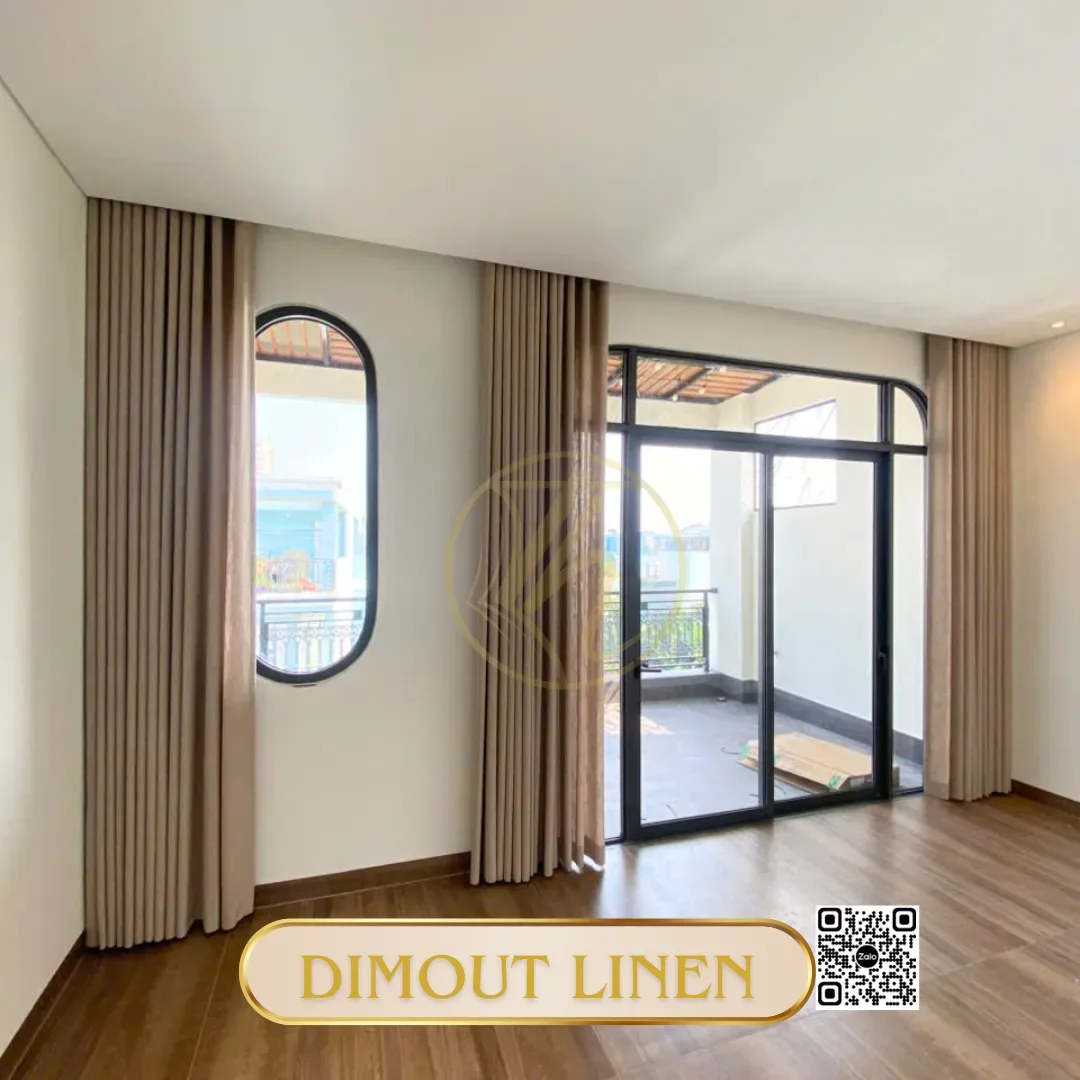
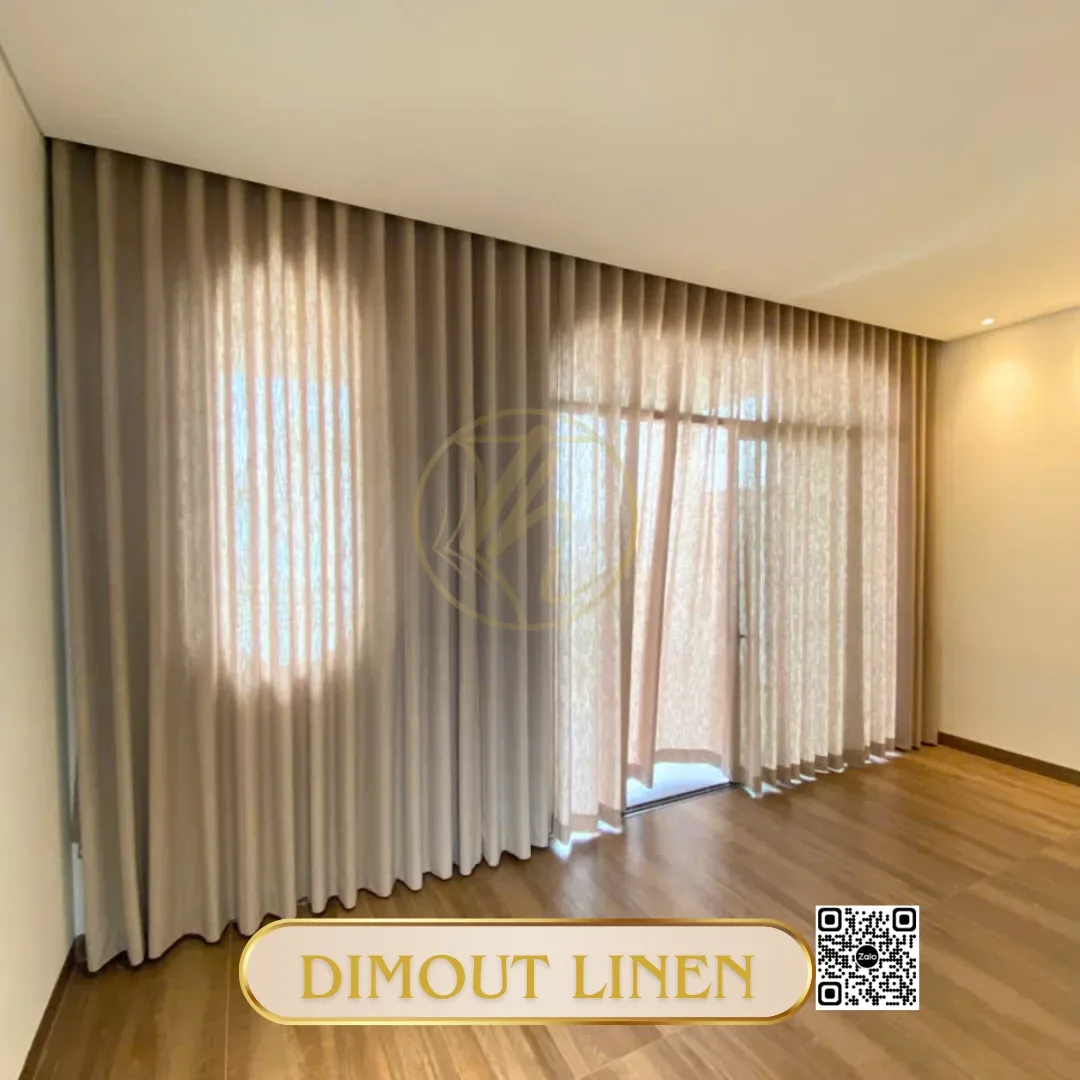
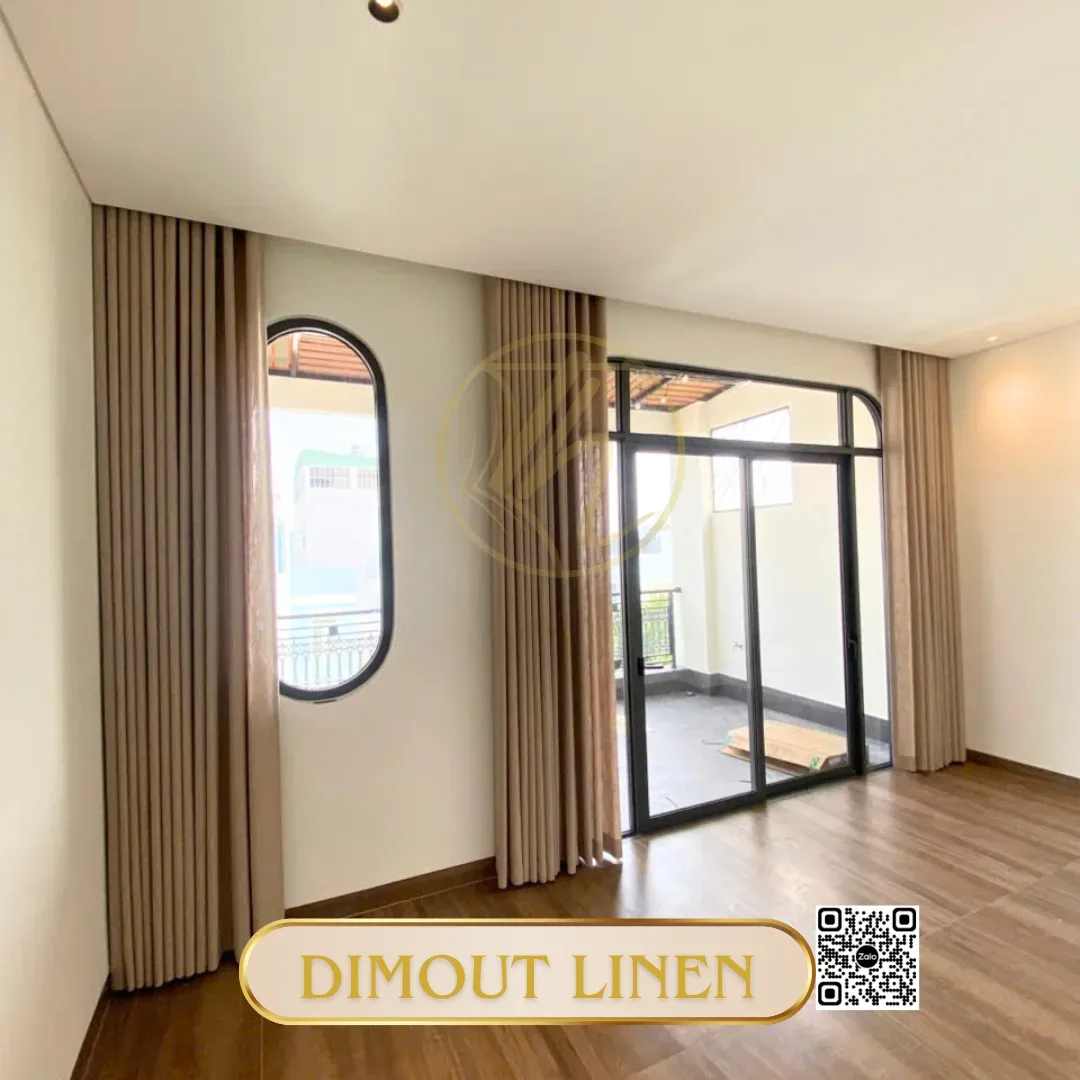
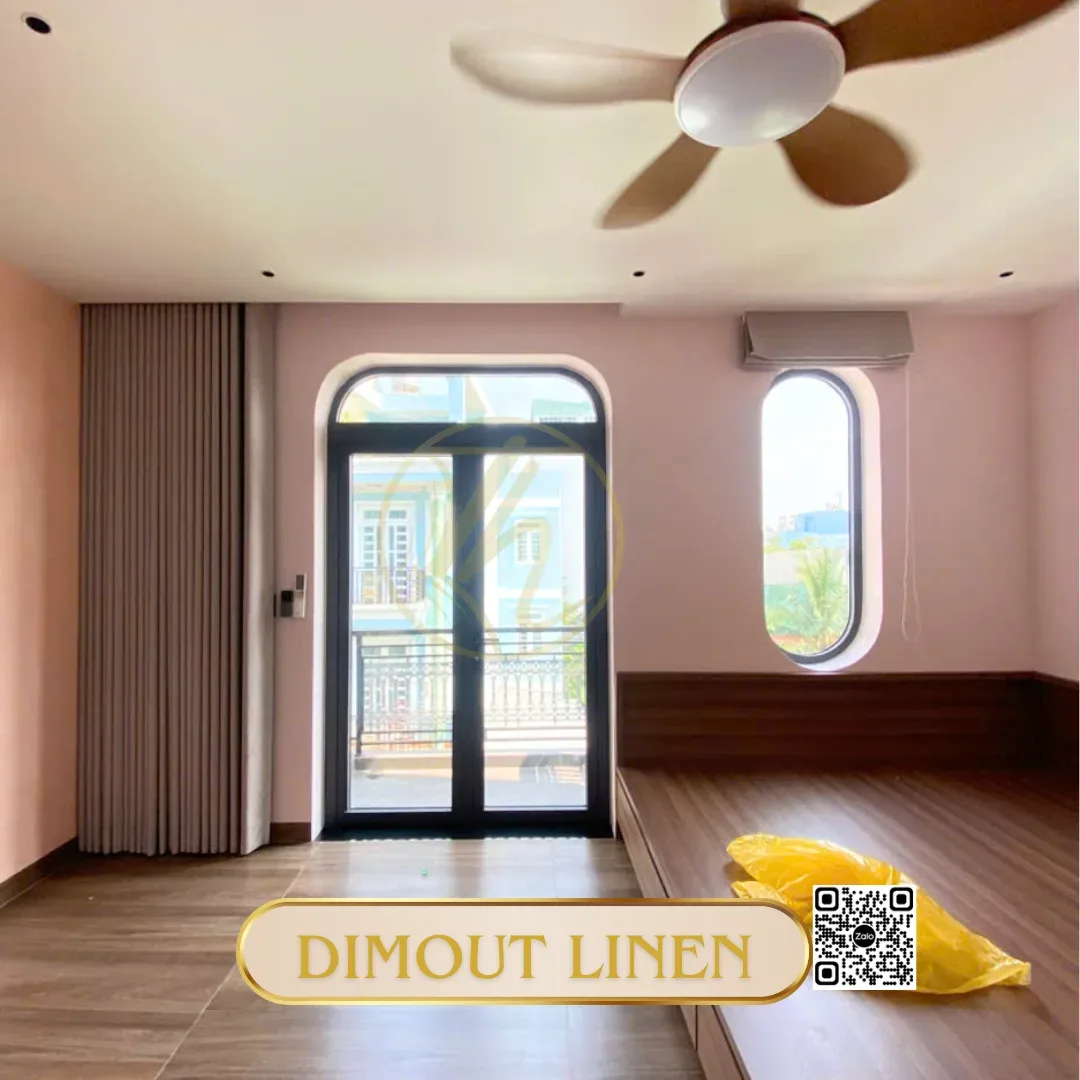
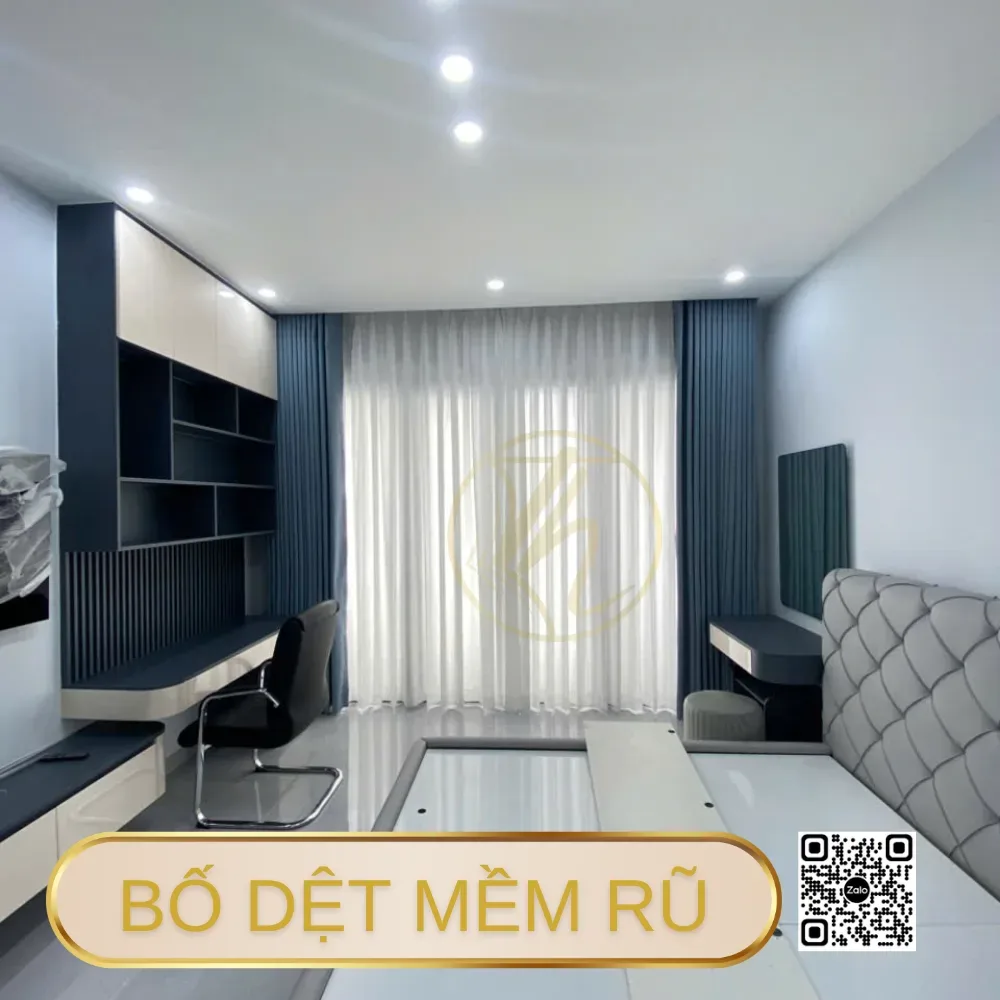
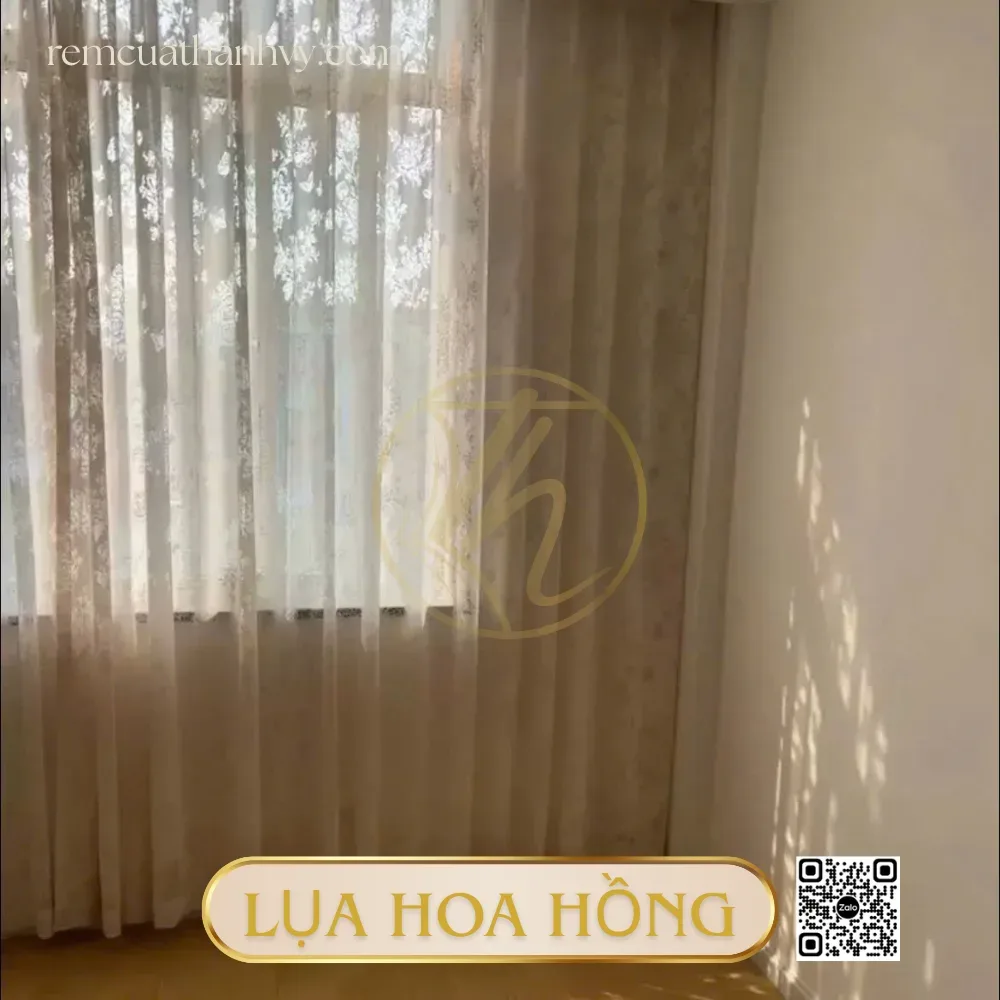
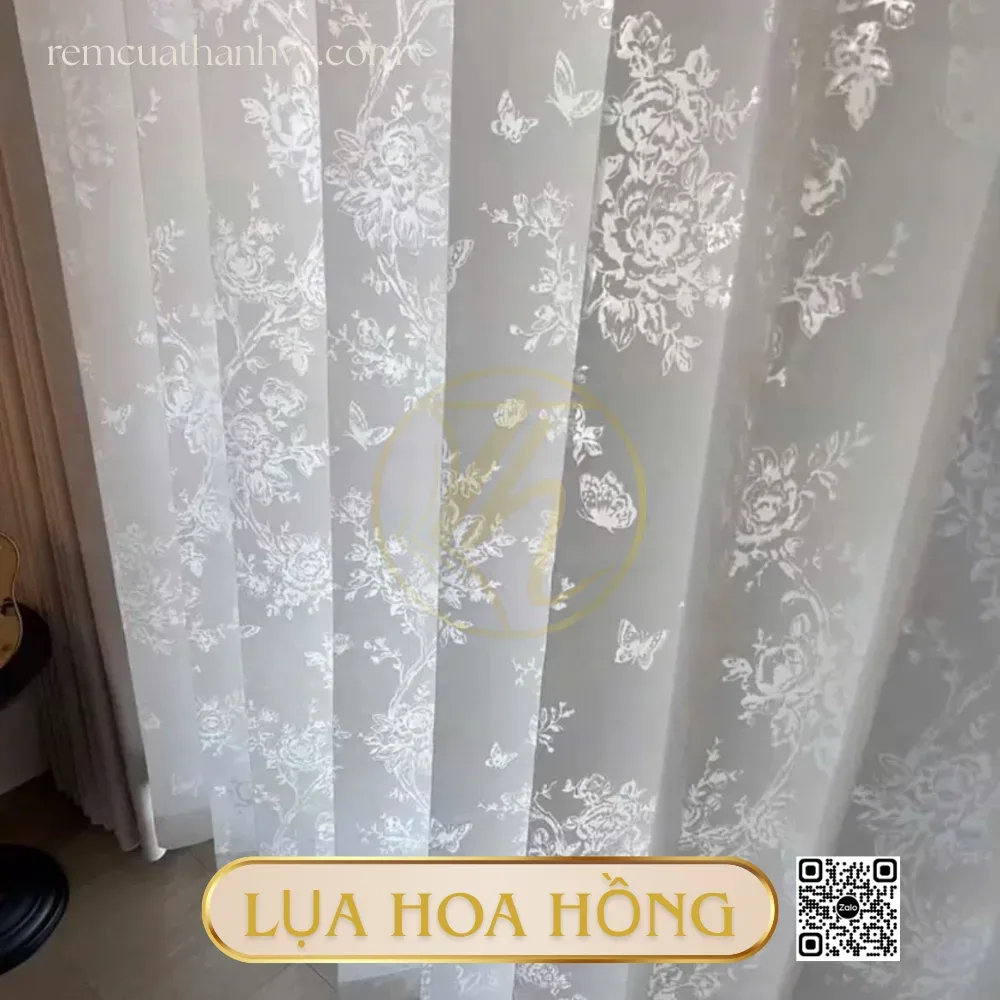
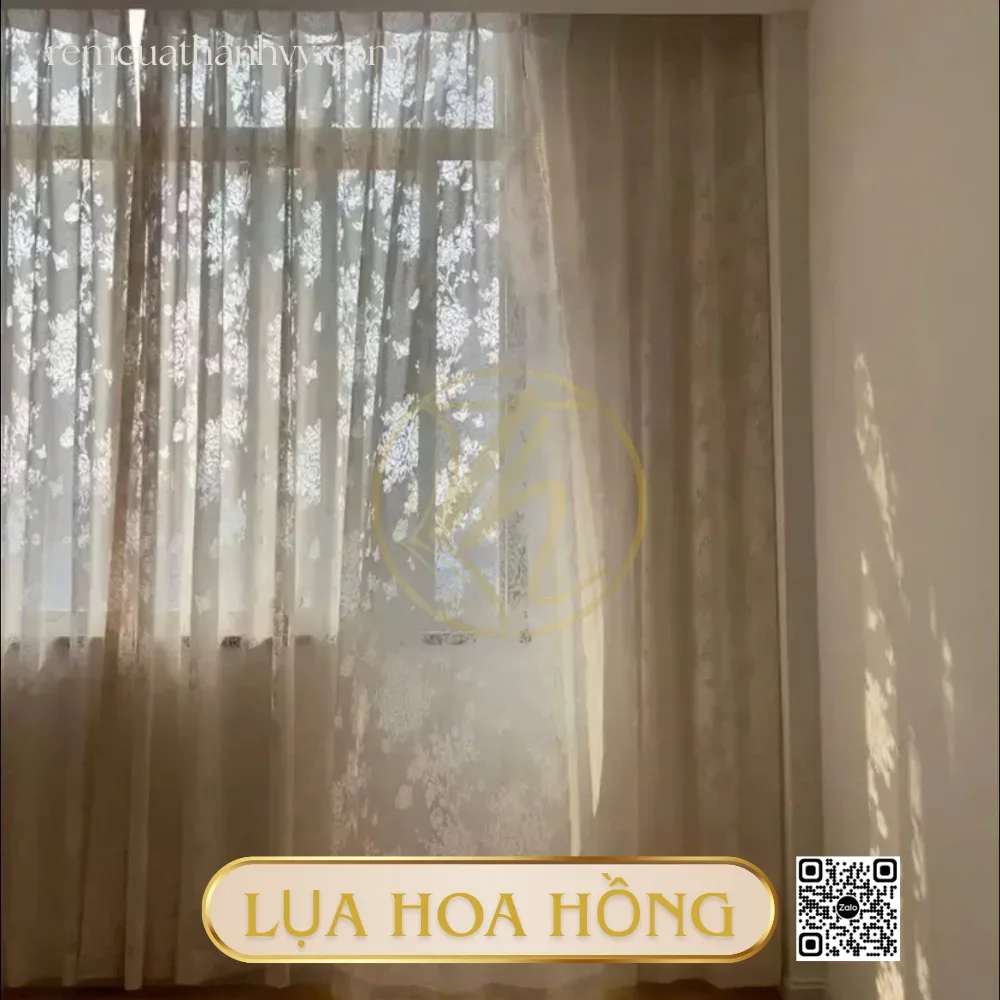
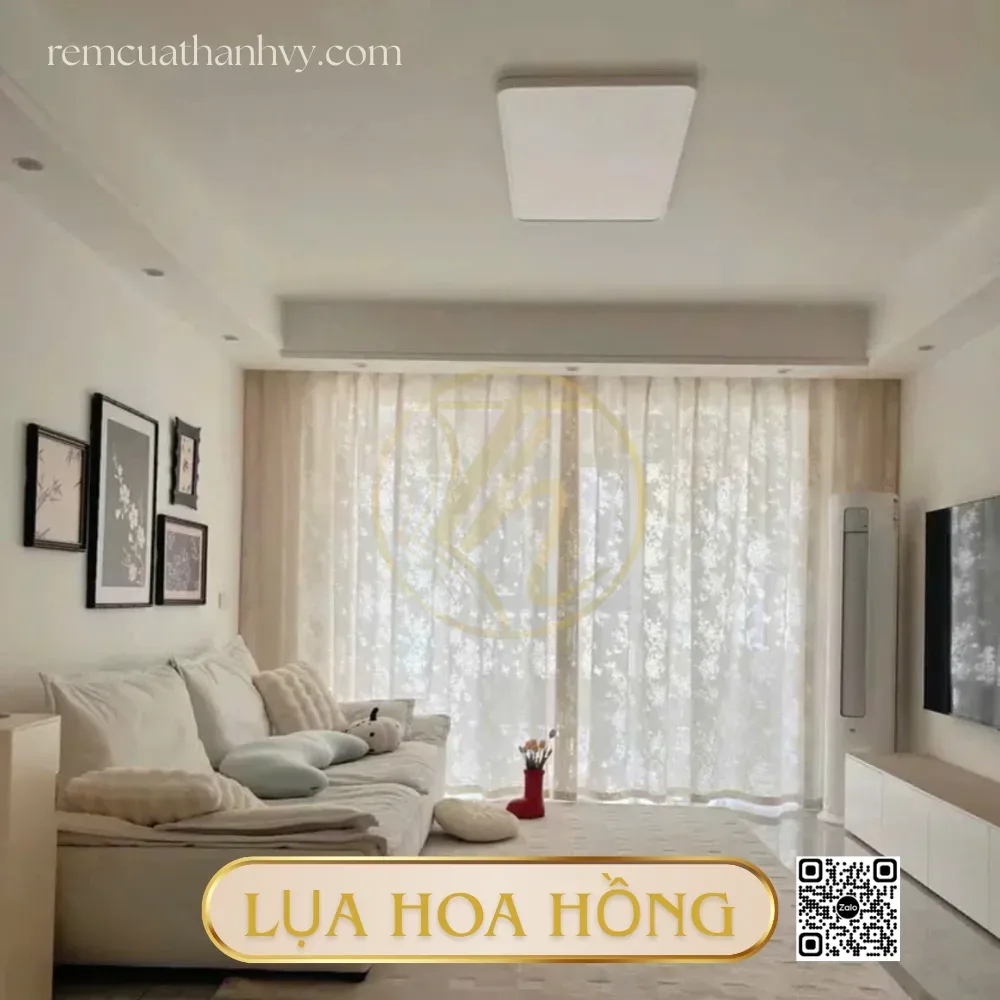
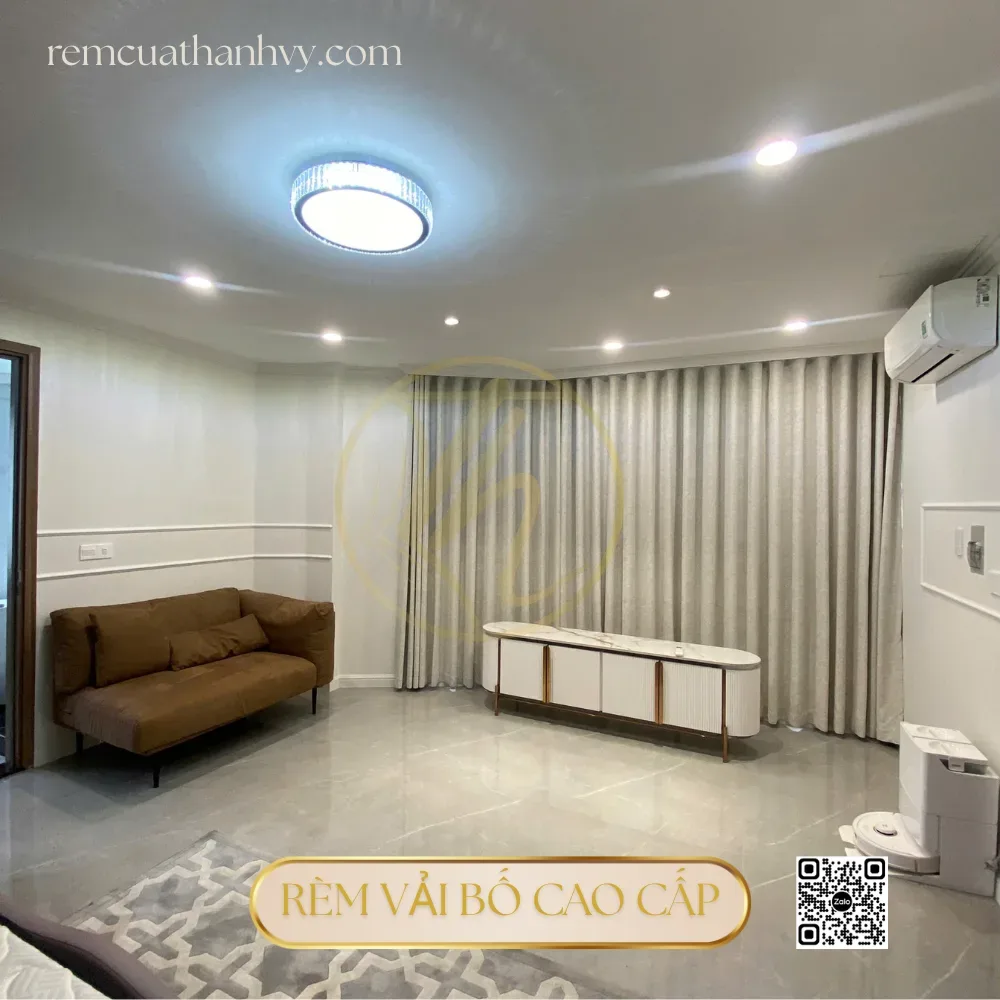
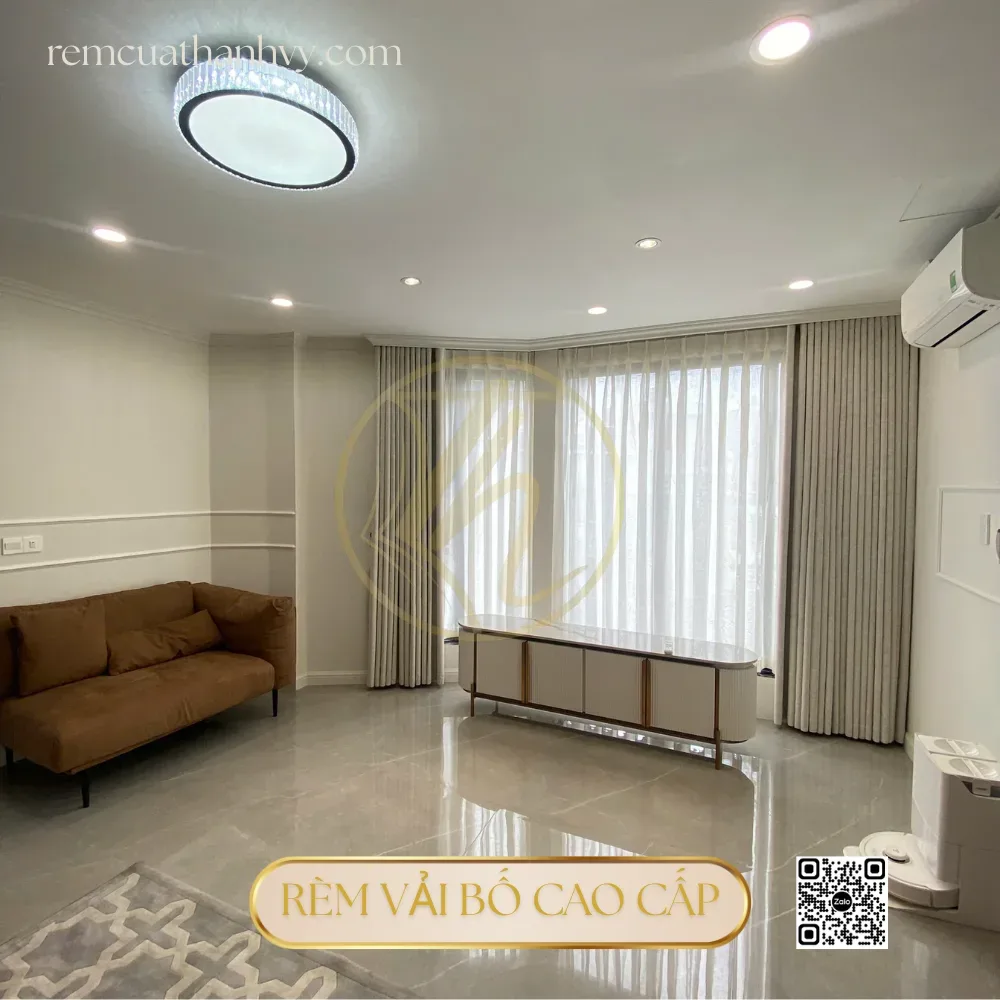
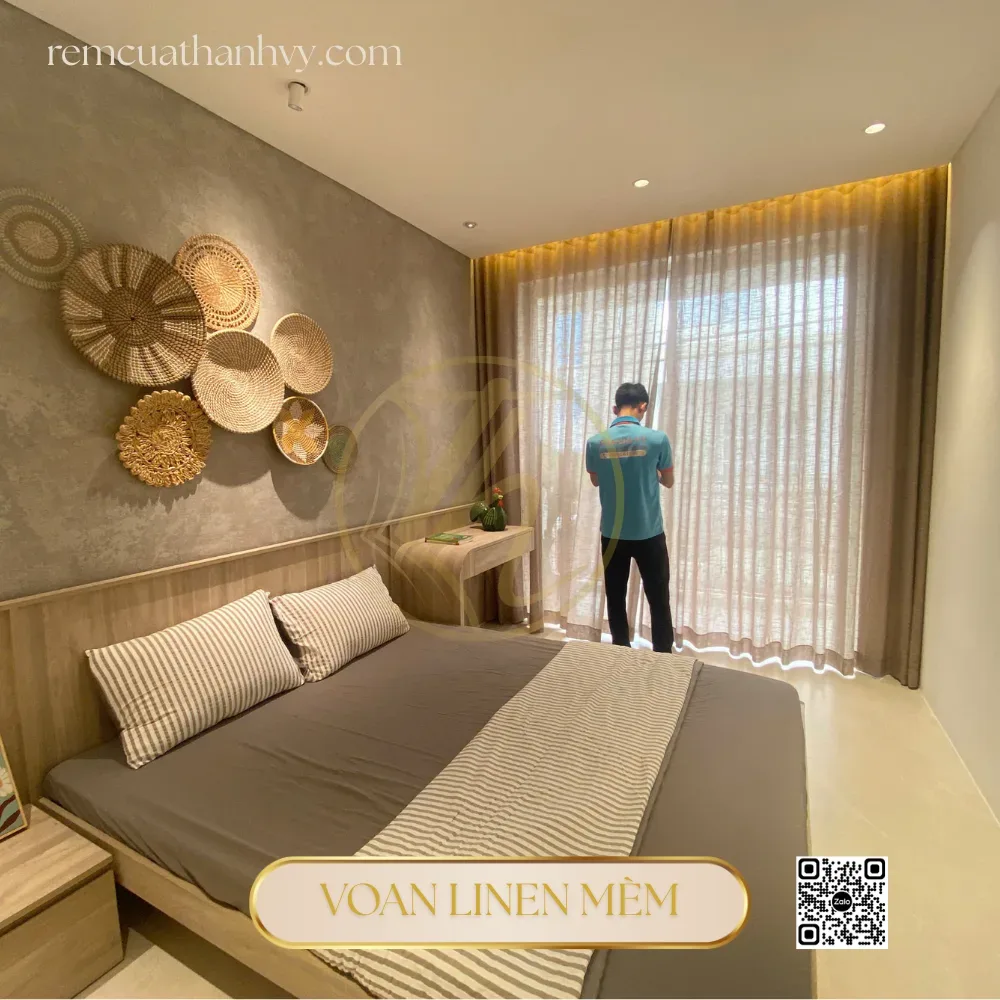
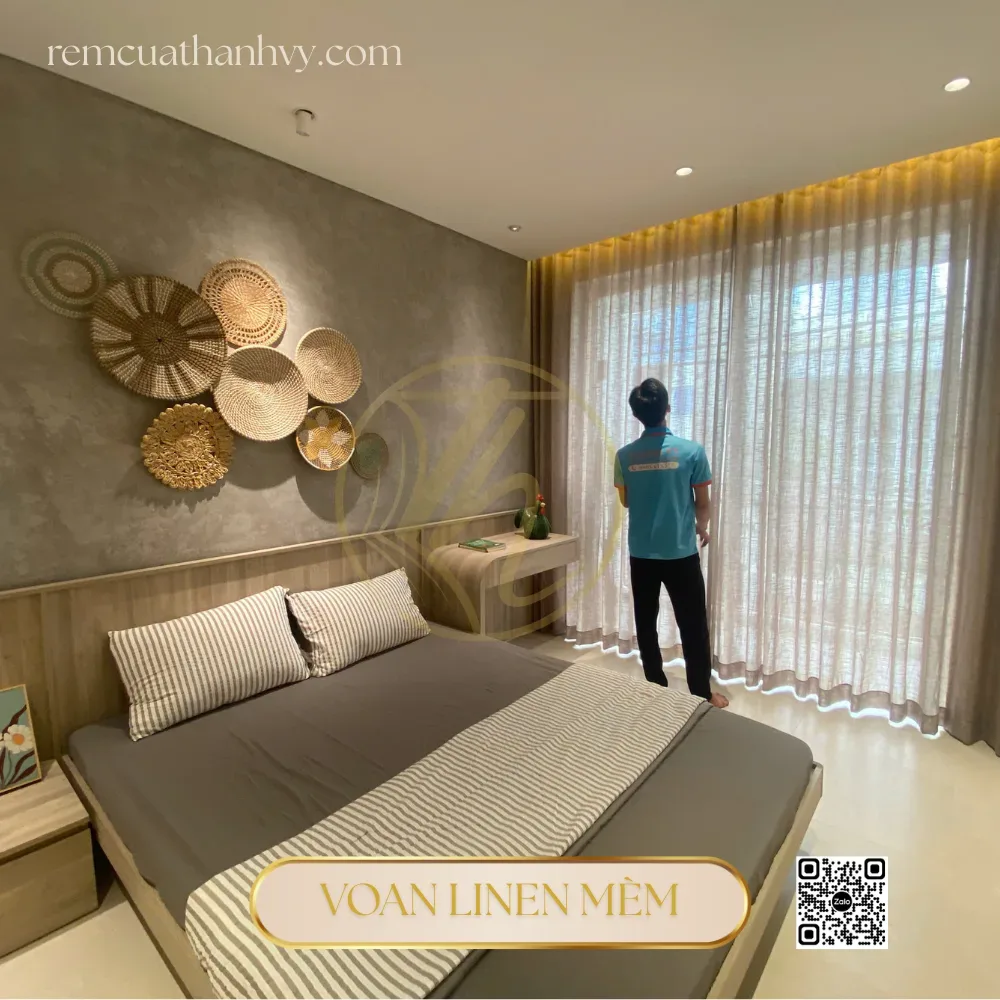
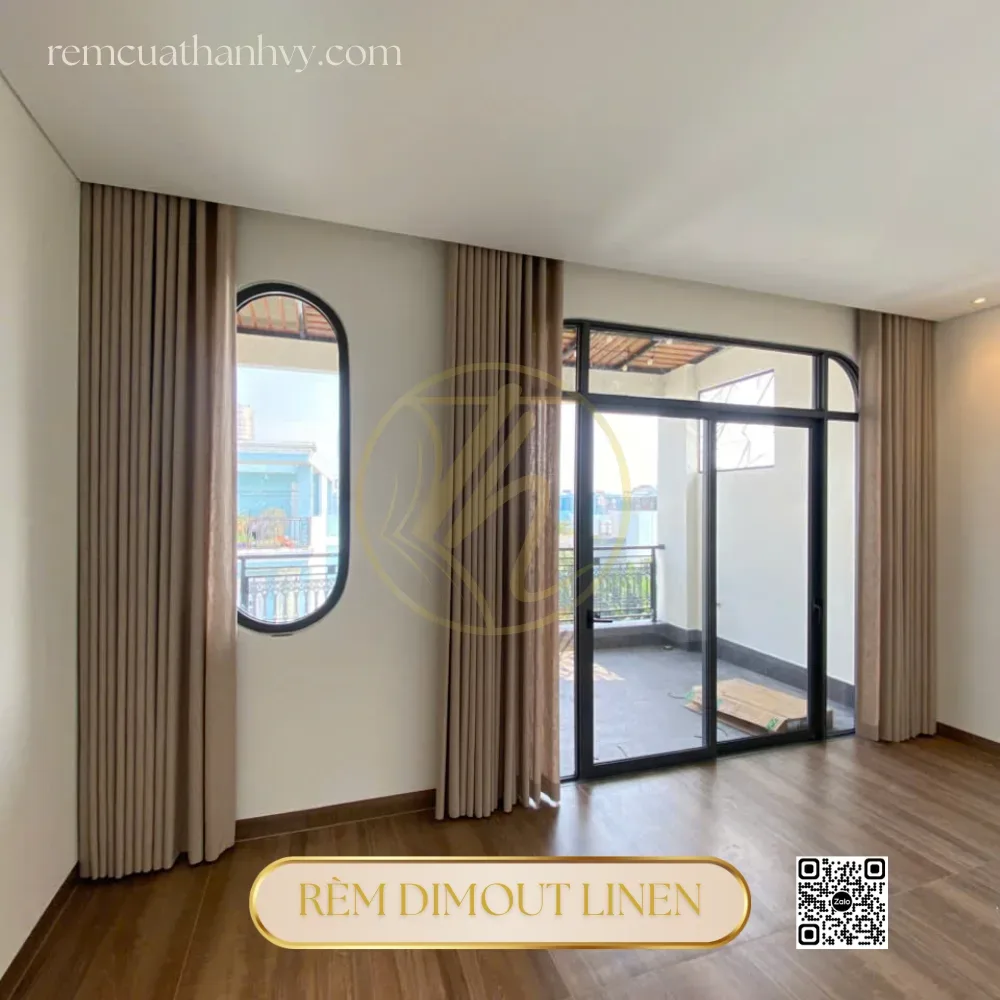
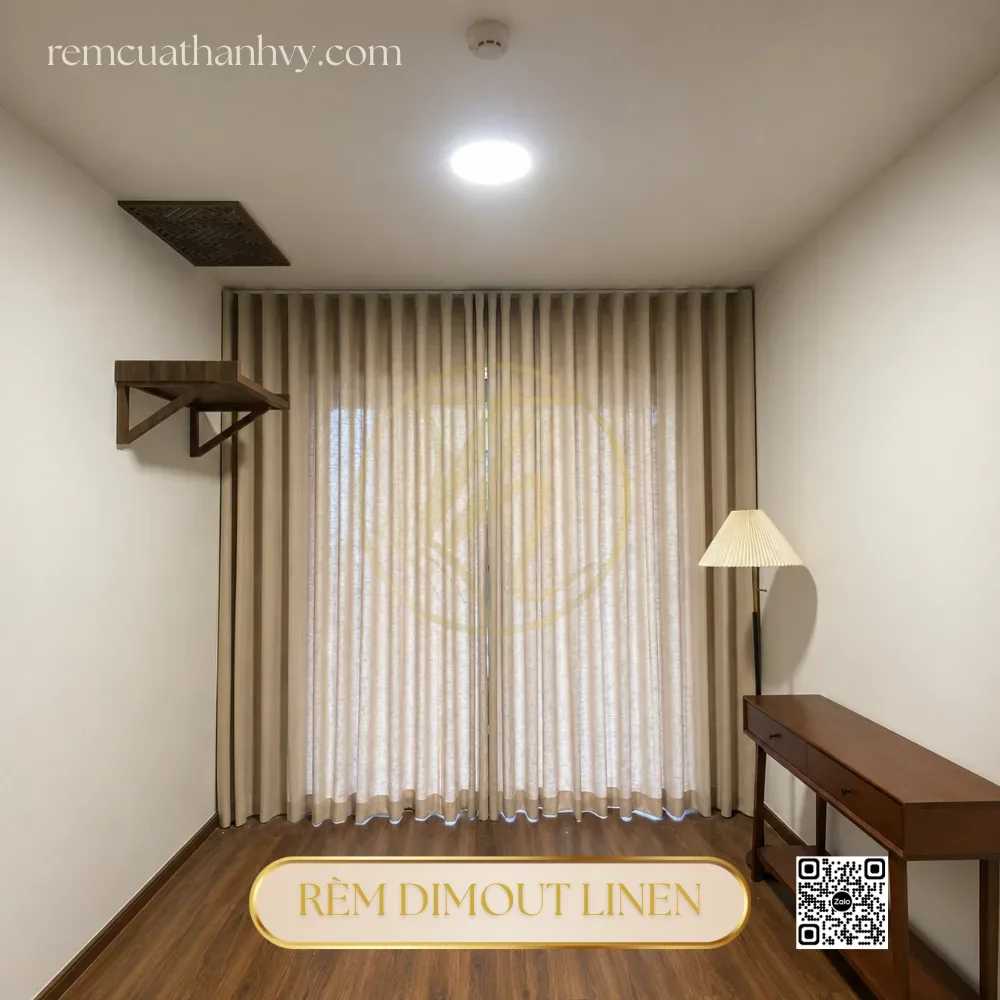
Fabric curtains
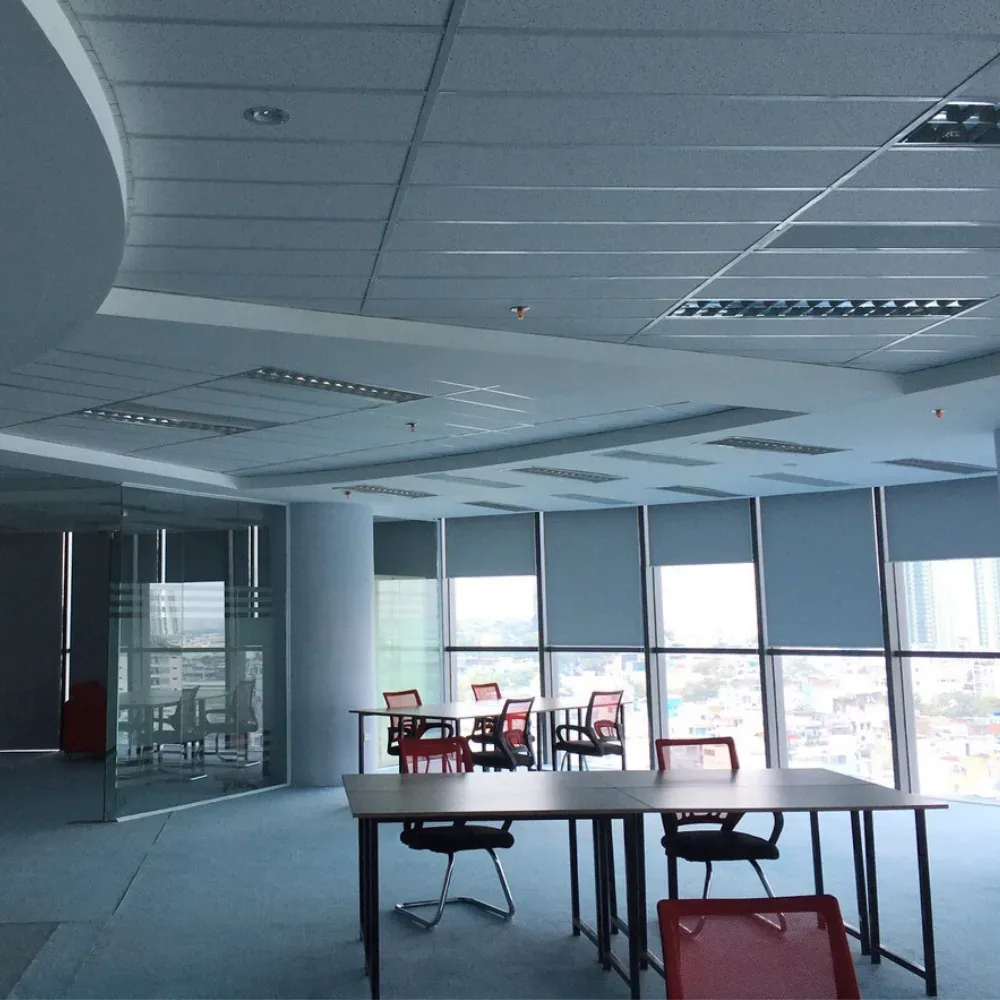
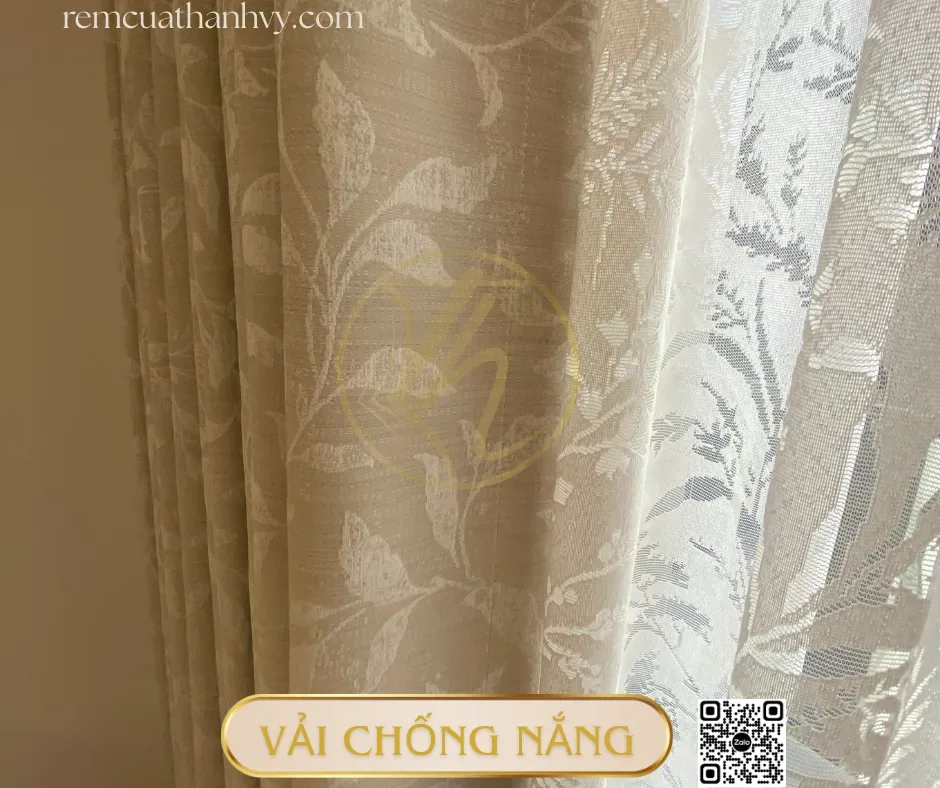
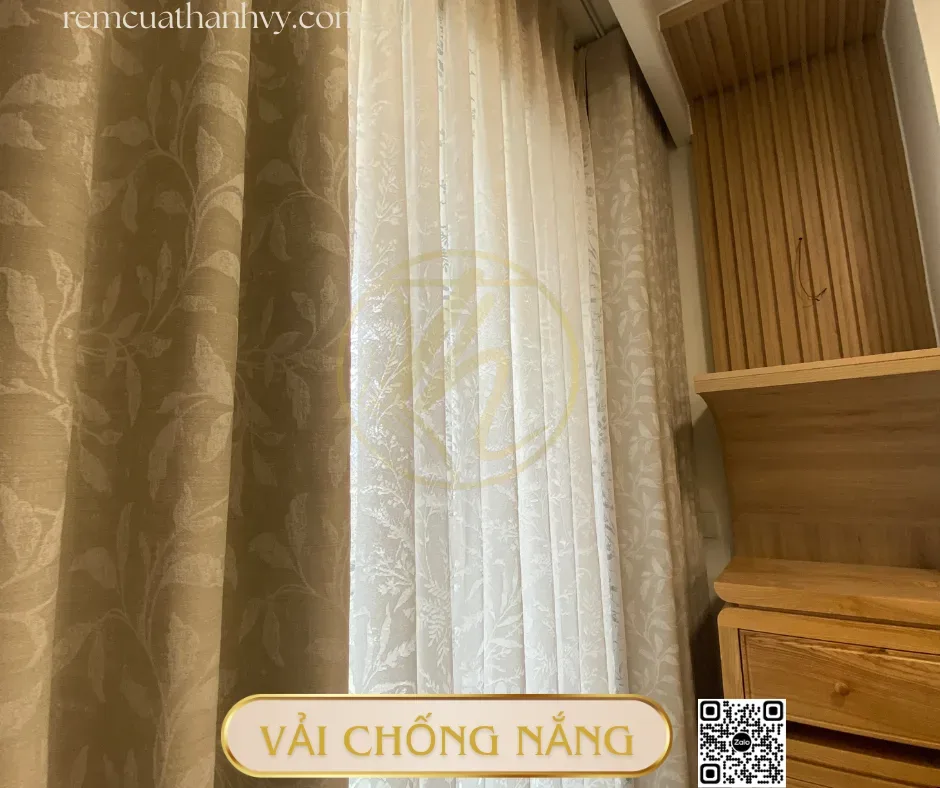
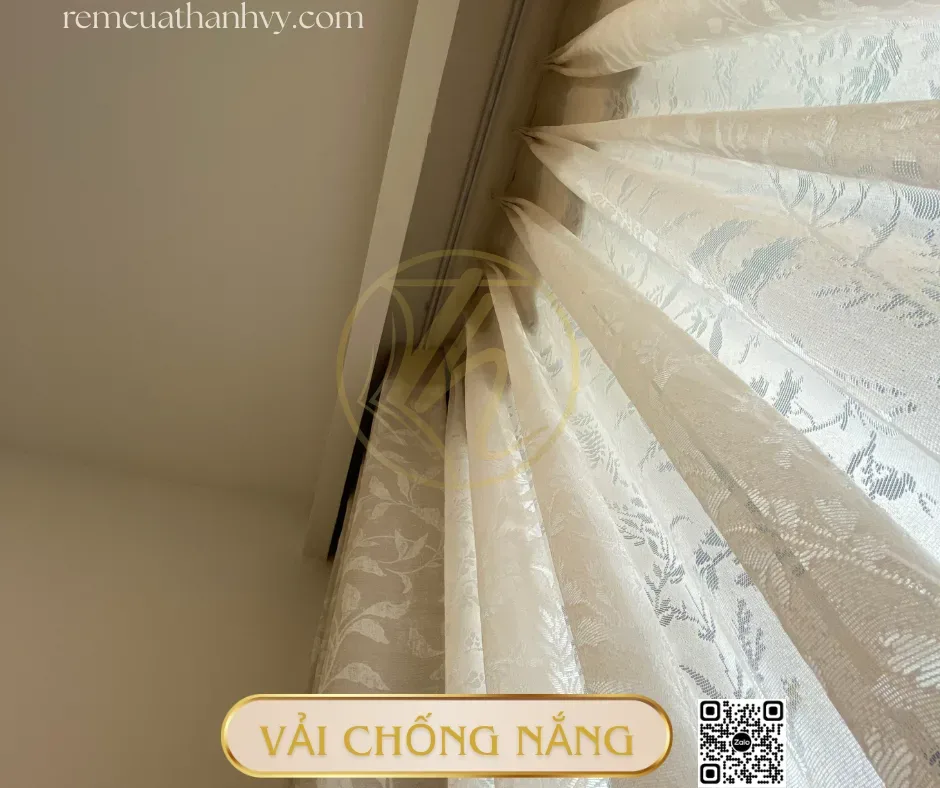
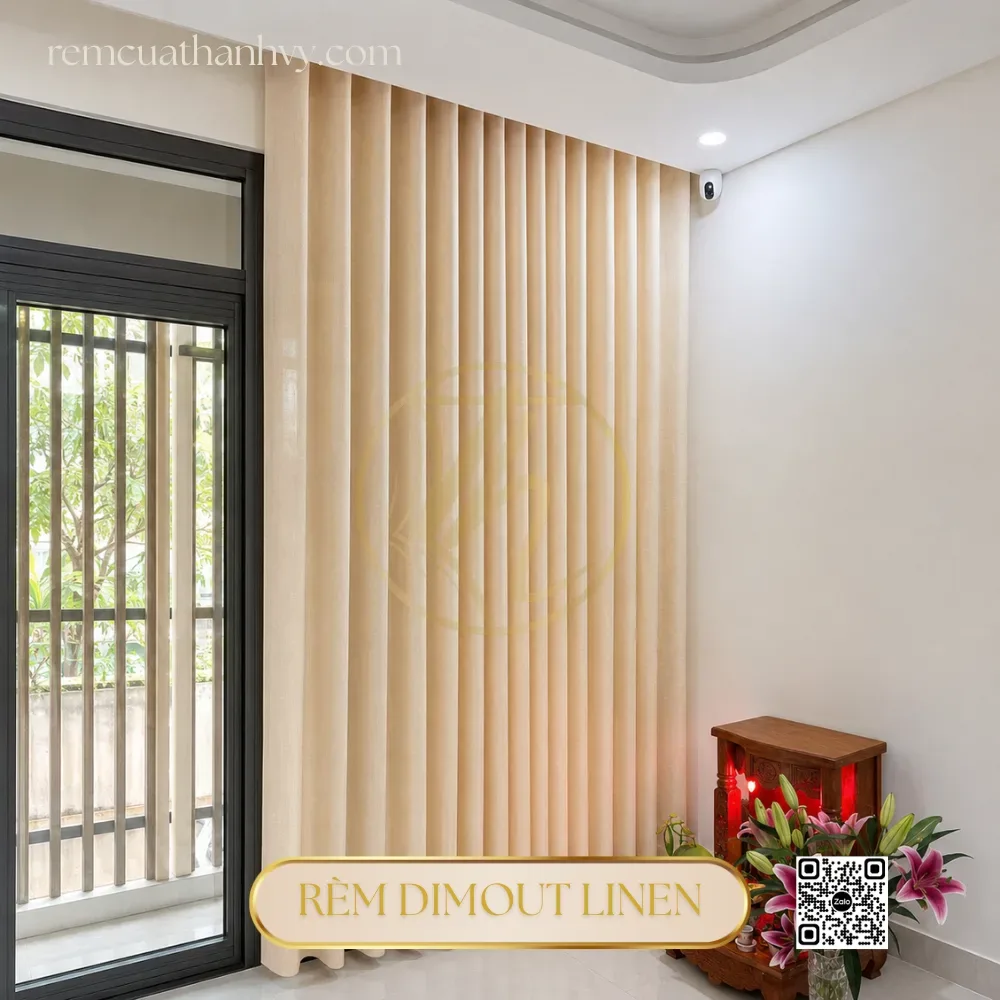
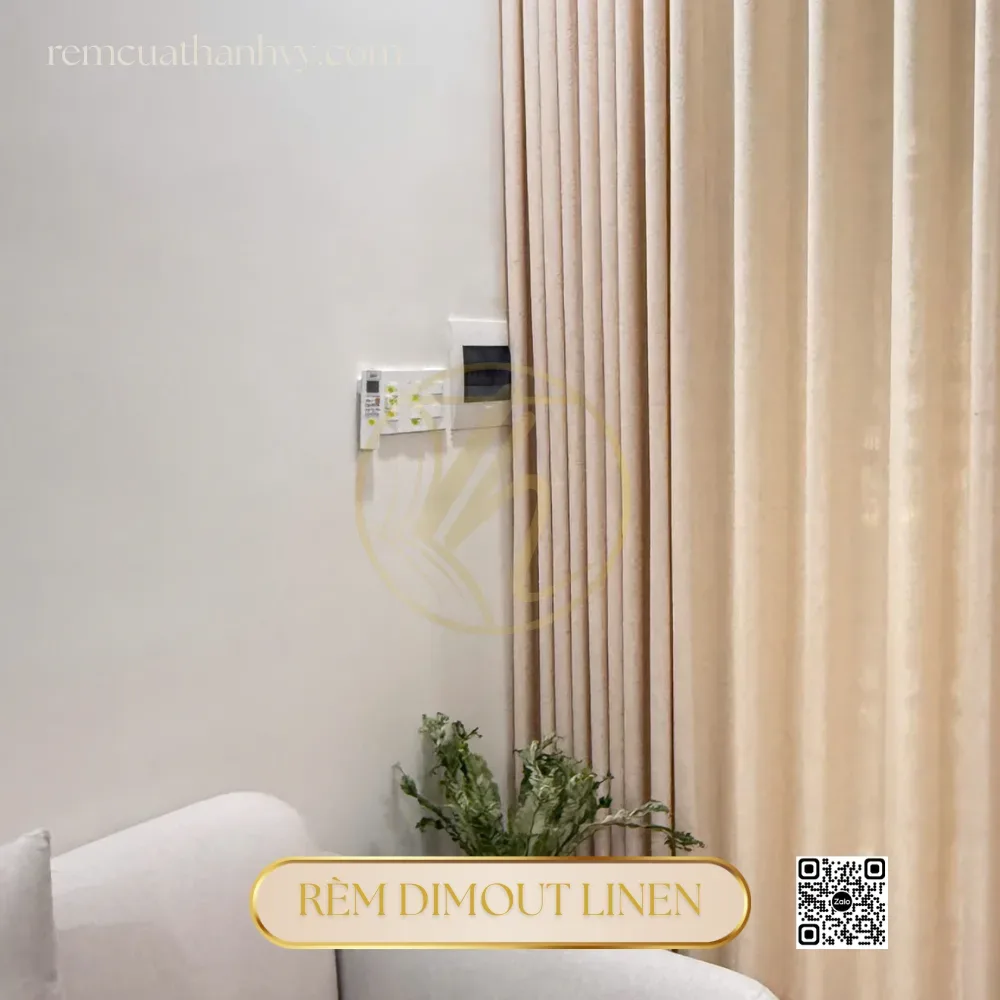
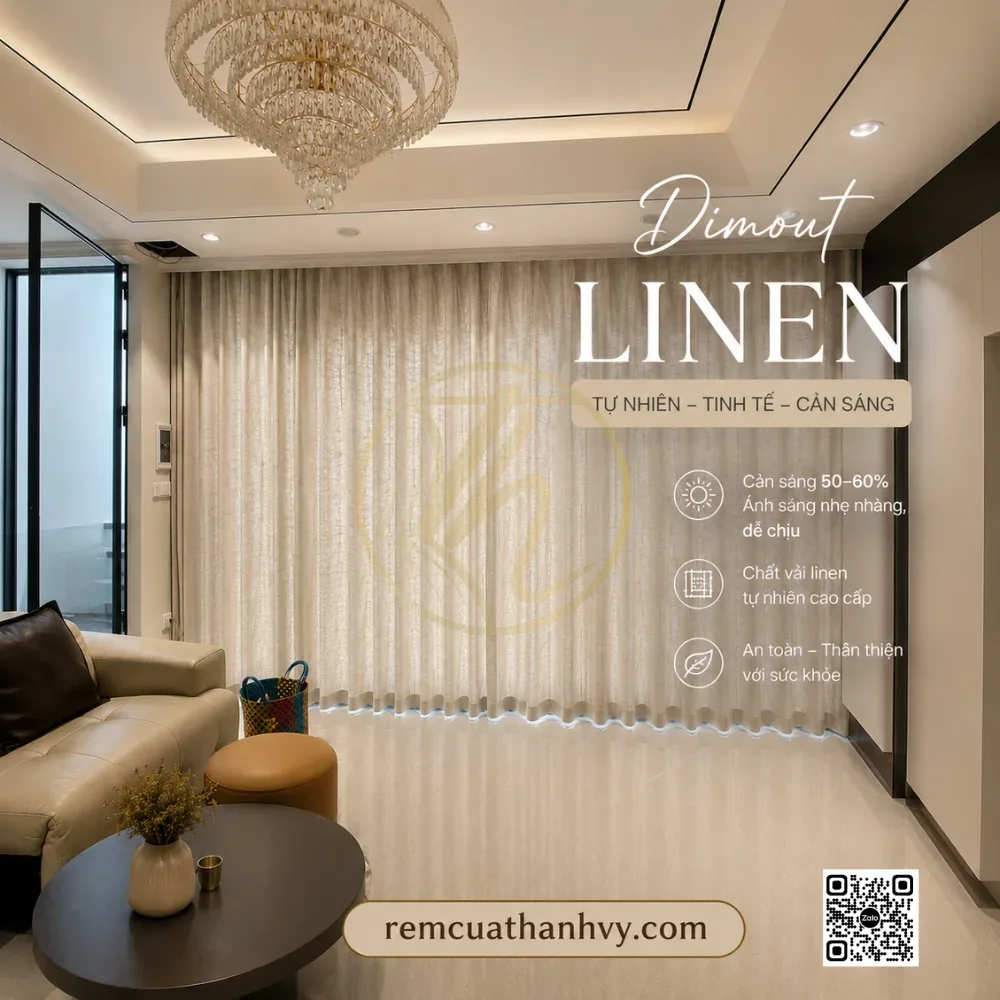
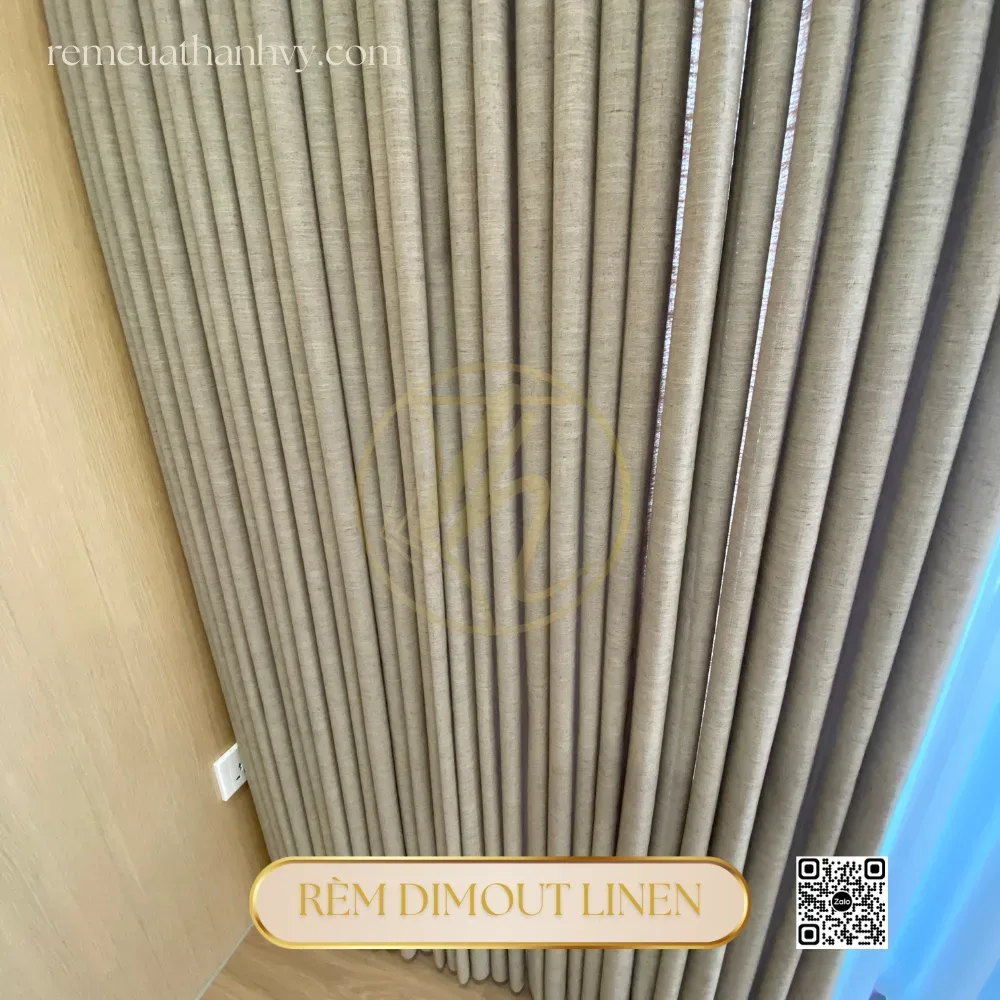
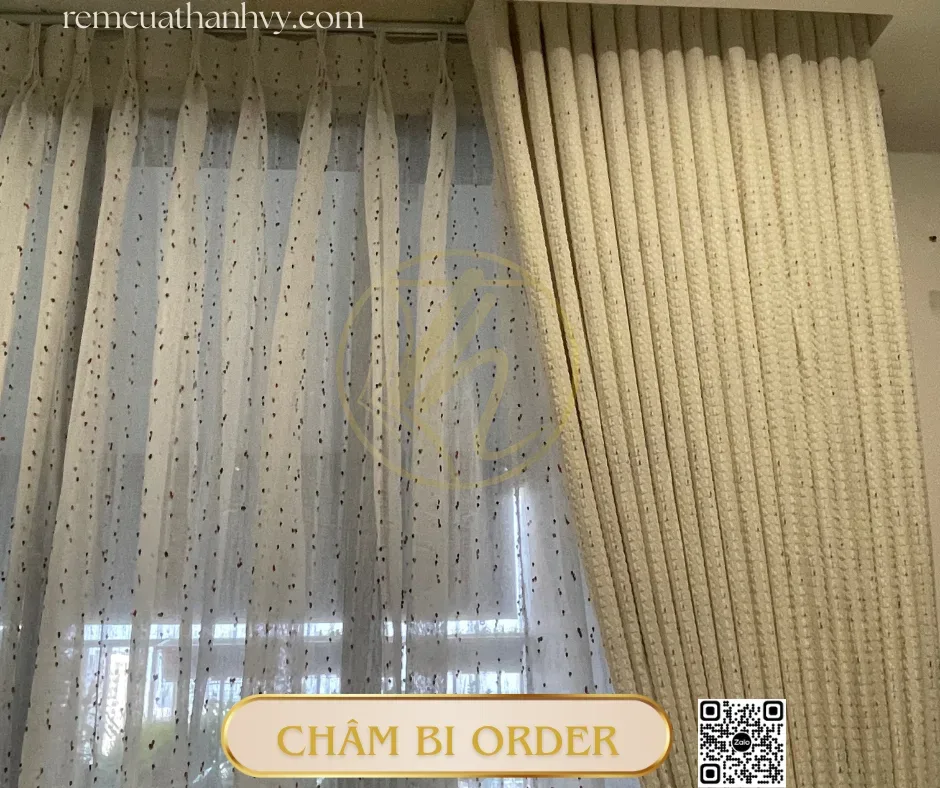
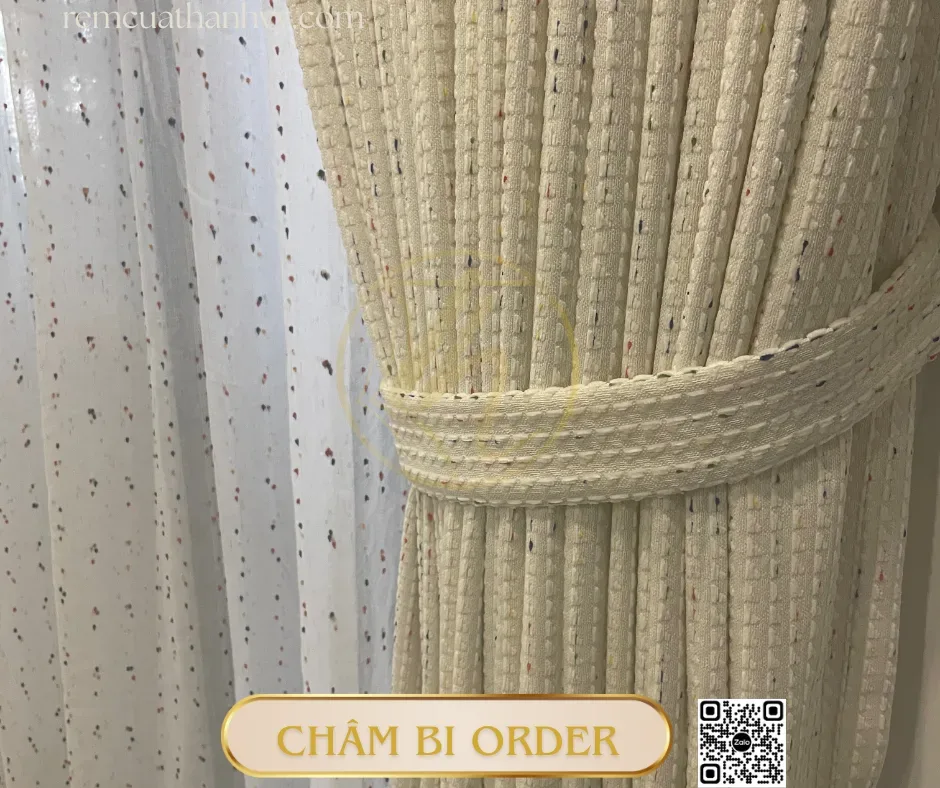
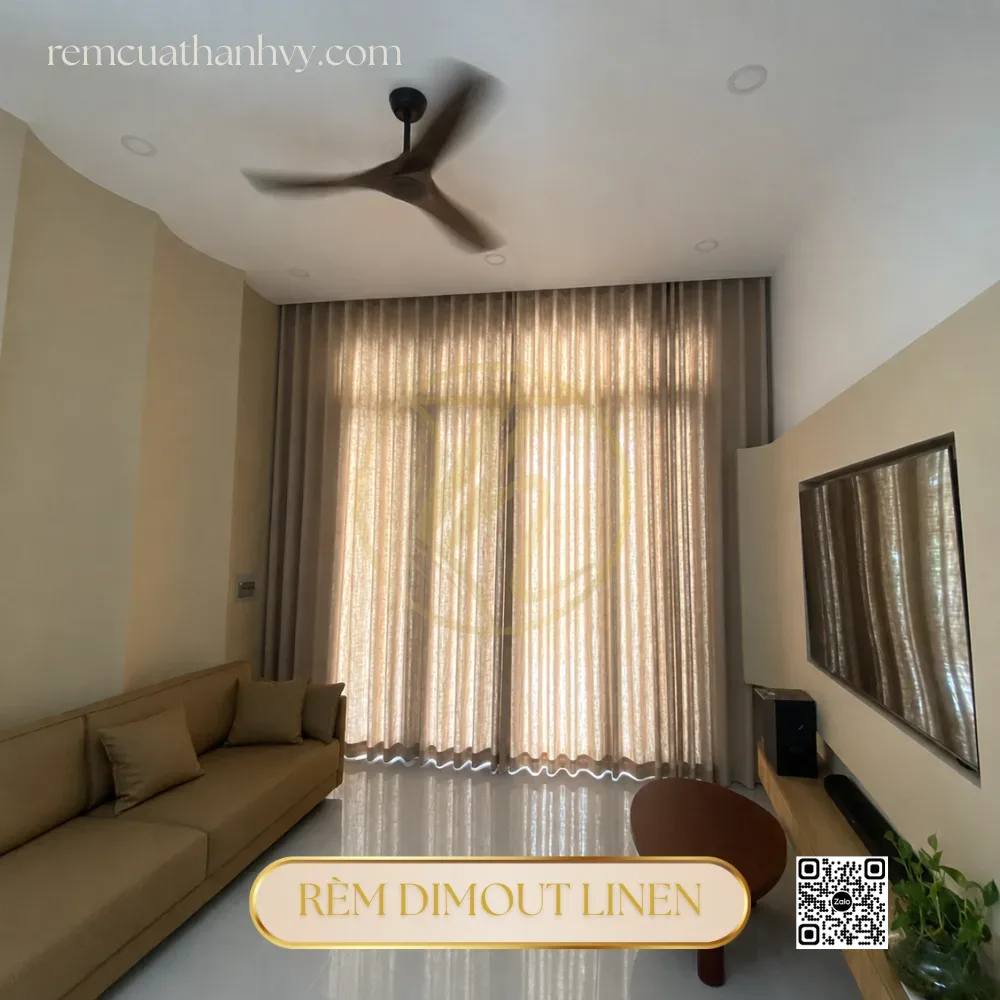
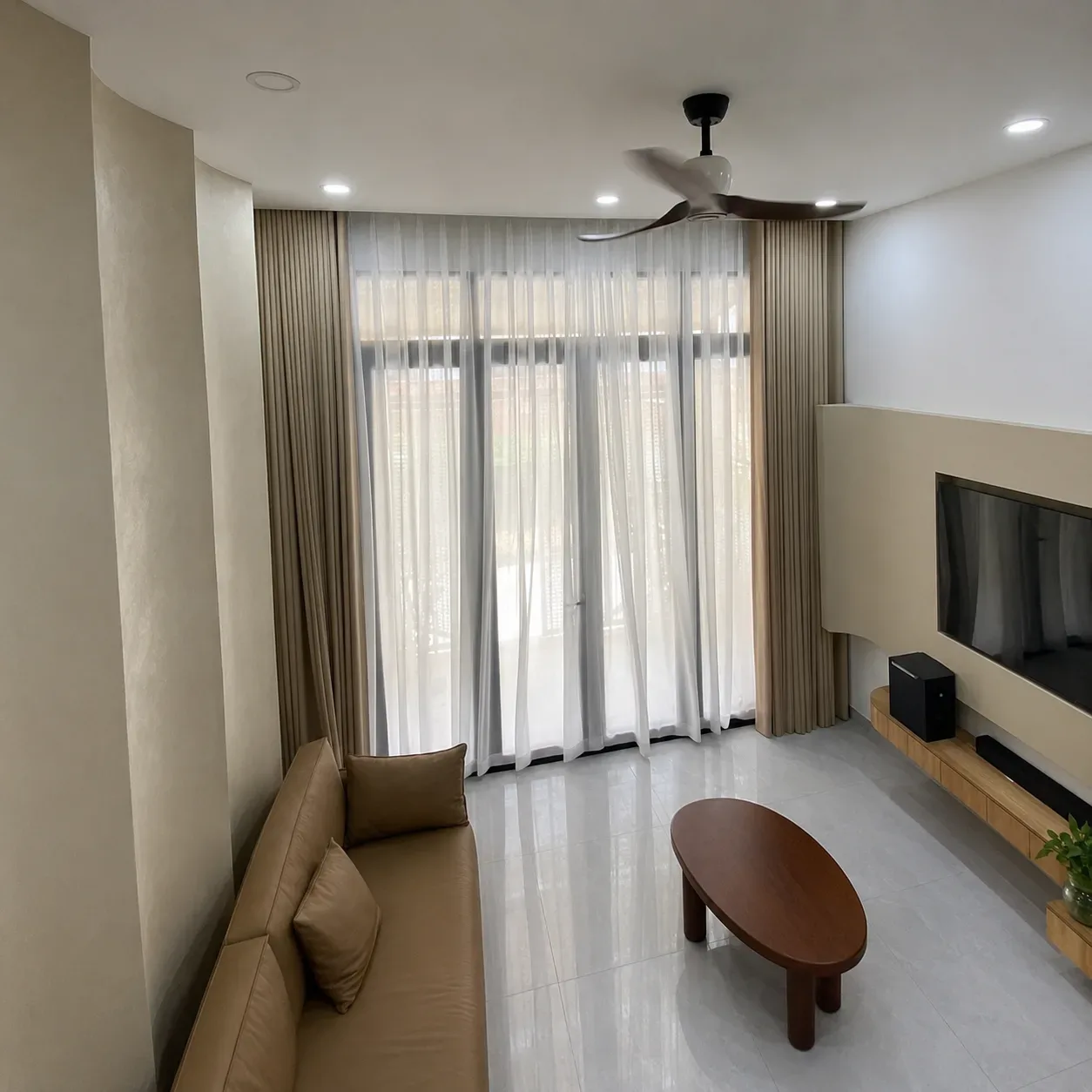
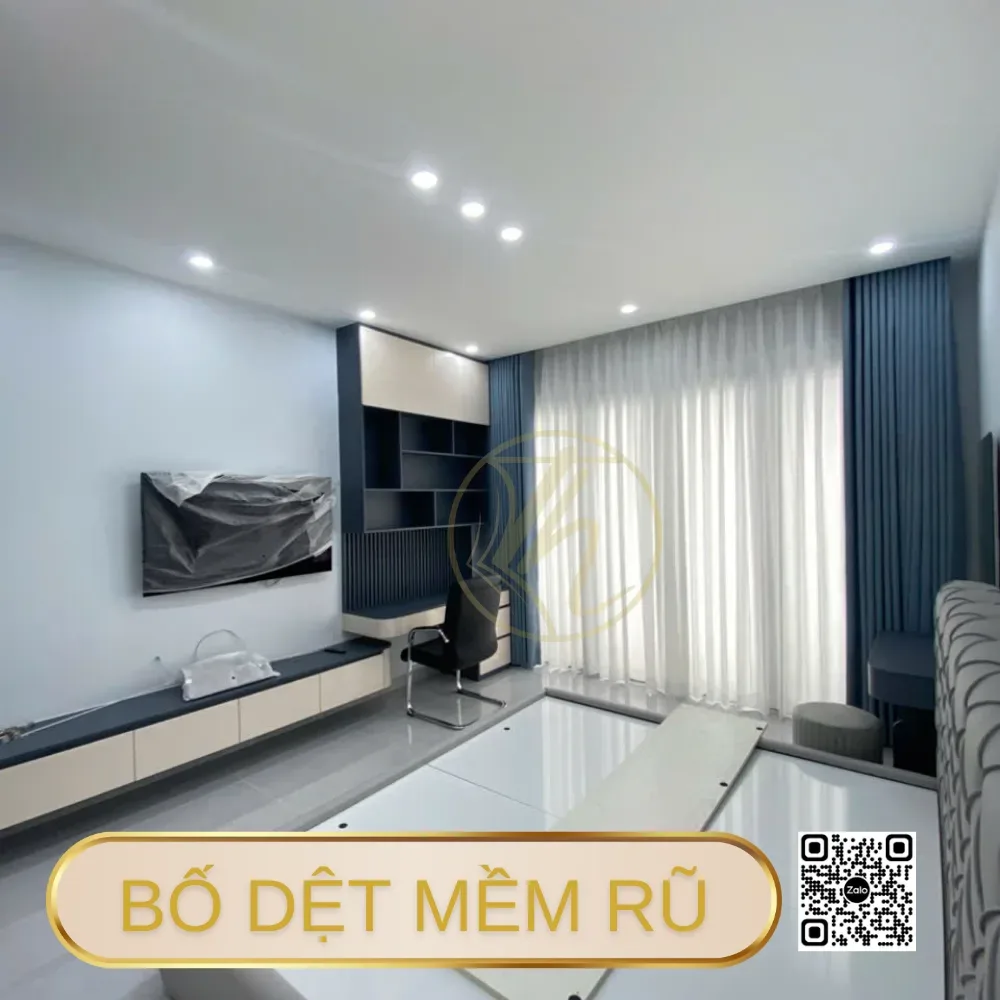
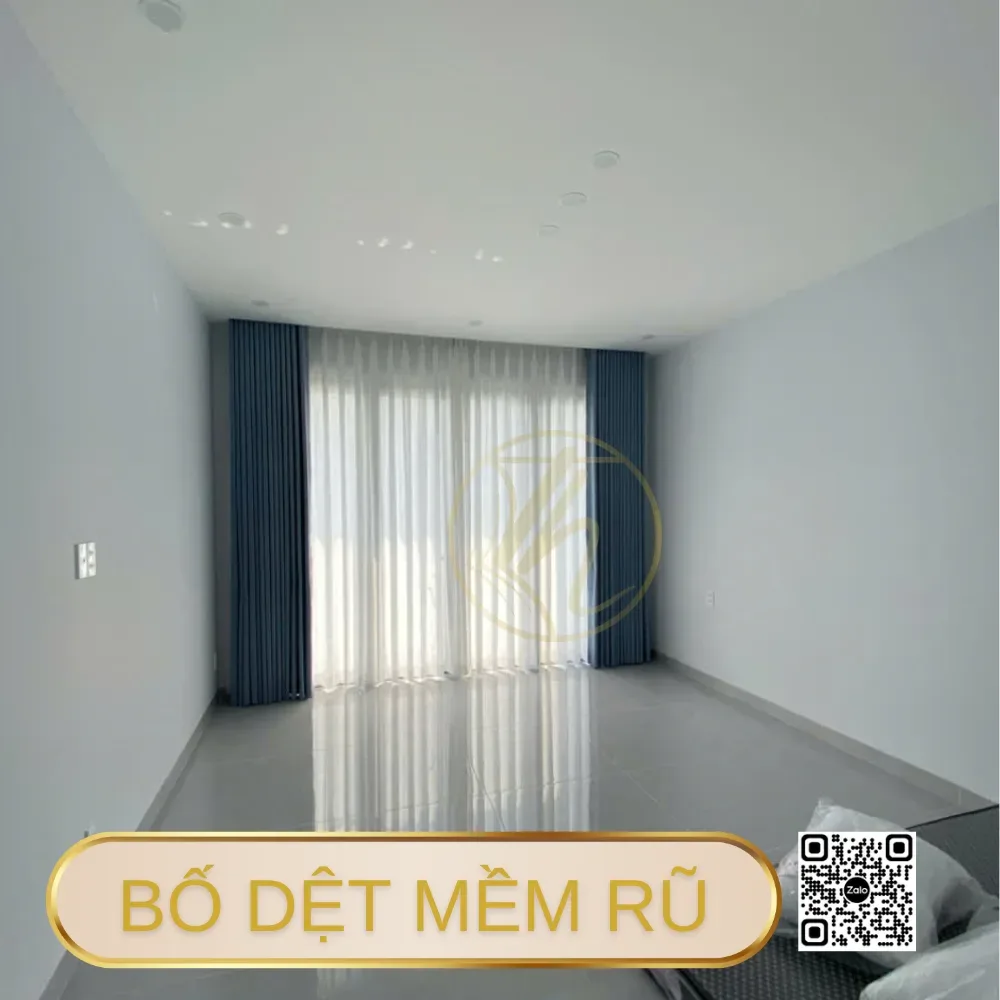
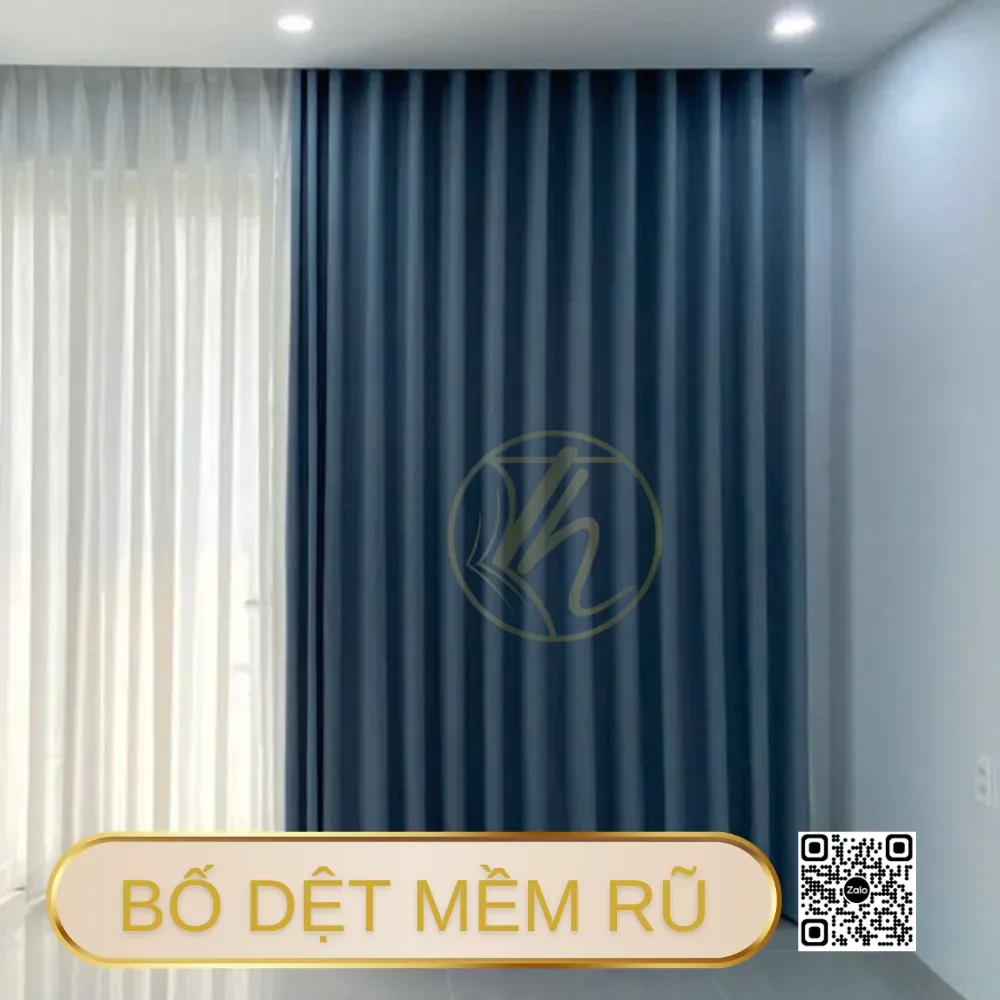
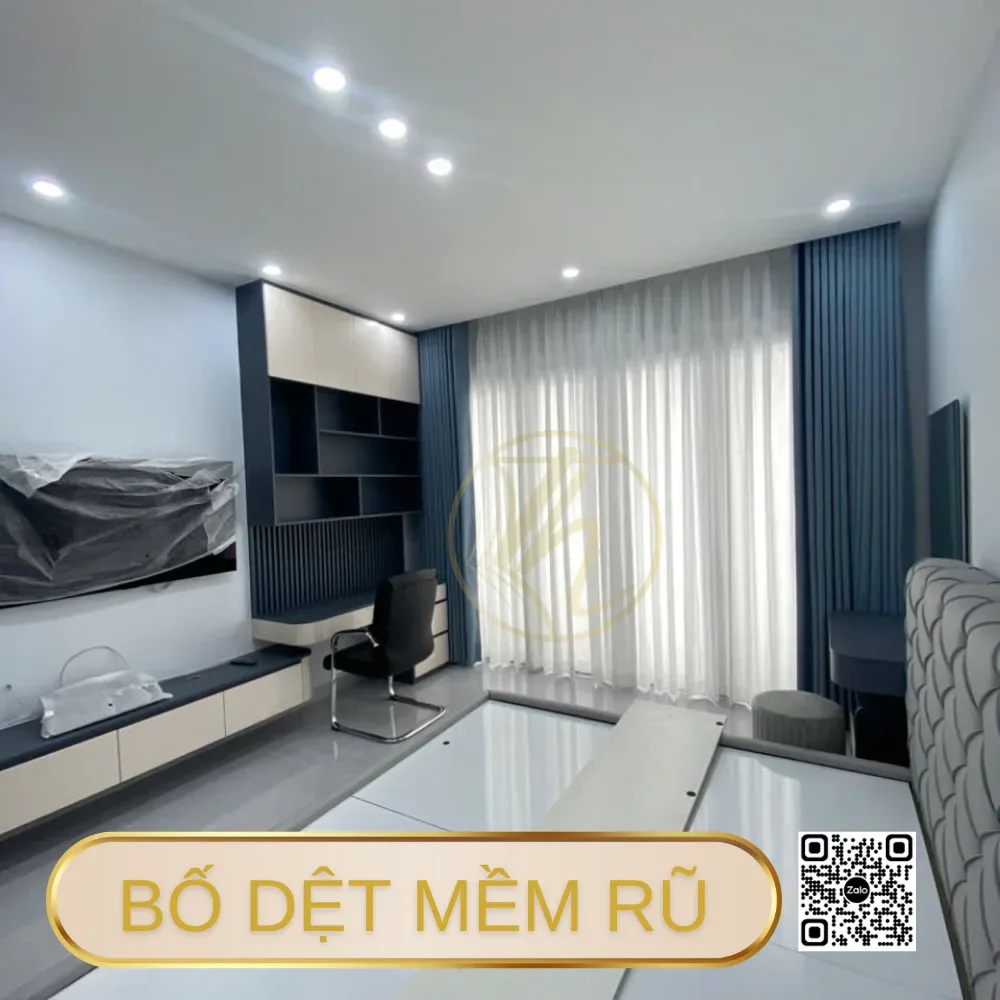
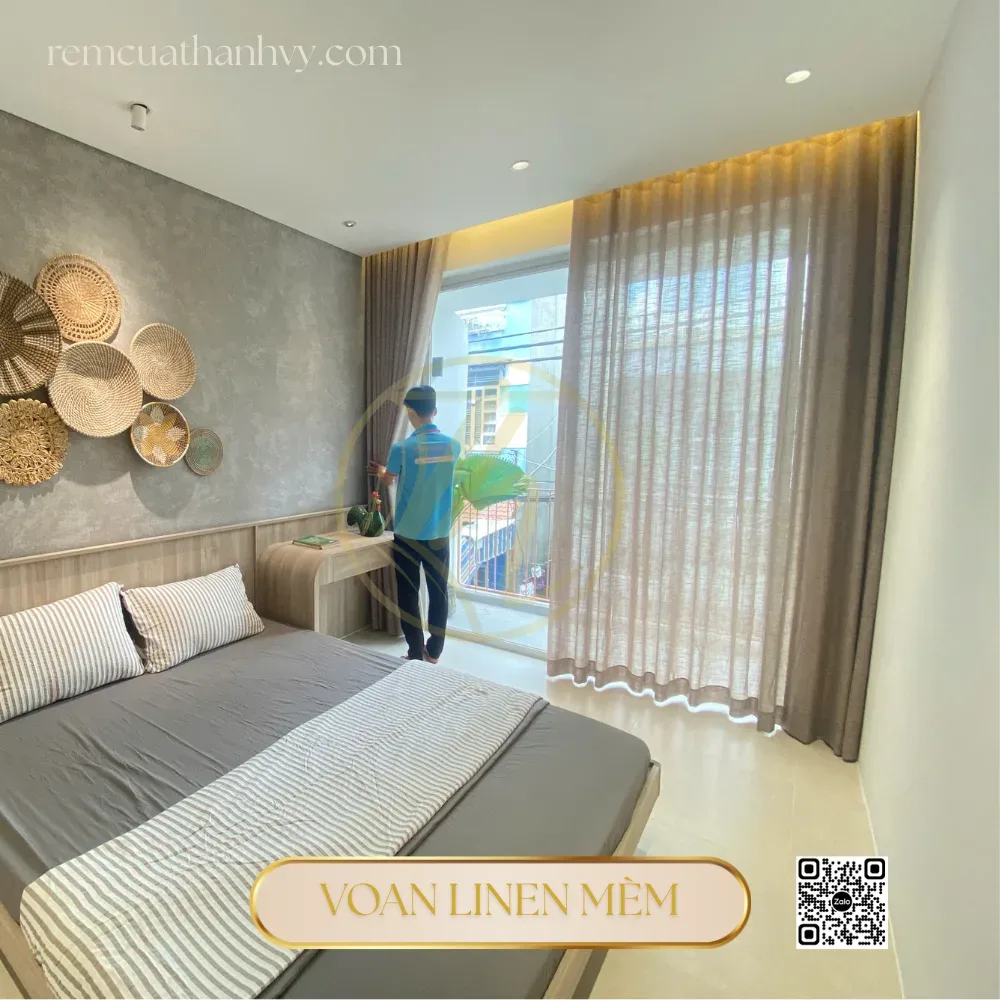
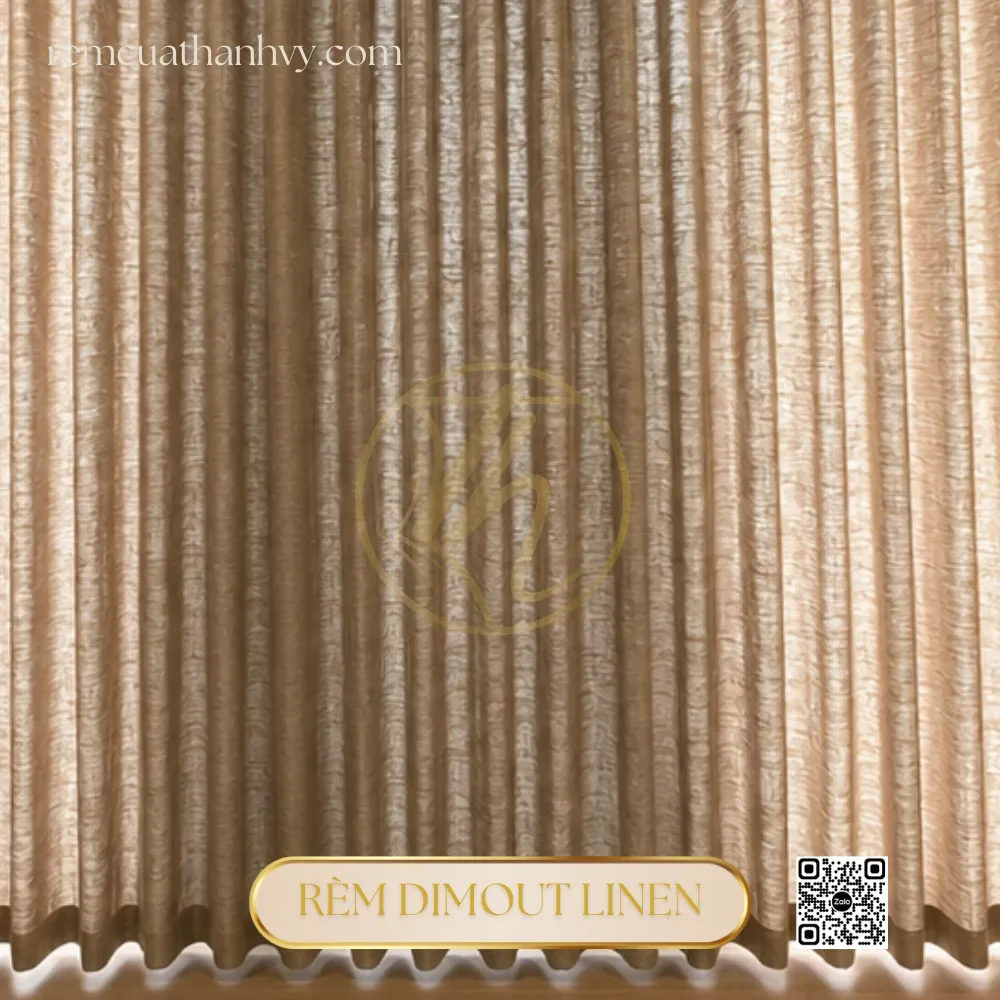
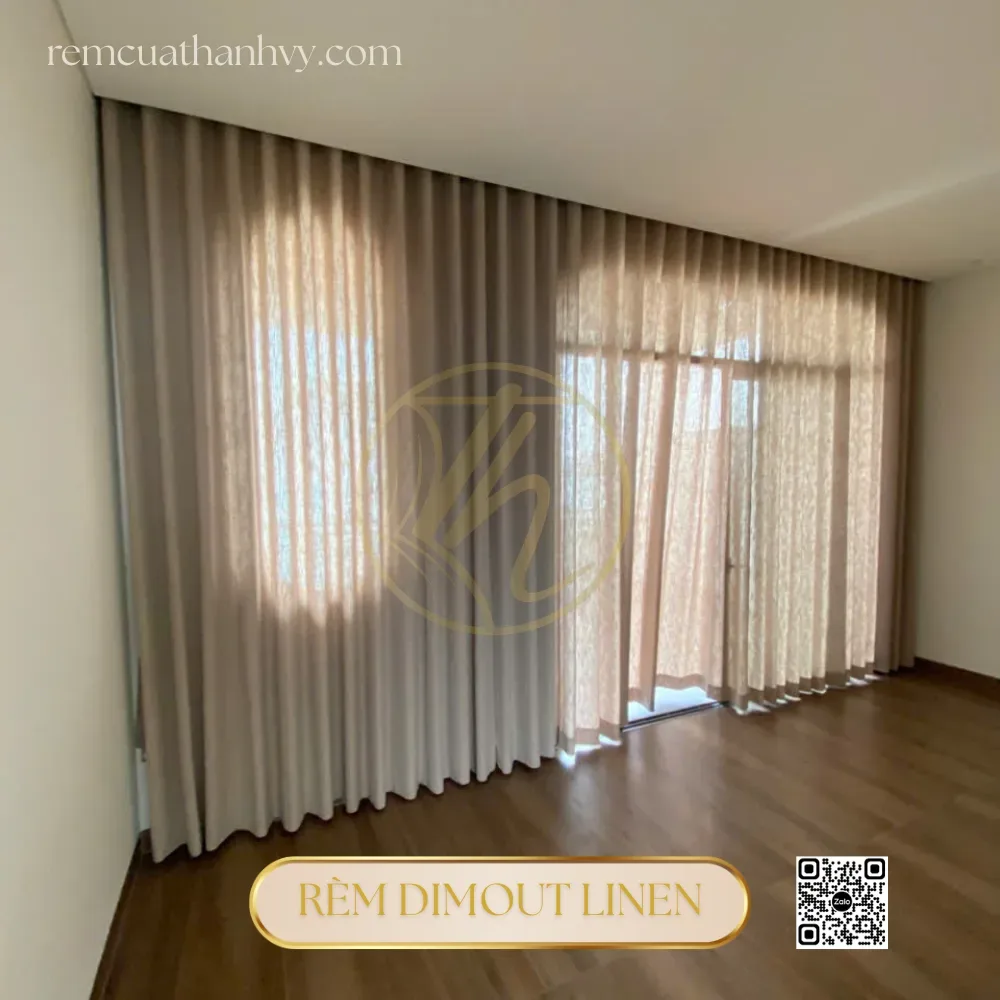
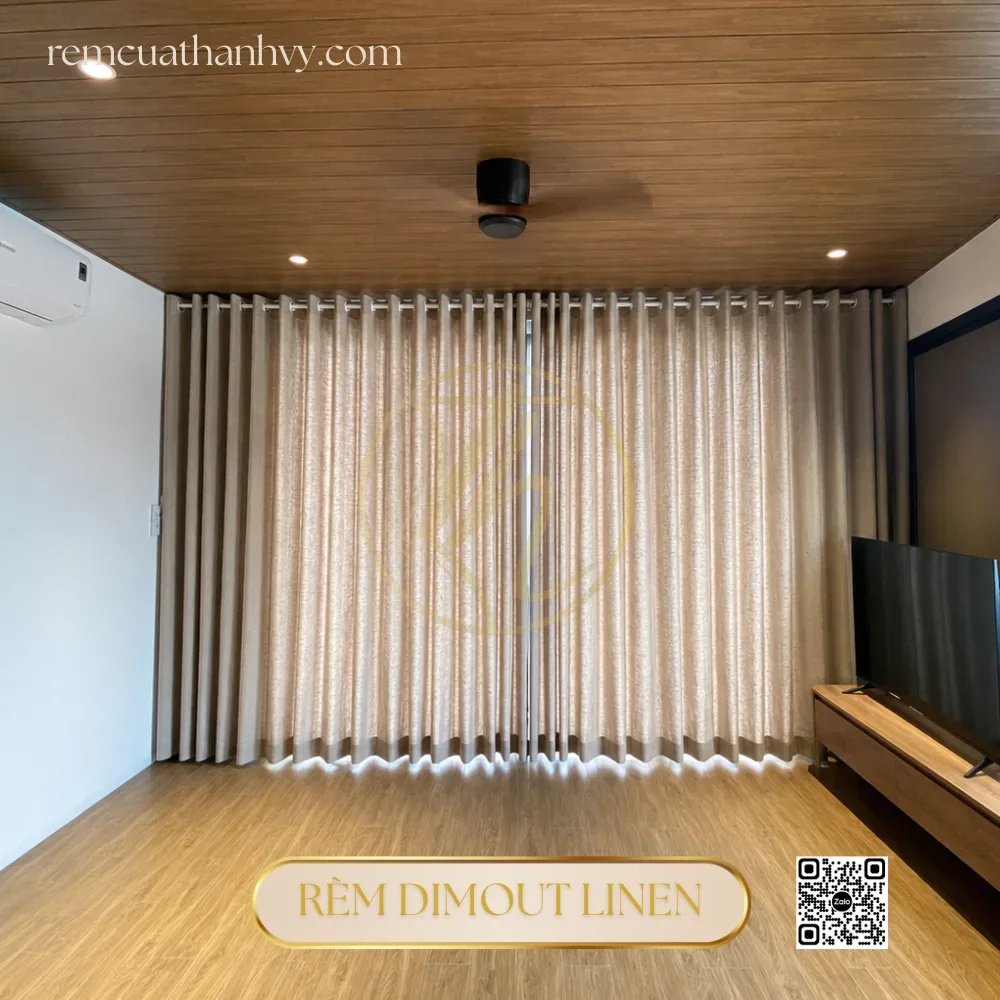
Fabric curtains are easy to coordinate with interiors and have a wide price range.
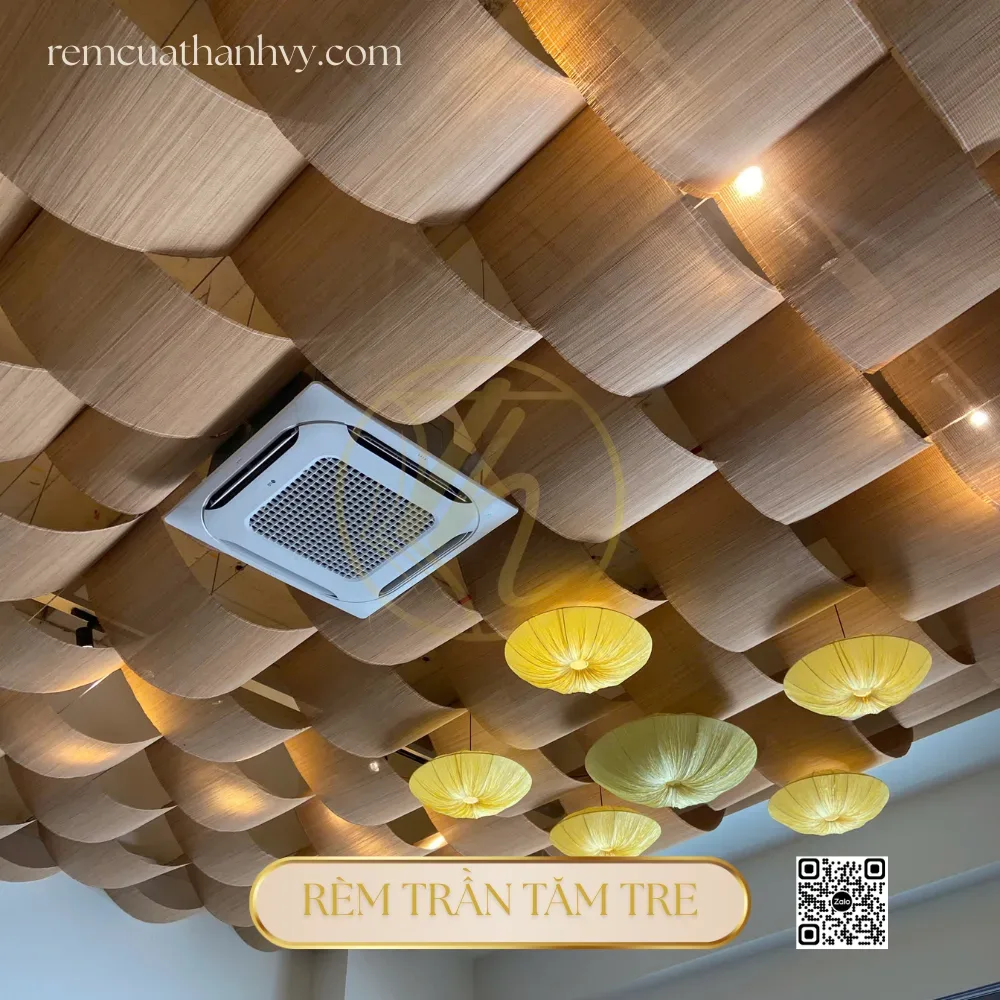
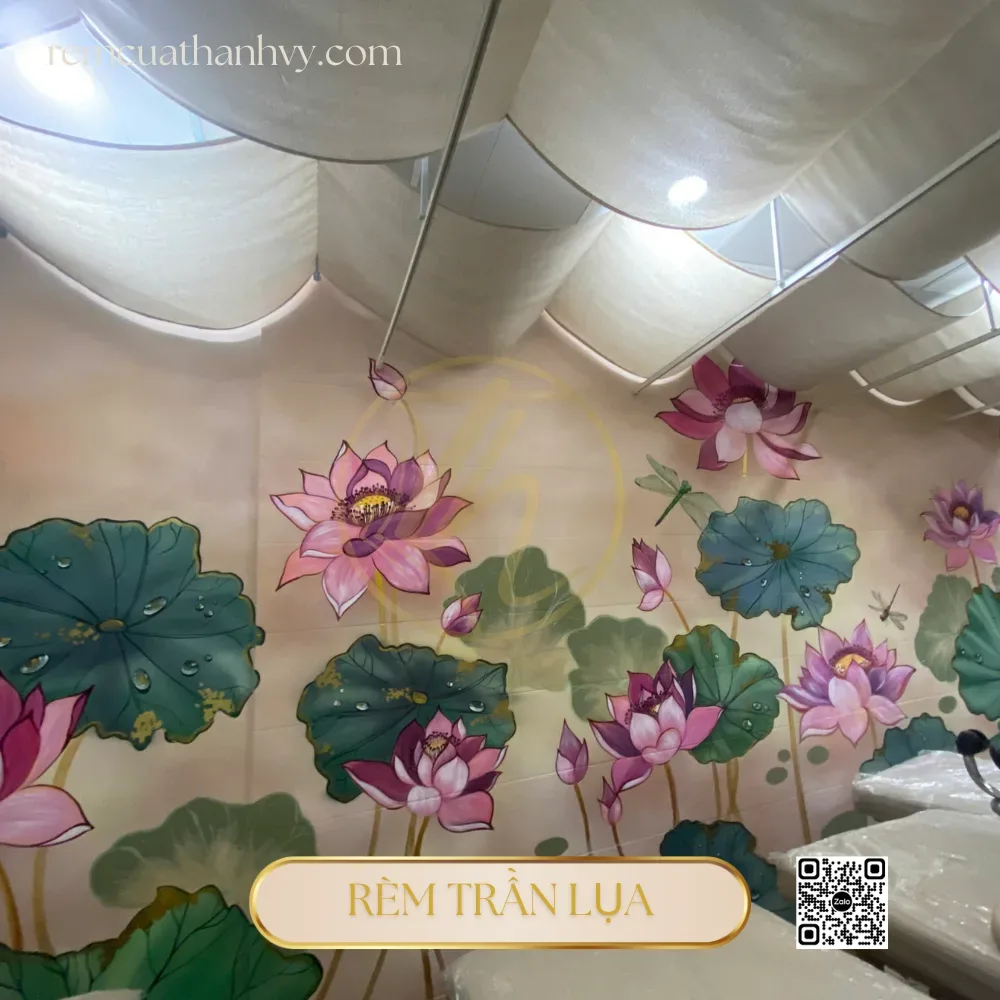
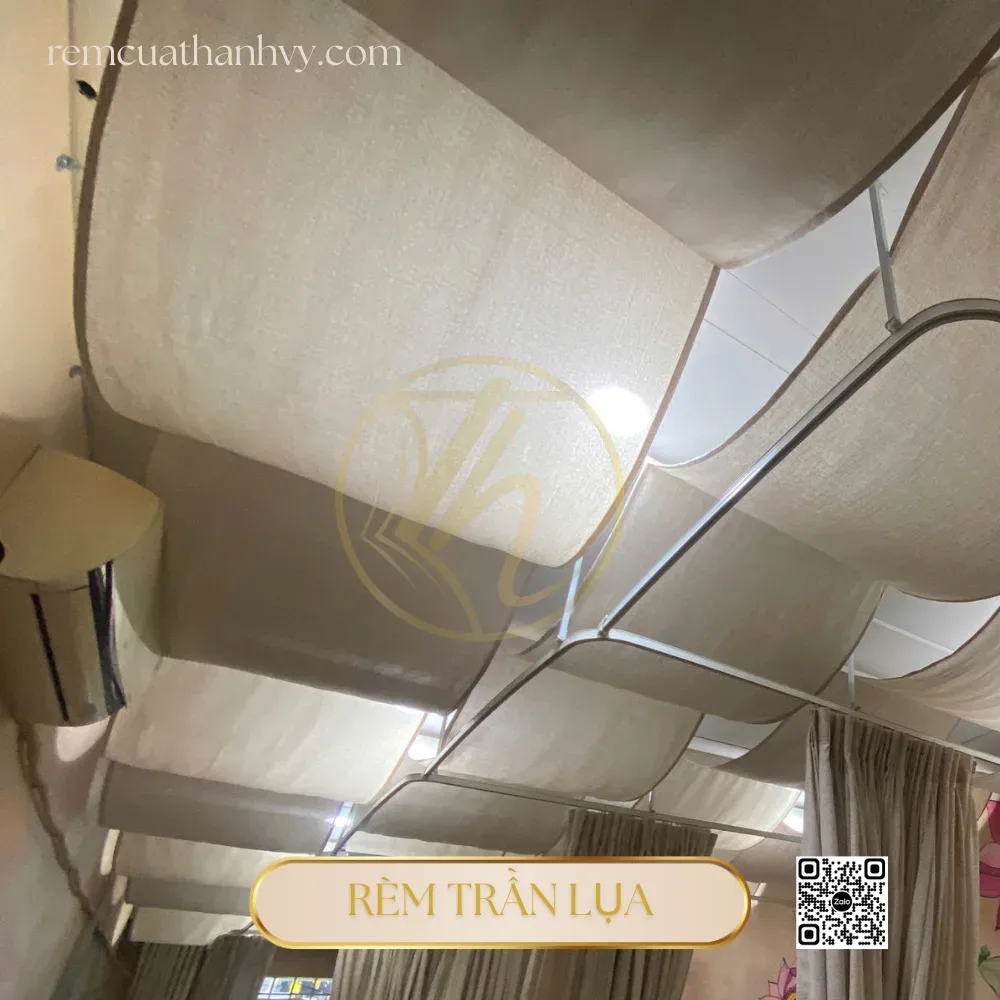
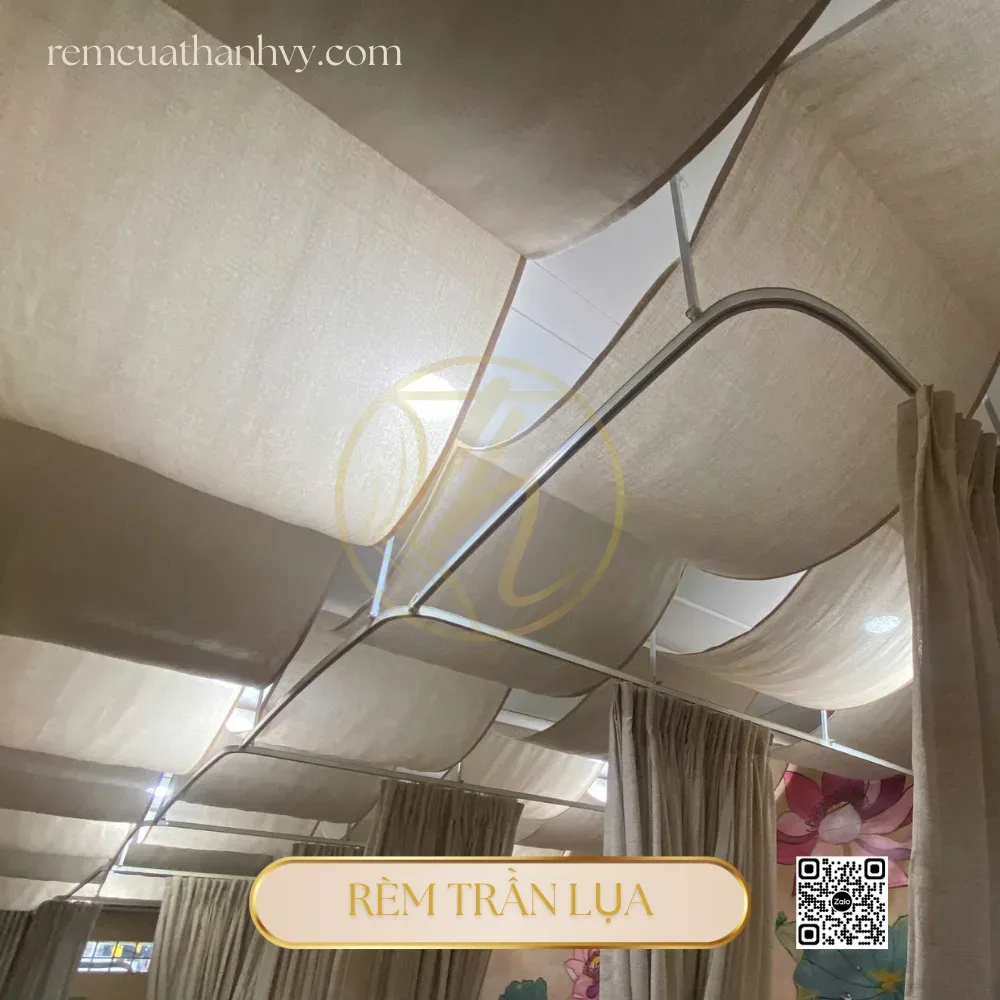
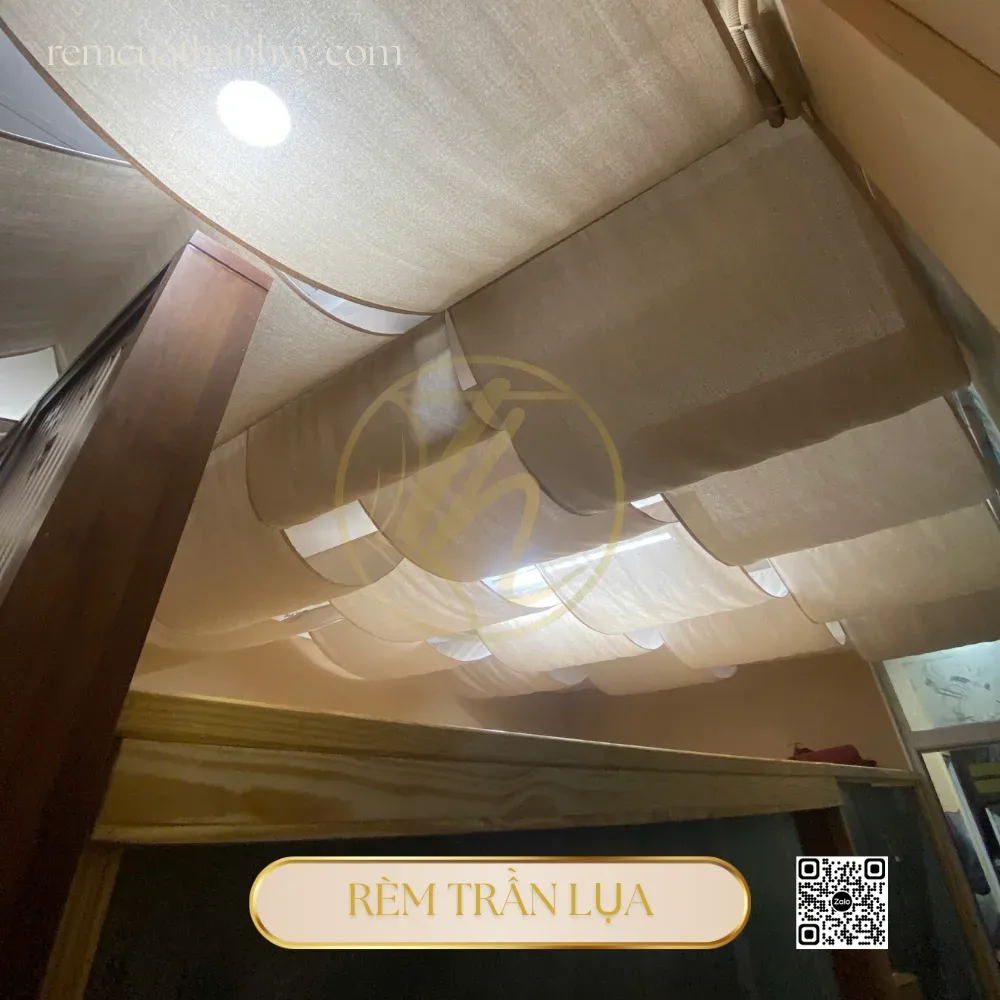

For further information, please contact Thanh Vy Curtains
We provide free consultation and on-site measuring at your home.
Related projects
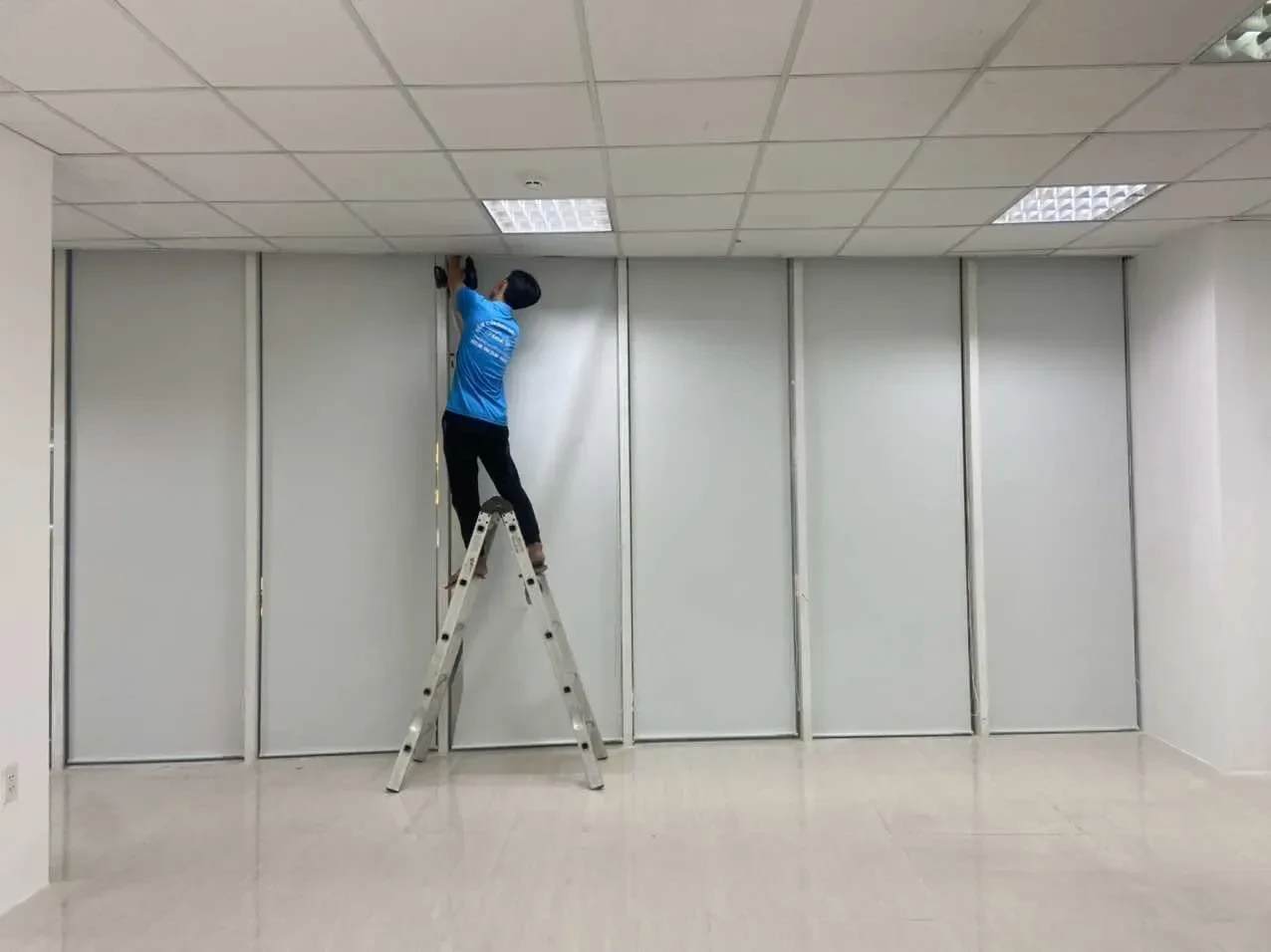
Office Roller Blinds in District 11 – Le Dai Hanh Street
This project involved installing roller blinds on an upper floor of a modern office building [...]
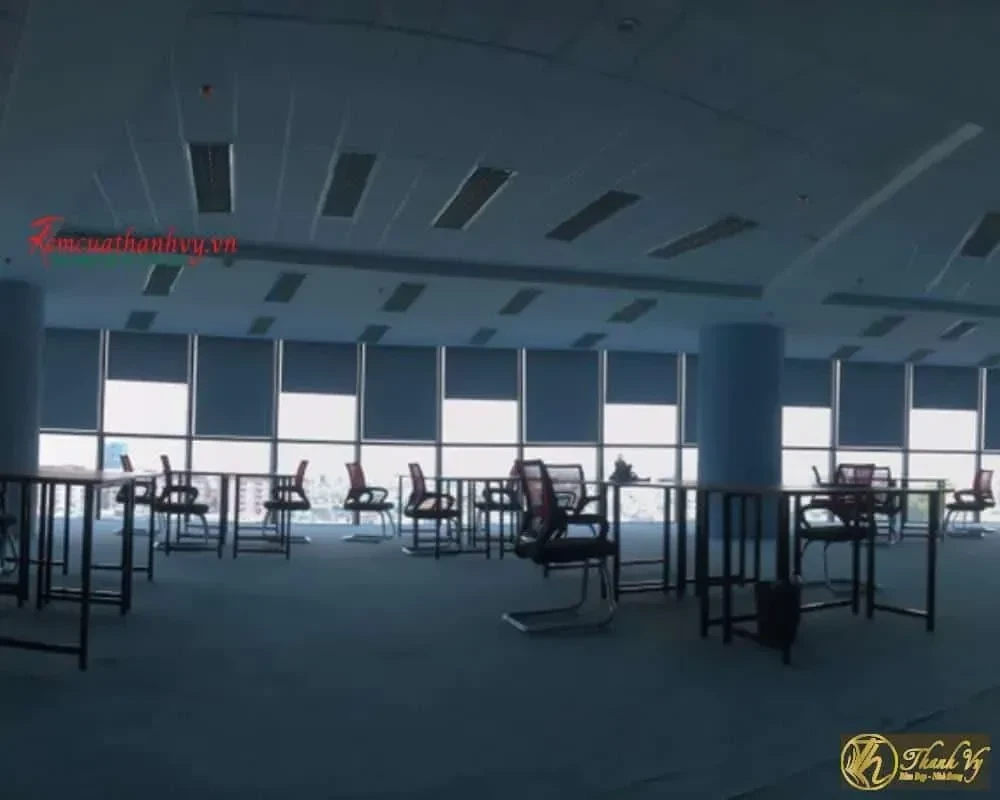
High-Rise Office Roller Blinds in District 11: Professional Day-Night & Blackout Solutions
This project is a typical example of a roller blind solution for a modern office [...]
Related areas
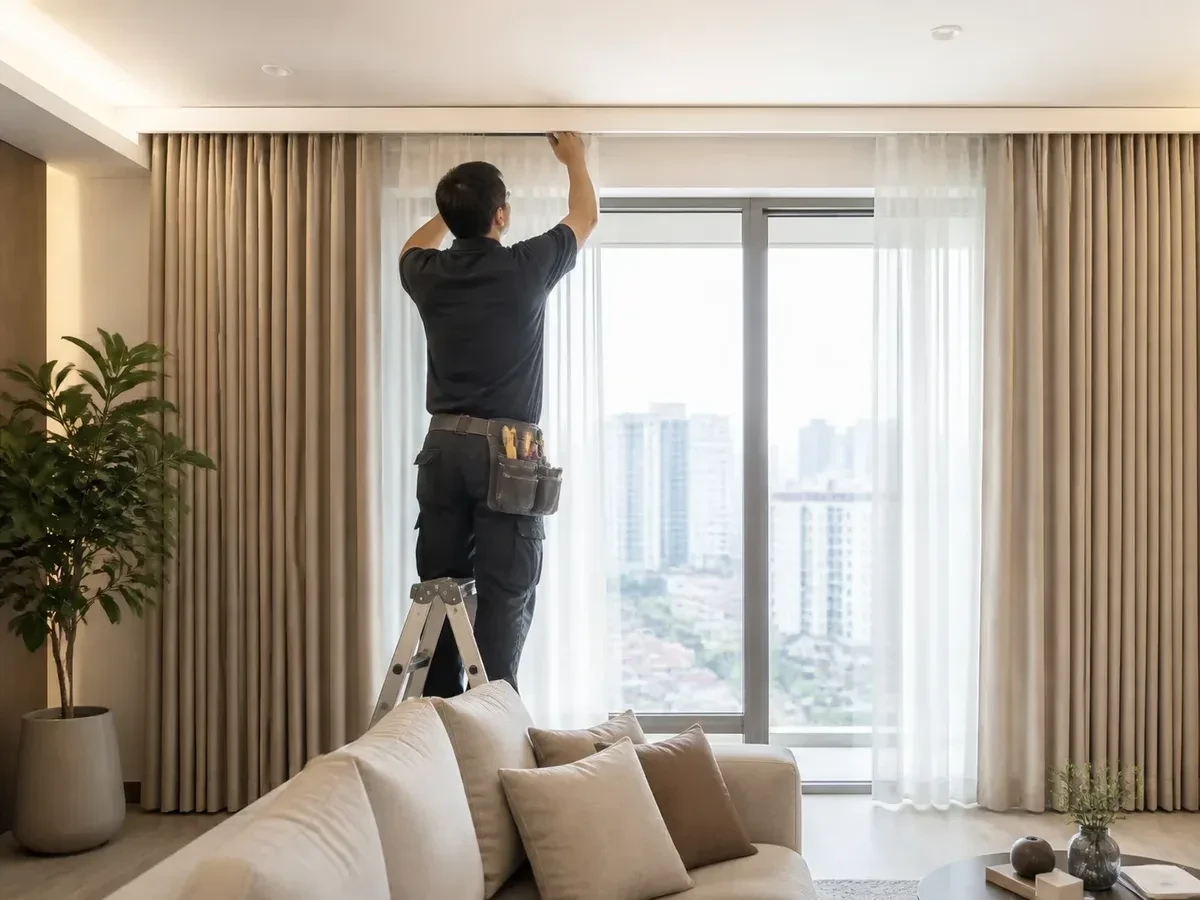
District 11 Curtains: What to Prioritize for Each Space
Choosing District 11 curtains at Thanh Vy delivers optimal sun-blocking solutions and elevates the aesthetics [...]
Related reviews
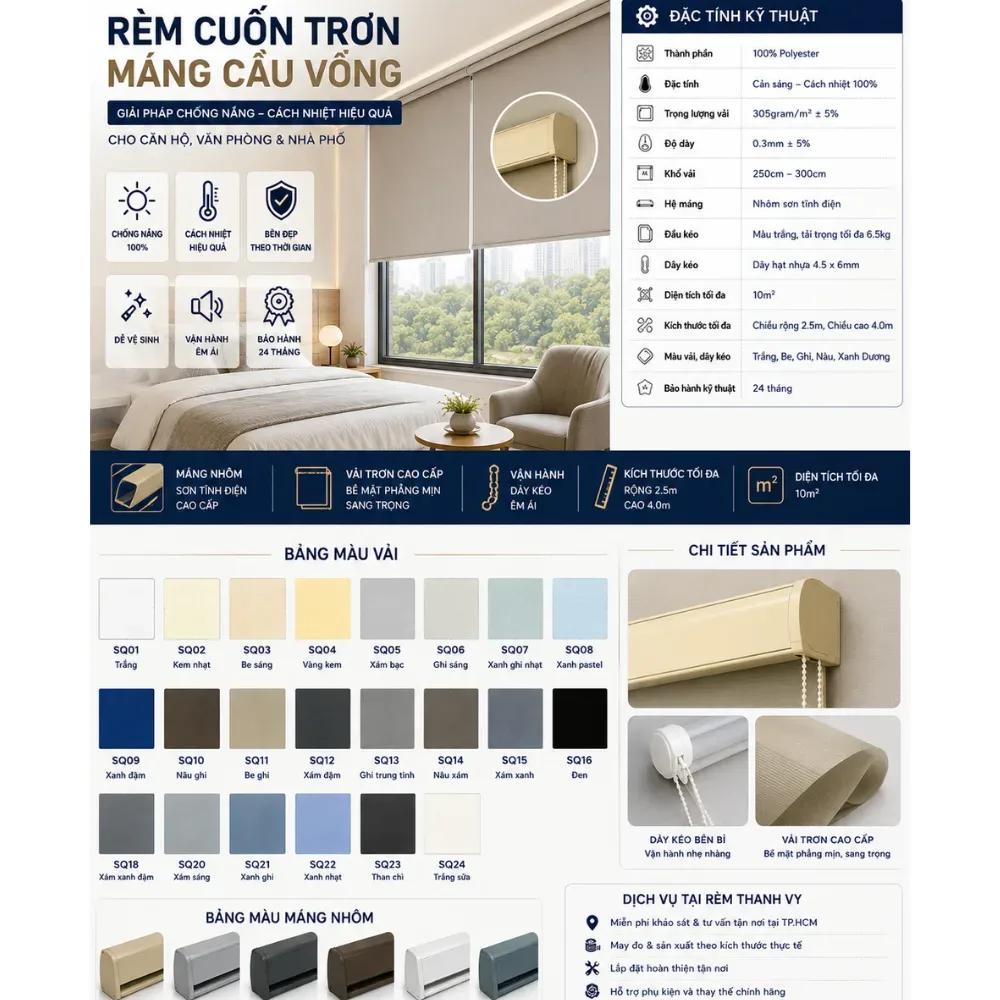
Roller Blinds vs. Roman Blinds? A Detailed Comparison to Help You Choose
Compare roller blinds and roman blinds by light control, privacy, operation, aesthetics, cleaning, and cost [...]
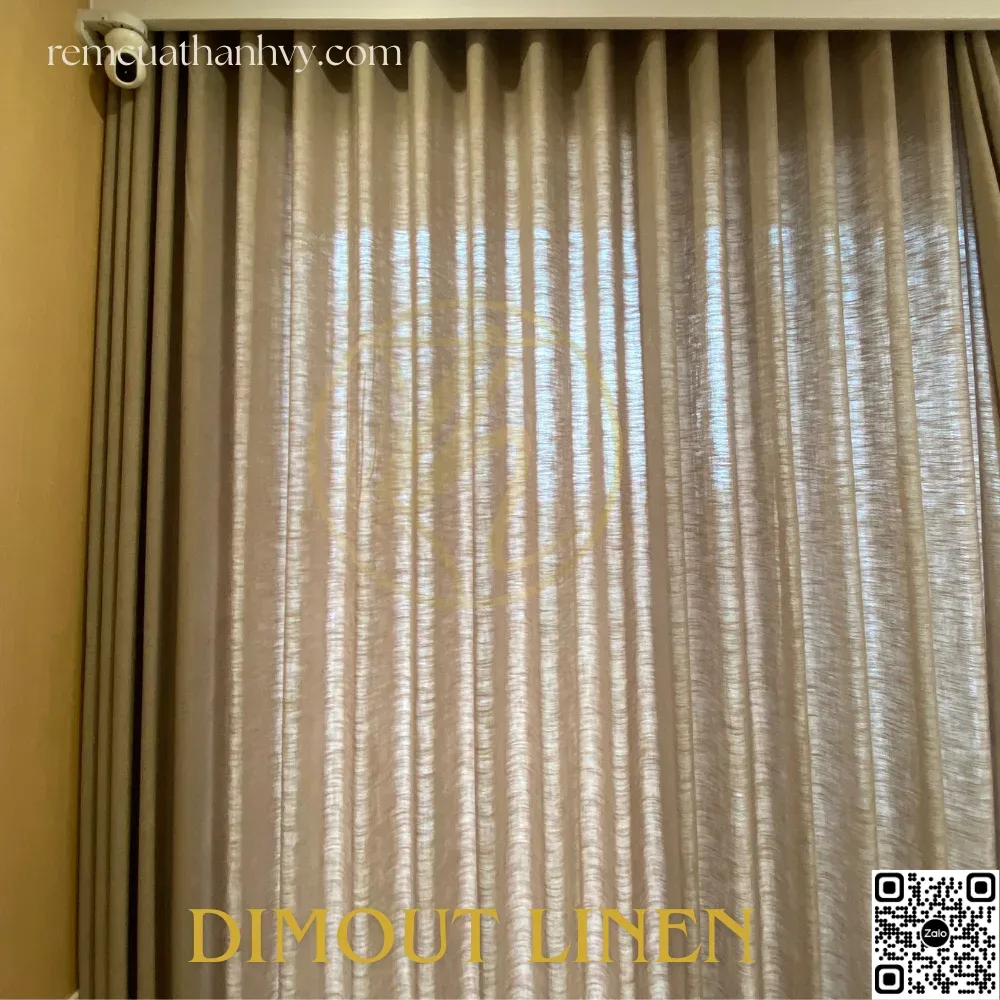
Fabric Curtains vs. Linen Curtains? A Detailed Comparison to Help You Choose
Compare fabric and linen curtains based on light control, privacy, operation, aesthetics, maintenance, and cost [...]
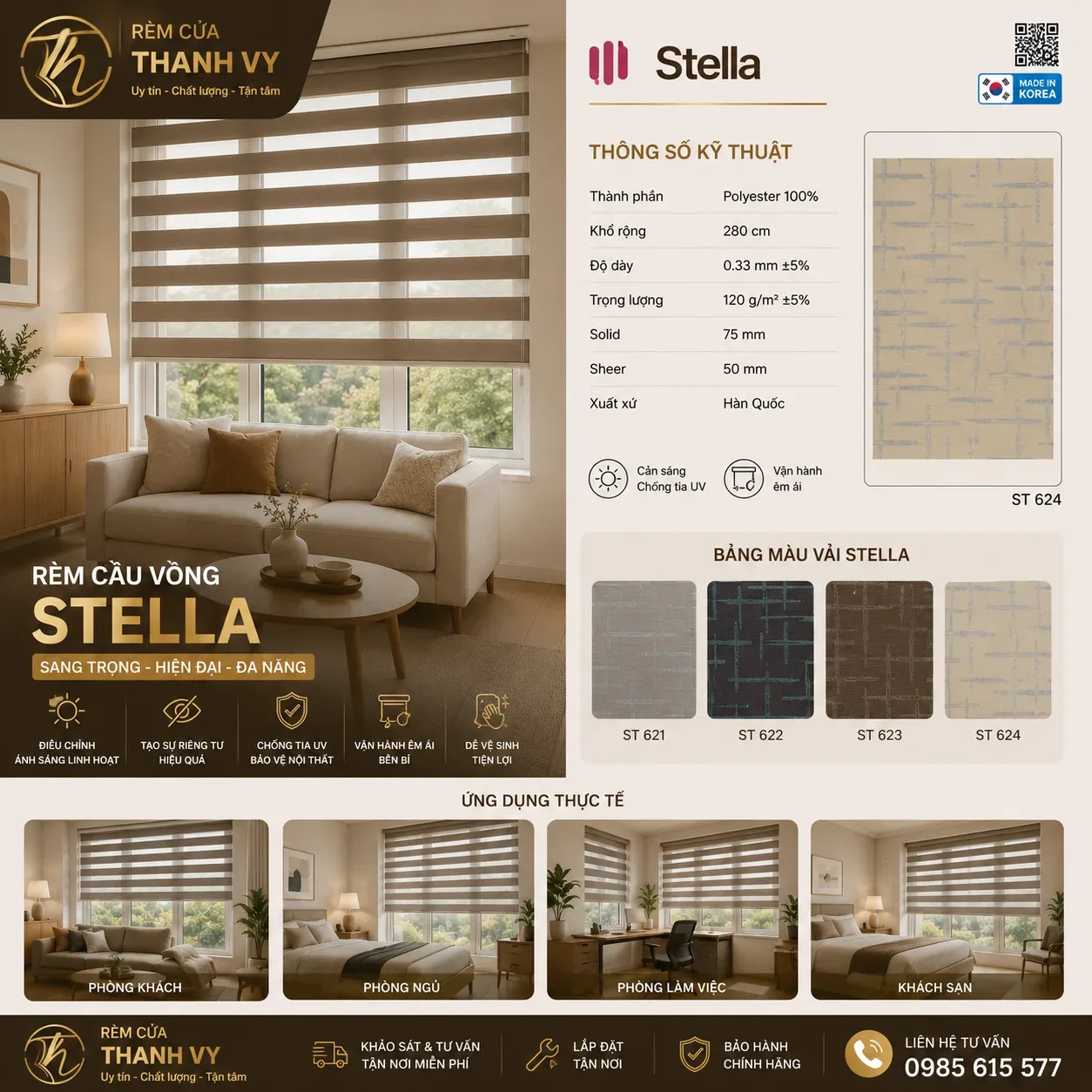
Roller Shades or Zebra Shades? A Detailed Comparison to Help You Choose
This article compares roller shades and zebra shades by construction, light control, aesthetics, price, durability, [...]
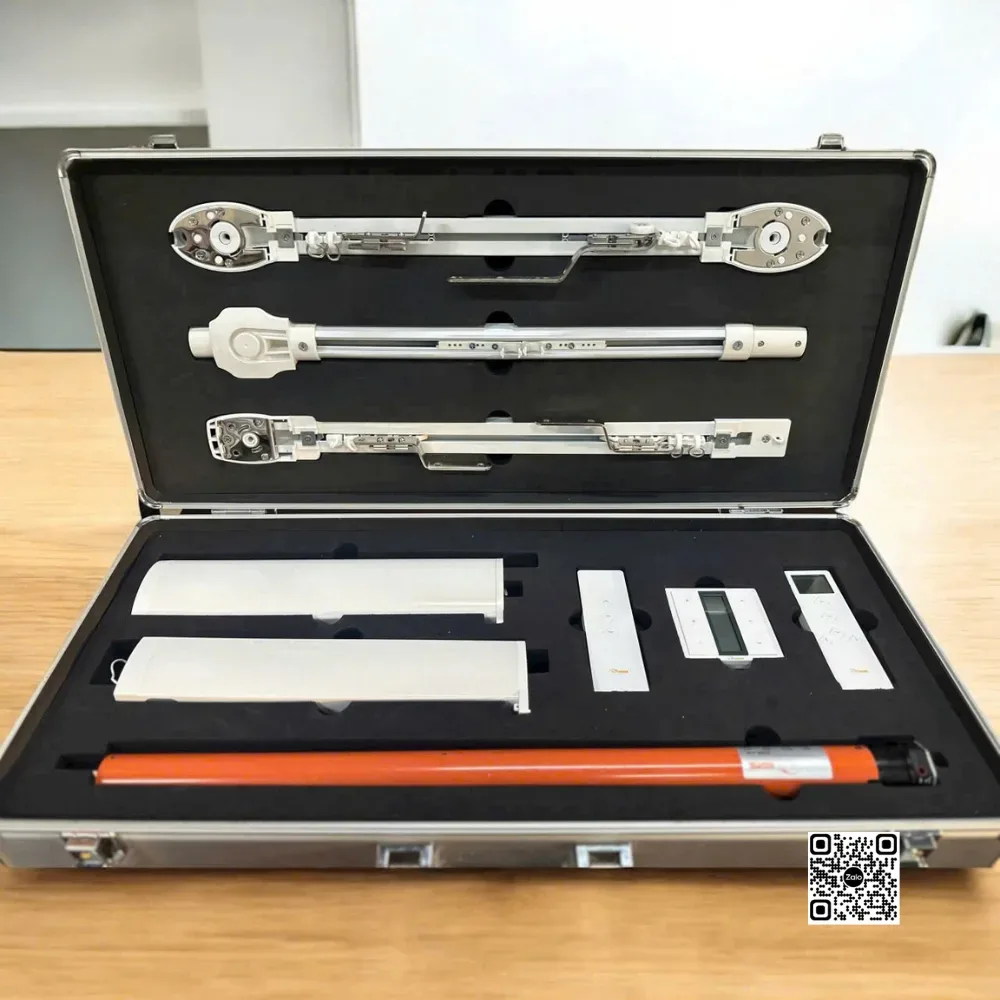
Fabric Curtains vs. Roman Shades: A Detailed Comparison
Compare fabric curtains and Roman shades based on light control, privacy, operation, aesthetics, maintenance, and [...]
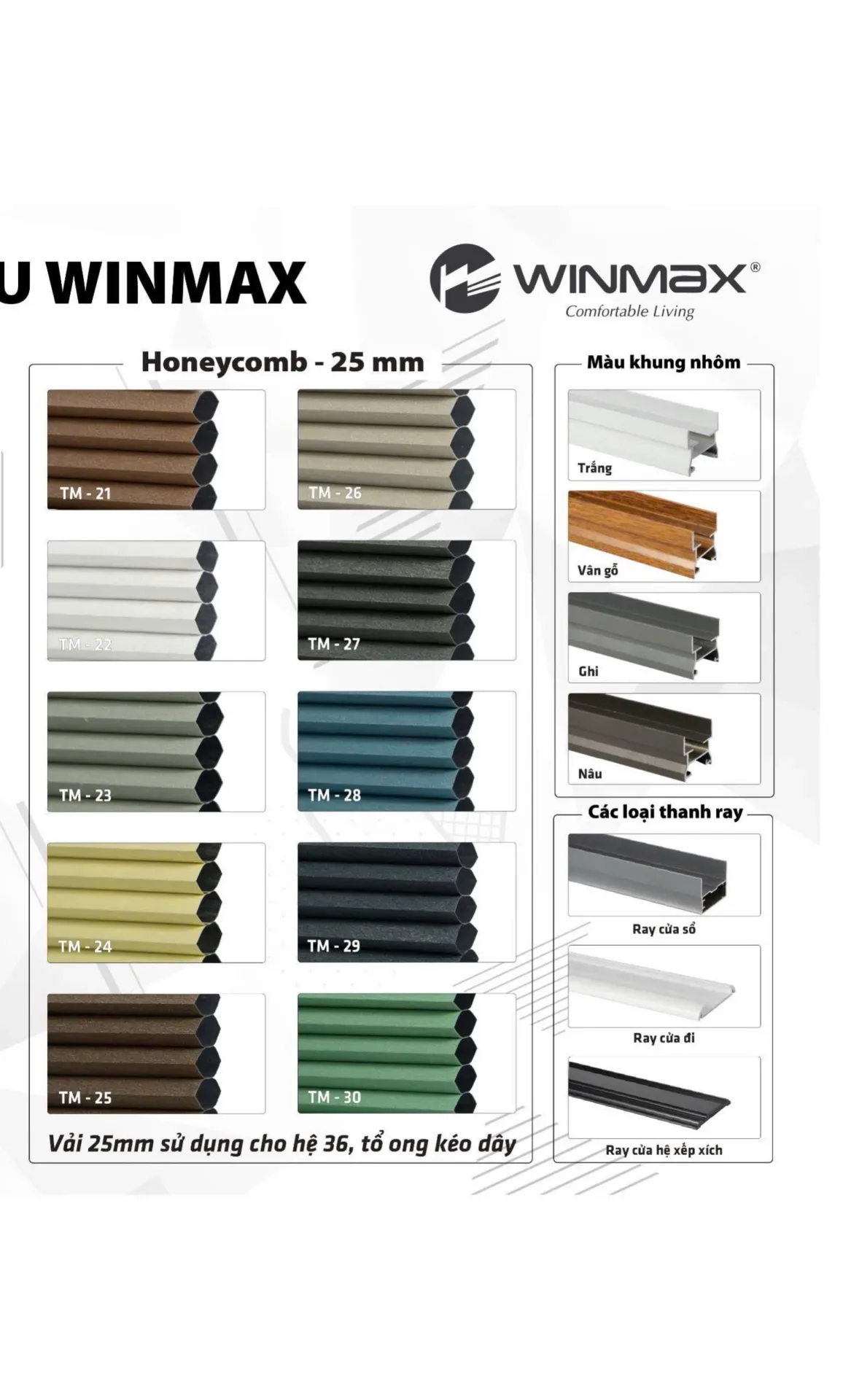
Roller Blinds vs. Honeycomb Shades: A Detailed Comparison to Help You Choose
This article compares roller blinds and honeycomb shades based on thermal insulation, soundproofing, light control, [...]
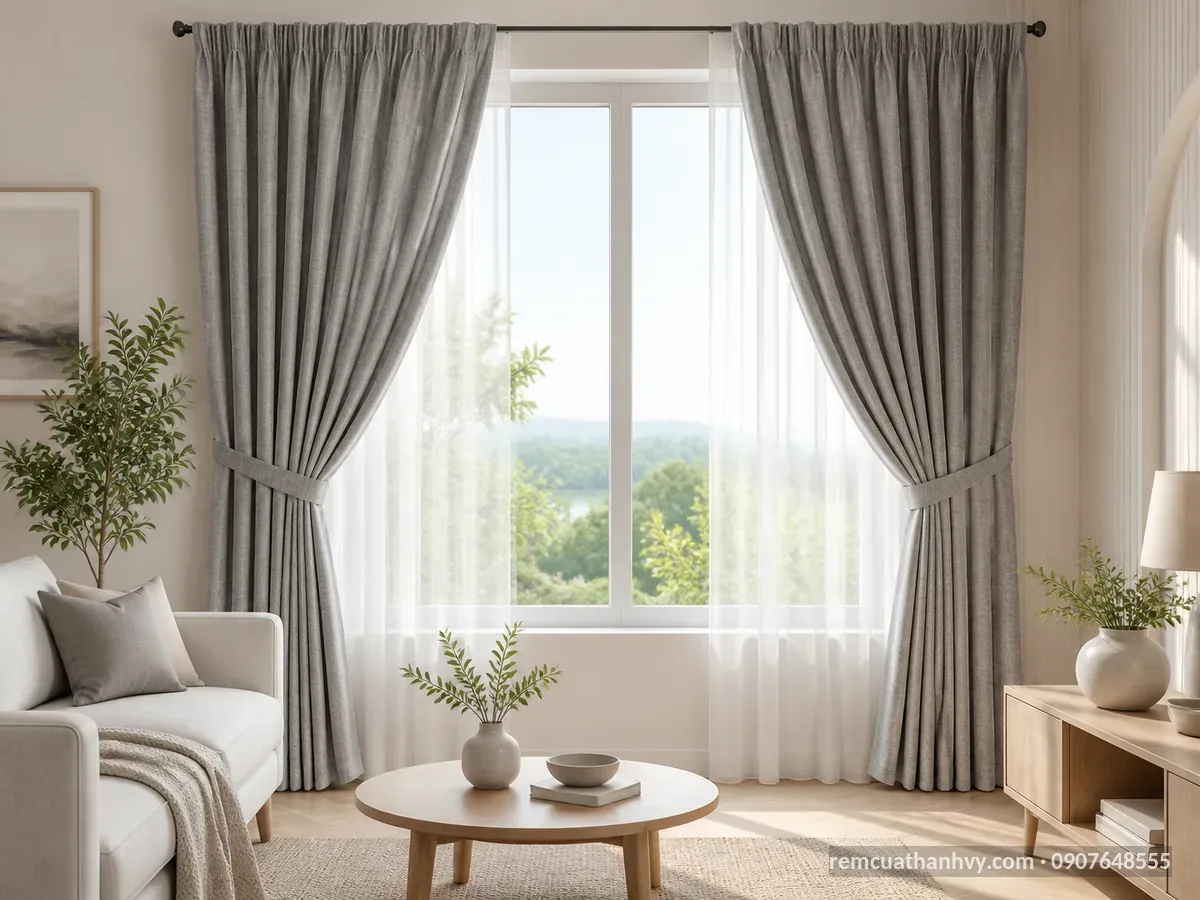
Are Fabric Curtains Good? How to Assess the Real Needs of Each Space
This article helps readers answer whether fabric curtains are good by assessing light, privacy, usage [...]
Related posts
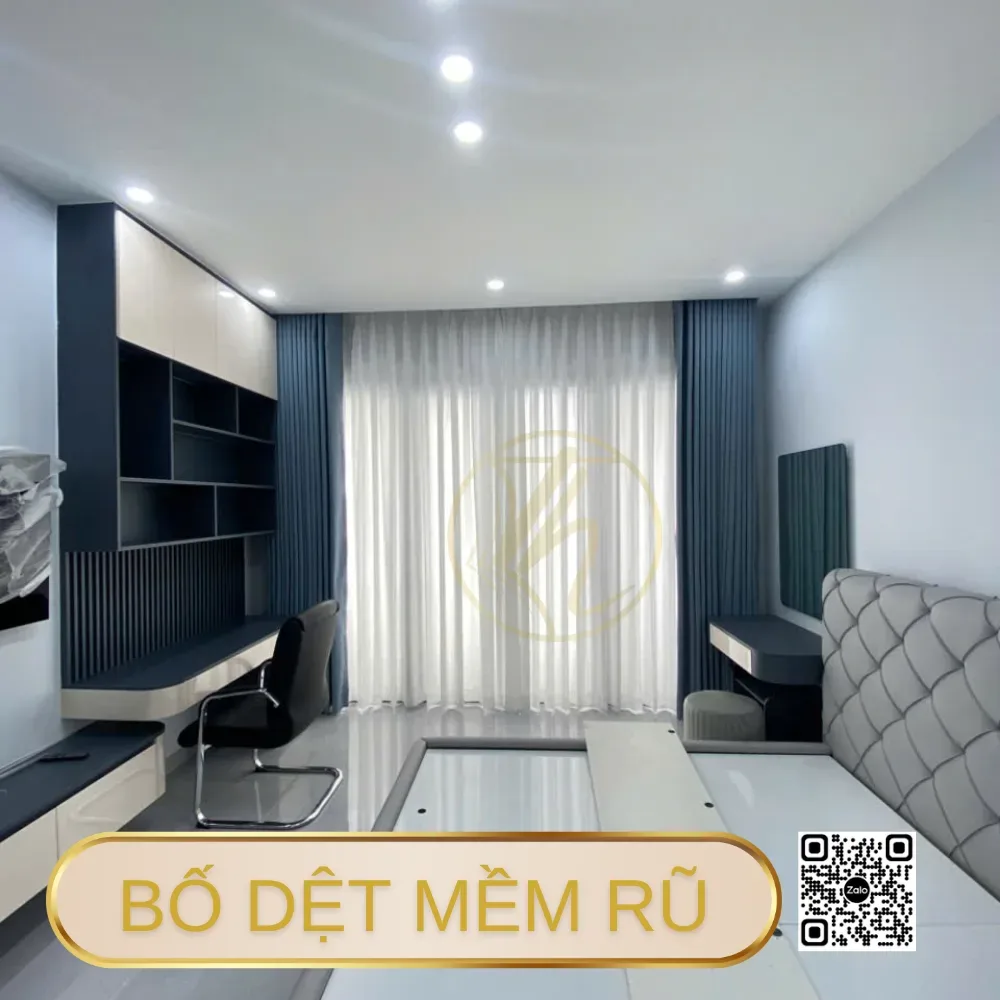
Fabric Curtains in District 3: How to Choose by Room and Need
This article helps readers choose fabric curtains in District 3 based on light blocking needs, [...]
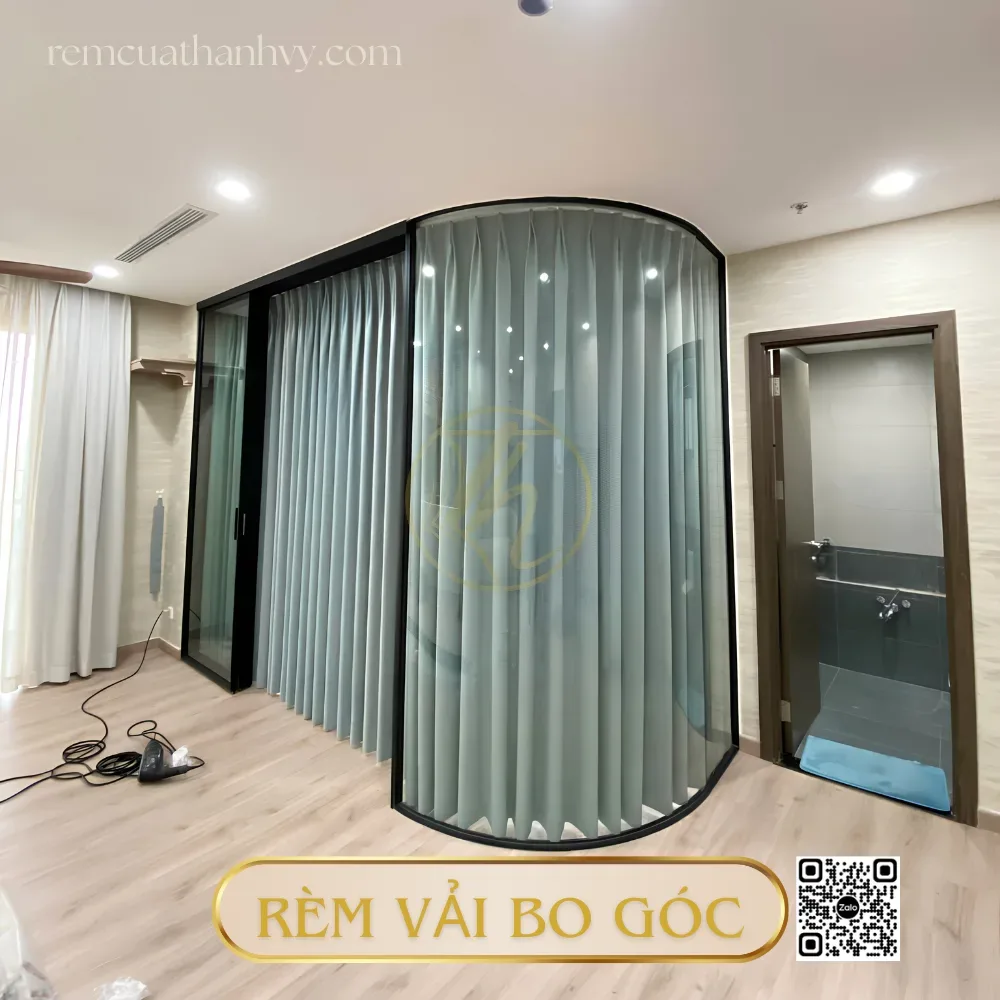
Fabric Curtains in District 6: How to Choose Fabrics and Sewing Styles
A guide to choosing fabric curtains in District 6 for every space, light level, material, [...]
Fabric Curtains in District 10: How to Choose by Room and Need
This guide helps readers compare fabric curtain options in District 10 based on functionality, hanging [...]
Fabric Curtains in Binh Thanh: How to Choose for Every Space
This article summarizes how to choose fabric curtains in Binh Thanh based on lighting, privacy [...]
Tan Binh Fabric Curtains: How to Choose for Every Space
A practical guide to choosing Tan Binh fabric curtains by room, light direction, fabric pattern, [...]
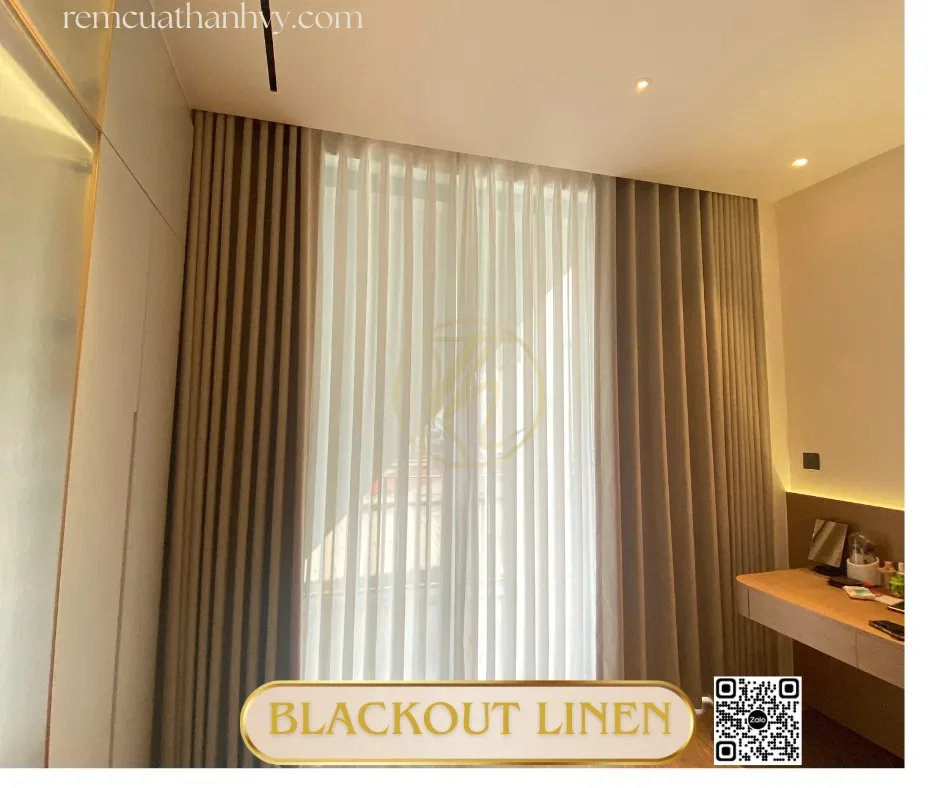
Linen Curtains in District 4: Choosing the Right Fabric and Style
When choosing linen curtains in District 4, consider sun exposure, privacy, and practical sewing styles [...]
Linen Curtains in District 7: How to Choose the Right Fabric and Style
Linen curtains in District 7 are perfect for bright, airy homes, but you should choose [...]
Linen Curtains in District 11: Choosing the Right Fabric and Style
Linen curtains in District 11 are ideal for bright, soft spaces, but should be selected [...]
No comments yet!