


Fabric Curtains in District 10: How to Choose by Room and Need
Fabric curtains in District 10 should start with how each room is used
Fabric curtains in District 10 should not be chosen based solely on color or a beautiful reference photo. The first point to clarify is how much light the room needs to block, what the privacy requirements are, and how often the curtains will be opened and closed. By moving from functionality to aesthetics, readers can easily eliminate options that look good but are not suitable for daily use. You can refer to the article introducing auditorium curtains on Bao Can Tho for further comparison.
A suitable set of fabric curtains usually balances three things: softening the light, maintaining good proportions for the window, and not making the space feel heavier than necessary. Therefore, before talking about colors and sewing styles, it is best to clearly define what the living room, bedroom, or workspace needs most.
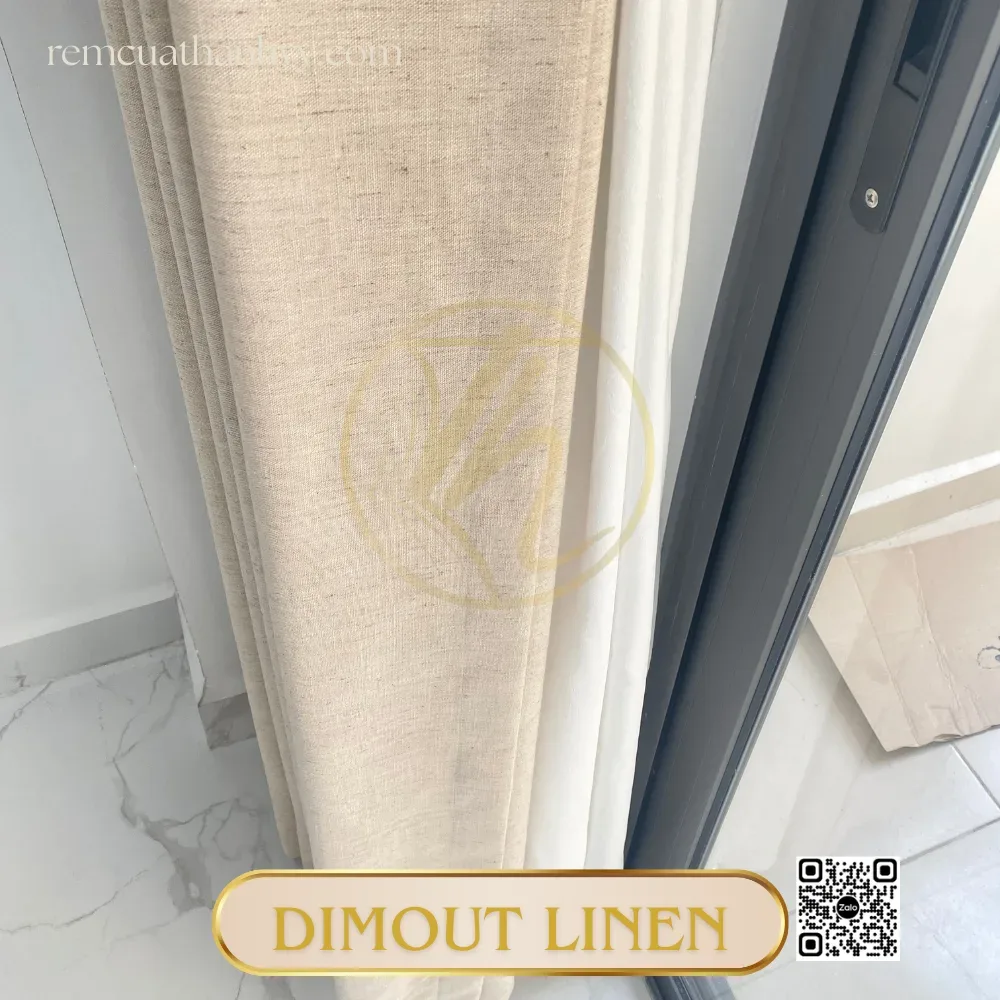
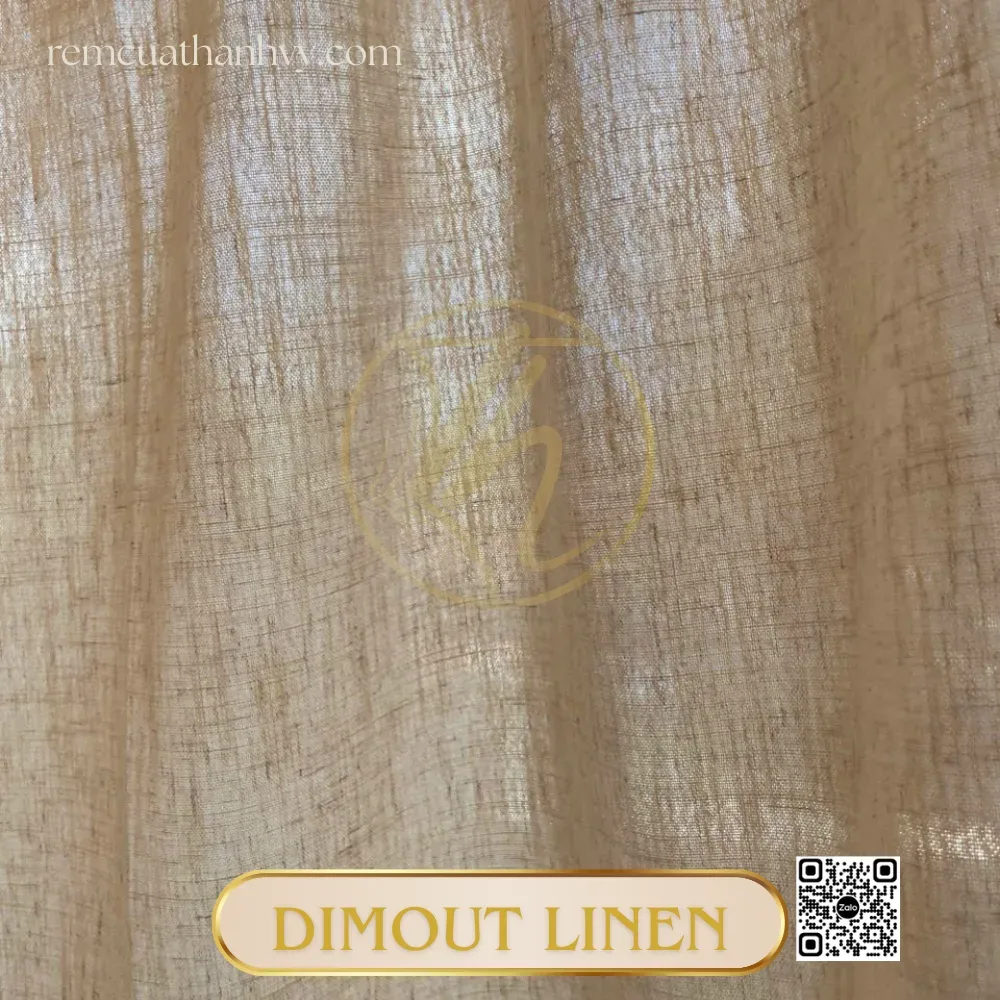
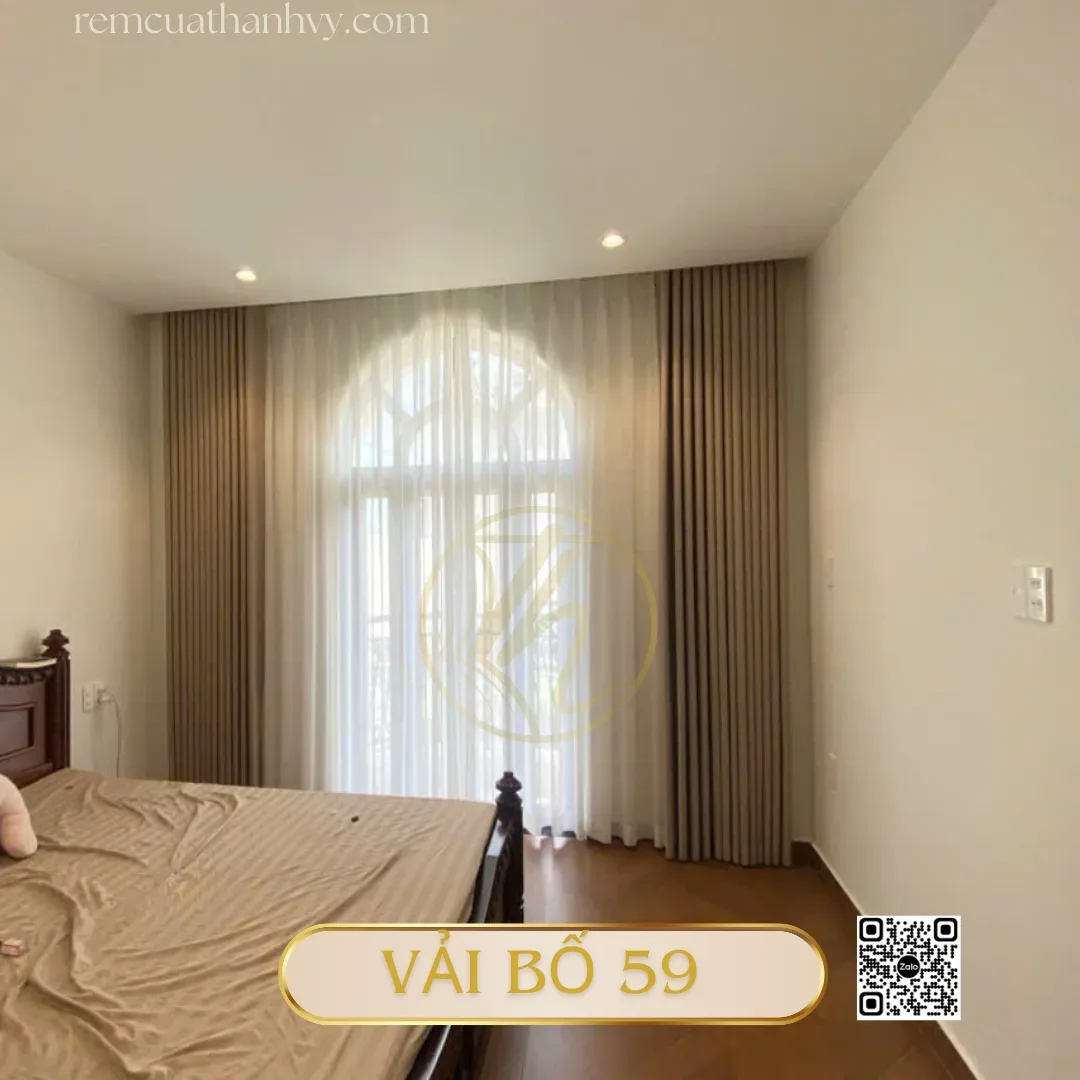
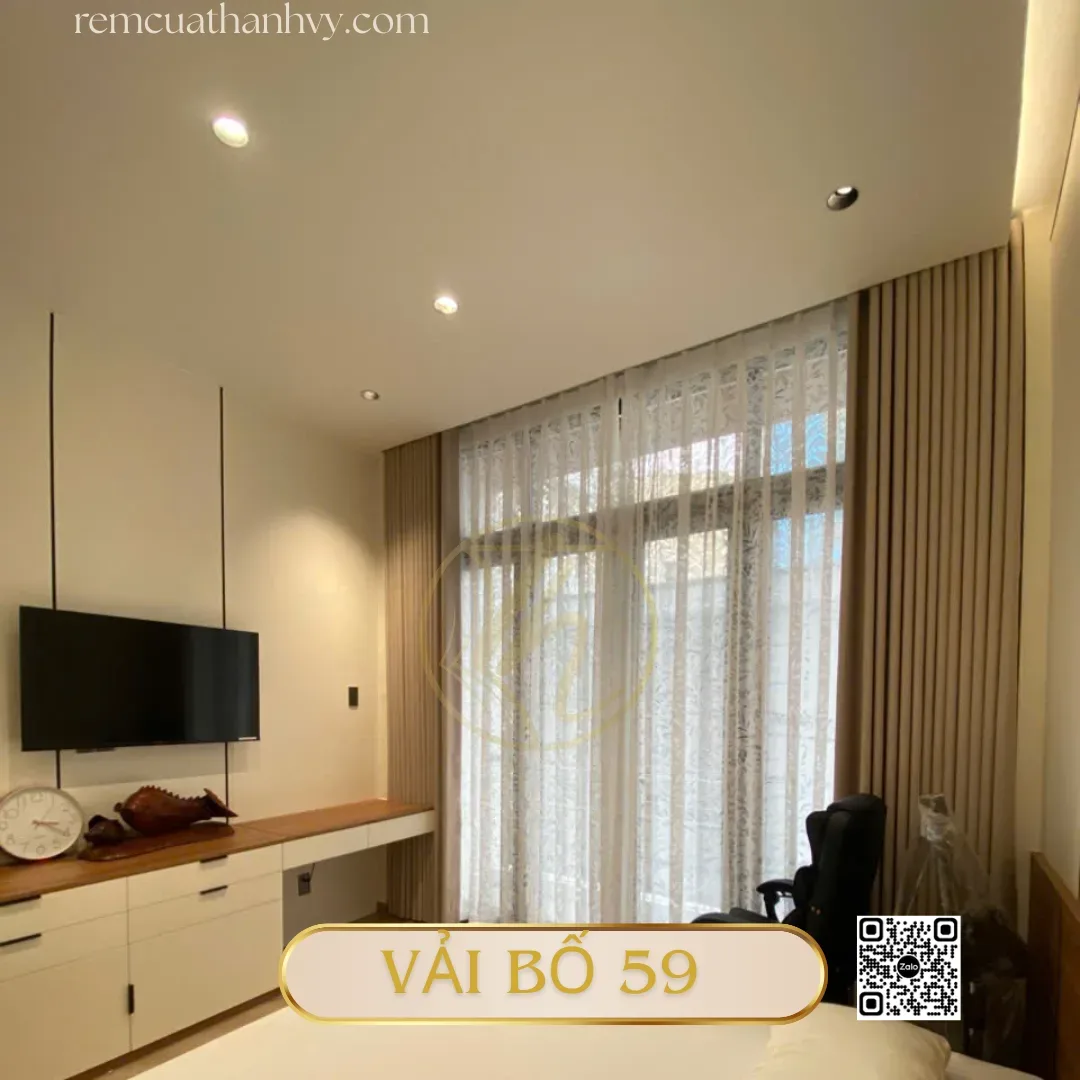
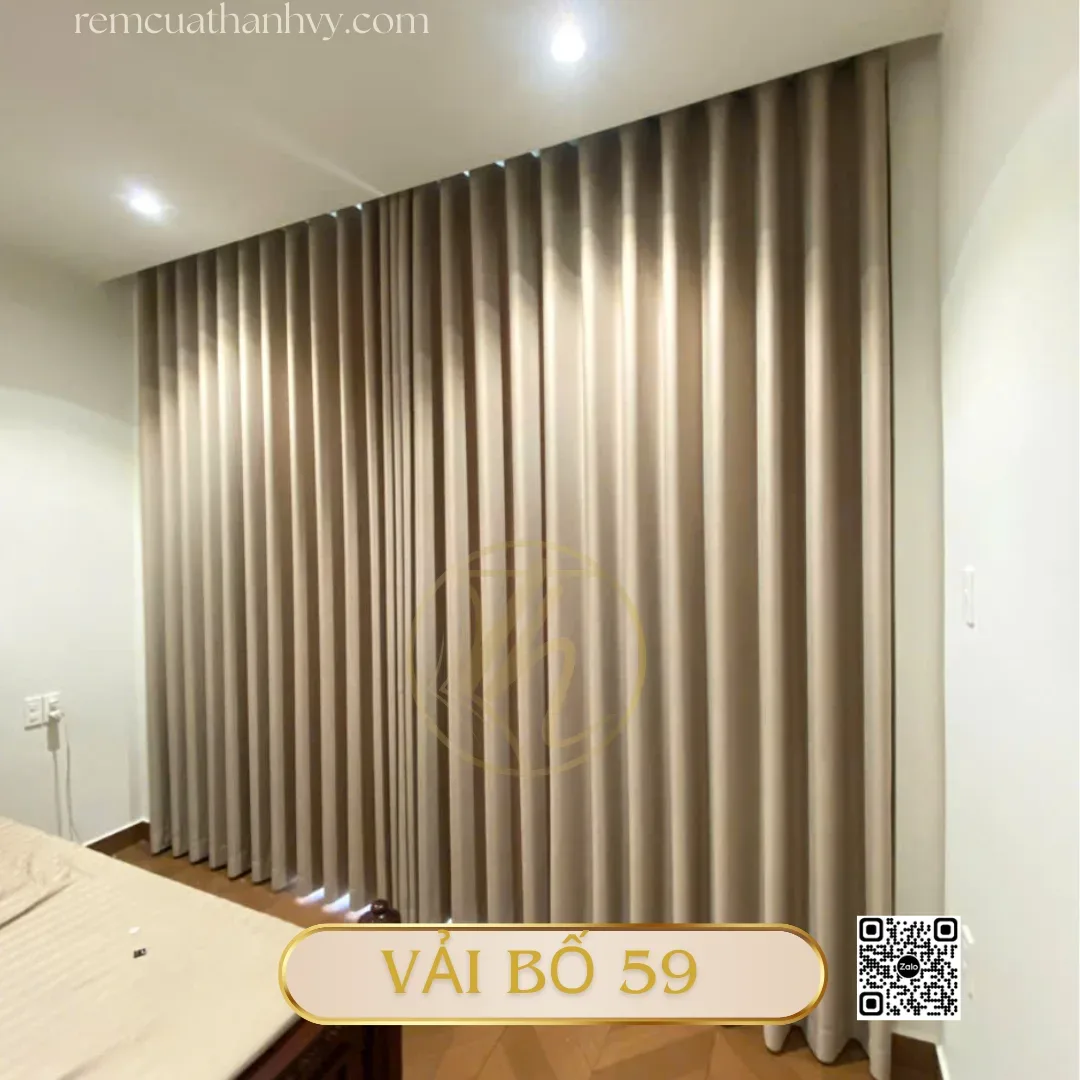
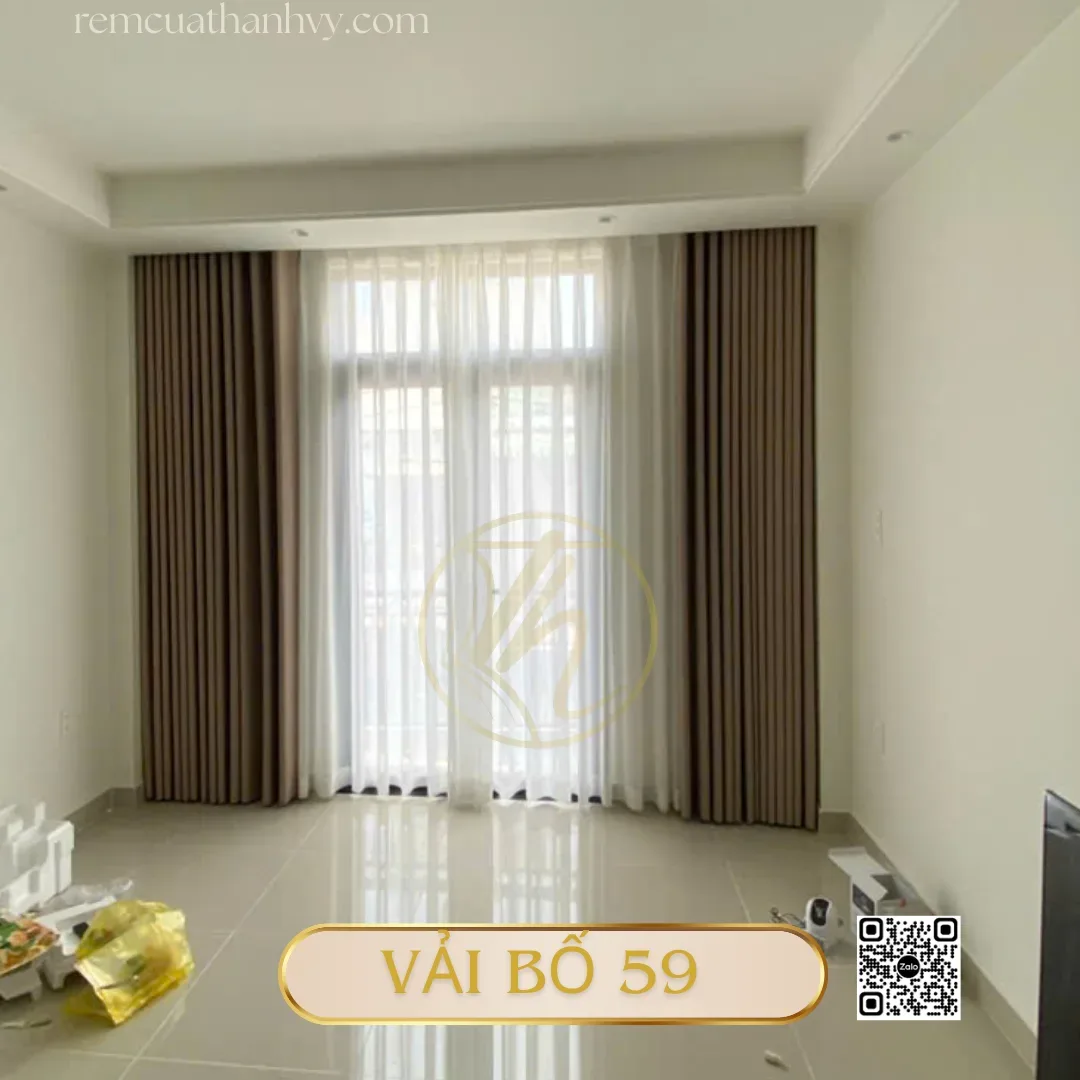
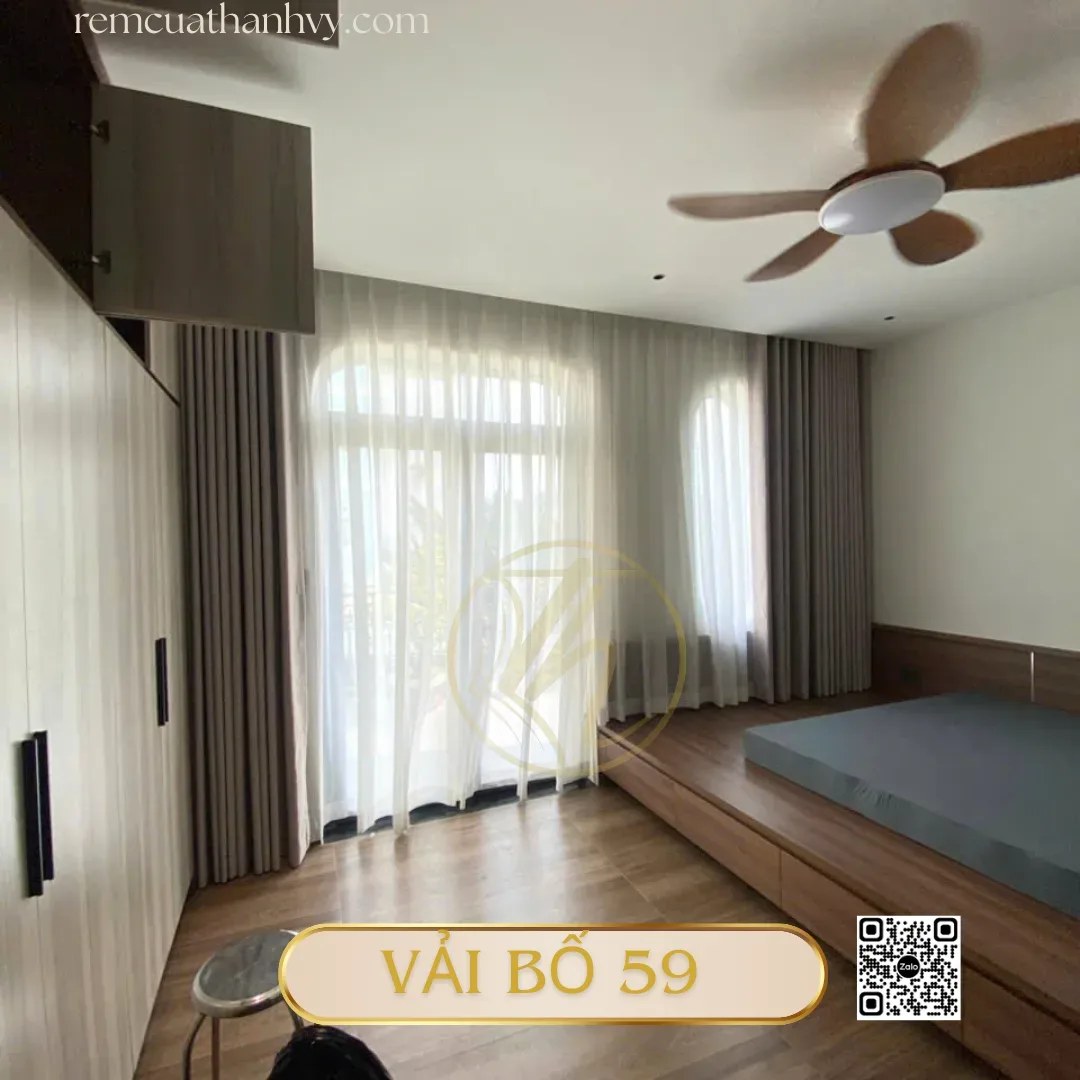
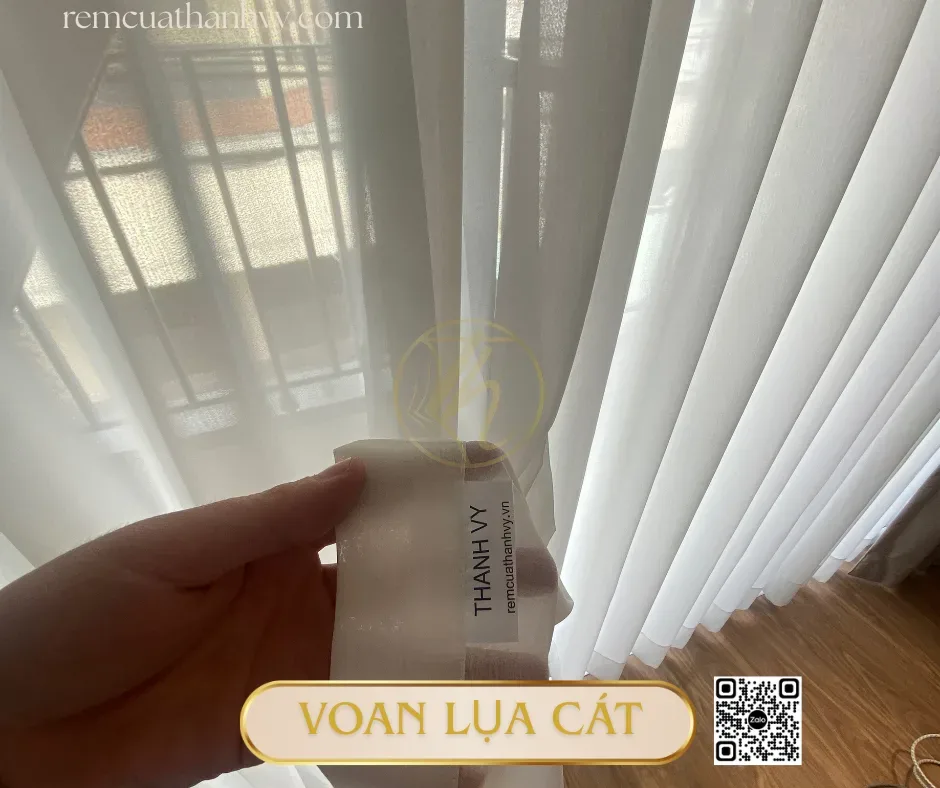
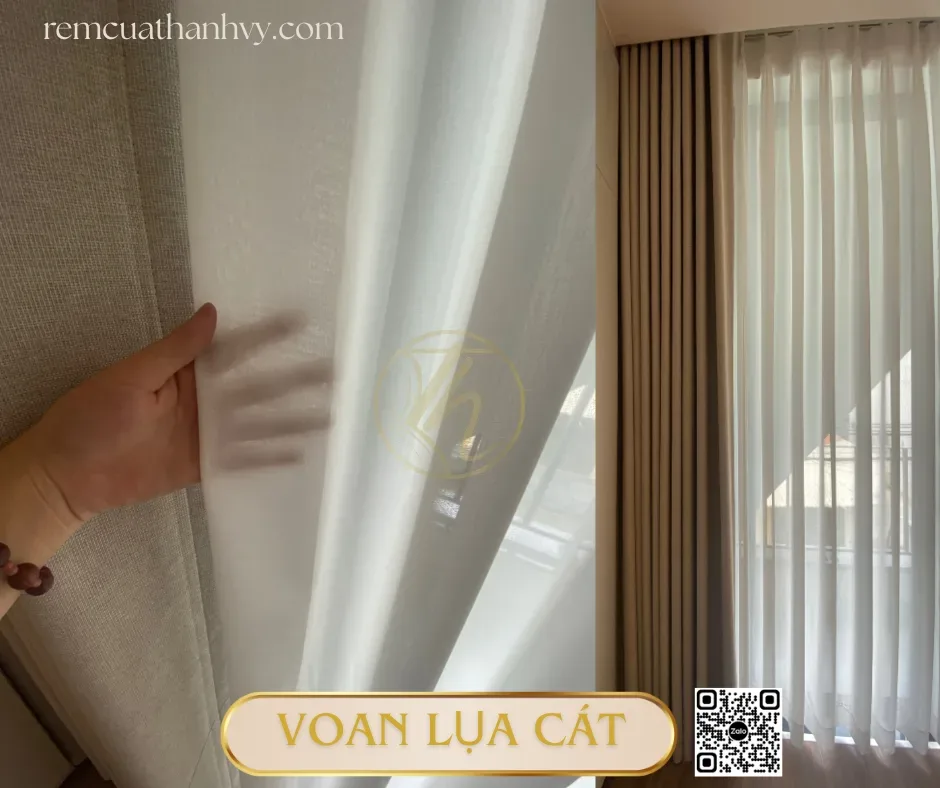
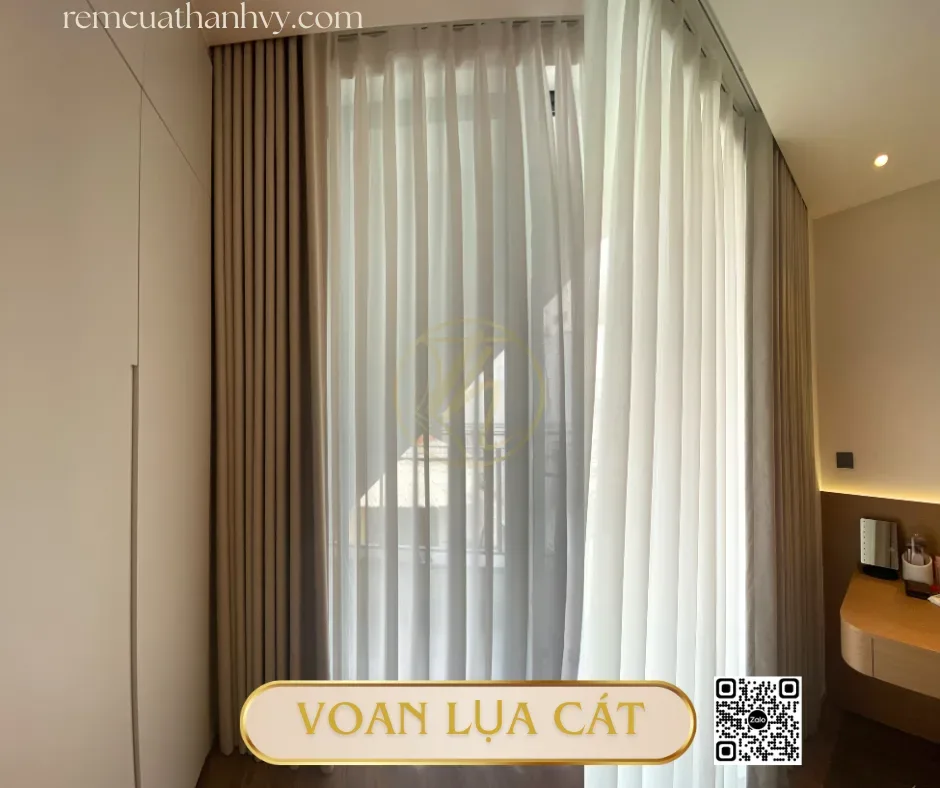
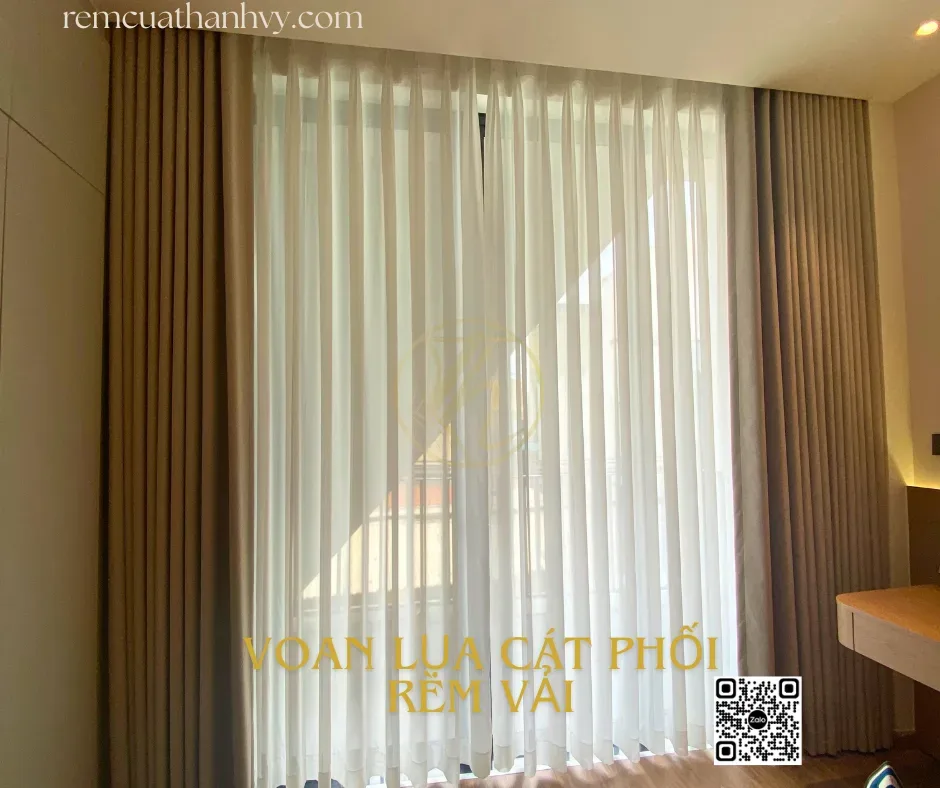
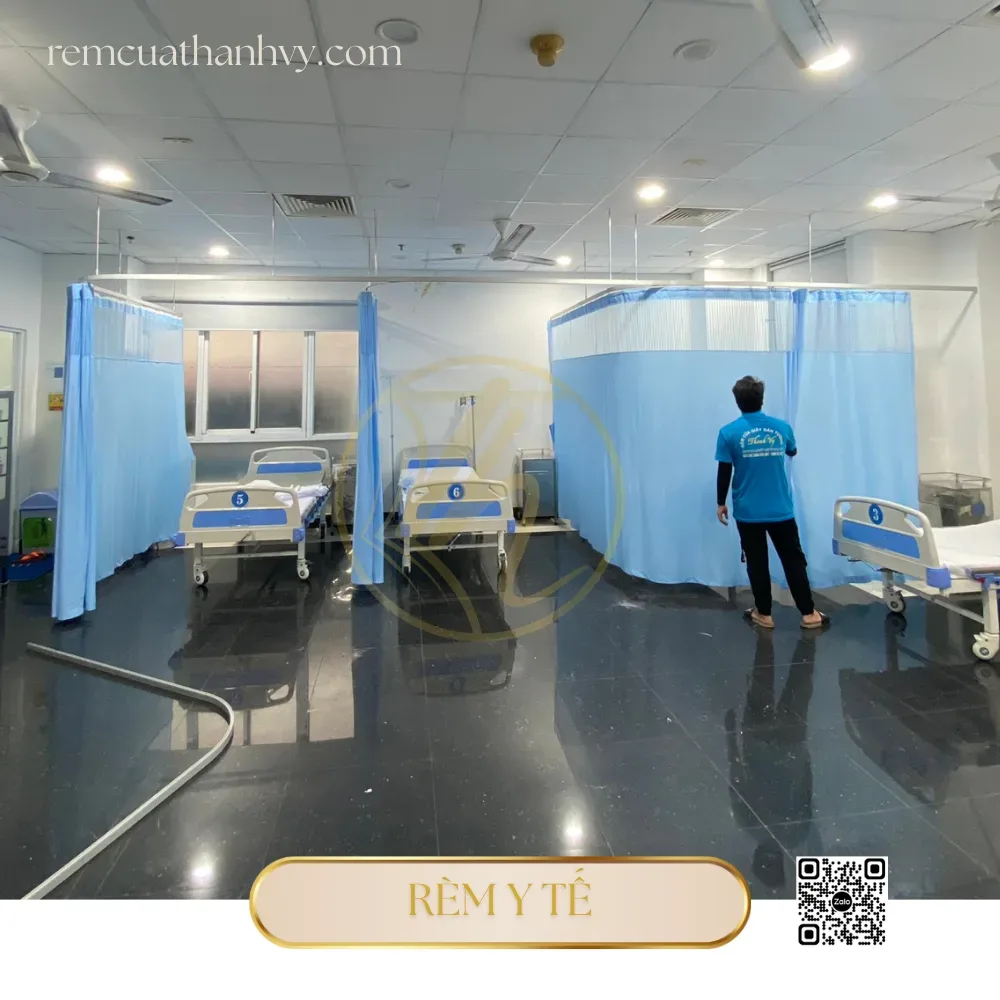
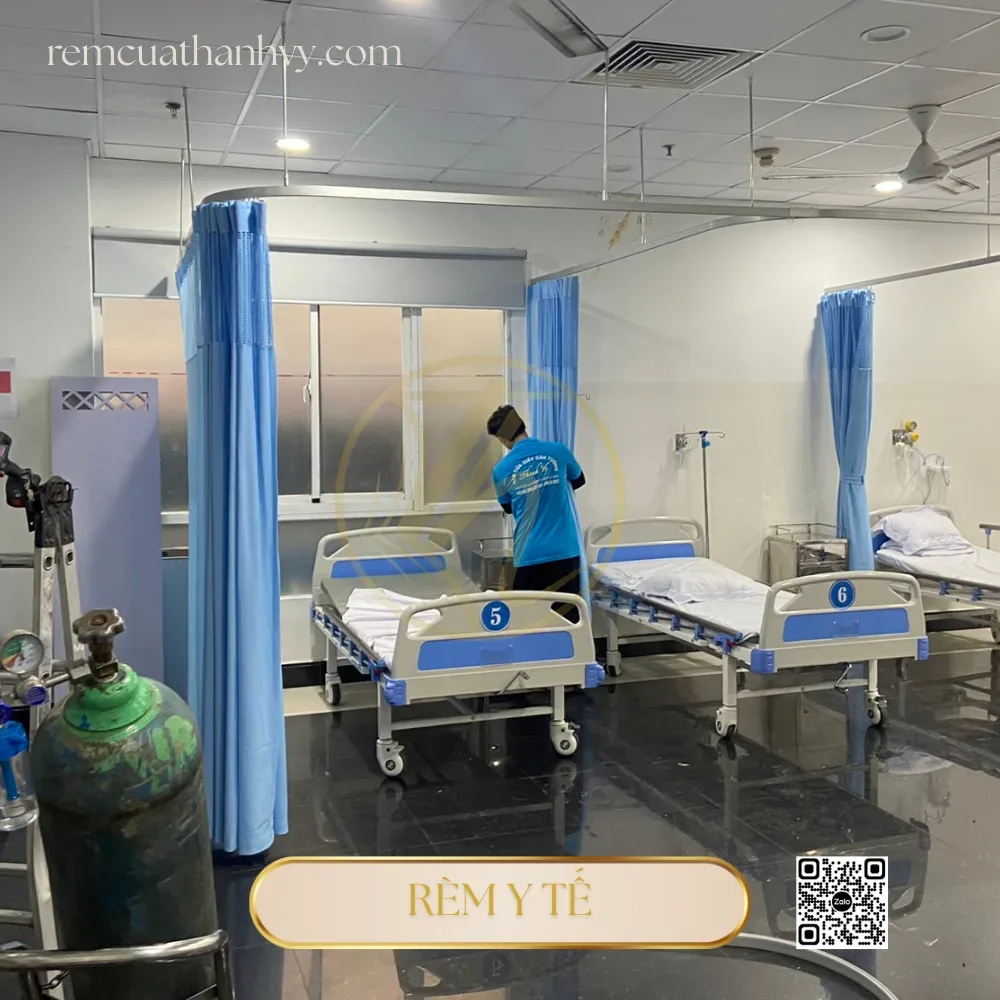
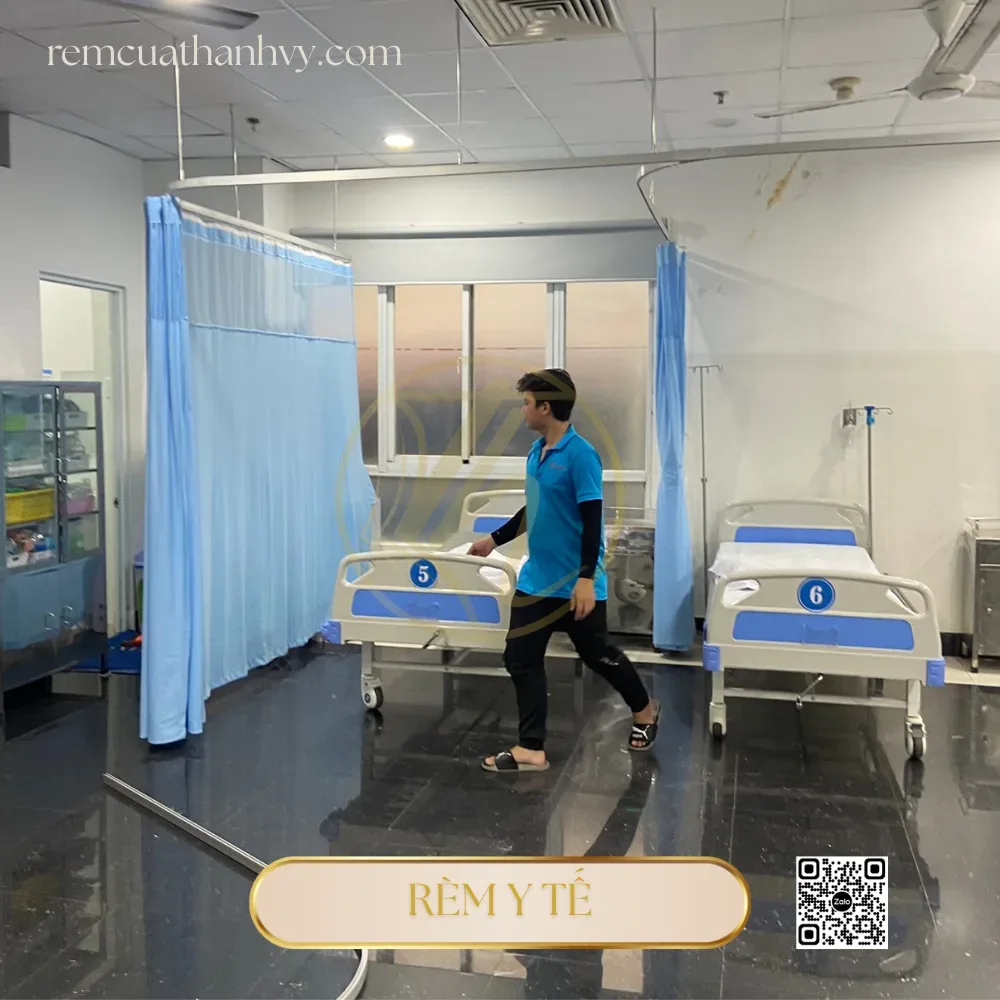
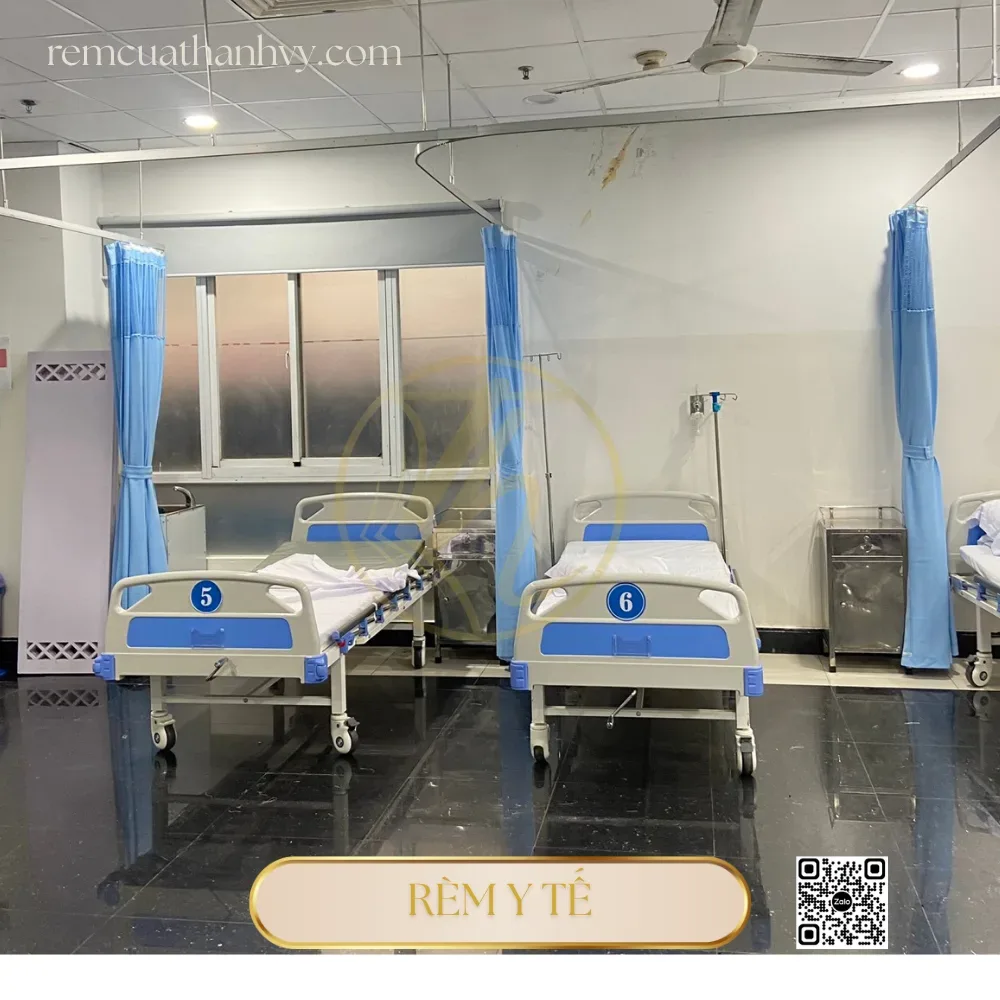
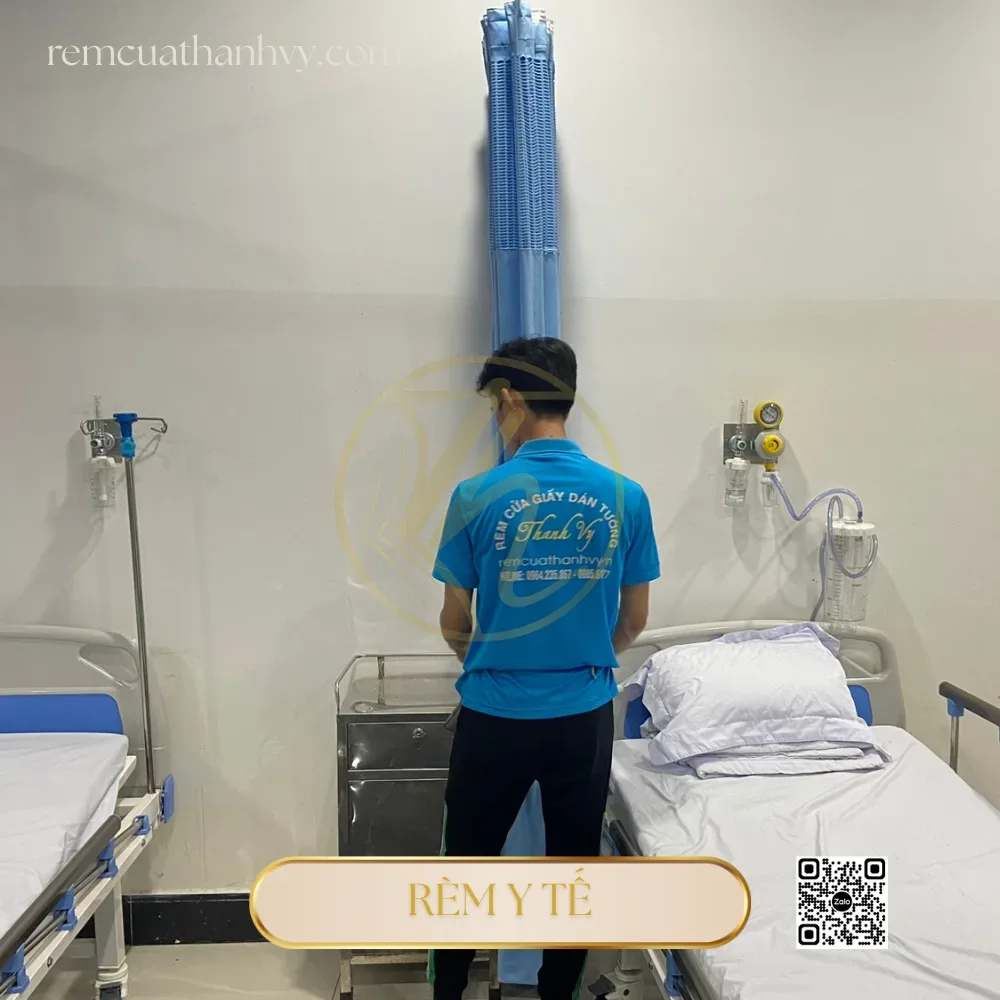
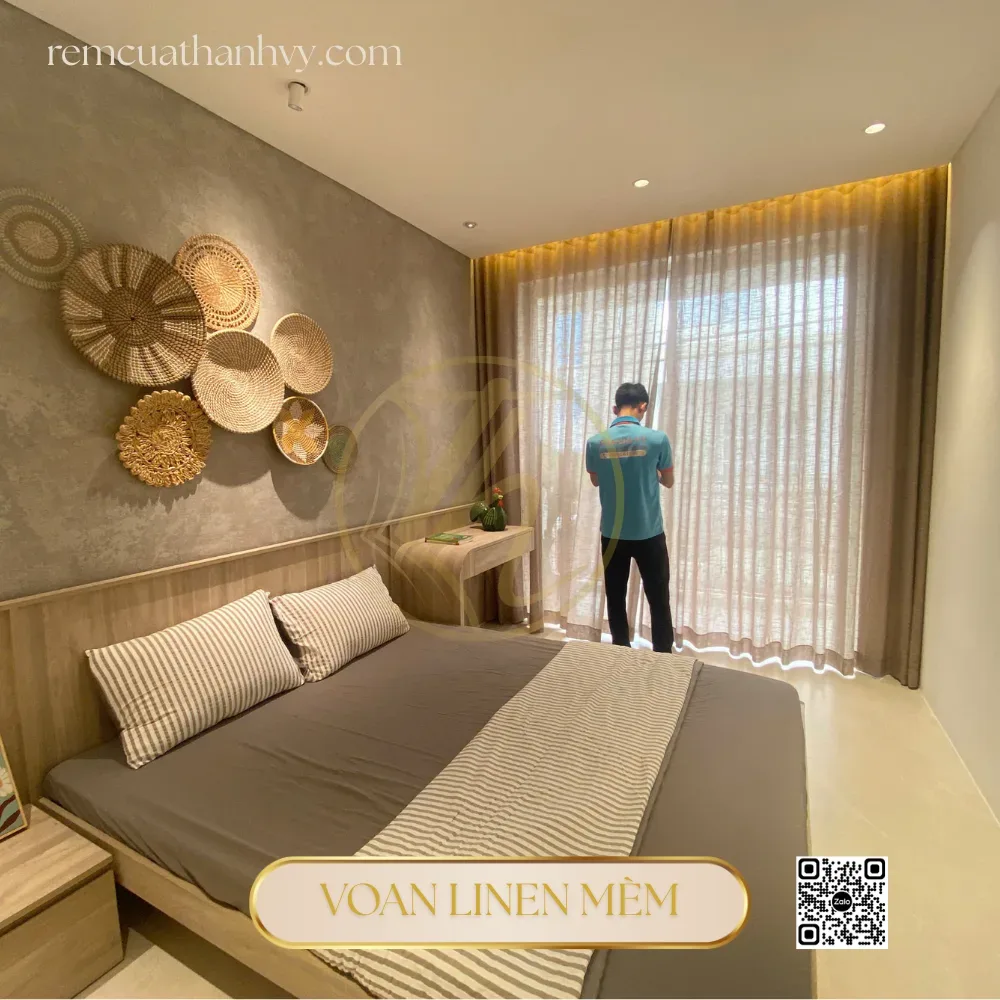
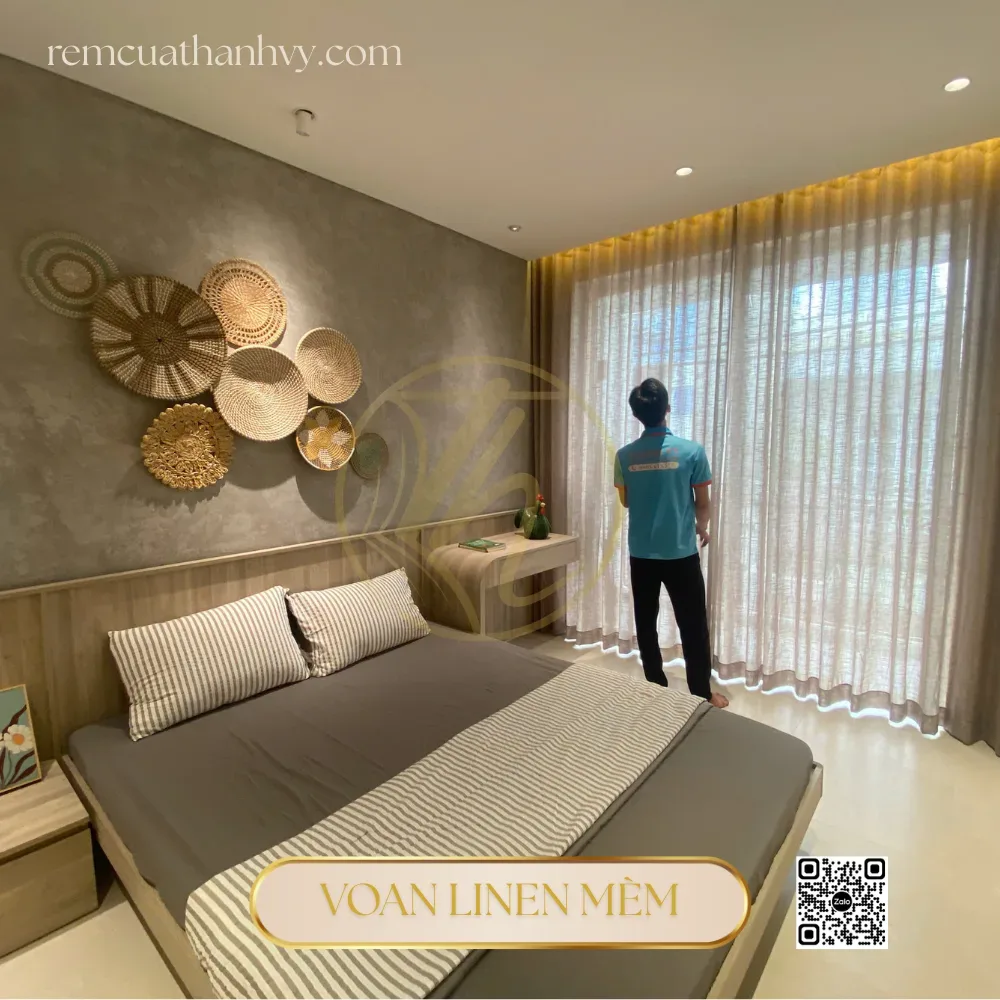
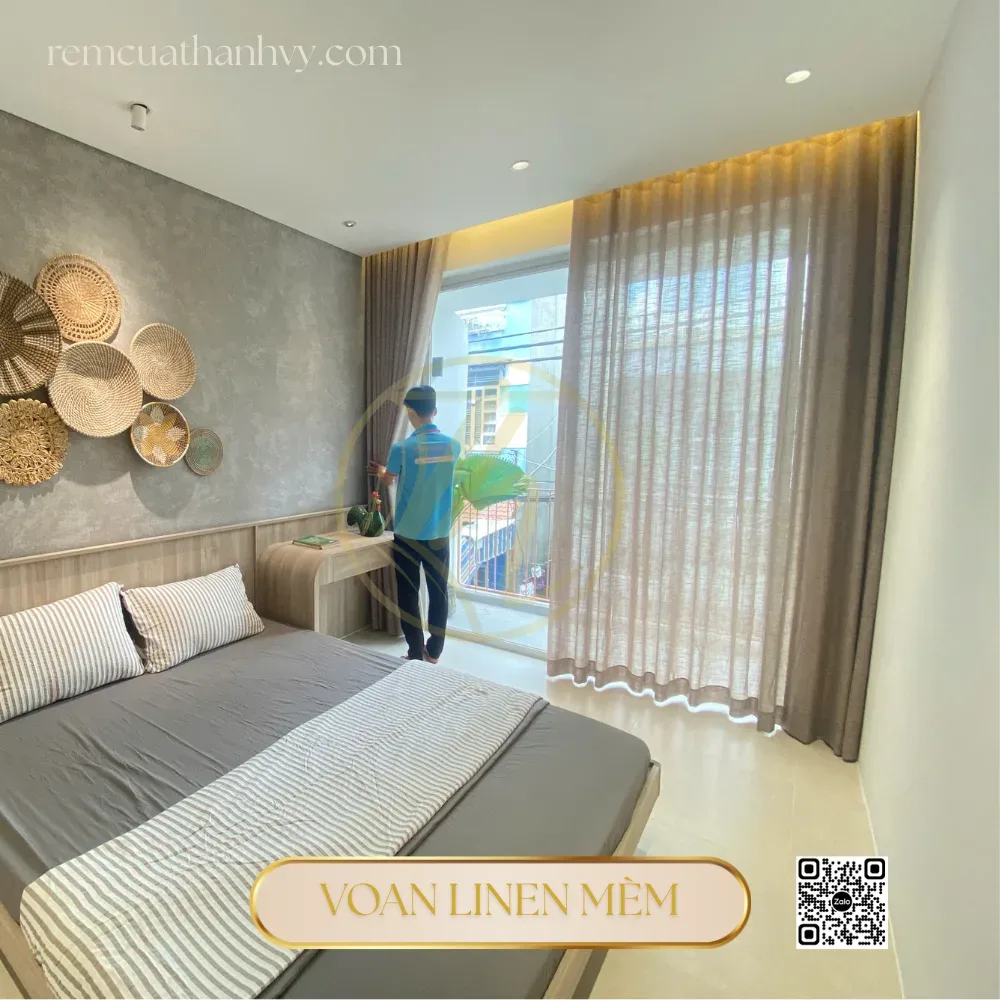
Determine the required light level and privacy
If the window receives a lot of direct sunlight, the first priority is to control glare and perceived heat during peak sun hours. If the window is in a common living area, the need is usually to keep enough daylight while avoiding the feeling of being exposed from the outside. For bedrooms, the more important questions are the required rest time, opening/closing habits, and the acceptable level of light penetration.
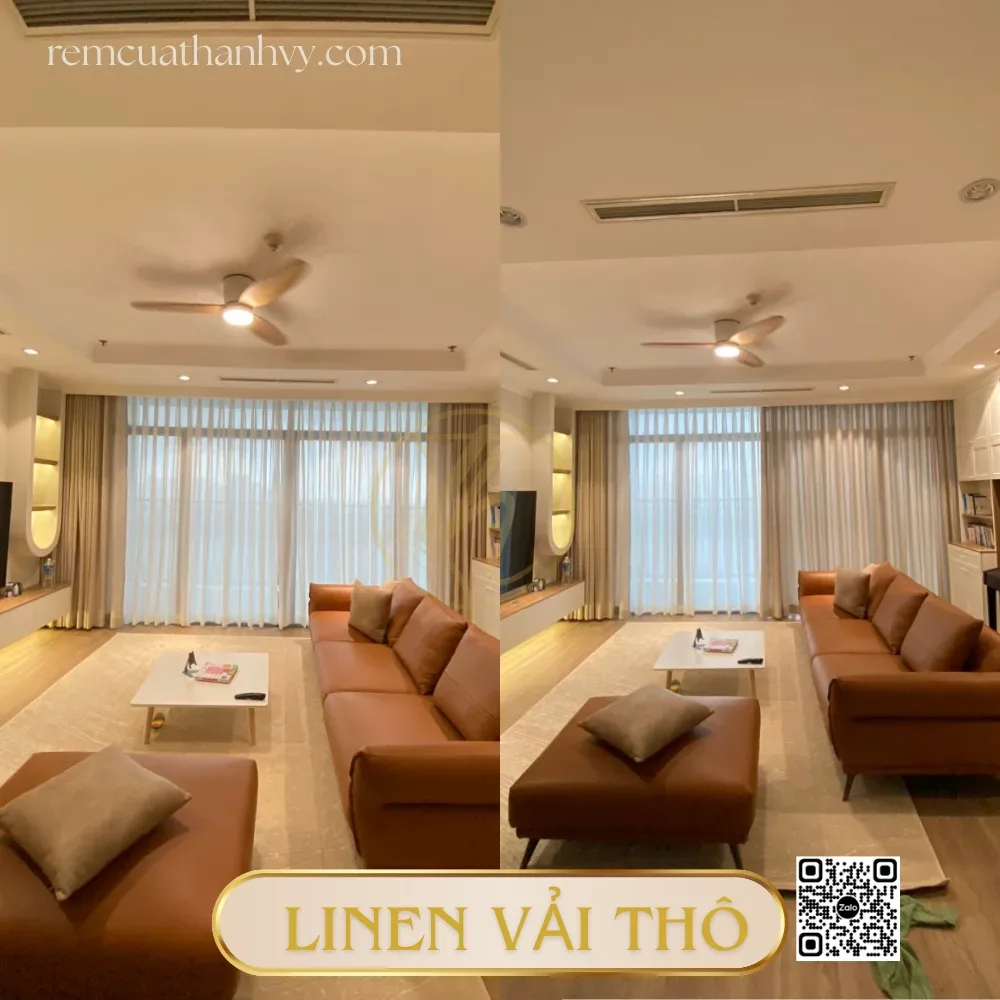
If you are considering further, you can refer to How Much Do Fabric Curtains Cost per m2? Latest Price List 2026 and Top Most Beautiful Fabric Curtain Models for Worship Rooms 2026 to compare before deciding.
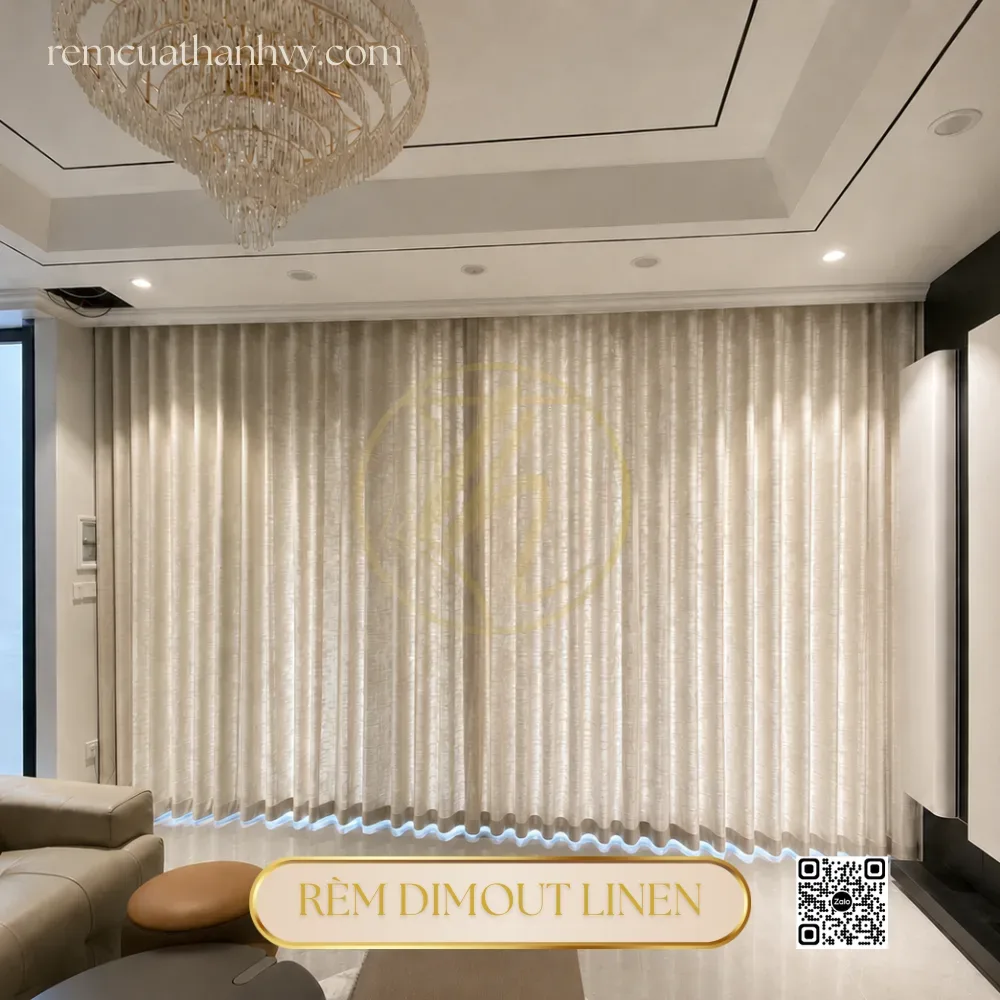
Quick selection tip: When comparing two options, ask clearly how they differ in terms of window coverage ratio, amount of fabric, gathering method, and ease of cleaning, rather than just asking about the price difference.
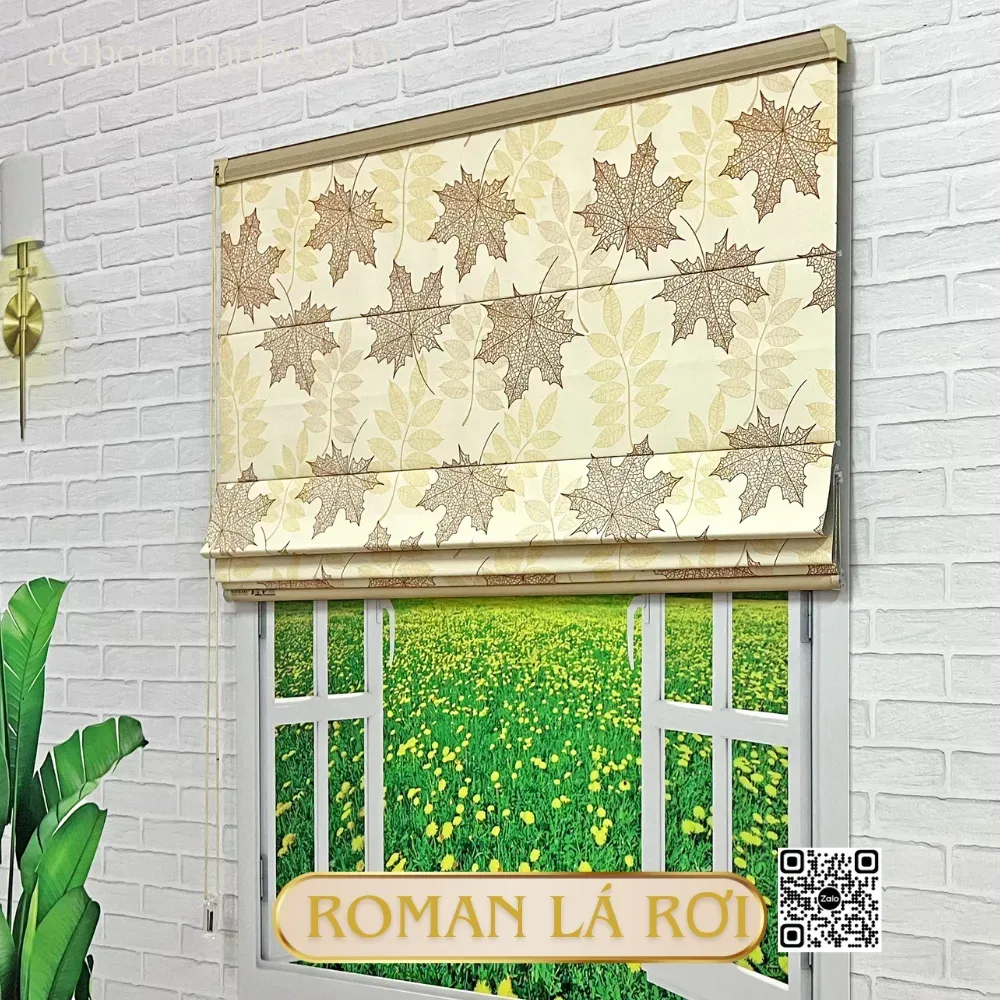
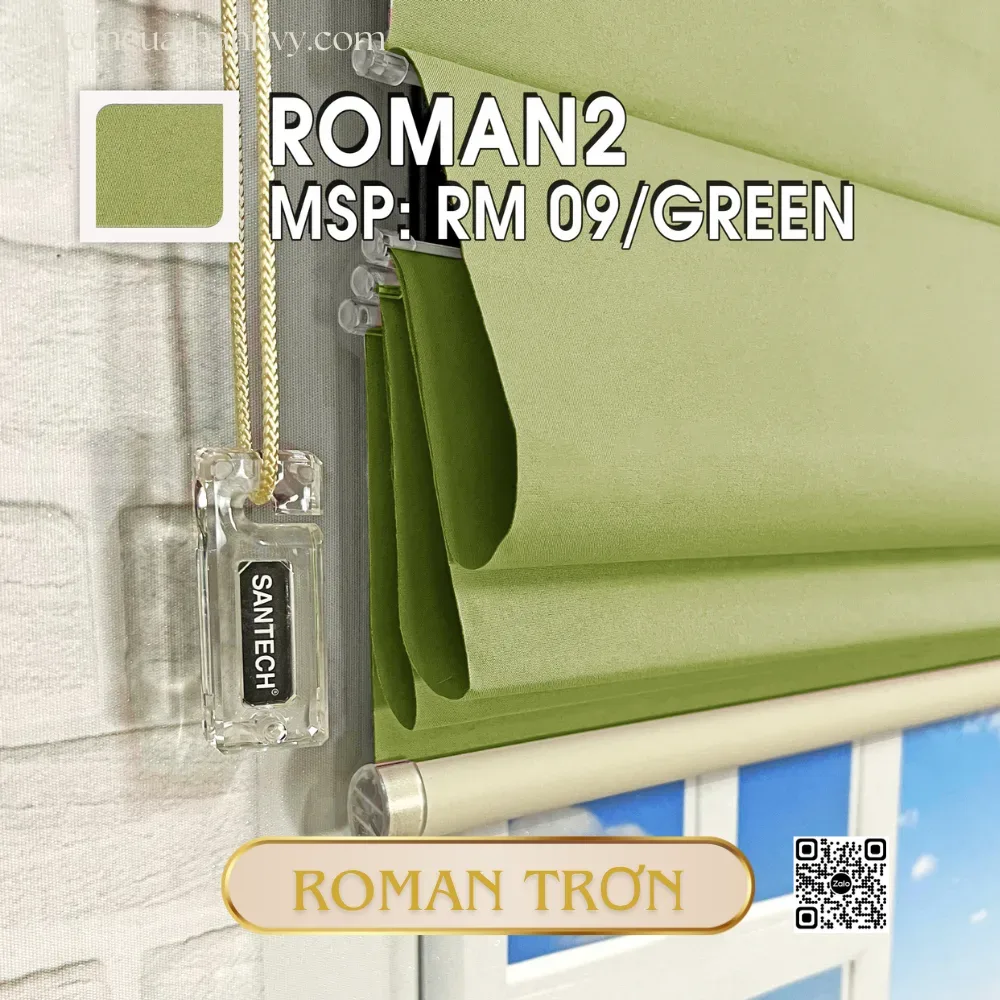
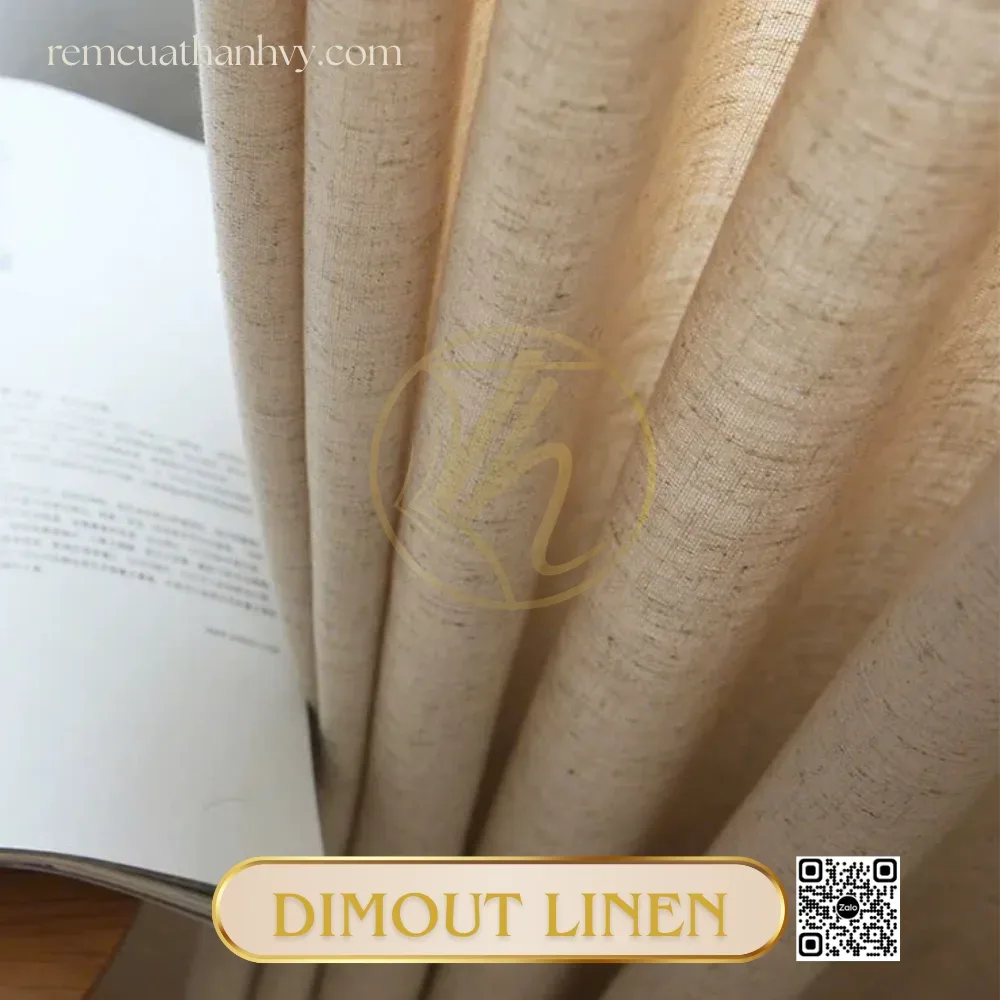
Even though they are all fabric curtains, the thickness, weave structure, and the addition of a sheer or lining layer will create very different experiences. Instead of asking generally “which type is best,” compare them based on specific goals: just softening the light, increasing privacy in the evening, or needing a flexible configuration for different times of the day. Asking questions this way makes choosing the fabric and sewing style much clearer than choosing by color name or trend. Interested readers can view polyester fibers in the textile industry before deciding.
Choose materials and colors based on actual conditions
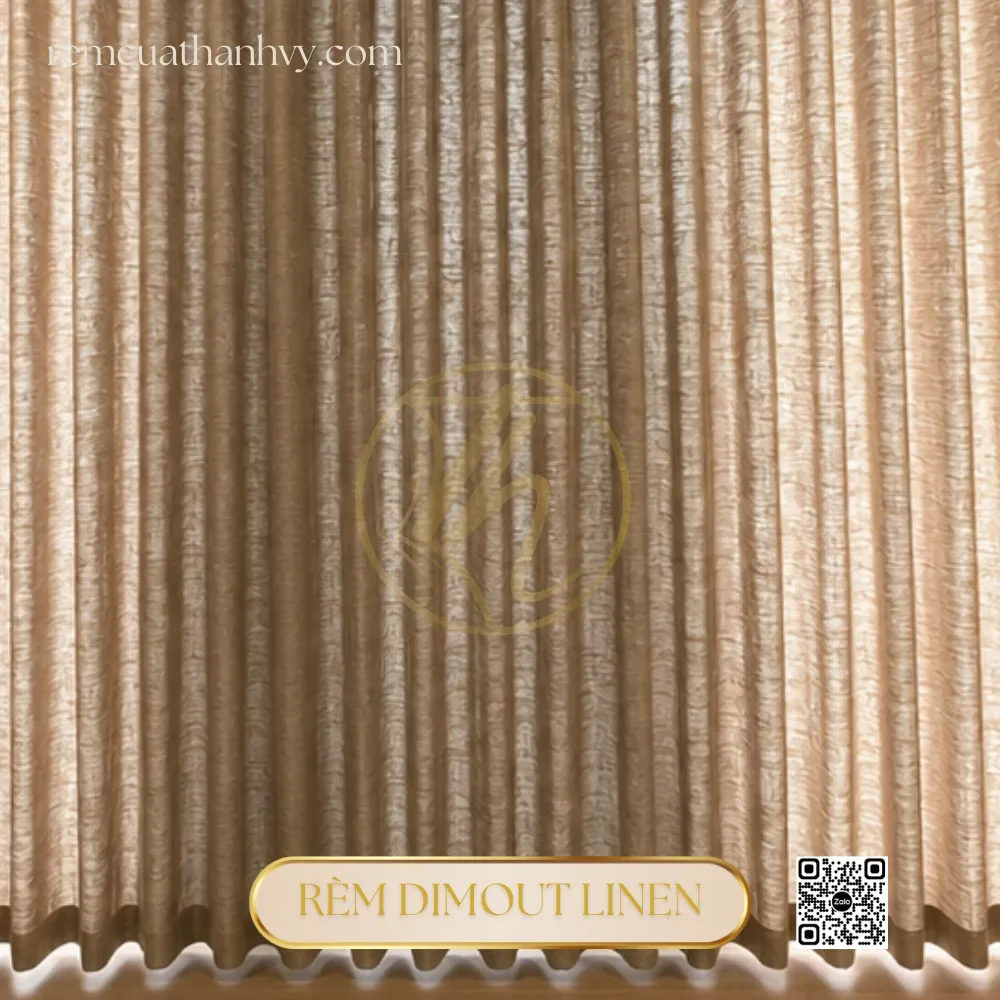
The right material is one that is compatible with the rhythm of life and the conditions of the room. Spaces that are dusty, near the kitchen, or have young children require consideration of cleaning and the stability of the fabric folds. Living rooms with plenty of natural light are usually suitable for surfaces that make the space feel lighter, while bedrooms may need fabrics that create a more private feeling.
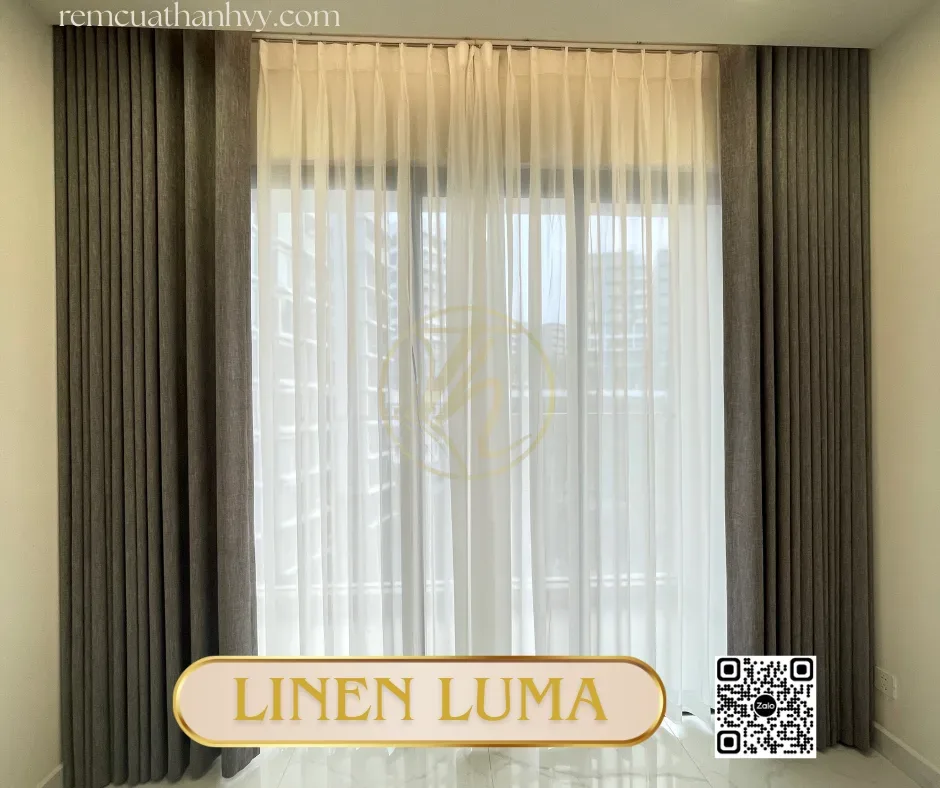
Colors should also be finalized based on the existing walls, floors, and furniture. Neutral tones are usually easy to coordinate in the long run, but that does not mean you always have to choose light colors. If the room is already bright, a moderately bold shade can still work if the overall look remains balanced. The important thing is to view the sample under the actual lighting of the room, because the same color can feel significantly different when placed in a different lighting environment.
Sewing style, window ratio, and hanging method determine the sense of completion
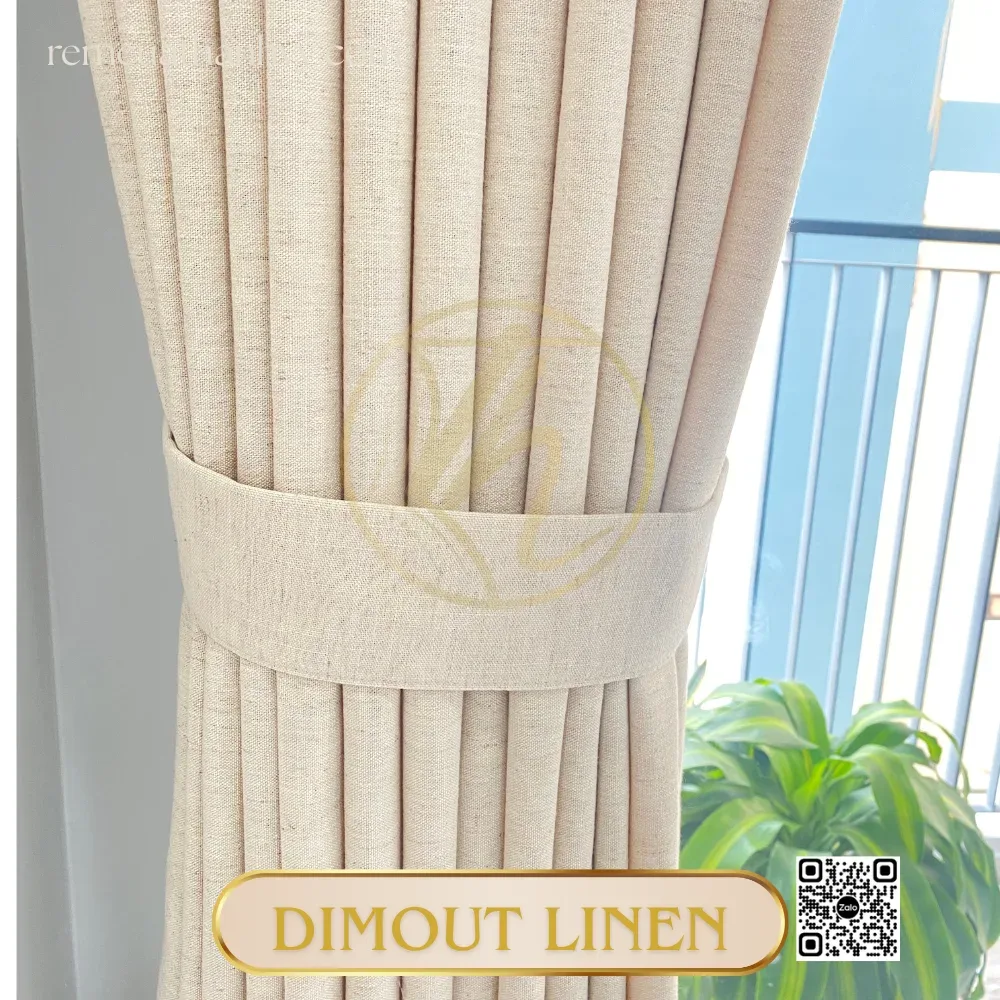
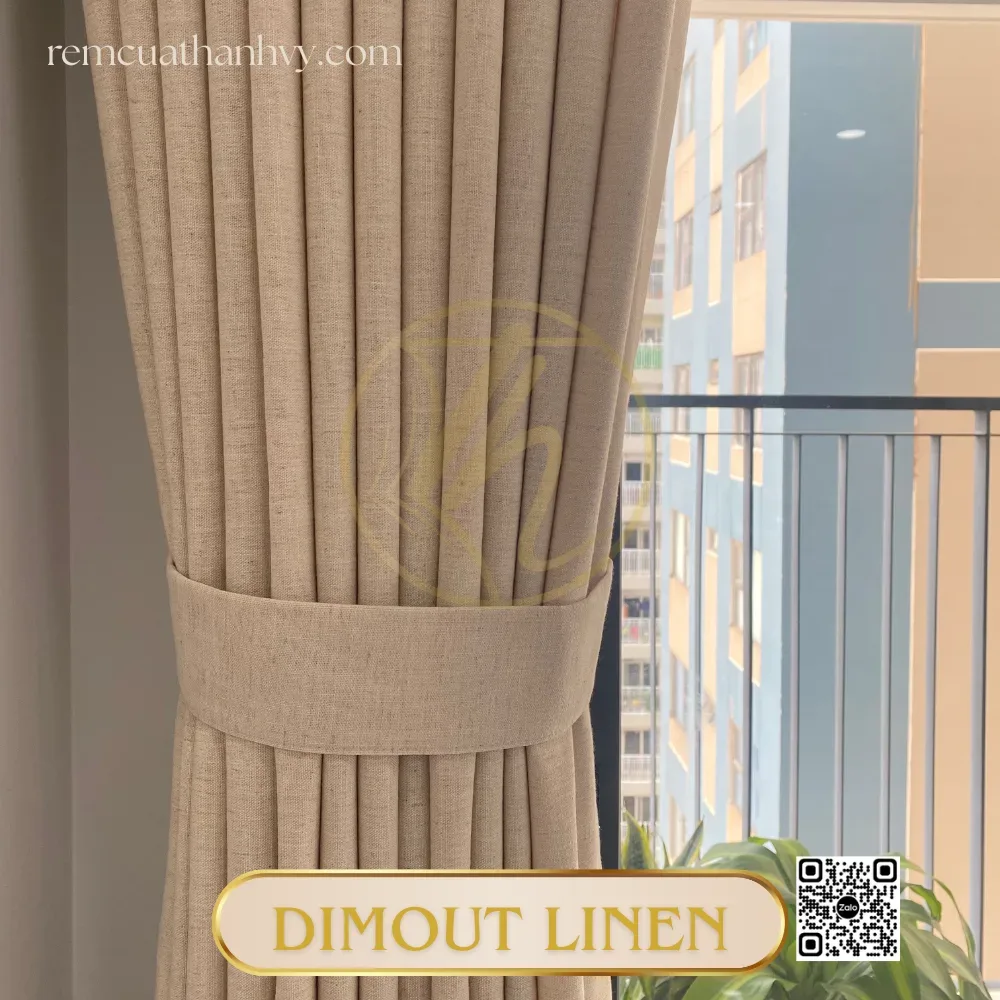
The sewing style directly affects the drape, the amount of fabric, and whether the curtains feel neat or soft. Wide windows, high ceilings, and comfortable gathering space can accommodate styles that create clear folds, while small windows or those near furniture usually need a more compact configuration. Do not finalize the sewing style before knowing where the curtains will be when opened and whether they will touch equipment, handles, or cabinets.
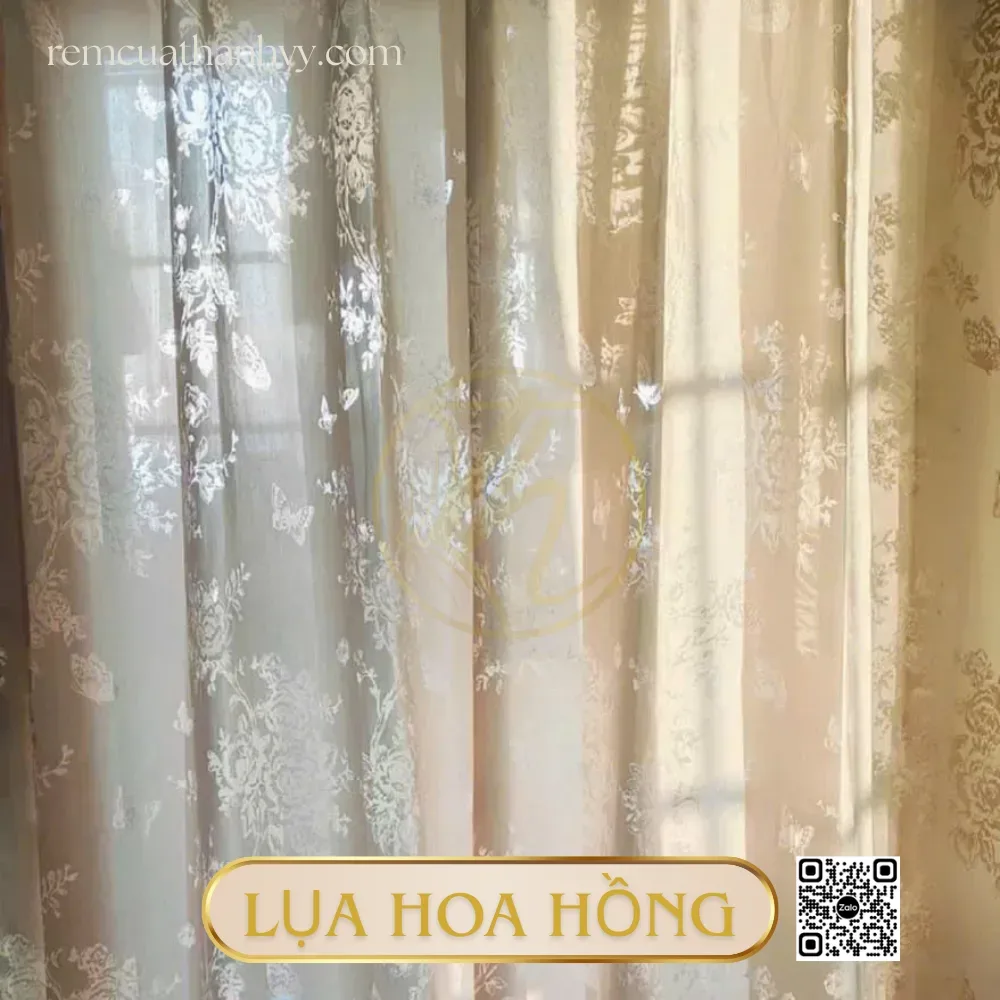
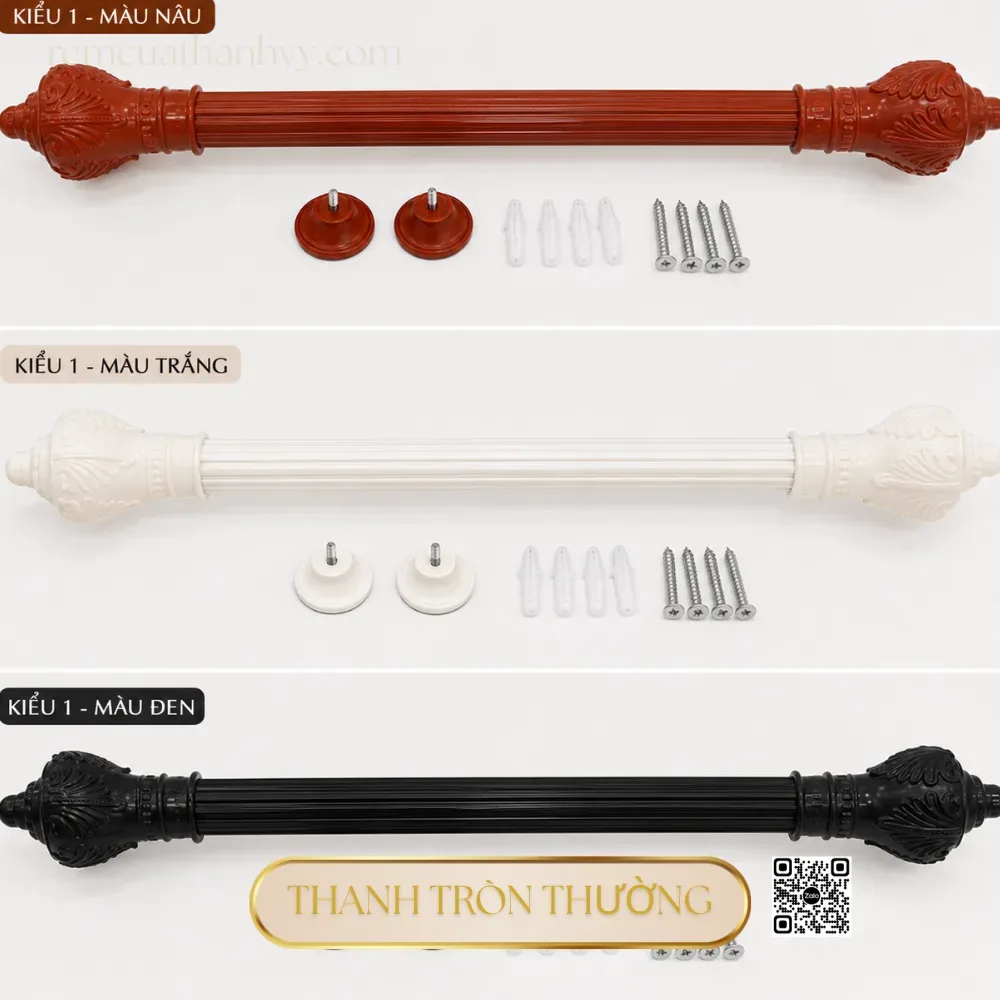
The hanging method is equally important. Tracks help the curtains look neat and show fewer mechanical details in many situations, while rods can act as decoration if they fit the overall style. When comparing two options, ask clearly how they differ in terms of window coverage ratio, amount of fabric, gathering method, and ease of cleaning, rather than just asking about the price difference.
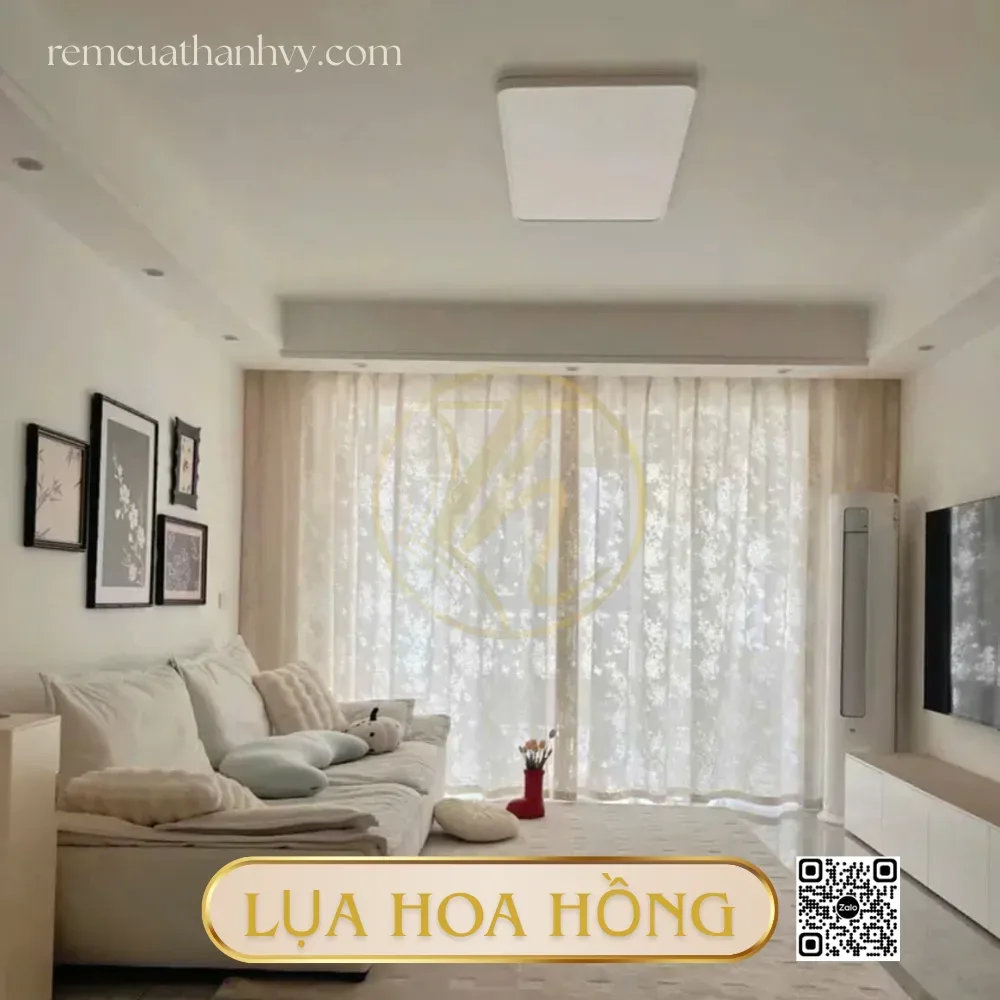
Preliminary measurement process and checklist before finalizing
Initial measurements should only be used for preliminary consultation. When recording information, include the width to be covered, the intended hanging height, the space on both sides, the position of air conditioners or cabinets, and an overall photo of the window. These data points are much more useful than just sending the glass dimensions.
Before finalizing the plan, double-check five points: light-blocking goal, privacy level, the fabric material being considered, the desired sewing style, and how the curtains gather when opened. If you are still hesitant between two configurations, ask for them to be described in parallel using the same set of criteria to compare them within the correct scope.
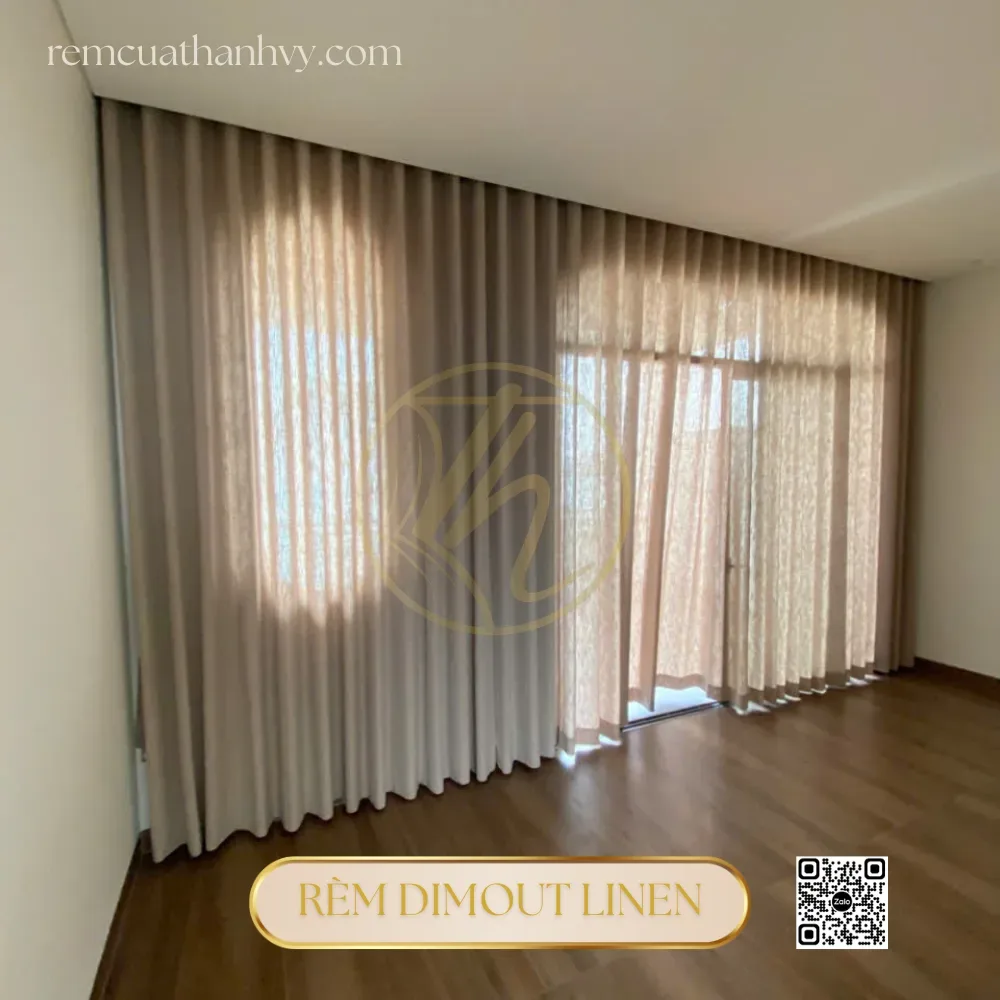
Fabric curtains in District 10 will be easier to choose when readers clearly define their needs and check the windows based on the actual situation, rather than deciding based on intuition. A configuration that is both suitable for the usage method and fits the window proportions usually yields more durable results in terms of both aesthetics and user experience.
Survey the current state of the window before comparing samples
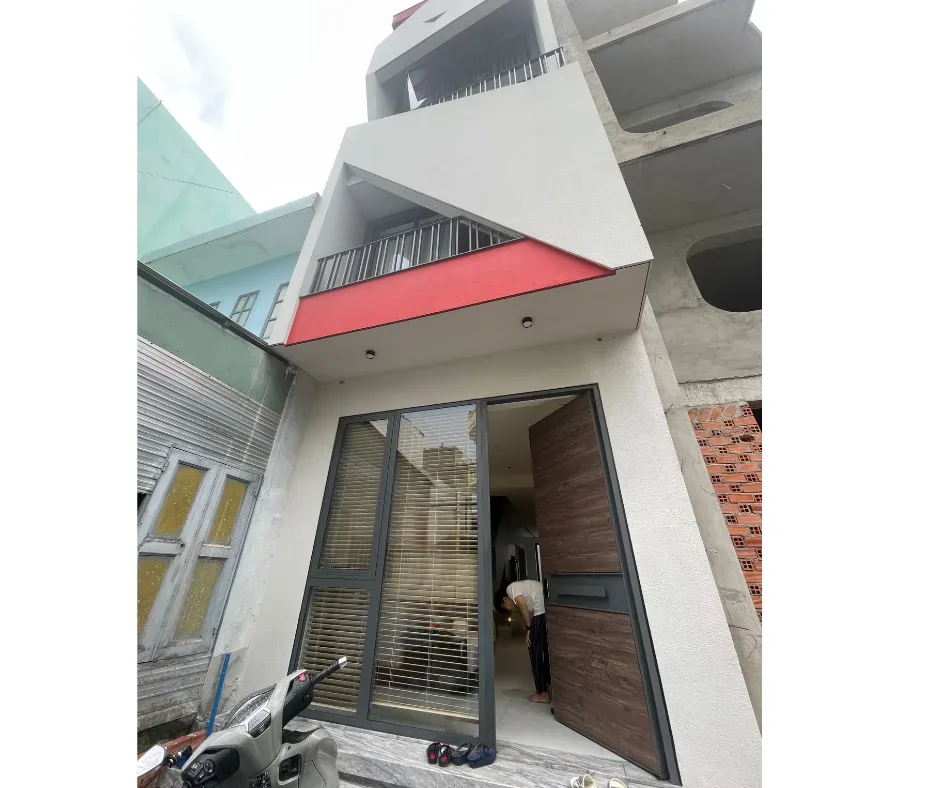
For those looking for fabric curtains in District 10, the step of surveying the current state of the window often determines more than the first fabric sample viewed. A window receiving slanted afternoon sun will feel very different from a window that only gets indirect light, and the same material hung in those two contexts can produce completely different results. Therefore, before talking about color schemes or pleat styles, record the light direction, window recess depth, position of air conditioners, cabinets, desks, and where the curtains will gather after opening. These details help eliminate early on configurations that look good in photos but end up hitting handles, touching furniture, or making the window look heavy in the actual home.
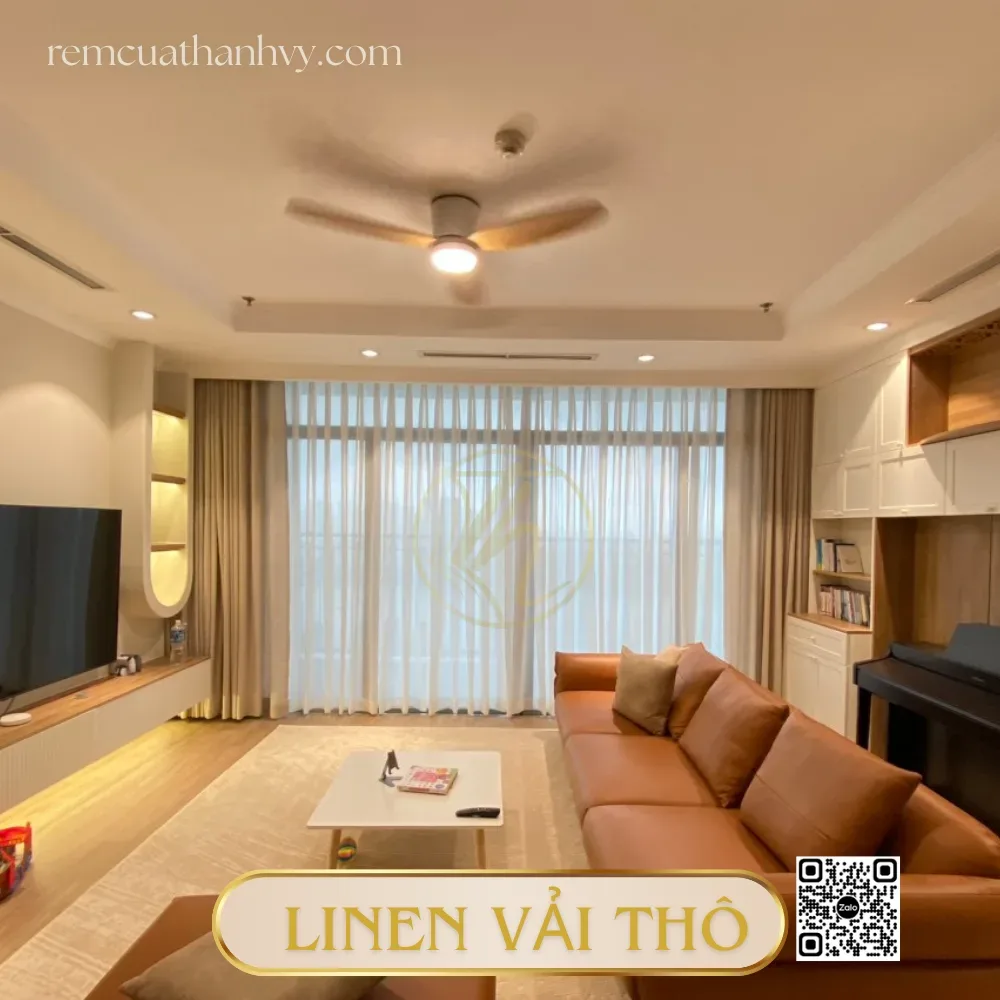
A useful habit is to take photos of the window at at least two times of the day, for example, when the light is strong and when the lights in the room are on. When viewing samples in that context, readers will find it easier to evaluate whether they need to soften the light, increase privacy, or prioritize neatness. This survey method also makes the consultation more specific, because instead of asking generally “are there any beautiful models,” readers have data to compare each option against the same actual baseline.
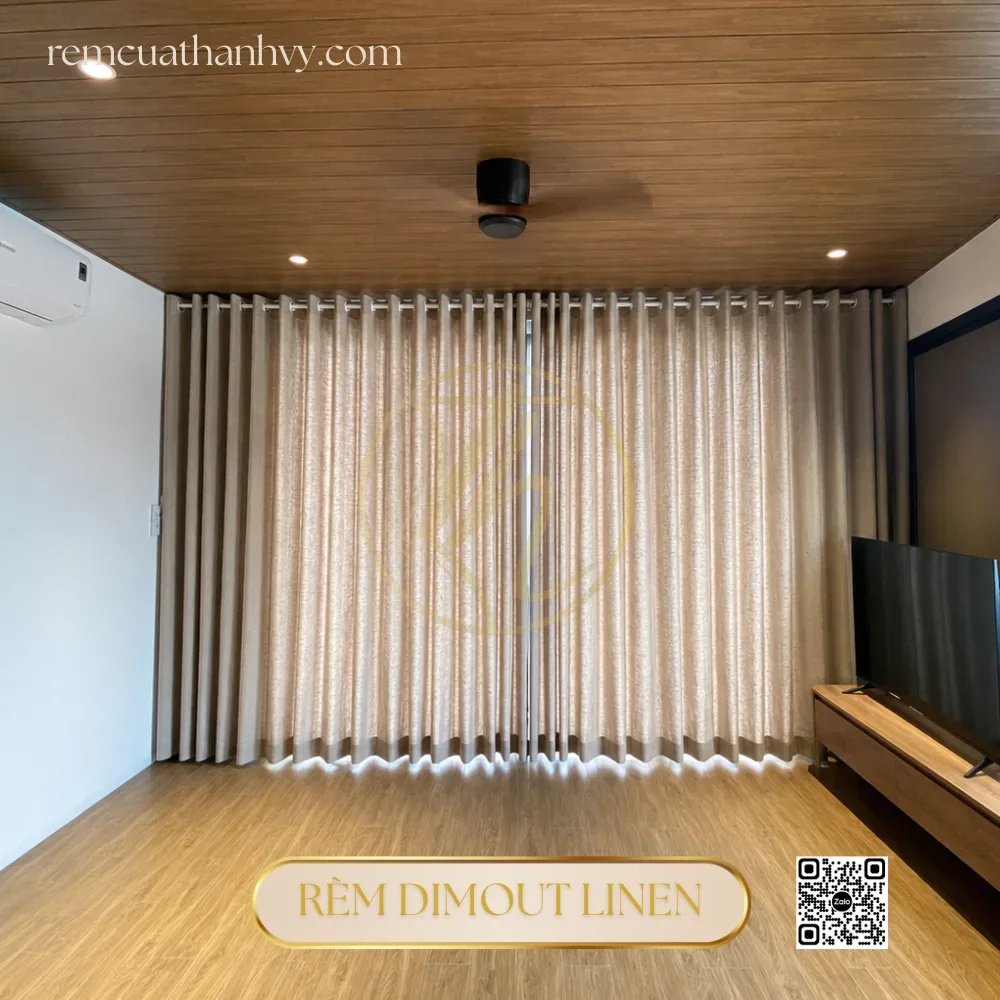
Compare two configurations based on daily rhythm instead of just price
A common mistake when choosing fabric curtains is placing two configurations side by side but only looking at the price difference, while the thing that creates the real difference lies in daily use. If the room is usually opened during the day and only needs enough privacy when night falls, a configuration that favors airiness may be more suitable than a heavy, thick option. Conversely, if the room is used for resting or needs constant glare softening, readers should prioritize the organization of the fabric layers, window coverage, and light control capability rather than the initial visual lightness.
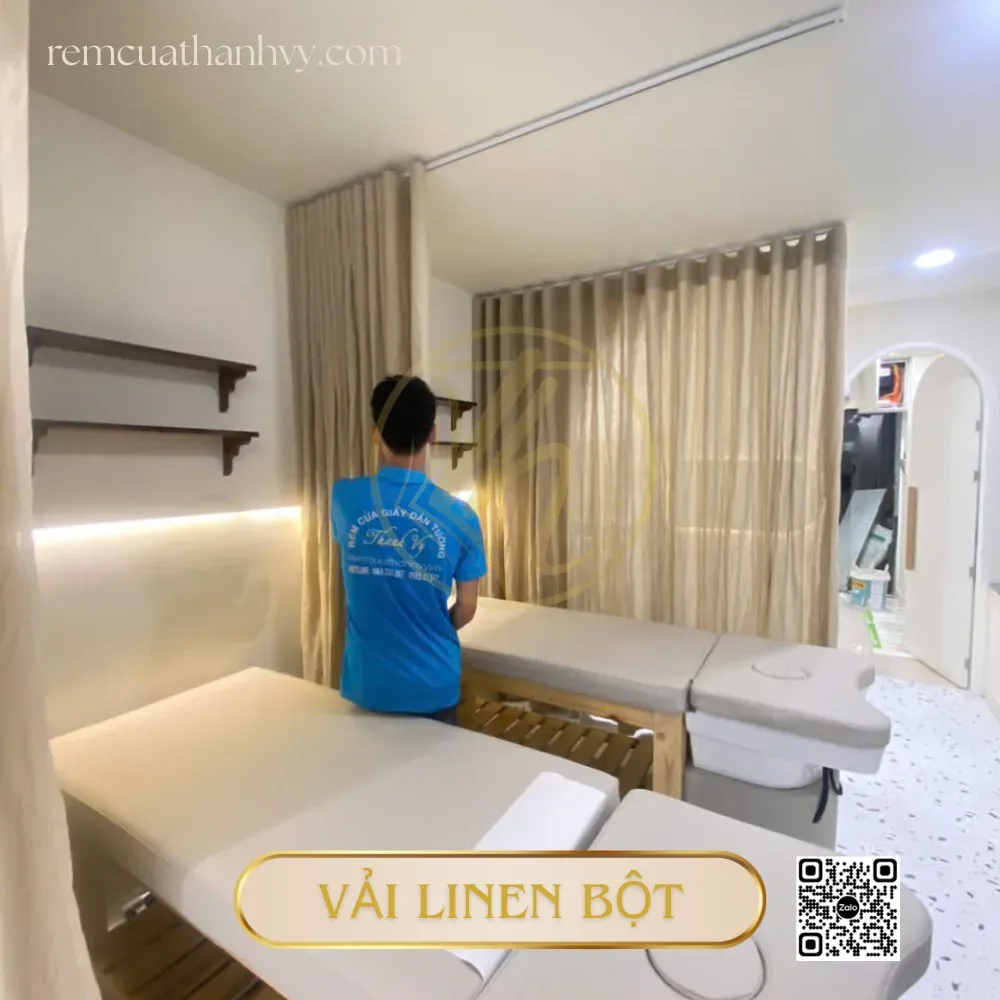
When comparing two options, ask for them to be described using the same set of criteria: how the light changes when pulled closed, how much space the gathered fabric takes up when opened, whether the material is prone to wrinkling or dust, and how often deep cleaning is needed. Only when two options are described using the same reference system will readers know which configuration fits their lifestyle better. This is also a way to reduce the risk of choosing a set of curtains that looks fine on the first day but quickly reveals inconvenience after a few weeks of use.
Send your dimensions and needs, and the Thanh Vy Curtains team will advise on options and quote for your actual space.
Points to finalize before ordering
Before finalizing fabric curtains in District 10, close the decision with a short but practical checklist: what is the main goal of the curtains, how will the chosen fabric sample look under real light, how much gathering space does that sewing style need when opened, and is the periodic cleaning suitable for the family’s schedule? If you are still hesitant, don’t just ask “which model is a best-seller,” but ask the consultant to explain why option A is more suitable than option B in the context of your own window. A decision finalized with real usage logic is much more durable than a decision based entirely on trends or intuition. Products from the unit were once mentioned in the high-end curtain section of Thanh Vy on Bao Ha Tinh.
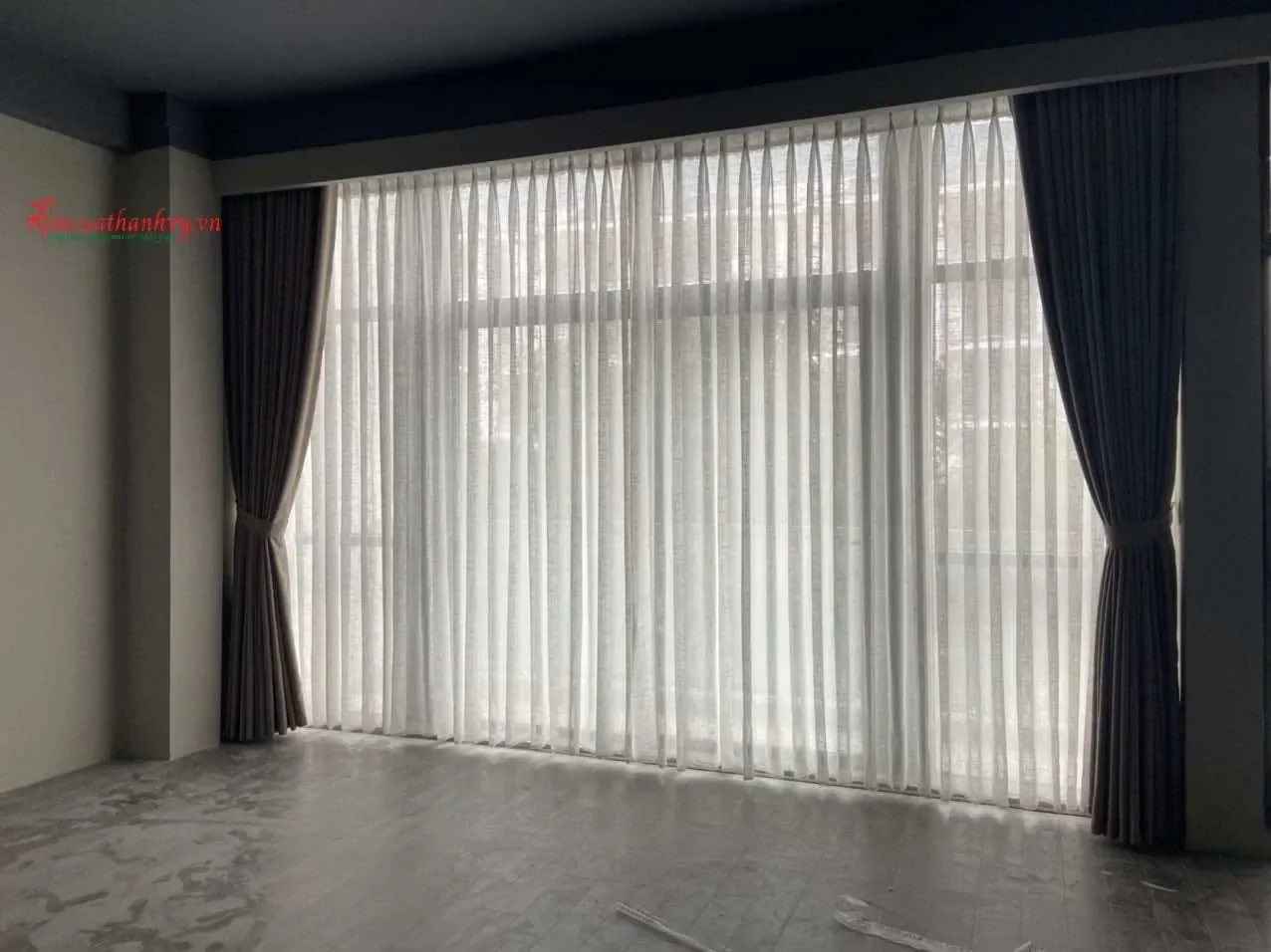
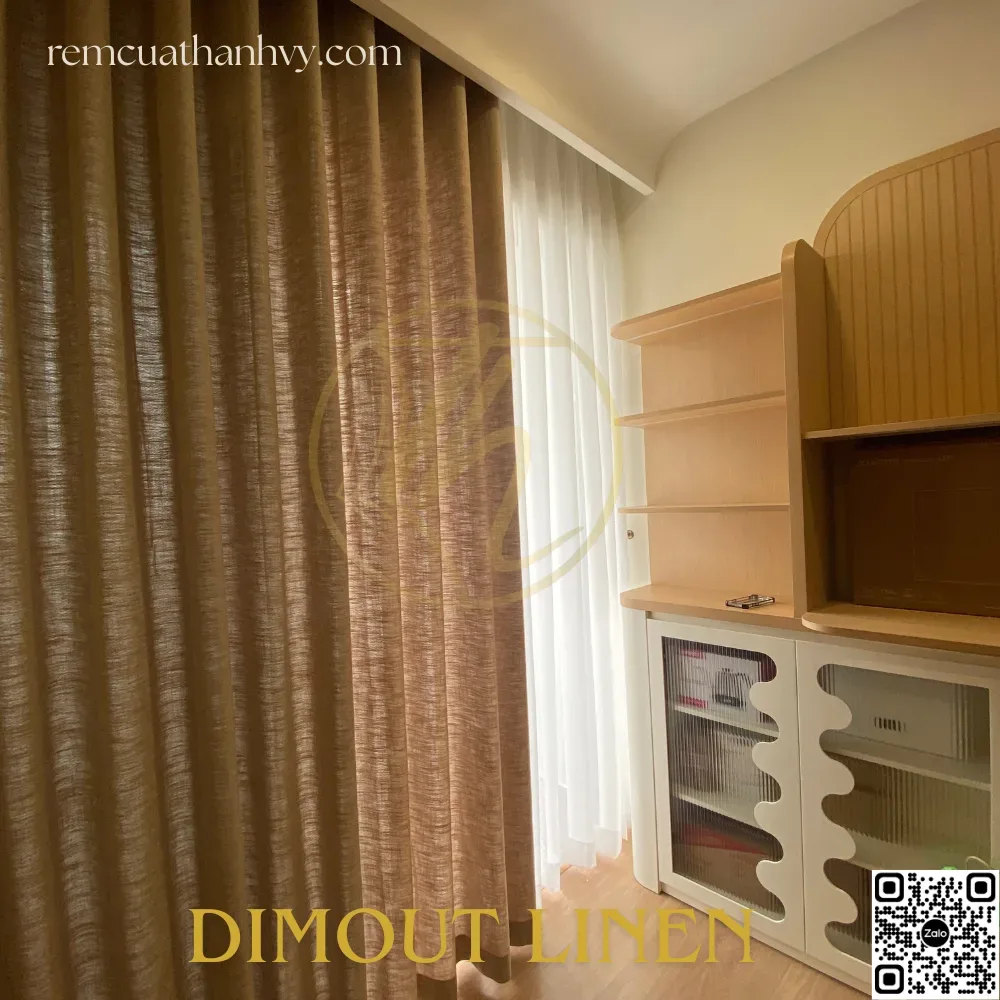
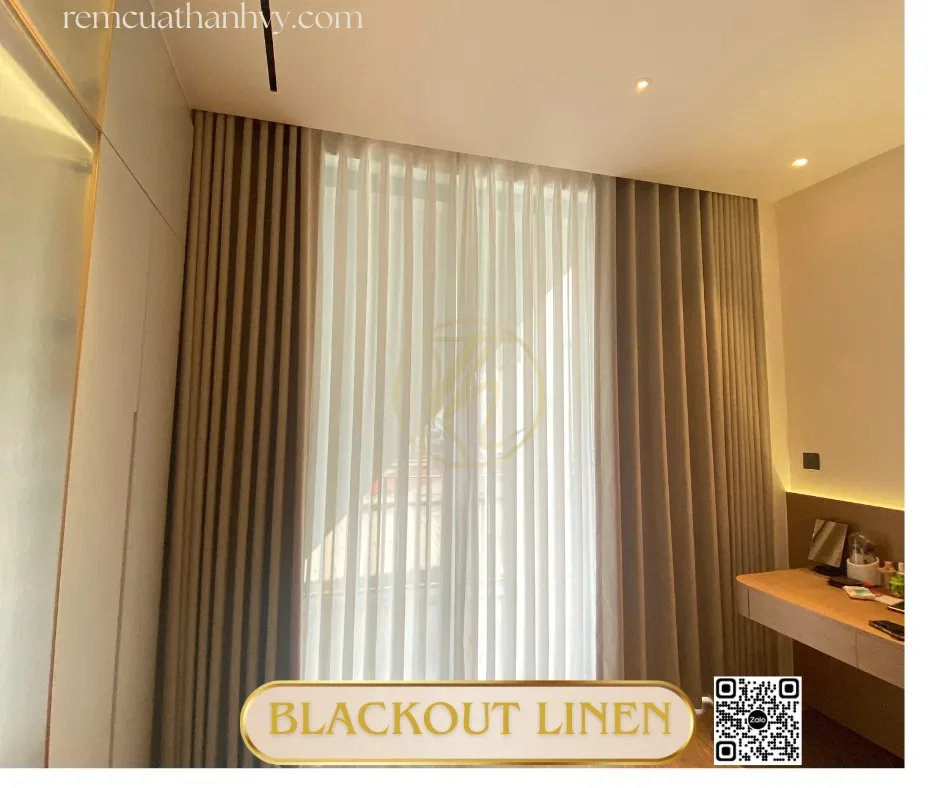
Curtain models that should be installed in District 1
Below are the actual product groups currently available at Rem Cua Thanh Vy, categorized by popular usage needs in the District 1 area.
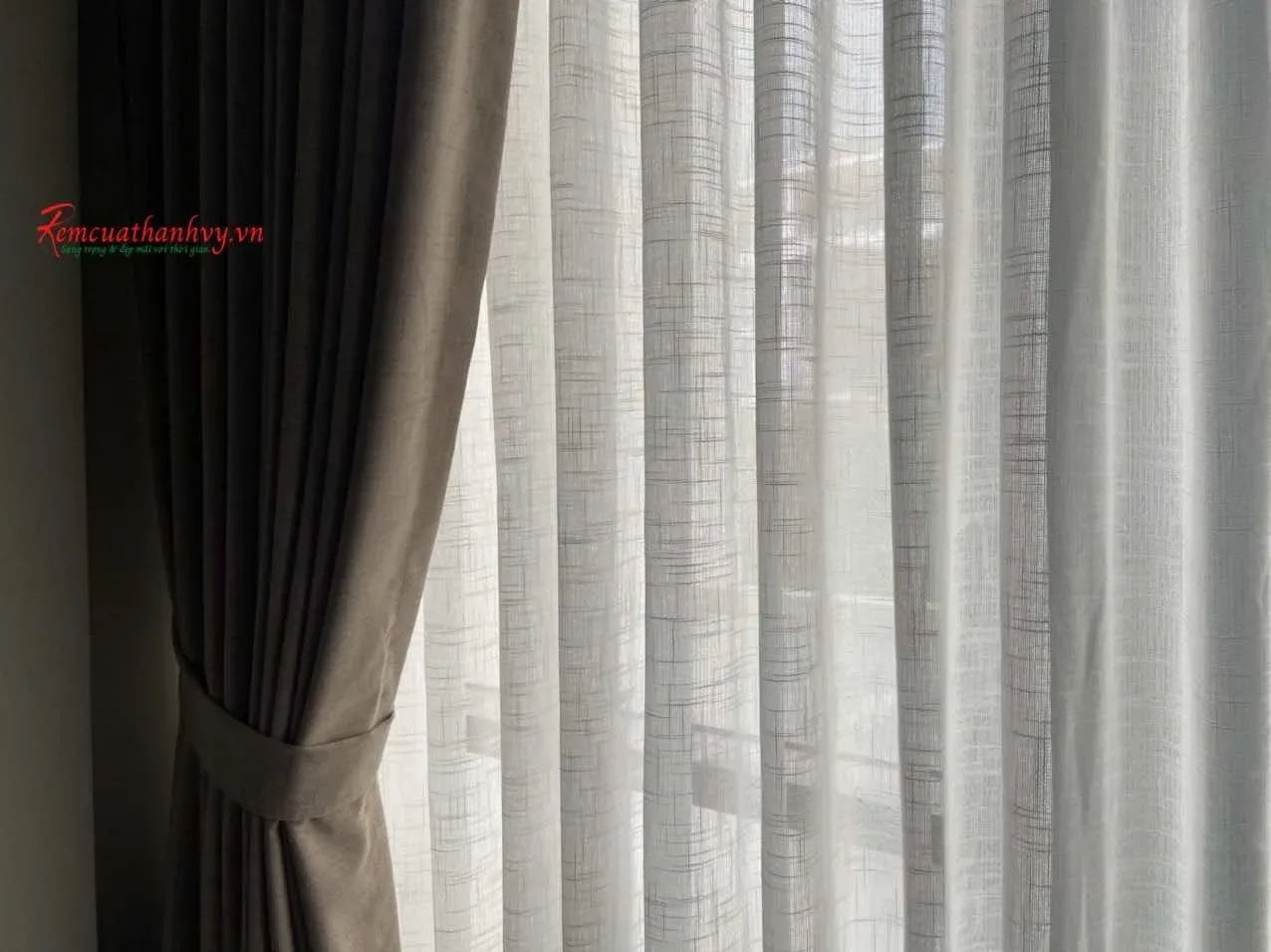
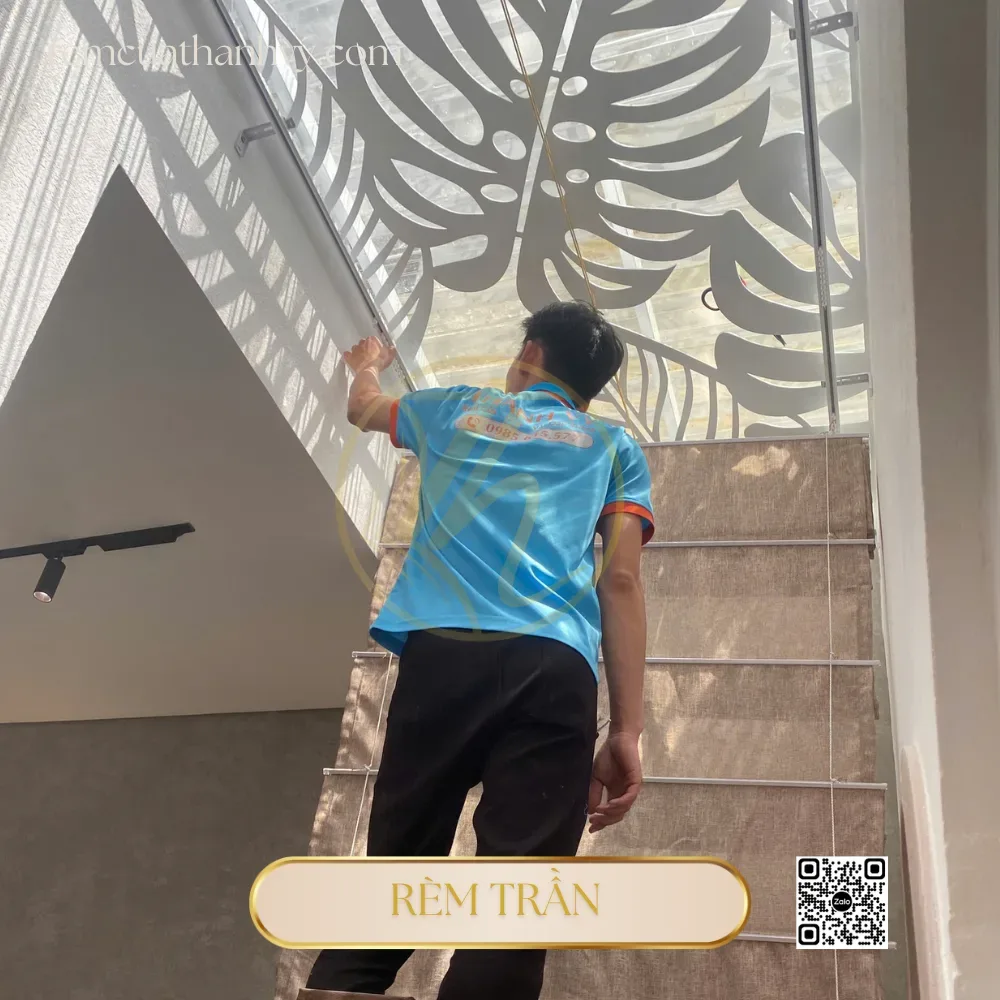
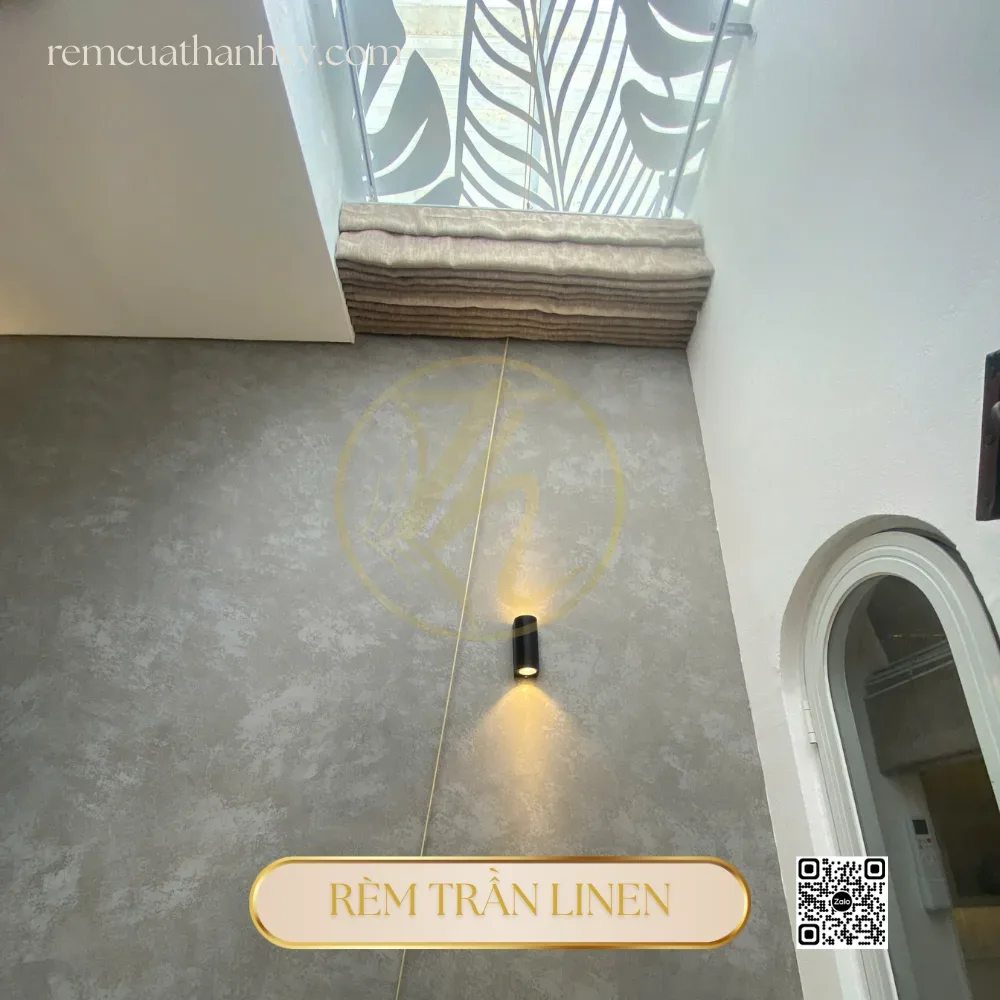
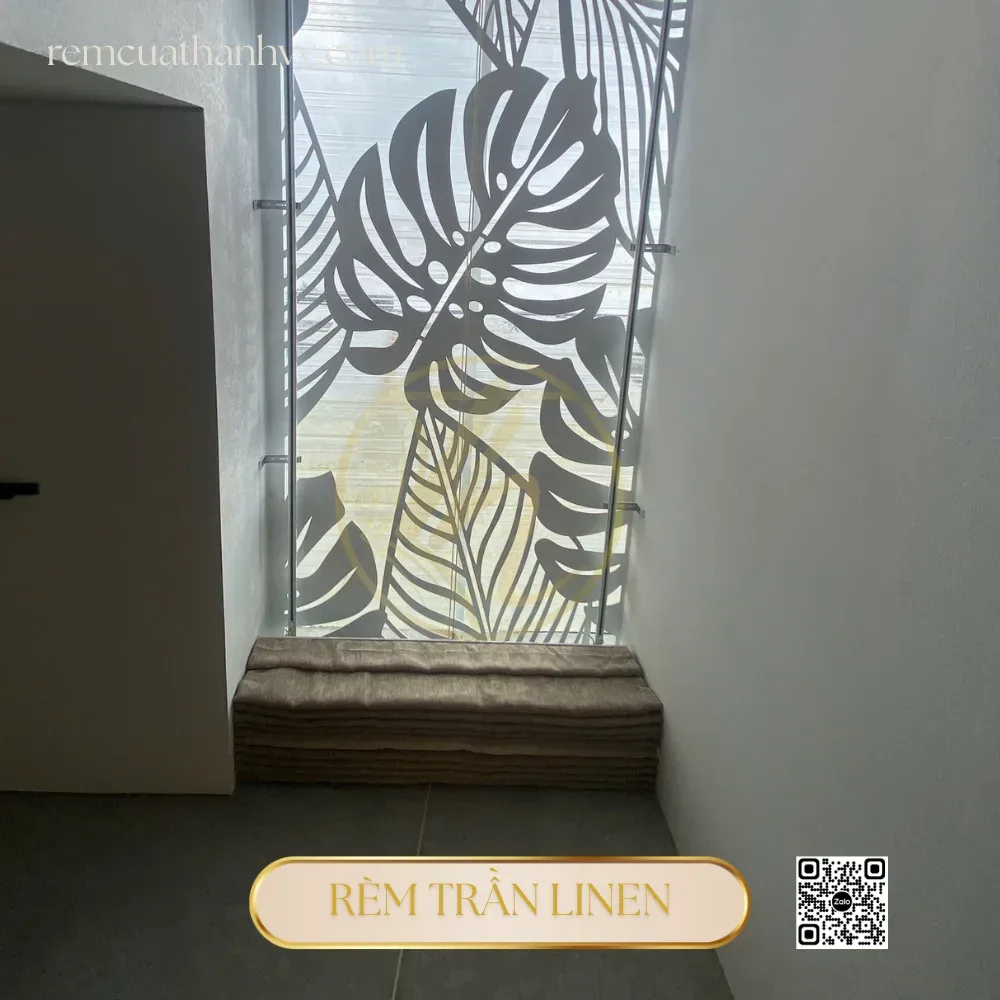
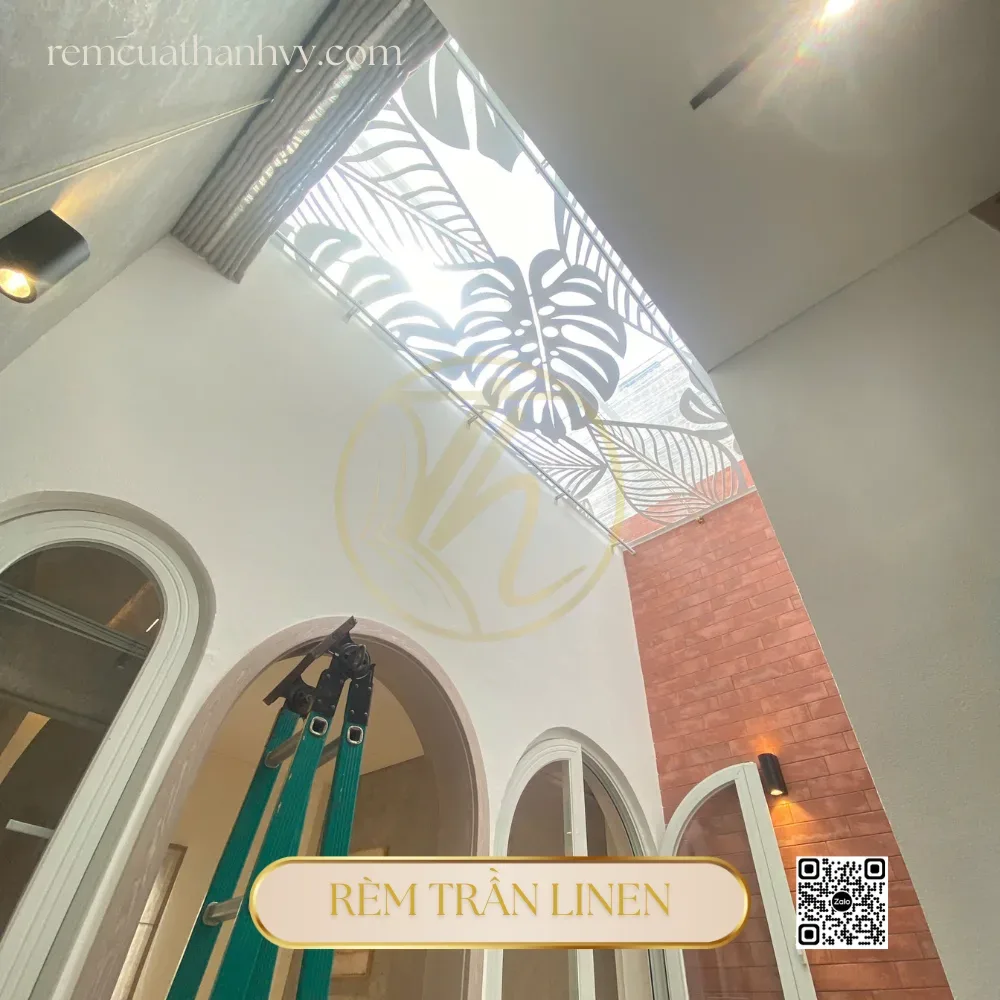
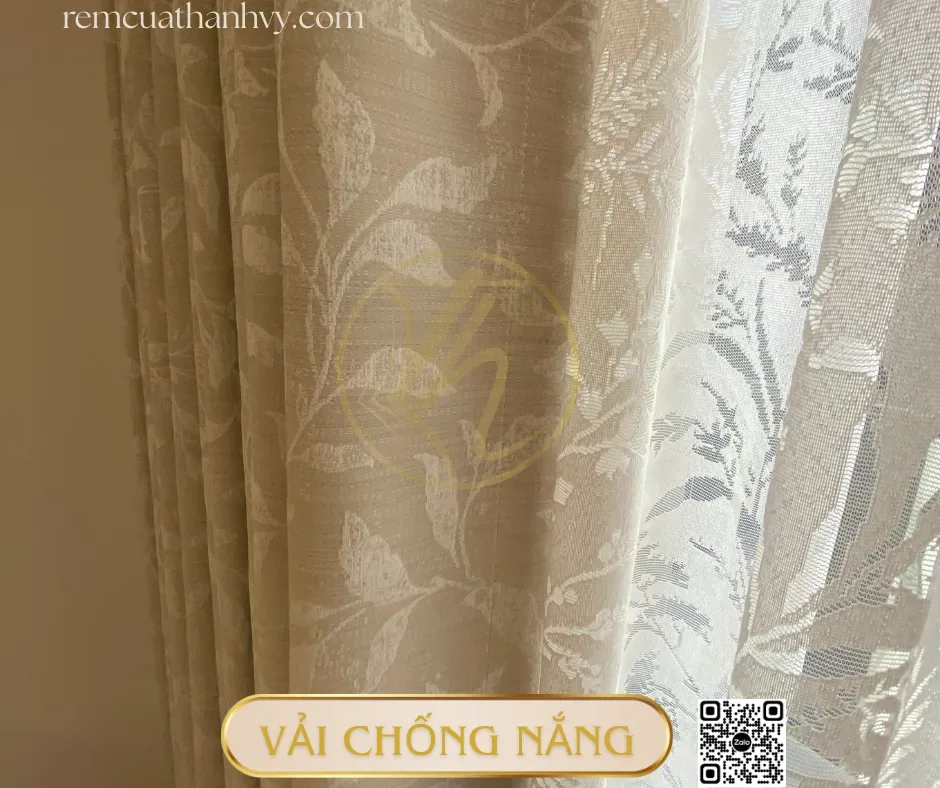
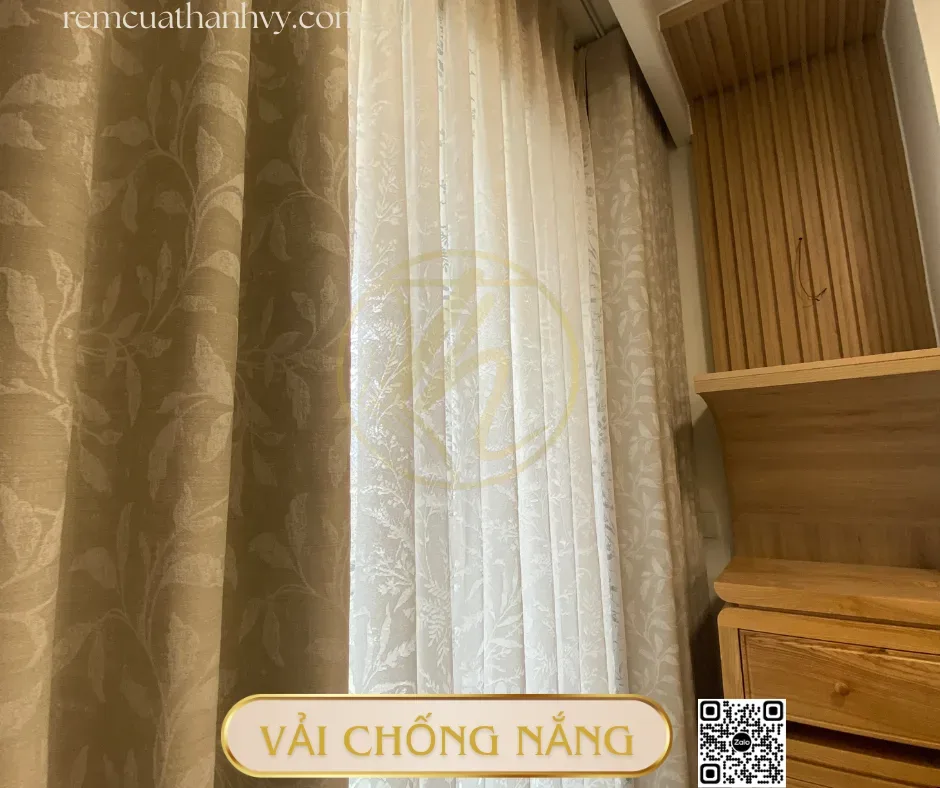
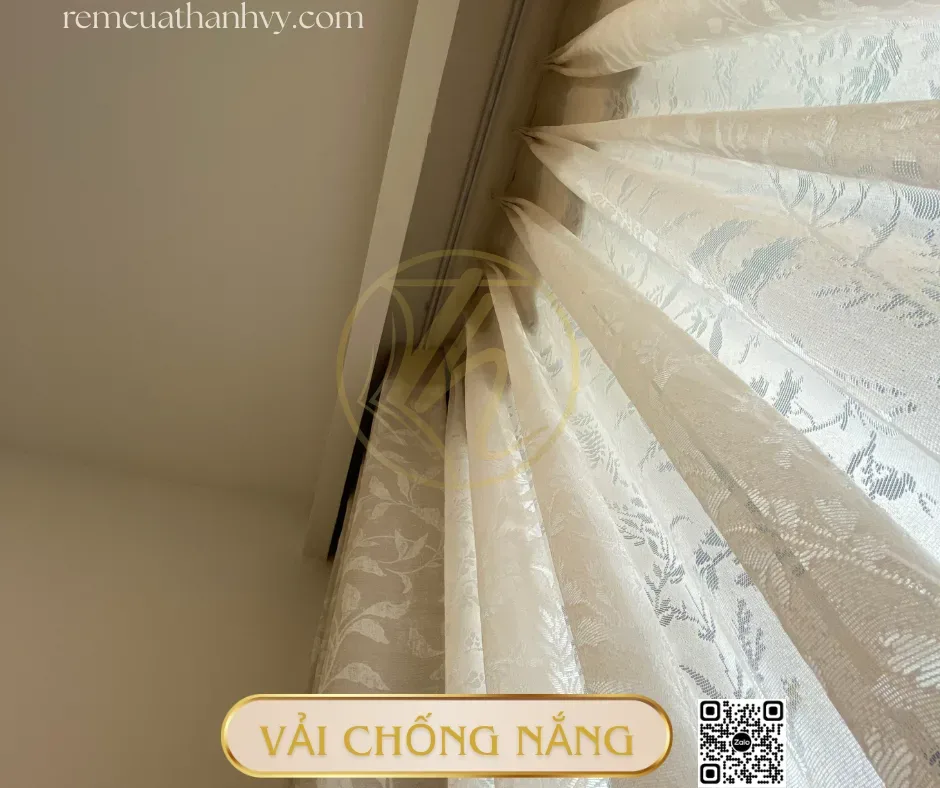
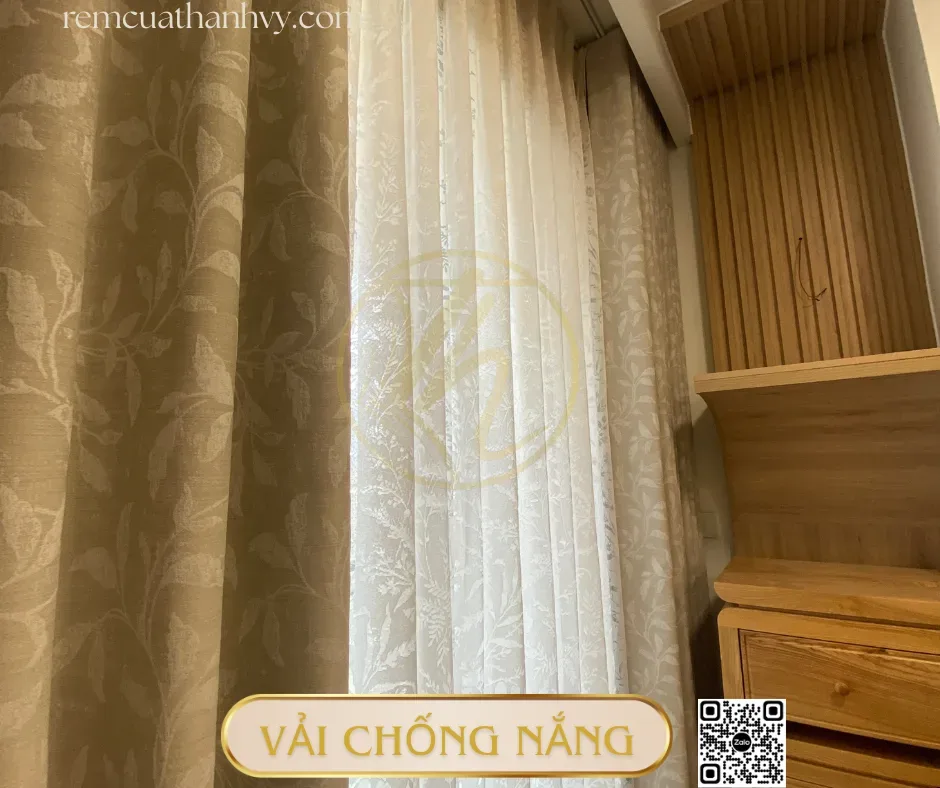
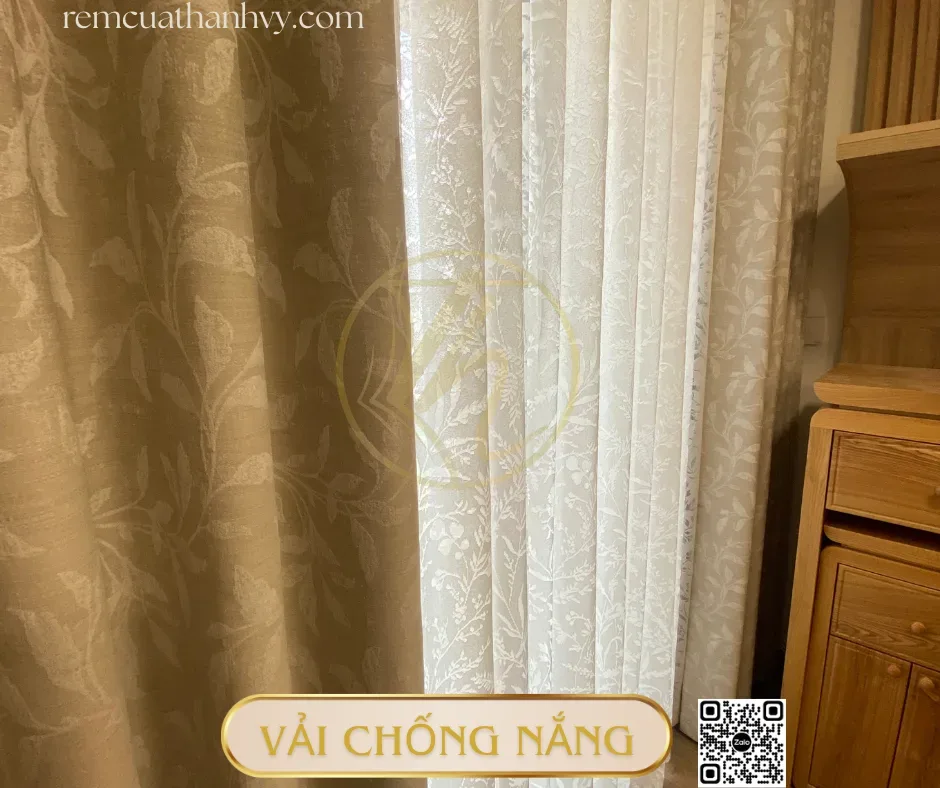
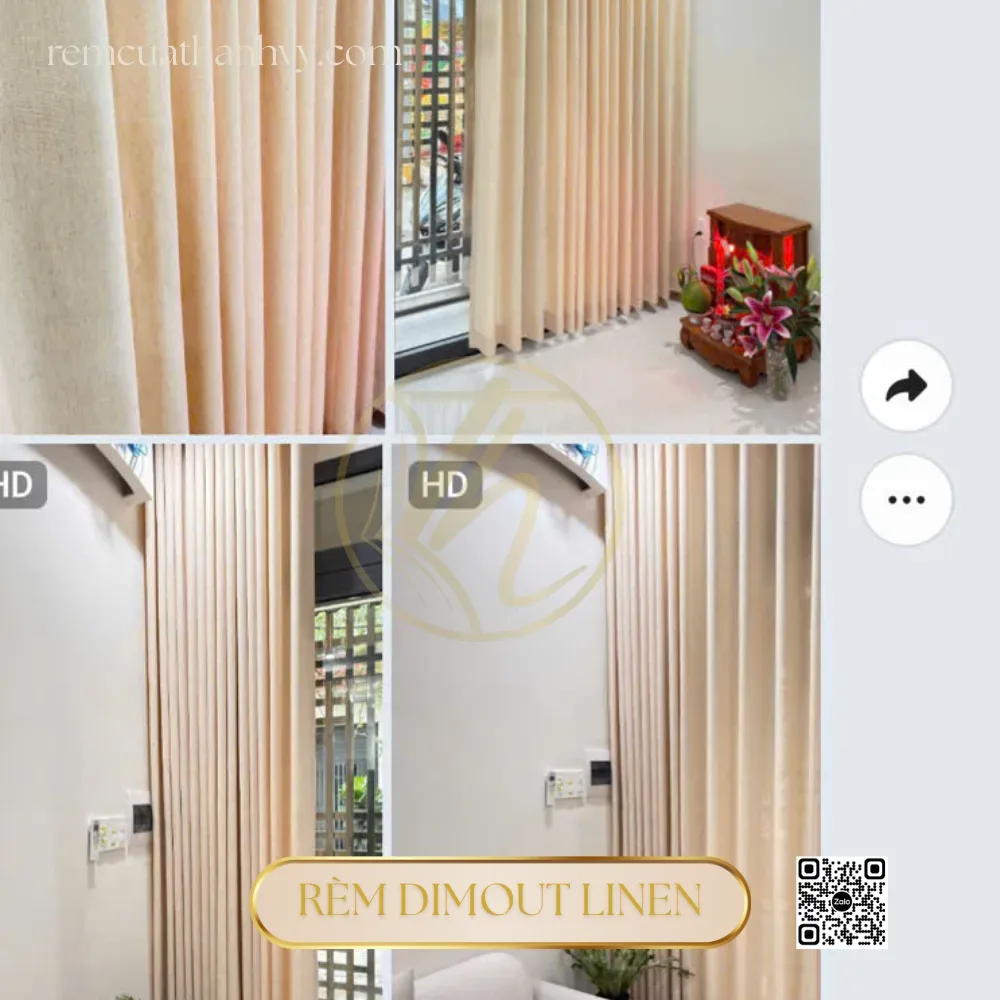
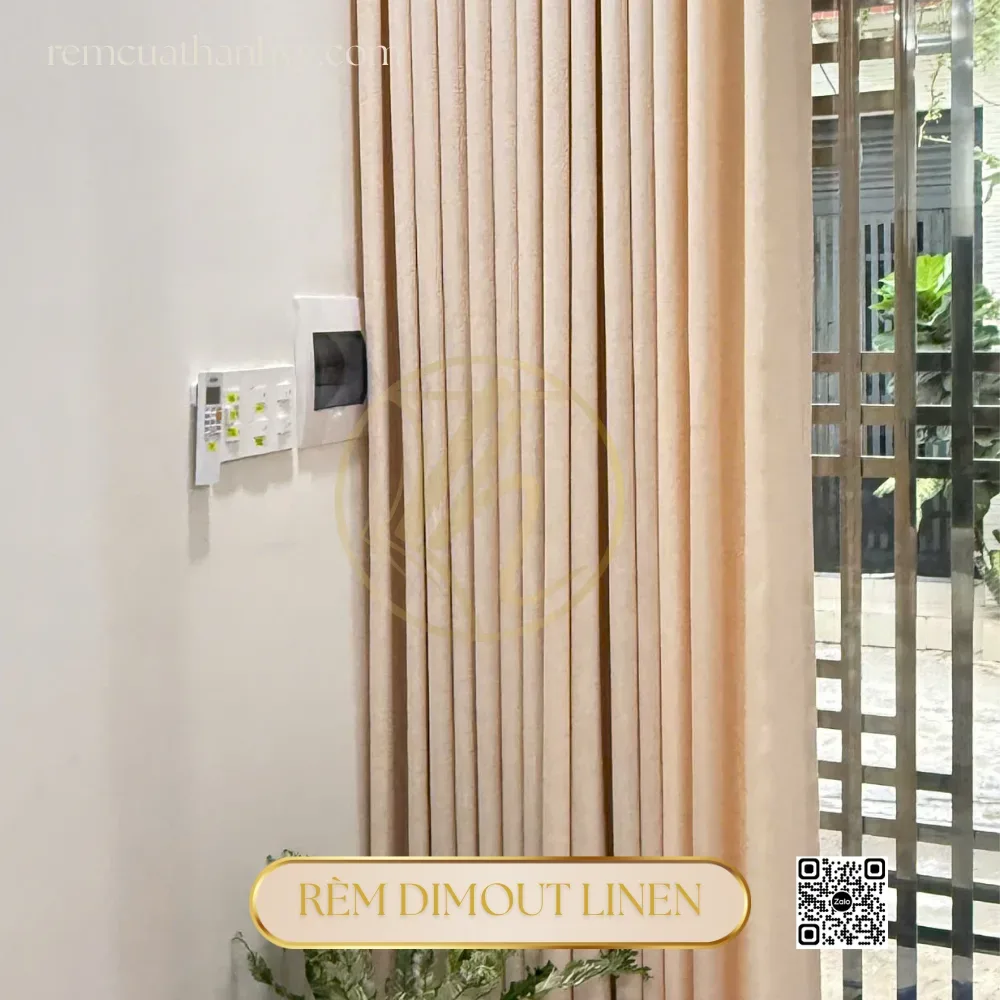
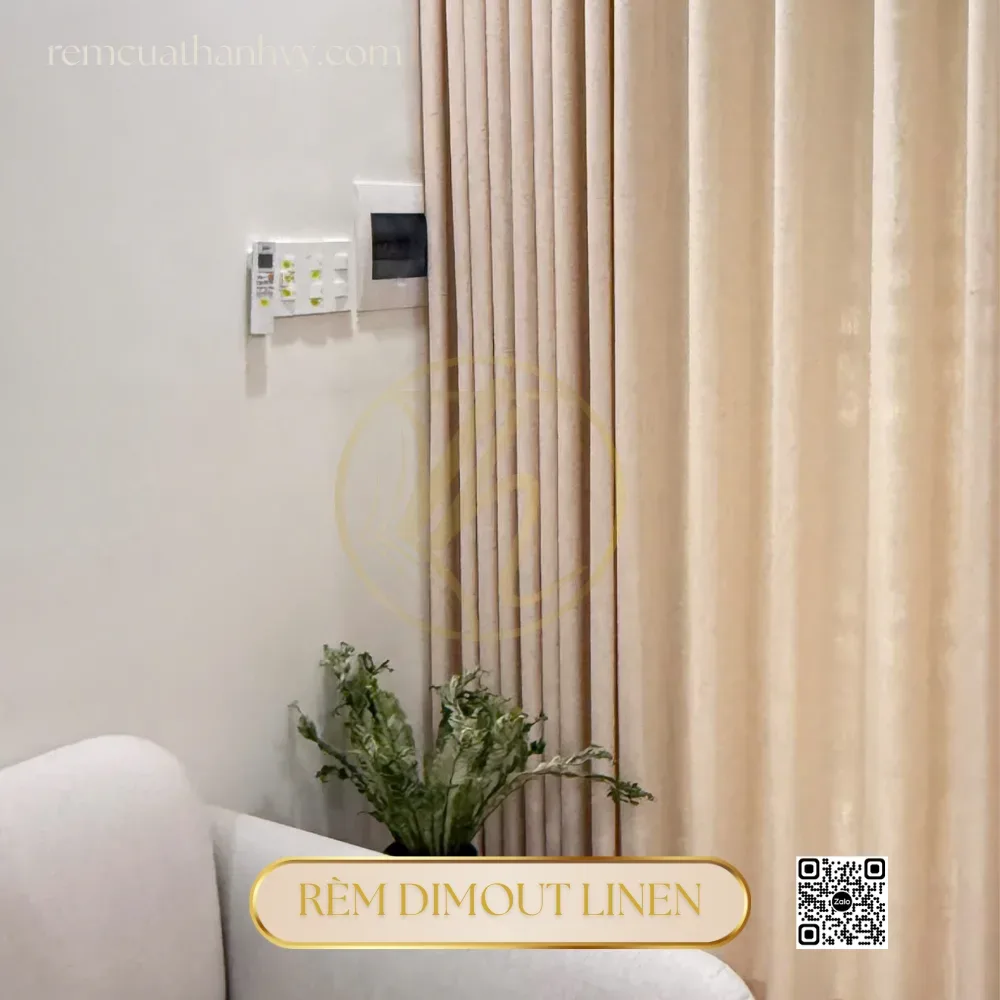
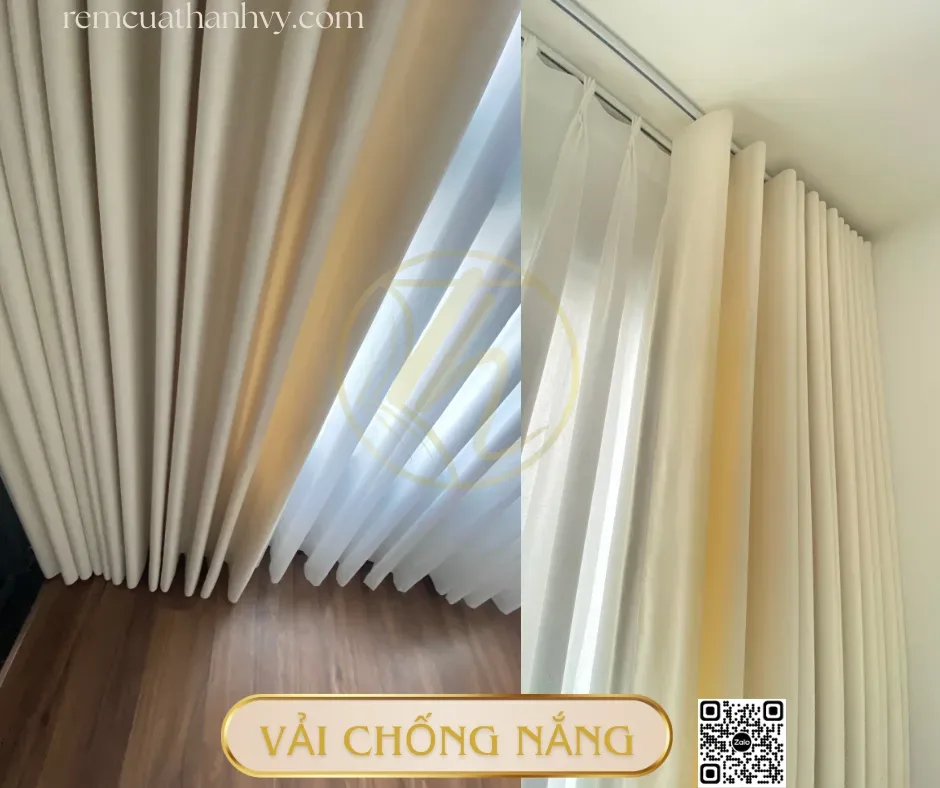
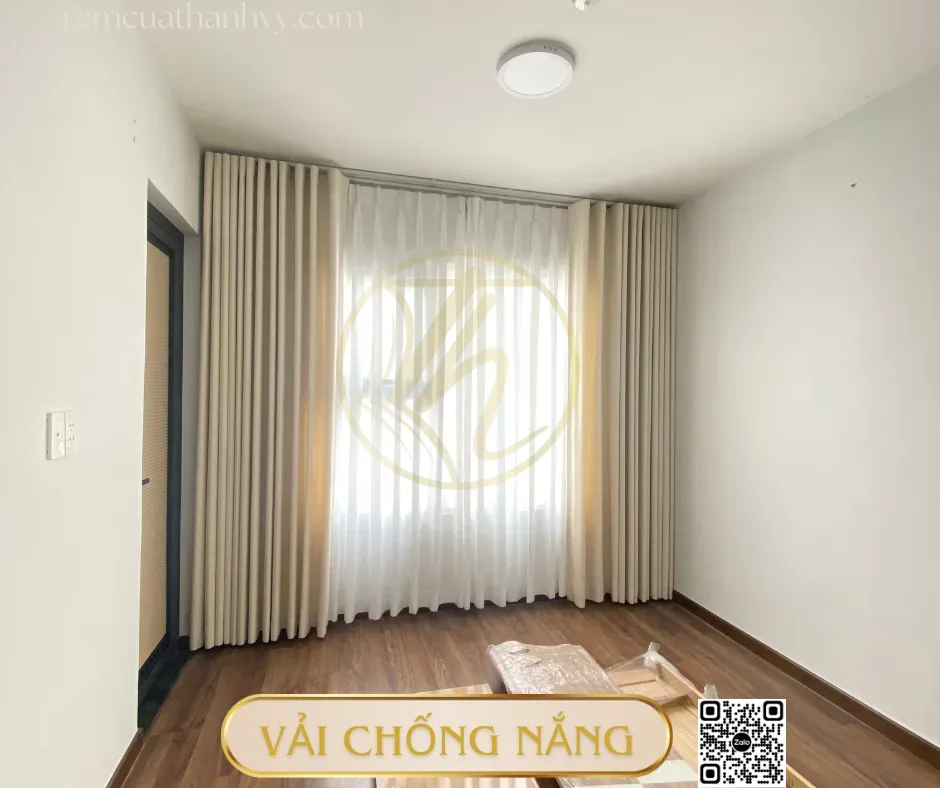
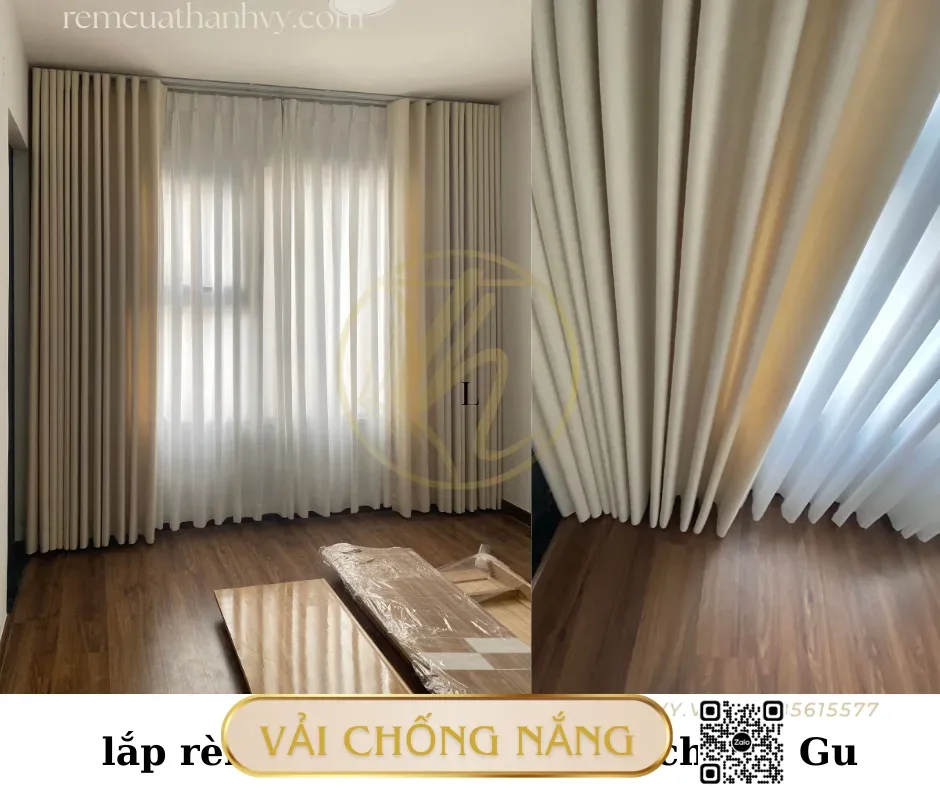
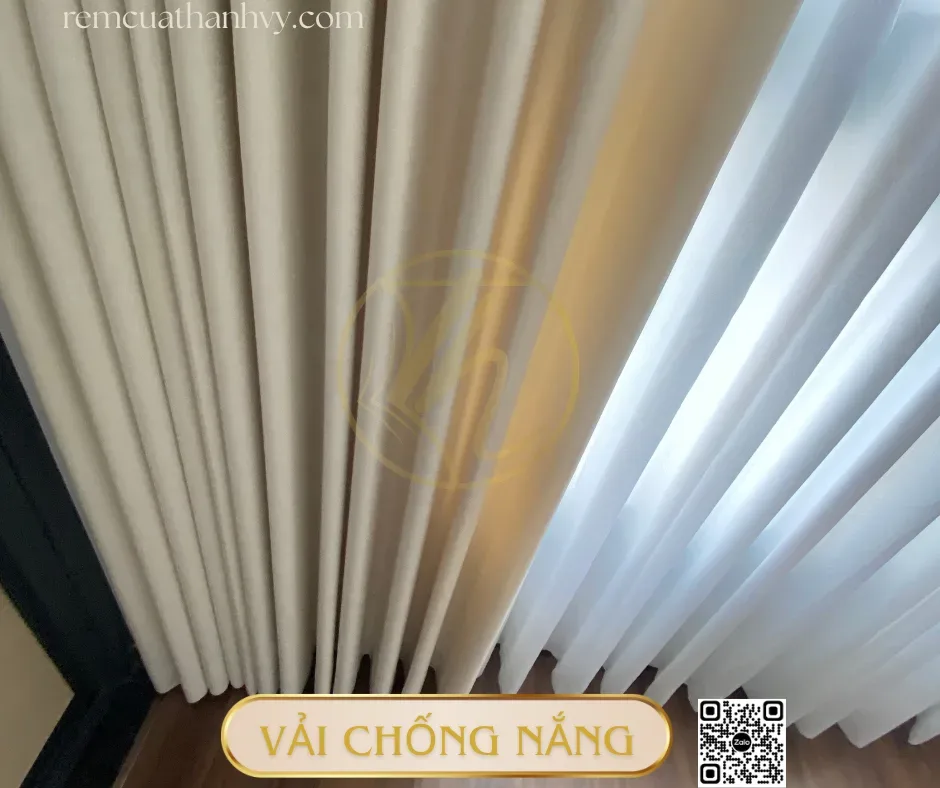
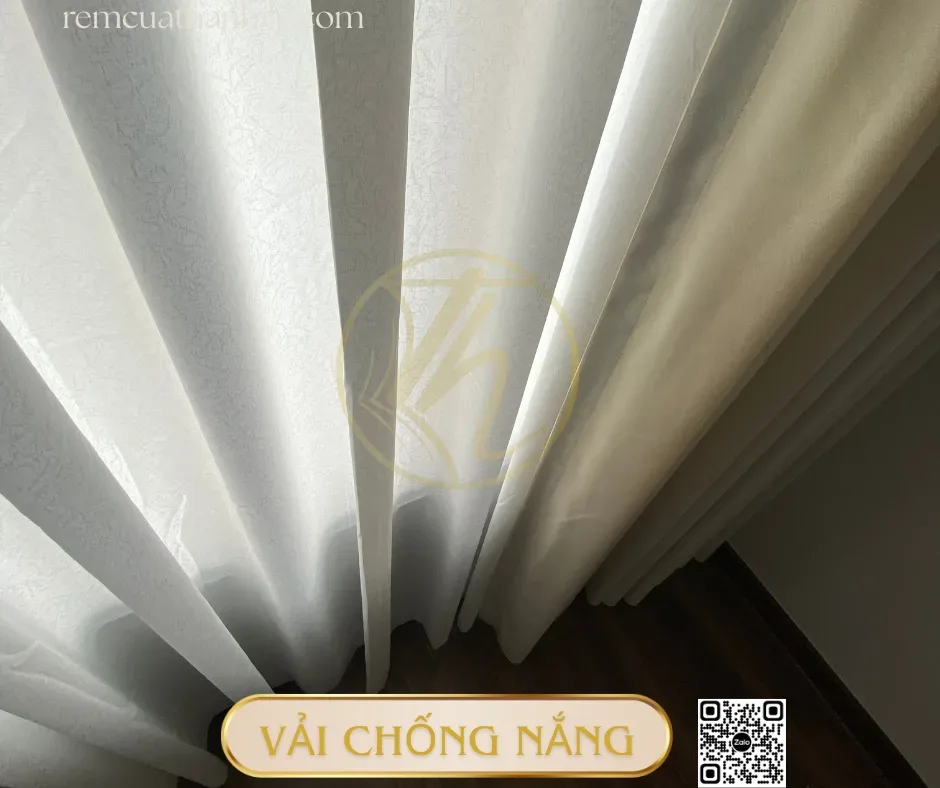
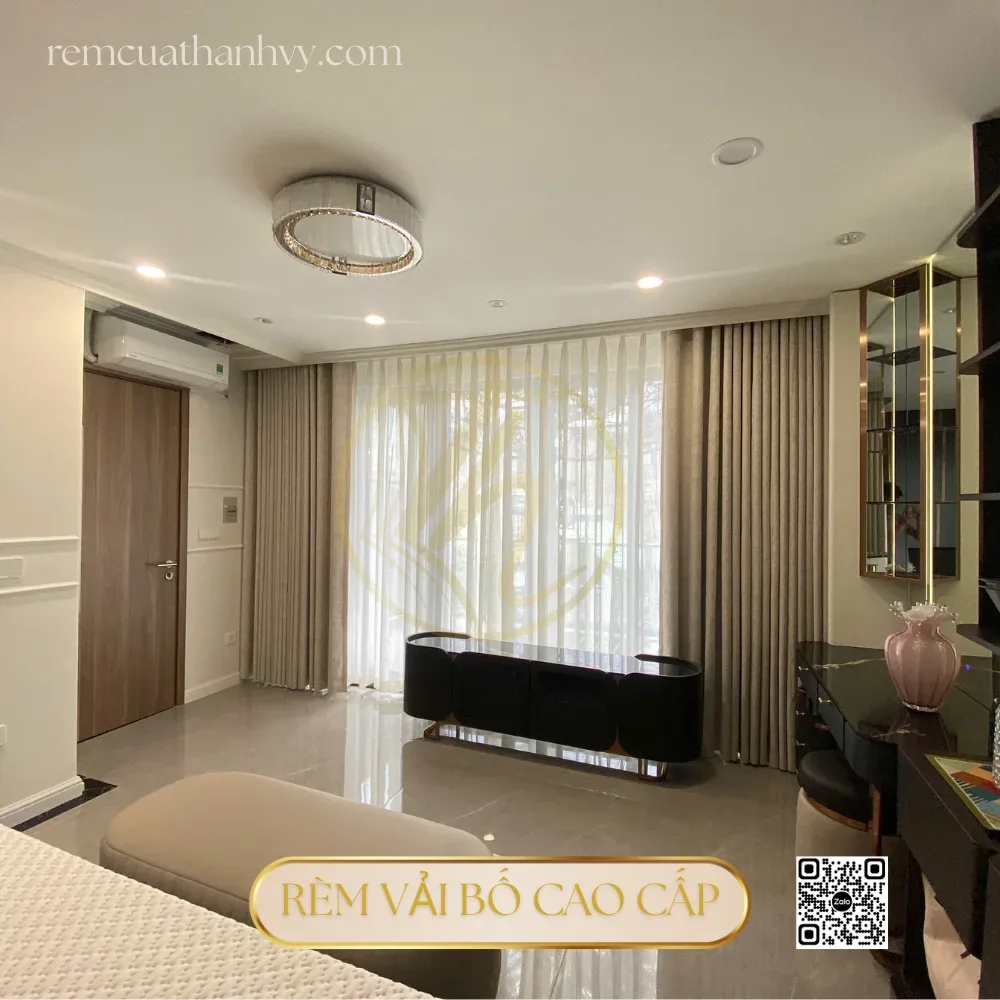
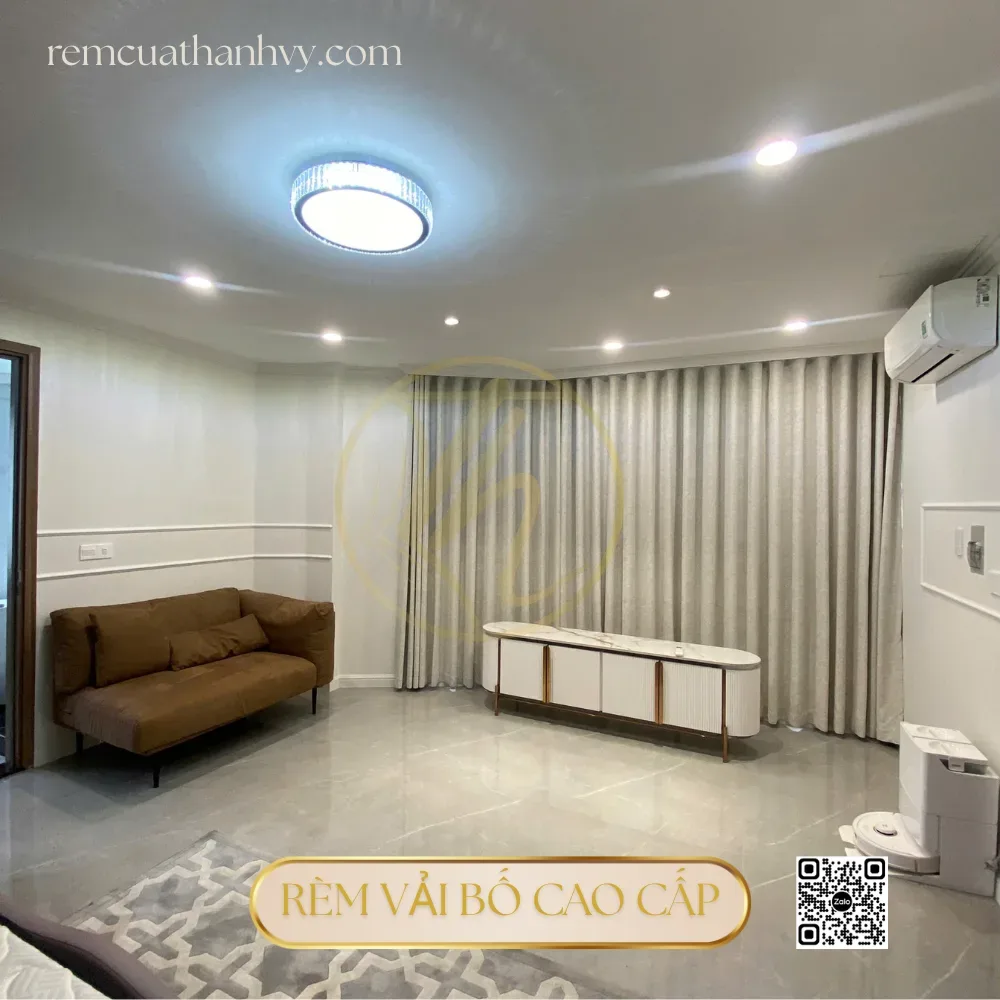
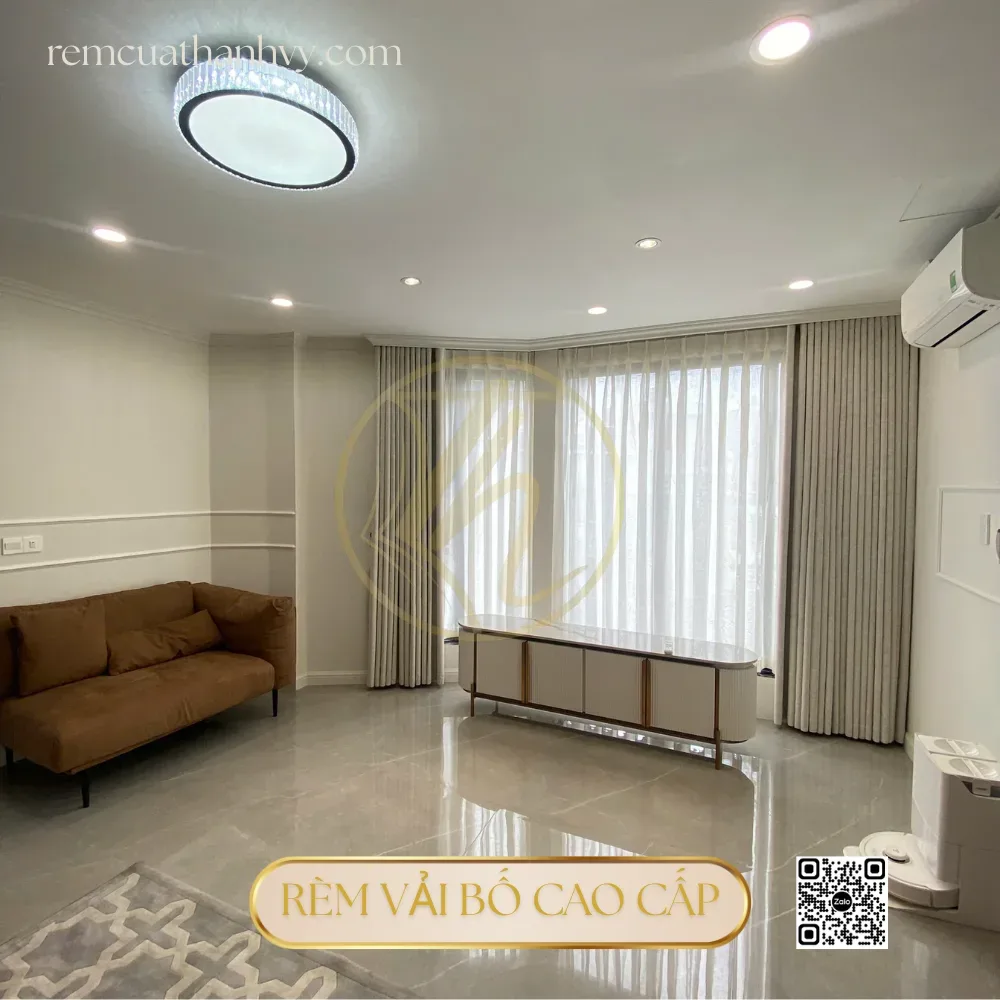
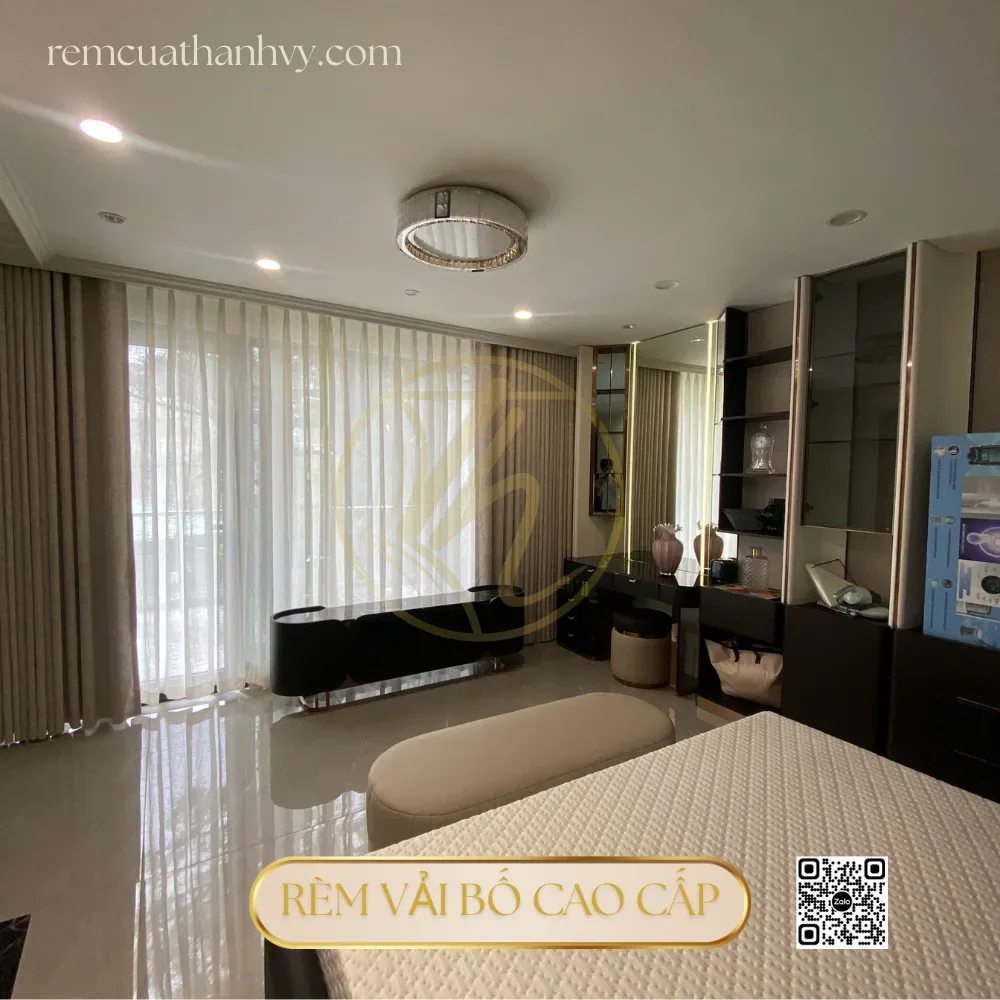
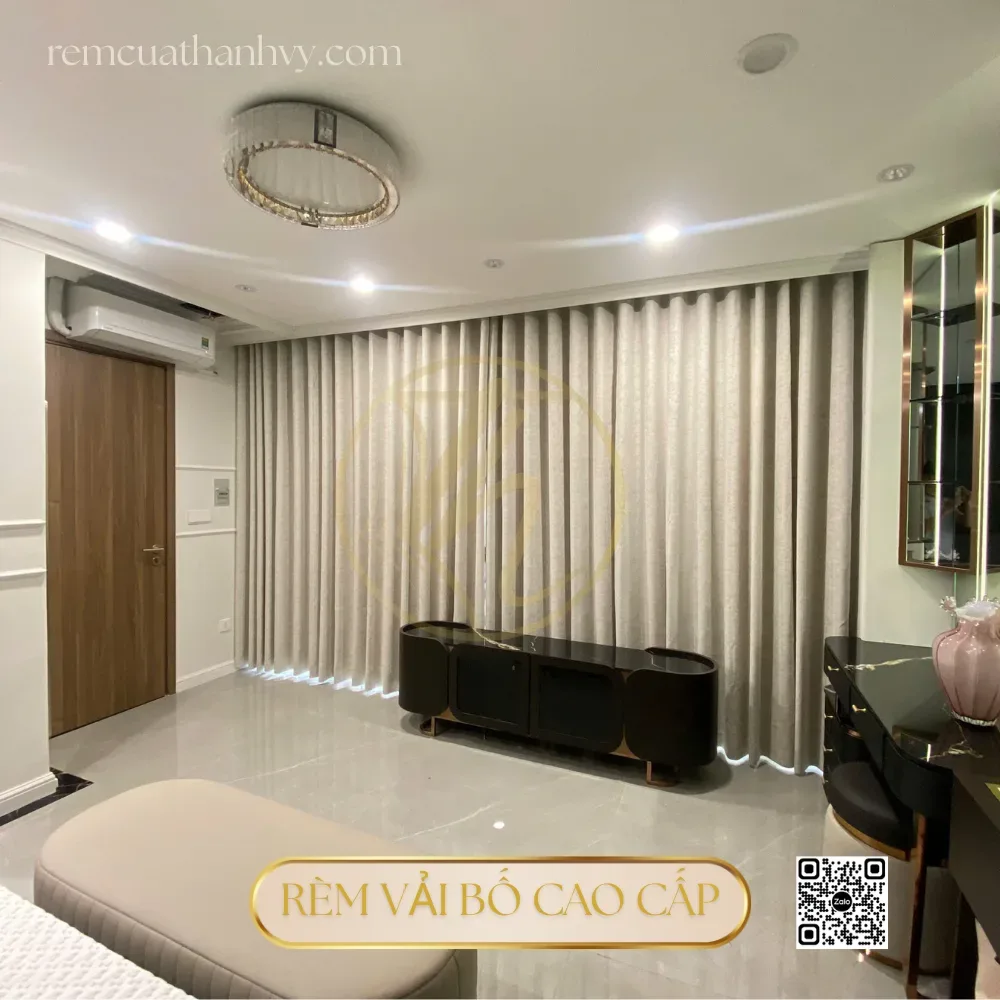
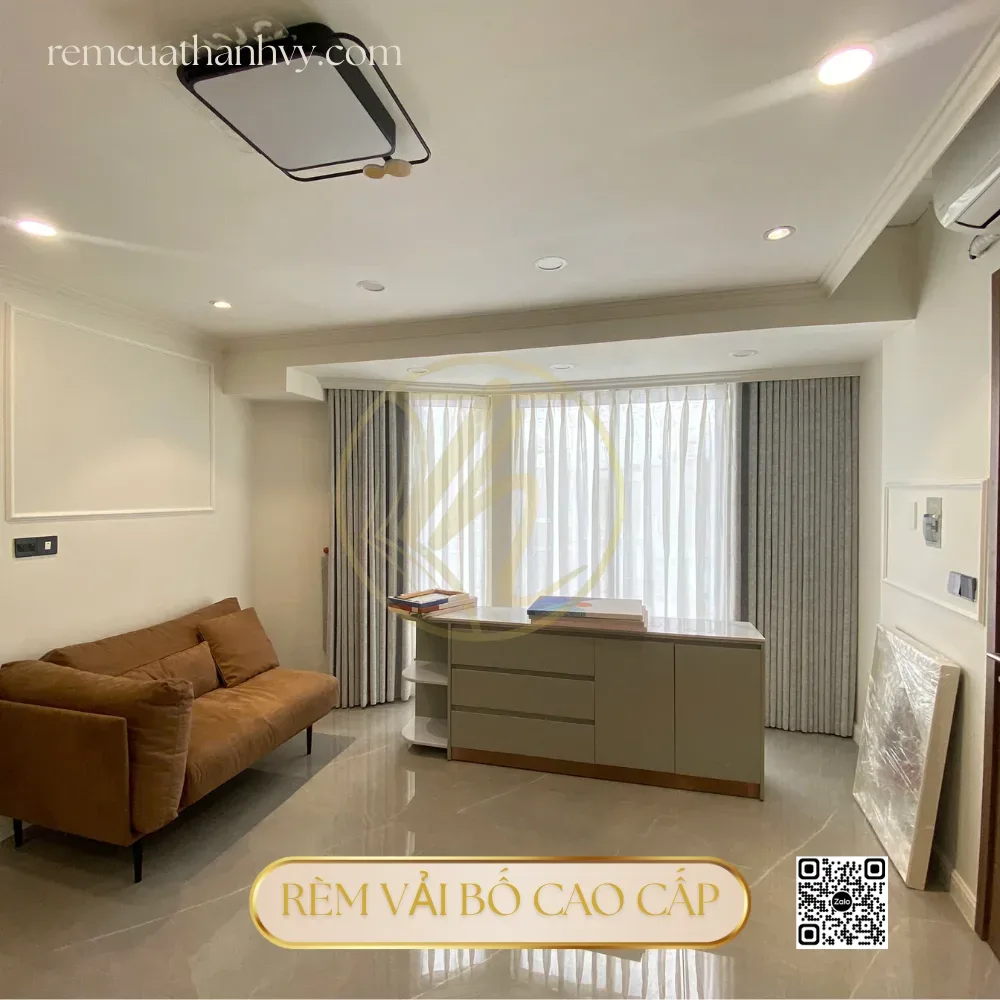
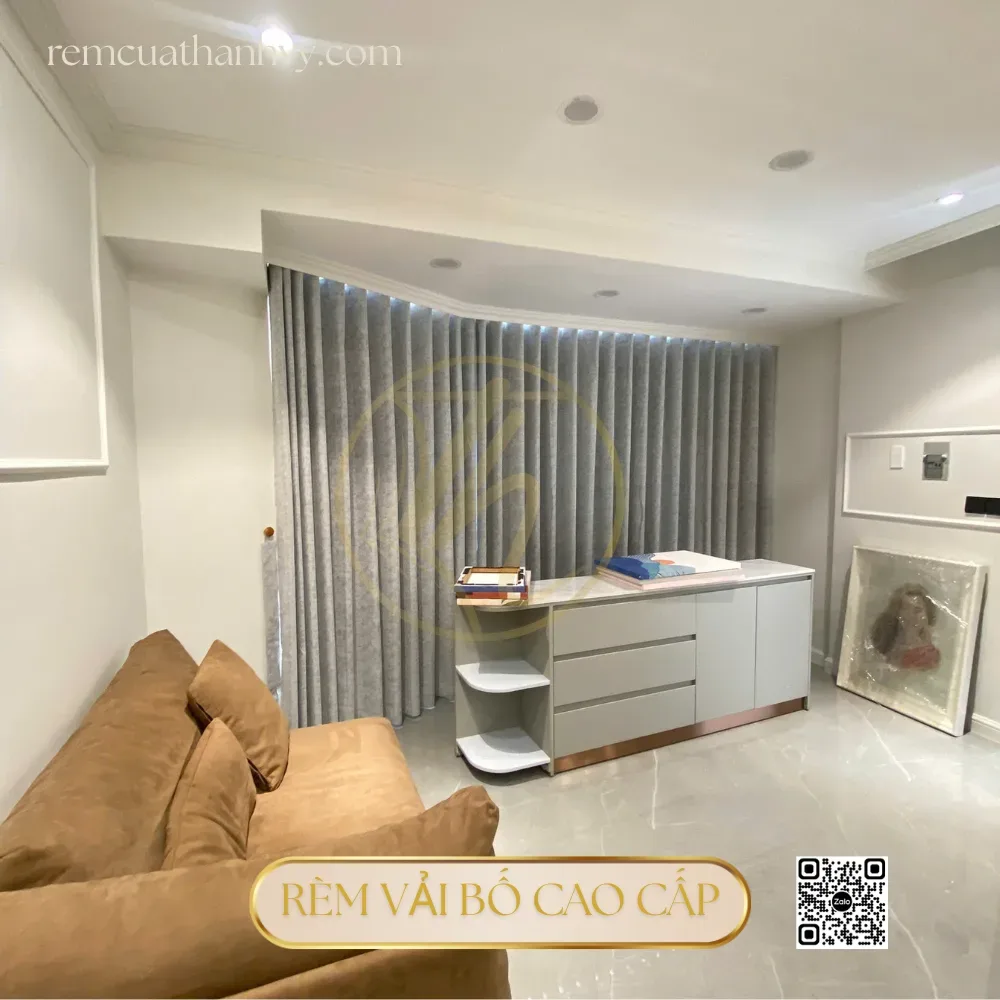
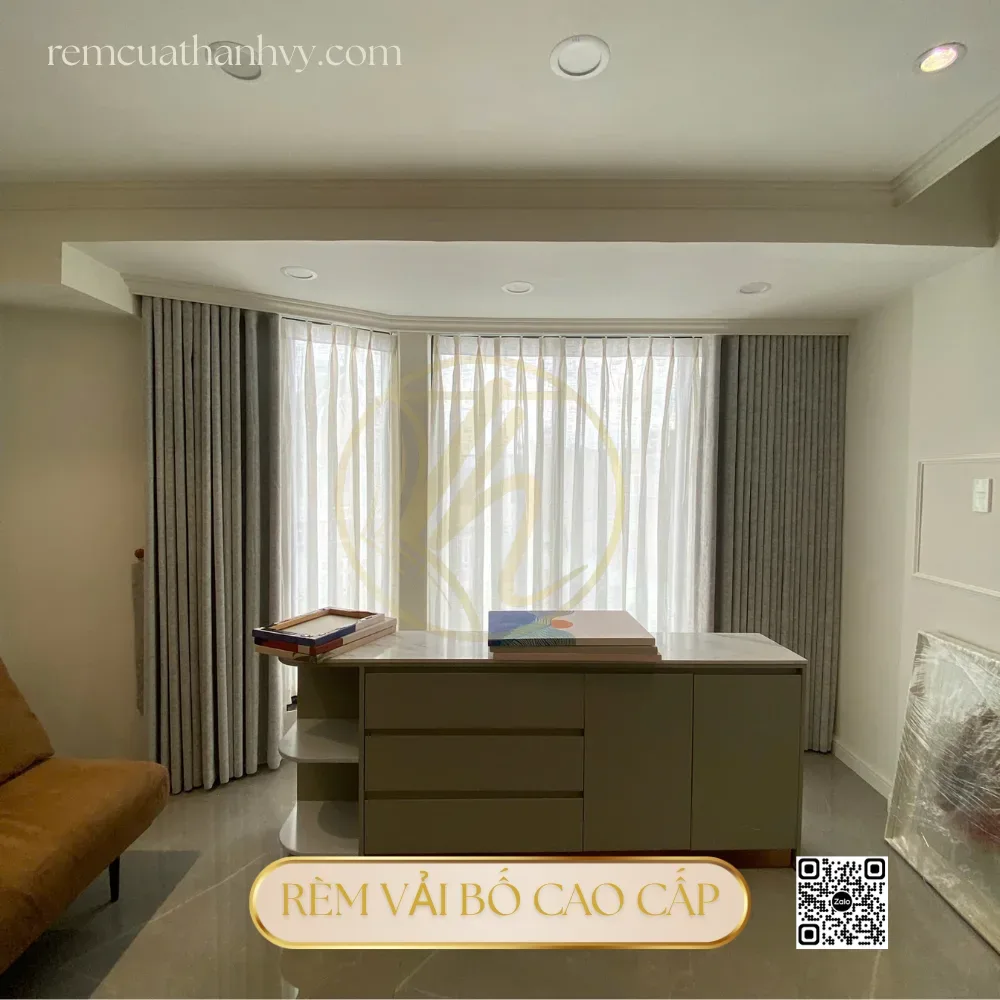
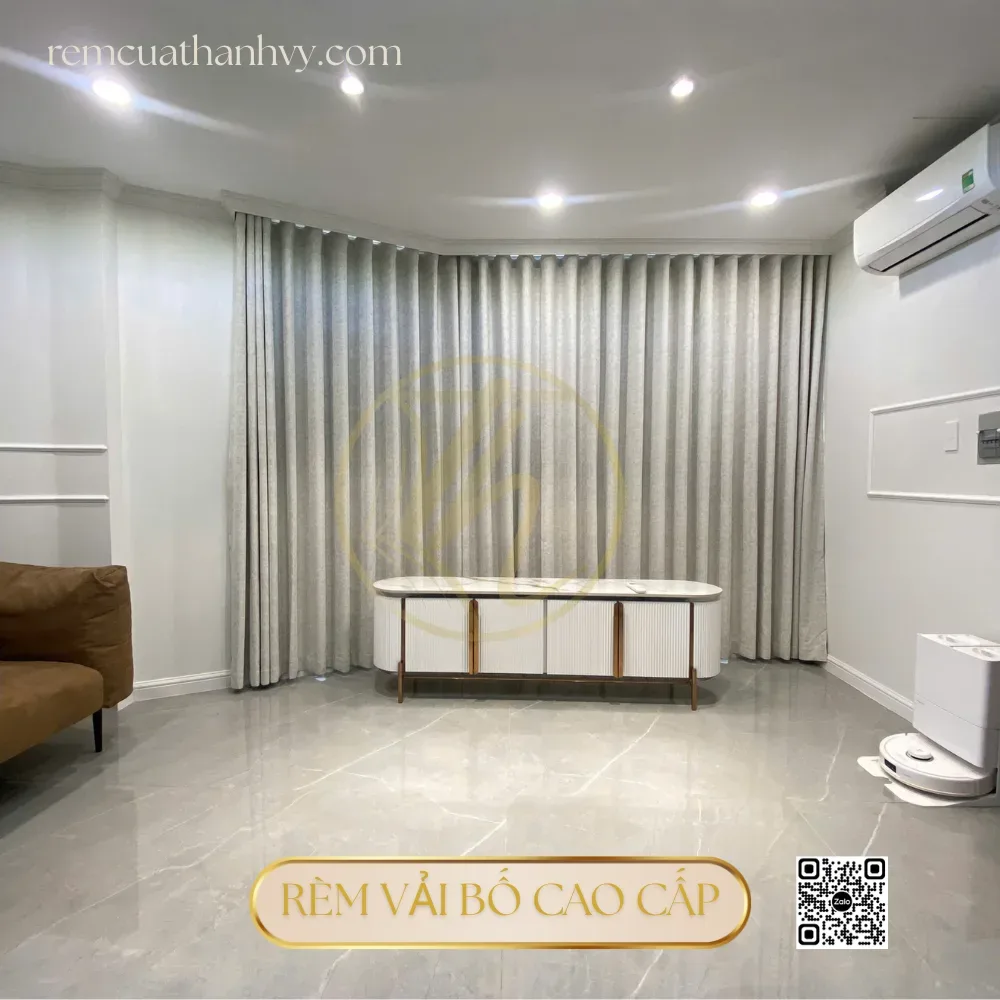
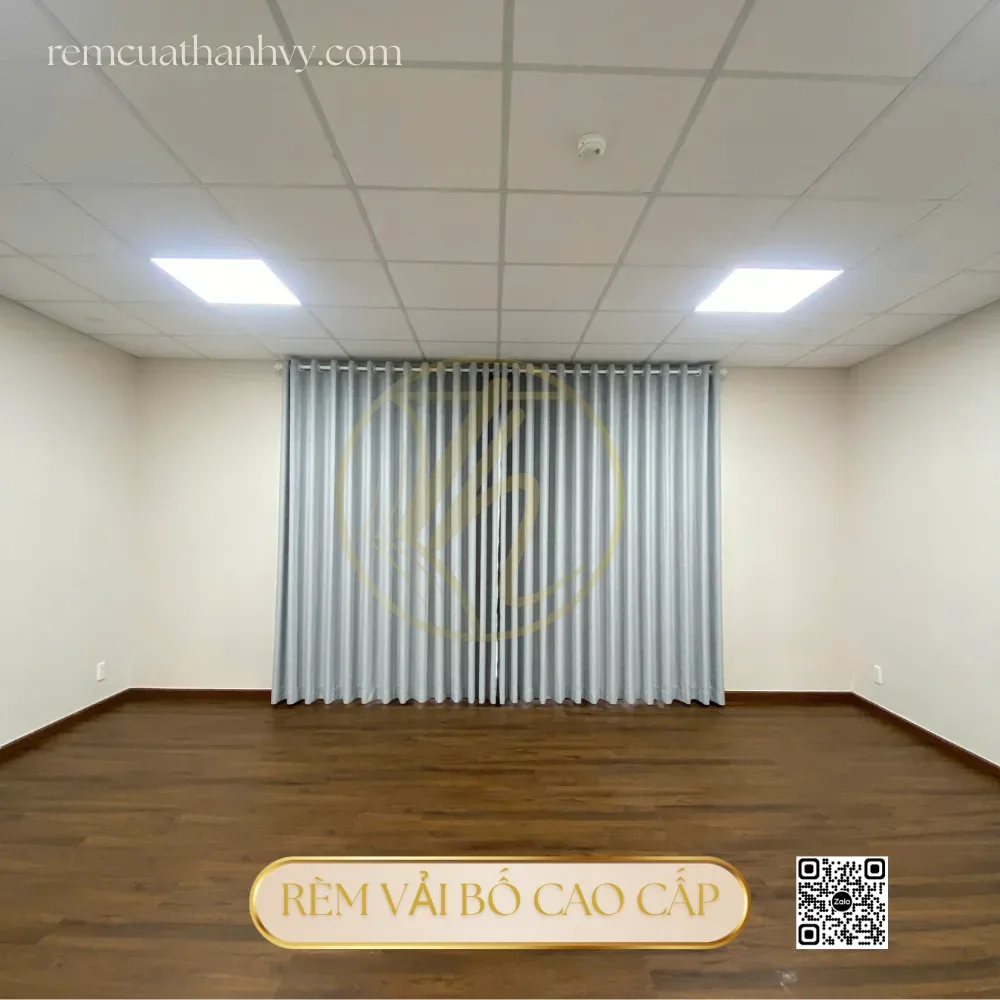
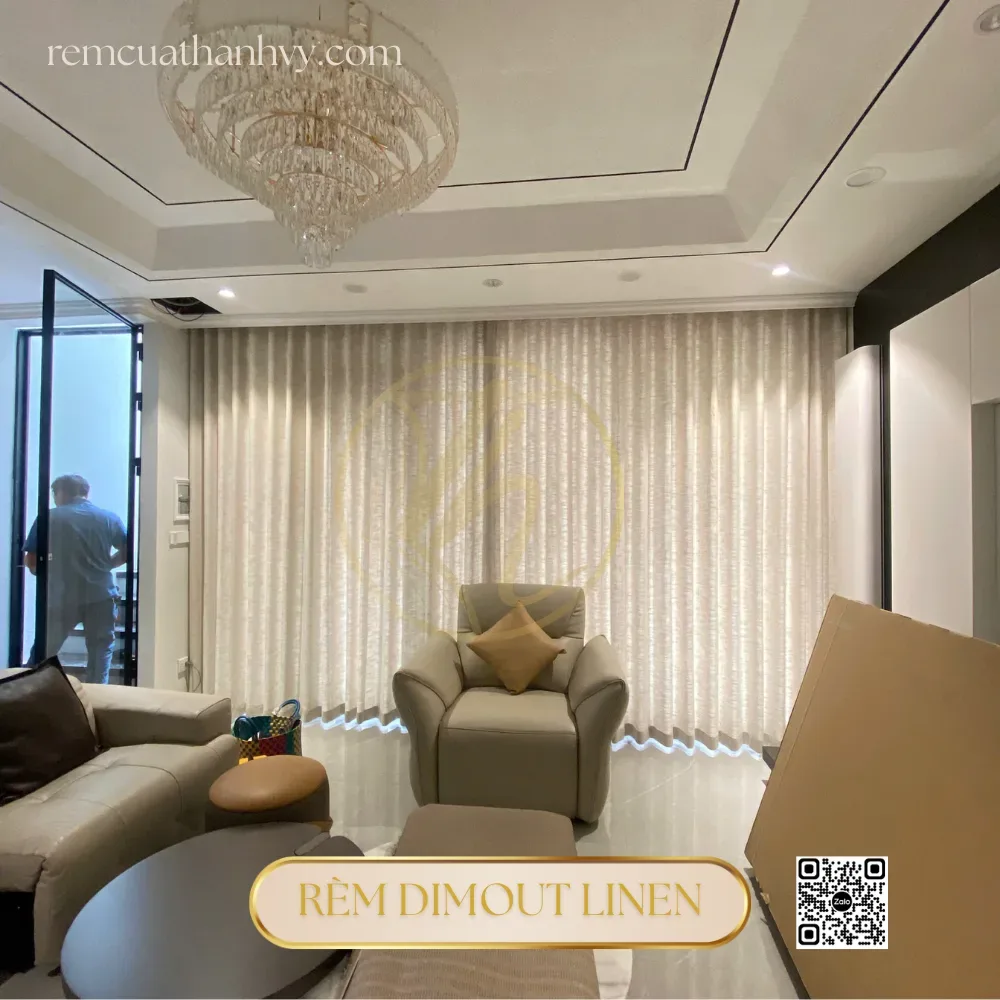
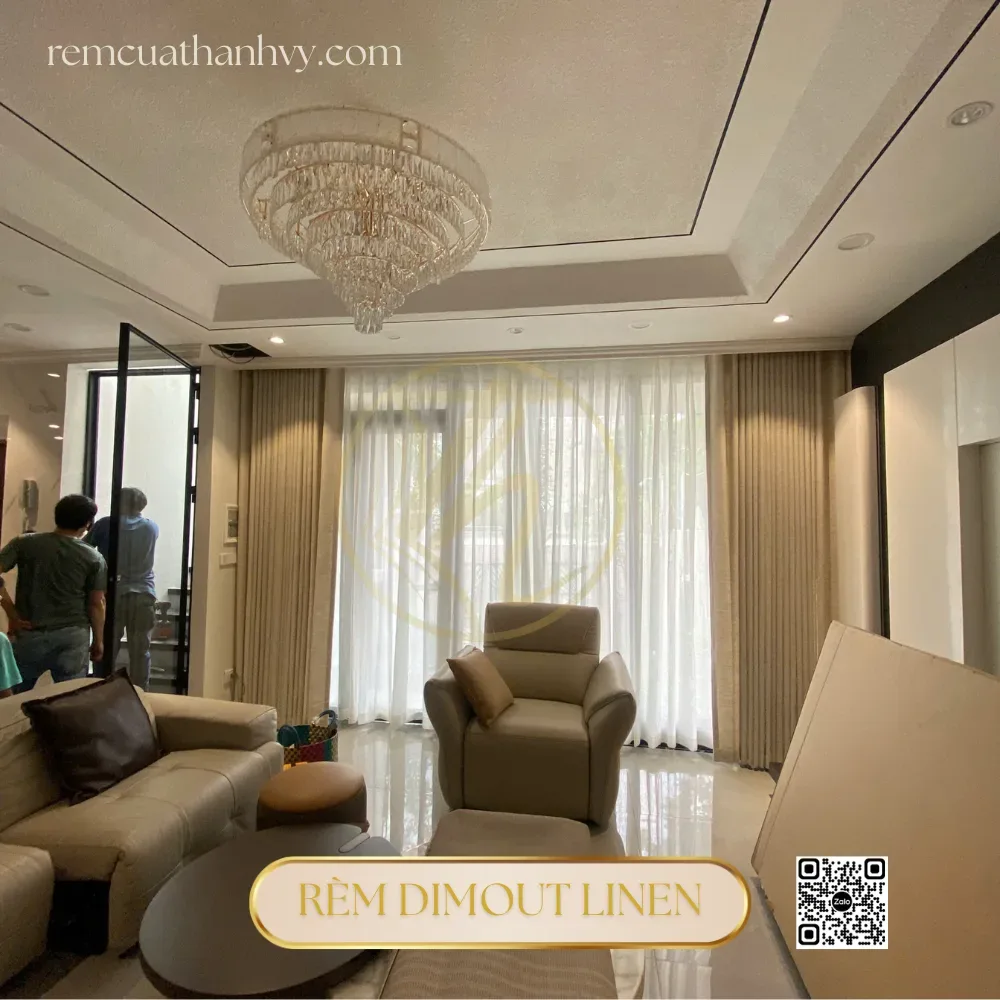
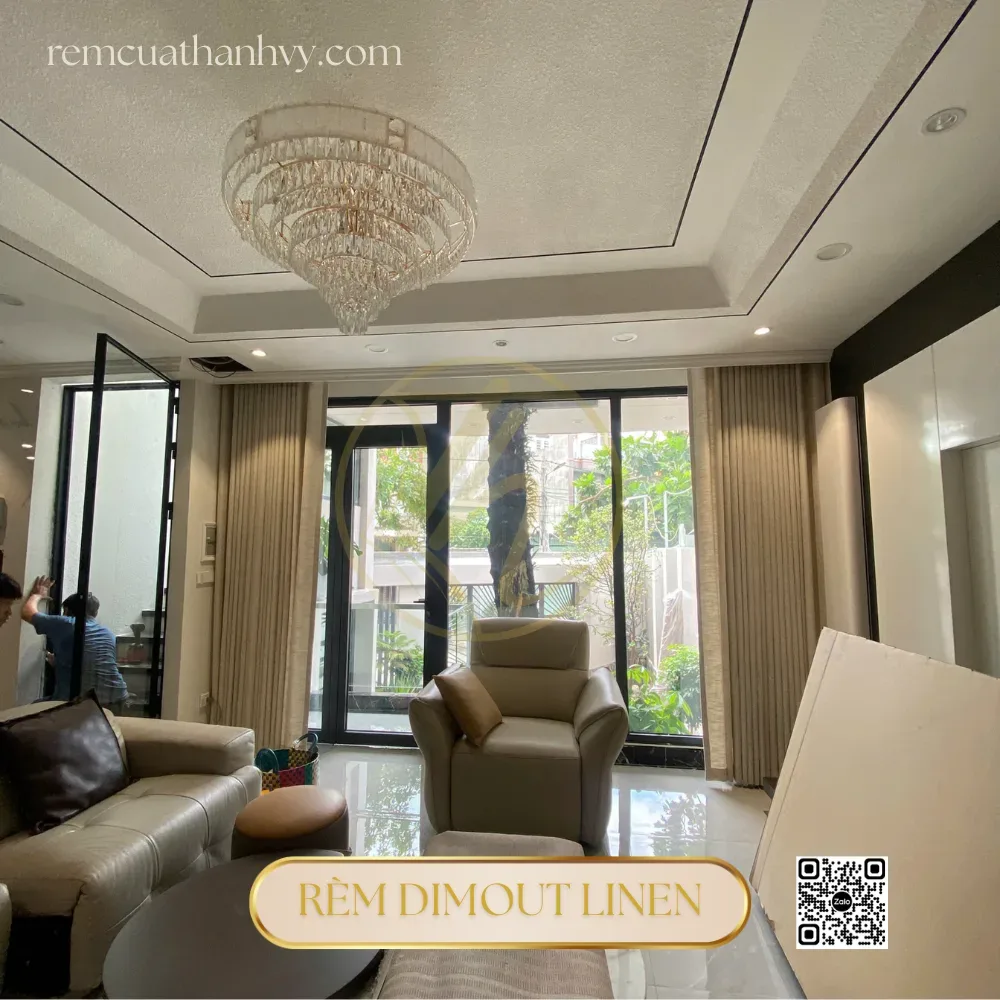
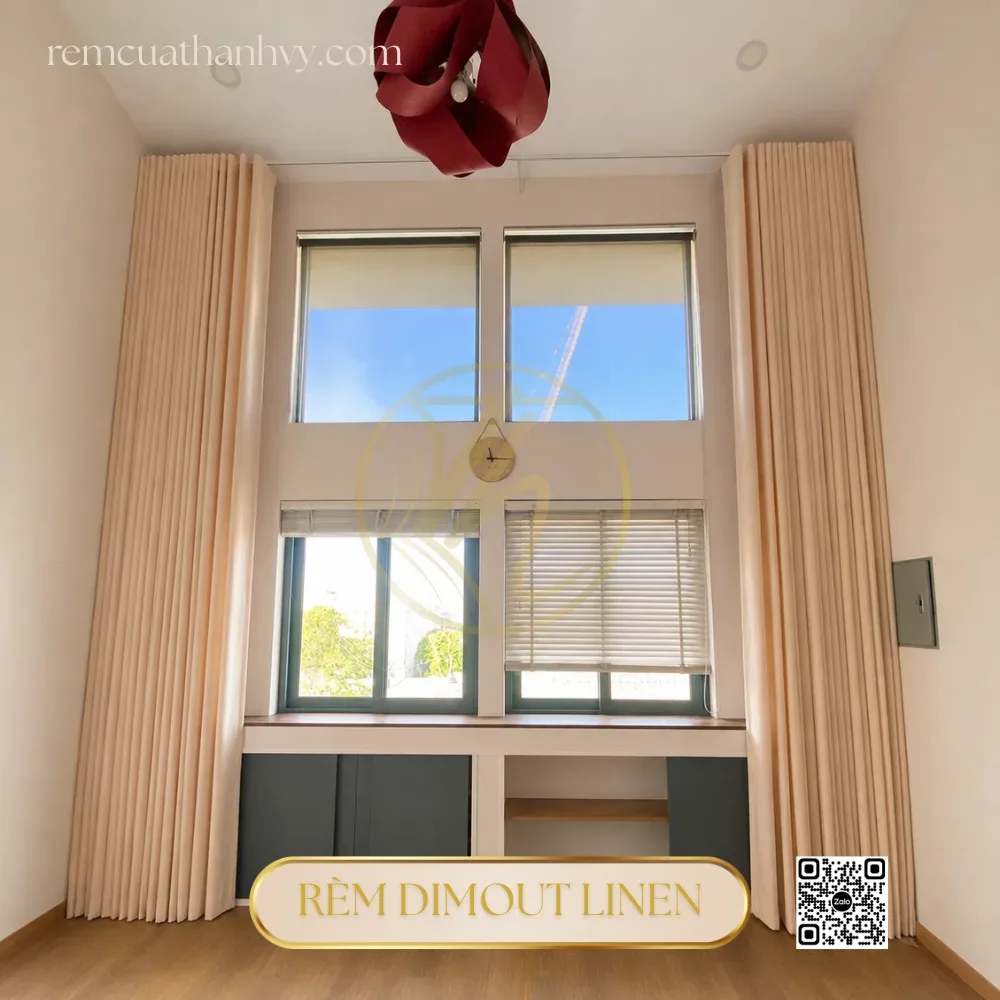
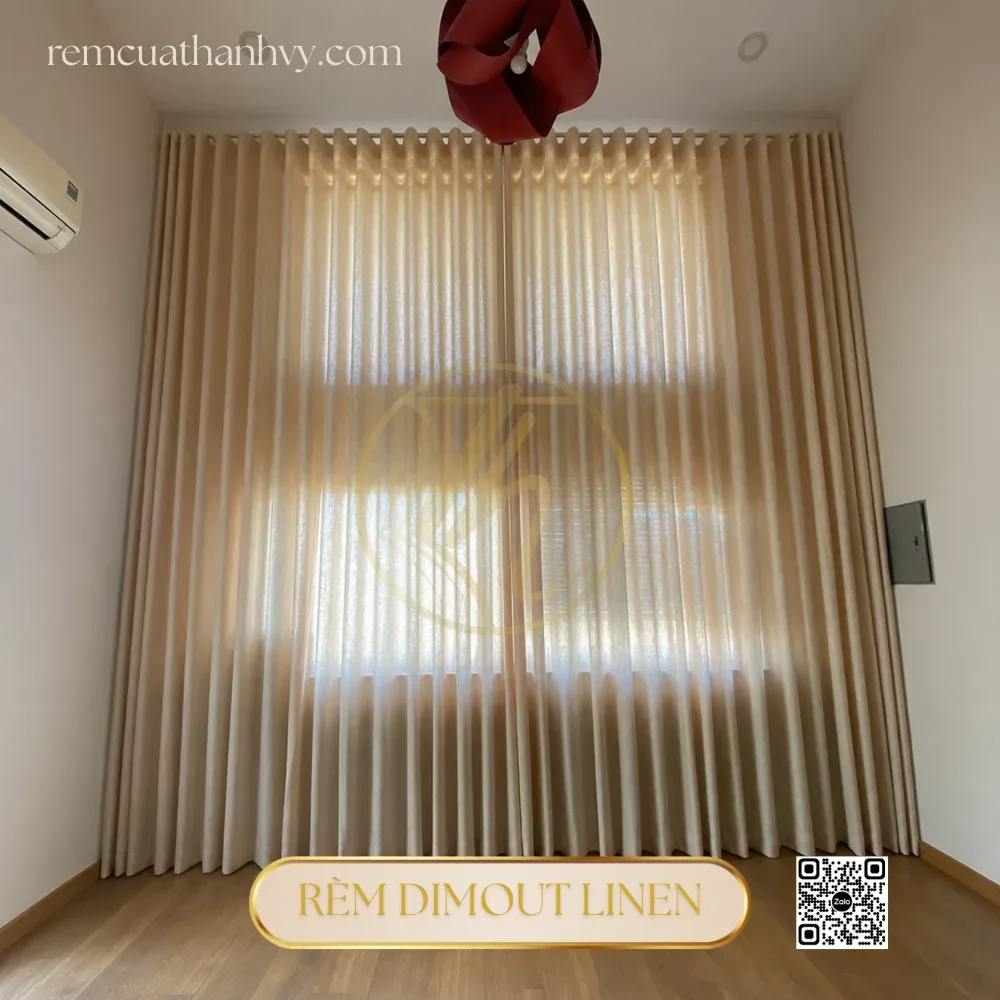
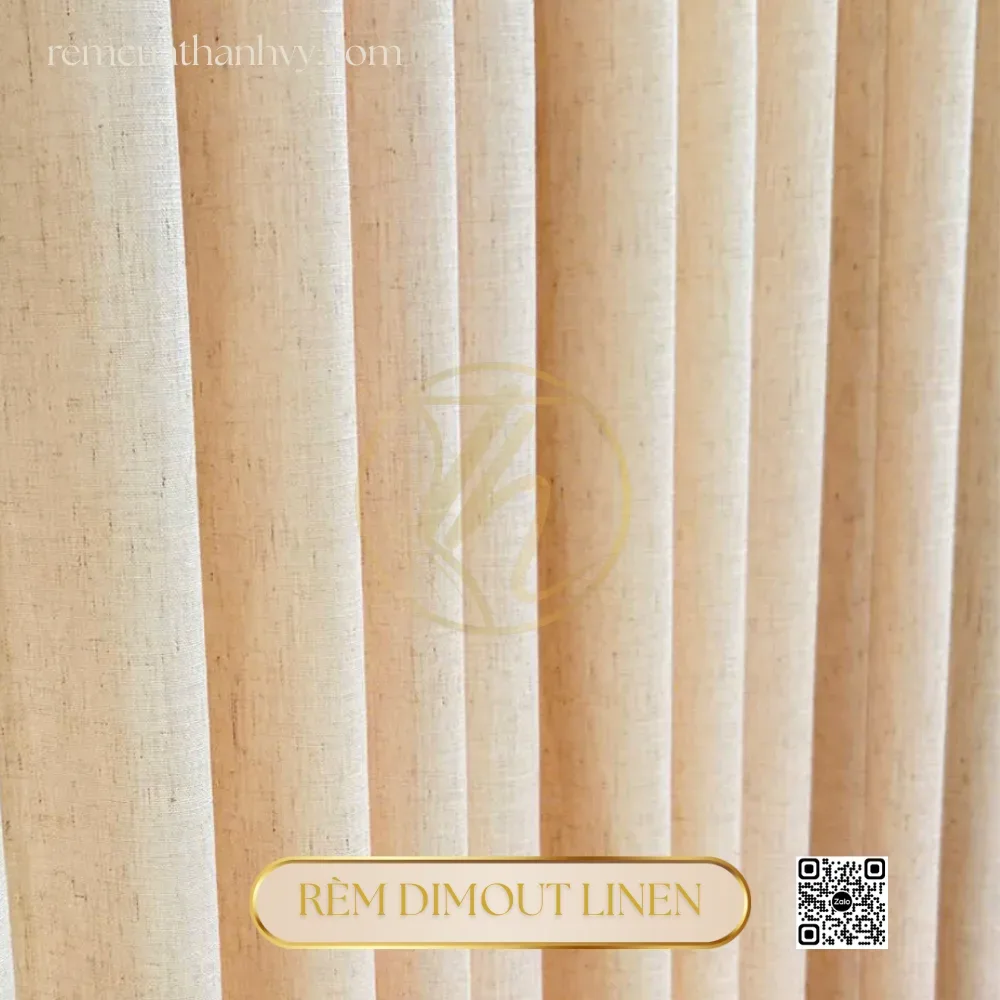
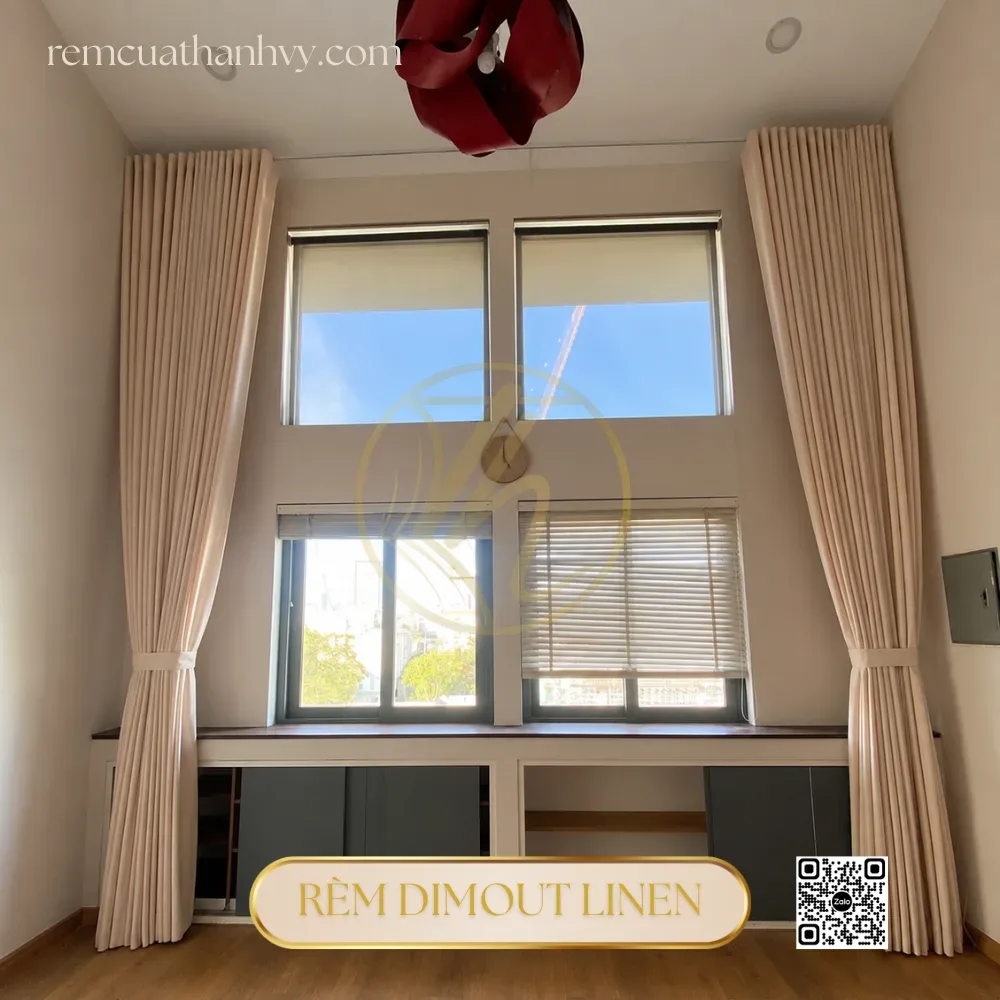
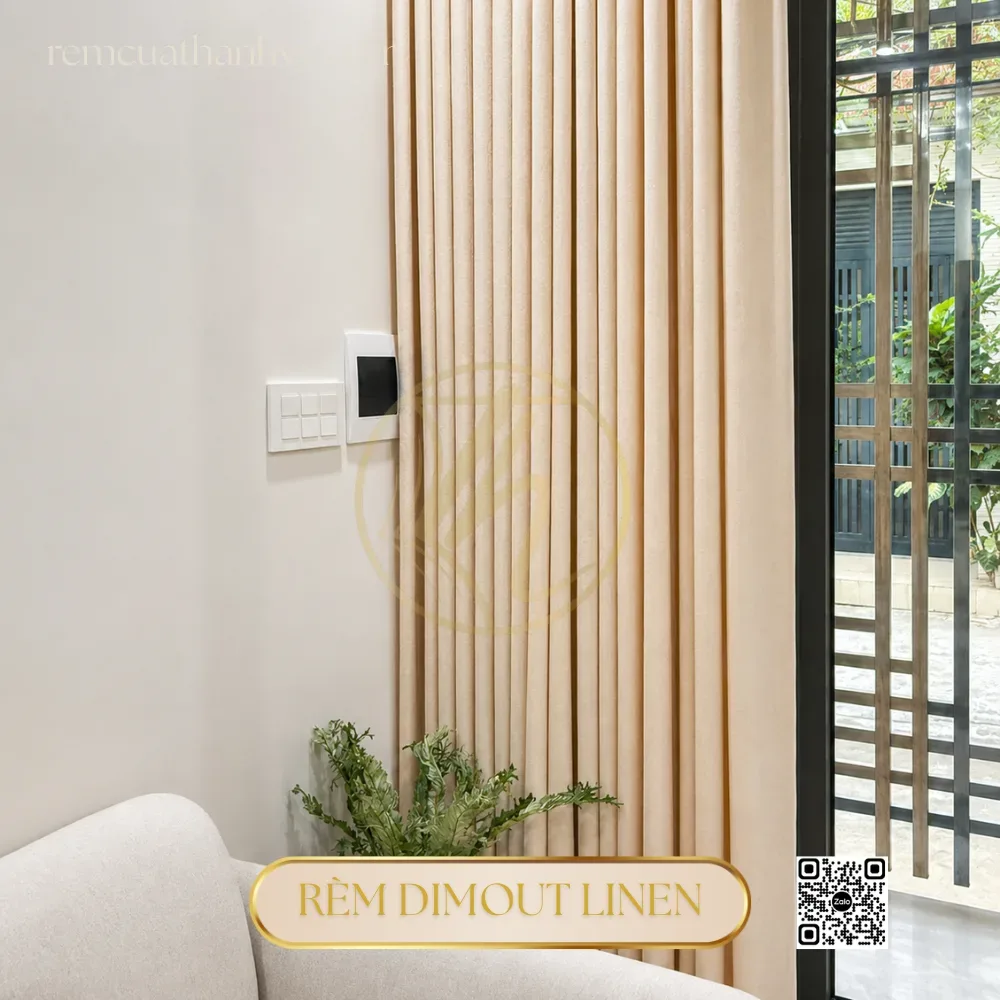
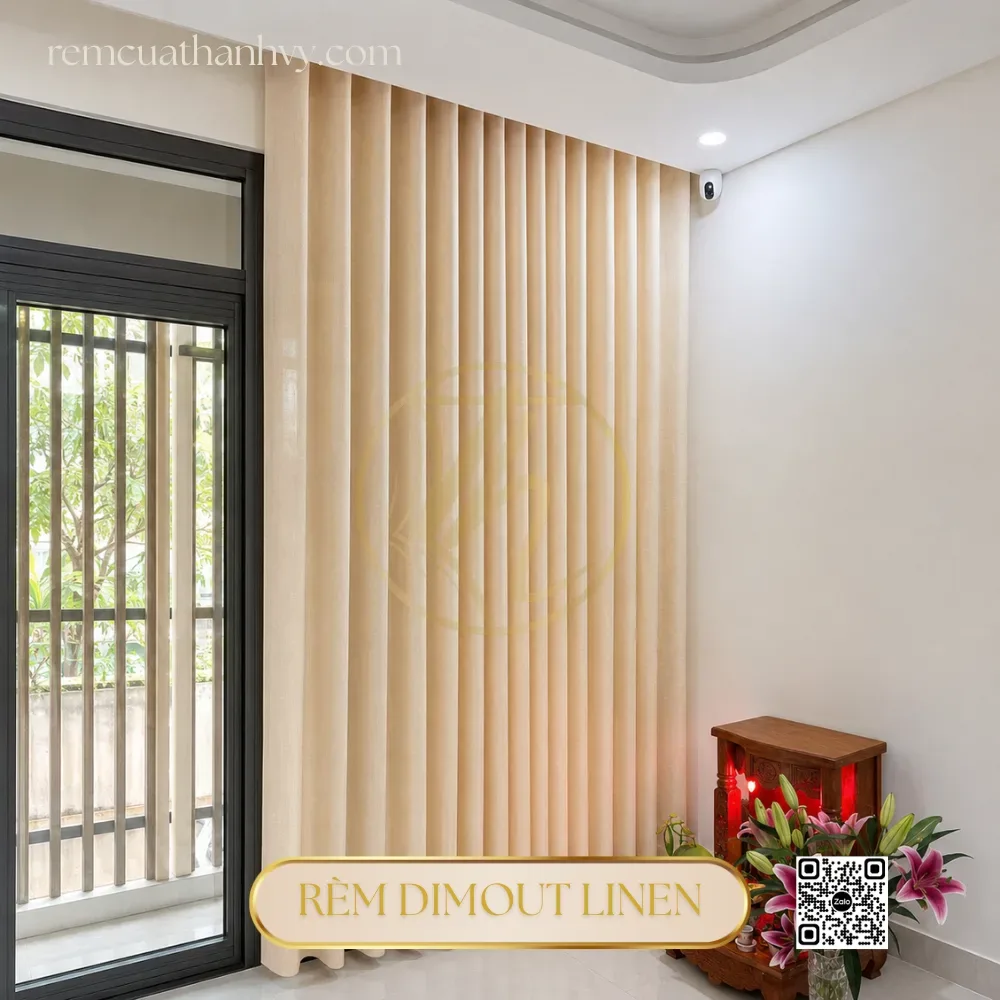
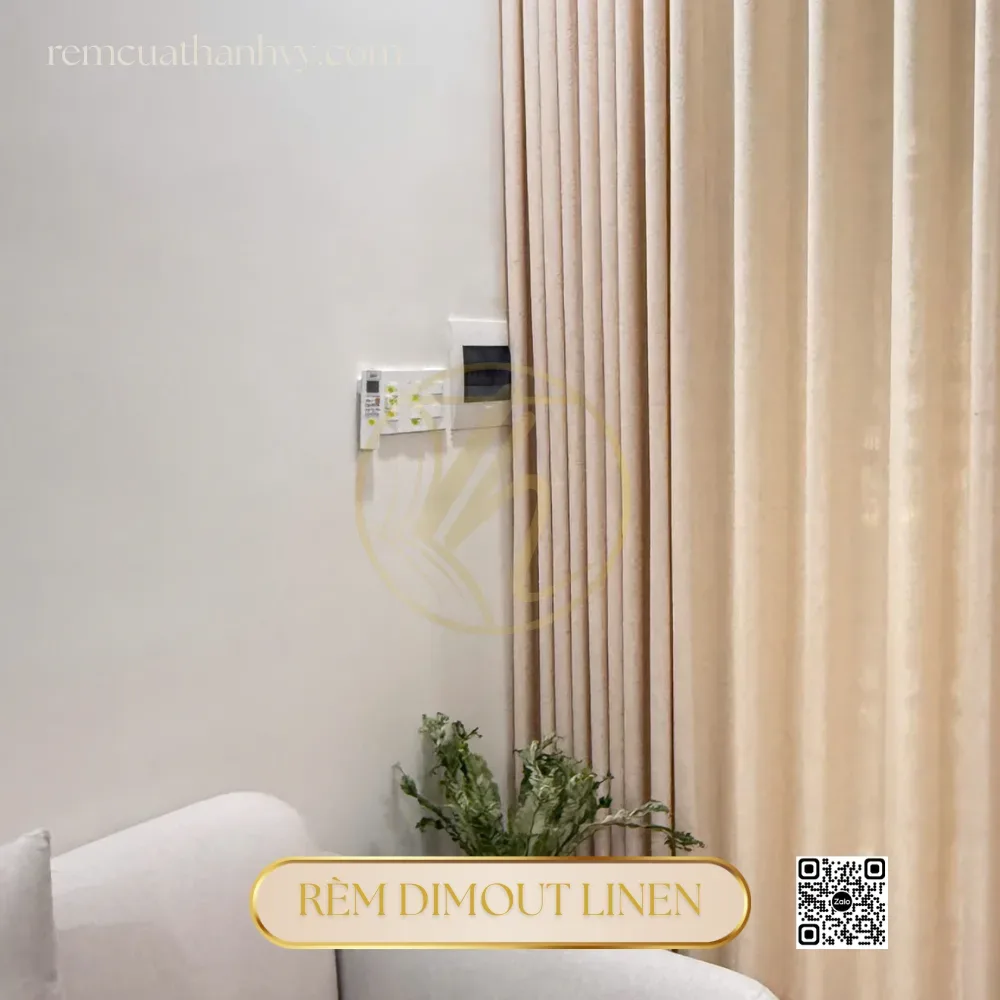
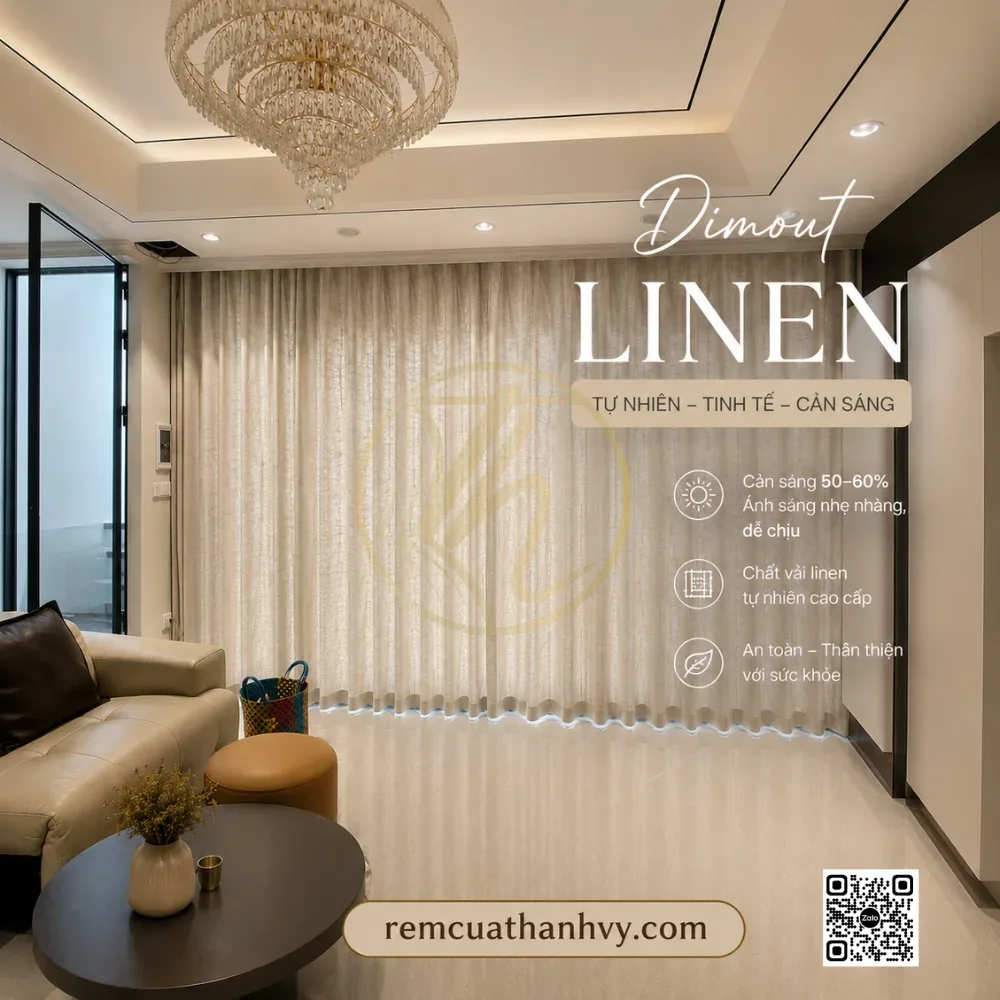
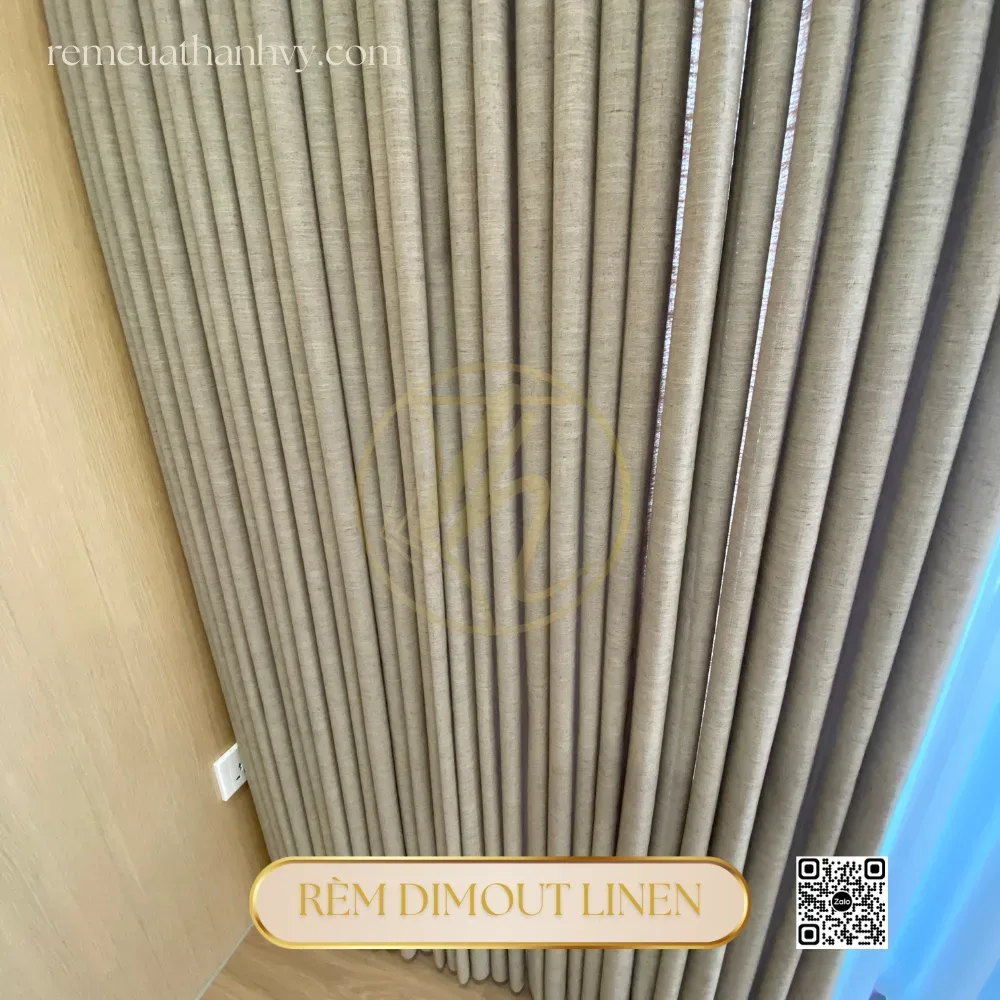
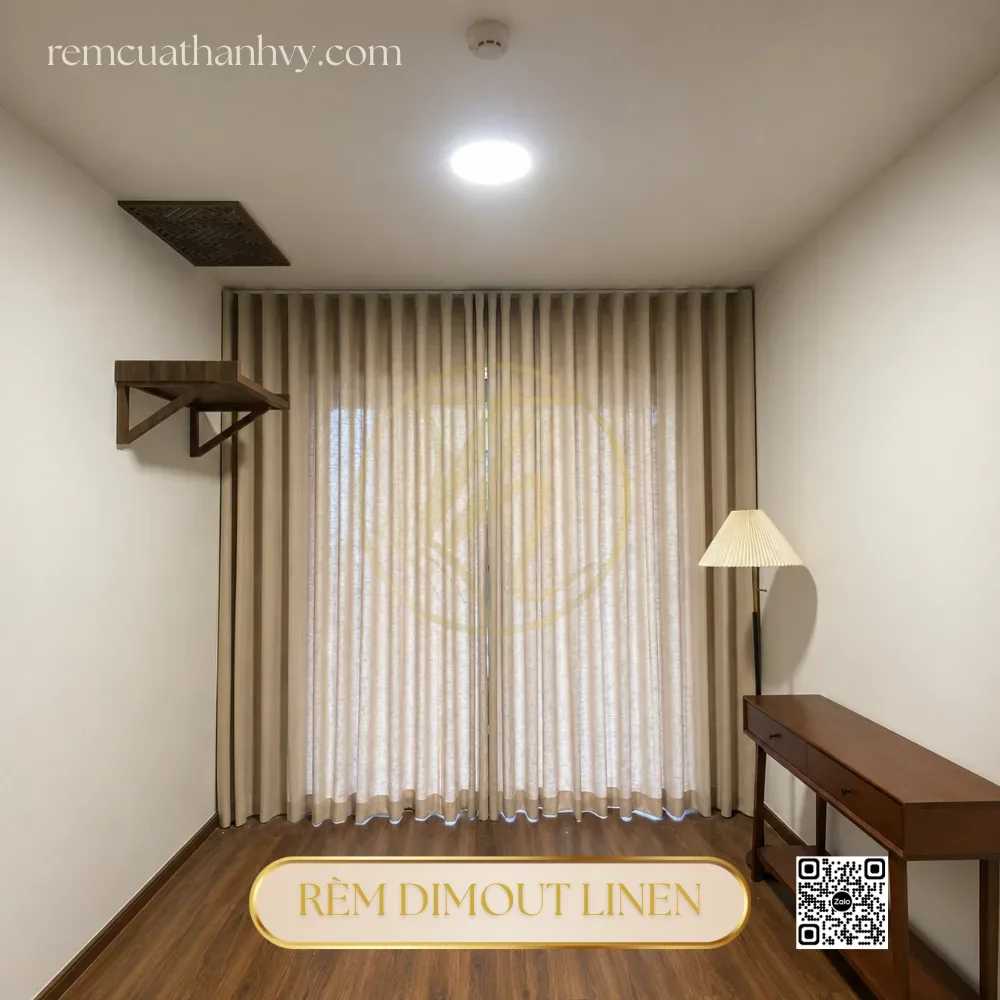
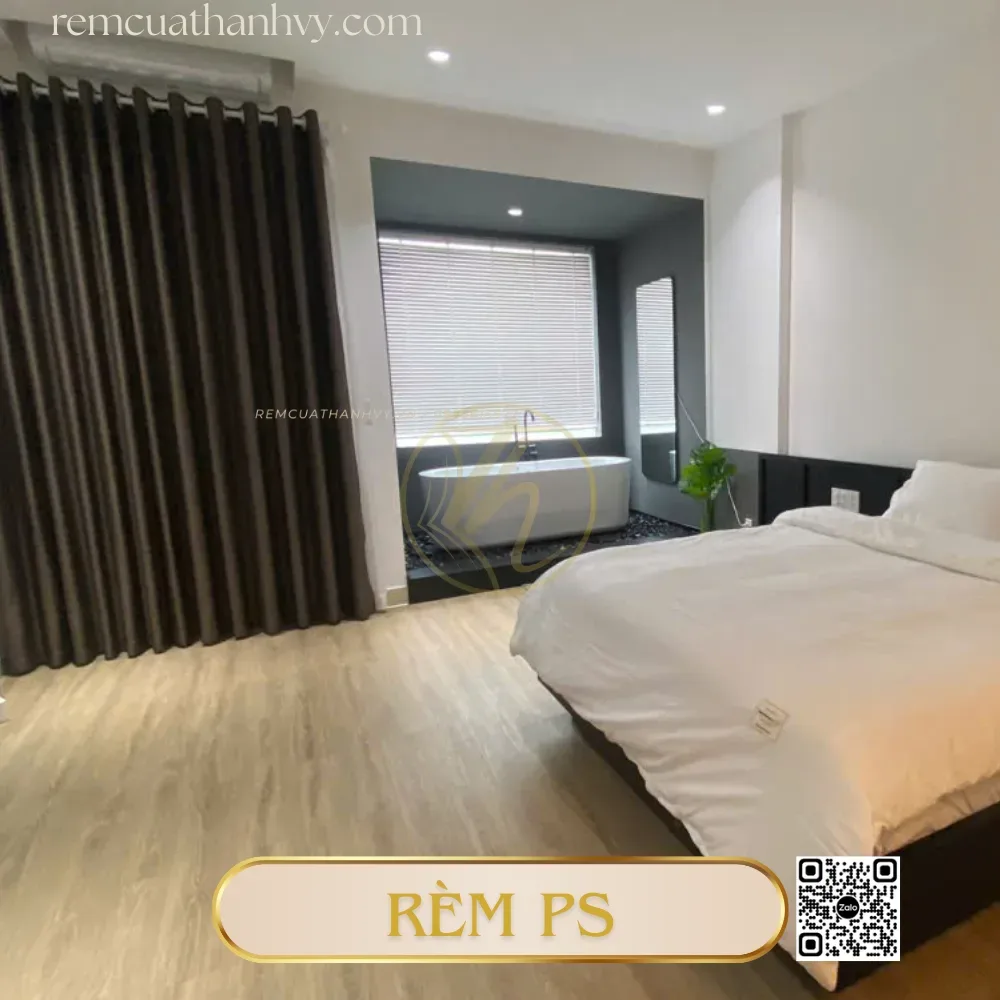
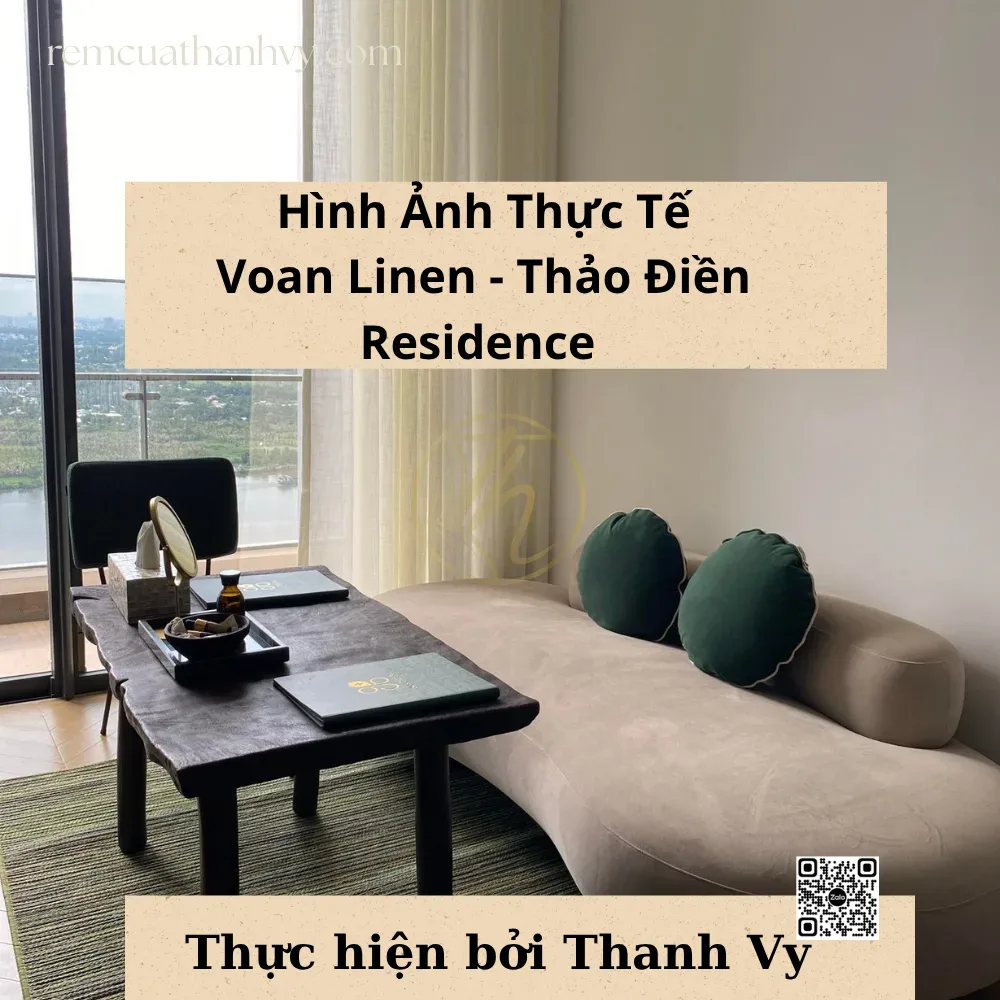
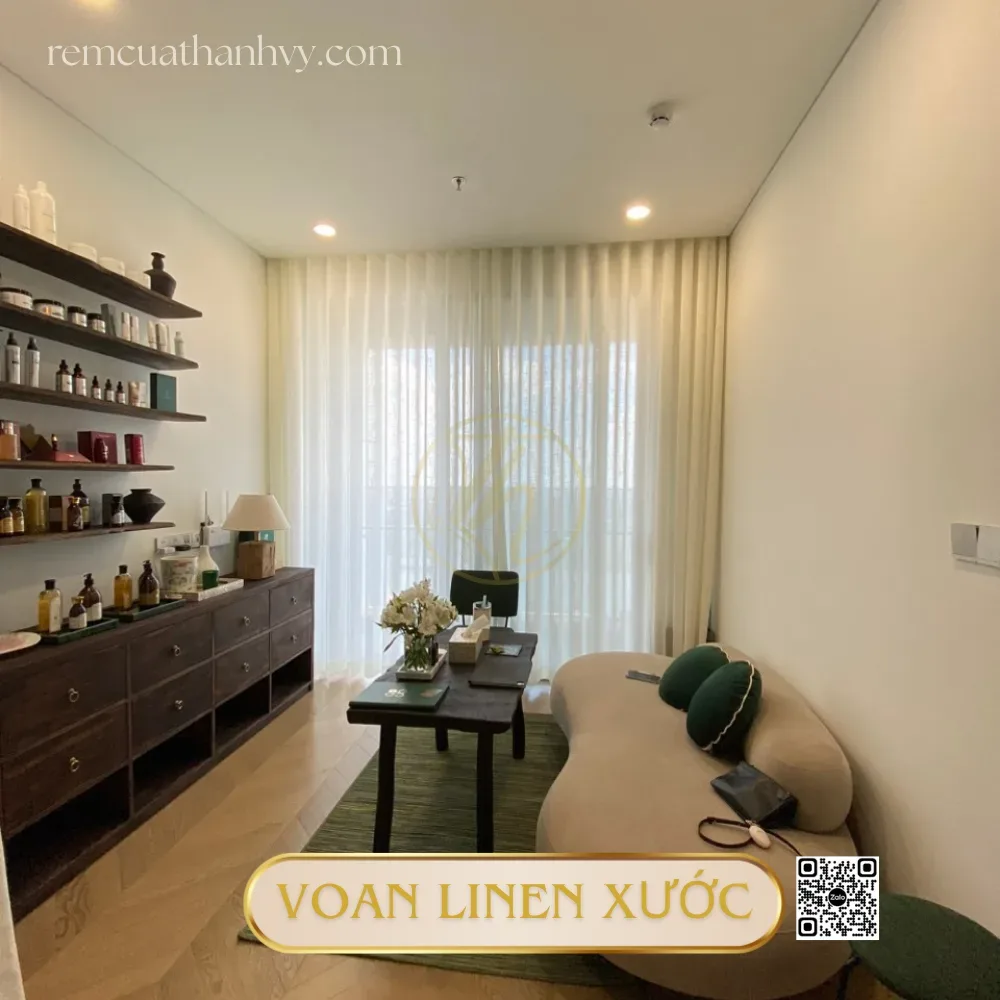
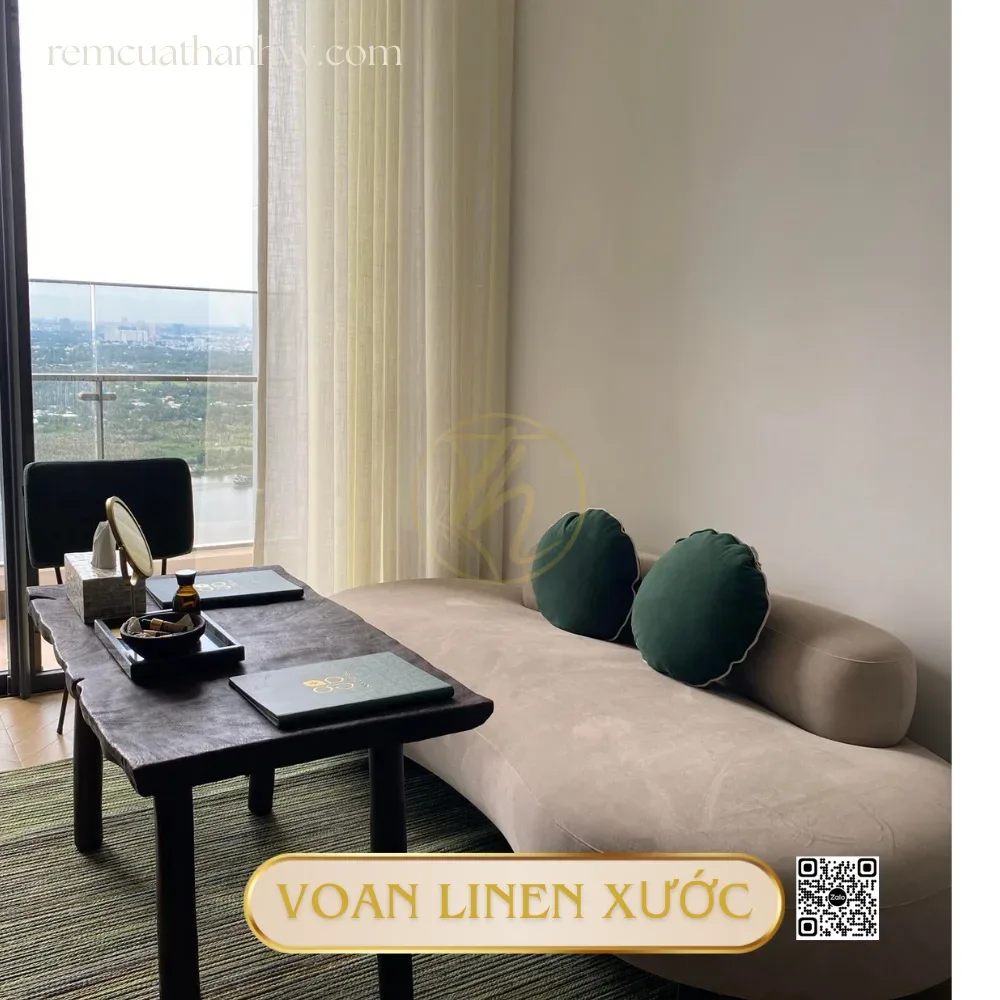
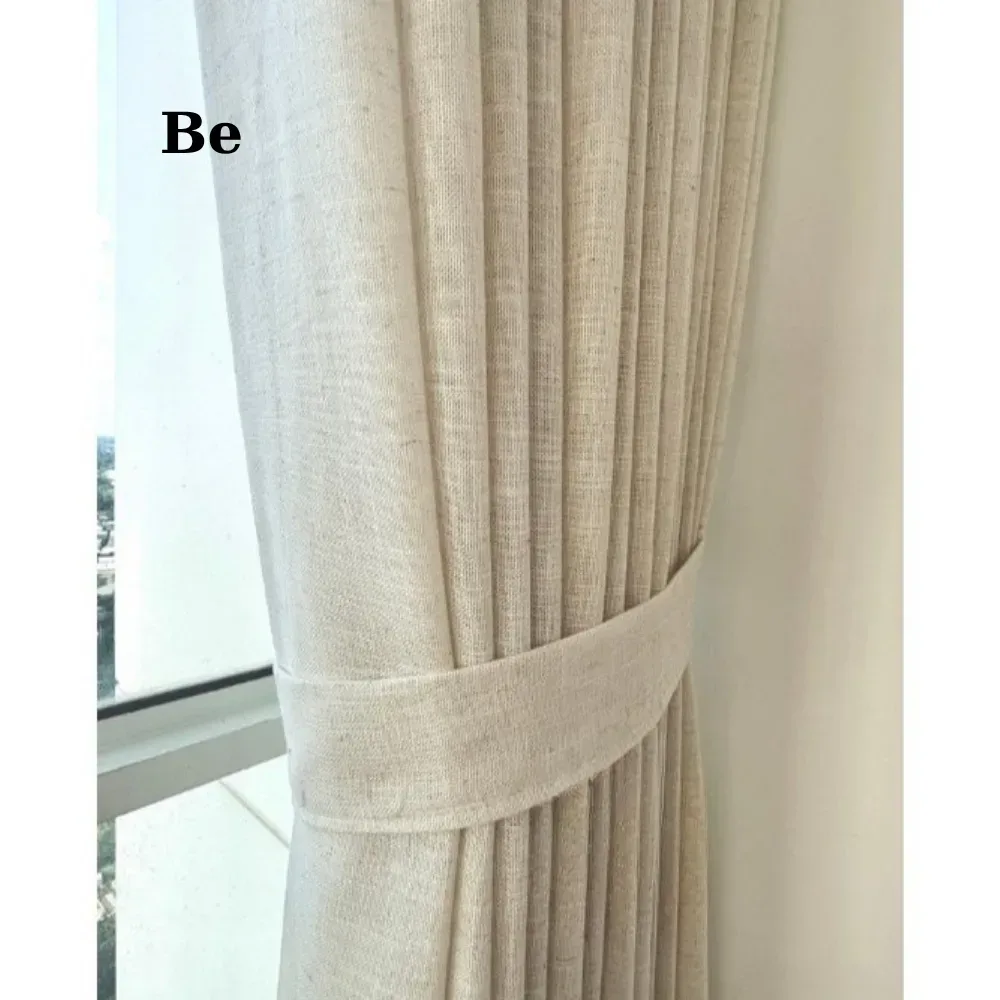
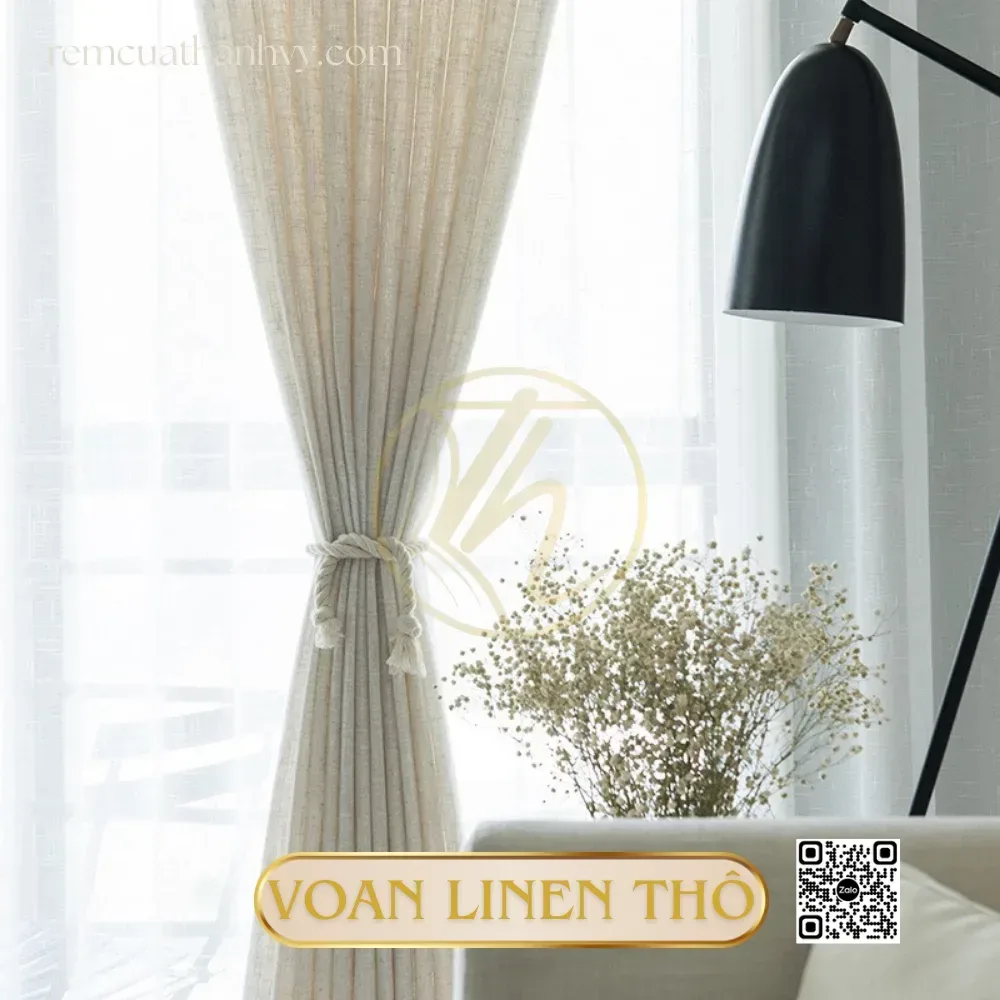
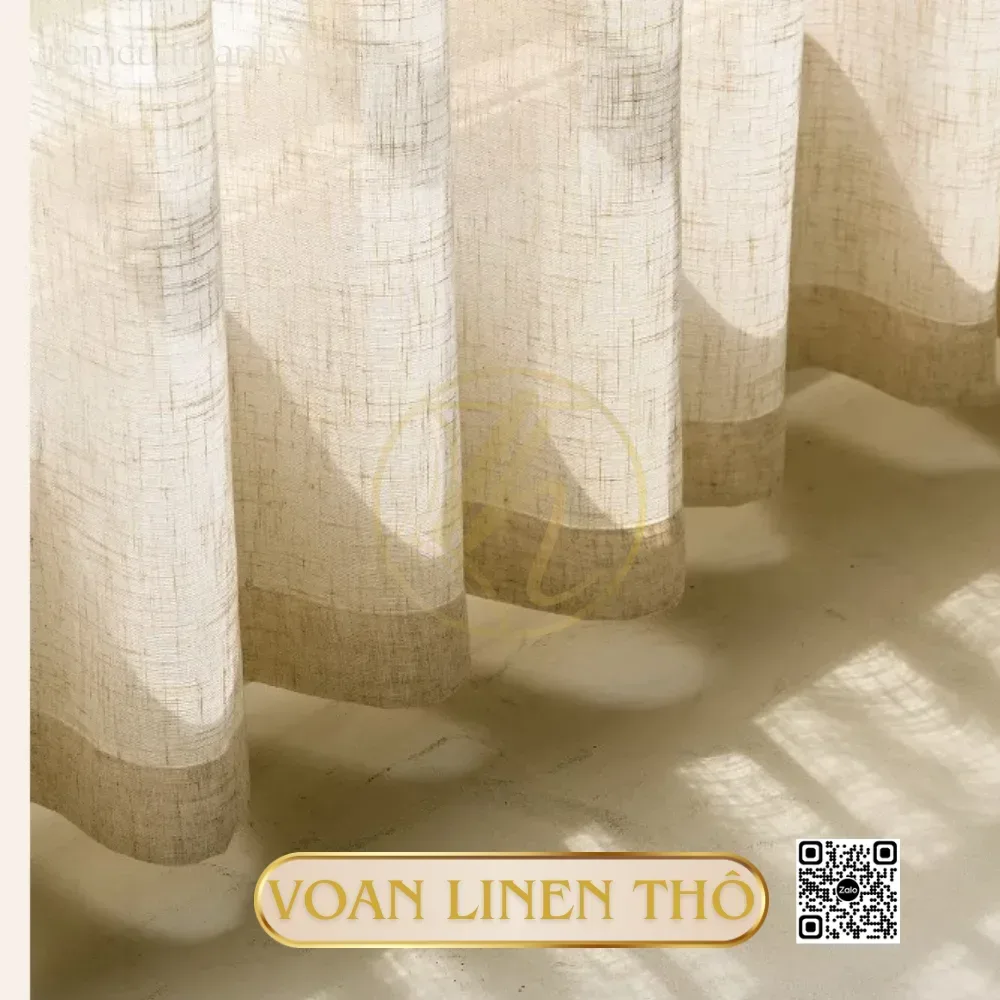
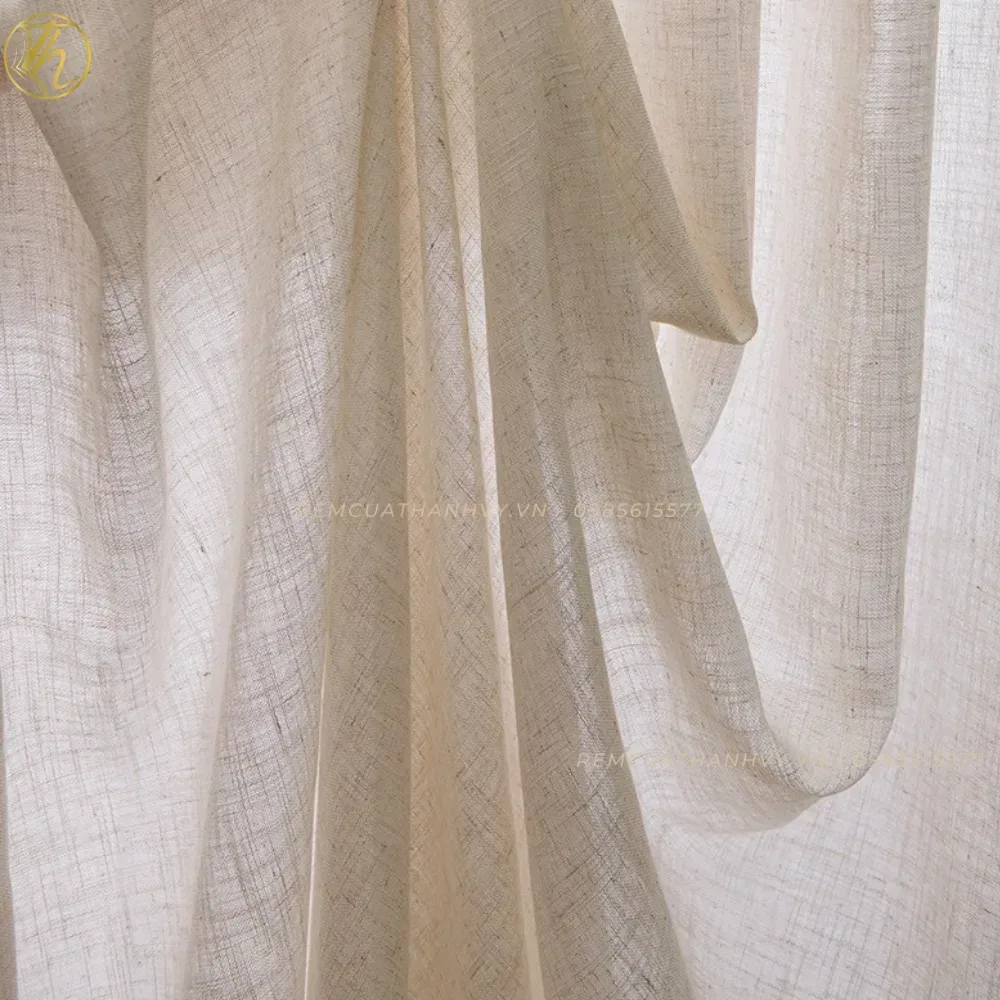
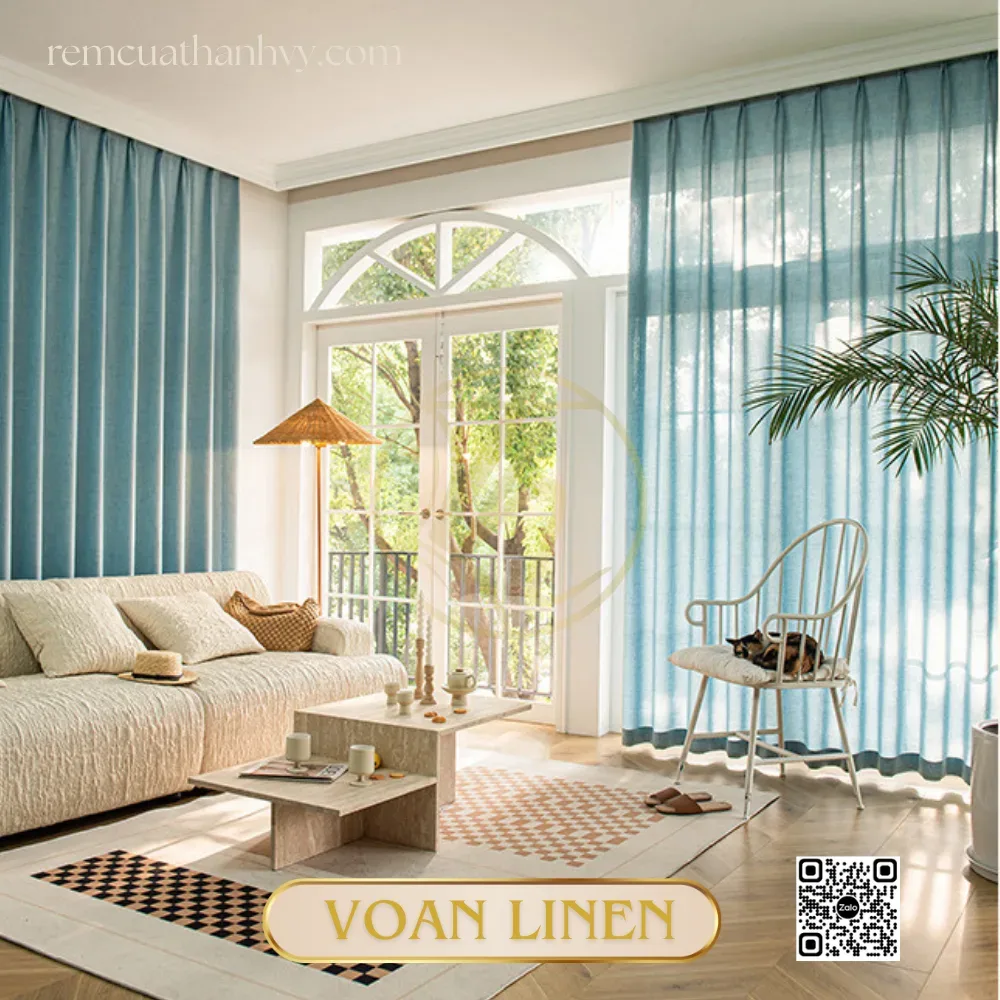
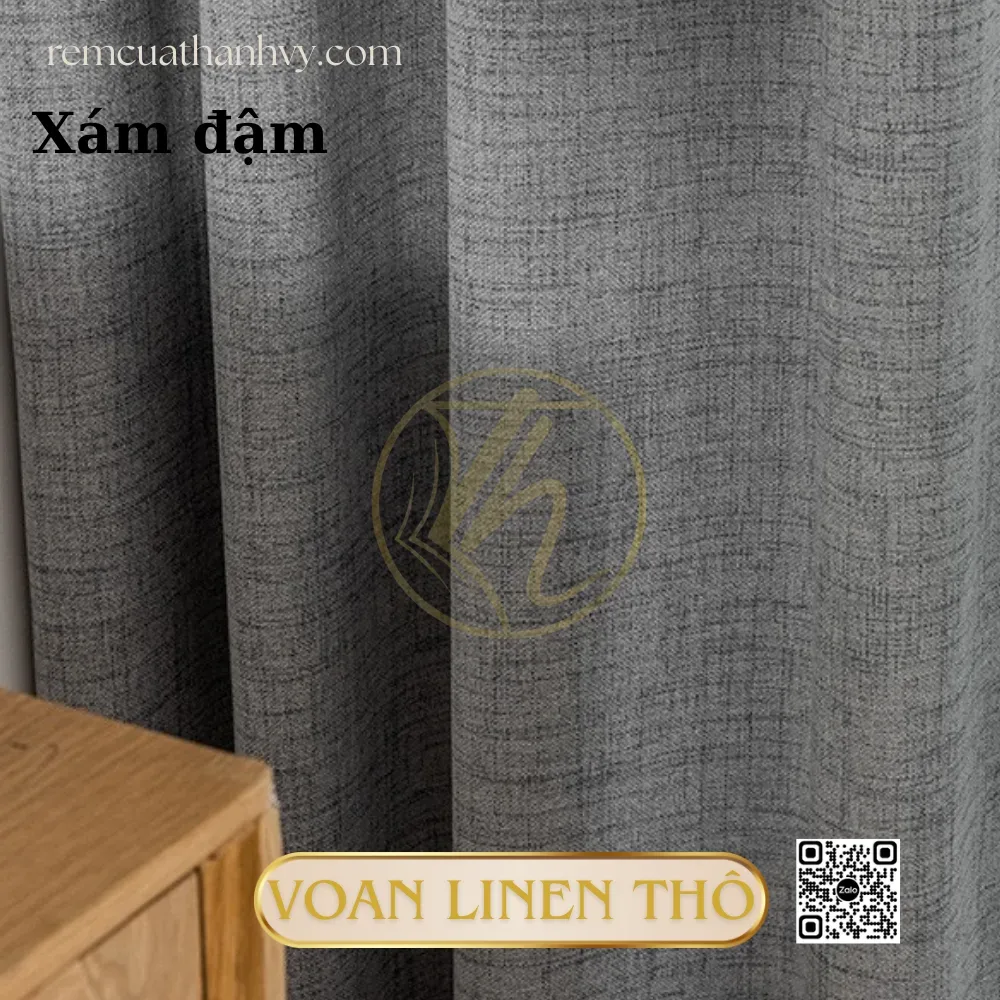
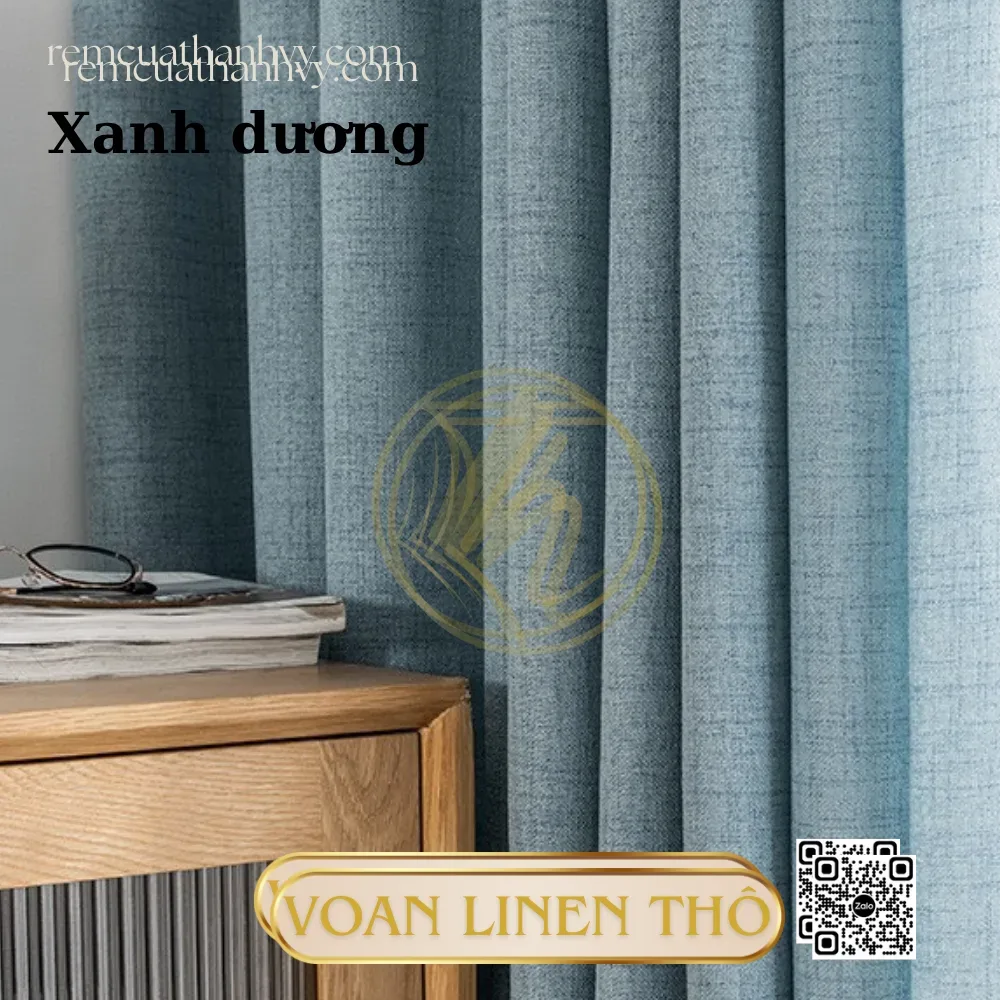
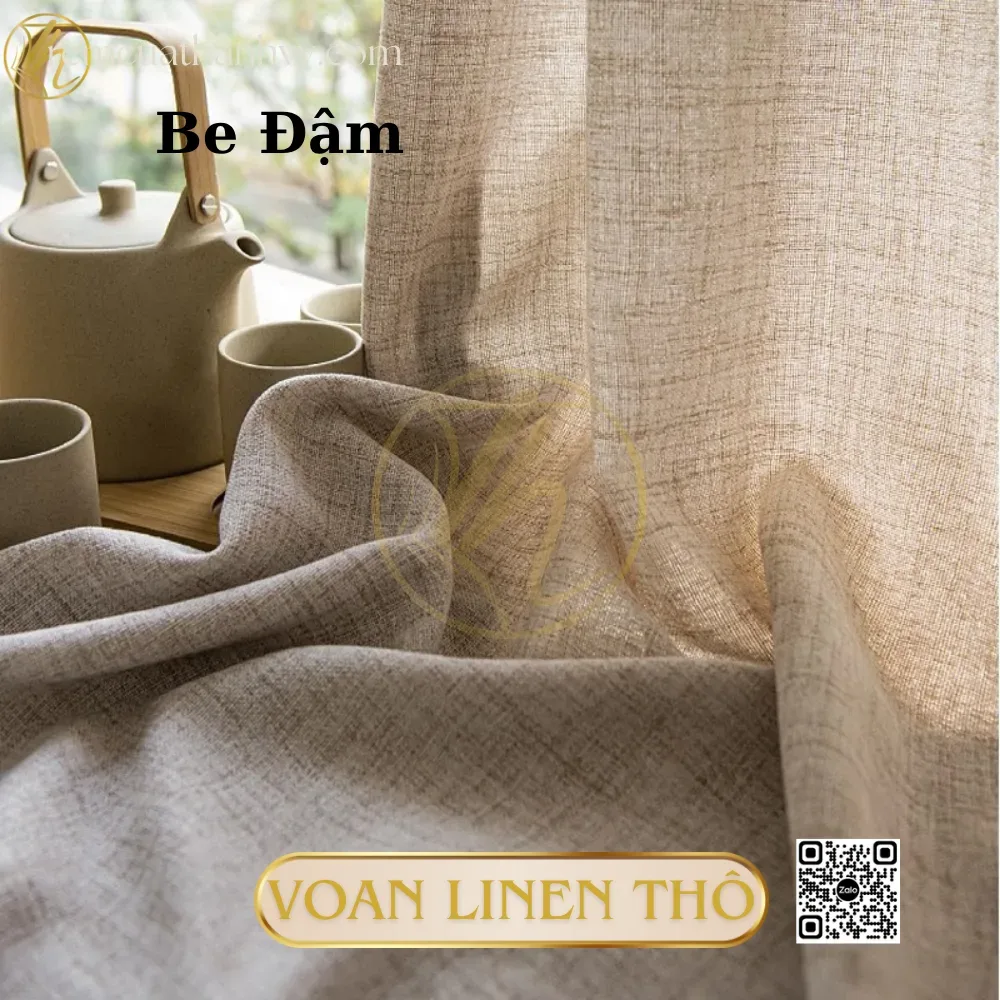
Fabric curtains
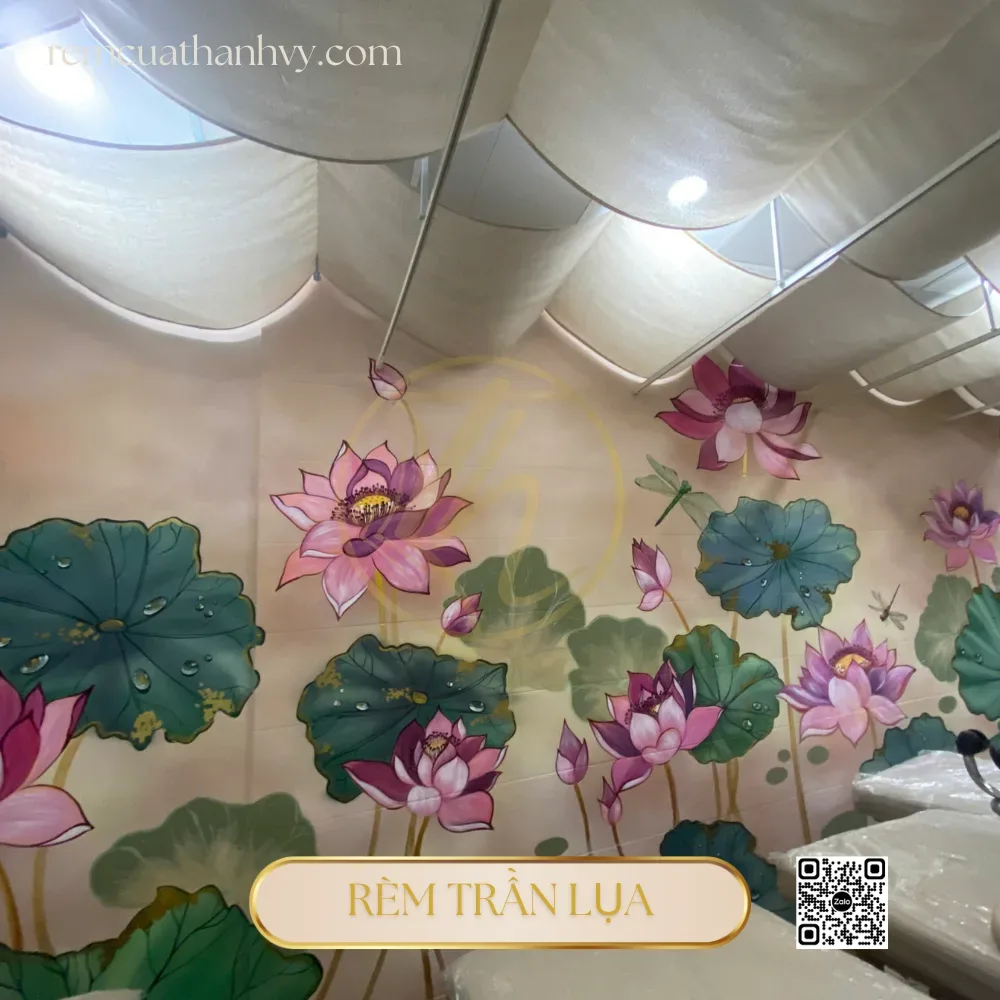
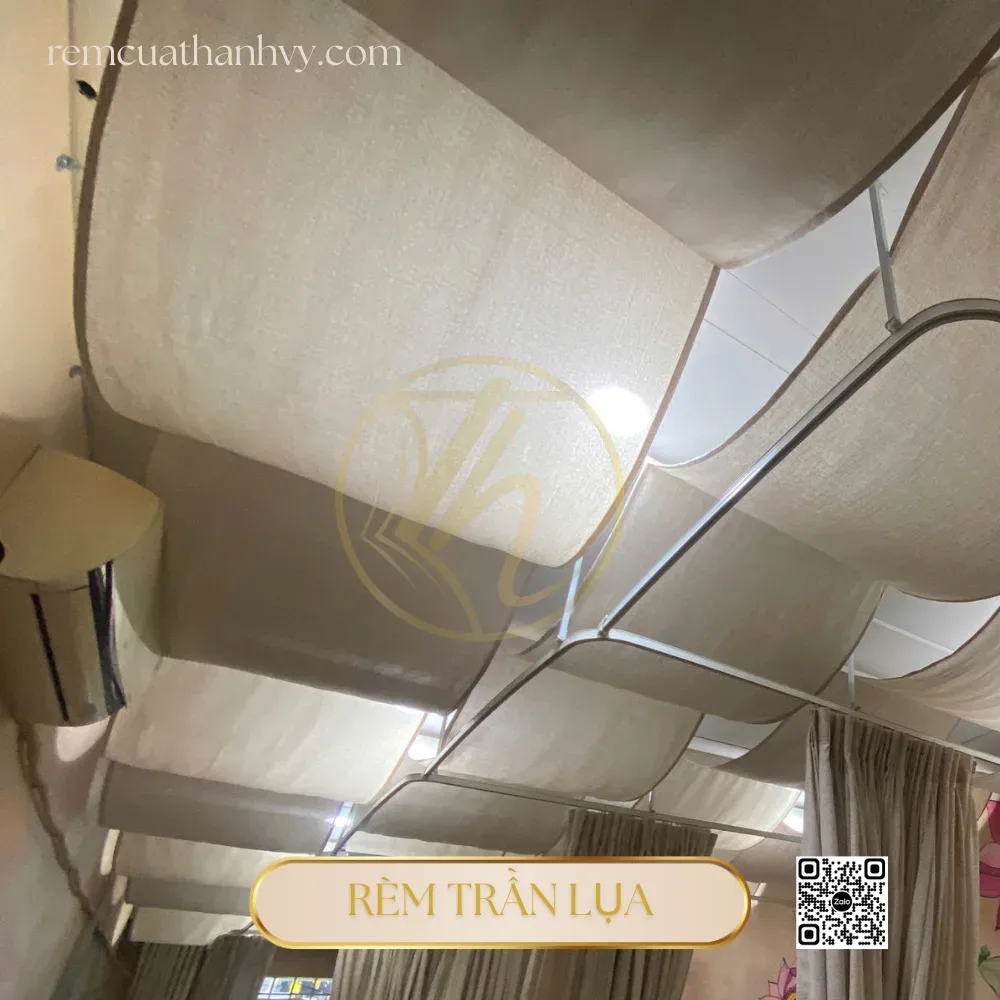
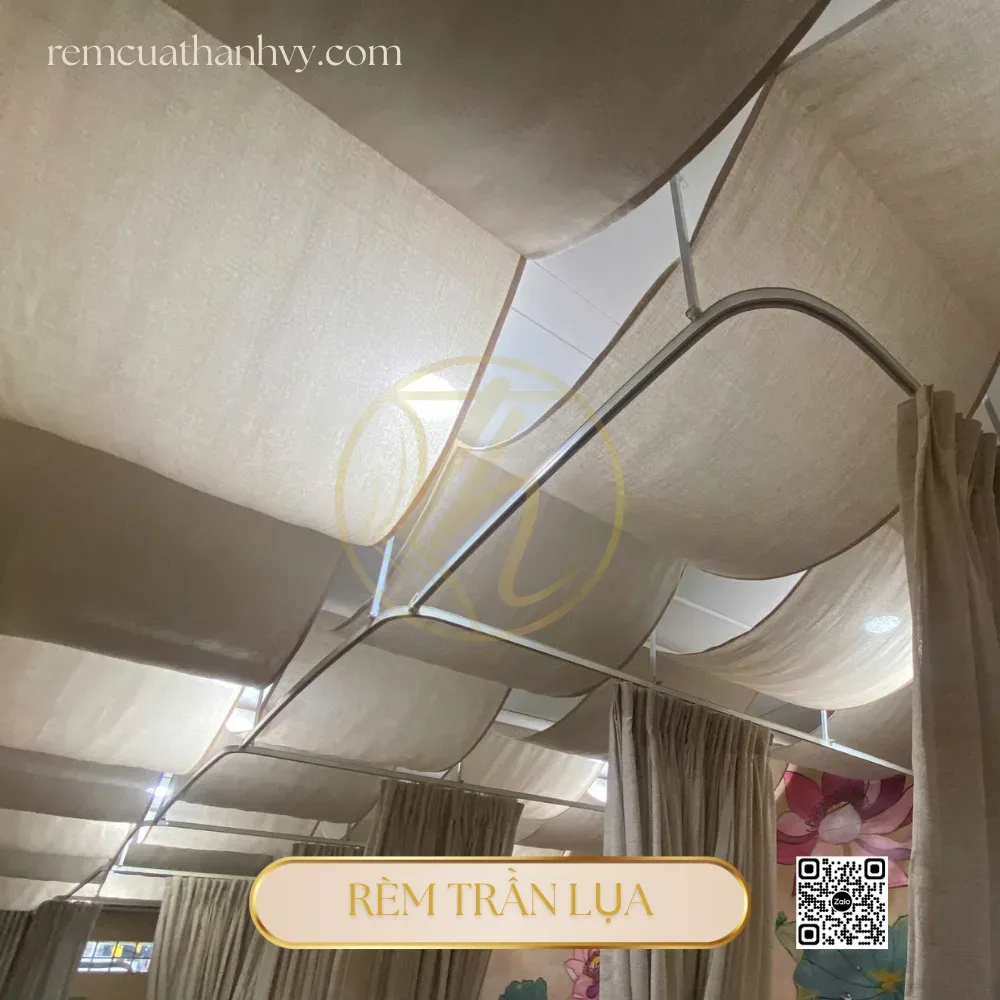
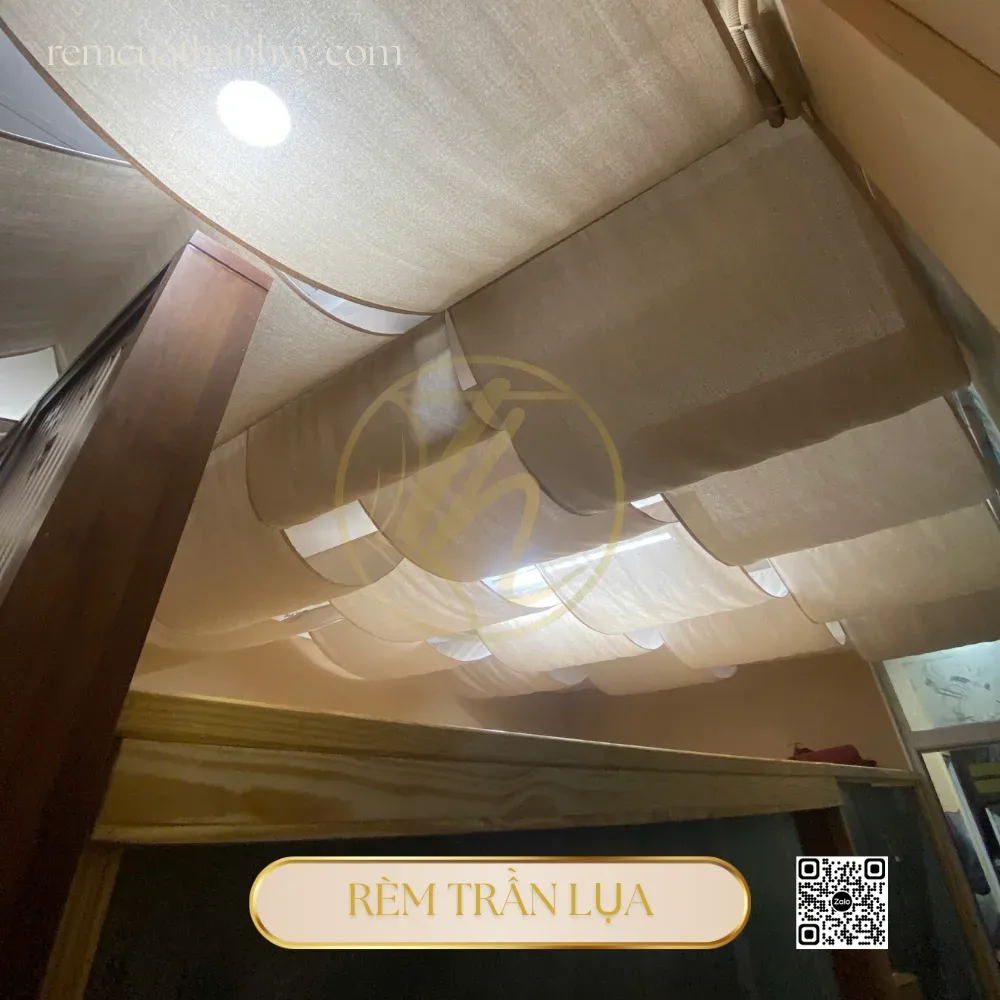
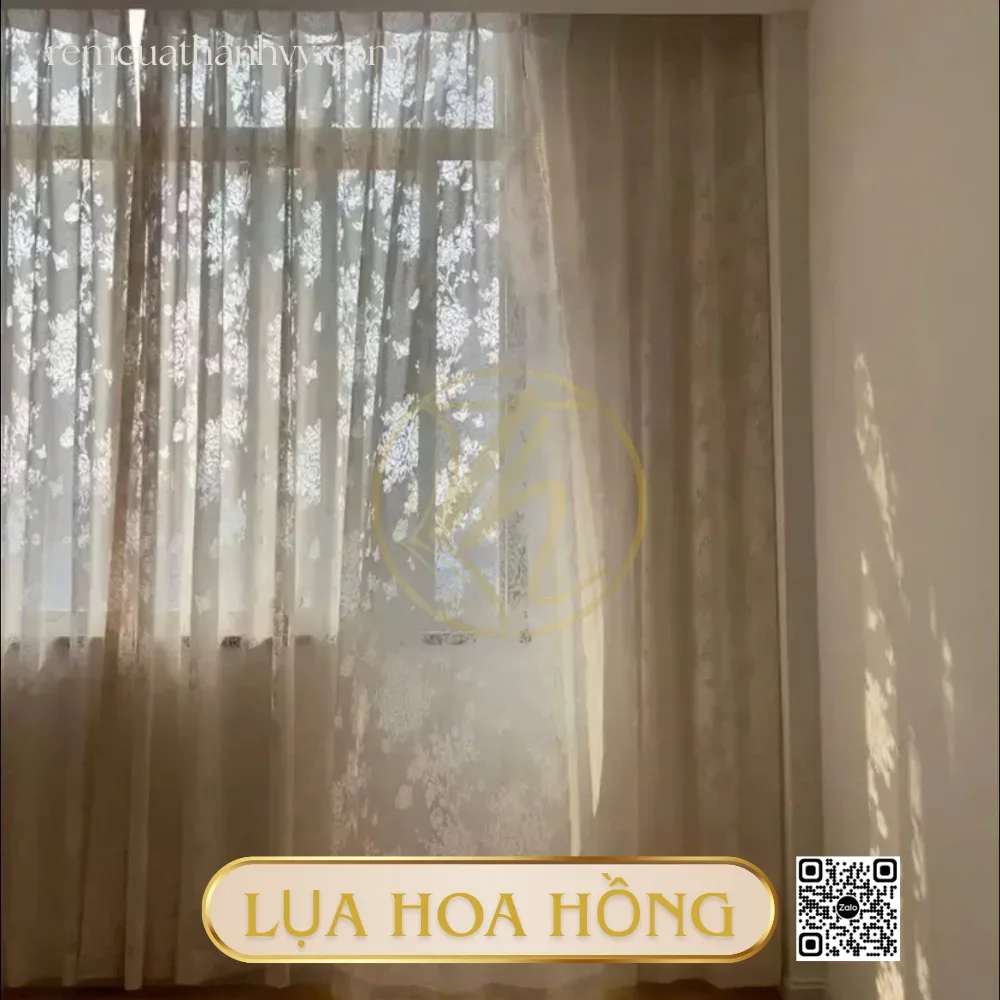
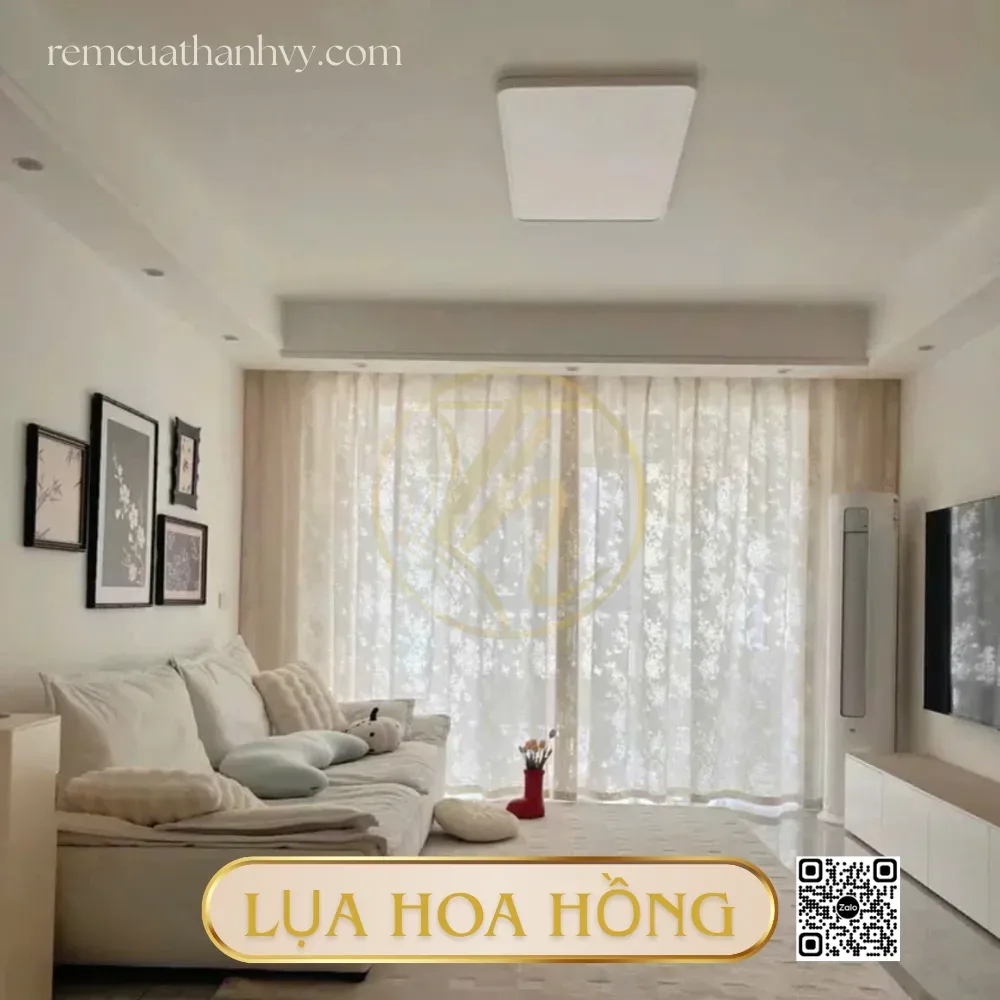
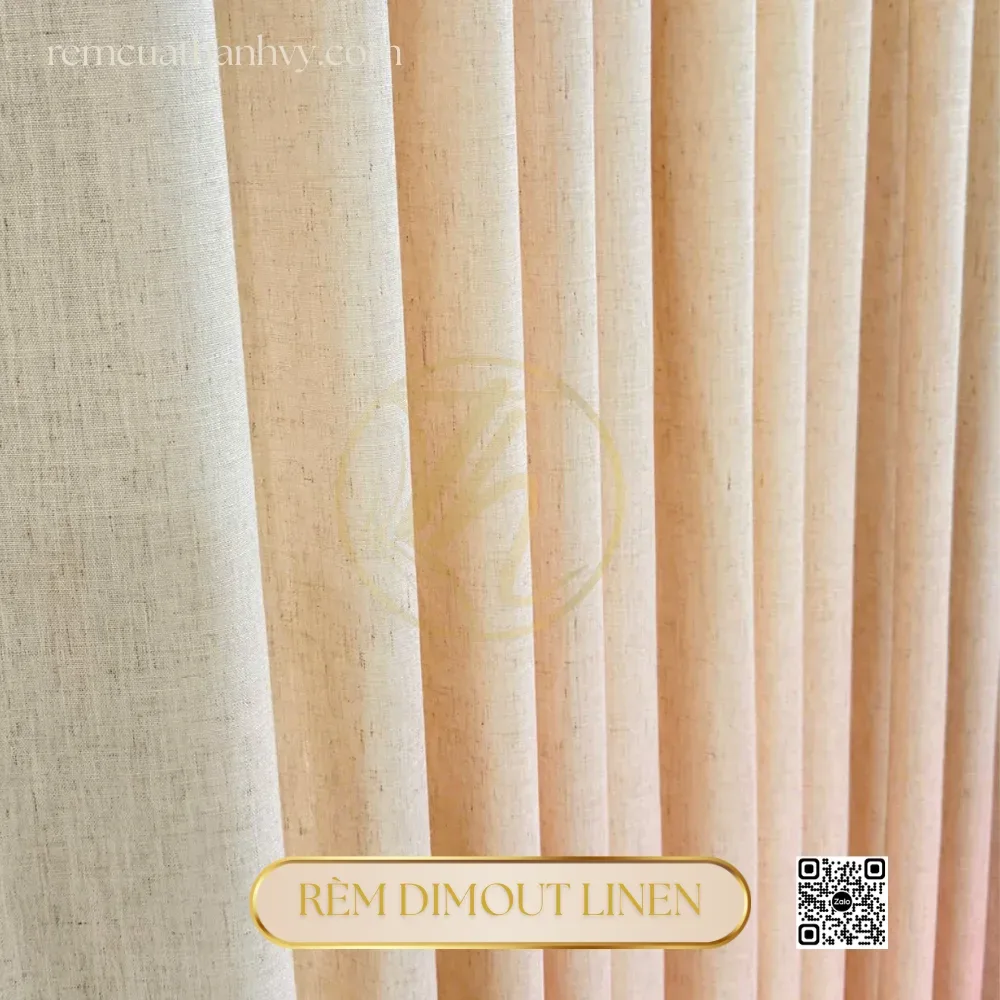
Fabric curtains are easy to coordinate with furniture and have a wide price range.

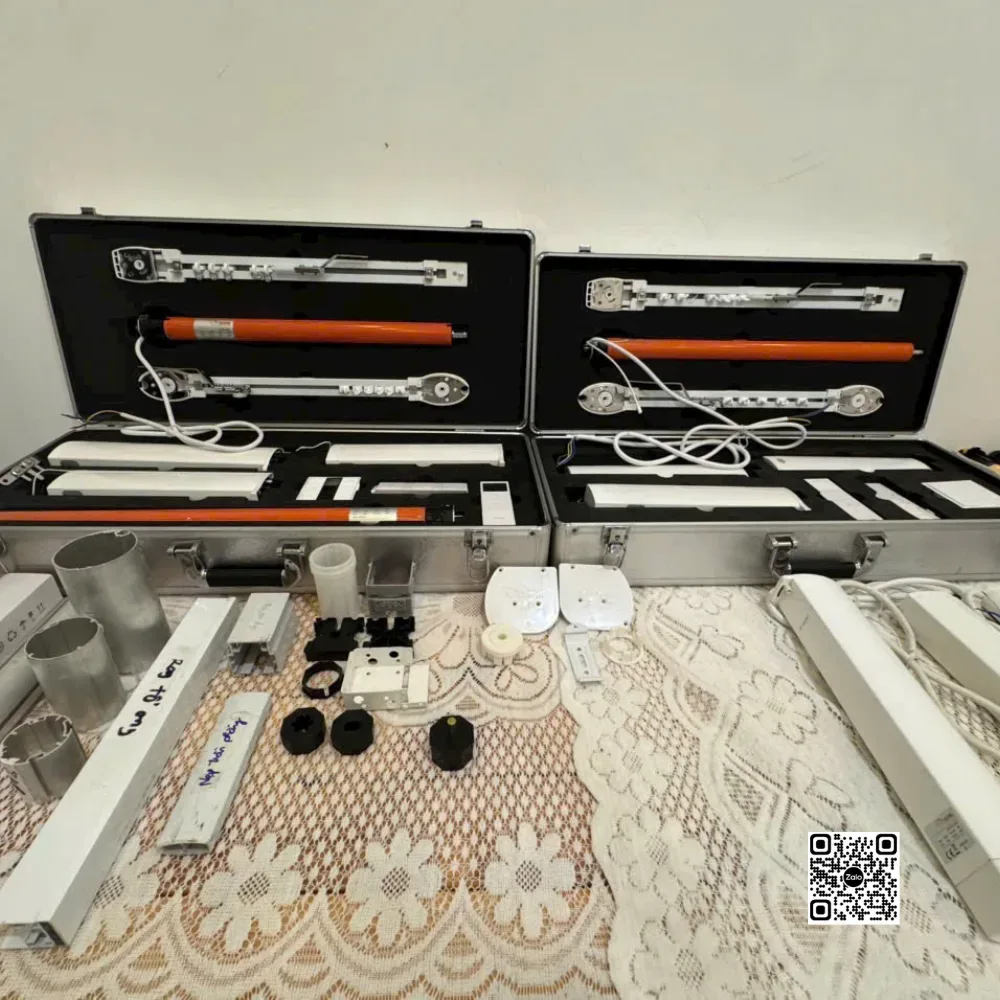
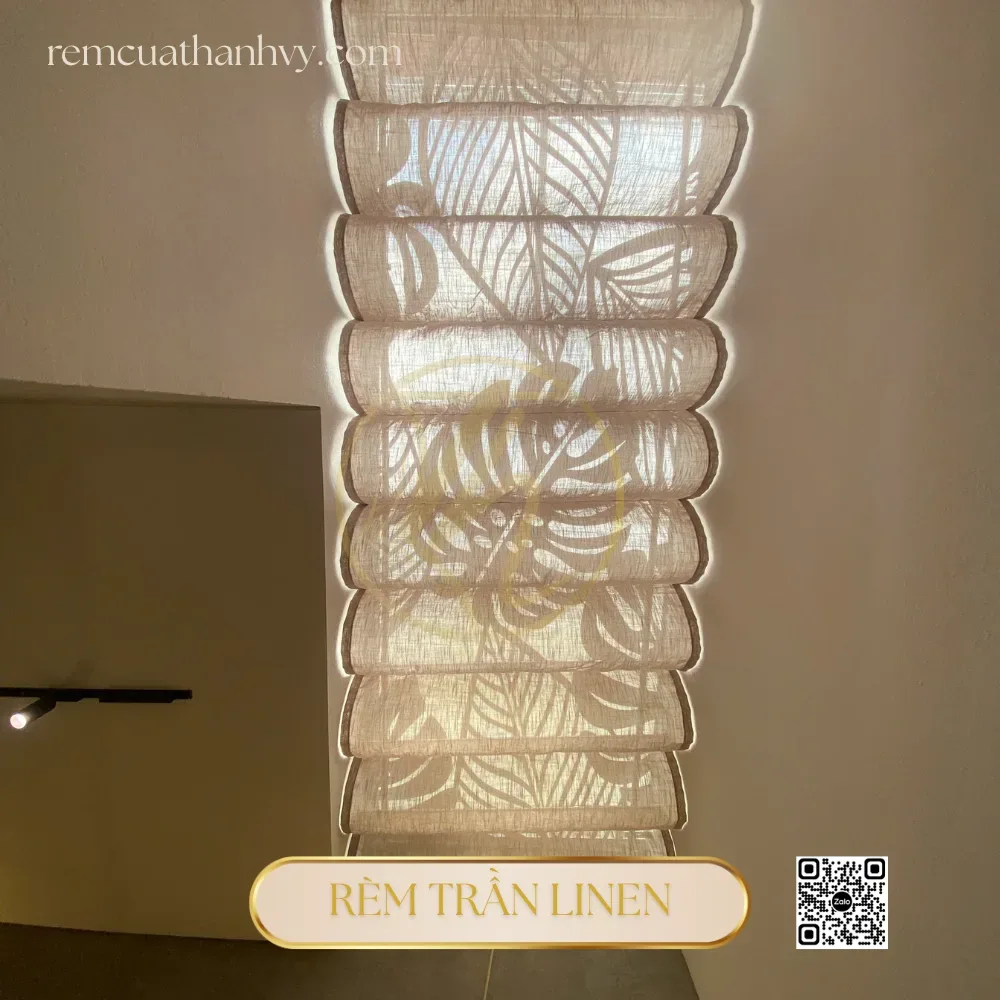
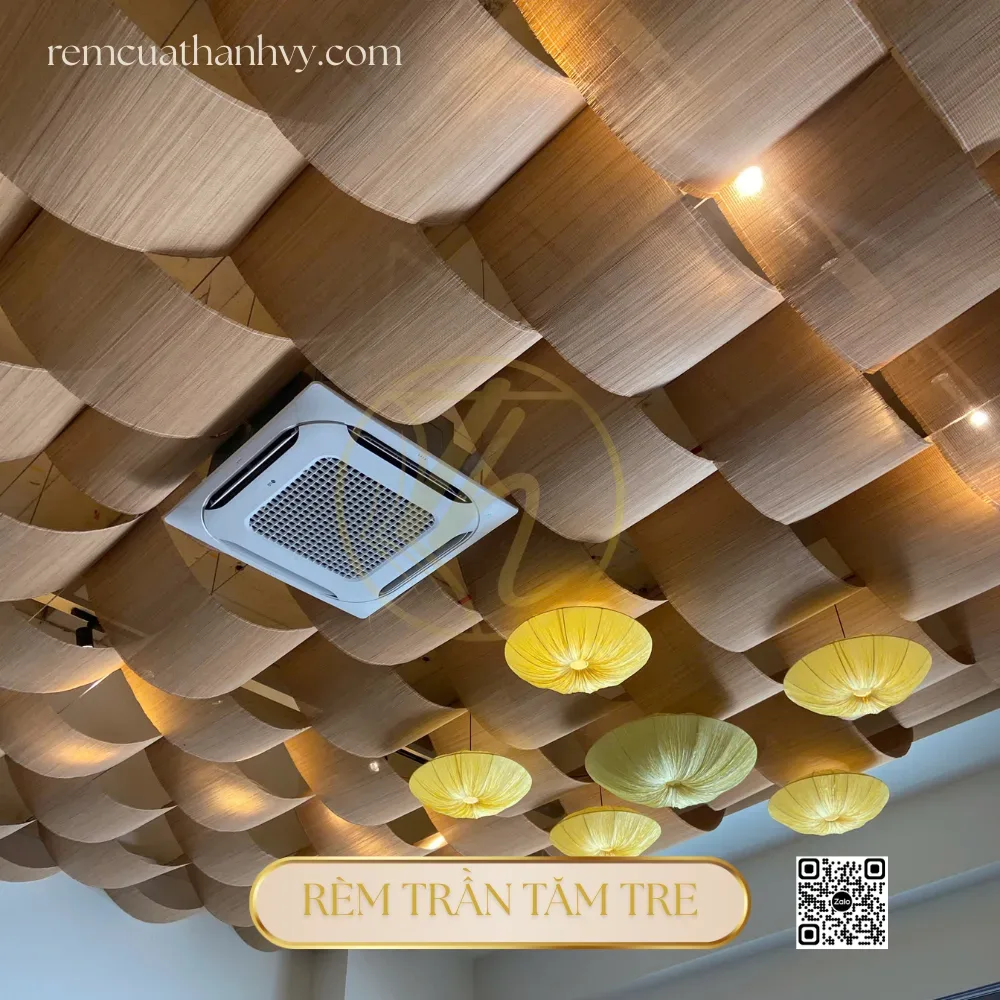
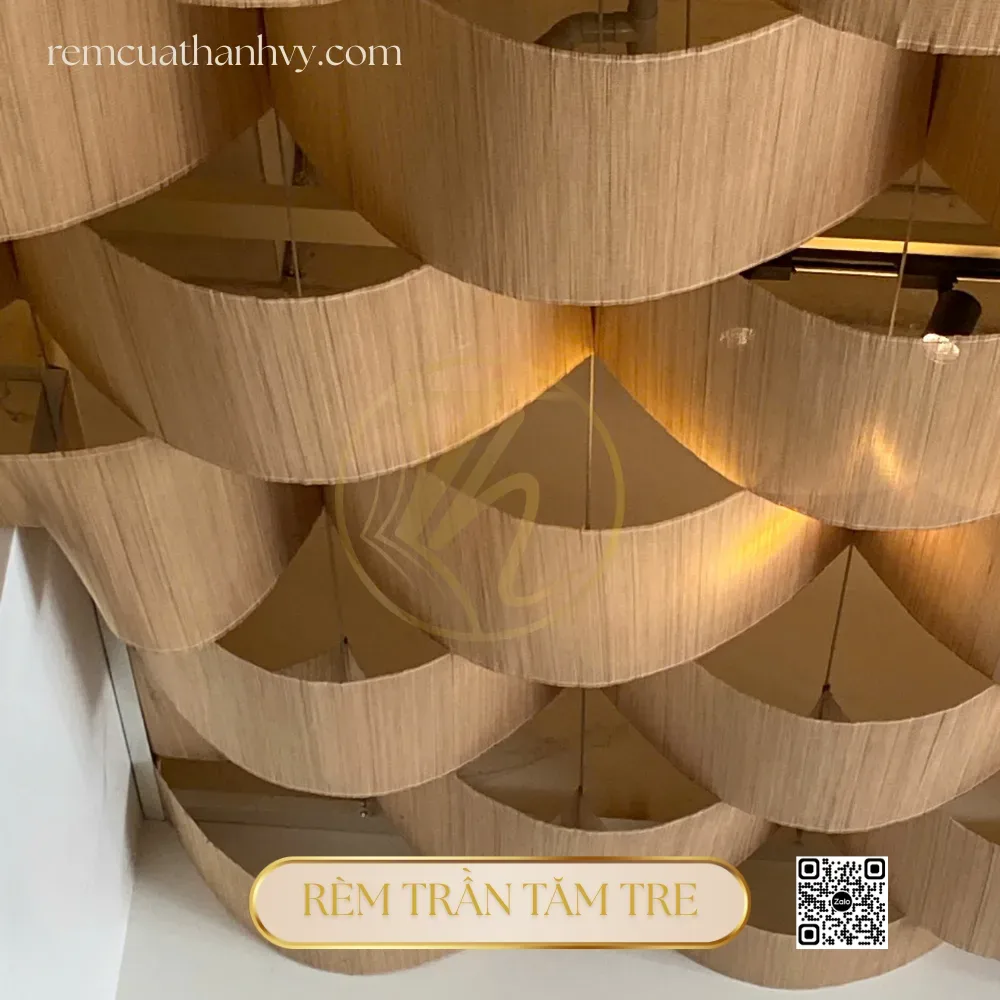
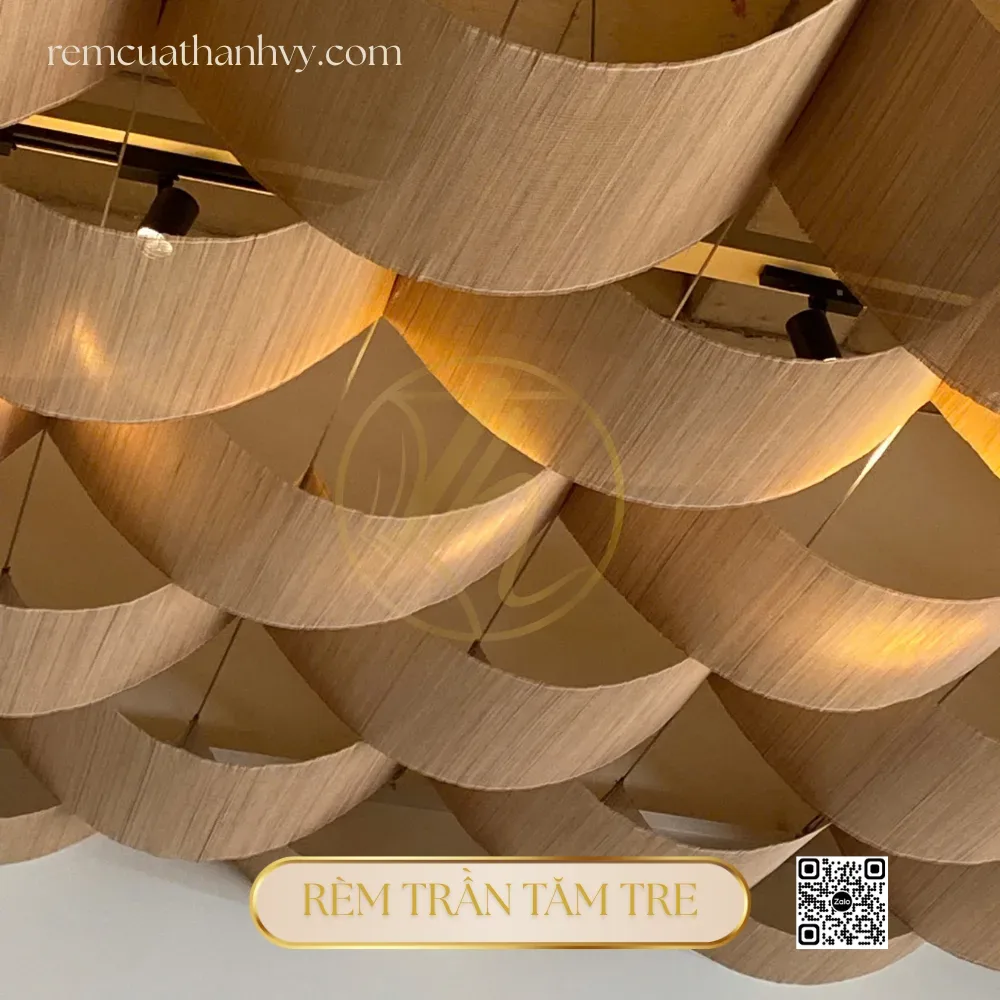
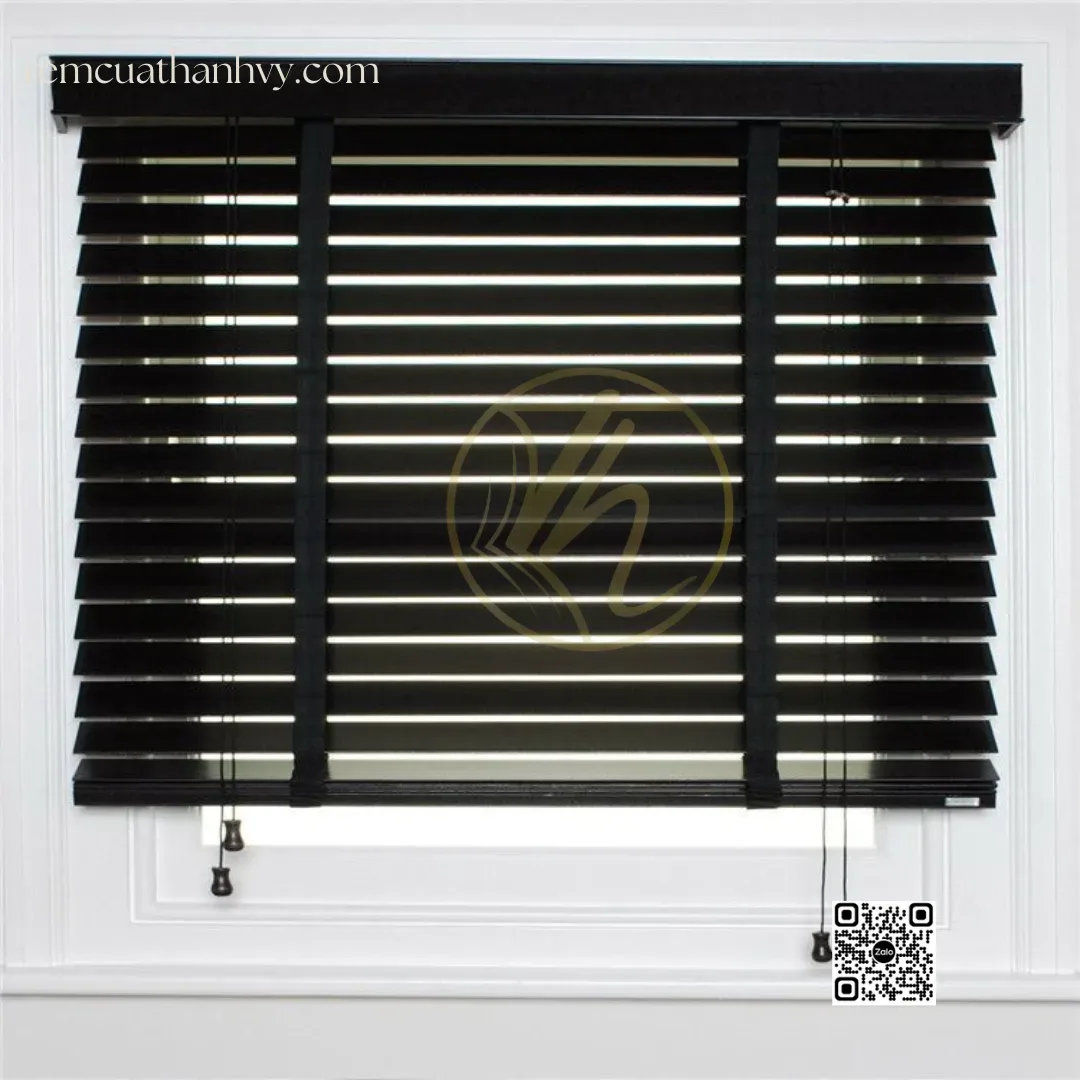
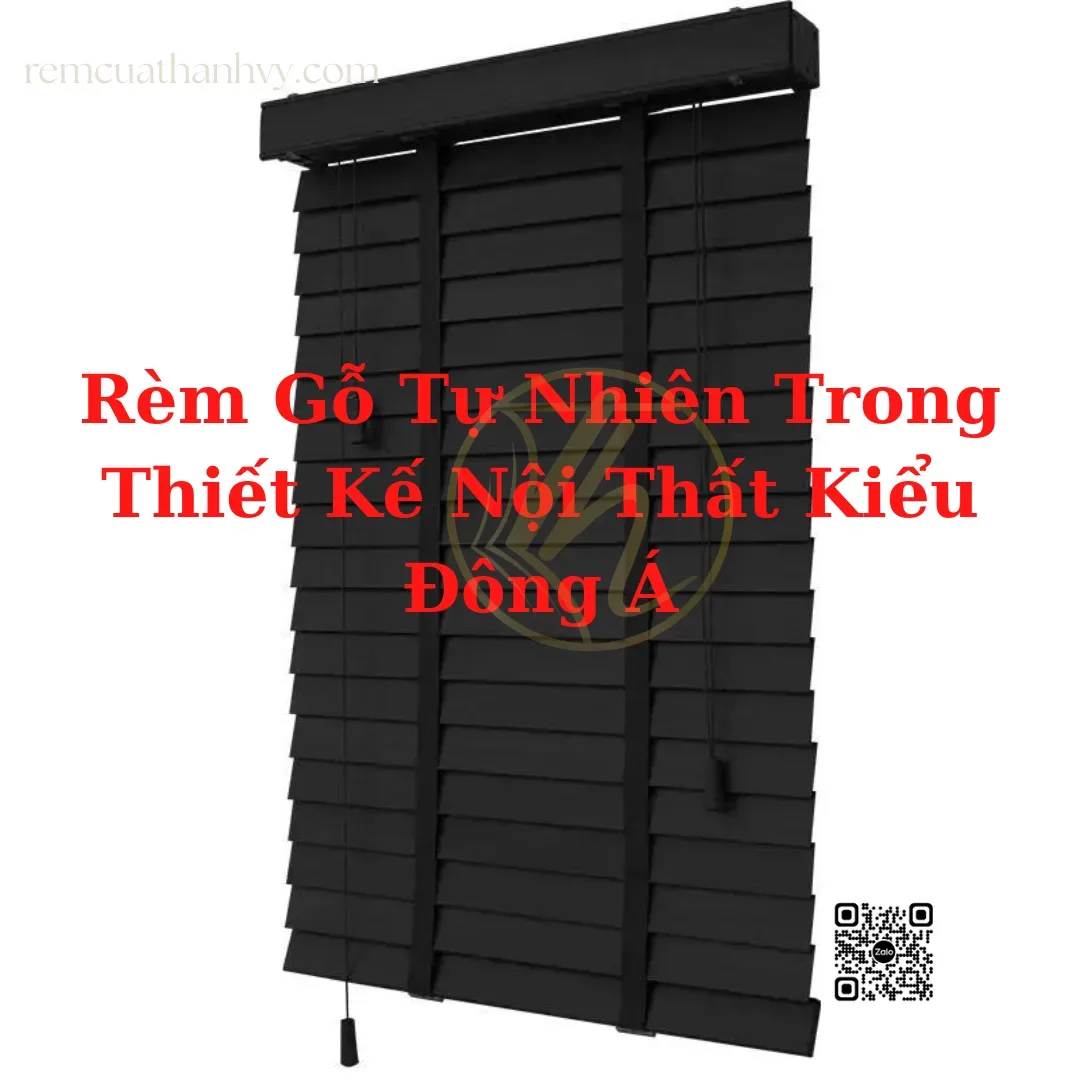
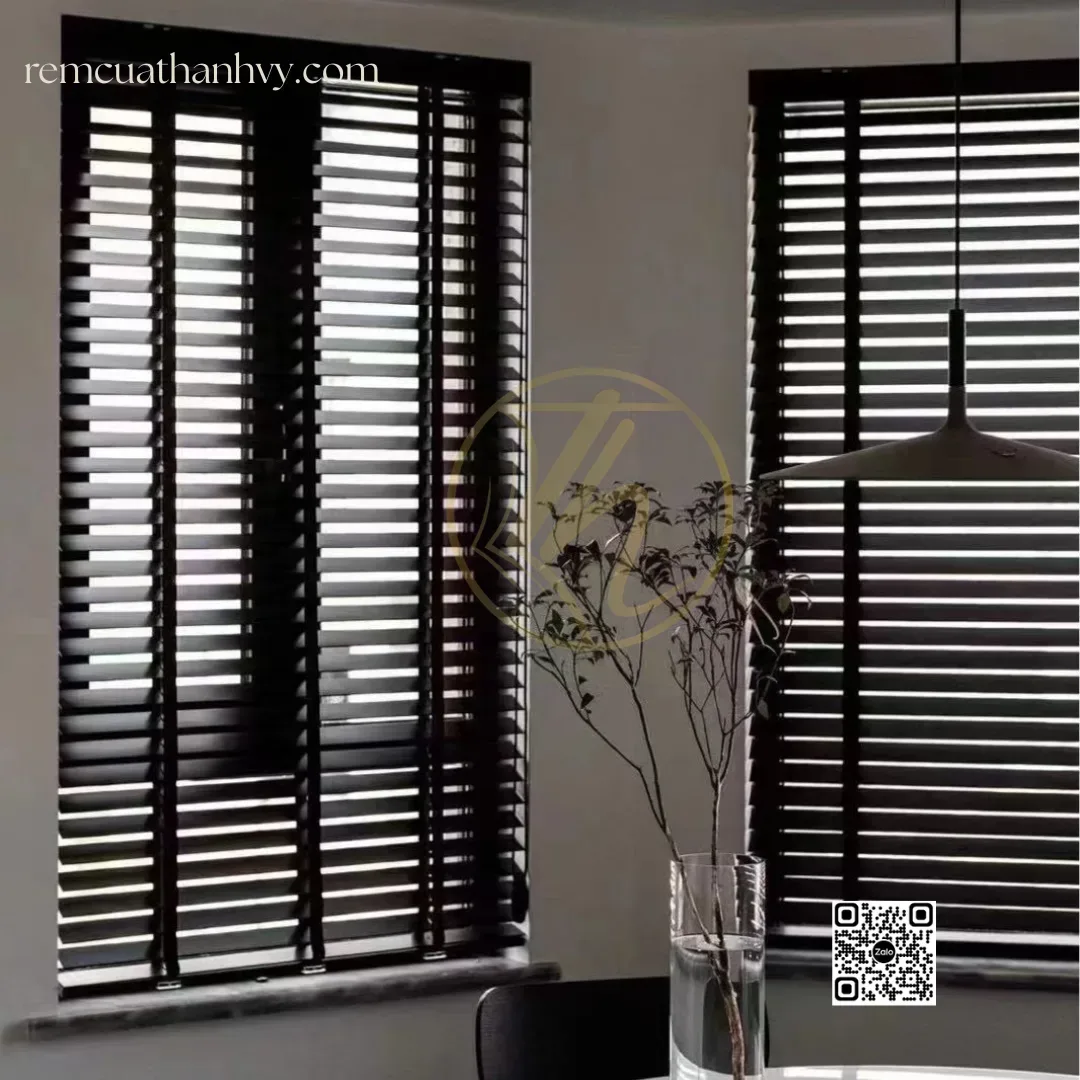
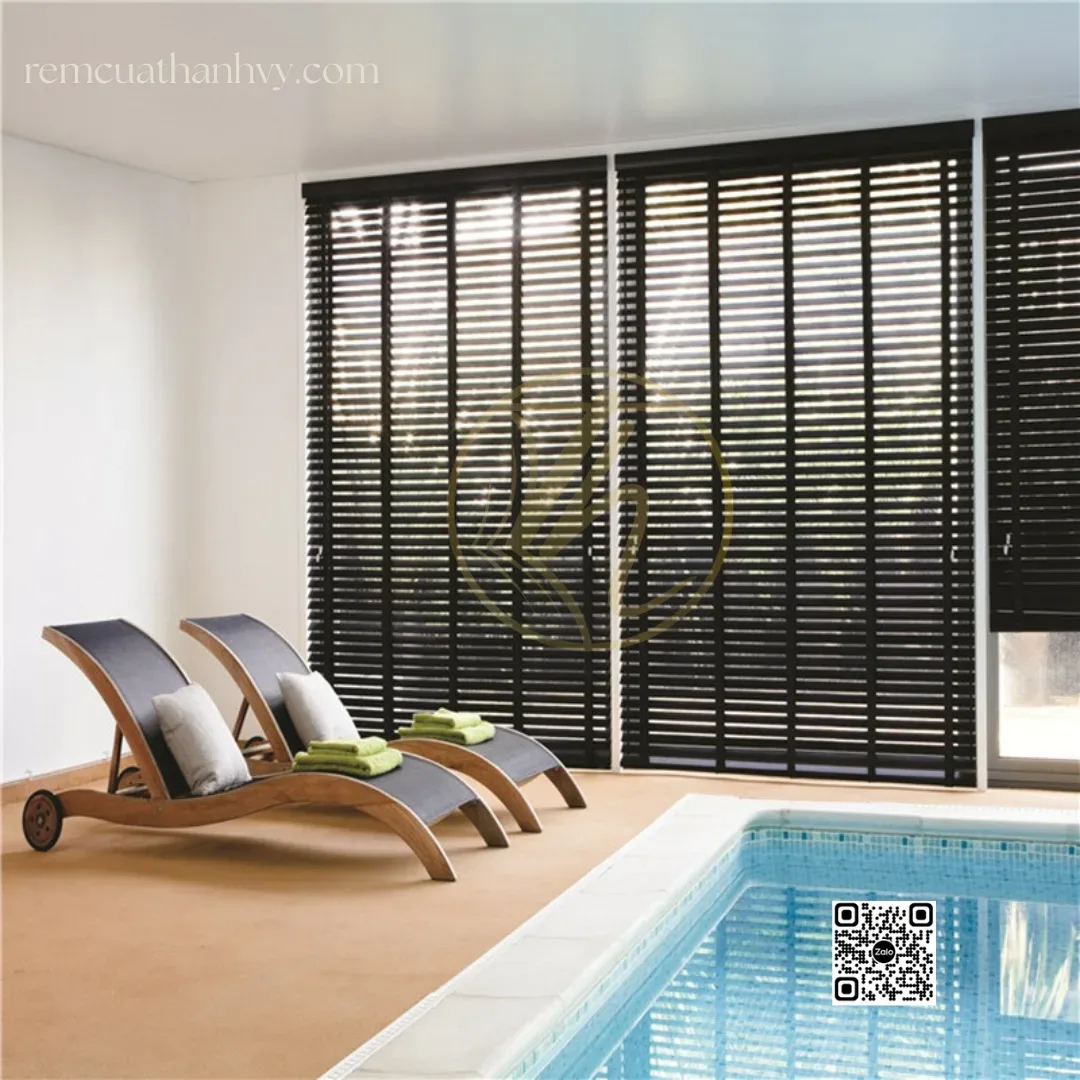
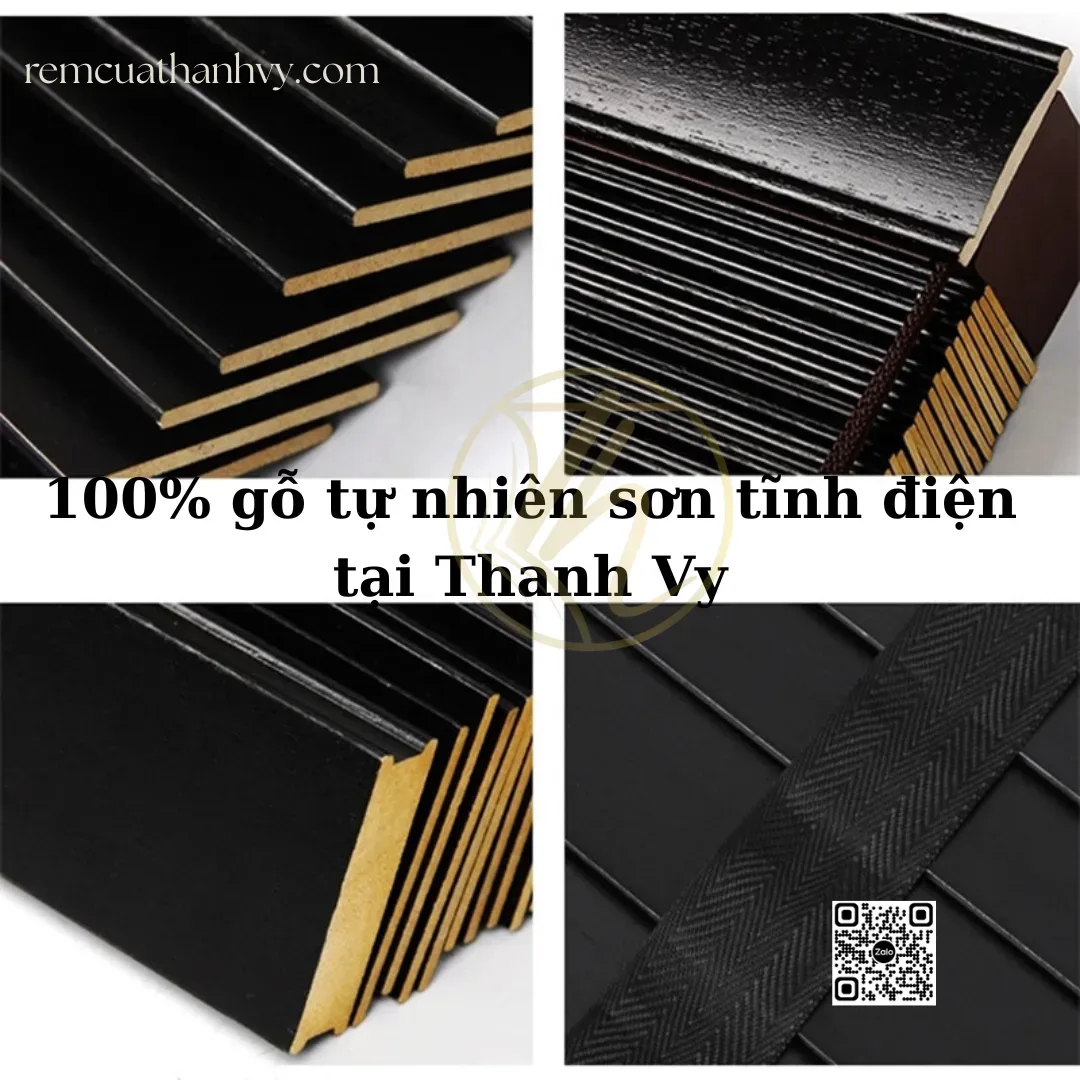
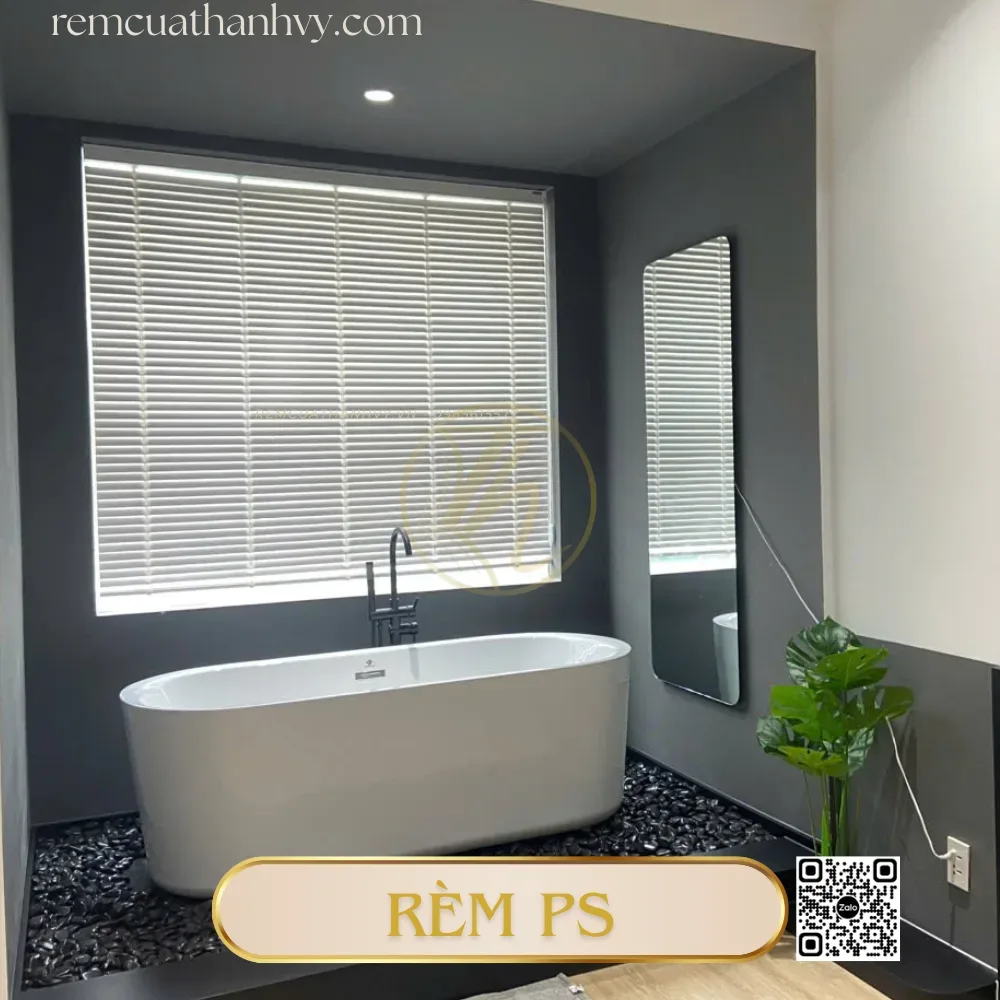
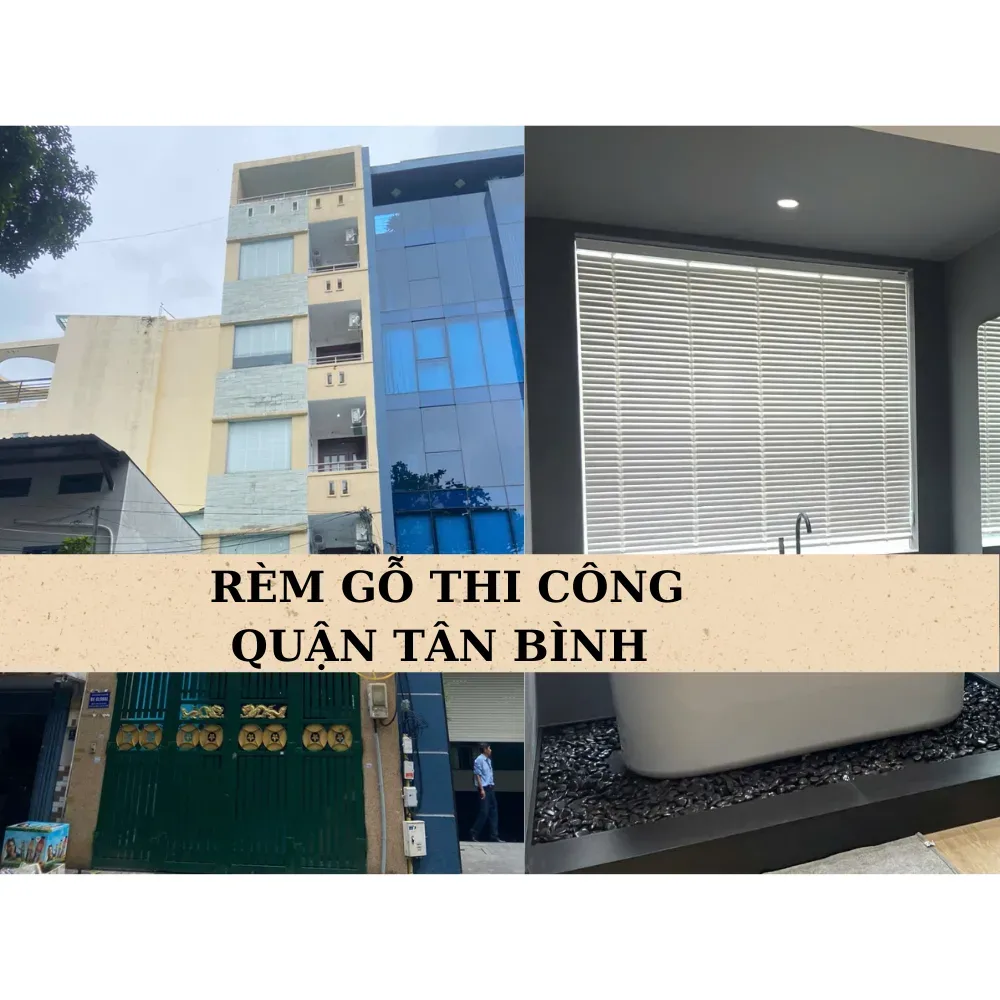
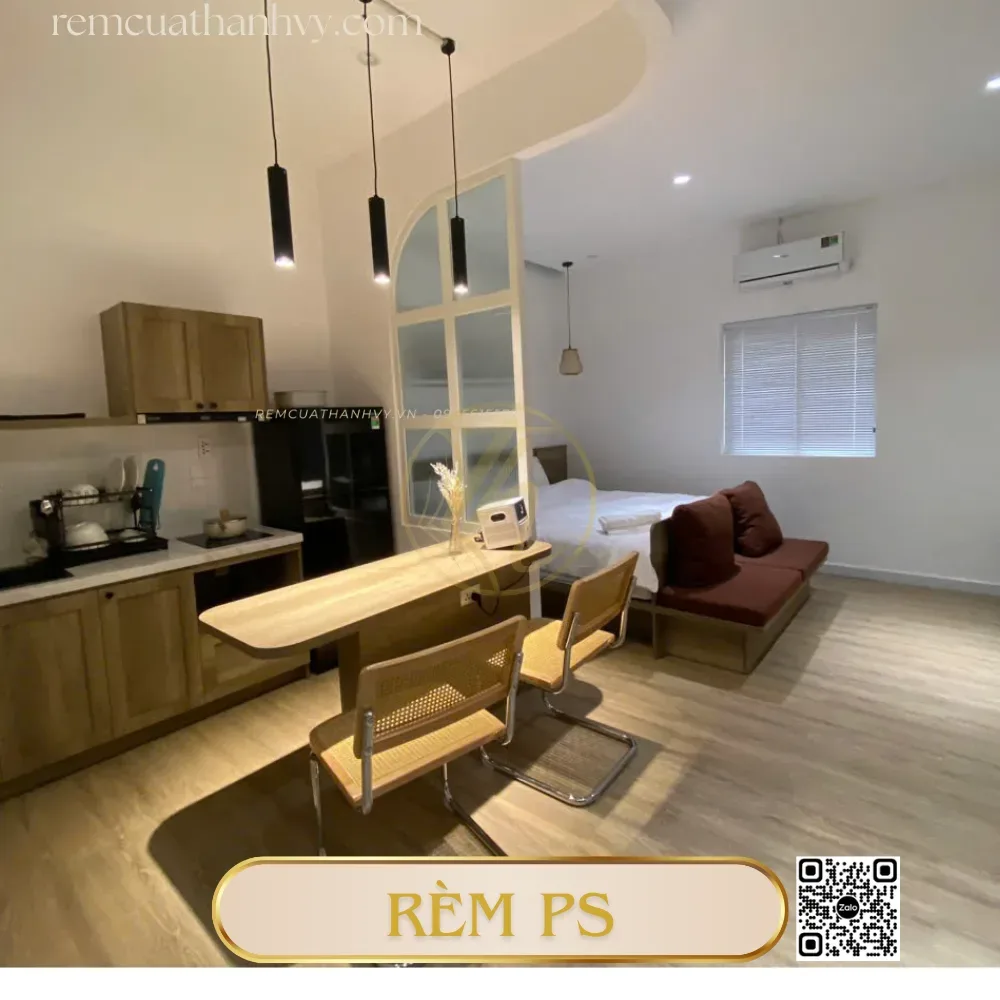
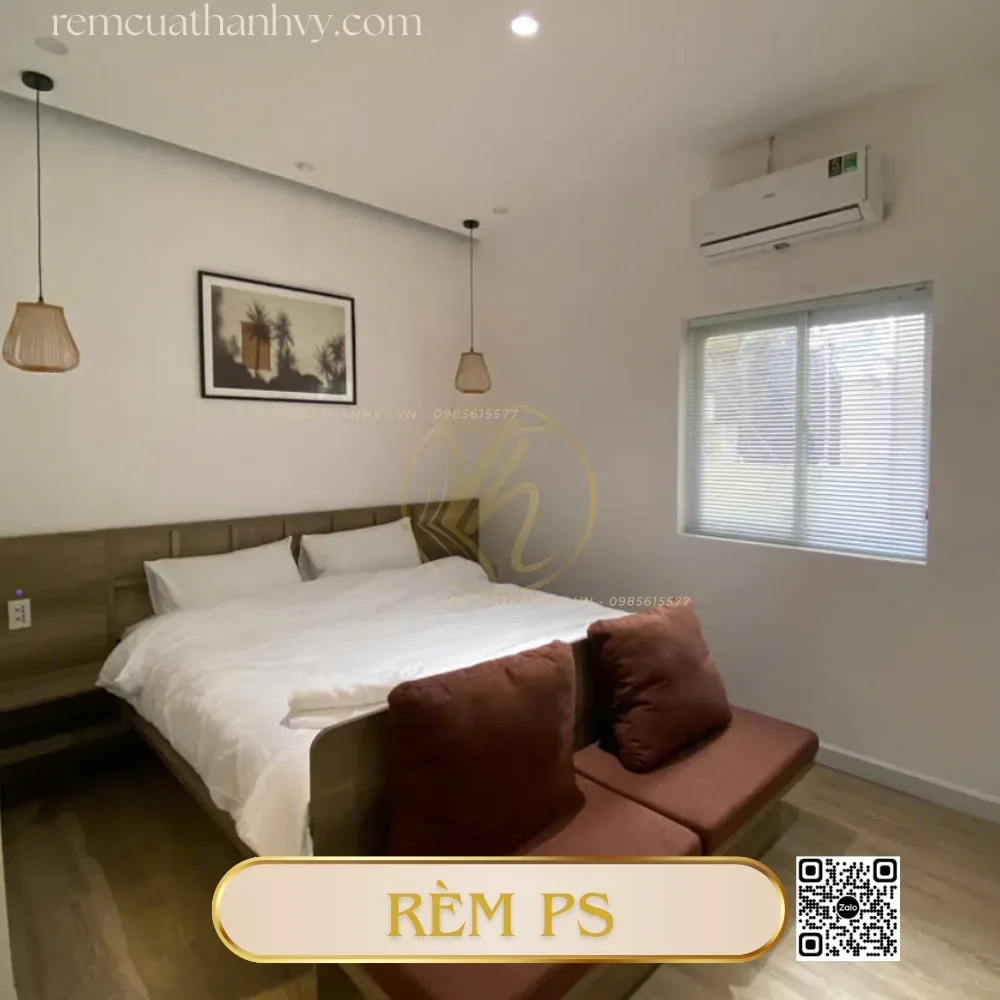
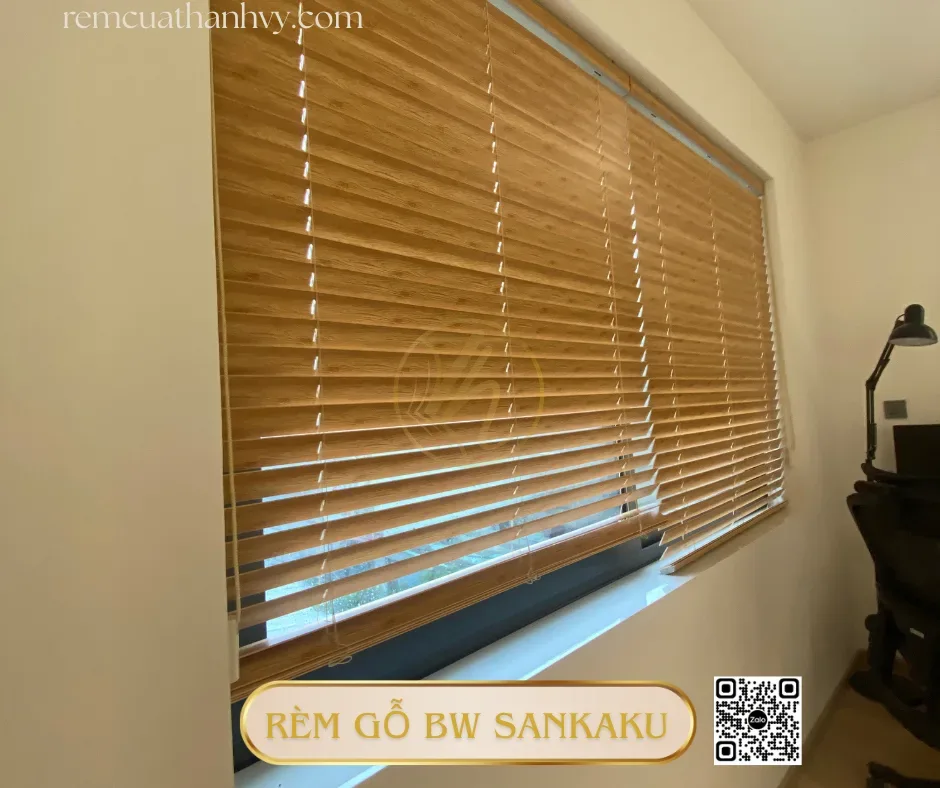
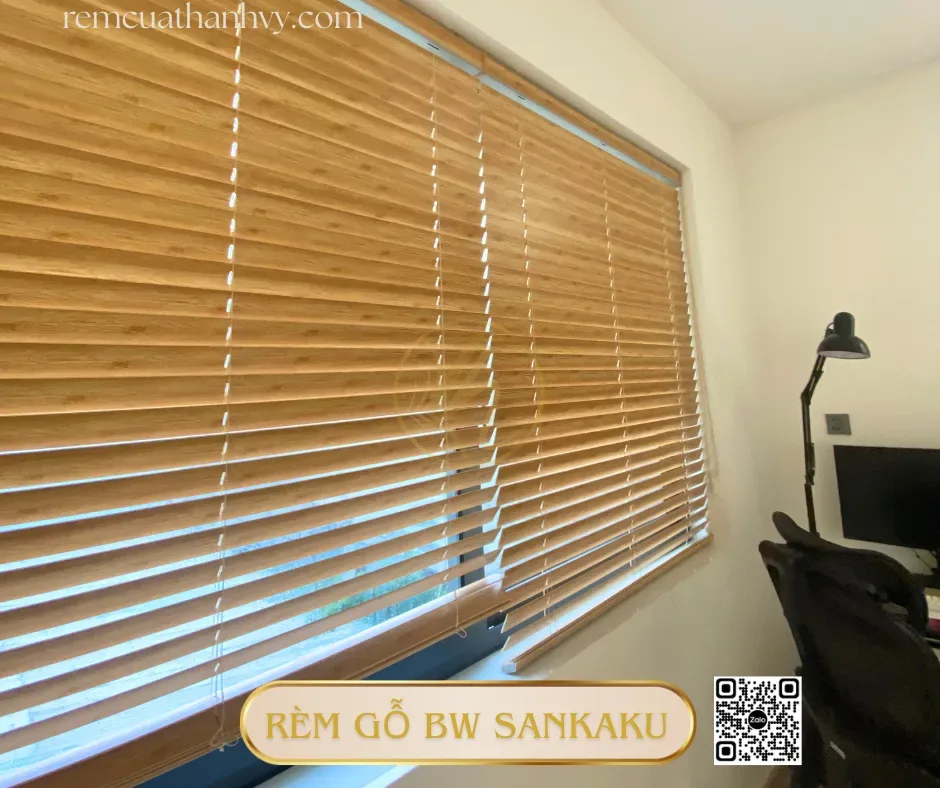
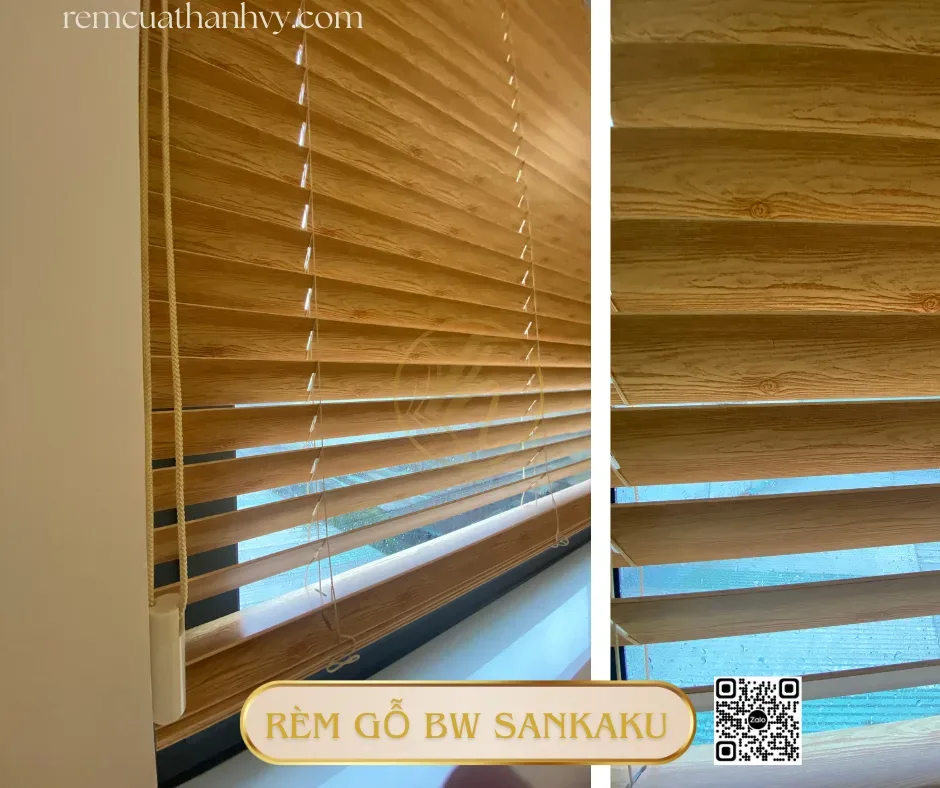
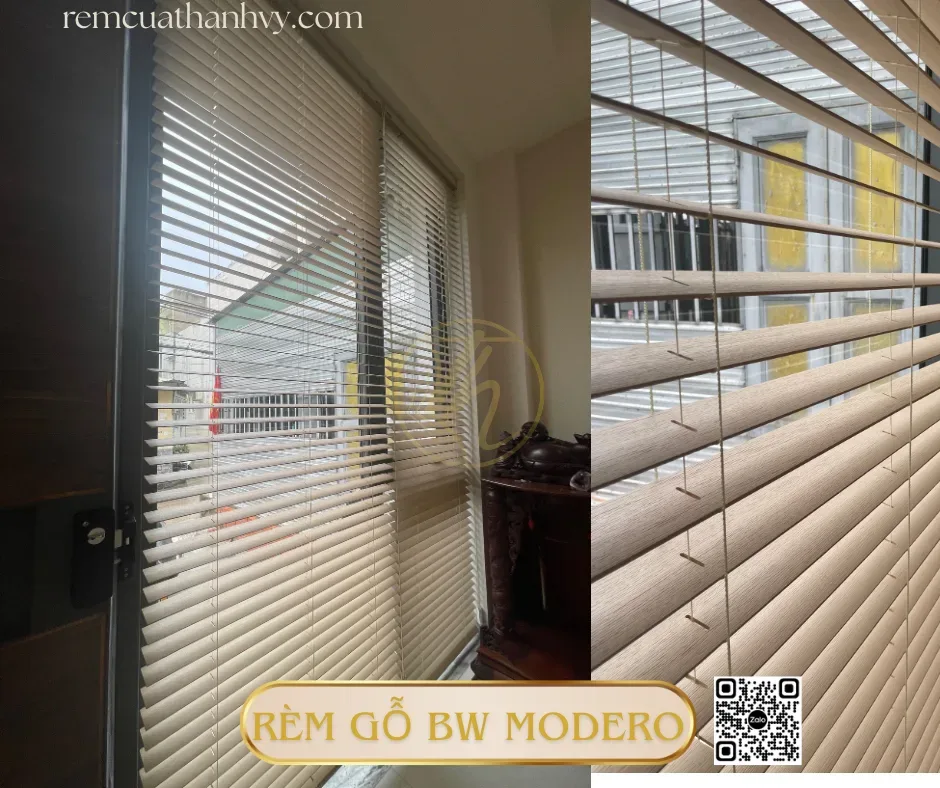
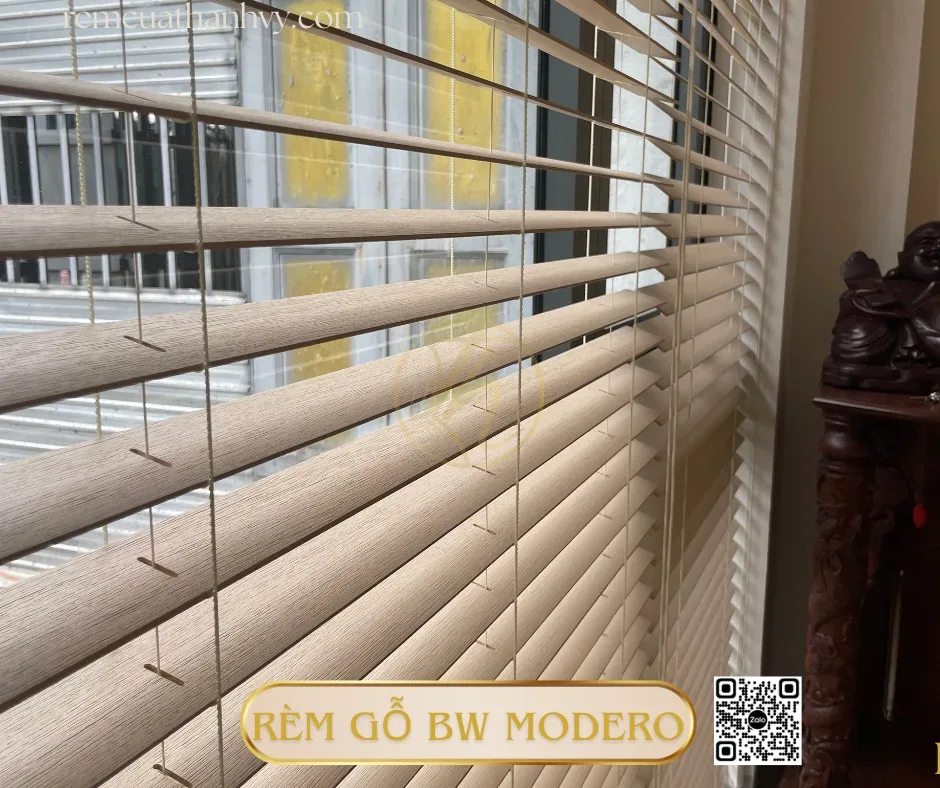
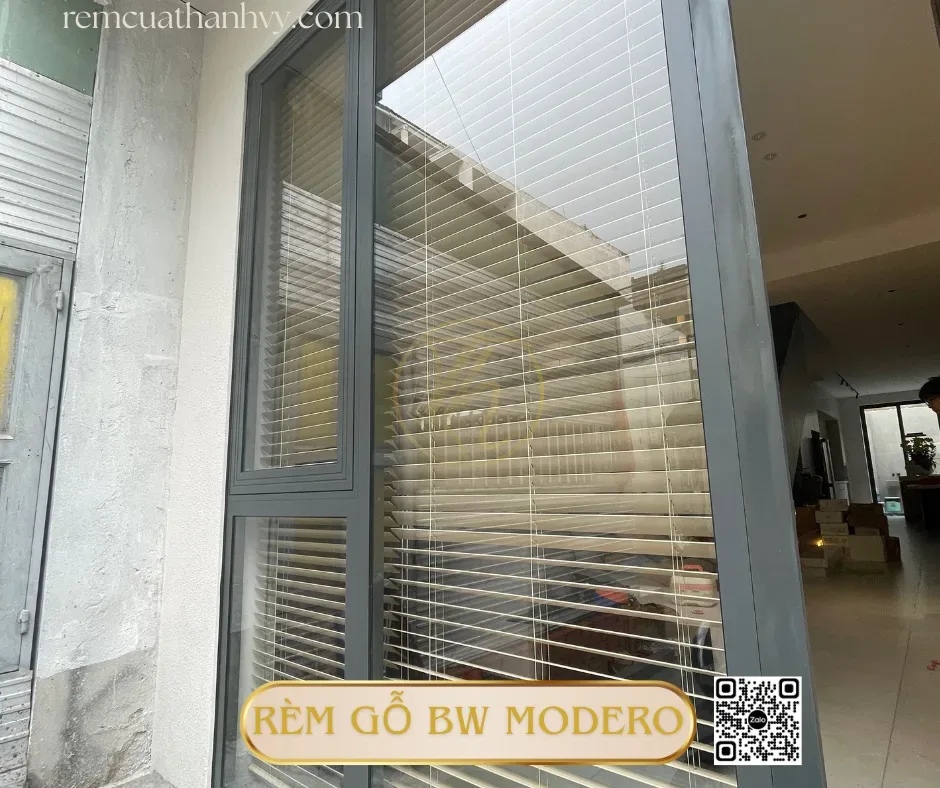
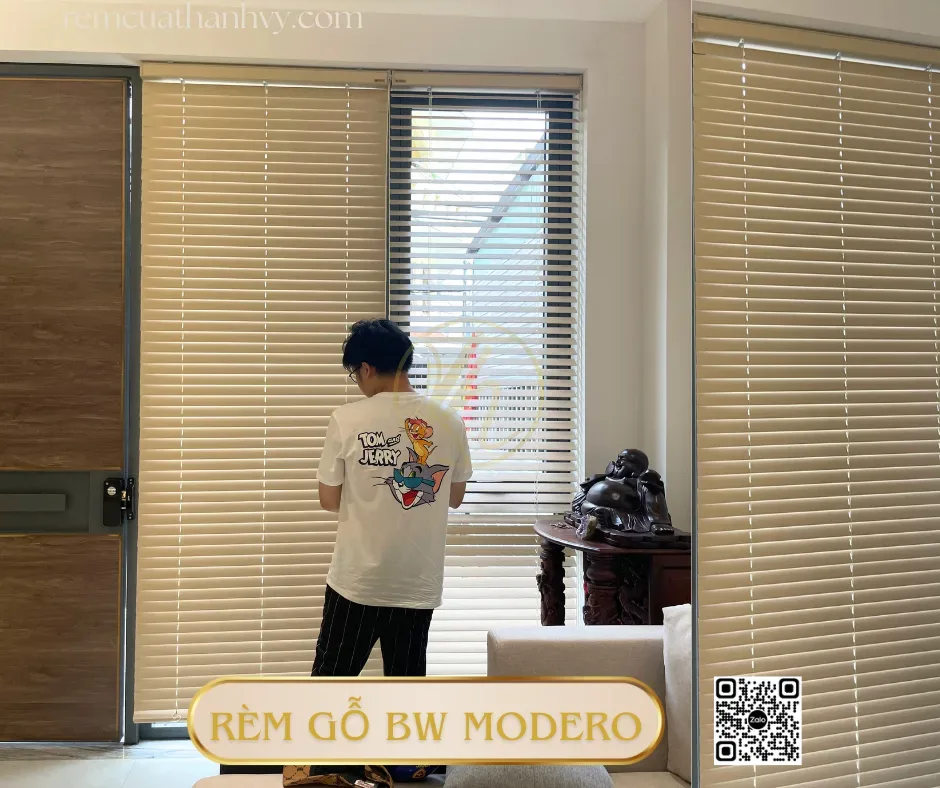
Wooden blinds
Wooden blinds provide warm tones and sturdiness, suitable for spaces with a lot of wooden furniture.
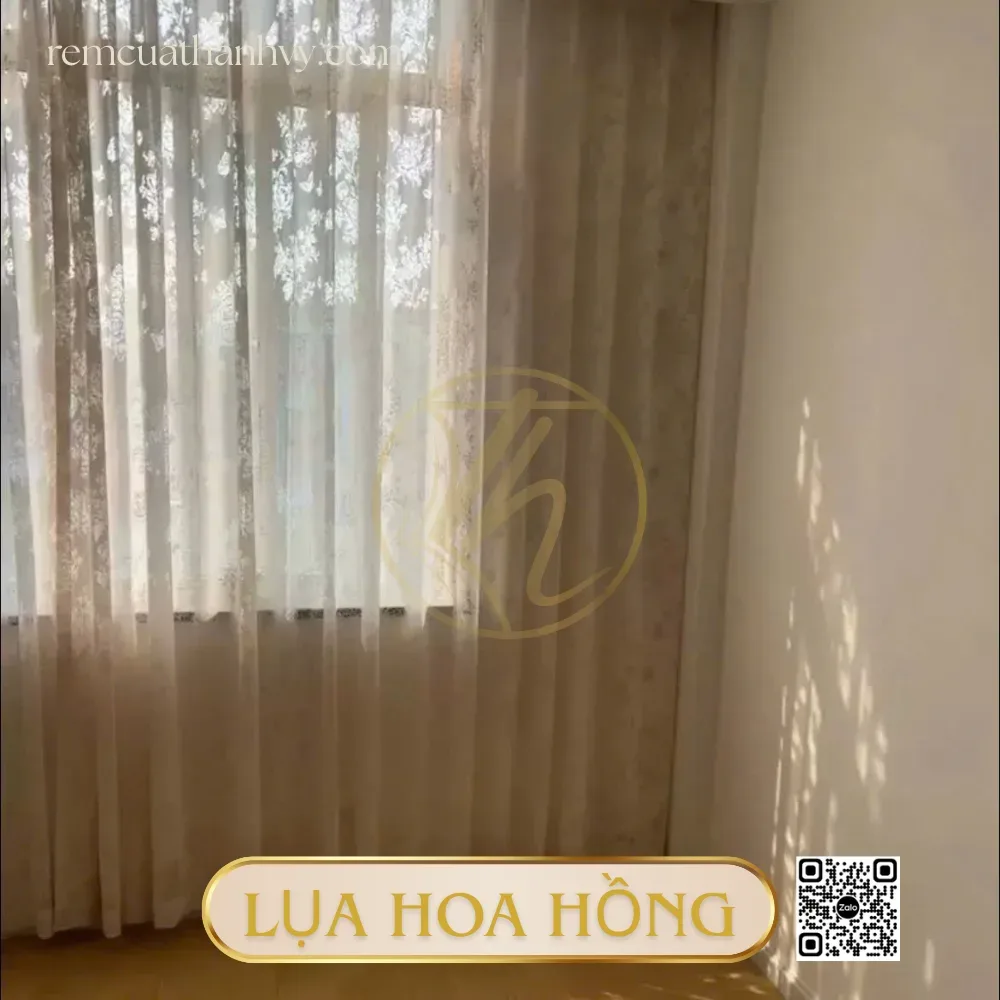
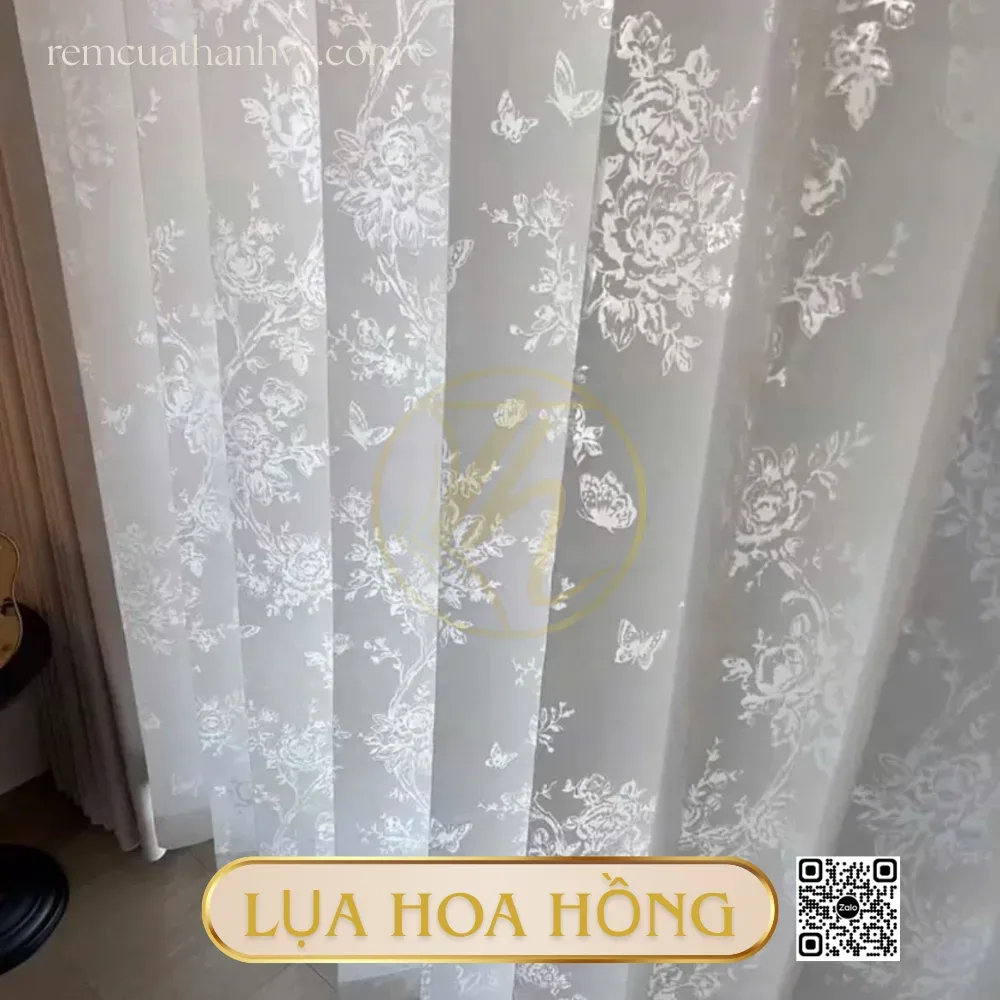
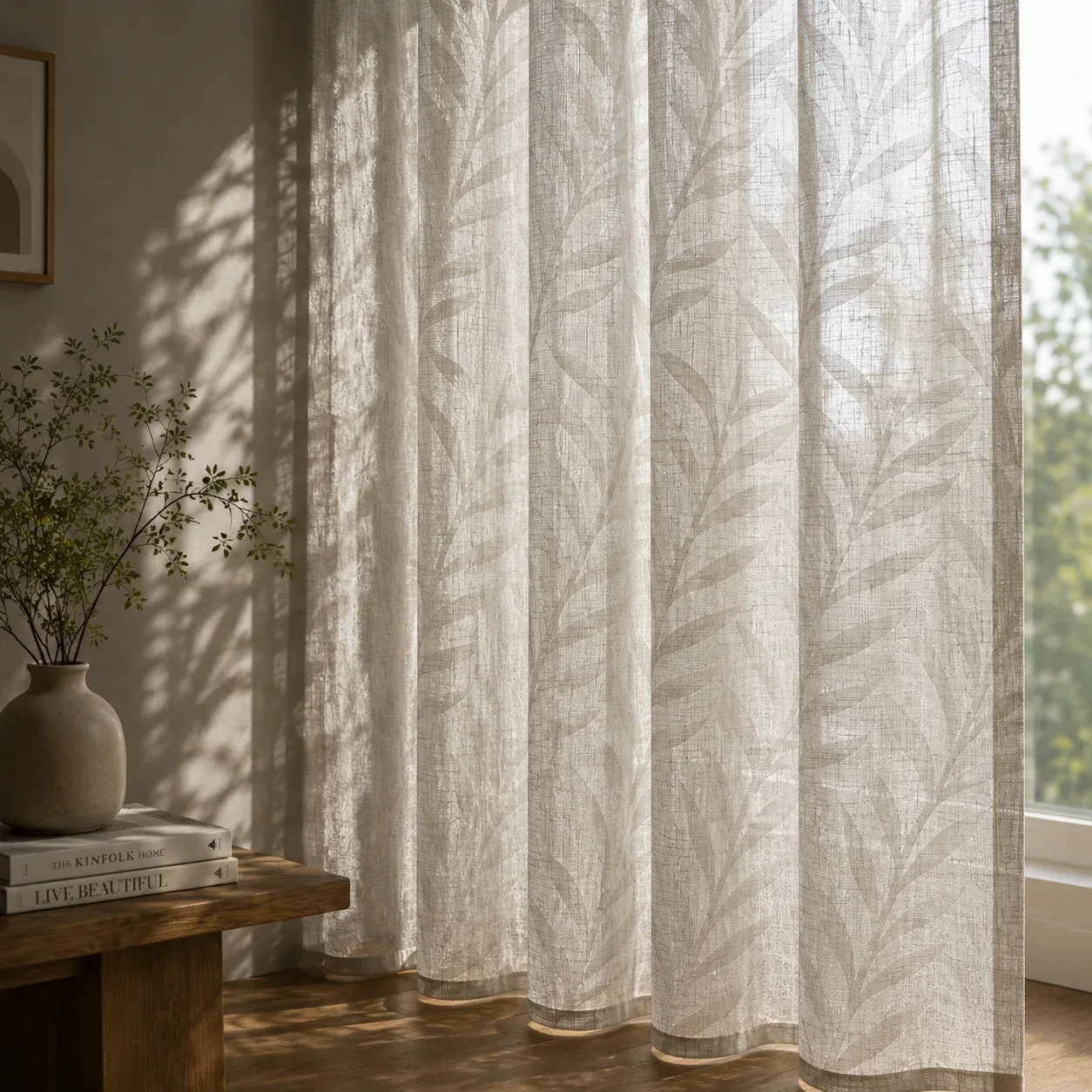
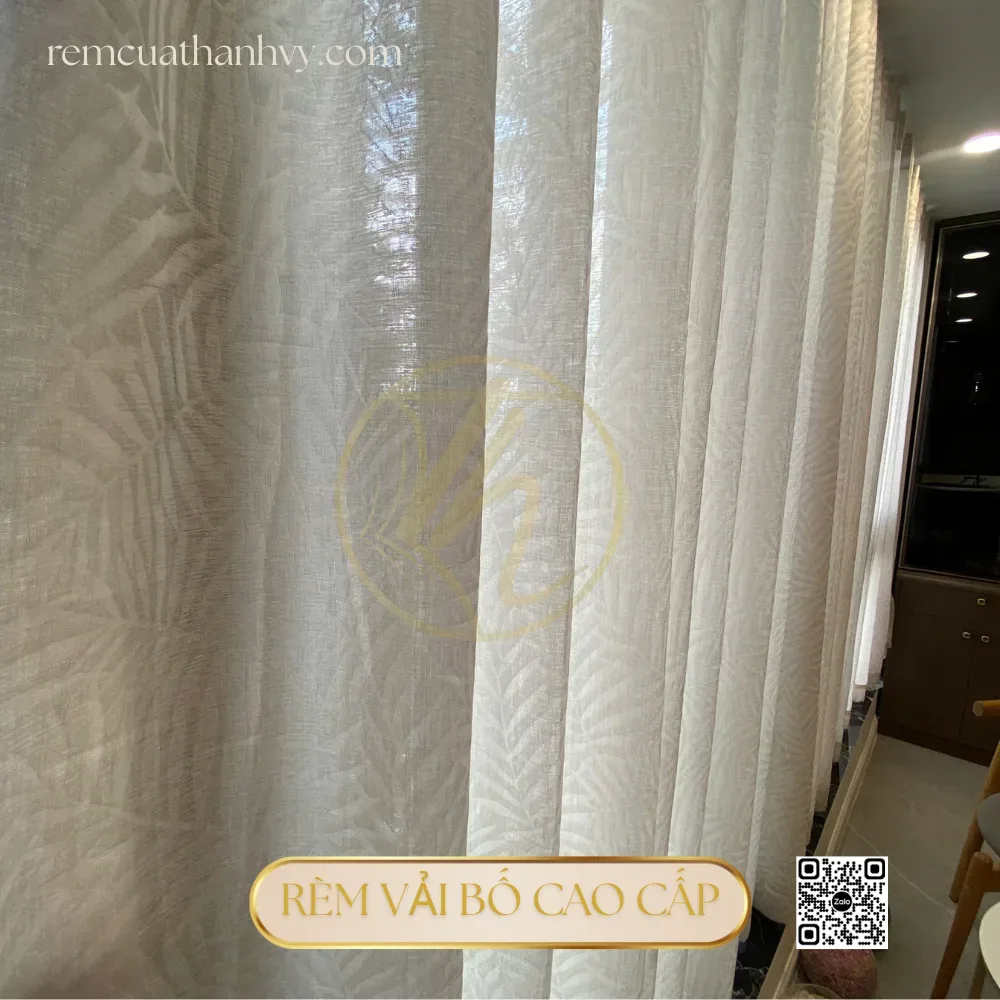
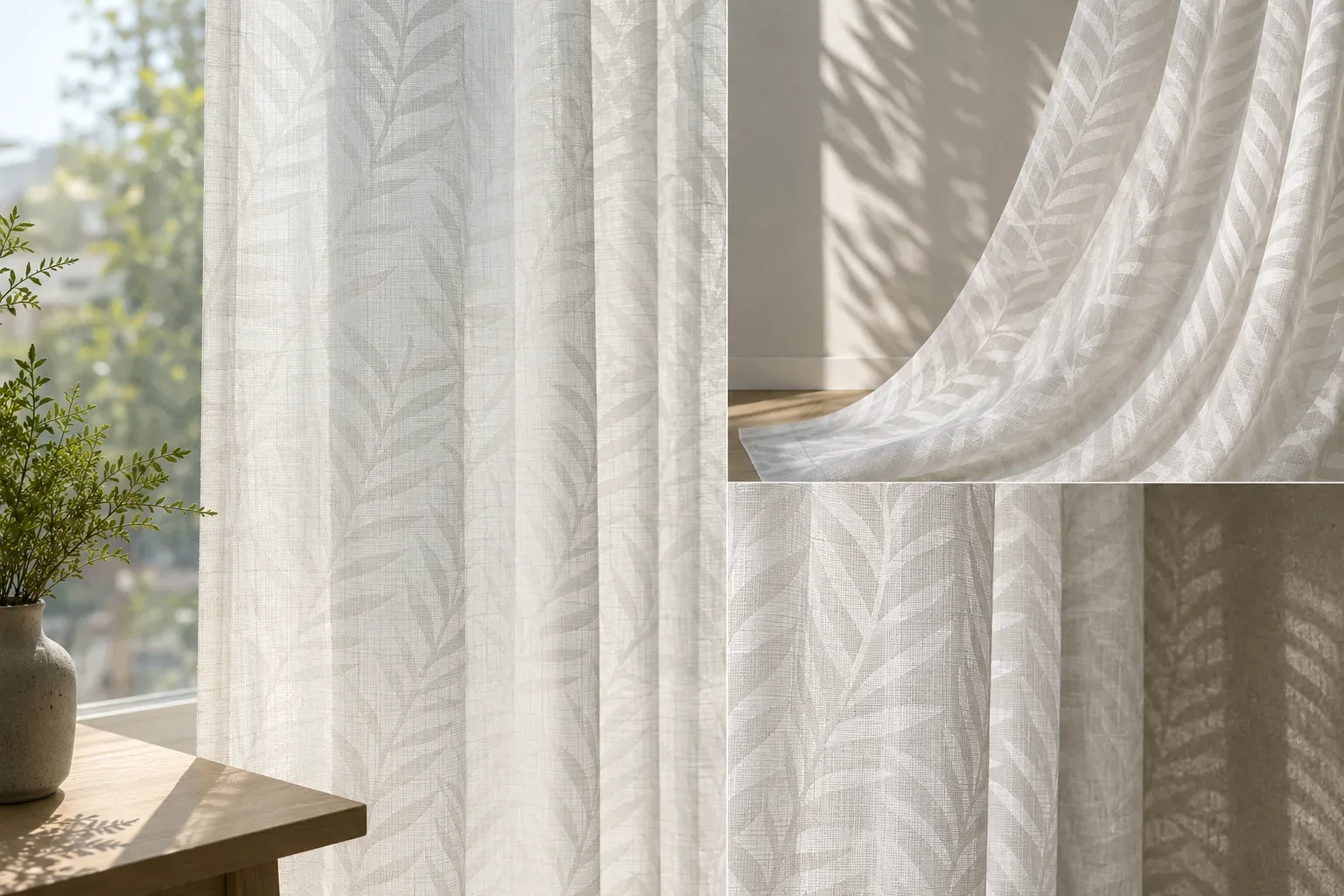
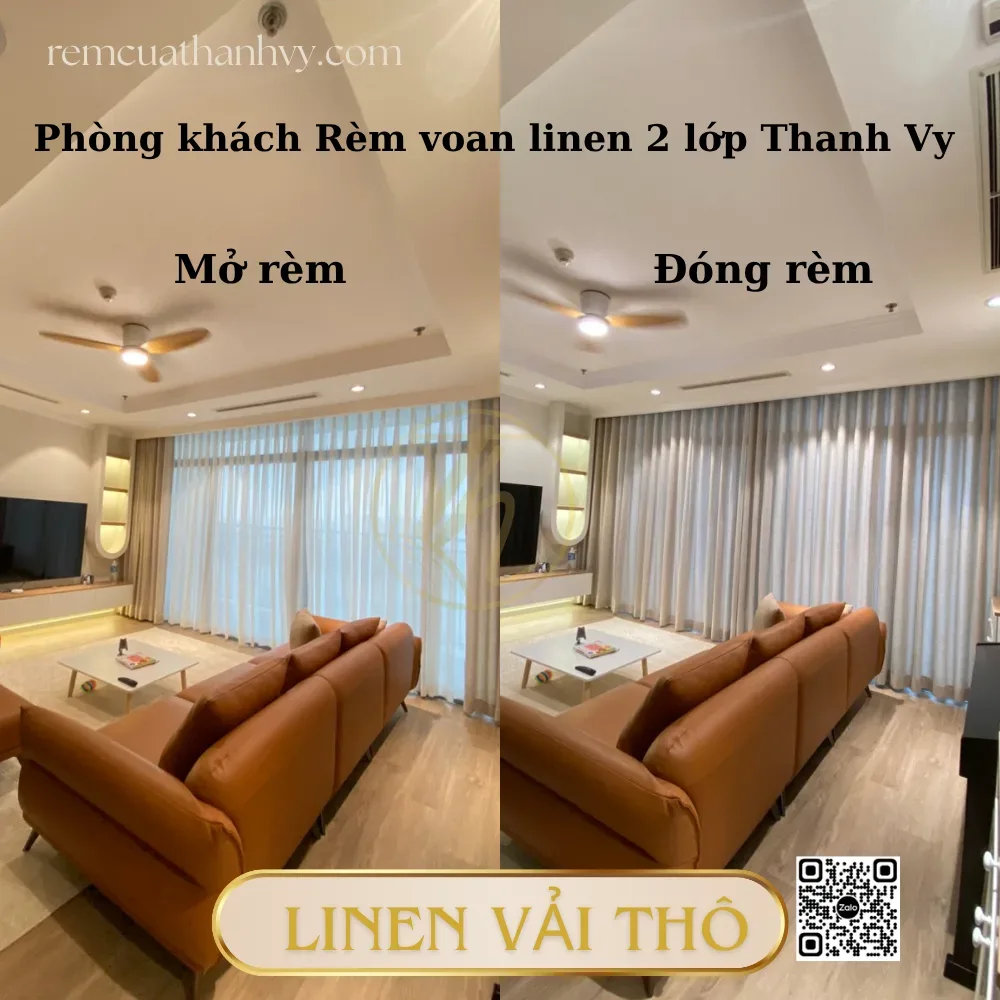
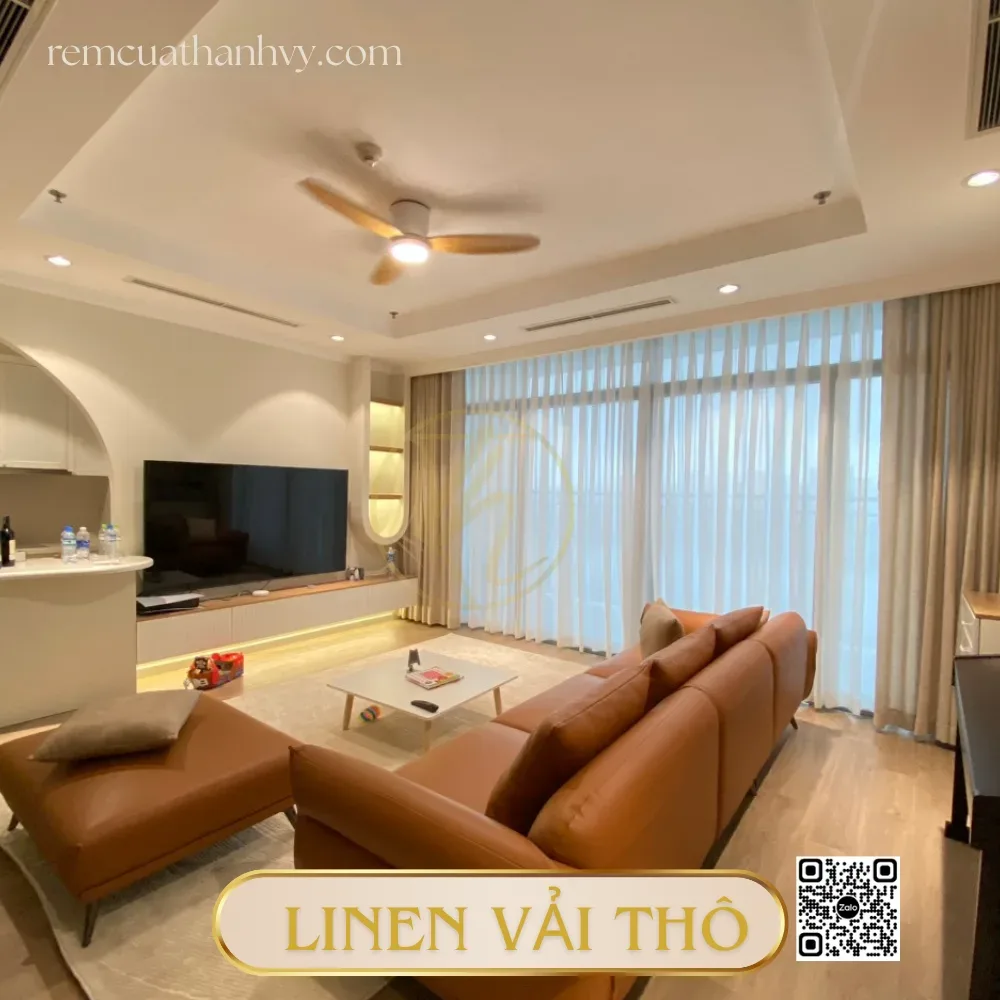
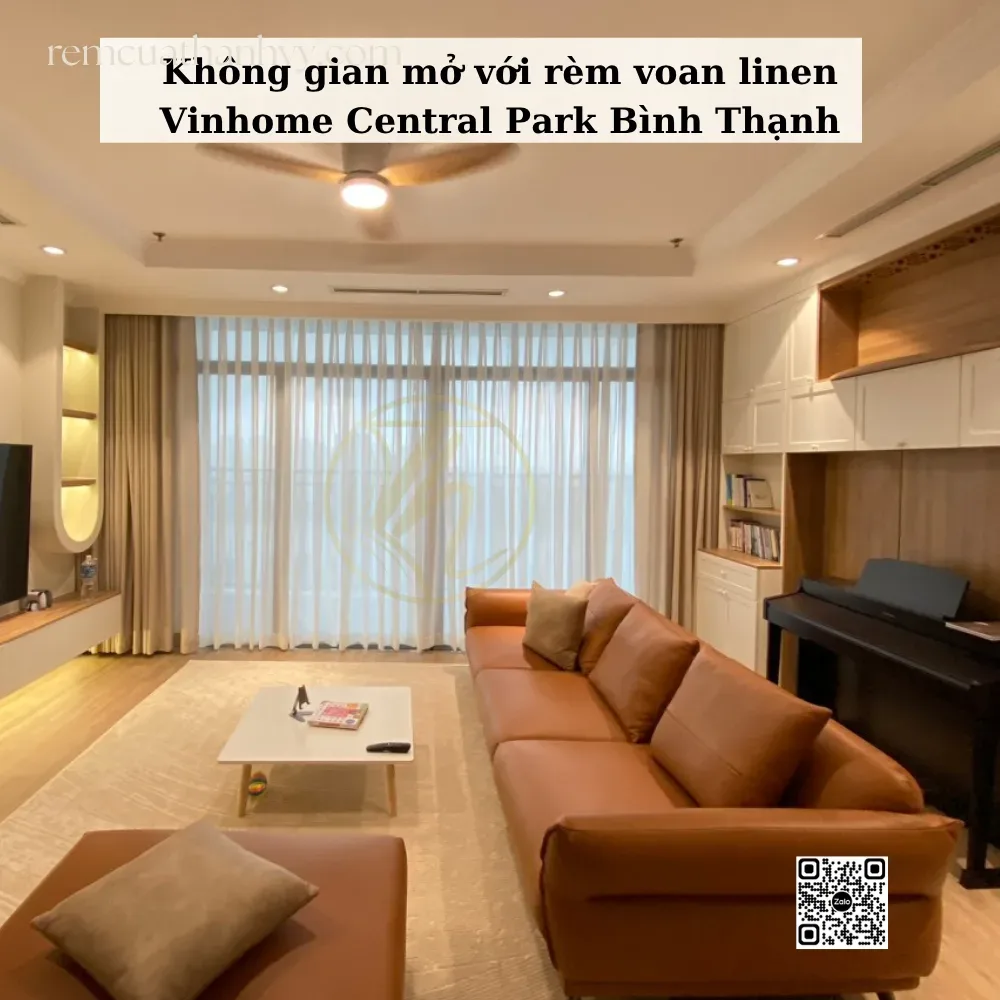
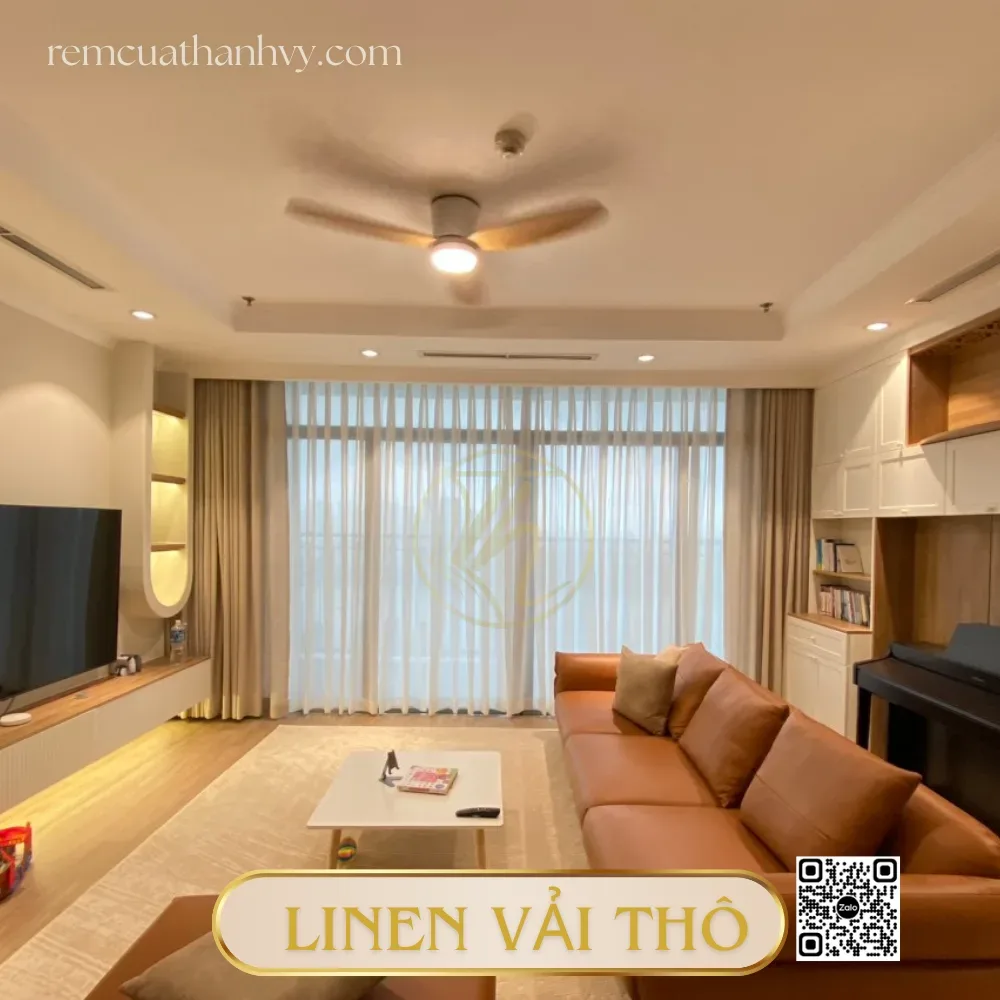
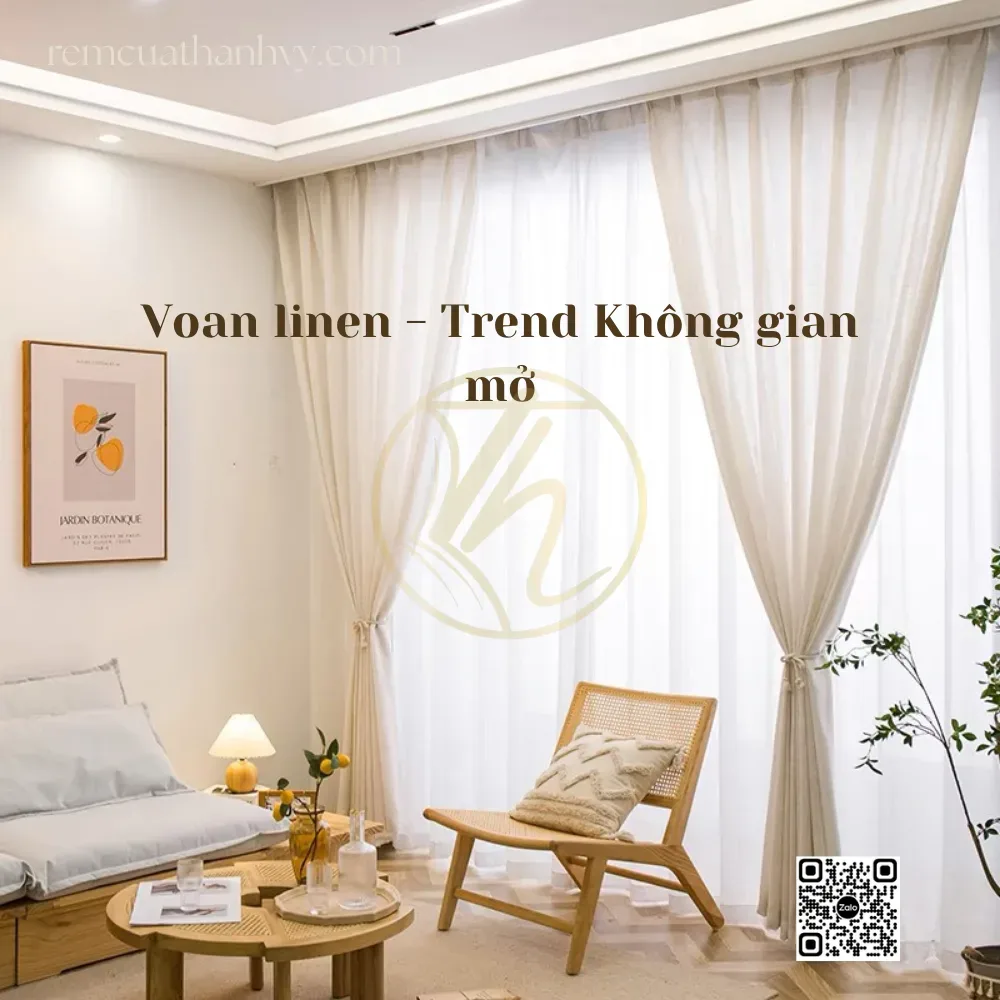
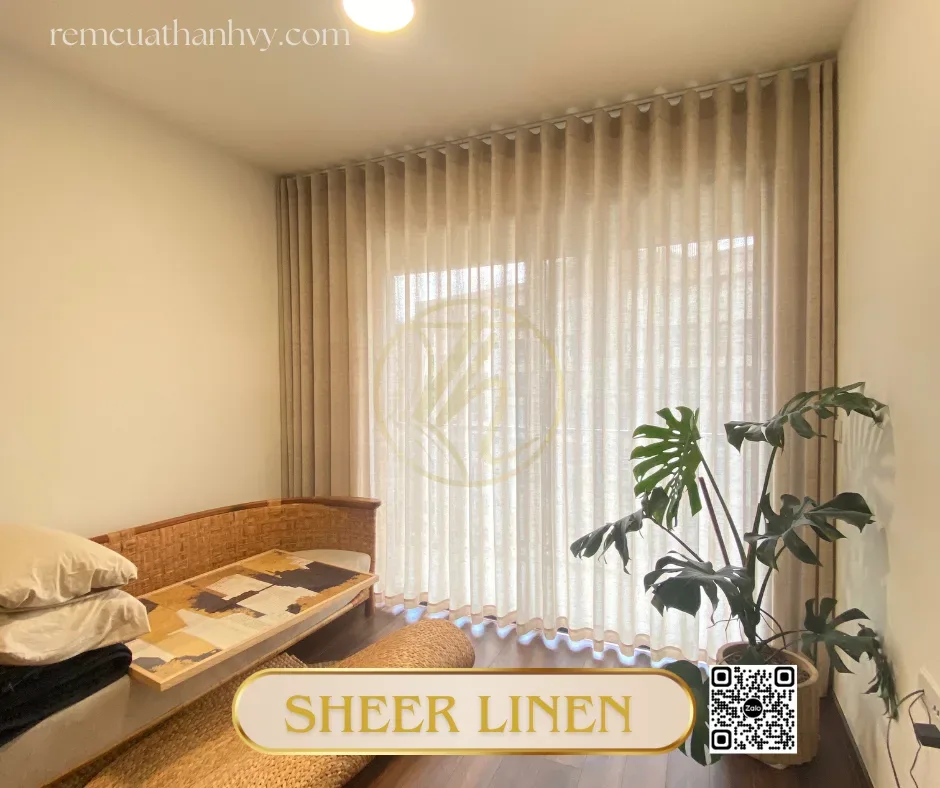
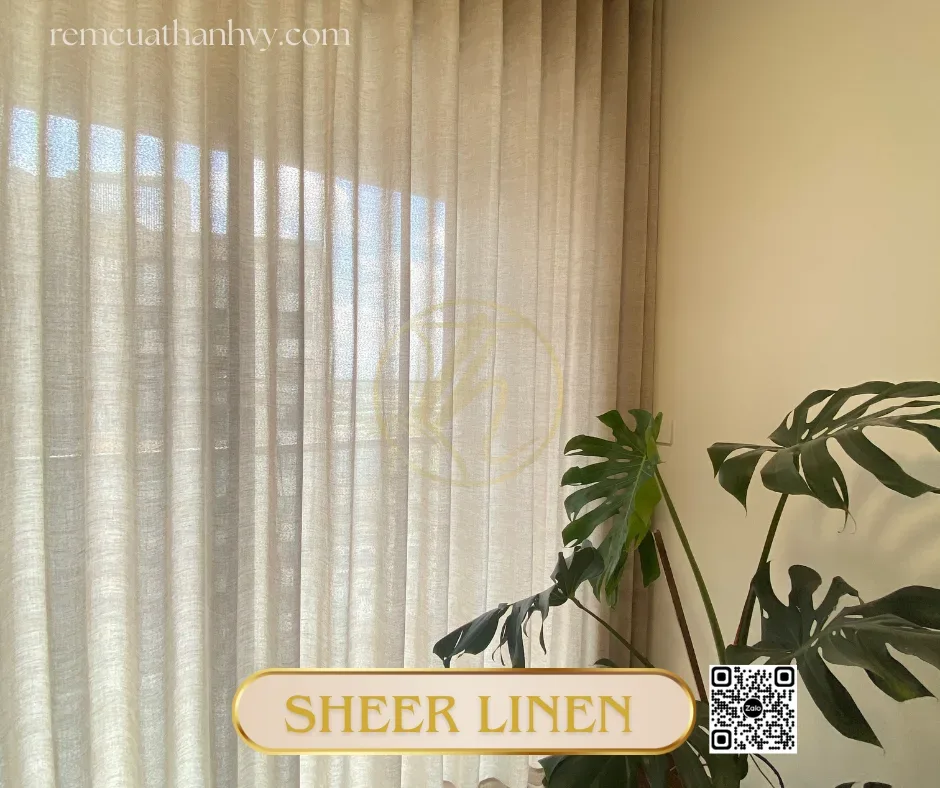
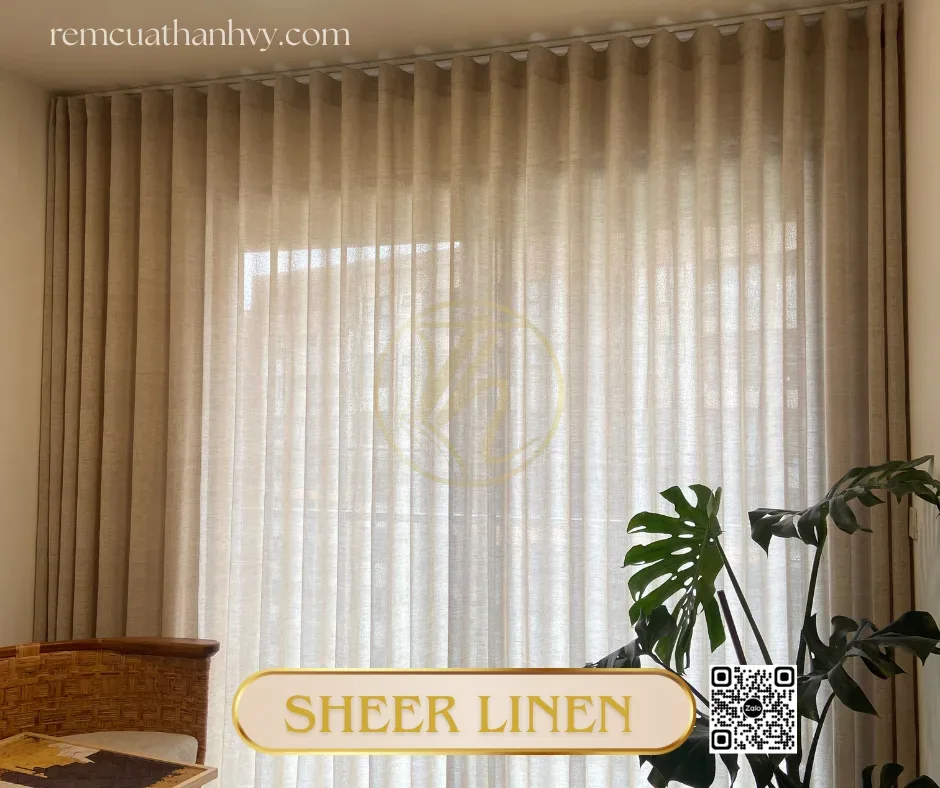
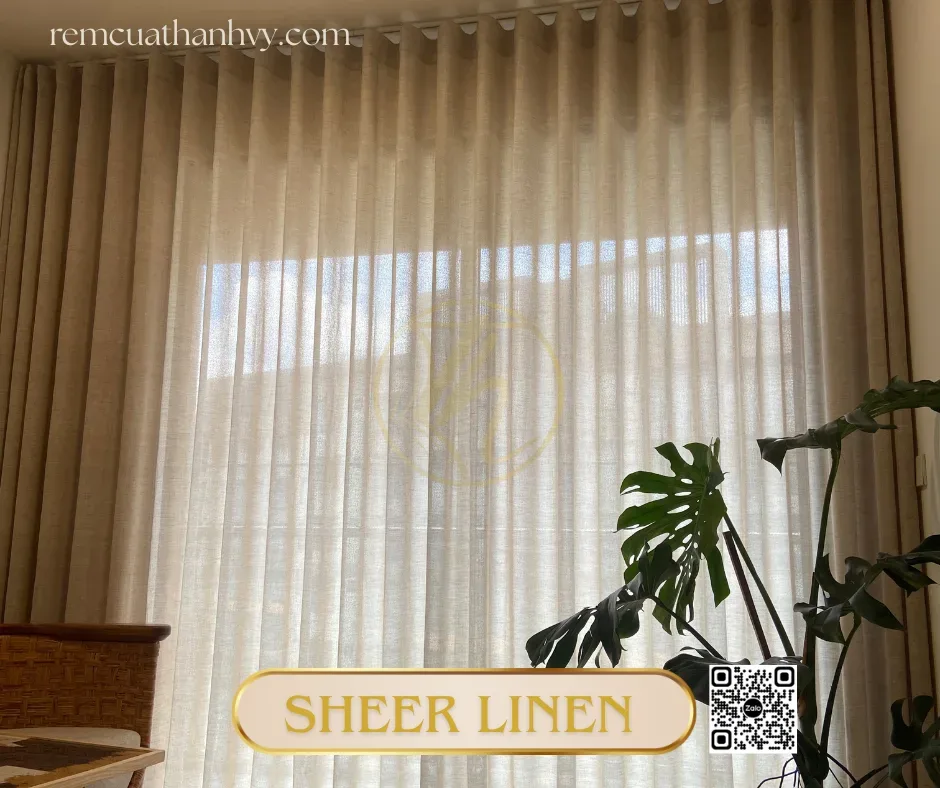
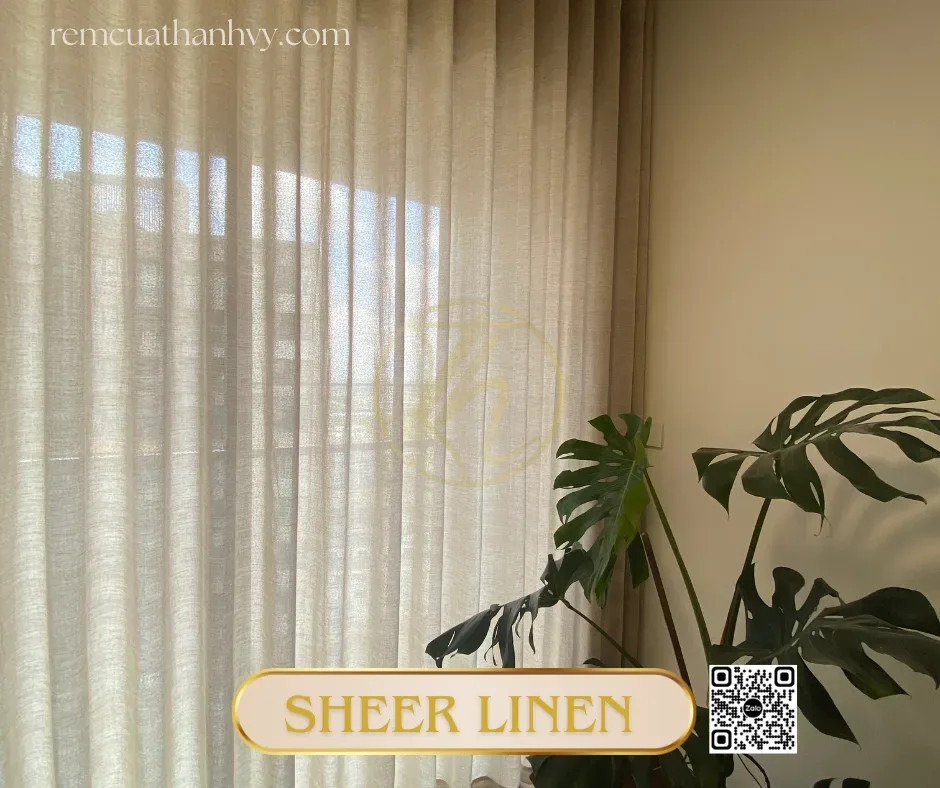
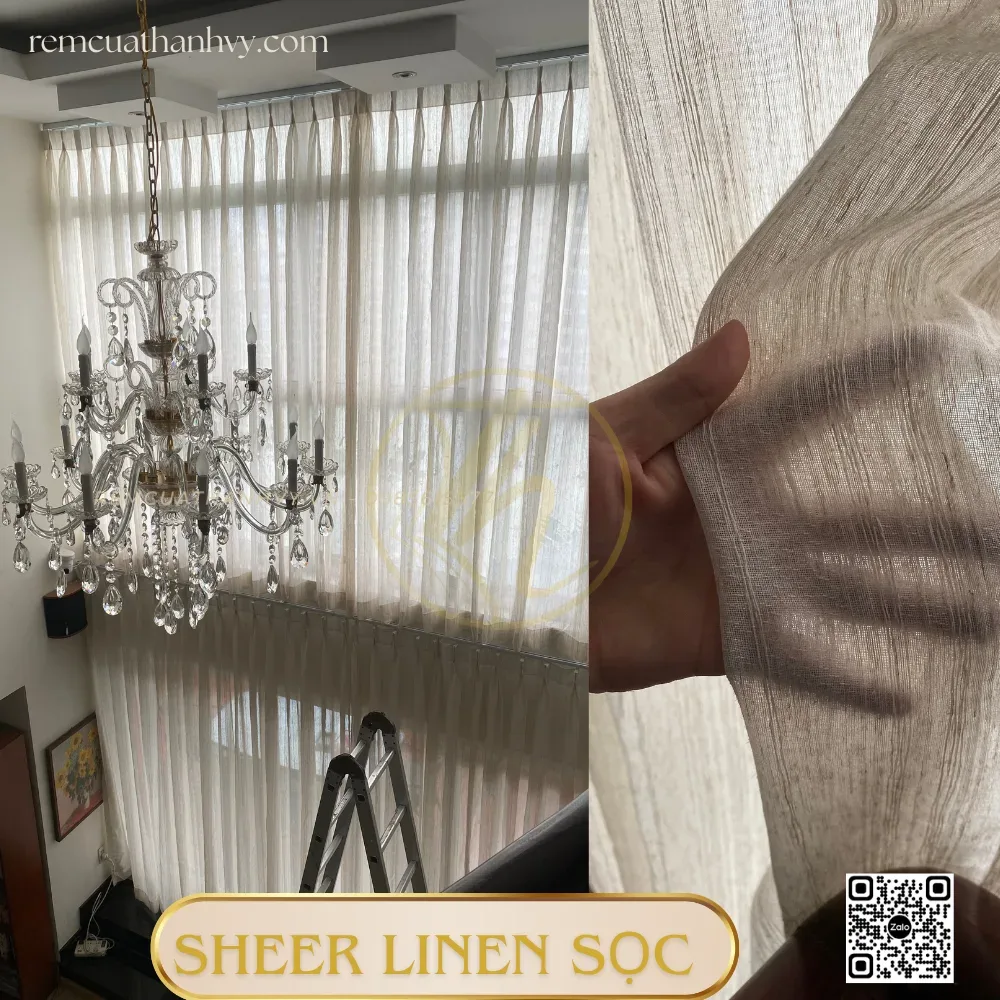
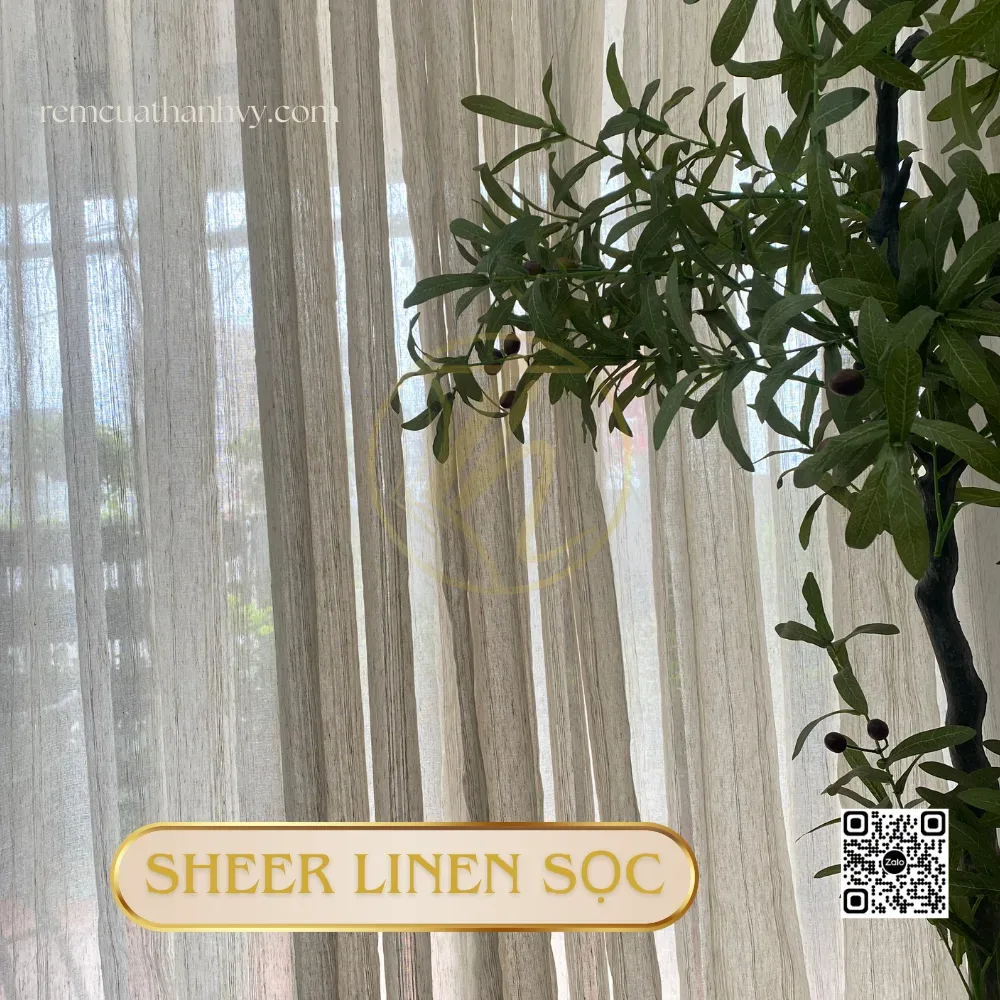
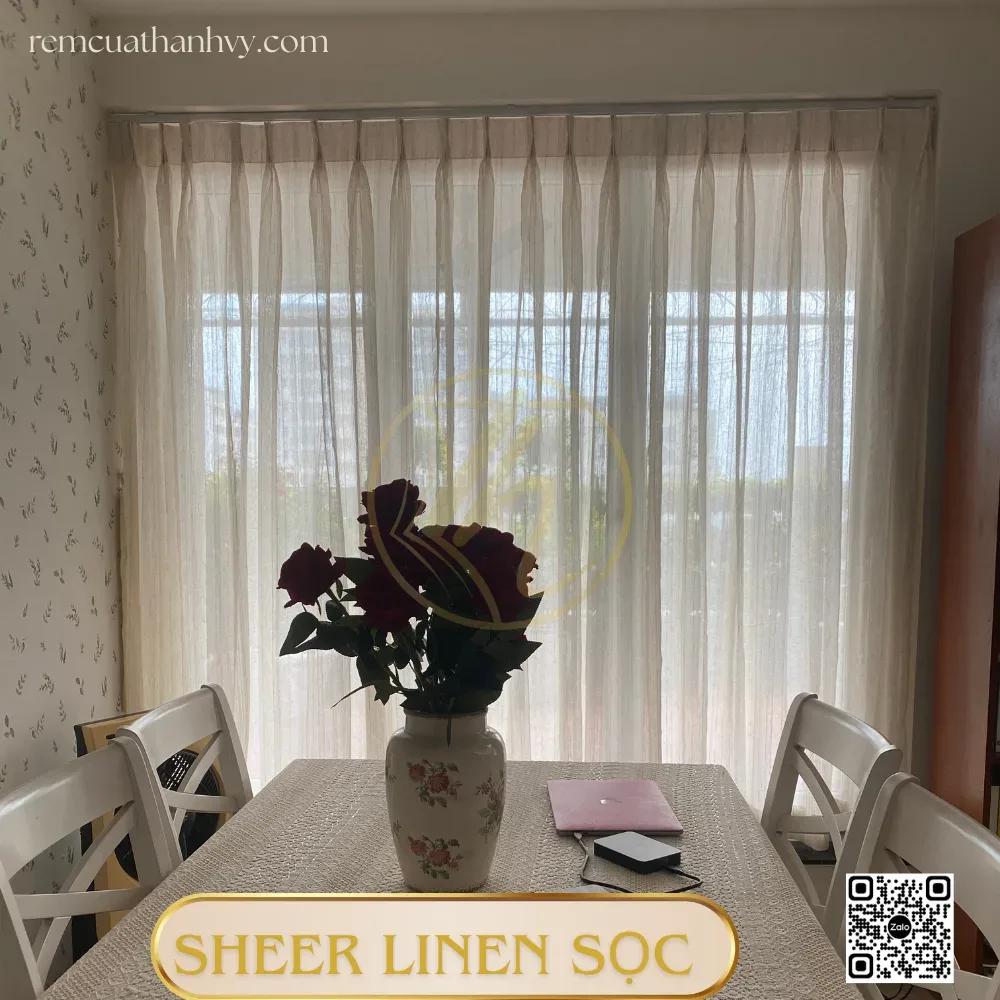
Sheer curtains
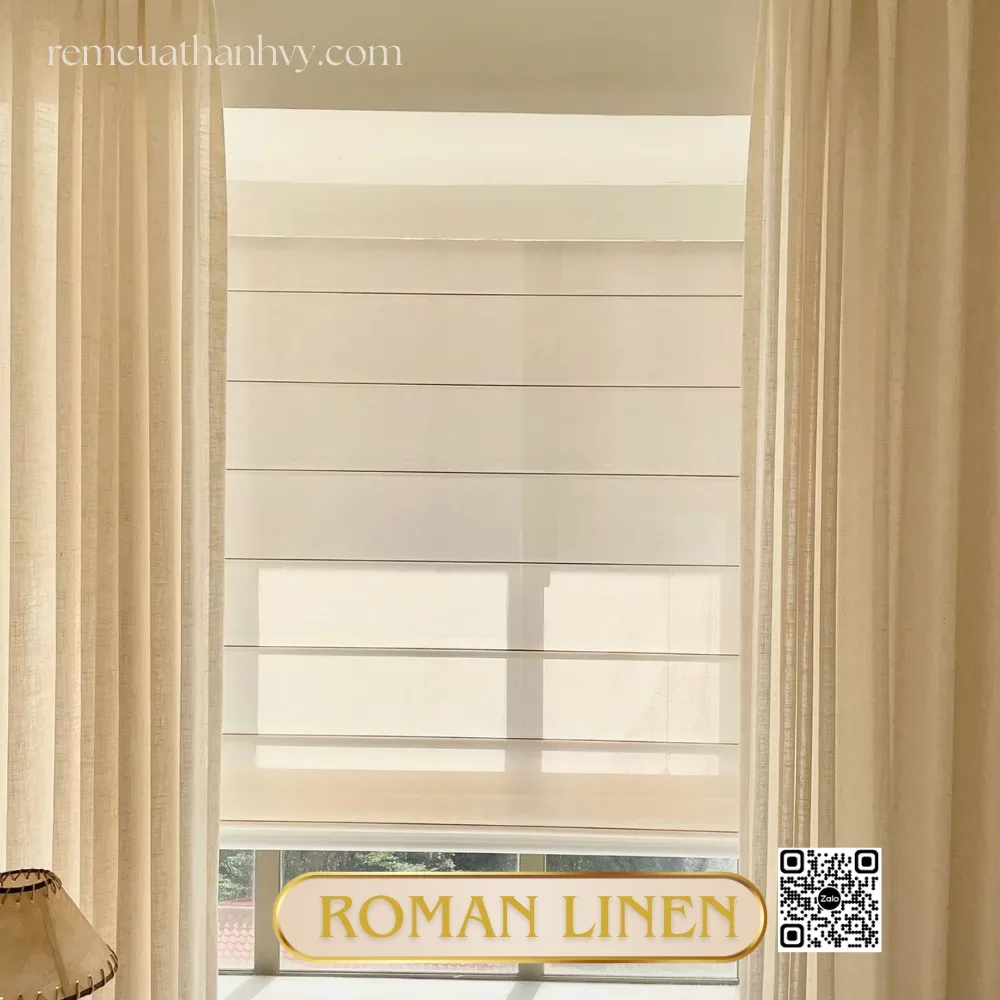
Sheer curtains are often used as an inner layer, combined with a thick outer layer when light blocking is needed.
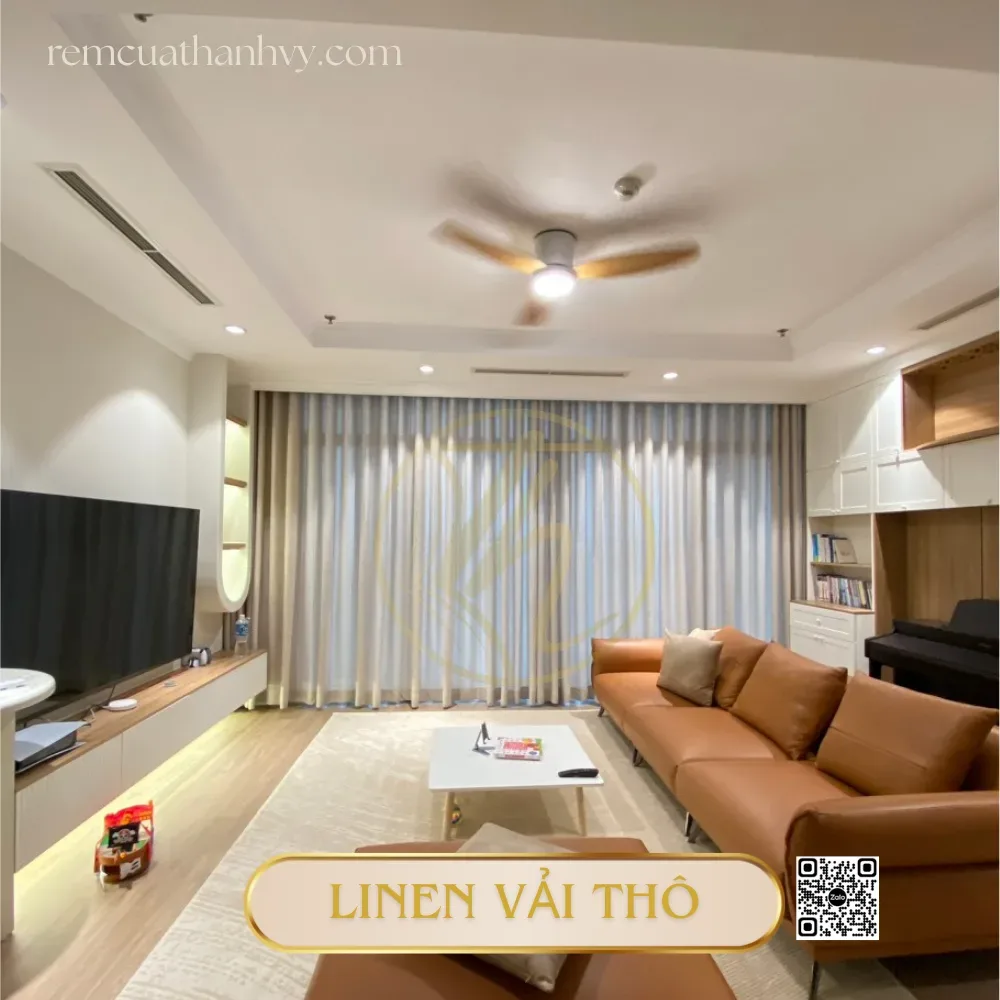
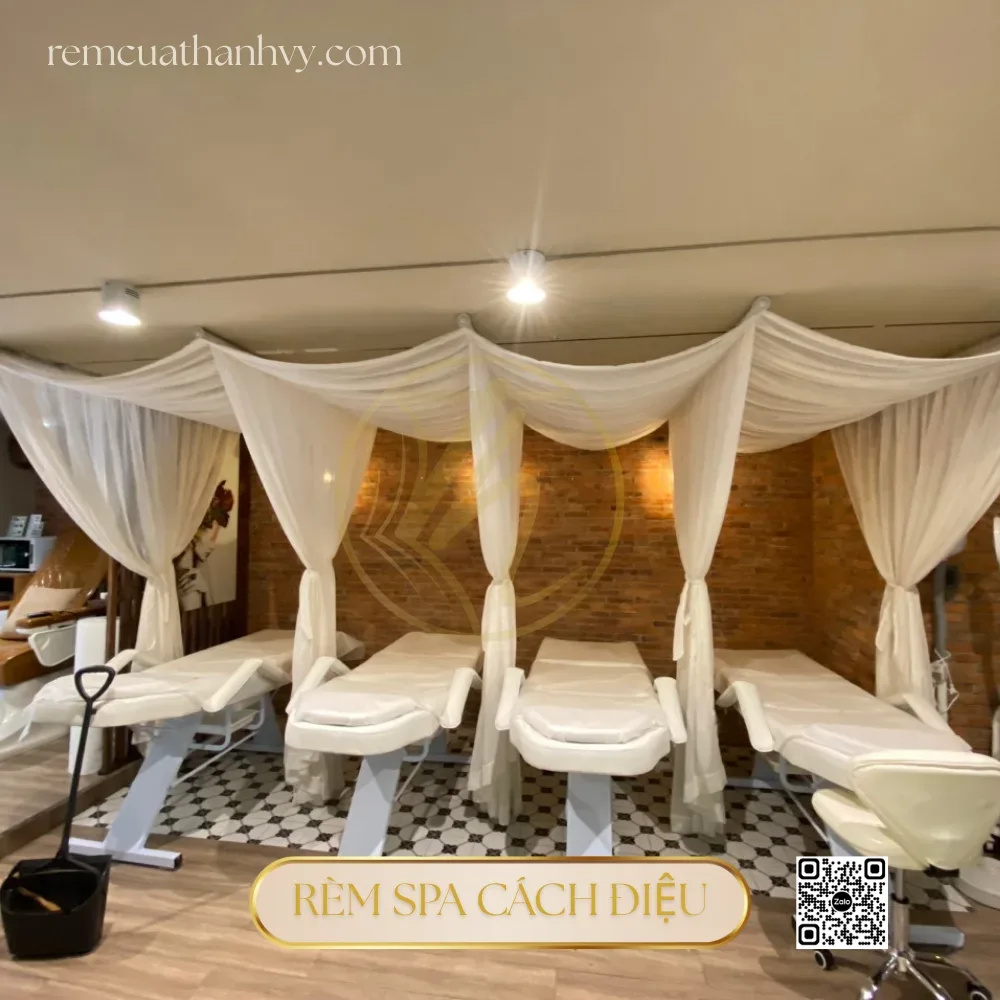
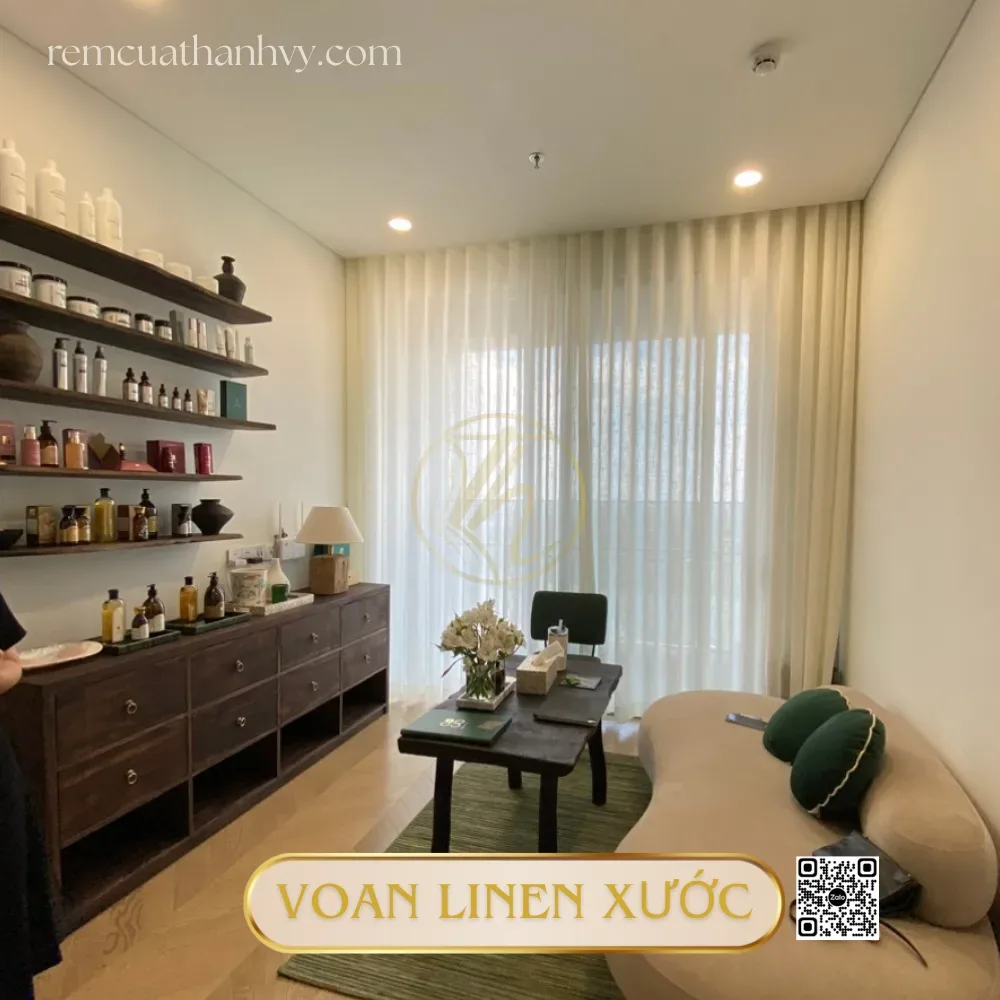
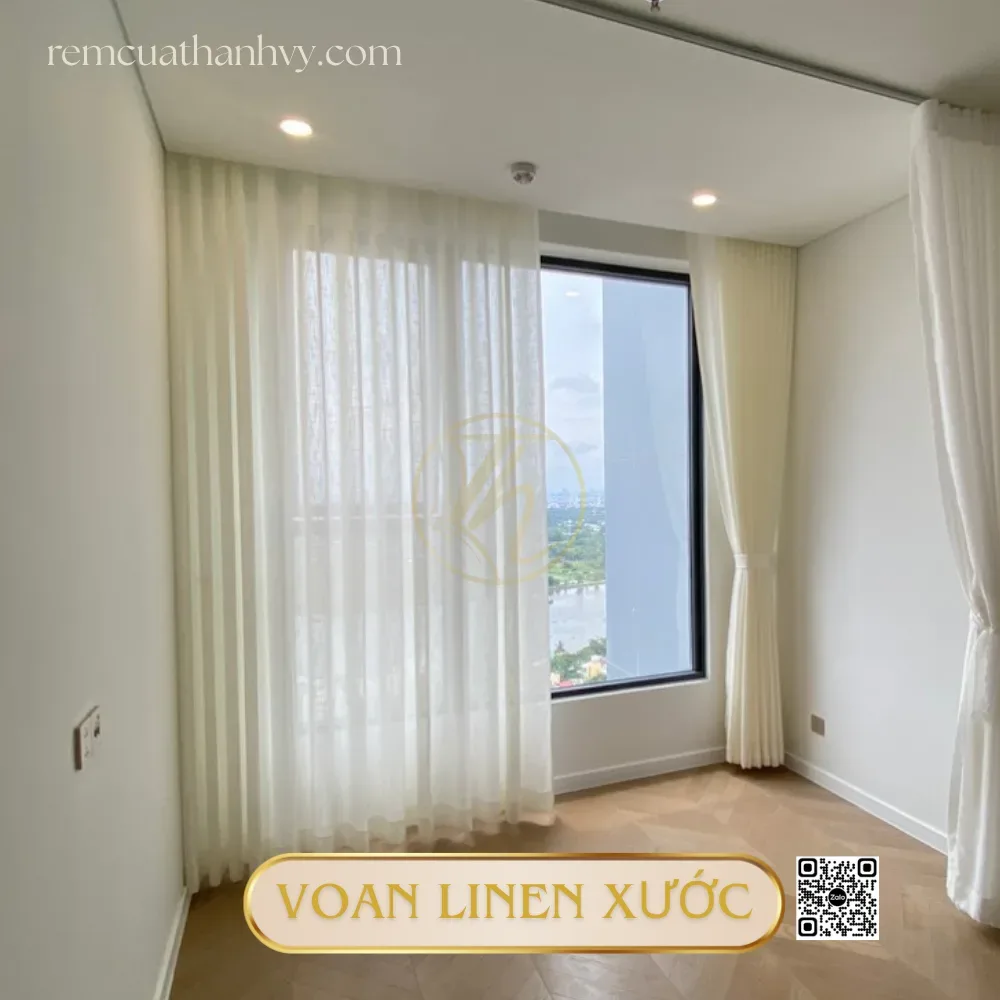

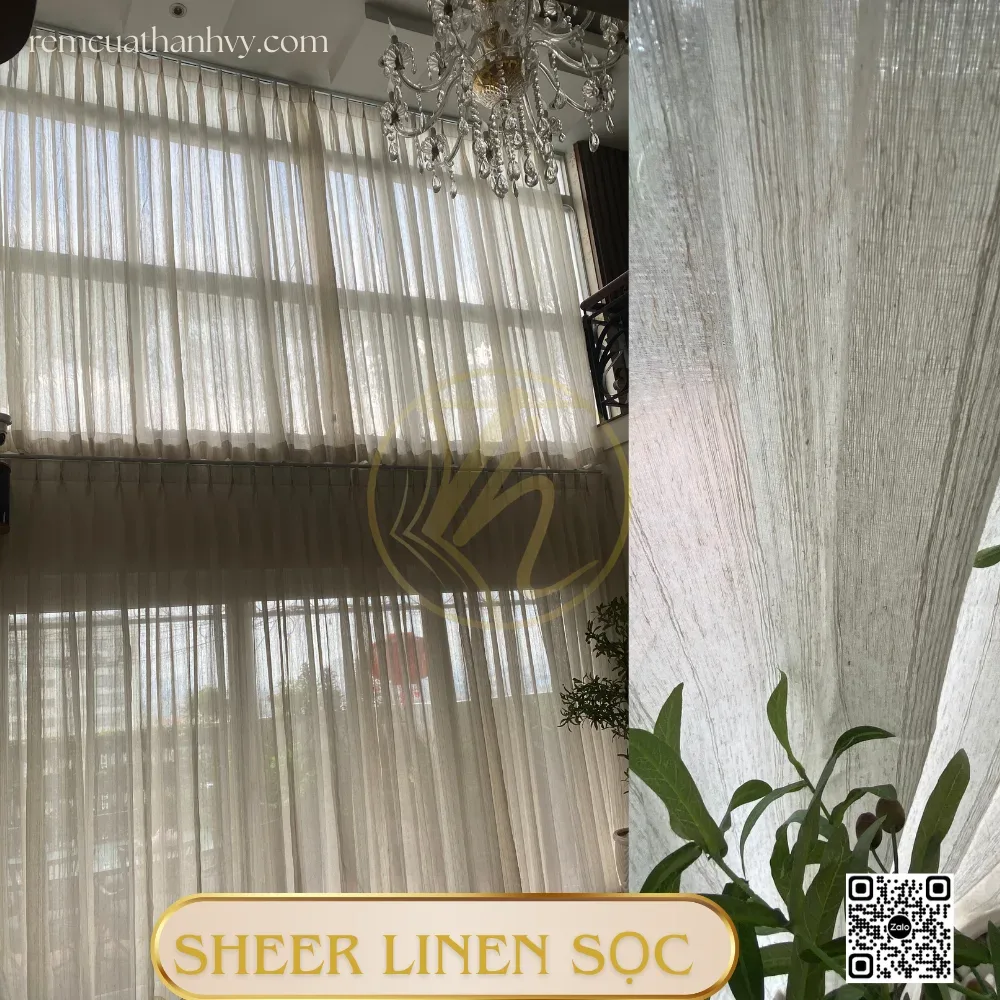
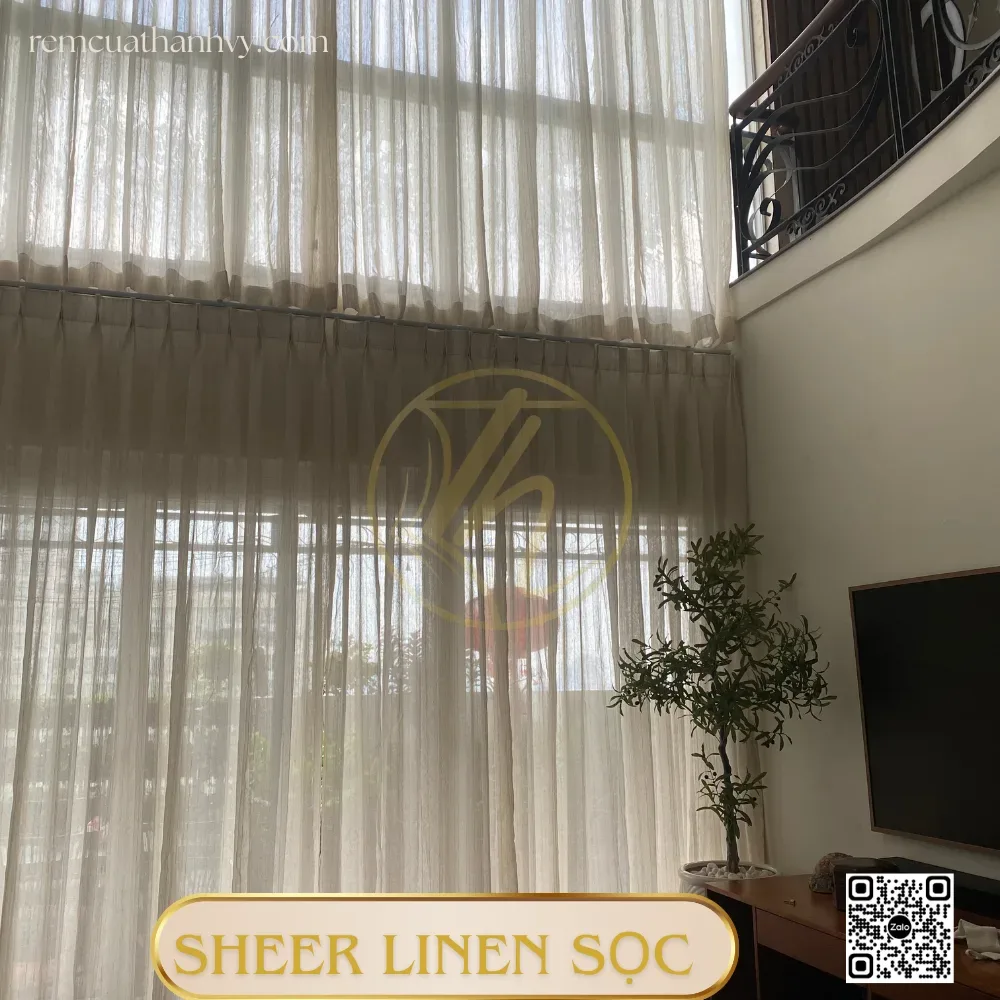
For further information, please contact Thanh Vy Curtains
We provide free consultation and on-site measuring at your home.
Related areas
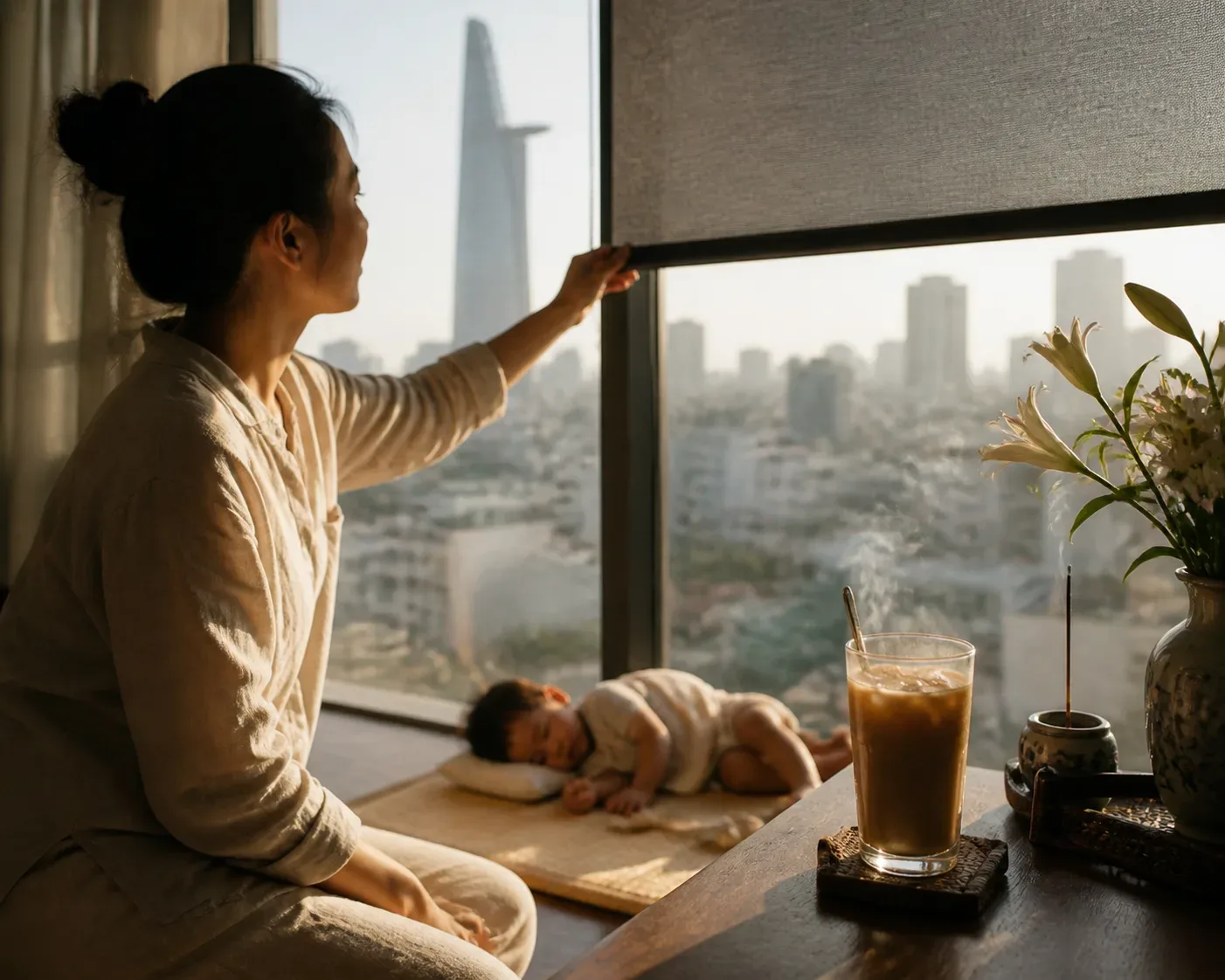
Curtains in District 10: What to prioritize for each space
With years of professional experience, Rèm Cửa Thanh Vy provides expert consultation and installation of [...]
Related reviews
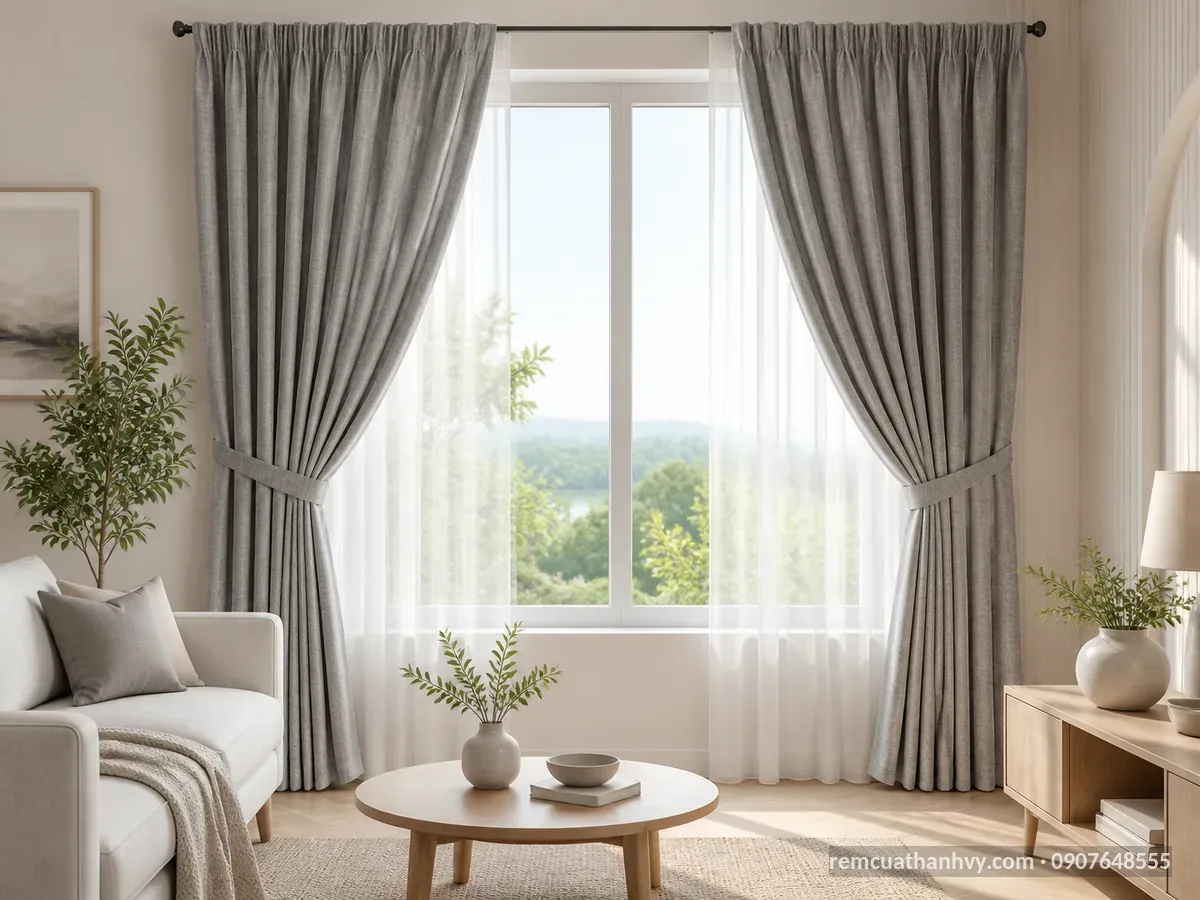
Are Fabric Curtains Good? How to Assess the Real Needs of Each Space
This article helps readers answer whether fabric curtains are good by assessing light, privacy, usage [...]
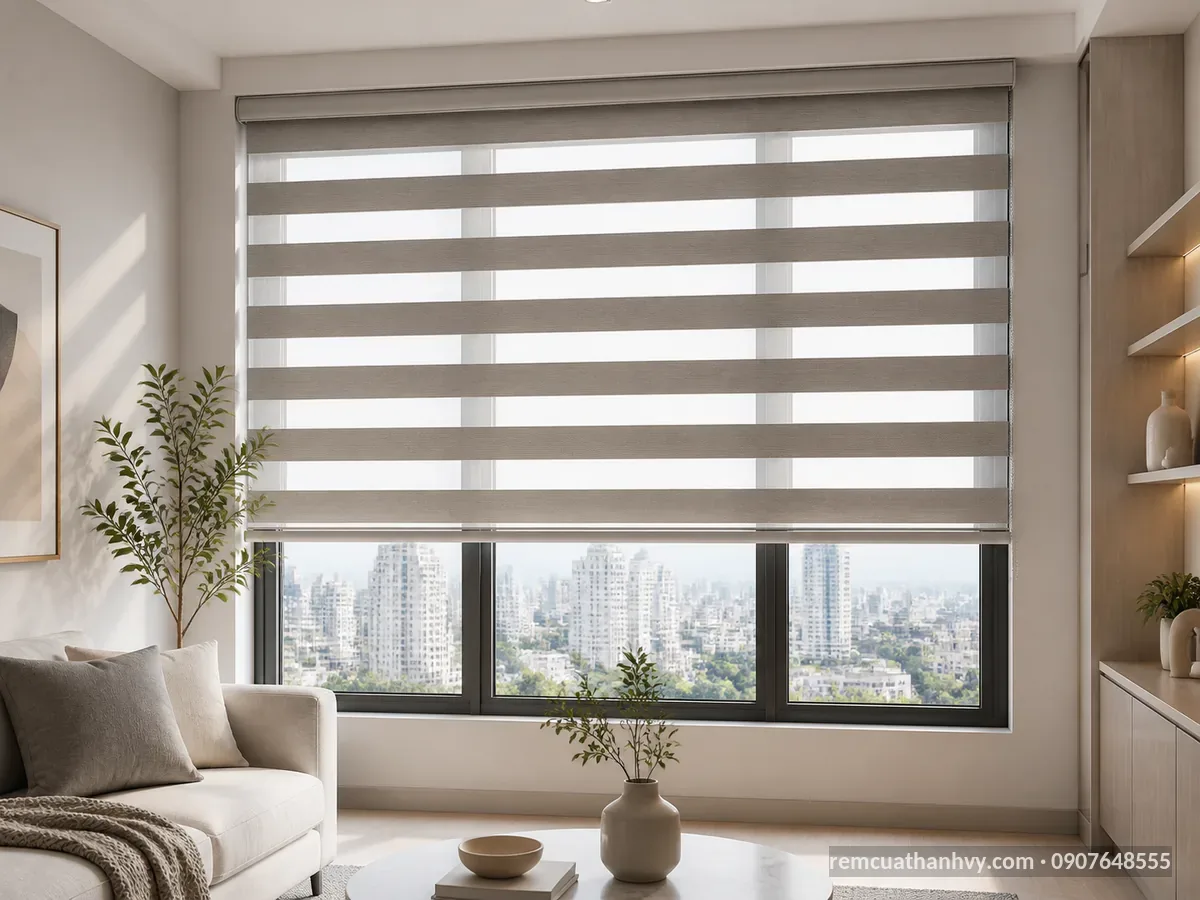
Comparing Fabric Curtains and Zebra Blinds: Which One Fits Your Needs?
This article compares fabric curtains and zebra blinds in terms of light, privacy, stackback, the [...]
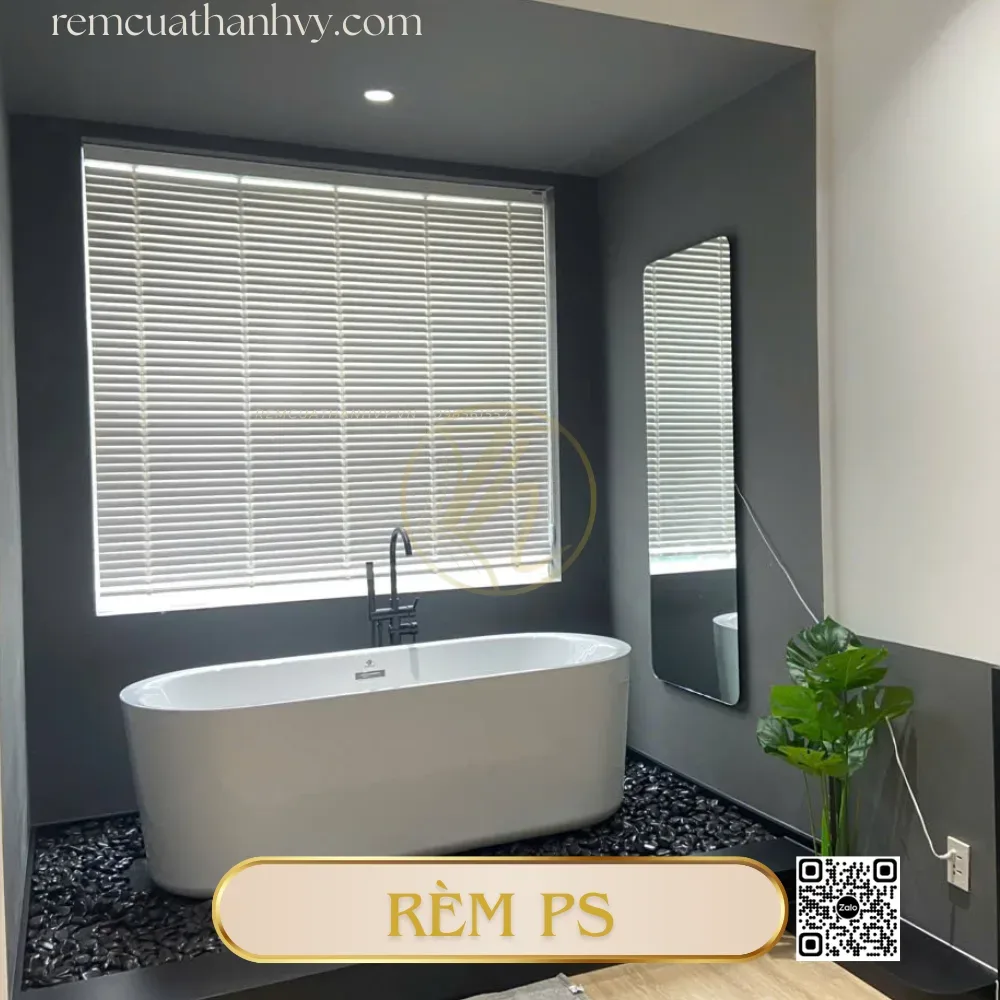
Fabric Curtains or Wooden Blinds? A Detailed Comparison to Help You Choose
Compare fabric curtains and wooden blinds by light control, privacy, operation, aesthetics, cleaning, and running [...]
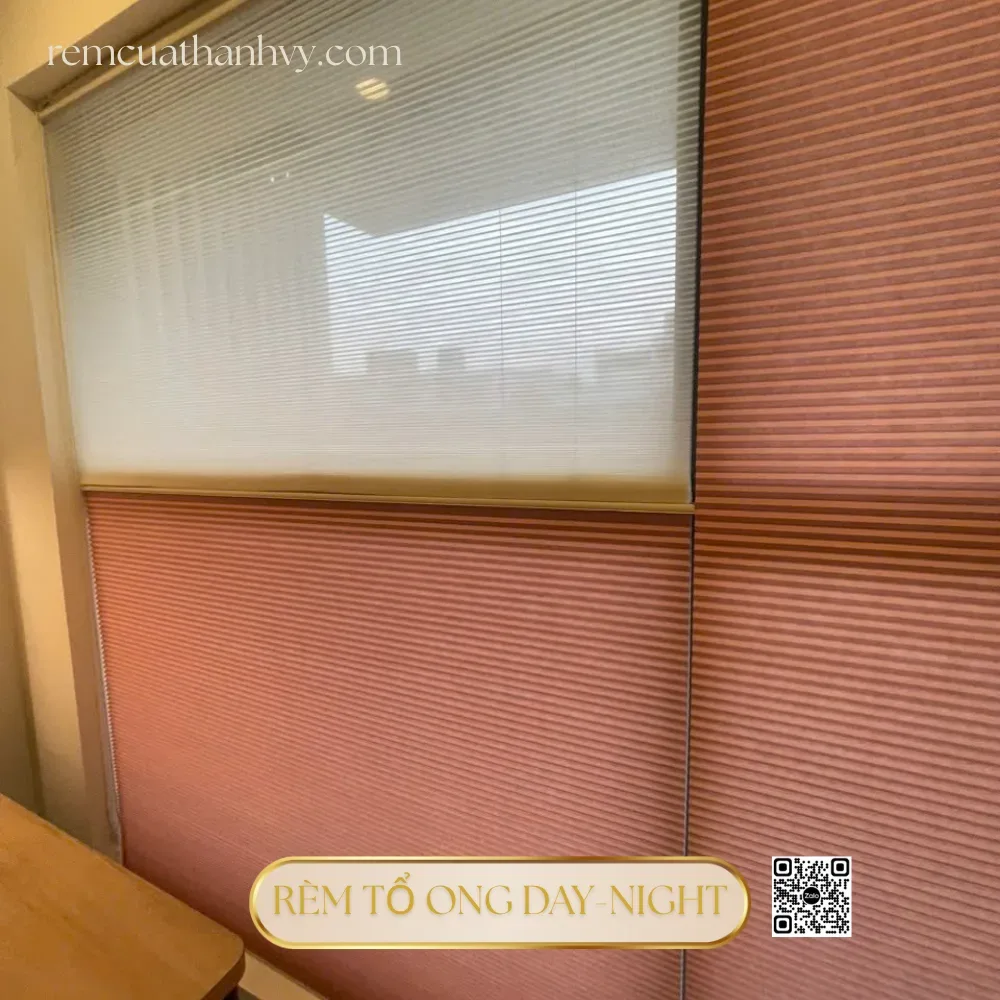
Fabric Curtains or Honeycomb Blinds? A Detailed Comparison to Help You Choose
Compare fabric curtains and honeycomb blinds based on light control, privacy, operation, aesthetics, maintenance, and [...]

Fabric Curtains vs. Roller Blinds? A Detailed Comparison to Help You Choose
Compare fabric curtains and roller blinds based on light control, privacy, operation, aesthetics, maintenance, and [...]
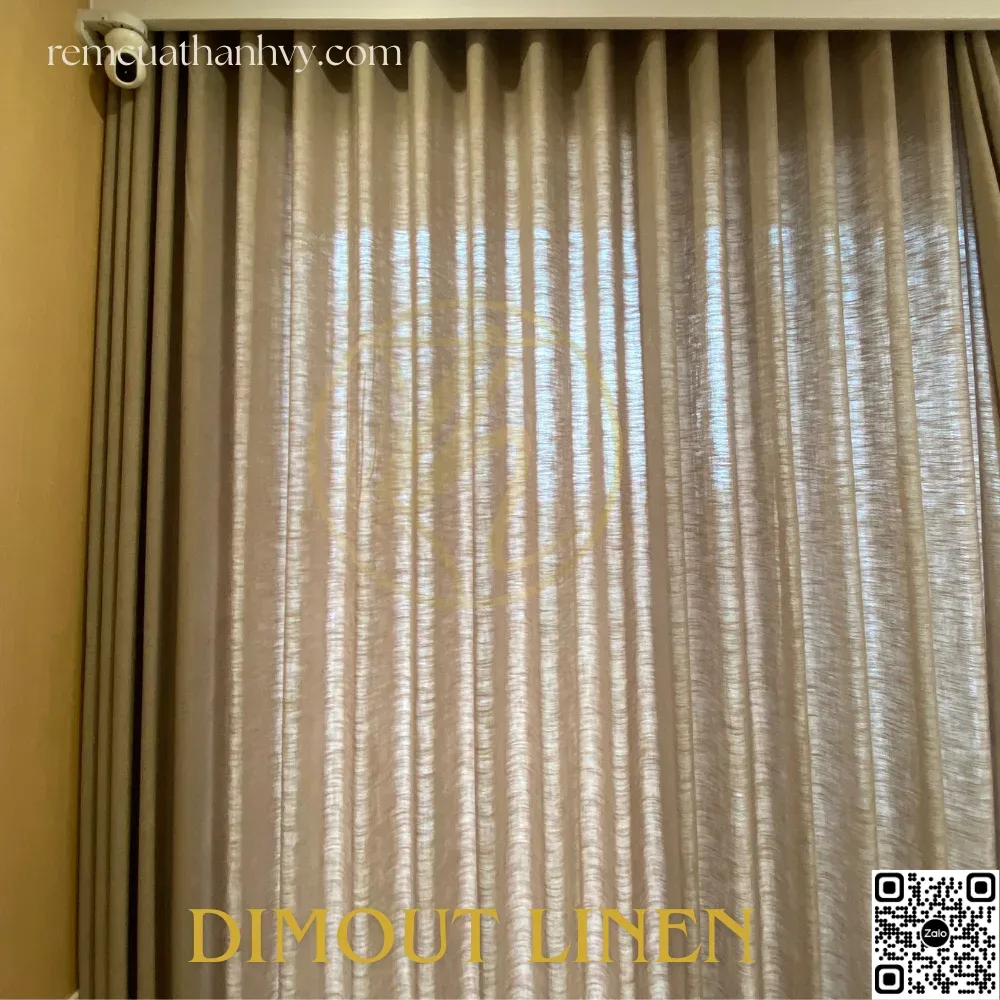
Fabric Curtains vs. Linen Curtains? A Detailed Comparison to Help You Choose
Compare fabric and linen curtains based on light control, privacy, operation, aesthetics, maintenance, and cost [...]
Related posts
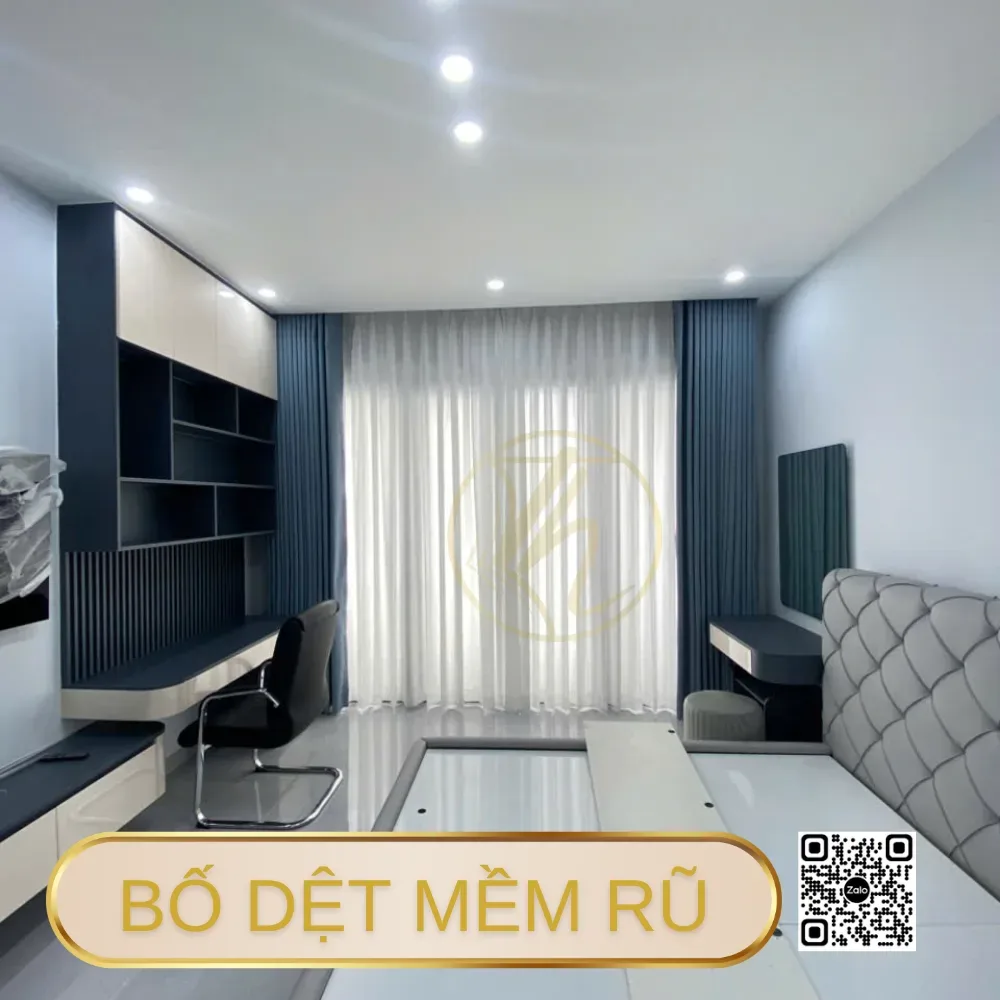
Fabric Curtains in District 3: How to Choose by Room and Need
This article helps readers choose fabric curtains in District 3 based on light blocking needs, [...]
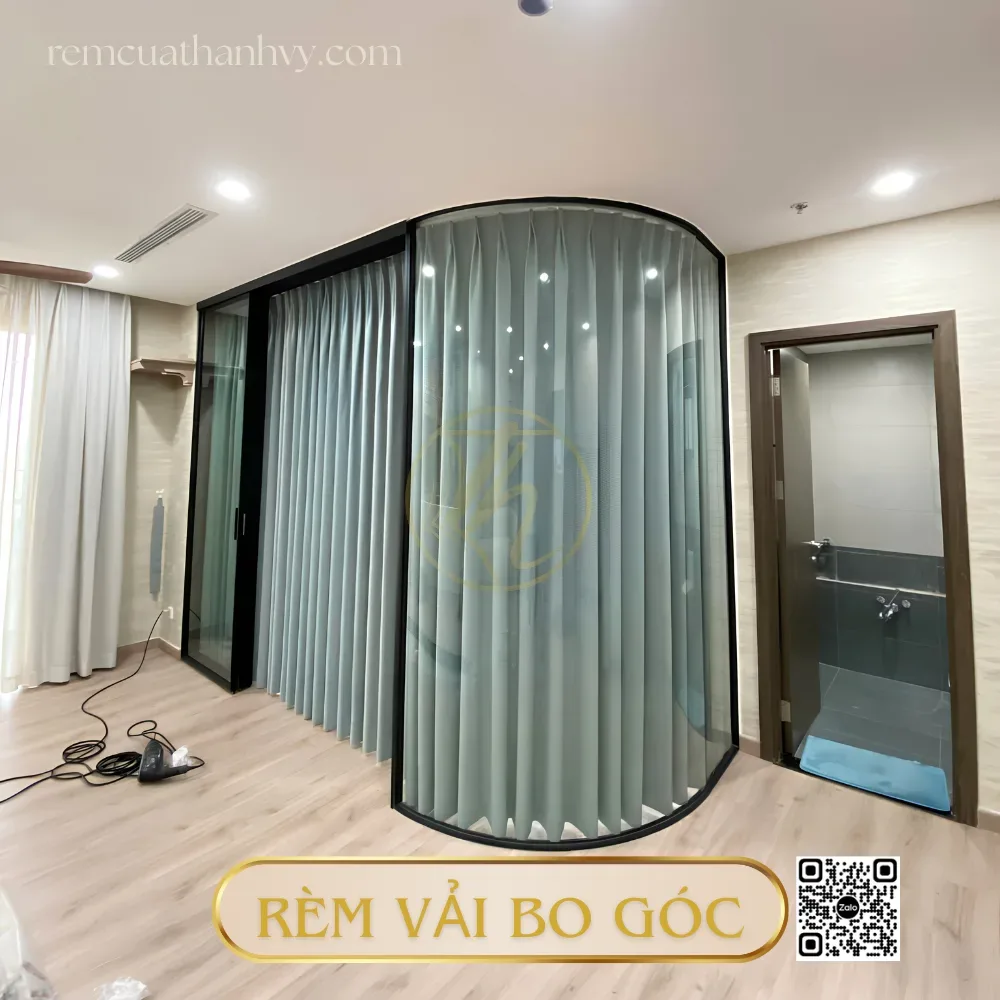
Fabric Curtains in District 6: How to Choose Fabrics and Sewing Styles
A guide to choosing fabric curtains in District 6 for every space, light level, material, [...]
Fabric Curtains in Binh Thanh: How to Choose for Every Space
This article summarizes how to choose fabric curtains in Binh Thanh based on lighting, privacy [...]
Tan Binh Fabric Curtains: How to Choose for Every Space
A practical guide to choosing Tan Binh fabric curtains by room, light direction, fabric pattern, [...]
Linen Curtains in District 4: Choosing the Right Fabric and Style
When choosing linen curtains in District 4, consider sun exposure, privacy, and practical sewing styles [...]
Linen Curtains in District 7: How to Choose the Right Fabric and Style
Linen curtains in District 7 are perfect for bright, airy homes, but you should choose [...]
Linen Curtains in District 11: Choosing the Right Fabric and Style
Linen curtains in District 11 are ideal for bright, soft spaces, but should be selected [...]
Linen curtains in Tan Phu: A guide to choosing the right ones for every space
Linen curtains in Tan Phu should be selected after determining the sun's direction, privacy needs, [...]
No comments yet!