


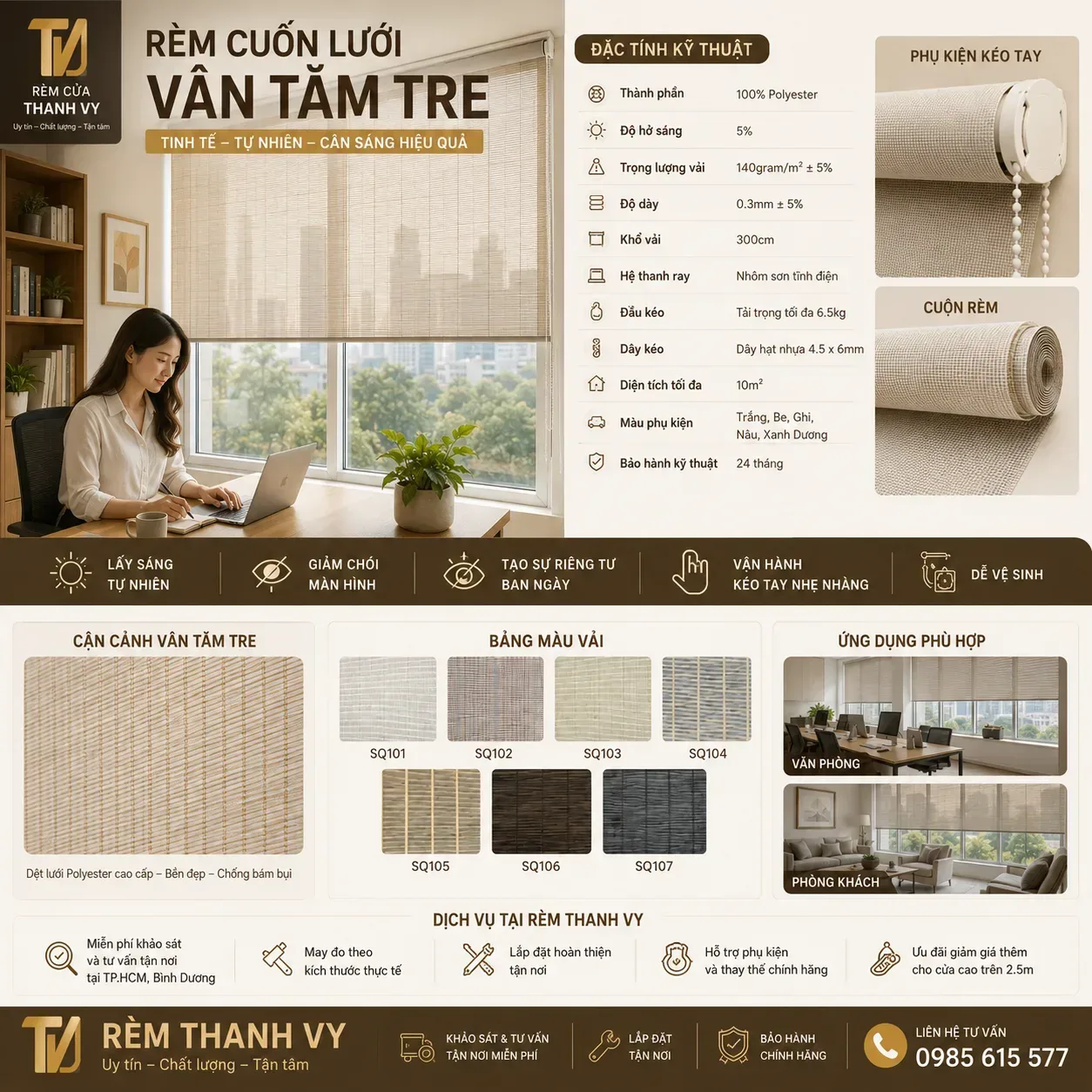


Roller Blinds in District 7: How to Choose the Right Ones for Every Room
roller shades in District 7 are a good fit when you need a streamlined look and simple light control
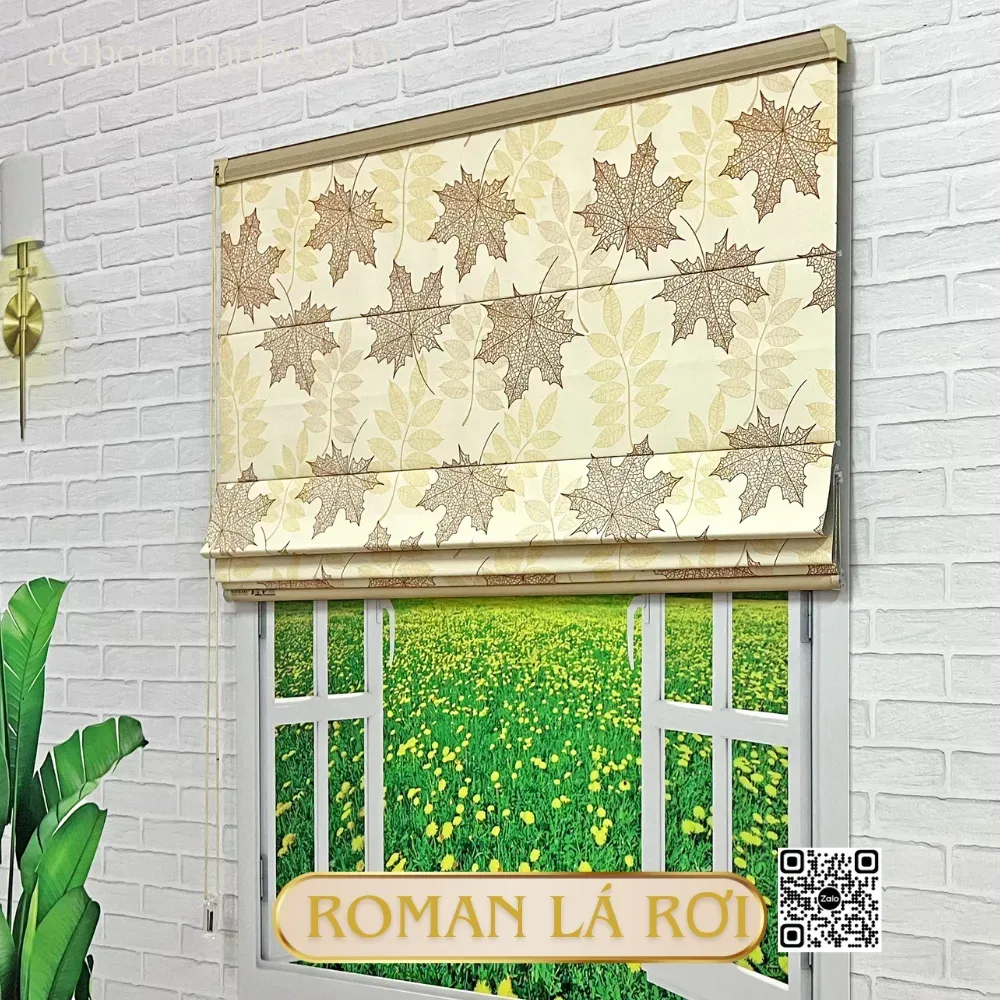
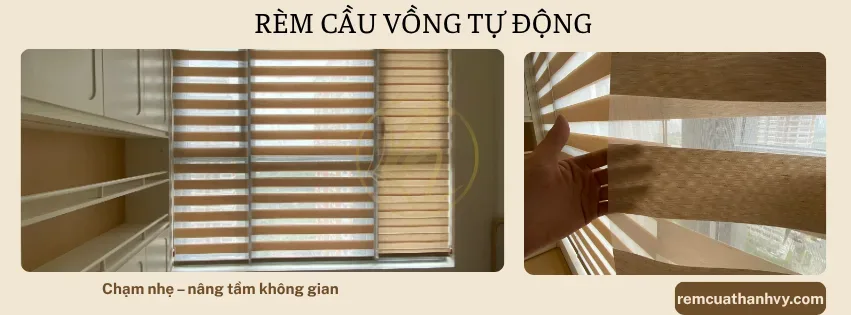
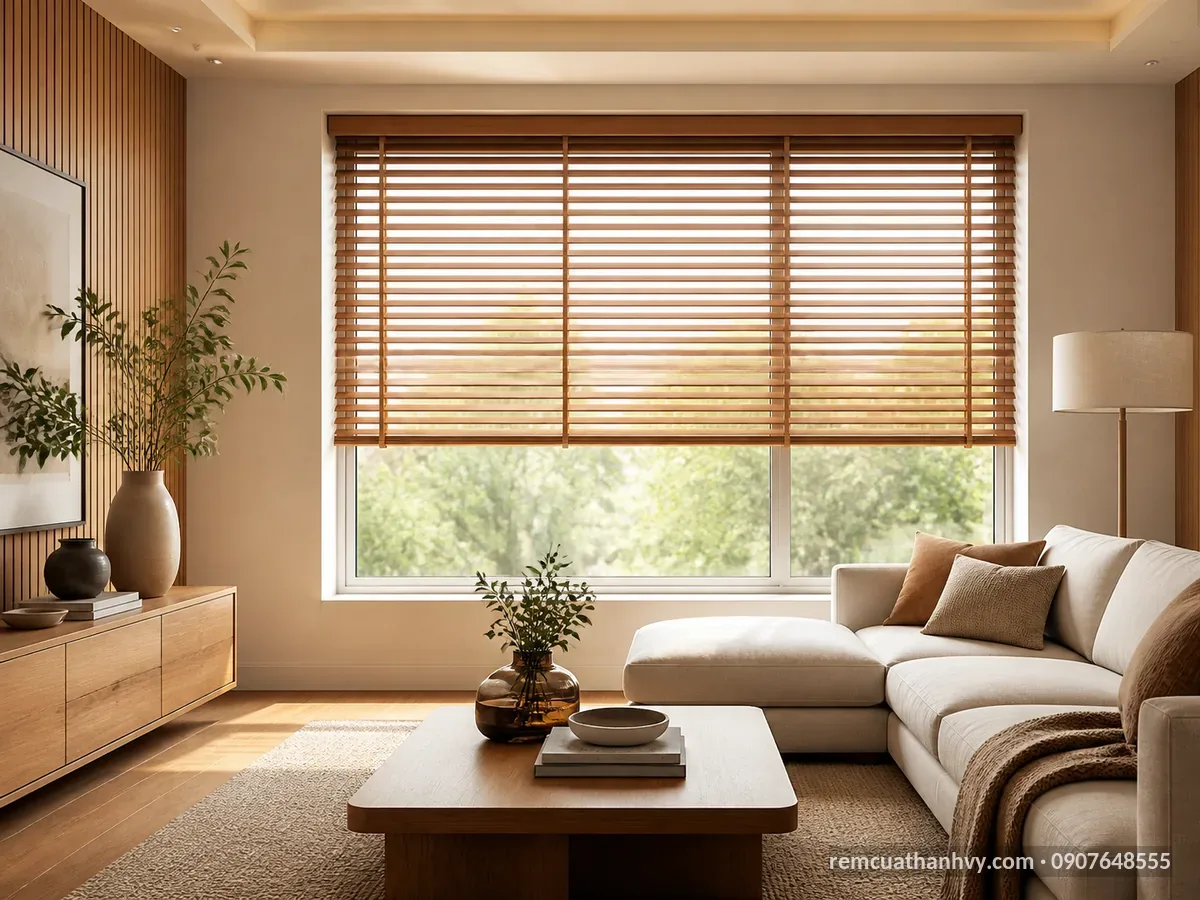
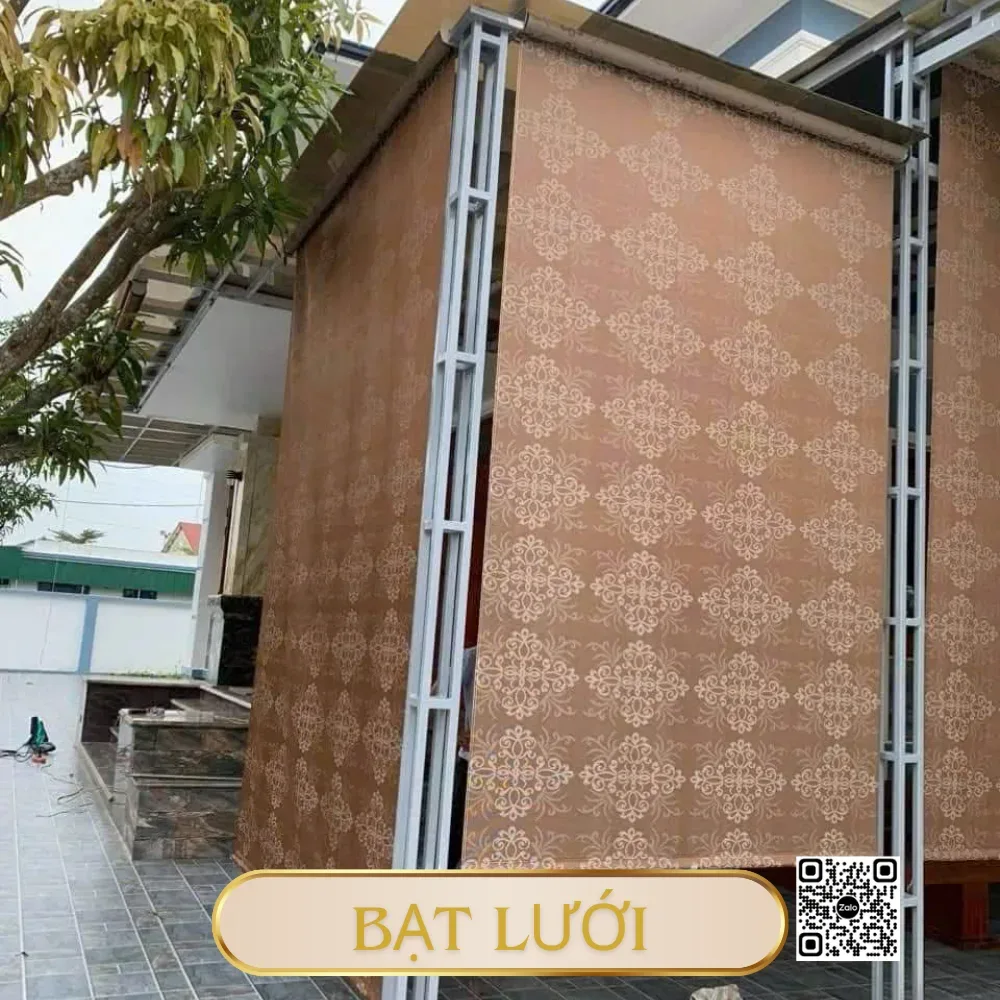
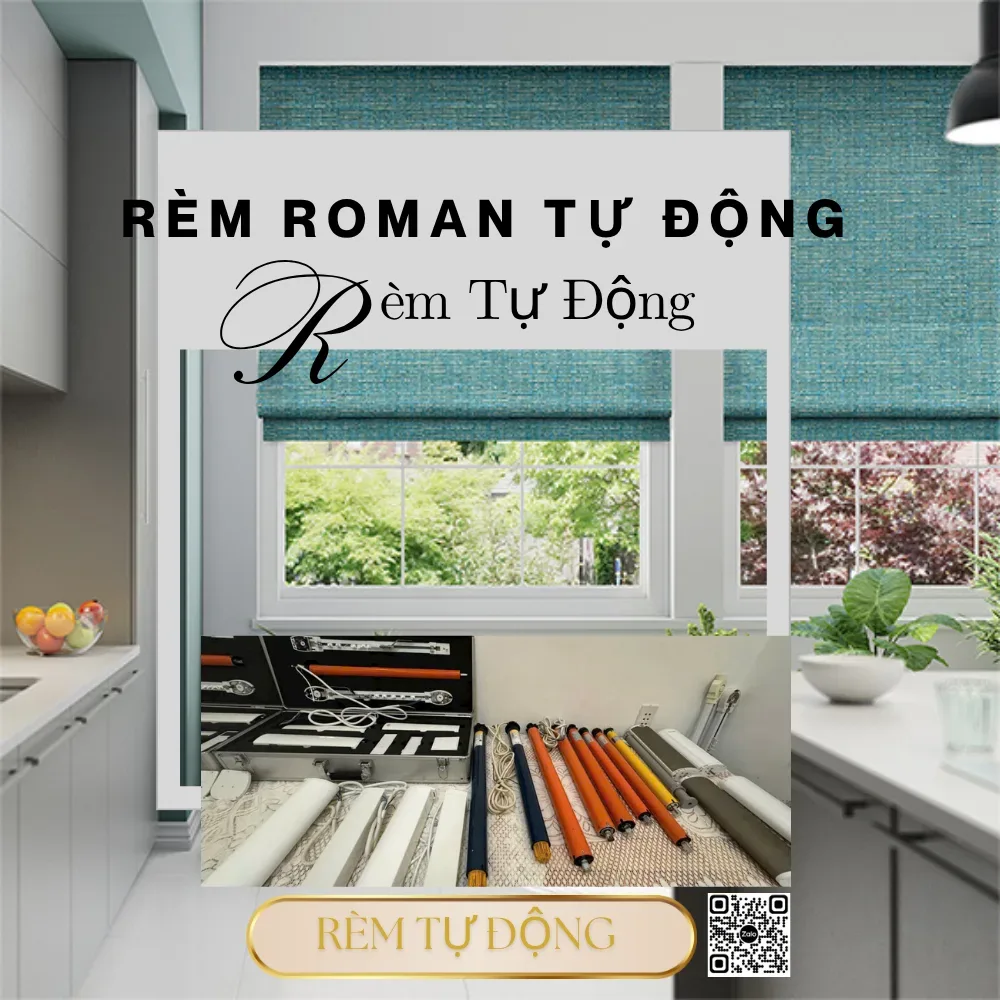
Roller shades in District 7 meet the need for a streamlined look, take up little space when open, and blend easily with many interior styles — making them suitable for apartment windows, side doors, work corners, or small offices. These needs are very common for apartment windows, side doors, work corners, small office spaces, or locations where the open window covering should not take up as much space as fabric curtains. However, choosing roller shades will only truly work well when users clearly understand their lighting goals, privacy needs, and the mounting style suited to the existing window or door. If the decision is based solely on the shades looking minimalist and compact, the risk of choosing the wrong configuration remains fairly high. You can also refer to the concept of window coverings in architecture to better understand the materials.
The greatest strengths of roller shades are their simple operation, neat, flat surface, ability to blend easily with many interior styles, and suitability for windows and doors that do not need much decorative treatment. But precisely because they prioritize compactness, roller shades require careful decisions about light transmission, coverage, and mounting clearance. A mistake in just one of these three areas can make the shades feel rigid, let in light in ways that do not meet your needs, or make everyday opening and closing inconvenient.
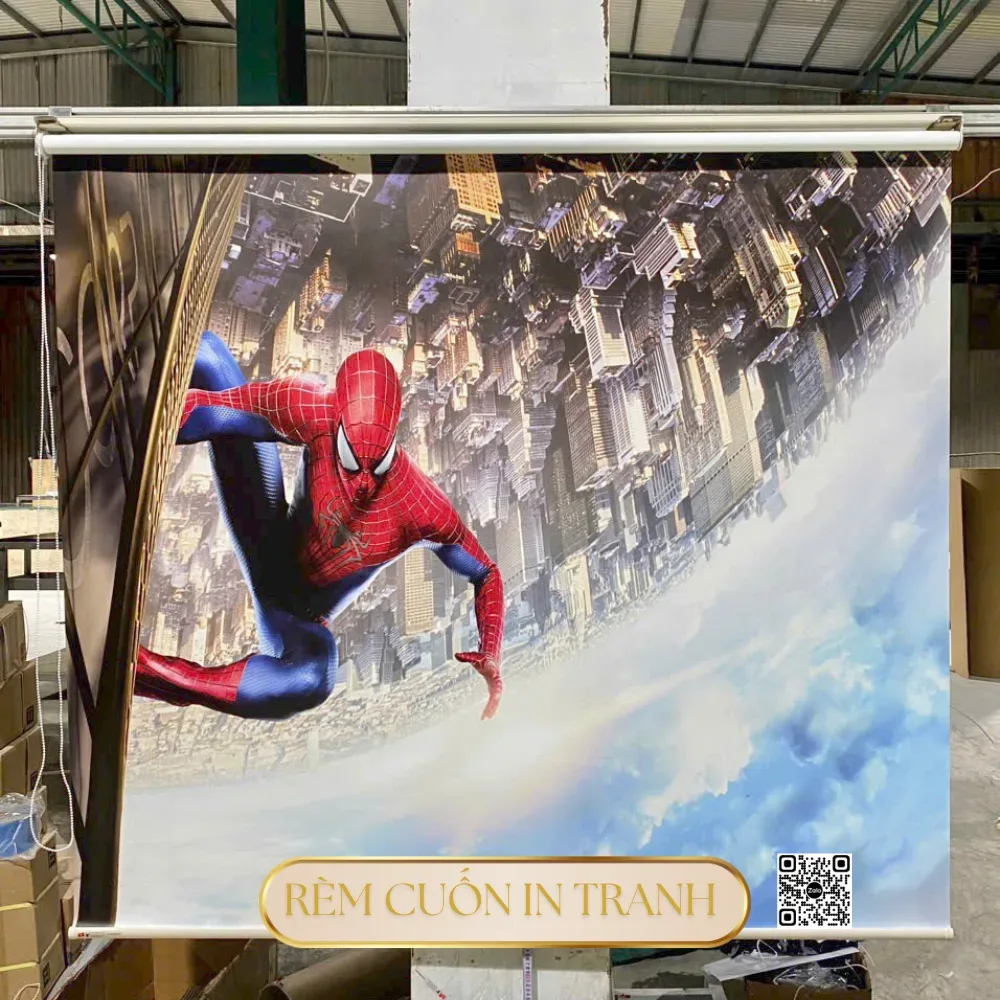
Therefore, when exploring roller shades in District 7, start with how they will be used rather than with color. Is the window or door in a bedroom, a work area, or a shared living space? How much light does the user want to let through? Is privacy needed all day or only at certain times? And more importantly, will the shades be inside-mounted or outside-mounted? These questions determine almost the entire quality of the final configuration. Readers can also compare options through the article on Báo An Giang about Thanh Vy premium fabric curtains.
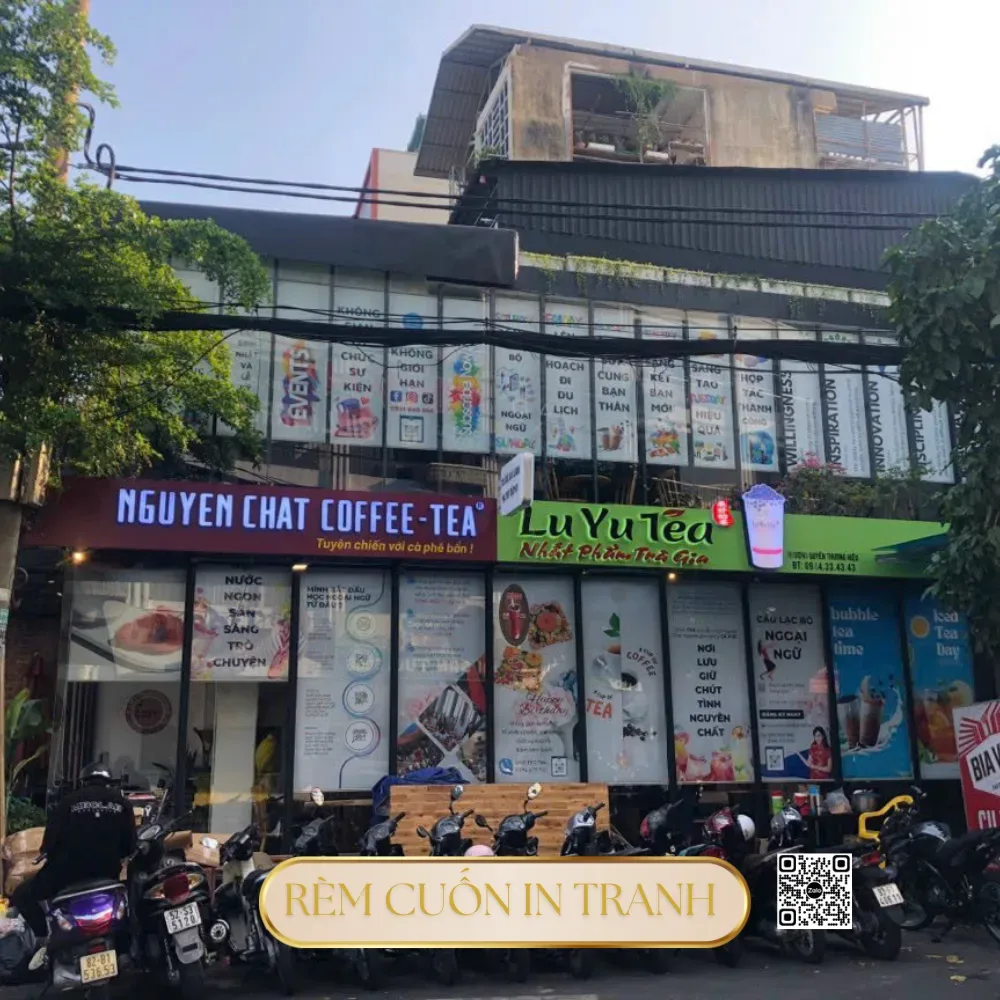
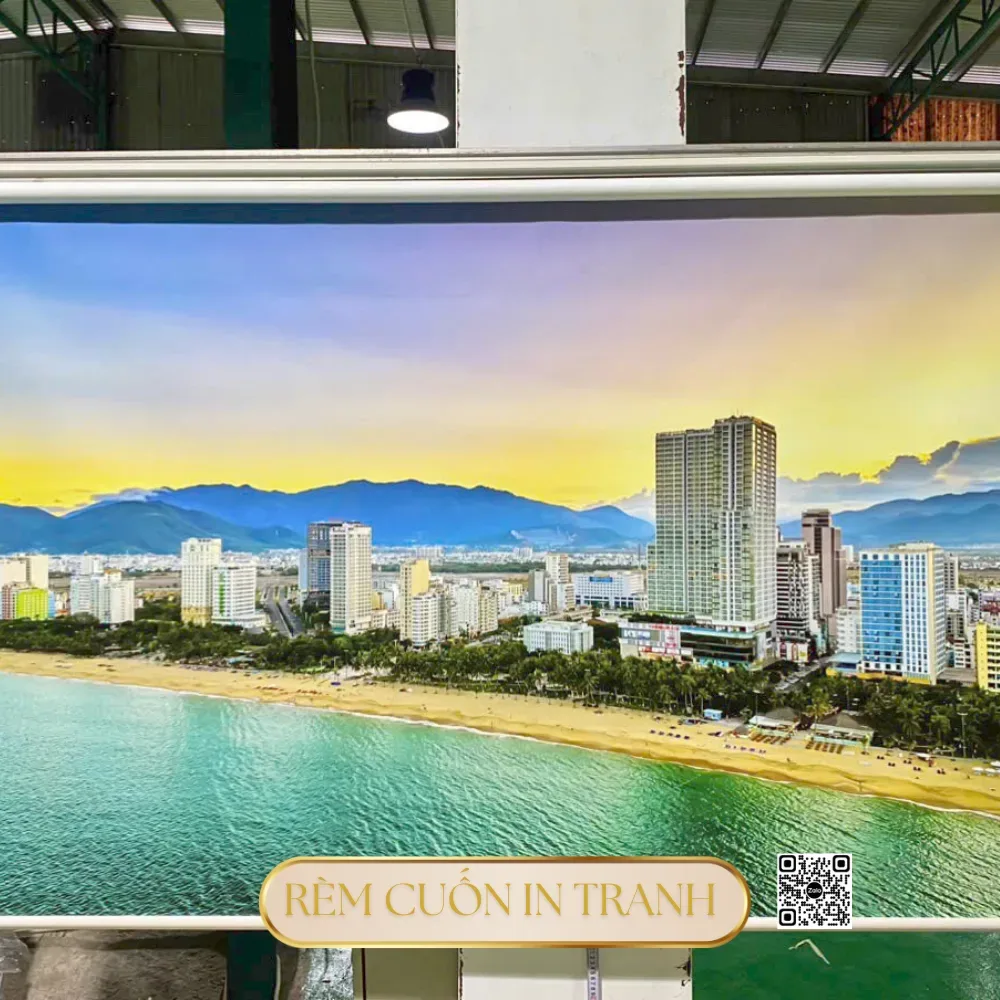

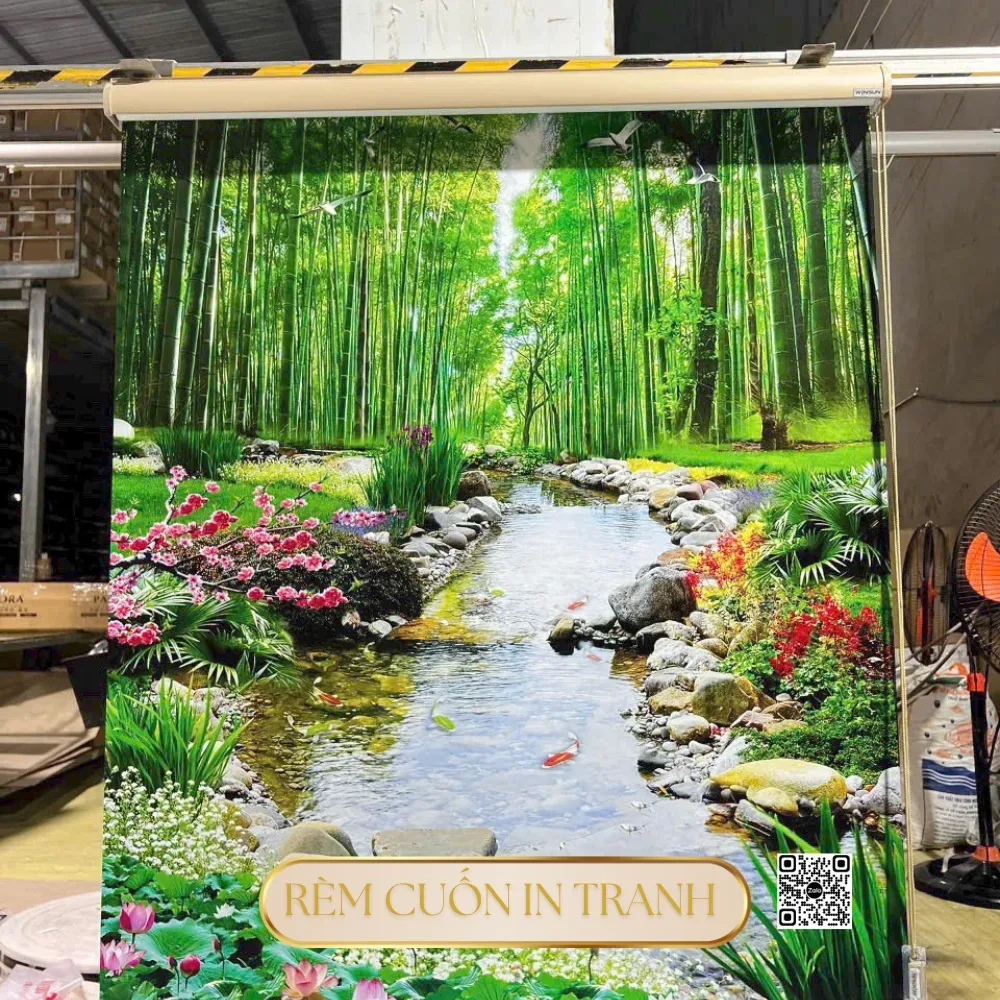
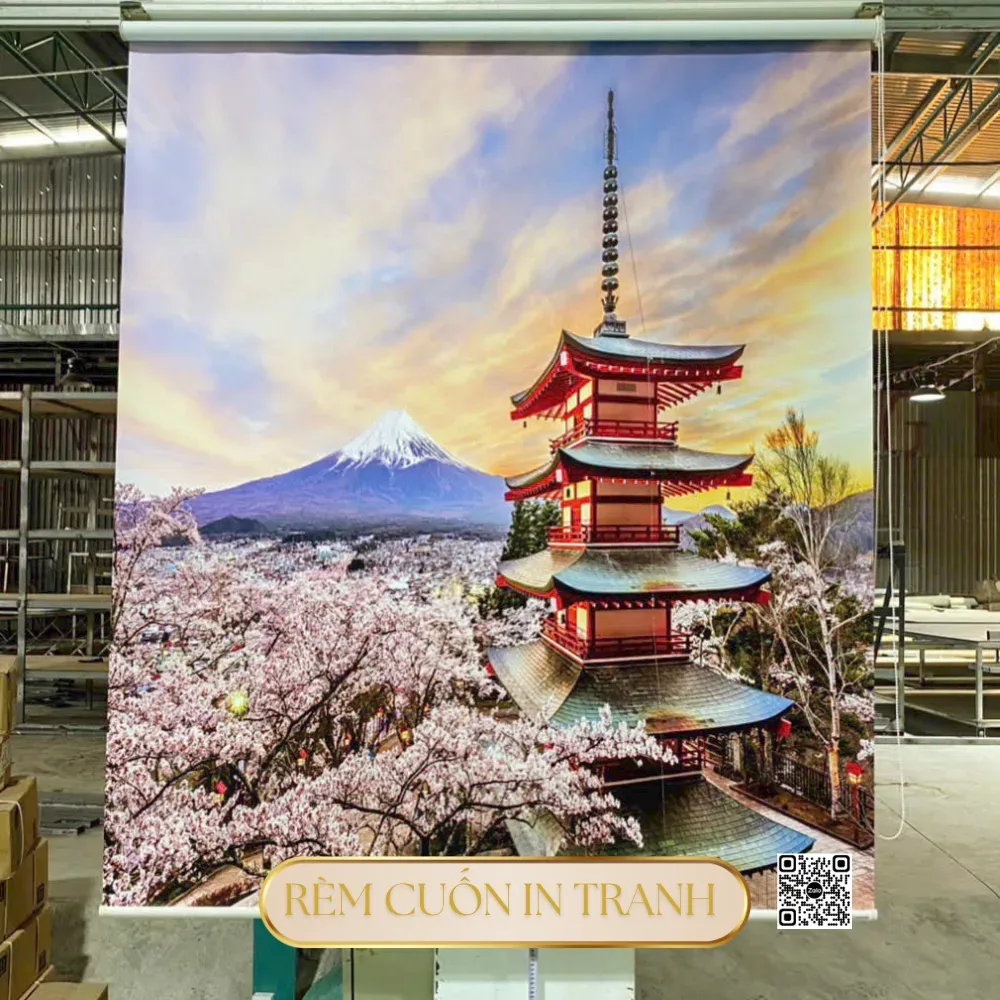
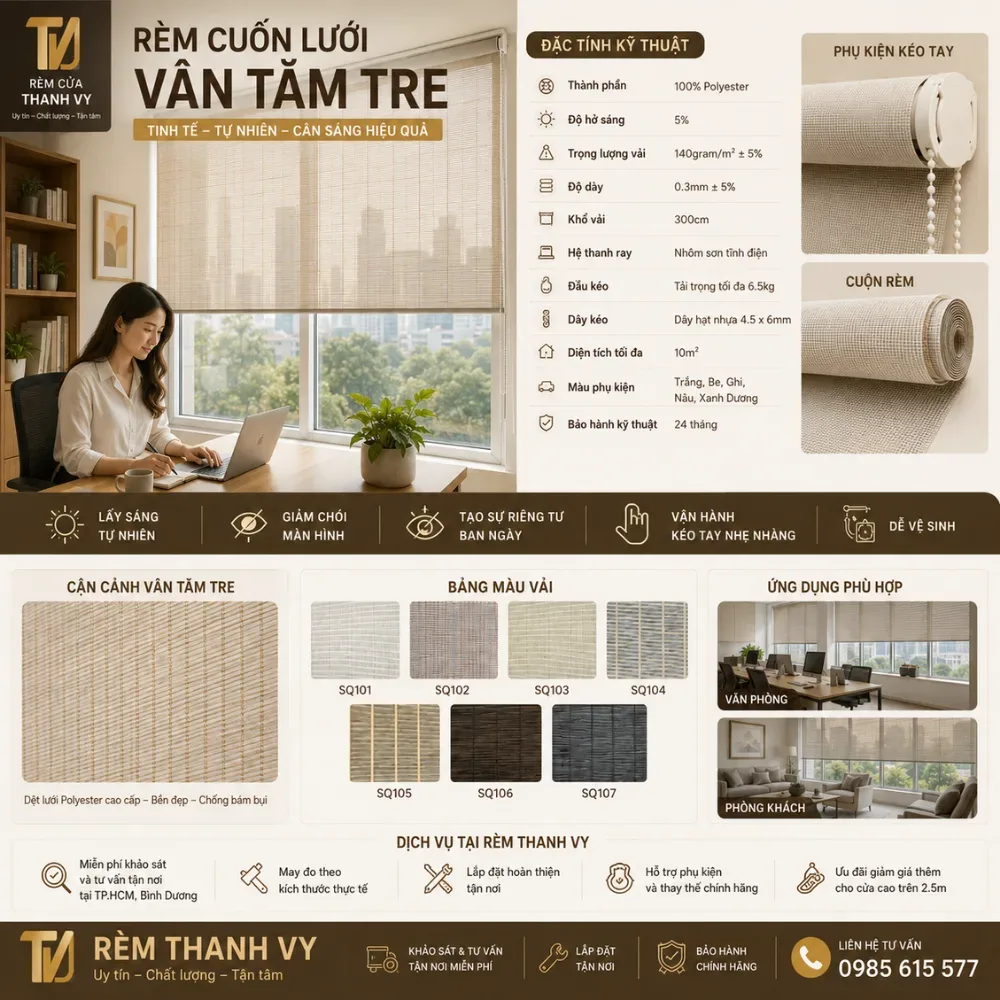
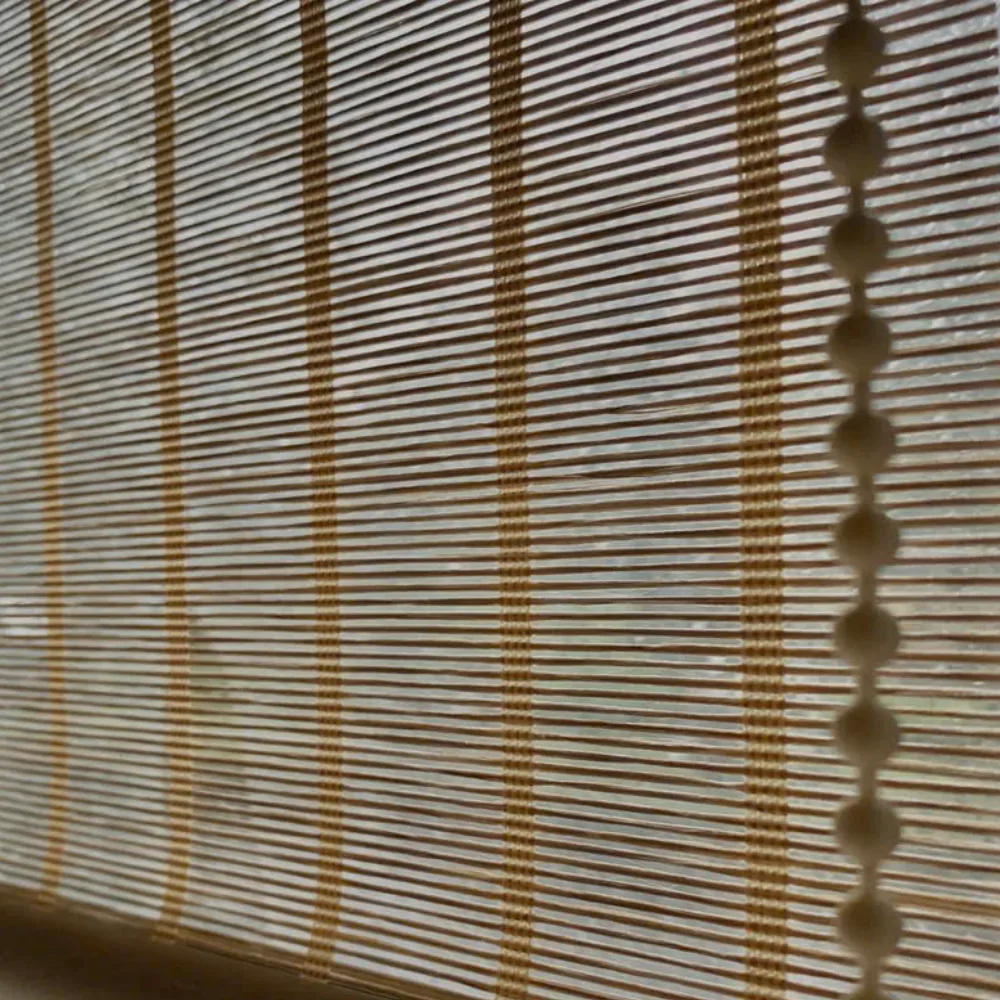
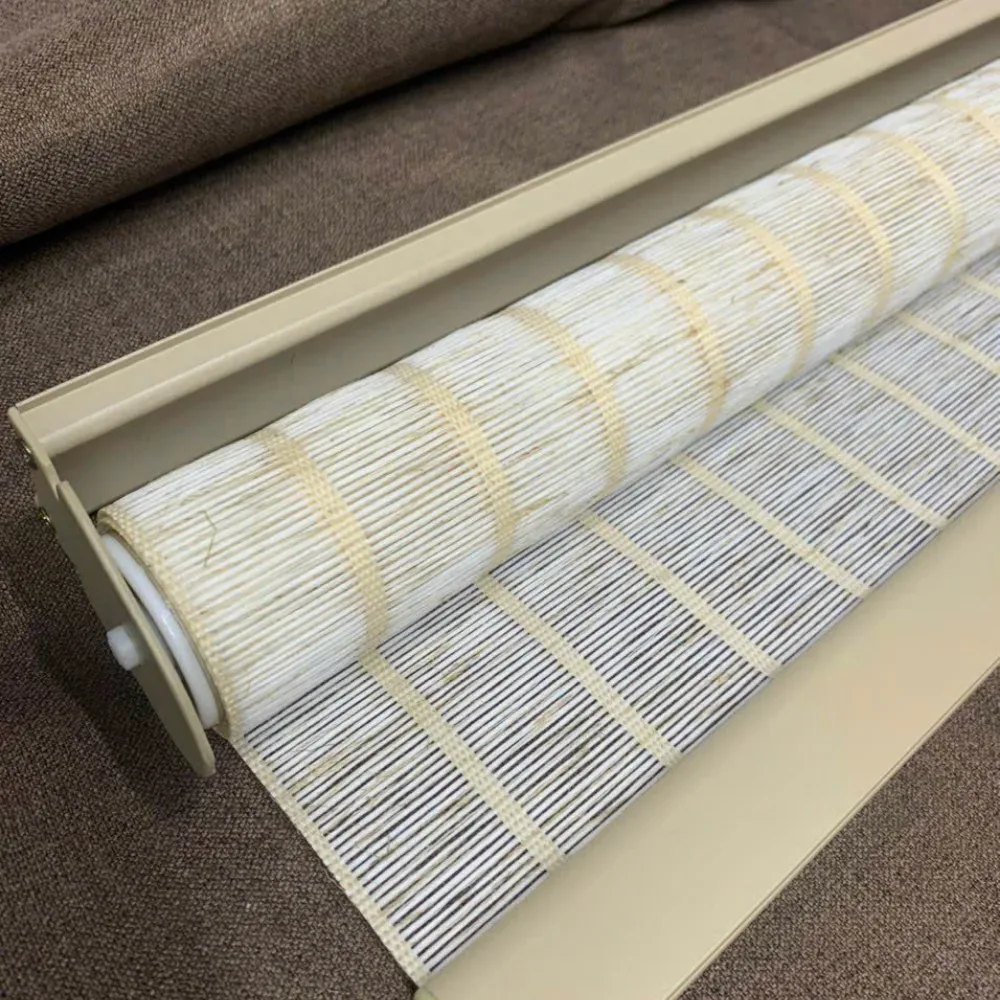
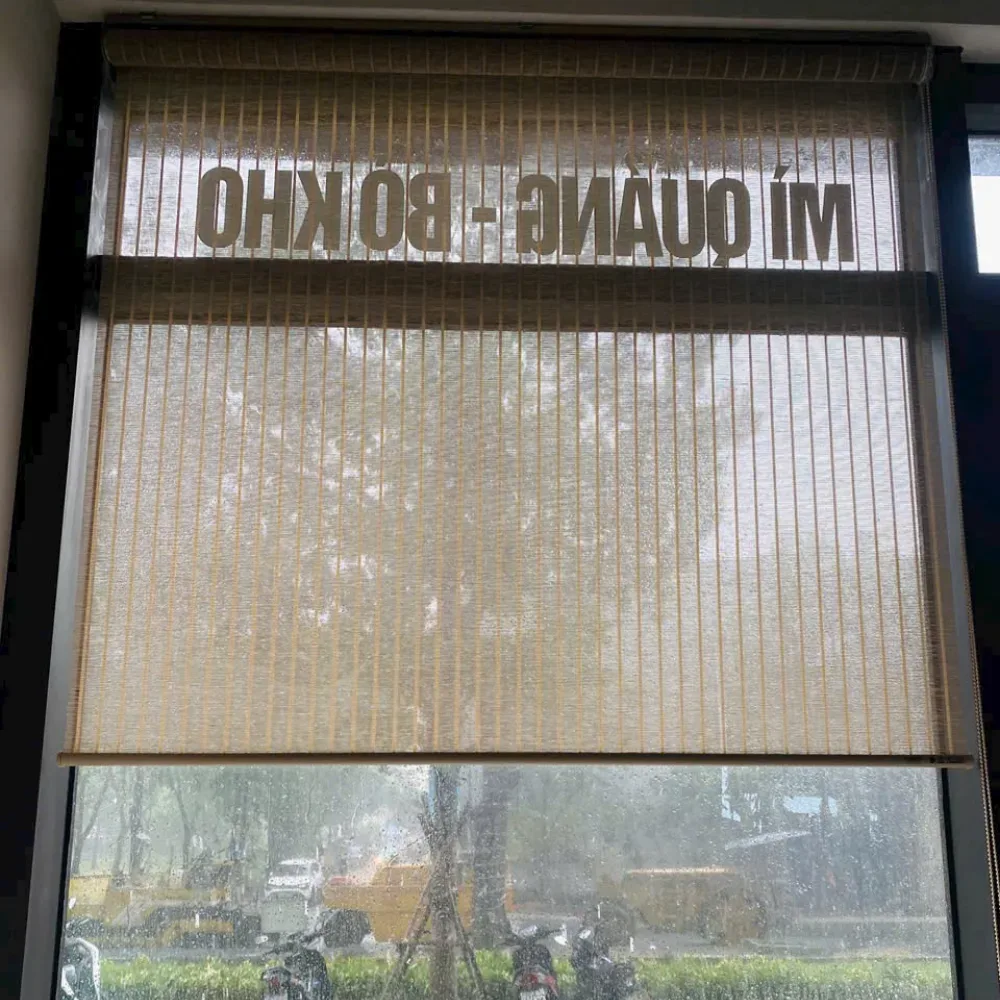
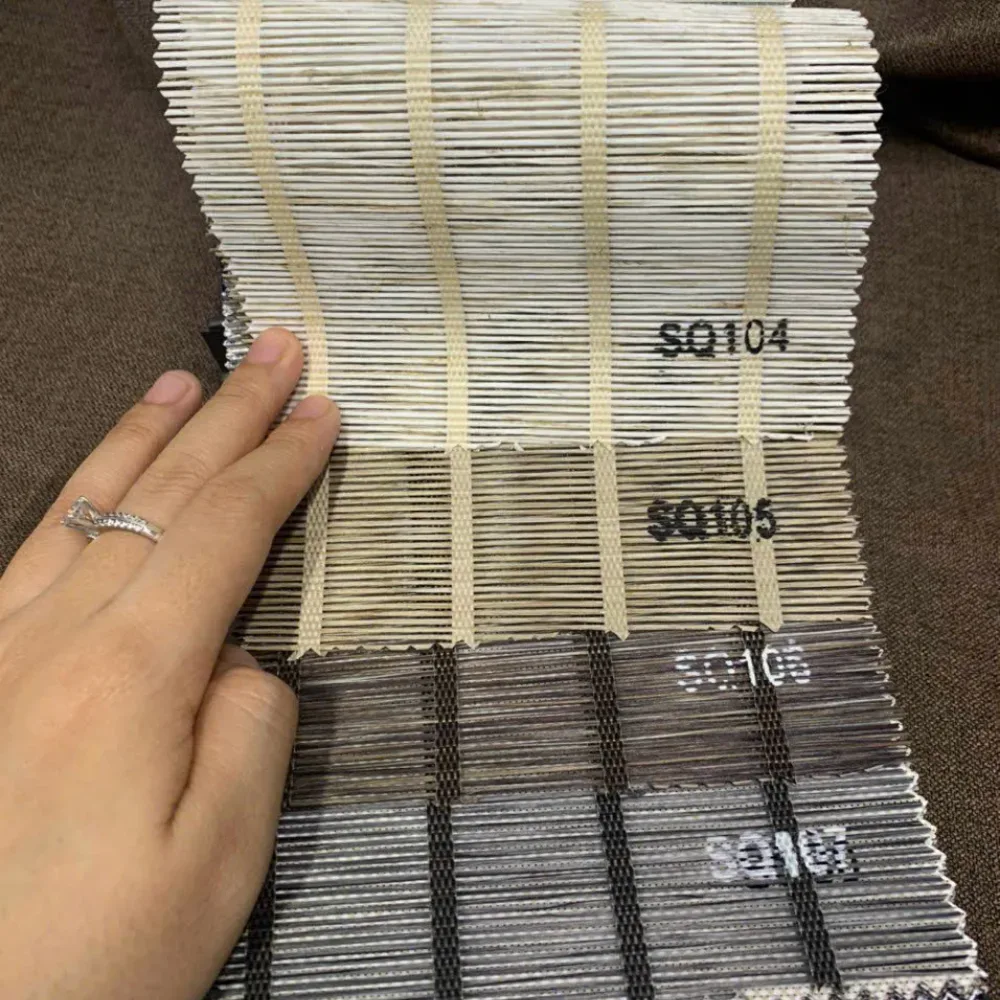
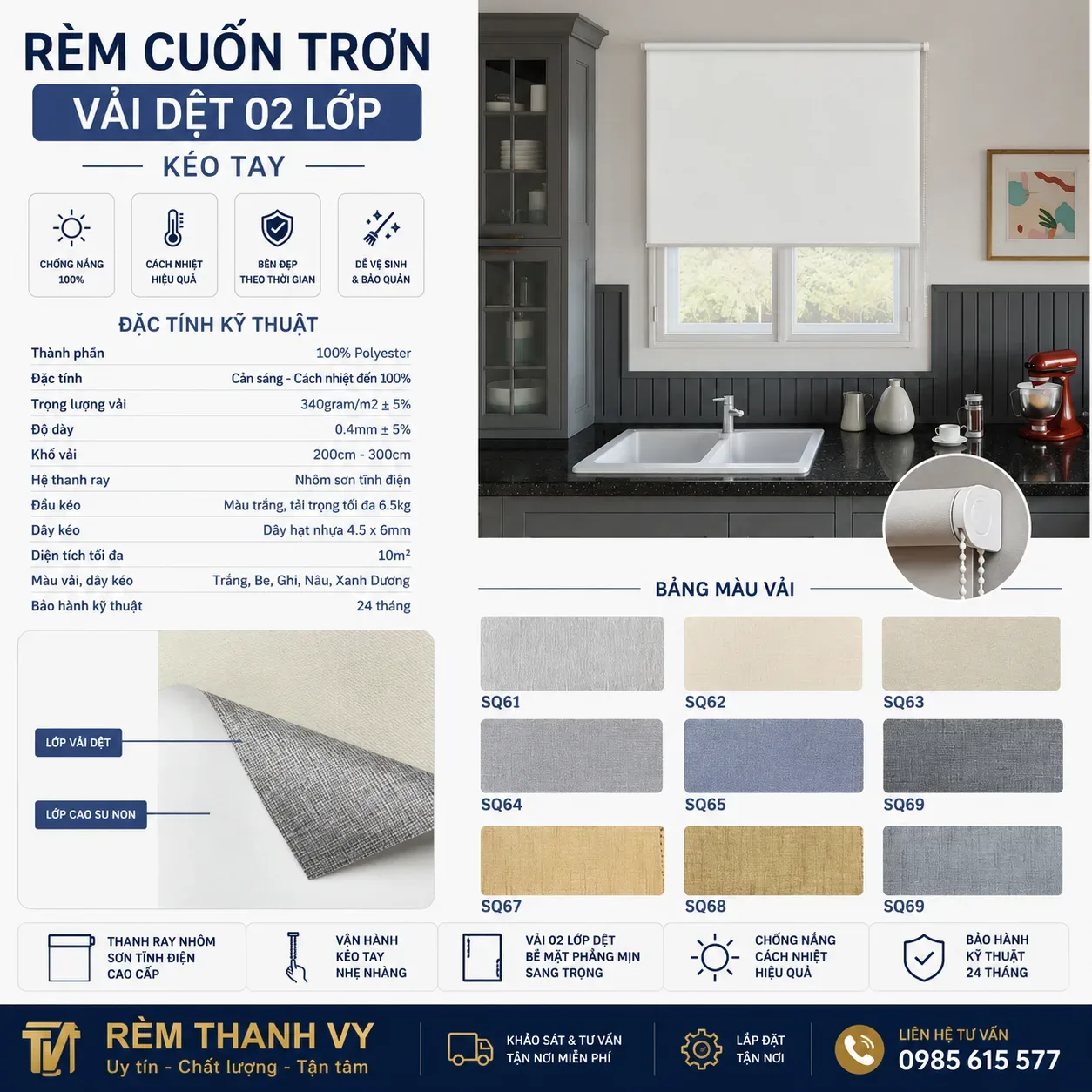
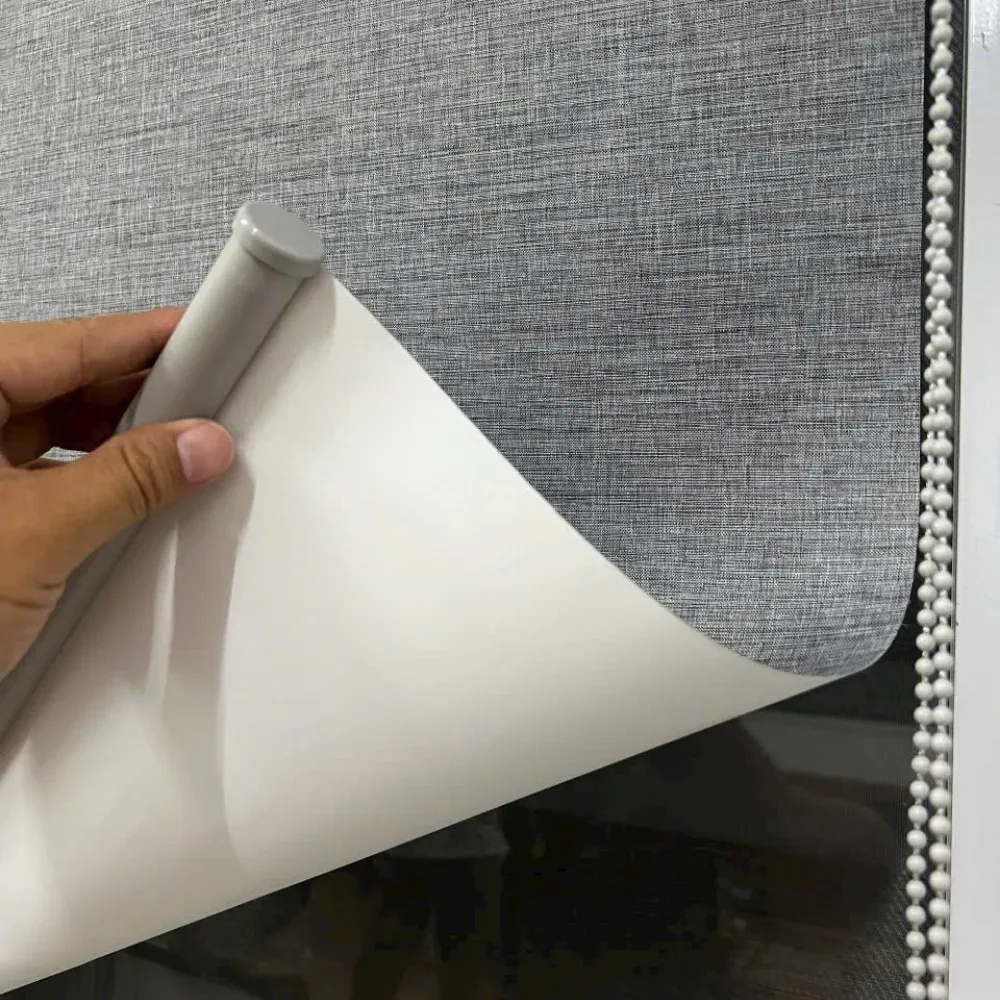
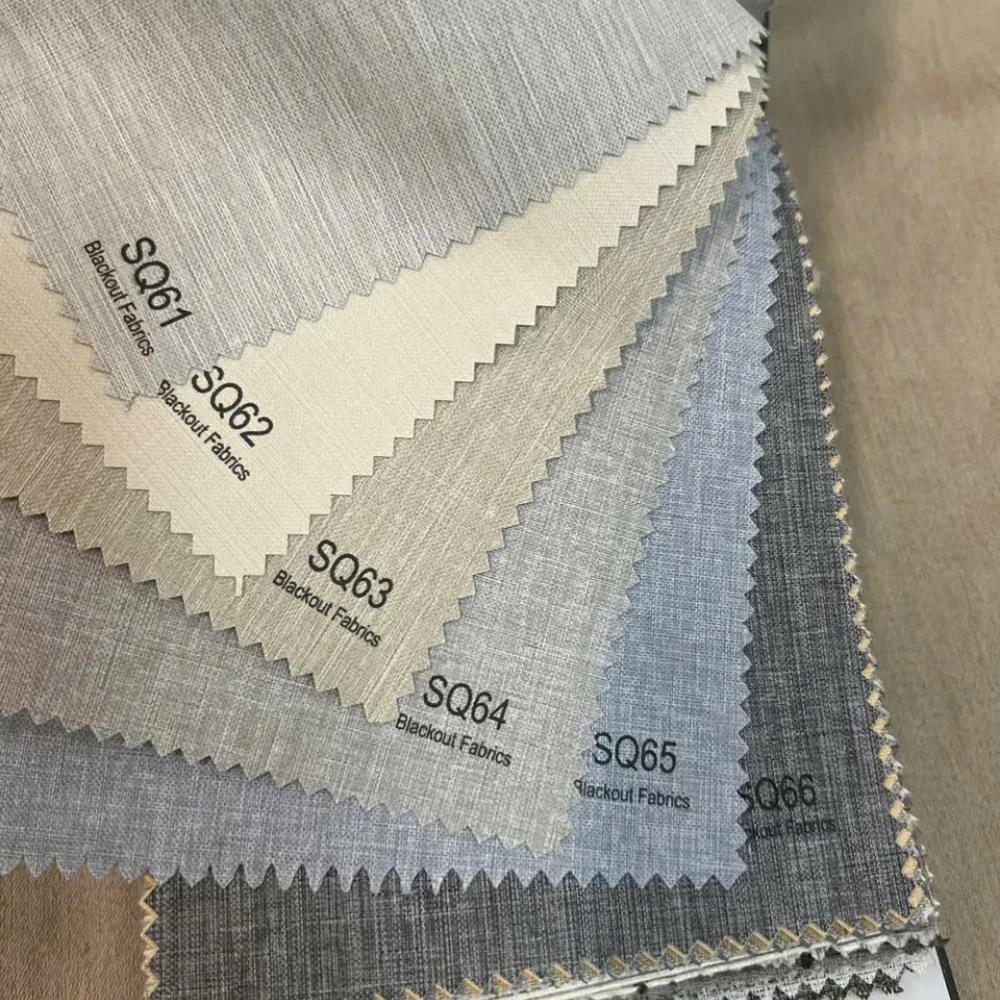
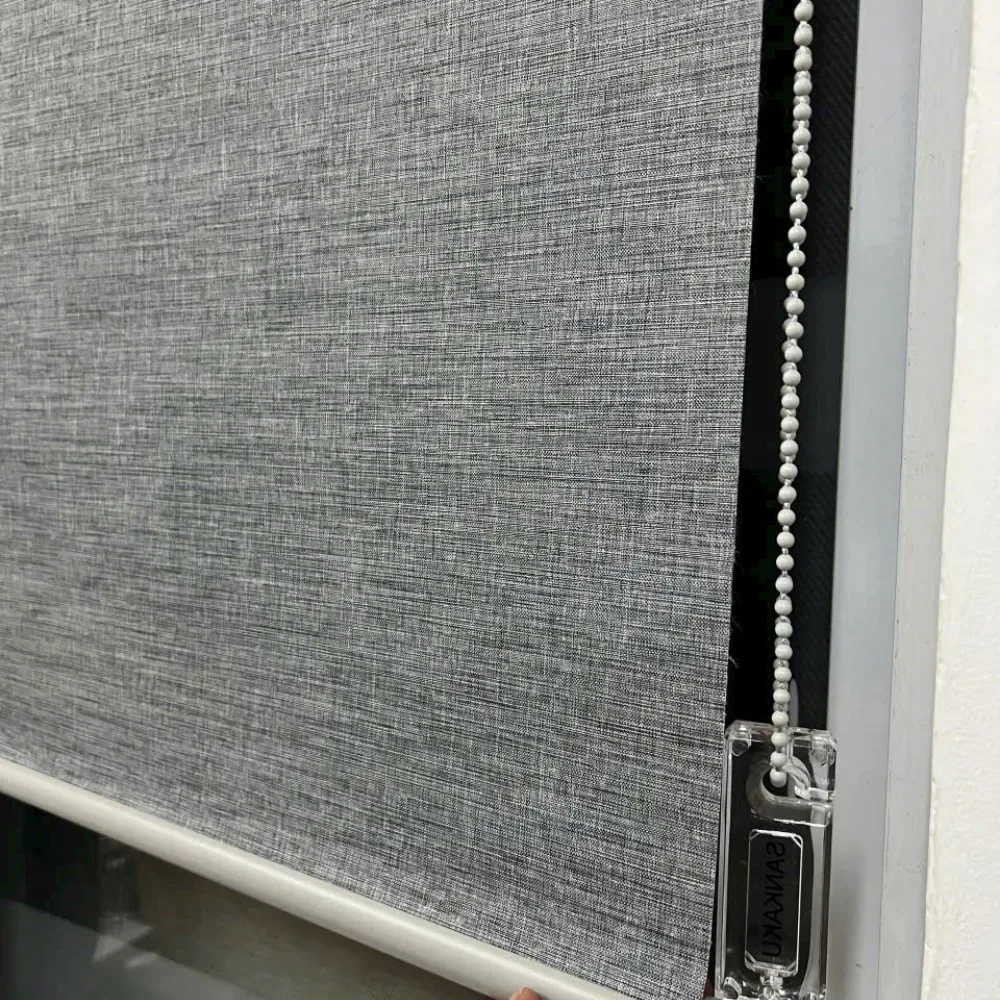
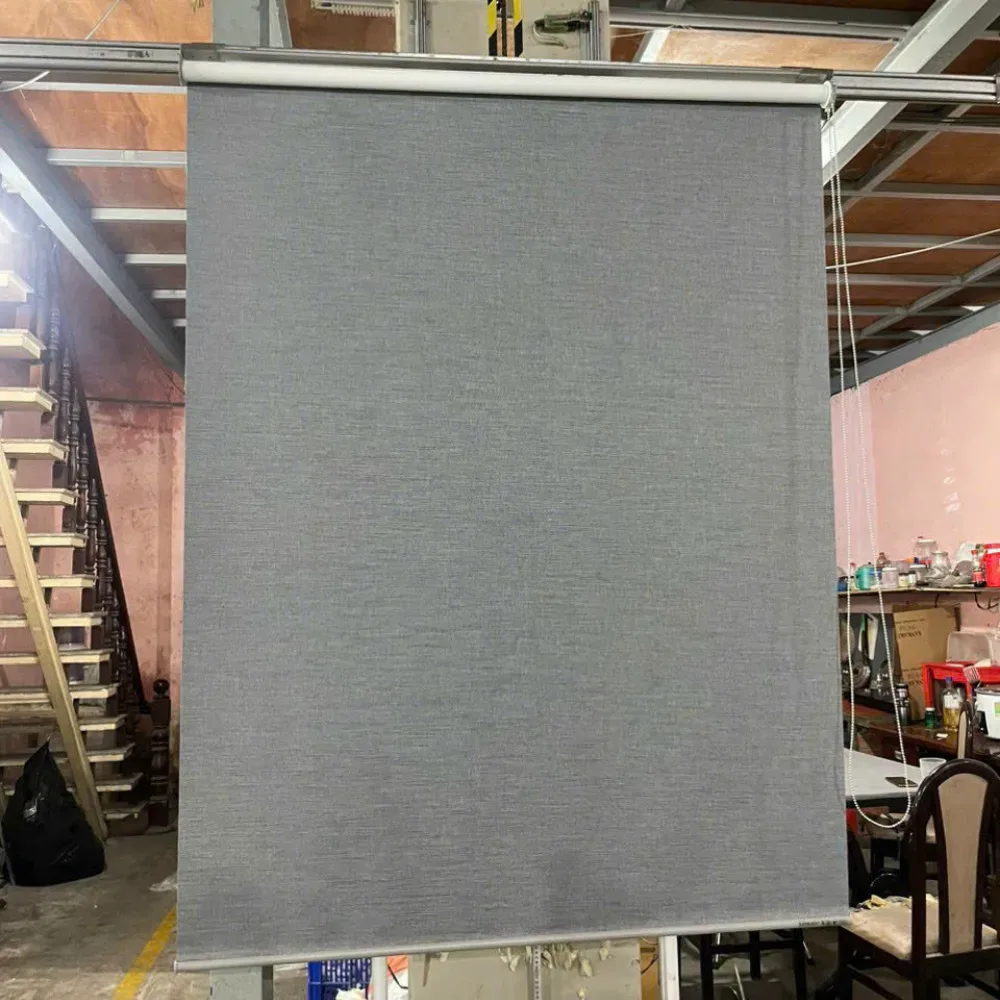



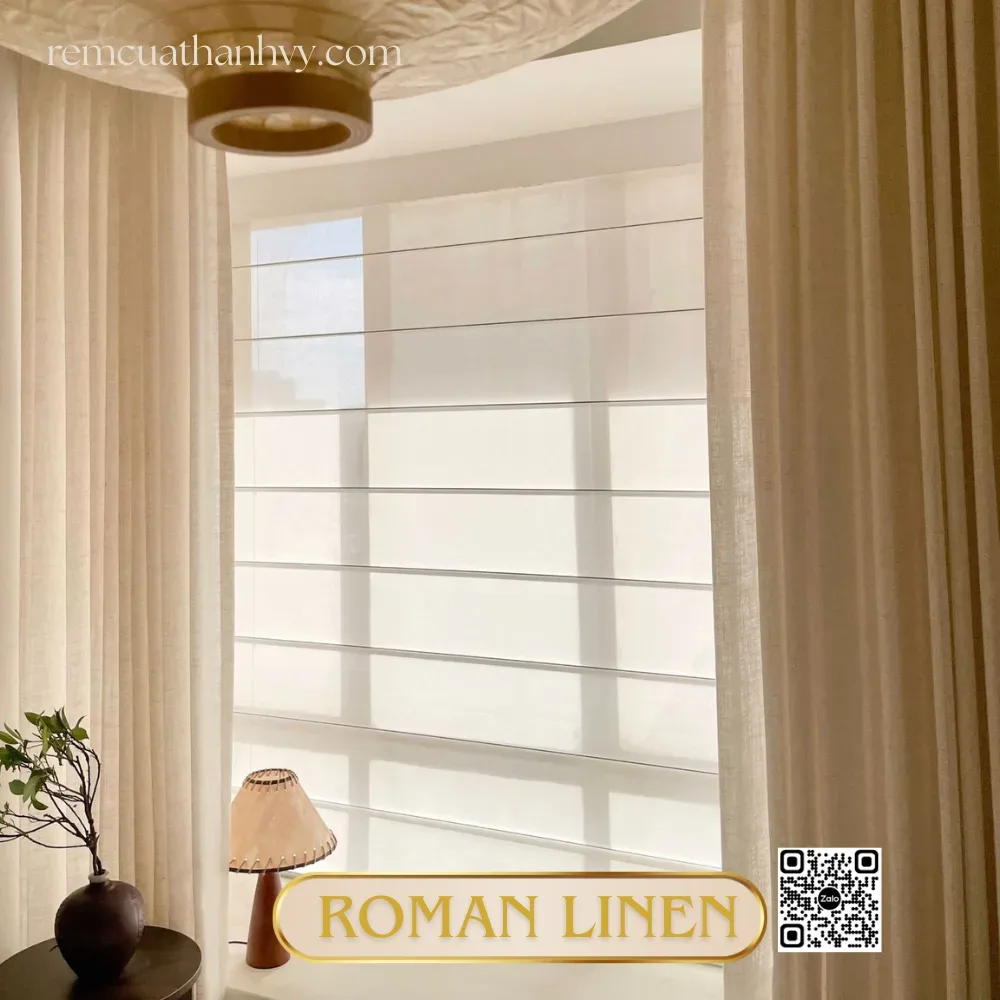
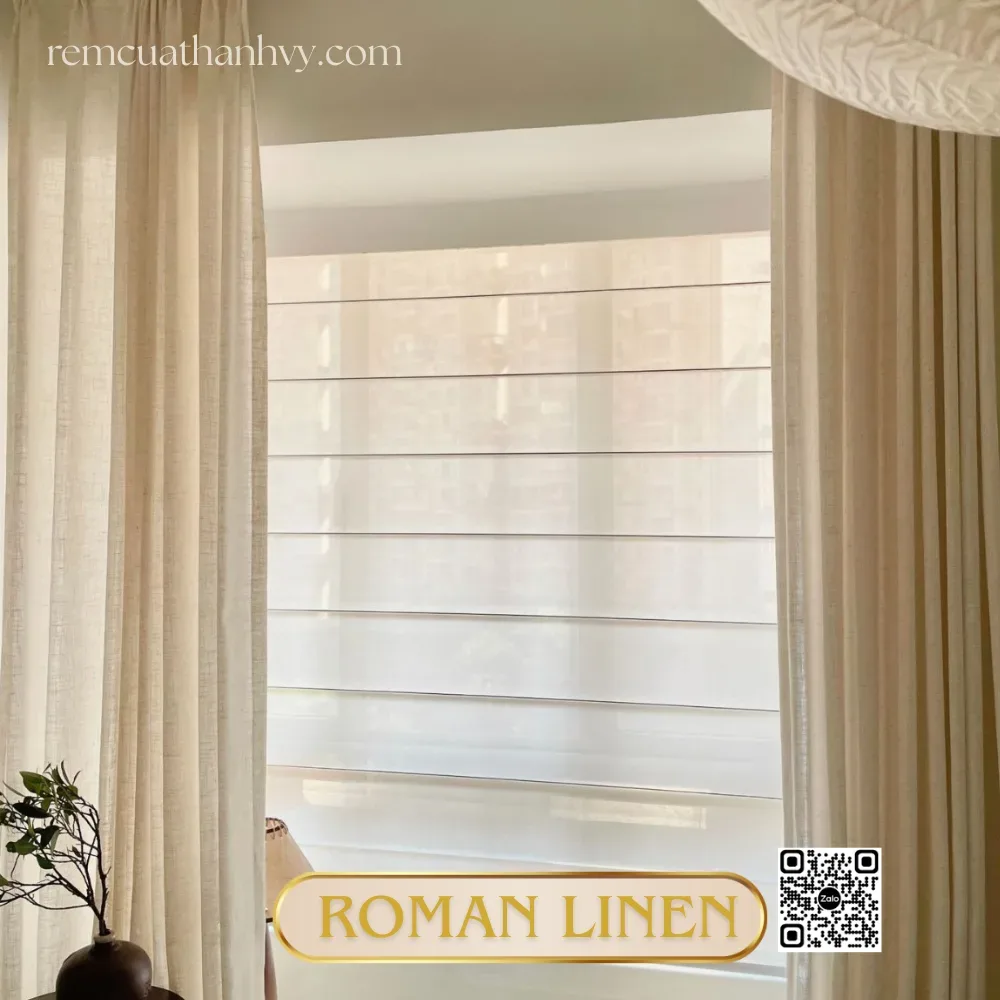
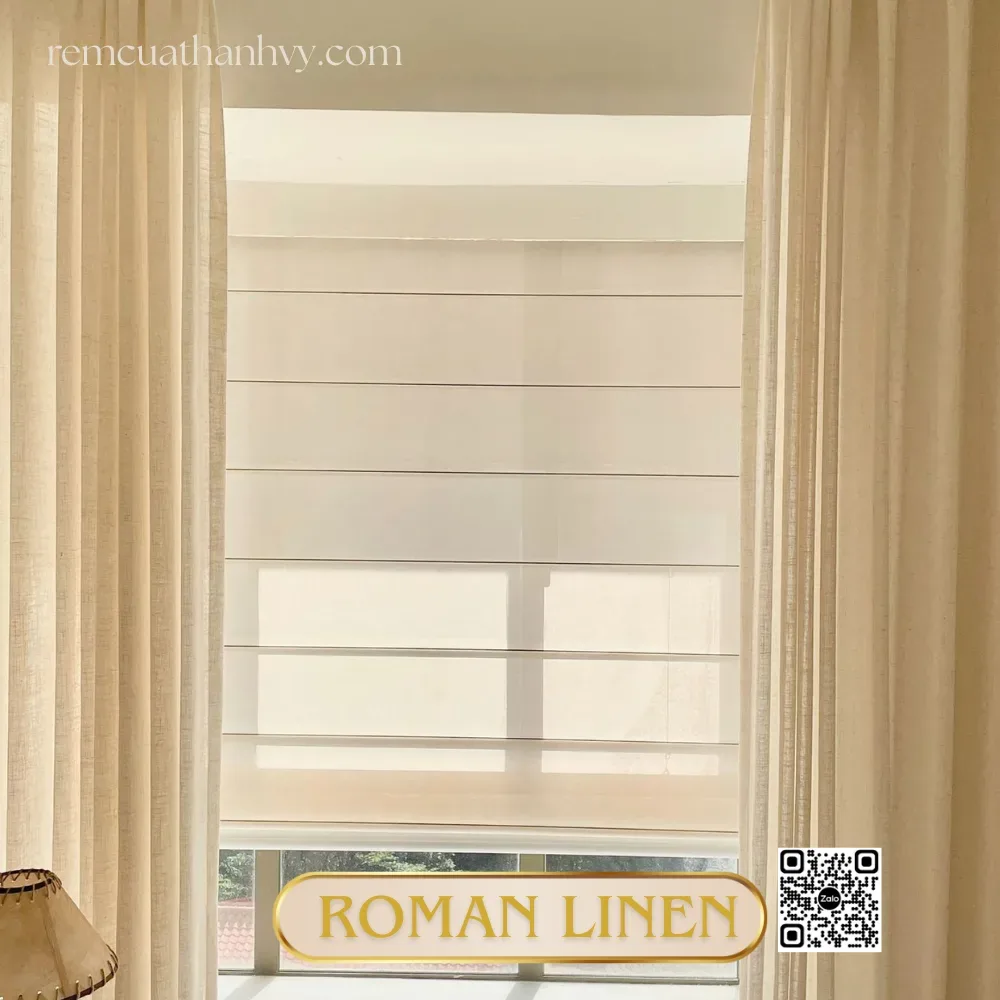
Light transmission is the first factor to settle before discussing color and material
Many people see roller shades as a fairly uniform product category, but in reality, the differences between configurations often lie in how much light passes through. Some locations only need softened sunlight and reduced glare, others need fuller coverage, and some windows or doors simply need something compact, clean-looking, and easy to operate. Without clearly distinguishing these goals, readers can easily end up choosing a design that looks attractive but does not address their actual needs.
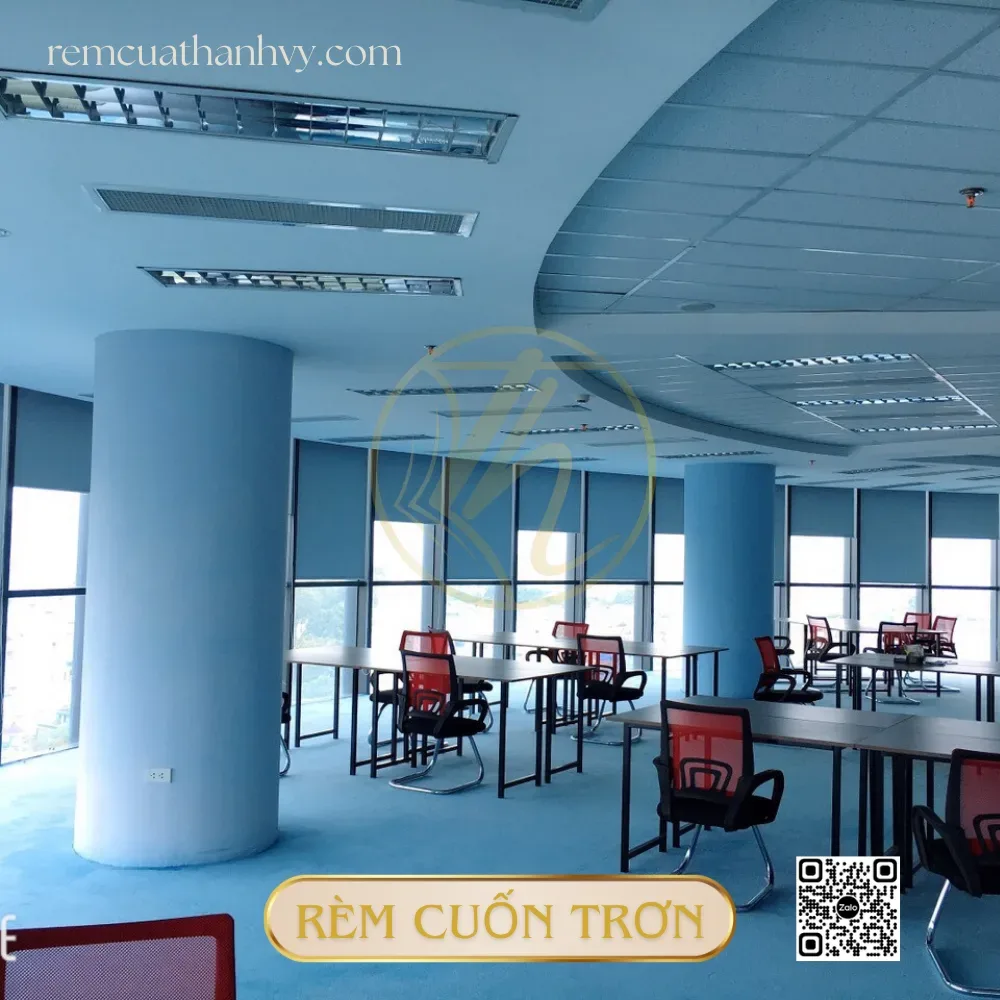
If the window or door is in a work area, near a screen, or somewhere that needs consistent daylight, glare control should be a high priority. For a bedroom or a window or door in a location that requires greater privacy, the level of coverage needs to be described more carefully rather than simply using the term “light-blocking.” By contrast, in kitchens, hallways, side doors, or places that need a neat appearance and quick operation, users may accept a configuration geared more toward softening light than blocking it completely.
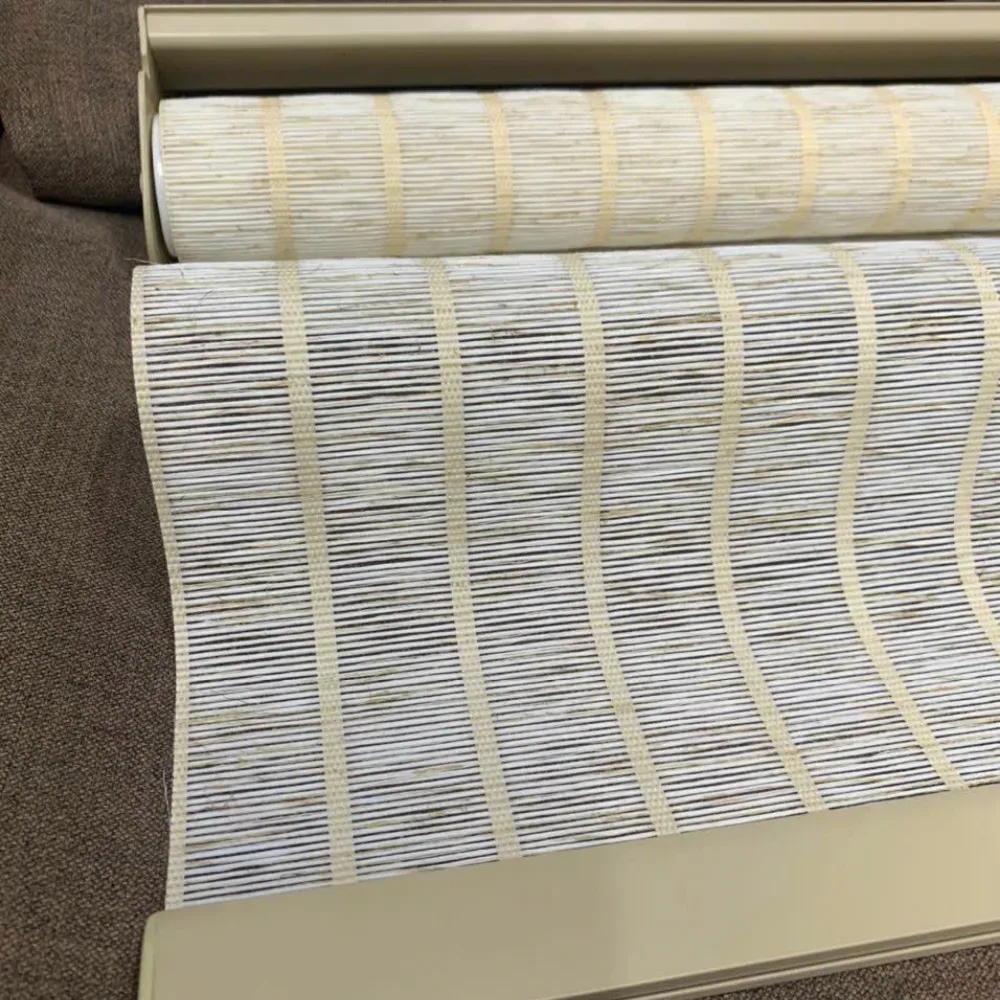
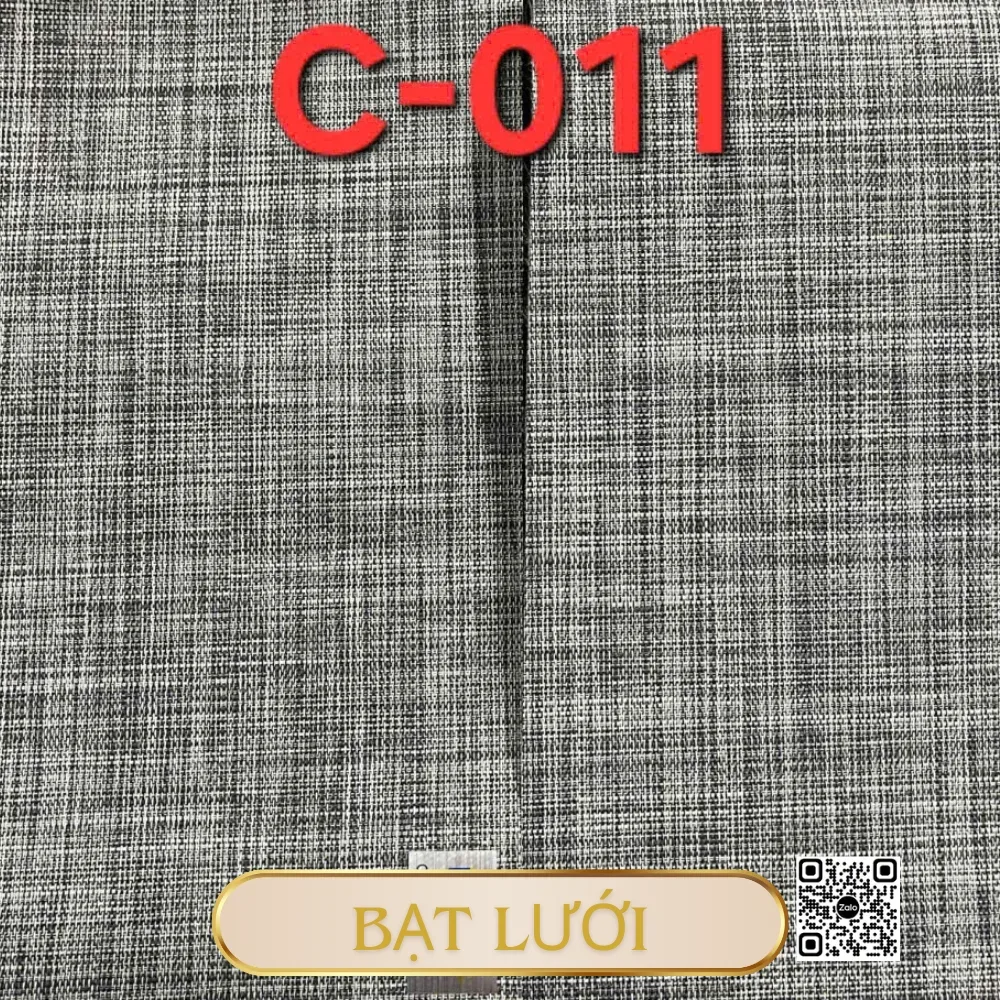
Importantly, the same color should not be assumed to deliver the same performance. Light transmission also depends on the material’s surface, coating, construction, and how actual light enters the room. Therefore, if you have not seen samples in person, you should at least request a description based on specific usage scenarios, such as morning use, afternoon use, or use in a space with a work monitor. This kind of description helps readers compare options based on real-world experience rather than generic names.
Inside or outside mounting will affect both functionality and appearance
Roller shades have a compact look, but that compactness only works to their advantage when the mounting style suits the existing window or door. Inside mounting is often favored because the shades fit neatly within the recess, creating a clean, restrained overall look. However, this option is only suitable when the recess meets the requirements, has adequate depth, and is not obstructed by handles, opening sashes or door panels, protruding frames, or other details. If inside mounting is forced where conditions are unsuitable, opening and closing will be the first experience to reveal problems.
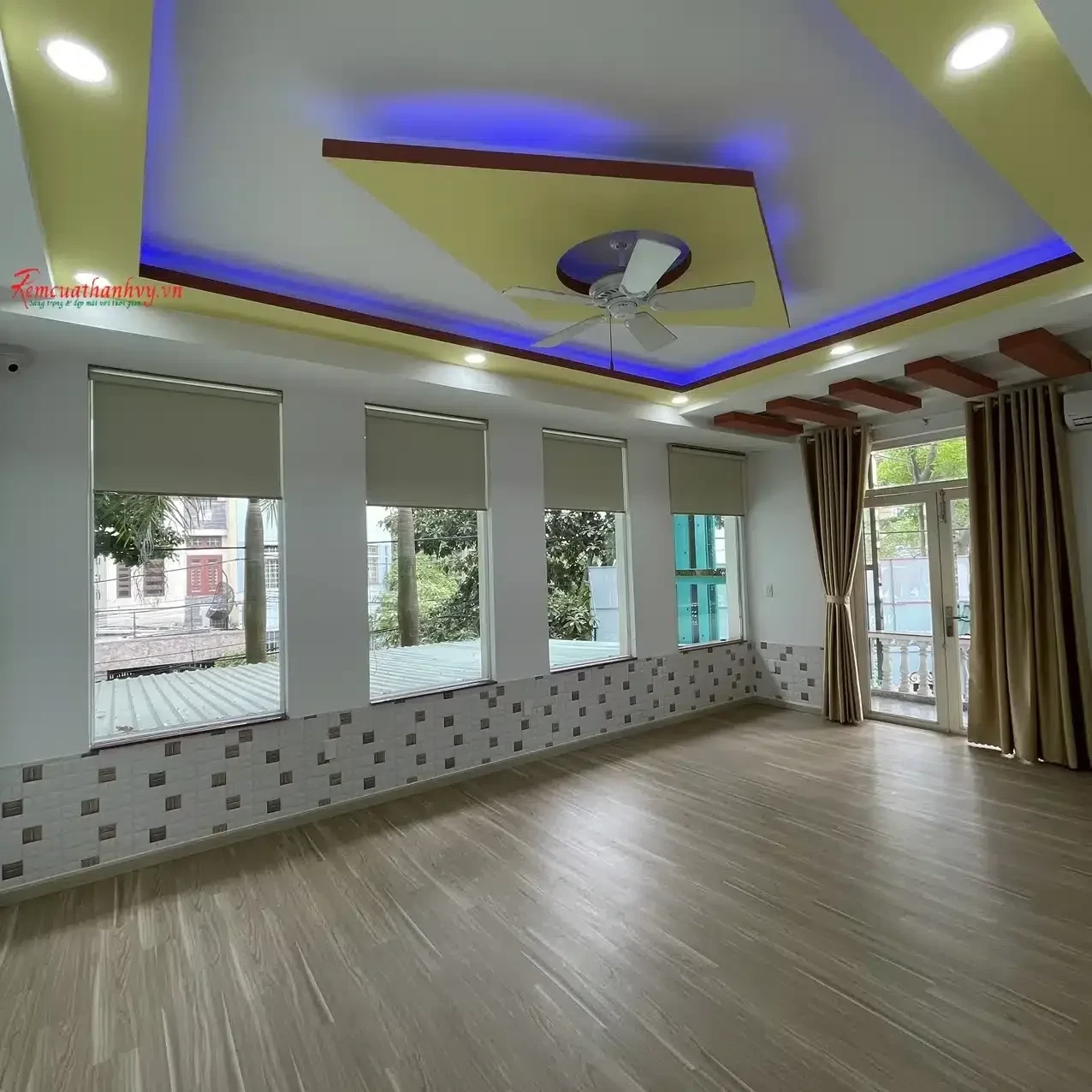
Outside mounting increases the covered area and is often more flexible across a range of existing window and door conditions. However, outside mounting also requires careful consideration of the wall surface, screw locations, clearance for opening the shades, and coverage on both sides to avoid an off-center or unbalanced look. For windows or doors that serve as visual focal points, even a slight mismatch in proportions can cause the shades to lose the neat appearance that is this product category’s greatest advantage.
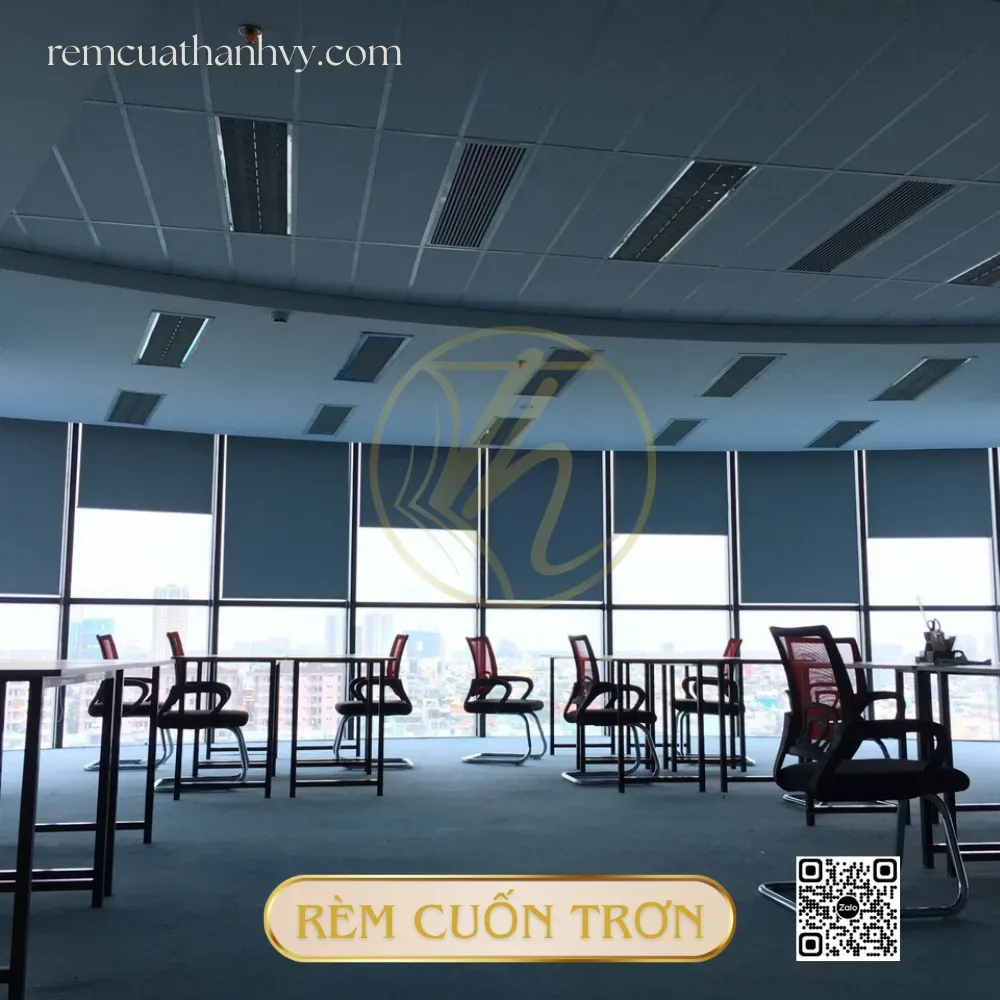
A common mistake is to look only at the shades when closed and forget about how they look when open. When raised, does the rolled-up section at the top affect the view, the handle, or the window or door frame? When lowered, does the bottom edge of the shade adequately cover the area the user wants to conceal? Questions like these are just as important as choosing a color or surface design.
Materials, operating mechanisms, and safety should be clarified before making a final decision
With roller shades, the material determines not only the light level but also the surface feel and ease of maintenance. Some locations call for easy cleaning, especially near a kitchen, a dusty balcony, or in a frequently used workspace. Other locations require more focus on softened light or full coverage. Even with the same type of roller shade, the priorities for each window can be completely different.
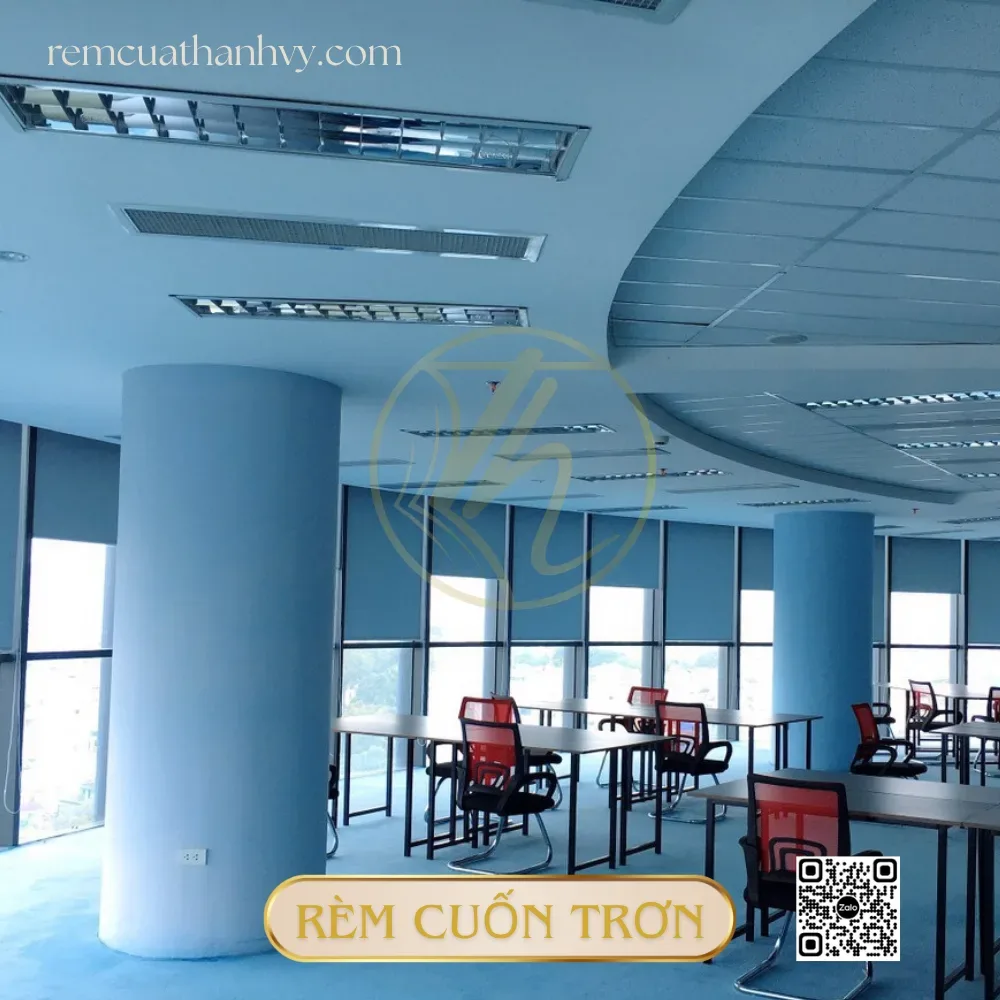
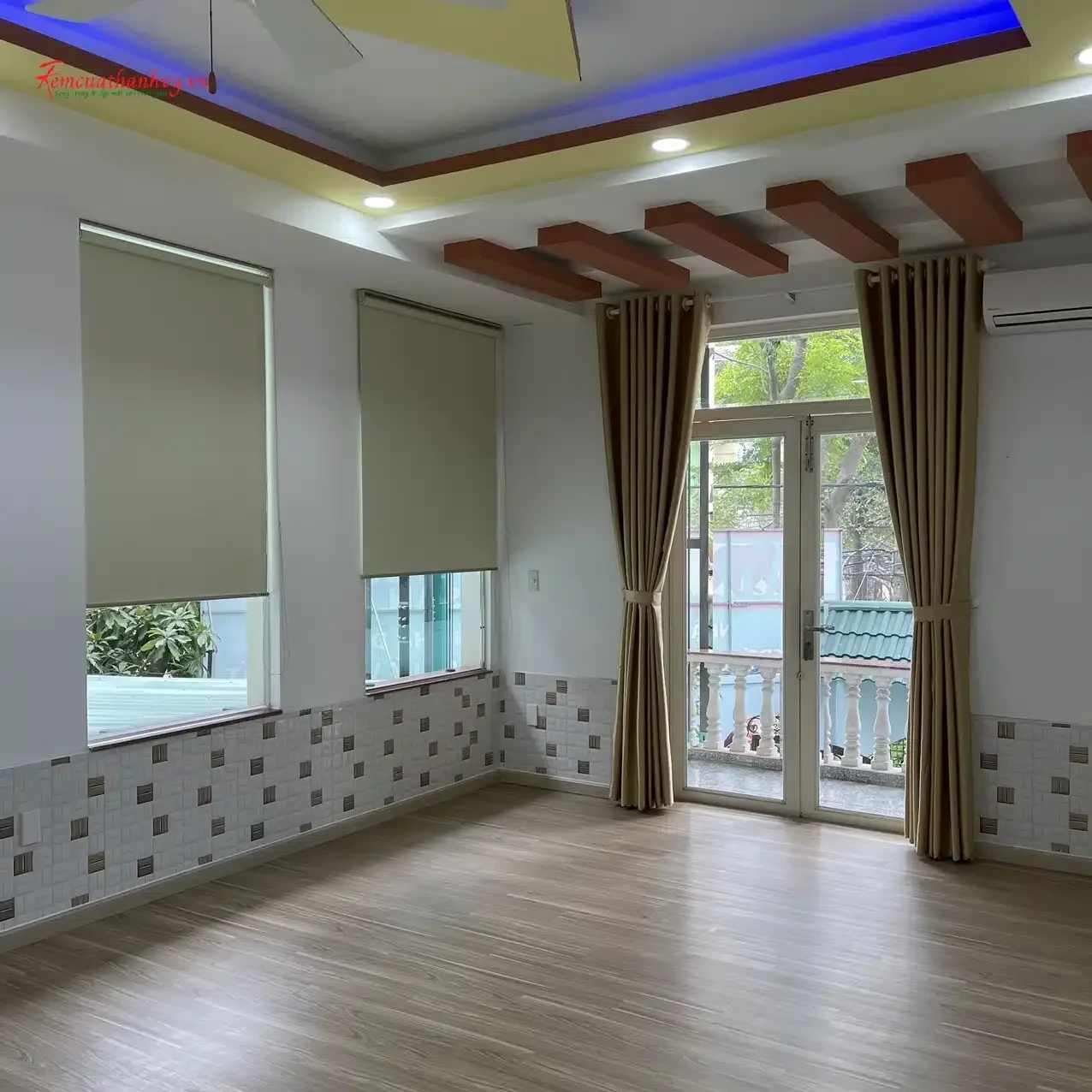
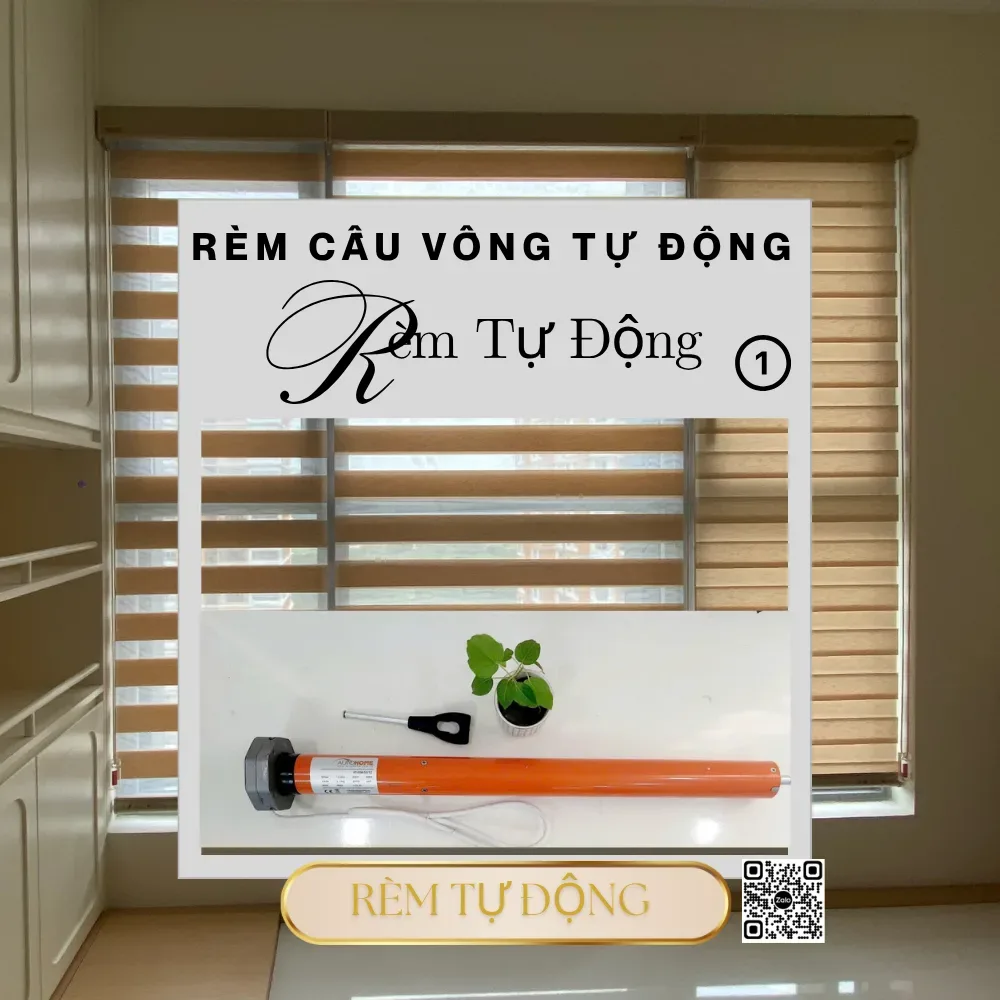
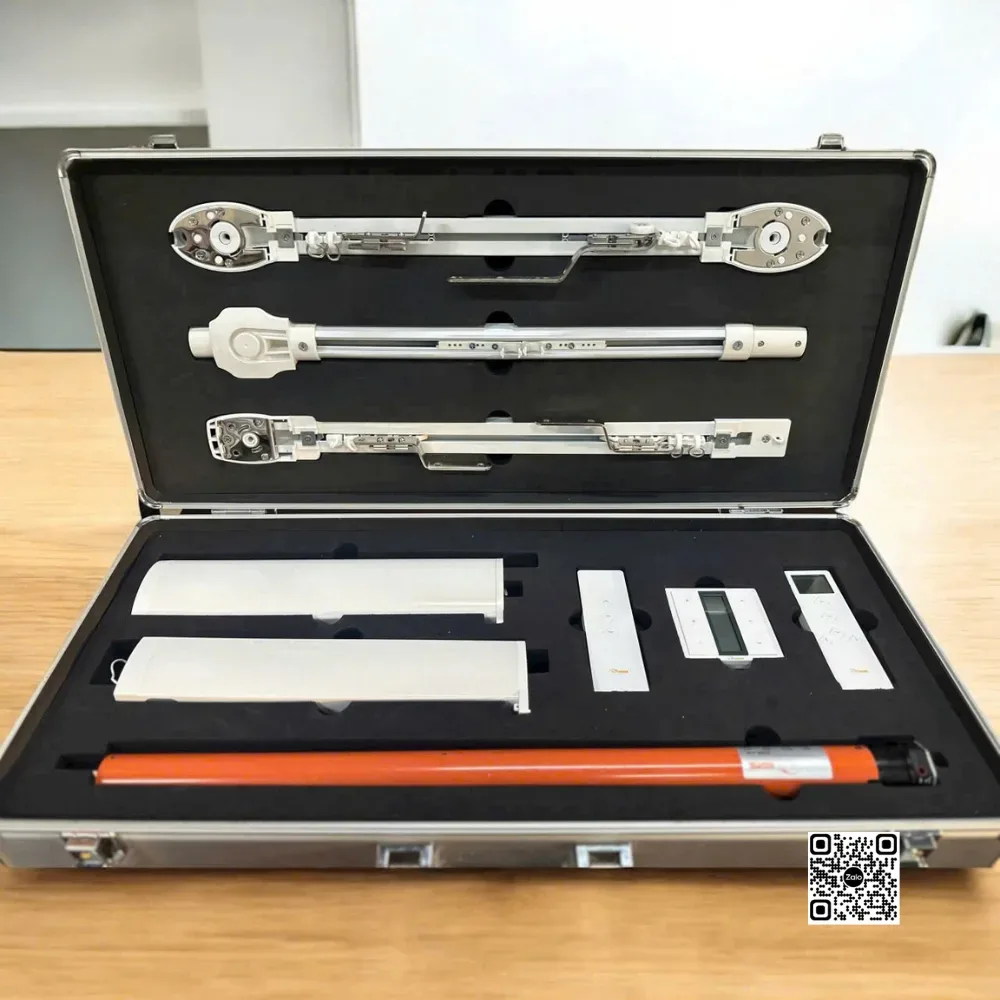
The operating mechanism should also be clarified. Readers should know where they will pull or control the shade, whether it is conveniently within reach where it will be used, and whether it suits a home or office setting. For homes with young children, this detail is especially important not to overlook. A shade that operates smoothly and is positioned appropriately for use generally provides a far better long-term experience than one that only looks good at first glance.
Two related resources worth exploring are Top Most Beautiful Roller Shade Designs for Workspaces in 2026 and How Much Do Roller Shades Cost per 1m2? Latest Price List for 2026.

Quick answer: When choosing roller shades in District 7, households with young children should clarify the operating mechanism and control location before settling on a design — a shade that is convenient and safe to operate provides a better long-term experience than a design that only looks good at first glance.
If you are deciding between two configurations, the most effective way to compare them is to apply the same set of questions: how much light passes through, daytime and nighttime privacy levels, mounting style, ease of cleaning, convenience of operation, and suitability for the space. With the same set of criteria, readers can more easily identify real differences instead of simply seeing two designs that look similar.
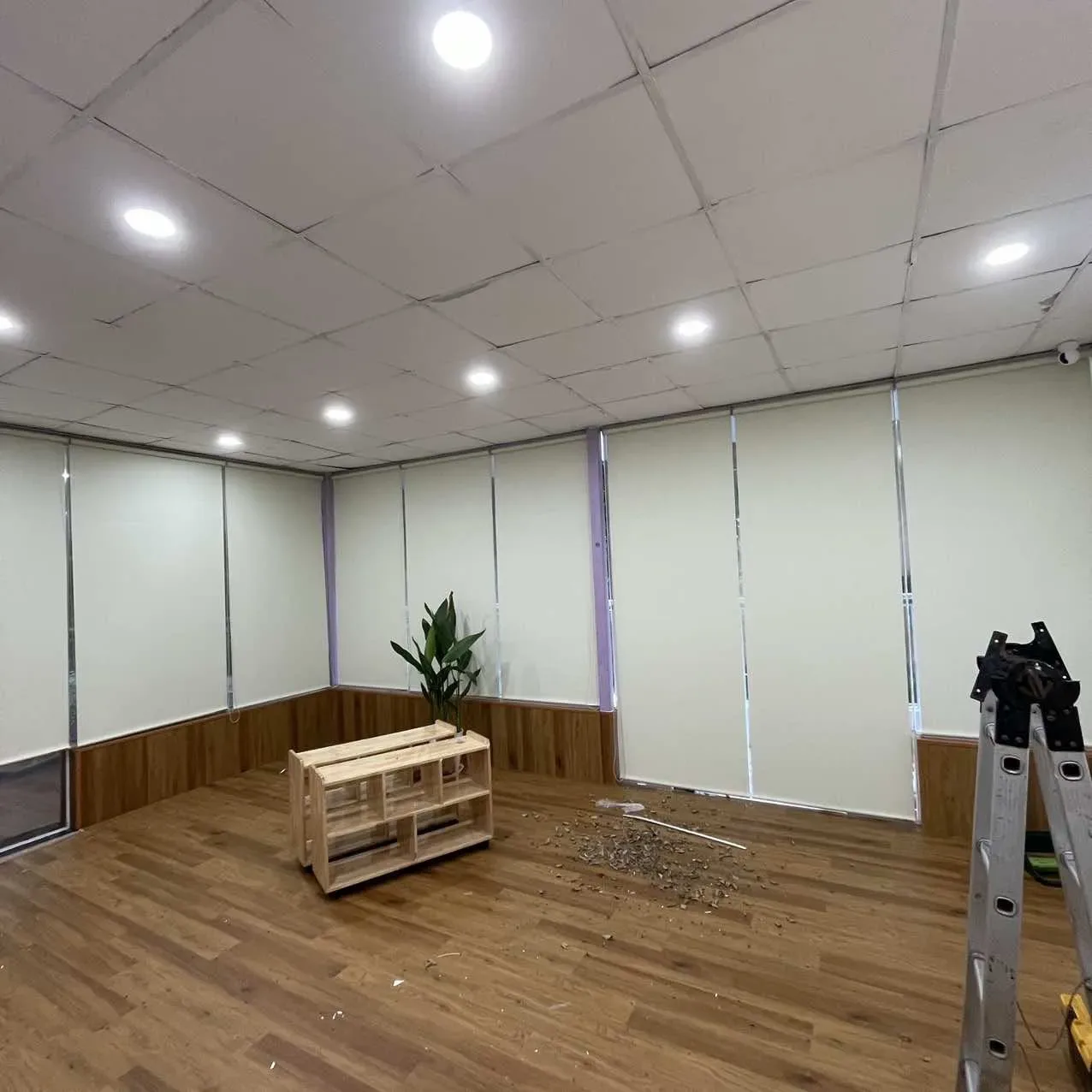
Roller shades for bedrooms, workspaces, and secondary doors should not be approached the same way
In a bedroom, users are usually concerned with privacy and light control during their resting hours. In a workspace, the priority may shift to reducing glare and maintaining focus on a screen. For secondary doors, kitchen doors, or areas where people spend little time, compactness, ease of cleaning, and quick operation may take precedence over other criteria. Because of these differences, roller shades should not be chosen with the assumption that “this design works anywhere.”
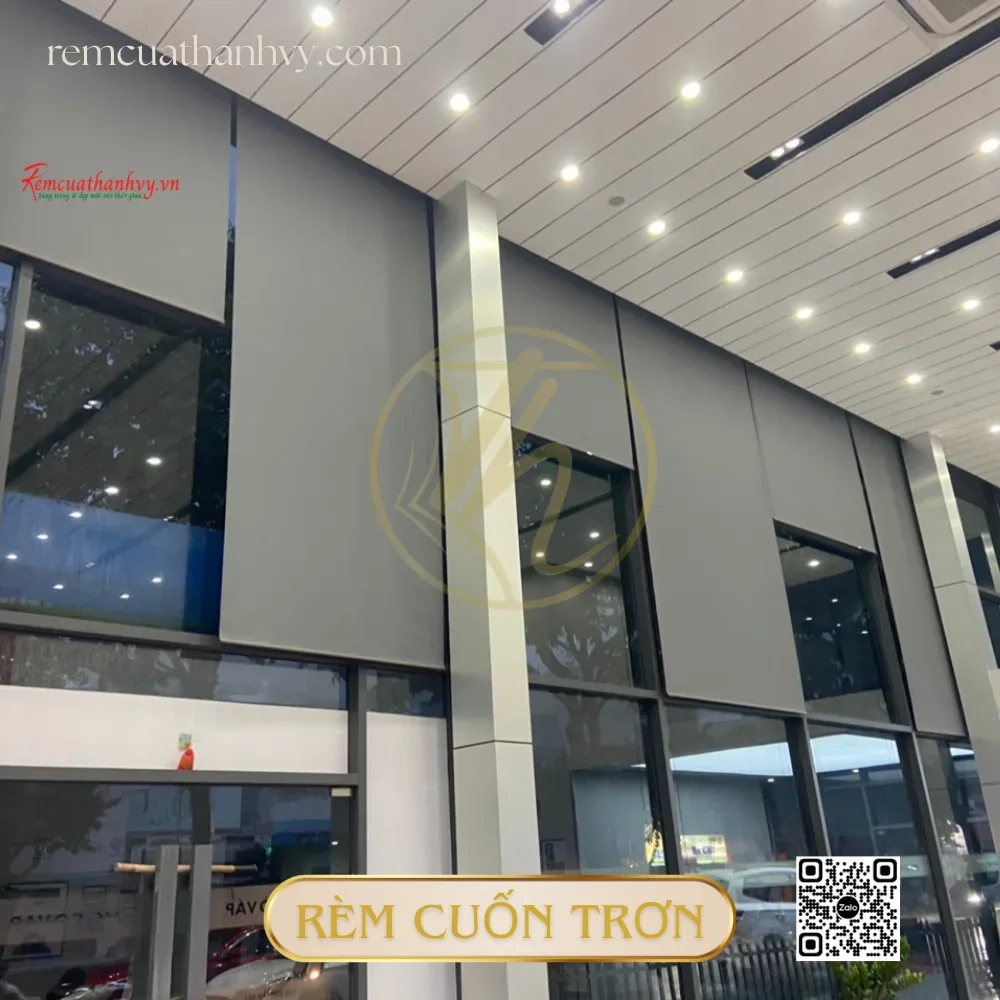
A home workspace is a typical example. Some people only need to soften the light to reduce screen glare, while others need to limit visibility from outside during working hours. If the request is simply “something compact and attractive,” the recommended configuration can easily miss the mark. By contrast, for a kitchen door or hallway, a design that emphasizes compactness, visual lightness, and easy cleaning may be much more suitable than a configuration focused heavily on blocking light.
Distinguishing between usage settings helps readers understand that choosing a roller shade is essentially choosing how that window or door will function every day. Starting with actual use rather than just looking at pictures significantly improves the chances of making the right choice.
A checklist to prepare before requesting advice and comparing configurations
To keep a roller shade consultation in District 7 from falling into vague descriptions, readers should prepare some basic information. First, take an overall photo of the opening, including the surrounding area to show obstacles, mounting surfaces, and the space available when the window or door is open. Next, provide approximate width and height measurements and indicate whether the opening is recessed. If there are handles, swinging panels, or protruding parts, photograph them clearly, as these details directly affect the mounting style.
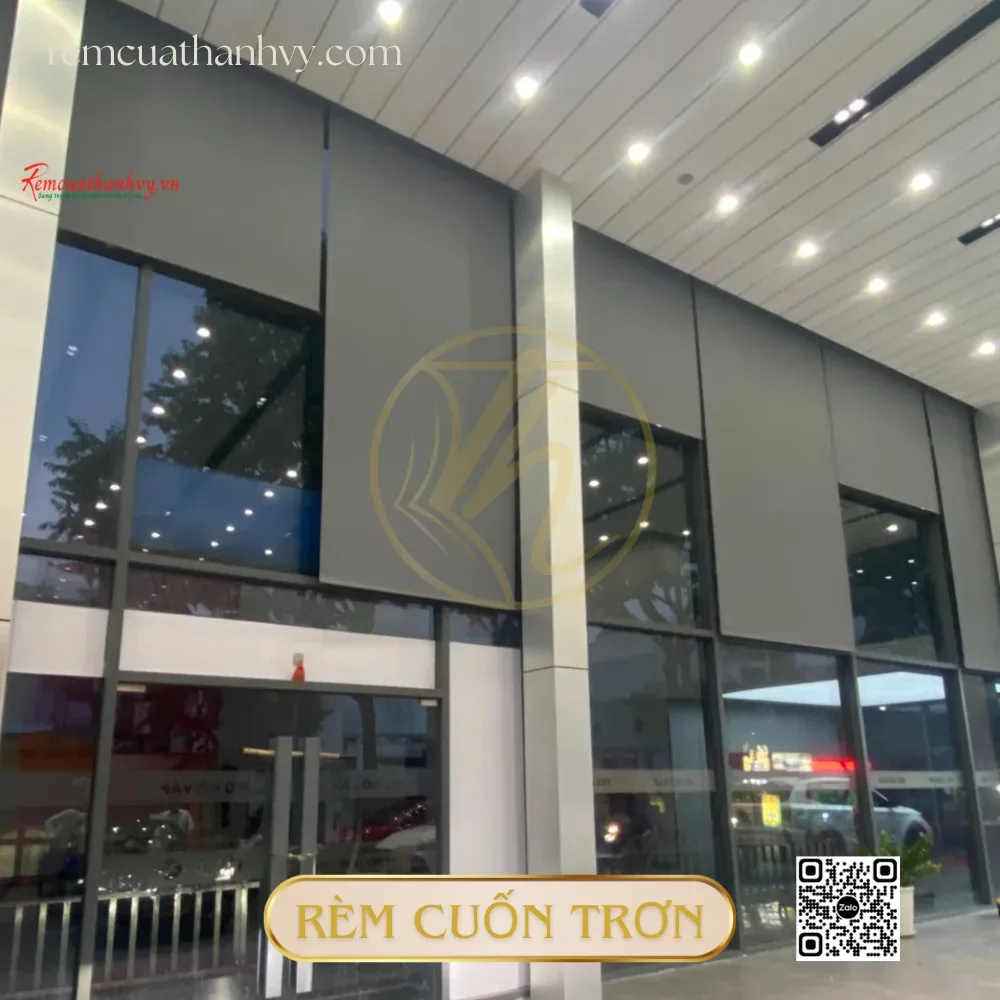
Also, describe when sunlight is strongest, the main purpose of use, and how often the window or door is opened and closed. One used a few times a day will have different requirements from one operated constantly. One near a desk is also different from one that only needs supplementary coverage. The more clearly you describe the usage setting, the easier it is for the consultation to focus on a practical configuration rather than remain at the level of vague descriptions. Interested readers can learn about polyester fibers in textiles before deciding.
A short checklist before making a final decision might include: lighting goals, the desired level of privacy, a preference for inside or outside mounting, whether there are any obstacles, cleaning needs, and which operating mechanism suits the usage setting. With this set of questions, readers can compare options more clearly and avoid having to make adjustments after installation.
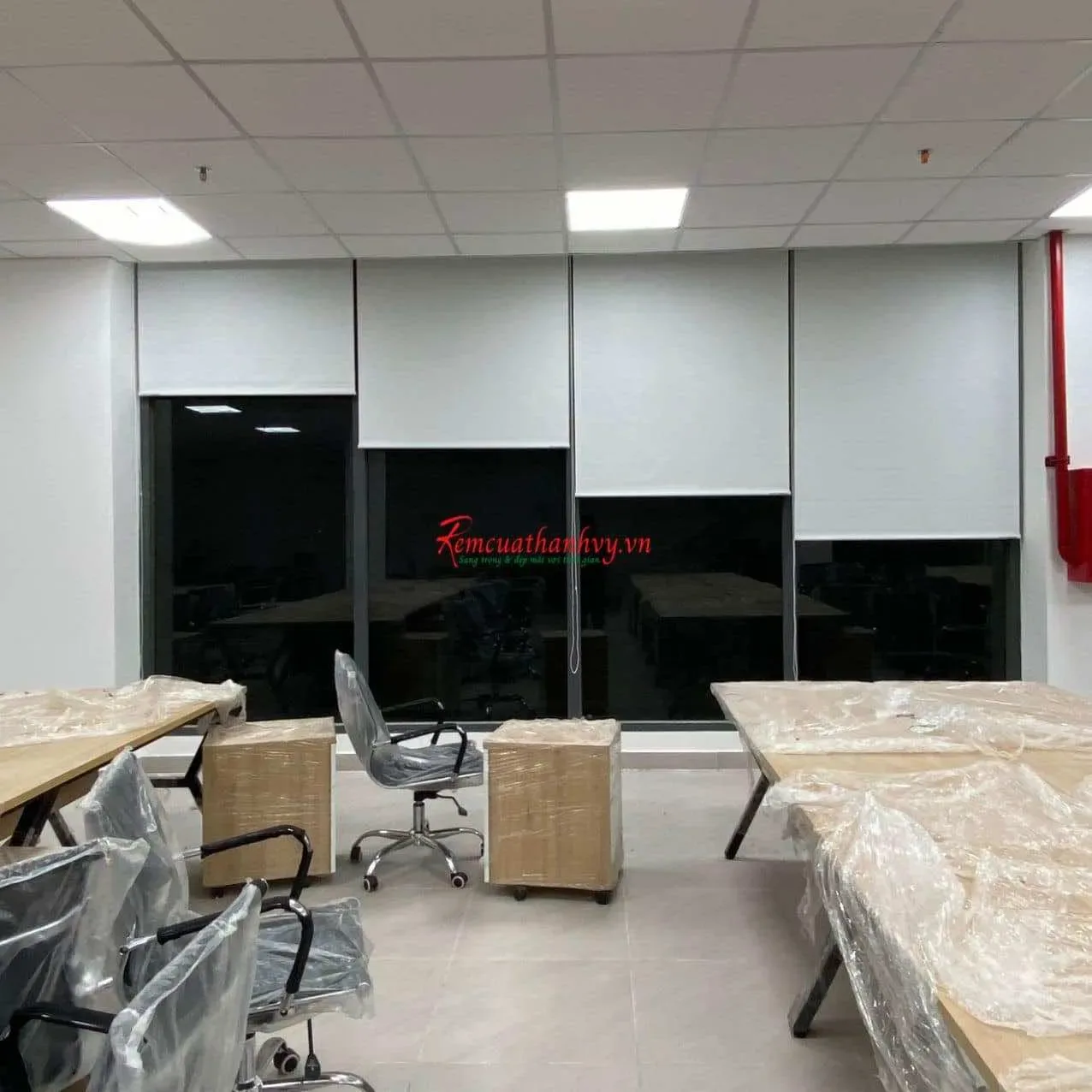
roller shades in District 7 are well worth considering when users need compactness, clear functionality, and simple operation. But for the shade to truly work well, the decision must still start with the existing window or door conditions and actual use, not the minimalist impression conveyed by a sample photo.

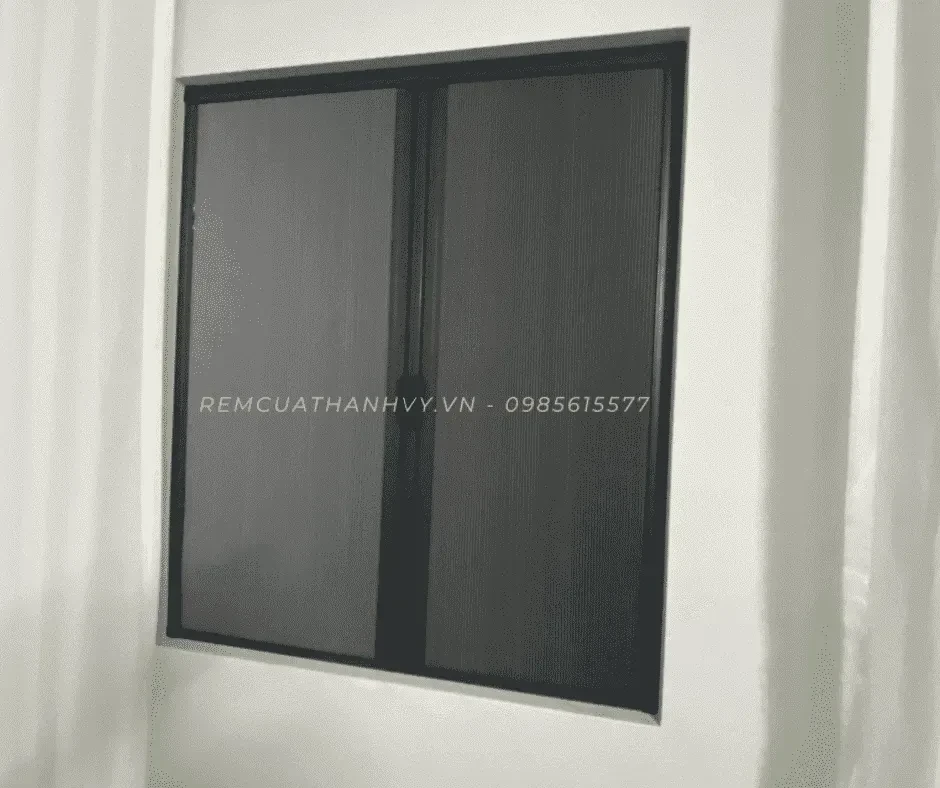
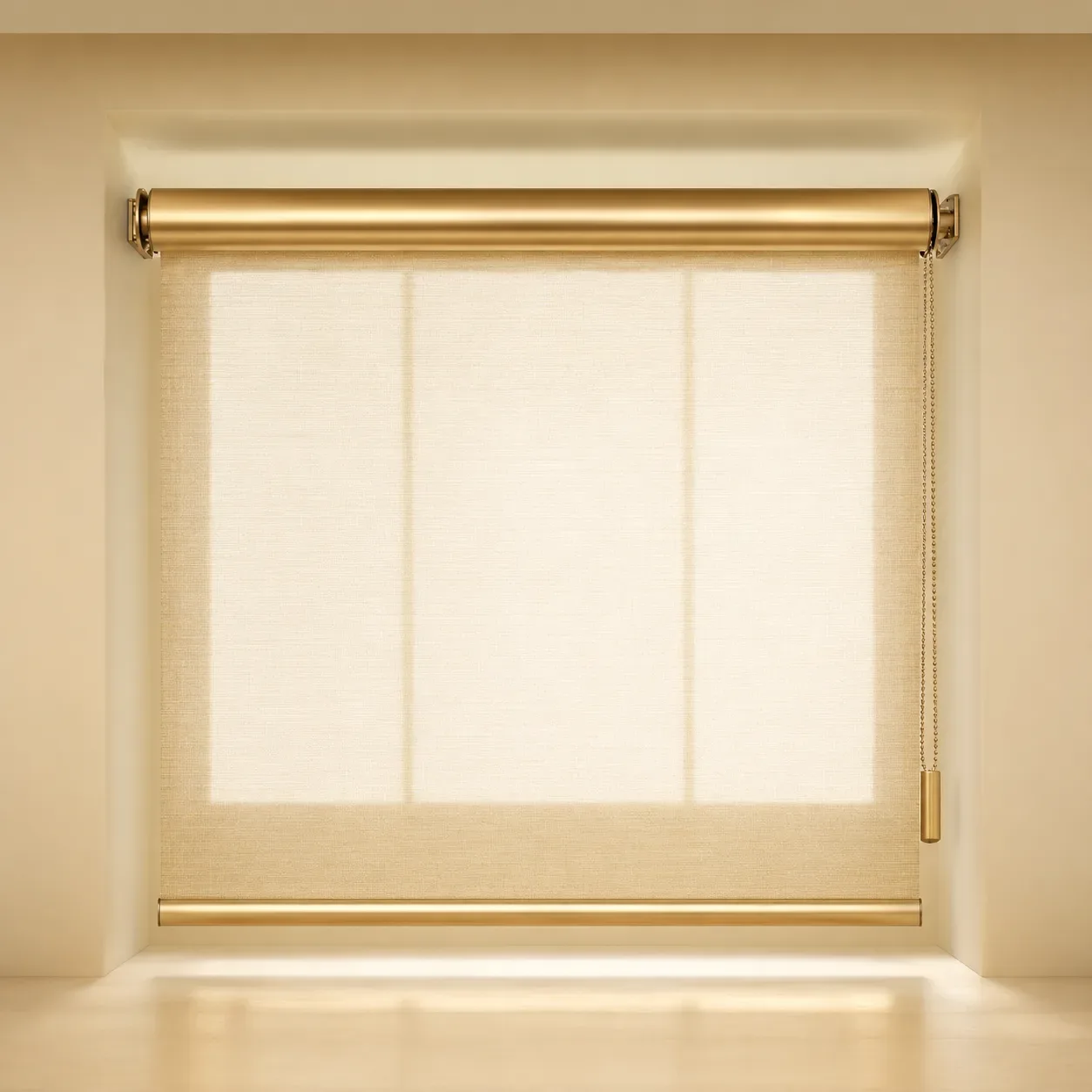
Send your dimensions and needs, and the Thanh Vy Curtains team will advise on options and quote for your actual space.
Recommended Window Treatments for District 7
Below are the product categories currently available at Rèm Cửa Thanh Vy, organized by common usage needs in District 7.
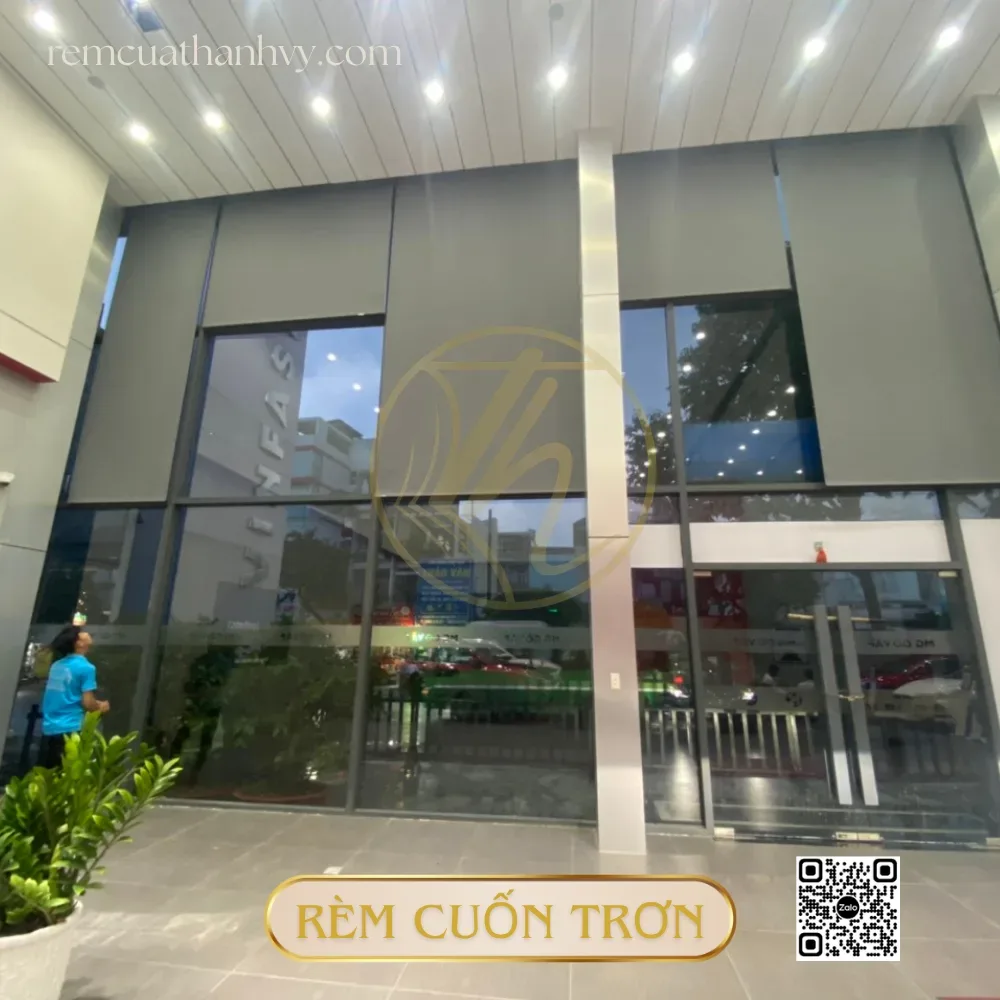
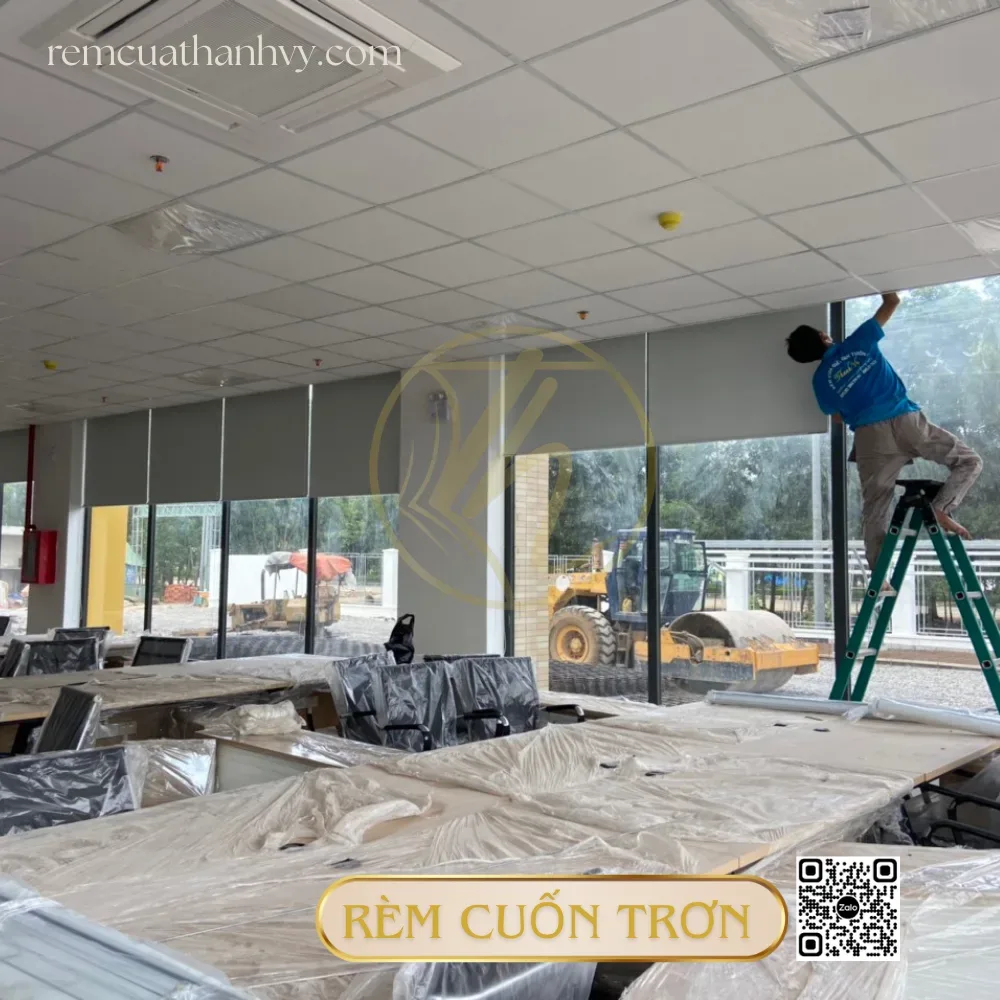
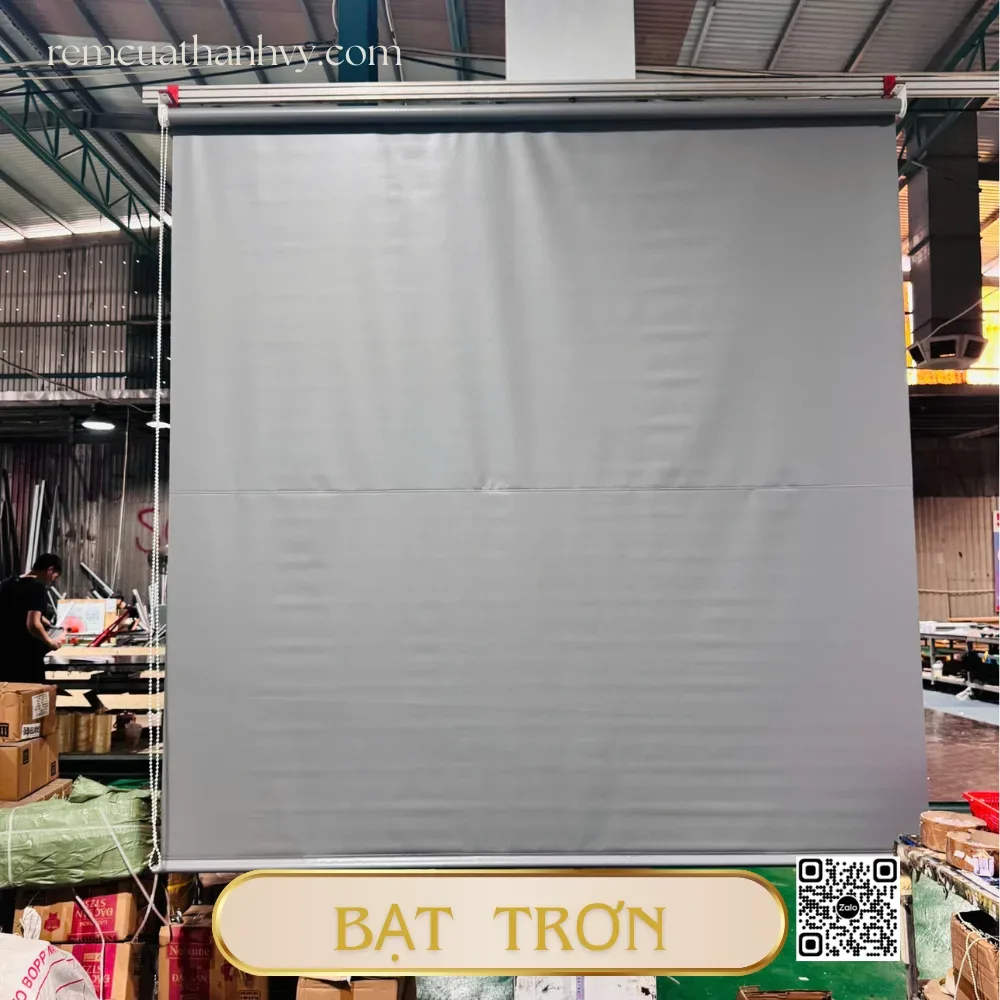
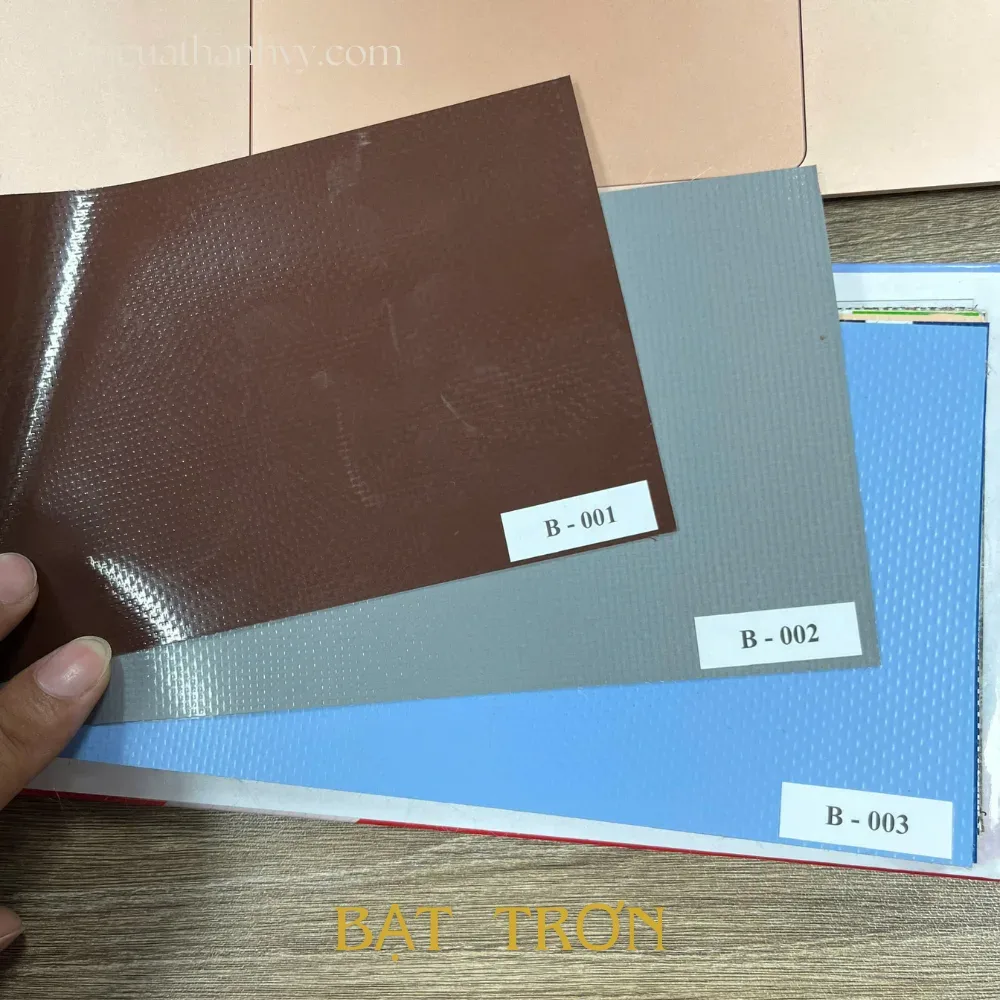
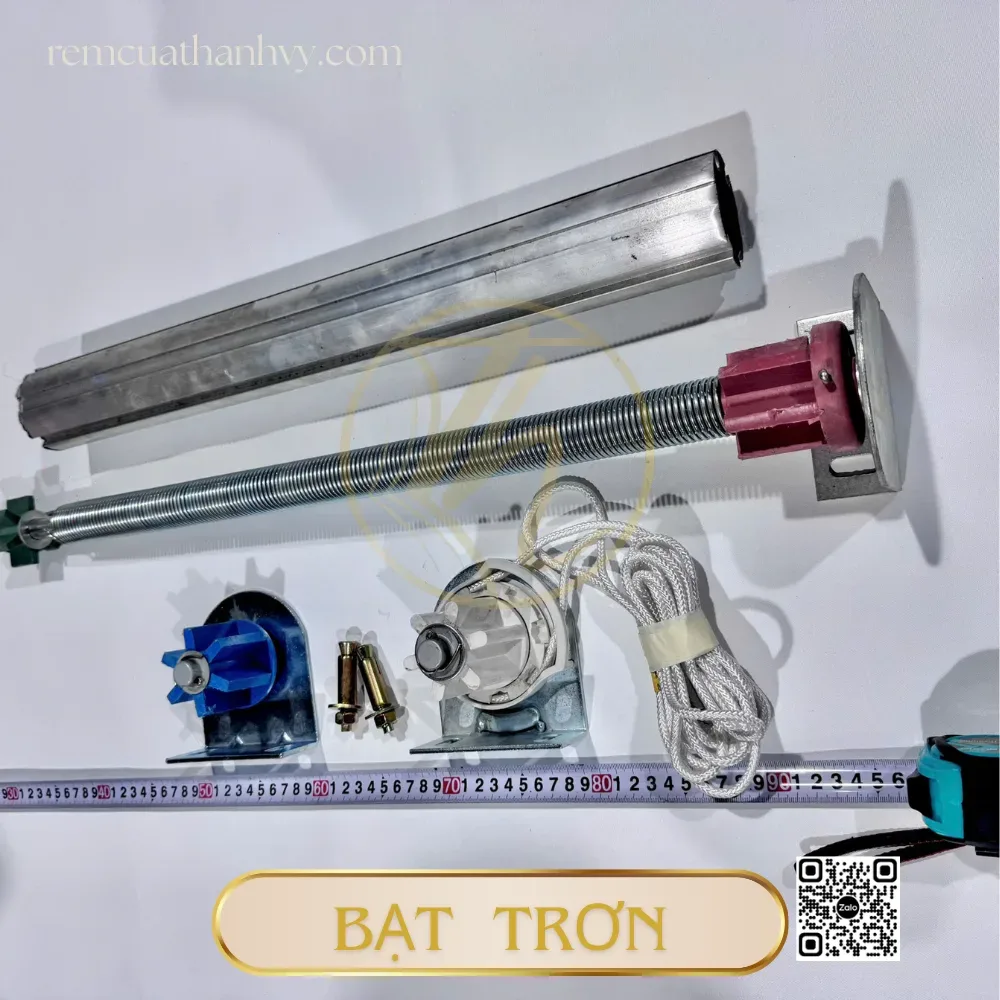
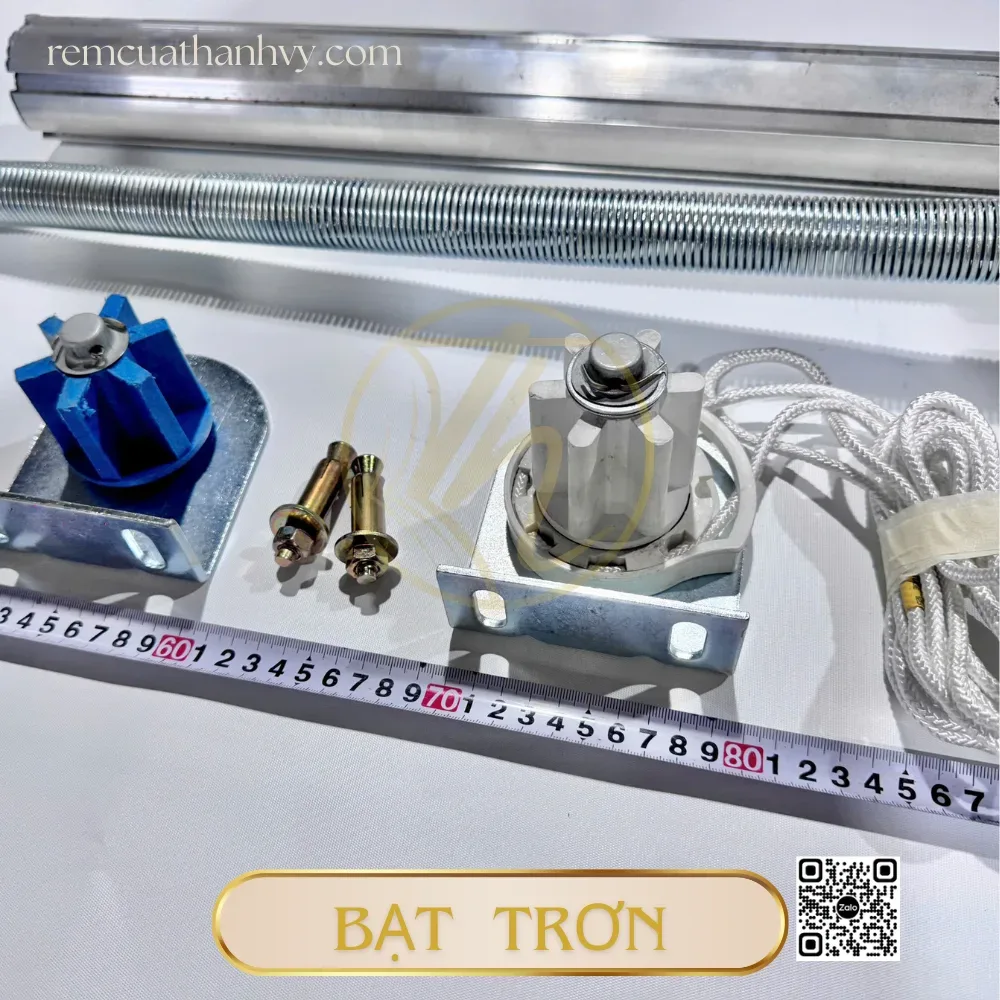
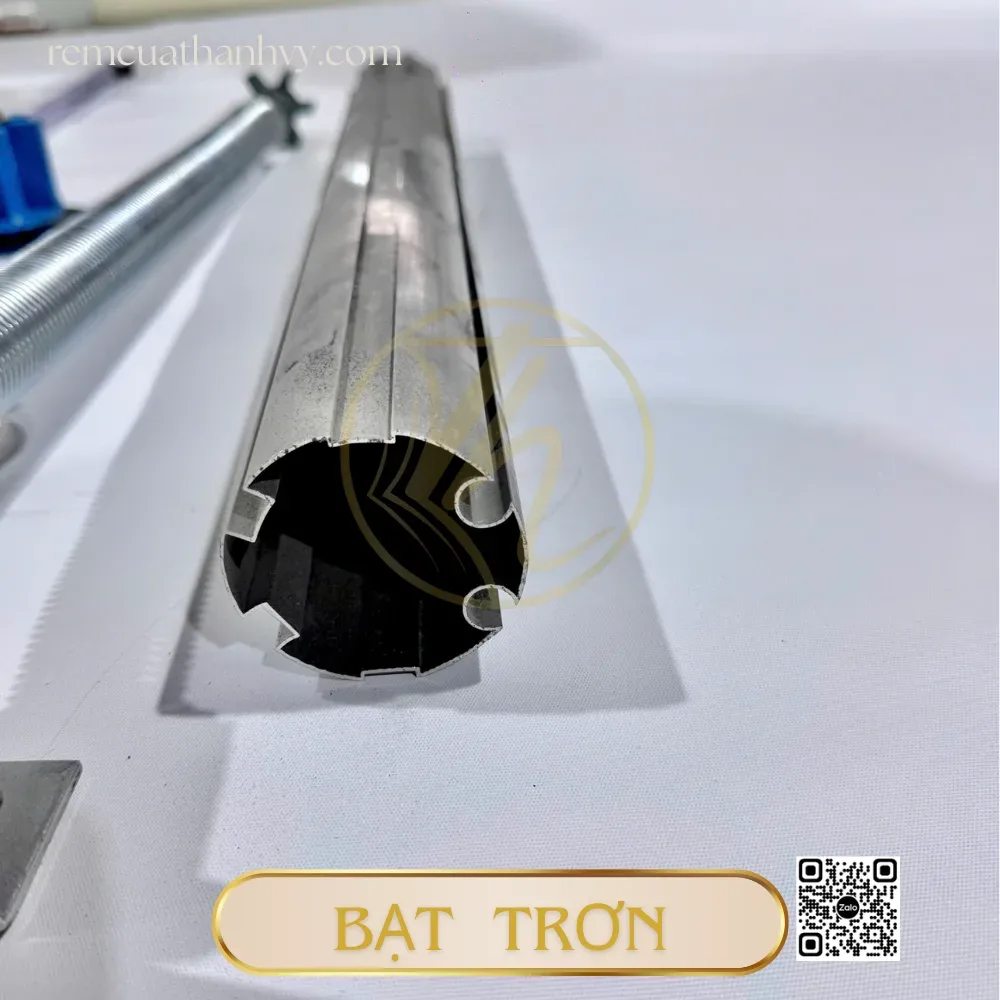
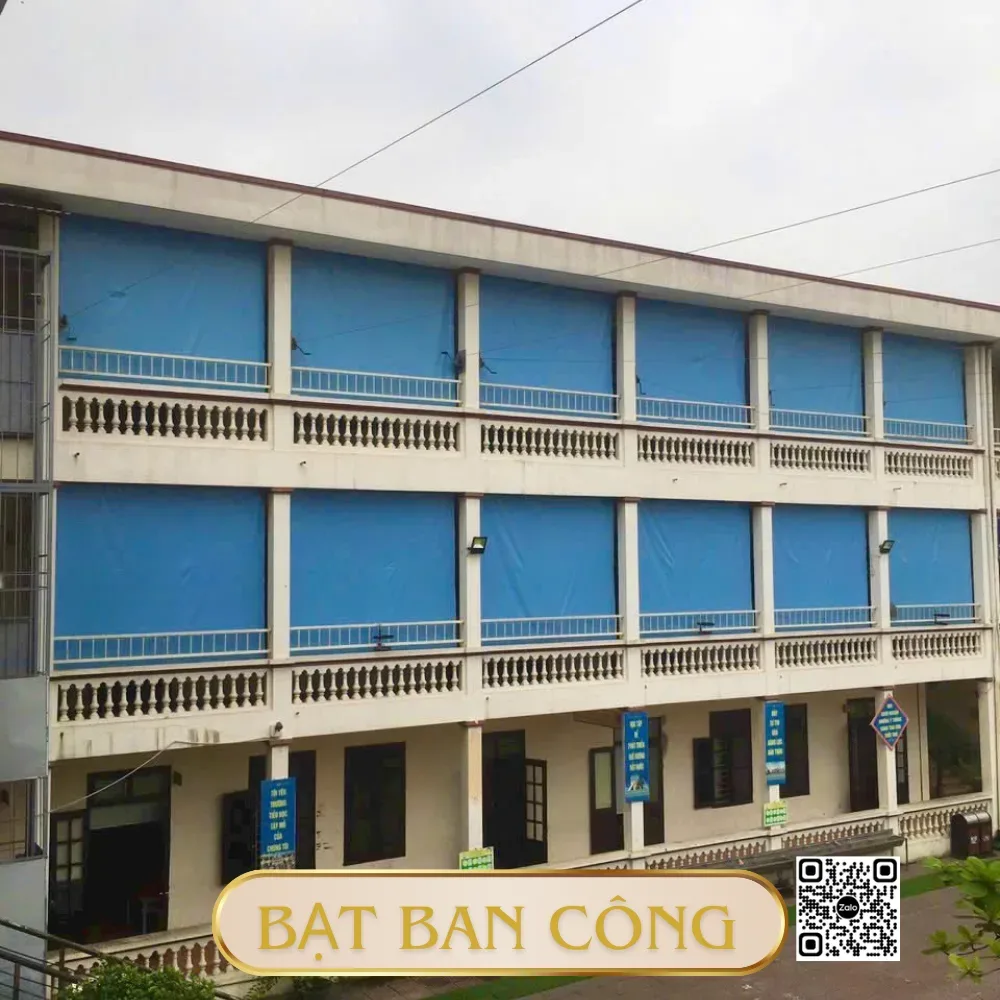
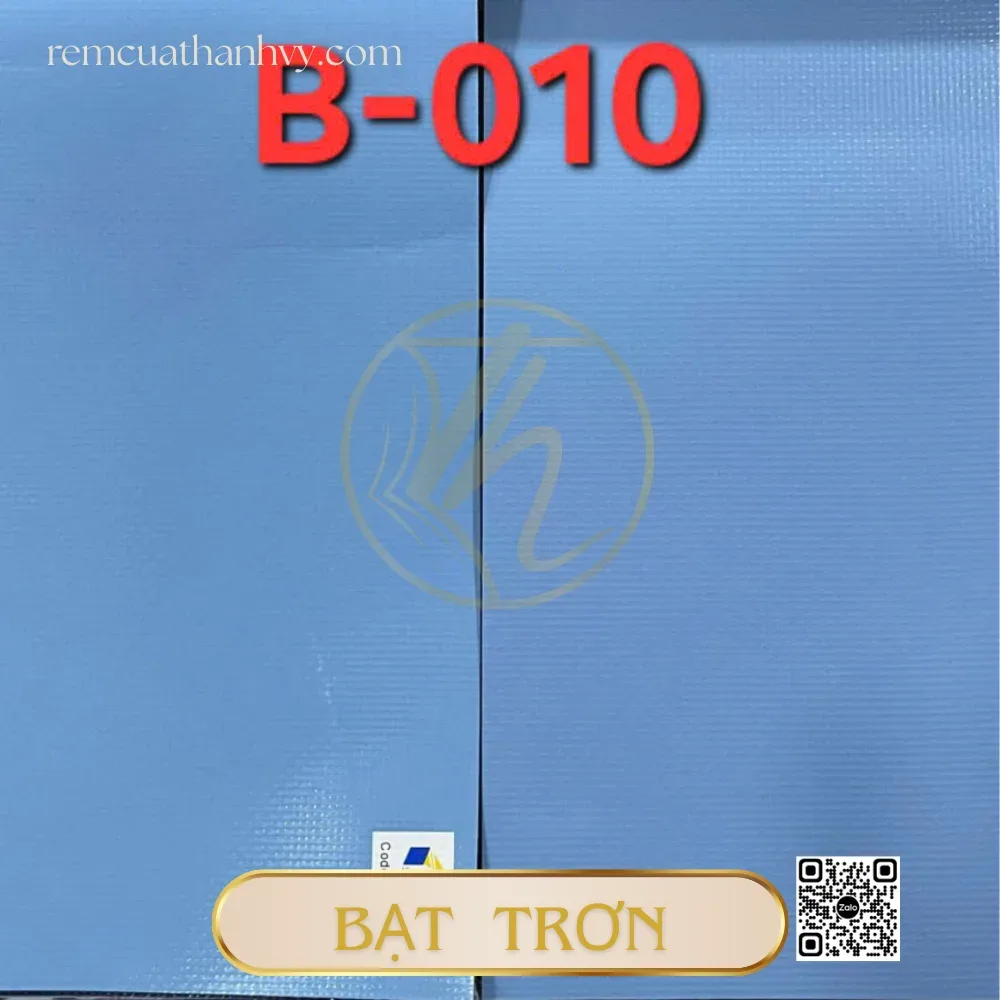
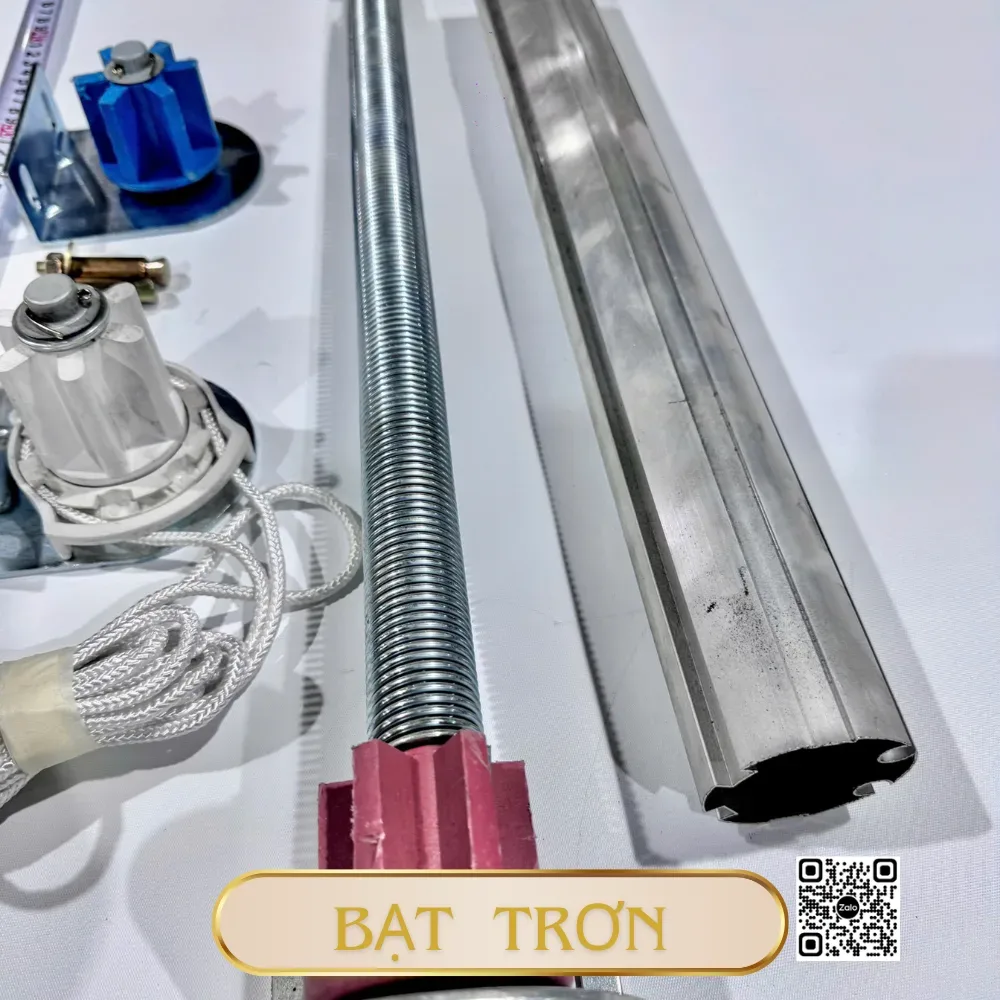
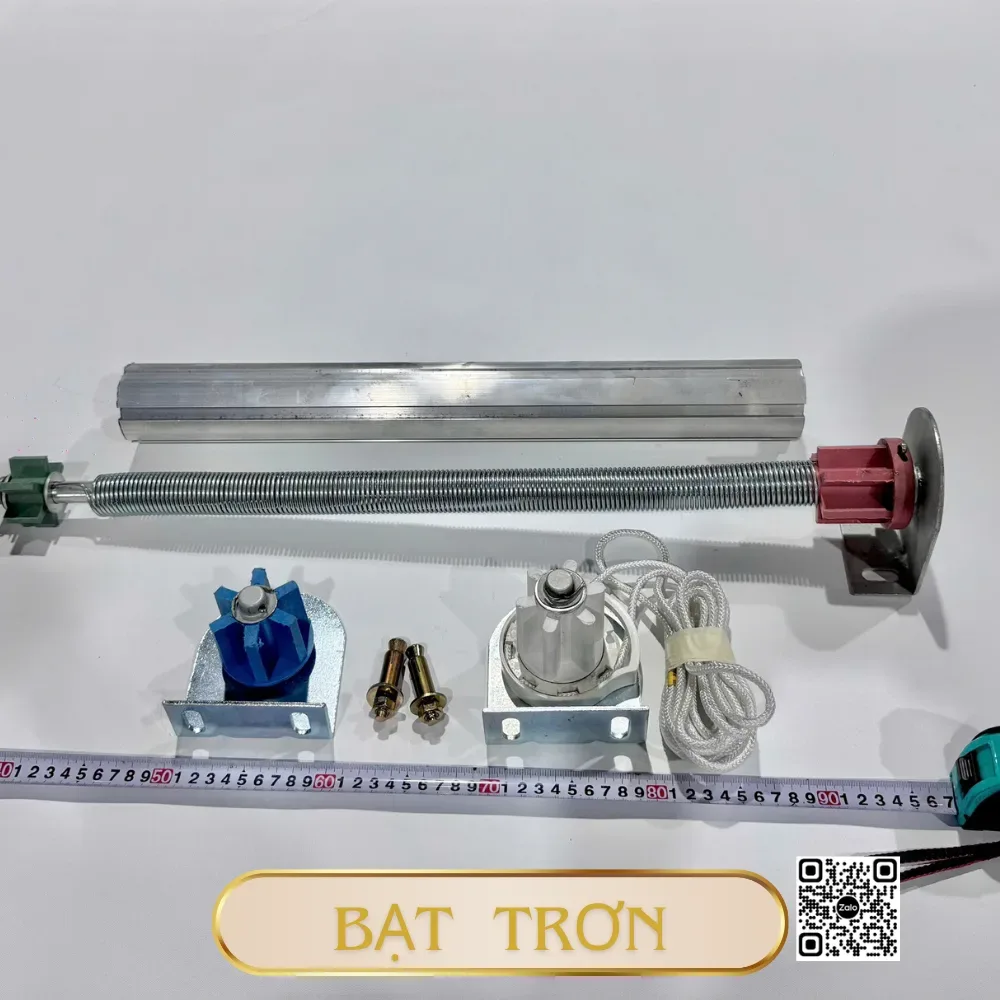
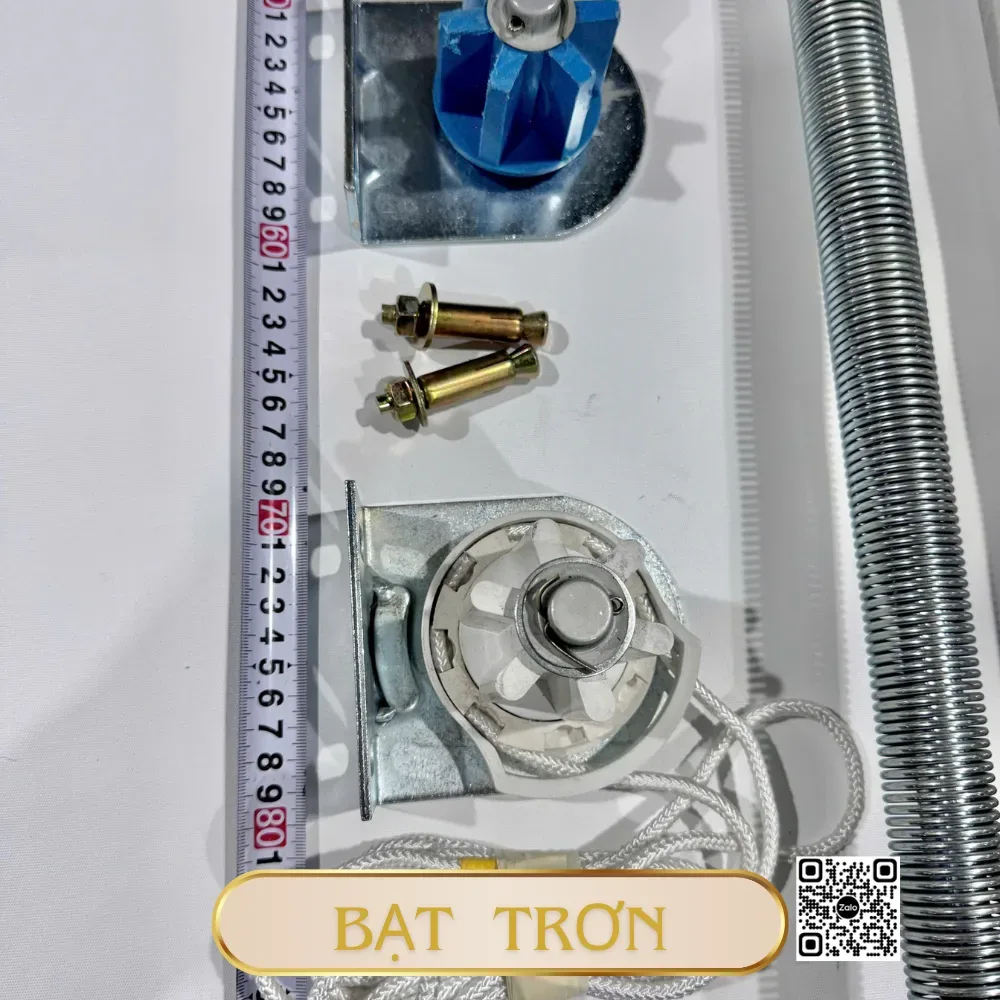
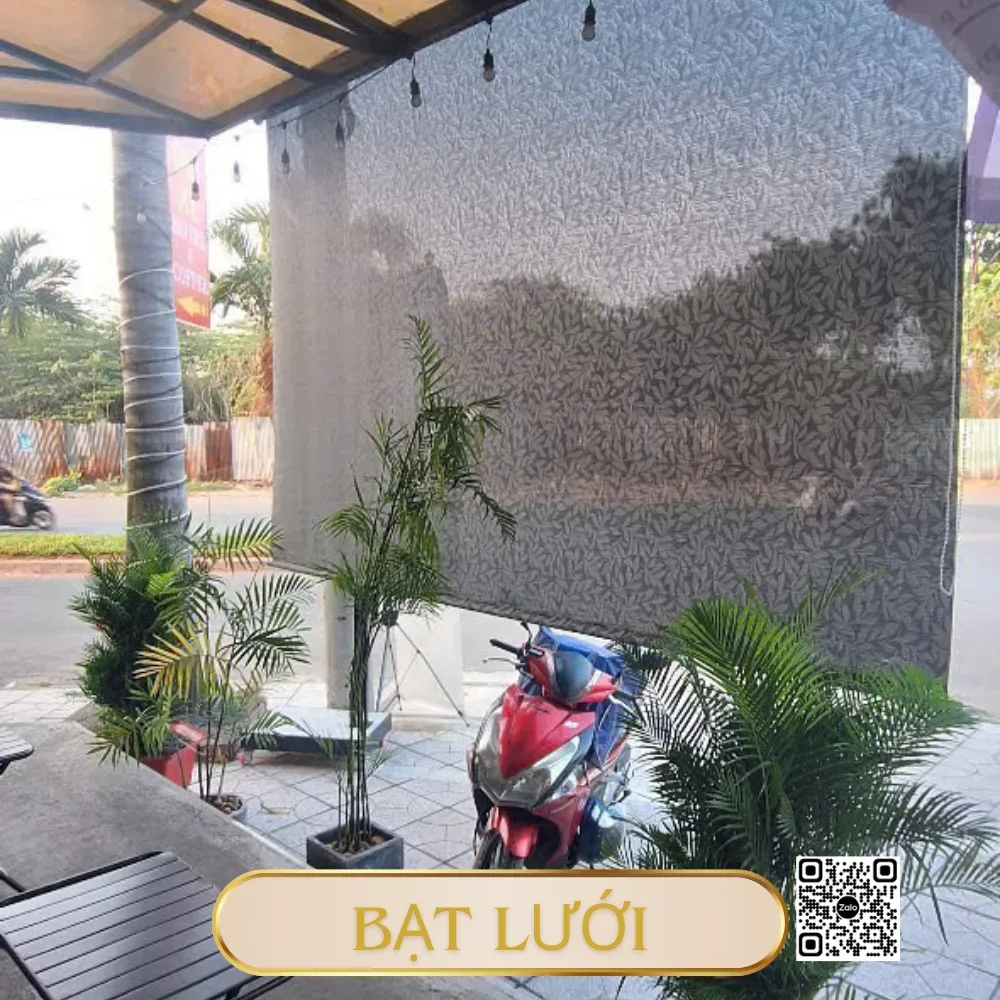
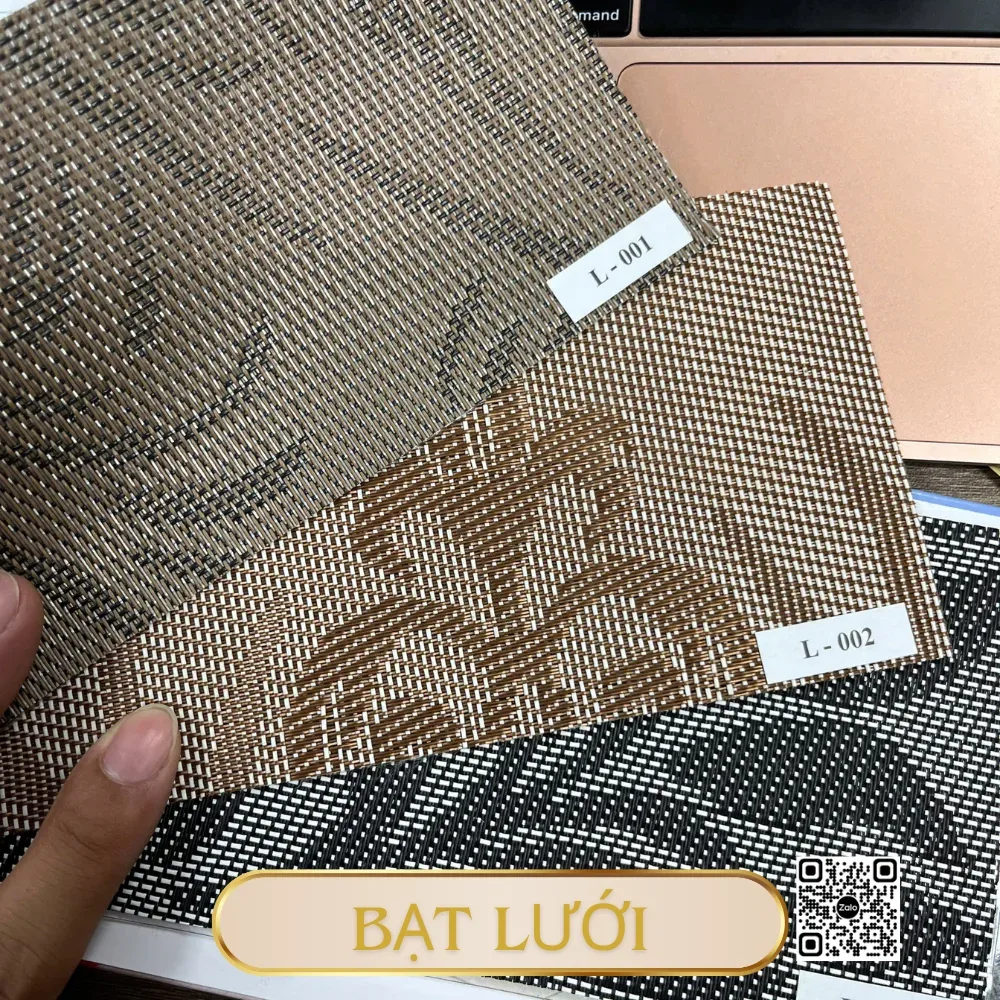
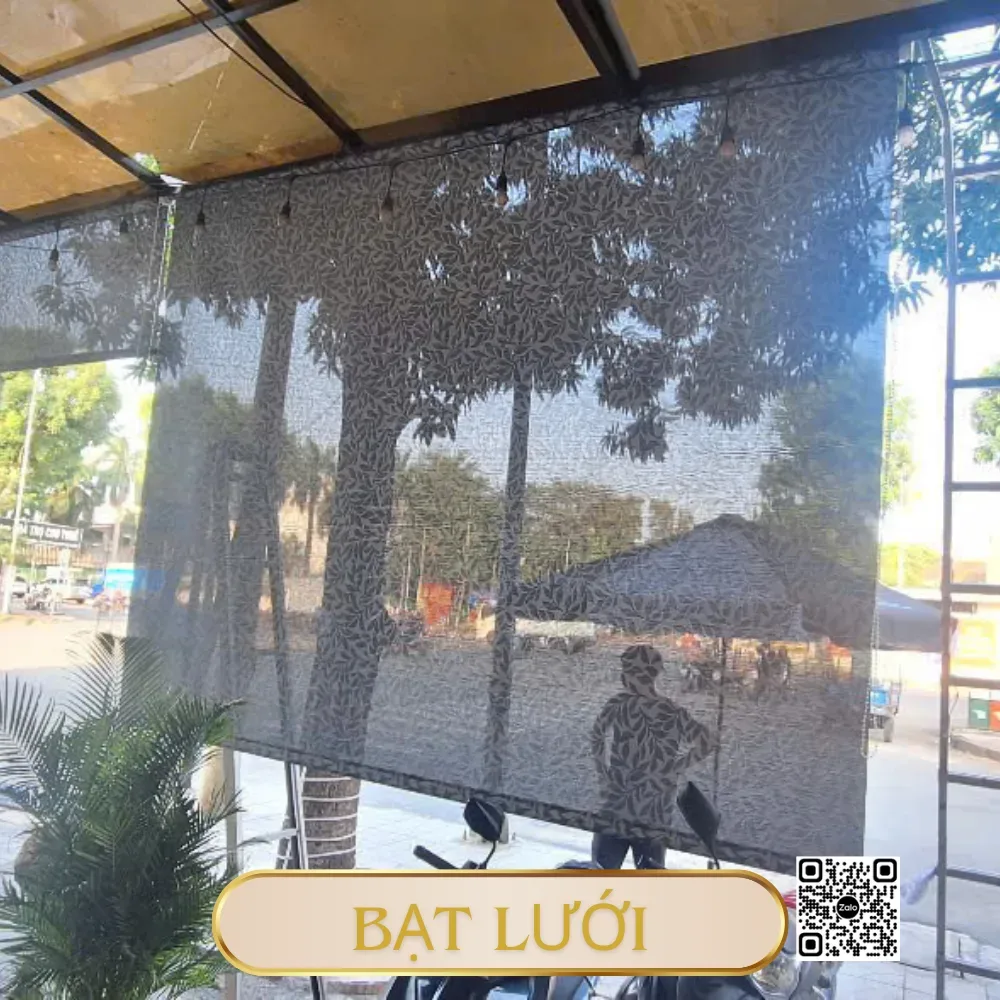
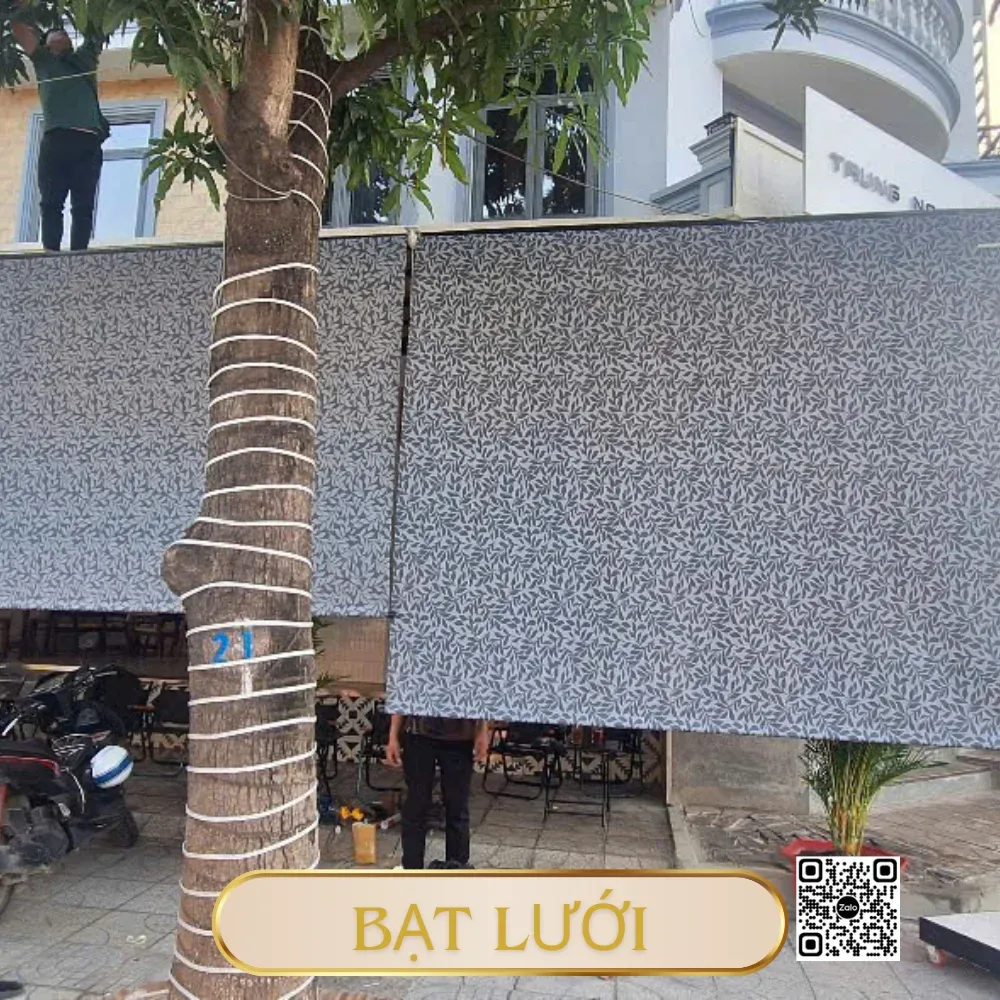
Roller shades
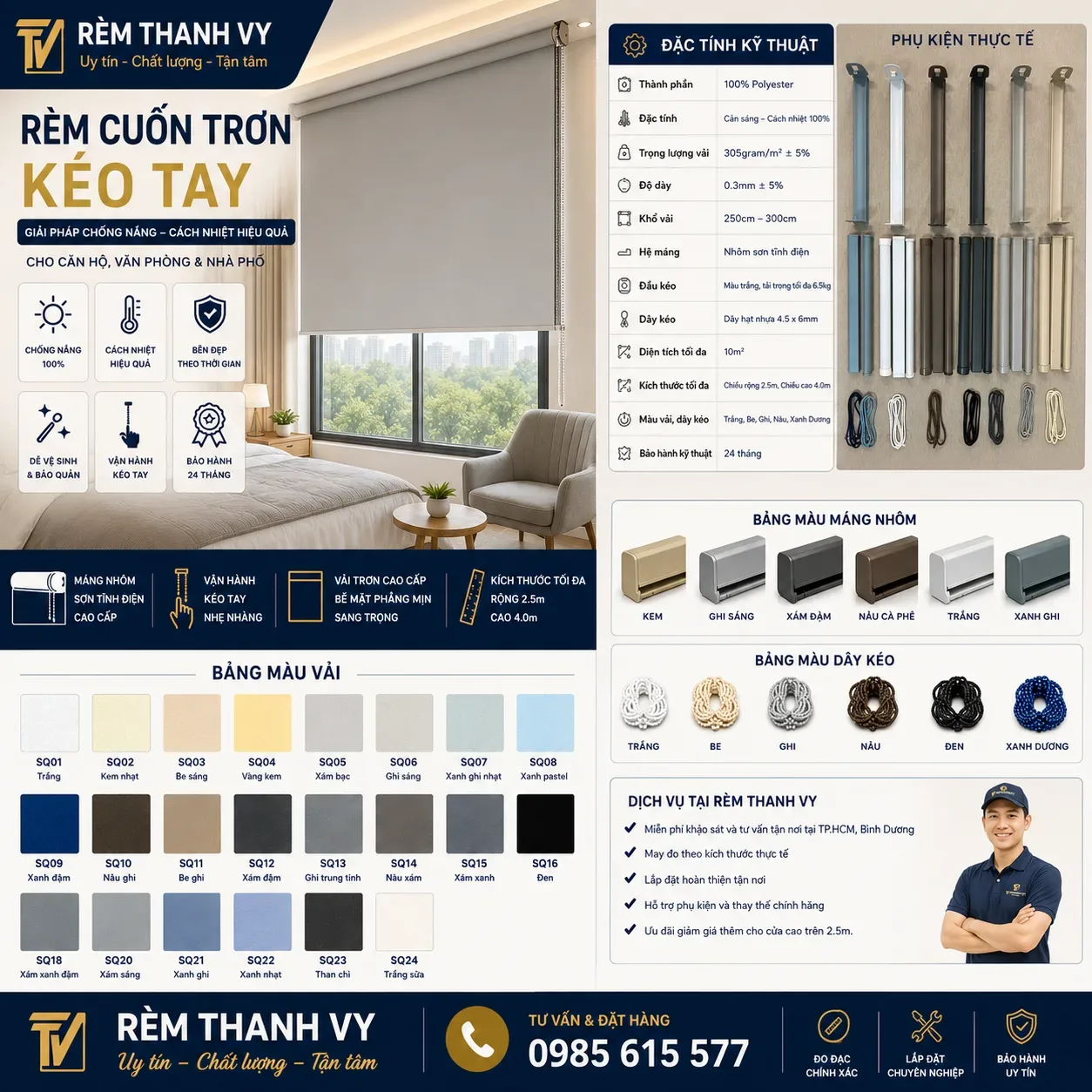
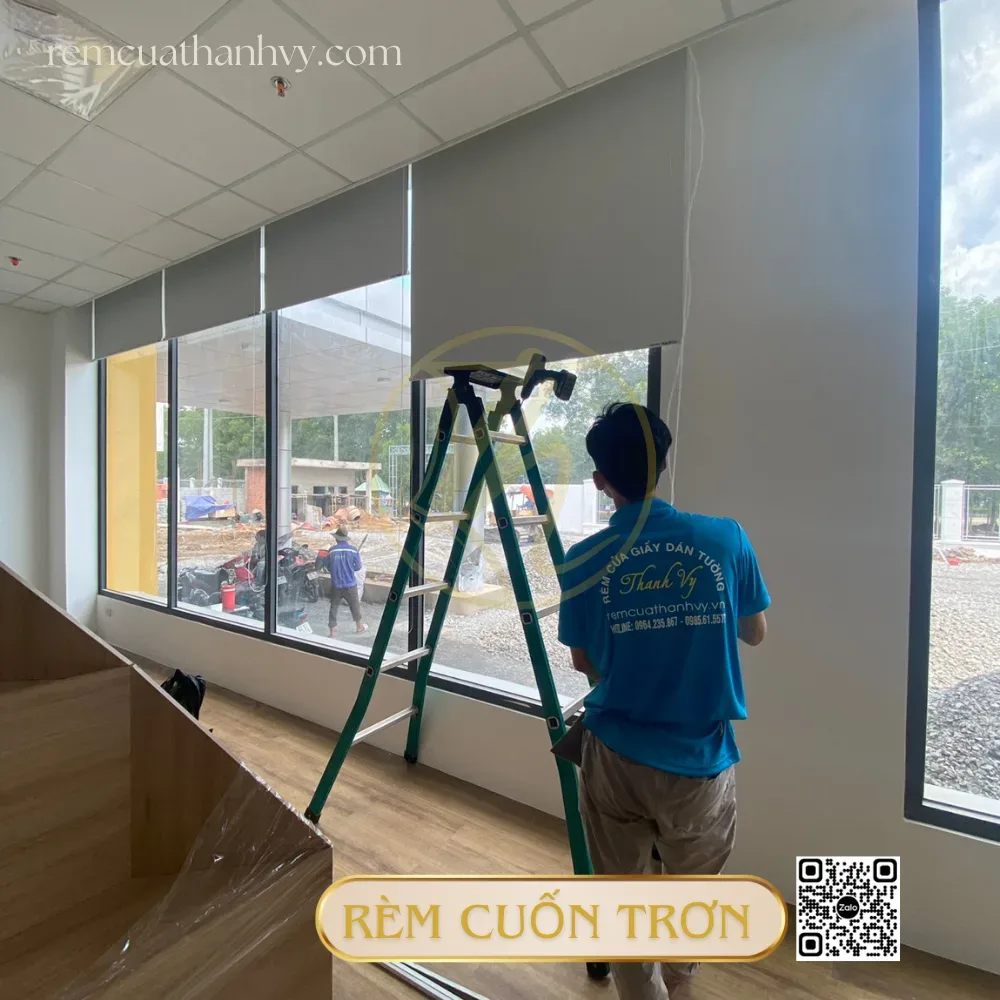
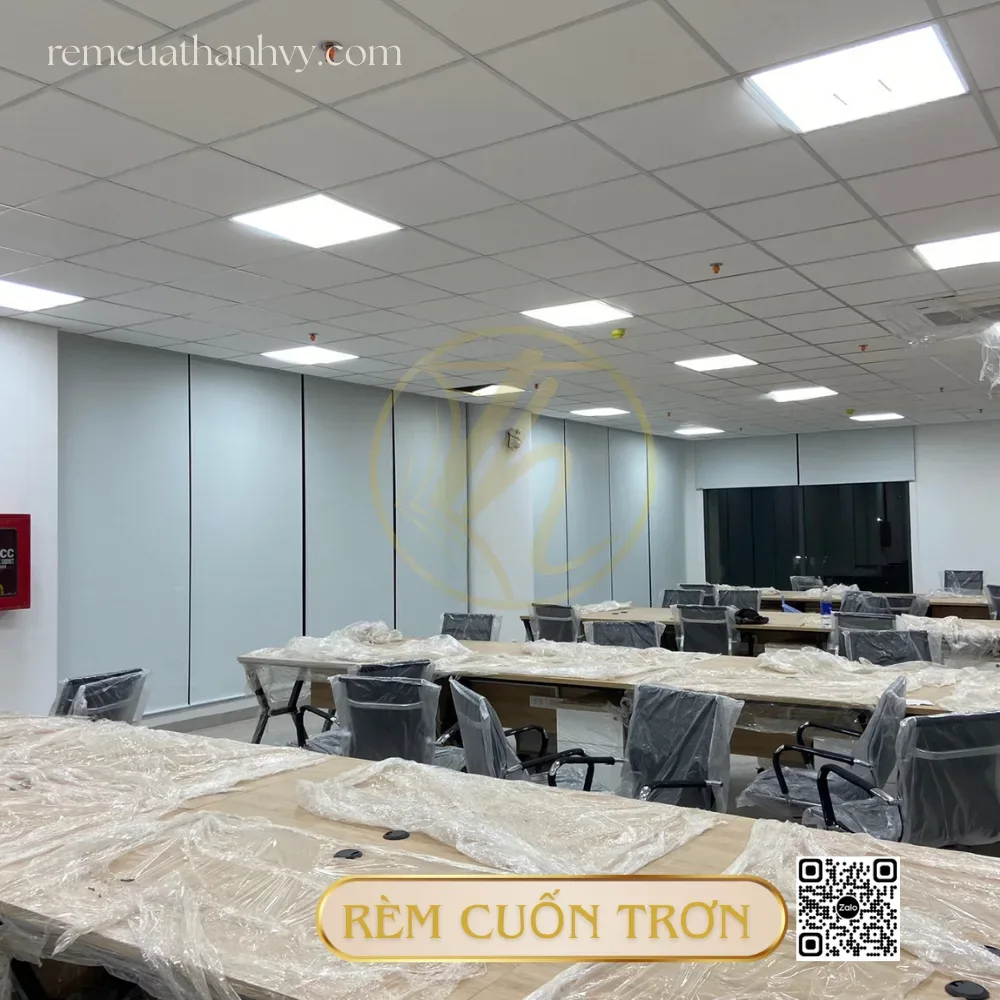
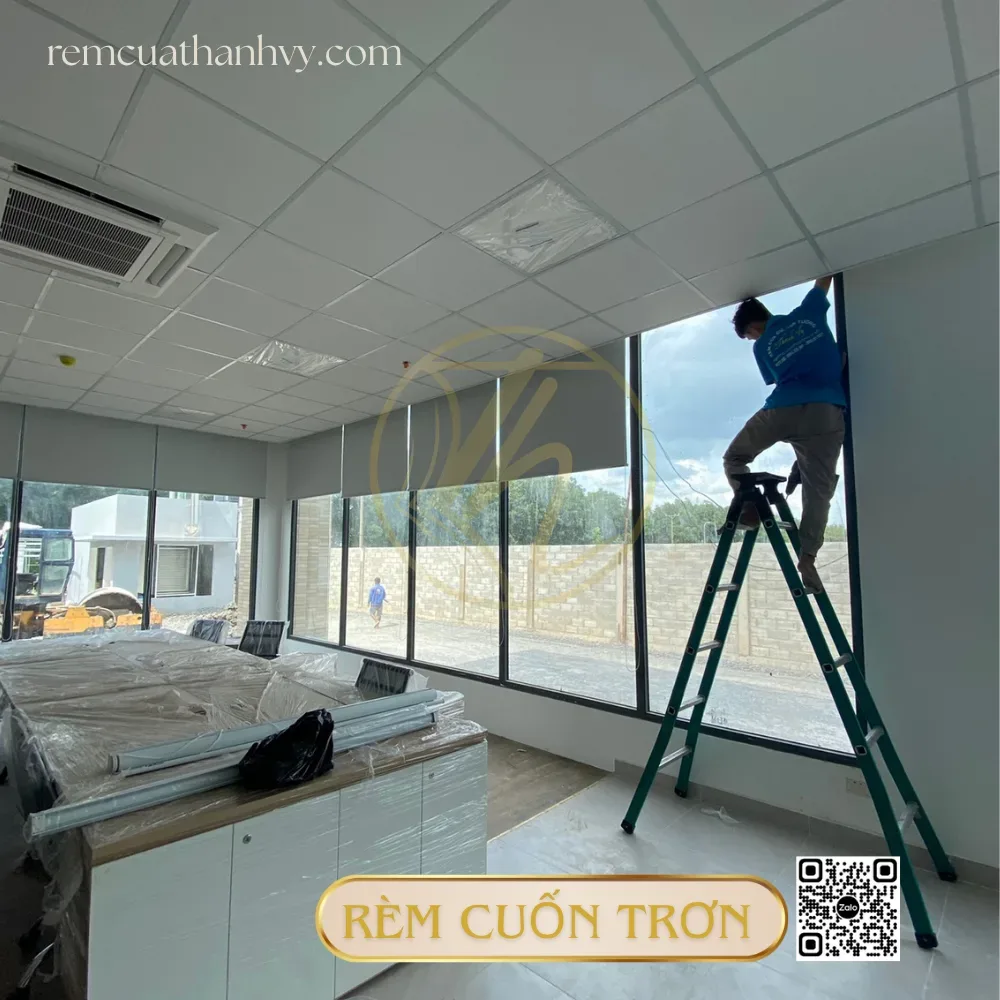
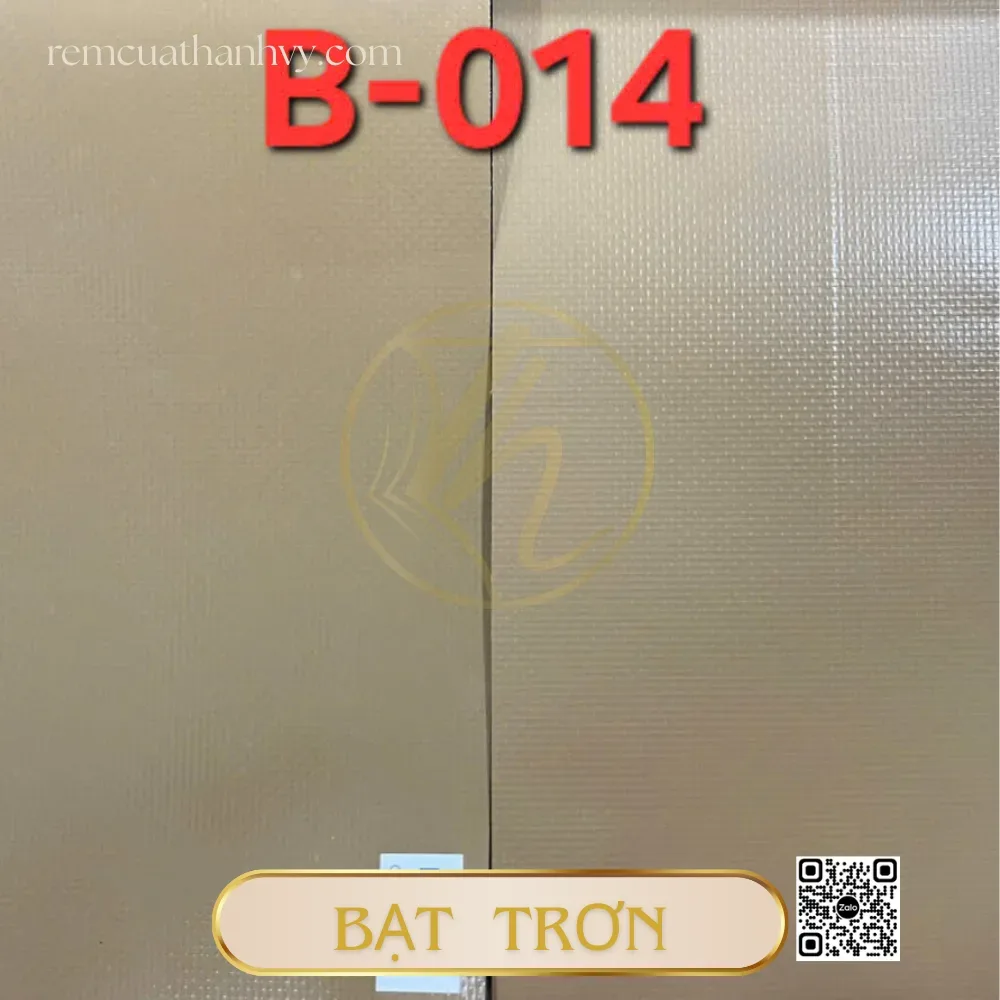
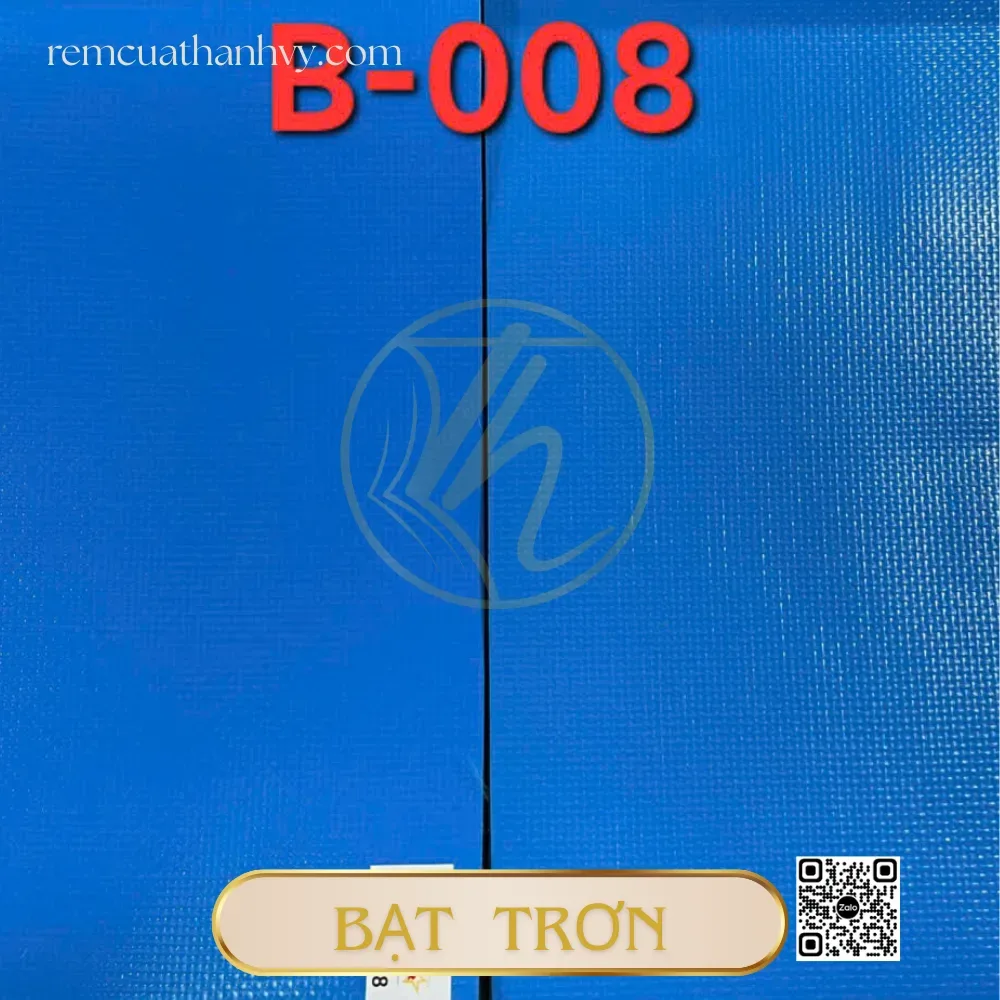
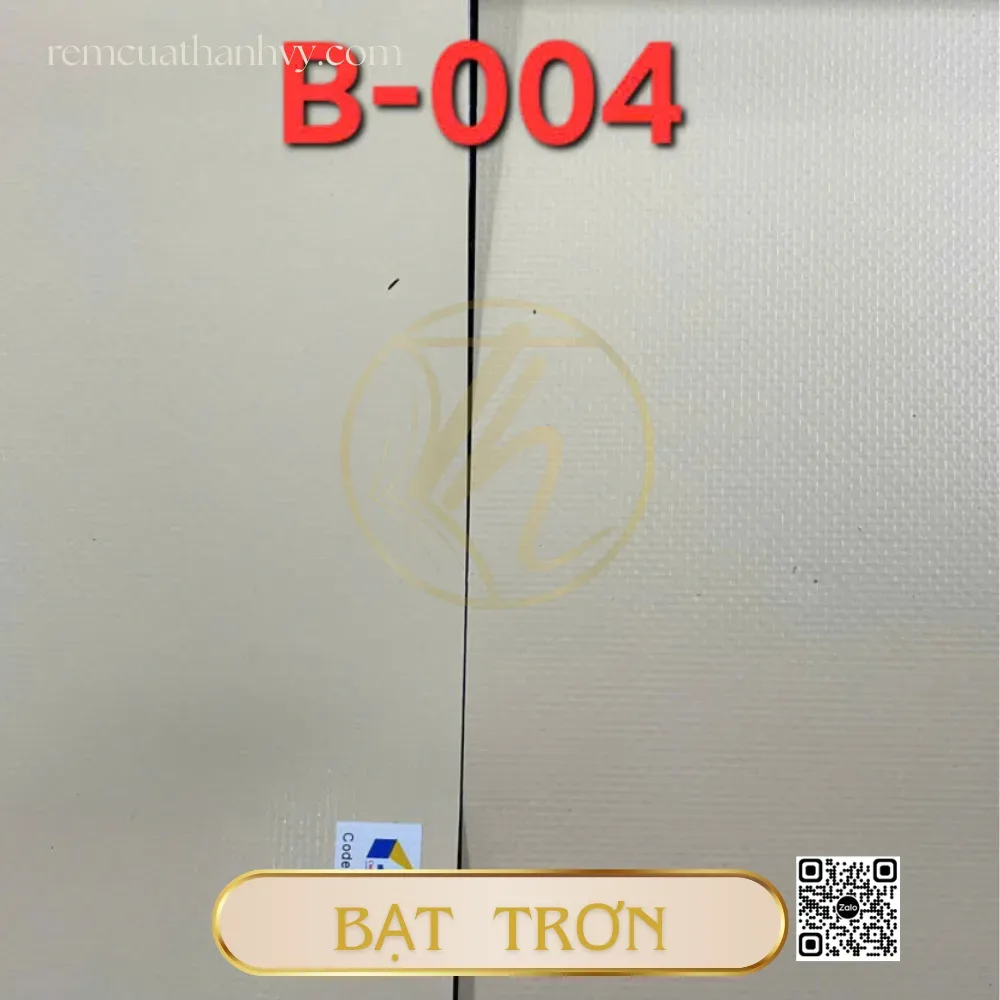
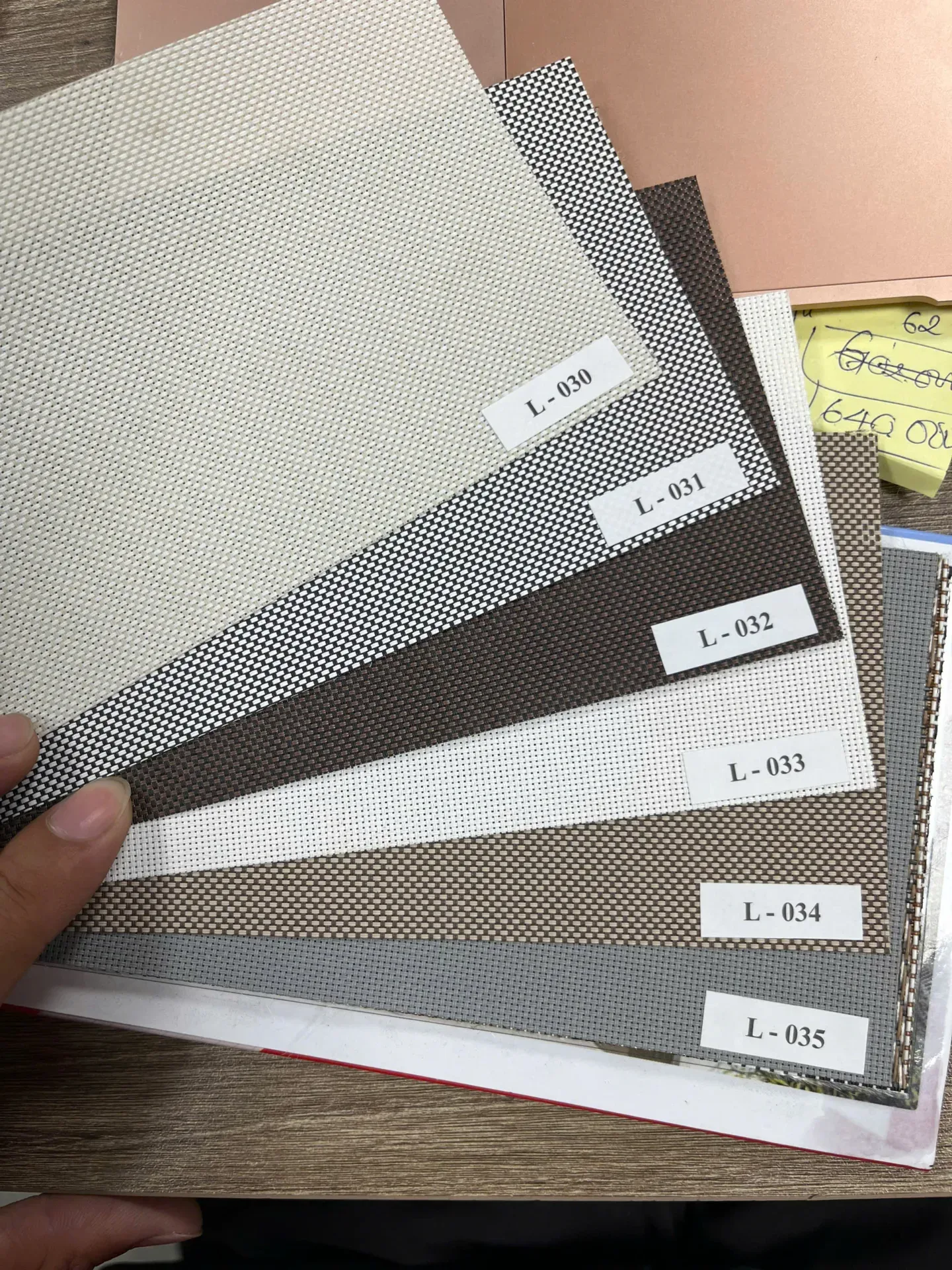
Roller shades have a compact profile and take up little space beside the window, making them suitable for small windows and areas where quick operation is needed.
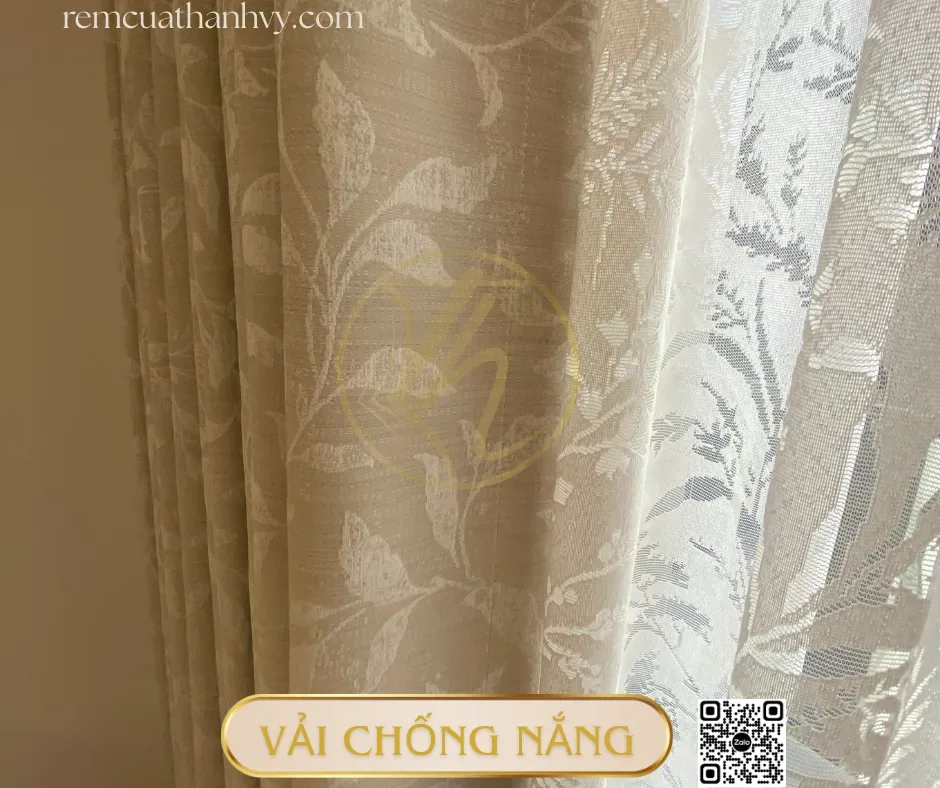
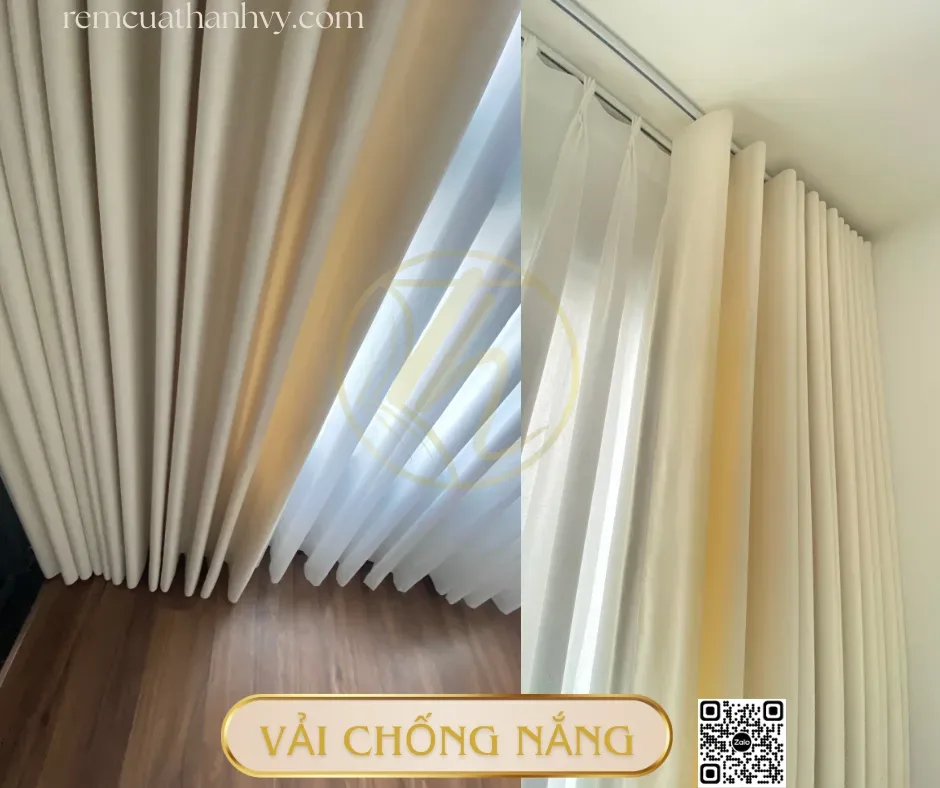
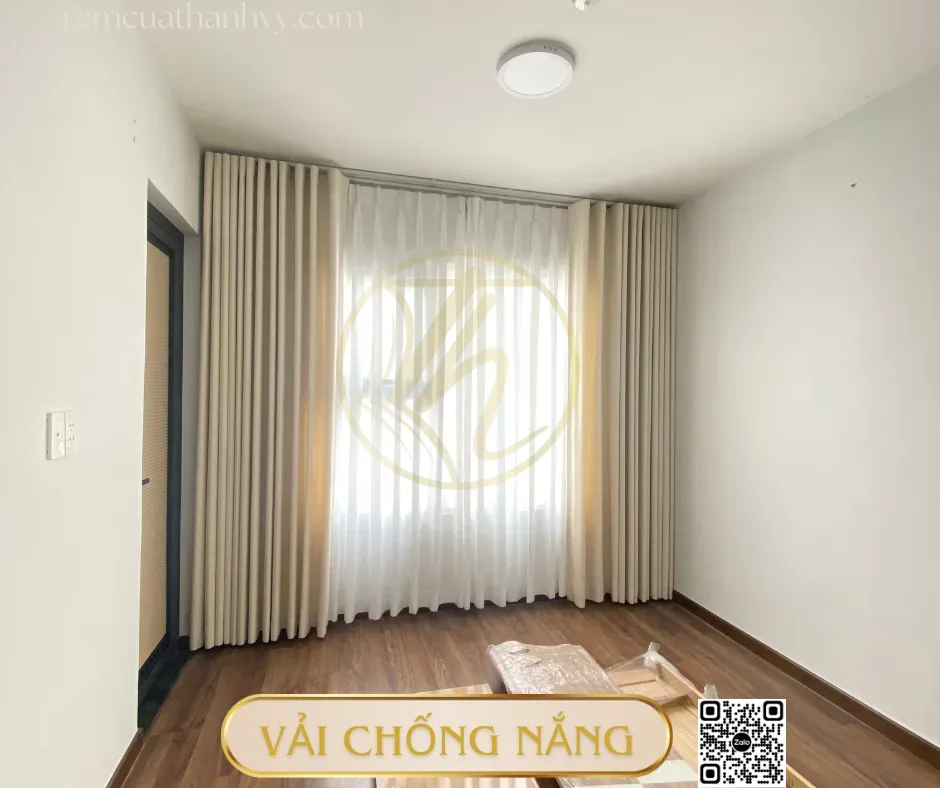
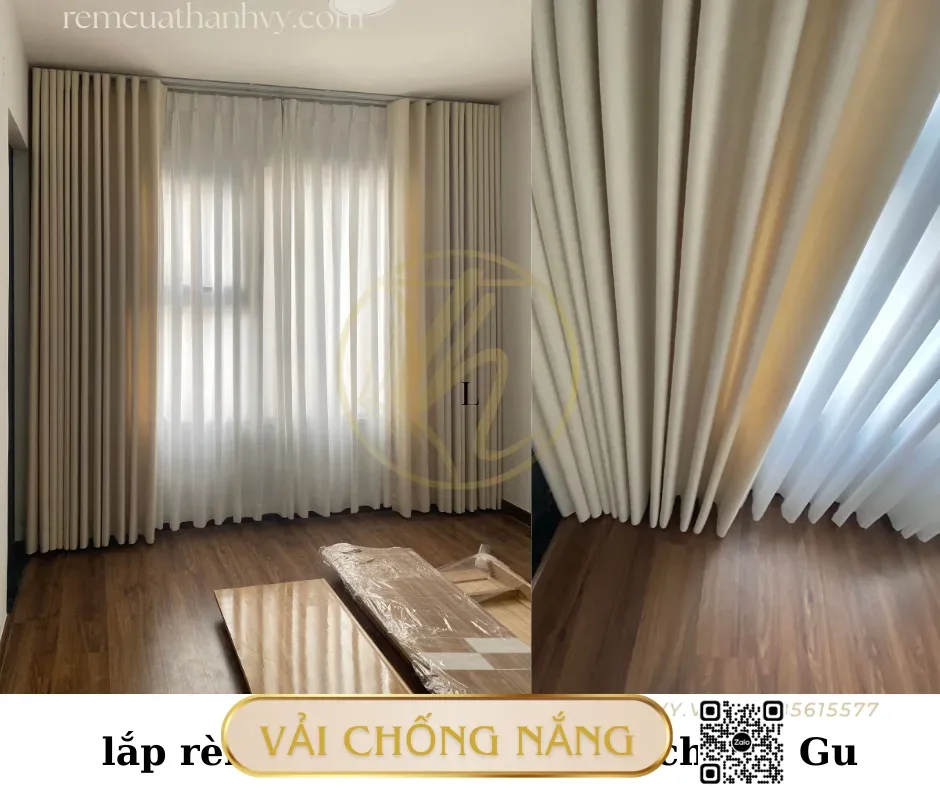
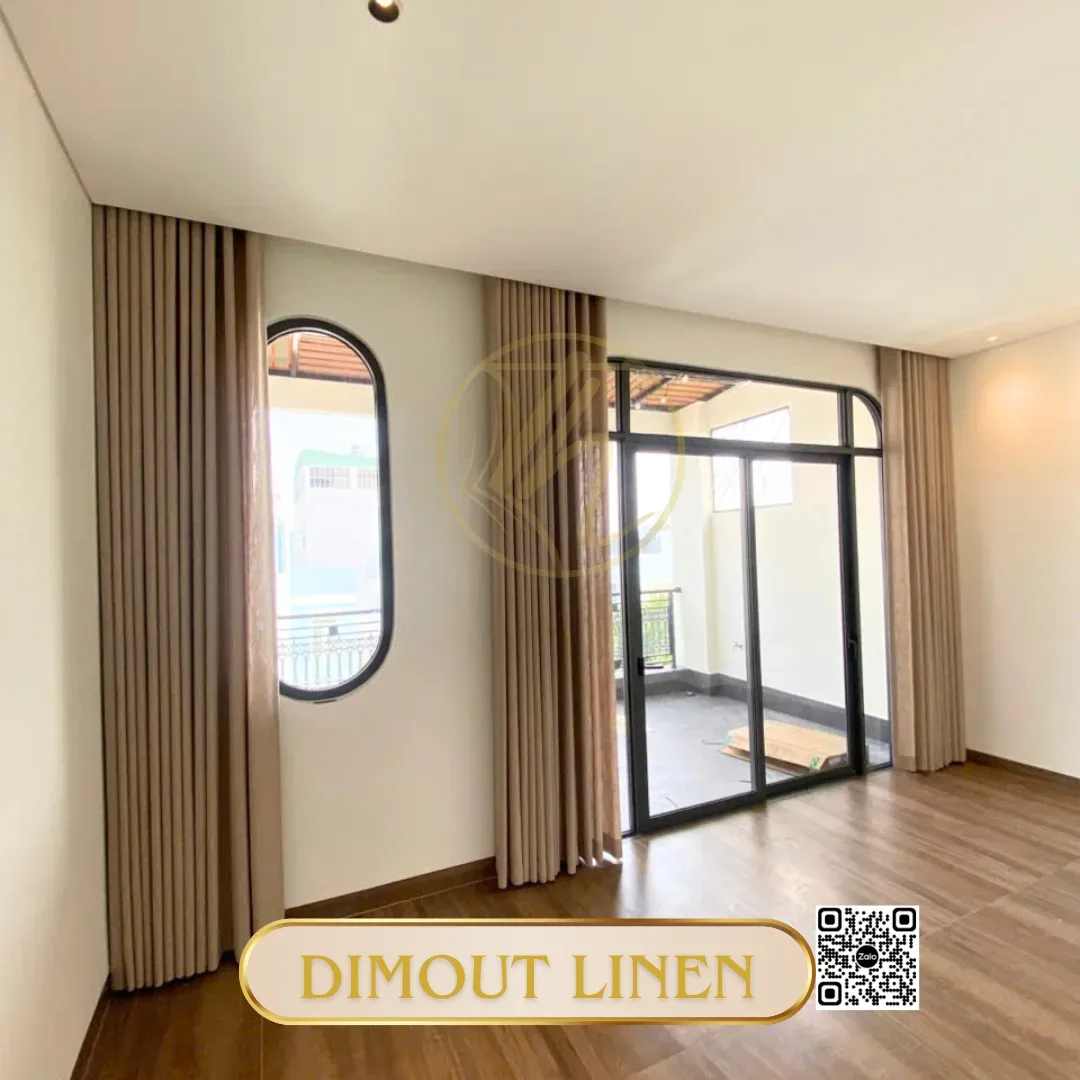
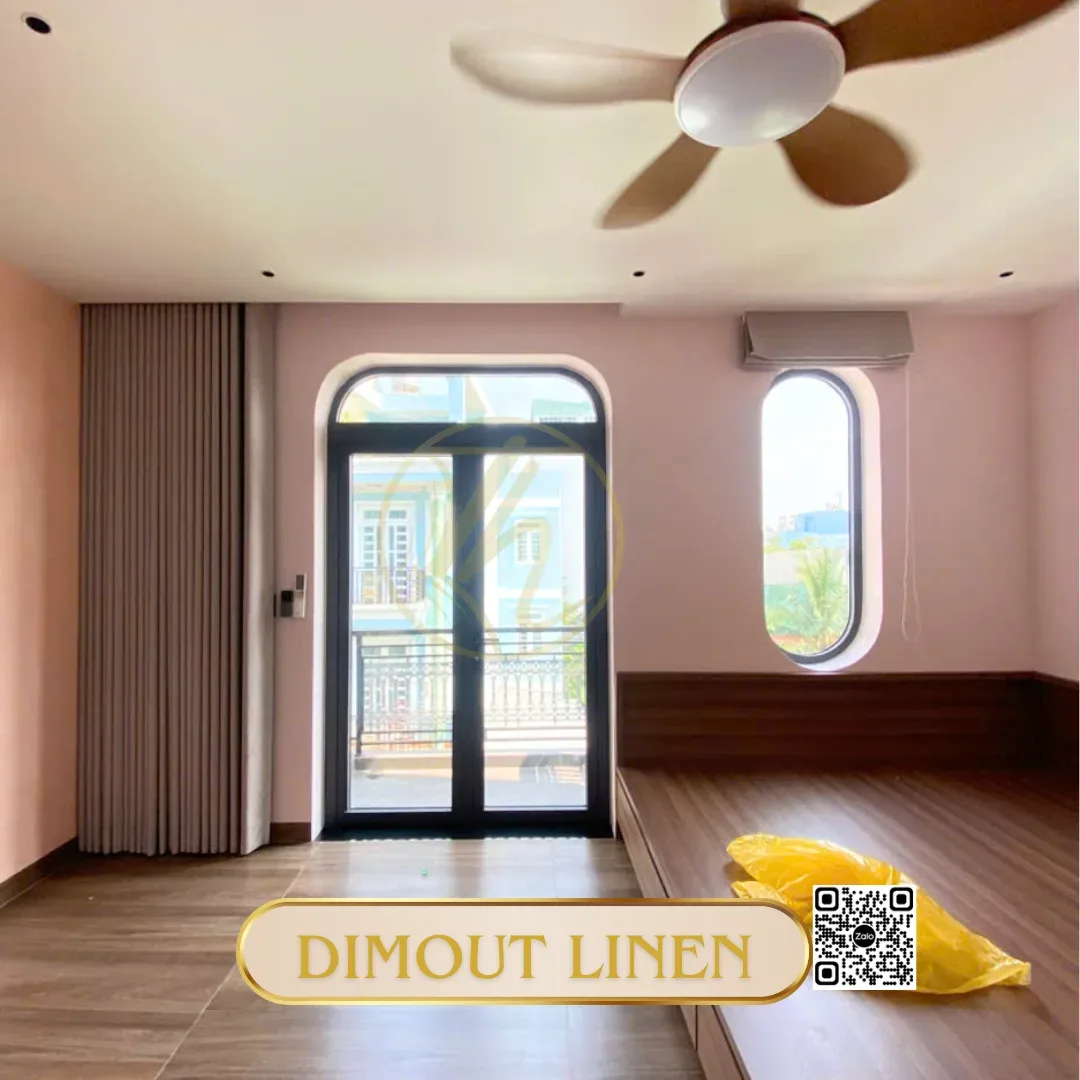
Premium light-blocking curtains
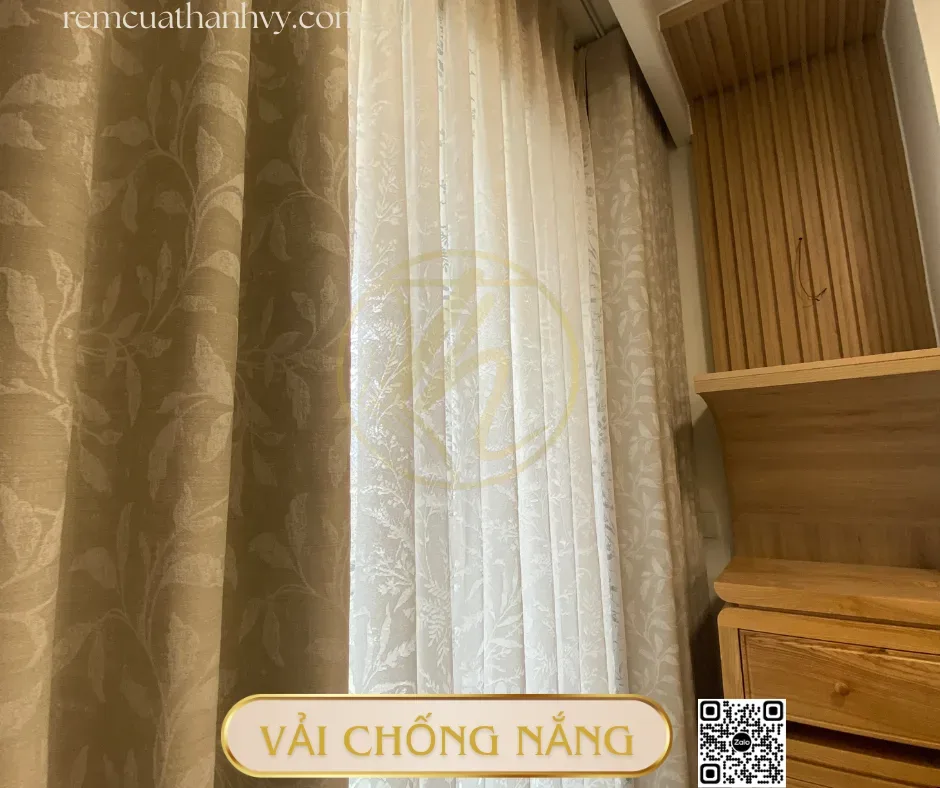
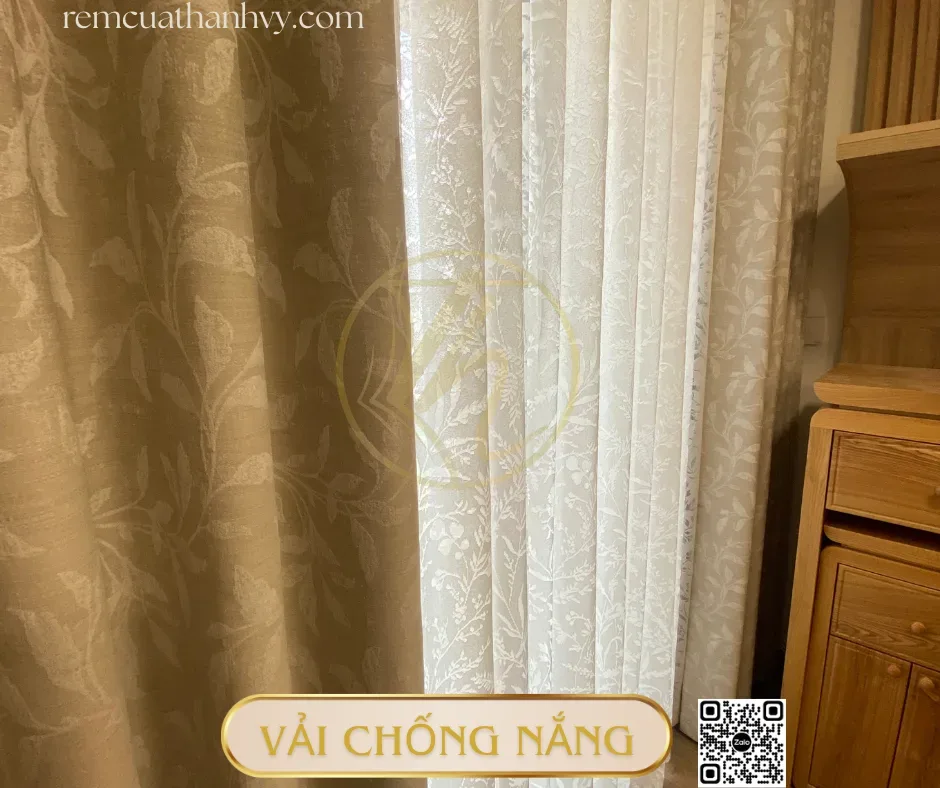
Thick, multilayered fabric significantly reduces light and limits visibility from outside.

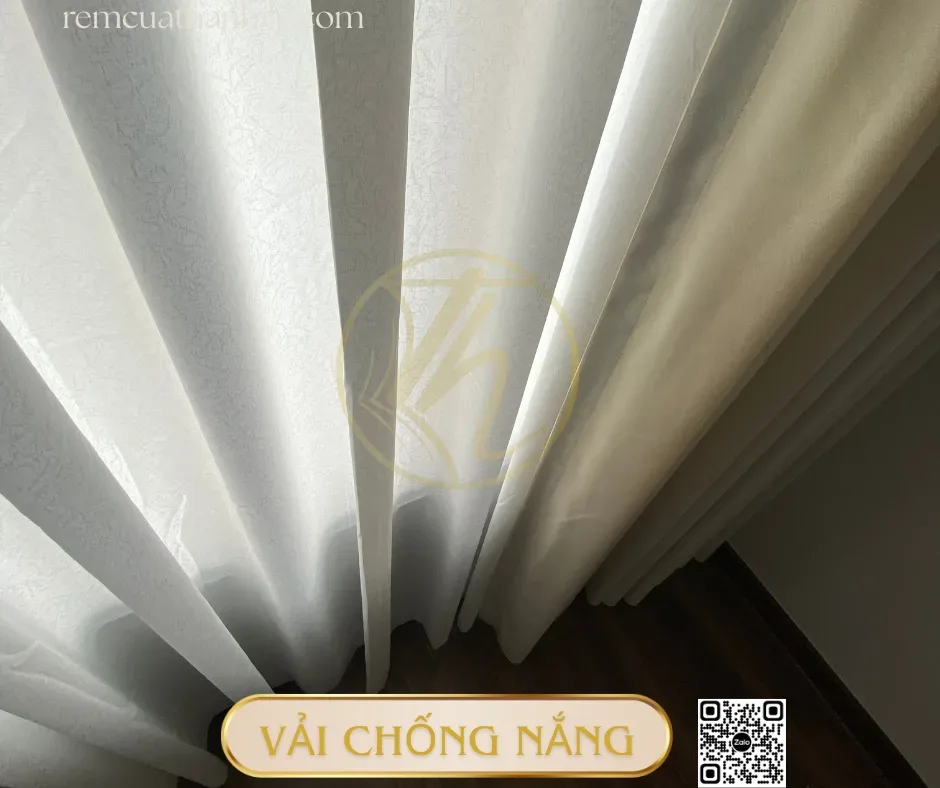
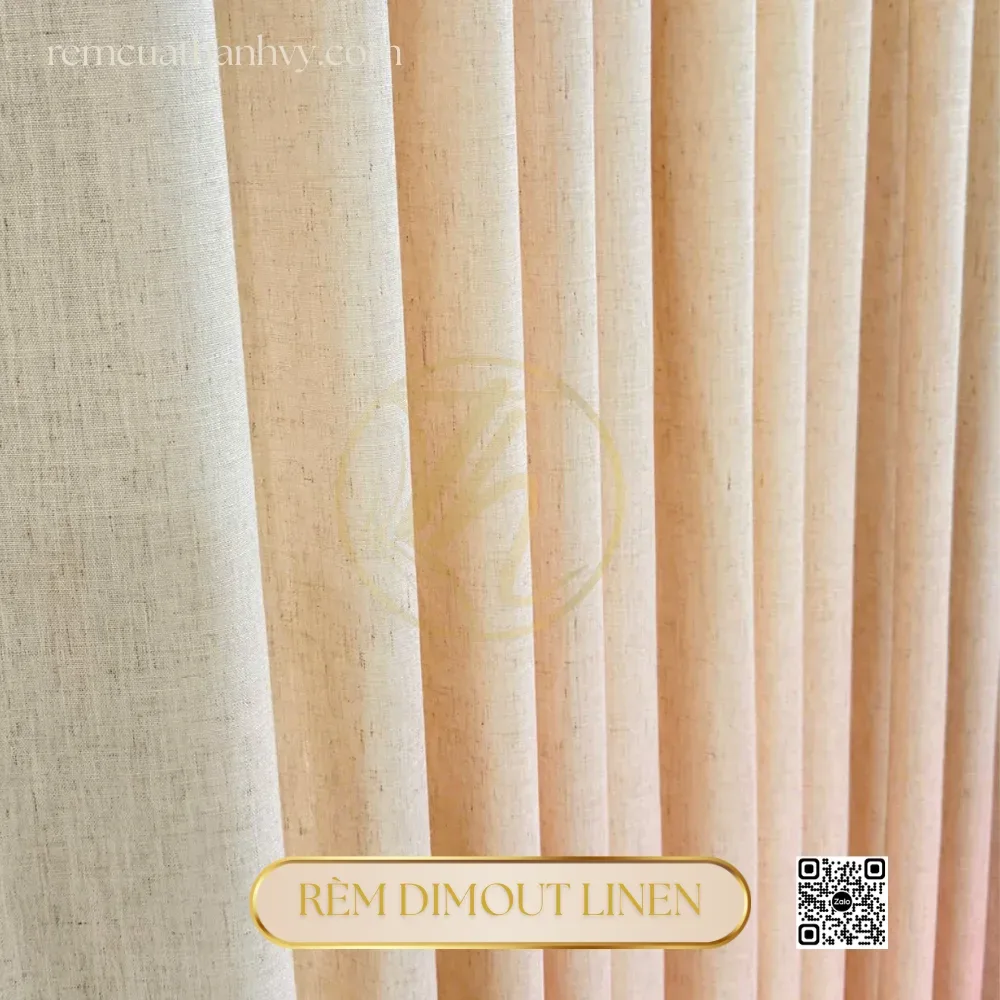
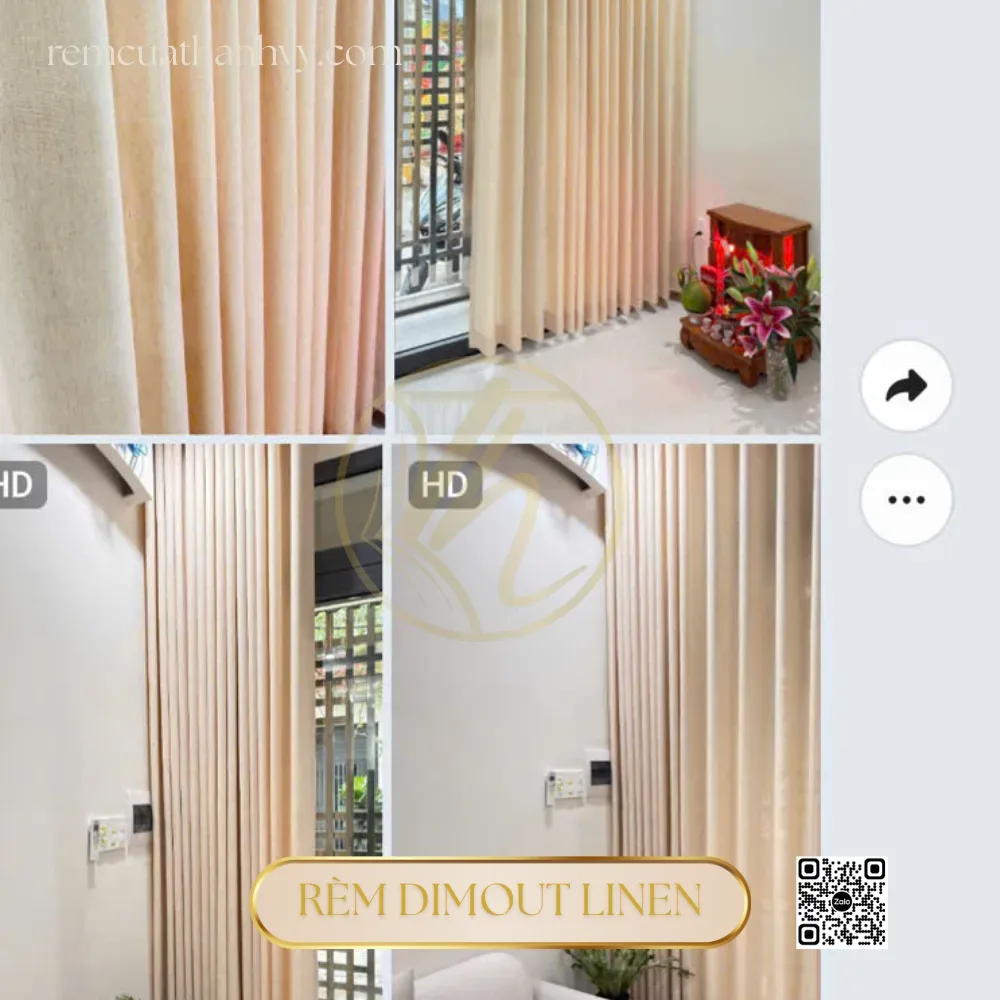
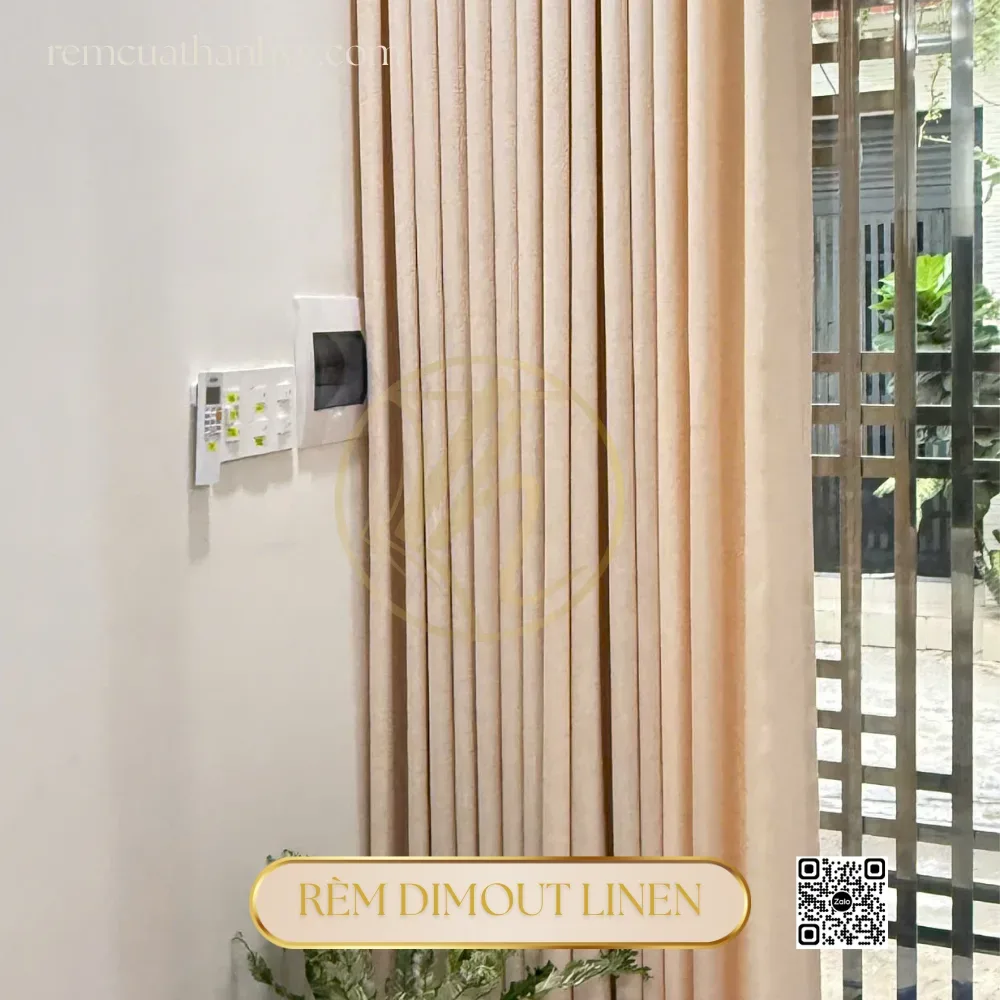
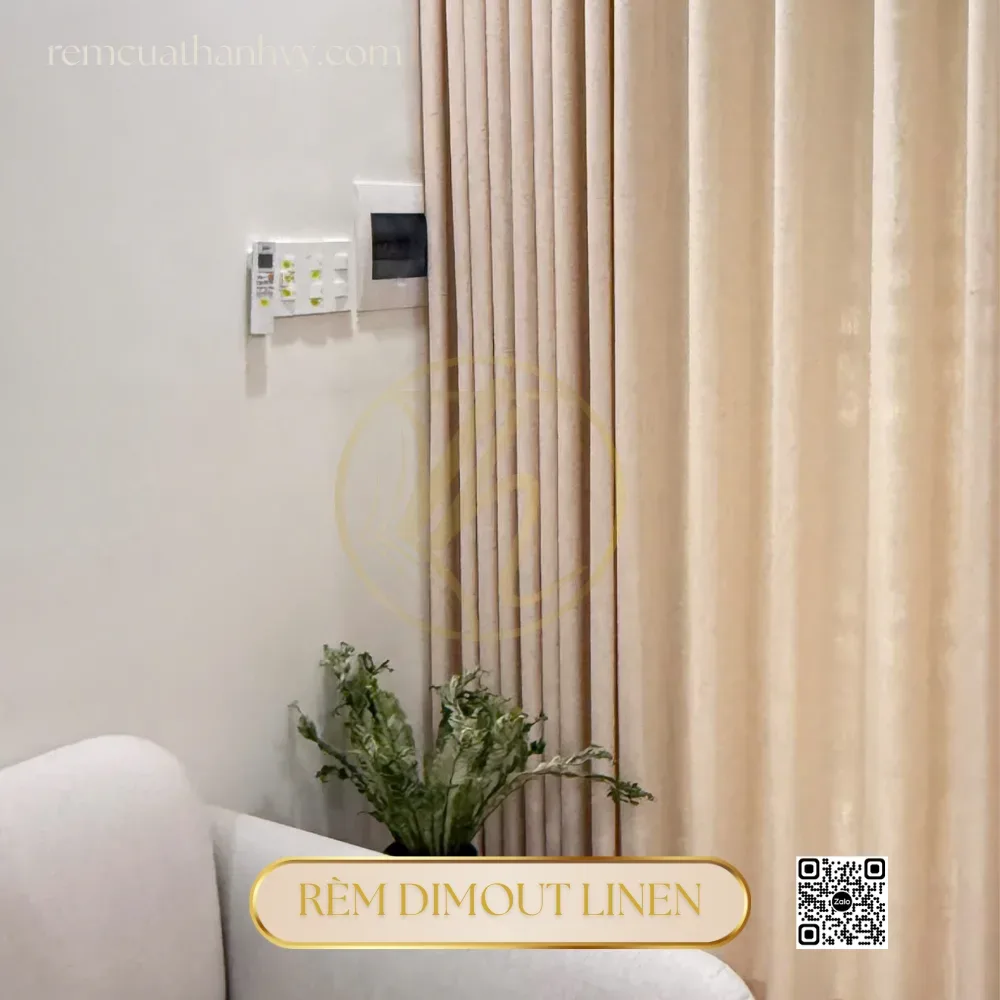
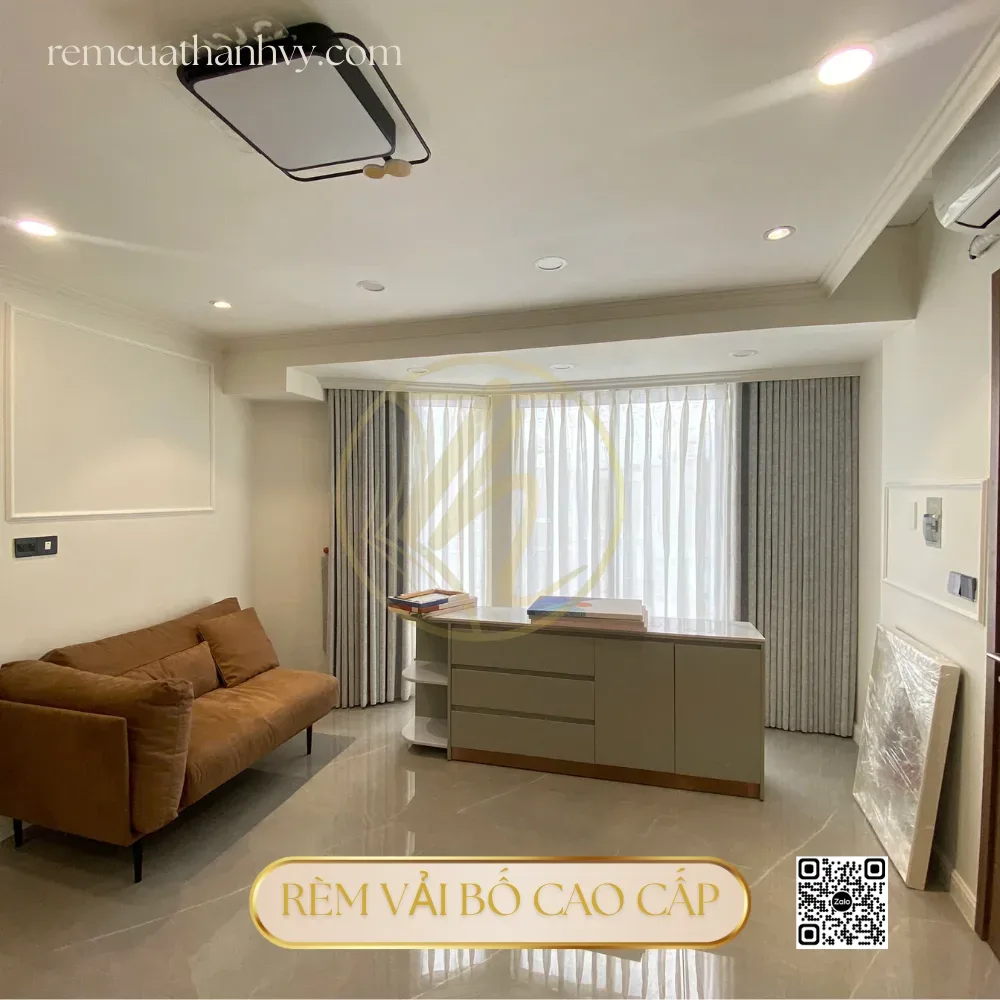
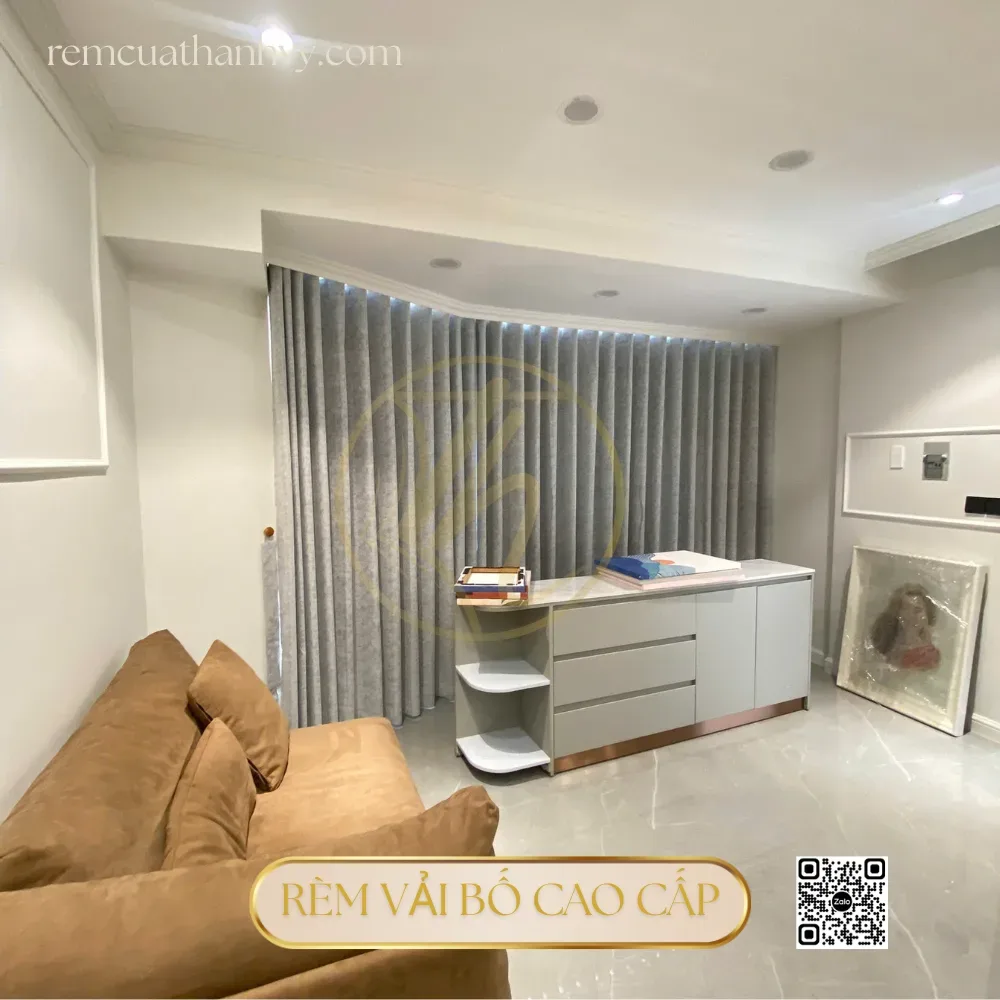
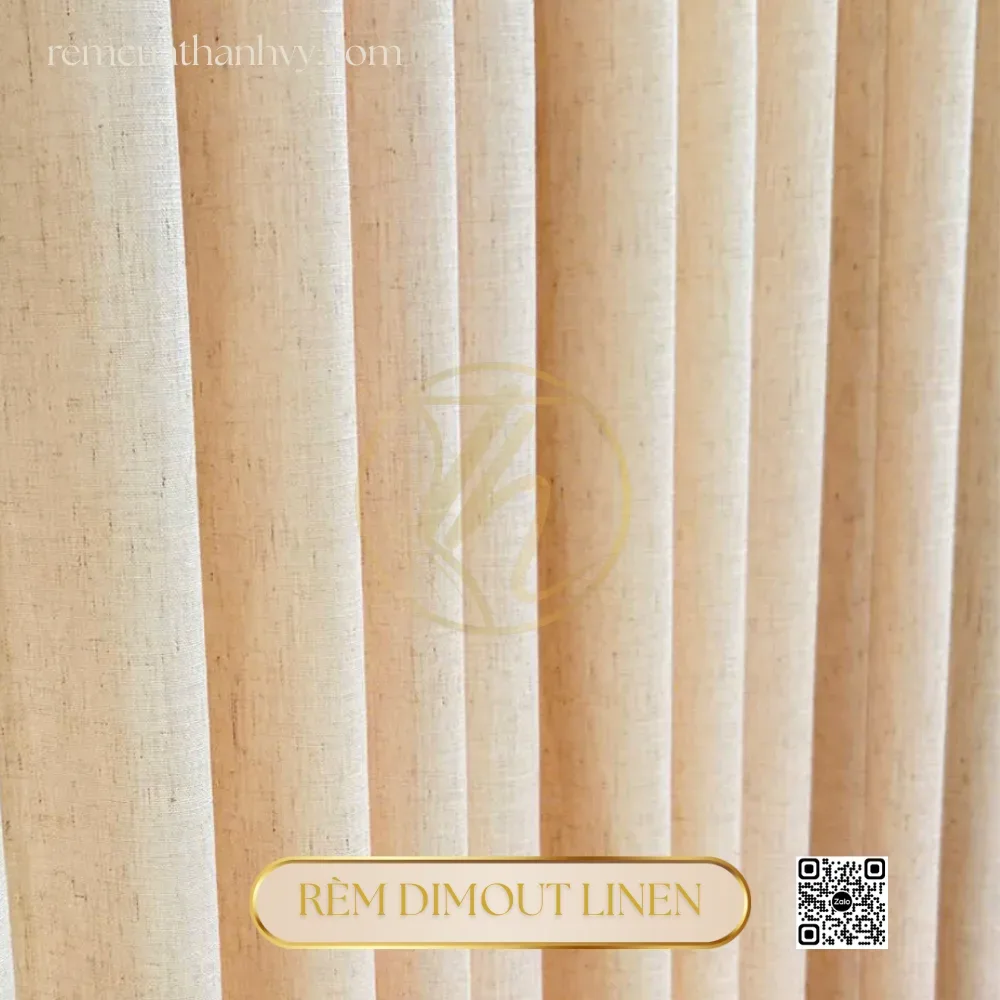
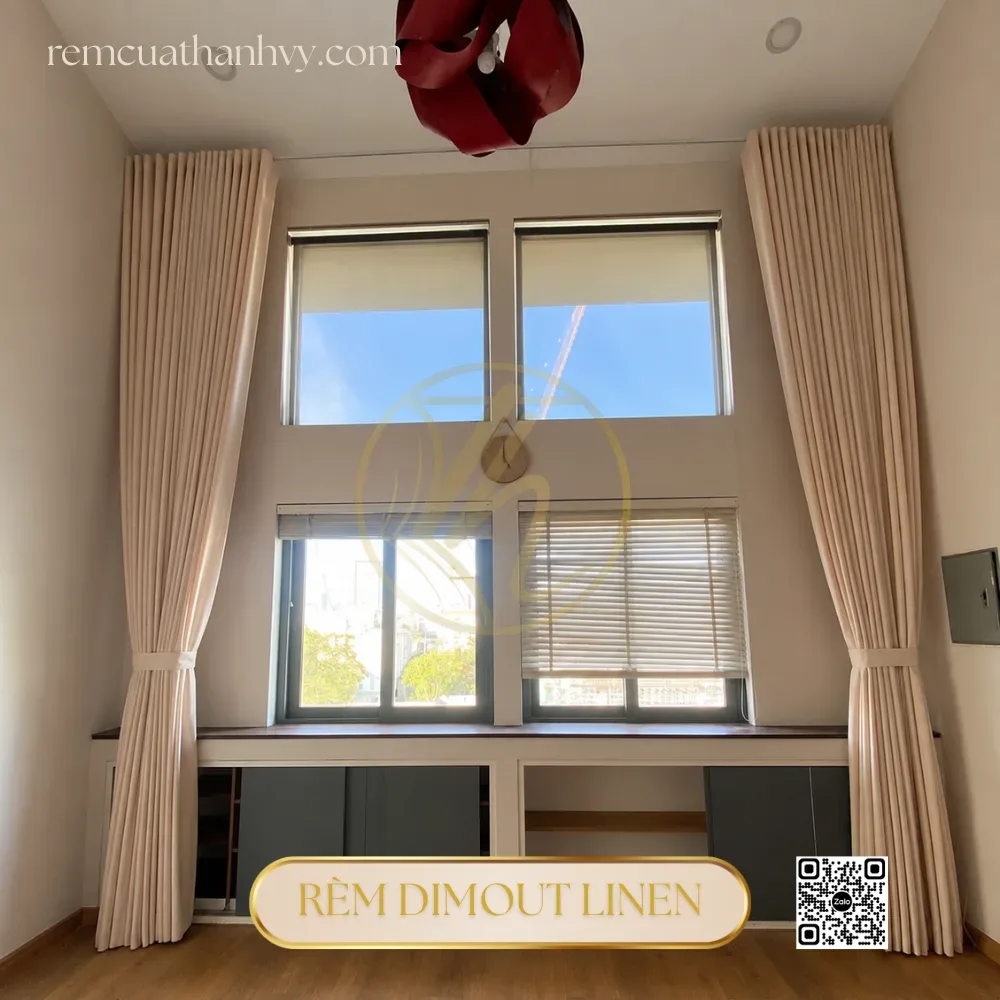
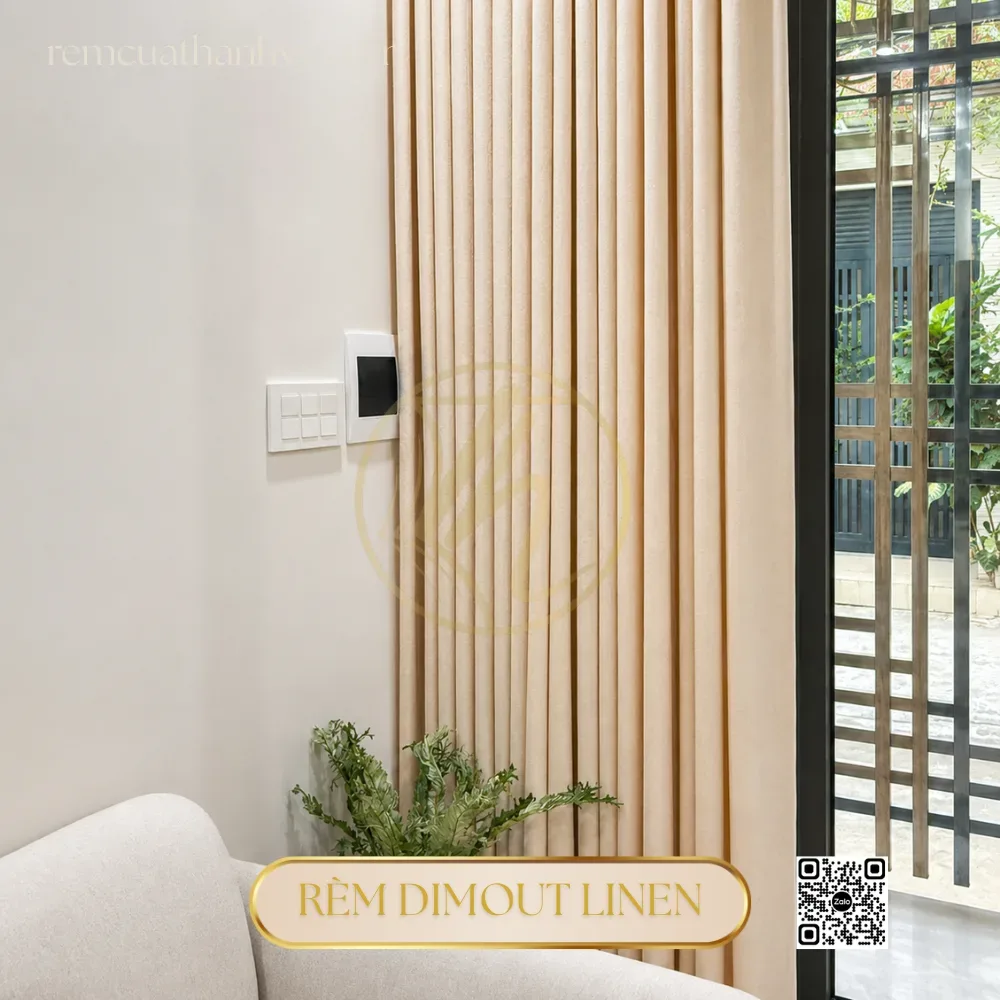
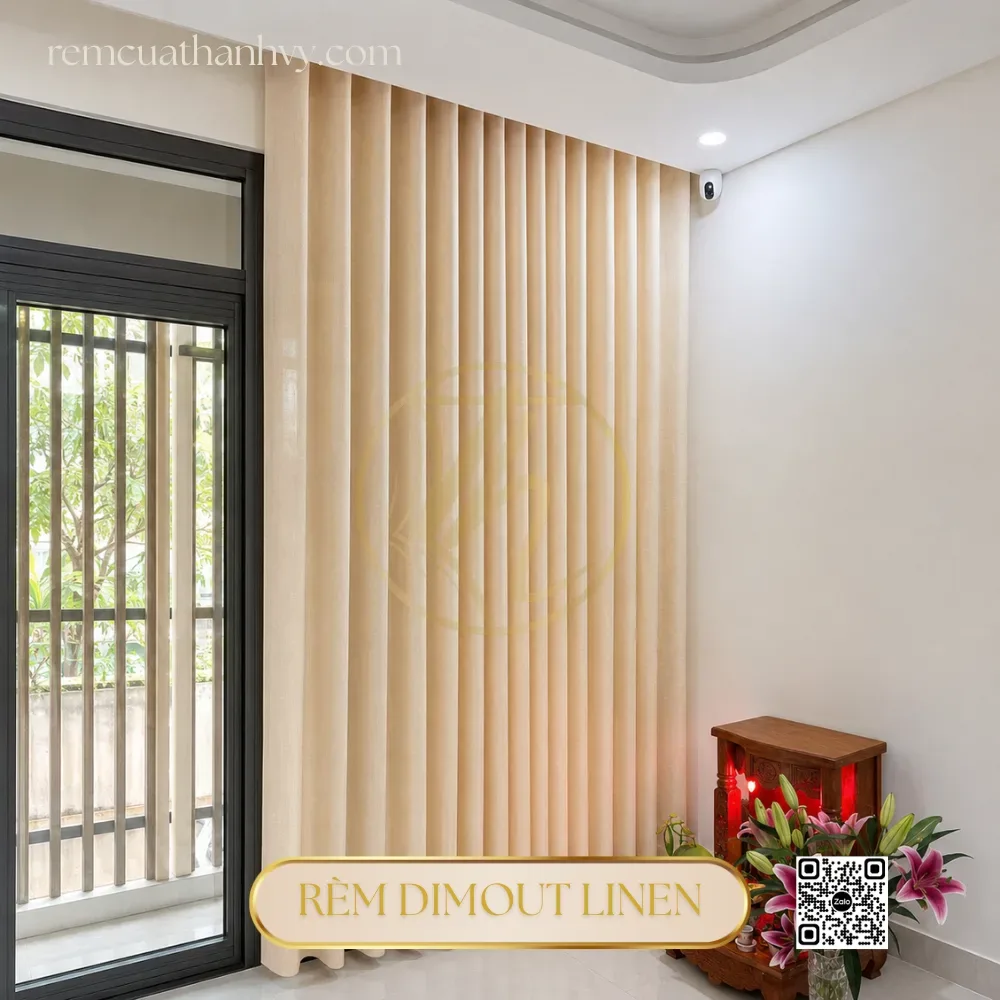


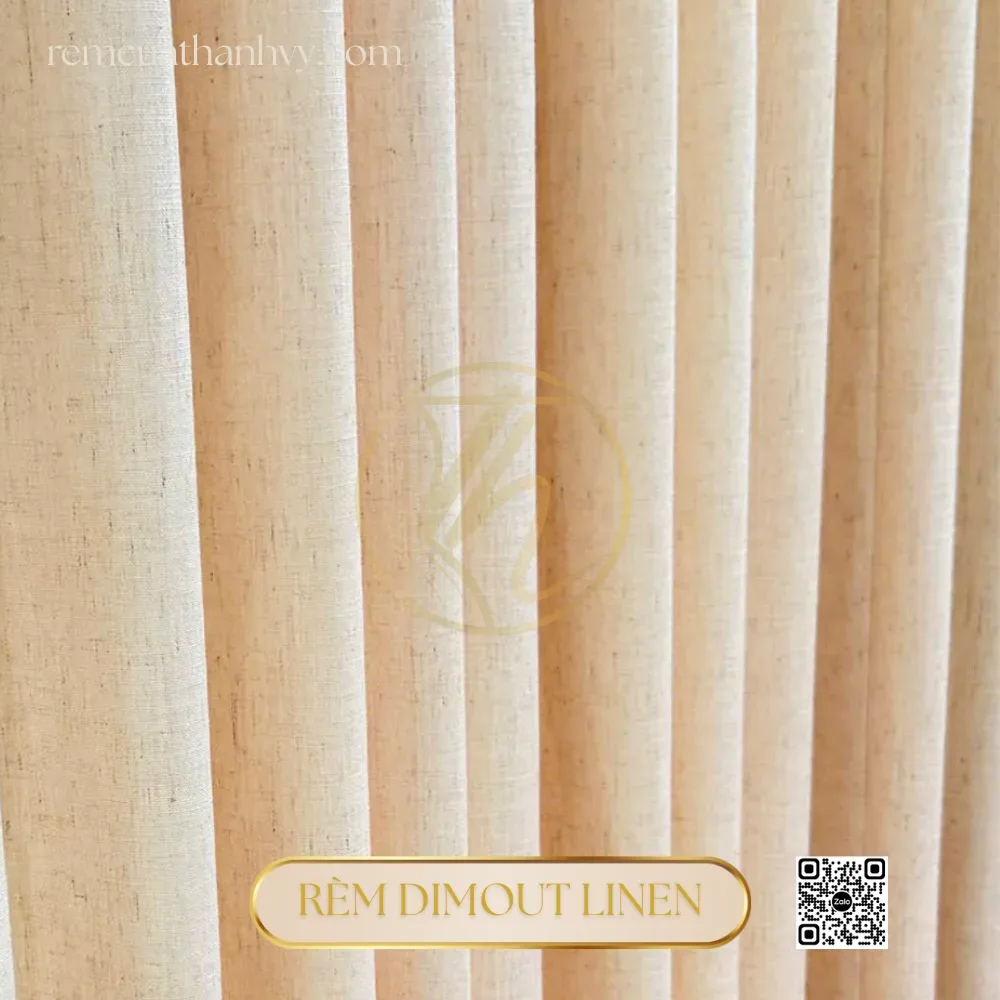
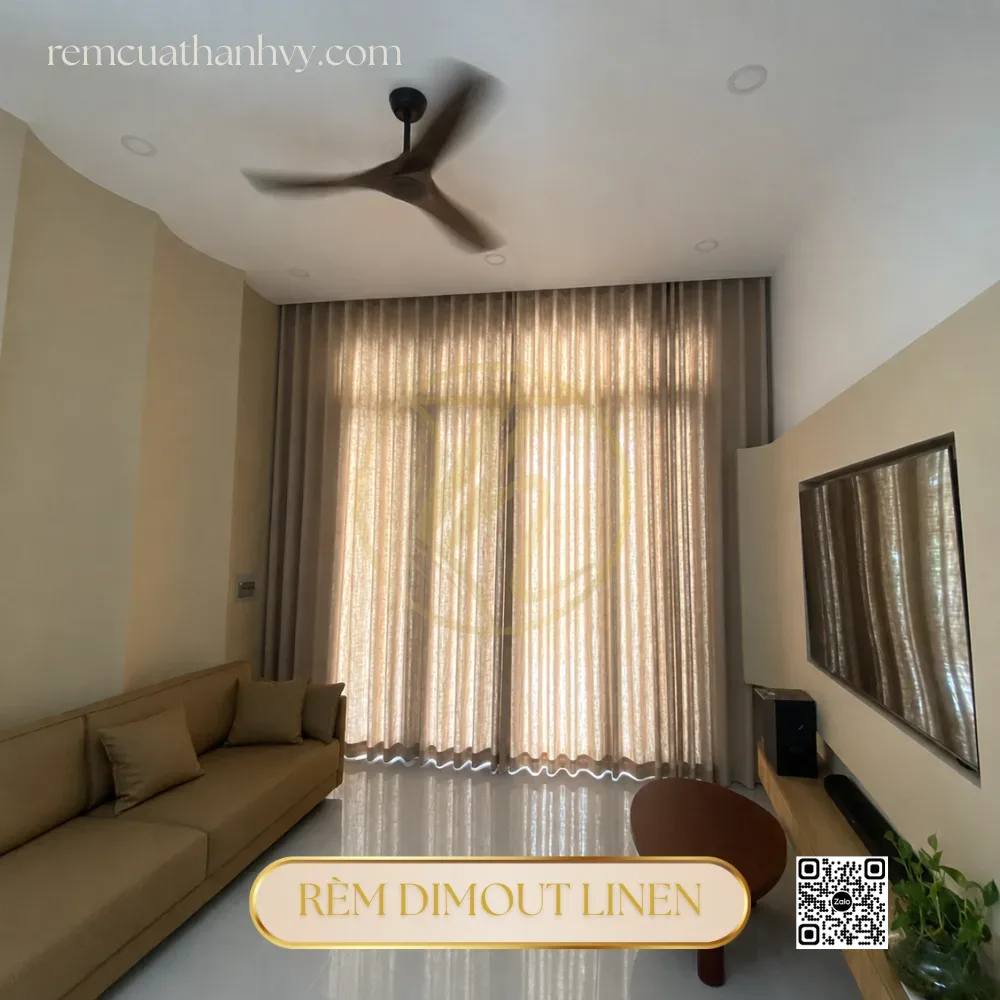
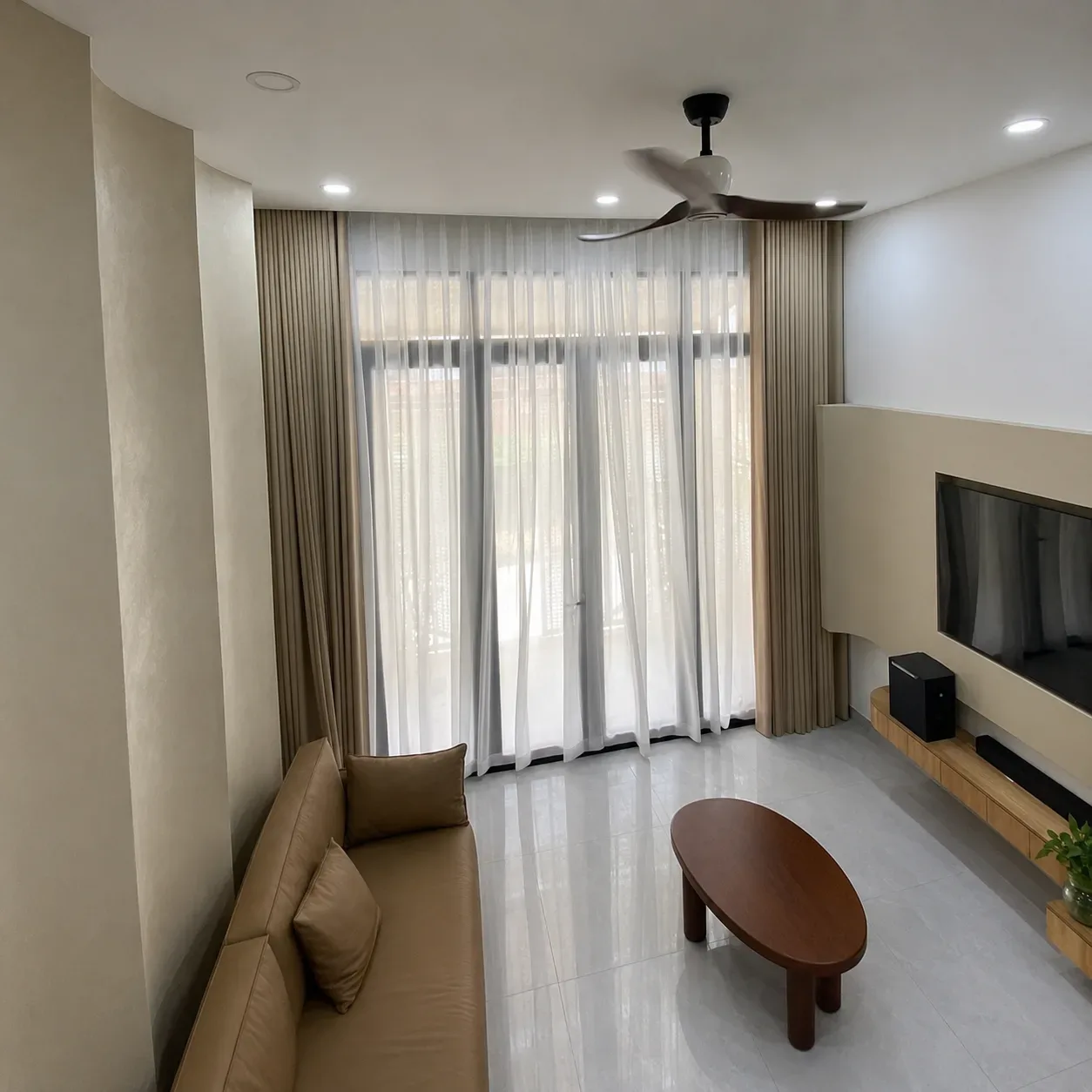
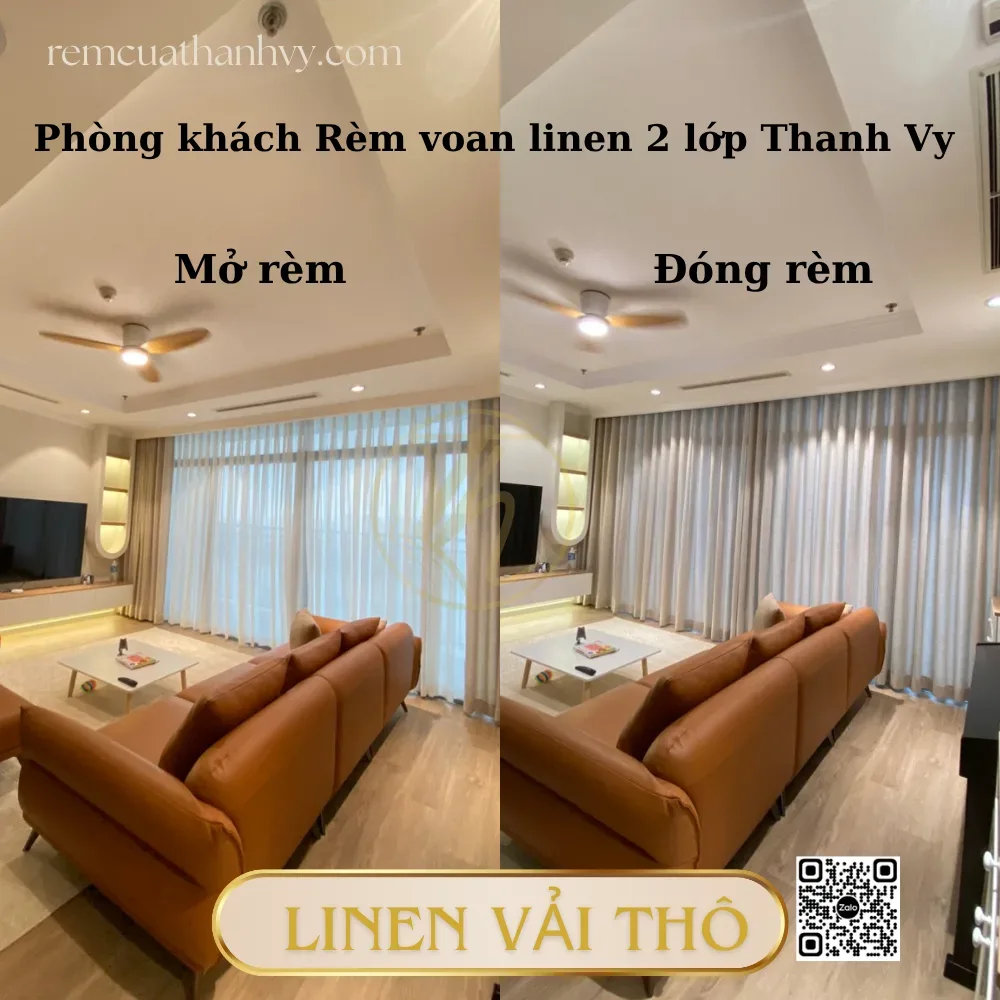
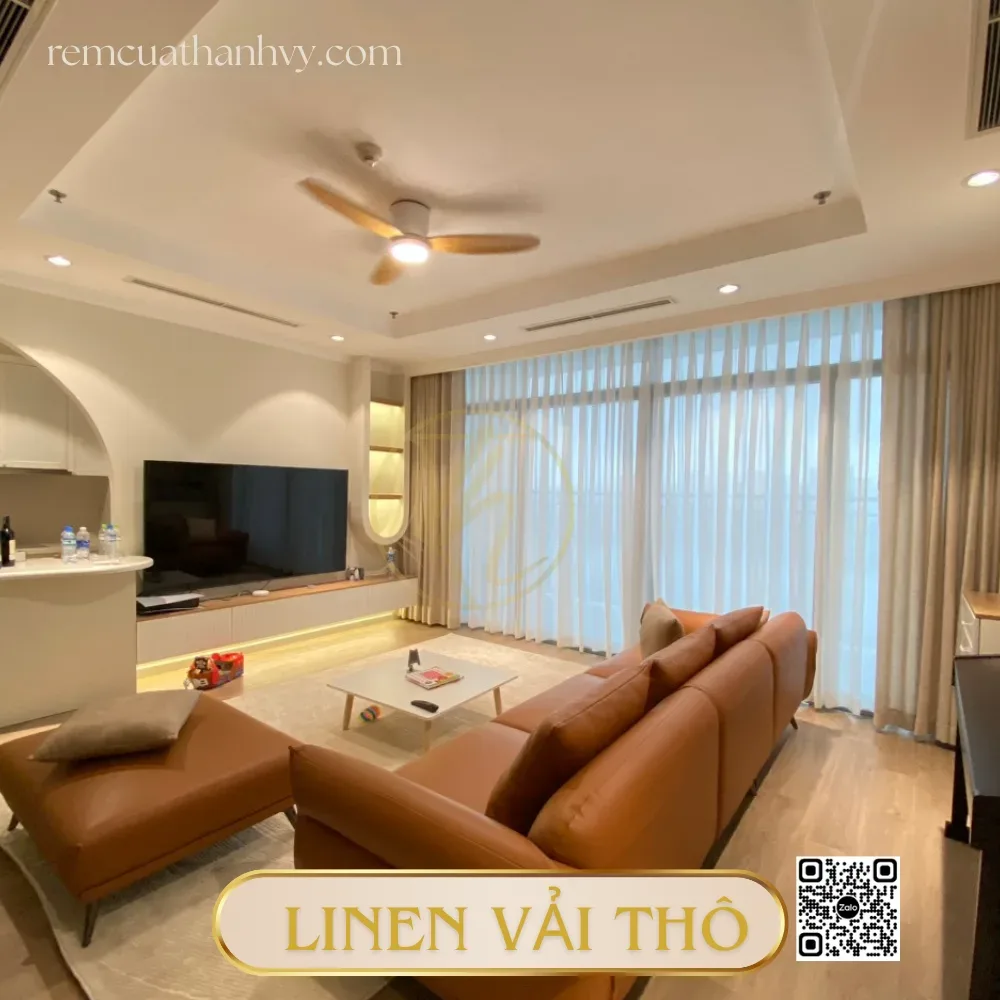
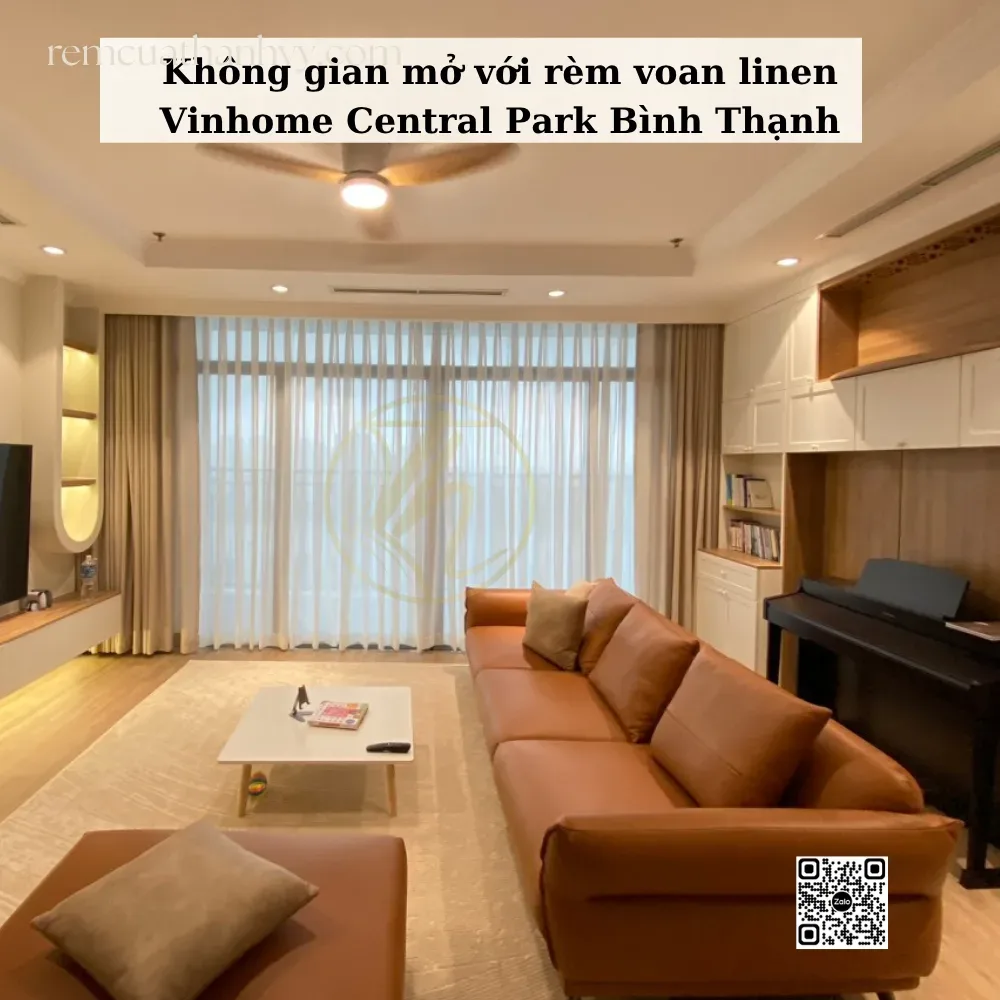
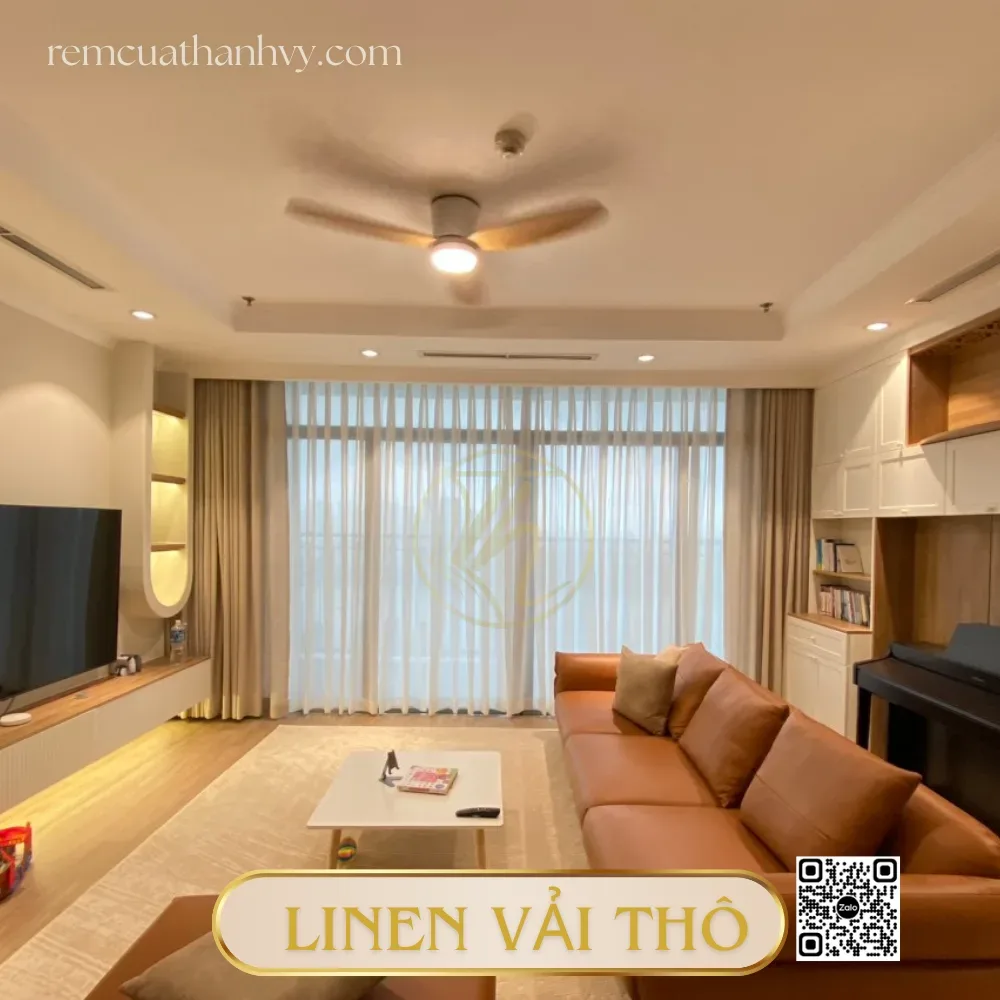
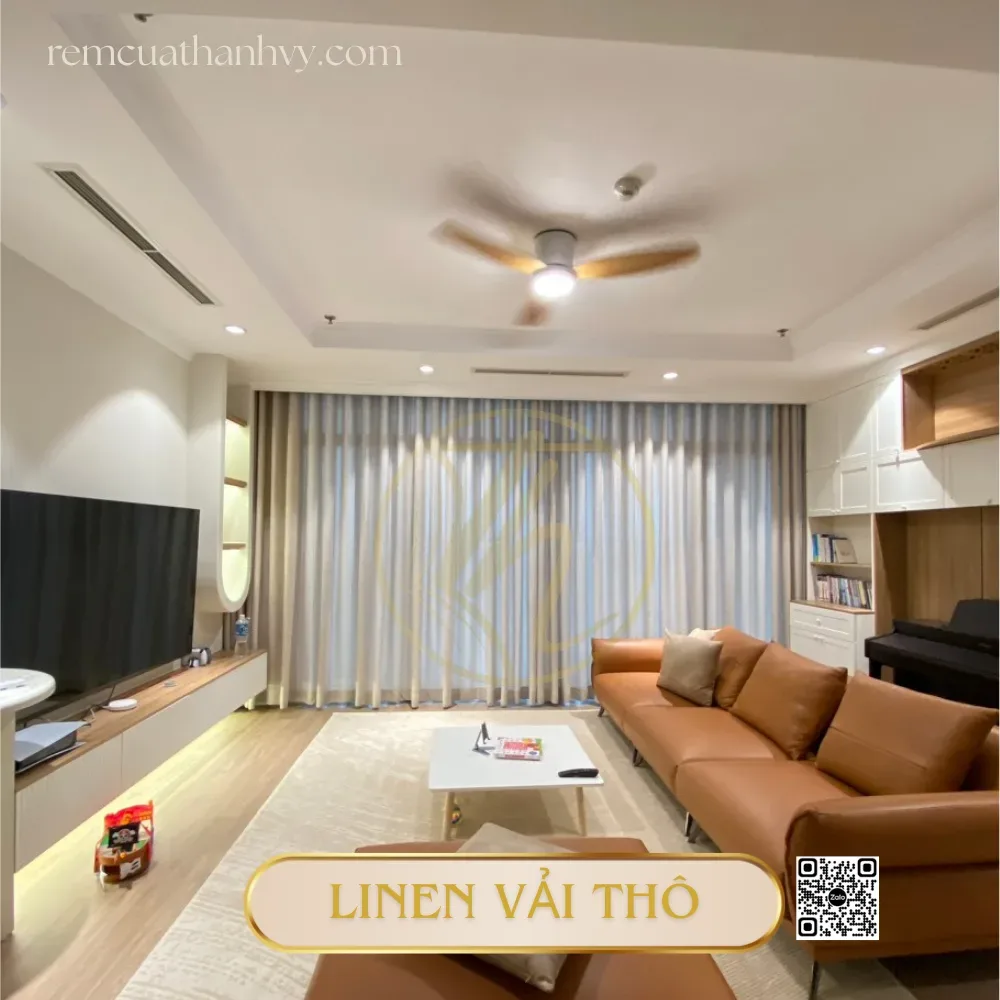
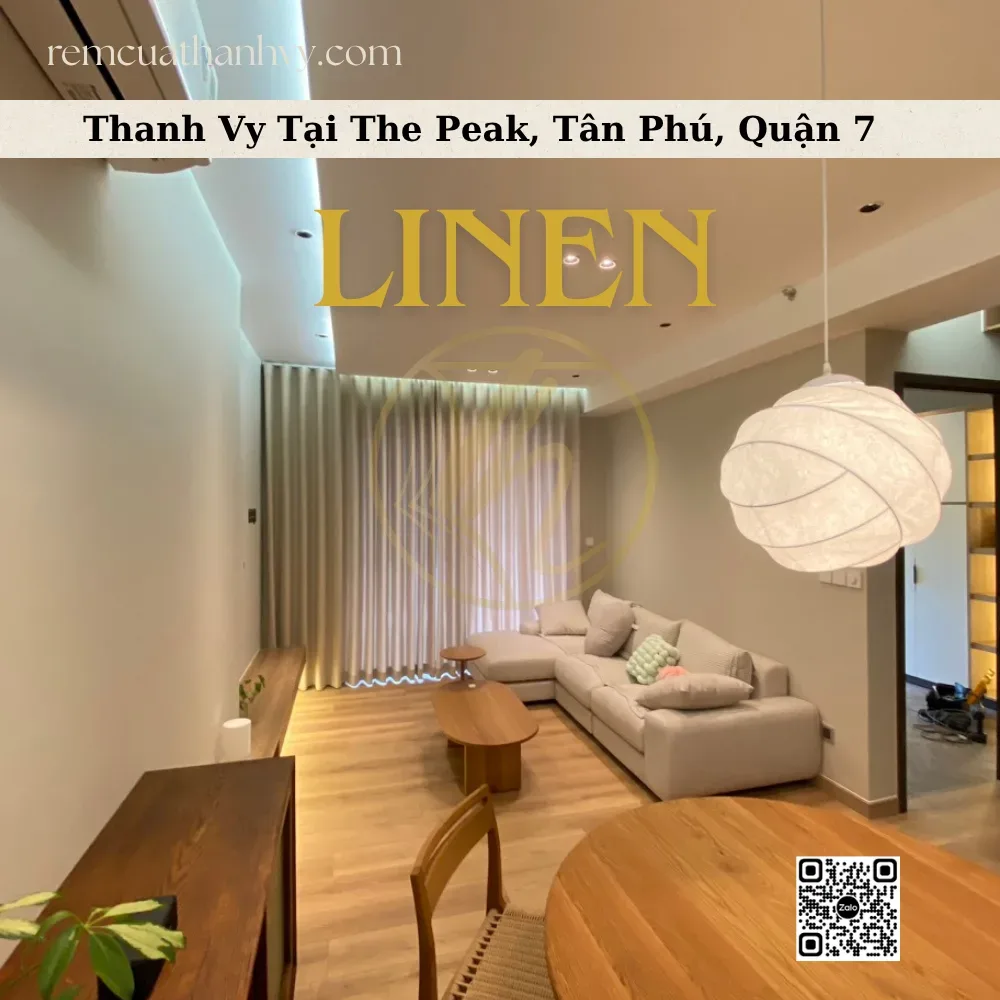
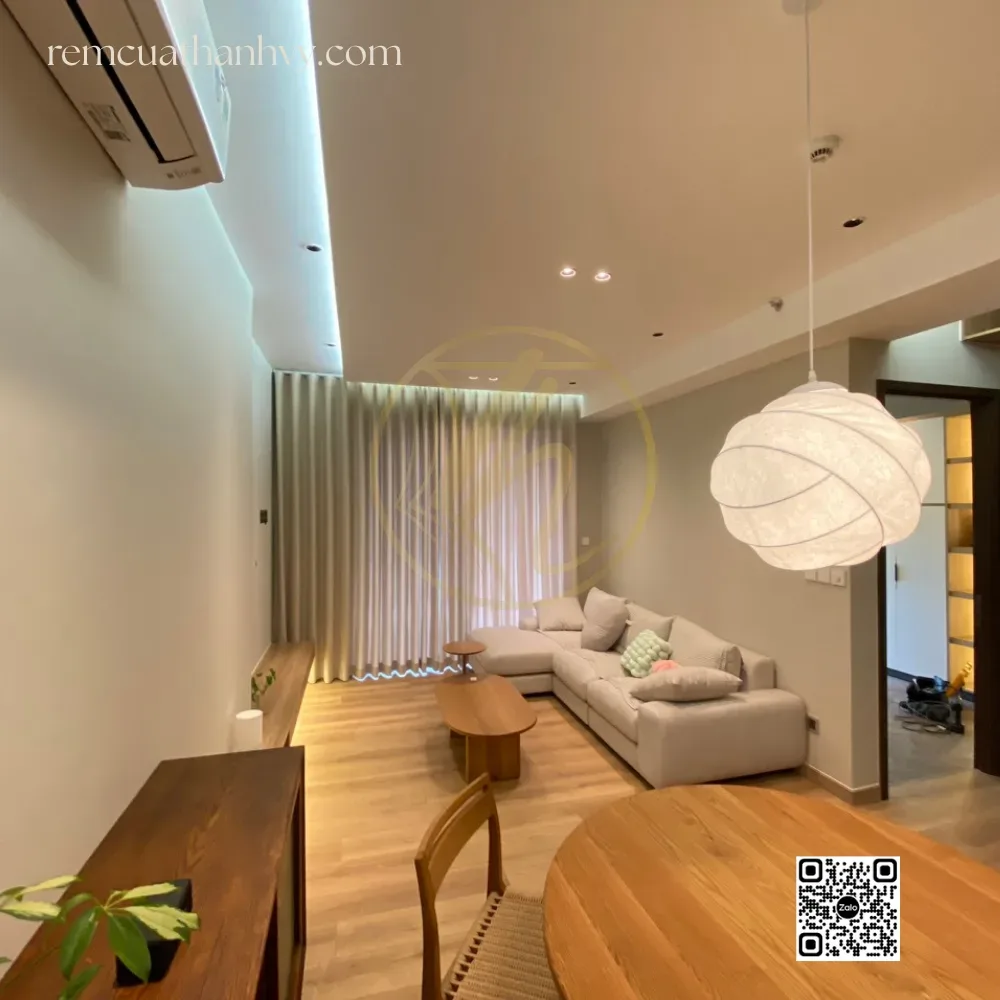
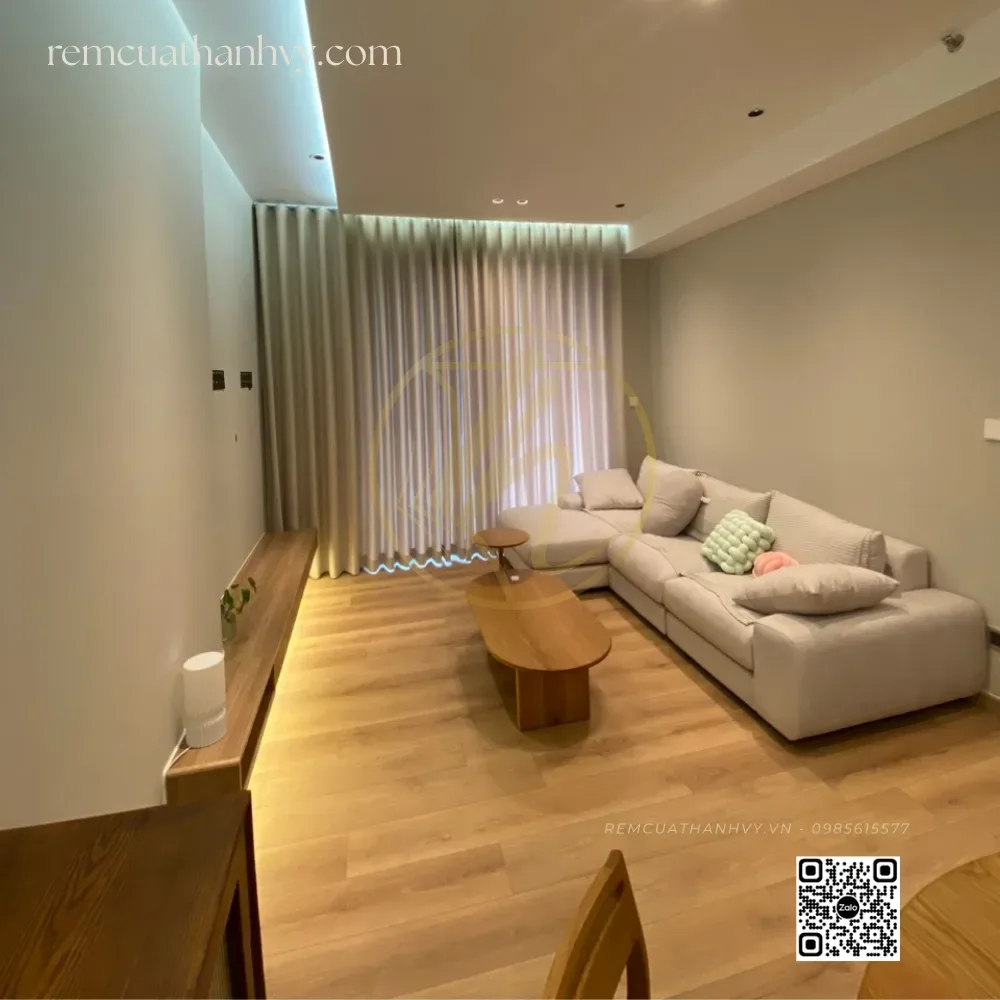
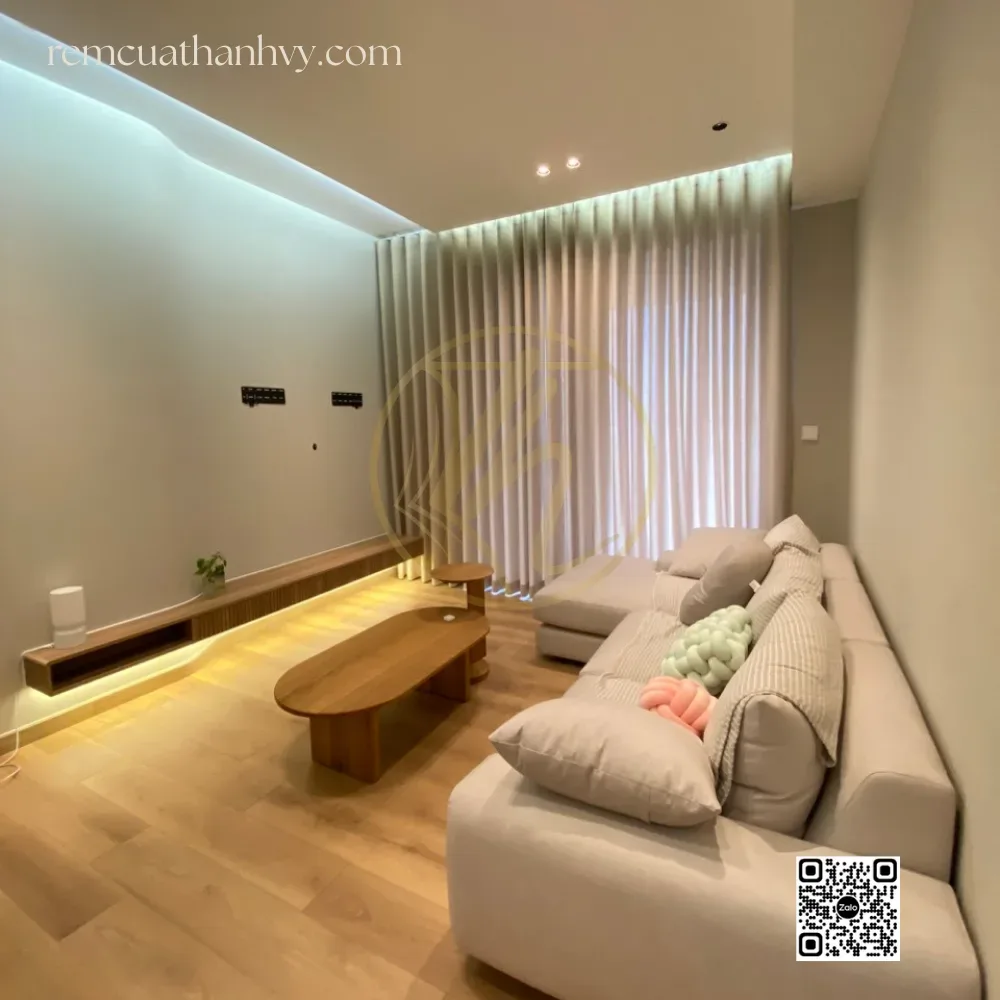
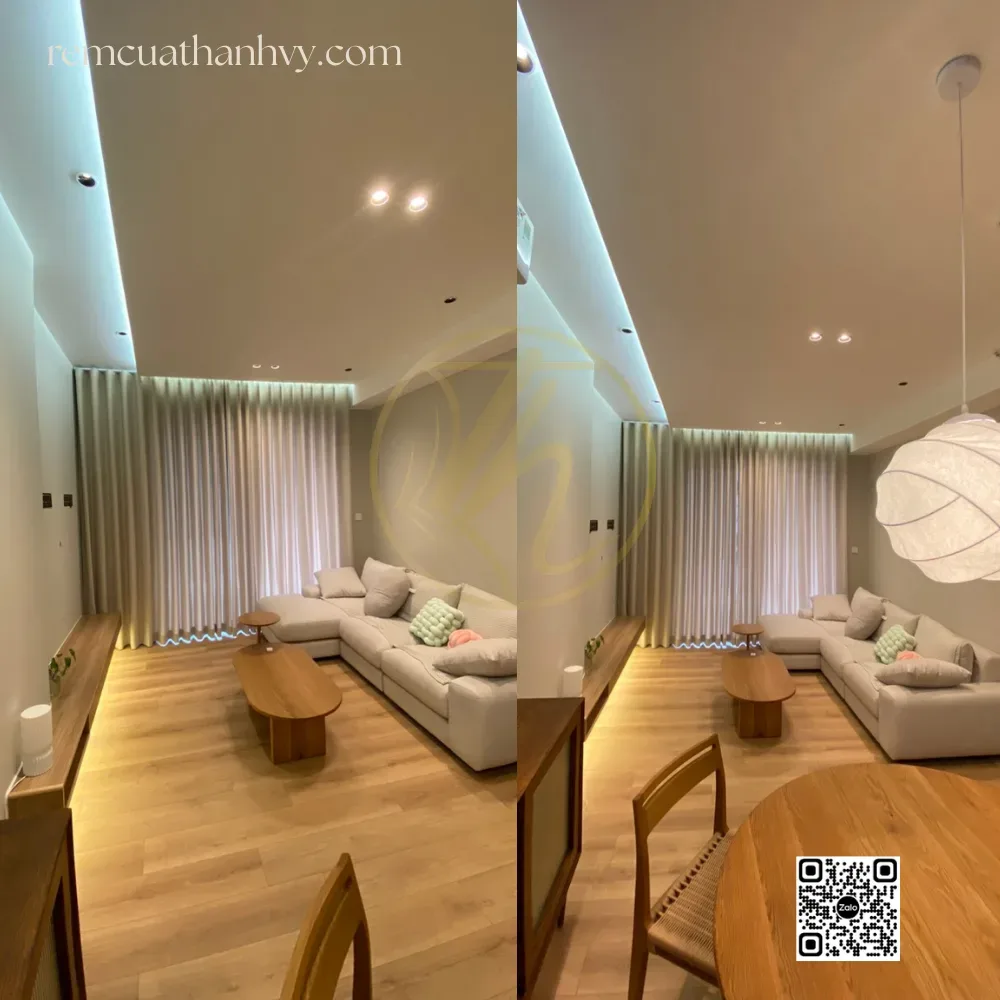
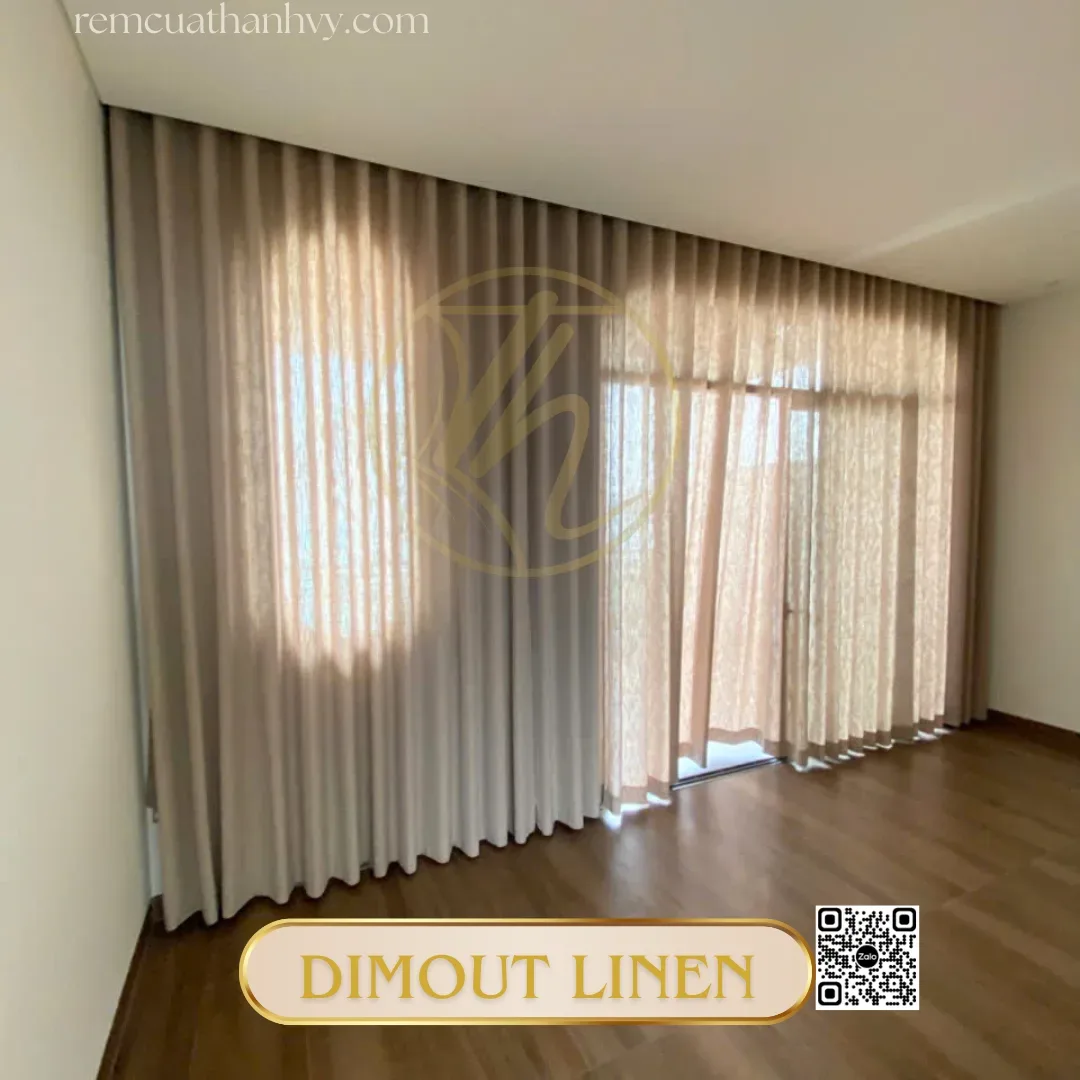
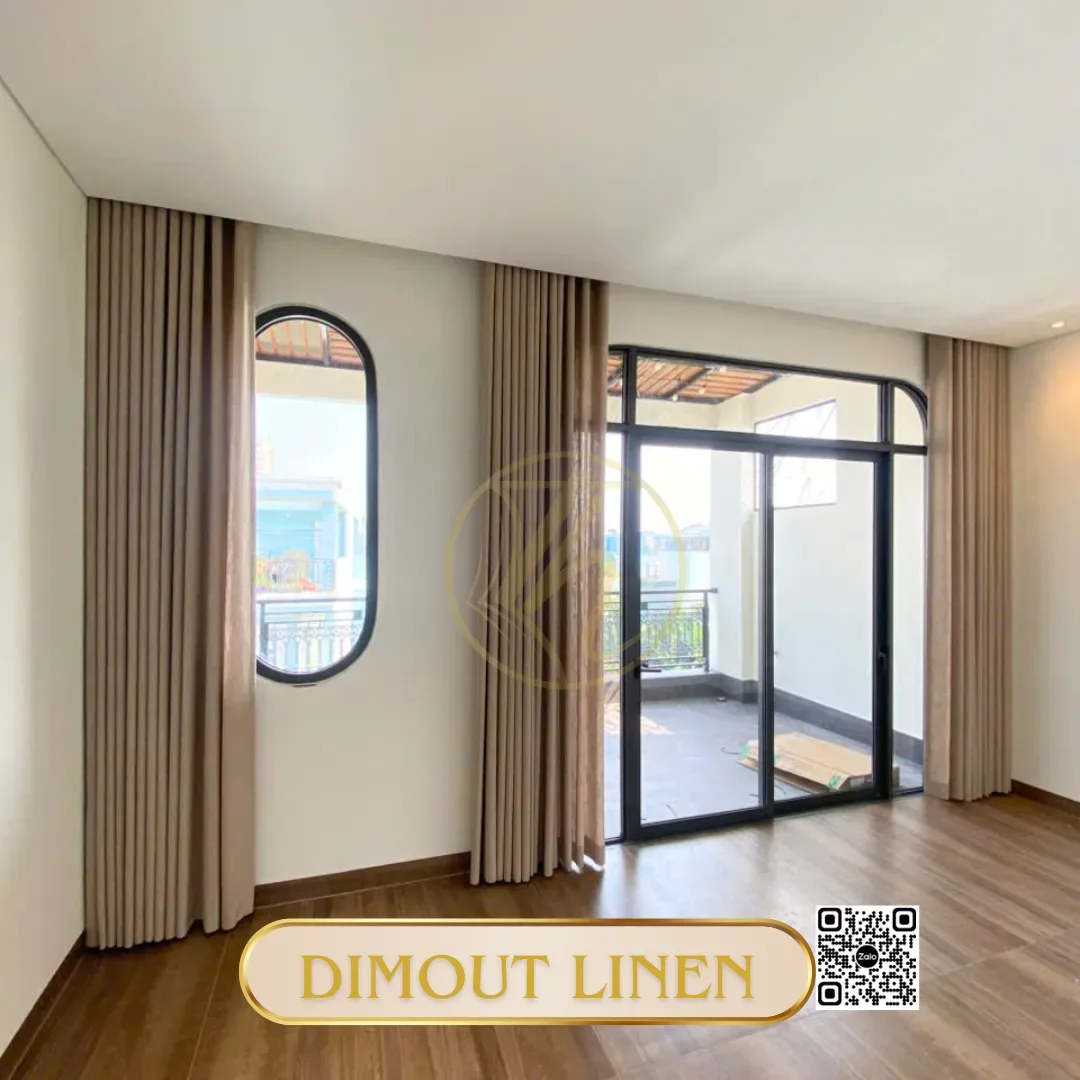
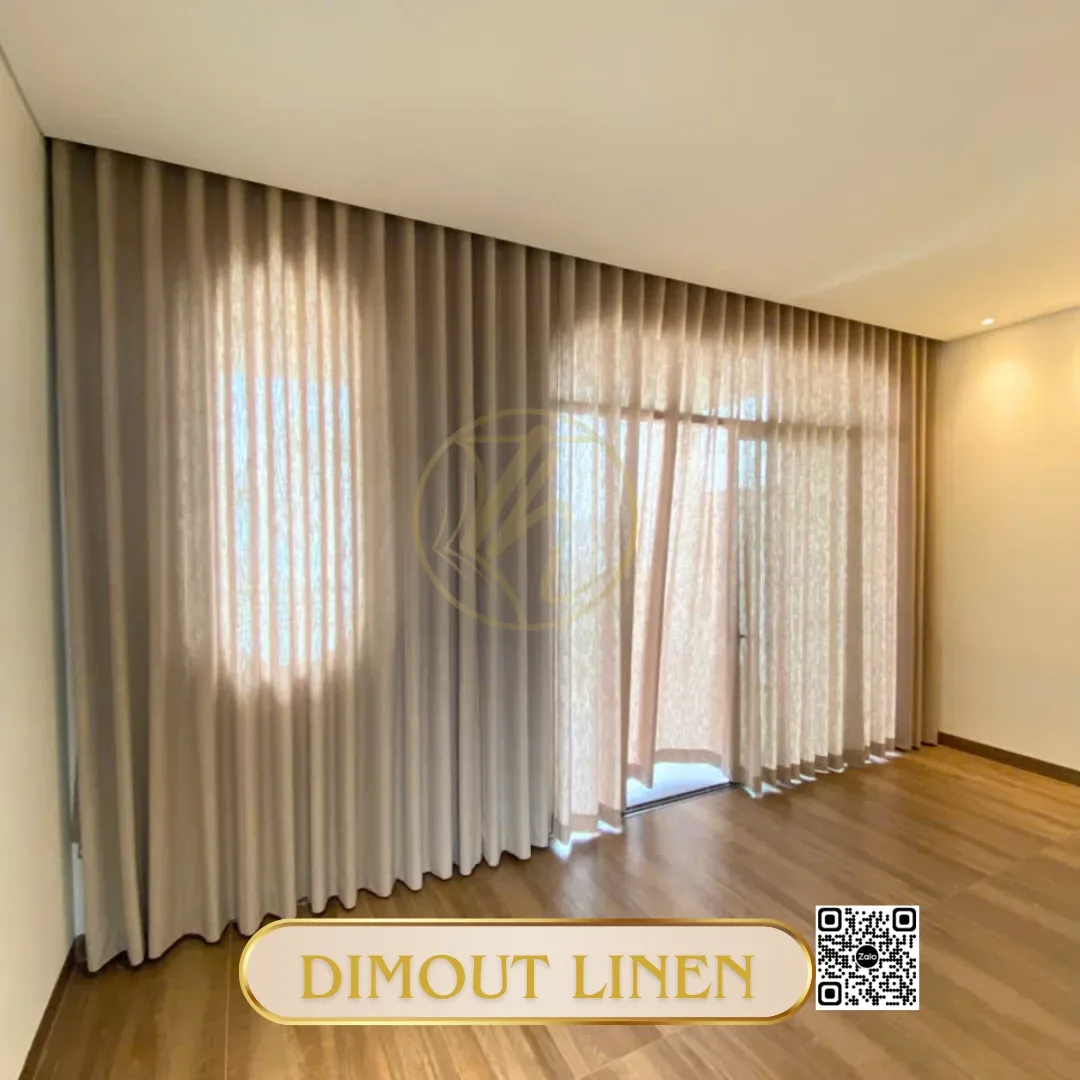
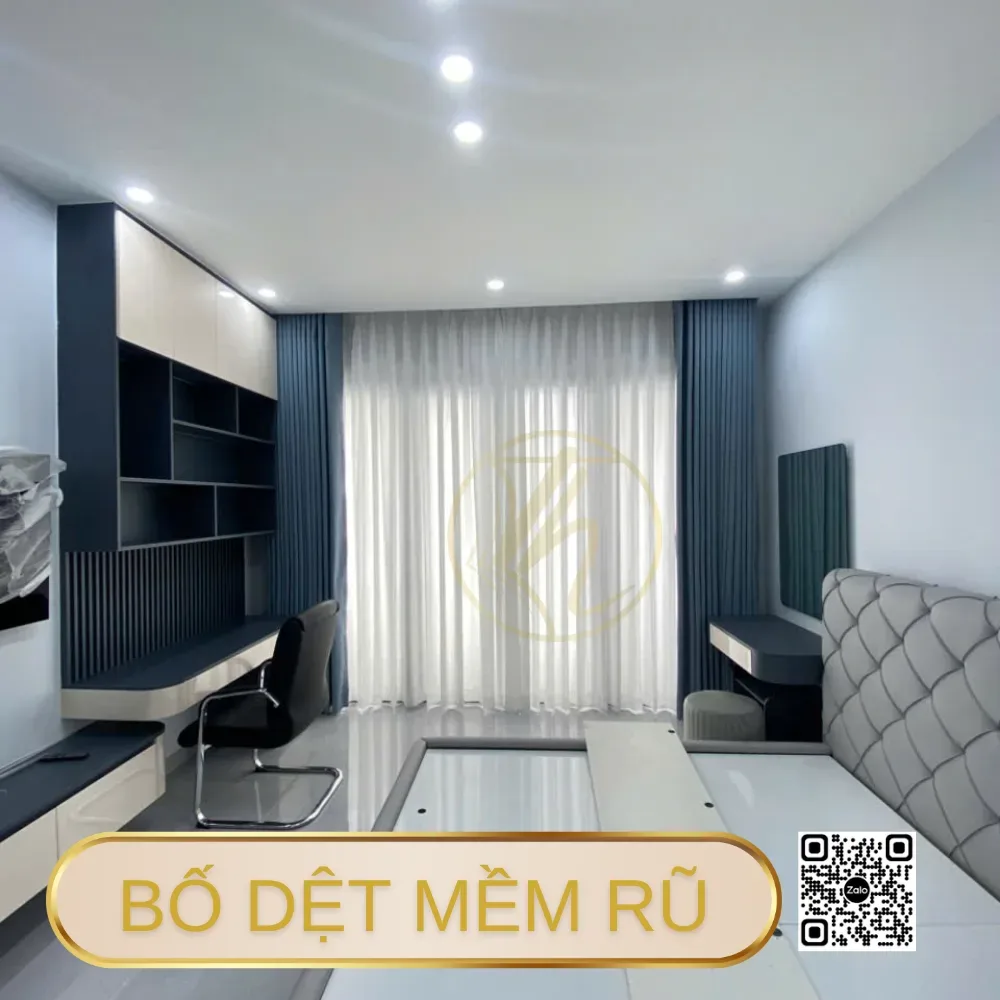
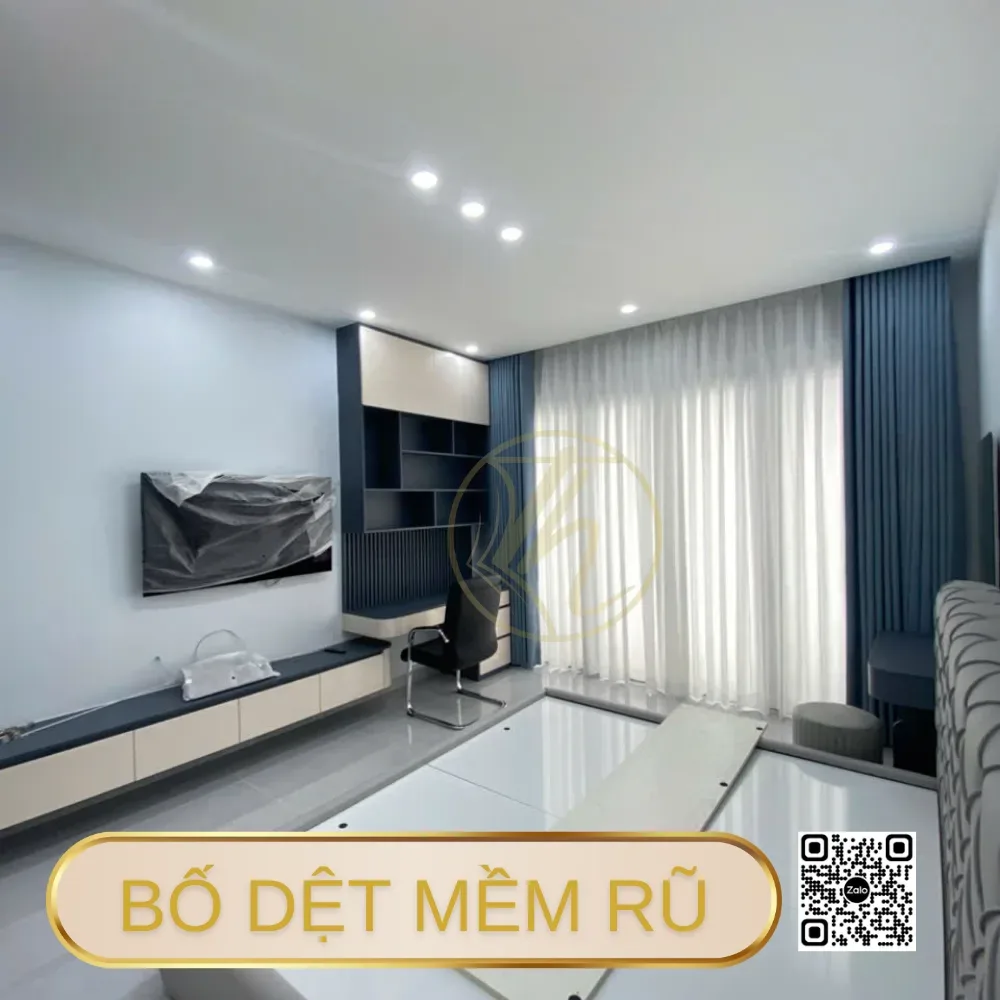
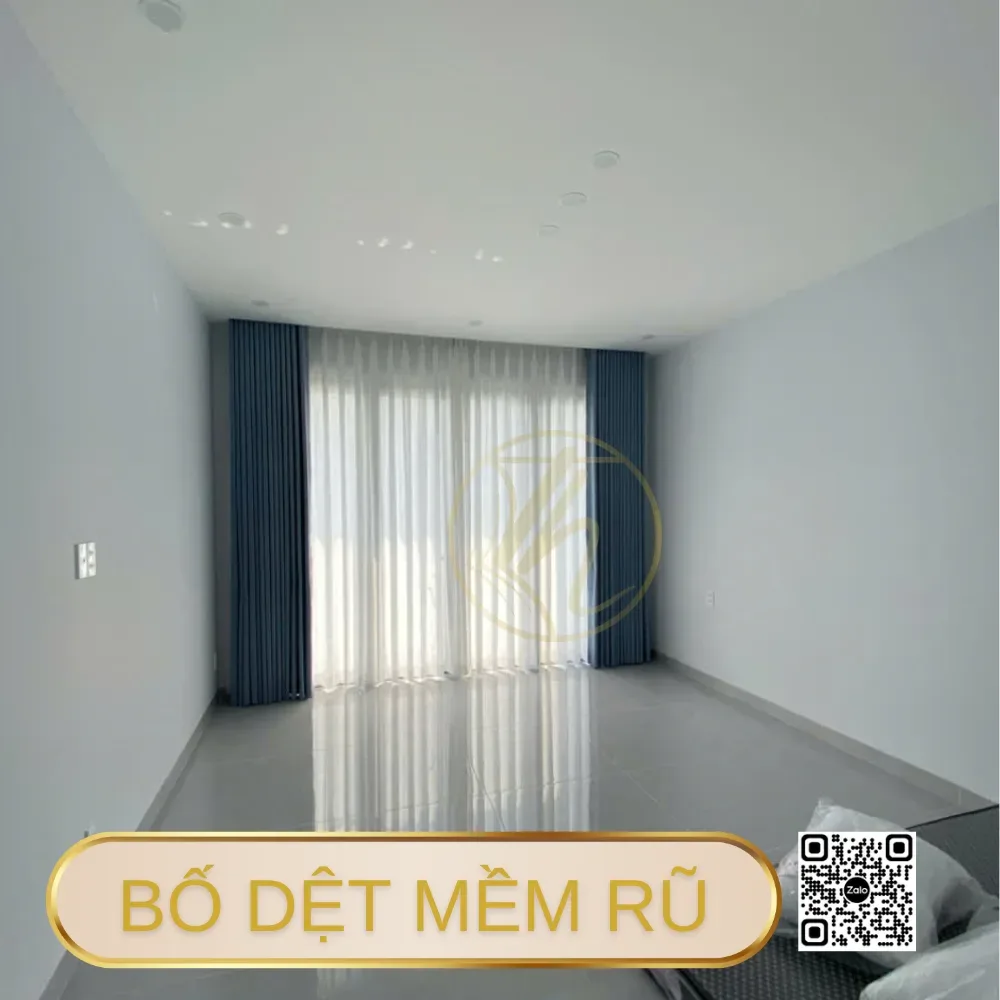
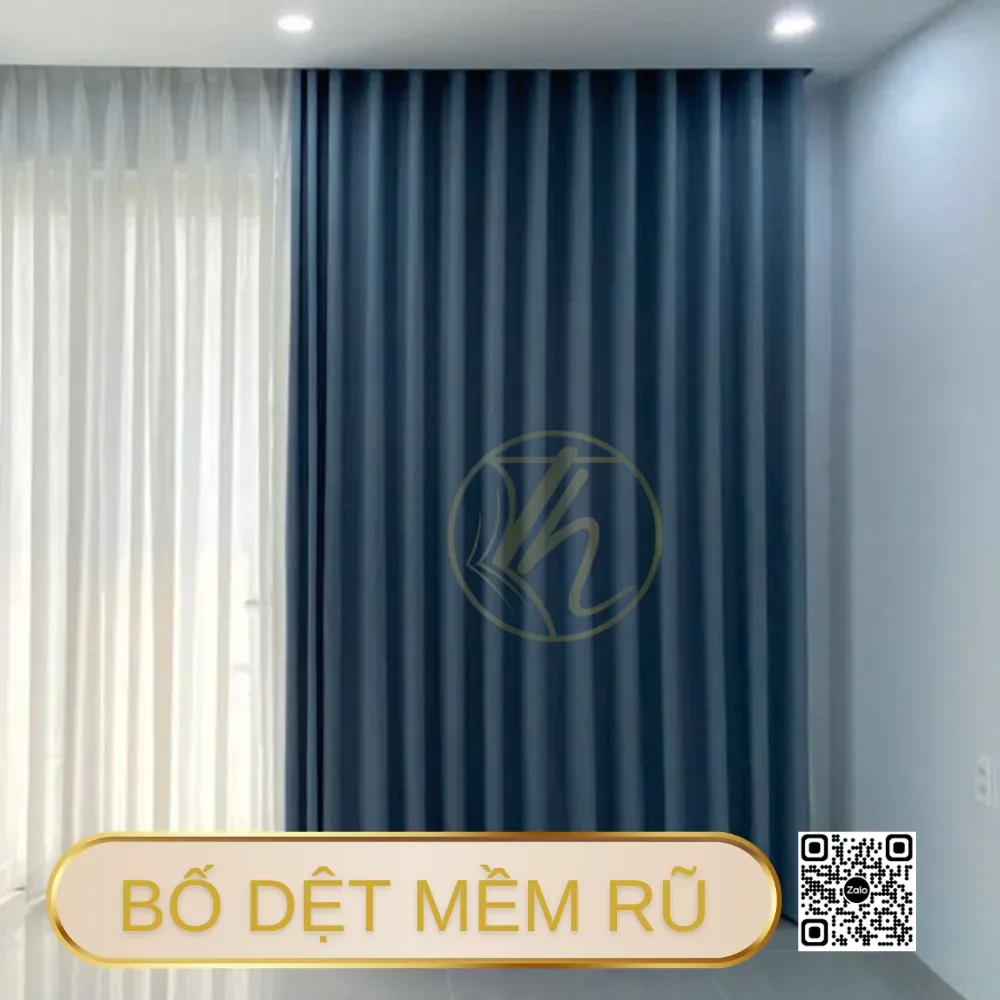
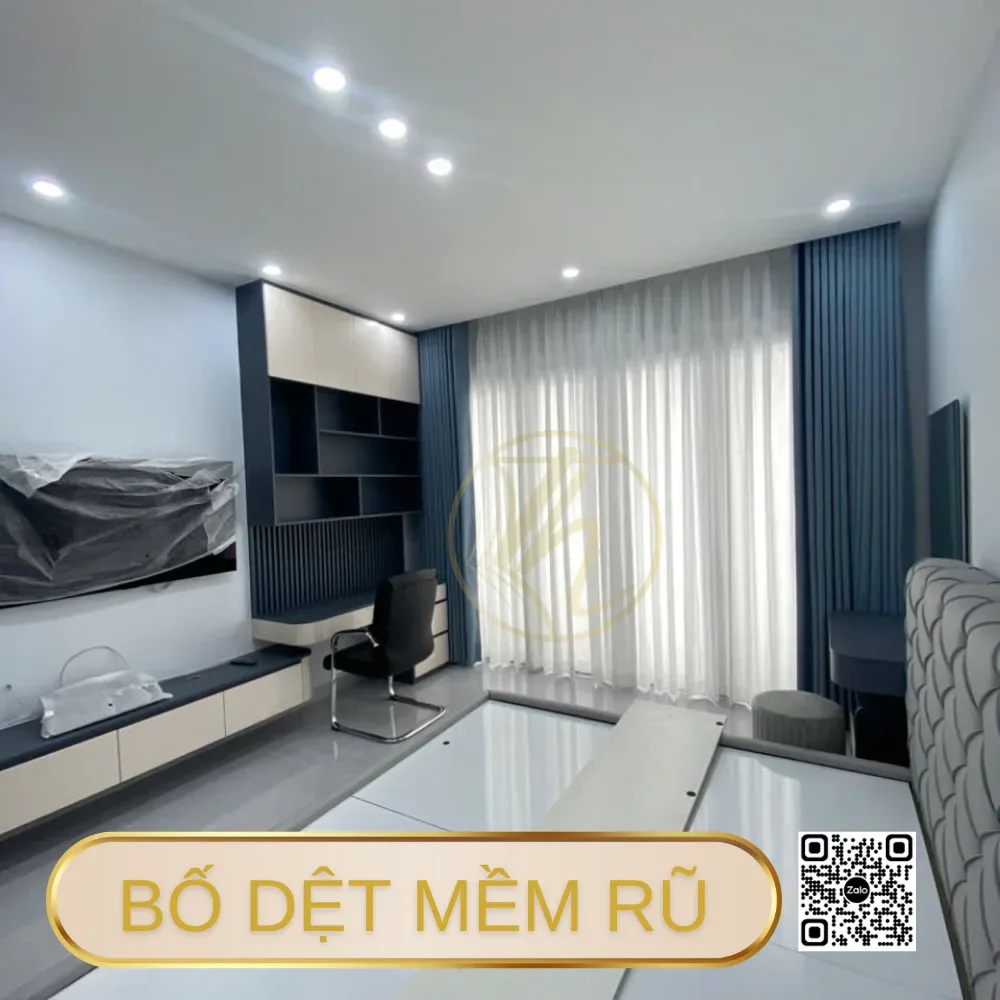
Fabric curtains
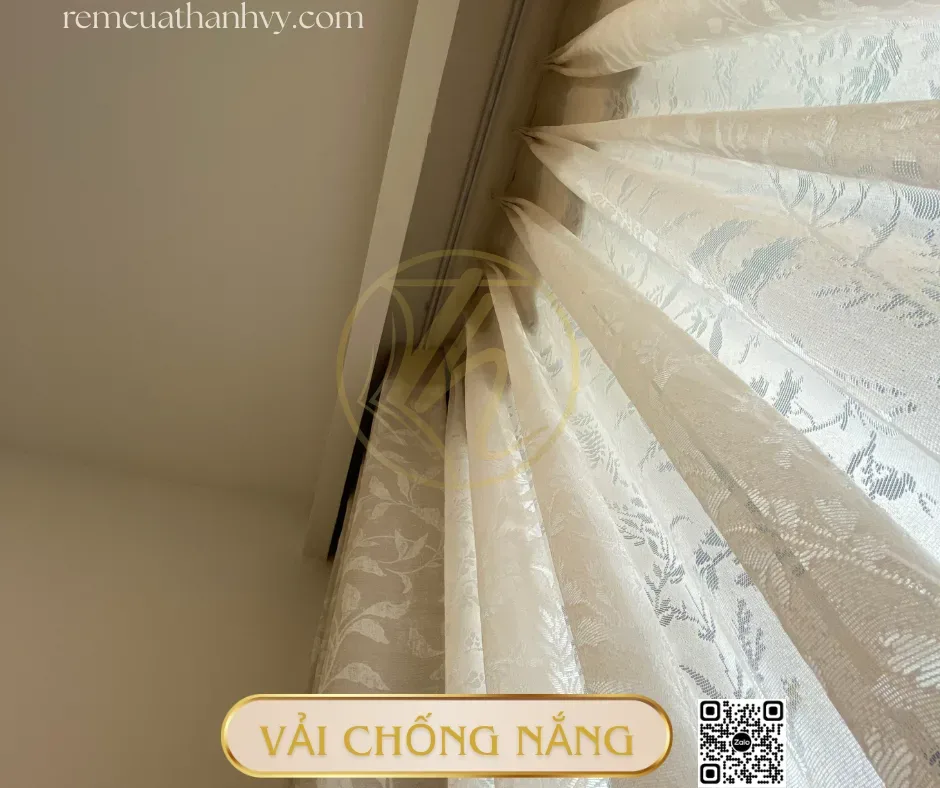
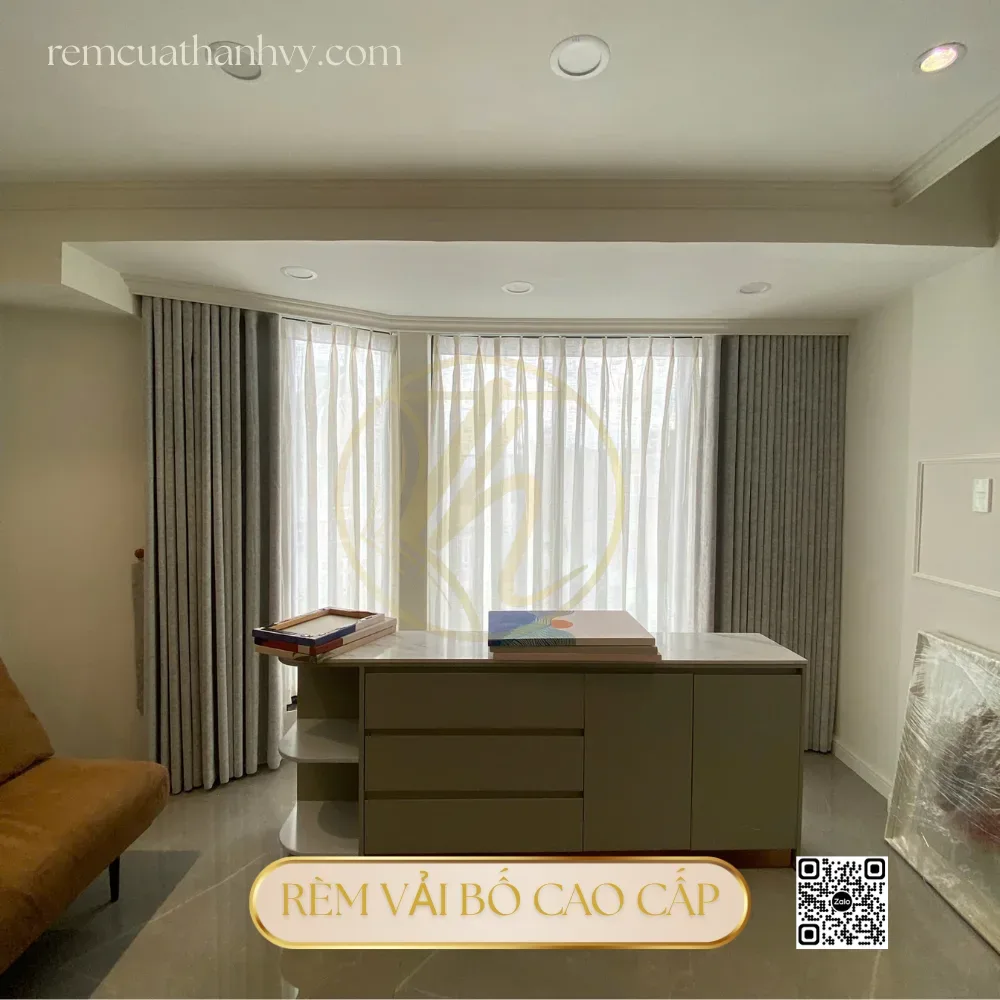
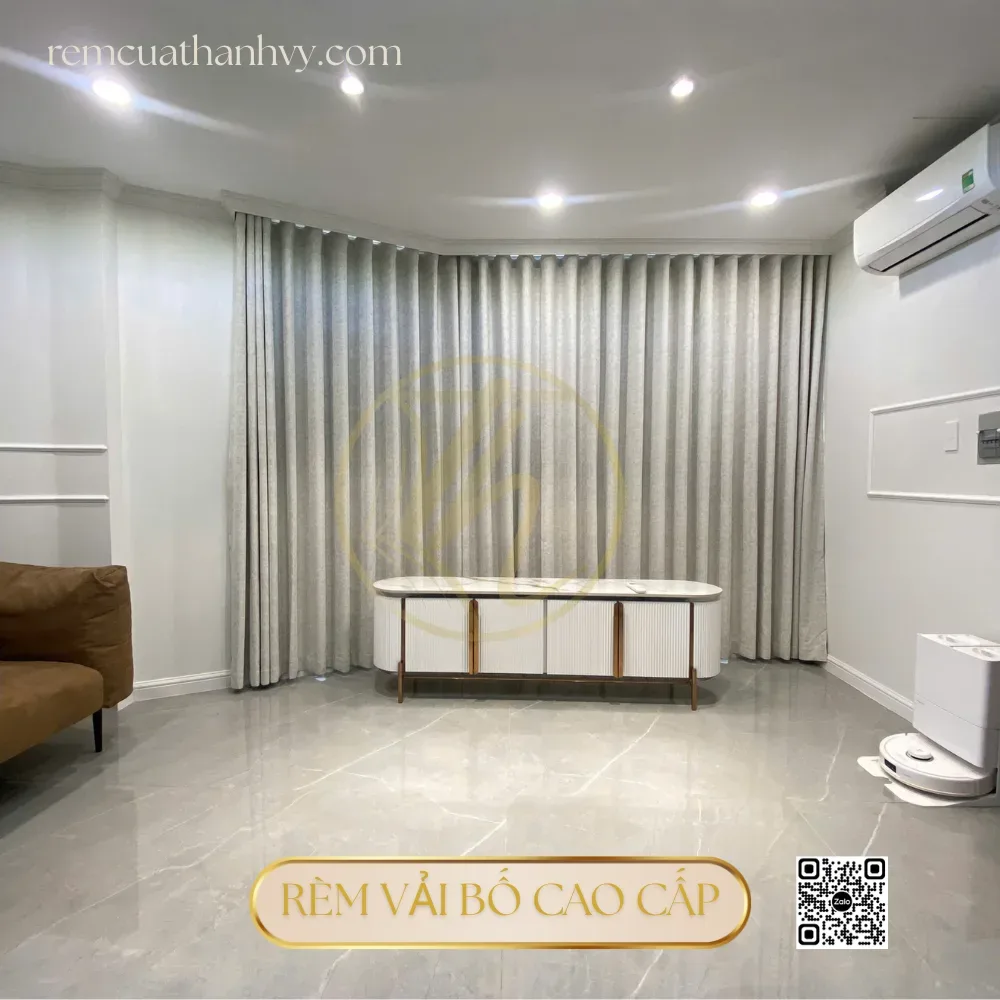
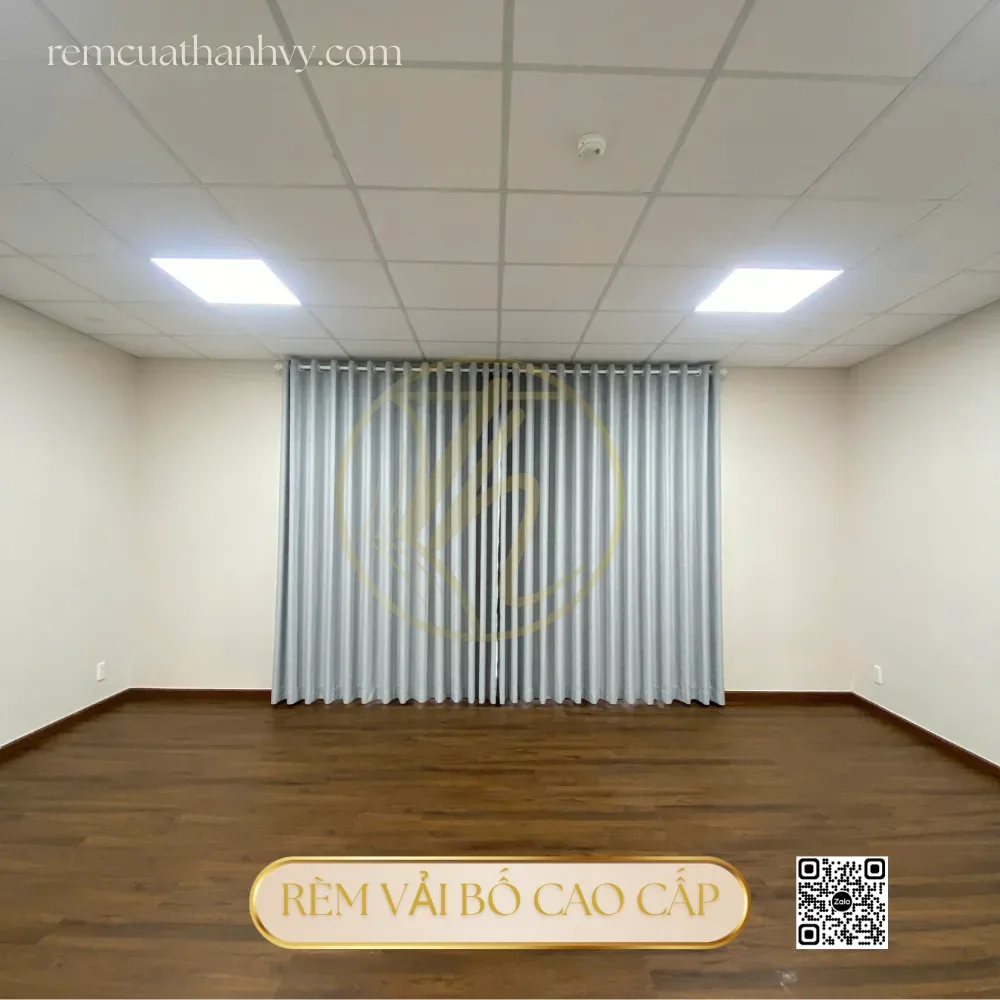
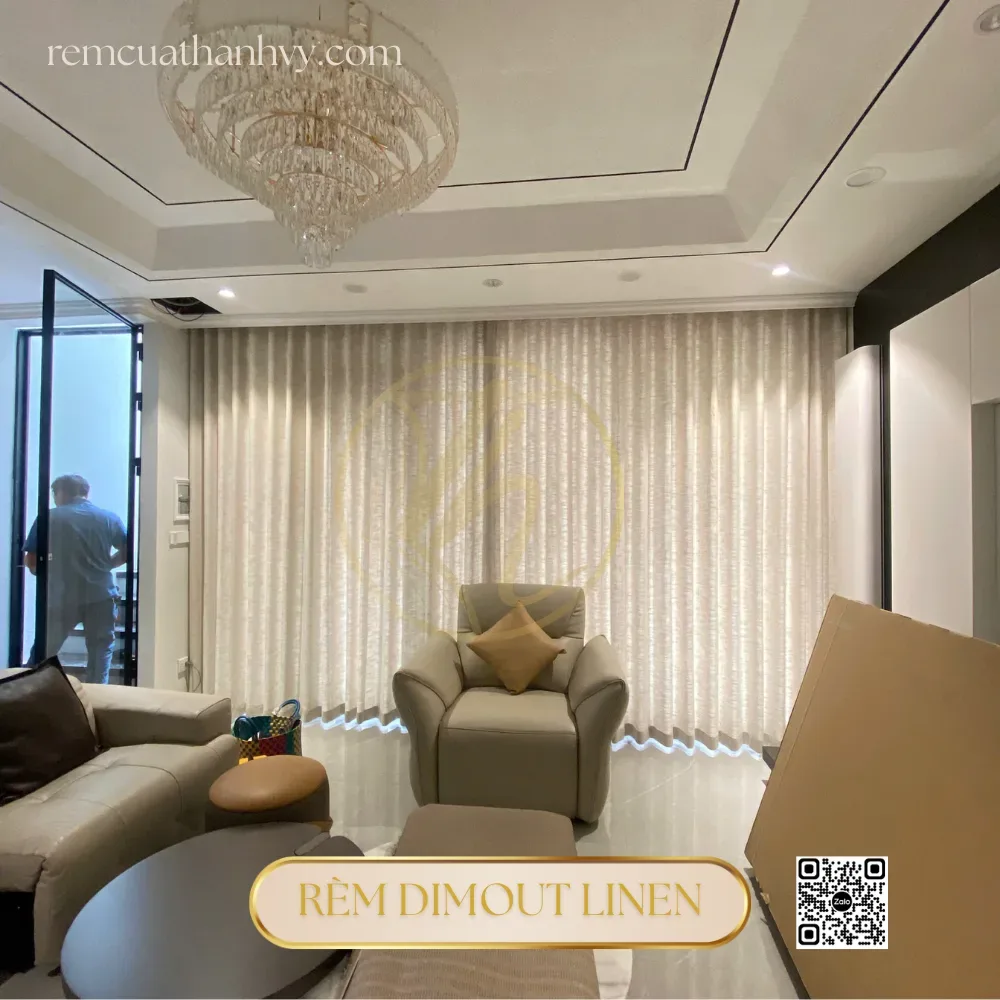
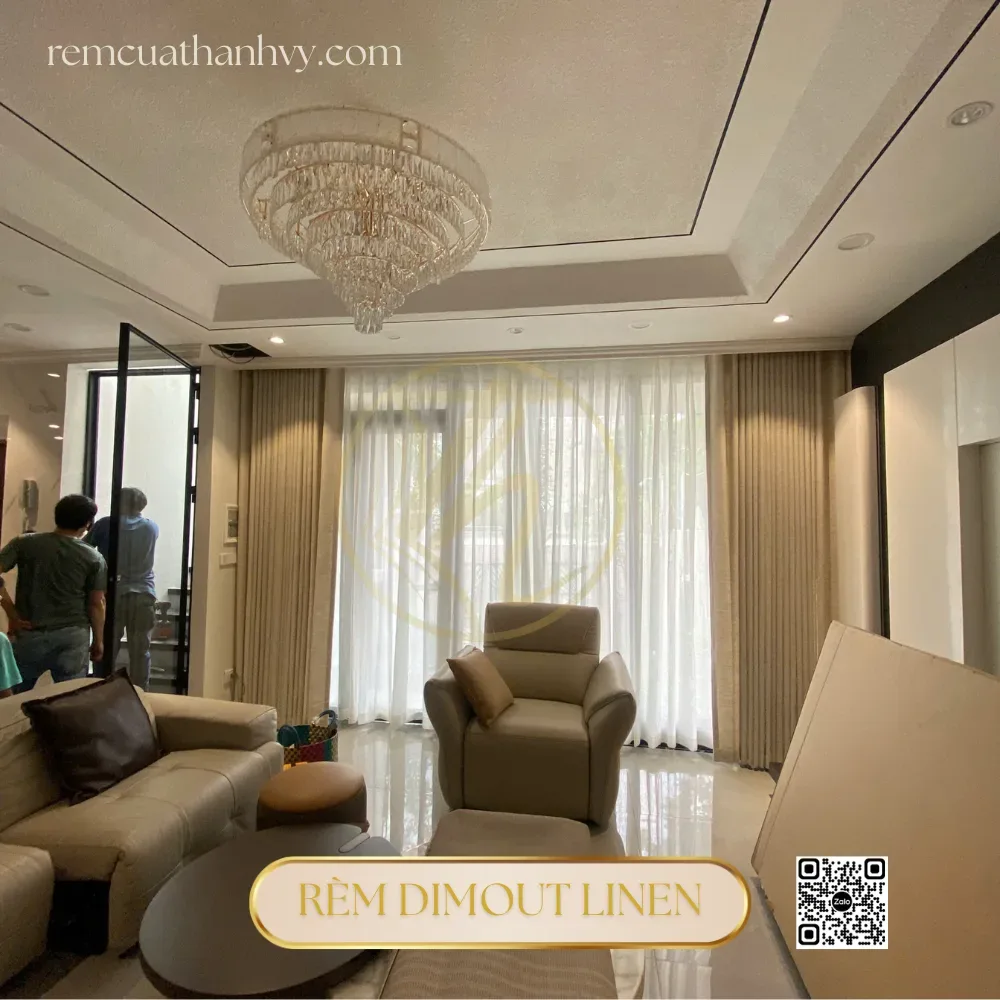
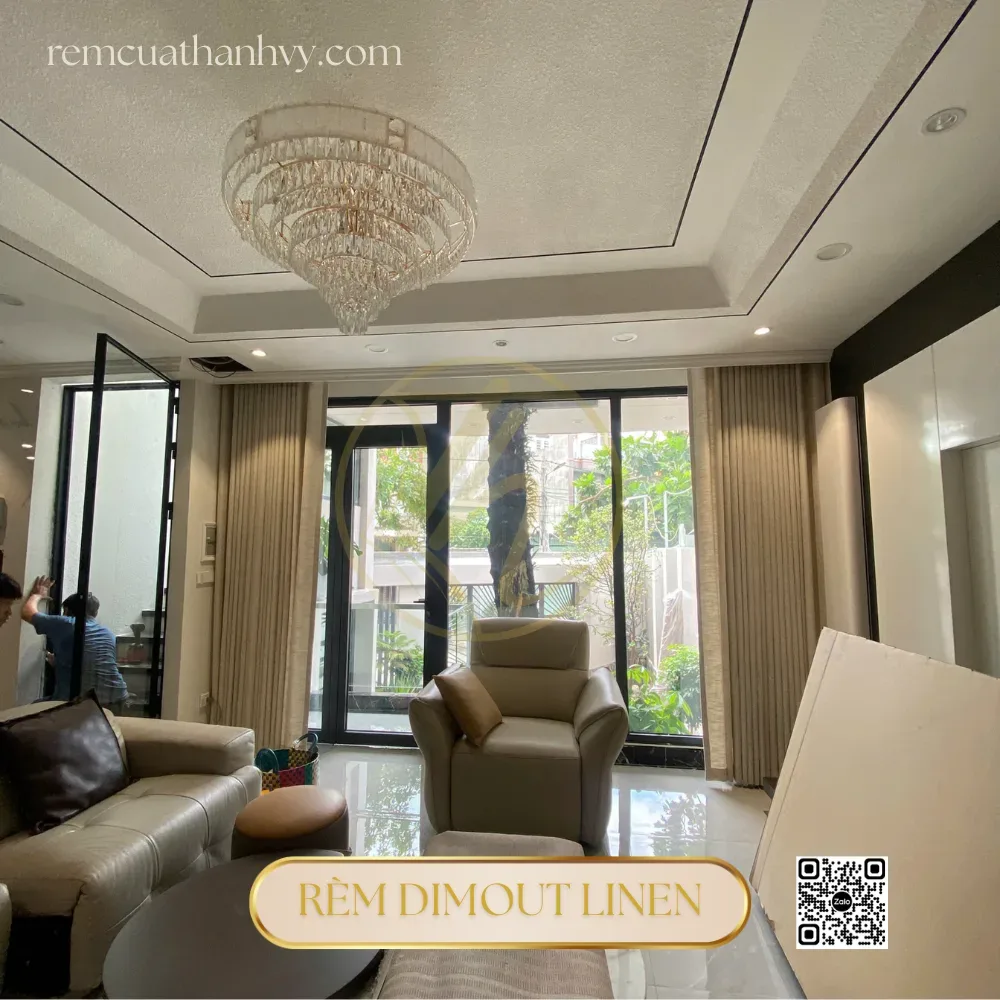
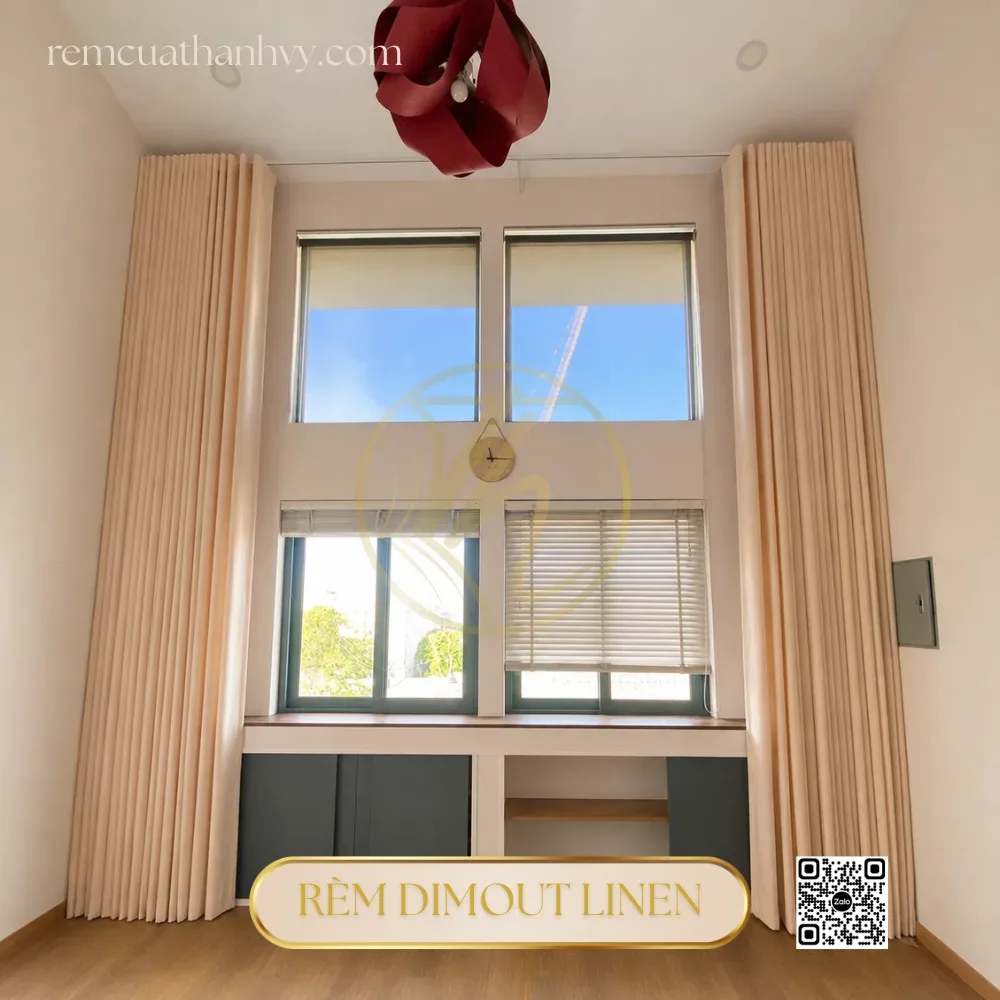
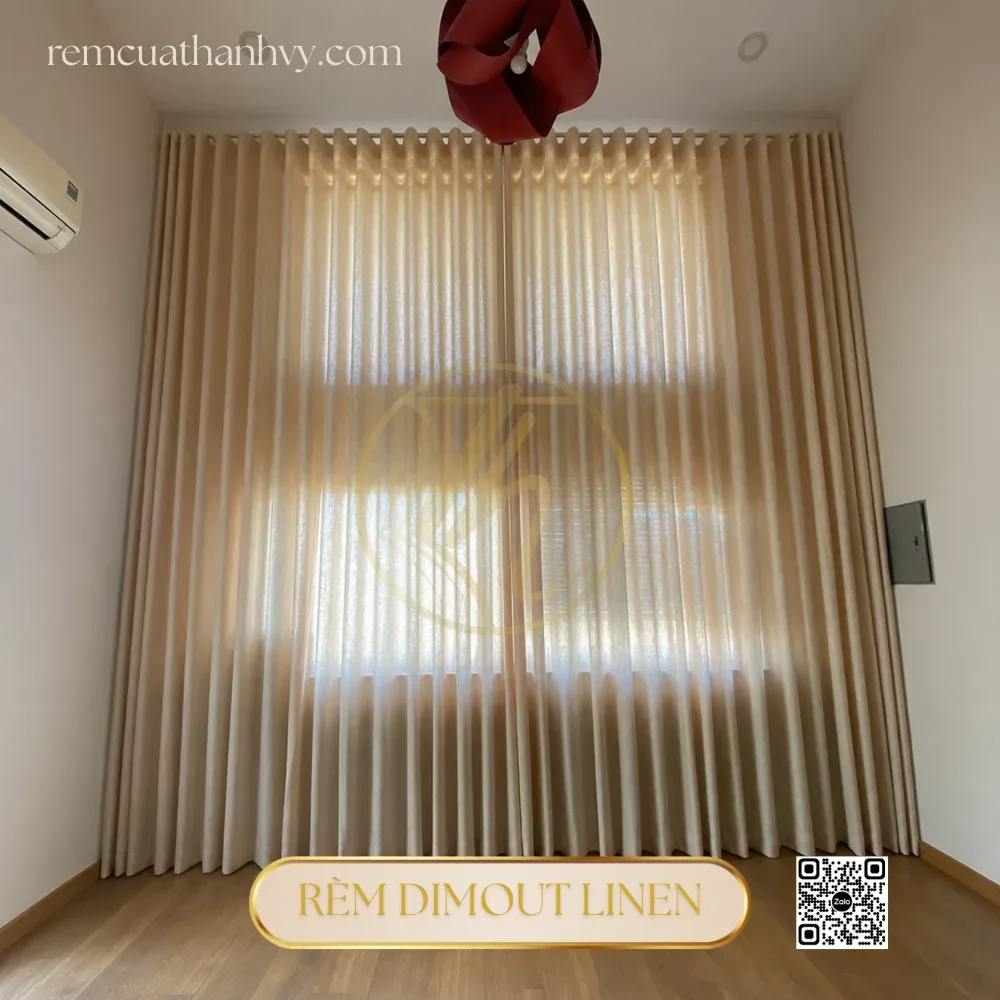
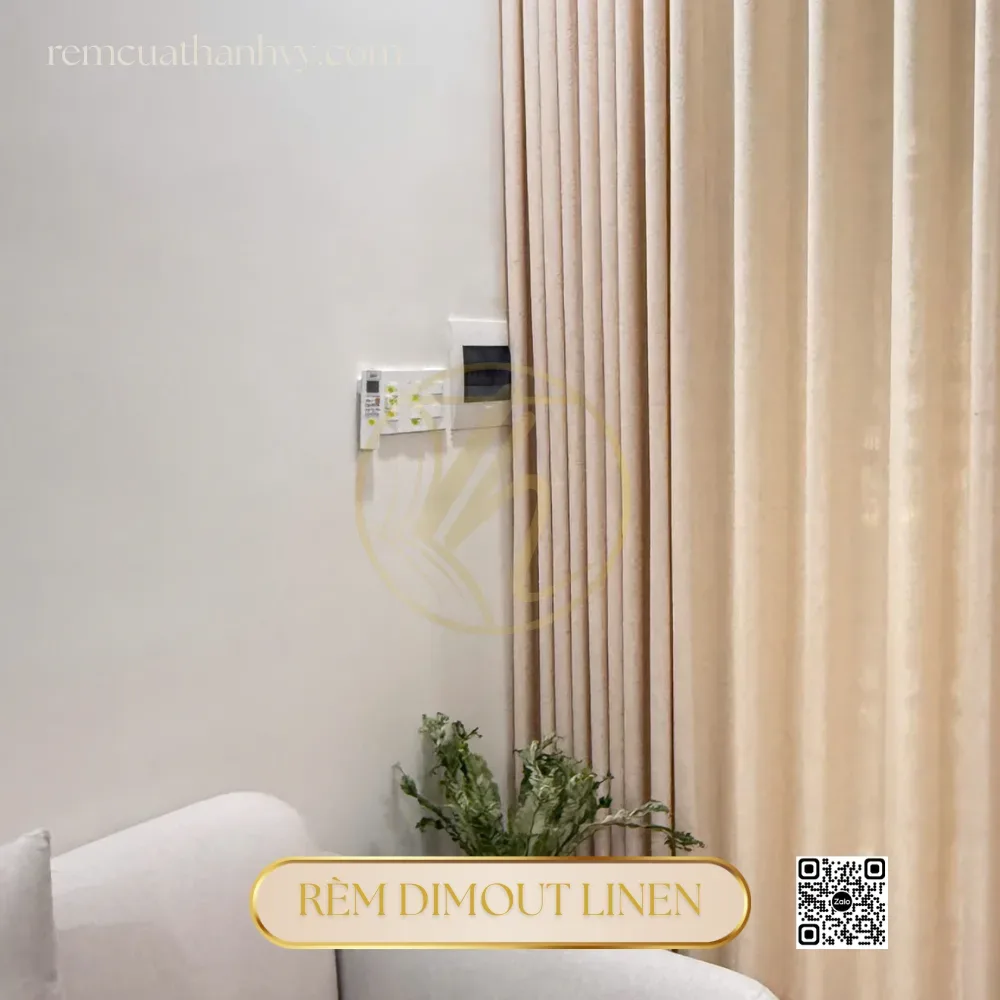
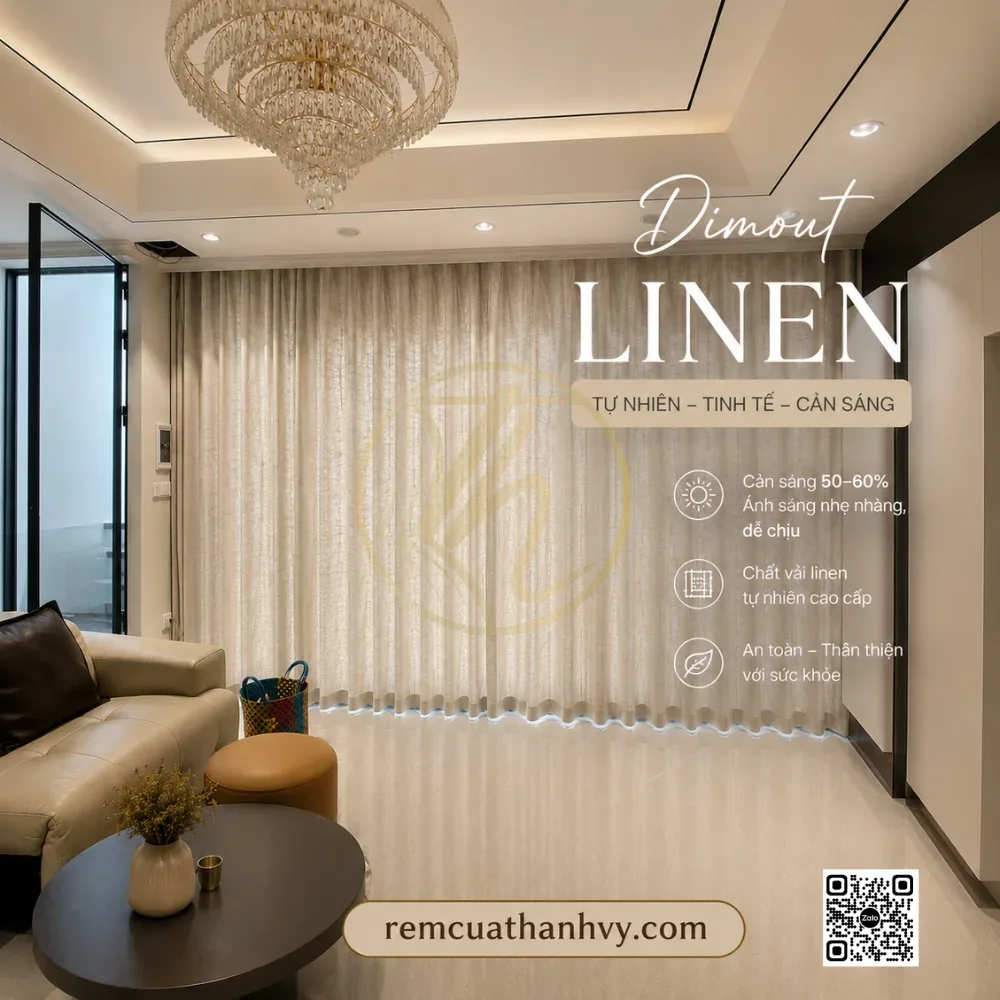
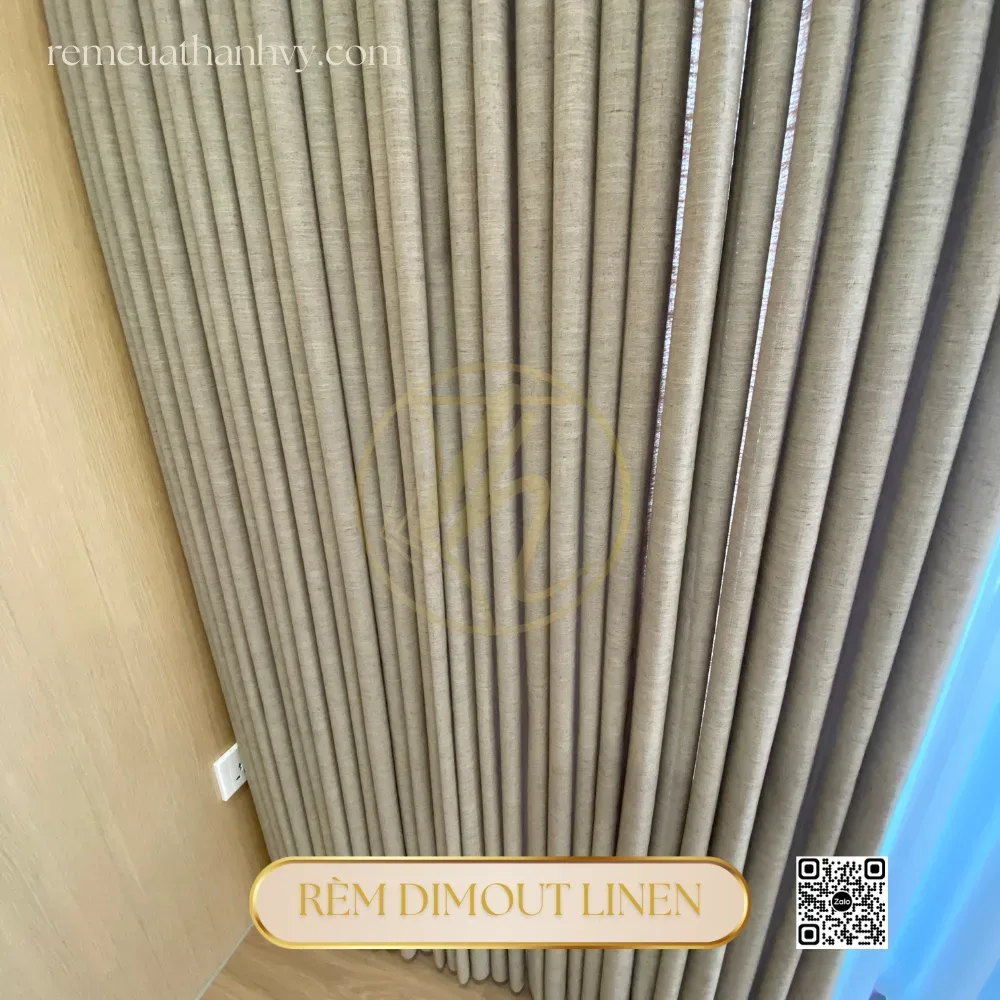
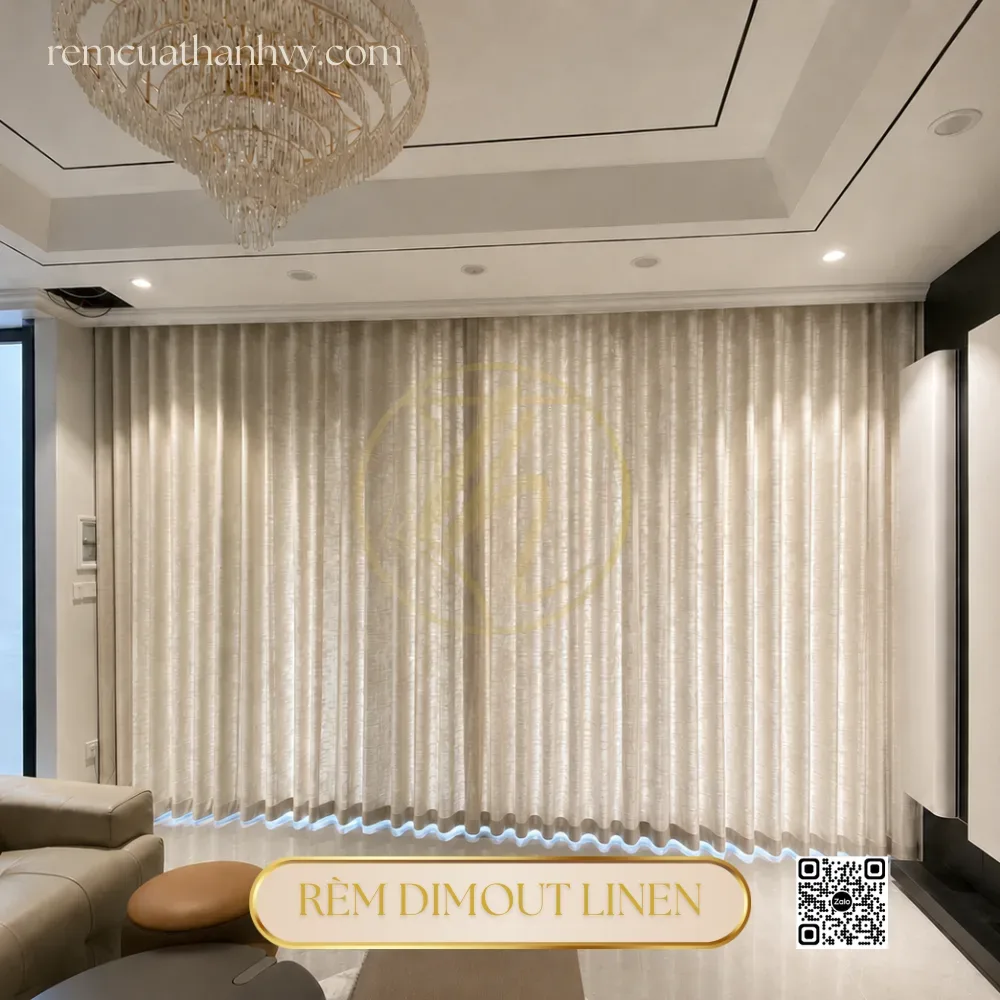
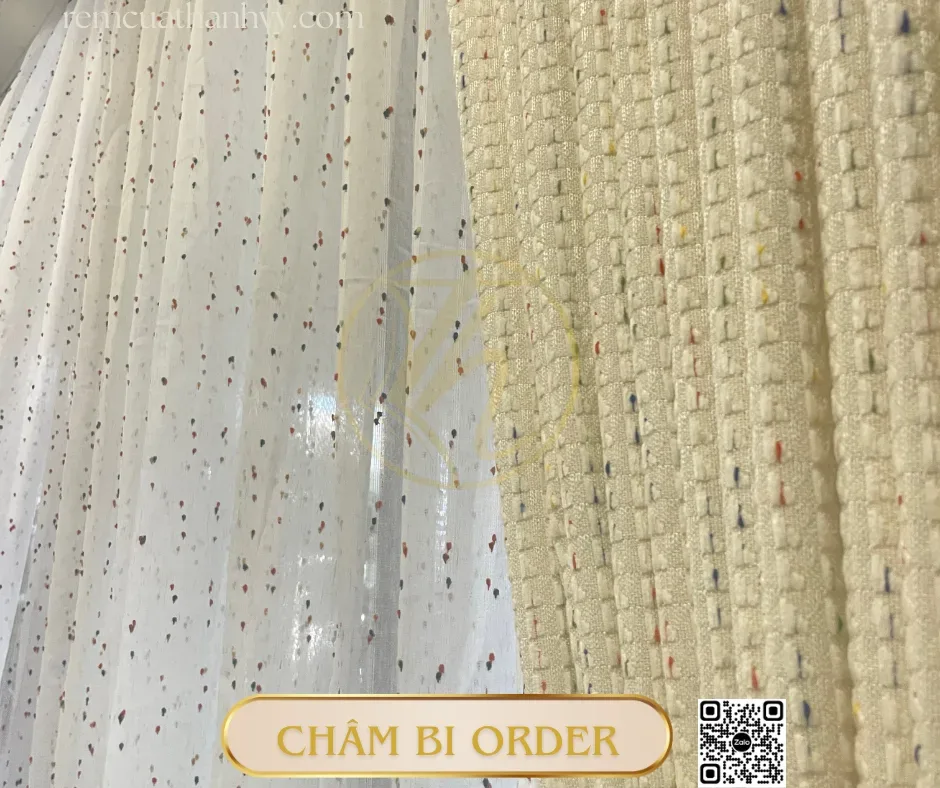
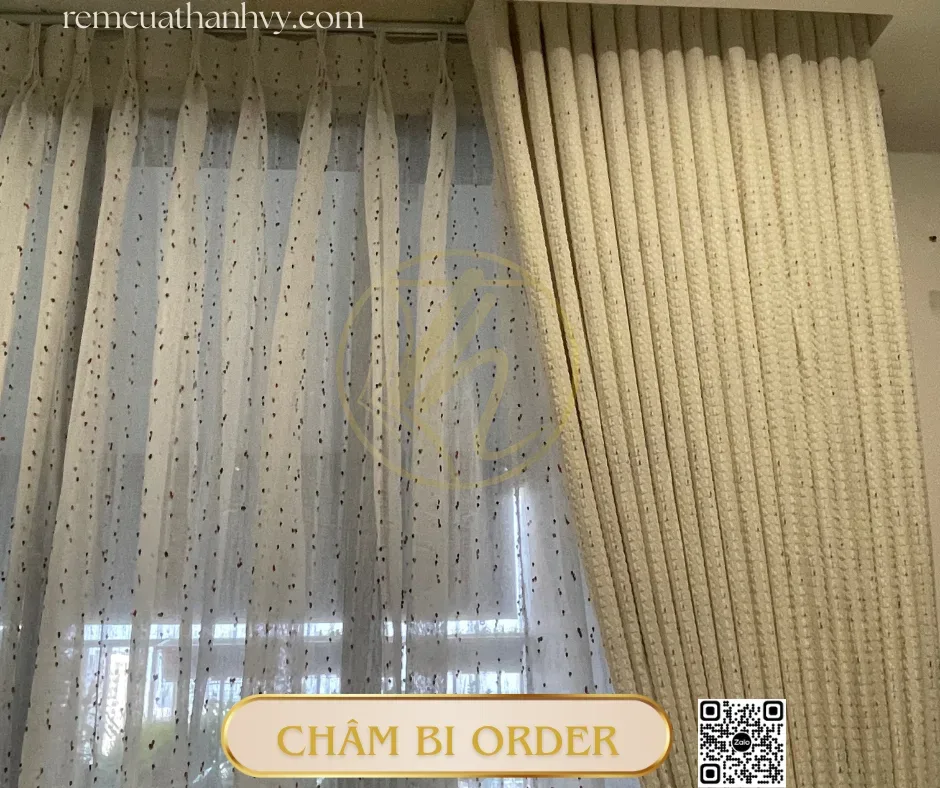
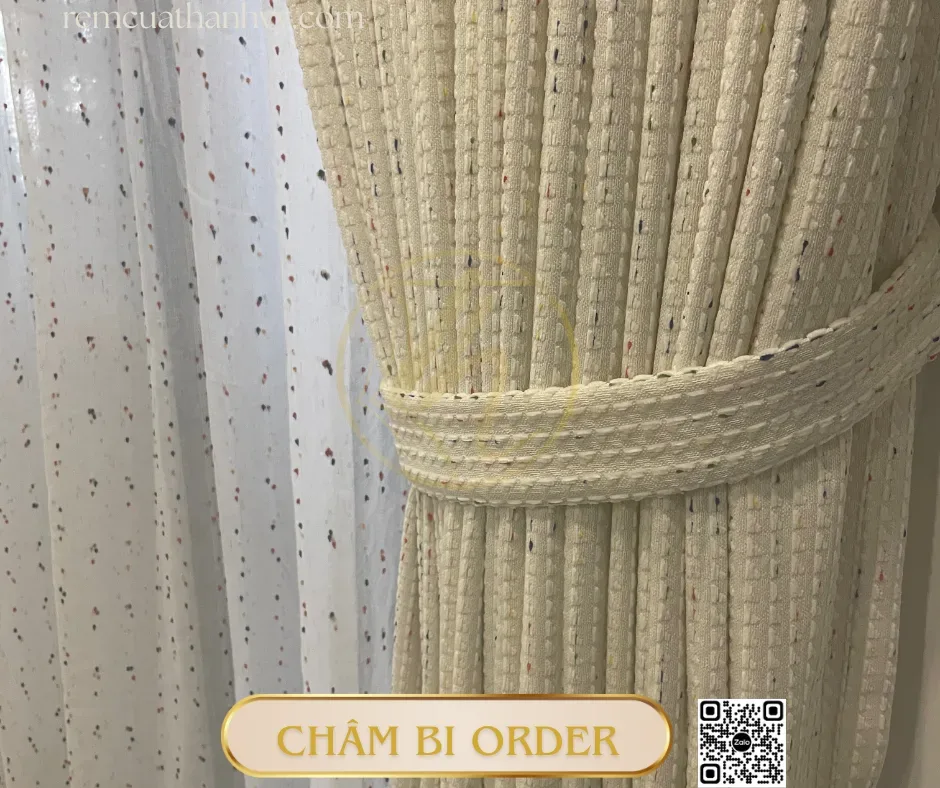
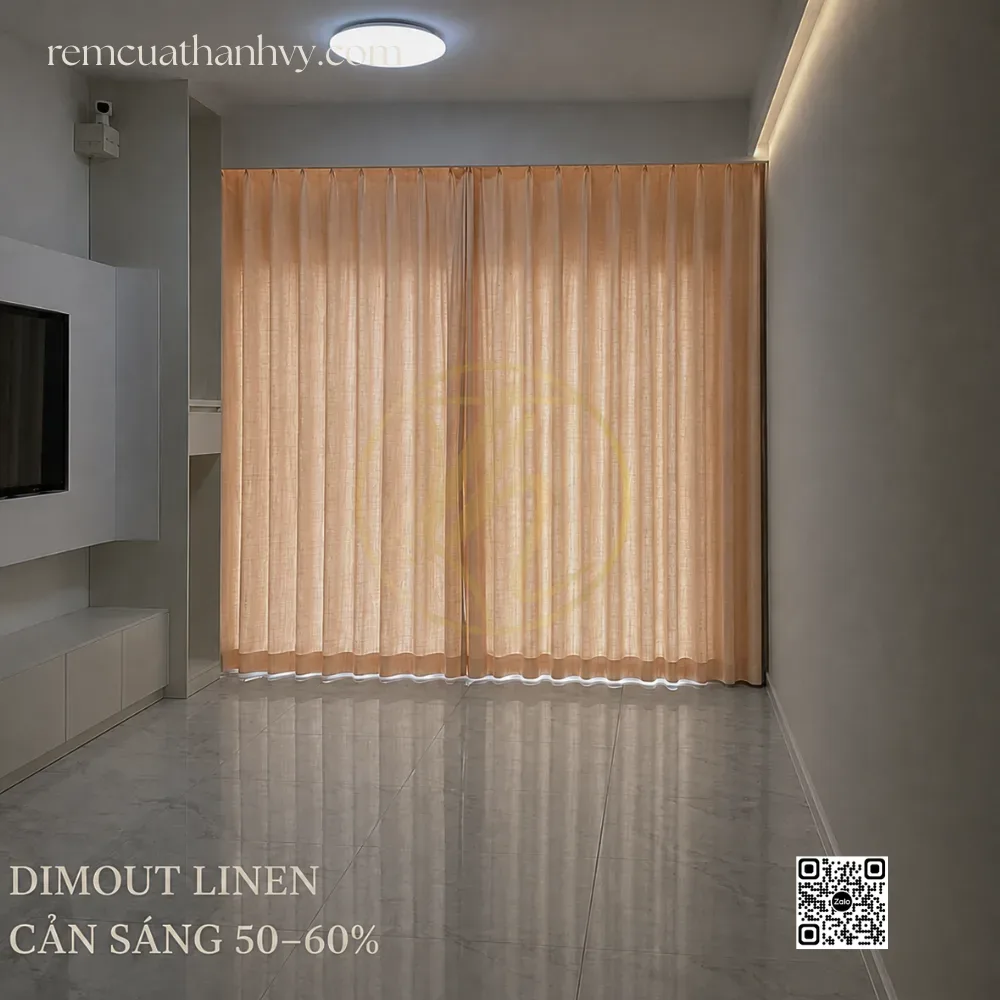
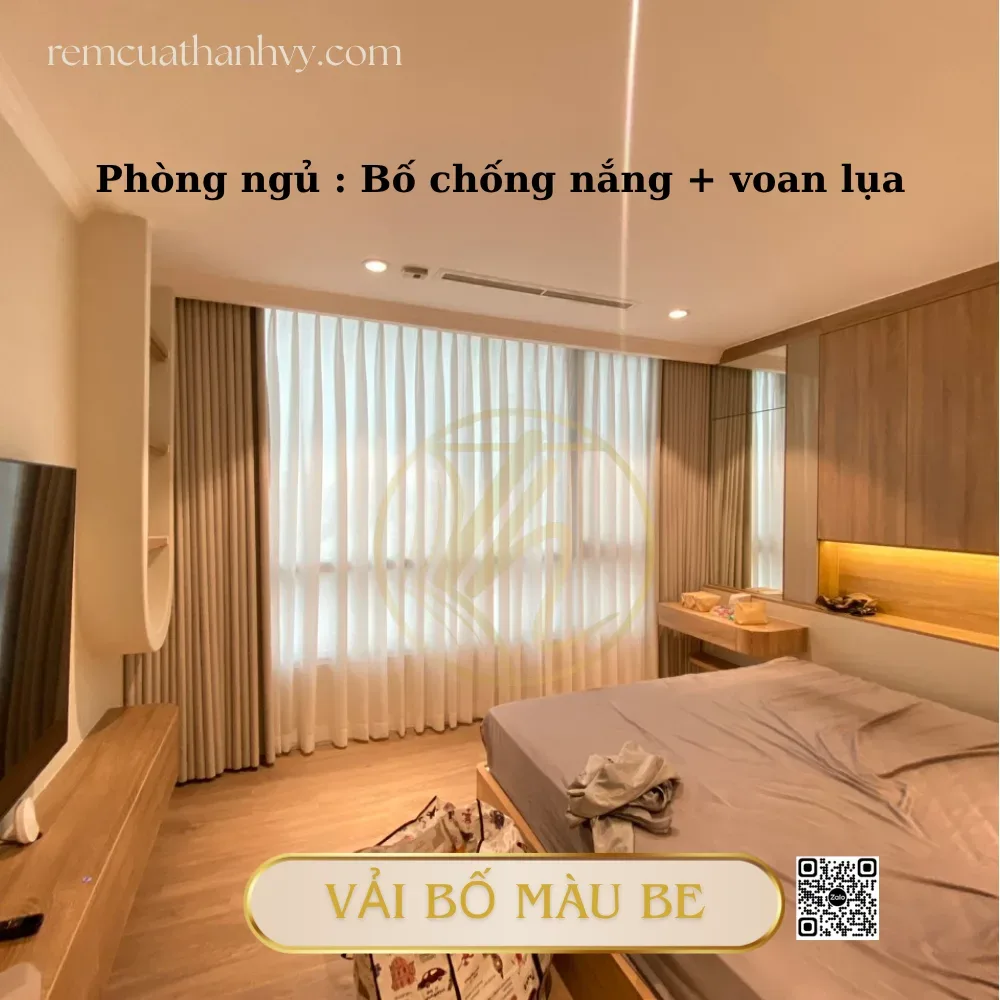
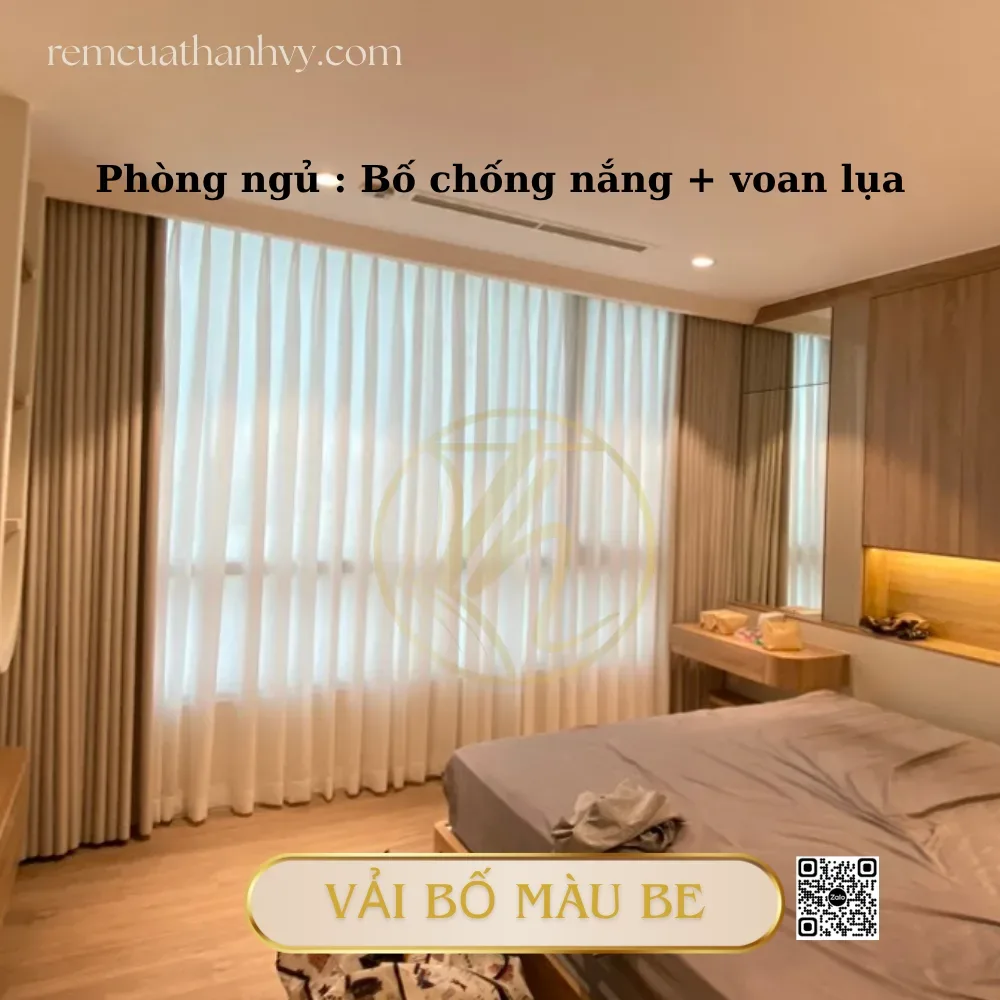
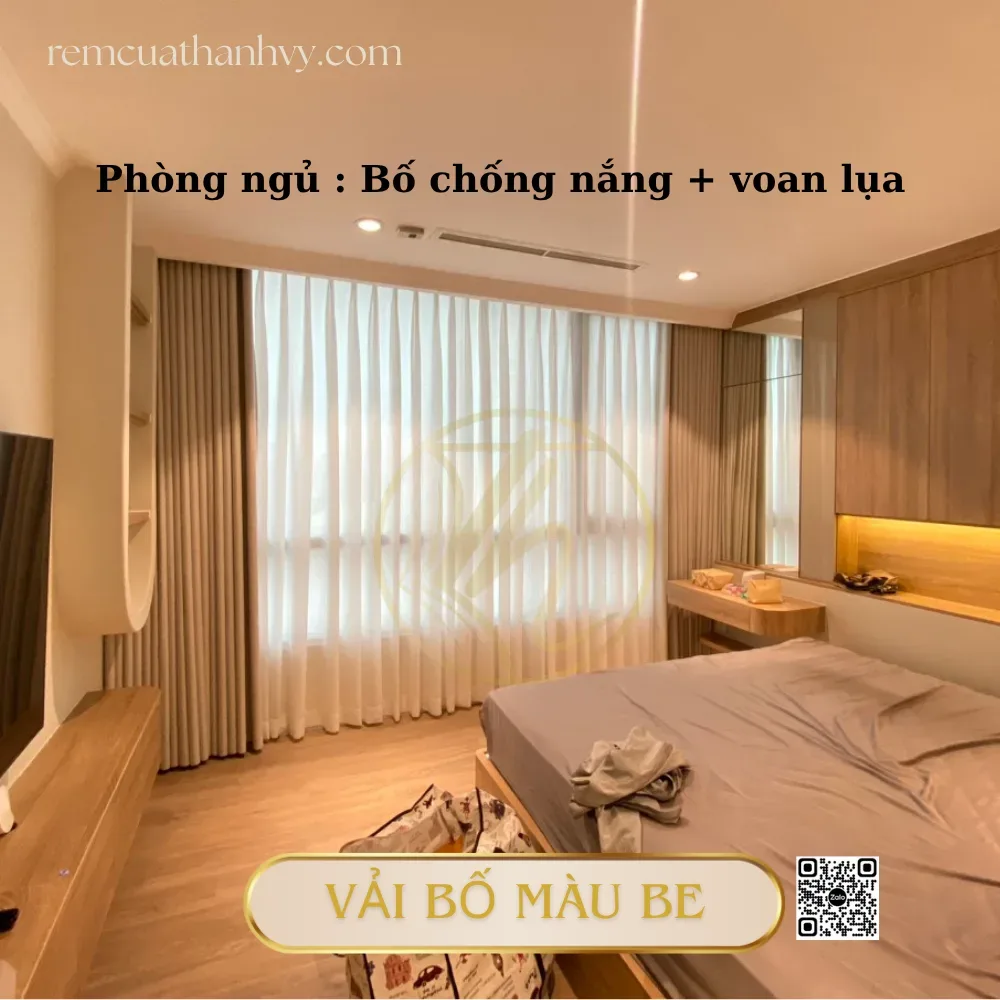
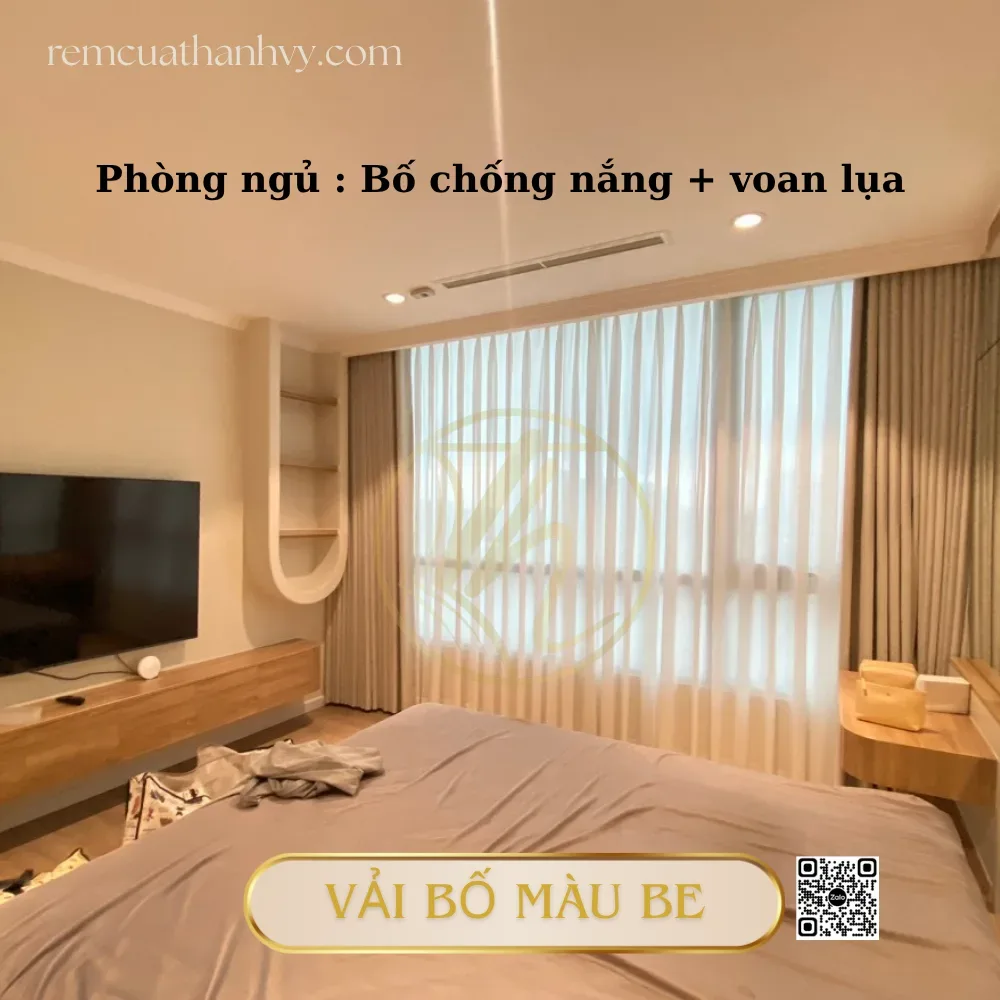
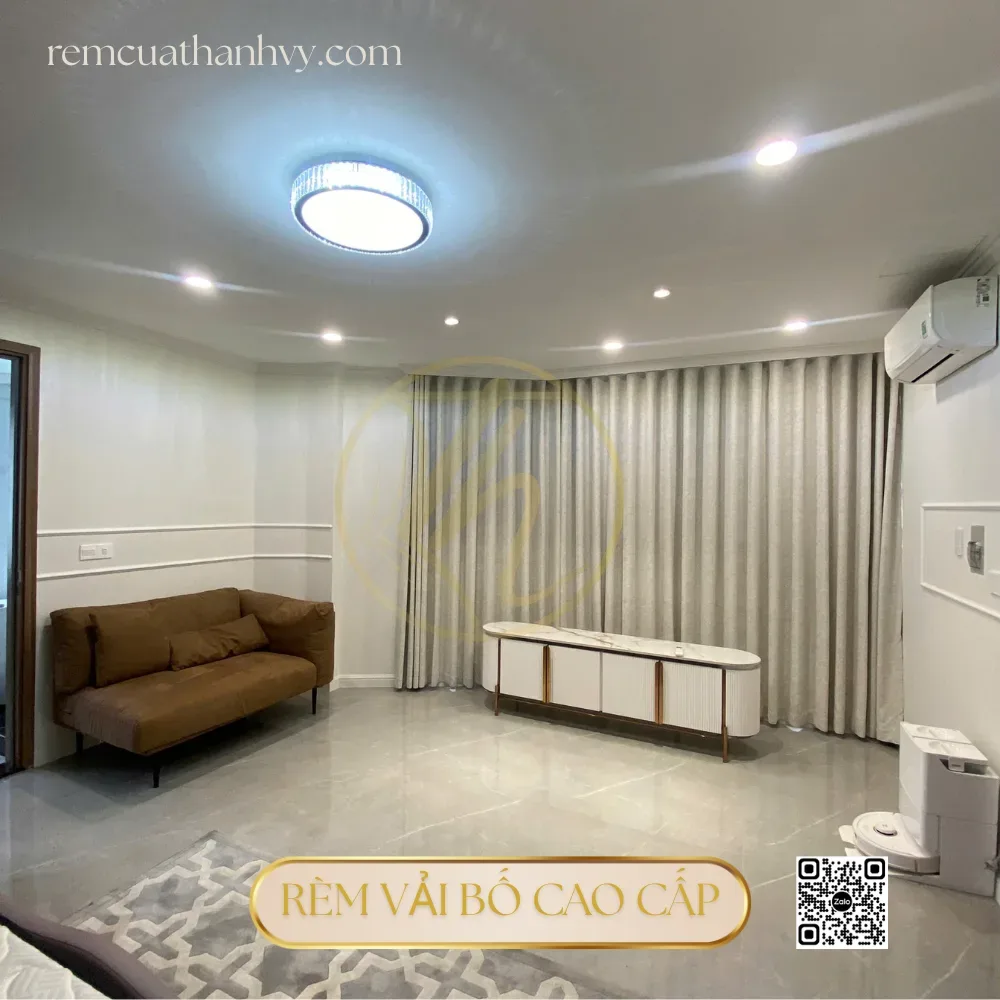
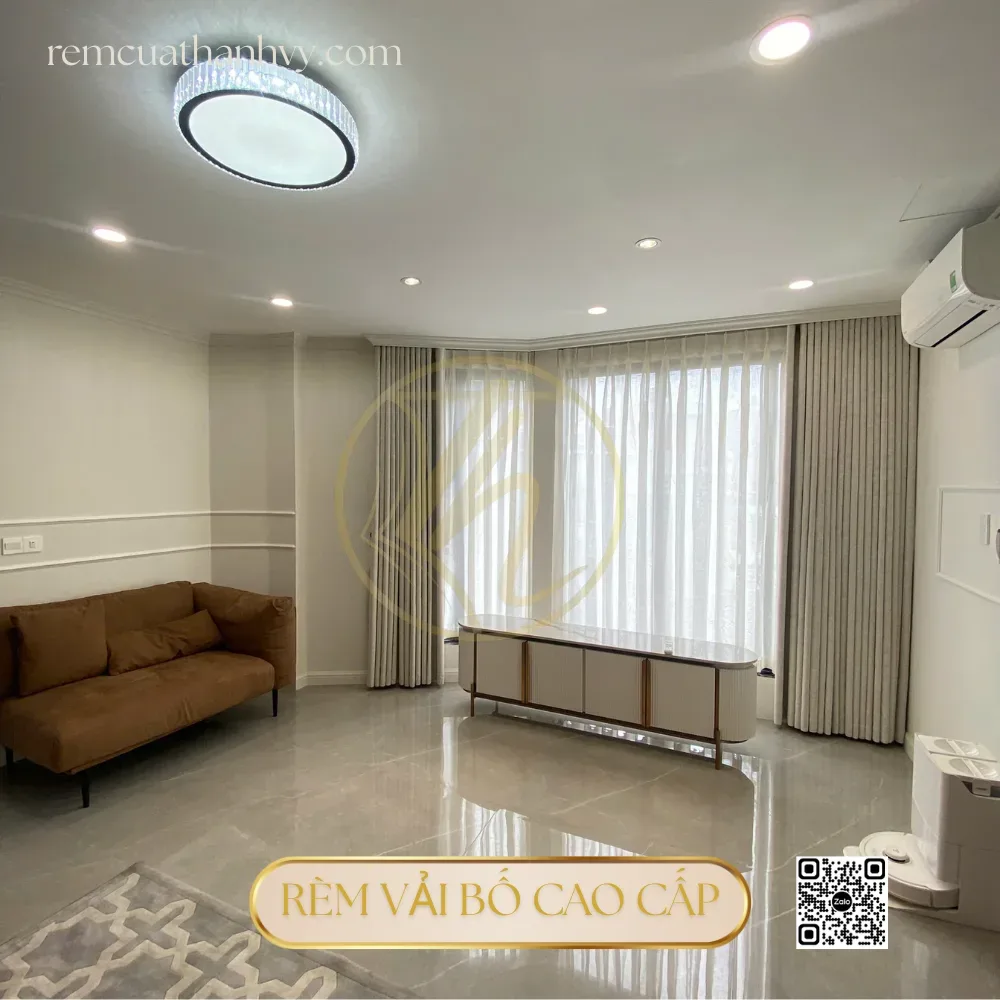
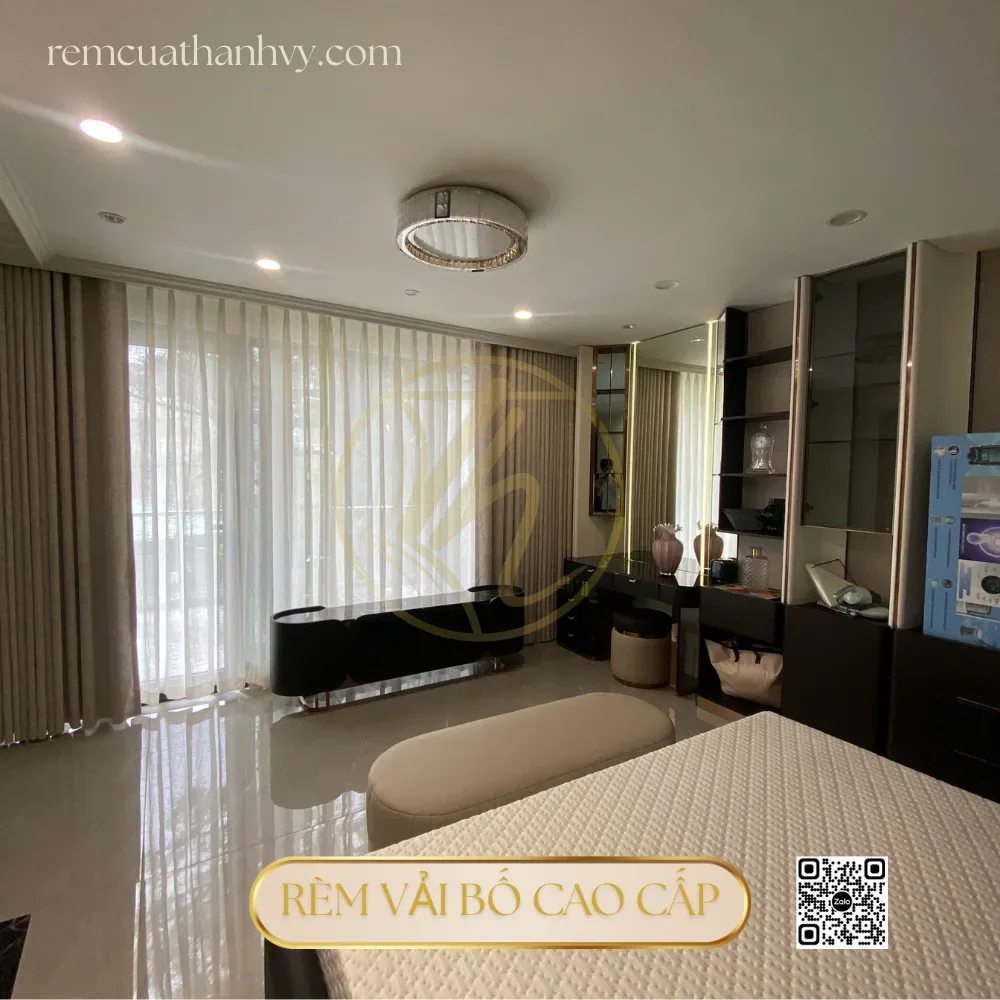
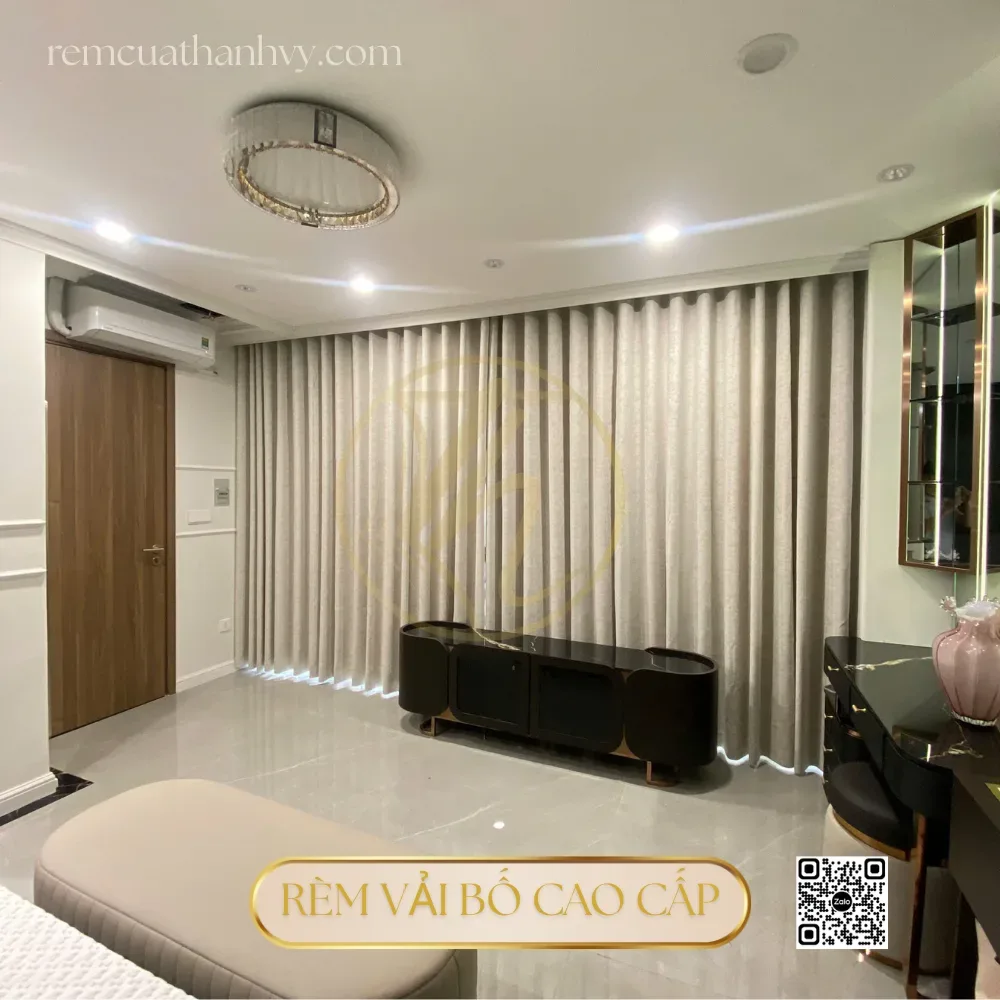
Fabric curtains are the most popular category, with a range of thicknesses to choose from based on lighting and privacy needs.

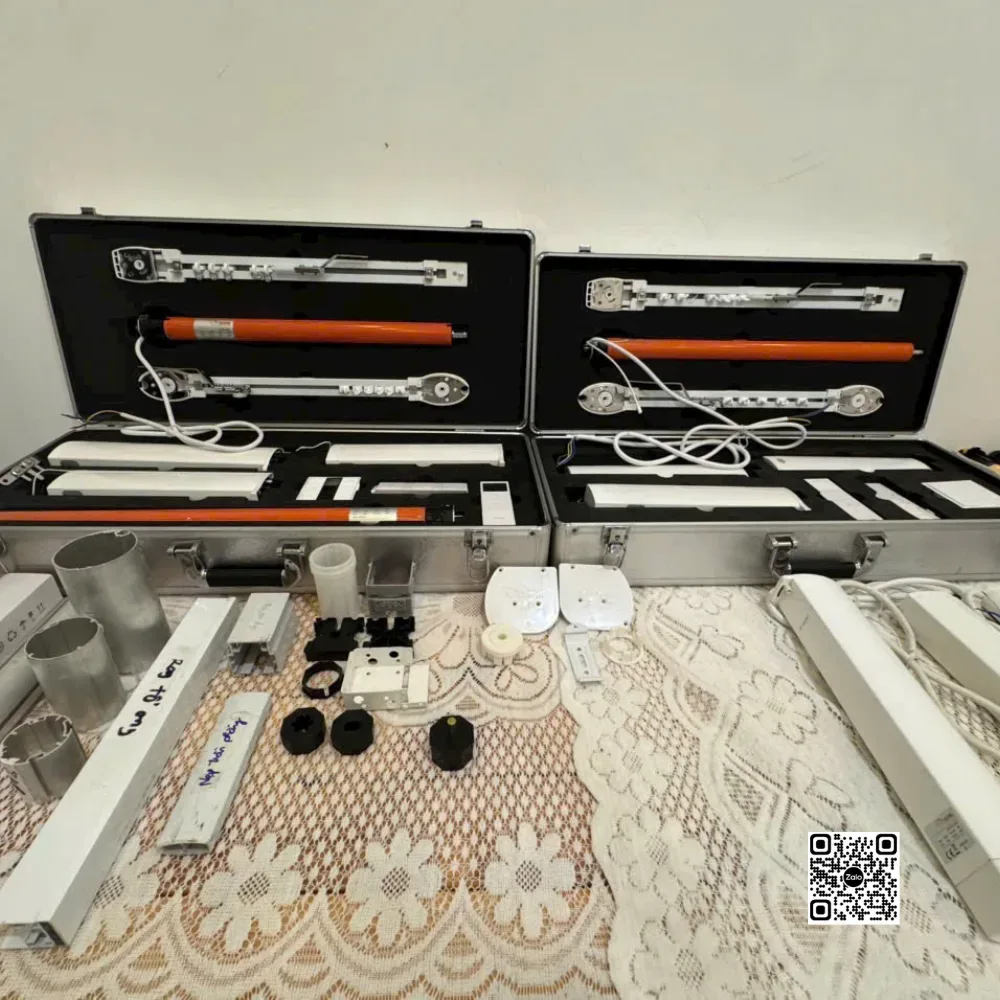

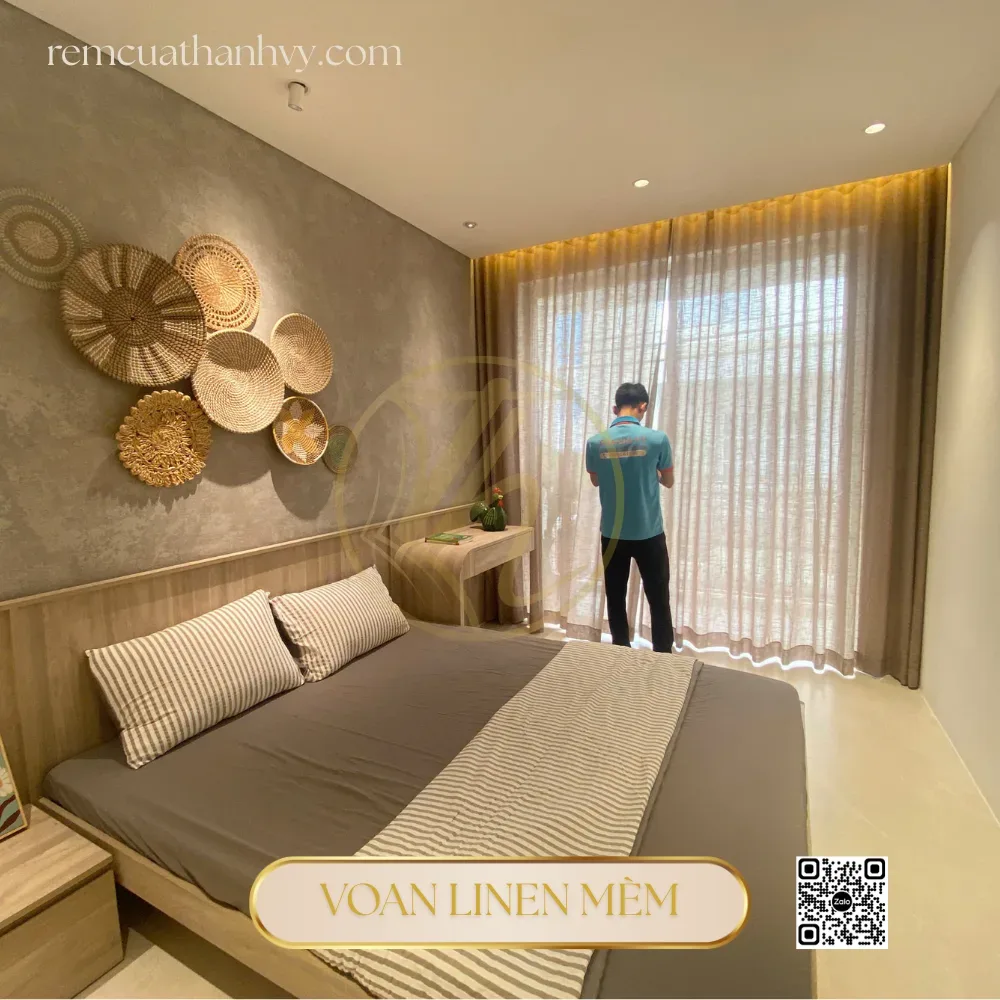
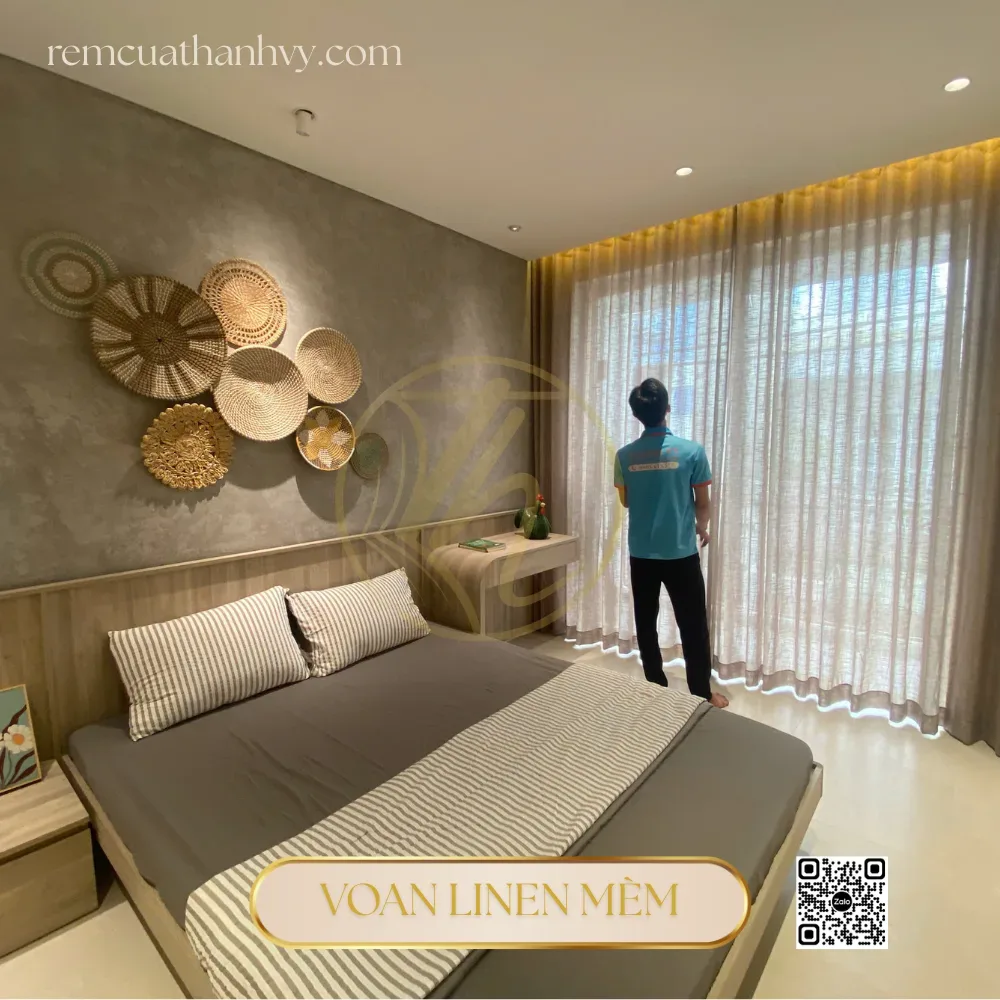
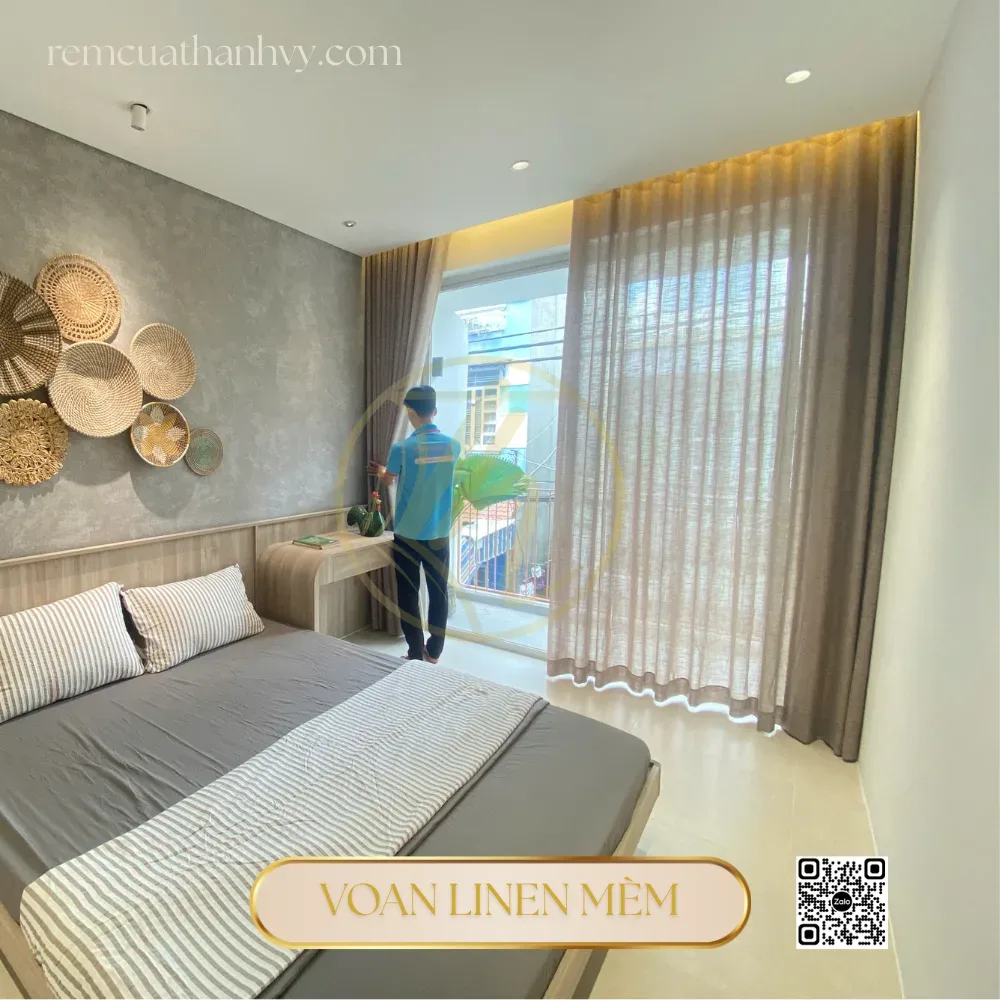
For further information, please contact Thanh Vy Curtains
We provide free consultation and on-site measuring at your home.
Related projects
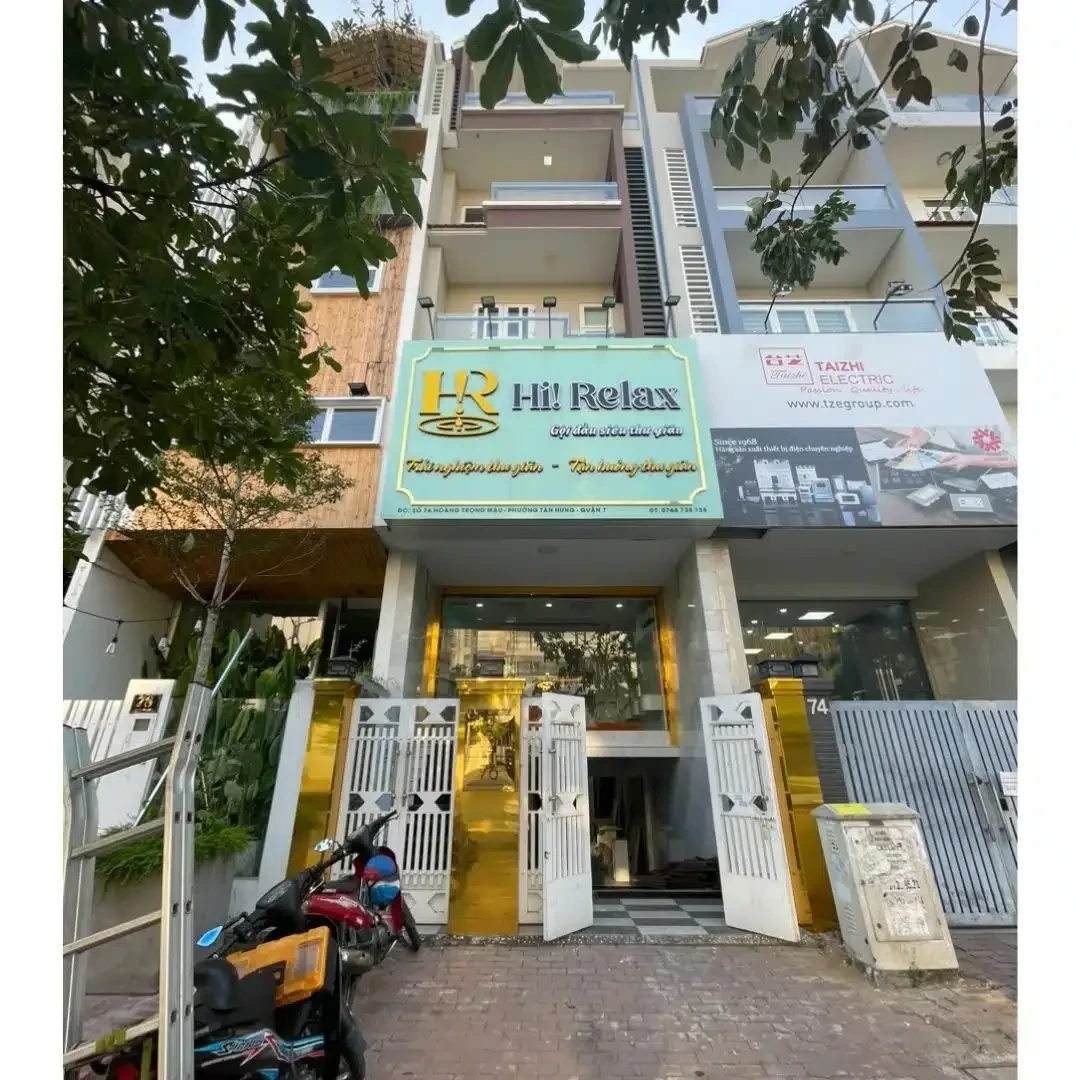
Thermal Insulation Curtains for Hi! Relax Q7 Spa – A Private, Modern Treatment Space
The curtain installation project for Hi! Relax Spa at 74 Hoàng Trọng Mậu, Tân Hưng, [...]

Blackout Fabric Curtains for the Conference Room – Taipei University, District 7
This project was carried out in the multipurpose/conference room of Taipei University, District 7 — [...]
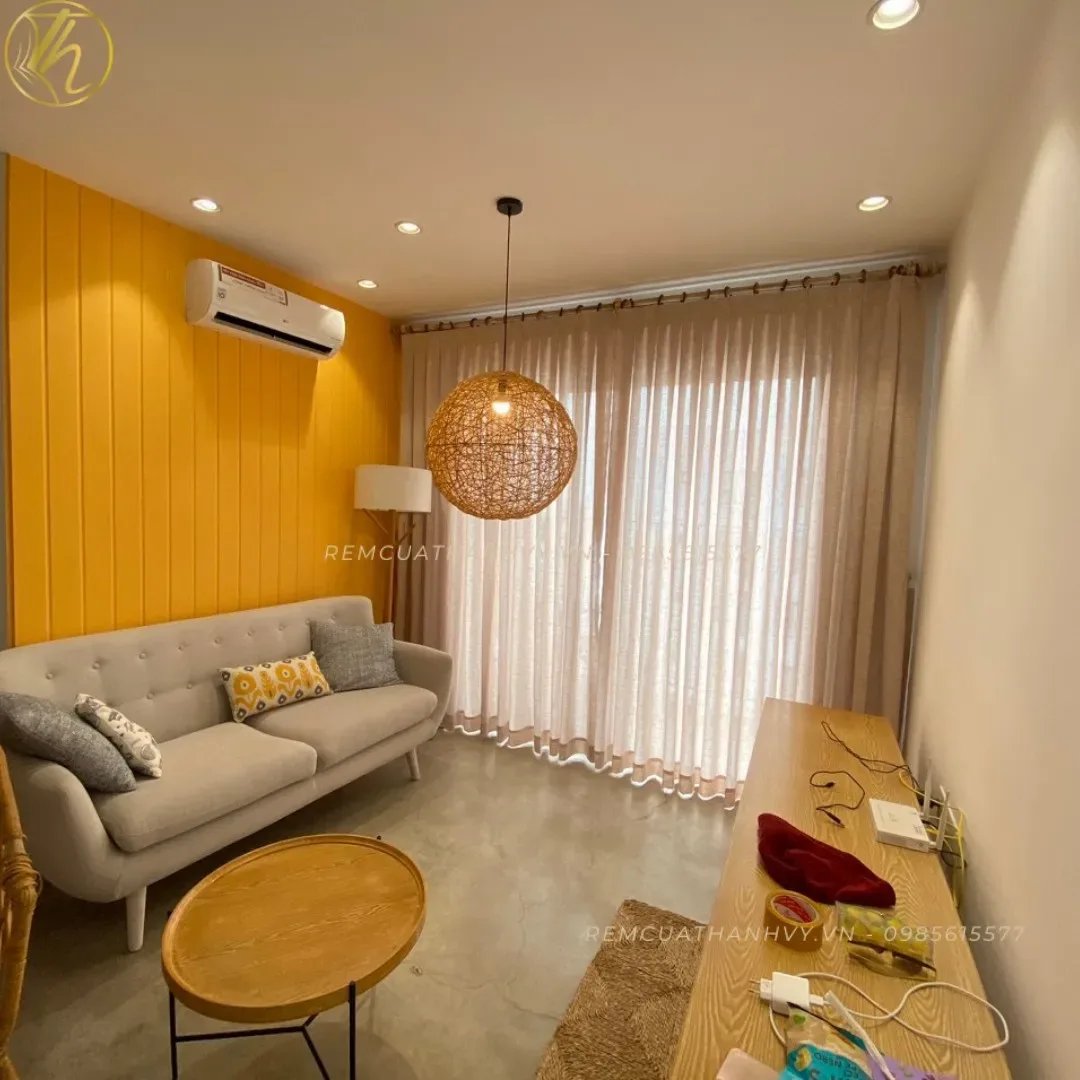
Linen Sheer Curtains Combined with Bamboo Roller Blinds at M-One Nam Sai Gon, District 7
This project at an apartment in M-One on Be Van Cam Street, District 7, is [...]
Related areas
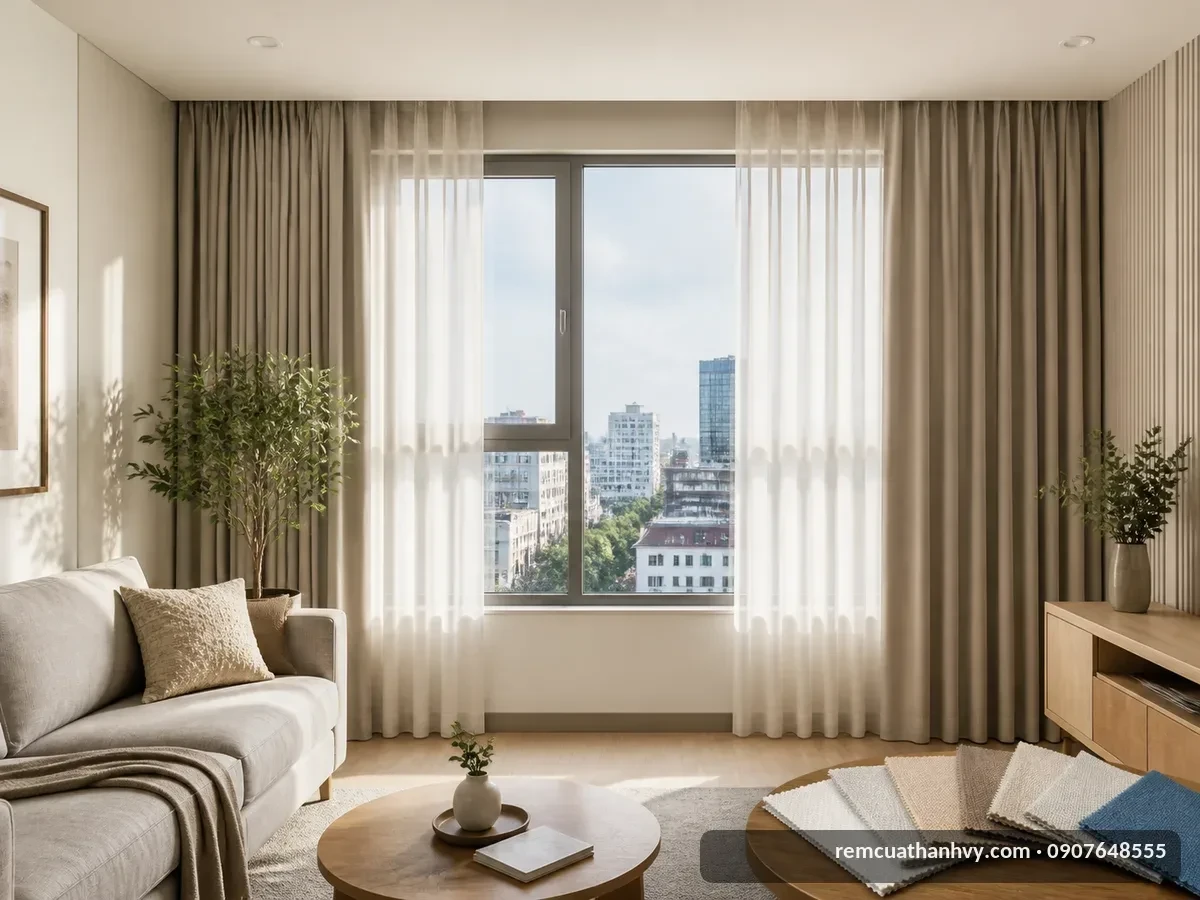
Curtains in District 7: Priorities when choosing for each space
Thanh Vy Curtains provides optimal curtain solutions for living spaces in District 7, using durable [...]
Related reviews
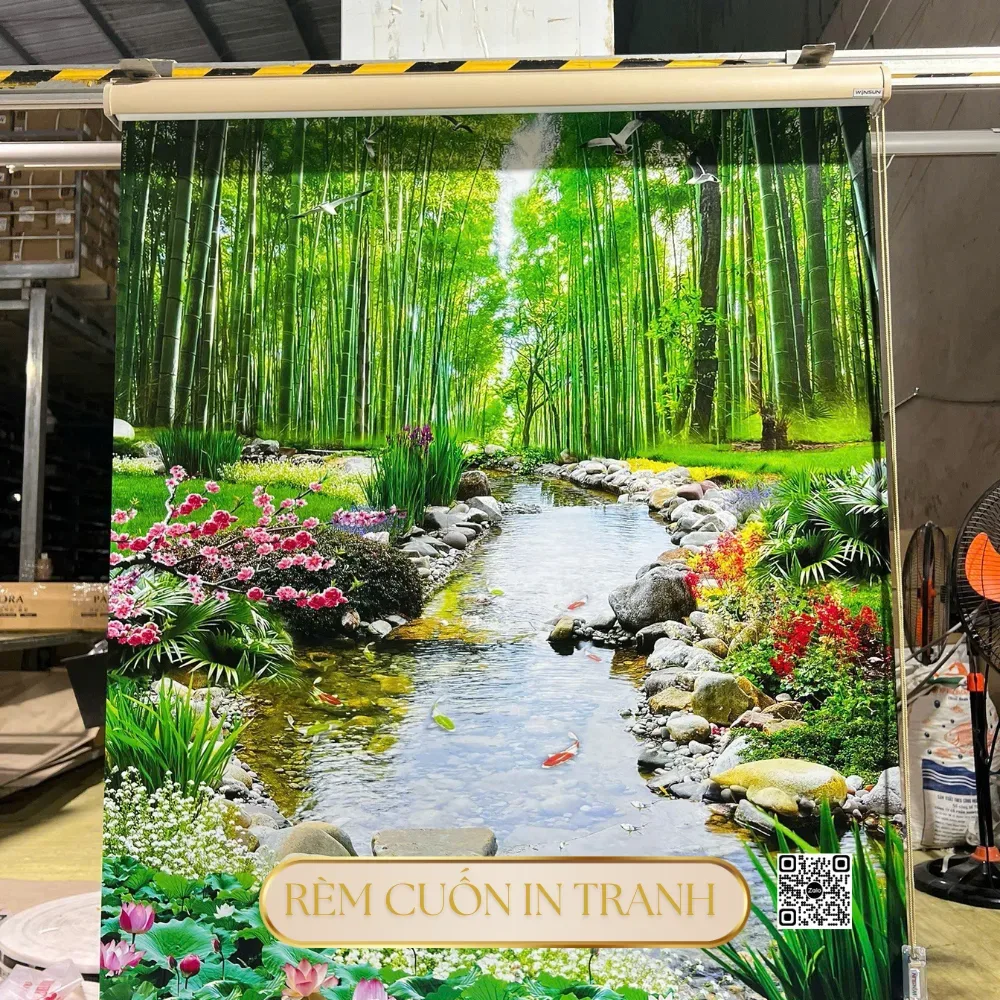
Are Roller Blinds Any Good? A Detailed A-Z Review
A guide on how to choose roller blinds based on your living space, lighting needs, [...]
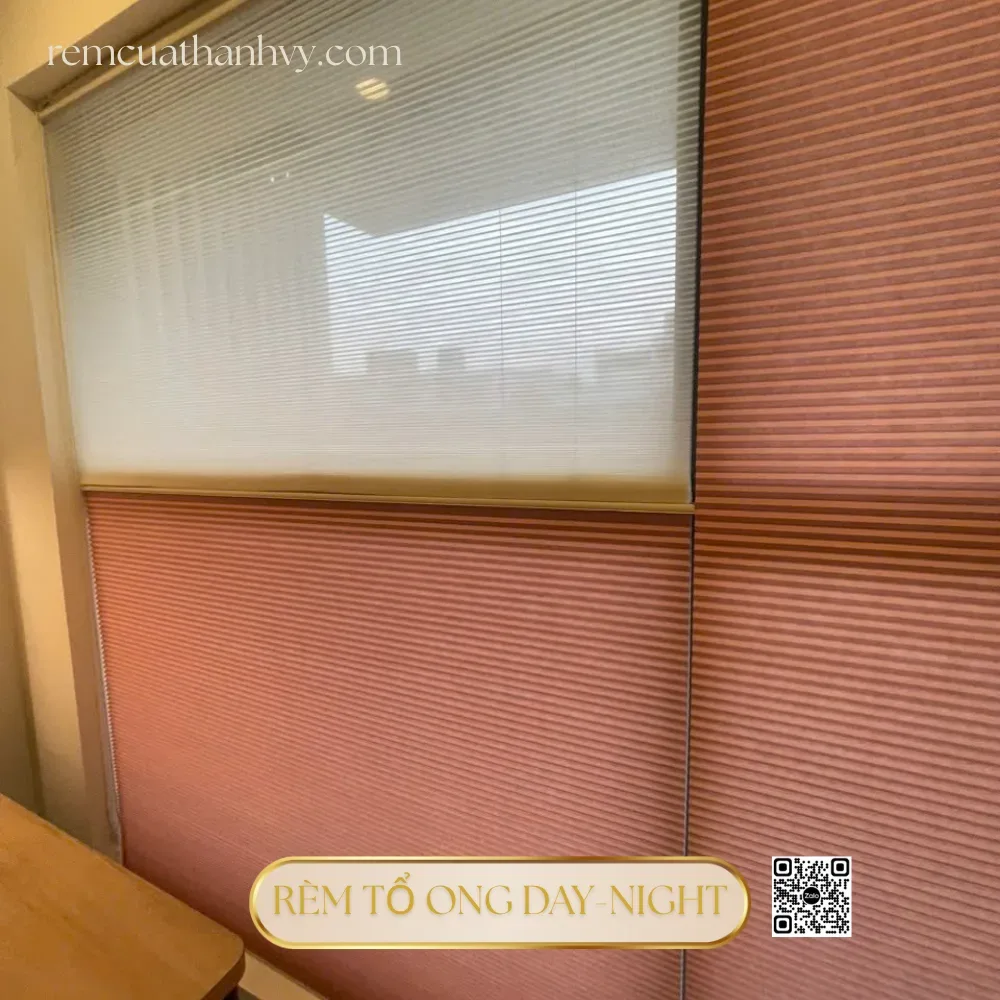
Fabric Curtains or Honeycomb Blinds? A Detailed Comparison to Help You Choose
Compare fabric curtains and honeycomb blinds based on light control, privacy, operation, aesthetics, maintenance, and [...]
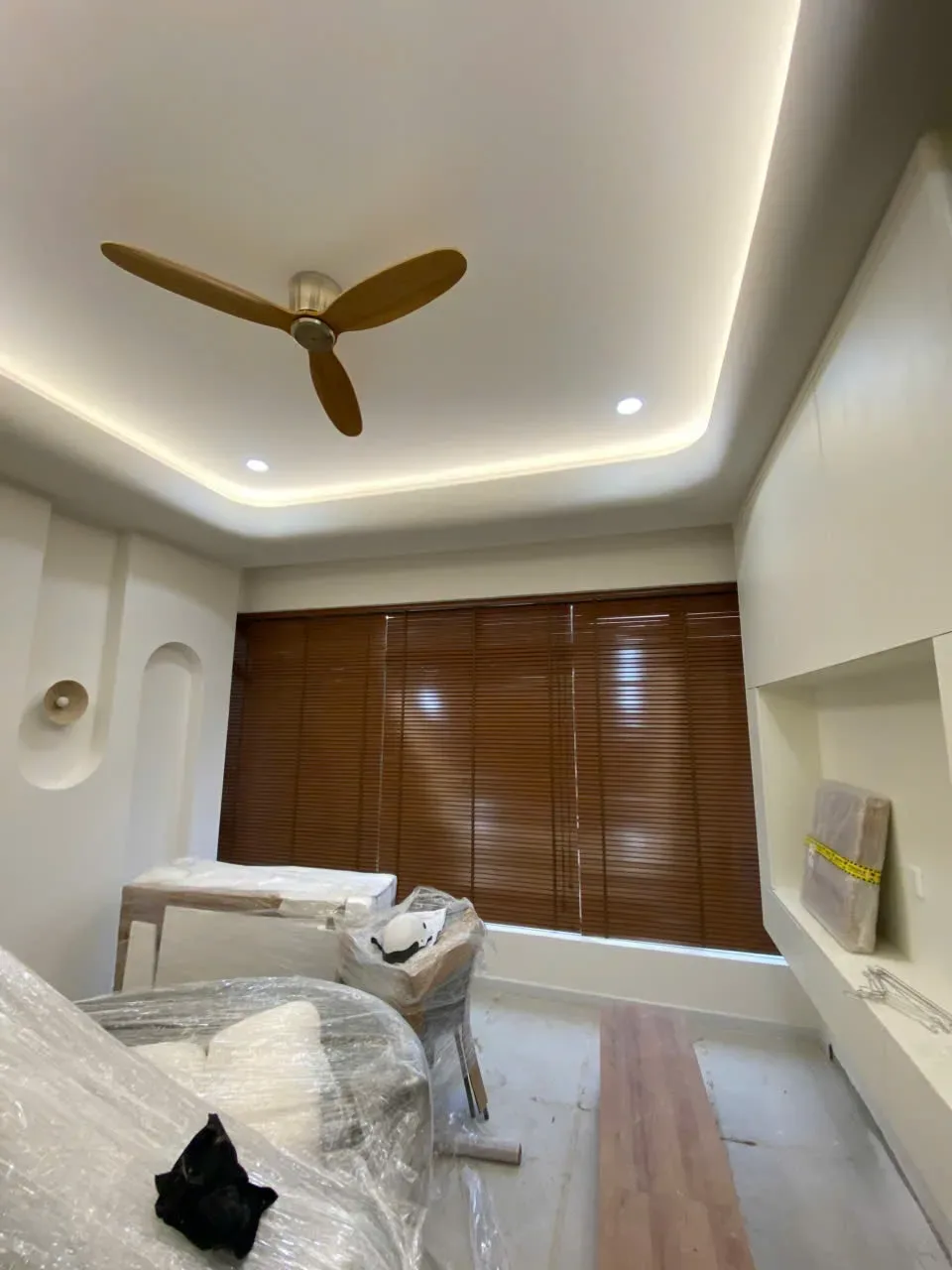
Roller Blinds vs. Wood Blinds? A Detailed Comparison to Help You Choose
Compare roller blinds and wood blinds based on light control, privacy, operation, aesthetics, maintenance, and [...]

Fabric Curtains vs. Roller Blinds? A Detailed Comparison to Help You Choose
Compare fabric curtains and roller blinds based on light control, privacy, operation, aesthetics, maintenance, and [...]
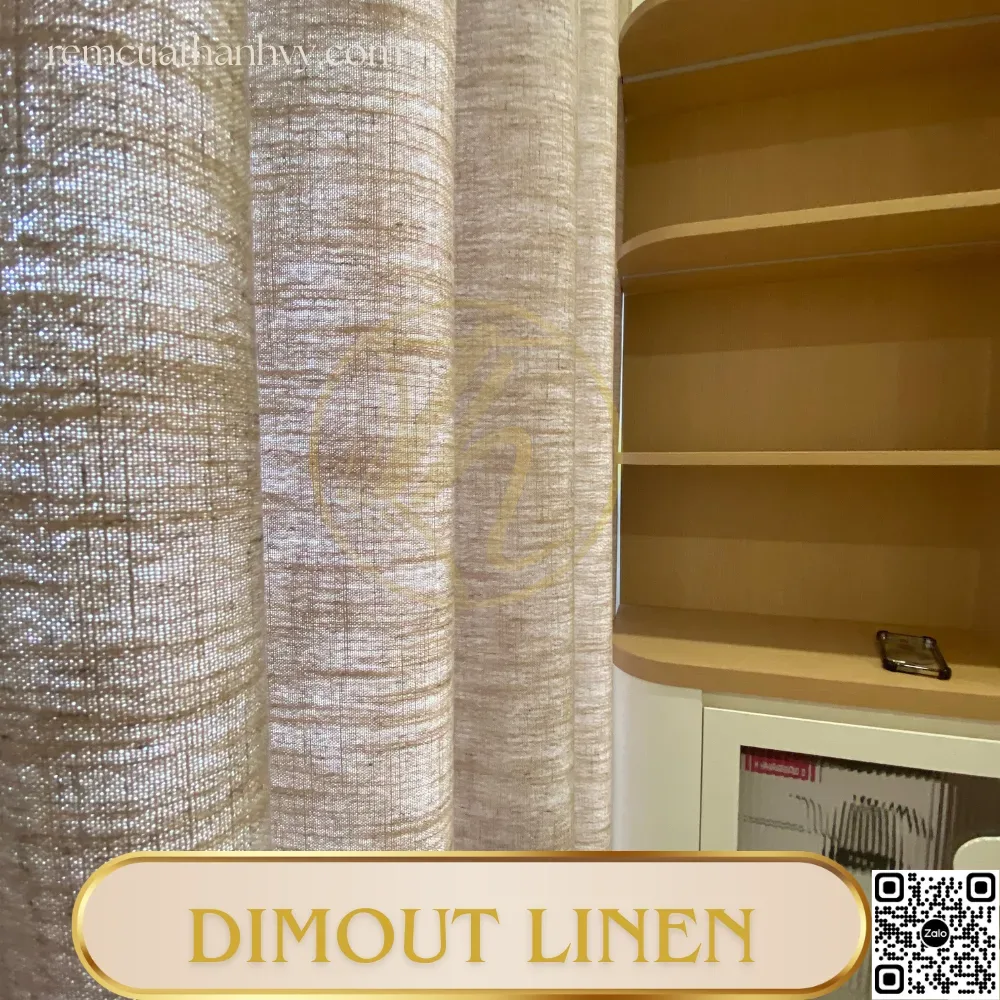
Linen Curtains or Roller Blinds? A Detailed Comparison on Which to Choose
Compare linen curtains vs roller blinds based on light, privacy, operation, aesthetics, cleaning, and maintenance [...]
Related posts
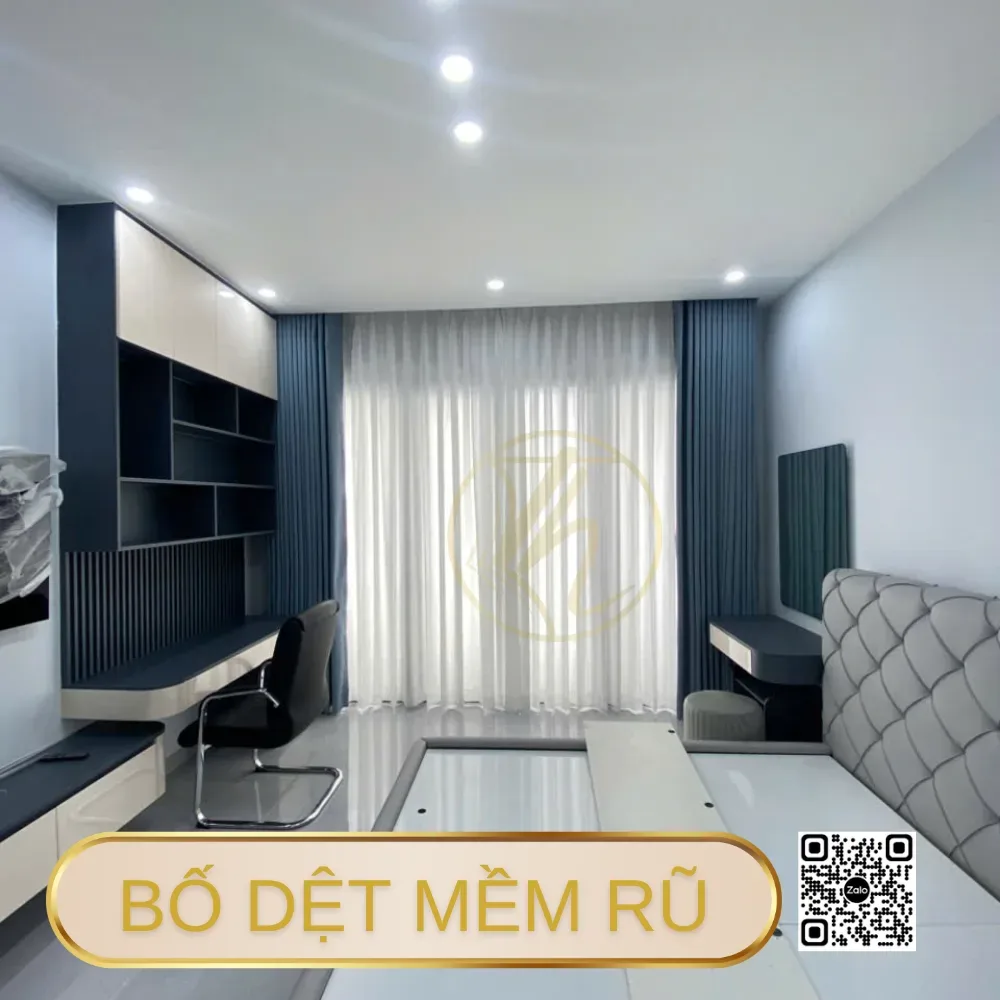
Fabric Curtains in District 3: How to Choose by Room and Need
This article helps readers choose fabric curtains in District 3 based on light blocking needs, [...]
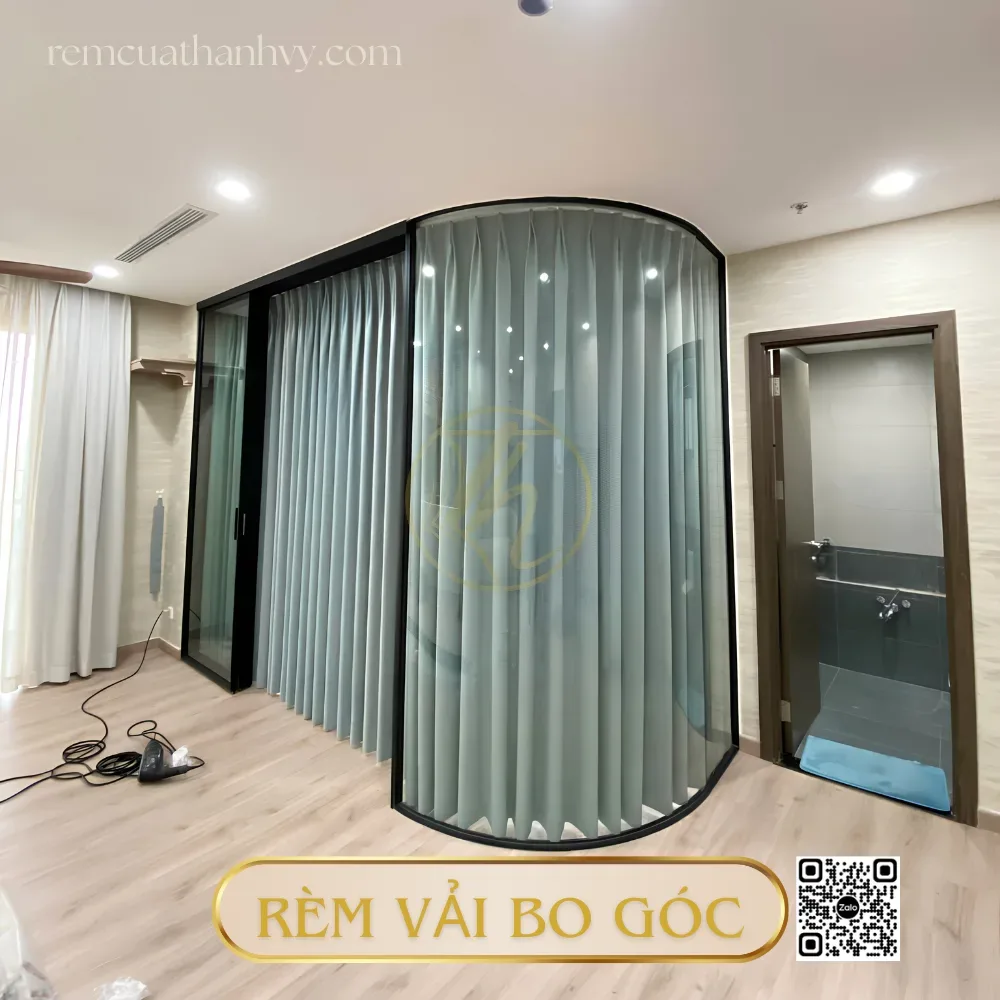
Fabric Curtains in District 6: How to Choose Fabrics and Sewing Styles
A guide to choosing fabric curtains in District 6 for every space, light level, material, [...]
Fabric Curtains in District 10: How to Choose by Room and Need
This guide helps readers compare fabric curtain options in District 10 based on functionality, hanging [...]
Fabric Curtains in Binh Thanh: How to Choose for Every Space
This article summarizes how to choose fabric curtains in Binh Thanh based on lighting, privacy [...]
Tan Binh Fabric Curtains: How to Choose for Every Space
A practical guide to choosing Tan Binh fabric curtains by room, light direction, fabric pattern, [...]
Linen Curtains in District 4: Choosing the Right Fabric and Style
When choosing linen curtains in District 4, consider sun exposure, privacy, and practical sewing styles [...]
Linen Curtains in District 7: How to Choose the Right Fabric and Style
Linen curtains in District 7 are perfect for bright, airy homes, but you should choose [...]
Linen Curtains in District 11: Choosing the Right Fabric and Style
Linen curtains in District 11 are ideal for bright, soft spaces, but should be selected [...]
No comments yet!