


How to Calculate Fabric for Roller Blinds Economically
How to calculate roller blind fabric based on actual needs
When calculating roller blind fabric, the first thing to consider is measuring the correct fabric width and hanging height before accounting for folding waste. A correct choice should clearly answer three questions: how much light control is needed for that position, what level of privacy is desired, and is daily operation convenient? Background information on the concept of curtains in architecture helps with comparison when choosing materials.
For residential spaces, decisions should be based on the current state of the window rather than the product name. The hanging height, stacking space, sun direction, wall/ceiling, furniture near the window, and living habits all affect the final result. The content below helps readers view roller blinds as a long-term solution, not just a decorative item.
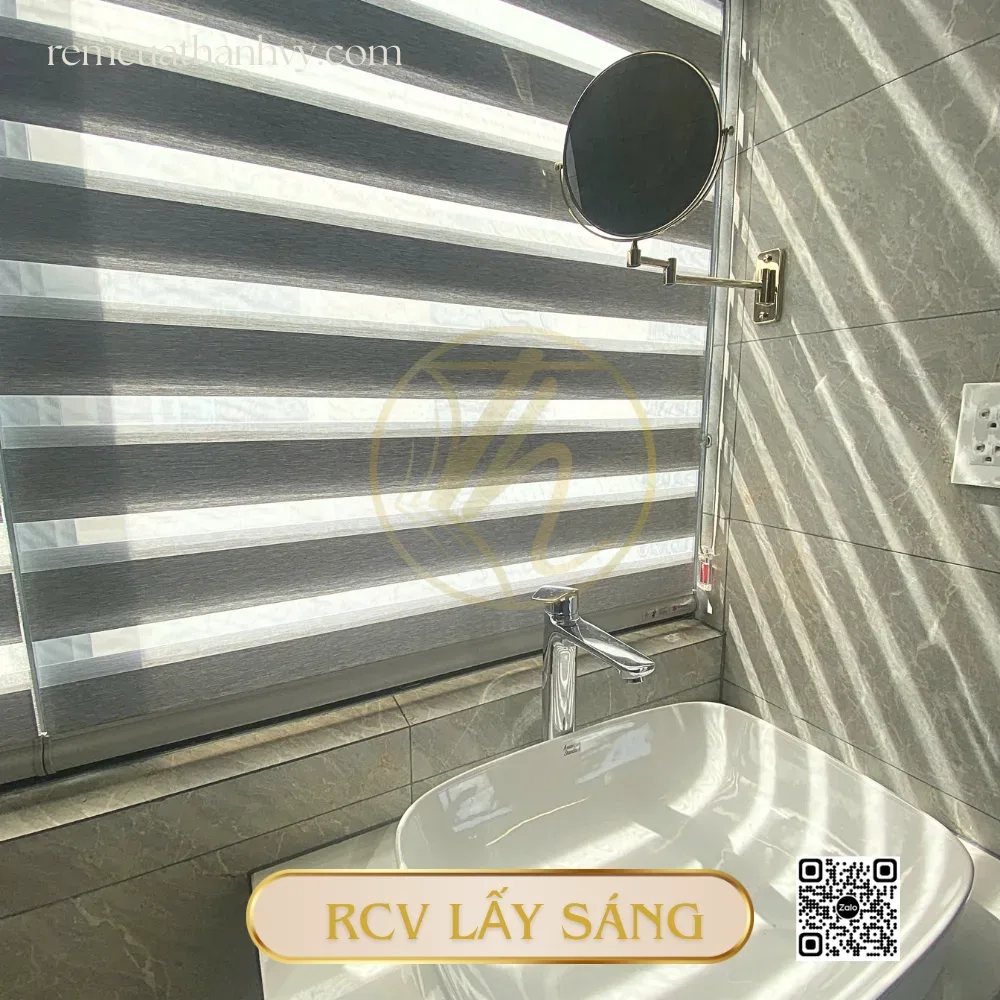
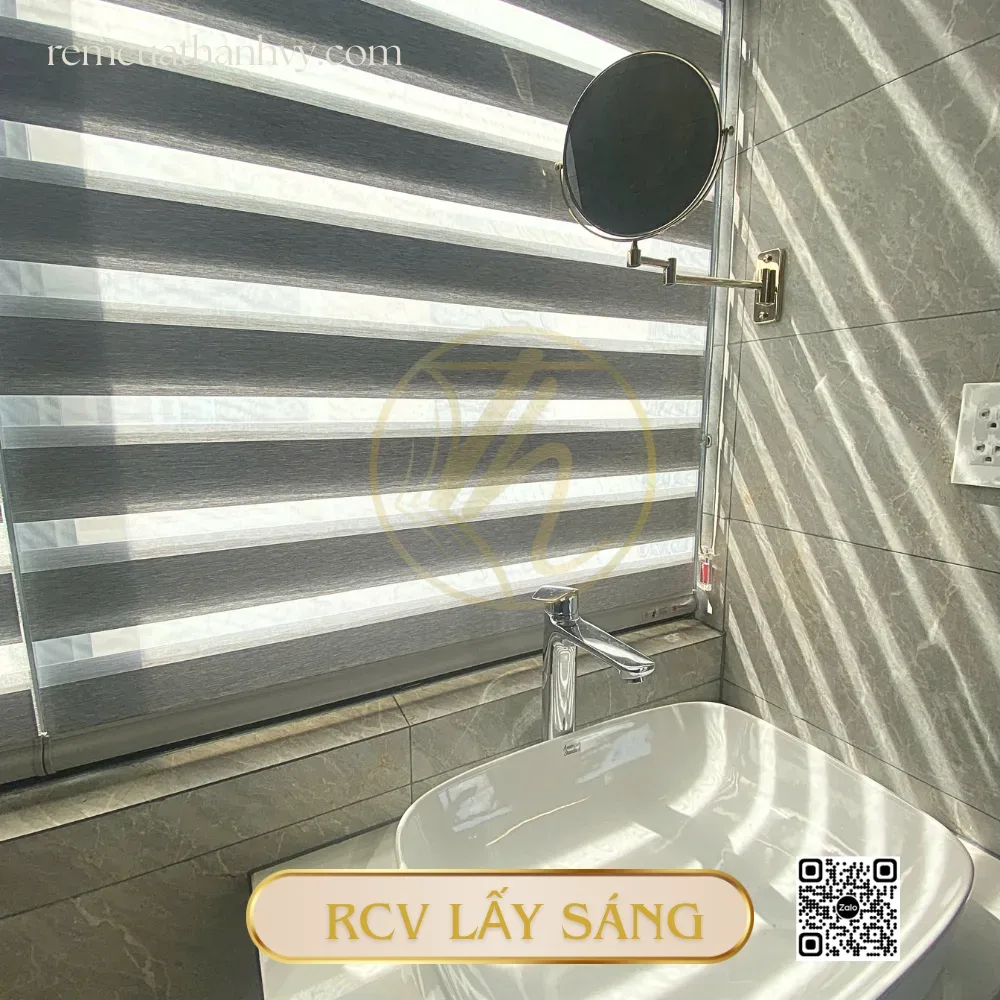
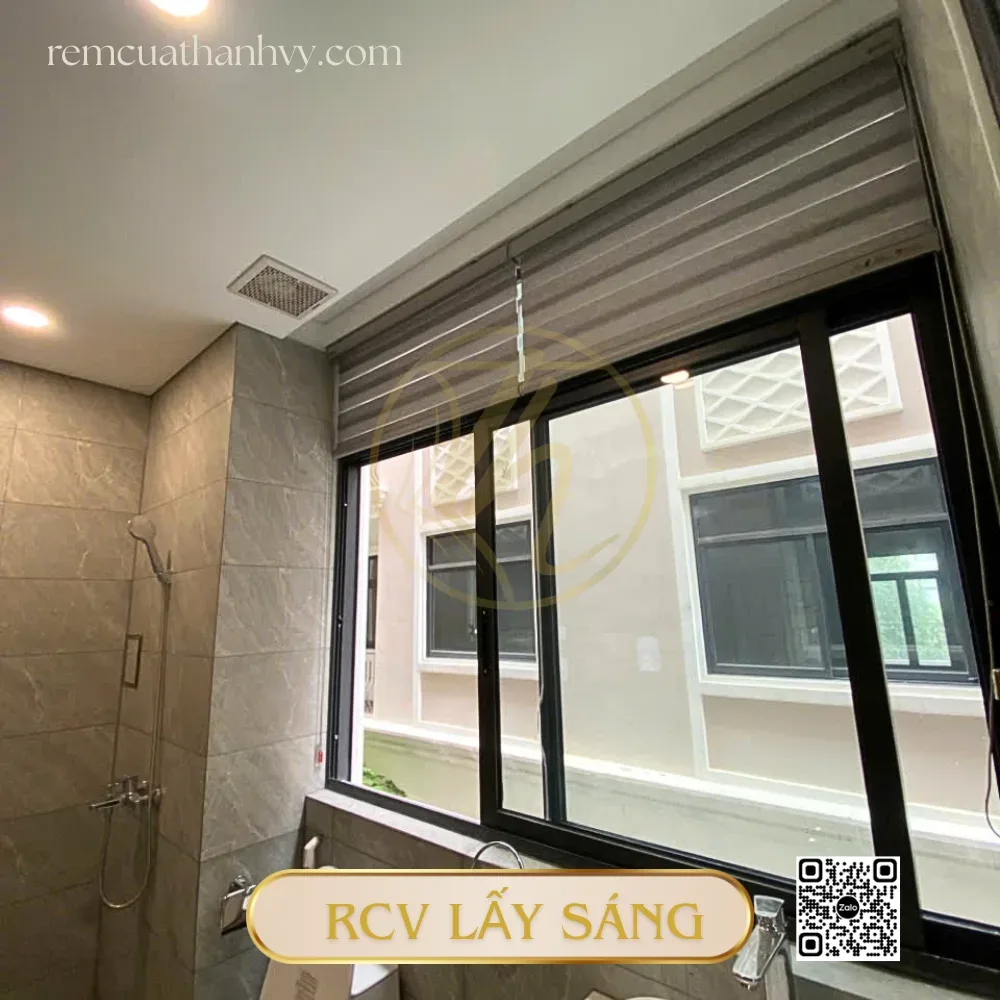
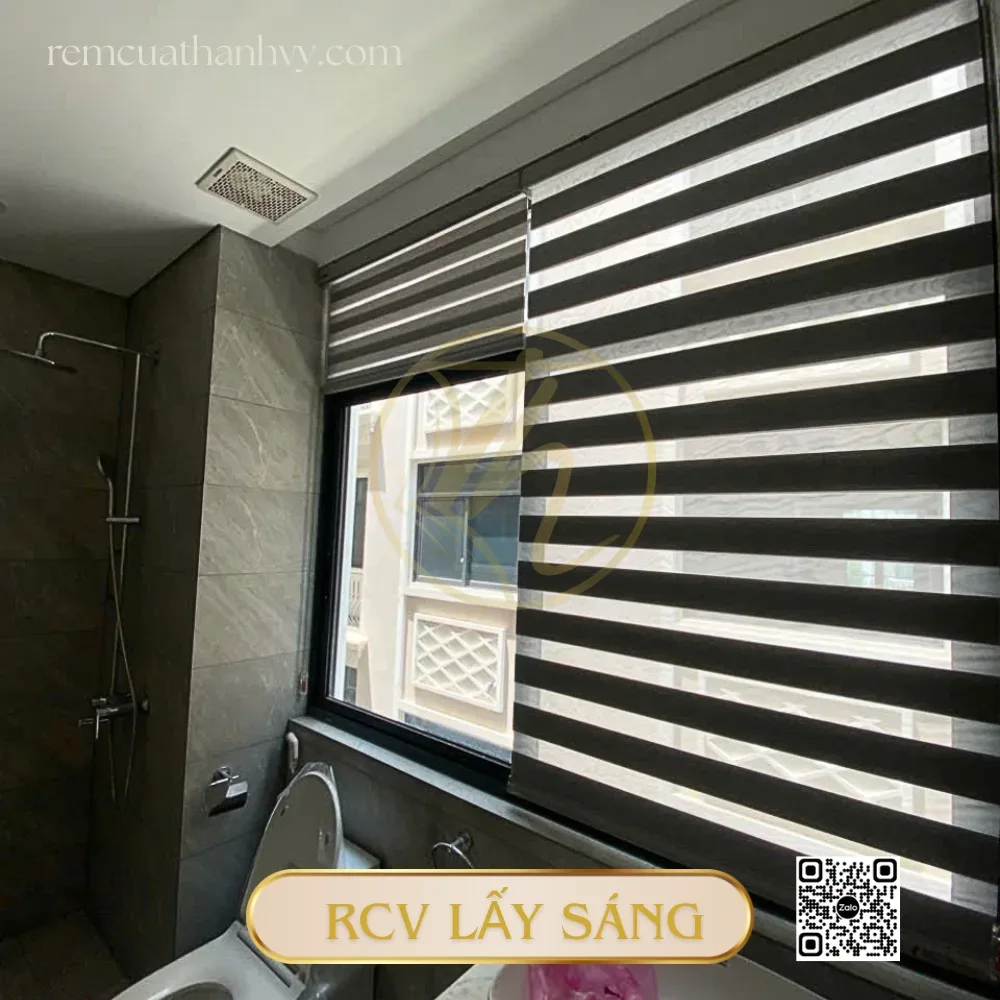
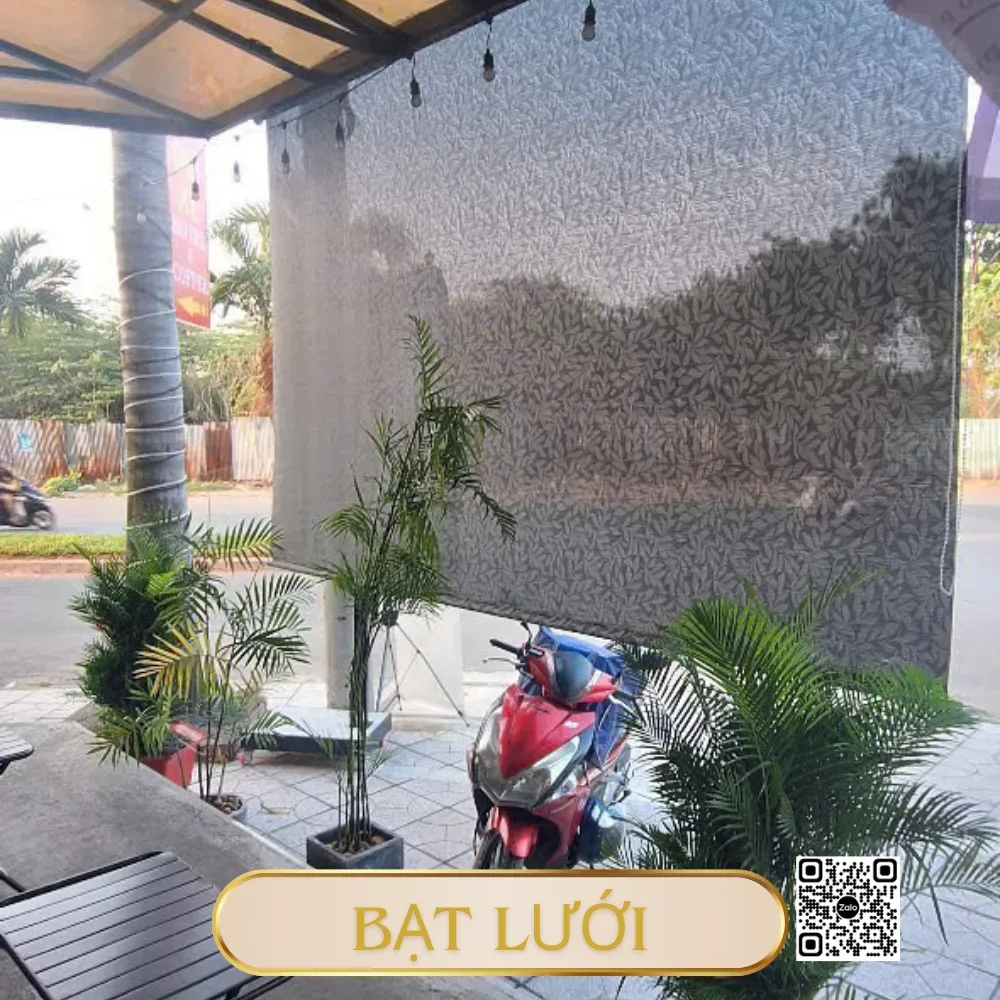
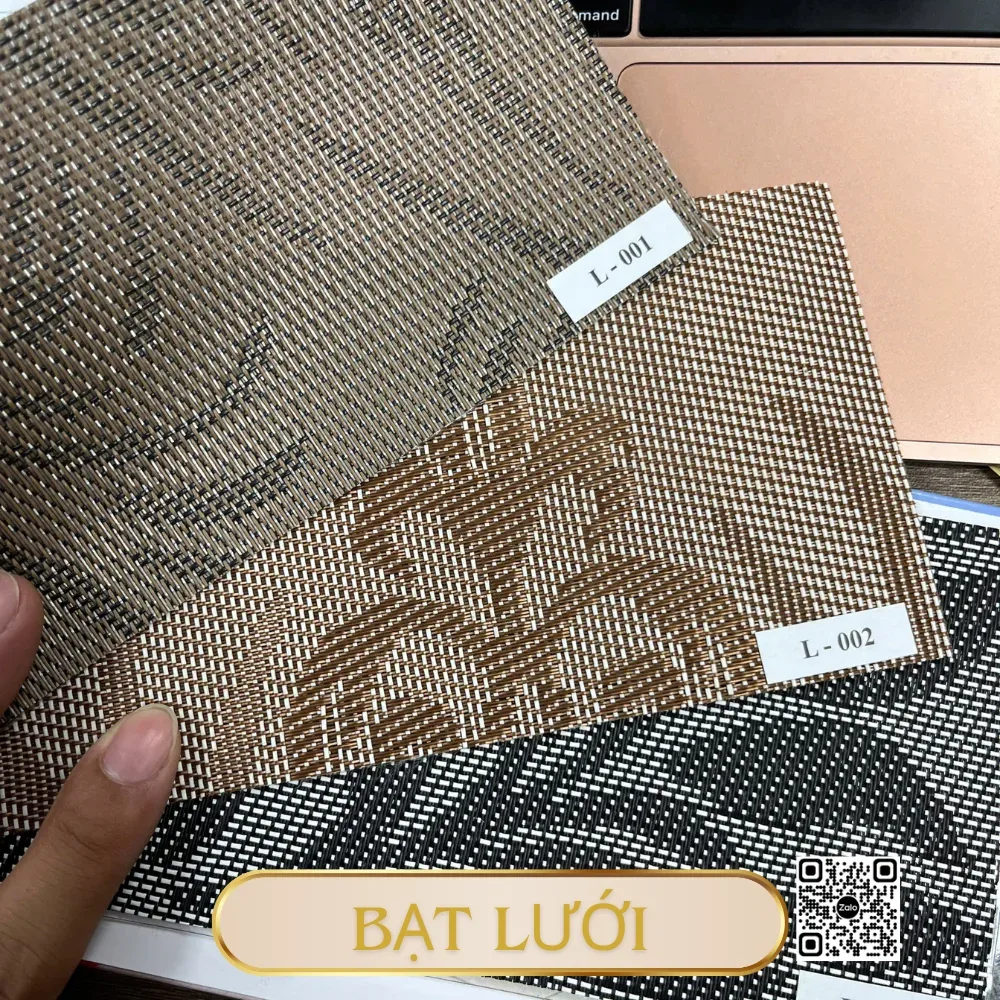
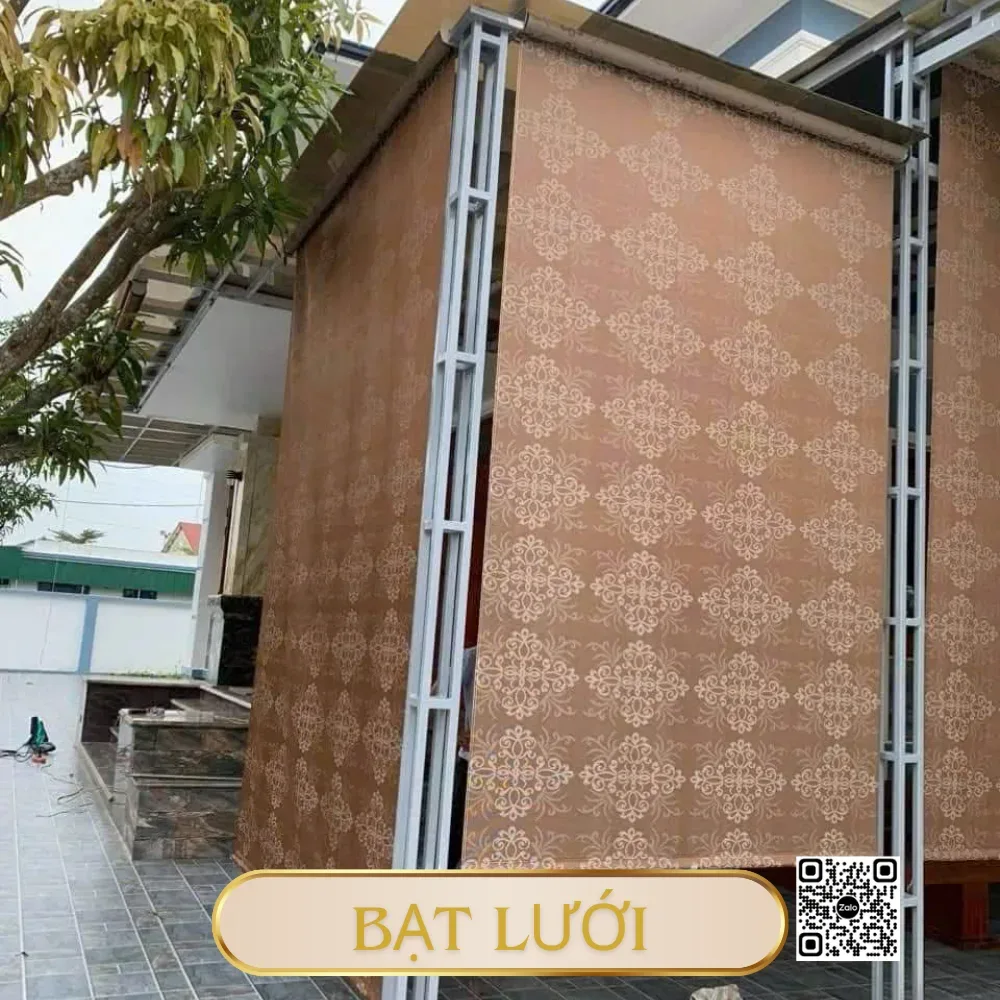
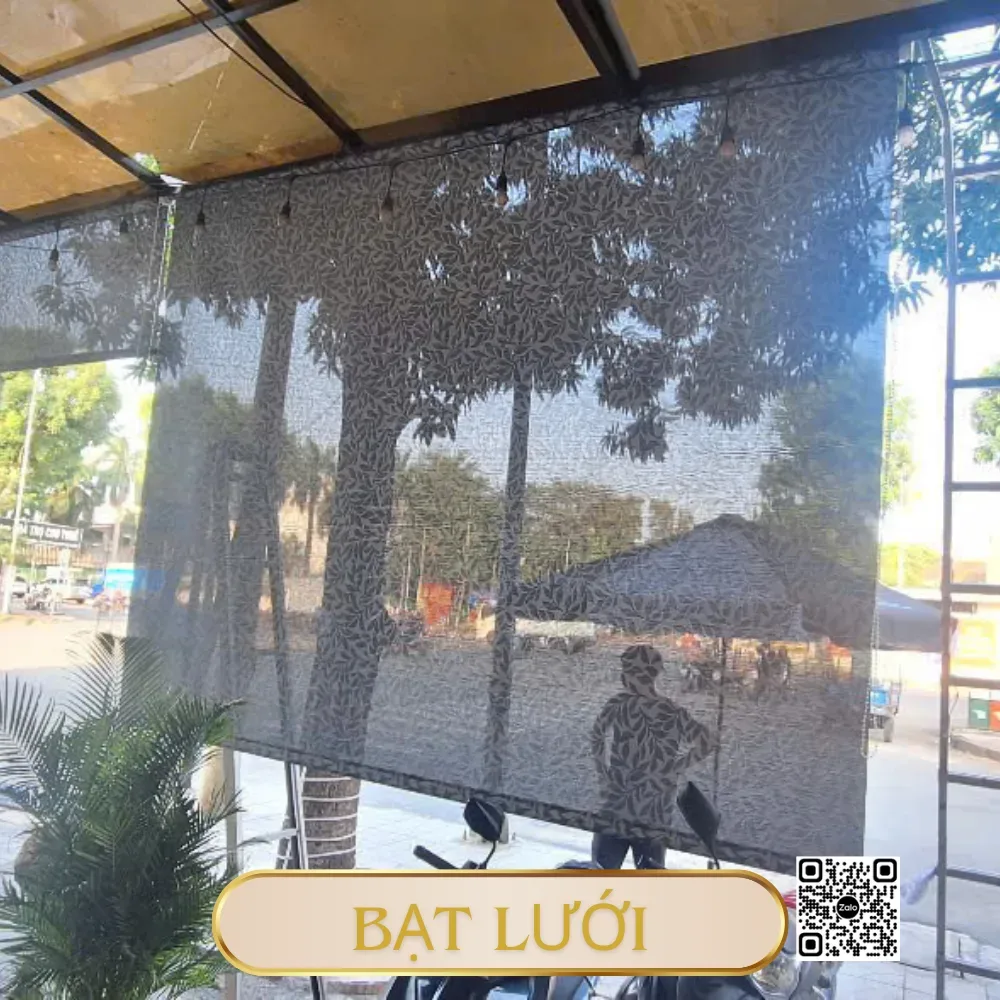
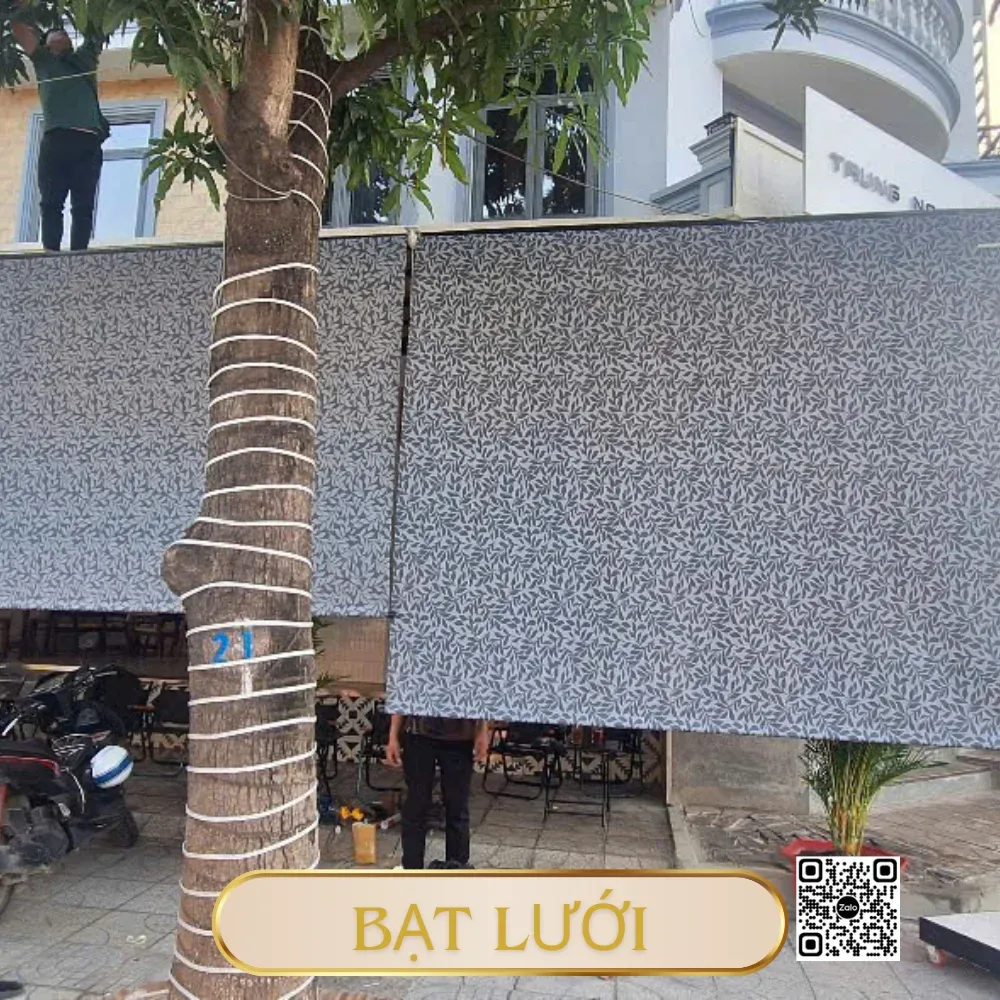
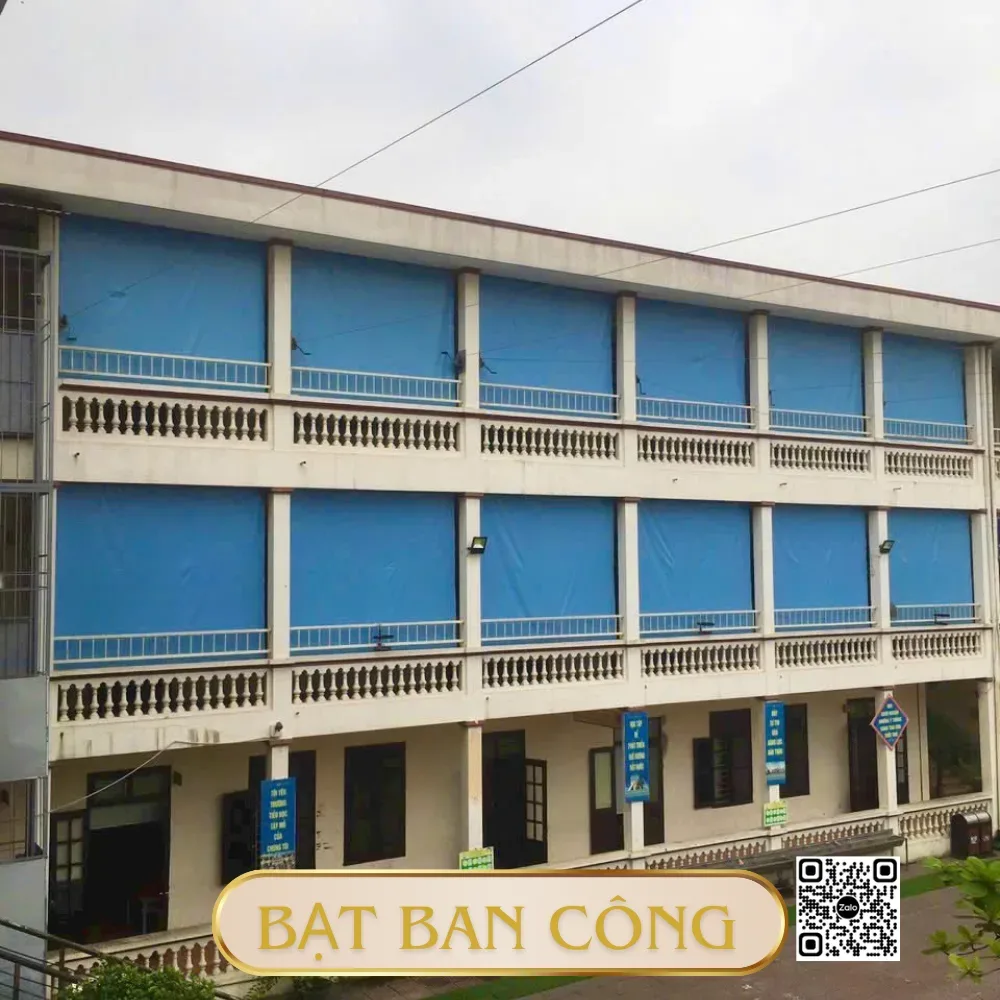
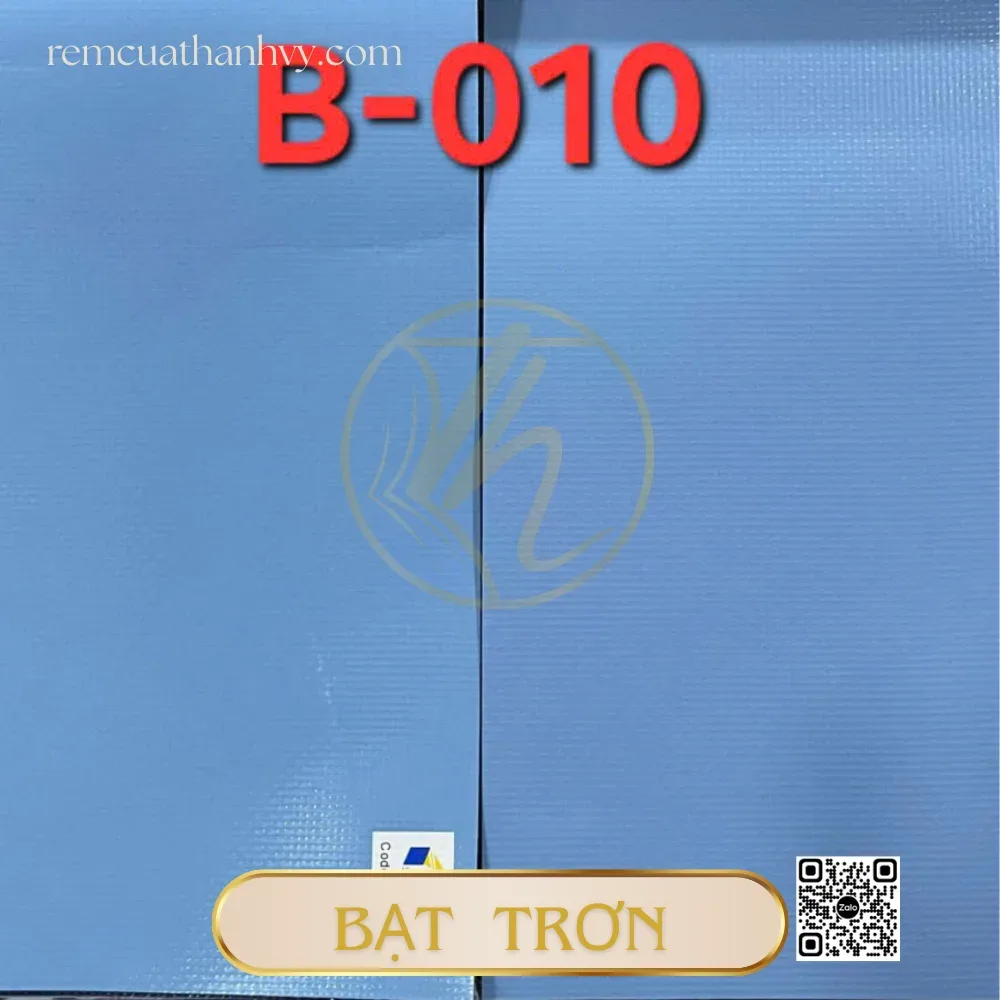
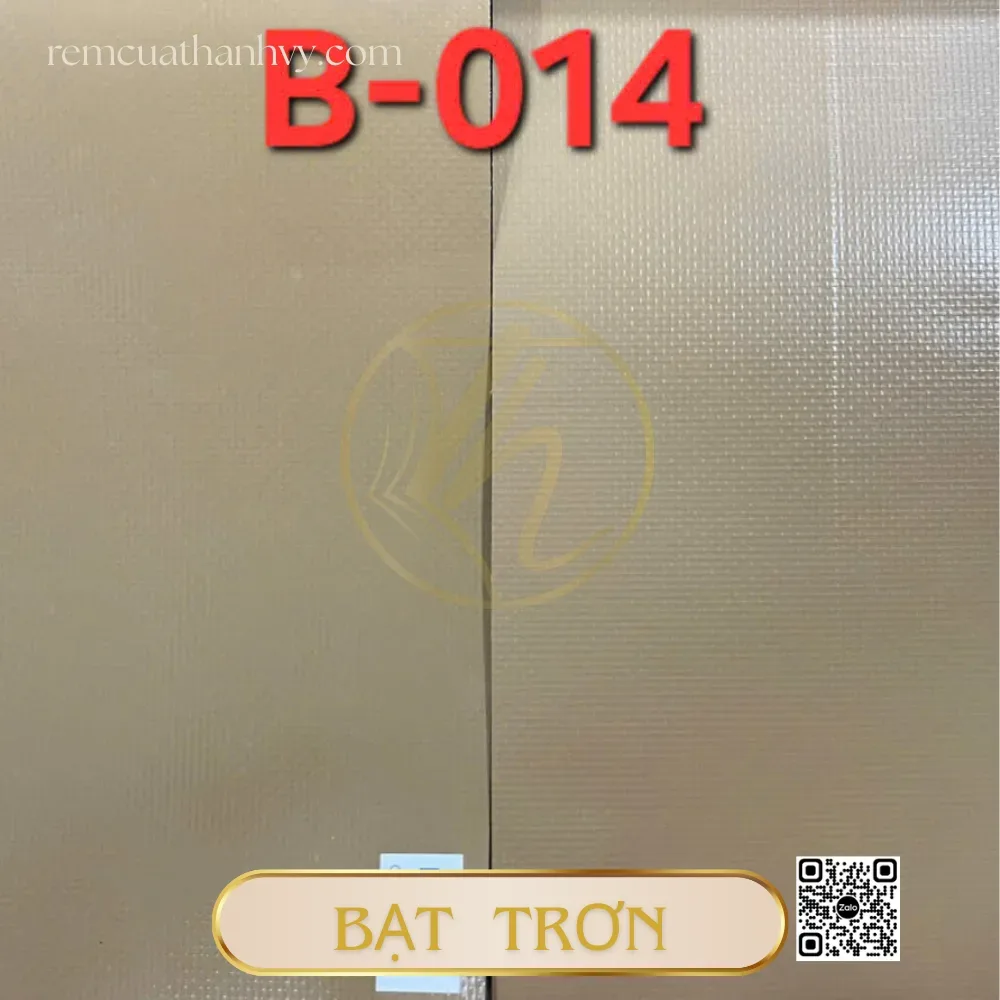
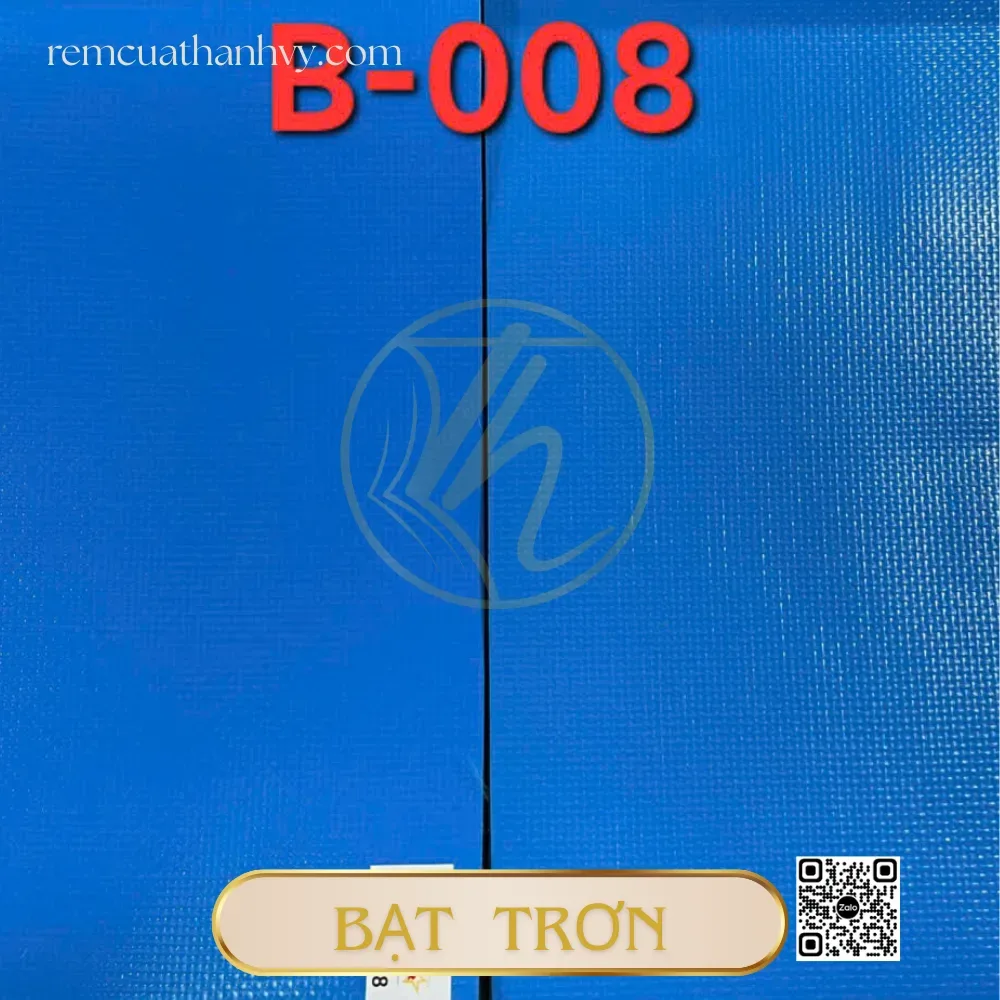
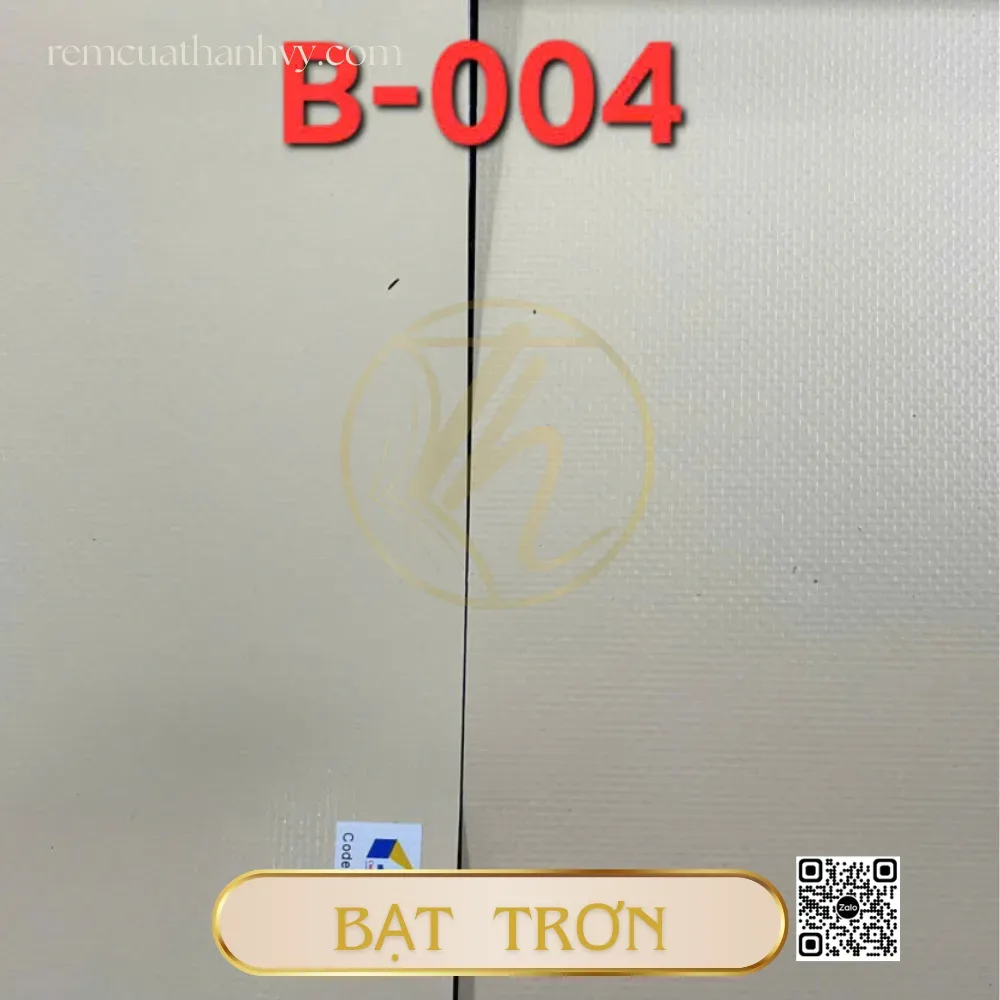
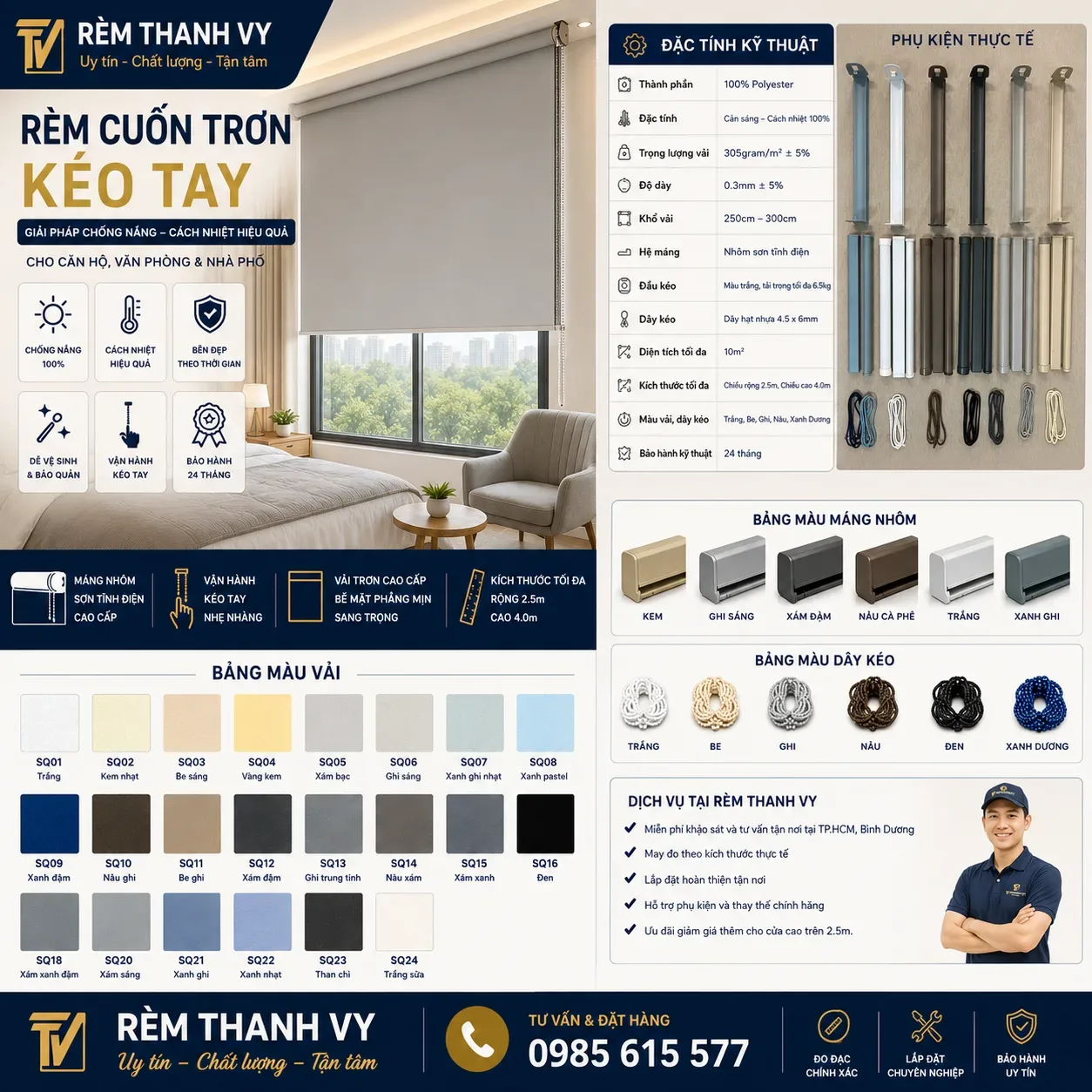
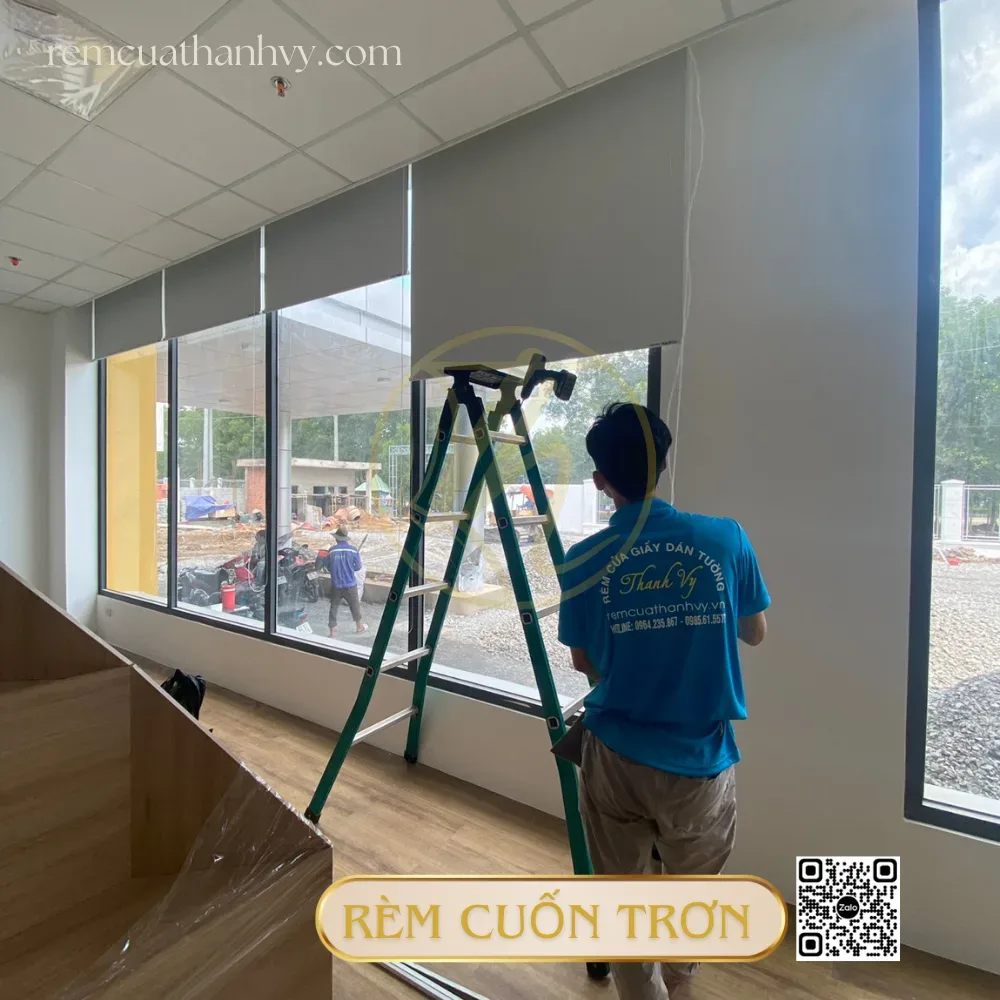
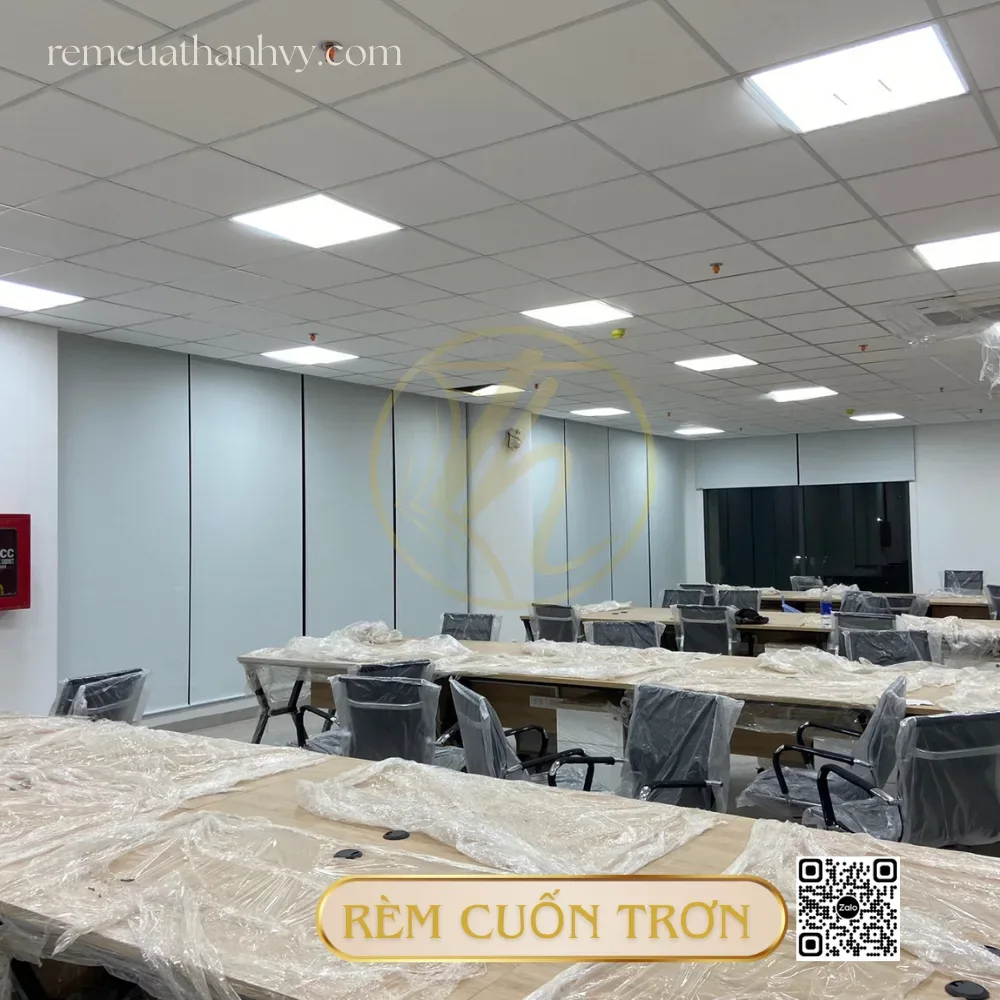
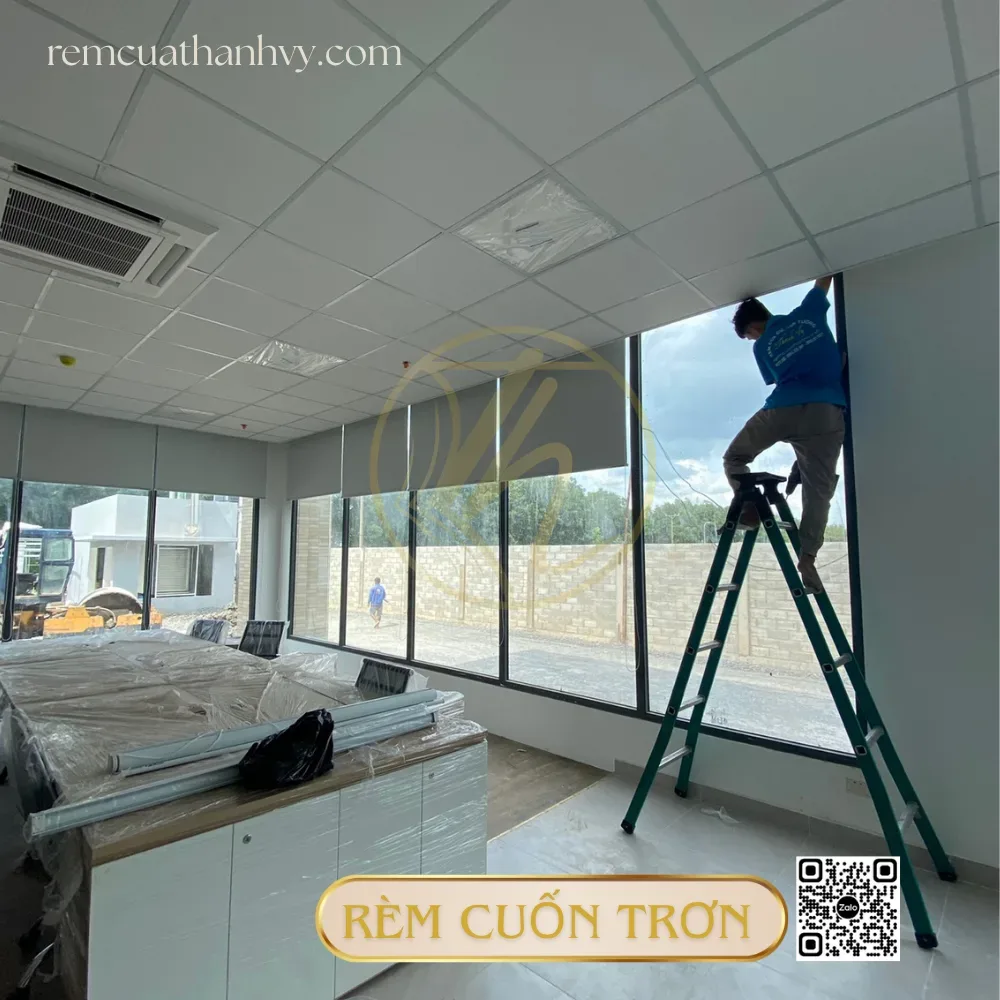
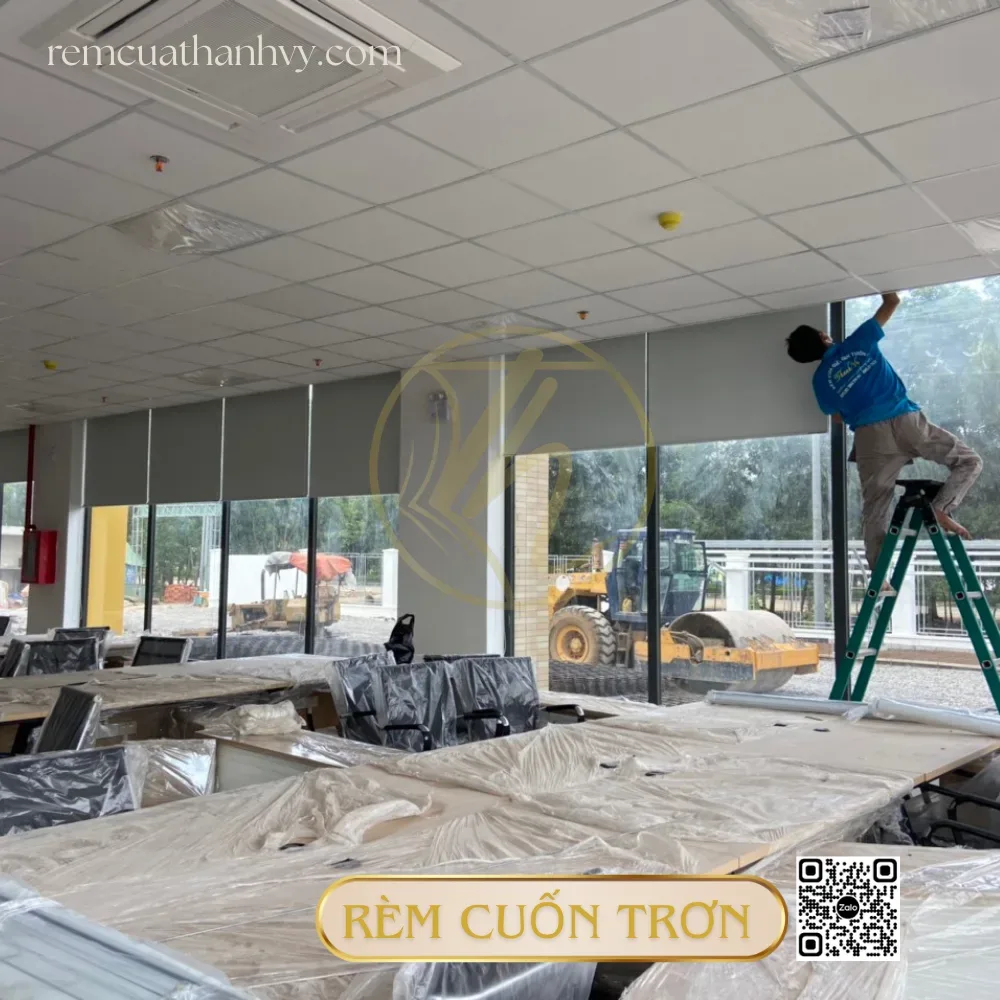
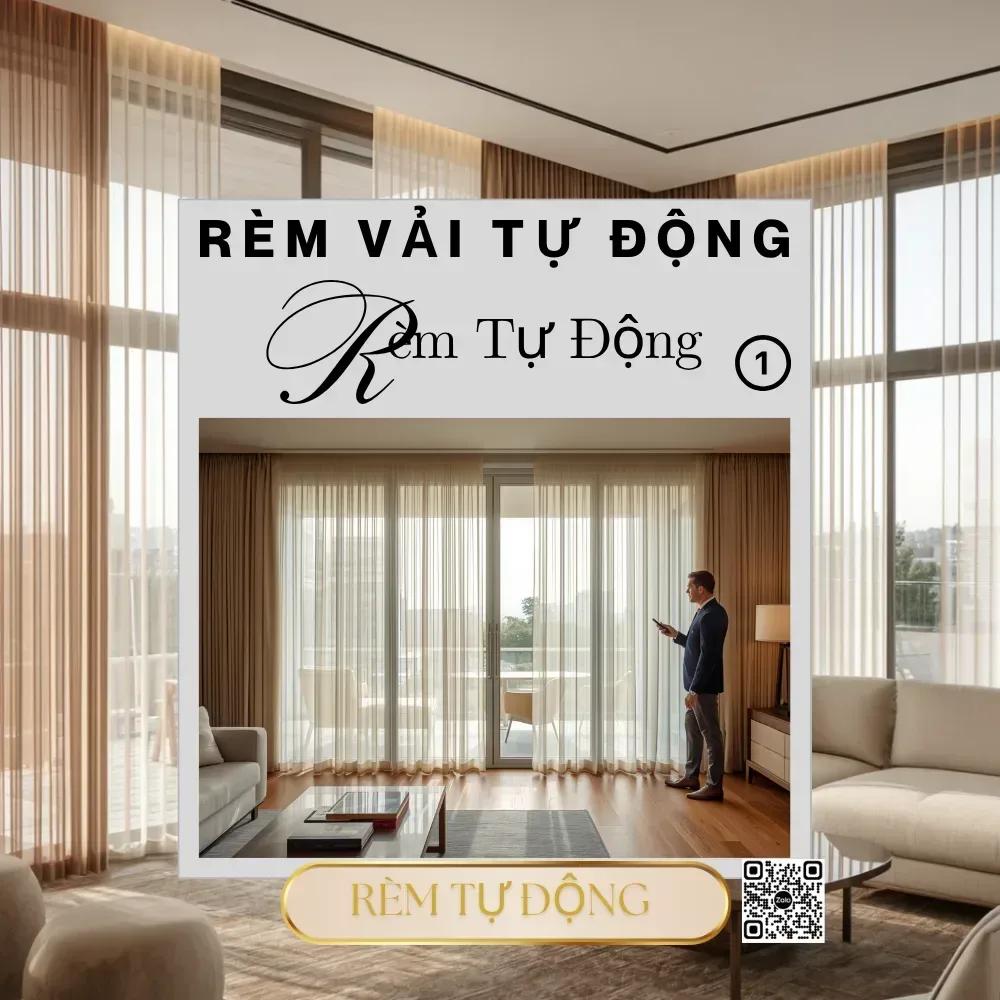
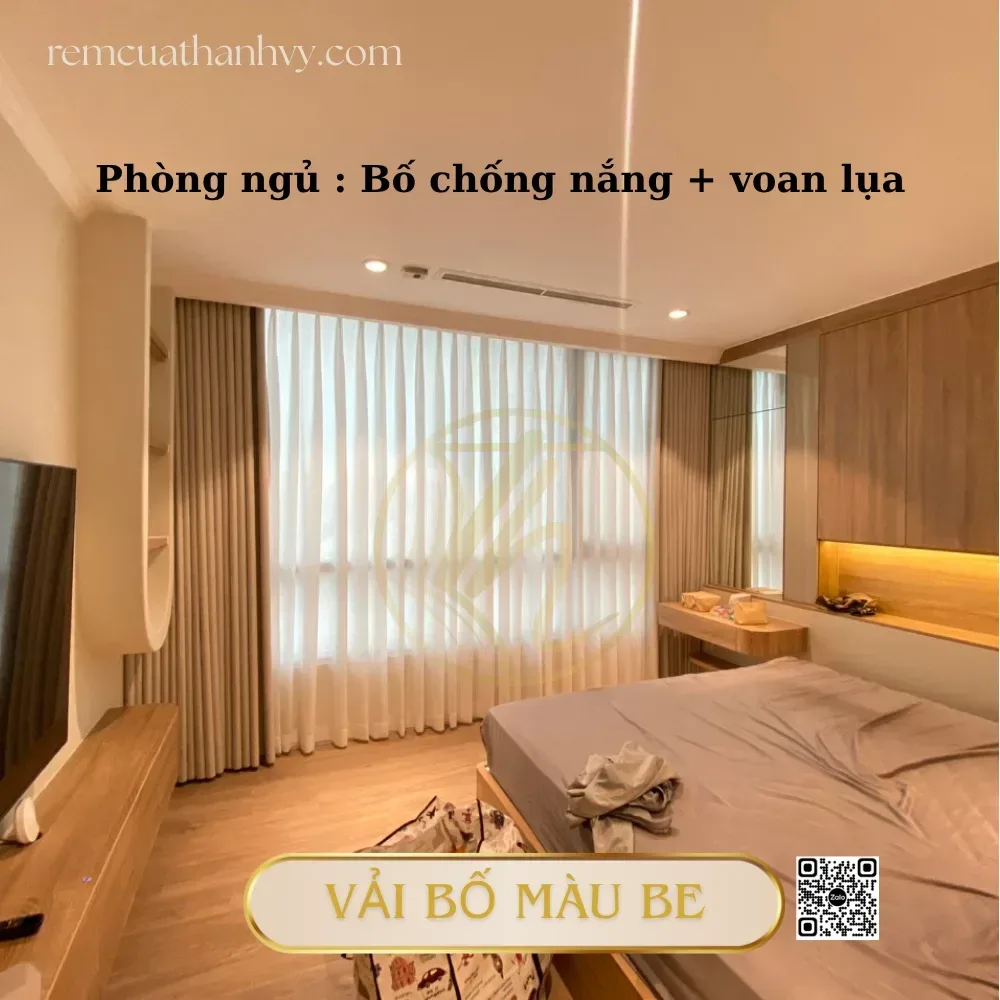
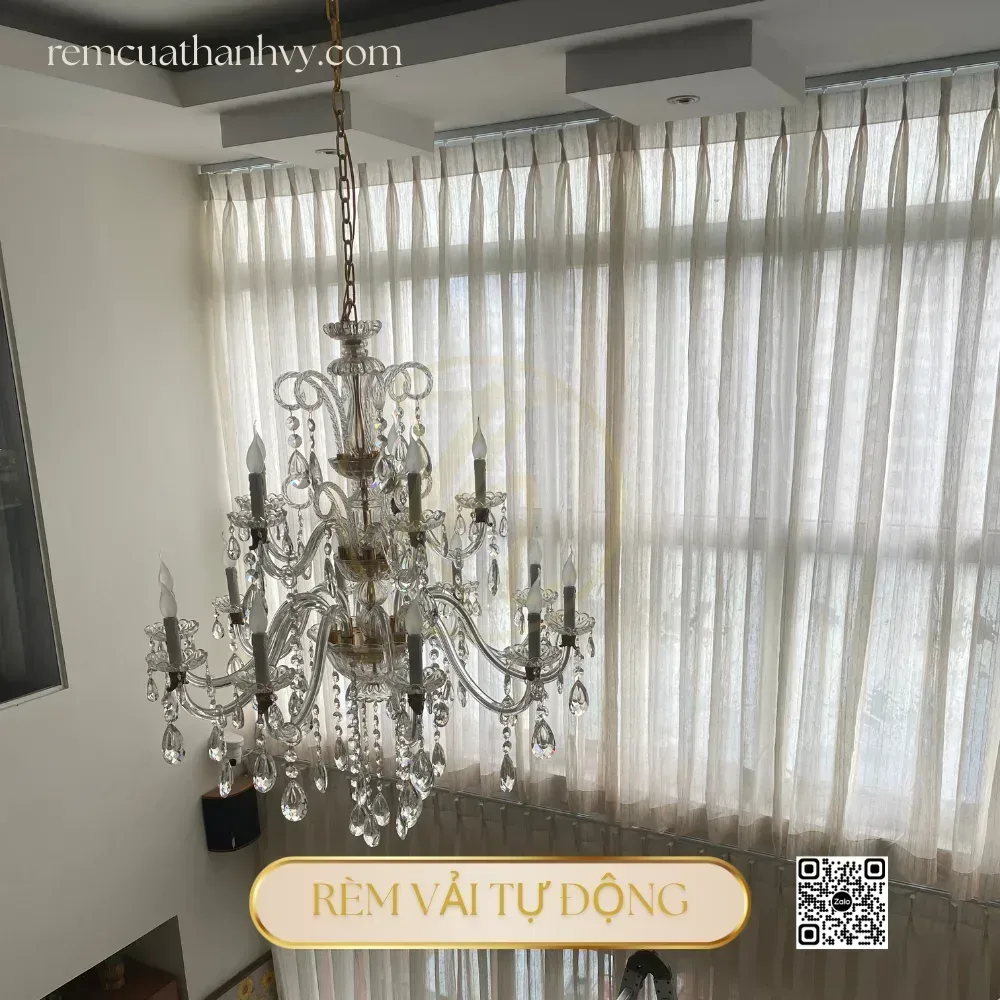
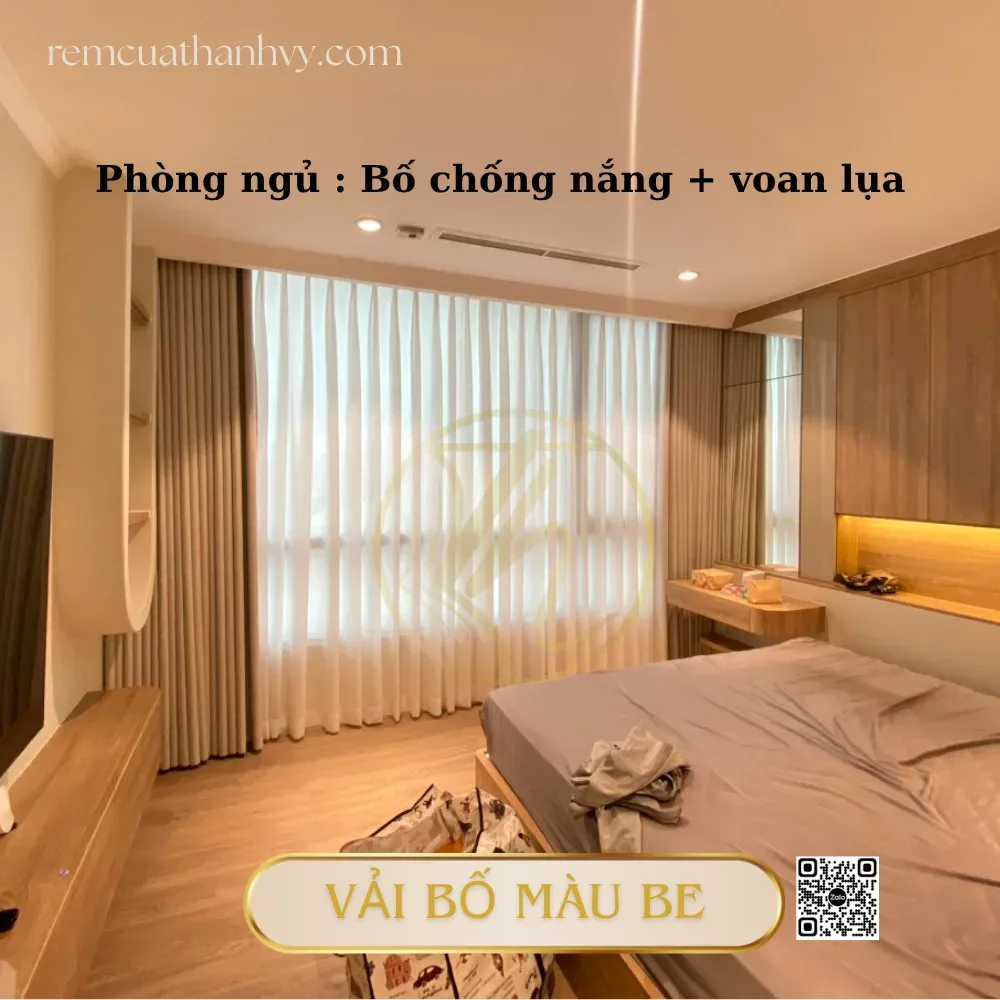
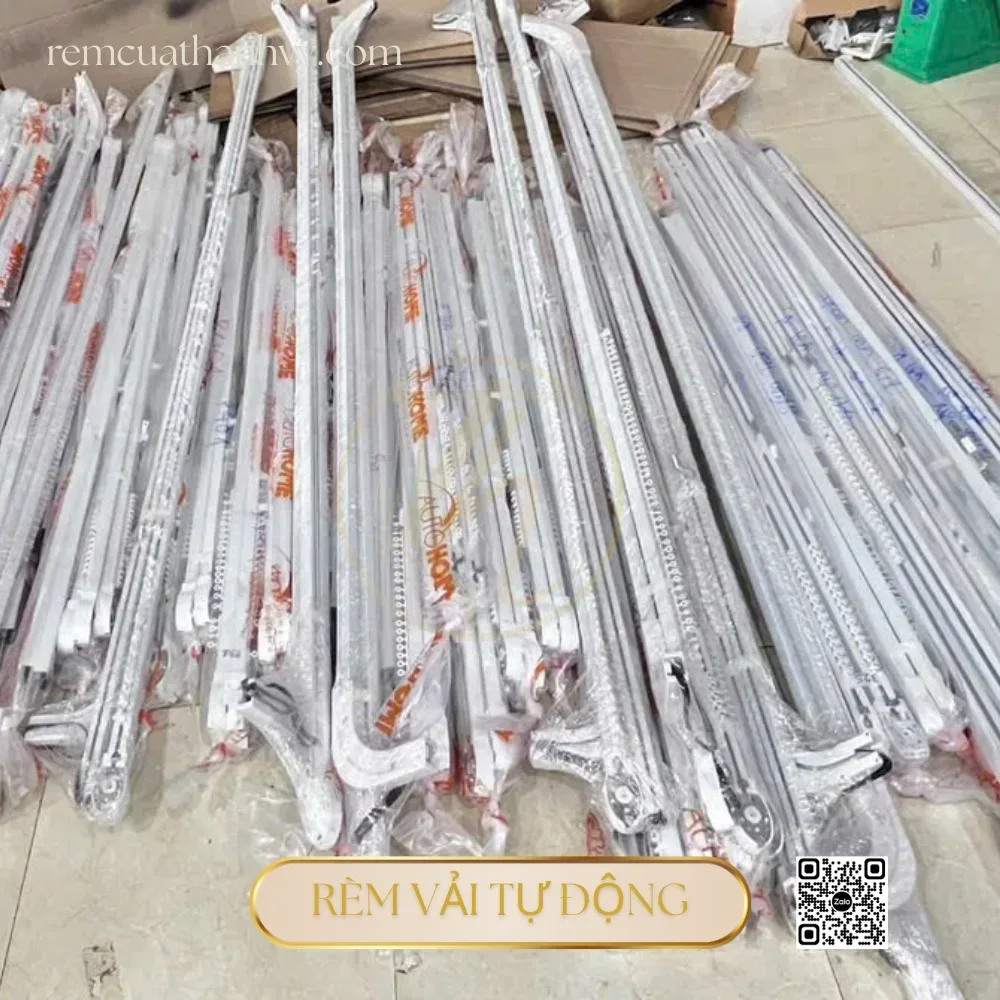
Steps should be followed in the correct order
When calculating roller blind fabric, order is more important than speed. First, define the goal, then check the window’s current state, and only then choose the material or processing method. If you reverse the order and choose the design first, it is very easy to end up with a beautiful design that does not fit the dimensions, light direction, or operating method of the actual location.
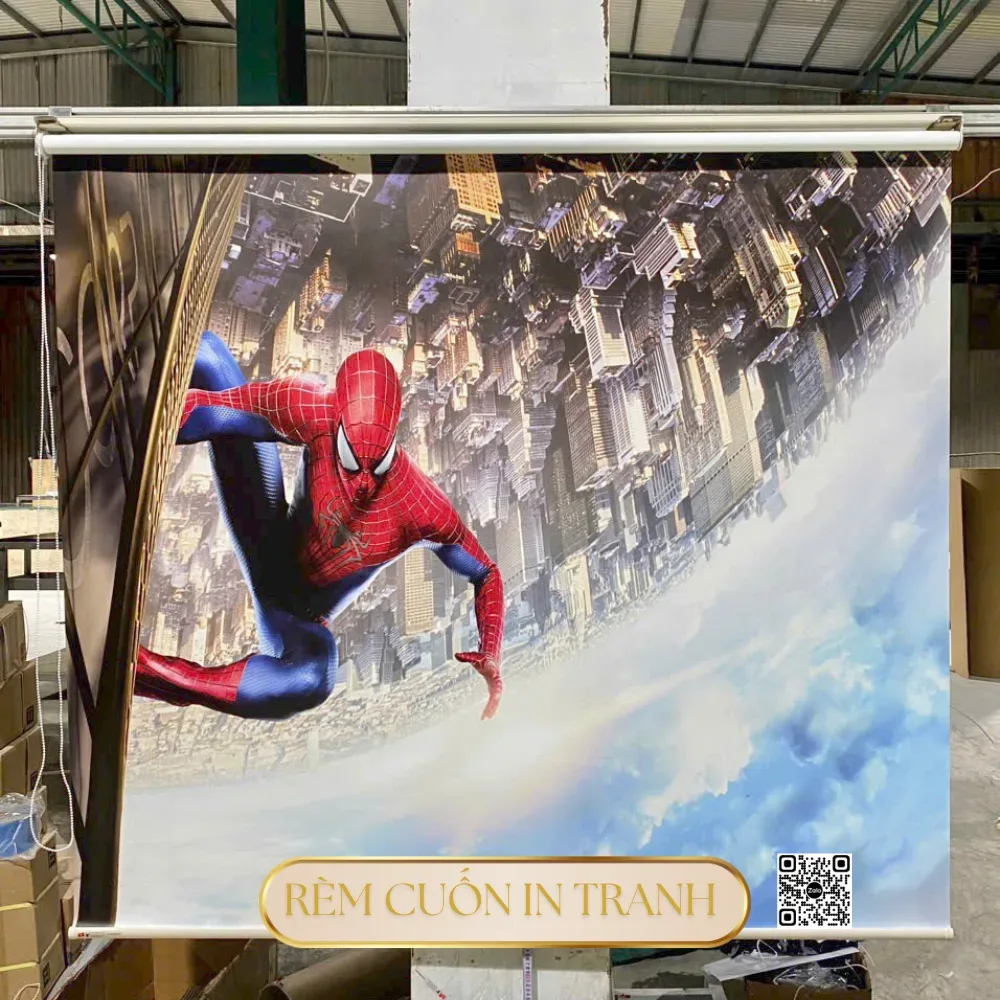
If you are still considering, you can refer to Roller Blinds or Honeycomb Blinds? A Detailed Comparison of Which to Choose and Roller Blinds or Rainbow Blinds? A Detailed Comparison of Which to Choose to compare before deciding.

Important note: Waste due to folding or joining fabric widths is often overlooked when estimating yourself.
Record preliminary measurements, panoramic photos, photos of the installation edges, and any points that might cause obstruction. Then, compare each option with your actual needs. The final step is to confirm the configuration, construction scope, and care instructions to avoid misunderstandings after completion.
Criteria to finalize before asking for consultation
Before comparing designs, finalize the main goal of the blinds. If you need to reduce glare, the priority will be different from a case where you need full coverage when lights are on in the evening. If the window is opened frequently, a compact design and light operation might be more important than the thickness of the material. If the room has young children or pets, the operating mechanism and pull cords should also be considered part of the decision.
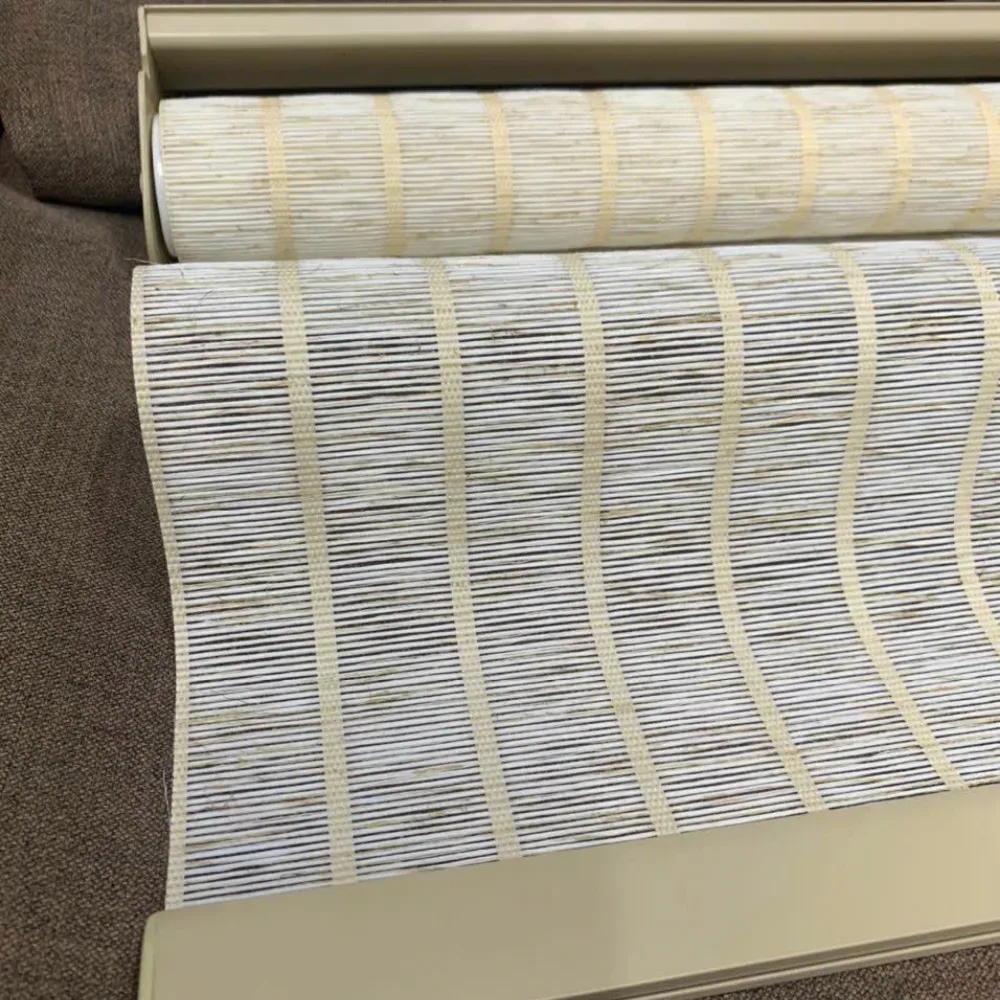
A clear consultation request should include a panoramic photo of the window, photos of both installation edges, preliminary measurements, the most annoying sun direction, and the desired interior style. With this data, the consultant can compare configurations based on the same criteria: functionality, aesthetics, durability, cleaning, and estimated budget.
Materials, colors, and finishing styles
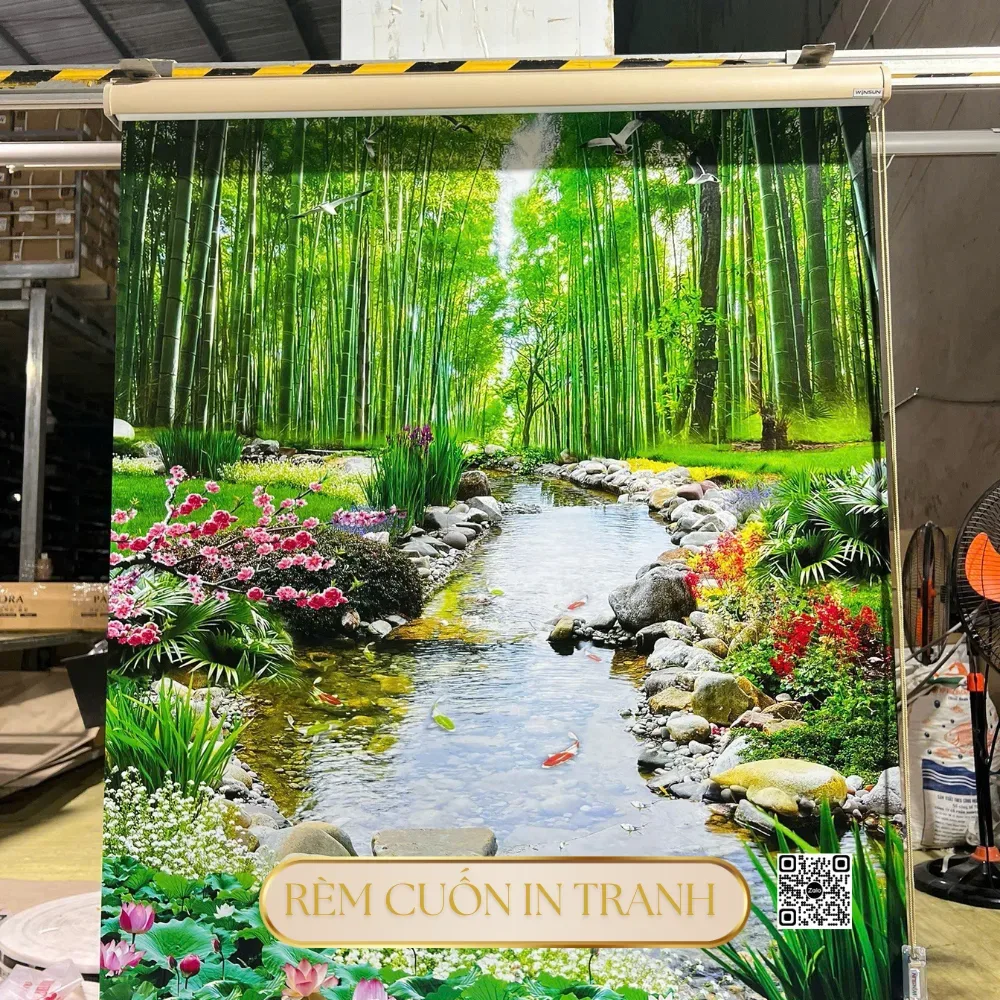
Roller blinds can feel very different depending on the material and finishing style. A thick surface creates a more private and solid feeling, while a light surface helps the space feel more airy. Neutral colors are easy to coordinate long-term, but not every room needs light colors. It is important to view the color in the actual lighting conditions of the room, as natural light and interior lighting can change the tone significantly.
The finishing style should be chosen according to the window’s proportions. Large windows need to account for coverage, stacking space, and balance with the wall/ceiling; small windows should avoid overly heavy configurations. If you are torn between two options, ask for a clear description of the differences in operation, cleaning, light feel, and maintenance costs instead of just looking at sample photos.
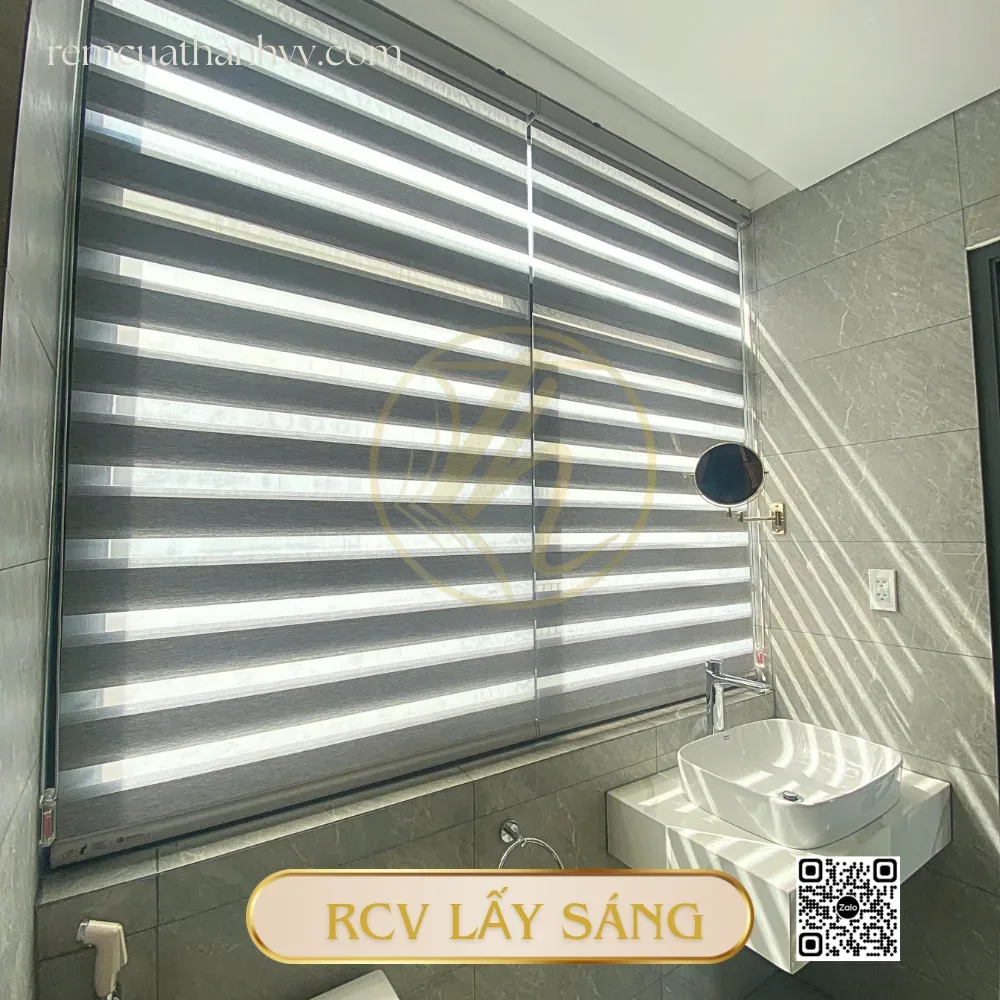
How the workflow should proceed
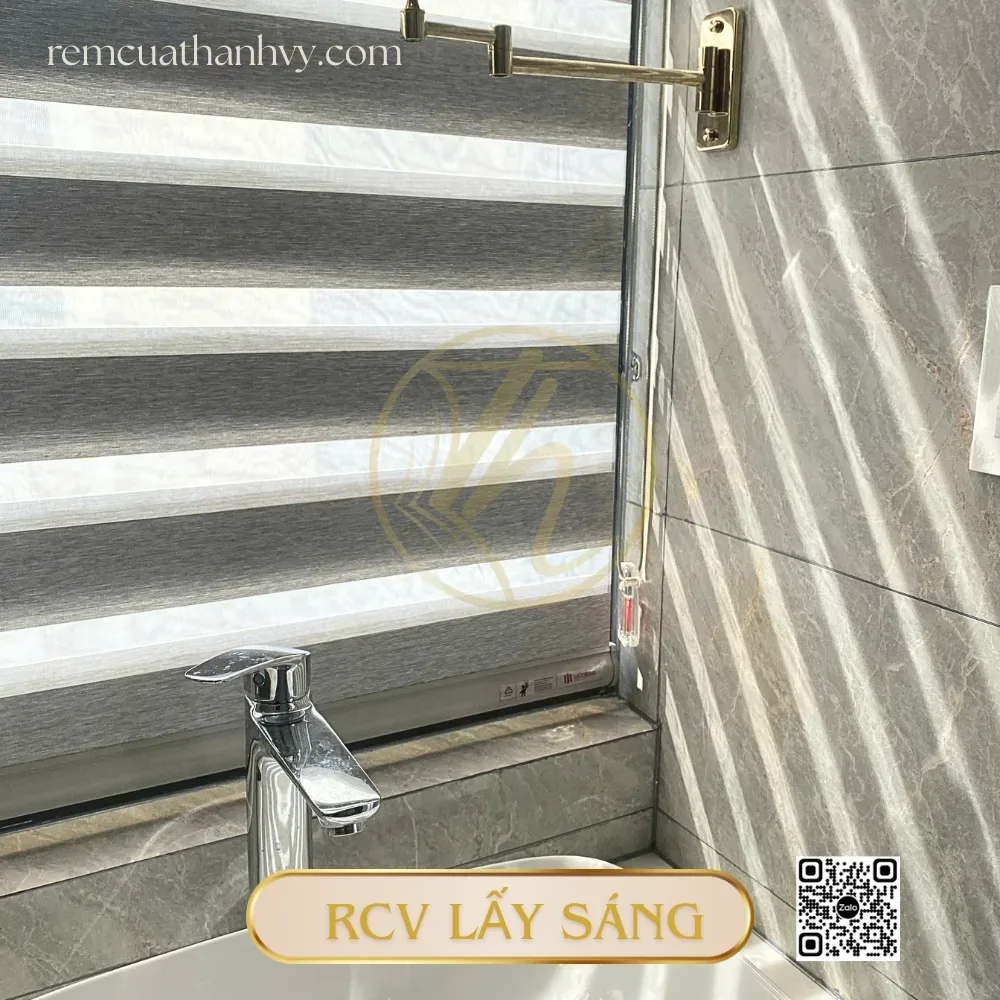
A reasonable process usually starts with discussing needs, viewing current state photos, and filtering preliminary options. Then comes the step of detailed measurement or surveying if the window has many influencing factors. Once measurements, materials, and accessories are confirmed, the quote should clearly state the scope: which material, which finishing style, which accessories, preparation time, and any potential additional conditions. Information about the company also appears in the article introducing auditorium curtains in Can Tho Newspaper.
Readers do not need to know all technical terms, but should ask for all options to be explained in language that is easy to verify. A good option does not just say “beautiful” or “high-end,” but must explain why it fits the light, usage, and window state of the specific space needing curtains.
How to compare two options fairly
Comparing roller blind fabric calculation methods should place the options on the same level. Look in turn at light blocking capability, privacy level, remaining blind portion when opened, ease of cleaning, included accessories, and the overall feeling in the room. A cheaper option might be missing accessories, lacking installation scope, or using a non-equivalent configuration.
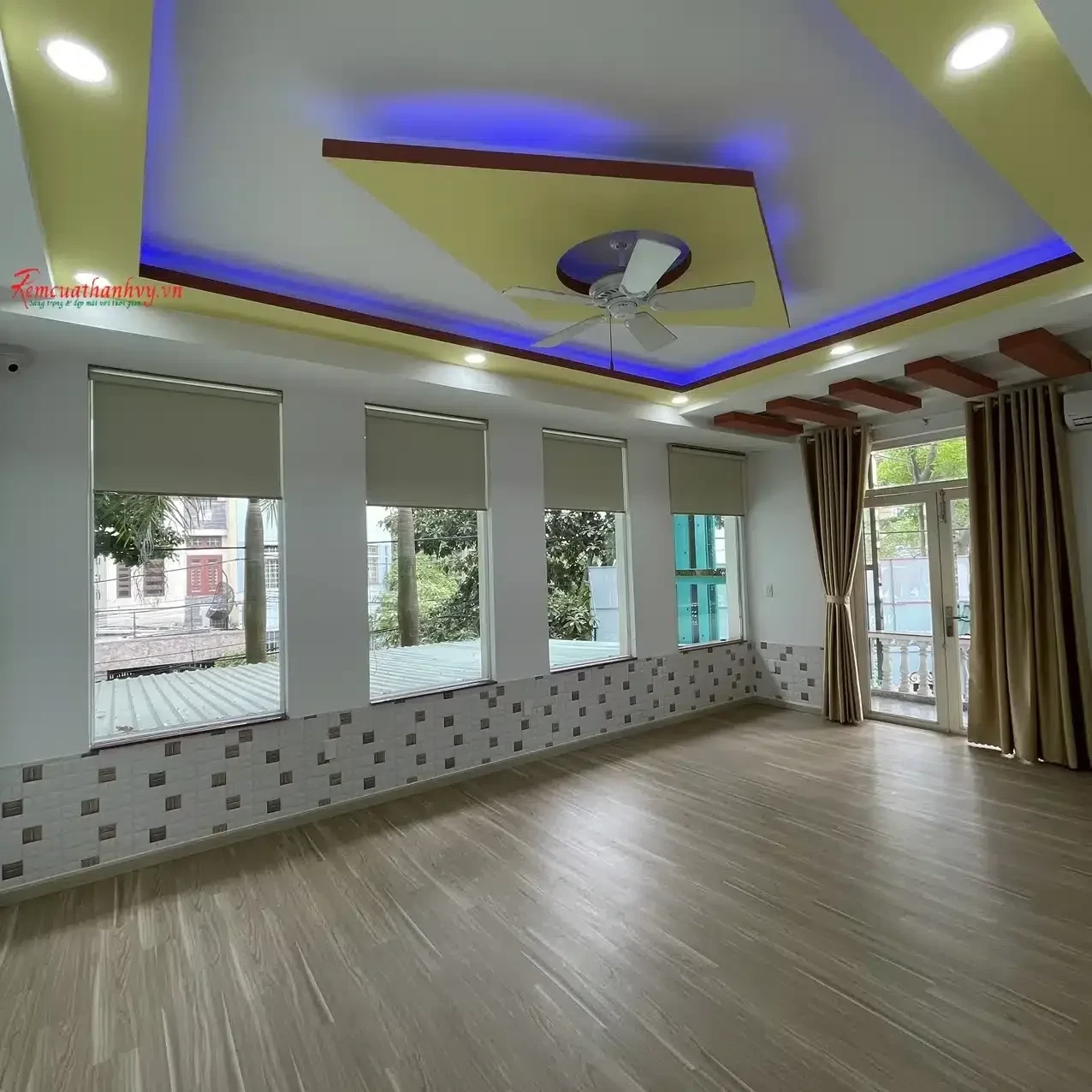
If the problem is a residential space, don’t just ask which model is popular. Ask which option is more suitable for the light direction, usage frequency, and budget. When criteria are written down clearly, the final decision will depend less on emotion and reduce the possibility of having to make adjustments after installation.

Notes on safety, cleaning, and long-term use
Curtains are items that are touched frequently, so the daily usage feeling is just as important as the image when first installed. Areas with lots of dust, near the kitchen, or near a balcony need attention regarding cleaning capability. Rooms with young children should prioritize compact operating mechanisms, controlled pull cords, or cordless options where appropriate.
Lifespan depends on choosing correctly from the start and how they are cared for afterward. Do not choose materials that are too difficult to maintain for high-use areas, nor should you choose configurations that are too thin for places needing high privacy. A good set of blinds is one that maintains its functionality and beautiful feel after many months of use, not just on the first day of acceptance.
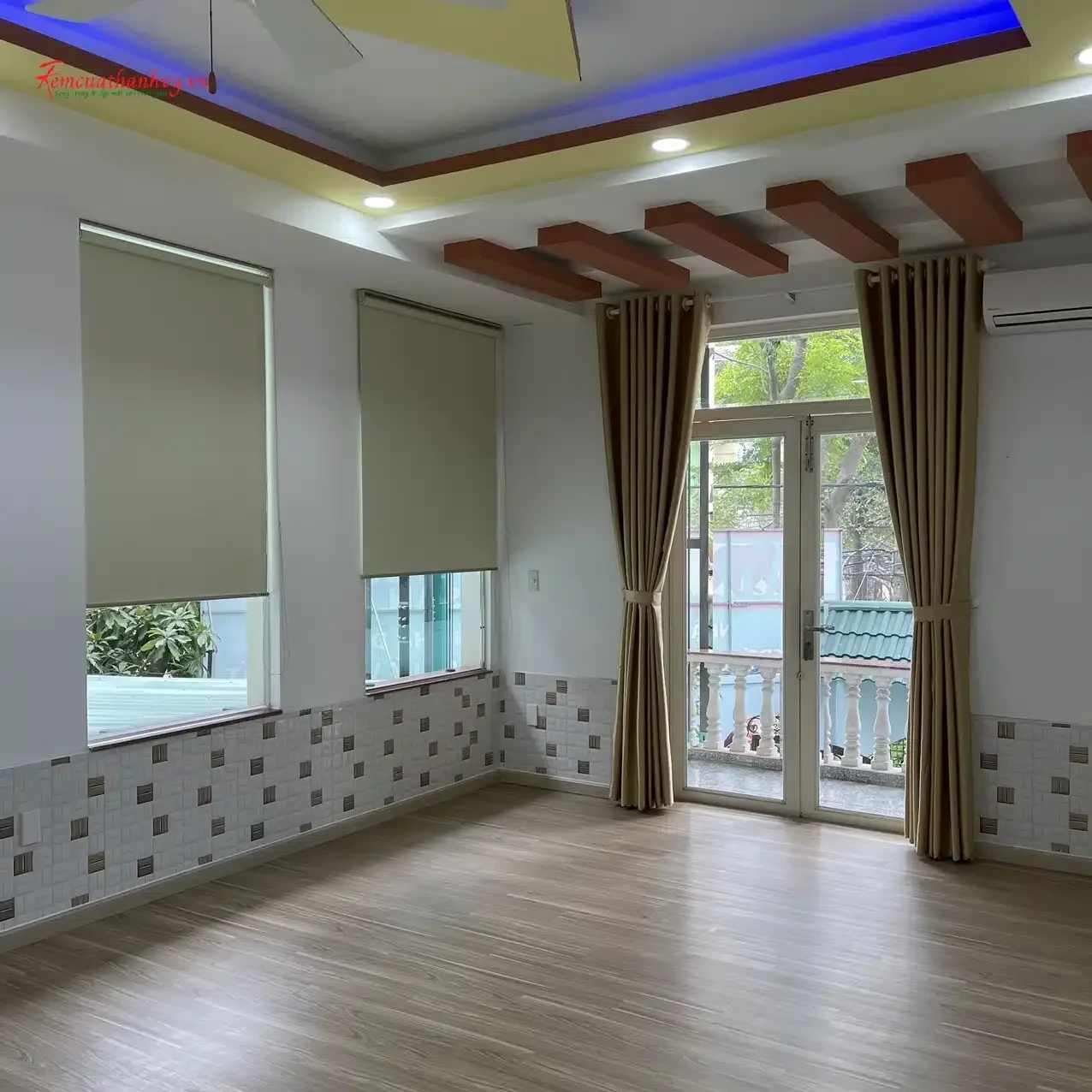
Send your dimensions and needs, and the Thanh Vy Curtains team will advise on options and quote for your actual space.
When to contact for specific consultation
You should contact us when you have window photos, preliminary measurements, and the main usage goal. If you are not sure which type to choose, send additional photos of the room and describe the sun timing or the privacy issues you are facing. This information helps the consultation go straight to the suitable option, instead of sending too many samples that don’t match the goal. You can refer to the role of windows to better understand the material part.
With roller blind fabric calculation, the most solid way is to finalize needs, filter 2-3 options, and only make a final decision after clearly understanding the scope of materials, accessories, installation, and care. This way, readers can better control their budget while still choosing a solution that fits the actual space.
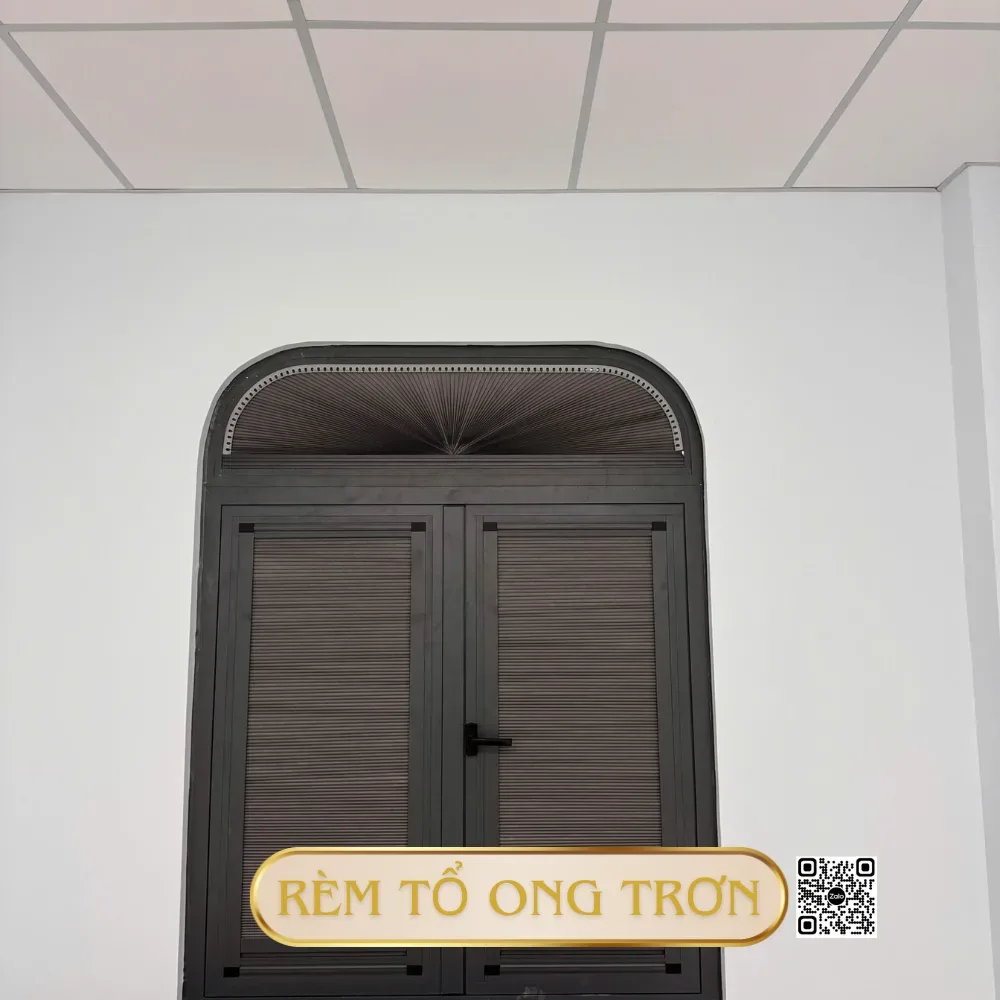
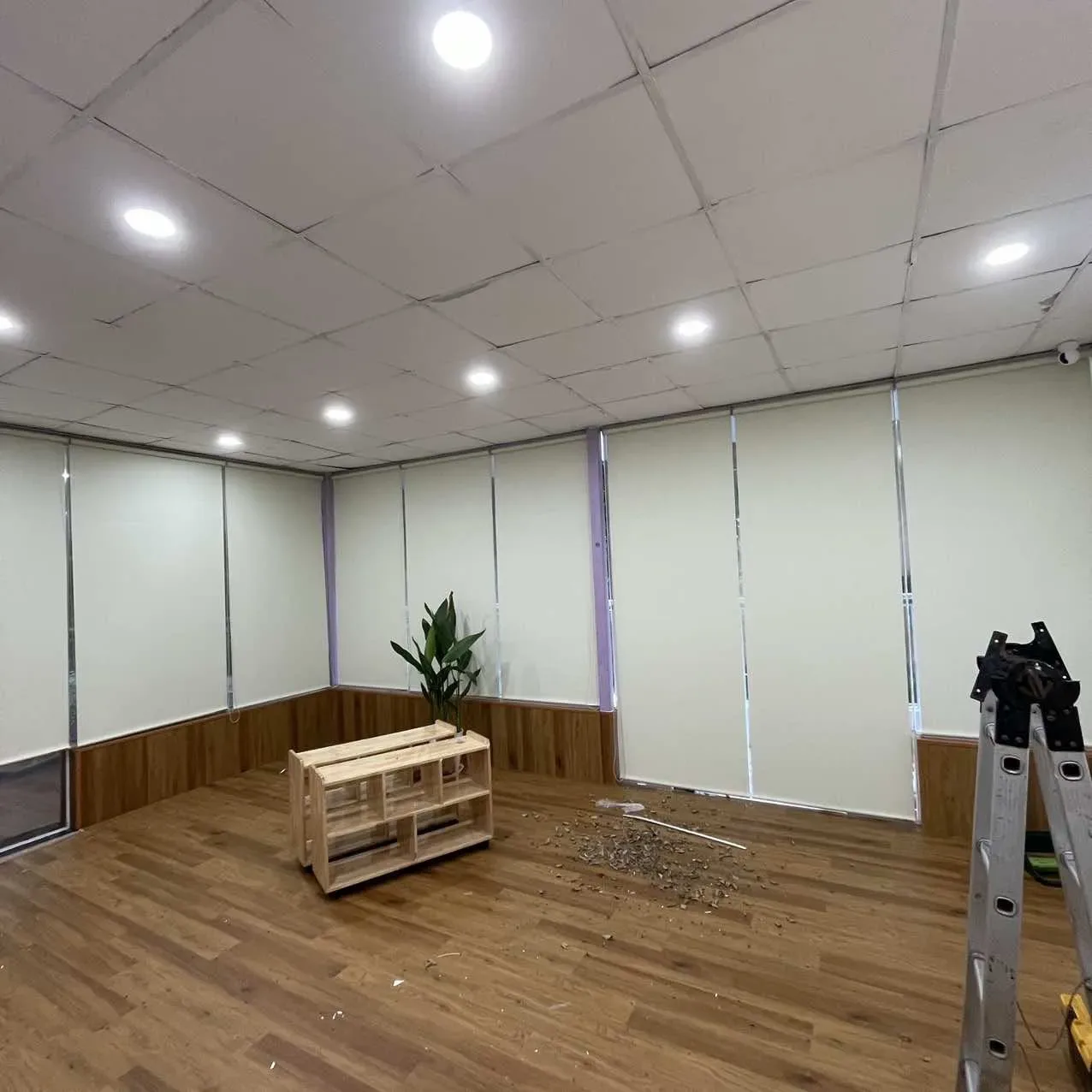
Curtain models to refer to
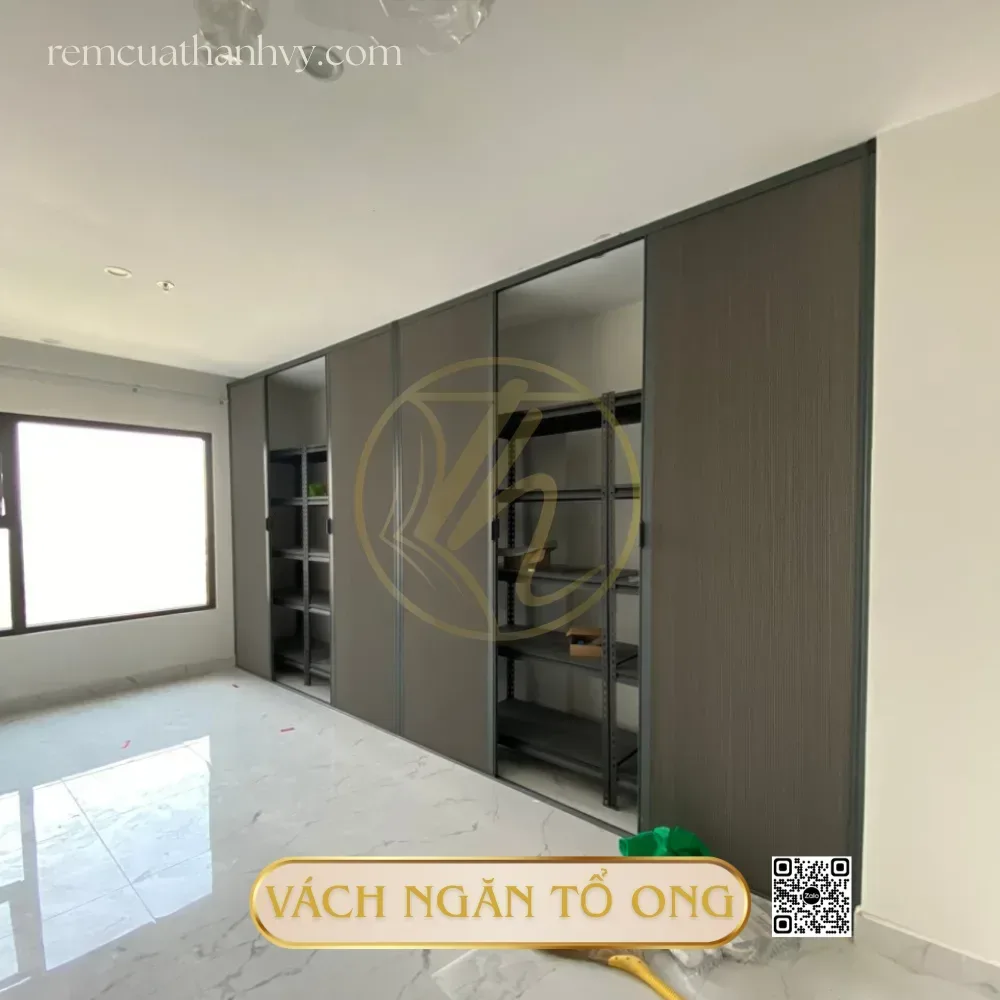
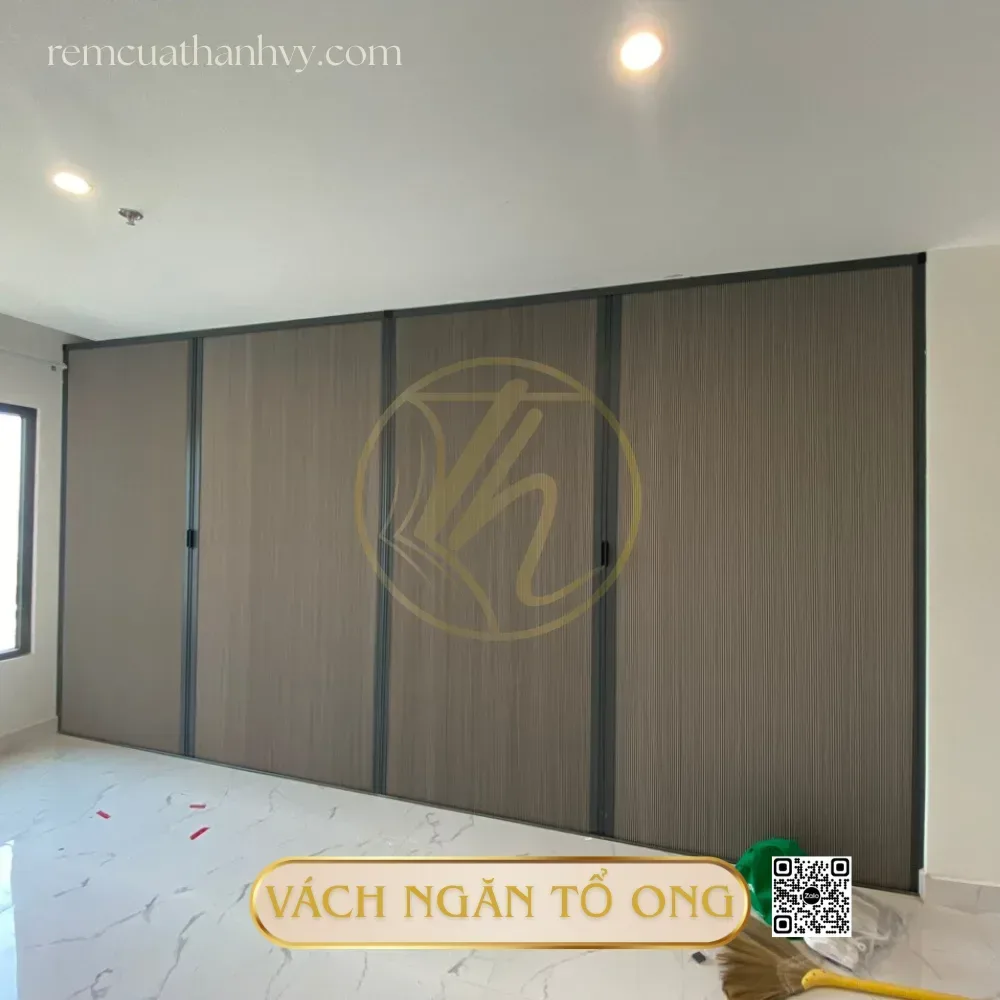
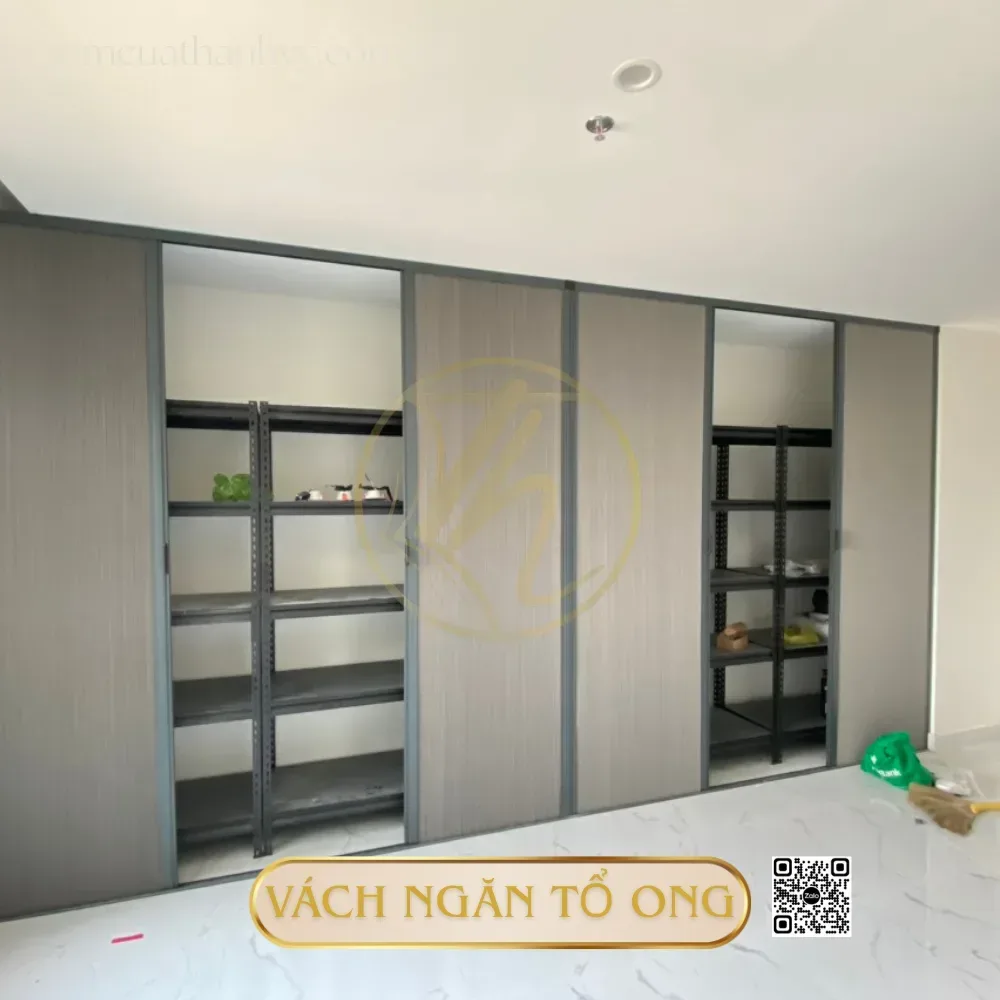
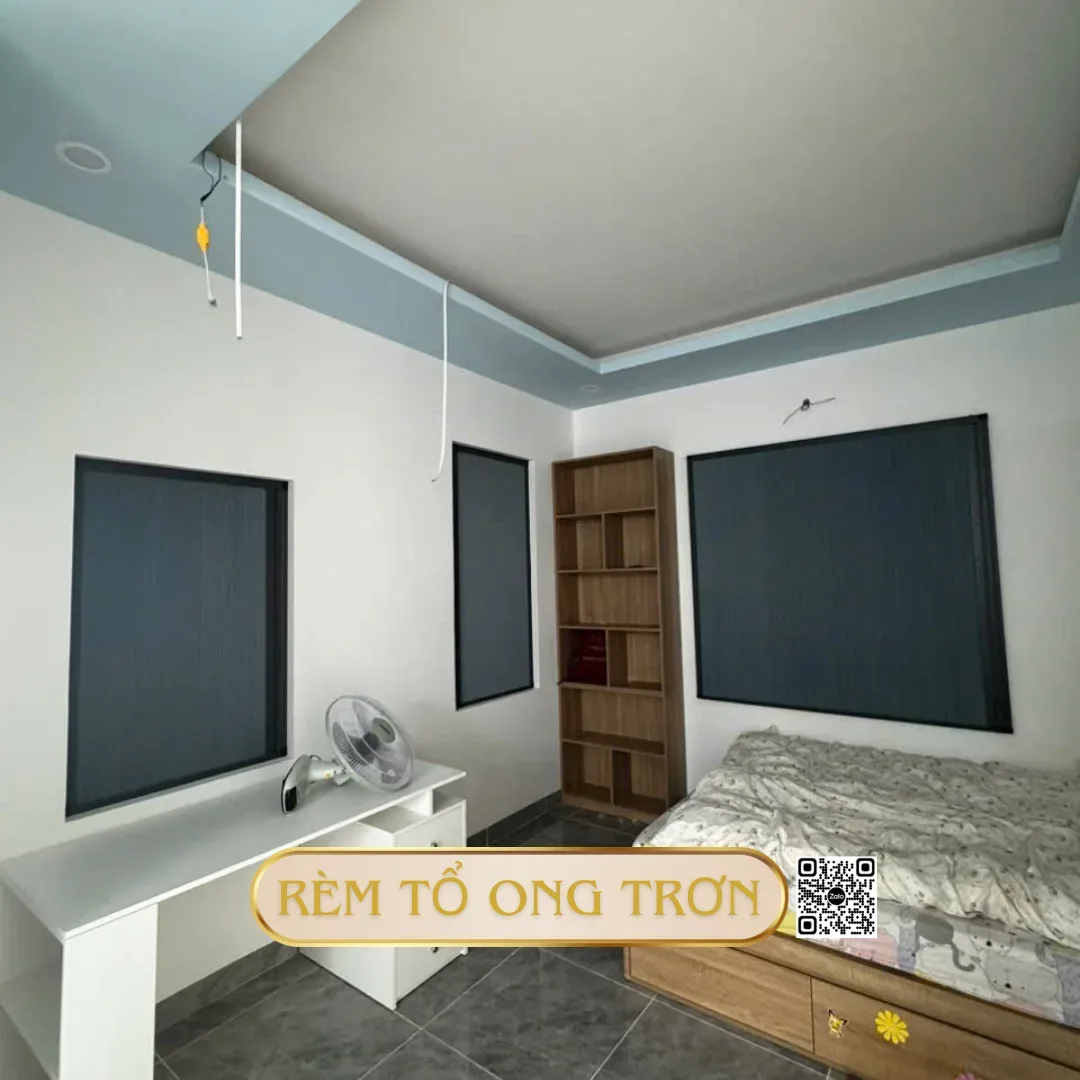
Below are the actual product groups currently available at Thanh Vy Curtains, ranked by popular usage needs.
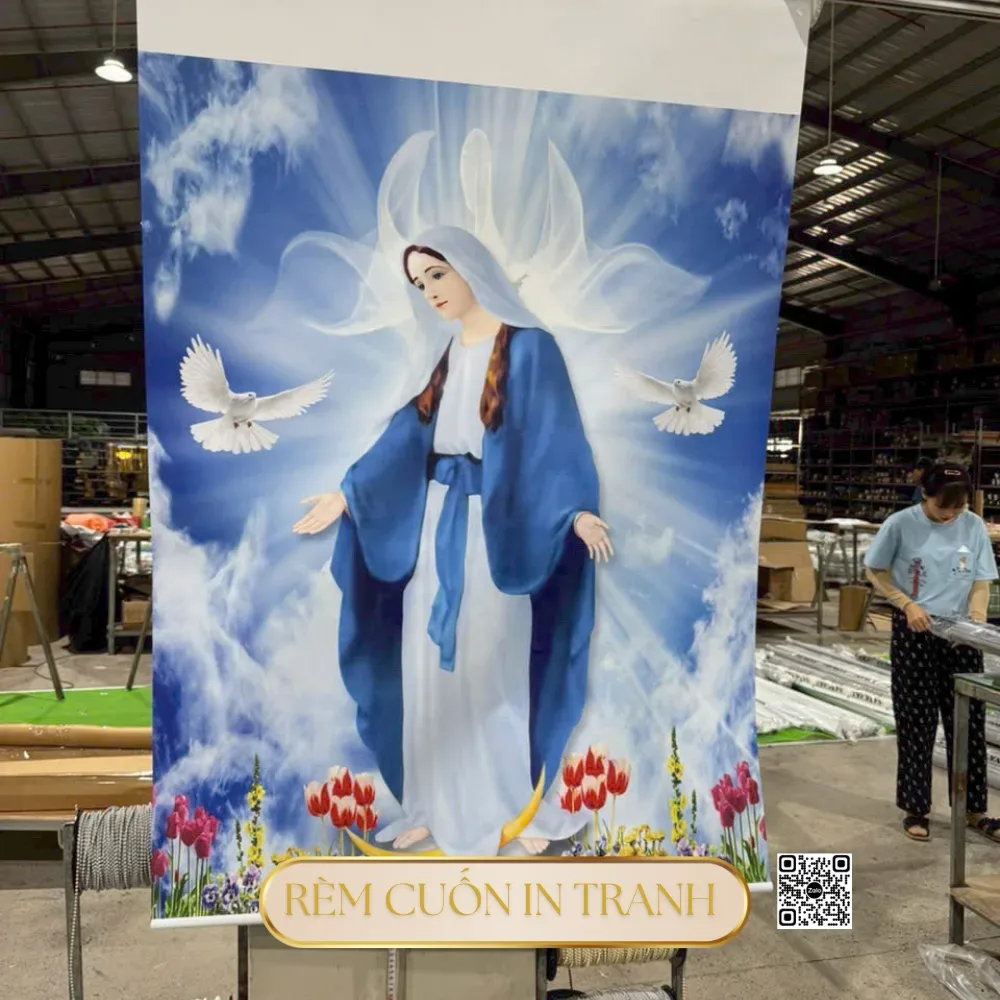
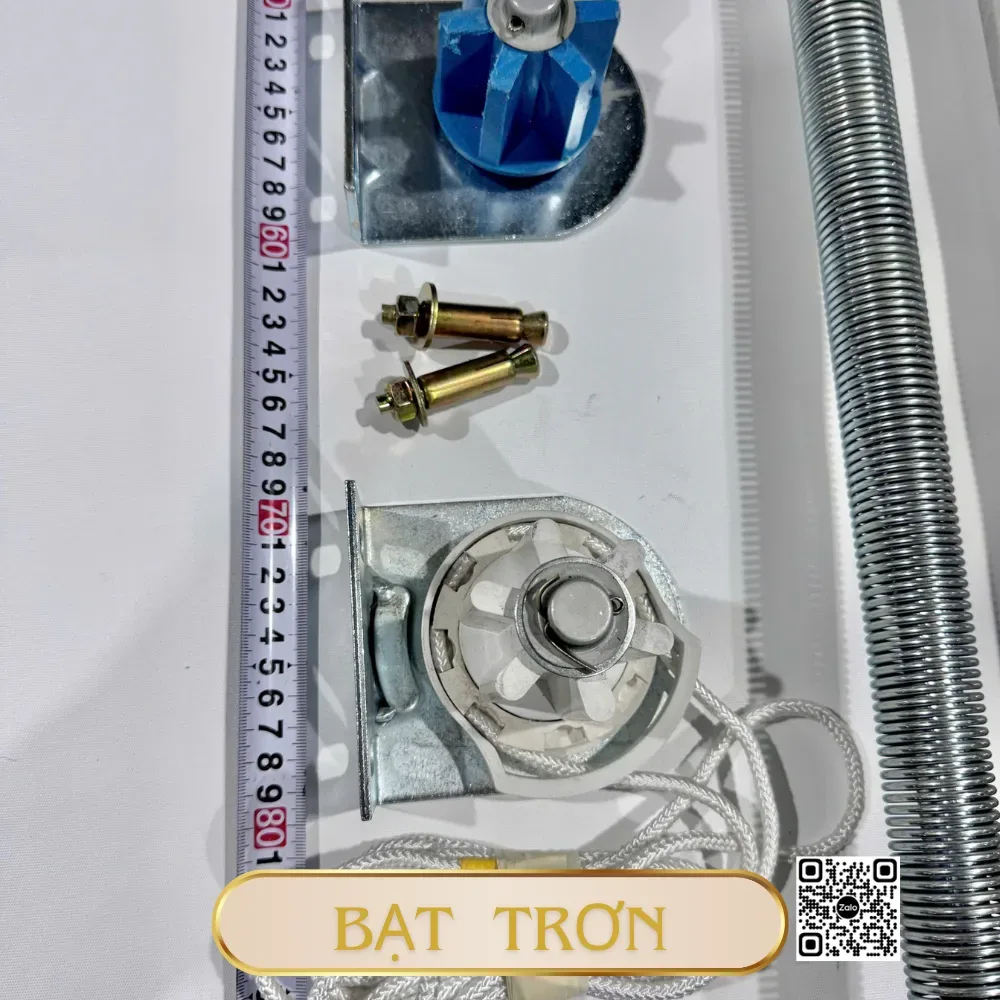
Roller blinds
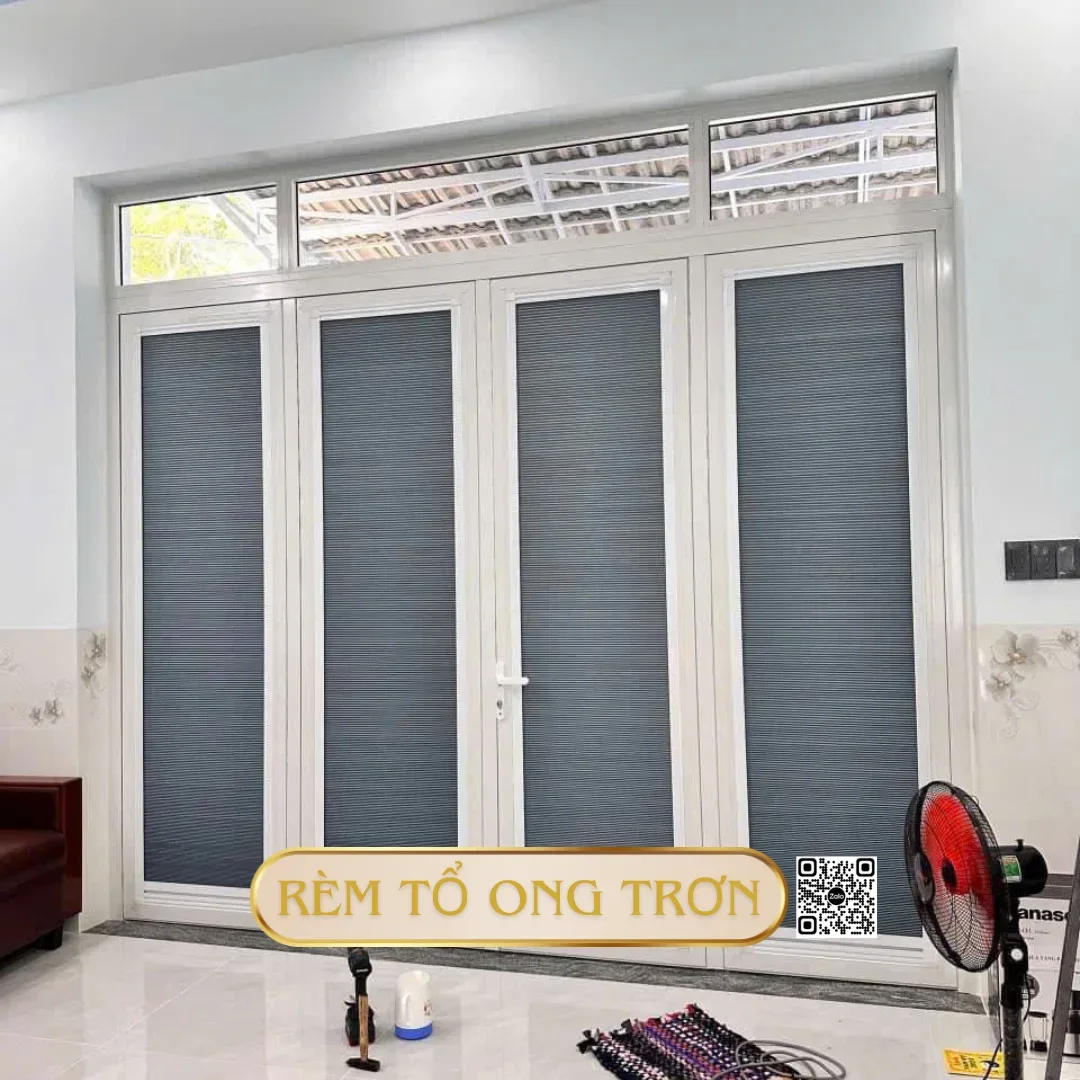
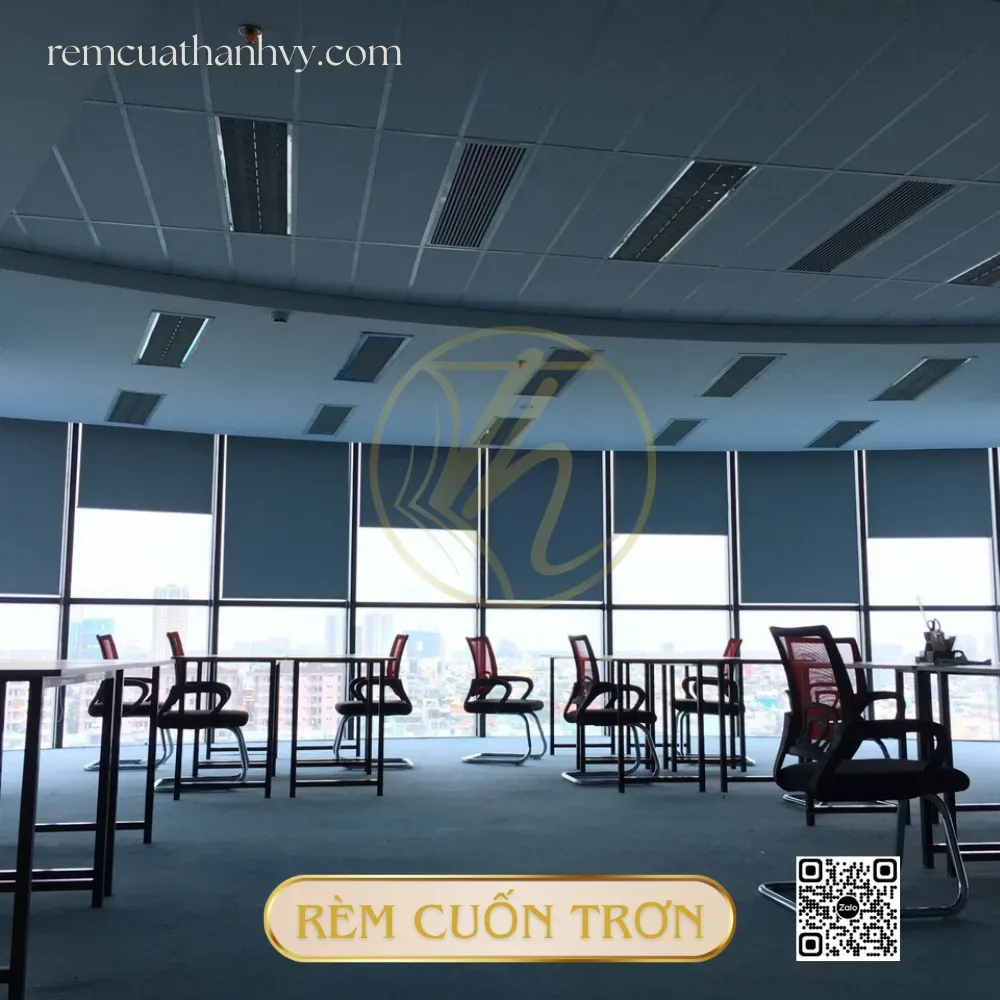
Roller blinds are easy to clean and maintain a flat form, suitable for offices or kitchens.

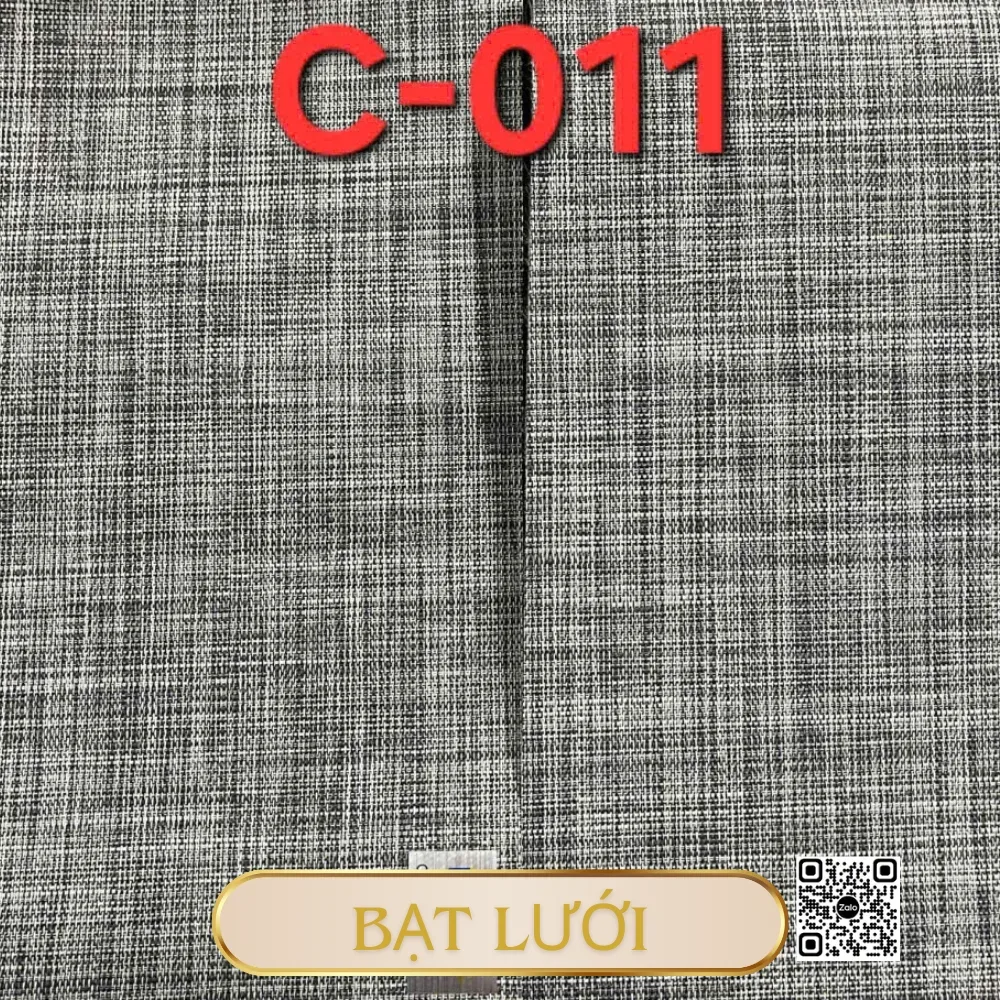

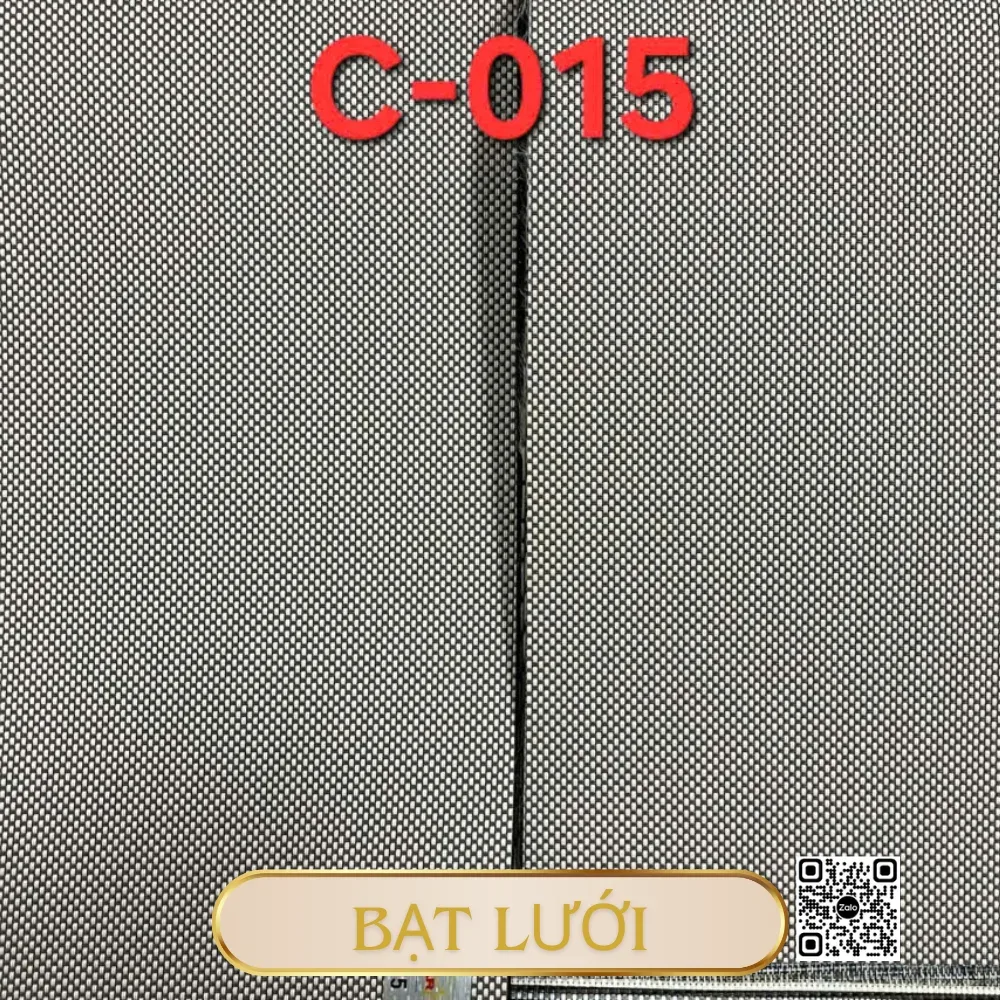
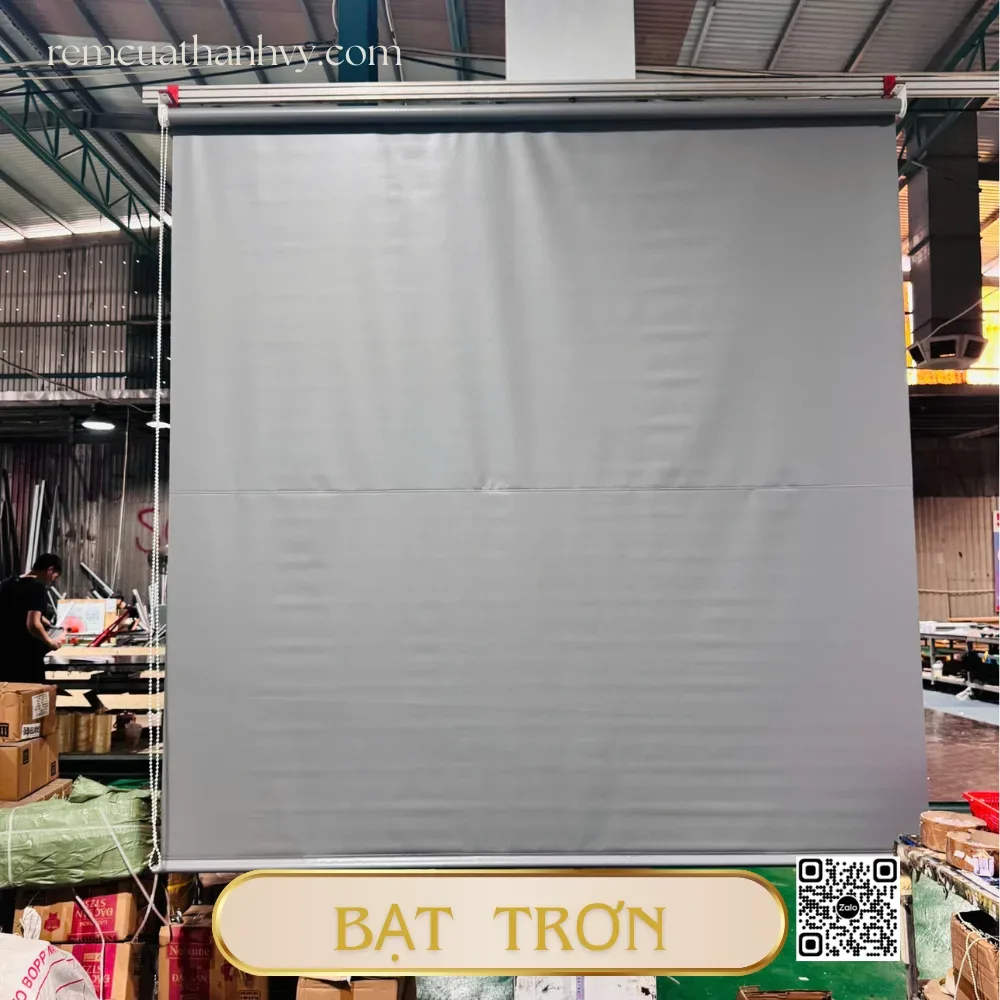
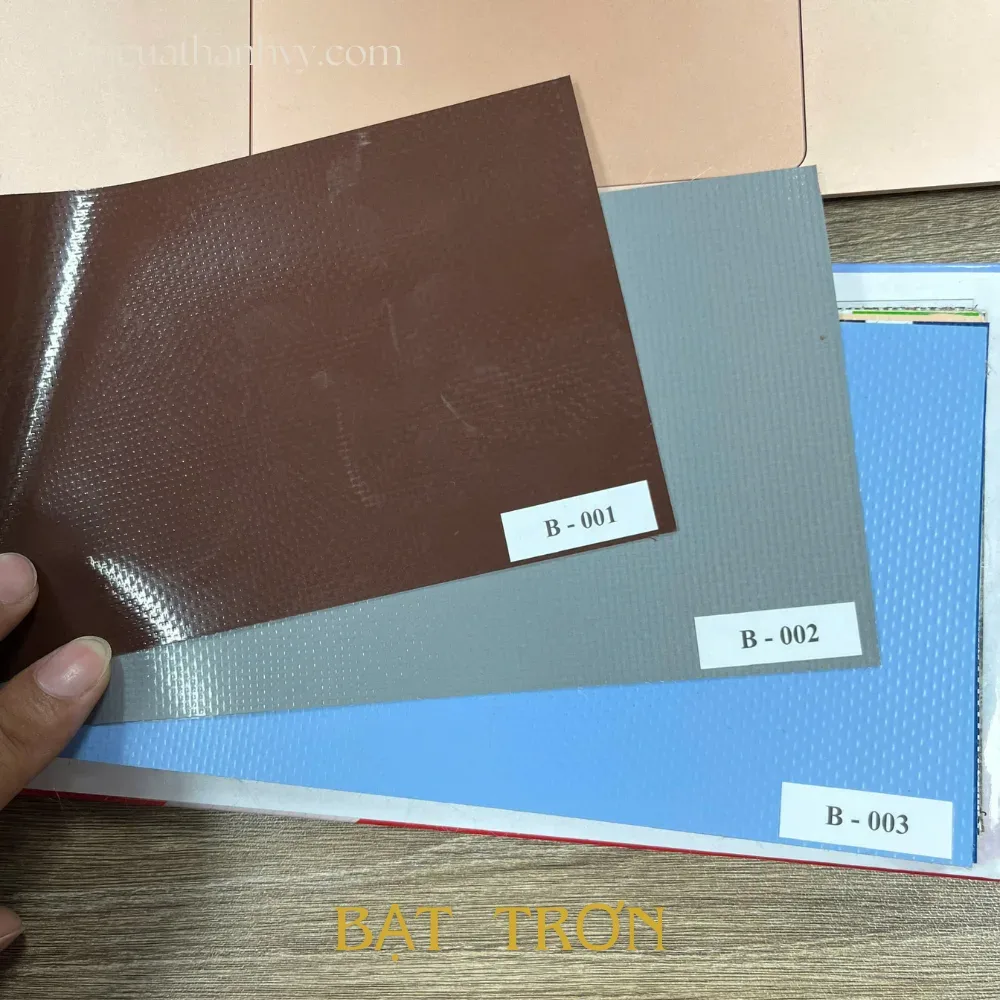
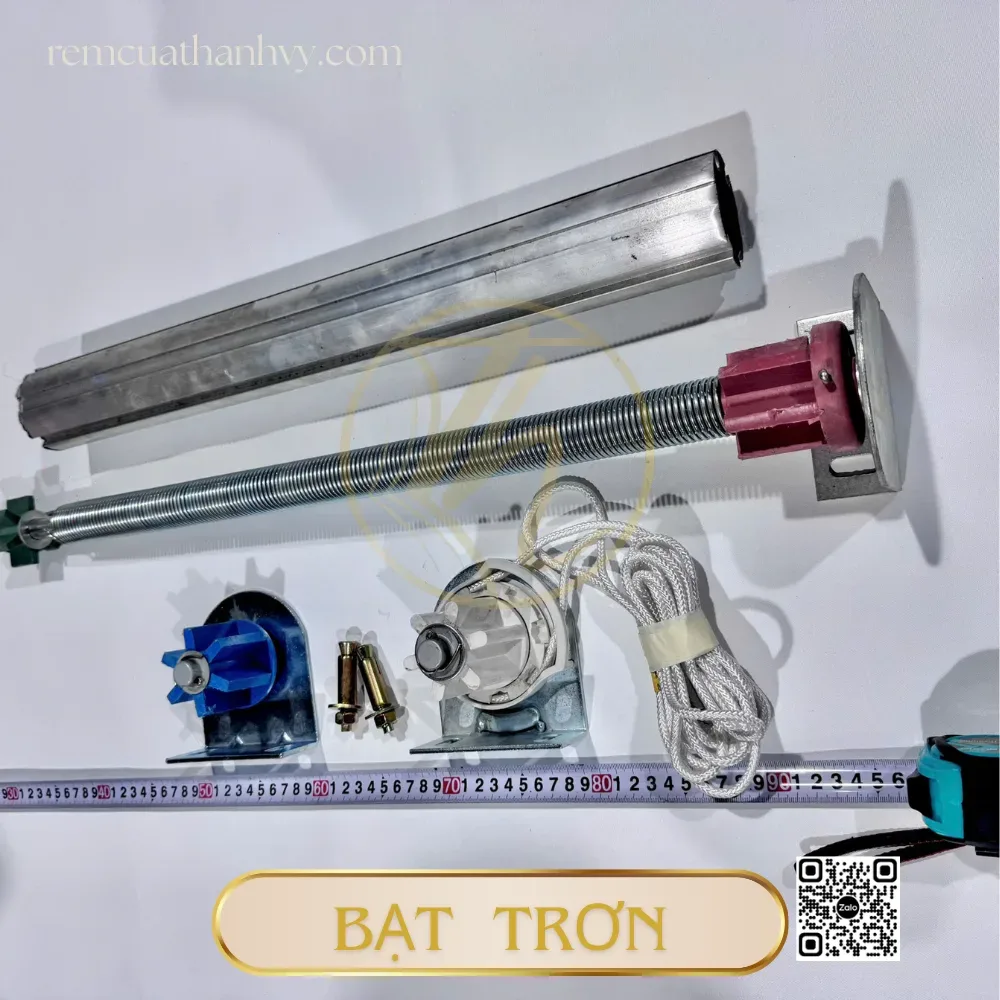
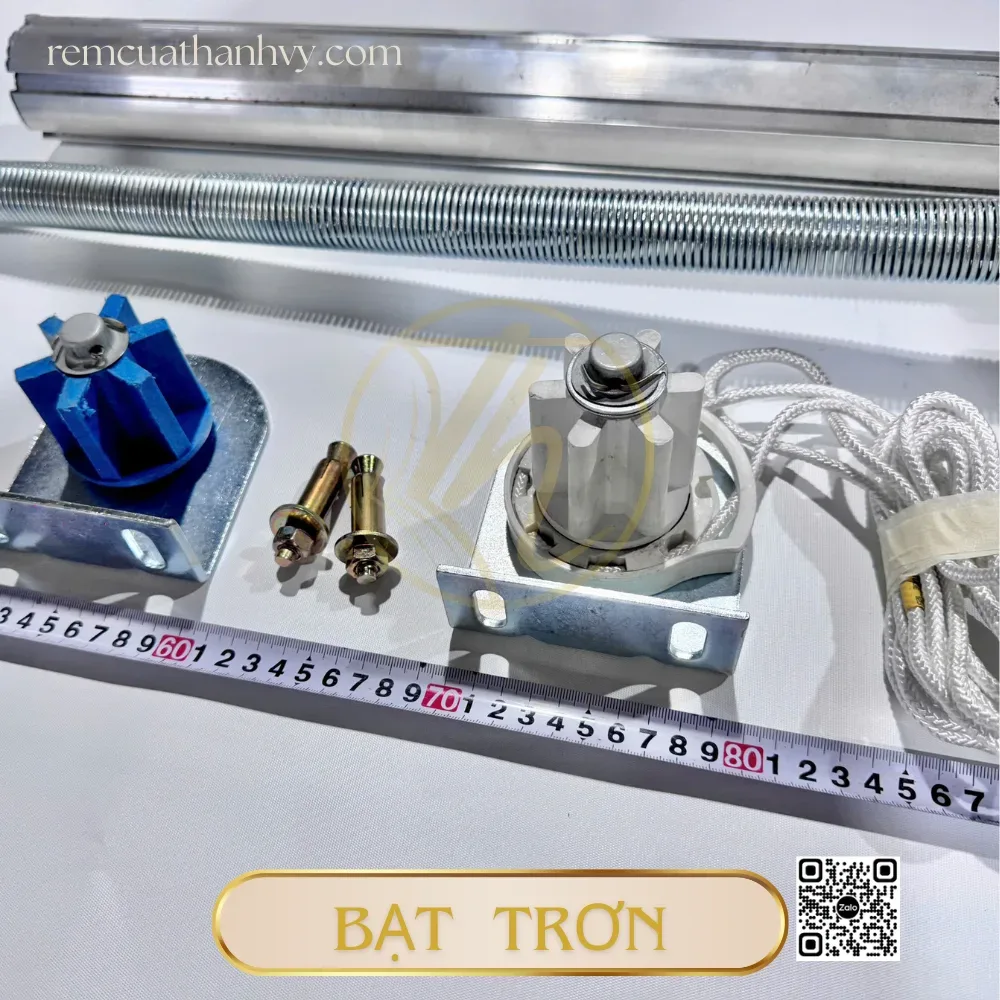
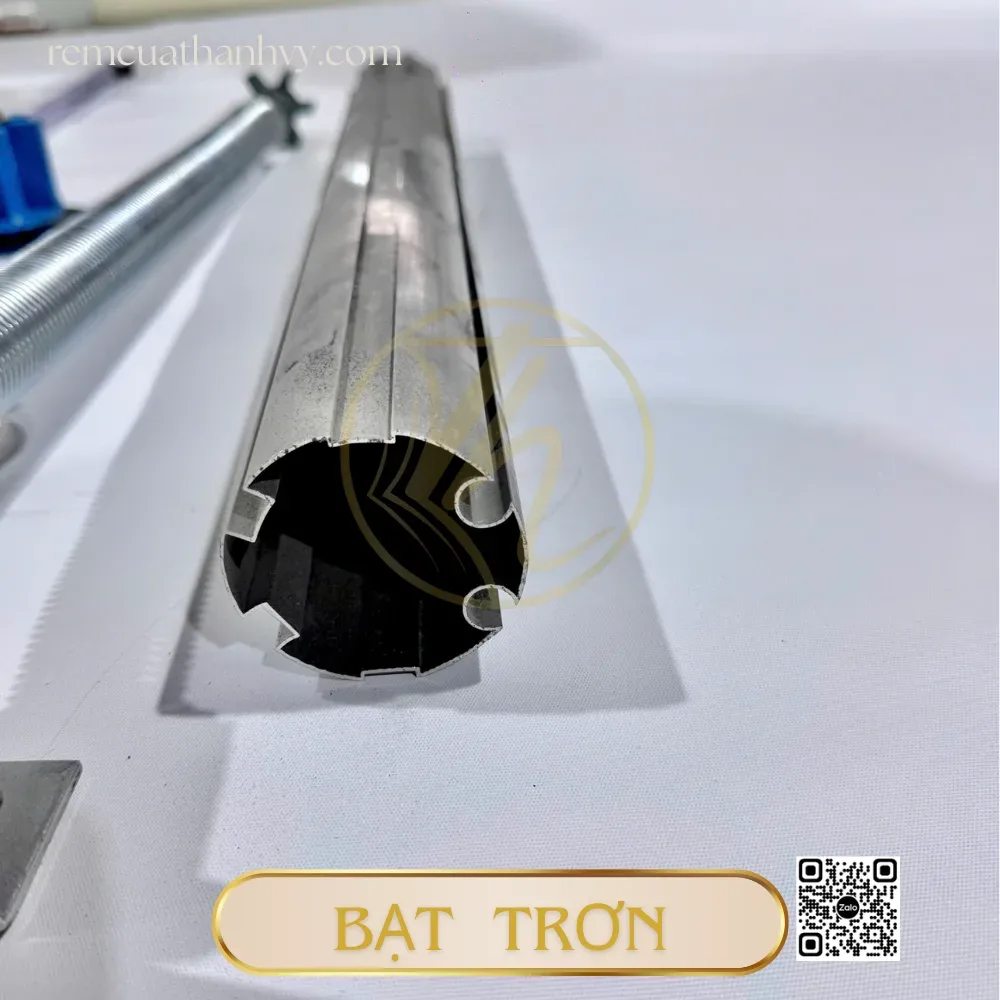
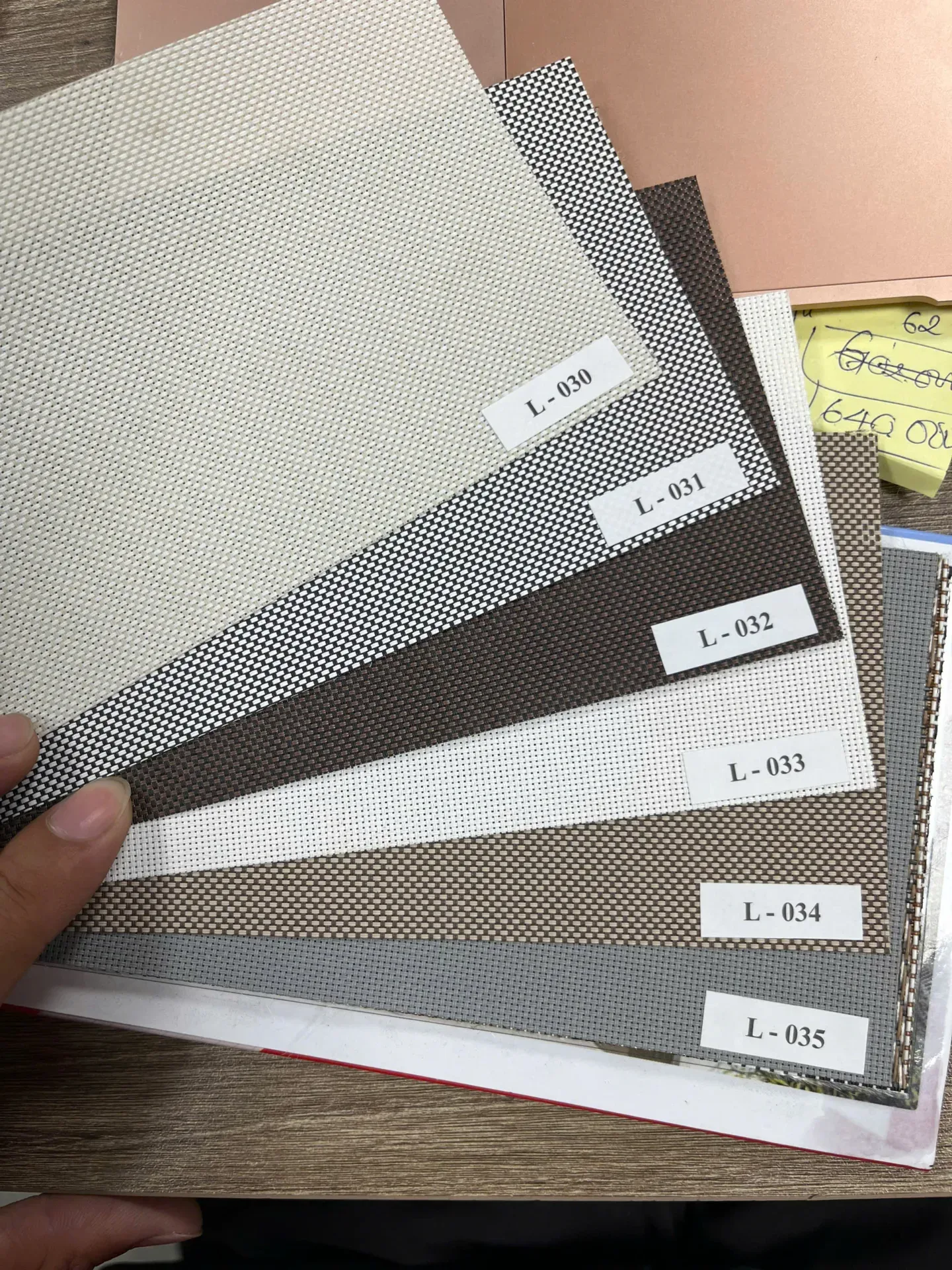
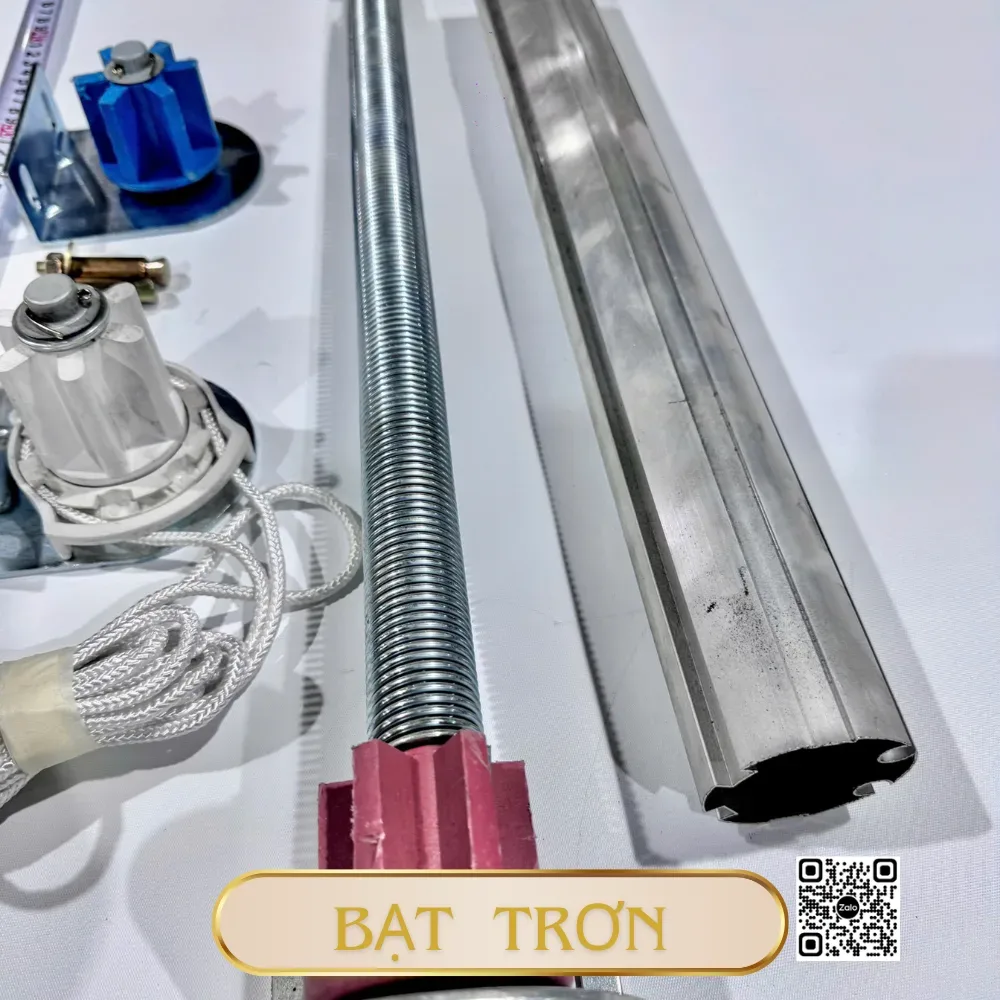
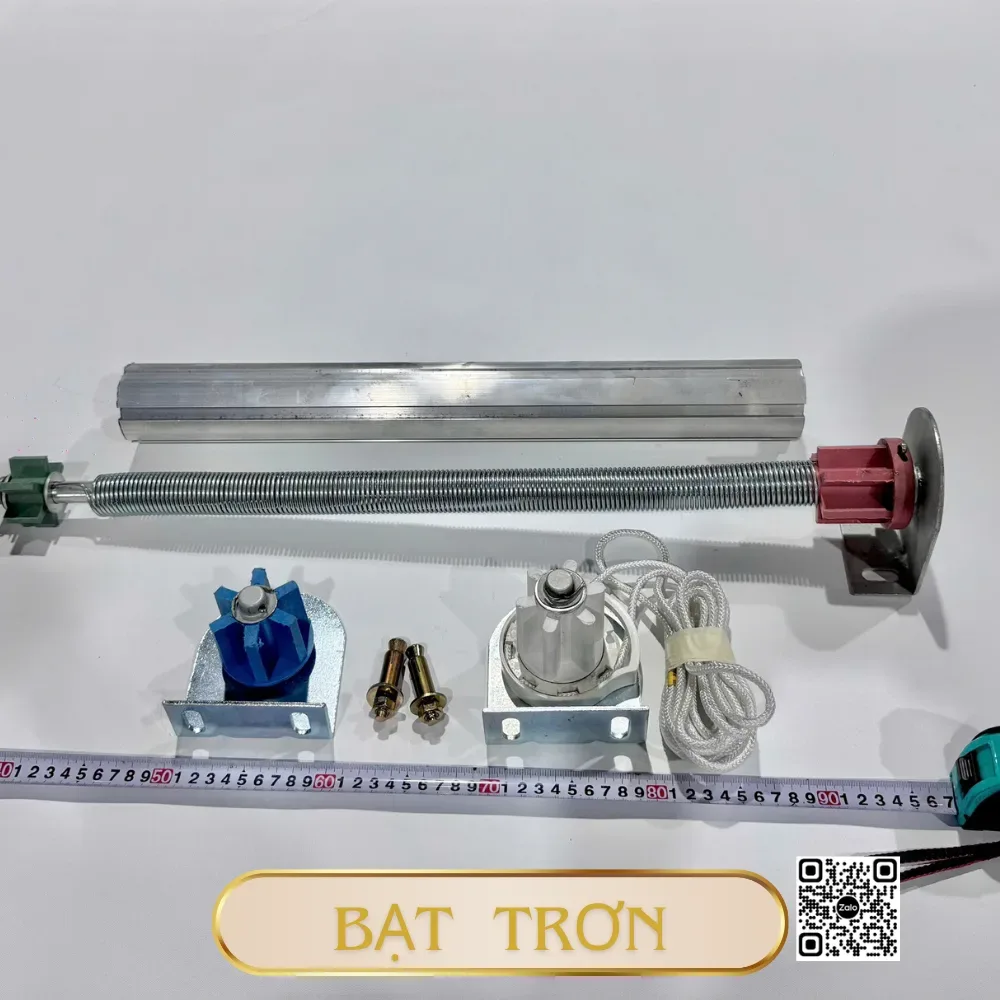
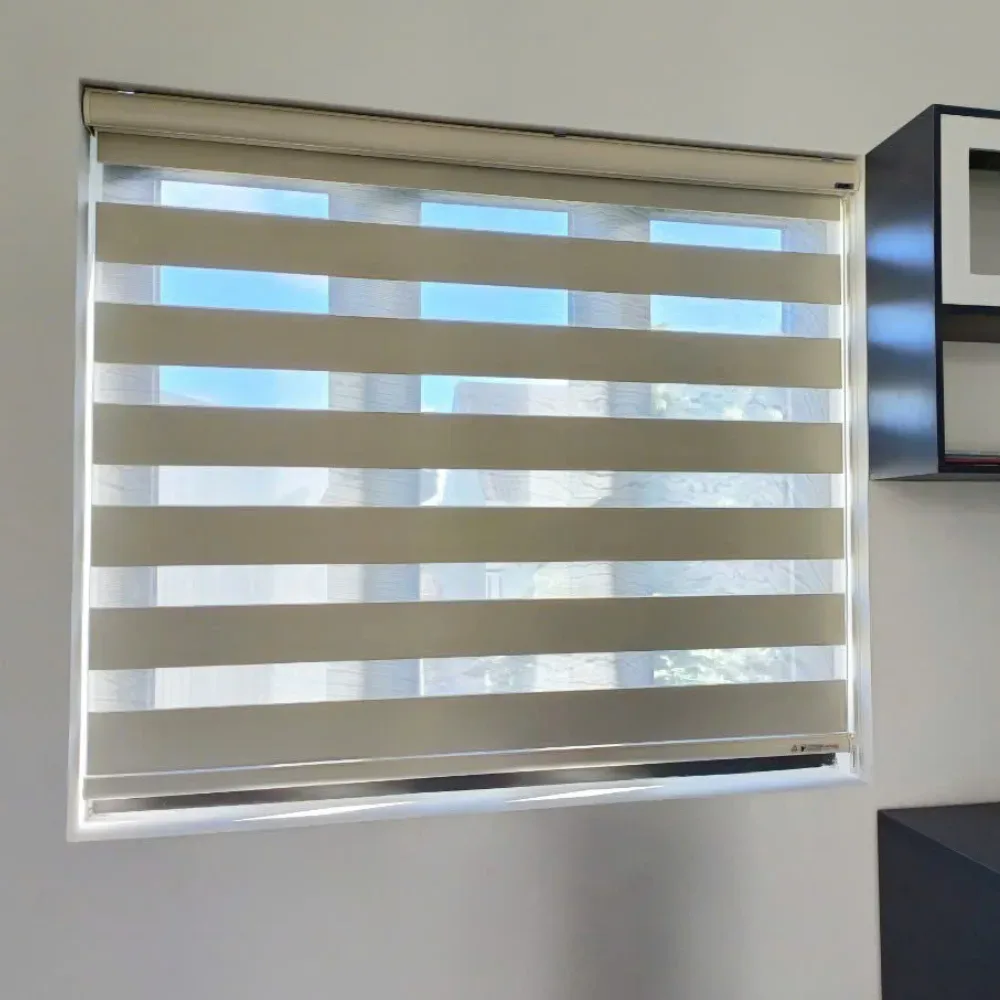
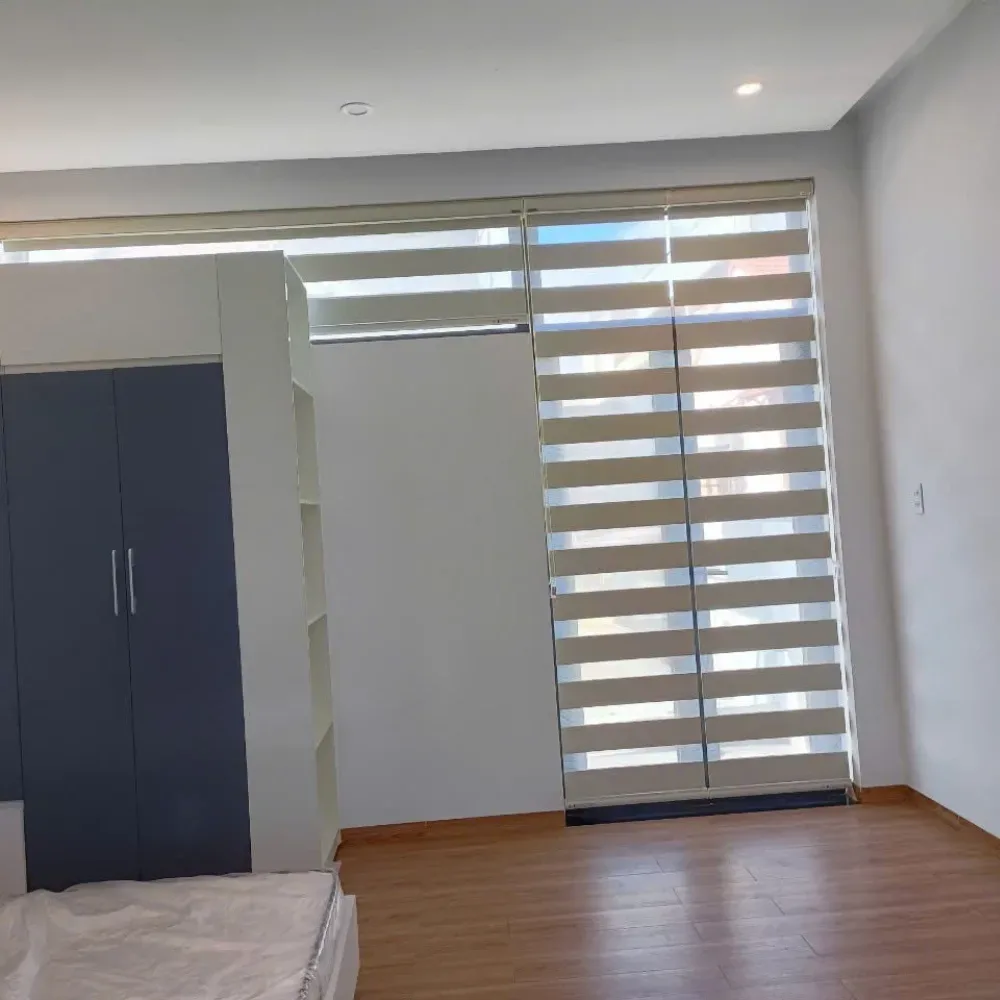
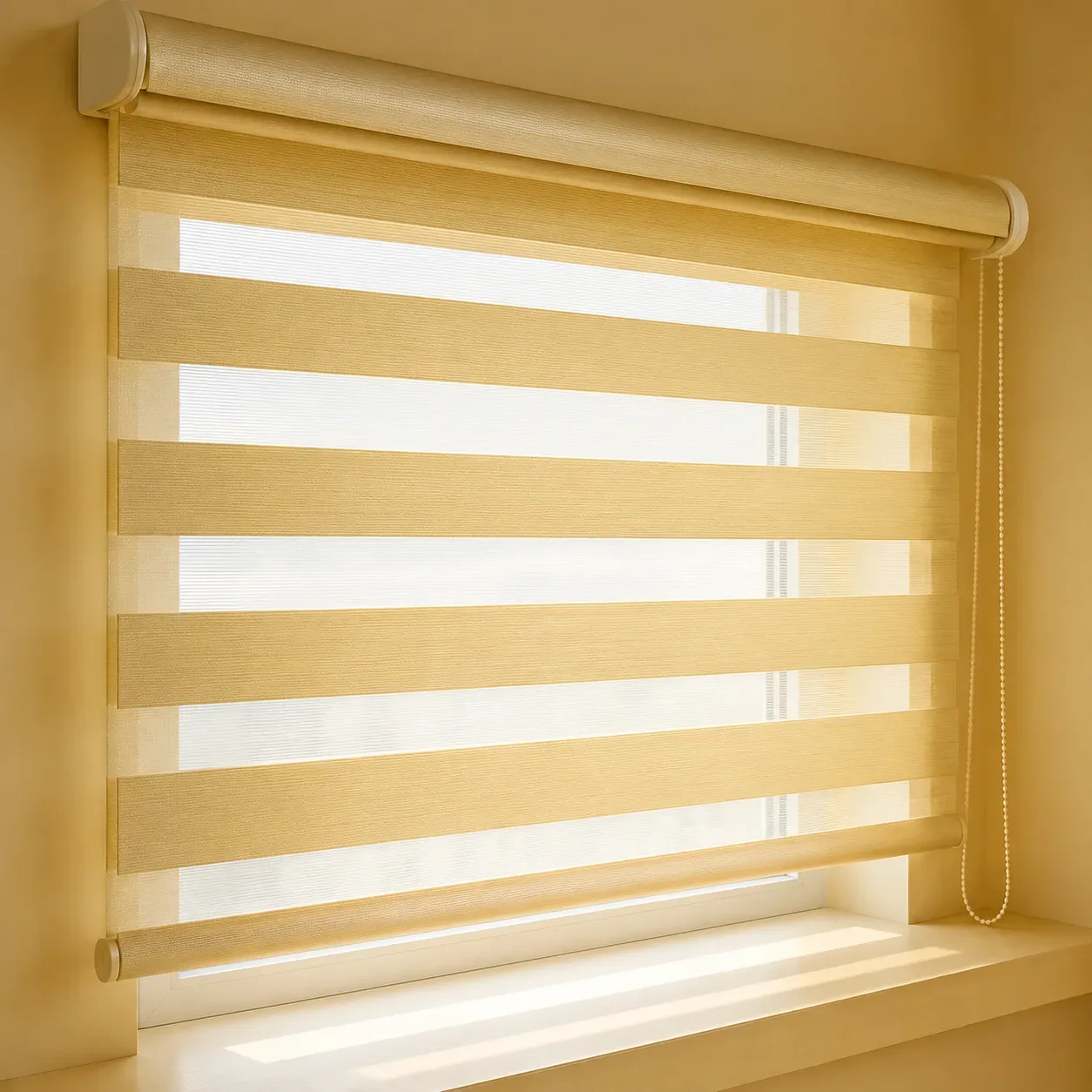
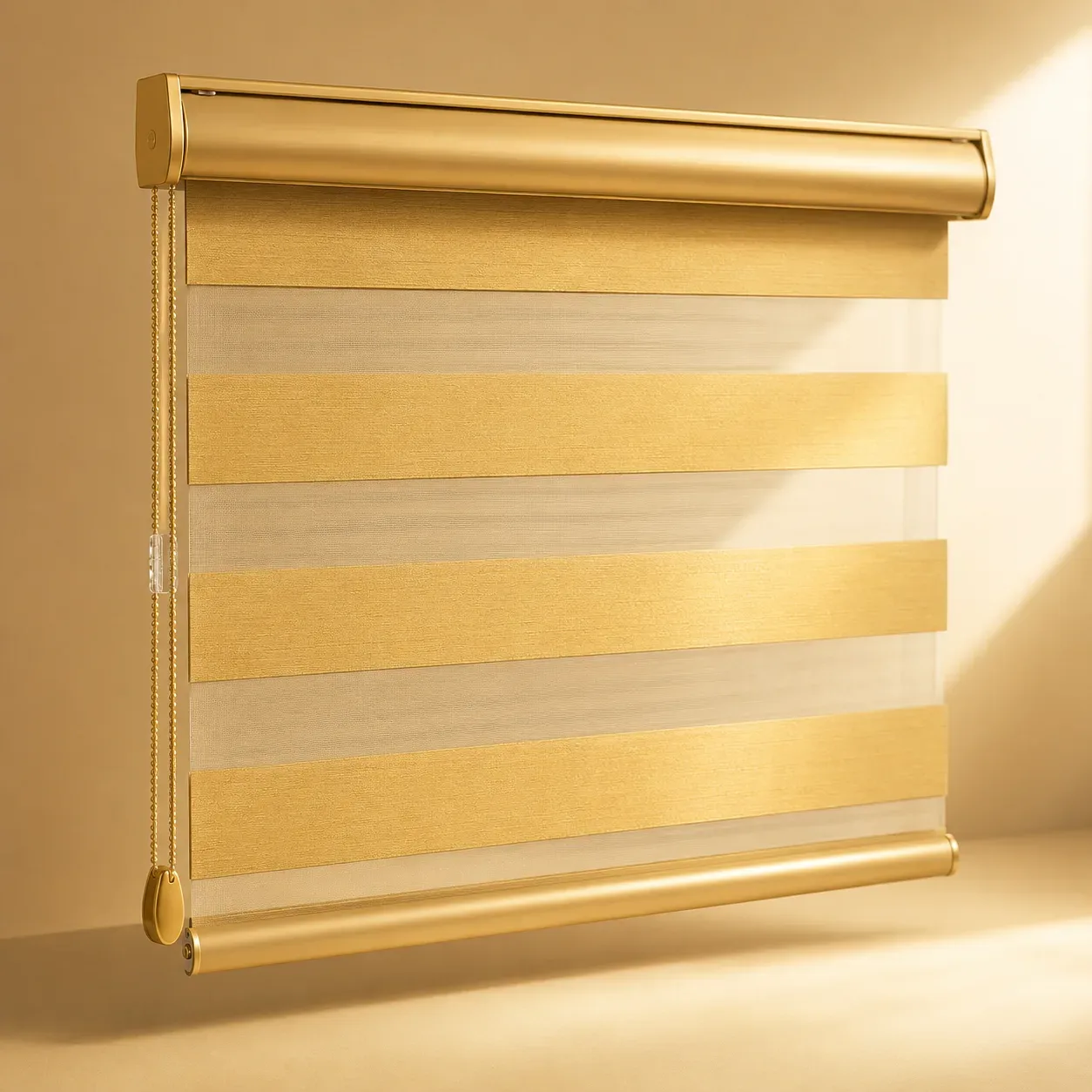
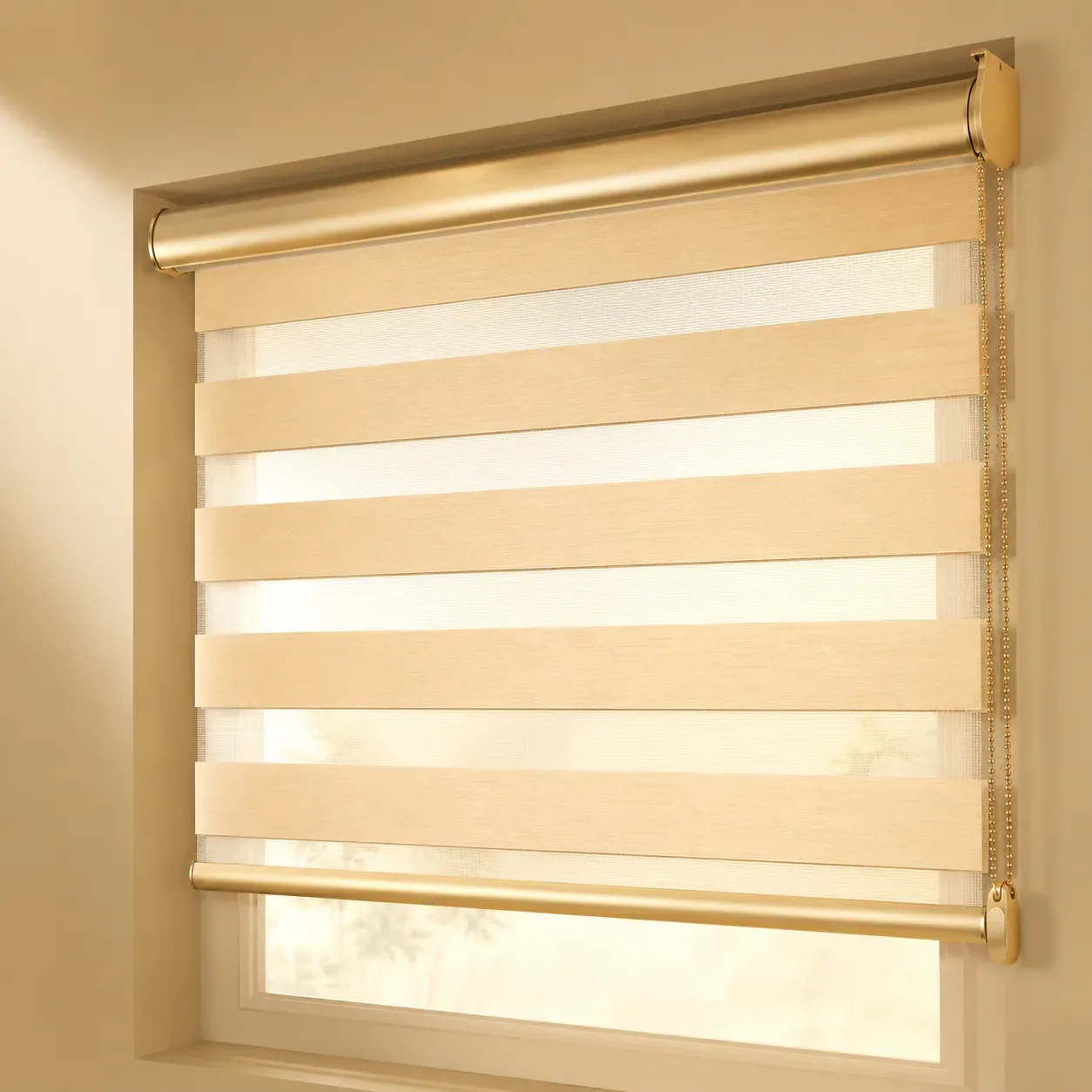
Rainbow blinds
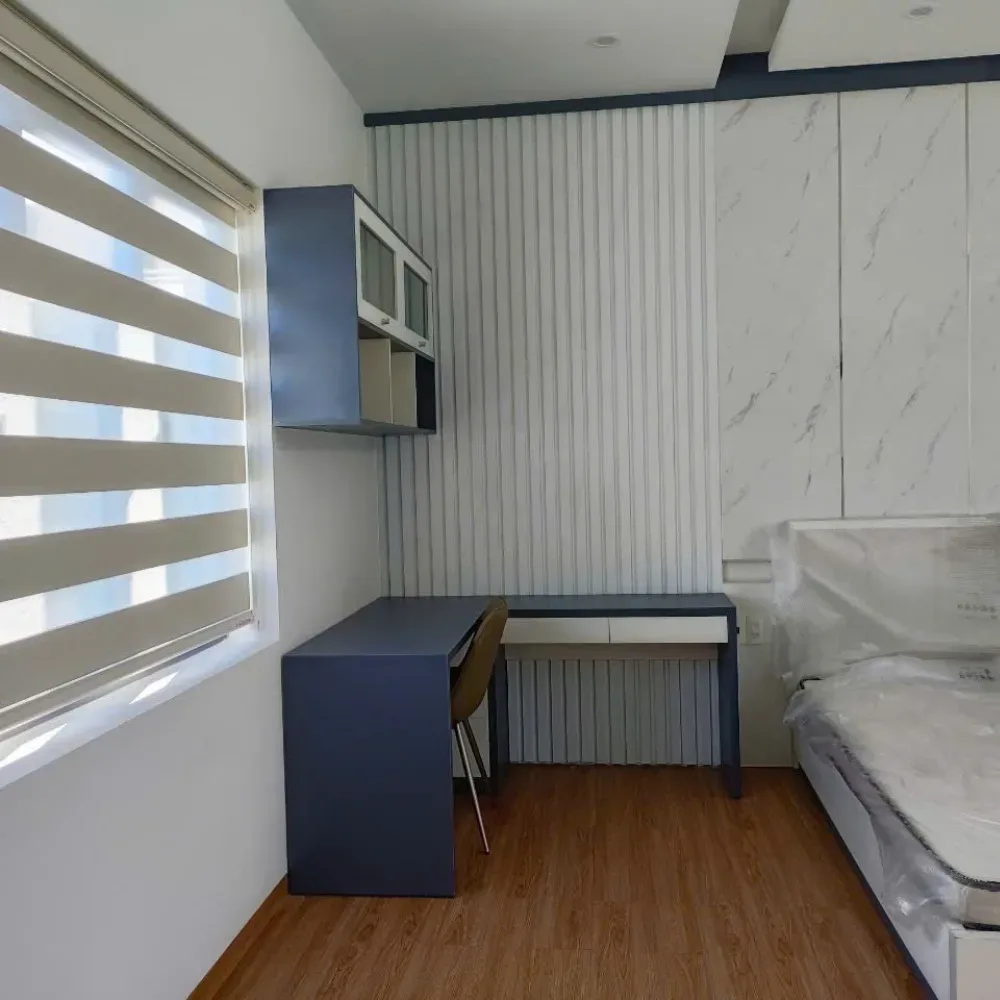
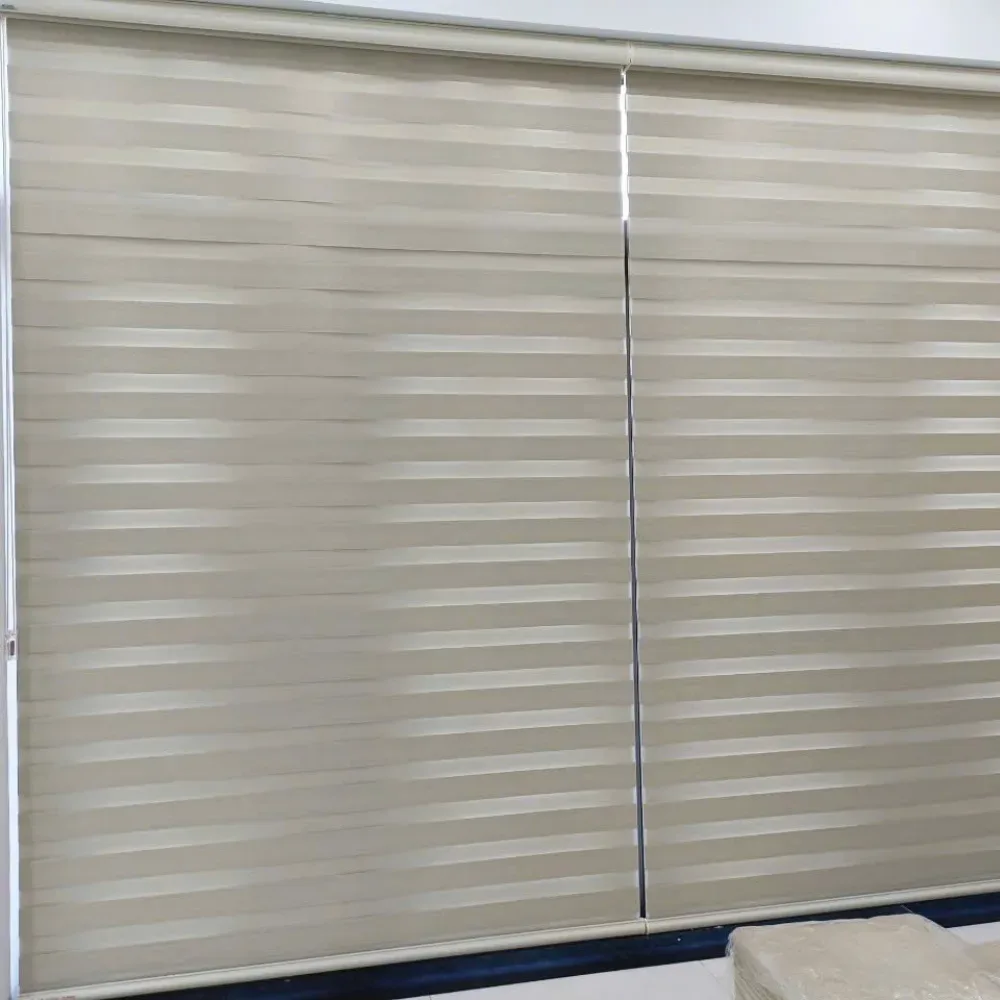
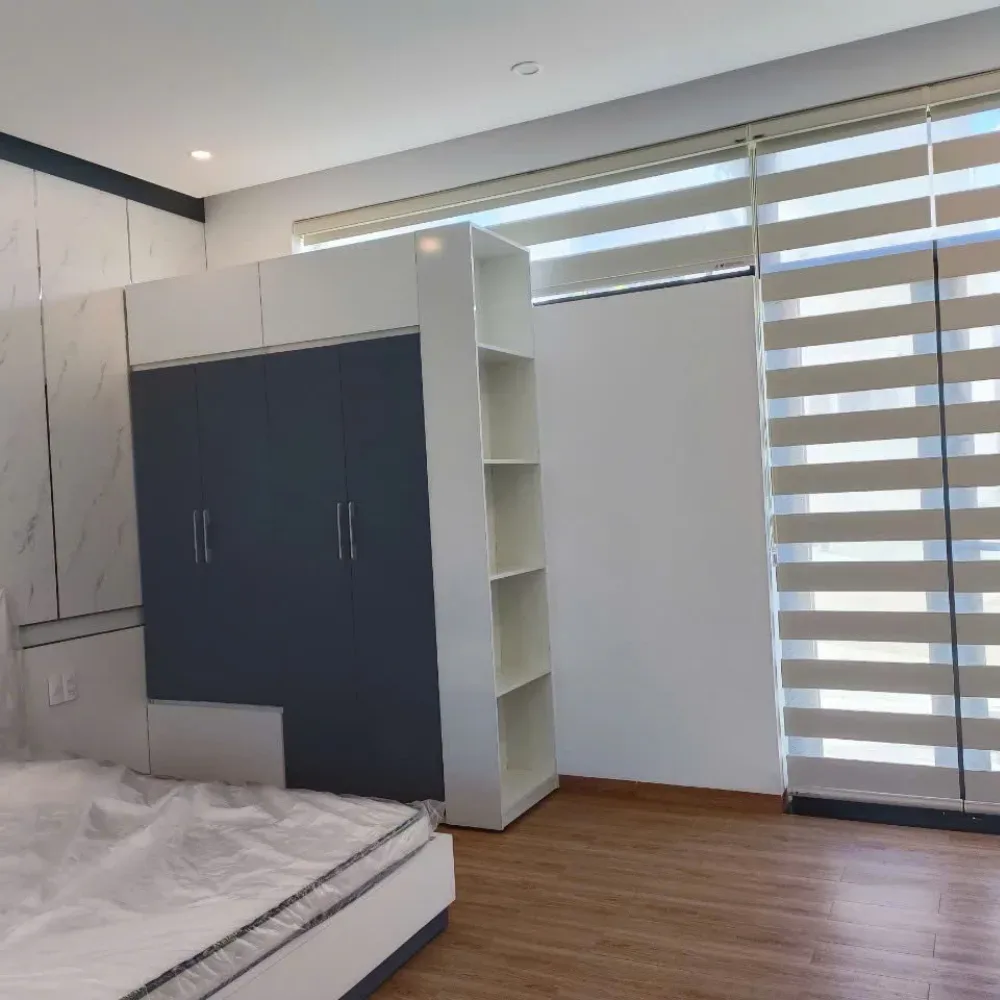
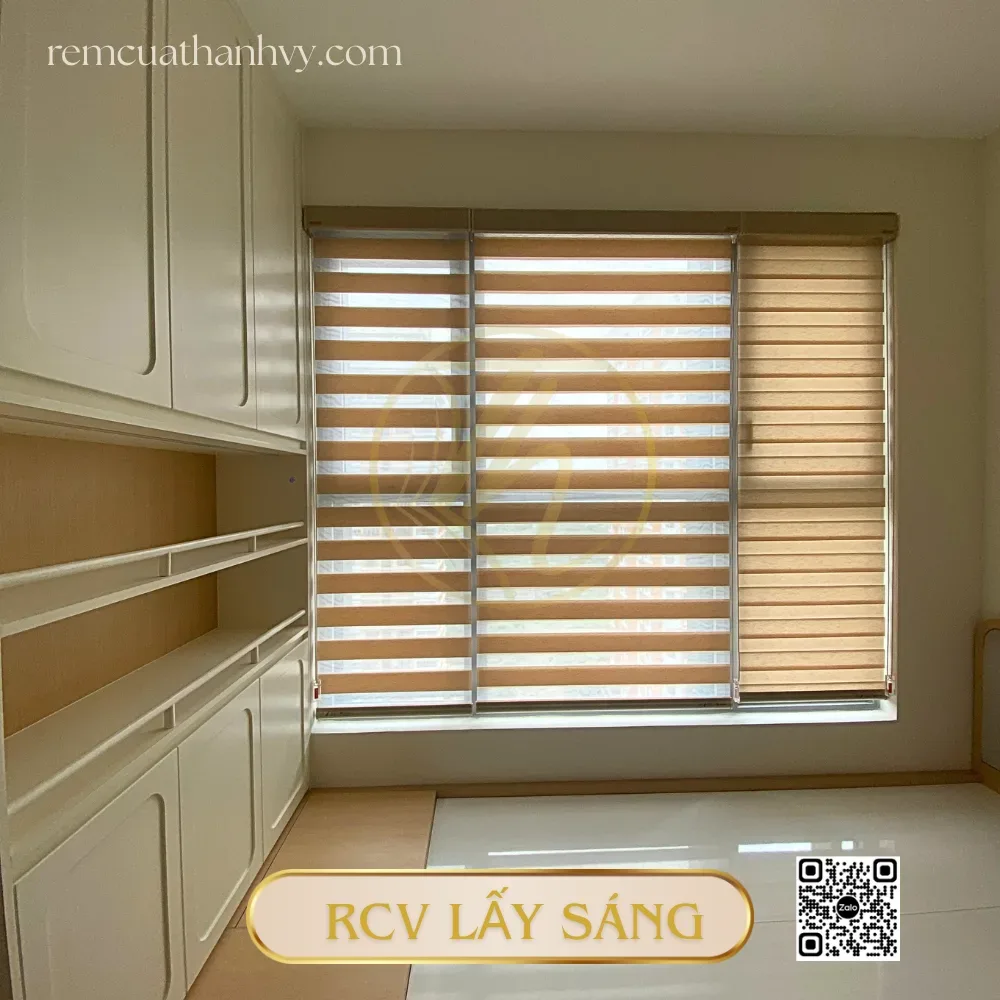
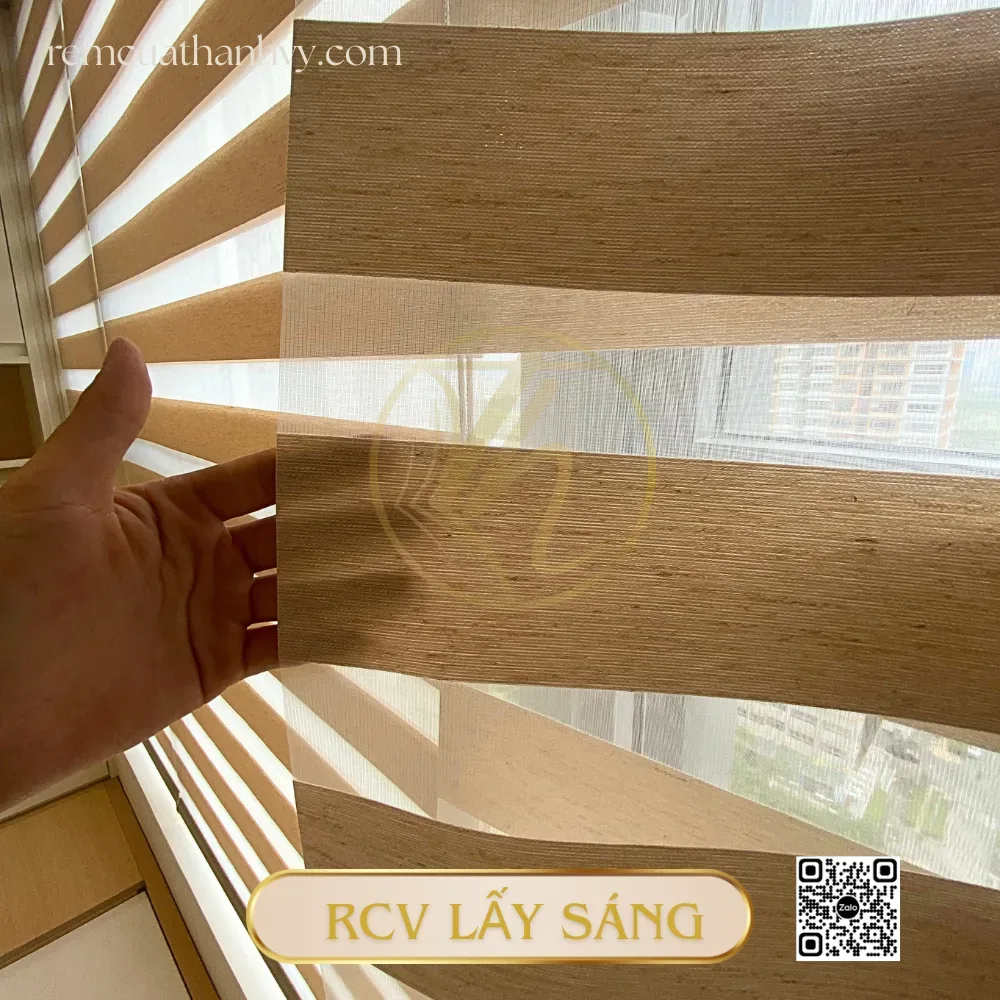
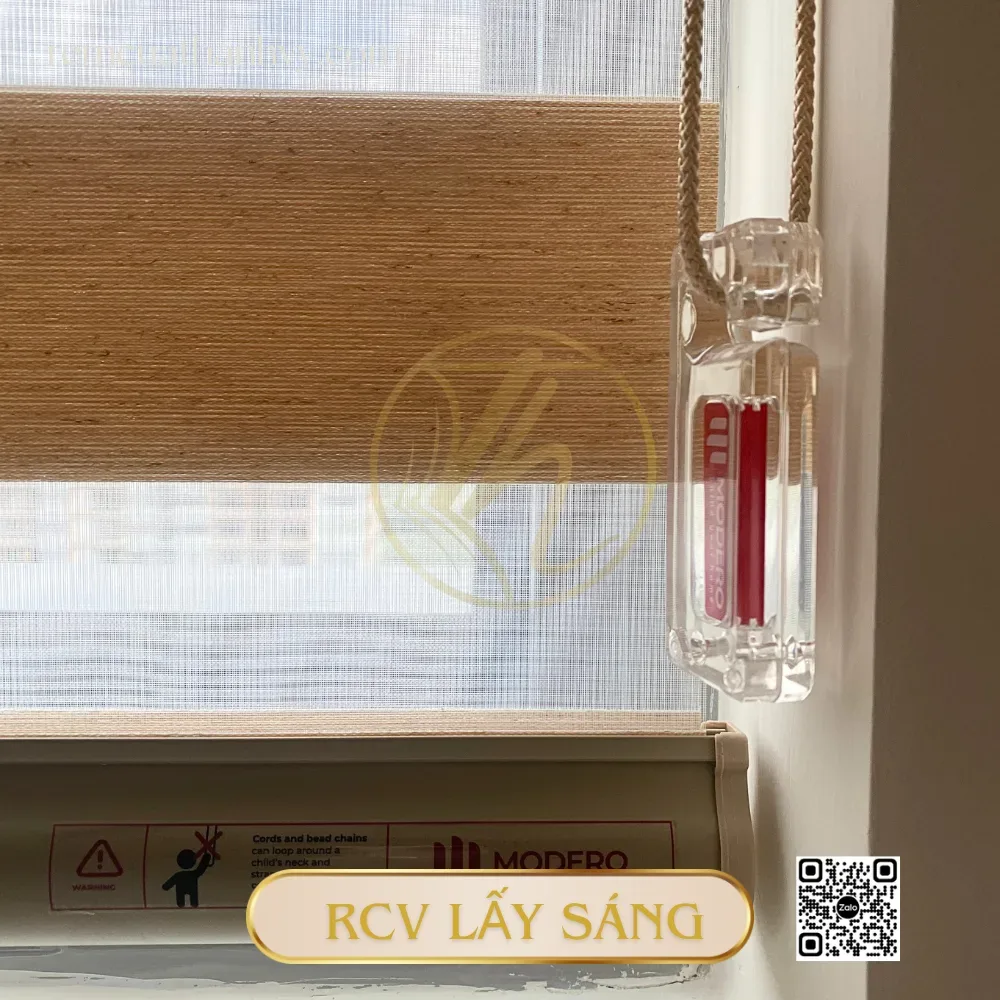
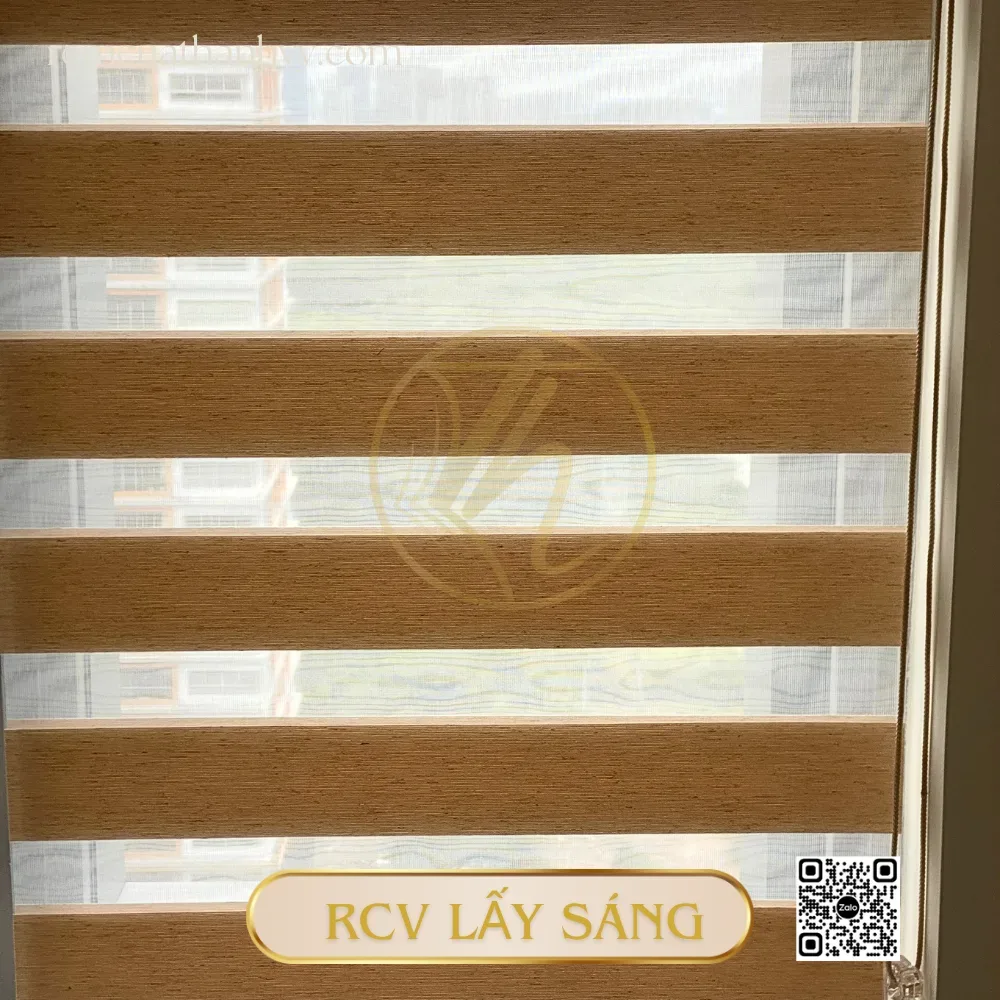
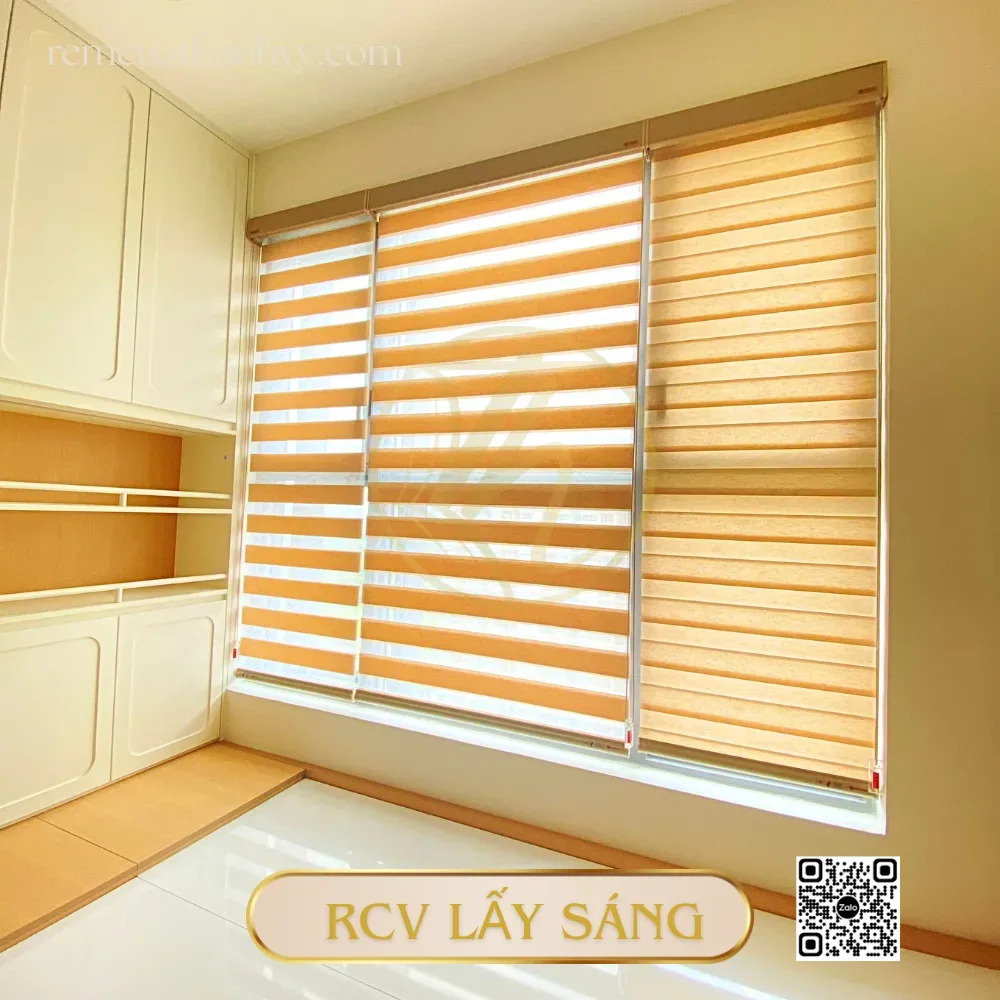
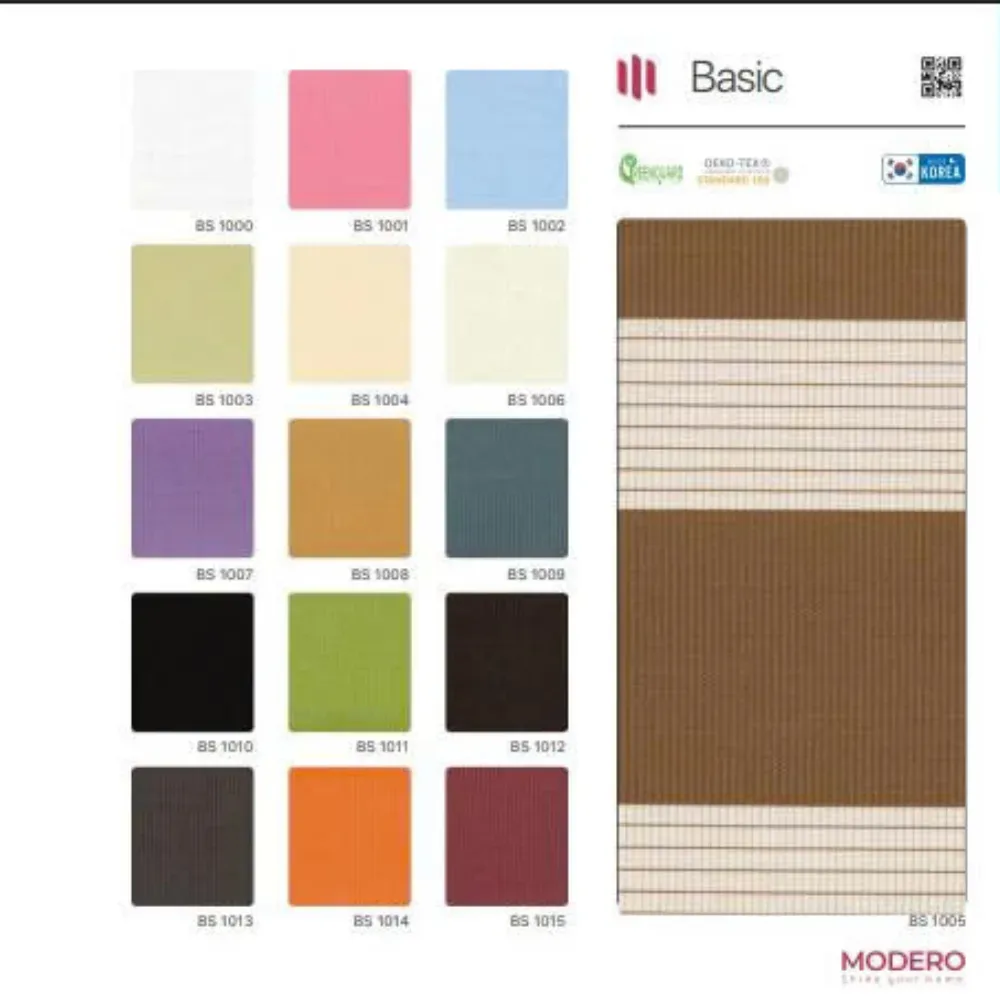
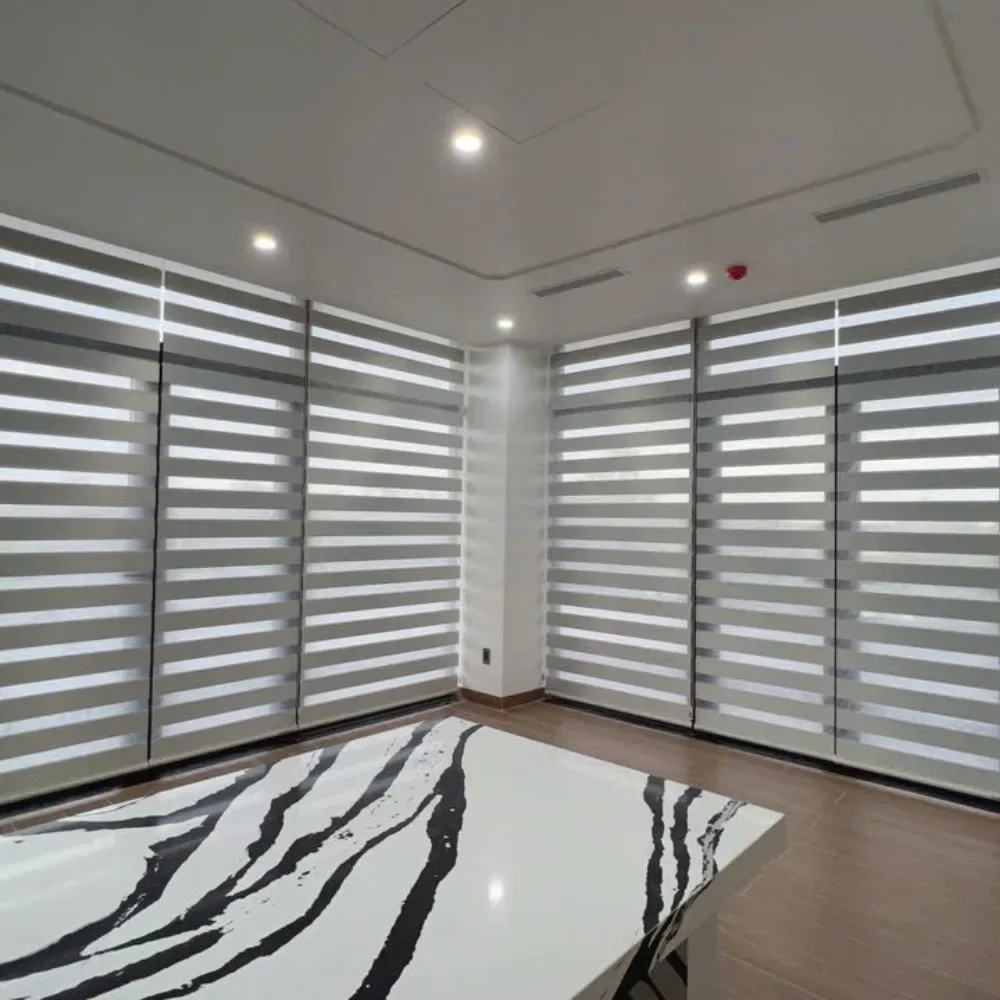
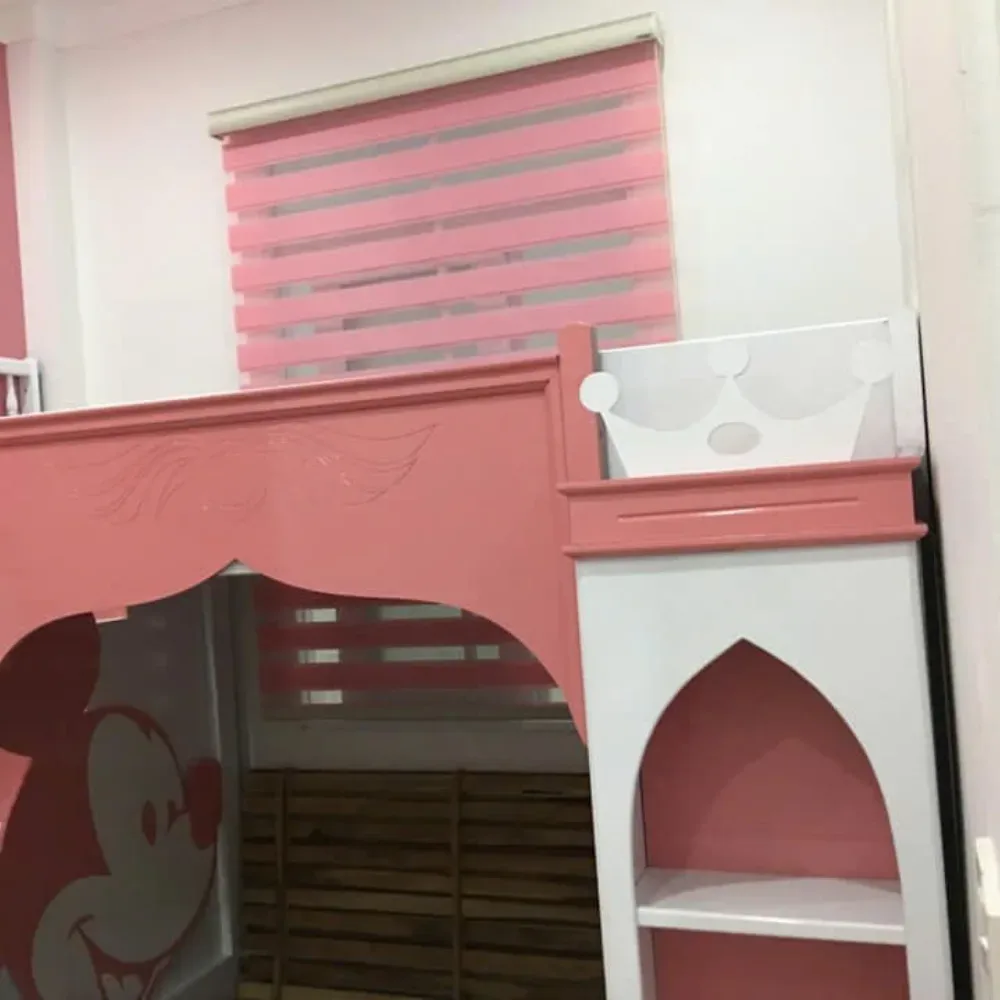
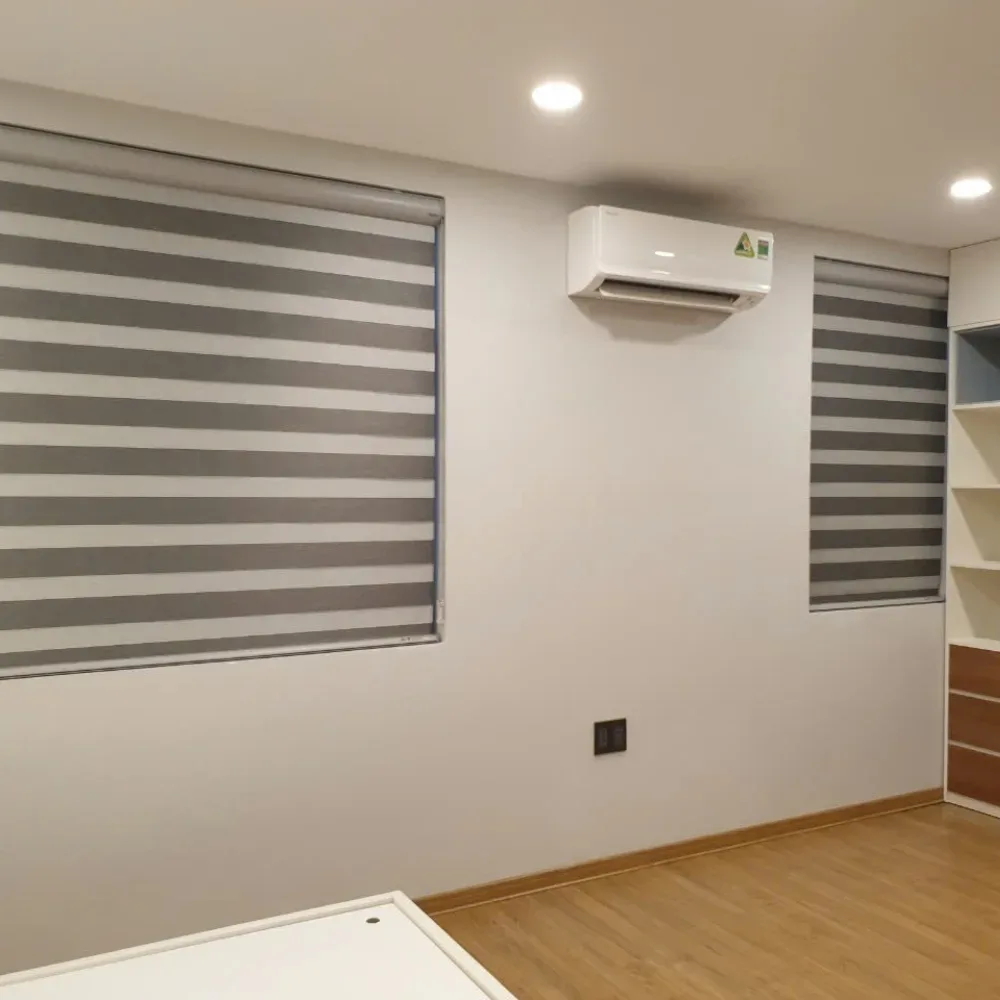
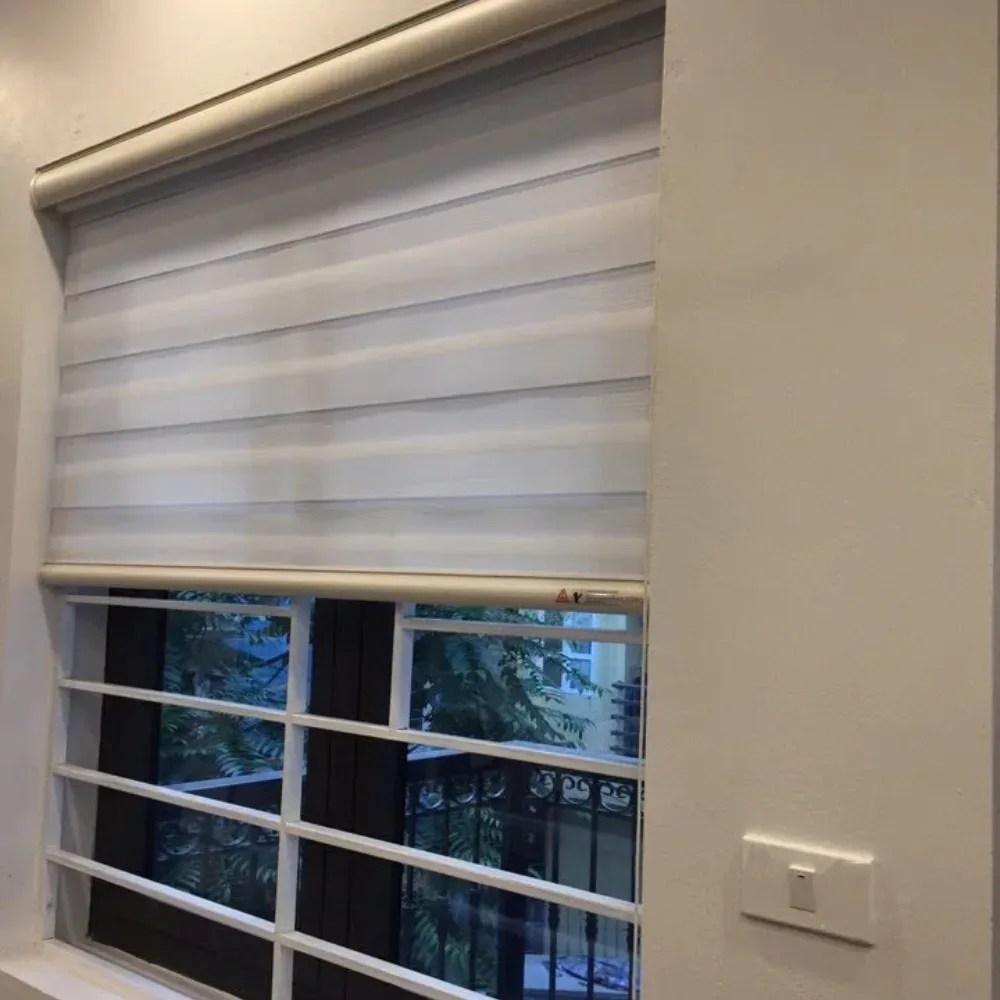
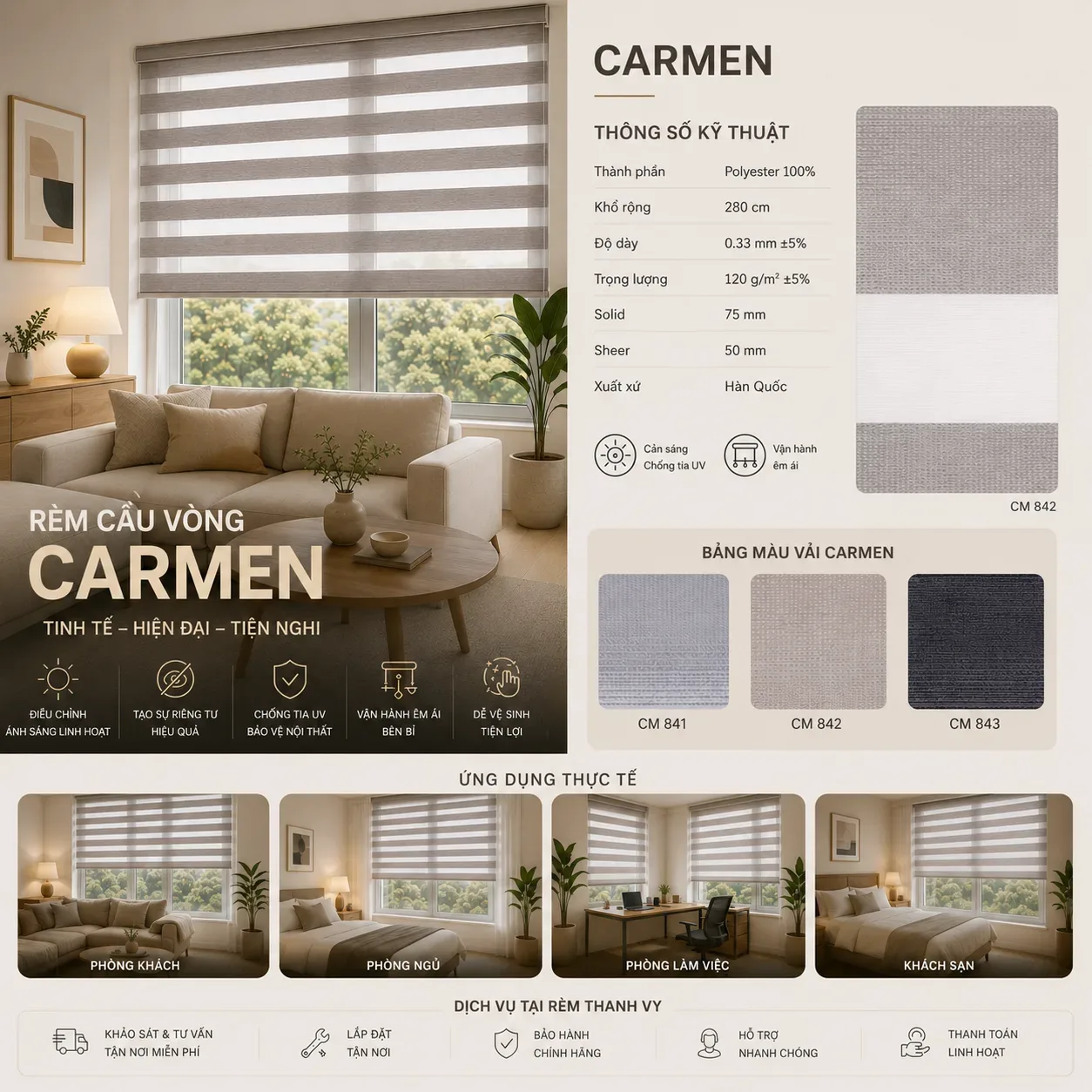
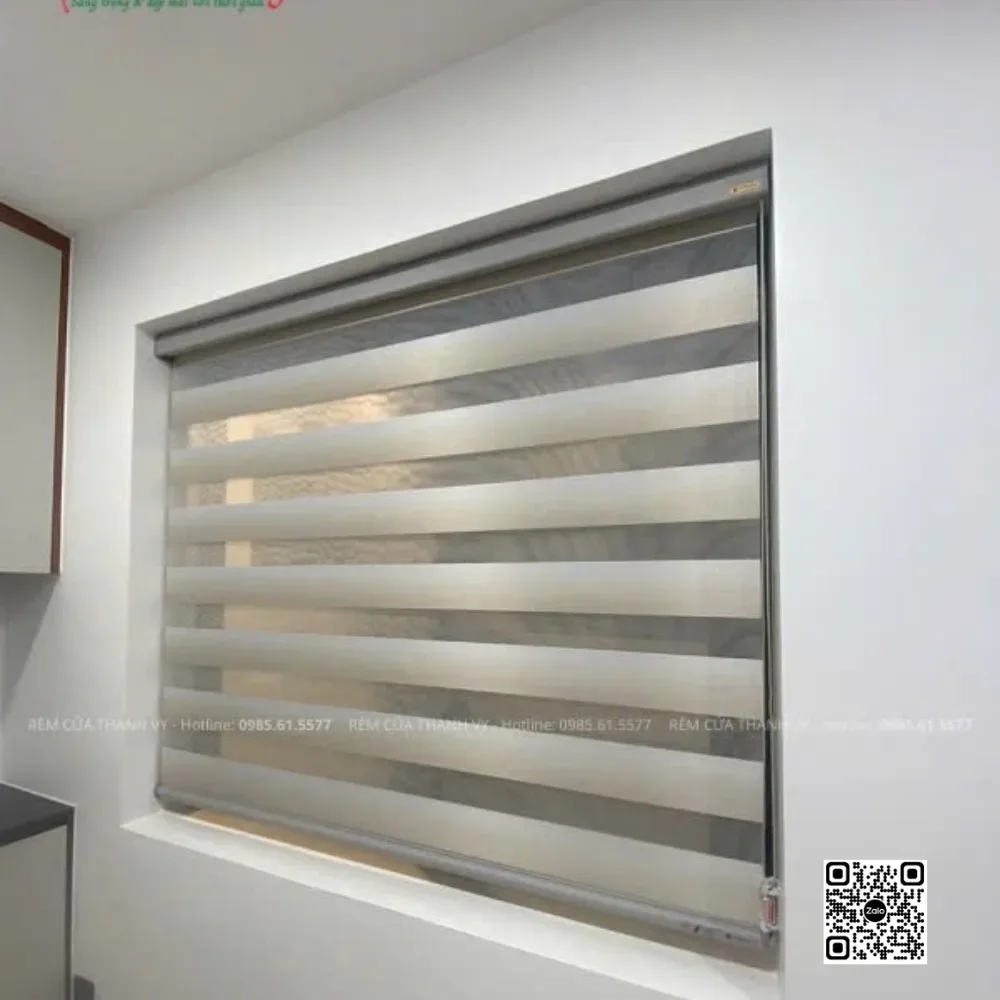
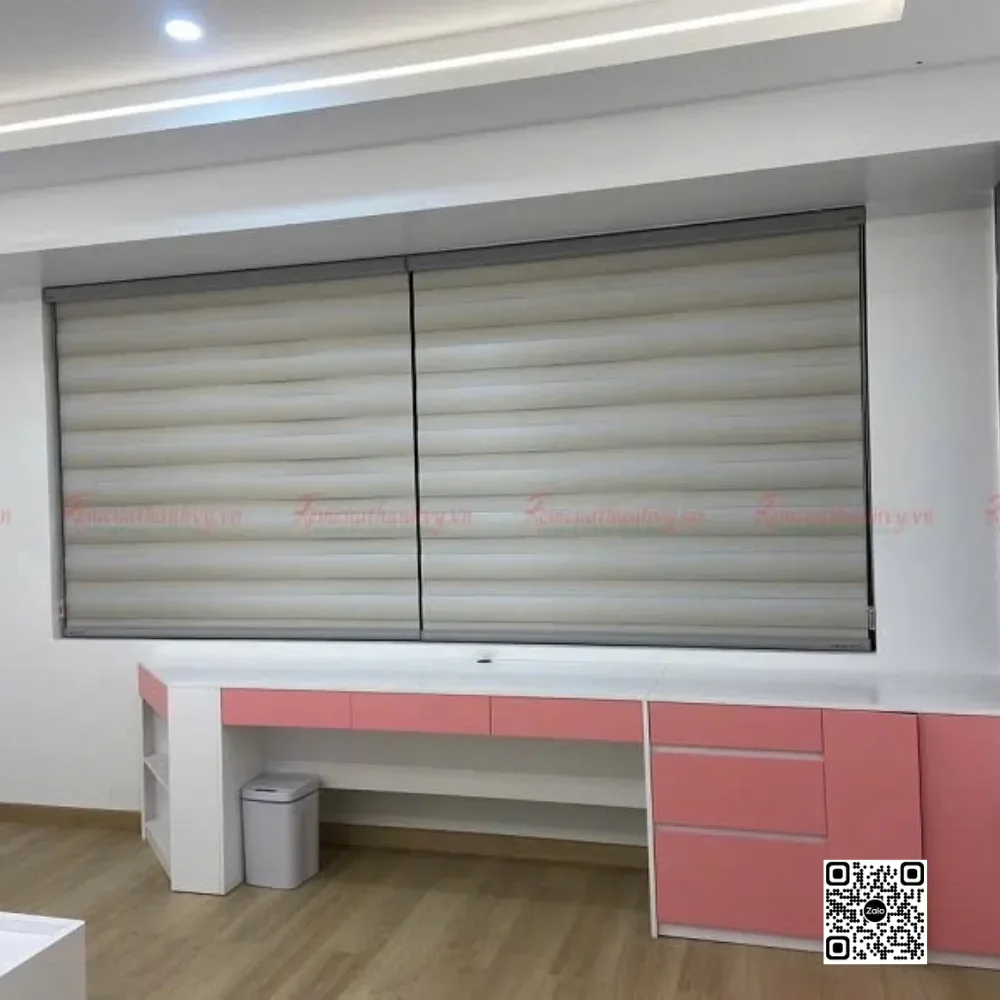
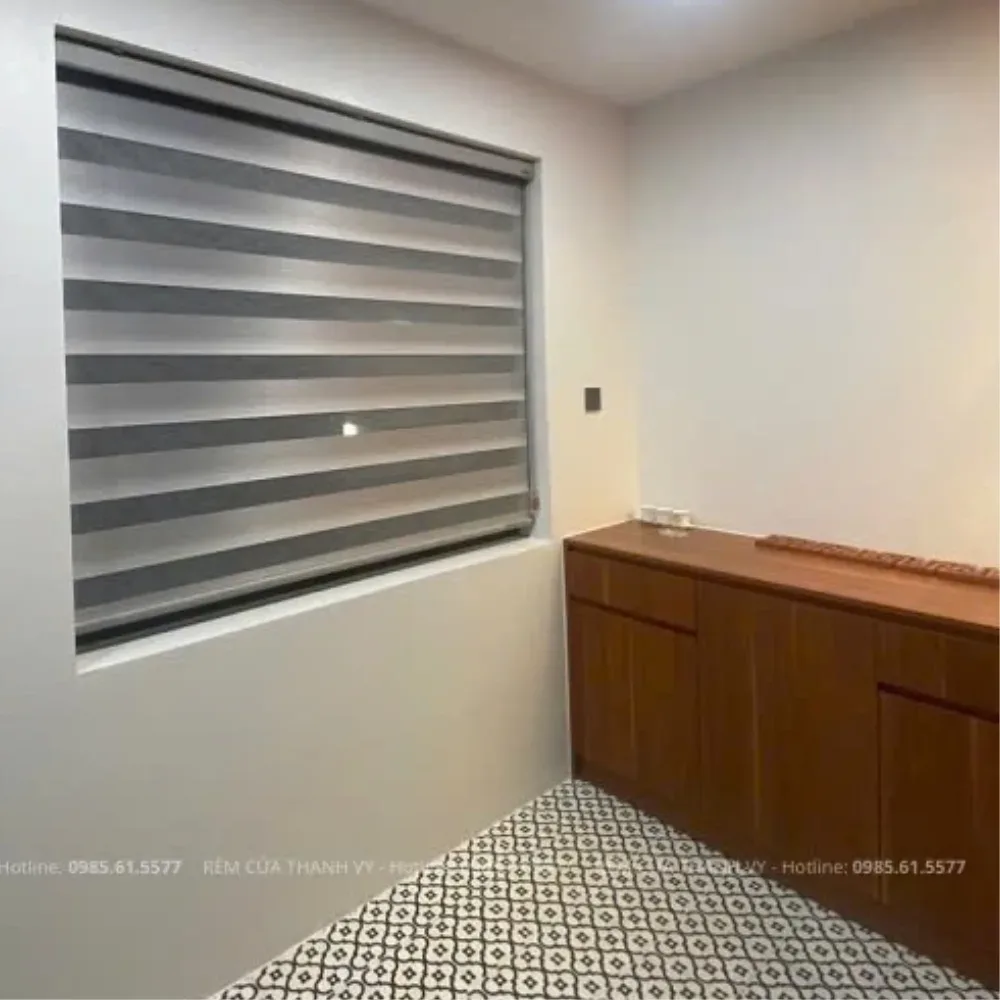
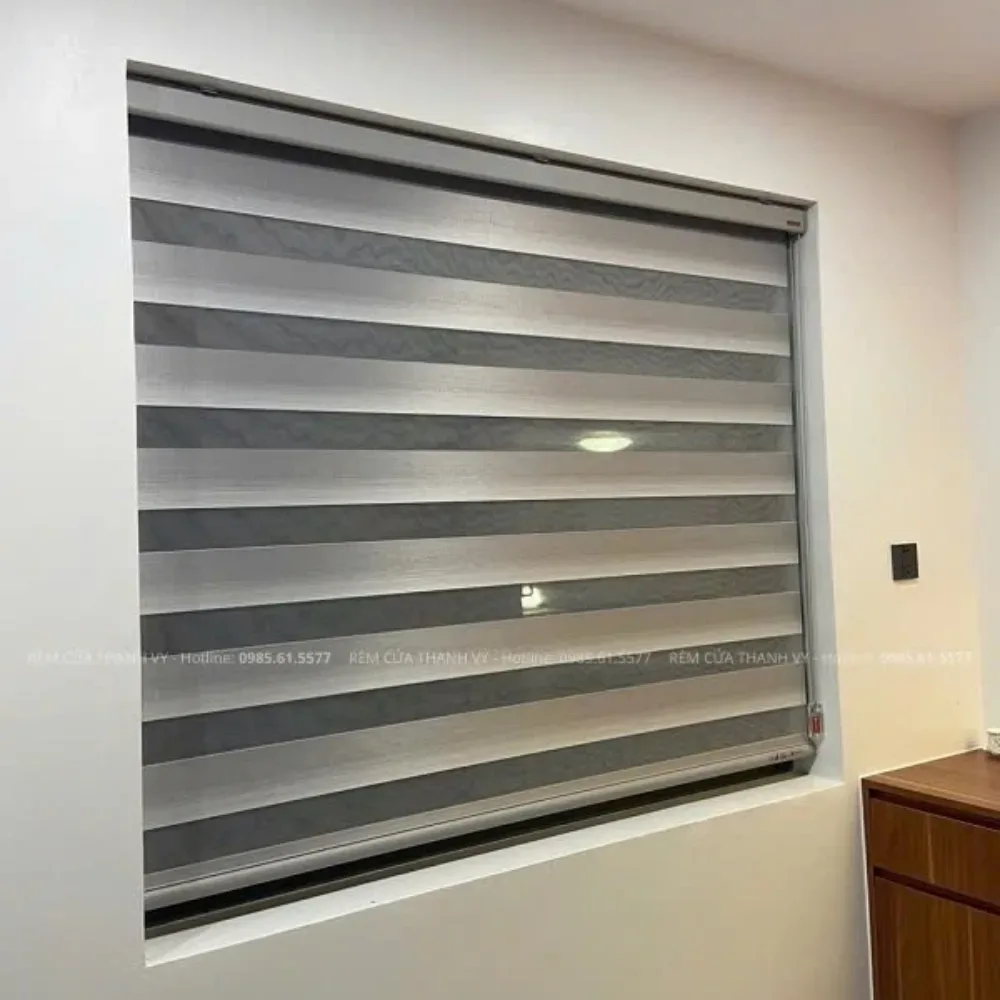
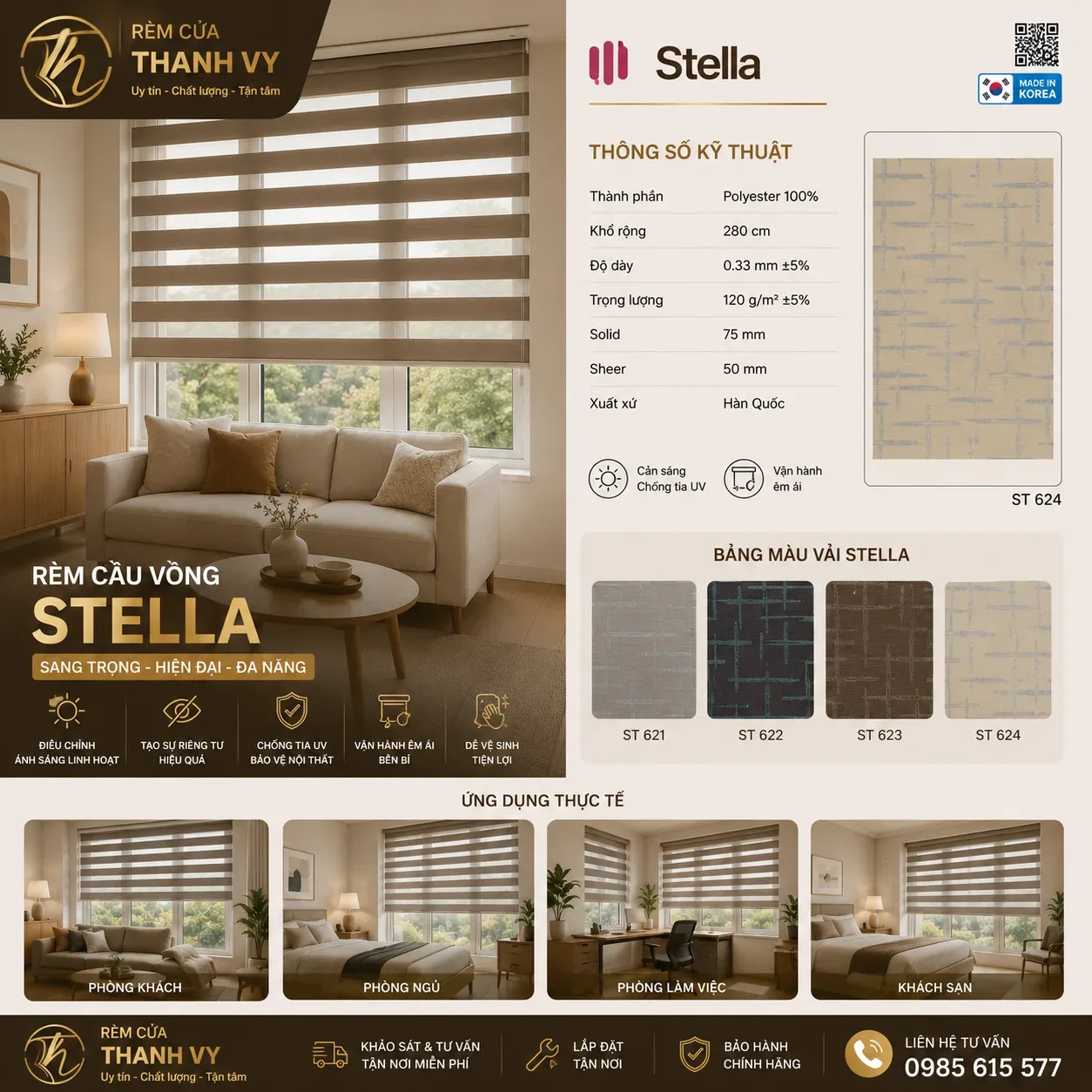
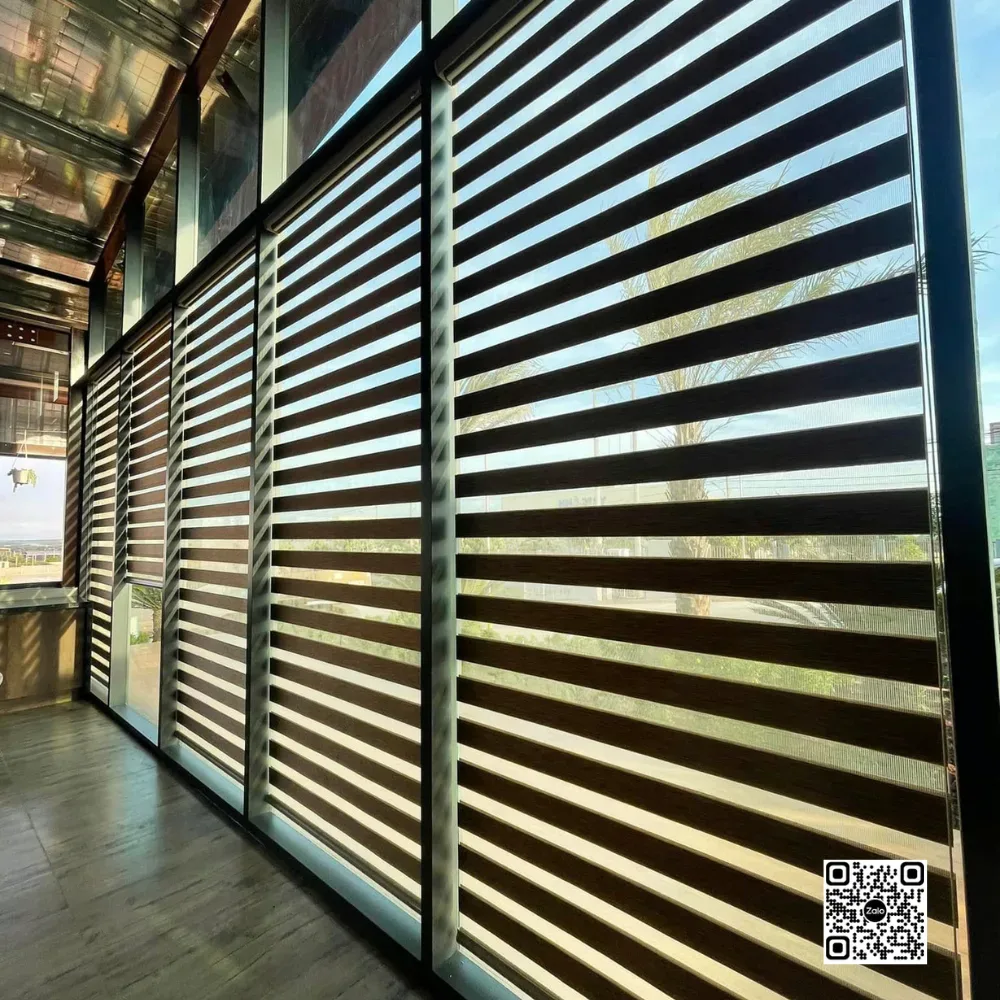
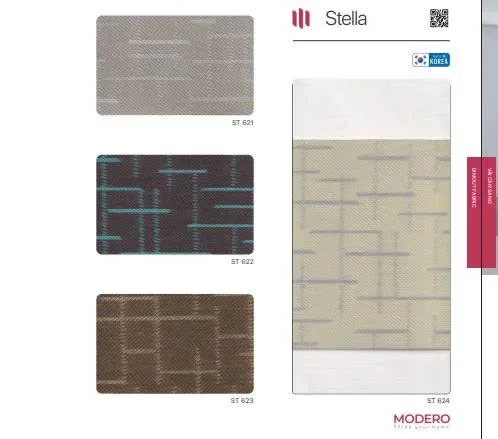
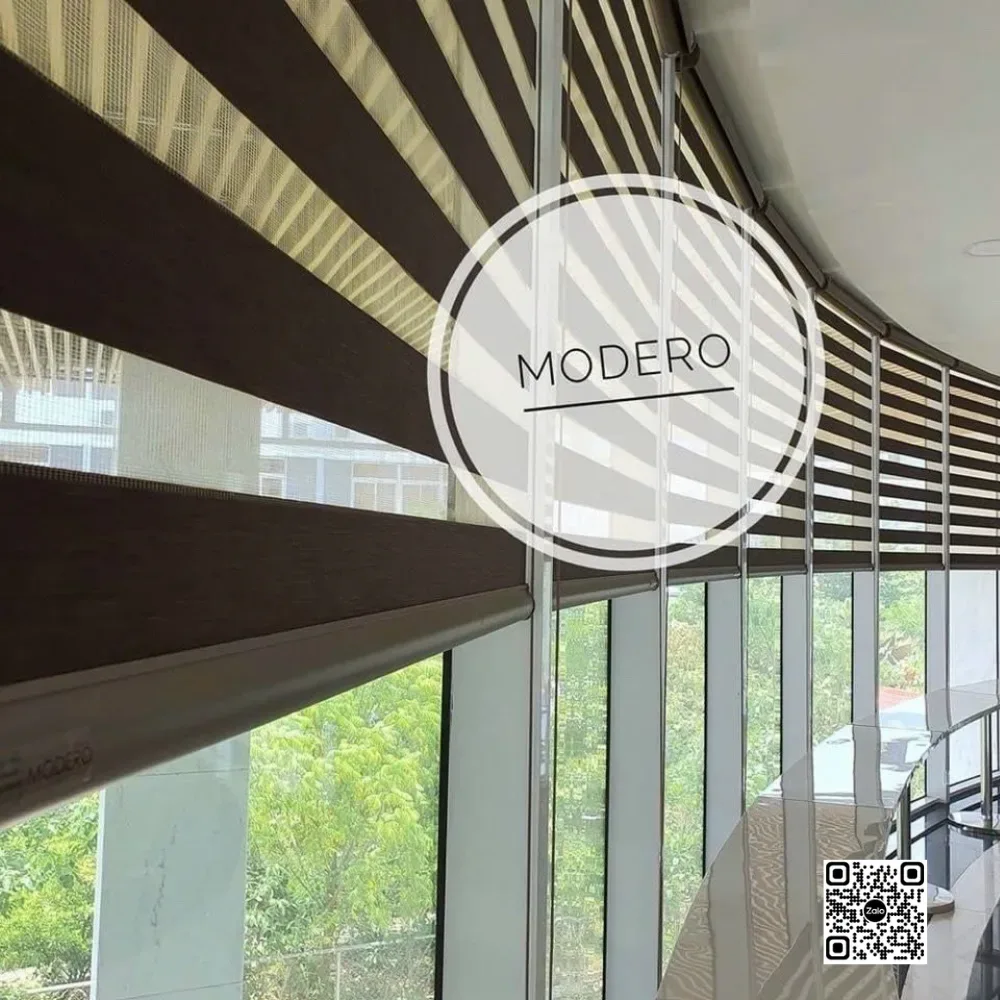
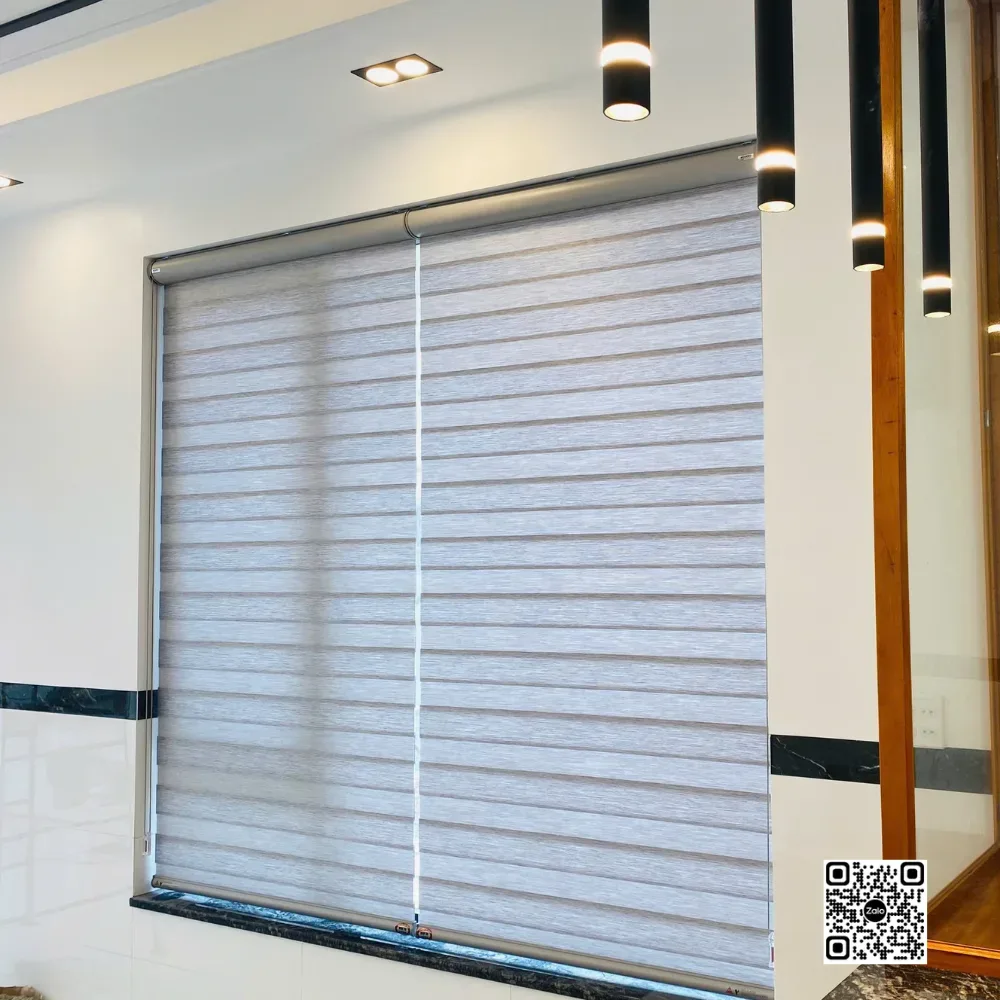
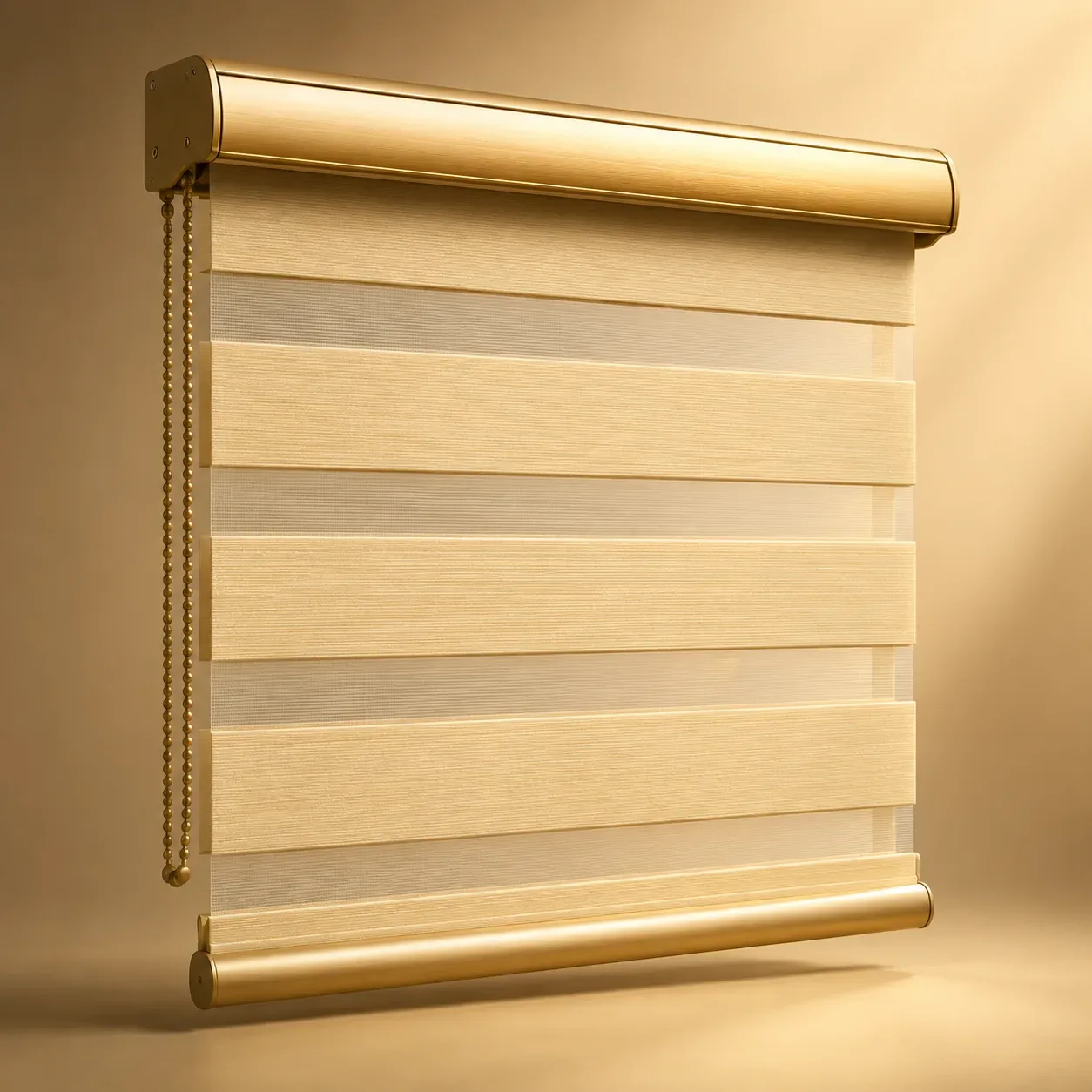
Rainbow blinds adjust light by strips, allowing for multiple levels of light intake without needing to fully pull the blinds.
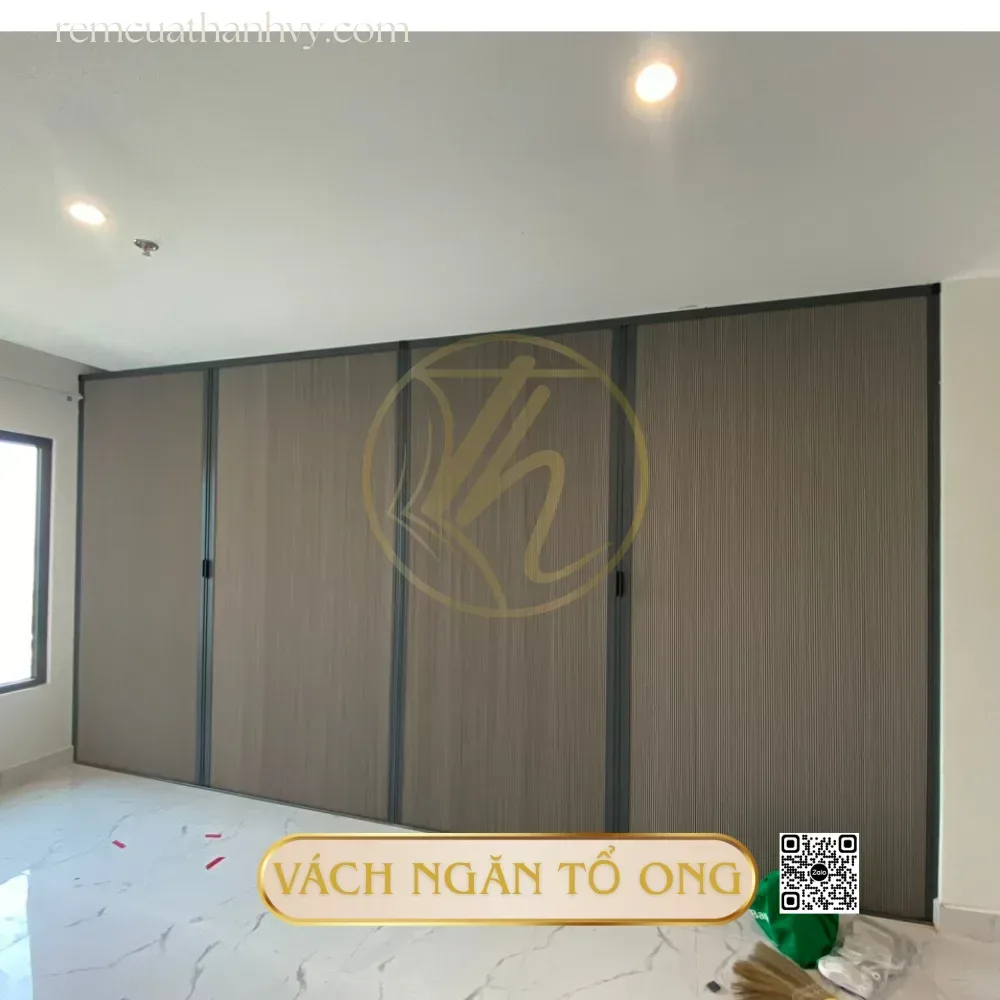
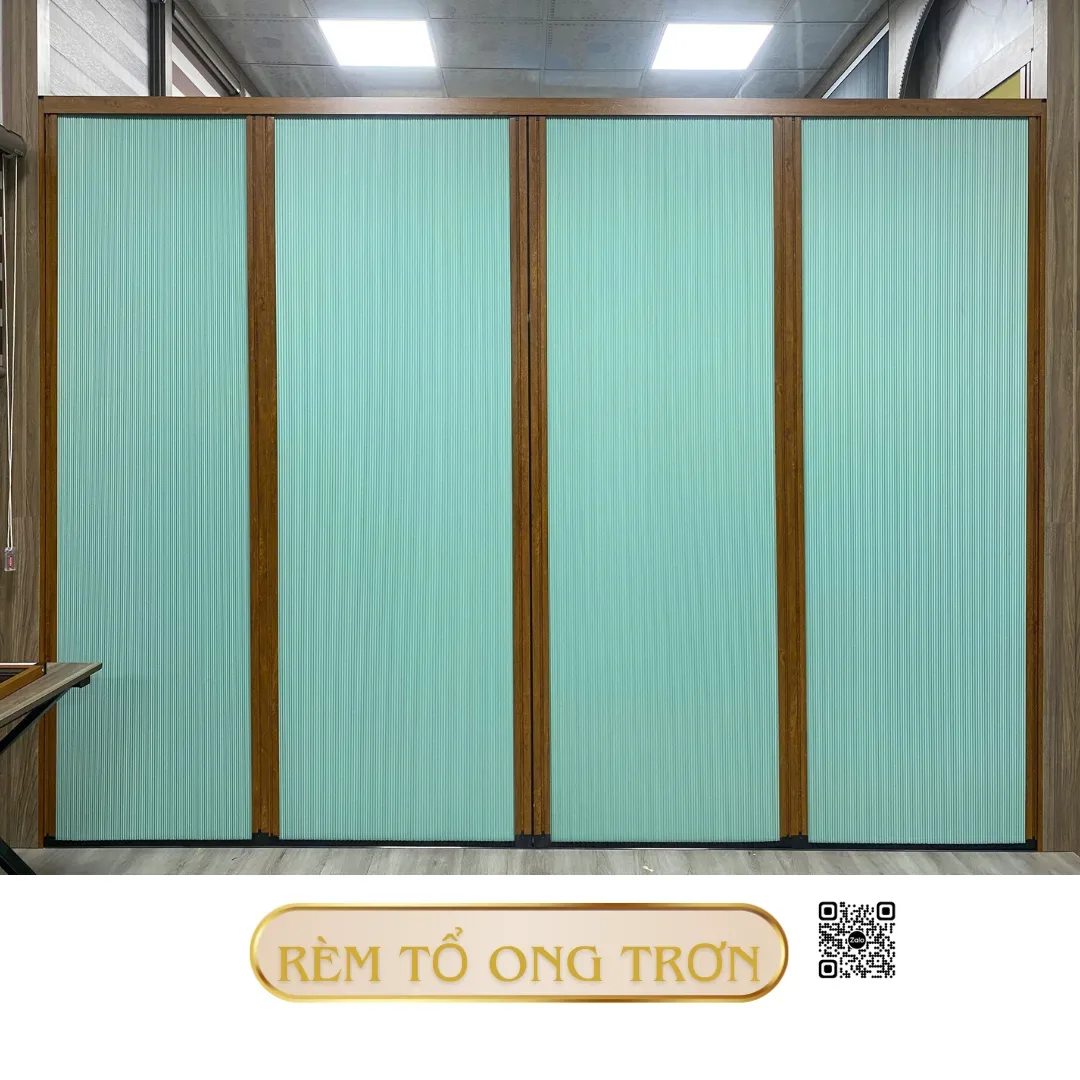
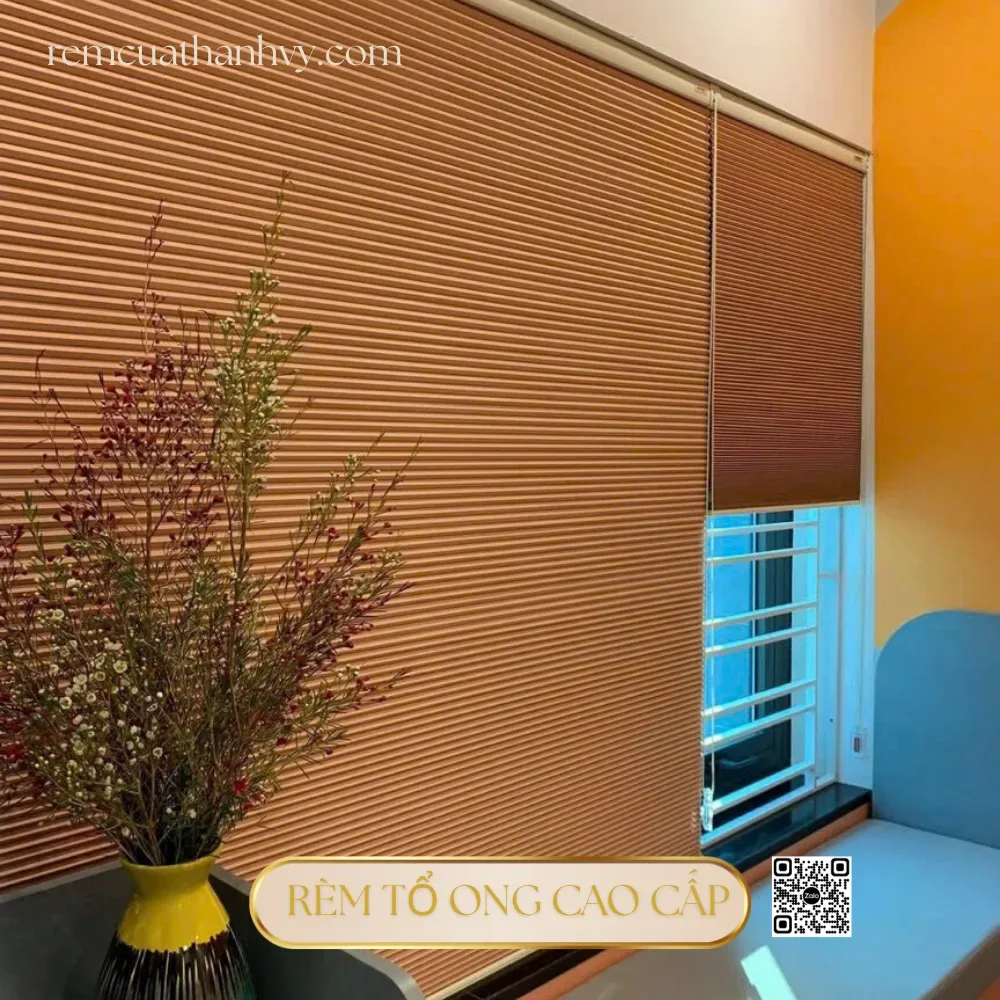
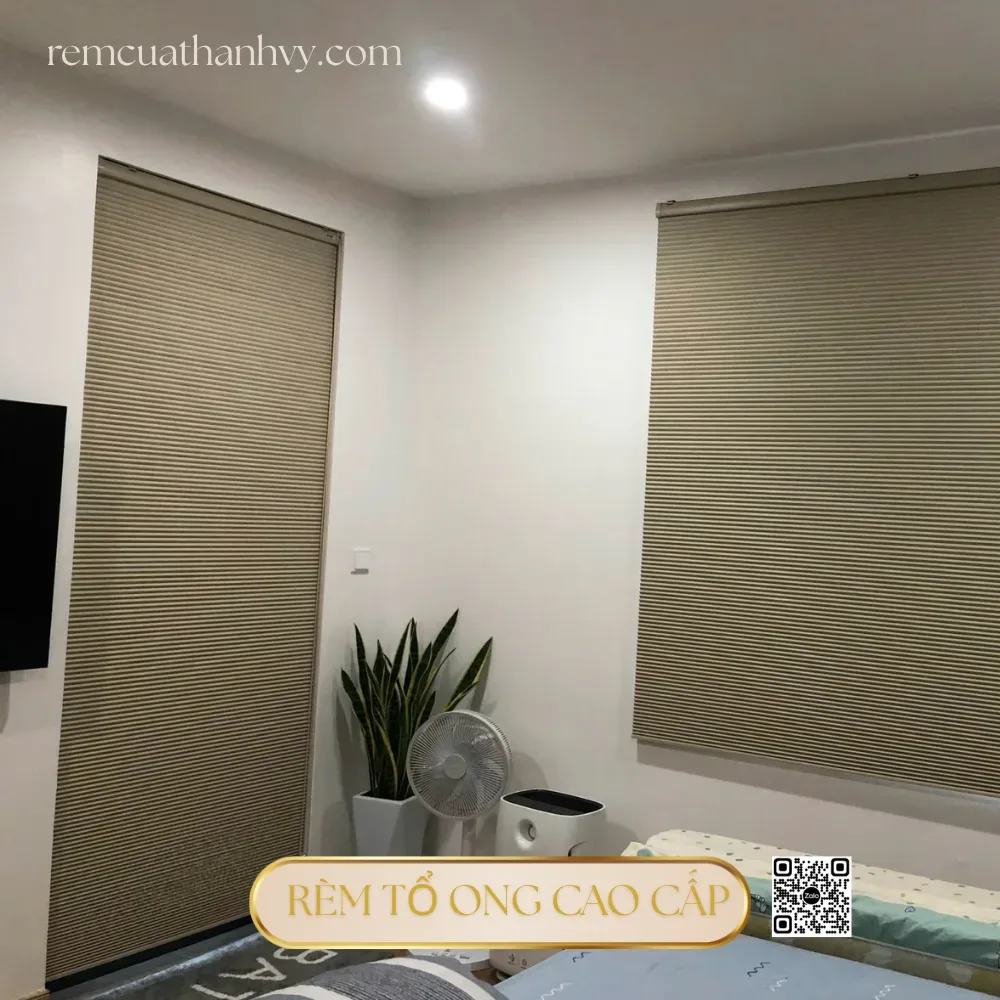
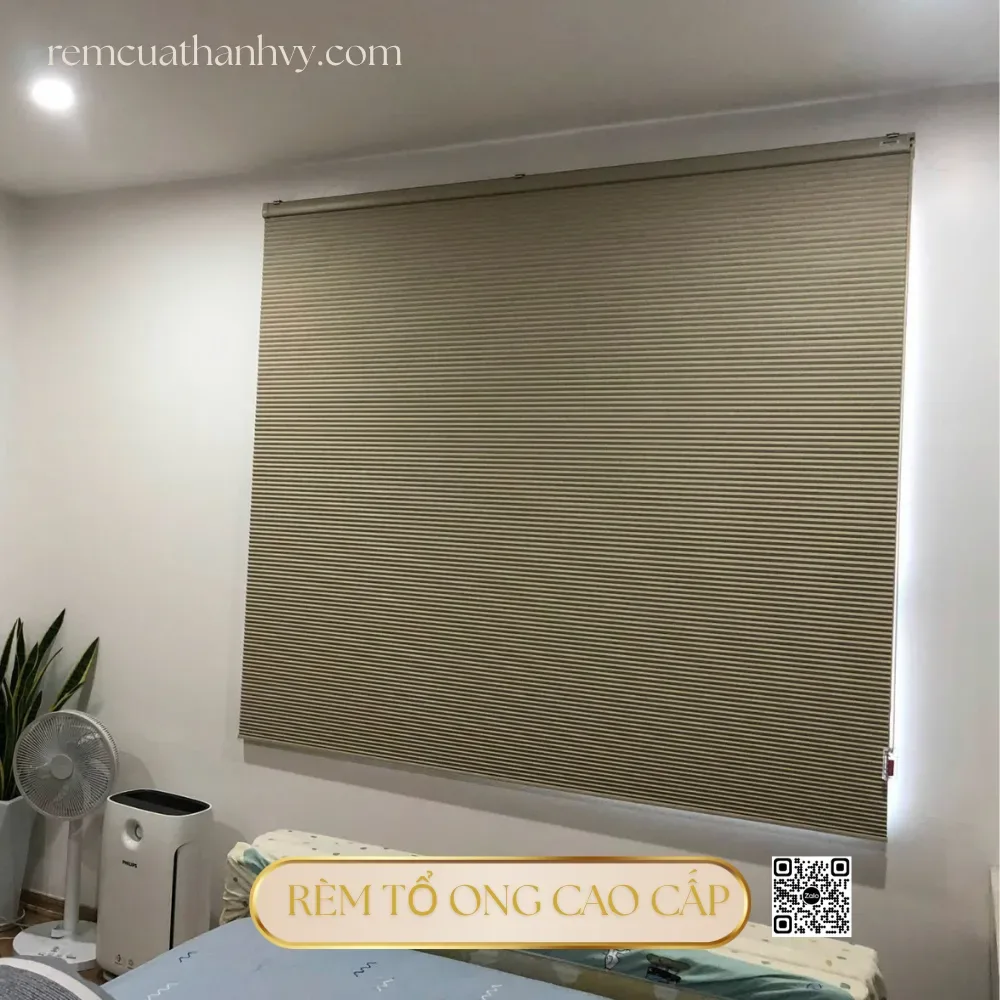
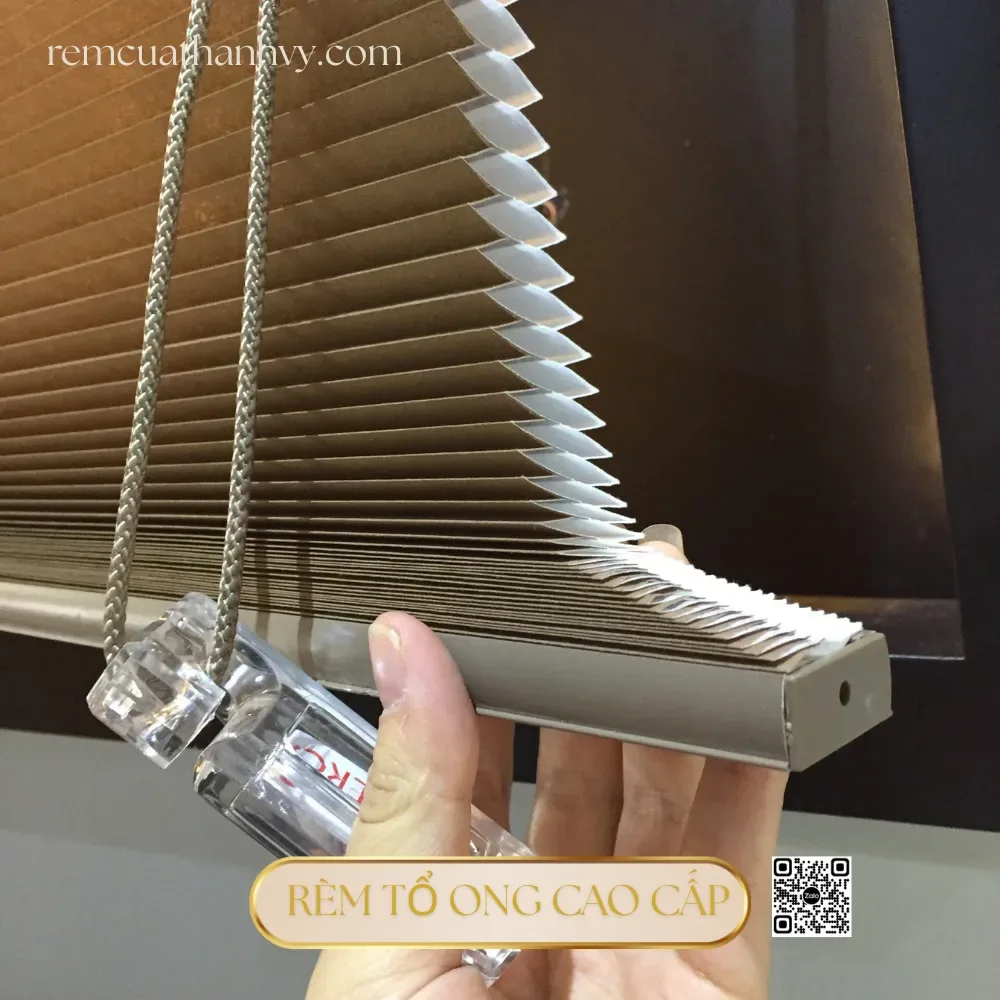
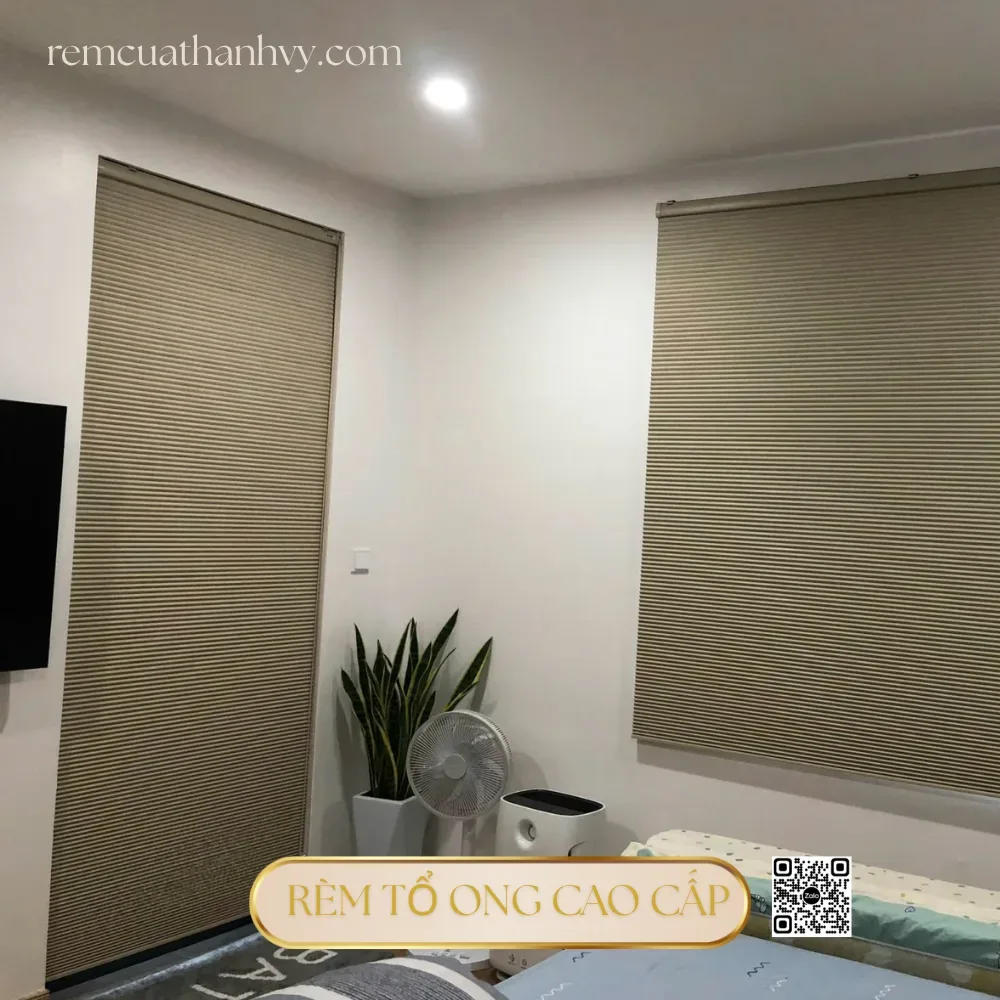
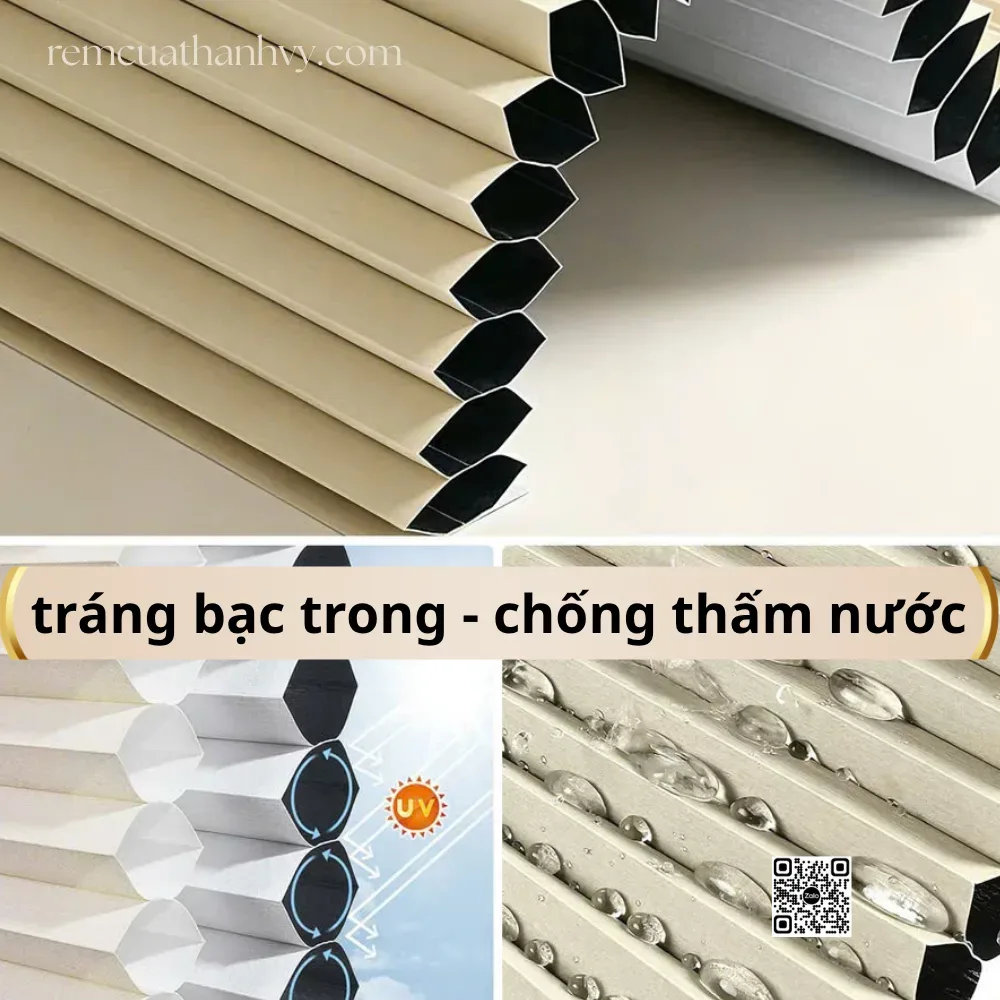
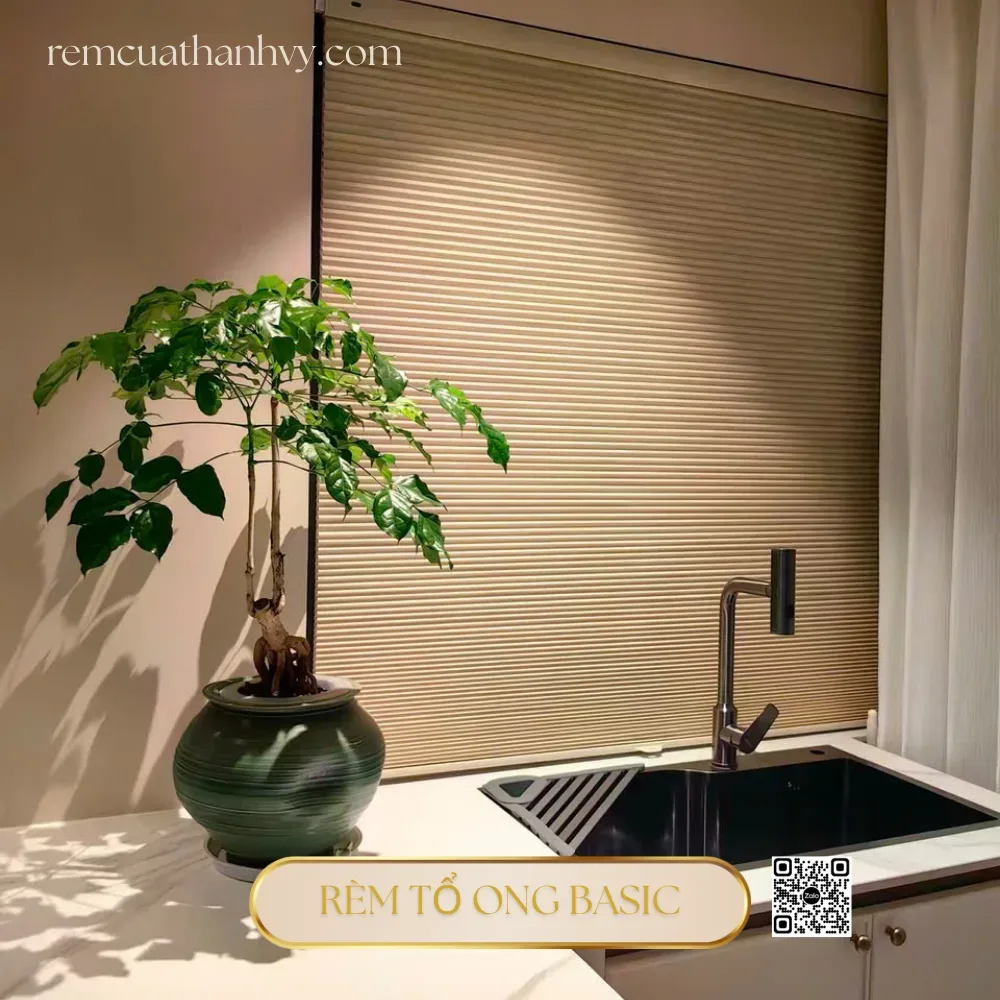
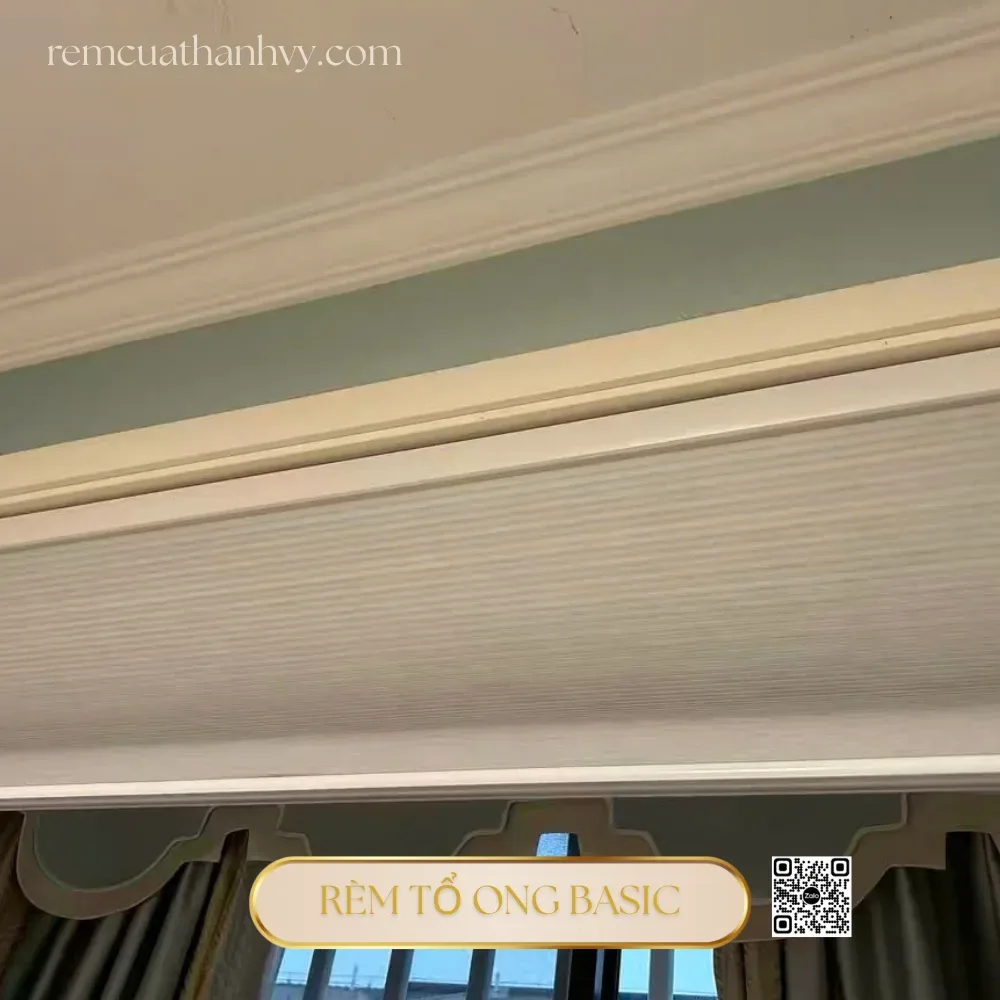
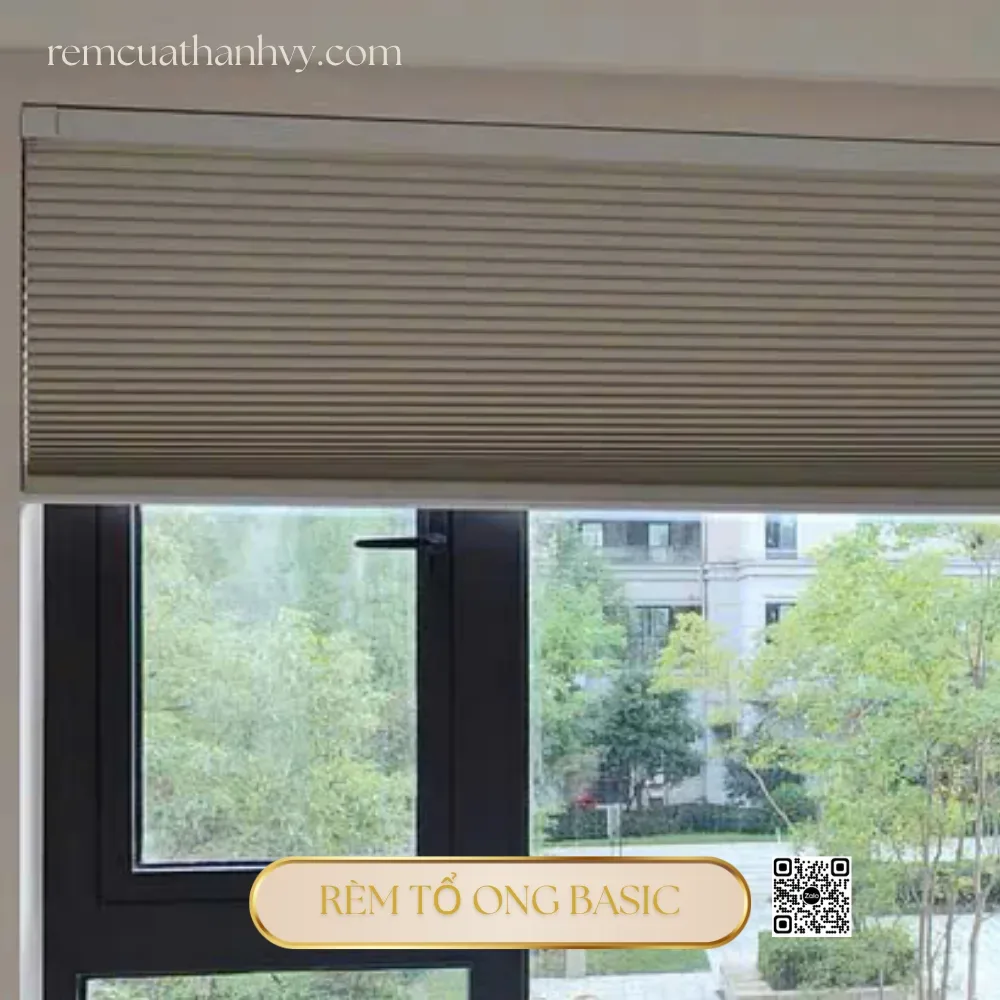
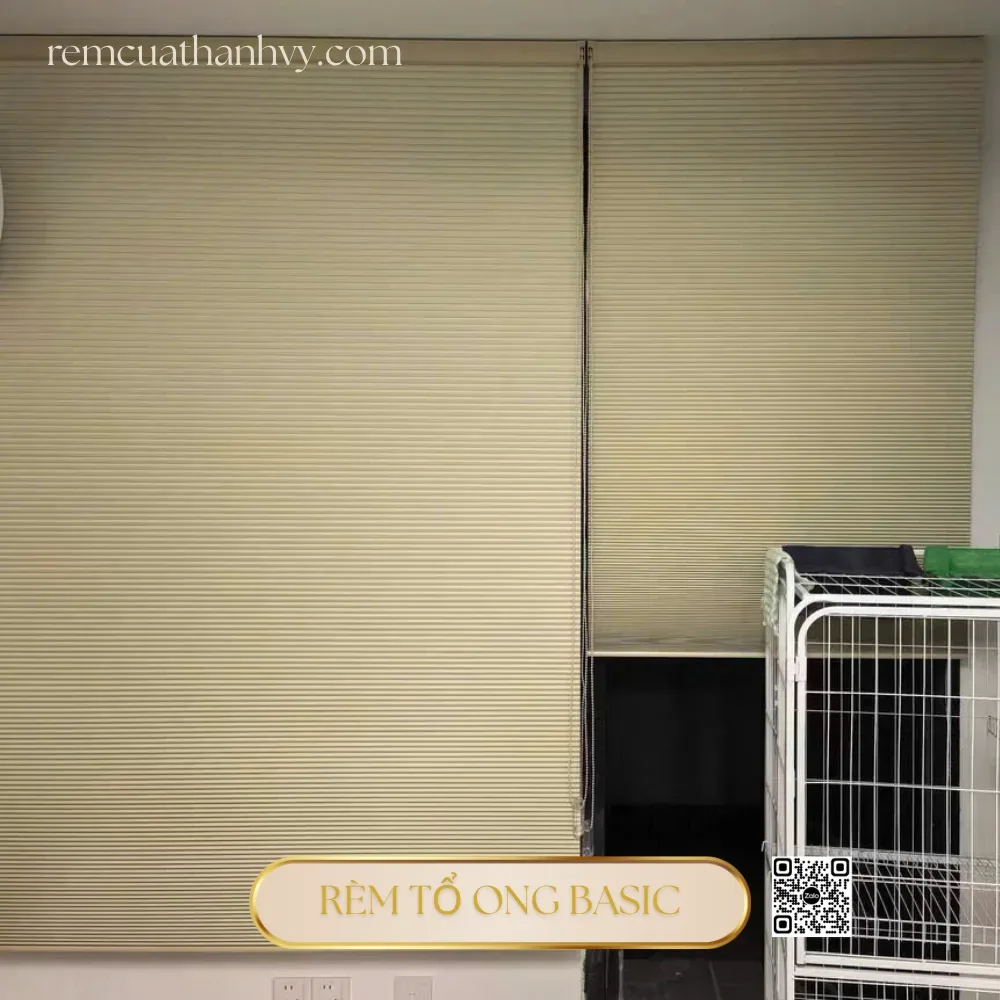
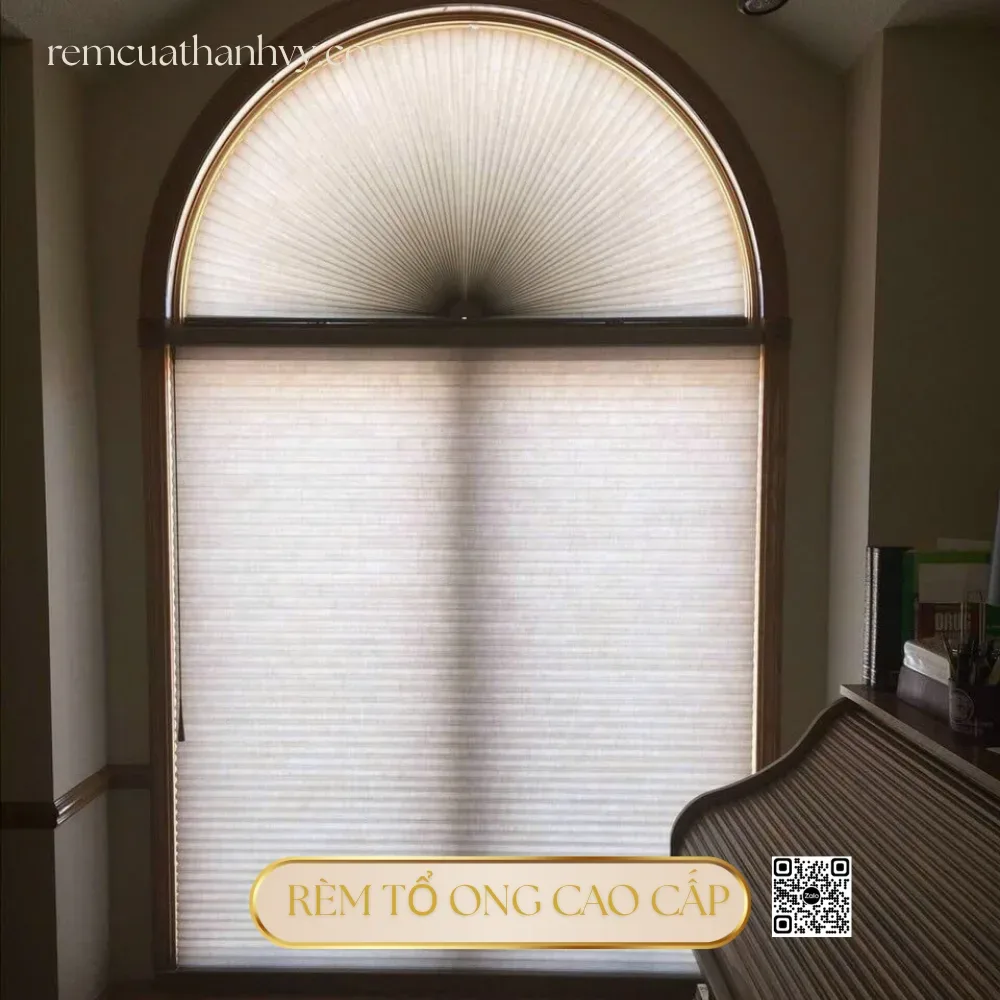
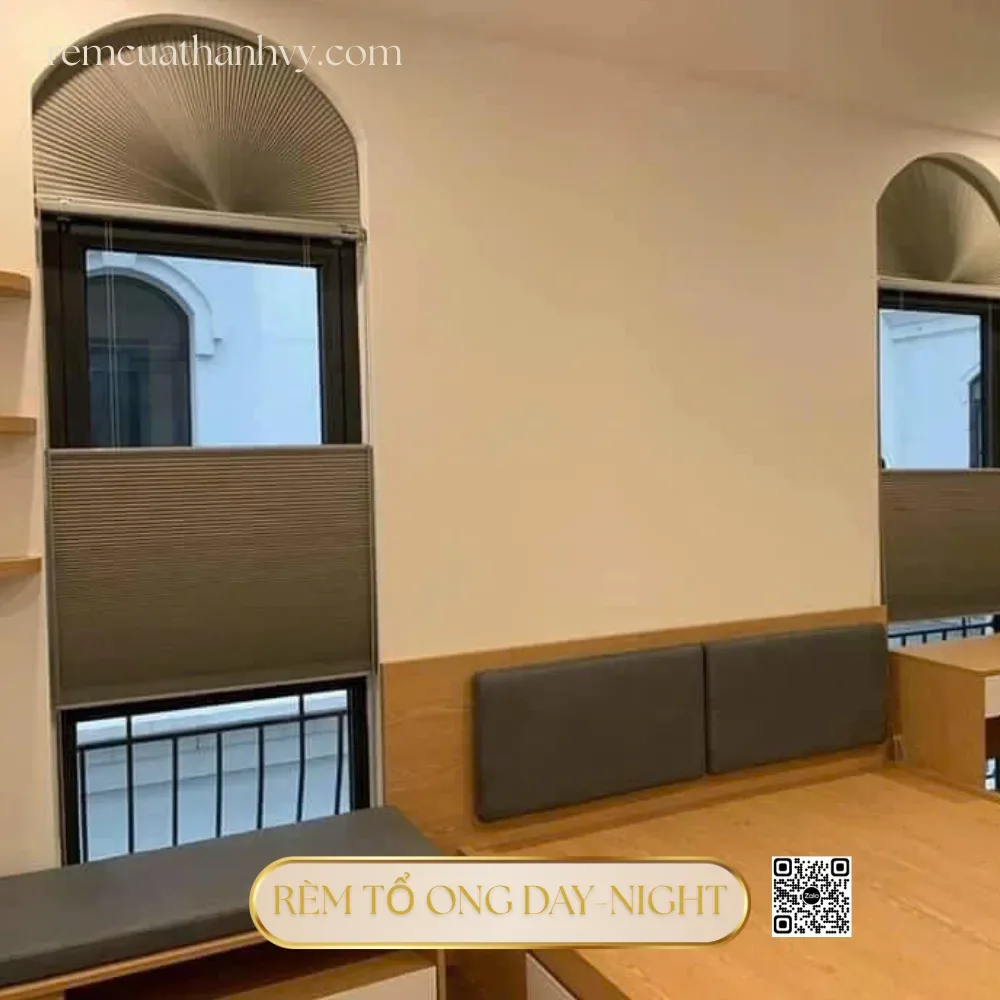
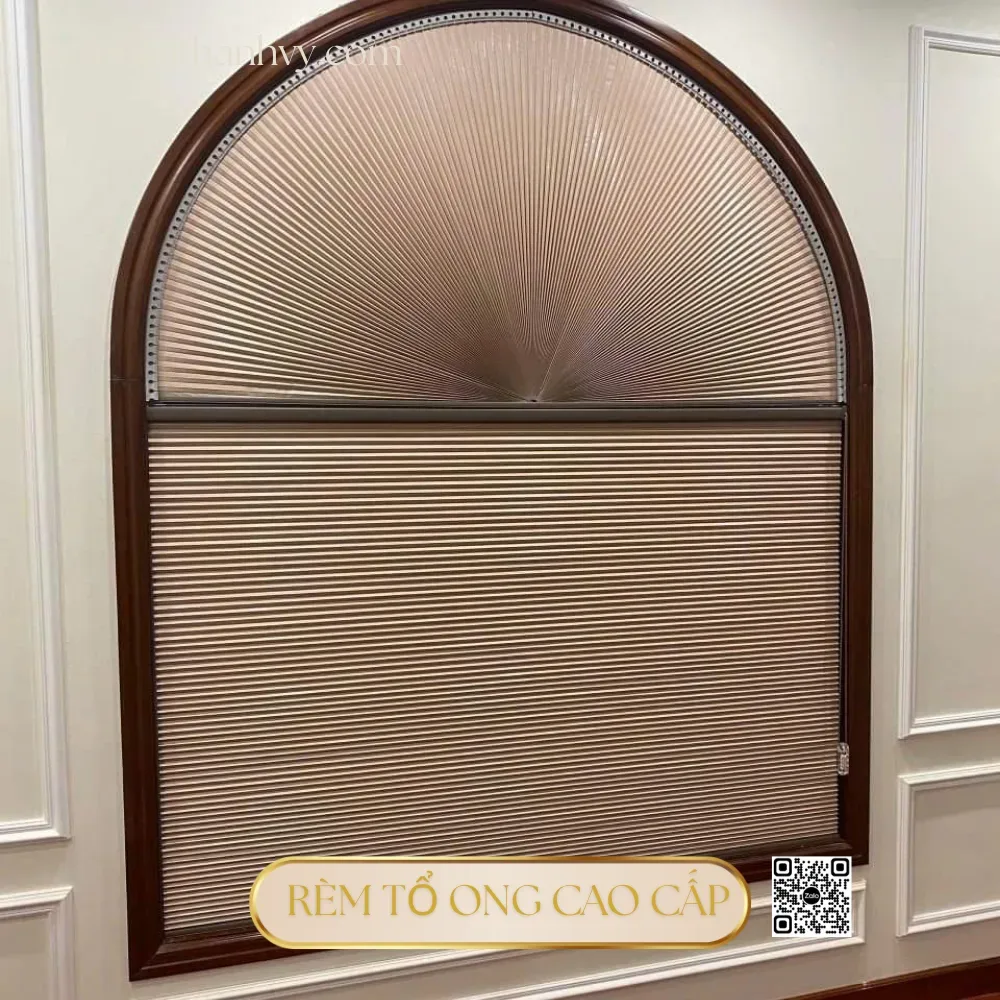
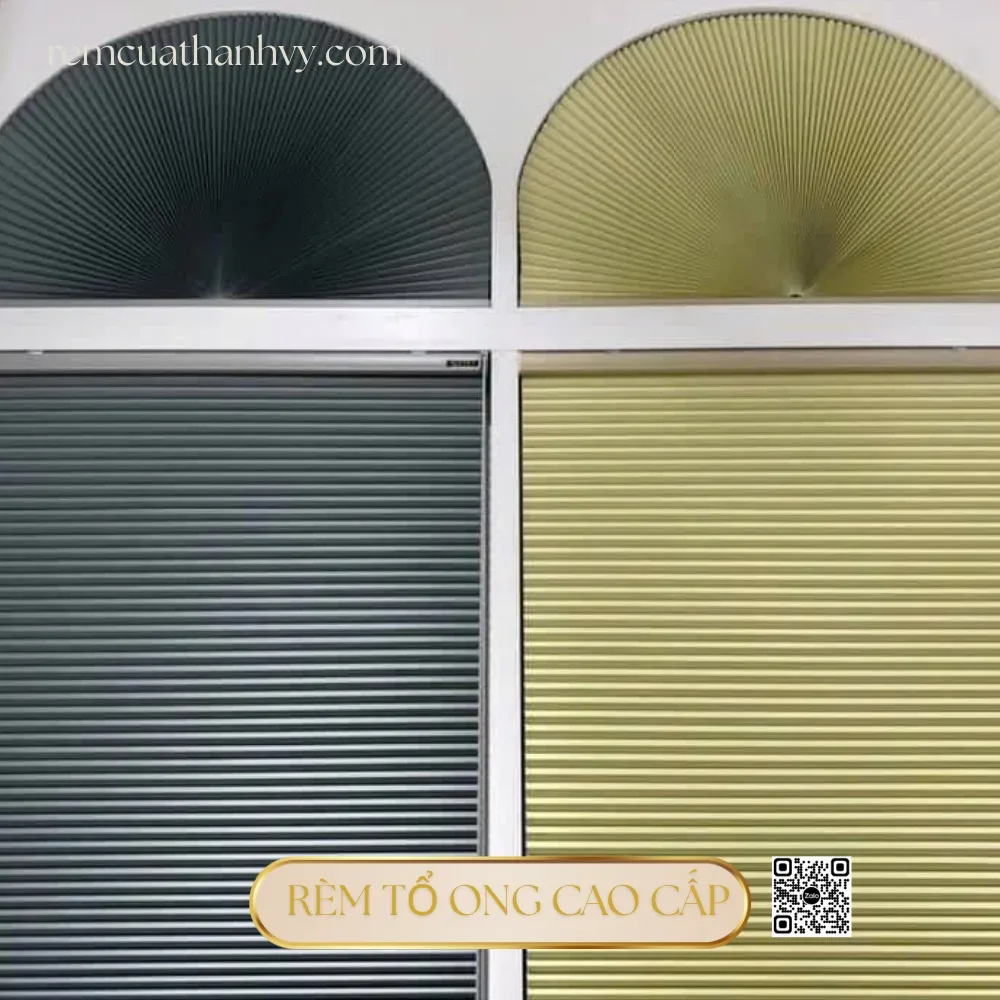
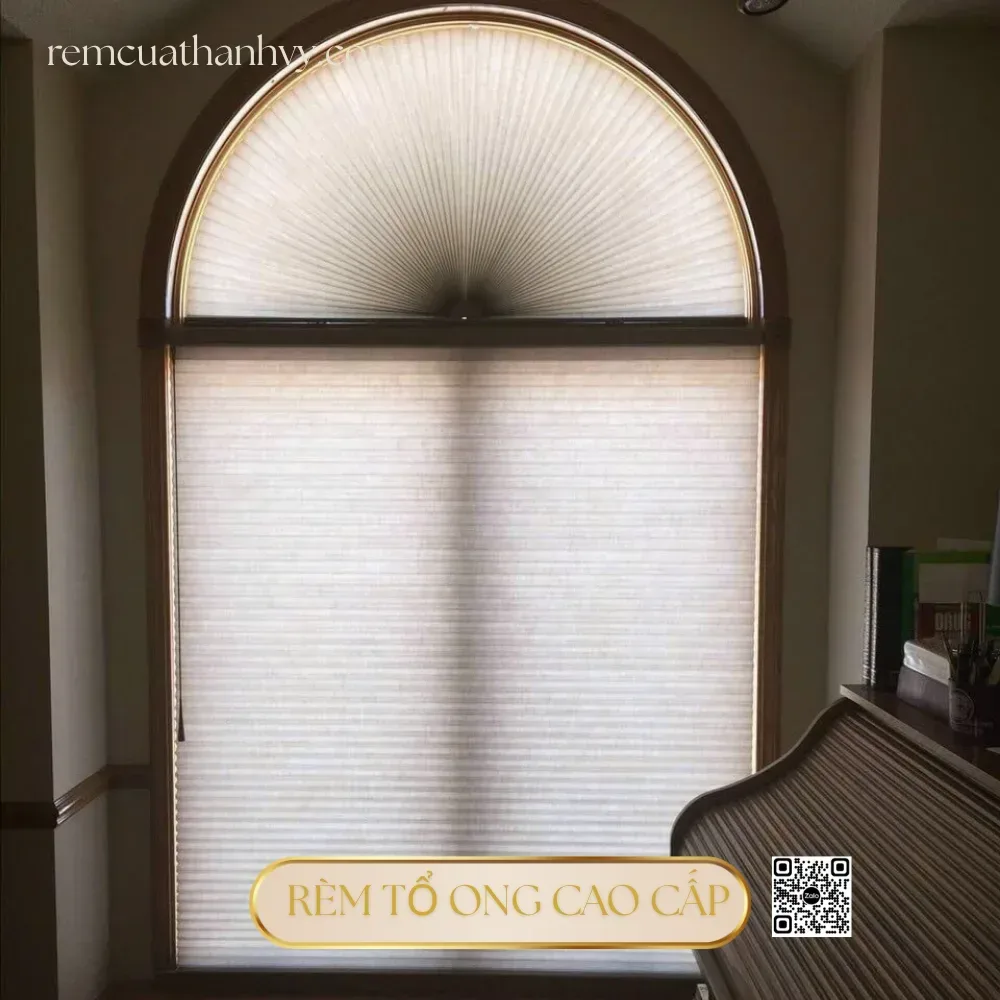
Honeycomb blinds
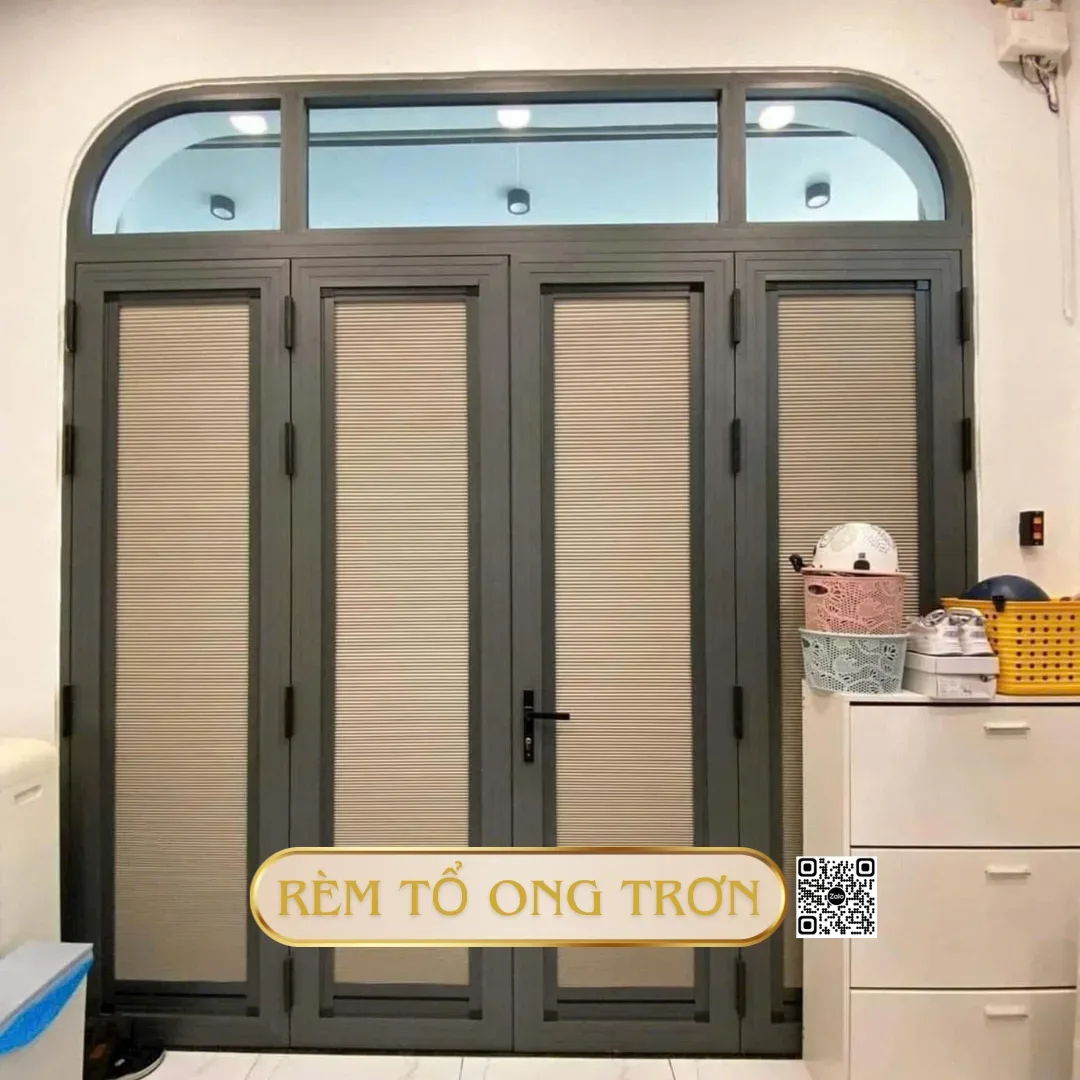
The honeycomb structure both blocks light and limits heat, suitable for sun-facing bedrooms.
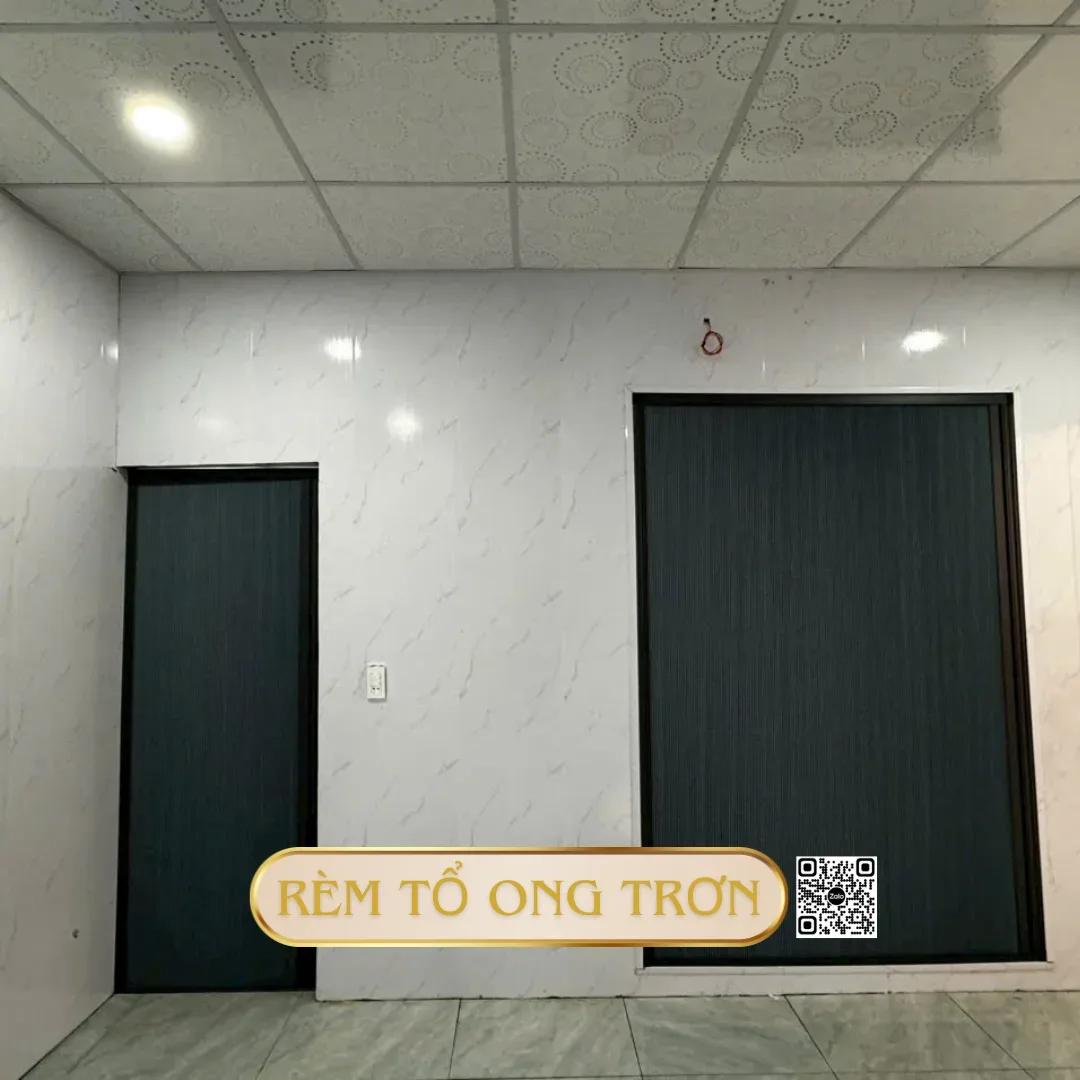
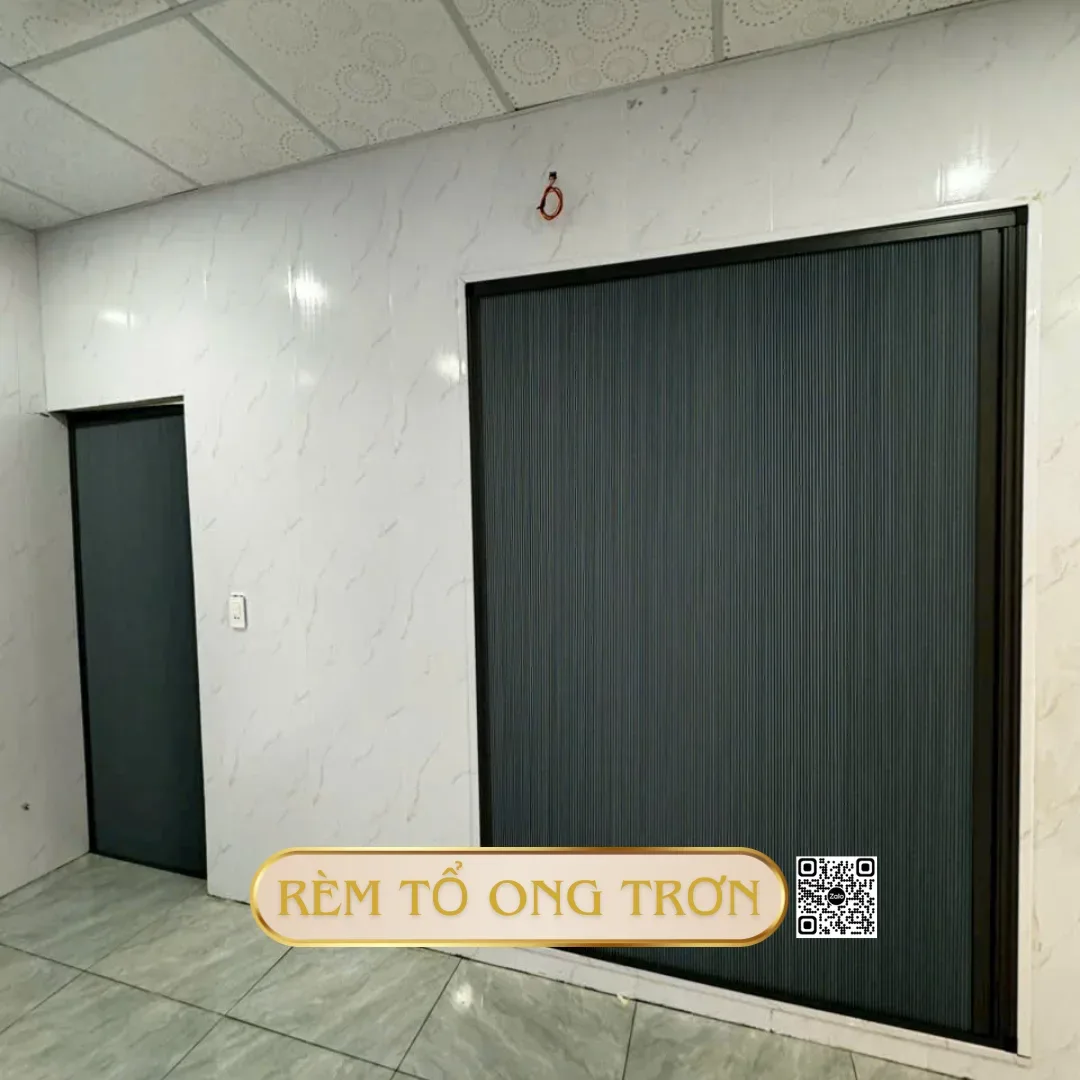
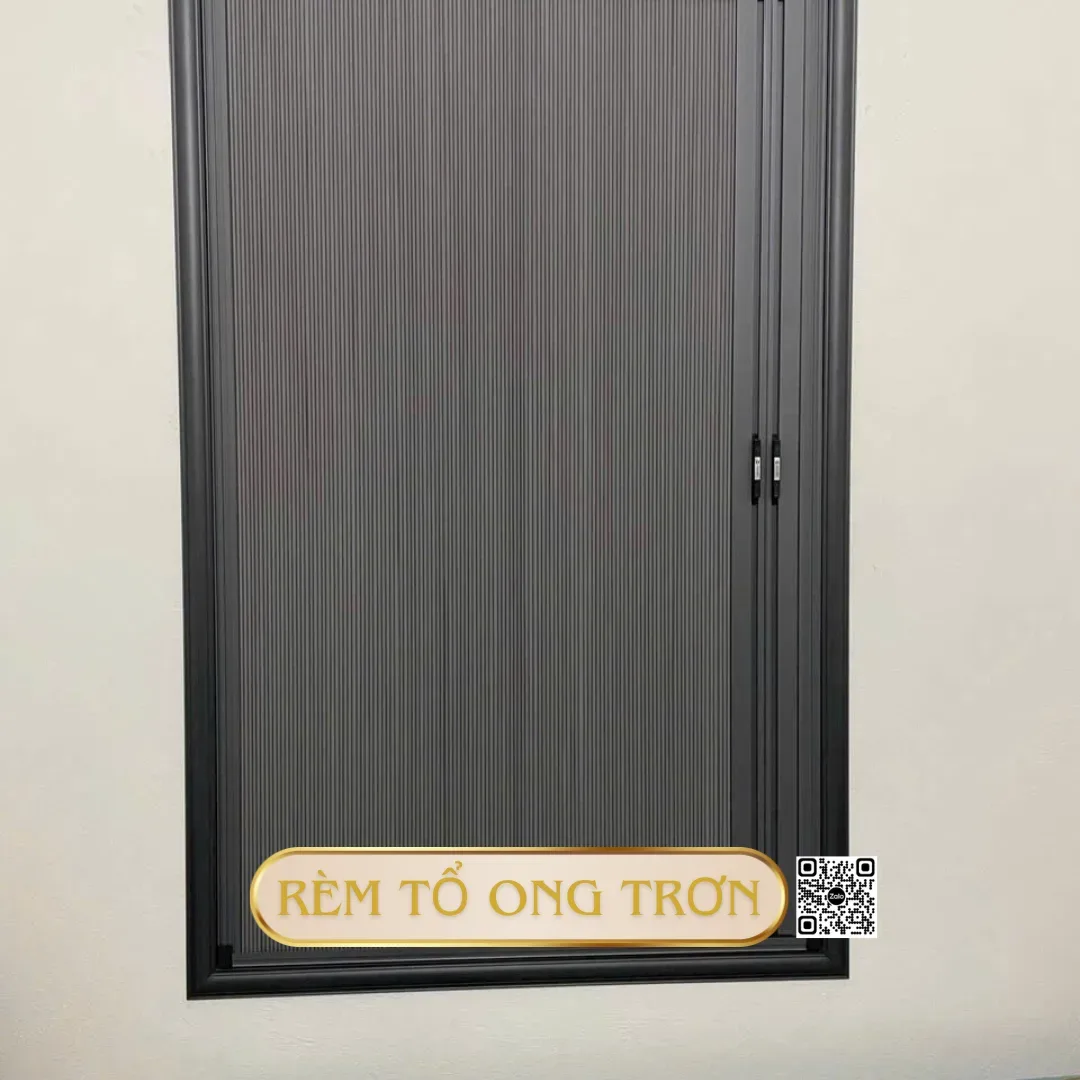
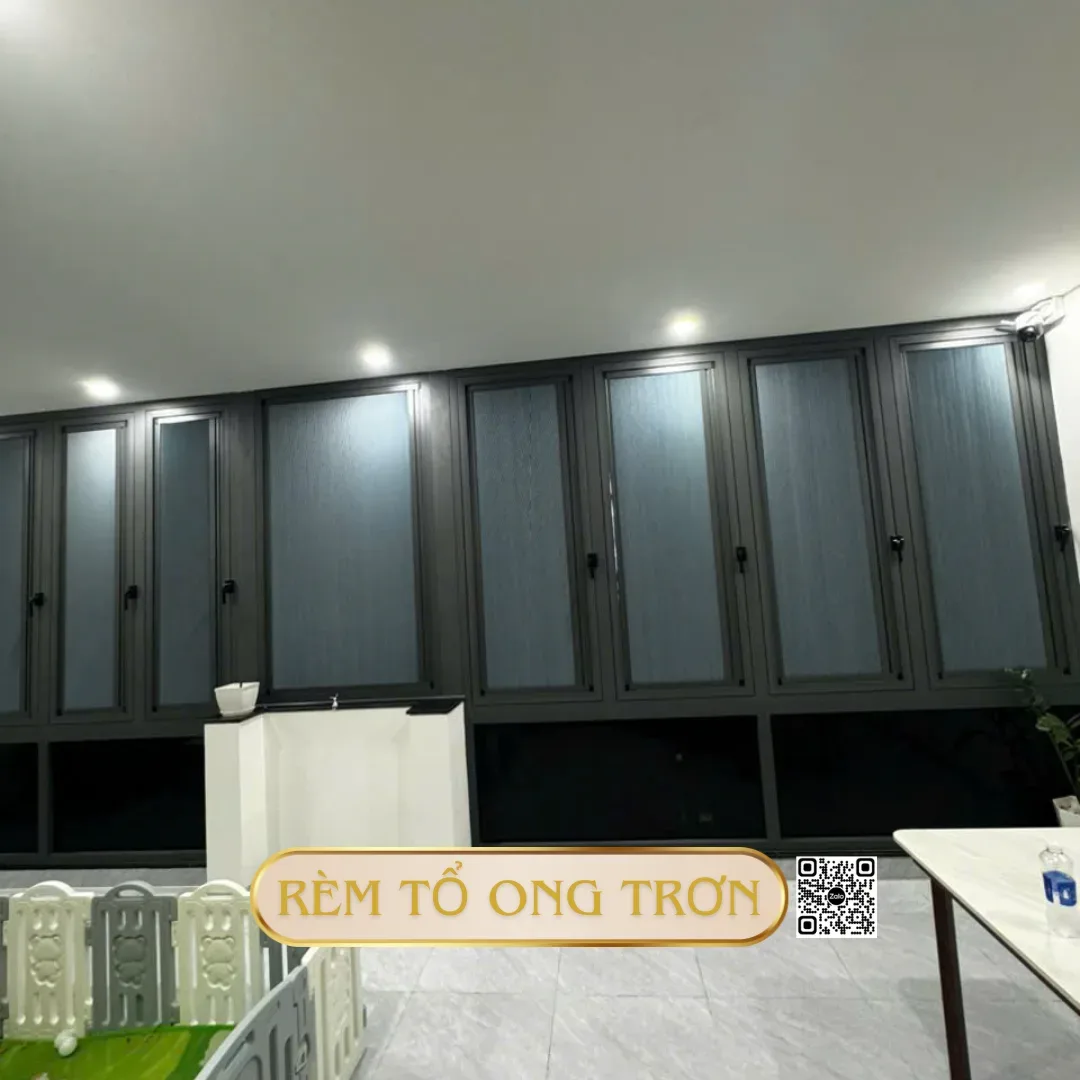
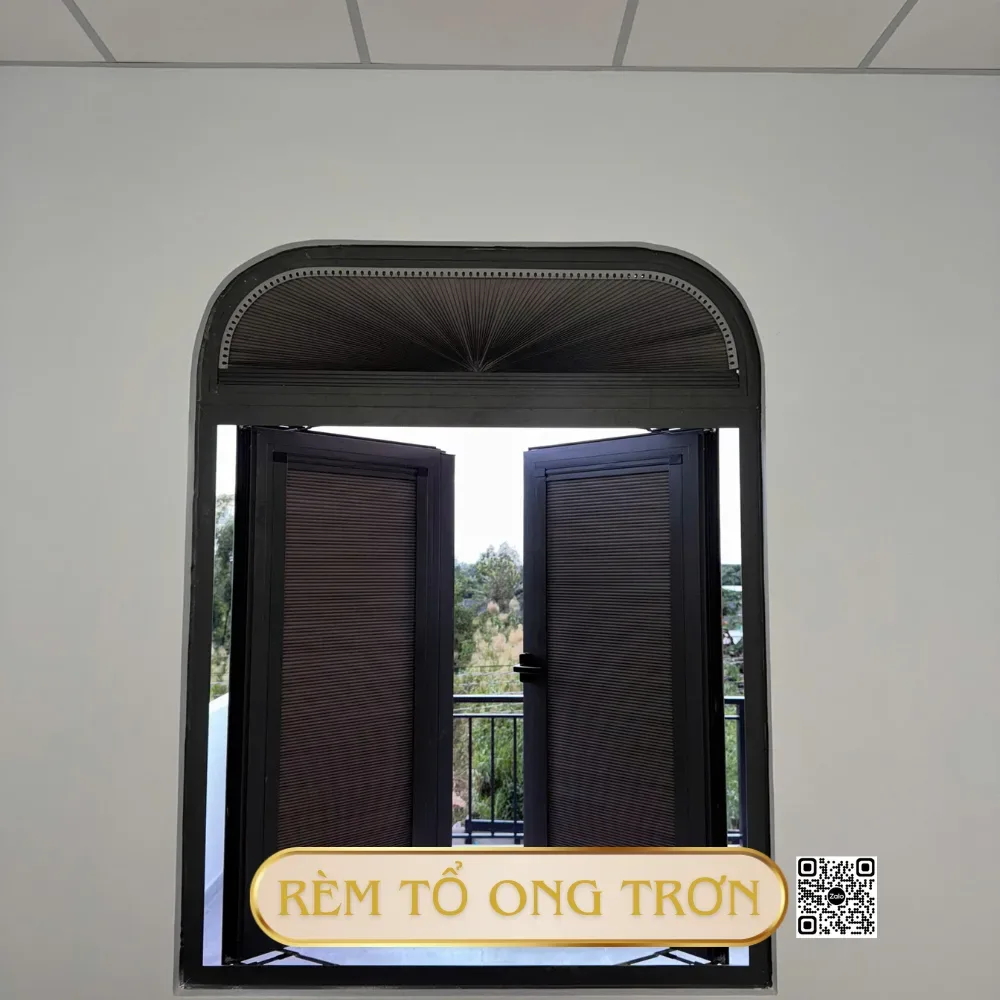
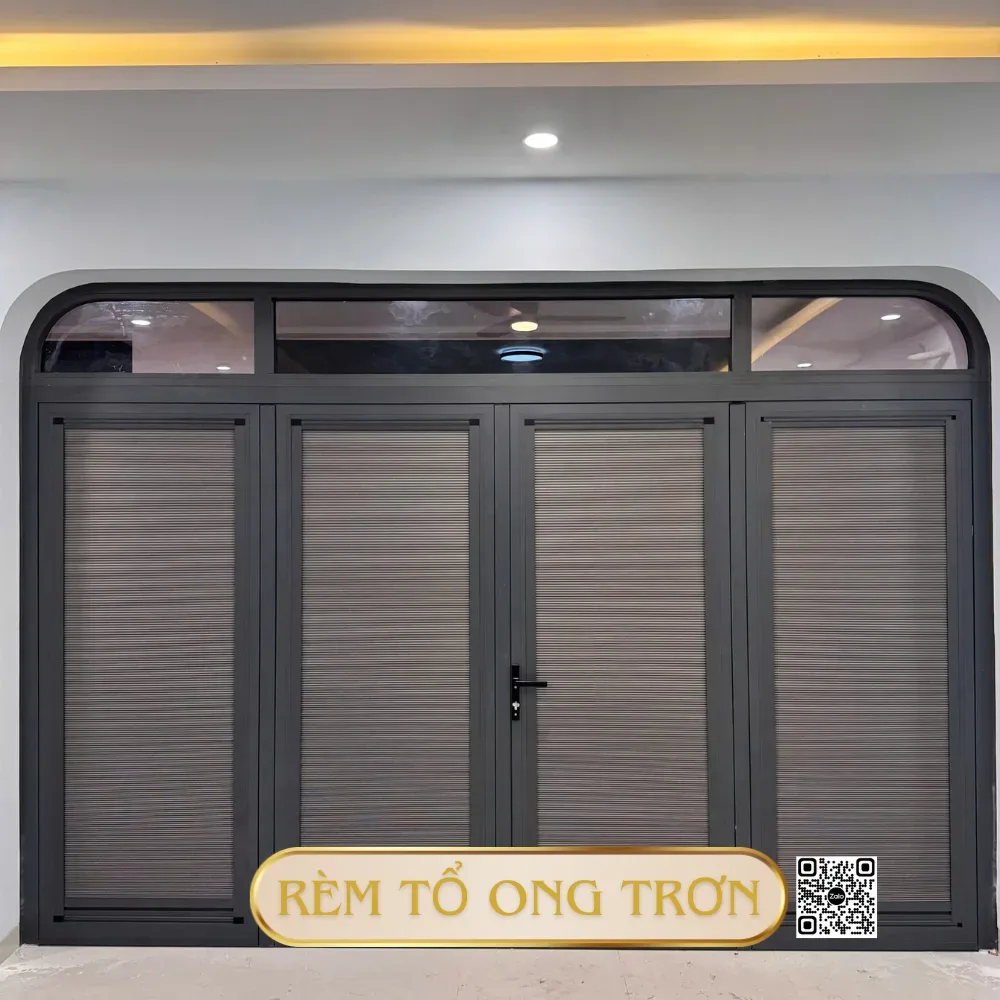
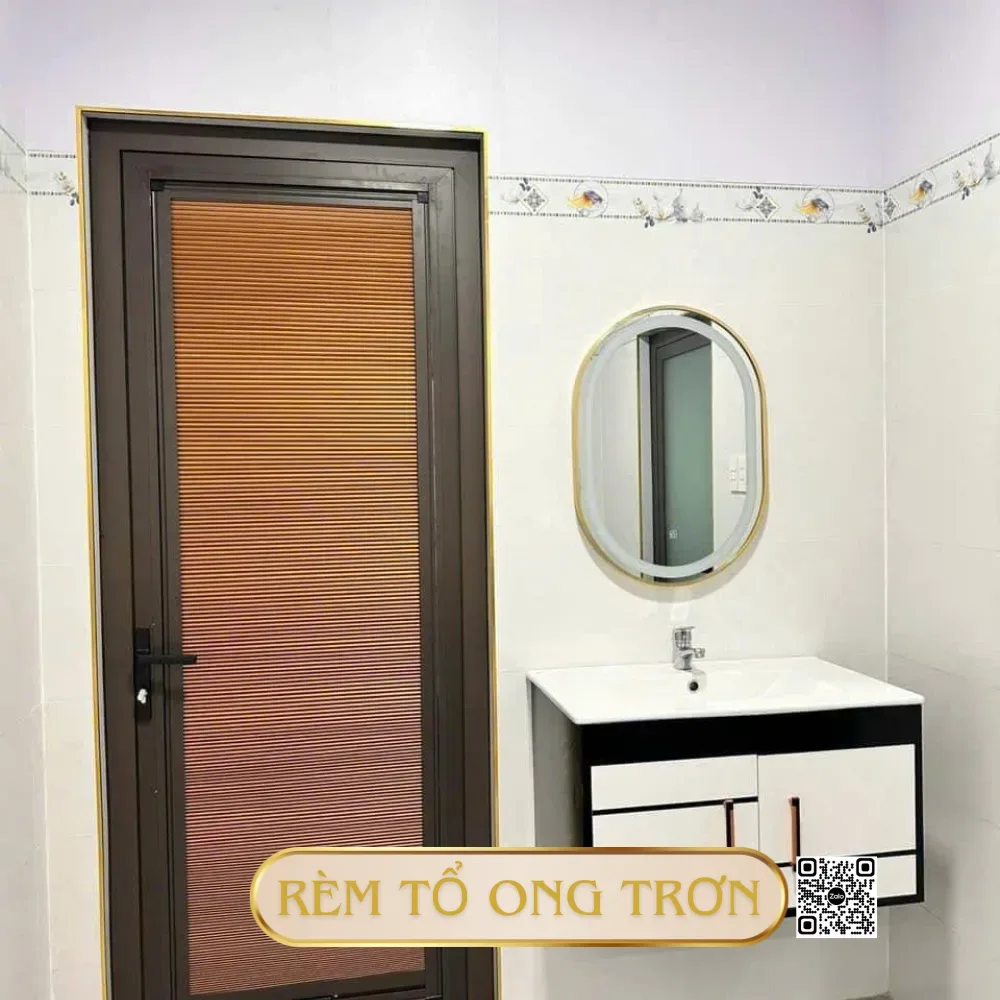
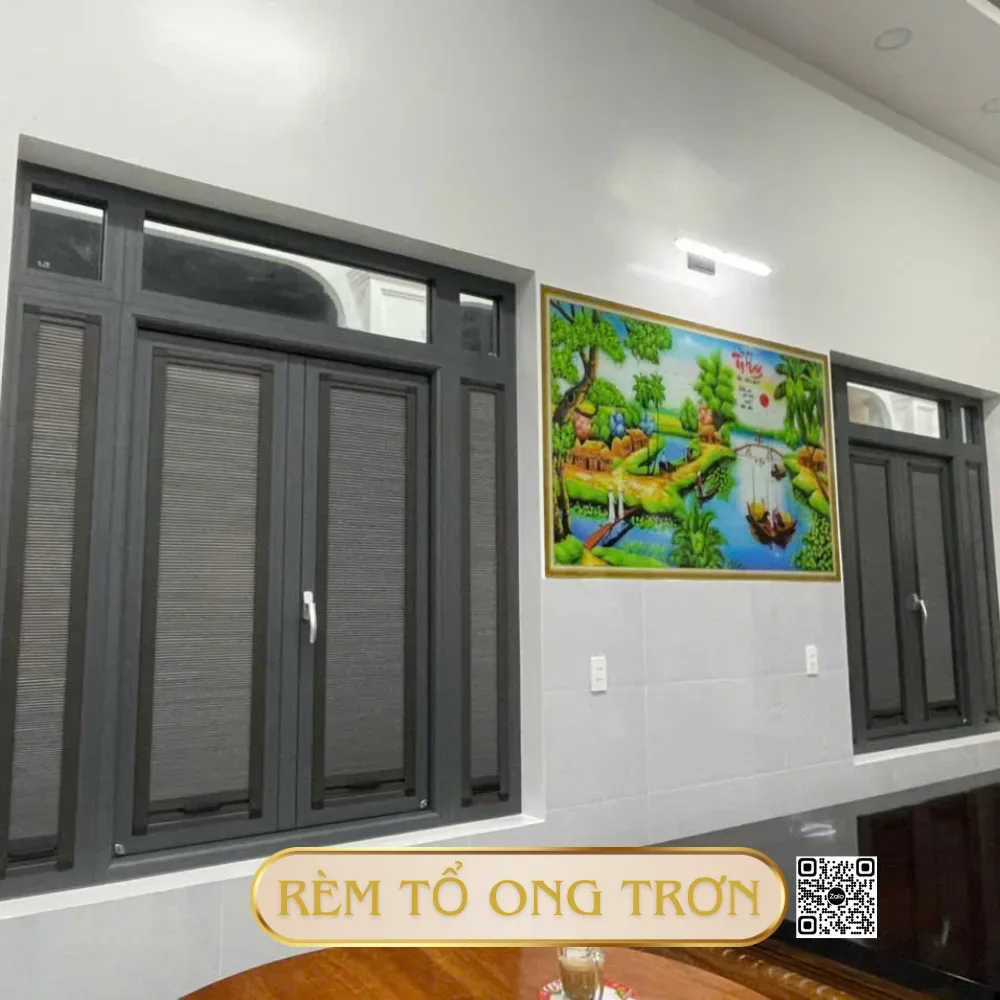
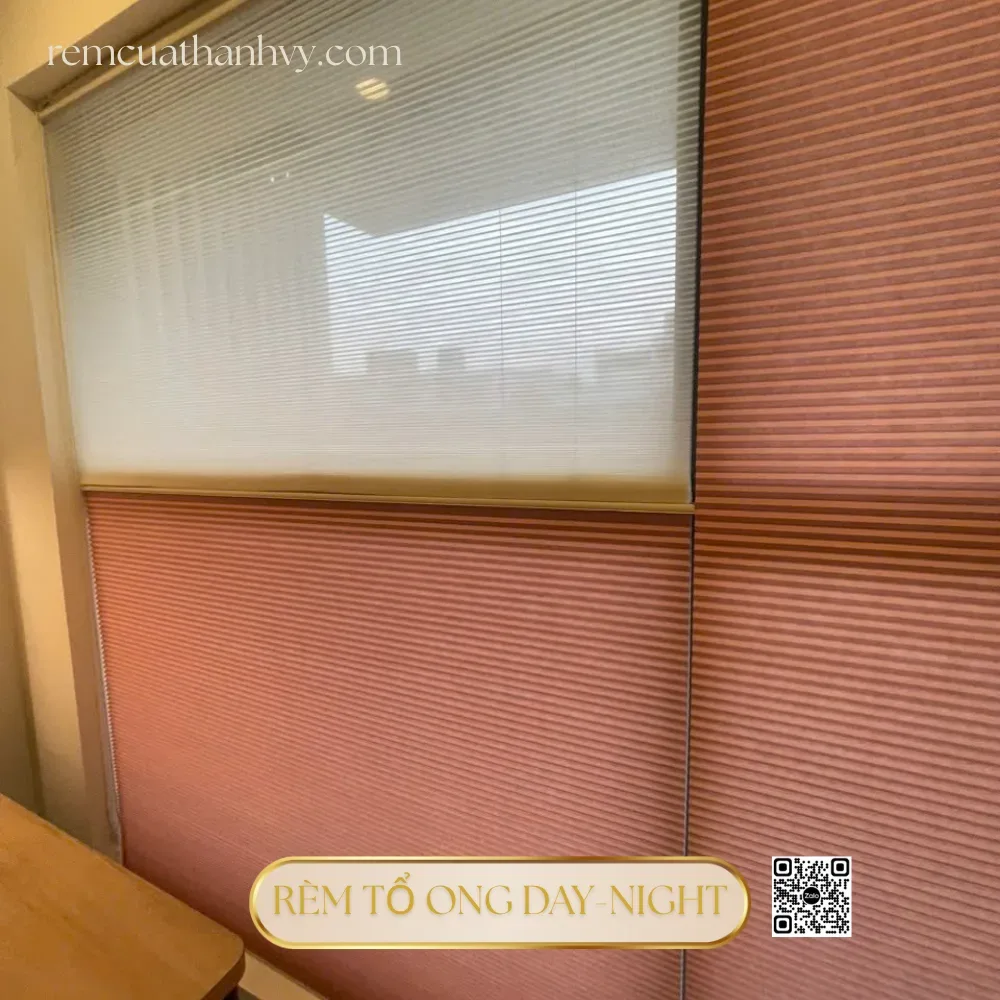
For further information, please contact Thanh Vy Curtains
We provide free consultation and on-site measuring at your home.
Related areas
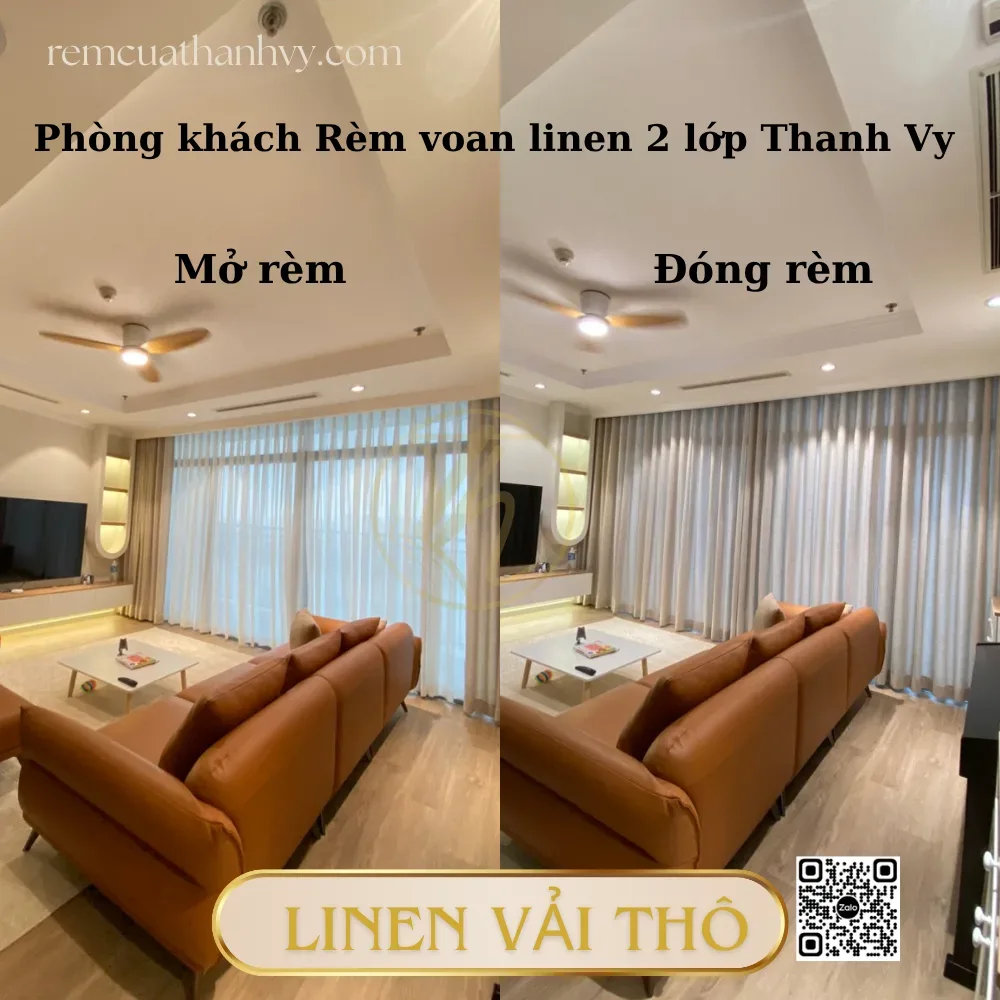
Linen curtains in Binh Tan: Choosing the right Nordic style for every space
When choosing curtains in Binh Tan, it is essential to carefully consider sun-blocking materials and [...]

Window Treatments in Binh Tan: What to Prioritize for Each Space
Thanh Vy Window Treatments offers tailored window treatment solutions in Binh Tan, backed by extensive [...]
Related reviews
Roller Shades or Zebra Shades? A Detailed Comparison to Help You Choose
This article compares roller shades and zebra shades by construction, light control, aesthetics, price, durability, [...]
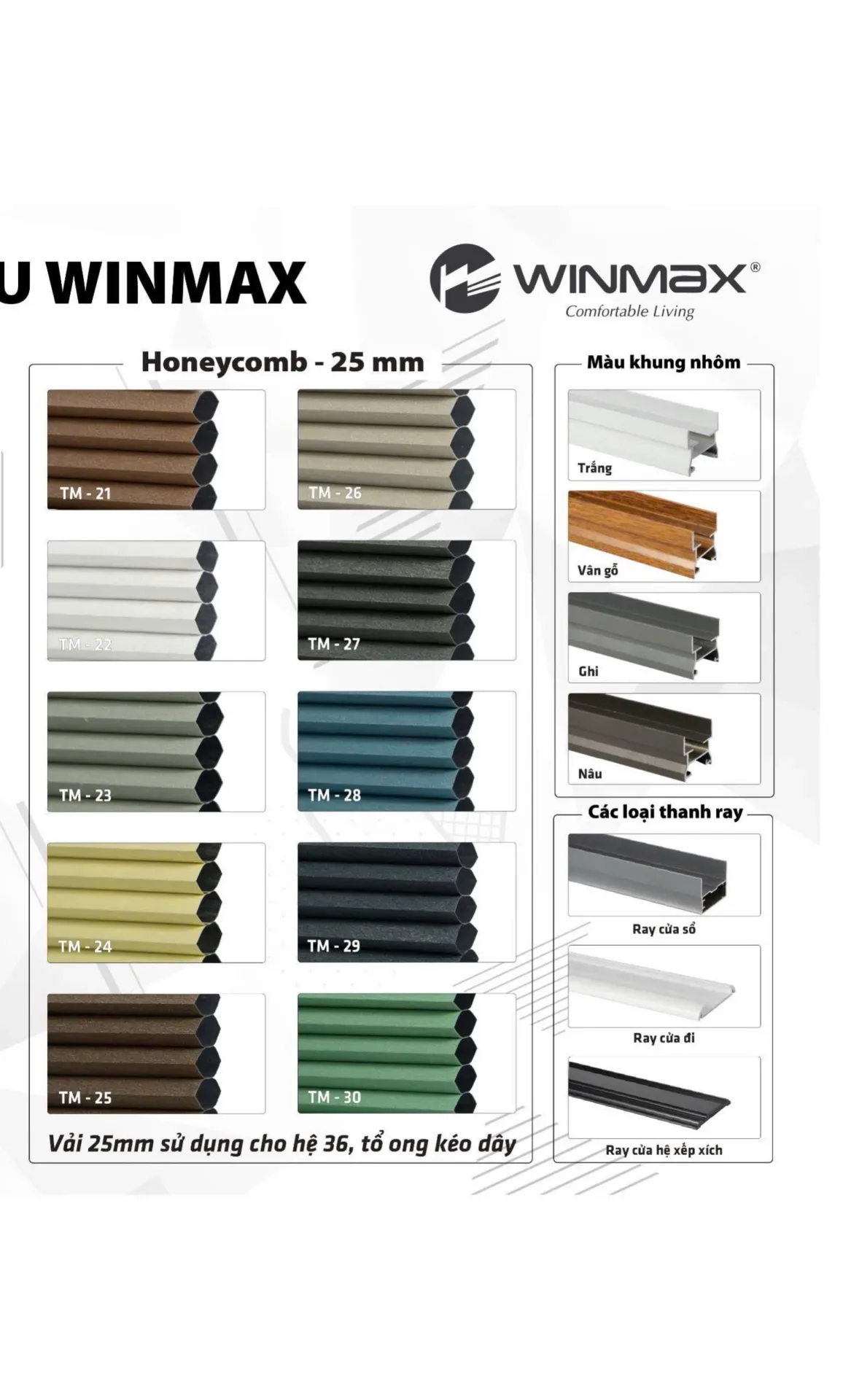
Roller Blinds vs. Honeycomb Shades: A Detailed Comparison to Help You Choose
This article compares roller blinds and honeycomb shades based on thermal insulation, soundproofing, light control, [...]
Related posts
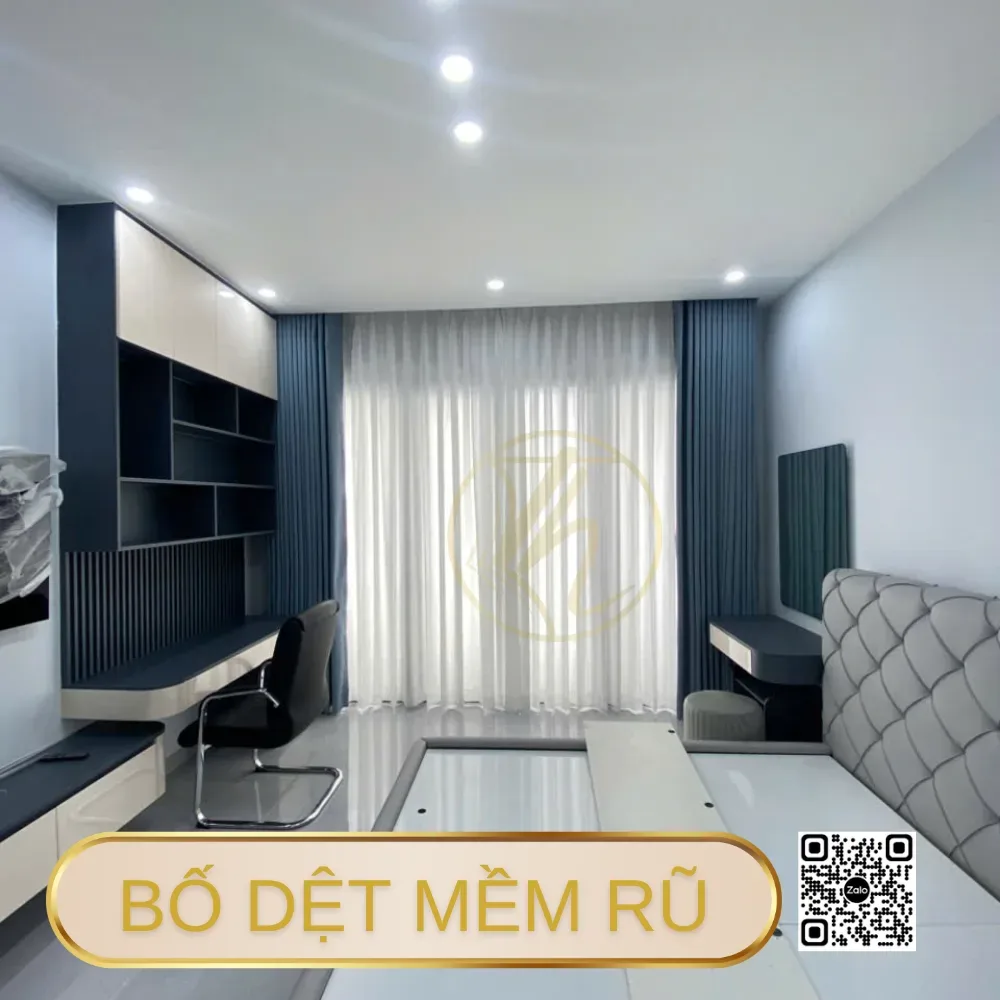
Fabric Curtains in District 3: How to Choose by Room and Need
This article helps readers choose fabric curtains in District 3 based on light blocking needs, [...]
Fabric Curtains in District 6: How to Choose Fabrics and Sewing Styles
A guide to choosing fabric curtains in District 6 for every space, light level, material, [...]
Fabric Curtains in District 10: How to Choose by Room and Need
This guide helps readers compare fabric curtain options in District 10 based on functionality, hanging [...]
Fabric Curtains in Binh Thanh: How to Choose for Every Space
This article summarizes how to choose fabric curtains in Binh Thanh based on lighting, privacy [...]
Tan Binh Fabric Curtains: How to Choose for Every Space
A practical guide to choosing Tan Binh fabric curtains by room, light direction, fabric pattern, [...]
Linen Curtains in District 4: Choosing the Right Fabric and Style
When choosing linen curtains in District 4, consider sun exposure, privacy, and practical sewing styles [...]
Linen Curtains in District 7: How to Choose the Right Fabric and Style
Linen curtains in District 7 are perfect for bright, airy homes, but you should choose [...]
Linen Curtains in District 11: Choosing the Right Fabric and Style
Linen curtains in District 11 are ideal for bright, soft spaces, but should be selected [...]
No comments yet!