




Linen Curtains in District 11: Choosing the Right Fabric and Style
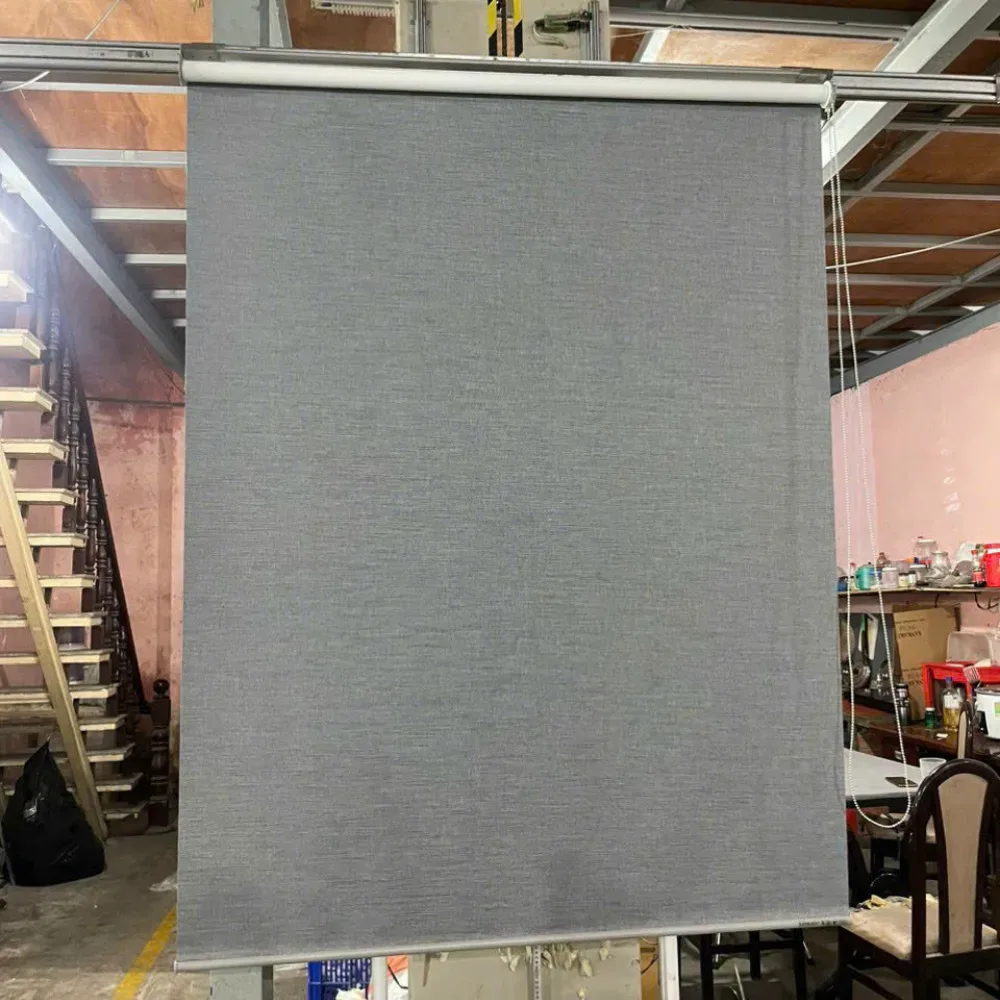
linen curtains in District 11 are suitable when users want a bright space that still has depth
linen curtains in District 11 are often sought after by those who want their room to look light, less stuffy, and feel closer to natural materials than traditional thick curtains. However, precisely because the linen surface creates a soft and airy feel, many people tend to decide based on intuition, while the actual effectiveness depends on the direction of sunlight, the position of the window, the need for privacy, and how the curtains are hung in the specific space. If these factors are ignored, the curtains might look beautiful when viewing samples but may not necessarily be suitable for daily use. Readers can refer to the article introducing auditorium curtains on Can Tho Newspaper for further comparison.
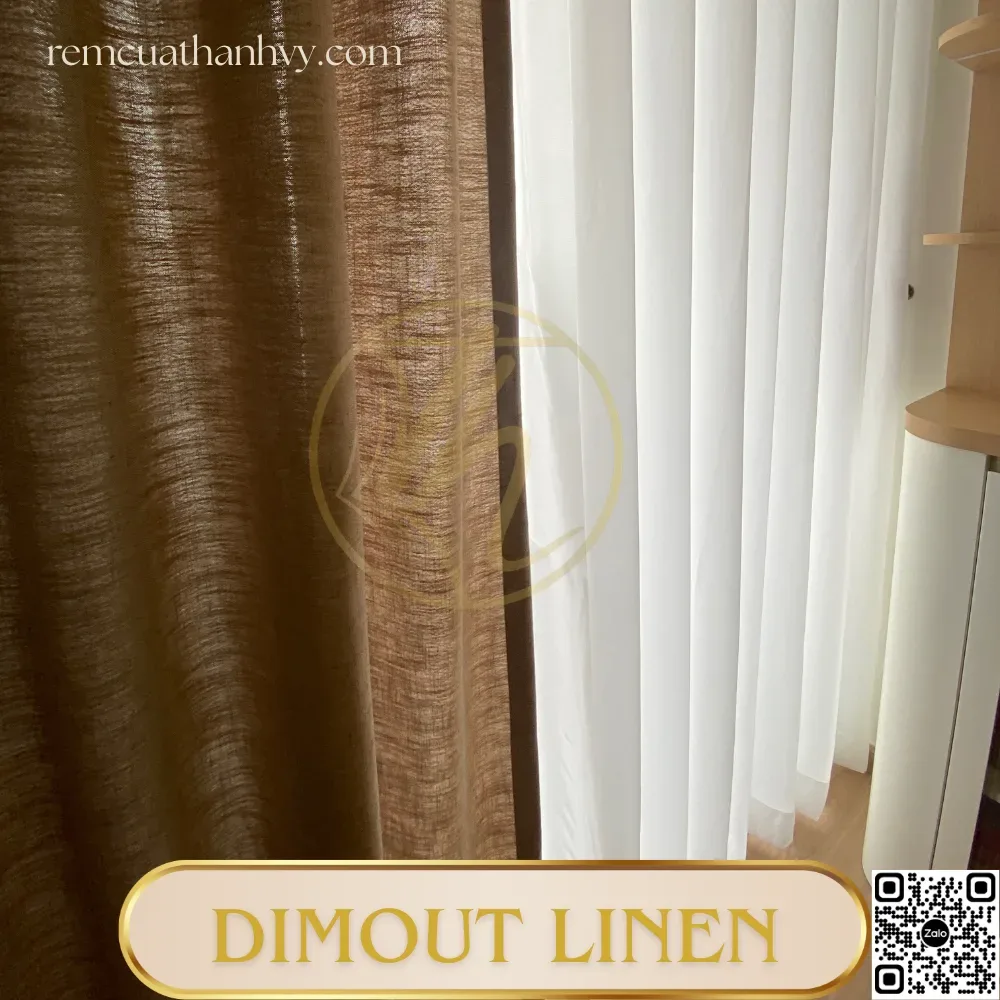
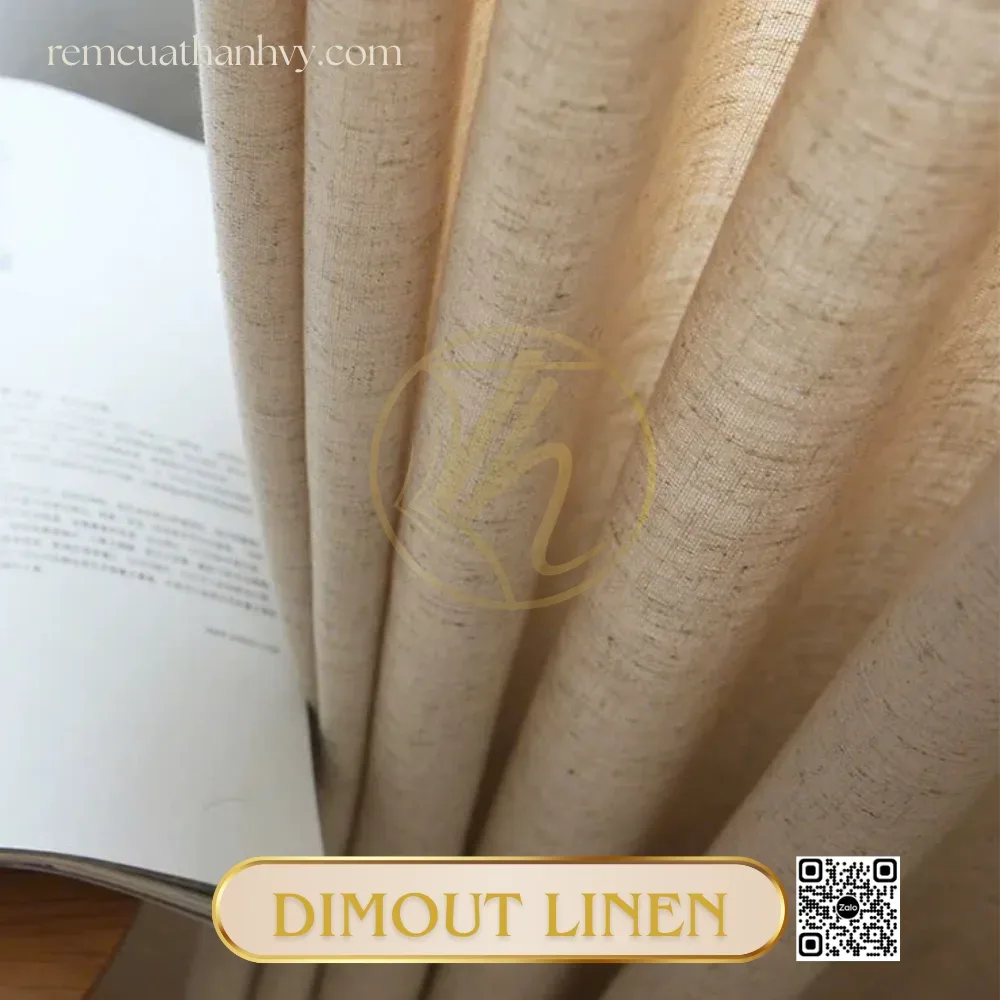
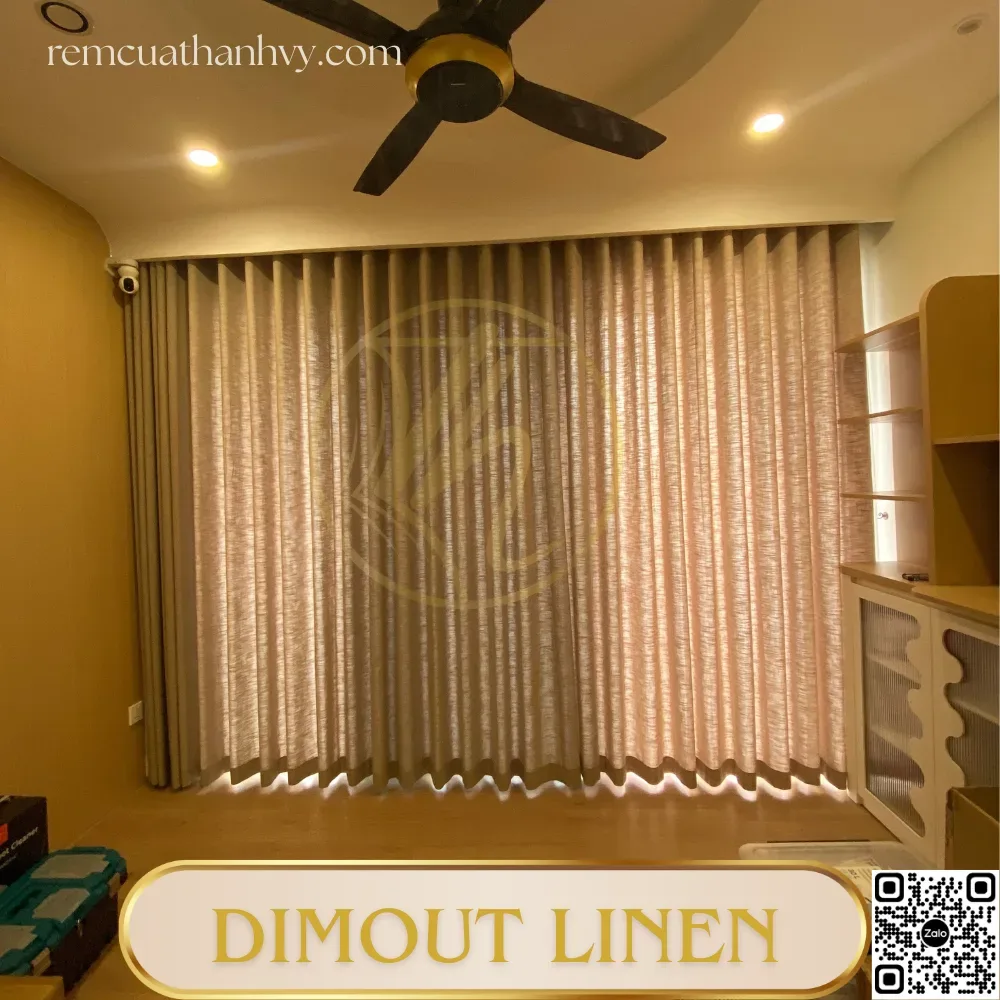
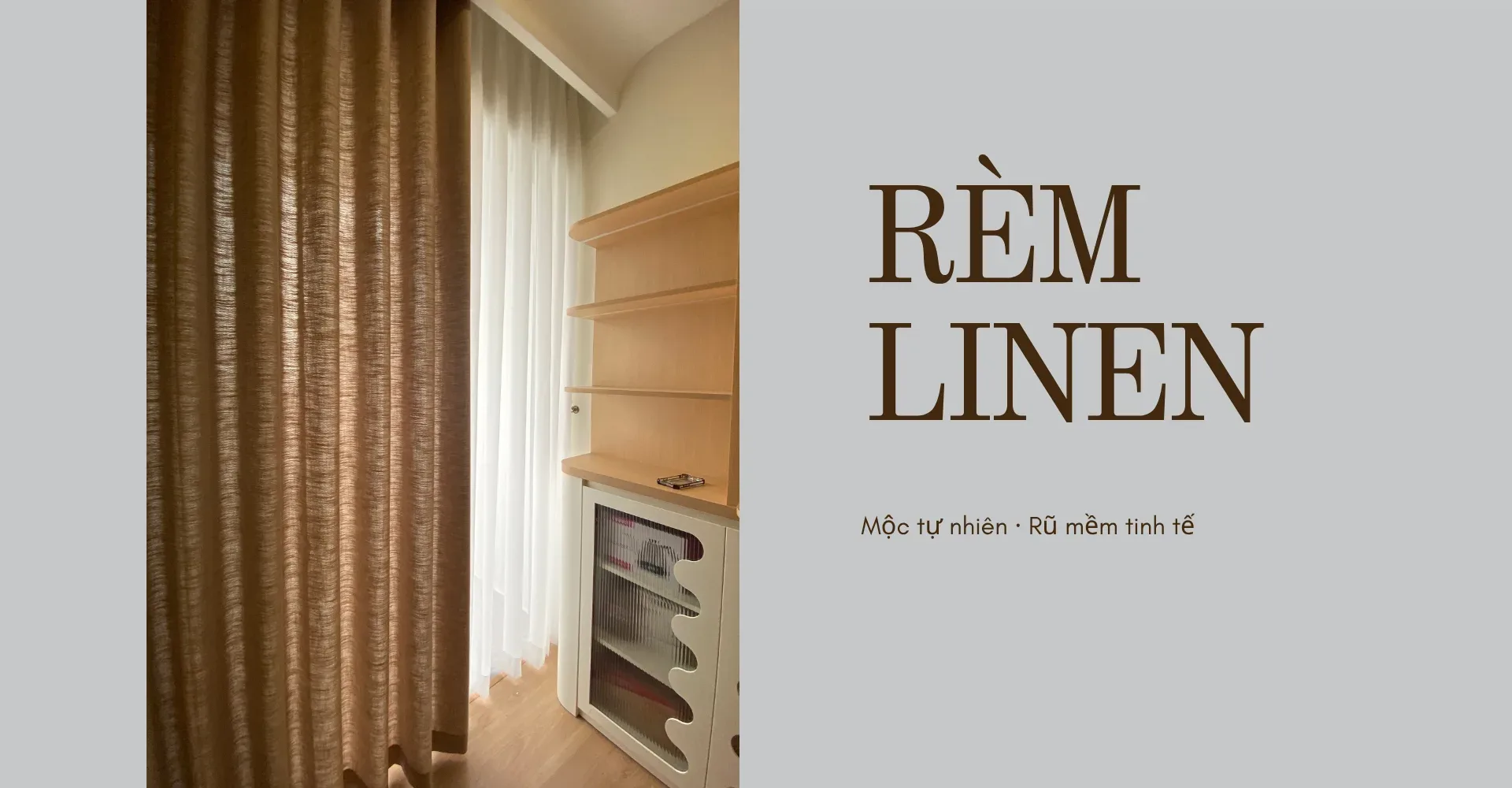
The most important point to consider about linen is not whether it is “luxurious” or “trendy,” but how it provides a light experience in the actual room. This fabric usually makes the light passing through feel softer, with a slightly rough surface and quite natural draping. The advantage is that the space feels less heavy, looks airier, and is easy to match with homes oriented towards minimalism, Japandi, modern organic, or interior styles that prioritize neutral materials. On the other hand, linen is not always suitable for needs requiring strong light blocking or high privacy at night if only a single layer is used. Information about the company also appears in the premium curtain category of Thanh Vy on Ha Tinh Newspaper.
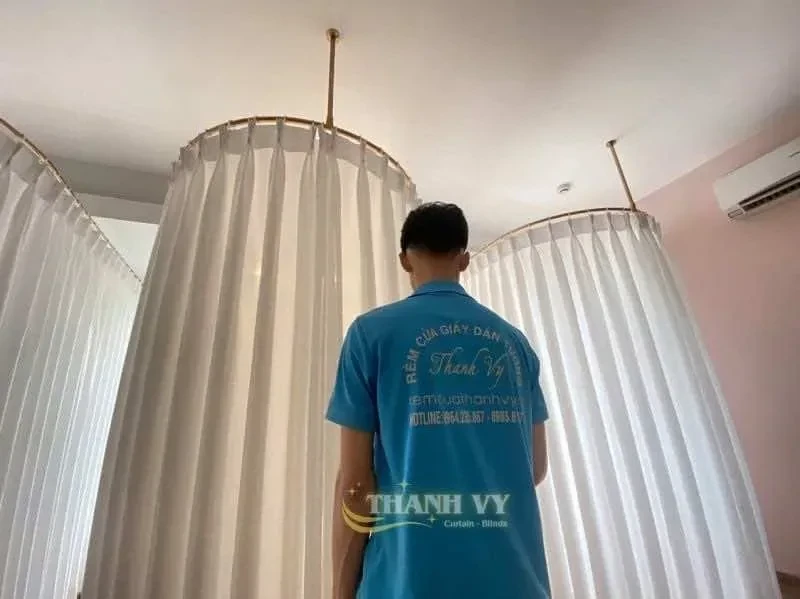
Therefore, when researching linen curtains in District 11, a safe approach is to start with the question of usage. Does this window need soft light for daytime activities, or does it need to block harsh sunlight in the afternoon? Does the bedroom accept diffused light in the early morning? Does the living area need to be both soft and private enough from outside view? By answering these questions, readers will know whether linen is a suitable choice from the start or if it should only be considered as an aesthetic finishing layer combined with other configurations.
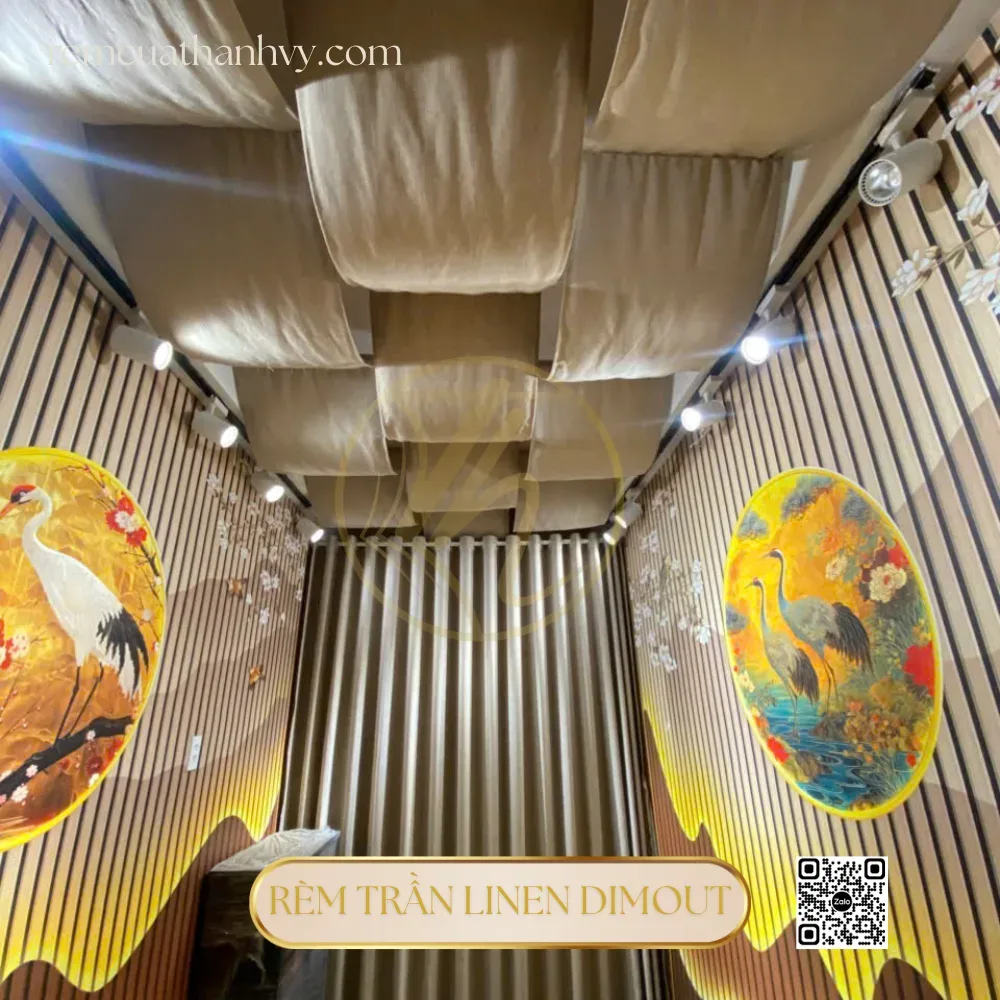
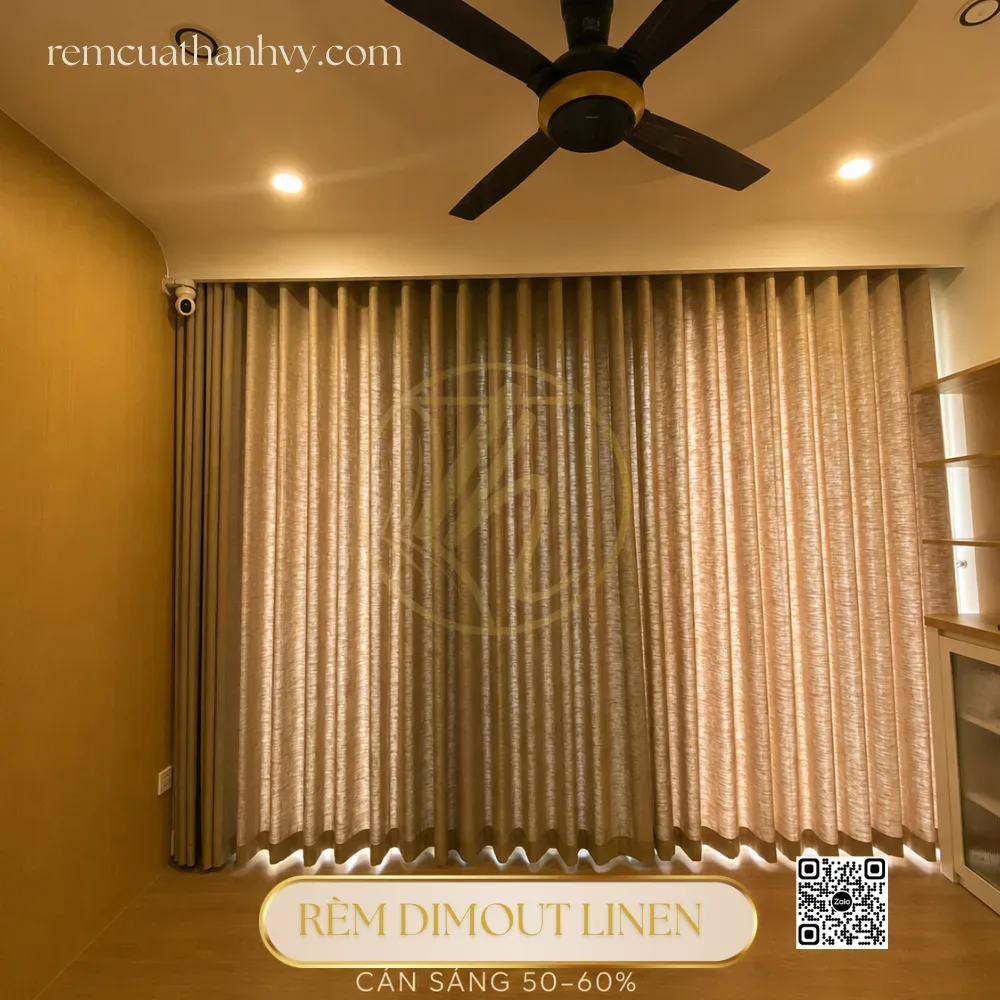
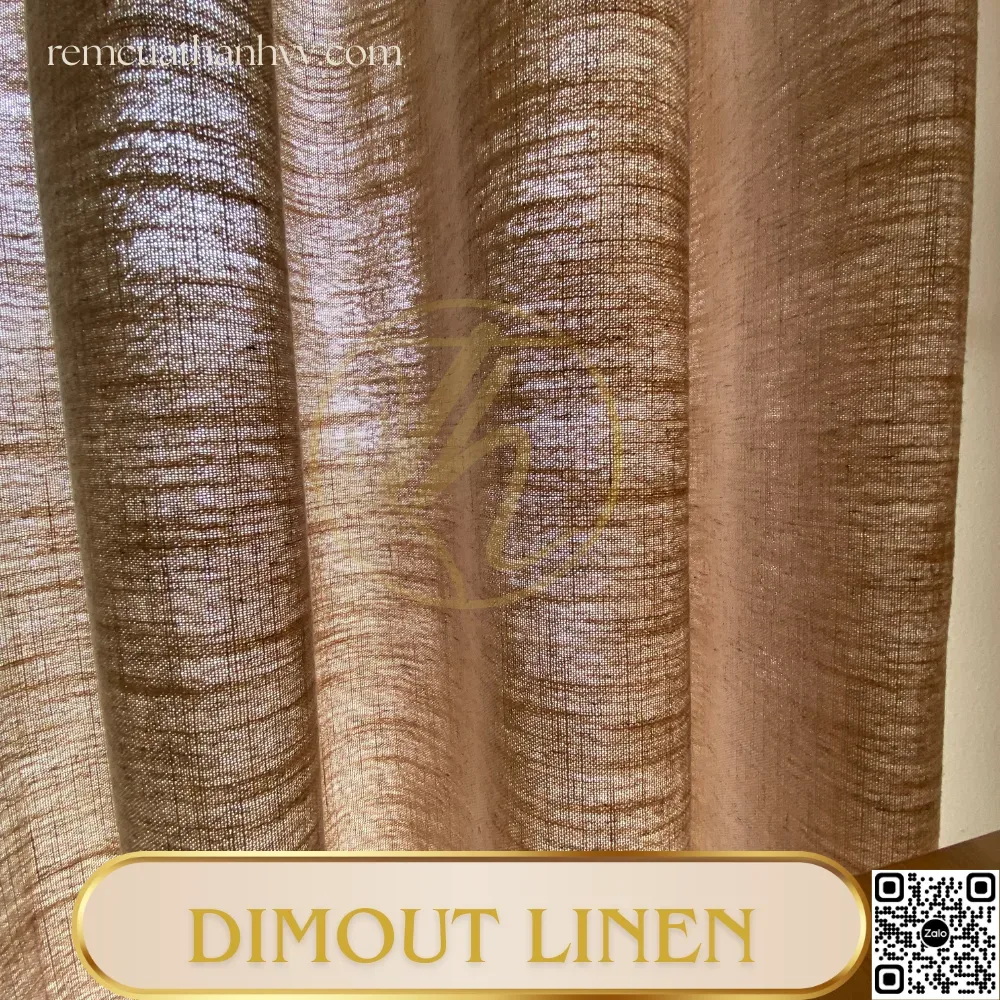
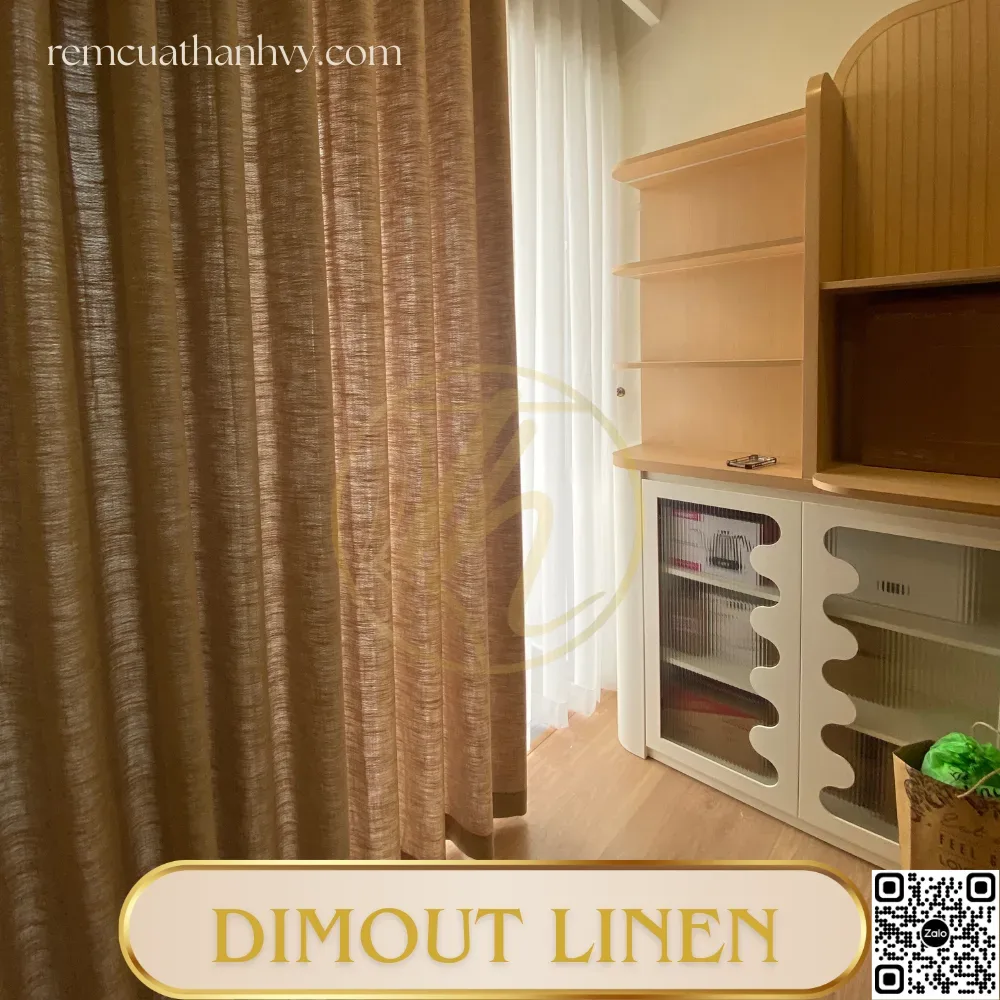
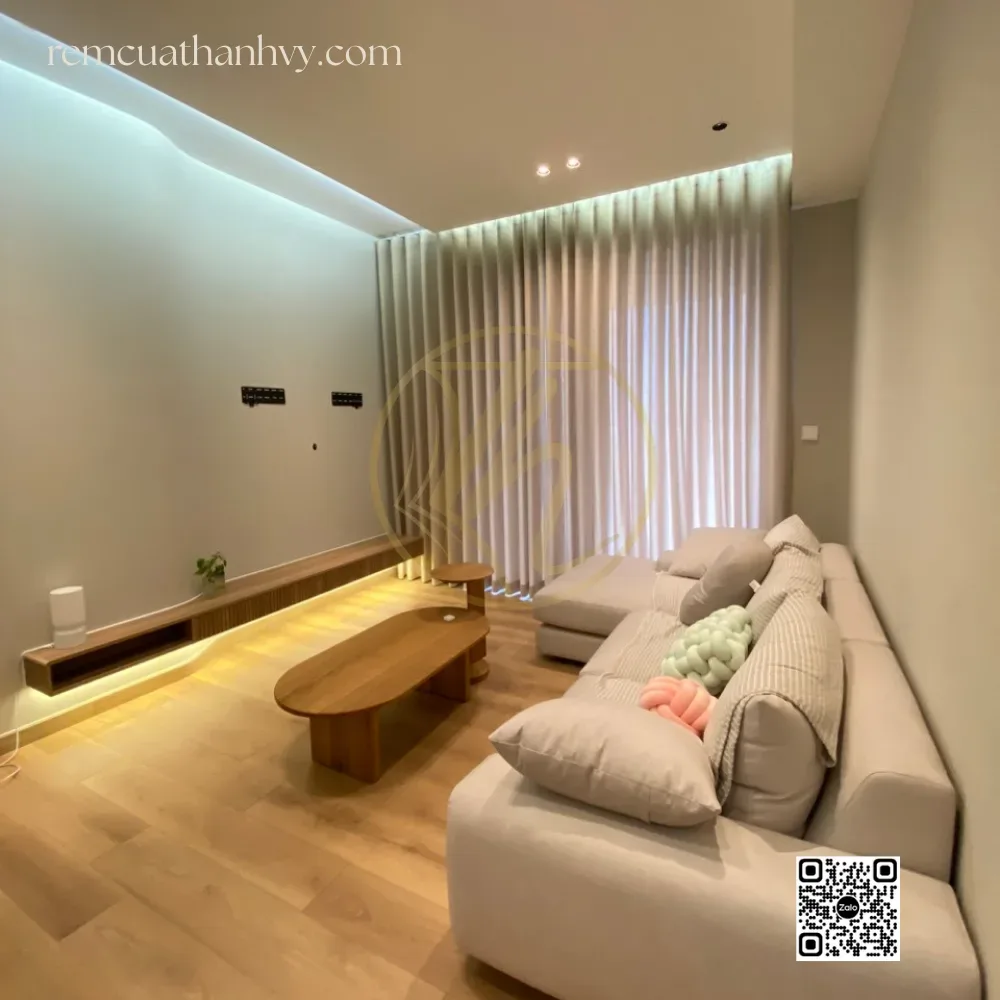
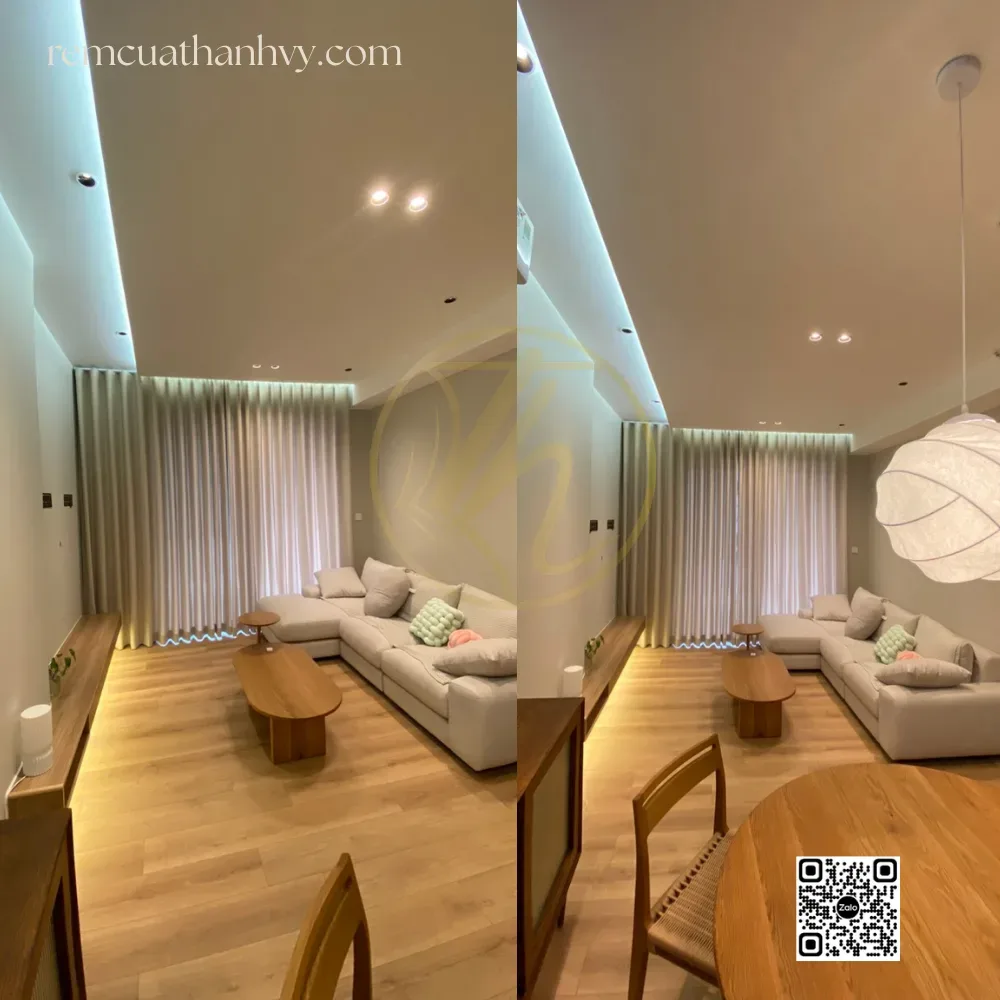
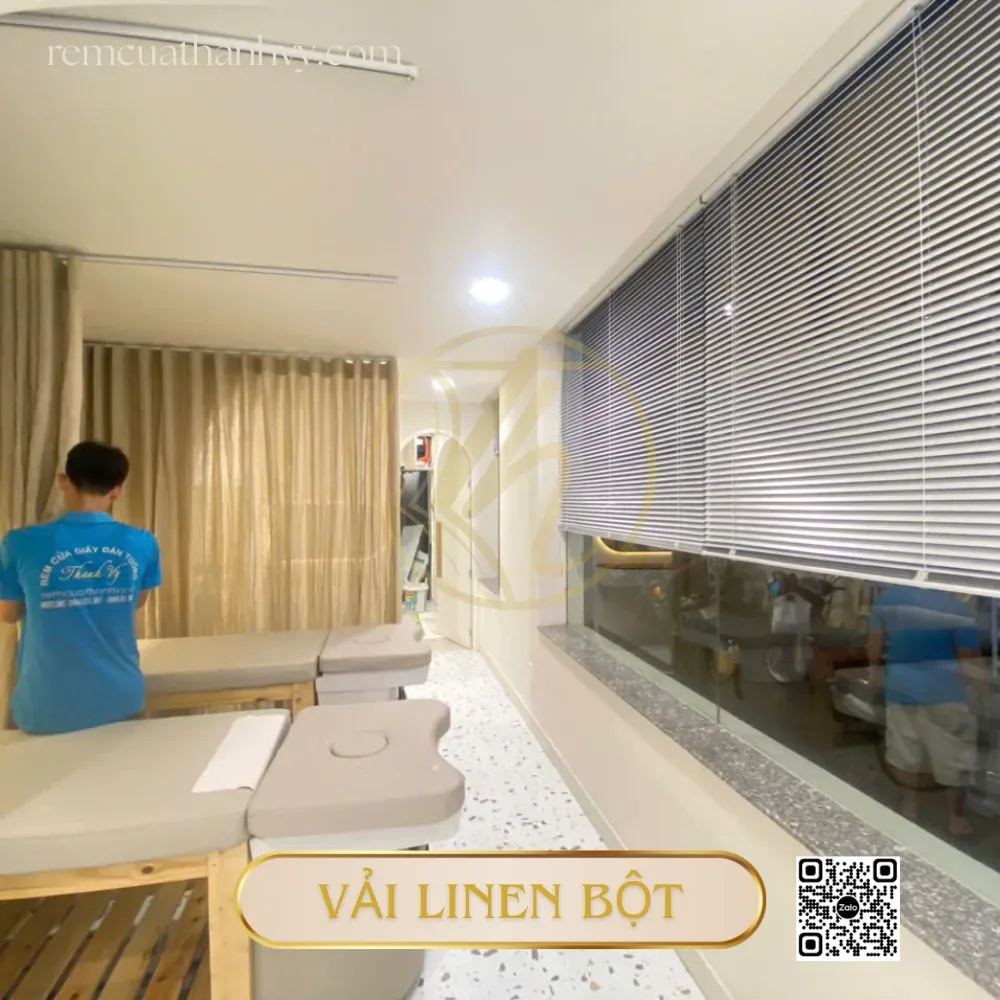
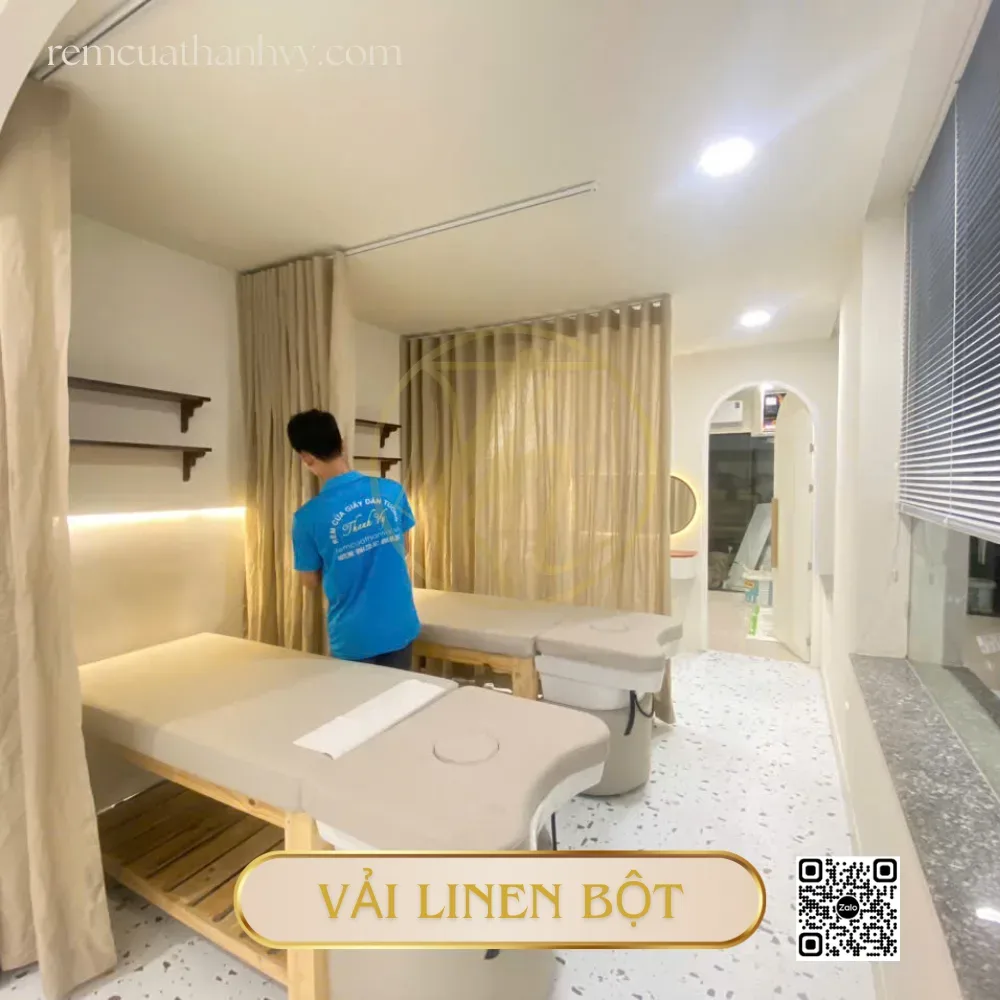
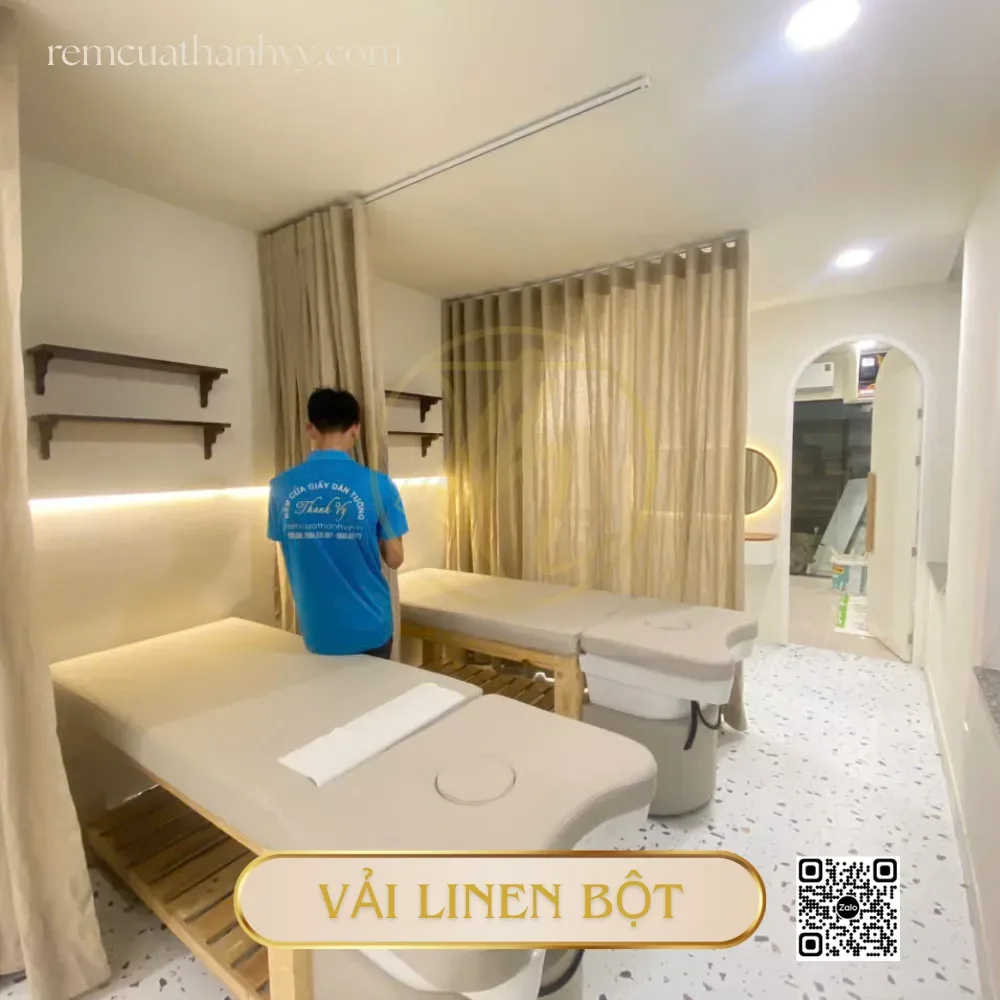
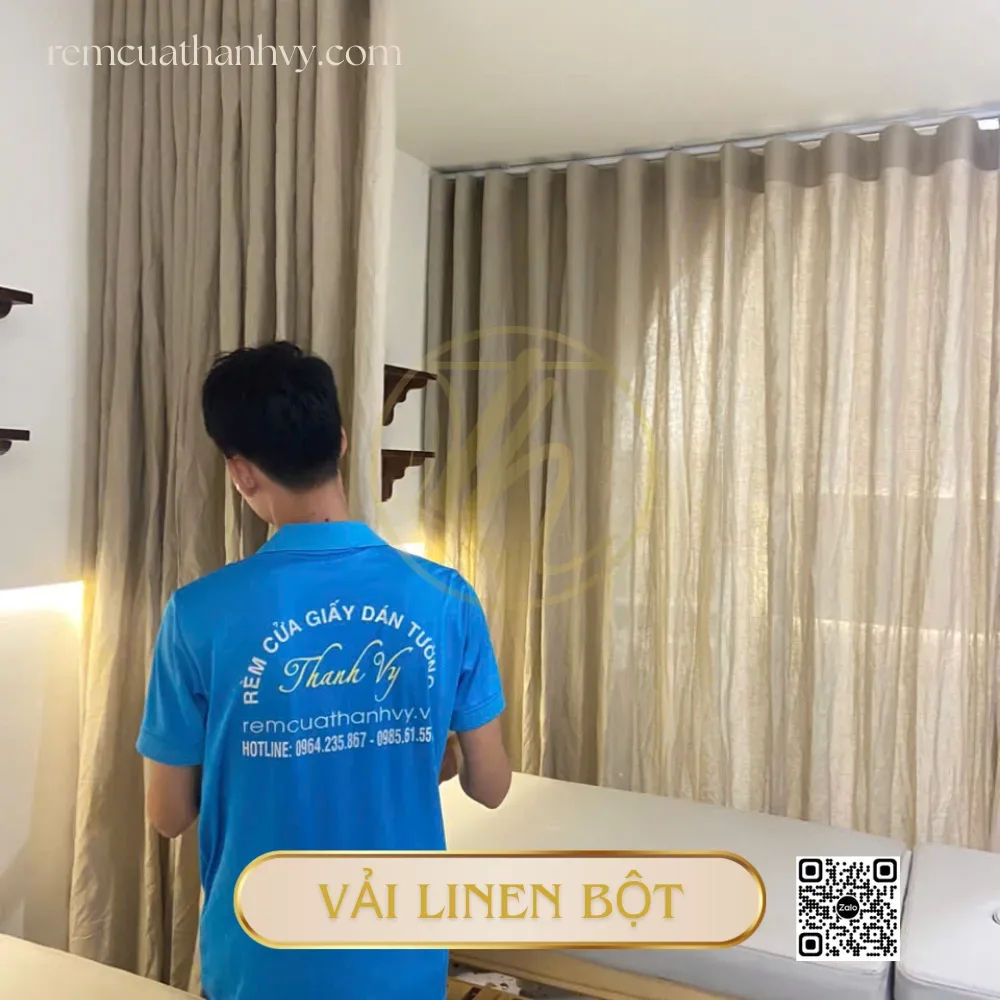
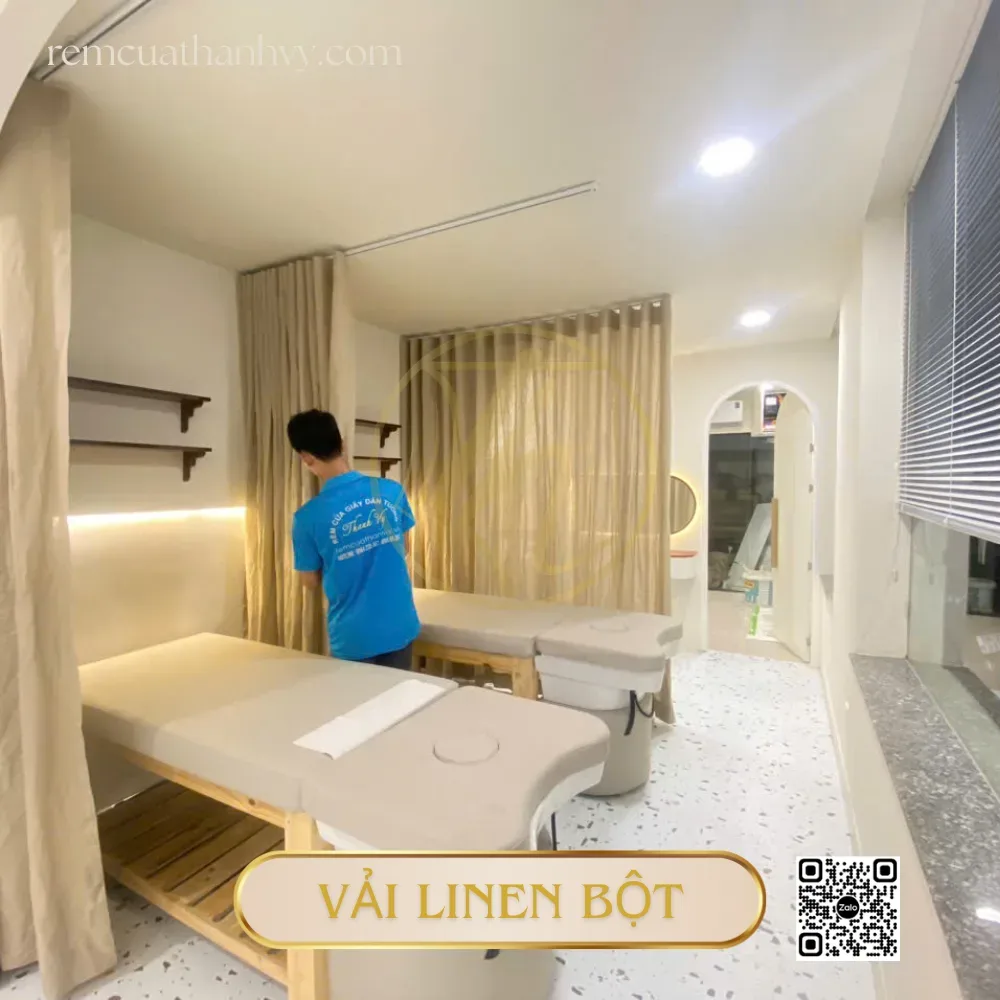
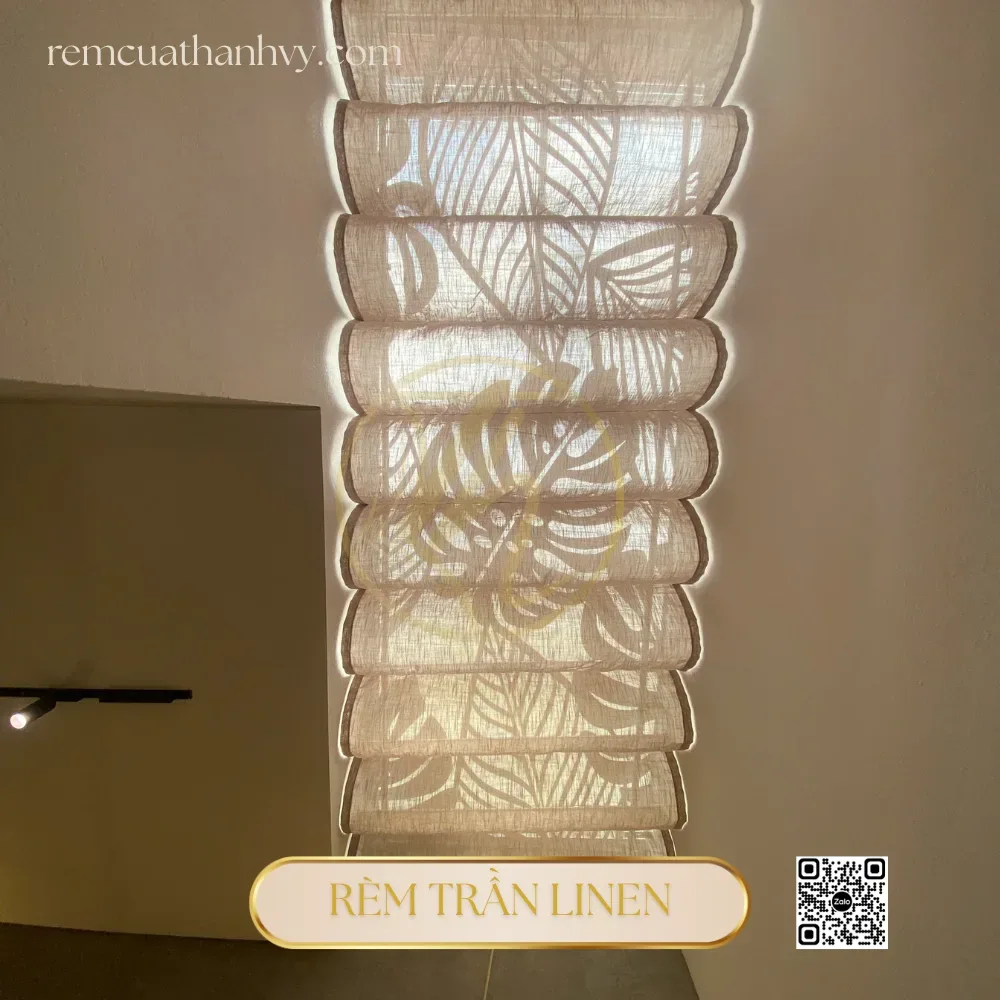
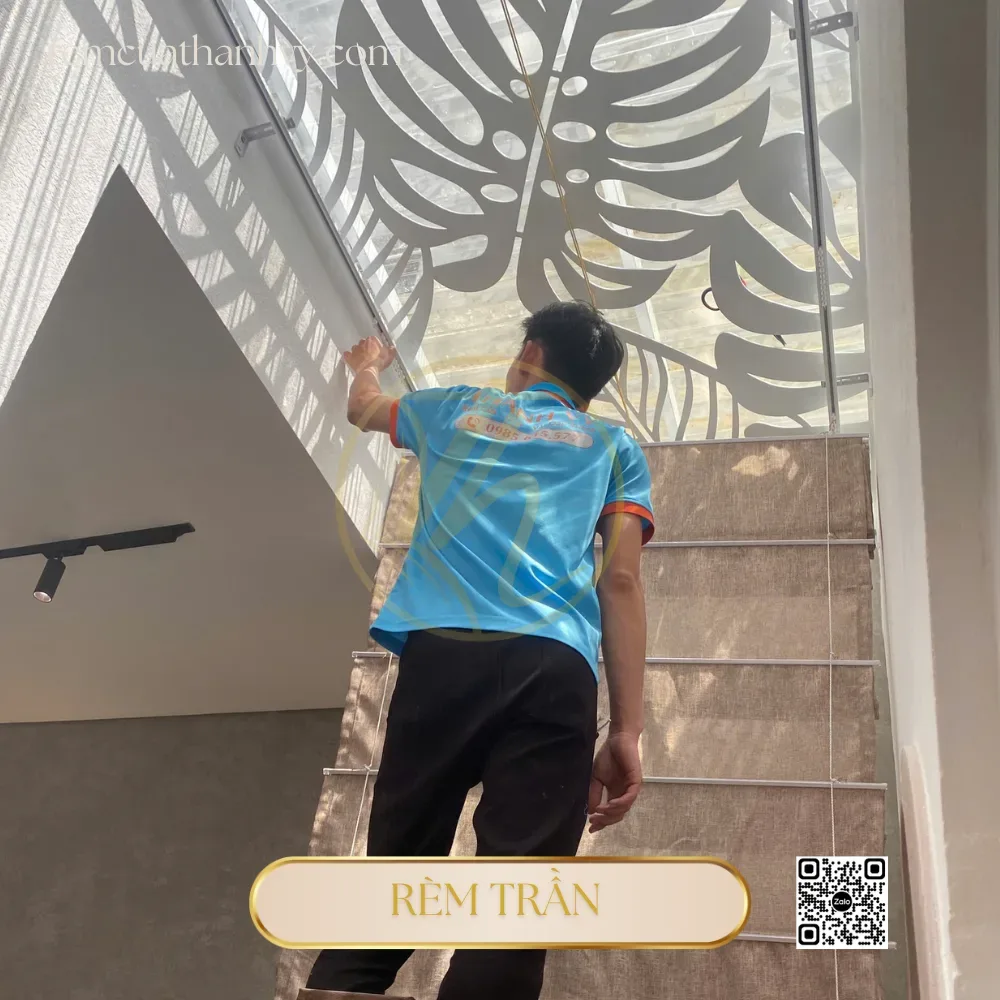
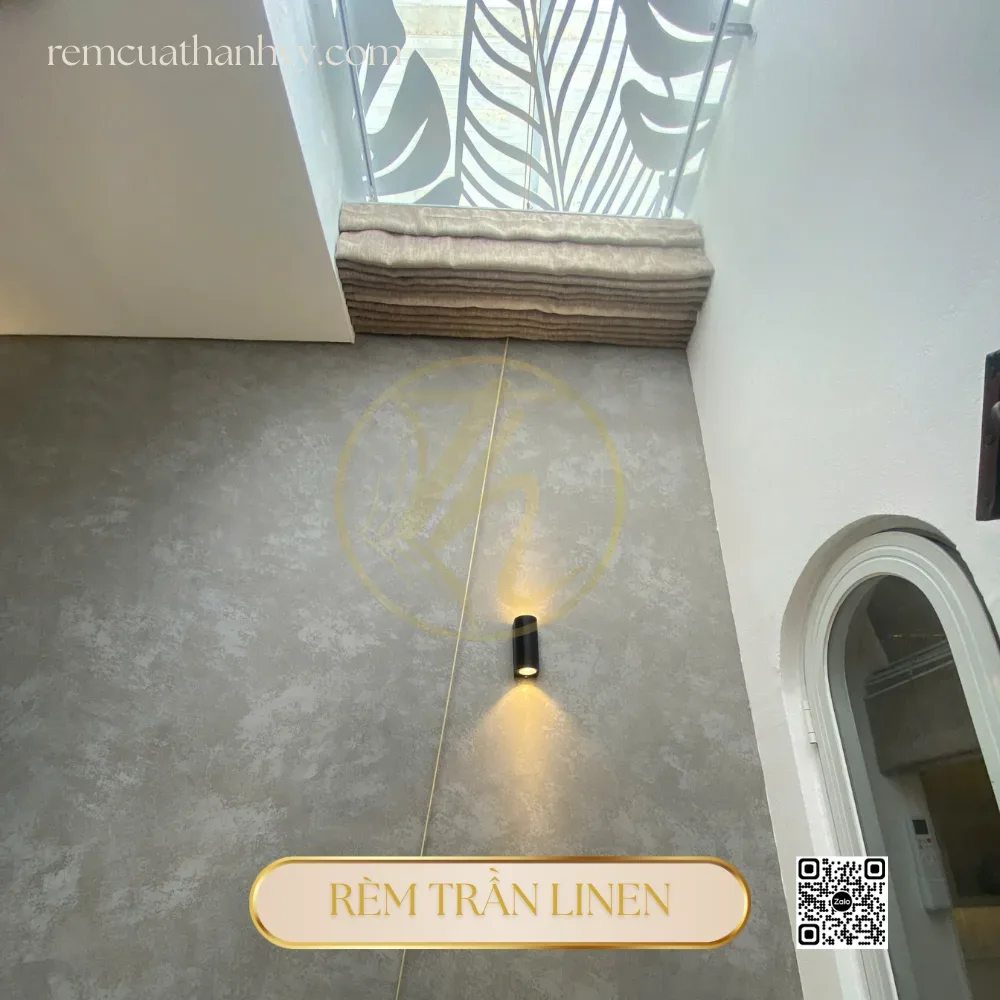
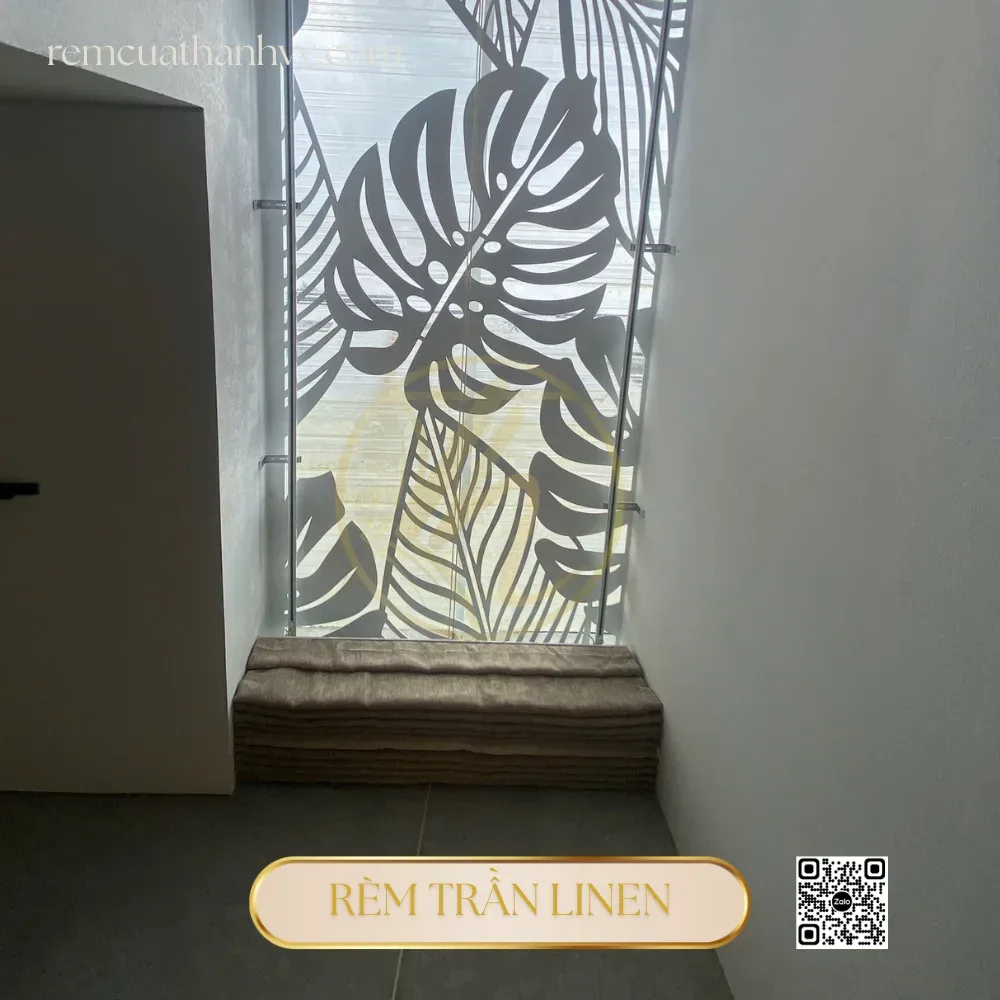
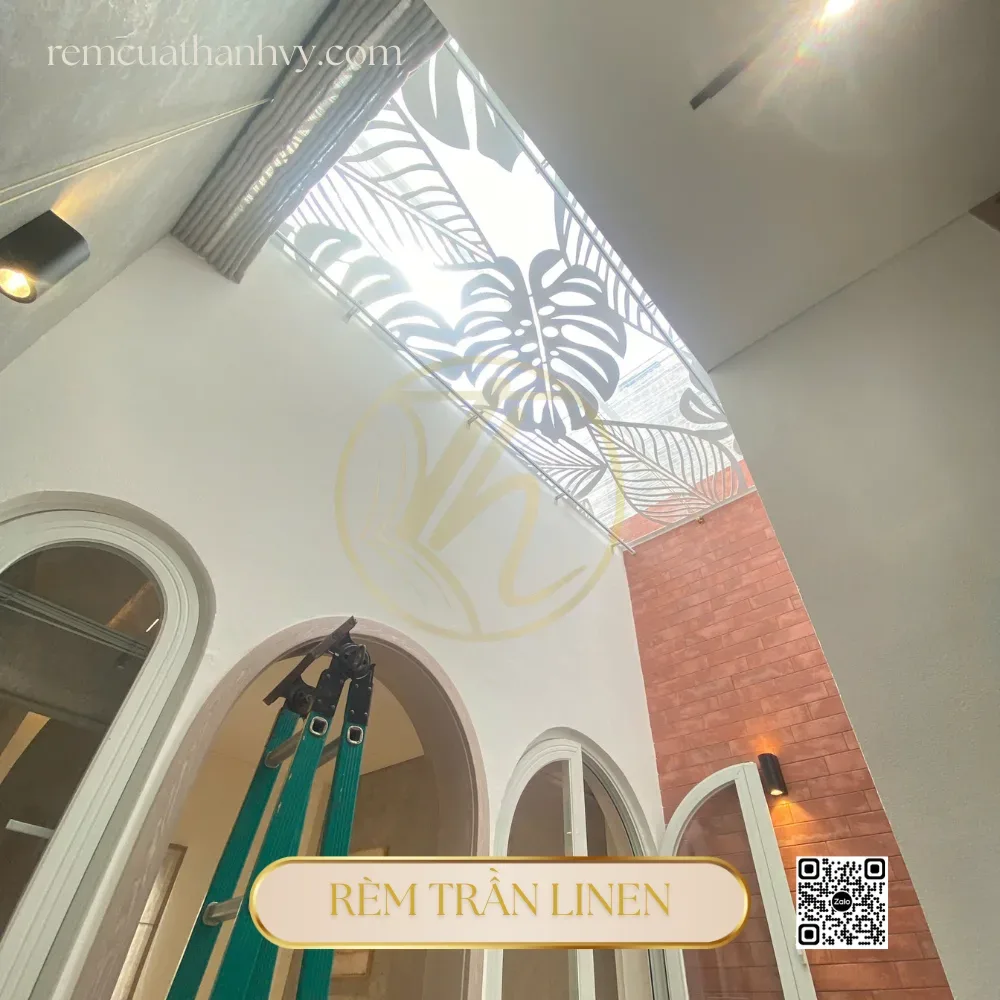
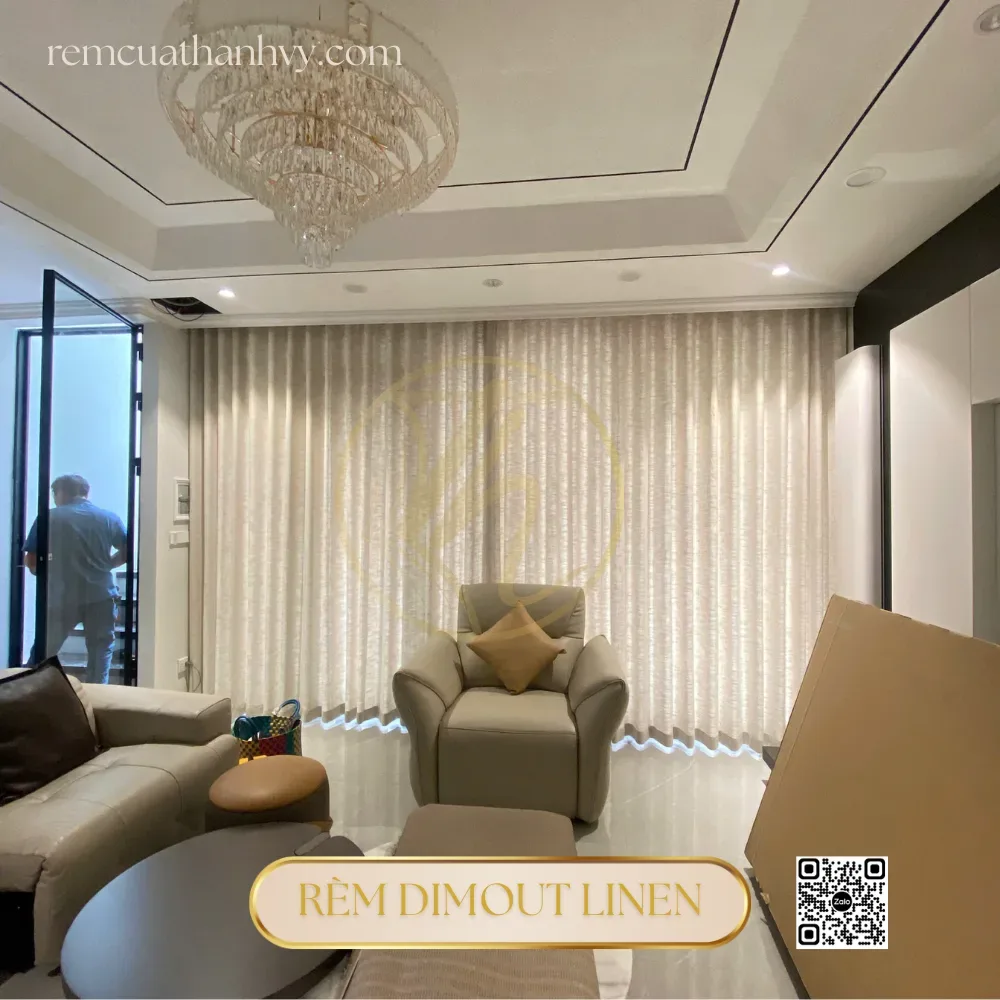
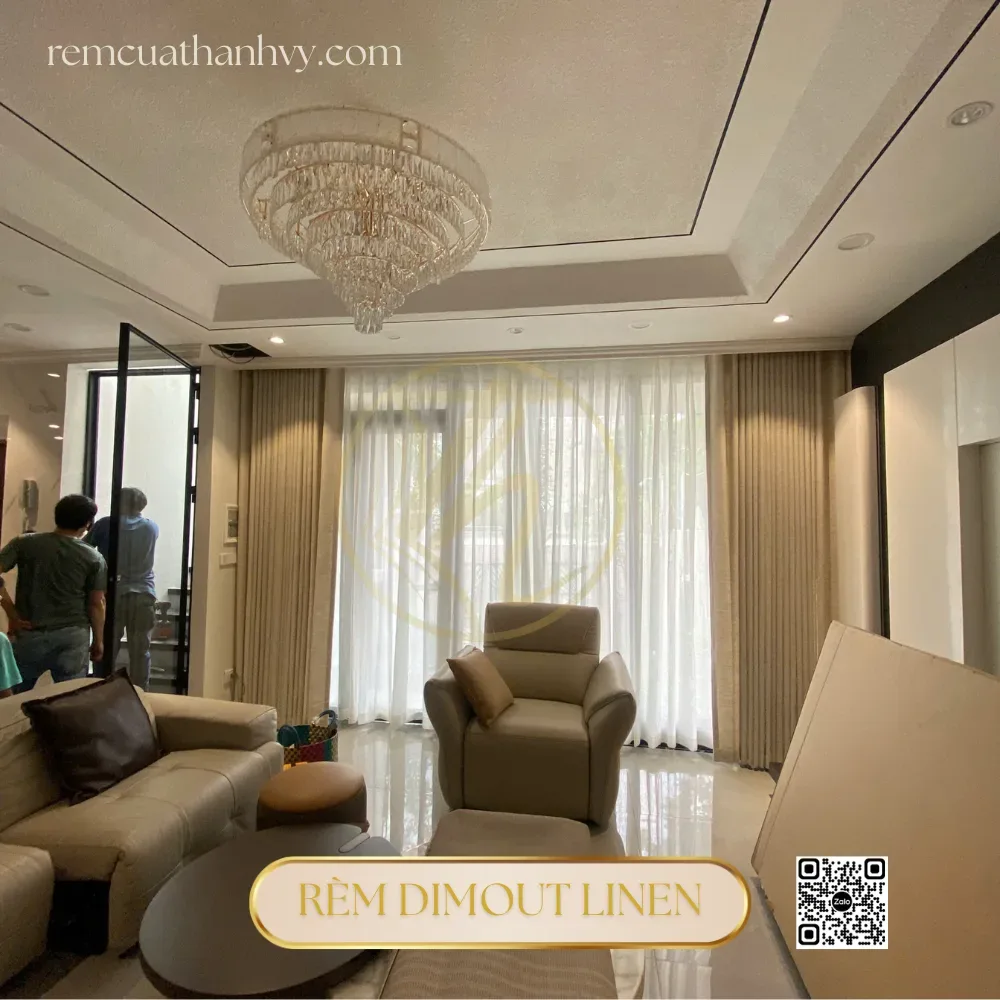
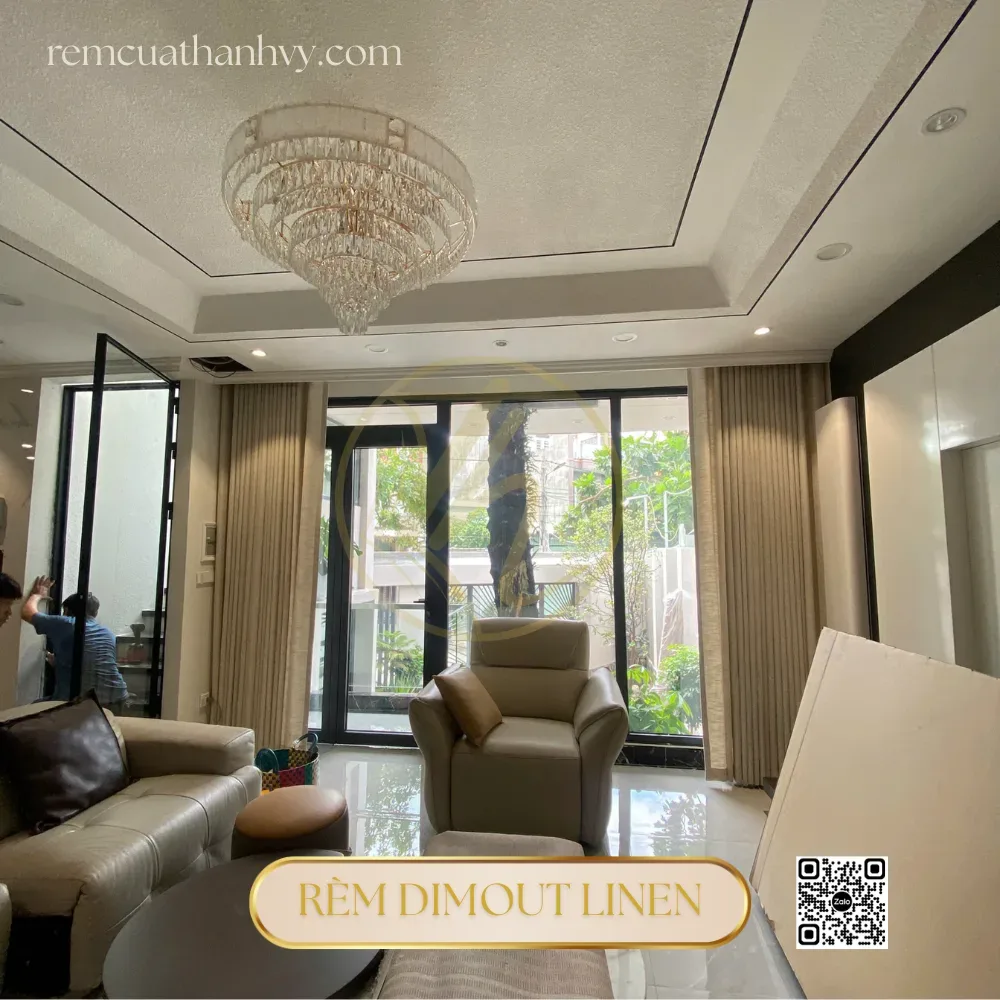
You should finalize your light and privacy goals before choosing based on color samples
Most discrepancies when choosing linen curtains come from viewing color samples under a different light source than the actual room. A light beige color can look very beautiful in a showroom or reference photo, but when placed in a room with strong sunlight, that bright surface can make the glare feel more noticeable than expected. Conversely, a slightly darker neutral shade sometimes retains more depth and is easier on the eyes in harsh lighting conditions. Therefore, colors should be finalized only after the light control goals are clear.
If you are considering further options, you can refer to the Top Most Beautiful Linen Curtain Models for Offices 2026 and Top Most Beautiful Linen Curtain Models for Kids’ Rooms 2026 to compare before making a decision.
Important note: Meanwhile, small windows or those near cabinets, air conditioners, or desks require a compact treatment so that the curtains do not become bulky.
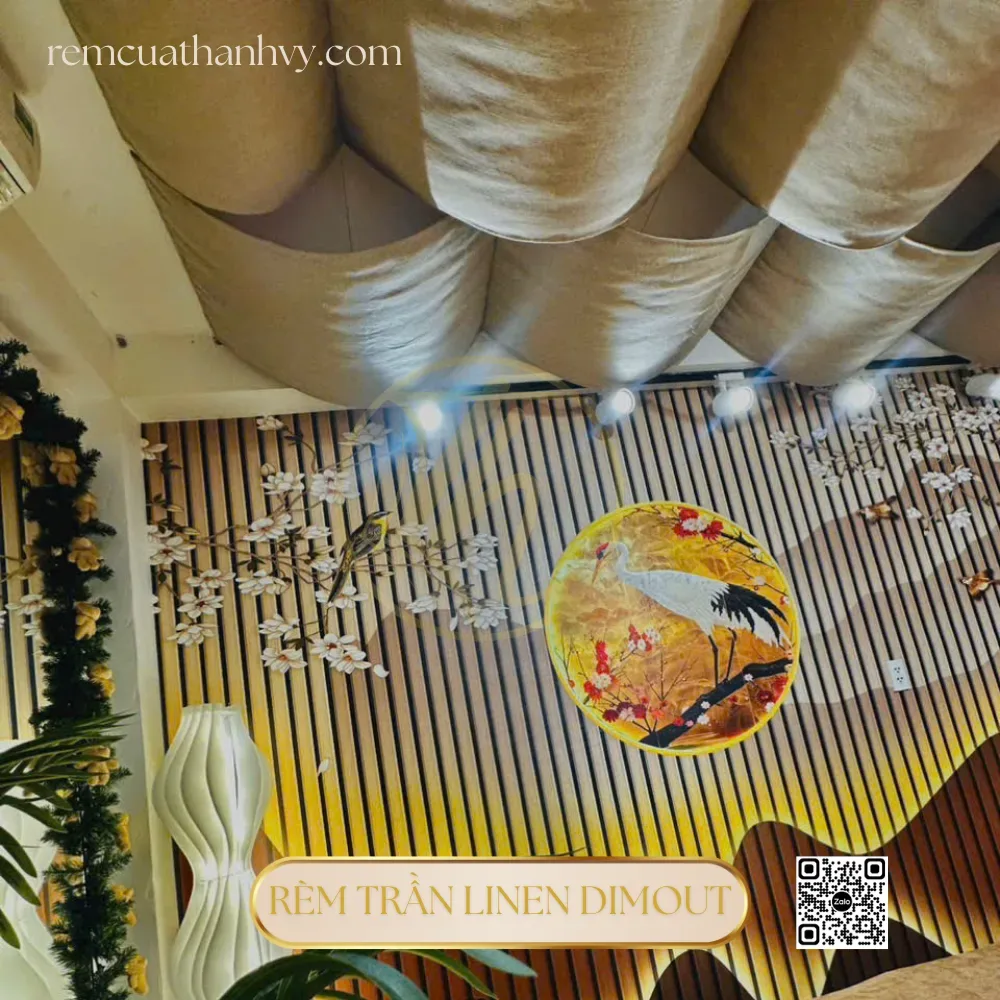
If the room needs to maintain airiness and you only want to soften the light, single-layer linen is usually the most straightforward configuration. It is suitable for living rooms, common areas, windows that need natural light, or spaces where users accept the transition of light throughout the day. But if the room needs extra privacy in the evening or needs to control glare at a certain time, you should think about a layered option. Sheer layers, linings, or two-layer configurations do not take away the essence of linen but make the curtains more flexible according to the context of use. You can refer to polyester fibers in the textile industry to better understand the material part.
For bedrooms, the important question is not “can linen be used” but “what is the desired level of darkness.” If the user only needs a relaxing space, gentle light, and a soft surface, linen is still suitable. If near-total darkness is required or if you are sensitive to light when sleeping, you need to discuss linings clearly or switch to a material with a different coverage level. In other words, linen is not absolutely good or bad; it is only right or not yet right for the intended use.
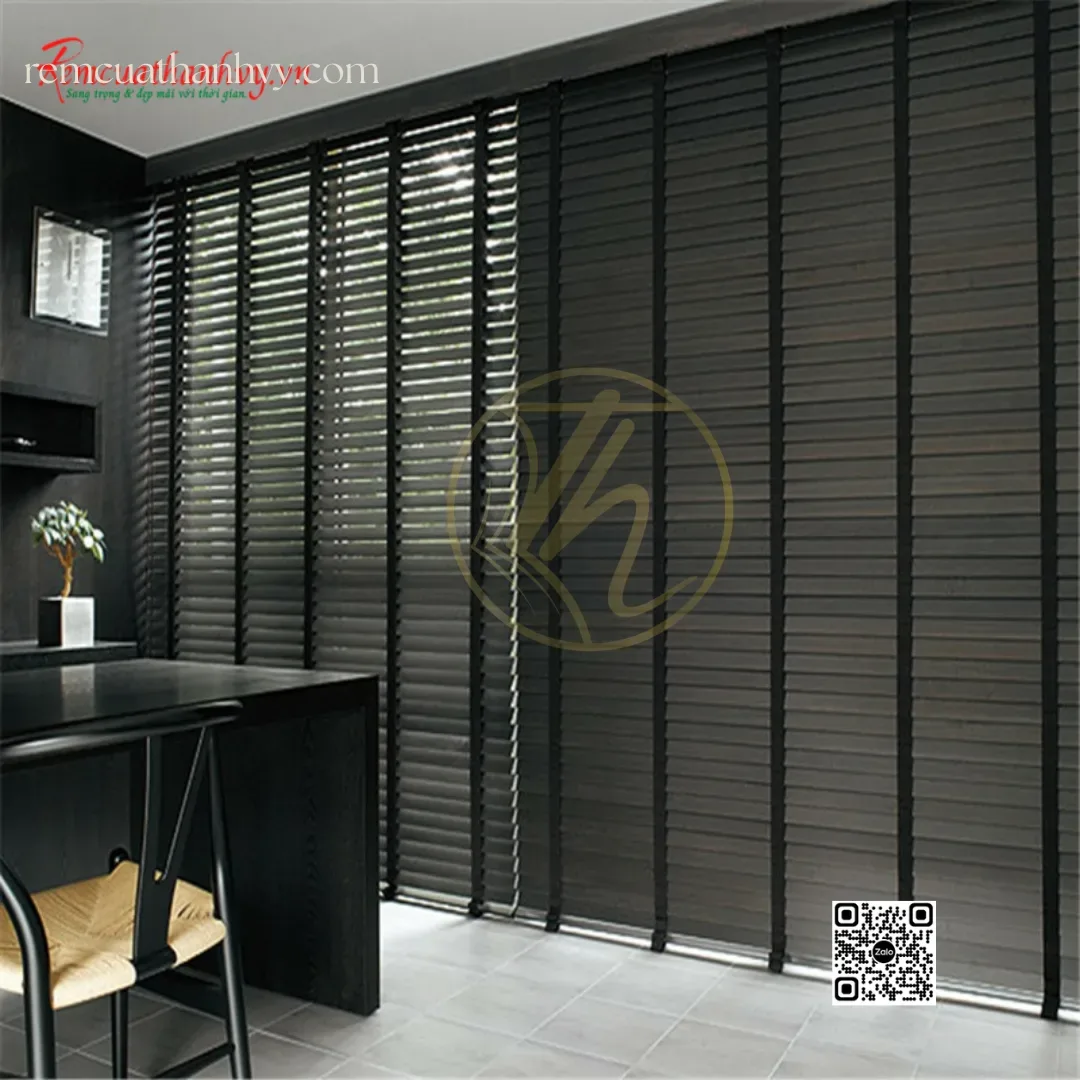
Another note is that the sense of privacy changes significantly between day and night. During the day, stronger outdoor light usually helps the curtain surface maintain a moderate sense of privacy. At night, when the house is bright and the outdoors are dark, the level of privacy can be noticeably different. This is a point that should be described directly in the consultation content to avoid wrong expectations. Choosing the right expectations from the start helps readers evaluate the curtains based on actual use rather than just the material name.
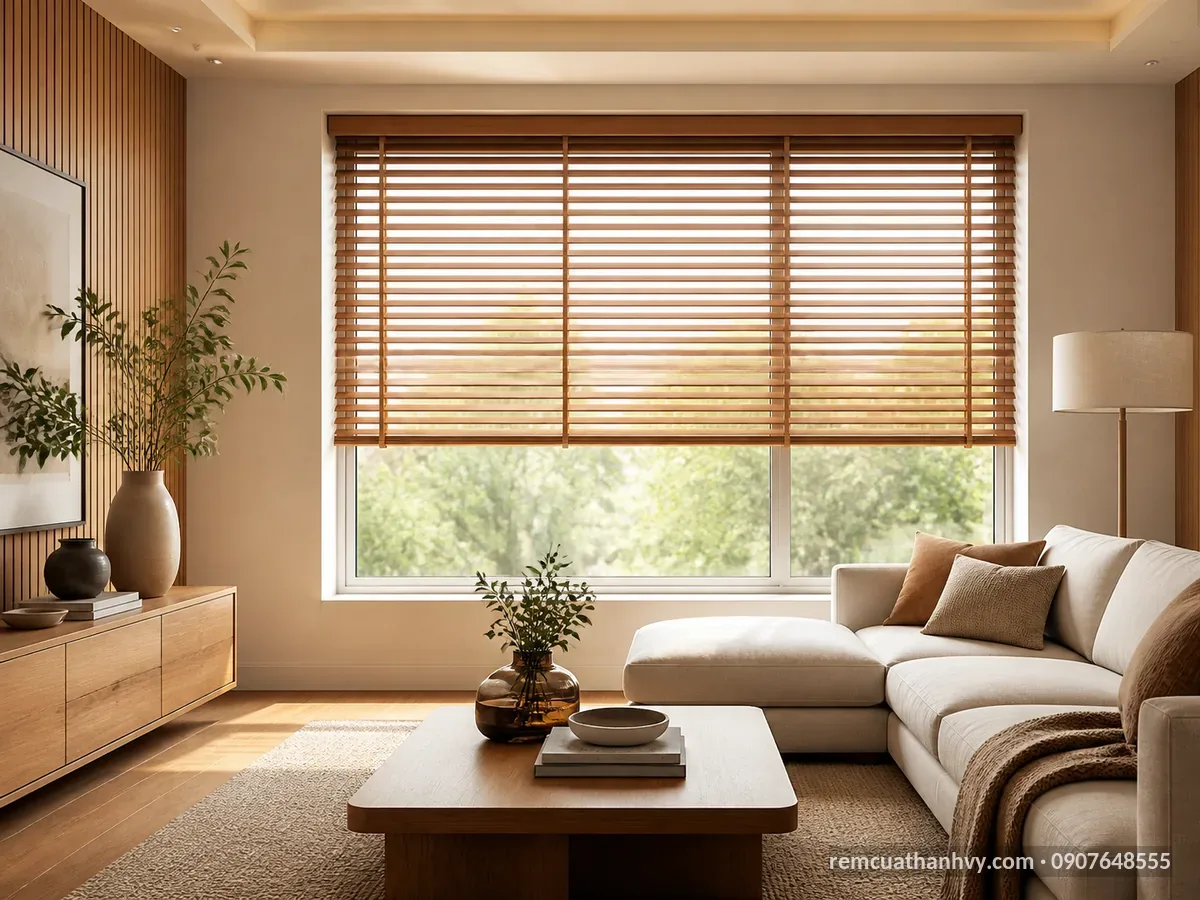
Fabric quality, drape, and accompanying layers determine whether the curtains will stay beautiful for a long time
A beautiful set of linen curtains looks good not only because of the material name but because of the balance between drape, thickness, surface color, and the hanging mechanism. There are types of linen that lean towards a more rustic and naturally wrinkled feel, while others are more stable in their folds to suit tidy spaces. Readers do not need to go too deep into technical terms, but they should understand that the word “linen” alone is not enough to describe the final experience. You still need to see how the fabric will hang, whether it is too soft, whether it reveals flaws in the window proportions, and whether it fits the rhythm of the room.
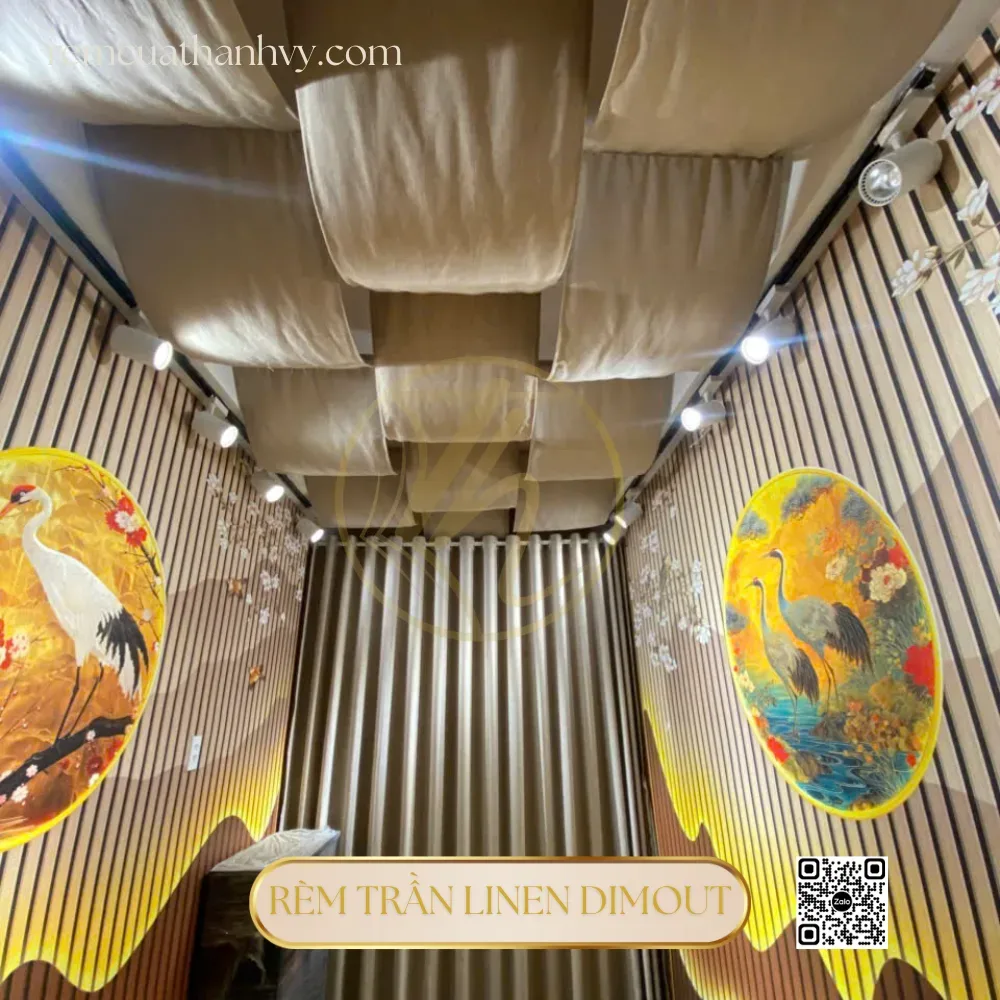
If the house has young children, pets, or areas near the kitchen, hygiene factors should be considered alongside aesthetic factors. A fabric that looks beautiful but is difficult to keep tidy during actual use can cause the curtains to lose their appeal after only a short time. Linen is often loved for its natural look, but that natural look also needs to be placed in the right context. Not every room should have the same level of roughness, softness, or brightness.
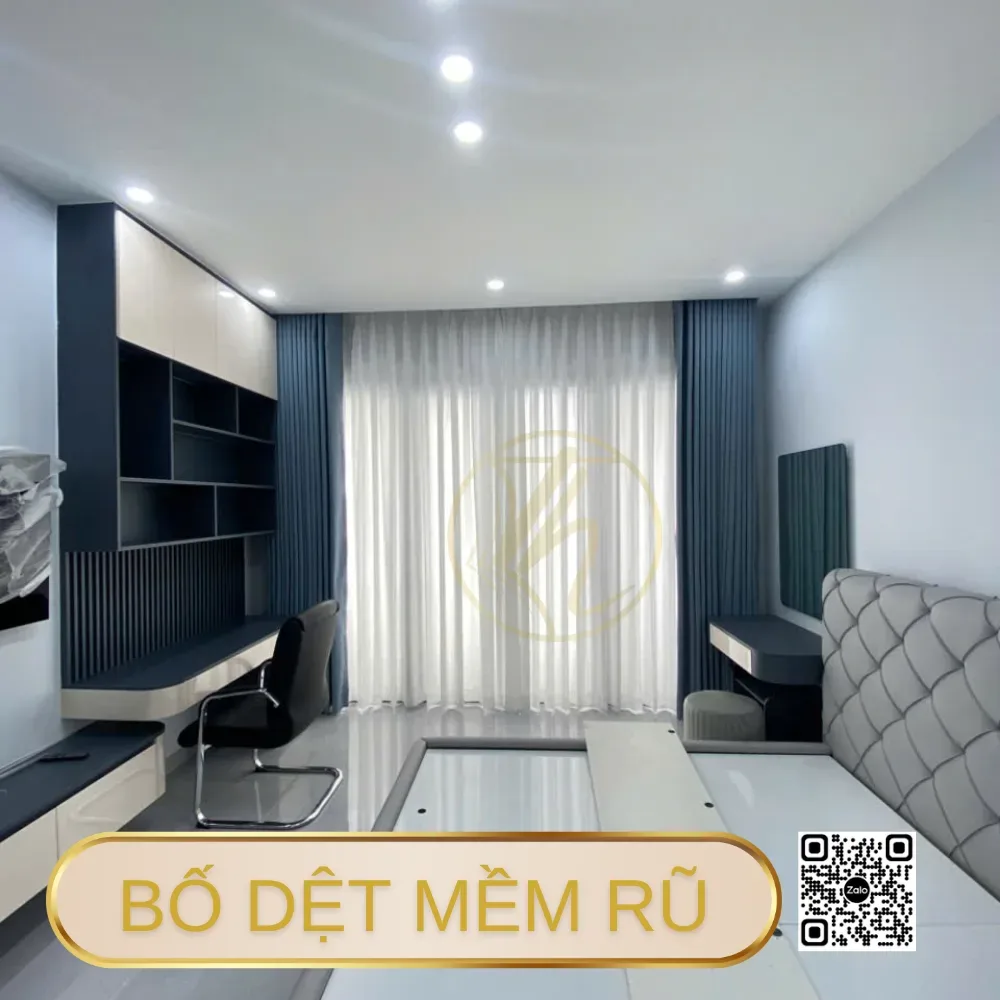
The accompanying layers are also very important. Some rooms only need one layer of linen because the main goal is to soften the light. Some rooms are more suitable when using linen as the main layer to create aesthetics, while privacy or light-blocking tasks are assigned to a secondary layer inside or behind. This way of thinking helps readers not be forced to choose between “beautiful” and “functional.” In reality, the right configuration is usually one that knows how to clearly assign roles to each layer instead of forcing one layer of fabric to do everything.
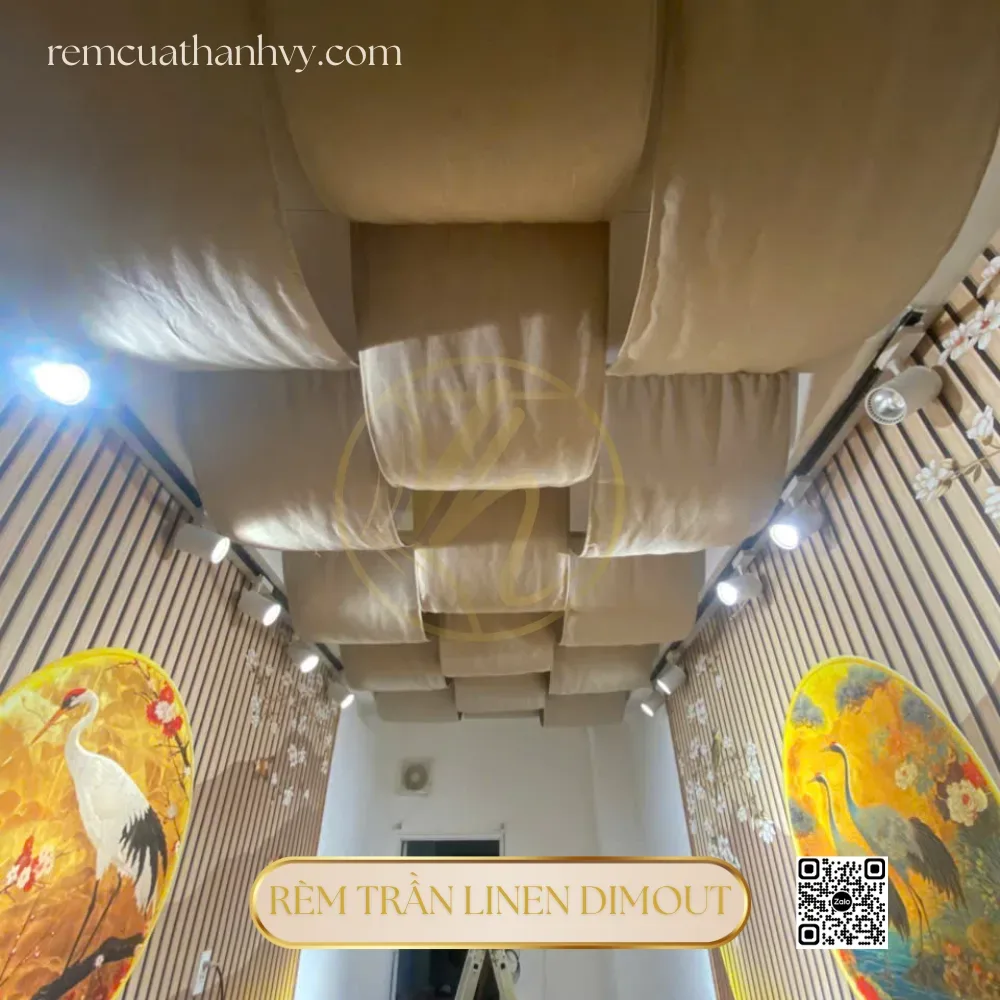
Instead of asking generally “which type of linen is beautiful,” readers should request descriptions based on five points: the level of light passing through, the sense of privacy at night, the drape, maintenance methods, and suitable usage situations. Only when placing options side-by-side on the same set of criteria does comparison truly have value.
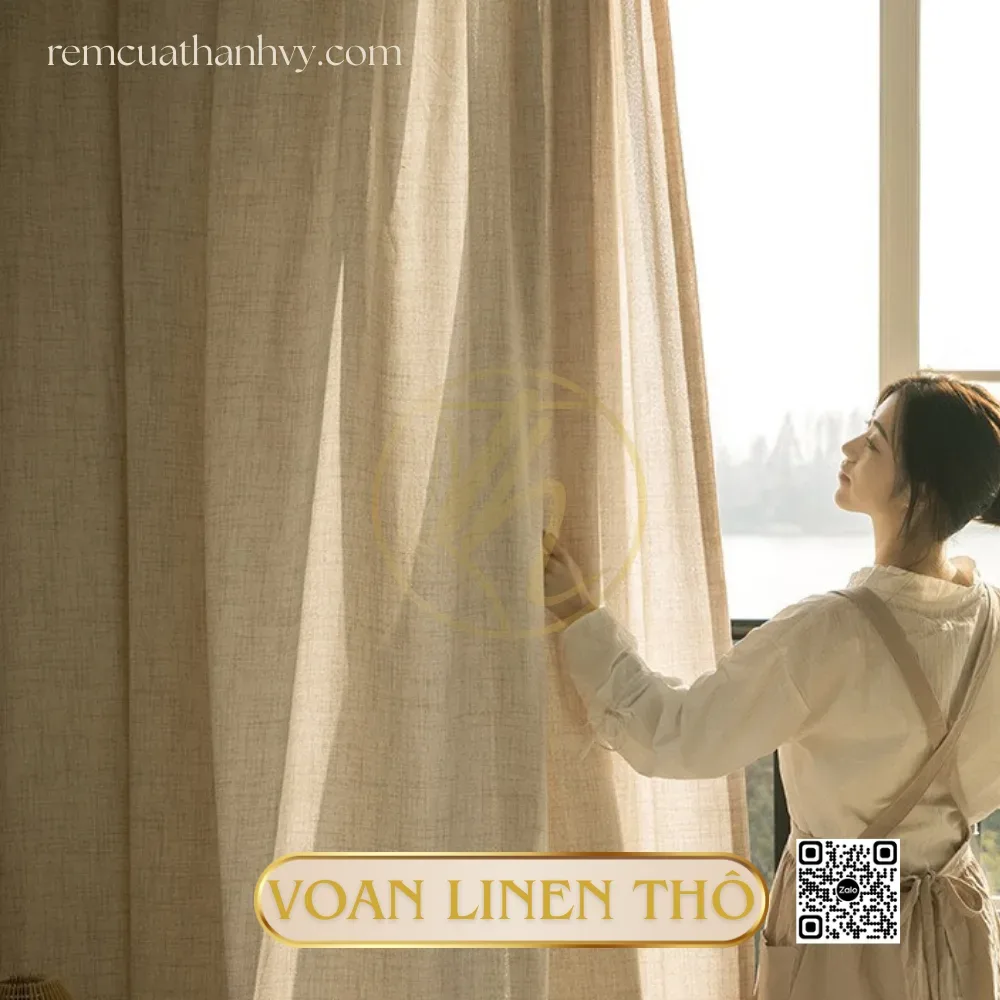
Sewing style, tracks, and window proportions directly affect the sense of completion
Beautiful linen curtains are often associated with a natural draping feel, but this only appears when the sewing style and hanging mechanism are suitable for the window proportions. A wide window with high ceilings and comfortable space for gathering curtains will suit configurations that allow the fabric to drape more clearly. Meanwhile, small windows or those near cabinets, air conditioners, or desks require a compact treatment so that the curtains do not become bulky. If you try to apply the same style to every window, linen can easily go from soft to sloppy.
The tracks or curtain rods should also not be considered minor details. They determine how the curtains run, the neatness at the top edge, and the overall modern or decorative feel. For spaces that prioritize minimalism, the hanging part needs to be calculated to be compact and integrated with the surrounding architecture. For rooms that want to emphasize decorative features, the hanging detail can play a role in completing the aesthetic. There is no single solution that is right for every case; there is only the solution that fits the context of the window.
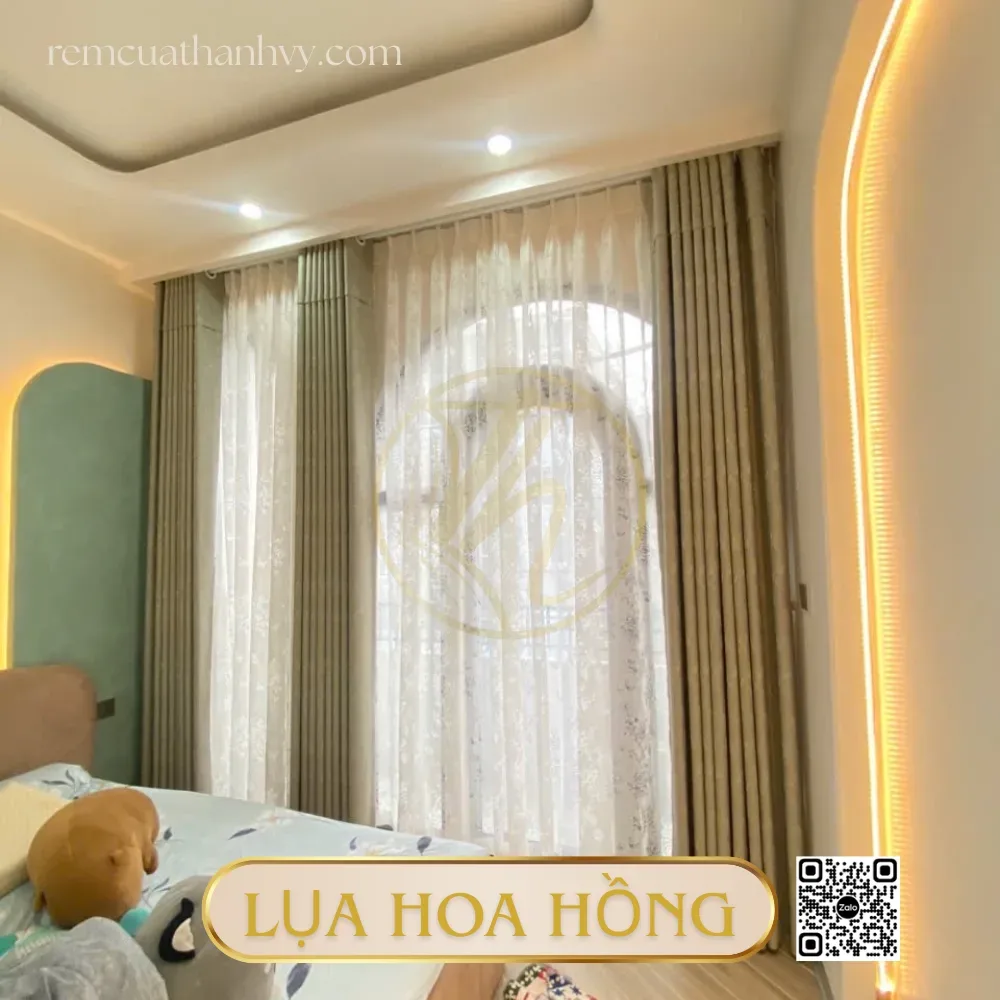
Readers should also pay attention to the curtain stack when opened. Many curtains are chosen based on a very beautiful closed state, but when opened, they take up too much width on both sides, covering power outlets, touching cabinets, or making the doorway less convenient. Especially with linen, the amount of fabric and the softness of the folds can make the stack look thicker than expected. If you don’t ask from the beginning, you might only realize this is the part that affects the user experience the most once it is finished.
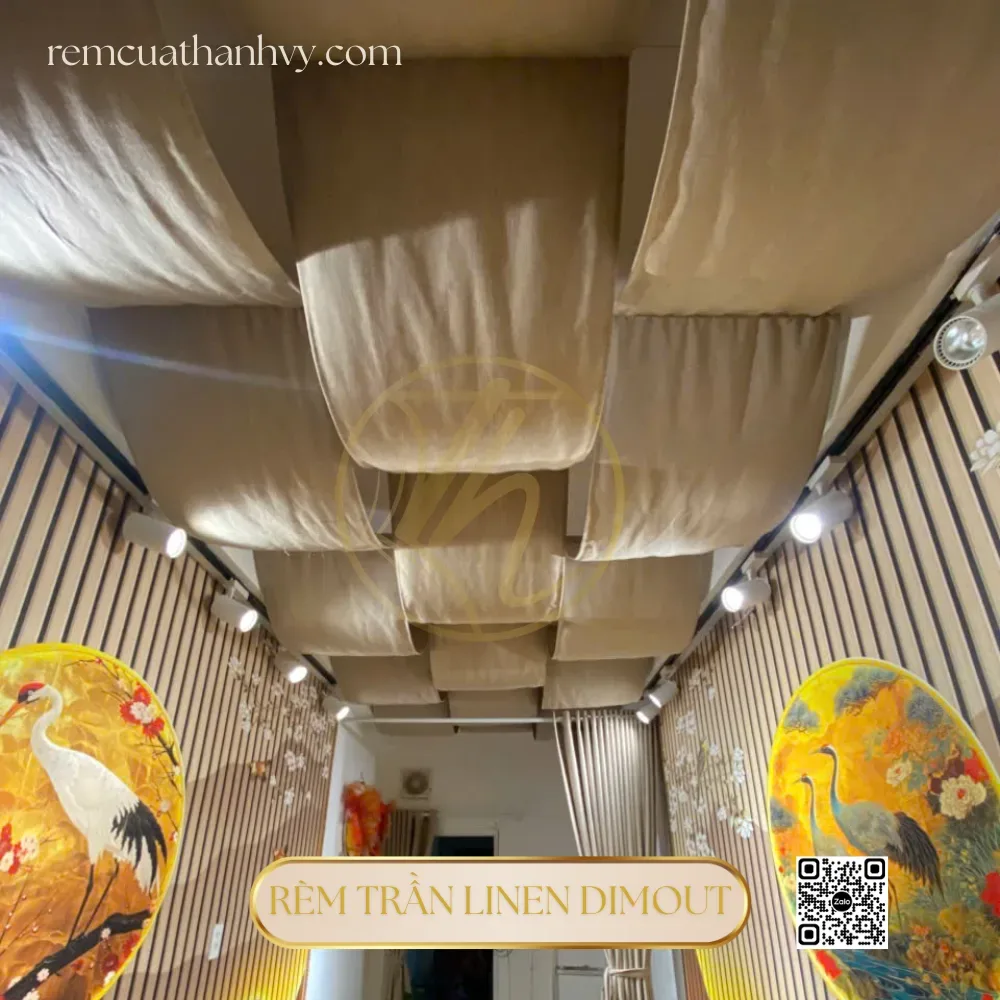
Therefore, before finalizing the sewing style, you should take a photo of the entire window, mark the obstacles on both sides, and clearly describe whether the curtains will be opened frequently or only opened/closed at certain times. With that data, choosing the sewing style and hanging style will be much more practical than choosing just from an illustration.
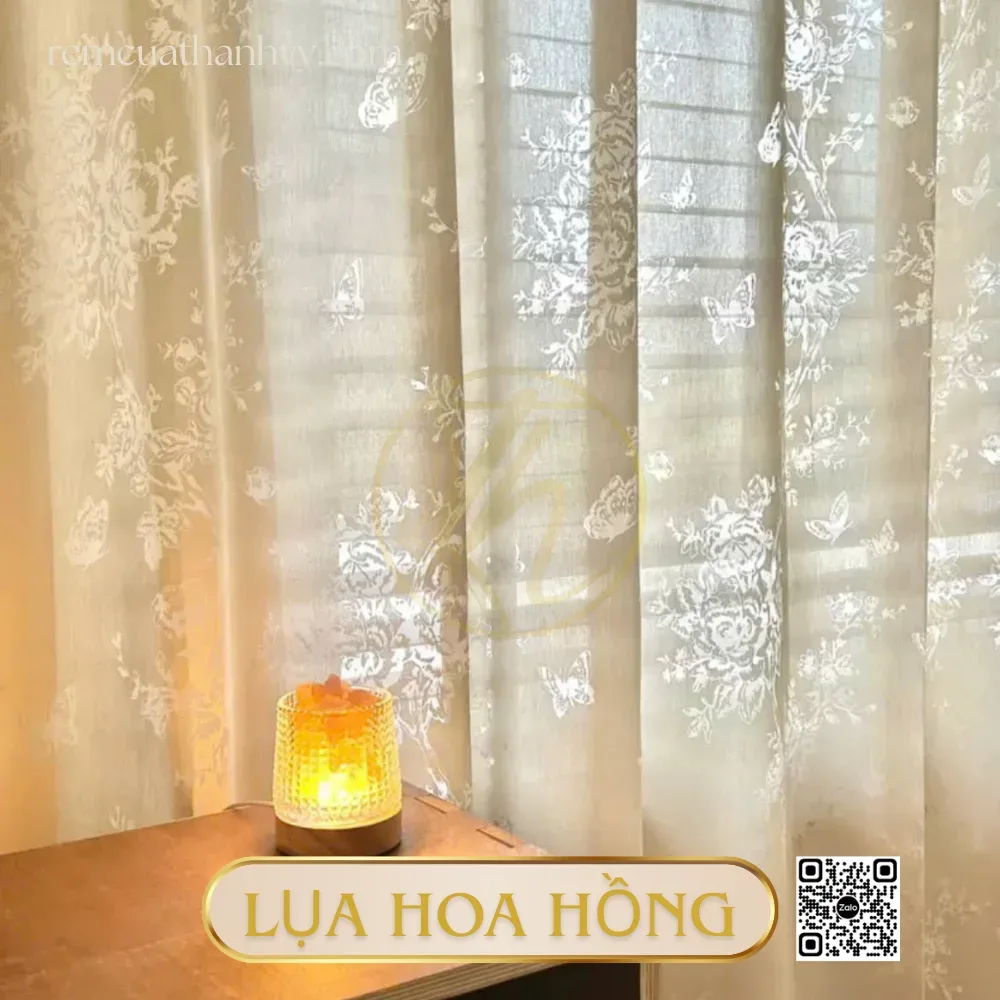
Linen curtains for living rooms, bedrooms, and workspaces should not use one formula
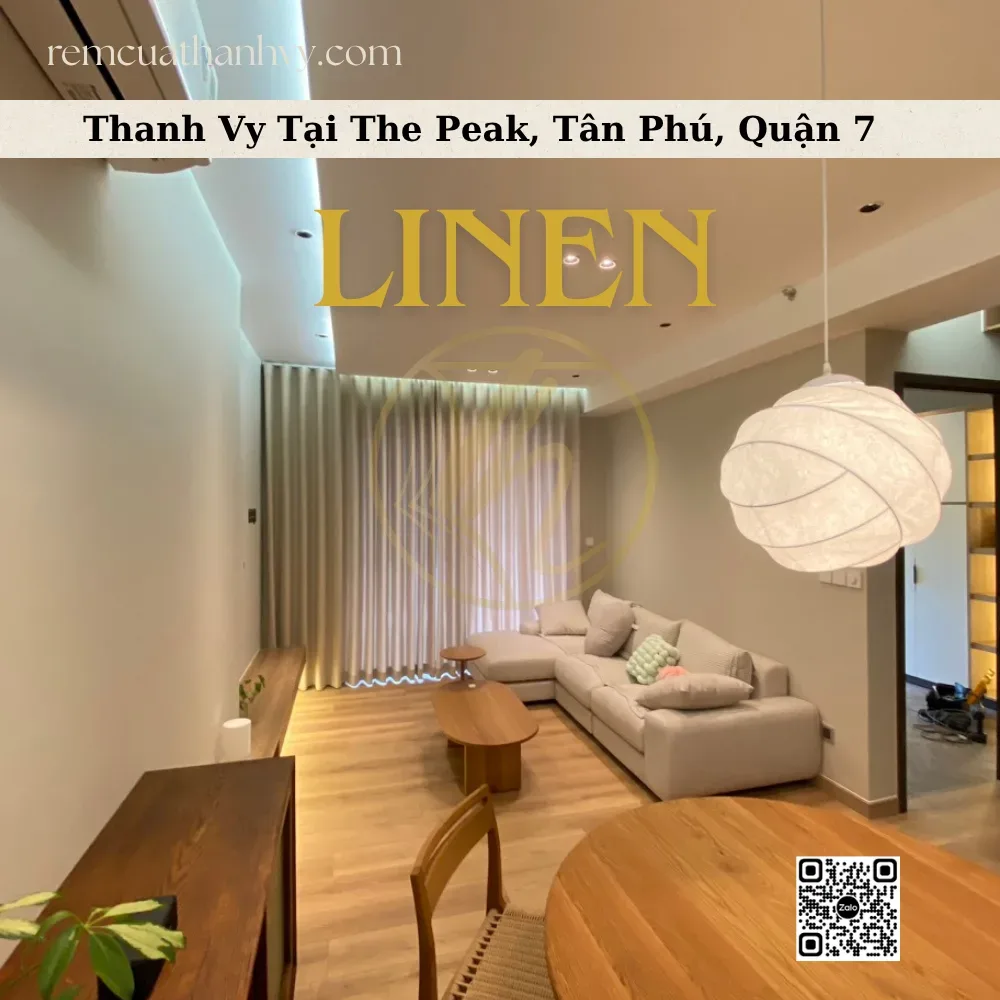
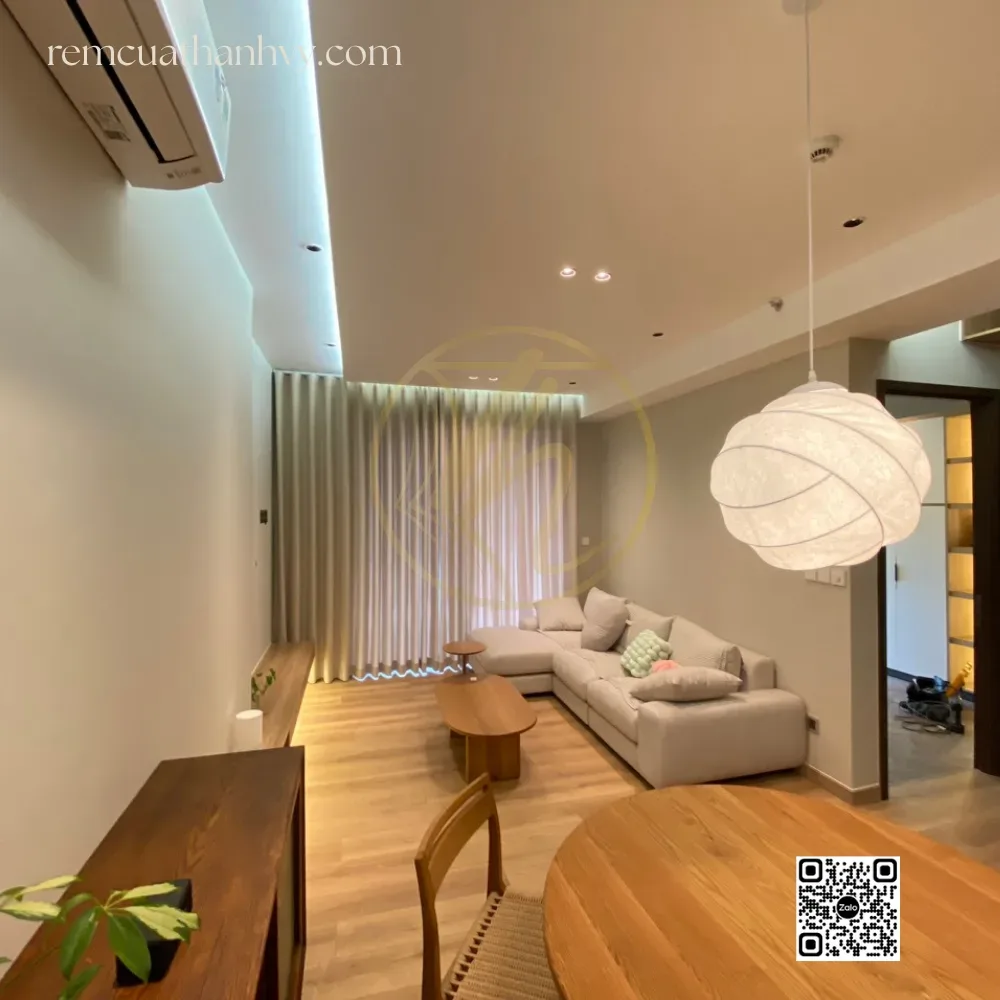
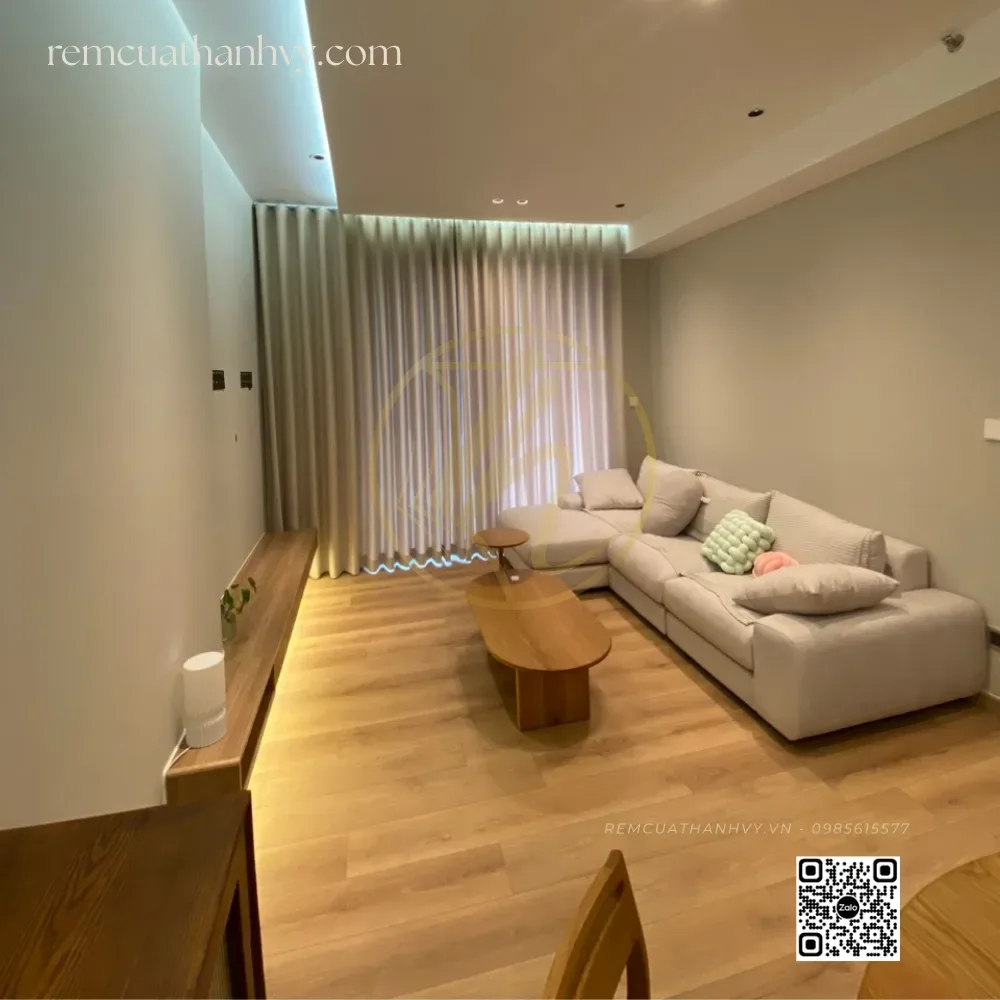
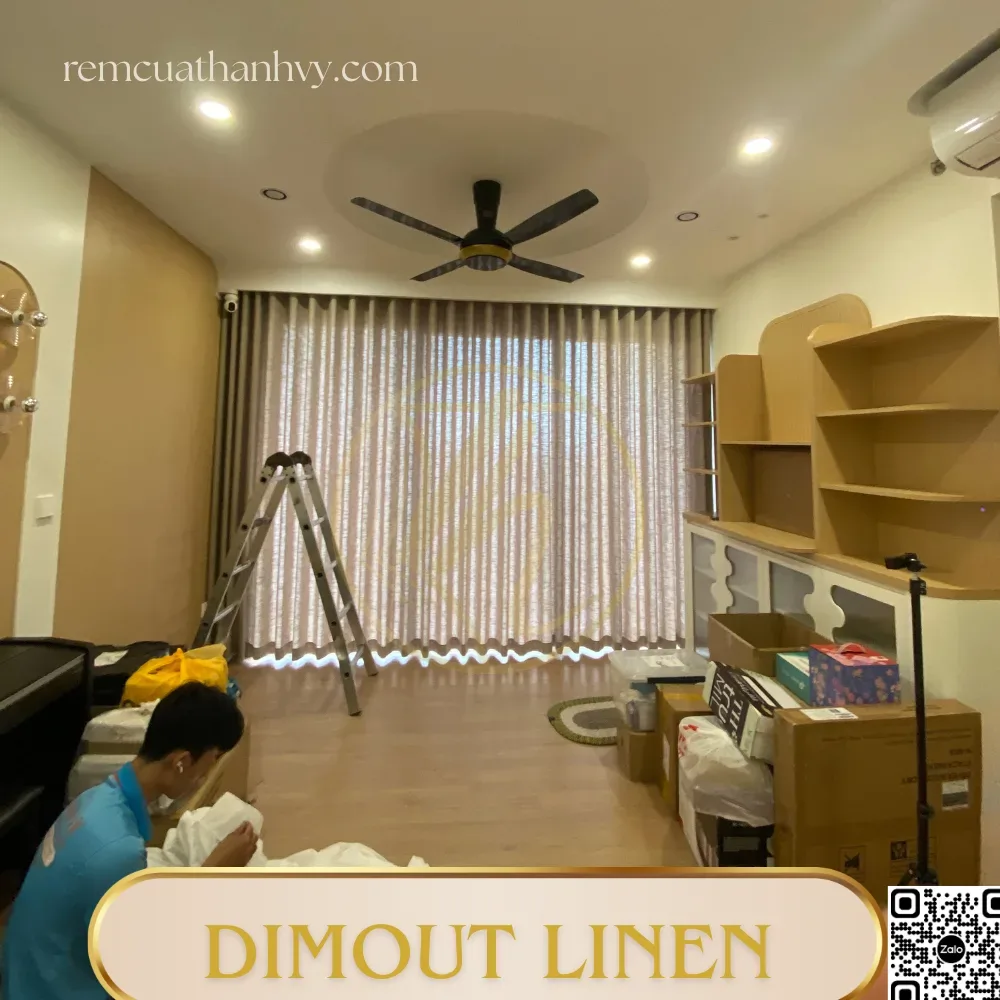
Living rooms usually need a balance between beautiful daytime light, a friendly feel, and the ability to create a background for the interior. Linen often has an advantage here because it makes the space look light, retains natural light, and does not make the room feel visually heavy. However, if the living room faces harsh sunlight at a fixed time, readers should still ask carefully about the configuration so that the light does not cause glare or increase the perceived heat excessively.
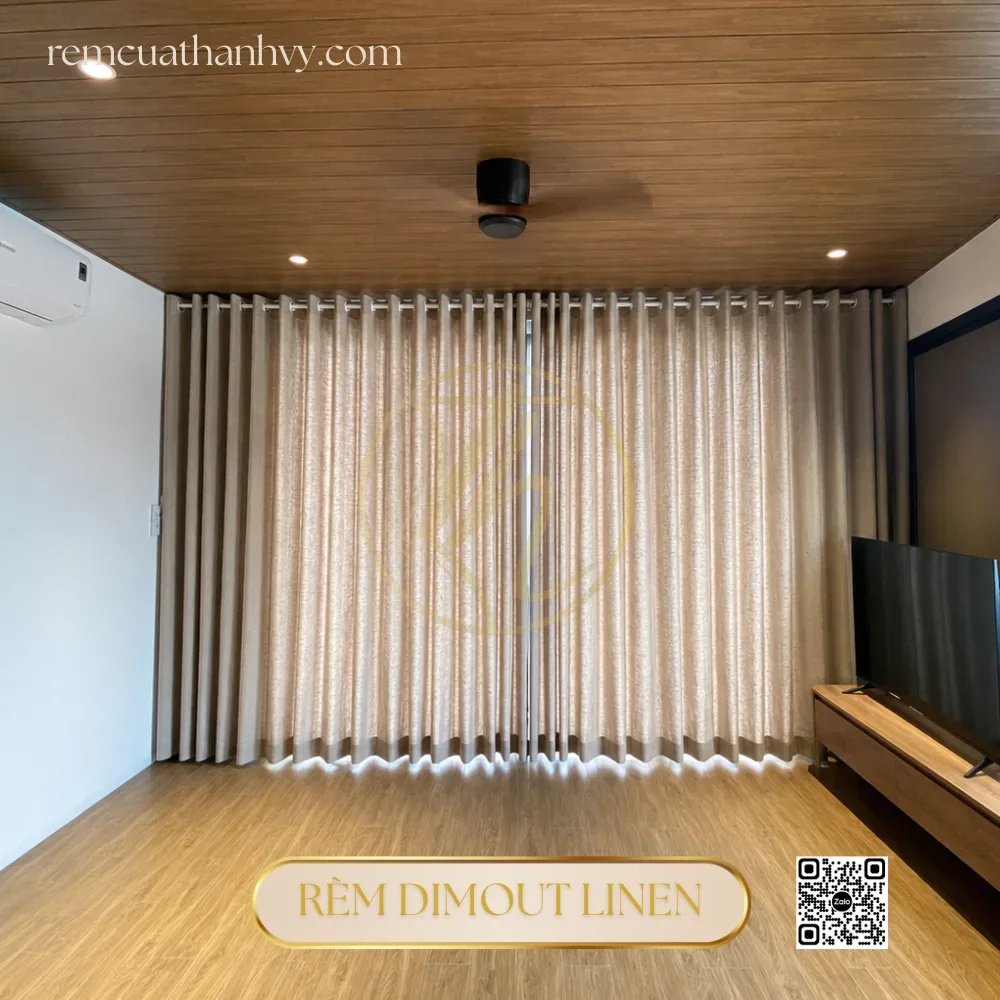
The bedroom is a different context. The soft and natural aesthetic of linen is easy to match with a restful spirit, but the need for deep sleep or more privacy will require the configuration to change. Many people like the look of linen but are disappointed because morning light still passes through more than expected. The problem is not that linen is bad, but that the usage requirements of a bedroom are different from those of a living room. Even with the same material, the conditions for accepting light are different, so the decision must also be different.
Workspaces or reading rooms need to prioritize one more factor: anti-glare on screens and light stability when used during the day. In these positions, linen may still be suitable if the main goal is to soften the light, but you need to carefully observe the light direction and the desk surface. If direct slanted light causes discomfort, just talking about the beauty of the fabric is not enough. You need to describe the actual usage effectiveness directly to avoid choosing the wrong one.
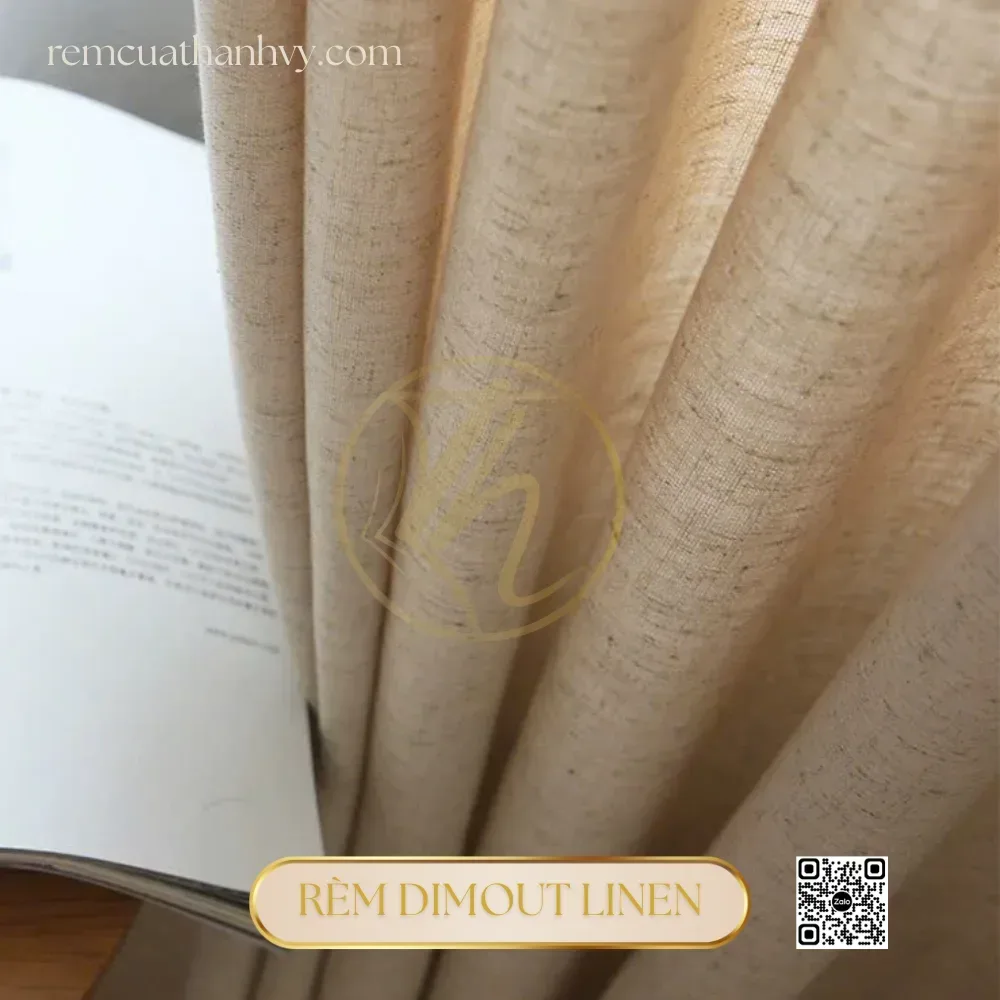
Separating the context by room helps readers understand that linen curtains are not an independent decorative item, but a part of how the room functions. When placed correctly in each context, the advantages of linen are clearly and durably demonstrated.
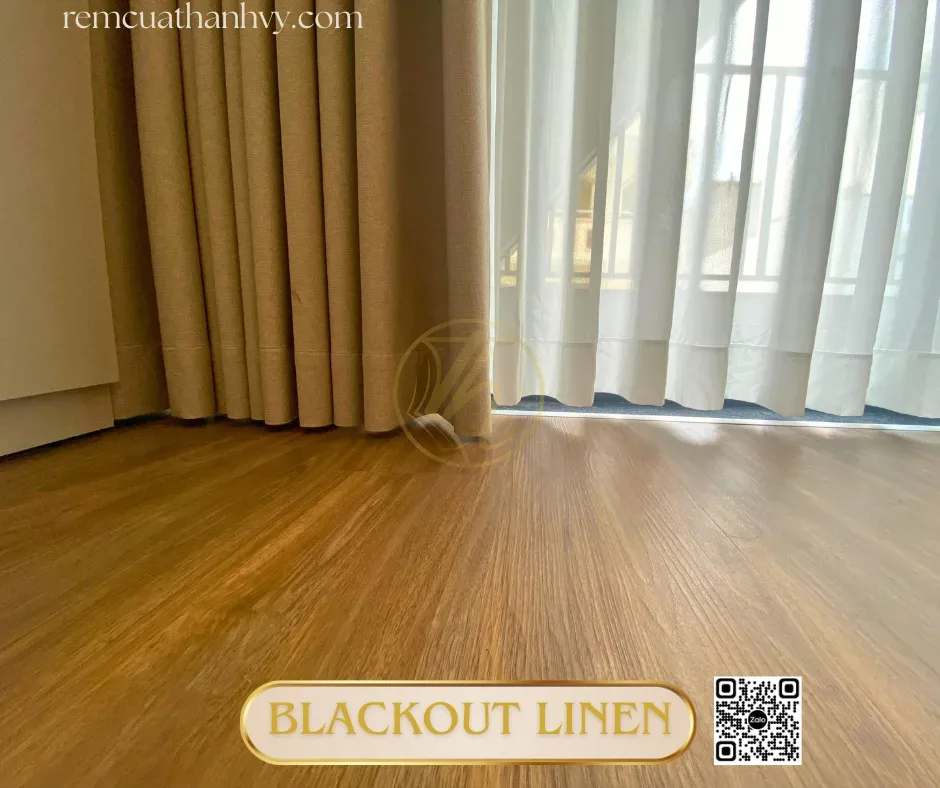
Preliminary measurement checklist and information to prepare before requesting a consultation
To ensure the consultation for linen curtains in District 11 meets your needs from the start, readers should prepare a set of information that is simple but sufficient. First is a photo of the entire window from a distance to see the relationship with the walls, ceiling, floor, and surrounding furniture. Next is the preliminary measurement of the width to be covered, the intended height to hang, and the space on both sides where the curtains will gather when opened. If the window has handles, air conditioners, shelves, cabinets, or attached equipment, these details should also be clearly photographed.
In addition to image data and dimensions, you should describe the time of strongest sunlight, the need for privacy at night, and the frequency of window use. These are the details that help distinguish curtains that are purely aesthetic from curtains that need to solve more functional problems. When the input information is clear, comparing linen configurations will be less vague, and readers will also easily understand why one option is more suitable even if the colors are similar.
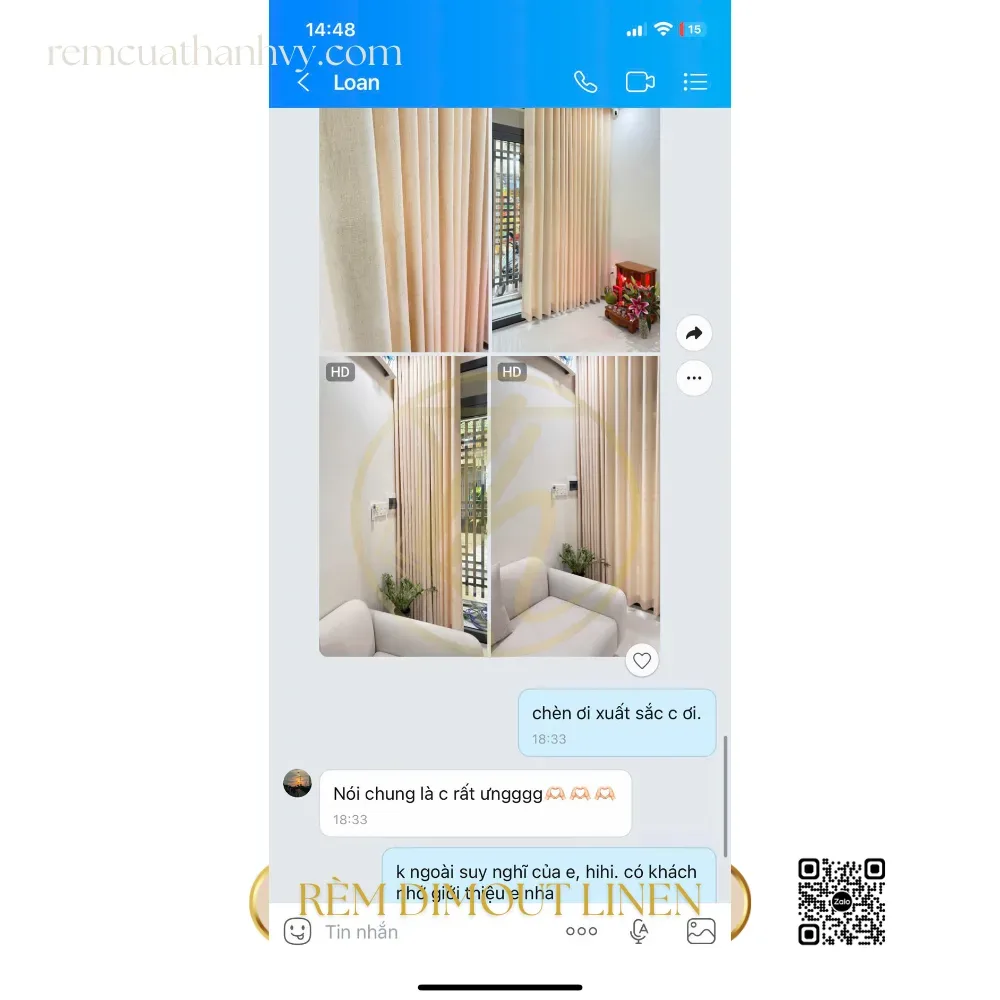
A short checklist before finalizing can include: what is the room used for, desired light level, required privacy level, where the curtain stack will be, are there any obstacles, and does the user prioritize easy cleaning? Just by checking these points, the rate of choosing the wrong configuration will decrease significantly.

linen curtains in District 11 are truly worth considering when readers want softness, brightness, and naturalness, but their value is only clear when chosen based on the actual context of use. Choosing correctly based on the actual window, actual light, and actual habits will help the curtains look beautiful in photos and perform well throughout their use. Background information on the characteristics of linen fabric helps with comparison when choosing materials.
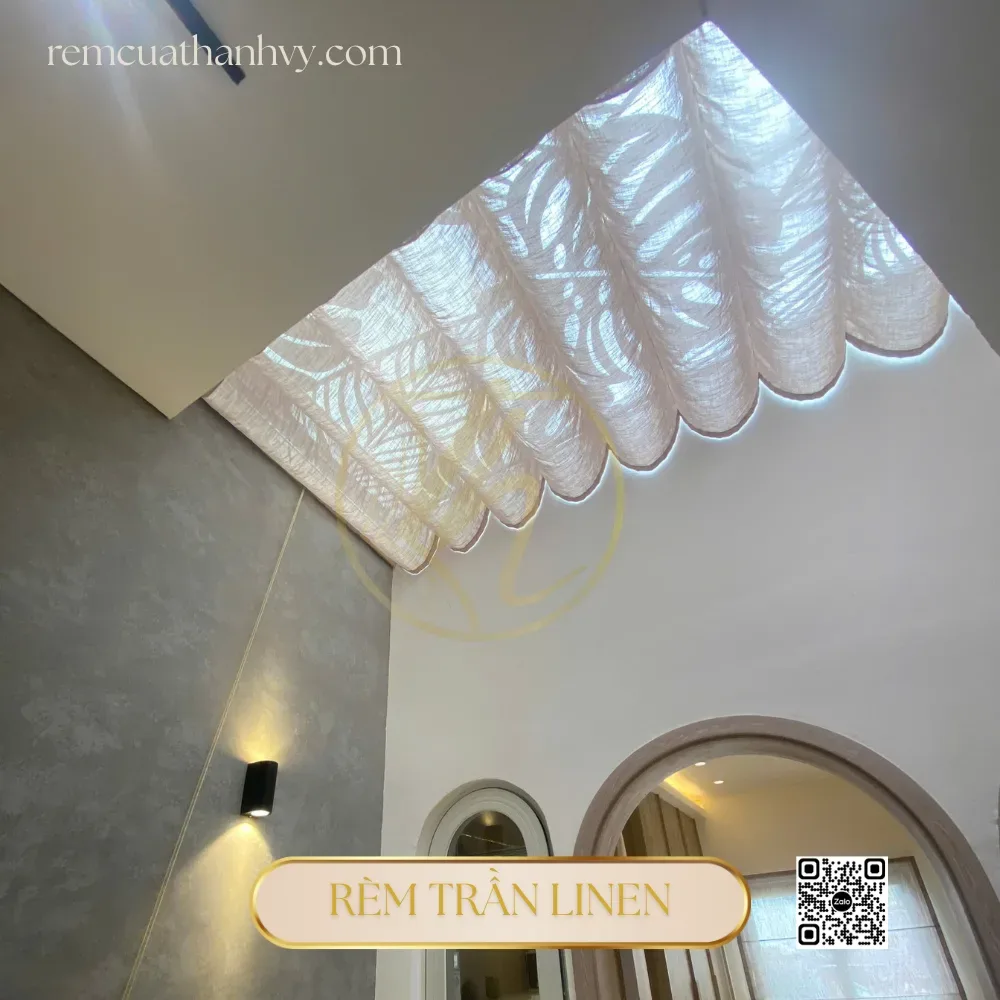
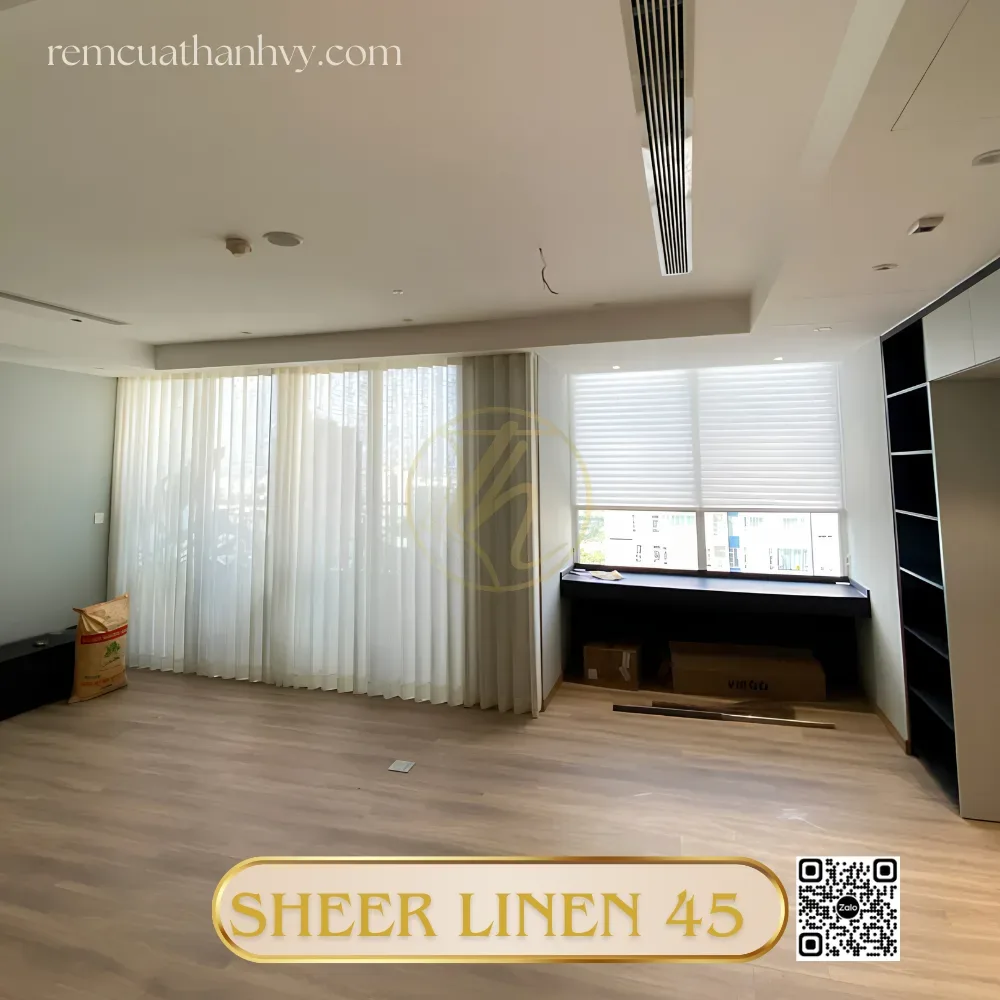
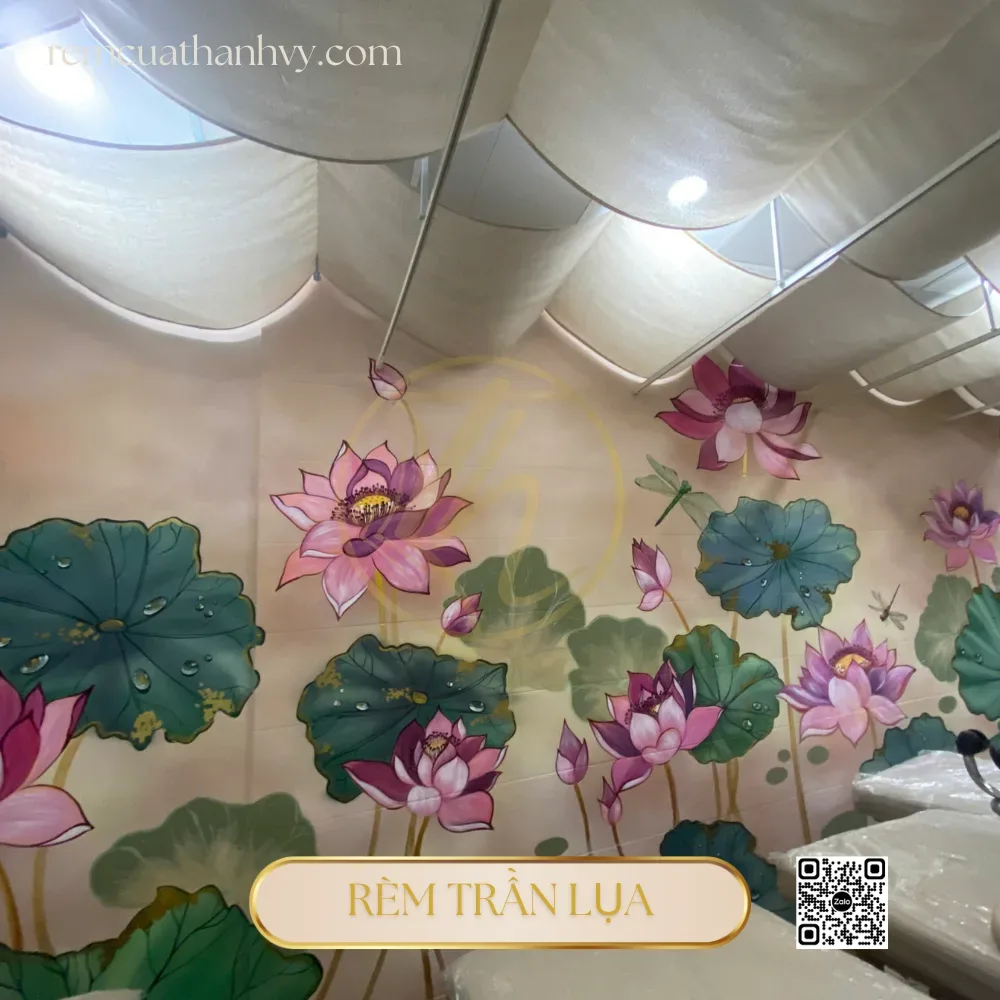
Send your dimensions and needs, and the Thanh Vy Curtains team will advise on options and quote for your actual space.
Curtain models that should be installed in District 1
Below are the actual product groups available at Rem Cua Thanh Vy, ranked by common usage needs in the District 1 area.
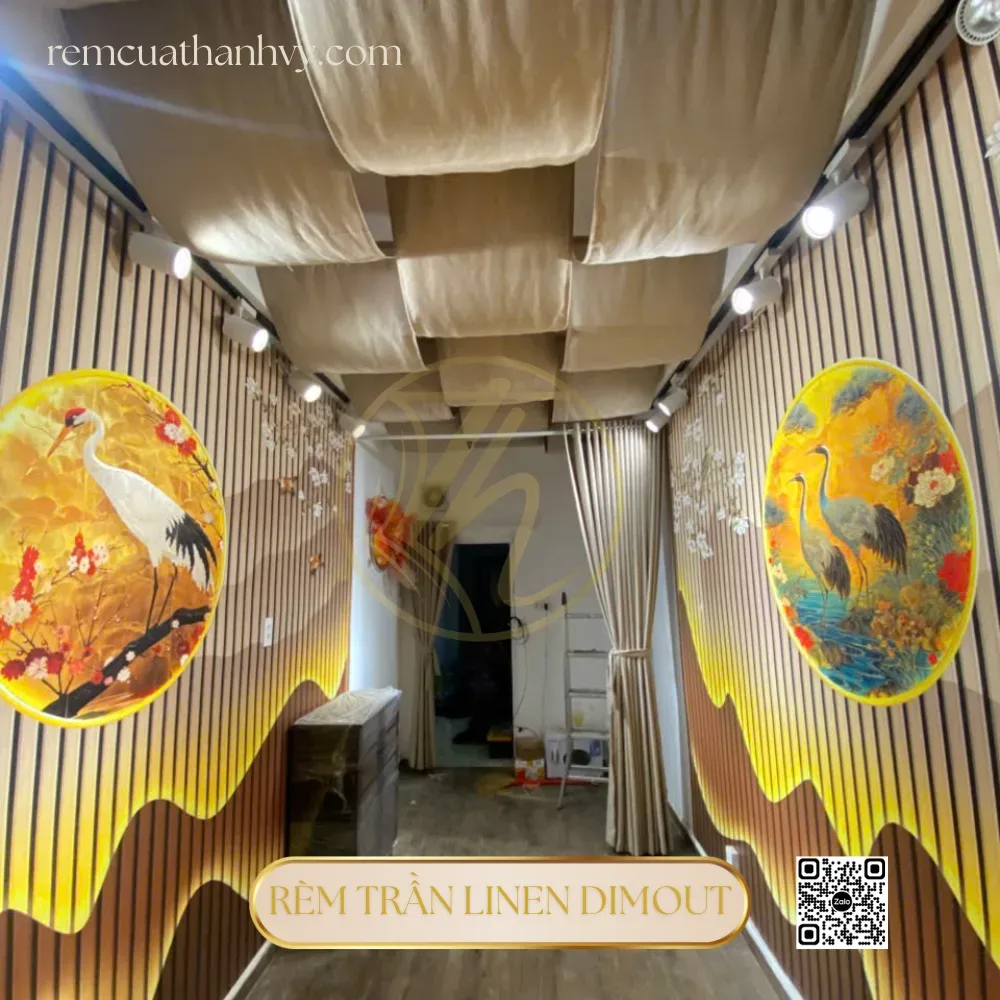
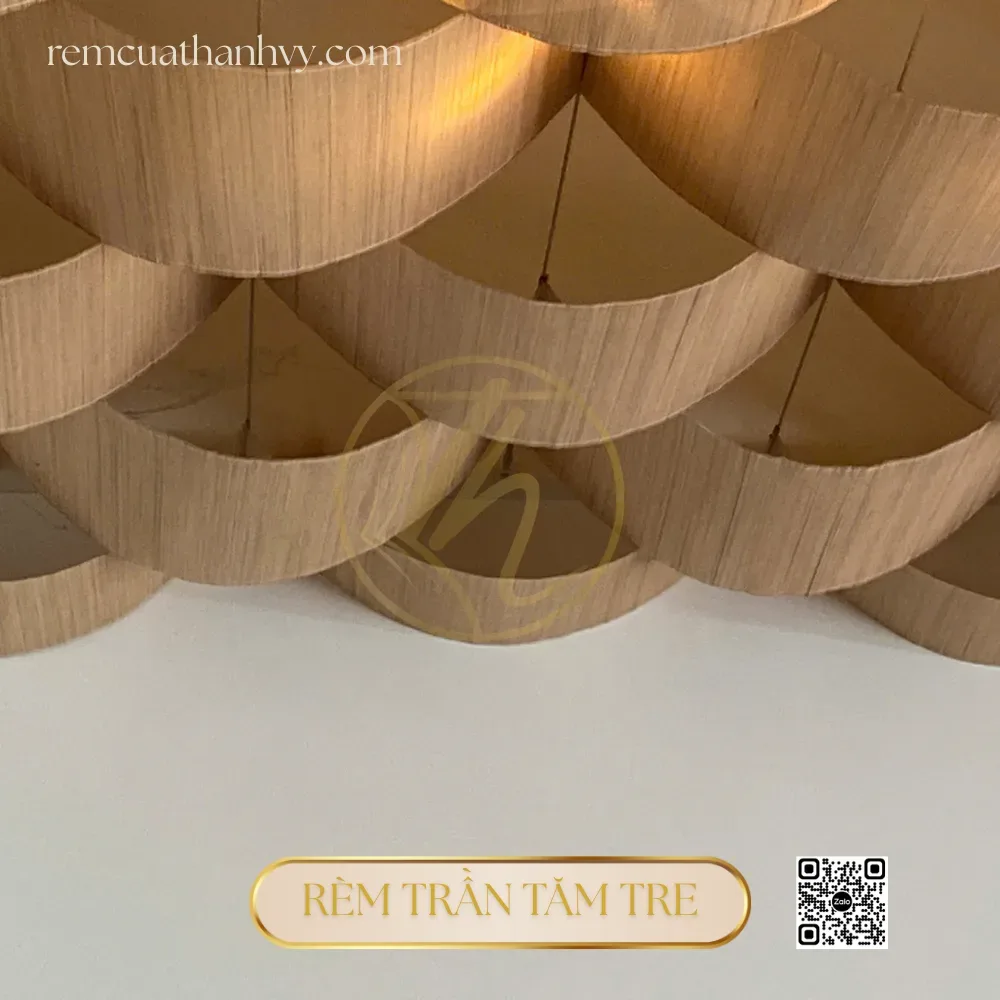
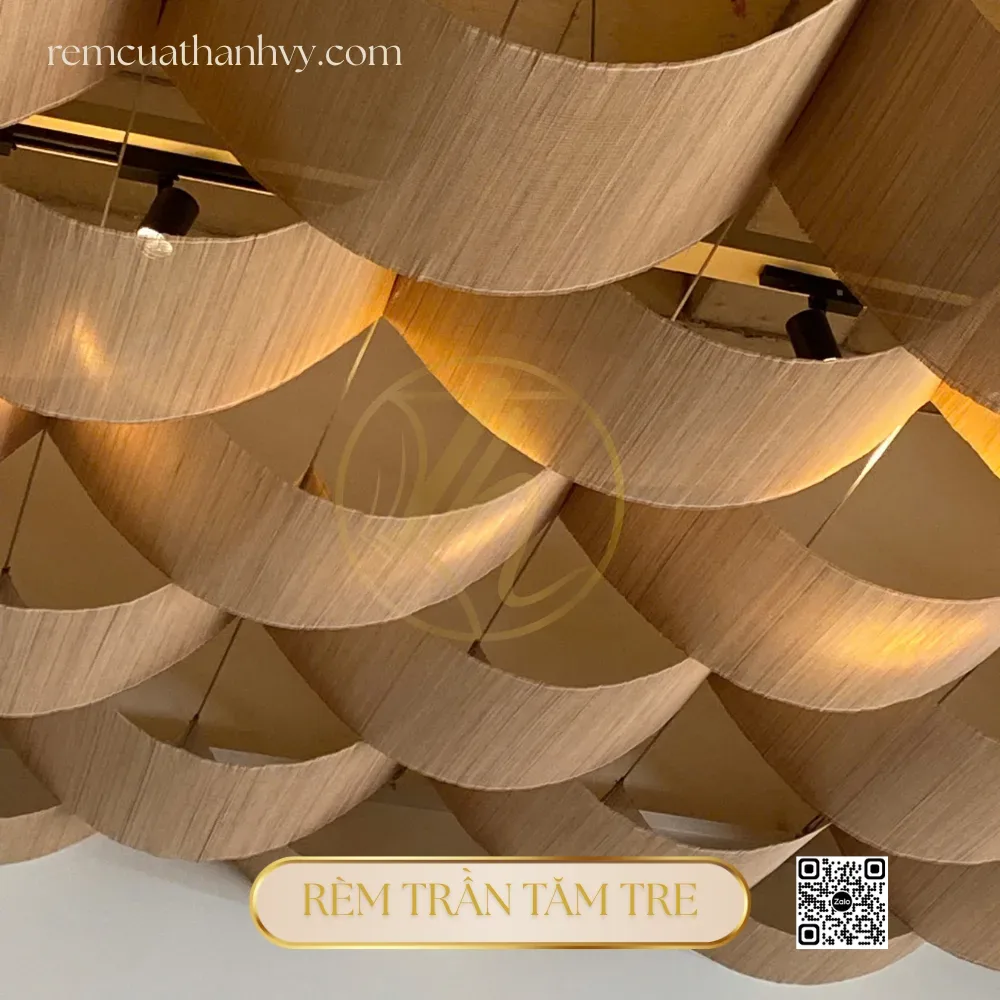
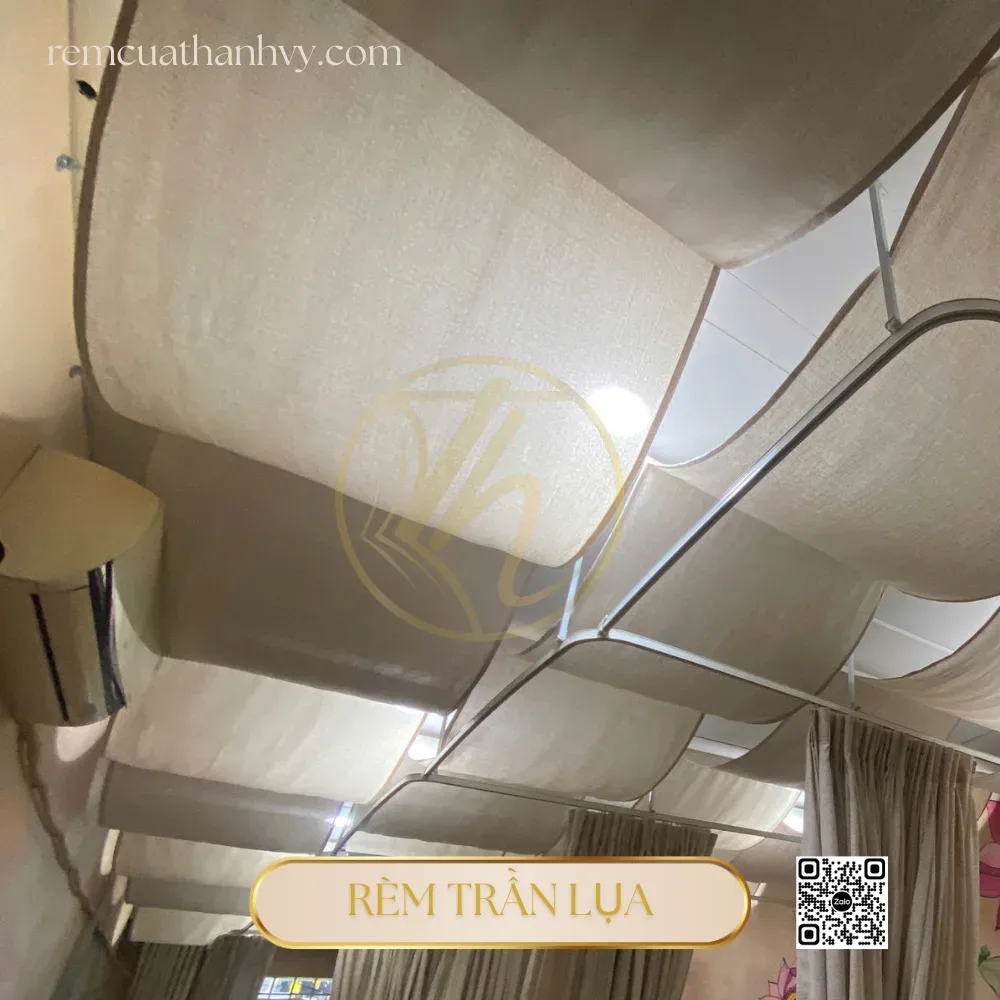
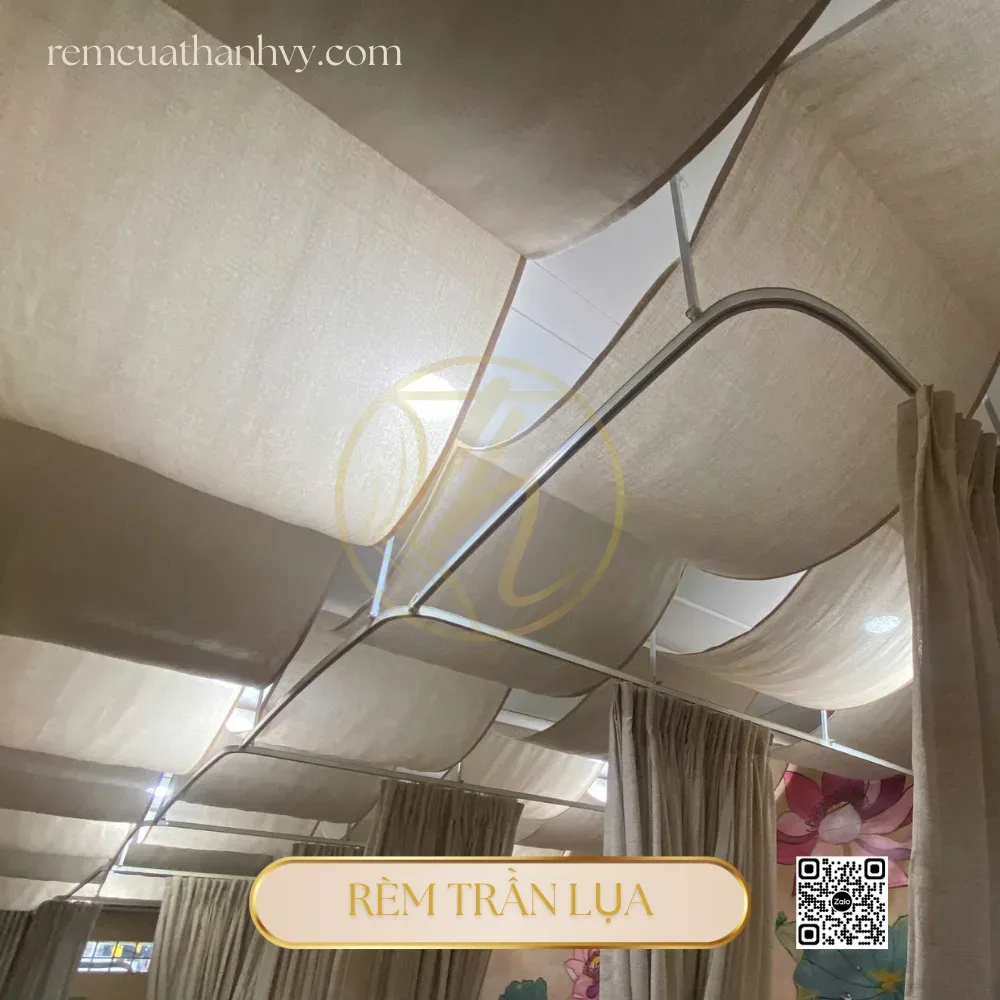
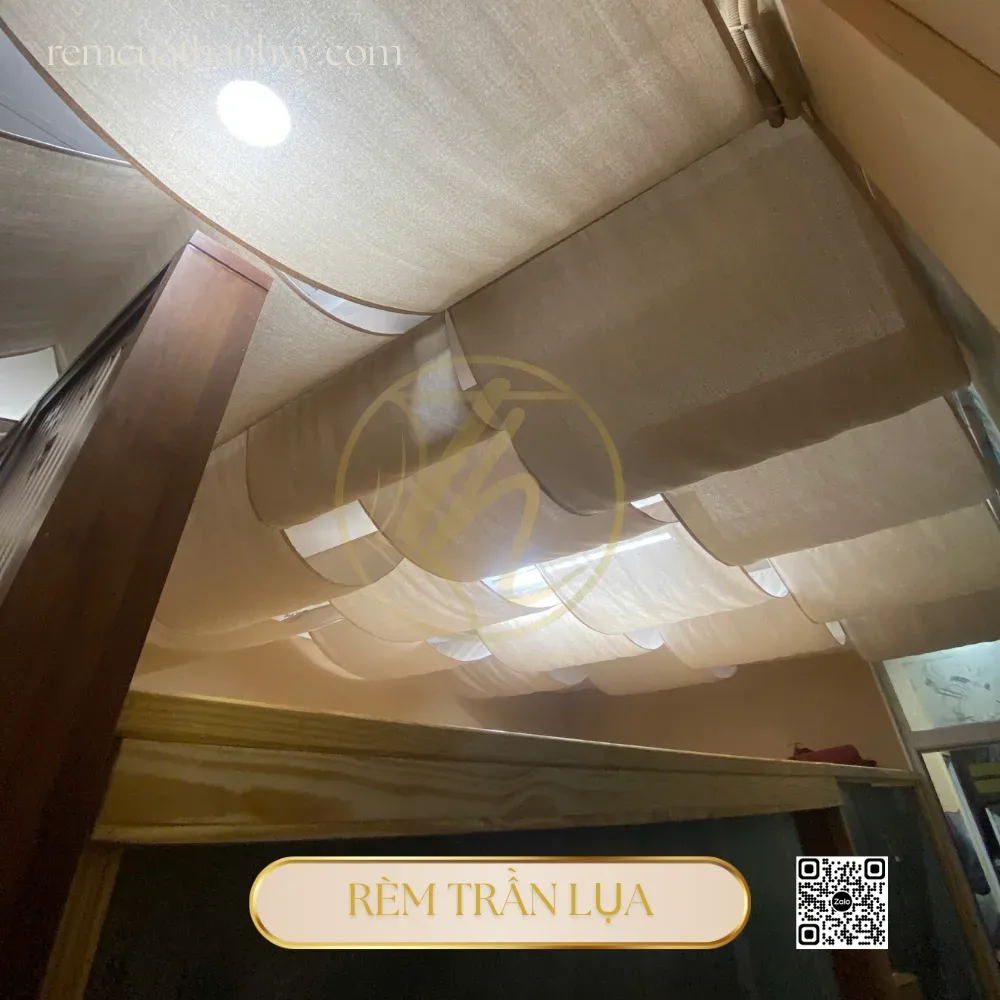
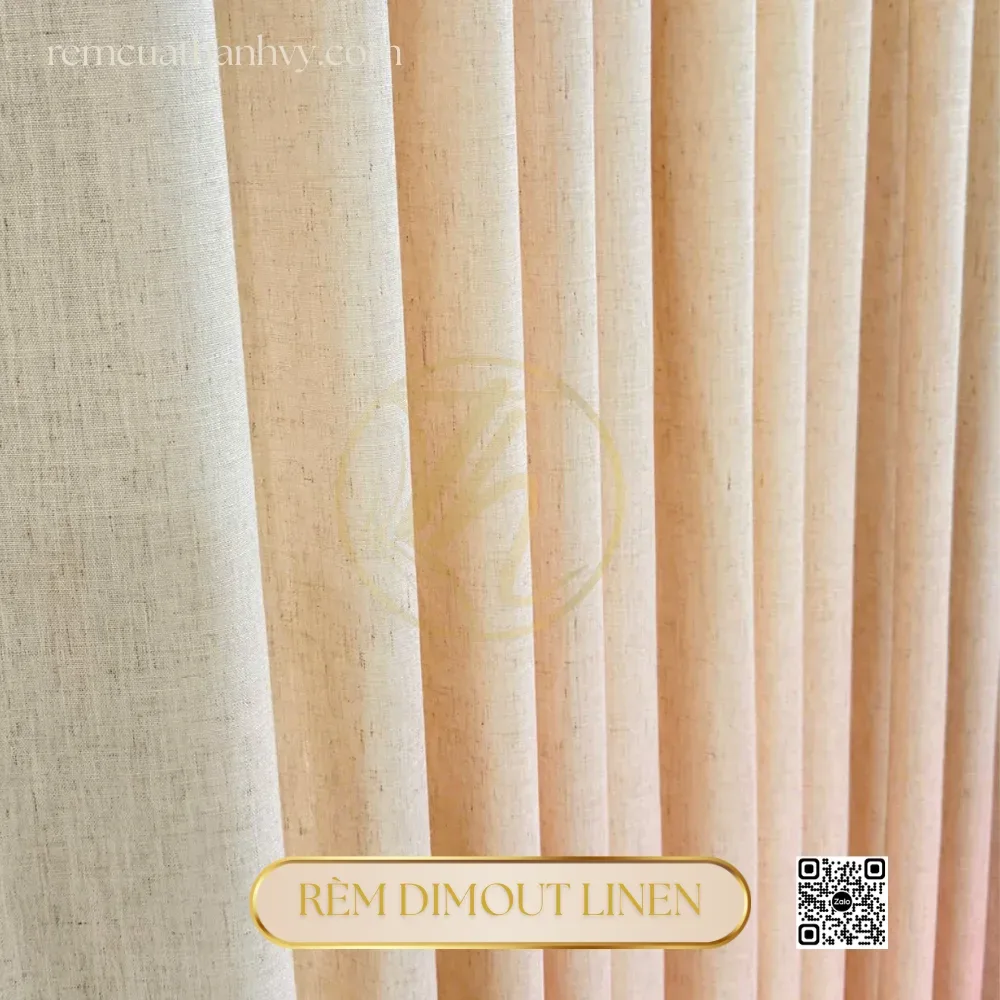
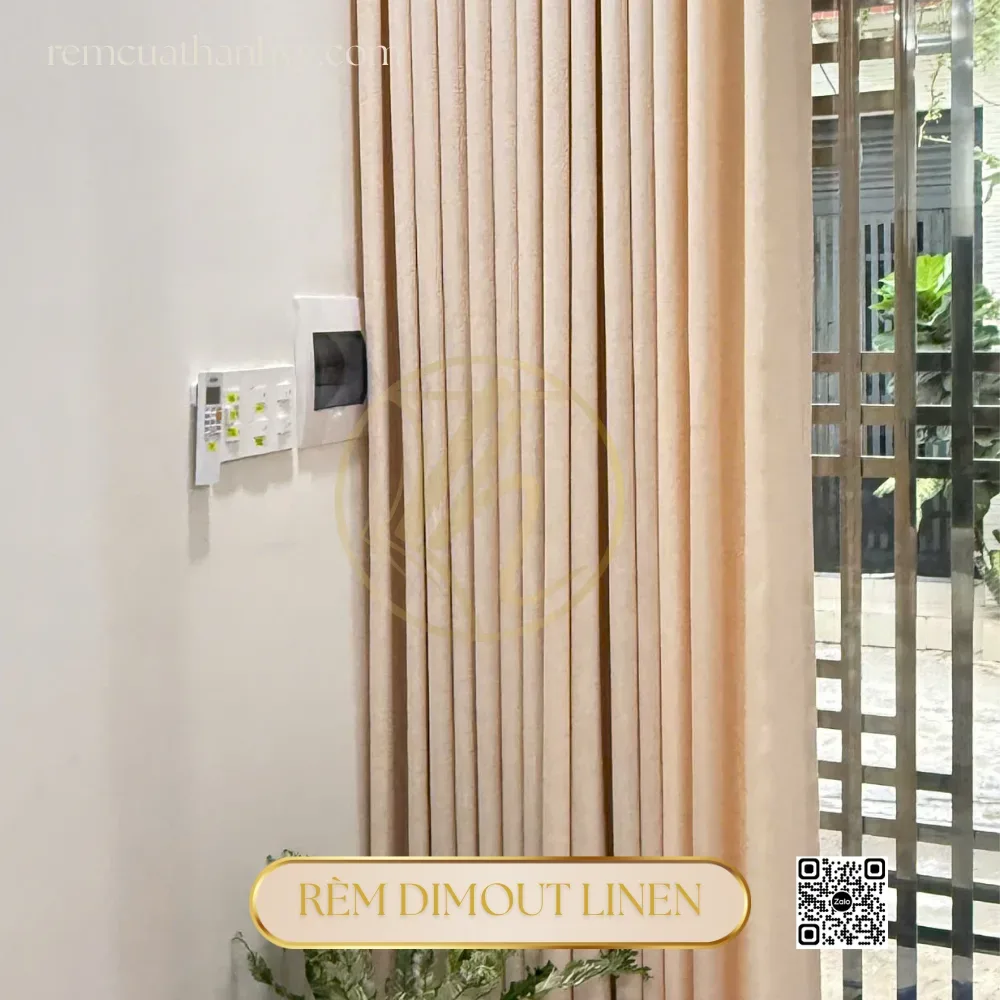
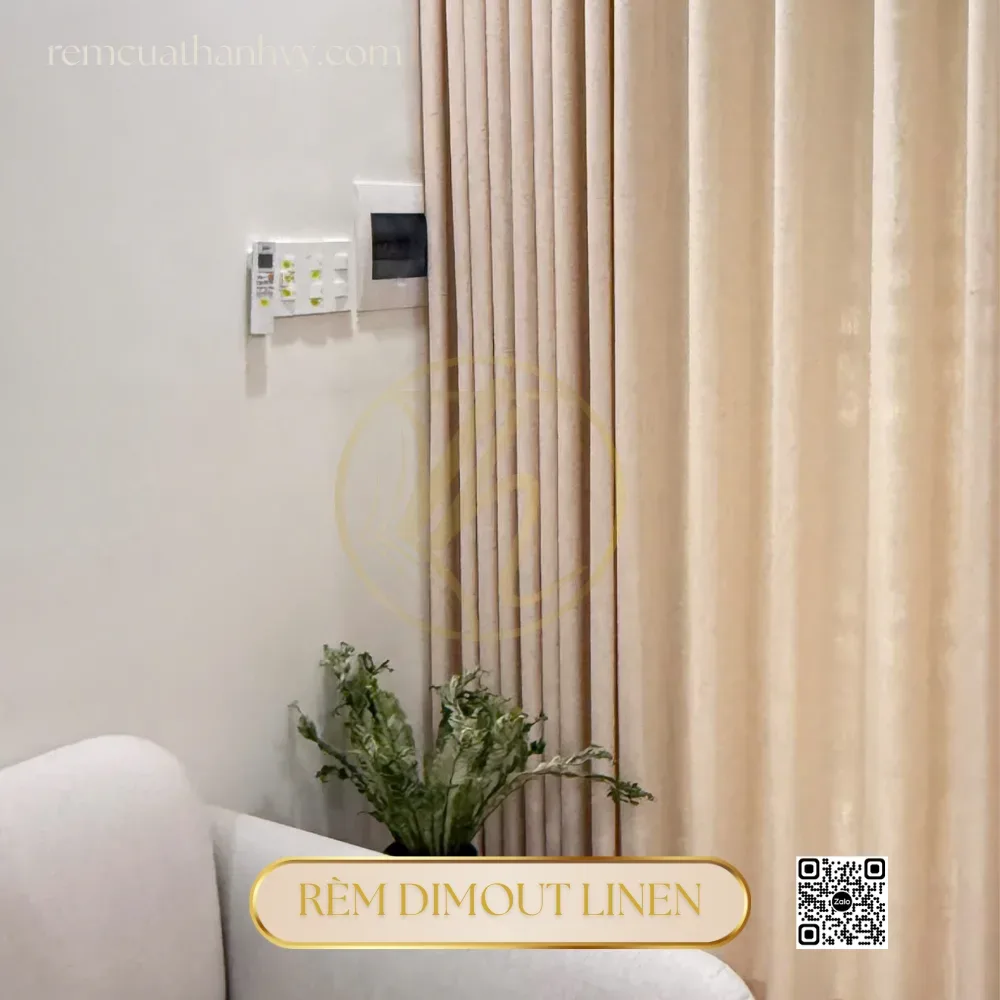
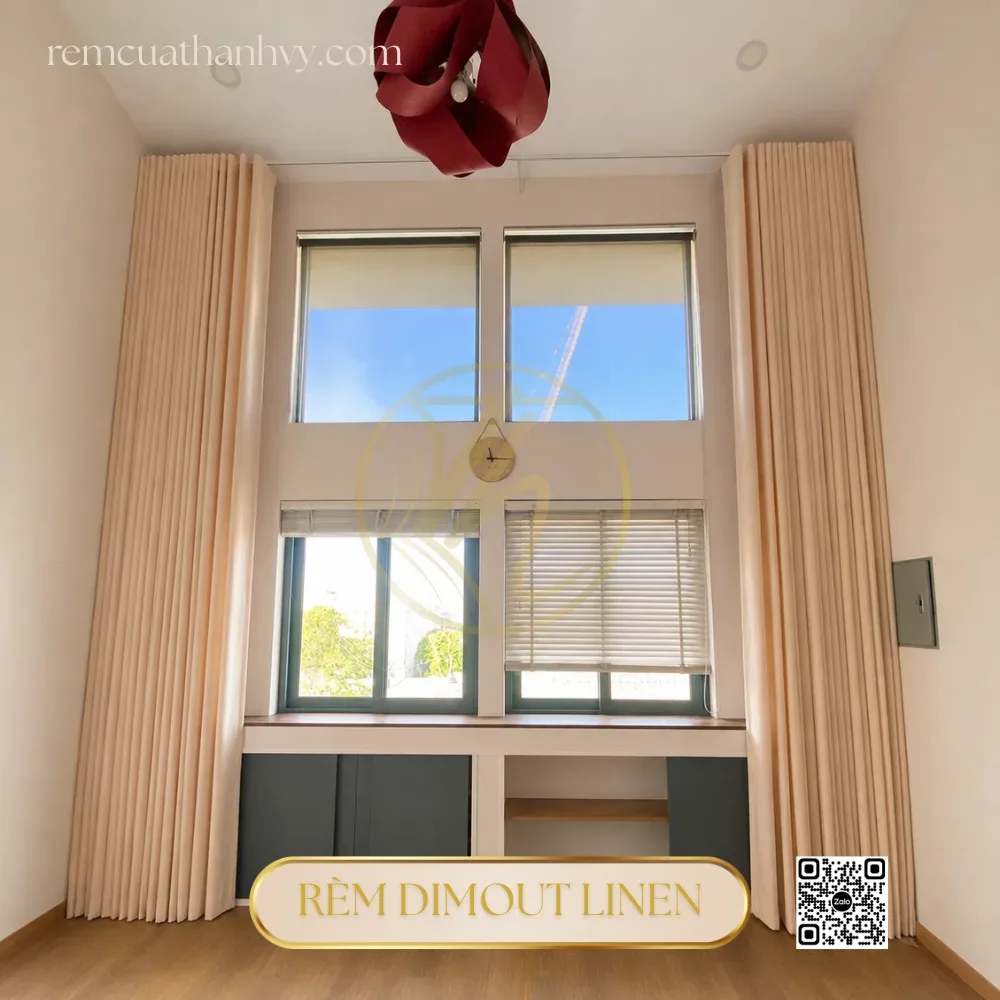
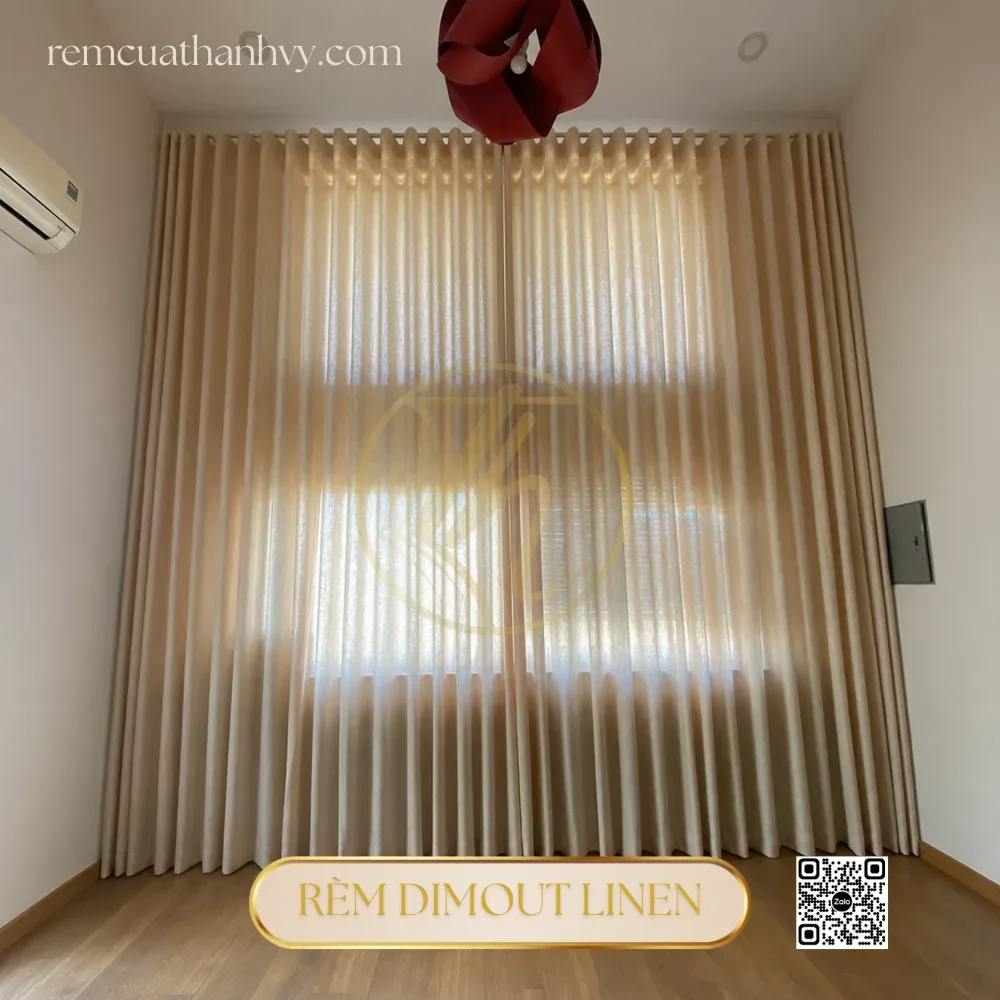
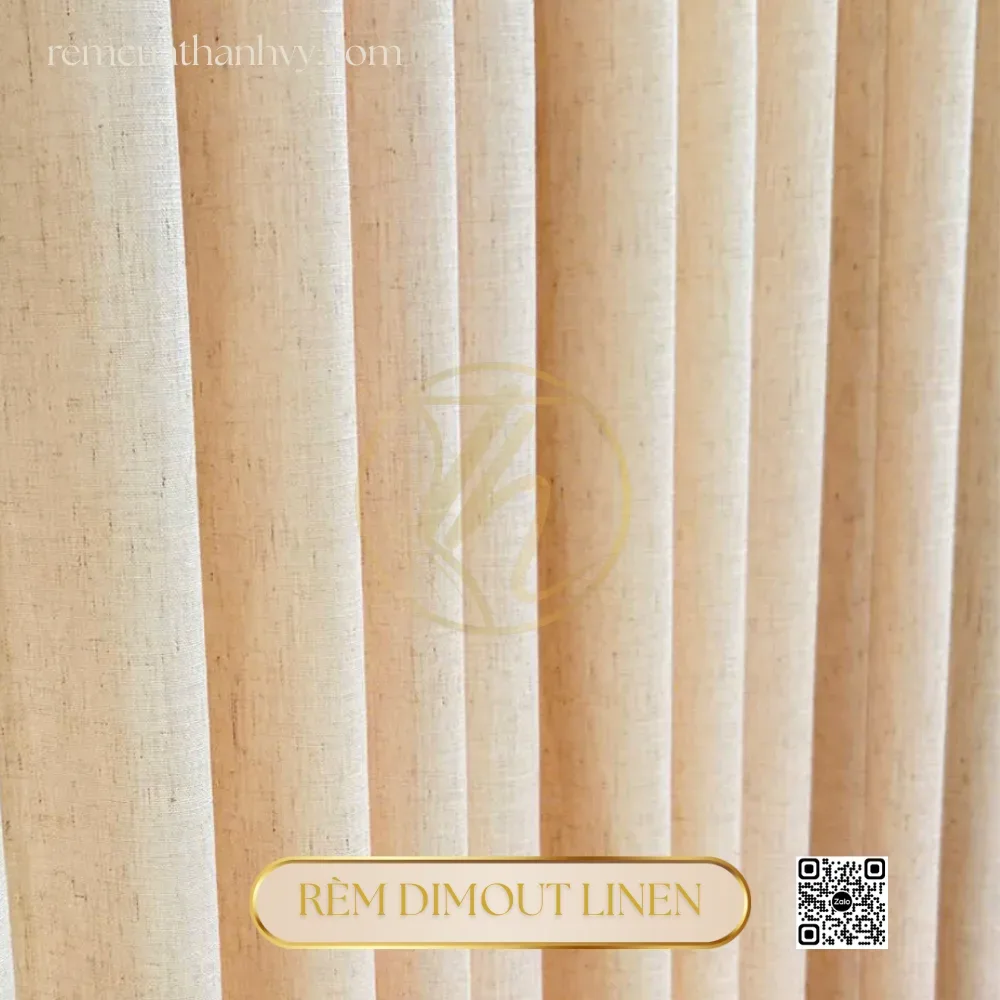
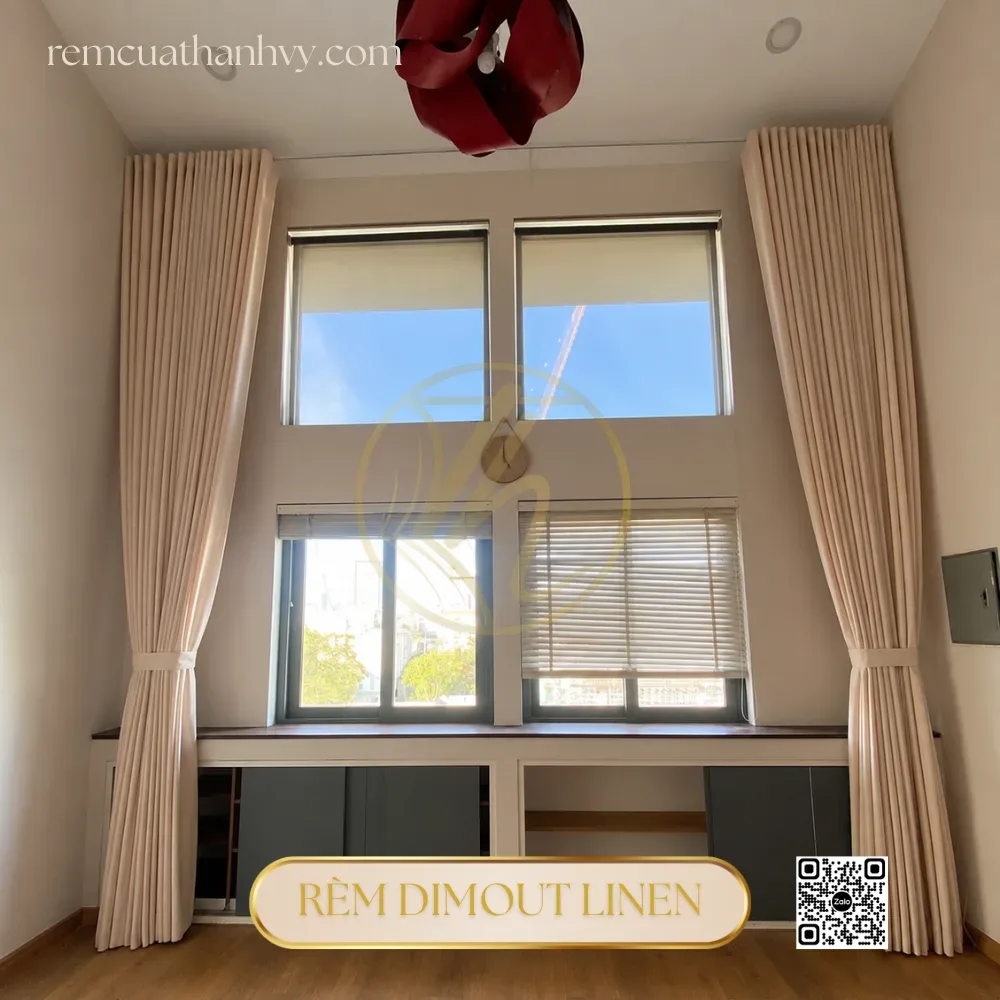
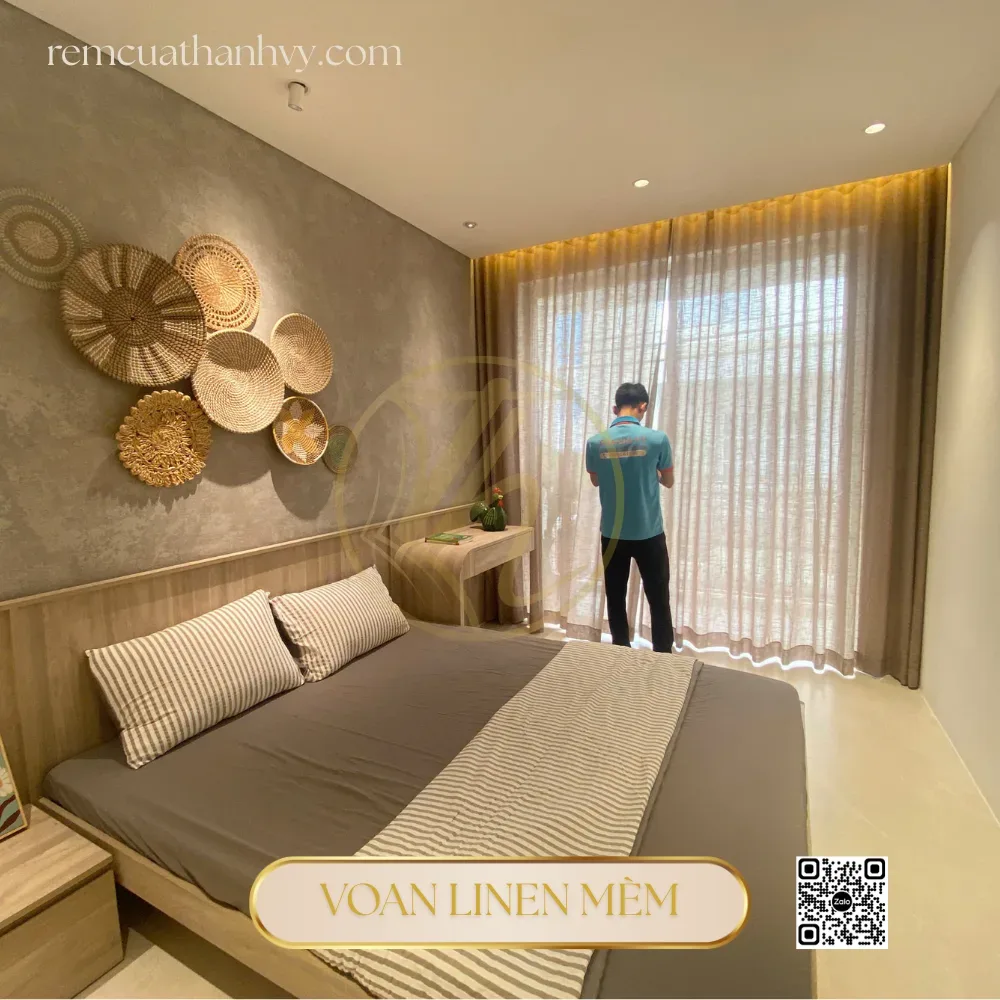
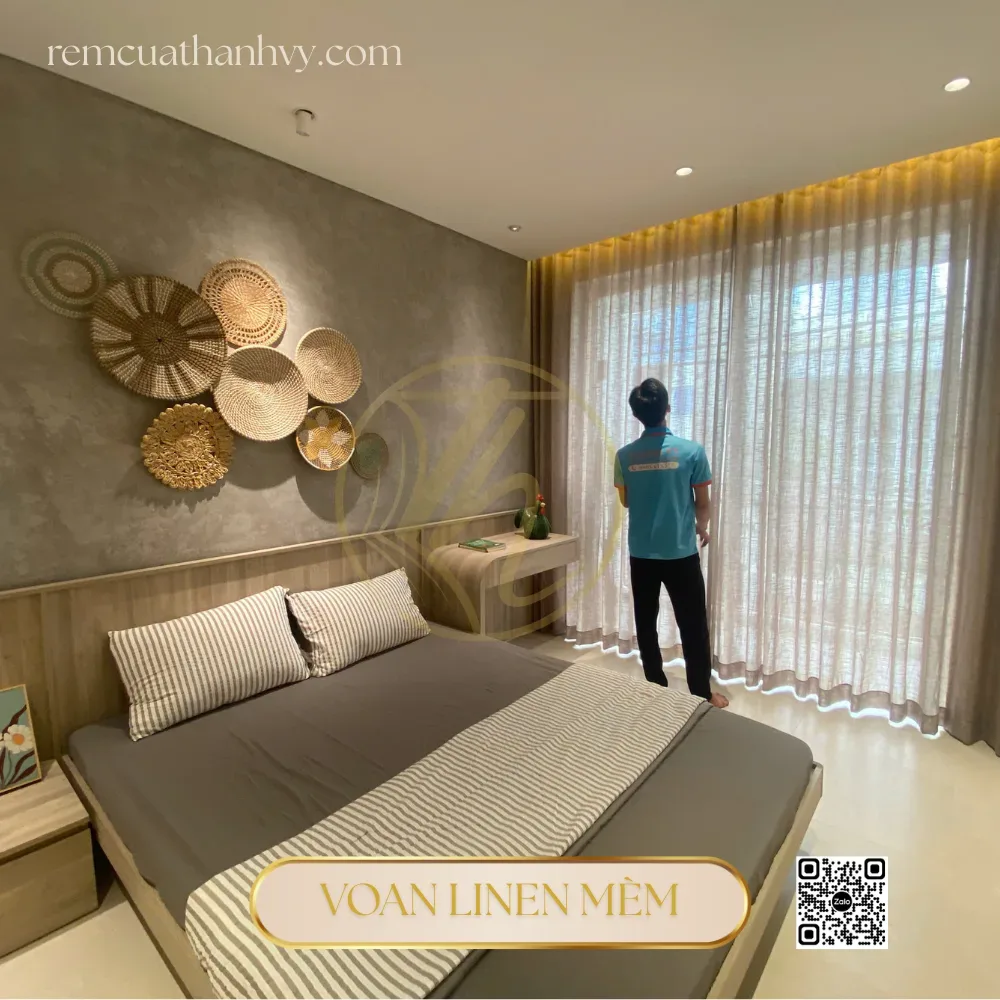
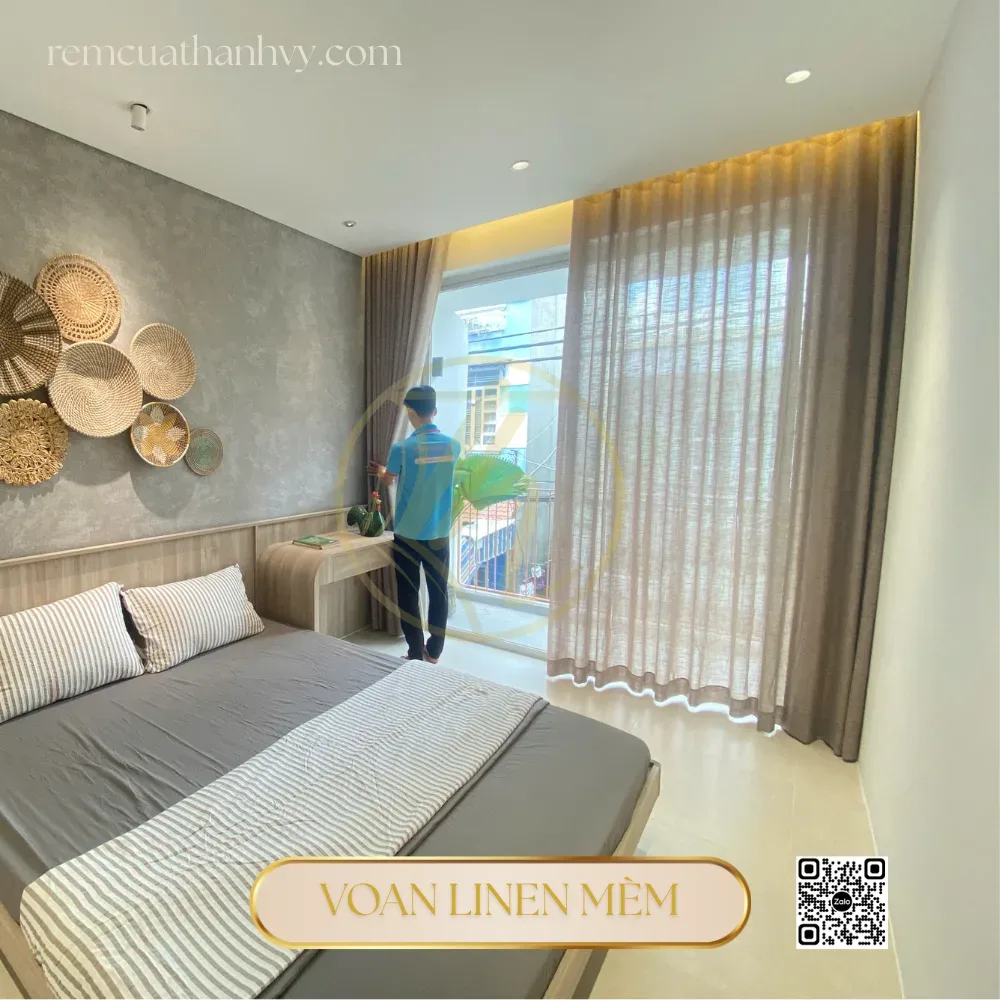
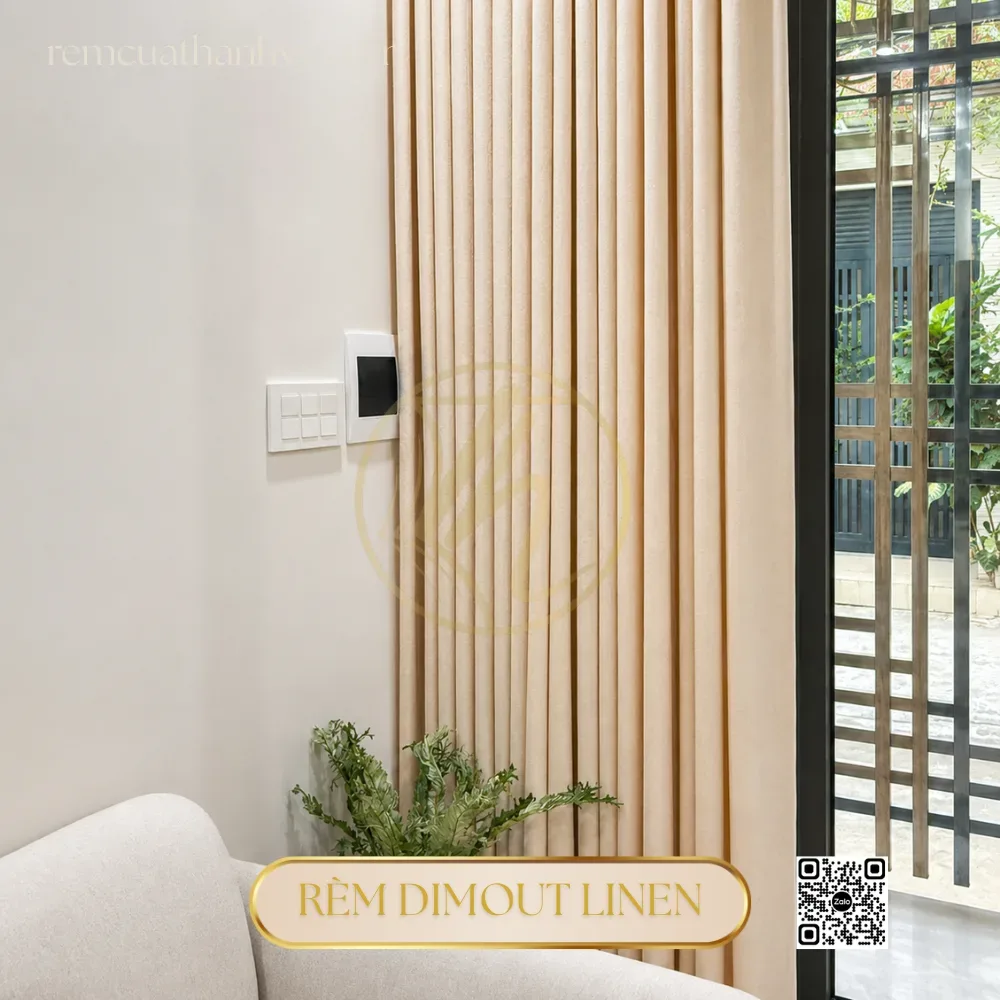
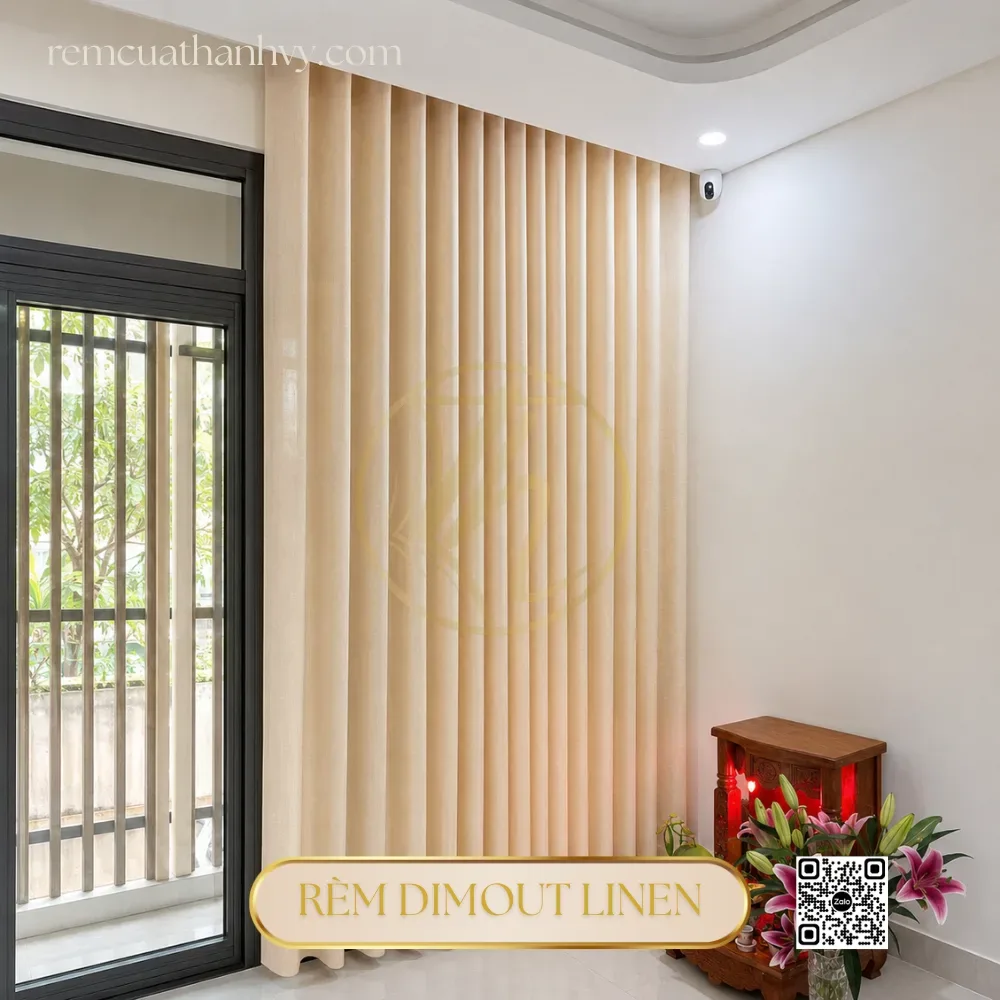
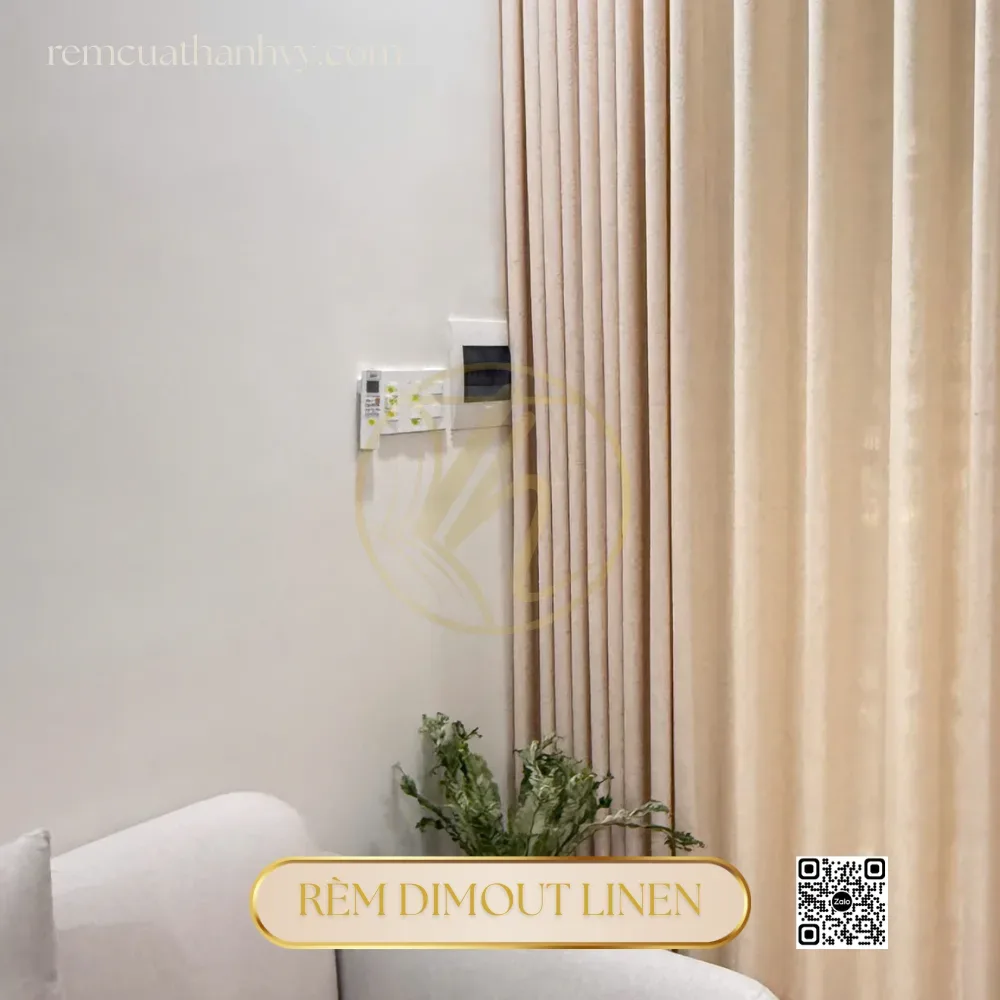
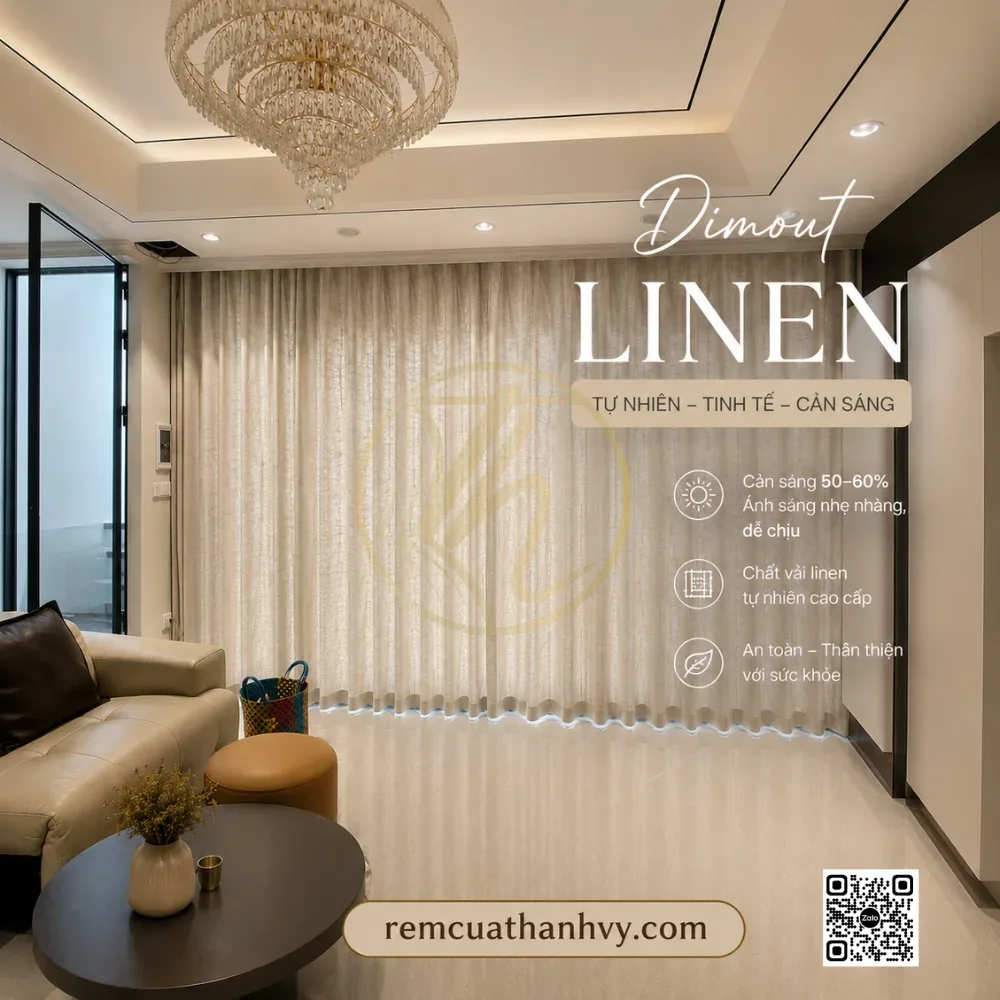
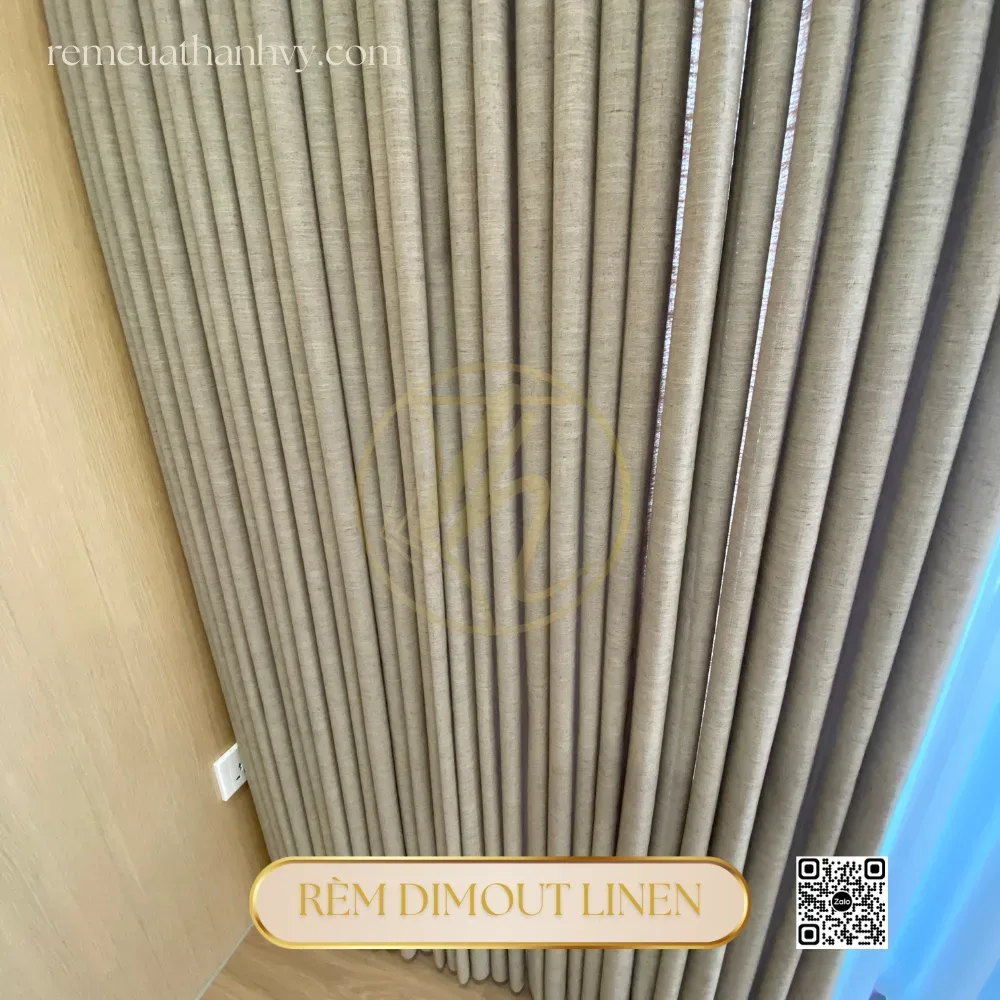
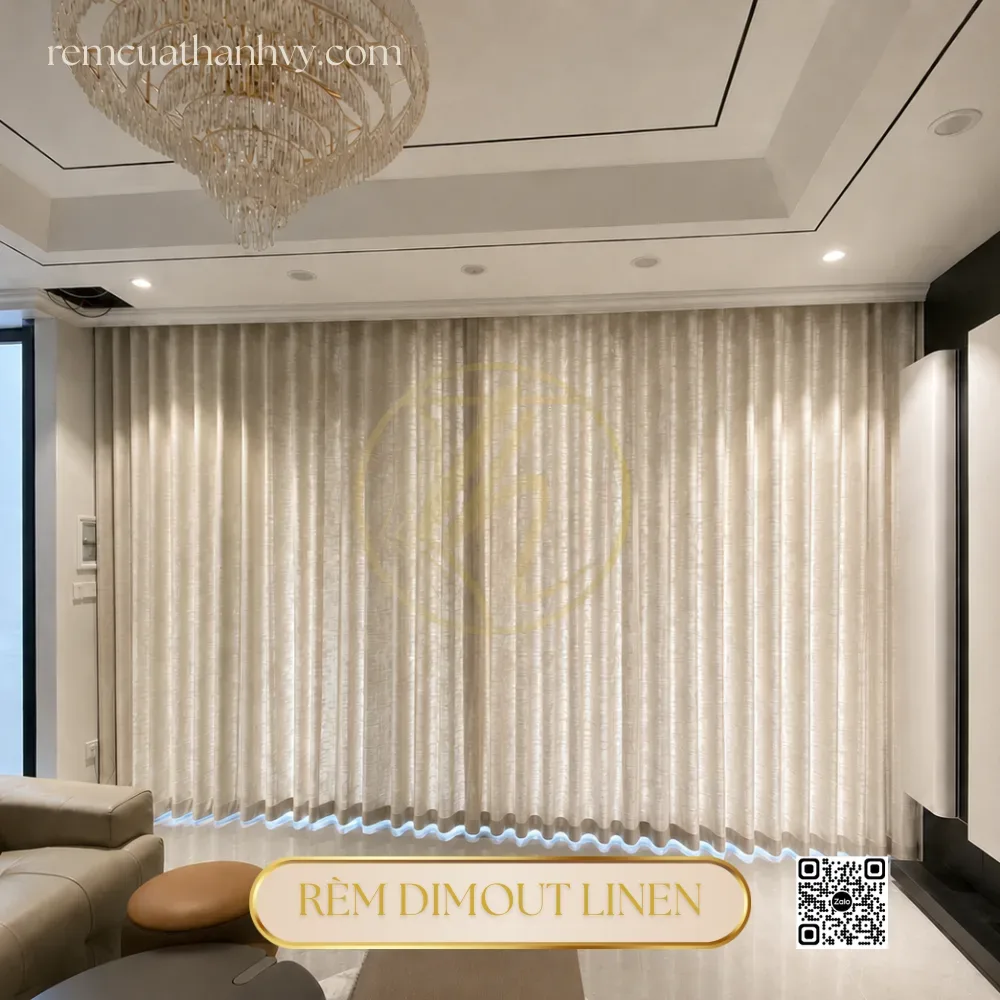
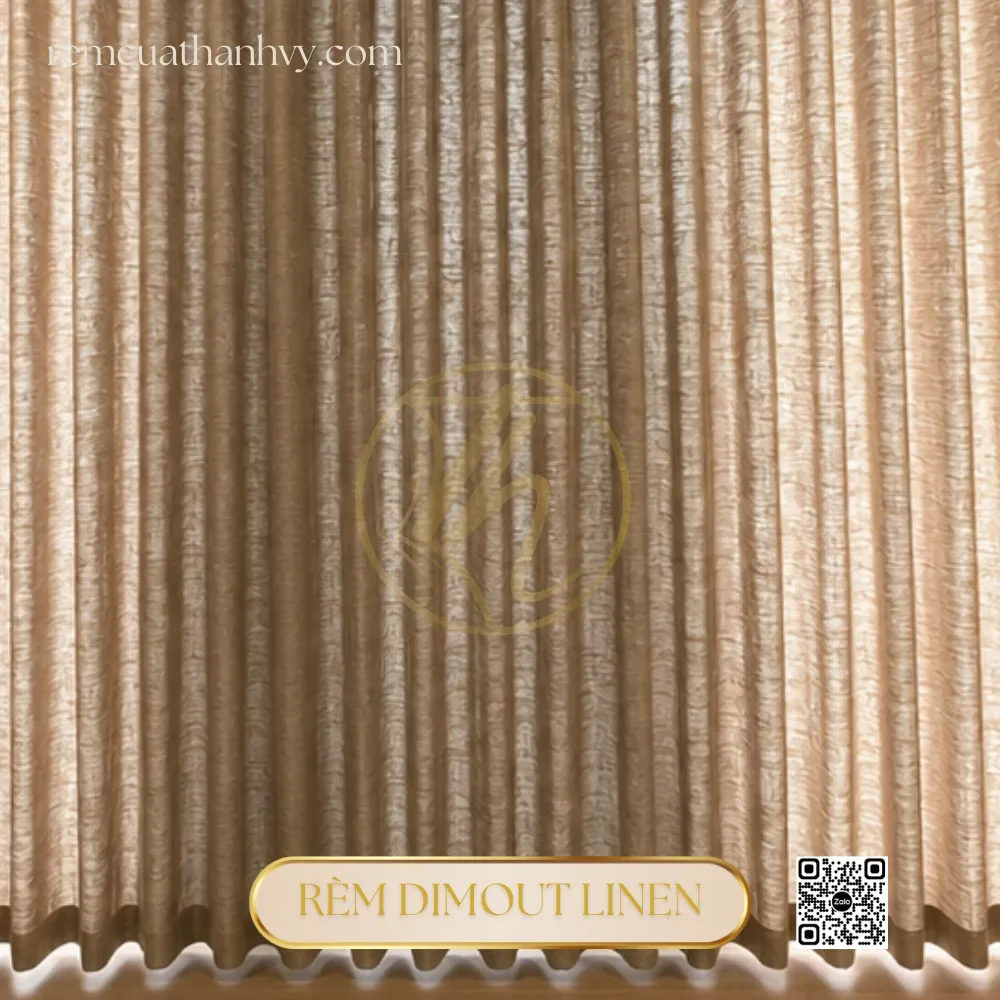
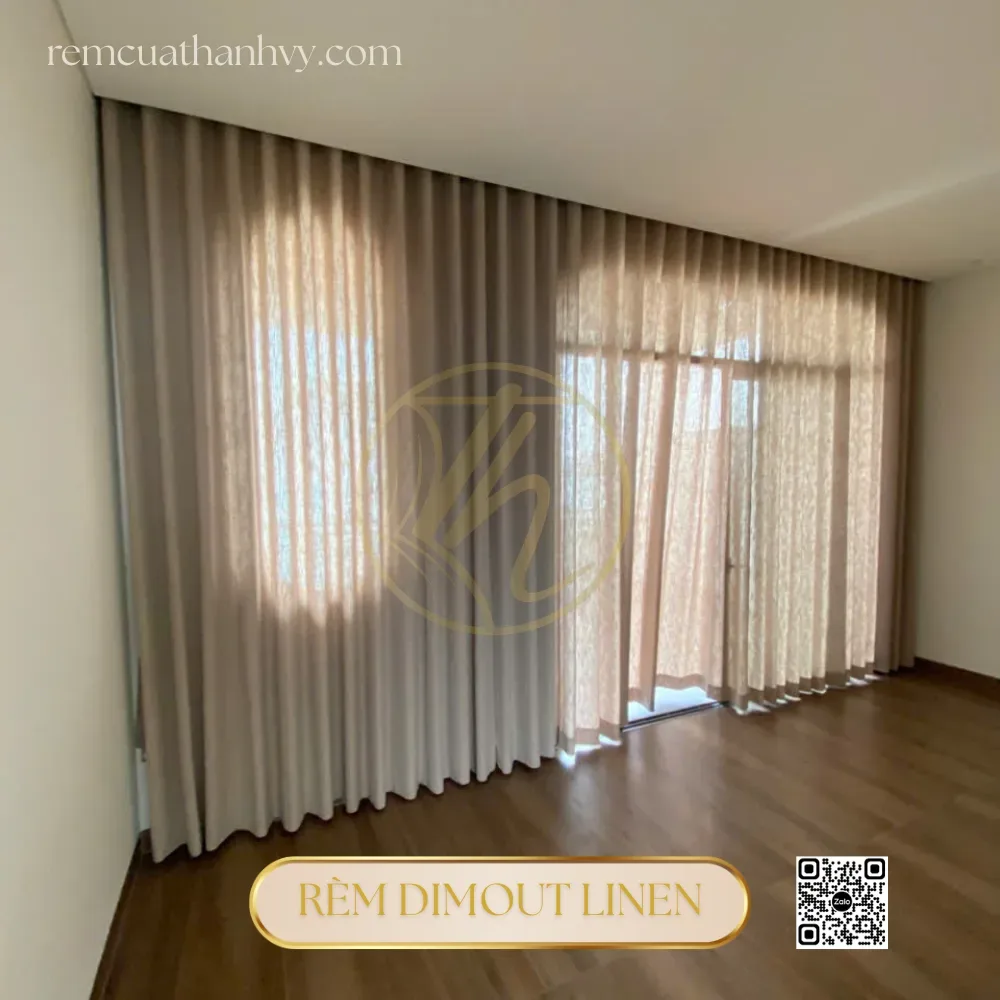
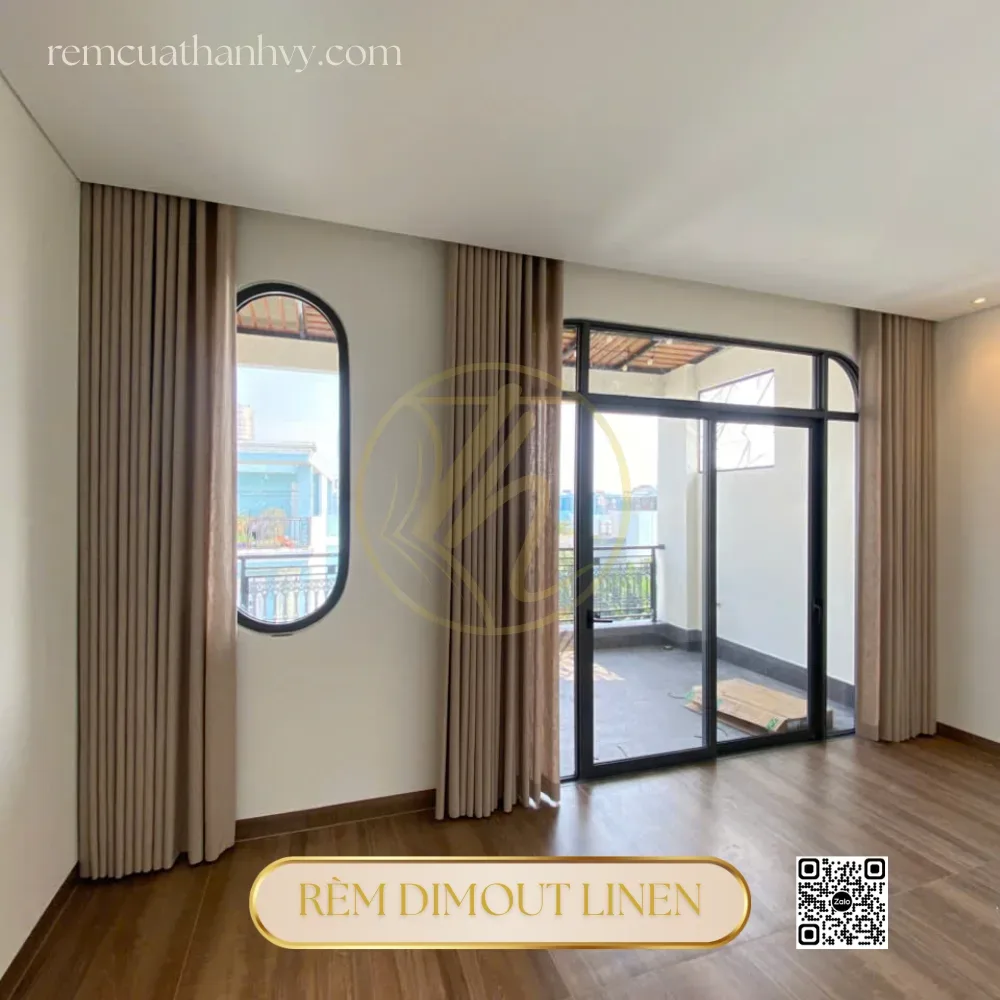
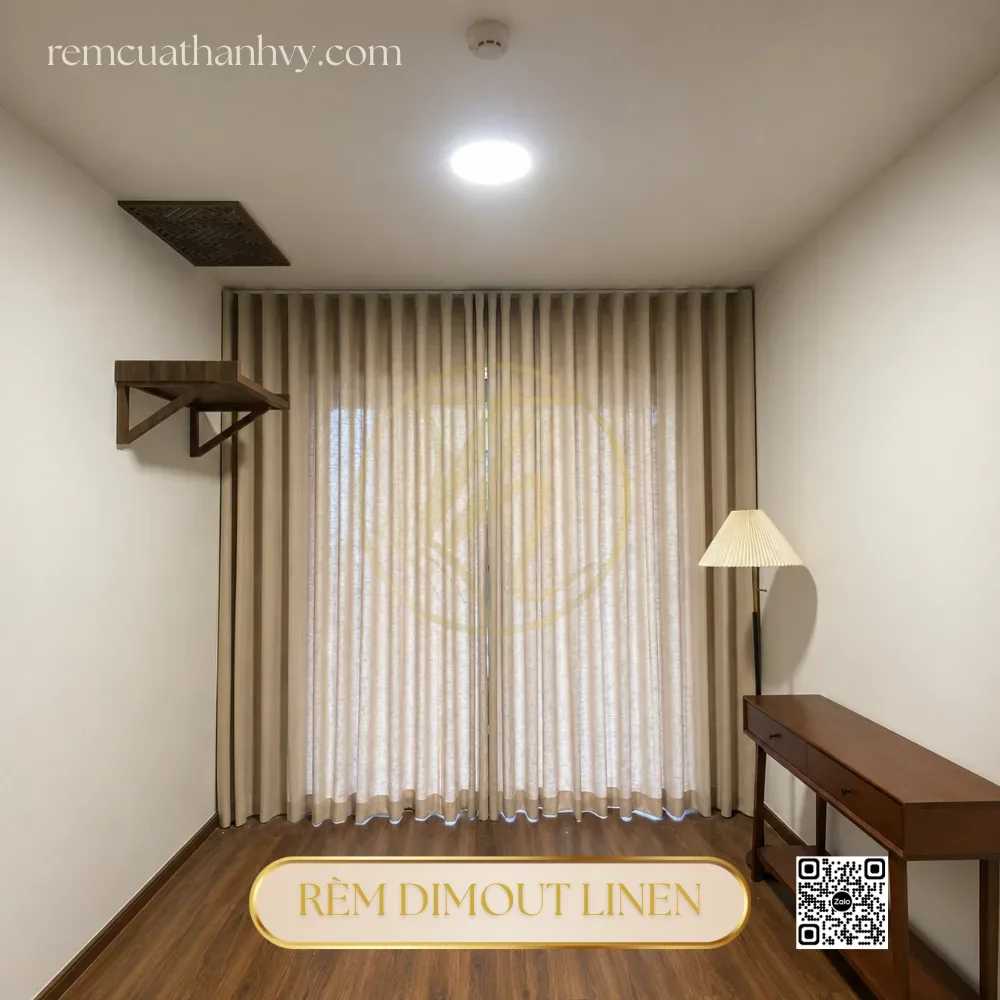
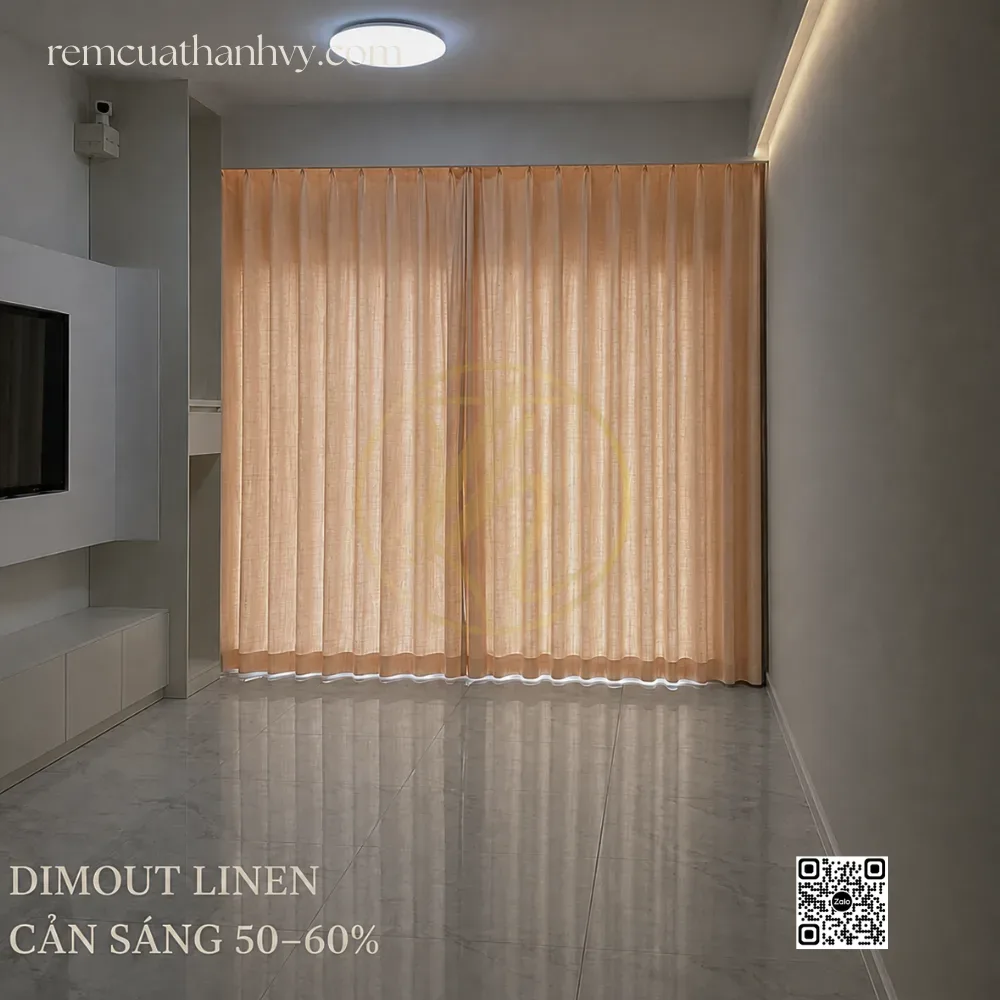
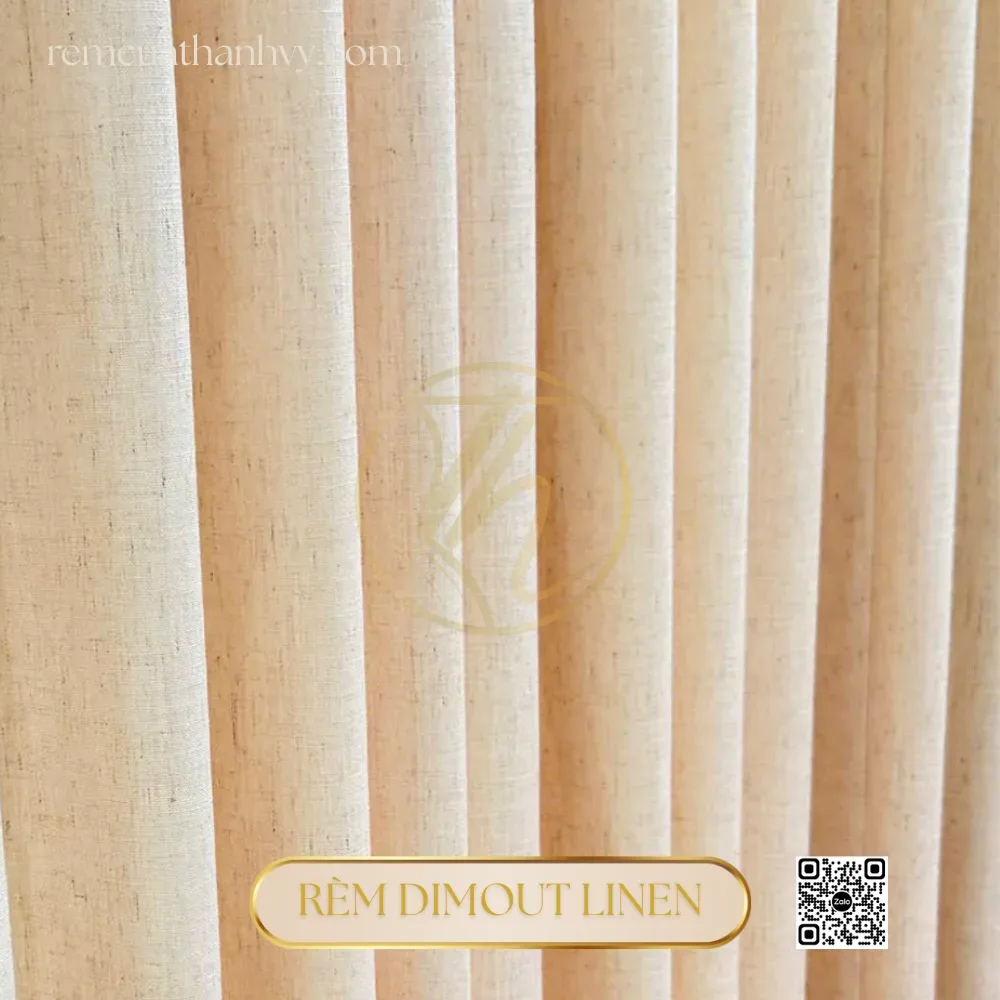
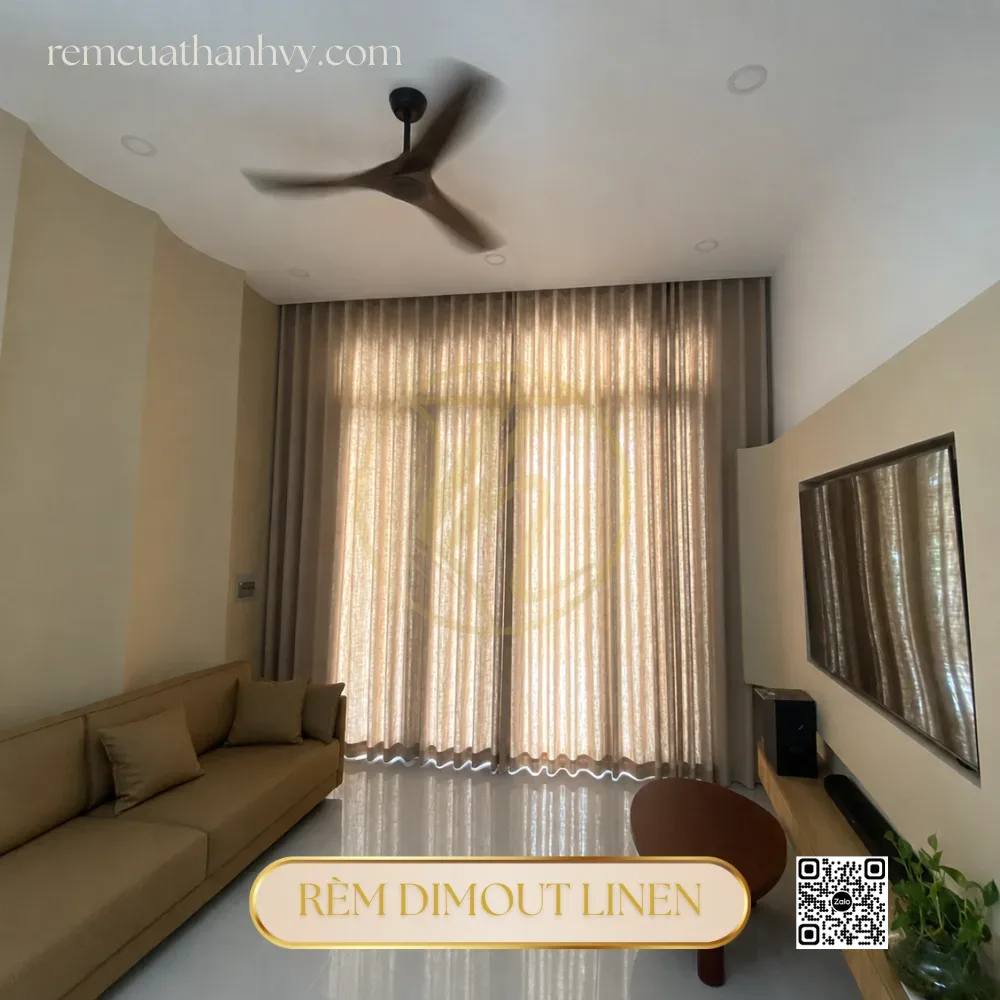
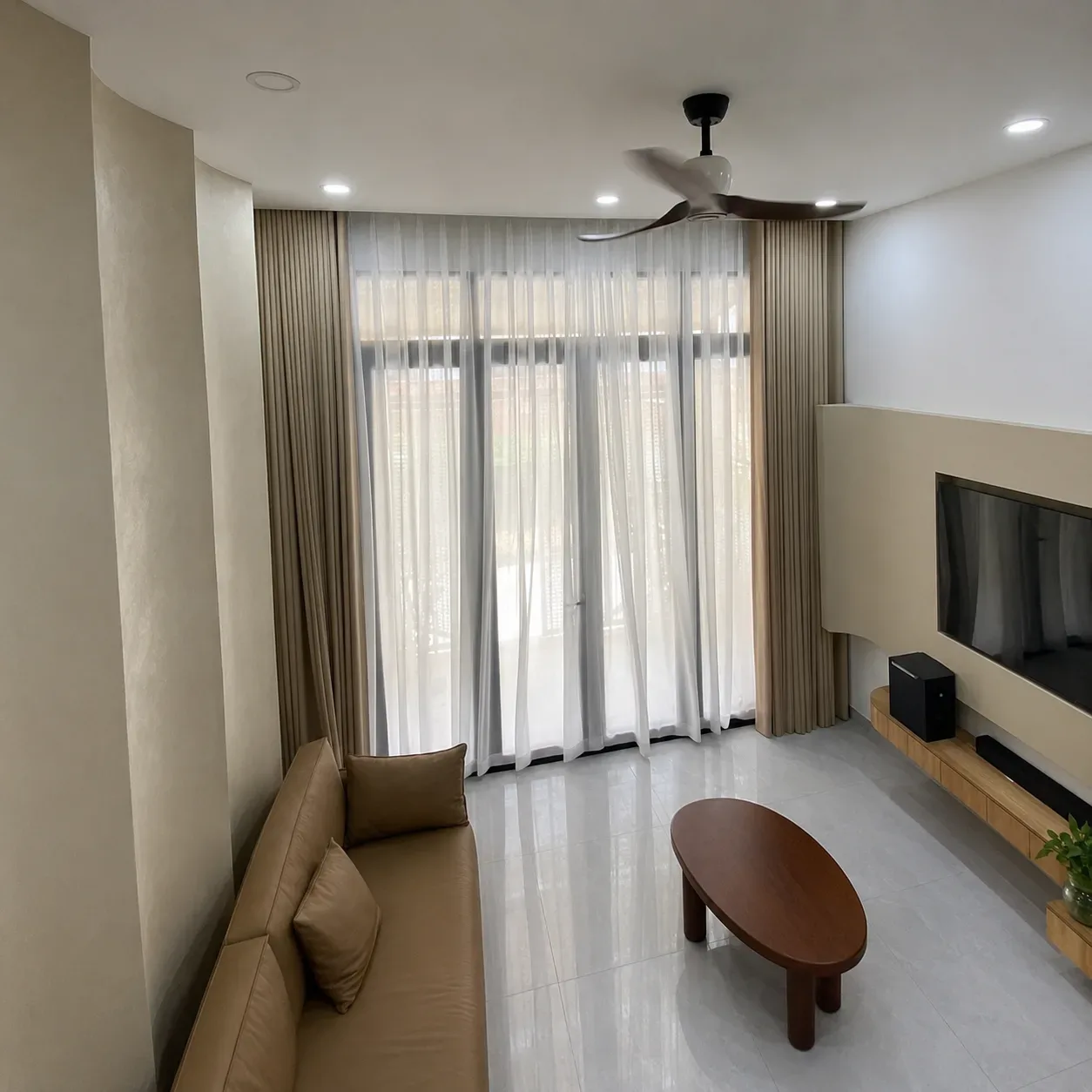
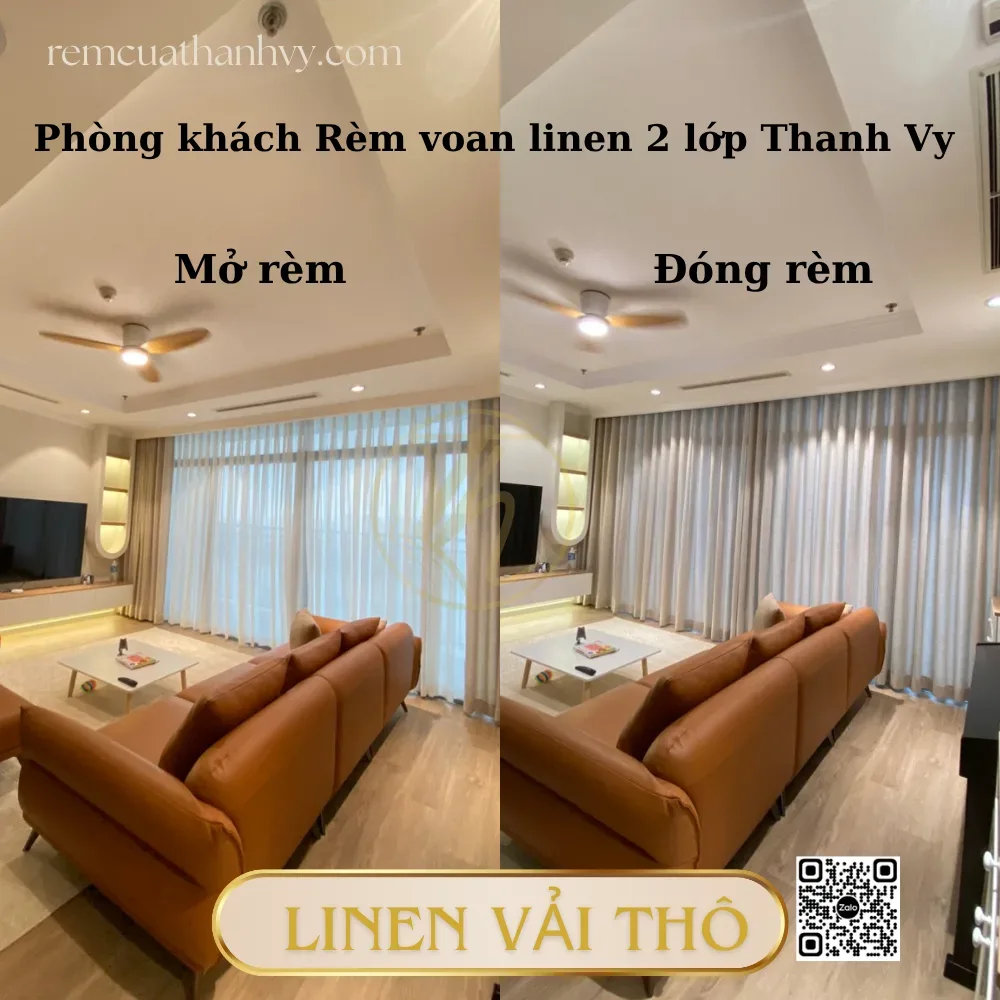
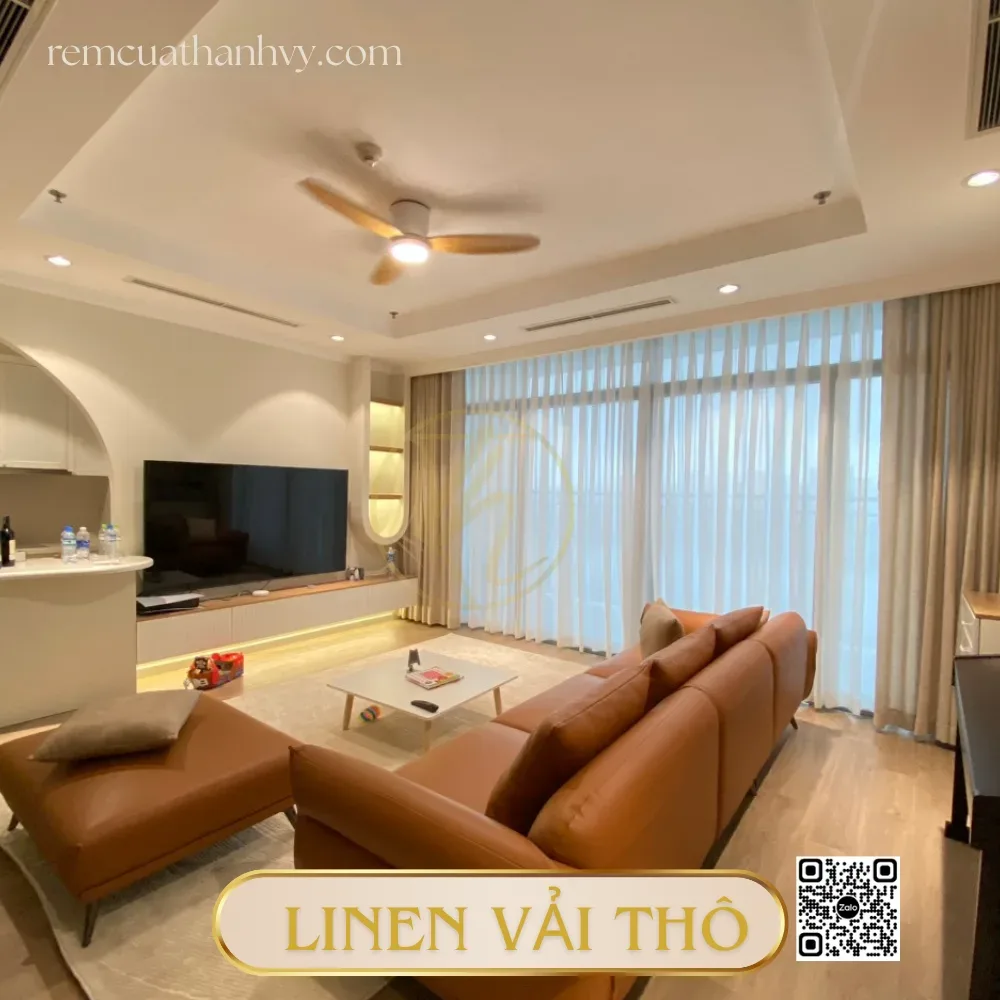
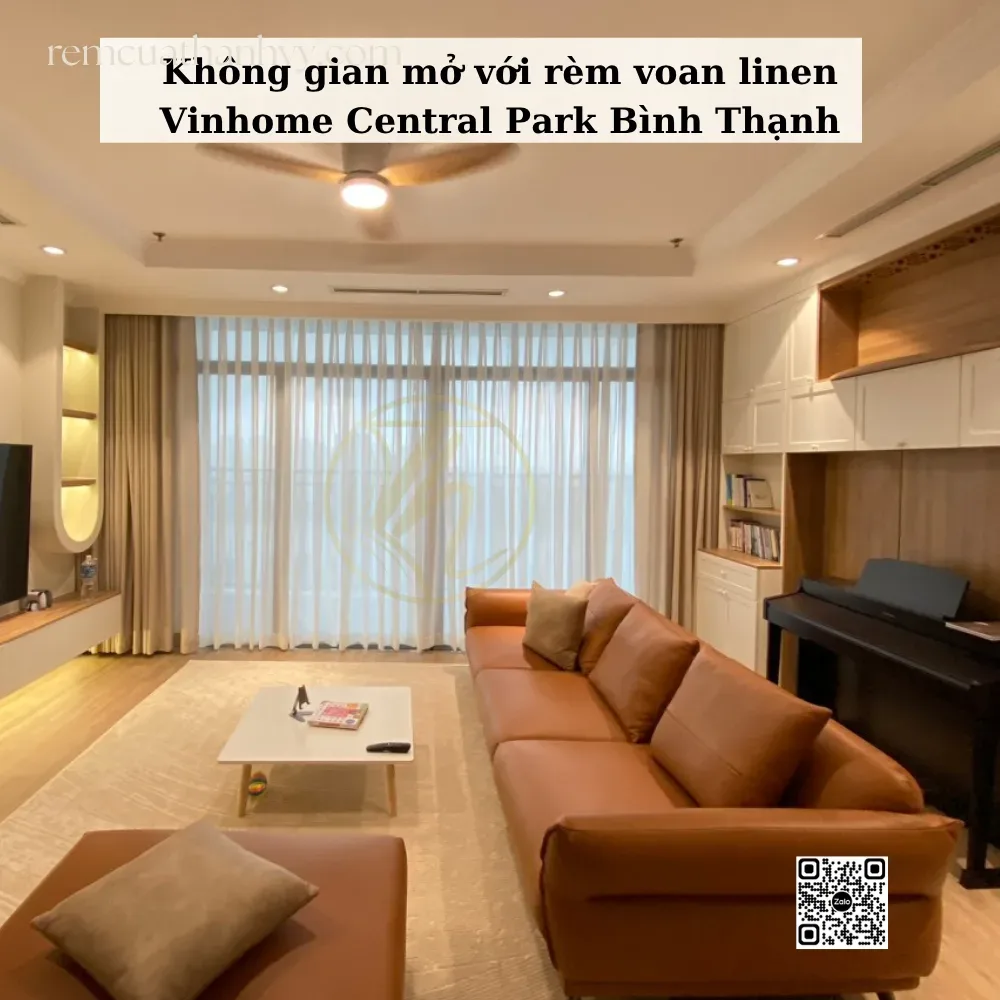
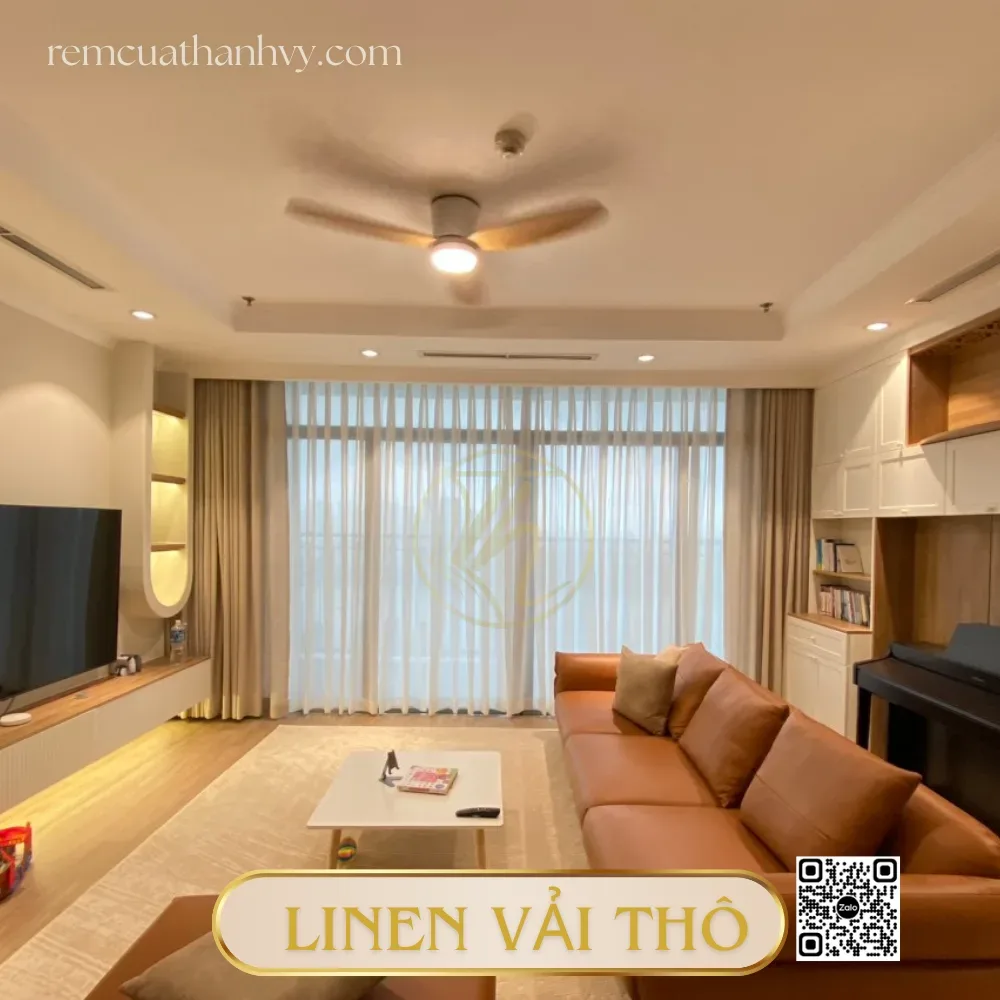
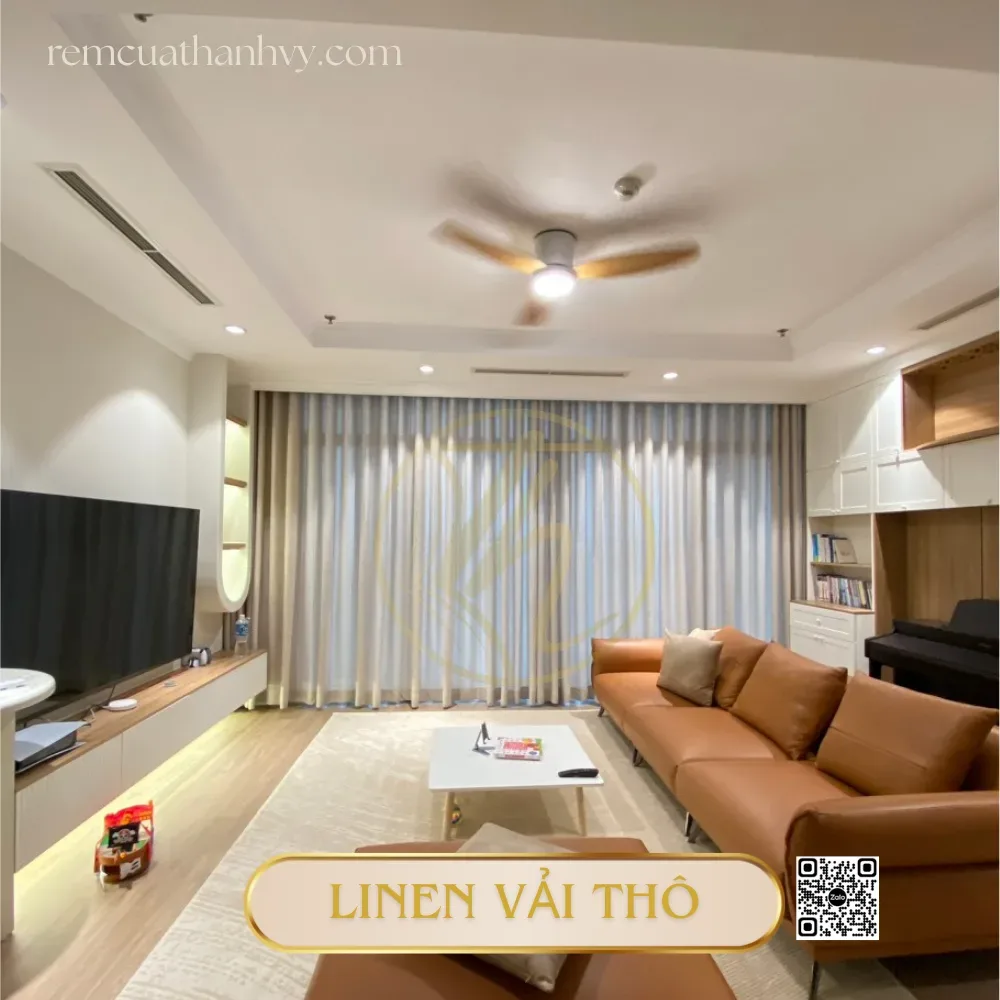
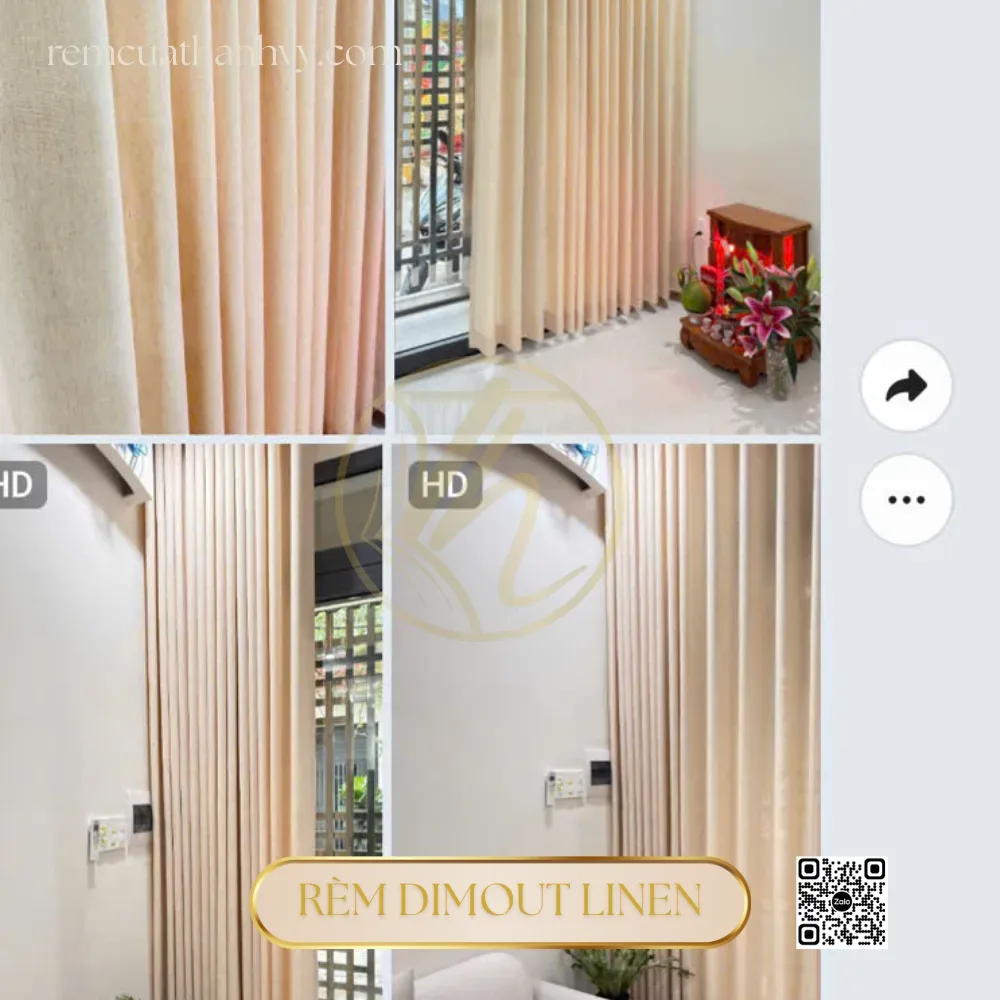
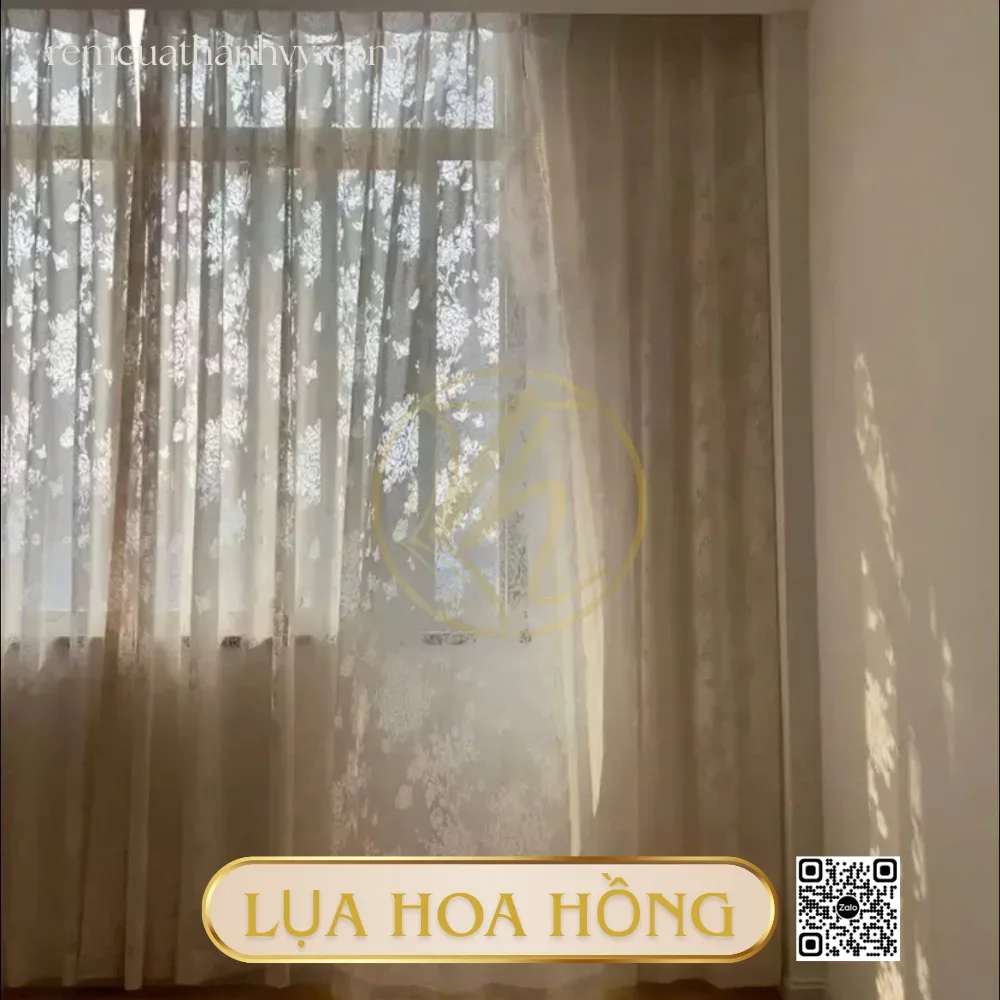
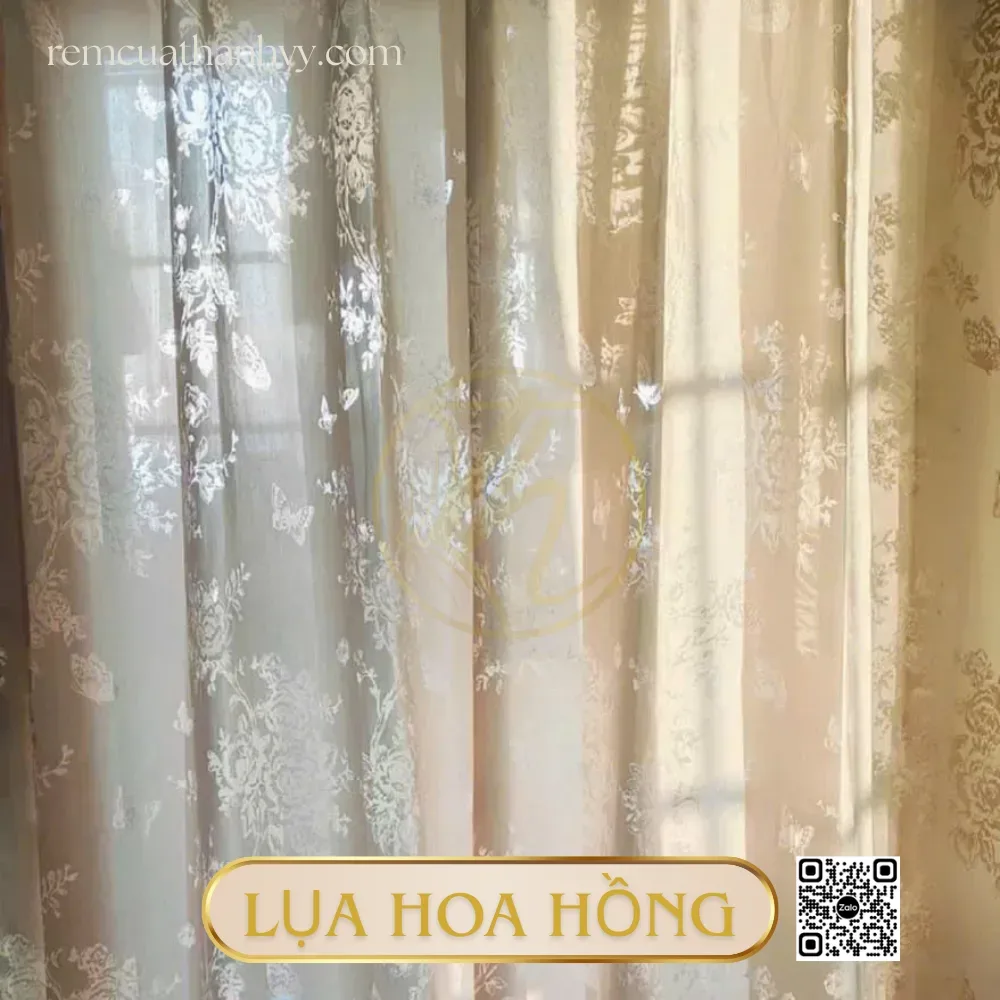
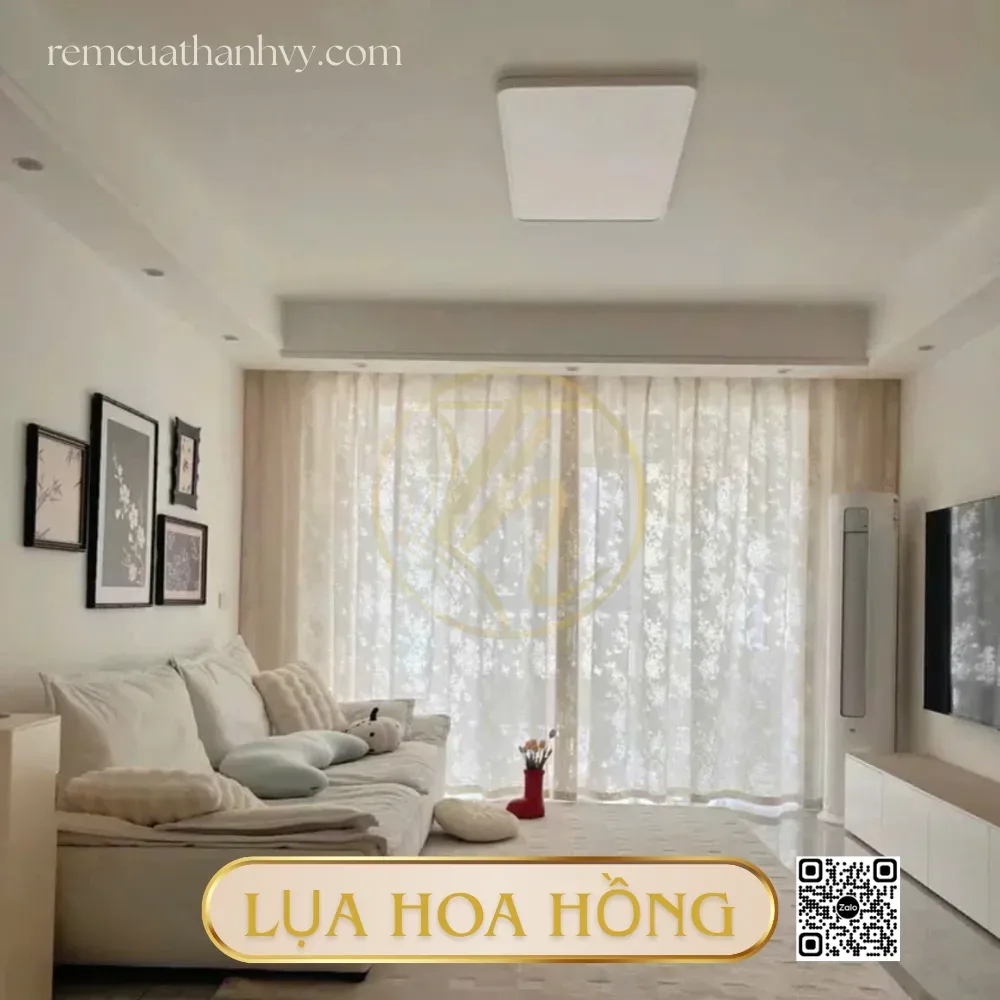
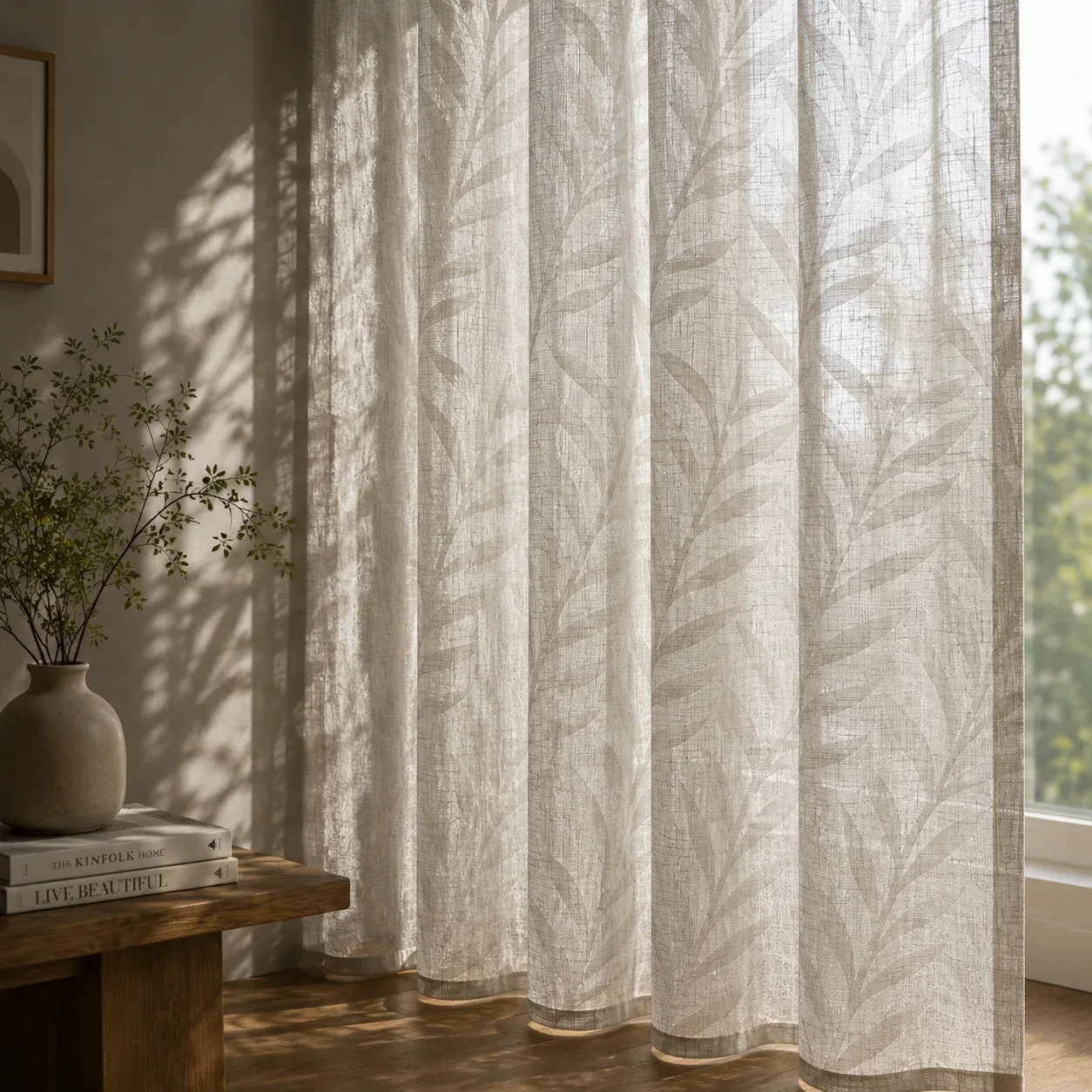
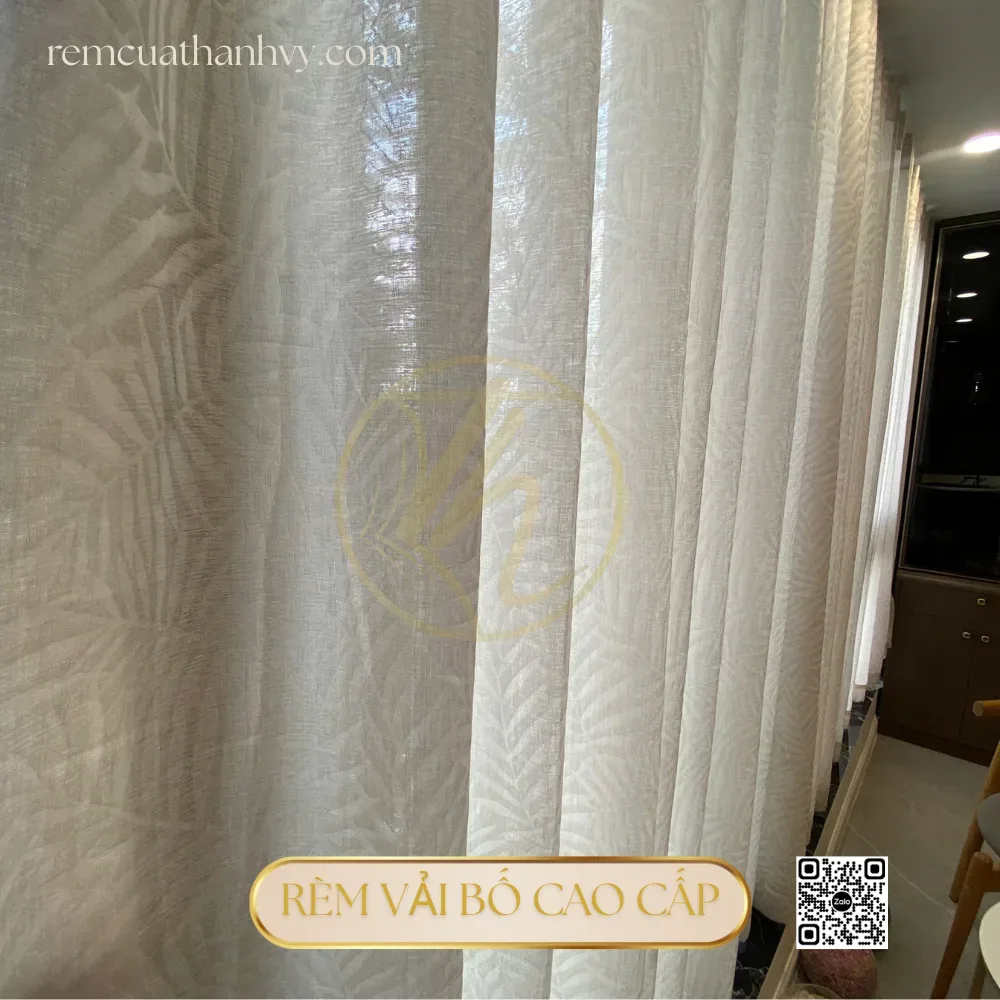
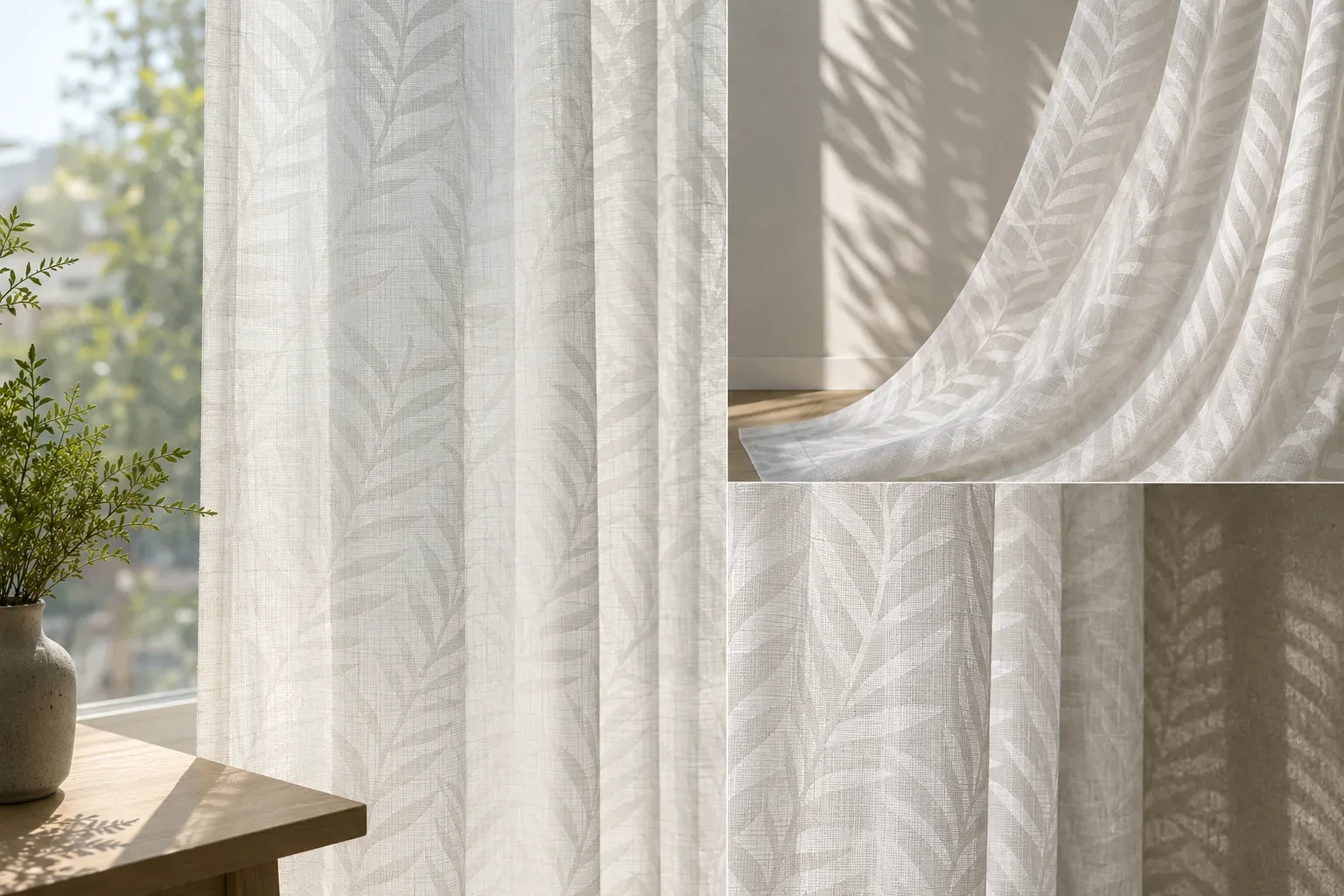
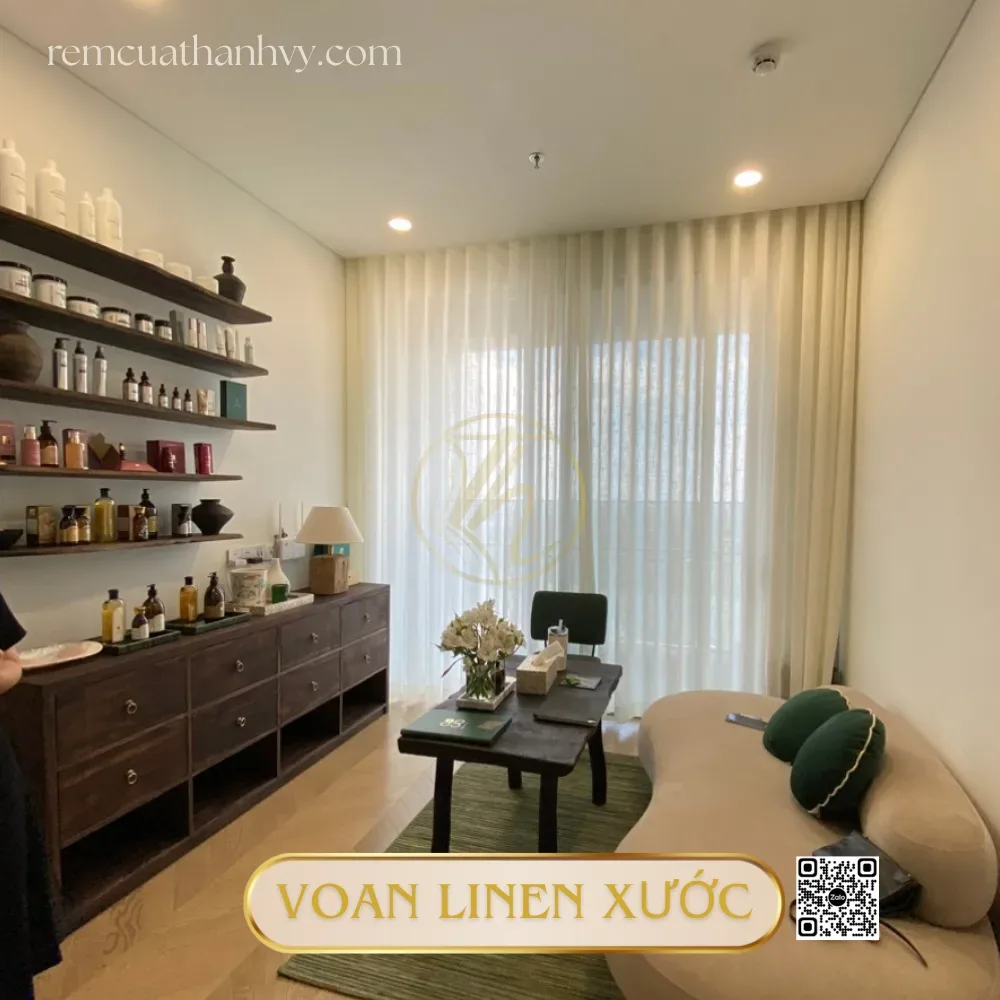
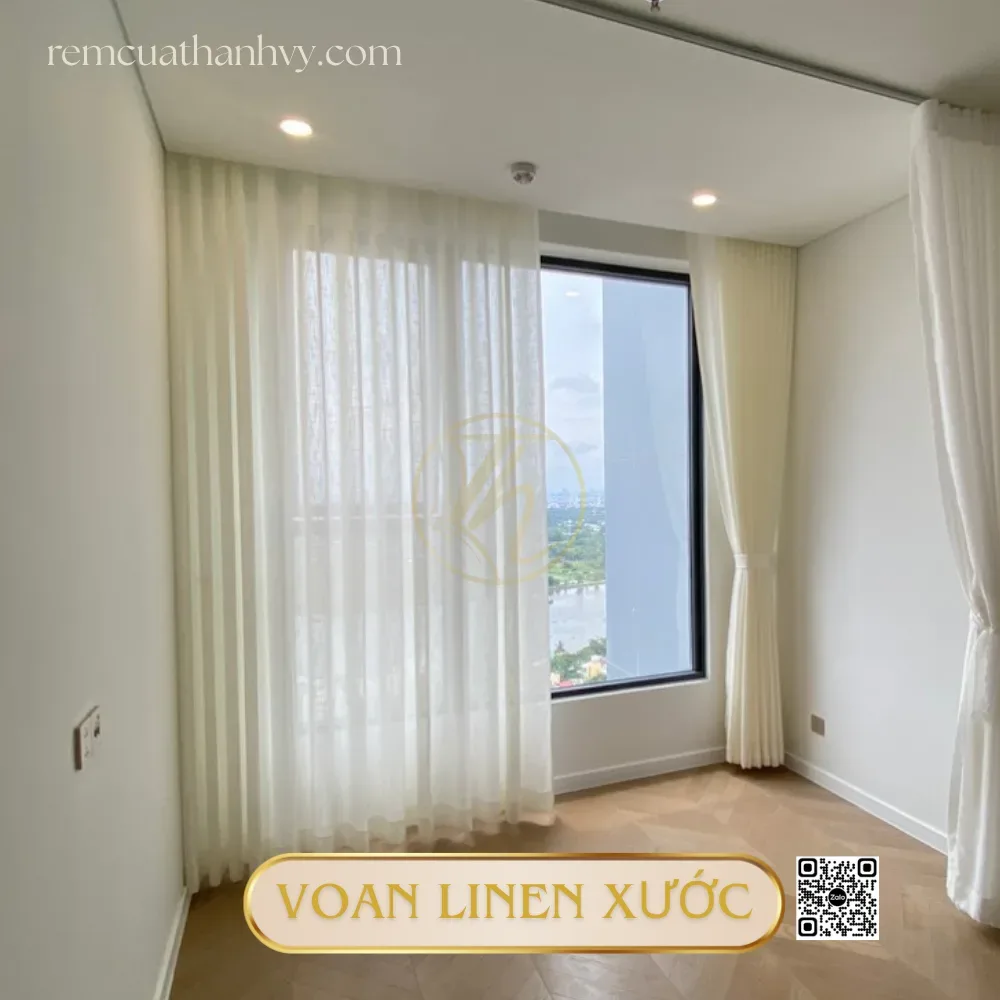
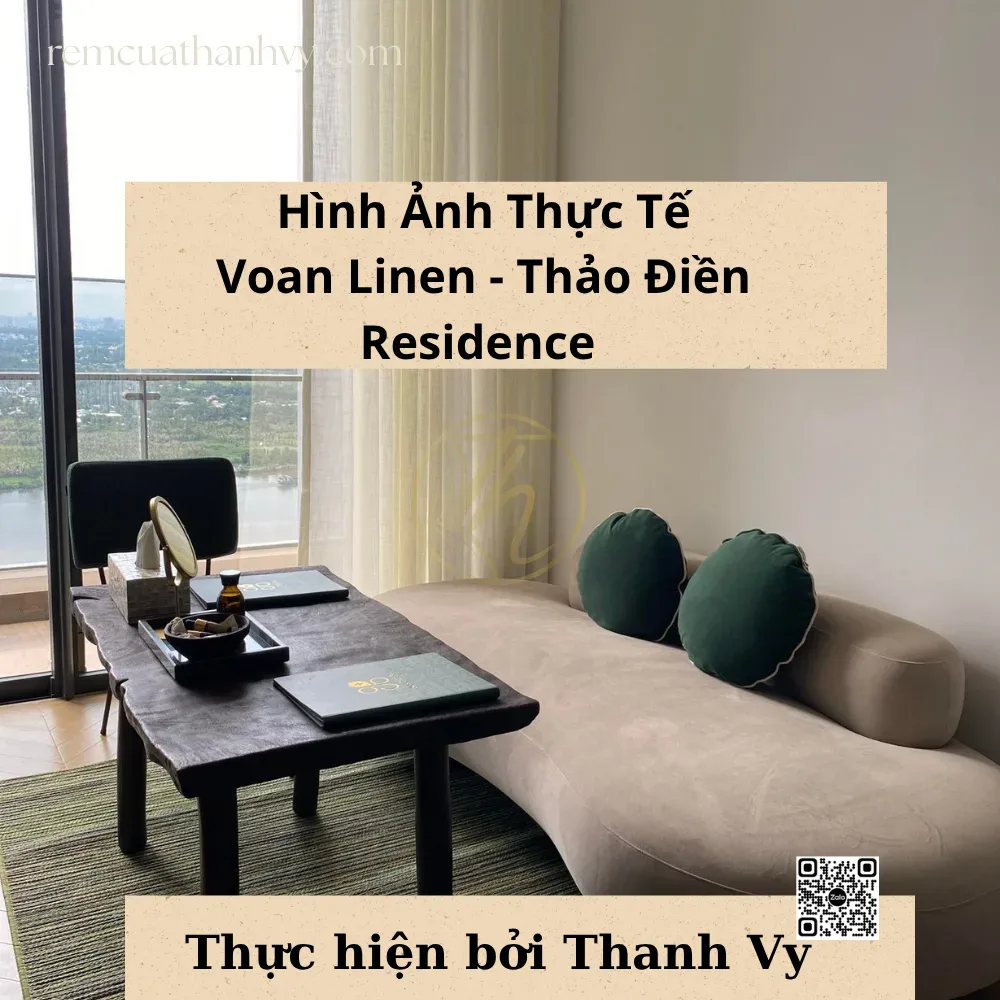
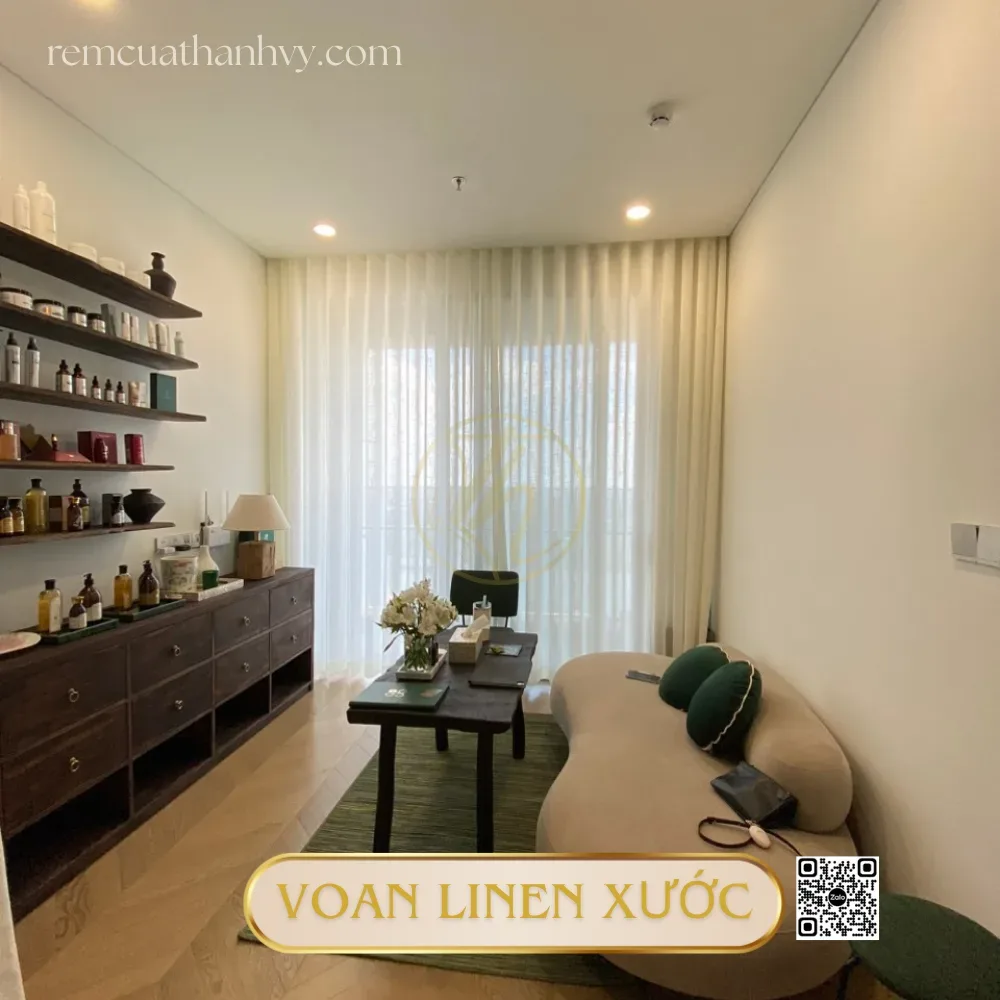
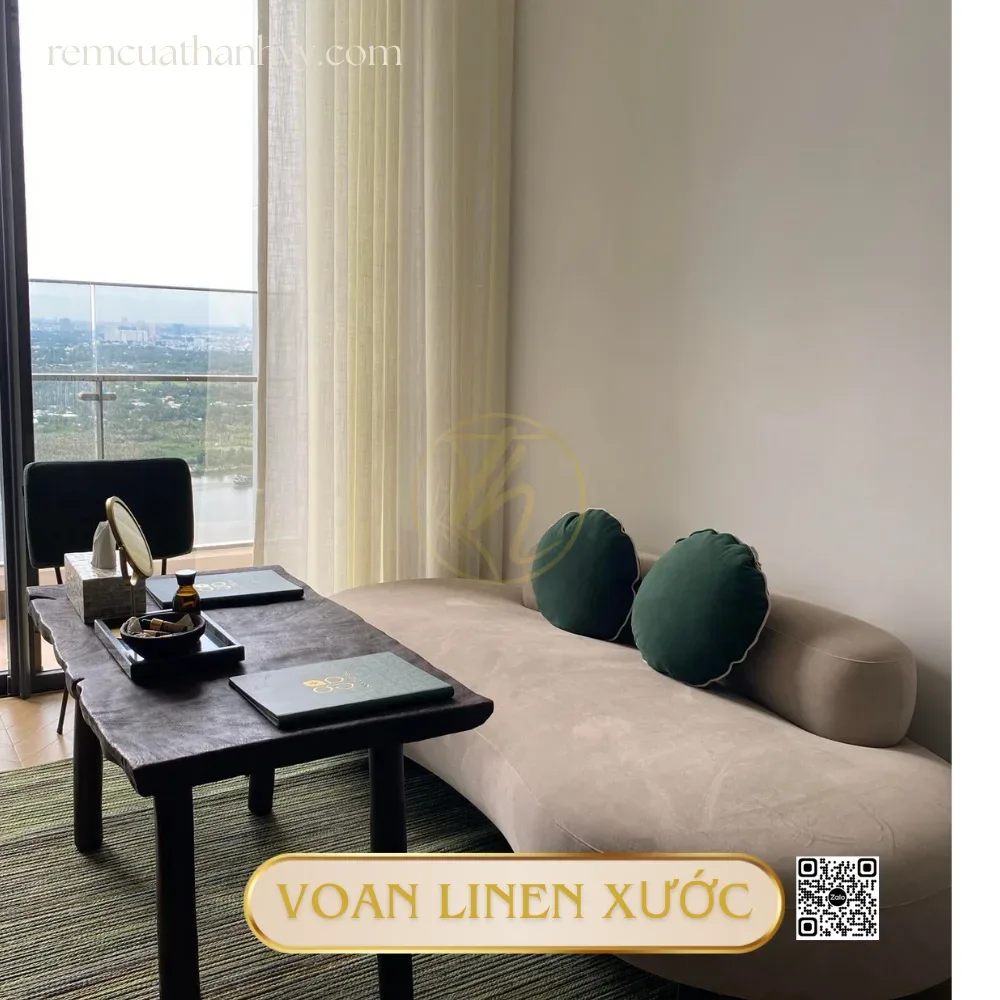
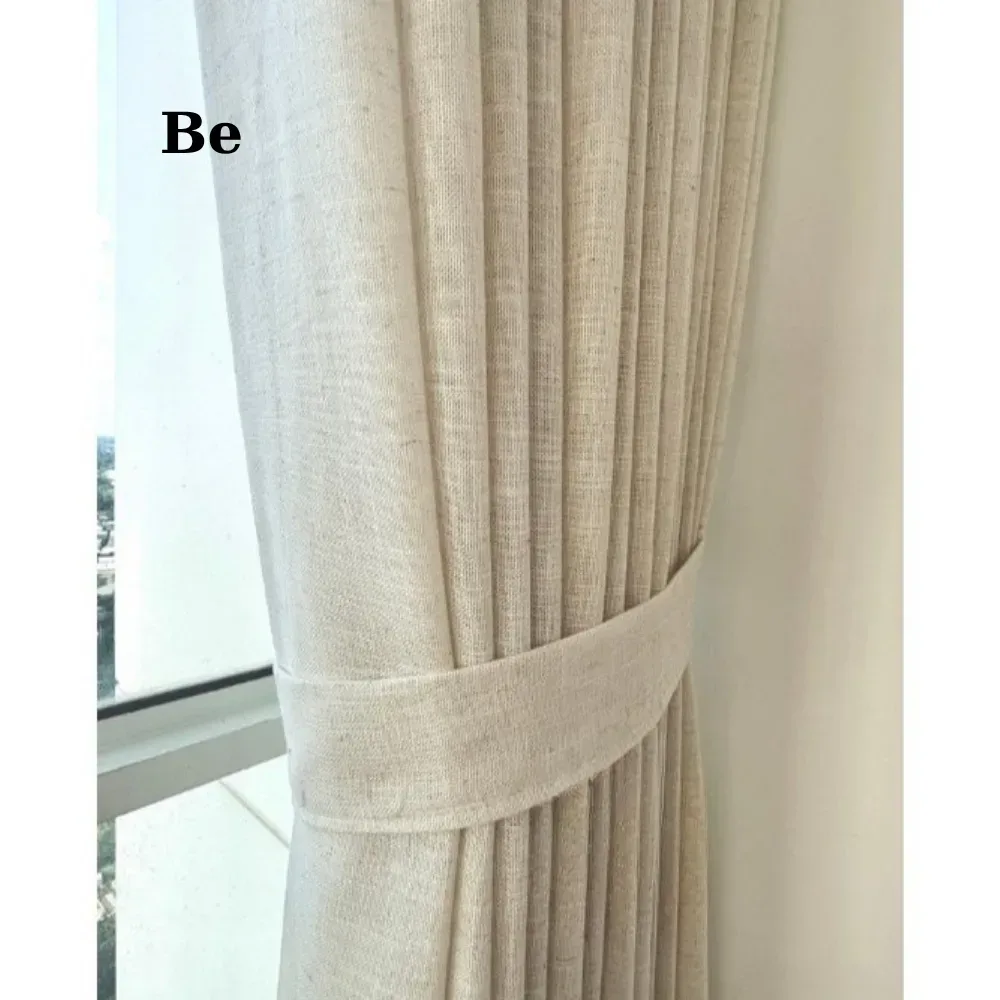
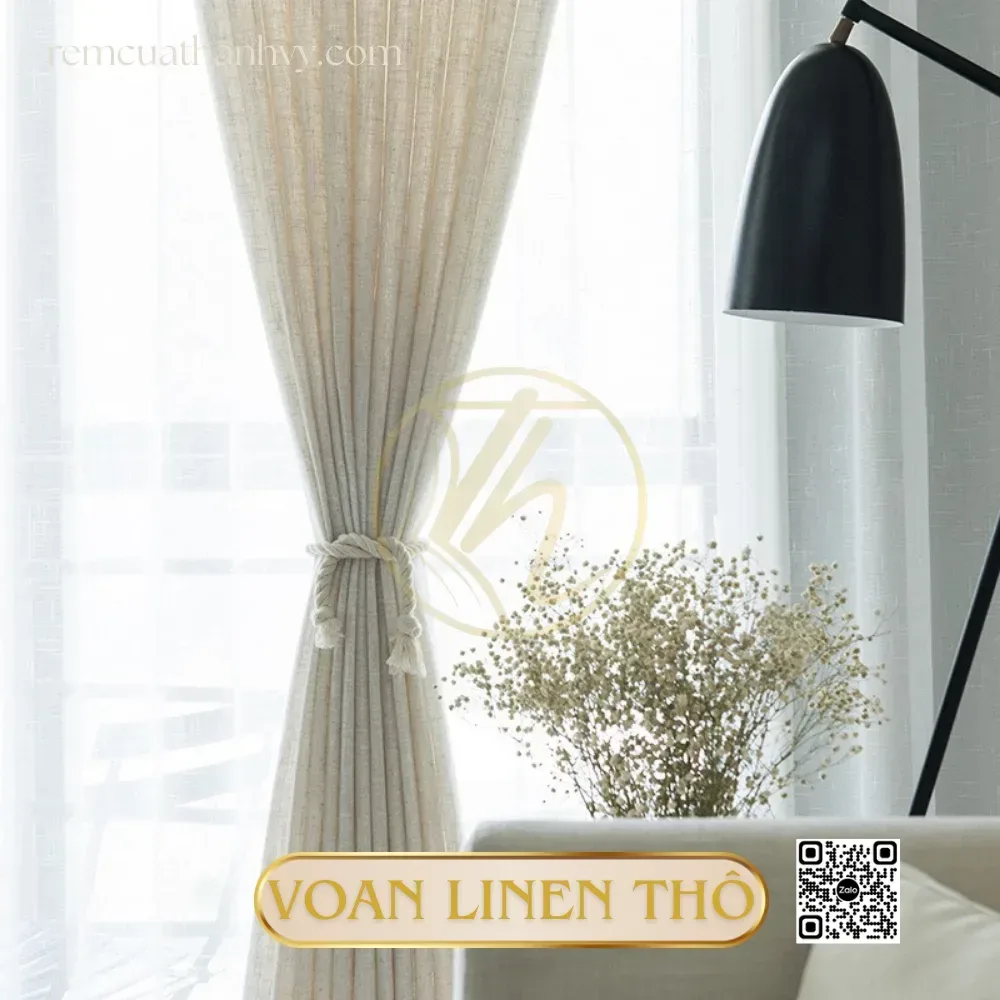
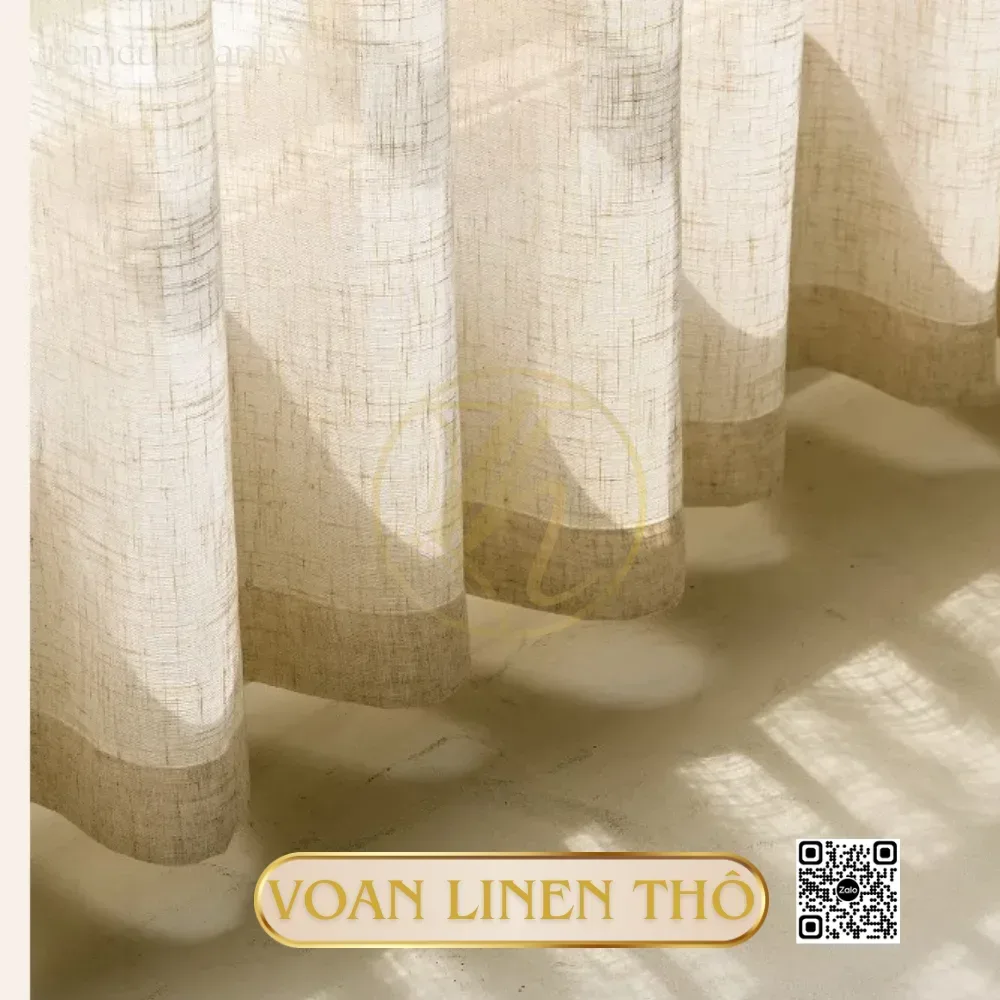
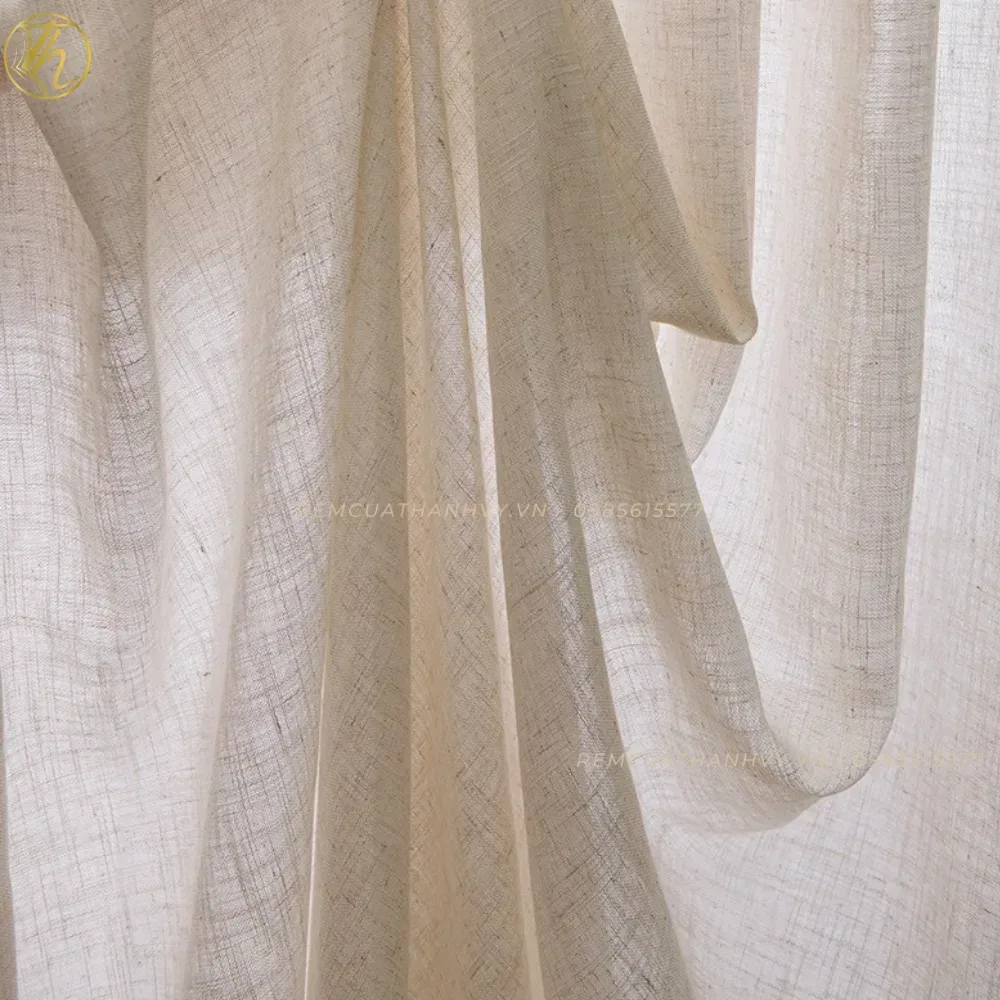
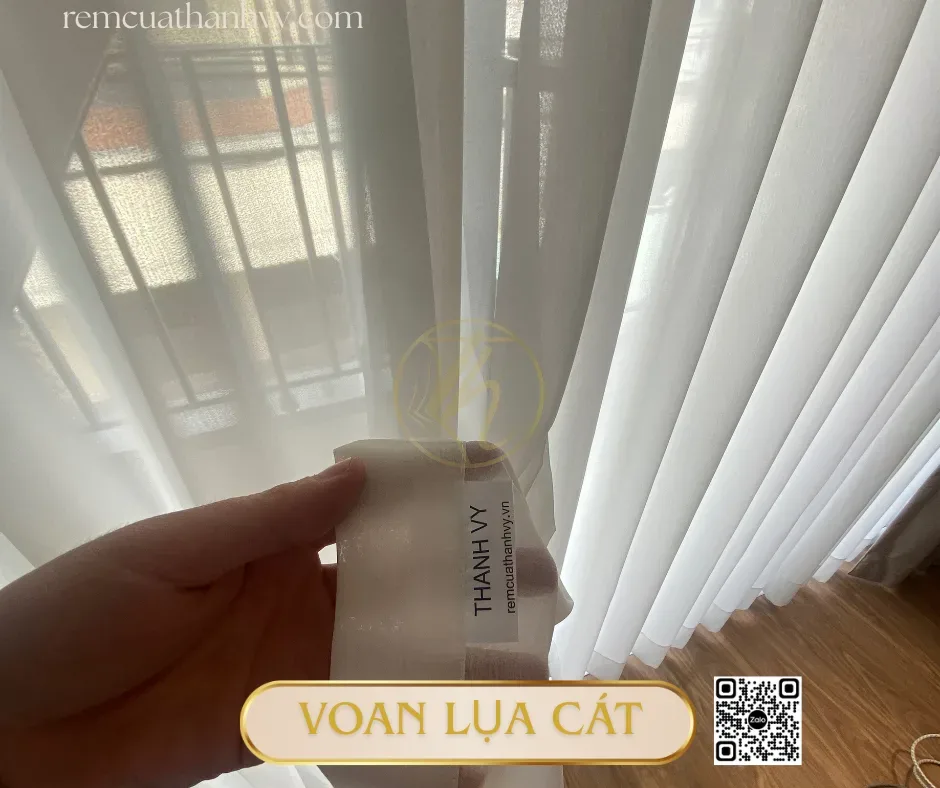
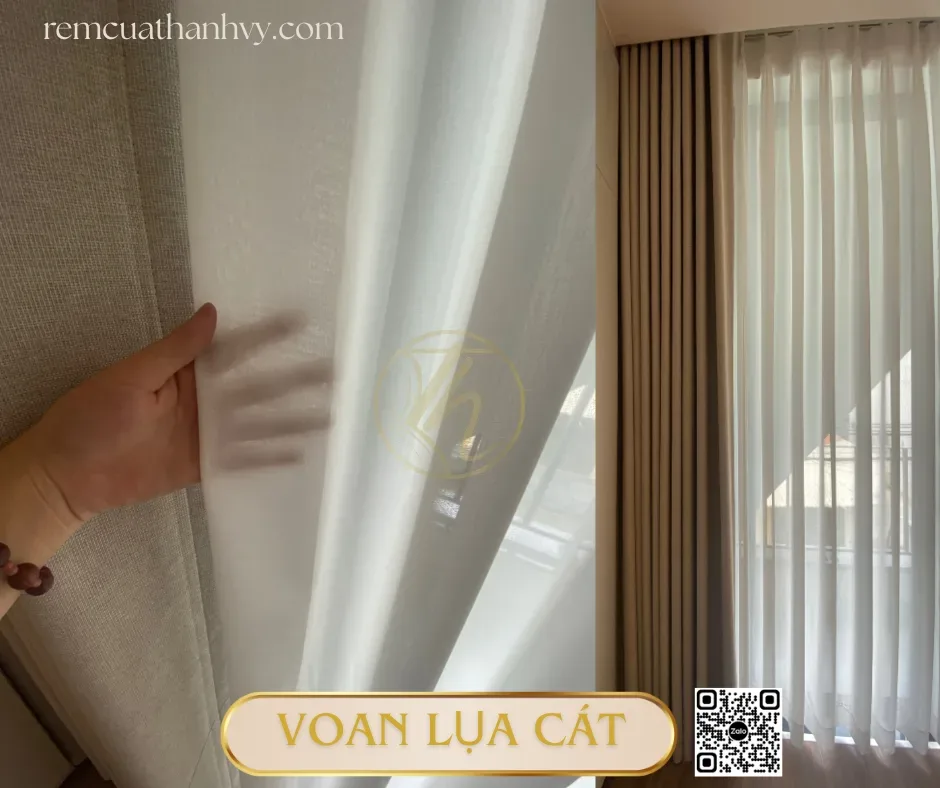
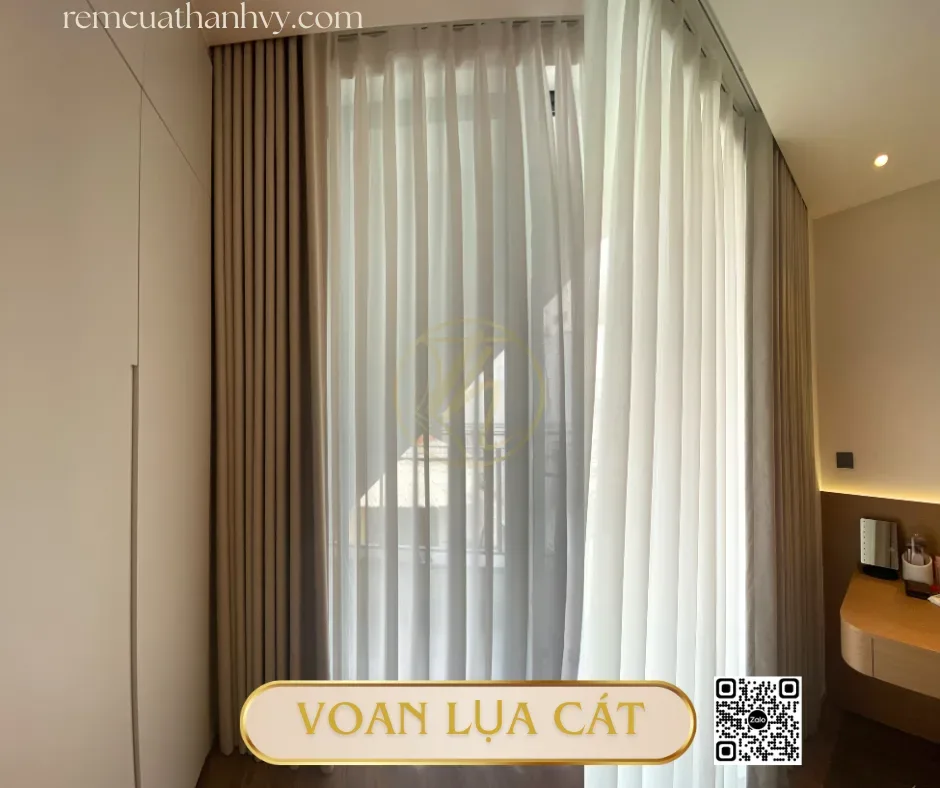
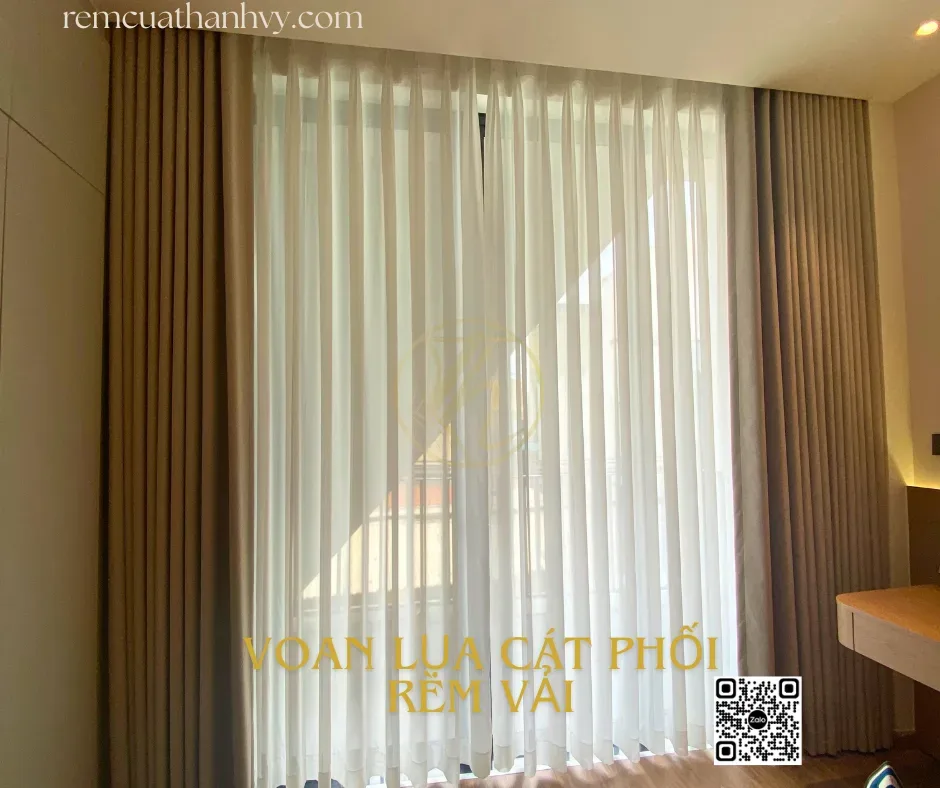
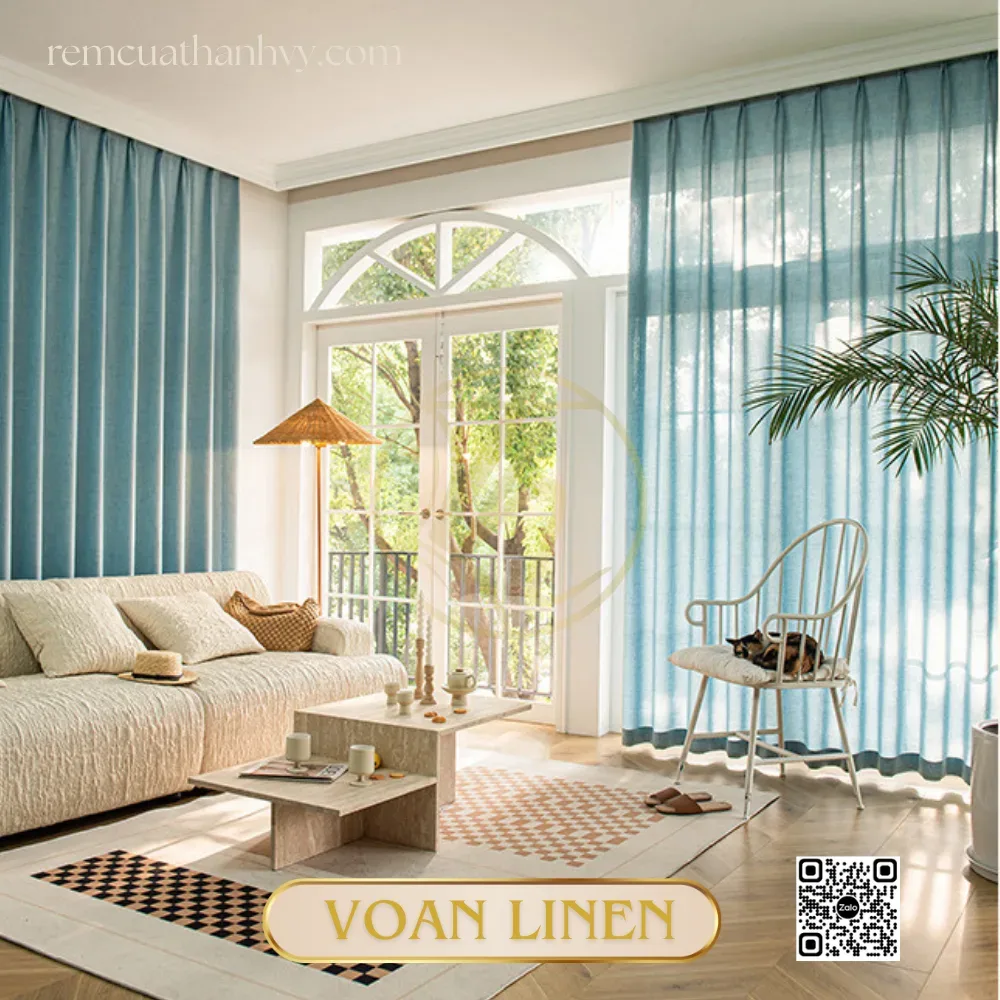
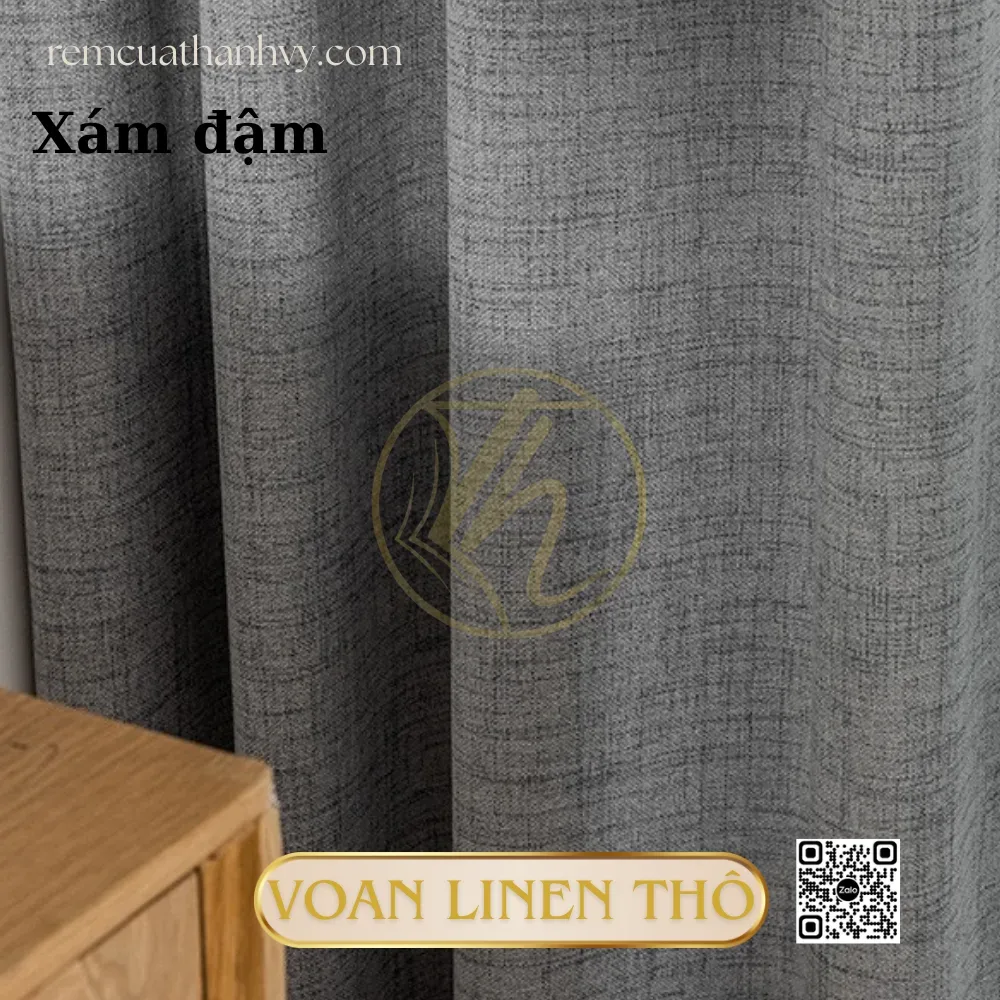
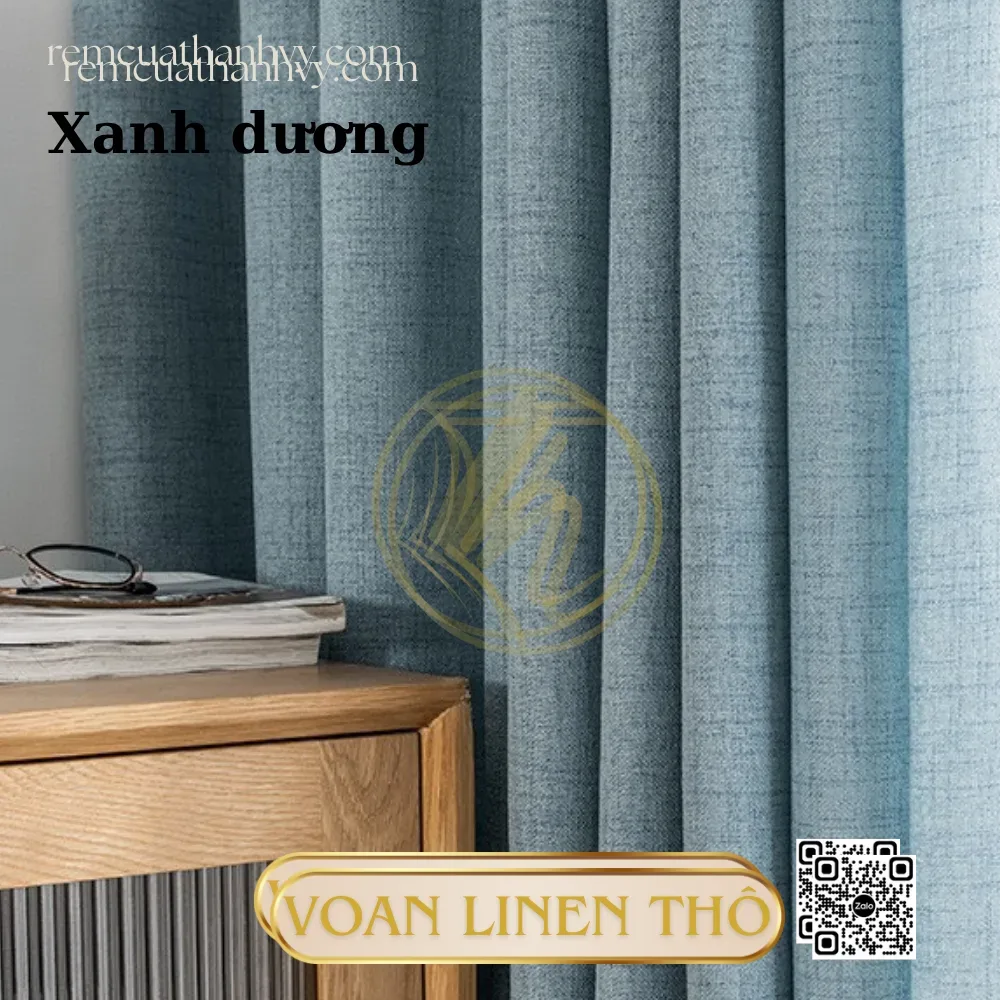
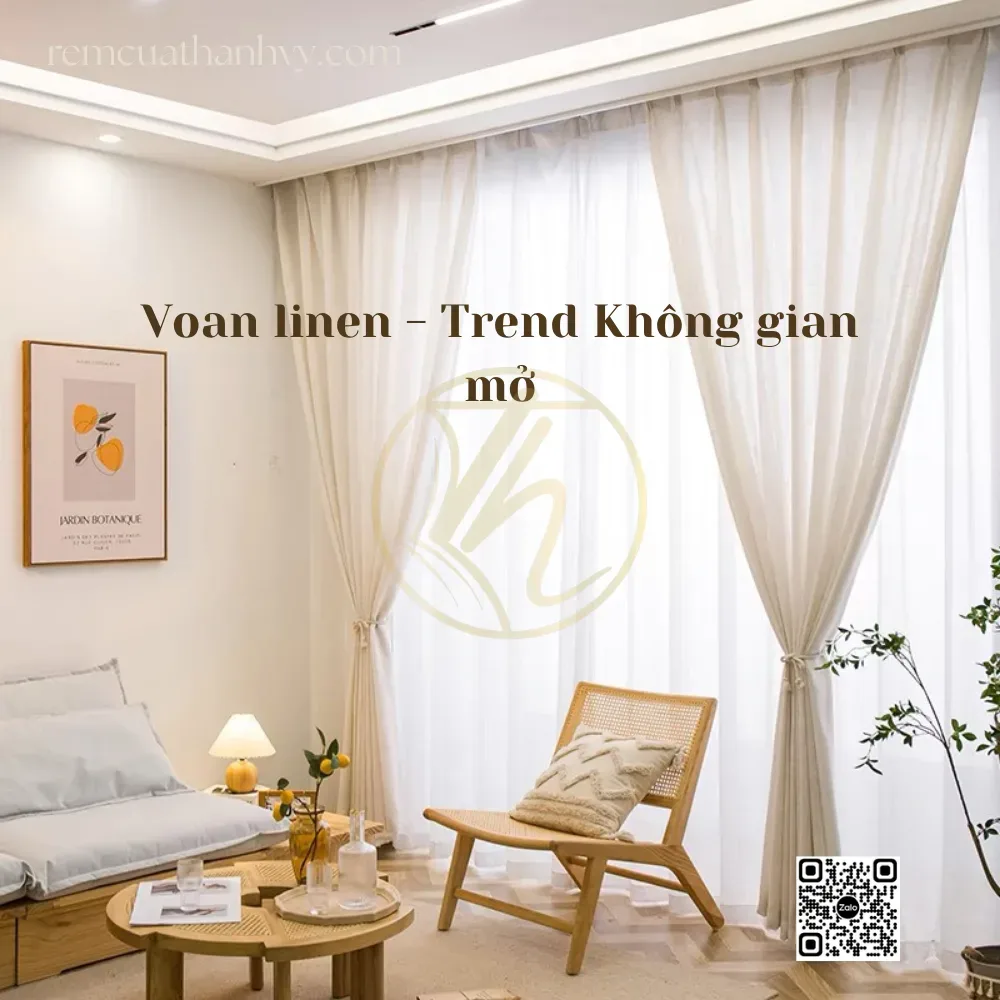
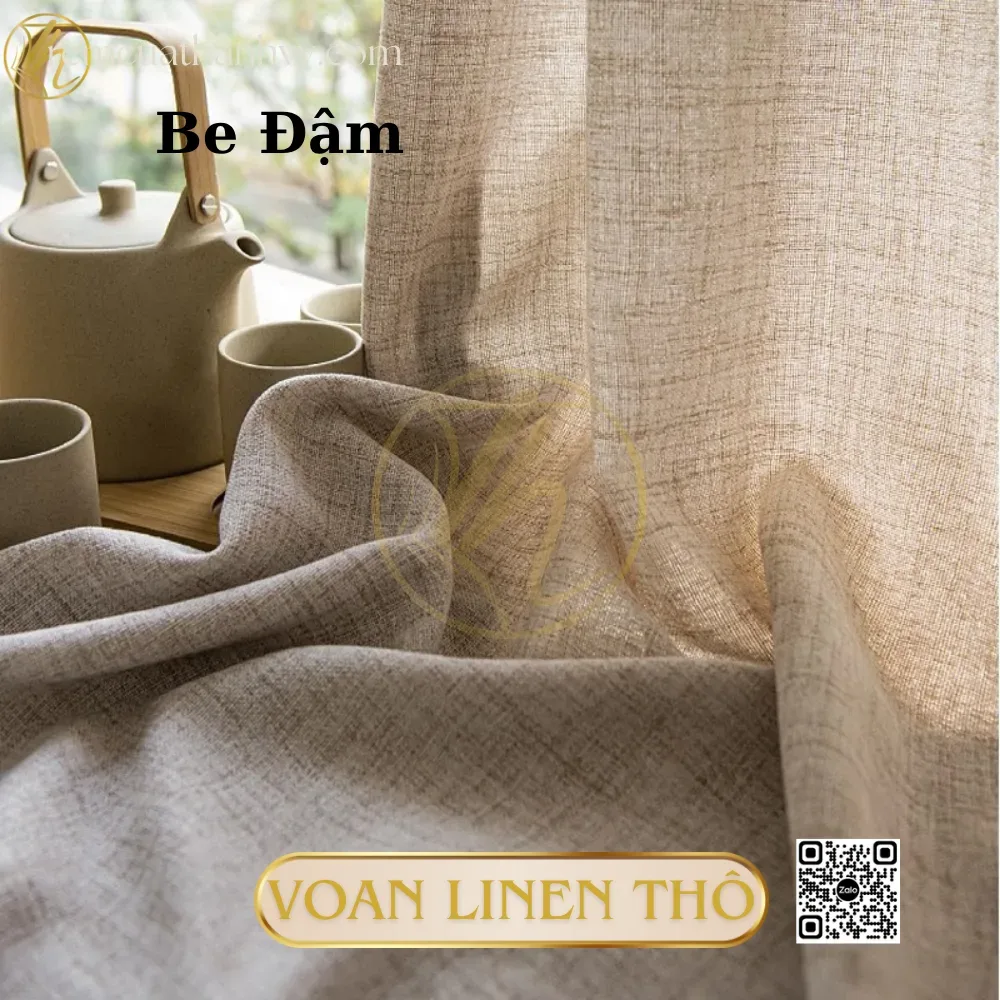
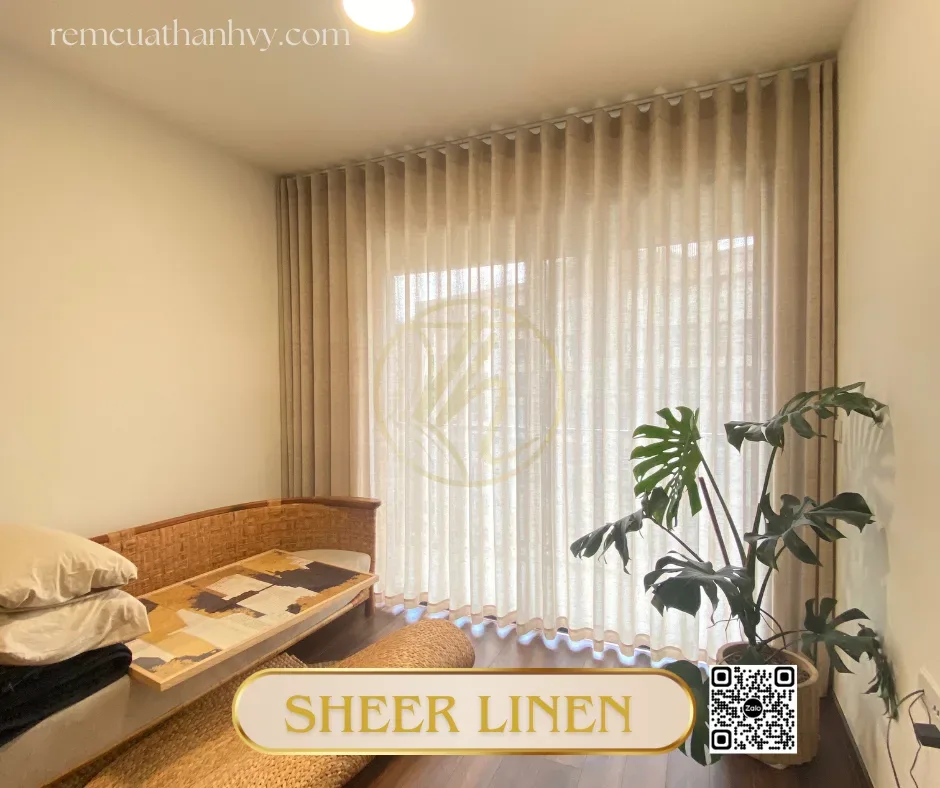
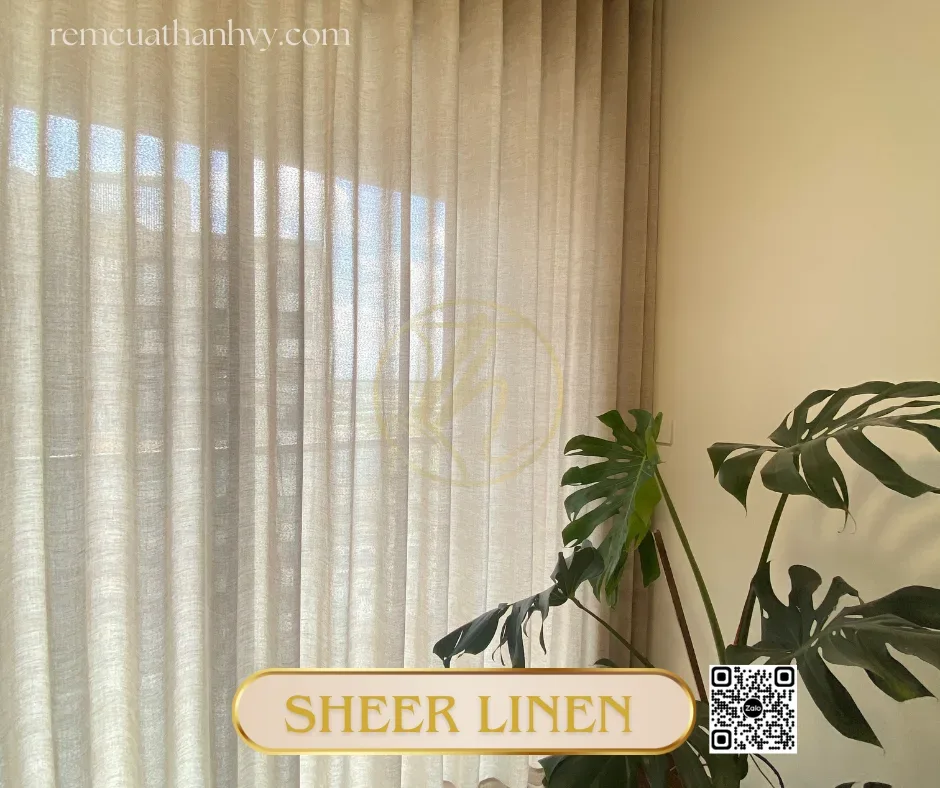
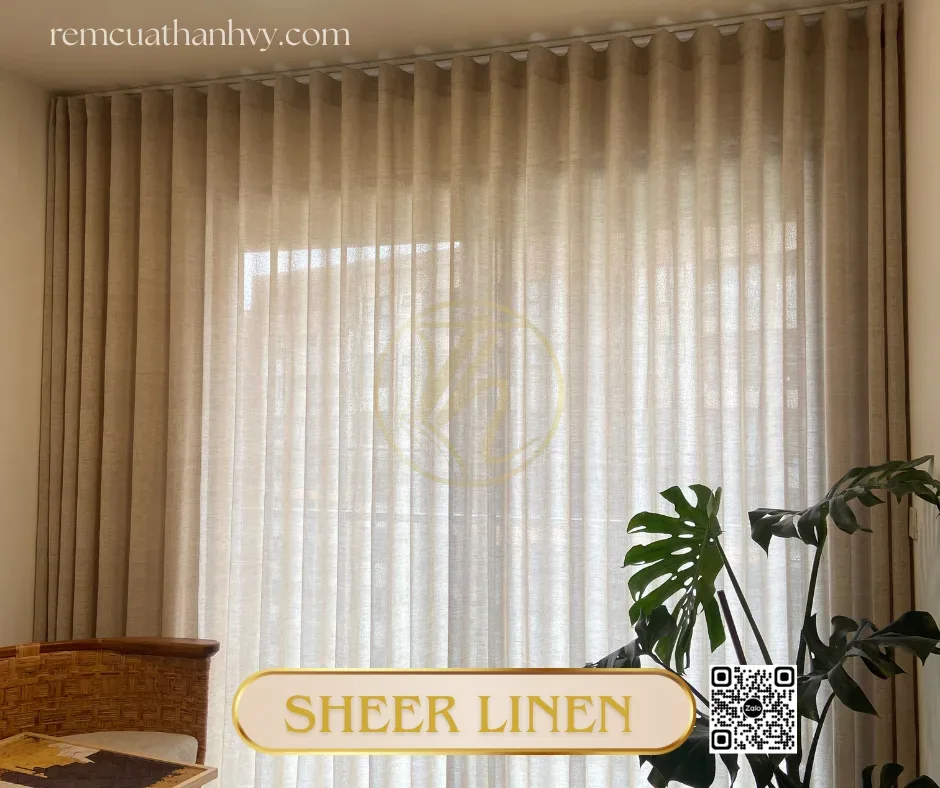
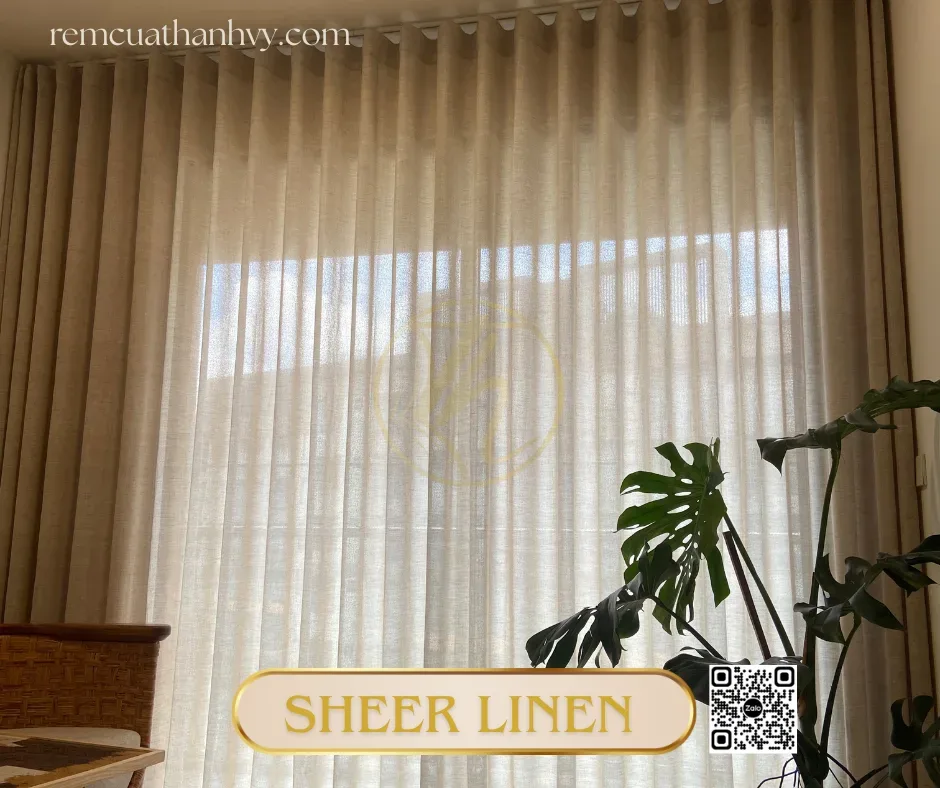
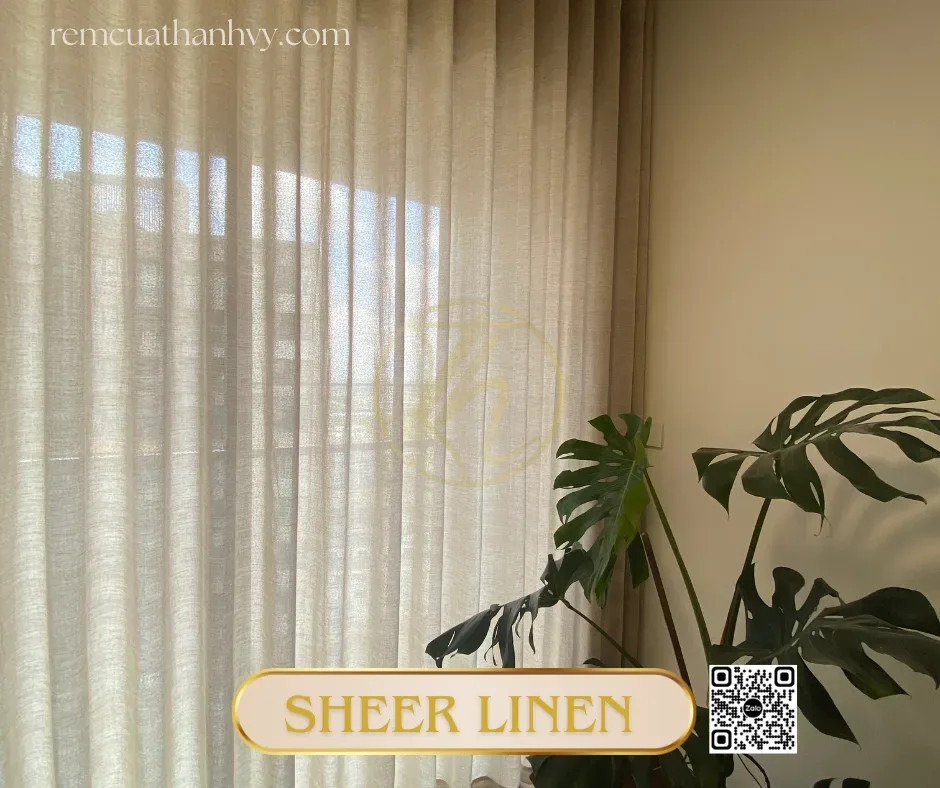
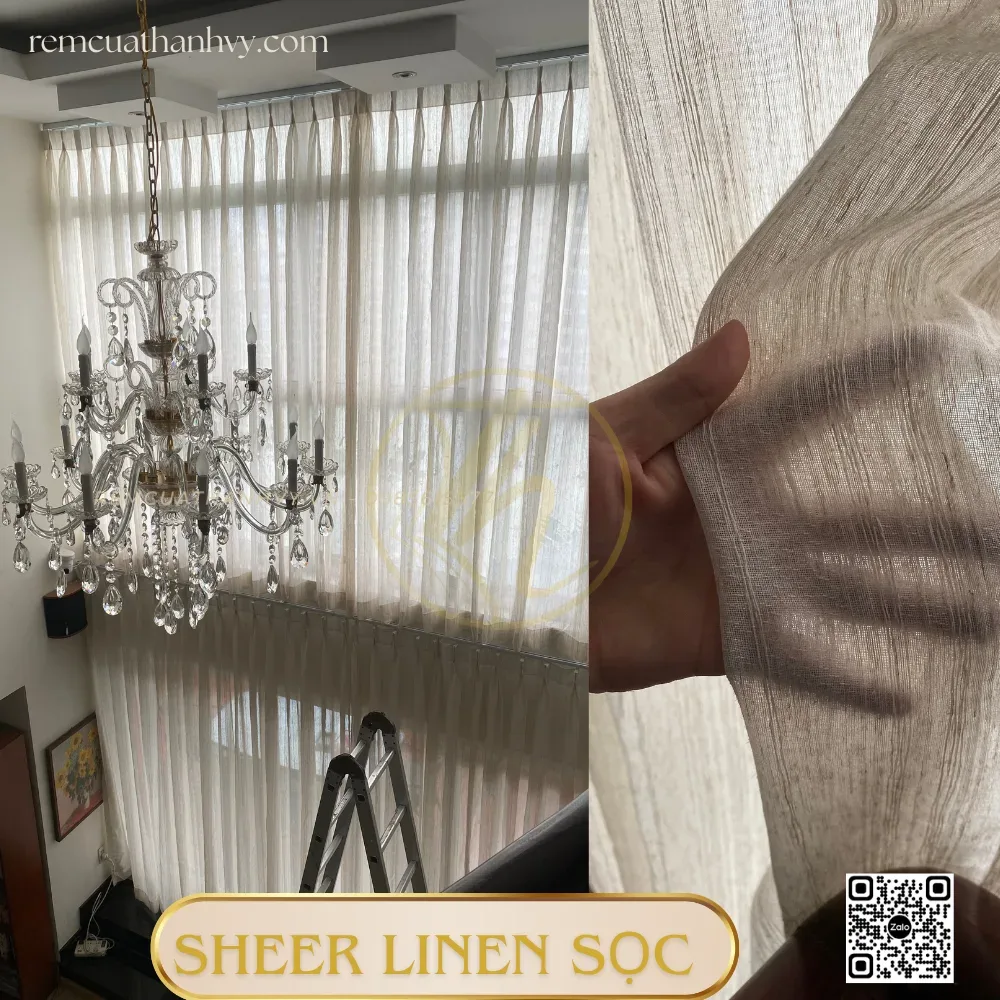
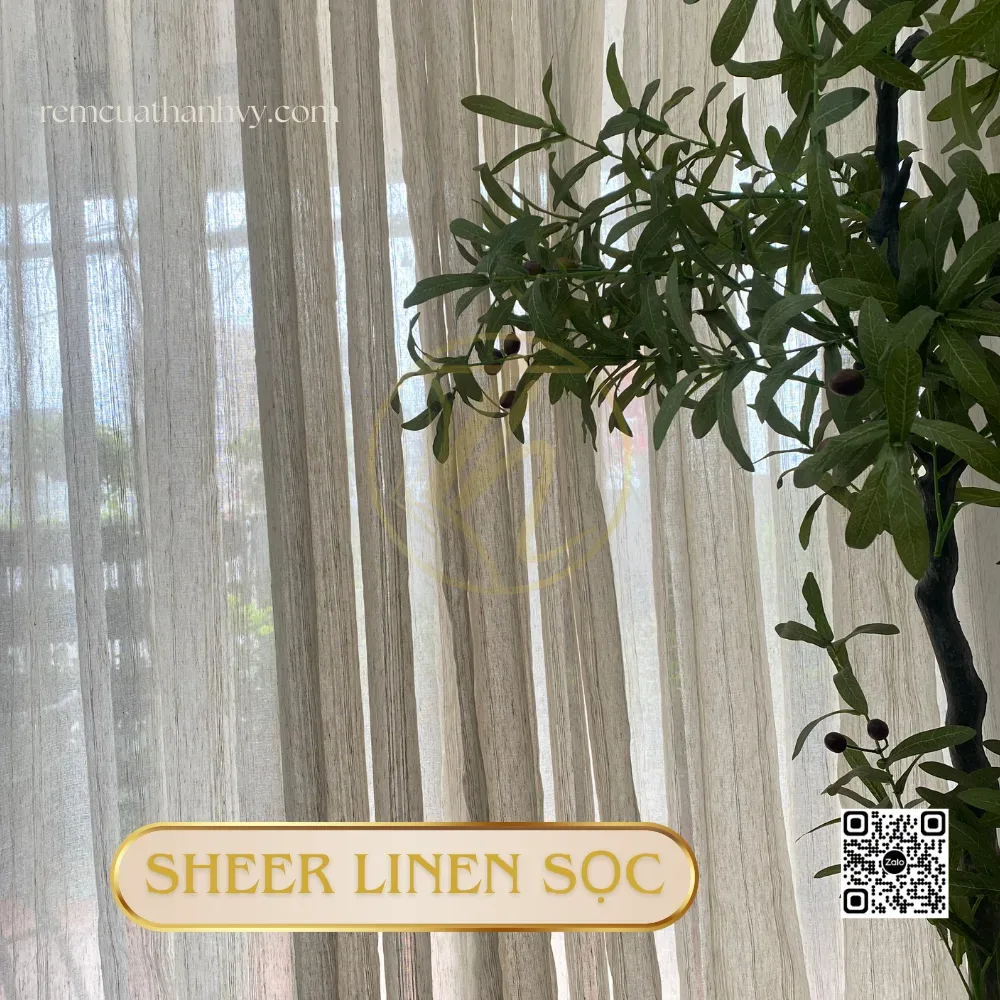
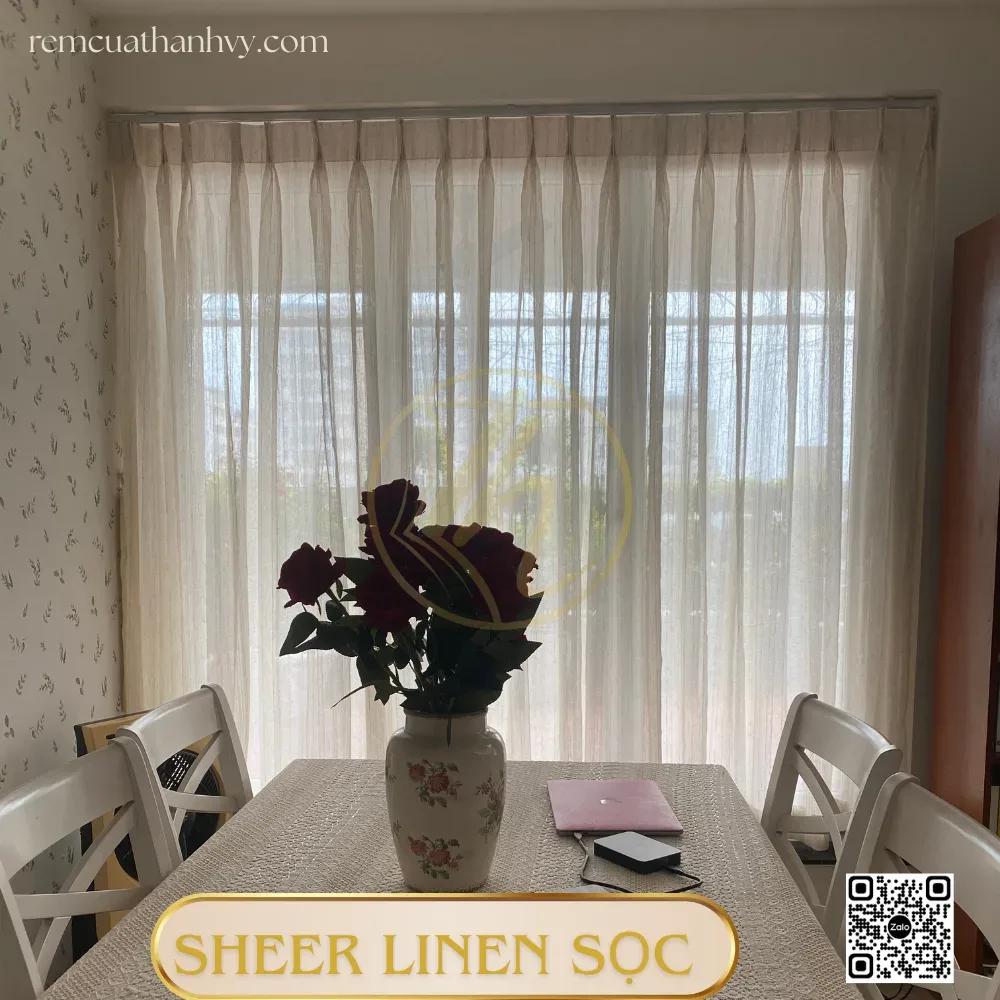
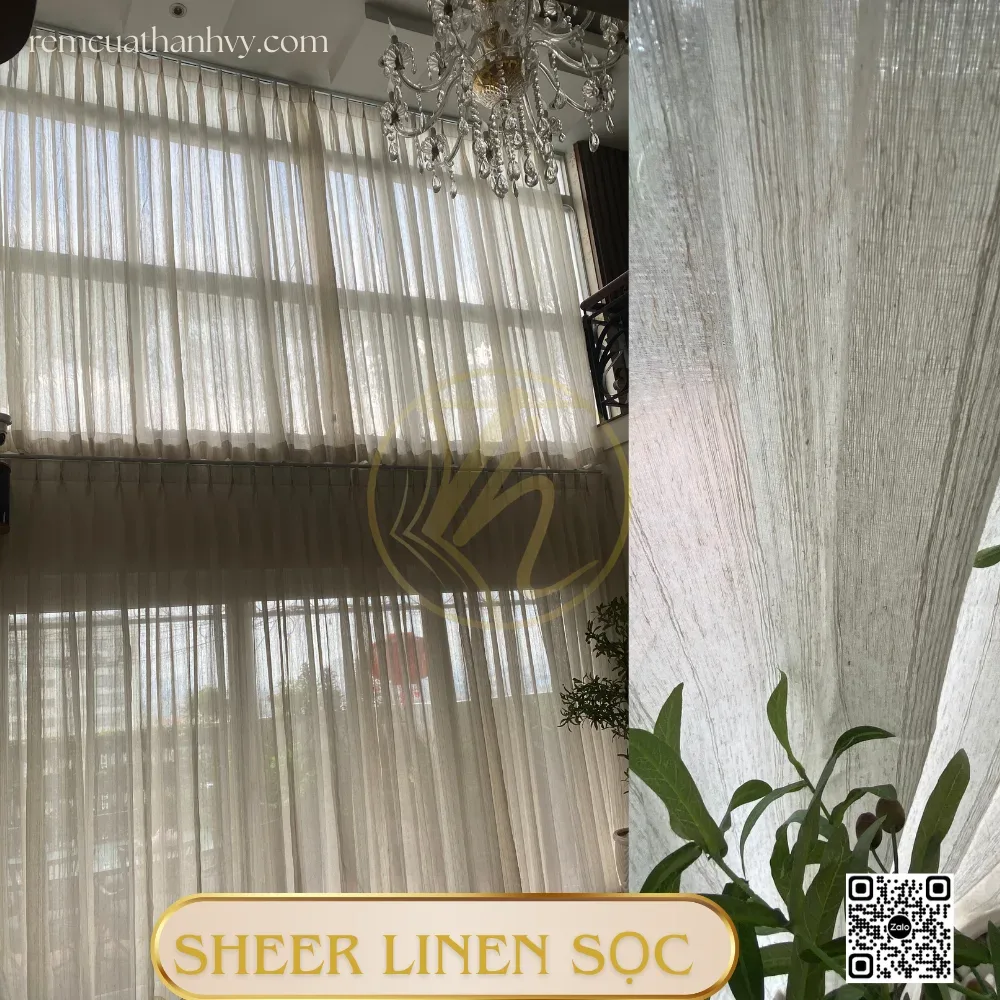
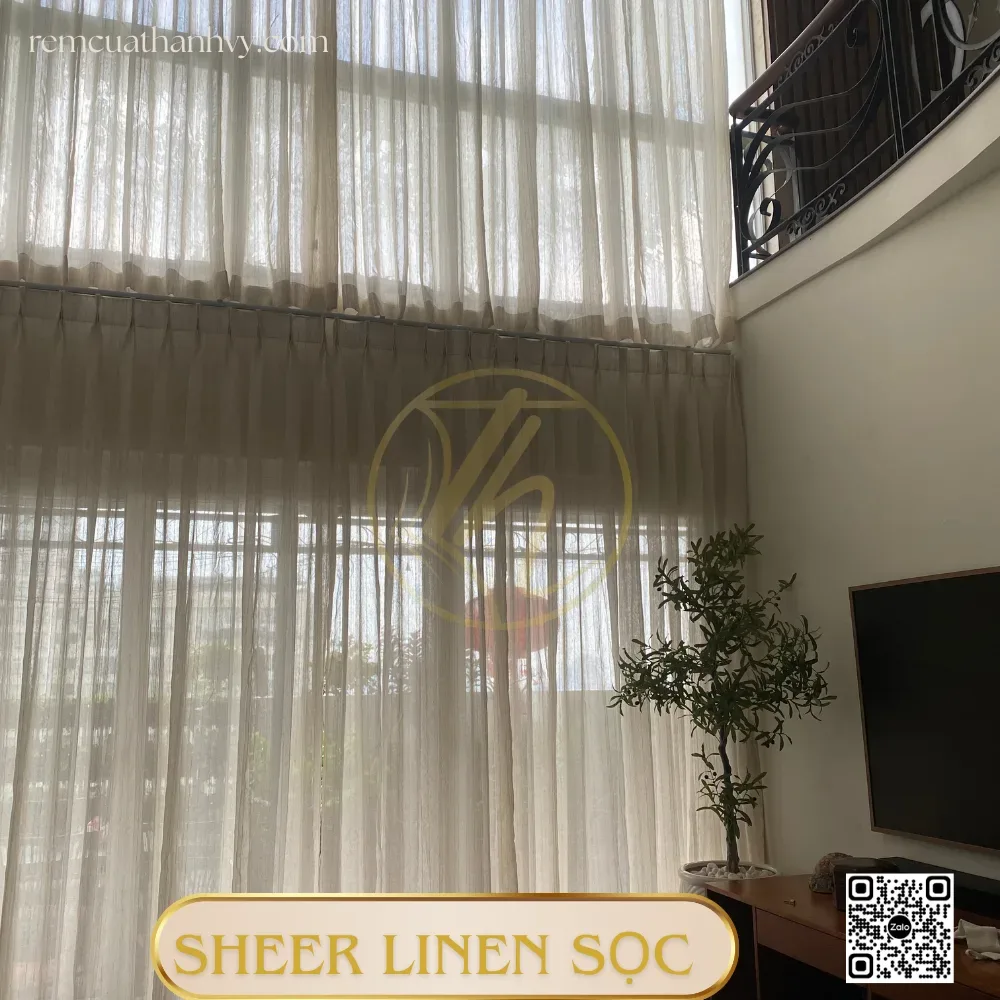
Linen fabric curtains
Linen provides a slightly rough, non-shiny surface, so it matches wooden furniture and neutral tones.
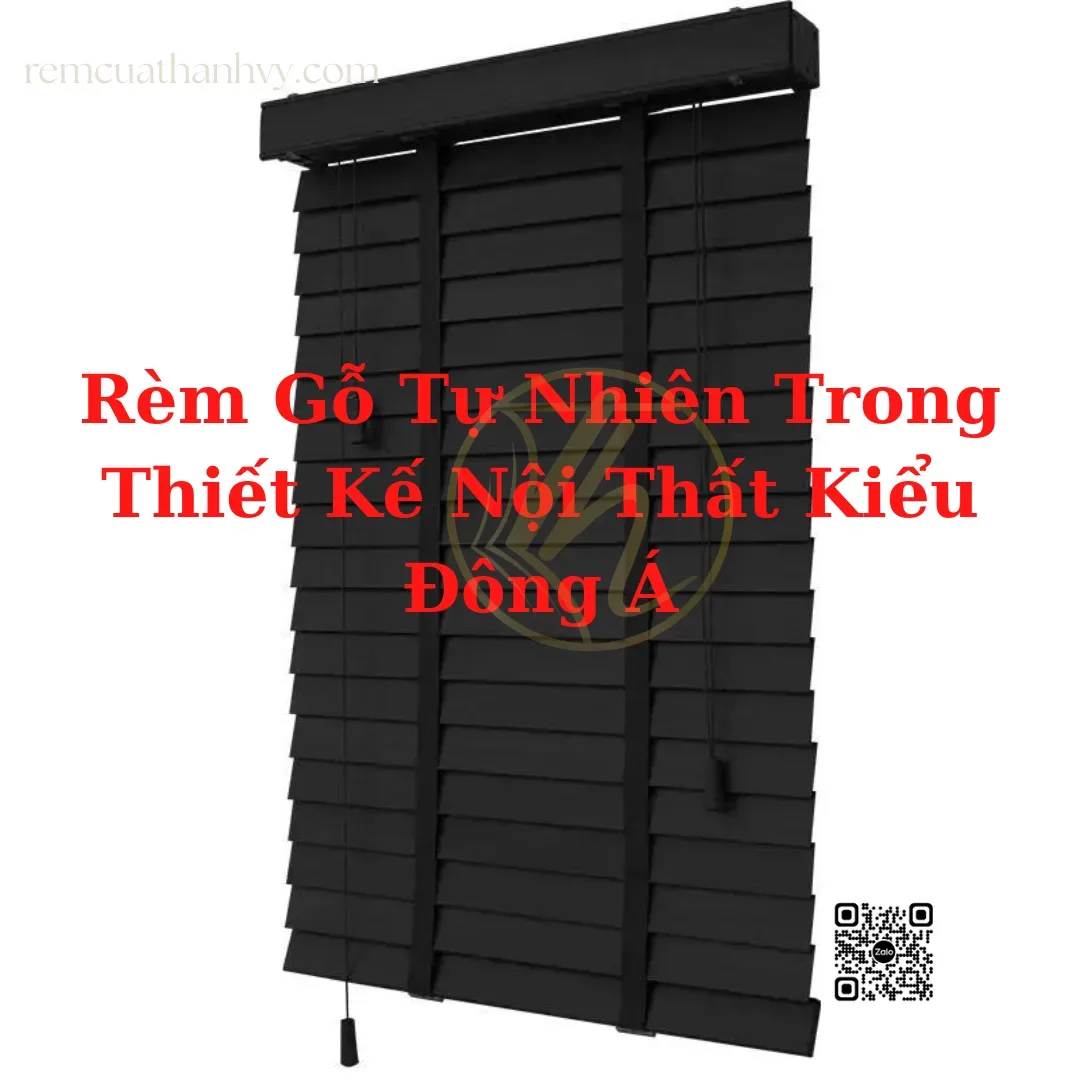
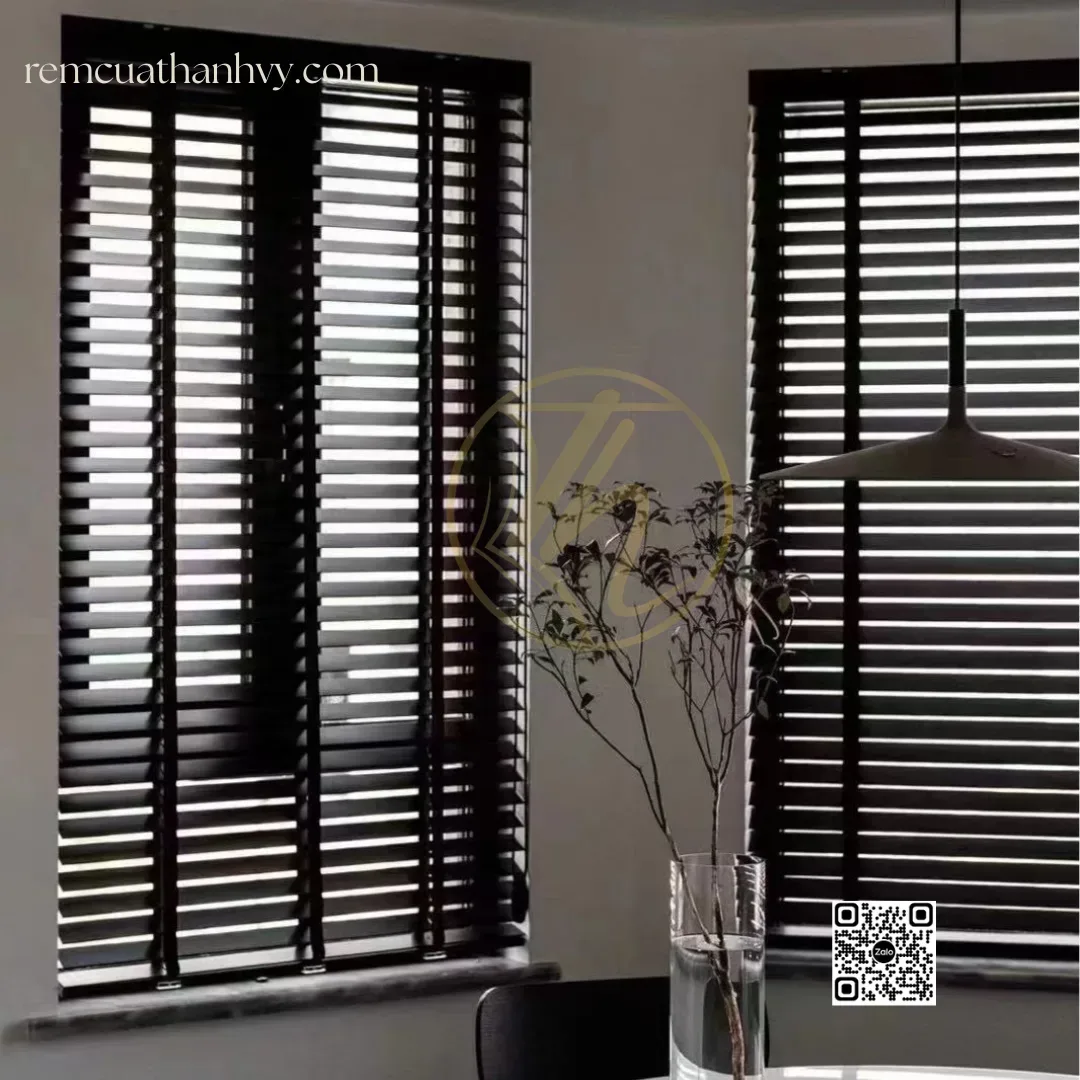
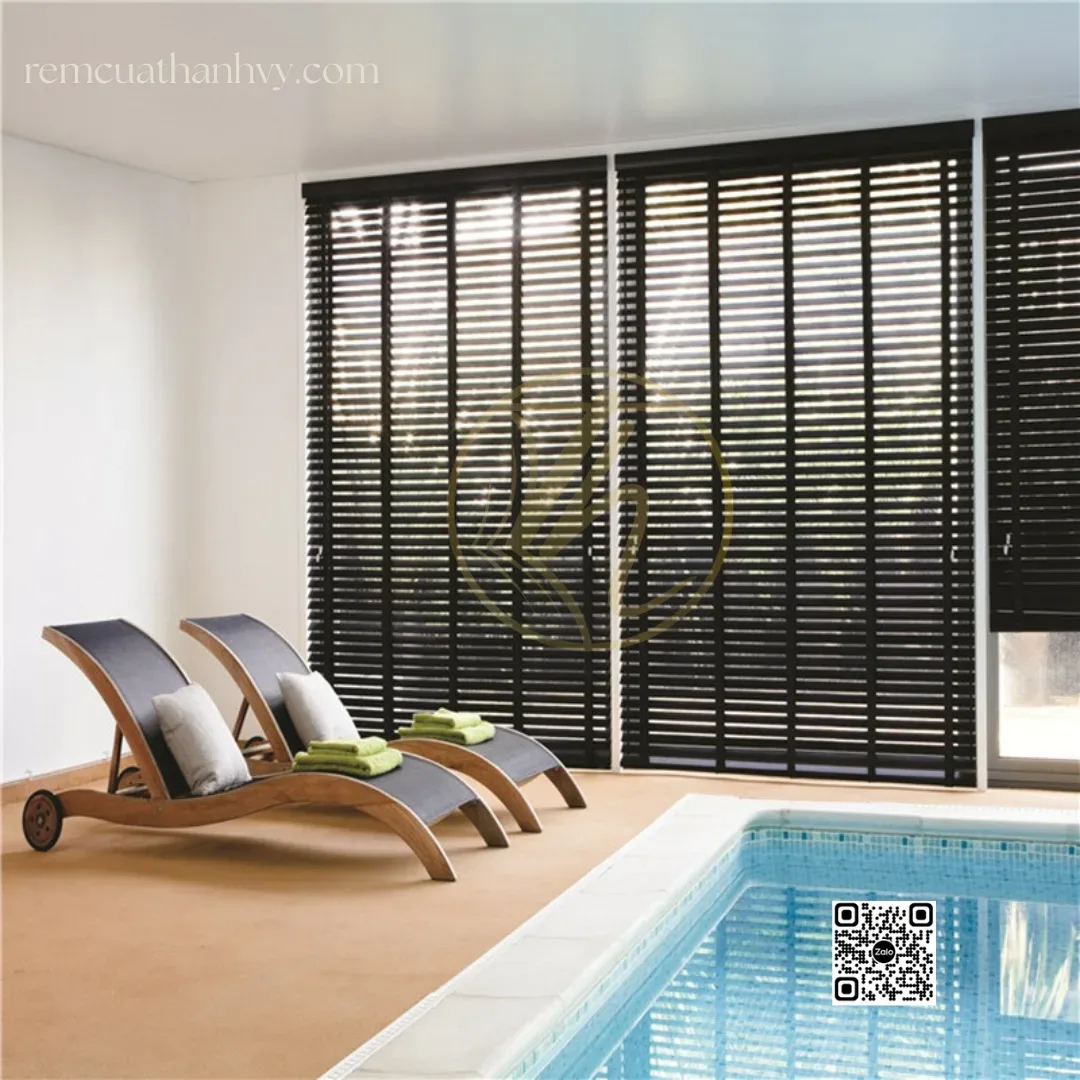
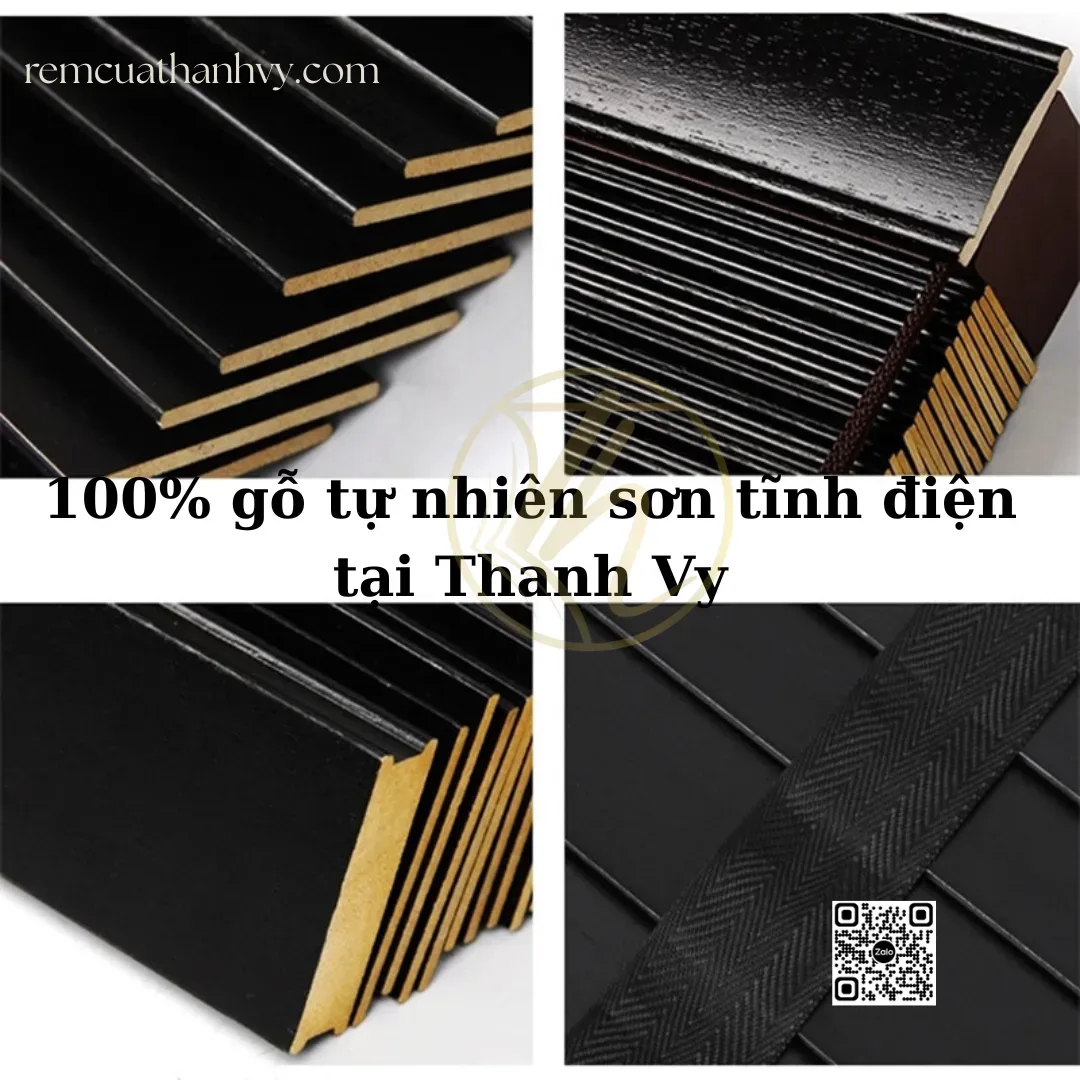
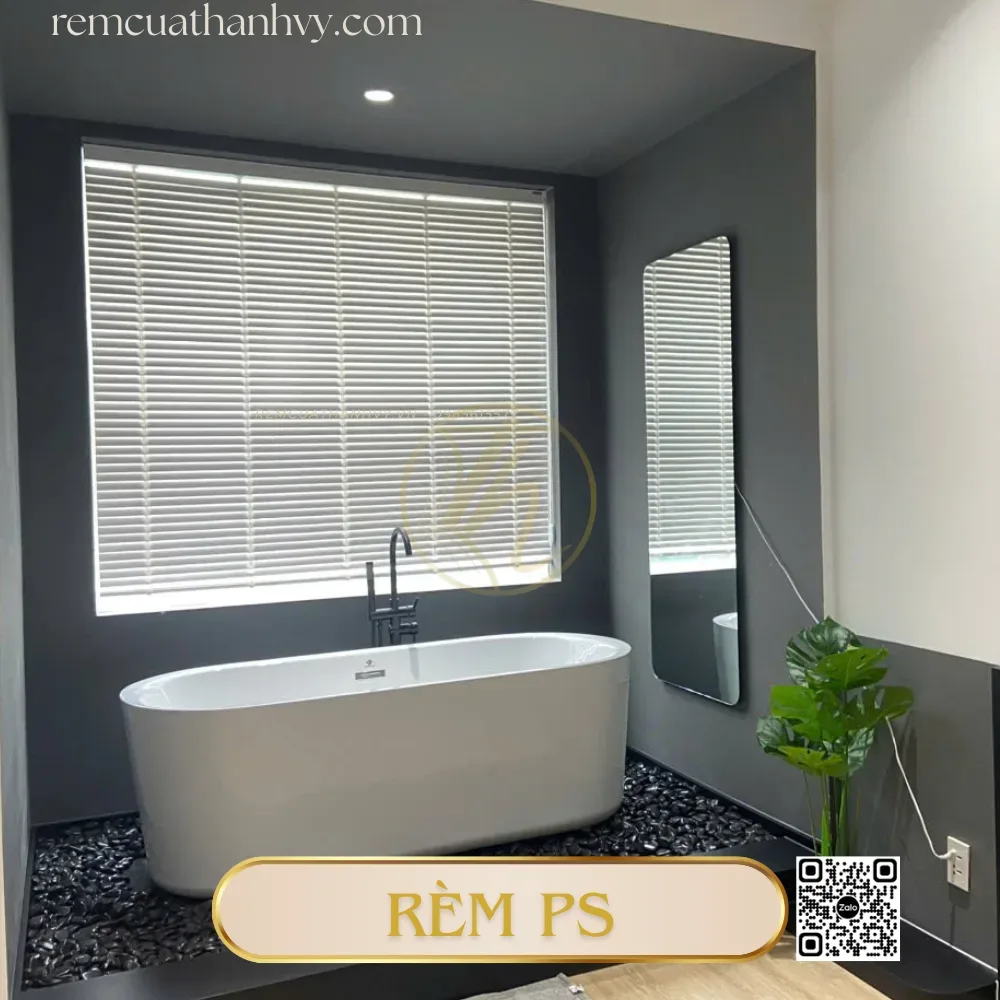
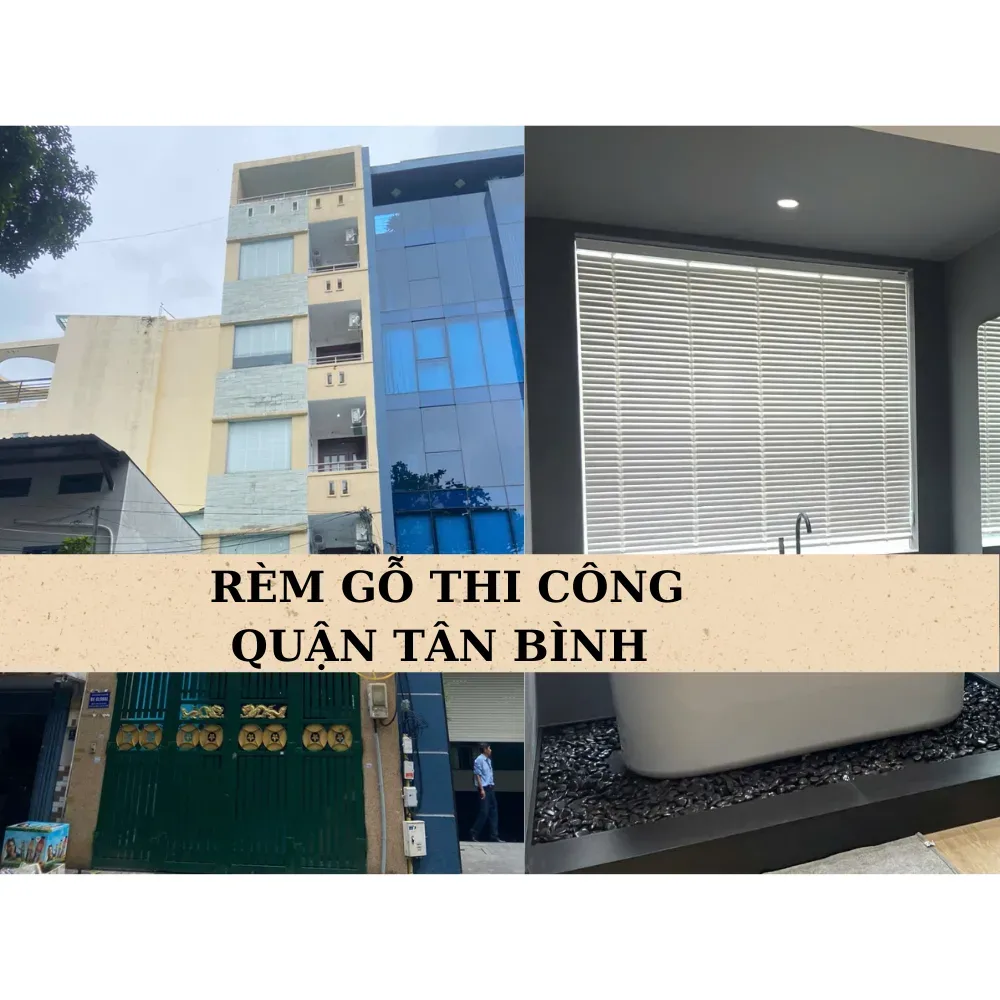
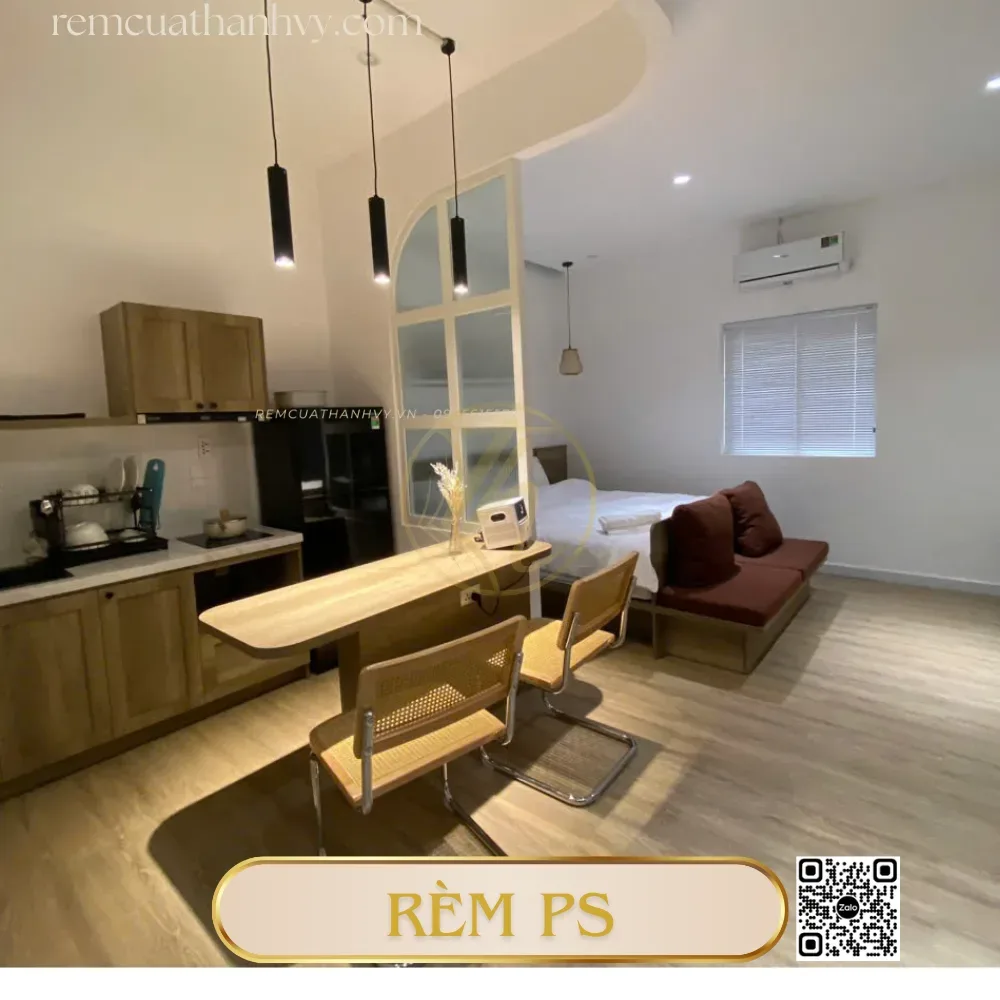
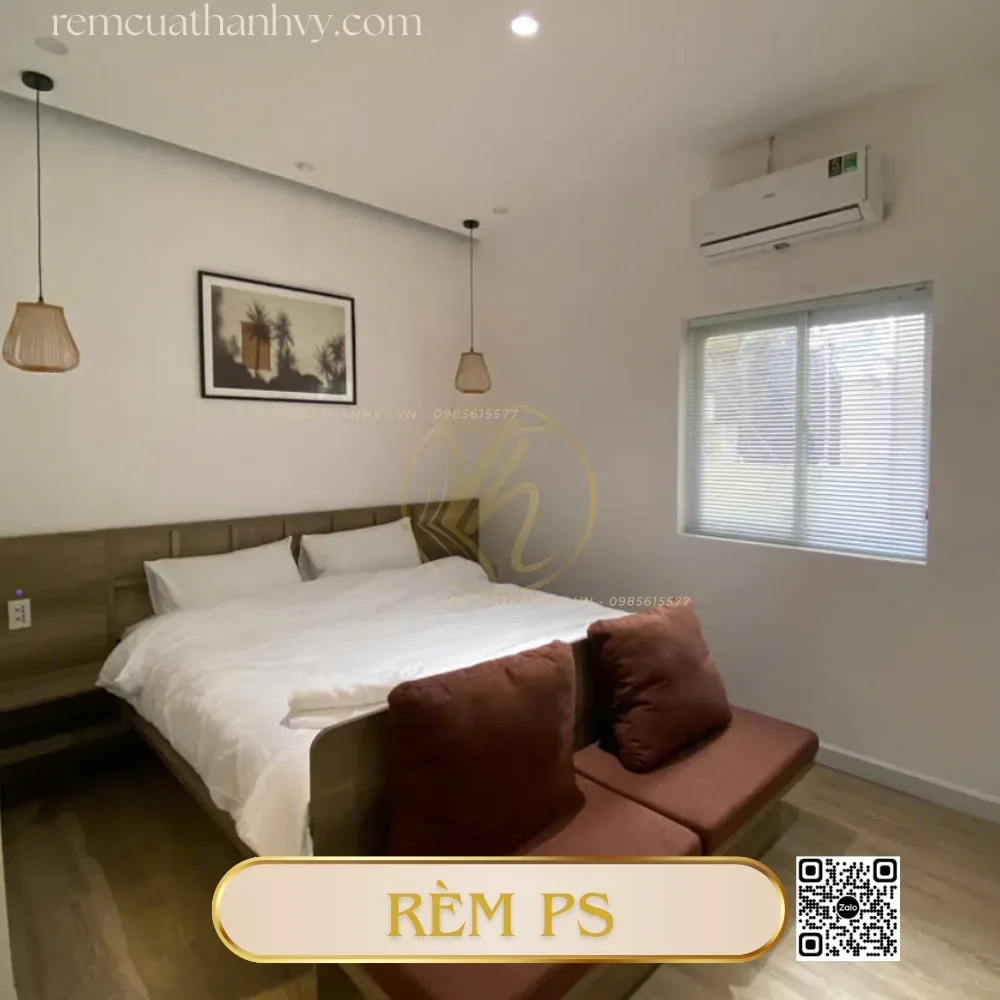
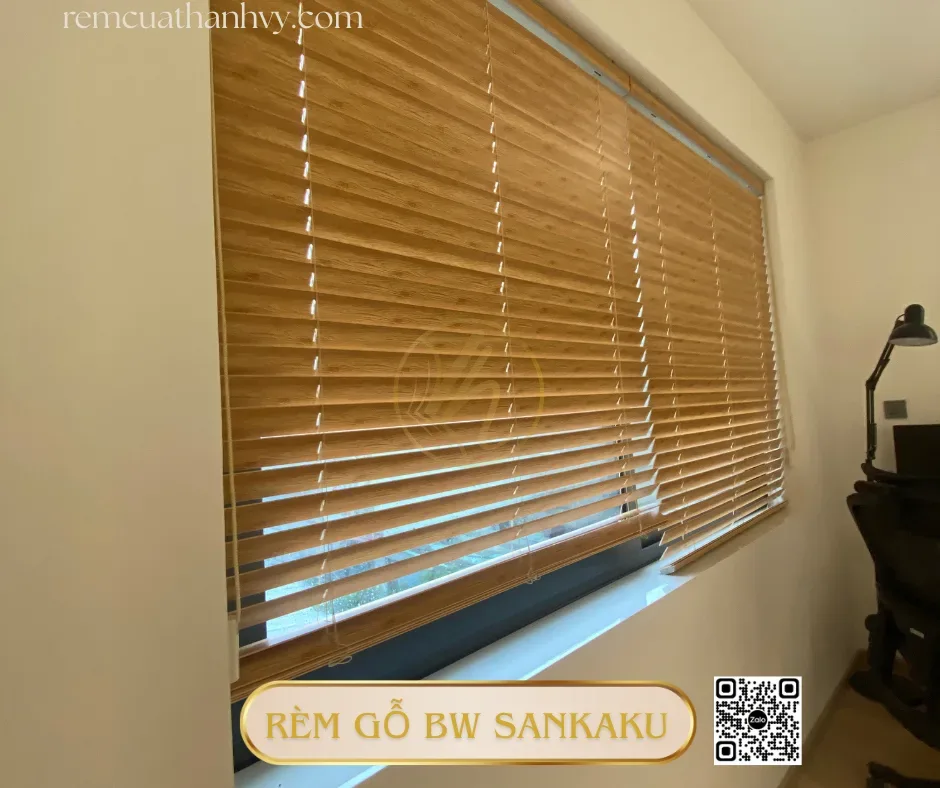
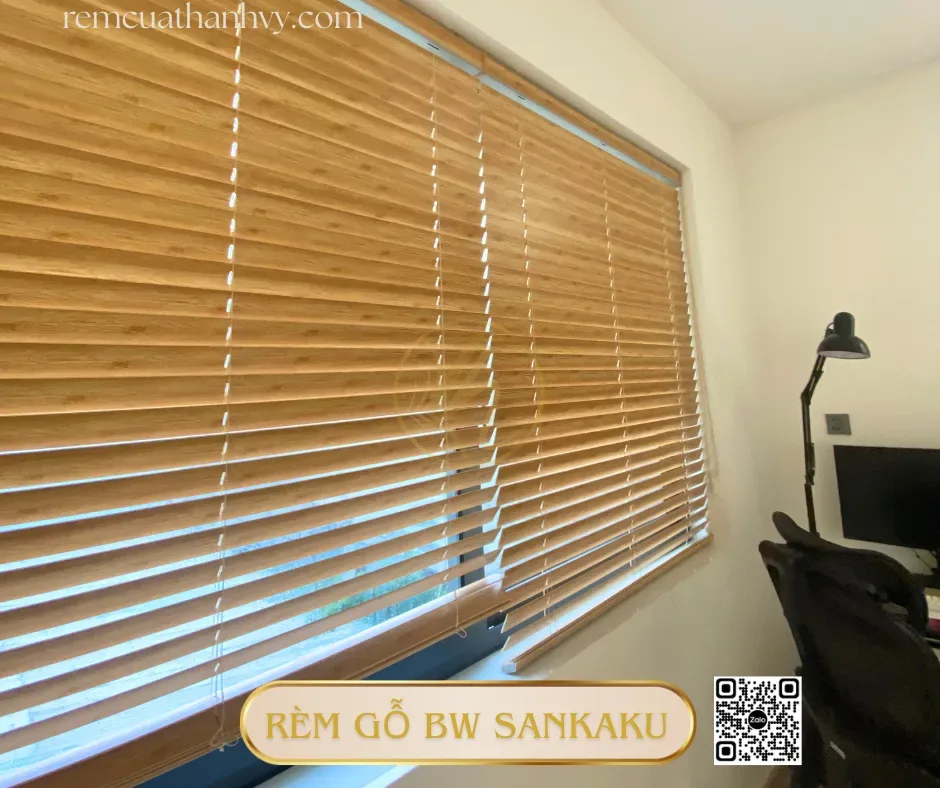
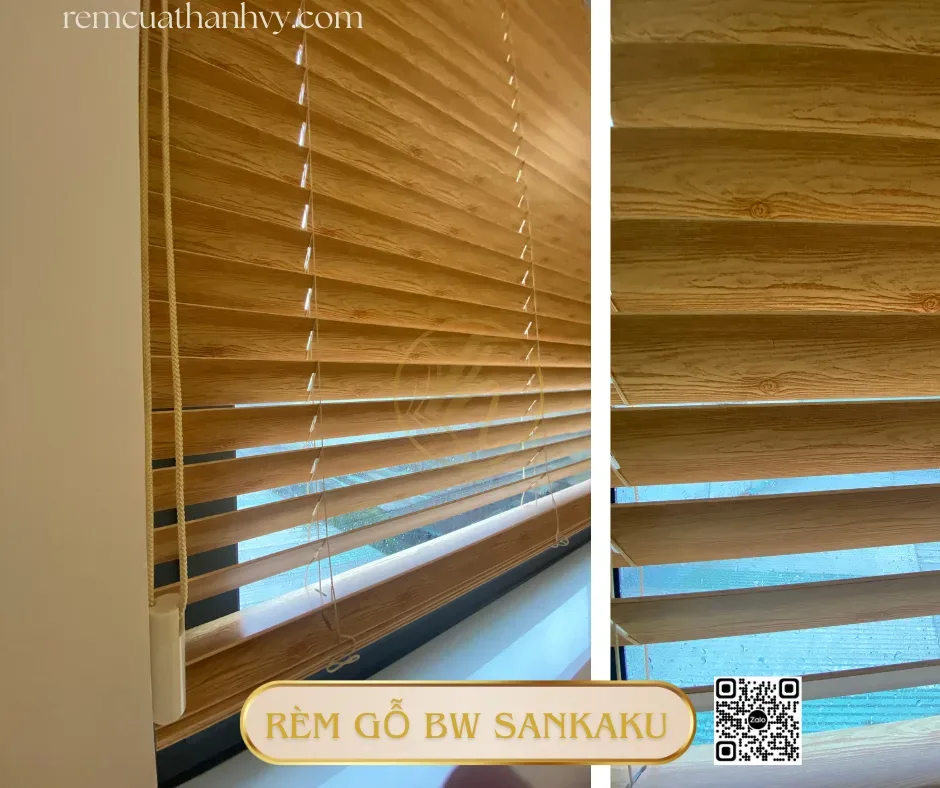
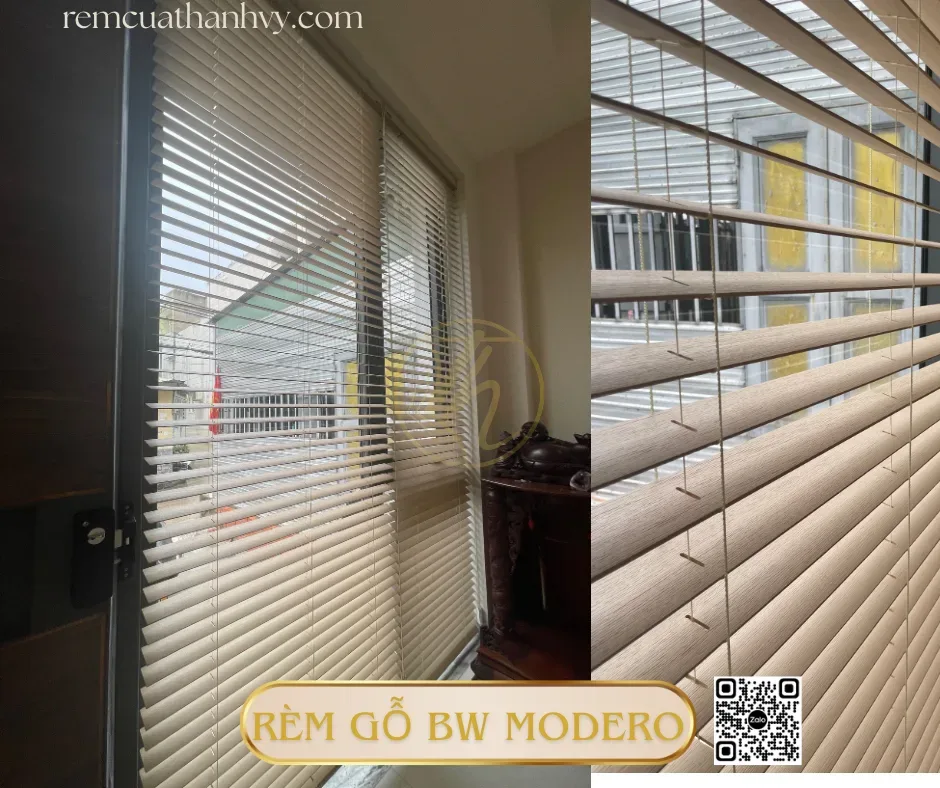
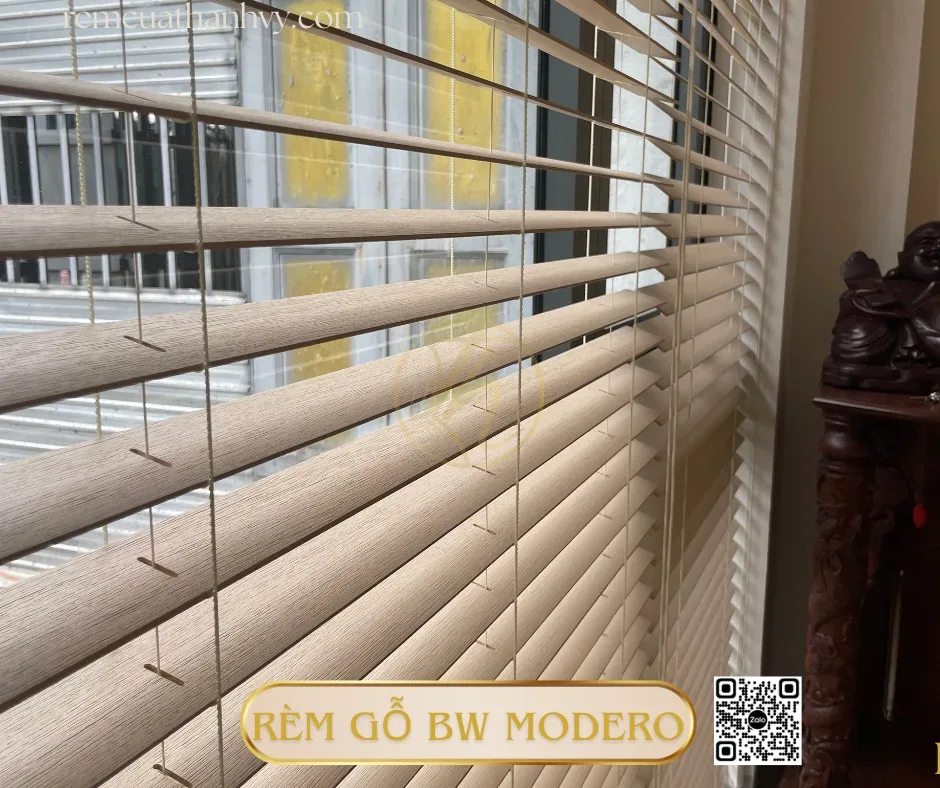
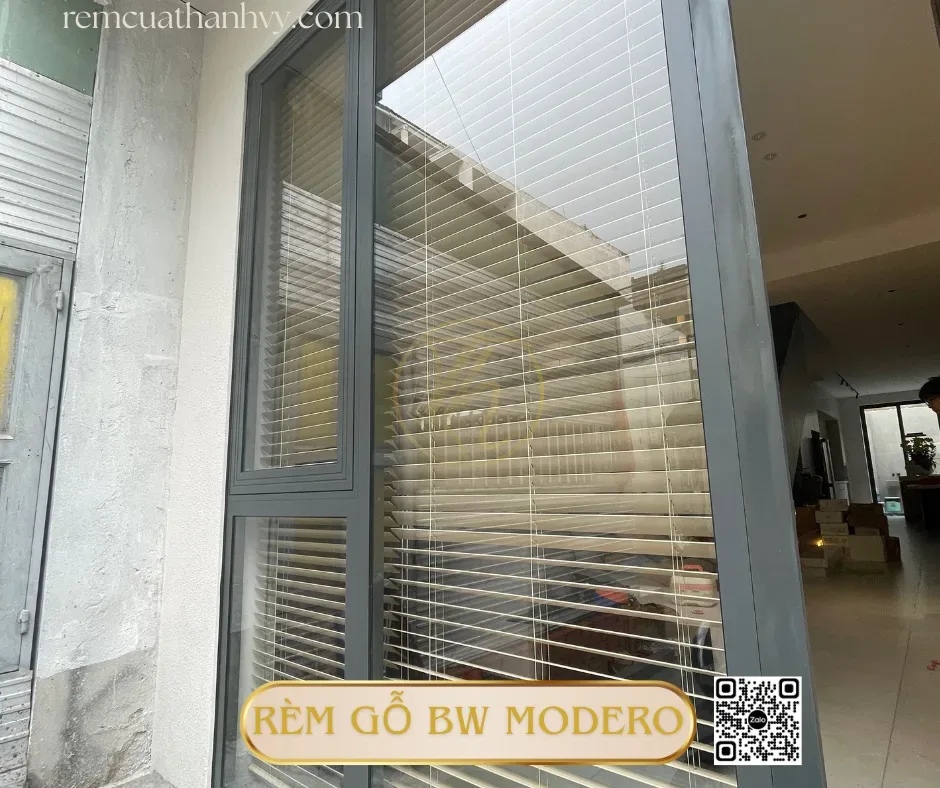
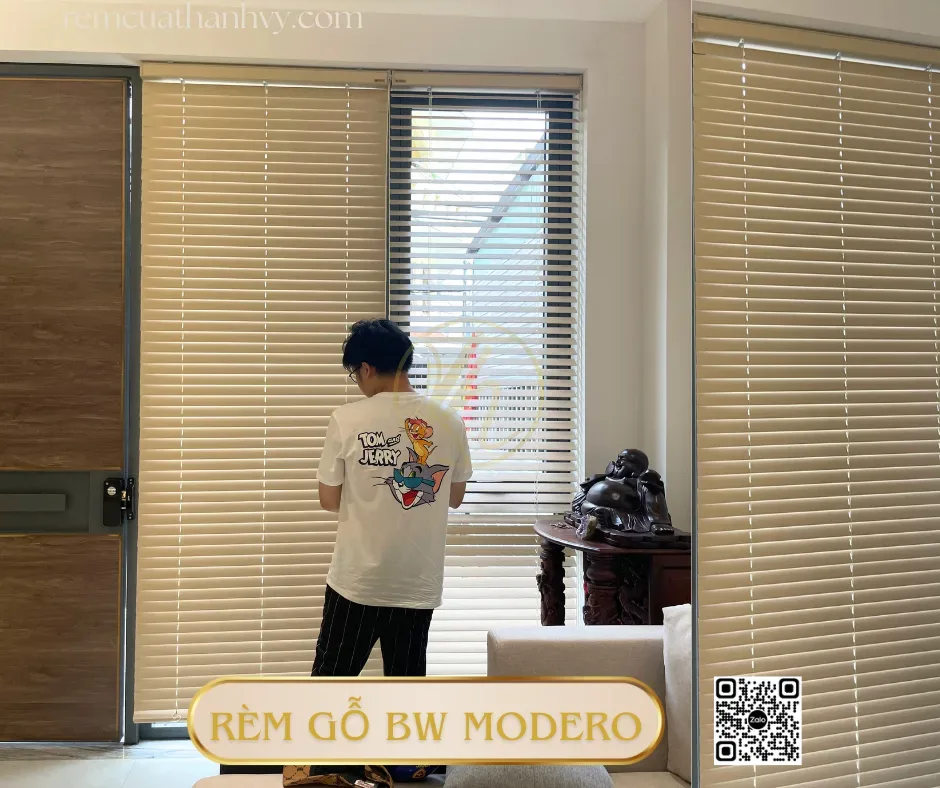
Wooden blinds
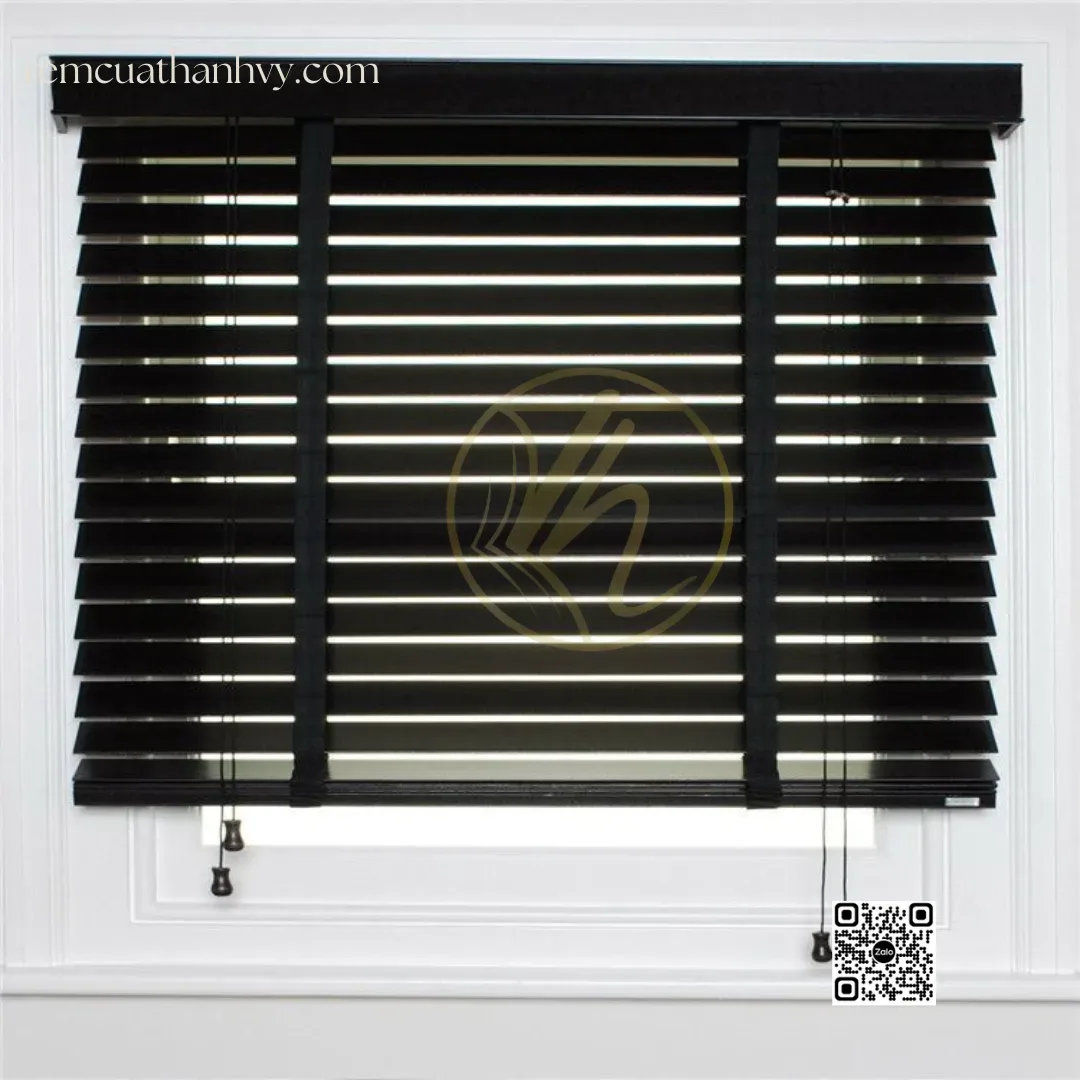
Wooden blinds provide warm tones and sturdiness, suitable for spaces with a lot of wooden furniture.
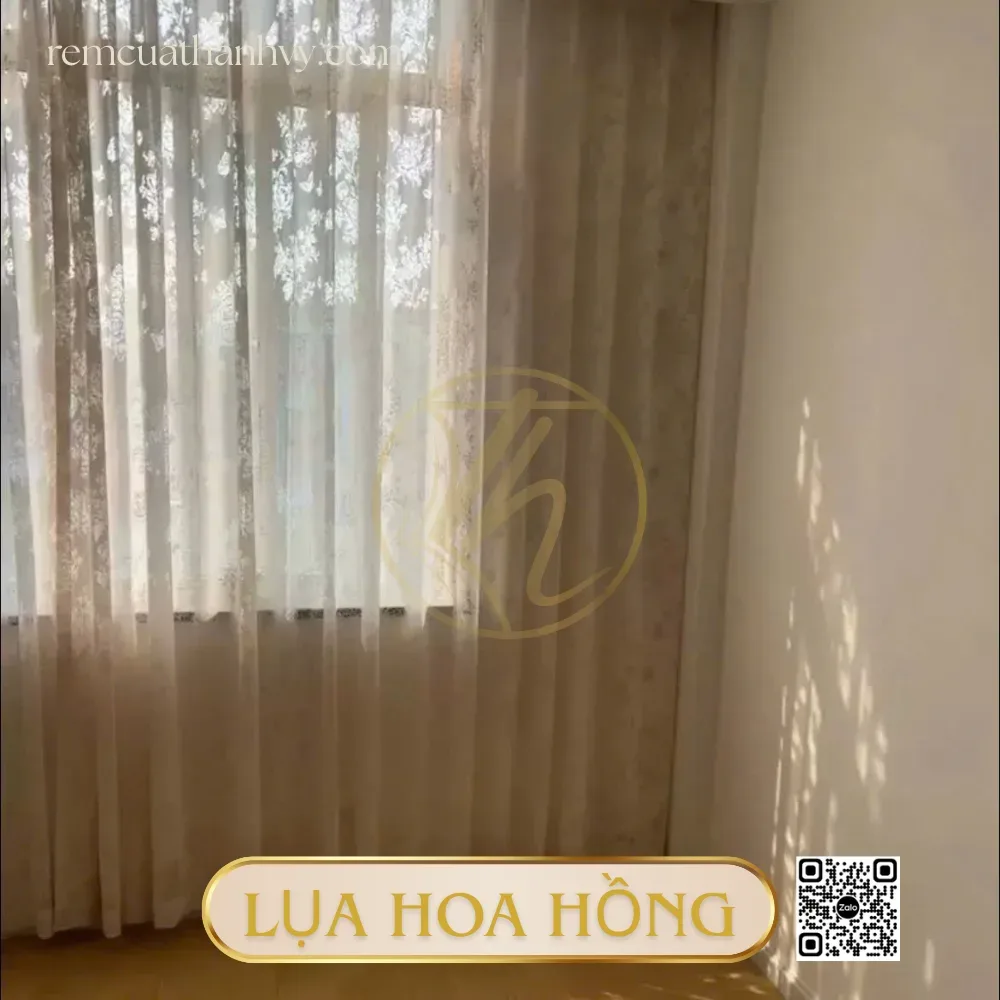
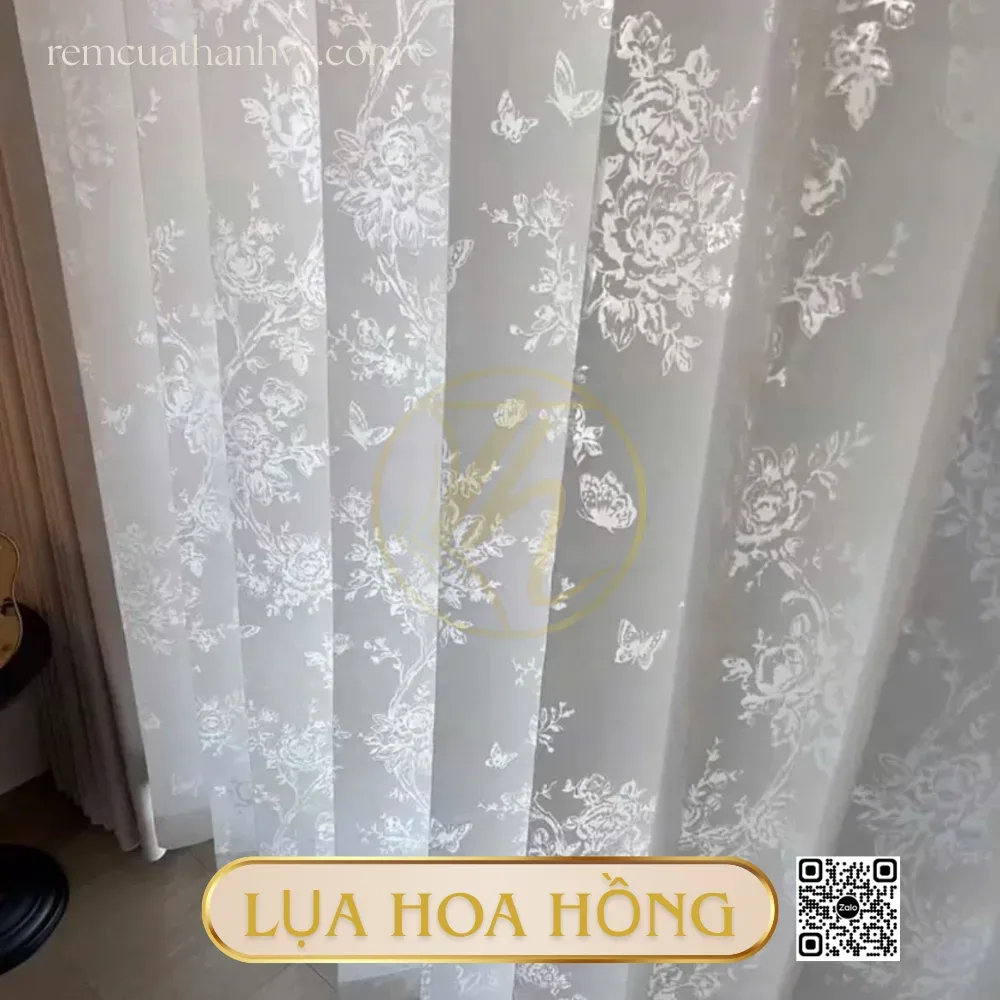
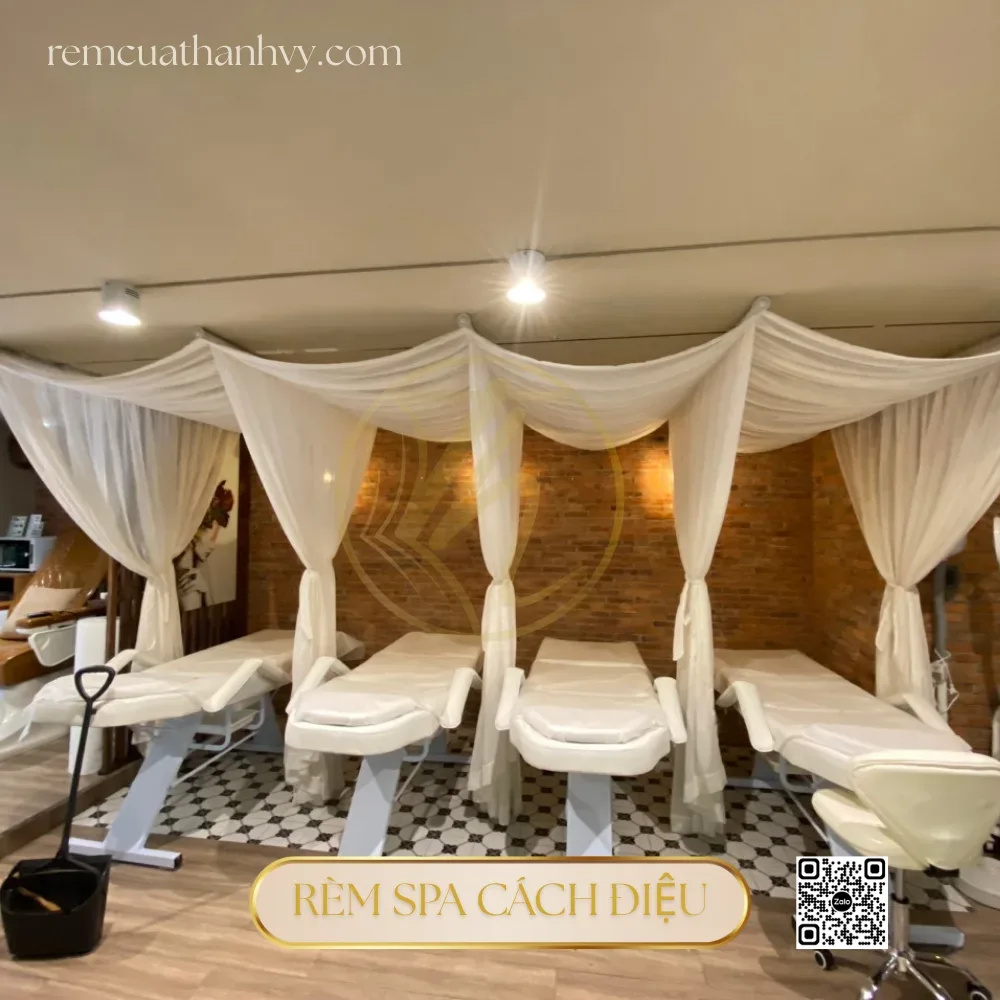
Sheer curtains
Sheer curtains are often used as an inner layer, combined with a thick outer layer when light blocking is needed.

For further information, please contact Thanh Vy Curtains
We provide free consultation and on-site measuring at your home.
Related projects
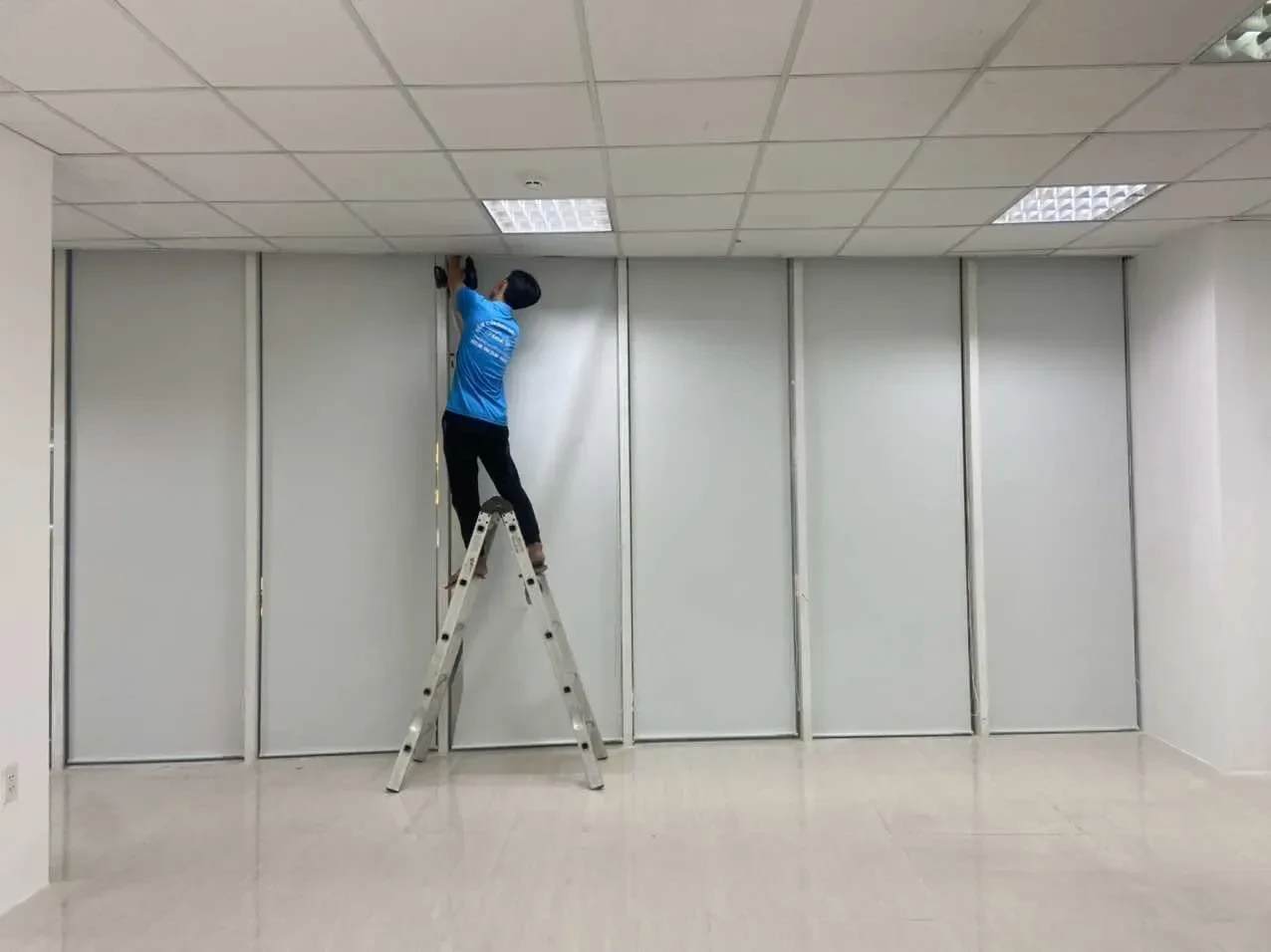
Office Roller Blinds in District 11 – Le Dai Hanh Street
This project involved installing roller blinds on an upper floor of a modern office building [...]
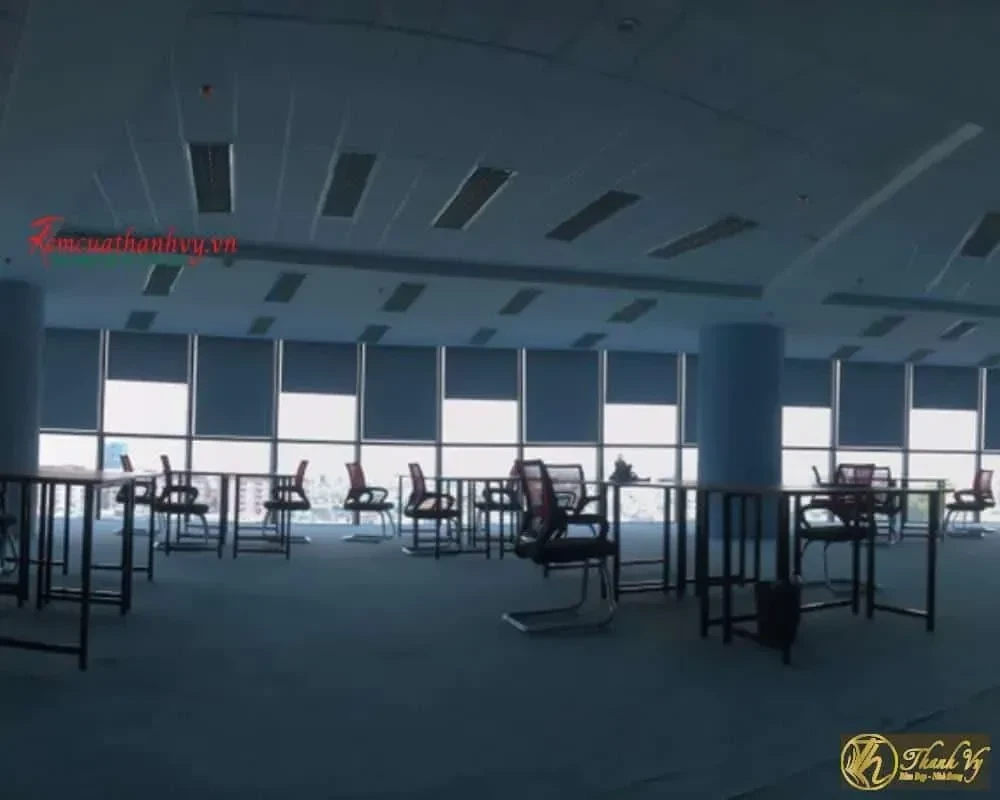
High-Rise Office Roller Blinds in District 11: Professional Day-Night & Blackout Solutions
This project is a typical example of a roller blind solution for a modern office [...]
Related areas
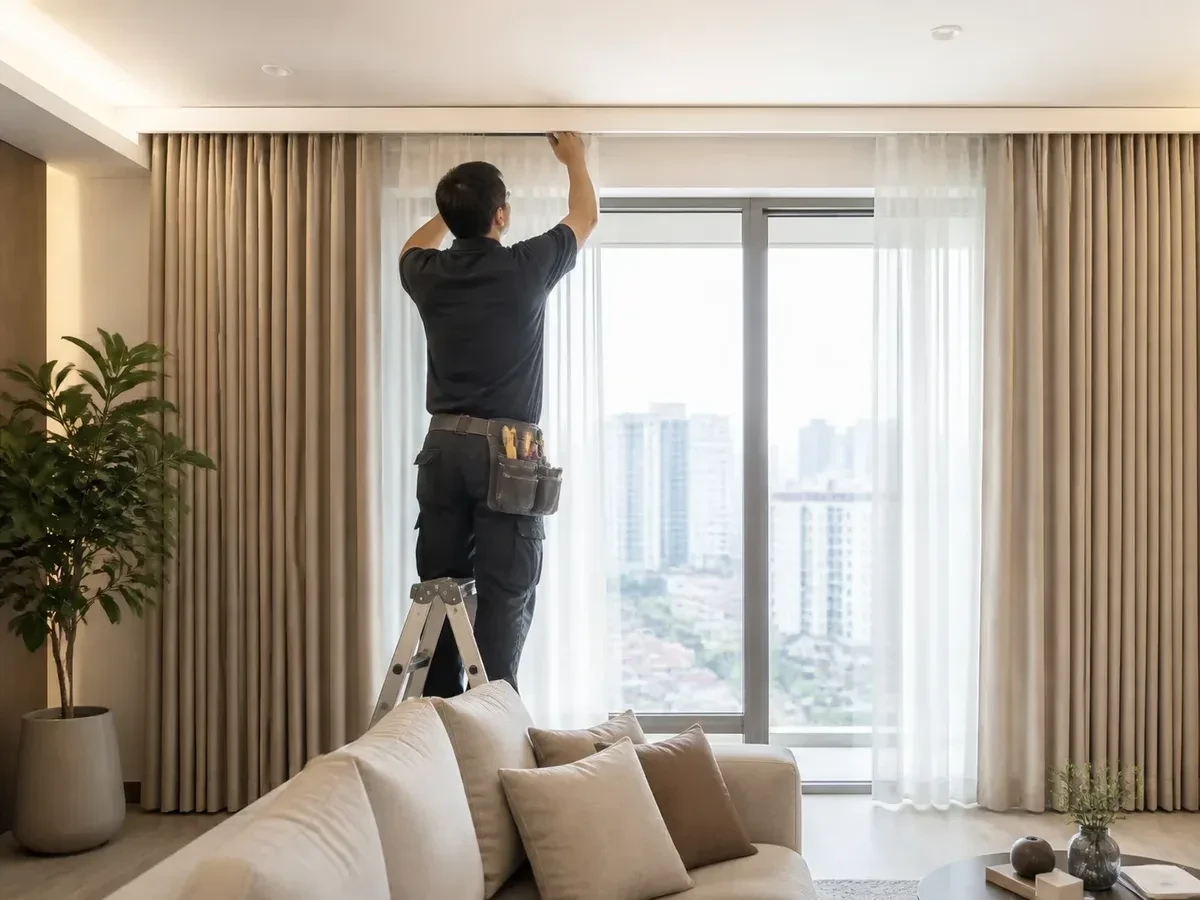
District 11 Curtains: What to Prioritize for Each Space
Choosing District 11 curtains at Thanh Vy delivers optimal sun-blocking solutions and elevates the aesthetics [...]
Related reviews
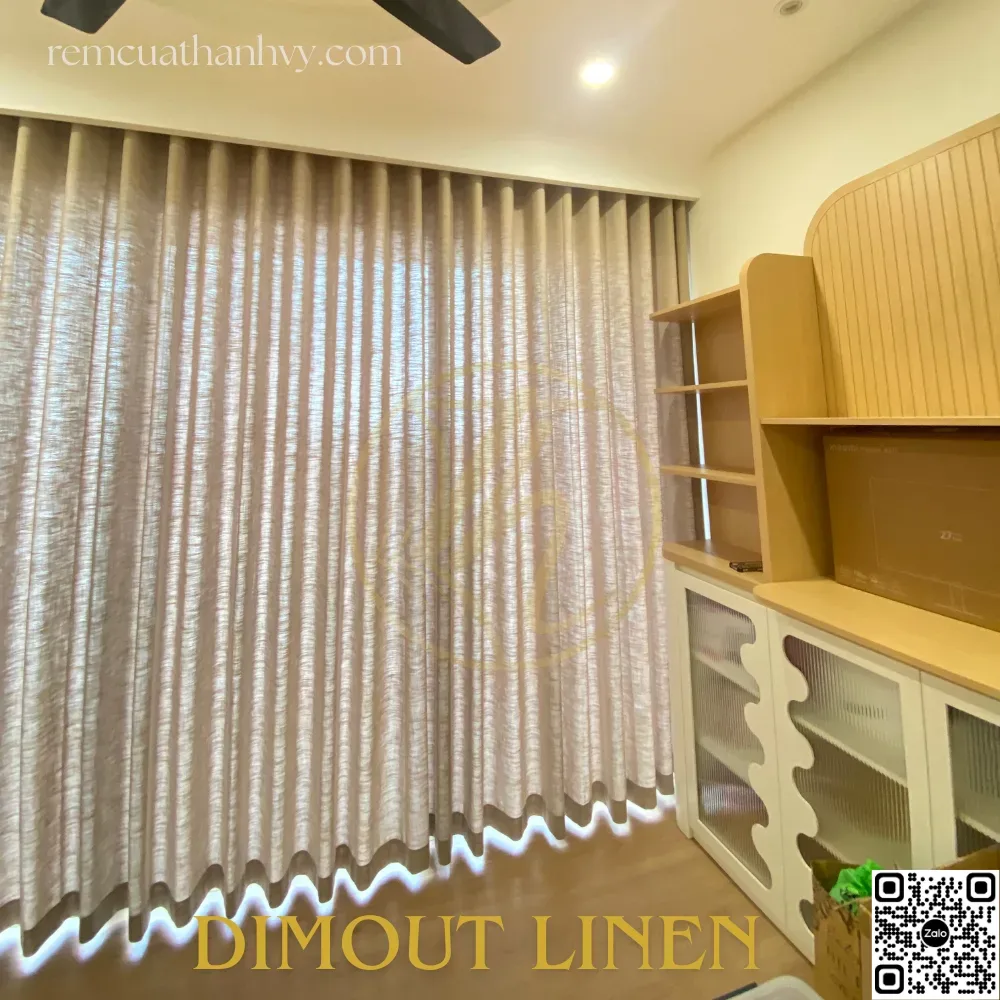
Linen Curtains or Wooden Blinds? A Detailed Comparison to Help You Choose
Compare linen curtains and wooden blinds based on light control, privacy, operation, aesthetics, maintenance, and [...]
Are Linen Curtains Good? A Complete A-Z Review
A guide on choosing linen curtains based on living space, lighting, privacy, materials, finishes, and [...]
Linen Curtains or Combi Blinds? A Detailed Comparison to Help You Choose
An objective comparison of linen curtains and combi blinds covering aesthetics, light control, durability, maintenance, [...]
Linen Curtains or Cellular Shades? A Detailed Comparison to Help You Choose
Compare linen curtains and cellular shades by light control, privacy, operation, aesthetics, cleaning, and running [...]
Related posts
Fabric Curtains in District 3: How to Choose by Room and Need
This article helps readers choose fabric curtains in District 3 based on light blocking needs, [...]
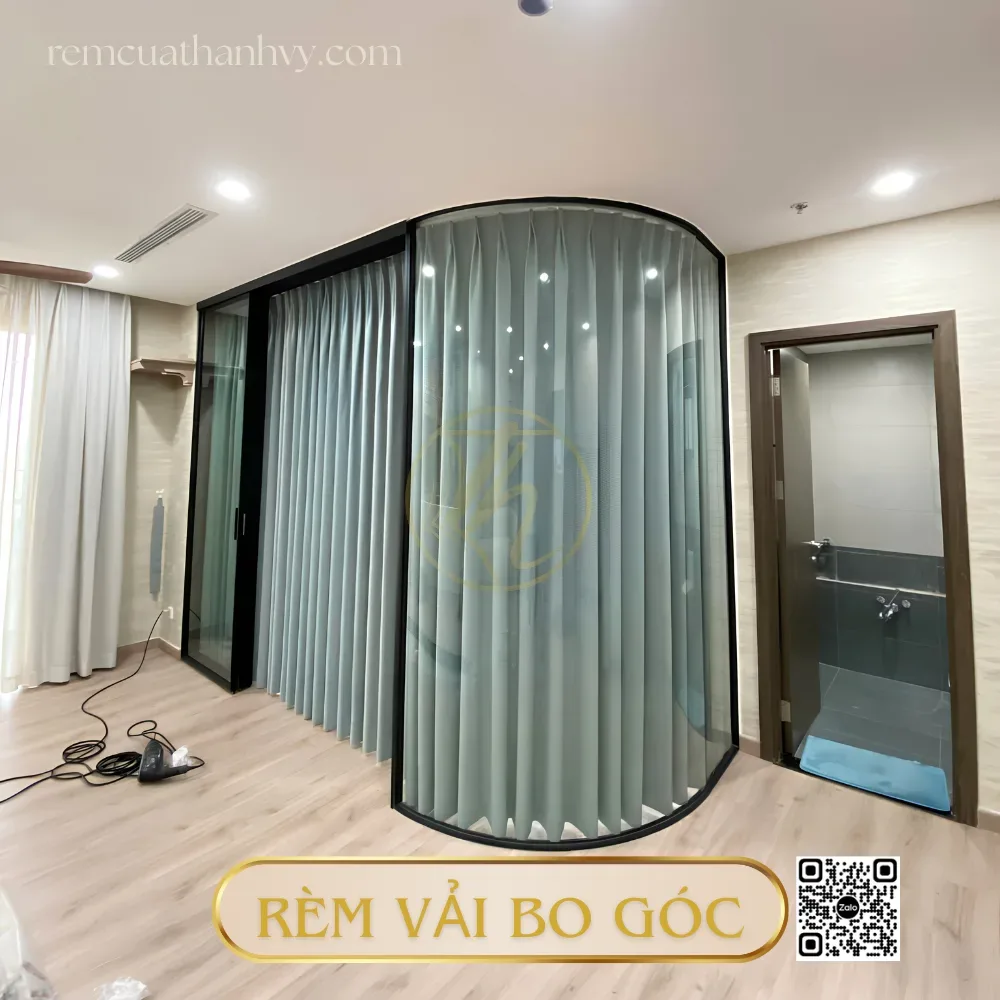
Fabric Curtains in District 6: How to Choose Fabrics and Sewing Styles
A guide to choosing fabric curtains in District 6 for every space, light level, material, [...]
Fabric Curtains in District 10: How to Choose by Room and Need
This guide helps readers compare fabric curtain options in District 10 based on functionality, hanging [...]
Fabric Curtains in Binh Thanh: How to Choose for Every Space
This article summarizes how to choose fabric curtains in Binh Thanh based on lighting, privacy [...]
Tan Binh Fabric Curtains: How to Choose for Every Space
A practical guide to choosing Tan Binh fabric curtains by room, light direction, fabric pattern, [...]
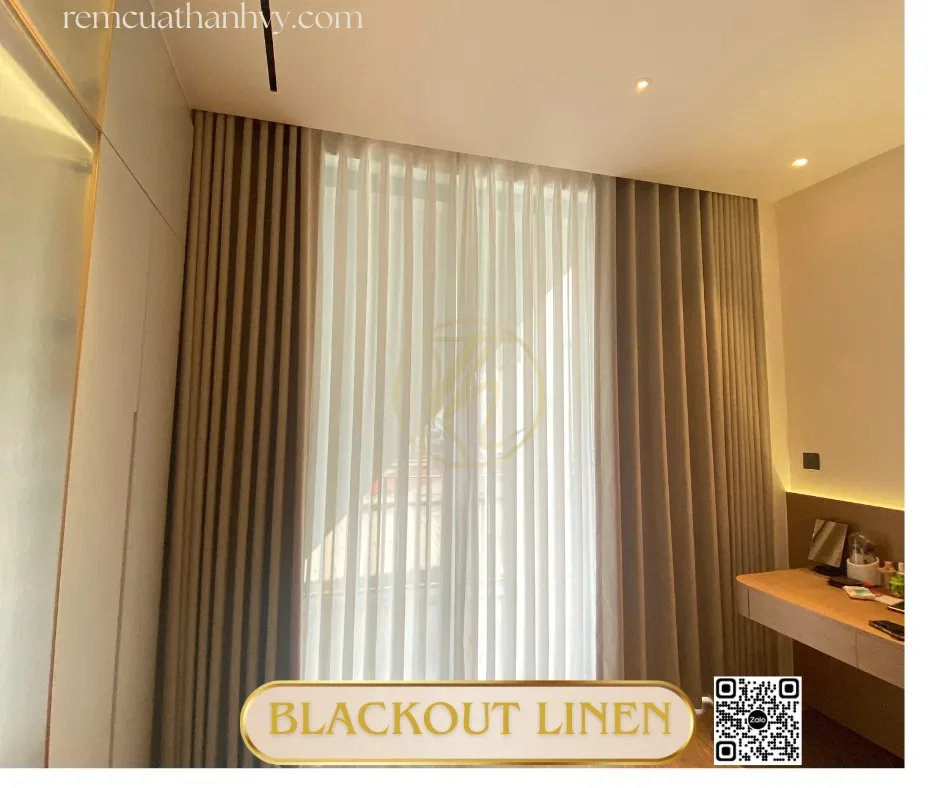
Linen Curtains in District 4: Choosing the Right Fabric and Style
When choosing linen curtains in District 4, consider sun exposure, privacy, and practical sewing styles [...]
Linen Curtains in District 7: How to Choose the Right Fabric and Style
Linen curtains in District 7 are perfect for bright, airy homes, but you should choose [...]
Linen curtains in Tan Phu: A guide to choosing the right ones for every space
Linen curtains in Tan Phu should be selected after determining the sun's direction, privacy needs, [...]

No comments yet!