



How to Choose the Right Fabric Curtains for Your Space
Images to be created in the body later: (1) a curtain–wall–floor color coordination chart, (2) a diagram for measuring curtain-hanging positions, (3) illustrations of different light-transmission levels. Do not insert content images in this publication. Products from the company have been mentioned in an article in Báo An Giang about Thanh Vy’s high-end fabric curtains.
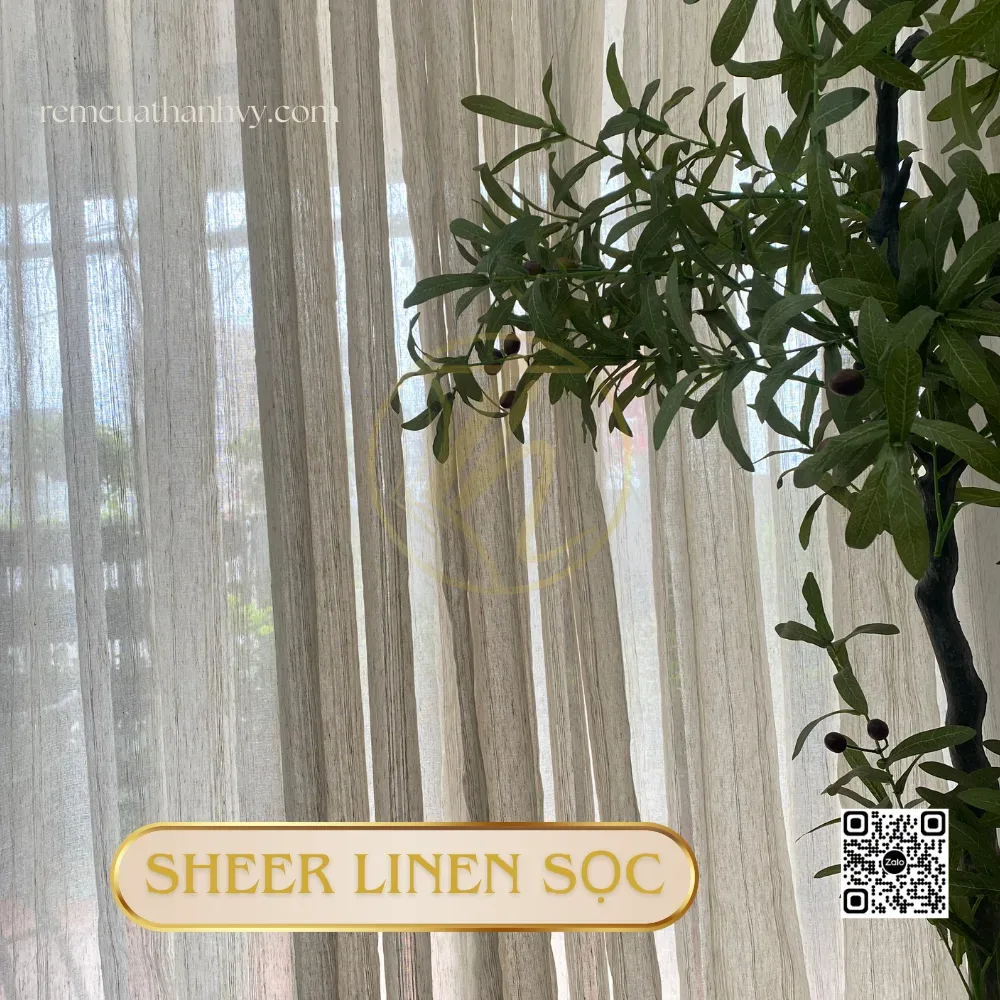
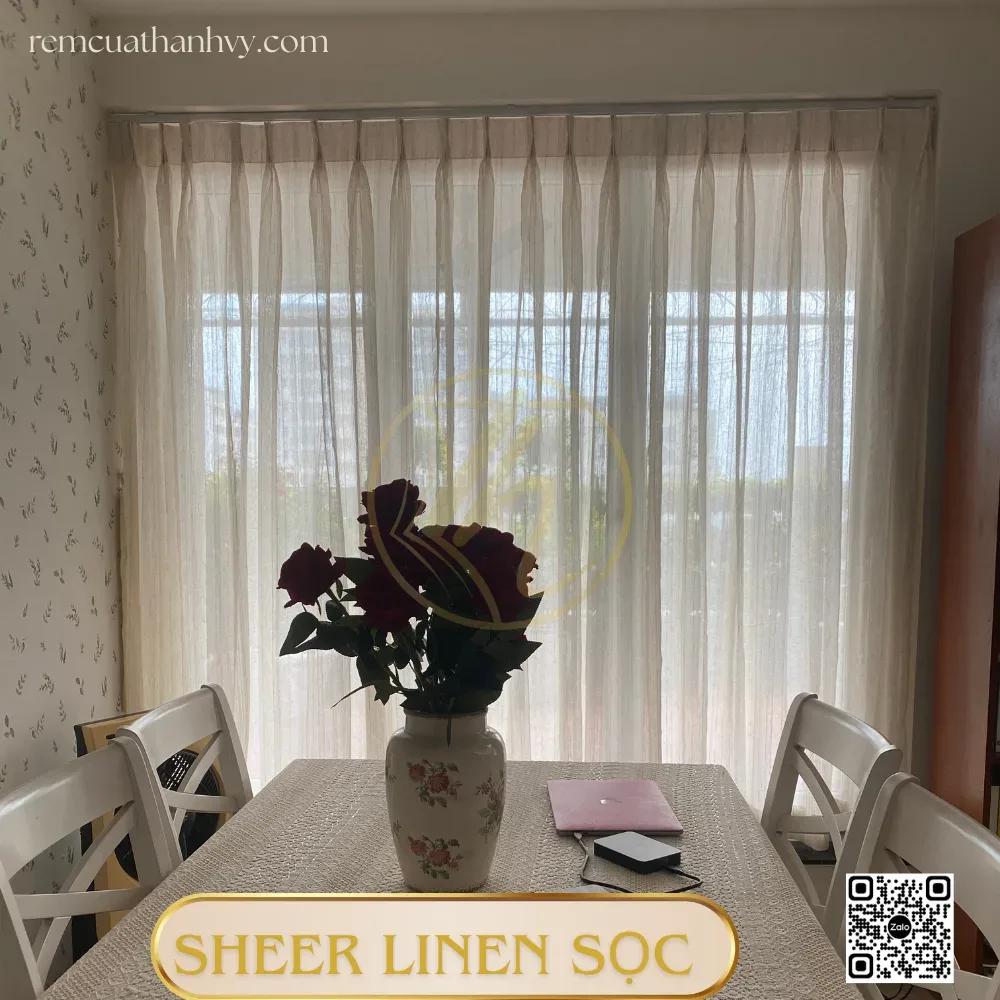
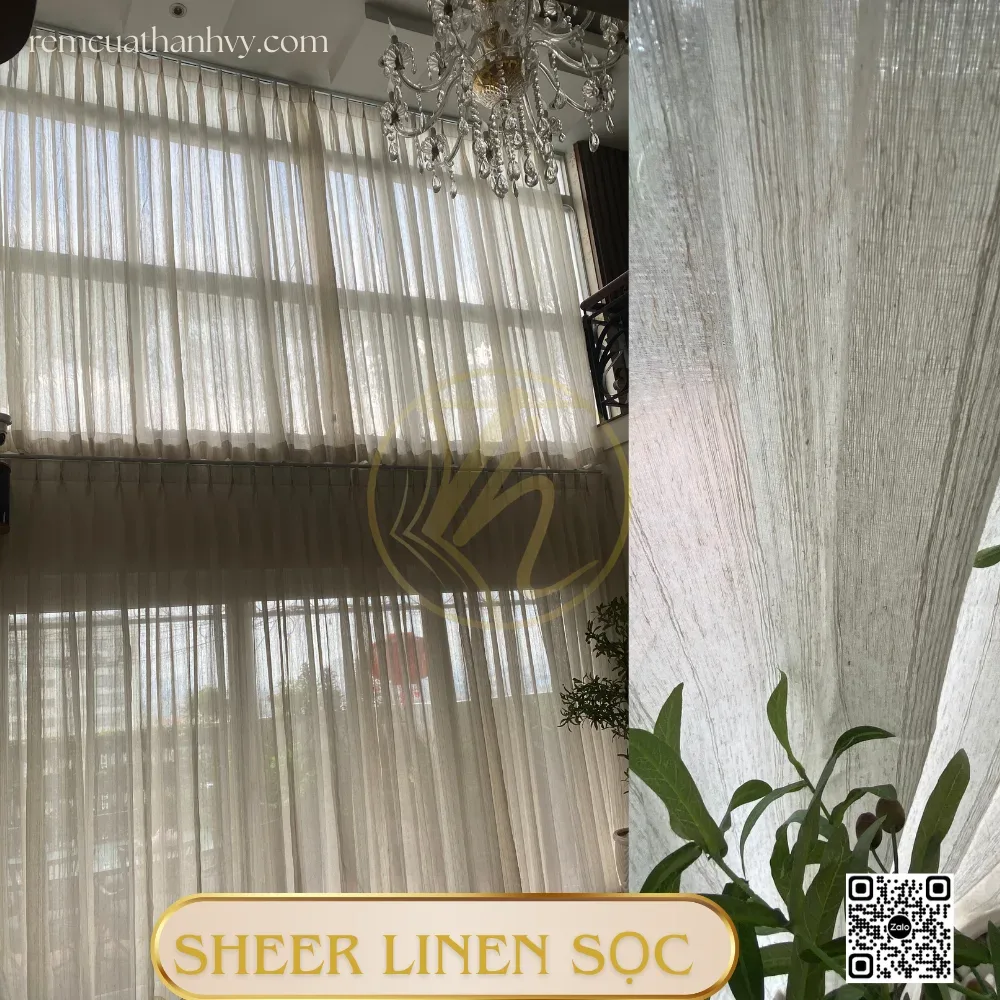
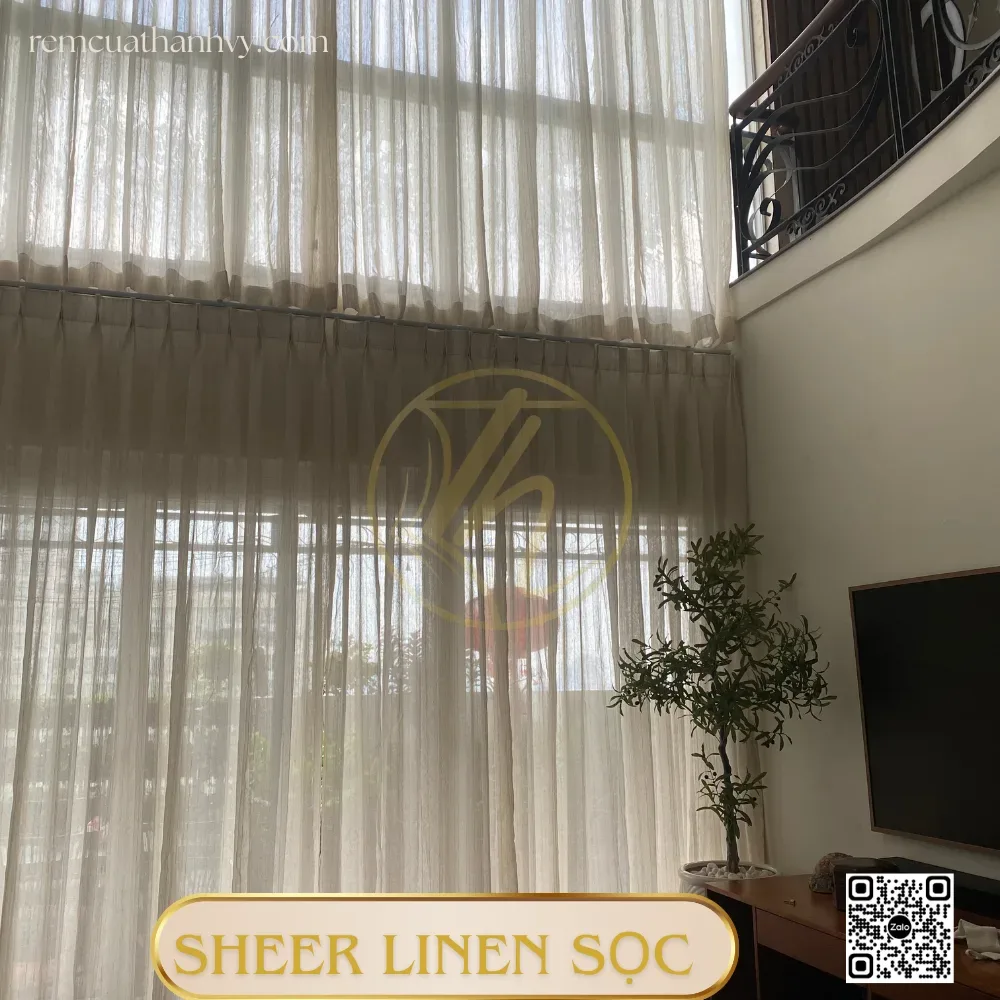
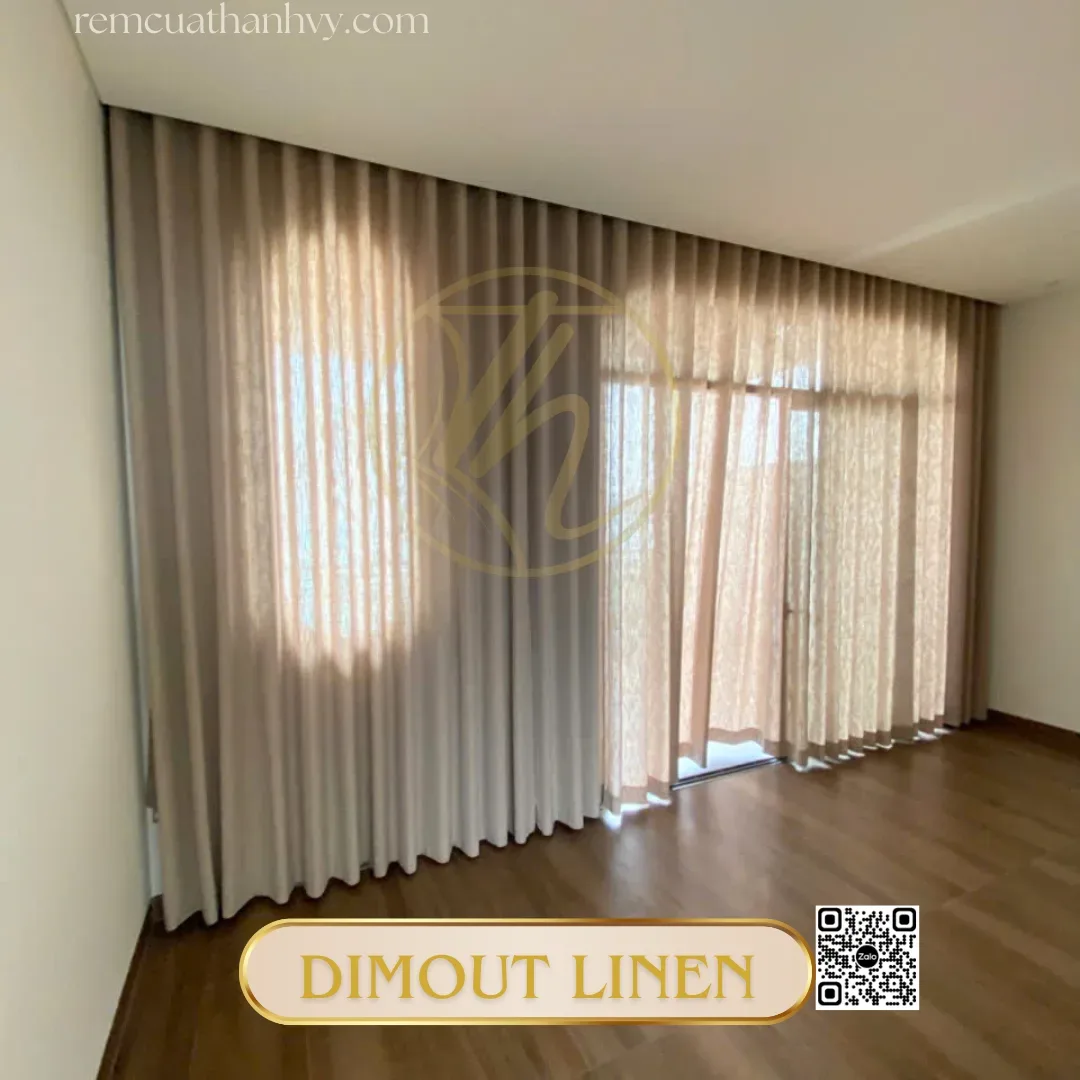
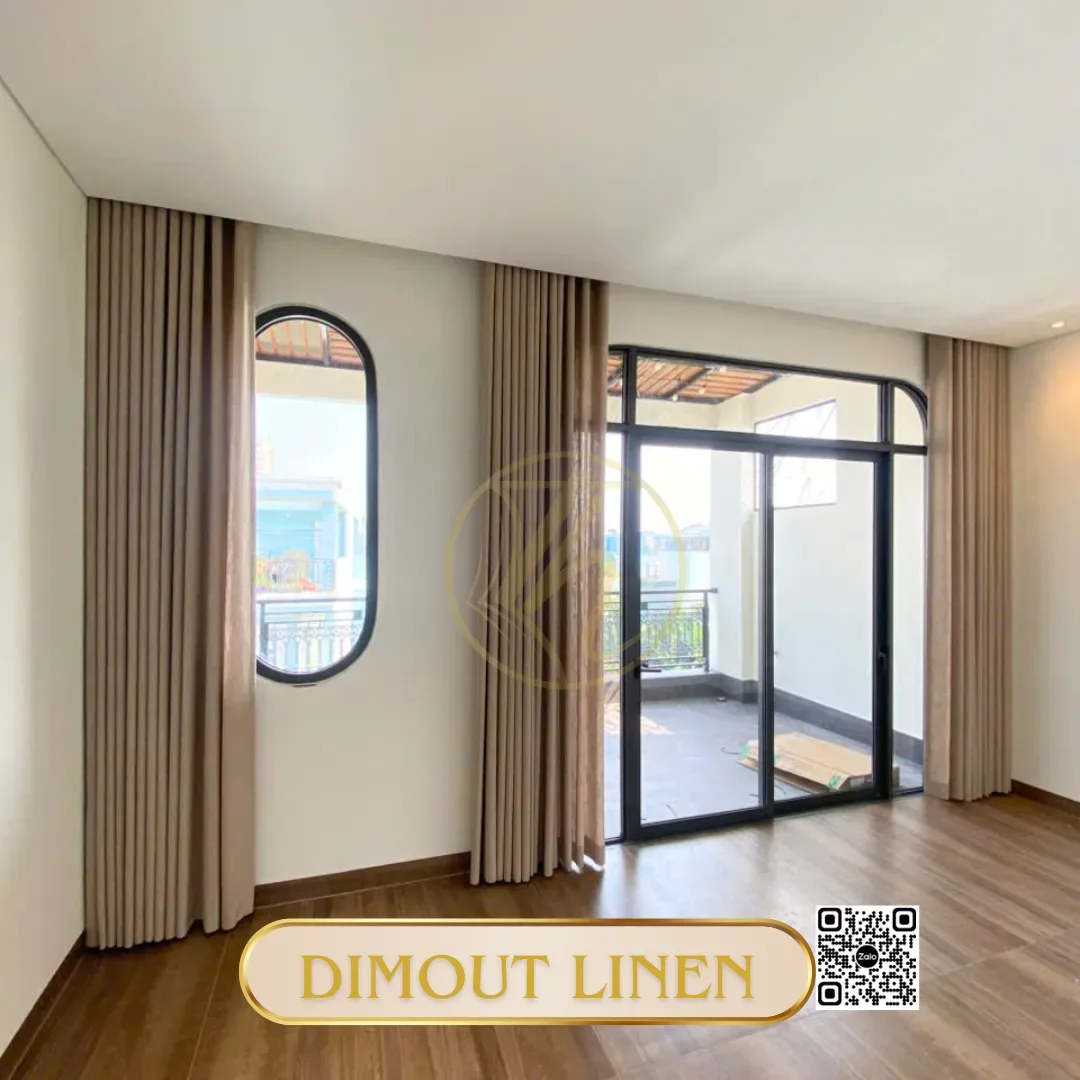
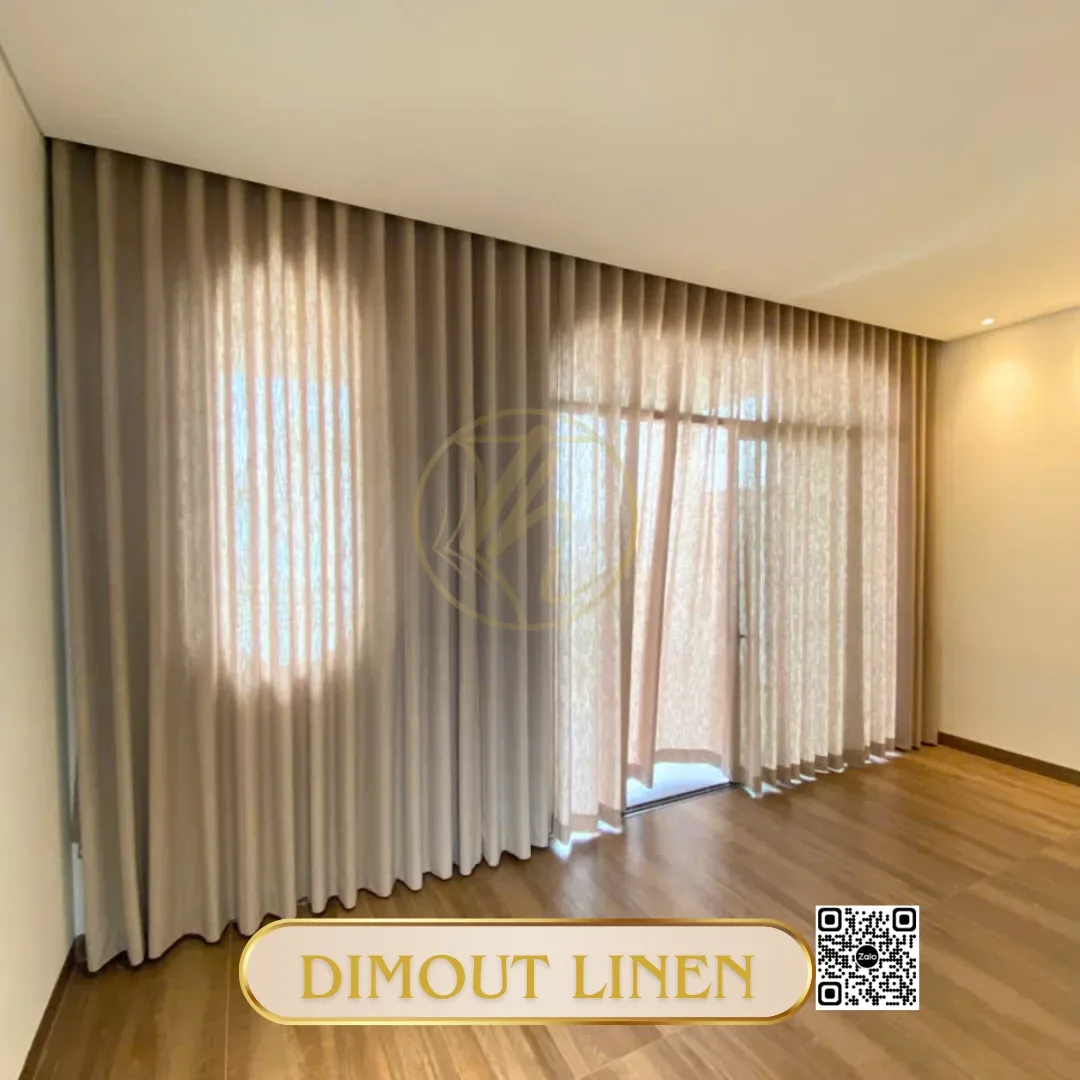
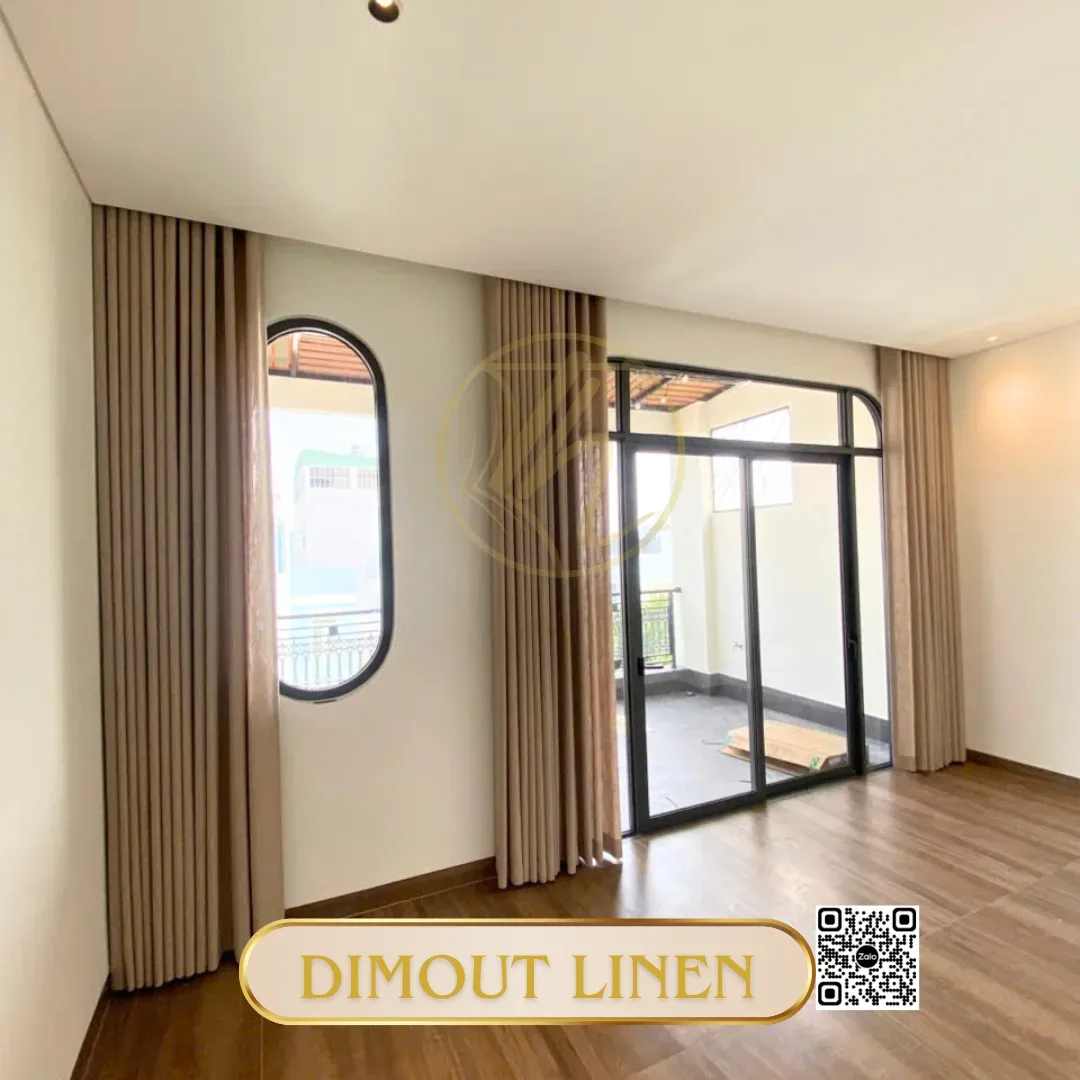

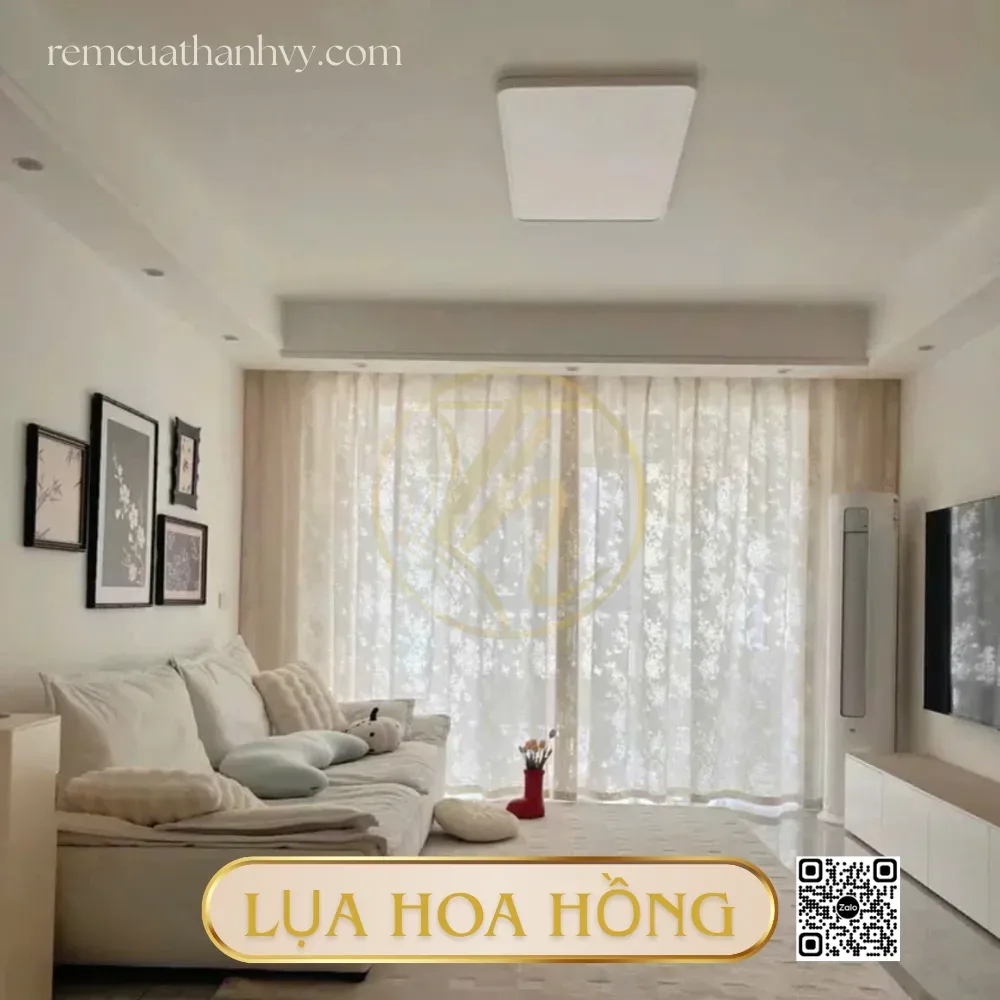
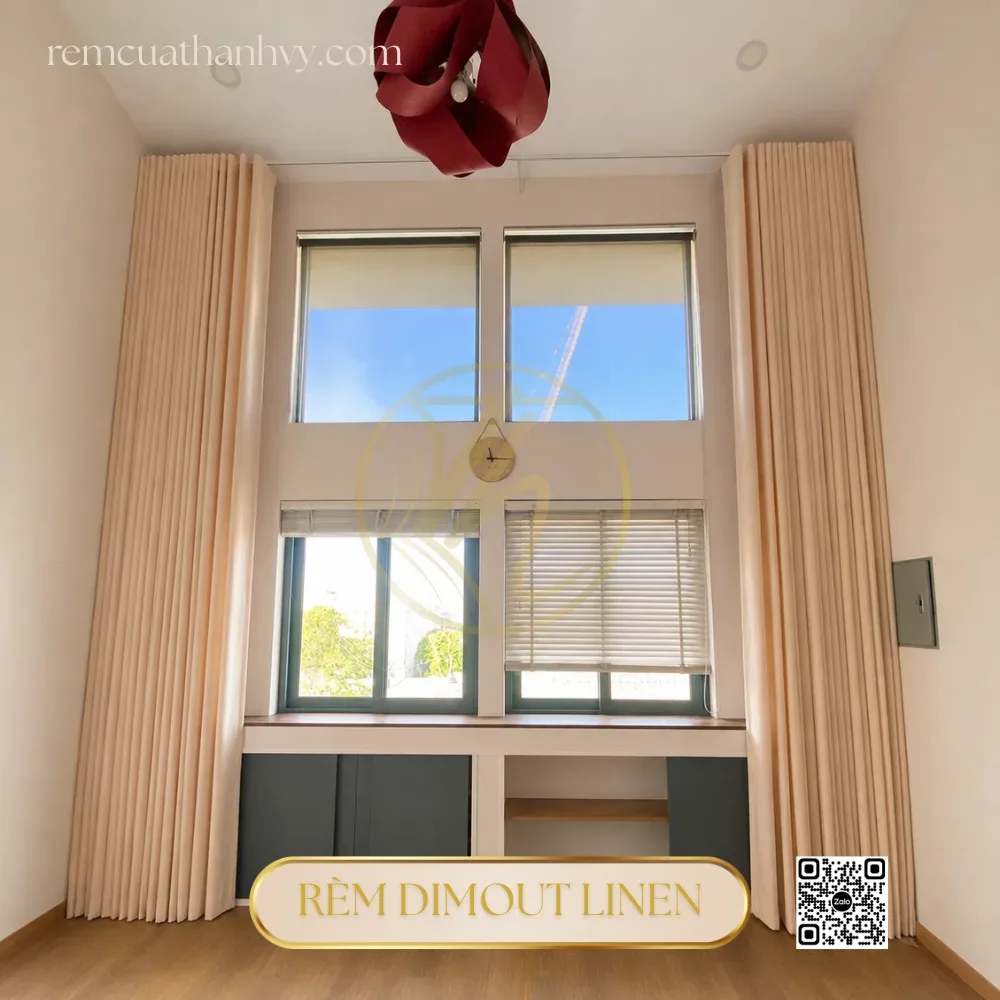
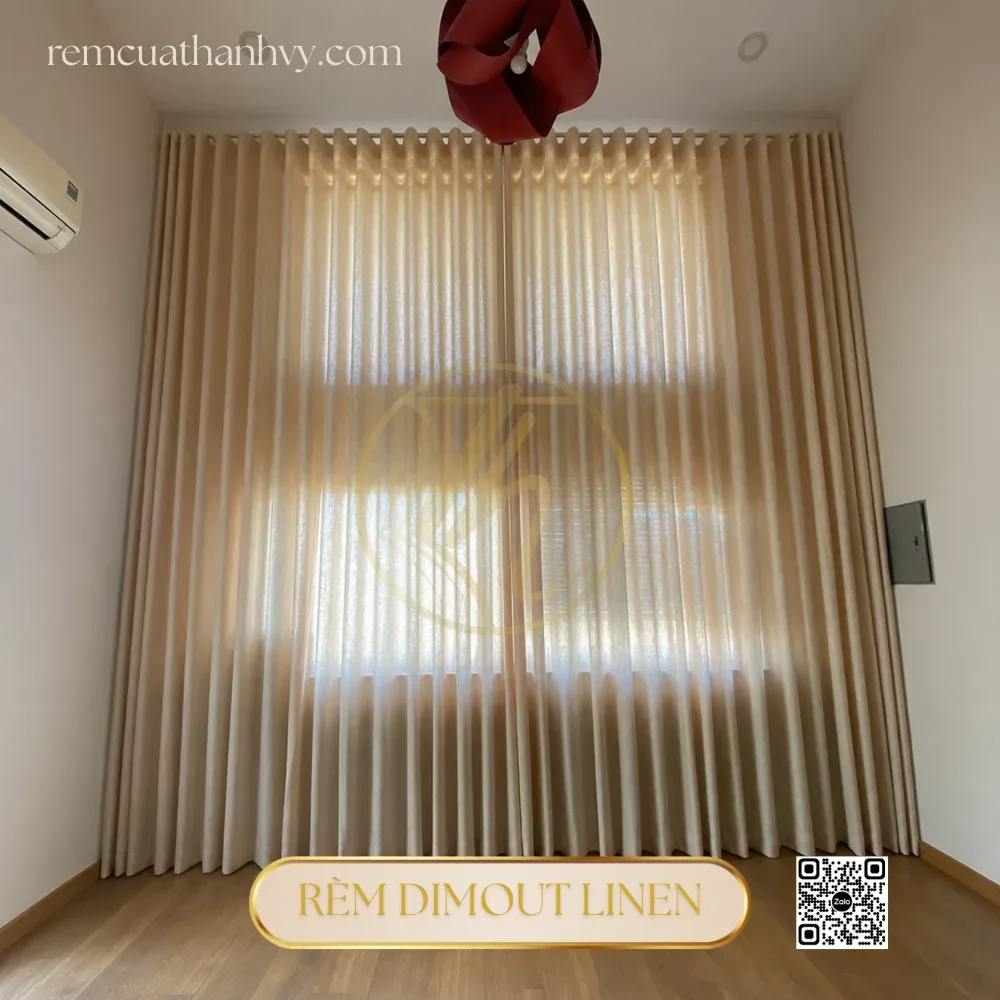
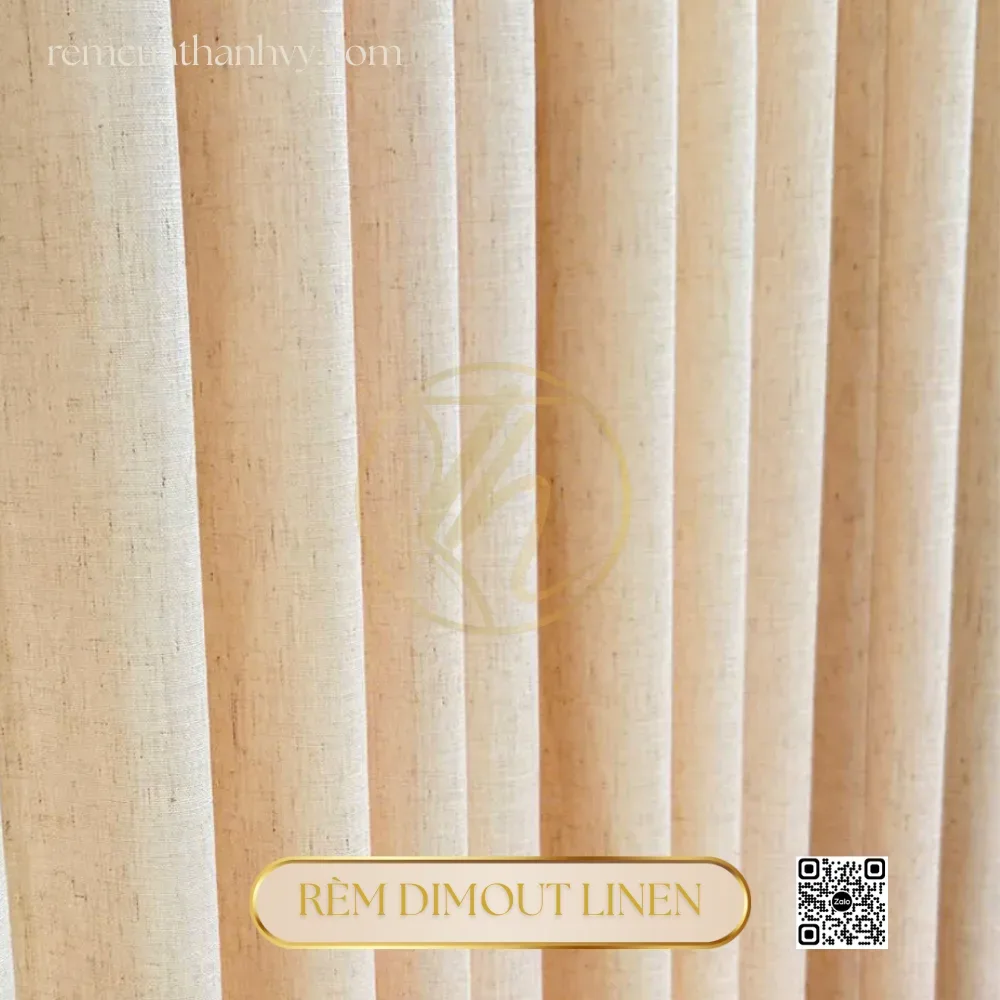
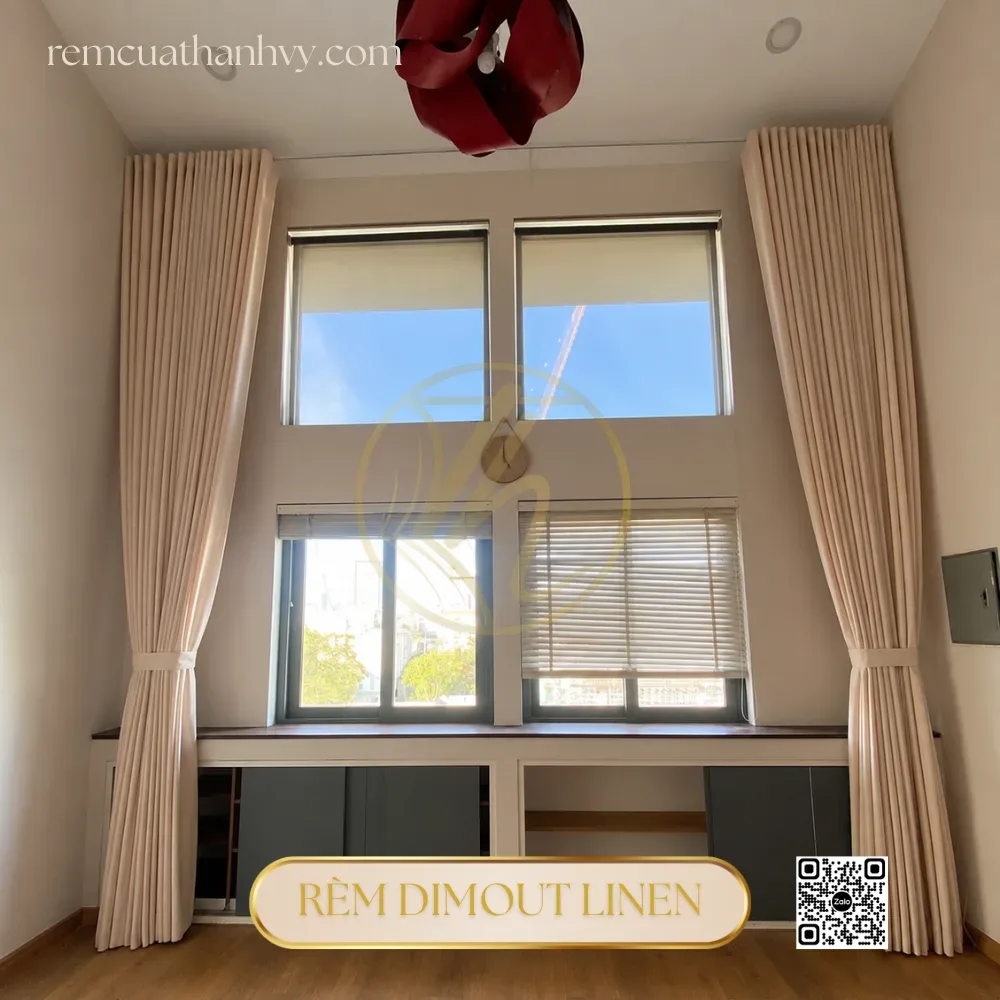
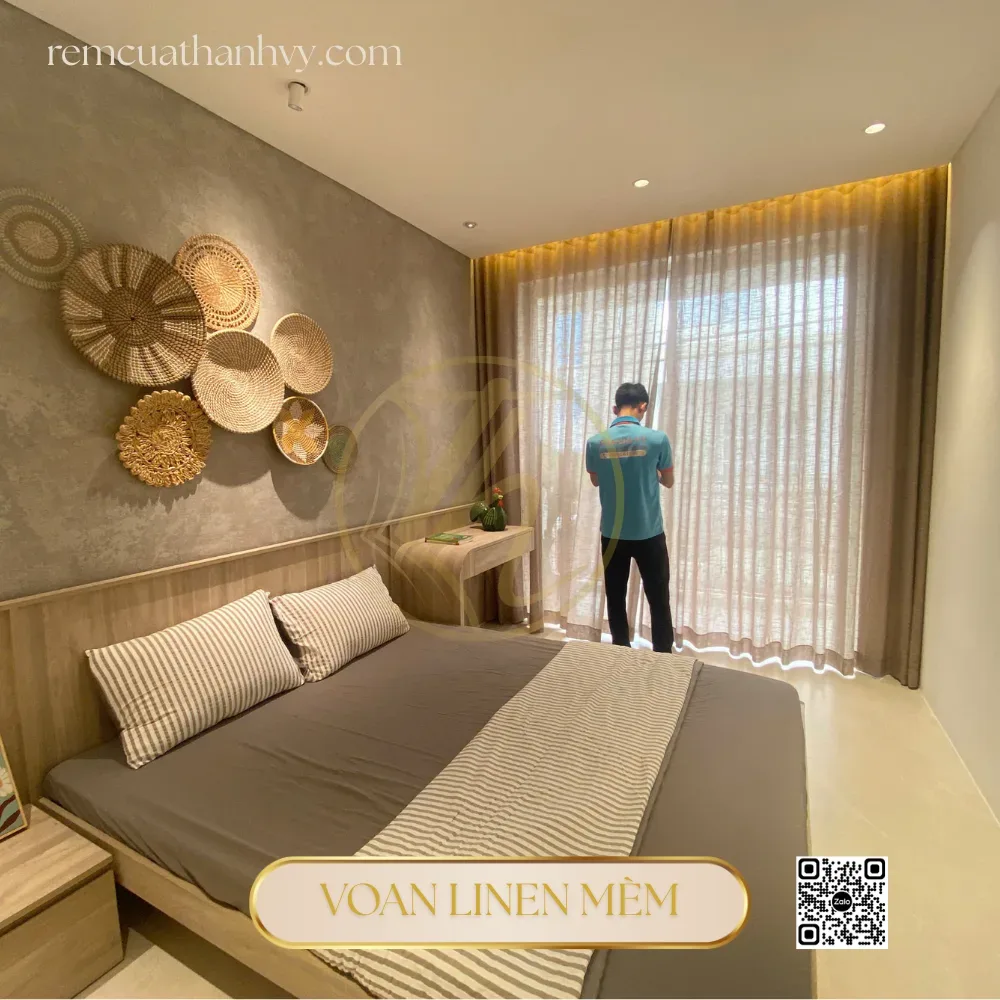
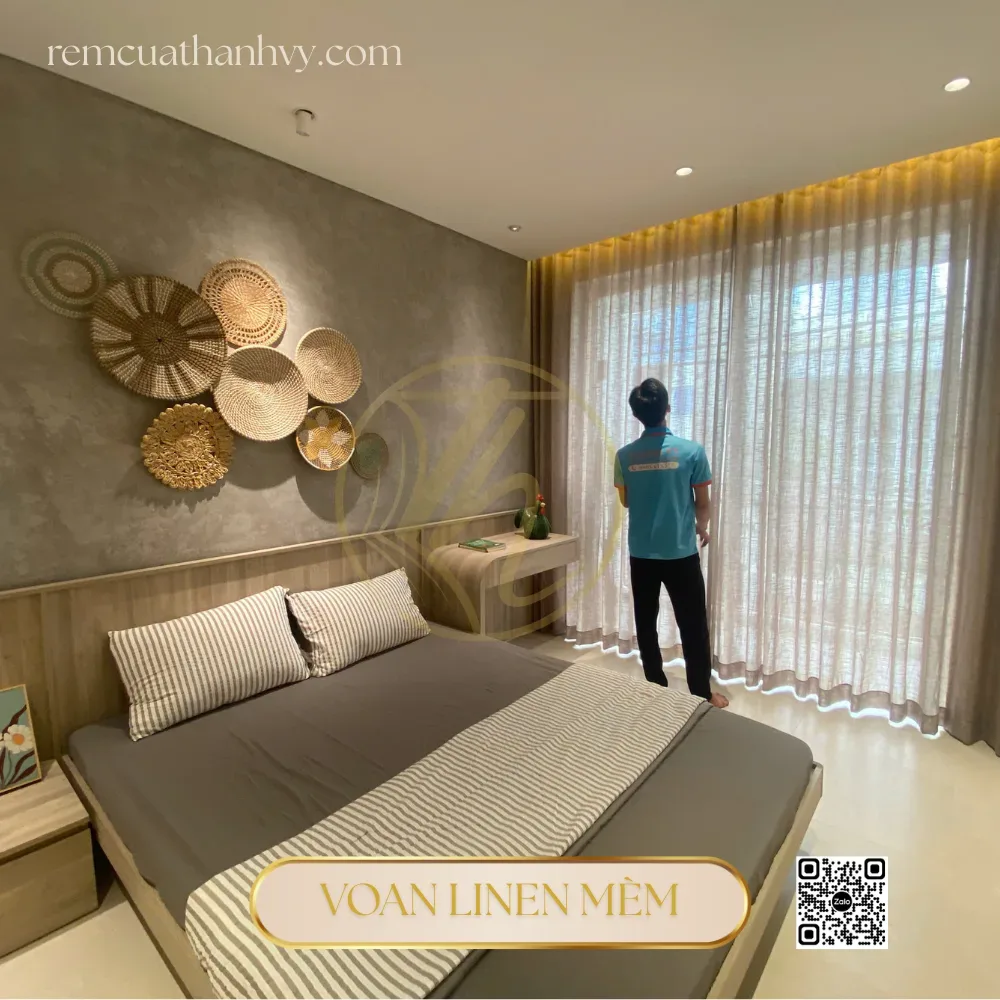
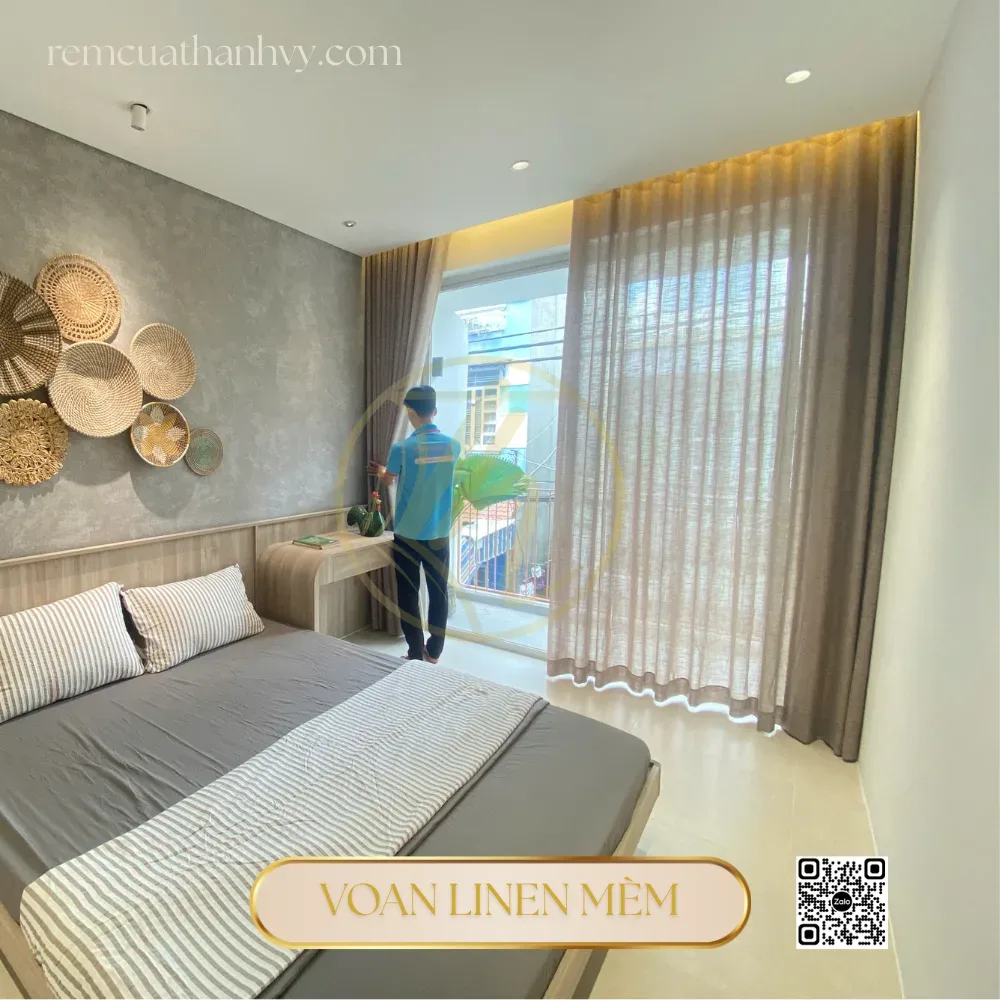
Choosing fabric curtains should start with usage needs
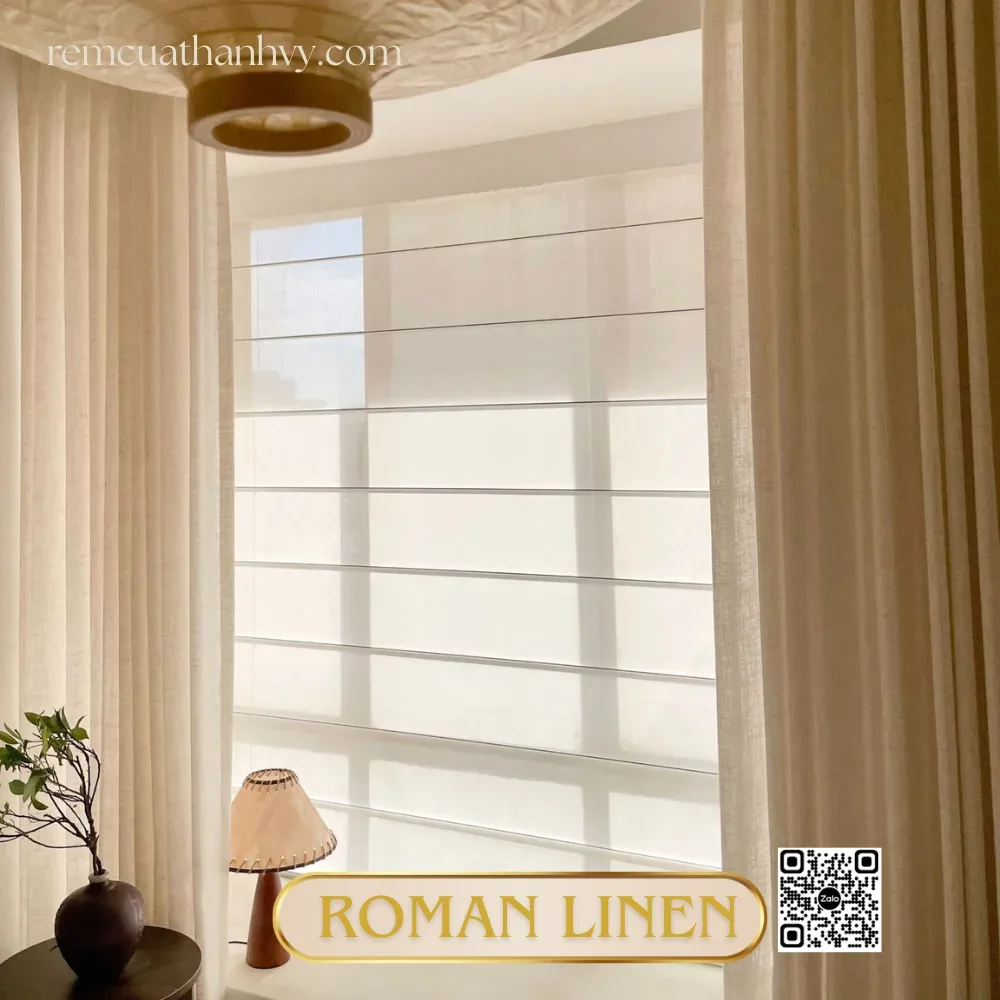
Choosing fabric curtains should start with the room’s actual usage needs — the desired level of light control, the required degree of privacy and how often the curtains will be opened and closed — rather than only with the fabric’s beauty, color or drape. However, “beautiful” is not the only criterion. A style suitable for a bright living room may not be suitable for a bedroom that requires privacy, while a curtain set that looks attractive in photos may become too dark or too cool when placed next to the actual wall color.
To choose fabric curtains reasonably, start with three questions: how much light control does the room need, how much privacy do the occupants require and how often will the curtains be opened and closed? Only then consider color, sewing style and accessories. Moving from function to aesthetics helps minimize the need to change decisions after the curtains have been sewn or installed.
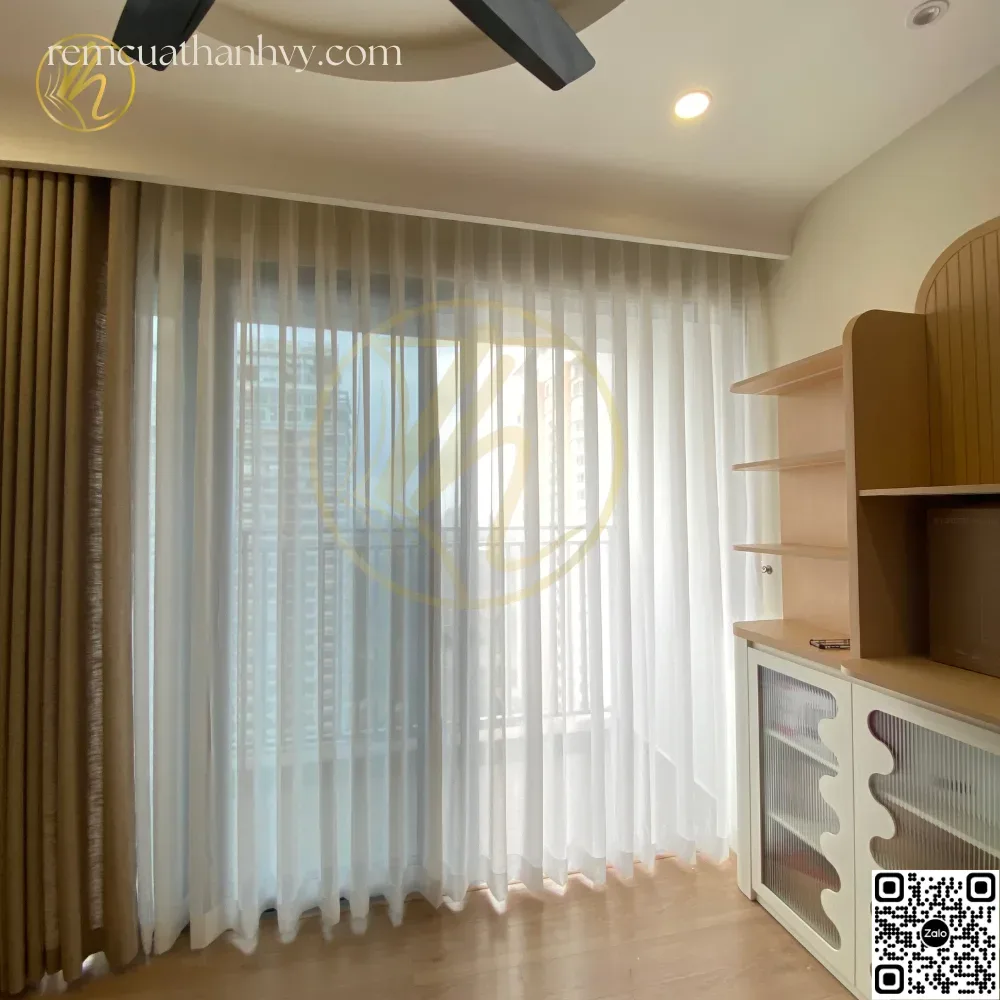
Determine the installation location and lighting goals
Each window location requires a different approach. Bedrooms usually prioritize reducing light during rest periods, while home offices may need to reduce glare while retaining natural light. Living rooms often require a more balanced solution: sufficient privacy, without making the room feel heavy, while still harmonizing with the existing furniture.
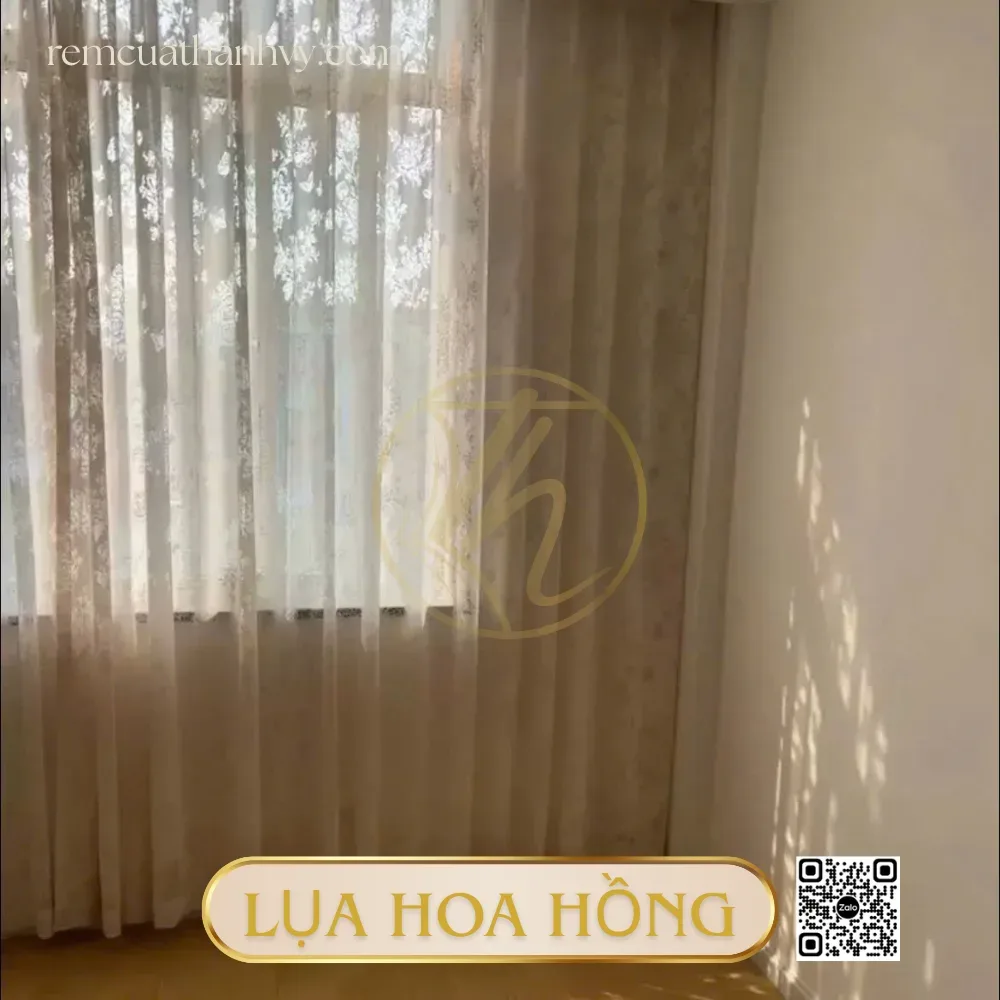
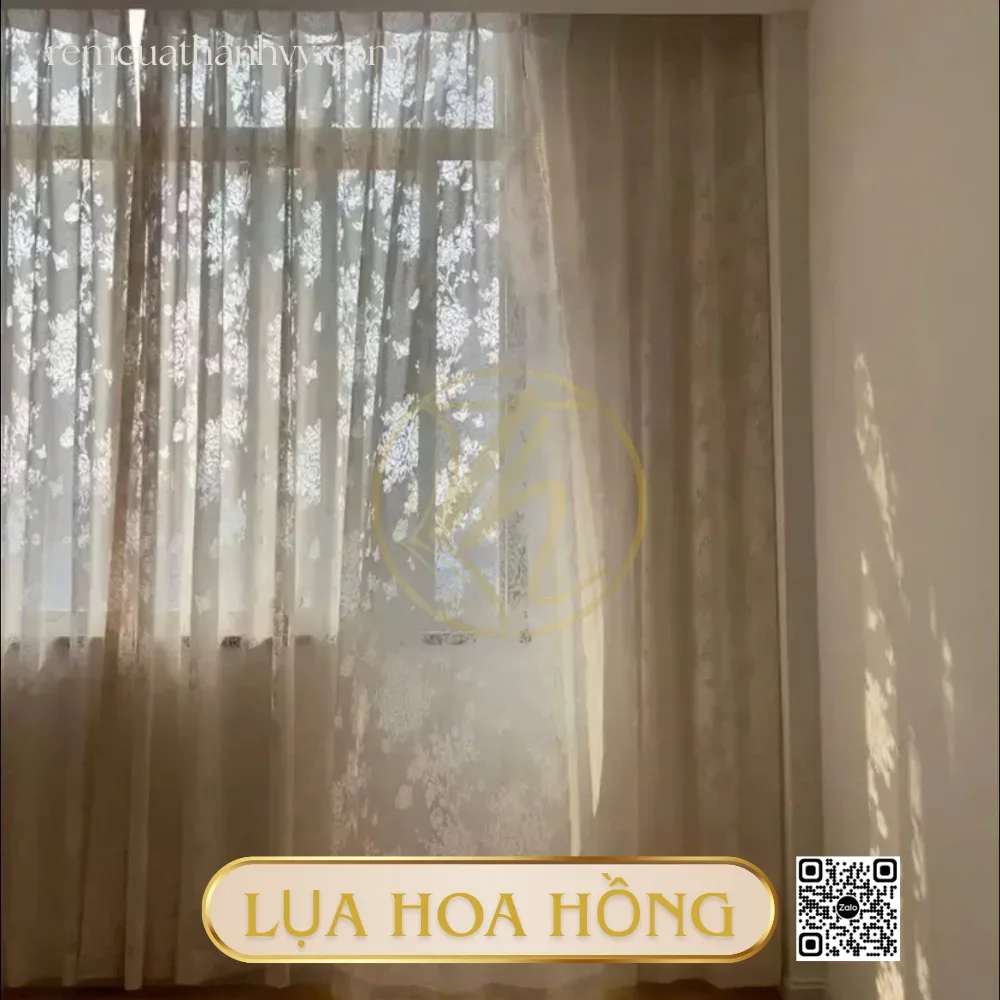
Observe the direction of sunlight, when the sun is strongest and where the light falls on the desk, bed or screen. If you only need to soften the light, a fabric with moderate light transmission may be suitable. If you need more coverage, consider a lining or a two-layer configuration. Do not infer the level of light blockage from the color name alone; the same color can produce different results depending on the weave structure and thickness.
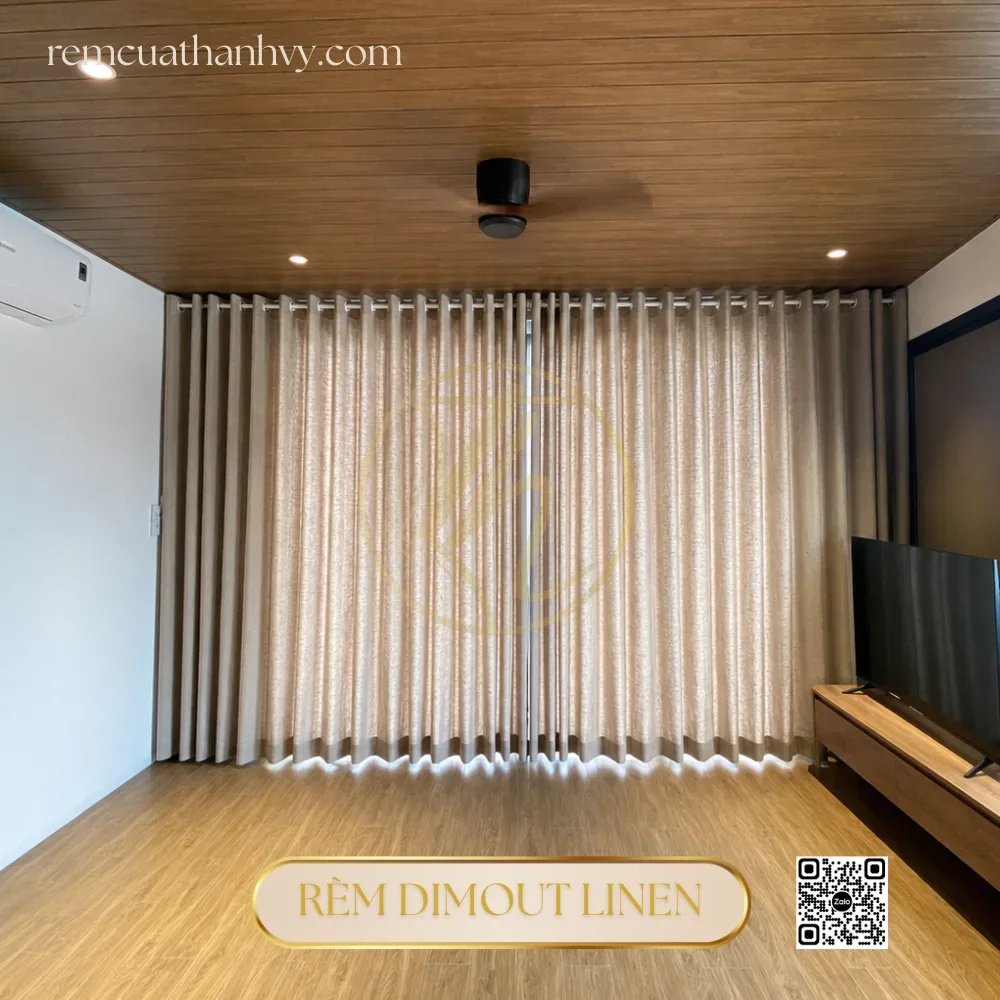
In addition to light, consider how the door opens. Balcony doors or sliding doors need enough curtain stackback so they do not obstruct the passage. A small window set deep inside a recess may require a different installation method from a large floor-to-ceiling glass window. When requesting consultation, a full view of the window, a photo of the ceiling edge and estimated dimensions will be more useful than a single sample photo.
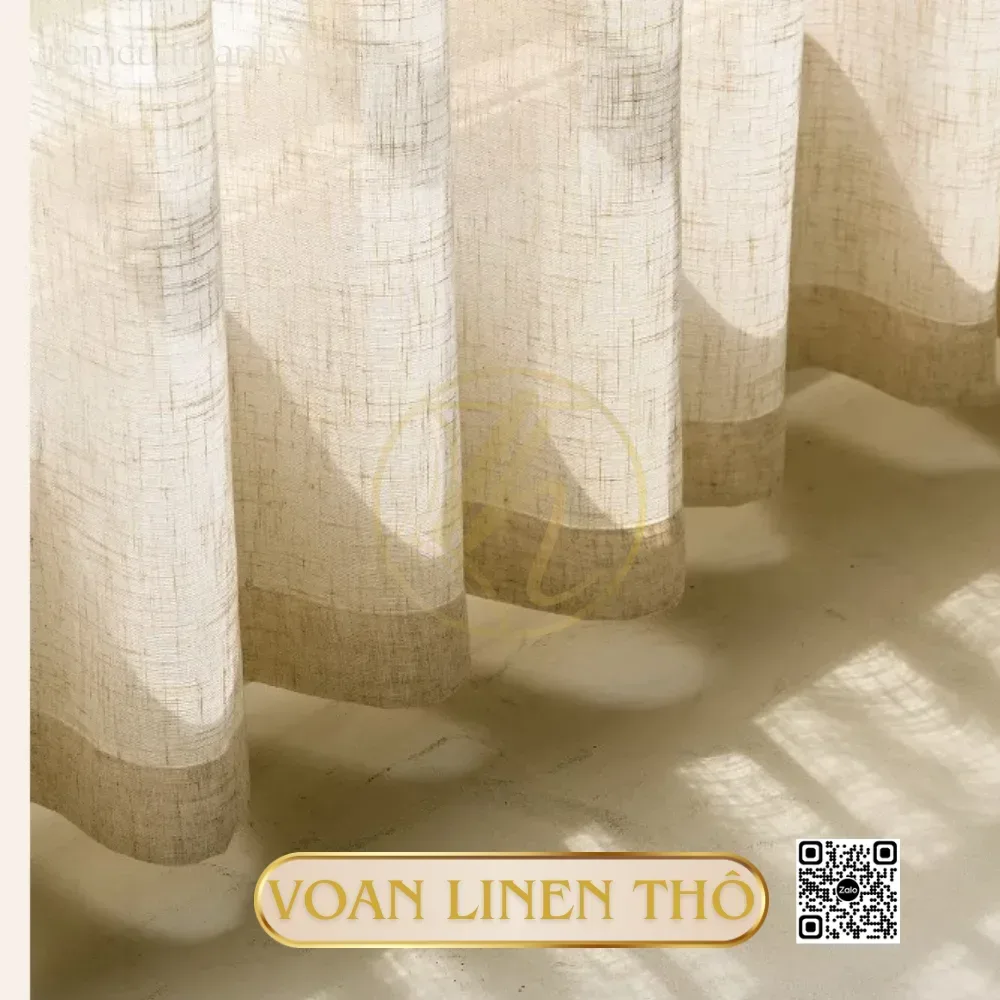
Choose the material according to actual use
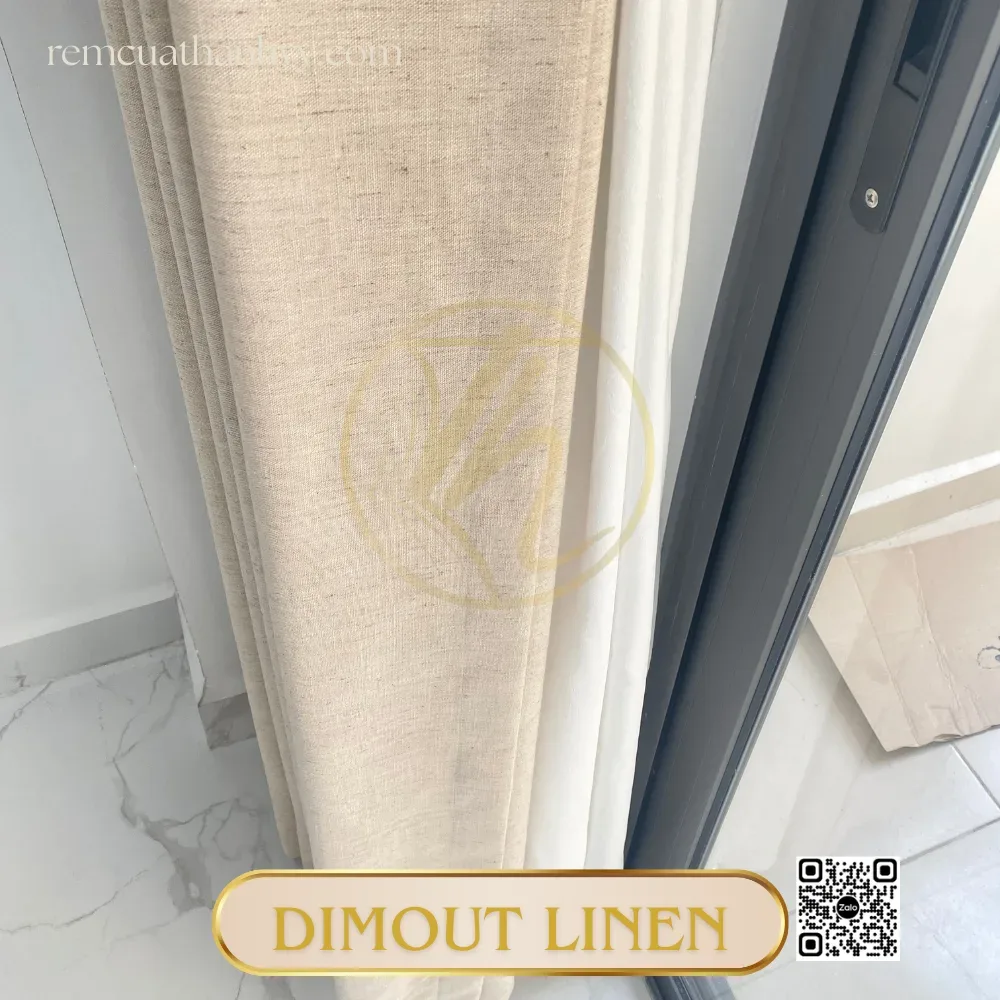
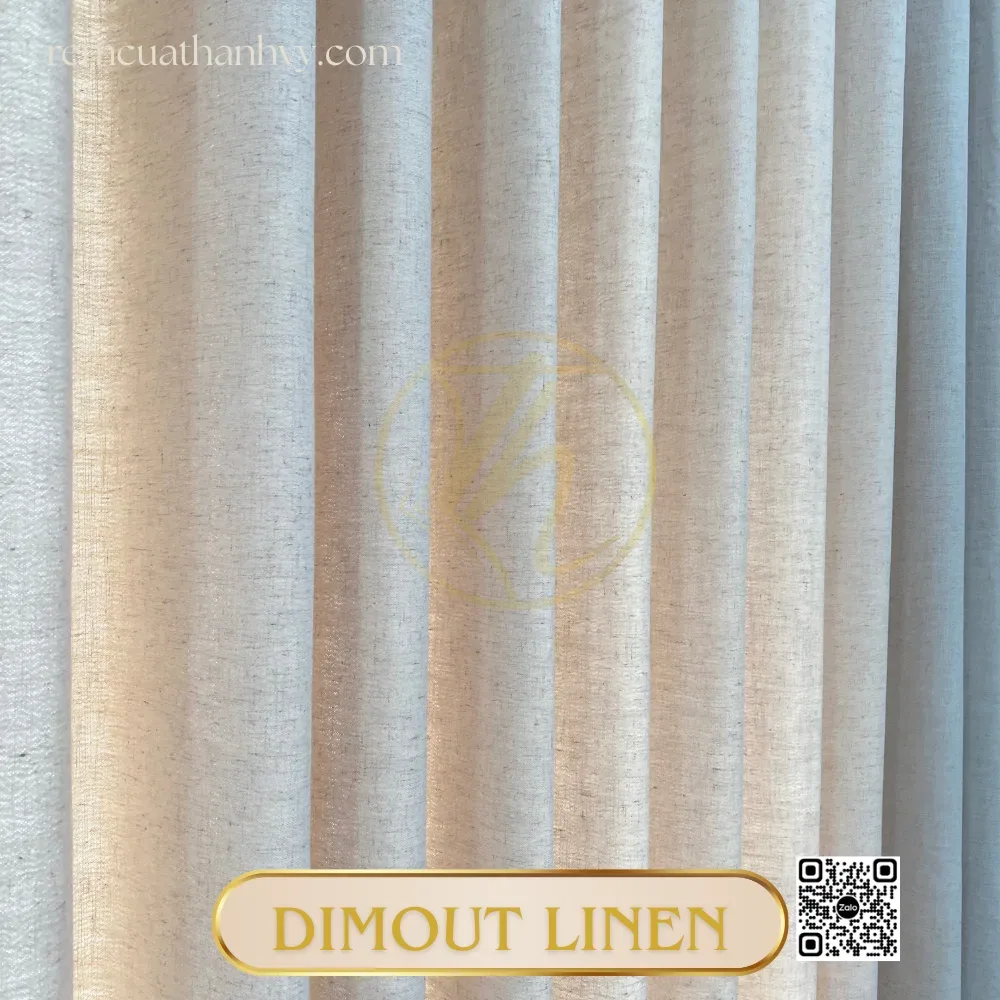
Curtain fabrics can differ in thickness, surface, drape, hand feel and cleaning requirements. A smooth surface usually creates a neat appearance; a fibrous or textured weave can add depth but should also be viewed under real lighting. Fabric that is too thin may not meet privacy needs, while fabric that is too thick can make a small space feel heavier when used over a large area.
Do not simply ask whether a material is “durable”; ask how well it suits the specific location. Areas near the kitchen, places with dust or homes with young children require consideration of cleaning. Spaces that use air conditioning frequently may require consideration of the drape and the stability of the folds. For windows that are opened and closed continuously, the track system, rings and sewing method are just as important as the fabric itself.
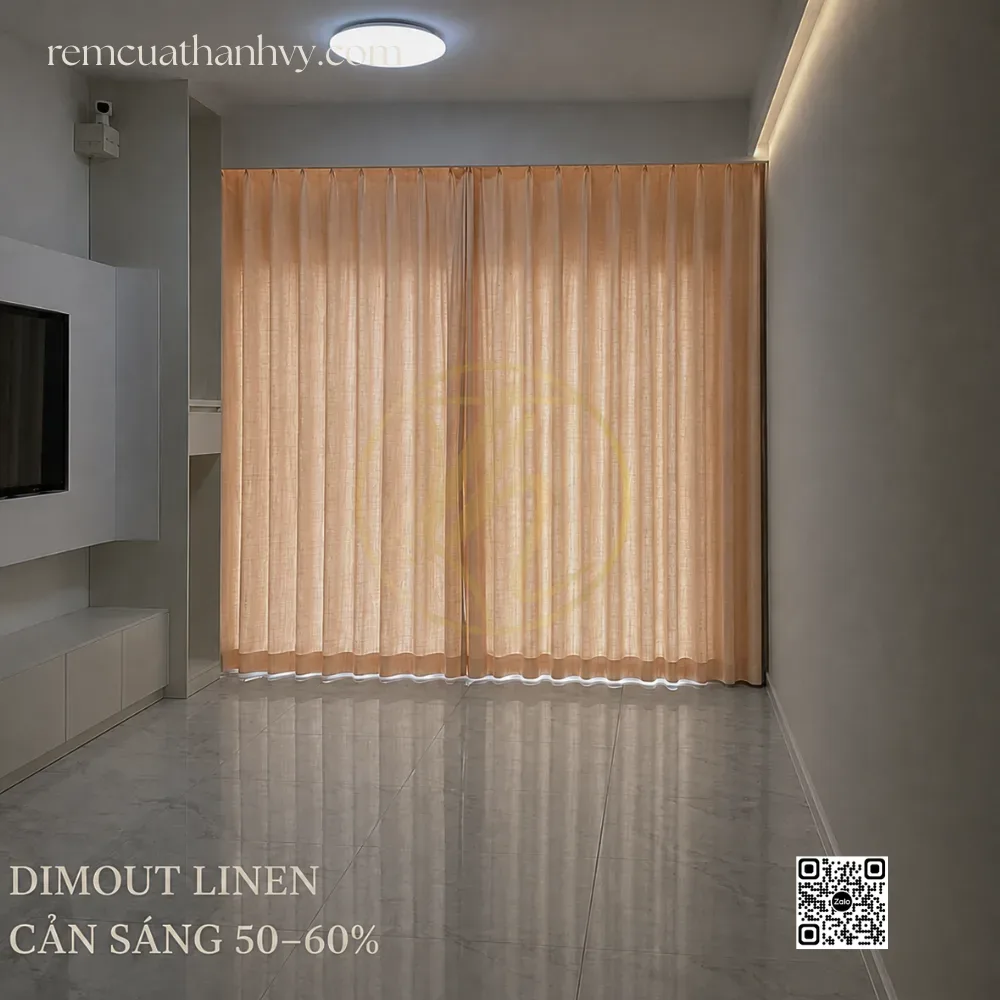
When viewing samples, place them near the wall color, flooring and main furniture. Warm light, white light and natural light can make the same color look different. If you are uncertain, choose a neutral shade that relates to an existing color in the room instead of trying to find a bold color from the outset.

Coordinate fabric curtain colors with the interior
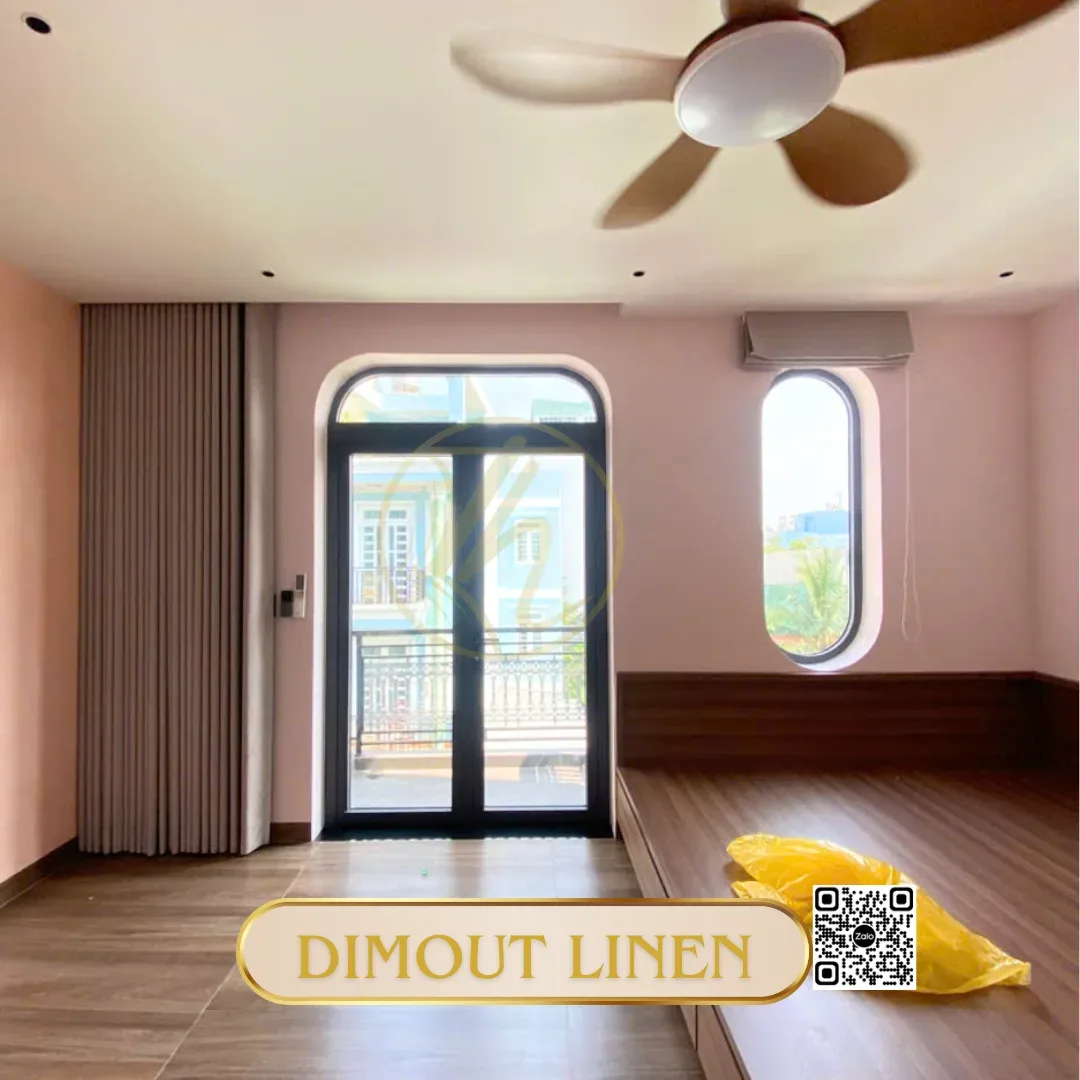
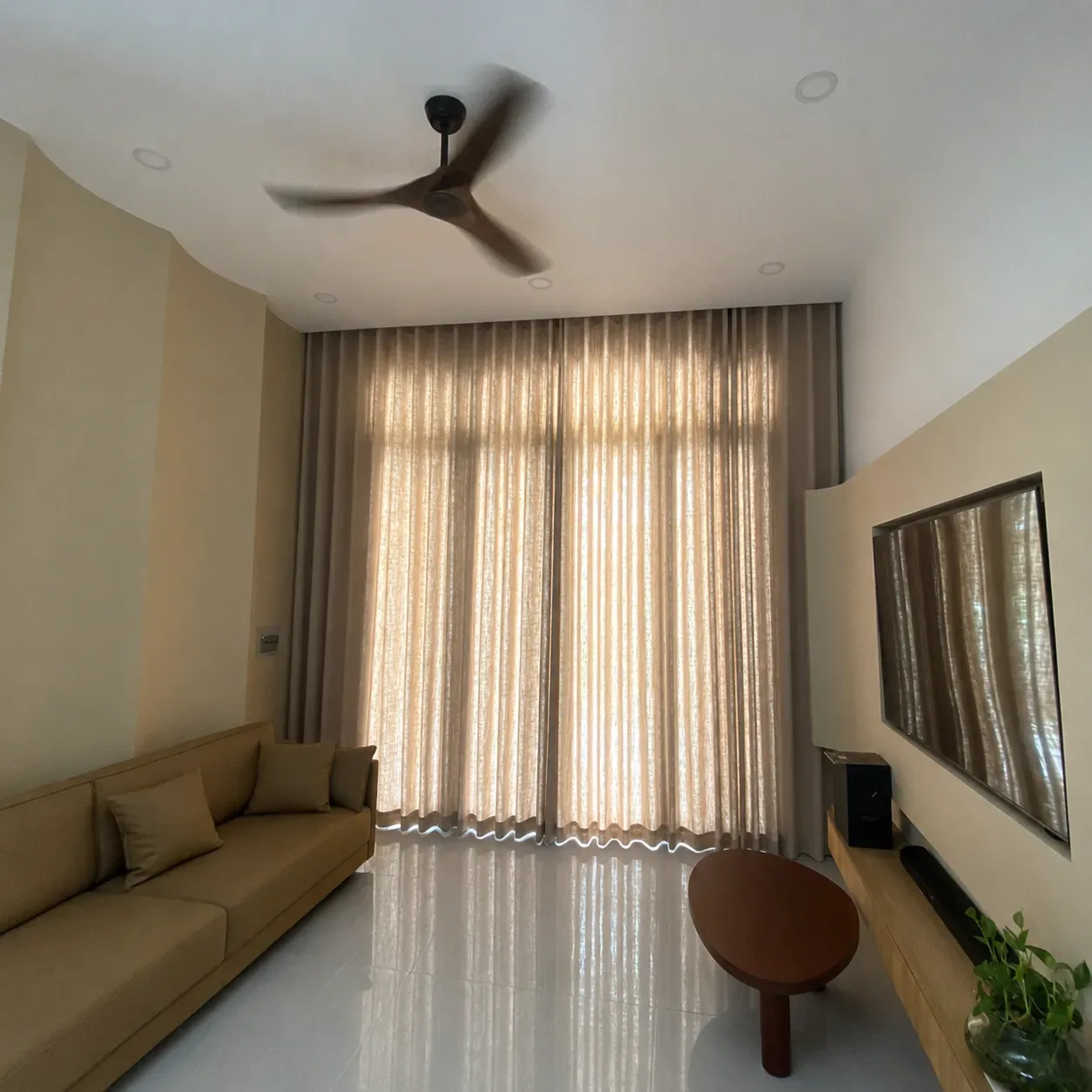
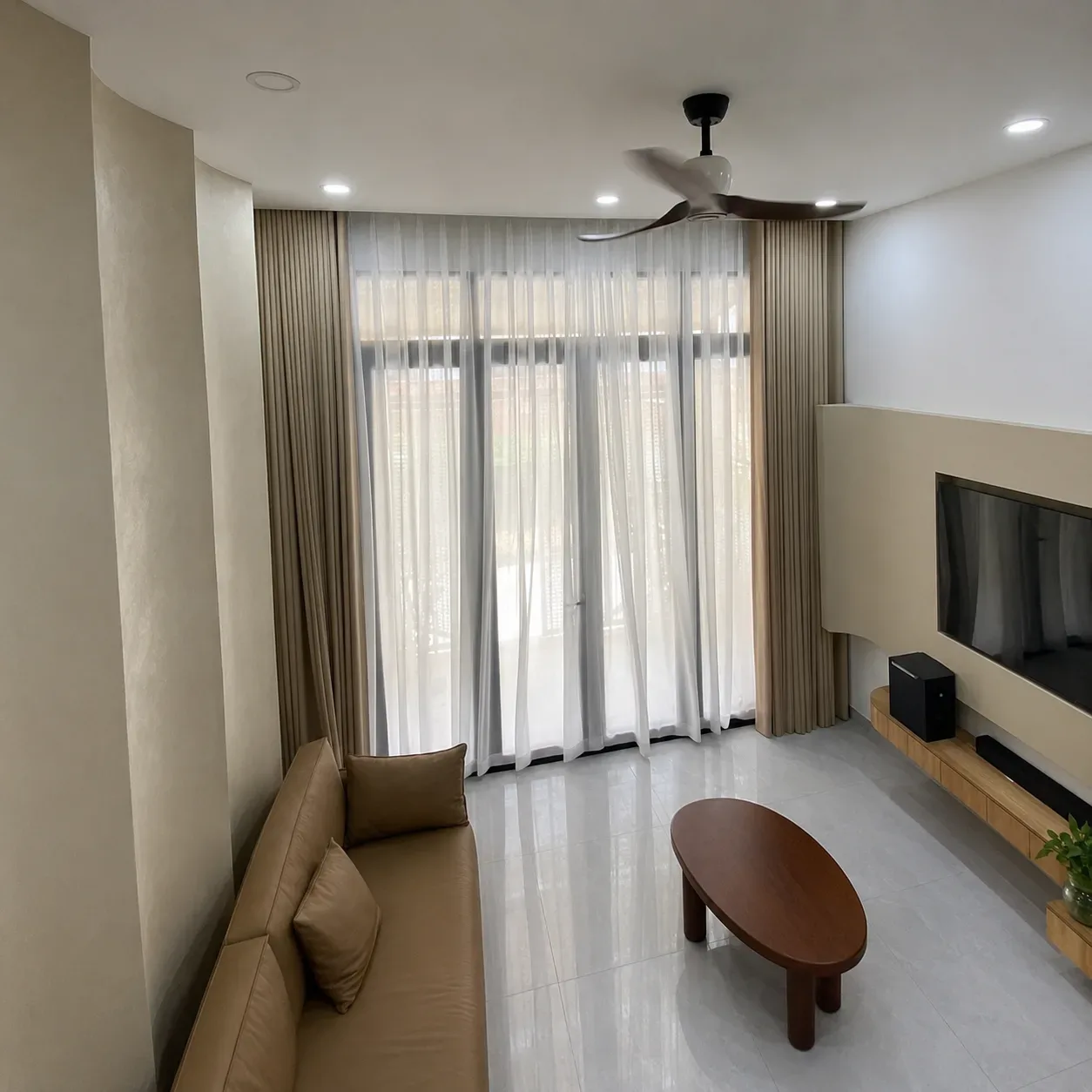
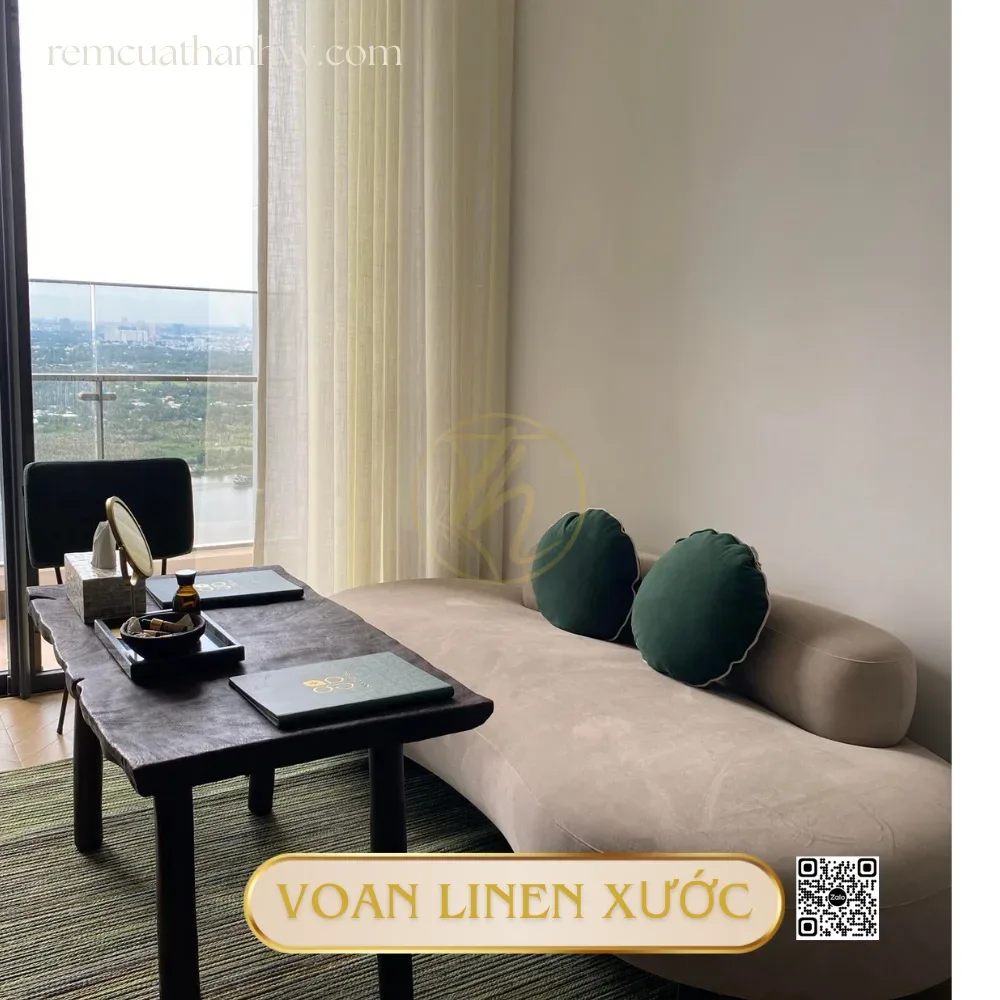
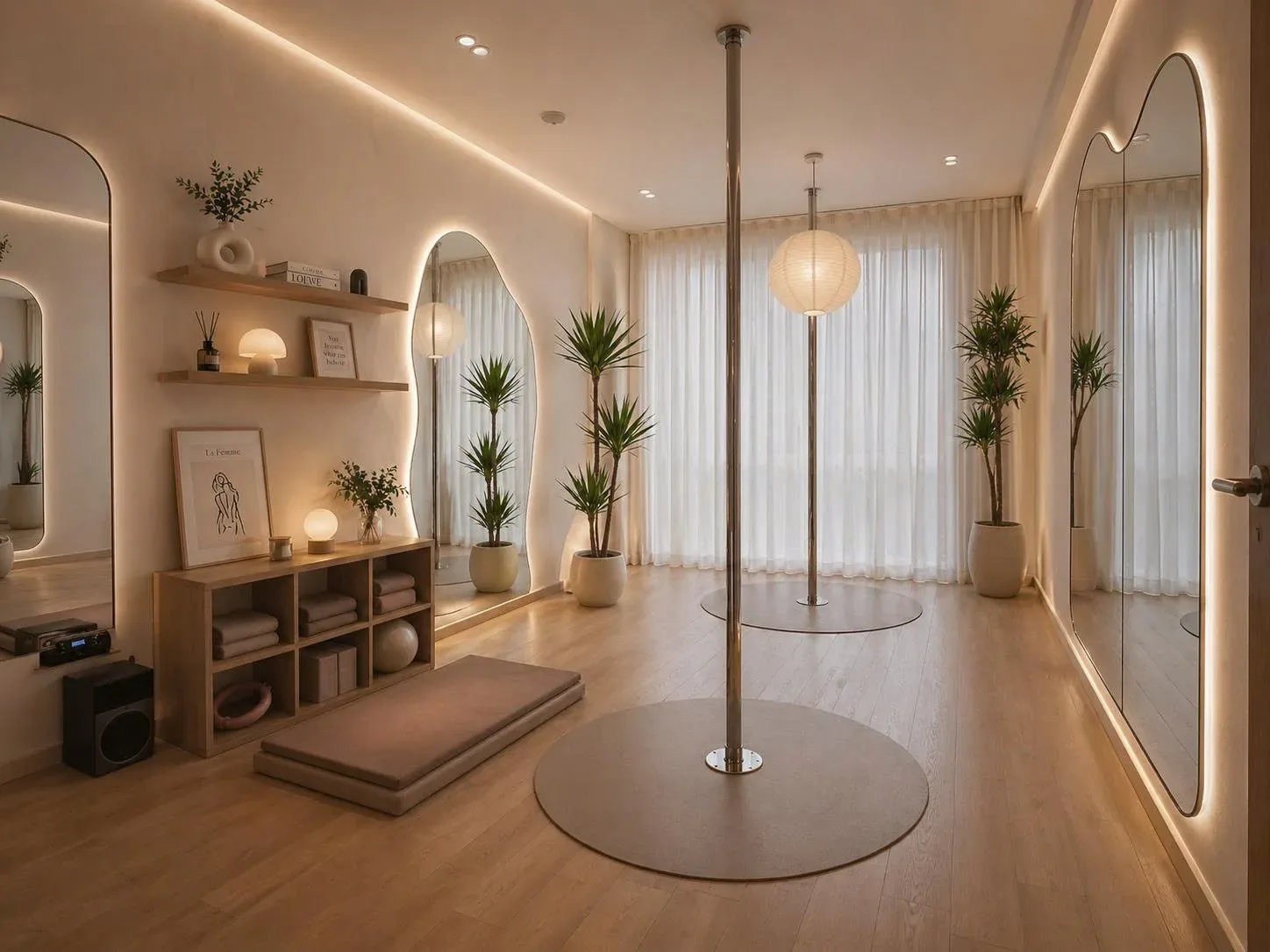
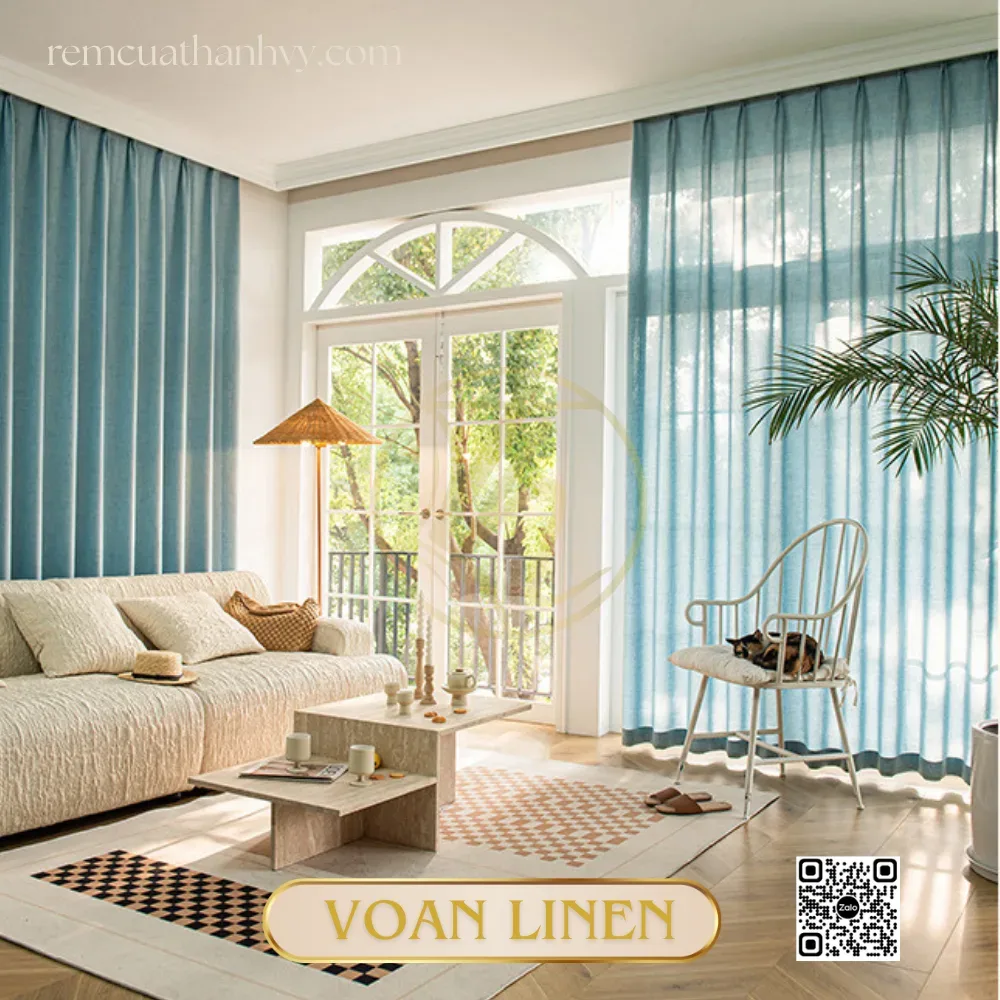
A safe approach is to choose curtains from the same color family as the walls or large furnishings, then create moderate light–dark contrast for layering. Light walls and warm wood flooring are usually easy to pair with beige, cream, warm gray or light brown. Spaces with many strong colors may need solid-color curtains to reduce visual clutter. Conversely, a minimalist room can use fabric texture, stitching or a soft color to create an accent. Background information about the properties of natural wood helps provide a comparison when choosing materials.
The curtains do not have to match the sofa or rug exactly. Repeating one color completely can make the room look flat. Instead, choose a nearby shade or an intermediate color. For example, when the sofa is blue-gray, light gray or cool beige curtains can connect the overall look while maintaining an airy feel.
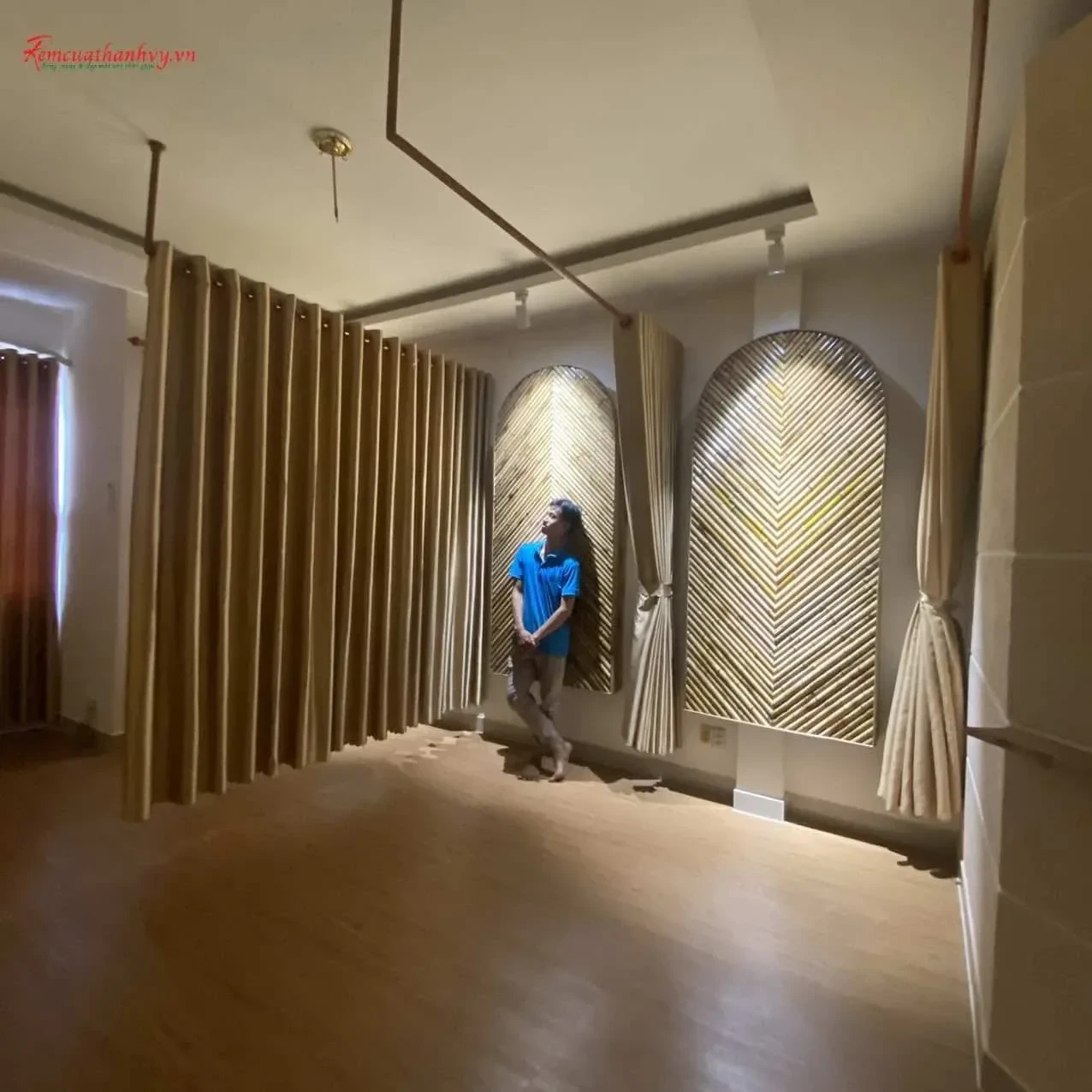
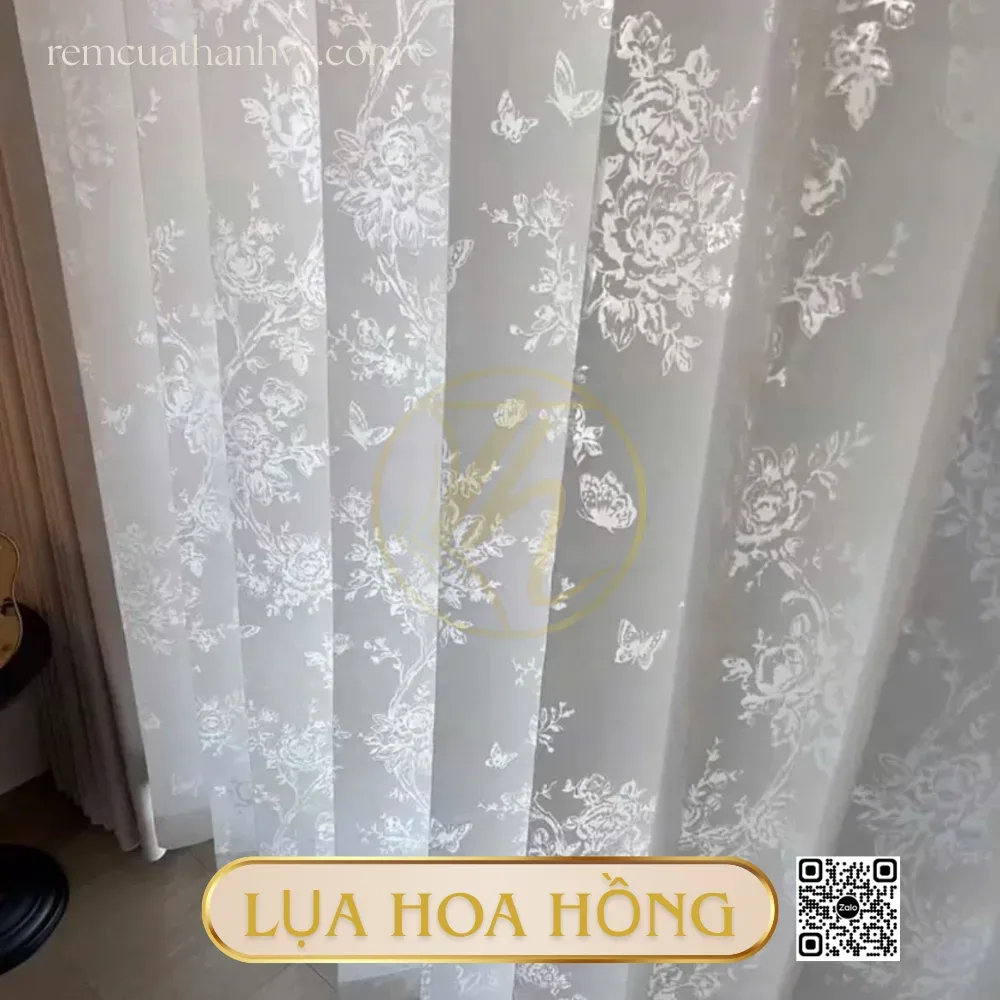
Patterns should be used intentionally. If the wallpaper, rug or cushions already feature many patterns, plain curtains are usually easier to live with for longer. If all surfaces in the room are simple, a small pattern or subtle woven texture can create a richer feel without overpowering the space.
Choosing the sewing style and hanging method
The sewing style directly affects the drape, amount of fabric, and how the curtains fold when opened. Some styles create clear, neat pleats that suit modern spaces; others create a softer look, suitable when you want a more relaxed feeling. There is no single sewing style that is right for every window, because ceiling height, window width, and the available space on both sides all affect the proportions.
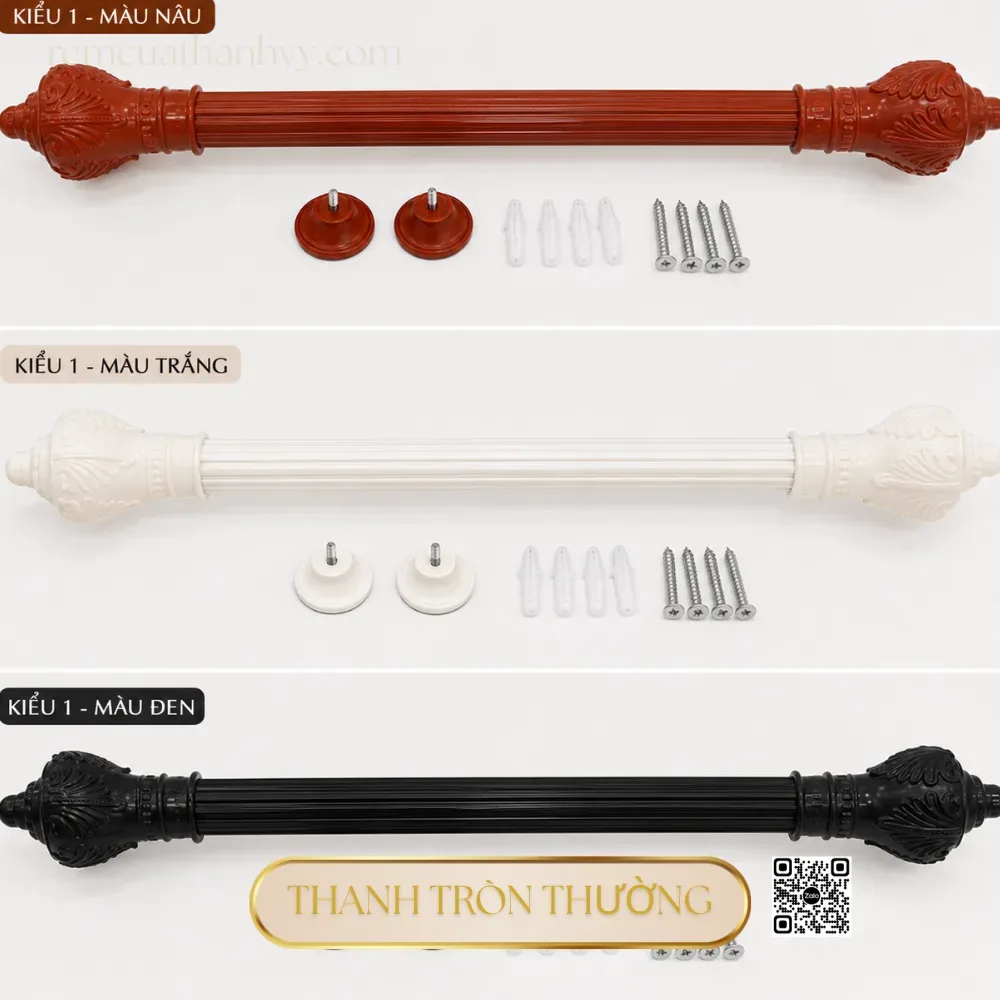
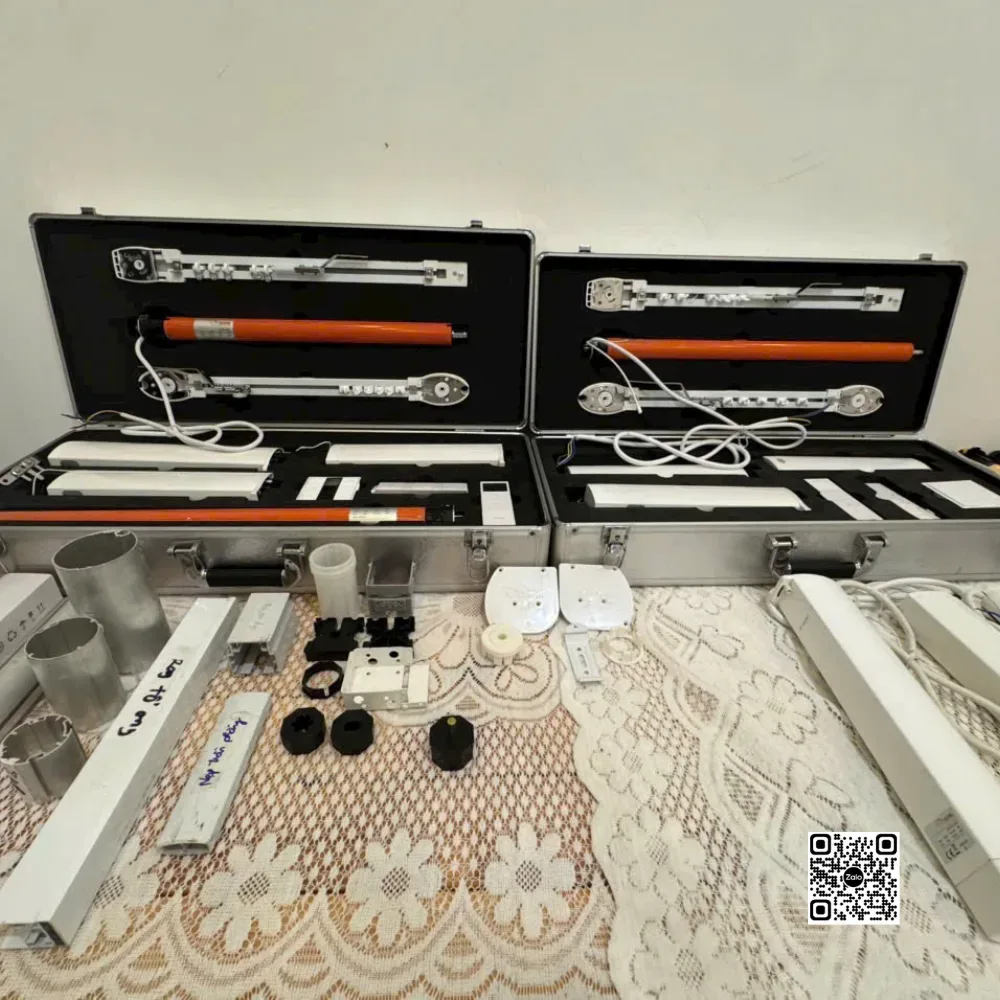
Tracks and curtain rods should also be chosen according to the location. In some situations, a track can help the curtains run neatly close to the ceiling; a curtain rod can become a decorative detail when it suits the room’s style. The points to check are the setback, bracket positions, where the curtains will stack, and obstacles such as air conditioners, cabinets, or door handles.
Before finalizing, clearly confirm which side the curtains will open toward, whether there will be one or two panels, whether there will be a sheer layer, and where the curtains will sit when opened. These details are more important than simply recording the width and height.
Preliminary measurements and mistakes to avoid
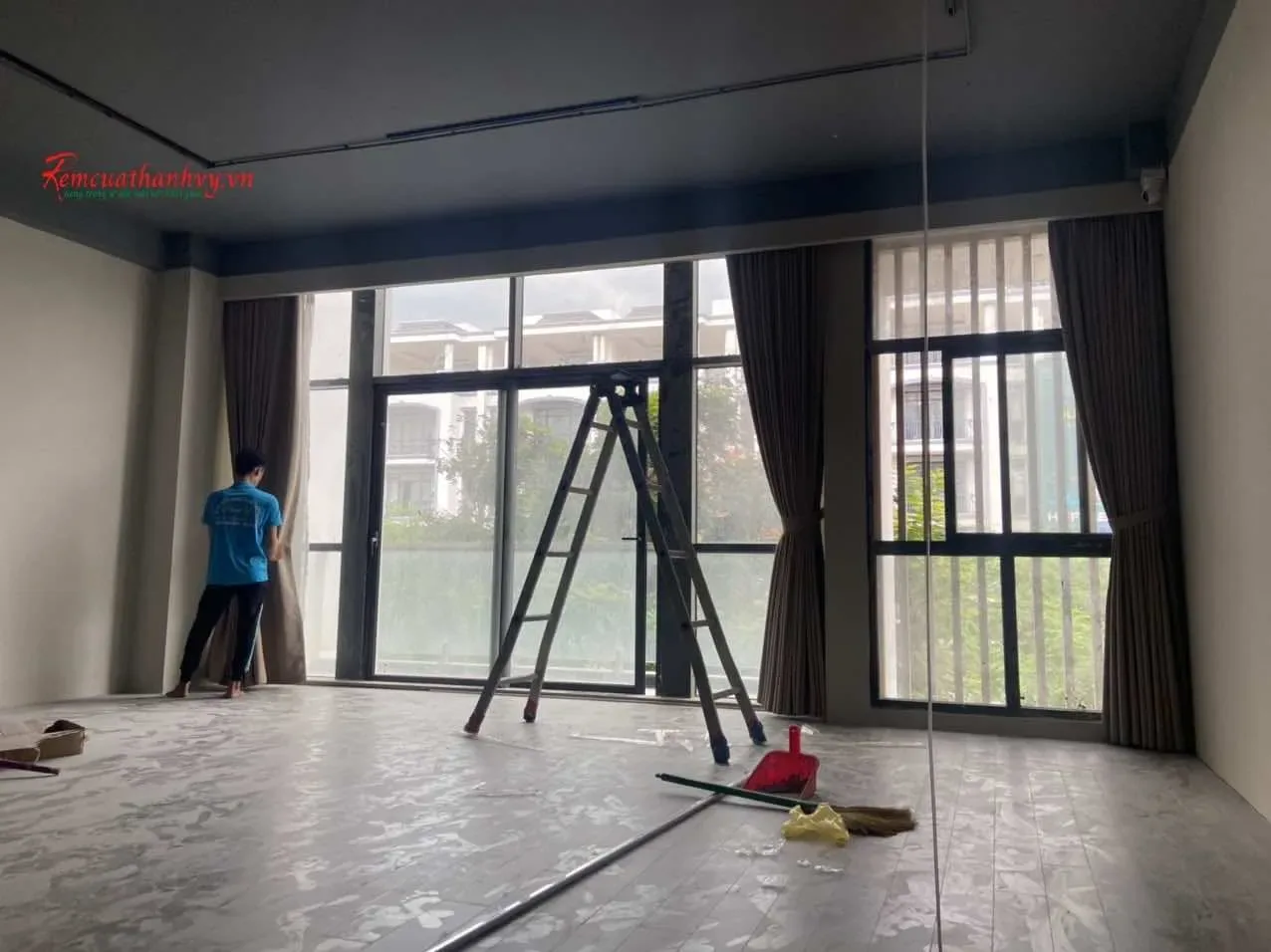
Self-taken measurements can be used for initial discussions, but they should not be considered the final measurements in every case. When measuring, record the width of the area that needs to be covered, the height to the intended hanging point, and the available space on both sides. Also take photos with a measuring tape or mark the positions if the window has a recess, trim, or obstacles.
A common mistake is measuring only the glass area and forgetting the coverage on both edges; choosing curtains that are too long or too short for the installation method; not accounting for the curtain stack; and overlooking the possibility of the door hitting the curtains. Another mistake is finalizing the color based on a screen without viewing a sample in the room. These mistakes can be avoided with one configuration-confirmation step before sewing.
Checklist before choosing fabric curtains
Before deciding, check: your light-blocking and privacy goals; the direction the door opens; the colors of the walls, floor, and furniture; cleaning requirements; the track or rod location; the curtain-stacking capacity; and how the fabric sample looks under real lighting. If you need to compare several options, ask for each option to be described according to these same criteria so you are not comparing things outside the same scope.
Quick answer: Before finalizing fabric curtains, make sure you have checked your light-blocking and privacy goals, the direction the door opens, the wall–floor–furniture colors, ease of cleaning, and the curtain-stacking space — these are the factors that determine whether the option will really work well over the long term.
Choosing fabric curtains is a decision about how you live in your space every day, not just a decorative choice. A clear configuration that suits how the space is used and is confirmed according to the actual location will help create a better balance between light, privacy, and aesthetics.
Send your dimensions and needs, and the Thanh Vy Curtains team will advise on options and quote for your actual space.
Common mistakes when choosing fabric curtains
The most common mistake is choosing curtains based on reference photos without rechecking the window proportions and actual lighting conditions. A design that looks beautiful in a showroom can become overwhelming in a room with a low ceiling, narrow windows, or lots of furniture close to the window edges. The second mistake is asking only for the price per set without clearly separating the configuration: fabric type, sheer or lining layer, sewing style, track or curtain rod, and where the curtains will stack when opened. When these factors have not been clarified, comparisons can be skewed from the outset. Interested readers can learn about polyester fibers in the textile industry before deciding.
In addition, many people choose colors based on how they appear on a phone screen, only to discover that the sample looks completely different under the room’s actual lighting. A safer approach is to always compare the sample in surroundings as similar as possible to the installation location and ask yourself whether you are prioritizing an airy feeling, opacity, or a balance between the two. Simply changing the order of decisions in this direction can greatly reduce the likelihood of choosing incorrectly.
How to compare two options and decide quickly without relying on feelings
If you are choosing between two fabric-curtain configurations, do not begin by asking, “Which option looks better?” Instead, ask for both to be described using the same set of criteria: how they control light, how well they maintain privacy, how much space they occupy when opened, whether they are easy to clean, and how the colors look under both daylight and artificial light. Bringing the two options into the same comparison framework usually makes the final decision much clearer and less dependent on a passing impression.
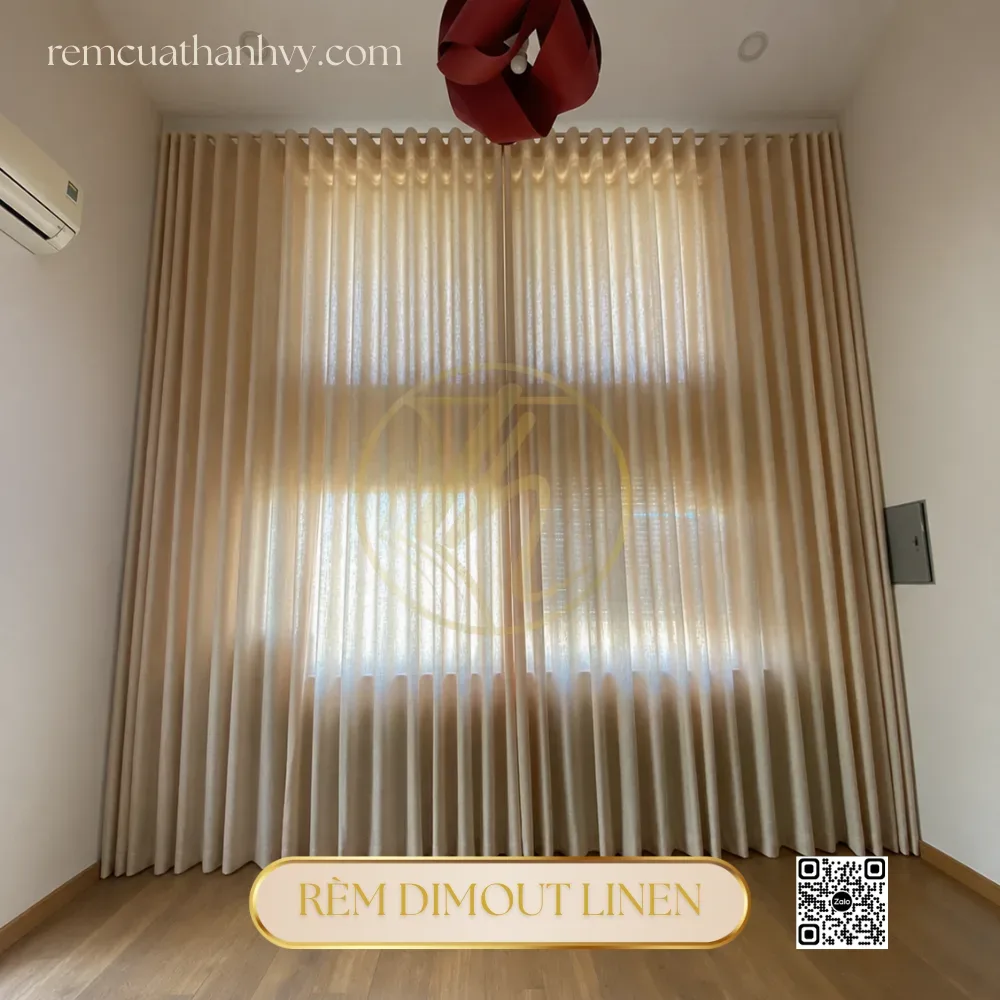
Curtain styles worth considering
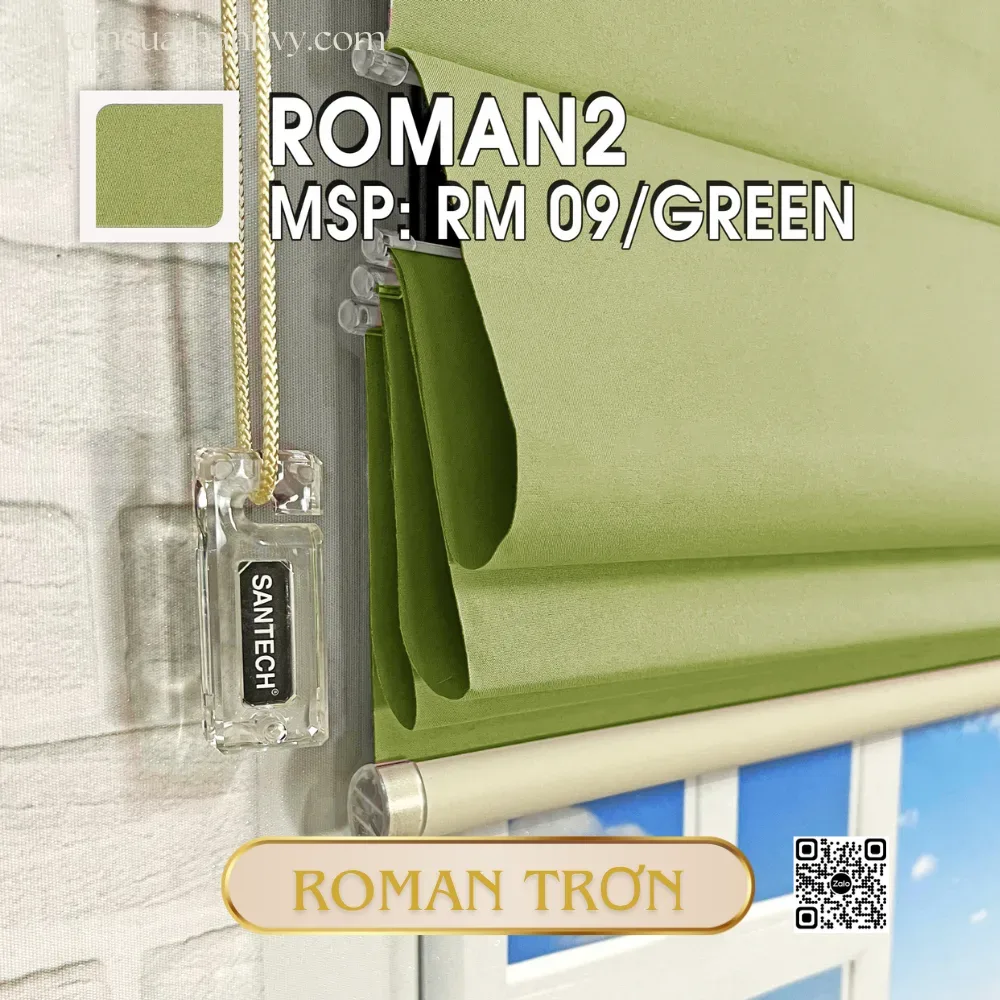
Below are real product categories currently available at Rèm Cửa Thanh Vy, organized according to common usage needs.
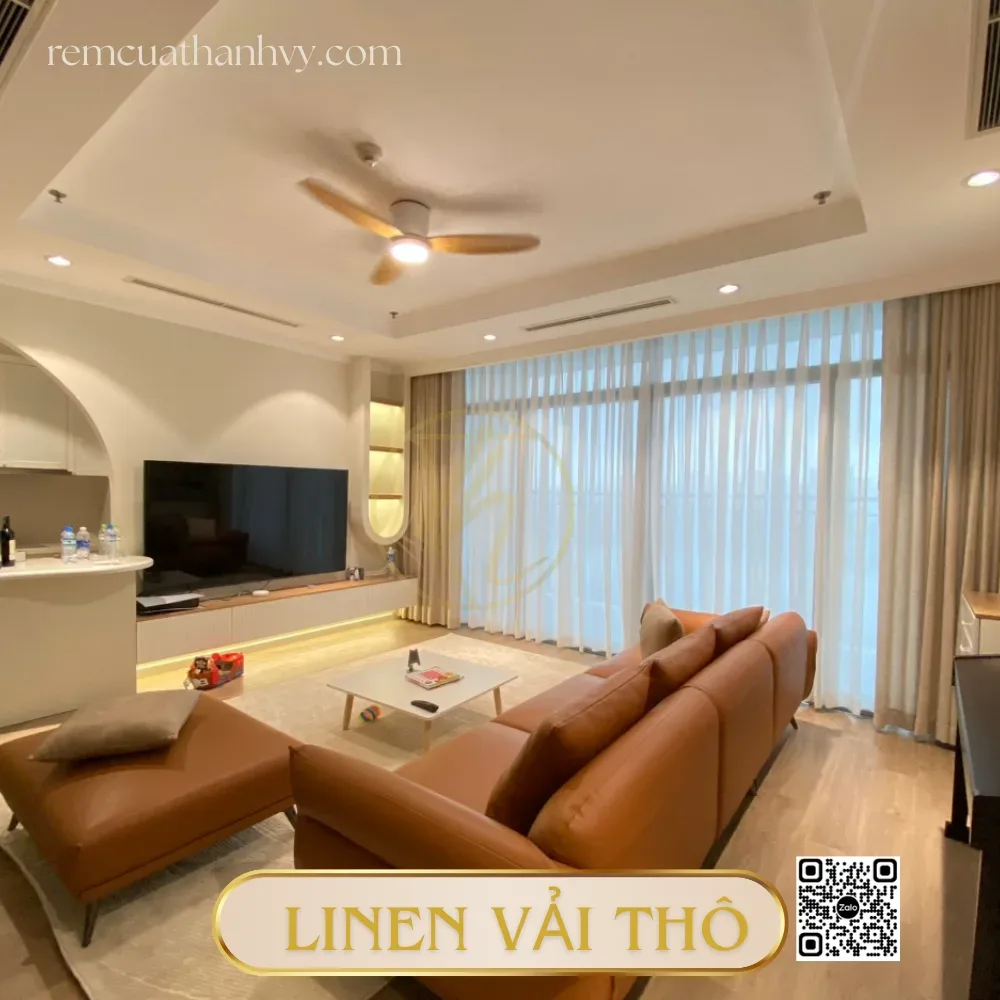
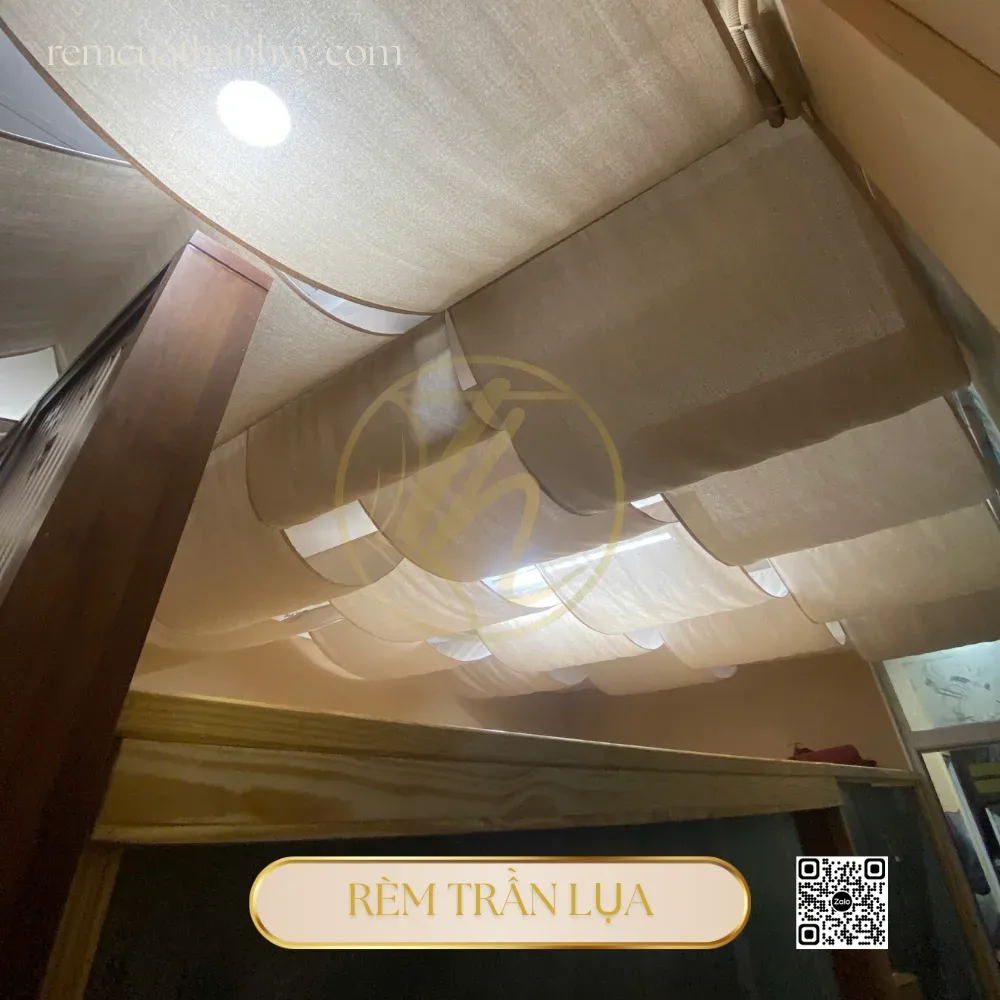
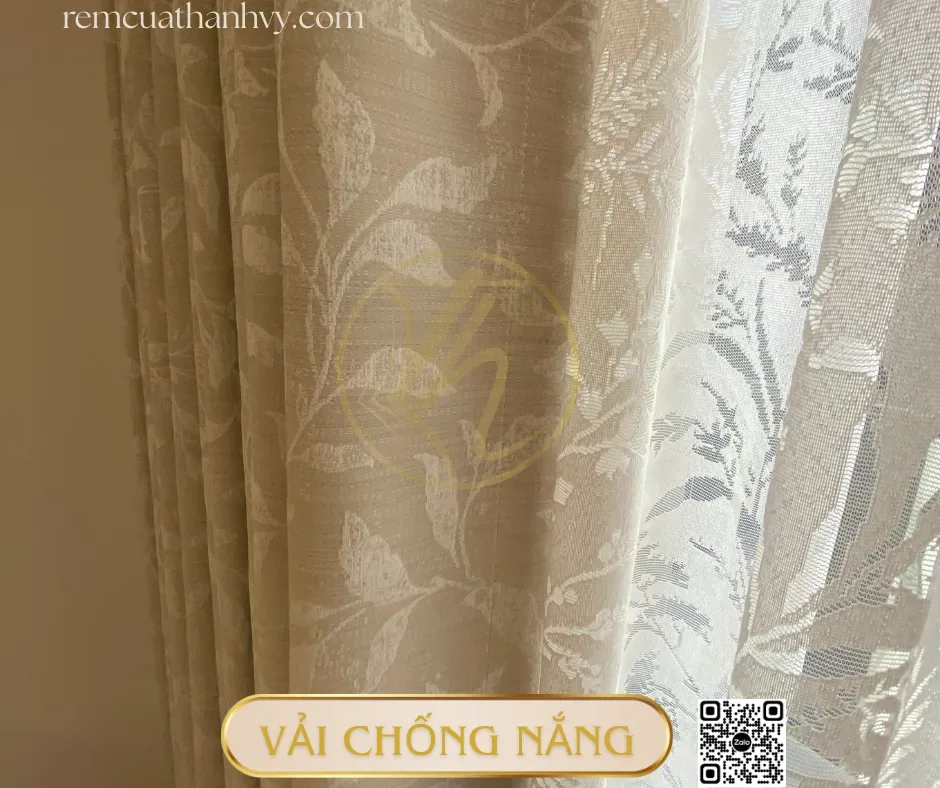
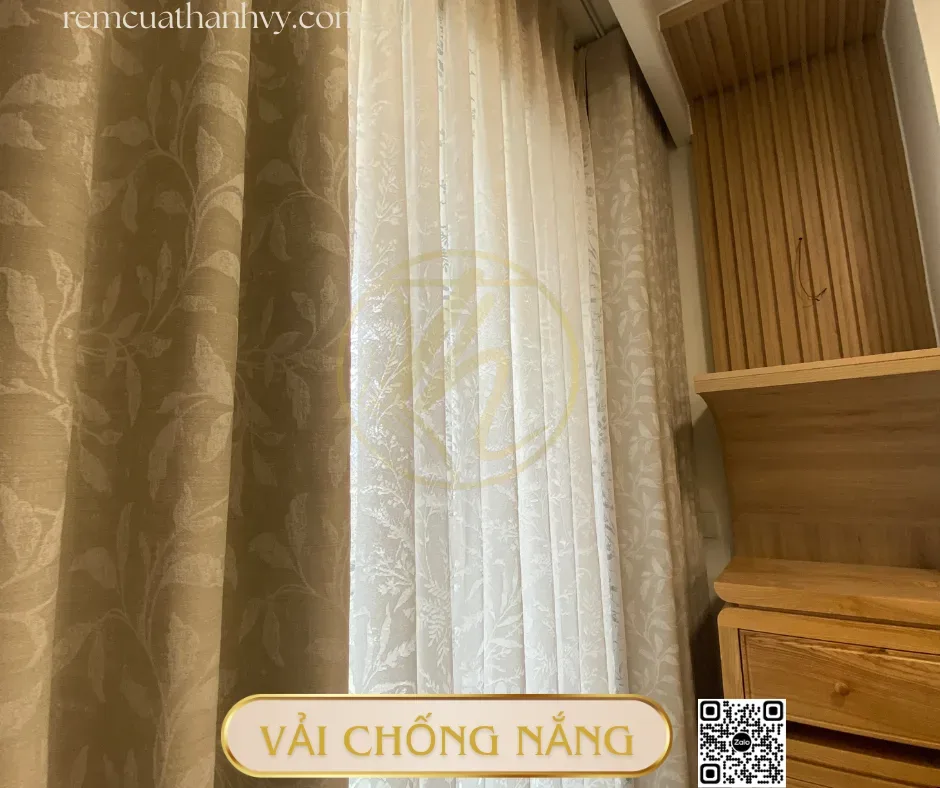
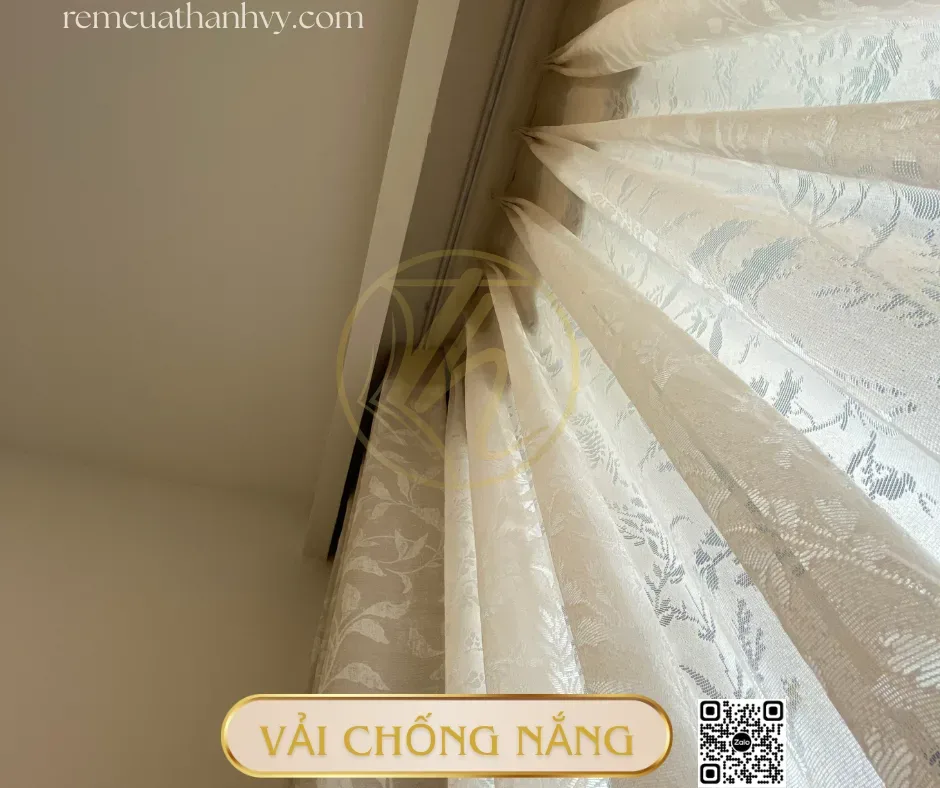
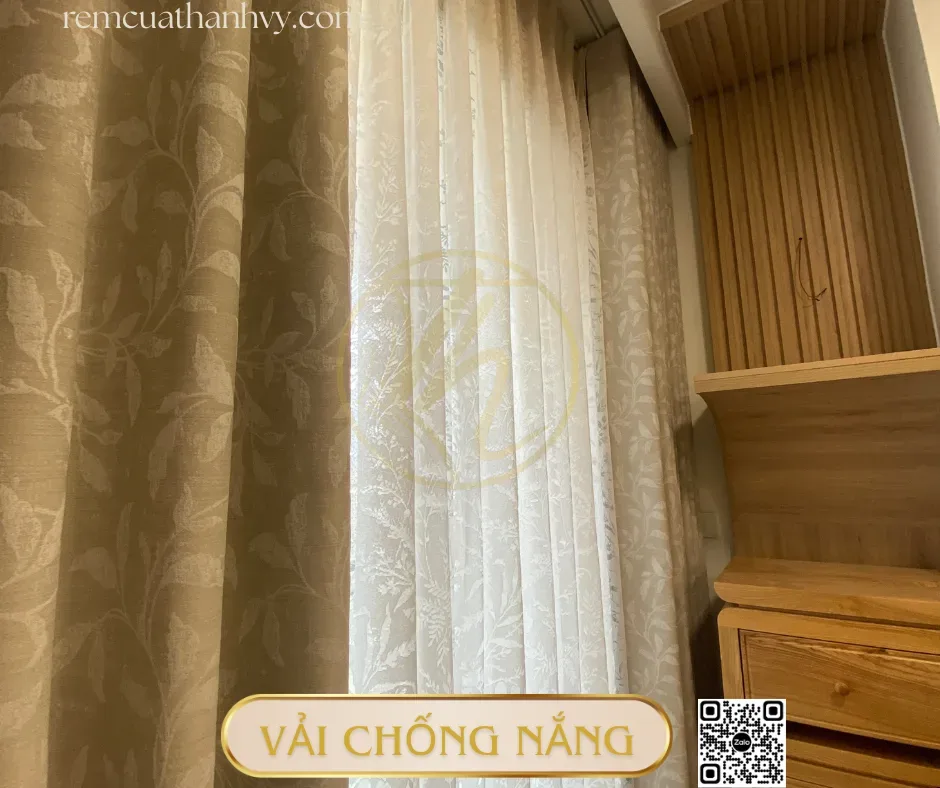
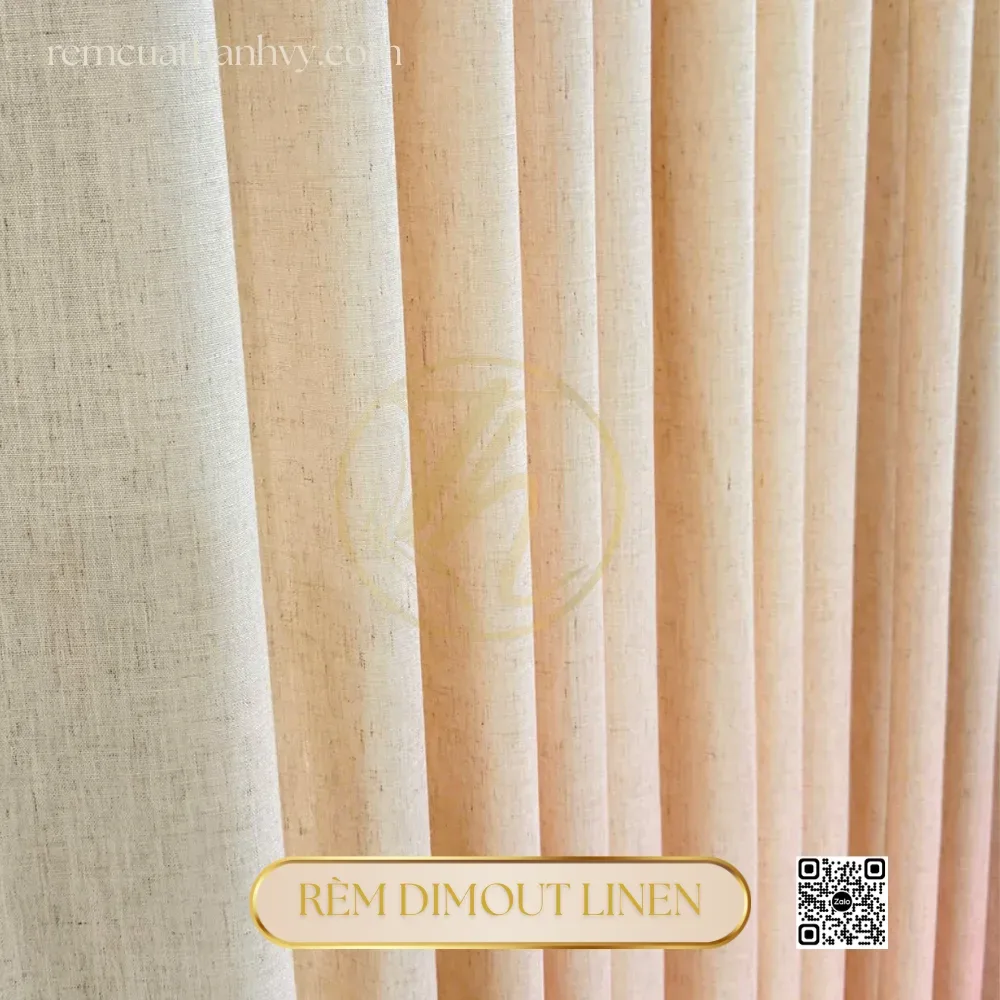
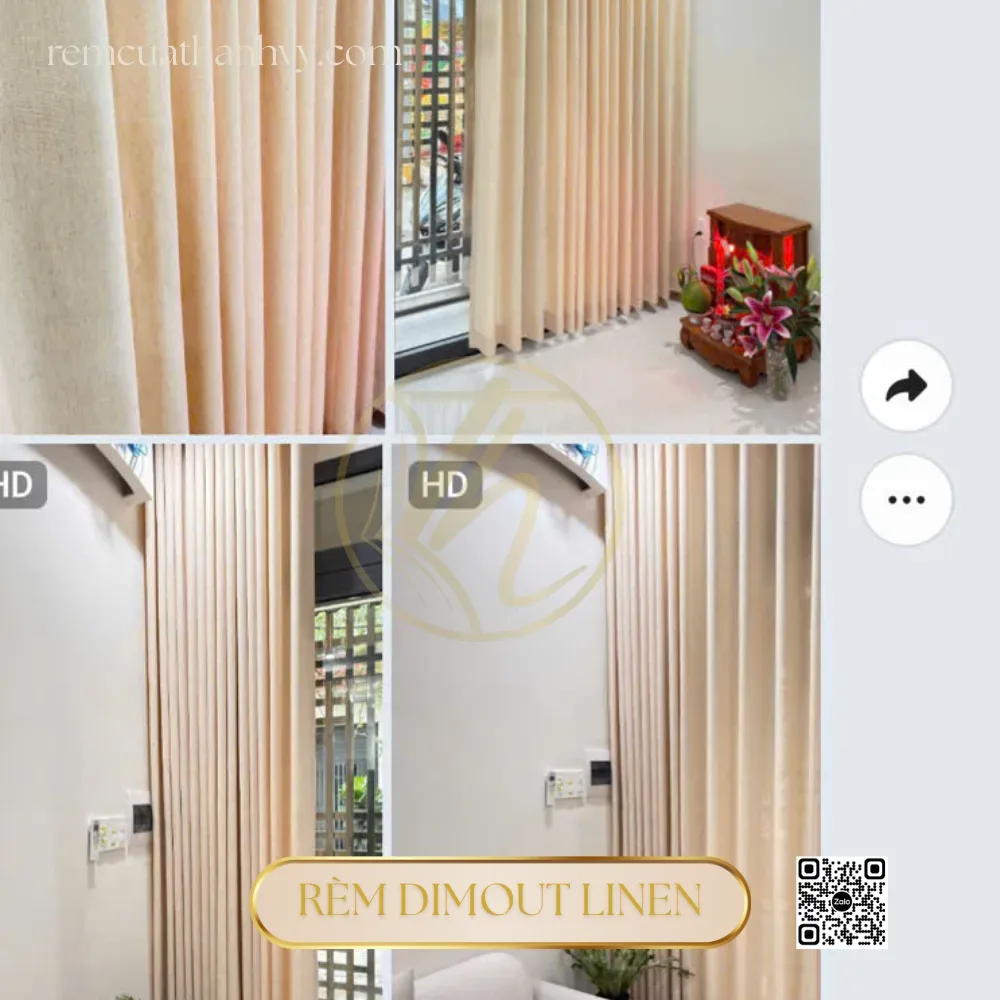
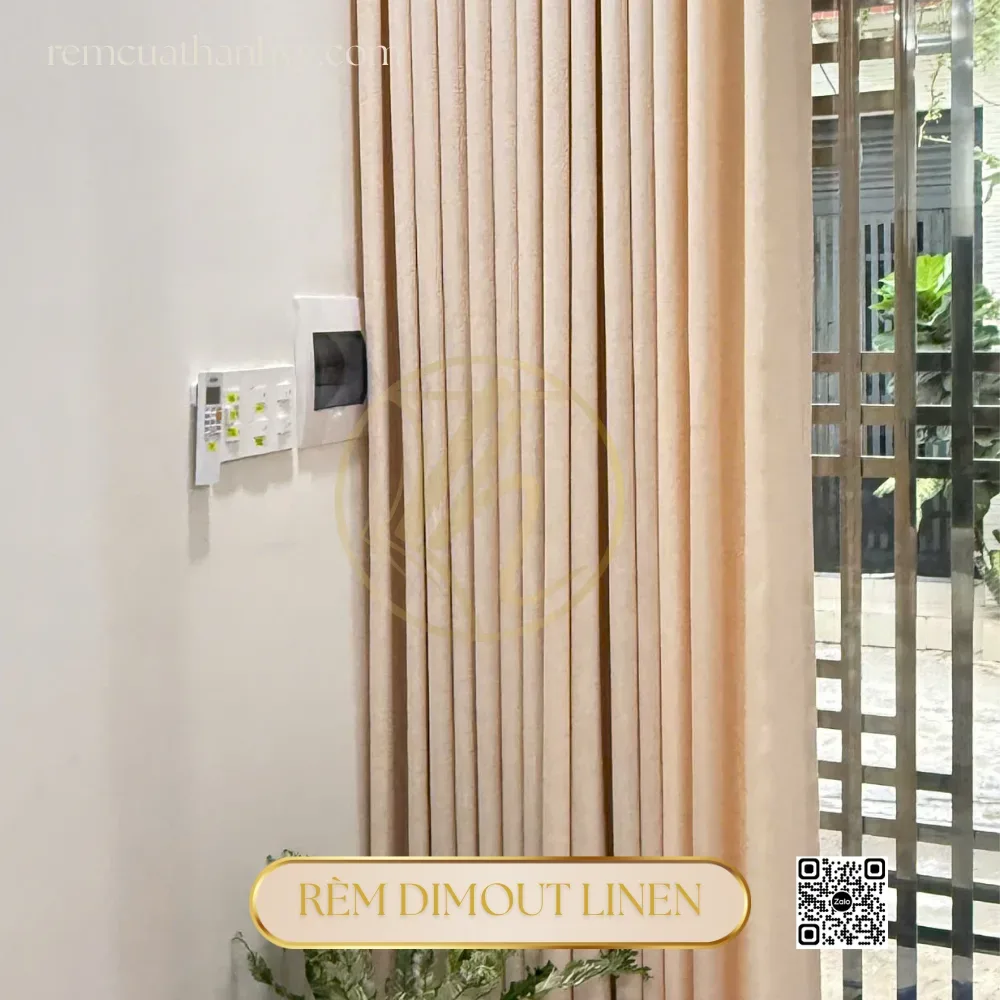
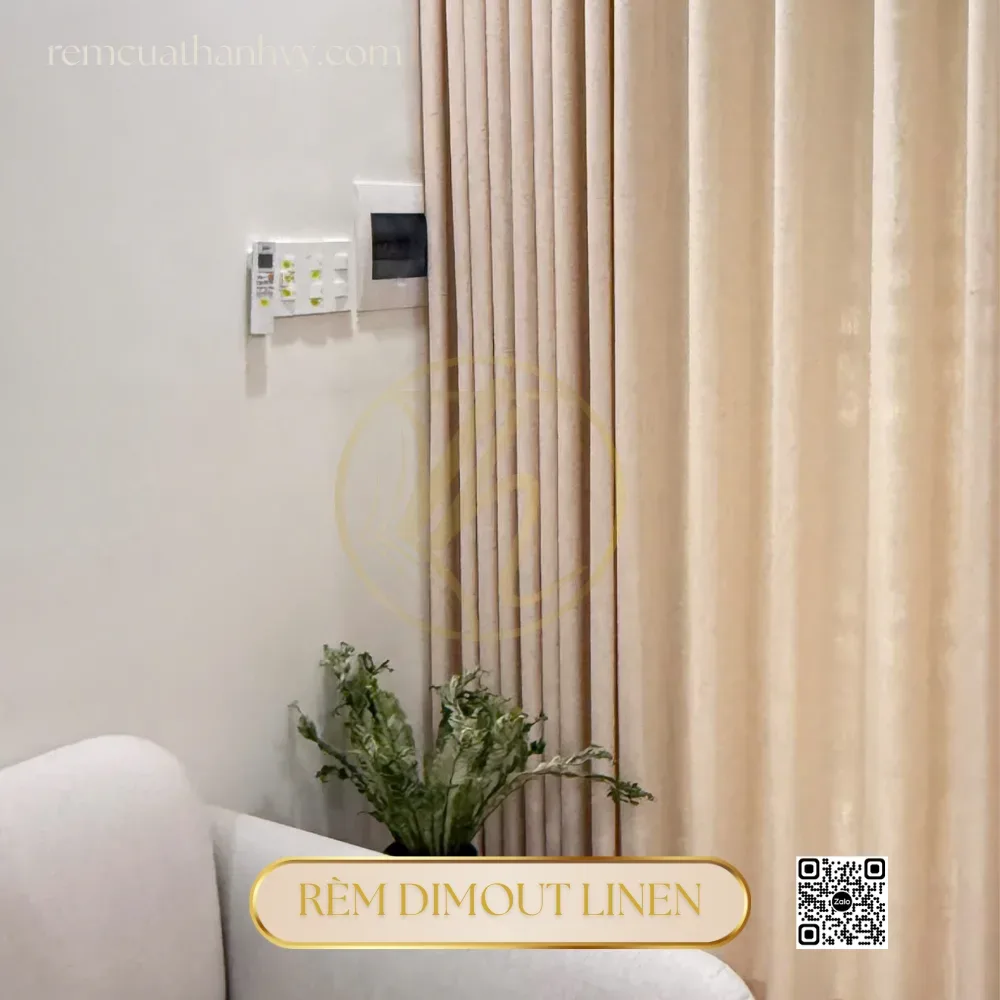
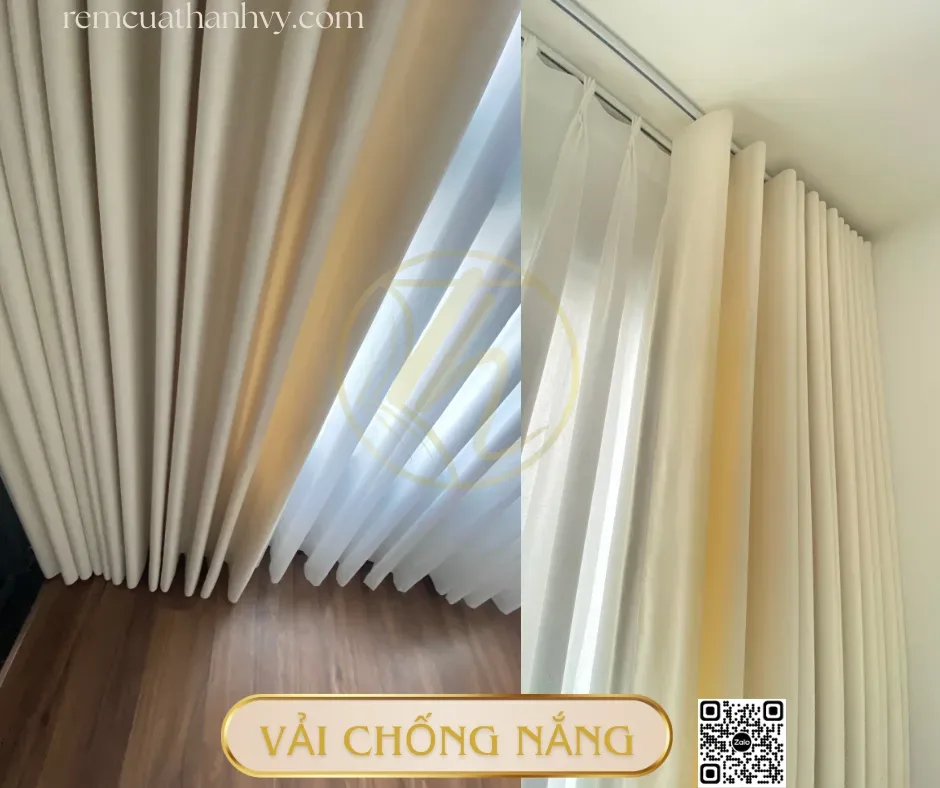
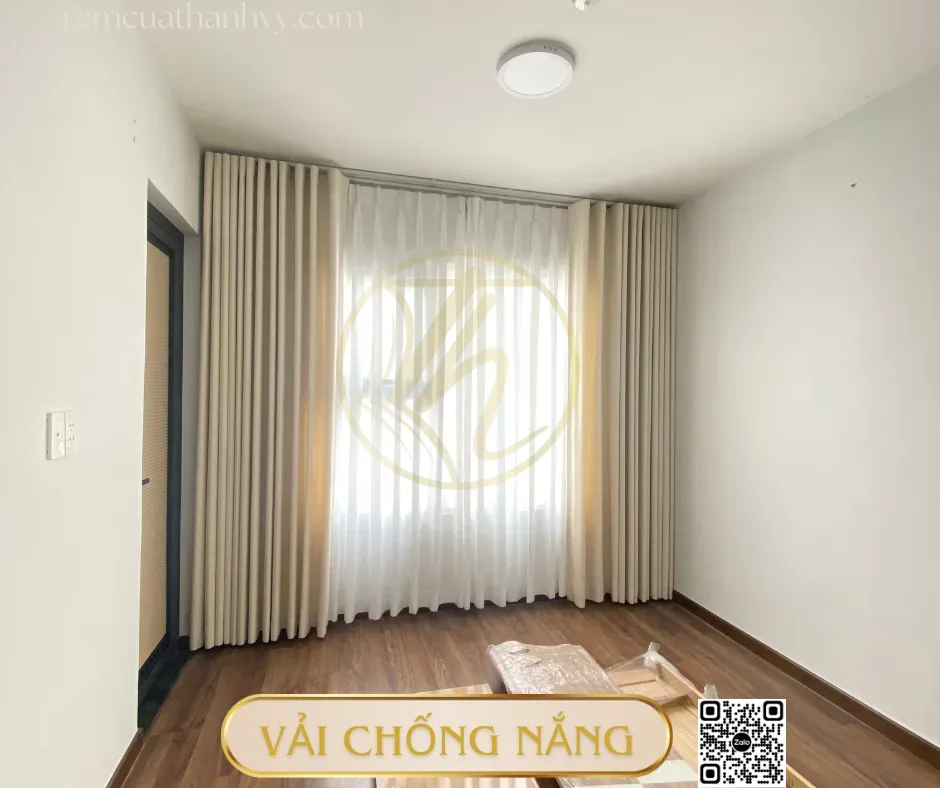
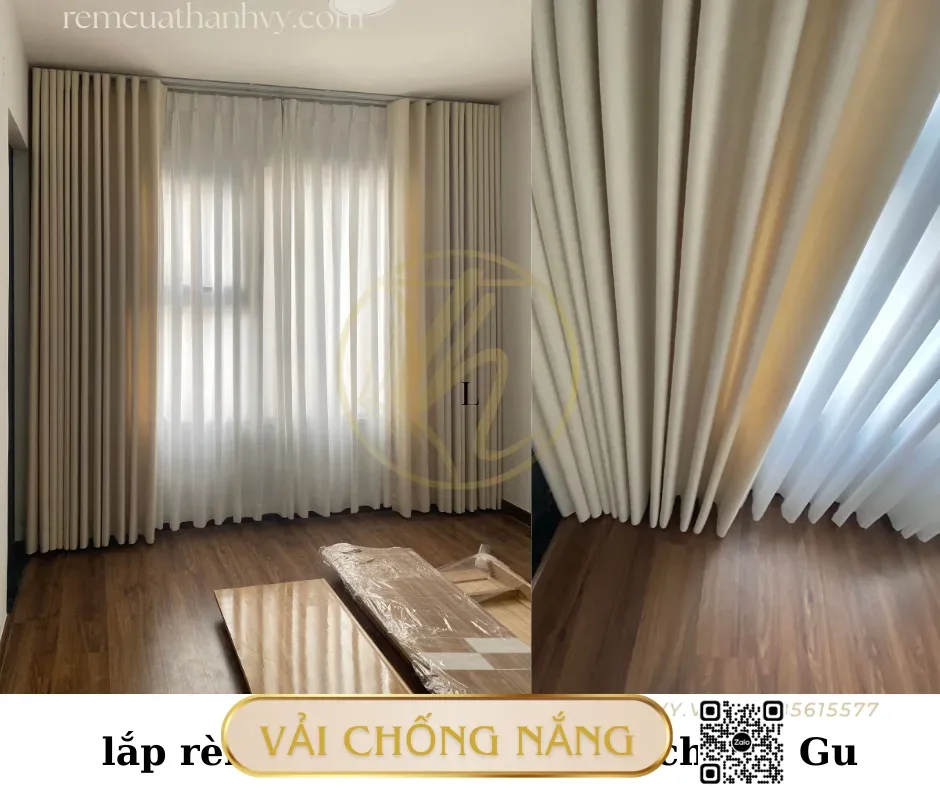
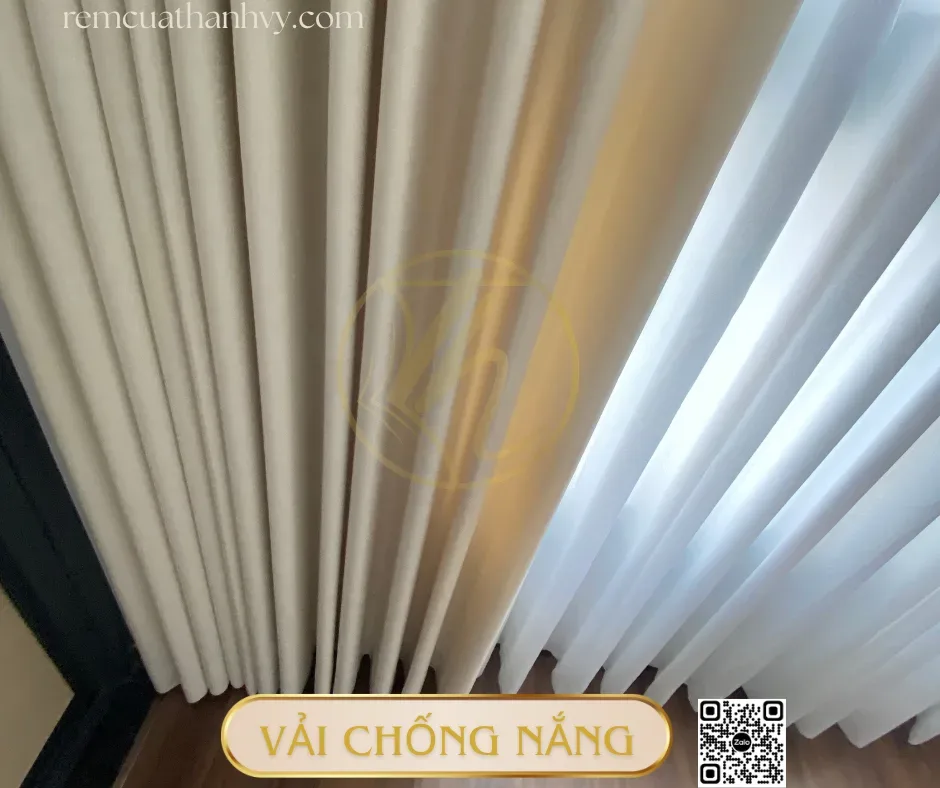
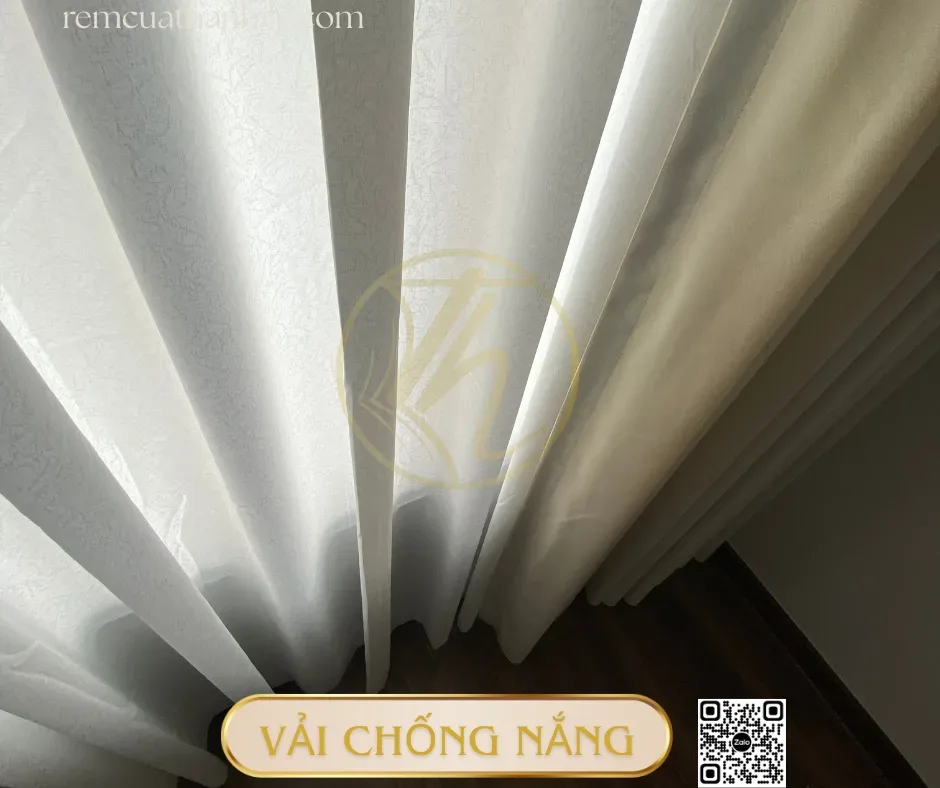
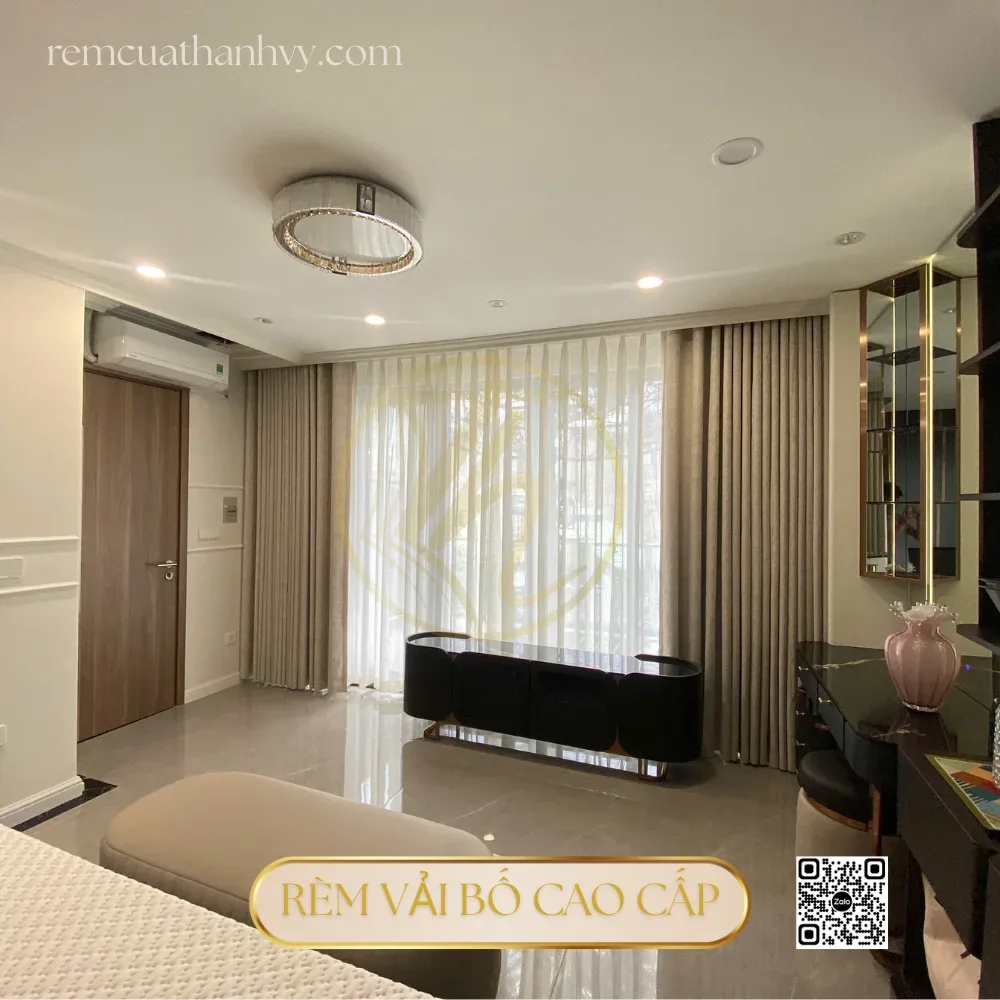
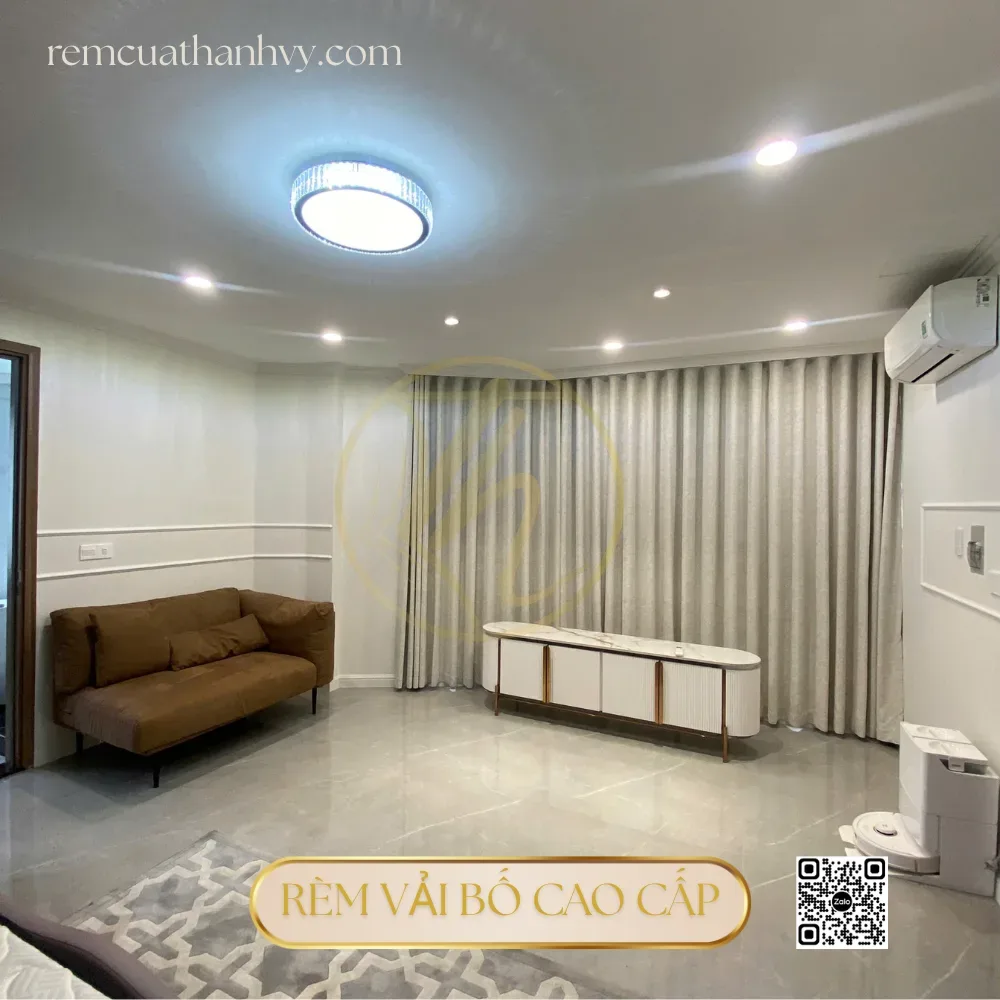
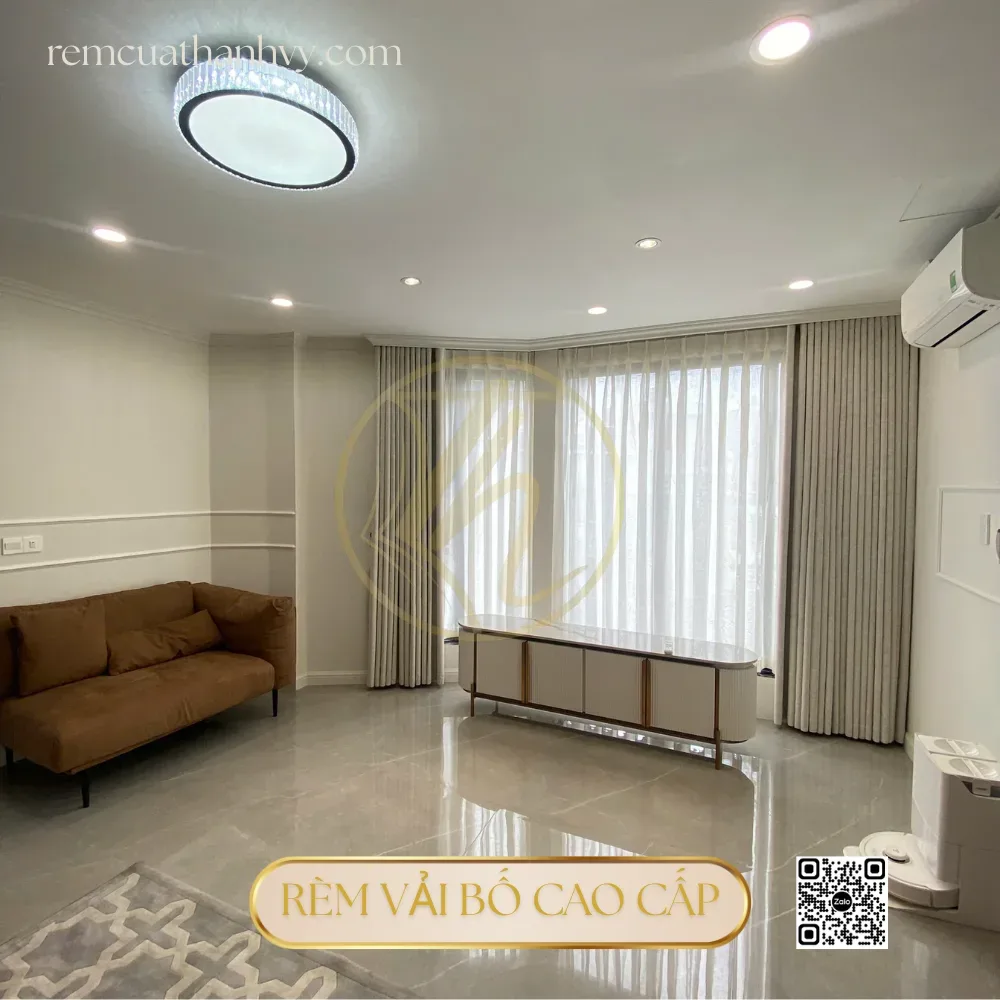
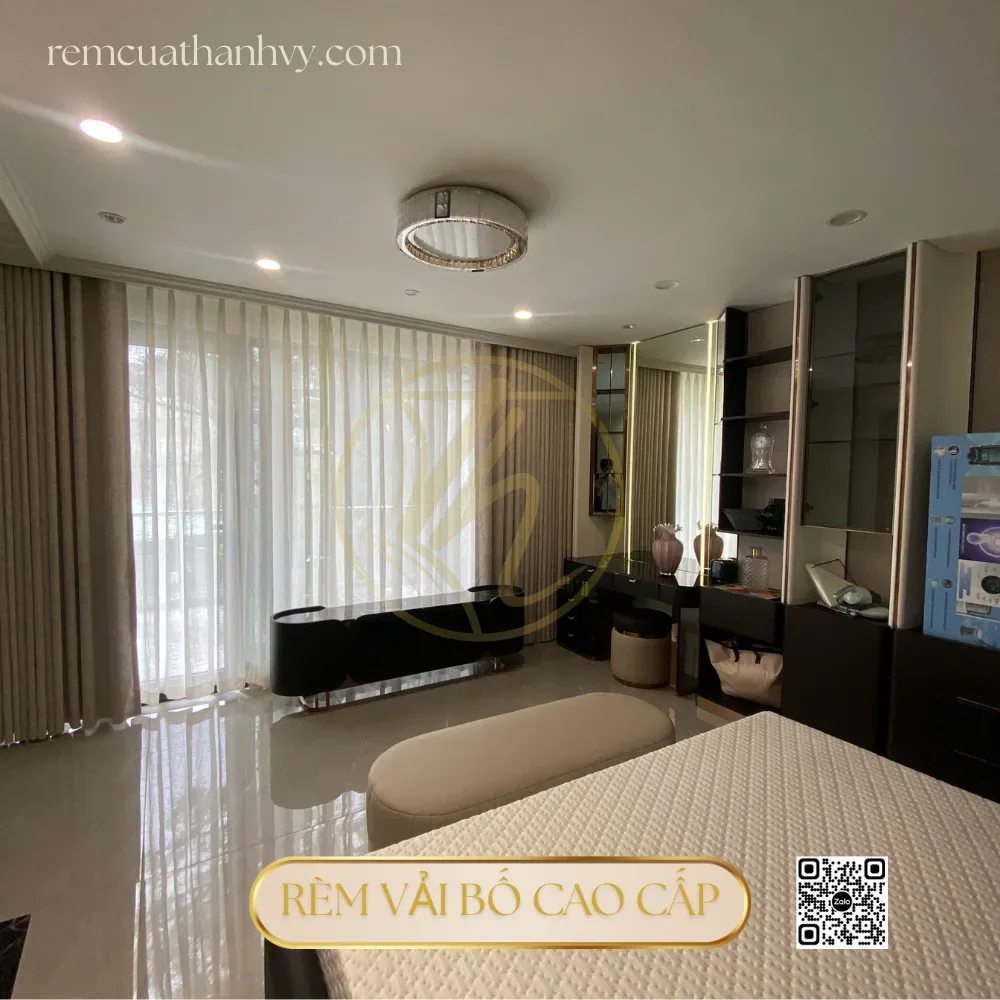
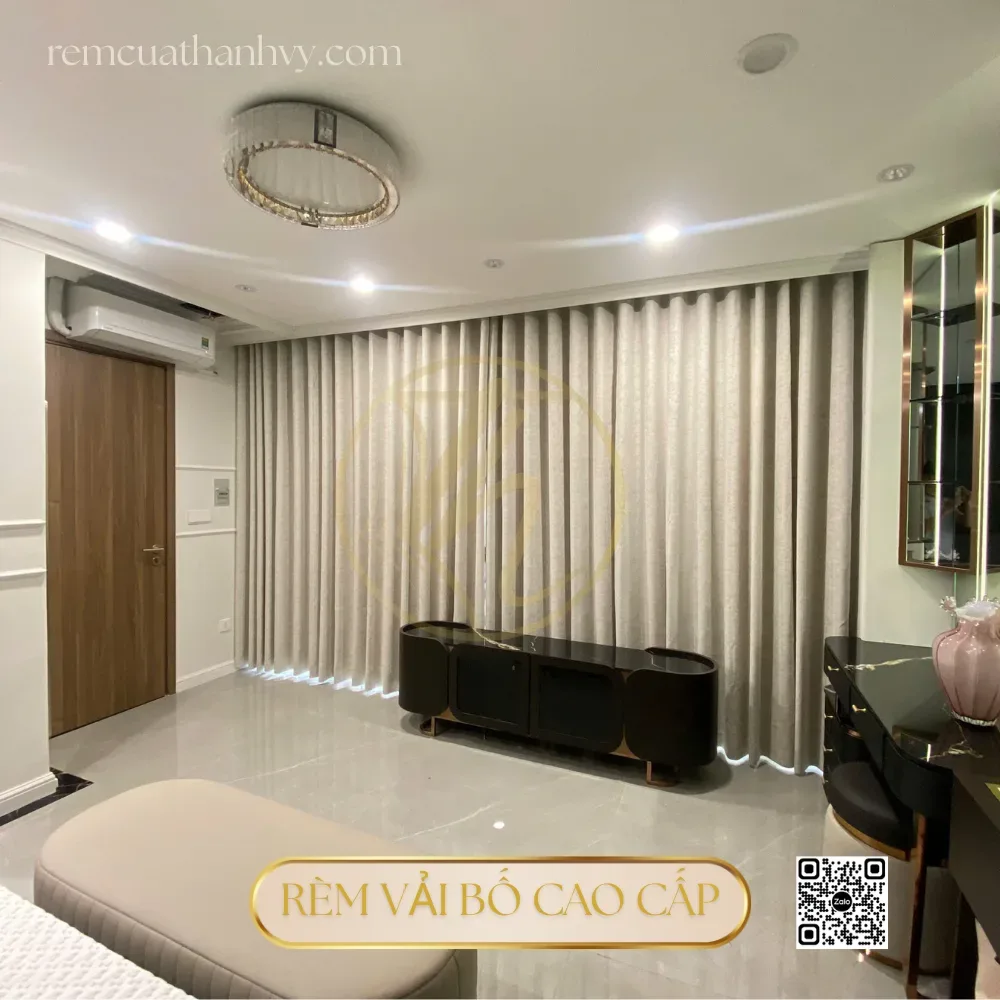
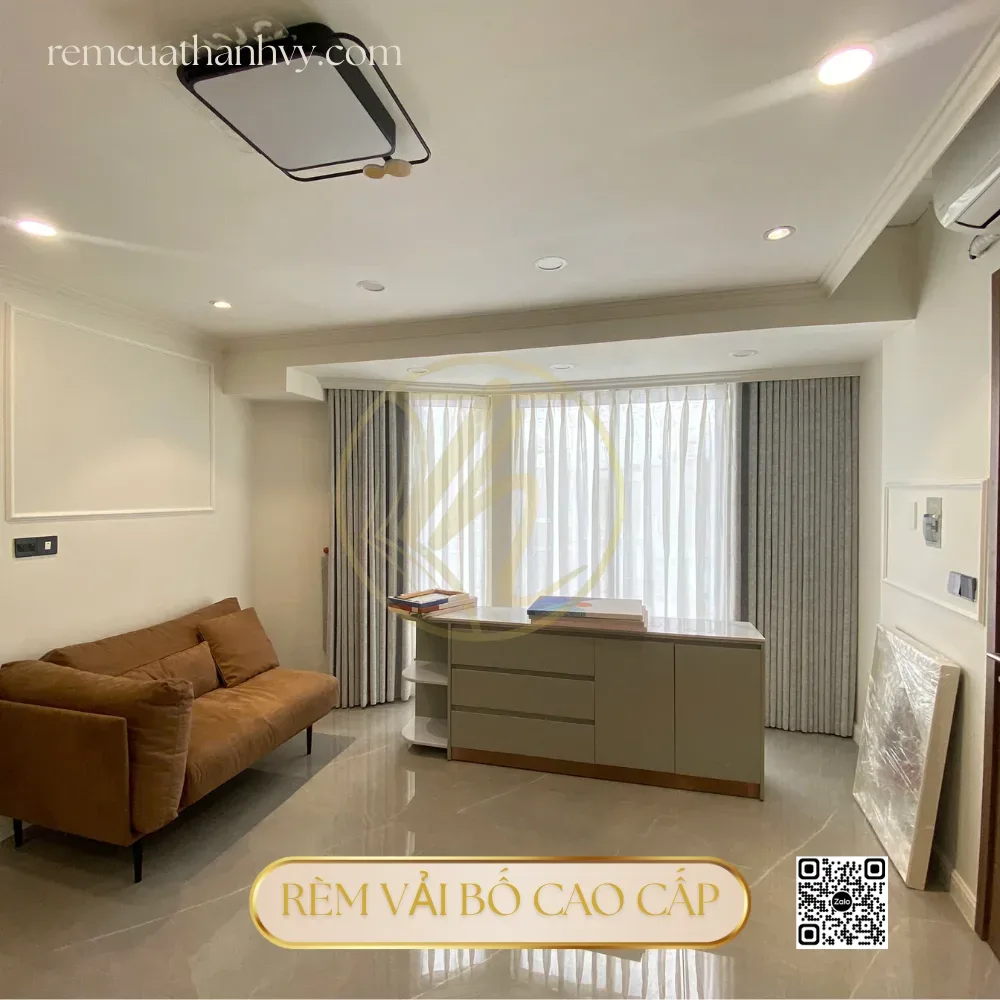
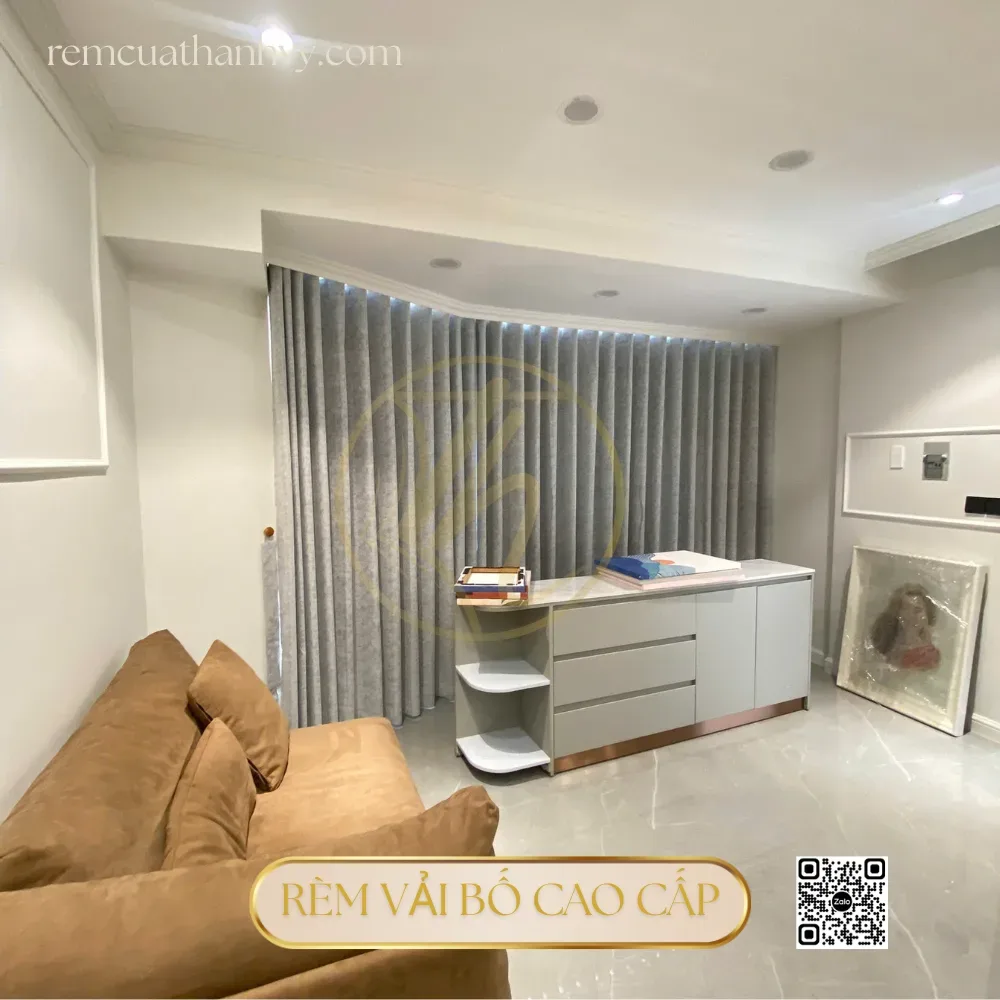
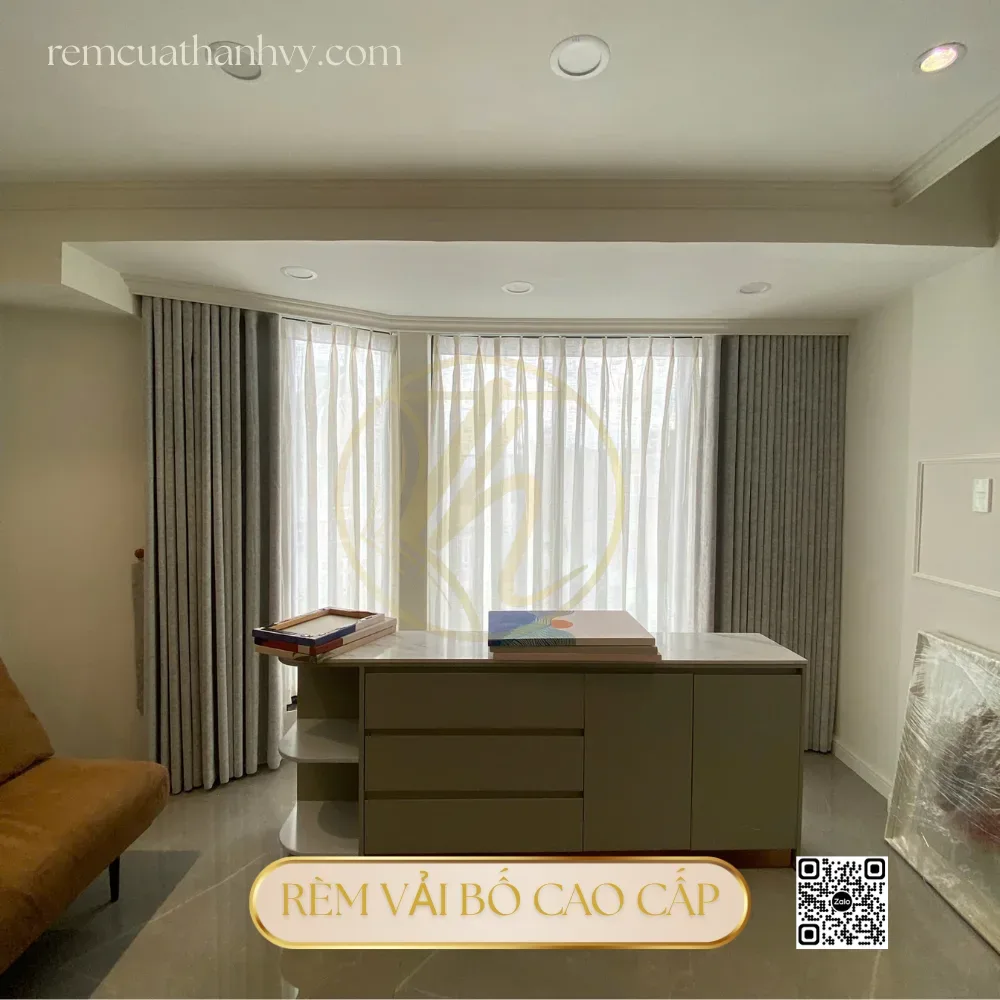
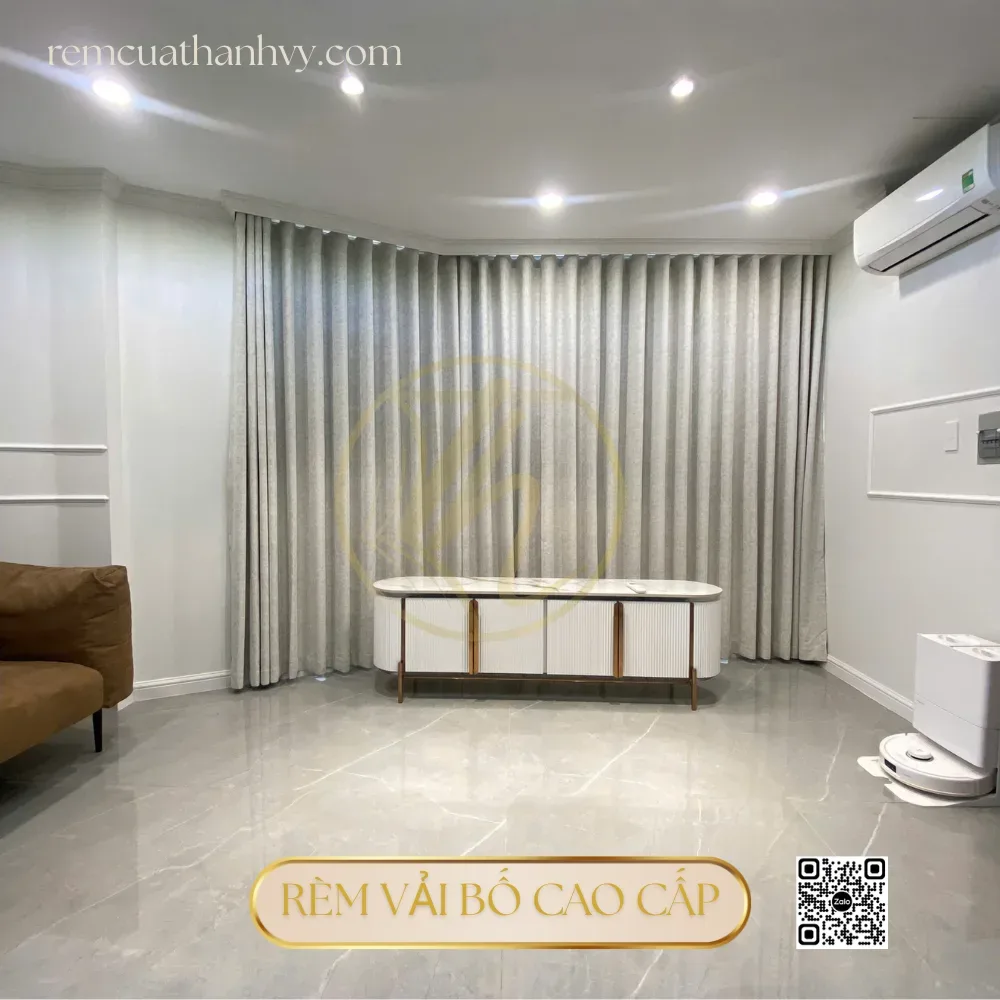
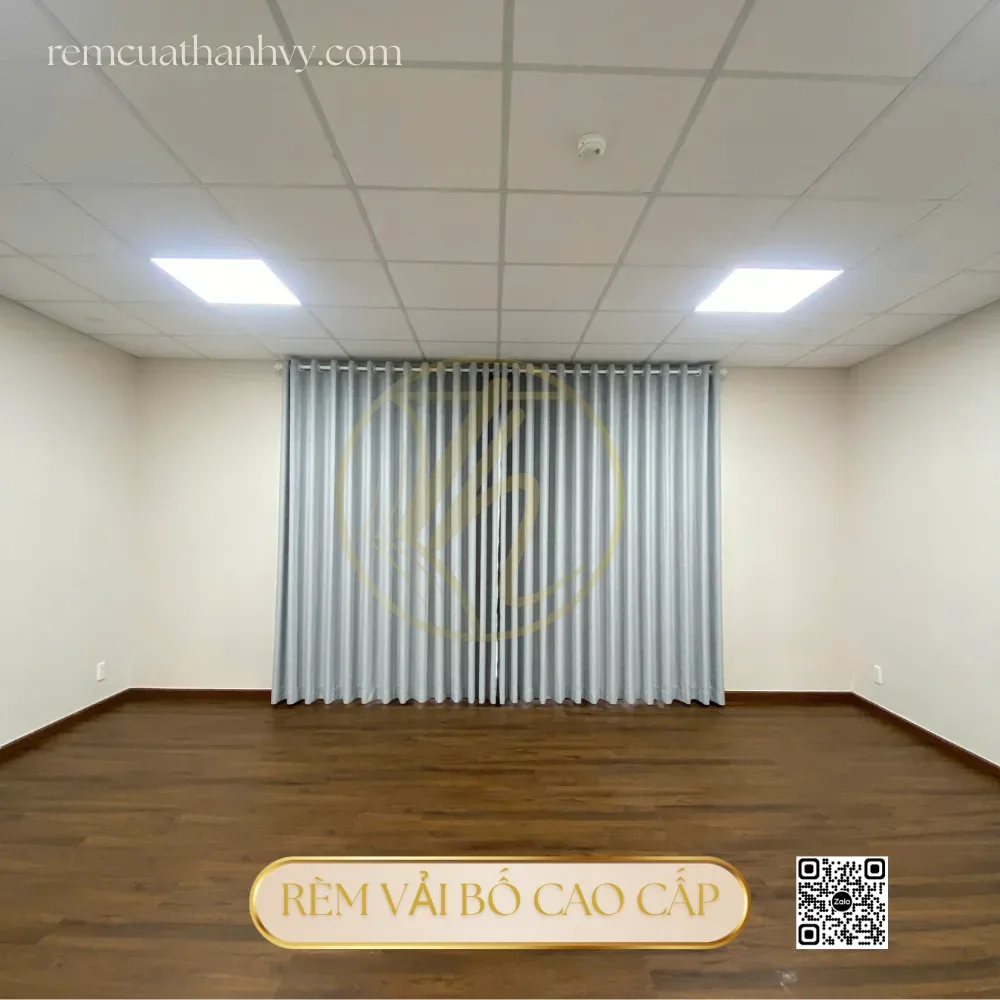
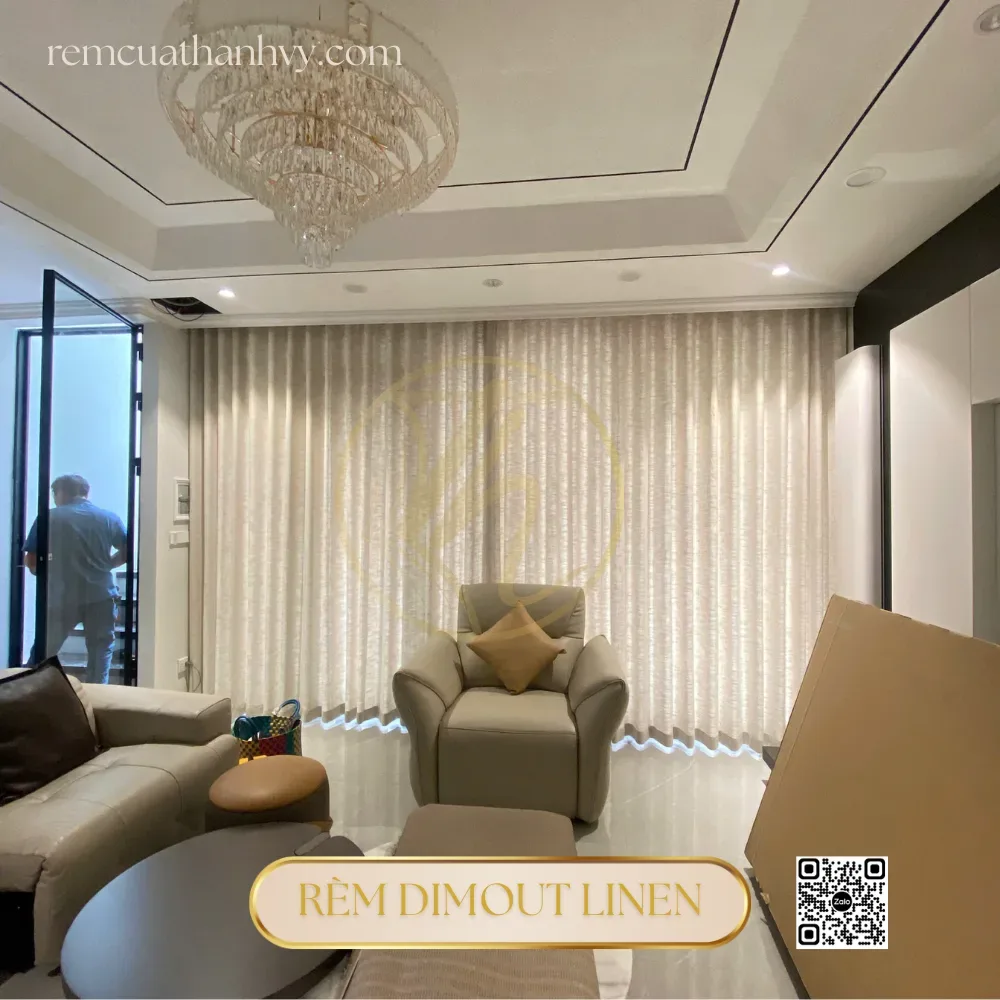
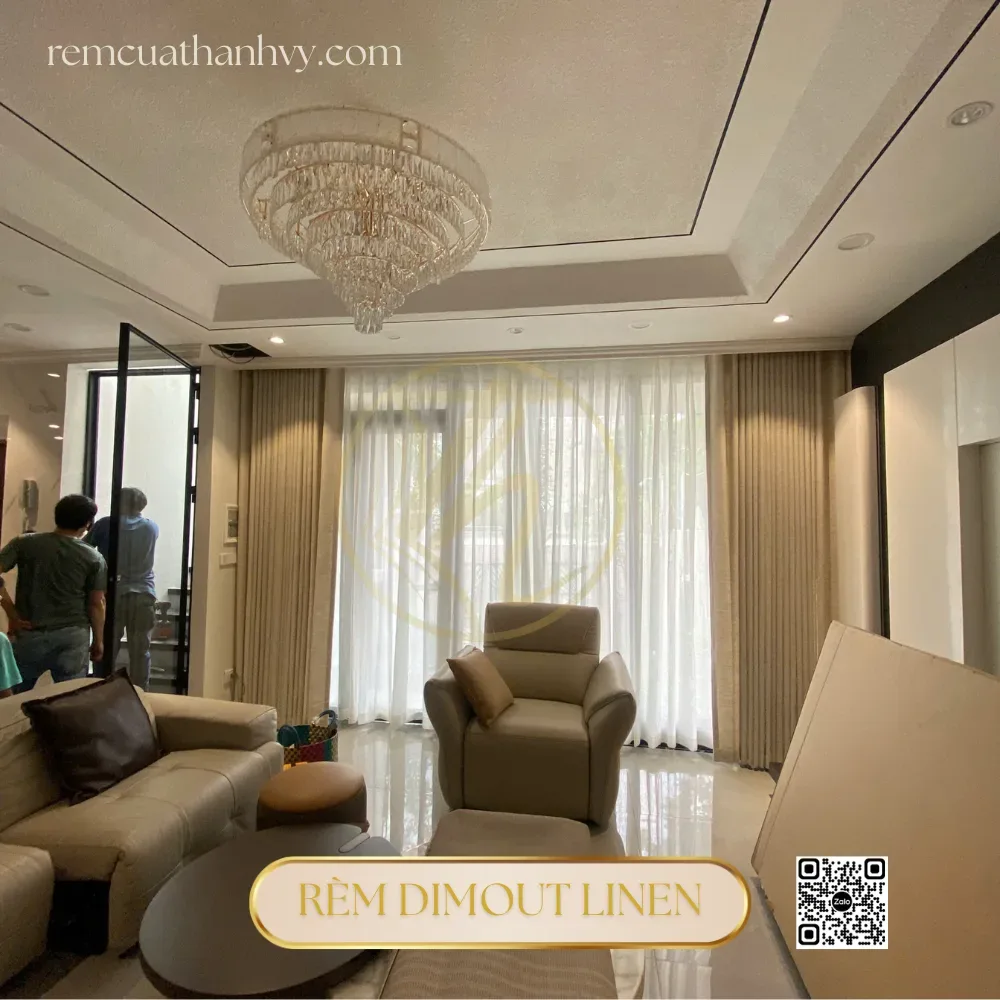
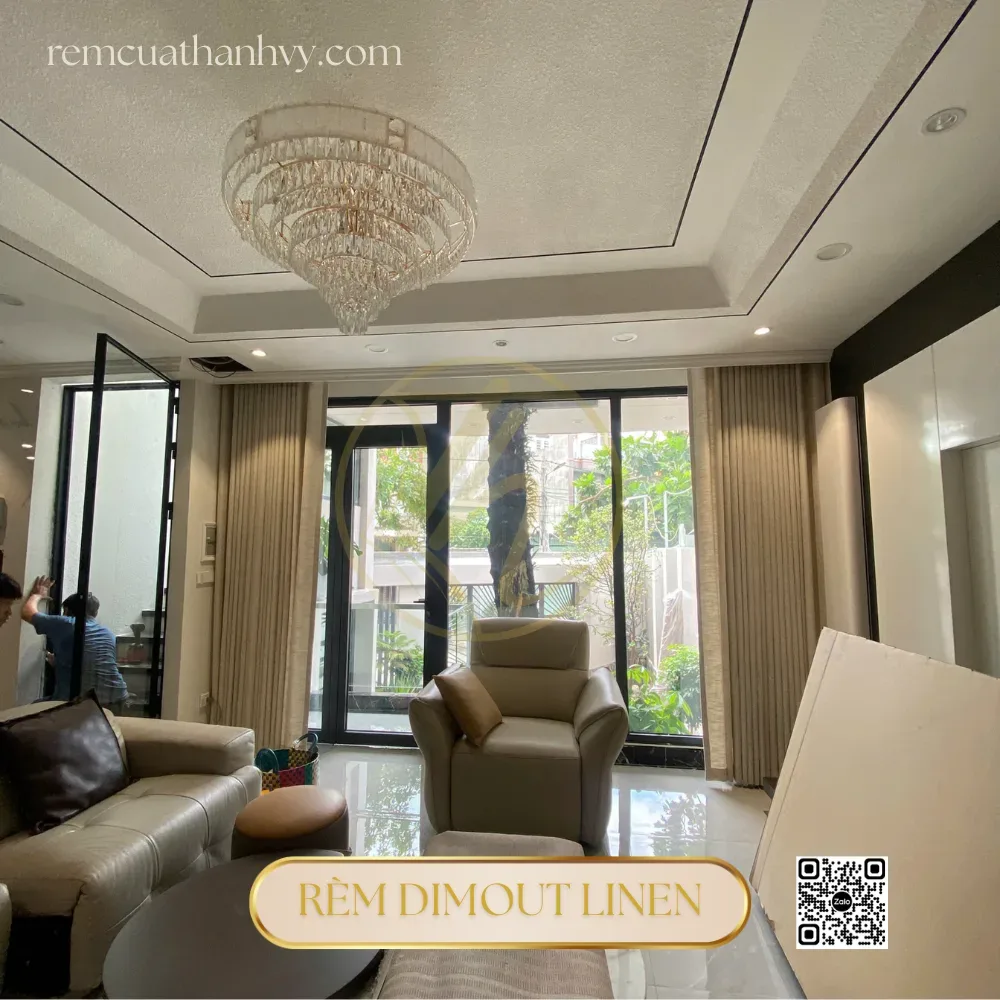
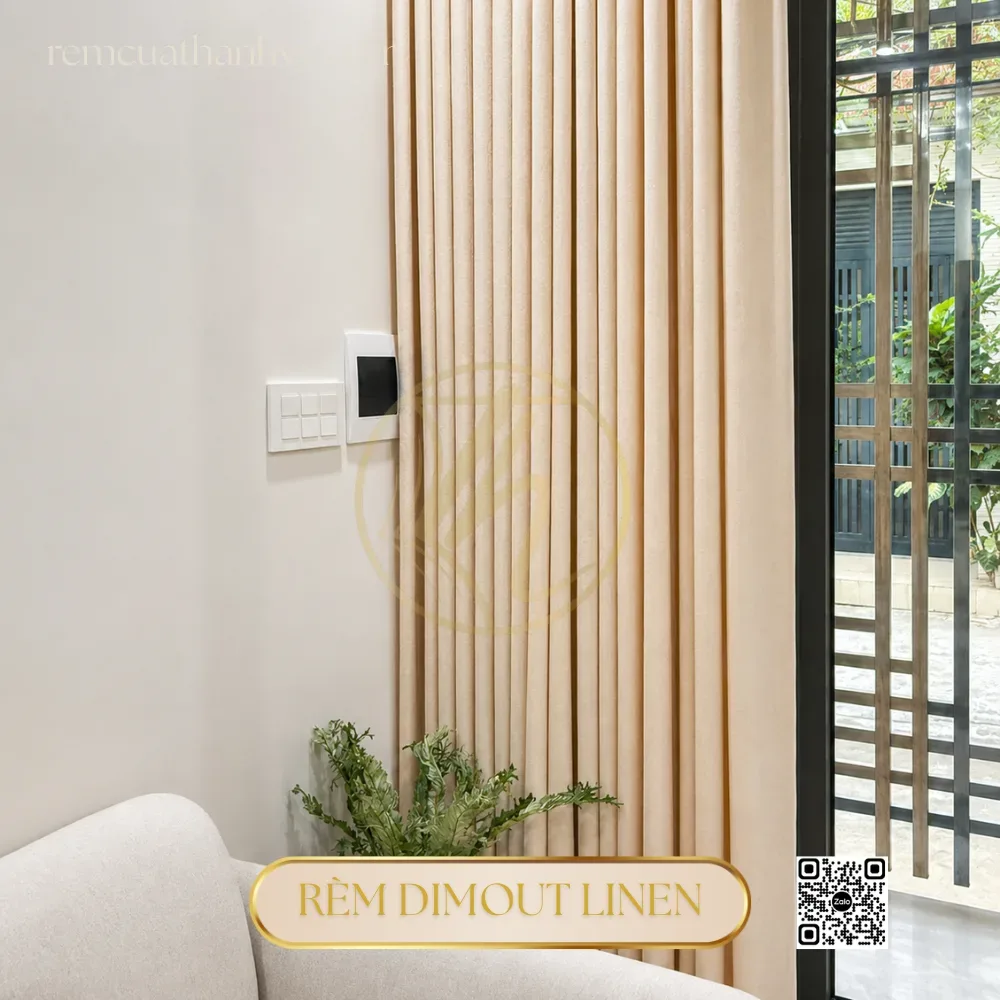
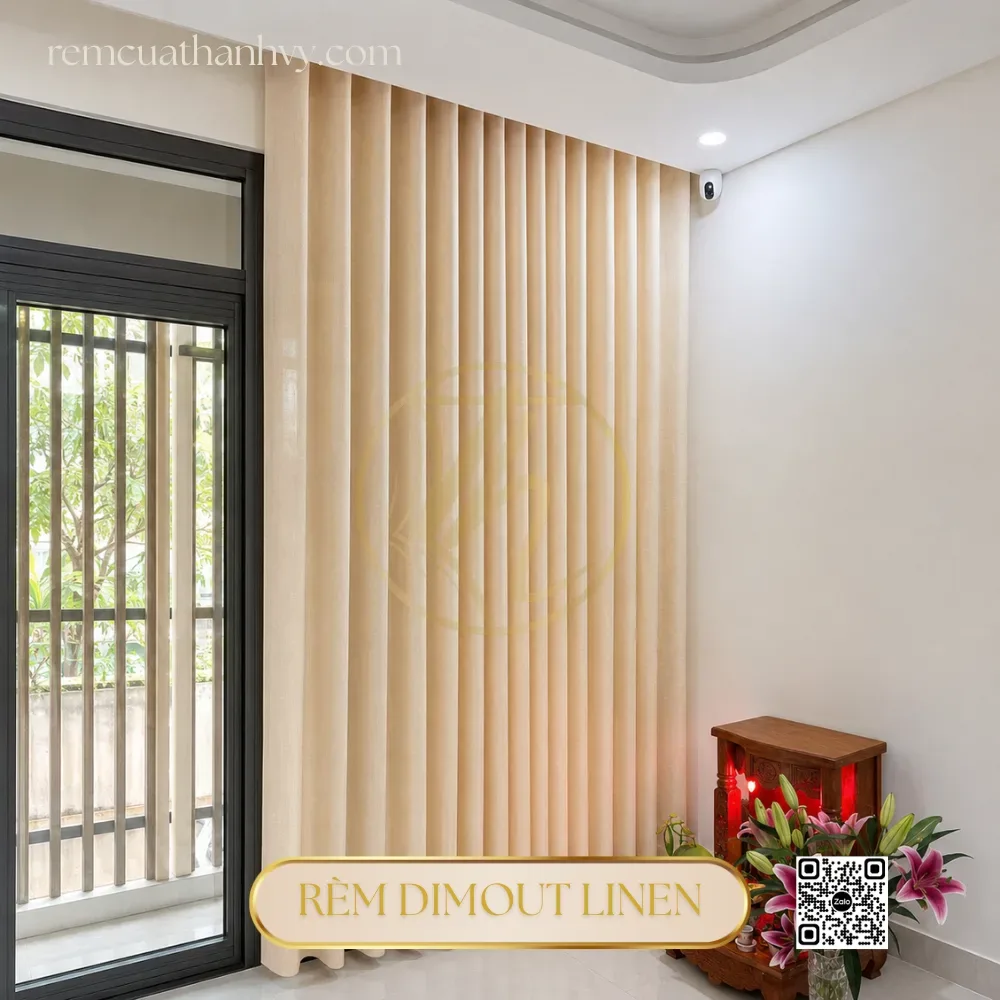
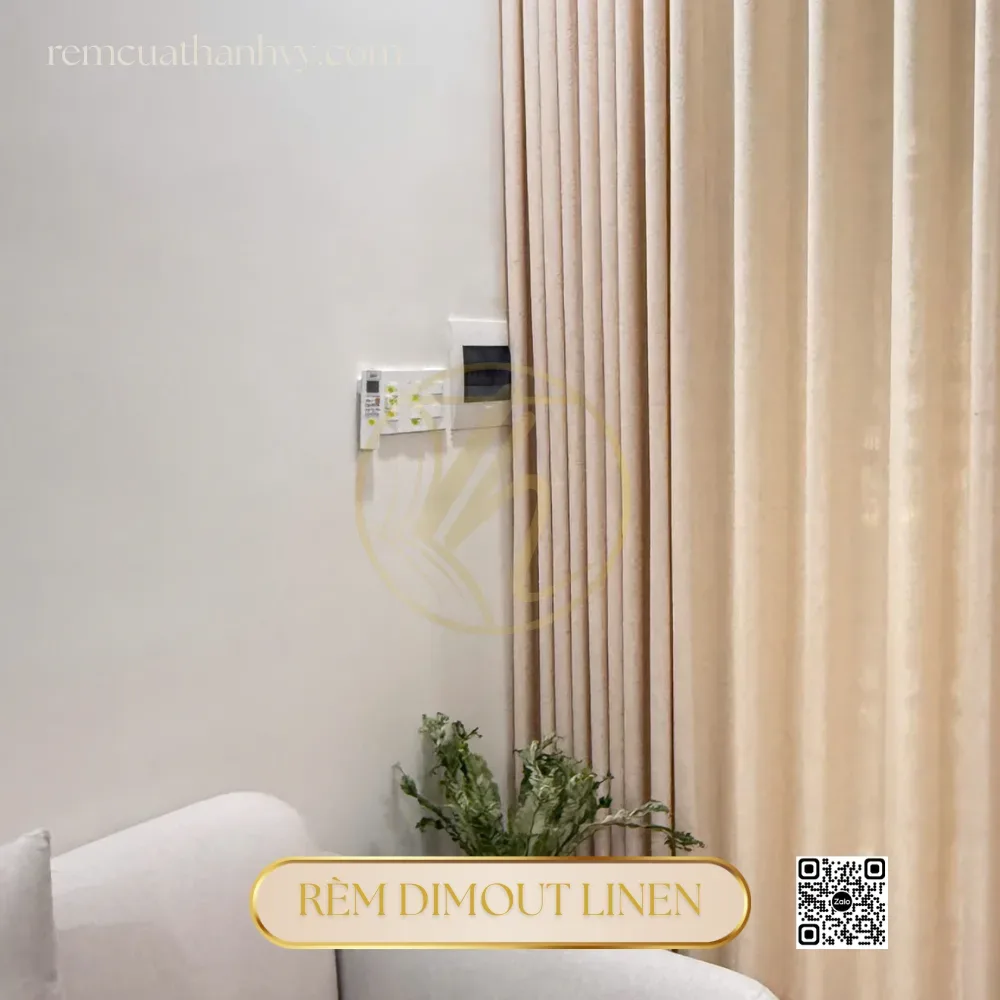
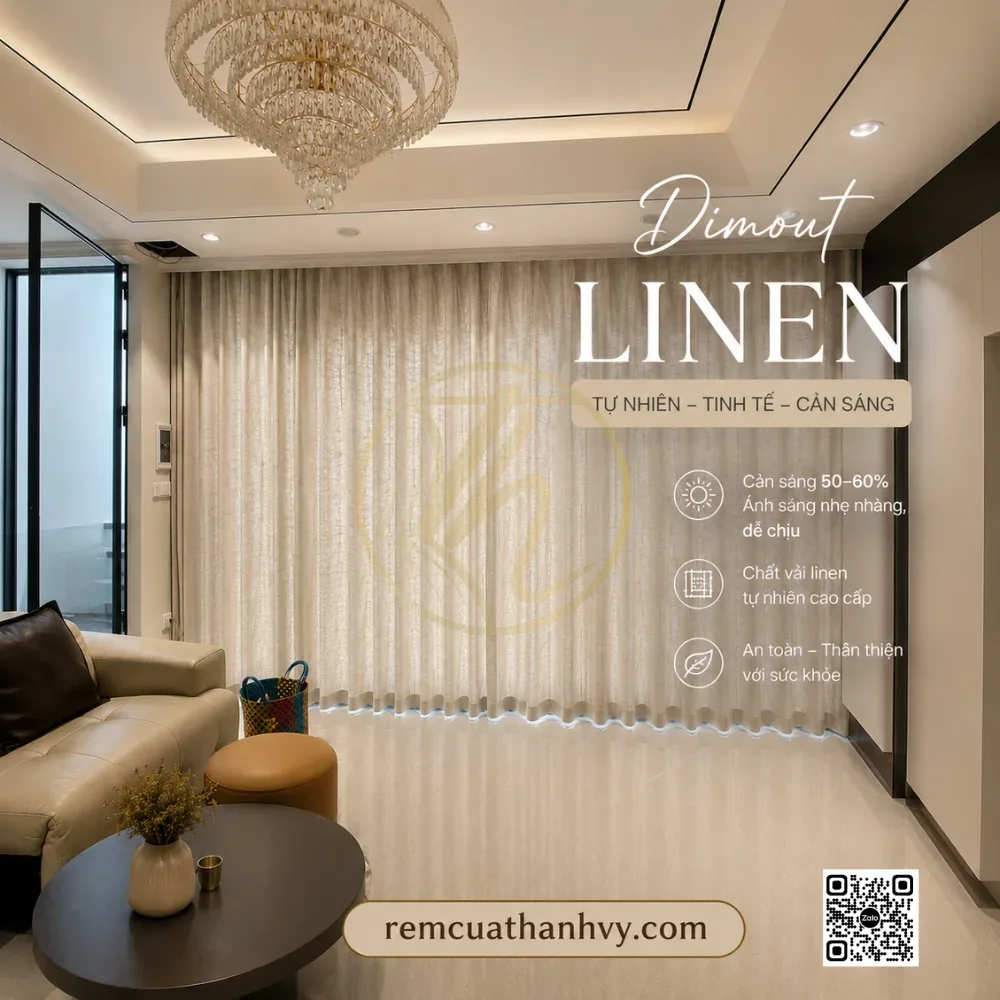
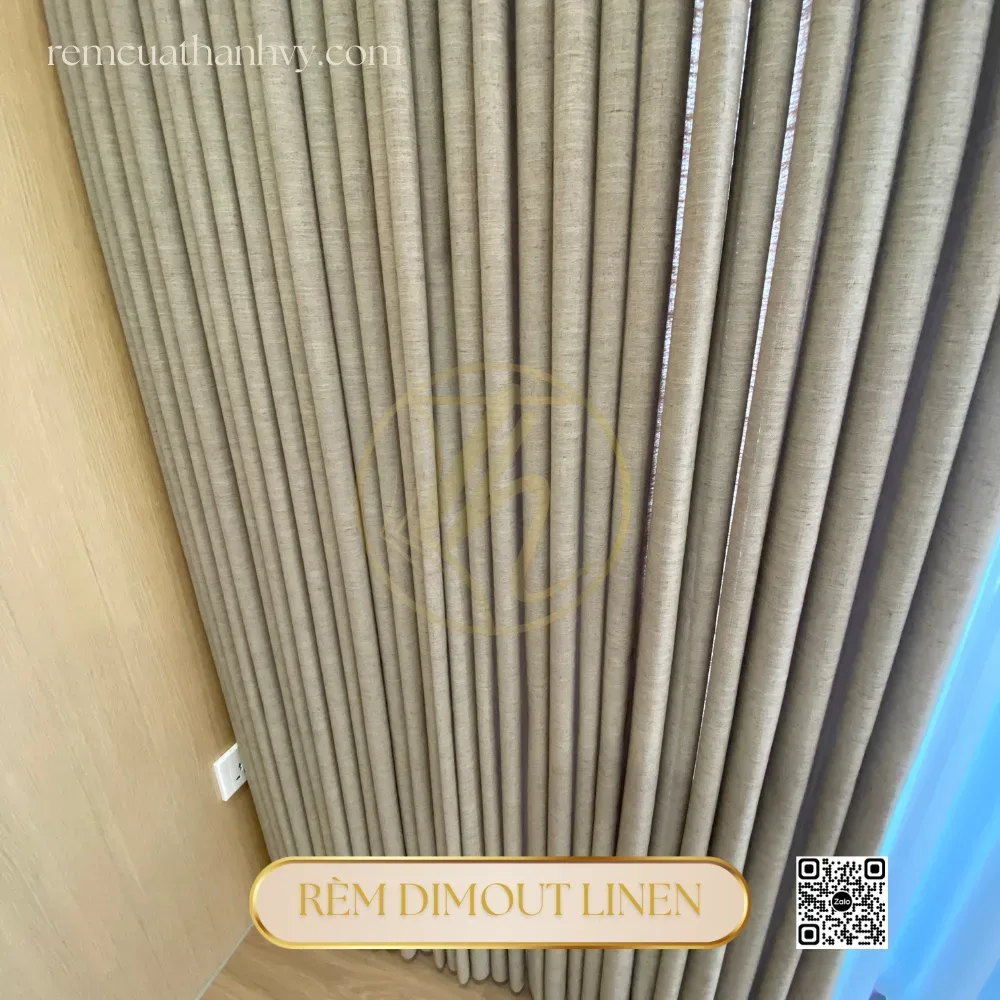
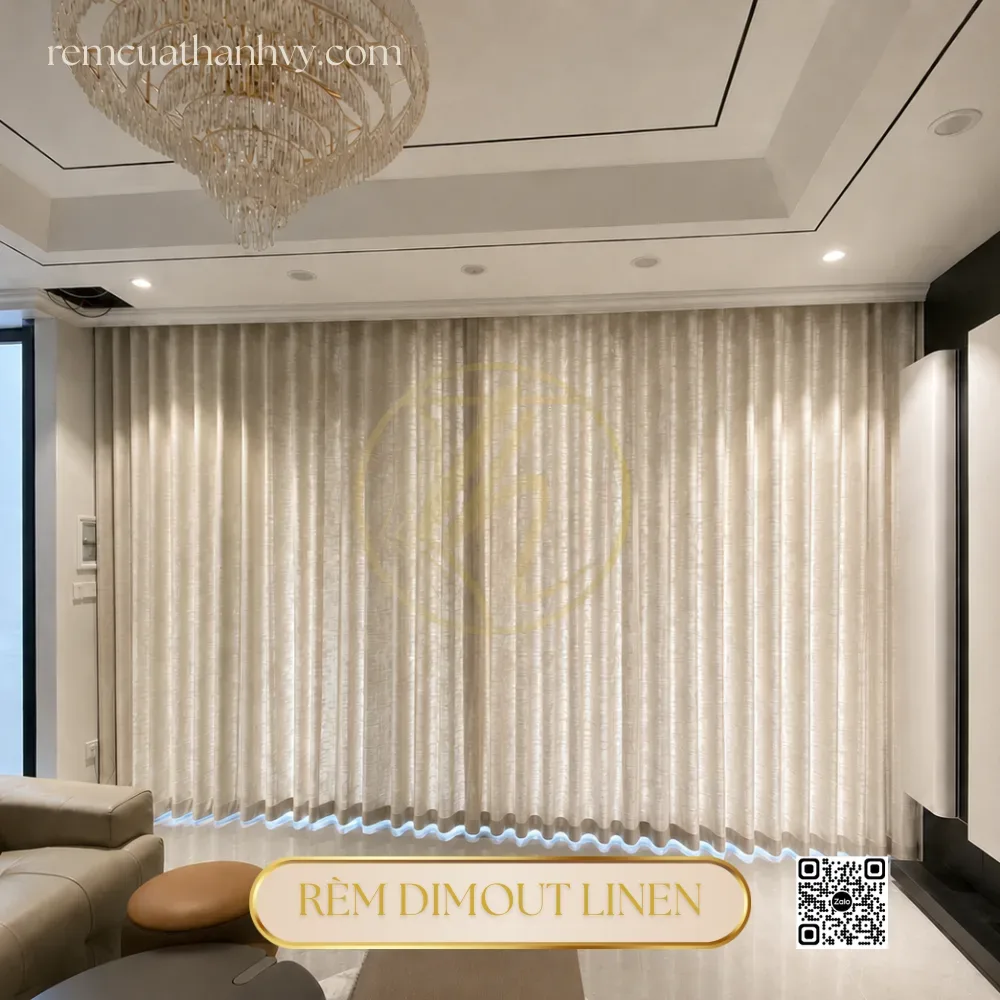
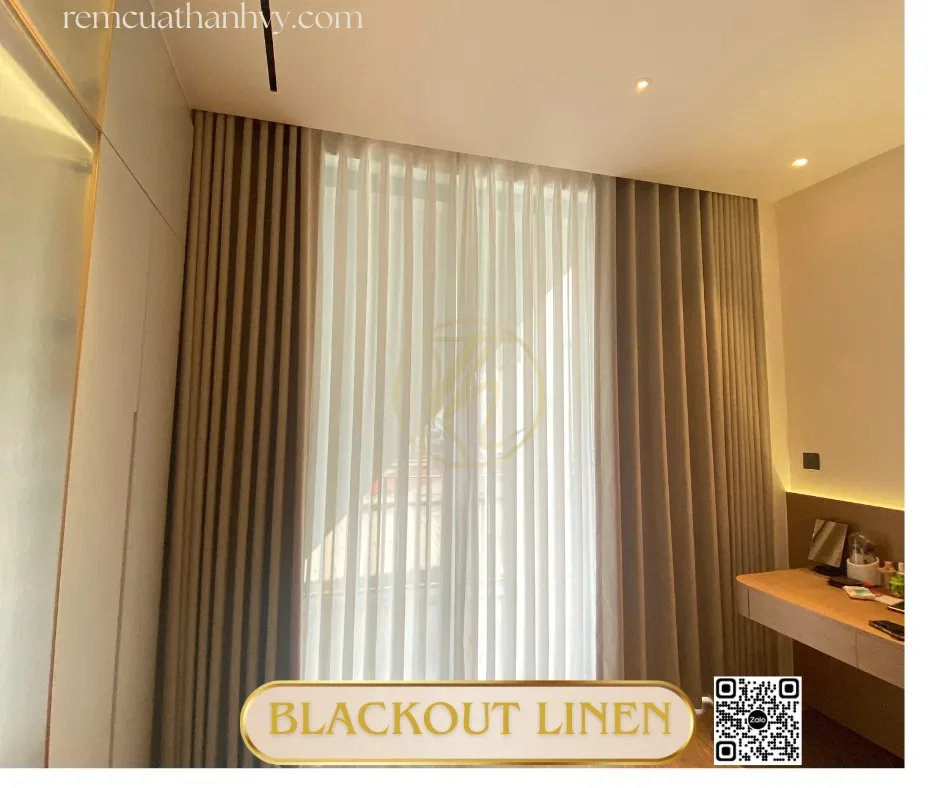
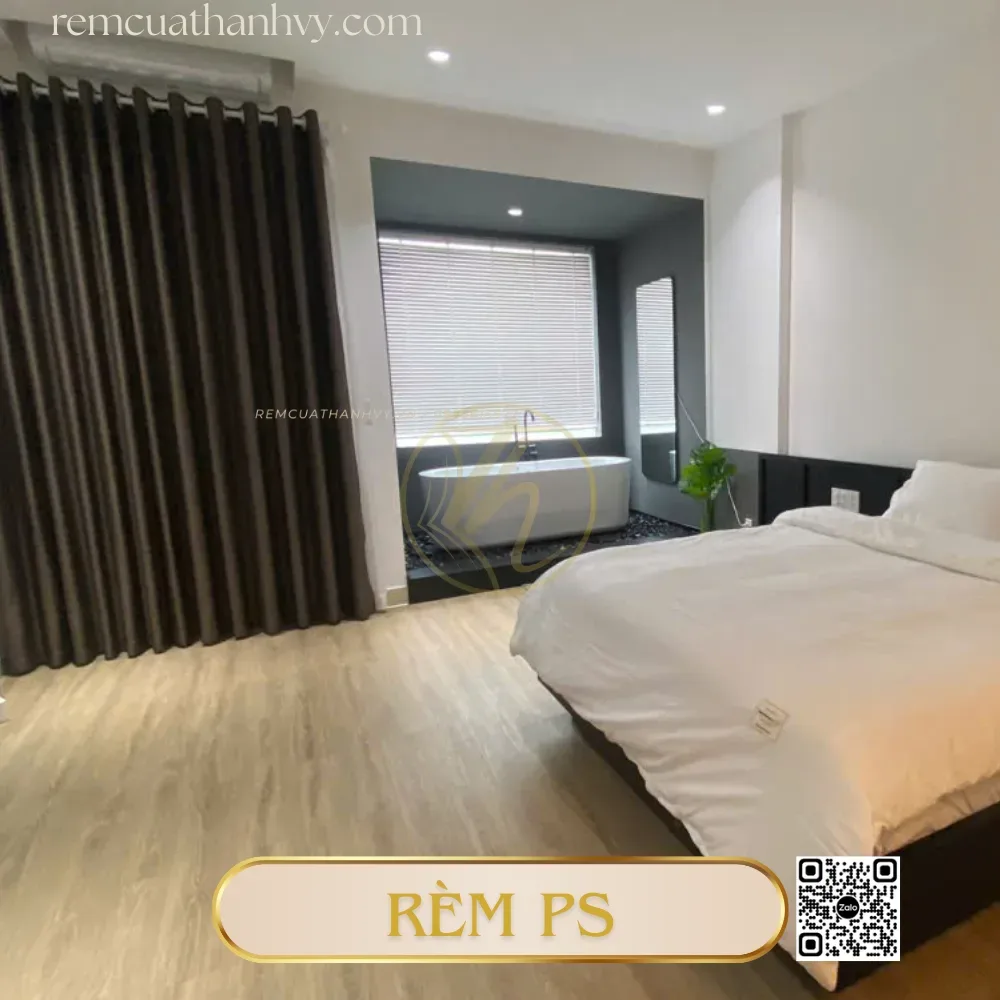
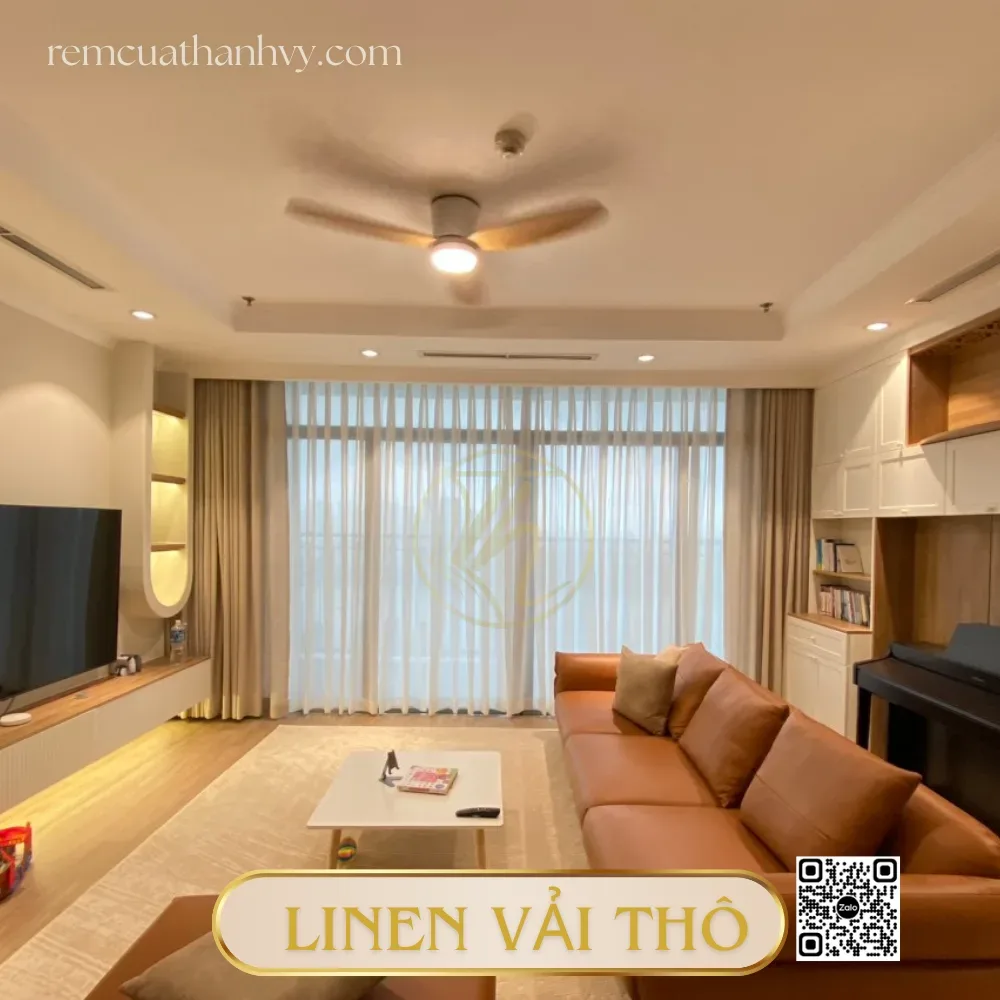
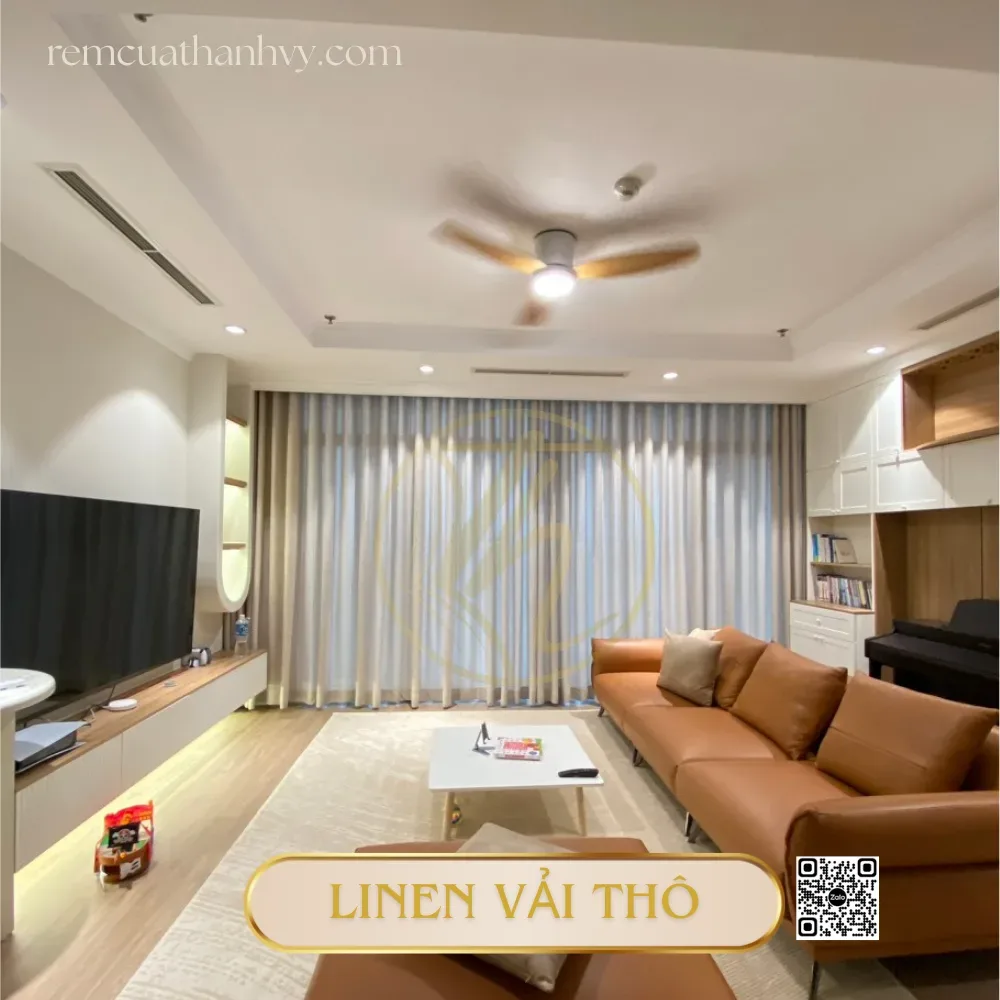
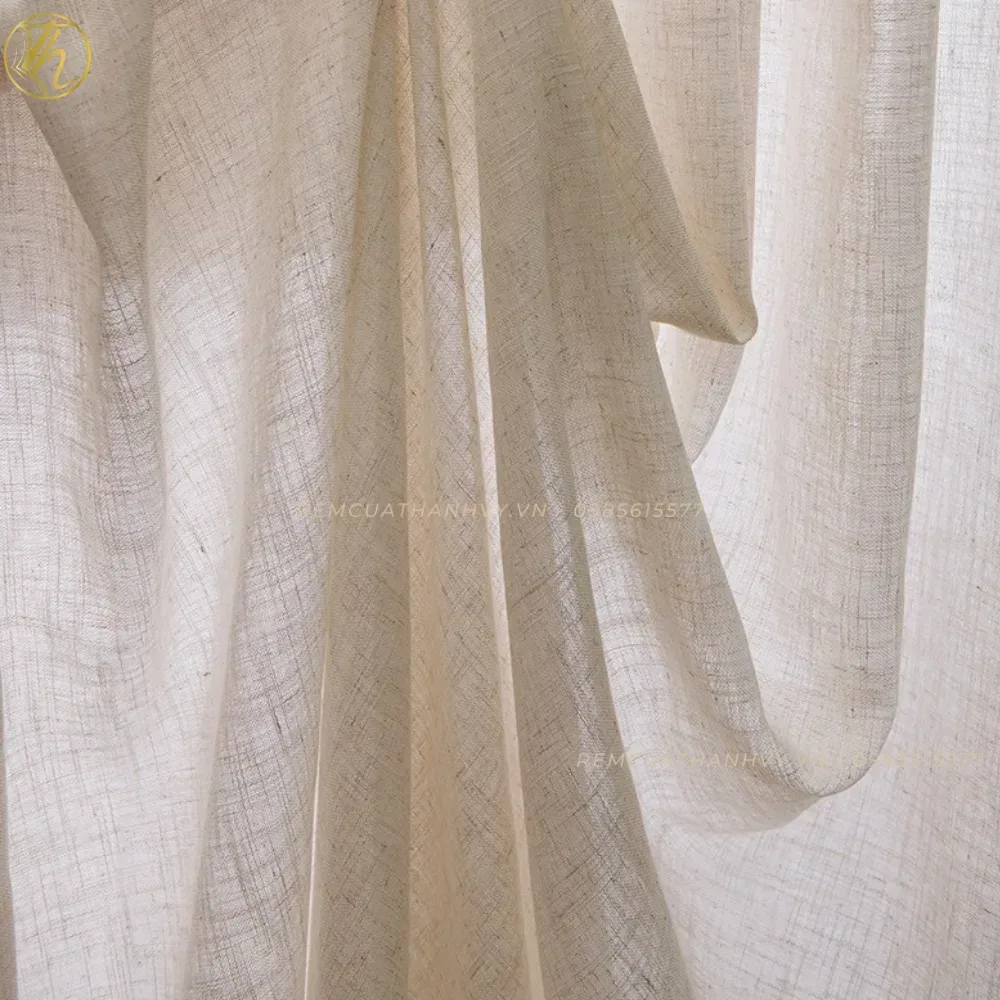
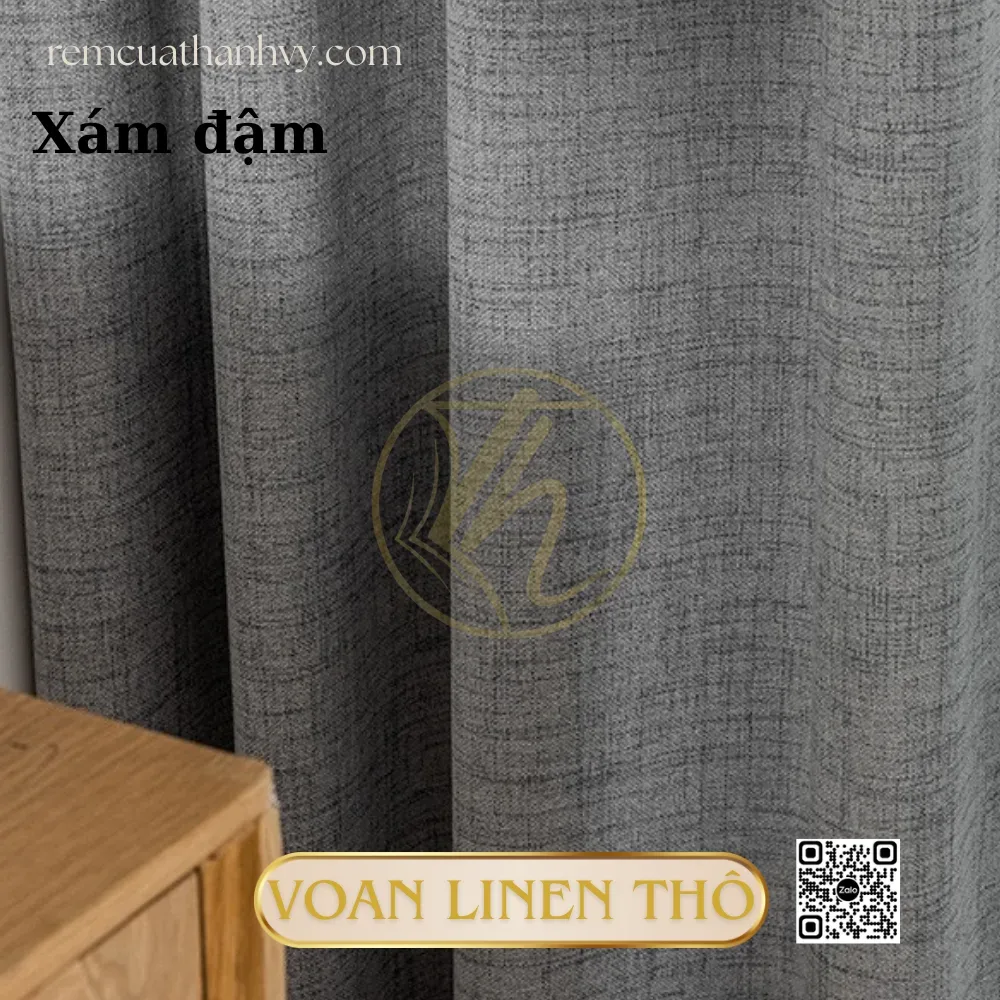
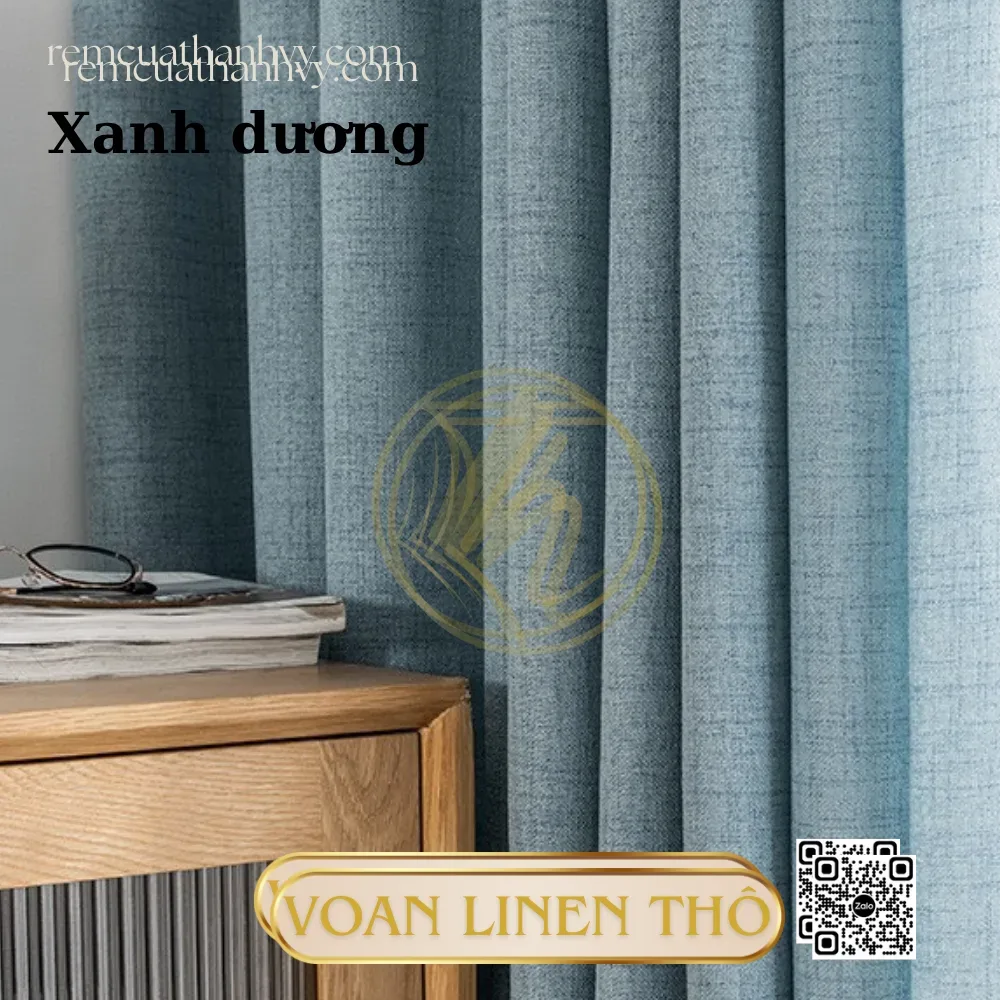
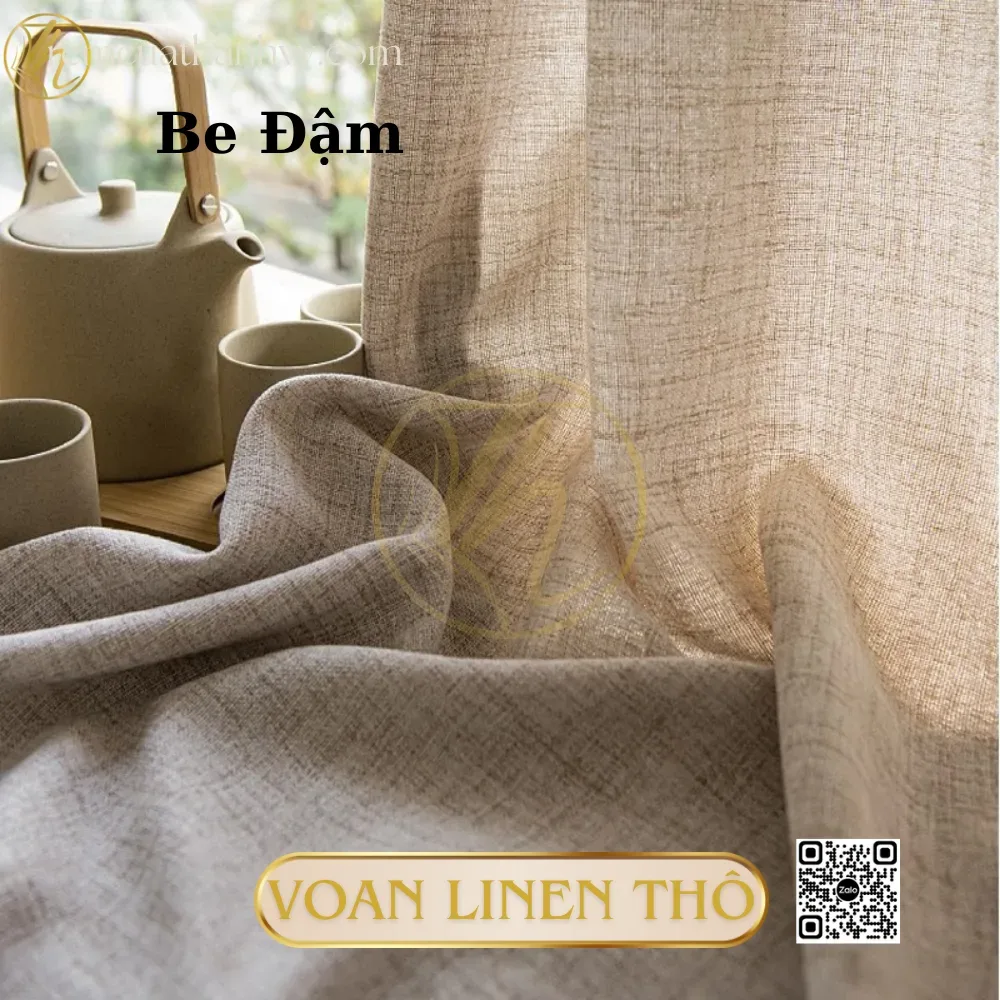
Fabric curtains
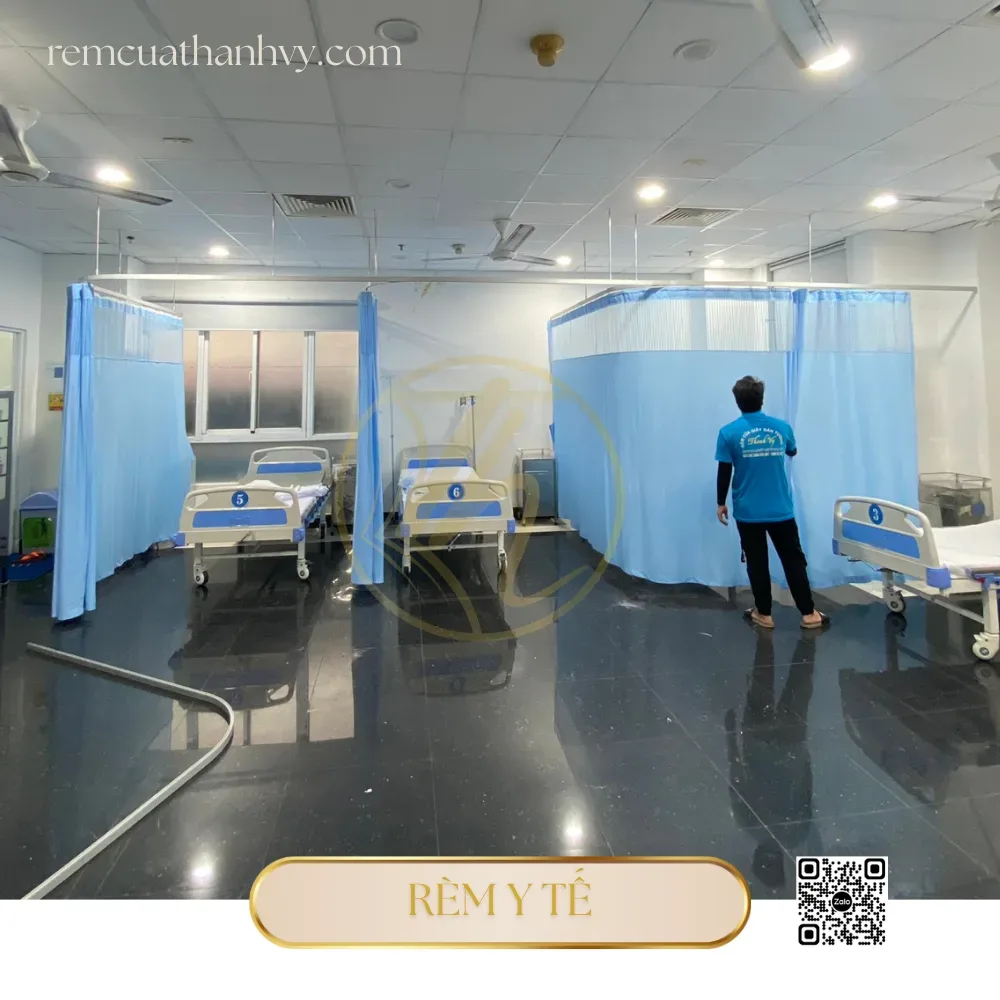
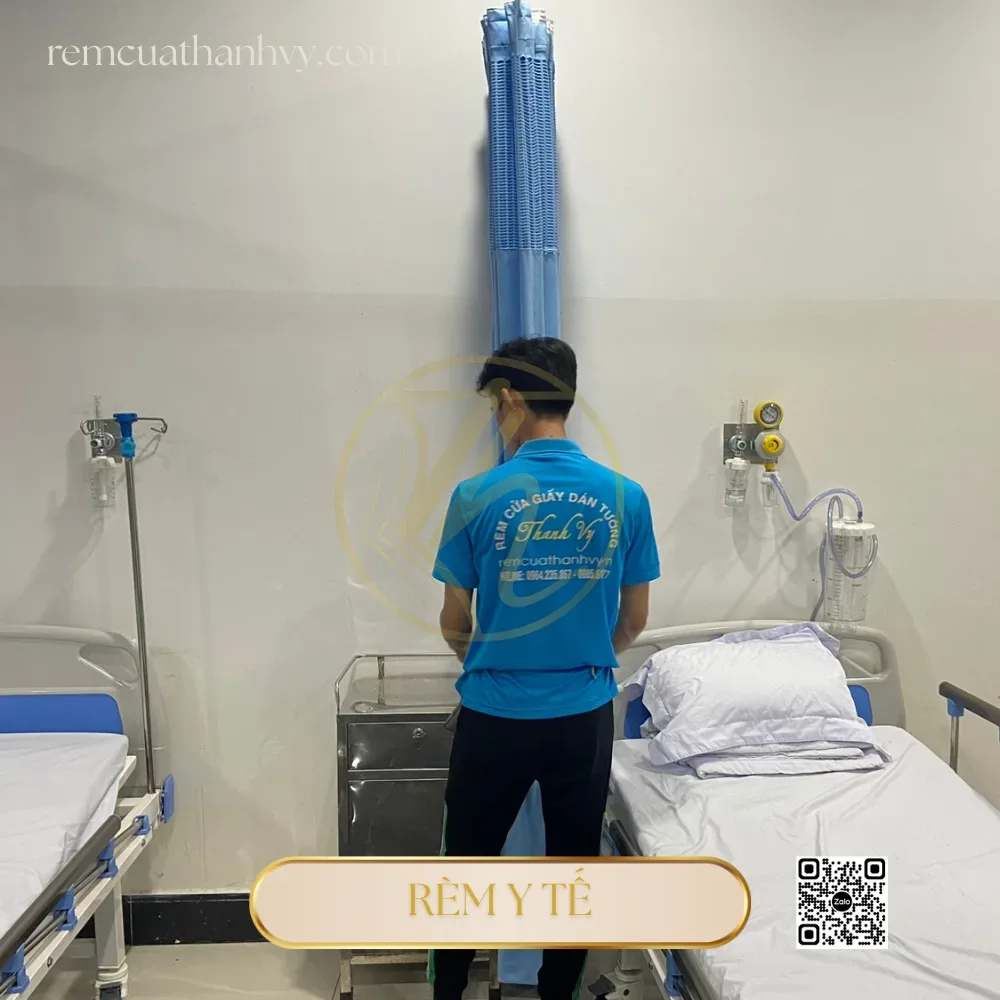
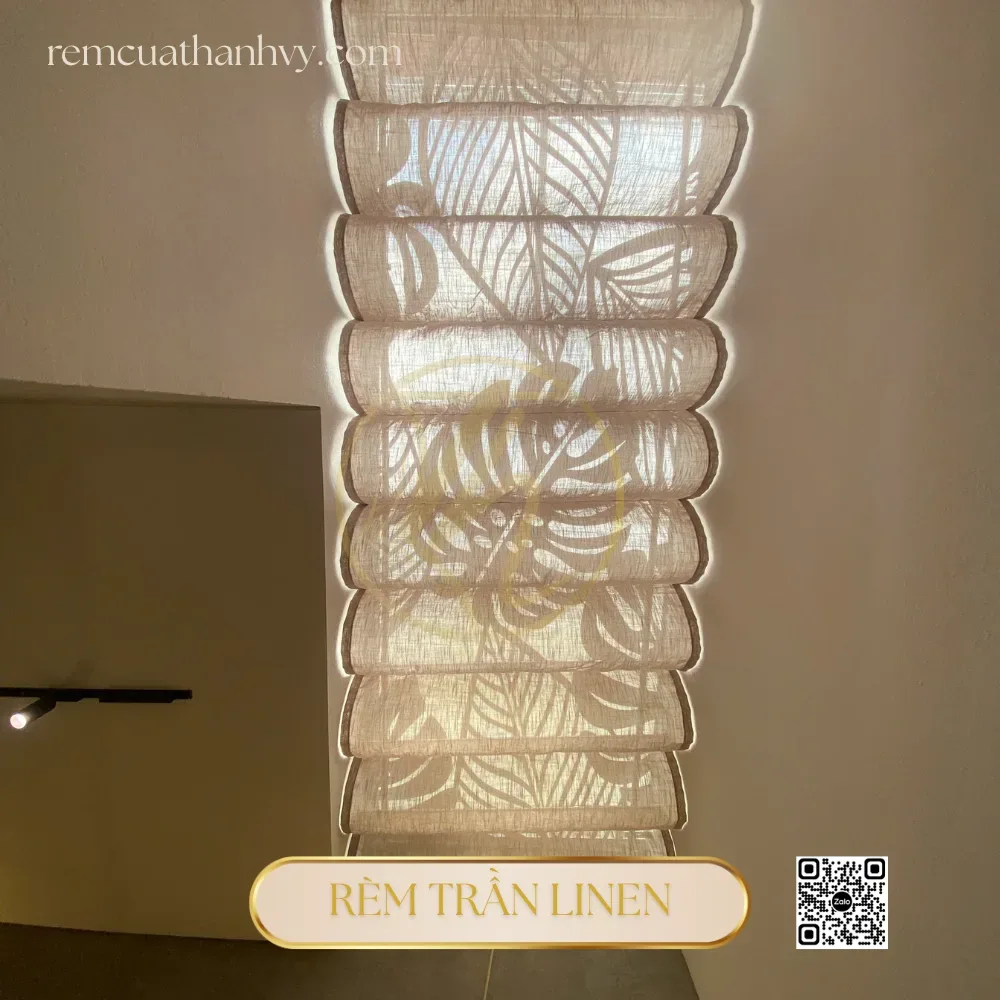
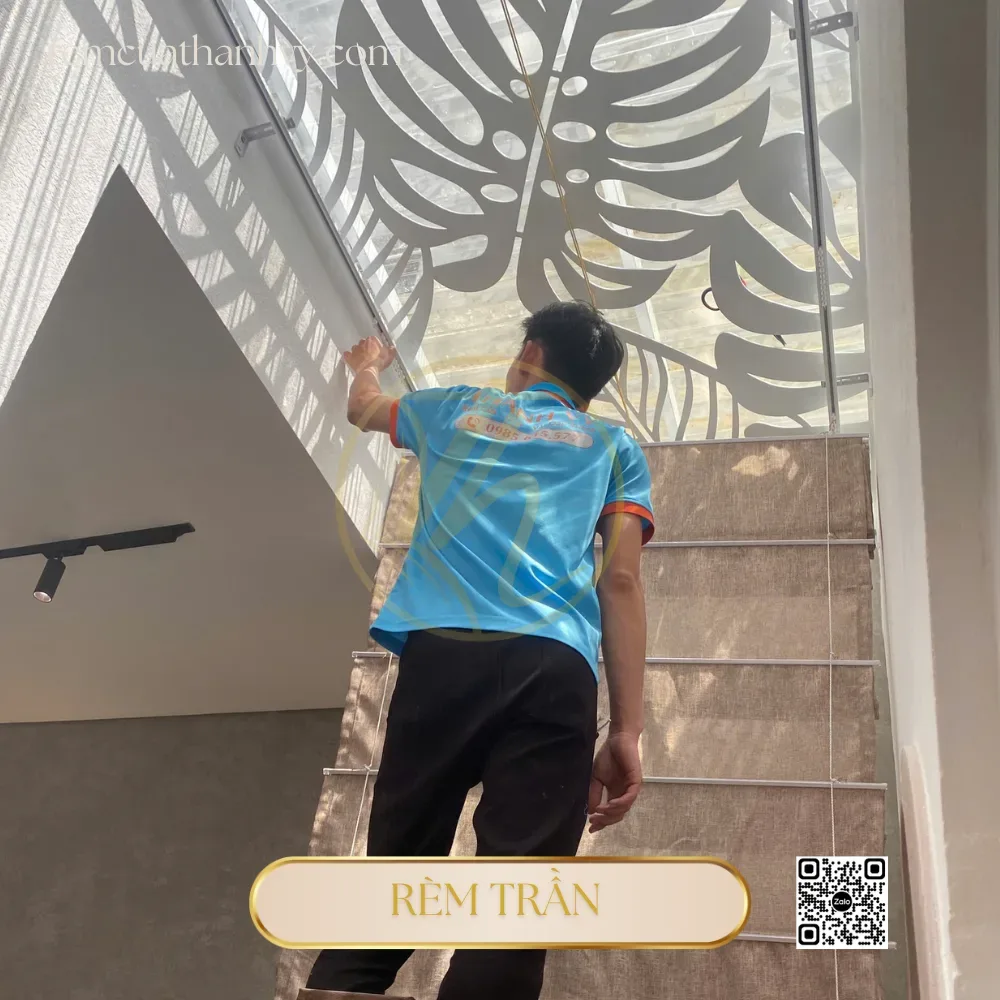
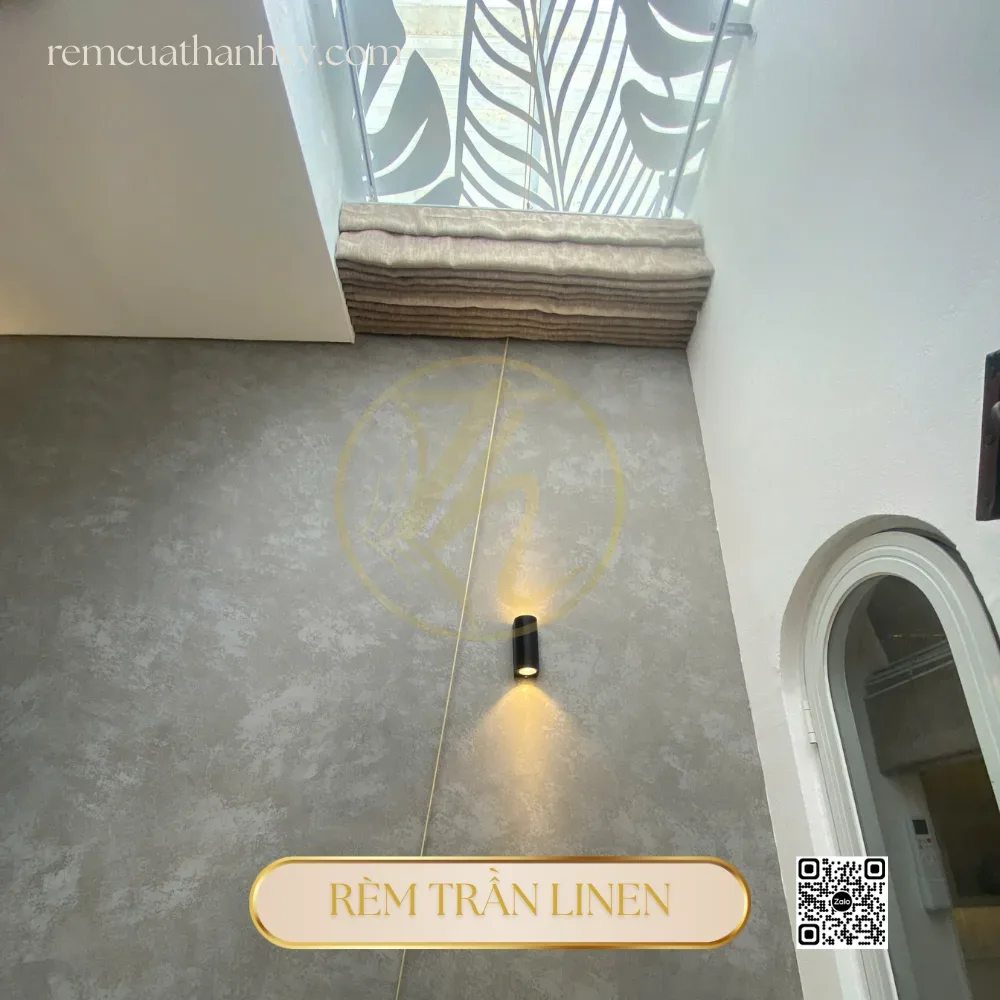
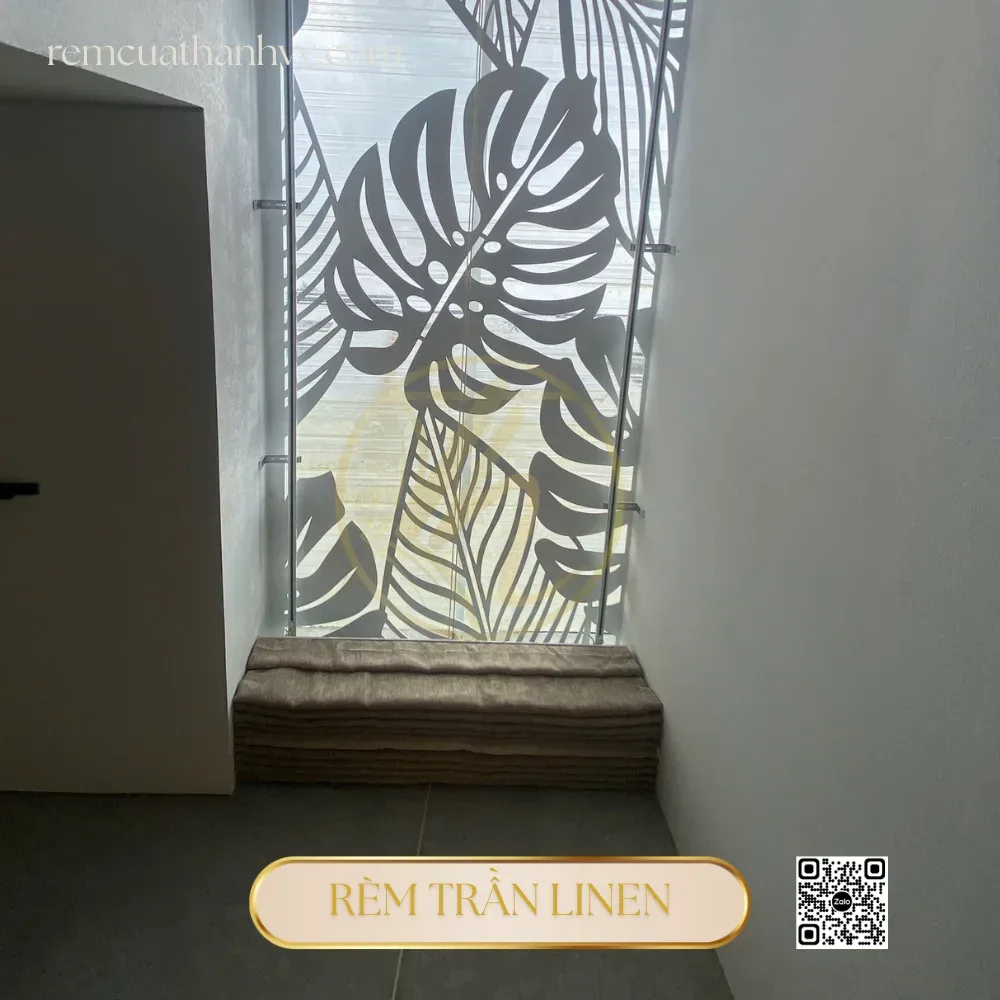
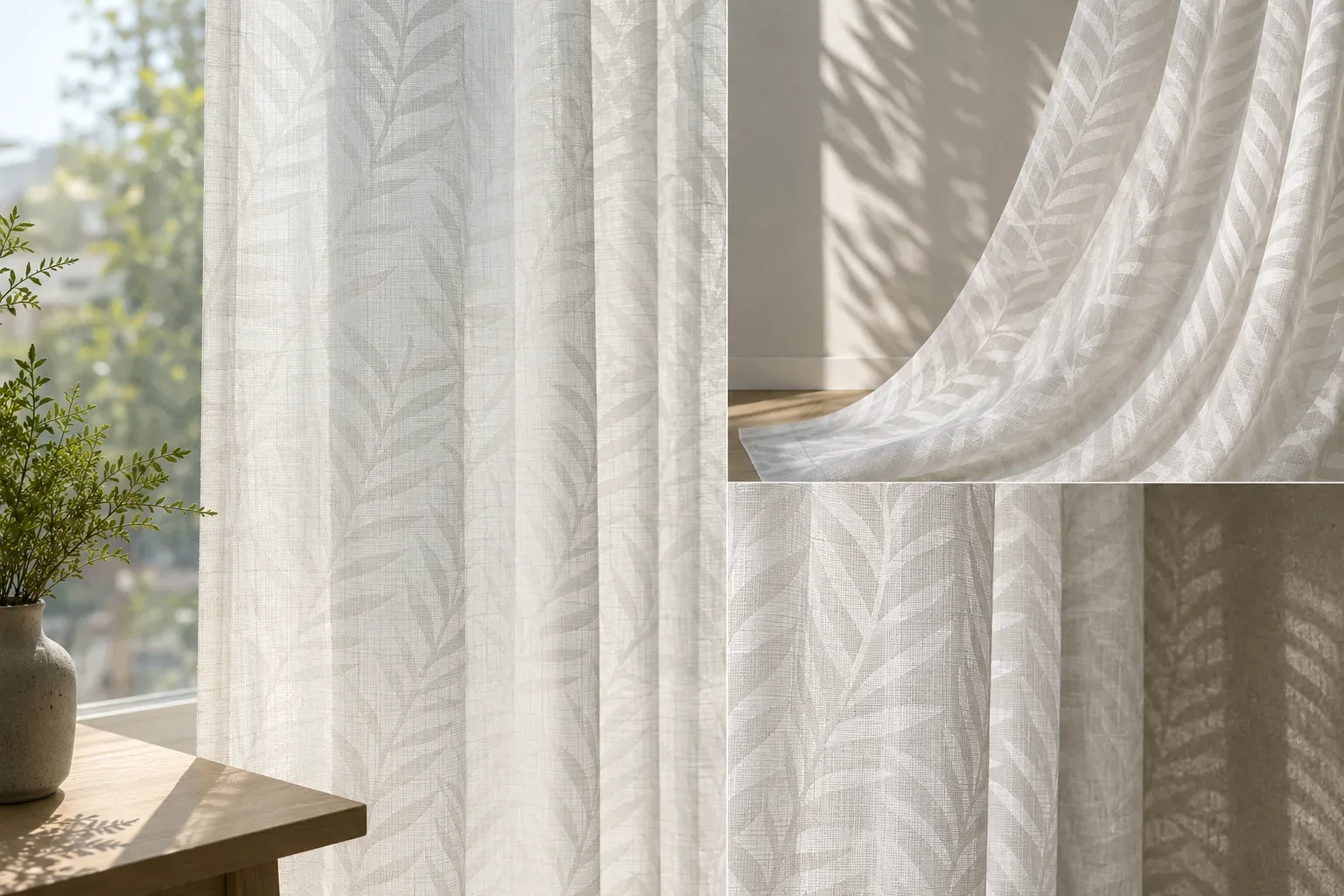
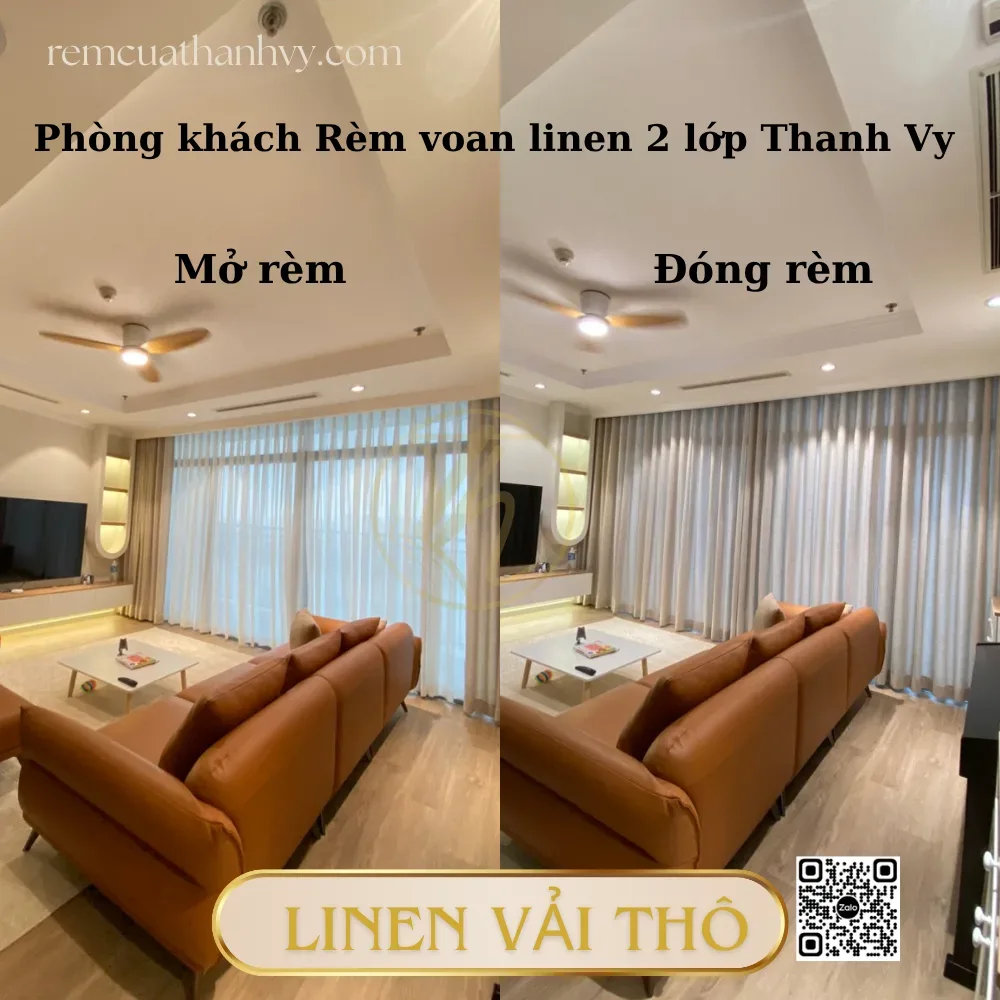
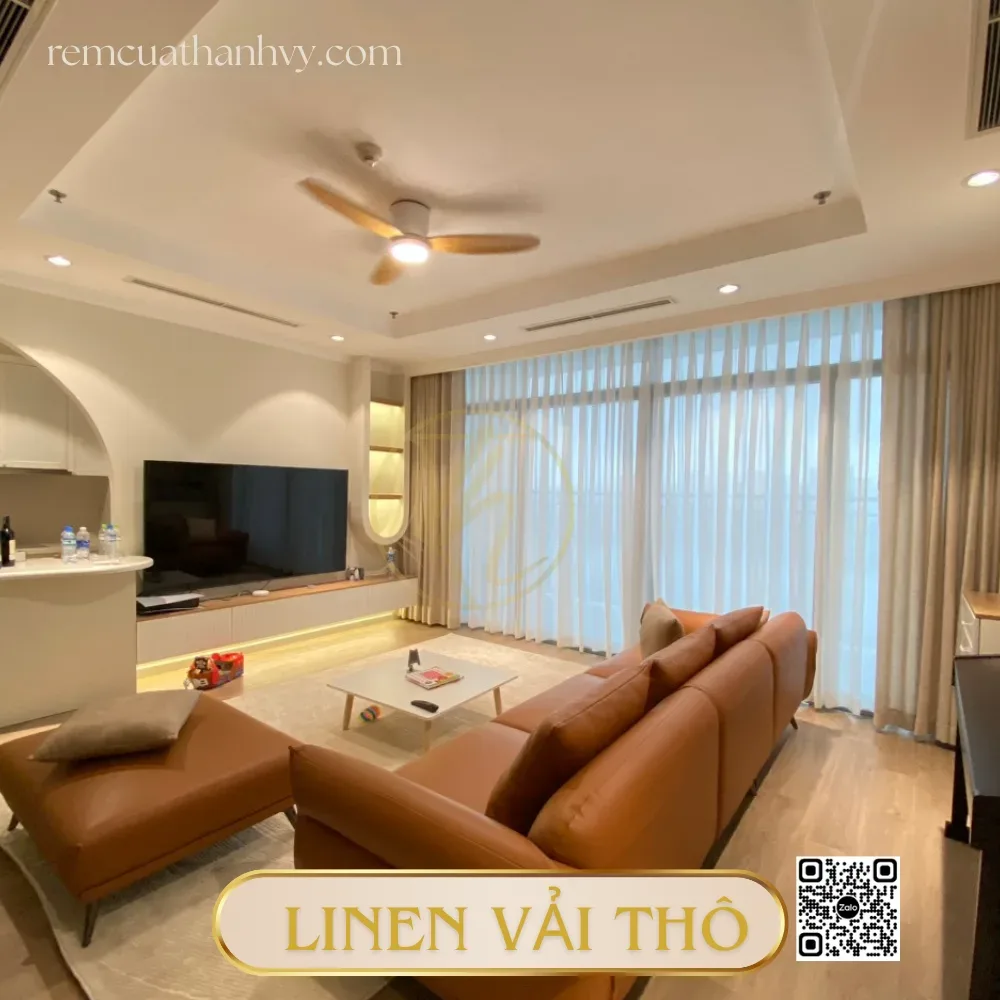
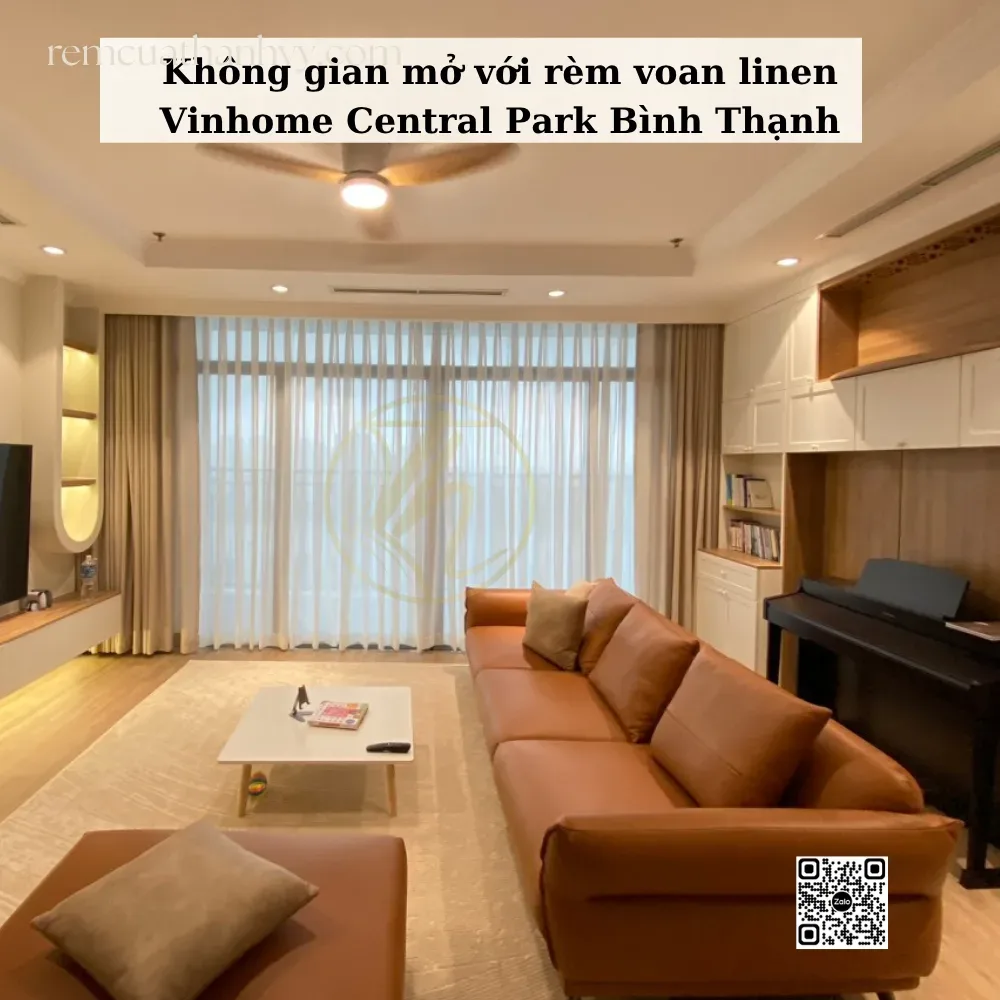
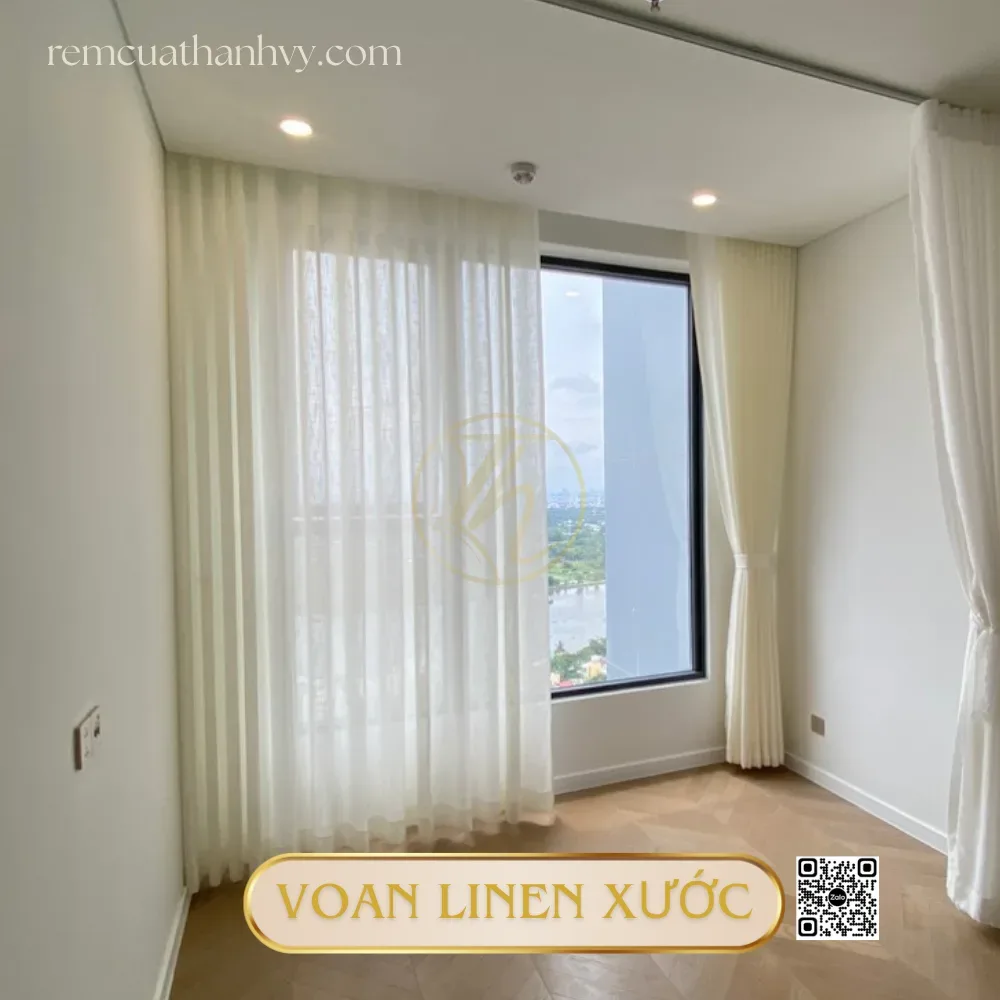
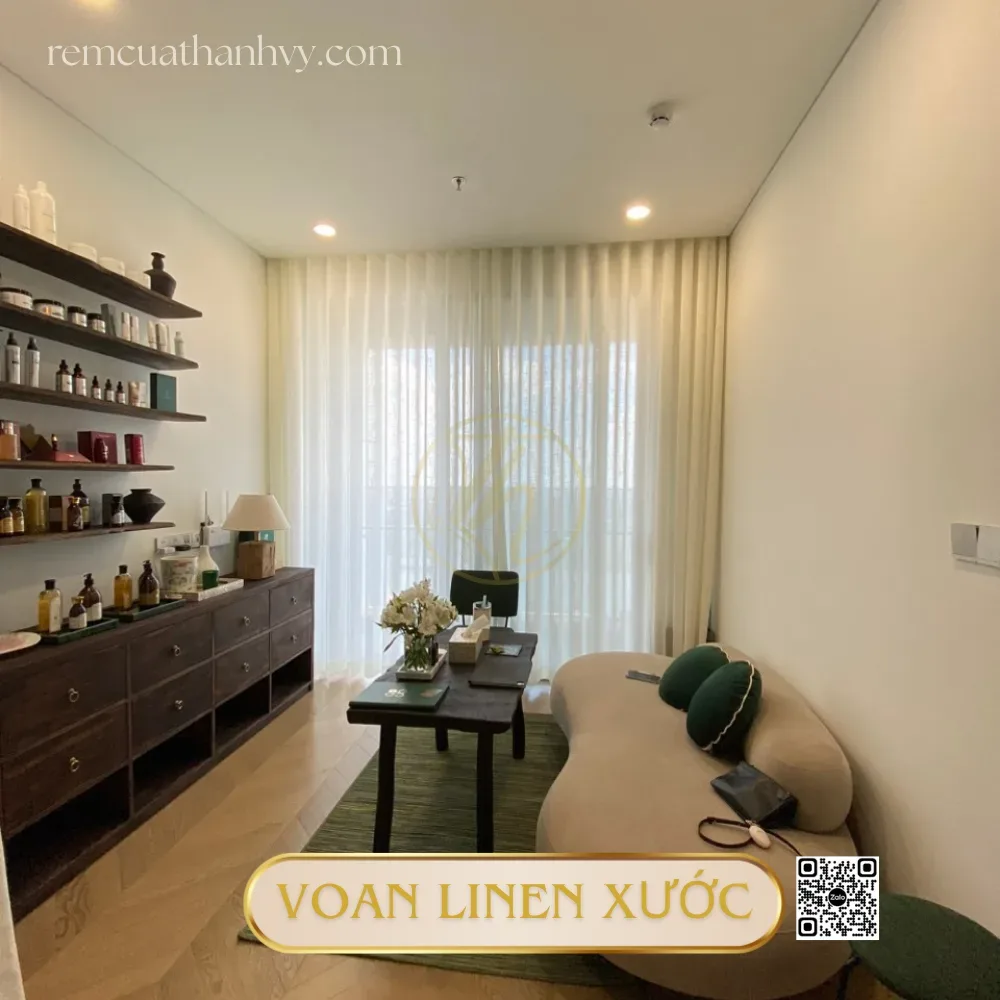
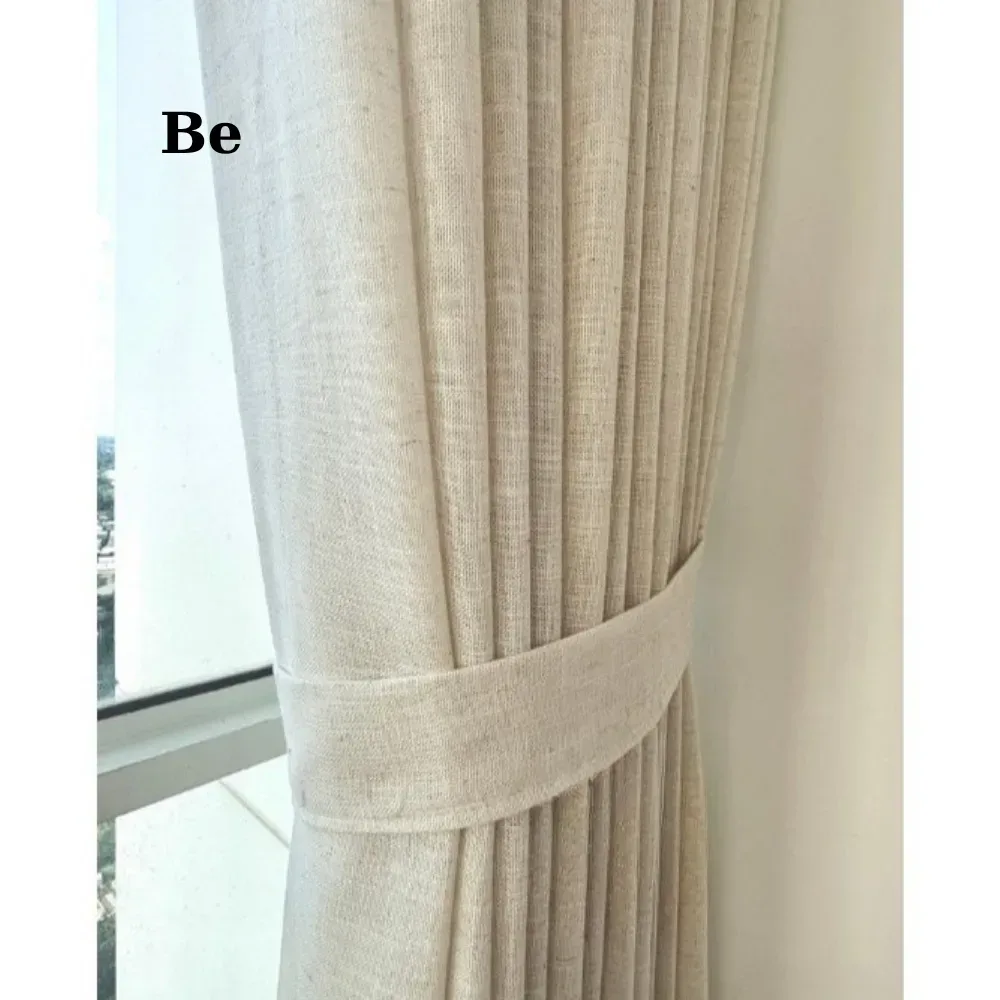
Fabric curtains are easy to coordinate with furniture colors and come in a wide price range.





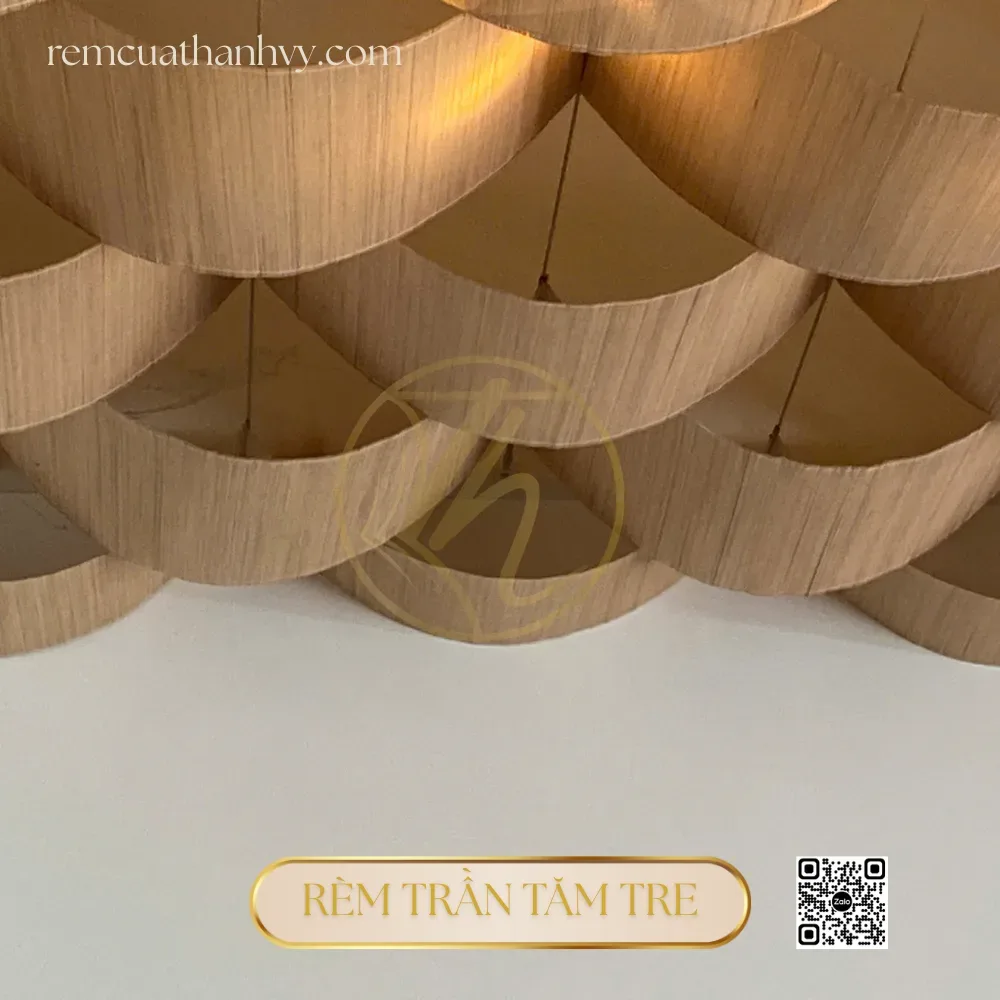
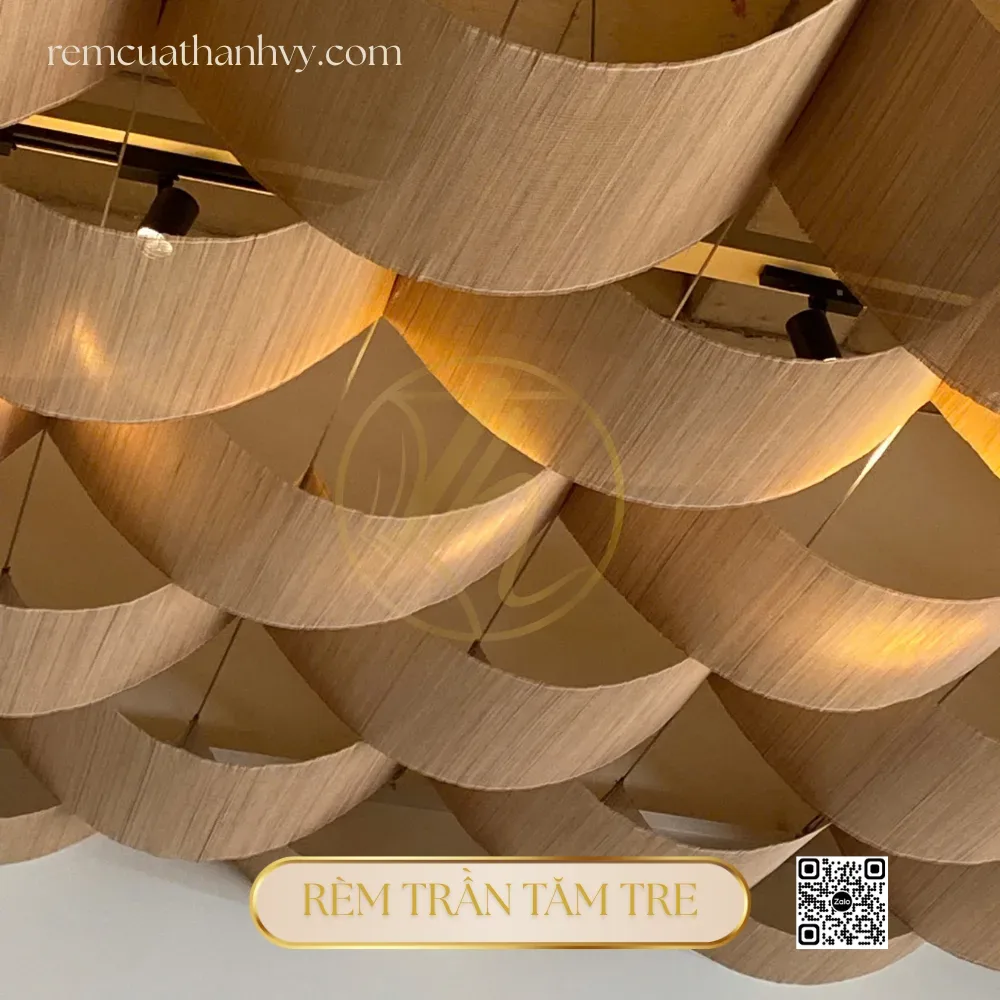
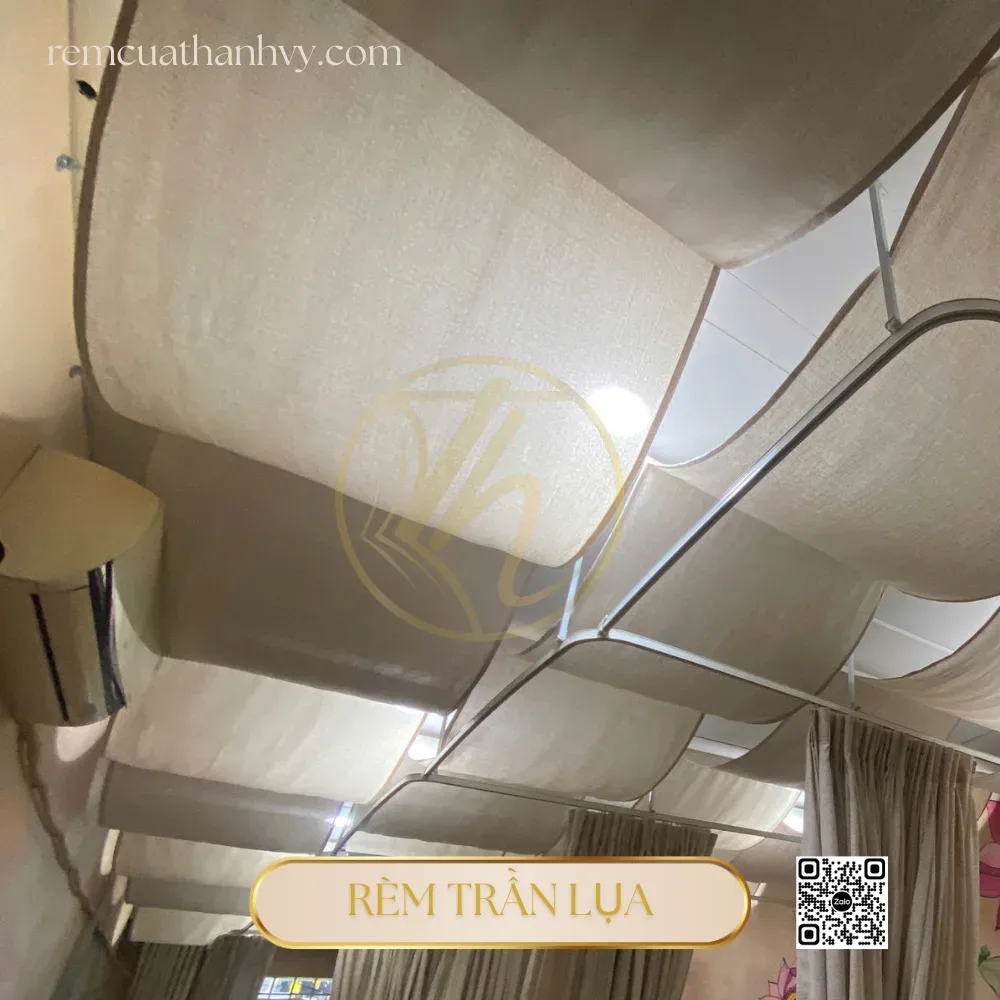
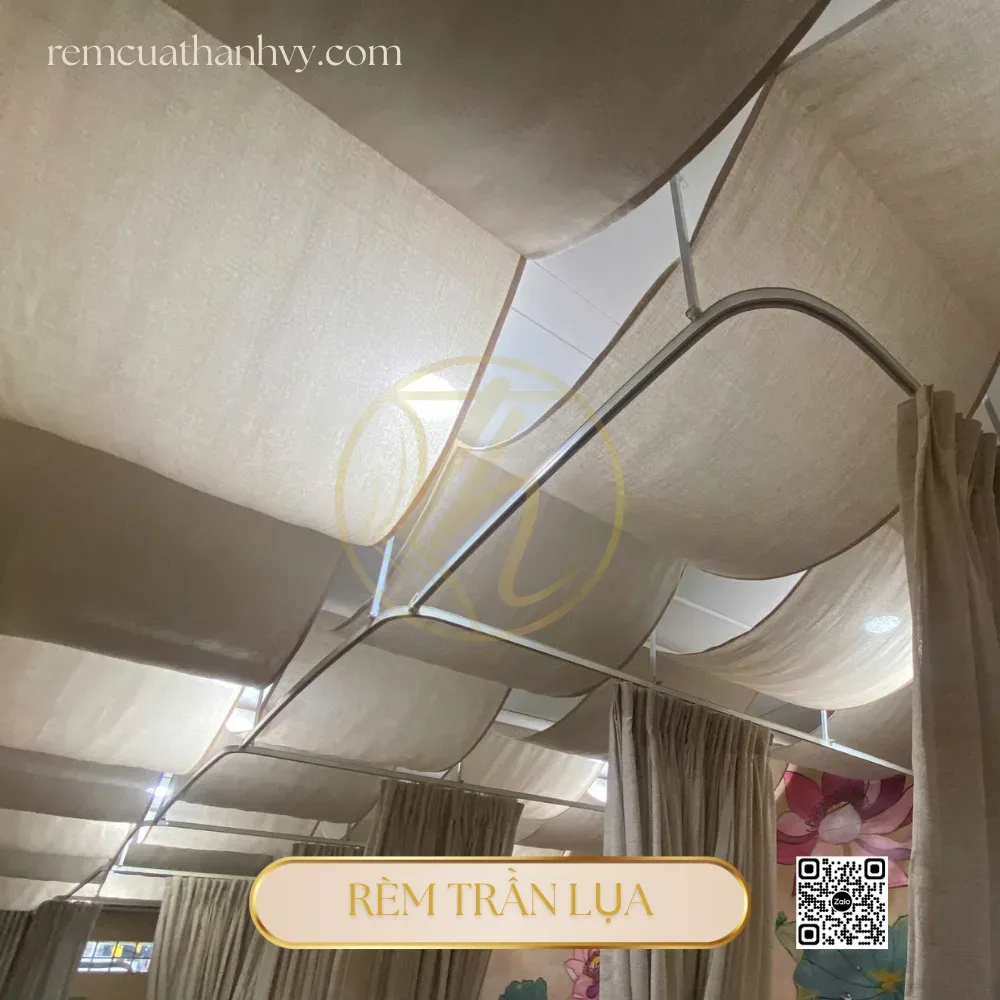

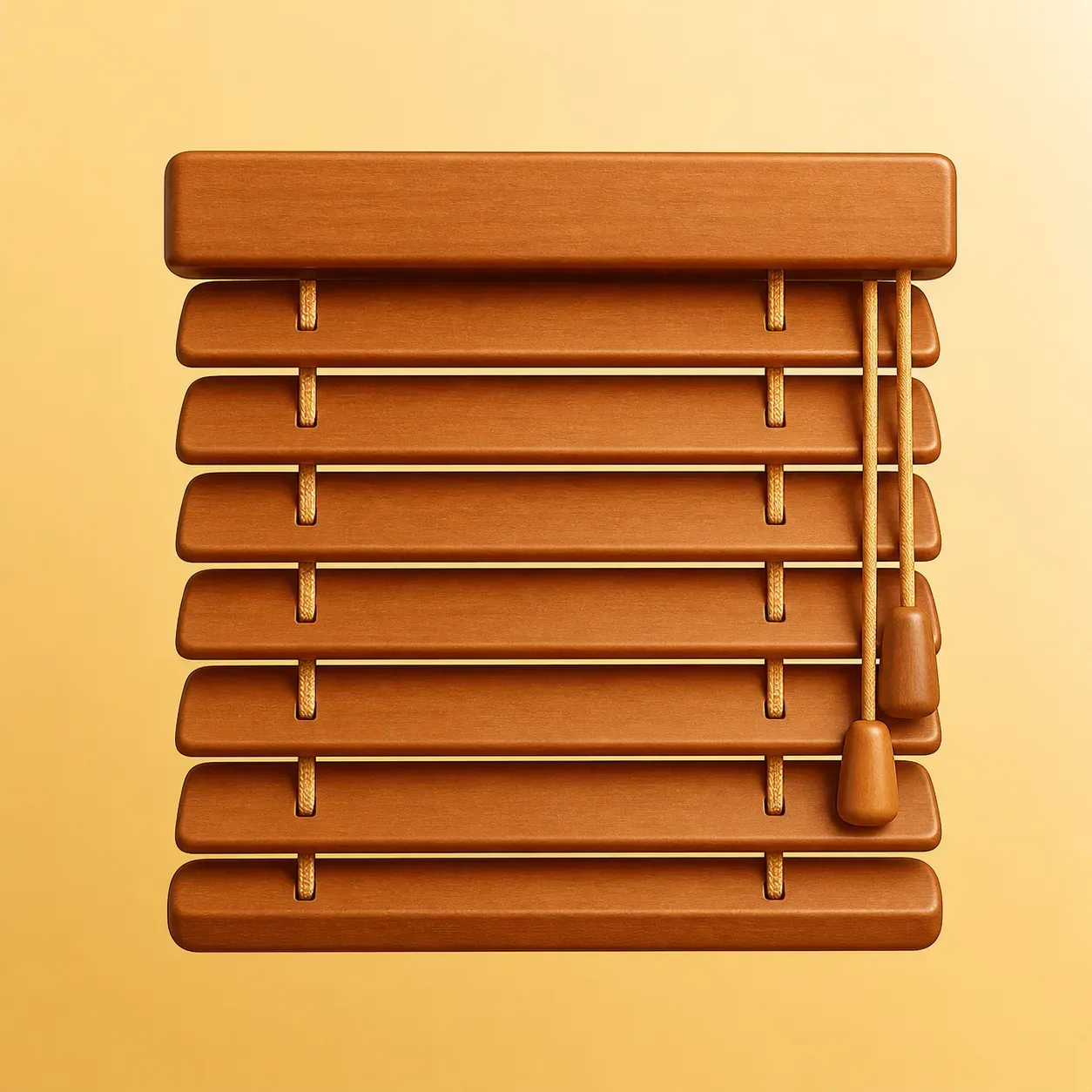
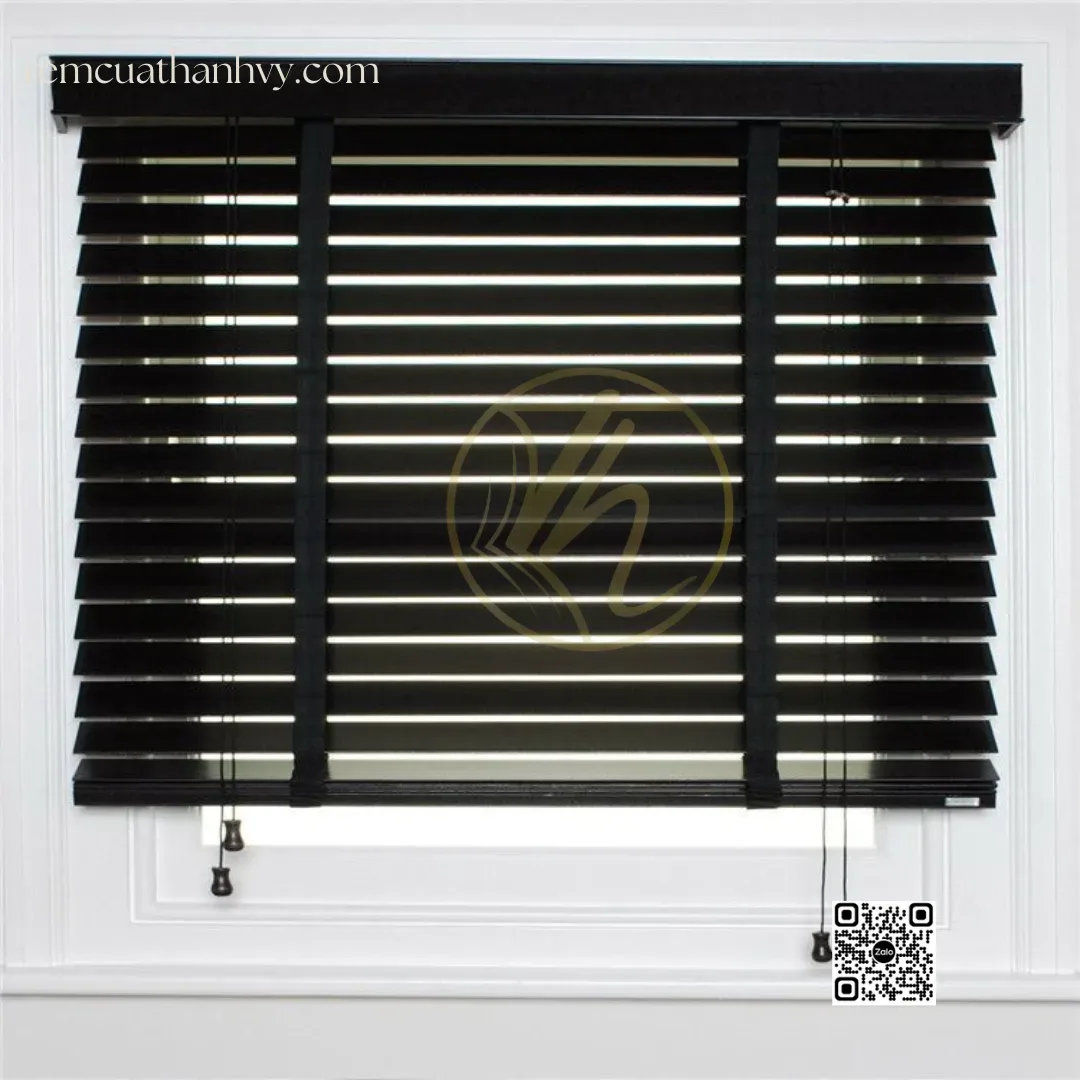
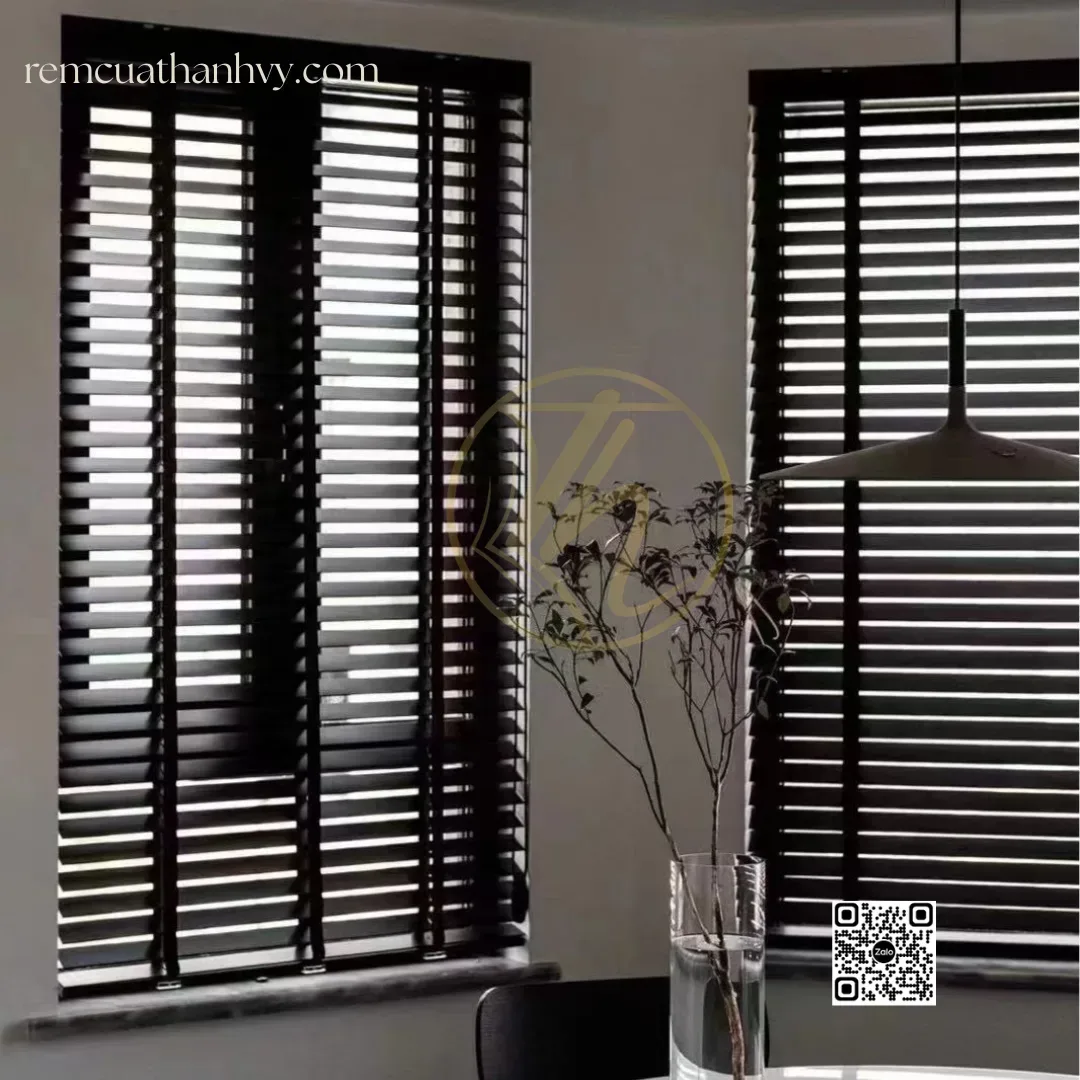
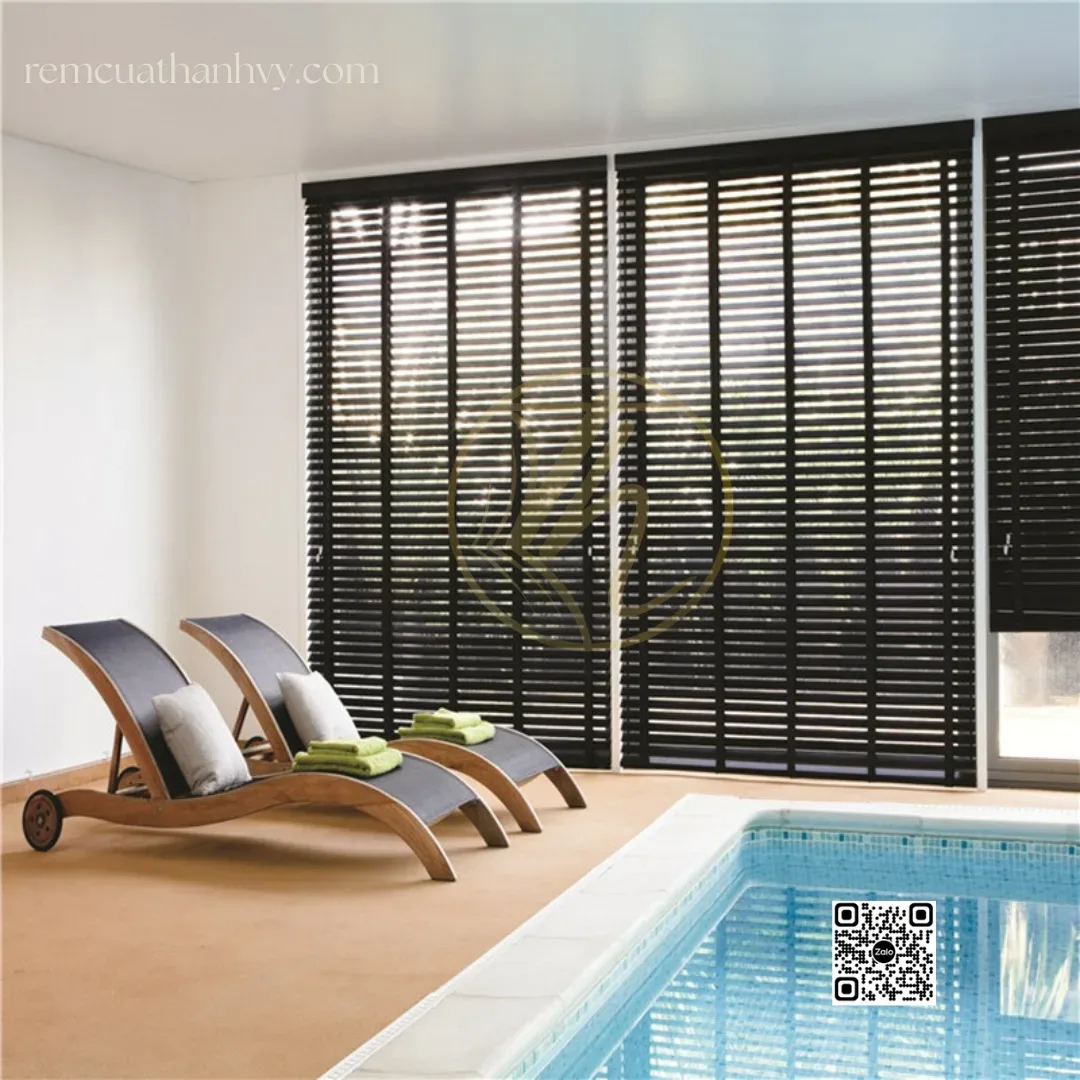
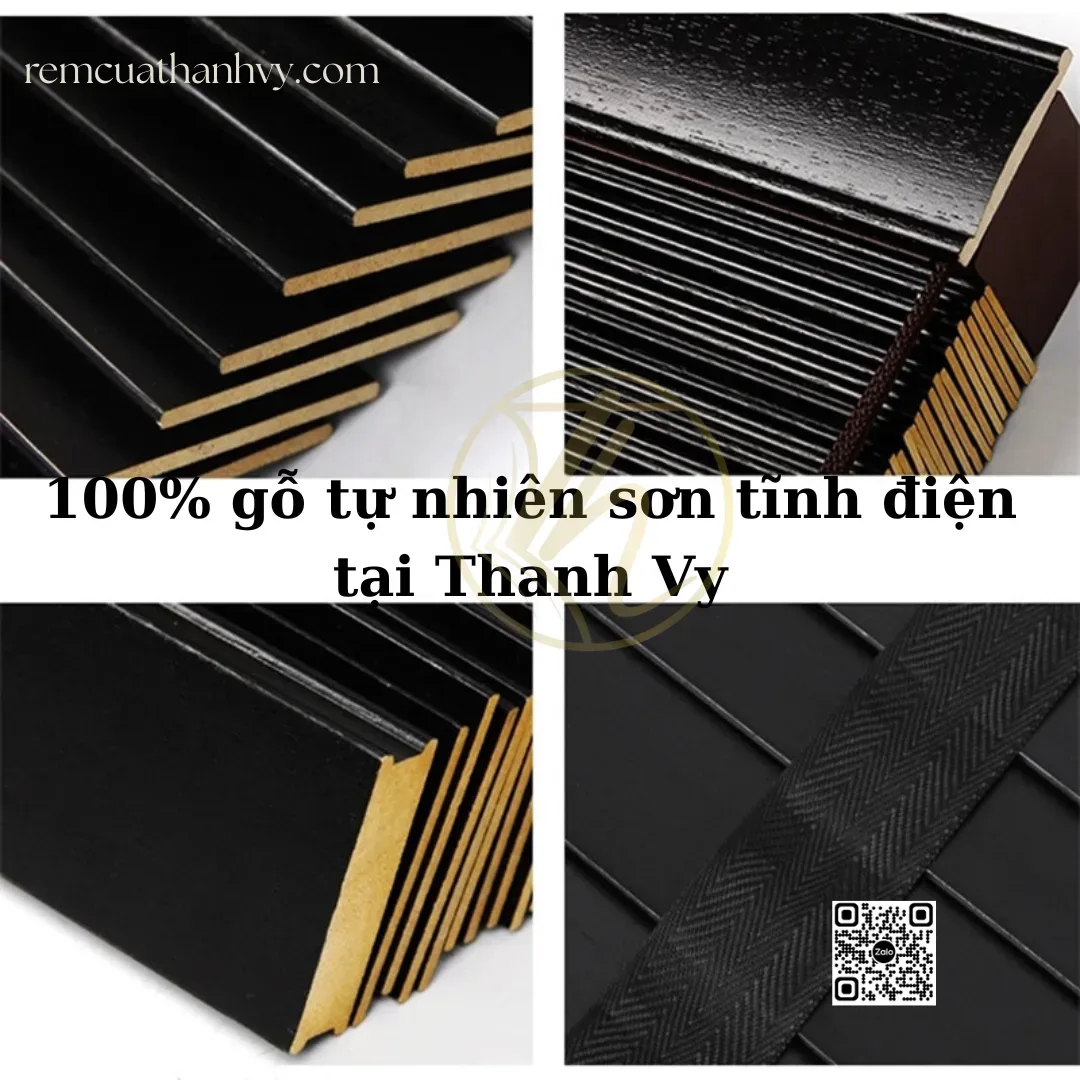
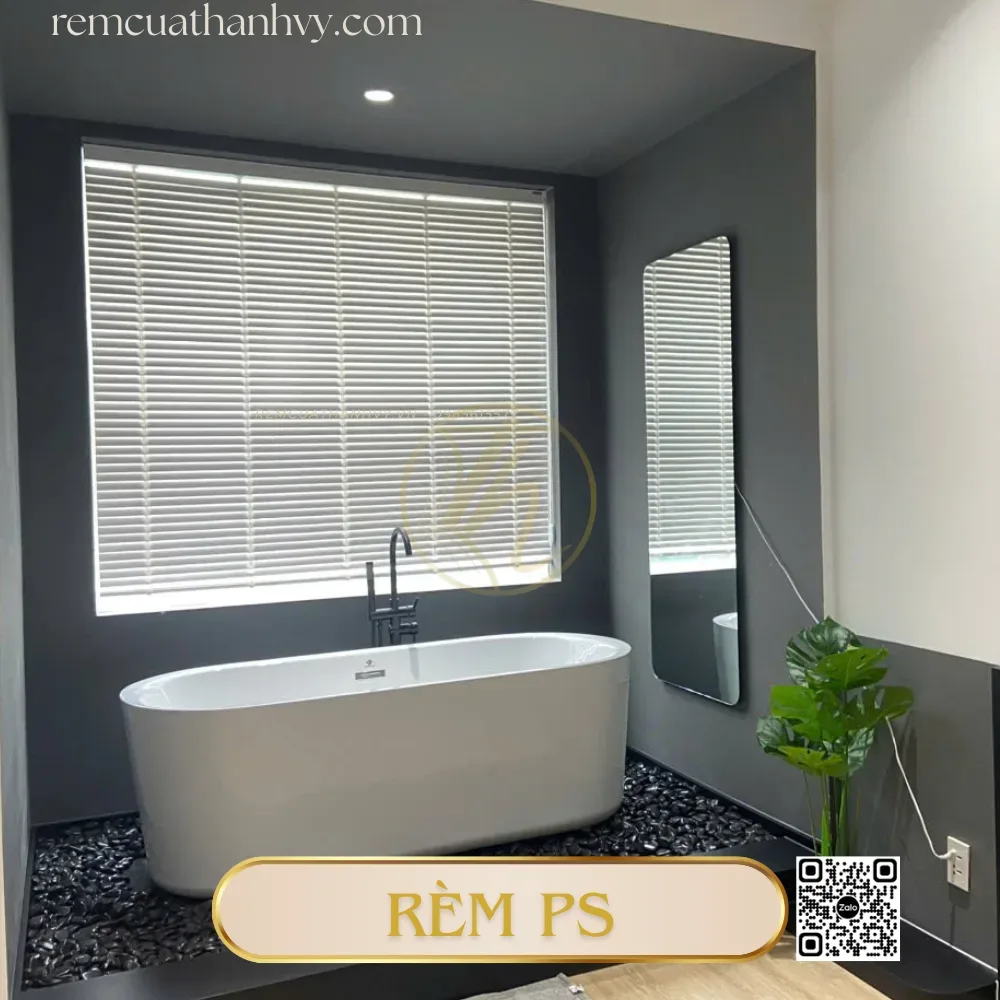
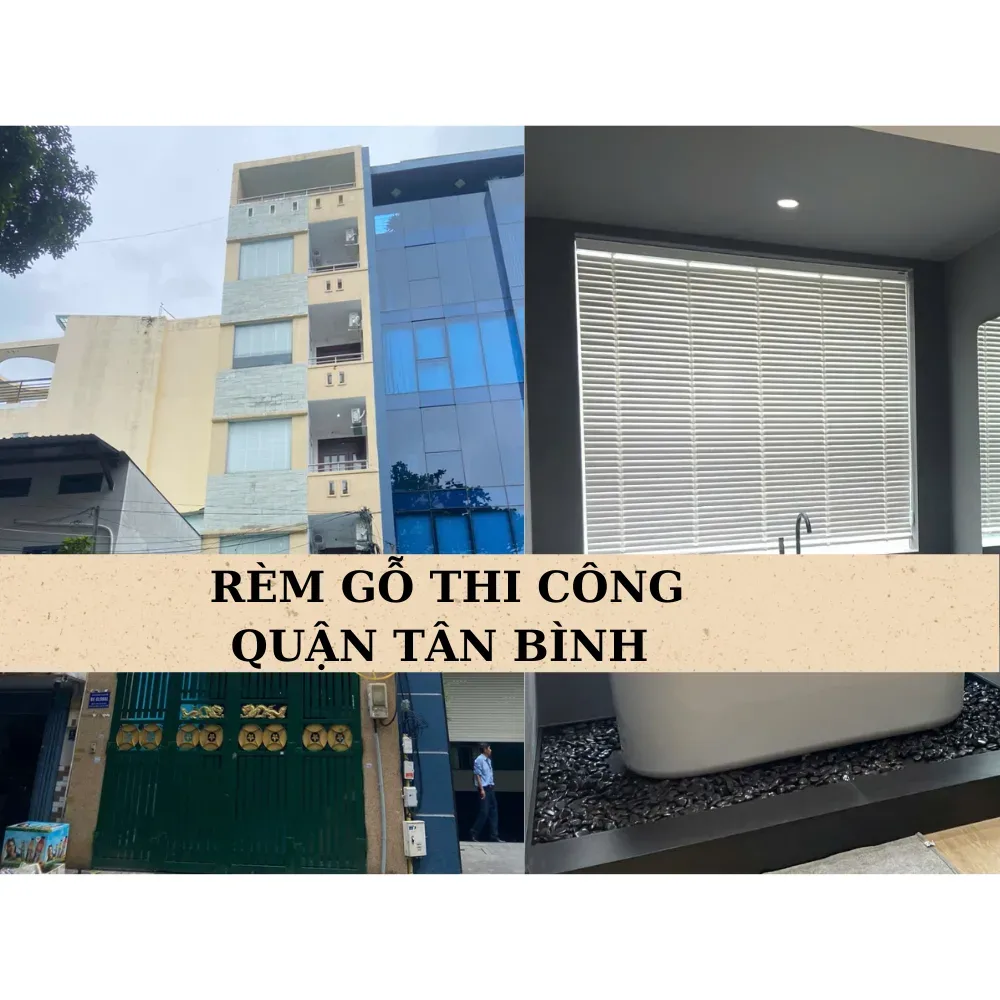
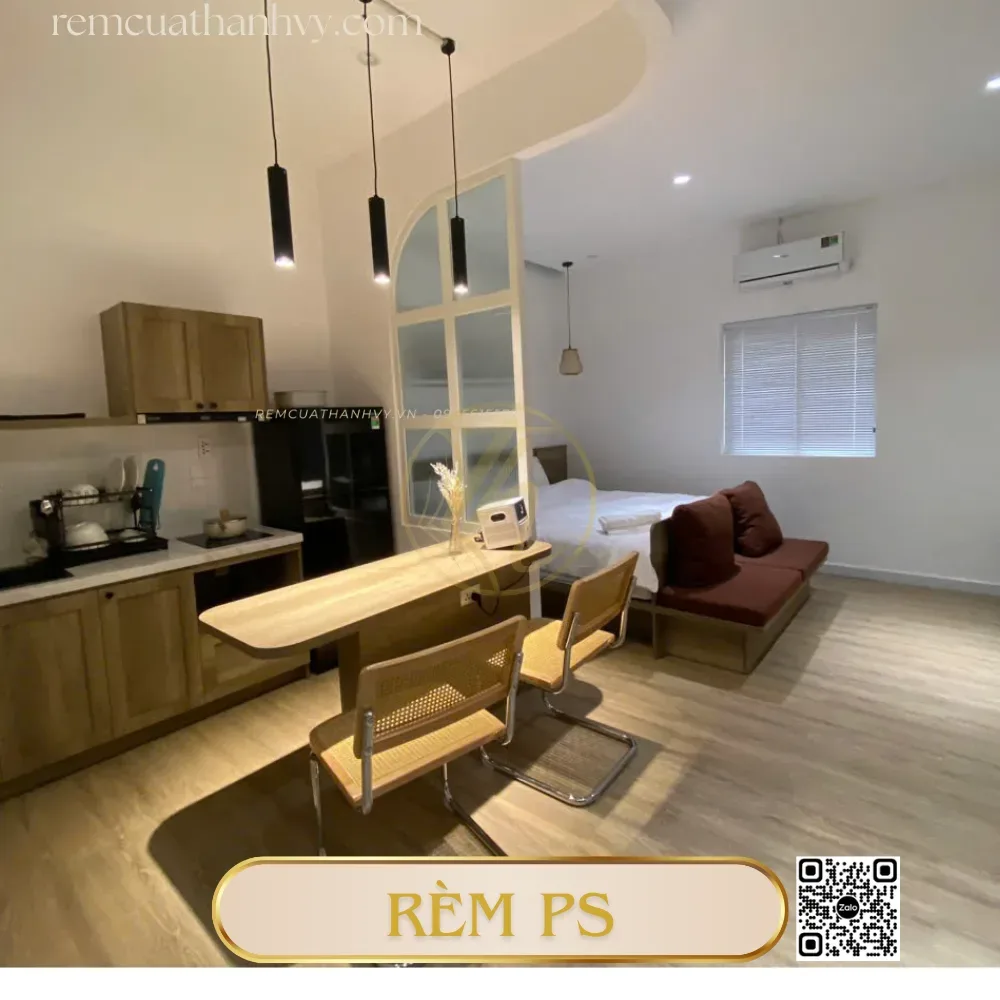
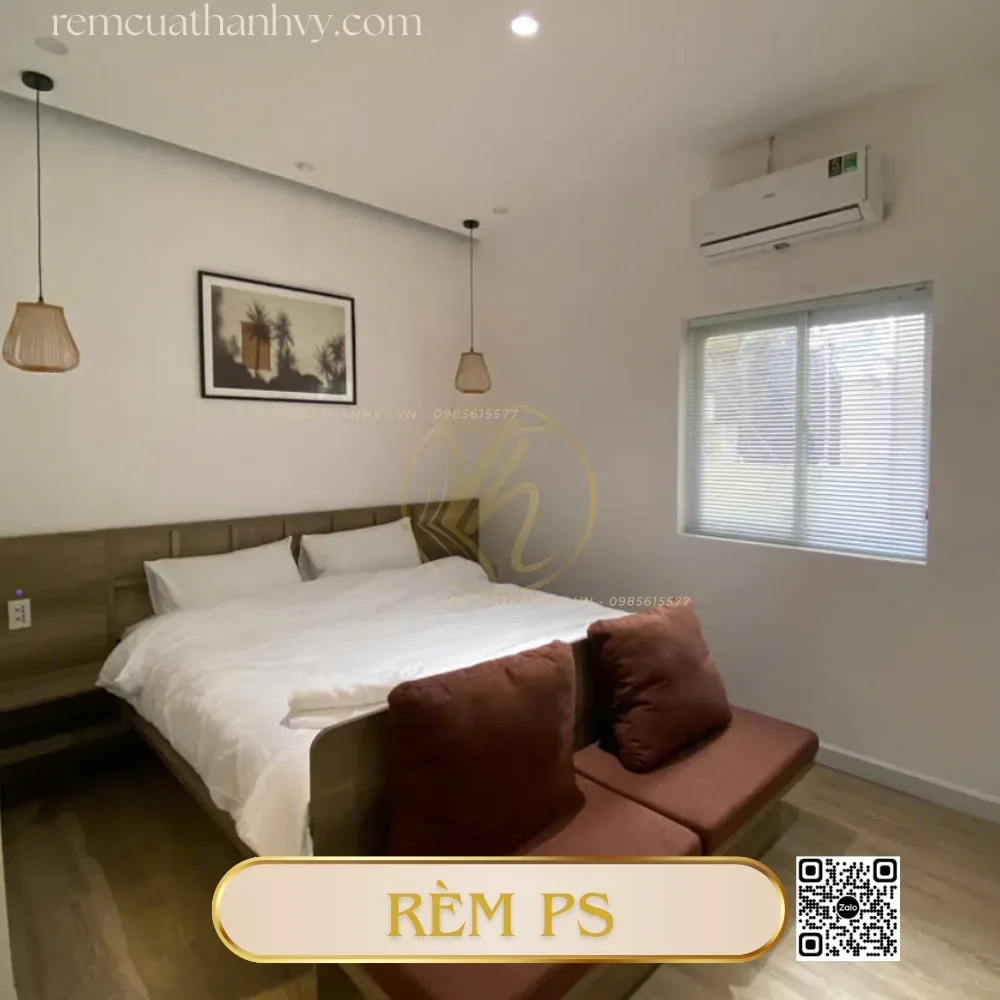
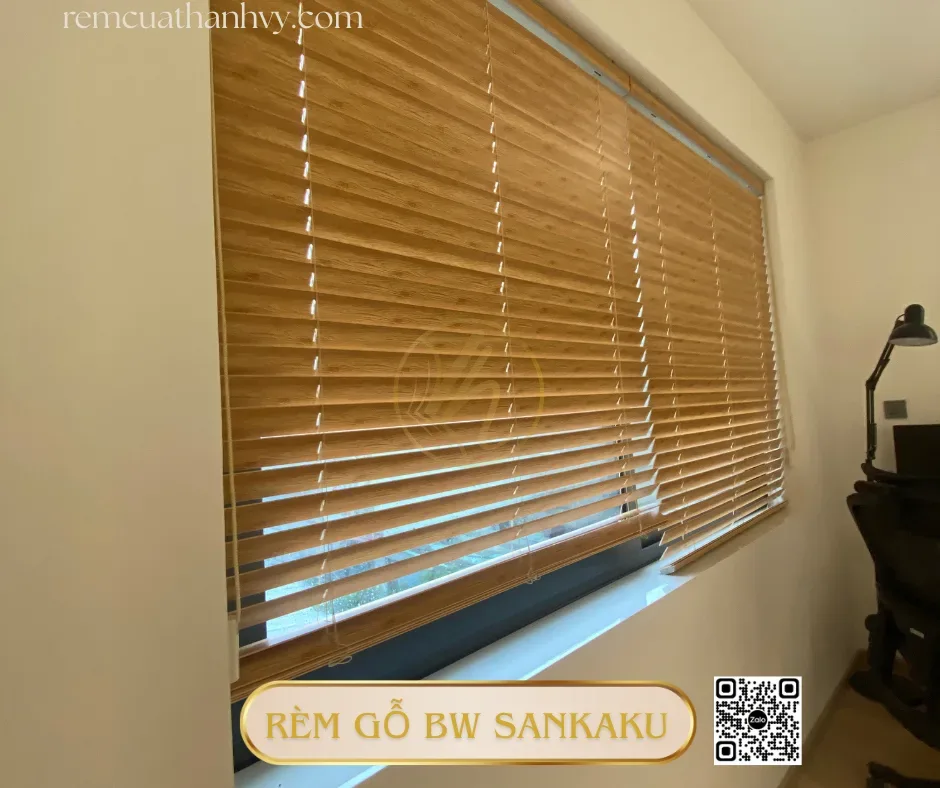
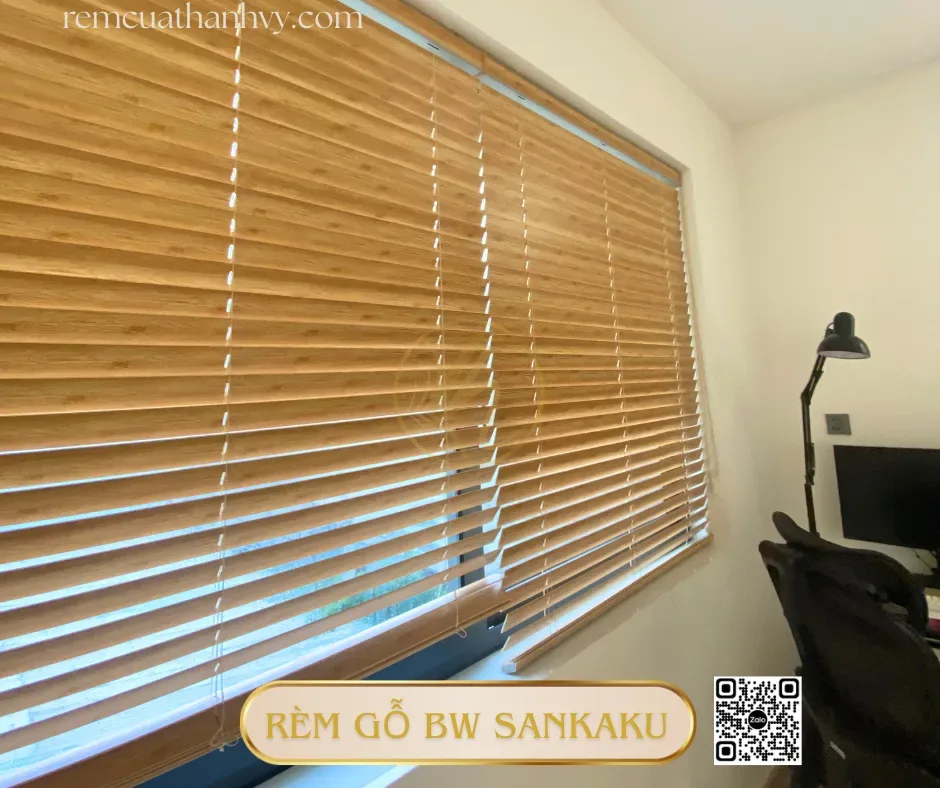
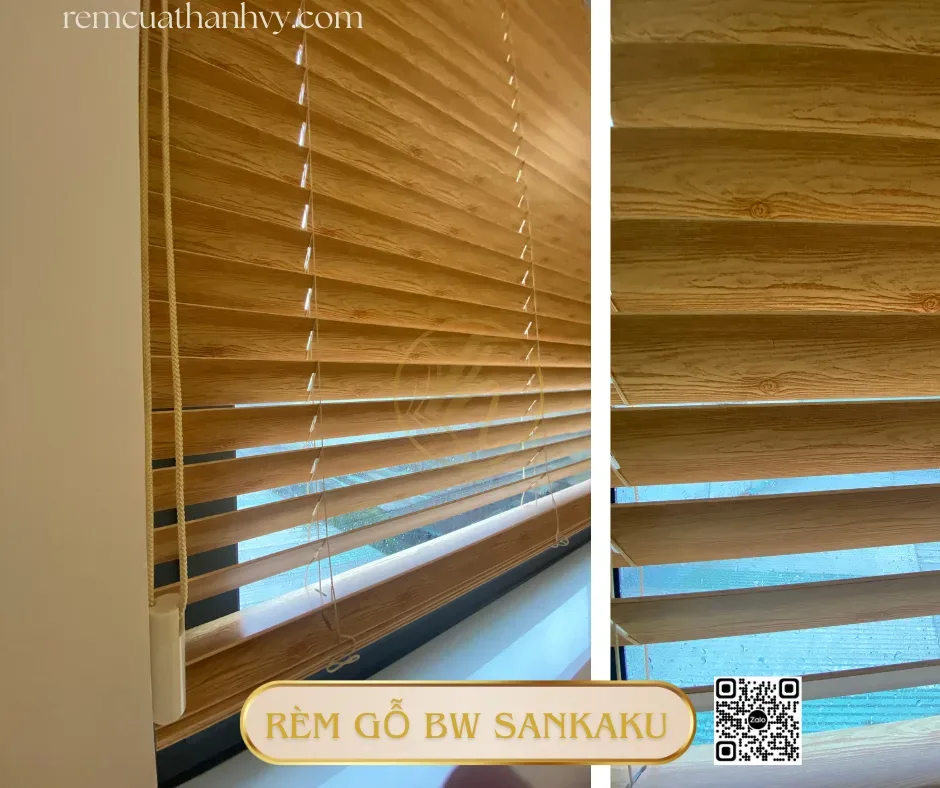
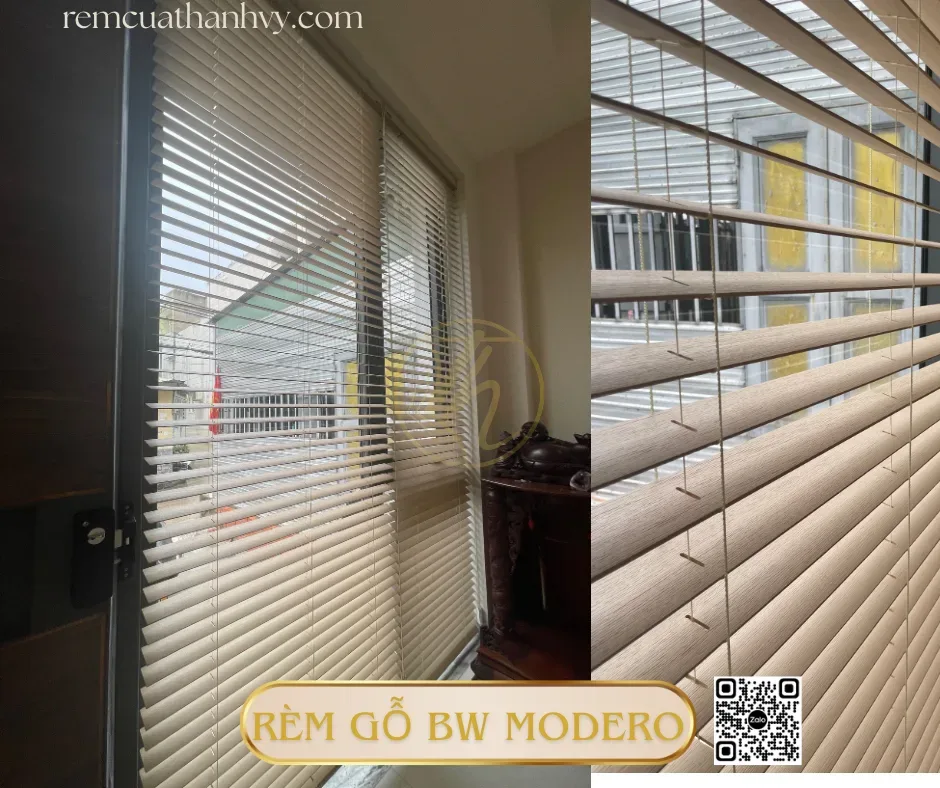
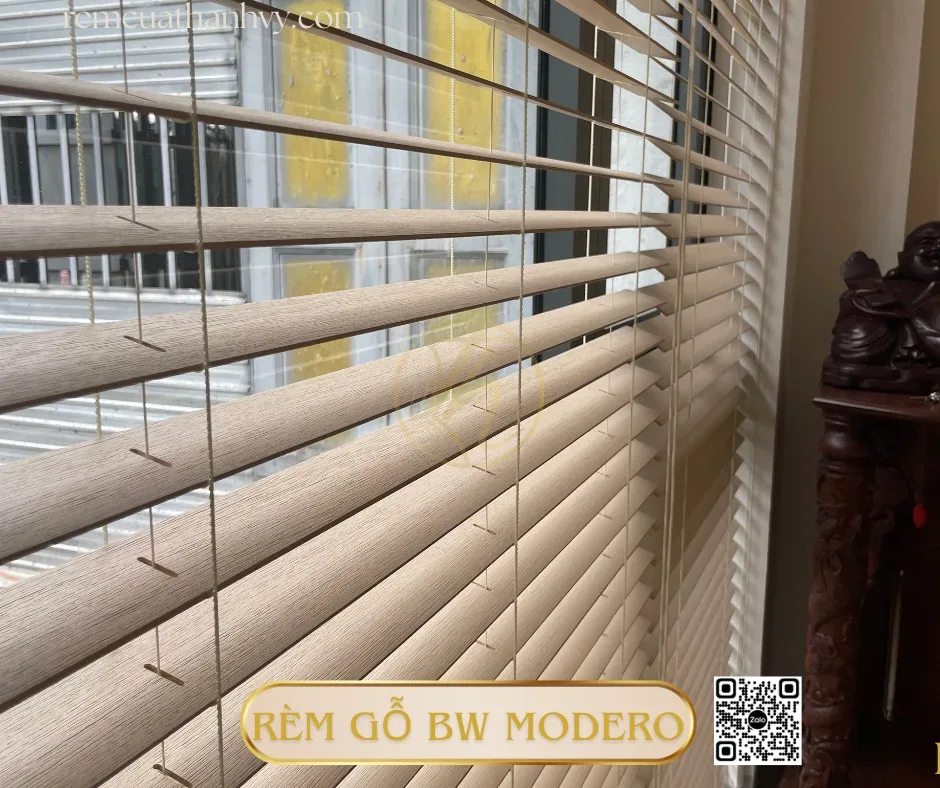
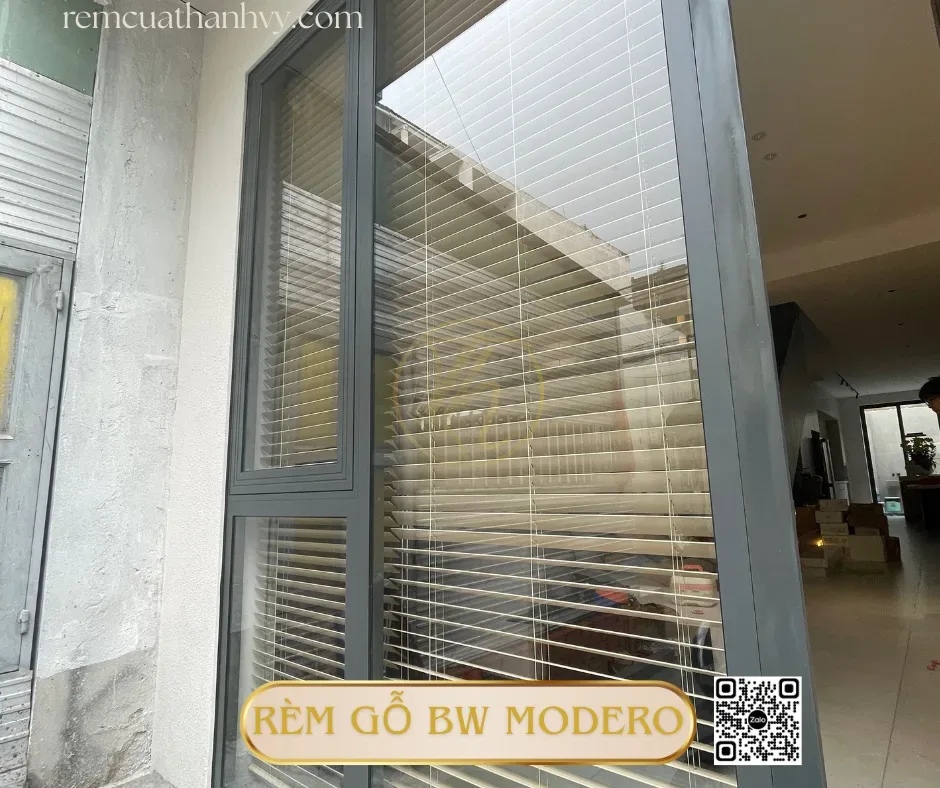
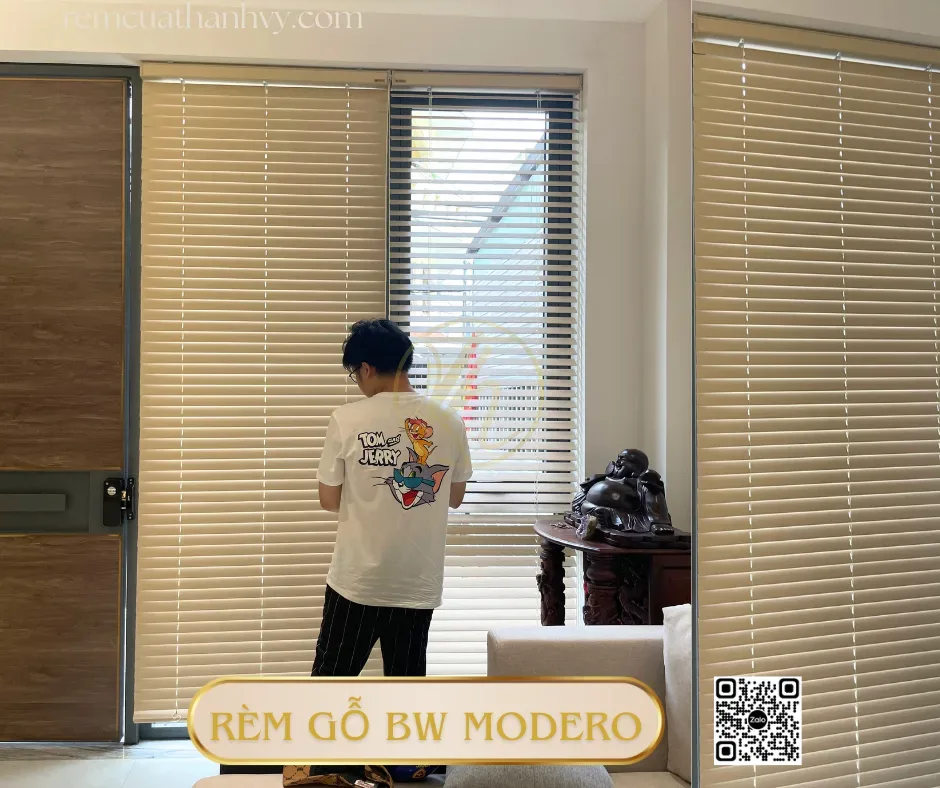
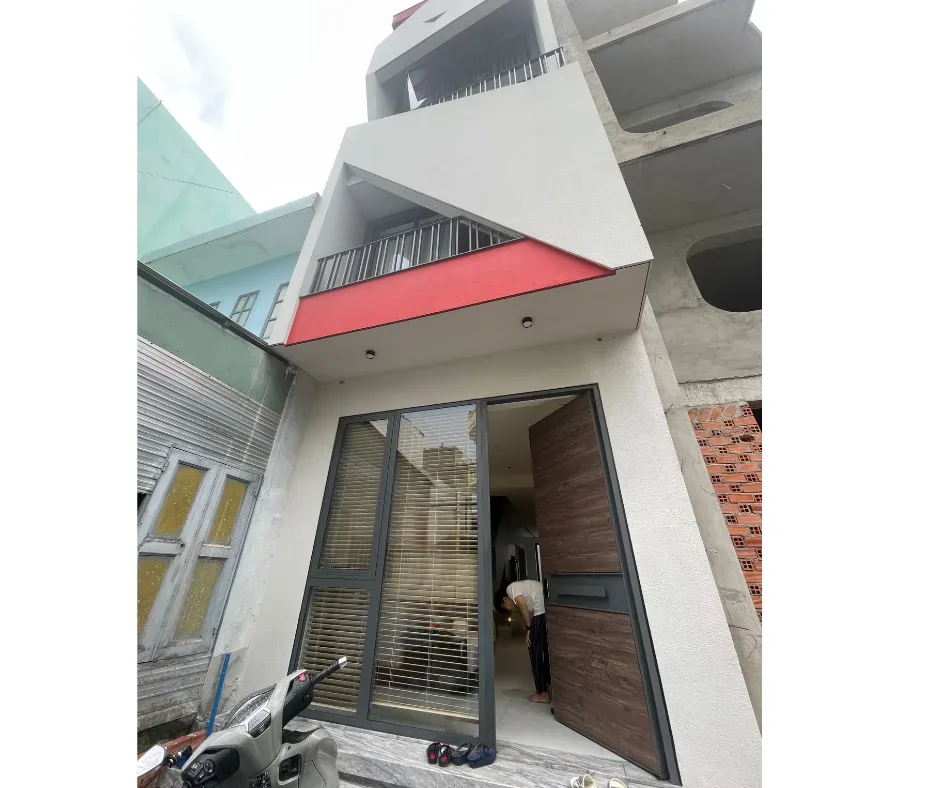
Wood blinds
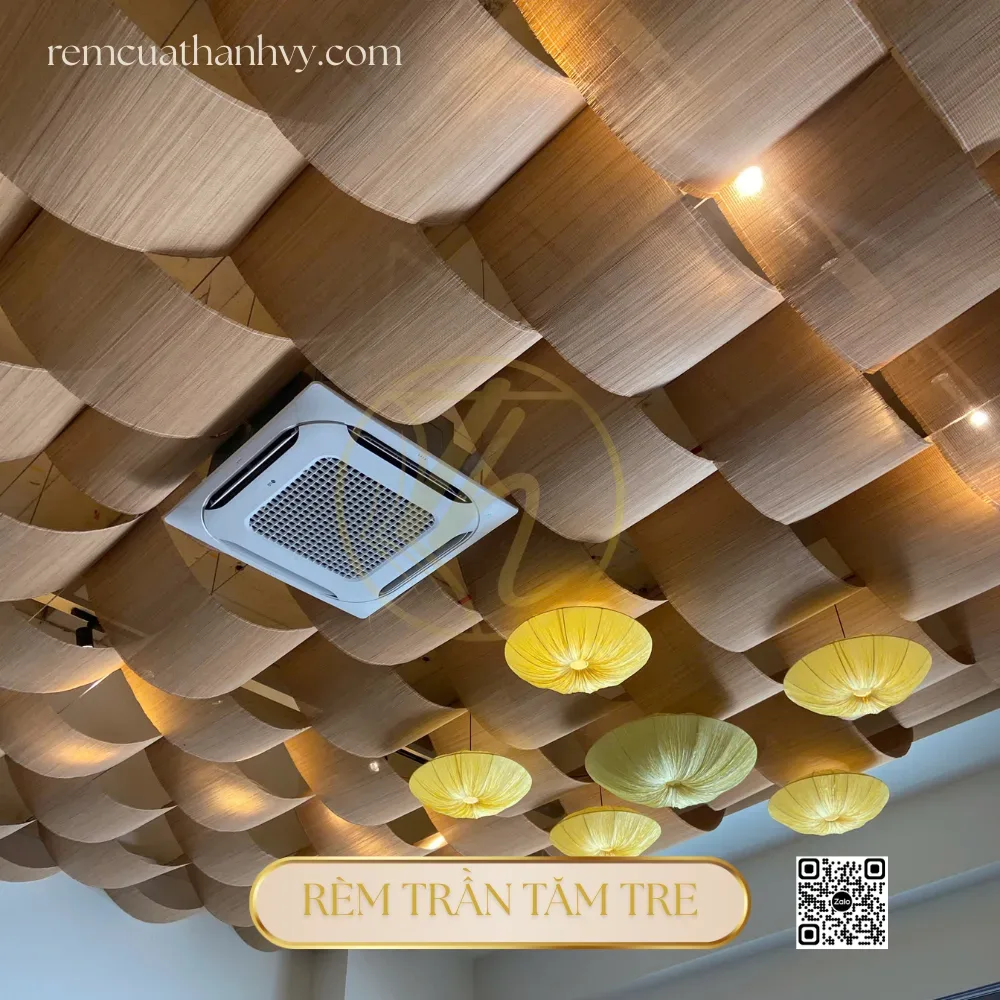
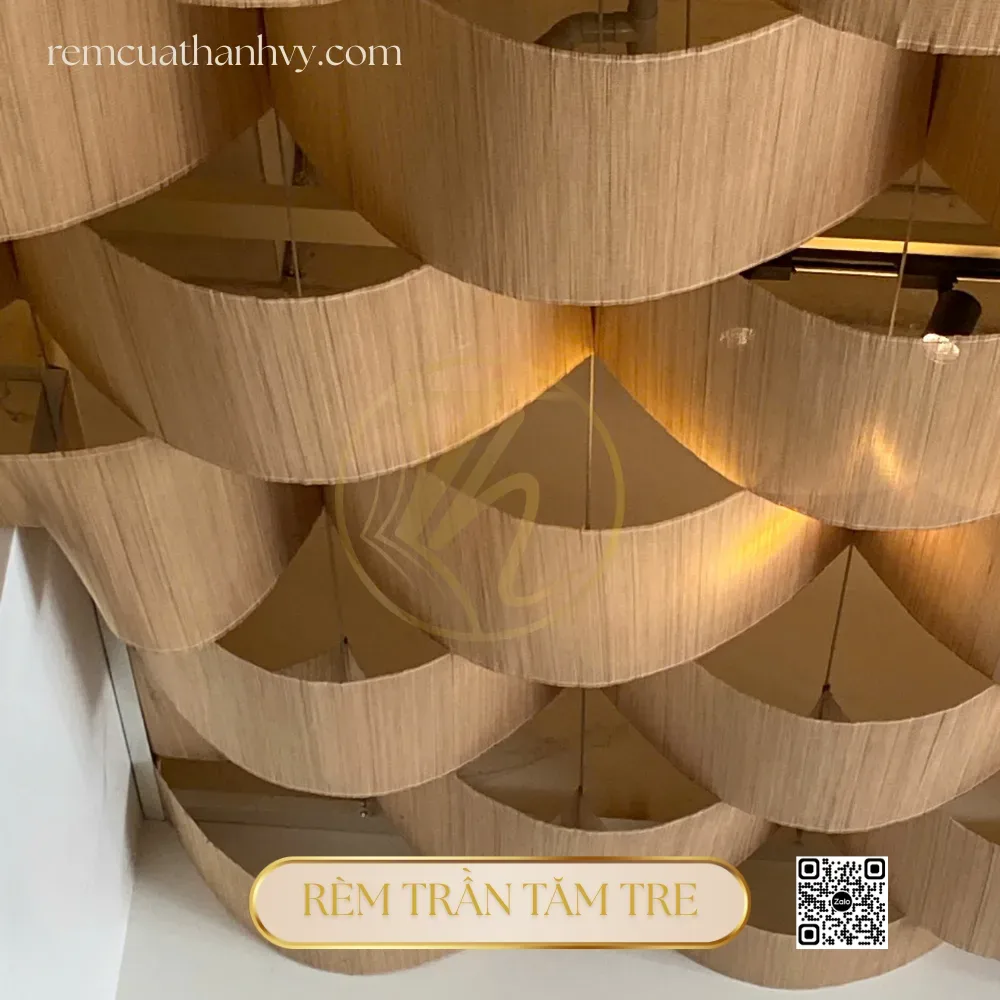
Wood blinds add warm tones and solidity, making them suitable for spaces with a lot of wooden furniture.
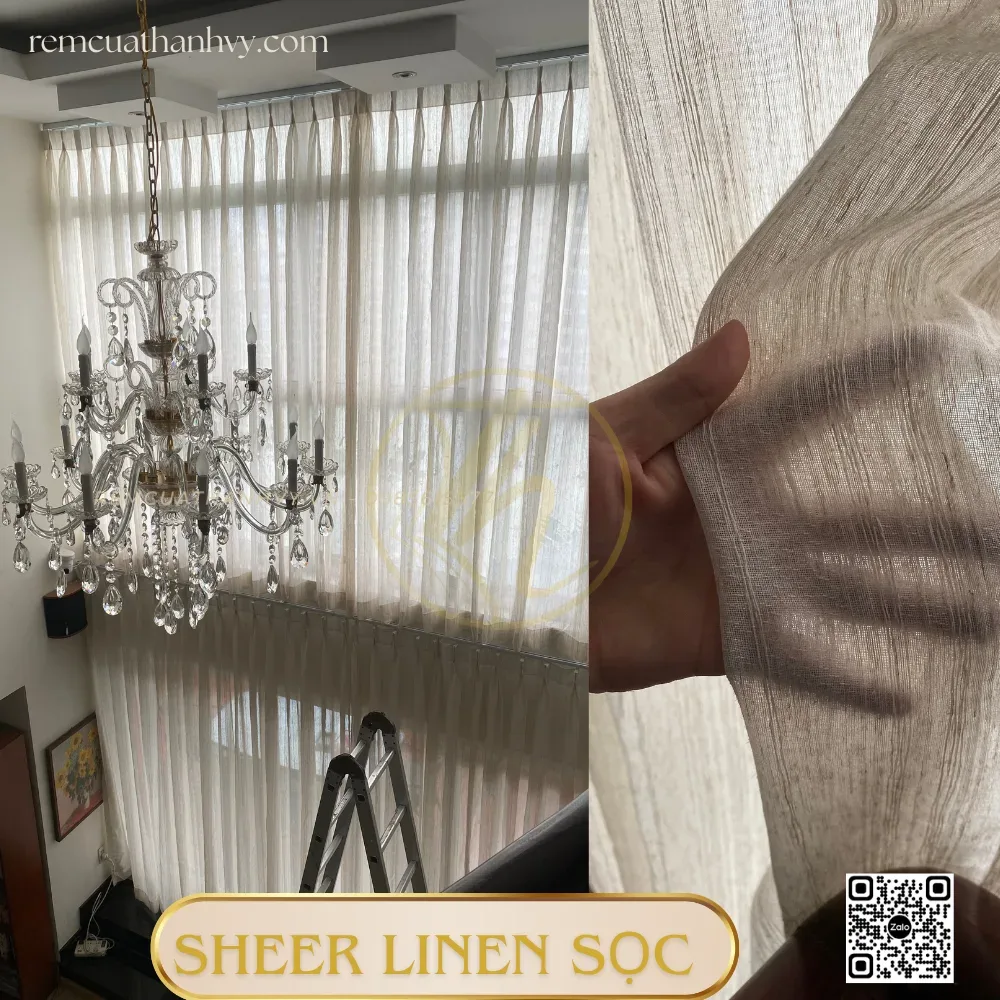
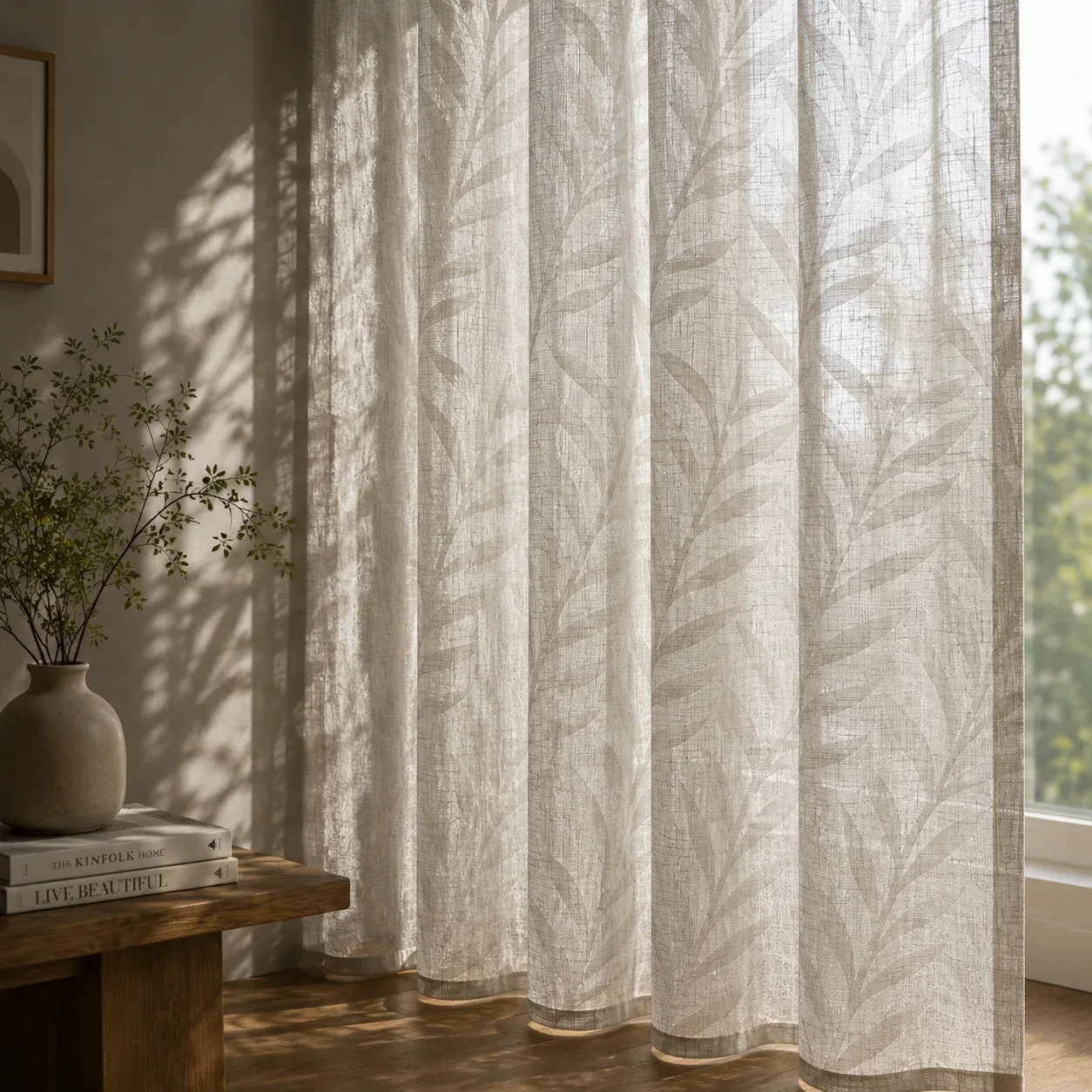
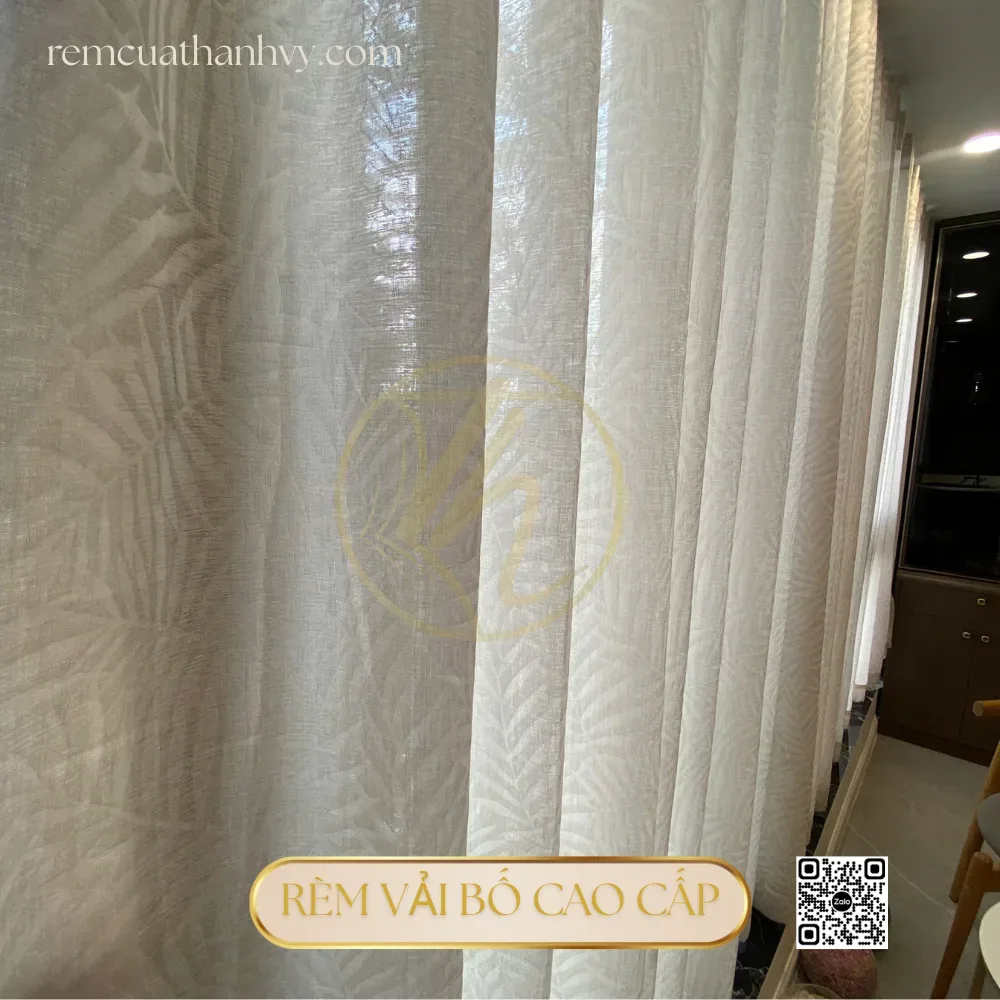
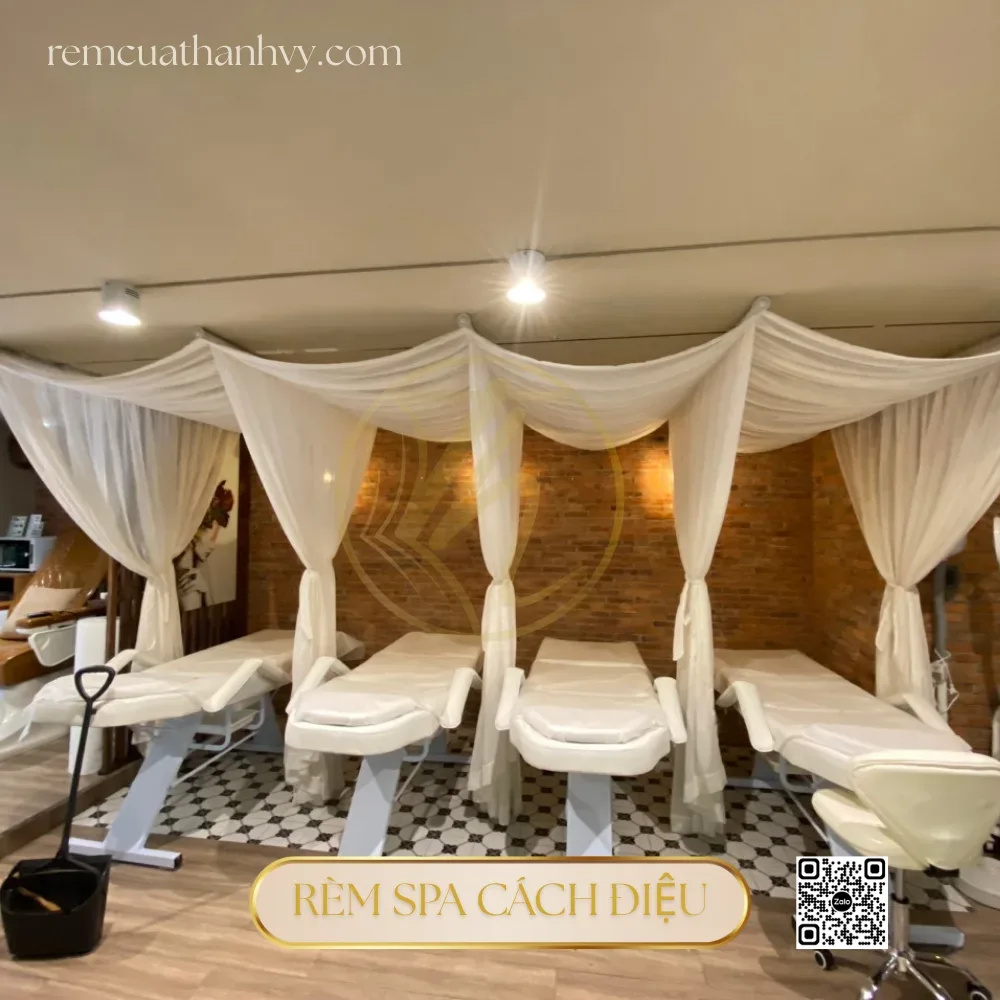
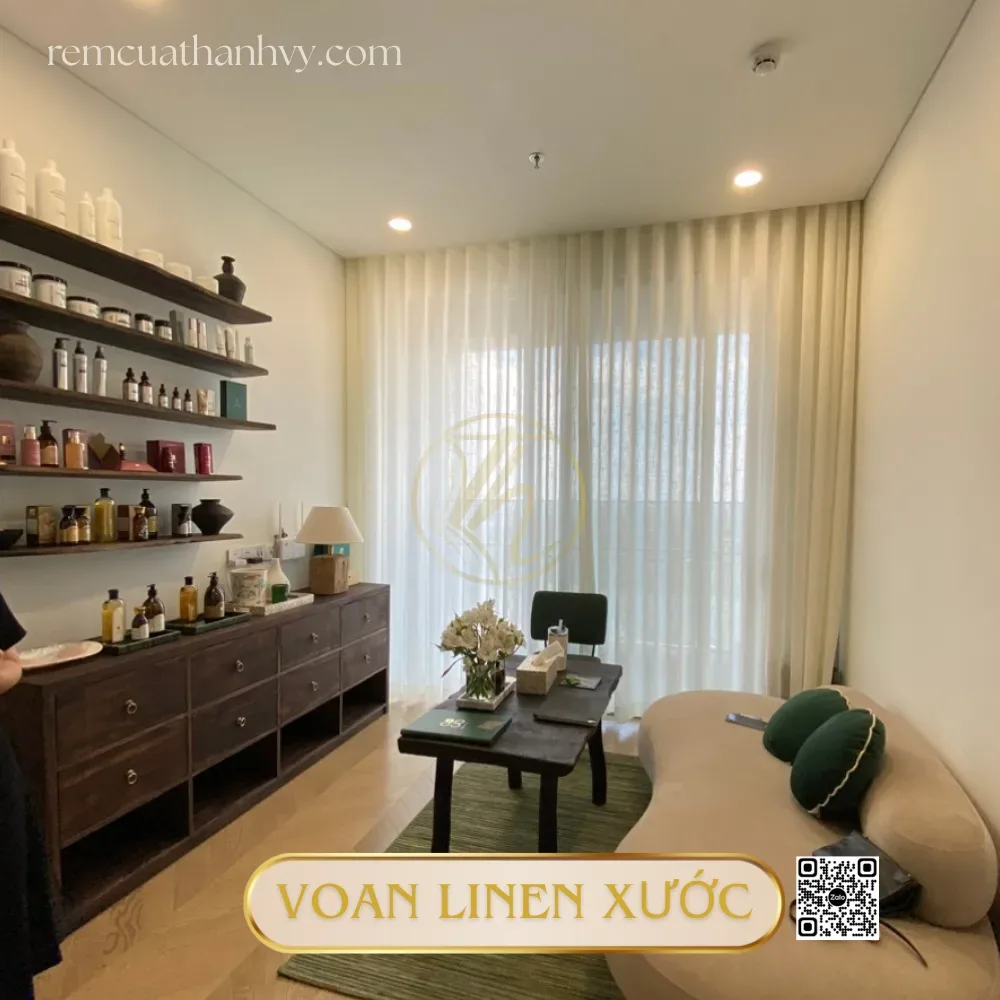
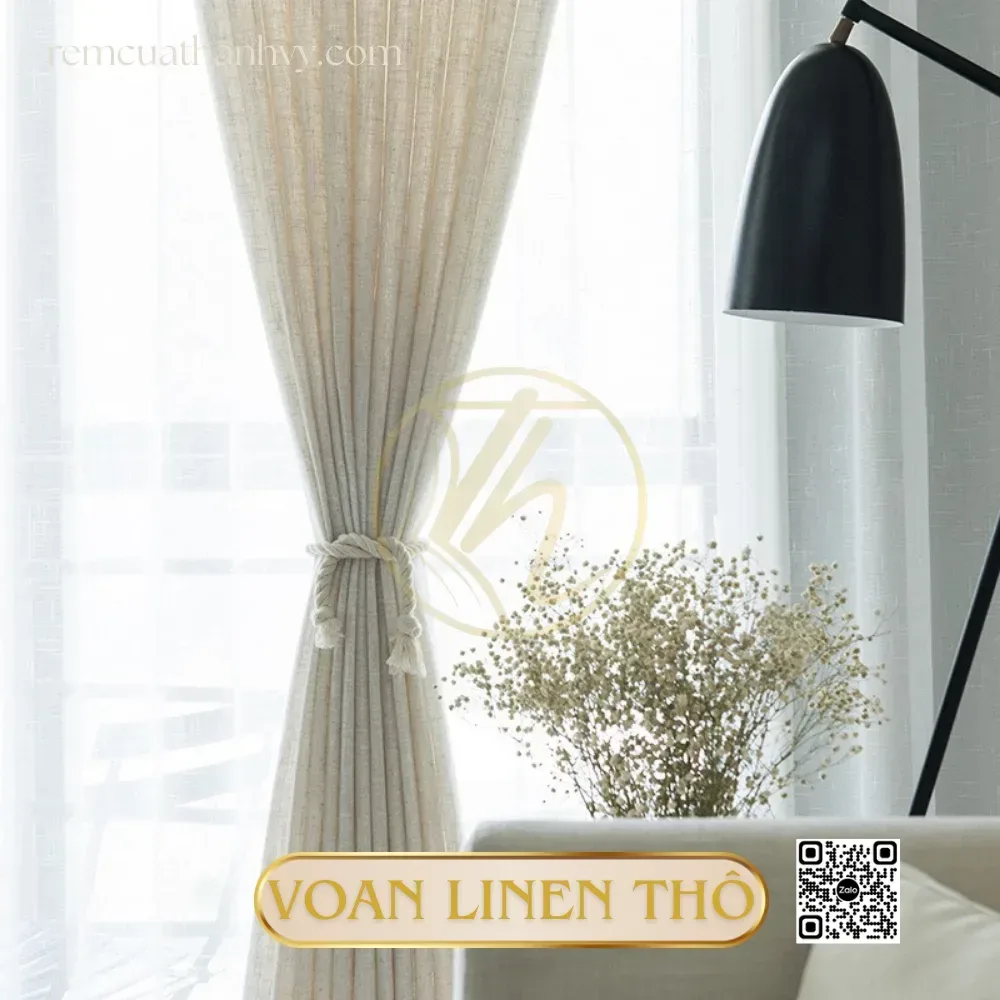
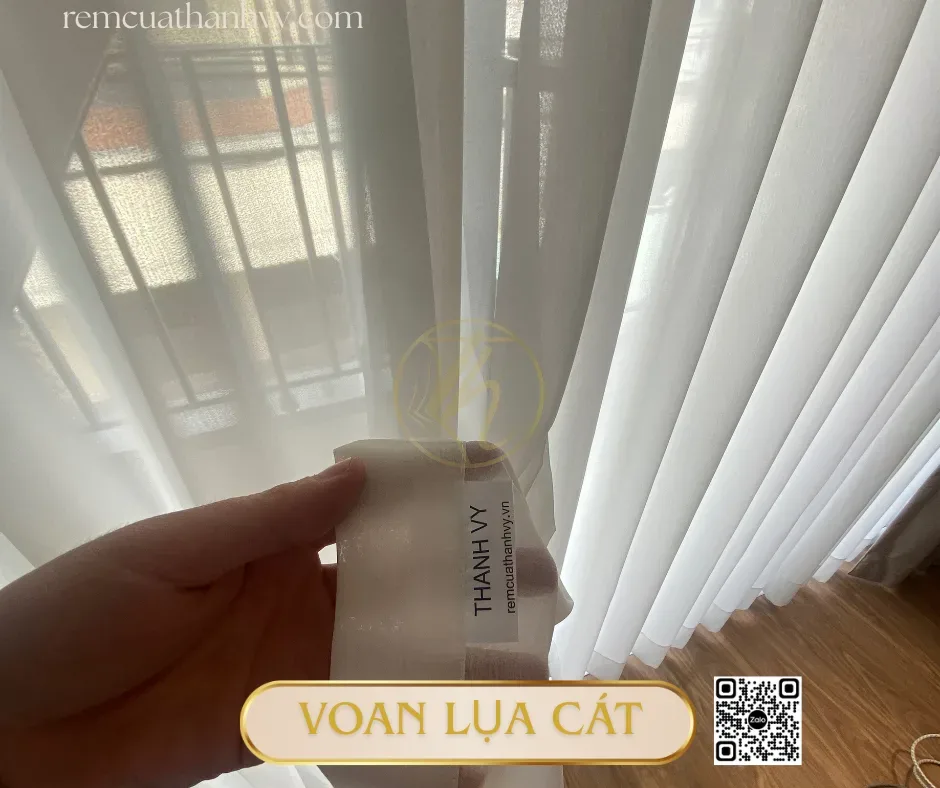
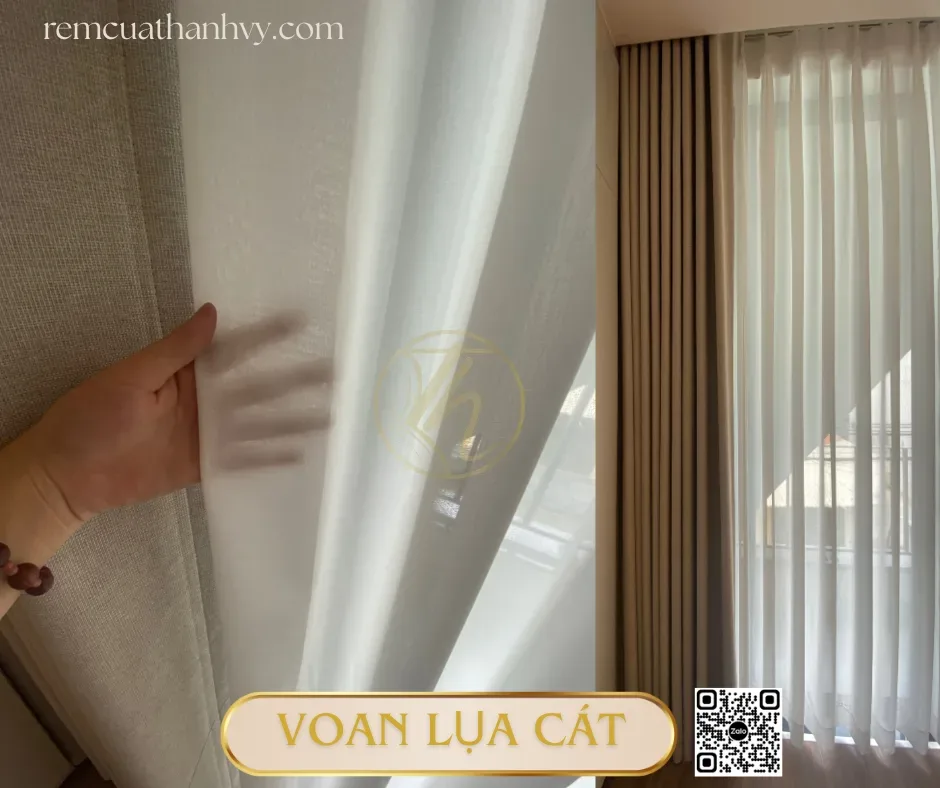
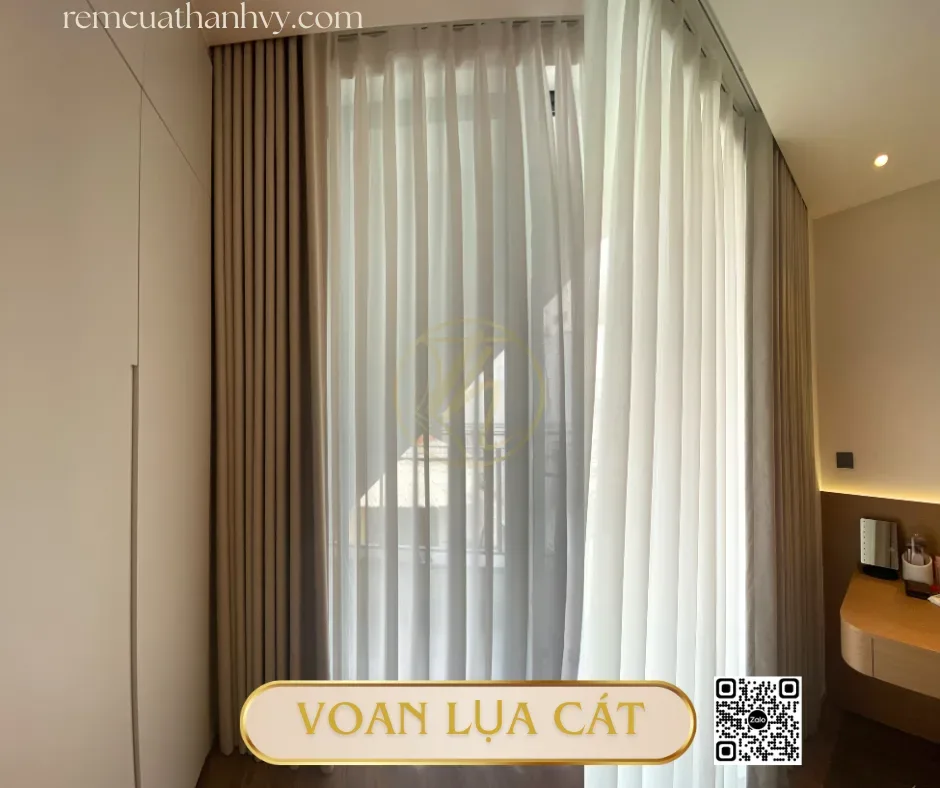
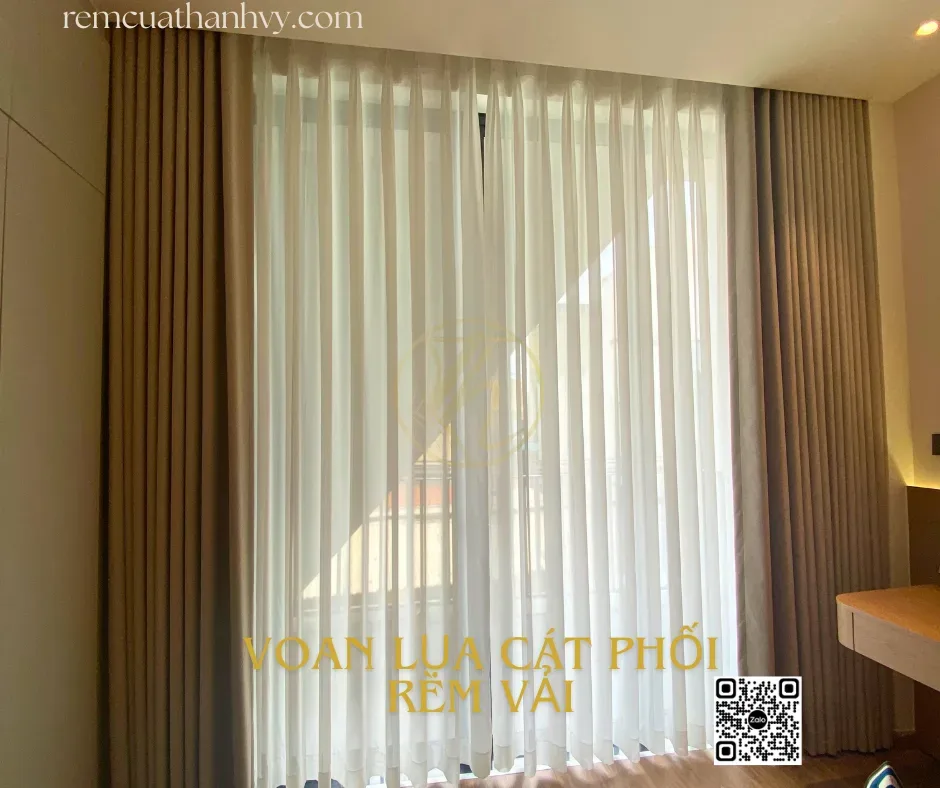
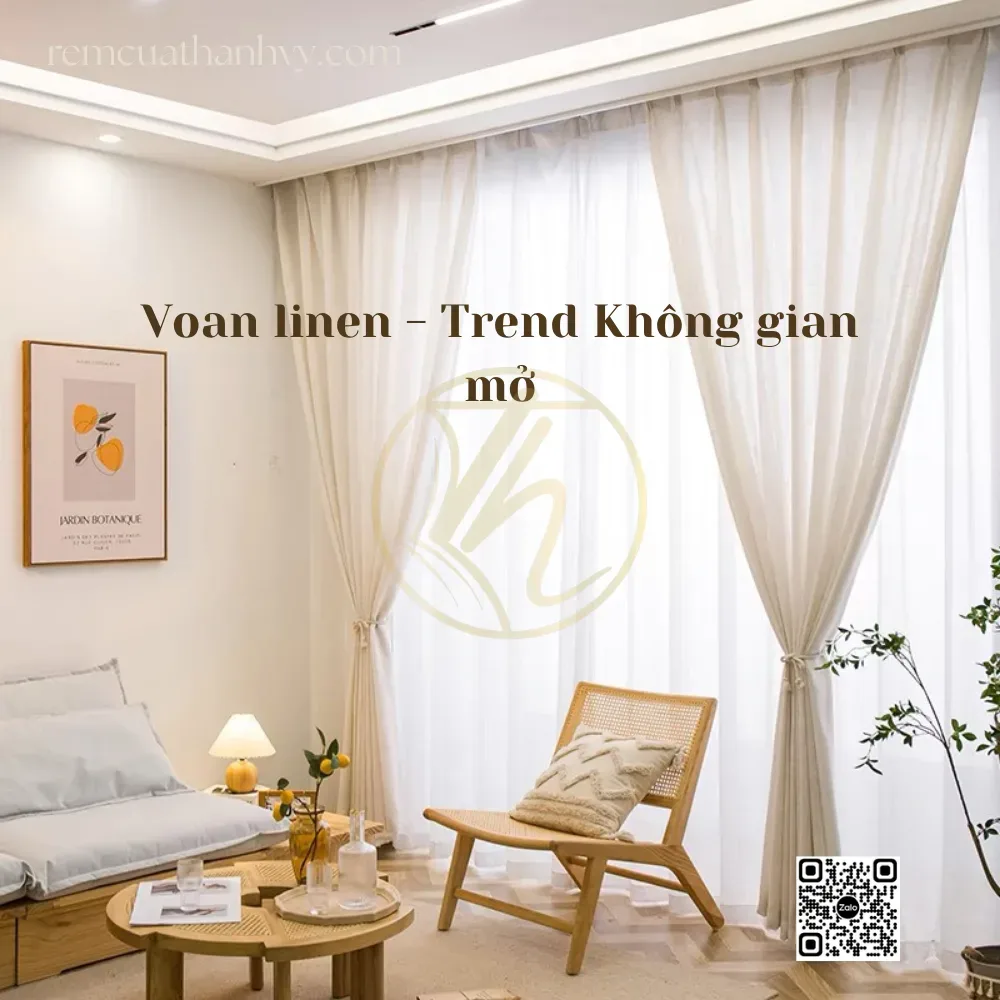
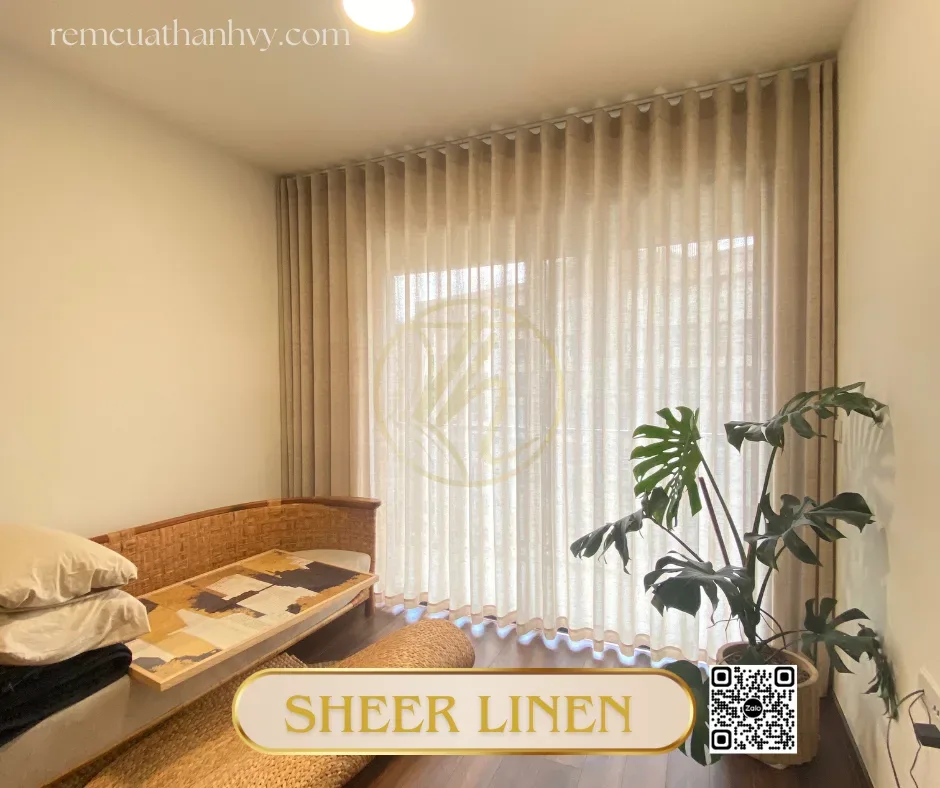
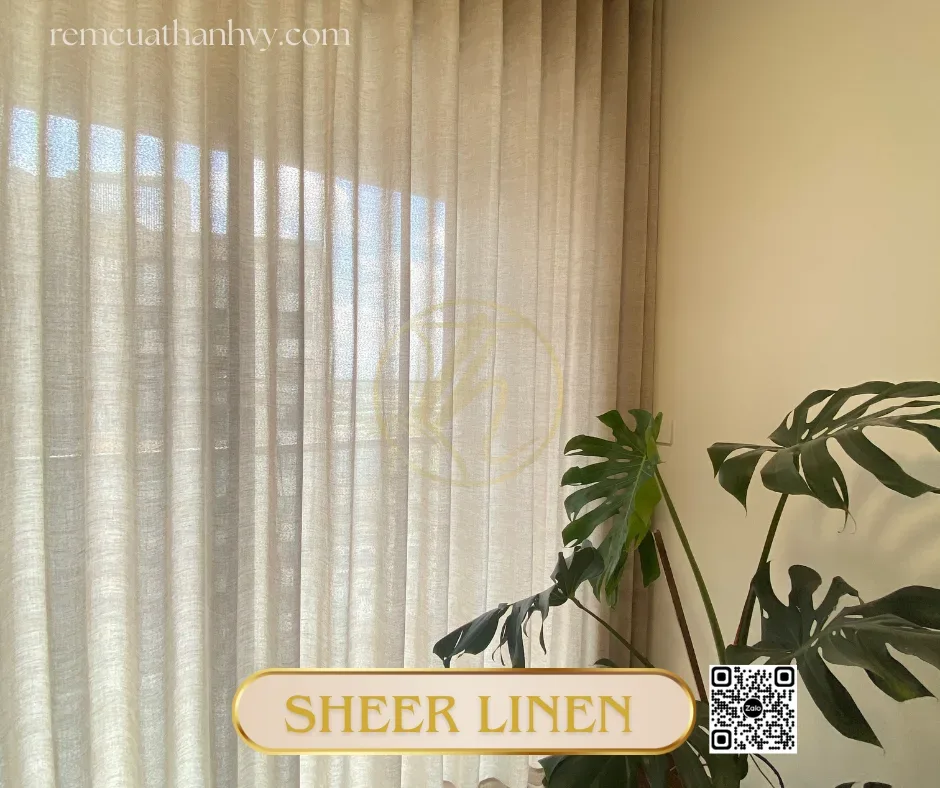
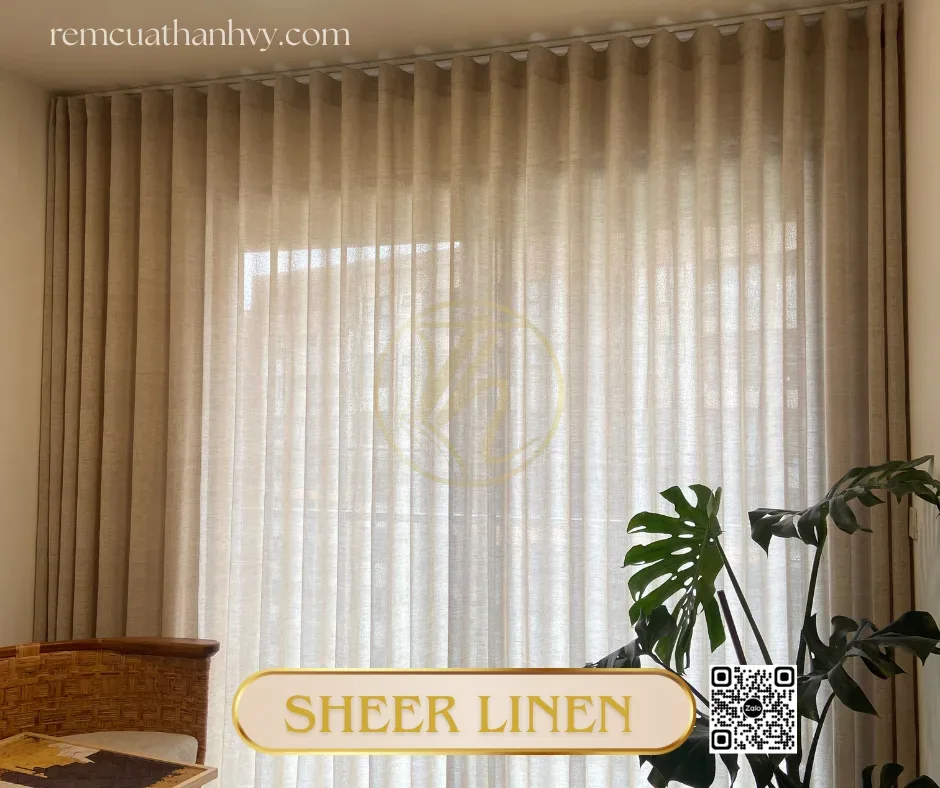
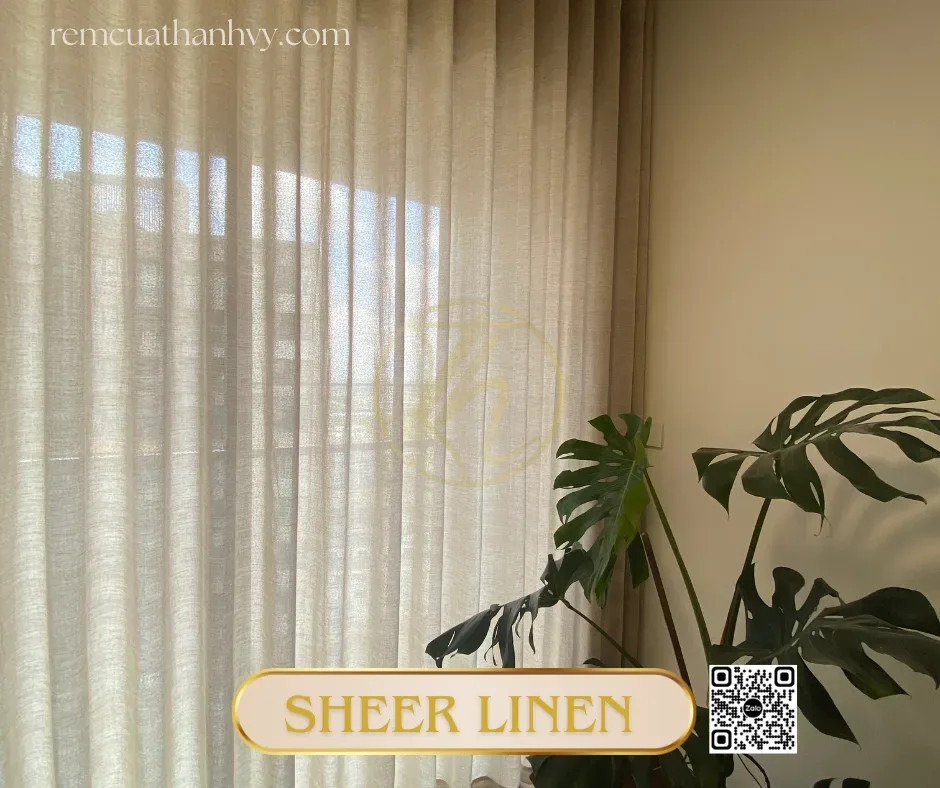
Sheer curtains
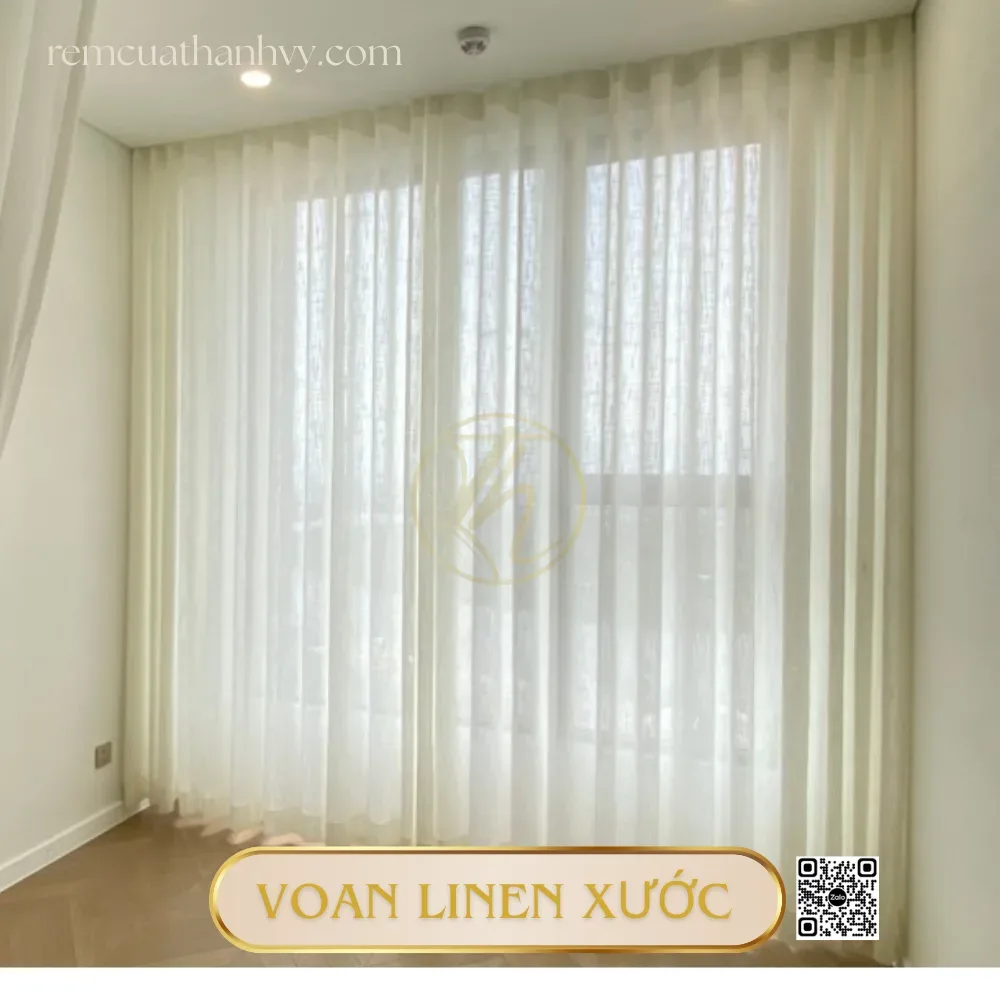
Sheers are usually used as an inner layer, combined with a thicker outer layer when light blocking is needed.



For further information, please contact Thanh Vy Curtains
We provide free consultation and on-site measuring at your home.
Related reviews
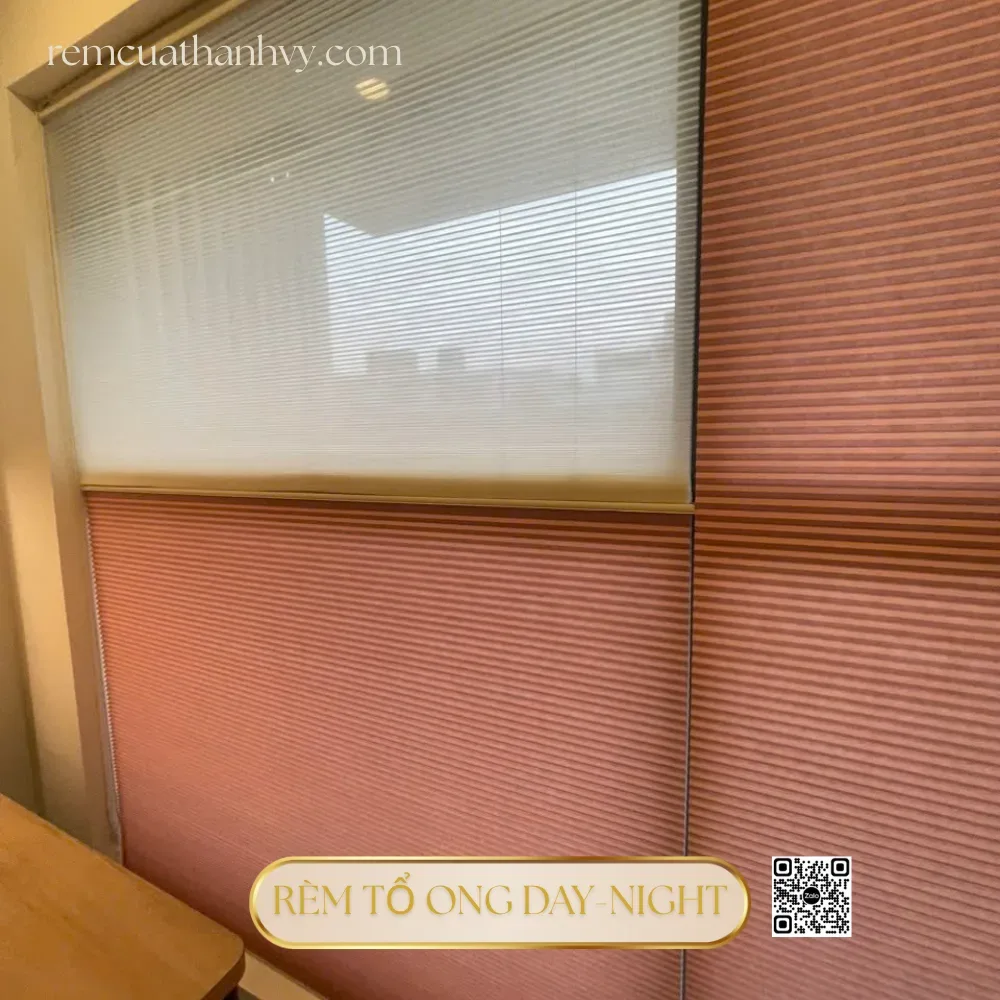
Fabric Curtains or Honeycomb Blinds? A Detailed Comparison to Help You Choose
Compare fabric curtains and honeycomb blinds based on light control, privacy, operation, aesthetics, maintenance, and [...]

Fabric Curtains vs. Roller Blinds? A Detailed Comparison to Help You Choose
Compare fabric curtains and roller blinds based on light control, privacy, operation, aesthetics, maintenance, and [...]
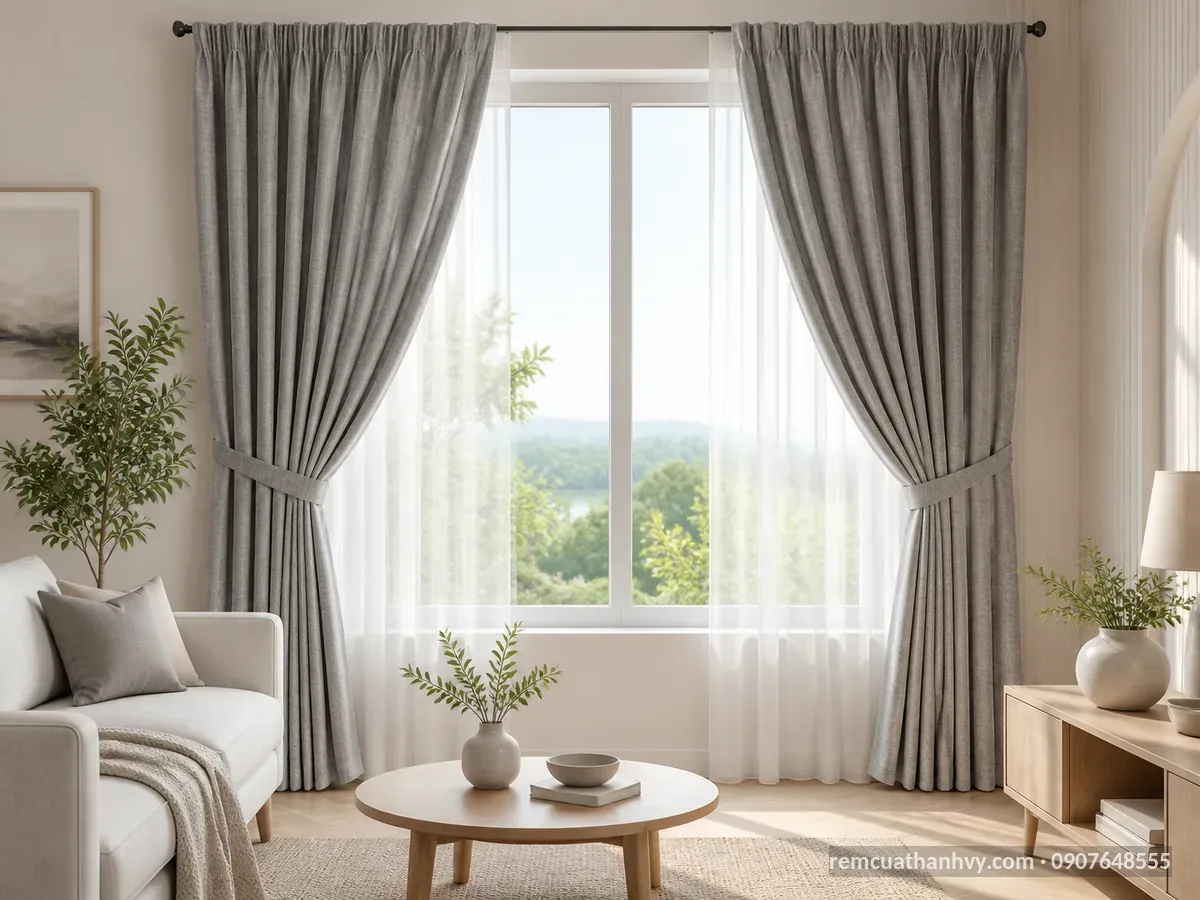
Are Fabric Curtains Good? How to Assess the Real Needs of Each Space
This article helps readers answer whether fabric curtains are good by assessing light, privacy, usage [...]
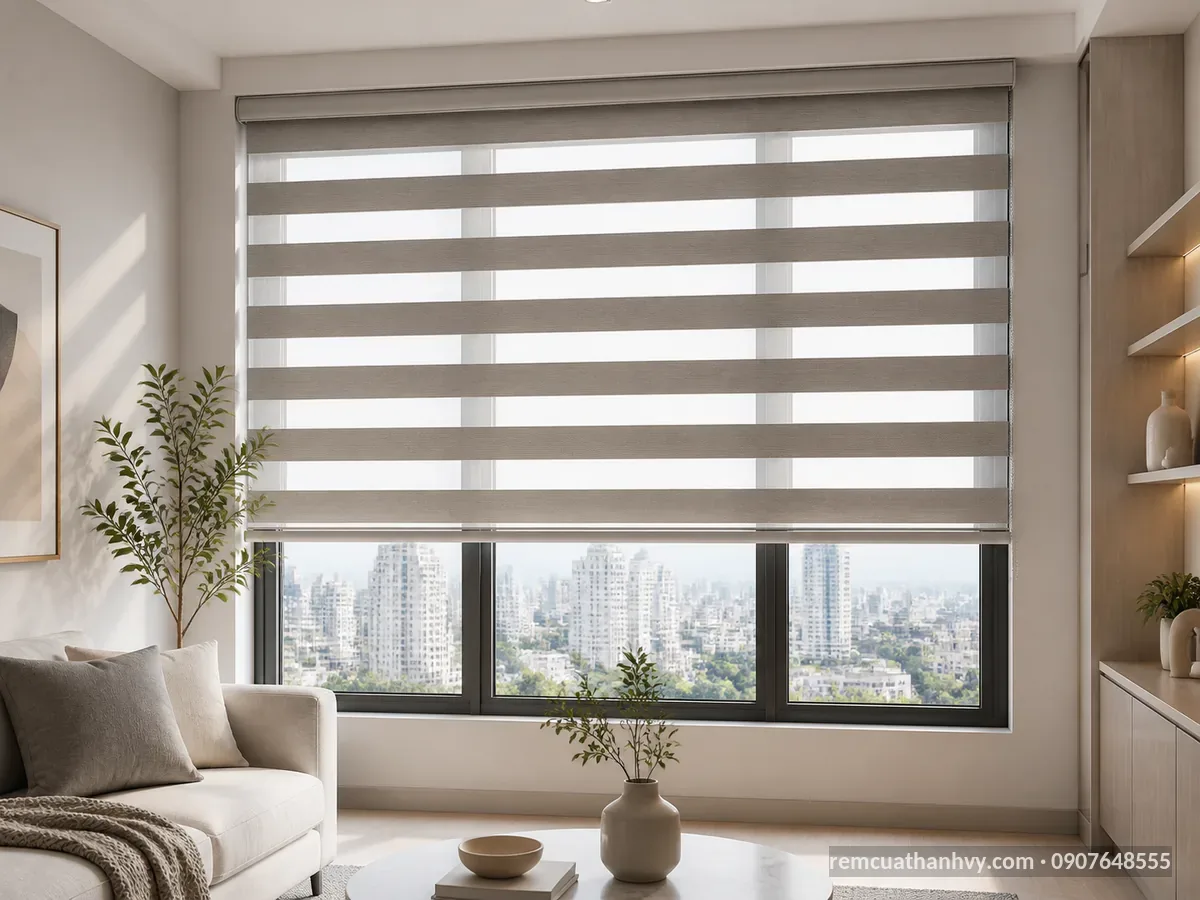
Comparing Fabric Curtains and Zebra Blinds: Which One Fits Your Needs?
This article compares fabric curtains and zebra blinds in terms of light, privacy, stackback, the [...]
Related posts
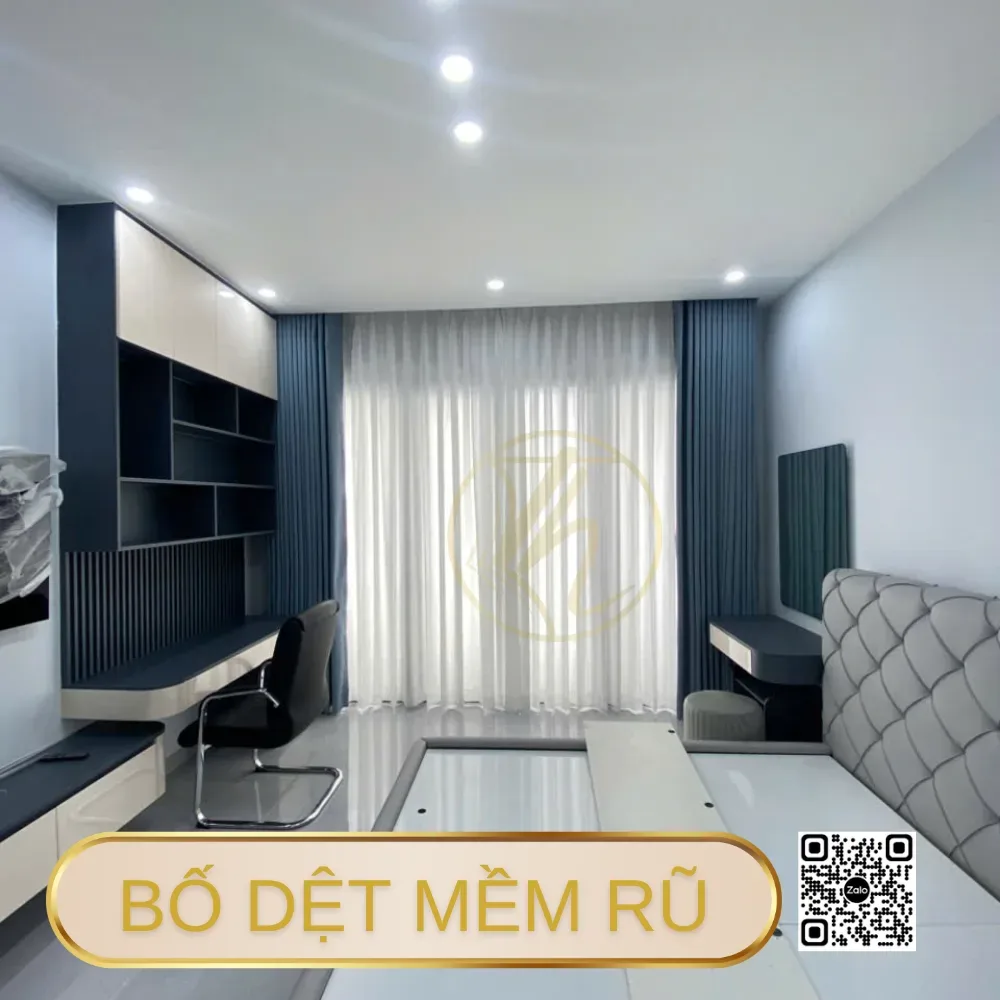
Fabric Curtains in District 3: How to Choose by Room and Need
This article helps readers choose fabric curtains in District 3 based on light blocking needs, [...]
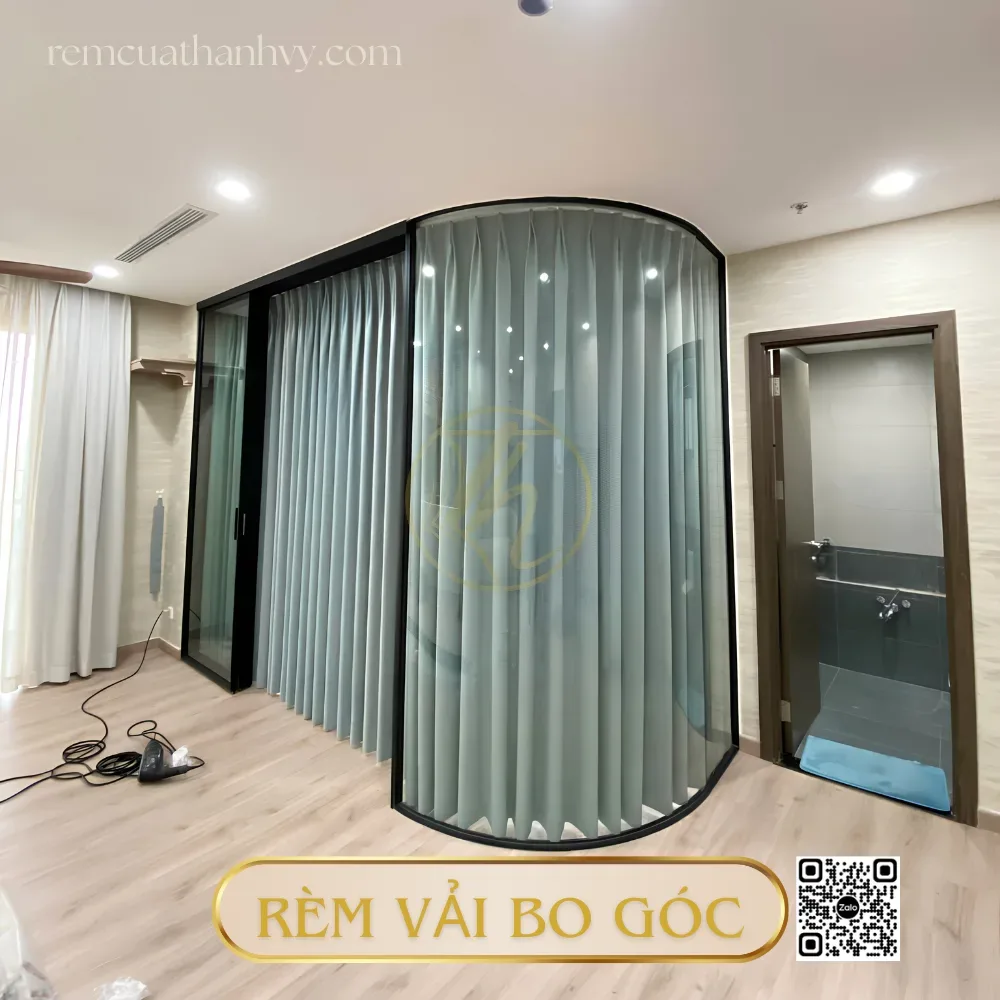
Fabric Curtains in District 6: How to Choose Fabrics and Sewing Styles
A guide to choosing fabric curtains in District 6 for every space, light level, material, [...]
Fabric Curtains in District 10: How to Choose by Room and Need
This guide helps readers compare fabric curtain options in District 10 based on functionality, hanging [...]
Fabric Curtains in Binh Thanh: How to Choose for Every Space
This article summarizes how to choose fabric curtains in Binh Thanh based on lighting, privacy [...]
Tan Binh Fabric Curtains: How to Choose for Every Space
A practical guide to choosing Tan Binh fabric curtains by room, light direction, fabric pattern, [...]
Linen Curtains in District 4: Choosing the Right Fabric and Style
When choosing linen curtains in District 4, consider sun exposure, privacy, and practical sewing styles [...]
Linen Curtains in District 7: How to Choose the Right Fabric and Style
Linen curtains in District 7 are perfect for bright, airy homes, but you should choose [...]
Linen Curtains in District 11: Choosing the Right Fabric and Style
Linen curtains in District 11 are ideal for bright, soft spaces, but should be selected [...]
No comments yet!