


Roman Shades in District 11: How to Choose the Perfect Style
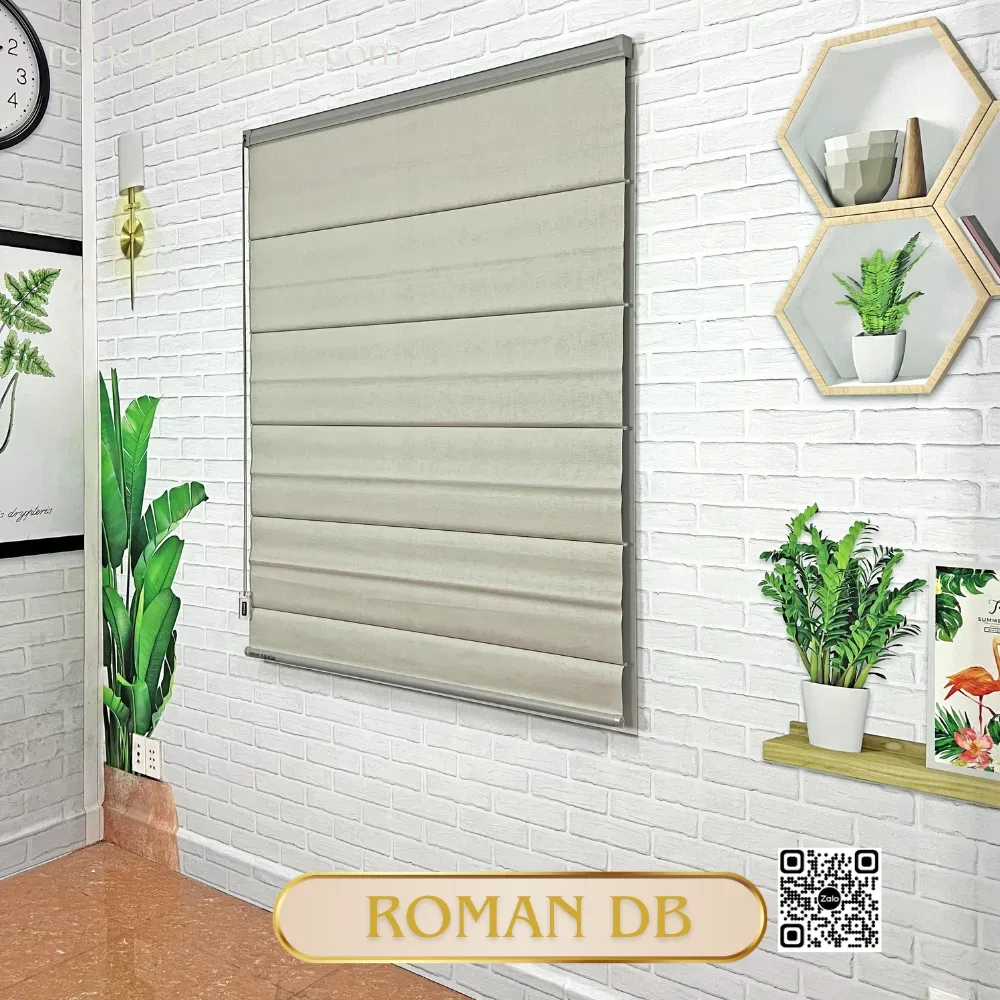
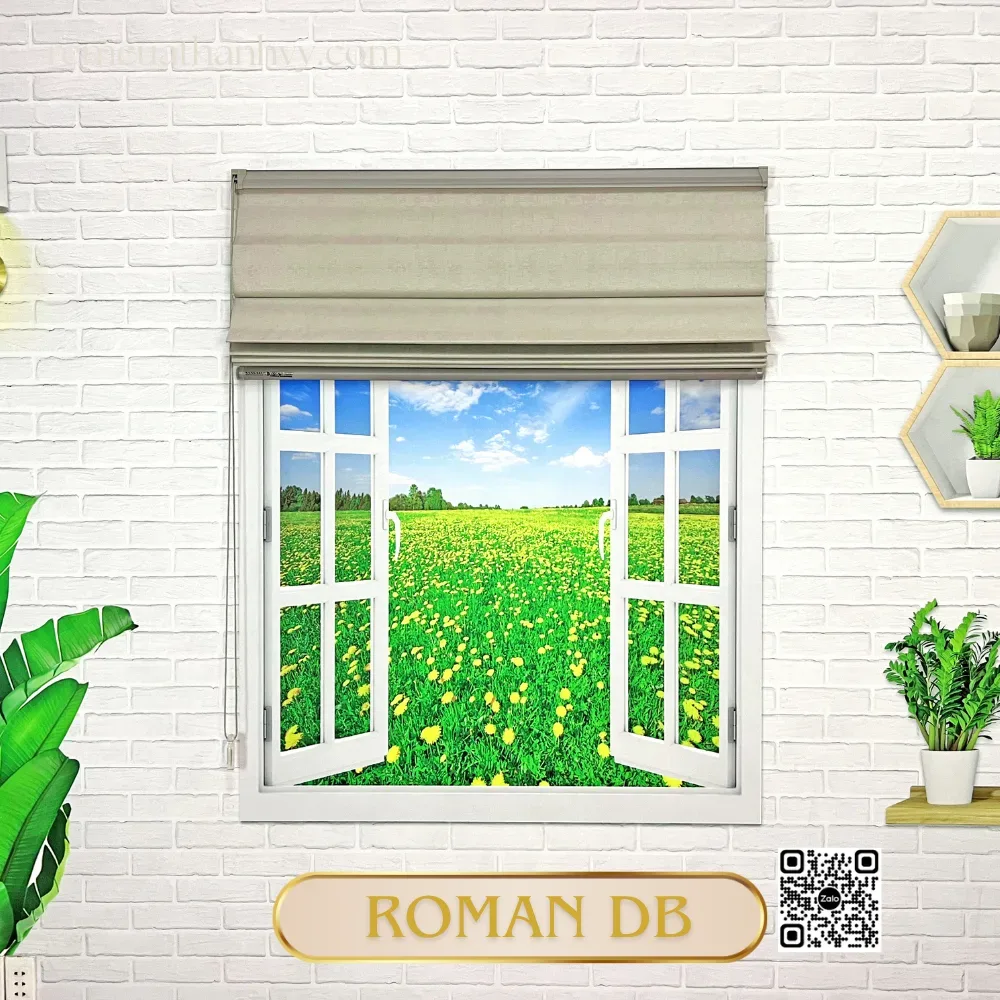
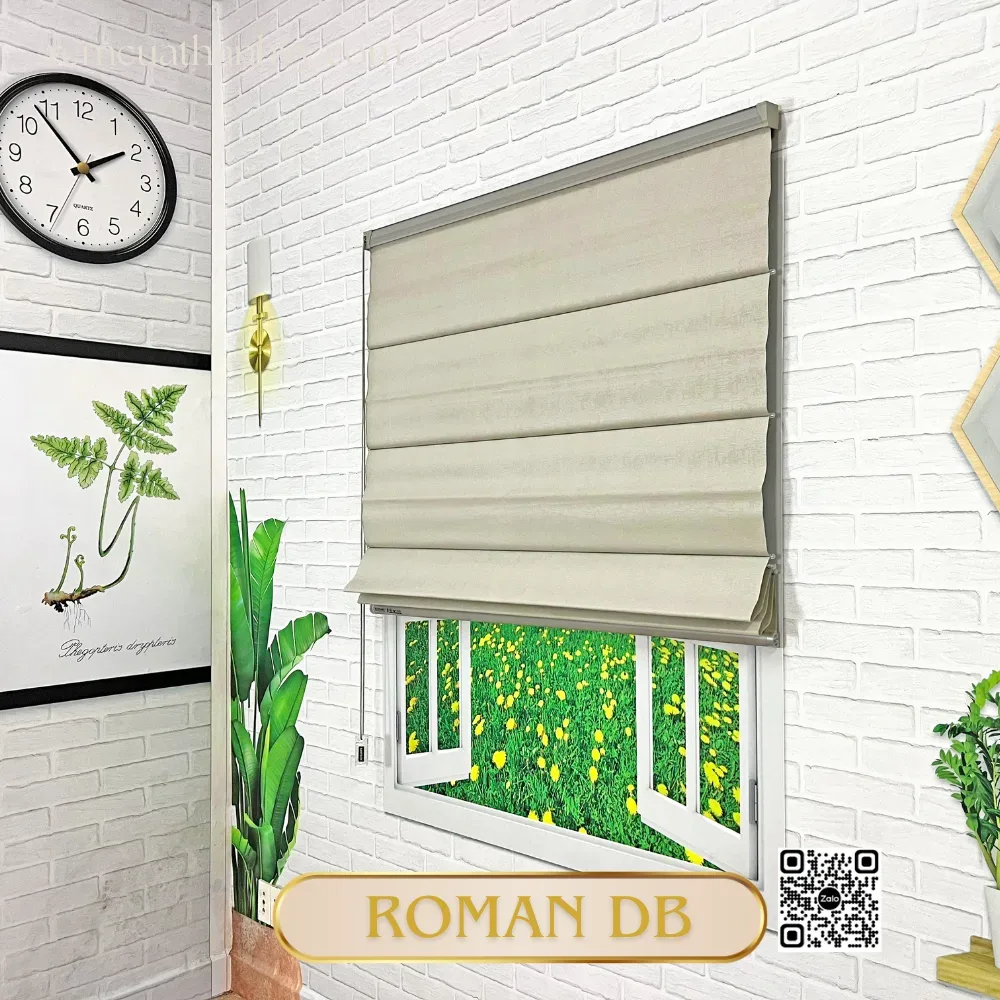
Roman shades in District 11 are suitable when you need compactness but still want a soft feel
Roman shades in District 11 are best suited for windows of moderate size, where the user prioritizes a soft feel over a perfectly flat surface and does not mind the layered fabric when pulled up. However, Roman shades are not the default choice for every window. Readers should start with the window size, opening and closing habits, and the level of acceptance for the stack of fabric when the shade is raised. You can compare further through this introductory article on auditorium curtains in Bao Can Tho.
A reasonable set of Roman shades usually does three things well: maintains balanced window proportions, meets lighting needs, and operates stably in the actual space used. If one of these three factors is ignored, users can easily find the shades beautiful when browsing but inconvenient for daily use. Interested readers can view the concept of curtains in architecture before making a decision.
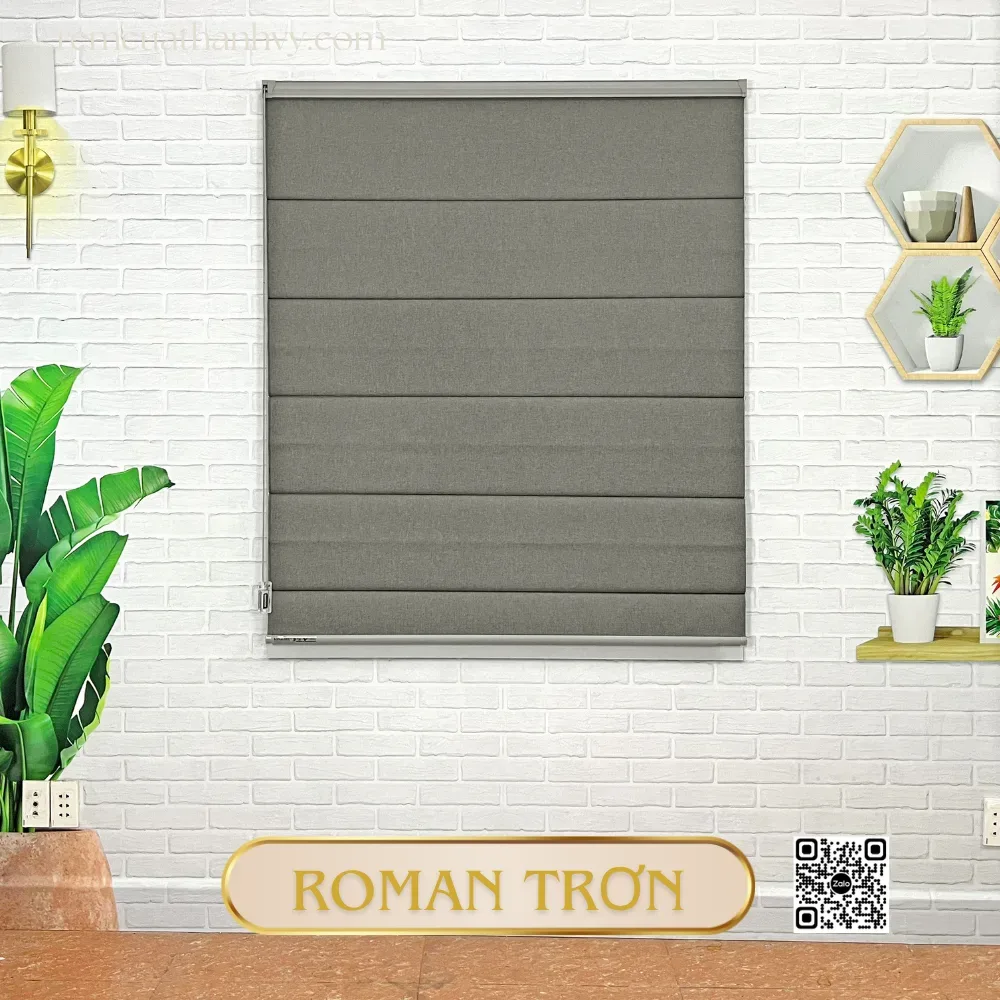
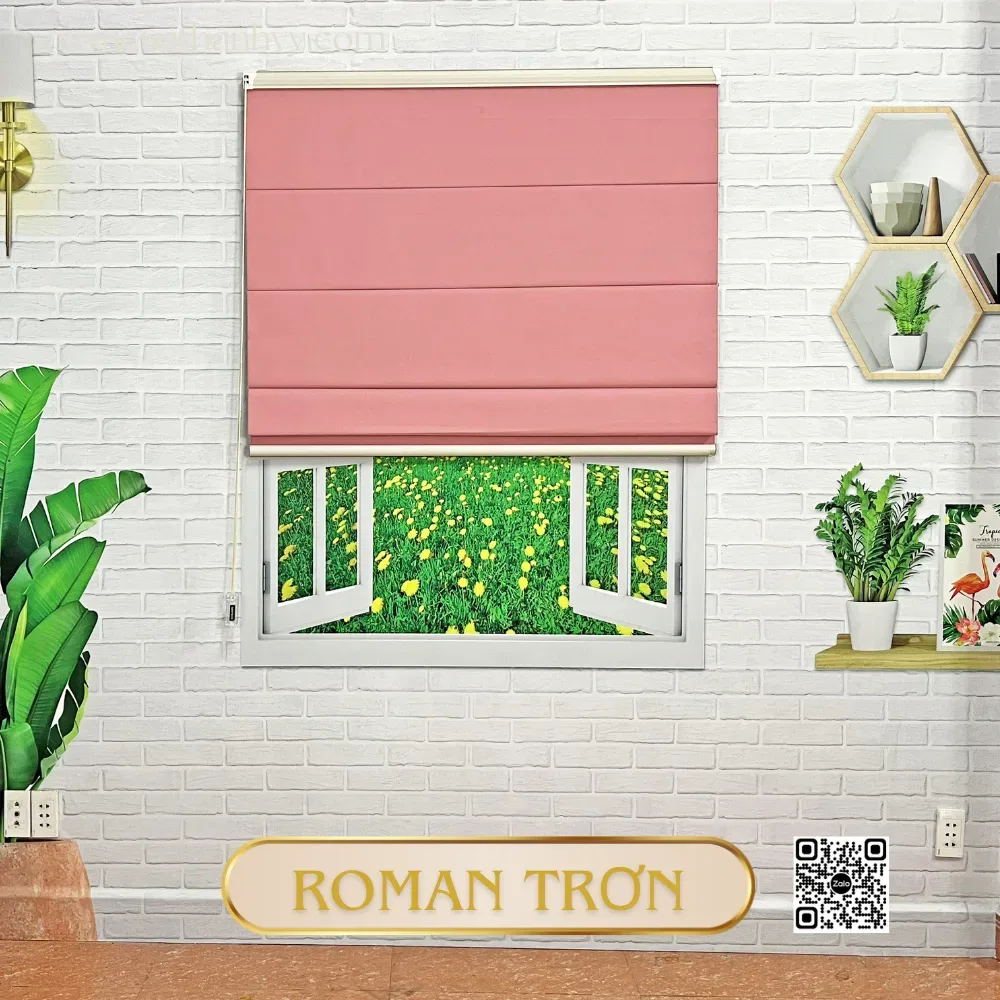
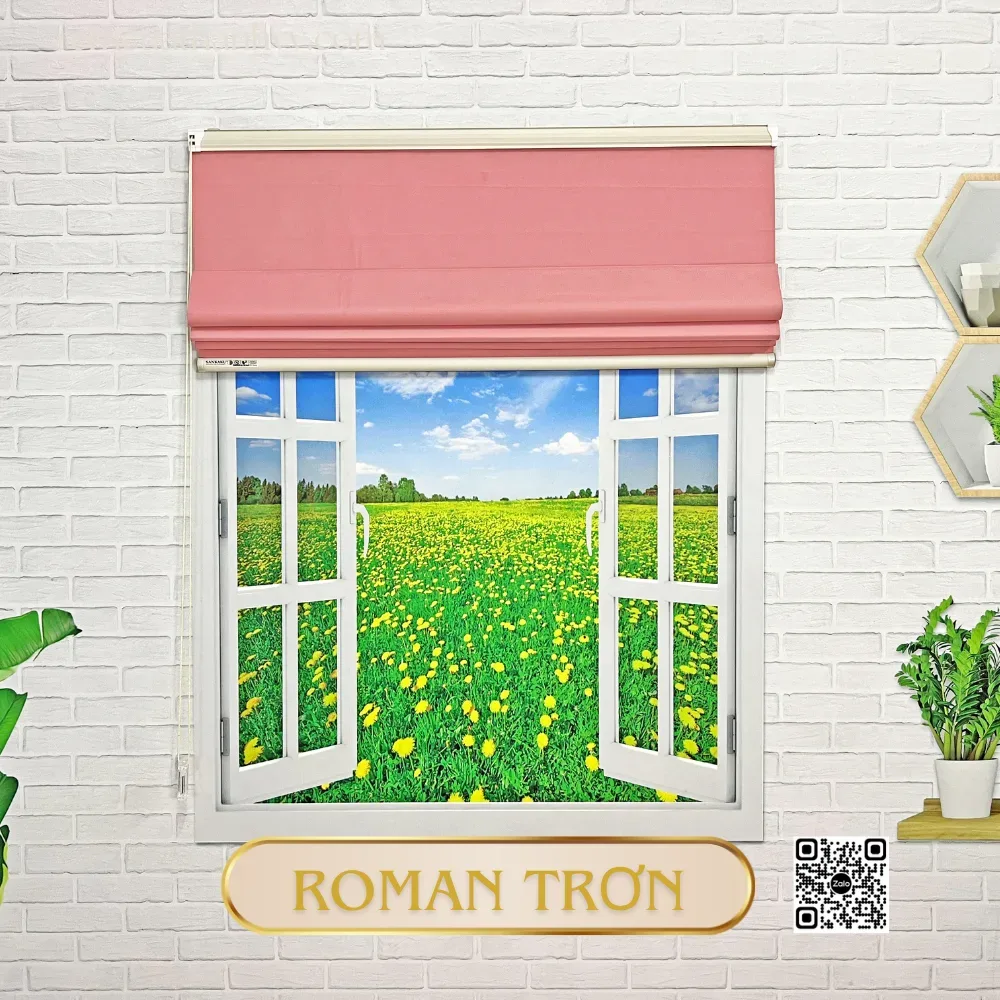
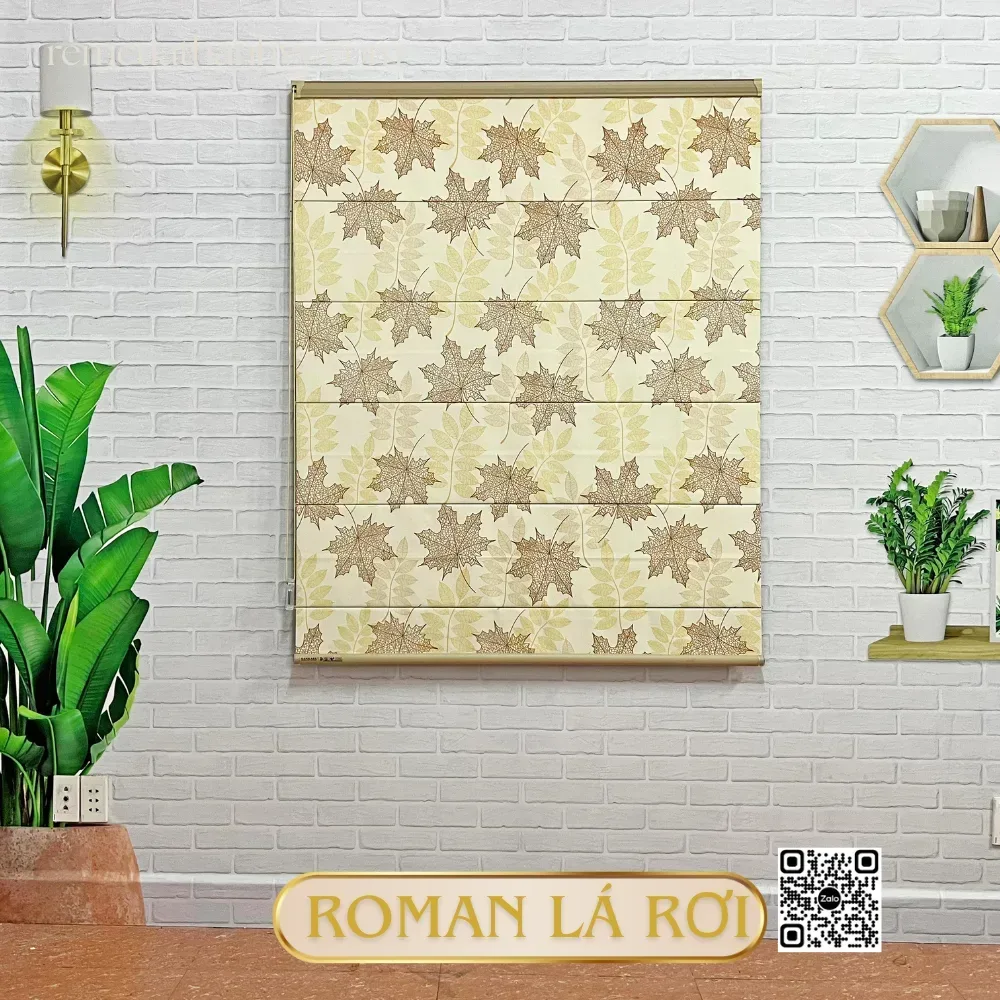
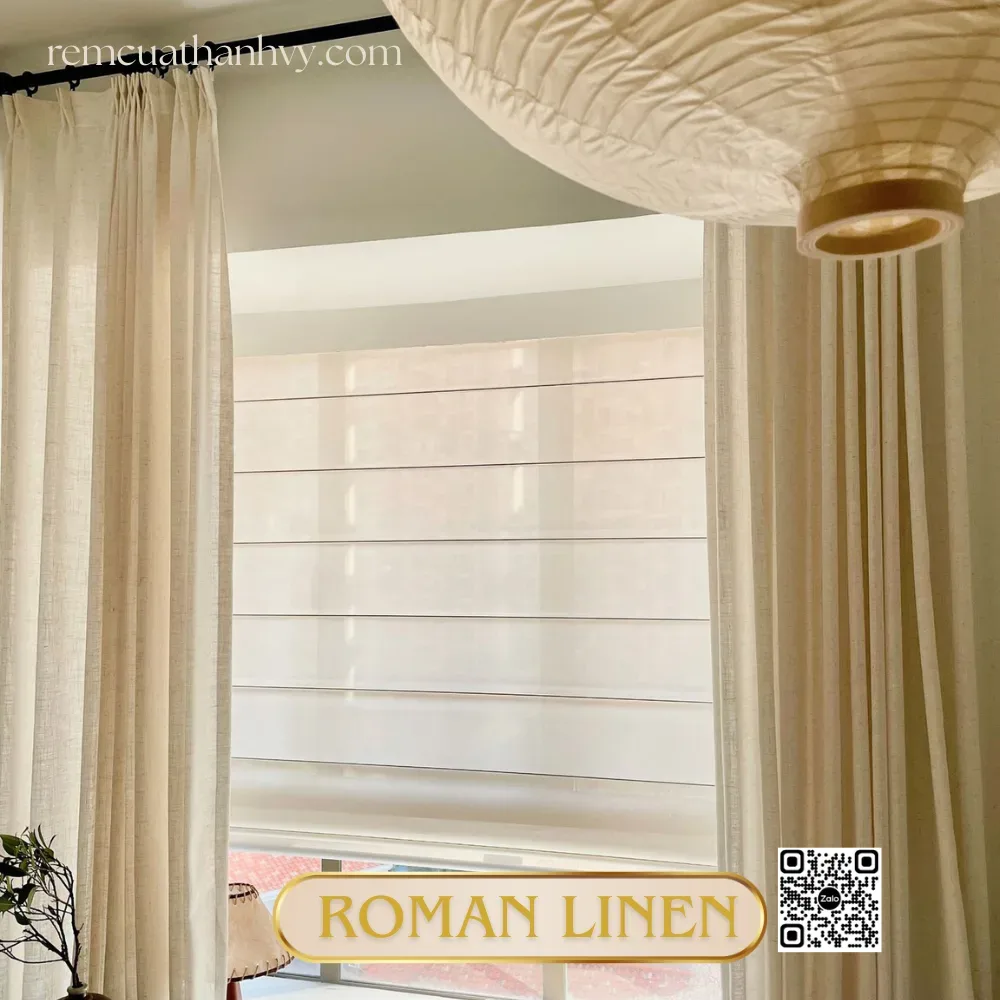
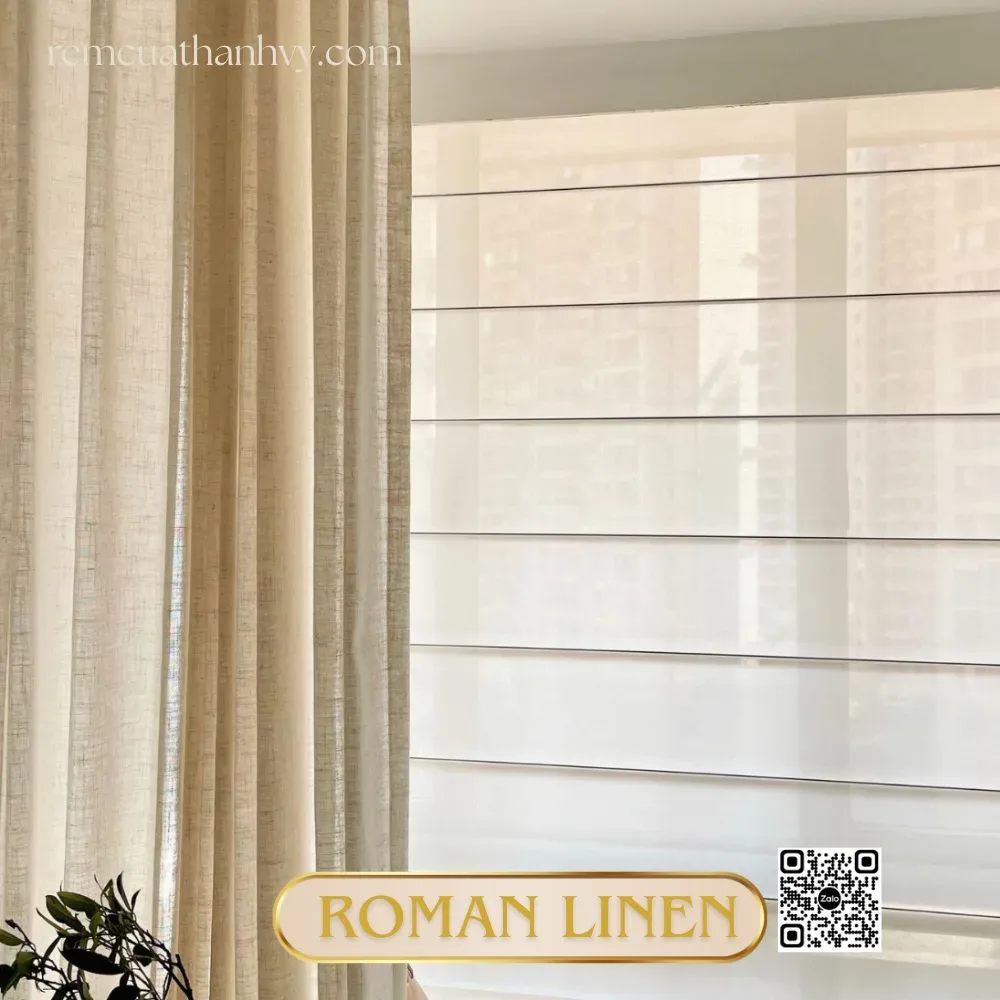
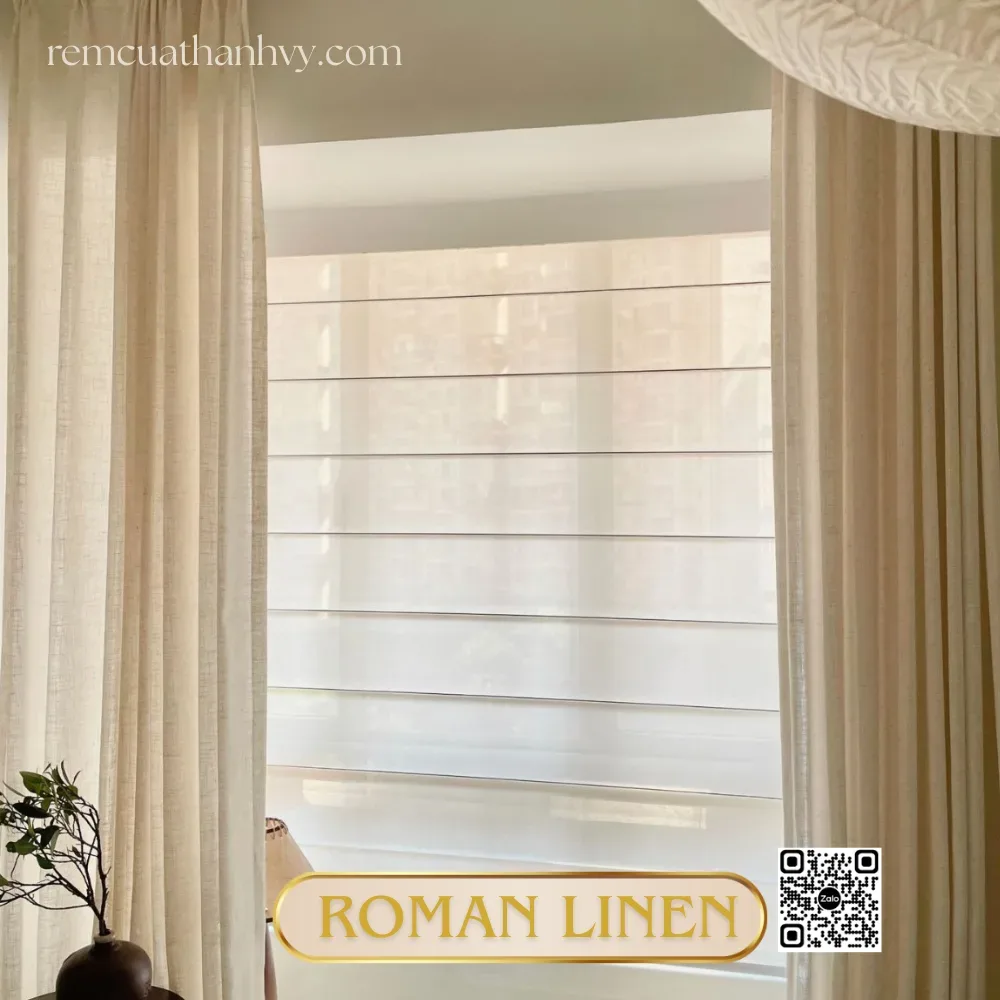
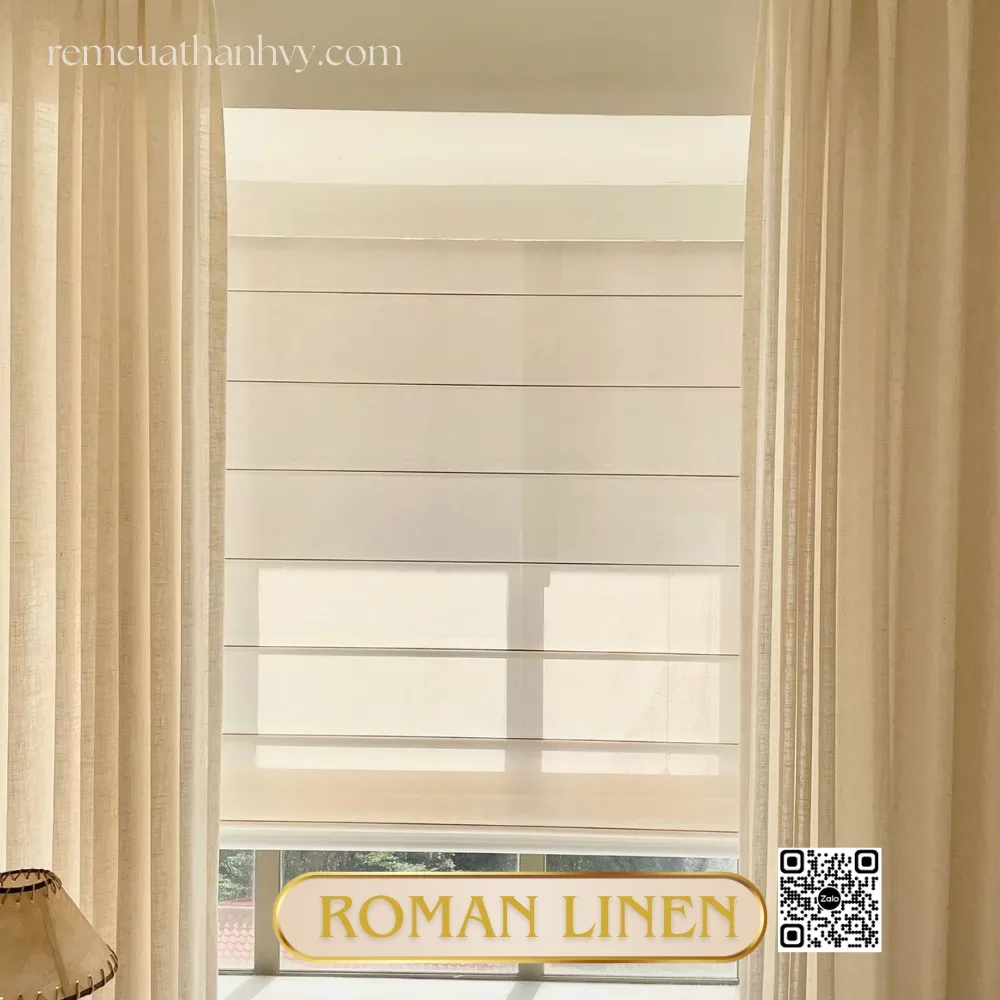
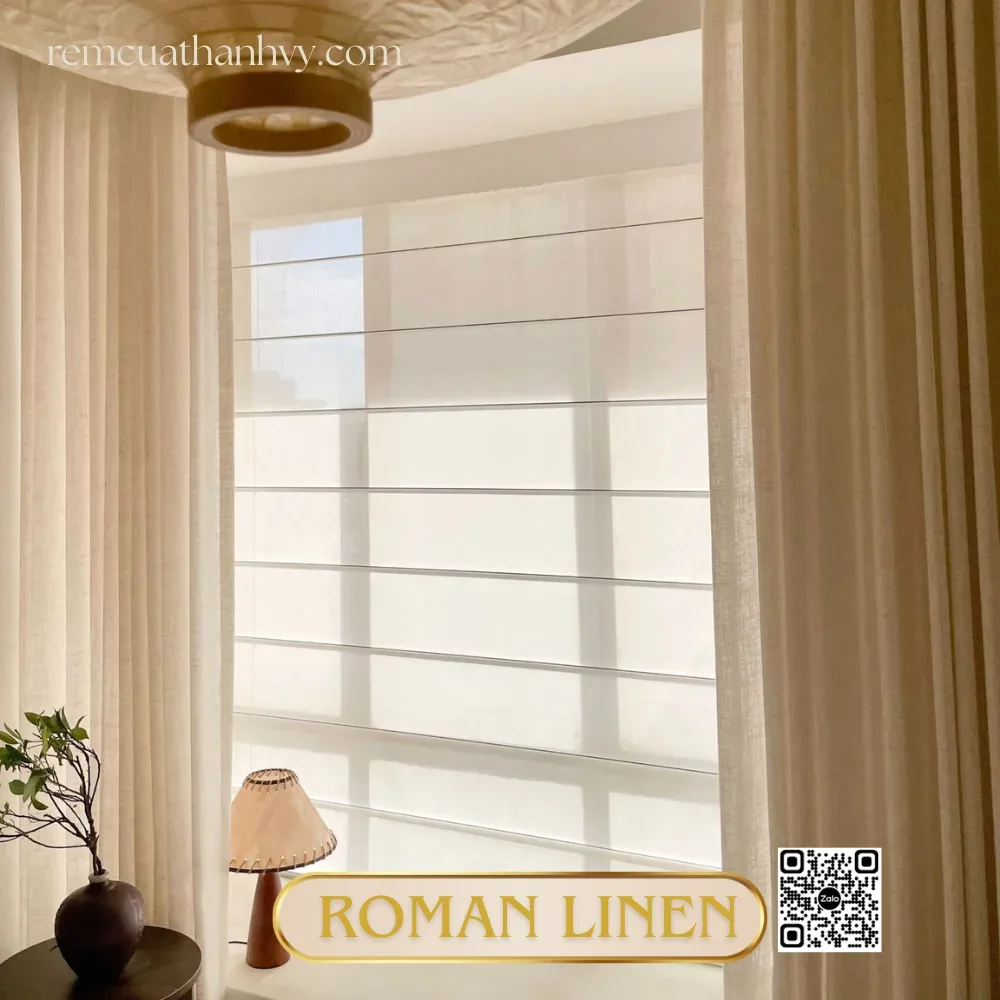
Choose materials based on sun direction and privacy
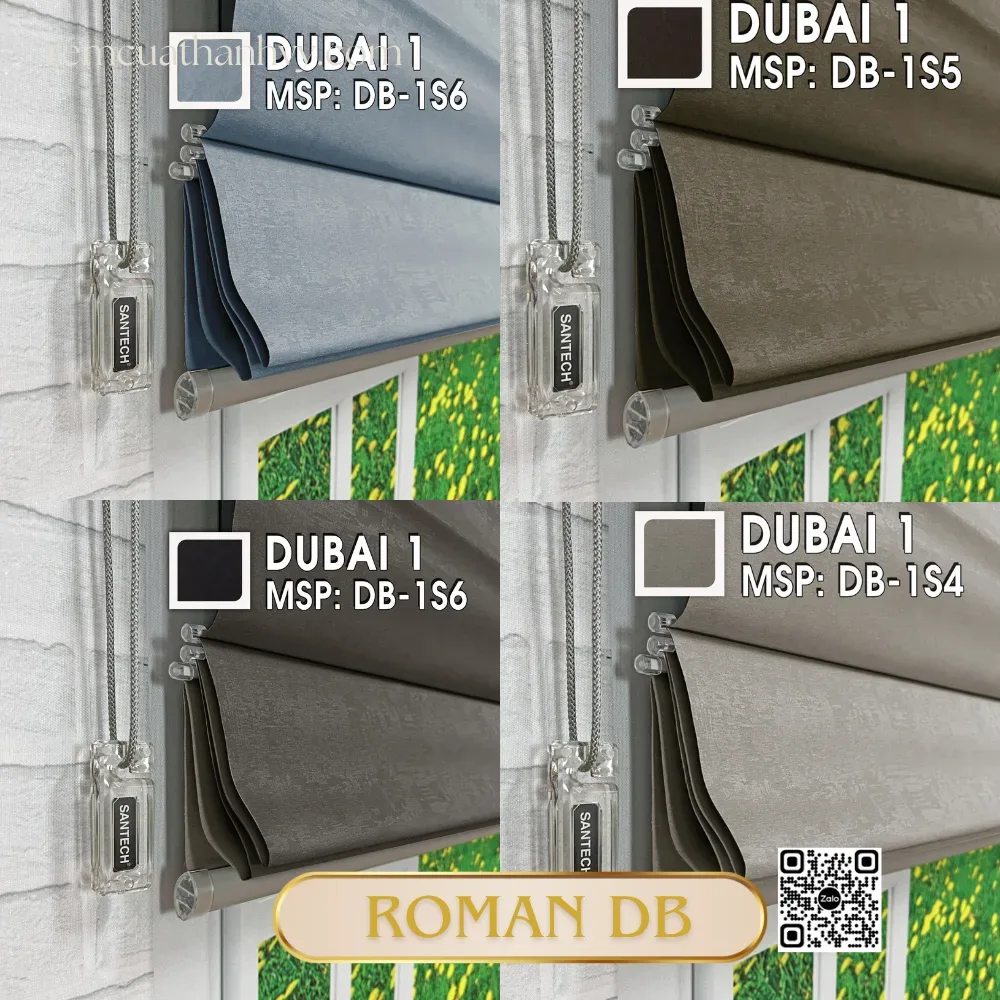
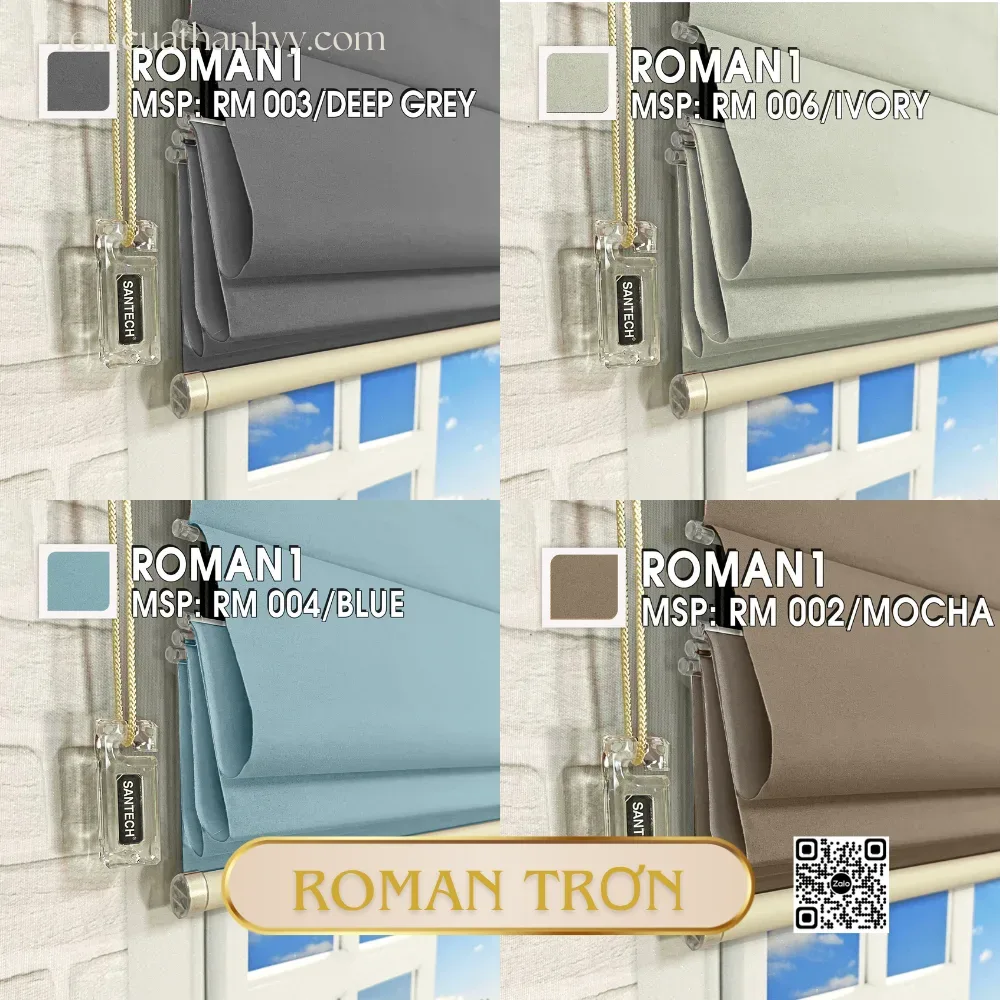
Roman shades can use many different types of fabric, but the selection should be based on actual needs rather than names. If the room needs soft light and a light feel, you can lean towards a more airy configuration. If you need more privacy or stronger glare reduction, you should consider the fabric quality and structure from the start.
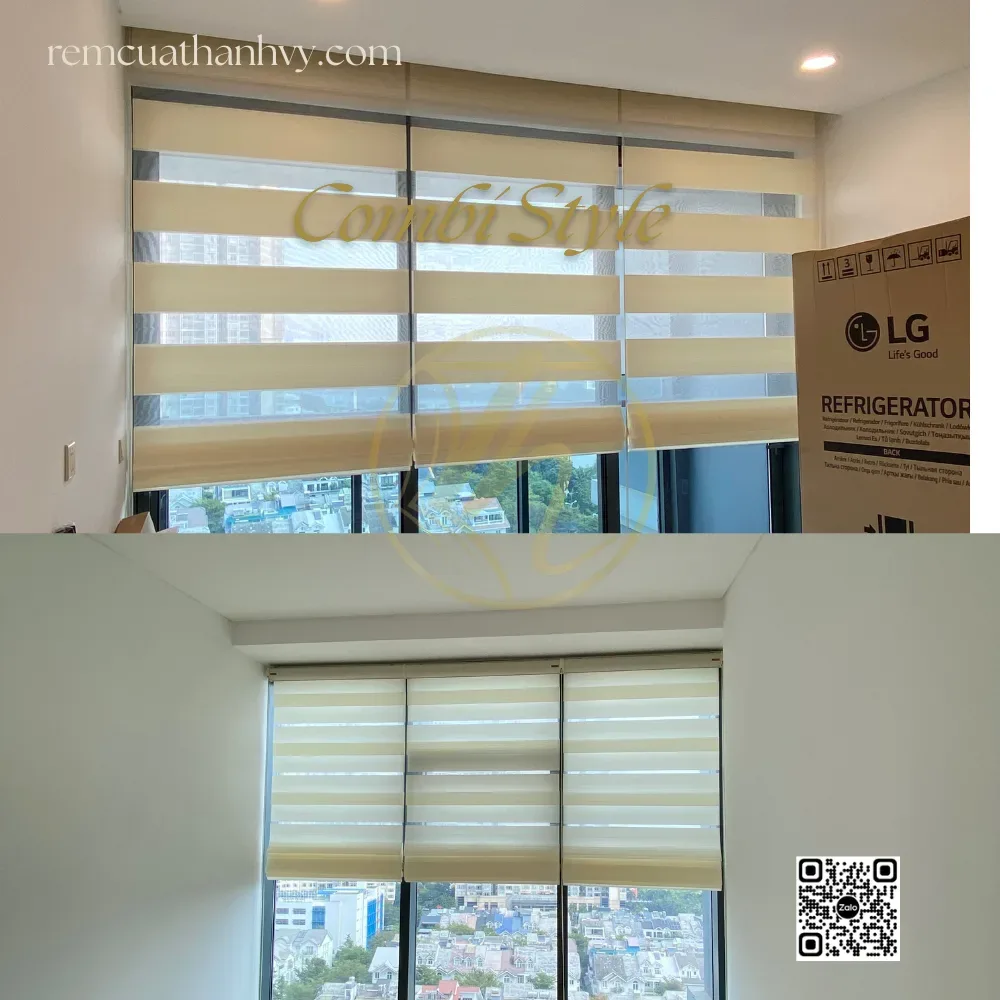
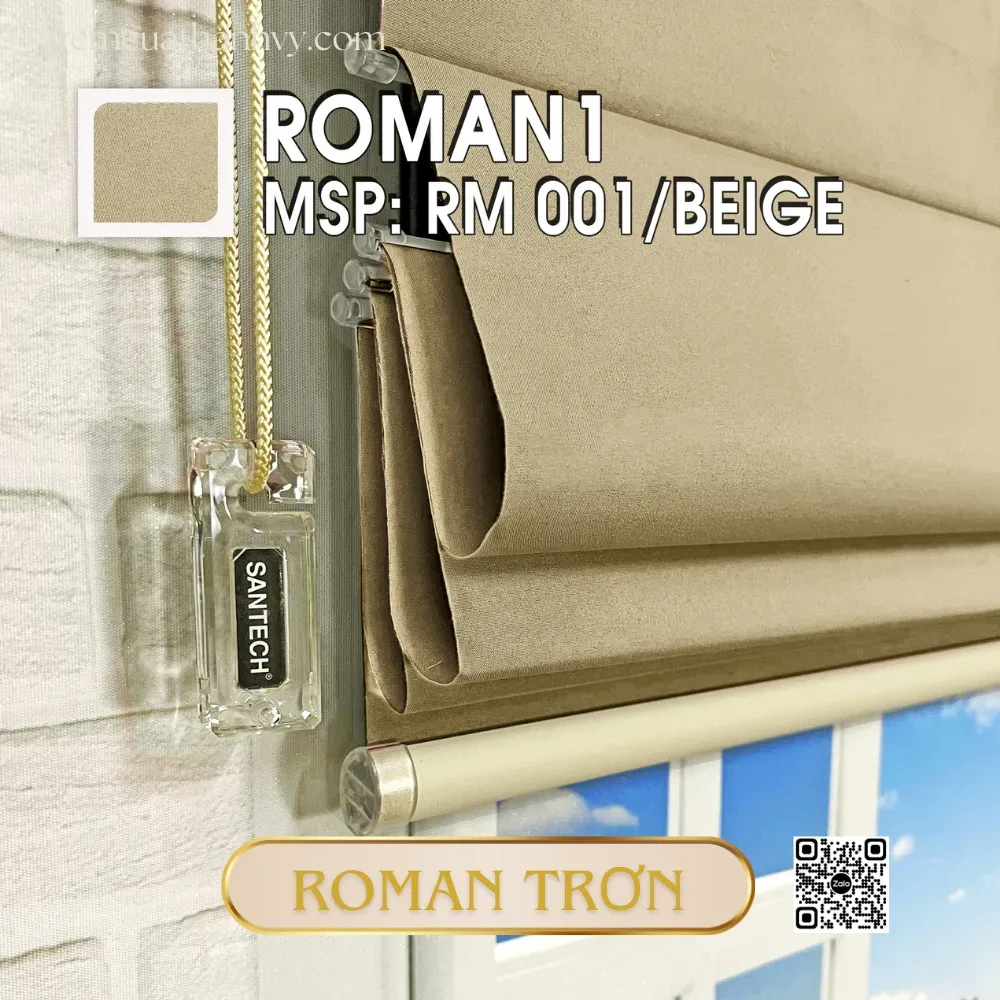
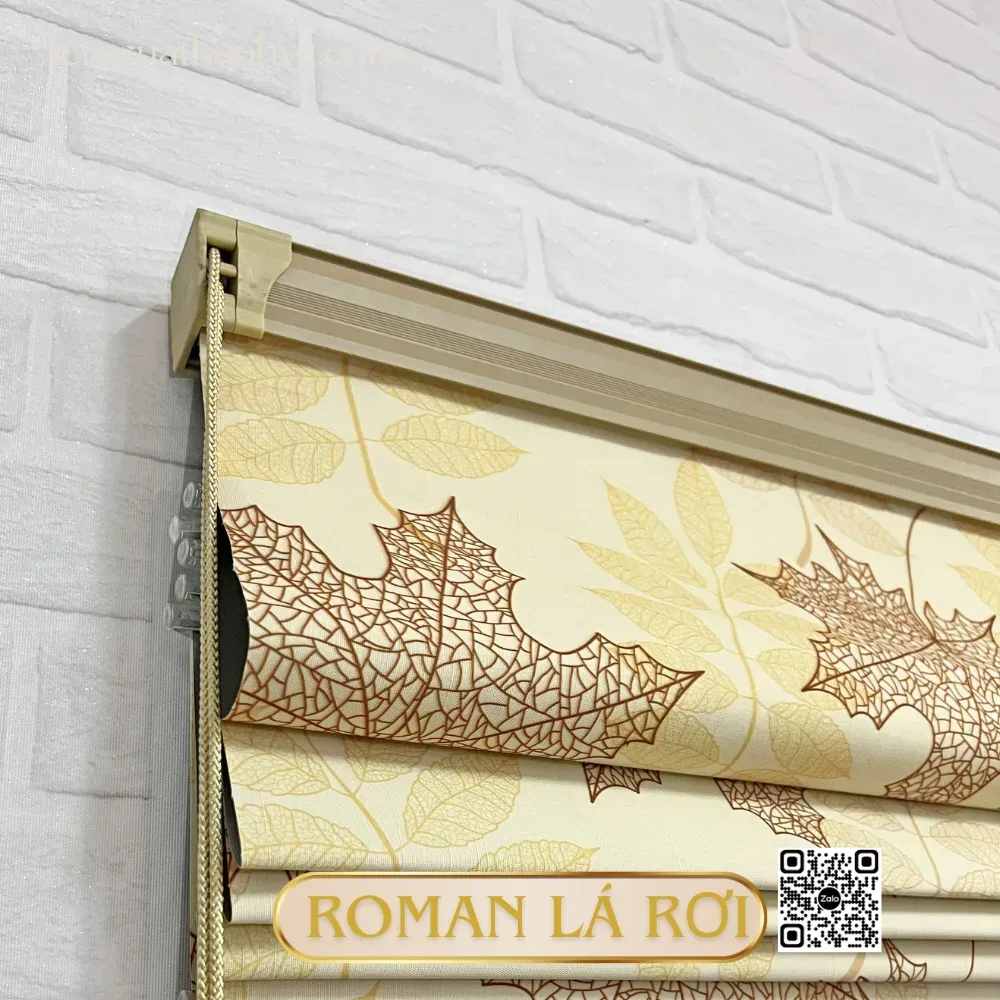
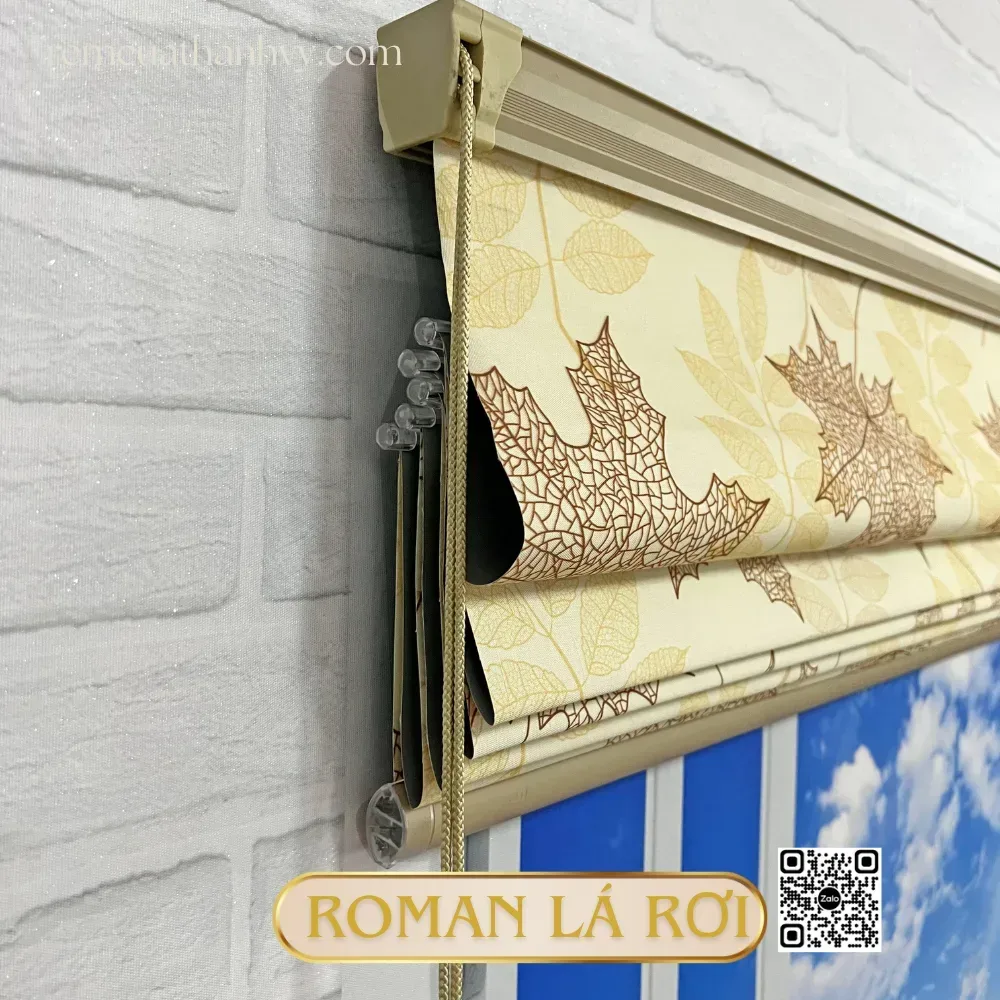
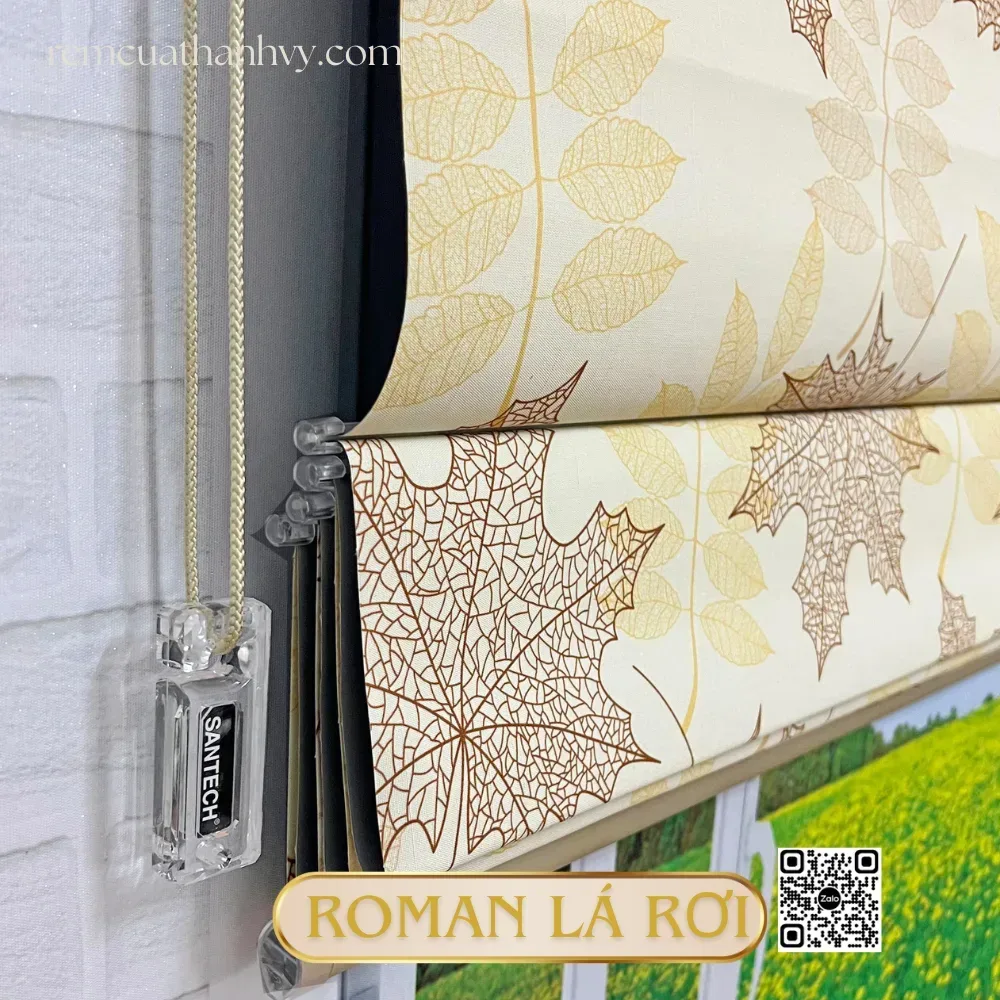
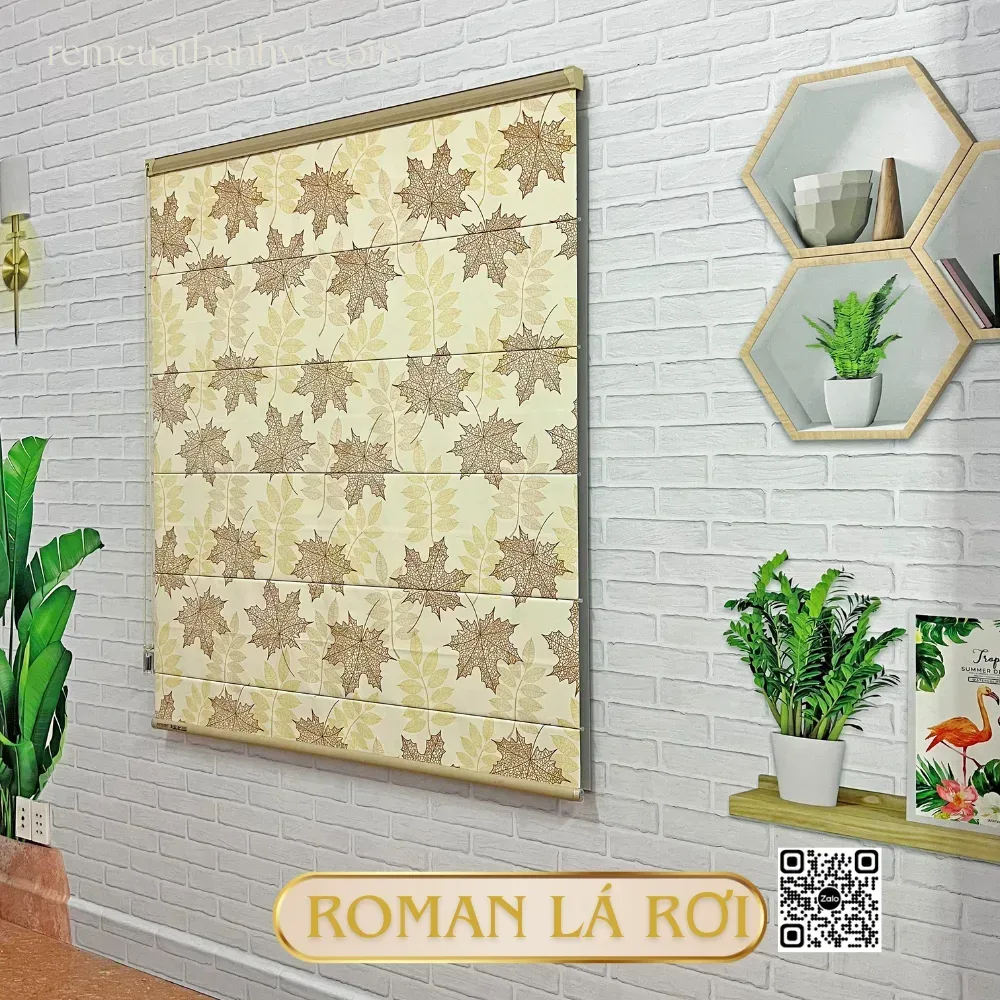
A point for readers to note is that with the same material, when formed into a Roman shade, the sense of thickness, stiffness, and how the folds fall will be different compared to fabric curtains that pull horizontally. Therefore, you should ask clearly how the fabric stacks when pulled up, what the surface looks like when lowered, and how the level of privacy changes at different times of the day.
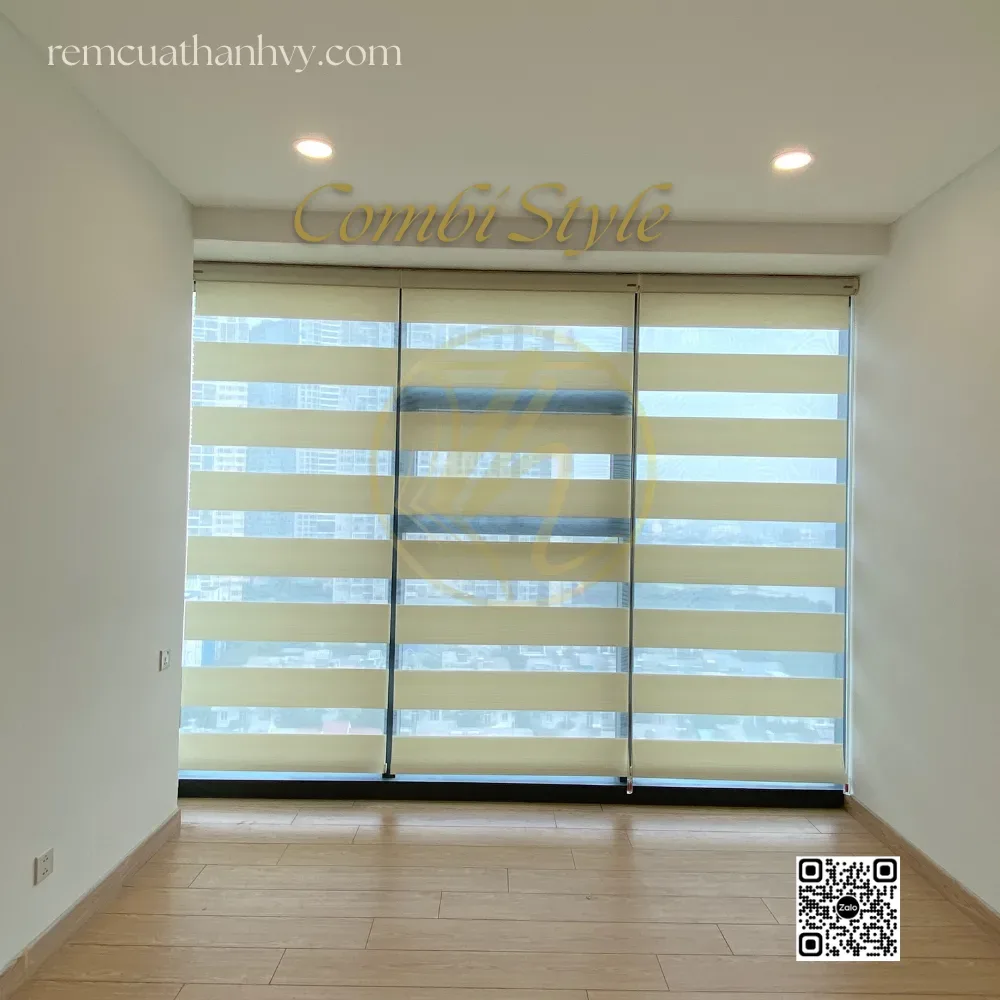
Check the installation type and window proportions before finalizing
Roman shades are often sensitive to whether they are installed inside or outside the recess. Installing inside the recess keeps the overall look compact but requires sufficient depth and careful consideration of door handles, hinges, and opening direction. Installing outside the recess can increase coverage but requires a solid mounting surface and appropriate coverage proportions so as not to make the window look heavy.
For small windows, the thickness of each folded layer when pulled up can directly affect the sense of airiness. For large windows, you need to consider the operation and the proportion of the sections so they are not too heavy. These questions should be addressed before discussing colors or accessories.

Operation, cleaning, and cases to reconsider
Roman shades are most suitable when the window does not need to be opened and closed with high frequency or when the installation position allows for convenient operation. If the area has high humidity, a lot of dust, or requires frequent washing, readers should ask clearly about the suitability of the material and how to clean it.
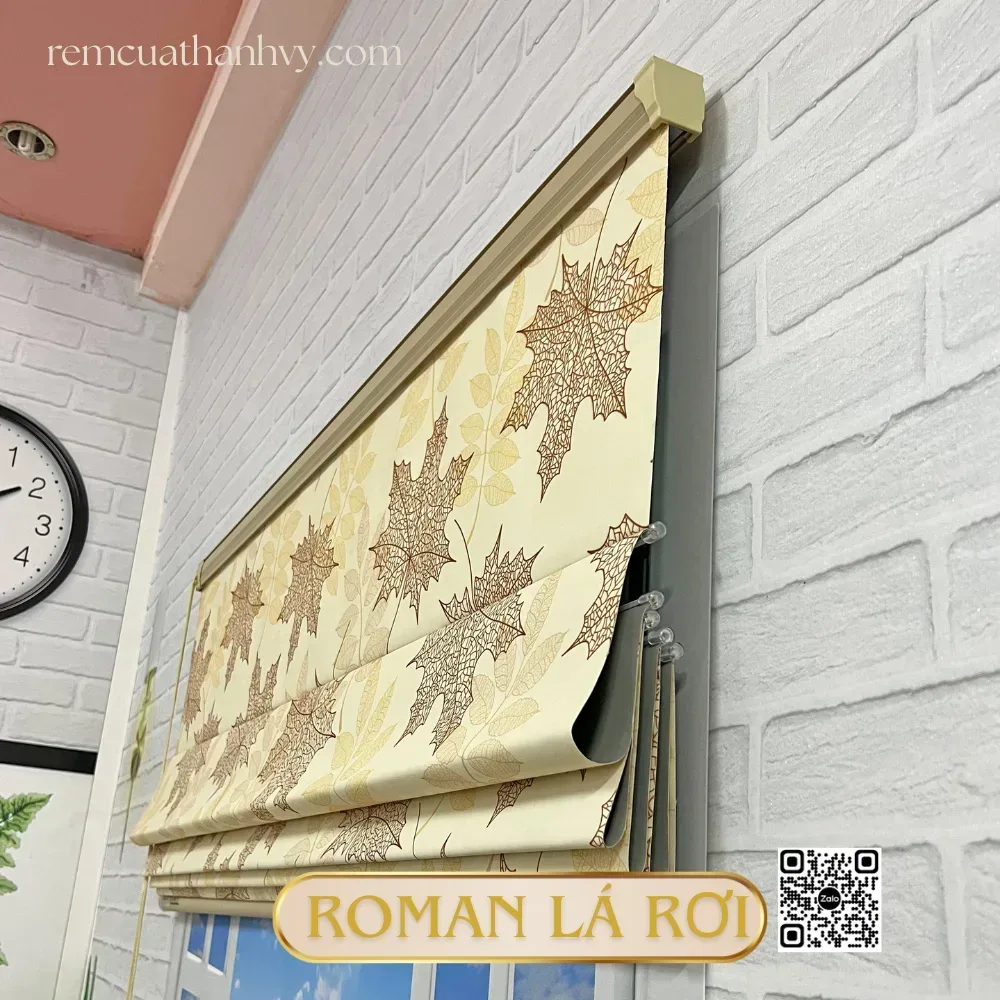
Additionally, if the room prioritizes strong blackout, or if the user wants a solution that changes little in appearance between open and closed states, you may need to look at other options. This consideration does not make Roman shades inferior; it just helps the final configuration match the actual needs instead of just following a style.
Checklist before choosing Roman shades
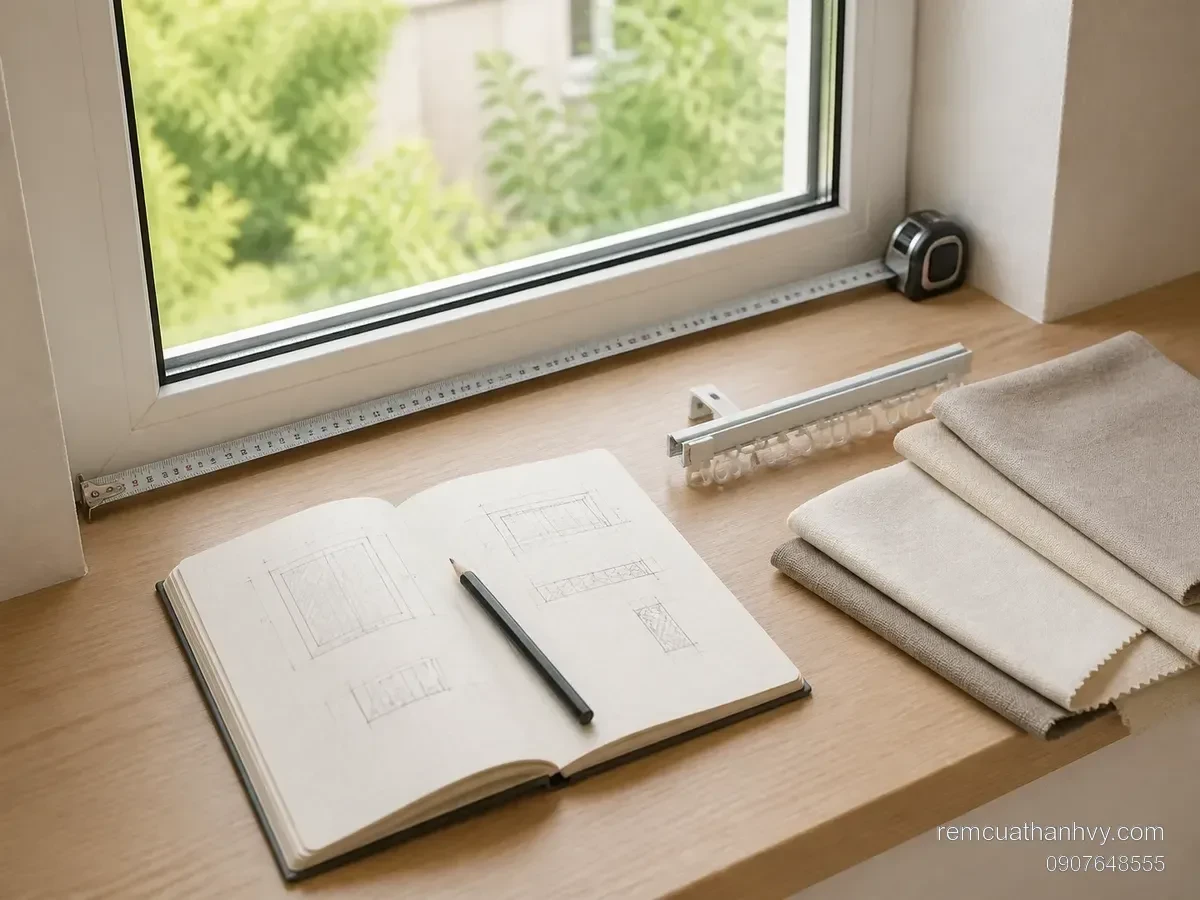
You should prepare preliminary measurements of the window frame, overall photos, information about the opening direction, handles, recess depth, and the primary purpose of use. If you are comparing two options, ask for a description based on the same criteria: light, privacy, installation type, compactness when pulled up, and ease of cleaning.
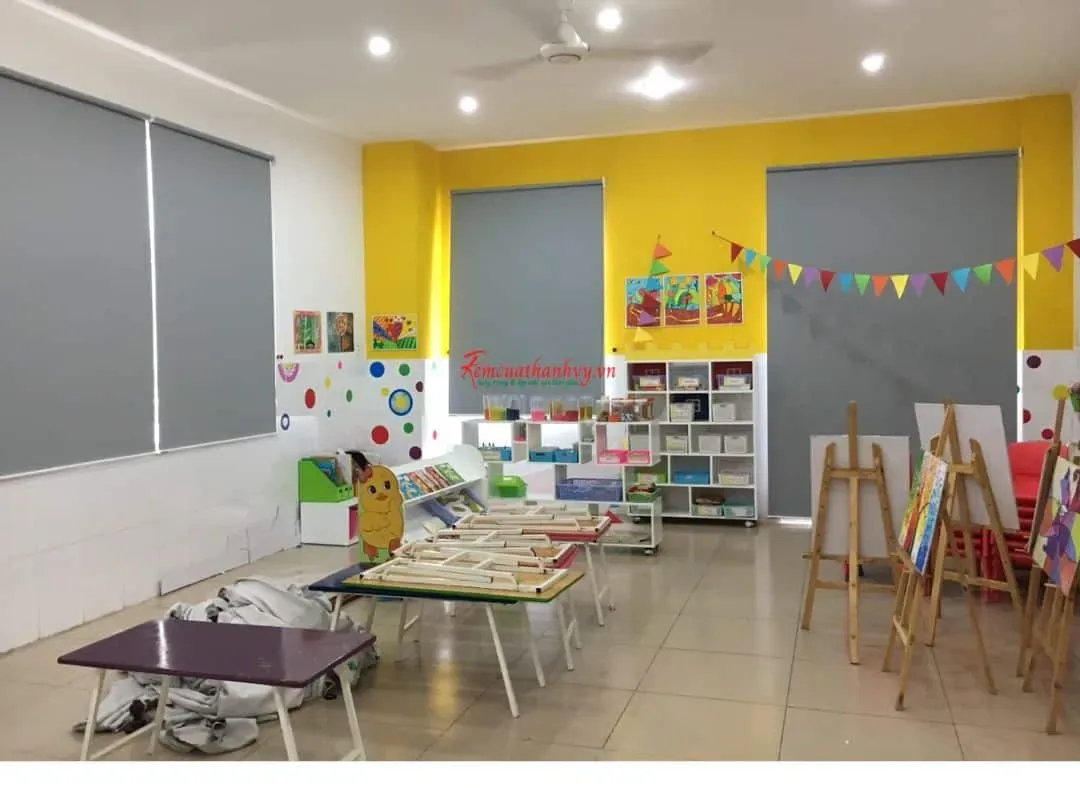
Roman shades in District 11 will perform well when chosen according to the correct window proportions and usage habits. A plan that is carefully checked from the beginning usually feels compact, balanced, and requires fewer adjustments after completion.
When are Roman shades more suitable than roller blinds or horizontal fabric curtains
People looking for Roman shades in District 11 are often choosing between three familiar options: Roman shades, roller blinds, and horizontal fabric curtains. The difference lies not only in appearance but also in the user experience. Roman shades are suitable for windows that need a compact surface, have clear folds when pulled up, and still retain the softness of the fabric material when lowered. If the user wants a light space with fewer exposed mechanical details but still does not like a feeling that is too flat, Roman shades are a configuration worth considering over roller blinds.
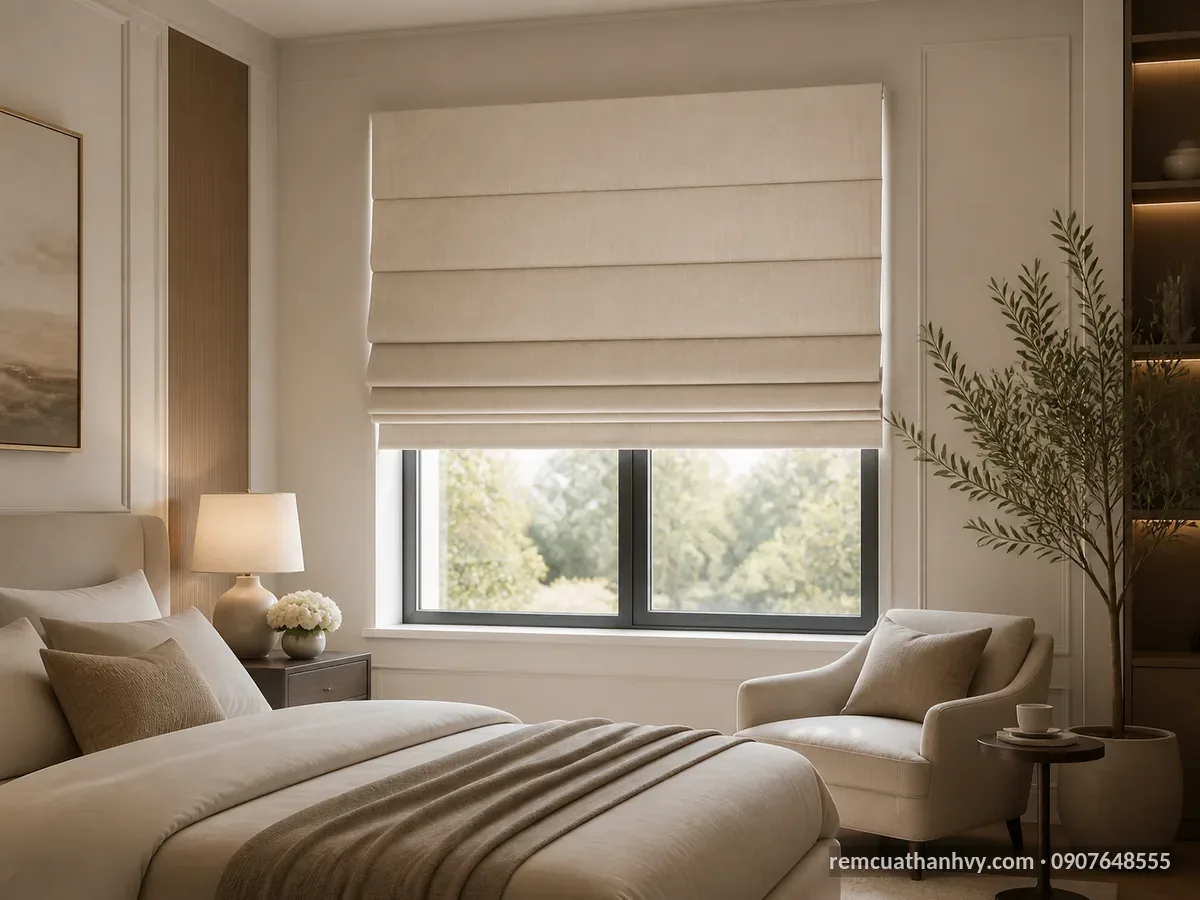
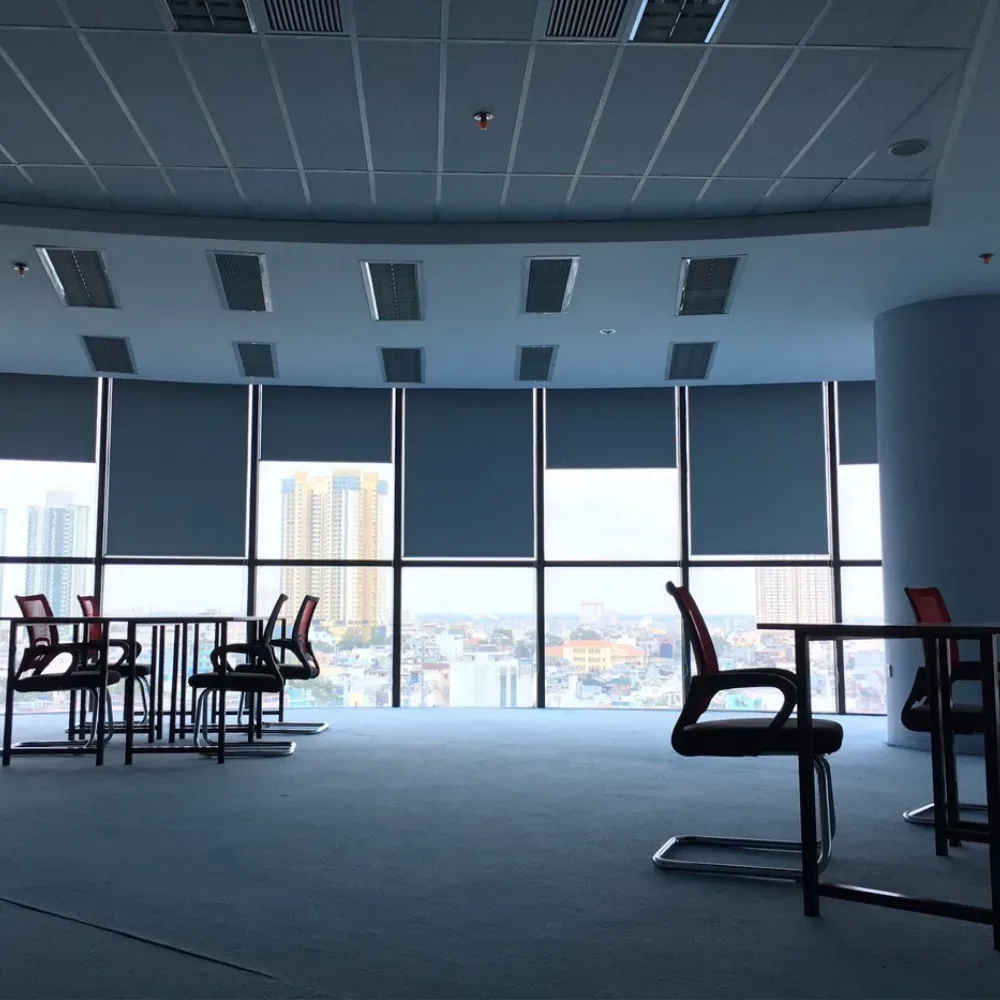
If you are still considering, you can refer to Top Most Beautiful Roman Shade Models for Kids’ Rooms 2026 and Top Most Beautiful Roman Shade Models for Dining Rooms 2026 to compare before deciding.
Quick answer: With Roman shades in District 11, you should choose Roman shades instead of roller blinds when the window needs a soft surface, clear folds, and the frequency of opening/closing is not too high; if the window is used continuously many times a day, horizontal fabric curtains are usually faster and more convenient to operate.
Conversely, if the window is opened and closed continuously throughout the day or requires a very quick operation for short periods of use, readers should check carefully whether Roman shades are still convenient. Compared to horizontal fabric curtains, Roman shades also require users to pay more attention to the thickness of the folded part in the open state. Therefore, the most suitable decision is not that “Roman shades are more beautiful” but whether they fit the window proportions, usage habits, and the space where they are placed. By comparing this way, readers will be less caught up in reference models and focus more on the actual experience after installation.
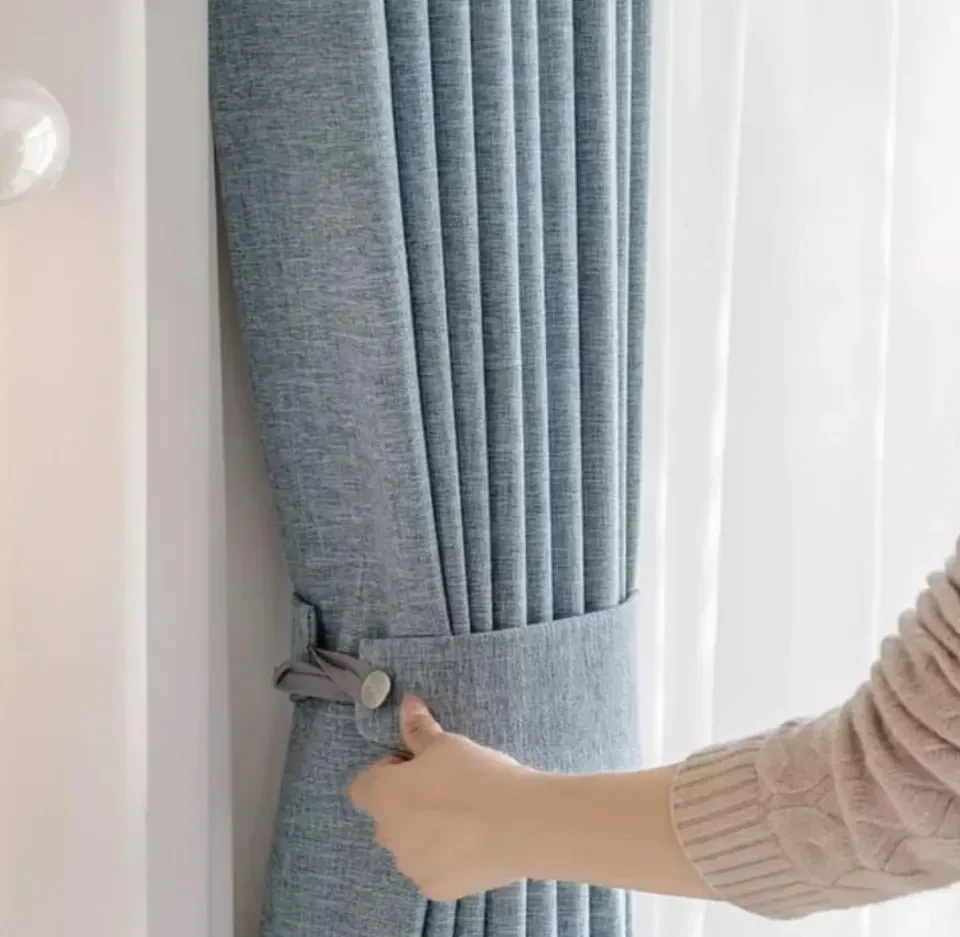
Technical details to ask before ordering
Before finalizing Roman shades, readers should ask about three groups of details. The first group is installation: inside or outside the recess, is the mounting surface solid enough, and will the handles or opening wings be obstructed when the shade is lowered? The second group is materials: is the fabric stiff enough to hold the folds neatly, will the surface show many fold marks when exposed to strong light, and how does the level of privacy change between day and night? The last group is operation: how high does the shade stack when pulled up, can the user easily reach the operating mechanism, and what level of disassembly will be needed for periodic cleaning?
These questions may sound detailed, but they determine whether Roman shades will be a neat, beautiful solution or a choice that forces the user to make constant adjustments after installation. When the consultant can answer with specific descriptions instead of general claims, readers will find it easier to evaluate whether the option they are looking at is truly suitable for their home windows.
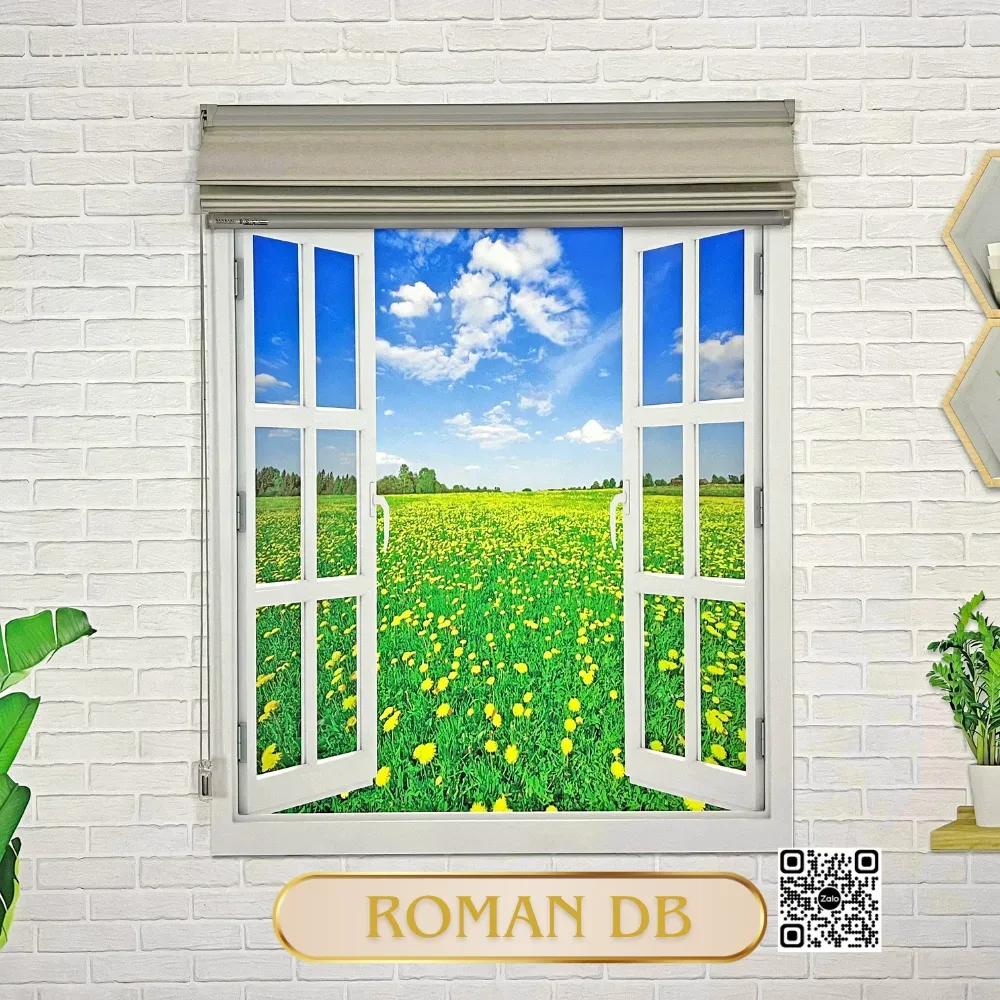
Send your dimensions and needs, and the Thanh Vy Curtains team will advise on options and quote for your actual space.
How to check after installation to avoid rework
After completing the Roman shades in District 11, readers should immediately check some basic points: when pulled up, do the folds gather neatly and evenly; when lowered, does the fabric surface maintain balanced proportions on the window; does the operation interfere with handles, items placed near the window, or the opening wings? If the window is in a space used daily like a bedroom or workspace, try operating it a few times in a row to see if the shades maintain a smooth and stable feel. Checking early according to this checklist helps handle small adjustments at the initial stage, rather than waiting until they have been used for a long time to discover an inconvenience that could have been avoided earlier. You can refer to polyester fiber in the textile industry to better understand the material part.
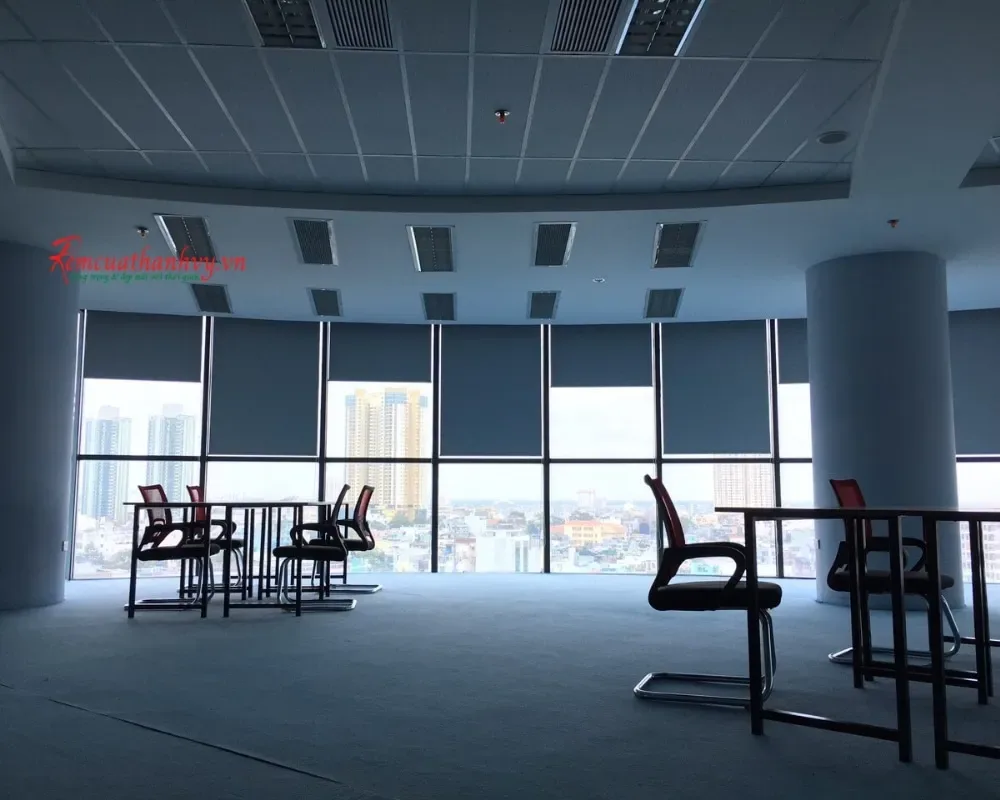
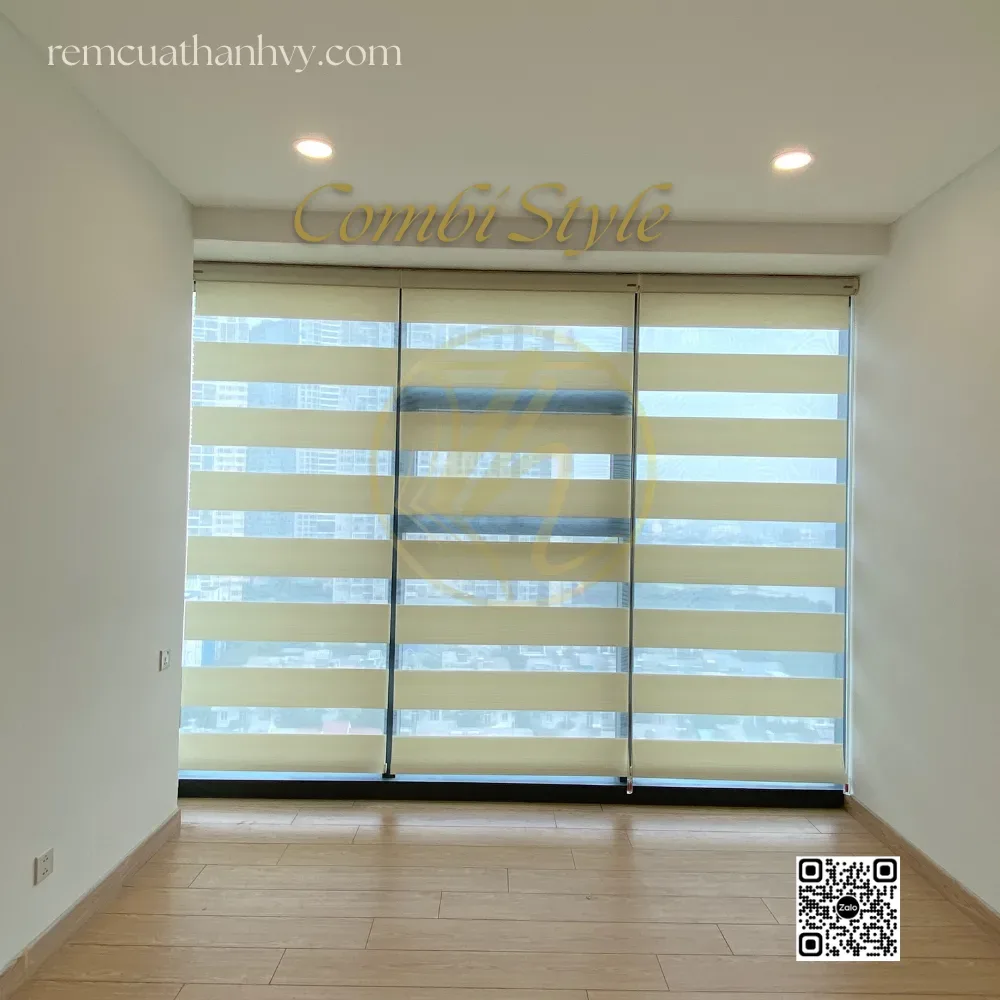
Curtain models that should be installed in District 1
Below are the groups of actual products currently available at Rem Cua Thanh Vy, categorized by popular usage needs in the District 1 area.
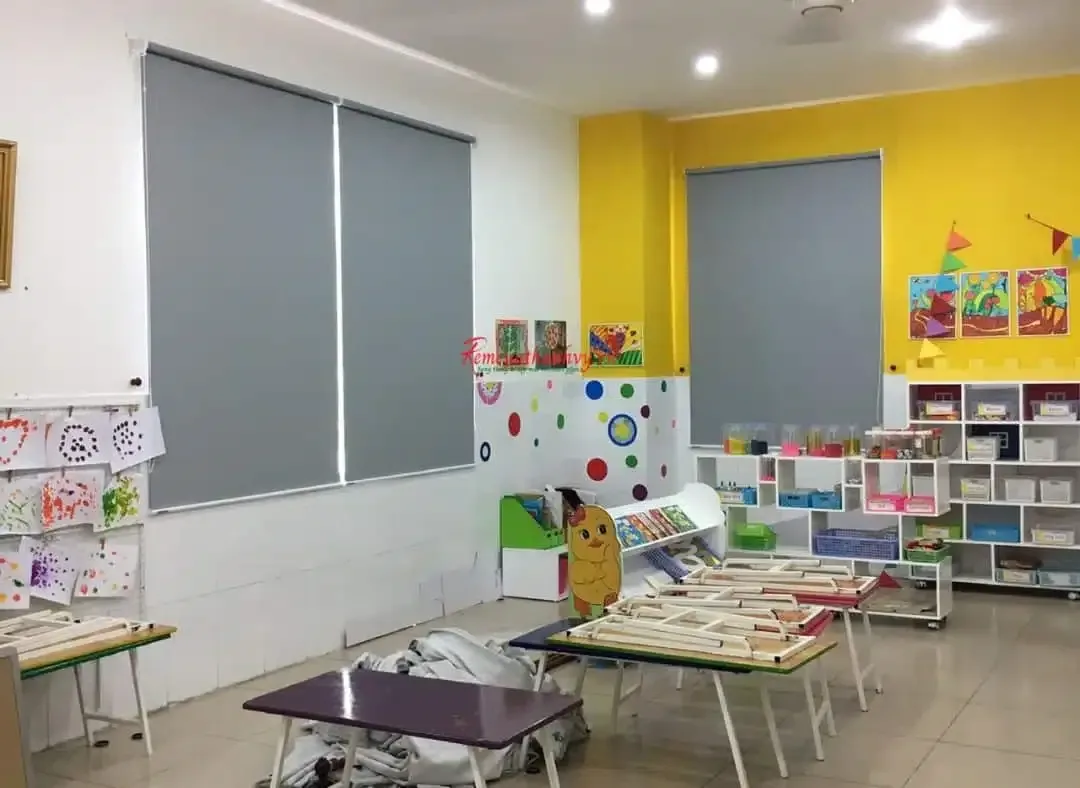
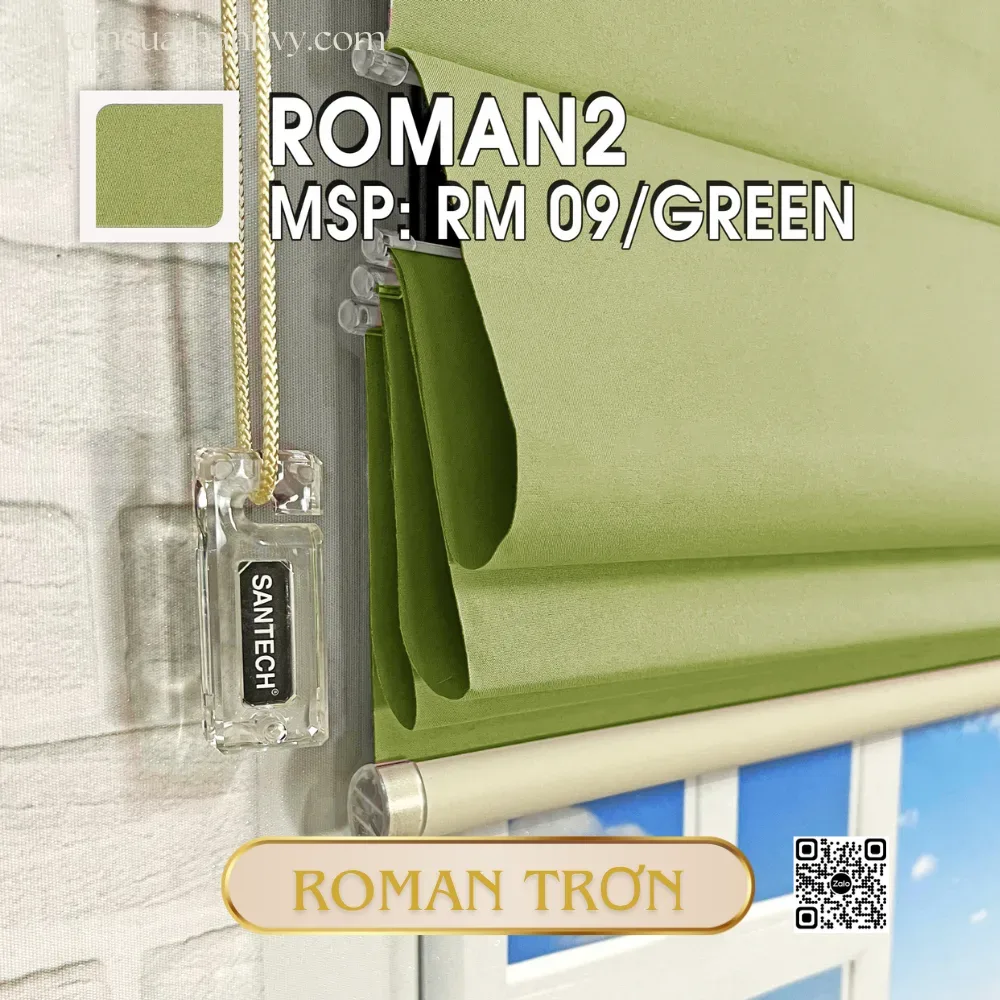
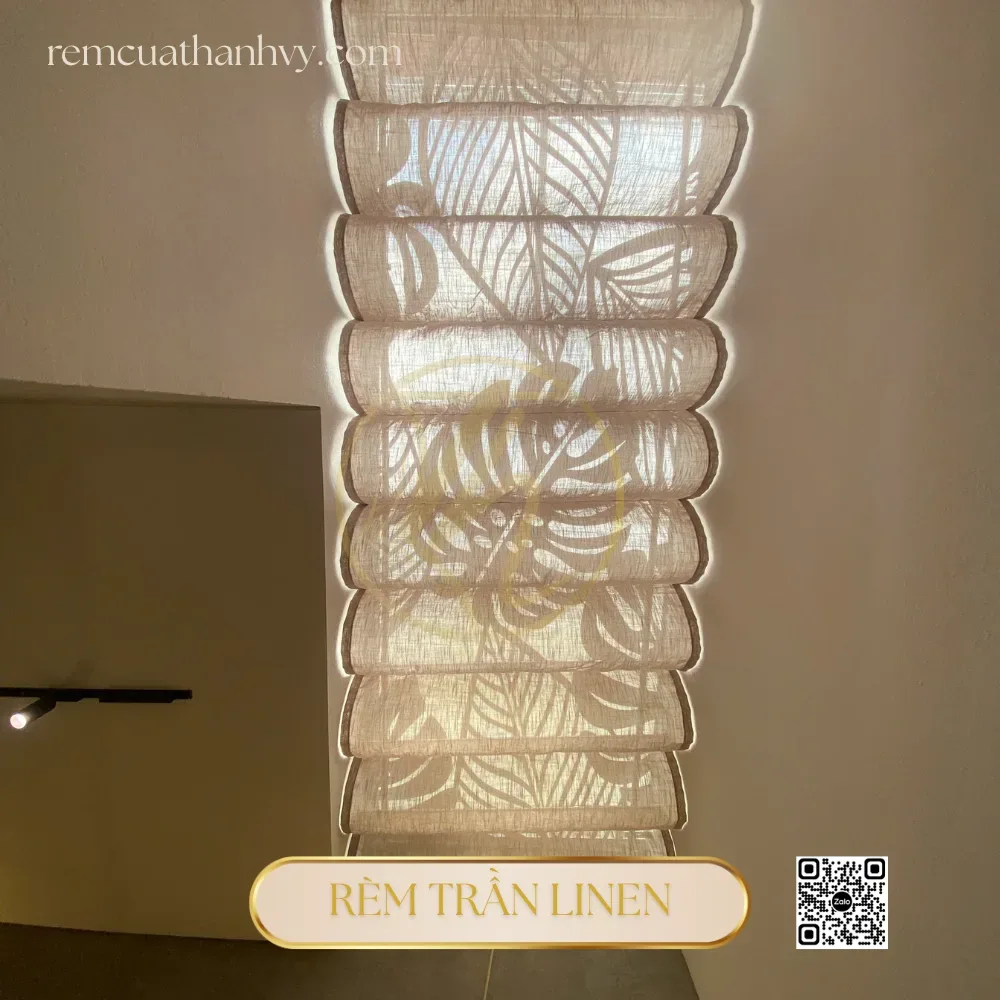
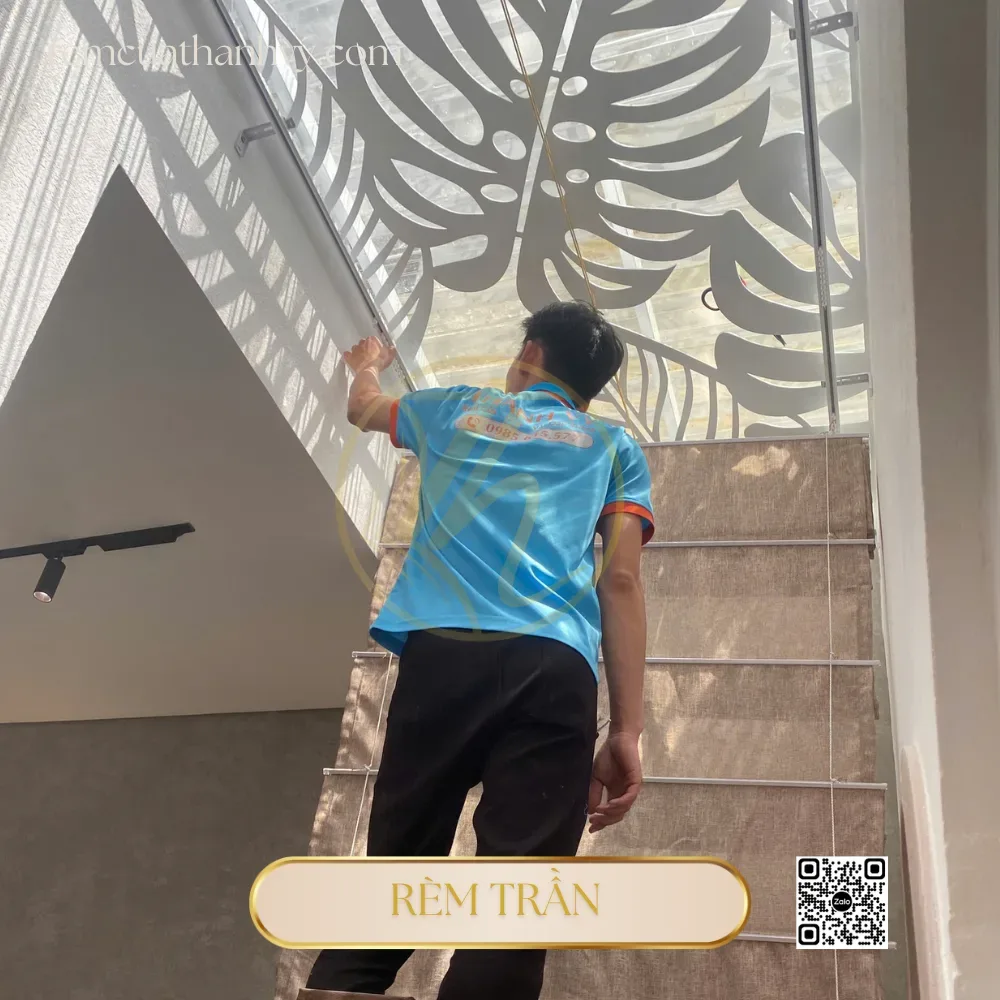
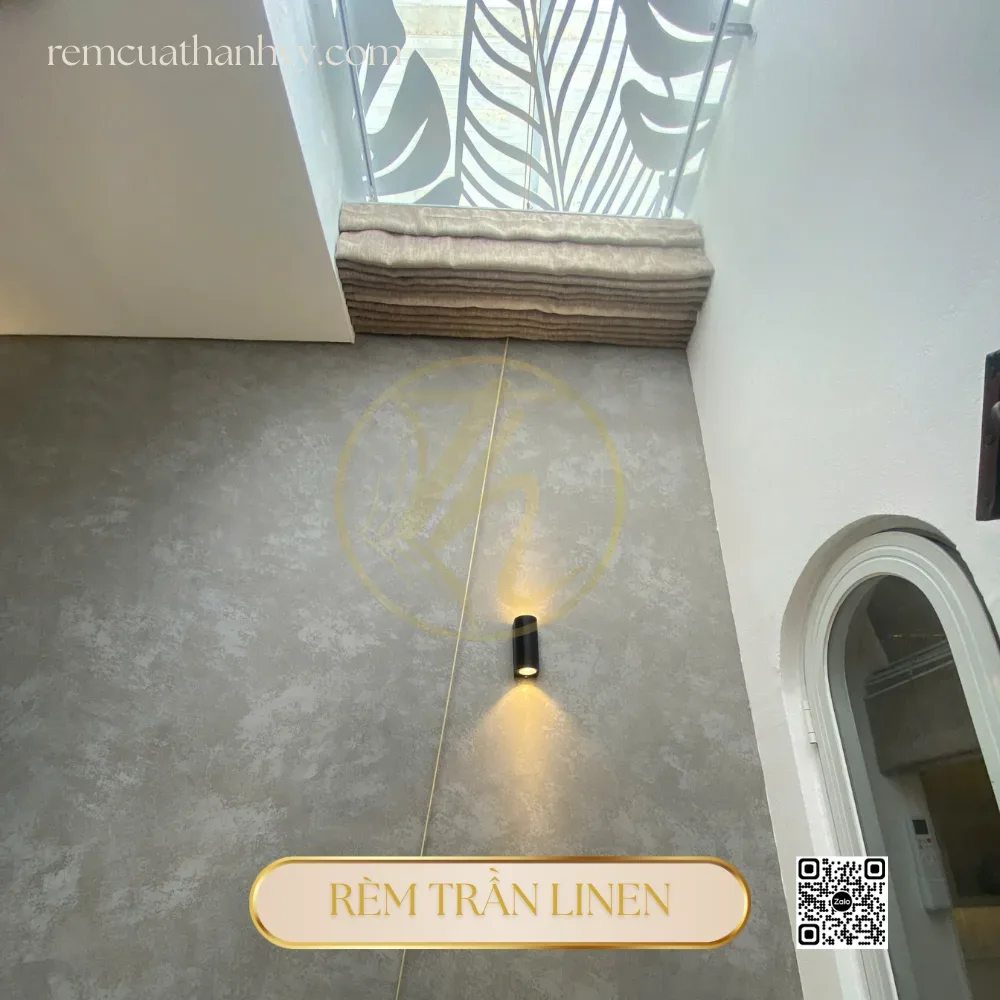
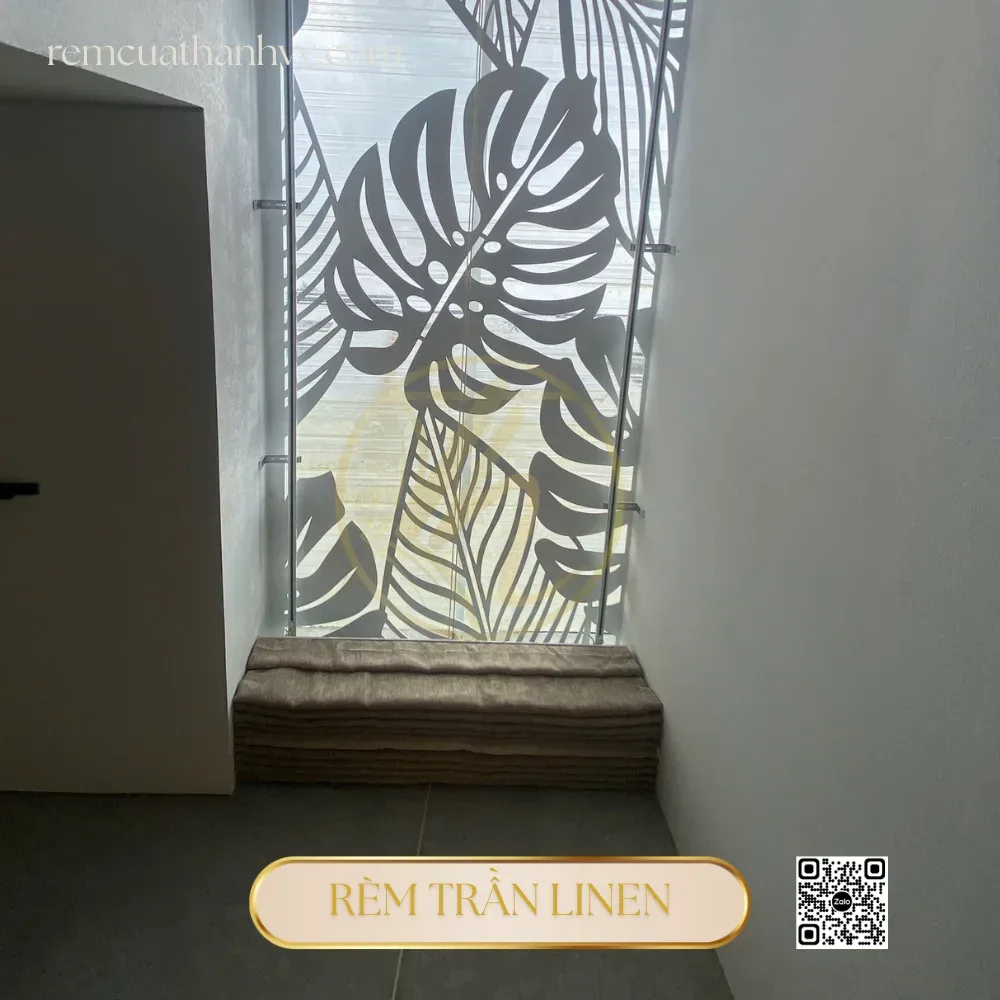
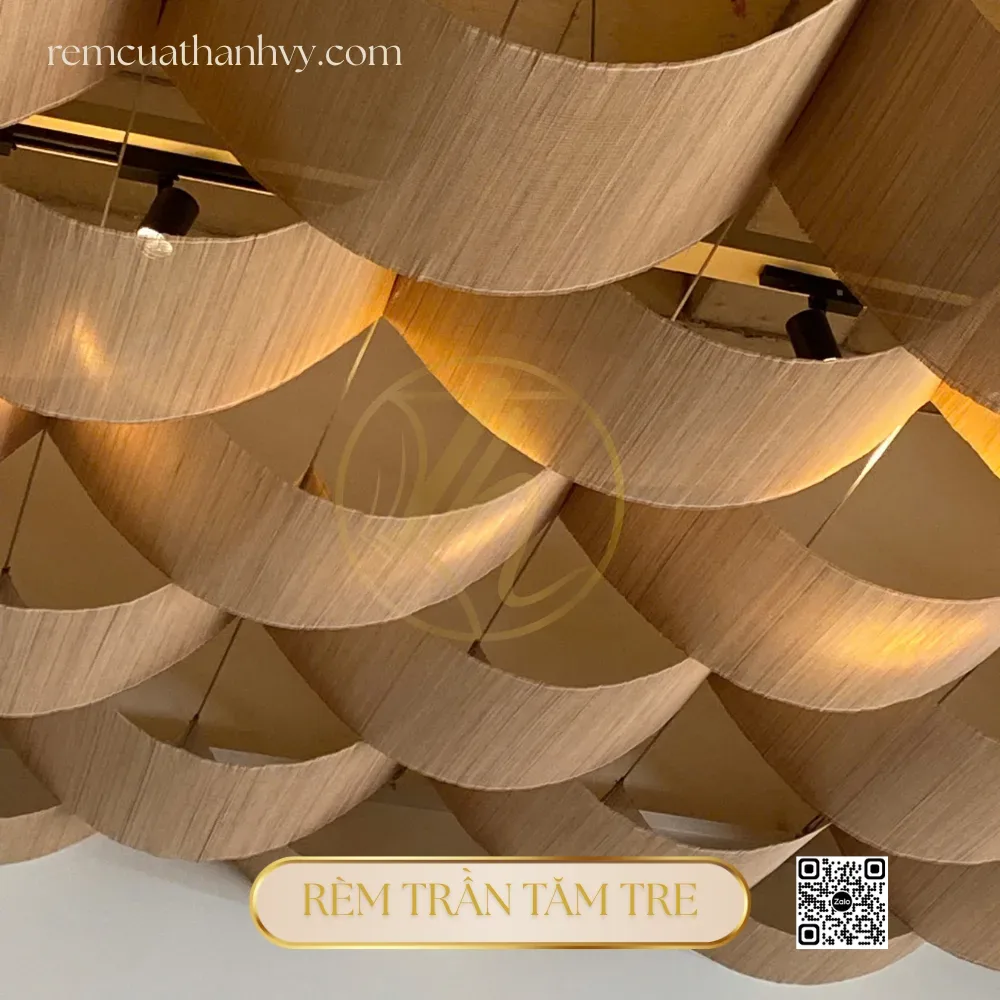
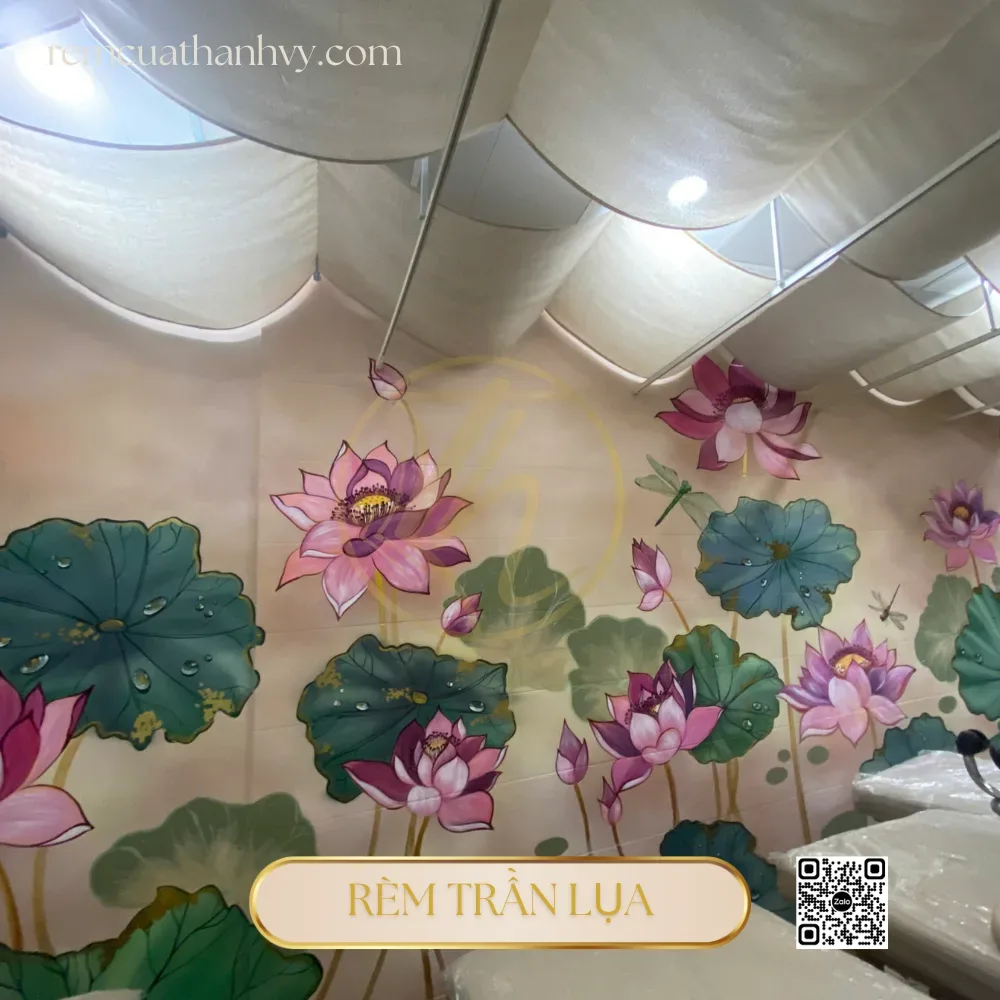
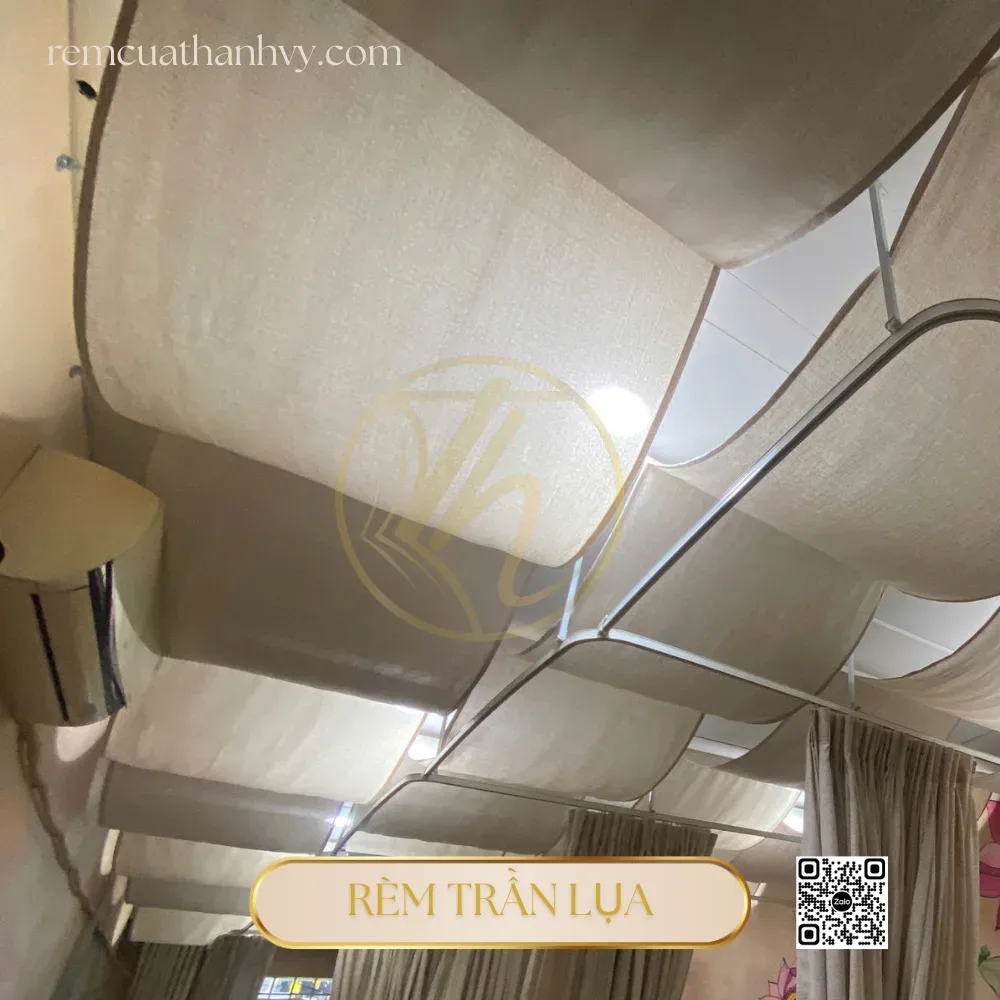
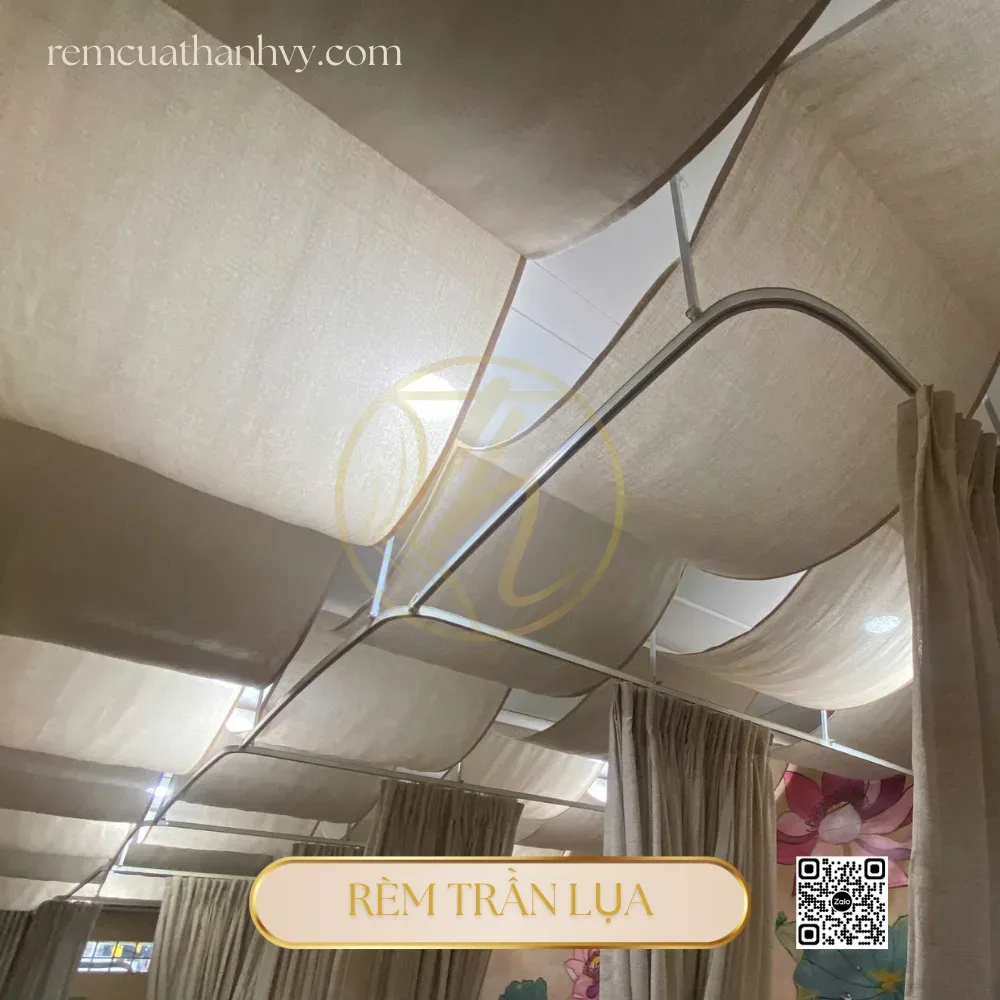
Roman Shades
The layered style of Roman shades provides a neat feel, often used in bedrooms and reading rooms.
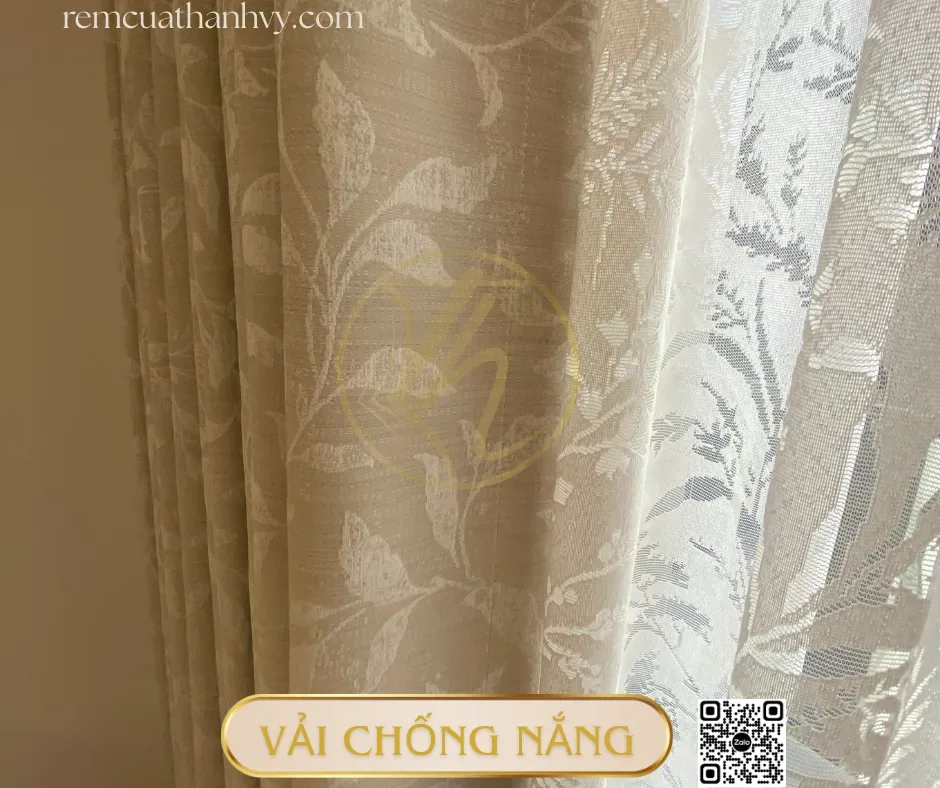
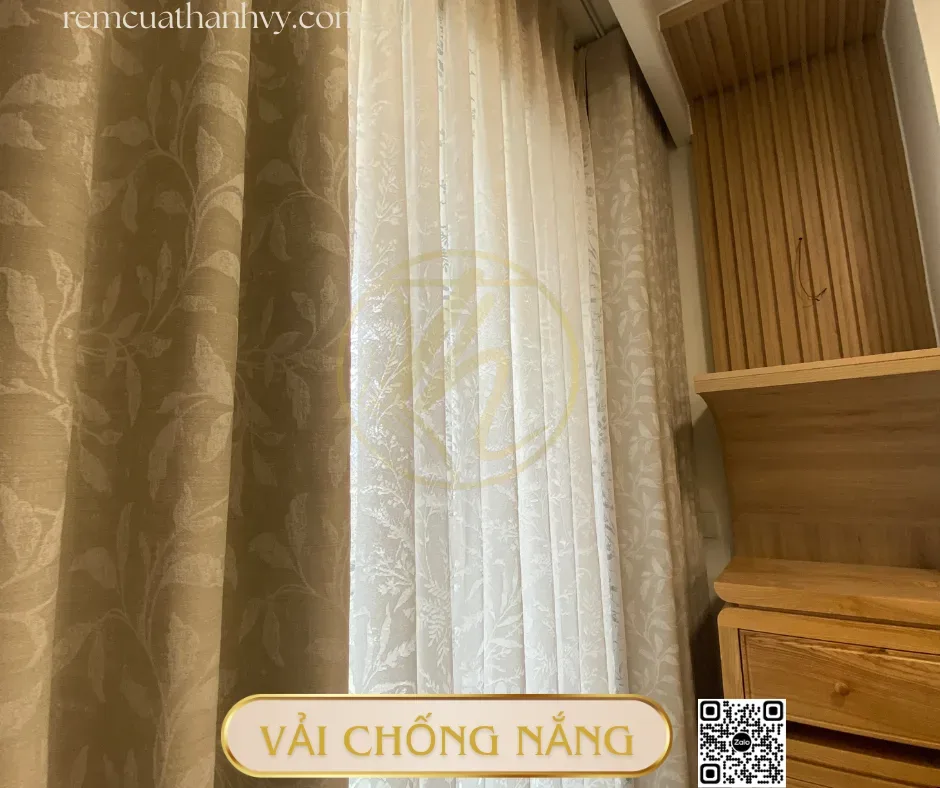
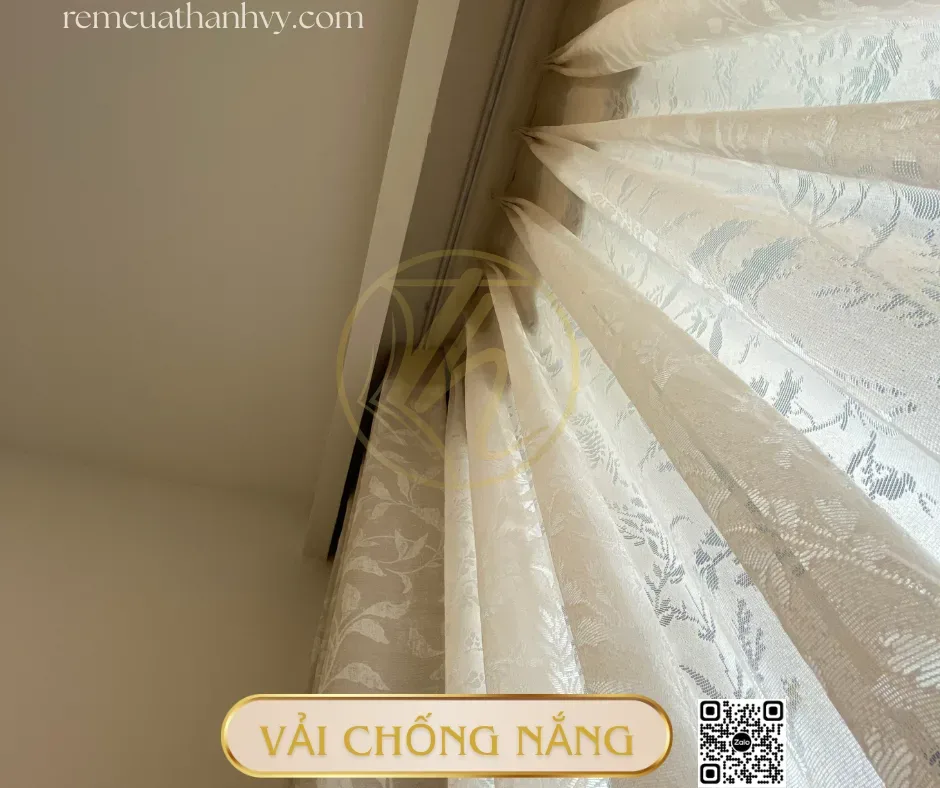
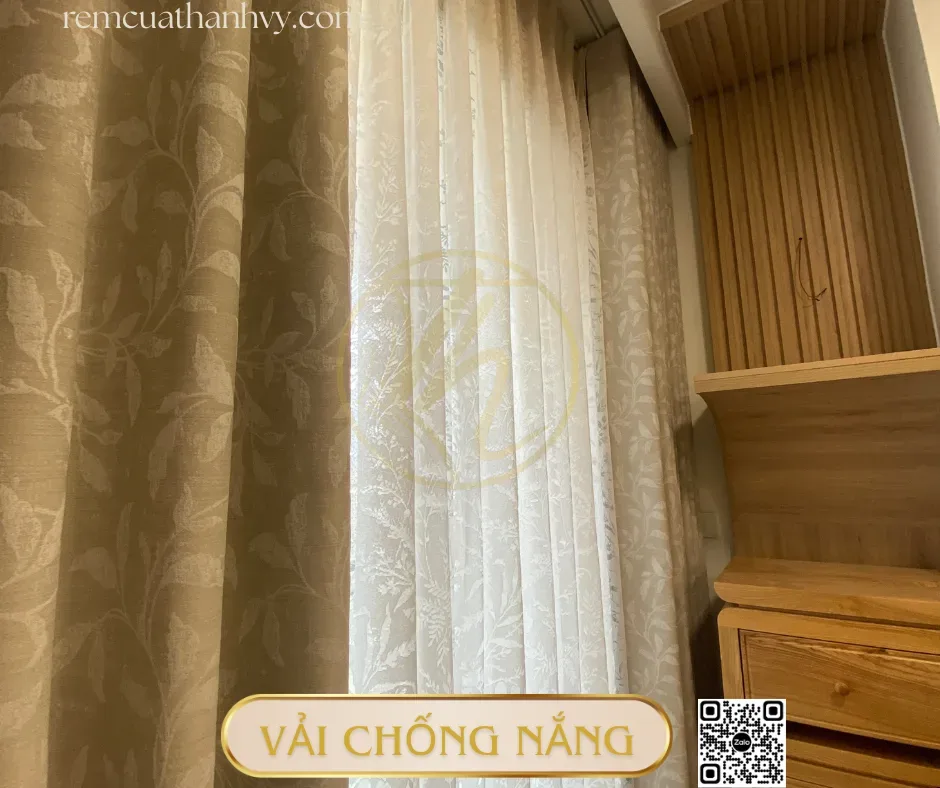
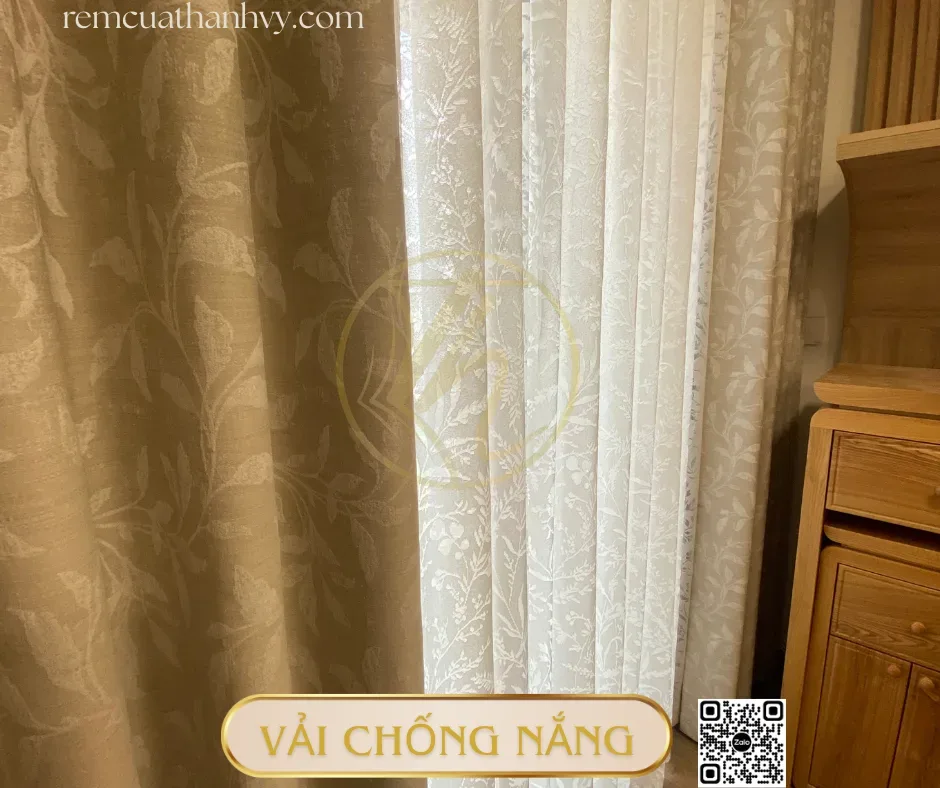
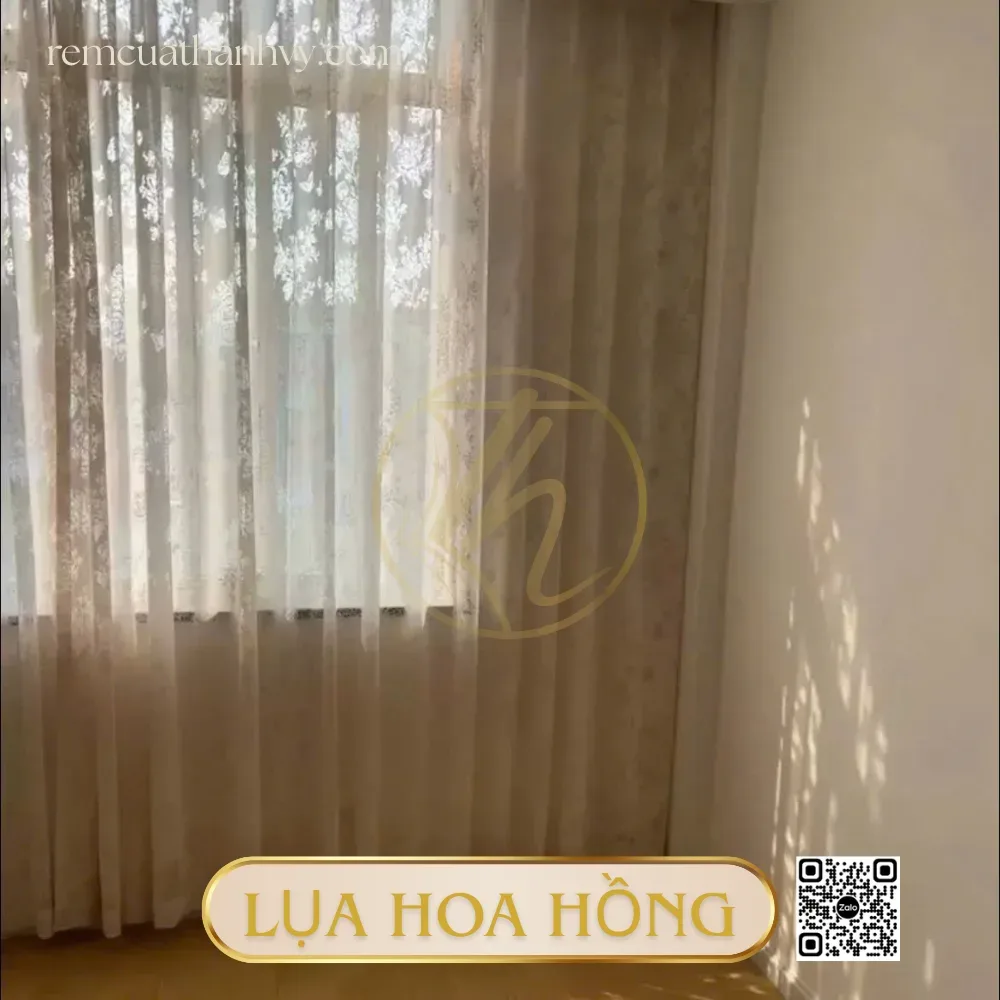
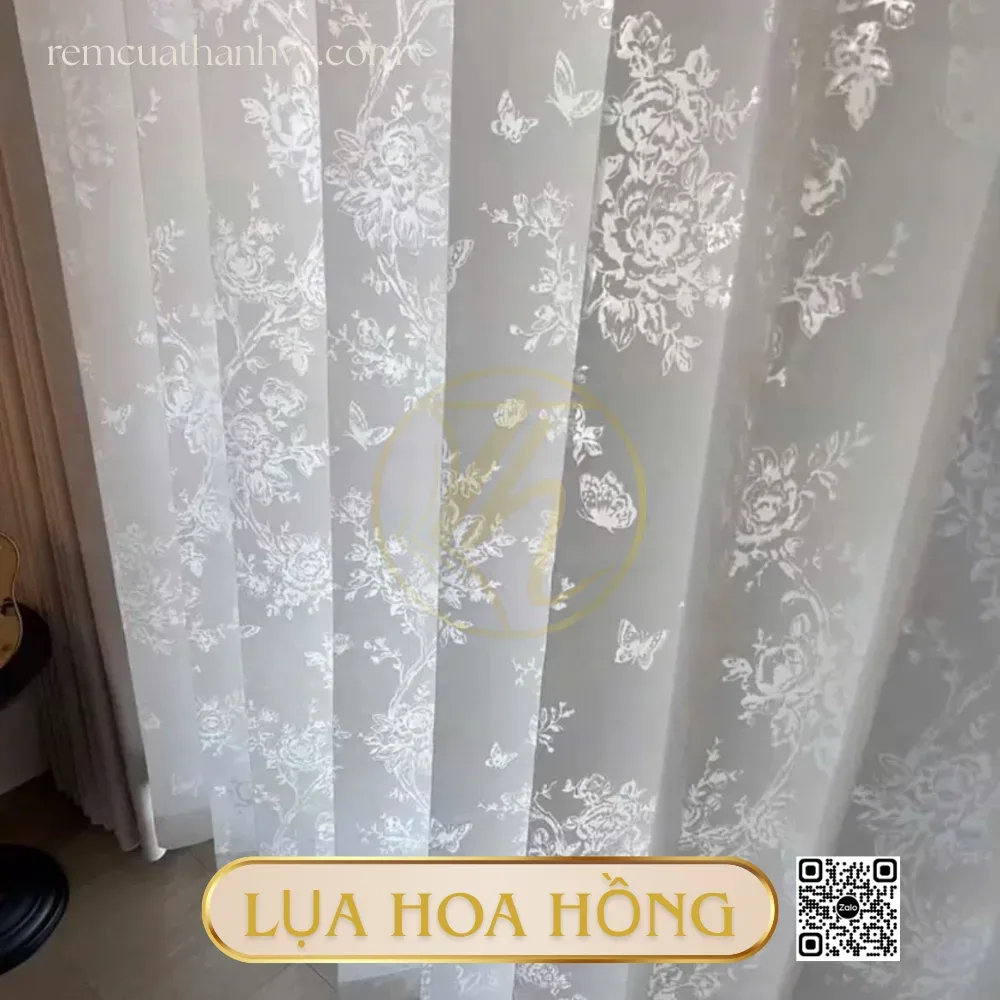
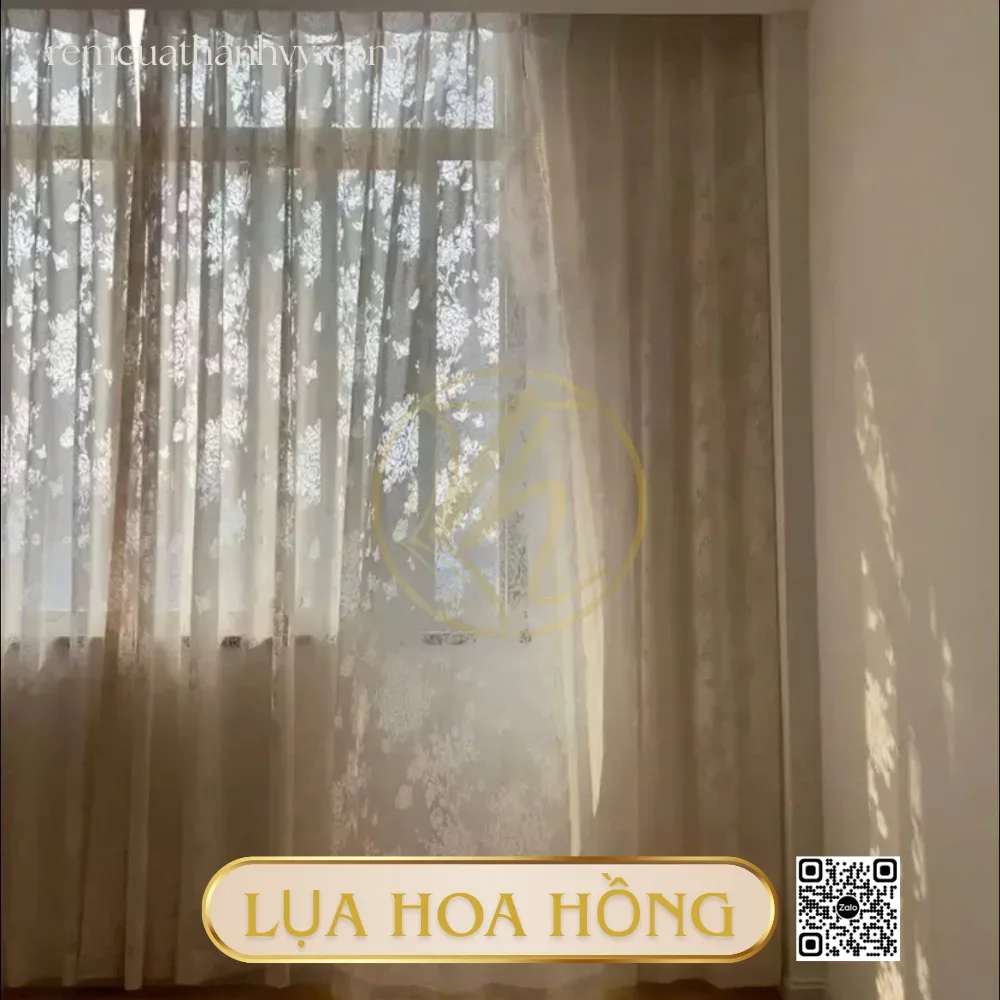
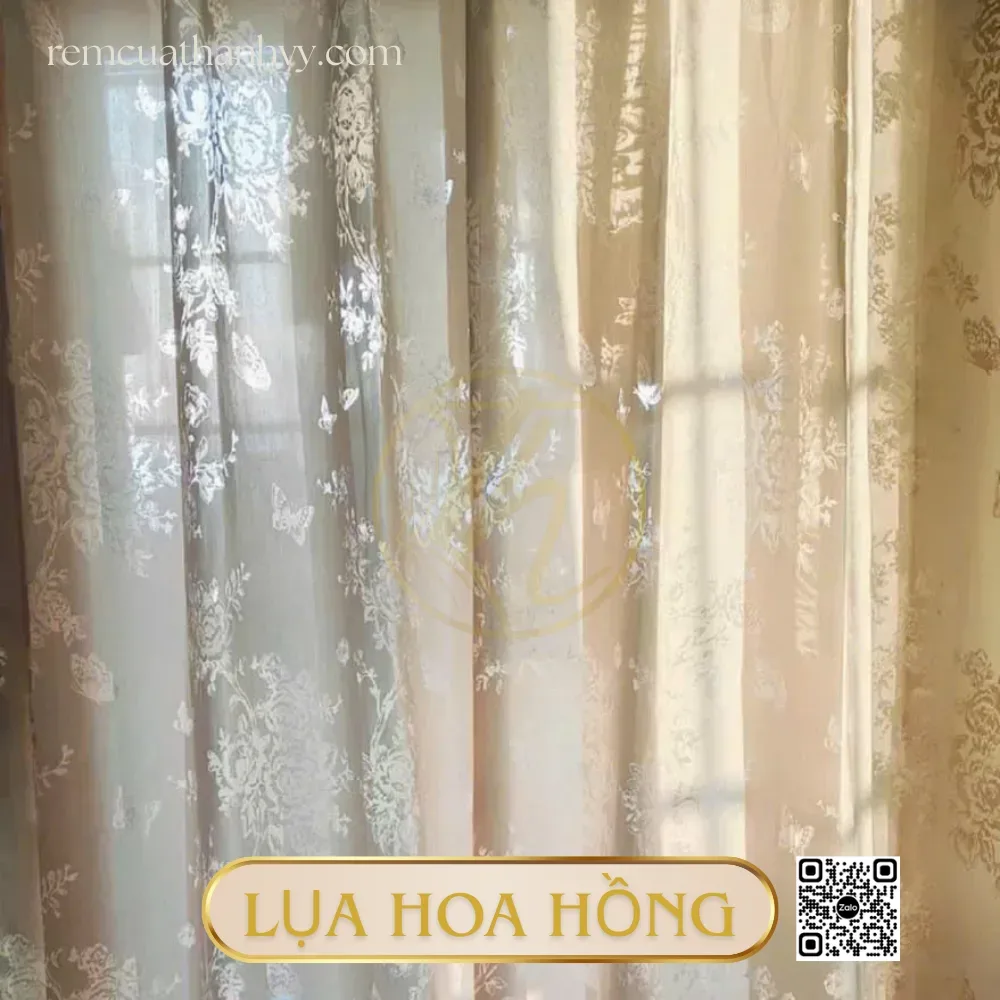
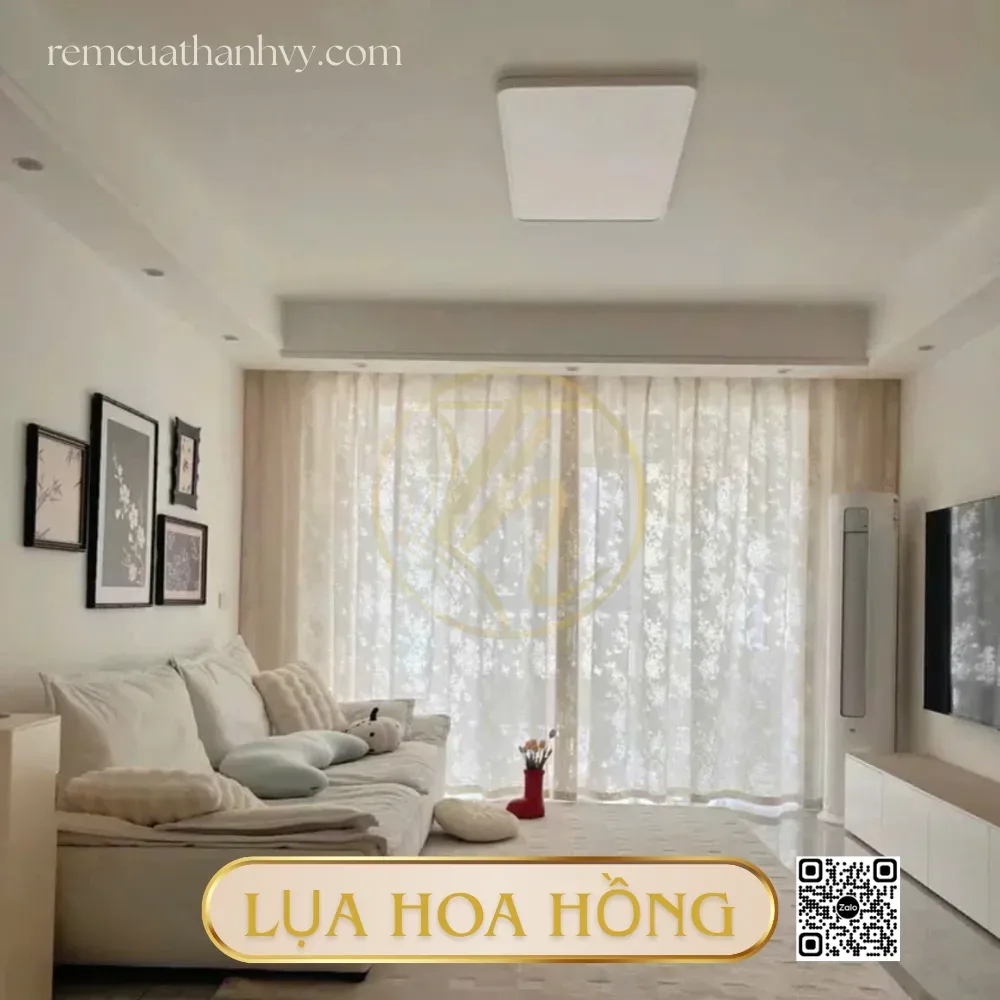
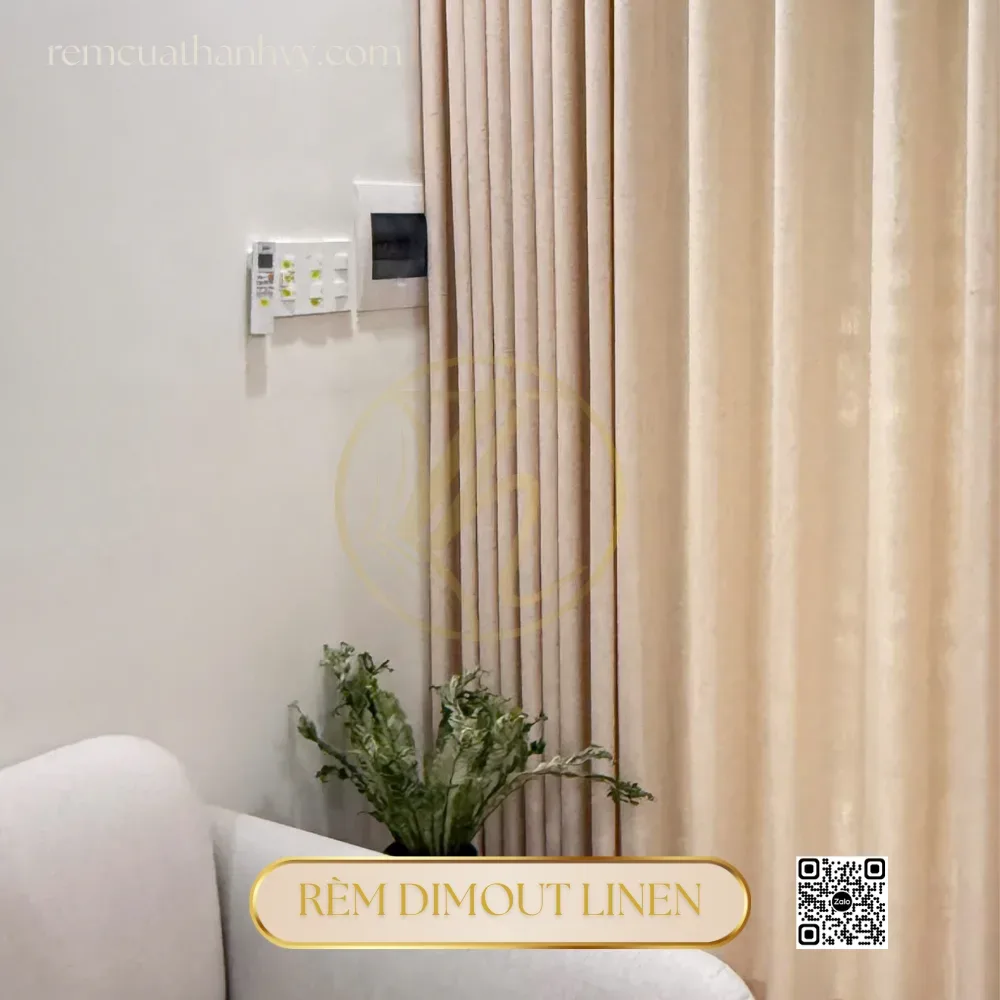
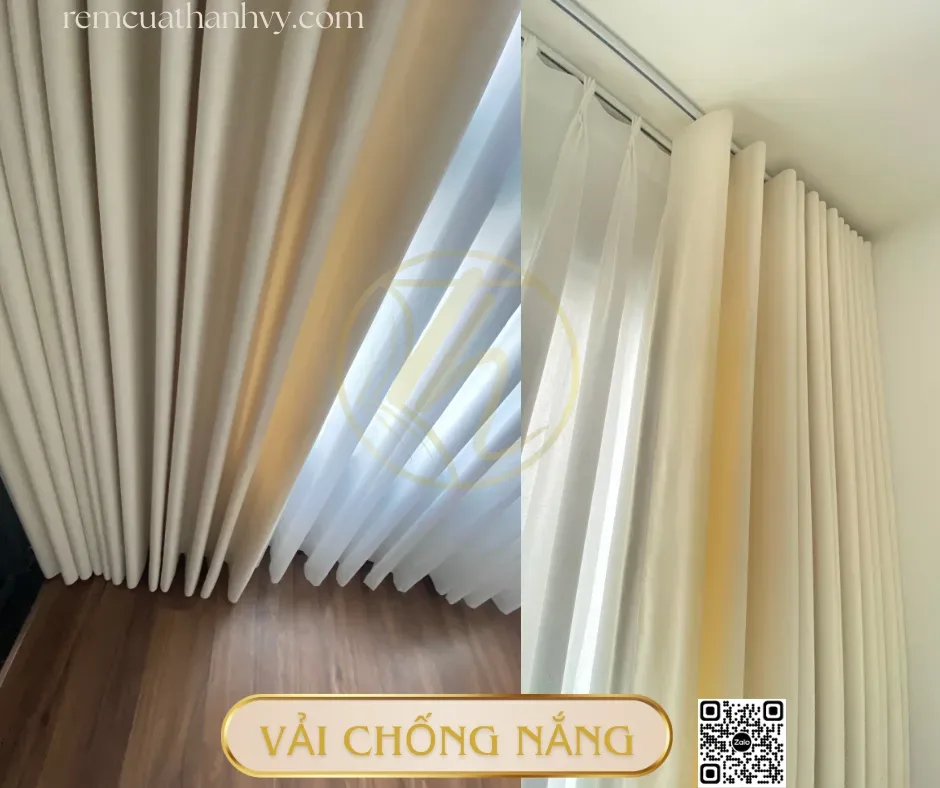
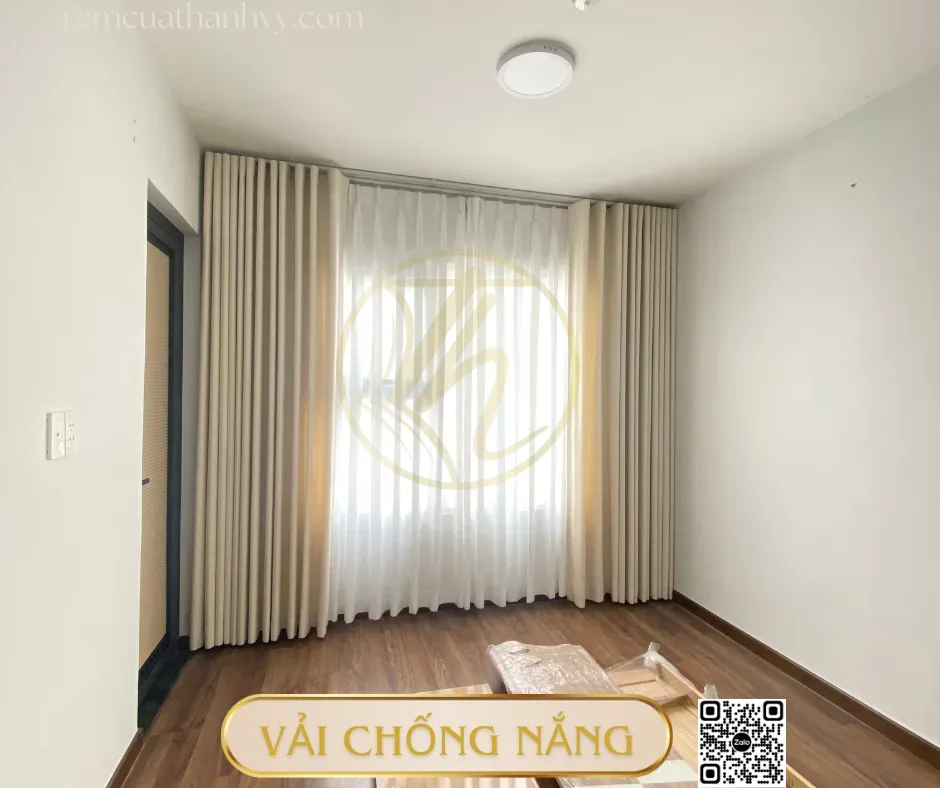
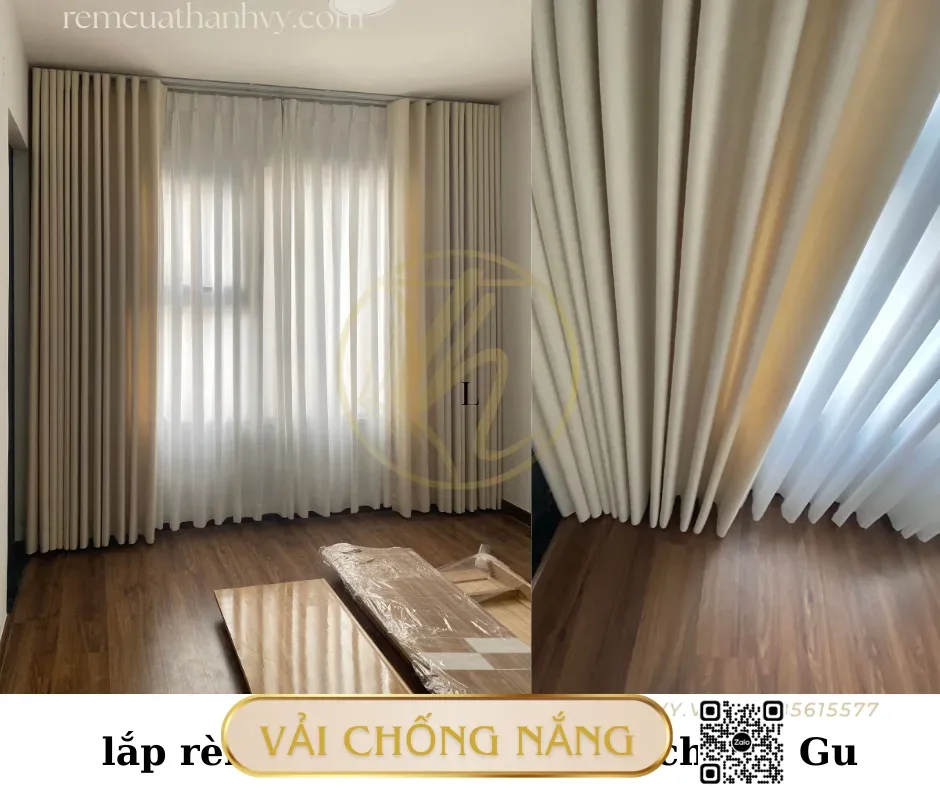
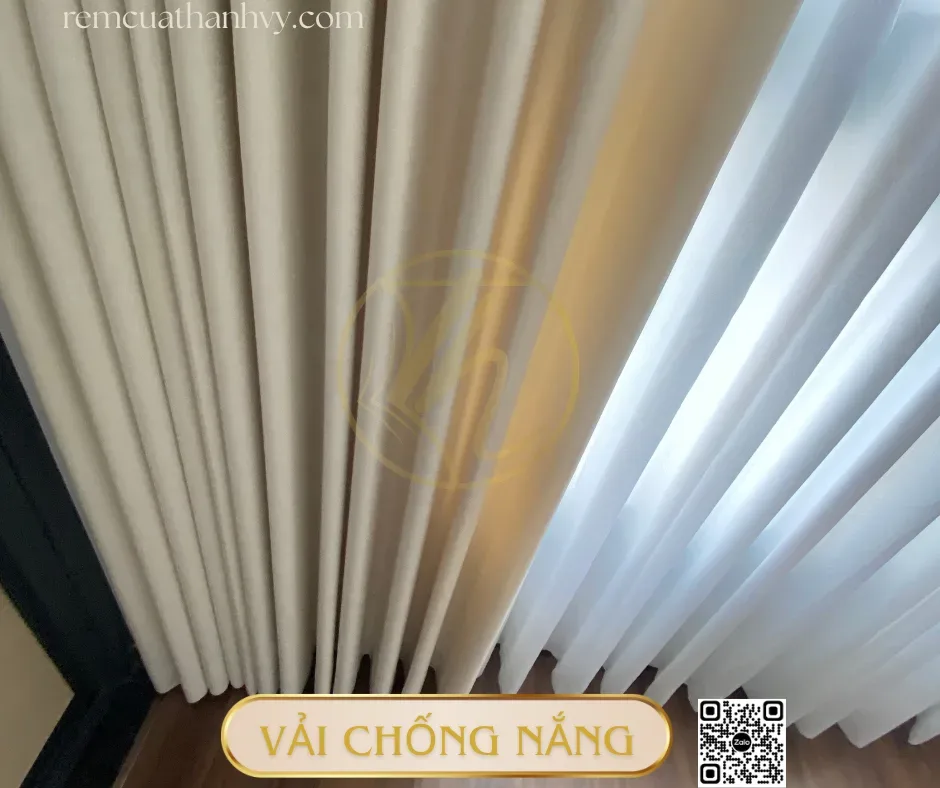
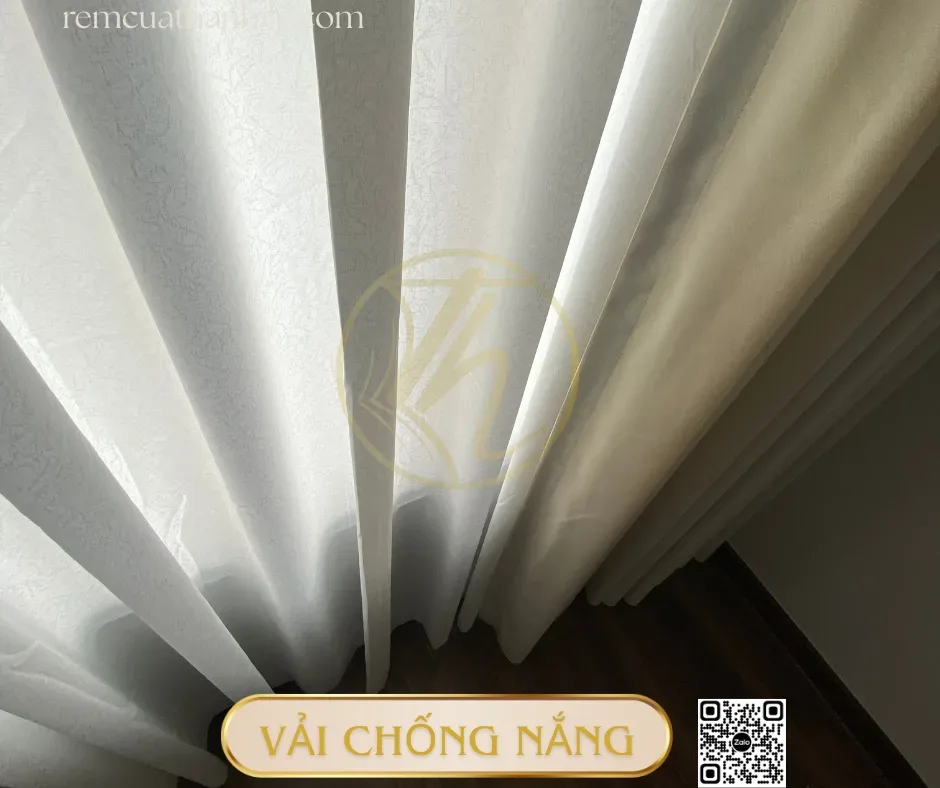
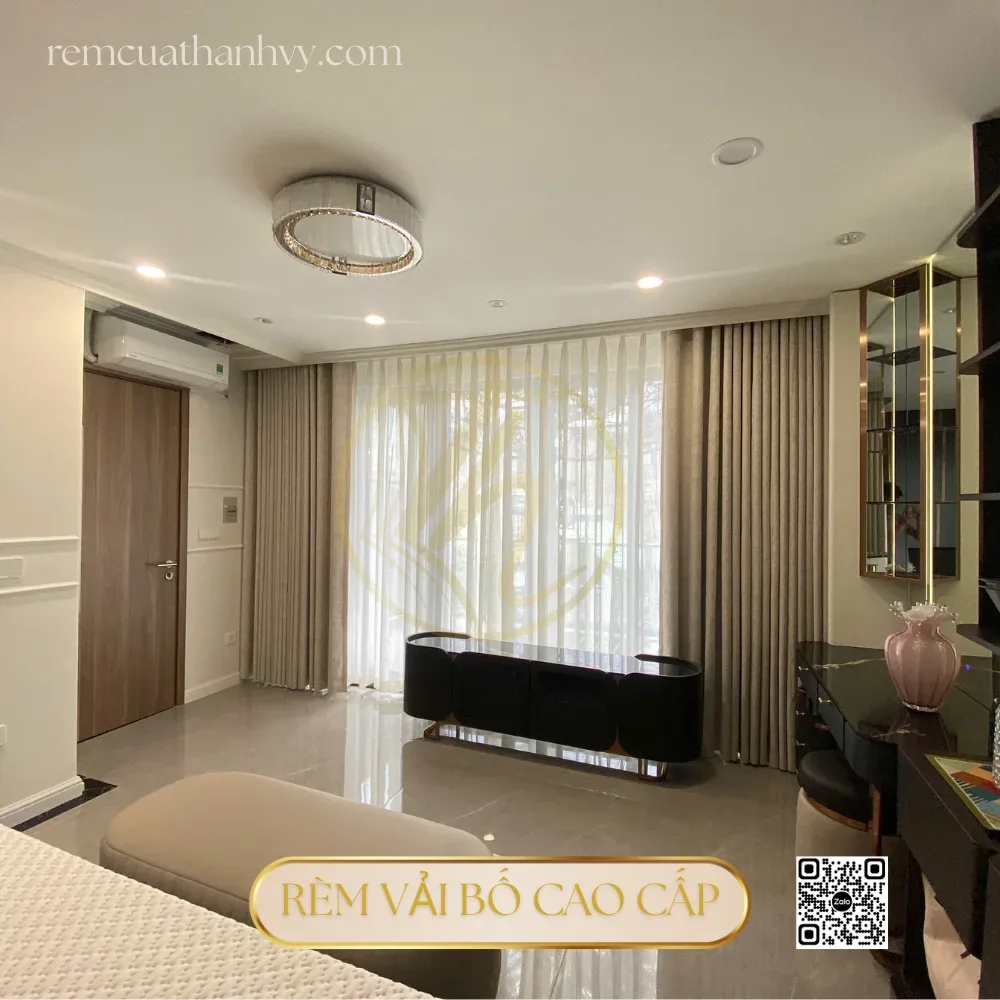
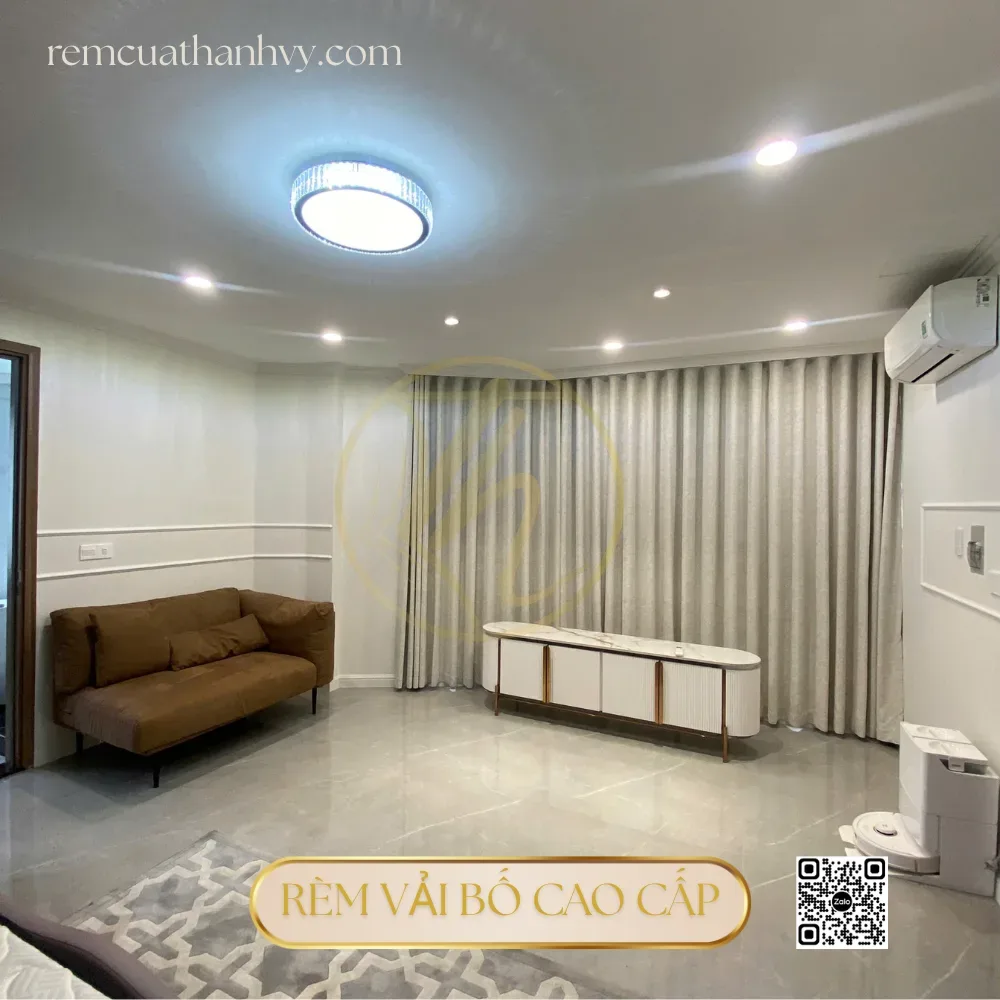
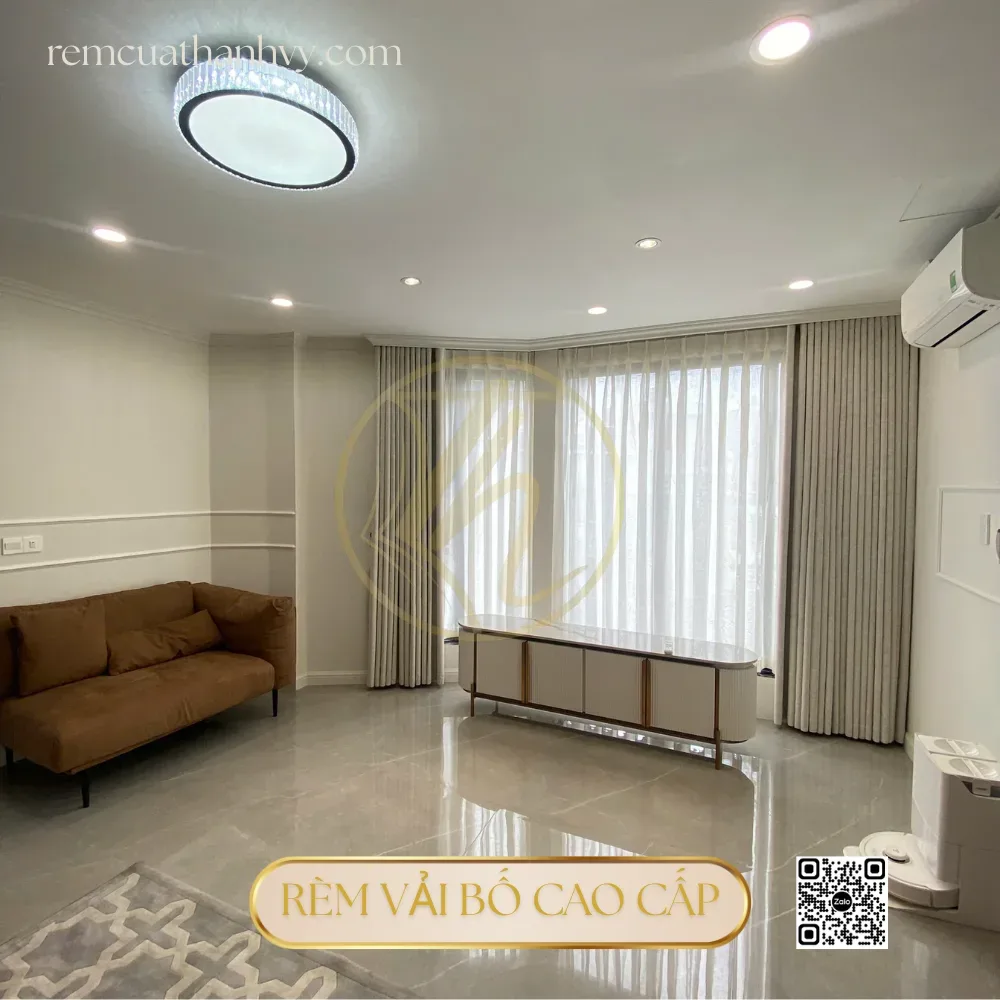
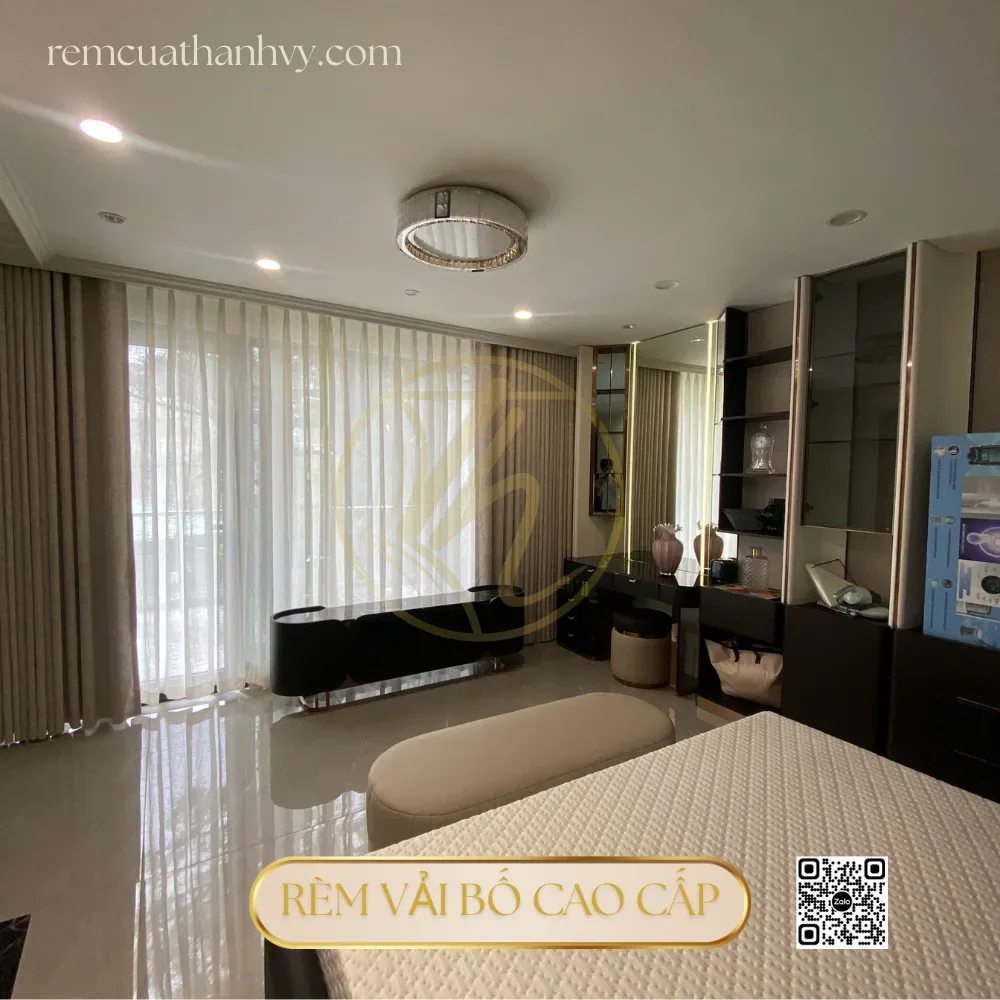
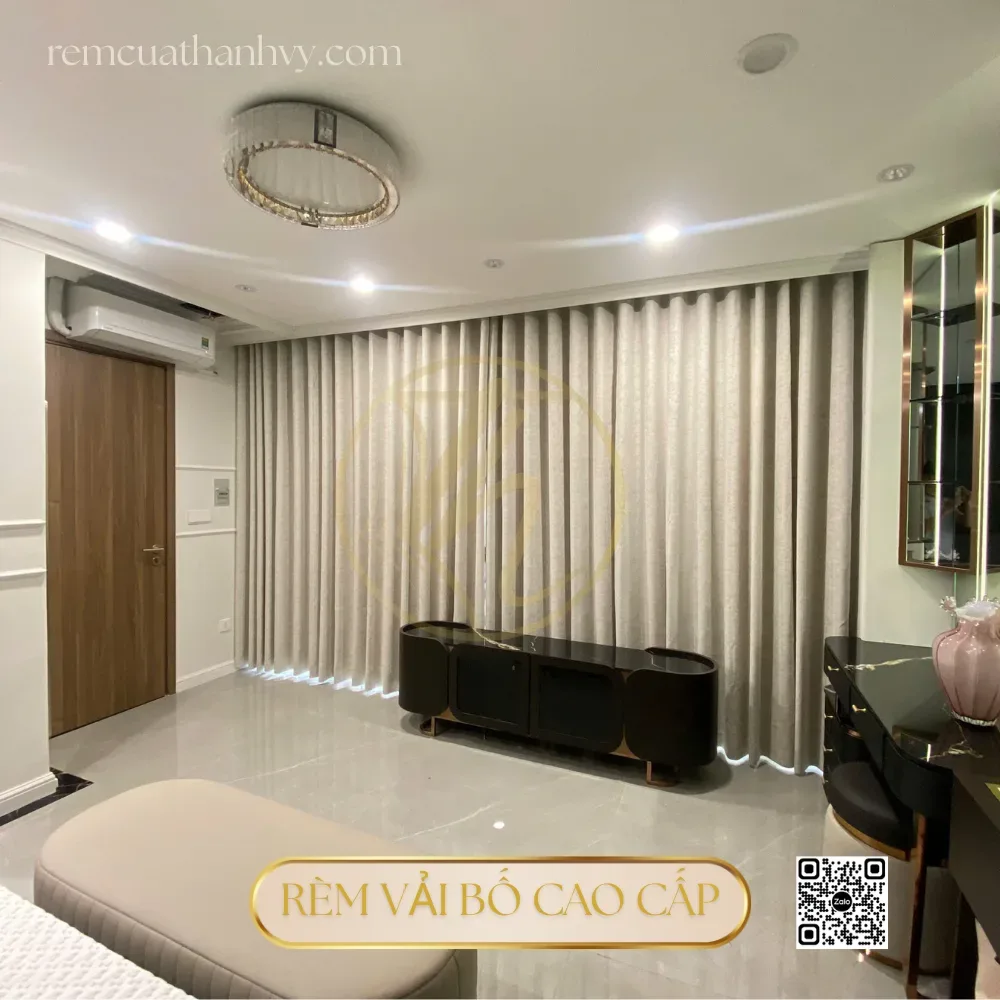
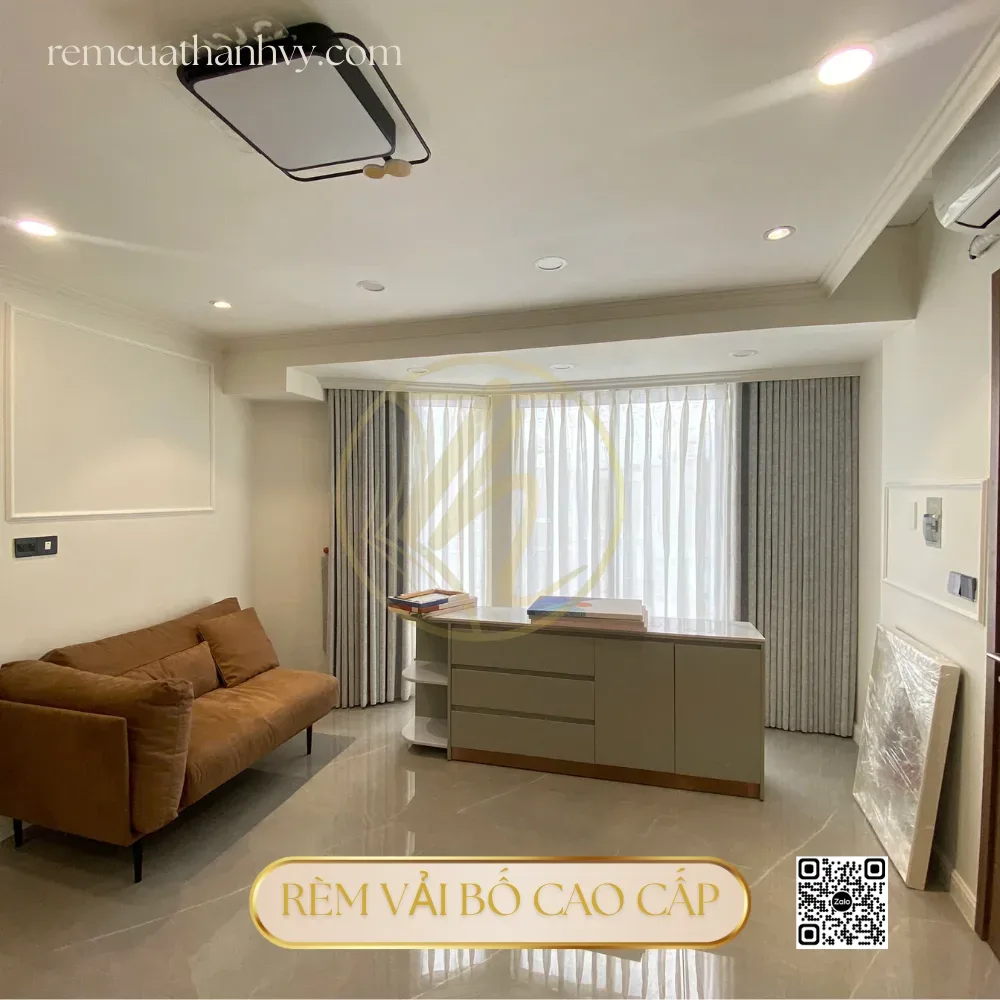
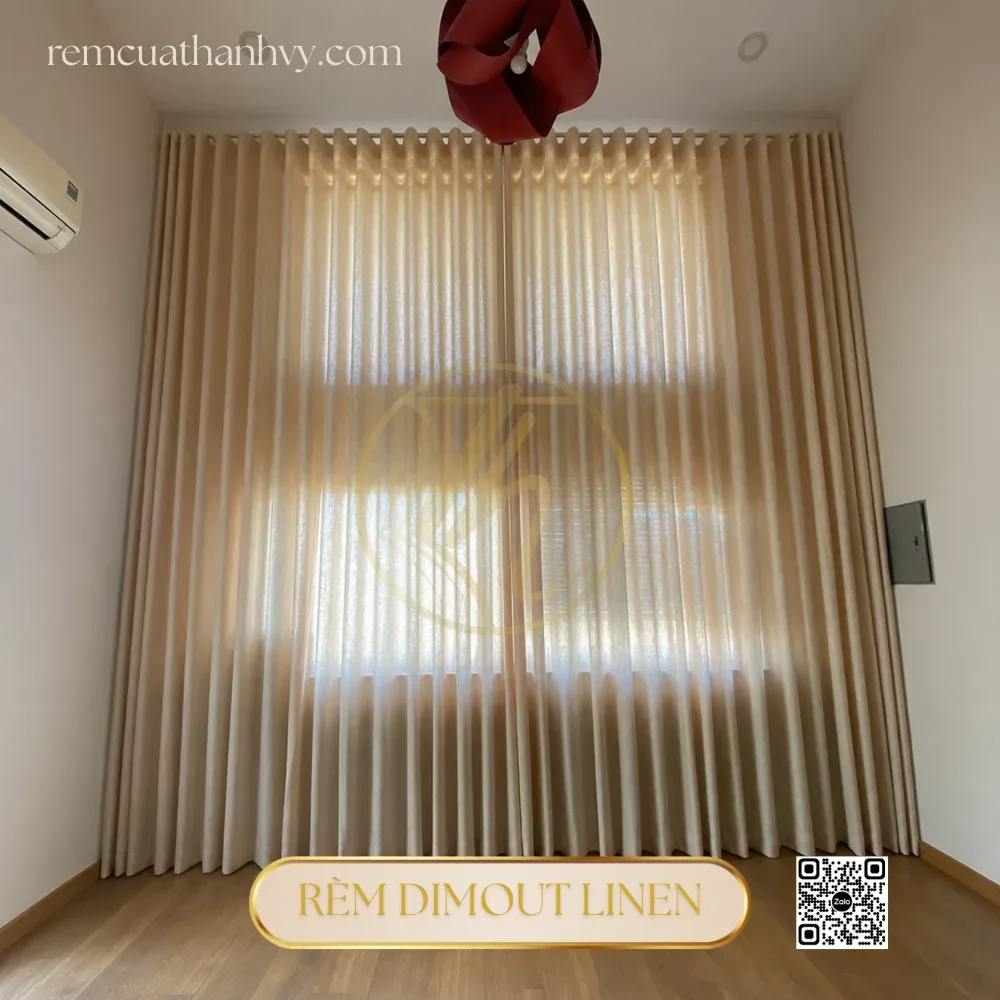
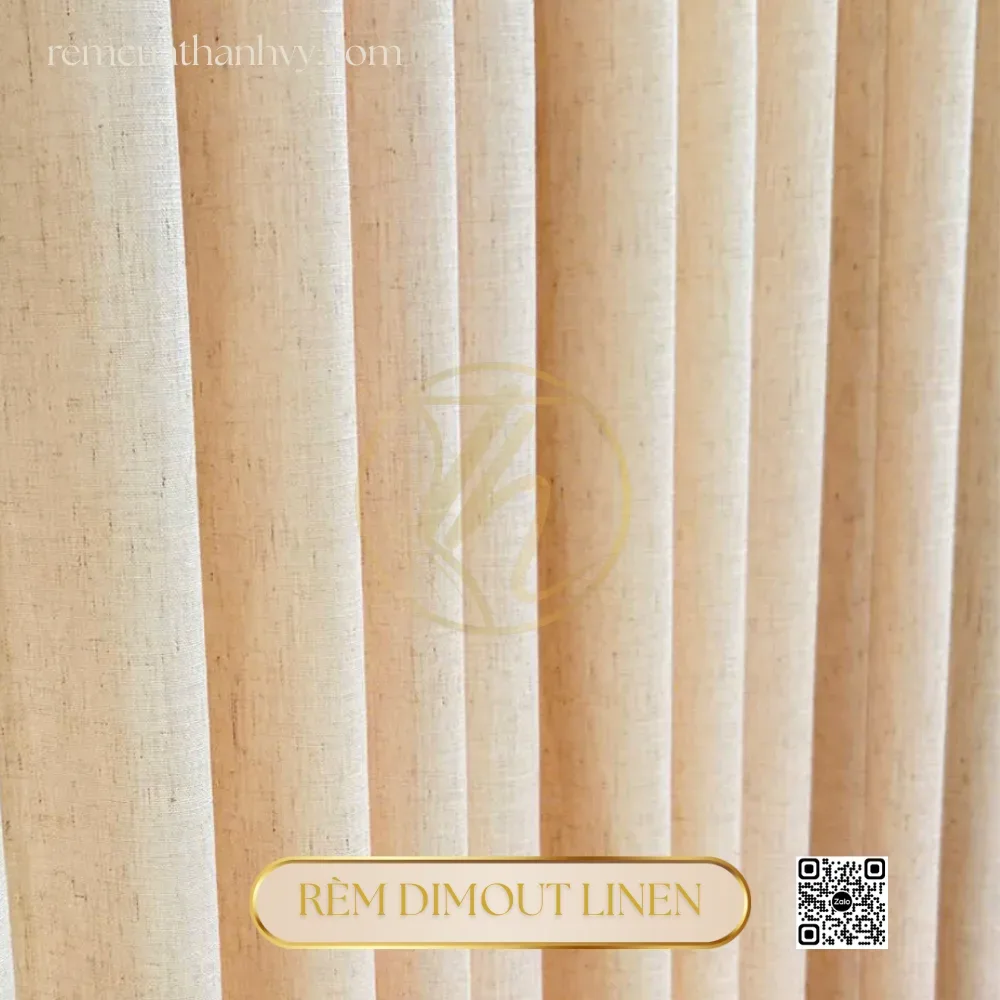
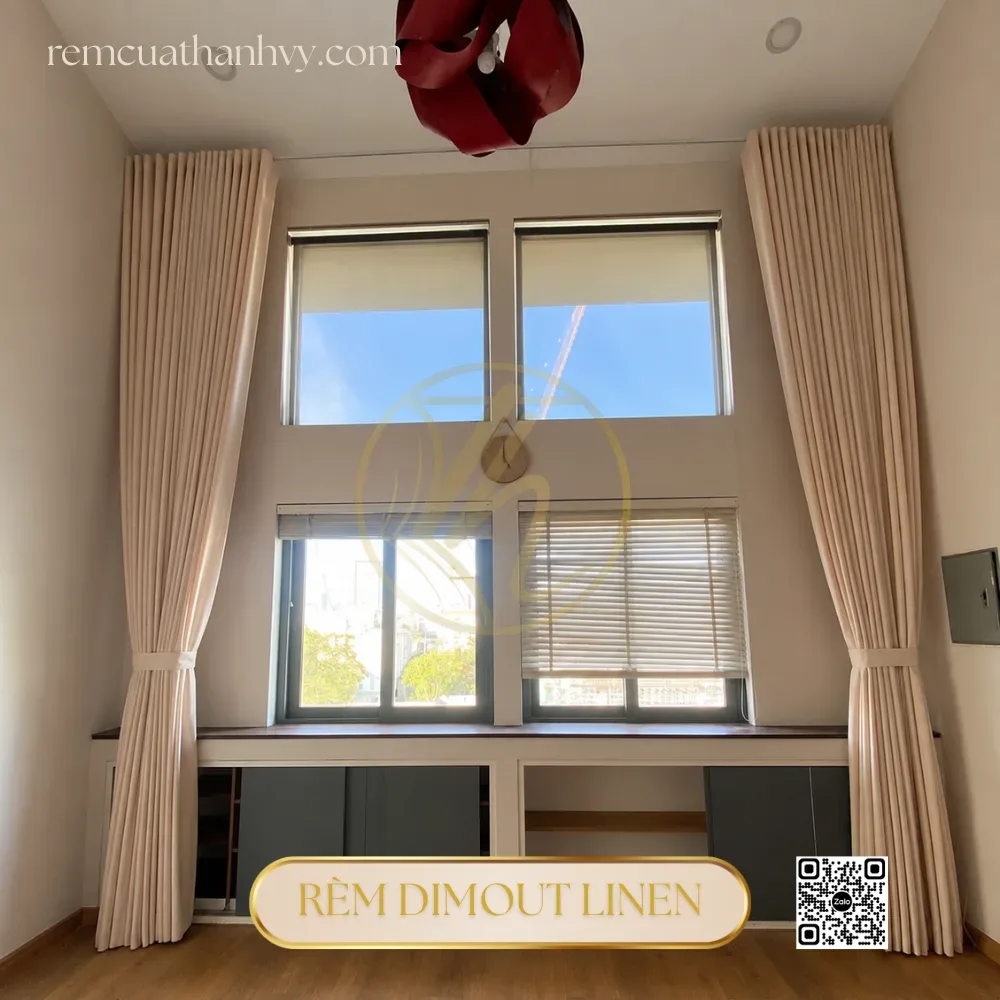
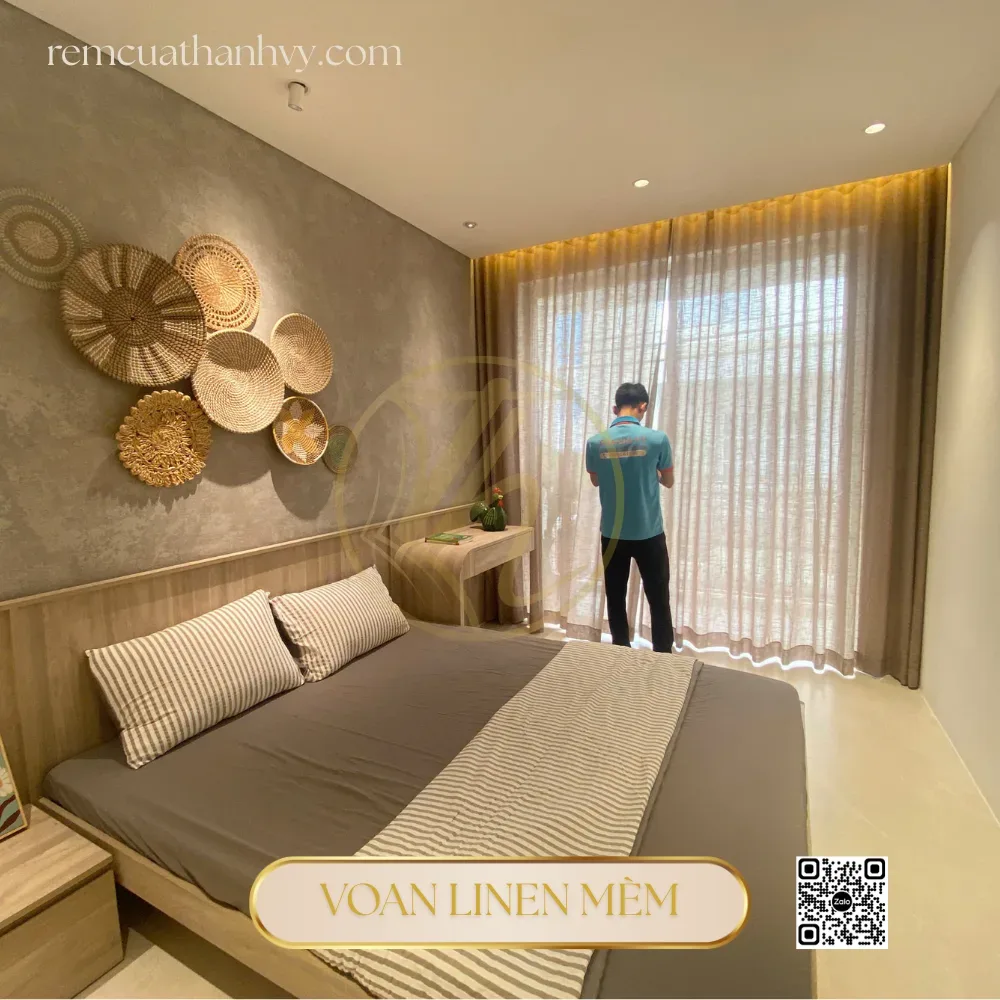
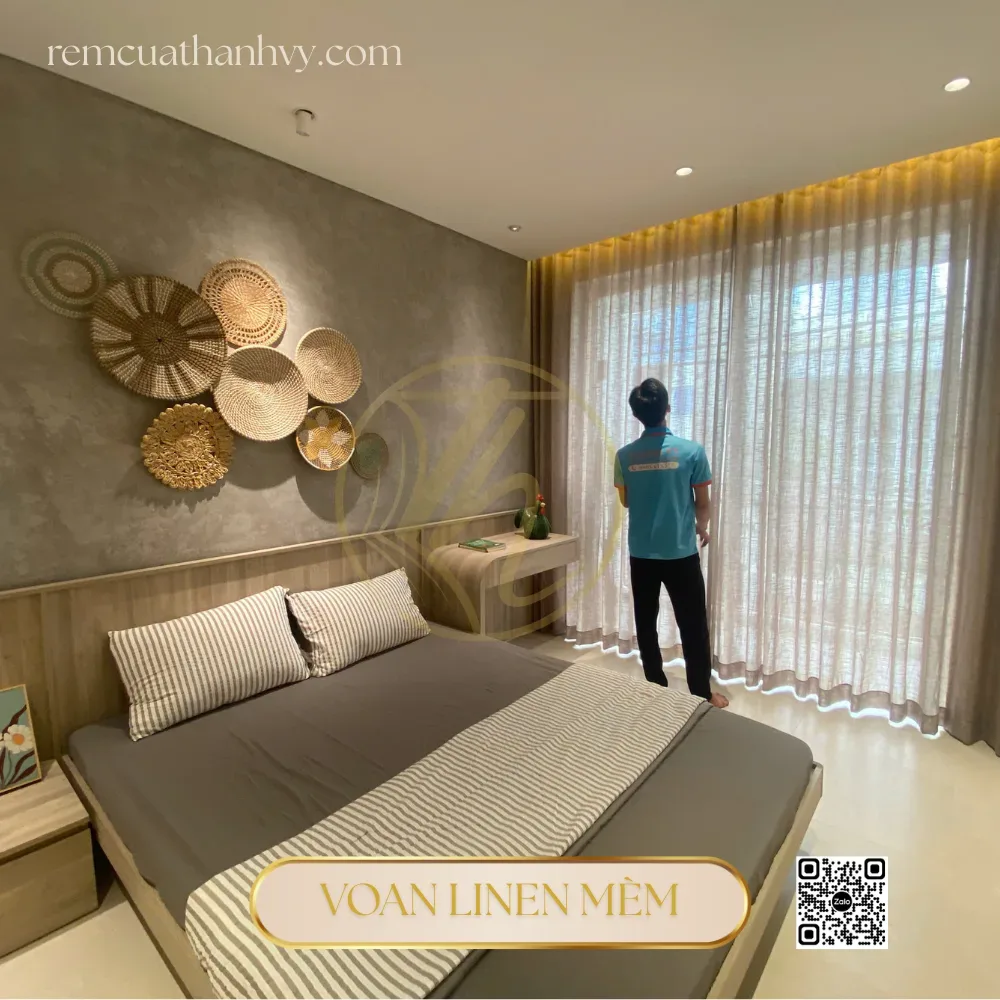
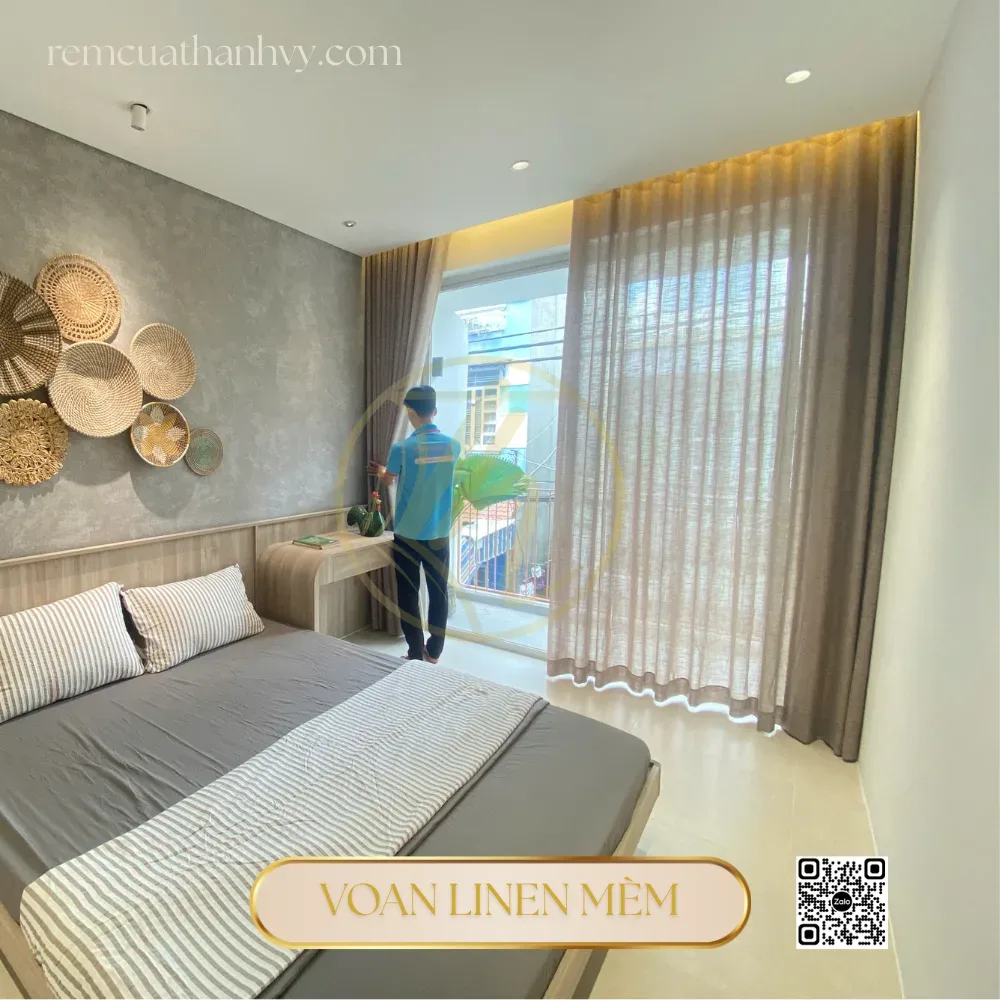
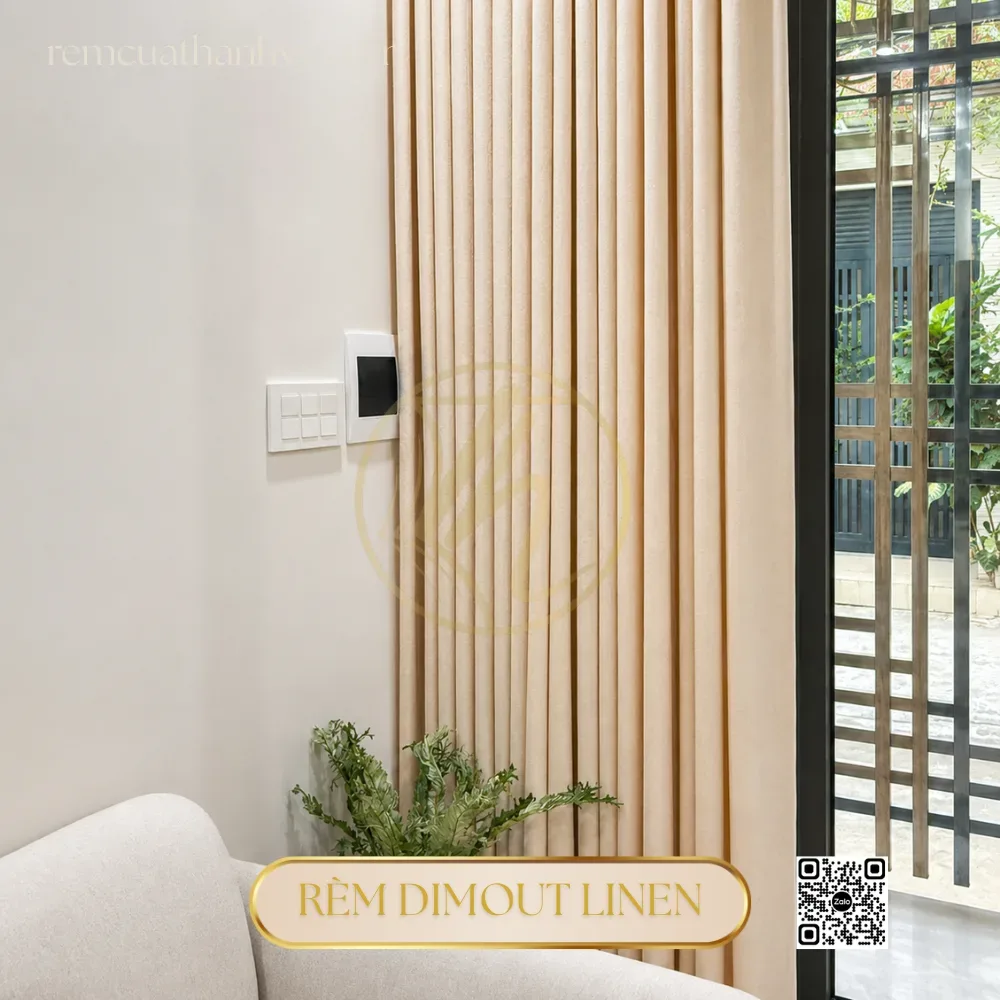
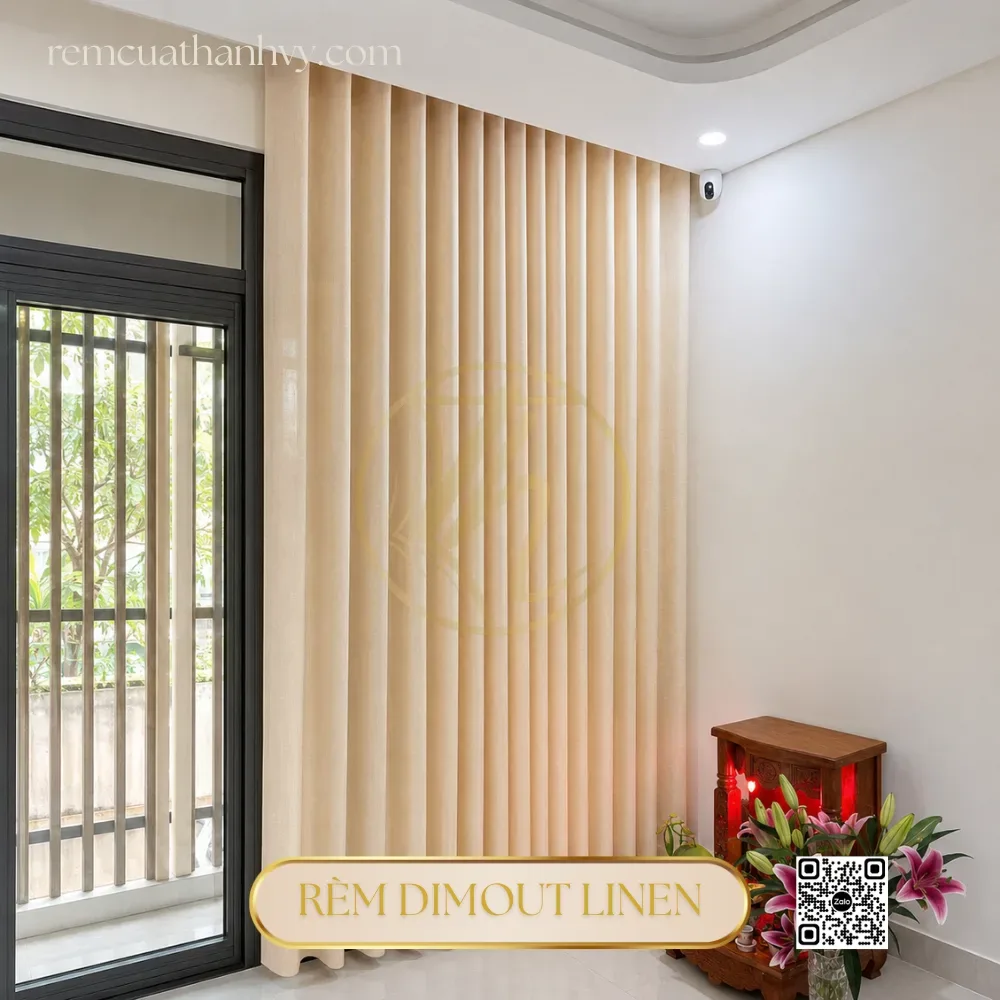
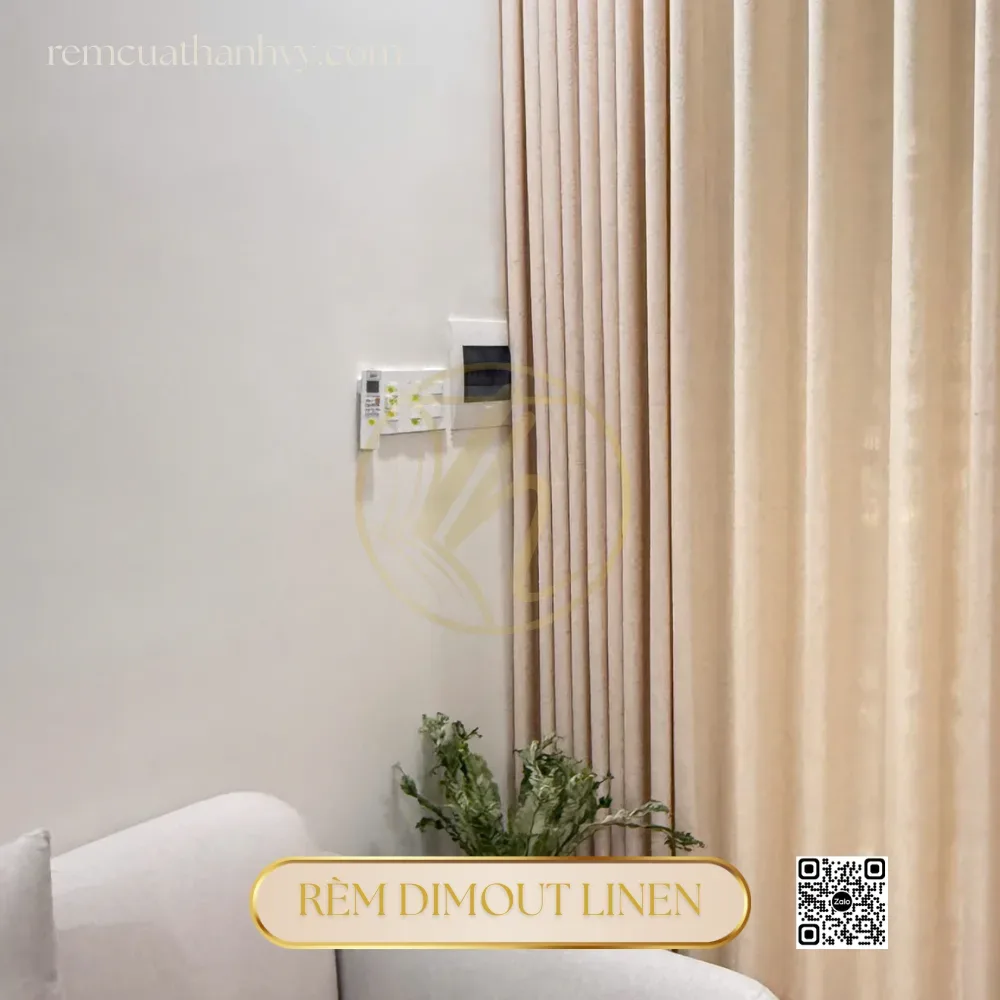
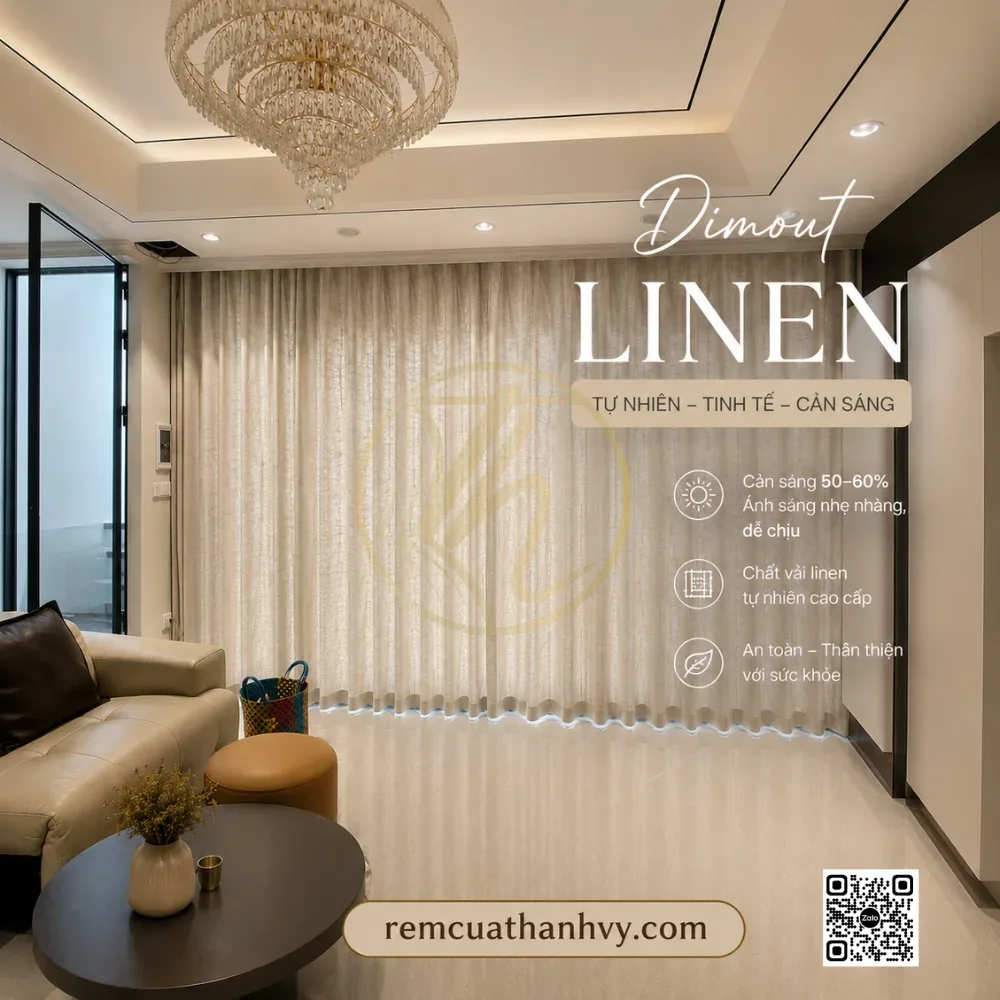
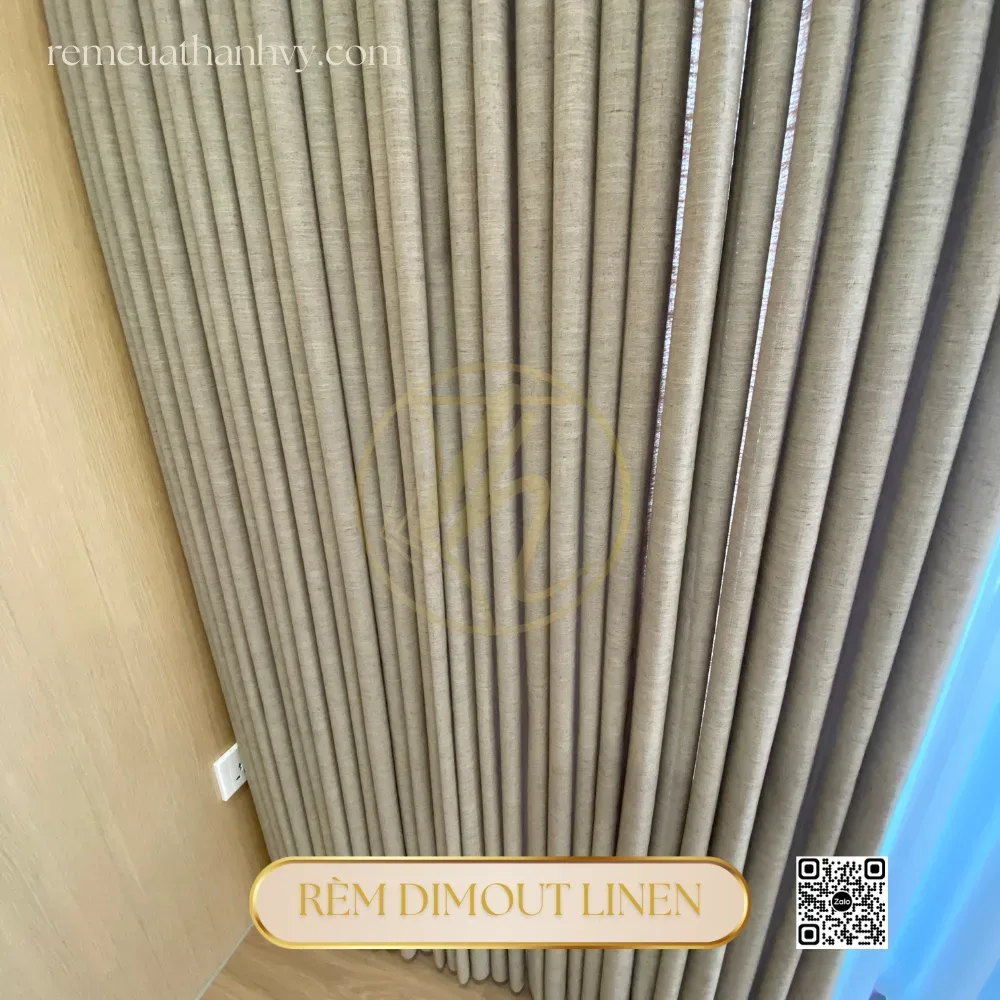
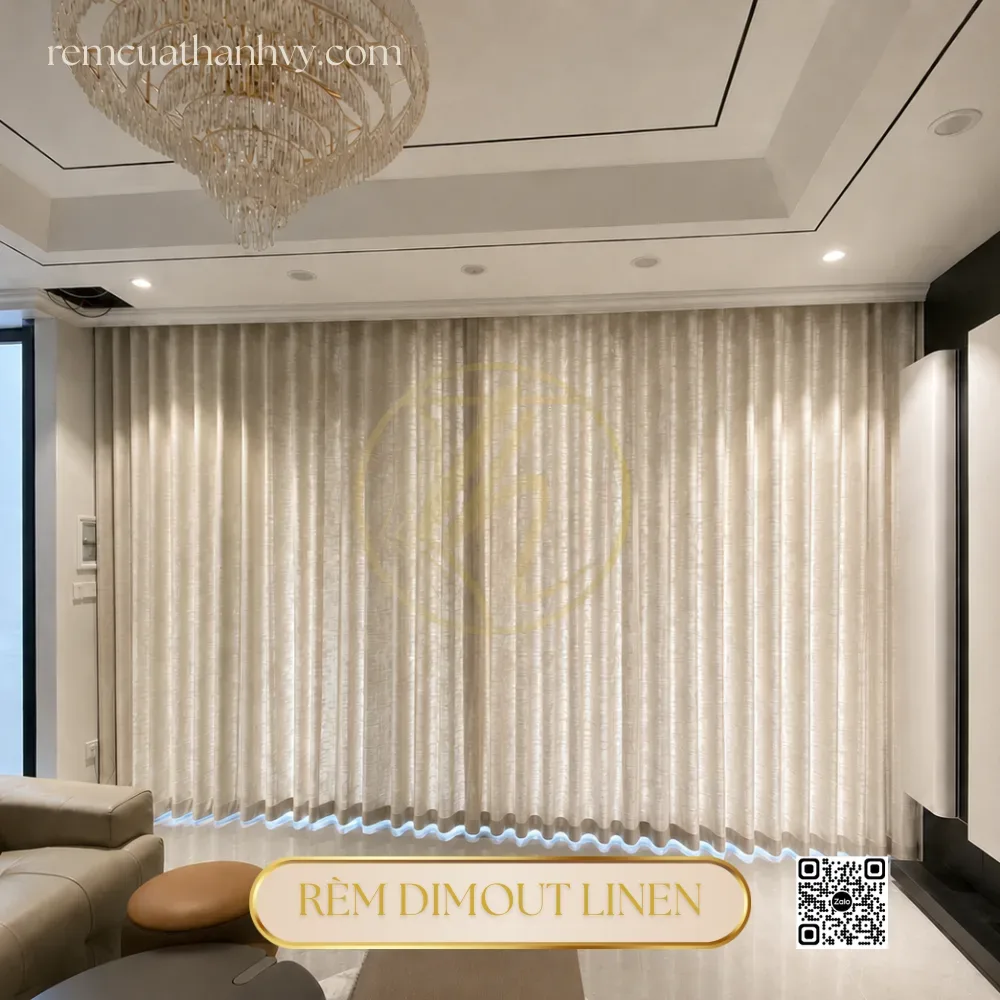
Fabric Curtains
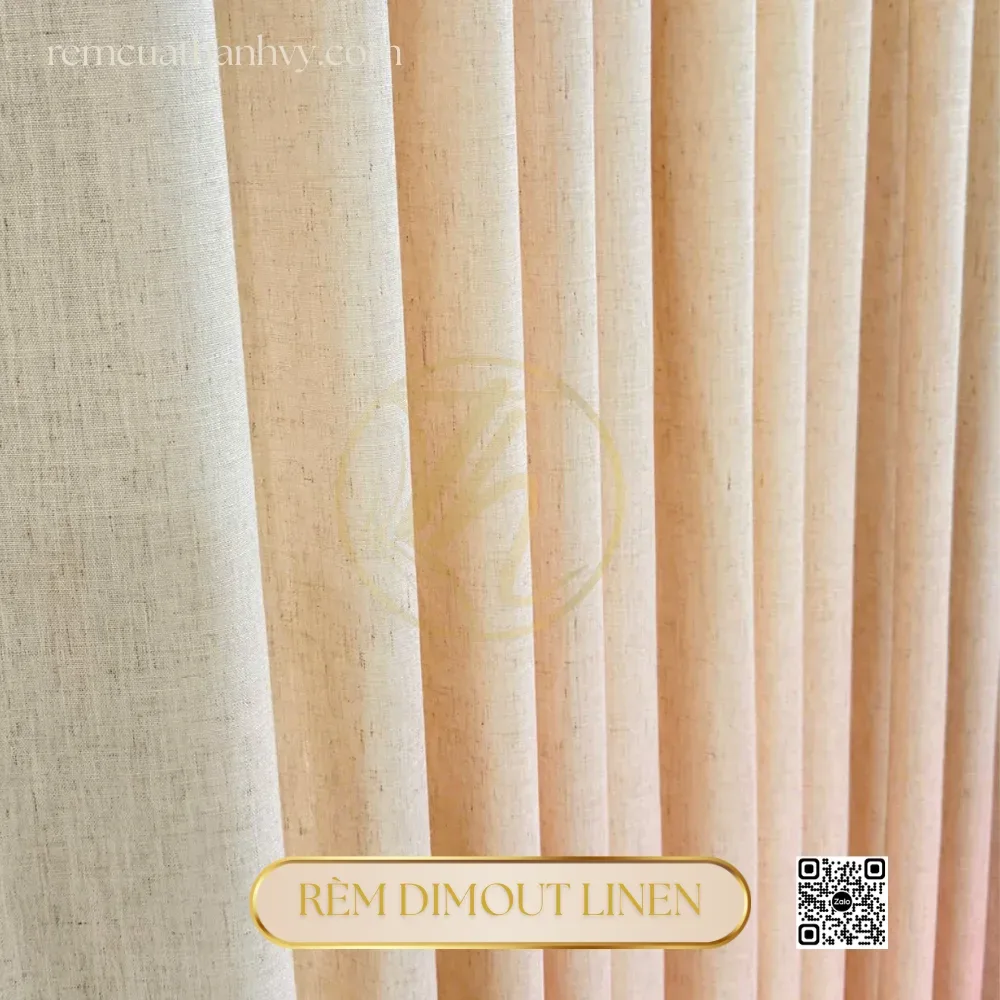
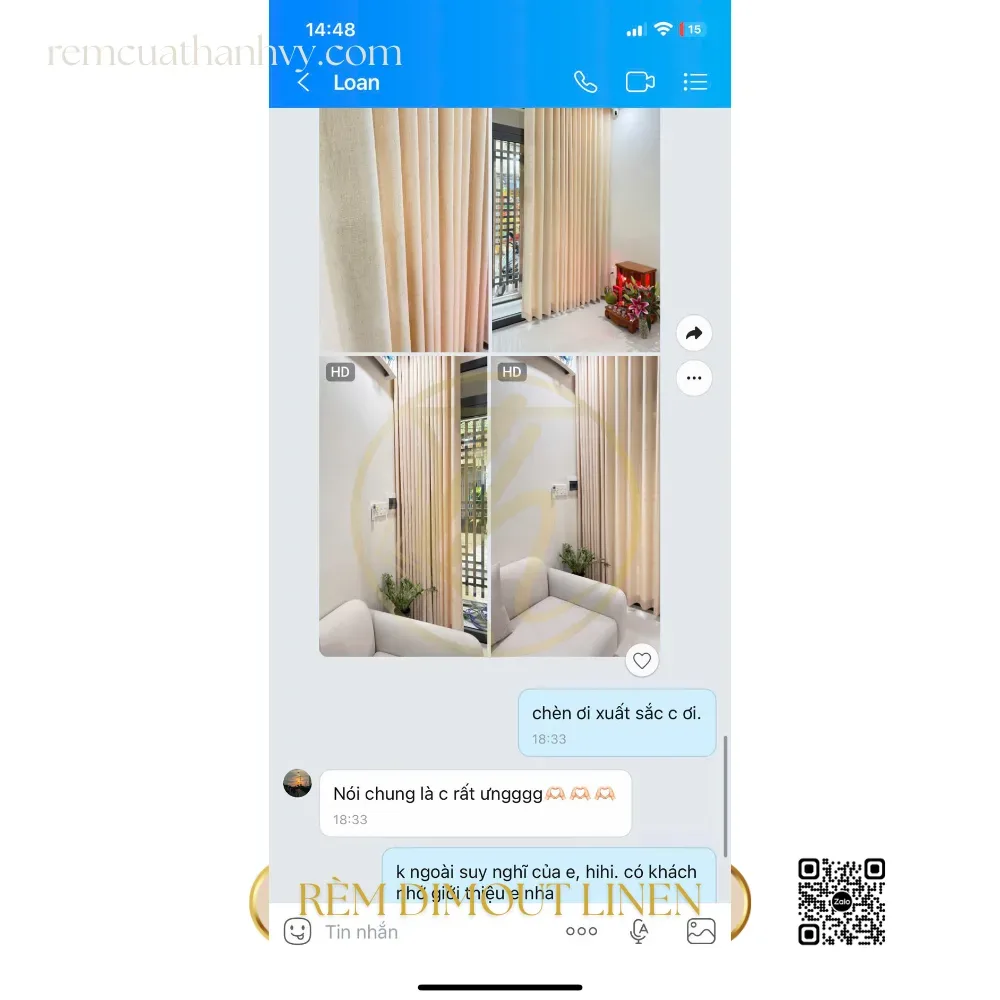
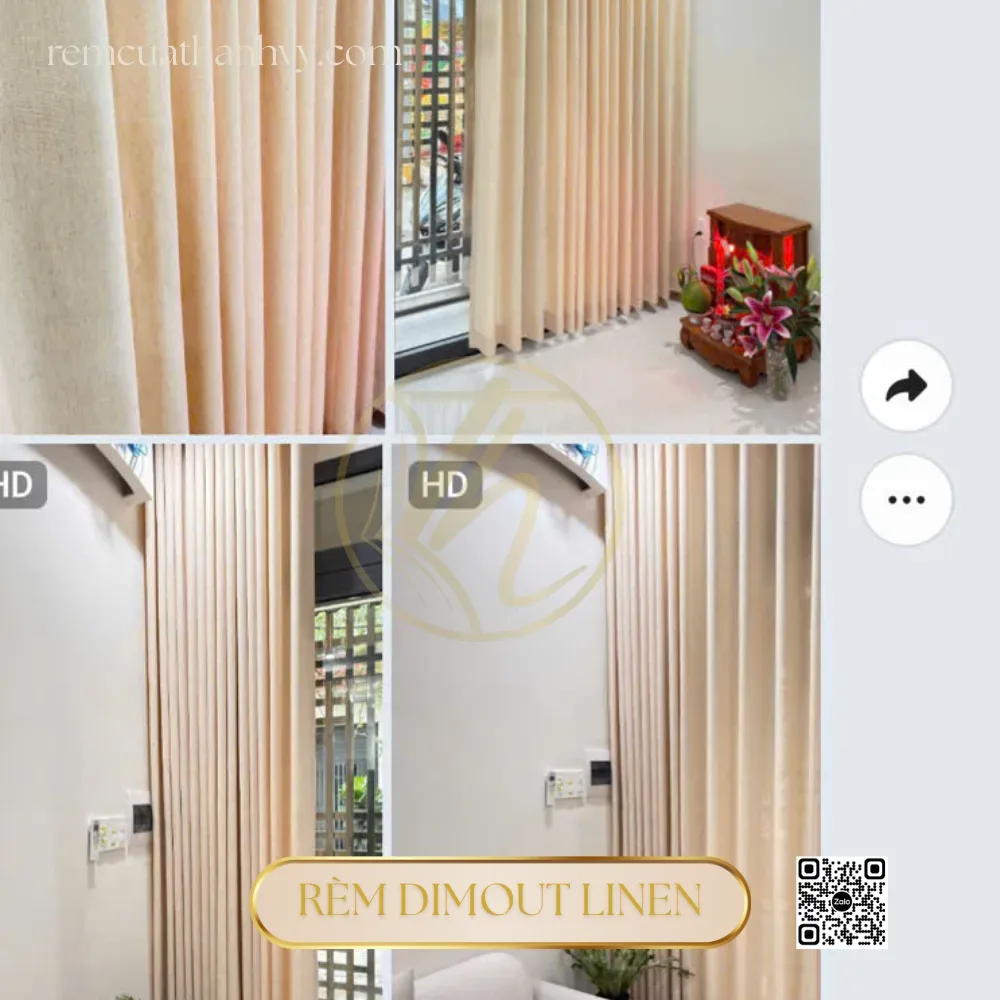
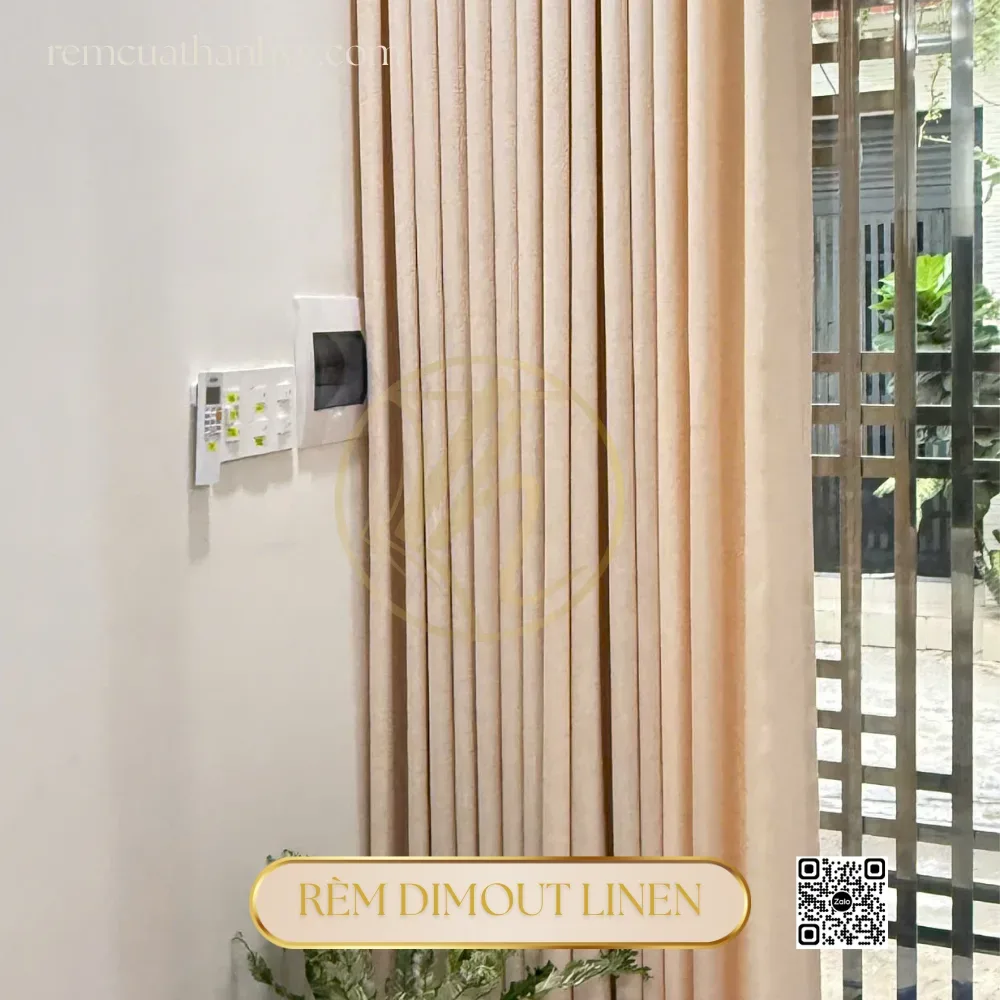
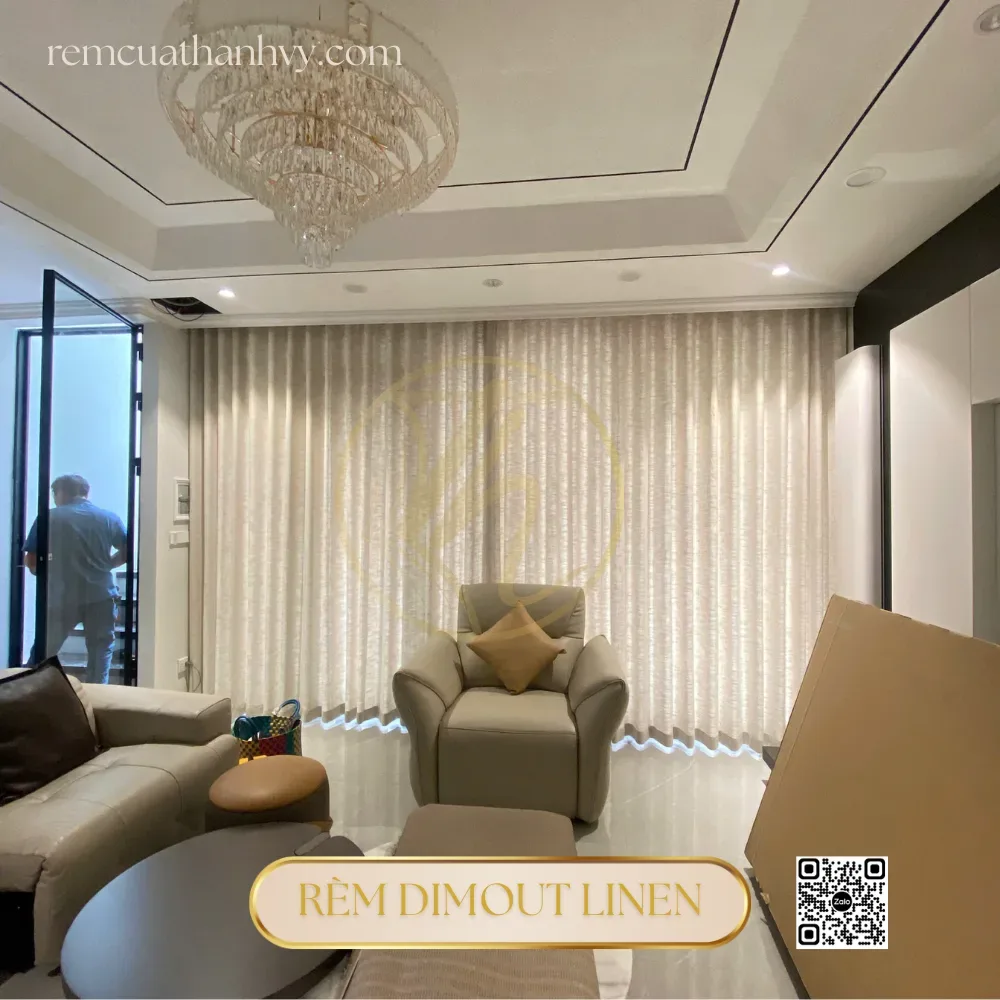
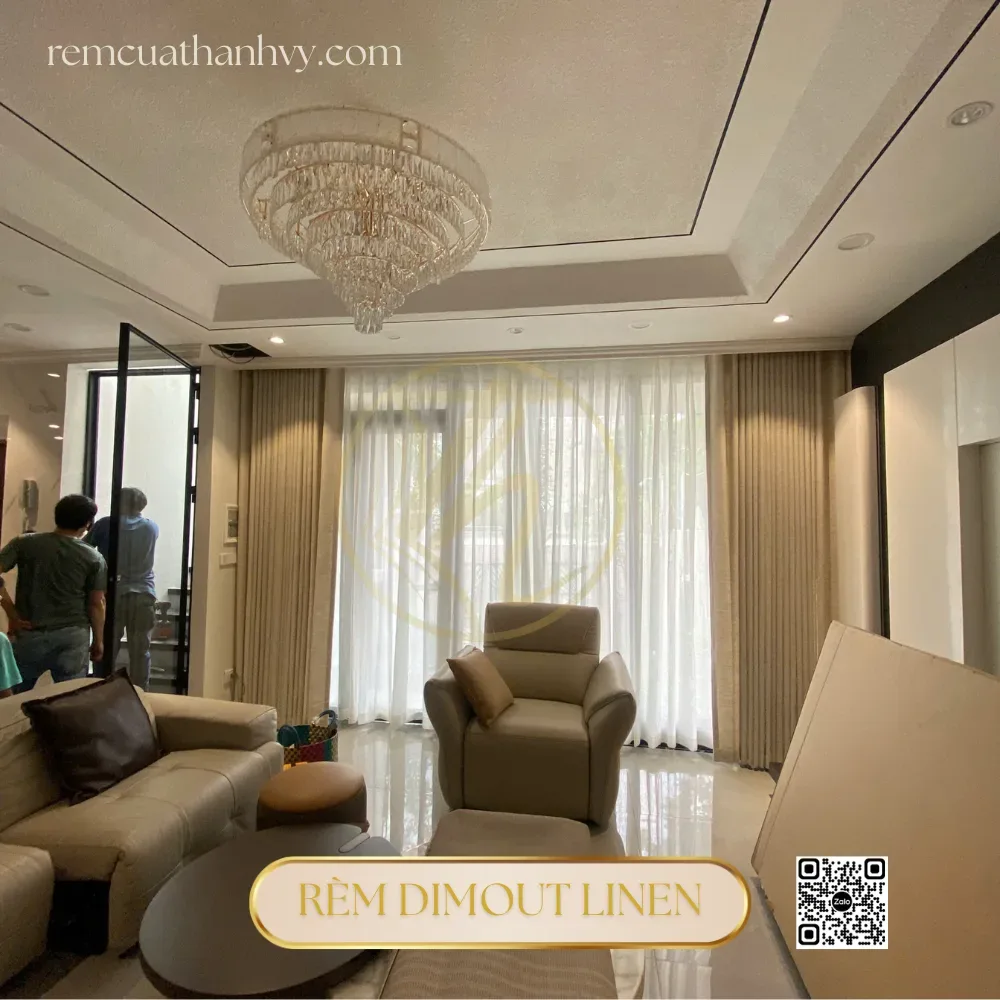
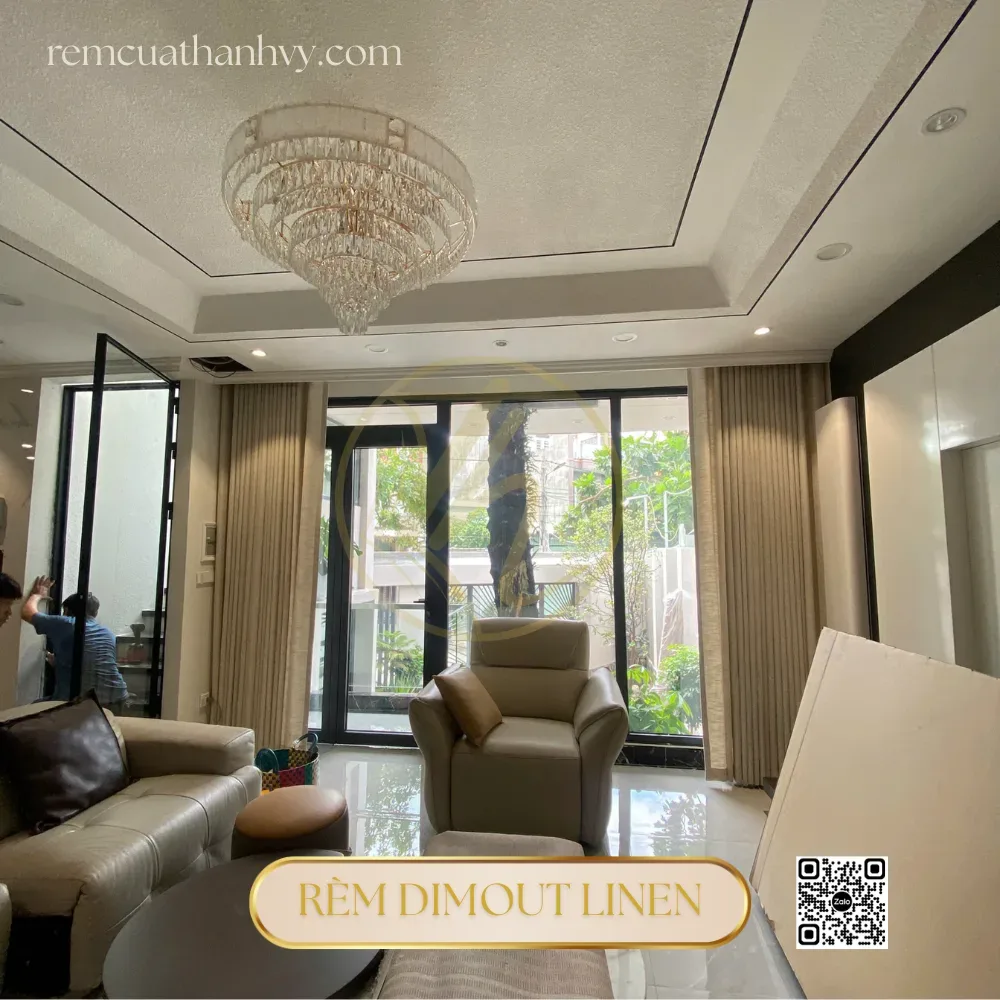
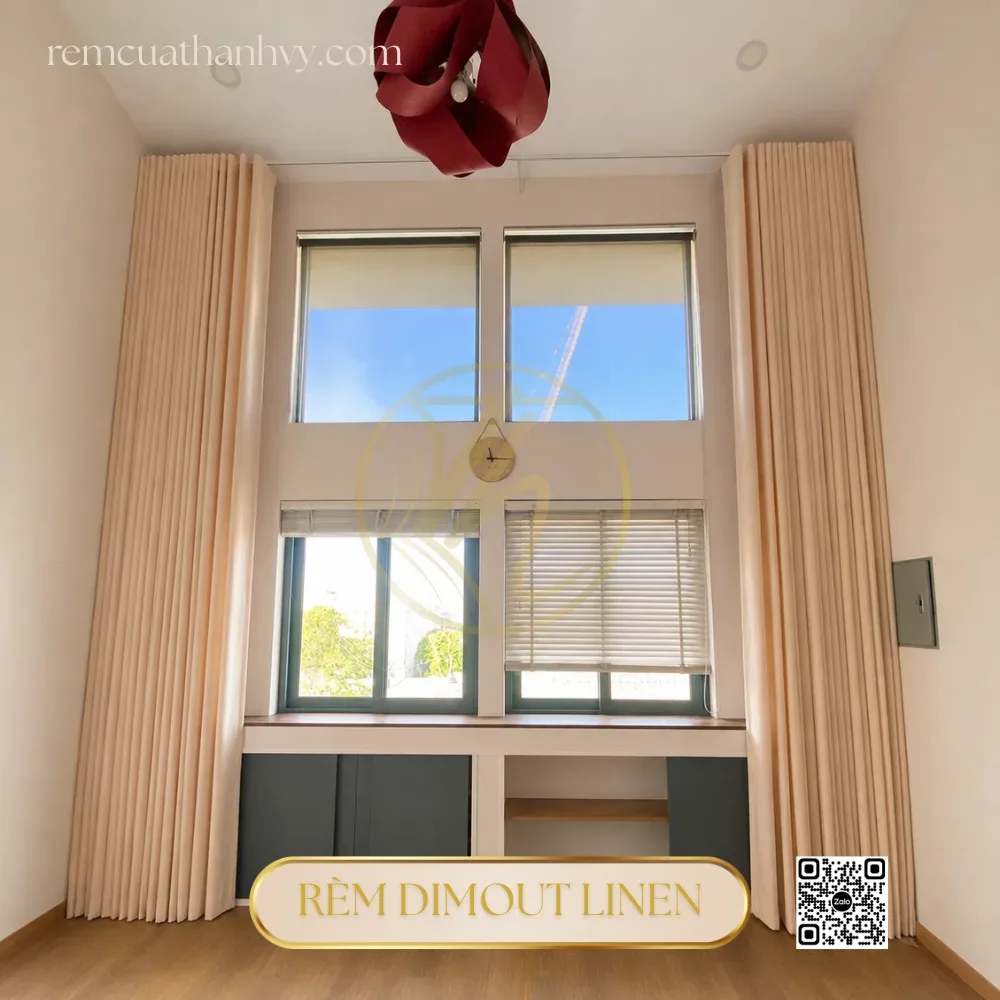
Fabric curtains are the most popular group, with many thicknesses to choose from based on light and privacy needs.
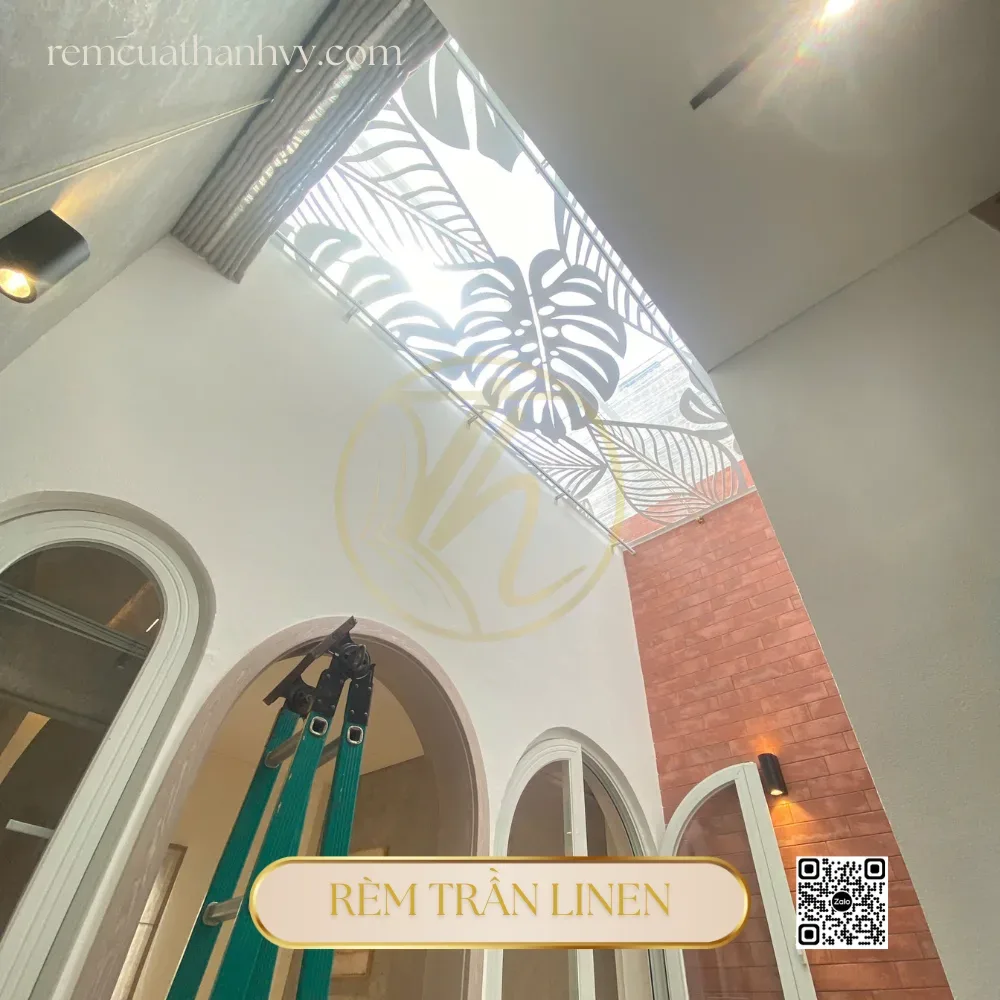
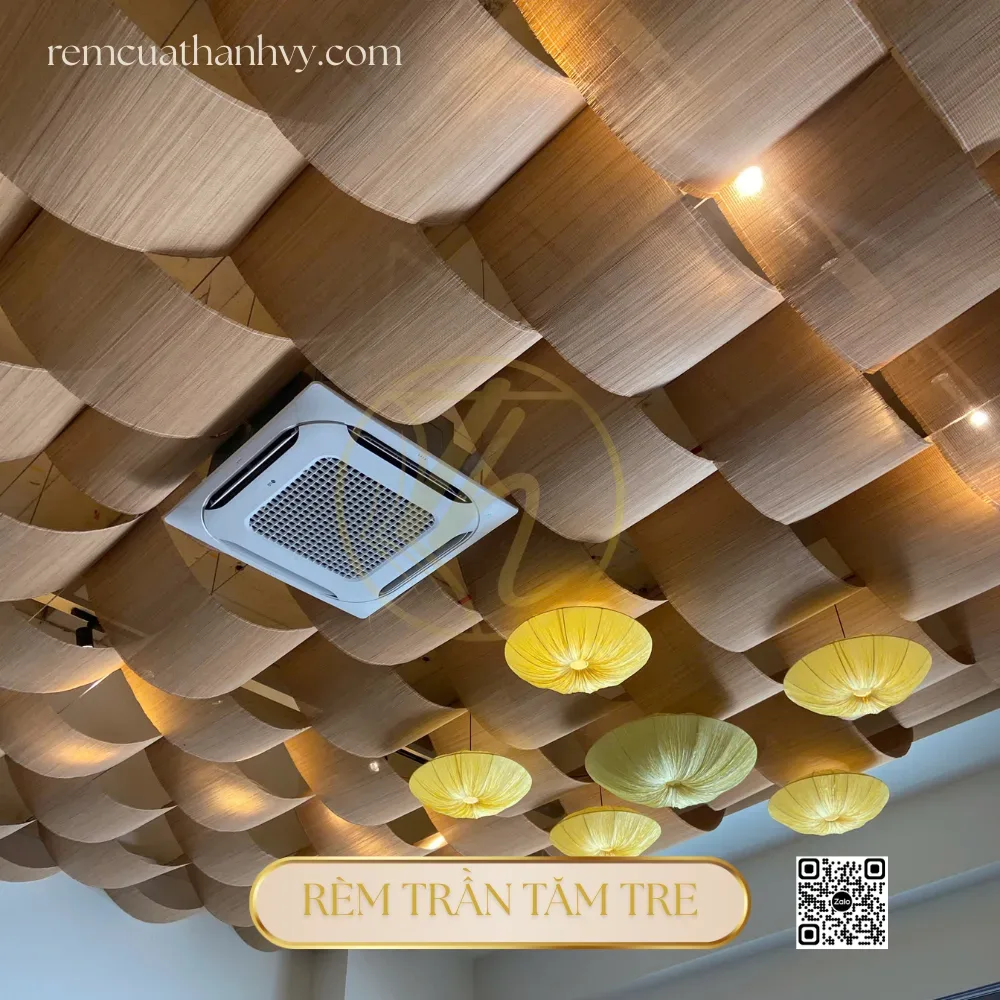
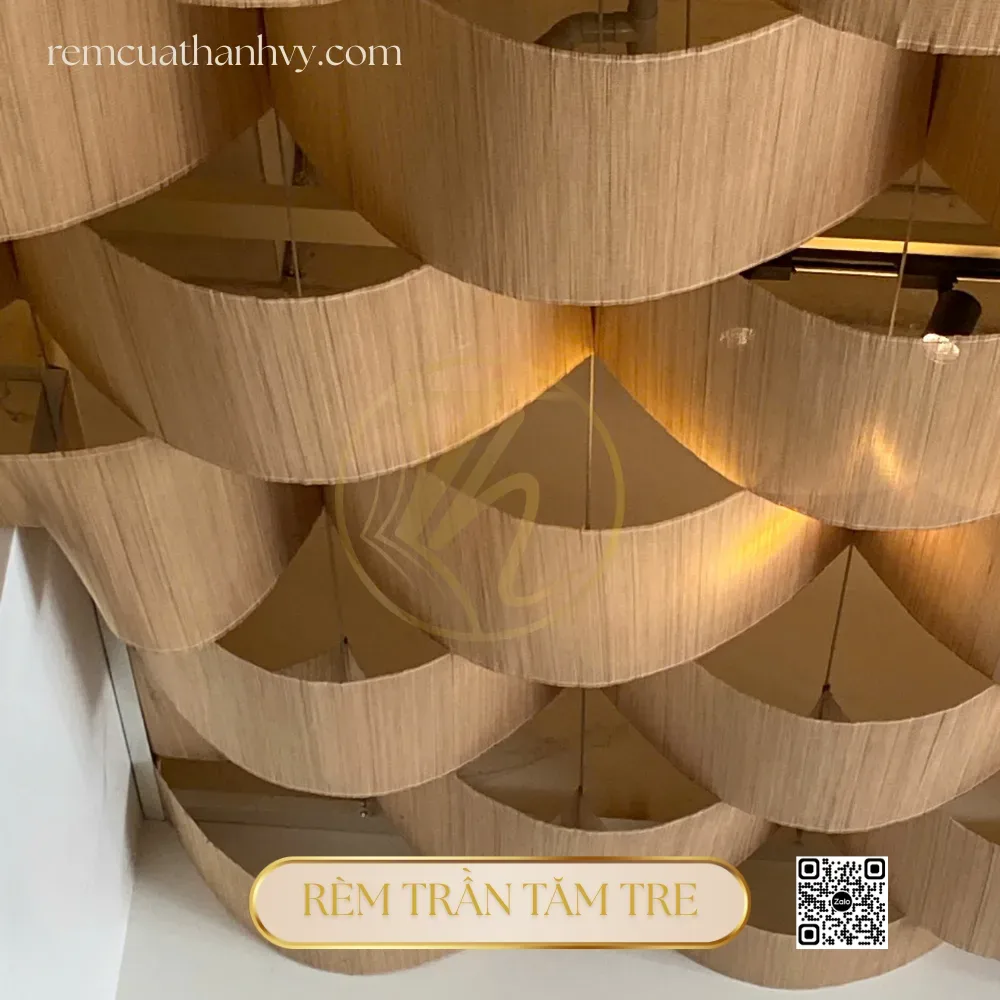
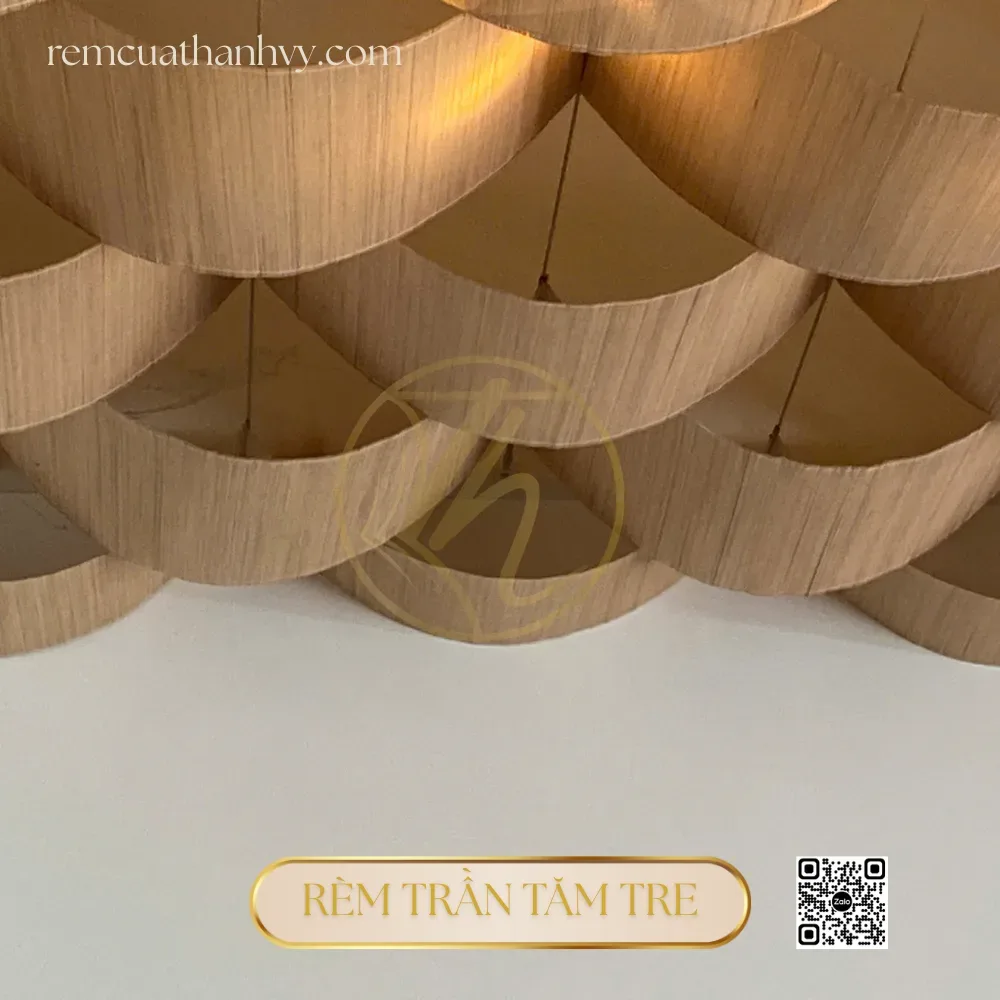
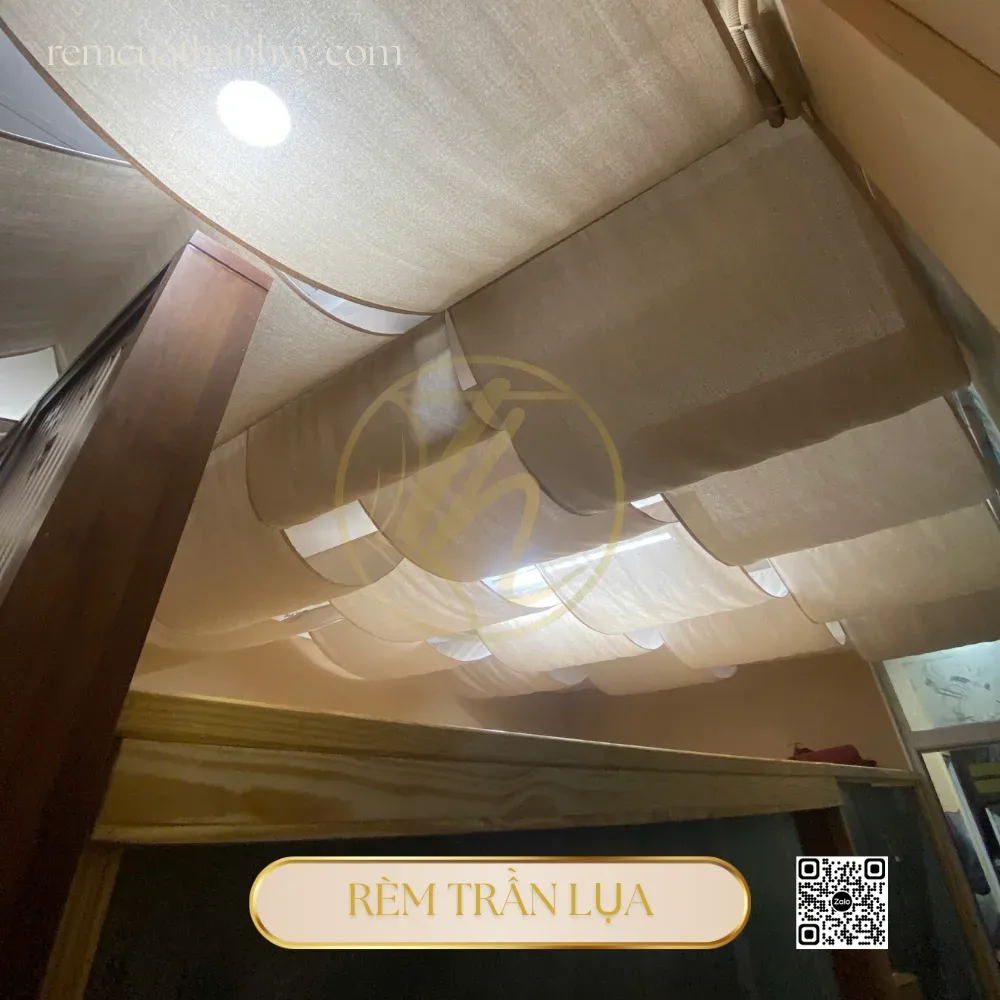
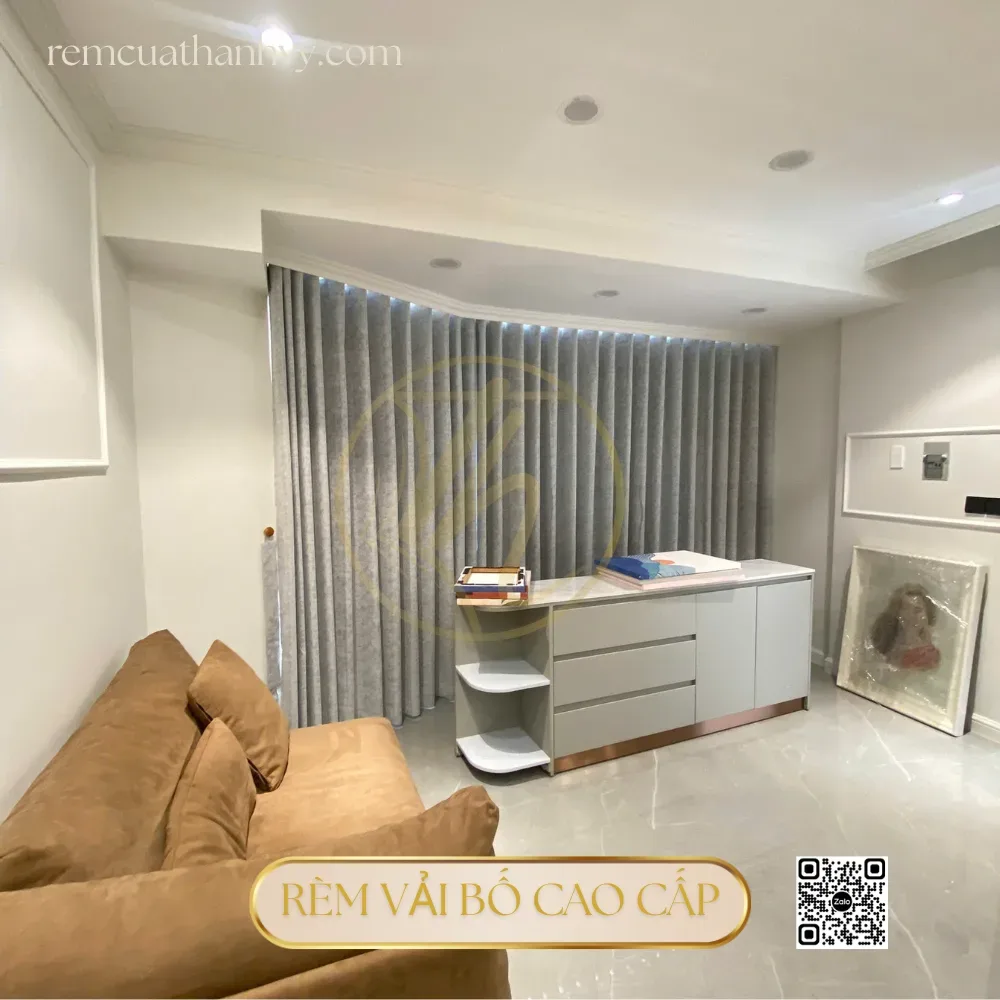
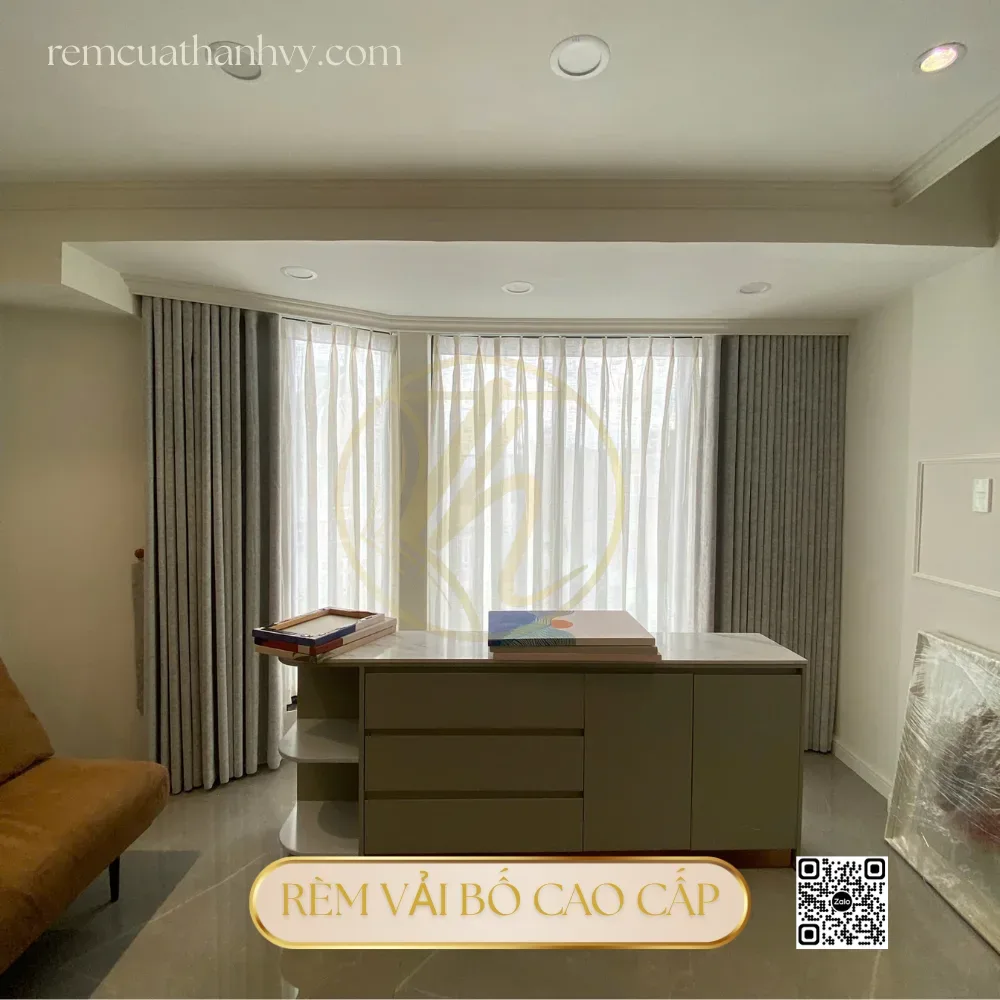
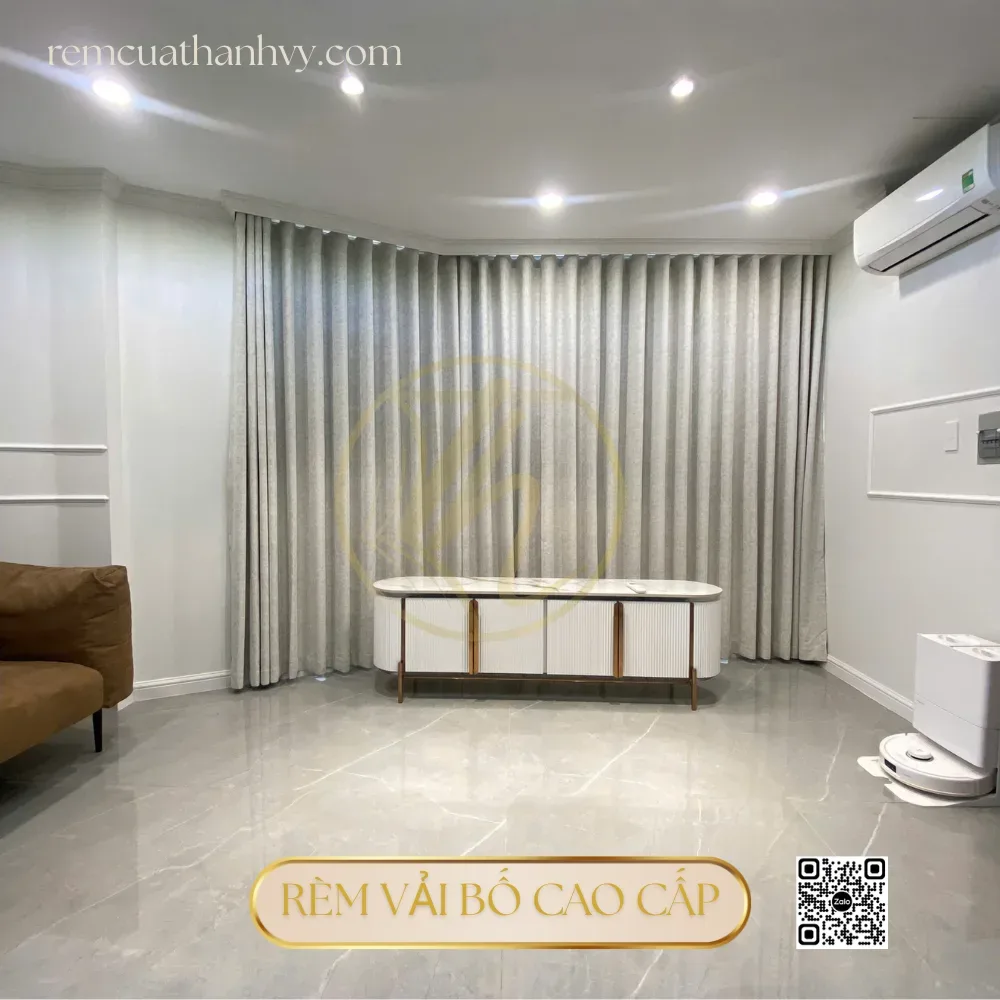
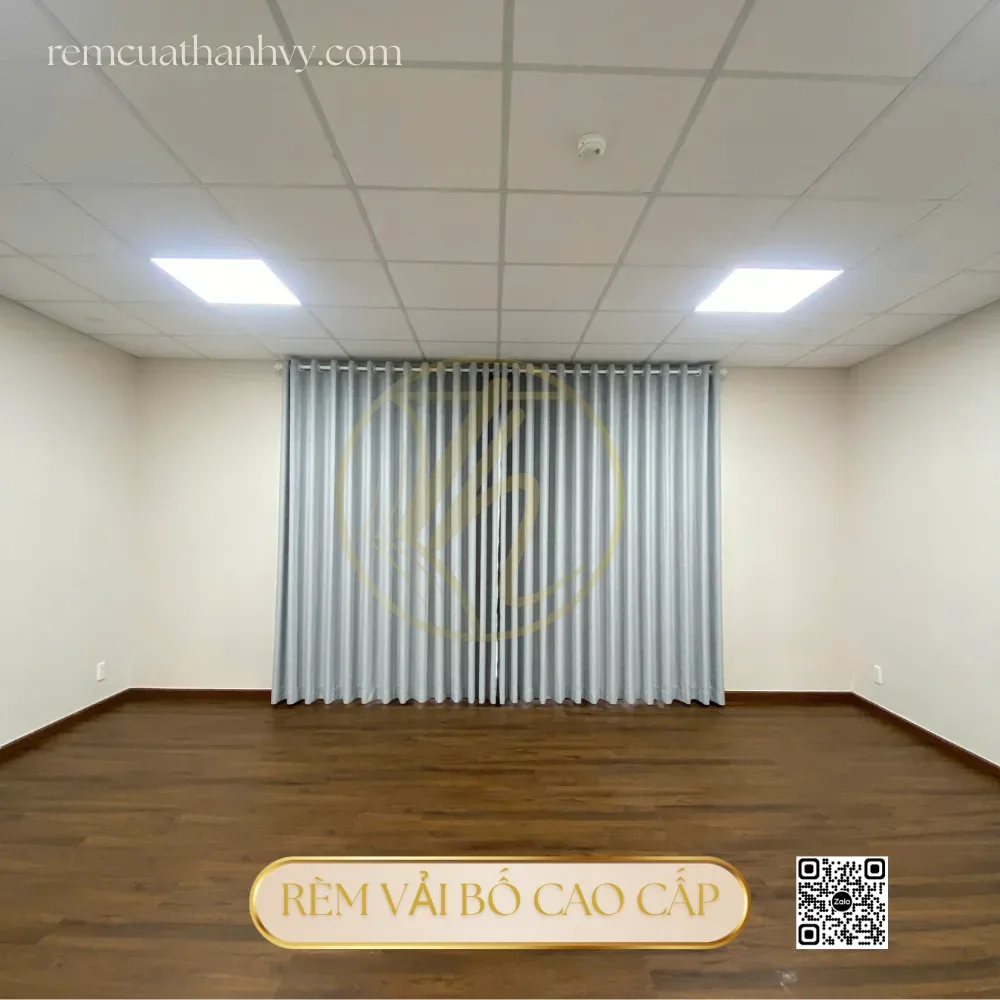
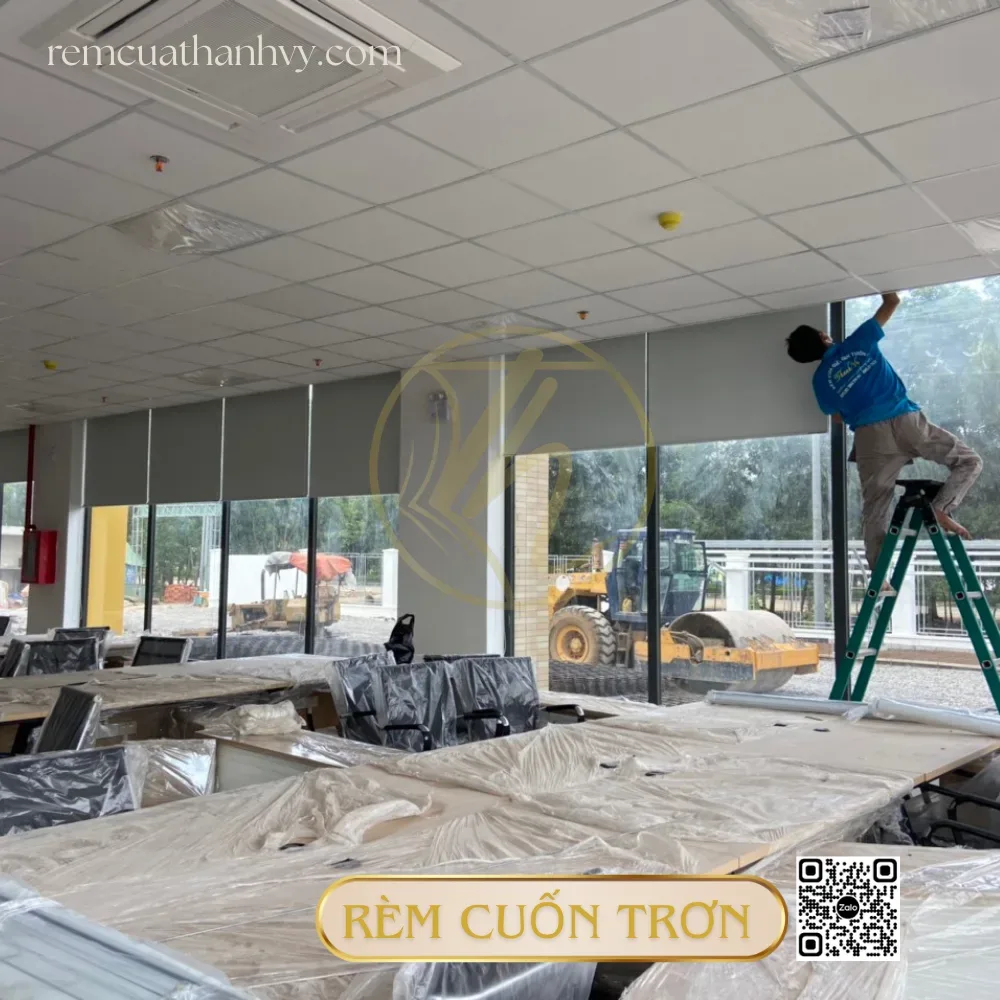
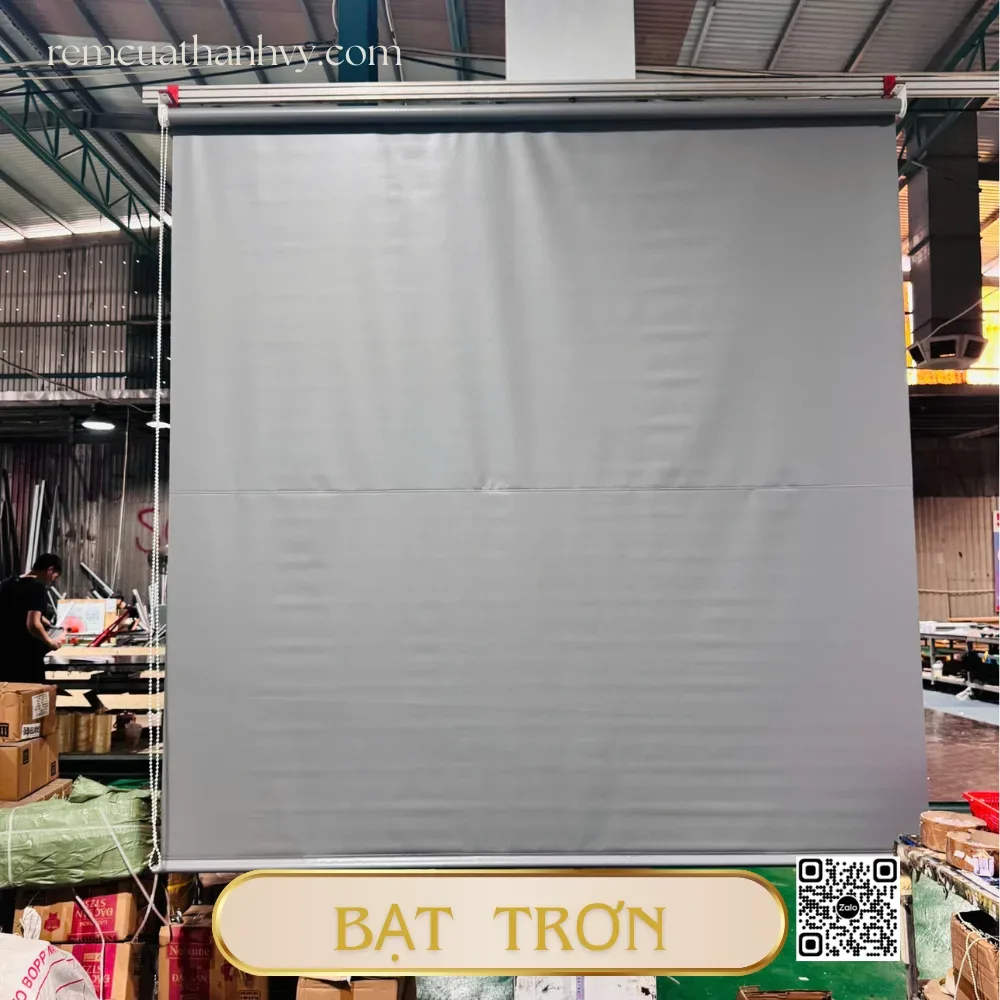
Roller Blinds
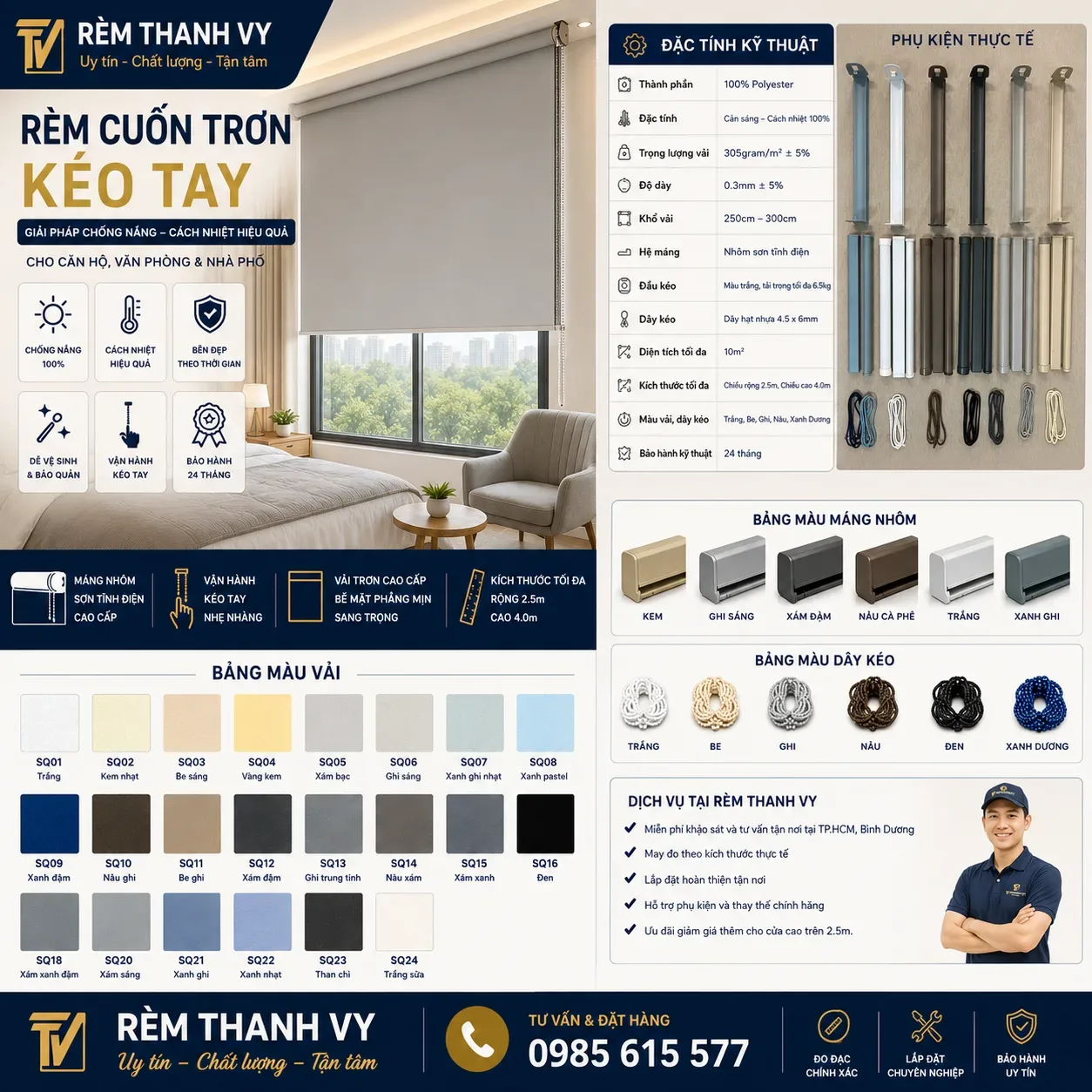
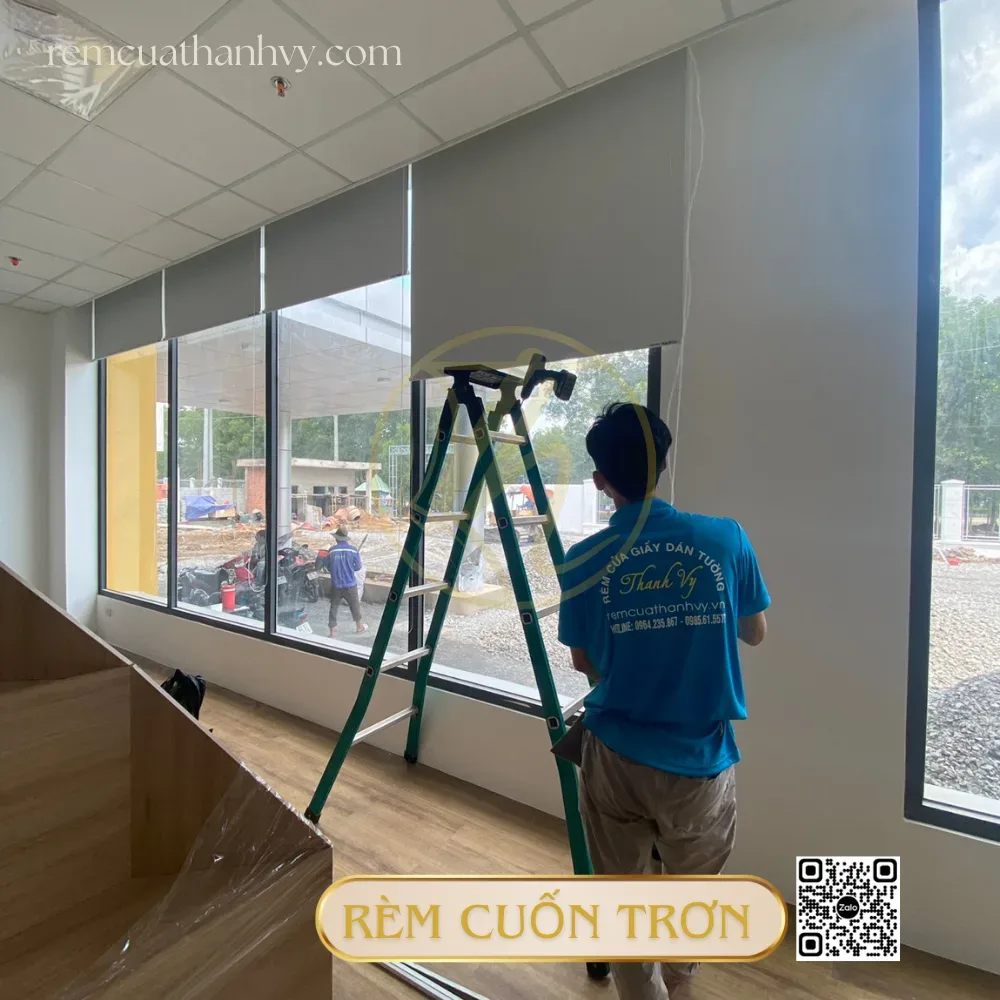
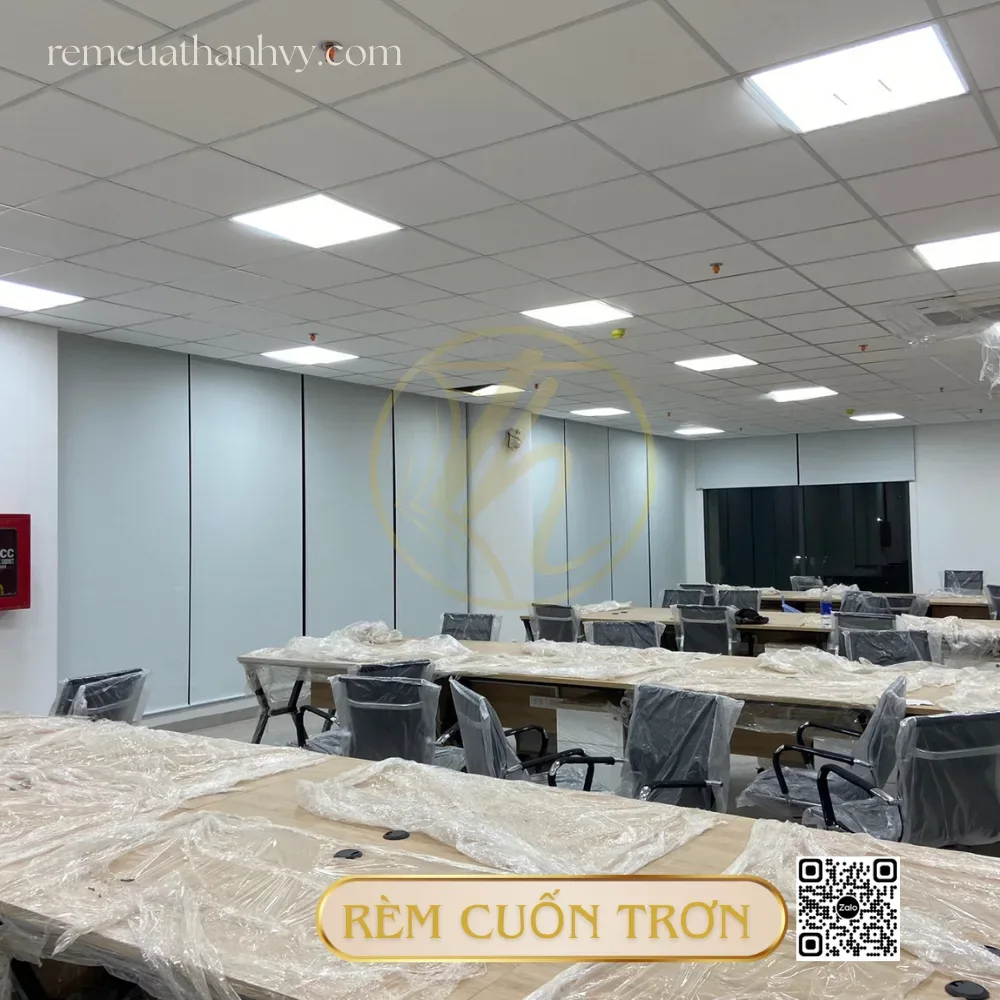
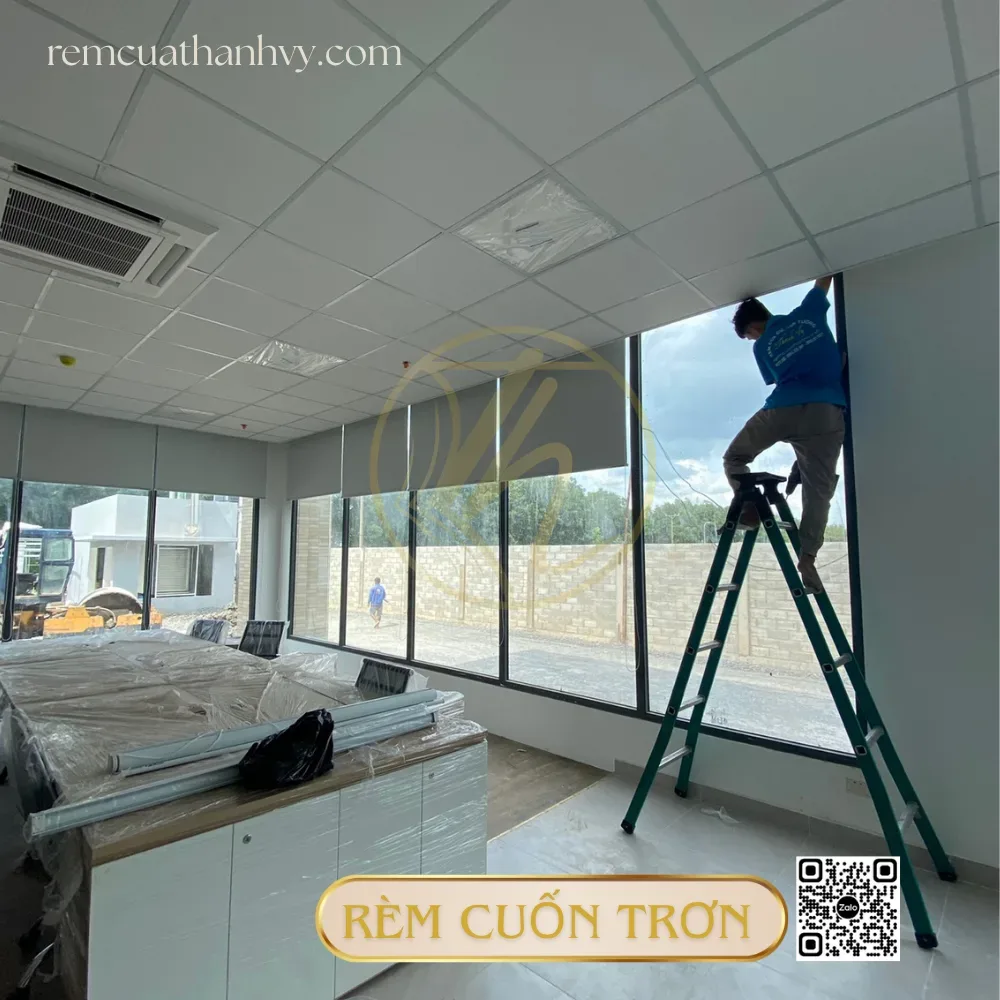
Roller blinds are easy to clean and keep a flat form, suitable for offices or kitchens.
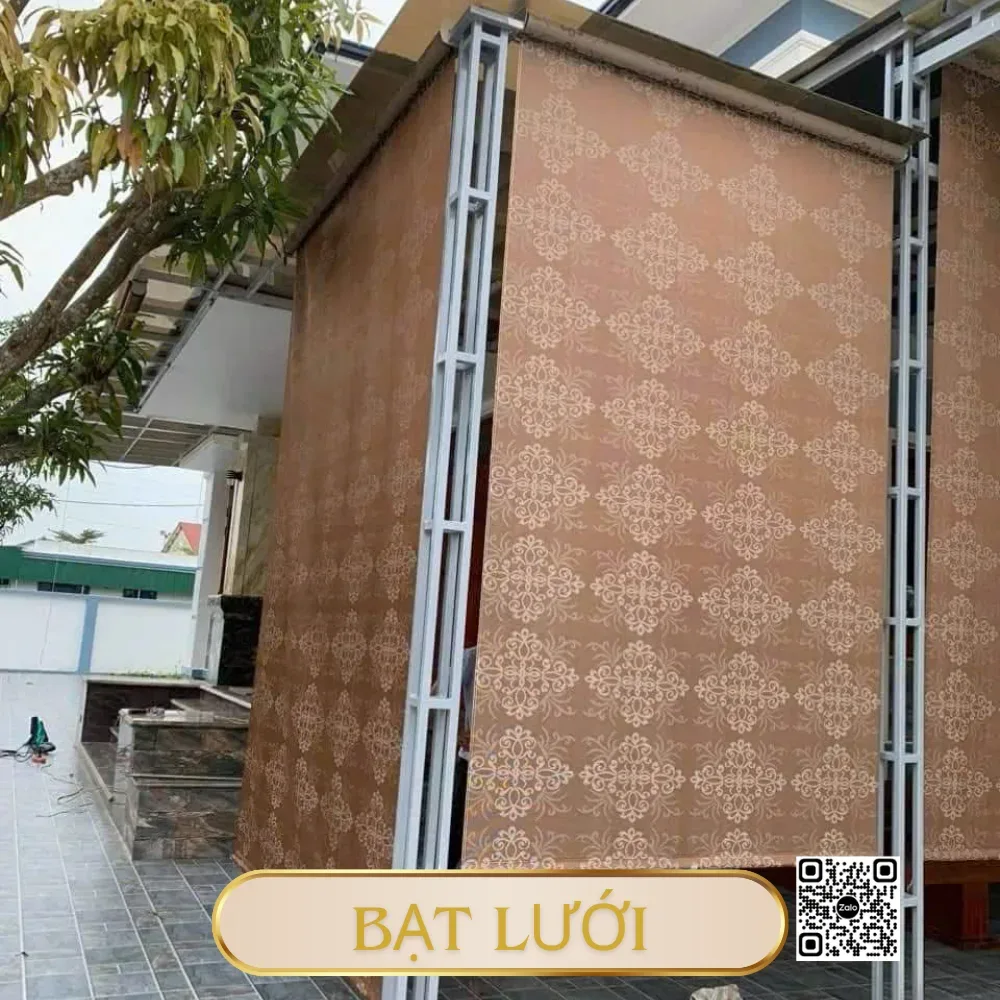

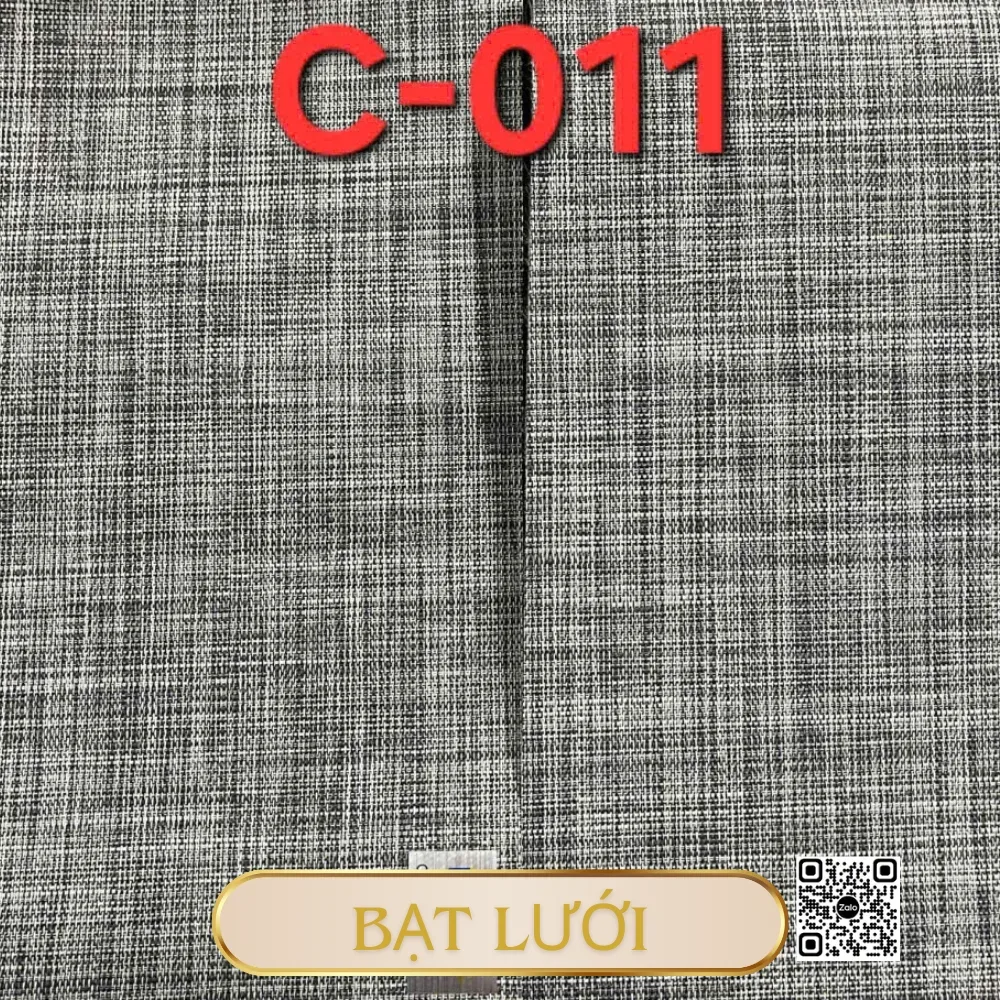
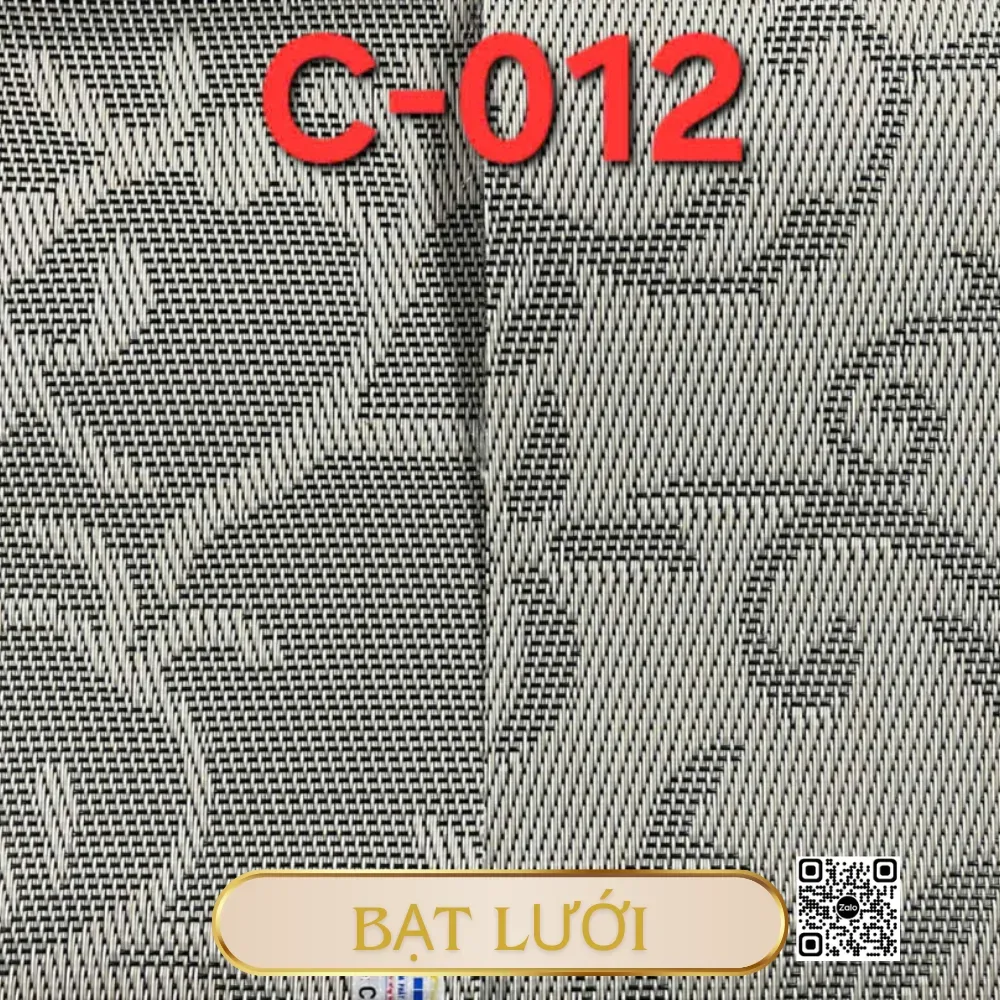
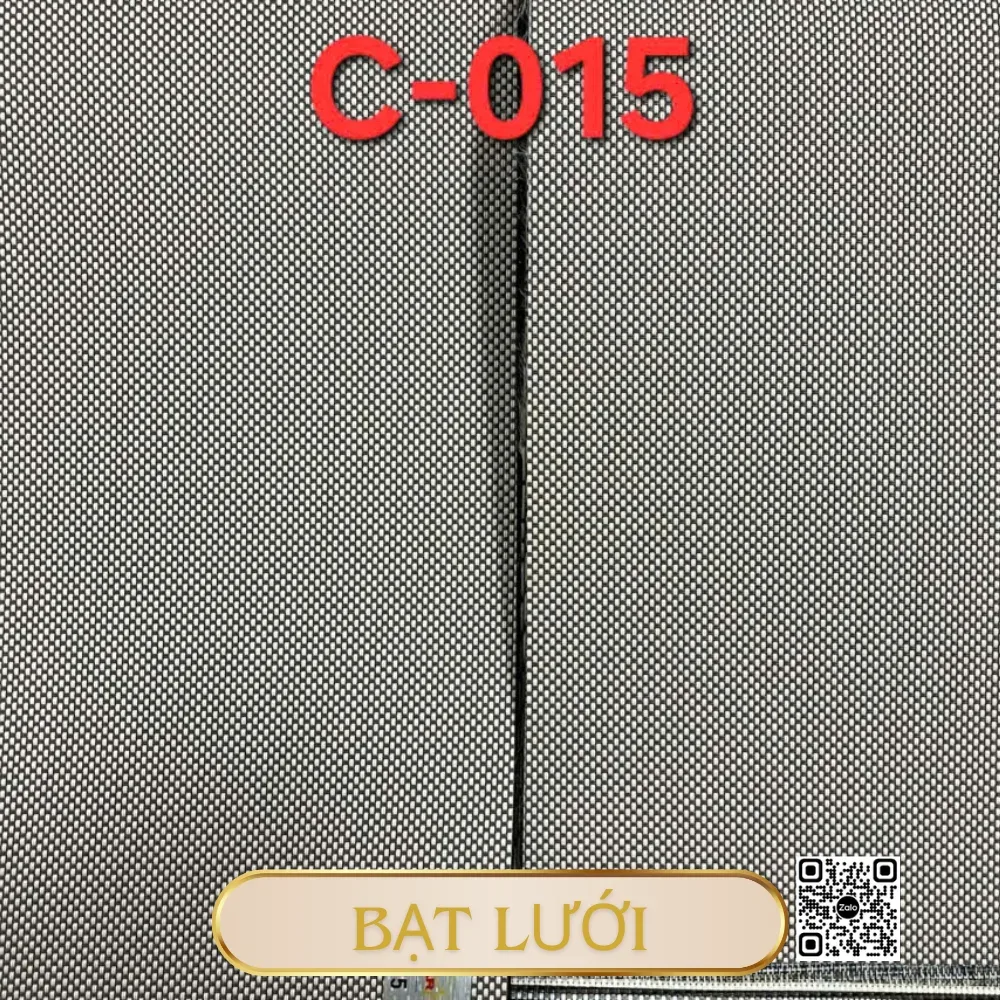
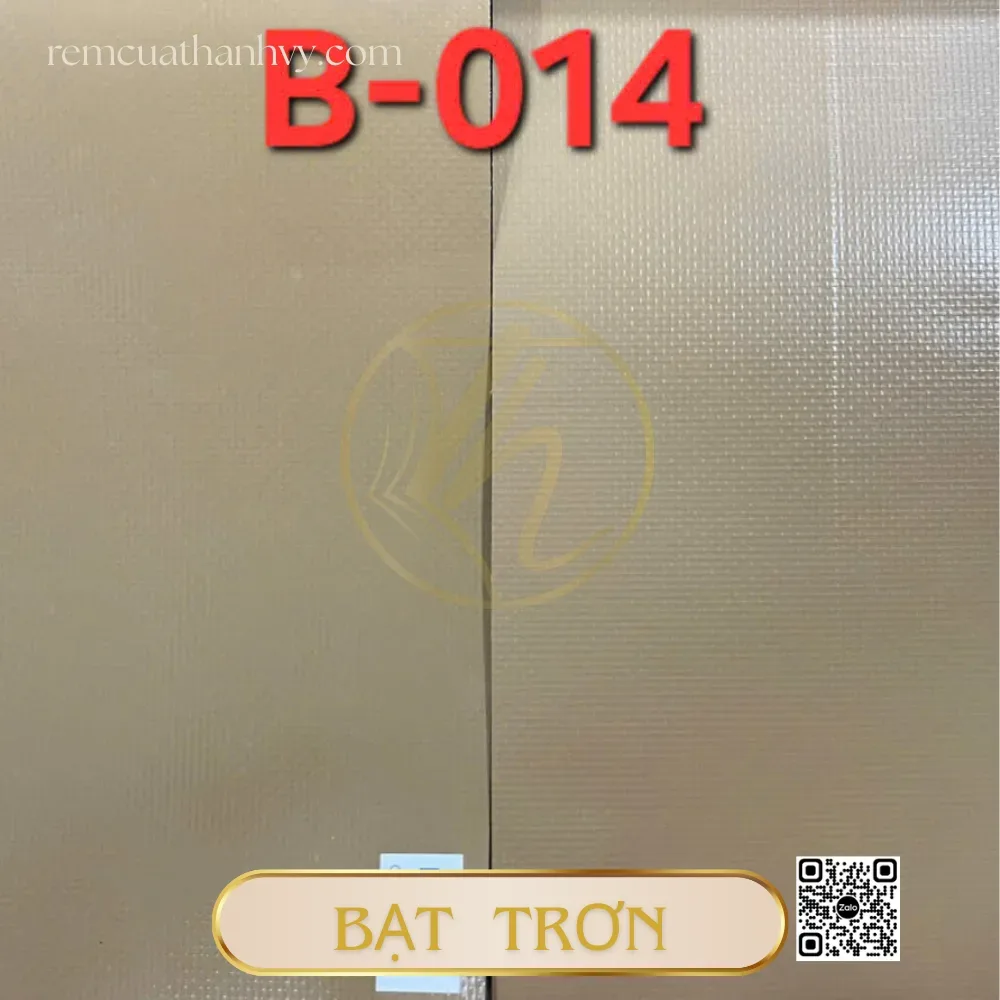
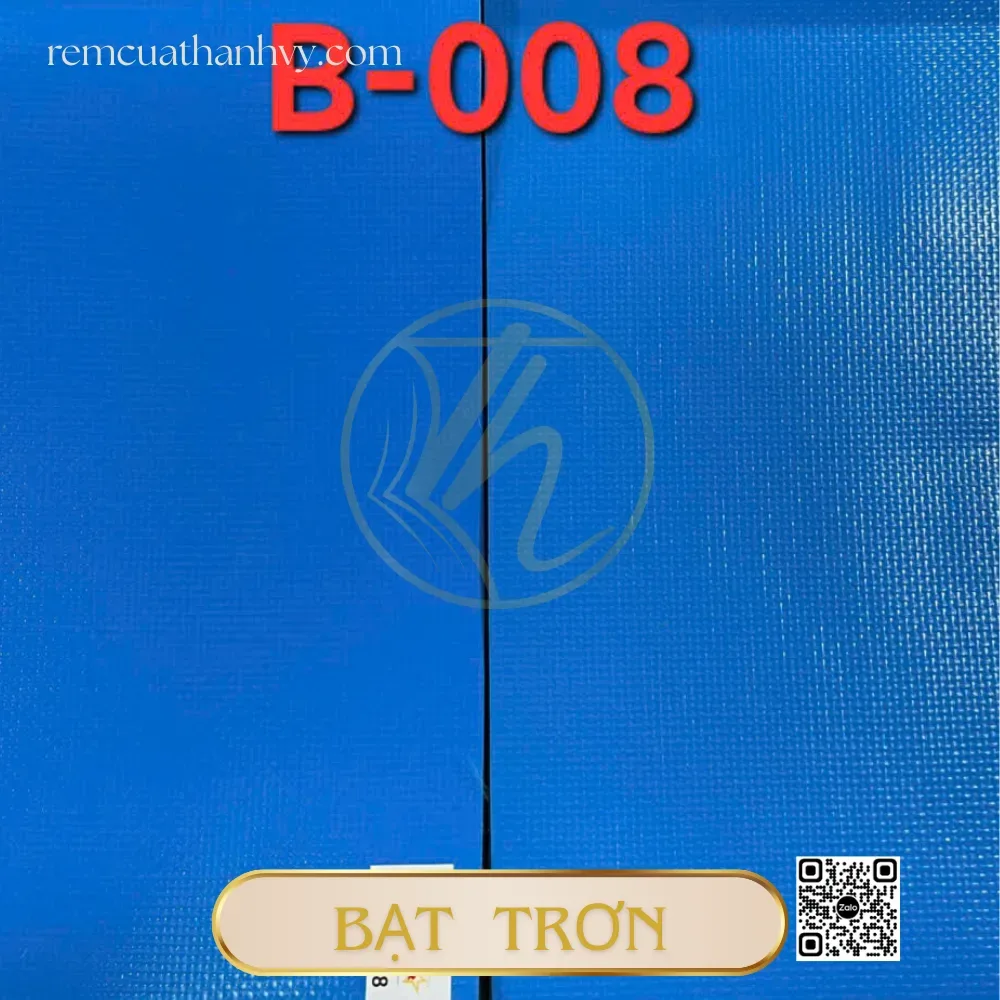
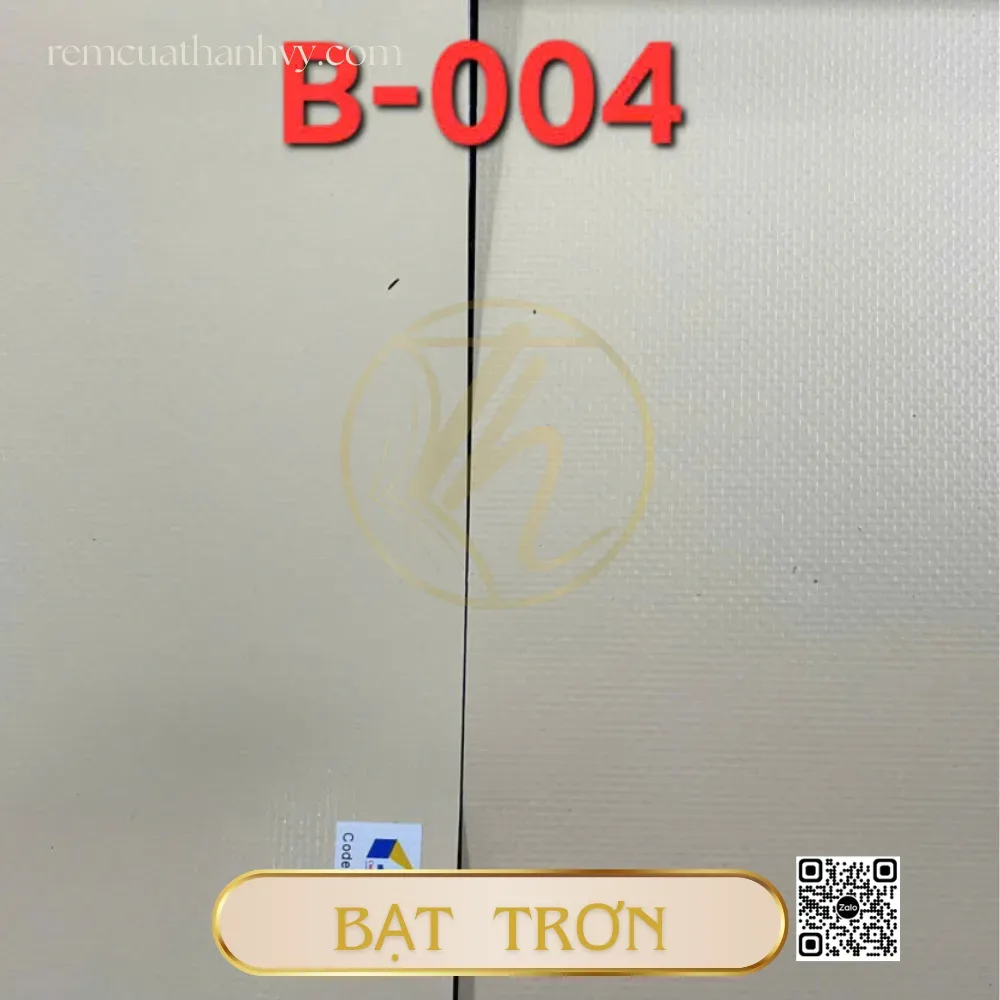
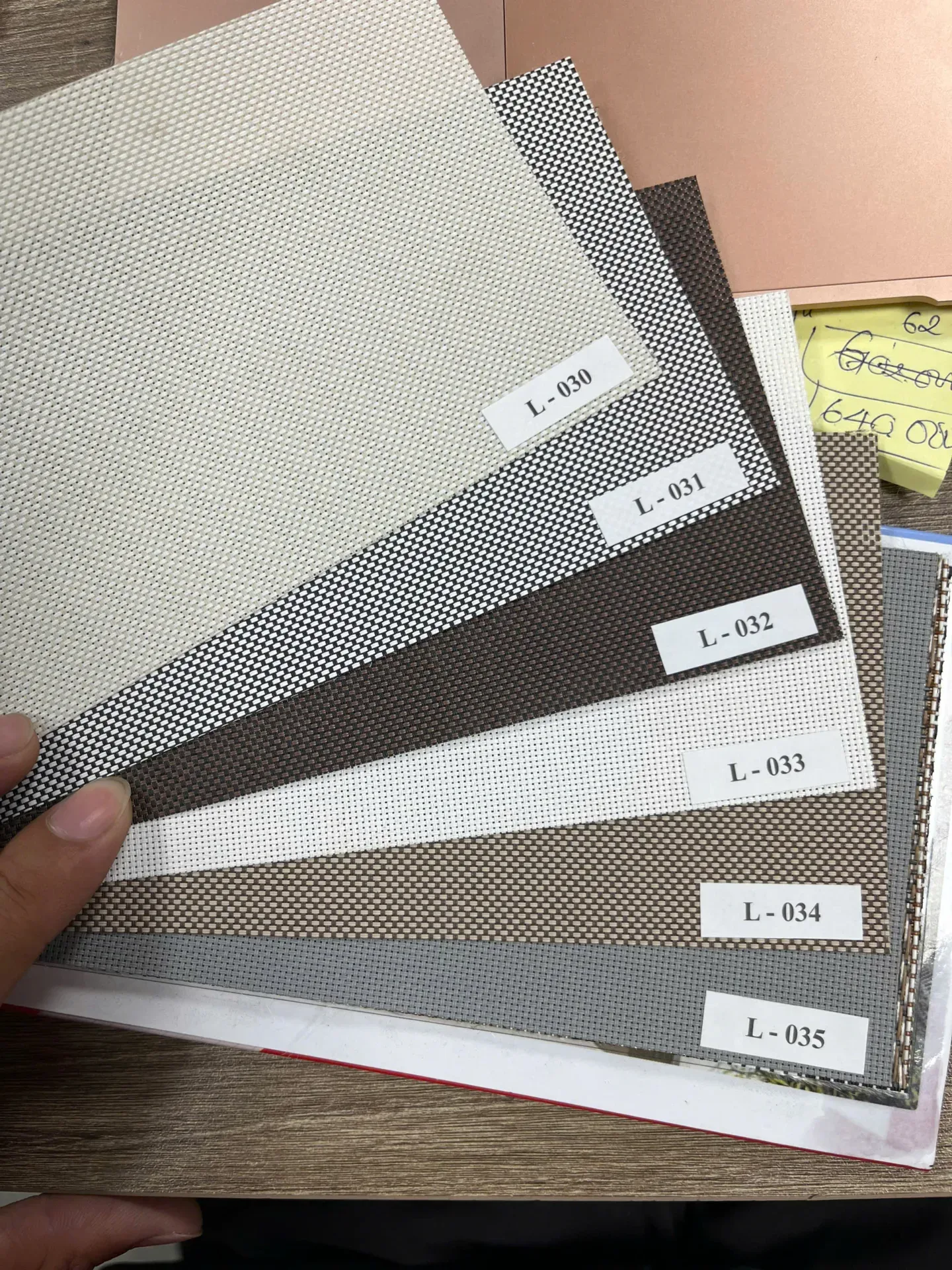
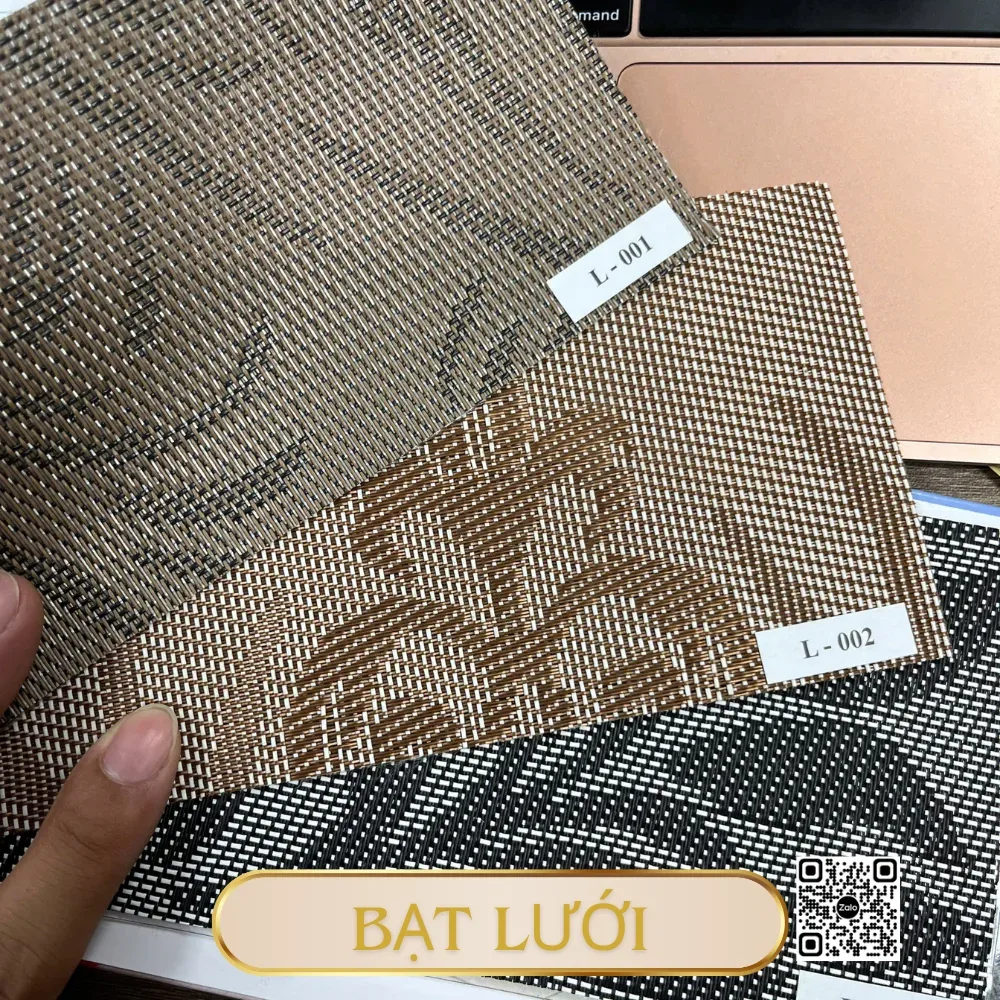
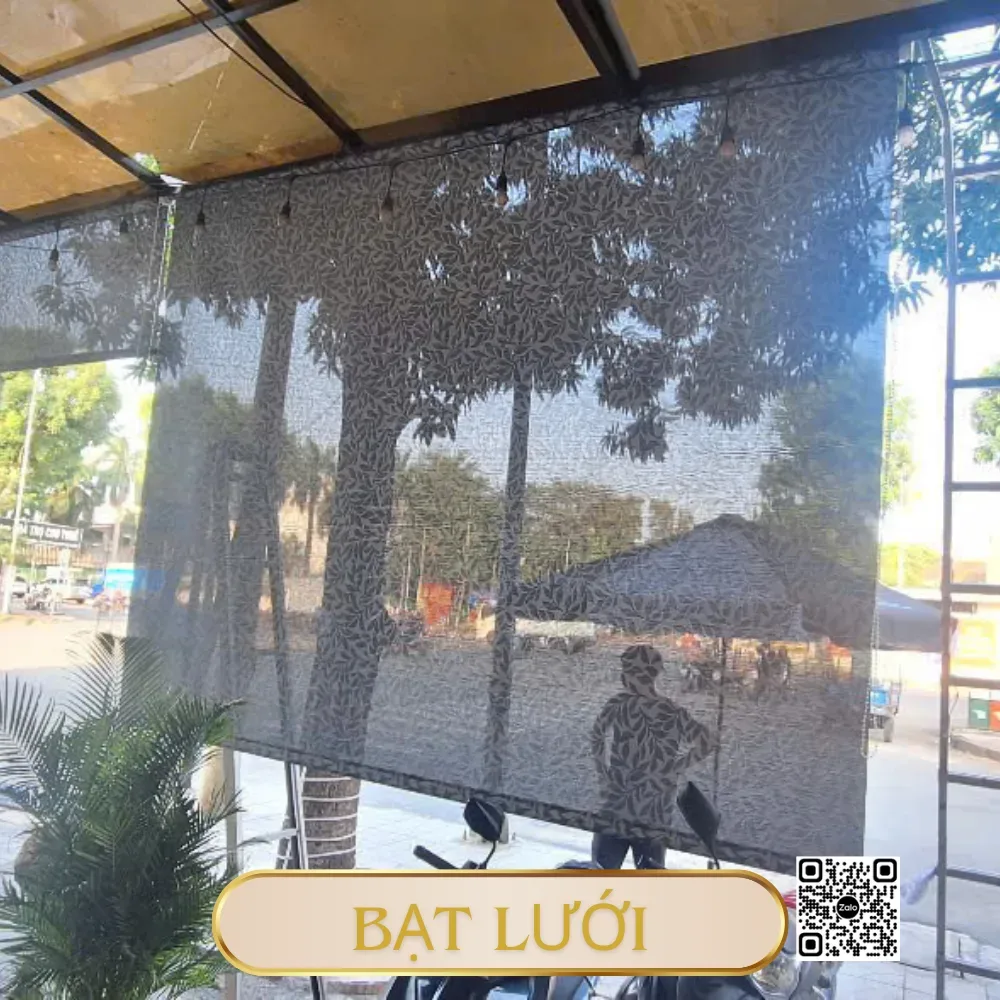
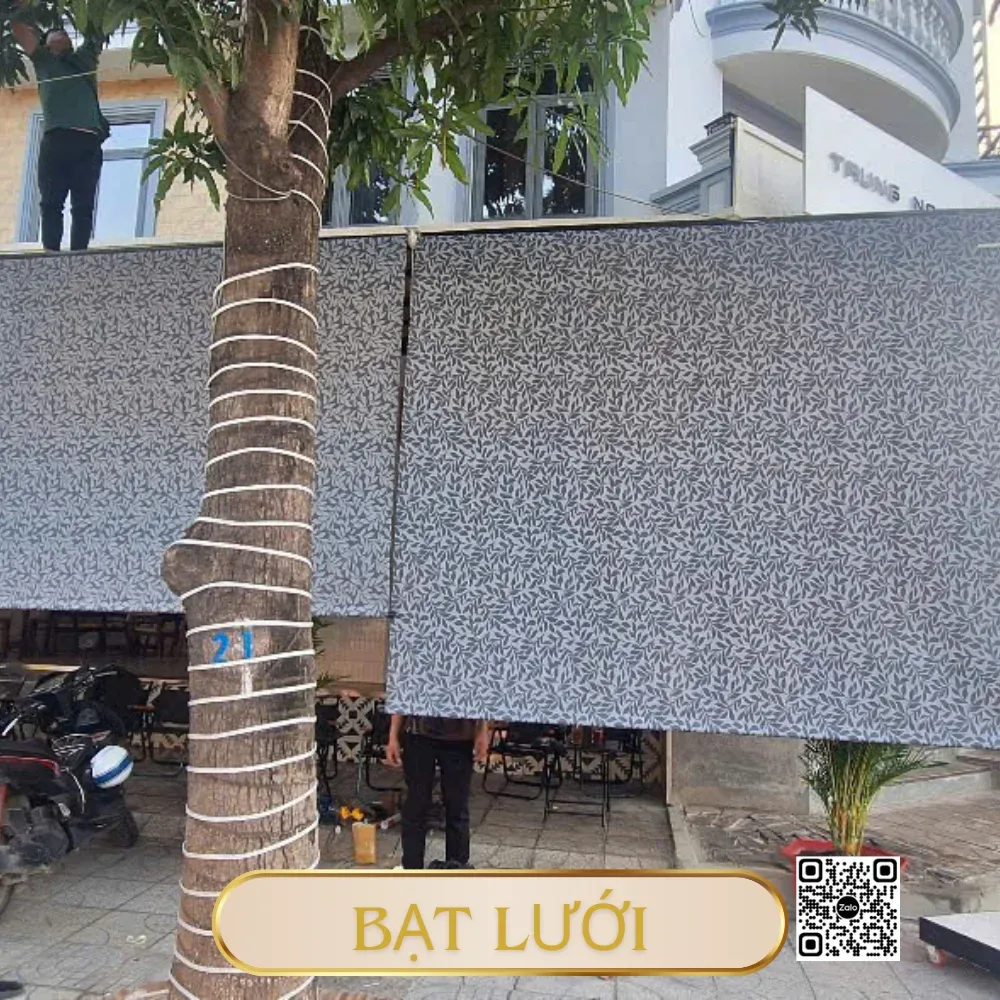
For further information, please contact Thanh Vy Curtains
We provide free consultation and on-site measuring at your home.
Related projects
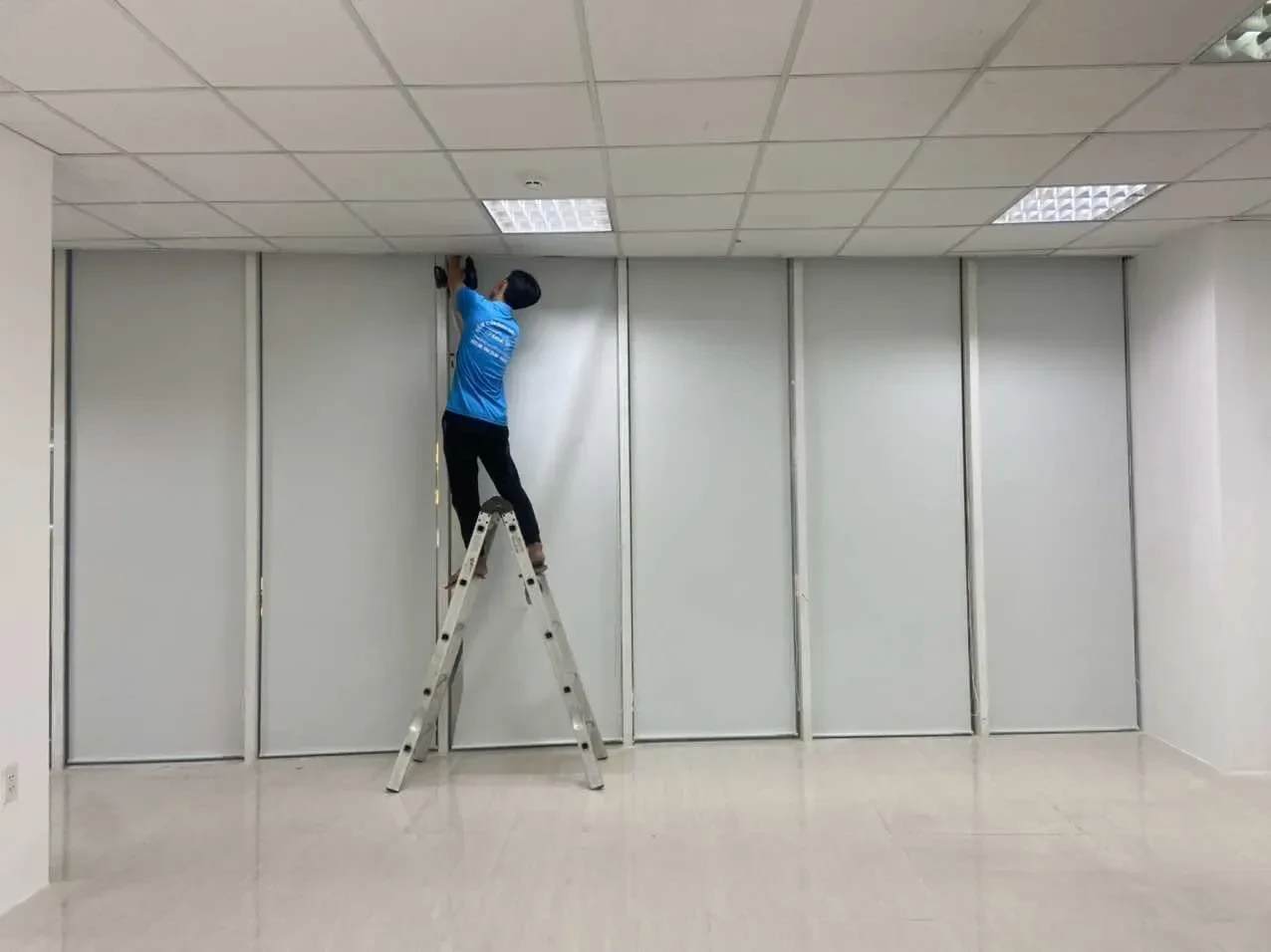
Office Roller Blinds in District 11 – Le Dai Hanh Street
This project involved installing roller blinds on an upper floor of a modern office building [...]
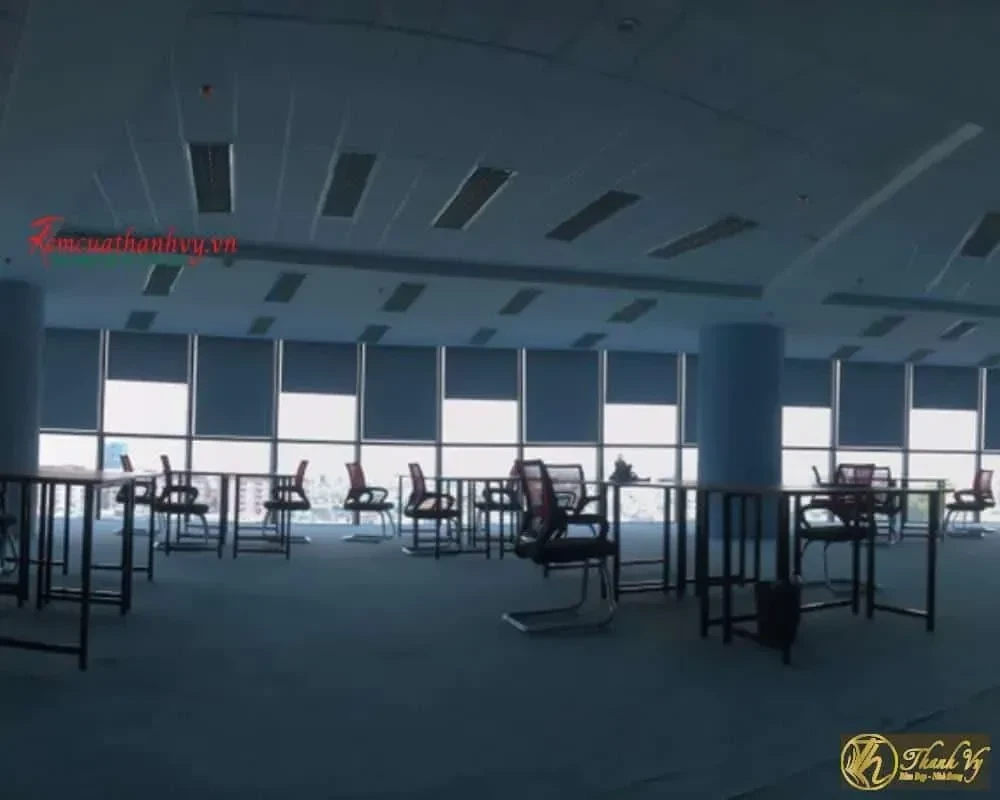
High-Rise Office Roller Blinds in District 11: Professional Day-Night & Blackout Solutions
This project is a typical example of a roller blind solution for a modern office [...]
Related areas
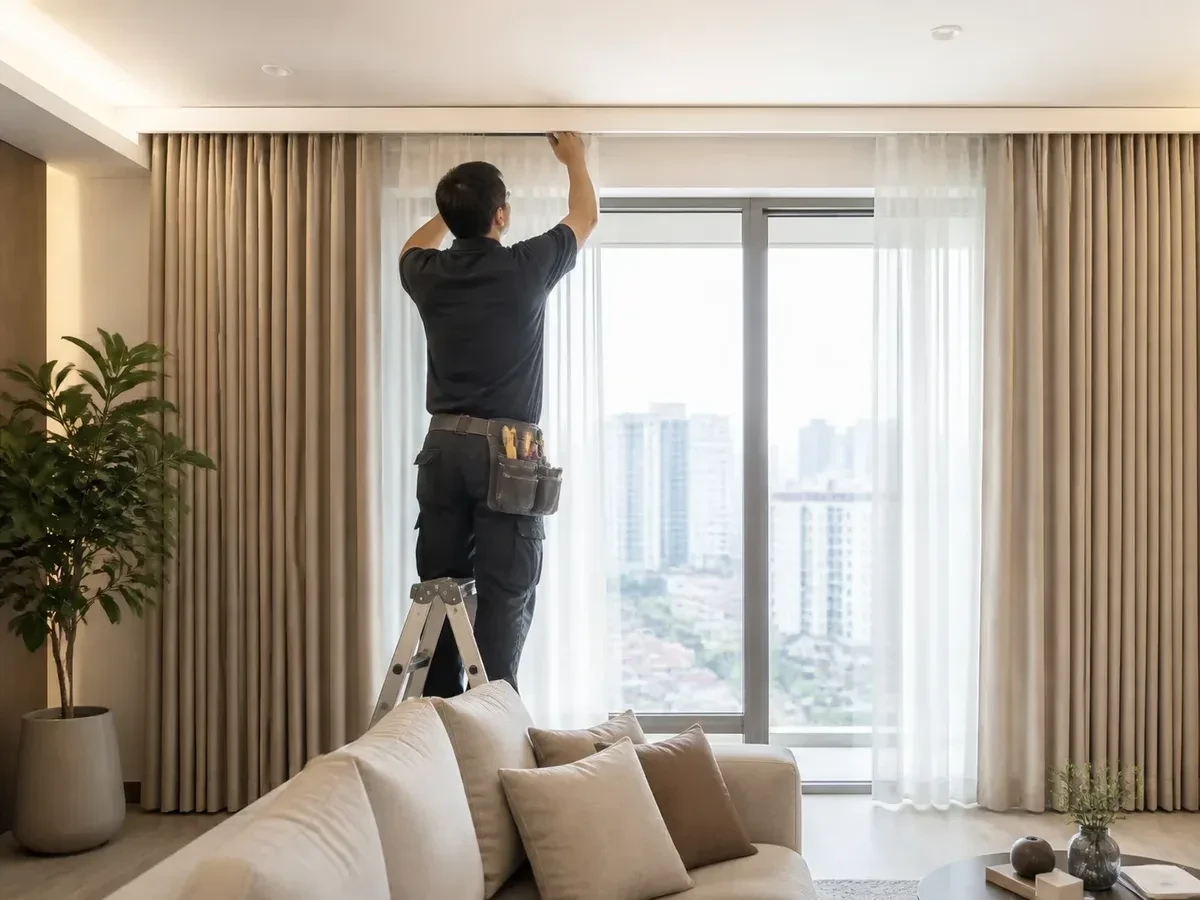
District 11 Curtains: What to Prioritize for Each Space
Choosing District 11 curtains at Thanh Vy delivers optimal sun-blocking solutions and elevates the aesthetics [...]
Related reviews
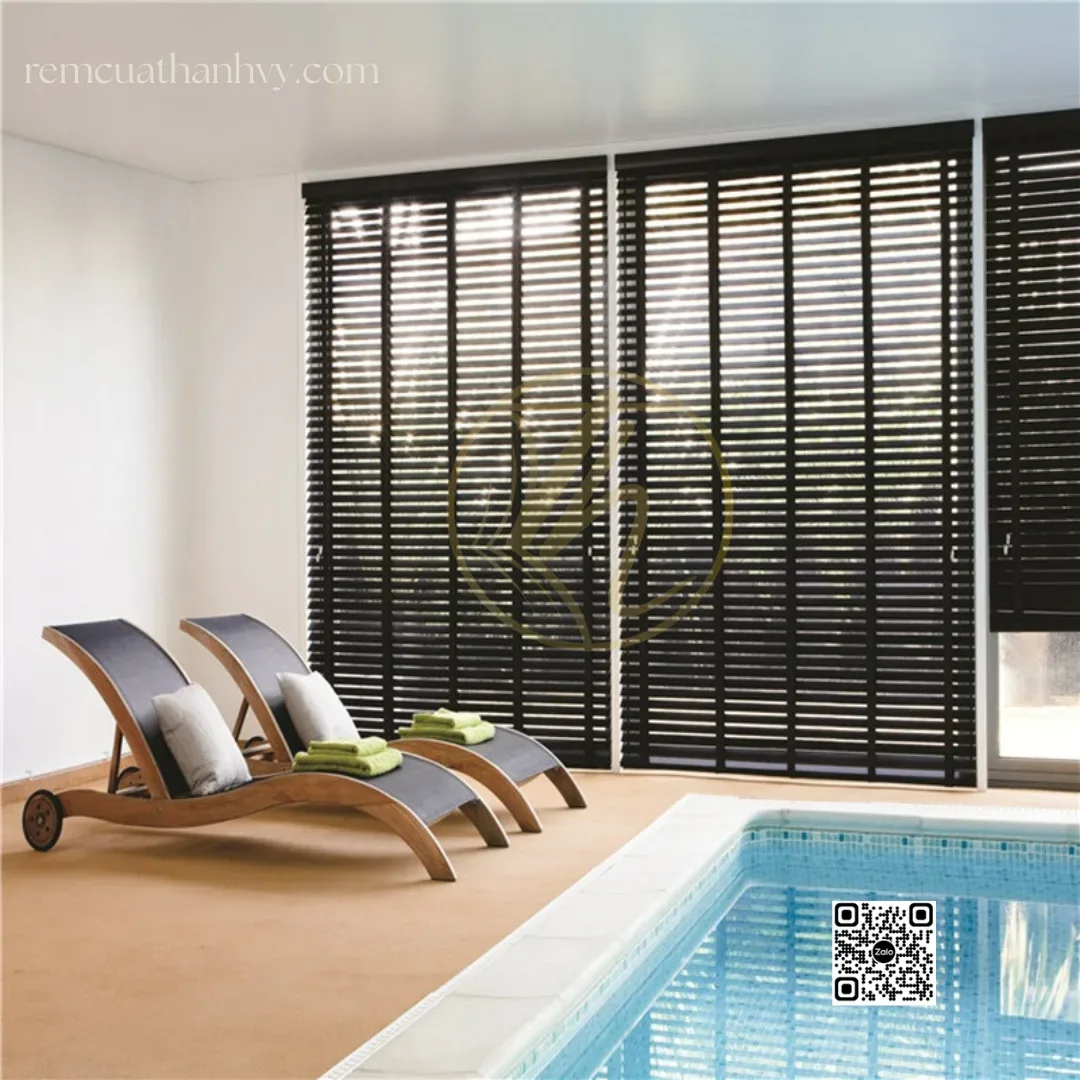
Roman Blinds vs. Wooden Blinds? A Detailed Comparison to Help You Choose
Compare roman blinds and wooden blinds based on light control, privacy, operation, aesthetics, cleaning, and [...]
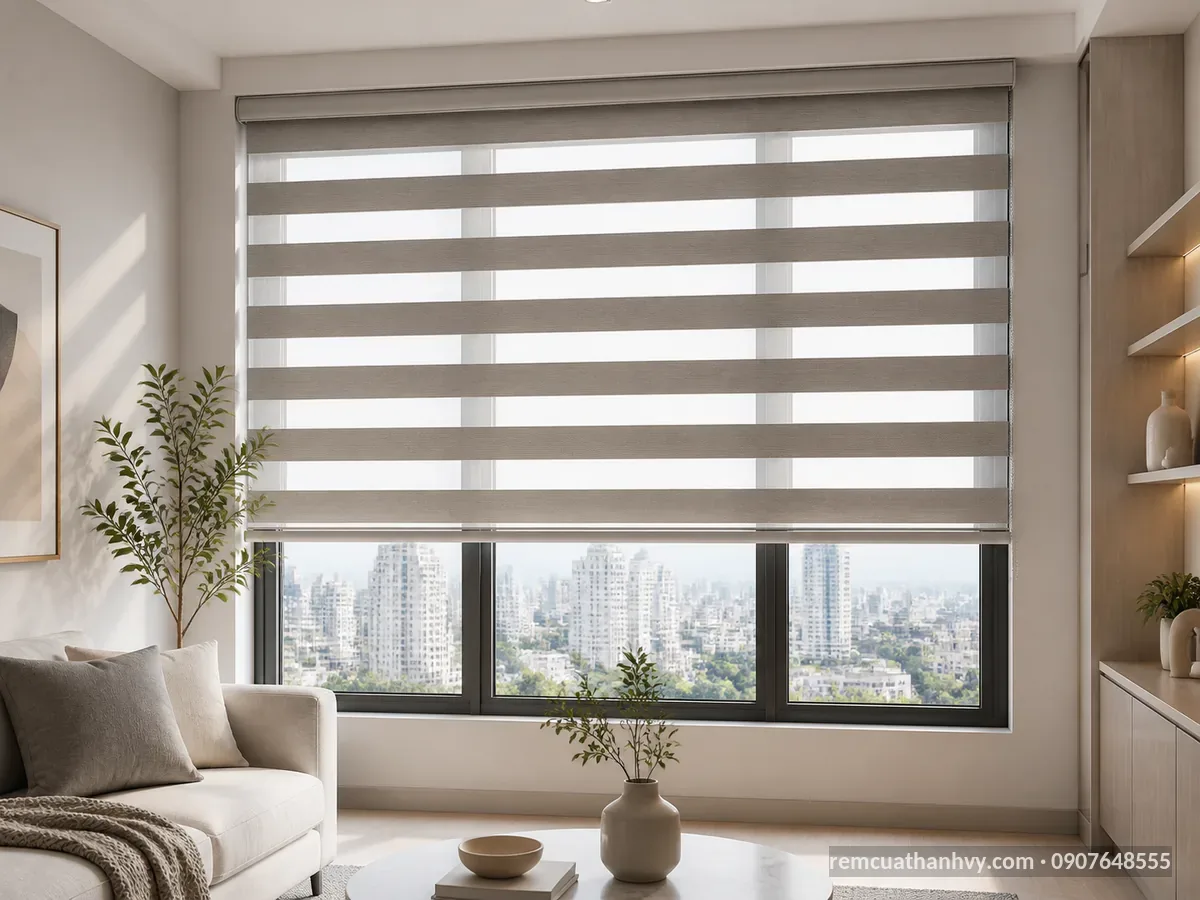
Comparing Fabric Curtains and Zebra Blinds: Which One Fits Your Needs?
This article compares fabric curtains and zebra blinds in terms of light, privacy, stackback, the [...]
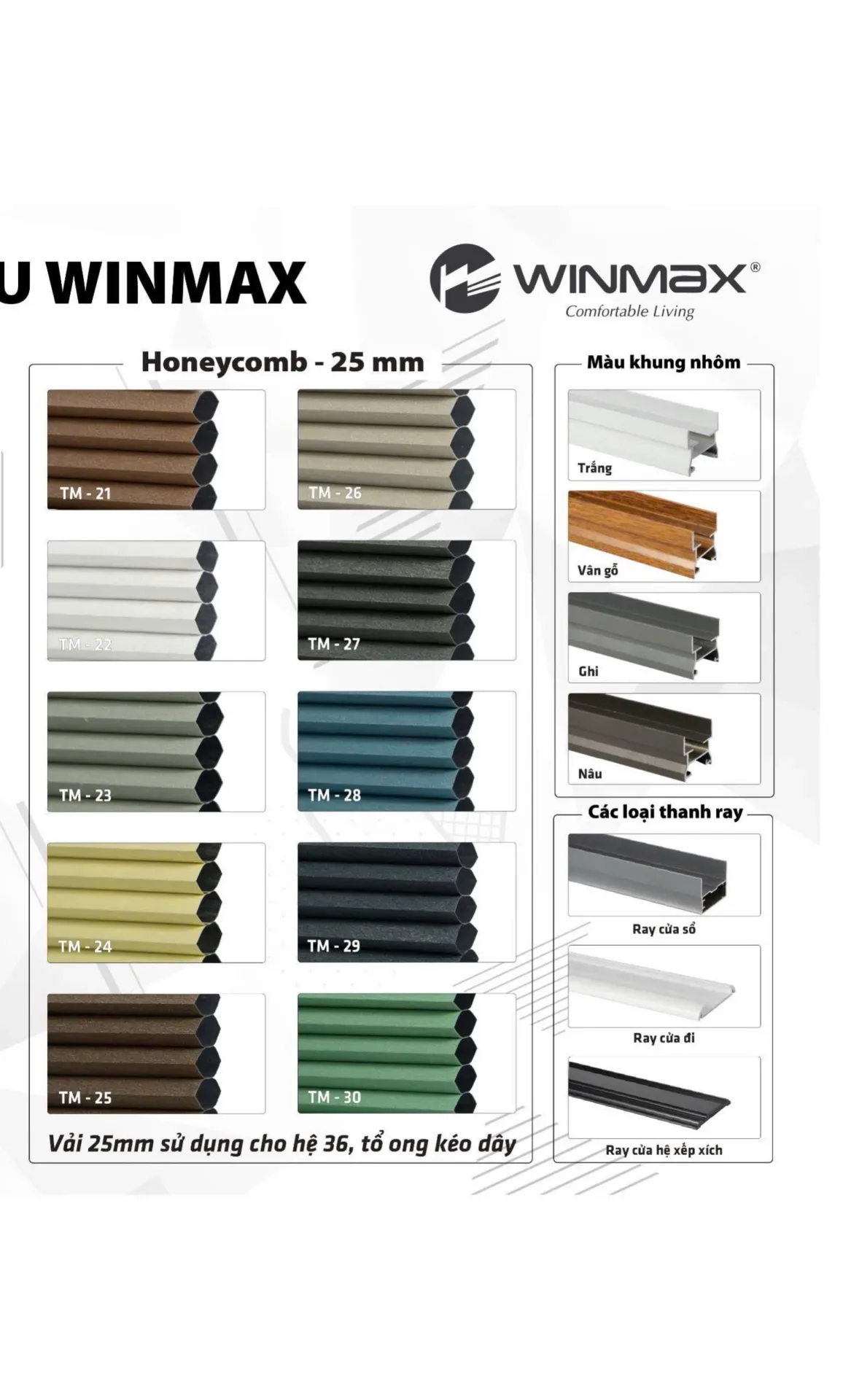
Roller Blinds vs. Honeycomb Shades: A Detailed Comparison to Help You Choose
This article compares roller blinds and honeycomb shades based on thermal insulation, soundproofing, light control, [...]
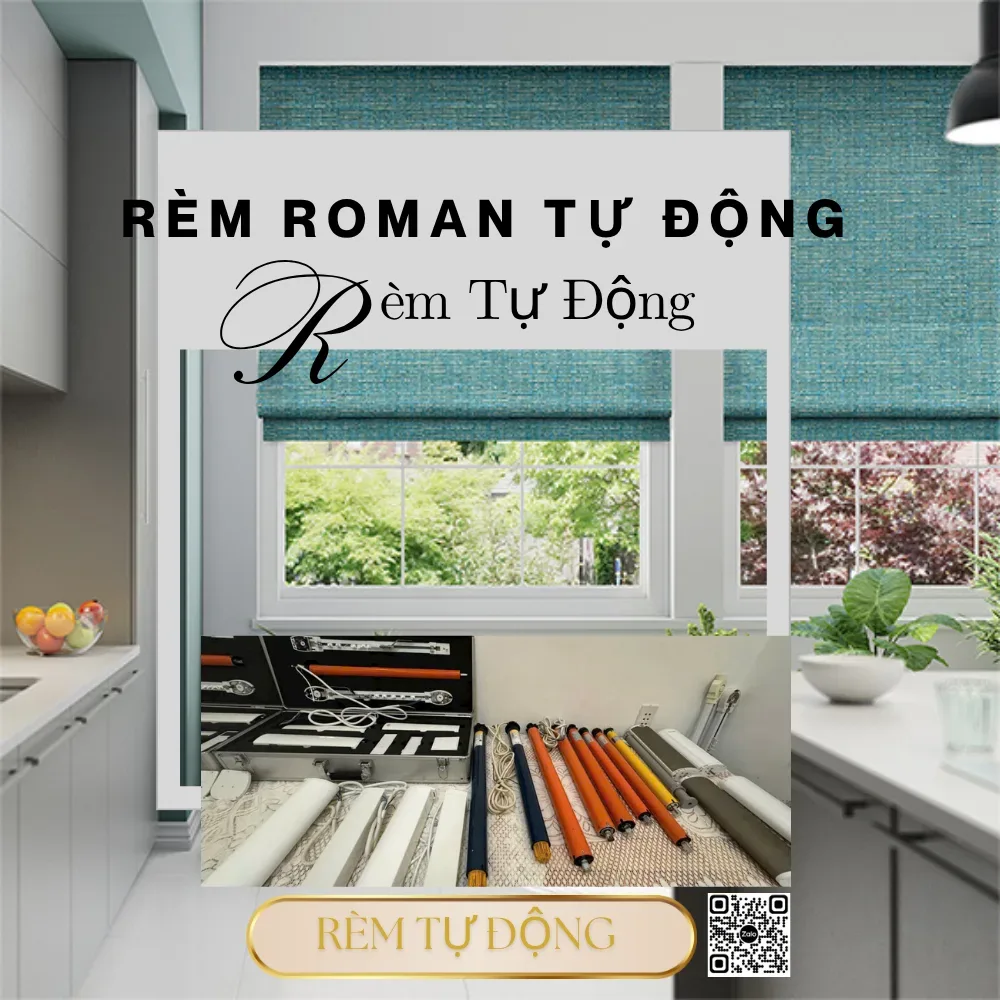
Are Roman Shades Good? A Detailed Review from A to Z
This objective review explores whether Roman shades are a good choice by examining their layered [...]
Related posts
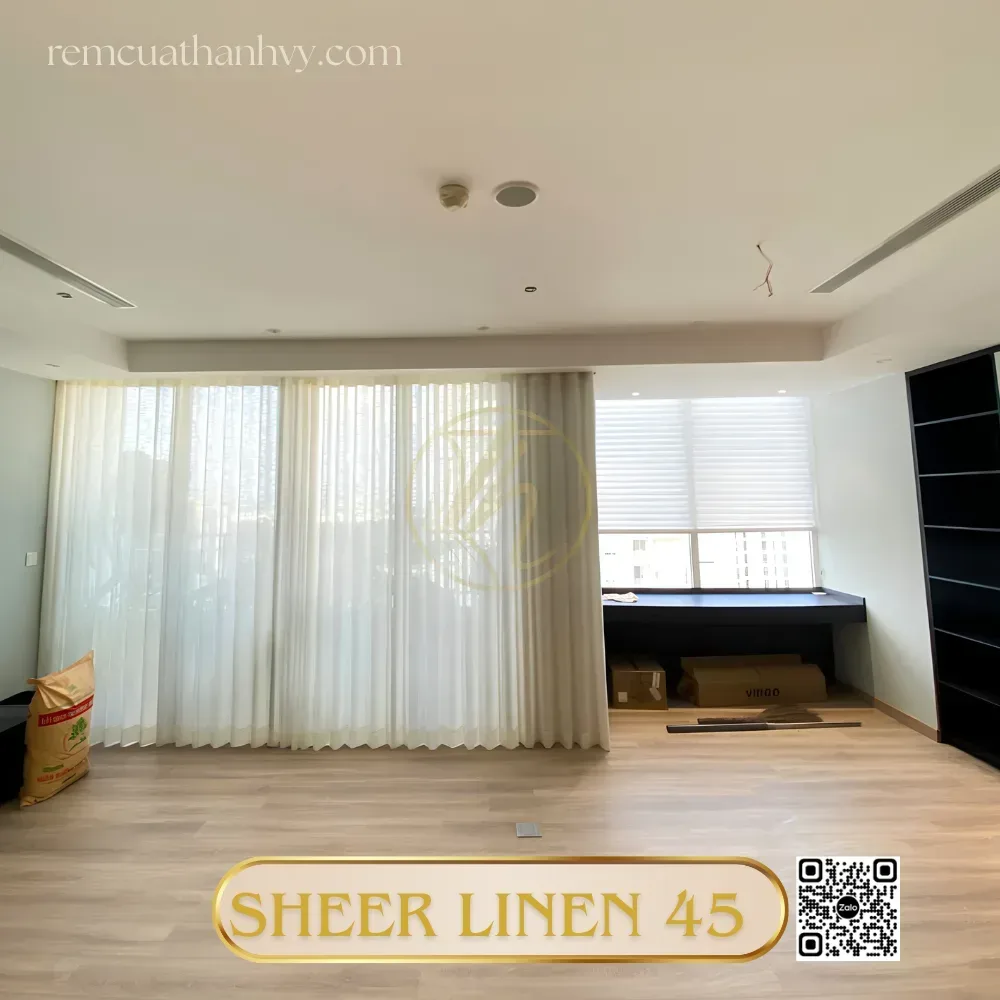
Beige Linen Curtains: Trends & Styling Tips
A guide to choosing beige linen curtains based on your home’s layout, light, privacy, materials, [...]
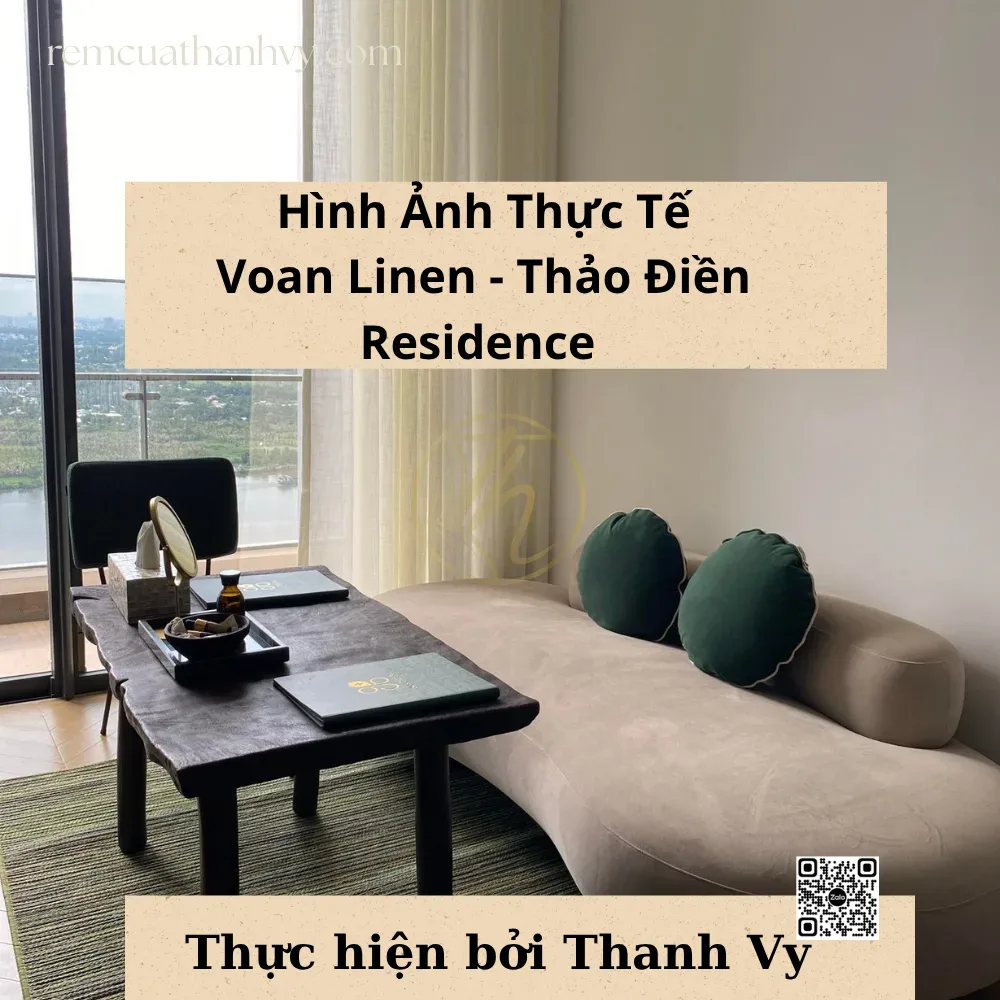
Gray Linen Curtains: Trends & Styling Tips
A guide to choosing gray linen curtains based on your living space, light, privacy, materials, [...]
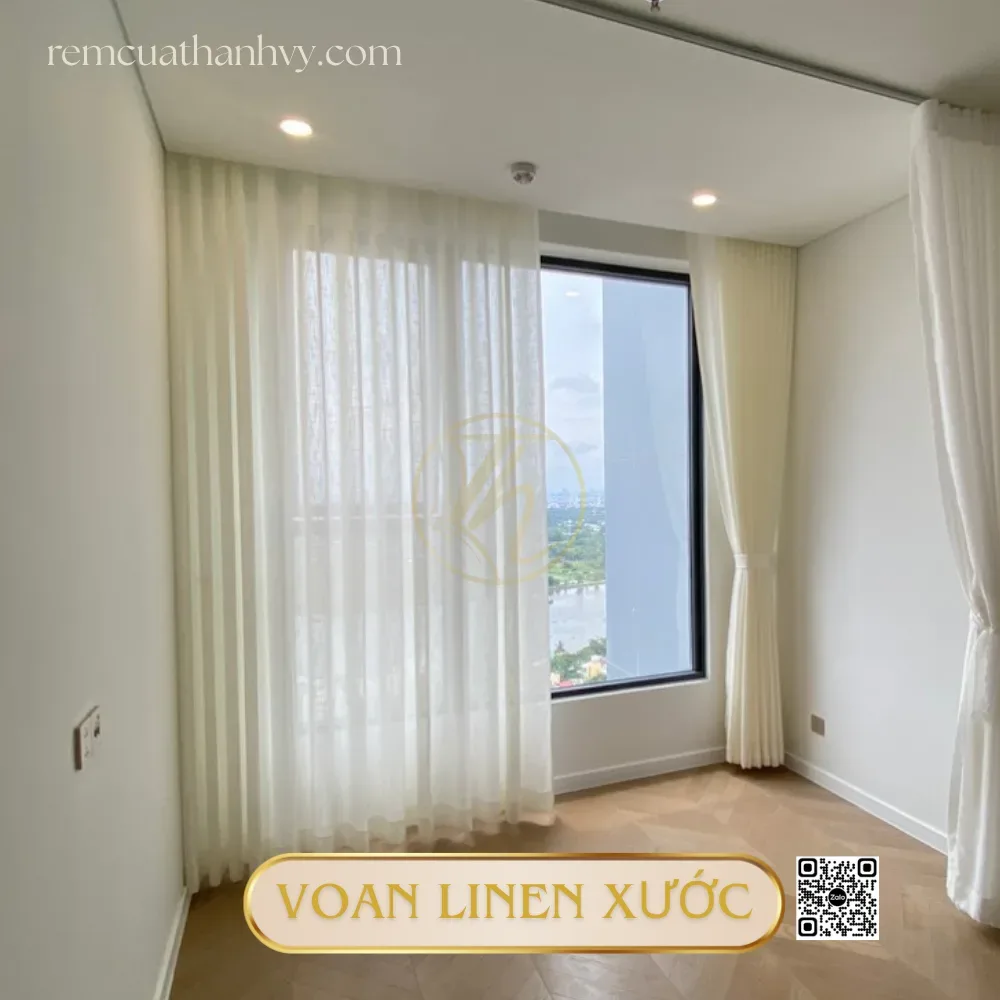
White Linen Curtains: Trends & Styling Tips
A guide to choosing white linen curtains based on your home’s layout, light, privacy, materials, [...]
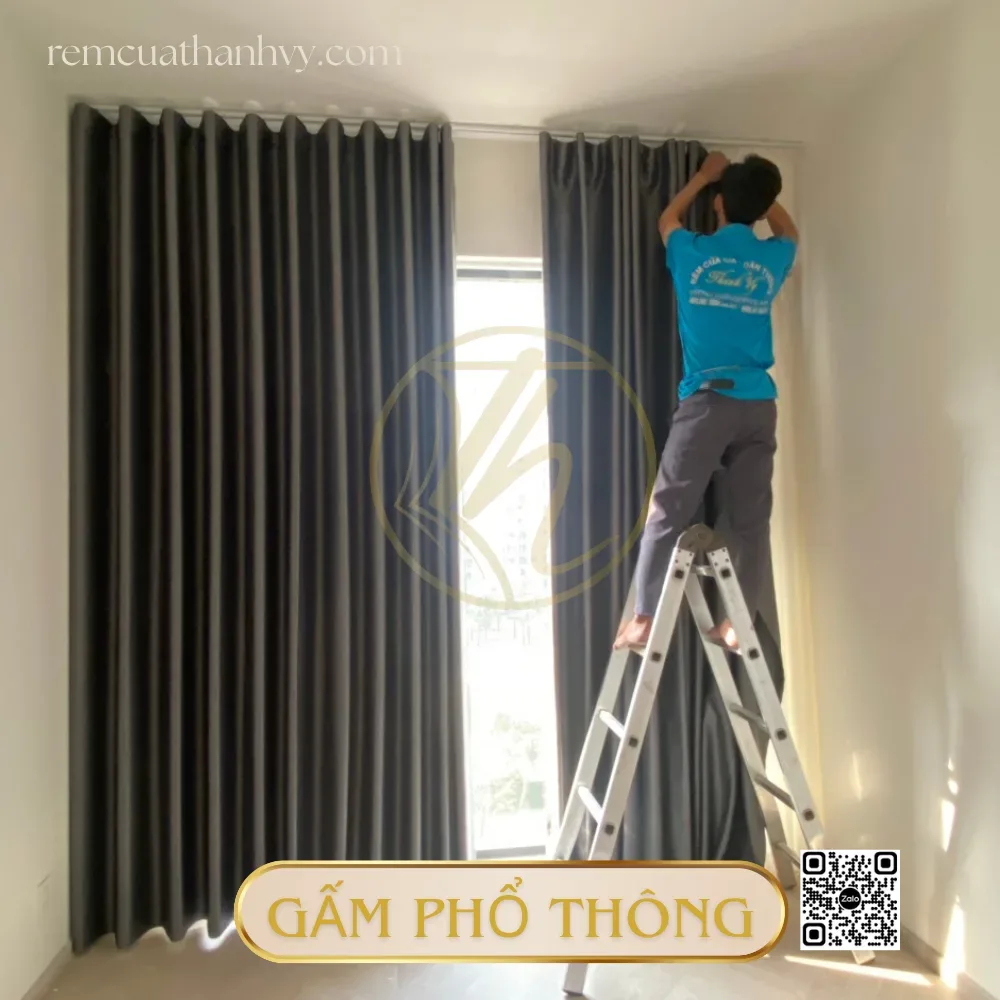
Fabric Curtains in Binh Chanh: How to Choose Materials, Colors, and Styles
This article helps readers choose fabric curtains in Binh Chanh based on functionality, lighting conditions, [...]
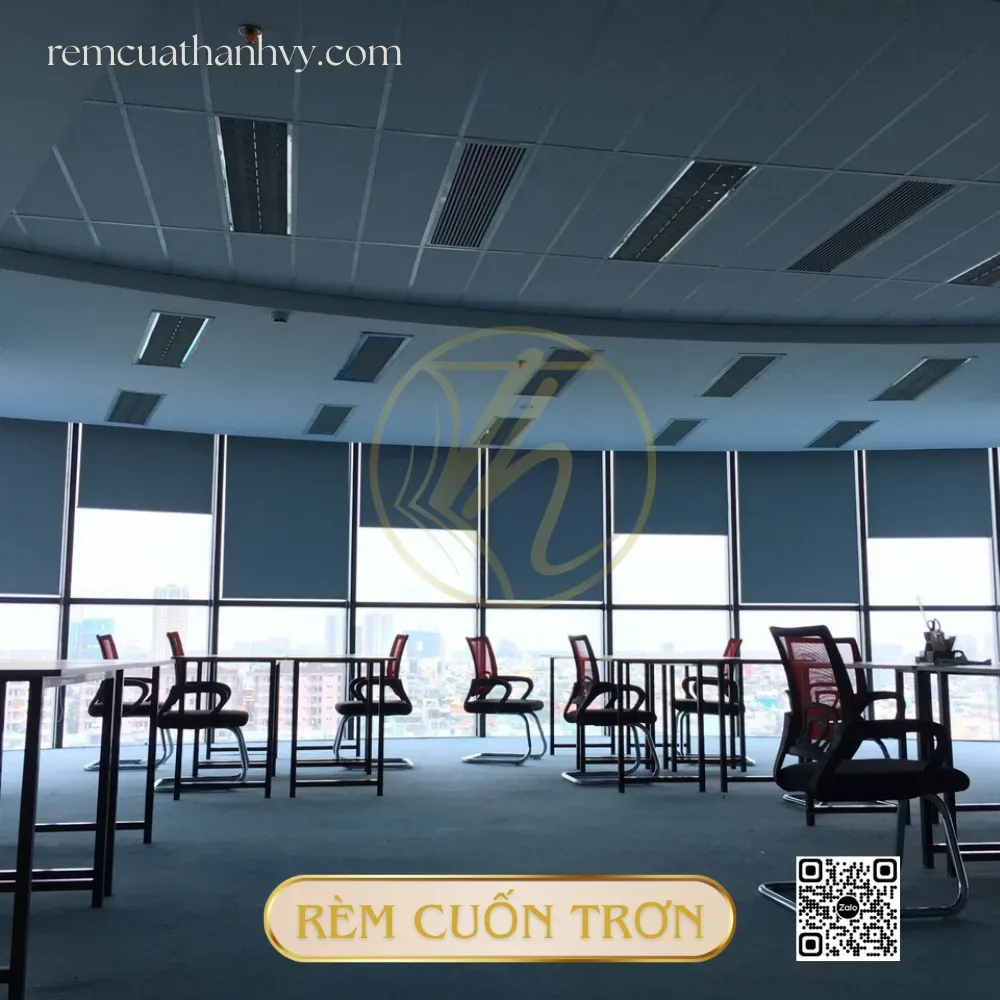
Roller Blinds in Go Vap: How to Choose the Right Style for Every Window
Only finalize your choice of roller blinds in Go Vap after determining the light filtration [...]
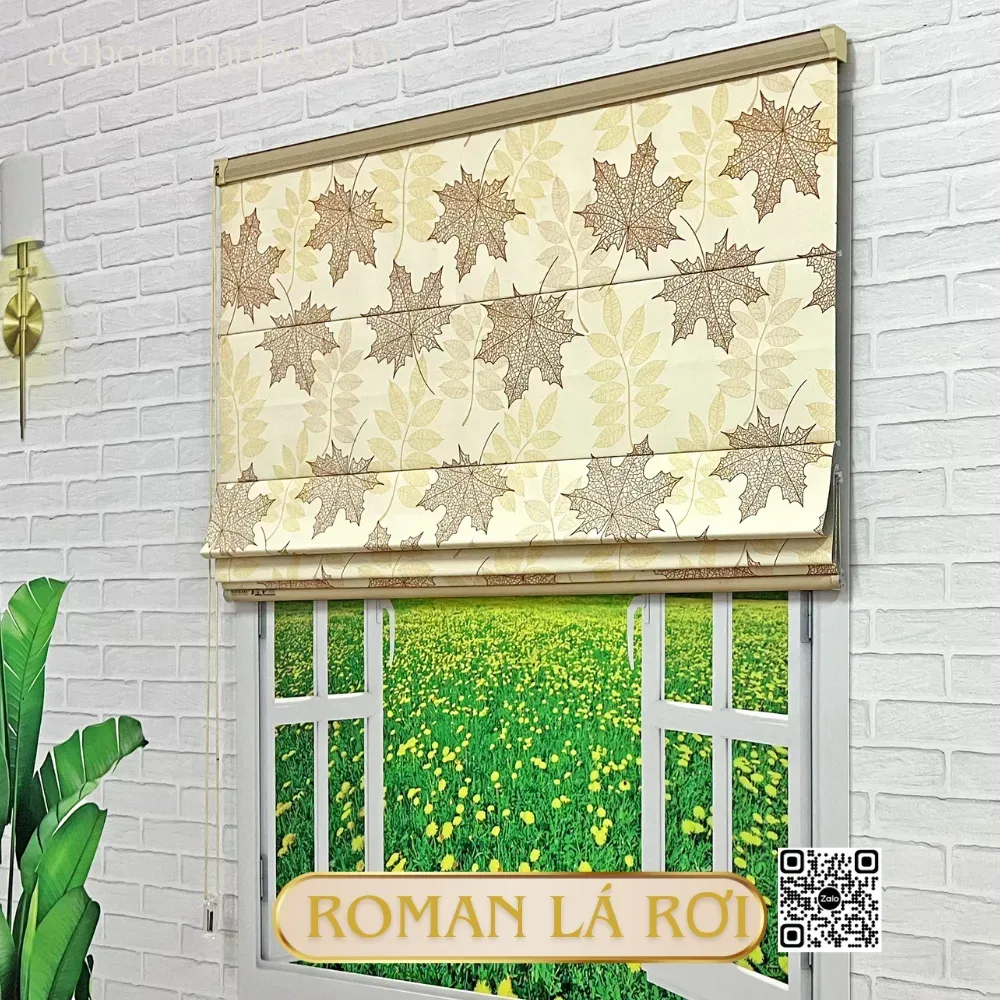
Roman Shades in District 4: How to Choose the Right Style
This guide helps you evaluate Roman shades in District 4 based on room type, mounting [...]
Popular Beautiful Curtain Designs in Binh Duong
Learn how to read Binh Duong curtain price quotes, the factors that change costs, how [...]
Neutral-Toned Fabric Curtains: Trends & Styling Tips
A guide to choosing neutral-toned fabric curtains based on your home's space, lighting, privacy needs, [...]
No comments yet!