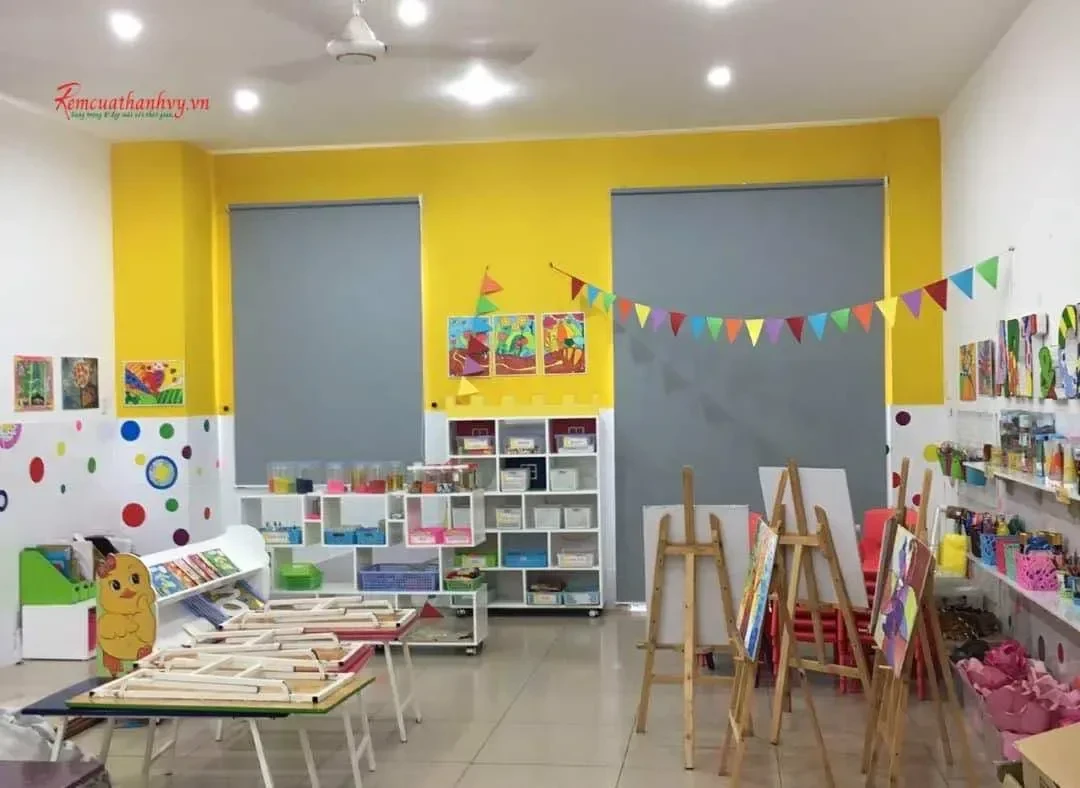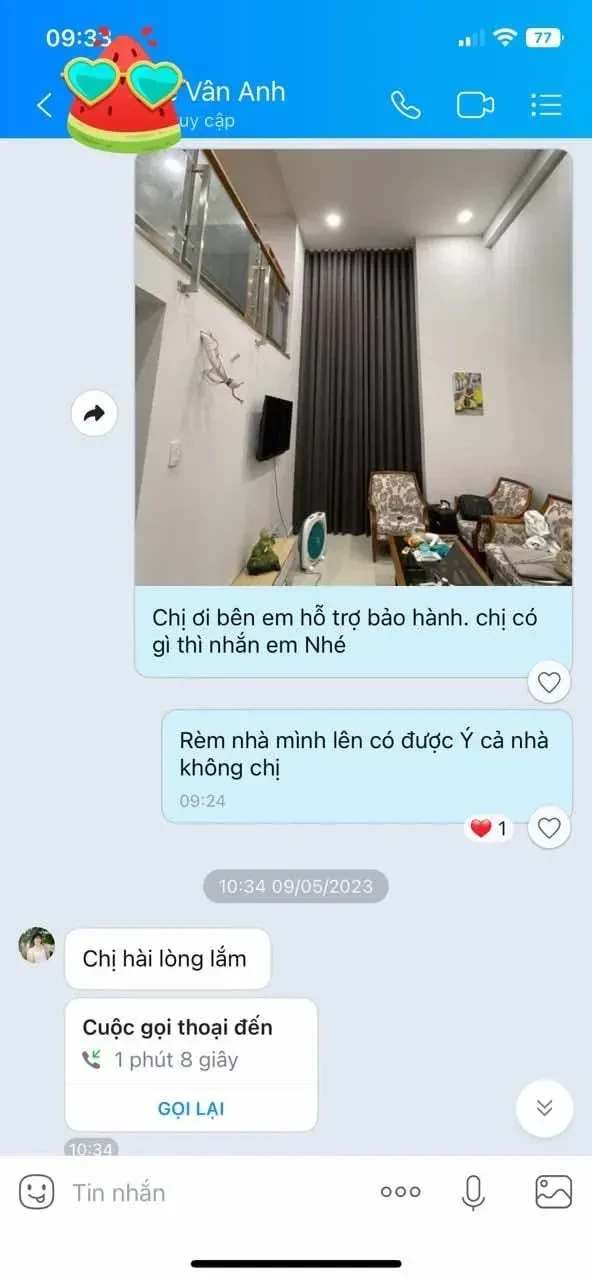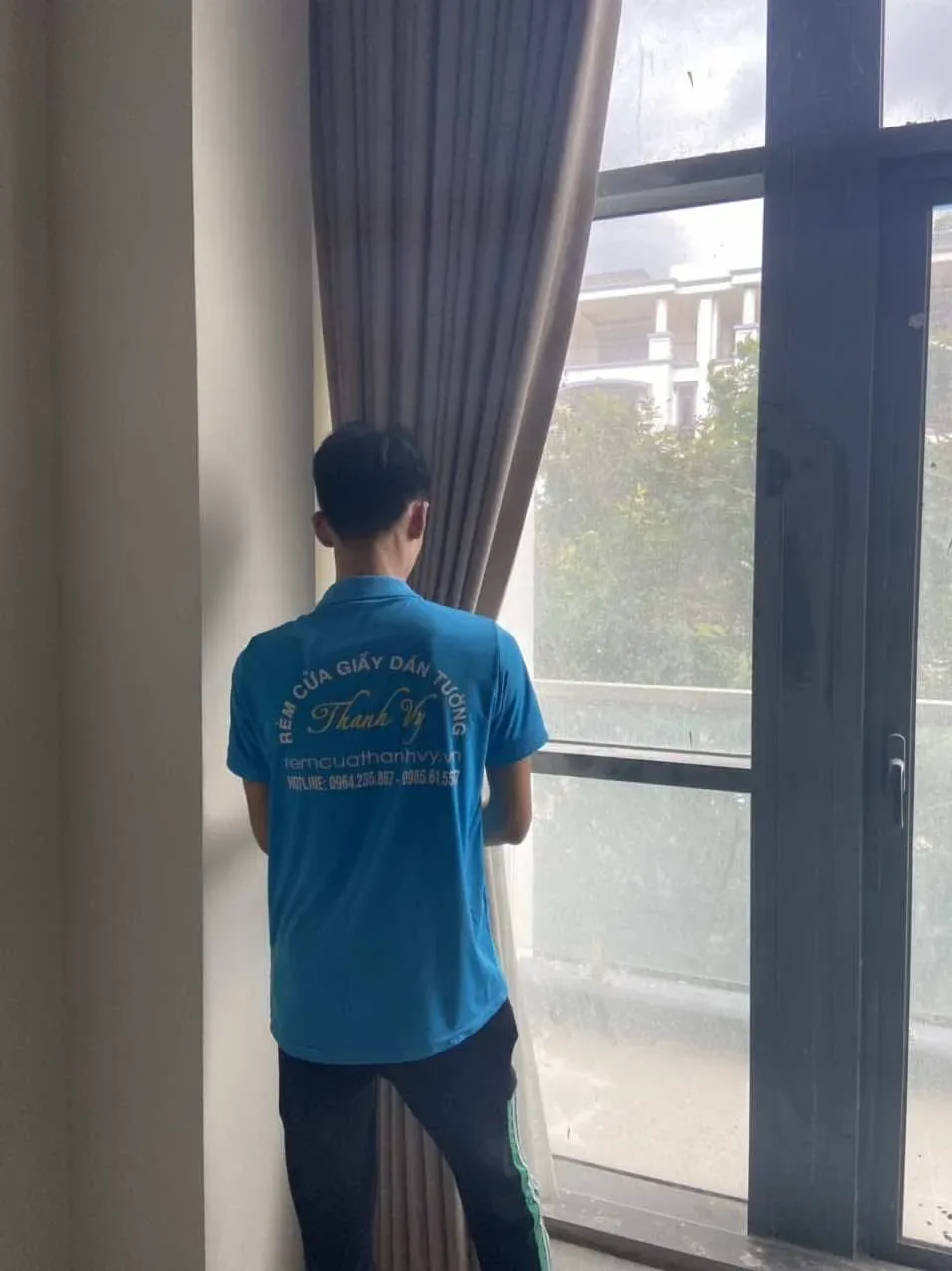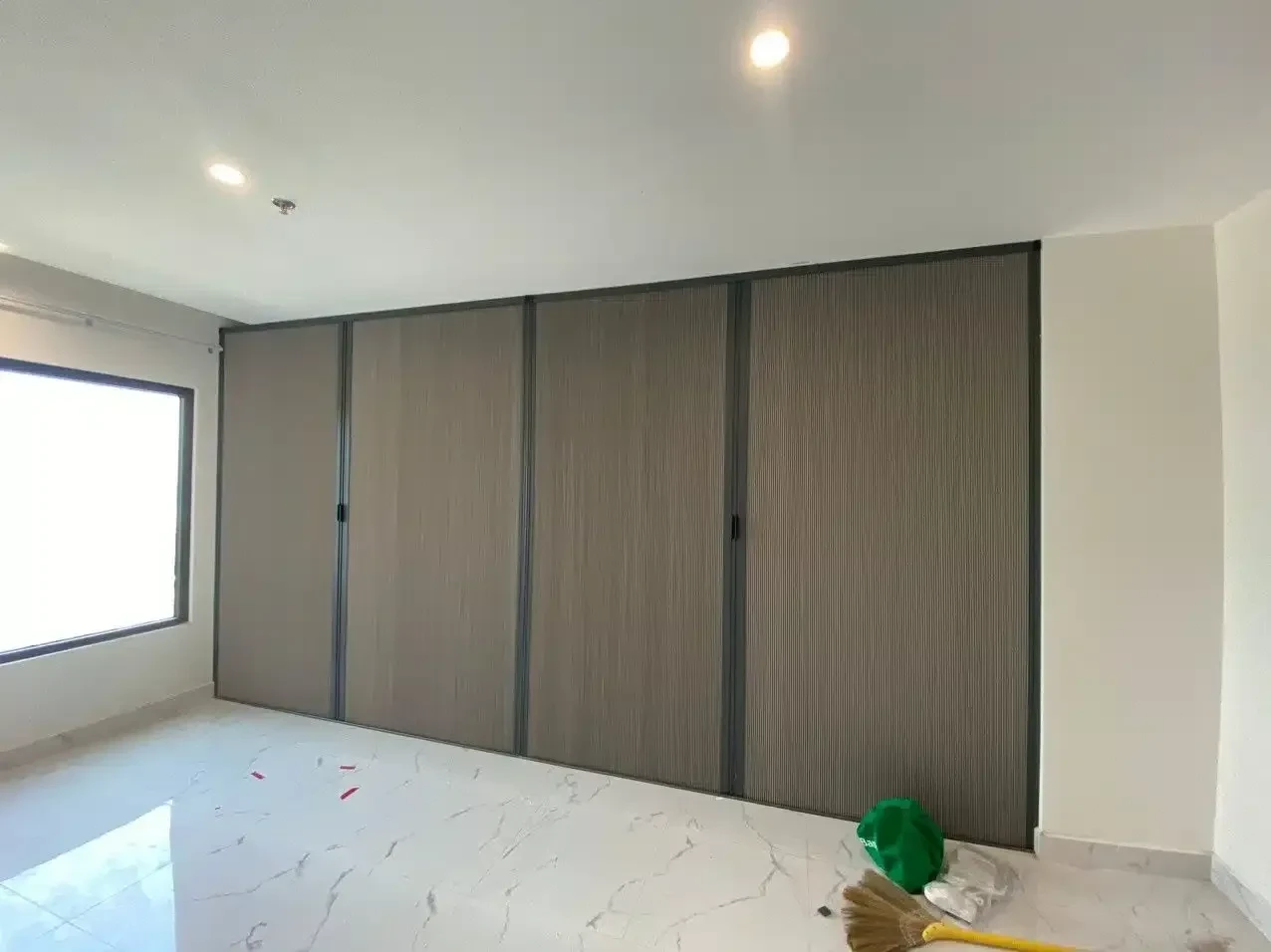
In HCMC, Thanh Vy surveys the installation site, confirms the curtain configuration with you, and then proceeds with installation and acceptance upon handover. For costs, please see the curtain price list page.

Nhận báo giá theo nhu cầu

Cho Thanh Vy Curtains biết nhu cầu của bạn để nhận báo giá cụ thể.

Request a quote Call 0985 615 577 Message on Zalo

Curtain installation should start with understanding your needs

Curtain installation is more than just hanging a piece of fabric over a window. A smoothly operating set of curtains needs to be compatible with the opening size, door opening direction, amount of sunlight, privacy needs, daily usage habits, and interior style. If you only choose based on sample photos or colors seen on a screen, you may easily end up with curtains that don’t cover enough, obstruct walkways, are heavy to pull, or are difficult to clean after a period of use. Therefore, when looking for a curtain installation service in HCMC, you should view it as a multi-step decision-making process. The goal is not to choose the “best” type of curtain for every home, but to identify the solution suitable for each specific location. A bedroom might need to prioritize light blocking; a balcony door needs to account for clearance when opening; a workspace often needs glare control while maintaining natural light; and spaces with high humidity or dust need to consider materials and cleaning methods. Before contacting us for consultation, prepare panoramic photos of the installation site, close-up photos of the wall edges or ceiling, estimated dimensions, and information on how the doors open. This data does not replace an on-site measurement, but it makes the initial discussion clearer. For special locations such as curved doors, skylights, multi-panel sliding doors, or deep recesses, it is necessary to fully note any obstructions to avoid making a decision too early.
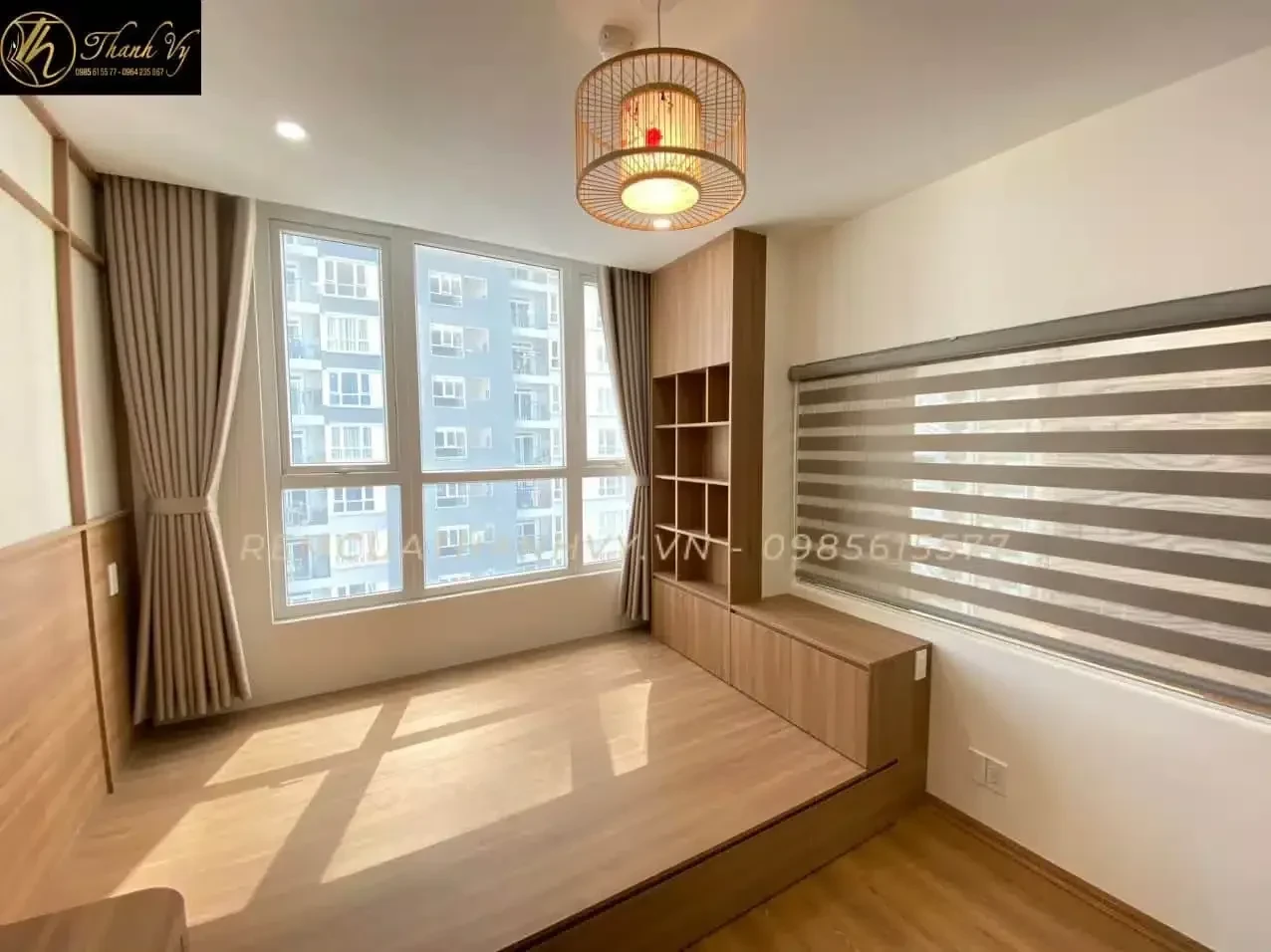
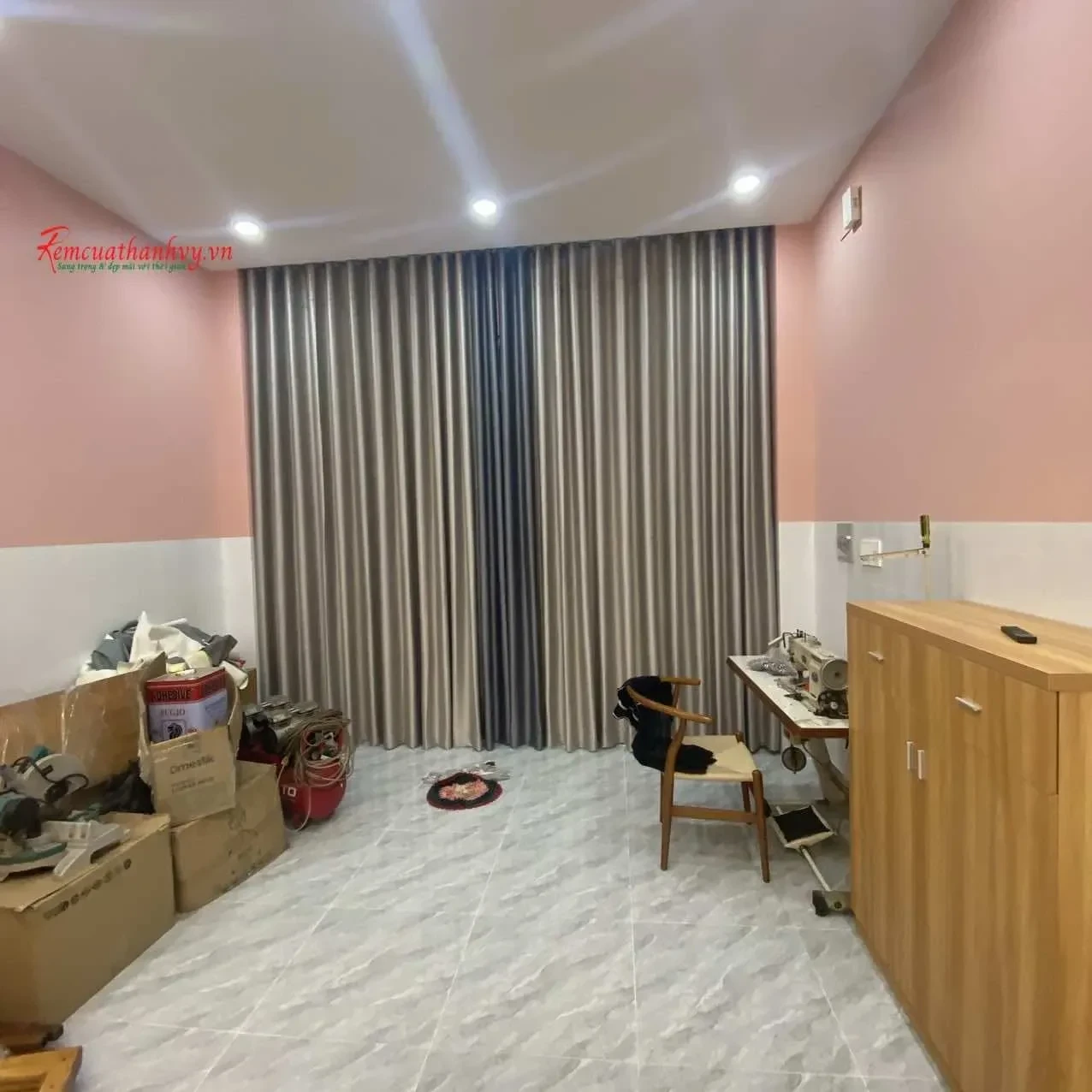
Site survey: the step that determines installation and usage

The survey is the moment when general requirements are turned into actionable specifications. The surveyor needs to determine the width, height, side clearance, mounting height for rods or tracks, the position of power outlets if using a motorized system, the door opening direction, and obstacles such as air conditioners, cabinets, moldings, or handles. Every detail can affect the curtain style and finishing method. For example, a wide window with a low ceiling might be better suited for a height-optimizing solution rather than a multi-layered model. Wall-hugging sliding doors need to account for the curtain stacking space so the door can still open. For windows with deep sills, you need to consider whether the curtain sits inside the recess or covers the outside to ensure both coverage and functionality. In these cases, there is no fixed “add-on” dimension for all projects; specifications should be finalized based on actual conditions. Users should also be direct about their priorities. If privacy at night is the priority, the configuration should be different from a case where you only need to soften the afternoon light. If you want the room to be tidy and easy to clean, a system with a simple structure might be more suitable than a multi-layered model. When children or the elderly are present, factors like safety, ease of use, and how to secure pull cords should be considered from the start.

Choose the curtain system based on the space, not just the sample

Fabric curtains are often considered when a soft feel is needed, with many options for drape and light-blocking levels. However, choosing fabric must go hand-in-hand with the sewing method, thickness, lining, and type of track or rod. Not all fabric samples are suitable for doors with high opening/closing frequency, kitchen areas, or dust-prone locations. Roller blinds, rainbow blinds, honeycomb blinds, roman blinds, or venetian blinds each have their own operating mechanisms and limitations. Compact systems are often convenient for small windows or spaces requiring flat surfaces; in return, users need to check the pulling direction, light gaps at the edges, and cleaning methods. Systems with slats or layered structures create different light-regulating effects but may require more careful handling and should not be installed in areas with frequent contact. Do not overlook the relationship between curtains and interior design. Curtain colors can be taken from a shade already present in the walls, floor, or furniture to make the space more cohesive. If the room already has many patterns, a simple curtain surface is usually easier to balance. Conversely, in a minimalist space, fabric texture or stitching can create just enough of an accent without using overly bold colors.

Nhận báo giá theo nhu cầu

Cho Thanh Vy Curtains biết nhu cầu của bạn để nhận báo giá cụ thể.

Request a quote Call 0985 615 577 Message on Zalo

Measure and confirm configuration before sewing or ordering

Measuring curtains should not just involve recording a pair of width and height numbers. The confirmation document needs to clearly show the installation location, type of track or accessories, opening direction, stacking side, number of layers, agreed-upon color or material code, and details related to operation. If you have sample photos, treat them as references for mood or style, not a guarantee that the result will be exactly the same under all lighting conditions. At this step, you should ask clearly about issues that could create discrepancies: edge coverage, the portion of the curtain that stacks when open, window accessibility, outlet locations, furniture placement near the window, and how to handle uneven walls or ceilings. A small change after sewing or cutting can increase adjustment time; therefore, confirming beforehand is more important than rushing to close the deal. When comparing options, use the same set of criteria: light-blocking level, privacy, curtain stacking area, ease of cleaning, material feel, operation method, and estimated budget. Comparing by criteria helps avoid choosing a beautiful model that is unsuitable for the intended location.

Installation, inspection, and acceptance

When installing, load-bearing accessories must be suitable for the type of wall or ceiling surface. Tracks, brackets, and fixing points must be checked before final hanging. Afterward, the curtains should be tested in both closed and open states to identify any rubbing, jamming, misalignment, contact with handles, or obstruction of walkways. For curtains with cords, chains, or control mechanisms, check the operation under daily usage conditions rather than just looking at the appearance when newly installed. Acceptance should be based on a short checklist: curtains cover the correct area; opening–closing operation is smooth; curtain edges do not snag on fixed objects; color and material match what was confirmed; accessories are securely installed; the work area has been basically cleaned; and usage and care instructions have been noted. If any discrepancies are found, take photos and describe the exact location so that the discussion for adjustments is not ambiguous. For control systems, test all relevant usage modes before finishing. Do not attempt to disassemble the mechanism, shorten cords, or replace accessories without knowing the cause of the fault, as this may alter the original state of the curtain set.

Acceptance during the handover

Right during the handover, Thanh Vy and you will check five points for acceptance. The curtains cover the agreed-upon area. Accessories are securely fastened to the wall. Curtains open and close smoothly. When fully extended, the curtains do not snag. The actual configuration matches the confirmation sheet. For cost reference, please see the price list per m² on the curtain price list page. Installation labor costs are finalized after the survey.

Post-installation care to maintain curtain performance

Each type of material has different cleaning methods. Fabric curtains usually need periodic dust removal and you should read the washing or cleaning instructions for the material. Roller, venetian, or honeycomb blinds should be wiped with soft tools, following the structure’s direction to avoid deforming the surface. Strong chemicals, hard brushes, or pulling forcefully when the mechanism is jammed can reduce the lifespan of the curtains. When curtains show signs of uneven operation, first check for obstructions, twisted cords, or if the door is hitting the curtain. If you cannot identify the cause, stop forceful operation and send a photo or short video of the actual situation to receive appropriate guidance. Describing the phenomenon correctly is more helpful than a general statement that the curtain is “broken.”

Projects by area with records and sources

Below are projects with individual records in the Projects section of the website, originating from the project page on remcuathanhvy.vn. Only areas with records are listed: District 6, Binh Tan, and Thu Duc. District 4 does not yet have a verified individual project record, so this page does not mention examples there; for information on receiving service, see the District 4 curtains page.

Area and project Type of curtain recorded in the file
District 6: The Western Capital Apartment Single-layer fabric Roman shades, blackout lining fabric curtains
Binh Tan: Street 52 Townhouse Roman shades, vertical blinds
Binh Tan: Kindergarten Gray roller blinds
Binh Tan: Minh Hoang Jewelry Store Fabric roller blinds
Thu Duc: La Astoria Apartment 2-layer fabric curtains, roller blinds
Thu Duc: MAXEU Office, Van Phuc Urban Area Blackout fabric curtains, sheer light-filtering fabric curtains
Thu Duc: Vinhomes Grandpark Apartment Glass partitions with roller blinds, vertical fabric curtains

Source: each profile above has an original page in the projects section of remcuathanhvy.vn, along with the /du-an/ path segment with the profile page on this website.

Blue Roman Shades at The Western Capital Apartment, District 6

This project at The Western Capital apartment (District 6) is a prime example of a [...]

Color-Blocked Fabric Curtains on Road 52, Binh Tan – Modern Townhouse Space

This project on Road 52, Binh Tan District is a prime example of combining two [...]

Gray Roller Blinds for Kindergarten Classroom in Binh Tan District

This project involved installing a roller blind system for classrooms at Little Rose Kindergarten in [...]

Double-Layer Floor-to-Ceiling Fabric Curtains at La Astoria Apartment, Thu Duc City

The double-layer fabric curtain project at La Astoria apartment, Thu Duc district, is one of [...]

Double-Layer Blackout Fabric Curtains at MAXEU Office – Van Phuc Urban Area

The blackout fabric curtain project at MAXEU interior design company, 189 Nguyen Thi Nhung, Van [...]

Roller Blind Glass Partition at Vinhomes Grandpark – Apartment BS-16

This project at Vinhomes Grandpark, building BS-16, is a luxury apartment interior finishing project where [...]

Prepare information for a more effective consultation

A clear request usually includes: photos of the installation location, estimated dimensions, purpose of use, type of door, desired color, completion deadline, and any constraints such as the door needing to open fully or not wanting to drill into a specific surface. If you are undecided between multiple curtain systems, please state your priorities in order rather than trying to choose a specific model immediately. This helps the consultation move from actual needs to a suitable configuration. The content above is intended to help users understand the steps to prepare before construction, and does not replace actual surveys or technical instructions for each product. Once you have specific parameters and choices, please use the official contact channels to confirm the scope of work, materials, installation methods, and related conditions.

Bạn cần hỗ trợ thêm?

Liên hệ Thanh Vy Curtains để được giải đáp.

Request a quote Call 0985 615 577 Message on Zalo

FAQ

You only need to prepare photos of the installation location, estimated dimensions, the type of window you have, your light-blocking or privacy needs, and notes on any potential obstructions. Just before the installation session, clear the area under the window and remove old curtains if any. Everything else, including tools, anchoring materials, and dust protection, will be brought and handled by the technician.
Sample photos are good for narrowing down colors and styles, but they are not enough for a final decision. The reason is that photos cannot convey the thickness, drape, and the actual amount of sunlight passing through the material. Those three factors determine how the curtains will perform in your room. Use photos to shortlist a few options, then view the actual samples for the final decision.
A survey becomes mandatory in four cases: windows with large dimensions, special installation locations such as arched windows or skylights, many obstructions around the frame, and when needing to finalize the operating mechanism for tall windows. Beyond those cases, a survey is still recommended because on-site measurements are the only basis for production. This is the cheapest step in the entire process but the one that determines the most.
During the handover session, check five points: do the curtains cover the agreed-upon area, are the wall-mounted accessories secure, is the opening and closing operation smooth, is there any obstruction when fully extended, and does the actual configuration match the confirmation sheet? Detecting discrepancies at this time allows for immediate on-site resolution, whereas reporting them after a few weeks will require scheduling a new appointment.
The first thing to do is stop pulling; absolutely do not try to force it, as excessive force often turns a minor jam into a broken mechanism. Then, check if any obstacles have fallen into the track or if the pull cords are tangled, as these two causes account for the majority of jamming cases. If you cannot resolve it yourself, record a short video of the operation and send it to receive instructions tailored to the situation.