
This page helps you choose fabric and sewing styles, read price lists per m², and prepare measurements before ordering curtains in Ho Chi Minh City. The measurements you take yourself are only for initial discussion. Final sewing dimensions must be verified based on actual installation conditions.

Points to remember: determine the intended use before choosing colors. The same fabric sample can feel different when the direction of sunlight, wall color, or installation method changes.

Nhận báo giá theo nhu cầu

Cho Thanh Vy Curtains biết nhu cầu của bạn để nhận báo giá cụ thể.

Request a quote Call 0985 615 577 Message on Zalo
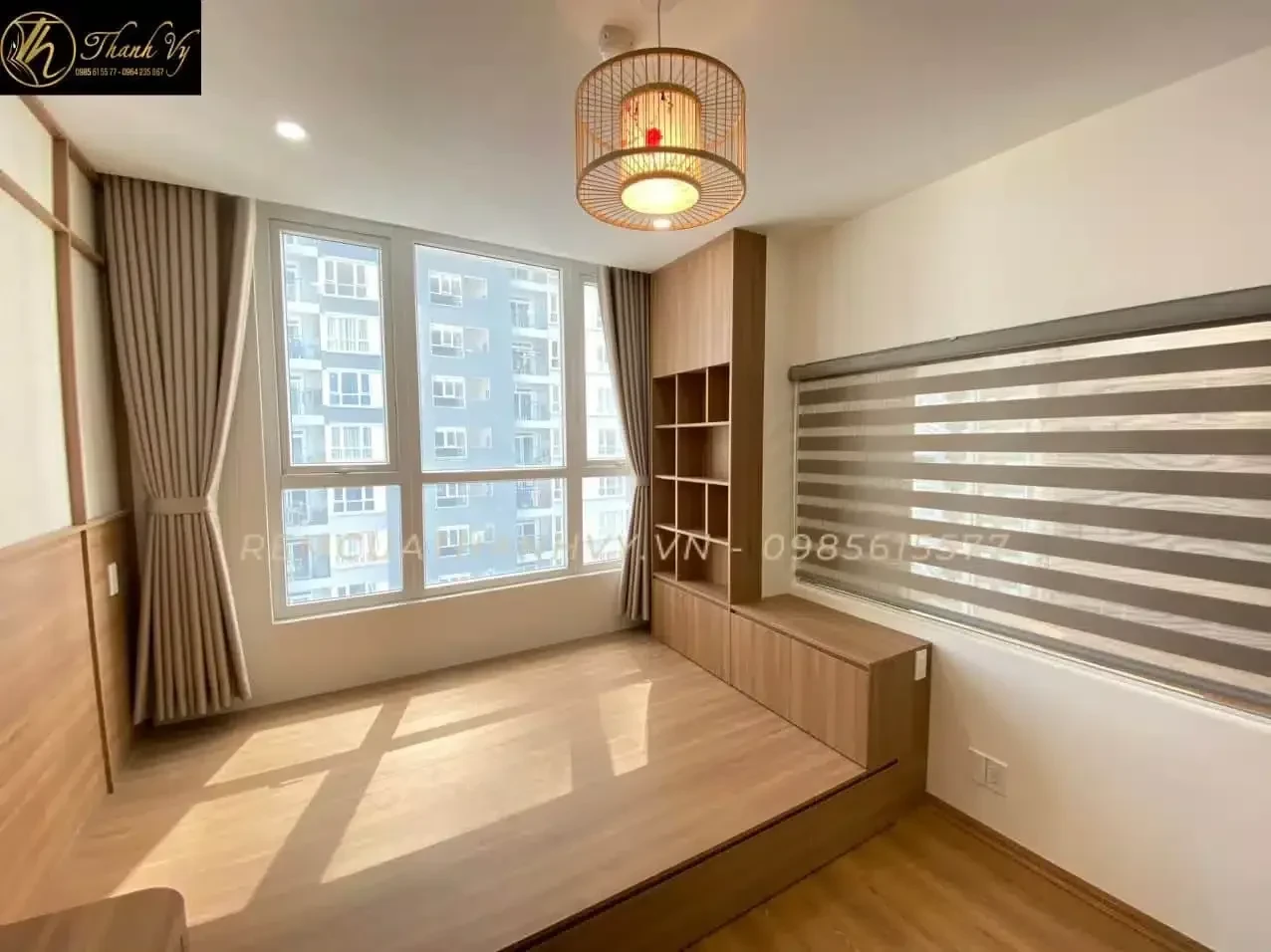
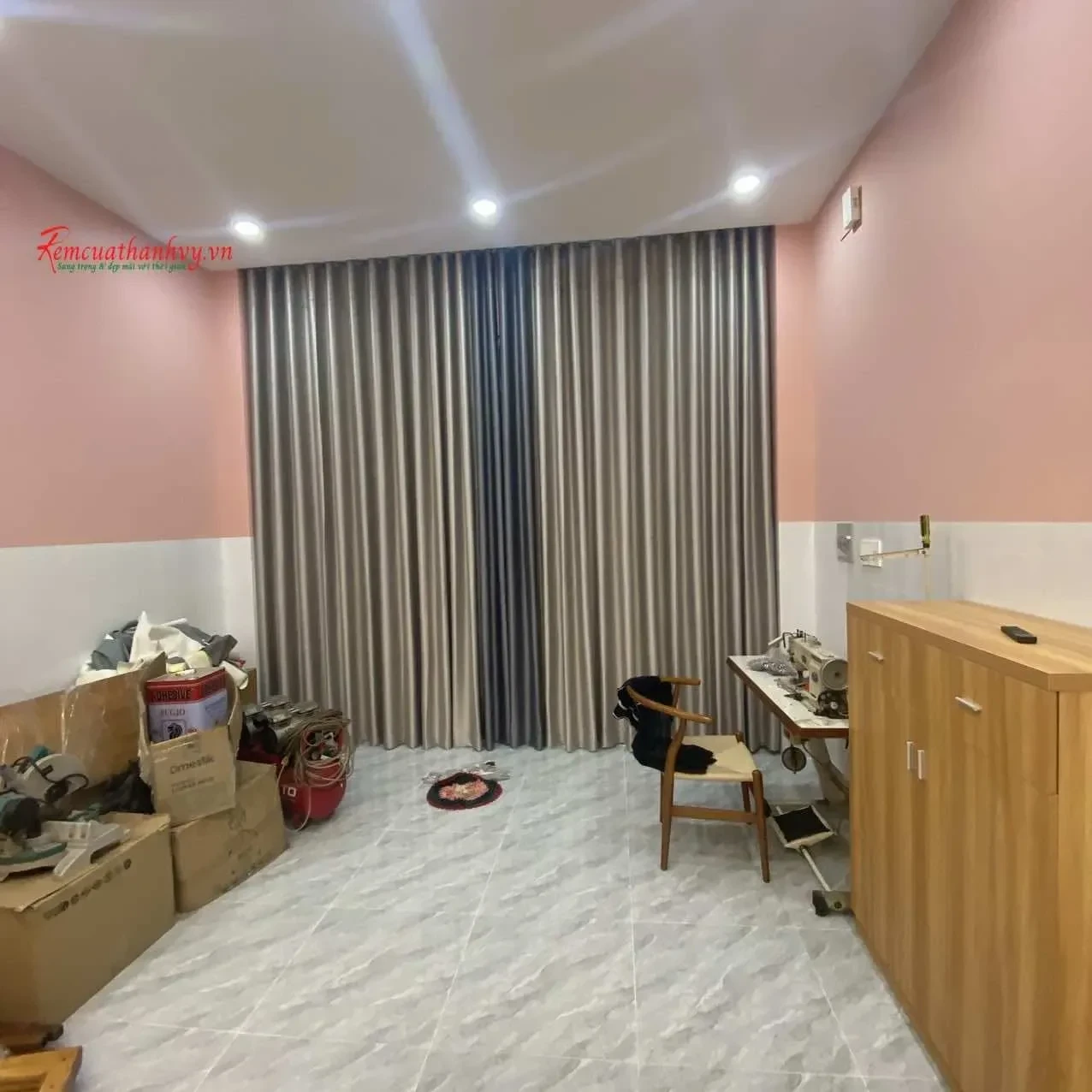
What should you determine before ordering?

Before the consultation, clearly note which room needs curtains, whether the door is for daily living or work, when sunlight causes discomfort, and the desired level of privacy. If the door frequently opens to a balcony or walkway, describe the opening direction and where the curtains will gather. This information helps eliminate options that look good in photos but are inconvenient to use.

  • Room, door type, and primary purpose.
  • Sun direction, times when glare reduction or increased privacy is needed.
  • Preliminary dimensions, side clearance, and obstacles.
  • Wall, floor, sofa, or large furniture colors.
  • Frequency of opening/closing, cleaning requirements, and desired operation method.

Panoramic photos, close-ups of the ceiling edge, and photos of the handle area are more useful than a close-up of the fabric sample. If you don’t have measurements yet, clearly state that they are estimates to avoid confusion with final sewing dimensions.

Choosing fabric based on light, privacy, and care

Rooms receiving strong sunlight often require consideration of linings, blackout levels, and gaps around the edges. Rooms needing soft light may prioritize light transmission and drape. Do not draw conclusions based solely on color names or online photos because colors and surfaces change according to light sources, screens, and wall backgrounds. View samples near the window, both during the day and under artificial light if possible. Care capability is also part of the selection. Areas near the kitchen, where there are small children, or where dust is frequent require discussion about removal, cleaning, and cleaning frequency. A soft, multi-layered, or specially structured material may look beautiful but requires appropriate maintenance. There is no “best” fabric for every room; there are only configurations that are more suitable for specific usage conditions.

Fabric price per m² based on products currently for sale

The table uses prices from products currently for sale on the Thanh Vy website, based on information verified on November 26, 2026. The table includes voile, standard fabric, linen, premium fabric, and roman blinds. Prices are calculated per m² of finished curtains, excluding accessories and installation labor.
Product lineReference priceNotes
Aluminum Venetian BlindsFrom 300.000 VND/m²Live prices from products on sale; accessories and installation not included
Automated BlindsFrom 400.000 VND/m²Live prices from products on sale; accessories and installation not included
Automatic CurtainsFrom 445.000 VND/m²Live prices from products on sale; accessories and installation not included
Blackout Roller BlindsFrom 300.000 VND/m²Live prices from products on sale; accessories and installation not included
Clothes Drying RackFrom 1.350.000 VND/m²Live prices from products on sale; accessories and installation not included
Curtain Hardware & AccessoriesFrom 110.000 VND/m²Live prices from products on sale; accessories and installation not included
Honeycomb BlindsFrom 590.000 VND/m²Live prices from products on sale; accessories and installation not included
Insect Screen DoorFrom 569.000 VND/m²Live prices from products on sale; accessories and installation not included
Linen CurtainsFrom 265.000 VND/m²Live prices from products on sale; accessories and installation not included
Premium Accordion DoorFrom 200.000 VND/m²Live prices from products on sale; accessories and installation not included
Premium Fabric CurtainsFrom 365.000 VND/m²Live prices from products on sale; accessories and installation not included
Printed Roller BlindsFrom 420.000 VND/m²Live prices from products on sale; accessories and installation not included
Quality Fabric CurtainsFrom 255.000 VND/m²Live prices from products on sale; accessories and installation not included
Rainbow BlindsFrom 460.000 VND/m²Live prices from products on sale; accessories and installation not included
Roller BlindsFrom 300.000 VND/m²Live prices from products on sale; accessories and installation not included
Roman ShadesFrom 495.000 VND/m²Live prices from products on sale; accessories and installation not included
Sheer CurtainsFrom 199.000 VND/m²Live prices from products on sale; accessories and installation not included
Standard Fabric CurtainsFrom 295.000 VND/m²Live prices from products on sale; accessories and installation not included
Vertical BlindsFrom 280.000 VND/m²Live prices from products on sale; accessories and installation not included
Wall MuralFrom 285.000 VND/m²Live prices from products on sale; accessories and installation not included
Window CurtainsFrom 280.000 VND/m²Live prices from products on sale; accessories and installation not included
Wooden BlindsFrom 685.000 VND/m²Live prices from products on sale; accessories and installation not included
Fabric CurtainsFrom 199.000 VND/m²Live prices from products on sale; accessories and installation not included

Prices are taken directly from the listed product prices, per m², excluding accessories and installation — a starting reference for each product line, not a substitute for the final quote after the site survey.

To see the full range of each line, go to the fabric curtains, voile curtains, or linen curtains categories. How to estimate material costs and additional items to ask about can be found on the curtain price quote page.

Single or double layer: decide based on usage

Single-layer curtains are often simpler when the goal is to soften light or complete the aesthetic. Double-layer curtains provide more options for light regulation and privacy during the day, but they require corresponding hanging space, gathering space, and operating room. If the window recess is narrow, or there are tall cabinets or air conditioners near the window, the second layer may increase collisions when opening and closing.

Priority Questions to answer Points to check
Glare reduction Need soft light or darker? Sun direction, light gaps, and lining
Privacy When do you need to cover? Viewing angle from outside and usage time
Operation Open one side or both? Gathering space and walkway
Cleaning Can it be removed or cleaned on-site? Sewing construction and accessories

Sewing style, rod or track, and fabric ratio

The sewing style affects the rhythm of the pleats, the gathering, and the amount of fabric needed. Styles with clear pleats often create a neat look; softer styles may suit spaces where you want to increase the drape. However, the sewing style should not be separated from the ceiling height, door width, and the position of the track or rod. A style that looks balanced on a tall, wide door may become heavy or cramped when moved to a small window. Tracks are usually considered when a discreet path is needed; rods can become decorative details. The final decision must consider brackets, setbacks, obstacles, and where the curtains gather. For frequently opened doors, try to describe the actual operation: who will pull the curtains, in which direction, and whether it is necessary to avoid handles or furniture.

View samples and clearly state the pleat style in your request

Place fabric samples next to the wall and floor to see if the color matches the room. Hold the sample in the intended hanging position, view it under natural daylight, and then view it again under the lights you usually use in the evening. When sending a sewing request, clearly state the desired pleat style and fullness.

Measure and photograph the current state to reduce errors

Preliminary measurements help start the discussion faster but are not final sewing parameters. Measure the width of the area to be covered, the expected height, side clearance, and recess depth if applicable. Note the positions of moldings, ceilings, electrical outlets, handles, cabinets, air conditioners, or objects that might obstruct the path. When taking photos, it is best to take one panoramic shot, one shot of the top edge, and one shot of the area where the curtains will gather.

  1. Mark which are estimated dimensions and which are verified dimensions.
  2. Note the opening direction of each door leaf.
  3. Photograph the current state from a distance wide enough to see obstacles.
  4. Compare the intended position of the track/rod with the ceiling and wall.
  5. Only finalize drawings or final dimensions after installation conditions are confirmed.

Information Preparation and Consultation Process

A transparent process usually begins with recording requirements, reviewing photos of the current state, and screening material groups. Afterward, both parties compare samples with the space, agree on the sewing style, accessories, and operation method. If there are uncertainties such as deep recesses, weak ceilings, or obstructions, list them as items to be checked instead of speculating. Before implementation, it is recommended to review the scope of work: which parts are measured, which parts are sewn, how colors are confirmed, and how to handle situations where actual conditions differ from the initial photos sent. This documentation helps limit changes of mind after sewing and provides a basis for inspection during installation. Contact information or quotes should only be finalized based on the unit’s official CTA/NAP data.

Sample projects with profiles and sources

The three sample projects below all have their own profiles in the Projects section of the website, originating from the project page on remcuathanhvy.vn. You should choose profiles to view based on the type of curtain you want to sew, rather than by location. This section does not list examples in District 4 because there is no verified individual project profile yet.

Area and project Curtain type recorded in the profile
District 6: The Western Capital apartment complex Roman shades, blackout lining curtains
Binh Tan: townhouse on 52nd Street Roman shades, vertical blinds
Thu Duc: La Astoria apartment complex 2-layer fabric curtains, roller blinds

Source: each profile above has an original page in the projects section of remcuathanhvy.vn, sharing the same /du-an/ path as the profile page on this website.

Blue Roman Shades at The Western Capital Apartment, District 6

This project at The Western Capital apartment (District 6) is a prime example of a [...]

Color-Blocked Fabric Curtains on Road 52, Binh Tan – Modern Townhouse Space

This project on Road 52, Binh Tan District is a prime example of combining two [...]

Double-Layer Floor-to-Ceiling Fabric Curtains at La Astoria Apartment, Thu Duc City

The double-layer fabric curtain project at La Astoria apartment, Thu Duc district, is one of [...]

Checklist before finalizing the plan

  • Light and privacy goals have been written as specific sentences.
  • Opening direction, gathering point, and main obstructions have been identified.
  • Fabric samples have been viewed next to the interior background, not just on a screen.
  • Sewing style, tracks/rods, and number of layers are suitable for the hanging space.
  • Measurements being used are clearly marked as preliminary or confirmed.
  • Cleaning methods and frequency of use have been discussed.
  • Uncertain points have been marked for verification before sewing.

Nhận báo giá theo nhu cầu

Cho Thanh Vy Curtains biết nhu cầu của bạn để nhận báo giá cụ thể.

Request a quote Call 0985 615 577 Message on Zalo
FAQ

The minimum information required includes photos of the current window condition, preliminary width and height measurements, sun orientation, desired level of privacy, how the window opens, and any obstacles around the frame. Obstacles are the most frequently overlooked items: protruding handles, window sills with ledges, or electrical outlets near the edge can all force a change in installation points. Mentioning these details beforehand helps ensure the proposed solution is feasible from the start.
No. Photos are always color-processed and display differently on each screen, with the most noticeable differences in neutral tones. The correct way to check is to place material samples next to the actual wall and floor colors, observe them under daylight, and then check again with the lights on in the evening. These two times provide completely different color perceptions, and your room will be in the latter state throughout the evening.
The answer depends on four factors: how much light control you need, how much privacy you require, whether there is enough hanging space above the window, and how much room is left on both sides for the curtains to stack when fully opened. Two layers offer a wider adjustment range but take up more space and are more expensive. Narrow windows or walls with cabinets on the sides are usually better suited for a single-layer solution.
No, the numbers you measure yourself are only for discussion and preliminary budget estimation. The dimensions used for production must be verified according to actual installation conditions, as each installation style has its own way of adding or subtracting allowances, and walls are rarely perfectly square. A difference of one or two centimeters is enough to make light gaps clearly visible, and custom-made curtains cannot be altered after the fabric has been cut.
For doors used frequently, you need to confirm four points in advance: whether the door opens inward or outward, which side the curtains stack on, where the handle is located, and how wide the walkway is underneath. Tracks or rods placed in the wrong position will hit the door or obstruct the path, and this is an error that only becomes apparent after installation. Determining these points during the measurement session will avoid having to remove and redo the work.