


Best Honeycomb Blind Ideas for the Bedroom in 2026
Why Honeycomb Blinds Are Currently the Most Searched Choice for Bedrooms
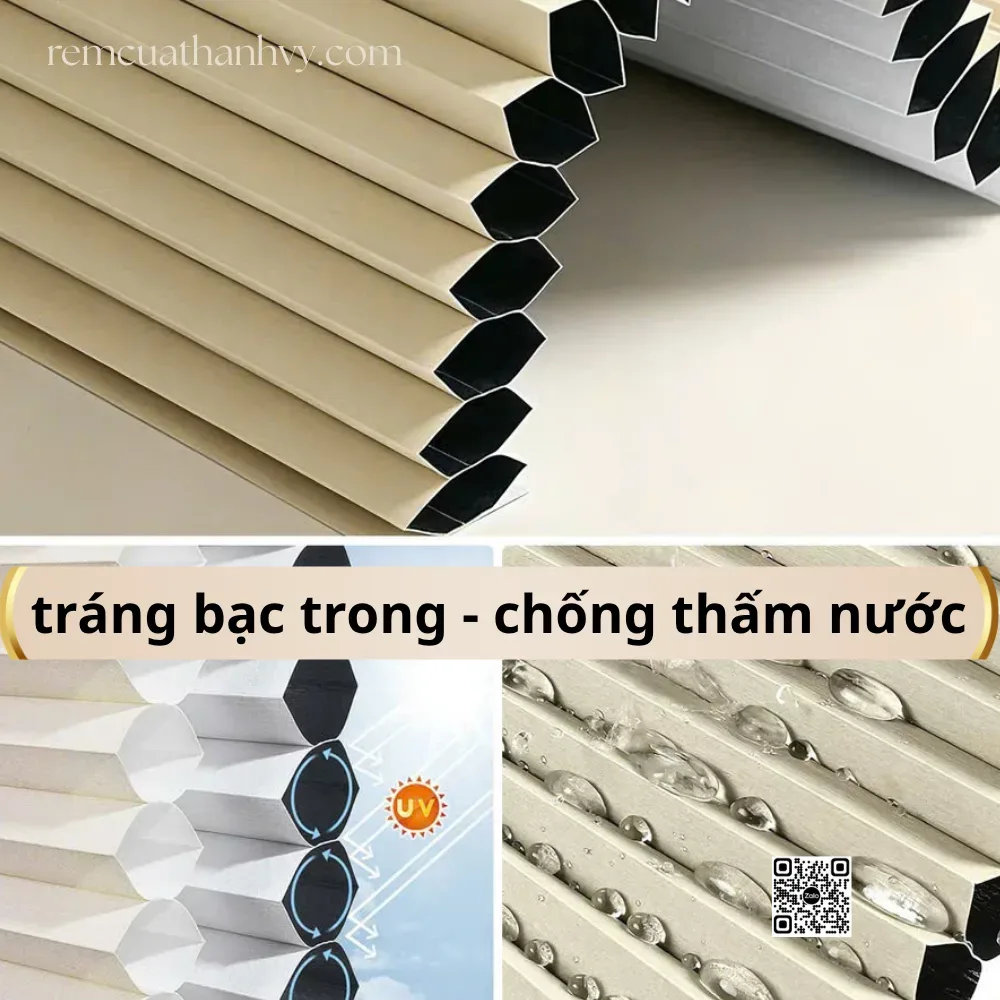
When compiling a list of beautiful bedroom honeycomb blind designs to reference before installation, most researchers share a common concern: choosing options that are both aesthetically pleasing and truly supportive of sleep. Honeycomb blinds meet this exact need thanks to their characteristic structure of hollow hexagonal cells between two layers of fabric, creating a natural air cushion layer that single-layer fabric curtains or ordinary roller blinds do not have. Background information on polyester fibers in the textile industry helps with comparison when choosing materials.
For a bedroom, a curtain needs not only to look good during the day but also to maintain a dark, quiet, and comfortable space at night. This is why honeycomb blinds are increasingly prioritized over traditional draped fabric curtains, especially in apartments and townhouses with large window areas.
Honeycomb blinds also easily adapt to various interior styles, from minimalist, neutral tones to warm Japanese or Nordic styles. This article goes through each group of honeycomb blinds suitable for bedrooms based on actual needs rather than listing them by item codes or price points, giving you a basis to choose the right type for your resting space.
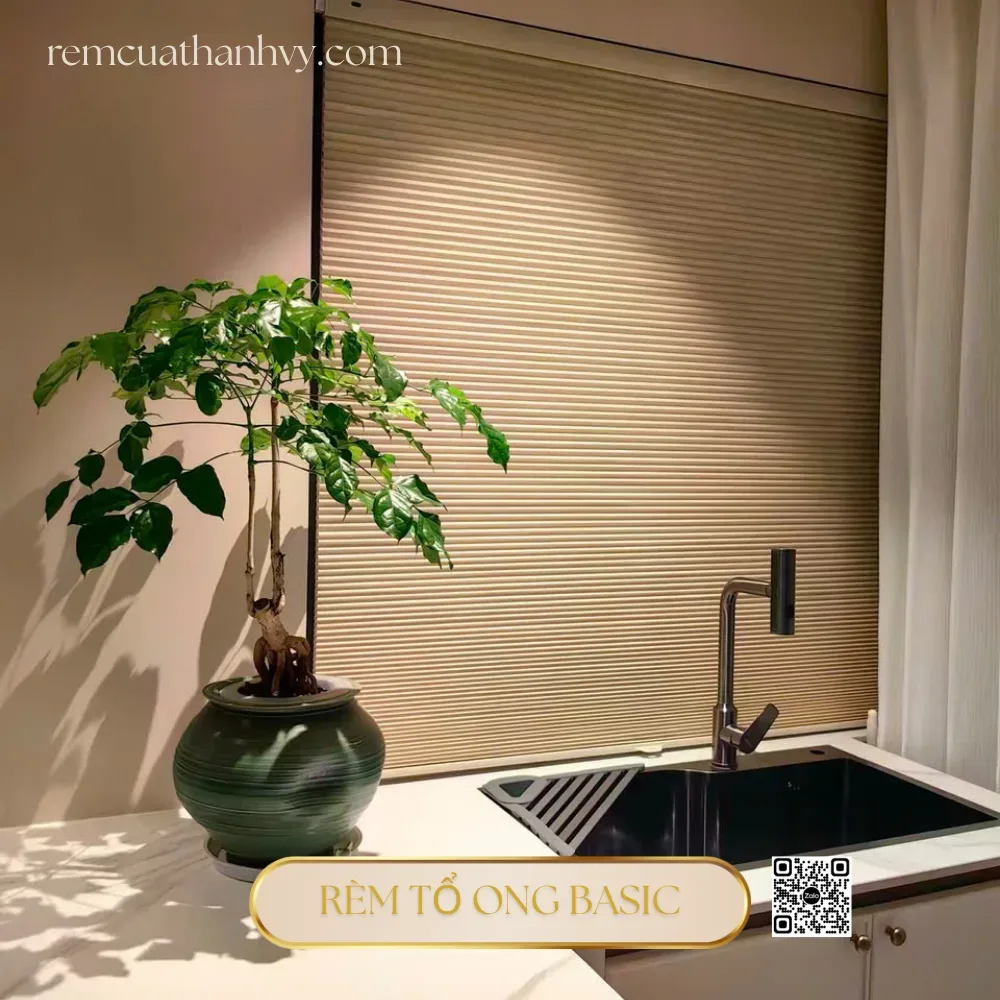


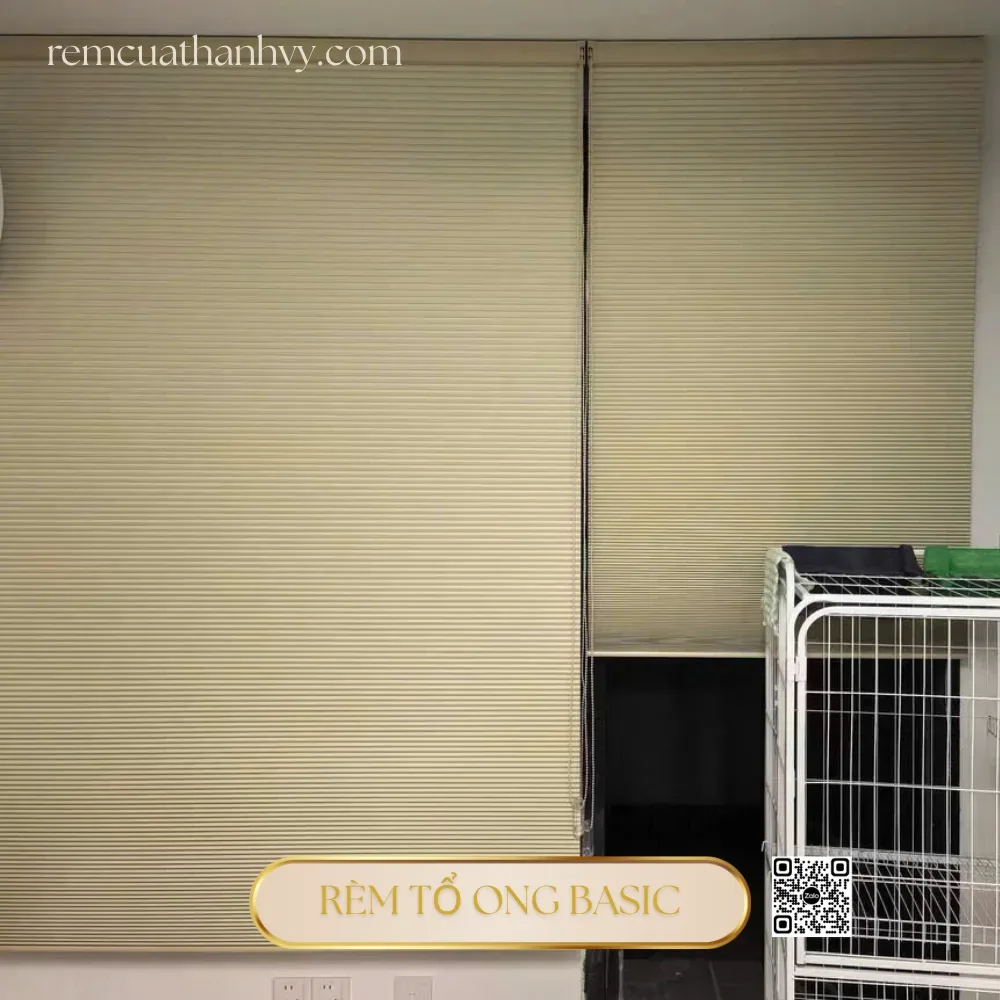
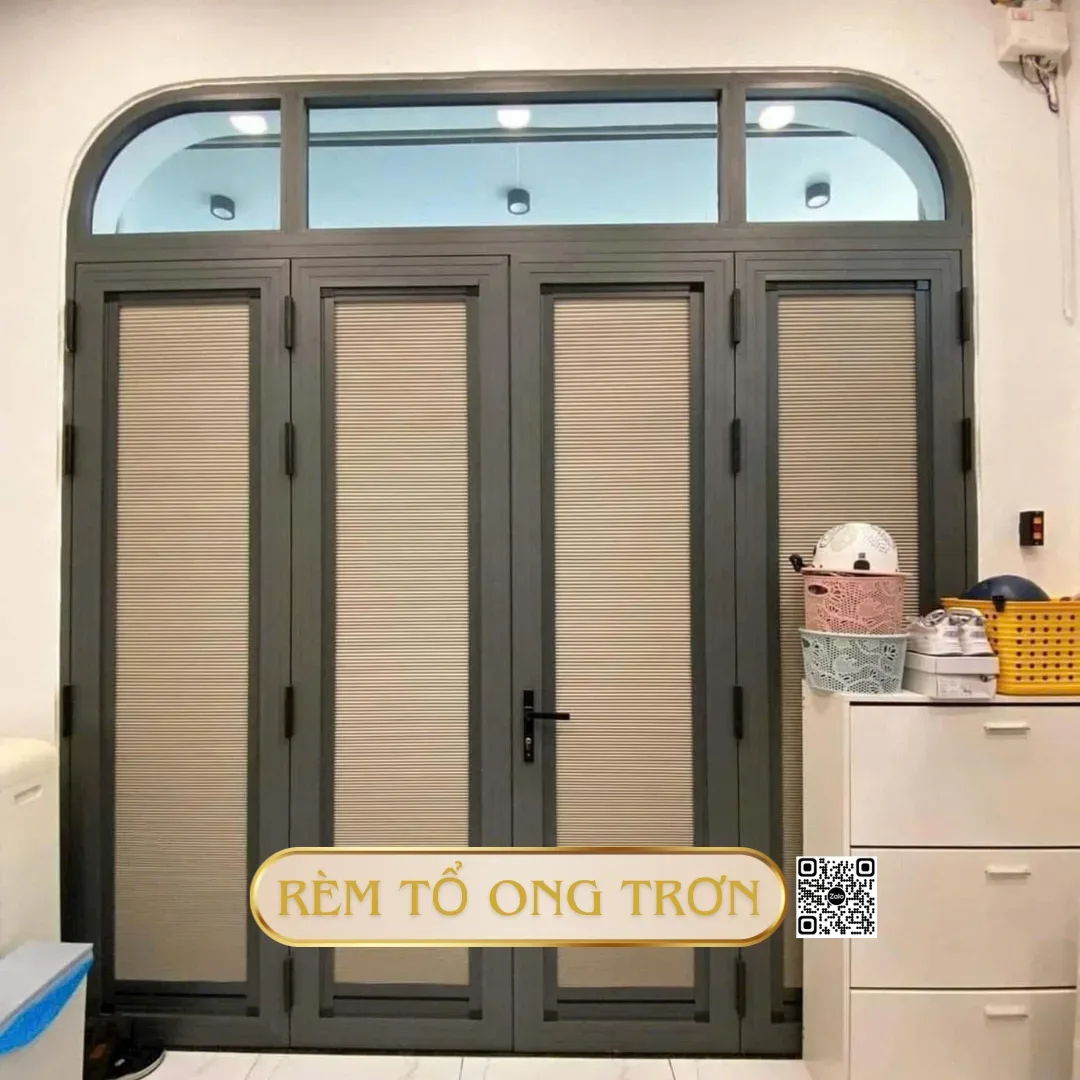
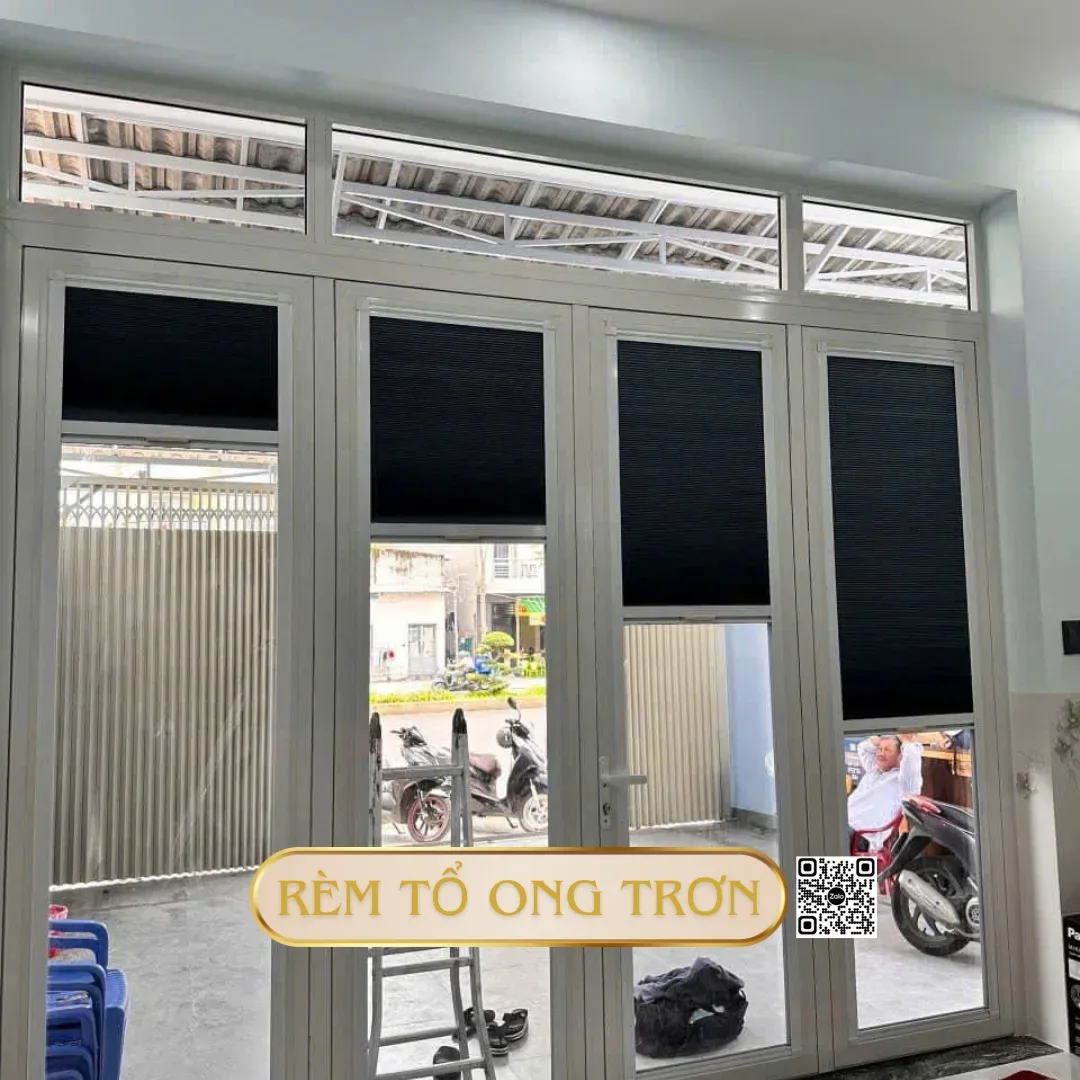
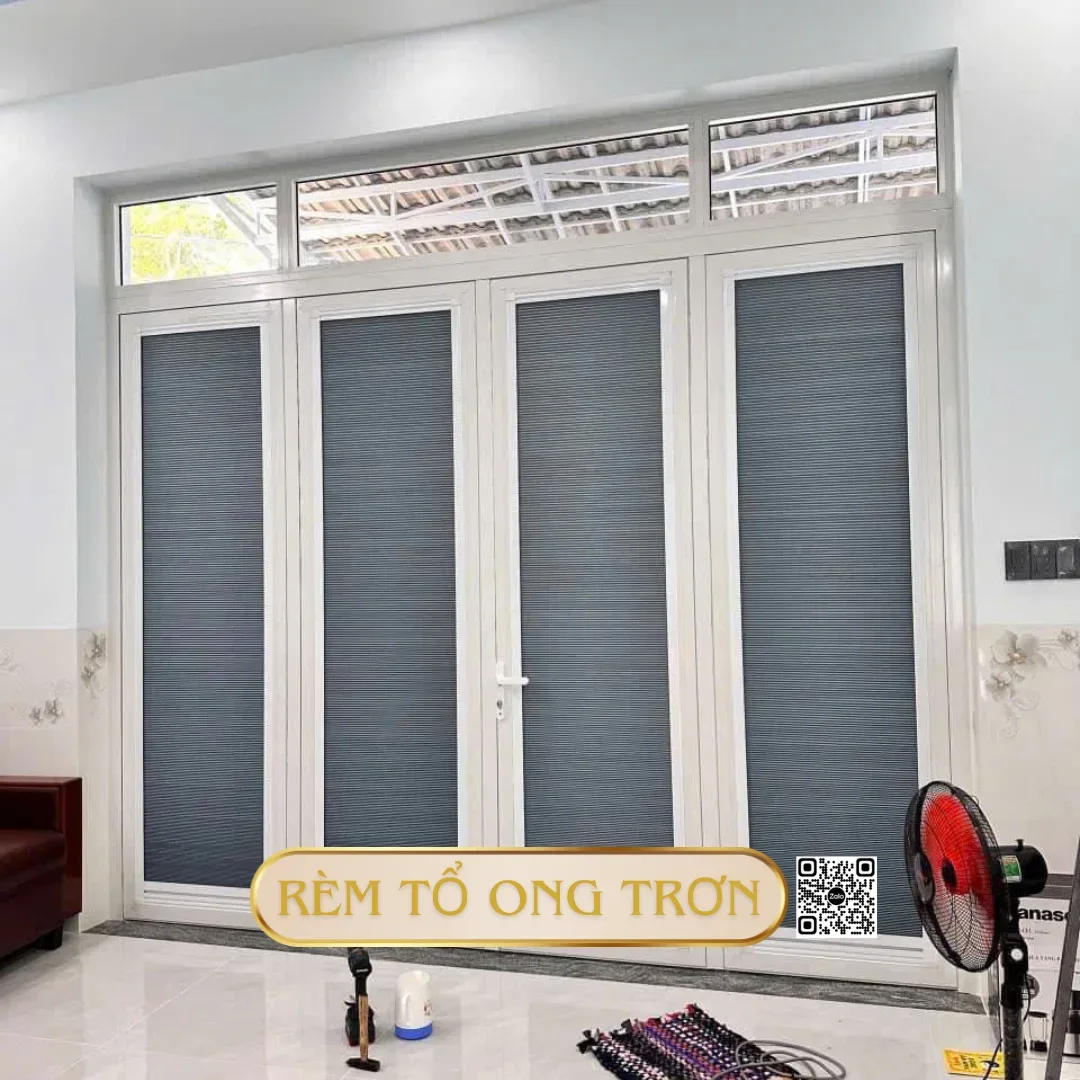
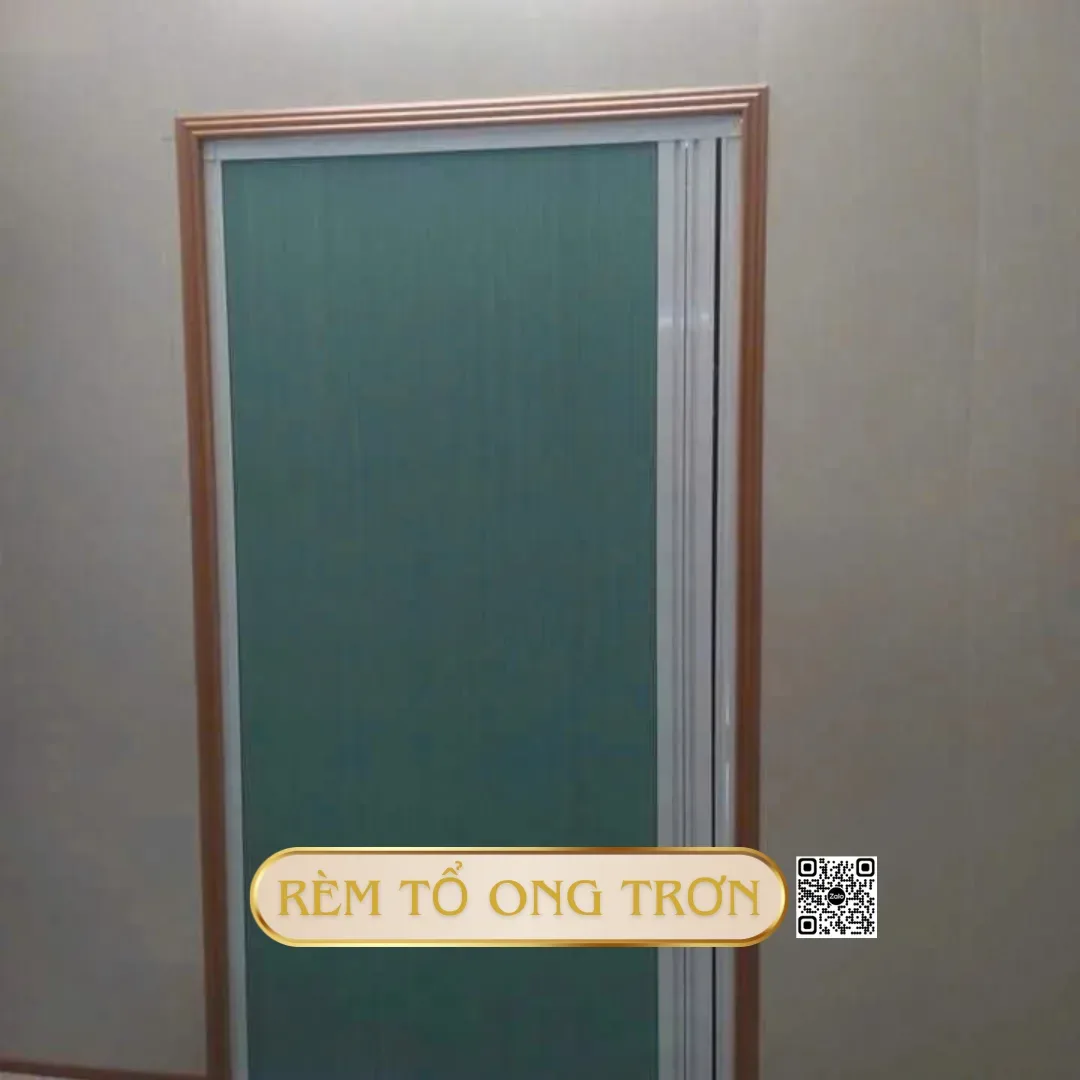
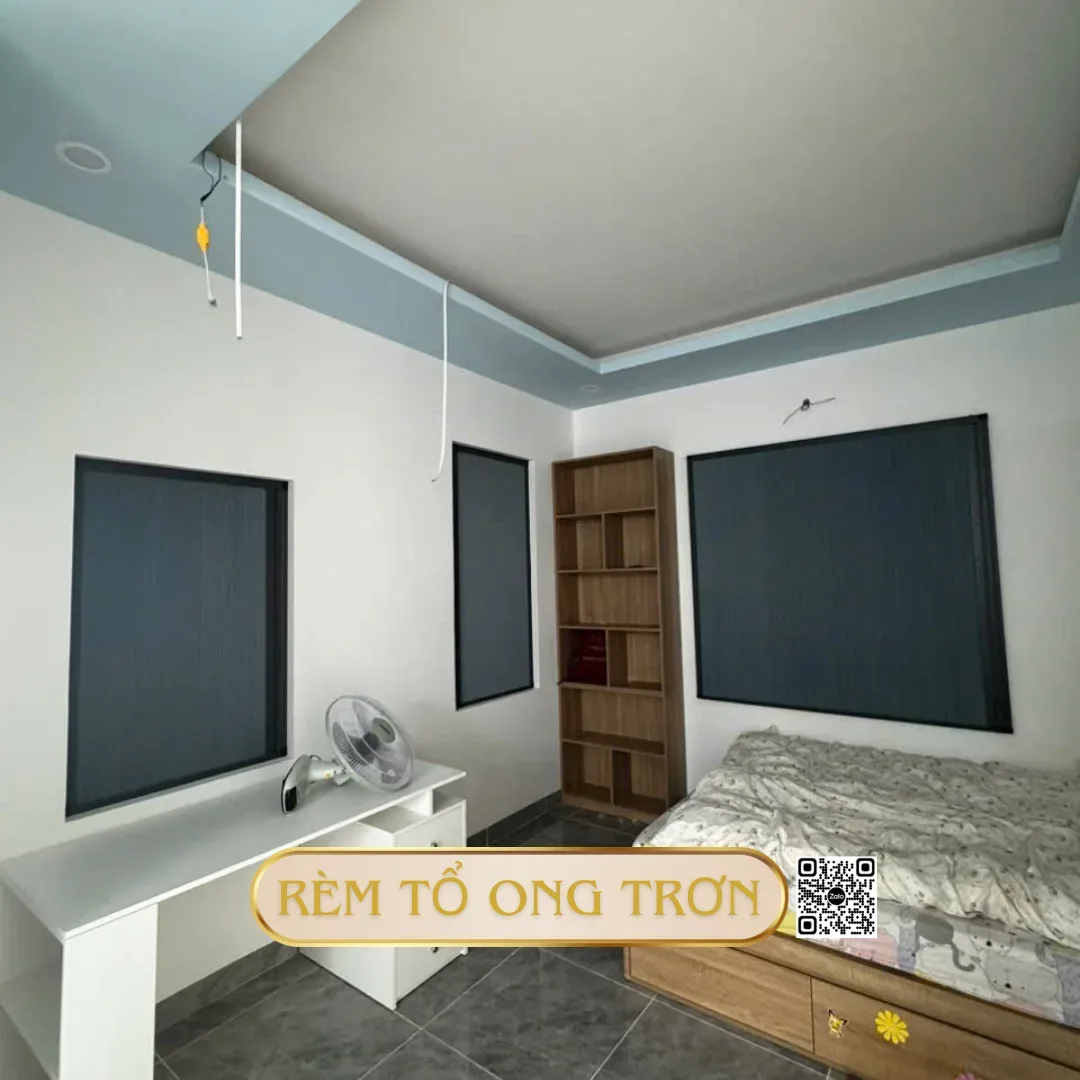
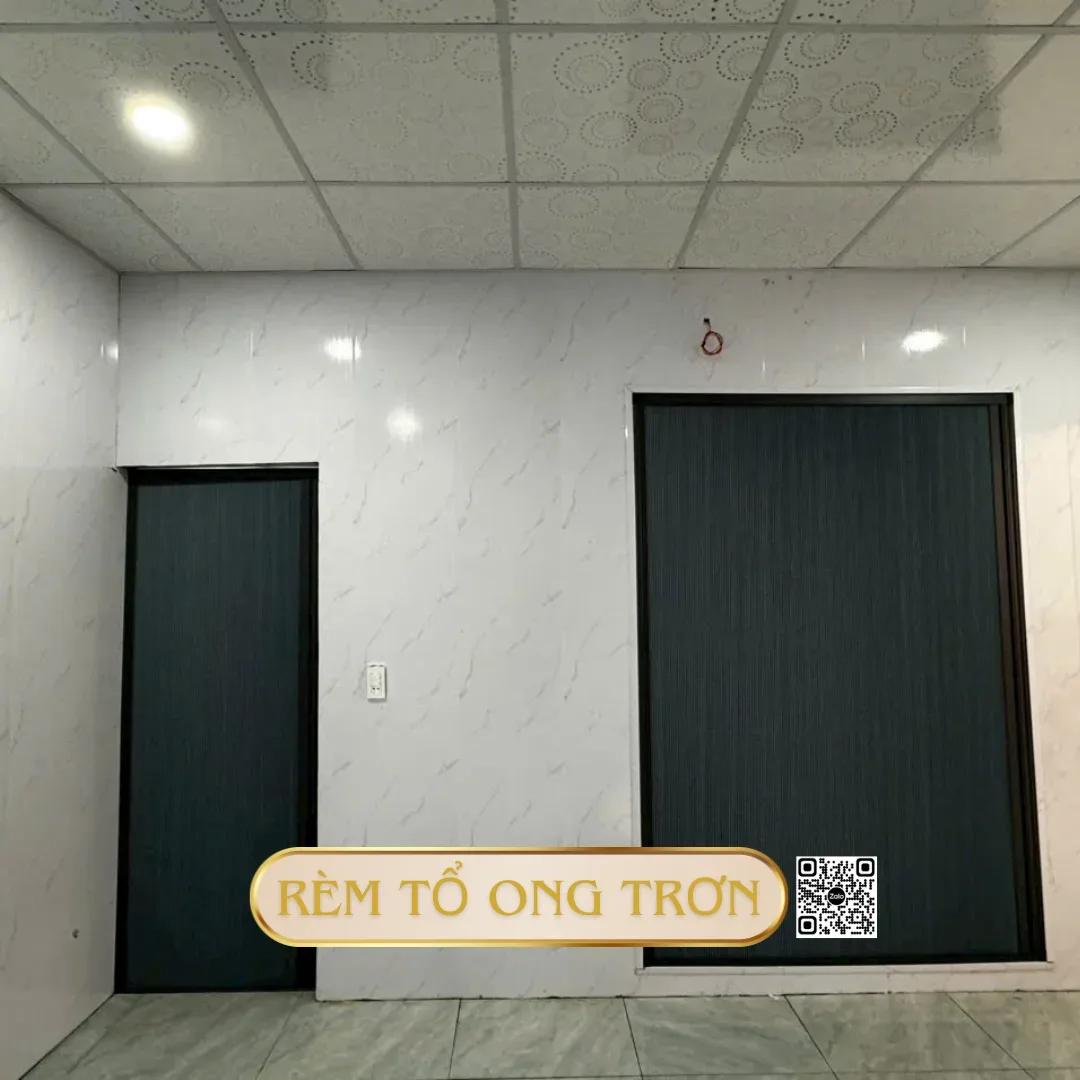
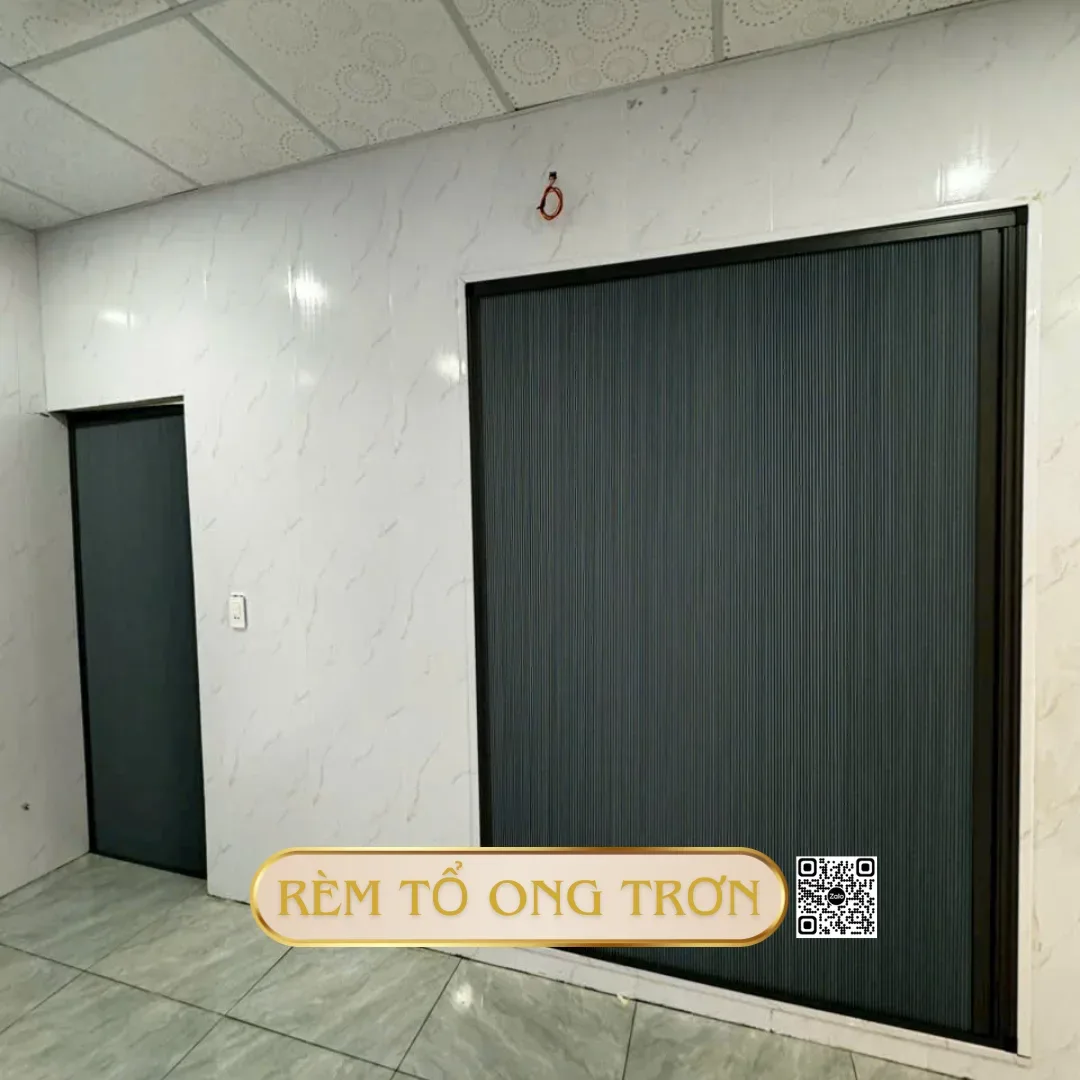
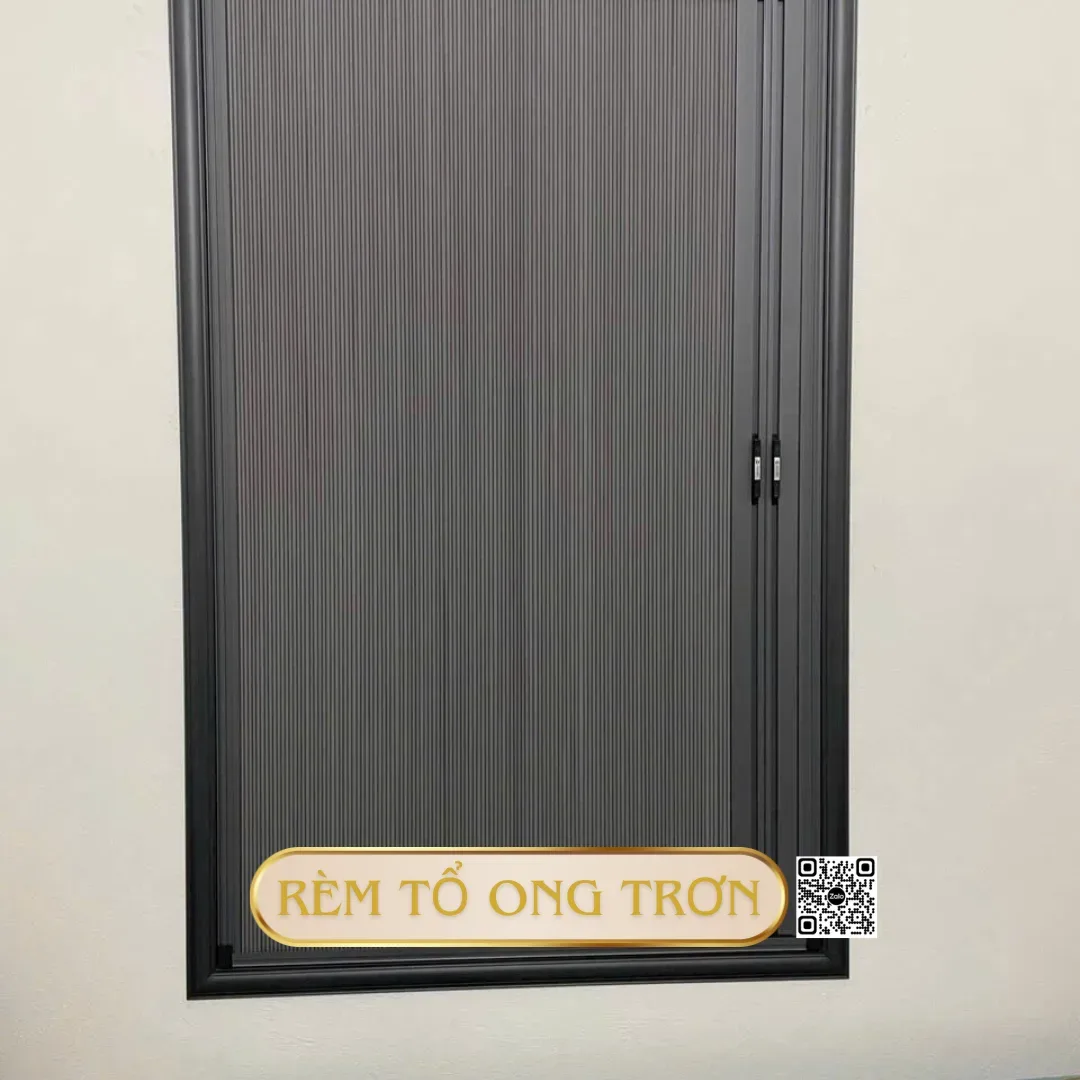
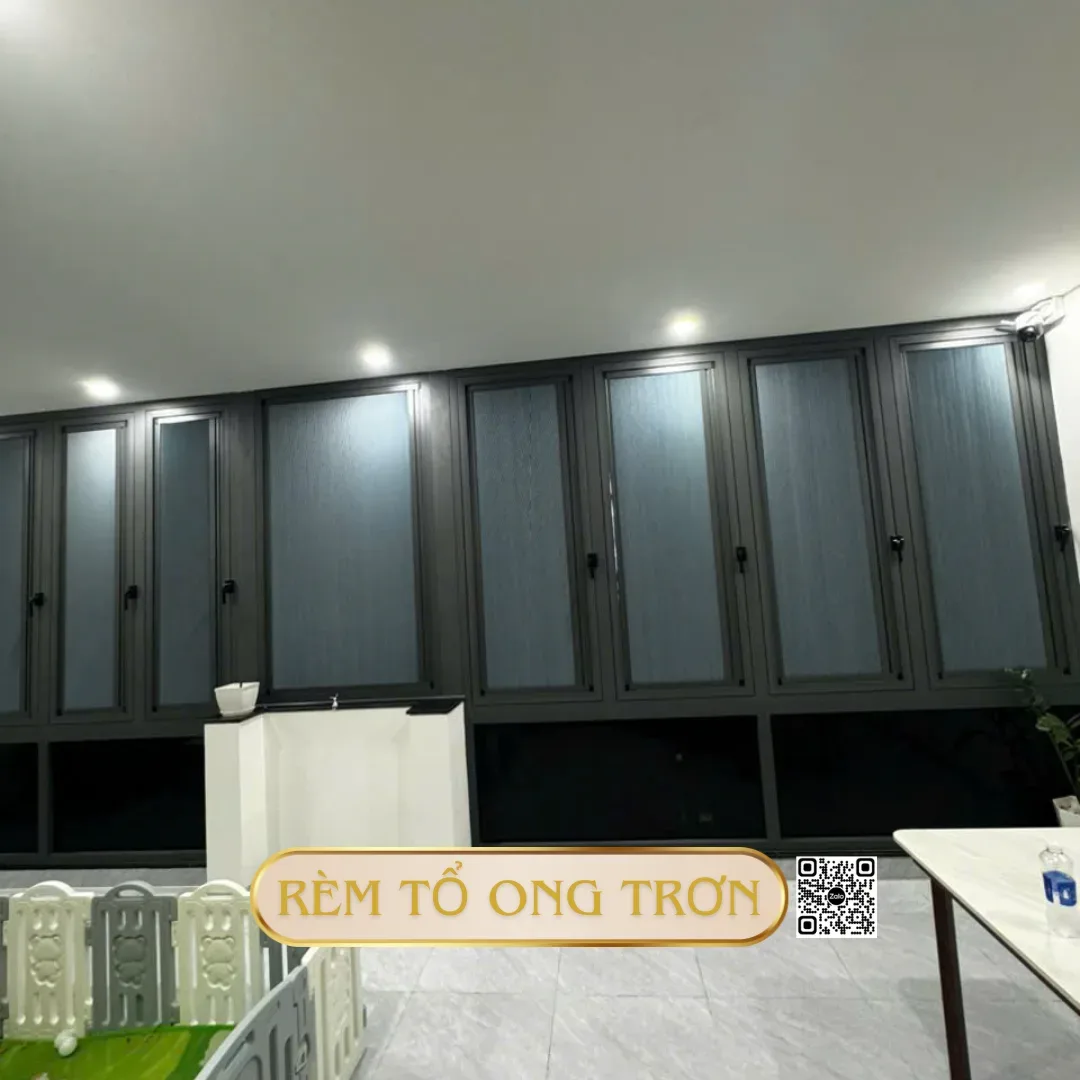
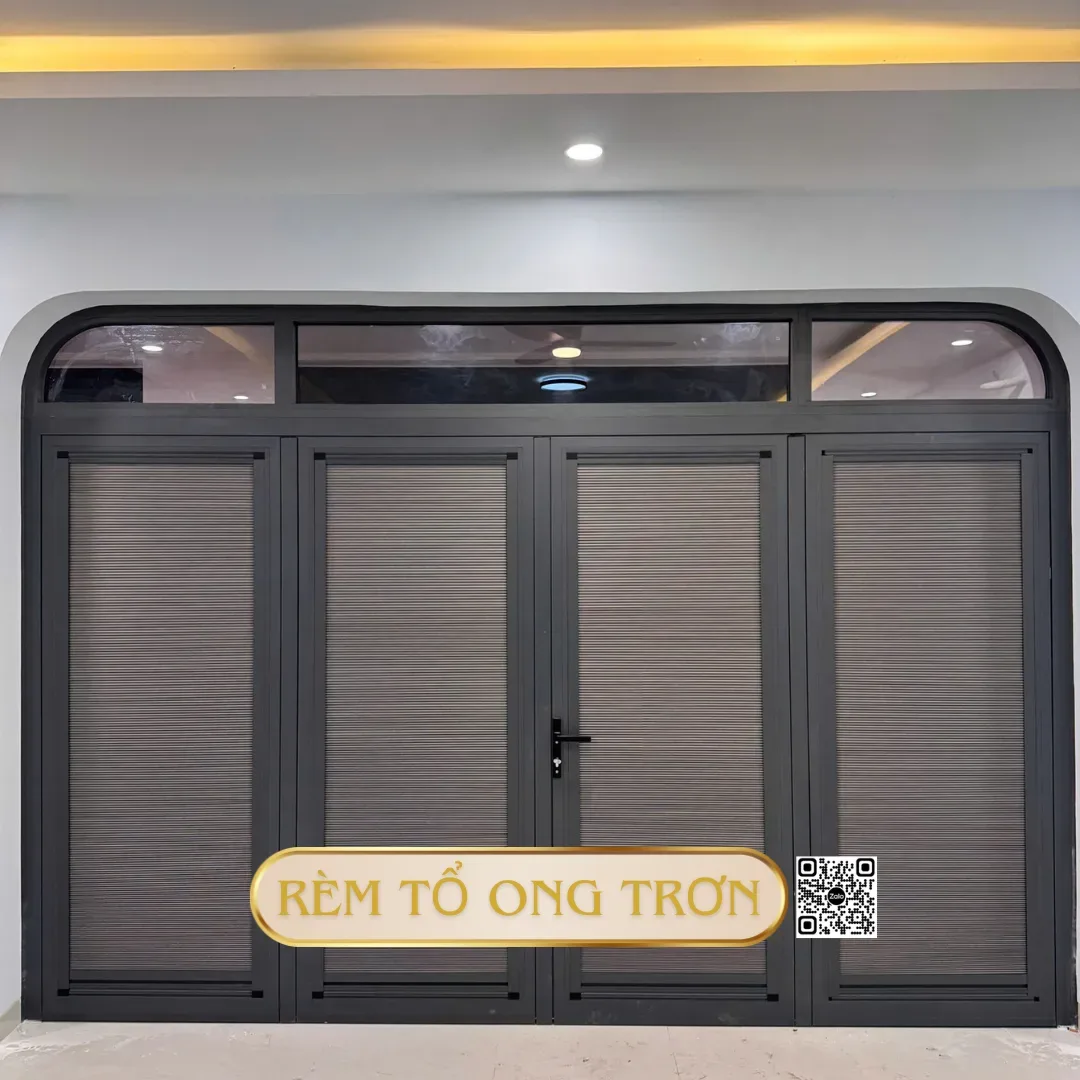
Full Blackout Honeycomb Blinds for Deep Sleep
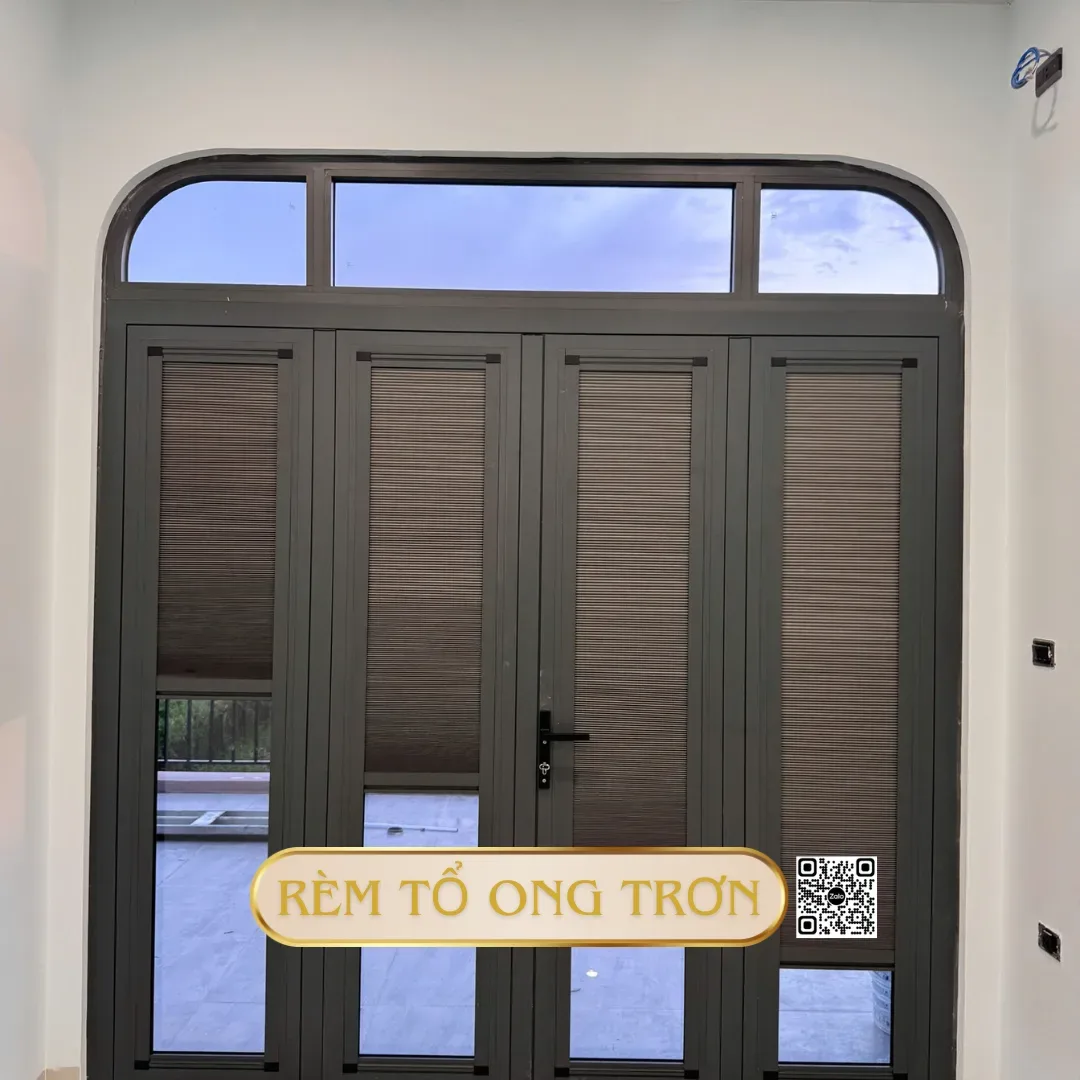
For those who are sensitive to light when sleeping, work night shifts and sleep during the day, or want a completely dark room to fall asleep easily, the full blackout honeycomb blind group (blackout honeycomb) is the first option to consider. This type uses thick woven fabric, sometimes with an additional blackout coating, combined with the honeycomb structure to block almost all light passing through, including streetlights or dawn light.
Before finalizing your option, you can also check out Top Best Honeycomb Blind Designs For Workspaces 2026 or Top Best Honeycomb Blind Designs For Altar Rooms 2026.
Quick Answer: The clearest advantage is control: during the day, you only need to pull the light-filtering layer to get natural light while maintaining privacy, and at night, you can pull the blackout layer to make the room completely dark.
Because the fabric layer is thicker than standard light-filtering lines, this group also tends to have better thermal insulation, helping the room maintain a stable temperature on scorching sunny days. This is why this group is often recommended for west-facing or east-facing rooms, where the sun shines directly in the early morning or late afternoon, exactly when many people need to rest.
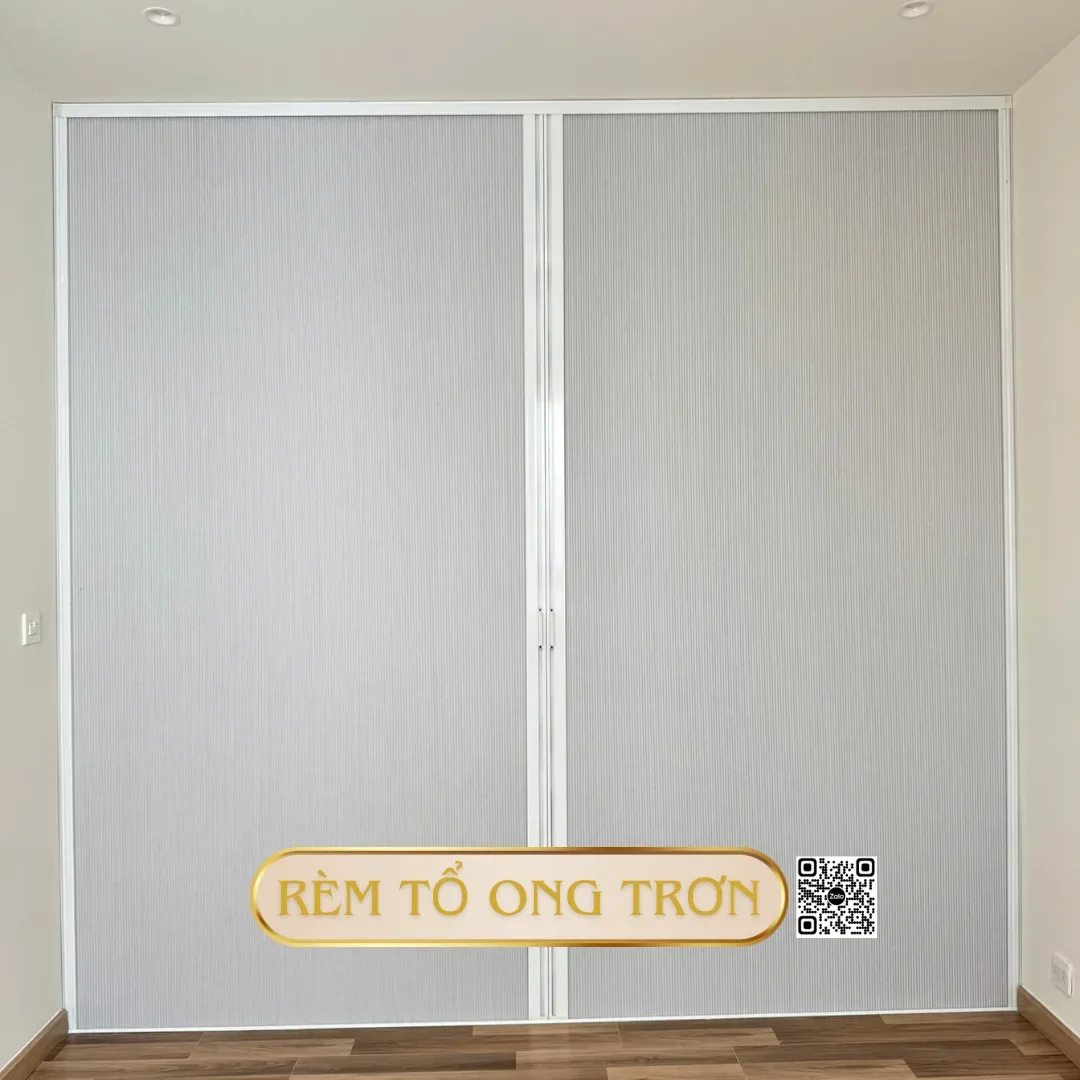
Full blackout does not mean the room will be stuffy, because you can still pull the blinds up when light is needed and lower them only when sleeping. For rooms with small children or elderly people who need afternoon naps, this group also helps maintain regular sleep habits.
Soft Light-Filtering Honeycomb Blinds for a Relaxing Space
Not every bedroom needs absolute darkness. For people who like to wake up naturally with the morning light, or rooms shared with a reading nook, the soft light-filtering honeycomb blind group is a more balanced choice. This type of fabric is usually thin, with a certain degree of light transmittance, allowing light to diffuse evenly into the room instead of casting harsh direct rays, while still maintaining basic privacy.
The spatial sensation that this blind group brings is usually gentle, eye-soothing, and more relaxing than the enclosed feeling of full blackout blinds, limiting harsh light and dark patches, making it suitable for small-area rooms where you want the space to look visually airy and larger.
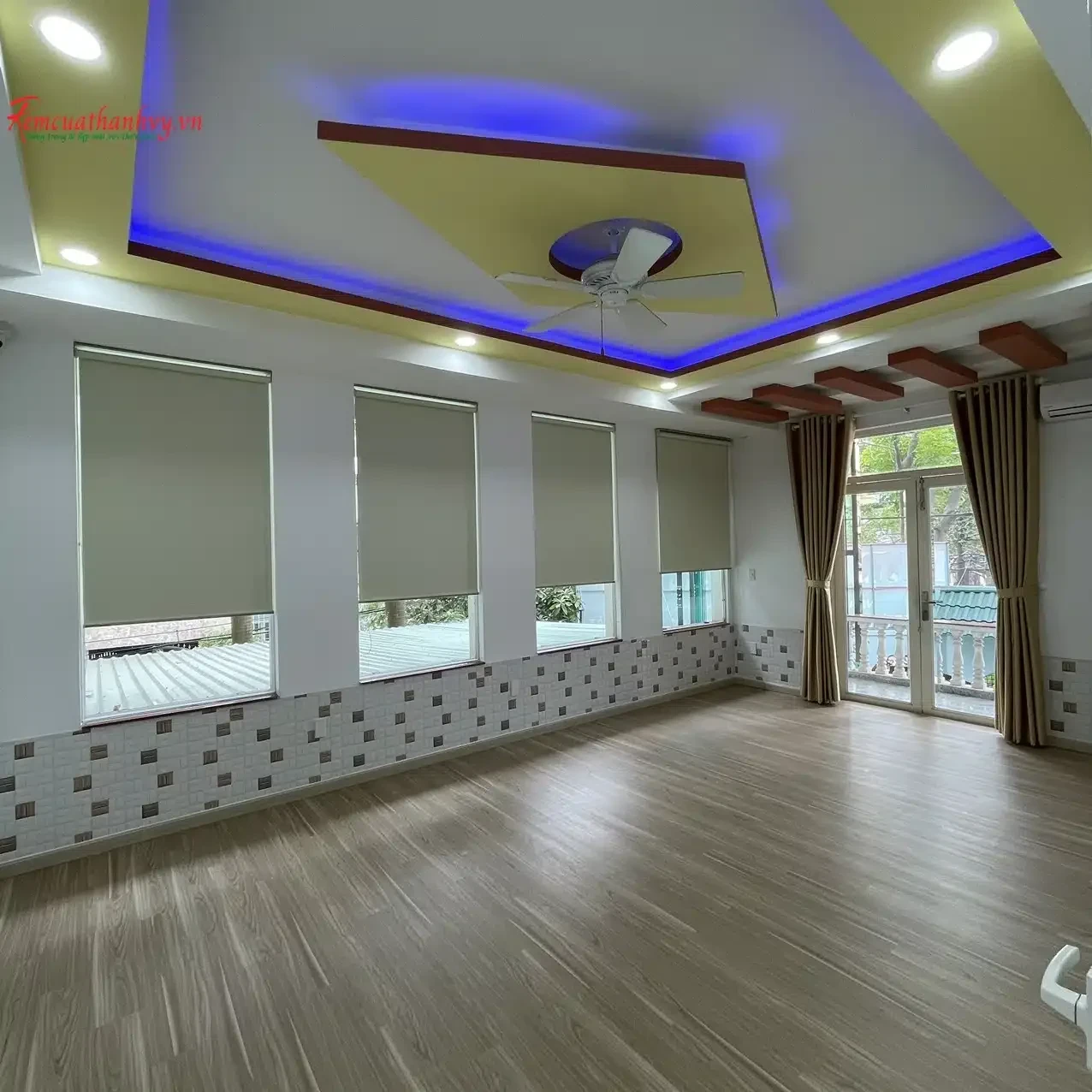
Points to consider are the level of privacy at night: when the room lights are on and it is dark outside, some thin materials may reveal vague silhouettes when viewed from the outside. If the room is on a low floor or opposite a neighbor’s house, you should ask the installation unit carefully about the actual light transmittance, or combine an outer fabric layer if higher privacy is needed.
Two-Layer Honeycomb Blinds Combining Blackout and Light Filtering
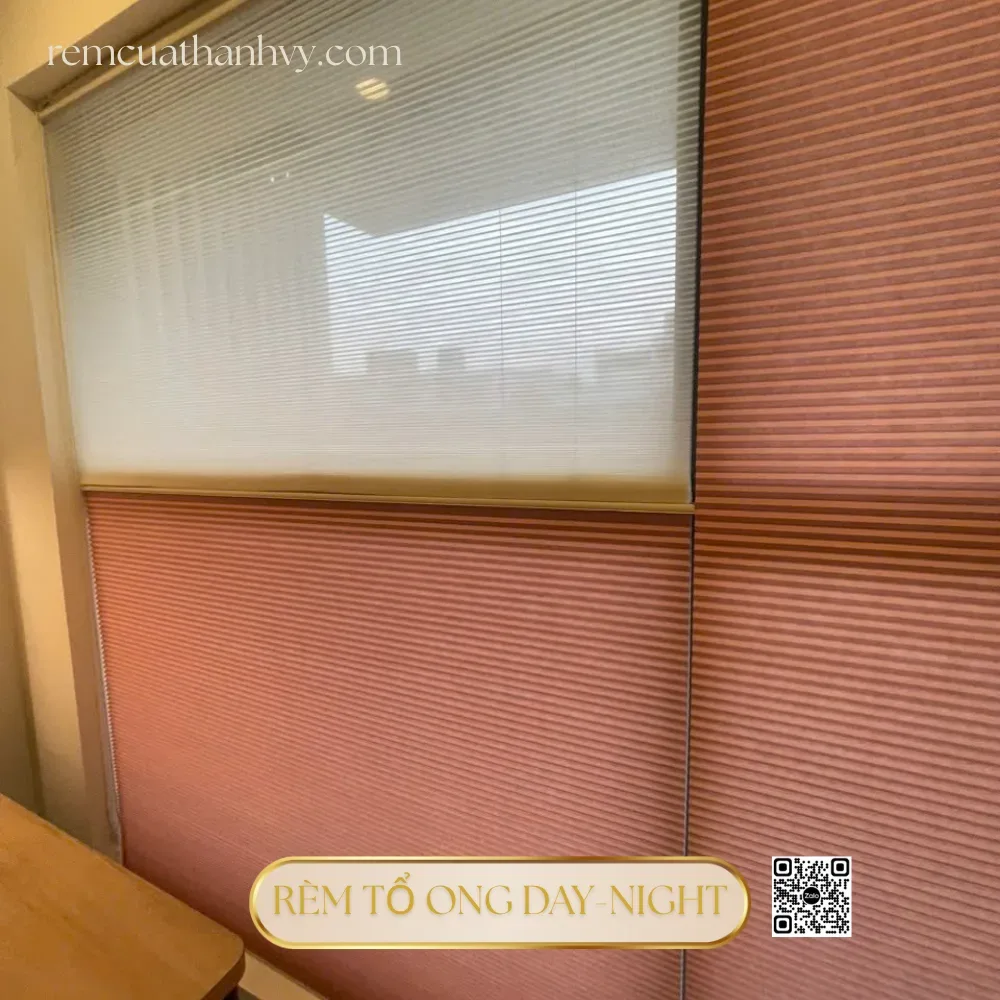
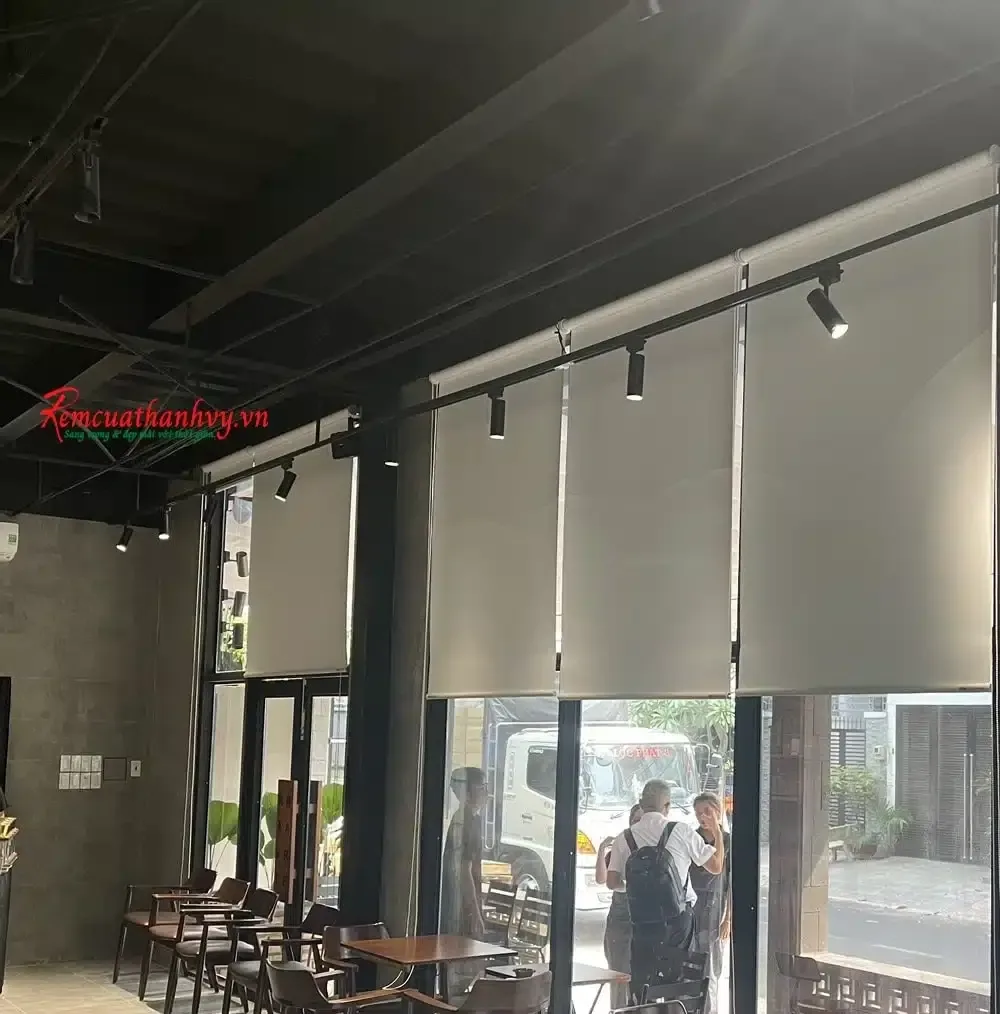
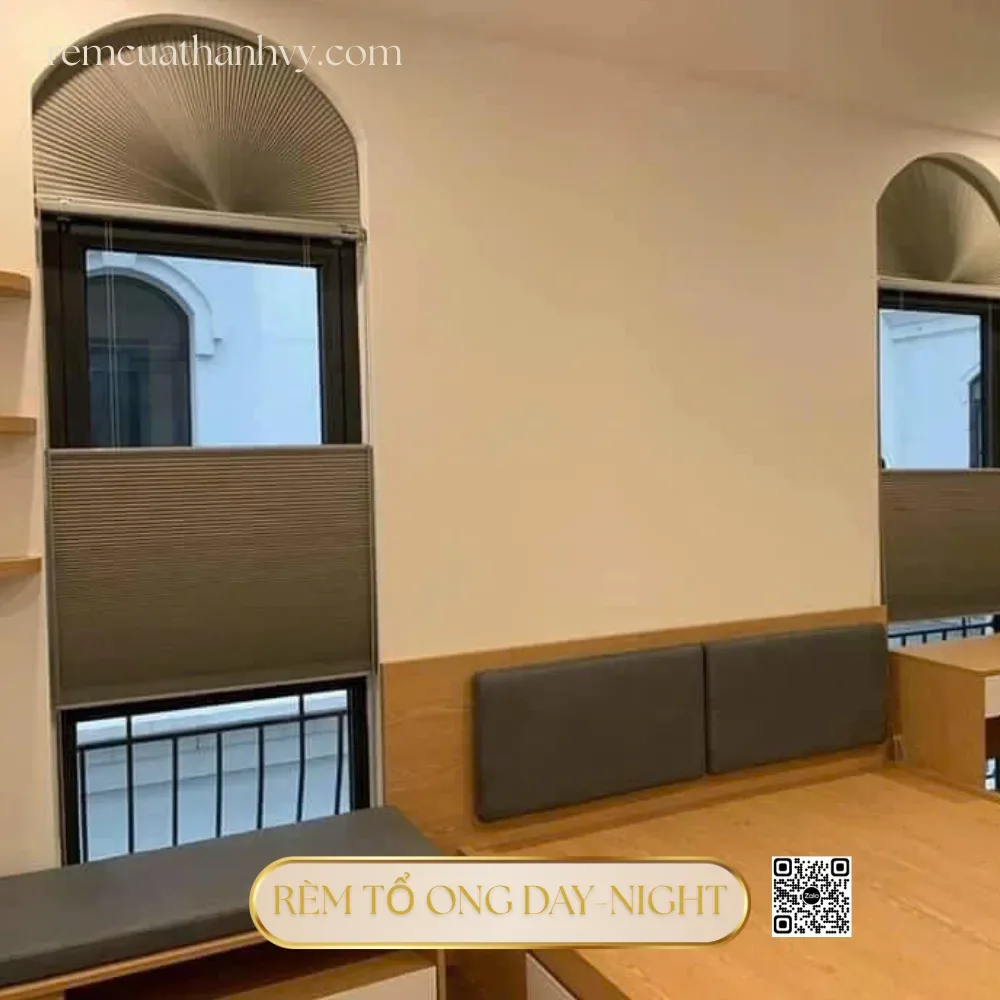
For bedrooms with flexible usage needs depending on the time of day, the two-layer honeycomb blind group, also known as the day and night line, is an intermediate solution worth considering. The structure usually consists of two overlapping layers of honeycomb fabric, one layer leaning toward gentle light filtering and one layer leaning toward blackout, operating independently or simultaneously.
The clearest advantage is control: during the day, you only need to pull the light-filtering layer to get natural light while maintaining privacy, and at night, you can pull the blackout layer to make the room completely dark. This approach suits rooms used for multiple purposes, serving as both a sleeping area and a home workspace, or guest bedrooms needing flexibility to welcome sunlight while ensuring darkness when guests stay overnight.
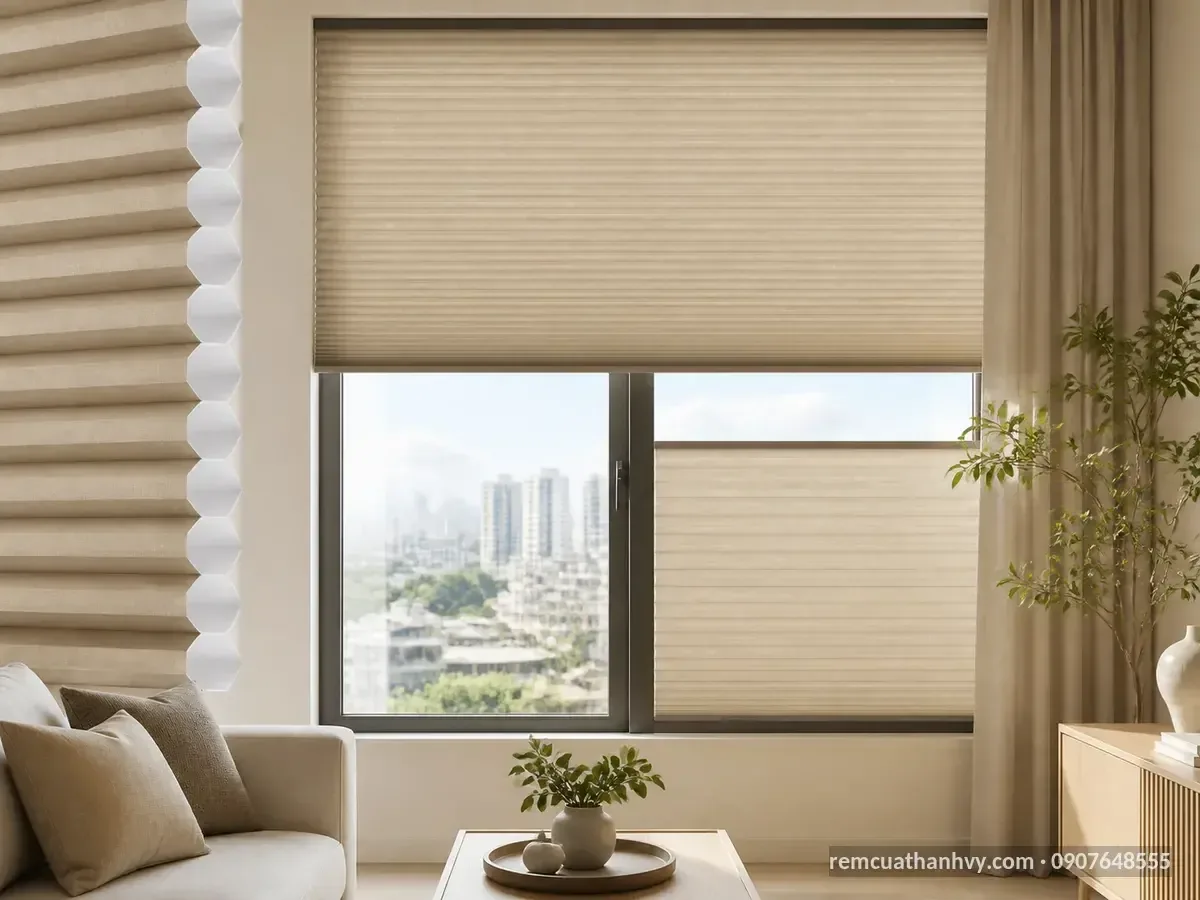
Technically, the two-layer blind group is usually thicker than single-layer blinds, resulting in better thermal insulation and mild noise reduction, and is generally sleeker and easier to operate compared to installing two separate sets of blinds.
Neutral and Gentle Pastel Tones for Bedrooms
Besides the blackout or light-filtering mechanism, the color of honeycomb blinds also directly affects the comfortable feeling during rest. For bedrooms, neutral tones such as ivory white, beige, light gray, and milky cream are often prioritized over overly bright or high-contrast colors, as they help the space look soft and cause less visual stimulation before sleep.
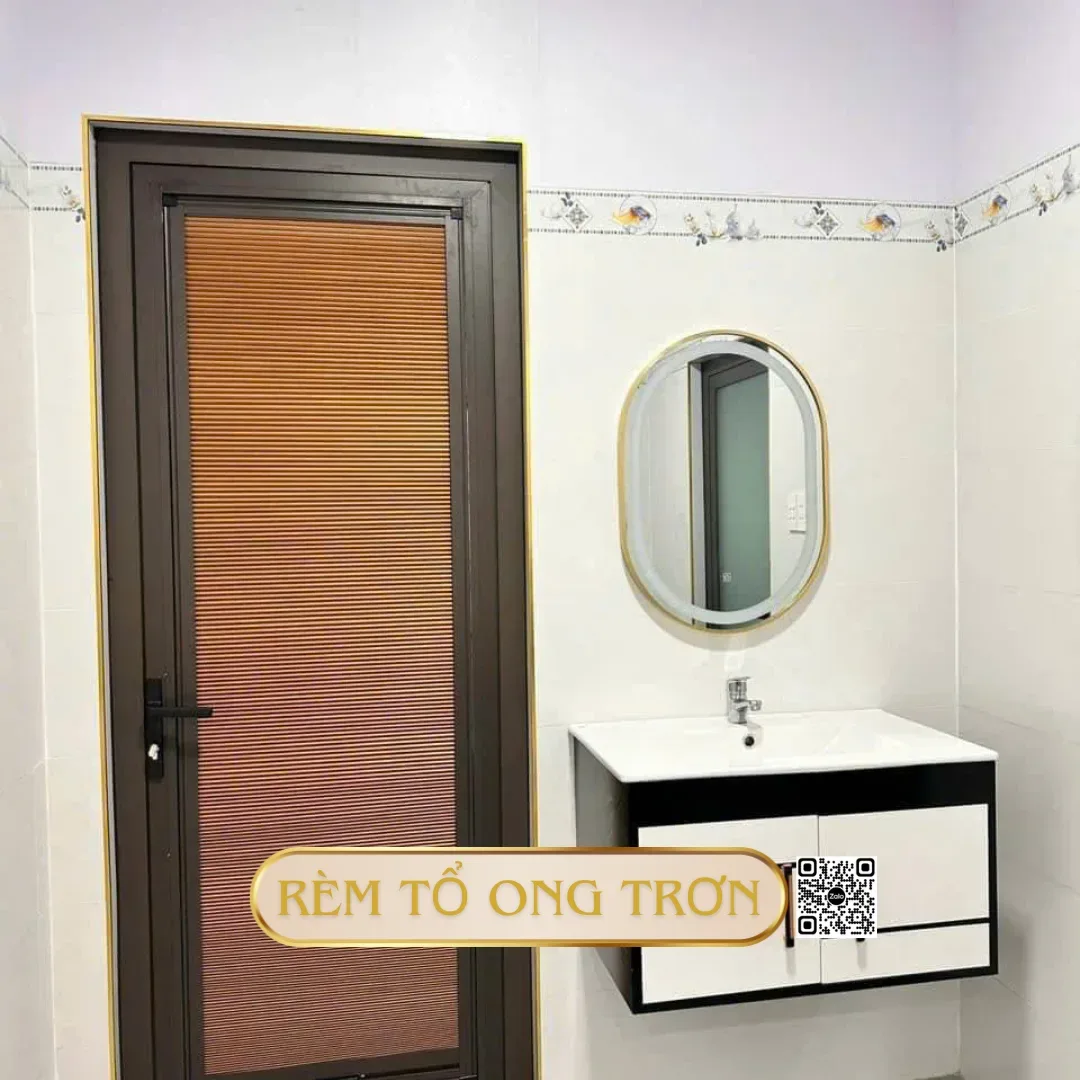
Besides the neutral group, soft pastel tones like light blue, mint green, baby pink, or lavender are also popular choices for bedrooms wanting color accents while keeping things gentle. When combined with light filtered through light-filtering honeycomb blinds, these tones usually create a warm, soothing light effect that is softer than direct light without filtering.

The simple principle is to avoid choosing blind colors that contrast too sharply with the walls and ceiling. If the room has dark-colored walls or dark wood furniture, bright-toned blinds should be prioritized for balance; conversely, if the walls are light-colored, darker neutral-toned blinds can be chosen to create depth without losing the relaxing feel.
Soundproofing and Thermal Insulation Capabilities Supporting Sleep Quality
An often overlooked factor when choosing a beautiful bedroom honeycomb blind design is soundproofing and thermal insulation capability, whereas this directly affects sleep quality in the long run. The honeycomb structure with hollow hexagonal cells creates many small air pockets between the two sides of the fabric, acting as a natural thermal insulation cushion layer that helps limit heat transfer through glass windows into the room. Information about the unit also appears in the article introducing hall curtains on Can Tho Newspaper.
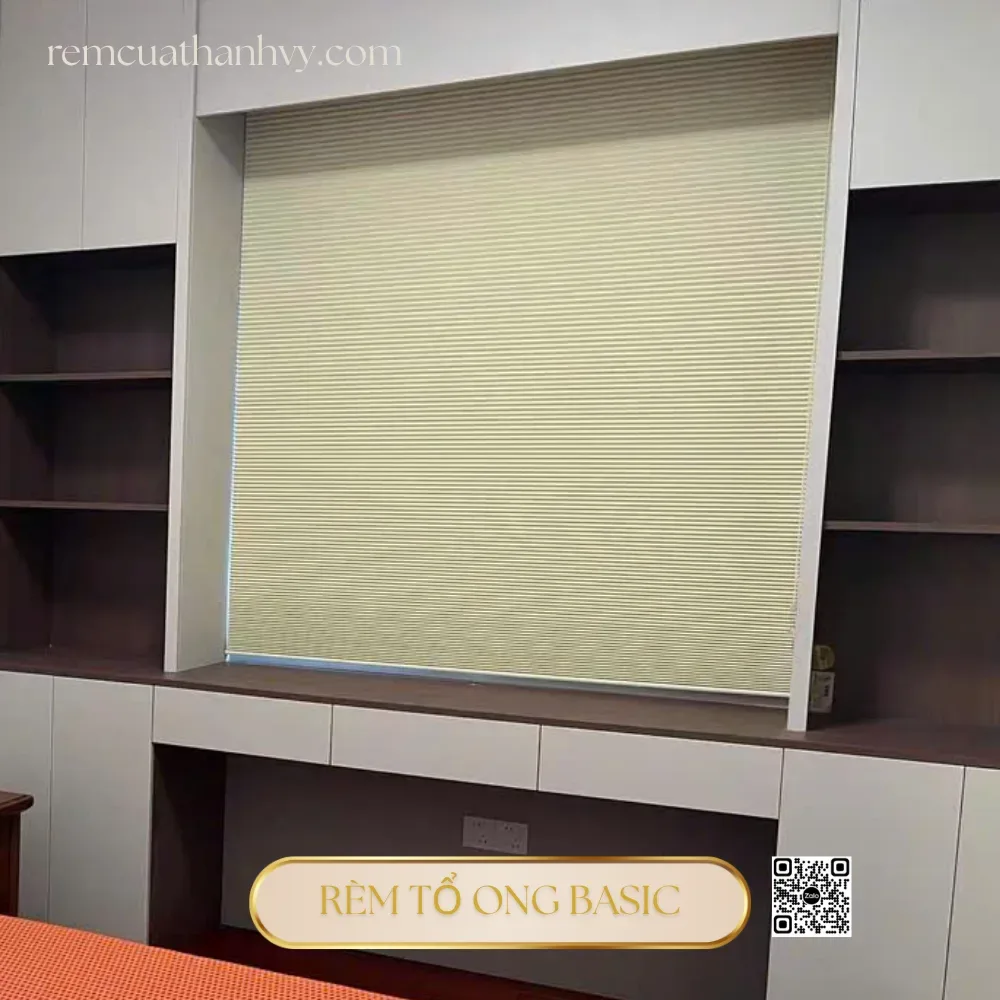
According to energy-saving guidelines from the U.S. Department of Energy, general window coverings and treatments can contribute to reducing direct sunlight and absorbed heat when selected and arranged appropriately for window sun orientation. For west-facing rooms or those receiving harsh afternoon sun, thick honeycomb blinds, especially the two-layer or full blackout lines, help make rooms less stiflingly hot, indirectly supporting a more comfortable sleep.
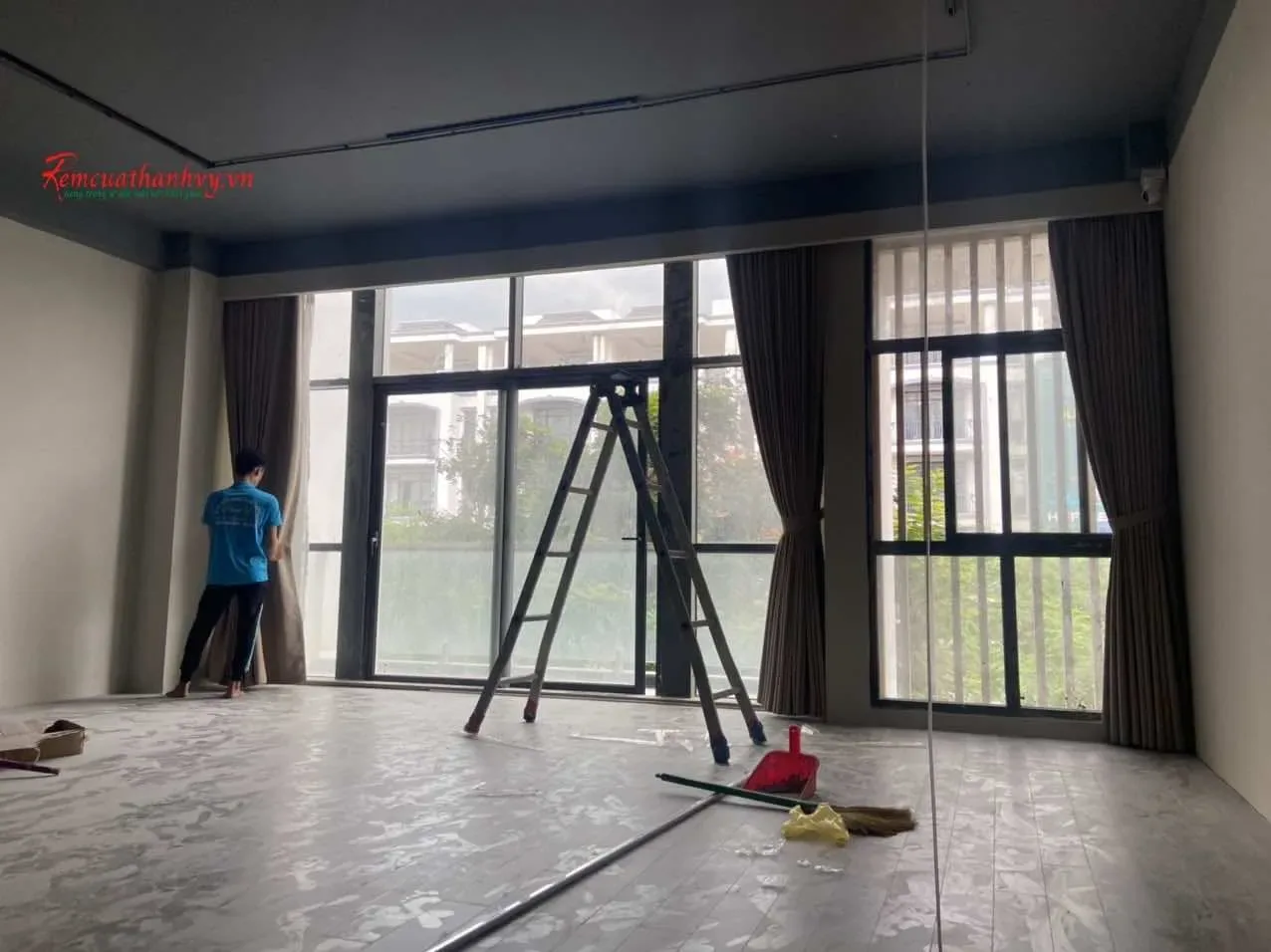
Regarding soundproofing, the internal cushion air also helps slightly reduce incoming noise, although the extent still depends on fabric thickness and the tightness of the window frame. For rooms facing major streets or near noisy areas, thick, multi-layered blinds should be prioritized instead of choosing purely based on surface aesthetics.
Choosing a Smooth Lifting Mechanism Without Operating Noise
Besides fabric materials, the lifting mechanism of honeycomb blinds also affects the user experience, especially when gentle operation is needed in the evening or early morning. Mechanisms using plastic-coated stainless steel chains or smooth pull cords usually reduce clicking sounds when pulled, fitting better than spring-loaded mechanisms that cause loud noises.
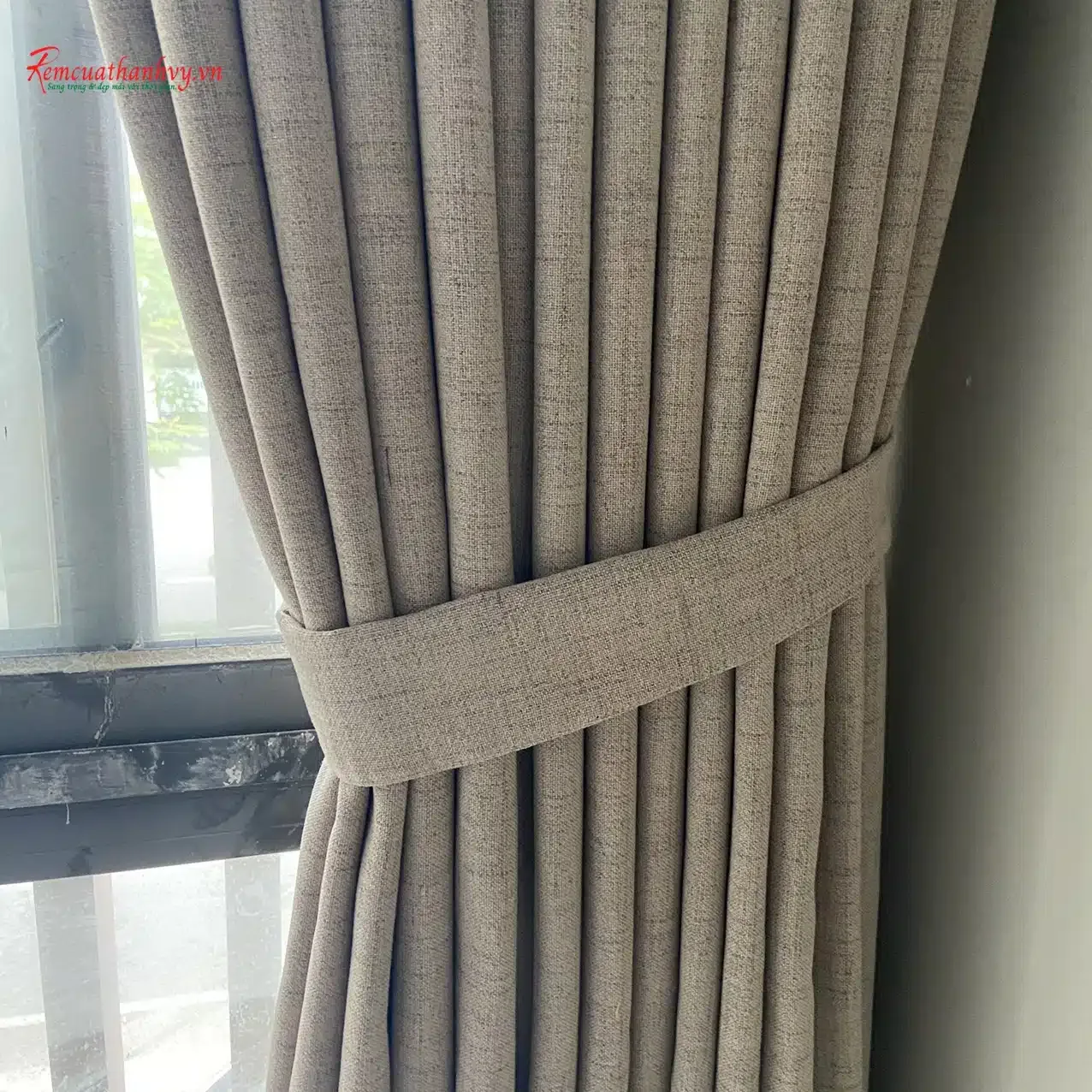
For families wanting to optimize convenience, remote-controlled motorized blinds are also a line worth considering, because opening and closing operations produce almost no mechanical motor noise like manual pulling. This is a budget-dependent choice, not mandatory for every bedroom.

Another important safety aspect is pull cords or control chains, especially for rooms with young children or pets. According to recommendations from the U.S. Consumer Product Safety Commission, families with young children or pets should consider mechanisms without exposed cords or arrange cords and chains out of reach to reduce entanglement risks, and should discuss this clearly with the installation unit from the consultation stage.
Send your dimensions and needs, and the Thanh Vy Curtains team will advise on options and quote for your actual space.
How to Match Honeycomb Blind Colors with Bedroom Furniture to Create a Harmonious Whole
After determining the appropriate blind group regarding functionality, the final step is matching the blind colors with the overall interior so that the bedroom looks harmonious. The basic principle is looking at three factors: floor color, bedding color, and wood furniture tones, then choosing blinds either to match or create a gentle accent, avoiding letting blinds become an out-of-tune color patch.
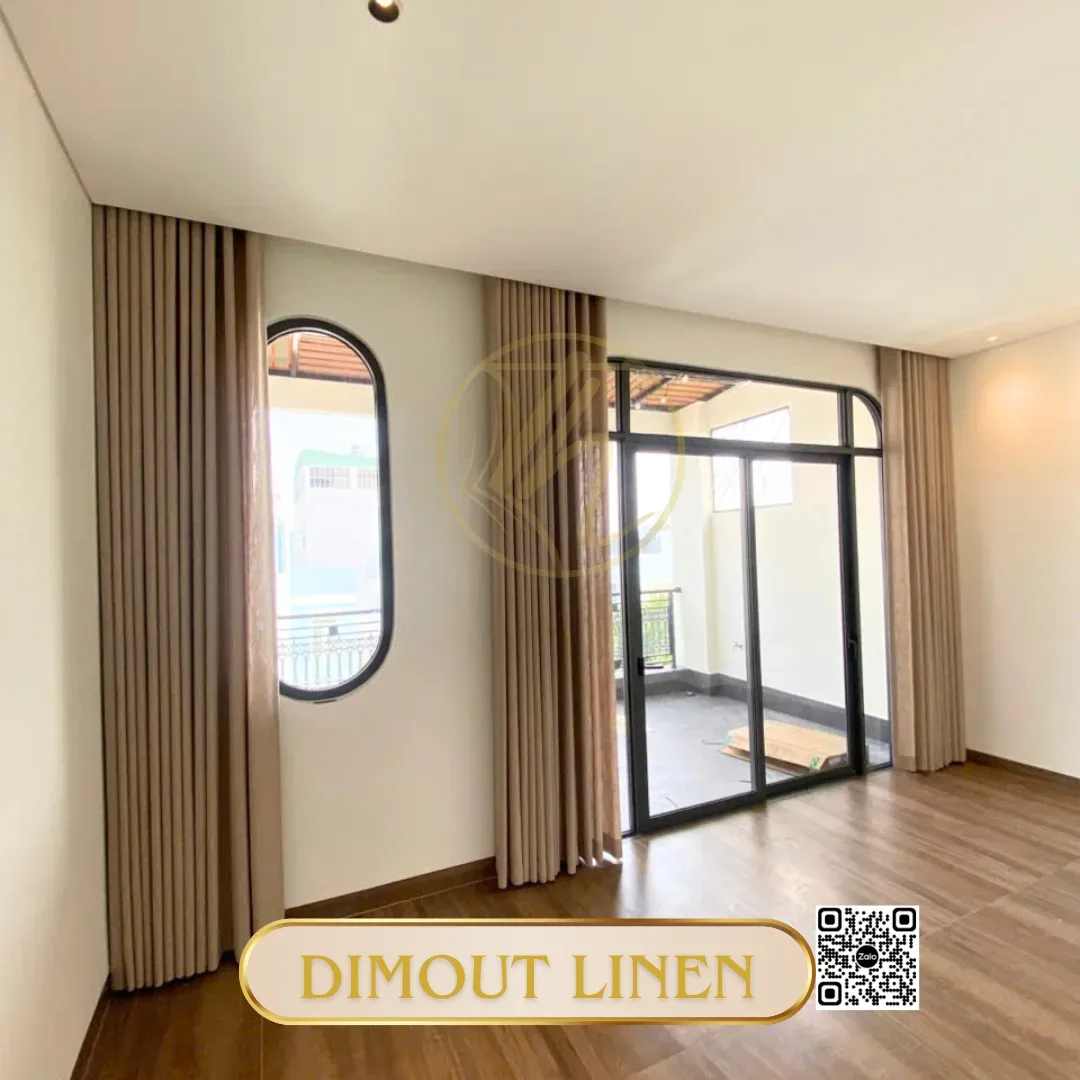
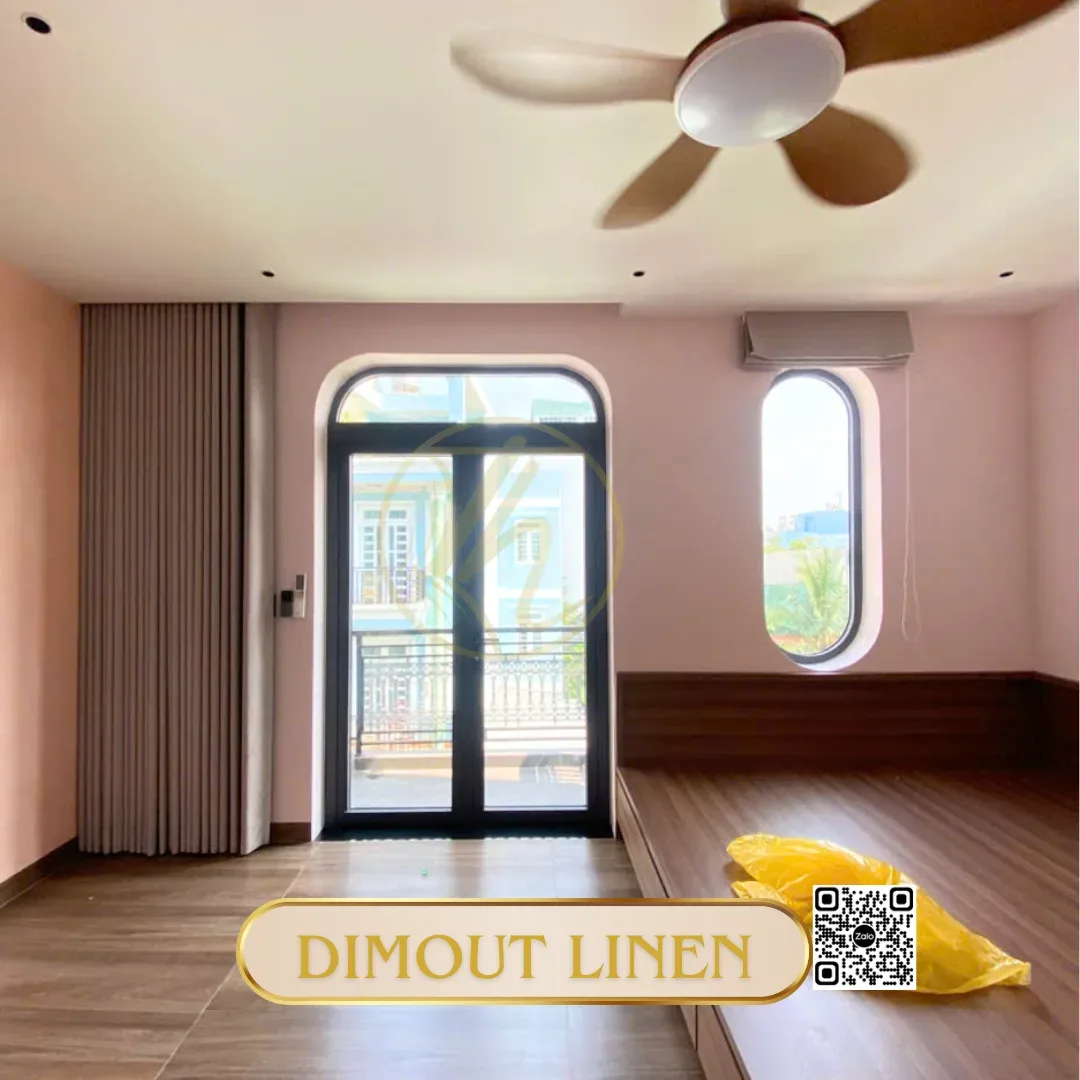
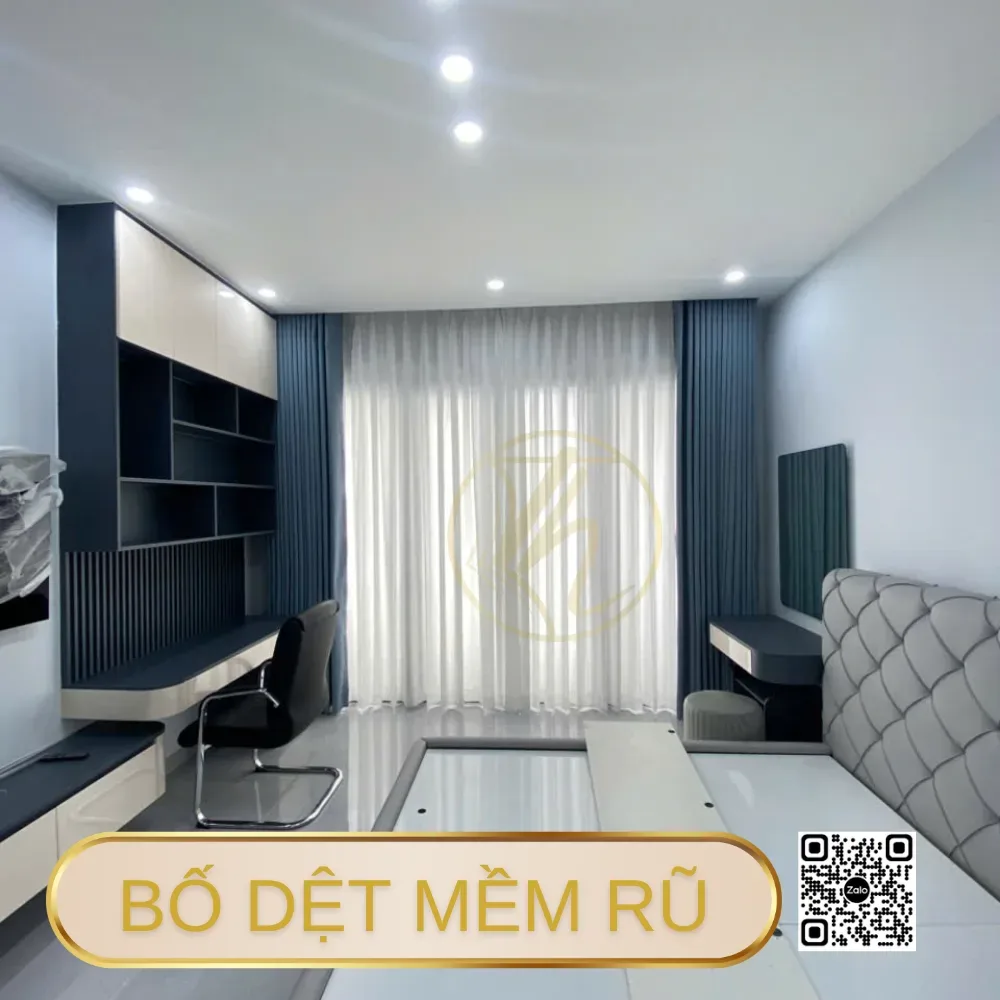
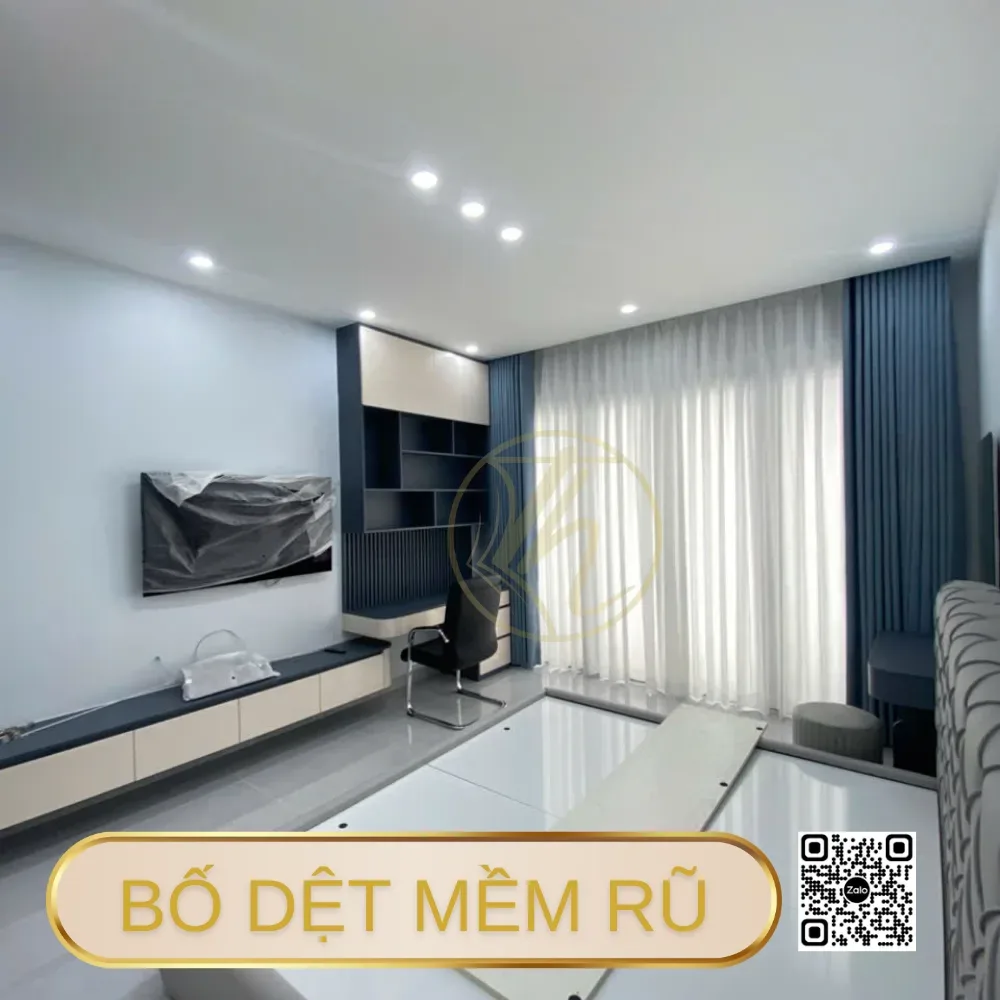
For bedrooms with warm tones, wooden flooring, or natural wood furniture, beige, cream, or light brown blind tones usually blend in and maintain a warm feeling throughout the space. For bedrooms with cool tones, light tile flooring, or white and gray furniture, blue or smoke gray pastel-toned blinds can be paired to create depth without disrupting the whole. If the room already has color accents at the headboard or area rug, neutral-toned blinds should be prioritized to avoid visual conflicts.
Besides colors, choosing a suitable consulting and construction unit is also important, because each window may differ in size, sun orientation, and humidity, thus requiring separate measurement and consultation rather than applying a general formula. For projects looking into Tan Phu curtains or neighboring areas, actual surveys of each room before choosing materials and color tones should still be prioritized over selecting based on reference images online. A beautiful bedroom honeycomb blind set stems from the suitability between functionality, colors, and actual usage conditions, and you can view more other honeycomb blind designs or return to the homepage to fully explore the curtain lines Thanh Vy provides. You can also refer to the concept of curtains in architecture to better understand the material part.
Curtain Designs to Reference
Below are actual product groups currently available at Thanh Vy Curtains, sorted by popular usage needs.
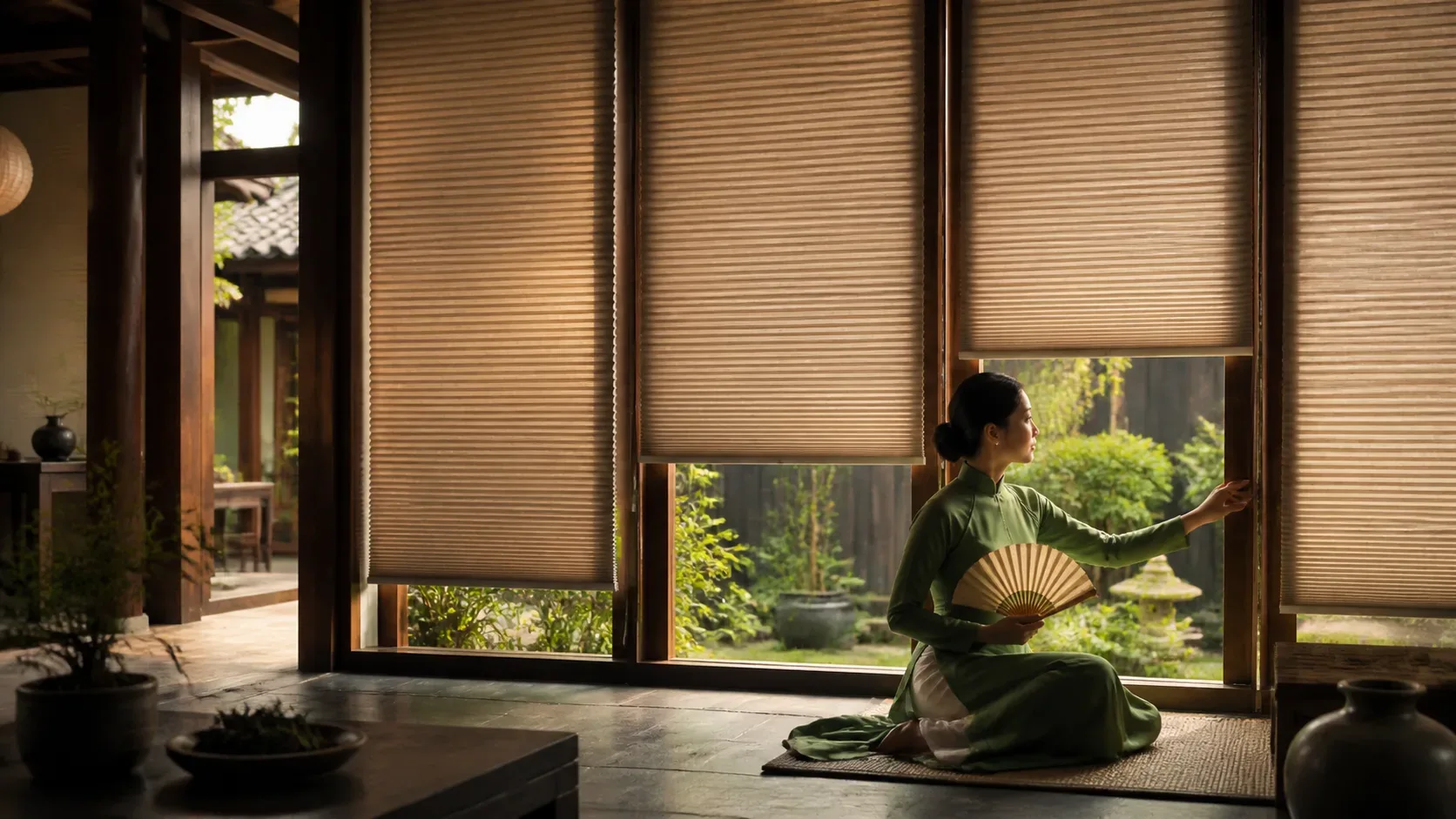
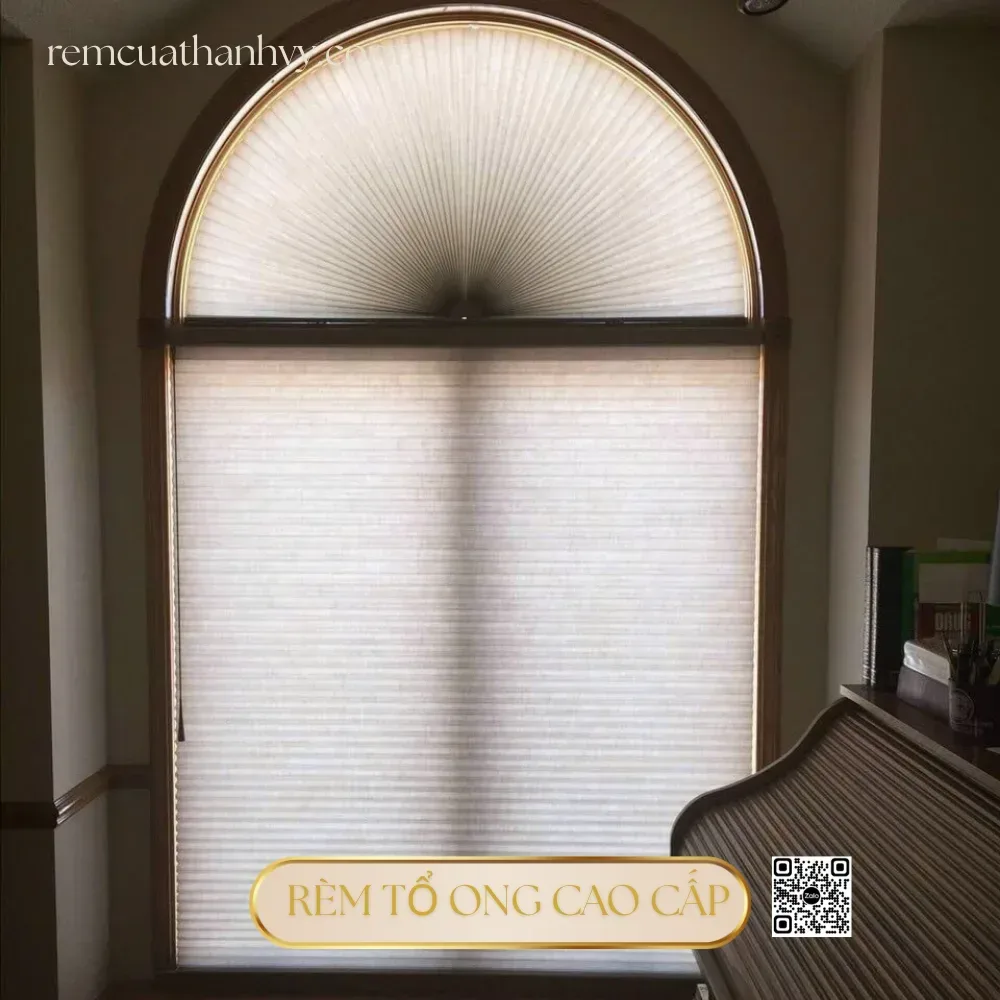
Honeycomb Blinds
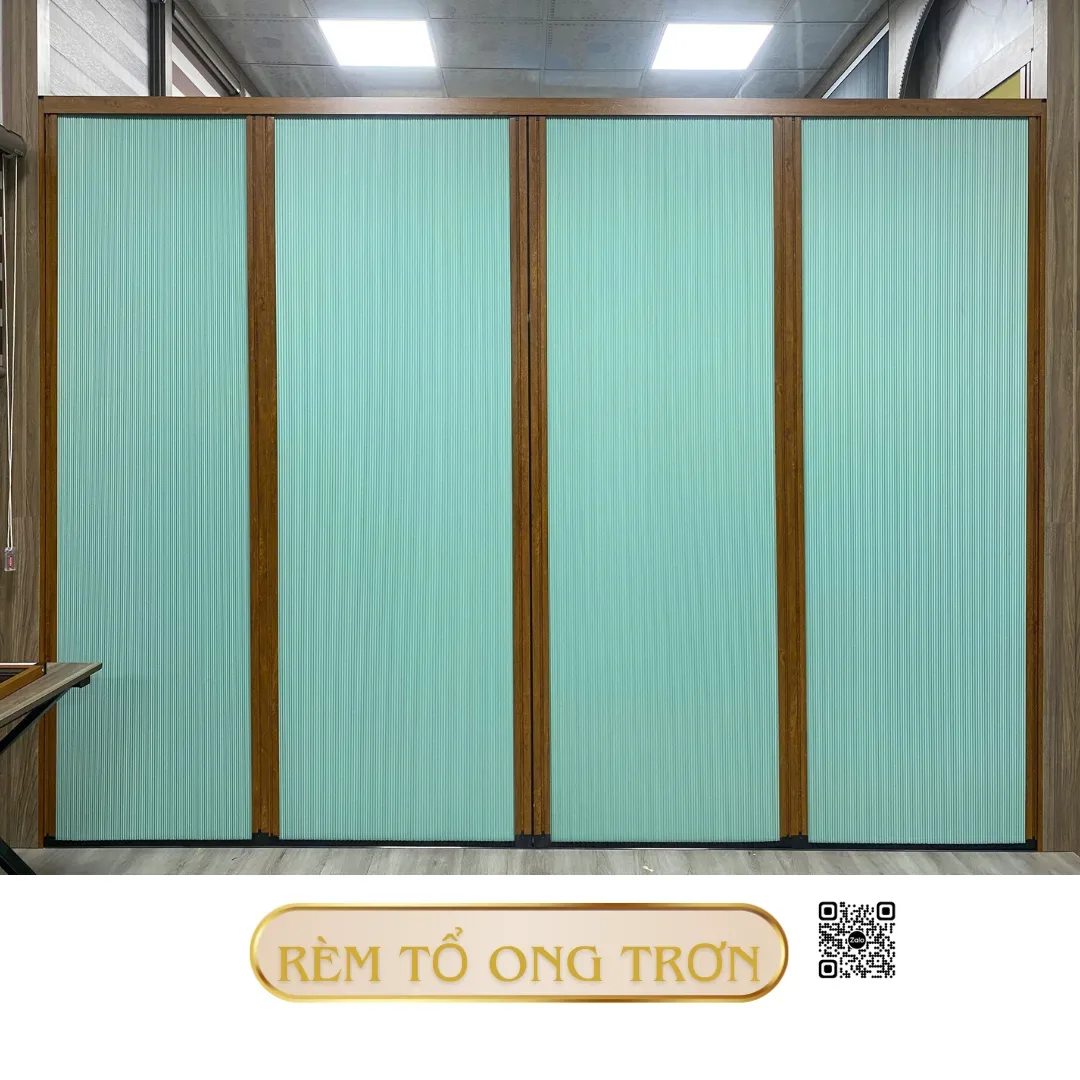
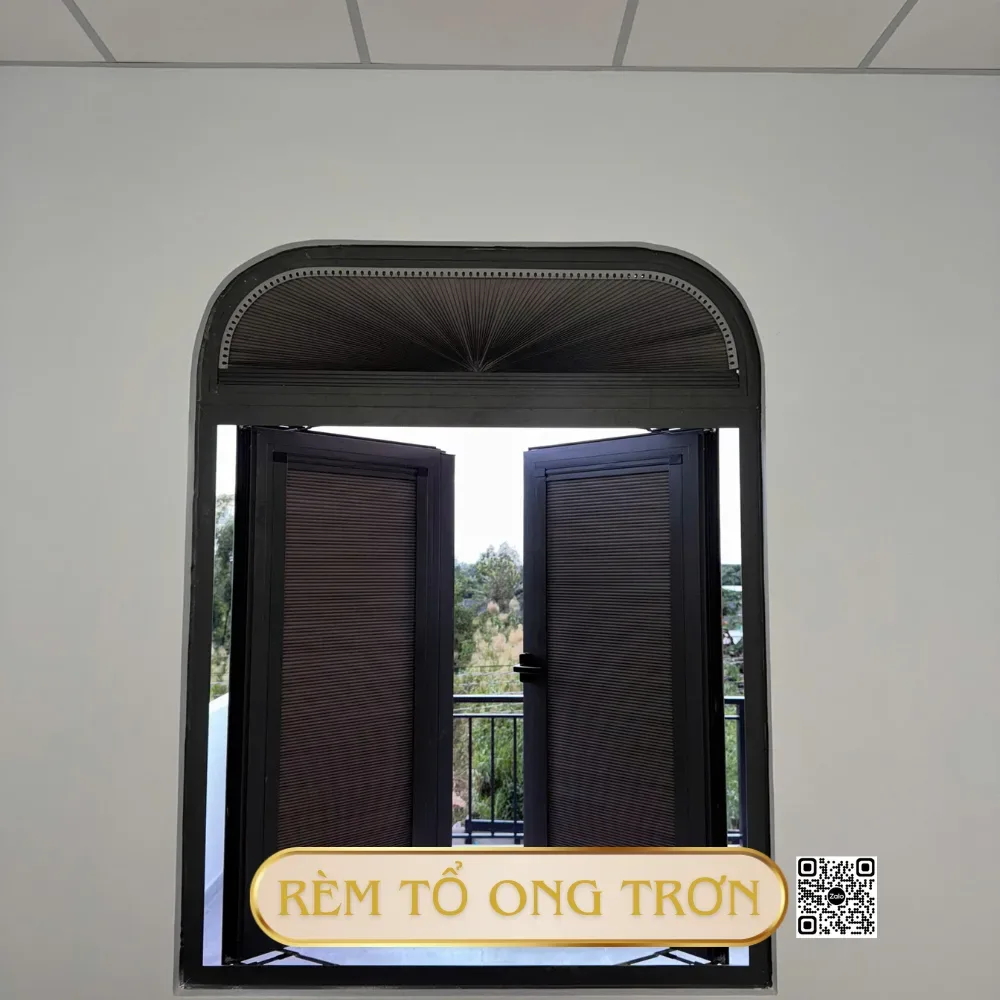
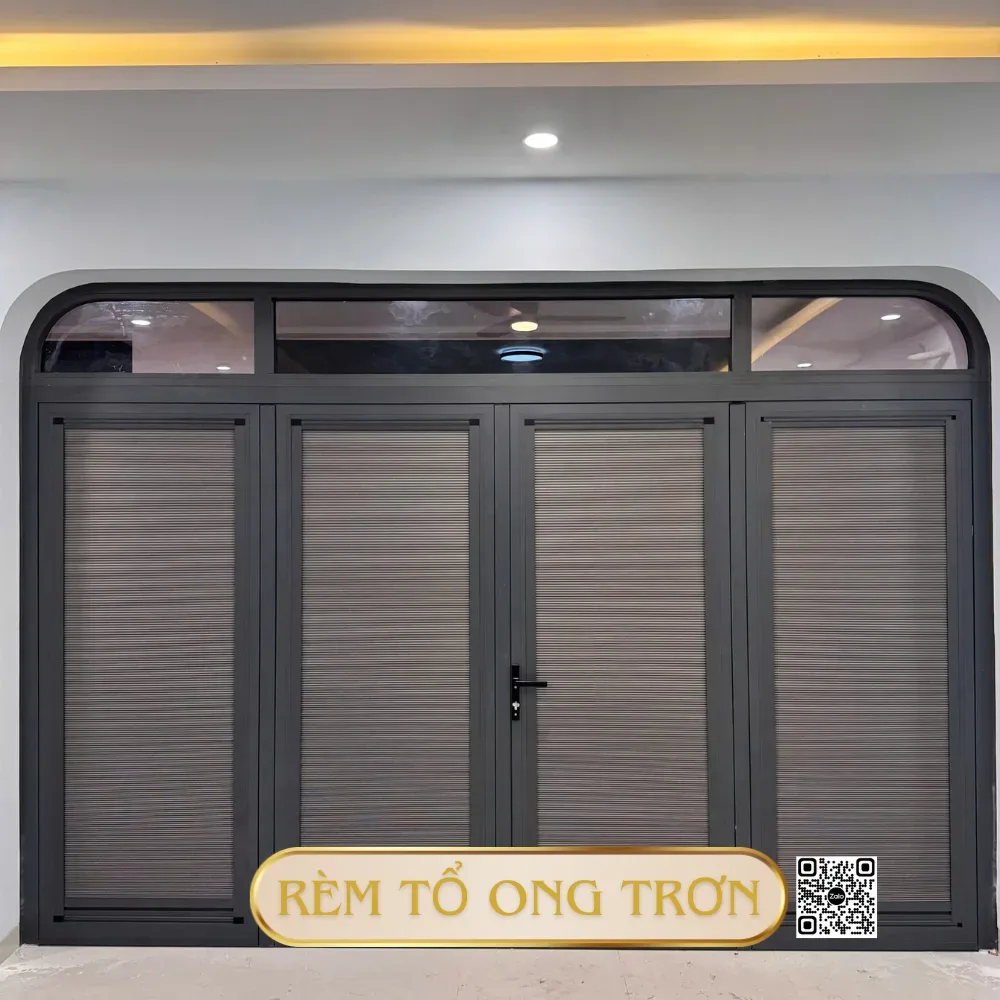
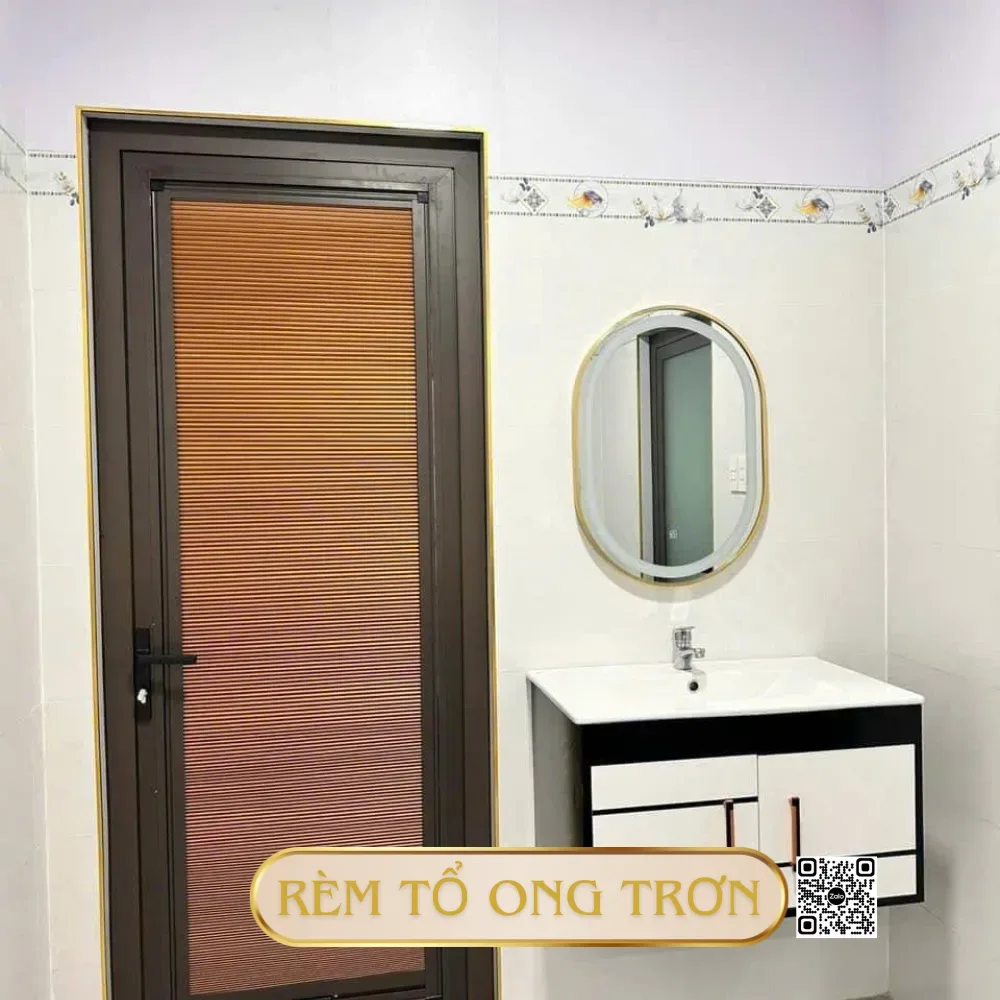
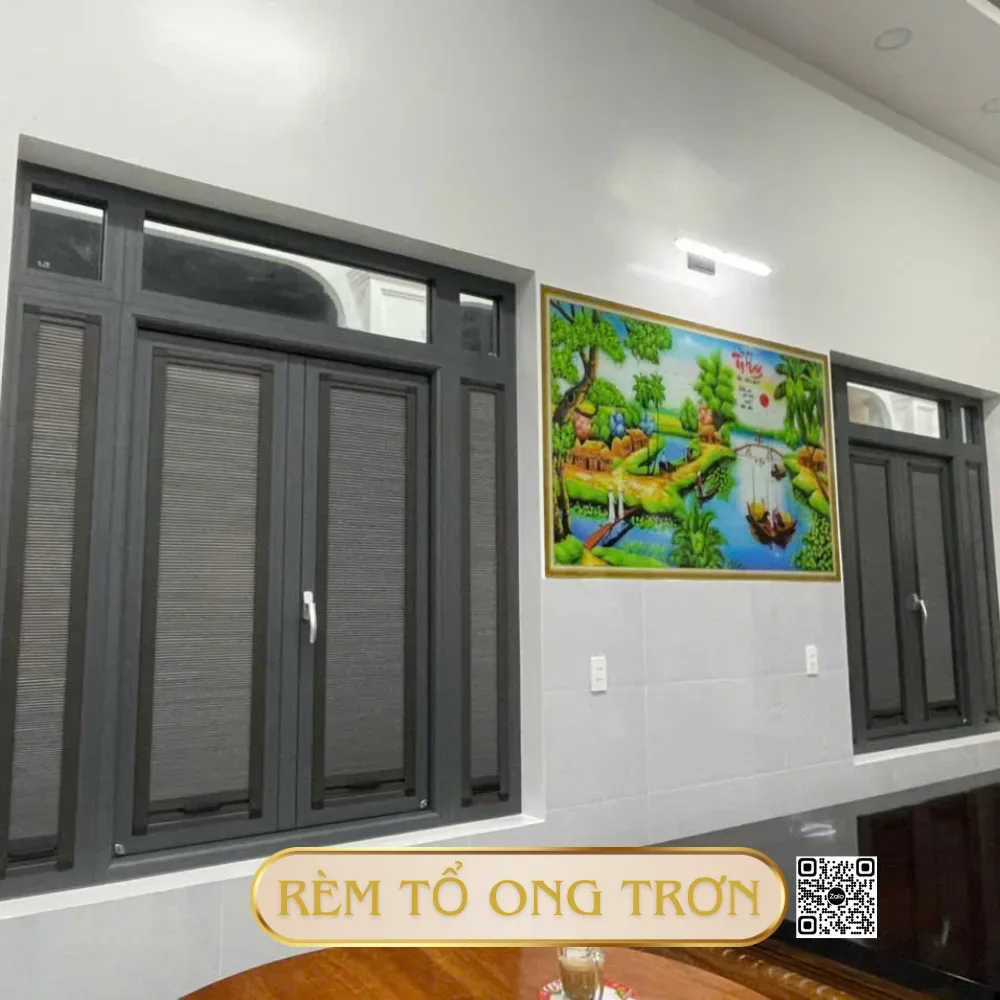
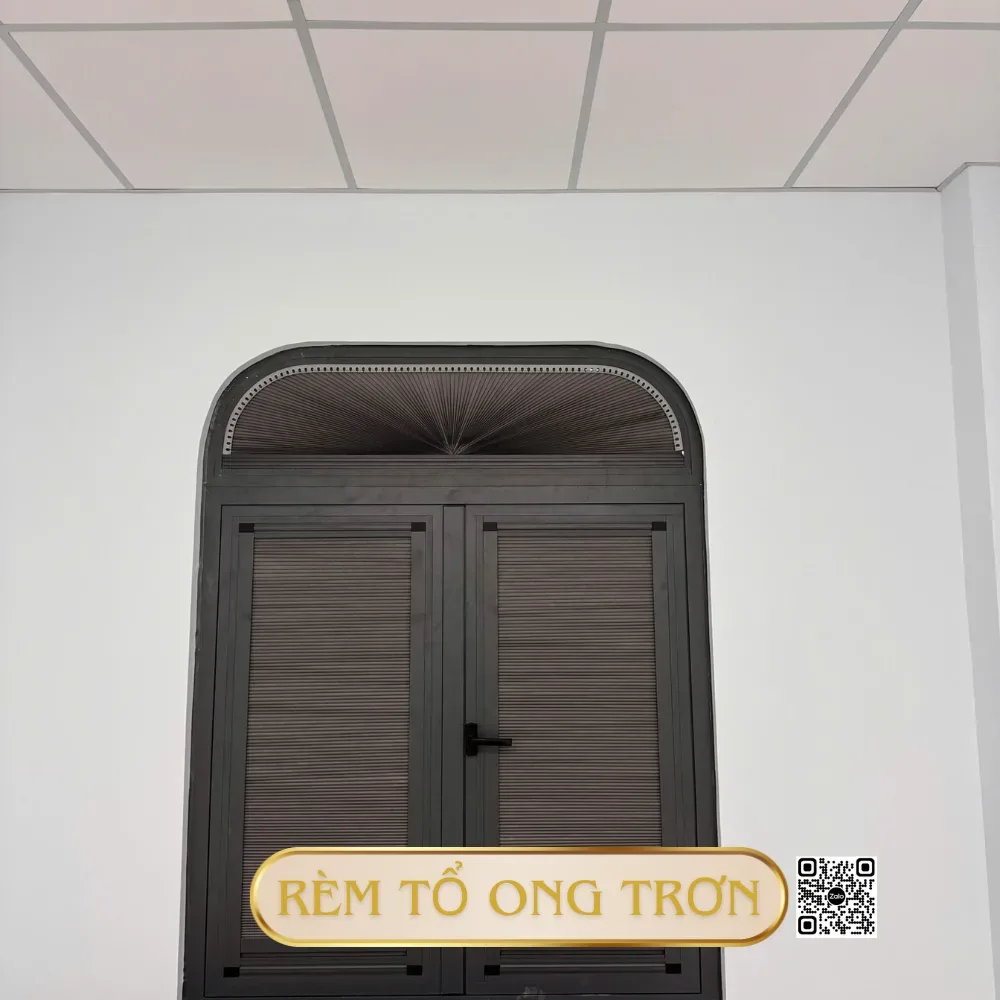
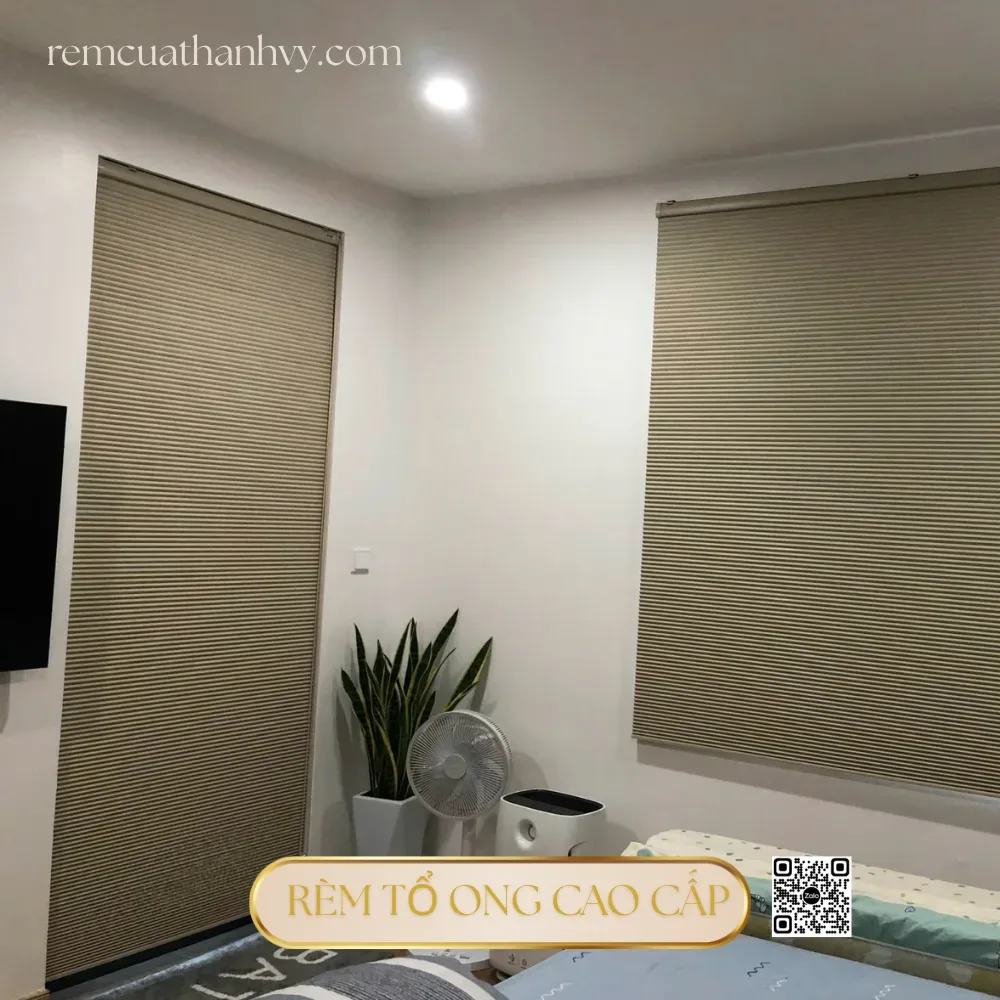
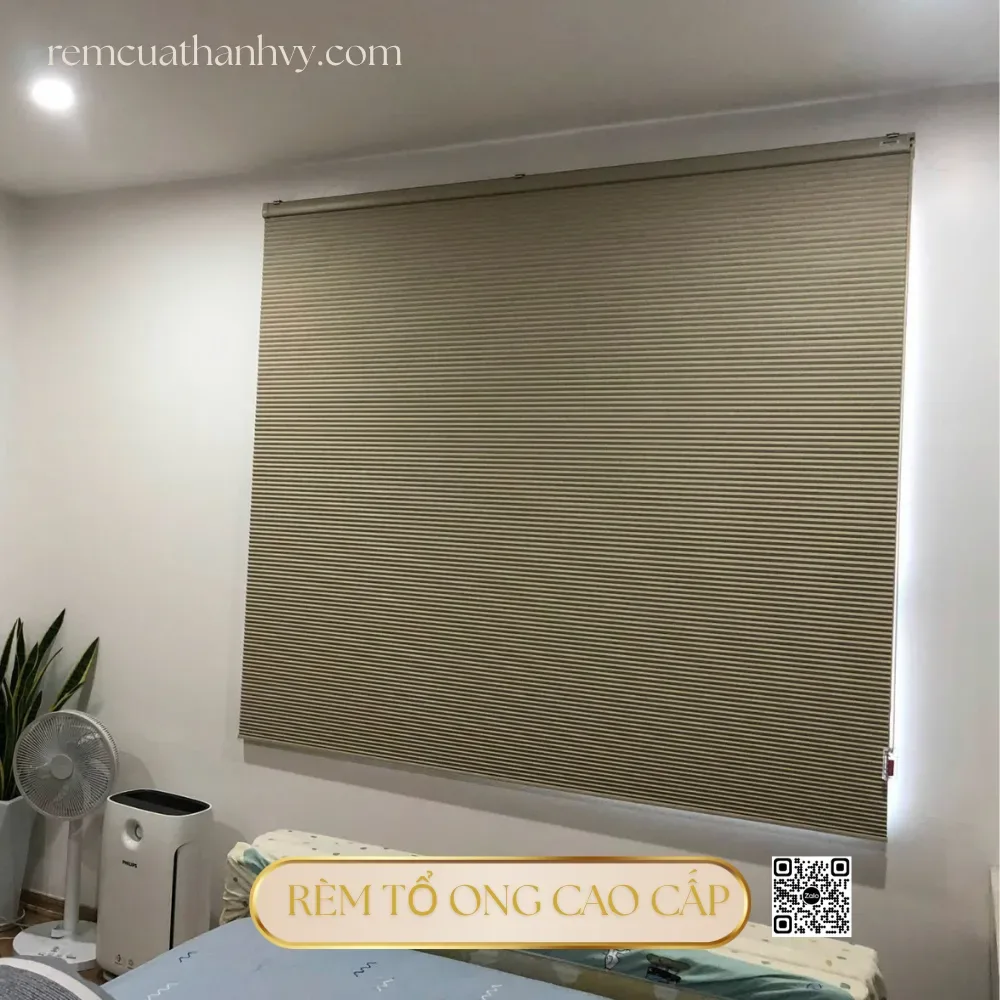
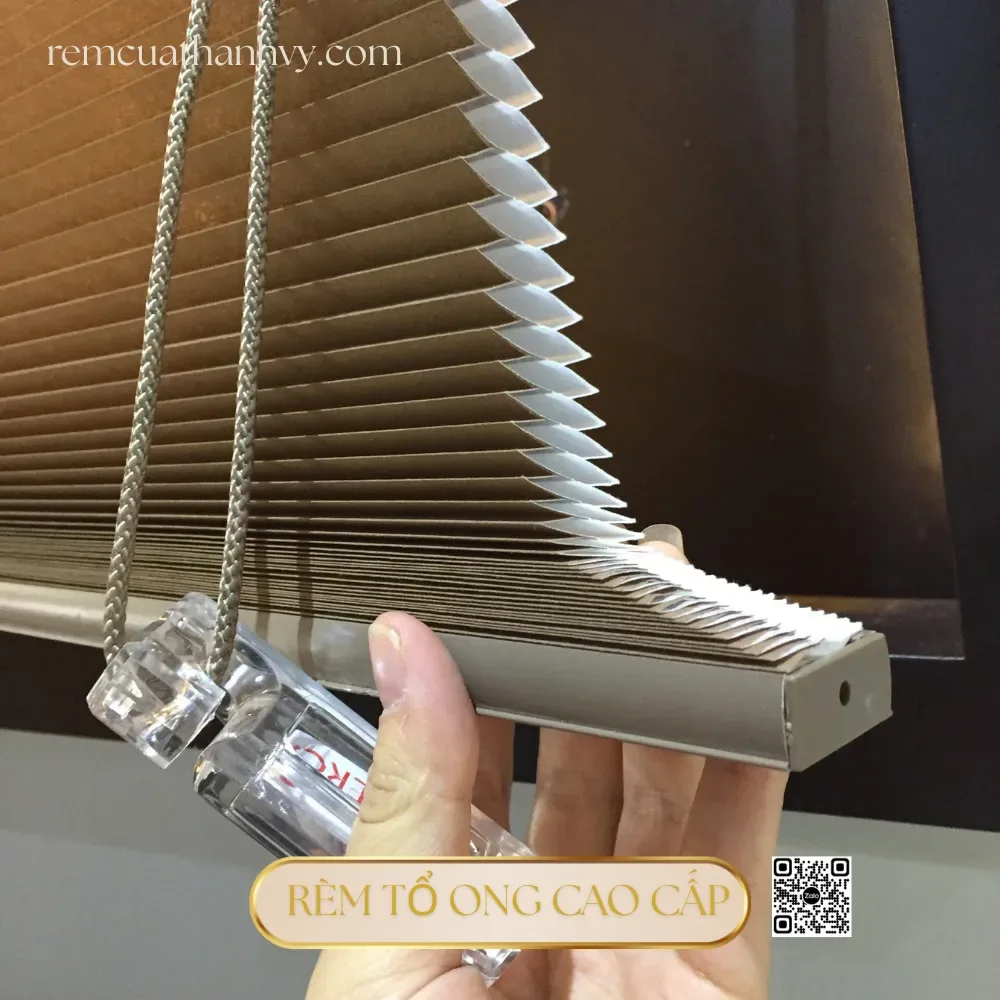
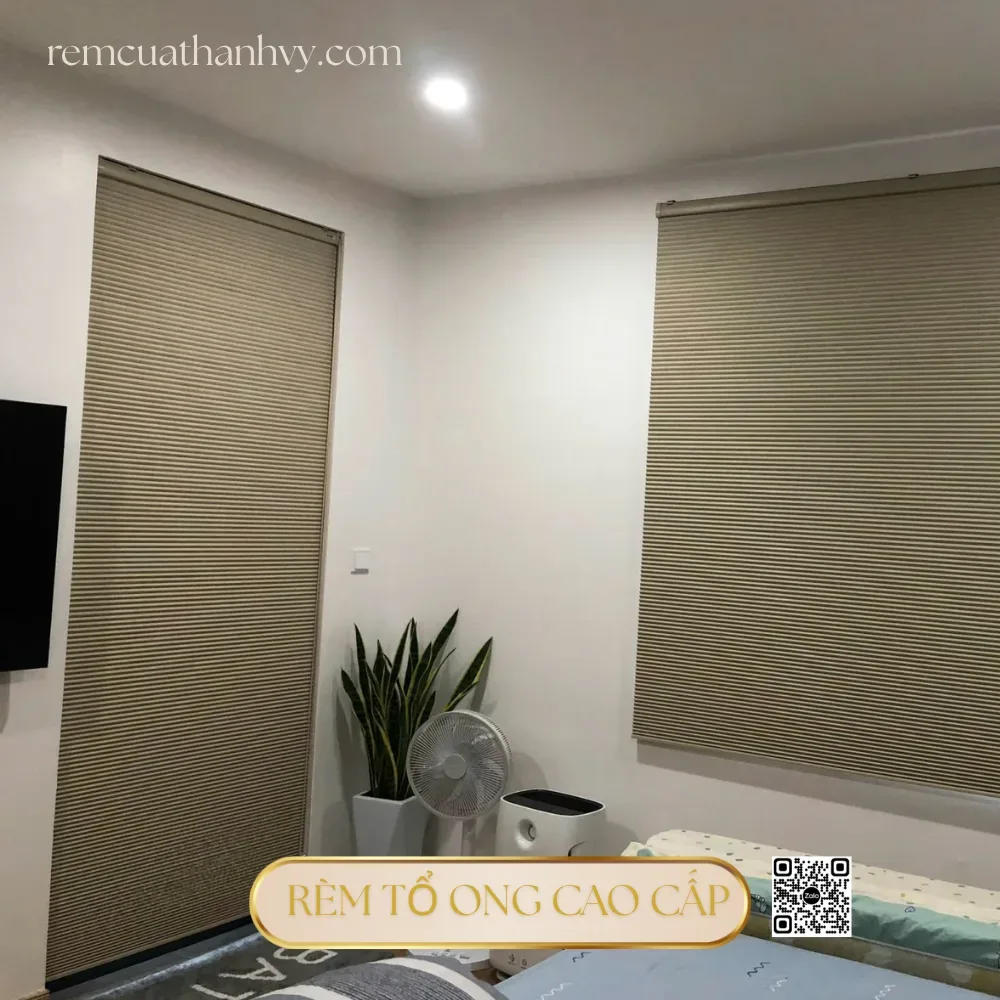
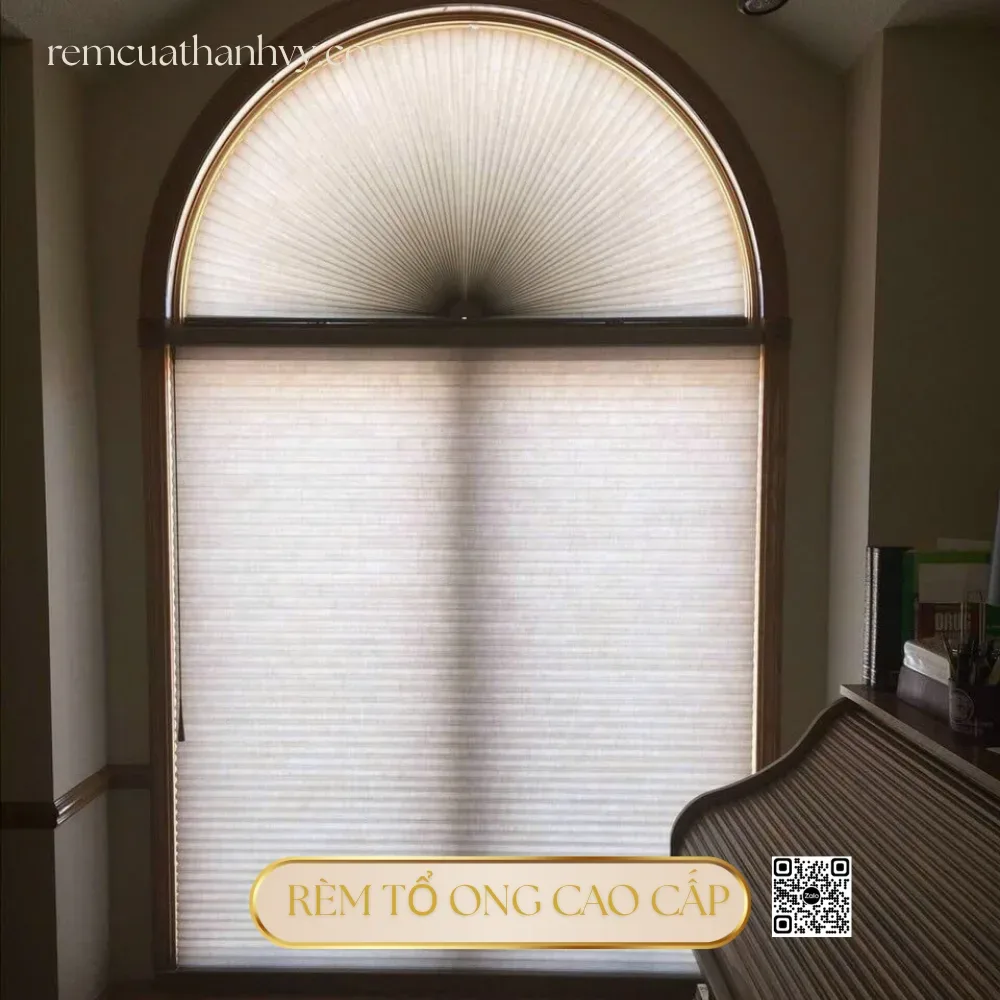
Honeycomb blinds feature a hollow structure that retains an air layer, helping reduce heat transfer through windows.
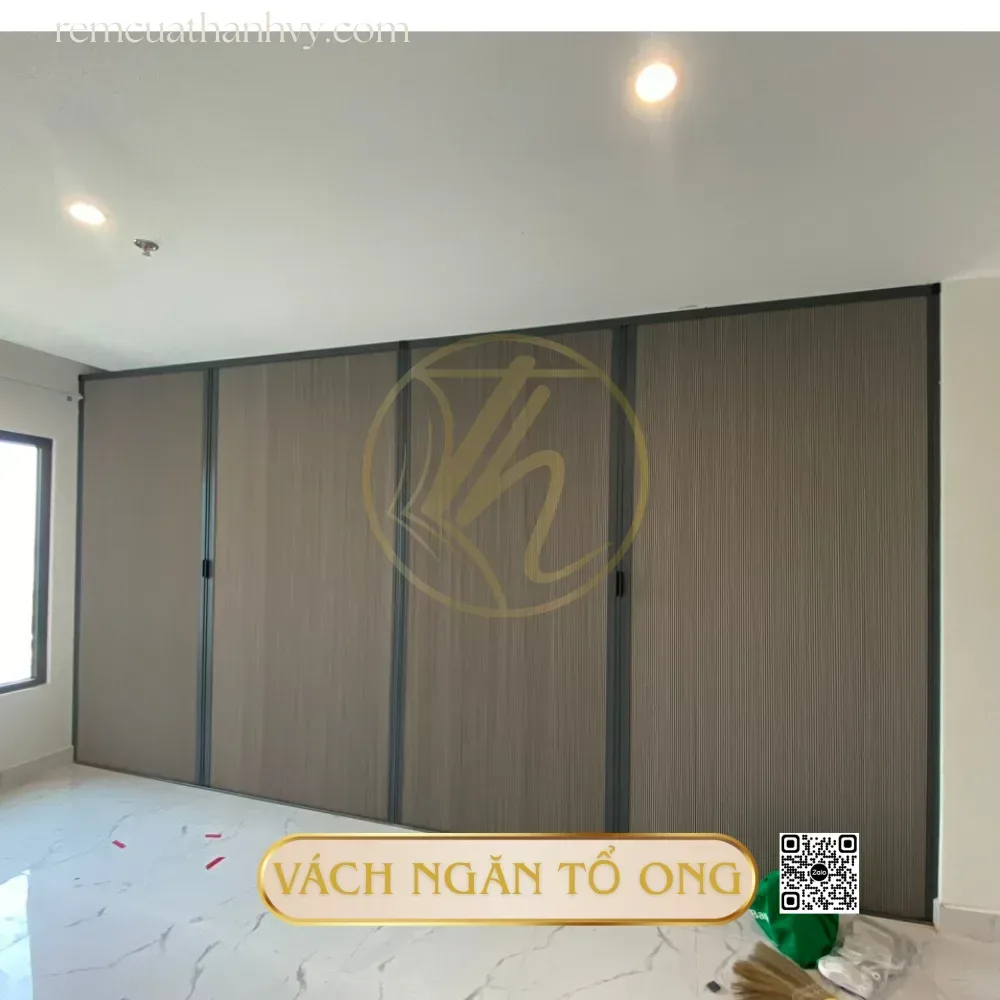
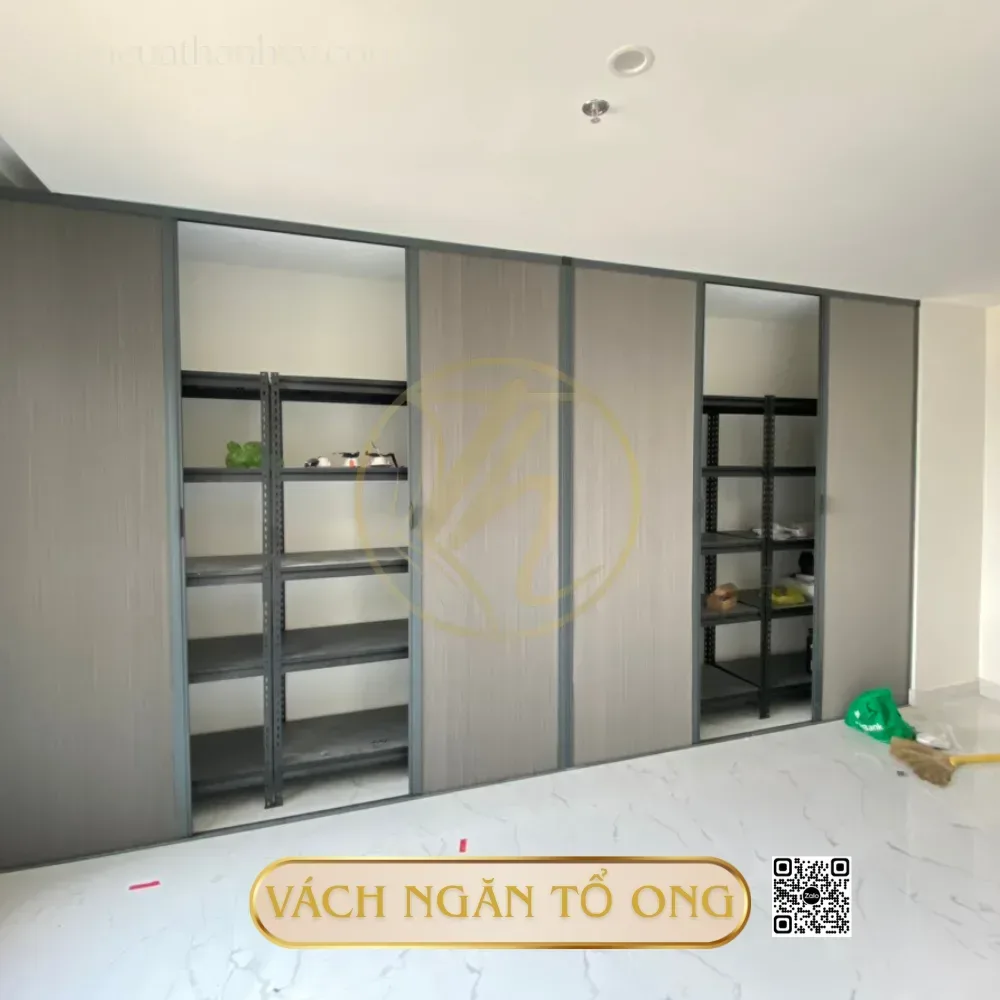
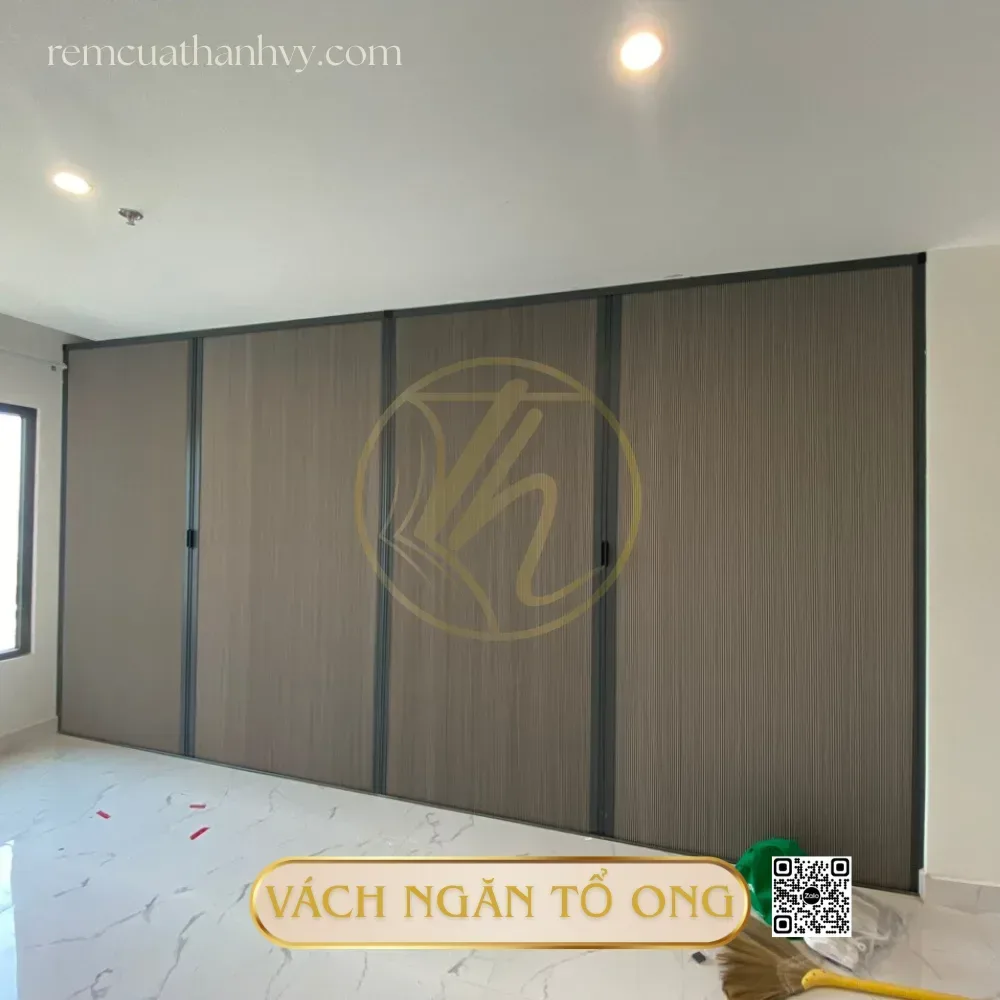



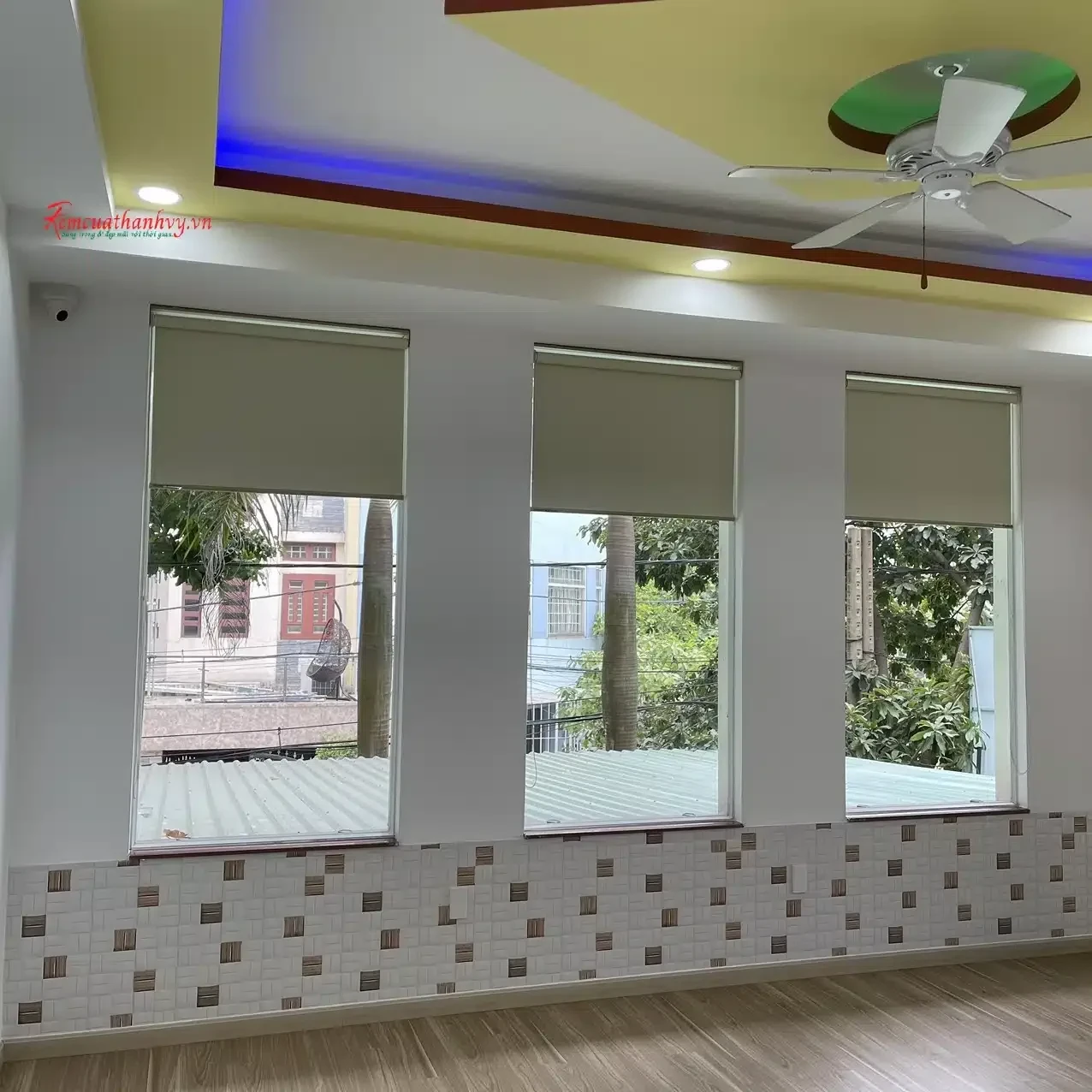
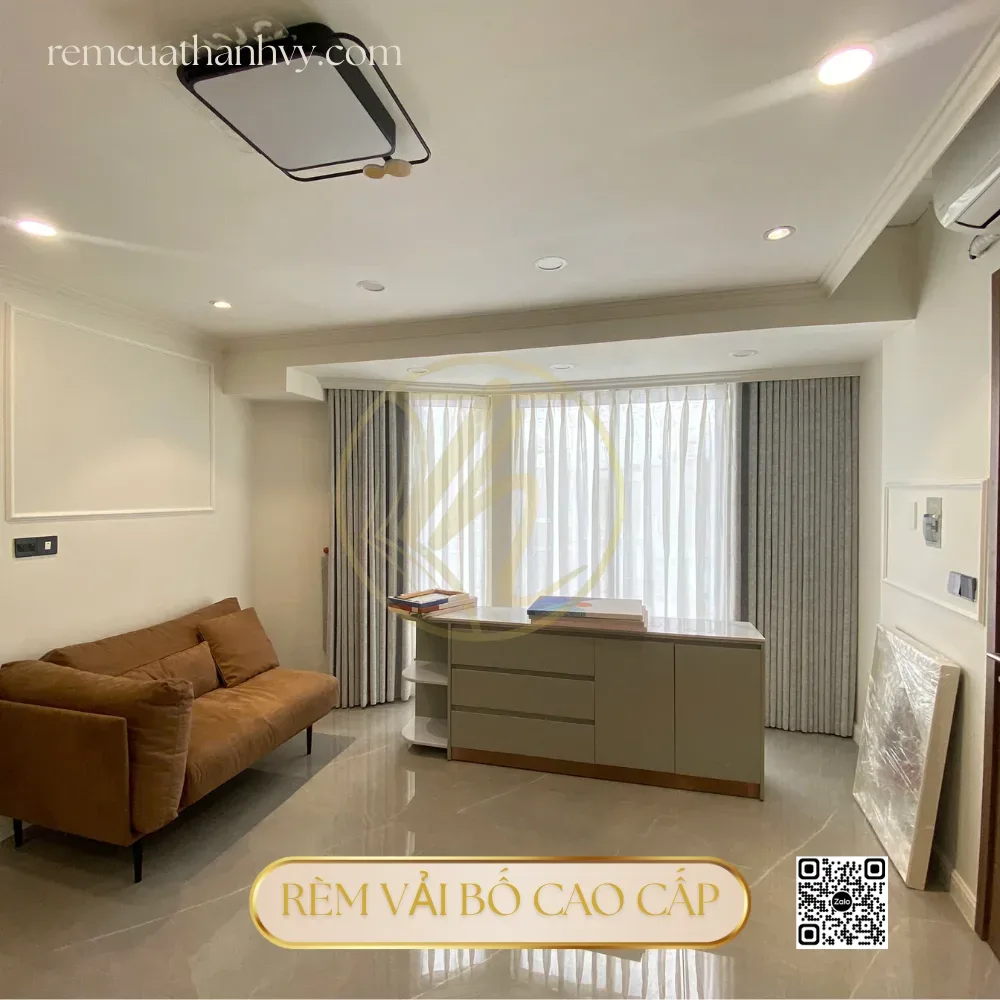
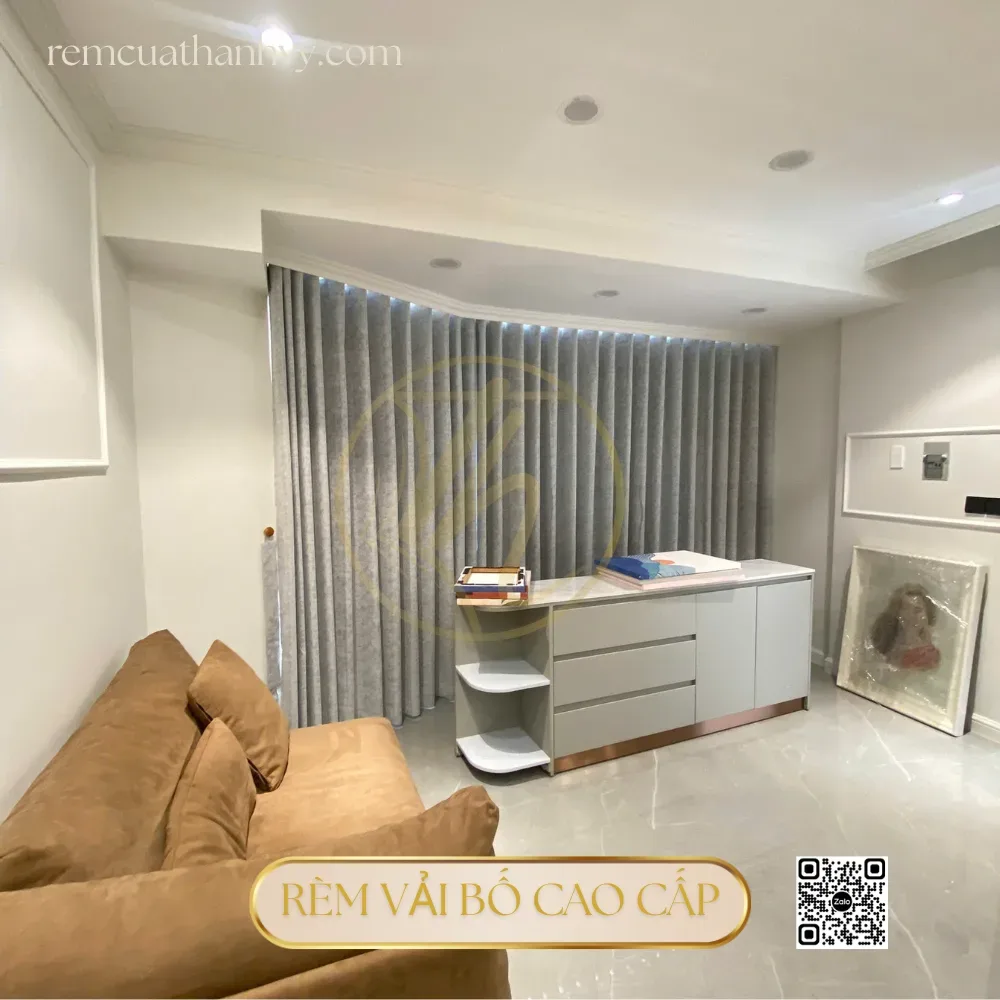
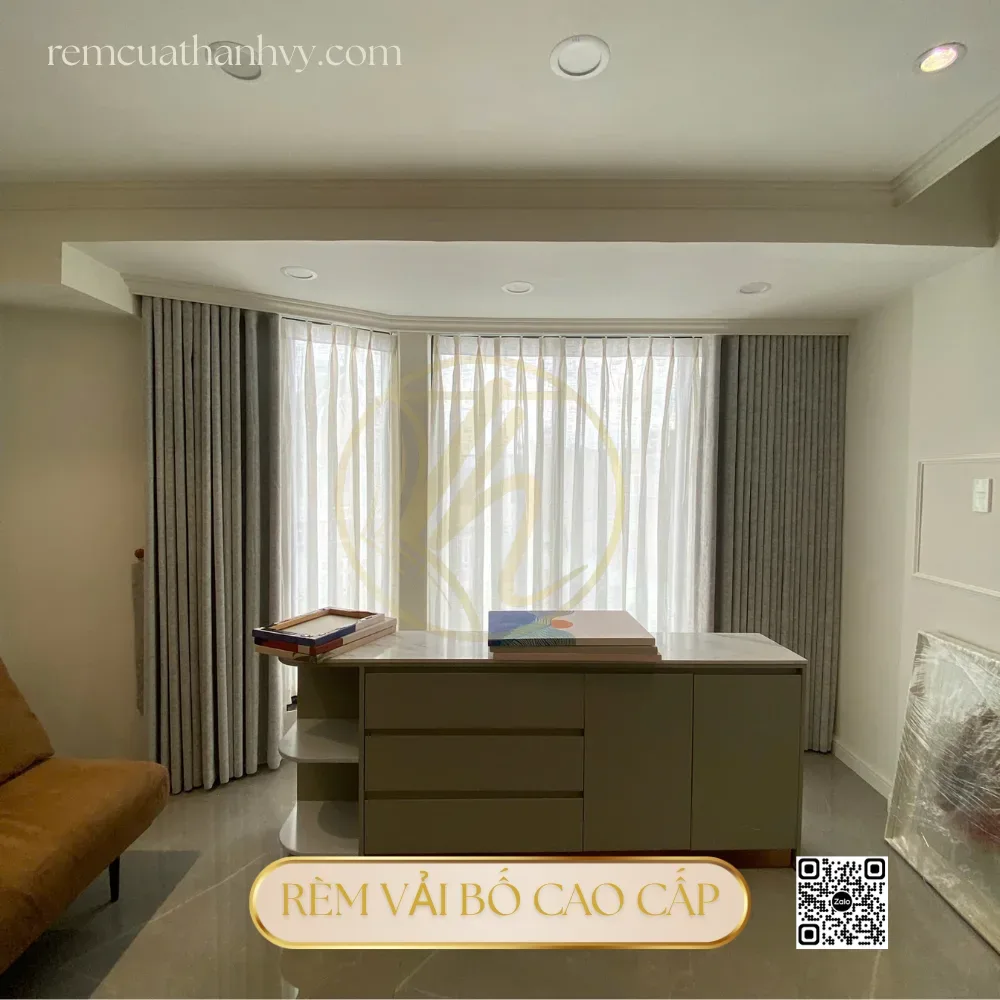
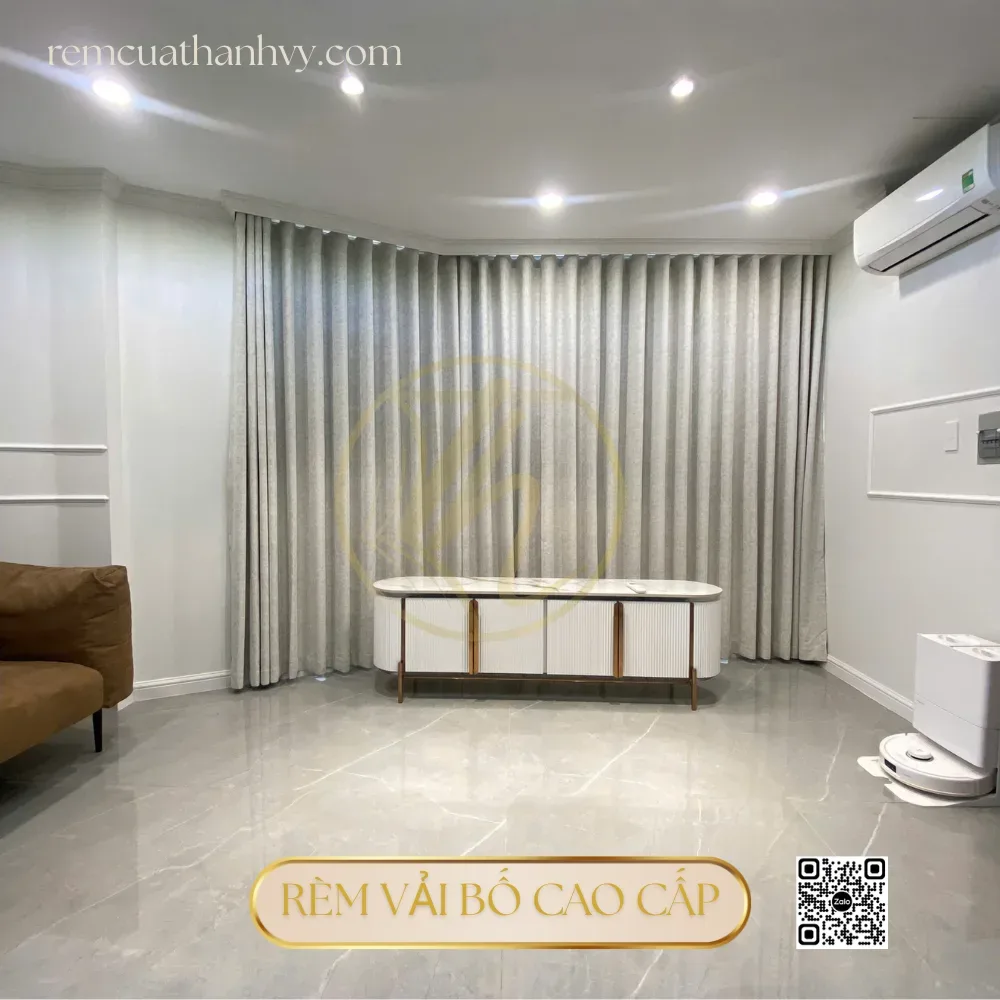
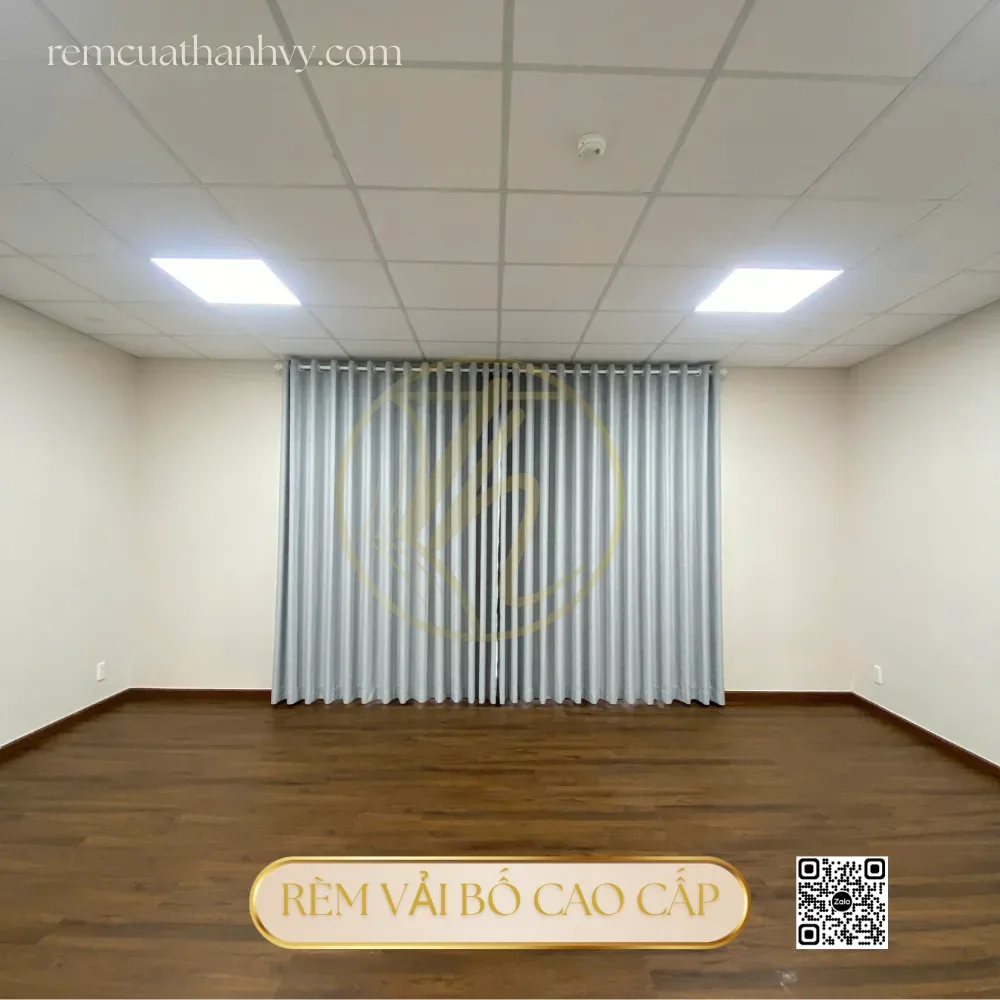
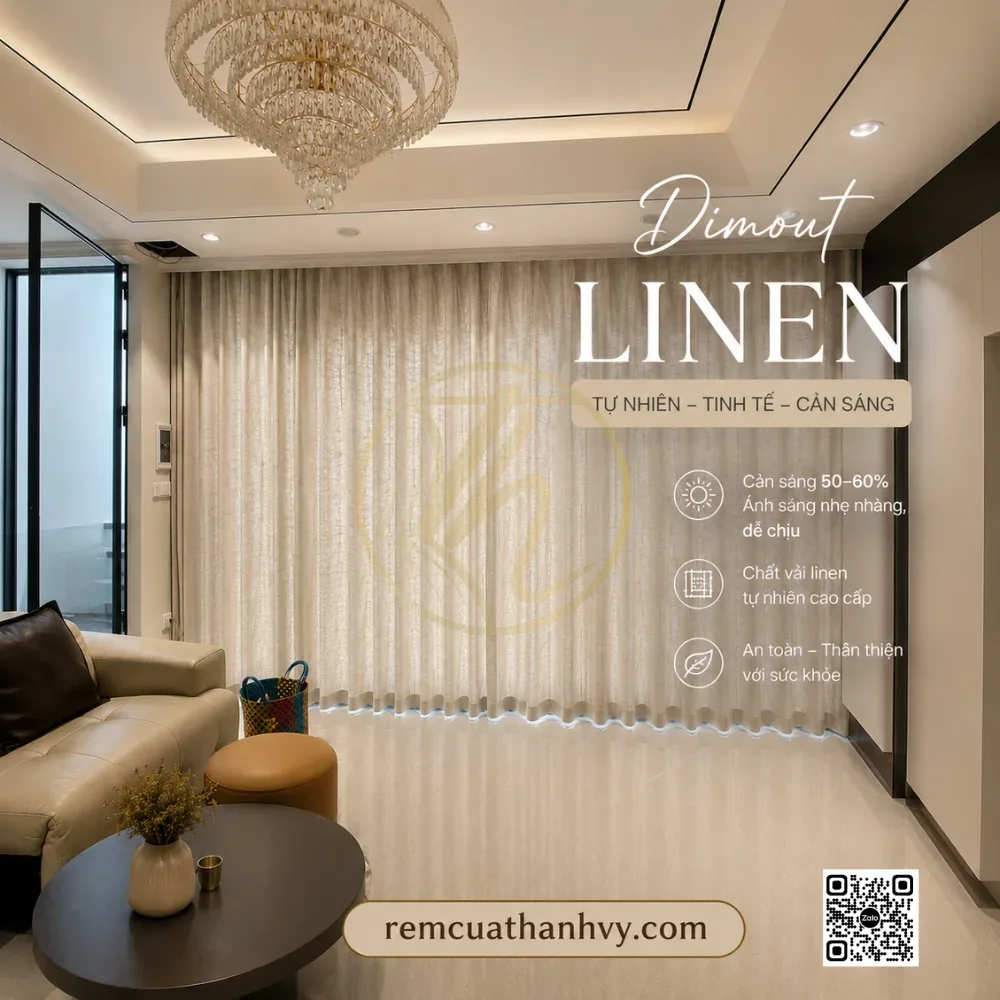
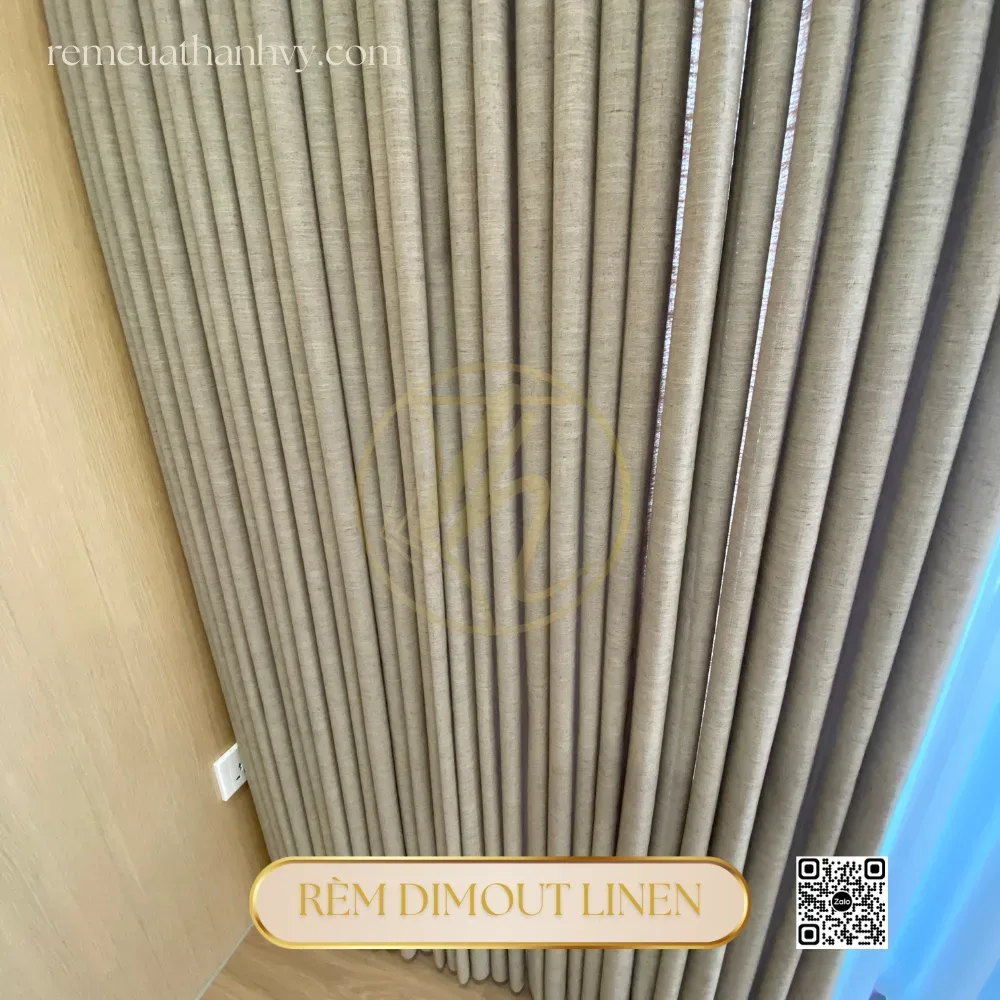
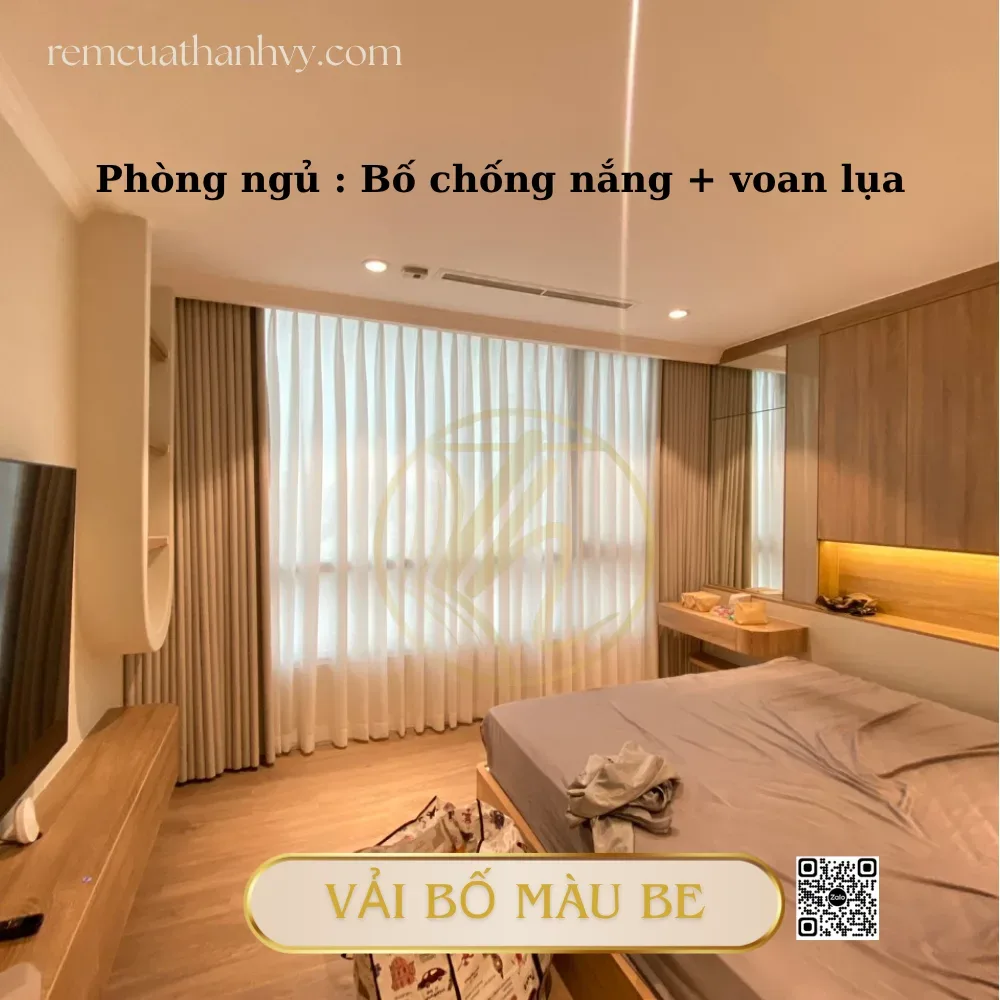
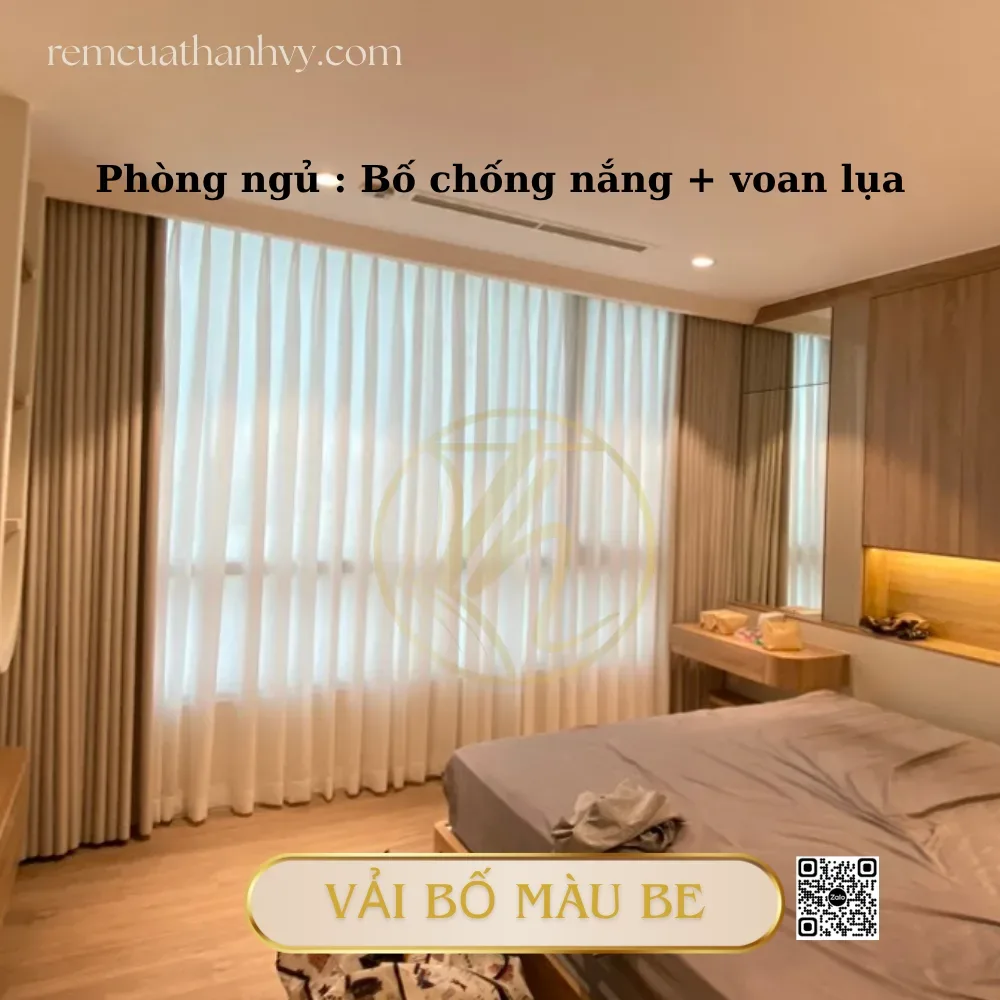
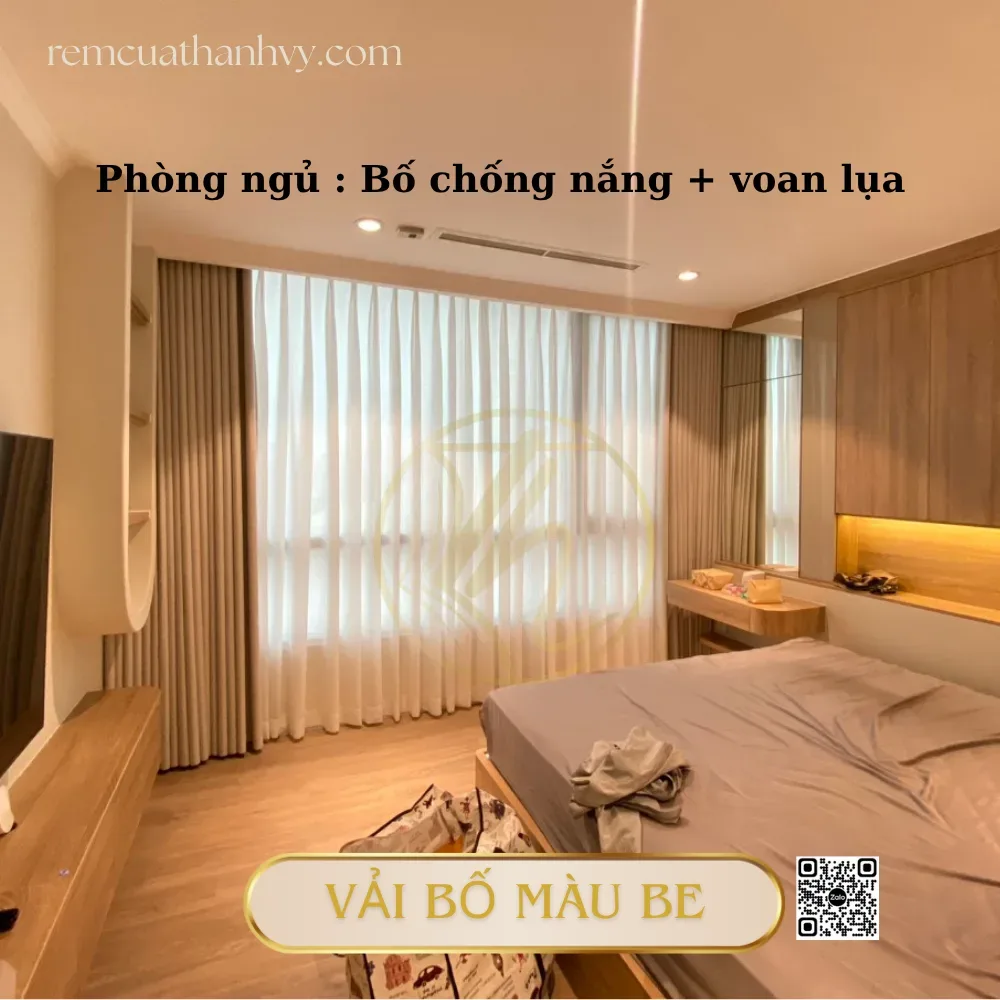
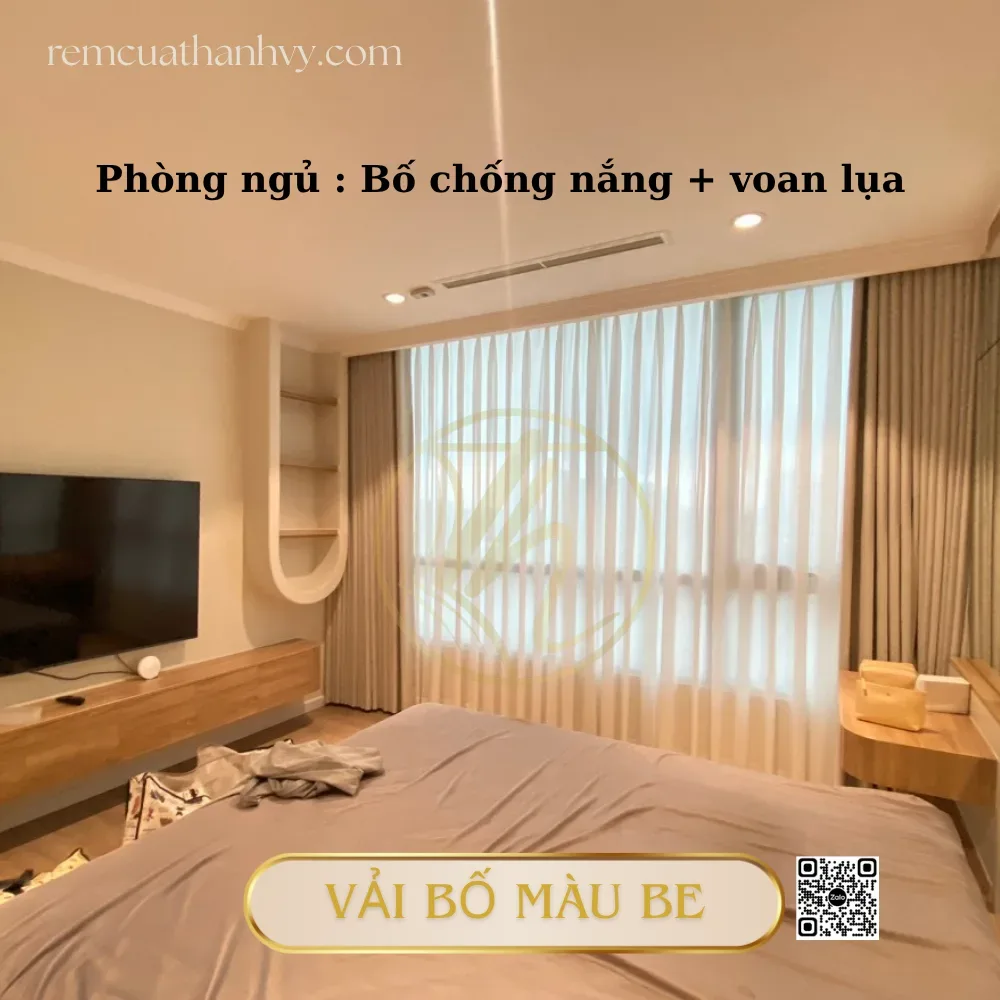
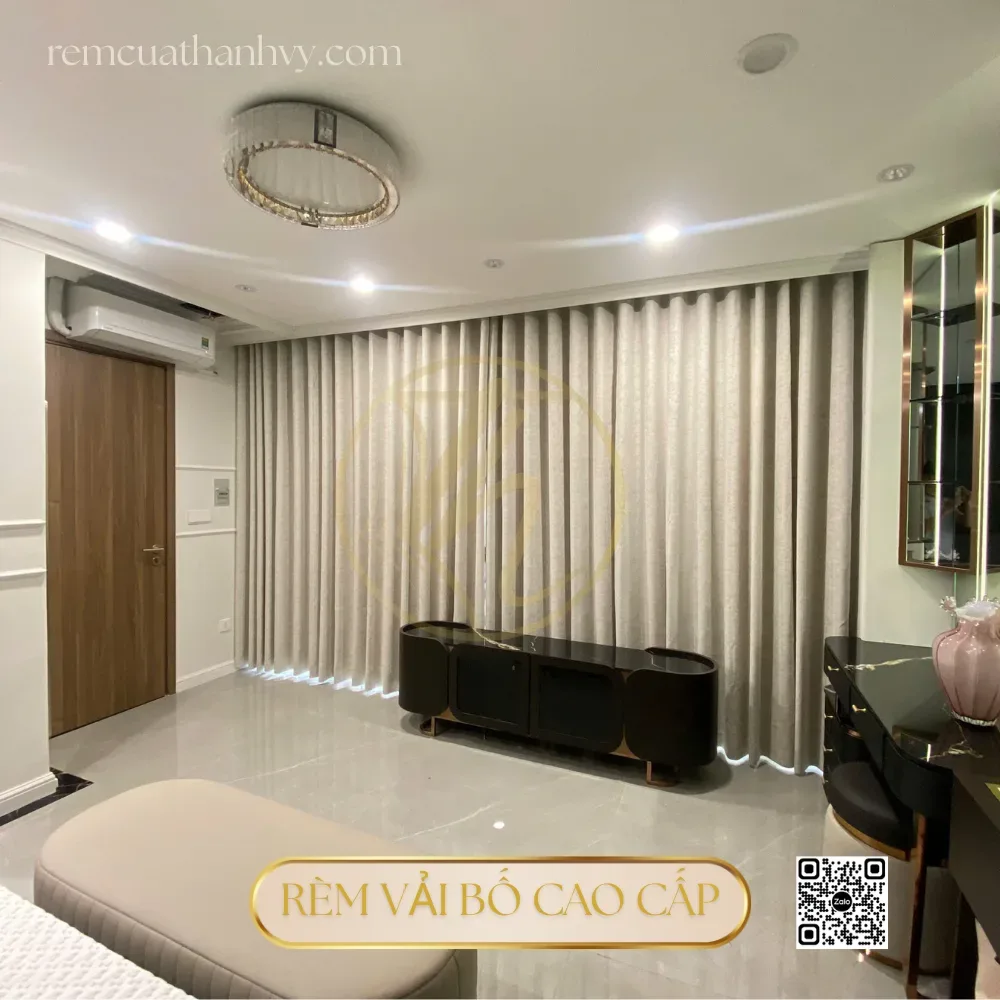
Premium Blackout Fabric Curtains
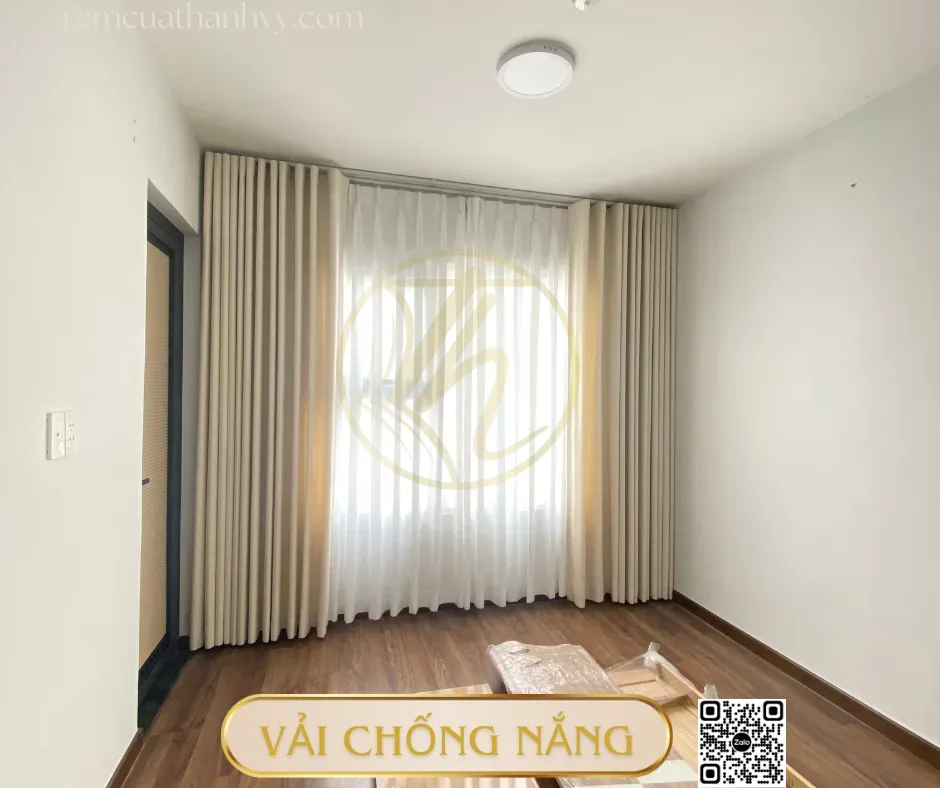
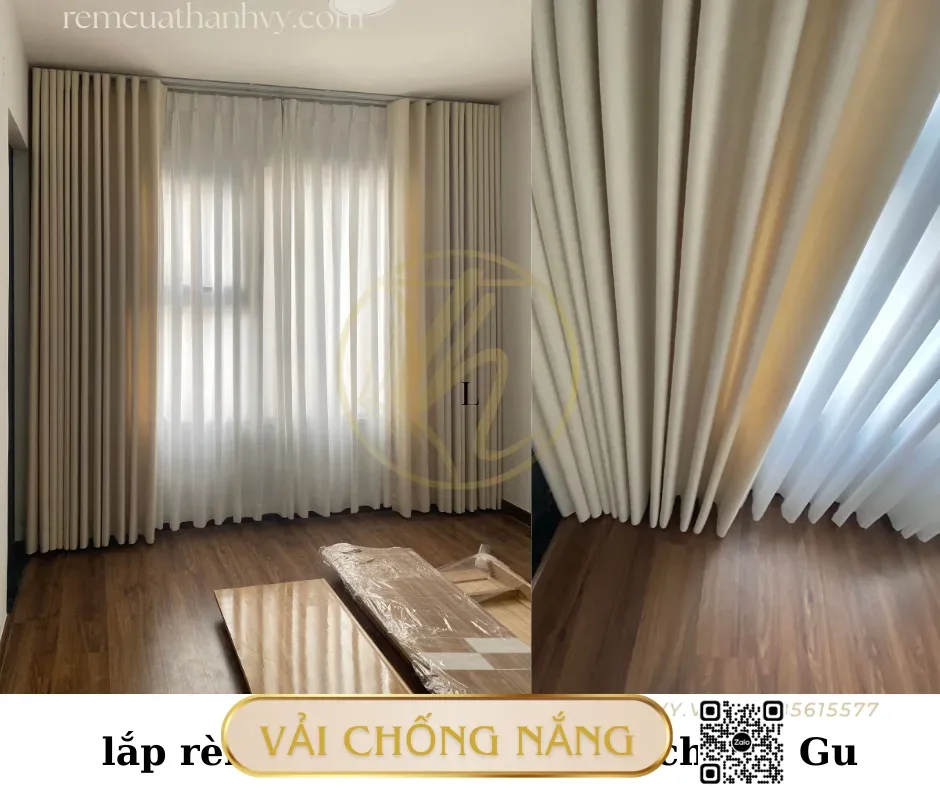
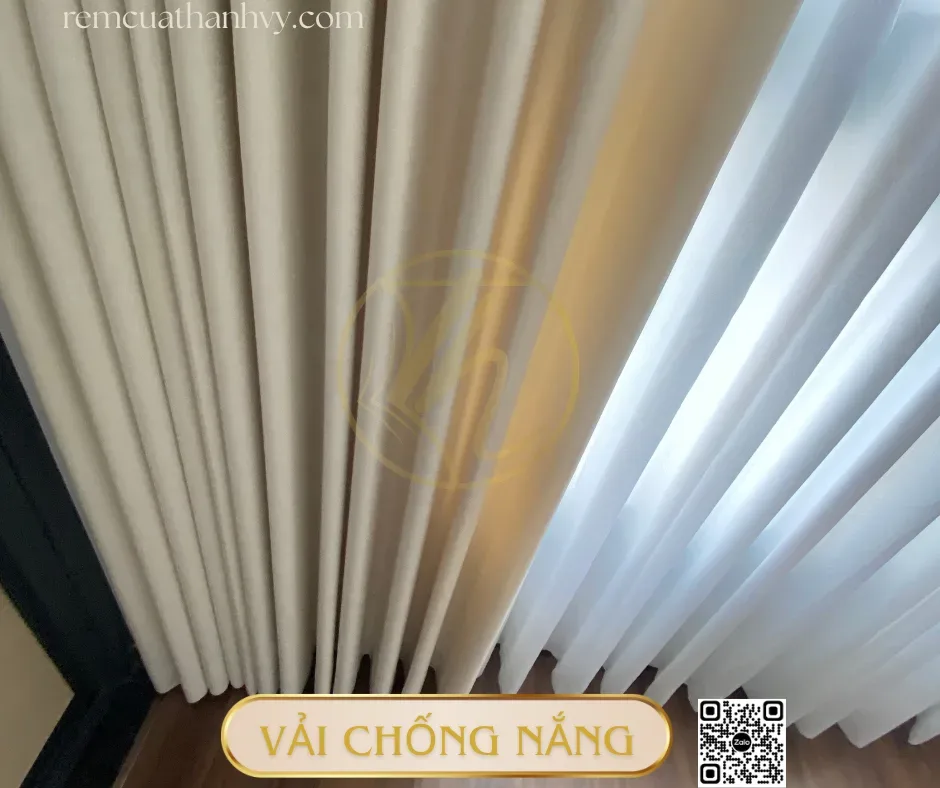
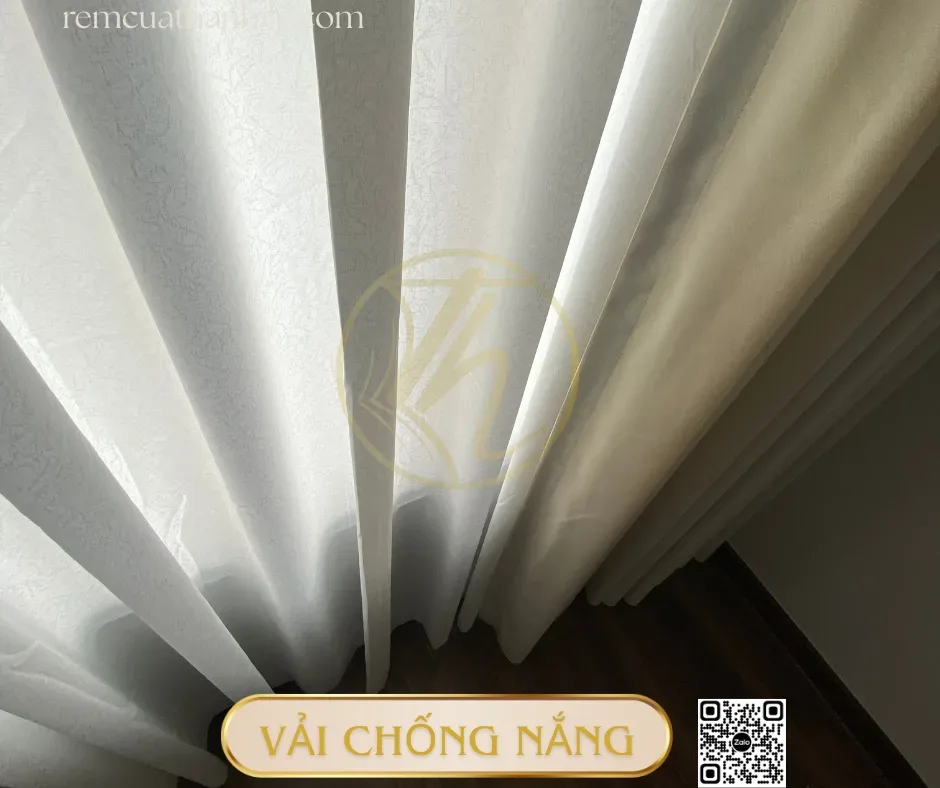
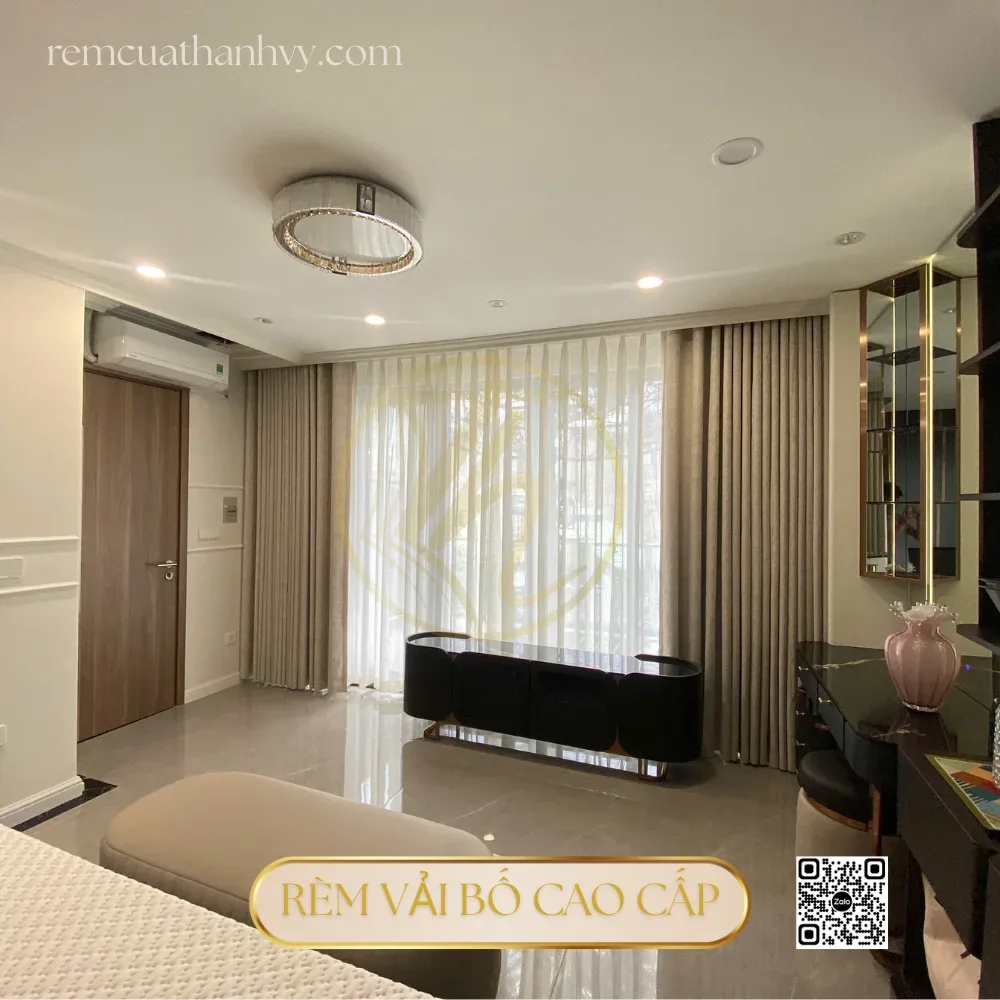
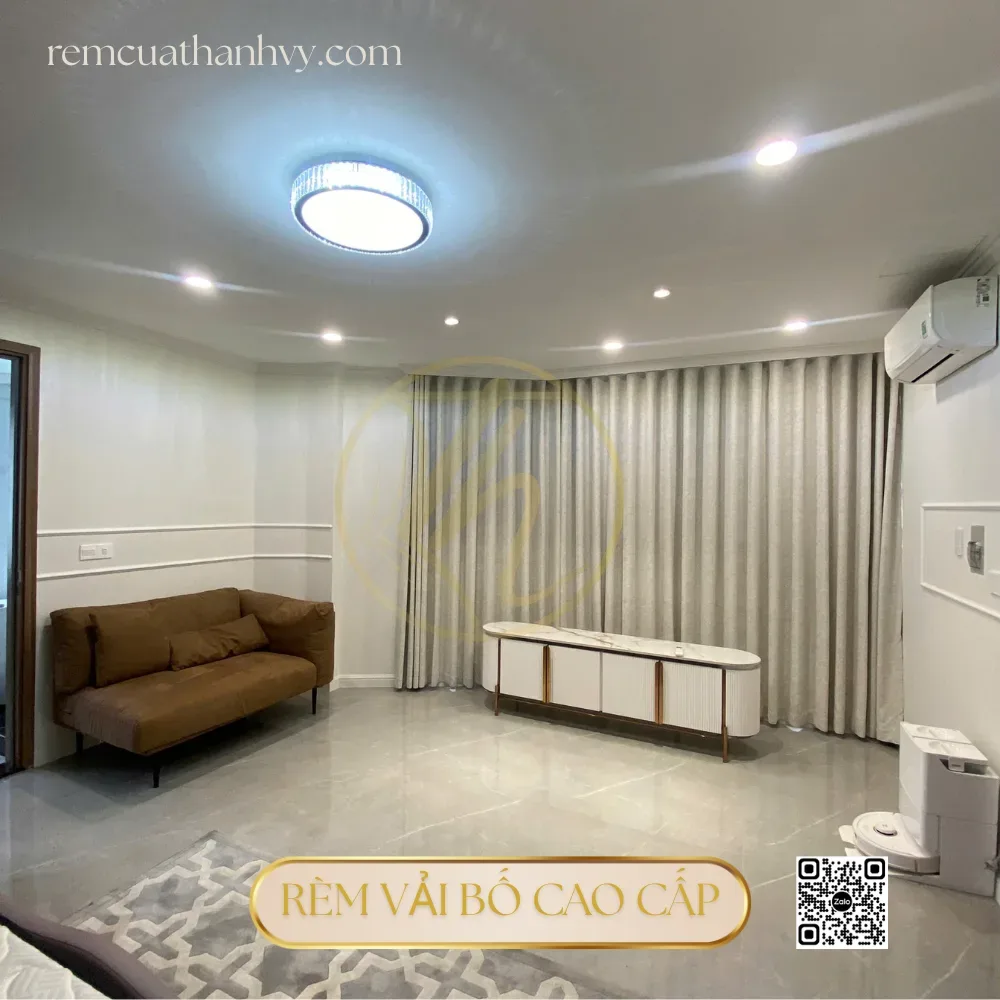
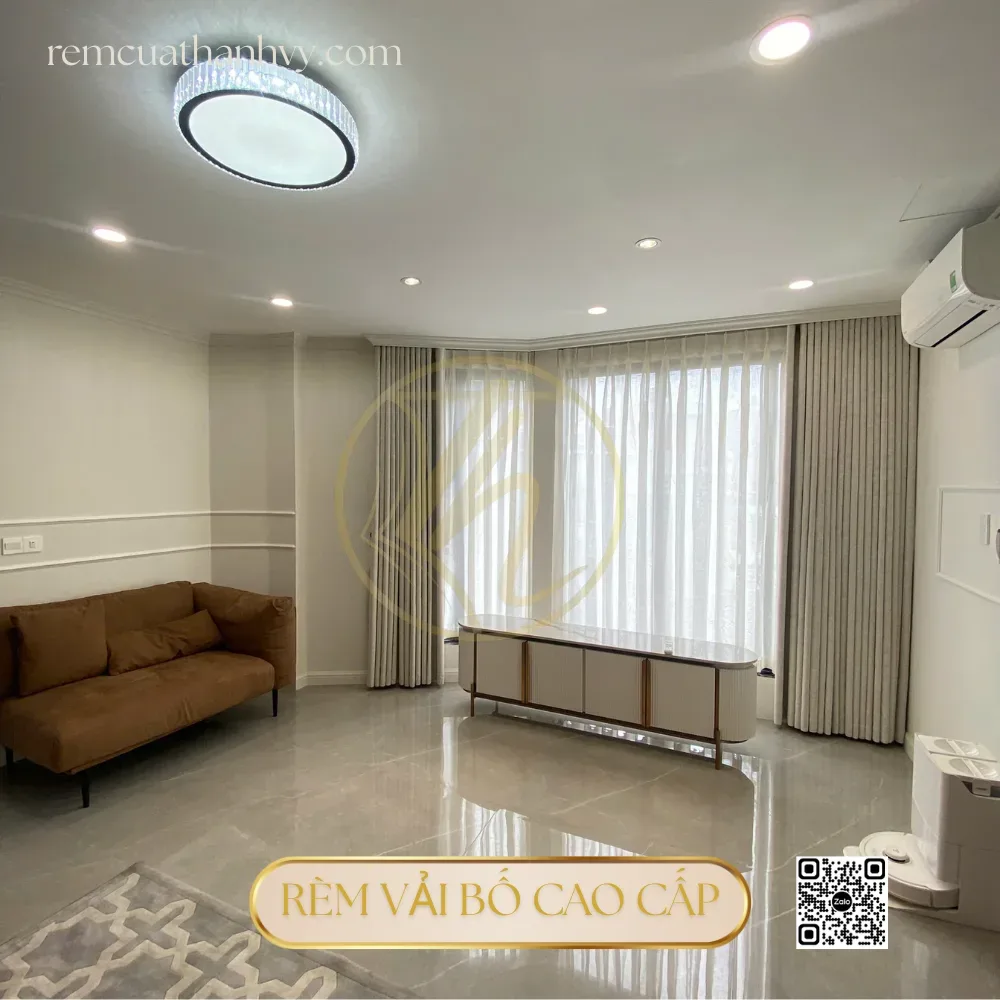
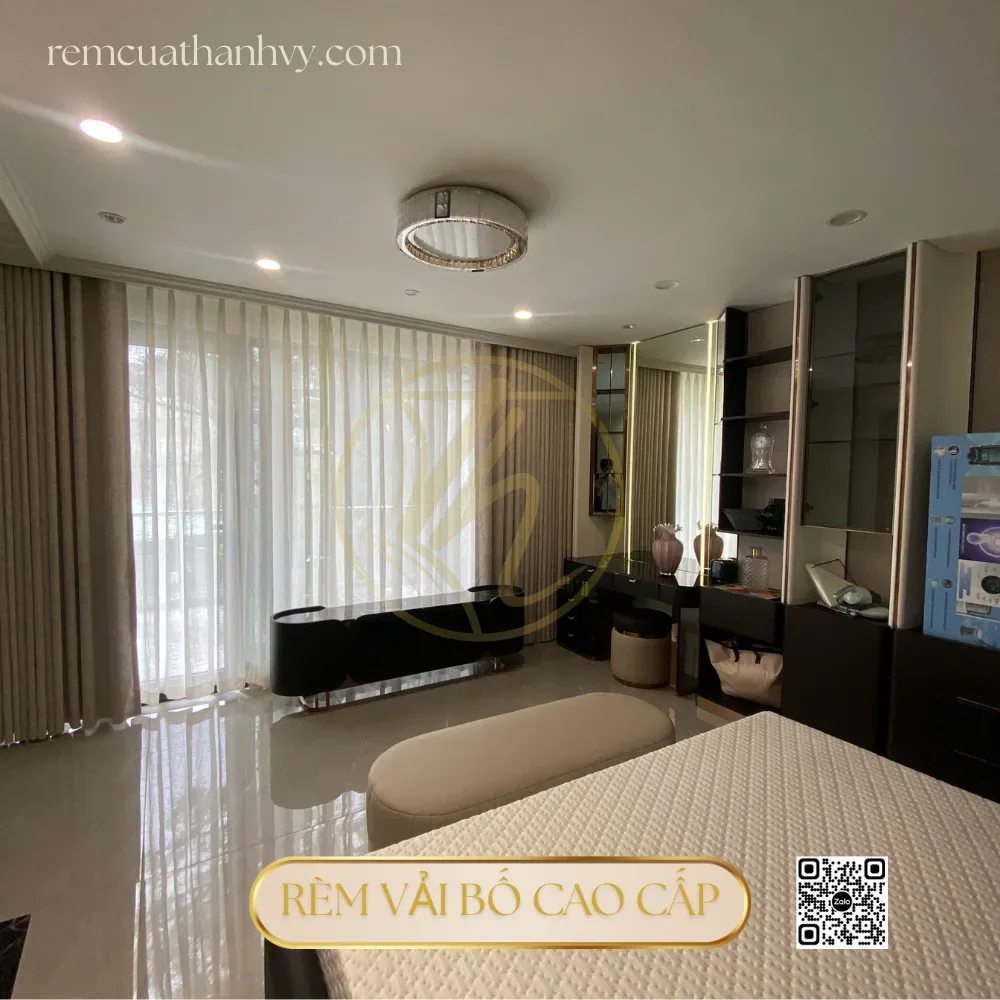
Thick multi-layered fabrics help reduce strong light and limit see-through views from the outside.
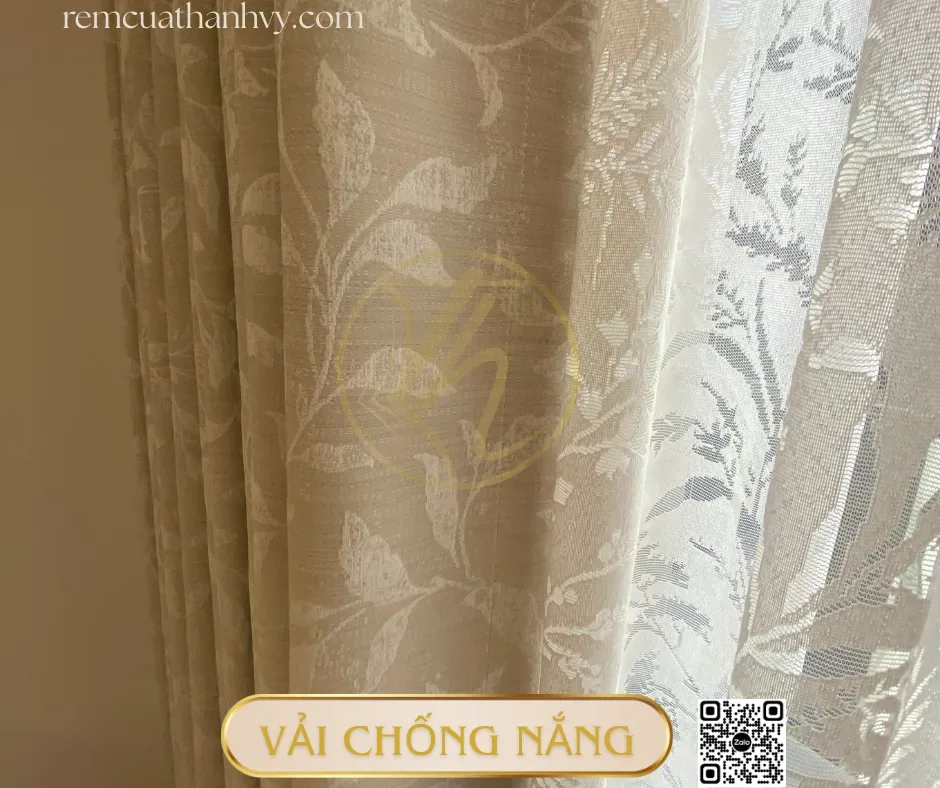
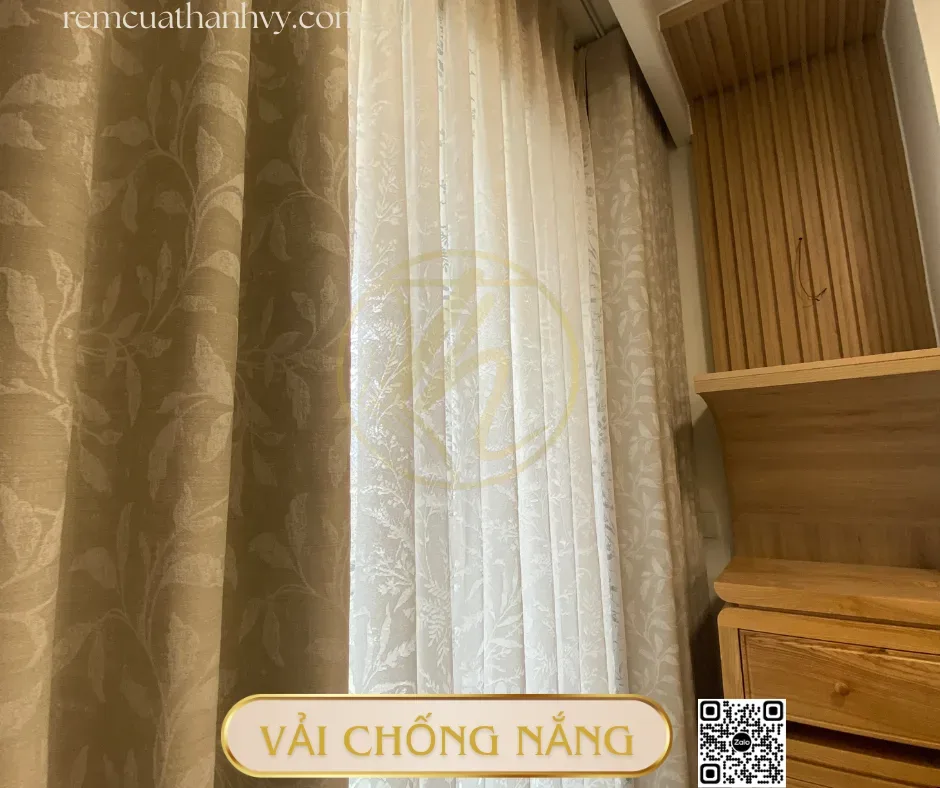
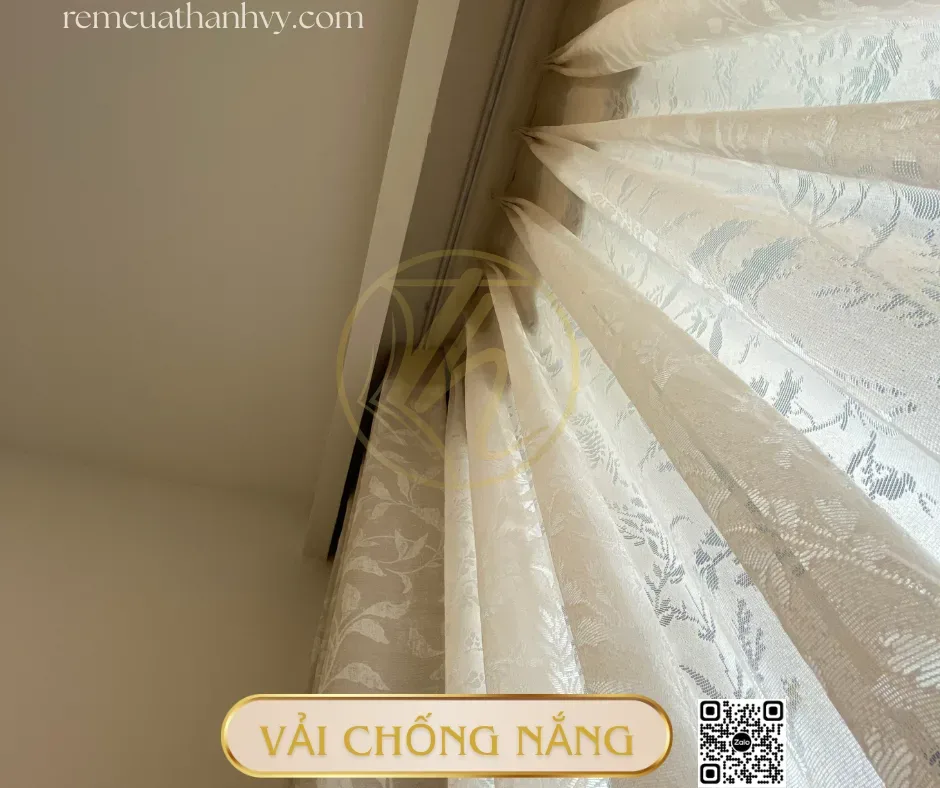
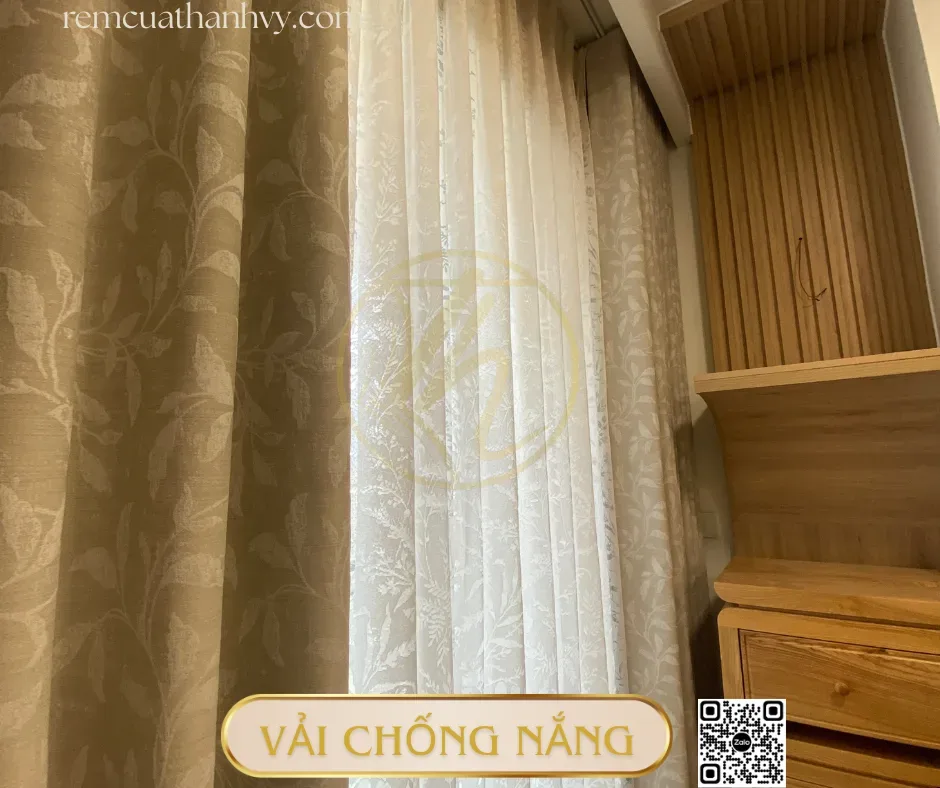
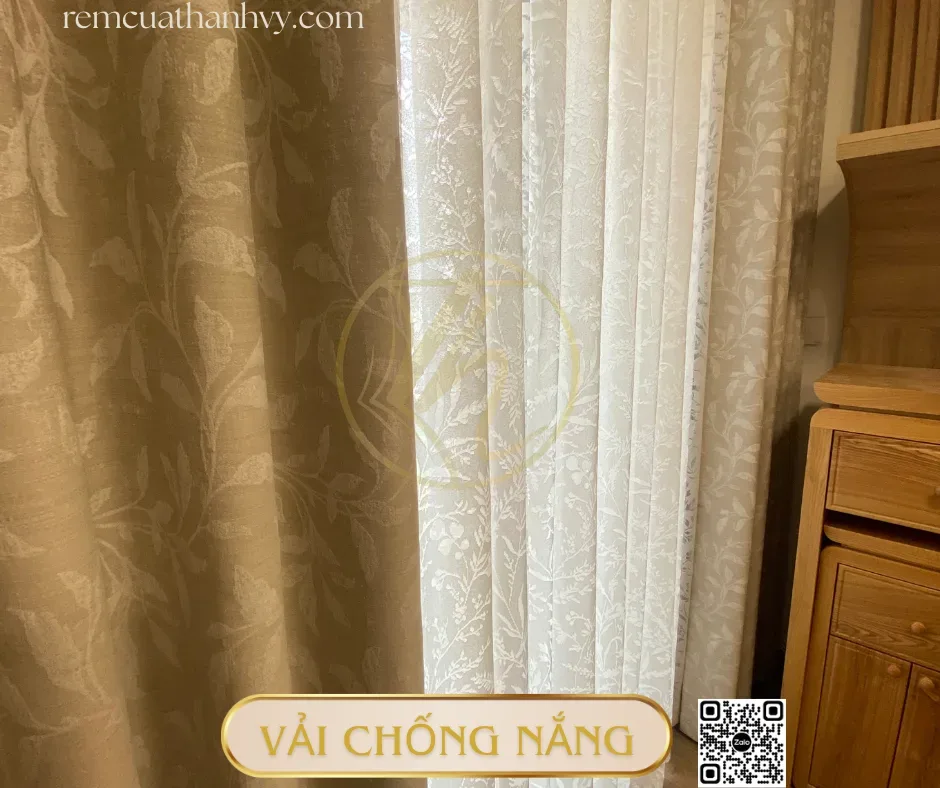
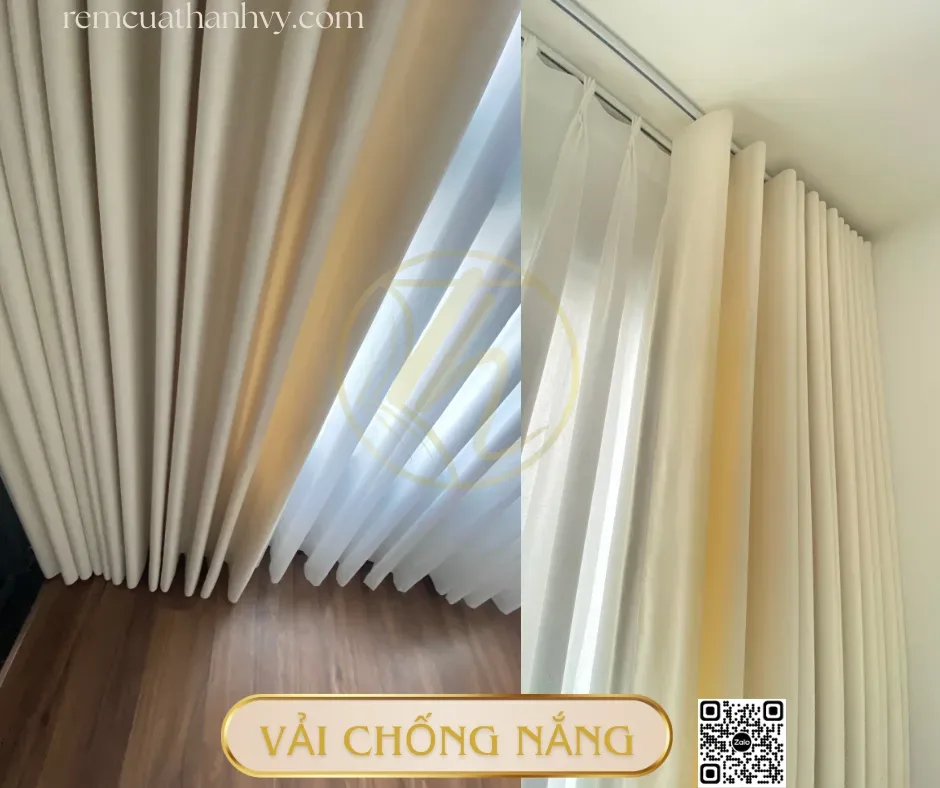
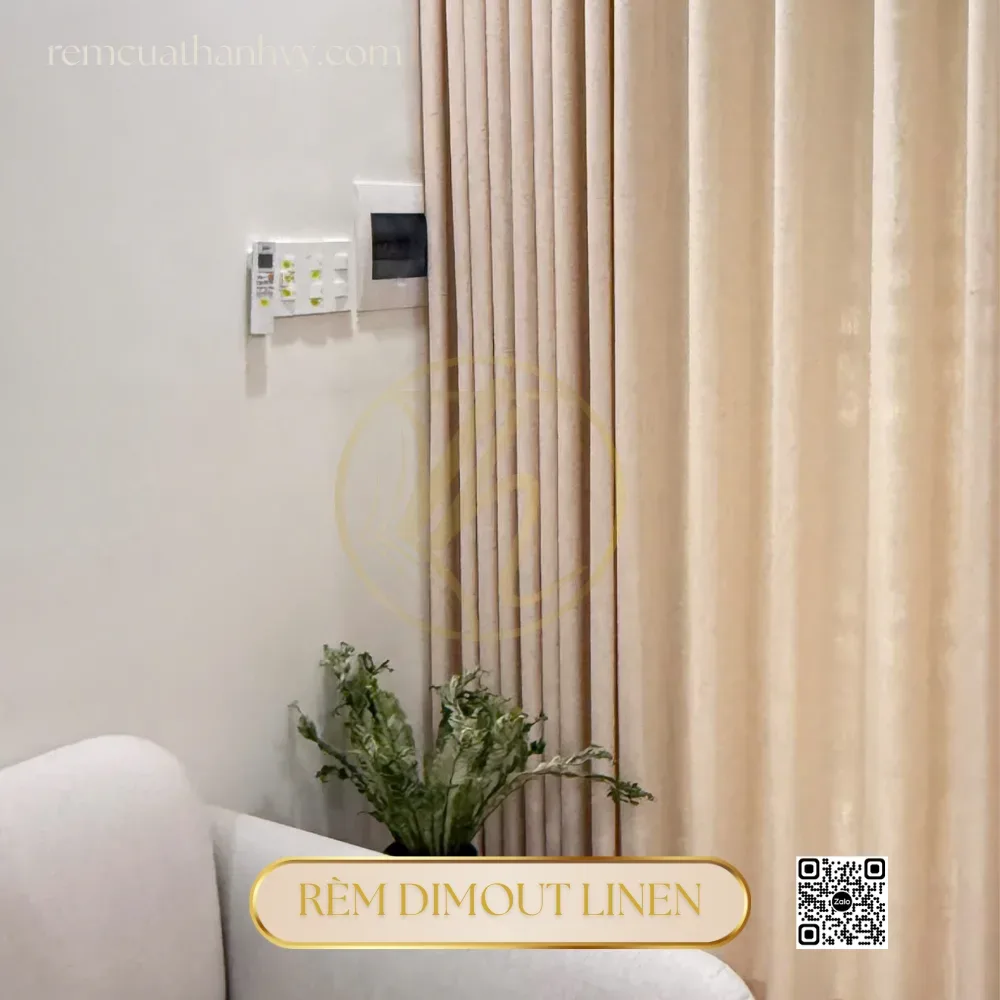
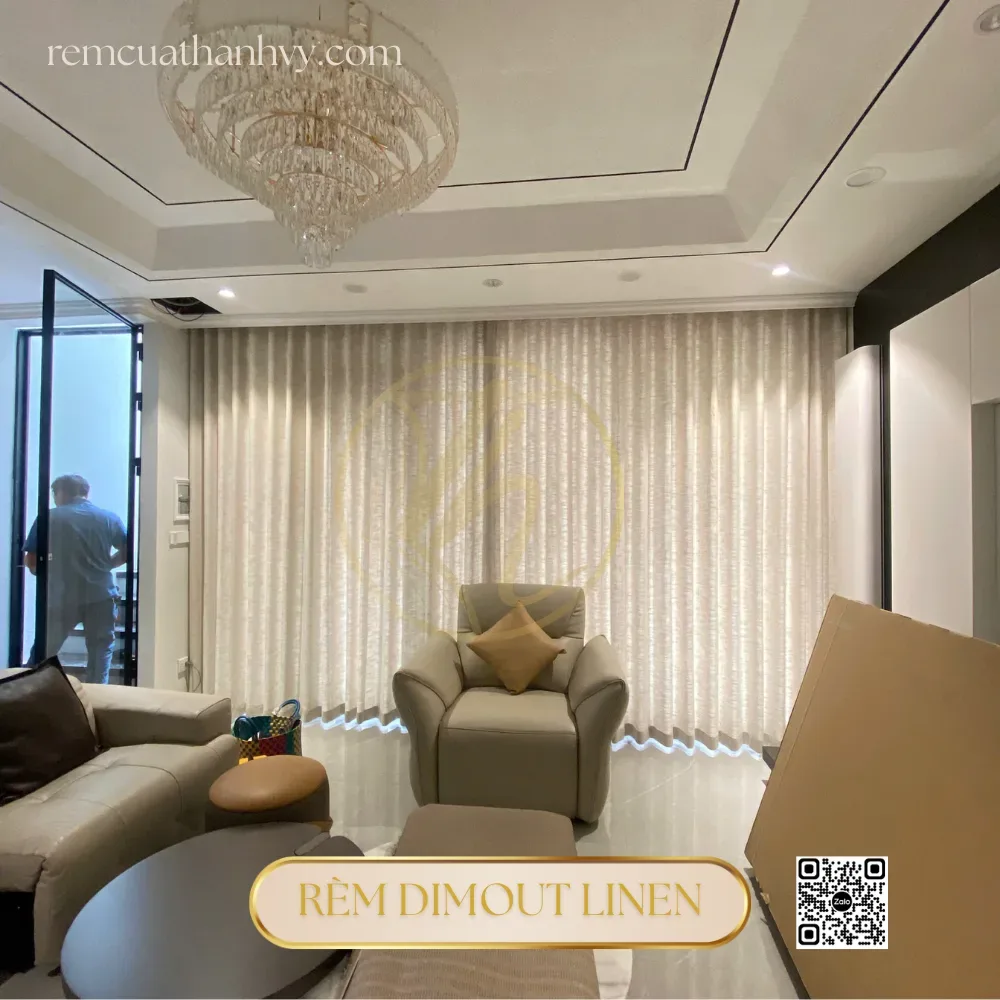
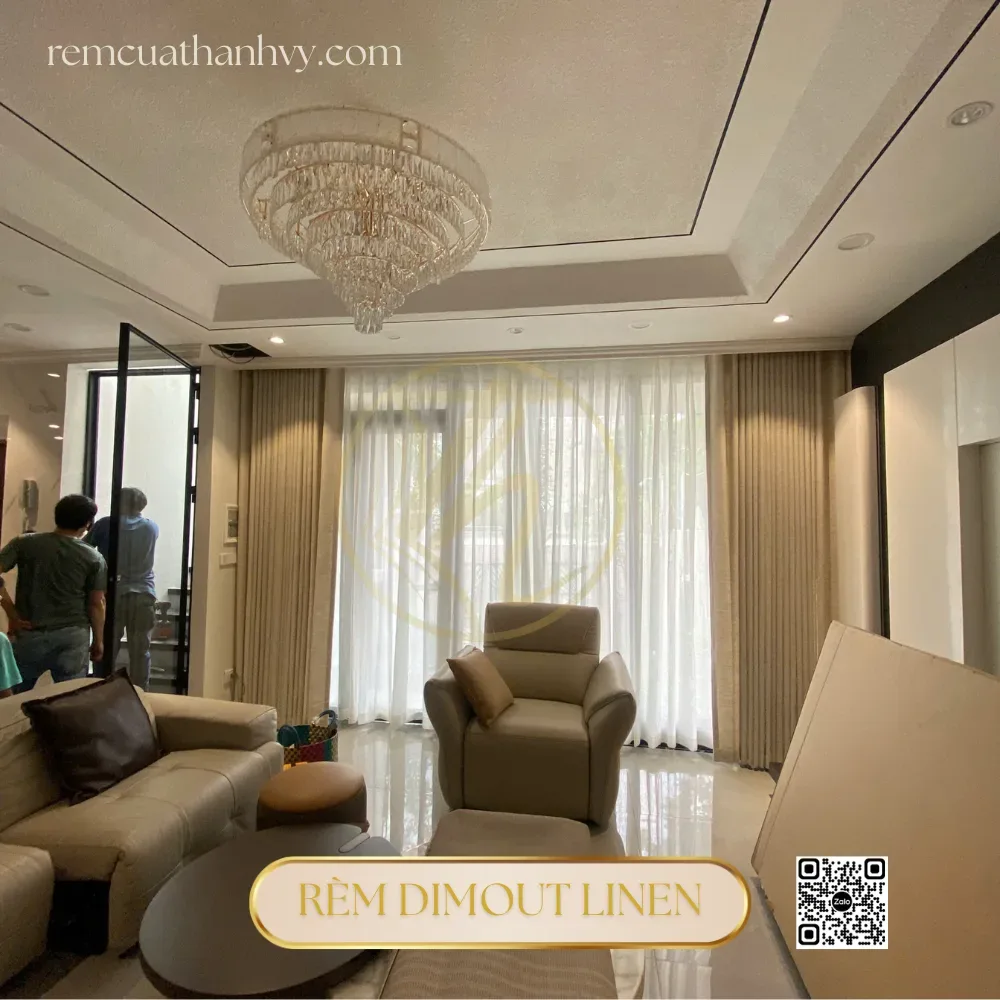
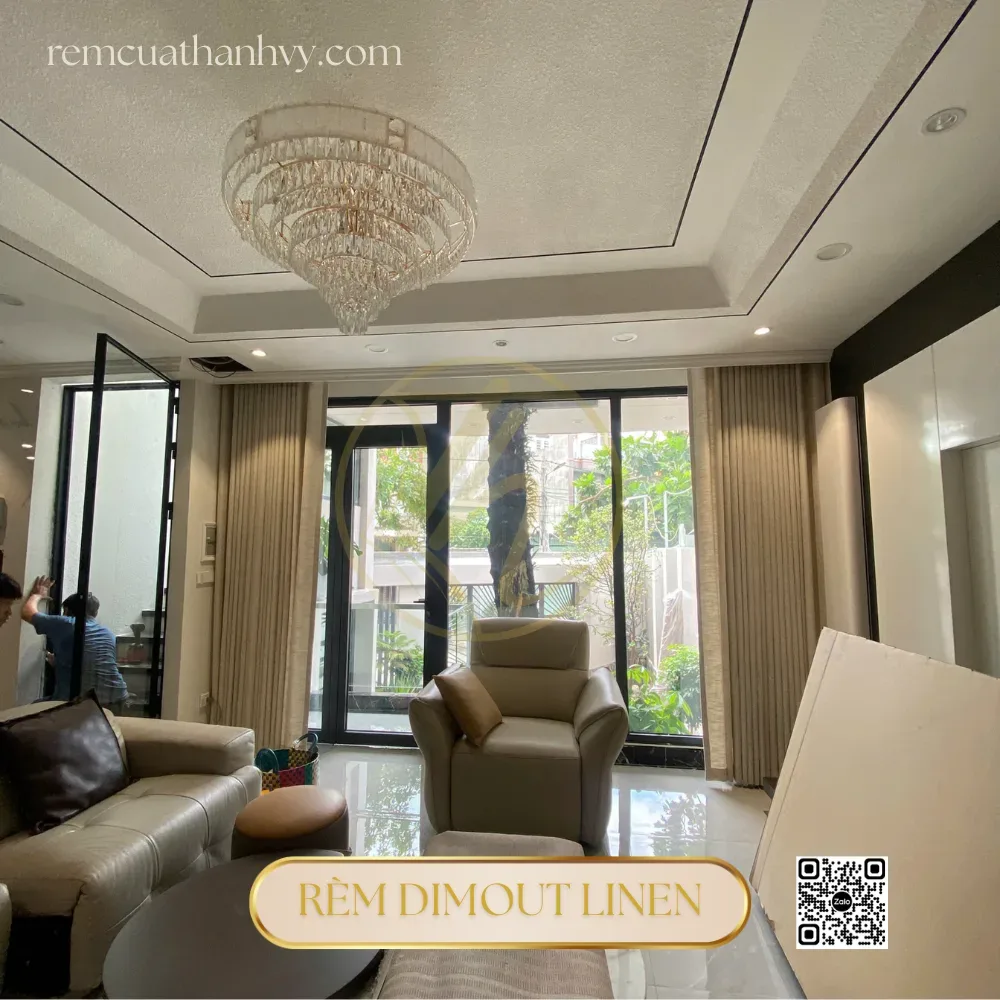
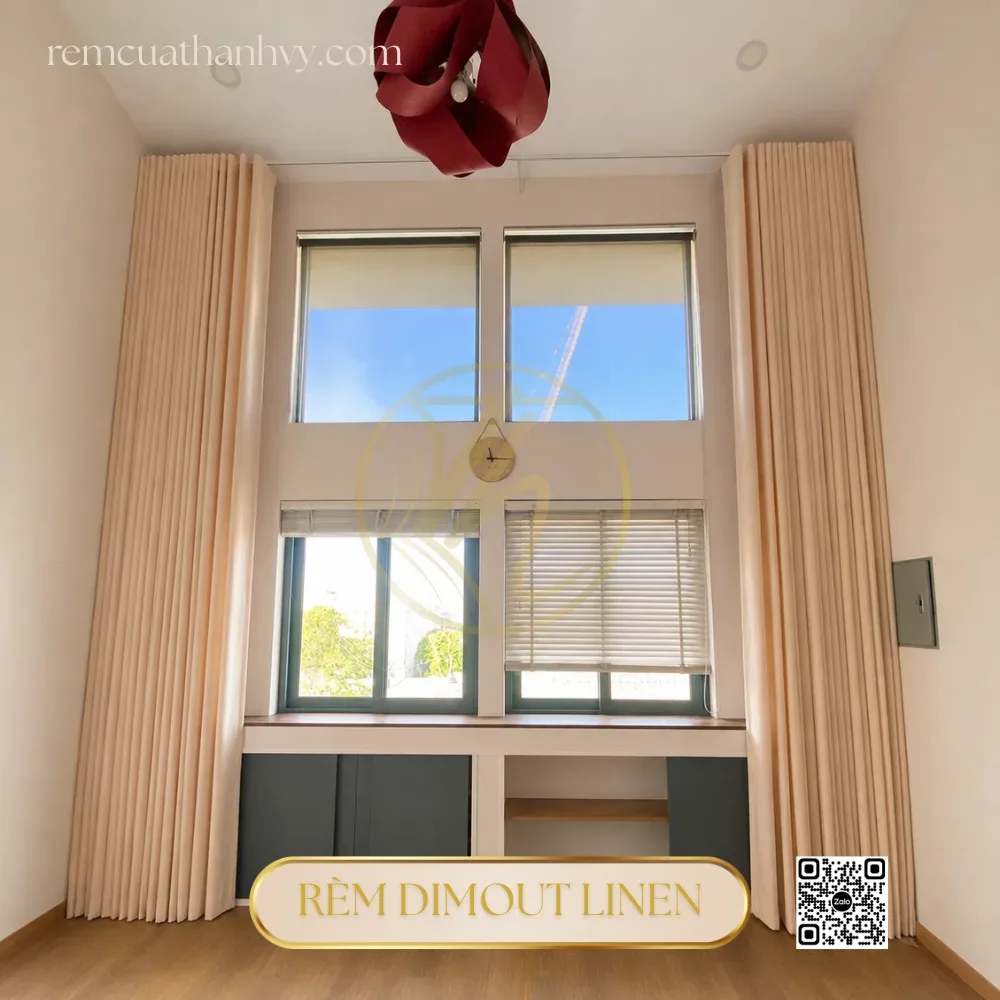
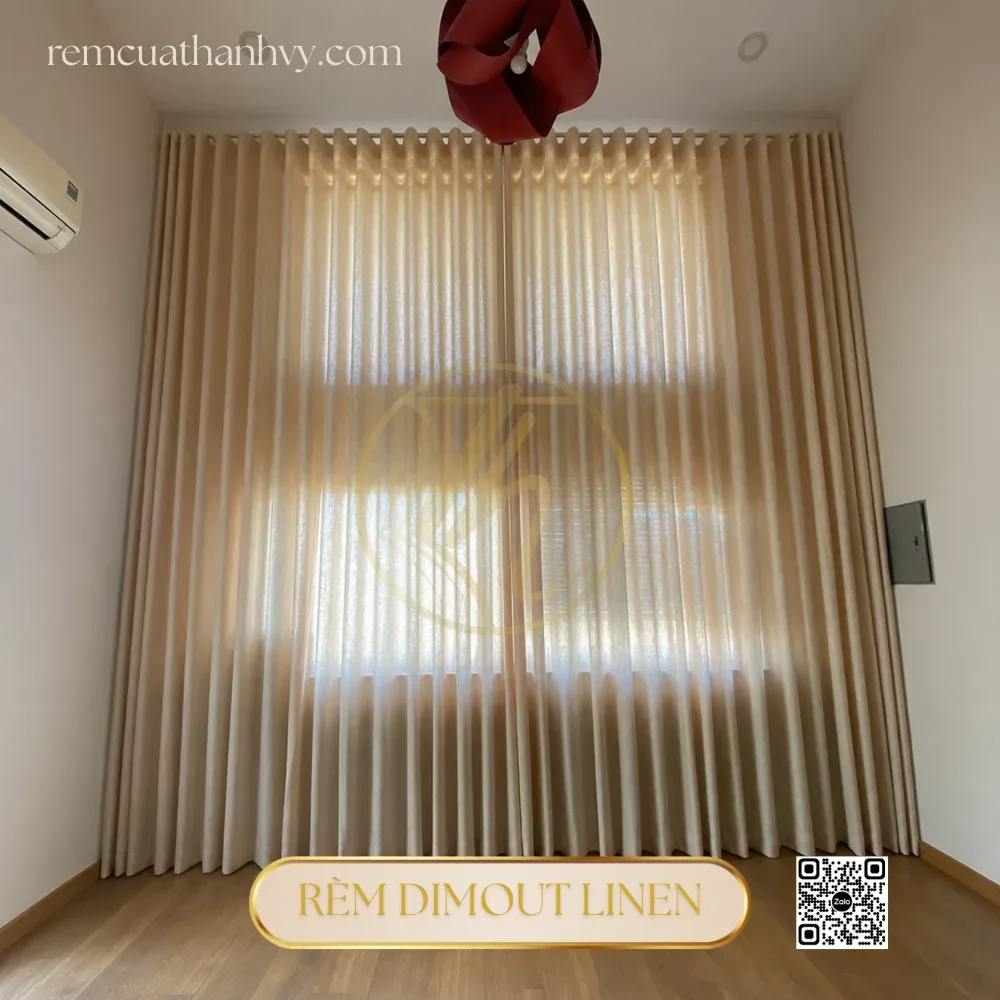
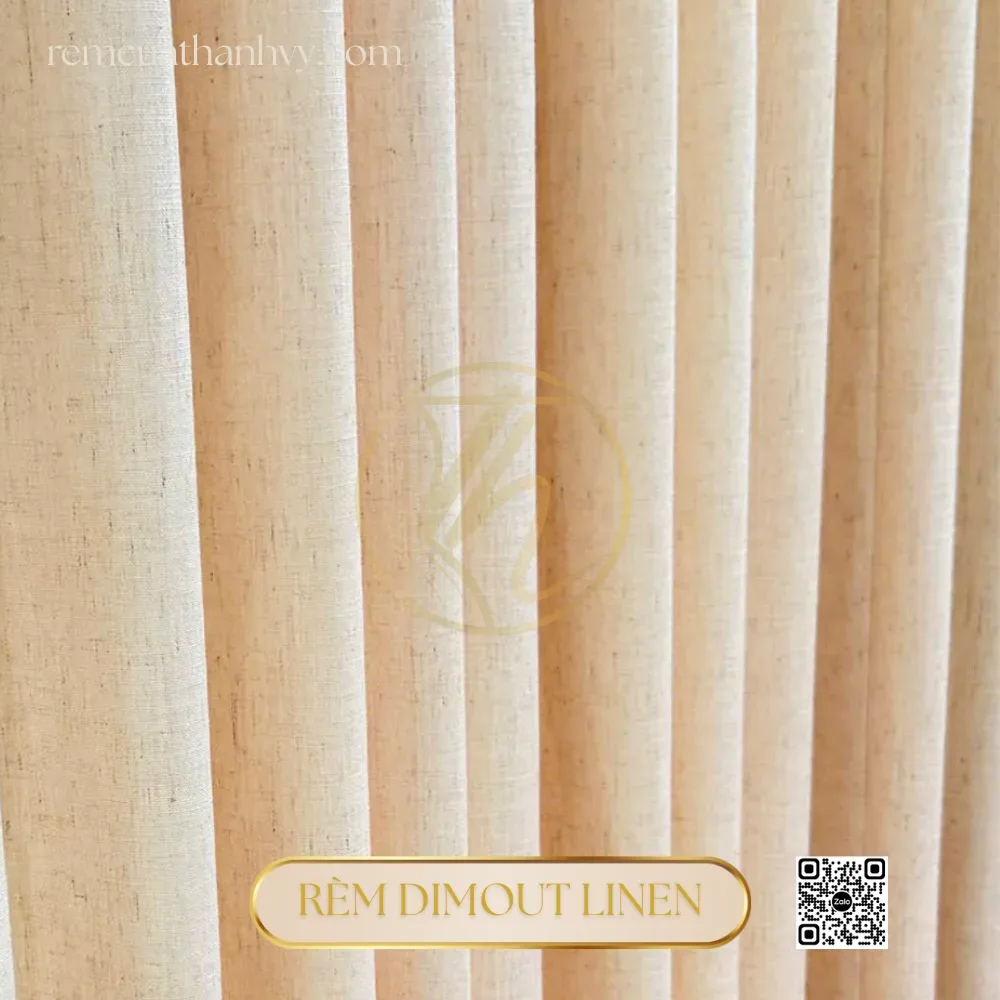
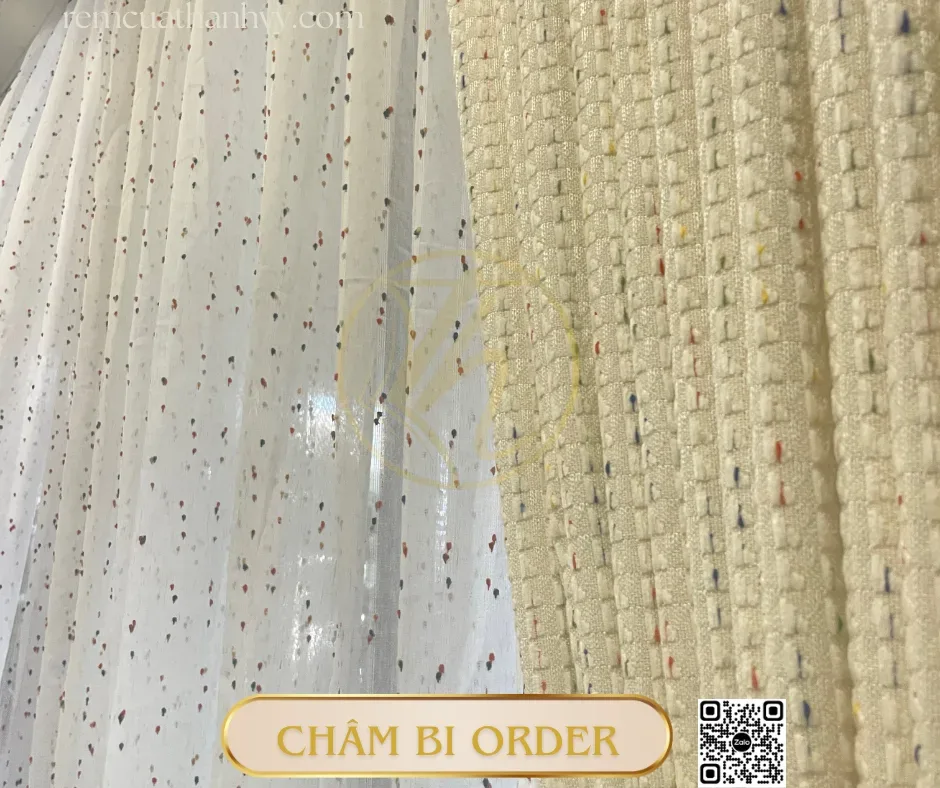

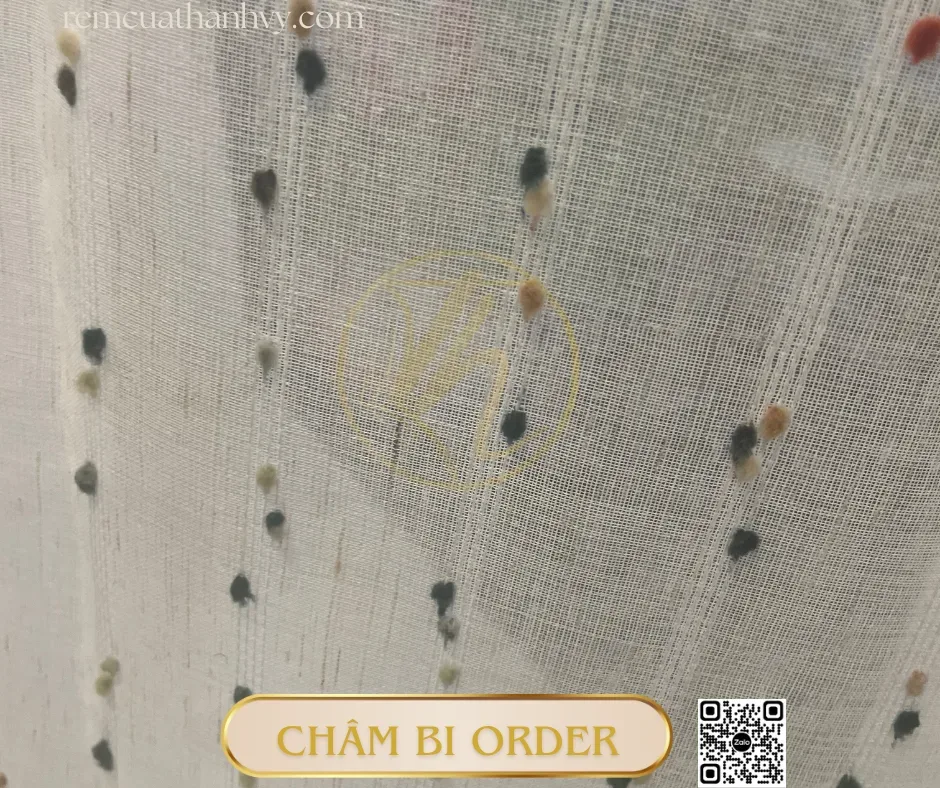
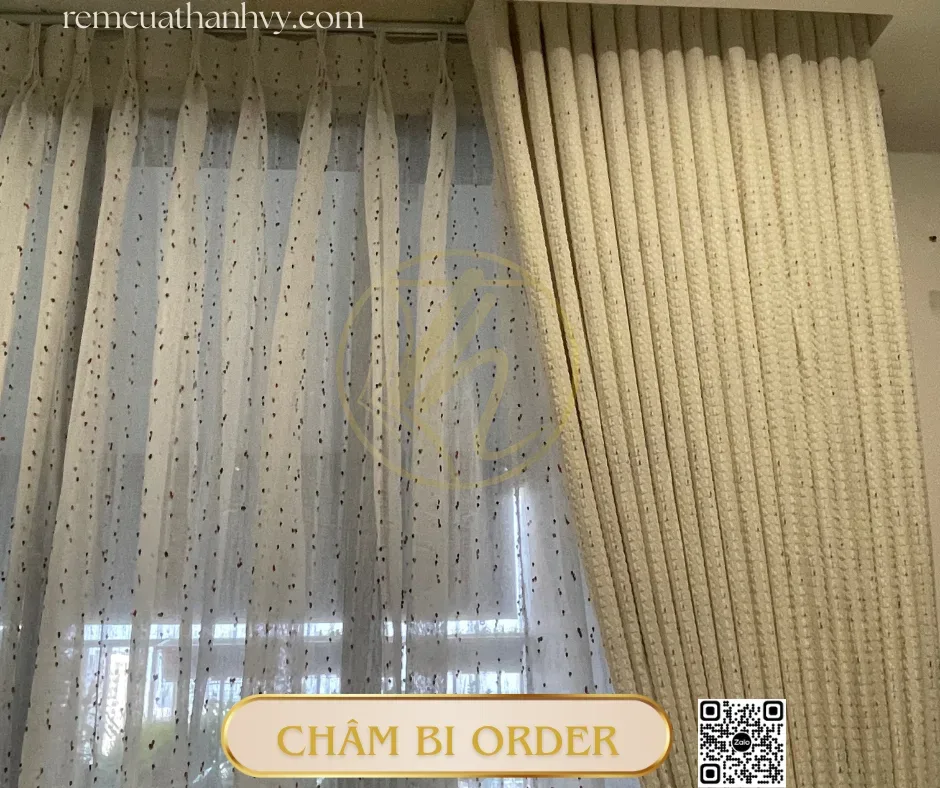
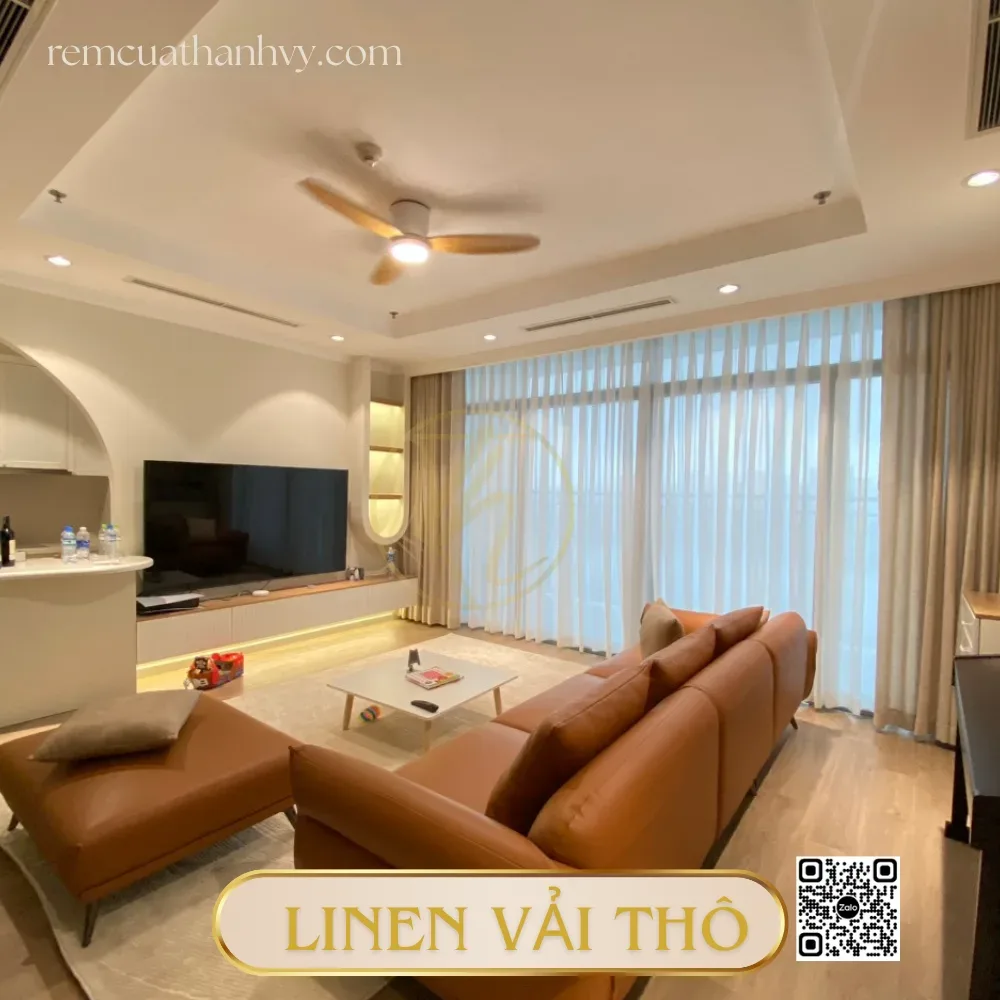
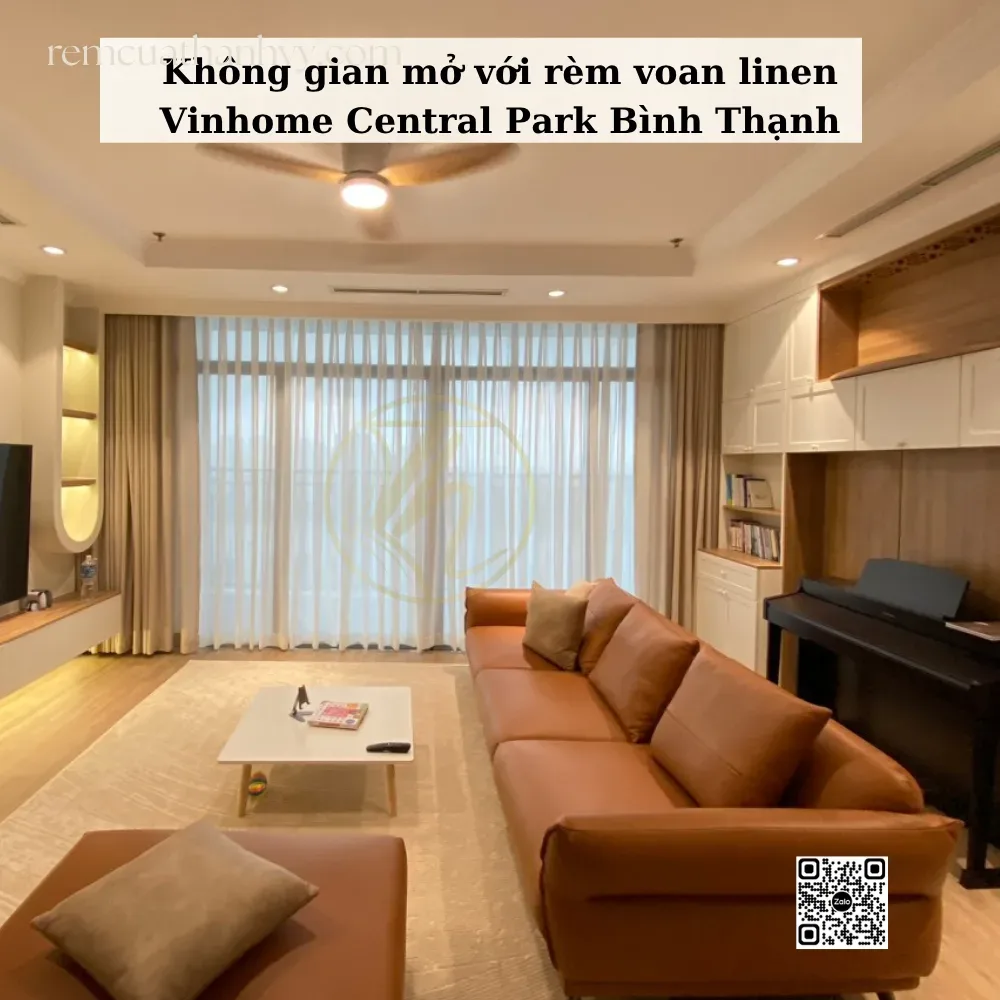
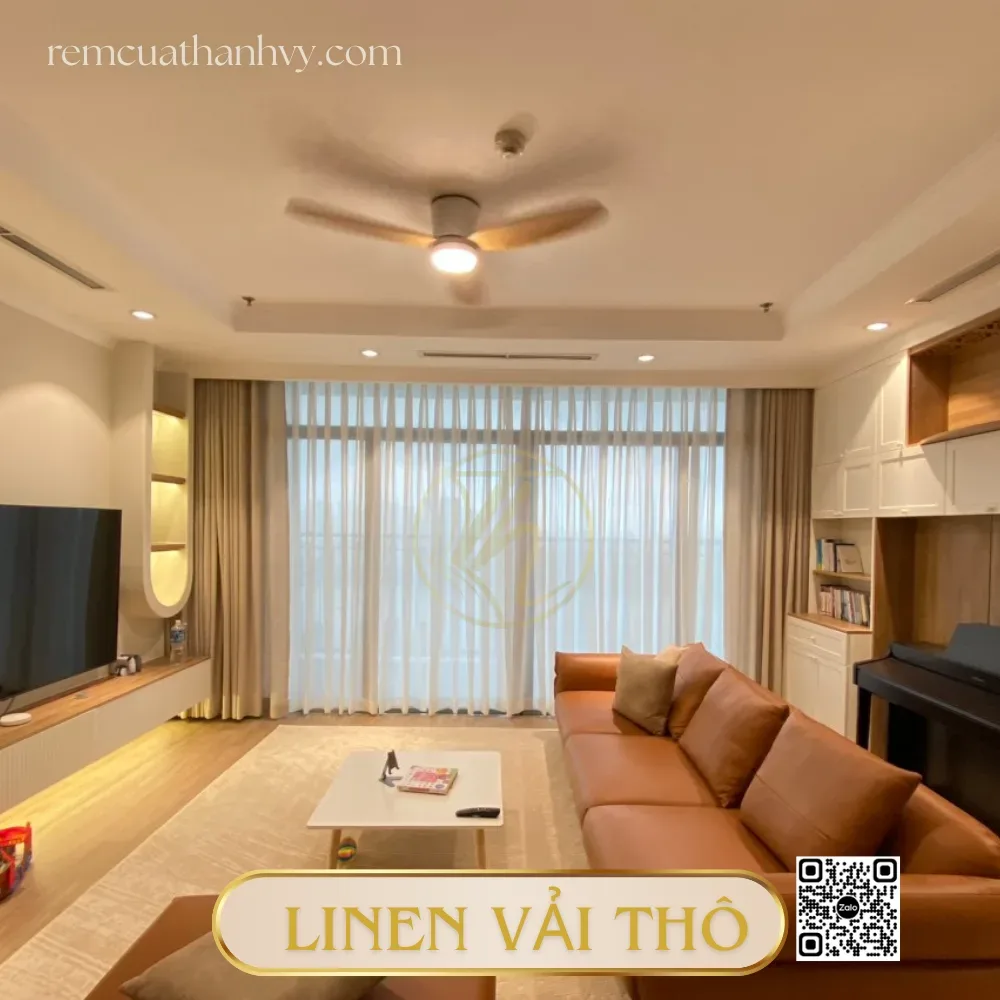
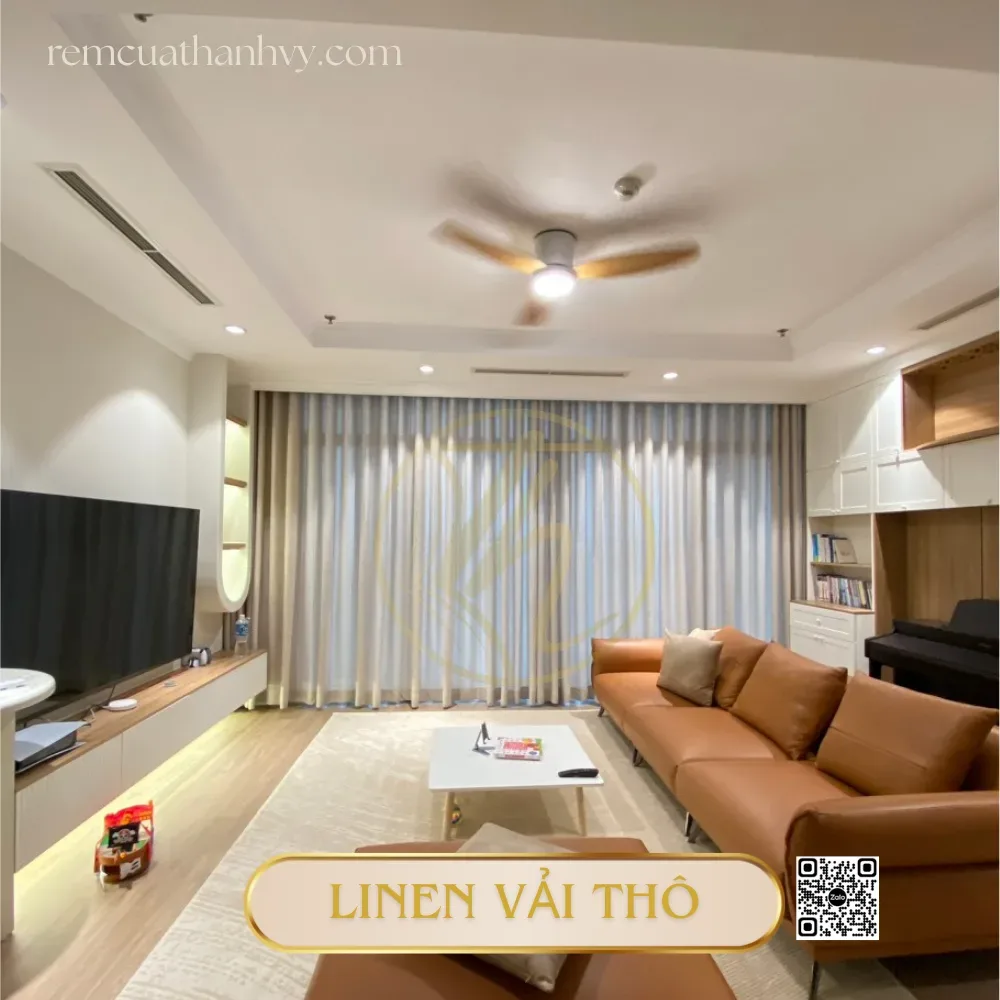
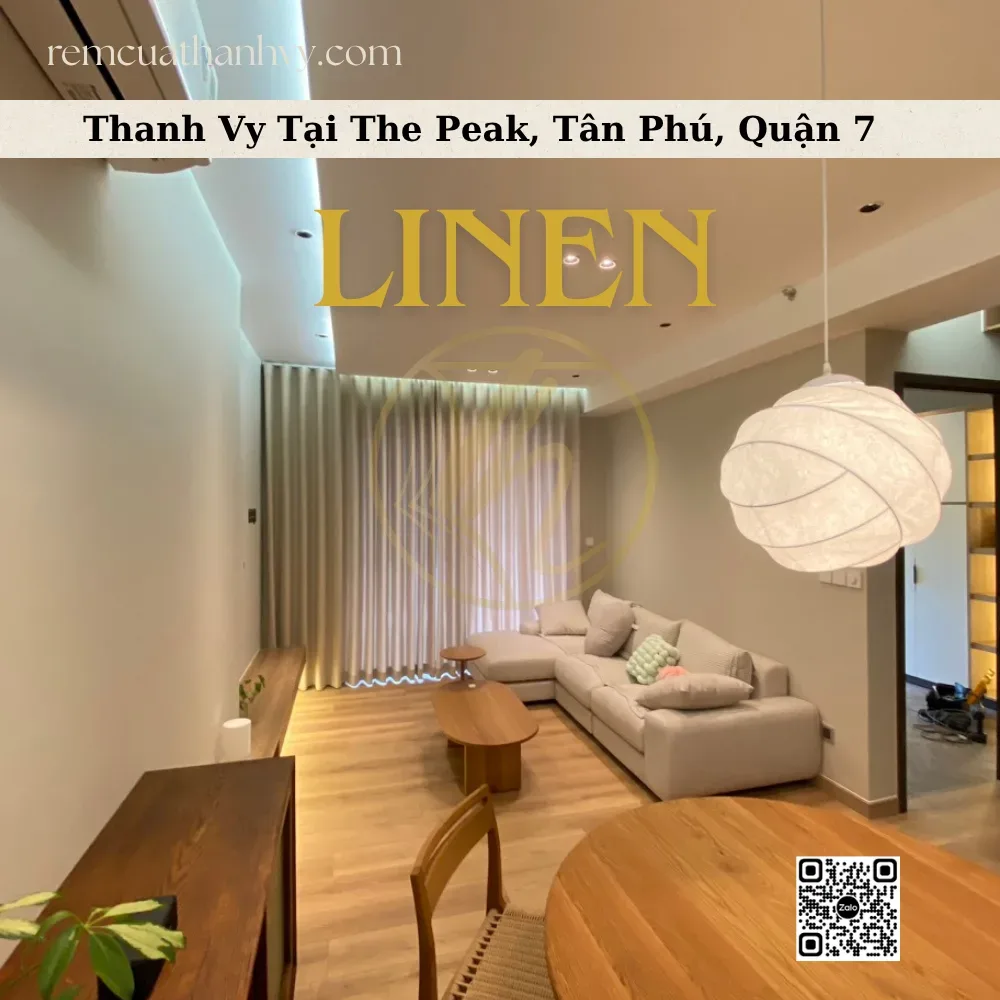
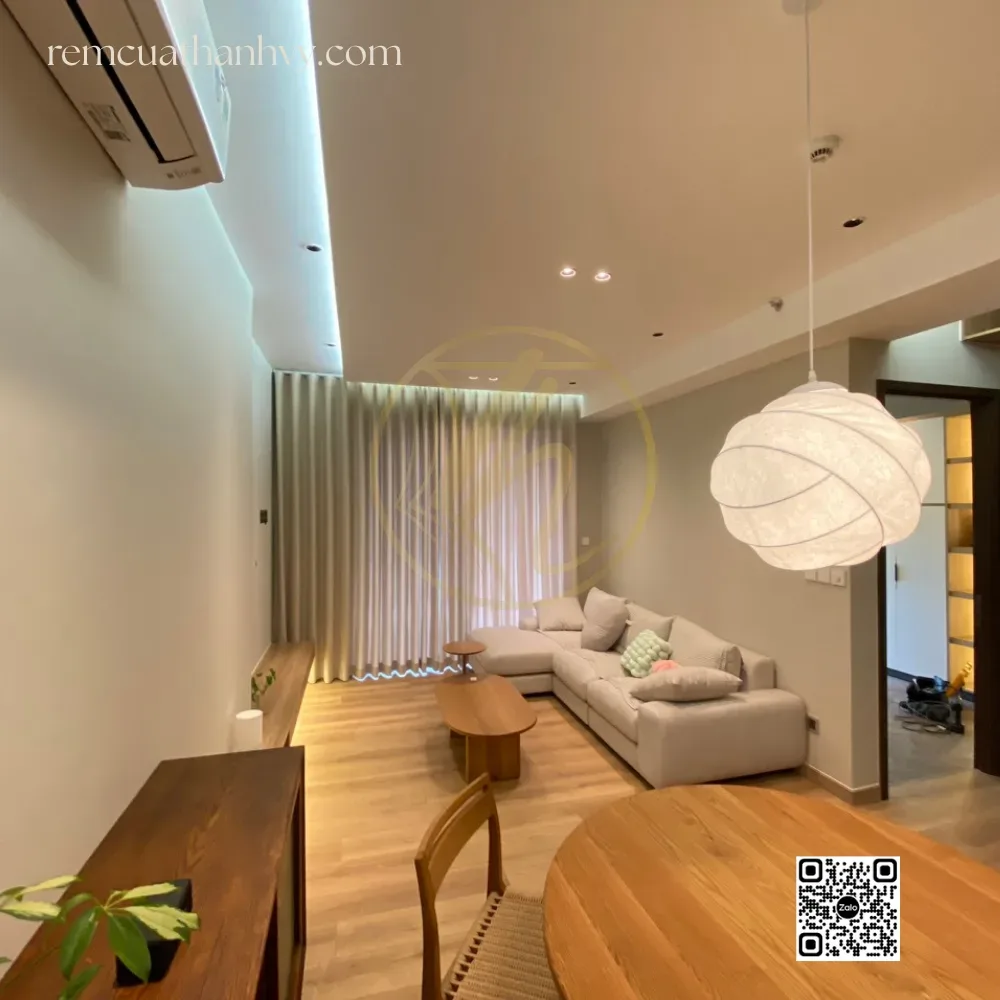
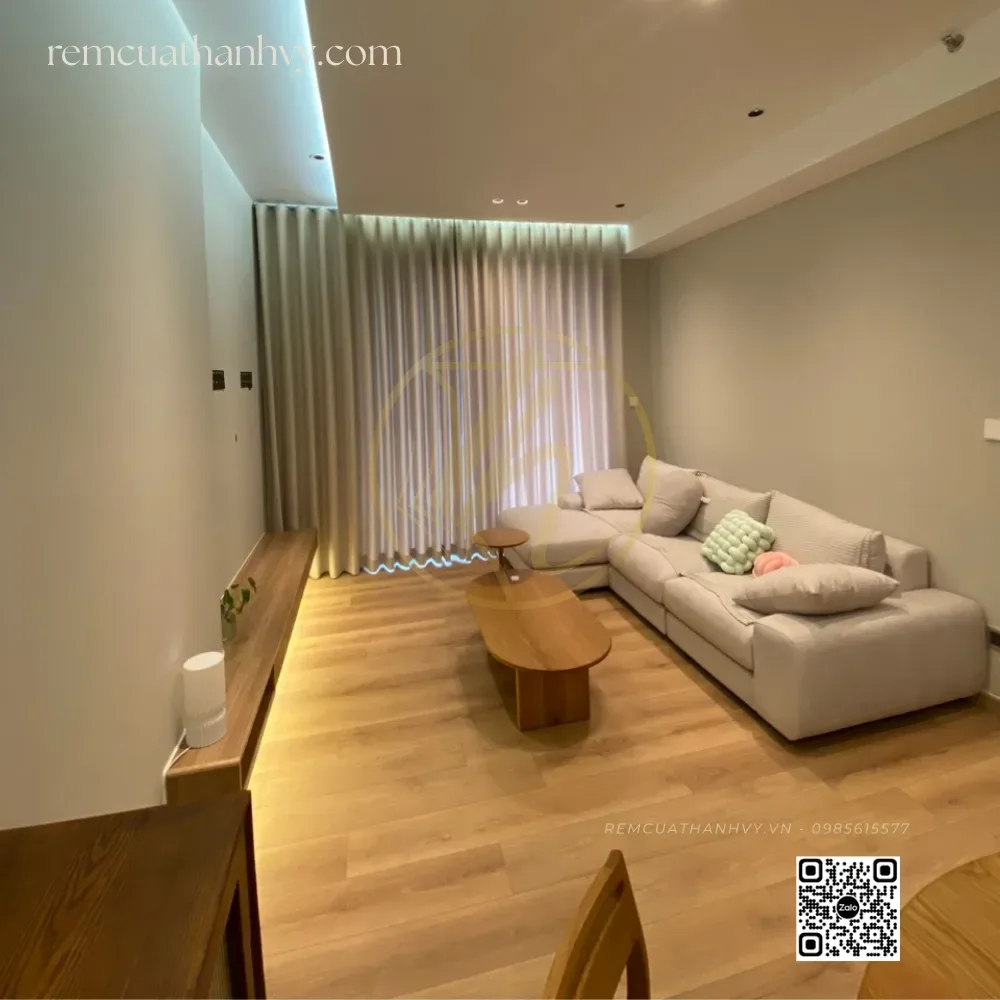
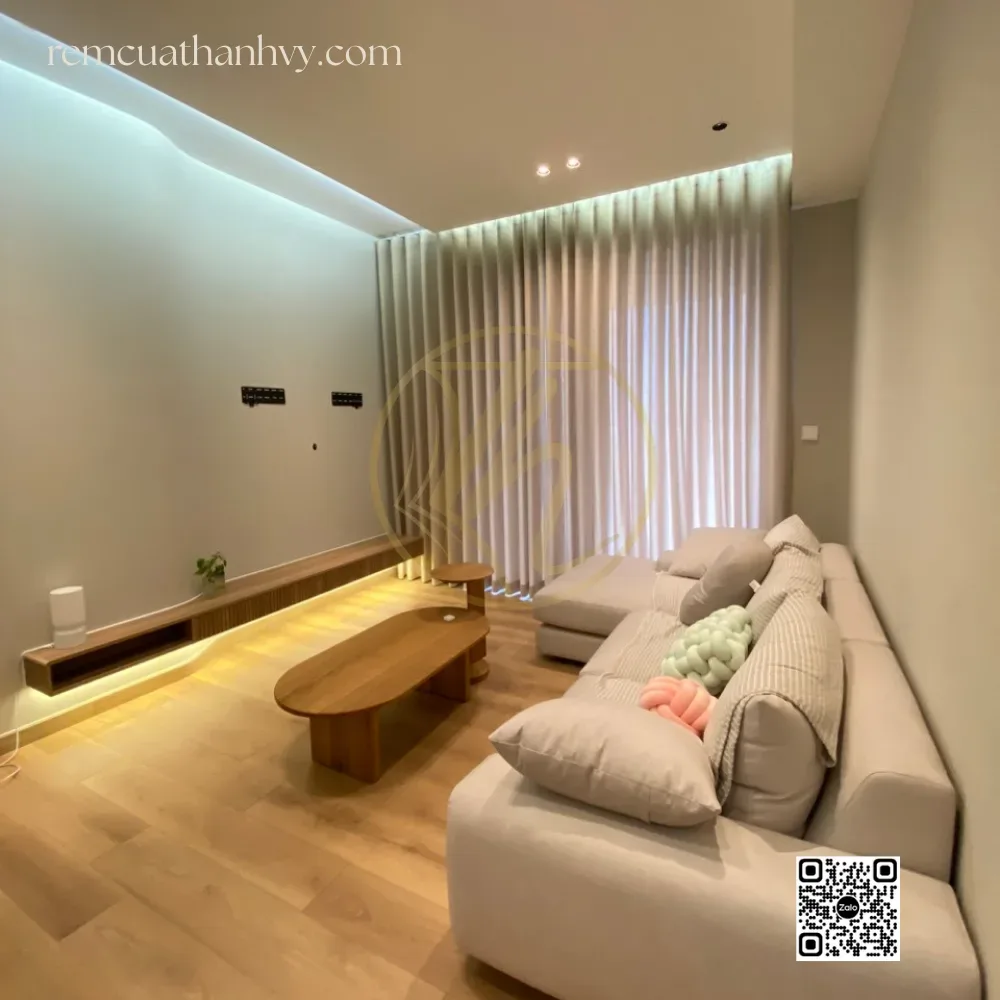
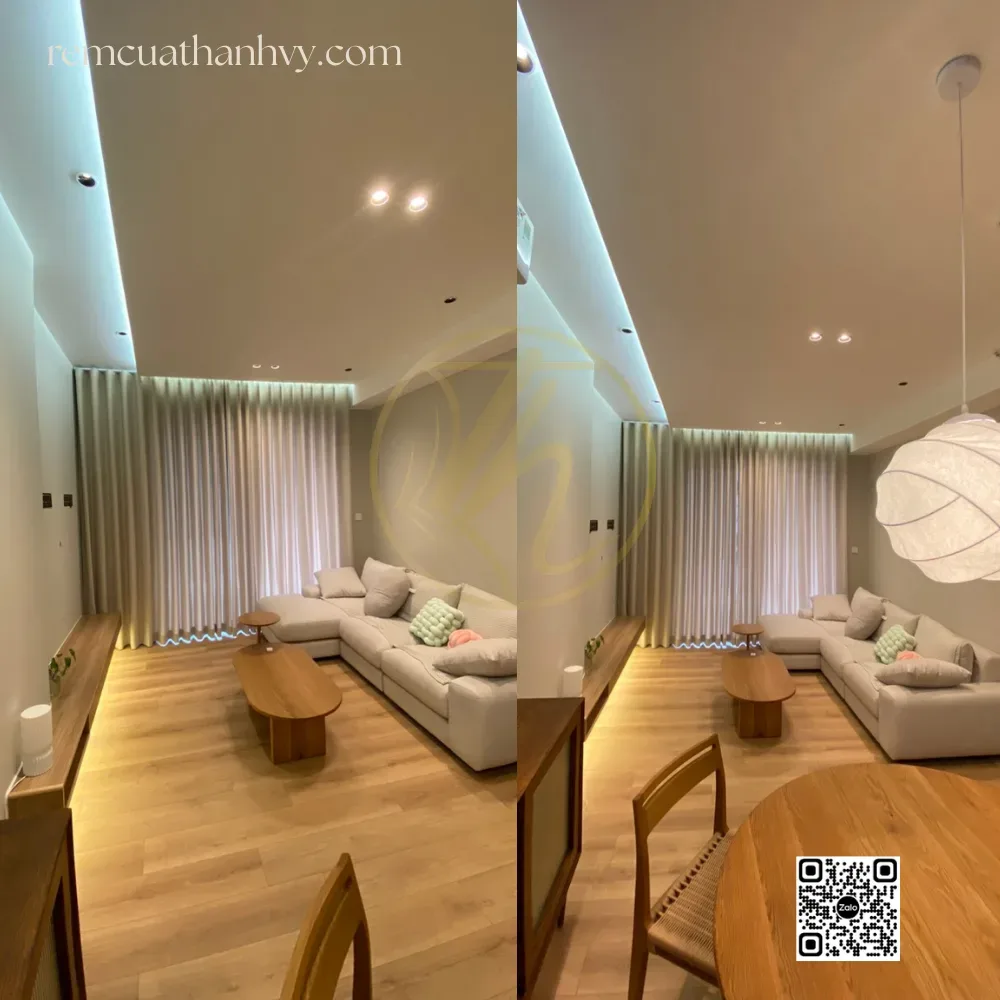
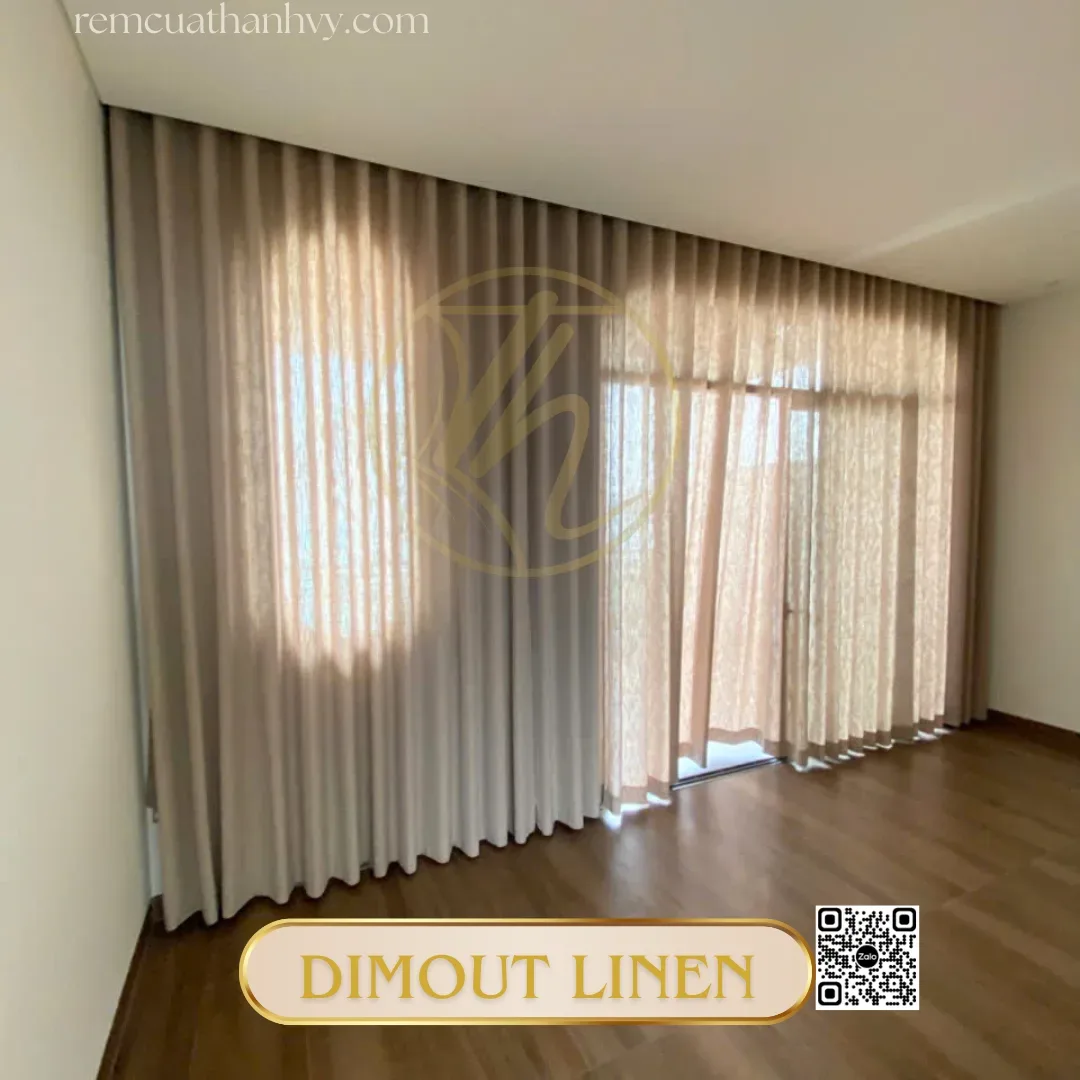
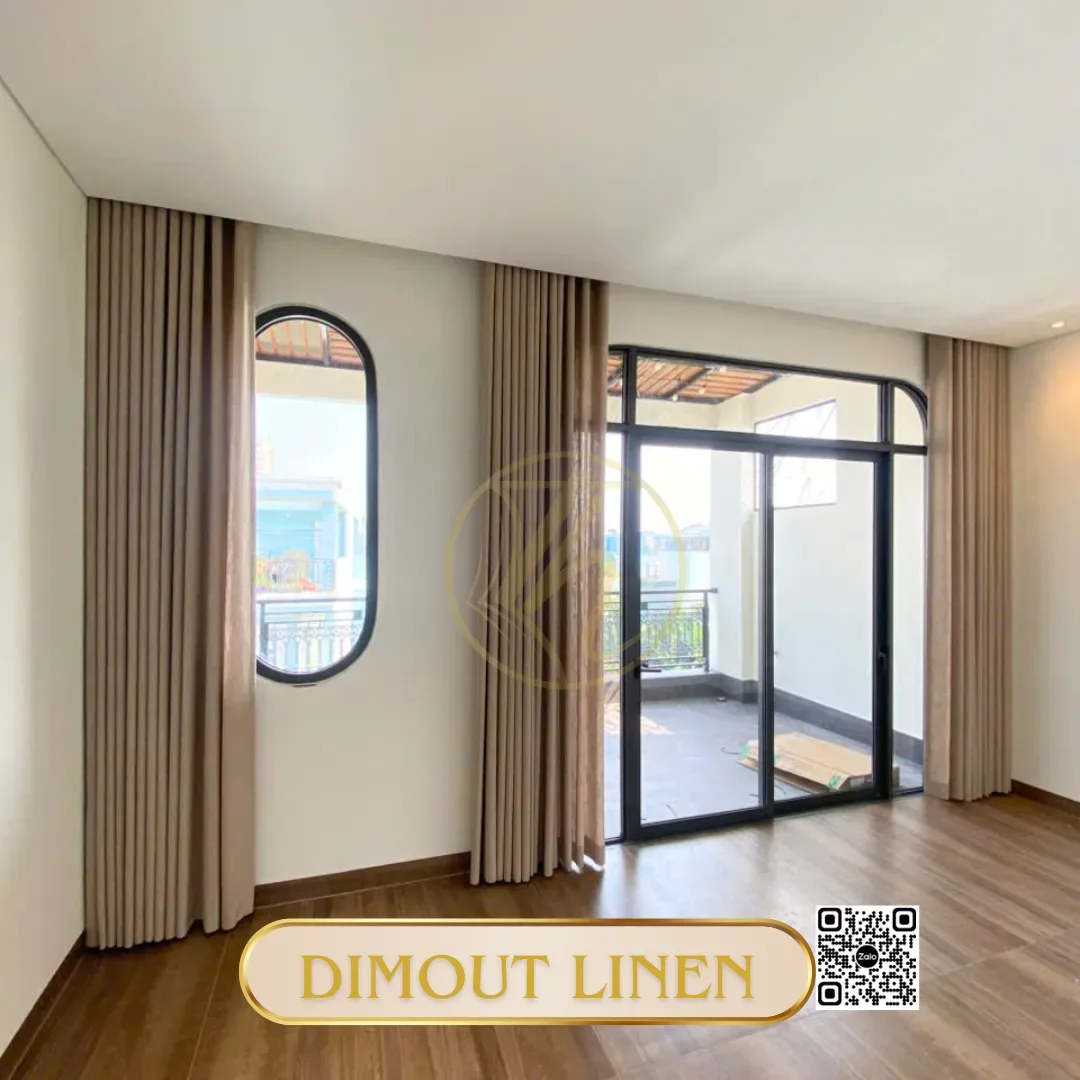
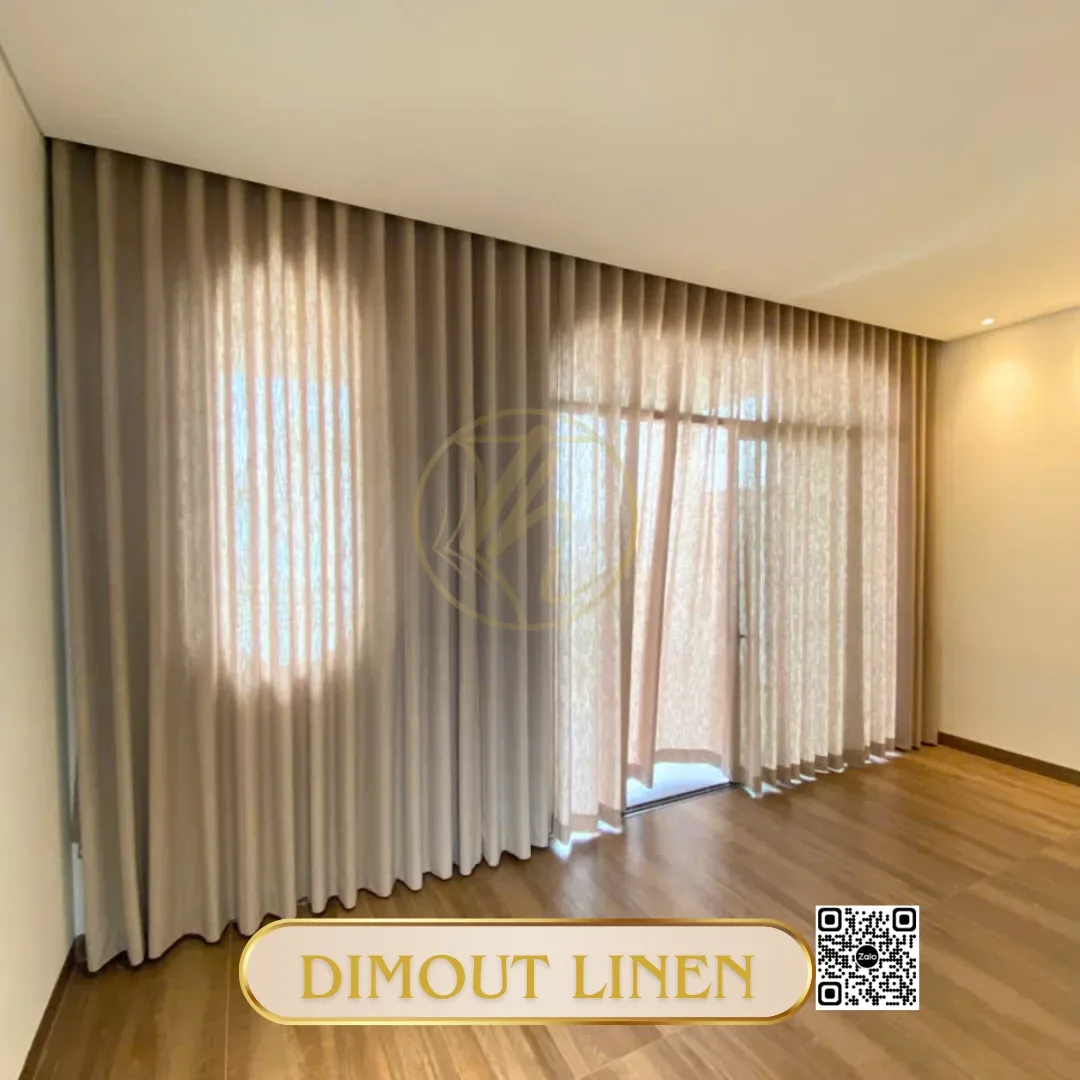
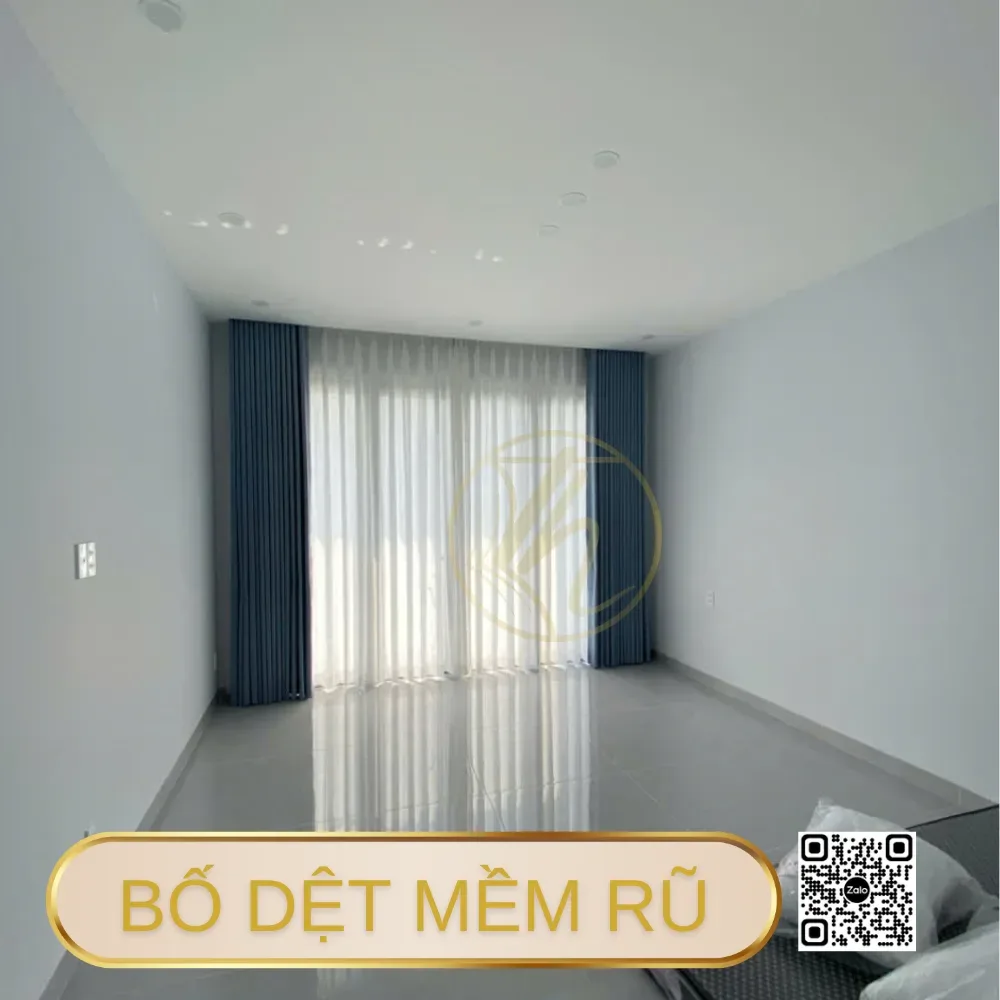
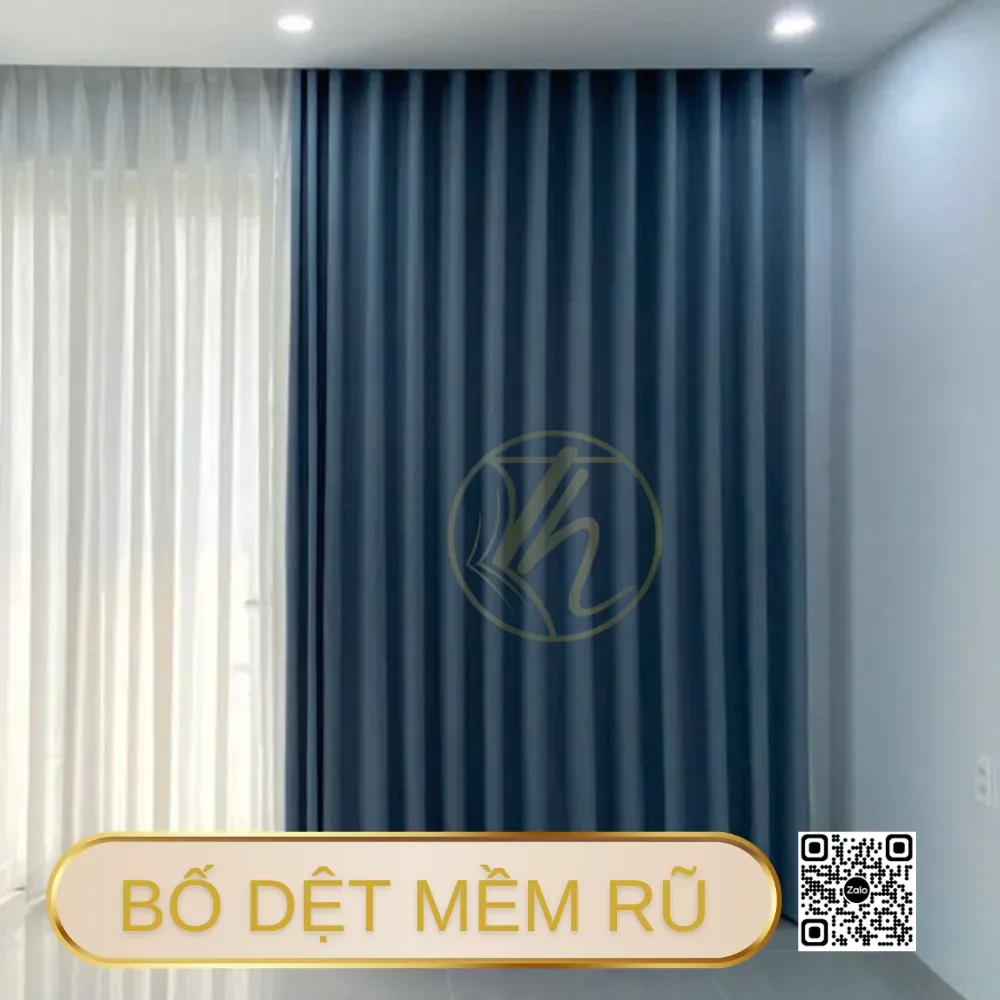
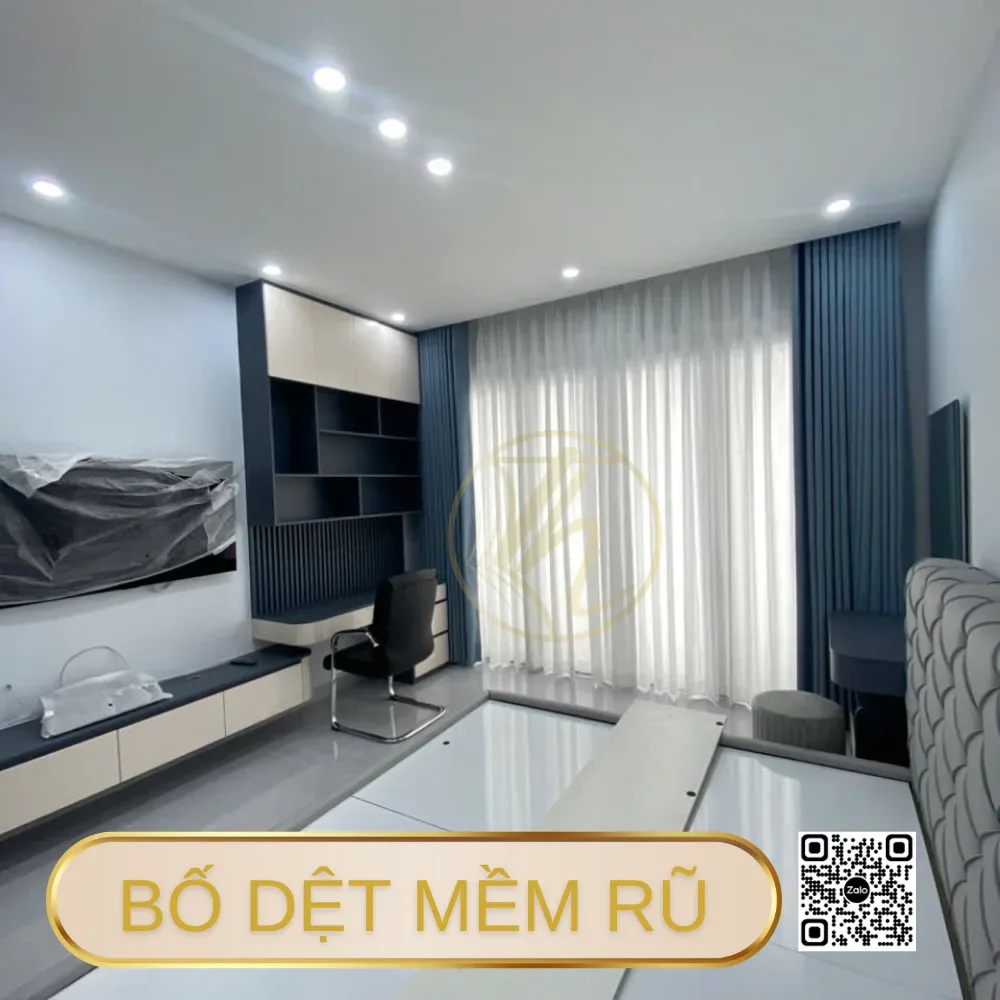
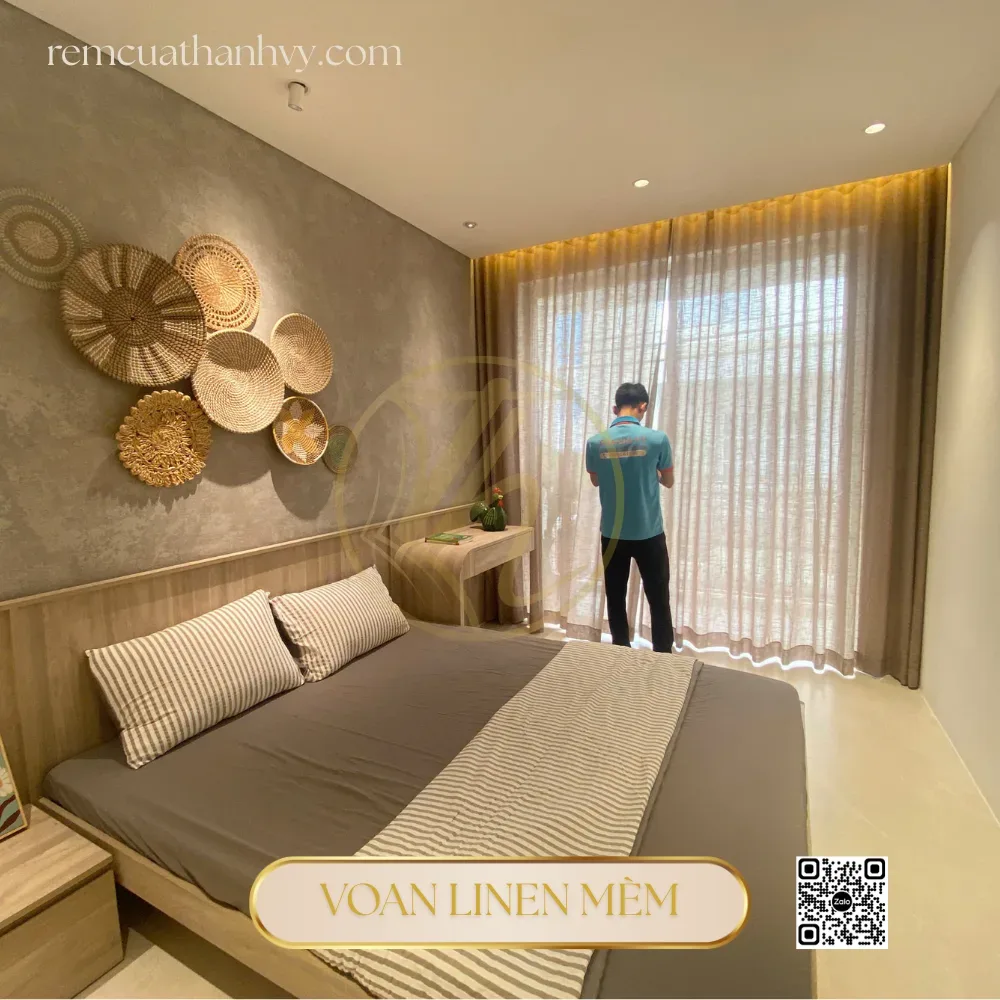
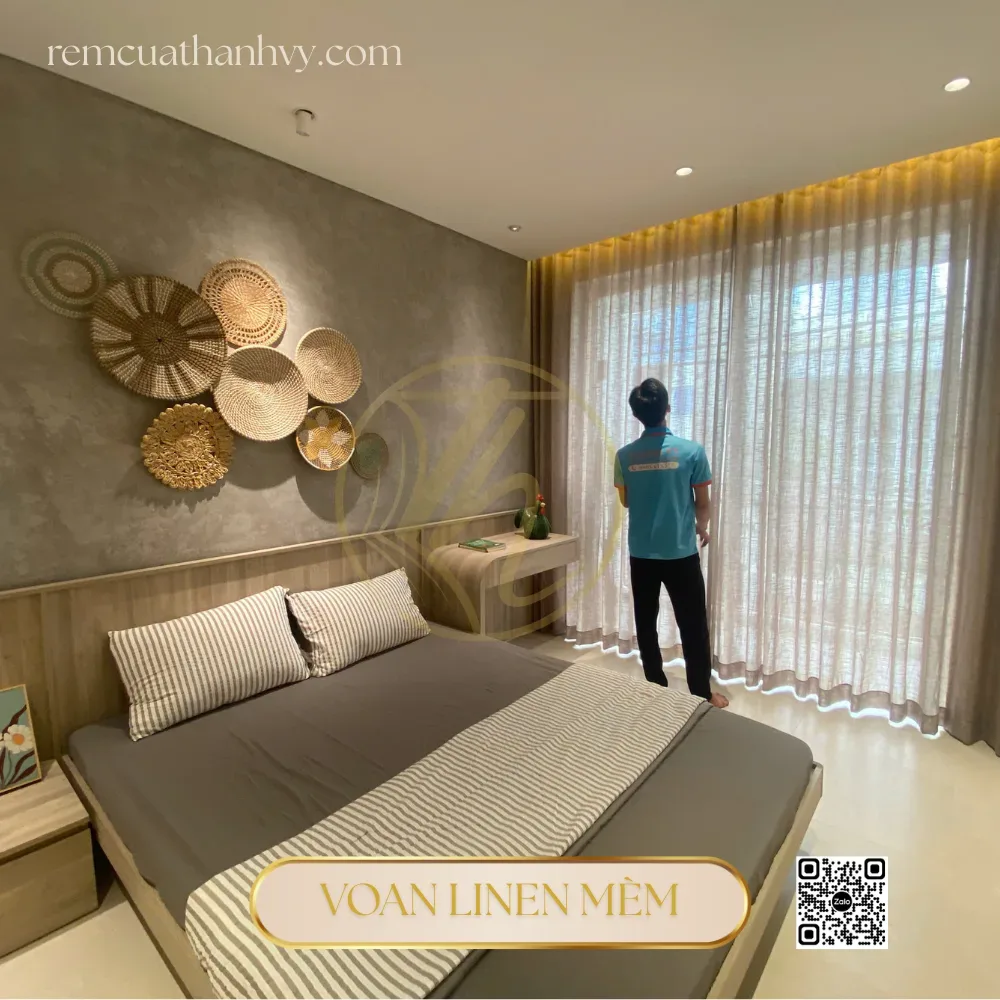
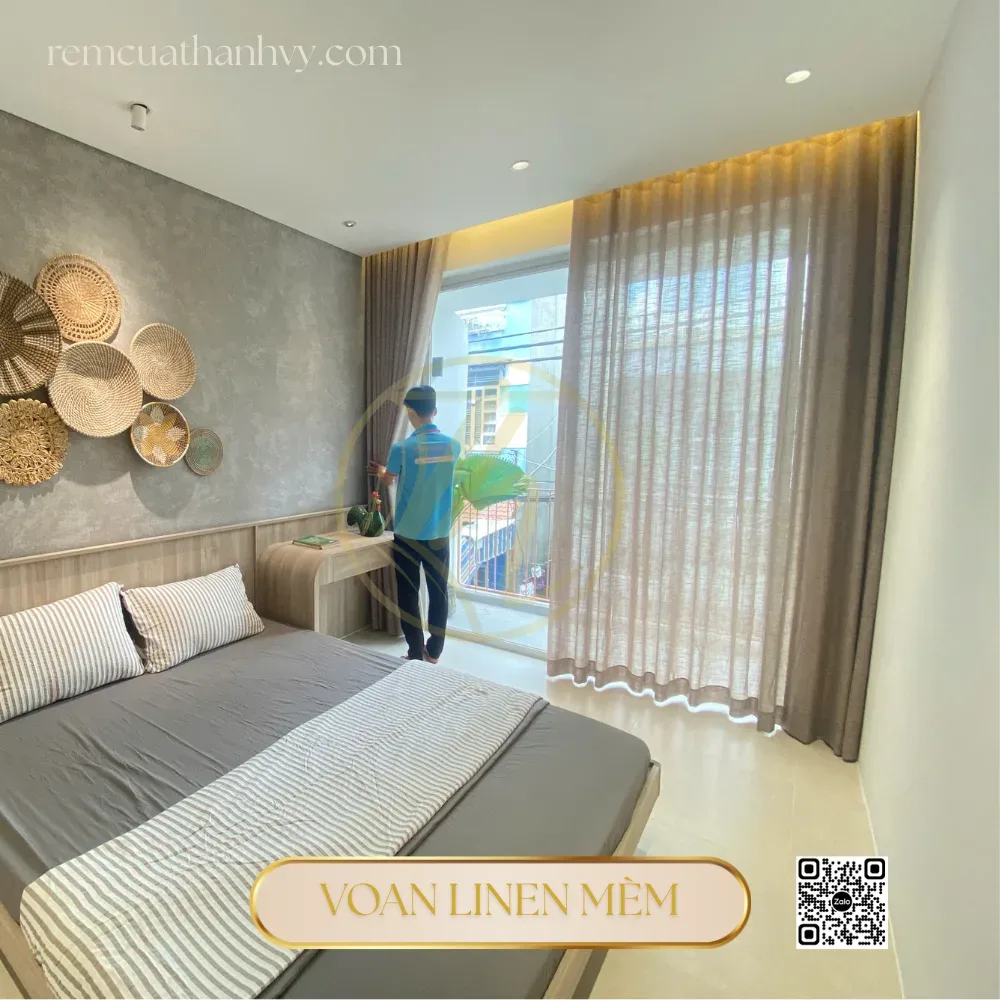
Fabric Curtains
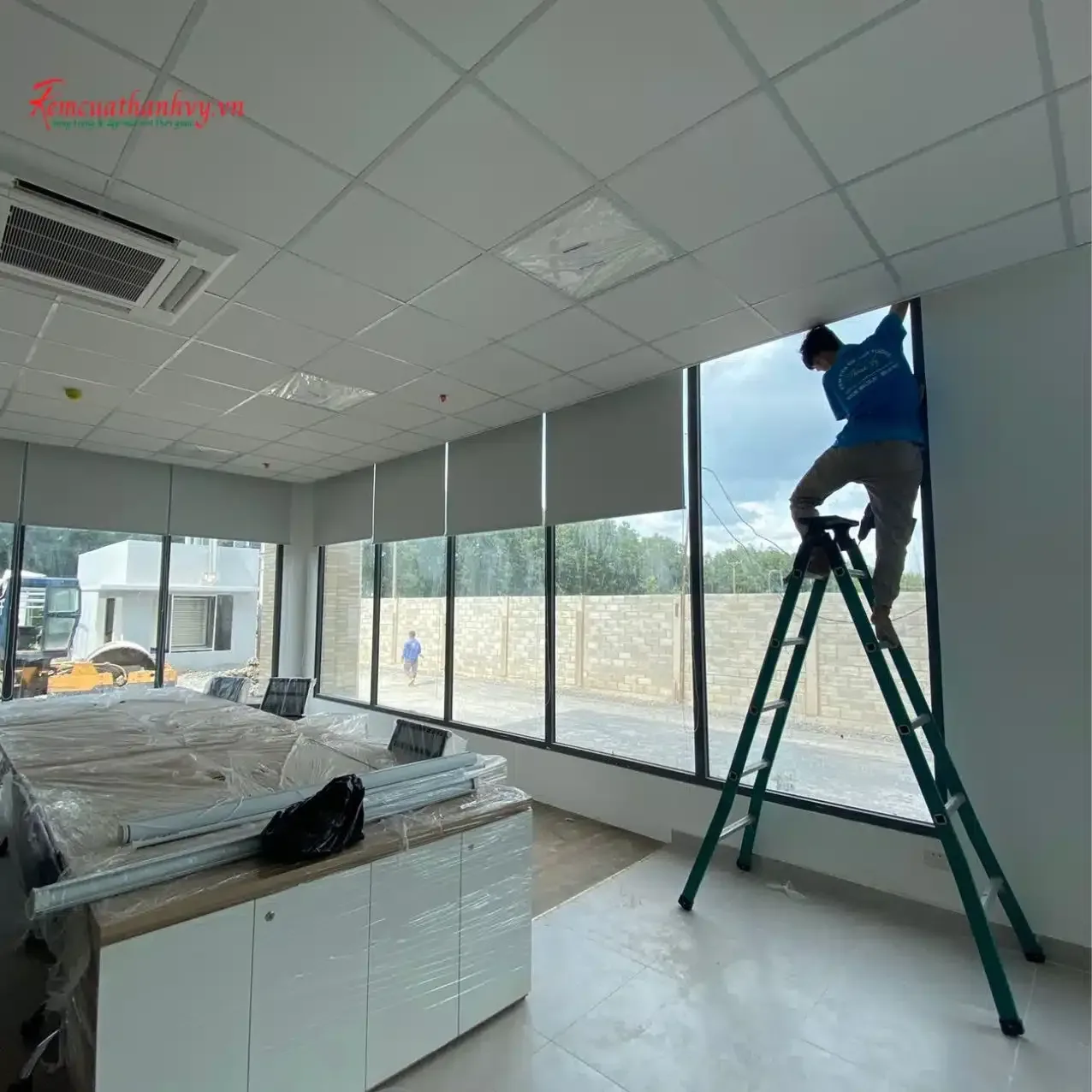
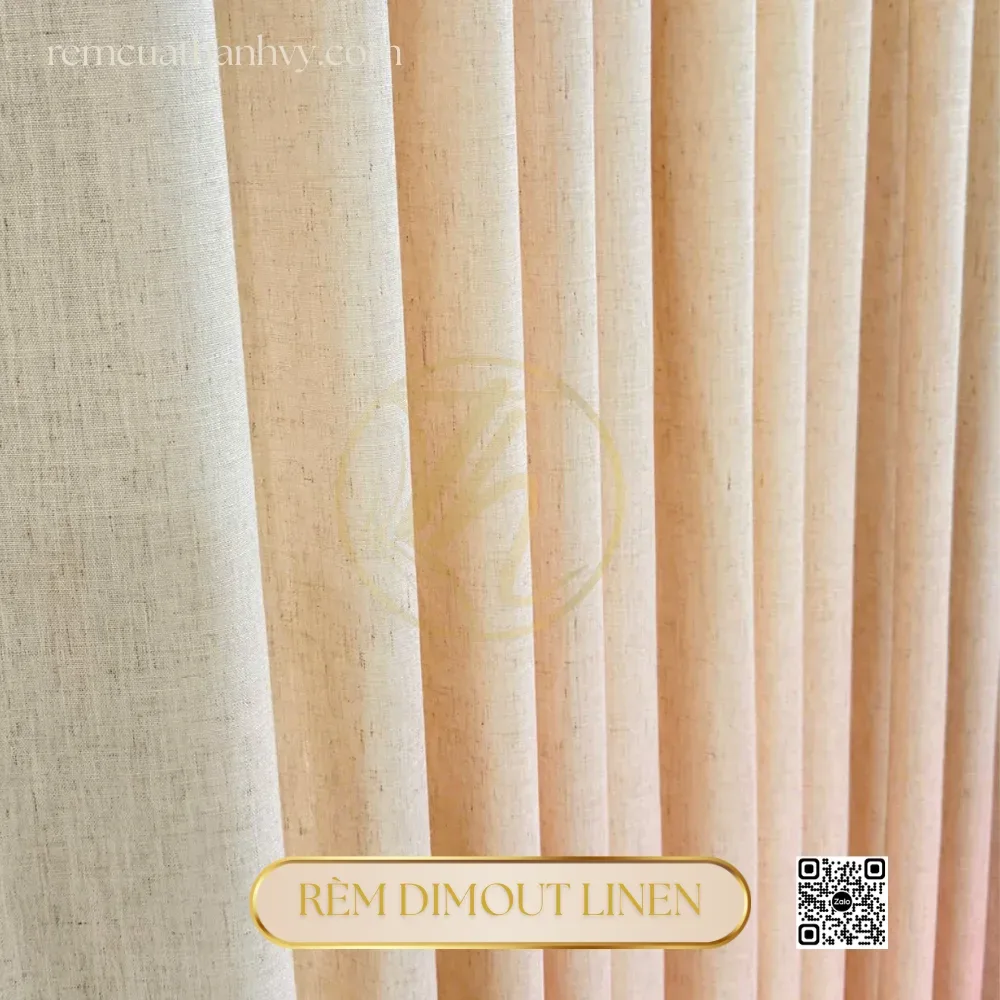
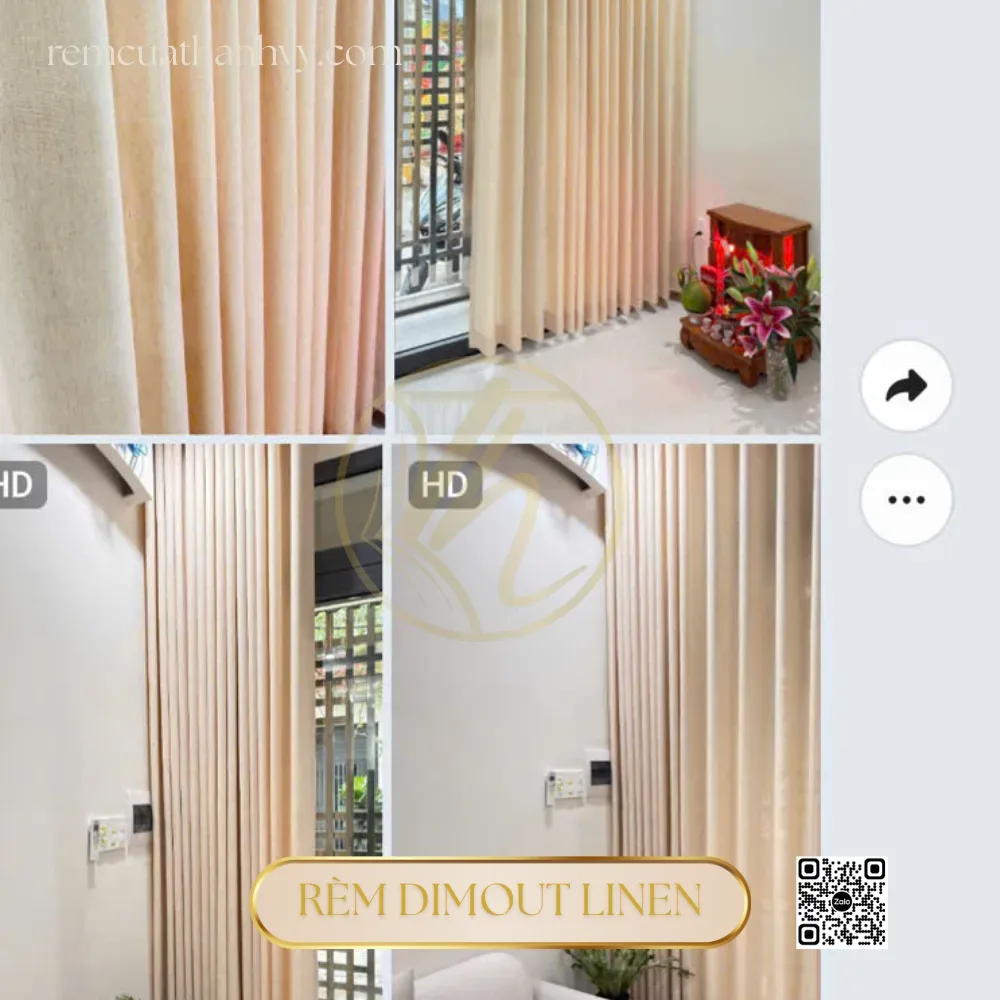
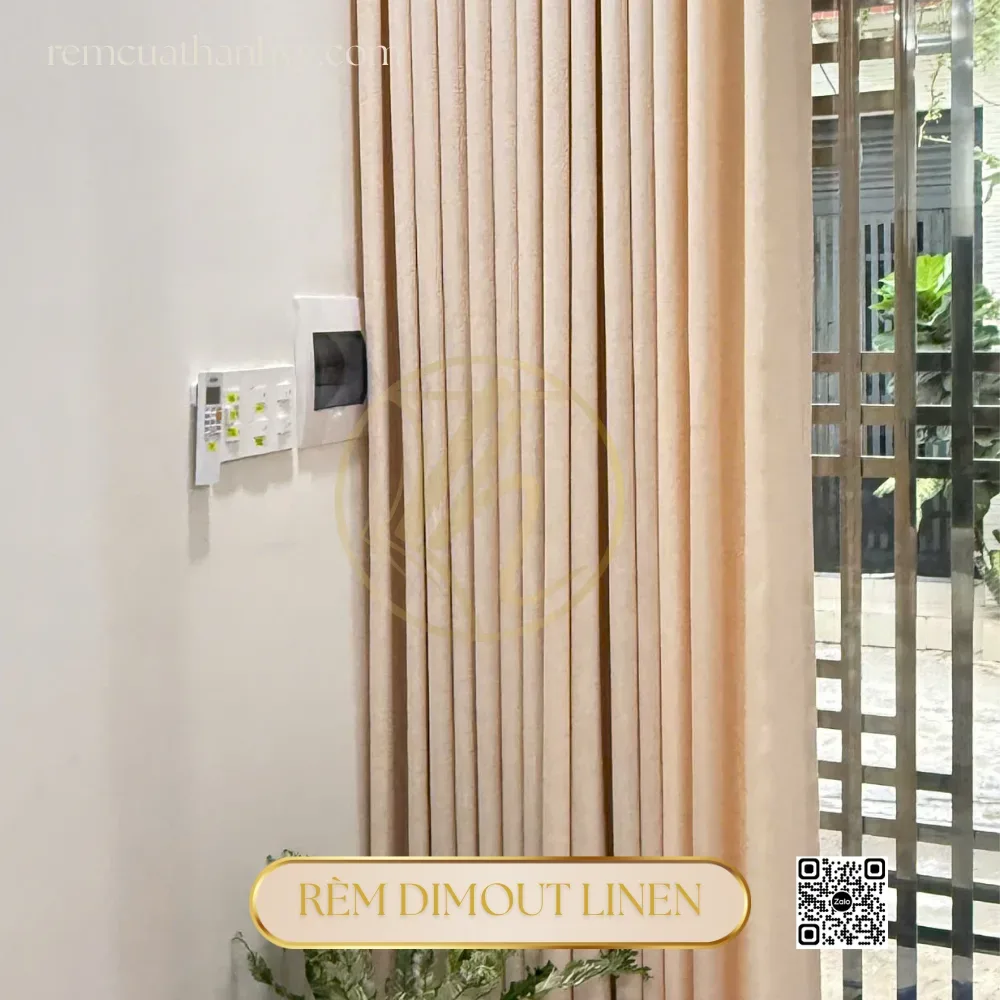
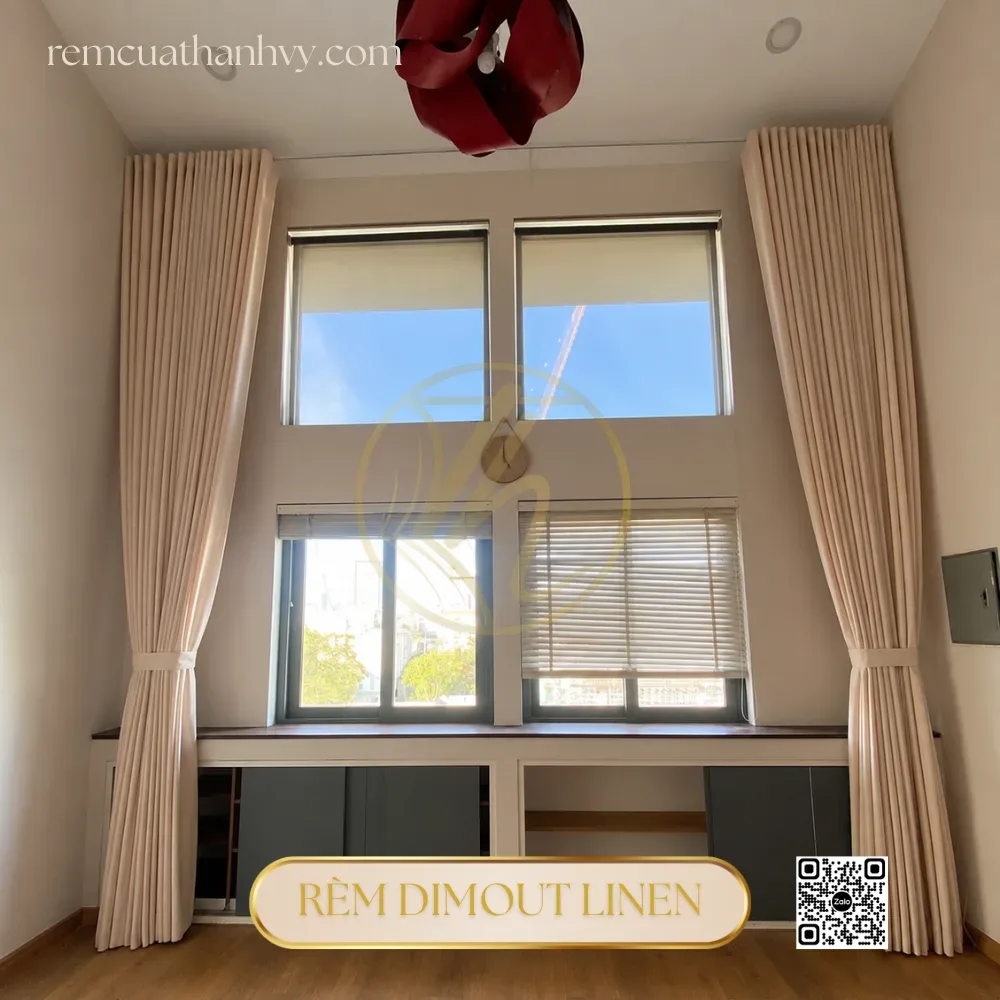
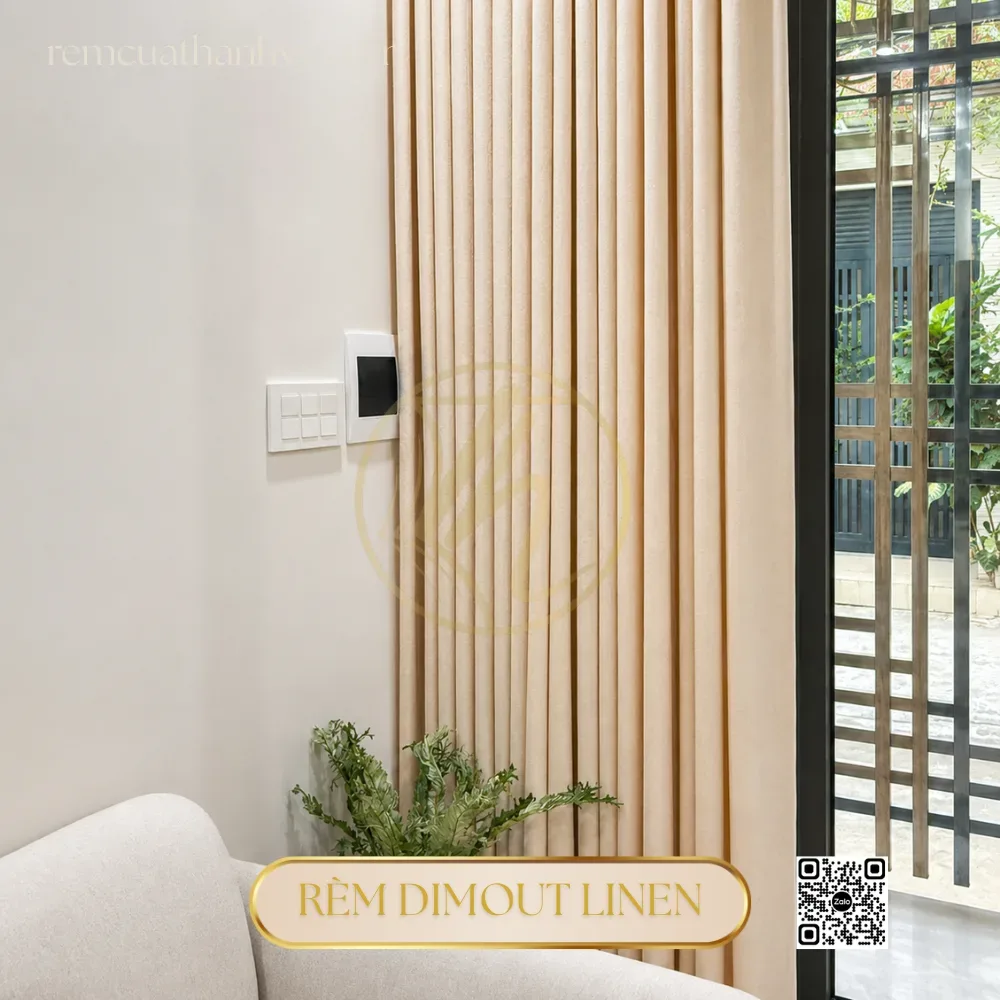
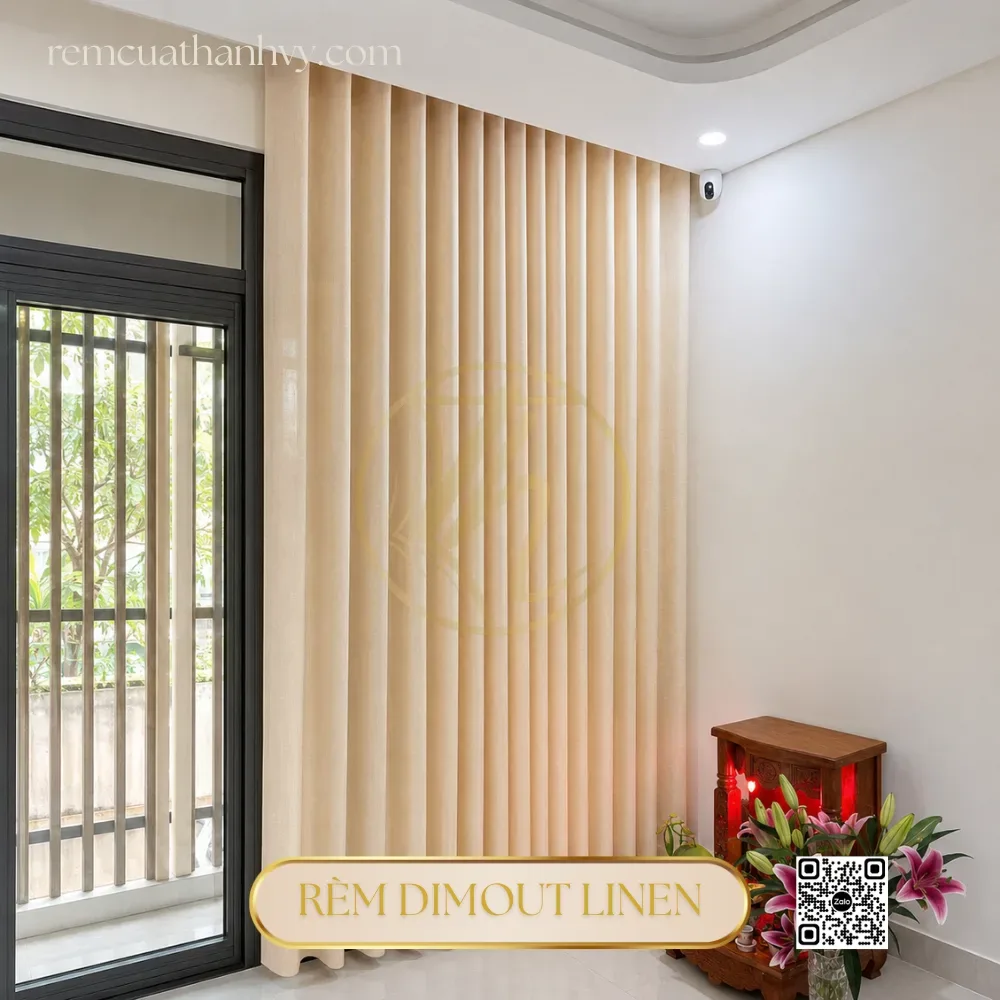
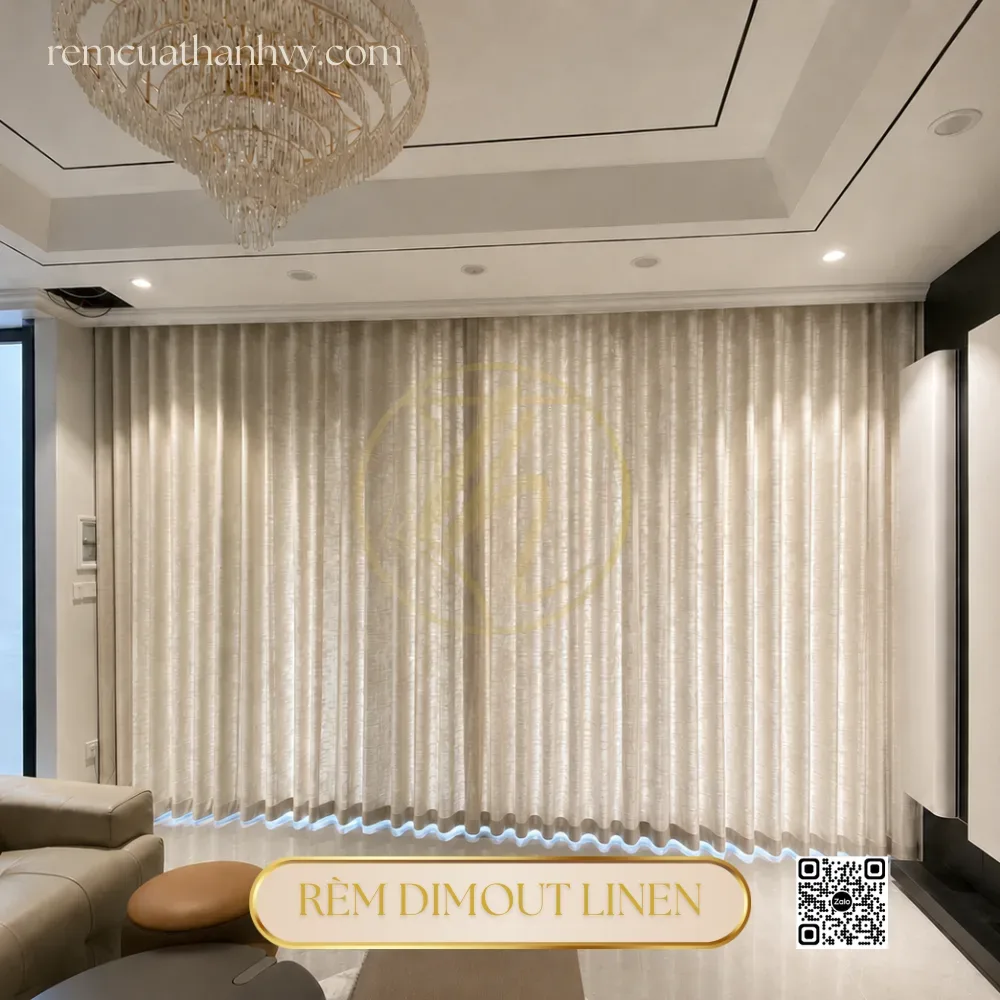
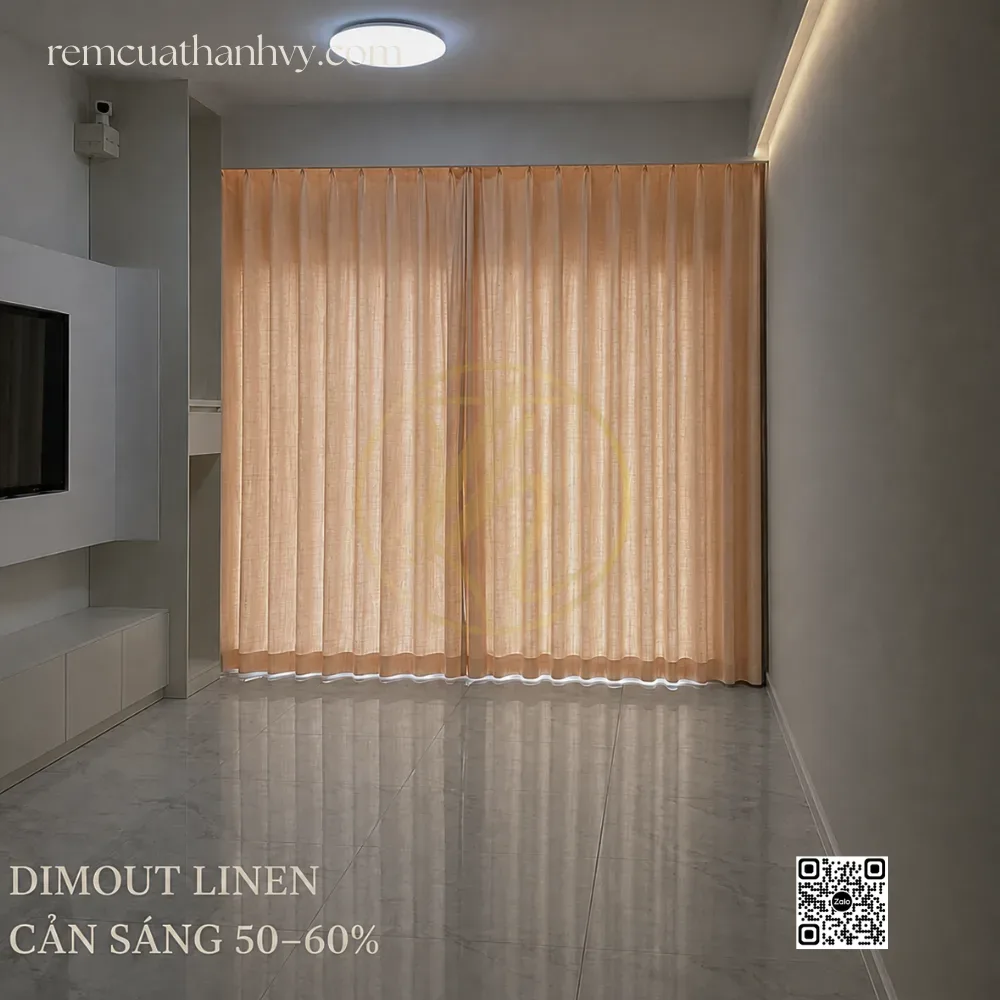
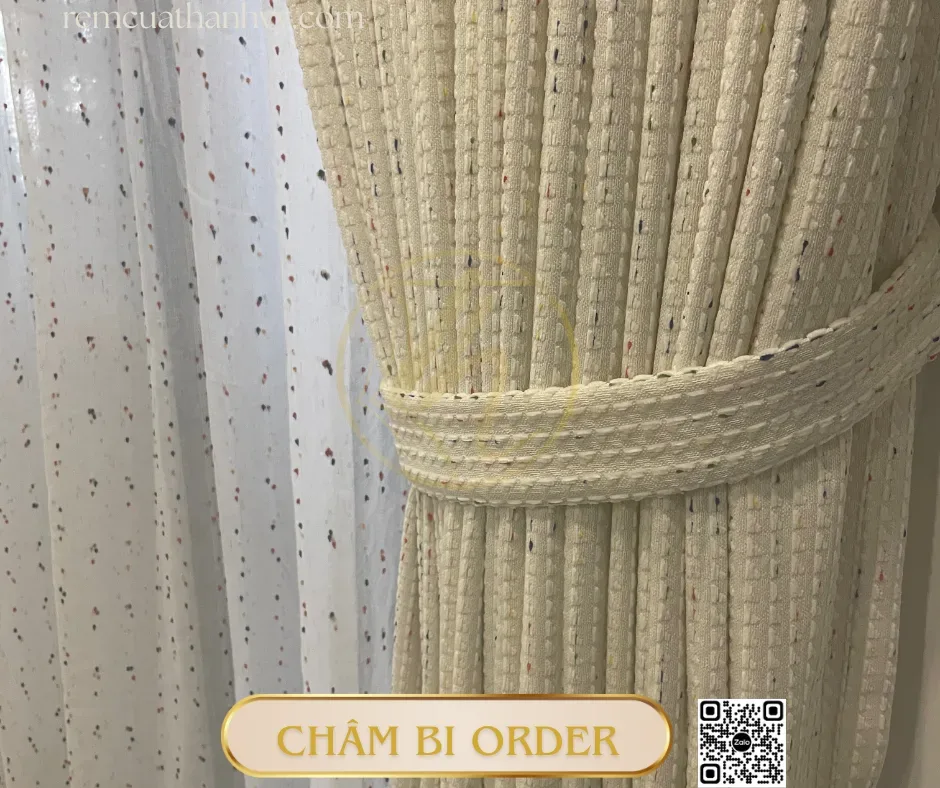
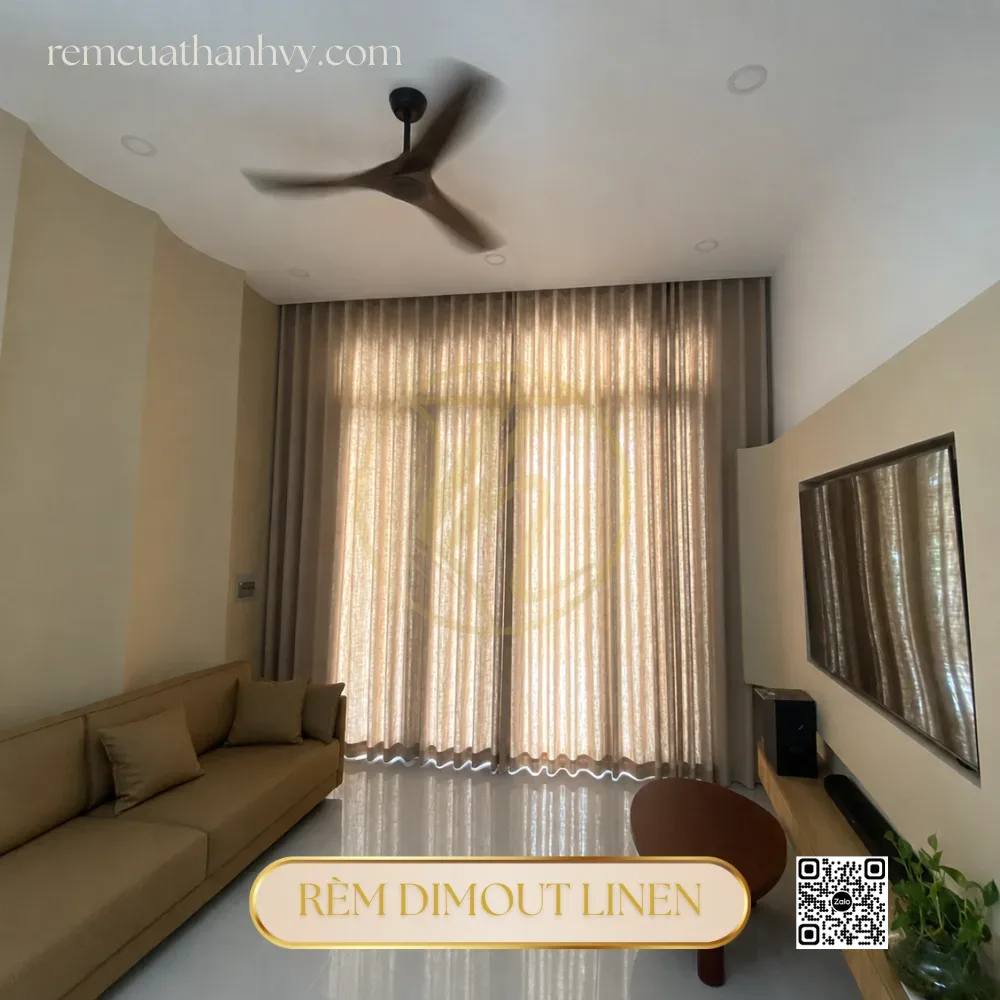
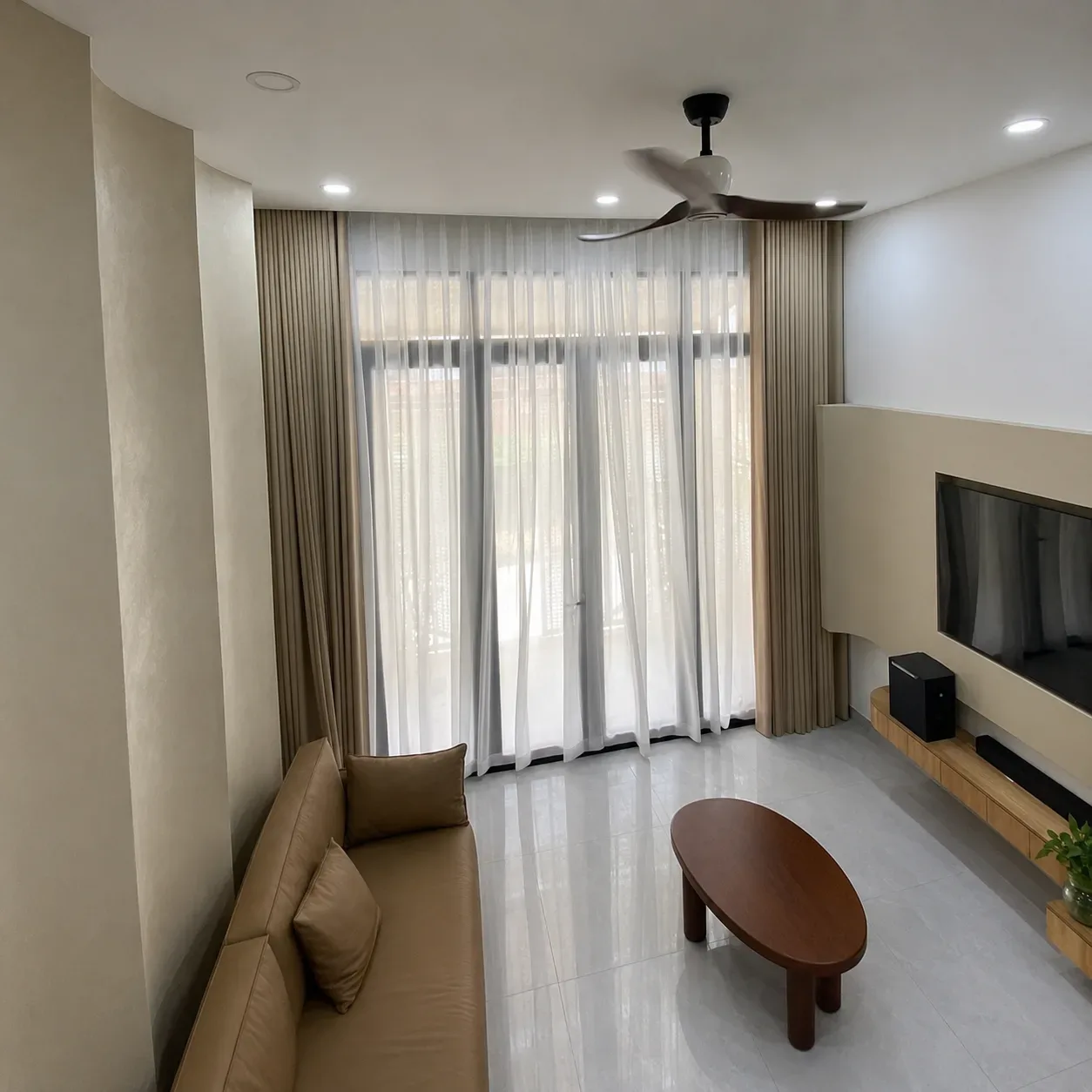
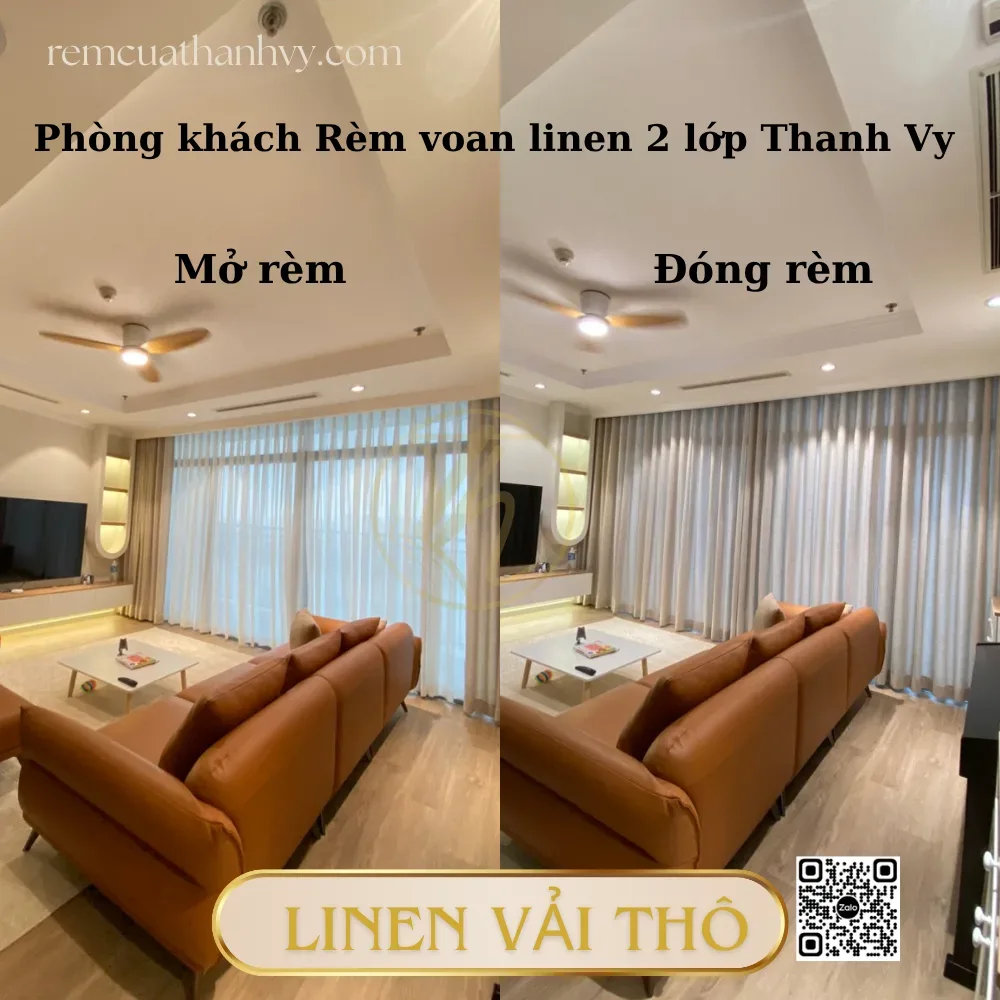
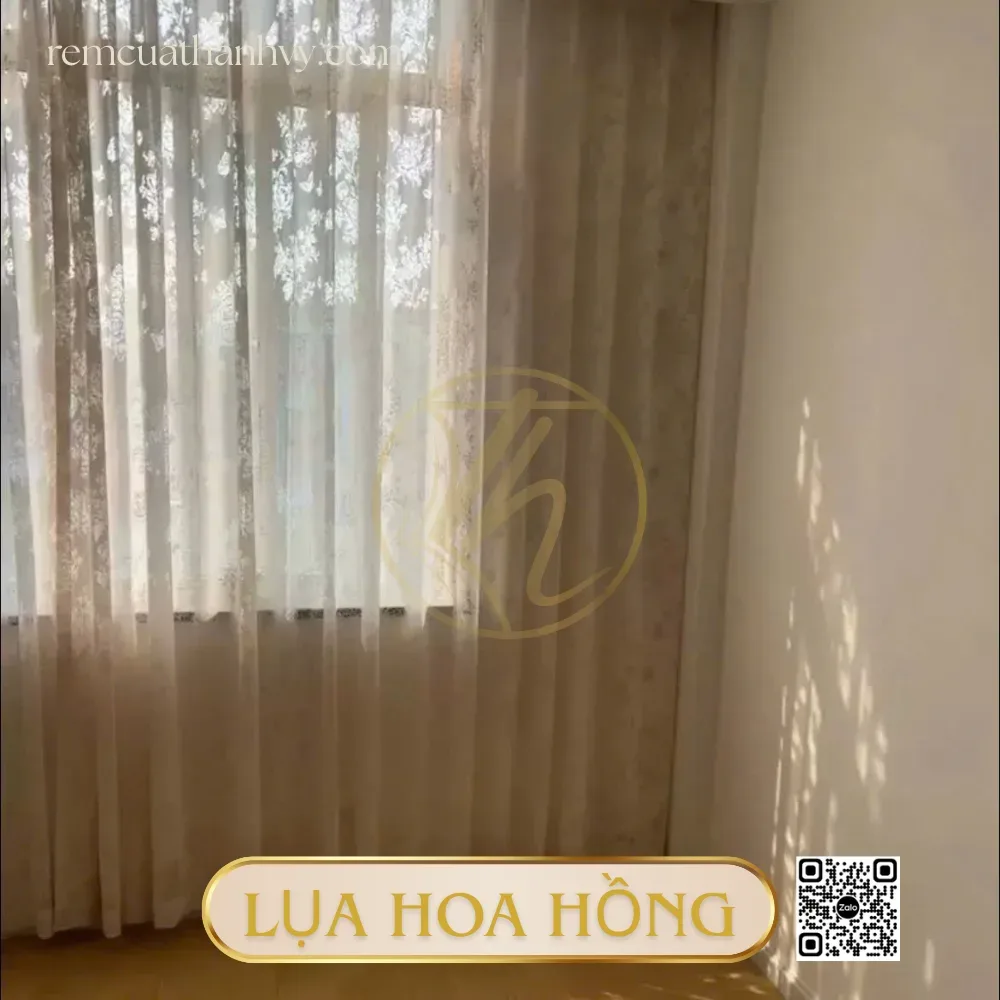
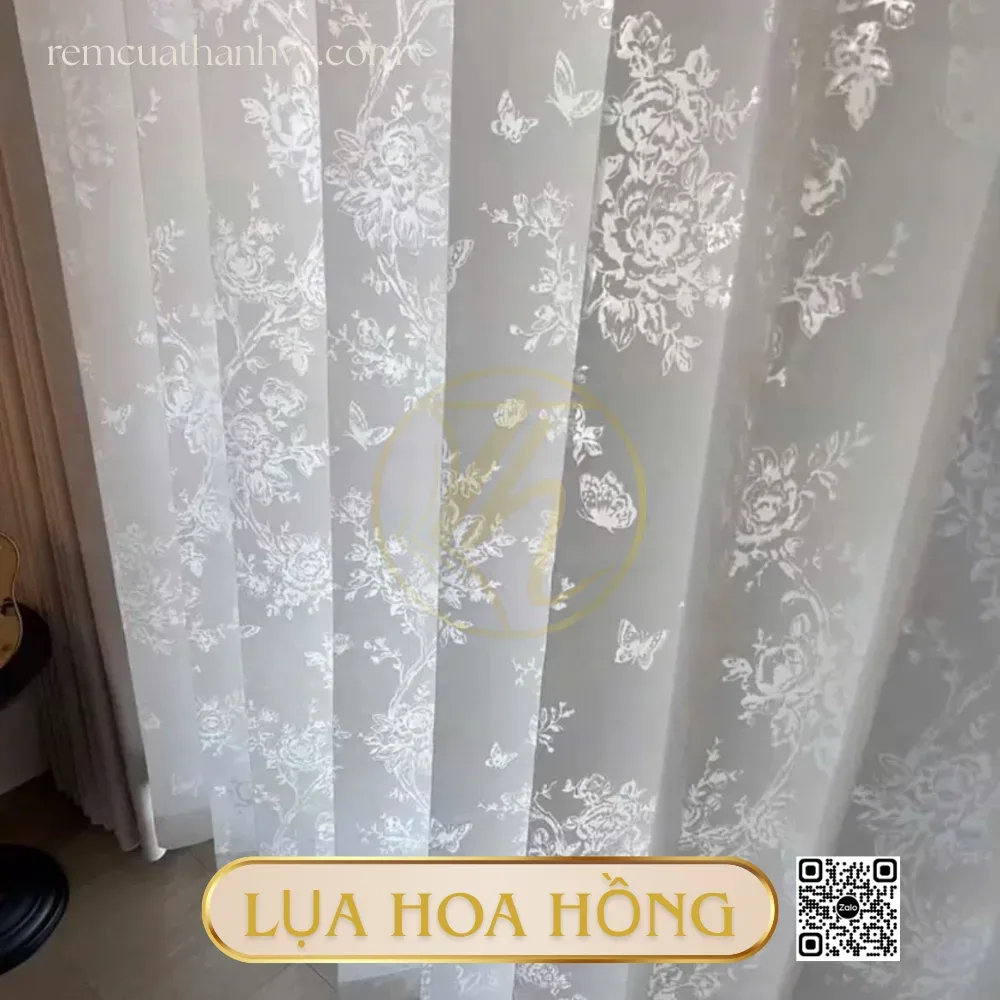
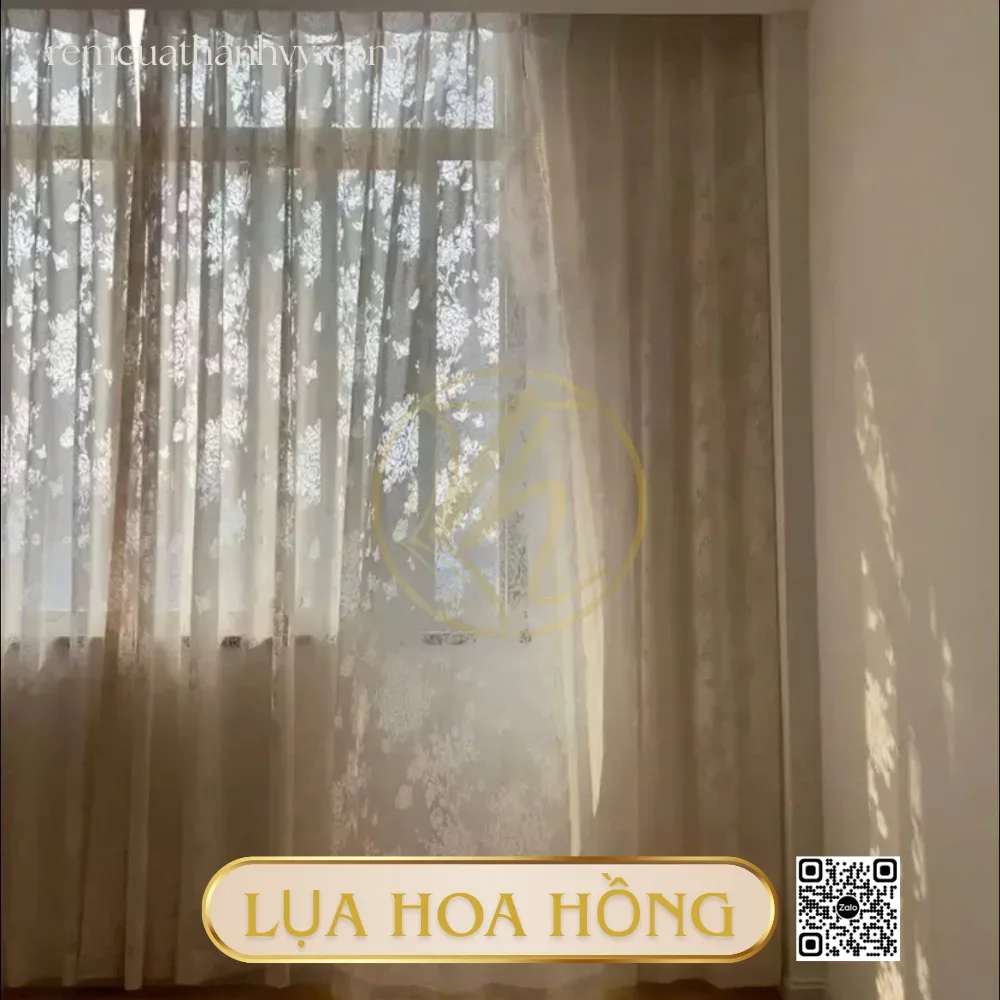
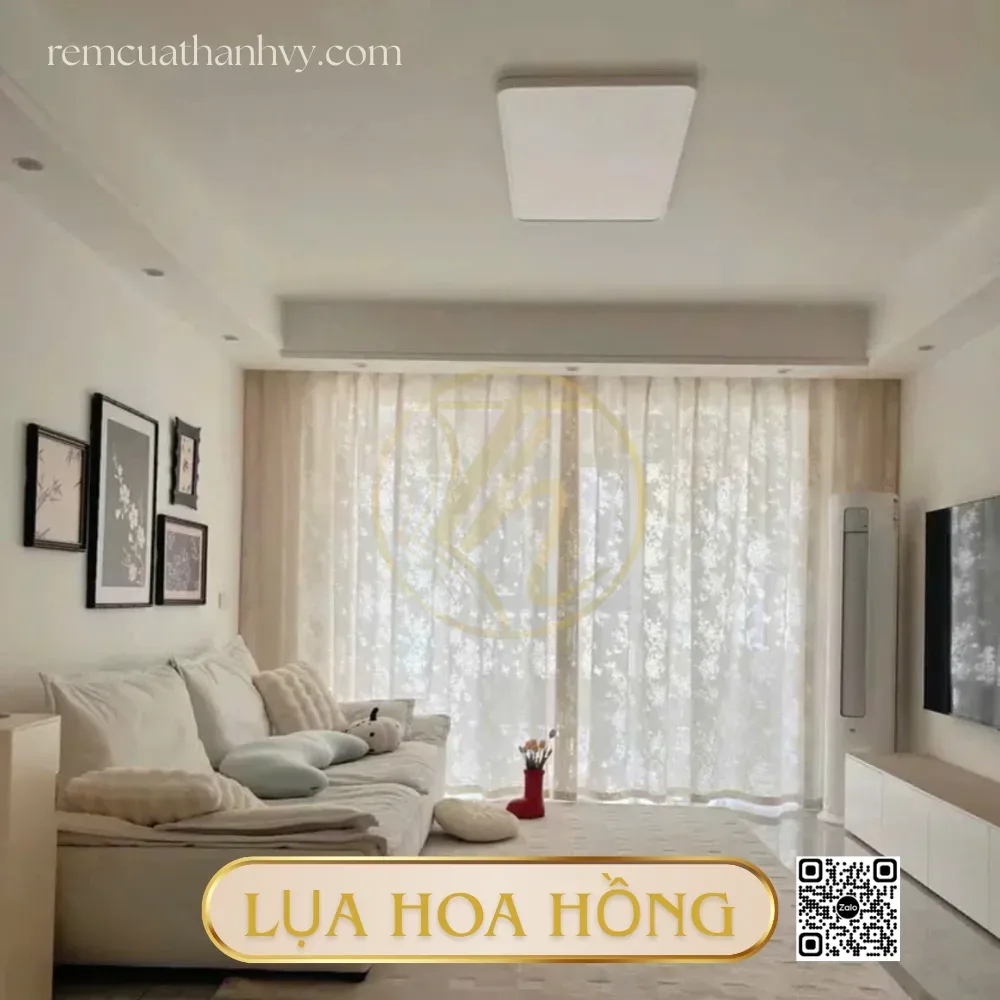
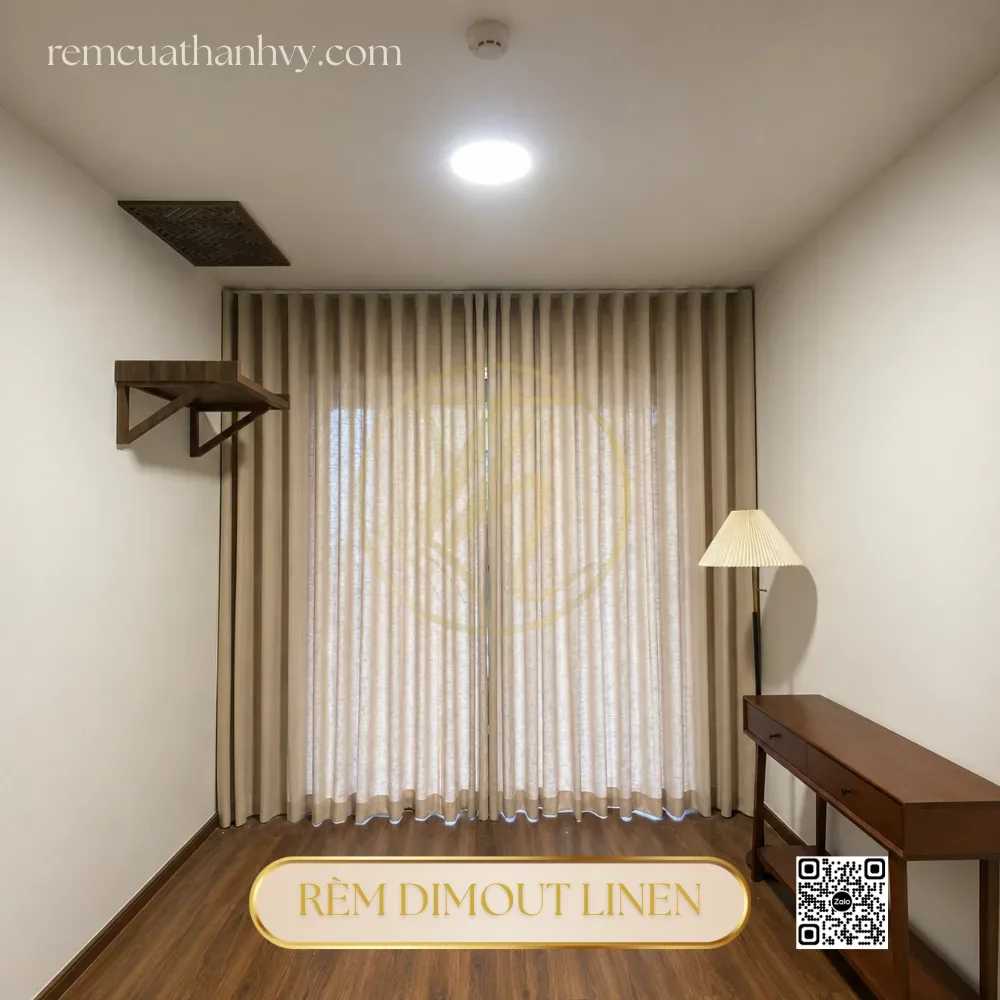
Fabric curtains are the most popular group, with many thickness levels to choose from according to light and privacy needs.






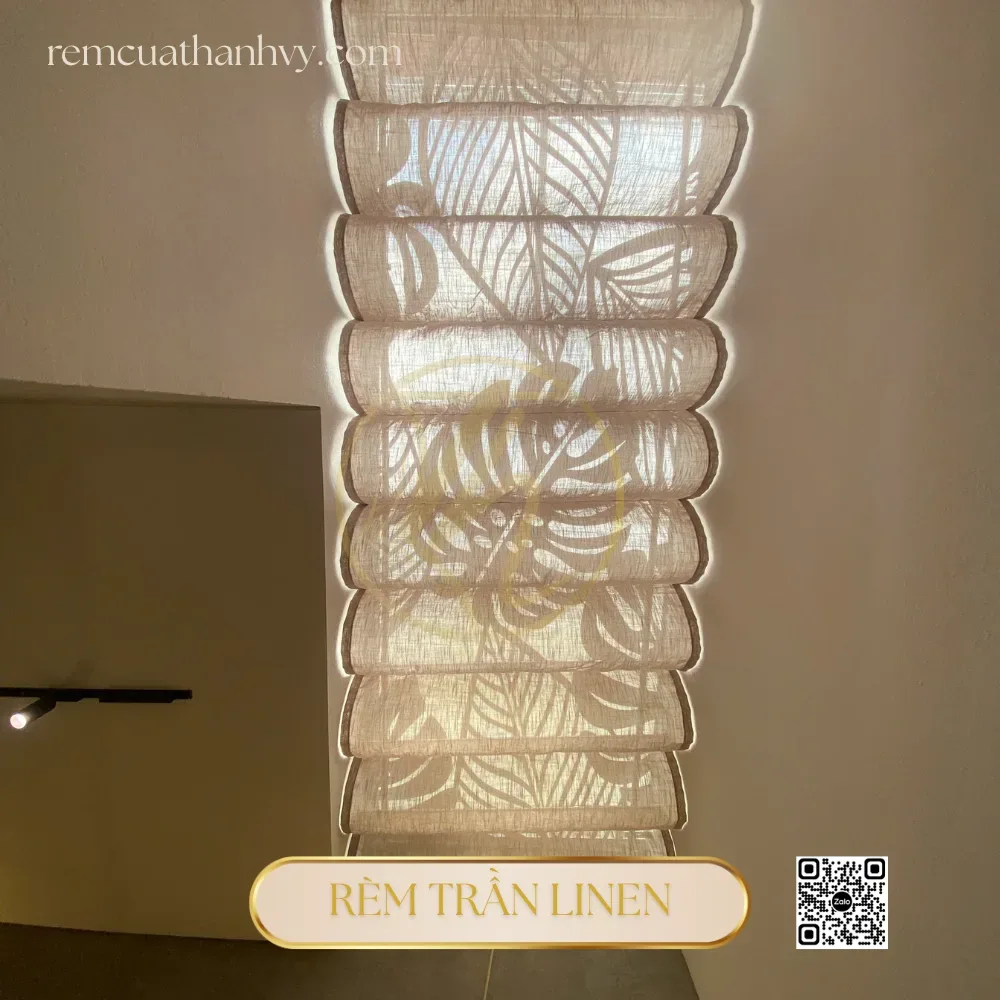
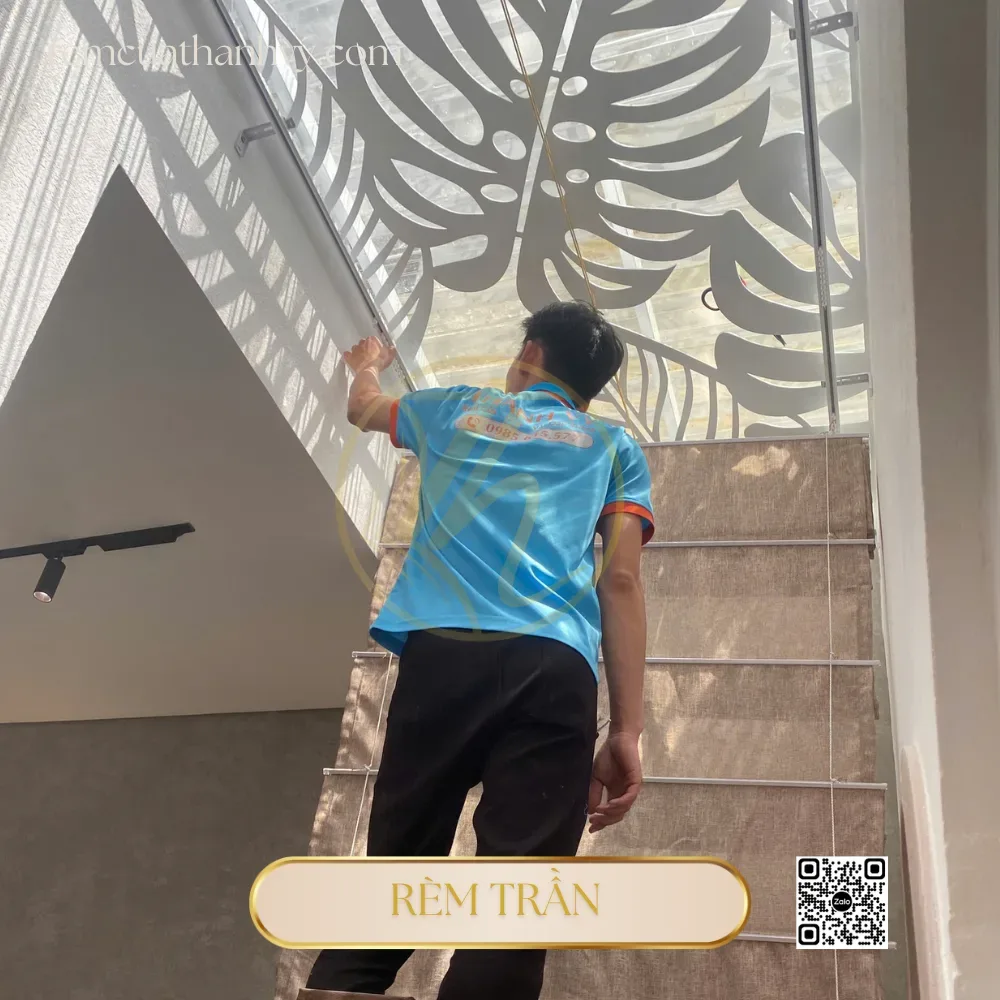
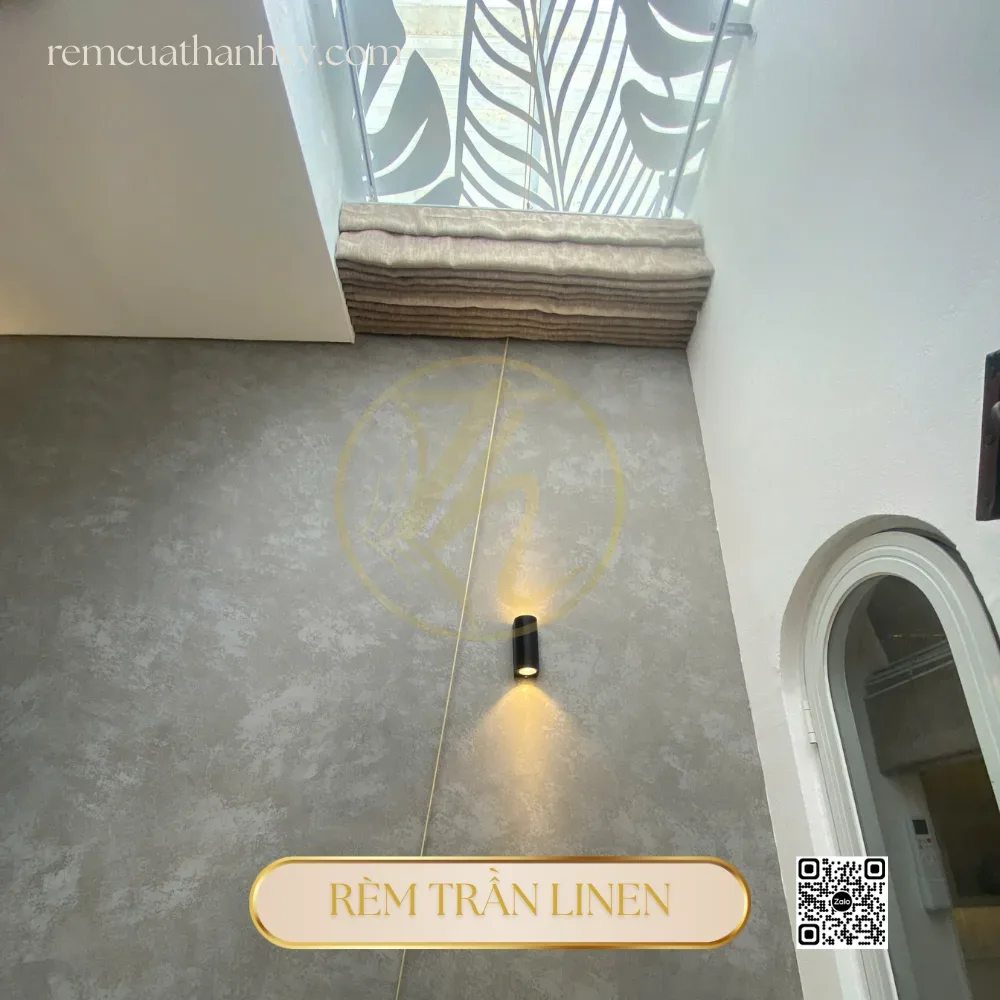
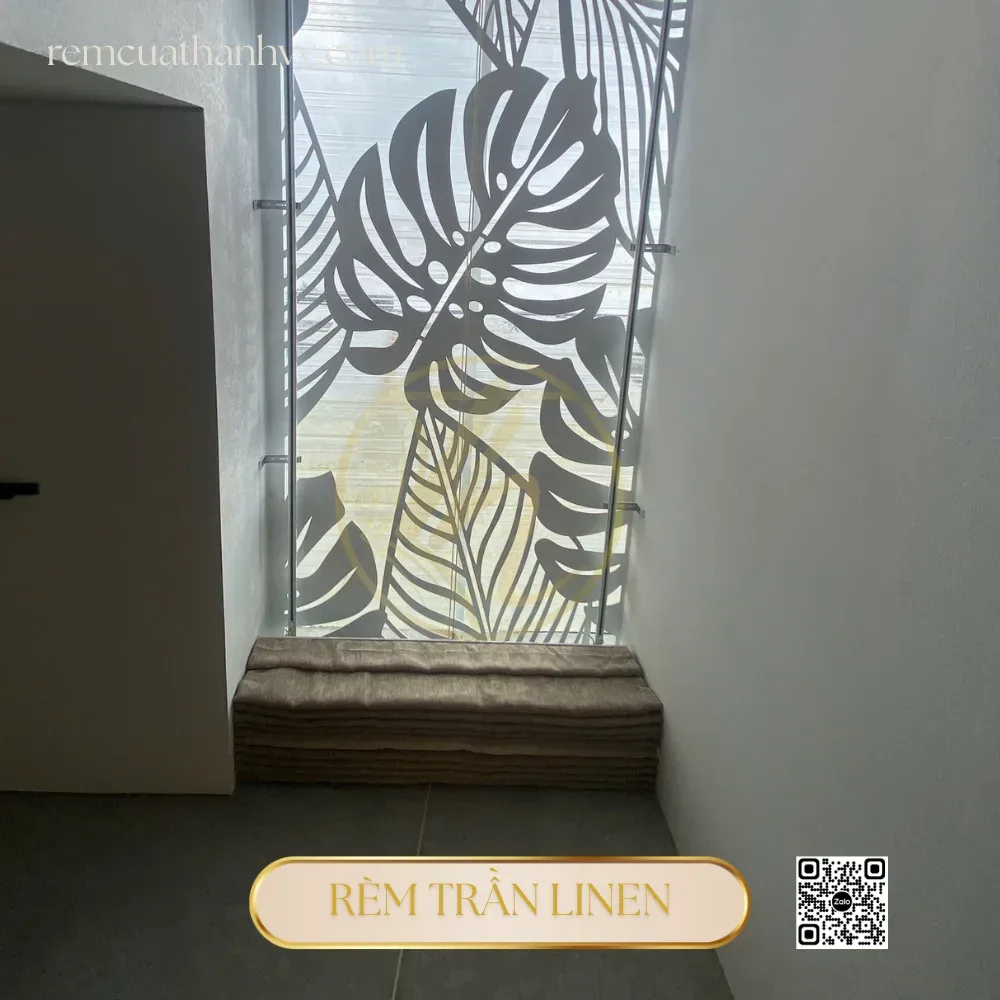



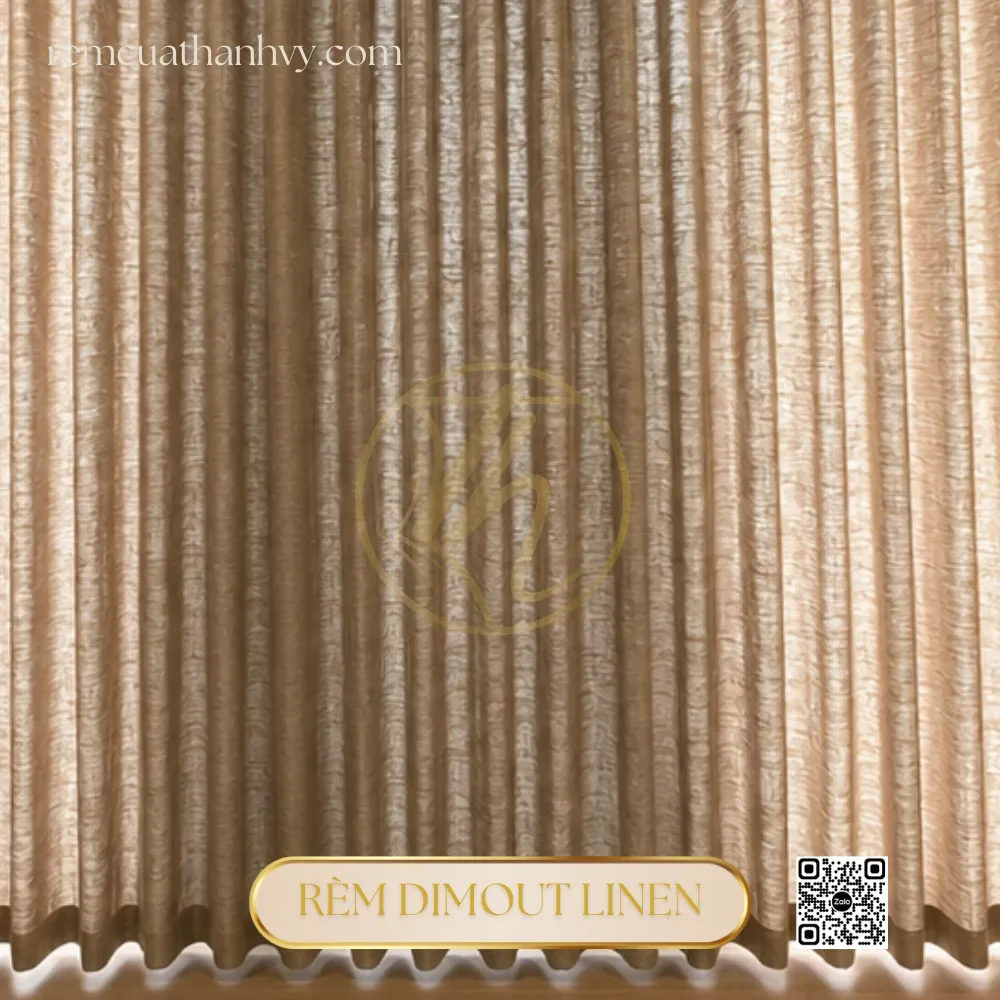
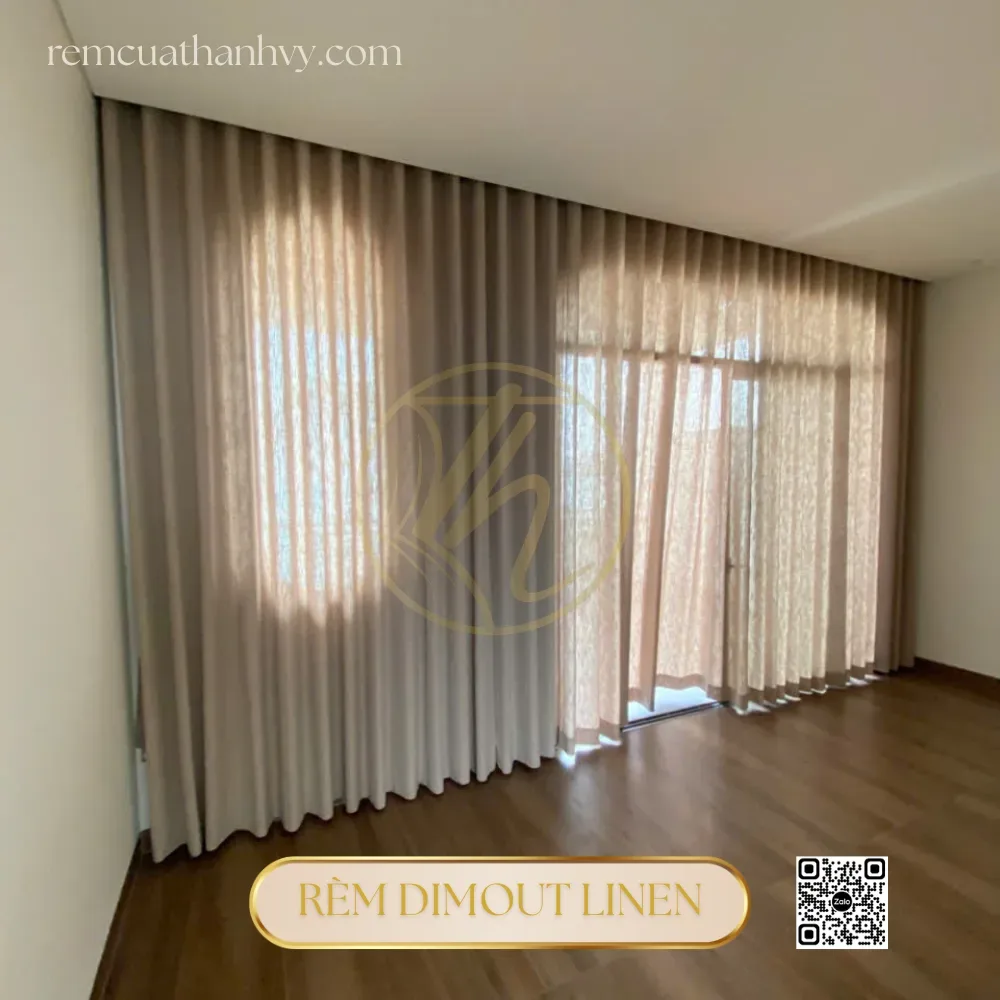
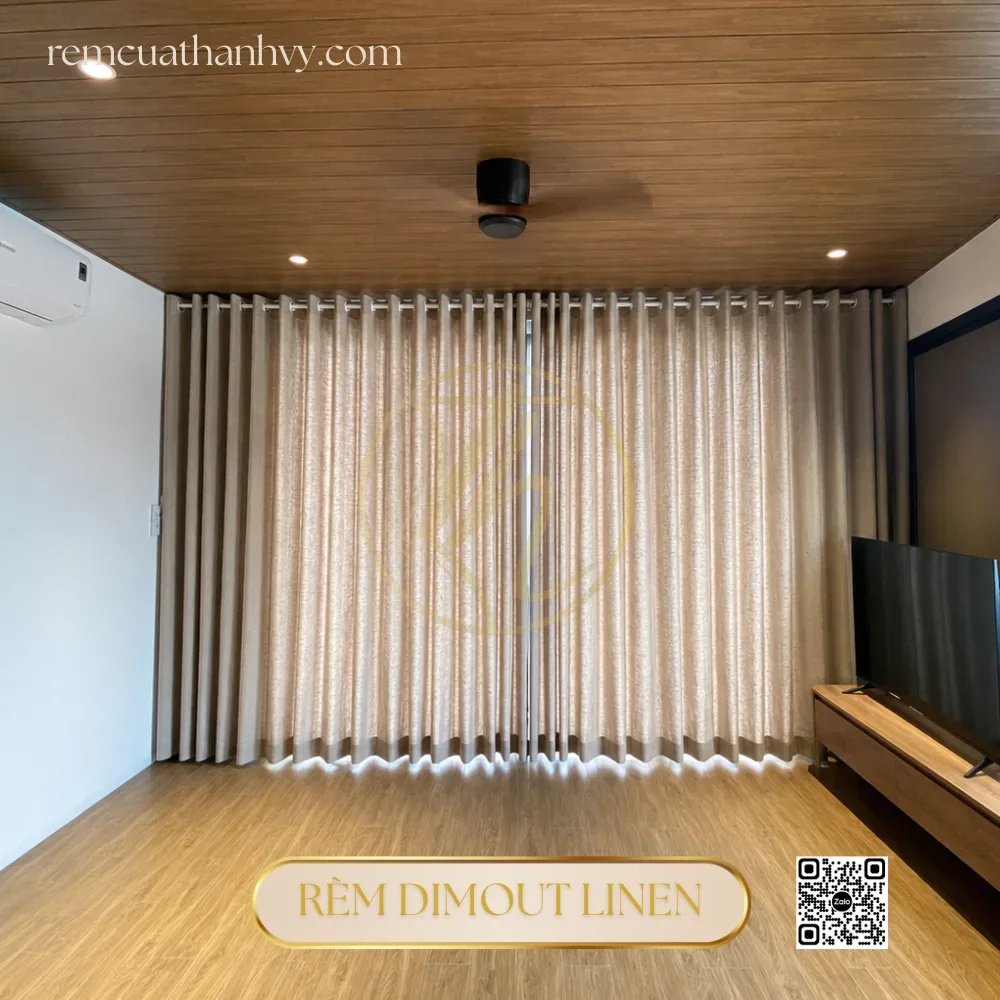
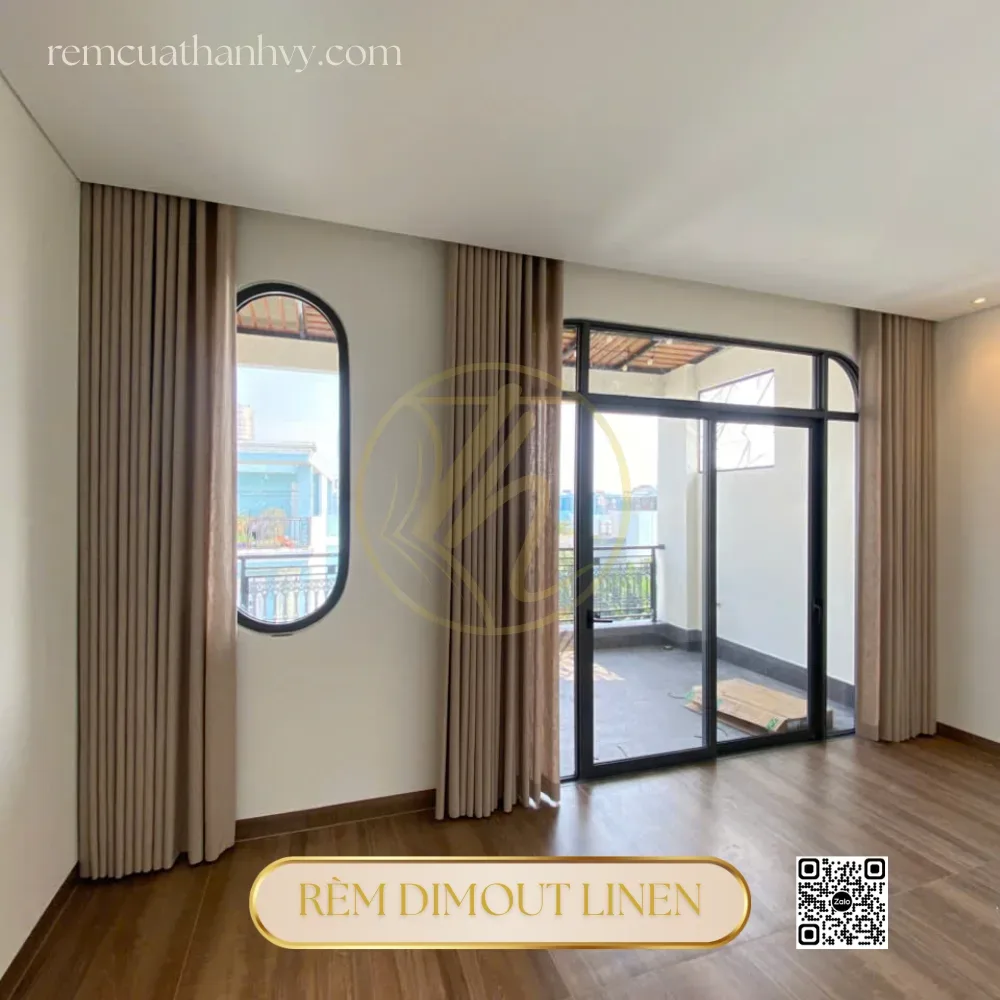
For further information, please contact Thanh Vy Curtains
We provide free consultation and on-site measuring at your home.
Related areas
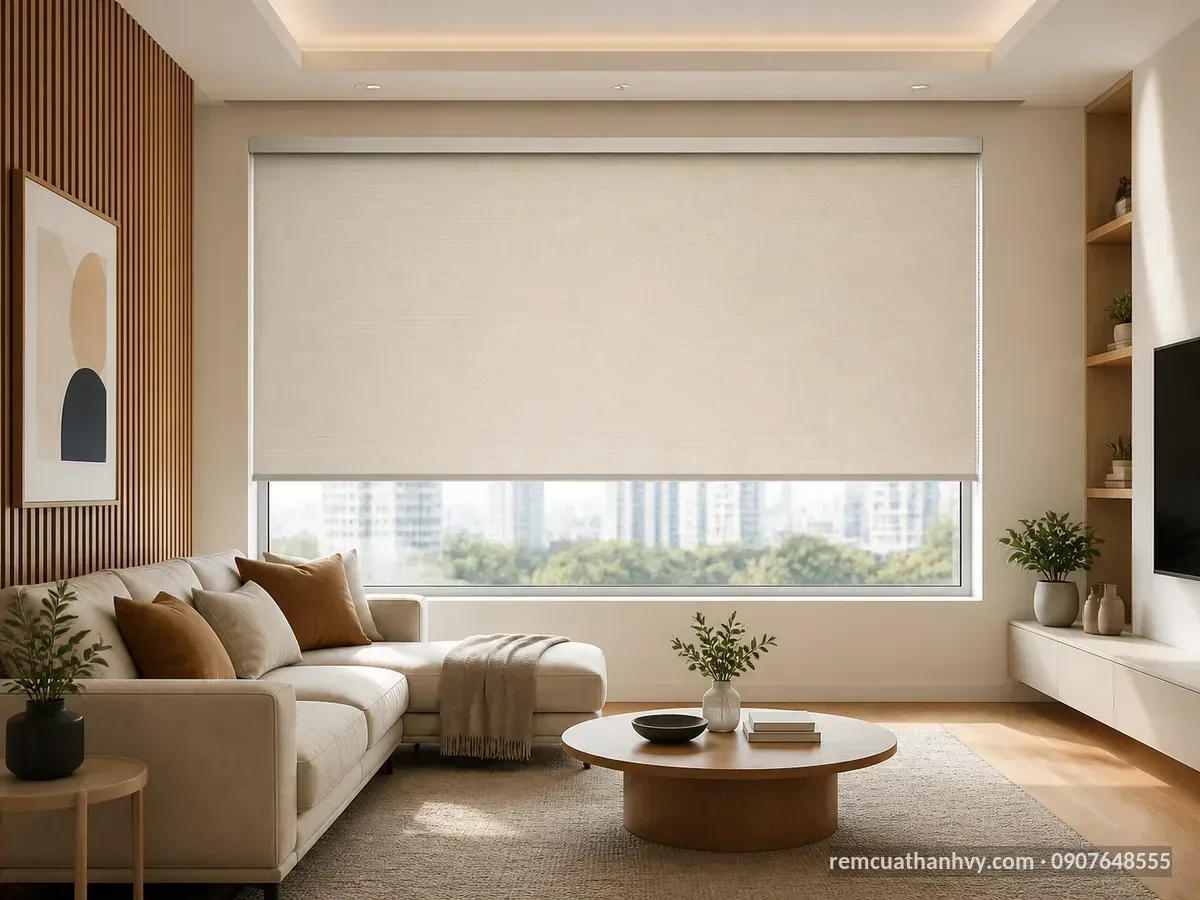
Tan Phu Curtains: How to Choose Based on Your Needs and Existing Windows
A guide to choosing Tan Phu curtains based on light, privacy, installation style, stacking space, [...]
Related reviews
Are Honeycomb Blinds Good? An In-Depth Review From A-Z
A comprehensive guide on choosing honeycomb blinds based on living space, lighting, privacy, materials, finishes, [...]
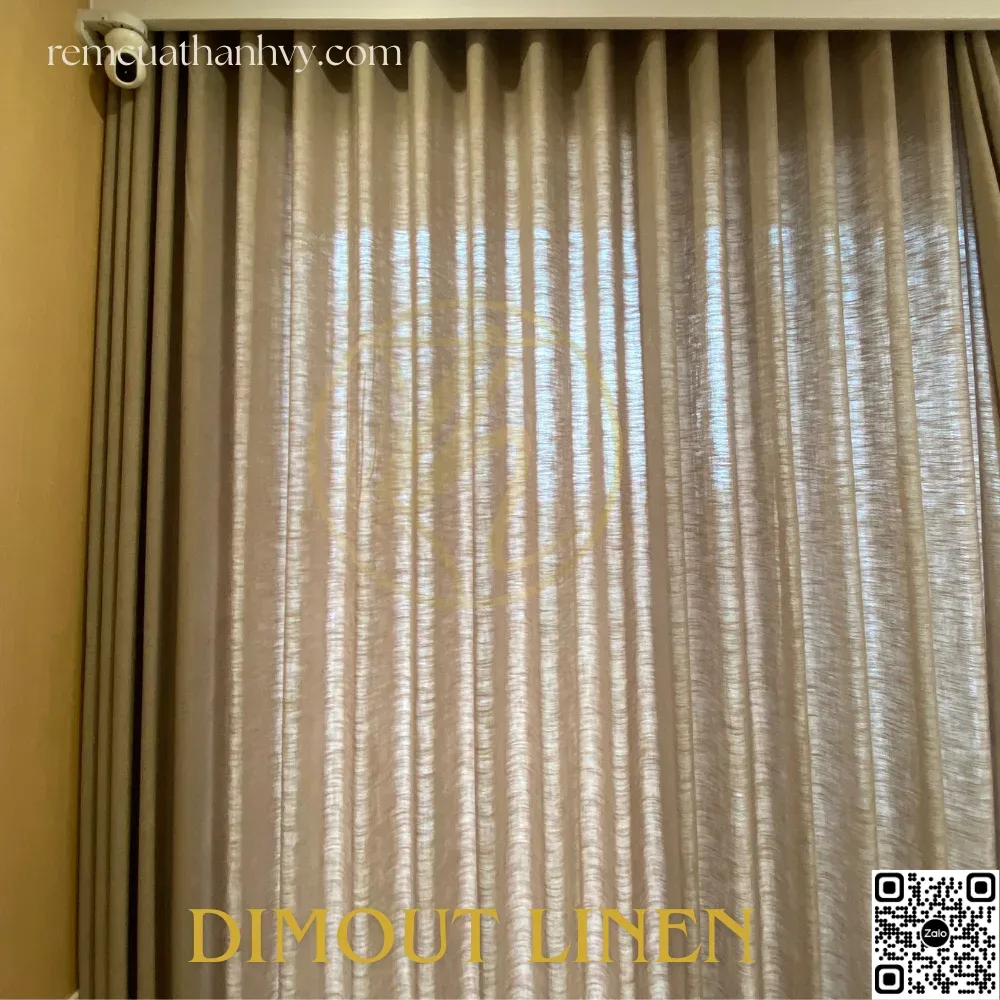
Fabric Curtains vs. Linen Curtains? A Detailed Comparison to Help You Choose
Compare fabric and linen curtains based on light control, privacy, operation, aesthetics, maintenance, and cost [...]
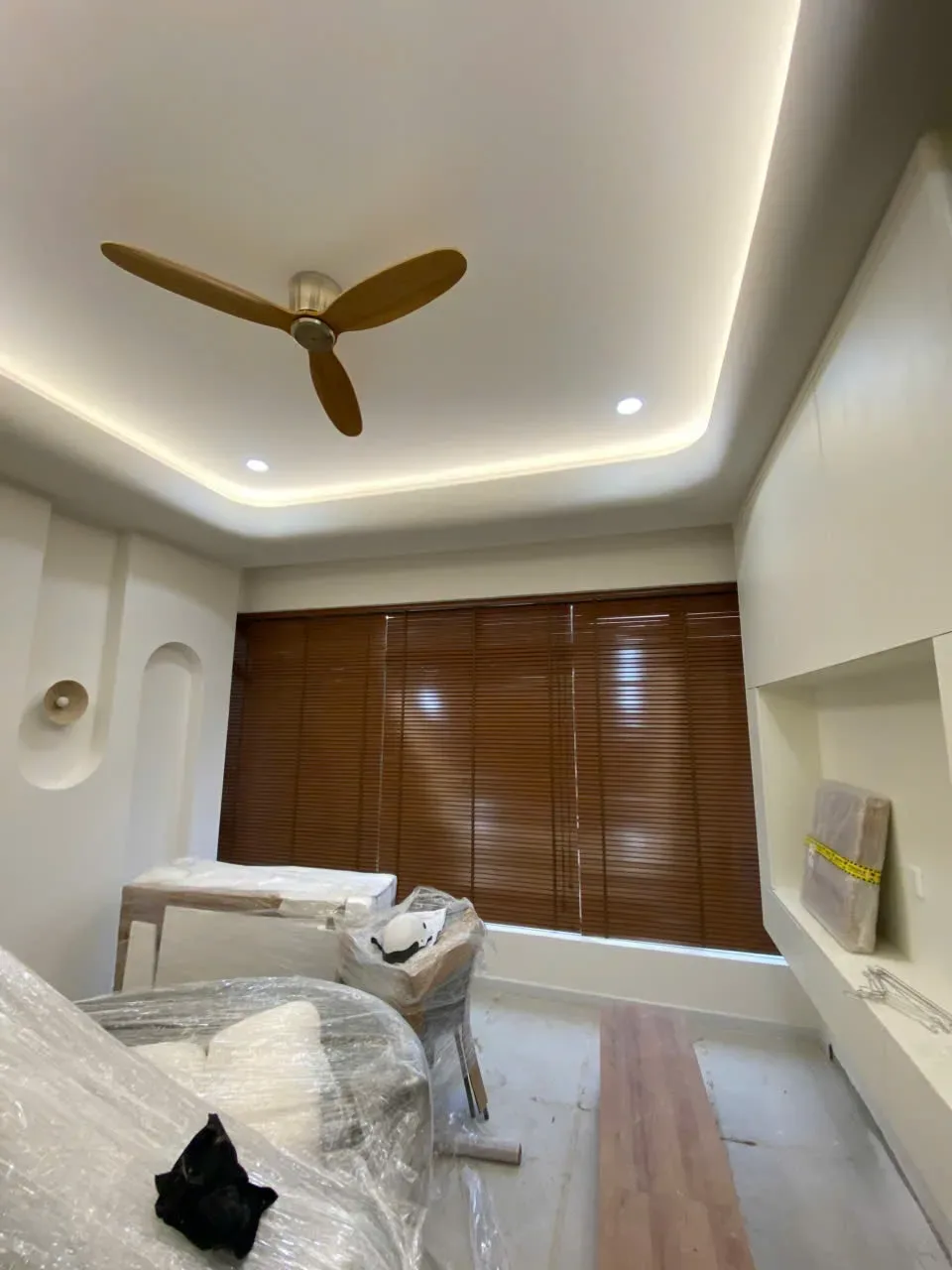
Roller Blinds vs. Wood Blinds? A Detailed Comparison to Help You Choose
Compare roller blinds and wood blinds based on light control, privacy, operation, aesthetics, maintenance, and [...]
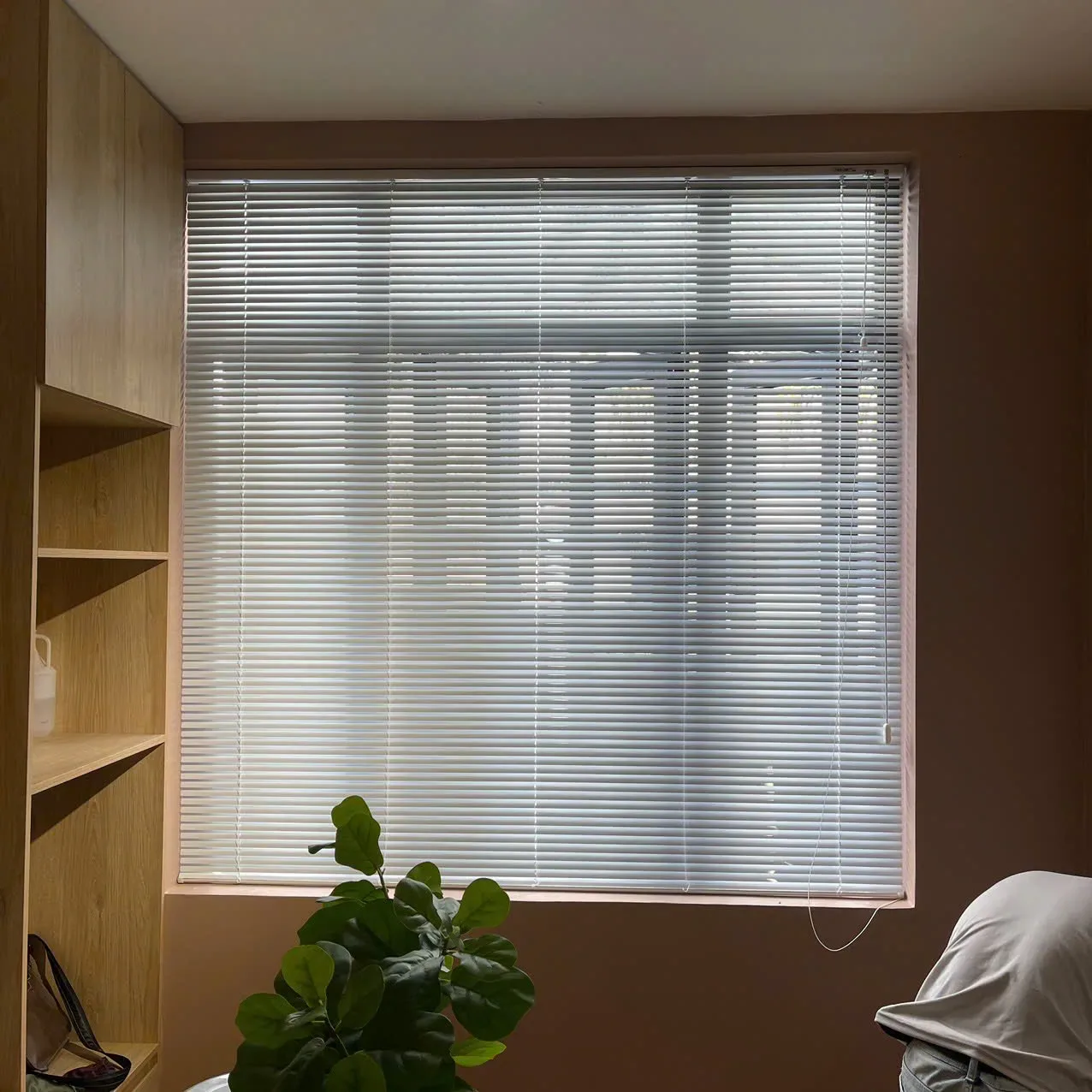
Wooden Blinds or Honeycomb Shades? A Detailed Comparison to Help You Choose
An objective comparison of wooden blinds versus honeycomb shades regarding aesthetics, light control, insulation, durability, [...]
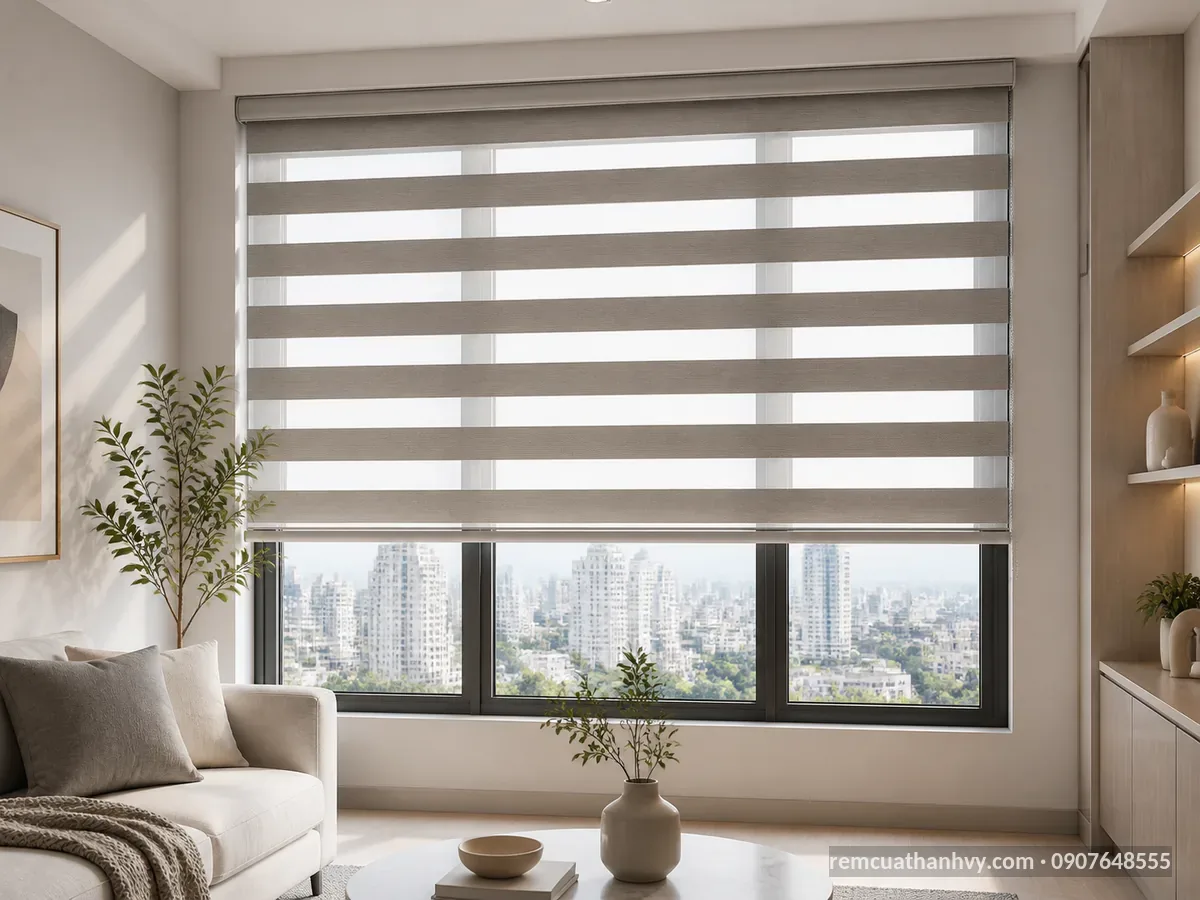
Comparing Fabric Curtains and Zebra Blinds: Which One Fits Your Needs?
This article compares fabric curtains and zebra blinds in terms of light, privacy, stackback, the [...]
Related posts
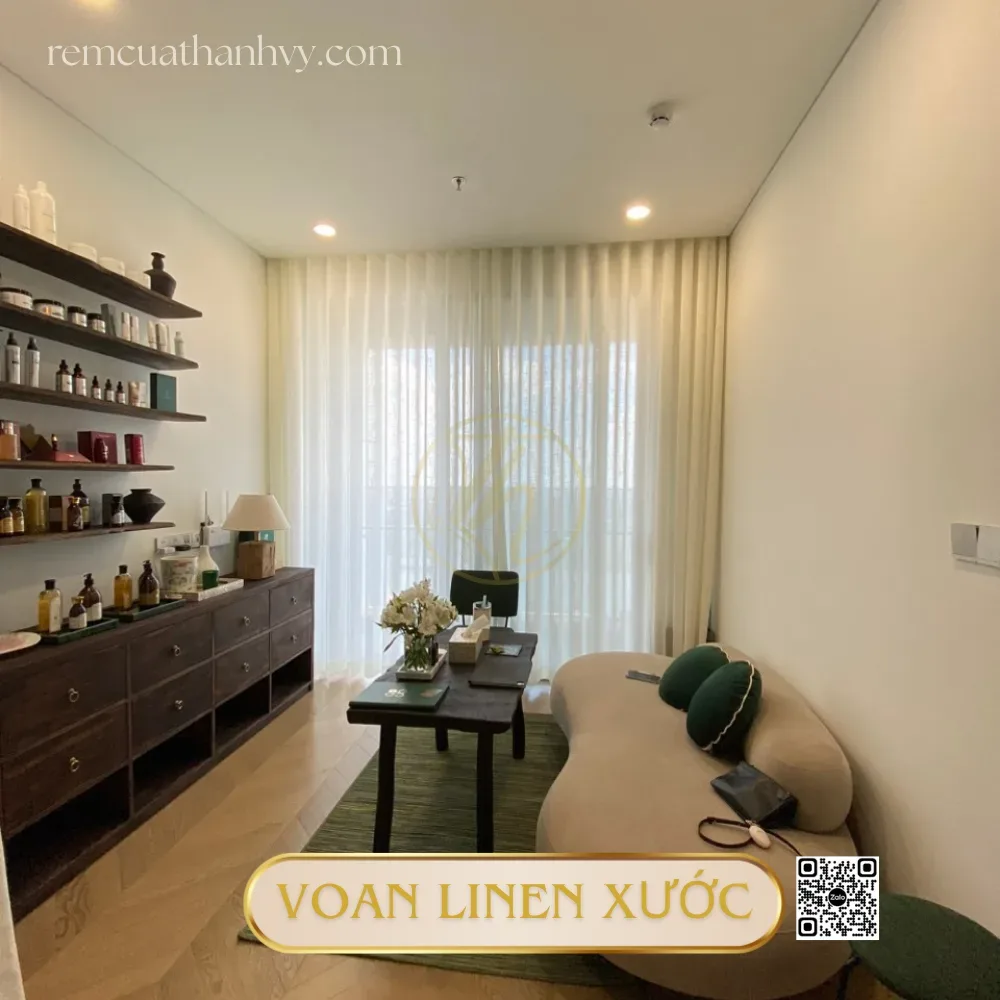
Linen Curtains for North-Facing Houses: Effective Sun Protection
Guide to choosing north-facing linen curtains based on north-facing houses, light, privacy, materials, finishing styles, [...]
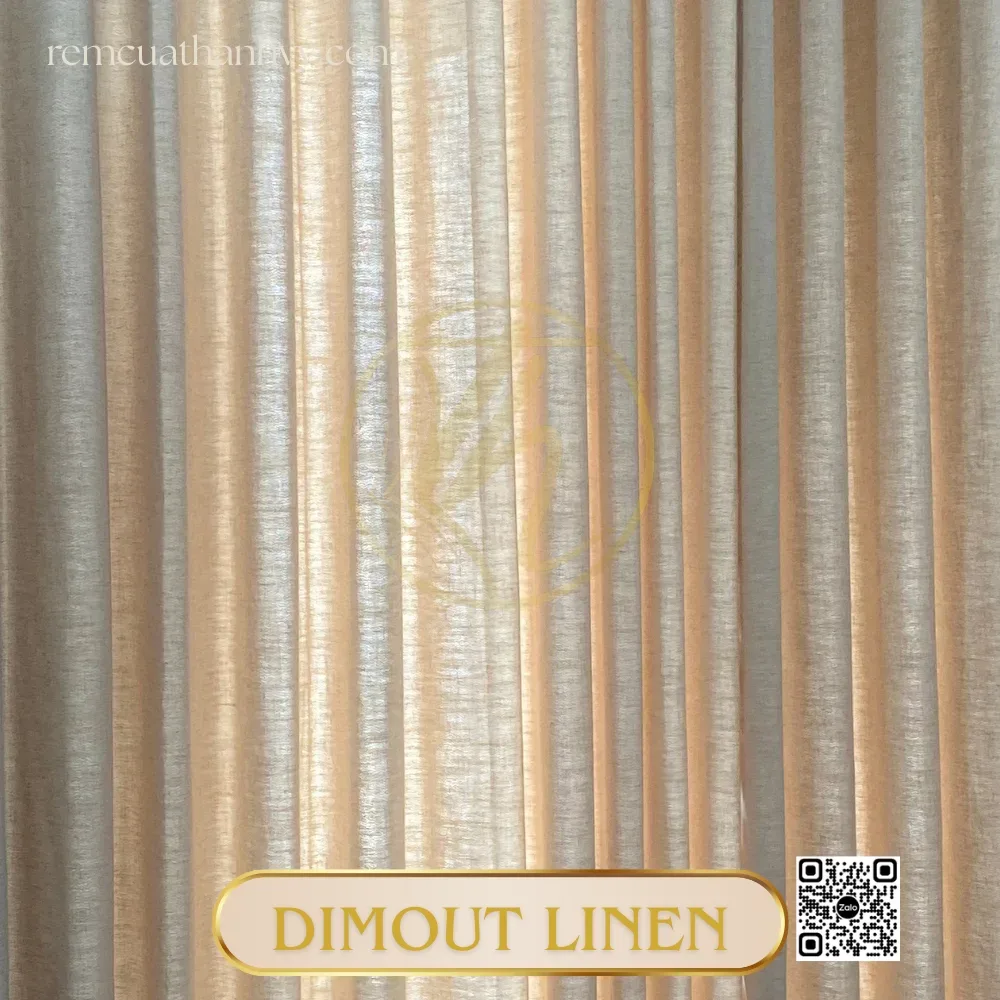
Indochine-Style Linen Curtains for a Beautiful Home
A guide to choosing Indochine-style linen curtains based on style, lighting, privacy, materials, finishing, and [...]
Japanese-Style Linen Curtains for a Beautiful Home
A guide to choosing Japanese linen curtains based on style, lighting, privacy, materials, finishing, and [...]
Minimalist Linen Curtains for a Beautiful Home
A guide to choosing minimalist linen curtains based on style, lighting, privacy, materials, finishes, and [...]
Linen Curtains in Go Vap: How to Choose the Right Style for Modern Homes
Linen curtains in Go Vap are perfect for bright, soft, and natural spaces, but you [...]

Top Best Roman Blind Designs for Living Rooms 2026
This article compiles top groups of beautiful living room roman blind designs featuring pleated styles, [...]
Best Wood Blinds for Kids’ Rooms in 2026
Explore beautiful wood blind styles for kids’ rooms by color, pattern, and safe materials, with [...]

Top Best Roller Blind Designs for Dining Rooms 2026
A guide to choosing beautiful dining room roller blinds based on room layout, lighting, privacy, [...]


No comments yet!