




Best Wood Blinds for Kids’ Rooms in 2026
Why wood blinds are worth considering for a child’s room
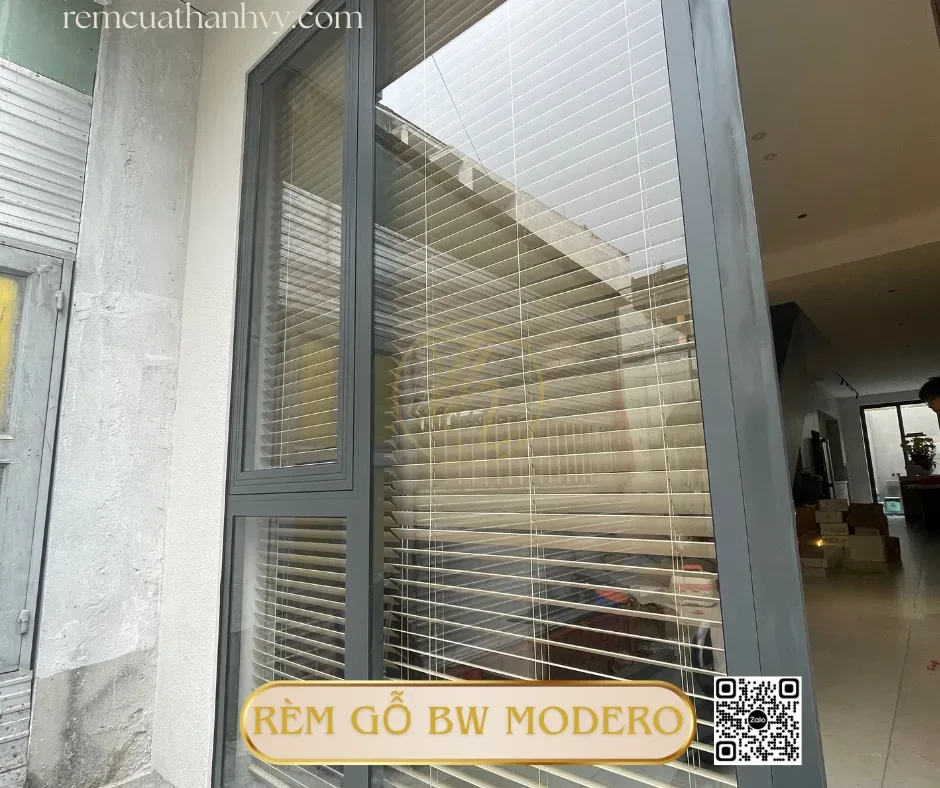
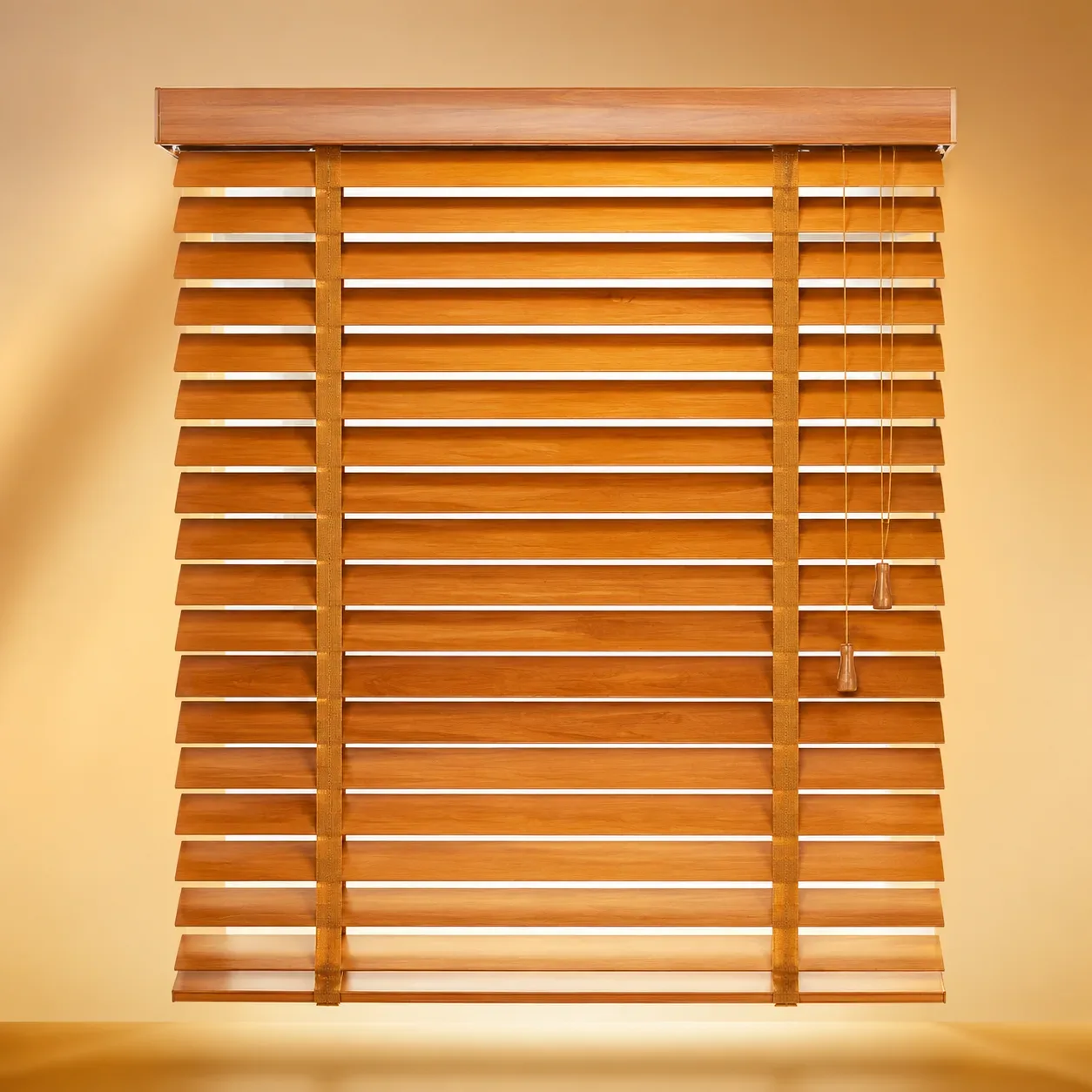
When choosing window treatments for their child’s room, most parents prioritize three criteria: safety, easy cleaning, and good light control for sleep. Wood blinds meet these needs quite well thanks to their construction of parallel slats made of wood (or painted engineered wood), which can be tilted to adjust the light without constantly raising and lowering the blinds.
Compared with fabric curtains, wood blinds have flat surfaces with fewer dust-trapping folds — a plus for young children’s rooms, where children’s respiratory systems are still sensitive to fine dust, and they are easy to wipe down regularly with a damp cloth rather than requiring complicated laundering. Aesthetically, today’s wood blinds are no longer limited to the dark wood tones of the past; they now come in a variety of pastel, ivory, and light beige finishes that pair easily with the bright styles commonly found in children’s rooms. You can also read about polyester fibers in textiles to better understand the materials.
Still, wood blinds have their own considerations when used in rooms with young children, especially the operating cords and slat tilt mechanism — details this article will examine closely later, because safety must always come before aesthetics.
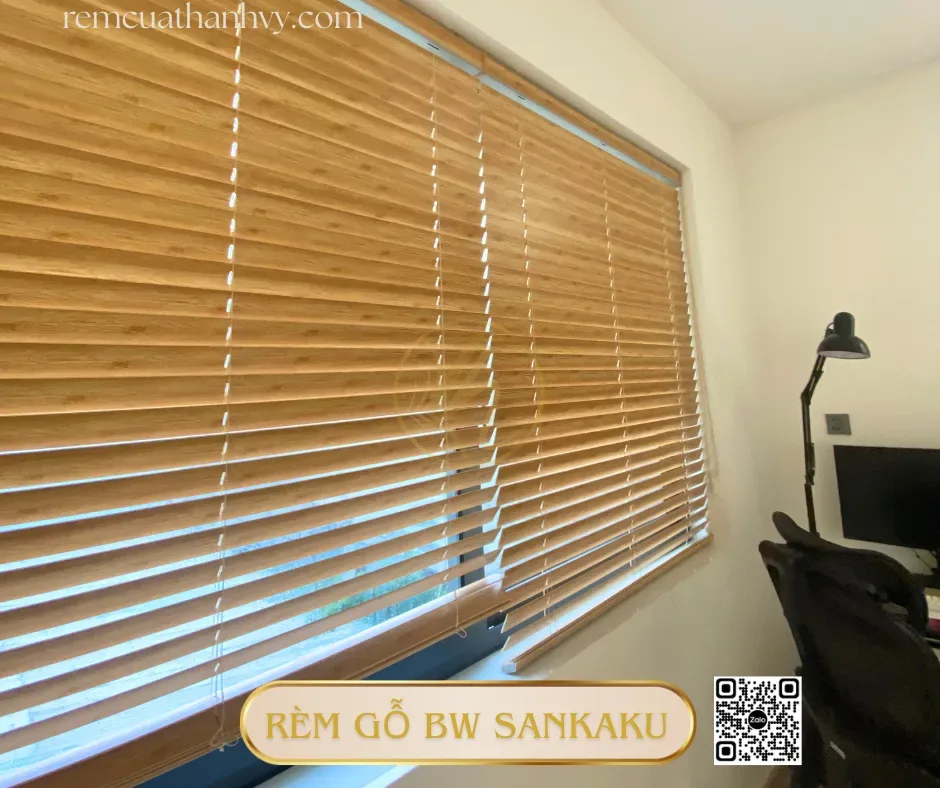
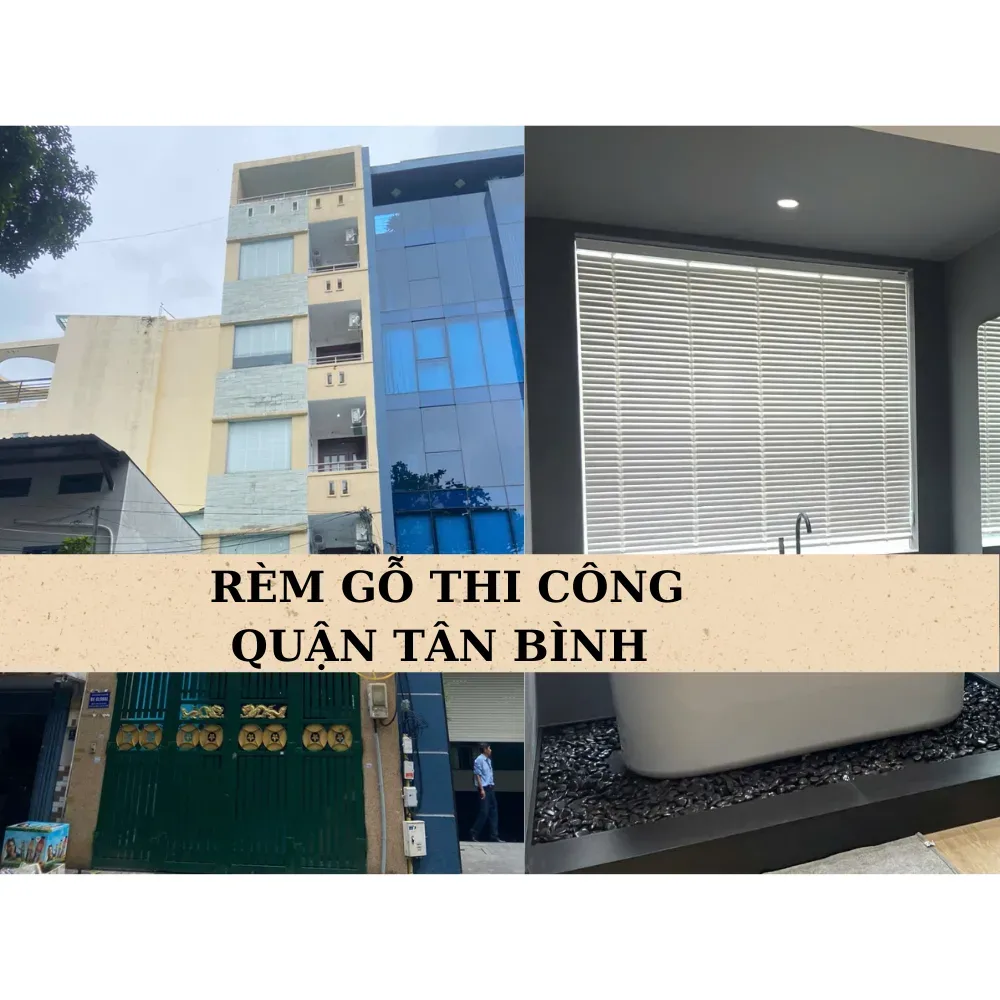
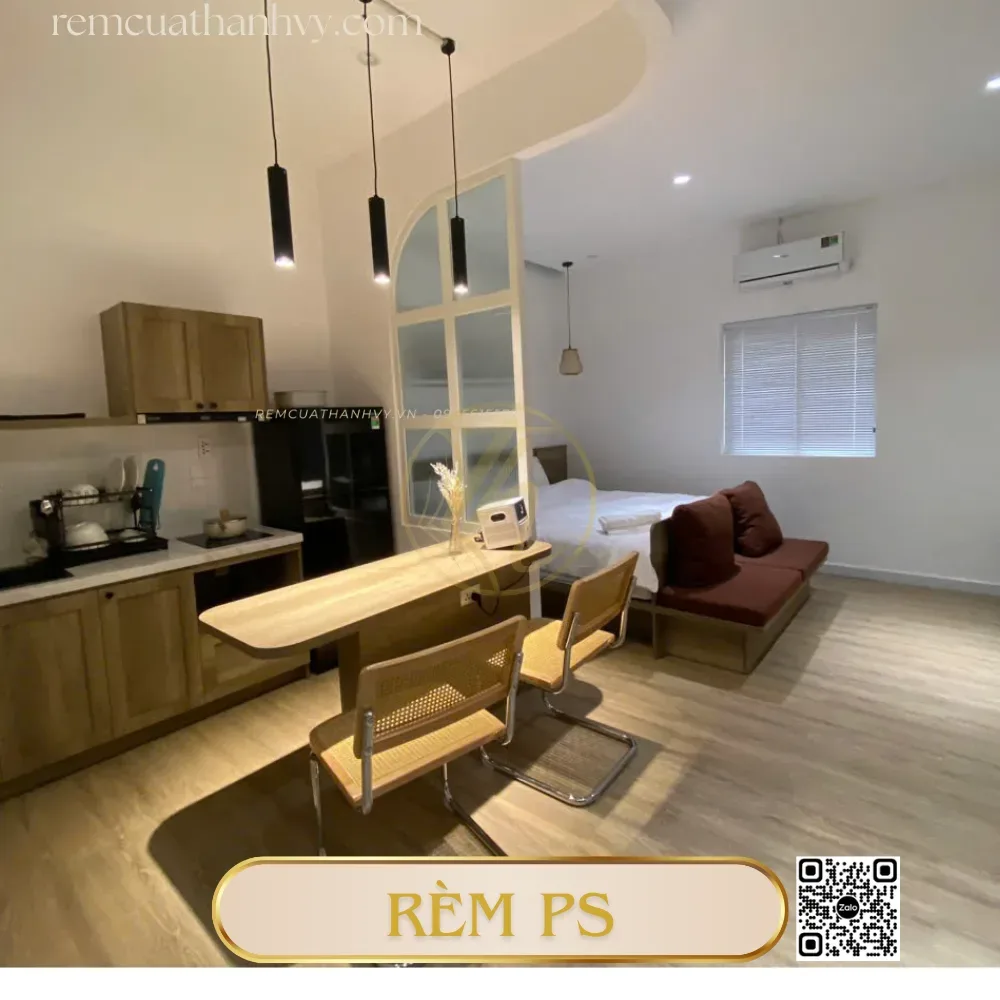
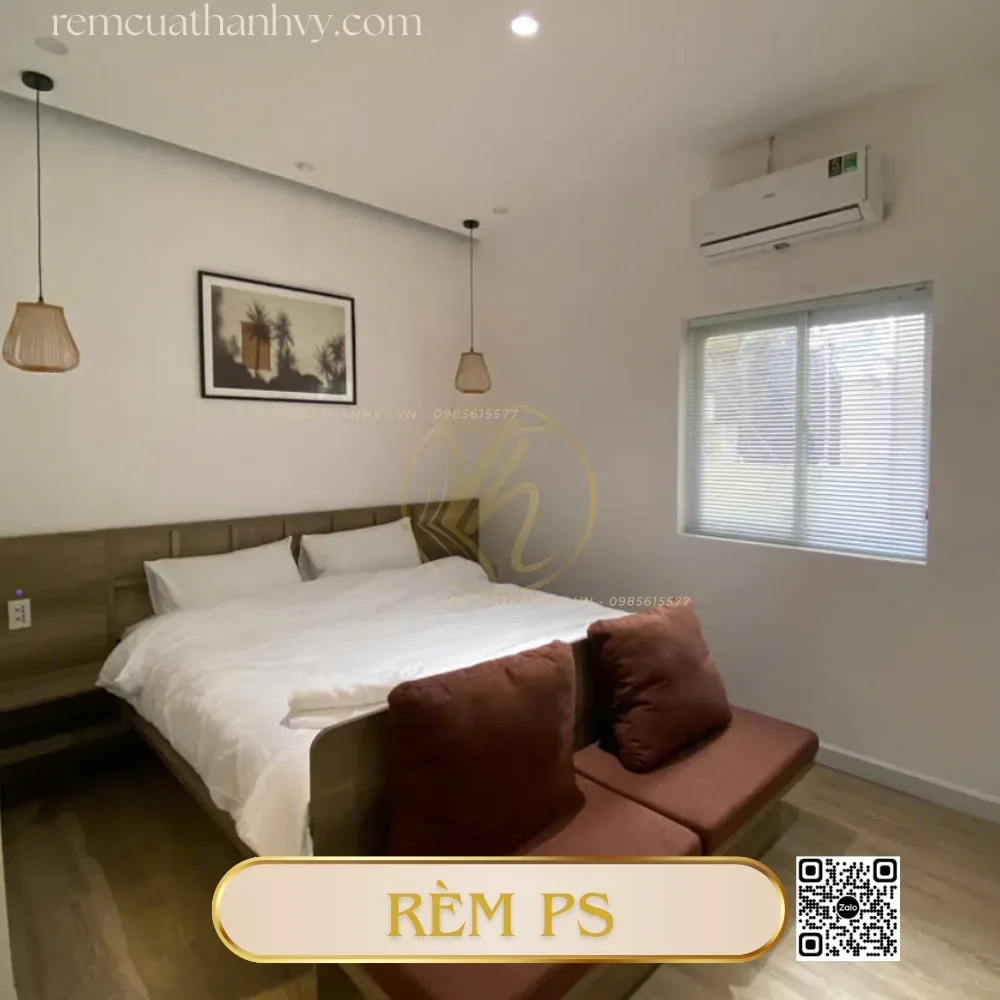
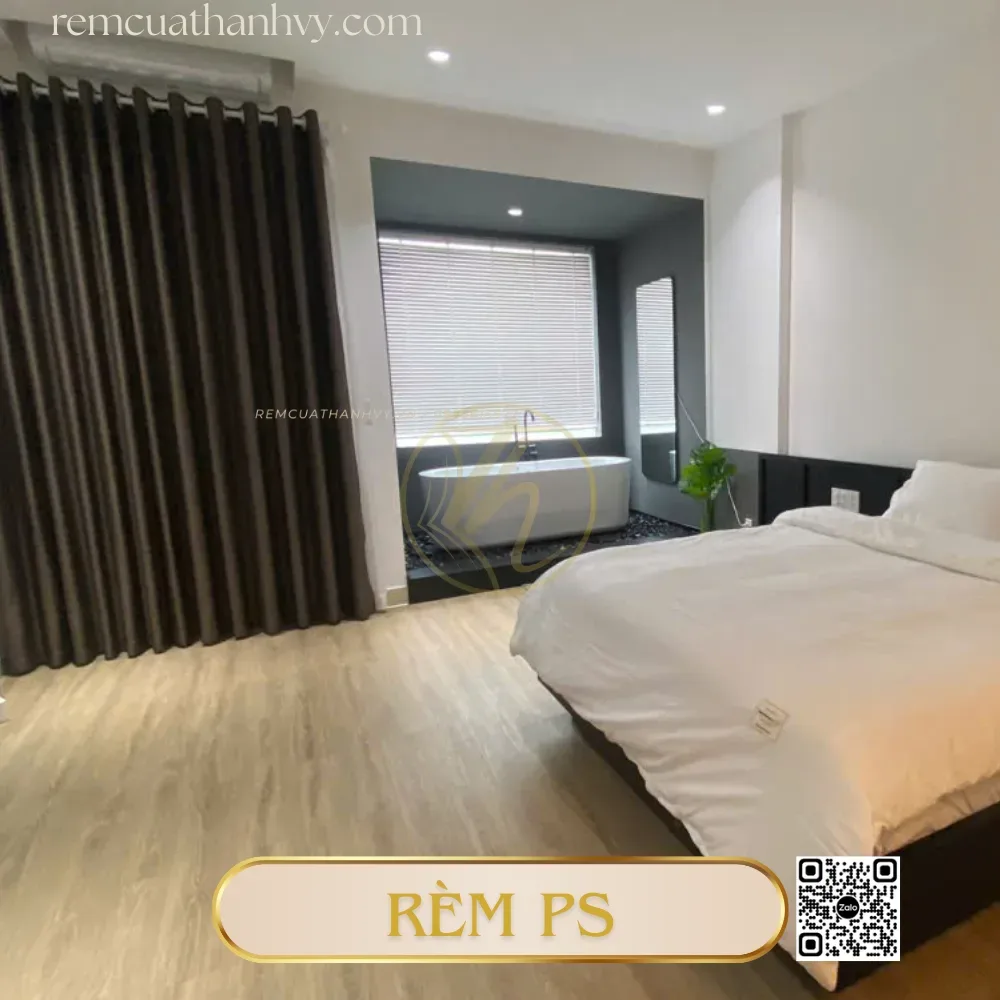
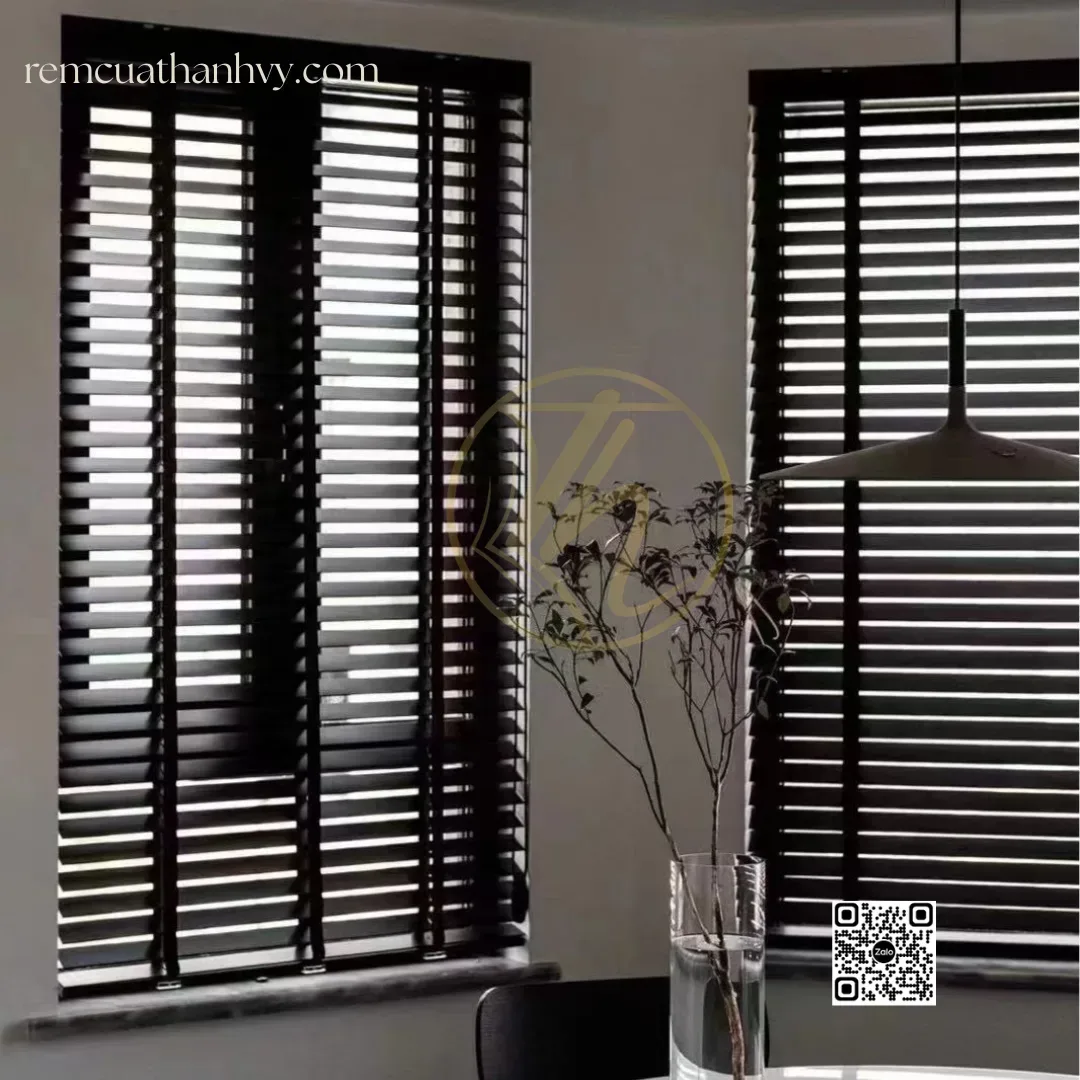
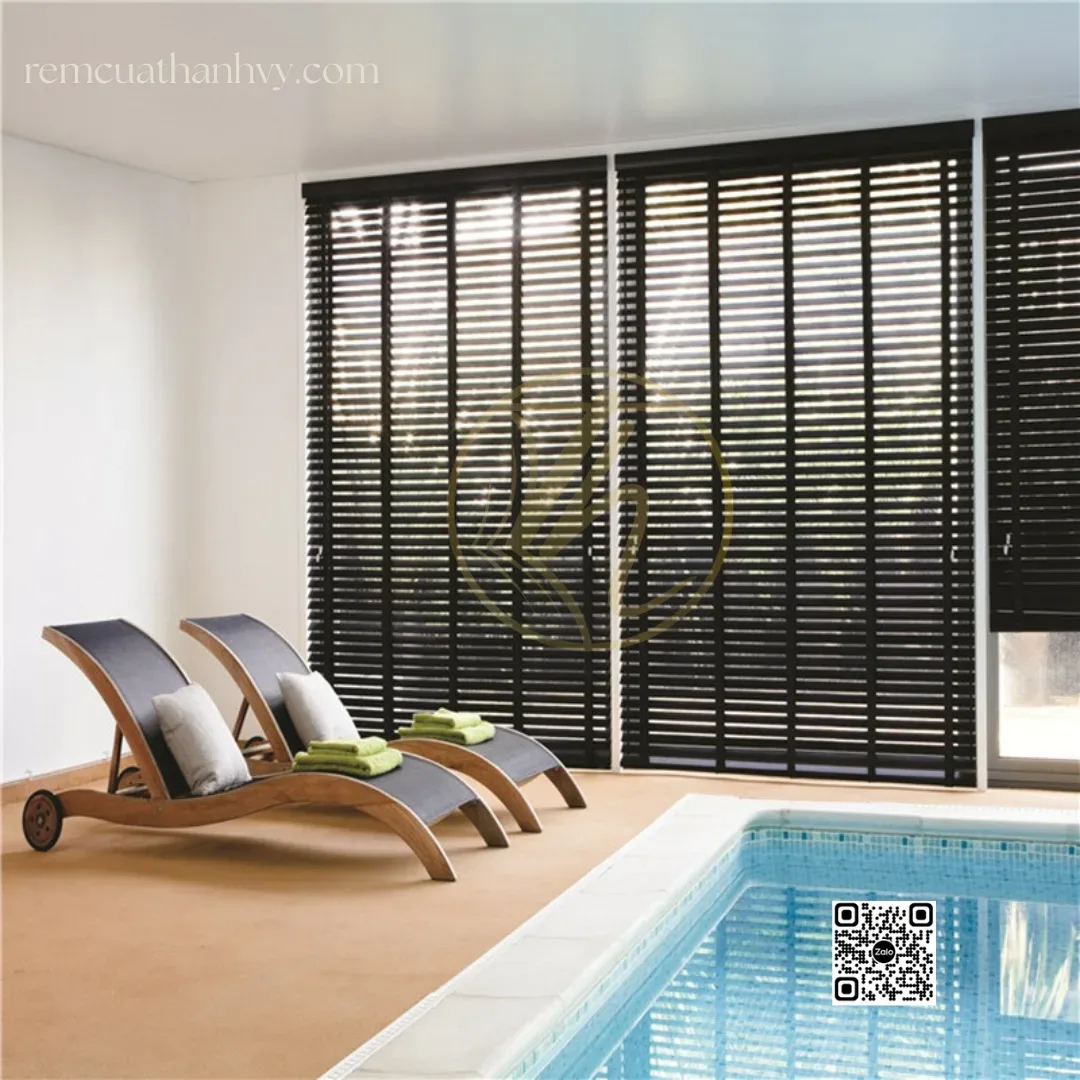
Bright, soft colors suitable for a child’s room
In a child’s room, the color of the window treatments plays an important role in creating a comfortable atmosphere without excessive visual stimulation — especially important for children under 6, whose vision is still developing and can easily be affected by overly contrasting colors.
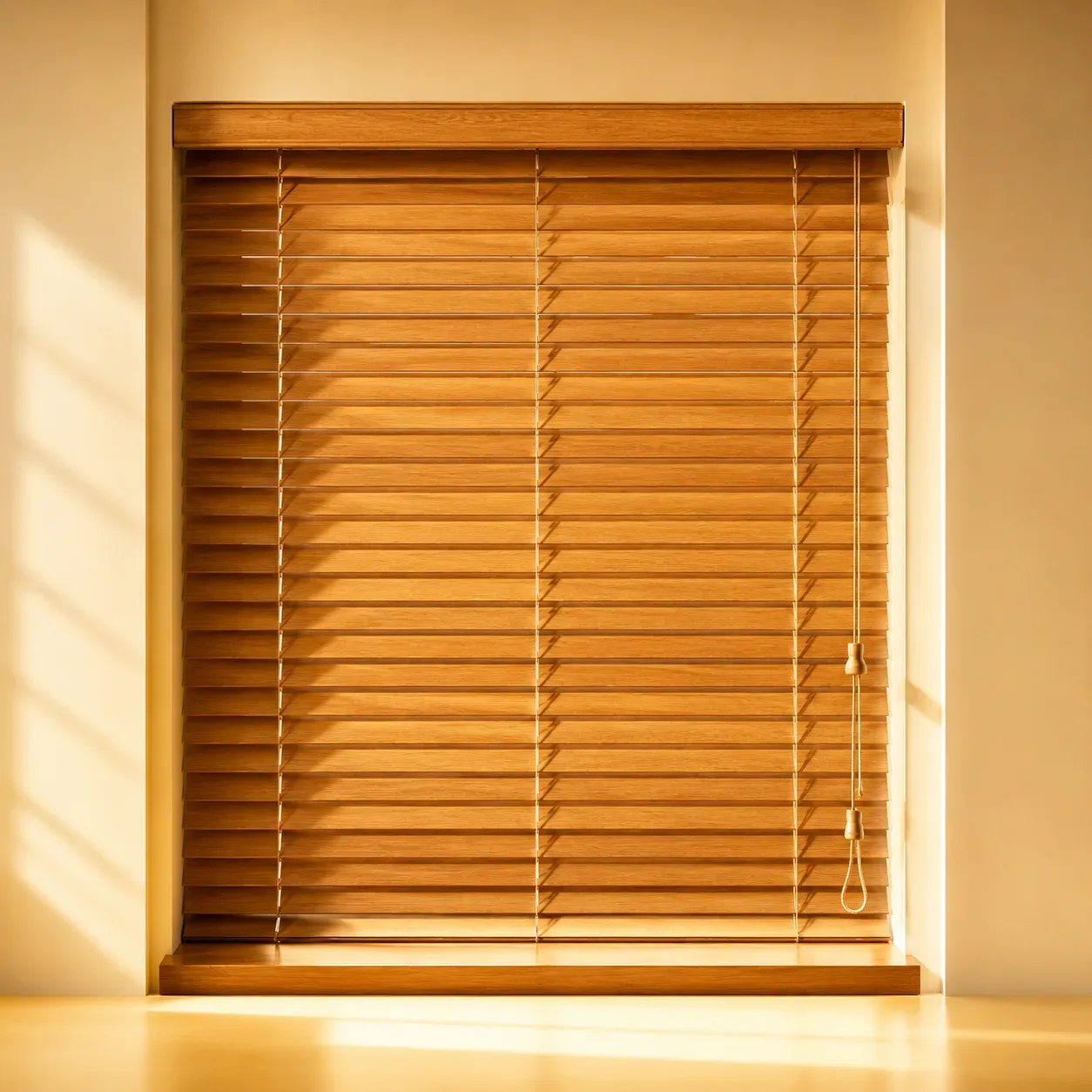
If you are still weighing your options, you can refer to Wood Blinds or Cellular Shades? A Detailed Comparison to Help You Choose to compare them before deciding.
Quick answer: Wood blinds meet these needs quite well thanks to their construction of parallel slats made of wood (or painted engineered wood), which can be tilted to adjust the light without constantly raising and lowering the blinds.
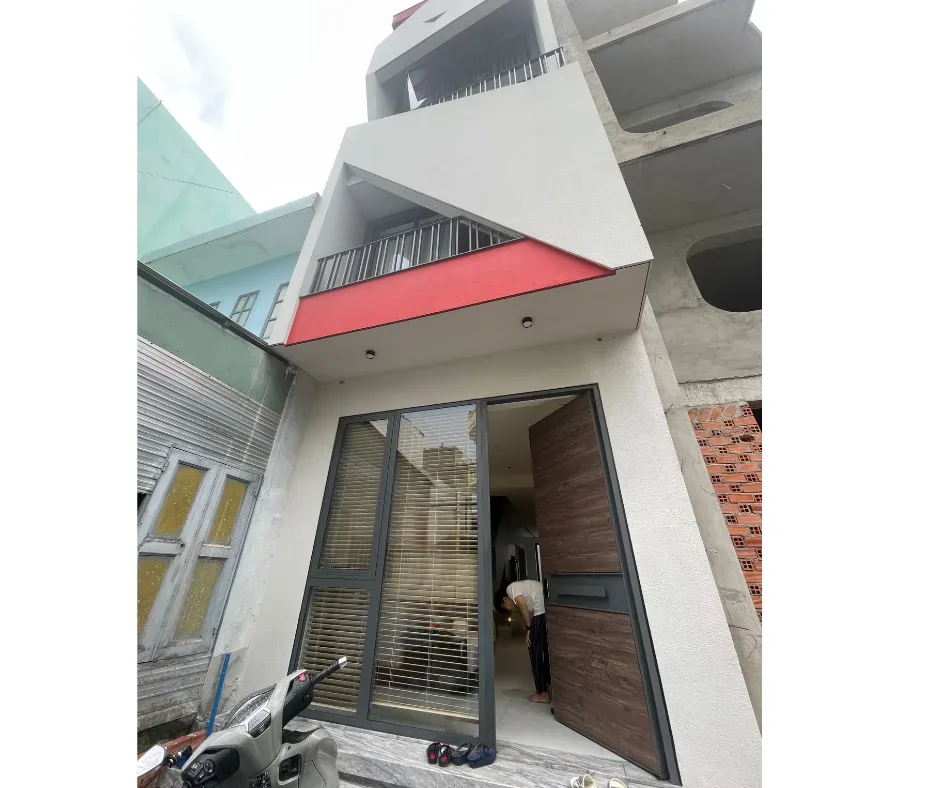
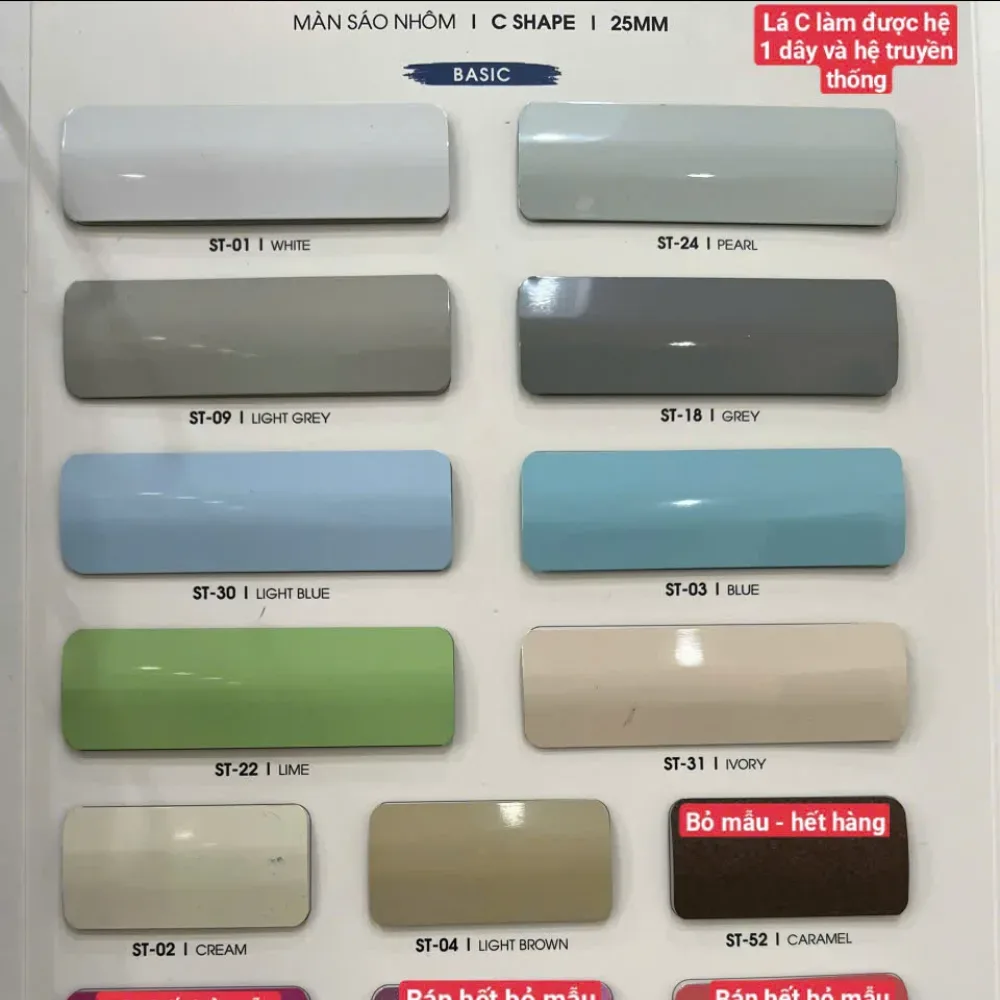
Soft pastels such as mint green, blush pink, creamy yellow, and light blue are often preferred because they are easy on the eyes, work well for both boys and girls, and pair easily with popular wall colors such as white, cream, and light gray. Ivory and light beige are also safe choices for families who want to maintain a minimalist style and easily change the decor as their child grows without having to replace the blinds.

If you want a livelier accent in the room, you can pair beige or white blinds with patterned fabric curtains hung in front of them, rather than choosing an overly bold color that can be harsh on the eyes in direct sunlight.
Simple patterns that avoid visual clutter for children
Unlike fabric curtains, which can feature a wide variety of printed patterns, wood blinds are inherently plain, without printed characters or intricate patterns — this is actually an advantage for a child’s room, since limiting dense patterns and strong contrasts in young children’s sleeping environments is often recommended to avoid distractions before bedtime. The evenly spaced horizontal slats create a gentle, repetitive visual effect without visual clutter.
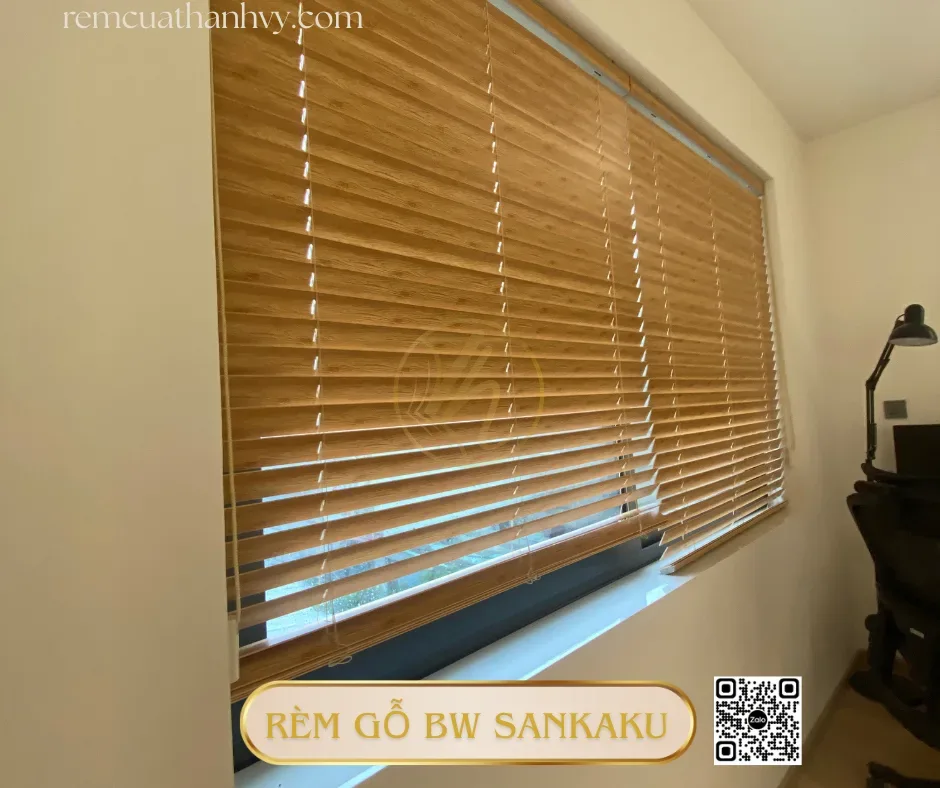
If parents want to add accents, they should introduce patterns through other details such as bedding, rugs, and wall art — while letting the window treatments serve as a backdrop. Some designs with subtle natural wood grain on the slat surfaces are also considered “neutral,” making them suitable for families who love natural wood but do not want the blinds to look too plain.
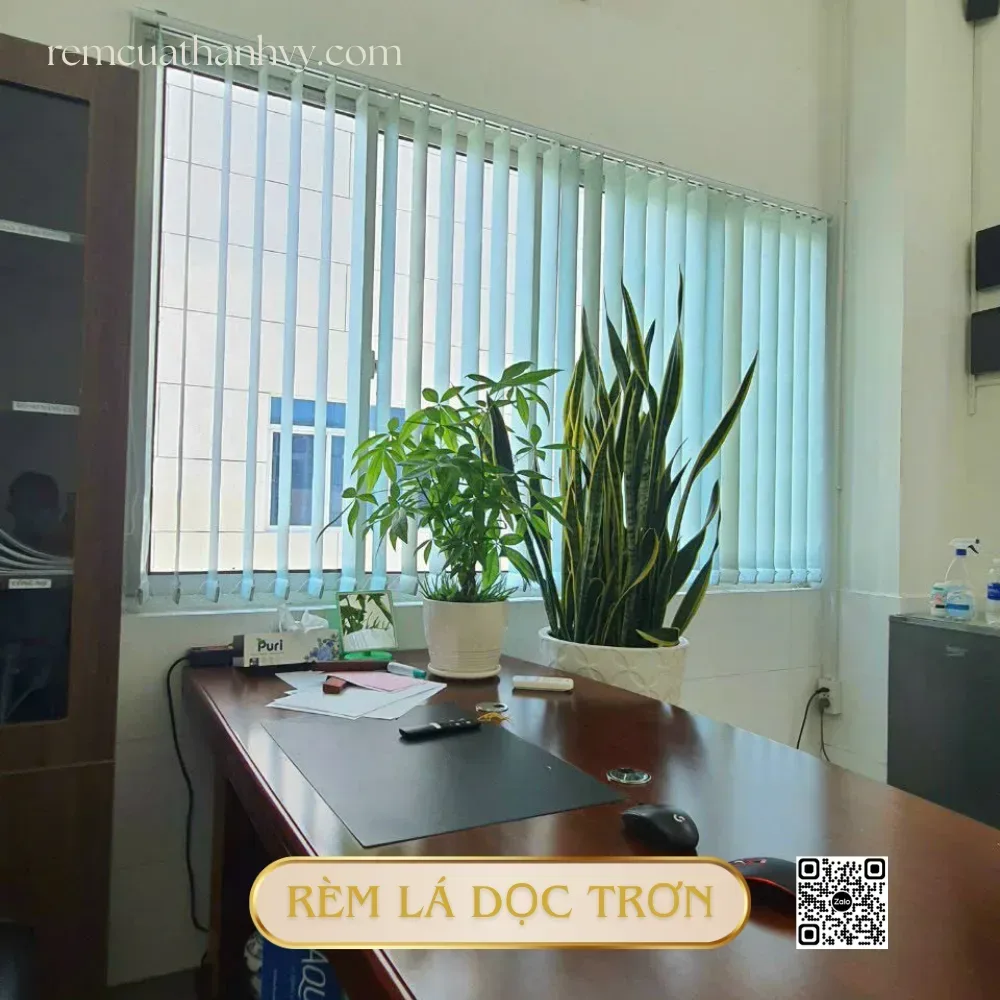
Safe, easy-to-clean materials for spaces with young children
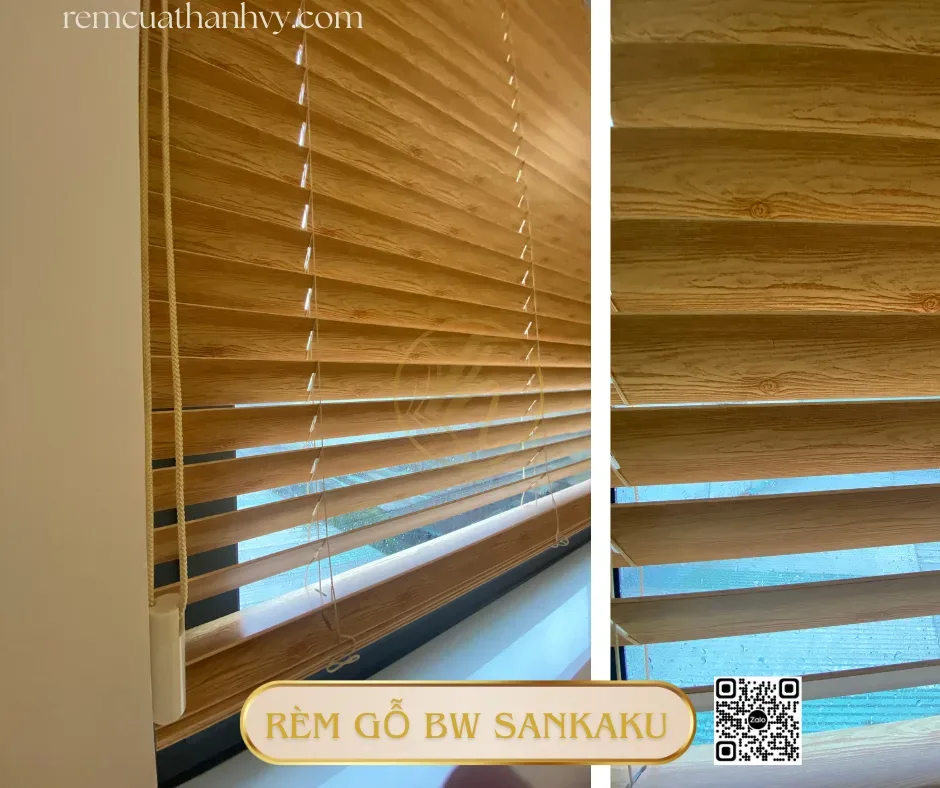
Material is a key factor when choosing beautiful wood blinds for a child’s room, since surfaces in young children’s rooms are more frequently touched and bumped. There are currently two main categories on the market: solid natural wood and engineered wood (plywood coated with paint or a moisture-resistant finish).

Natural wood is highly durable and has beautiful grain, but it costs more and requires attention to the paint coating — prioritize low-odor, water-based paint that has dried completely before installation. Painted engineered wood is more affordable, comes in a wide range of colors, and is easy to find in pastel or ivory tones, but choose products with a smooth, non-peeling finish to prevent children from chewing on paint flakes.
As for cleaning, both types have flat surfaces that are easy to wipe clean with a damp cloth or a specialized tool, without having to take them down for washing as with fabric curtains — a major plus for a child’s room, where frequent cleaning is needed to maintain fresh air.
Important safety considerations when installing wooden blinds in a room with young children
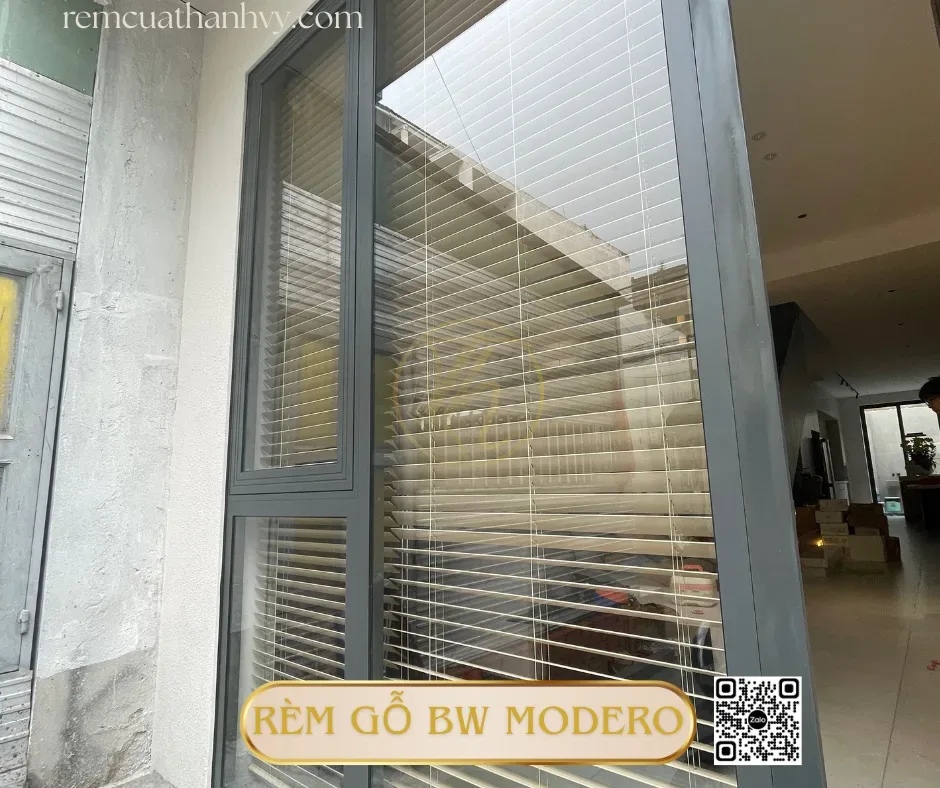
This is the most important section for parents to read carefully before installing wooden blinds in their child’s room, because traditional wooden blinds often come with lift cords and cords or wands for adjusting the slat angle — components that pose a potential entanglement risk if young children play near the window.

The first rule is to always keep lift cords high and out of children’s reach, never allowing them to hang near your child’s bassinet, crib, or bed; request that cord cleats be installed on the wall or window frame from the outset. The second rule is to prioritize blinds with a “cordless” mechanism or a seamless continuous-loop cord secured to the wall — designs widely recommended to reduce the risk of window blind cords becoming a hazard to young children, rather than loose-ended lift cords that can easily form a noose if stretched or tangled.
If you still use blinds with loose-ended lift cords, be sure to install an additional cord safety device (a cord cleat or cord tensioner) high up, and do not place any cribs, beds, tables, or chairs that children can climb on near windows with blinds. Finally, periodically check that the slat tilt mechanism and screw attachment points are secure, because components that loosen over time can make it easier for children to detach parts or pull down the entire blind.
How to choose a slat angle to control light for your child’s sleep
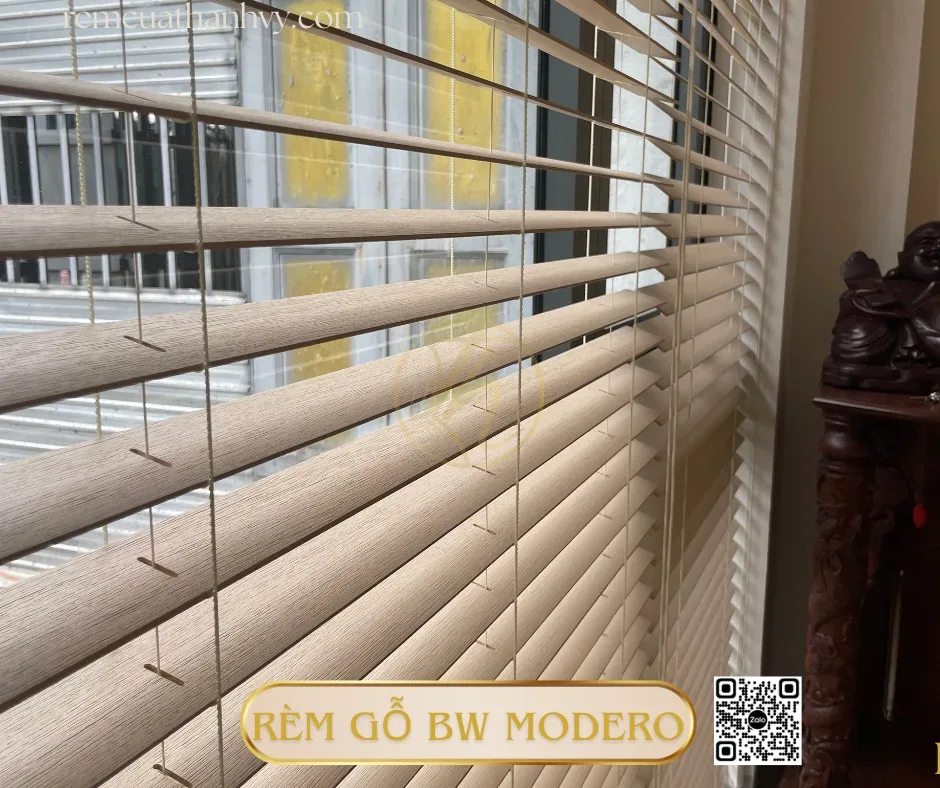
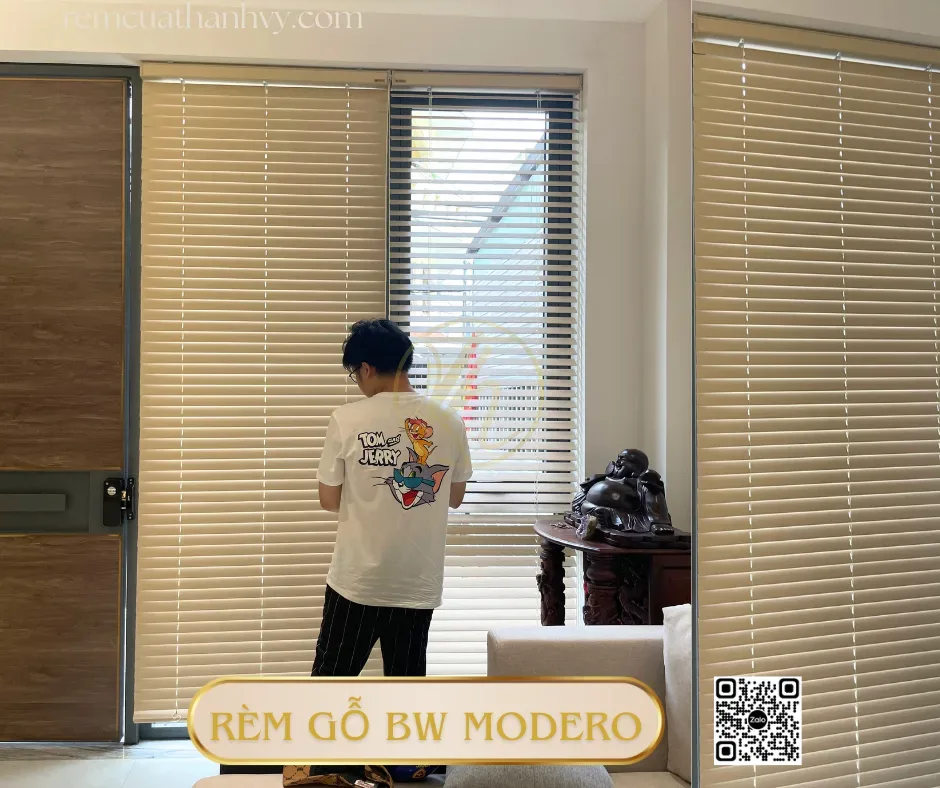
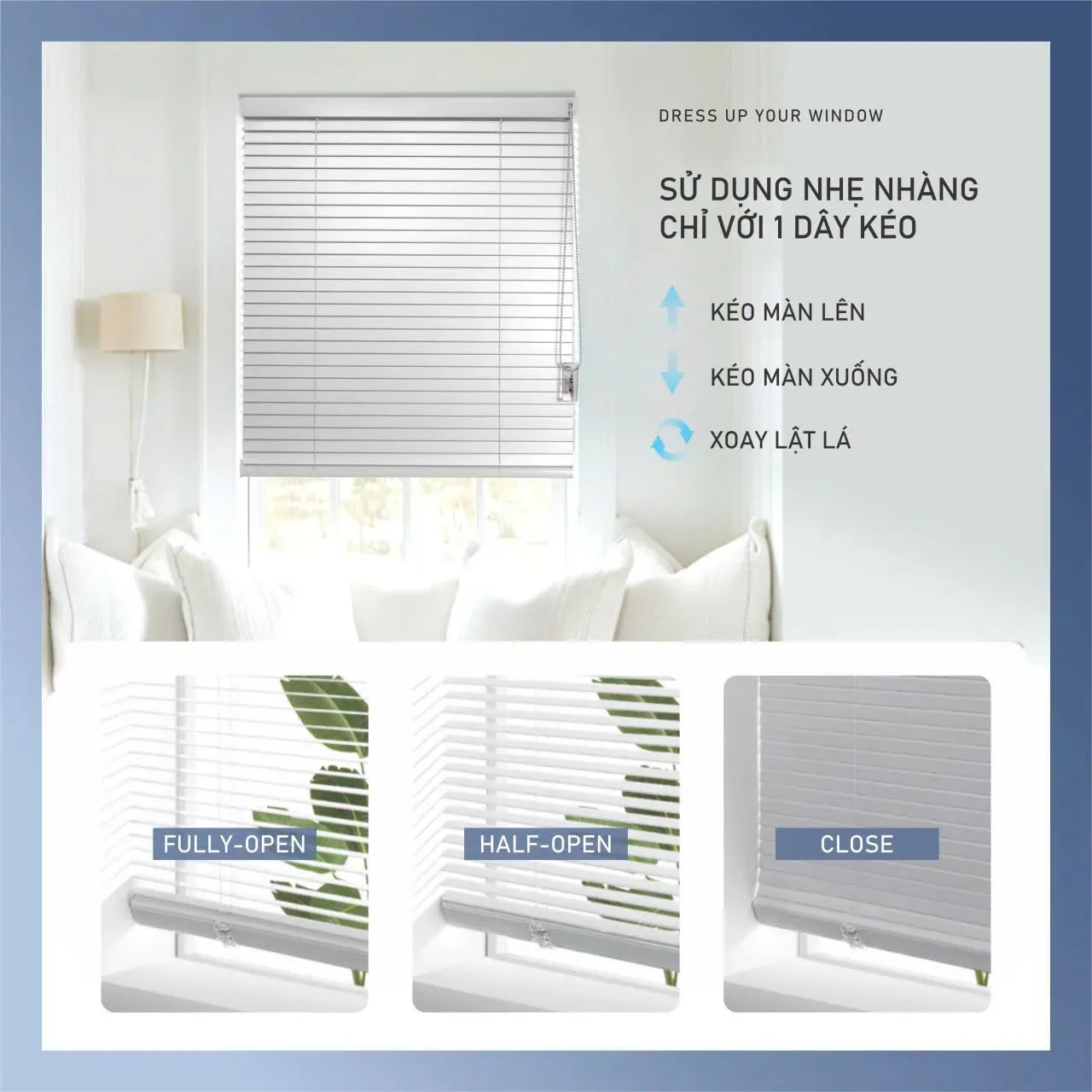
One standout advantage of wooden blinds is their flexible slat angle adjustment, which helps control natural light without closing them completely — useful in a child’s room, where you need to balance letting in daylight with creating an environment dark enough for restful sleep.
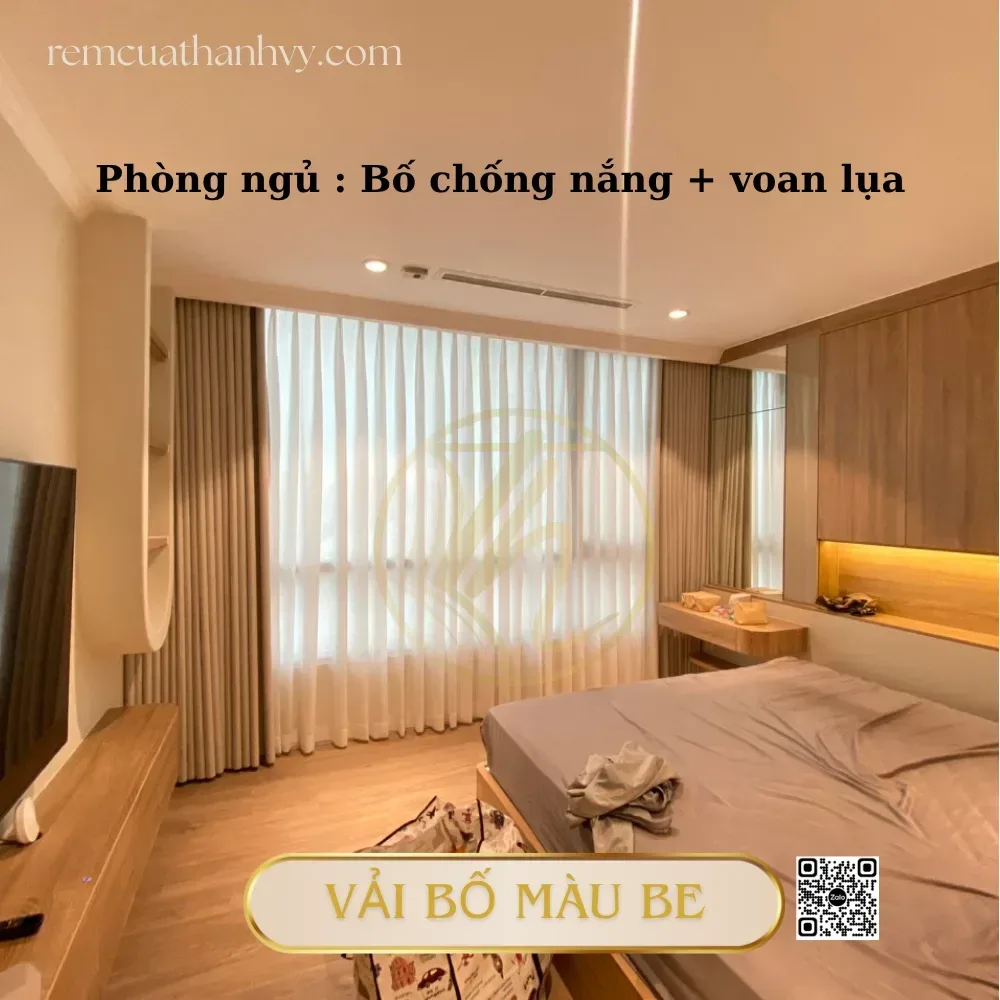
During the day, you can tilt the wooden slats at a moderate angle to gently diffuse light, providing enough brightness for your child’s activities without glare in their eyes, while limiting direct sunlight on the bed during peak sunlight hours. At nap time or in the evening, tilt the slats to an almost fully closed position to minimize light — however, wooden blinds still have small gaps between the slats, so they do not block light completely like blackout curtains. For rooms that need to be darker, you can add a layer of light-blocking curtains on the inside, using wooden blinds as the outer layer for both decoration and added privacy.
How to coordinate wooden blinds with your child’s room furnishings
To make wooden blinds harmonize with your child’s room as a whole, the basic rule is to choose a blind color in the same family as, or close to, the room’s dominant color — for example, a room painted white or cream can be paired with ivory, light beige, or natural light wood blinds to create a seamless look.
For rooms with light-toned wood furniture (beds, wardrobes, and bookshelves made of pine or whitewashed oak), blinds in a matching tone create a coordinated look and natural warmth. If the furnishings already include many brightly colored details (toys, rugs, decorative artwork), choose neutral blinds such as white or beige as a backdrop to avoid competing colors in a small space.
Wooden blinds also pair well with curtains on the outside — a popular two-layer combination in modern children’s room design that provides precise light control while adding a visually soft fabric layer. For large or corner windows, consult an installer about how to divide the blinds into appropriate widths, avoiding a single oversized blind that is both heavy and difficult to adjust to a uniform slat angle.

Send your dimensions and needs, and the Thanh Vy Curtains team will advise on options and quote for your actual space.
A quick comparison of wooden blinds and honeycomb shades for children’s rooms
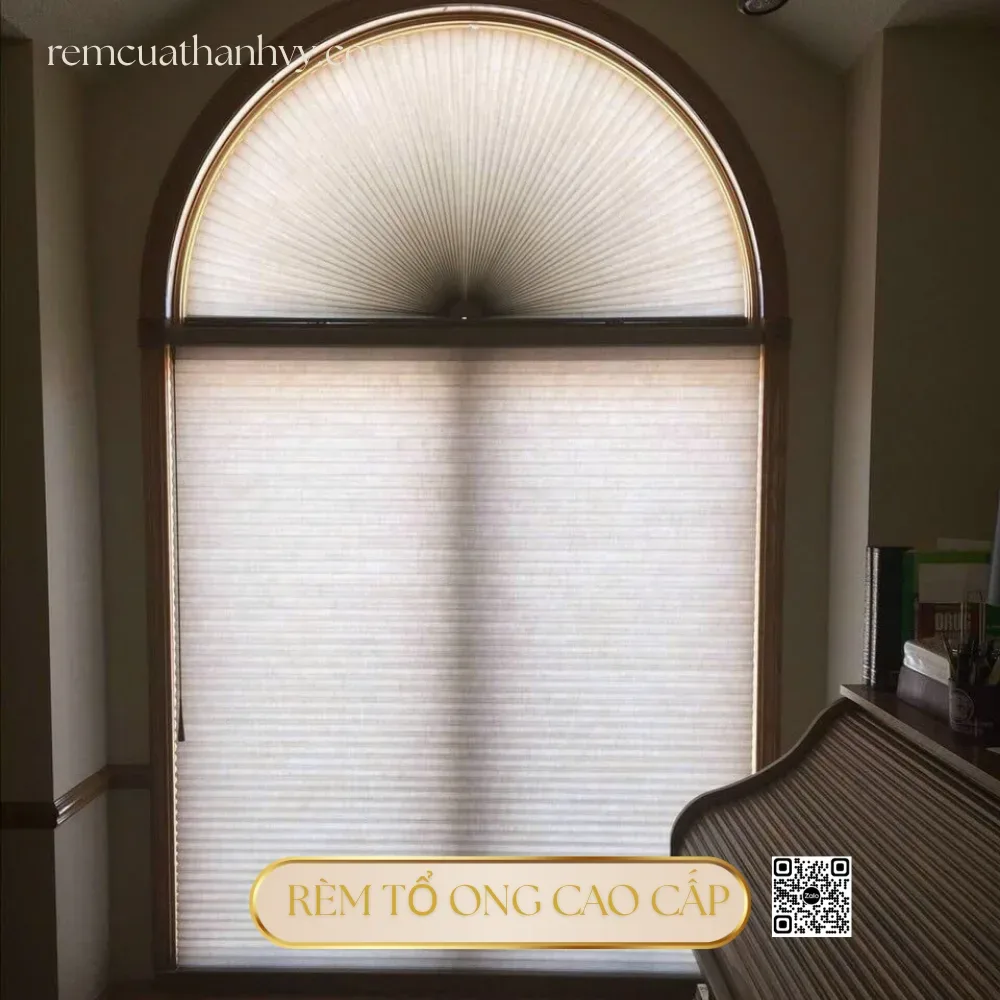
Alongside wooden blinds, many parents also consider honeycomb shades for their child’s room thanks to their good insulation and light-blocking capabilities. Wooden blinds excel at flexibly adjusting the angle of incoming light throughout the day, while honeycomb shades focus on insulation, uniform light blocking, and a softer structure with fewer hard edges.
Families prioritizing absolute structural safety (limiting hard components and tilt mechanisms) can also consider honeycomb shades; those prioritizing multiple levels of light control and long-term mechanical durability will find that wooden blinds still offer their own advantages. You can also refer to the article comparing wooden blinds and honeycomb shades on the website to choose the best option for your child’s room.
Considerations when measuring, installing, and choosing an installer
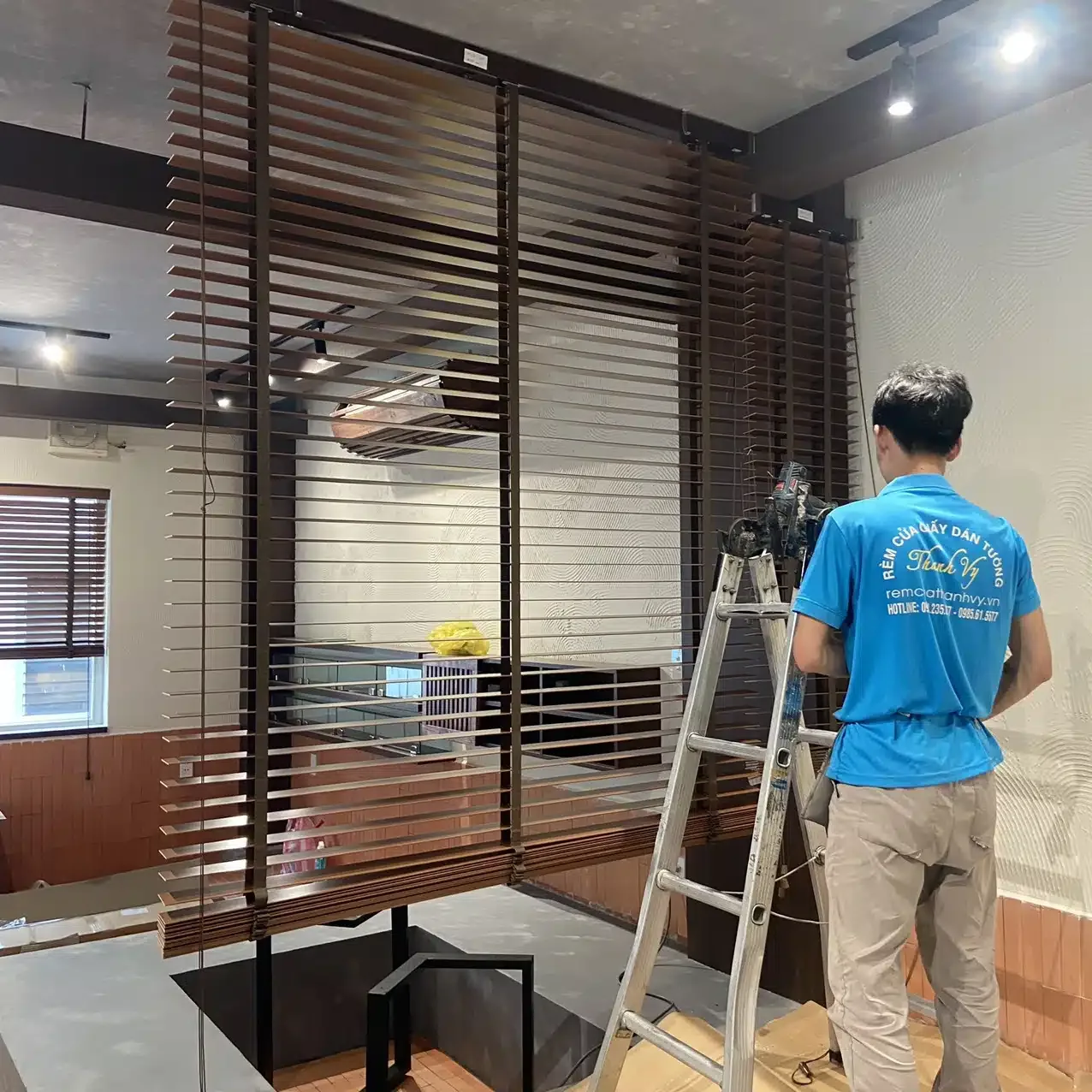
Wooden blinds for a child’s room should be measured accurately to fit the actual window frame dimensions, as an incorrect fit not only affects appearance but also causes the wooden slats to hit the frame when tilted, creating noise or quickly damaging the tilt mechanism. Families without experience should have an installer conduct an on-site assessment rather than measure themselves and order online.
Because every child’s room has different window dimensions, sun exposure, and needs, having window coverings custom-made rather than choosing ready-made sizes helps them fit the frame more closely, minimizing gaps along both edges — improving light control while reducing places where young children can reach in to play with the frame or control cords. Background information on the concept of window coverings in architecture provides a reference when choosing materials.
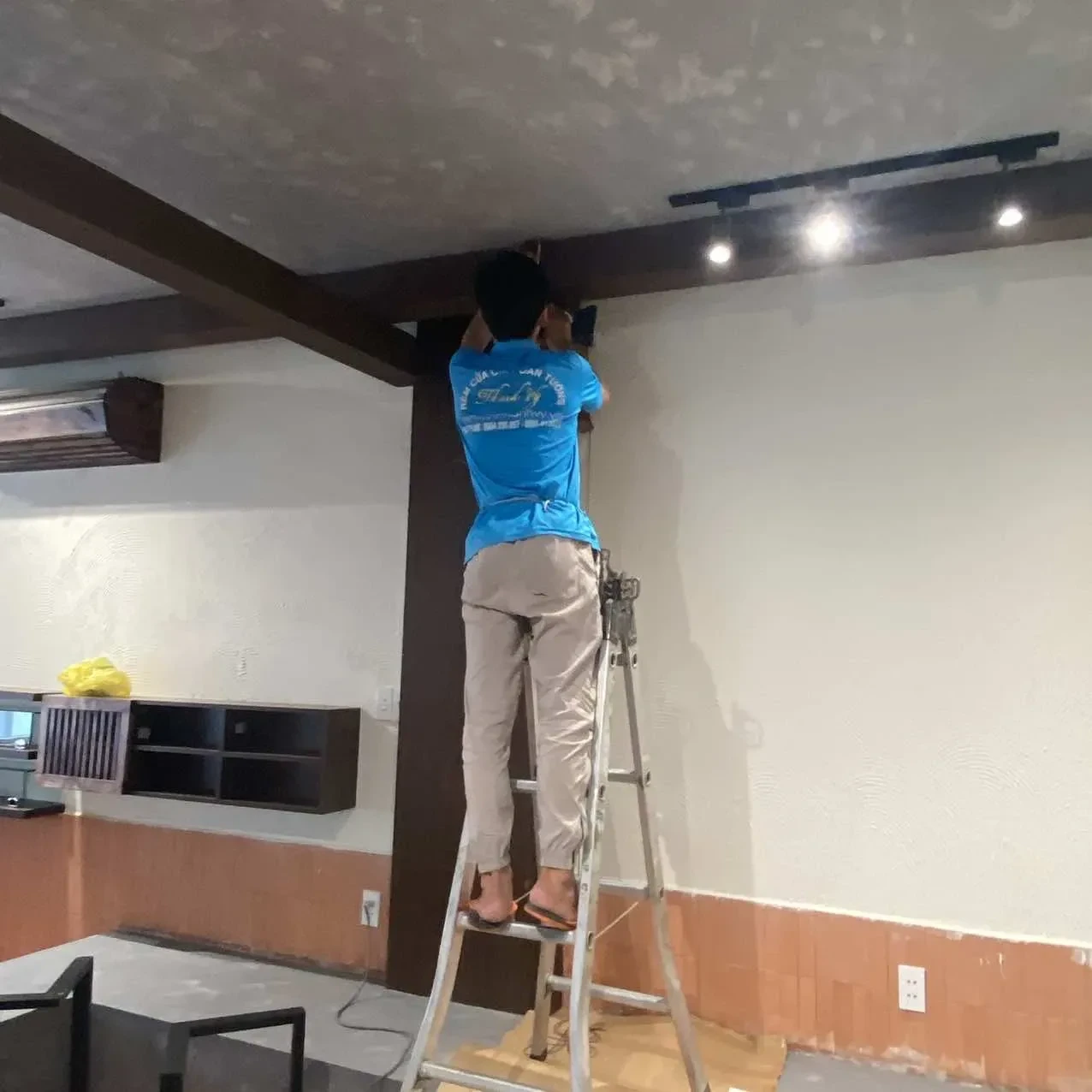
During installation, ask the installer for detailed advice on where to mount the cord anchor and check that the screws attached to the frame or wall are secure. If you are in Ho Chi Minh City and looking for a reputable provider, you can consult additional pricing and window covering installation information for District 8 to compare costs, while also asking specifically about warranty coverage for the mechanical components — the parts subject to the most wear during daily use. Information about the provider also appears in an article in Báo An Giang about Thanh Vy premium fabric curtains.
Window covering designs to consider
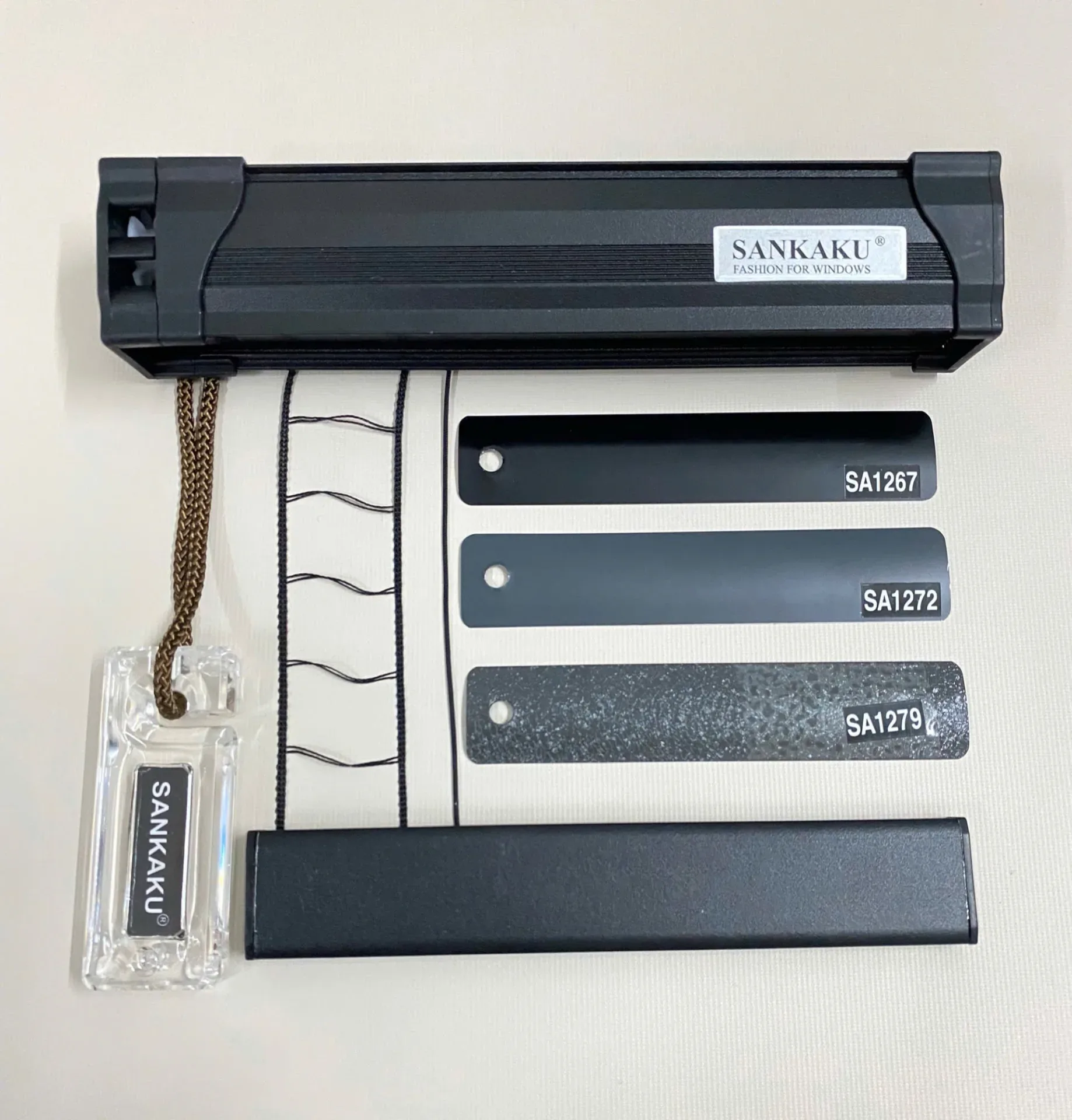
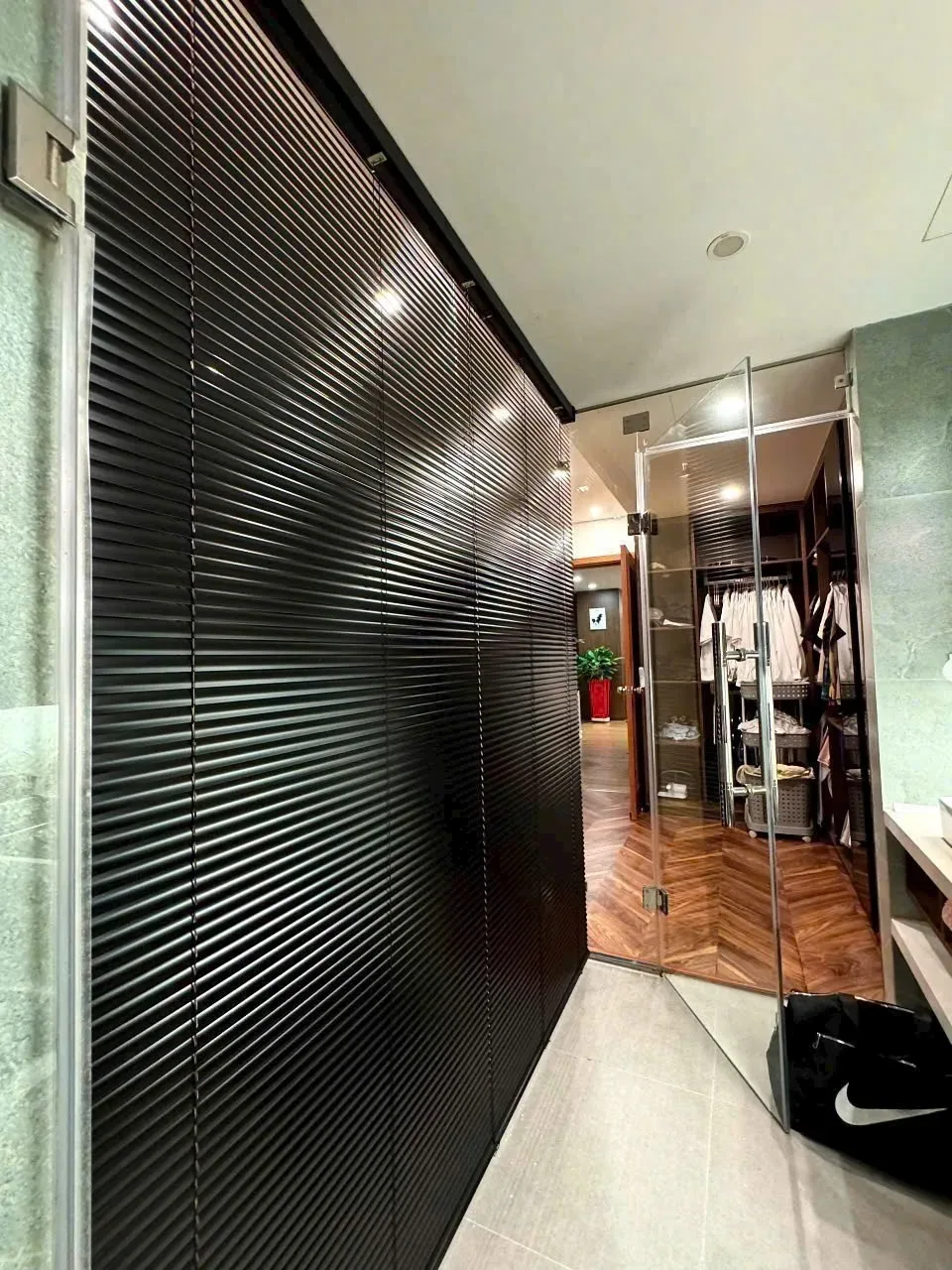
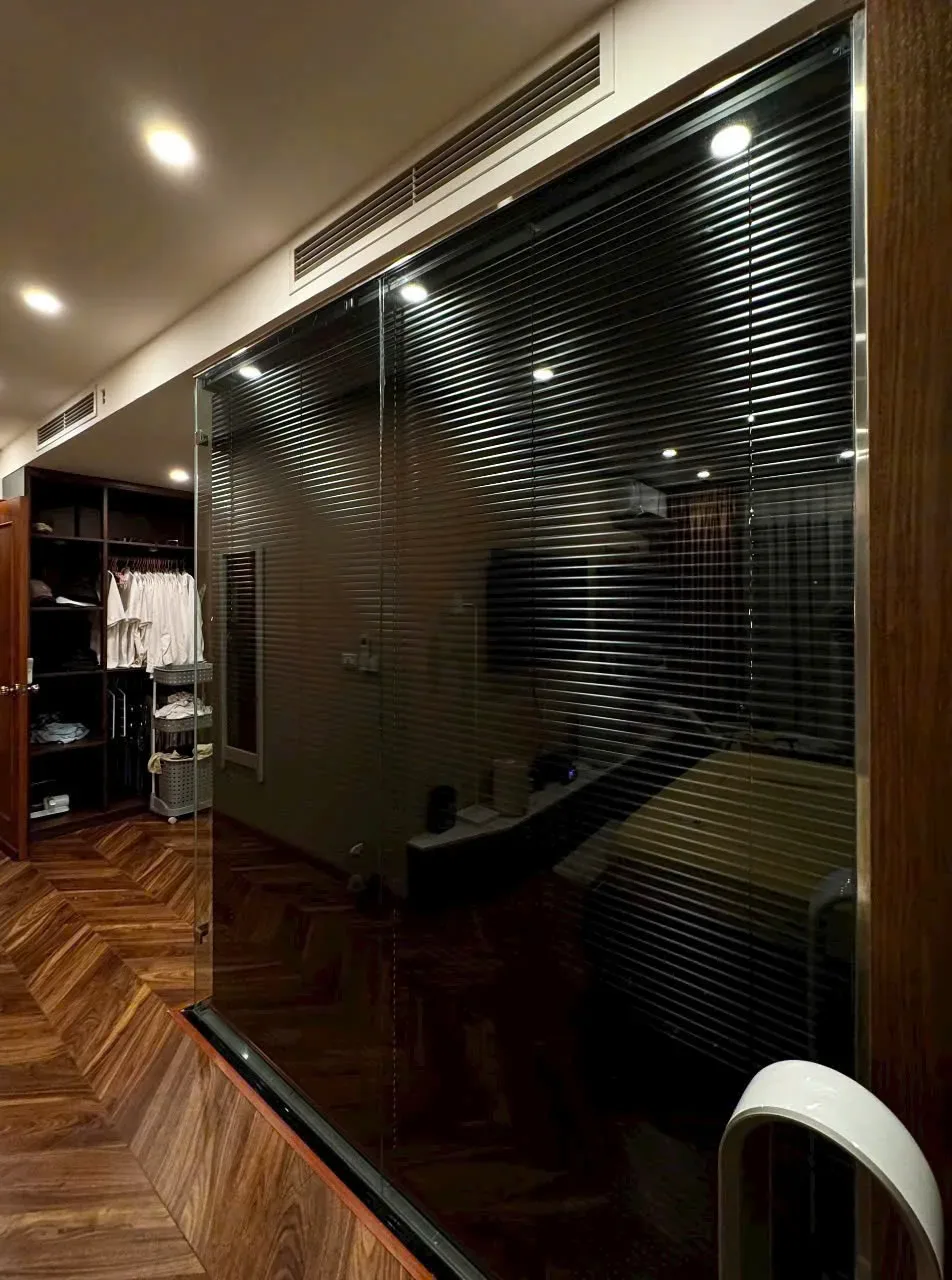
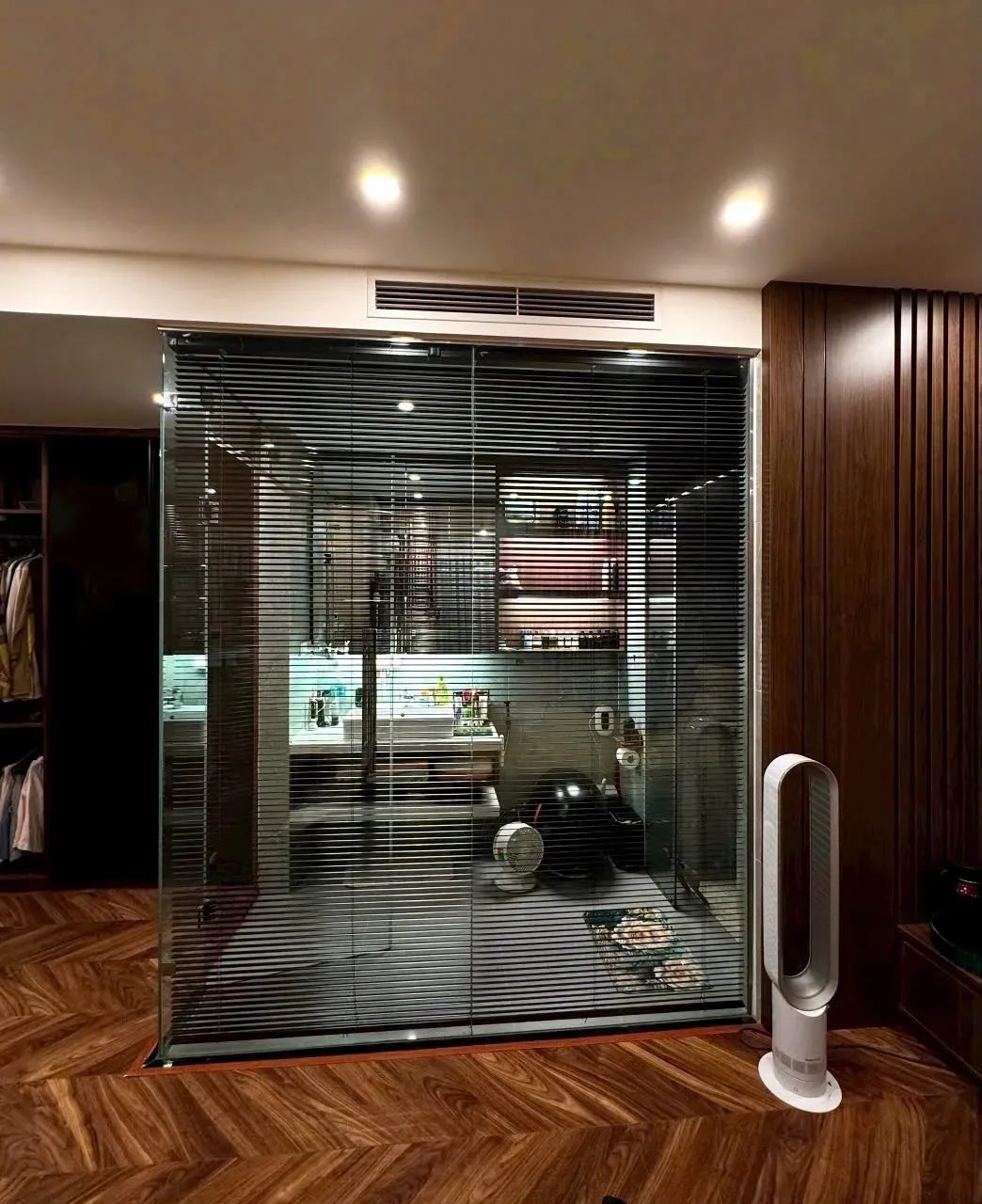
Below are actual product categories currently available at Rèm Cửa Thanh Vy, organized by common usage needs.
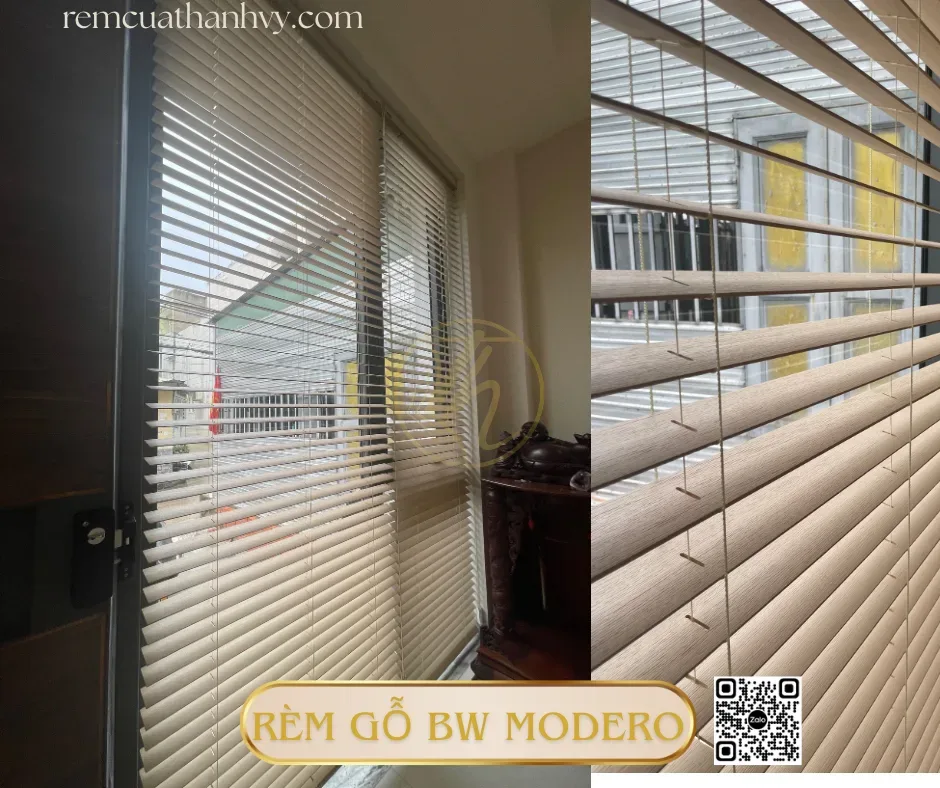
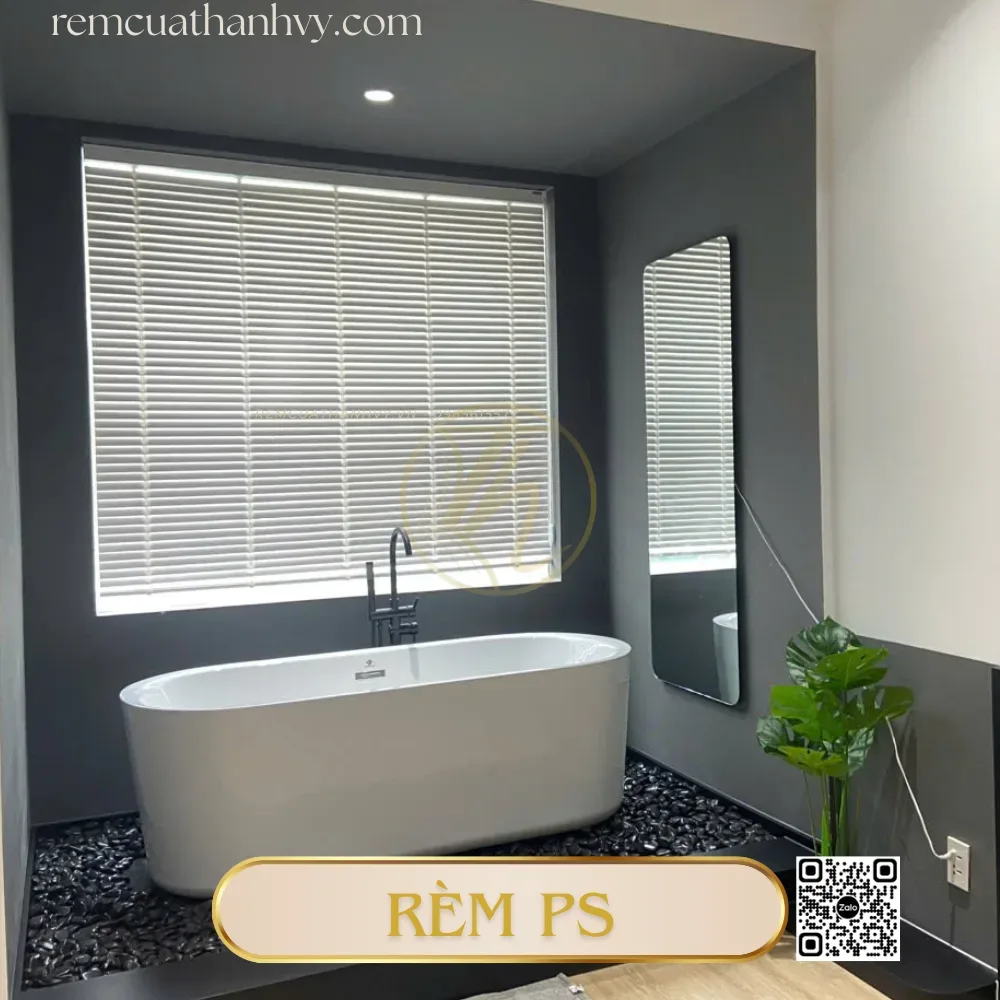
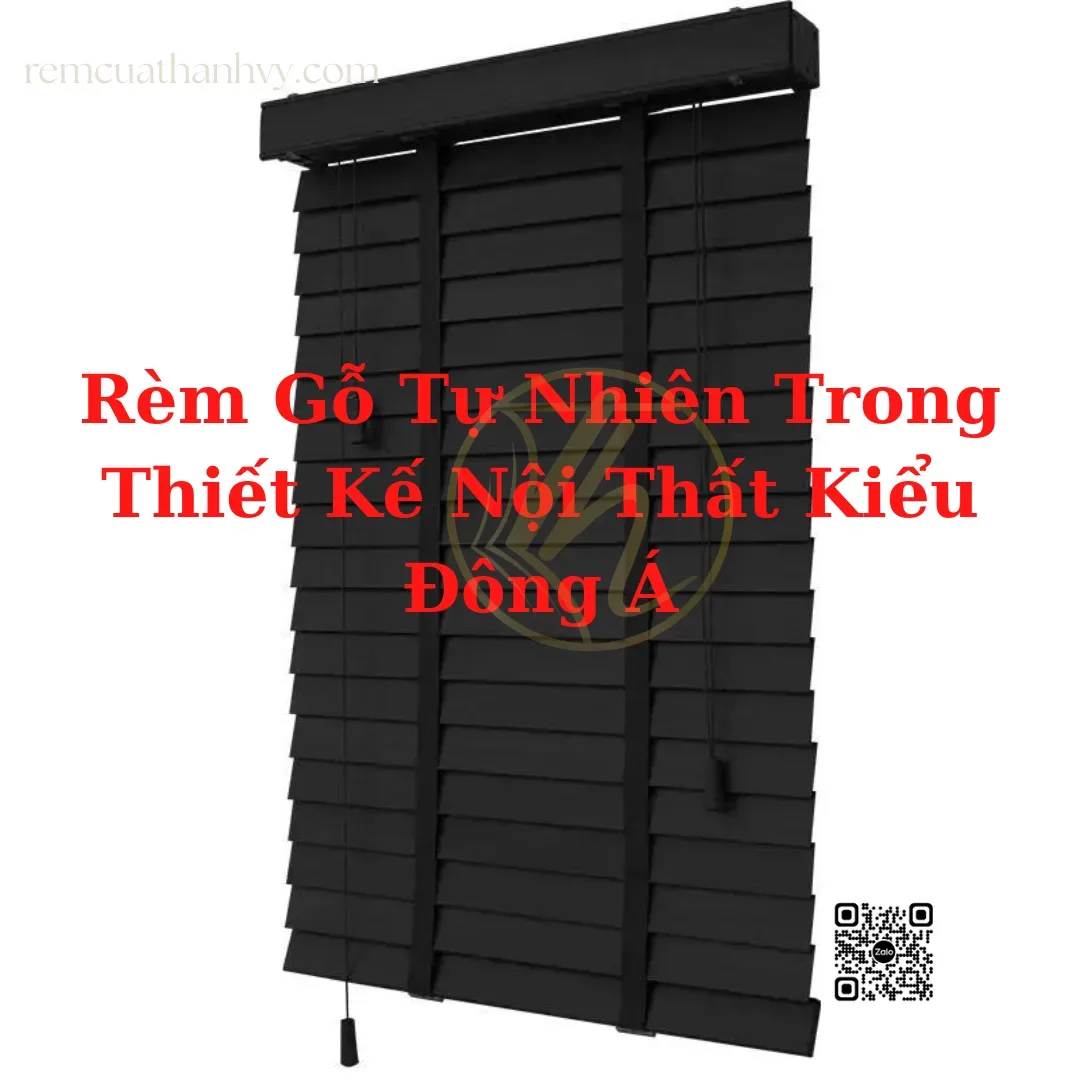
Wooden blinds
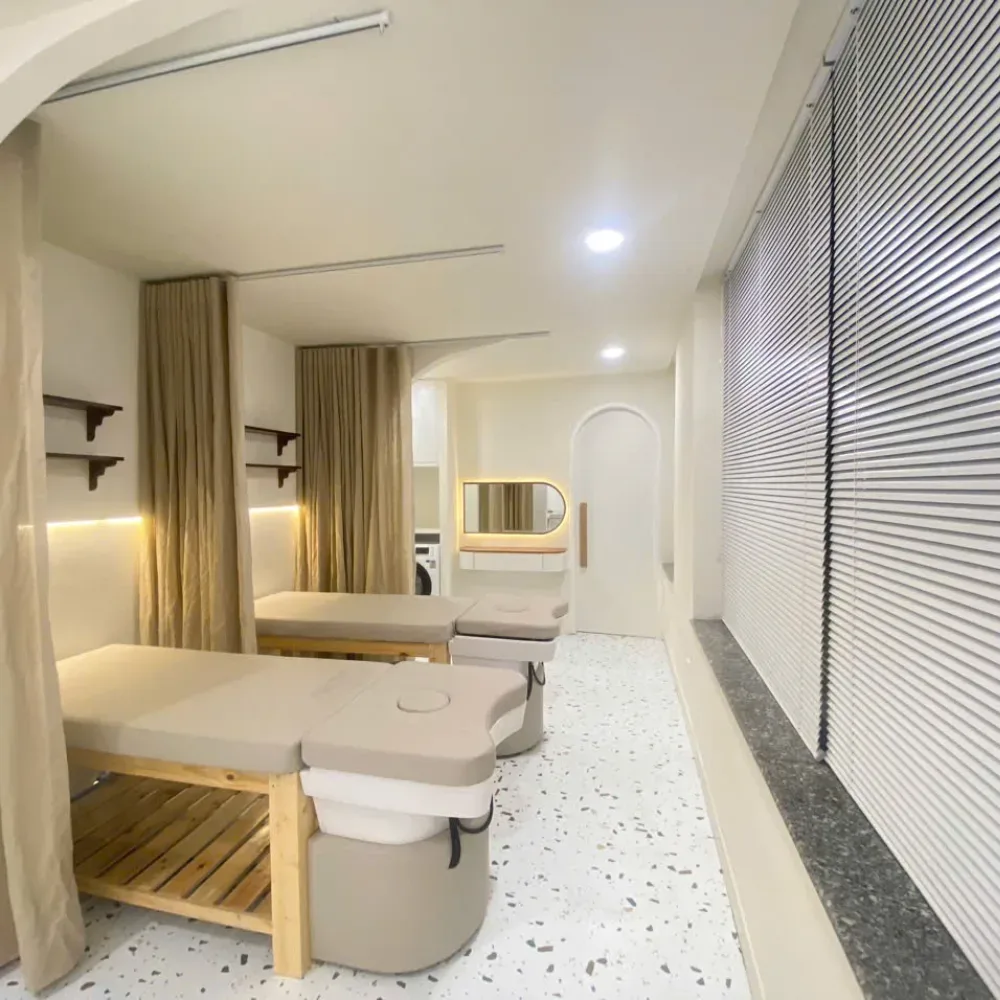
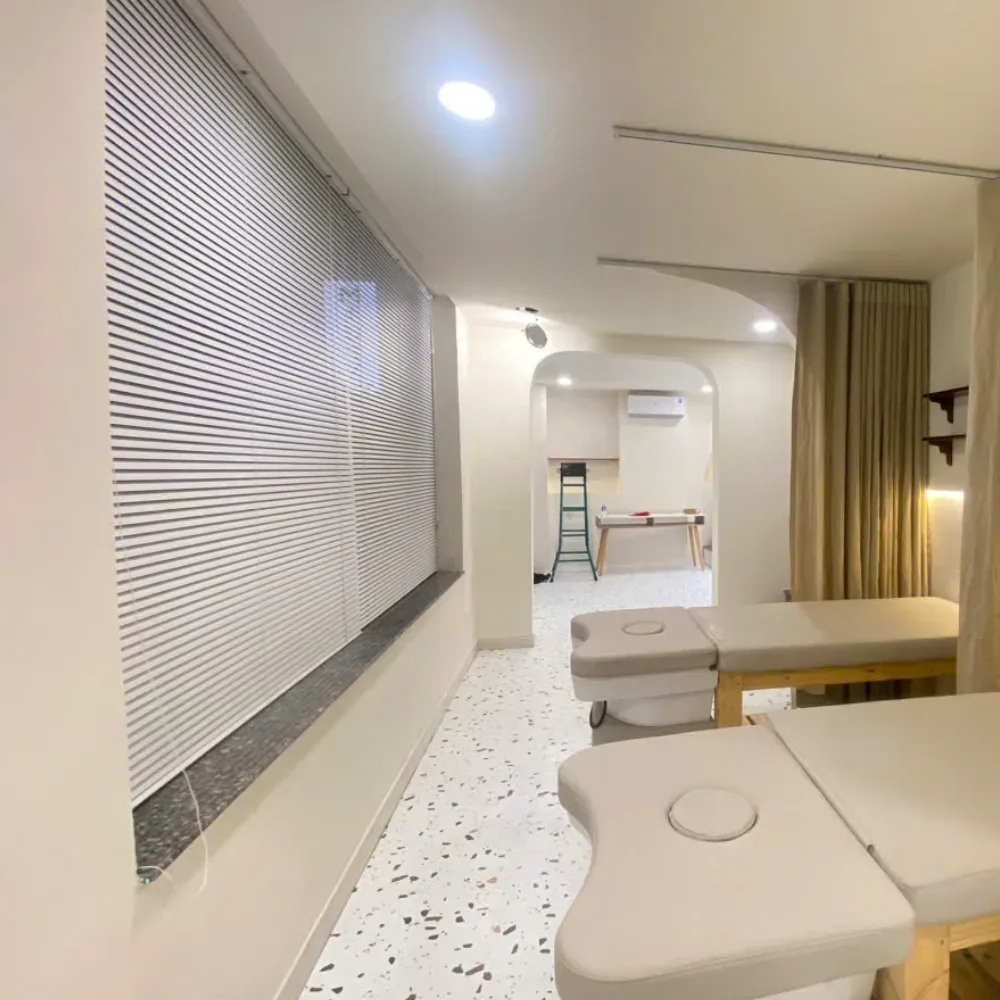
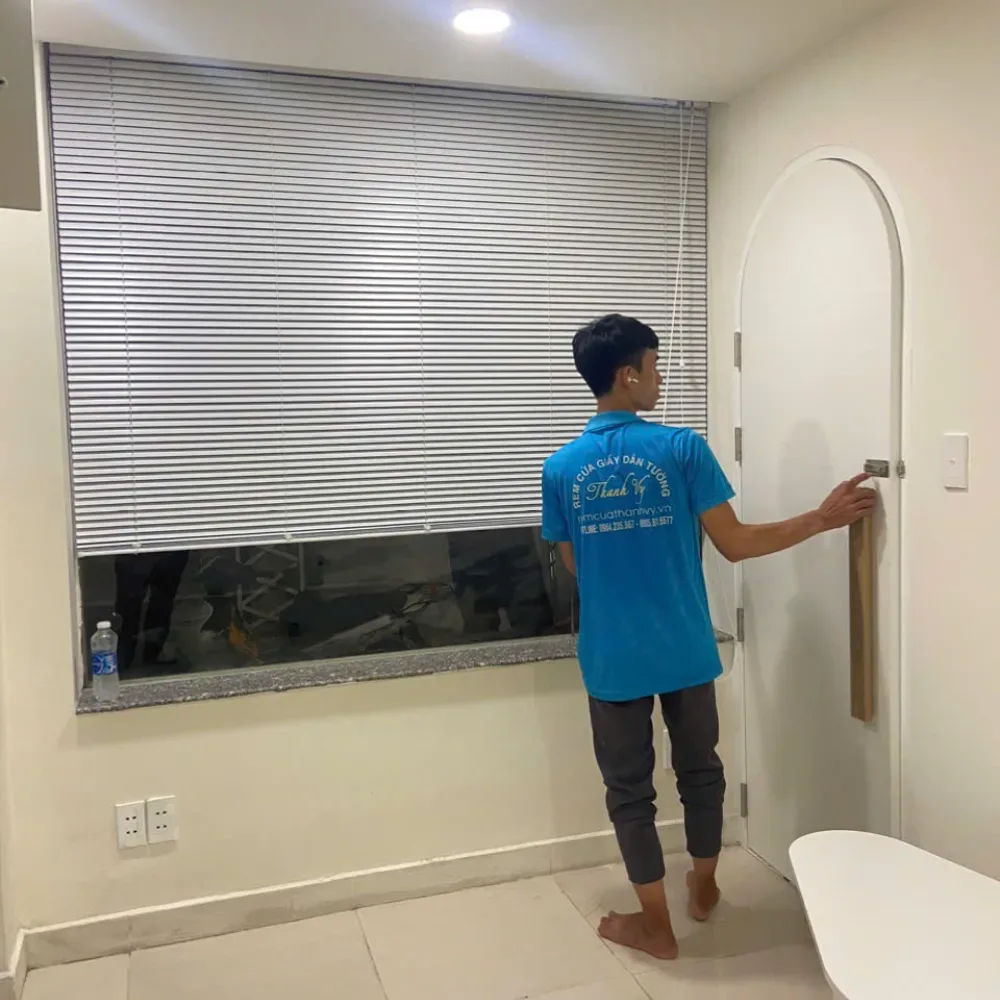
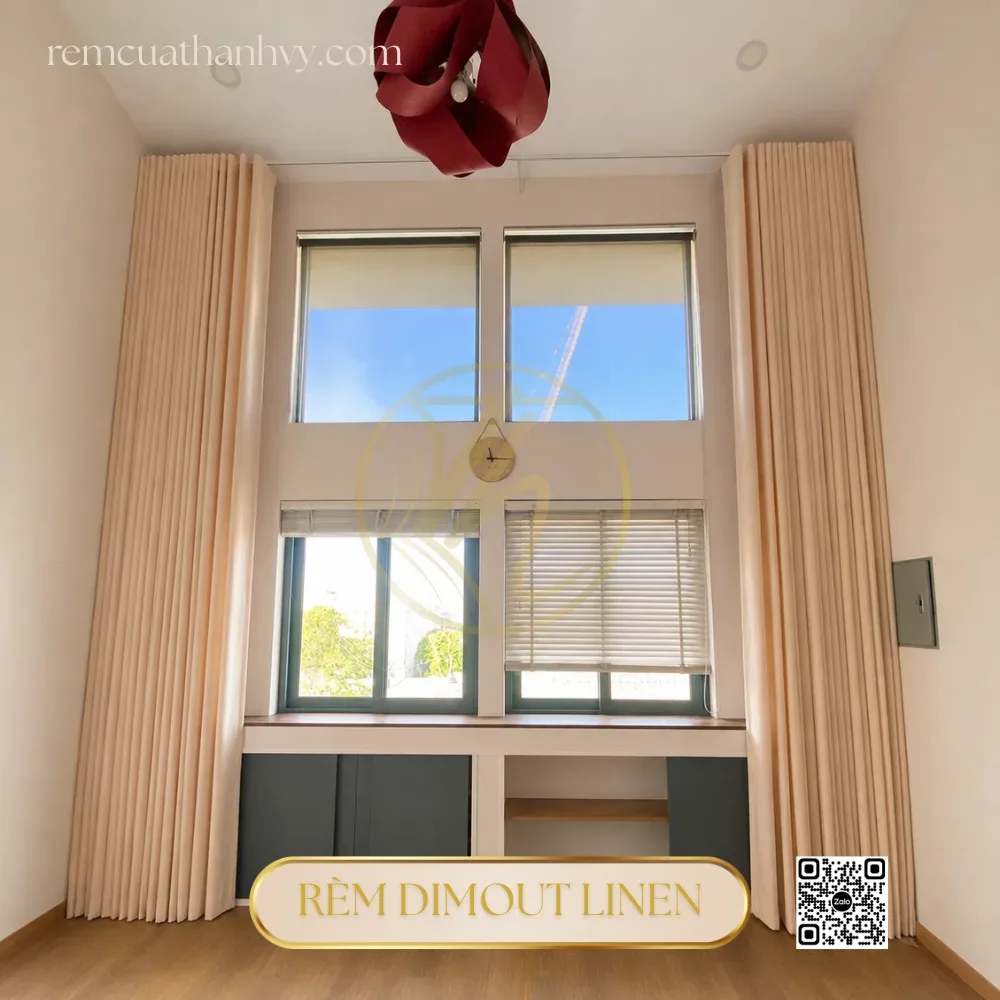
Wooden slats tilt to adjust light by angle, making them suitable for home offices and reading rooms.
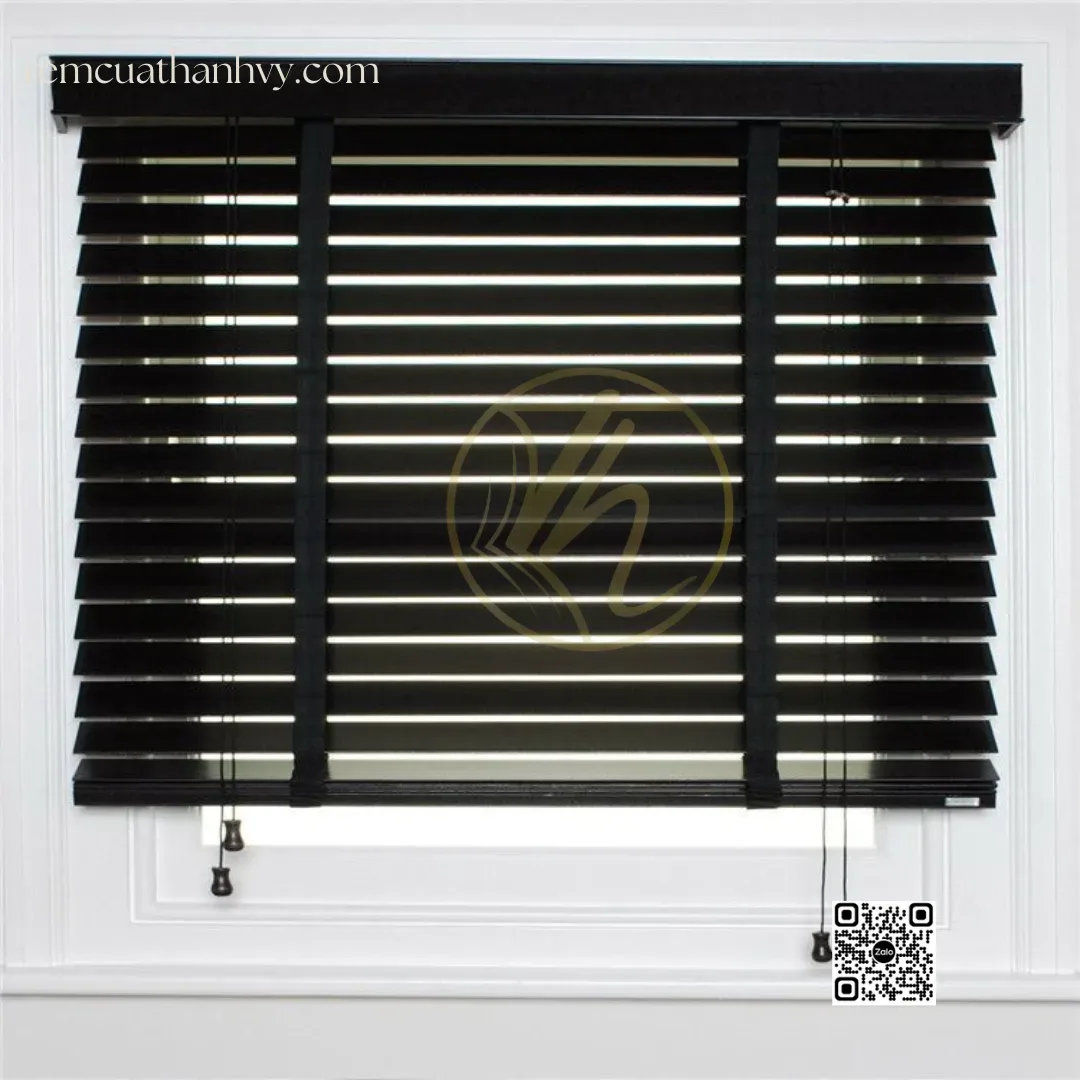
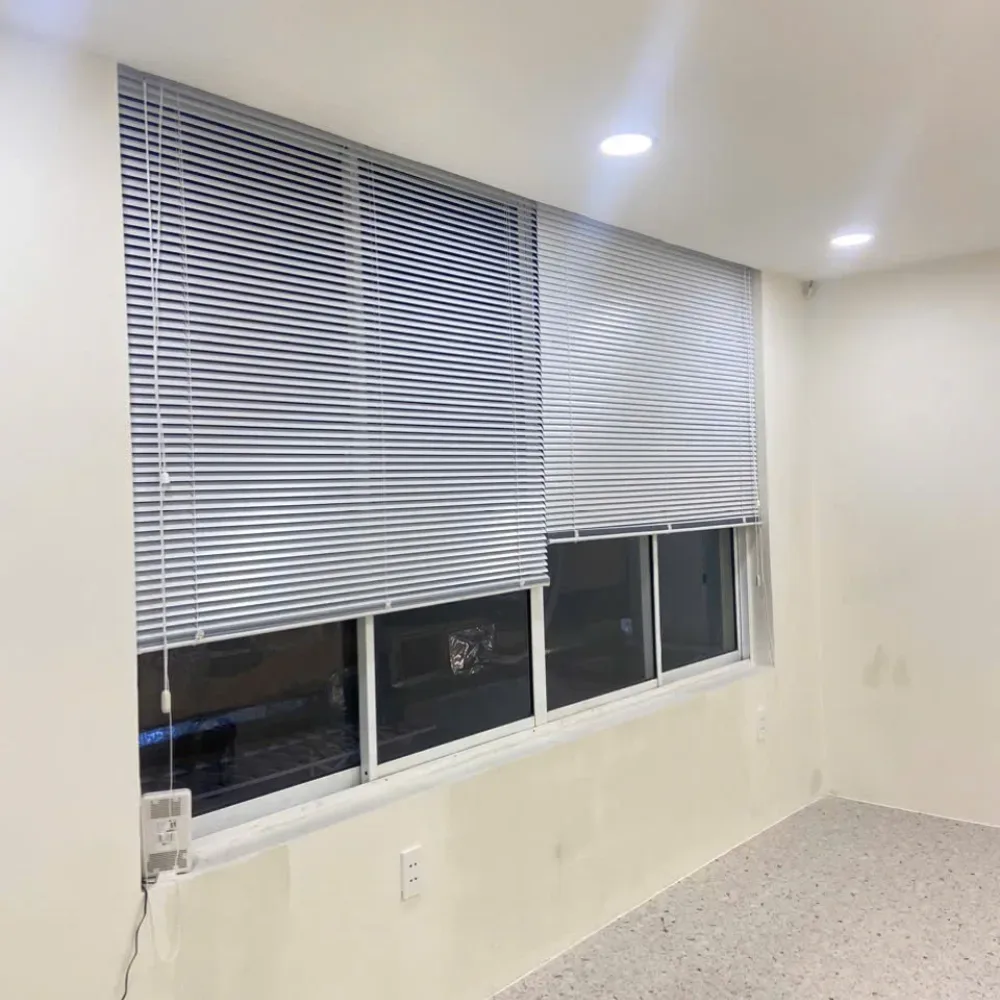
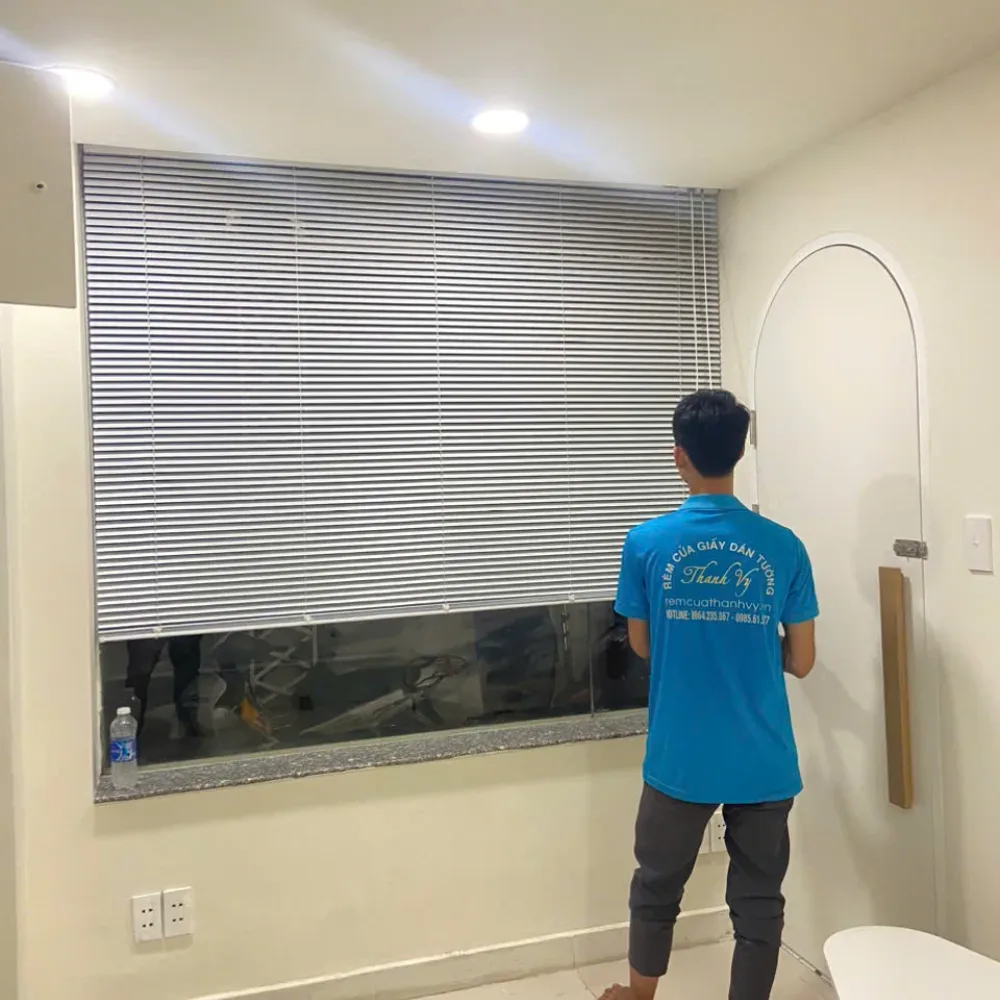
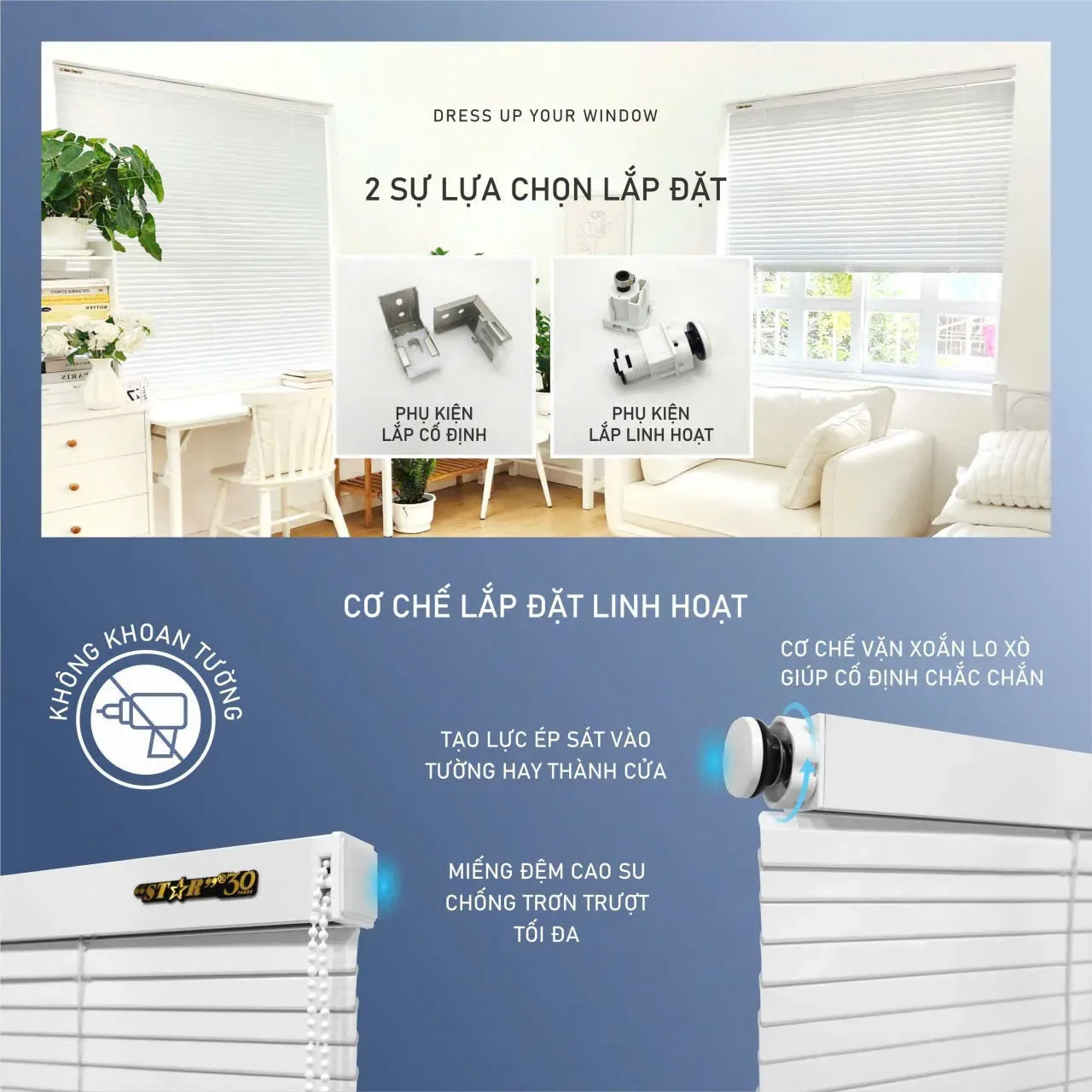
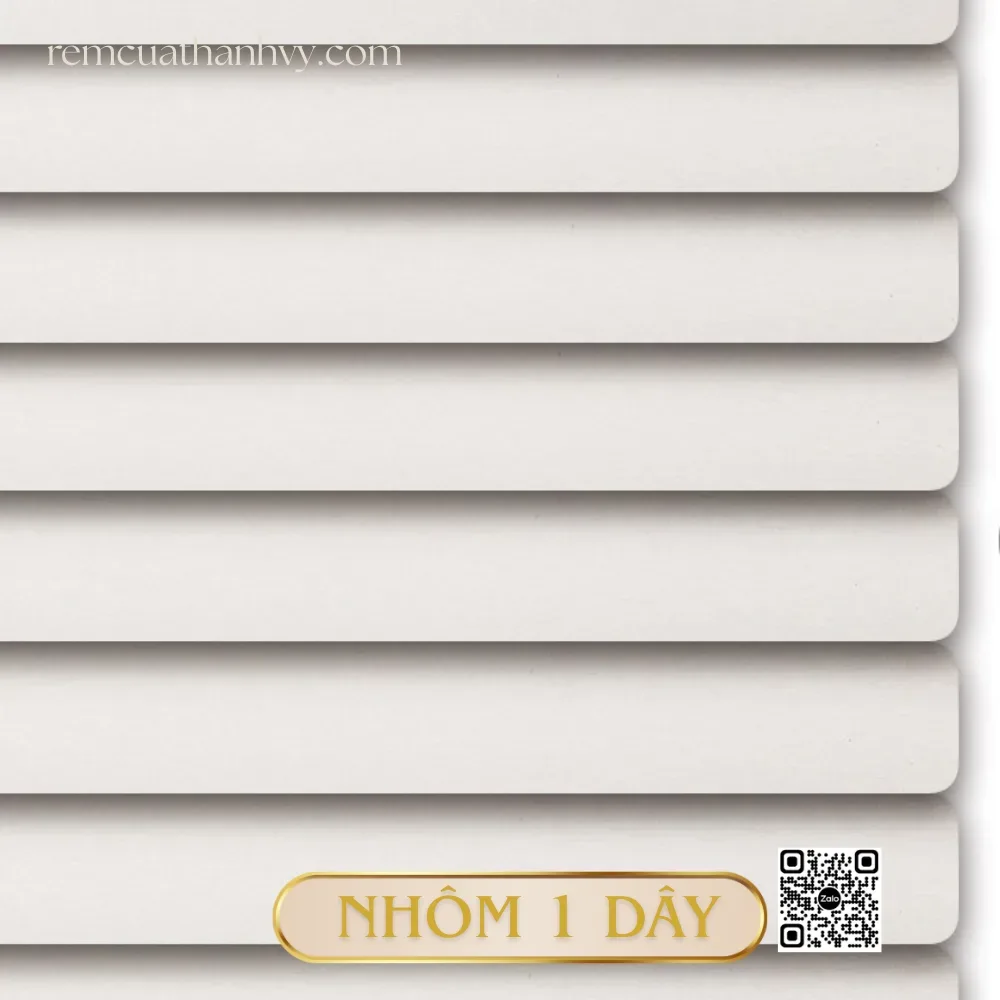
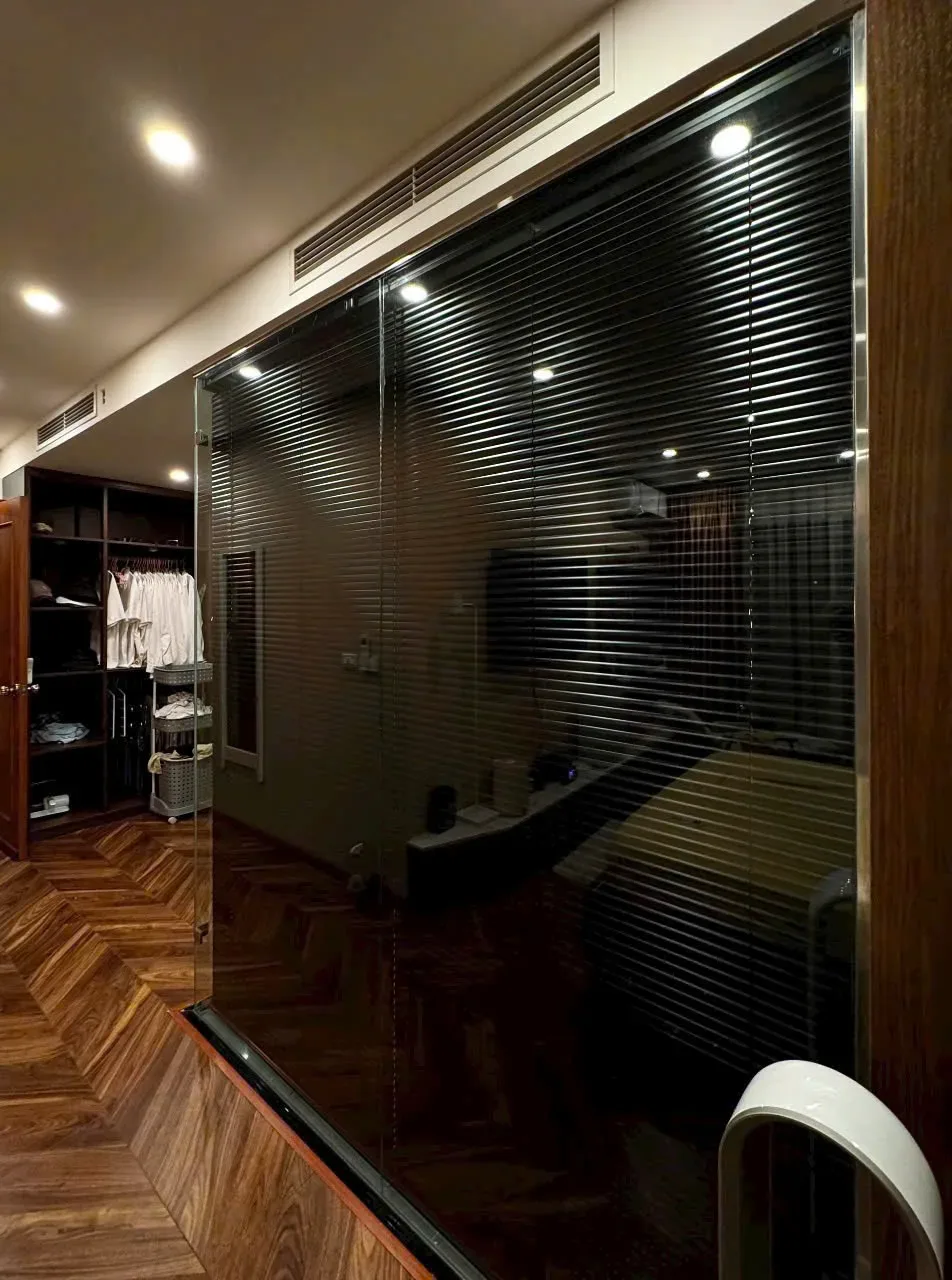
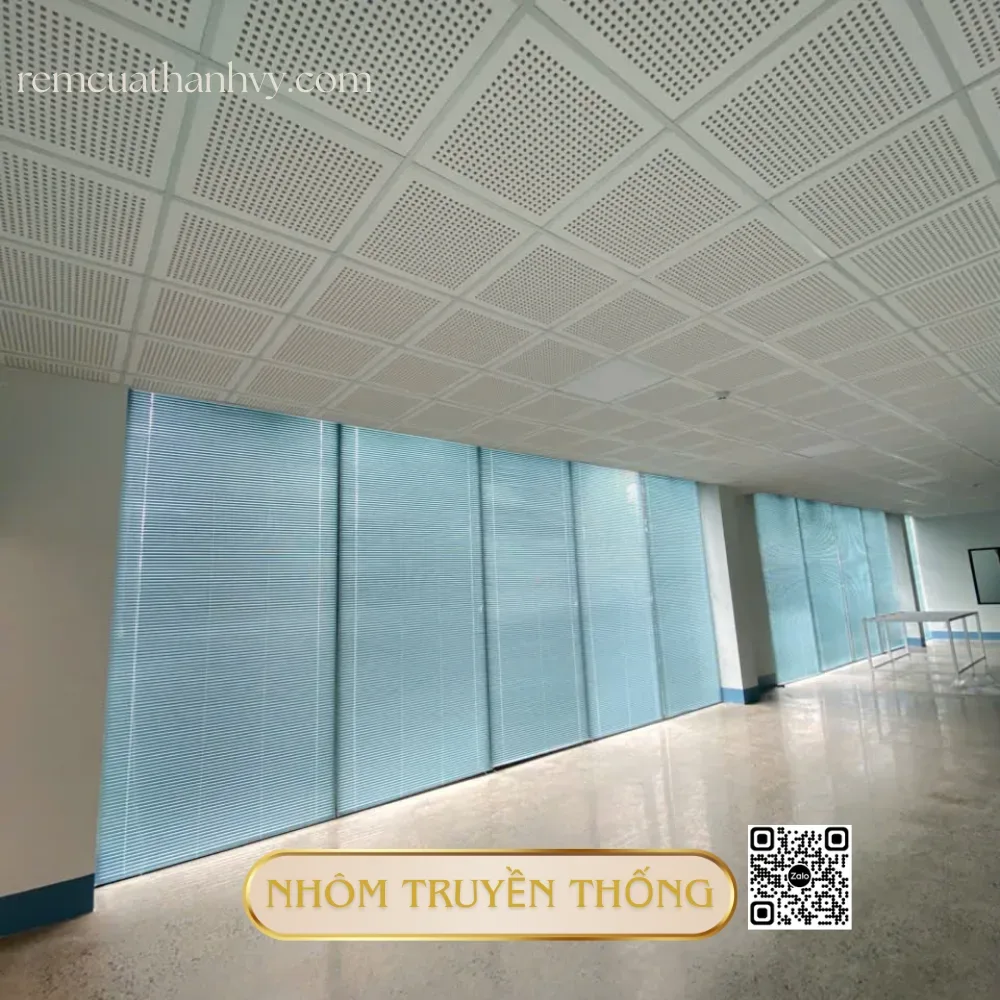
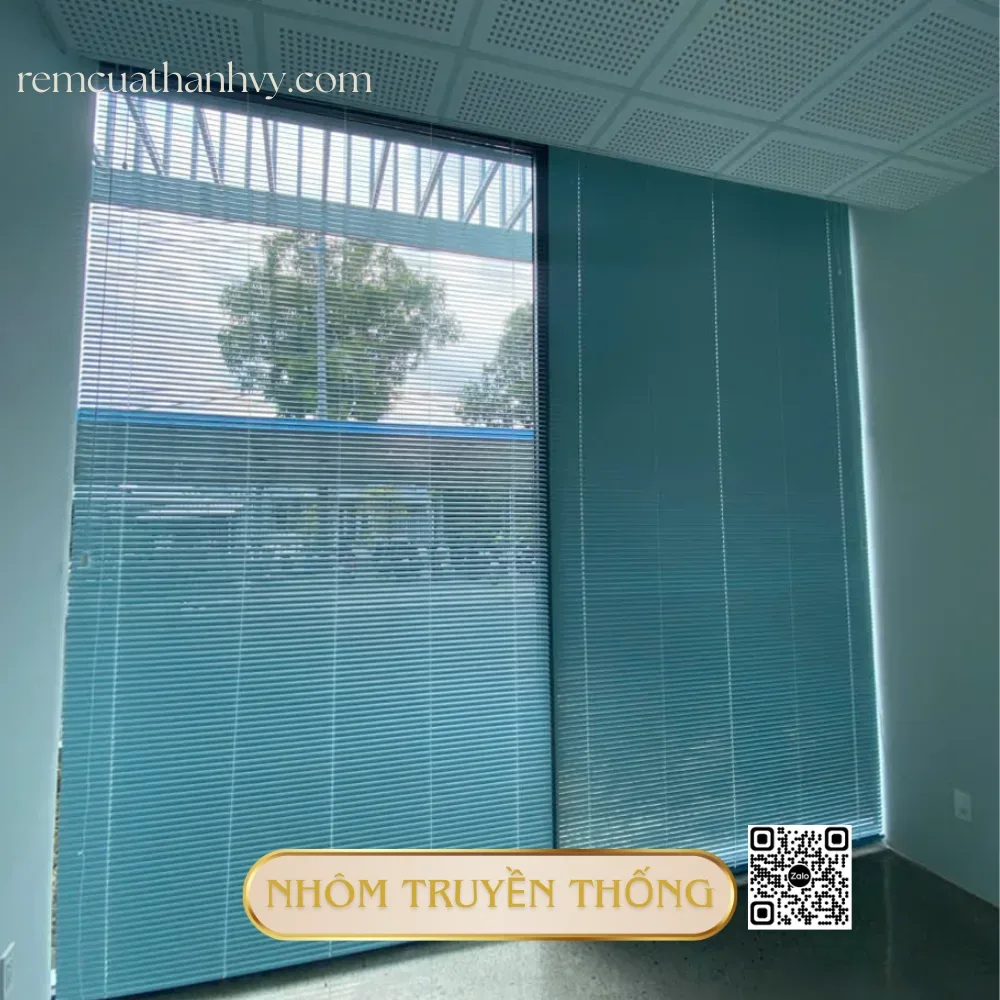
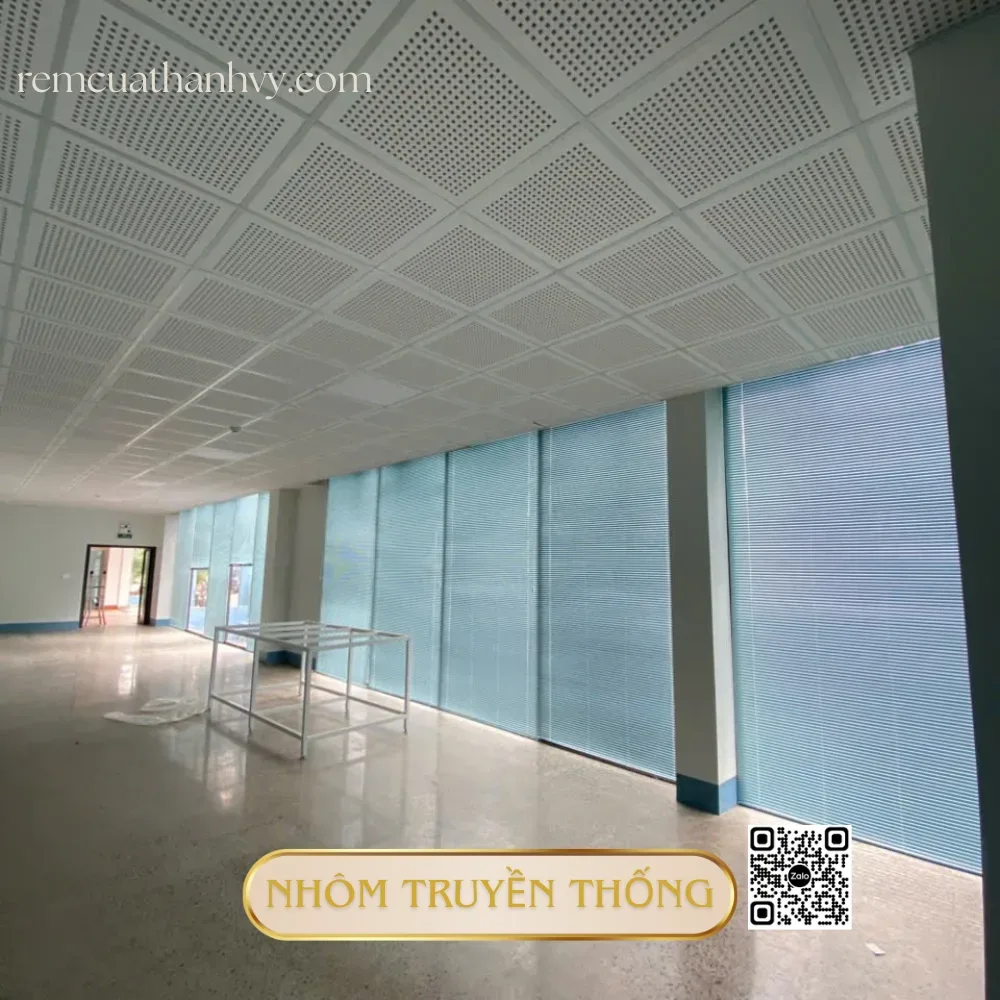
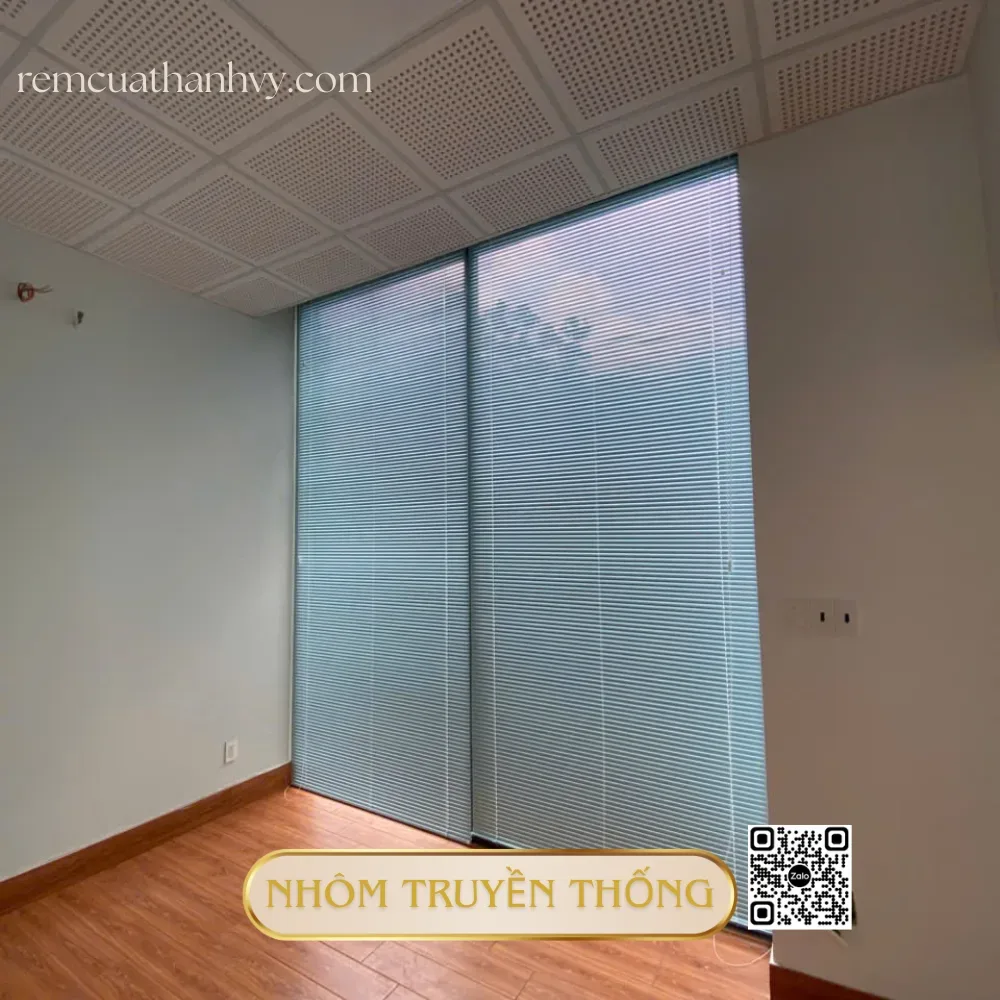
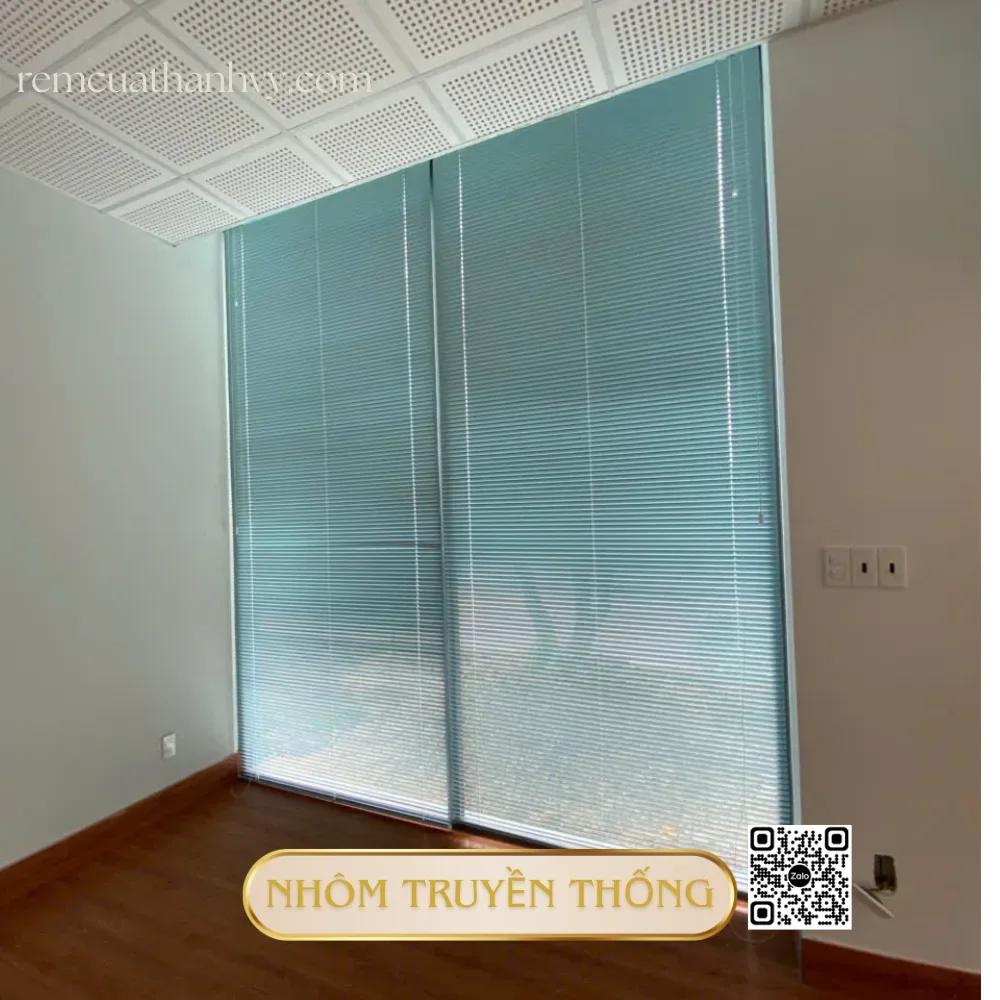
Aluminum blinds
Aluminum blinds are thin, lightweight, and more moisture-resistant than wooden slats, making them suitable for kitchens and areas with a lot of steam.
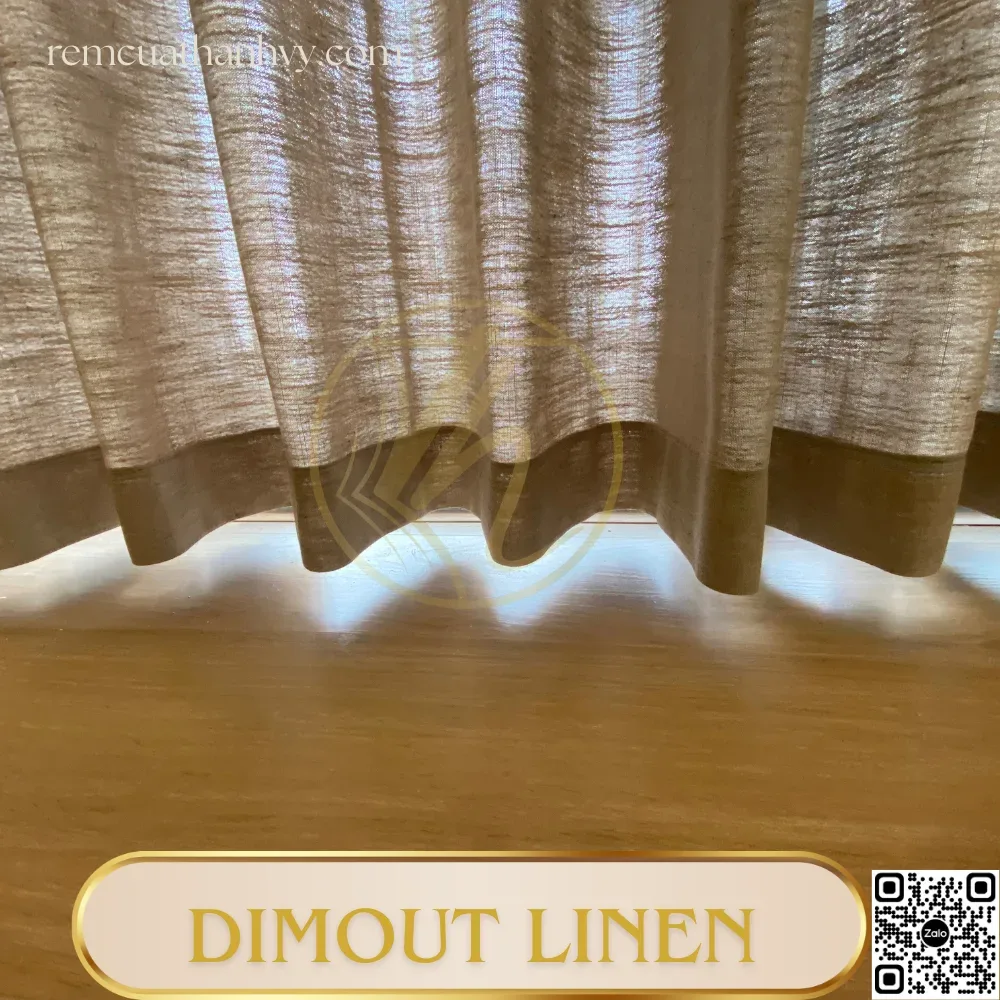
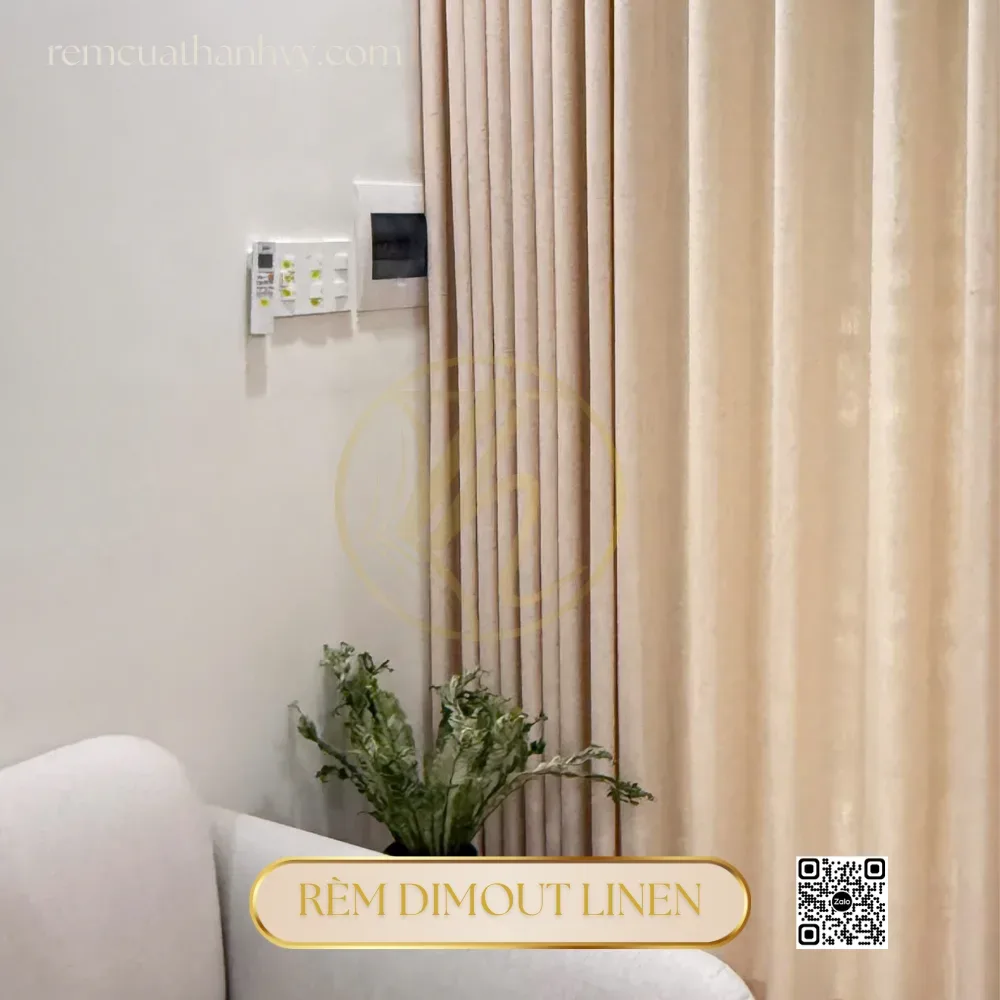
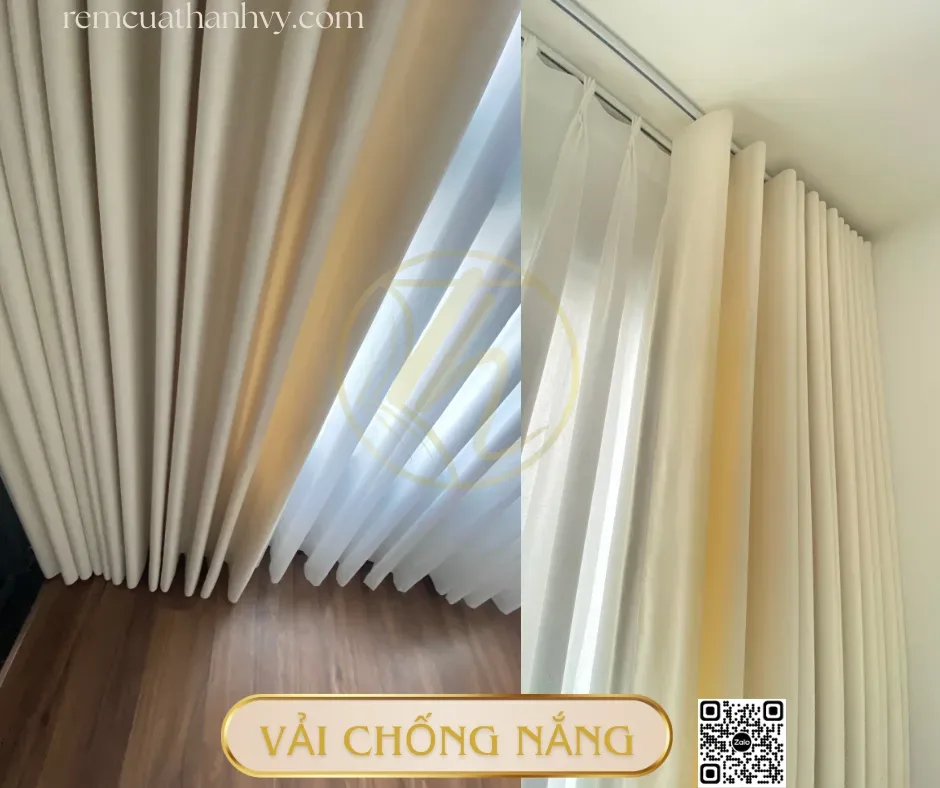
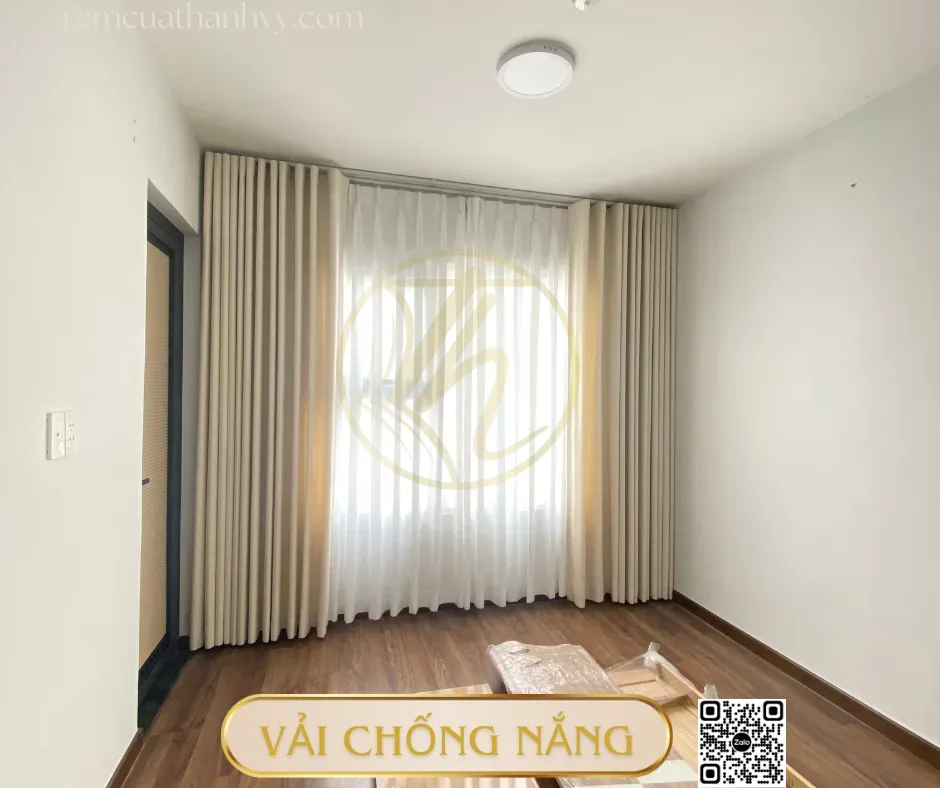
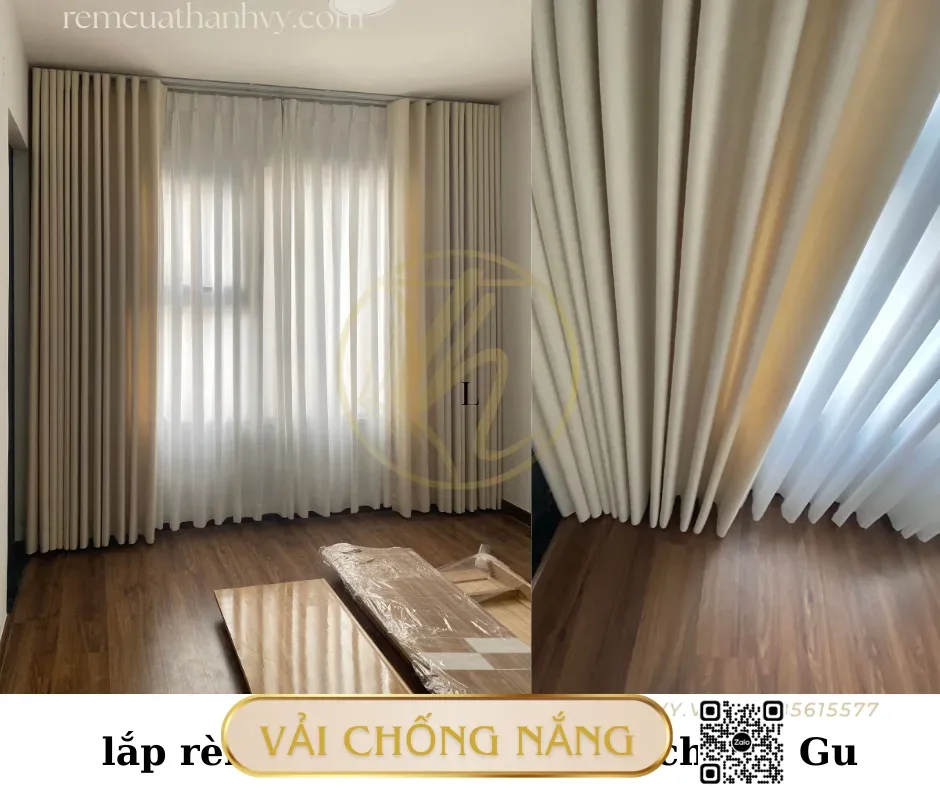
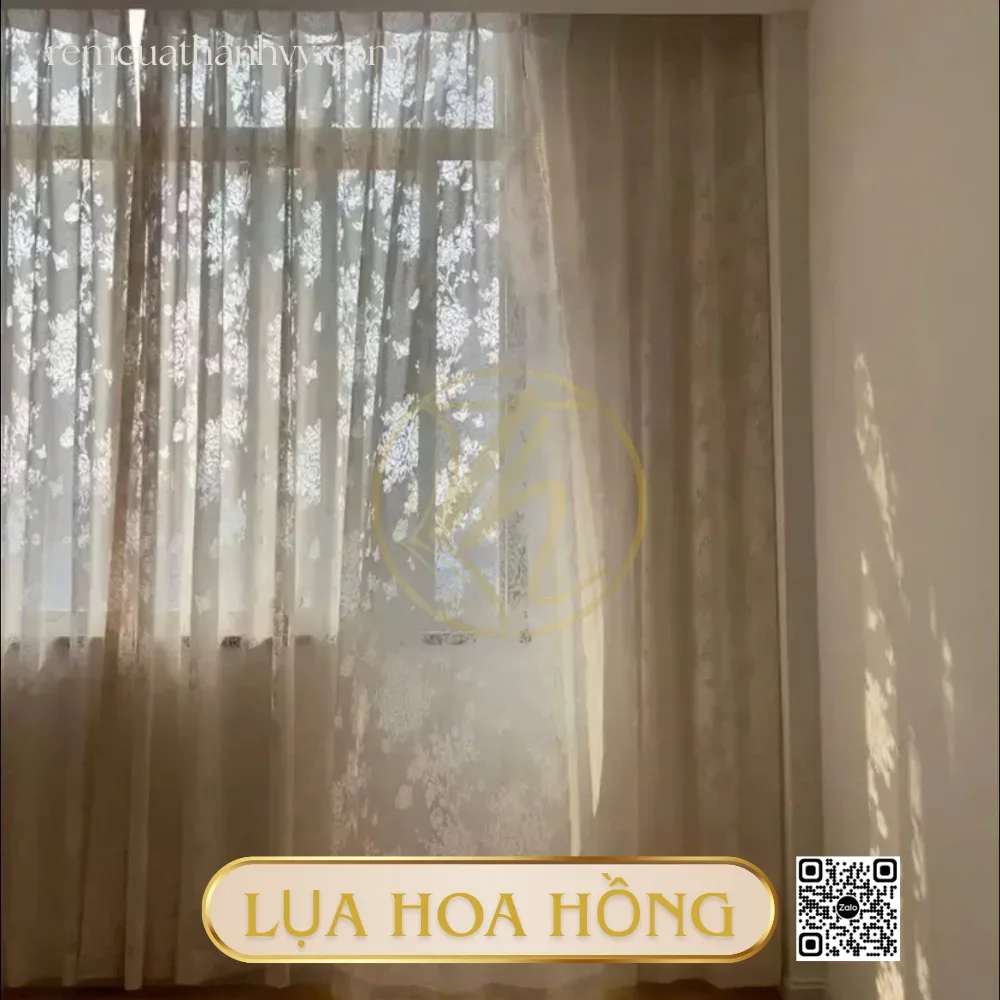
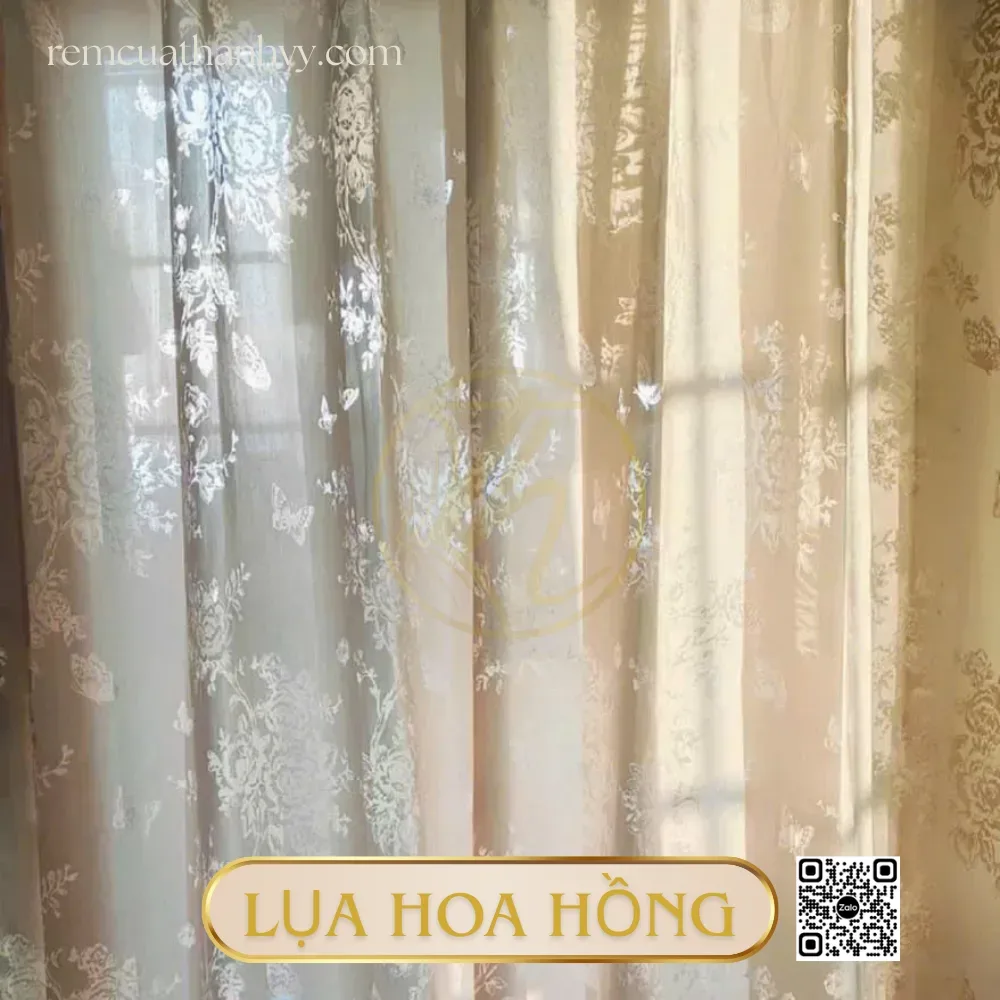
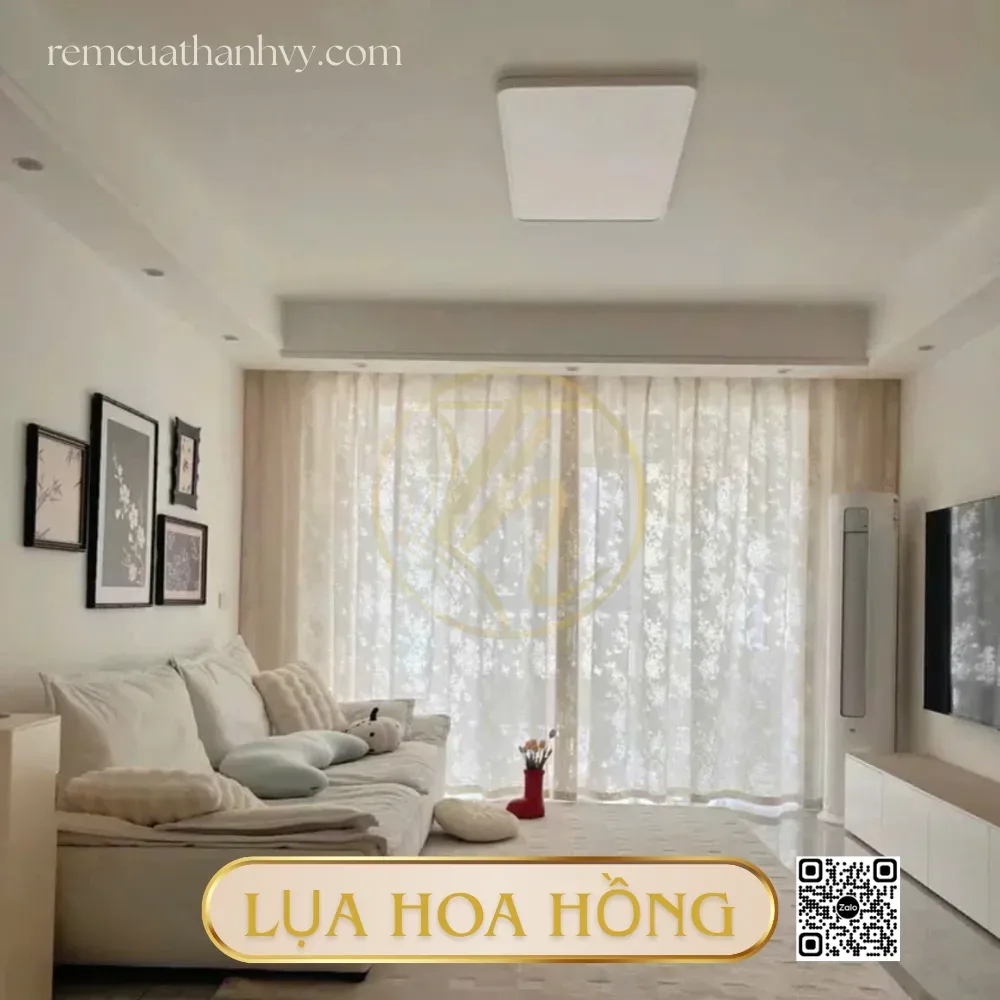
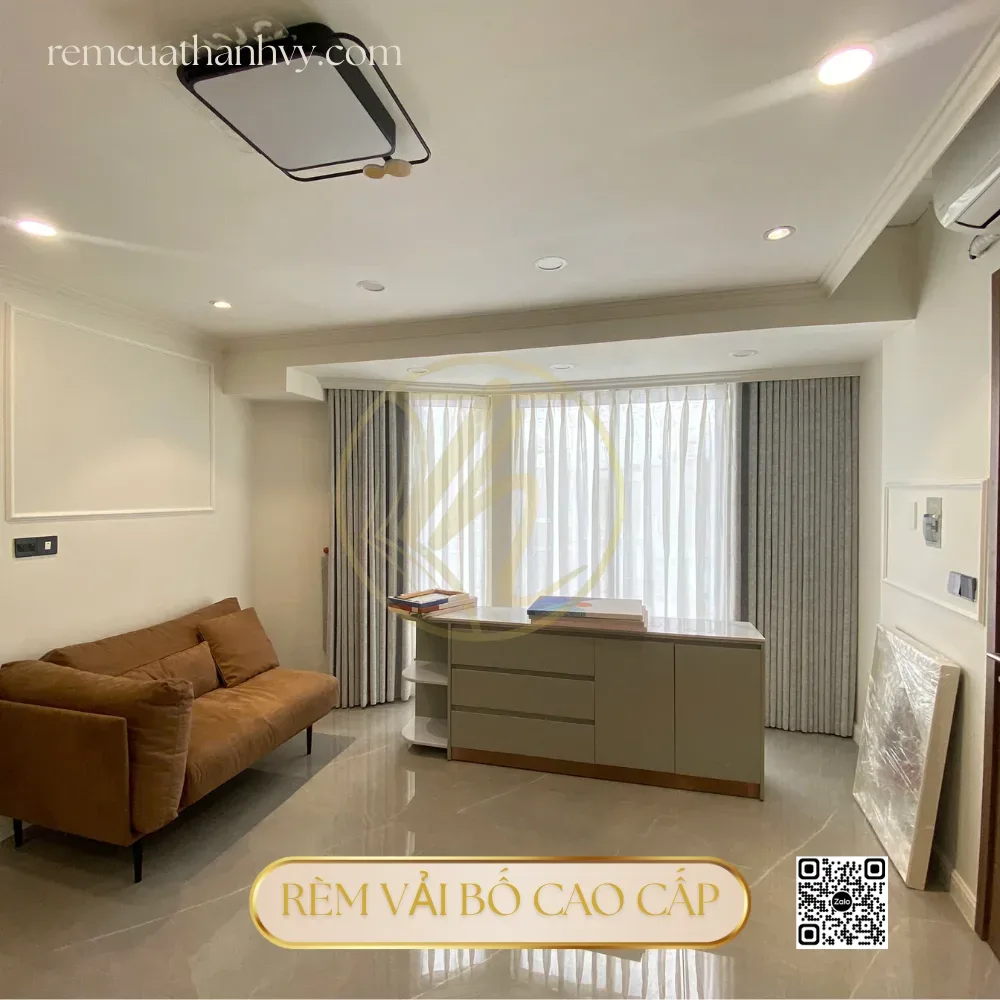
Fabric curtains
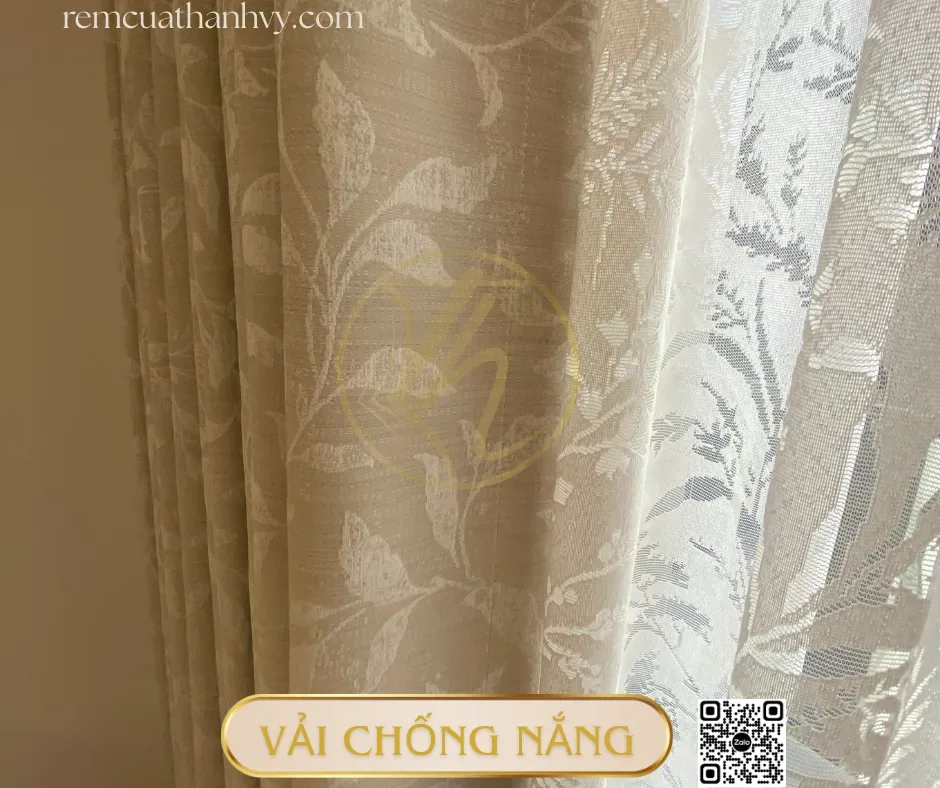
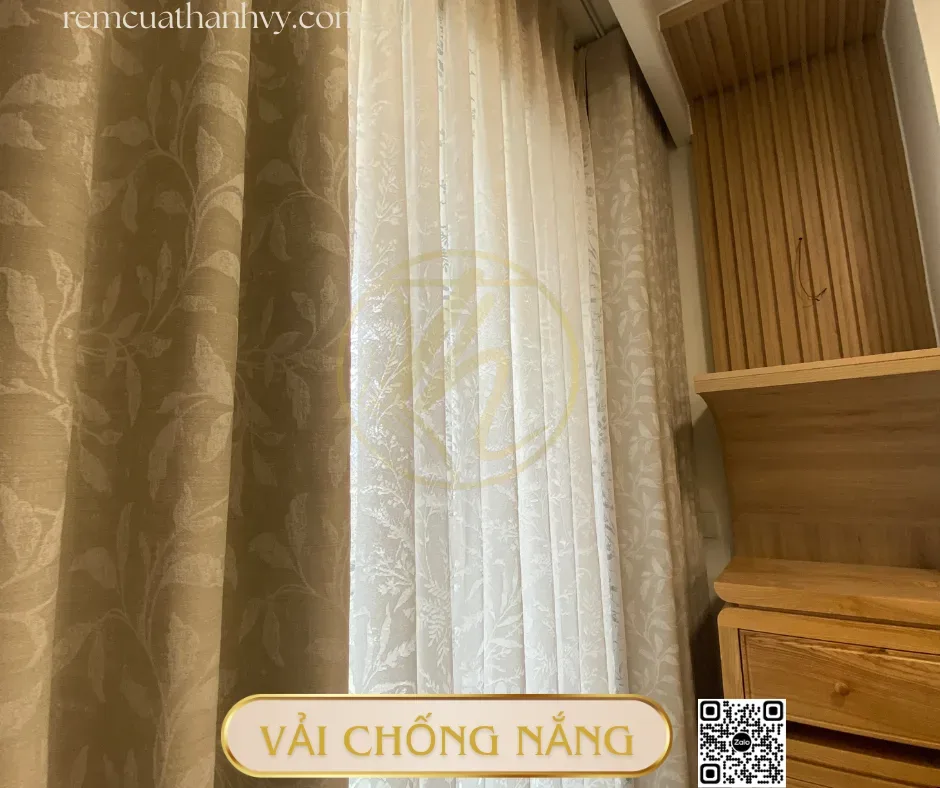
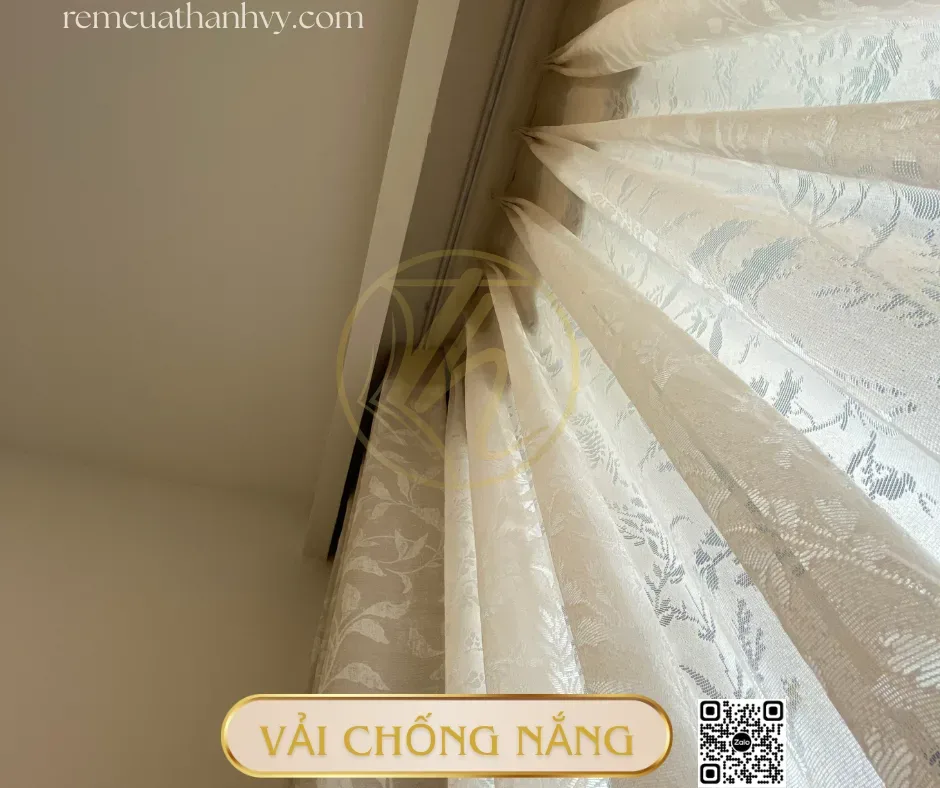
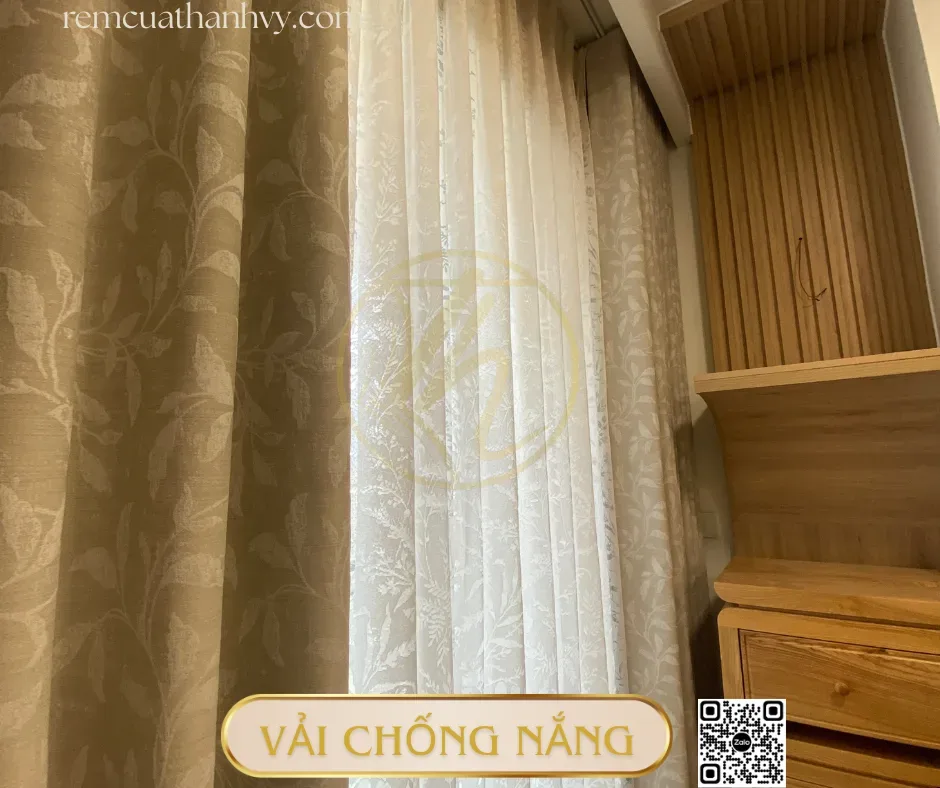
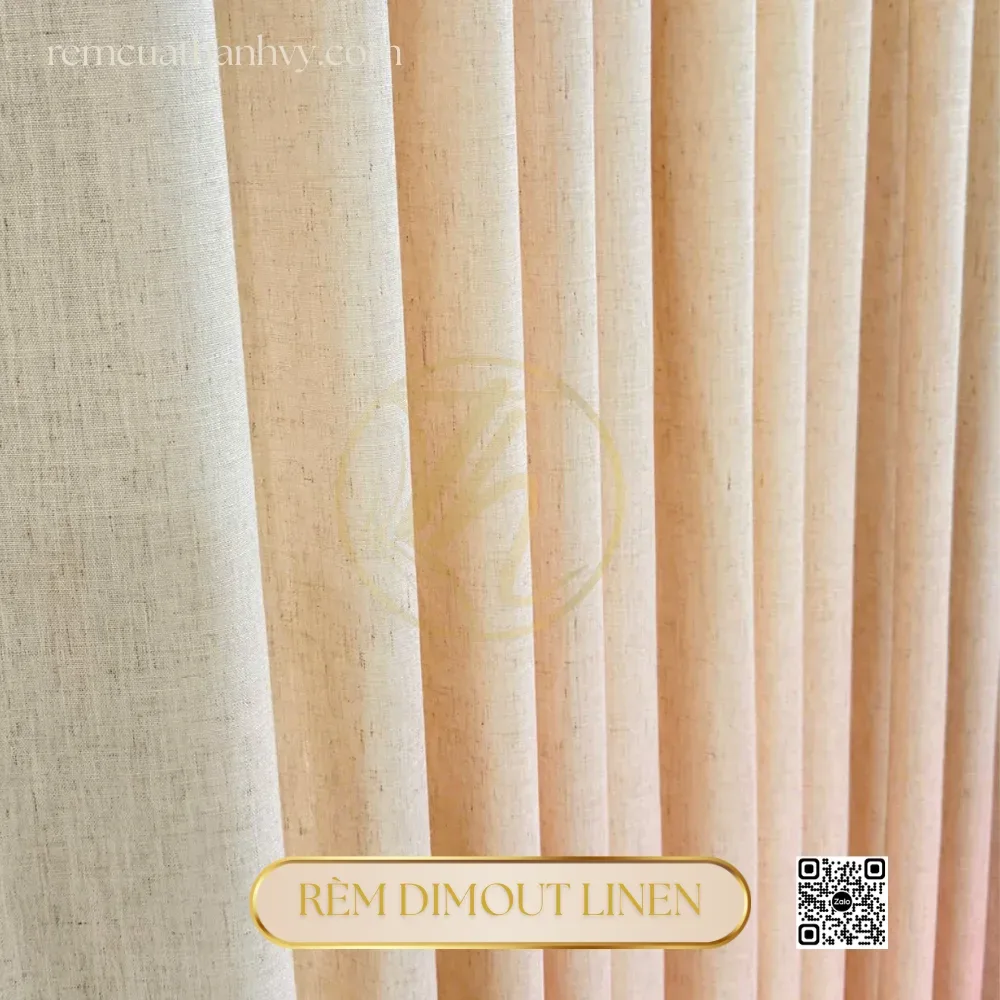
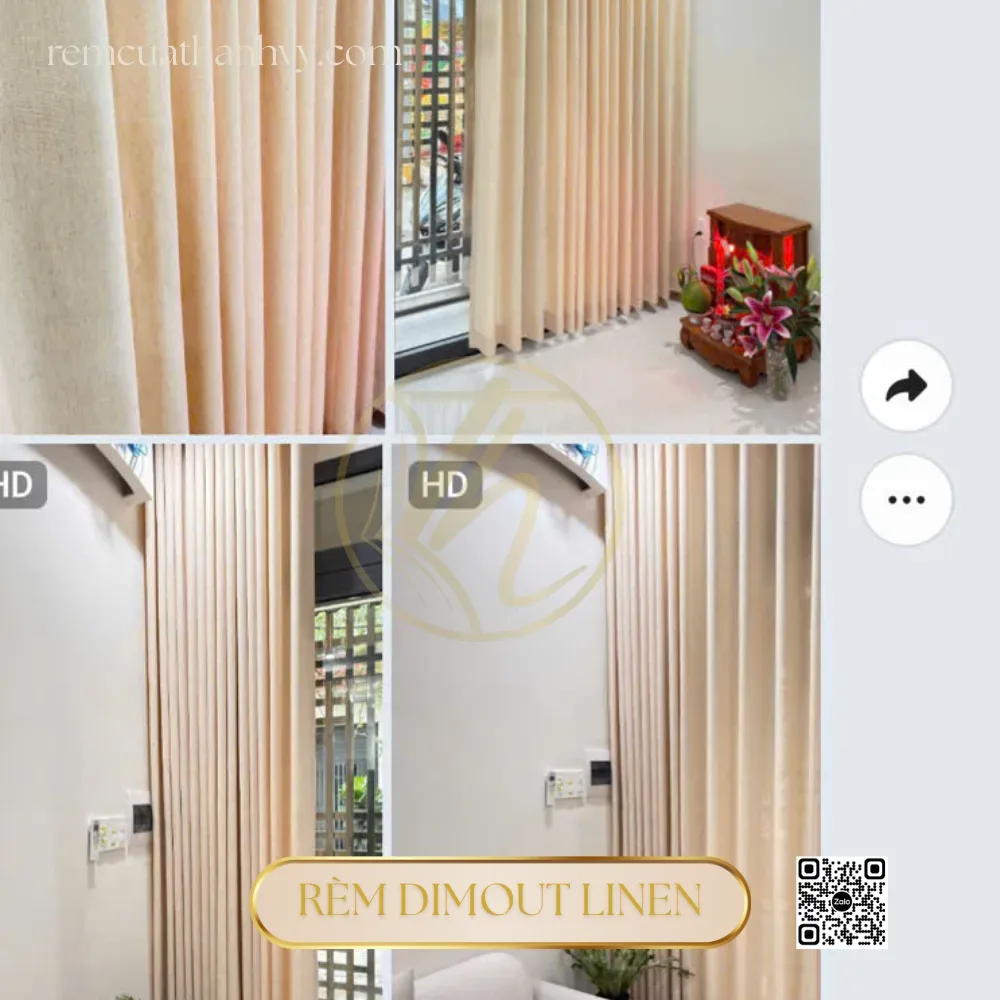
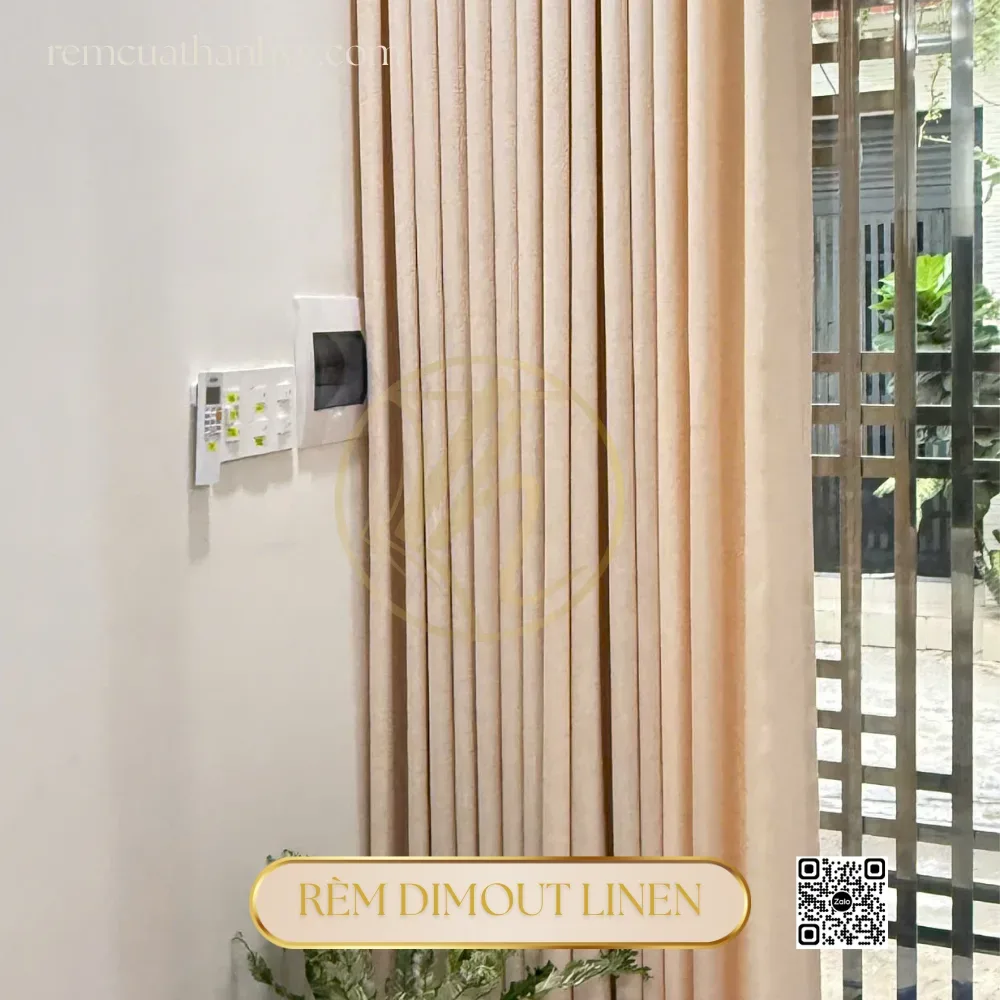
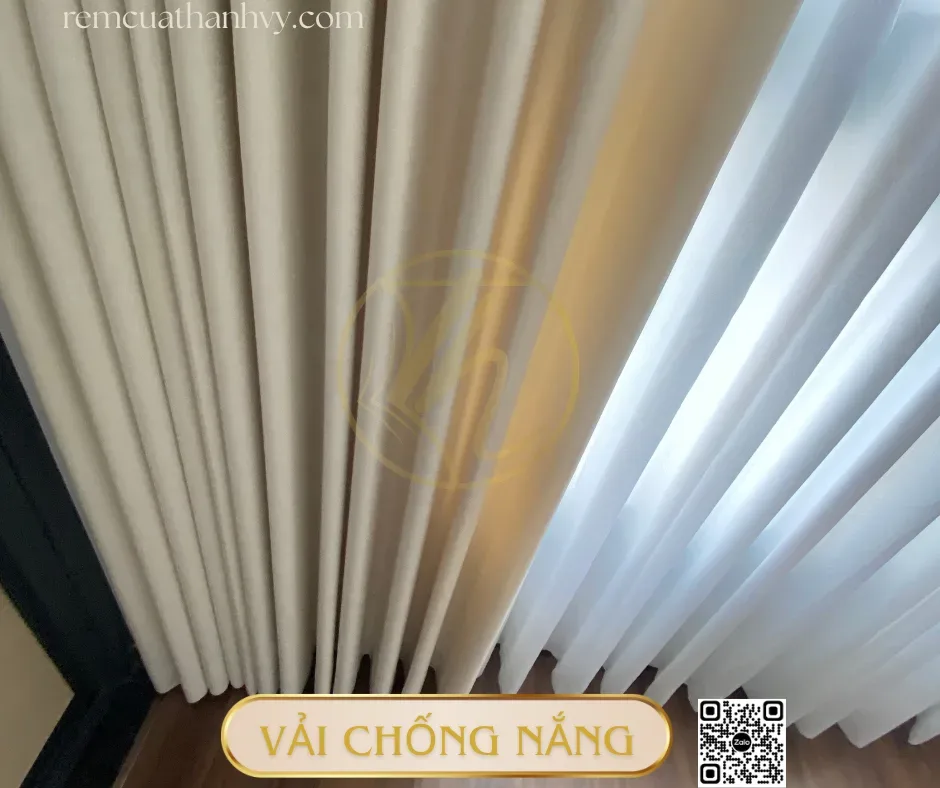
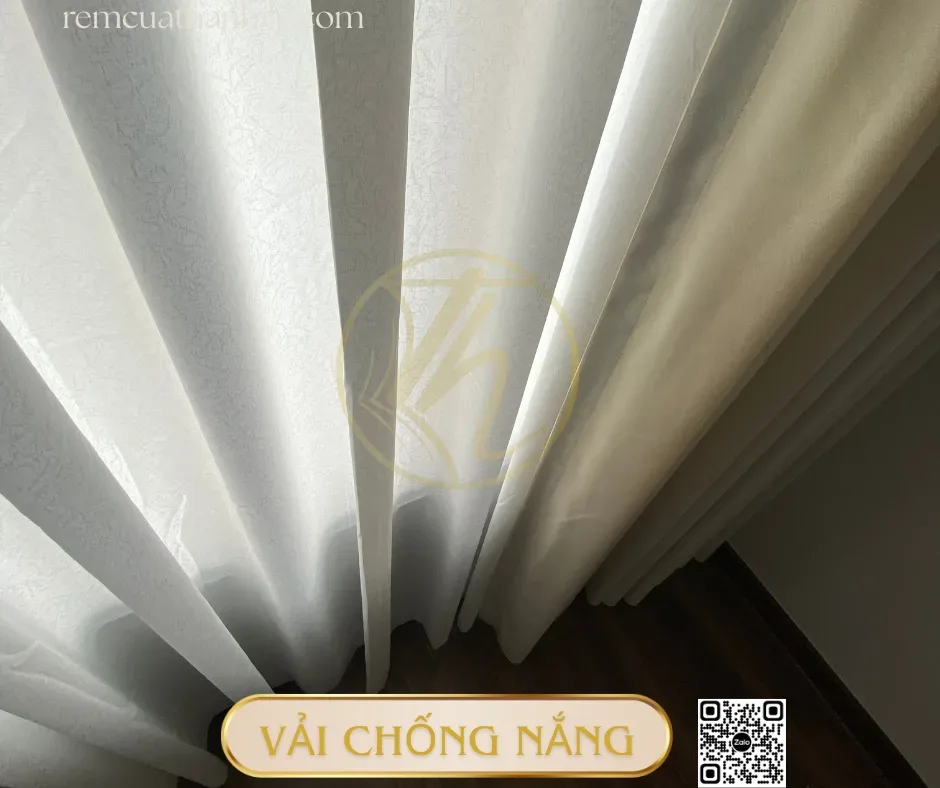
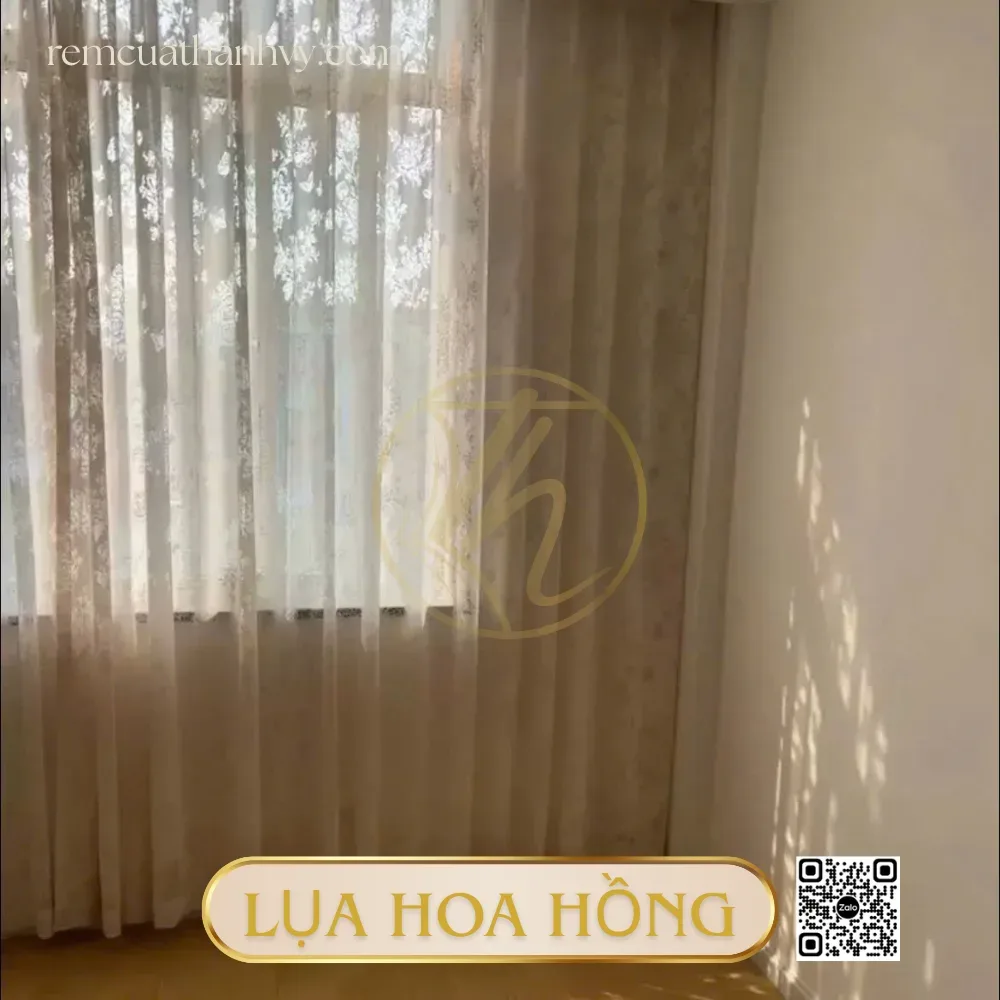
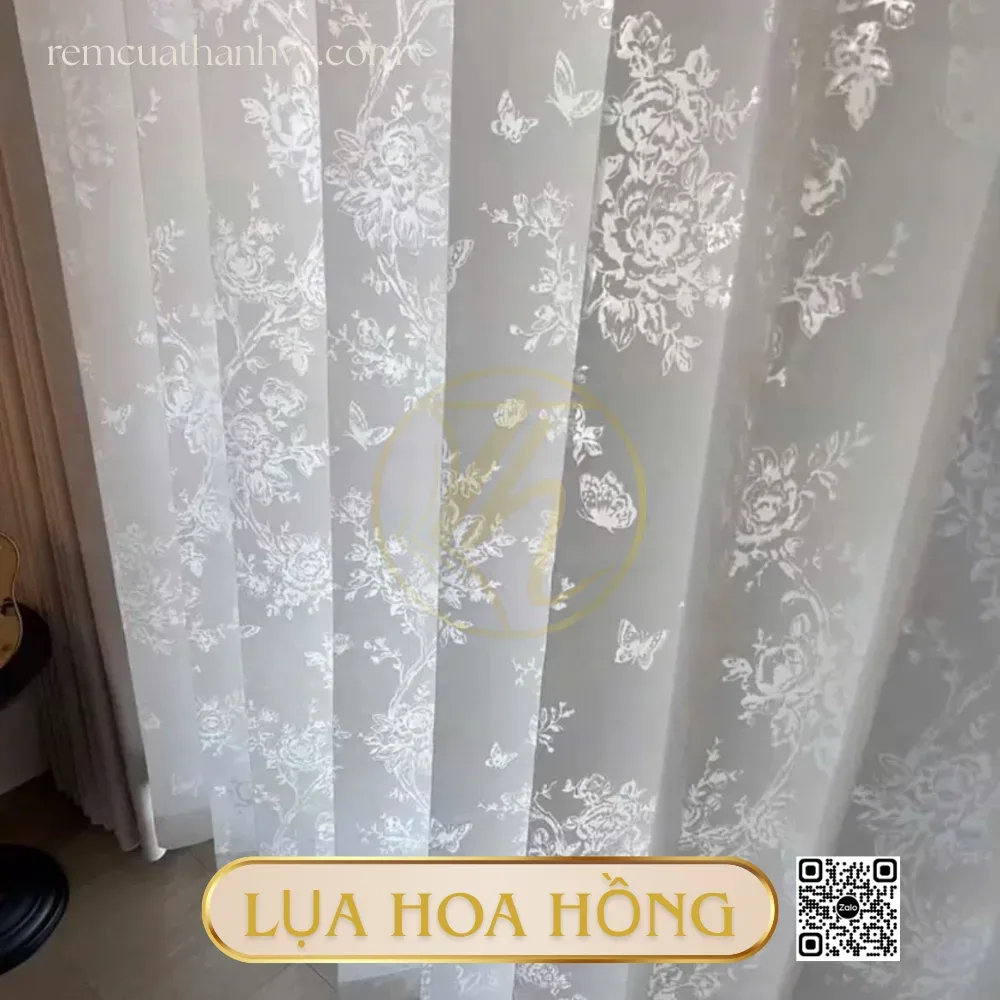
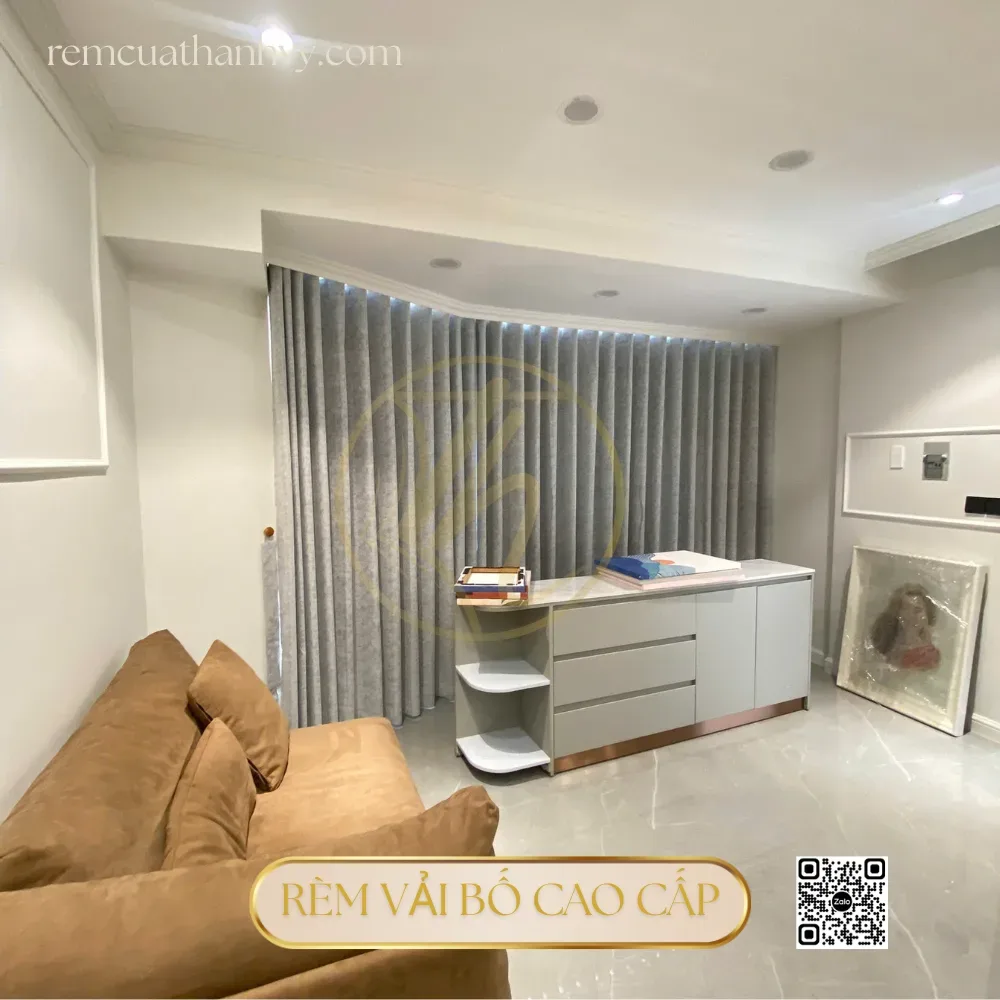
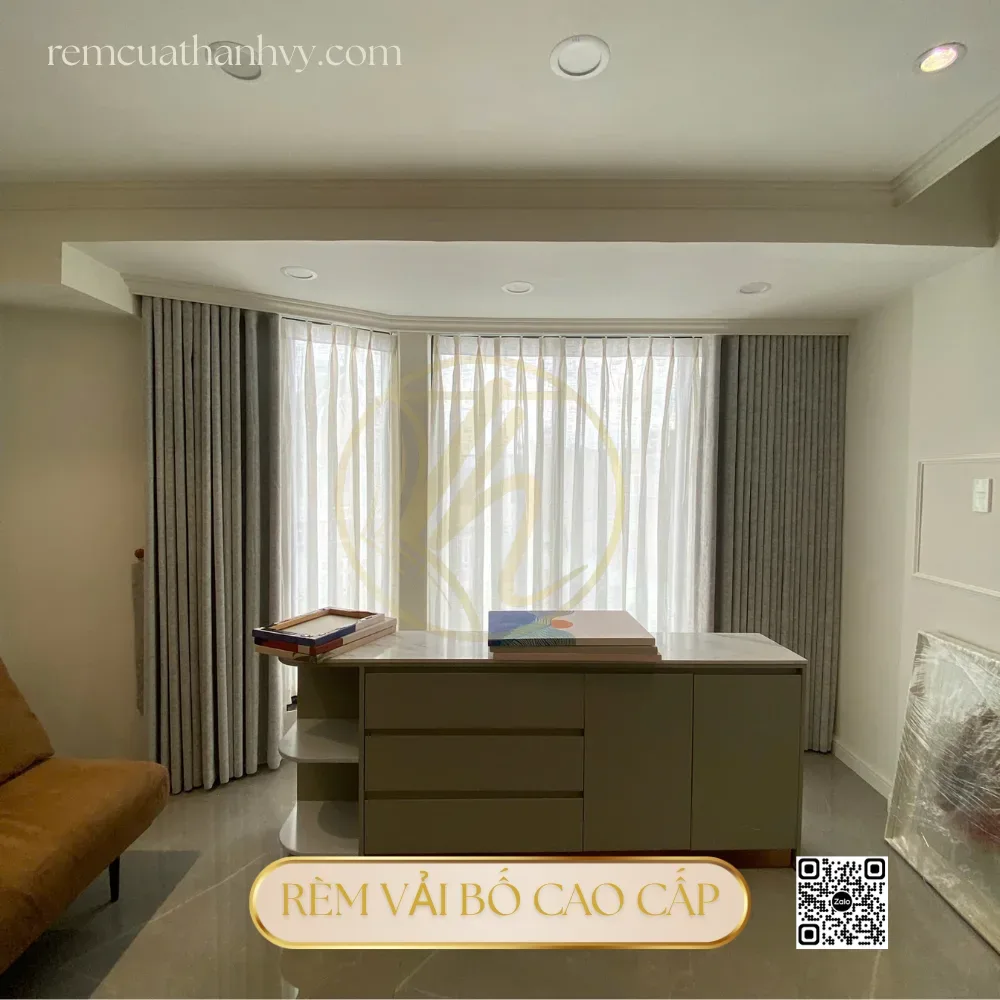
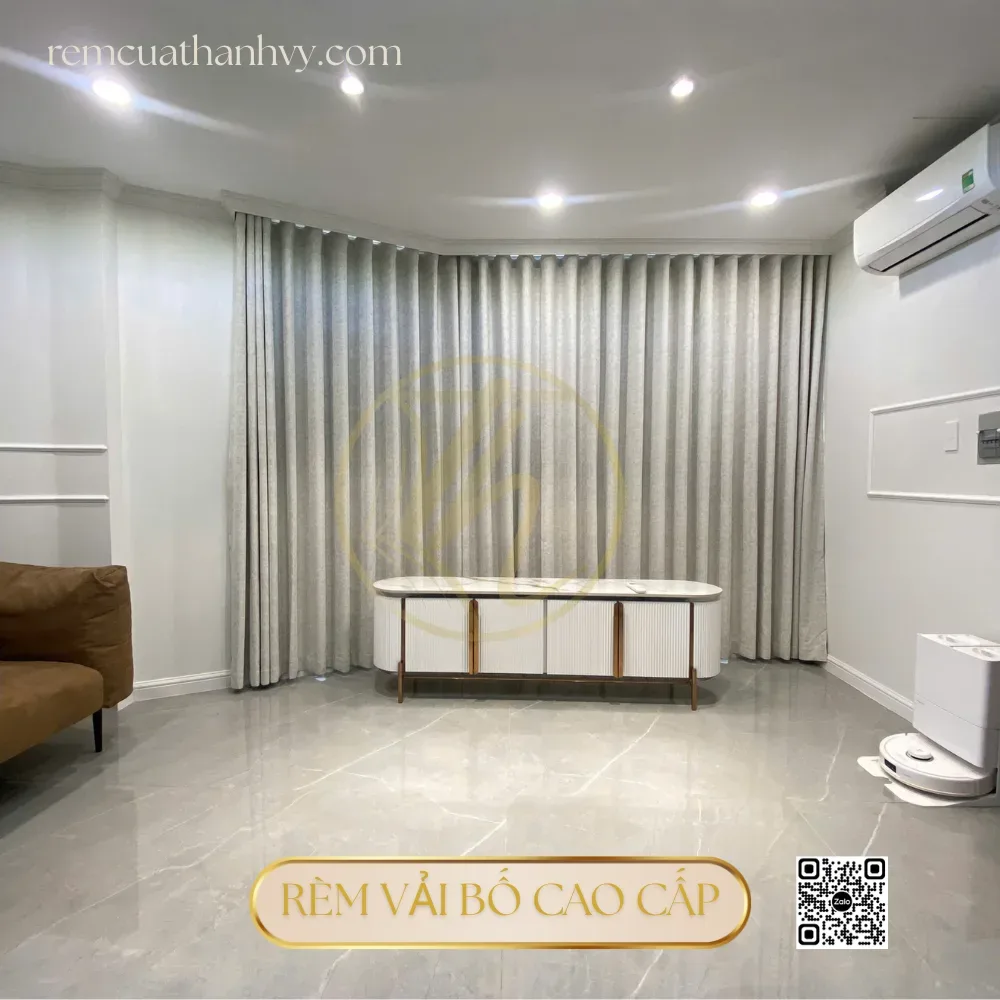
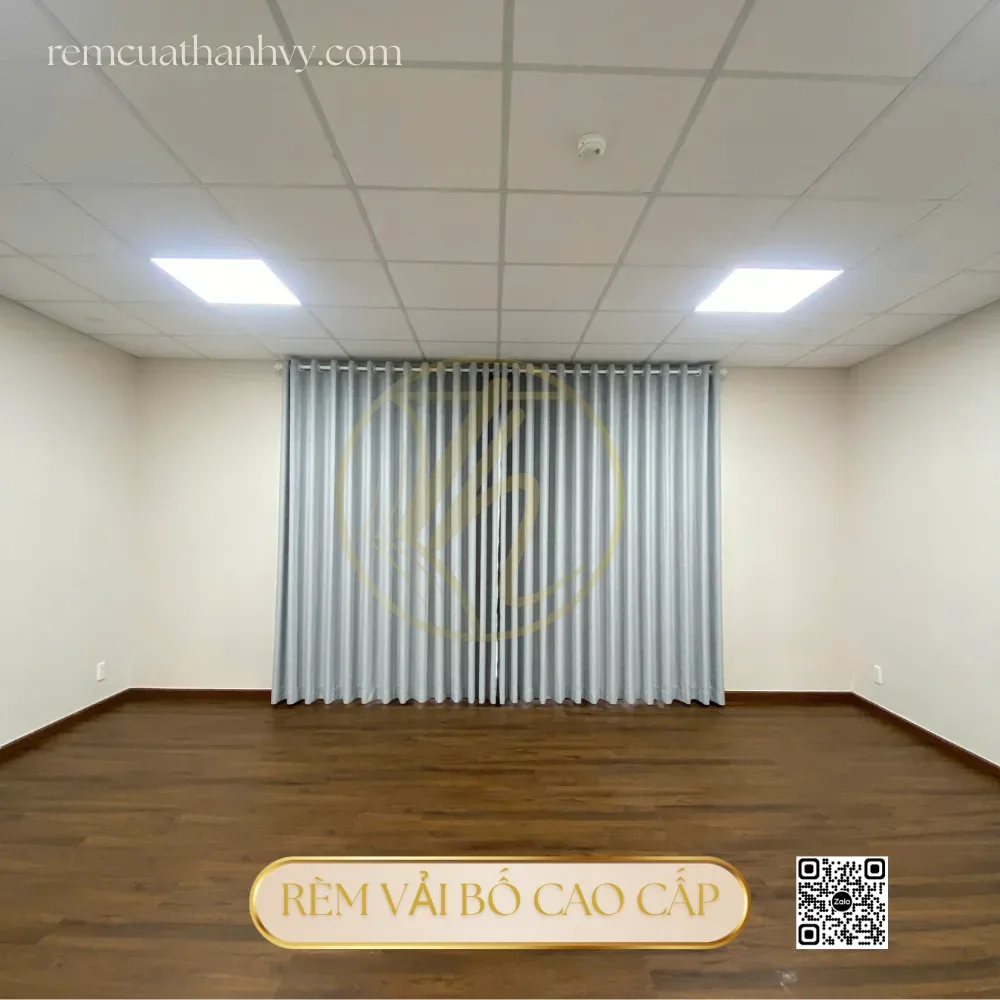
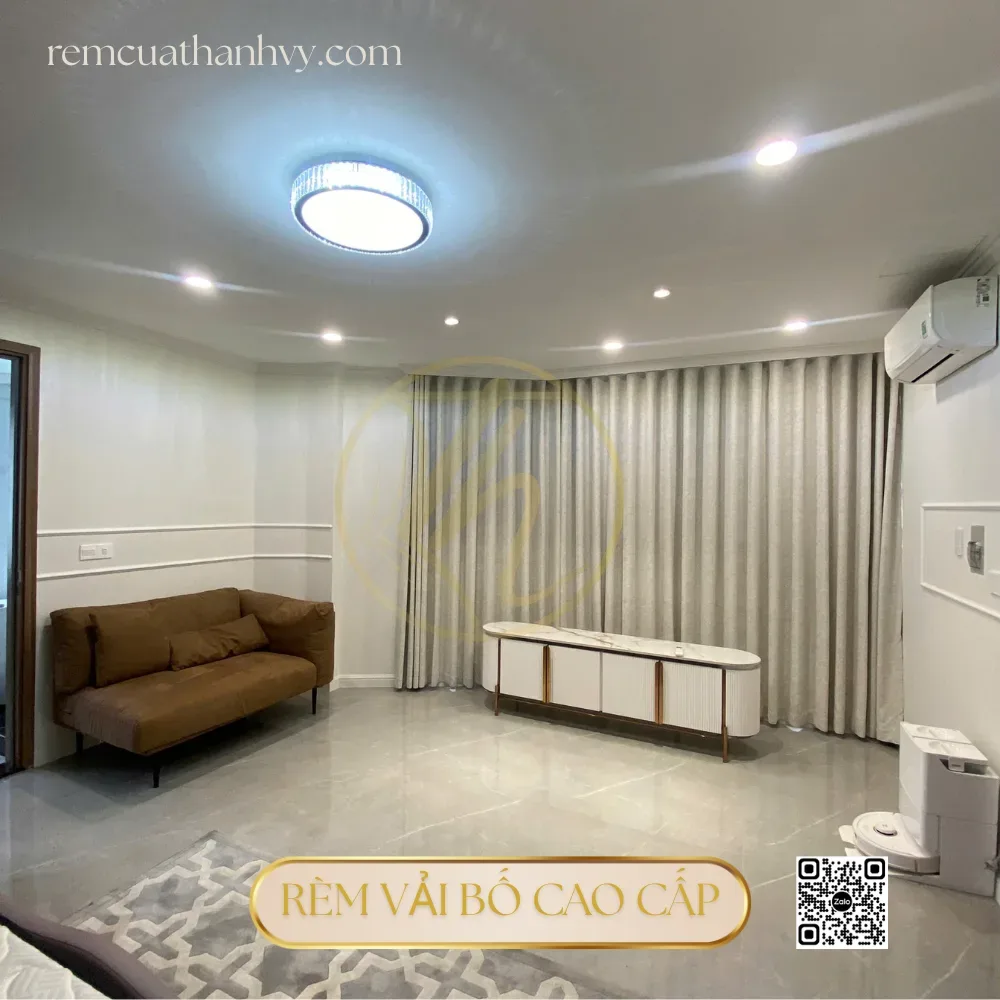
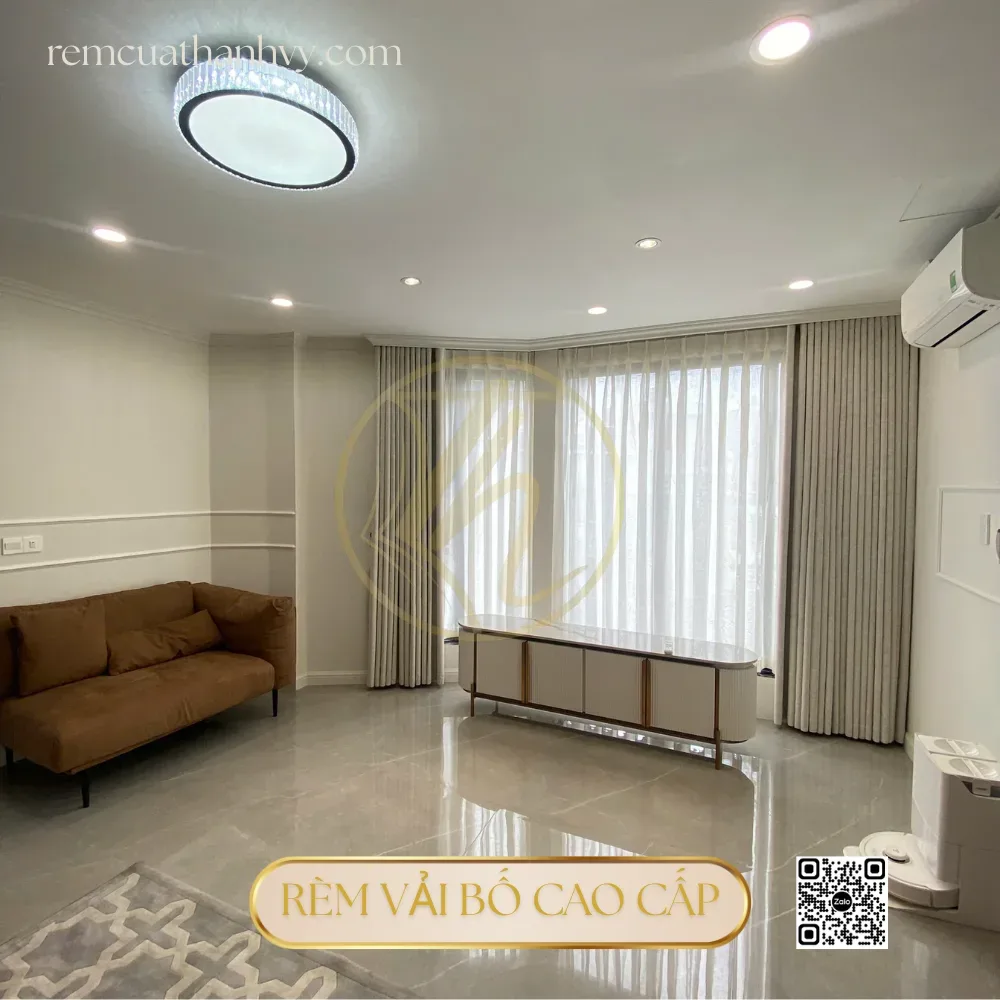
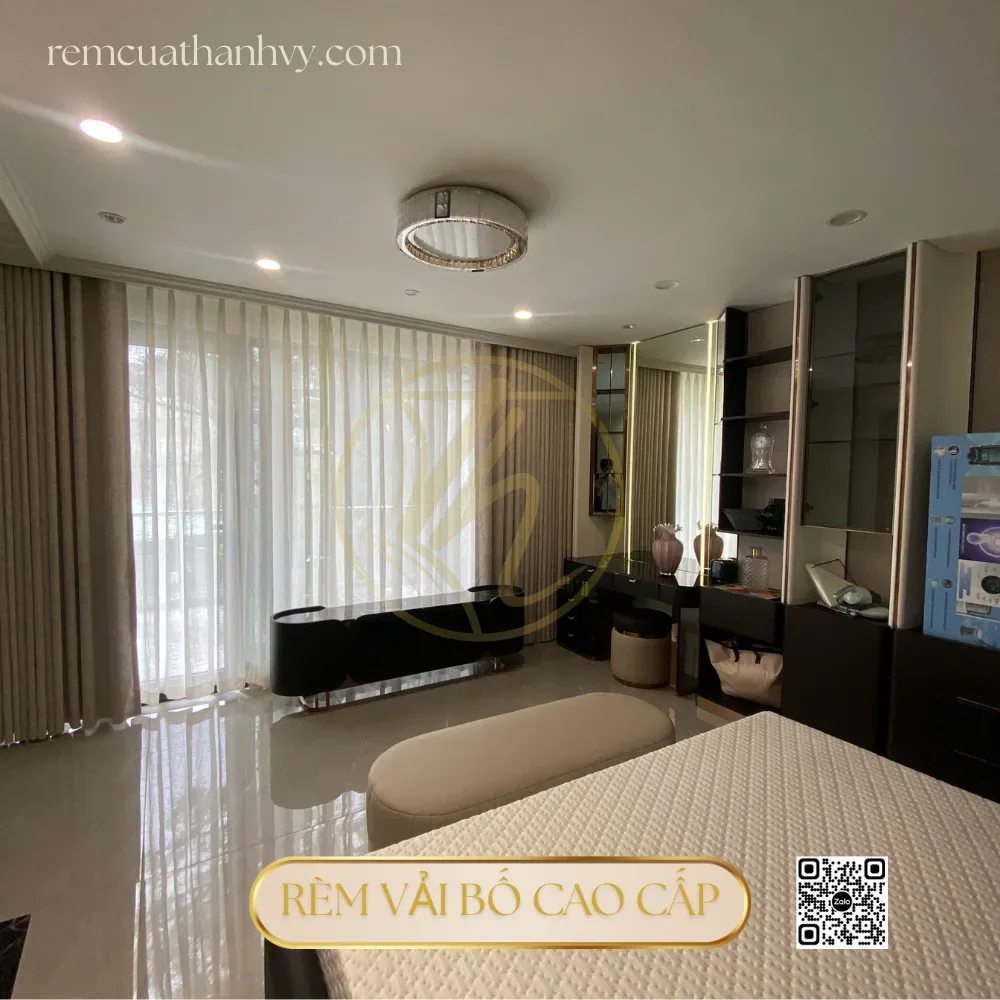
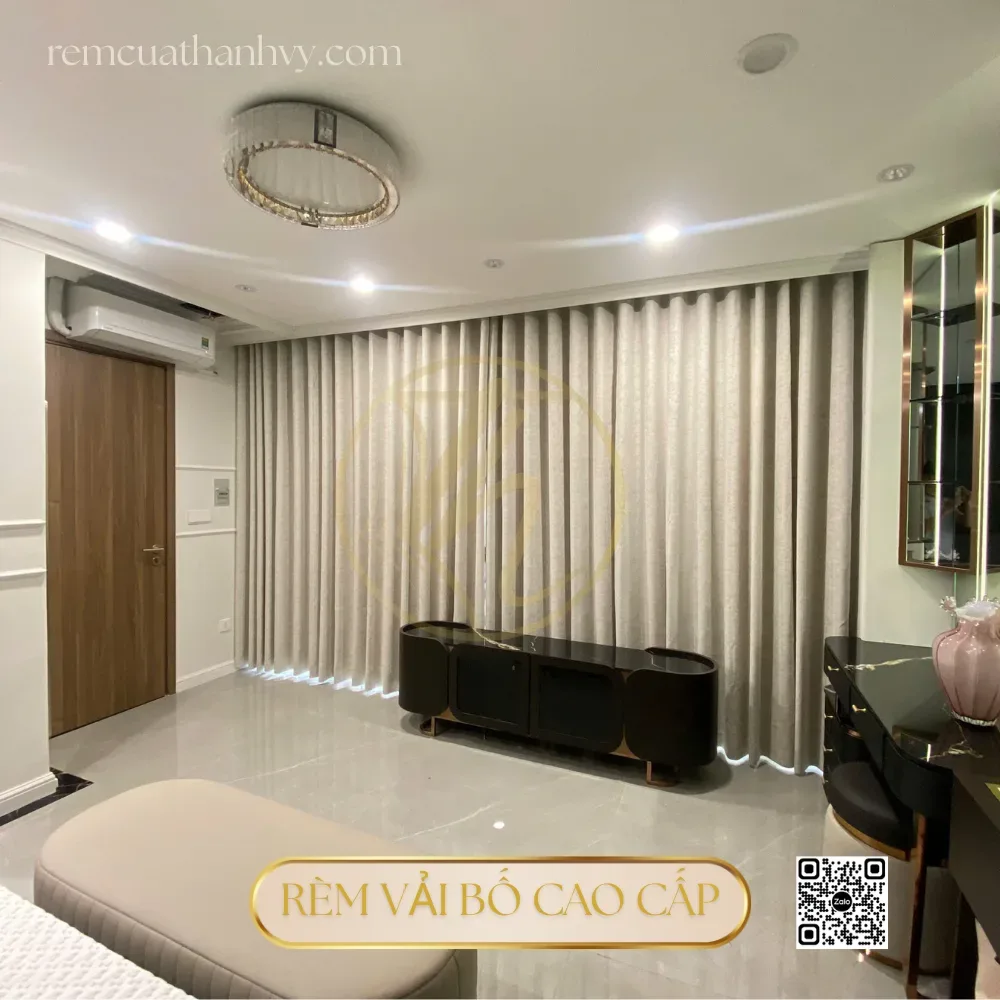
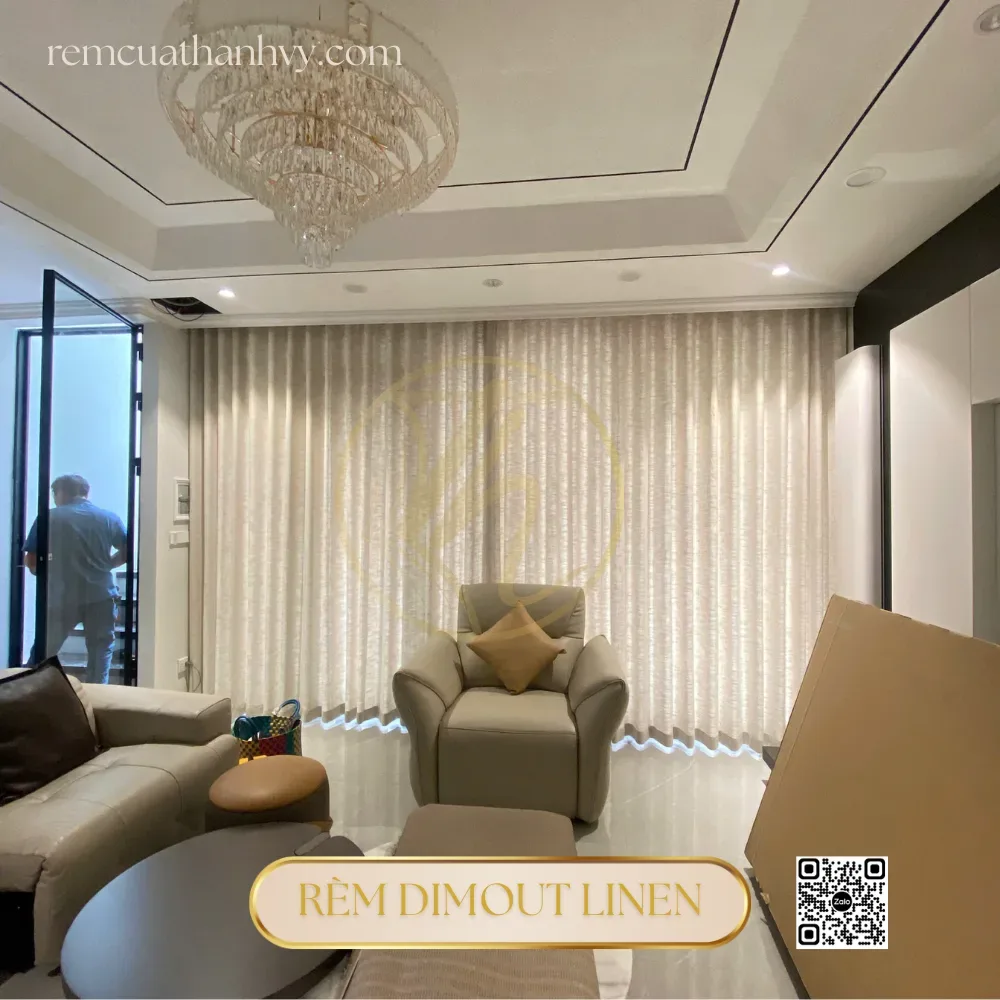
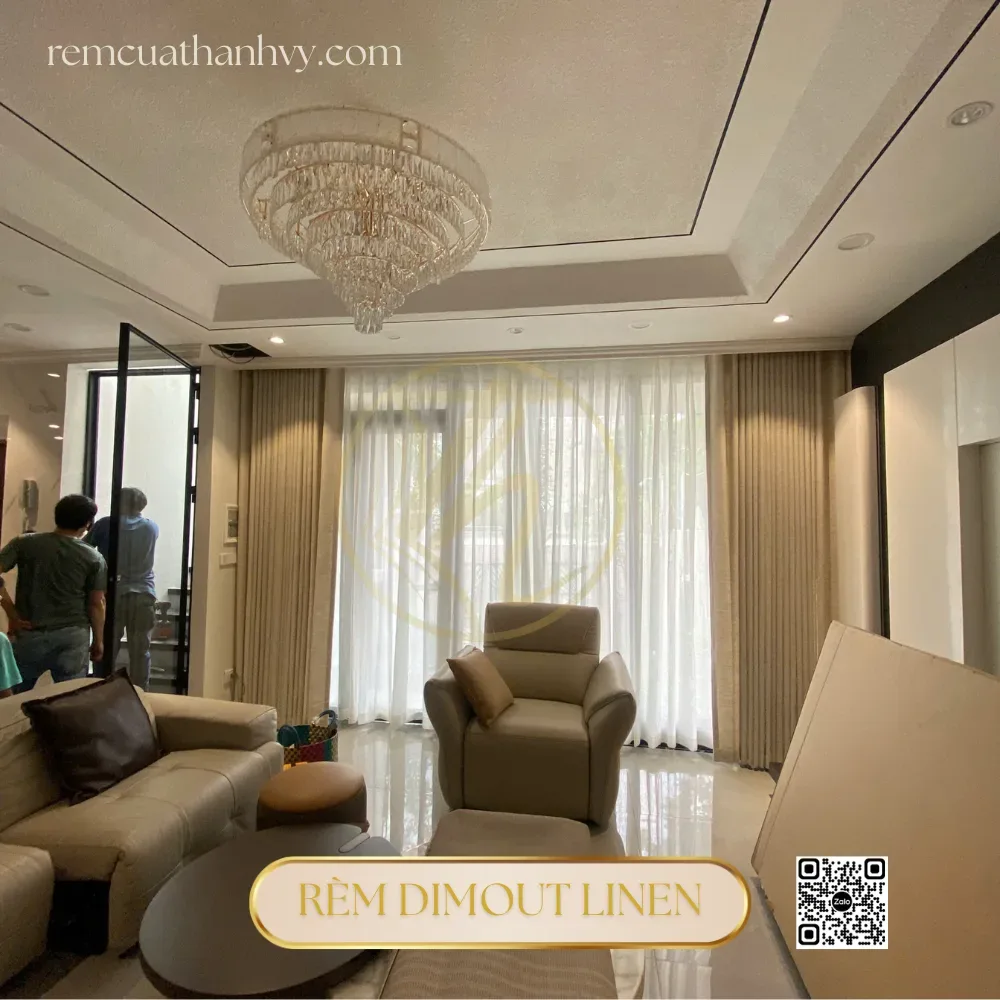
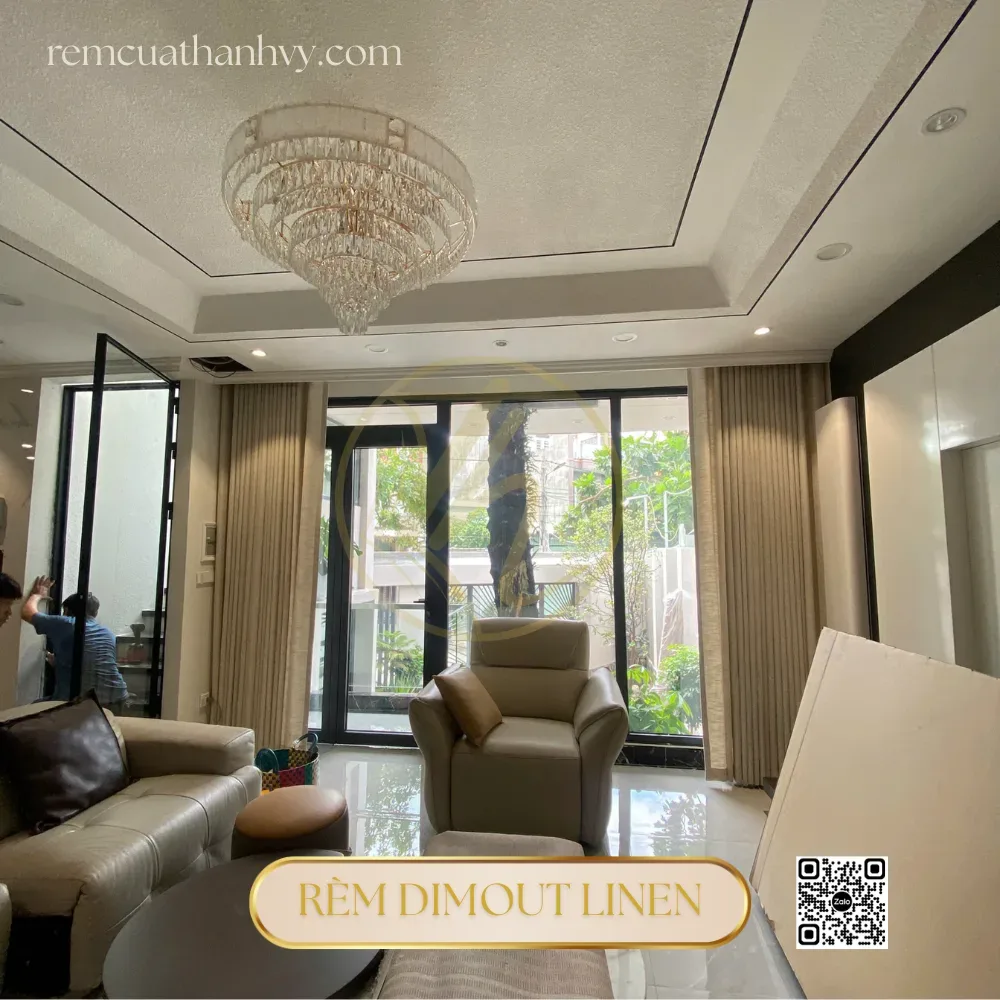
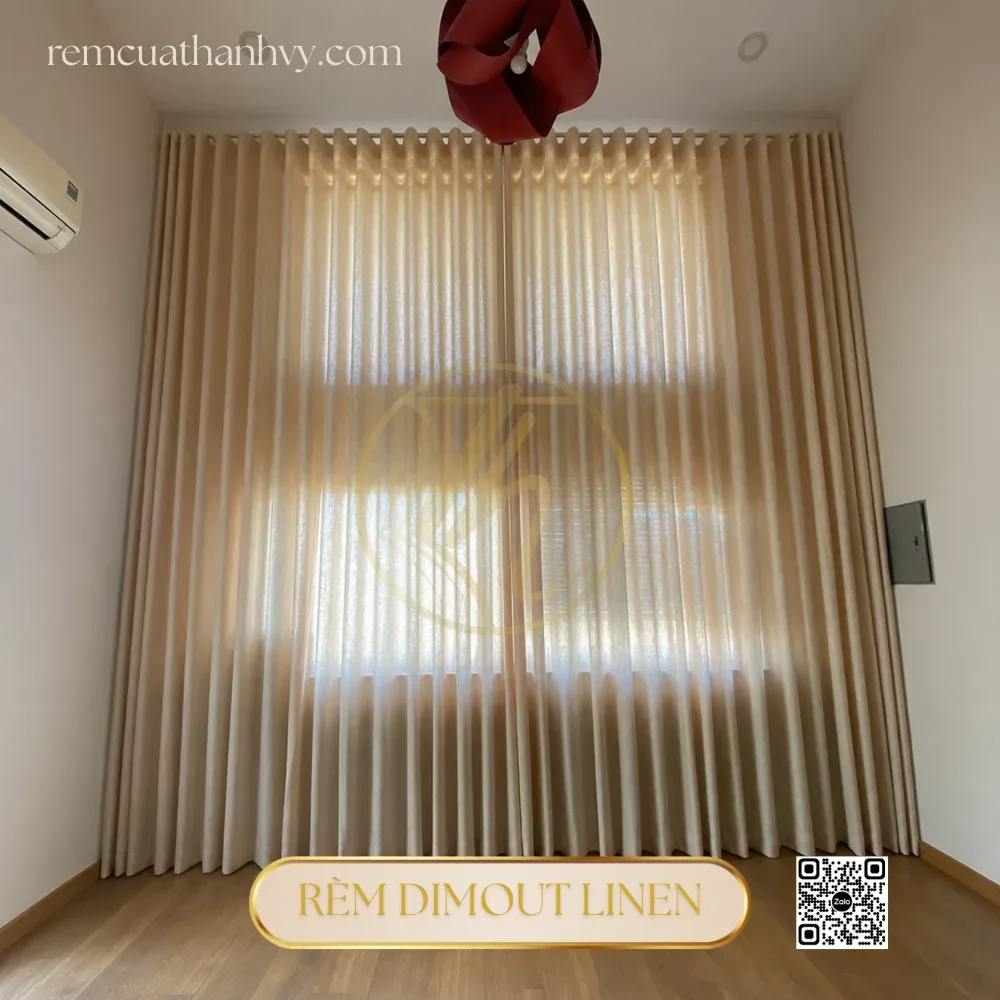
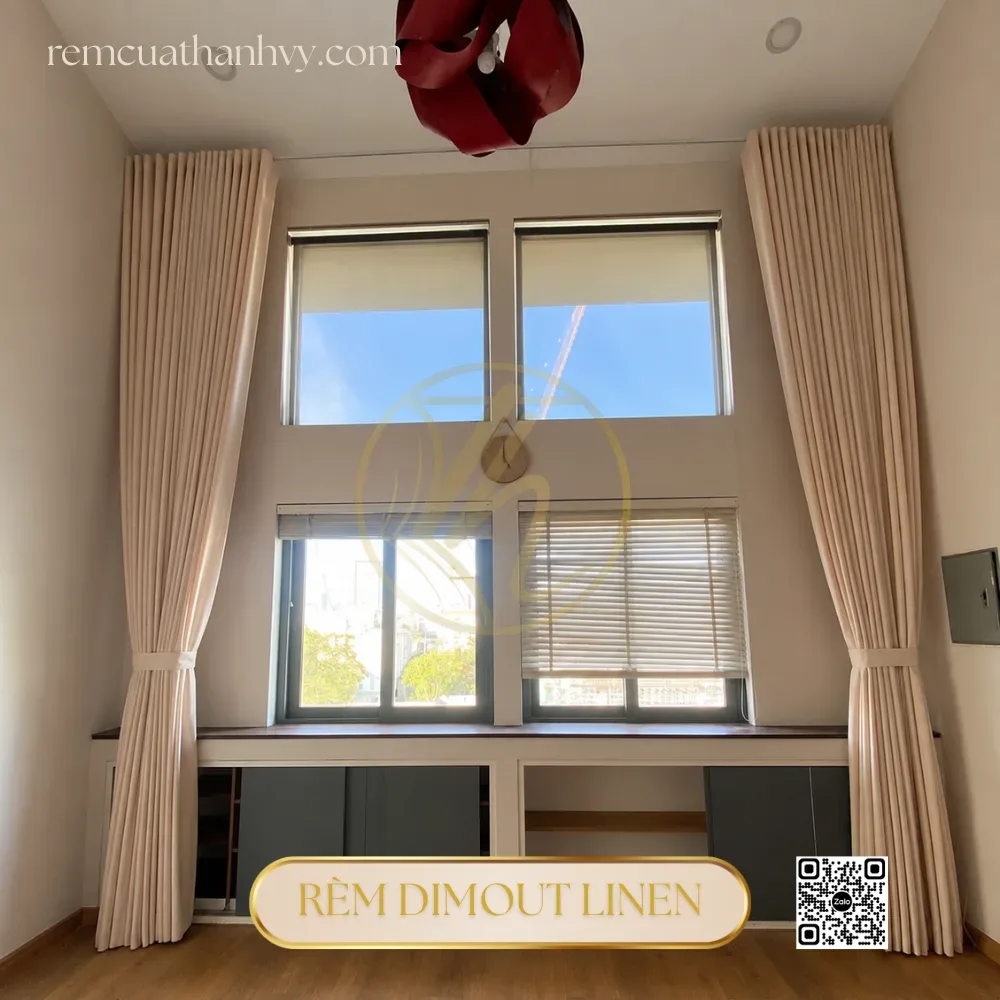
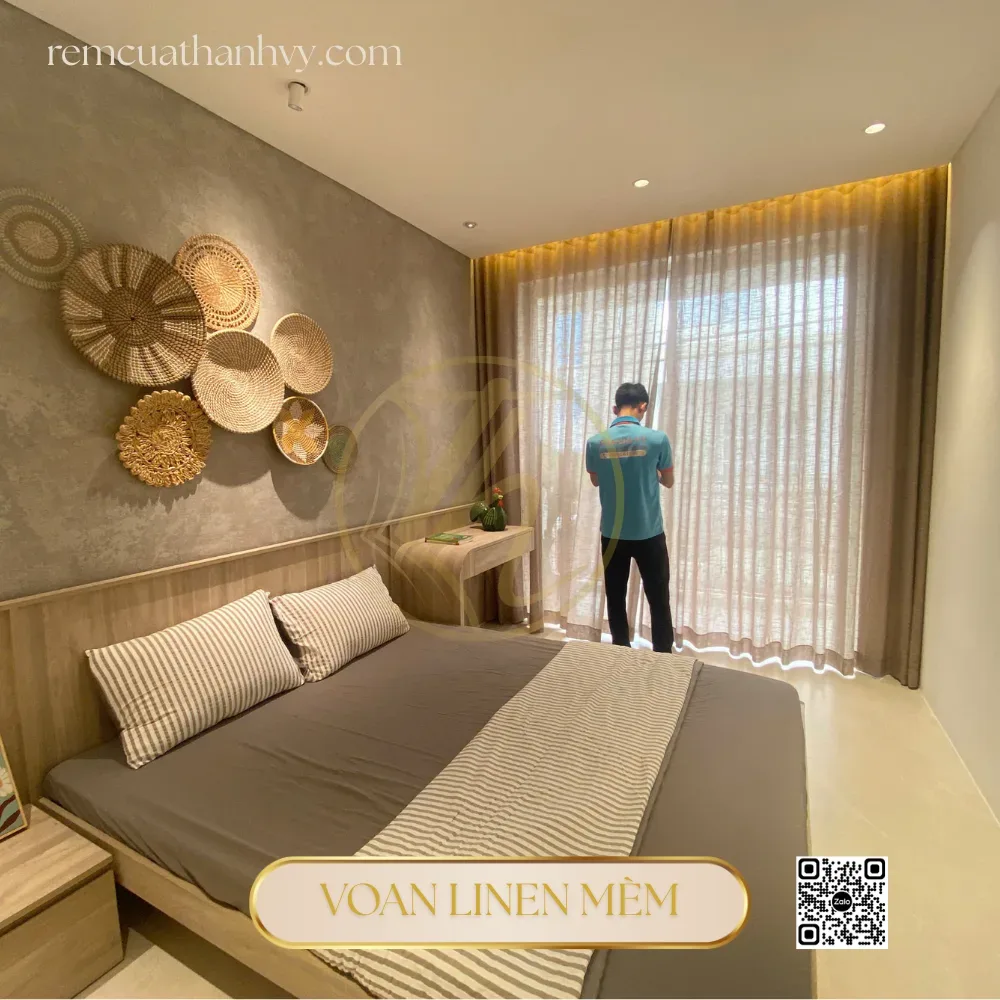
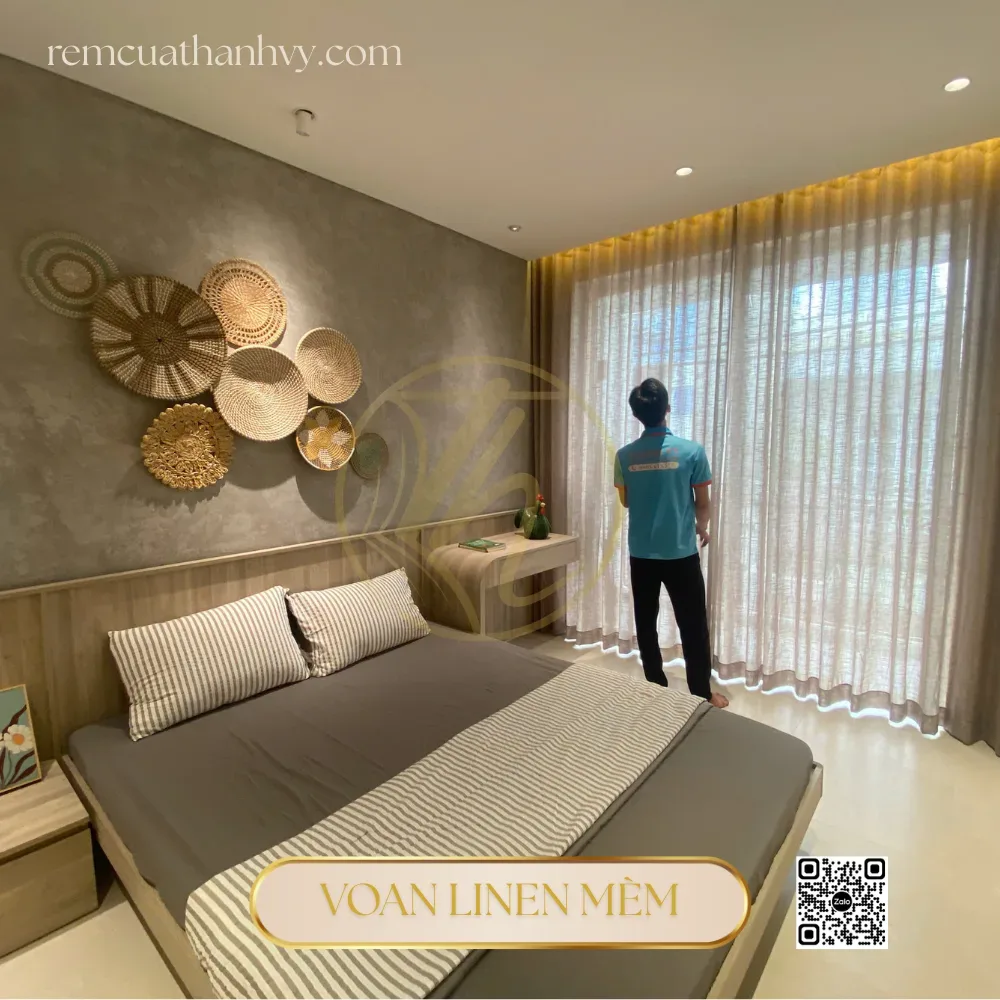
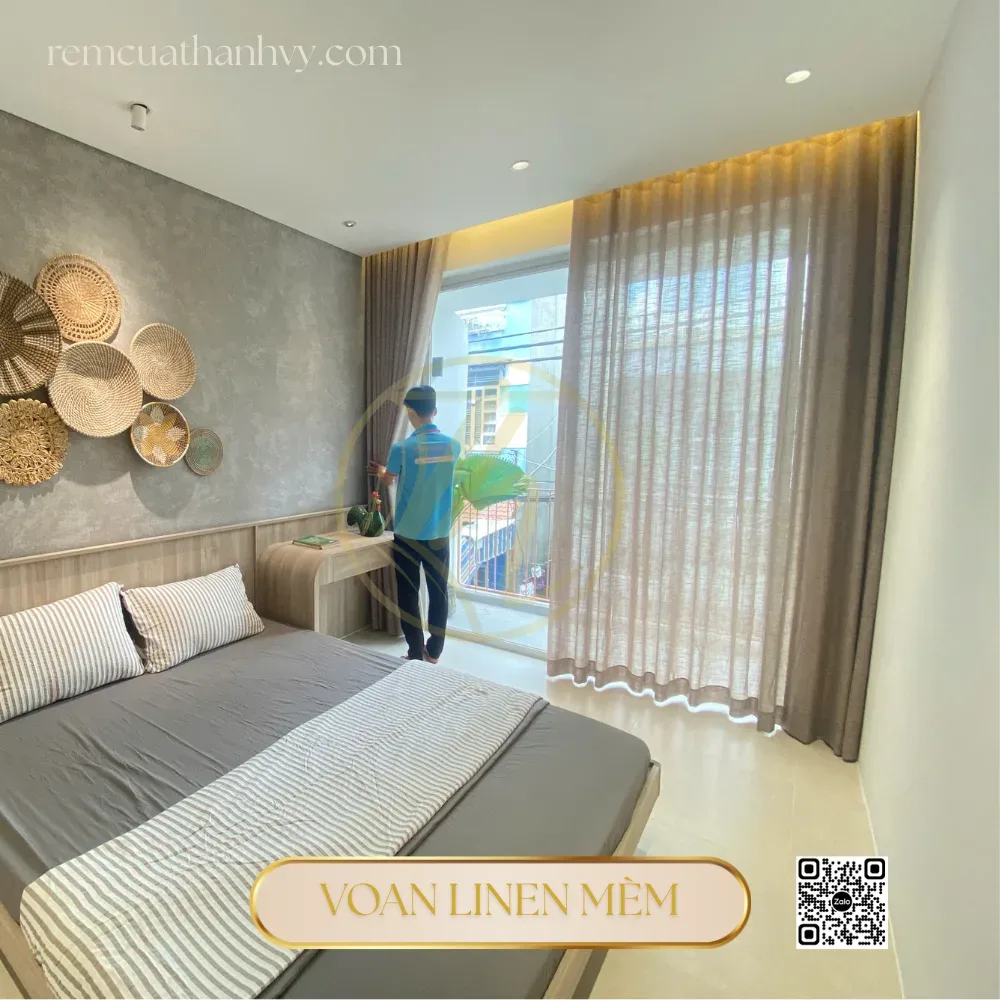
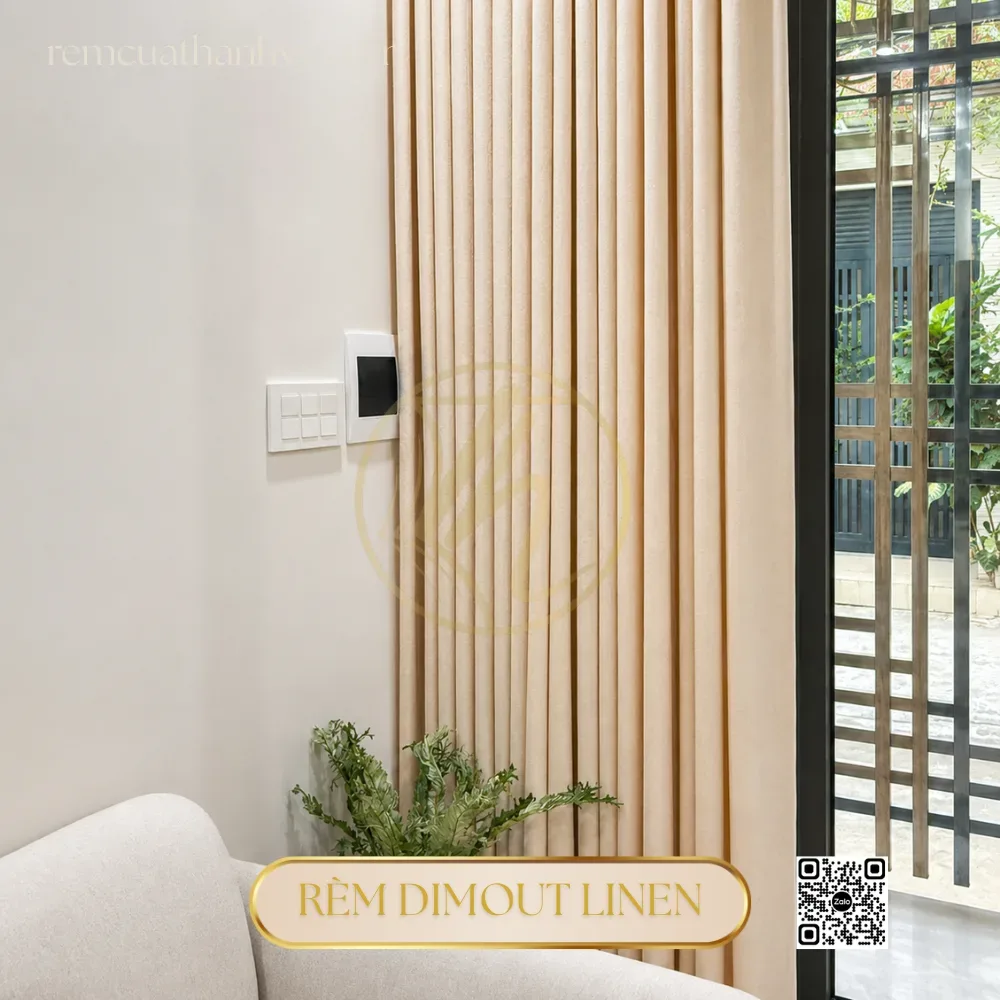
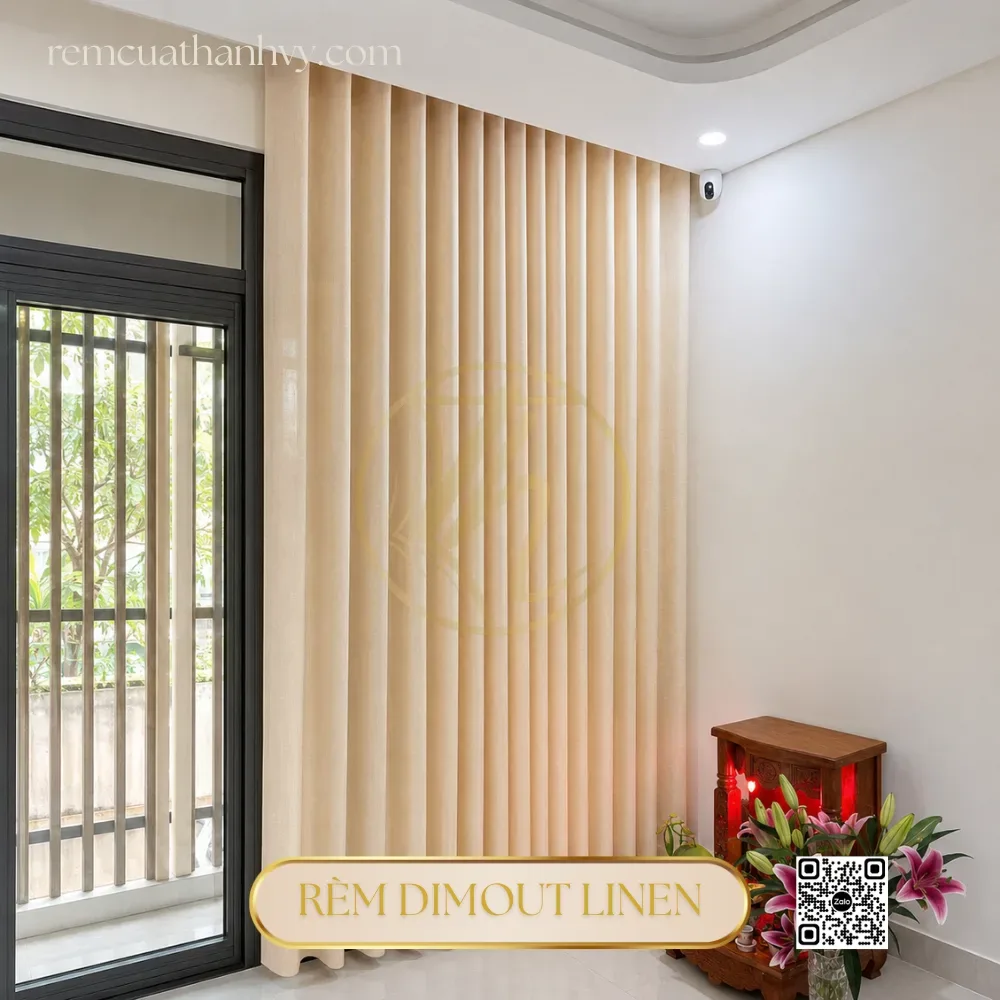
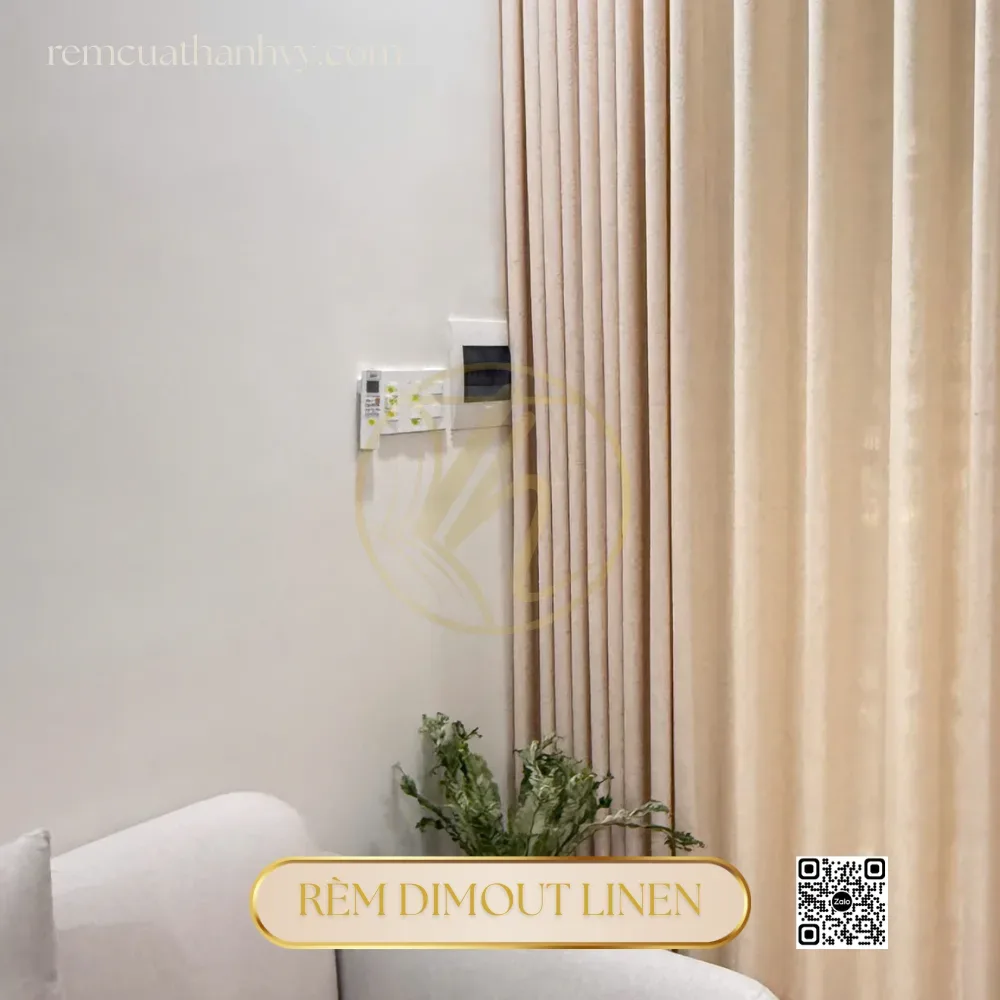
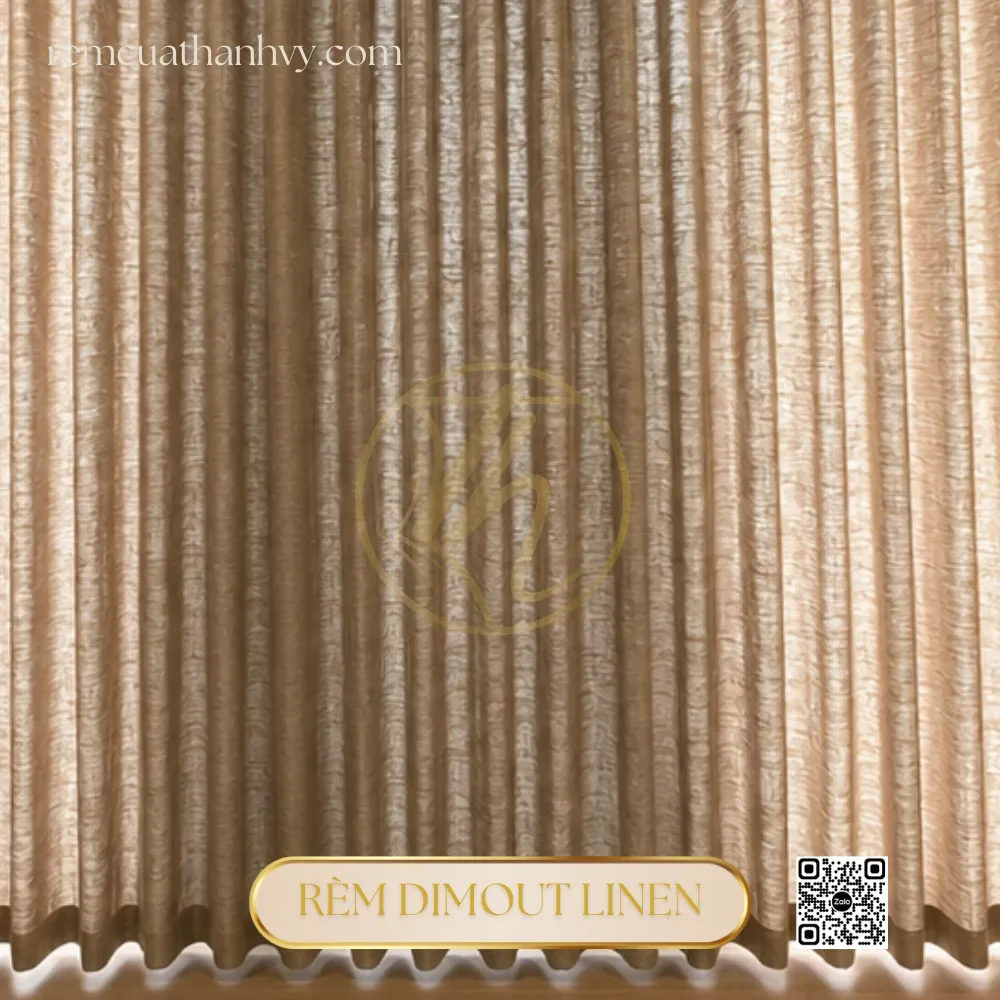
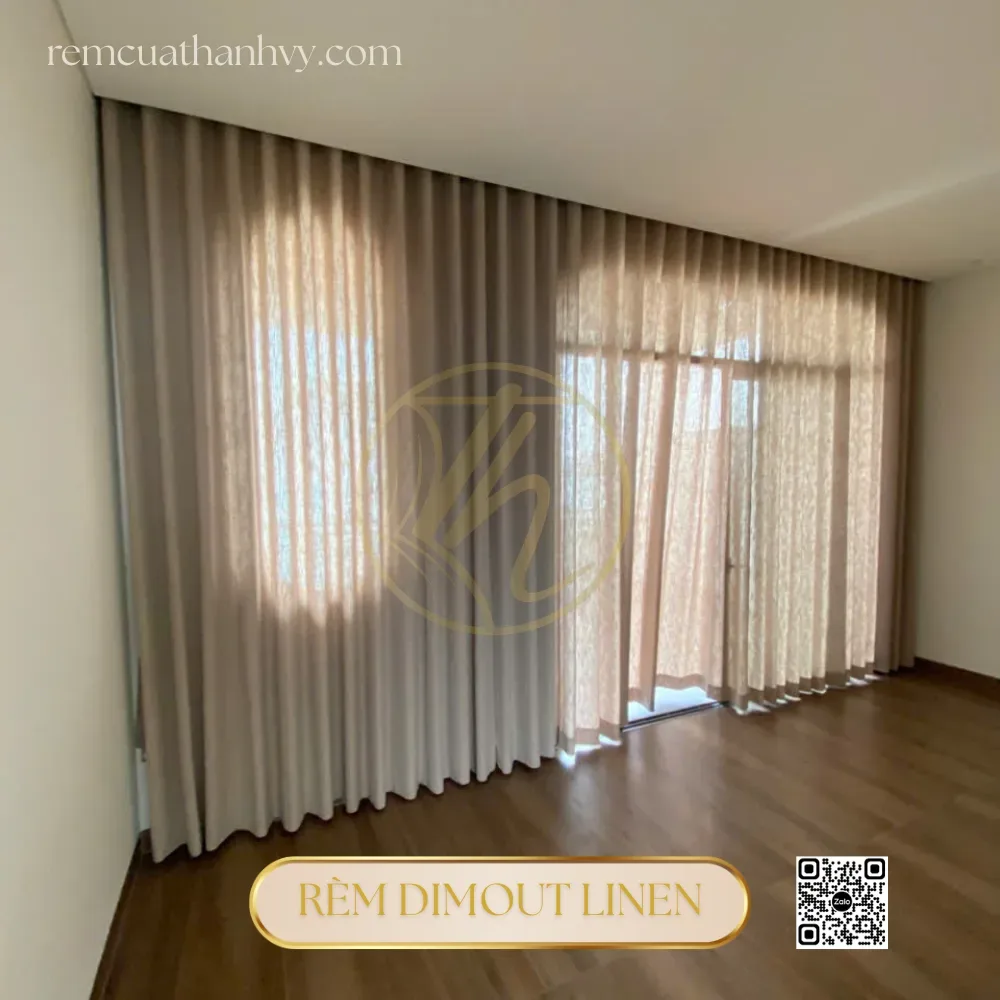
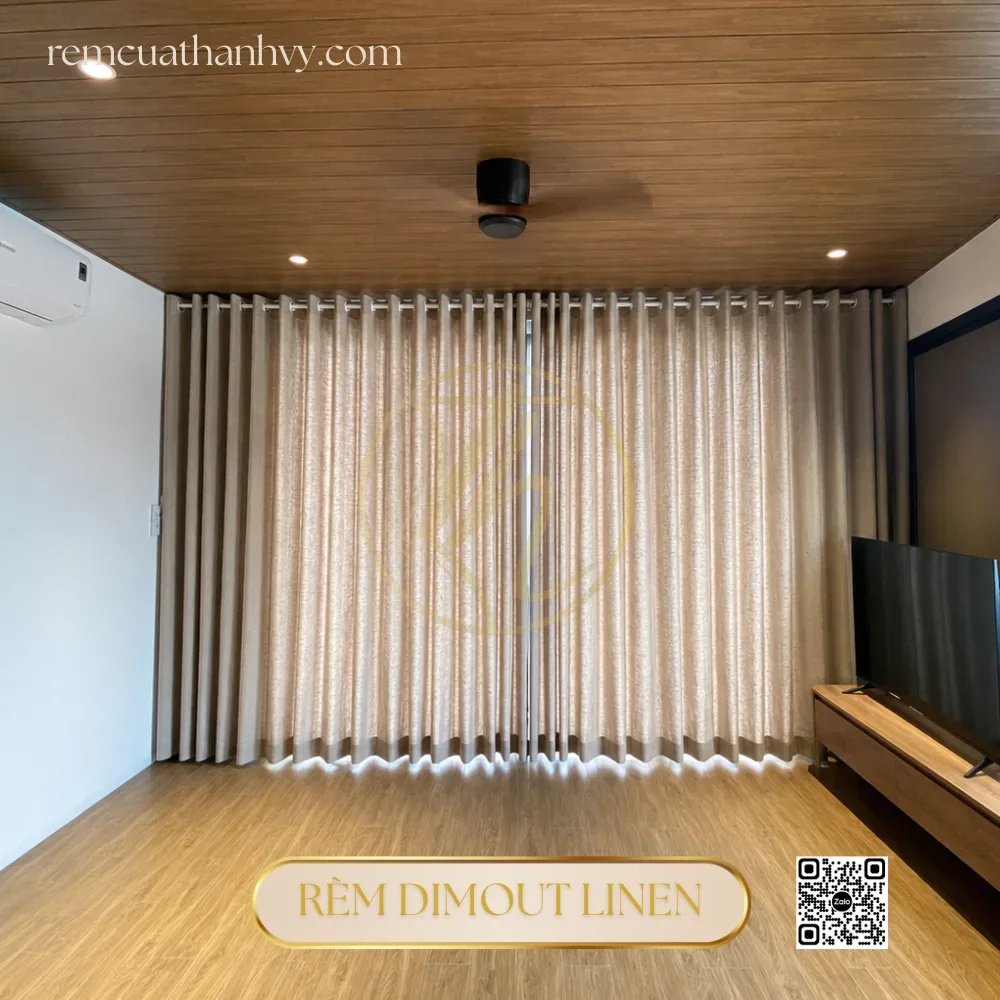
Fabric curtains are easy to color-coordinate with interiors and come in a wide price range.












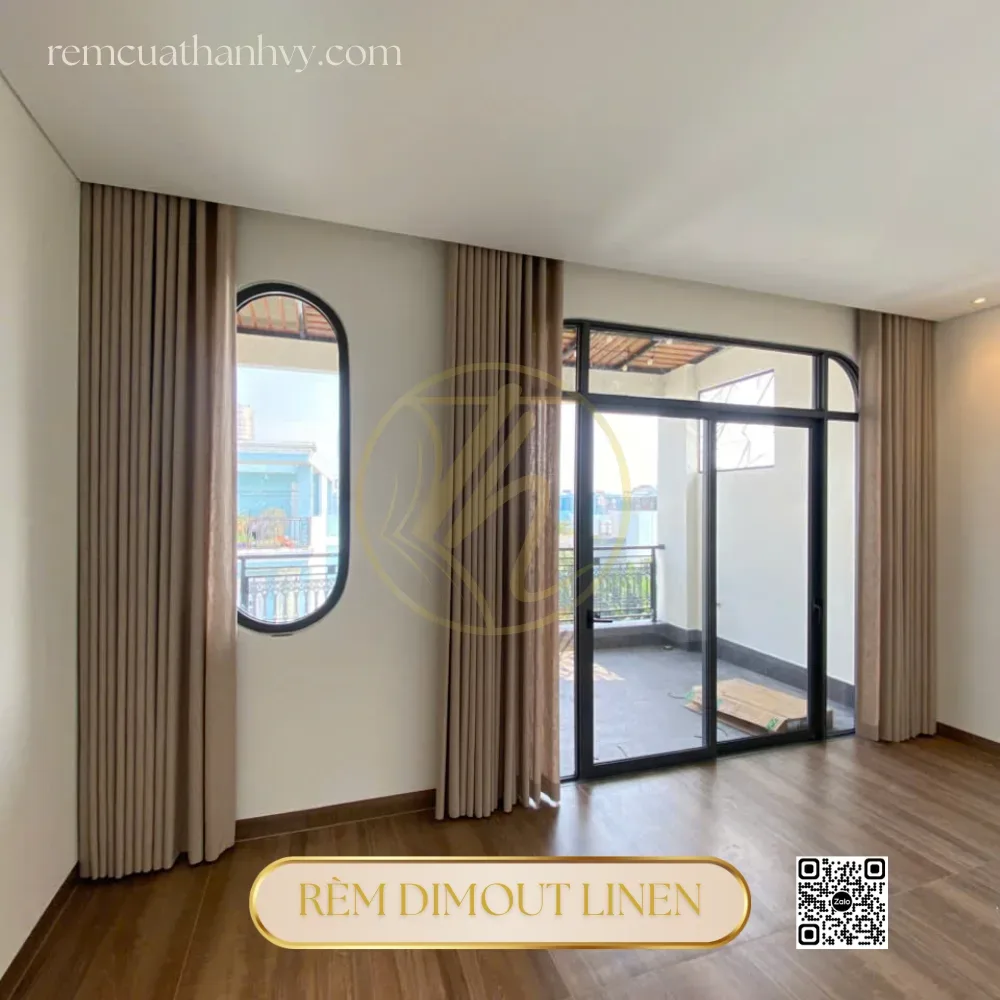
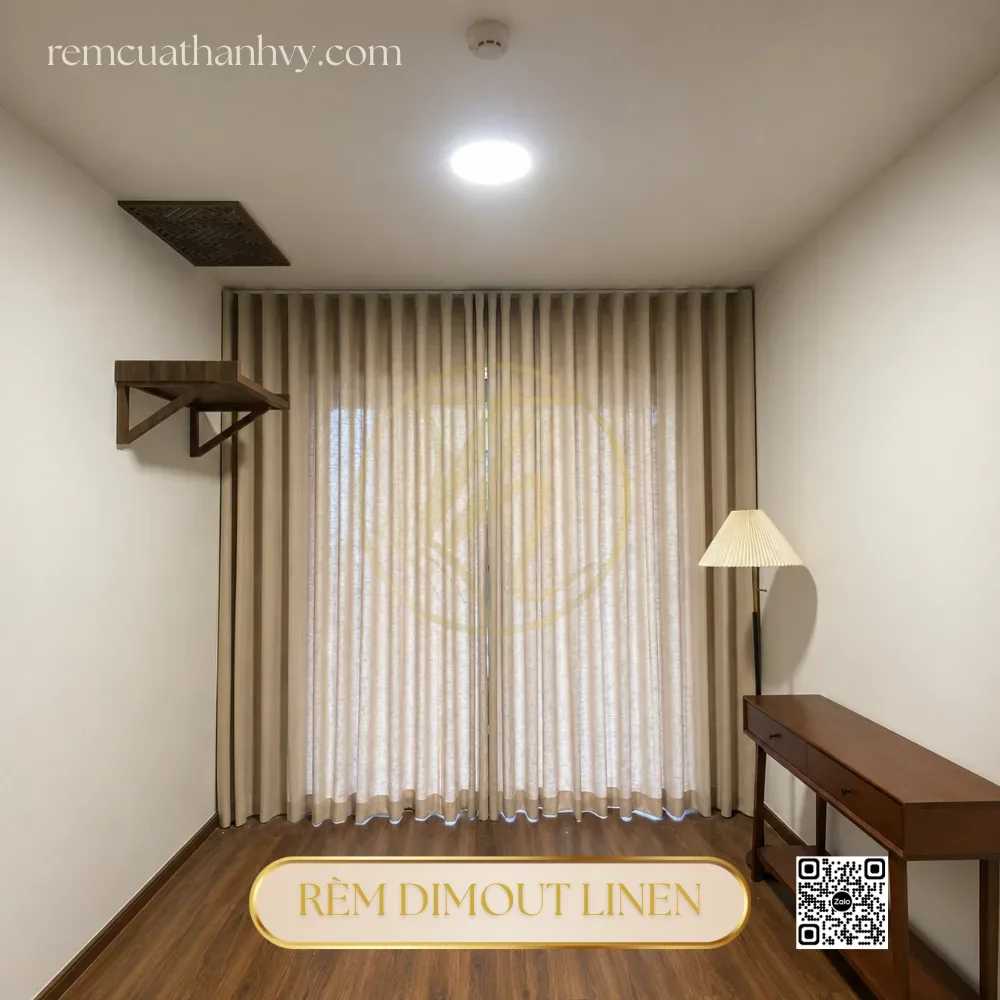
For further information, please contact Thanh Vy Curtains
We provide free consultation and on-site measuring at your home.
Related areas
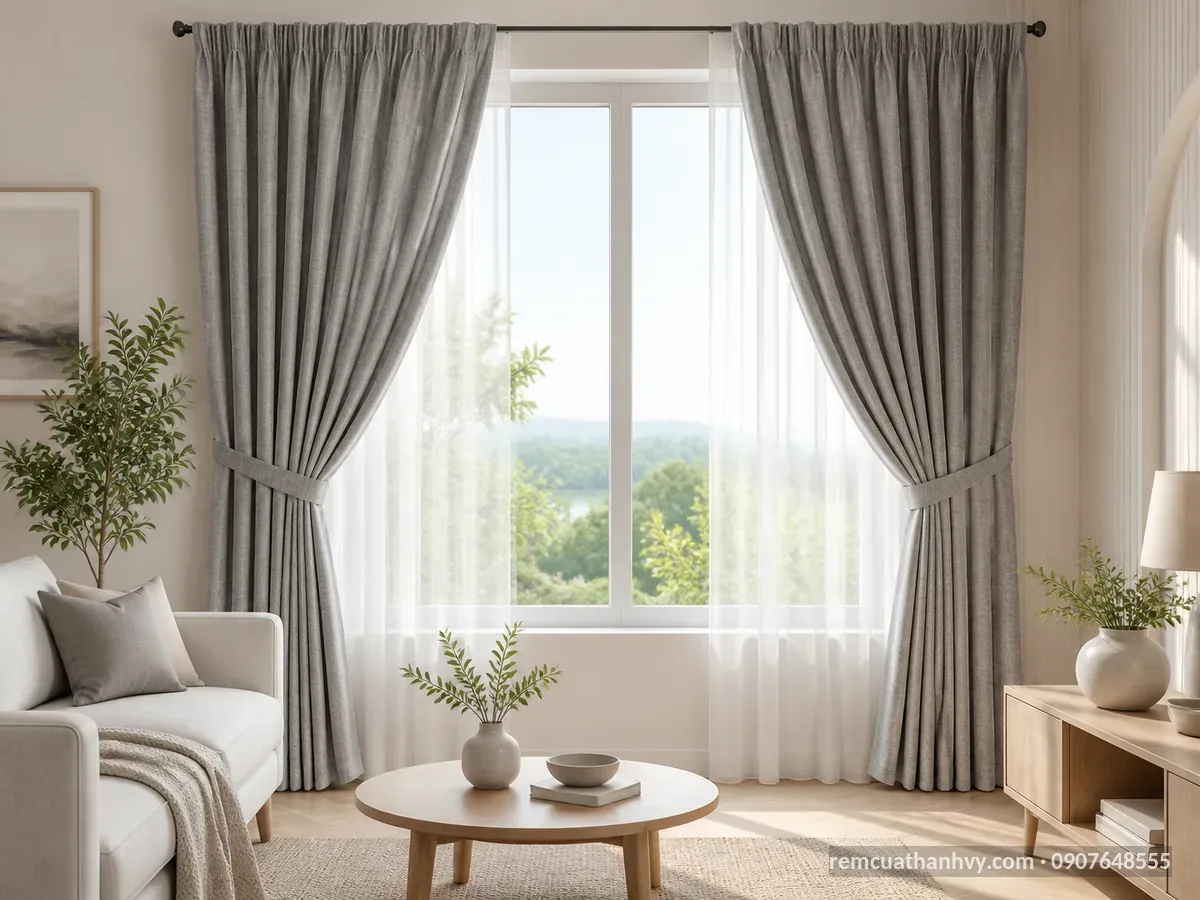
Curtains in District 8: Priorities when choosing for each space
Rèm Cửa Thanh Vy provides professional curtain solutions in District 8 with a wide range [...]
Related reviews
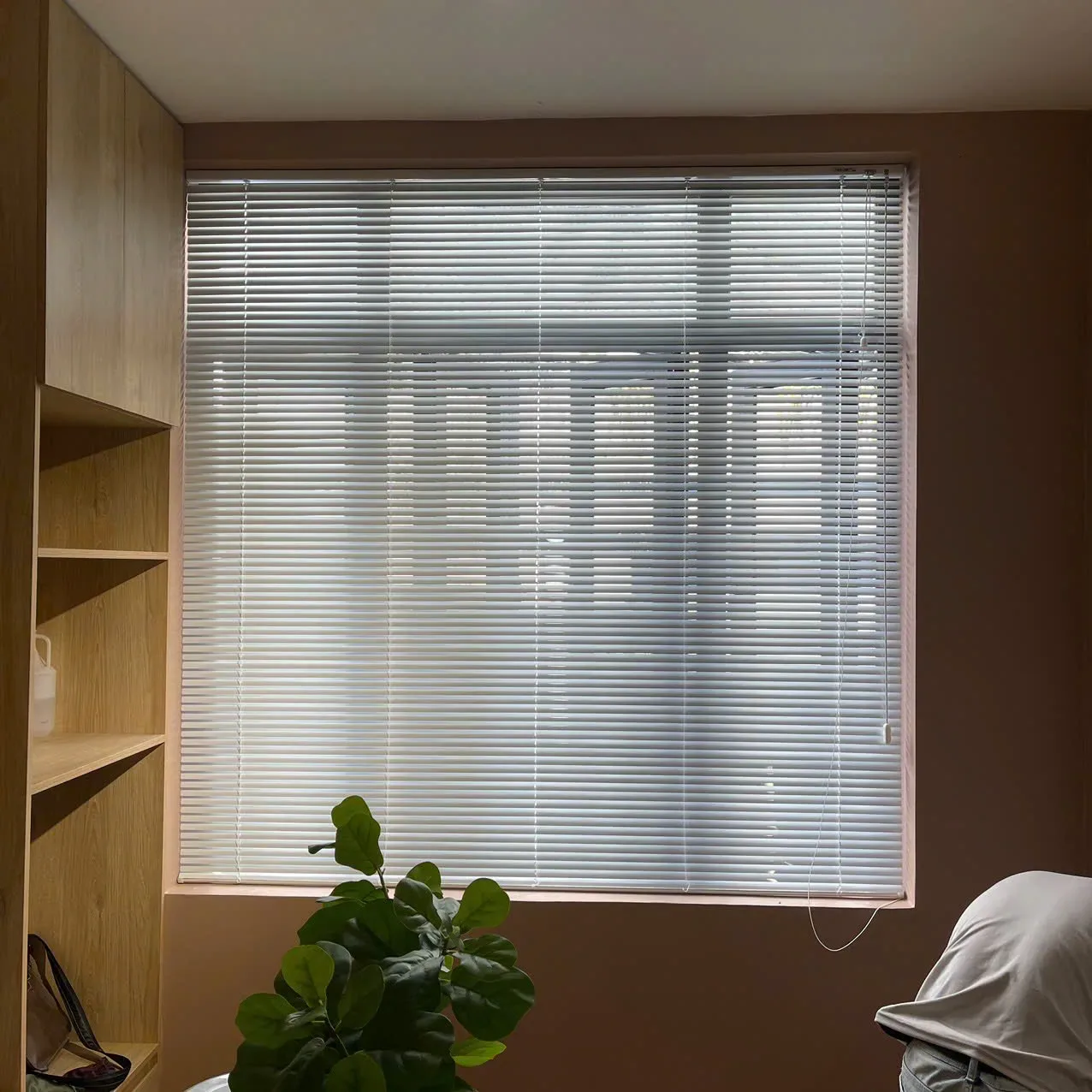
Wooden Blinds or Honeycomb Shades? A Detailed Comparison to Help You Choose
An objective comparison of wooden blinds versus honeycomb shades regarding aesthetics, light control, insulation, durability, [...]
Related posts
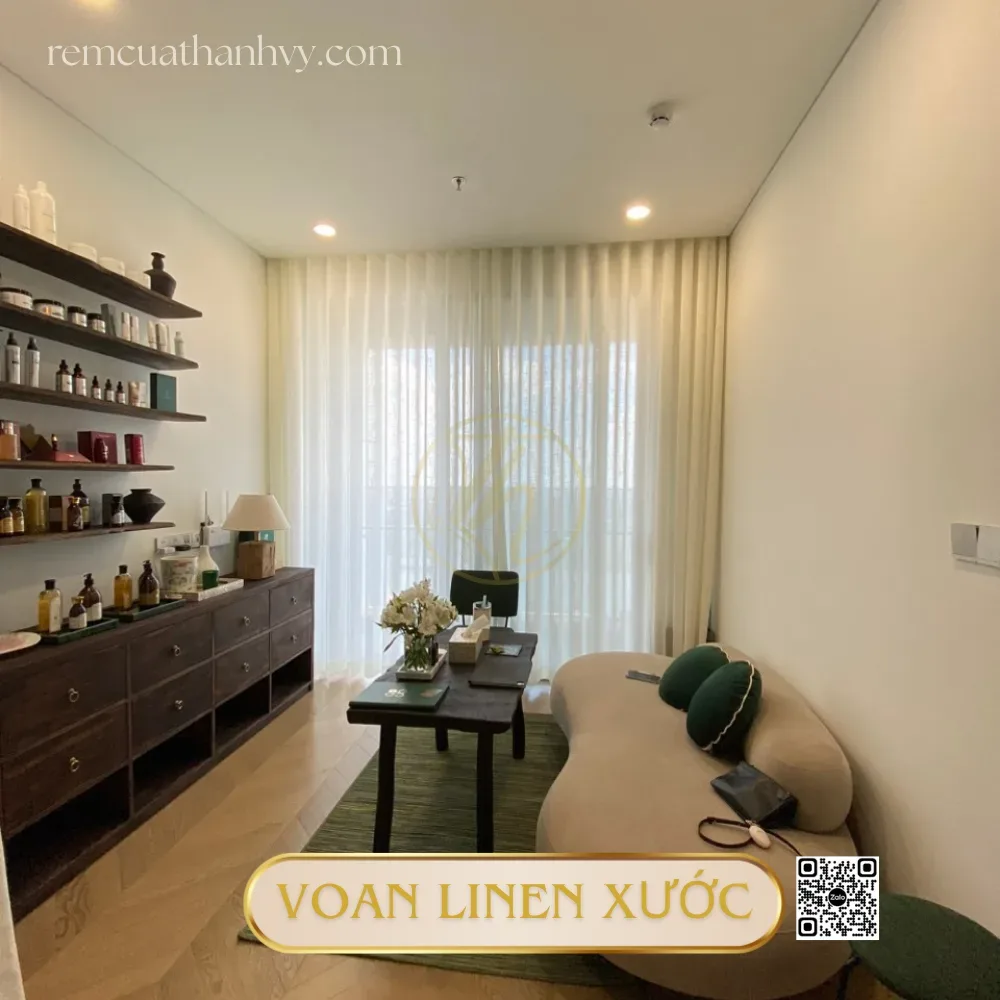
Linen Curtains for North-Facing Houses: Effective Sun Protection
Guide to choosing north-facing linen curtains based on north-facing houses, light, privacy, materials, finishing styles, [...]
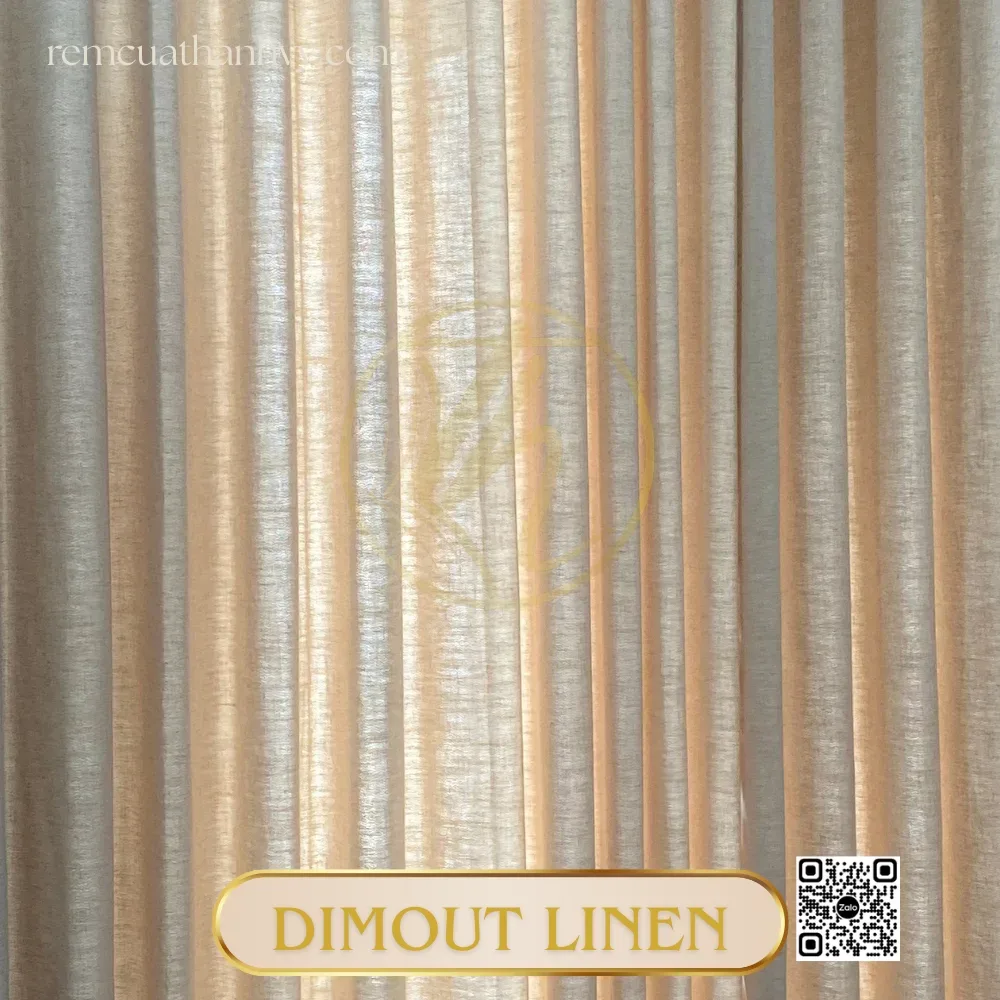
Indochine-Style Linen Curtains for a Beautiful Home
A guide to choosing Indochine-style linen curtains based on style, lighting, privacy, materials, finishing, and [...]
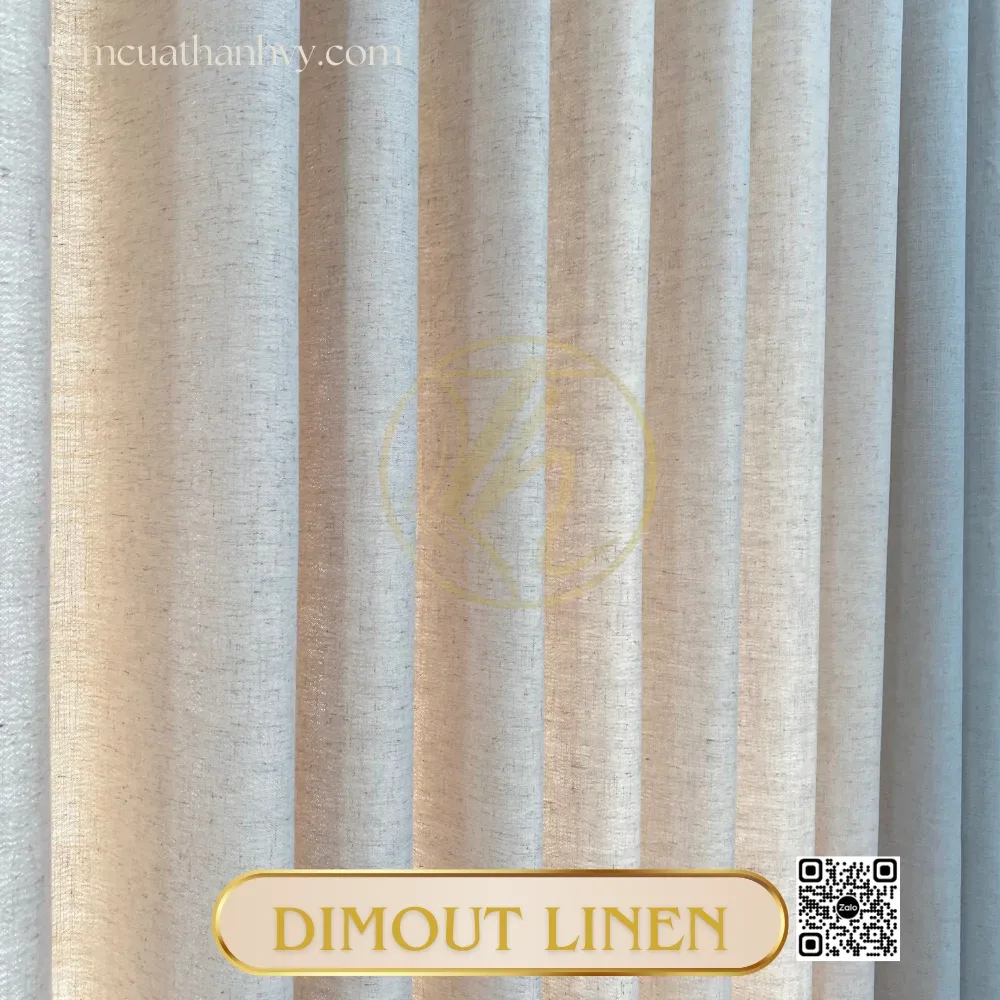
Japanese-Style Linen Curtains for a Beautiful Home
A guide to choosing Japanese linen curtains based on style, lighting, privacy, materials, finishing, and [...]
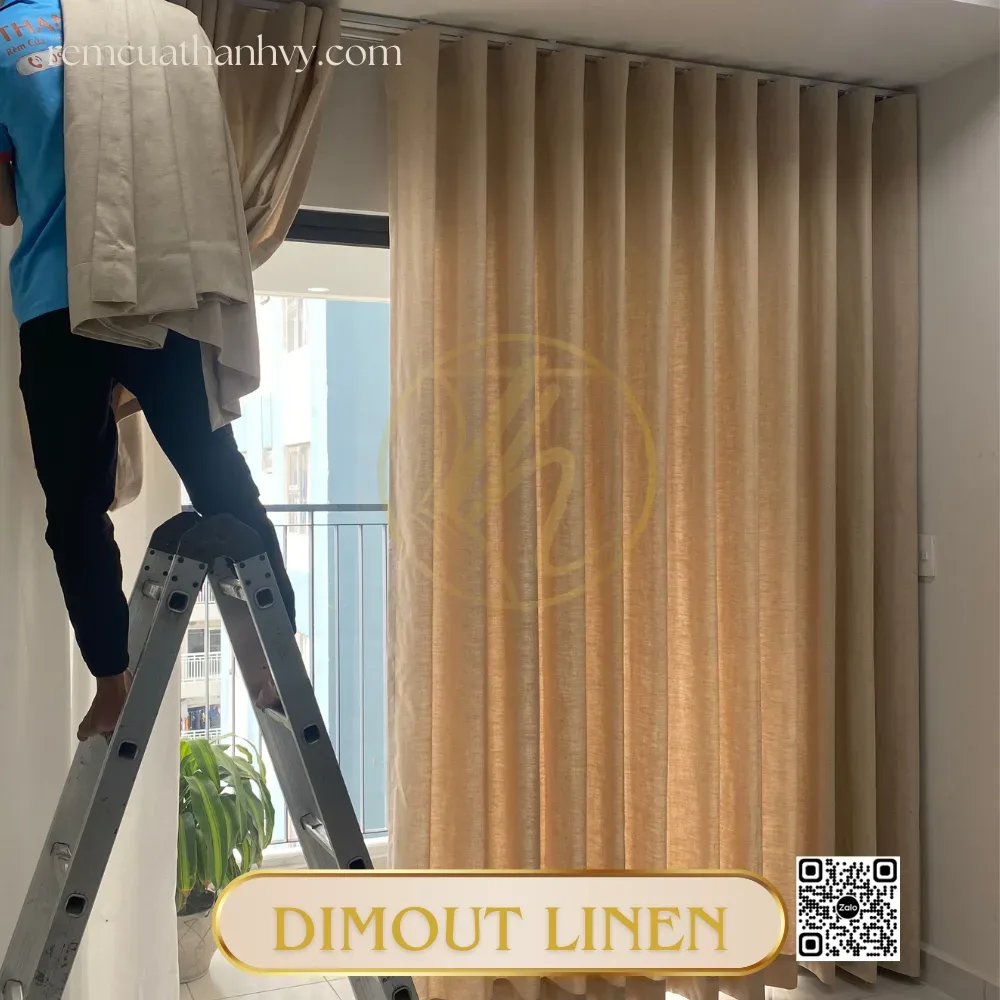
Minimalist Linen Curtains for a Beautiful Home
A guide to choosing minimalist linen curtains based on style, lighting, privacy, materials, finishes, and [...]
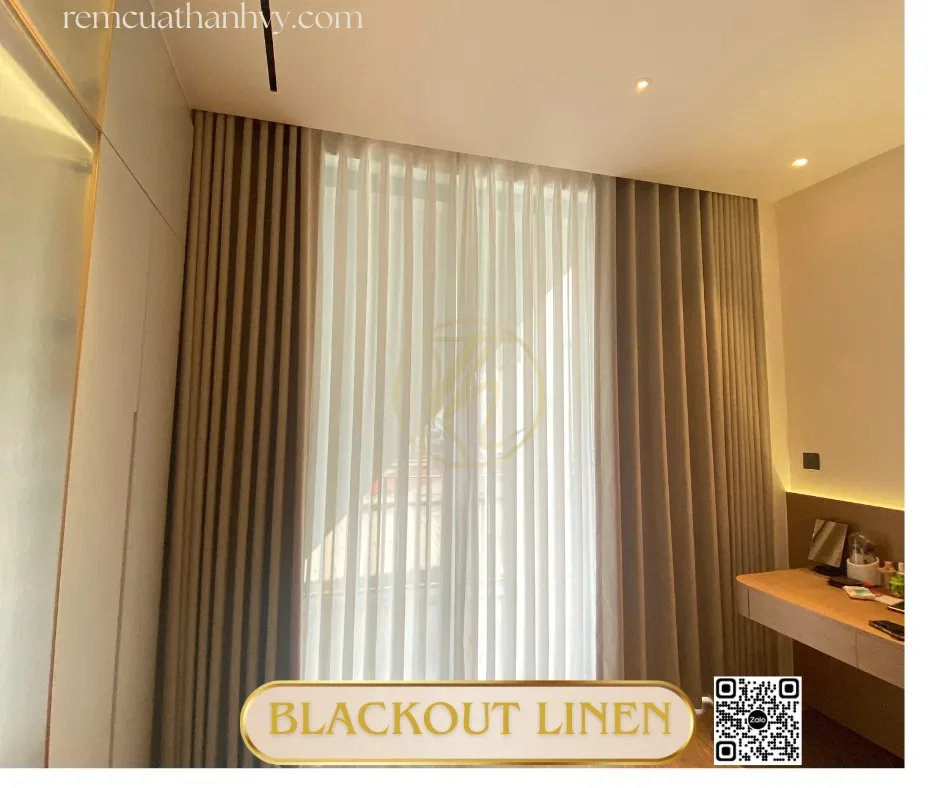
Linen Curtains in Go Vap: How to Choose the Right Style for Modern Homes
Linen curtains in Go Vap are perfect for bright, soft, and natural spaces, but you [...]

Top Best Roman Blind Designs for Living Rooms 2026
This article compiles top groups of beautiful living room roman blind designs featuring pleated styles, [...]

Top Best Roller Blind Designs for Dining Rooms 2026
A guide to choosing beautiful dining room roller blinds based on room layout, lighting, privacy, [...]

Top Best Roller Blind Designs for Prayer Rooms in 2026
A guide to choosing beautiful roller blinds for prayer rooms based on room layout, lighting, [...]


No comments yet!