


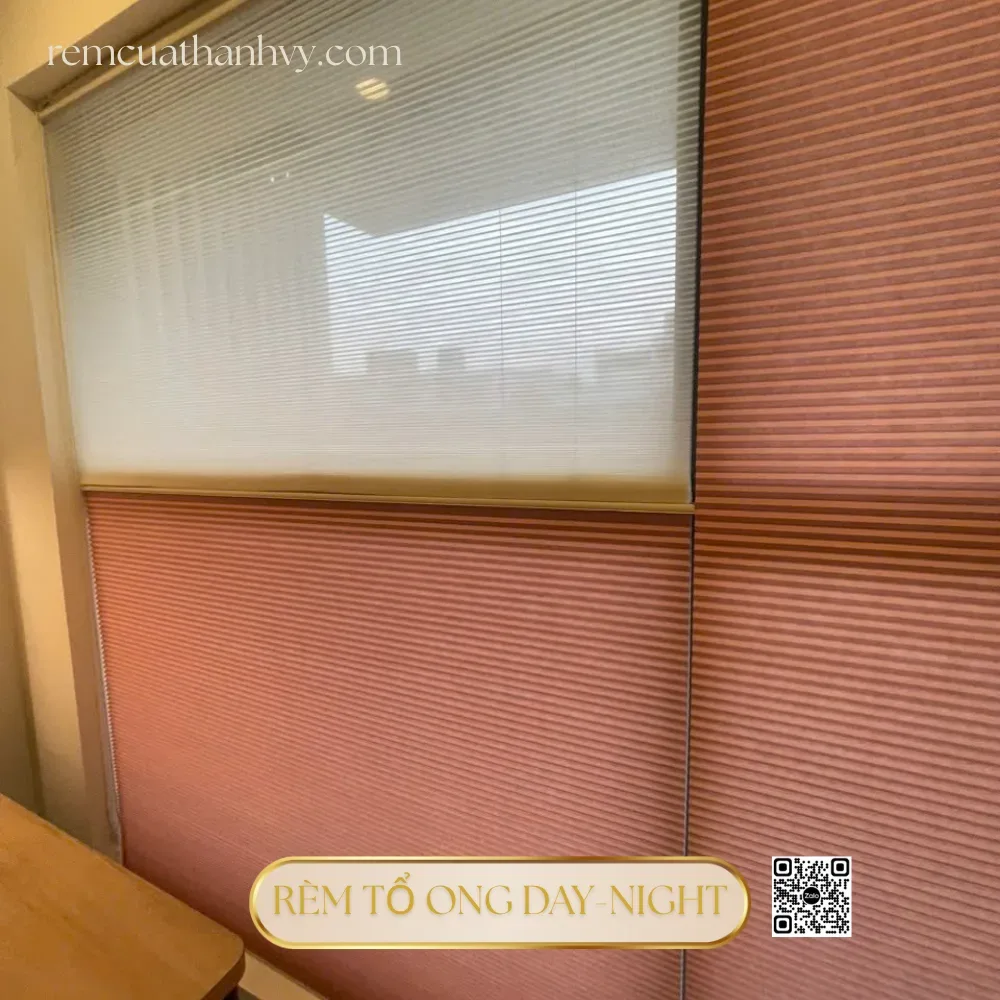
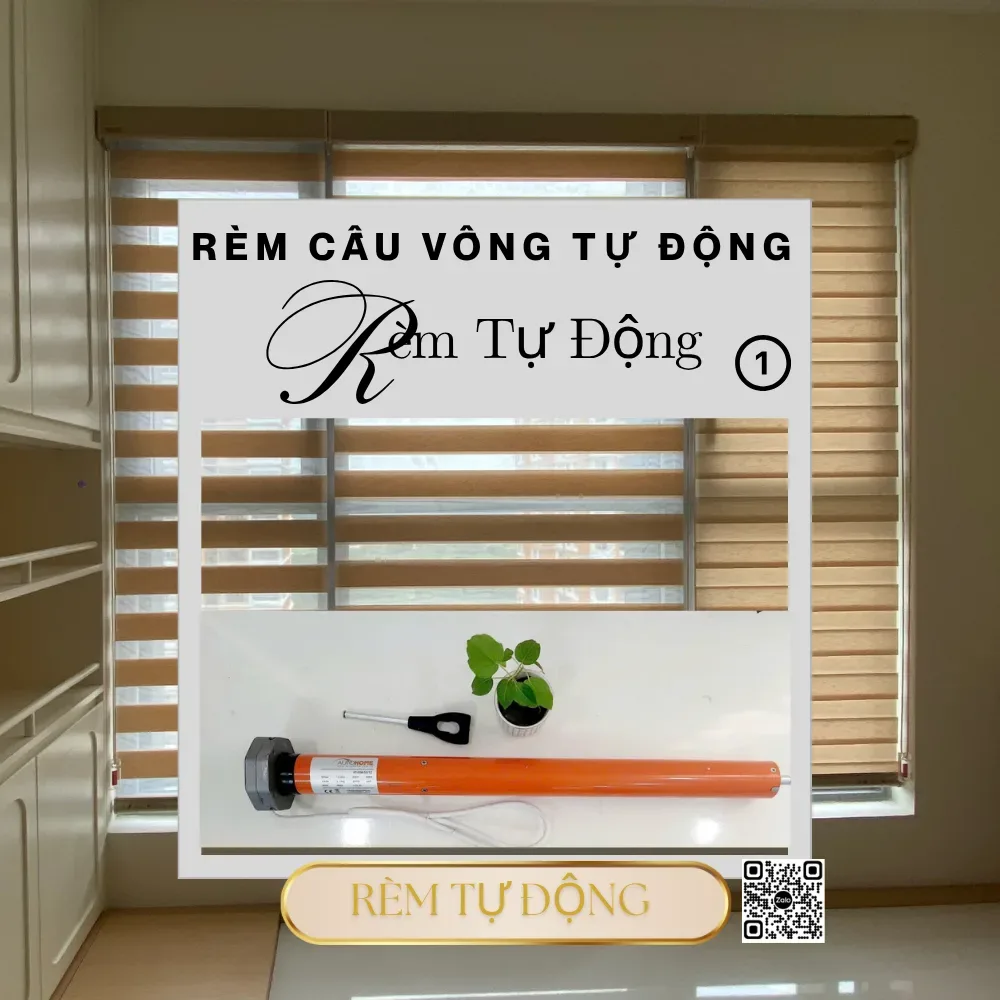
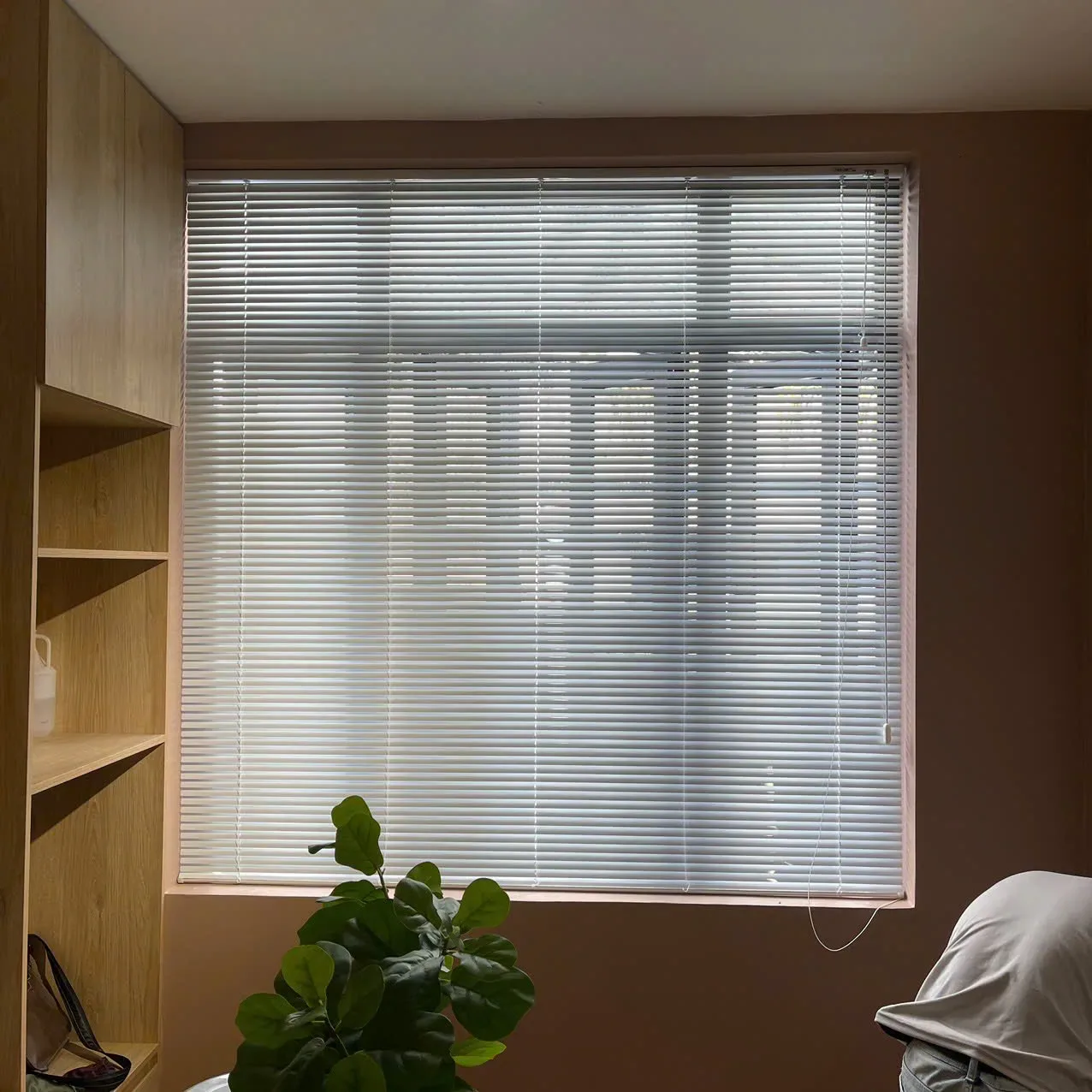
Top Best Roman Blind Designs for Living Rooms 2026
Why Roman Blinds Are Chosen by Many Families for Living Rooms in 2026
The living room is the first space that makes an impression when guests visit, and it is also the area the whole family uses the most every day. When searching for beautiful living room roman blind designs, most homeowners look not only at the form factor but also at how the blinds interact with light, existing furniture, and daily living routines. Roman blinds fit this criteria thanks to their flat, neat layered structure when pulled up and orderly fabric panels when dropped down, completely different from the free-flowing feel of traditional fabric curtains. Readers can cross-reference further via the article introducing auditorium blinds on Can Tho Newspaper.
Another reason Roman blinds are favored in 2026 is their adaptability to various interior styles, from minimalist and modern to rustic and close to nature. The flat surface and evenly spaced folds help users easily control the overall visual appeal of the wall with the window, avoiding a cluttered look like when combining multiple complex curtain layers. Roman blinds also allow for stopping at various height levels when pulled, helping families proactively balance natural light and privacy at different times of the day.
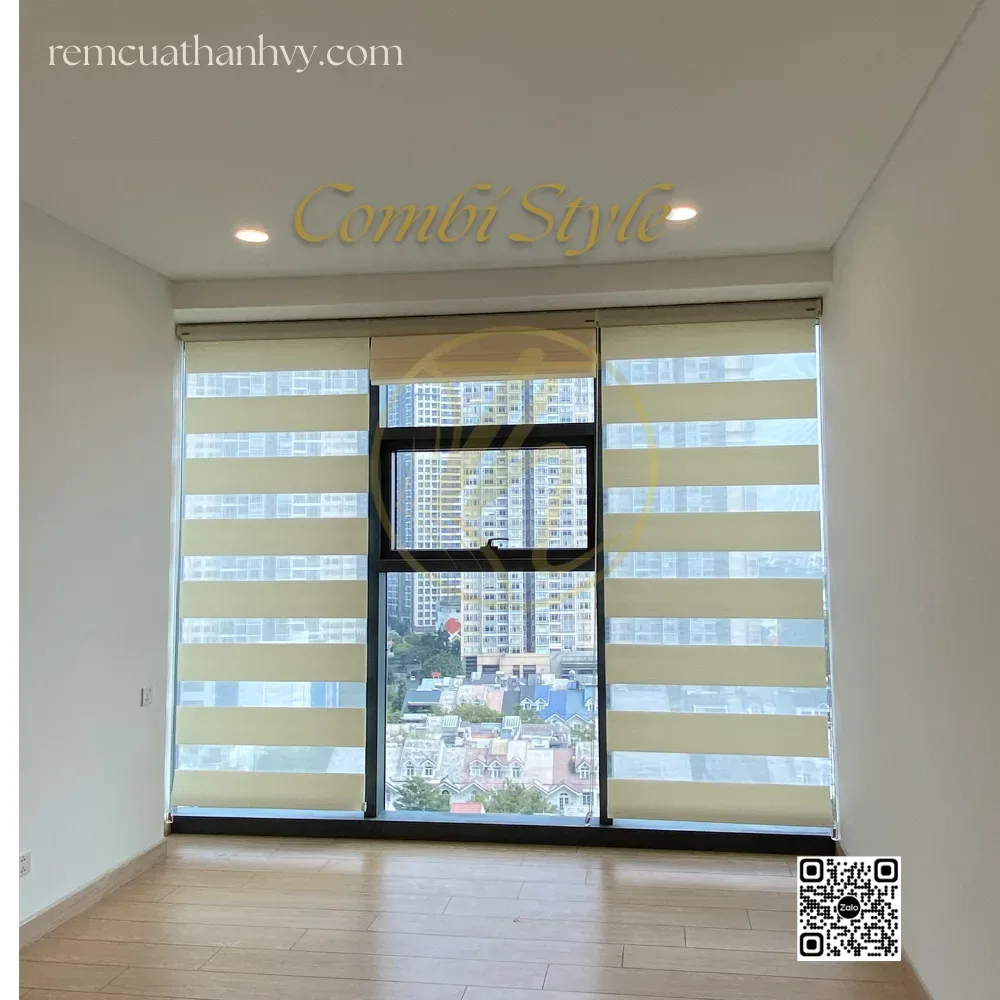
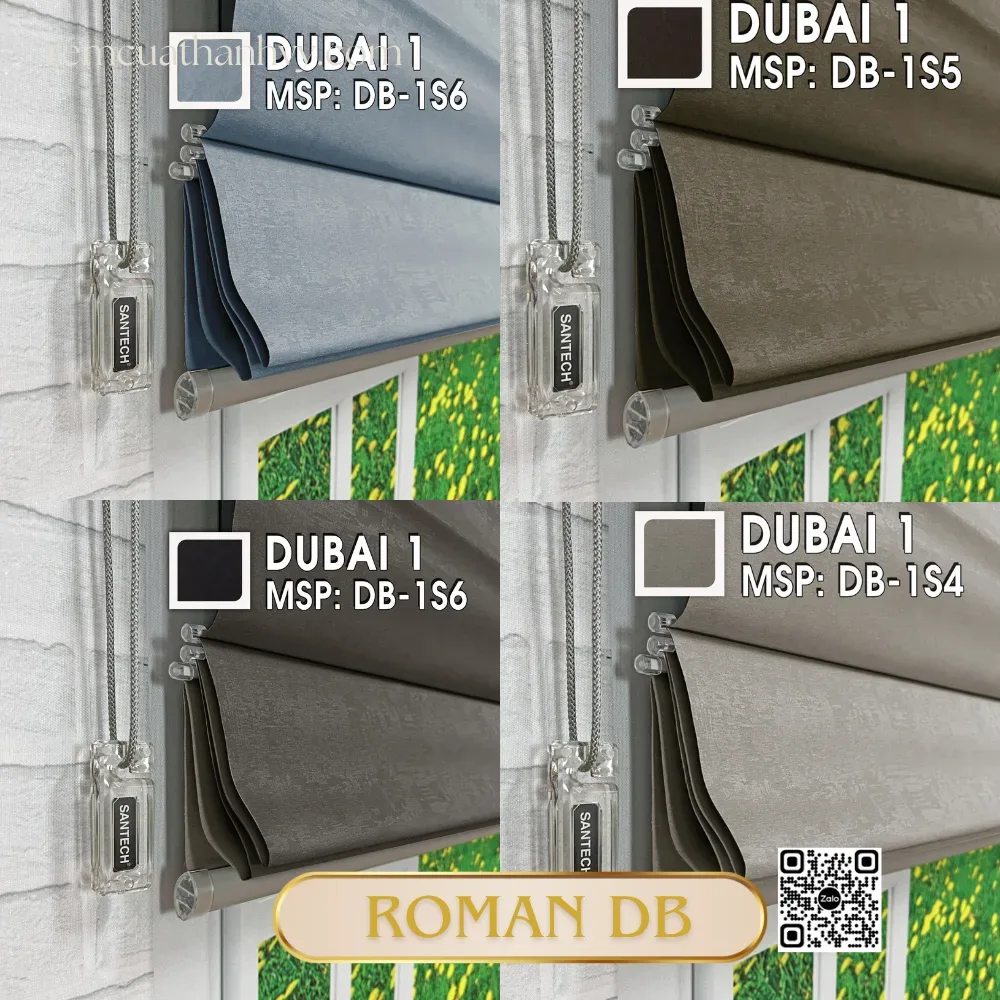
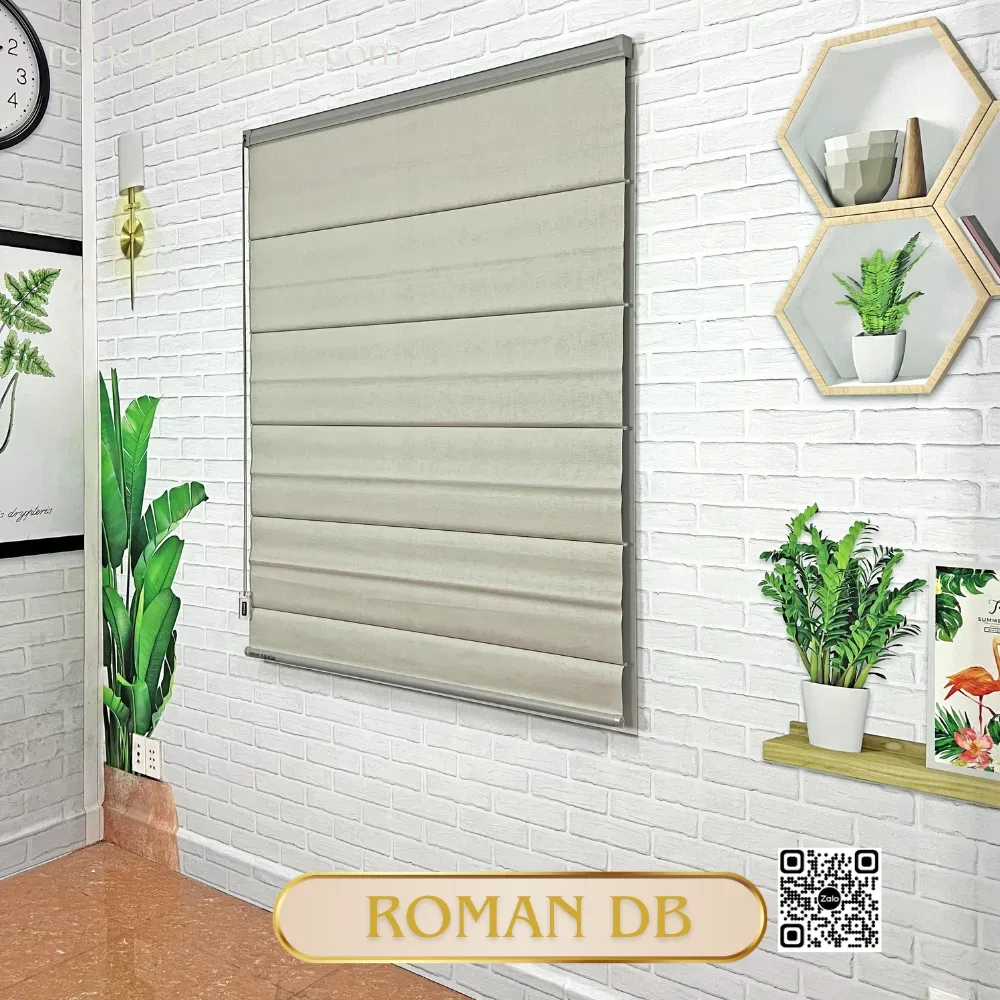
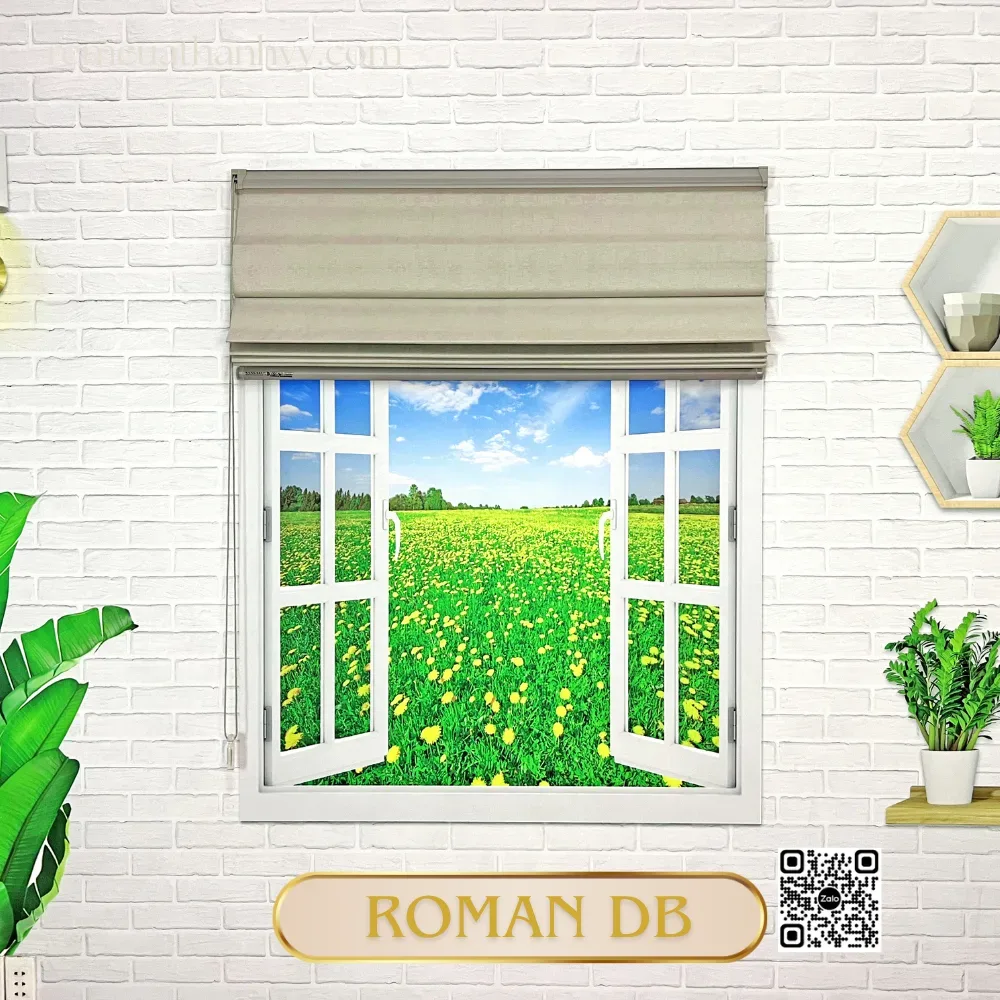
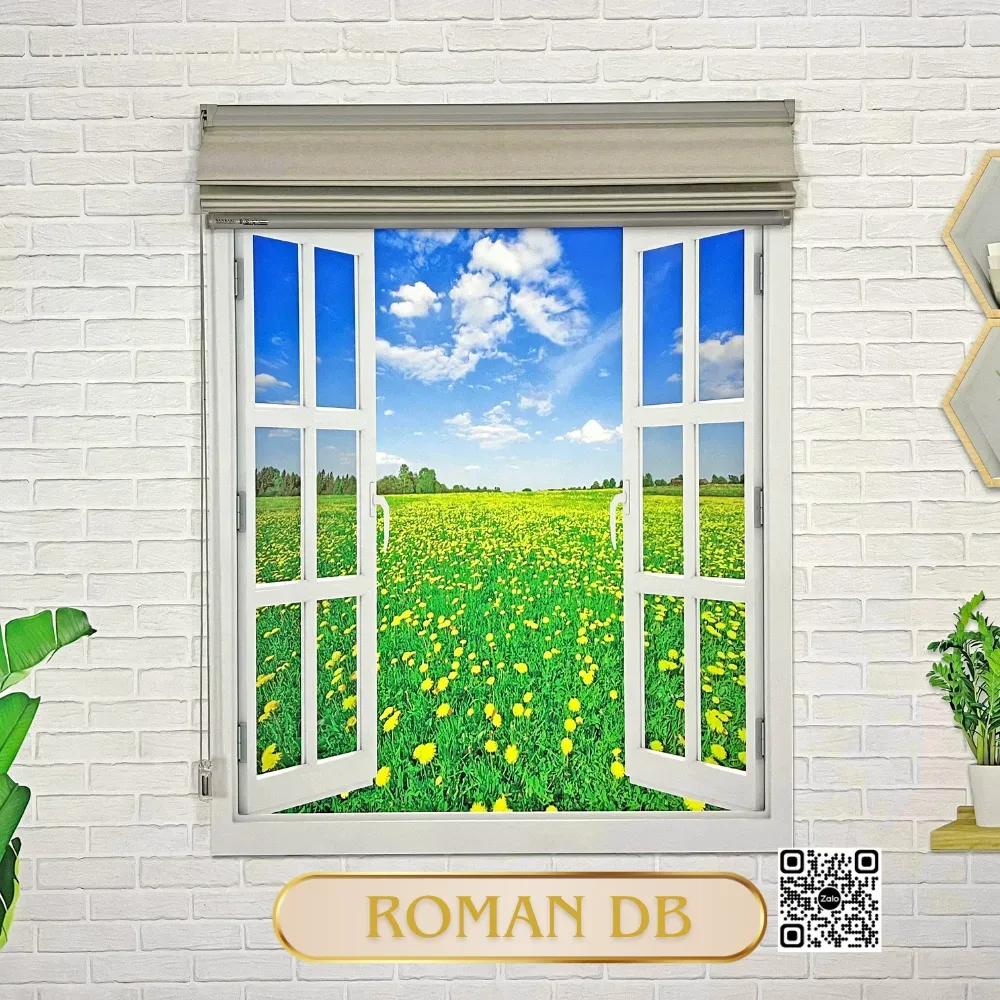
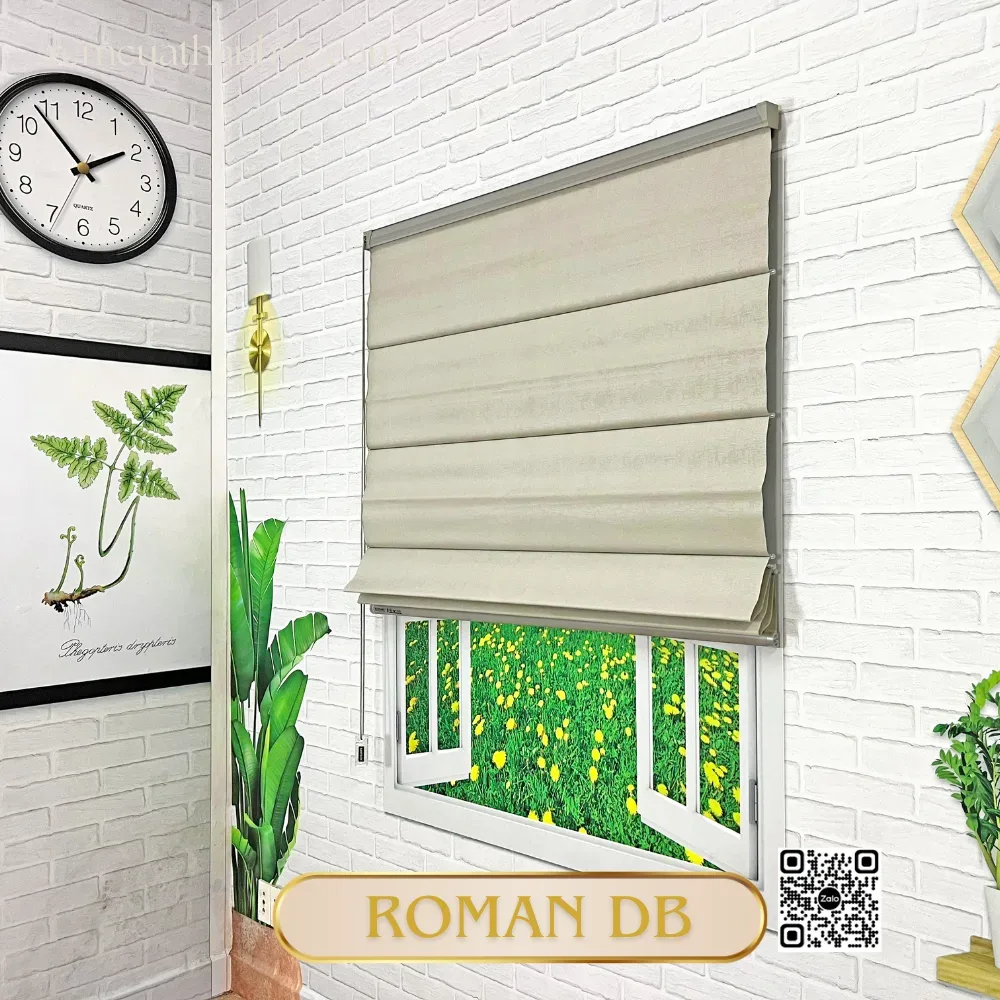
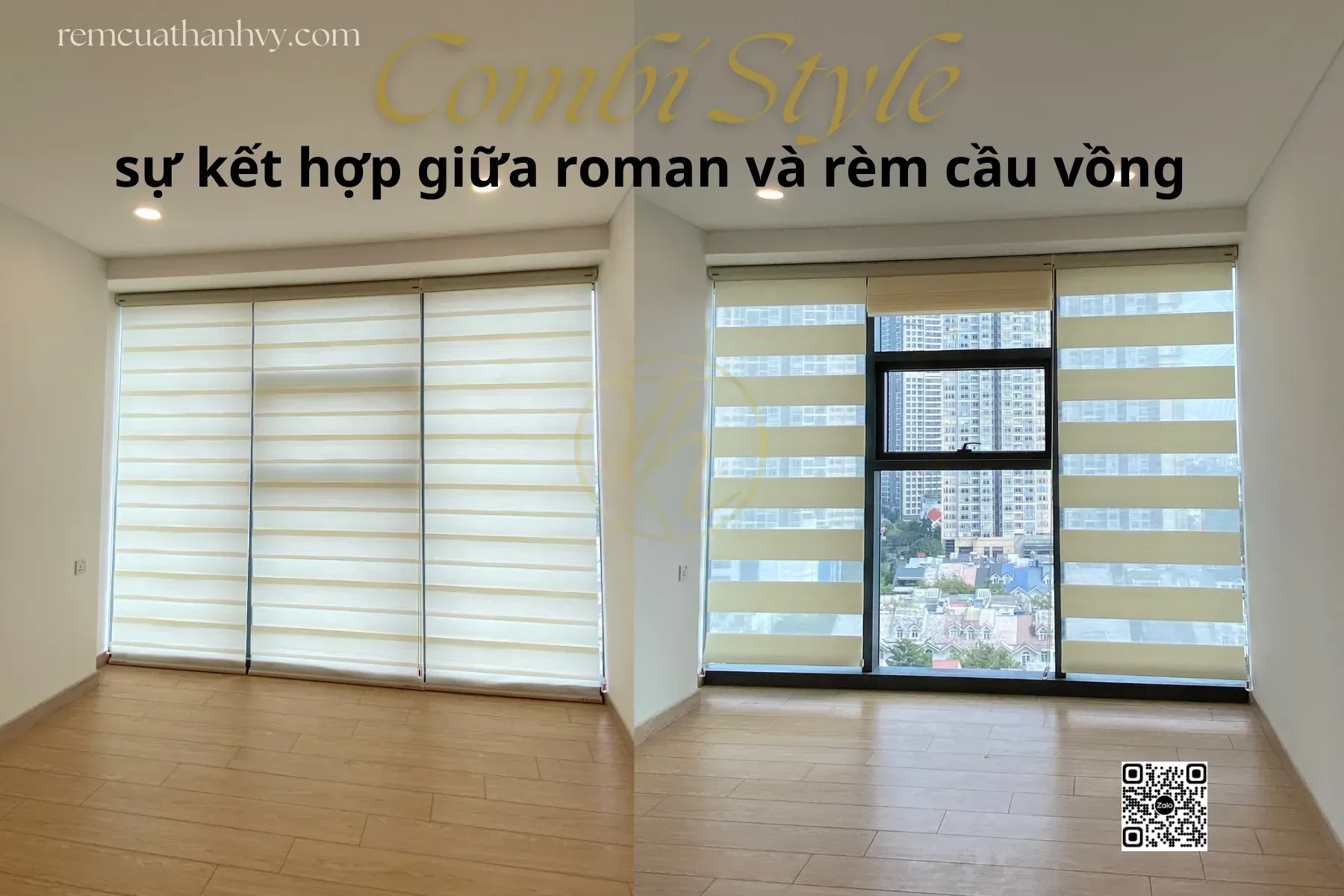
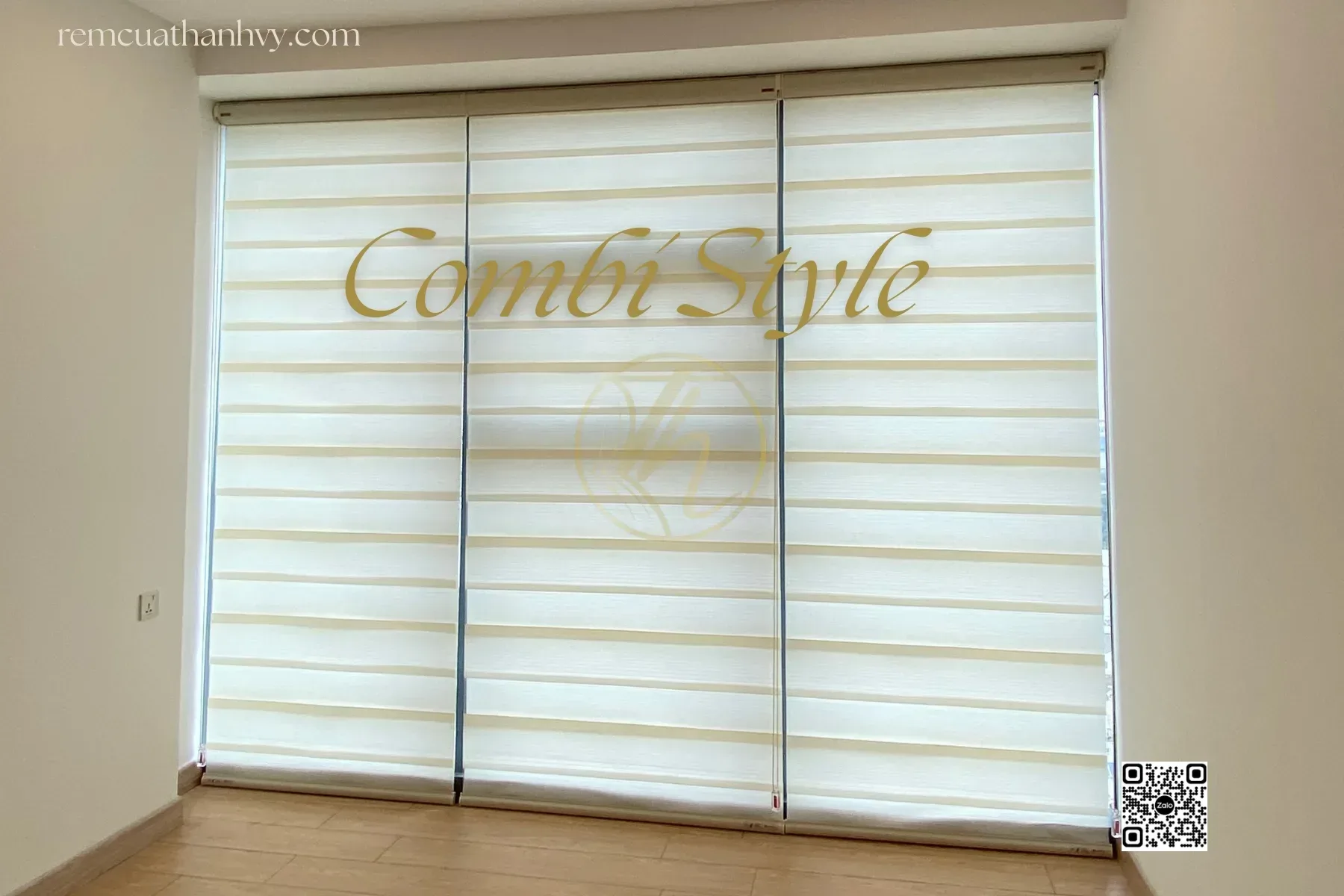
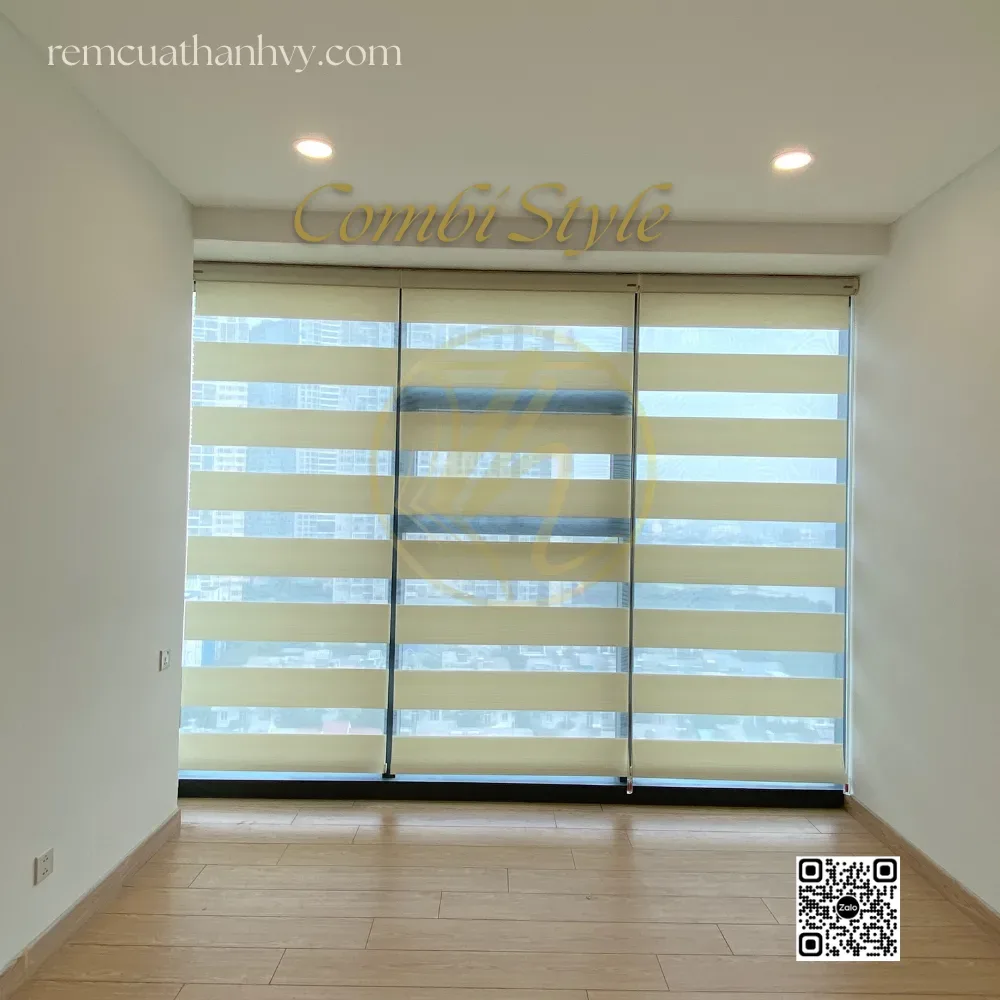
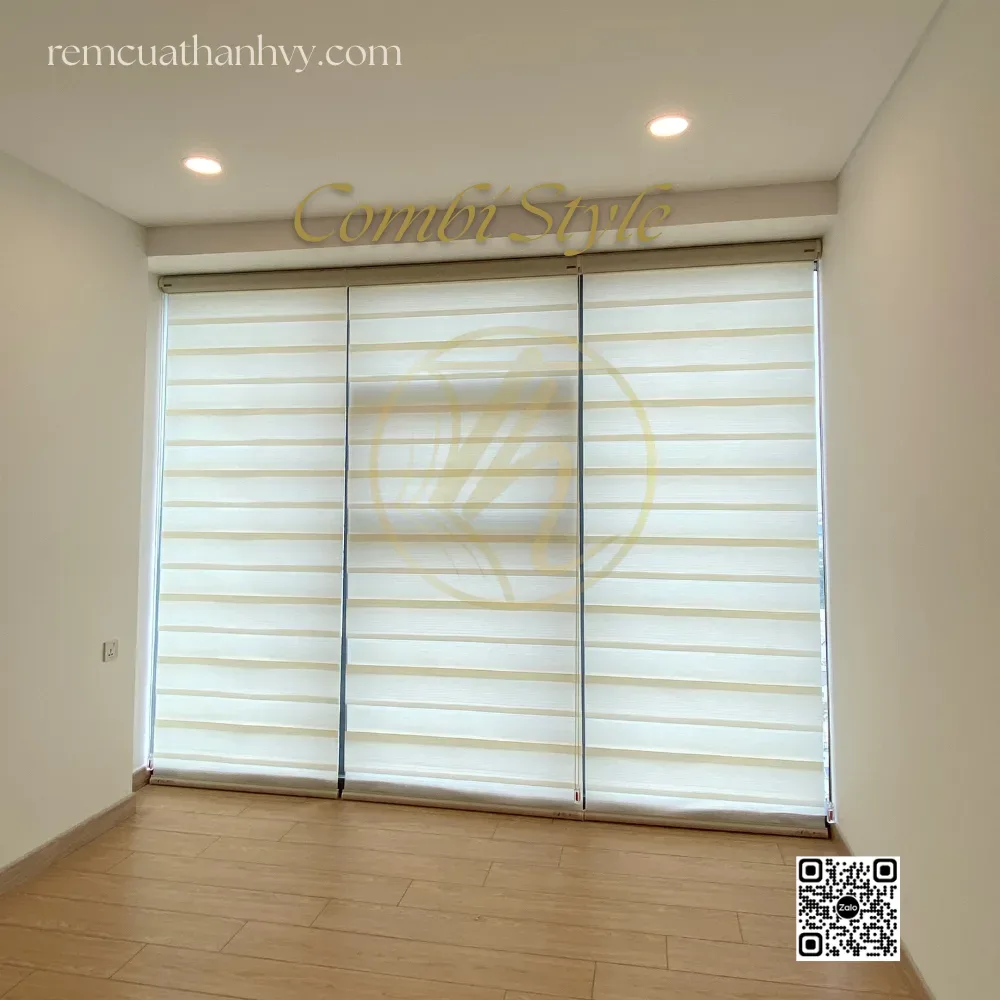
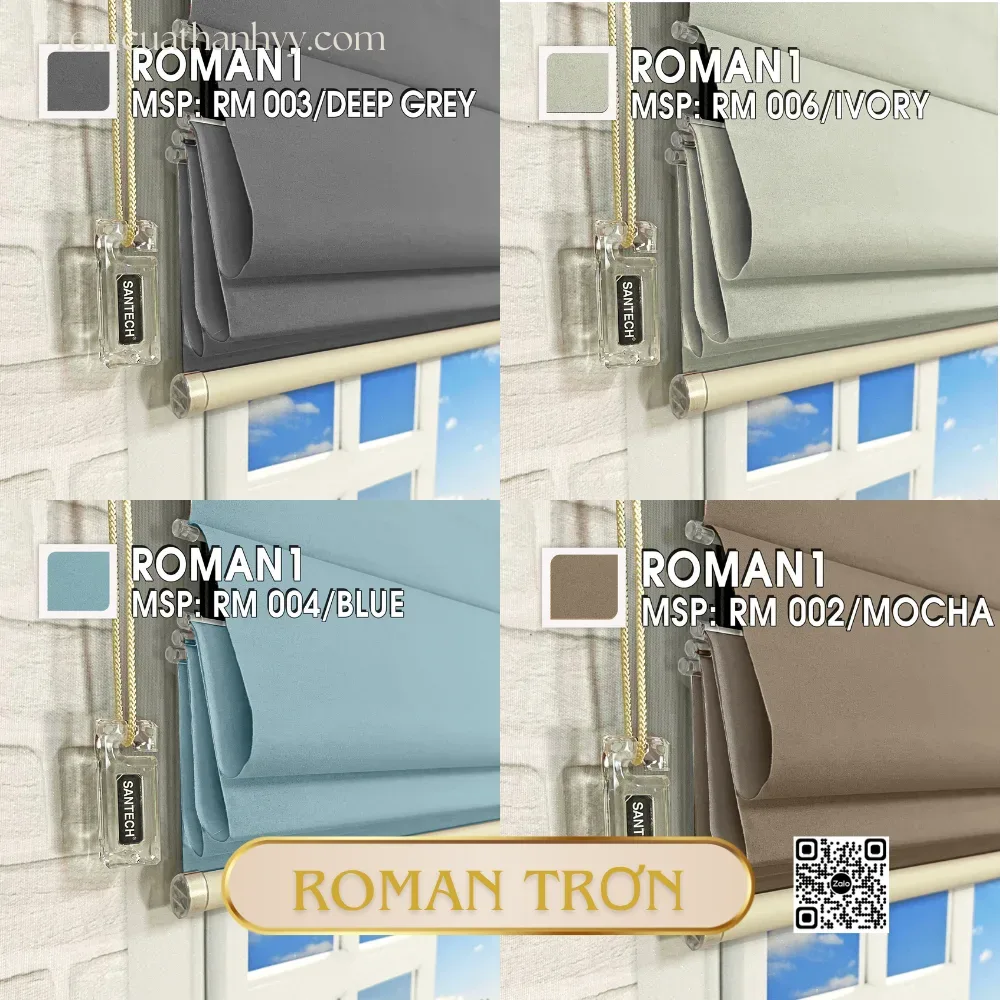
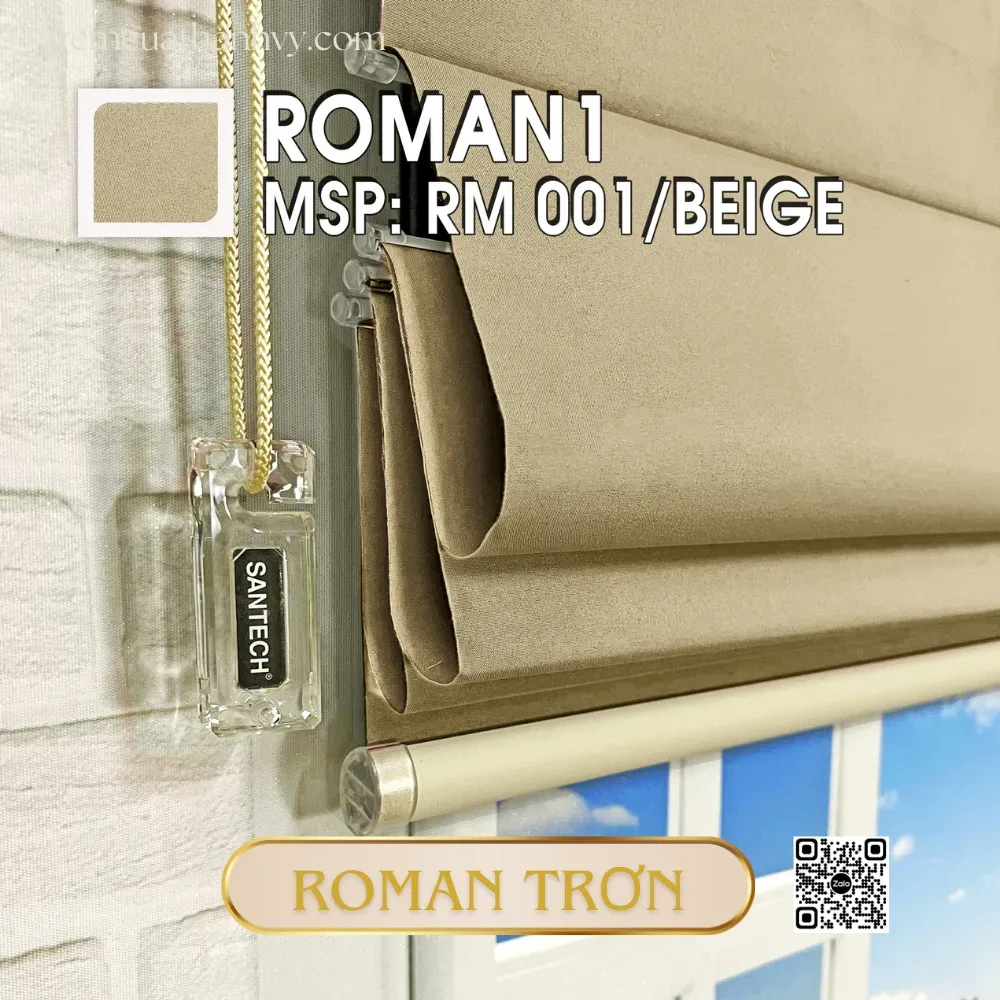
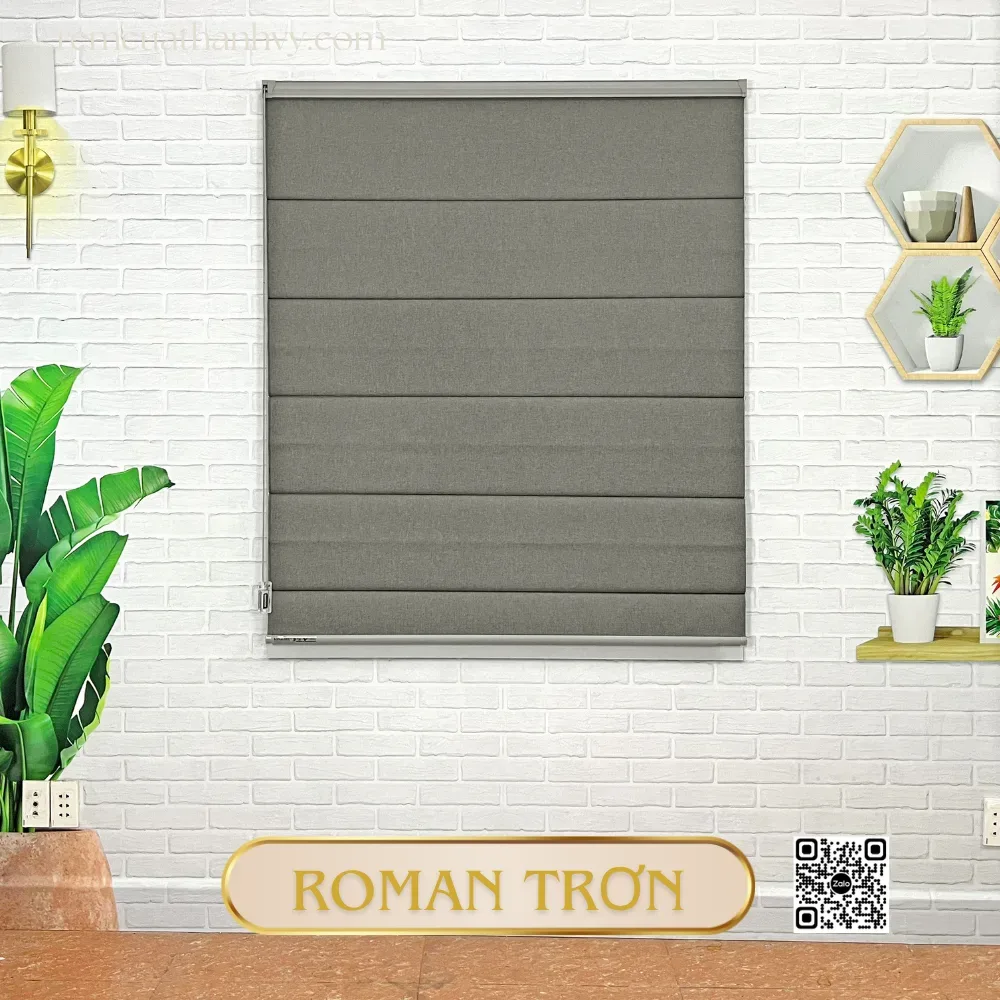
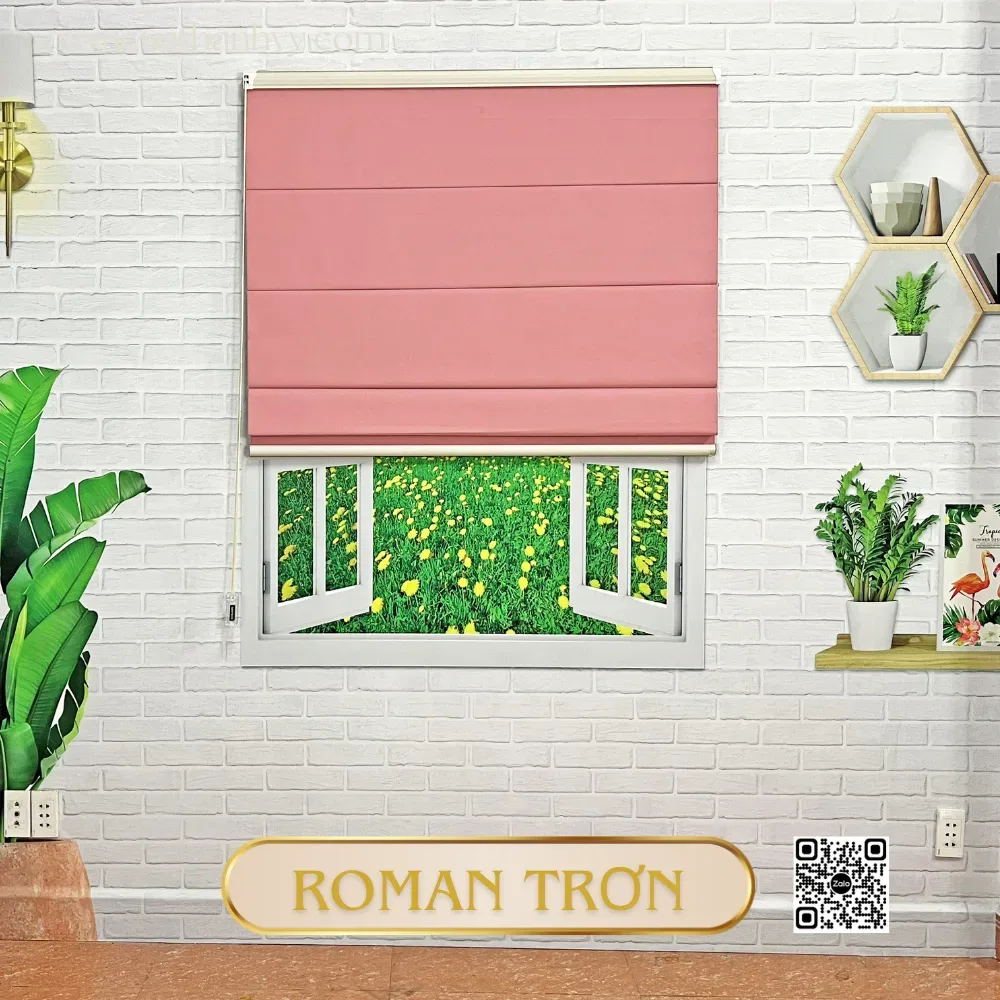
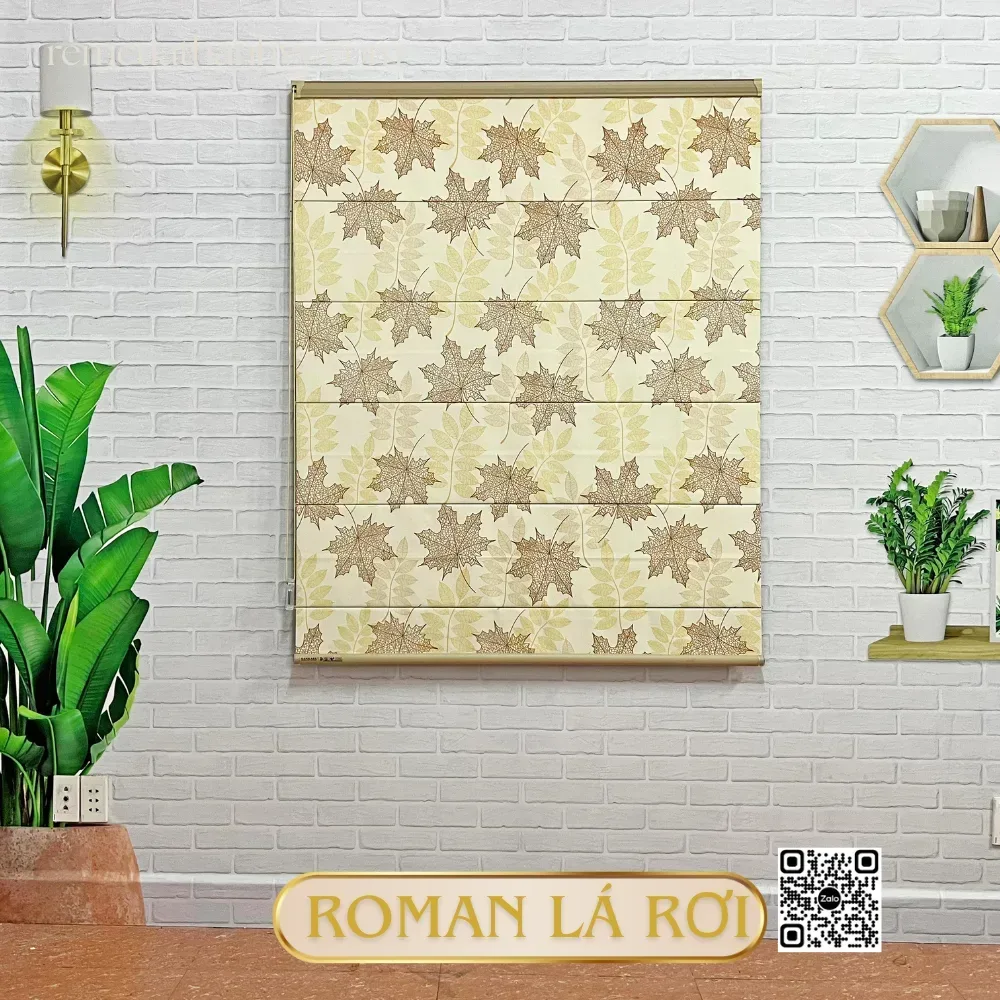
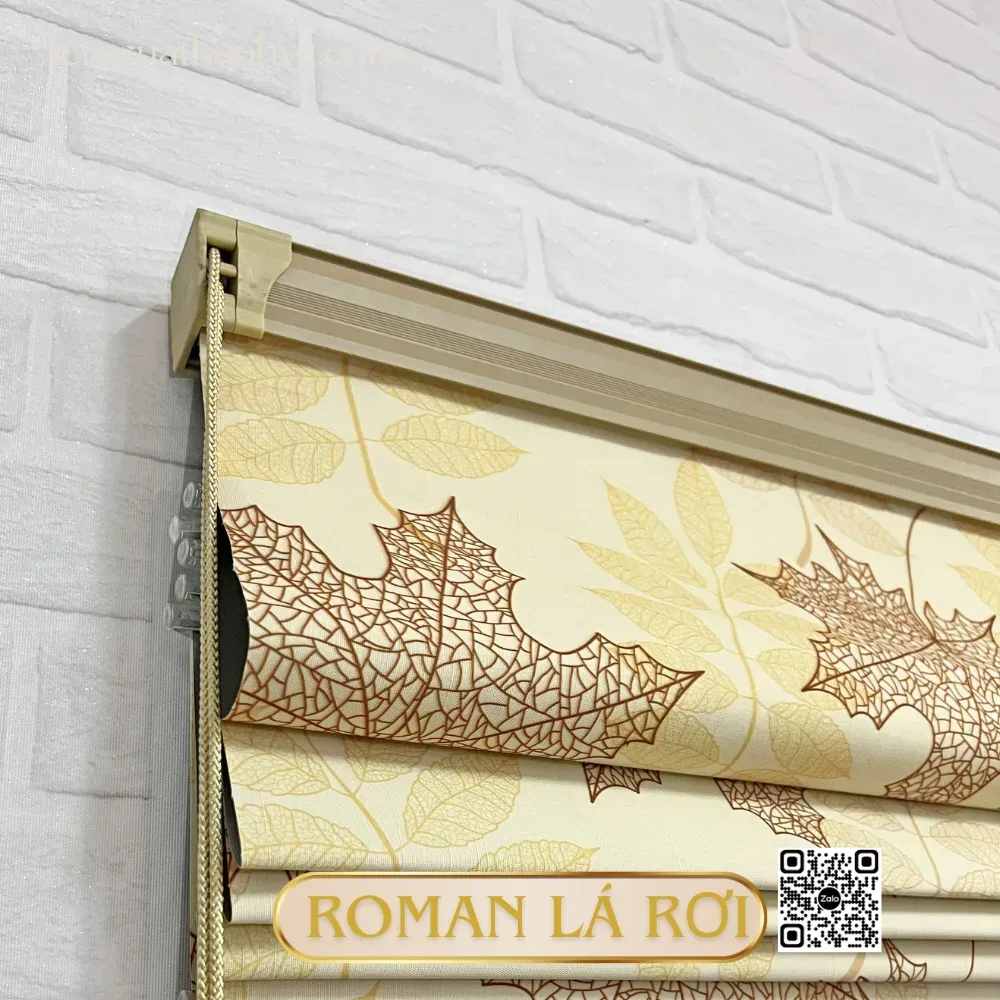
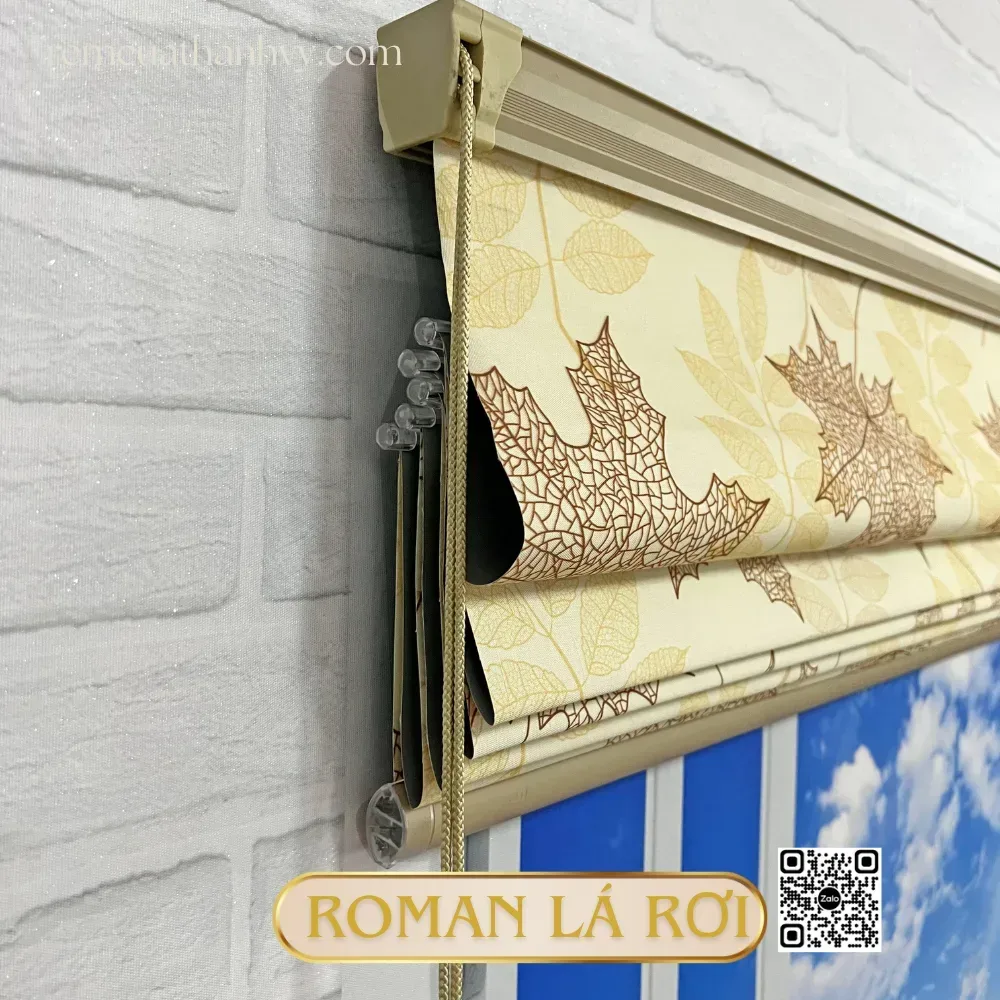
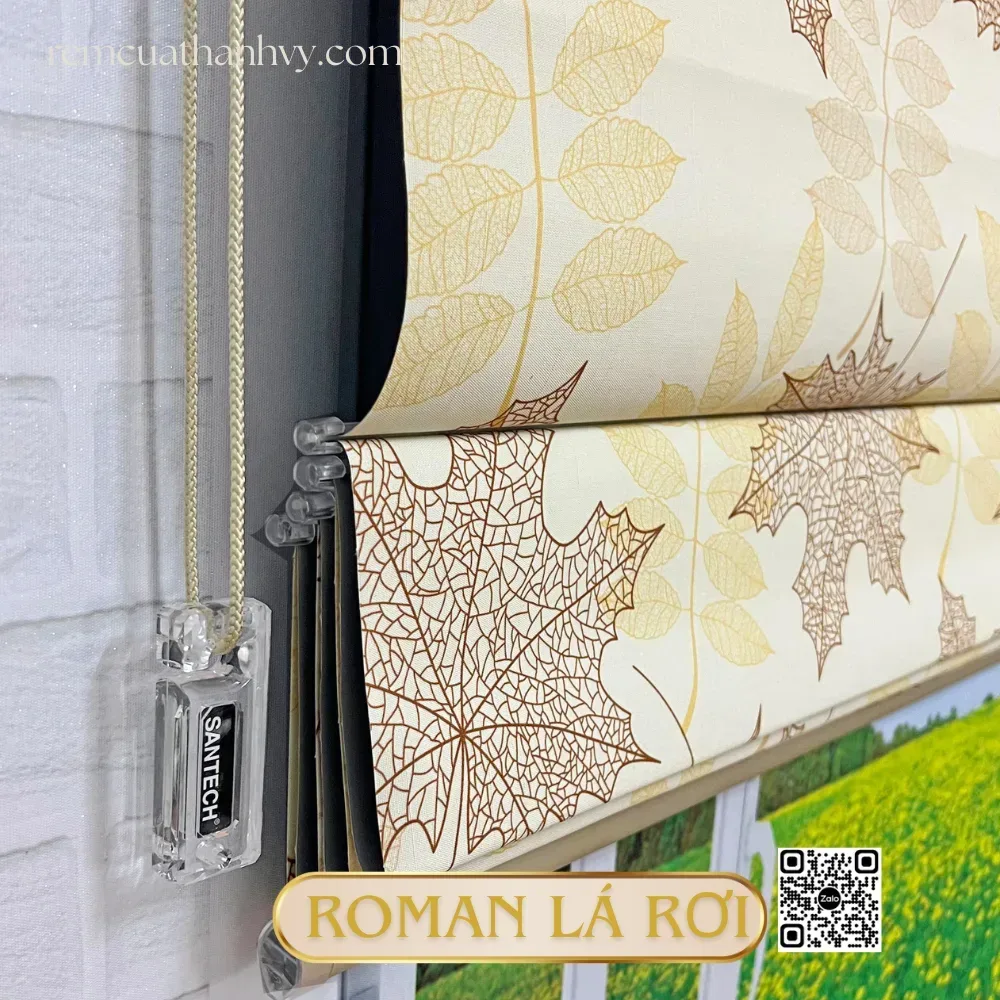
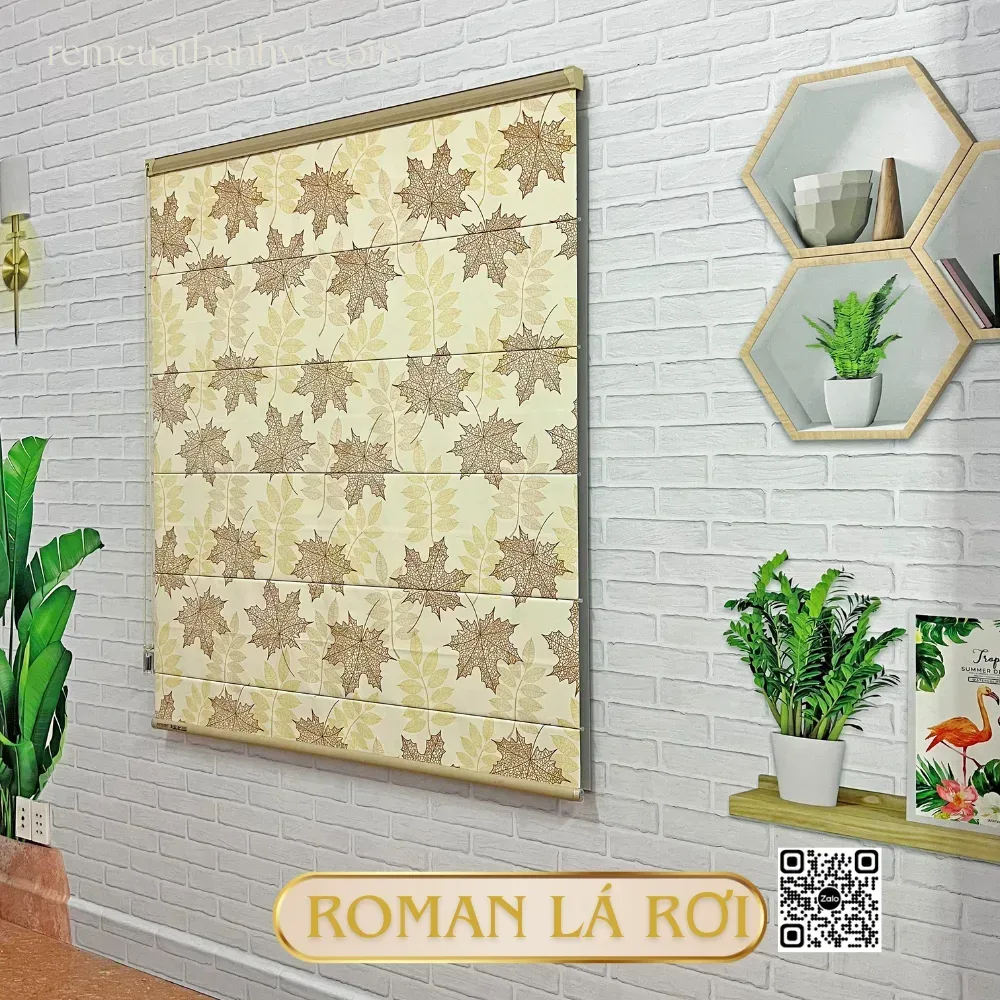
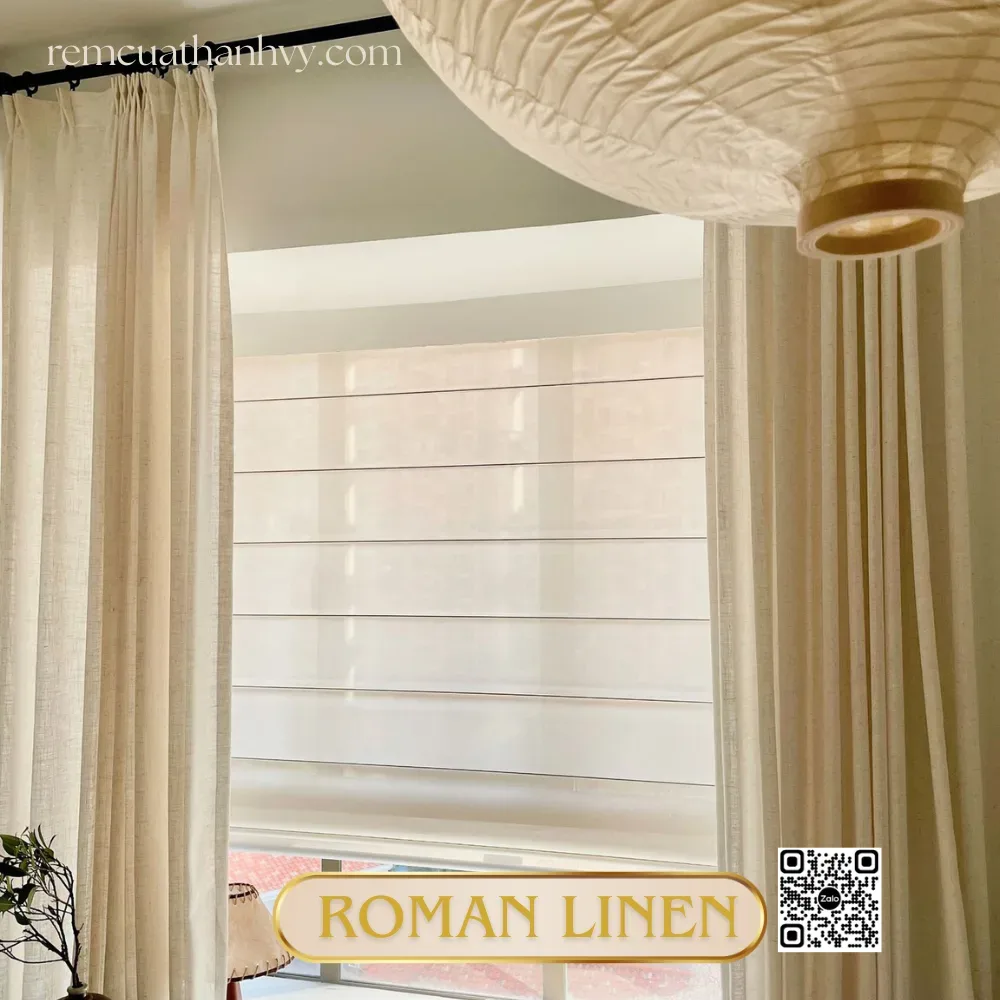
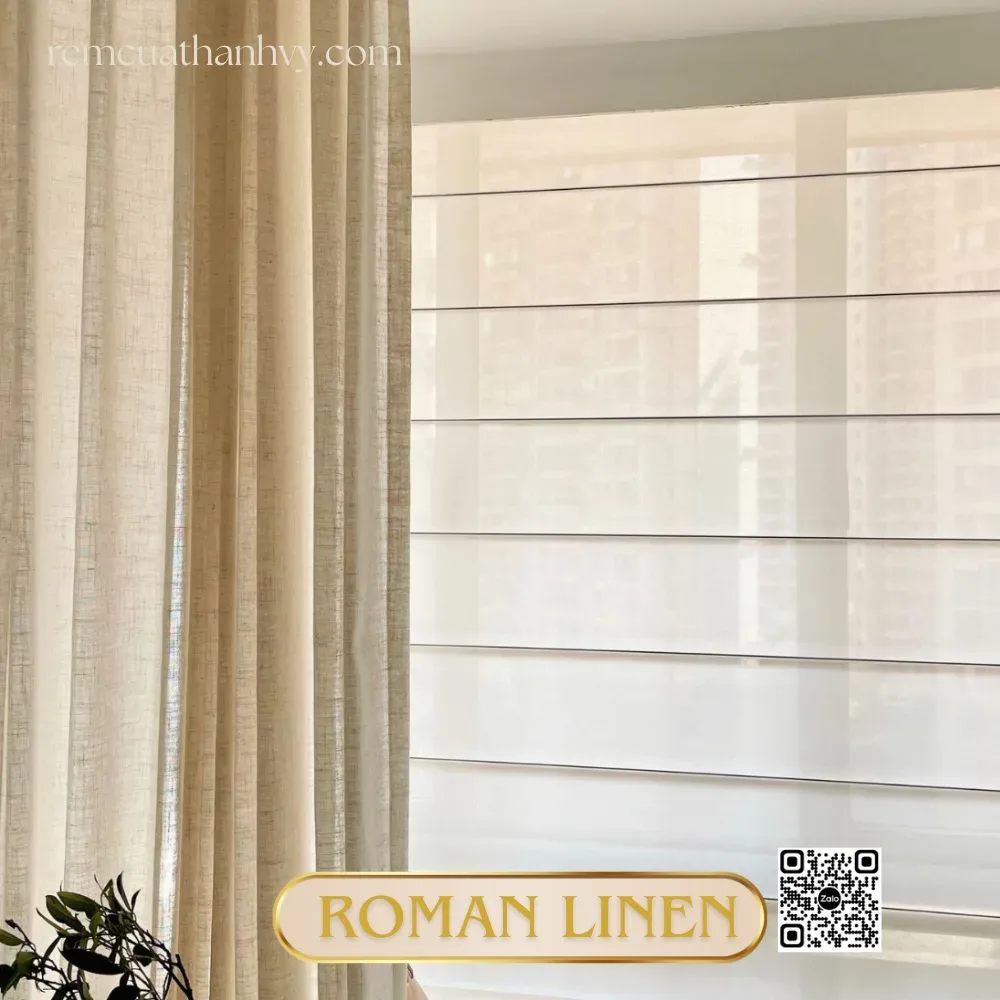
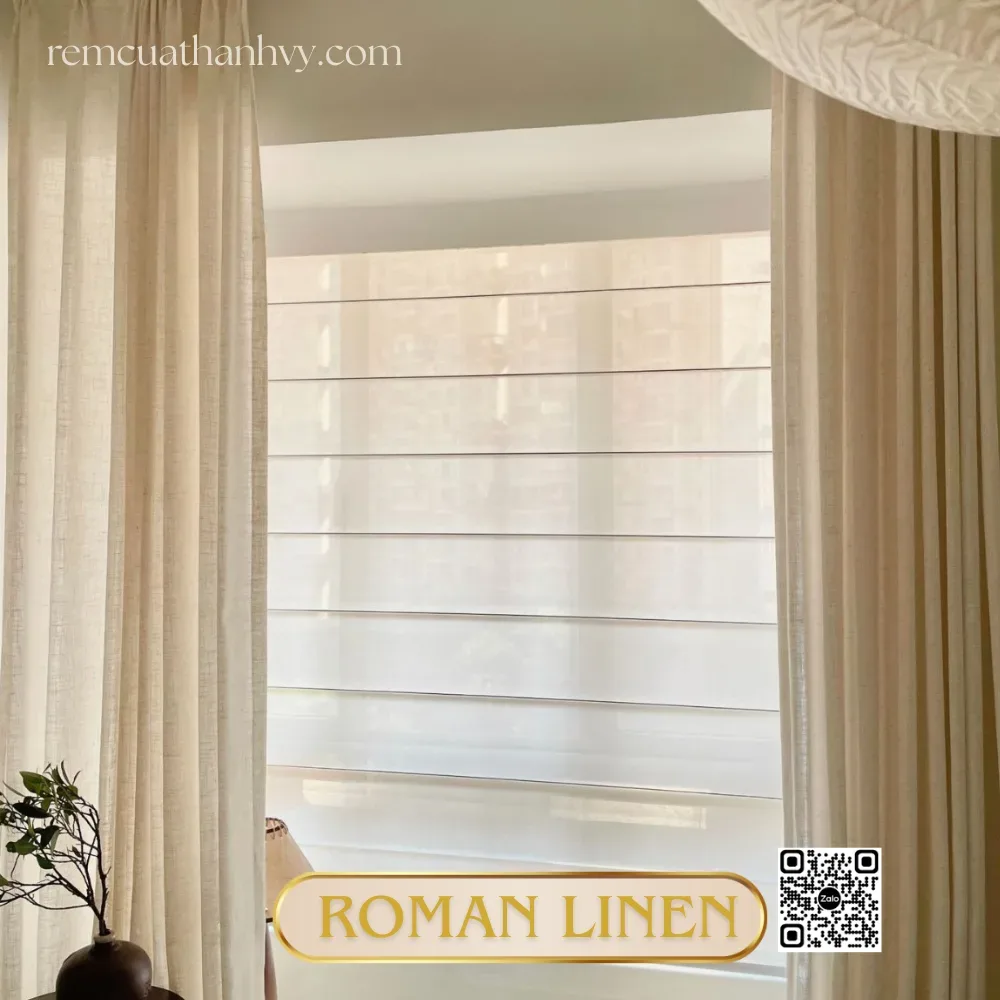
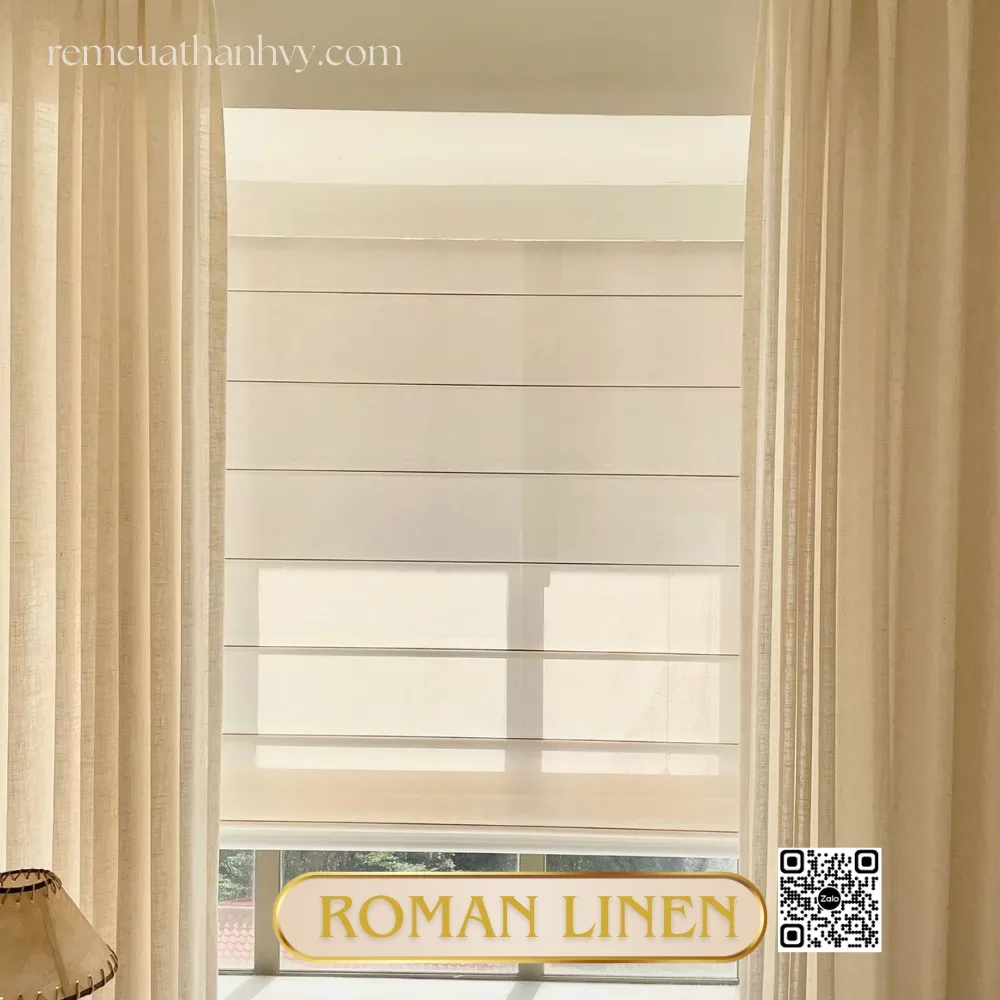
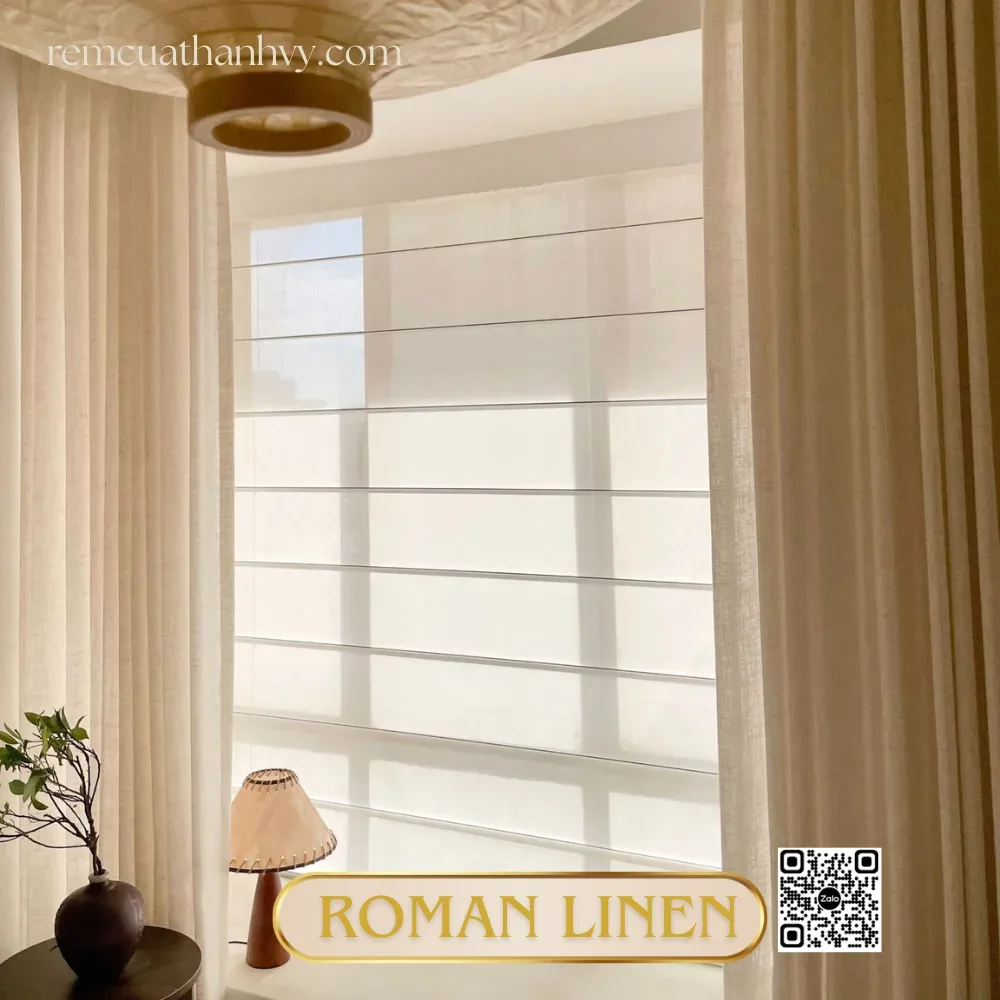
Large-Pleat, Minimalist Roman Blind Group for Modern Living Rooms
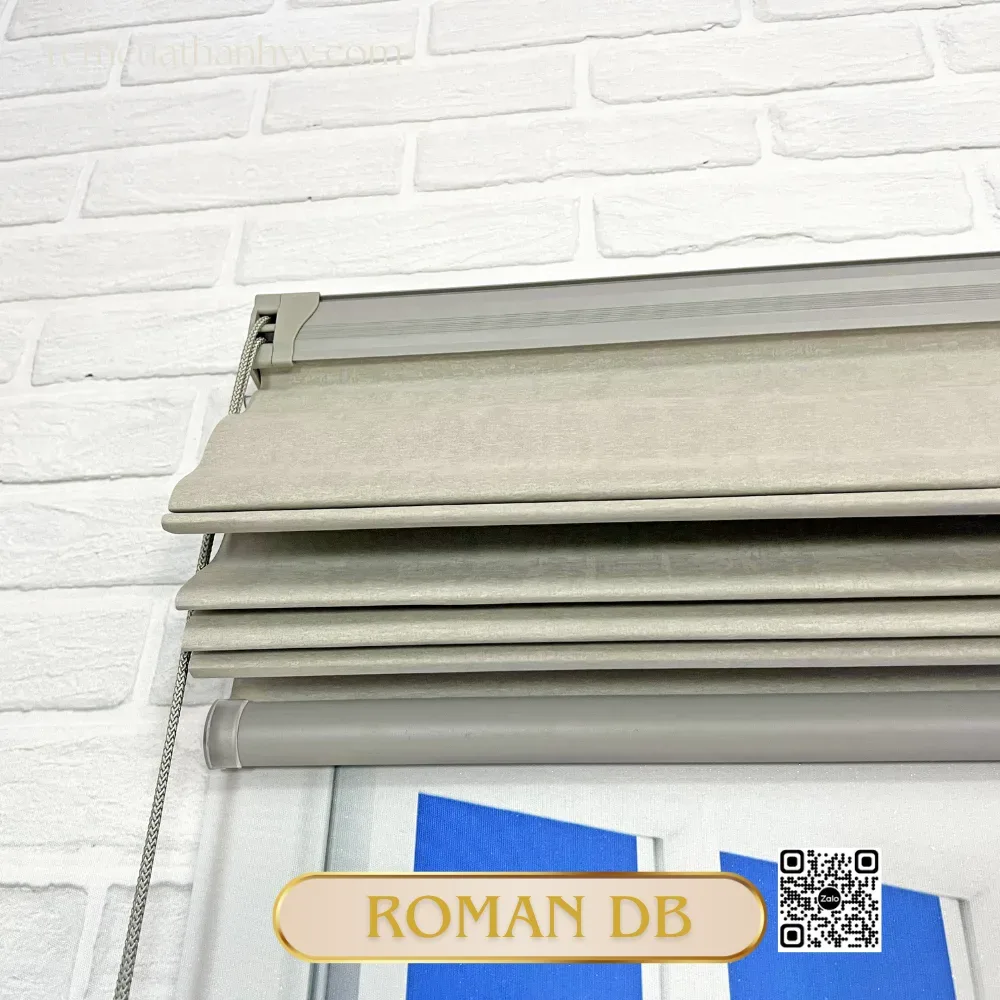
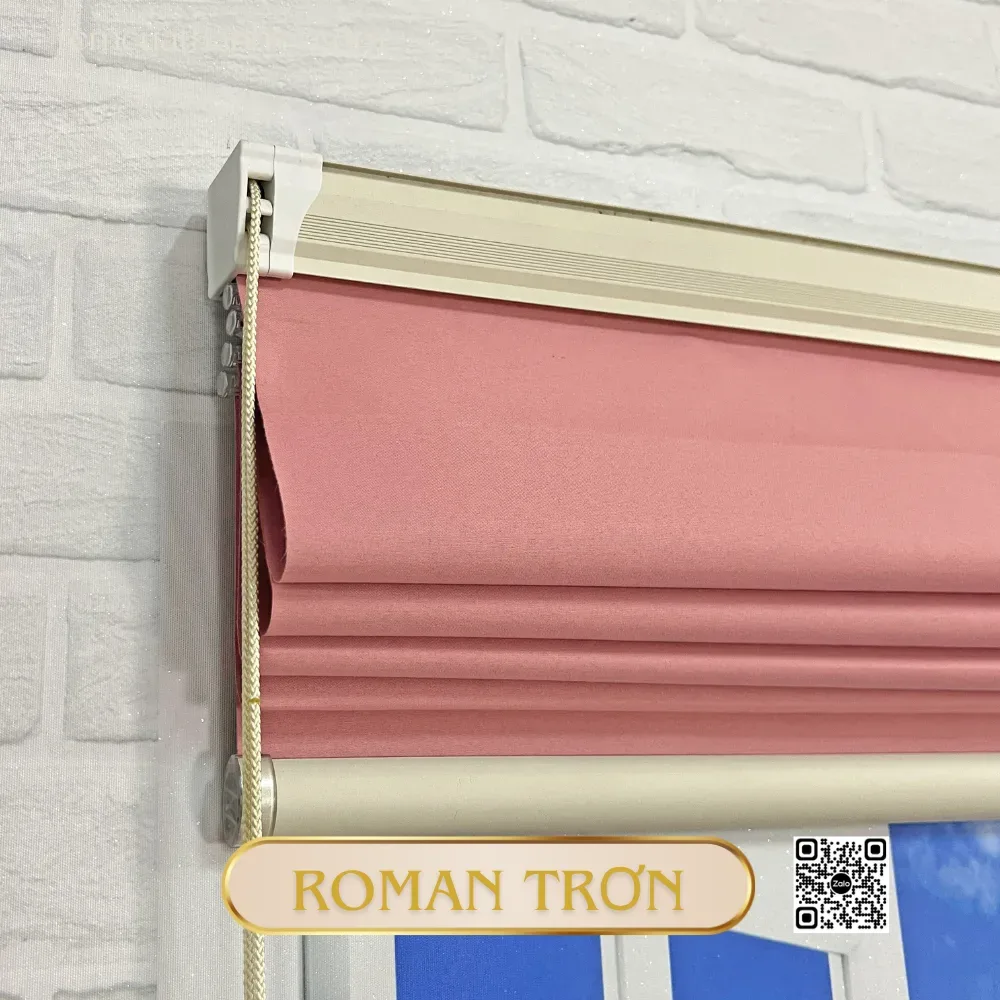
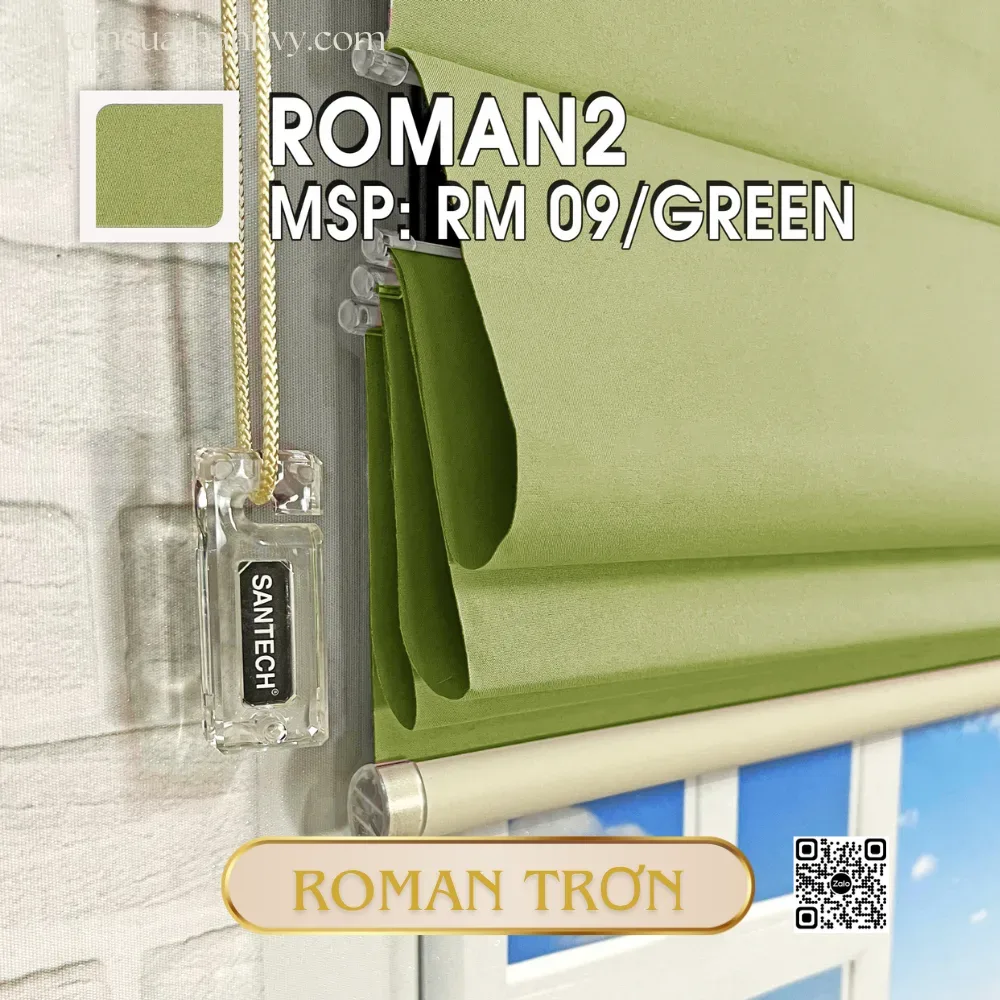
The first group worth considering is large-pleat Roman blinds in a minimalist style. The characteristic of this group is horizontally folded creases with even spacing and a wider-than-average width, creating a clear blocky feel rather than many dense, small lines. For living rooms with high ceilings, large glass windows, or open-plan kitchen connections, the large-pleat style helps the overall look remain neat even when the blind width is wide. This style typically goes with solid-fabric surfaces, focusing on the material and upright form rather than patterns, which fits minimalist or sleek modern interiors very well.
Another relevant option worth checking out is Are Roman Blinds Good? Detailed Review From A-Z.
Quick Answer: Besides aesthetic factors, the operating accessories of Roman blinds, especially pull cords, are details that should not be overlooked when the living room has young children or pets frequently active in this area.
One point to note is the ratio of fabric width to each window frame. If the window frame is too narrow while choosing a too-large pleat style, the number of displayed folds will be few, making the blinds look monotonous instead of graceful. Conversely, with wide windows or multi-panel sliding glass doors, the large-pleat style exerts its true strengths, being both minimalist and providing enough structural accent.
Two-Layer Sheer-Combined Roman Blind Group to Balance Natural Light
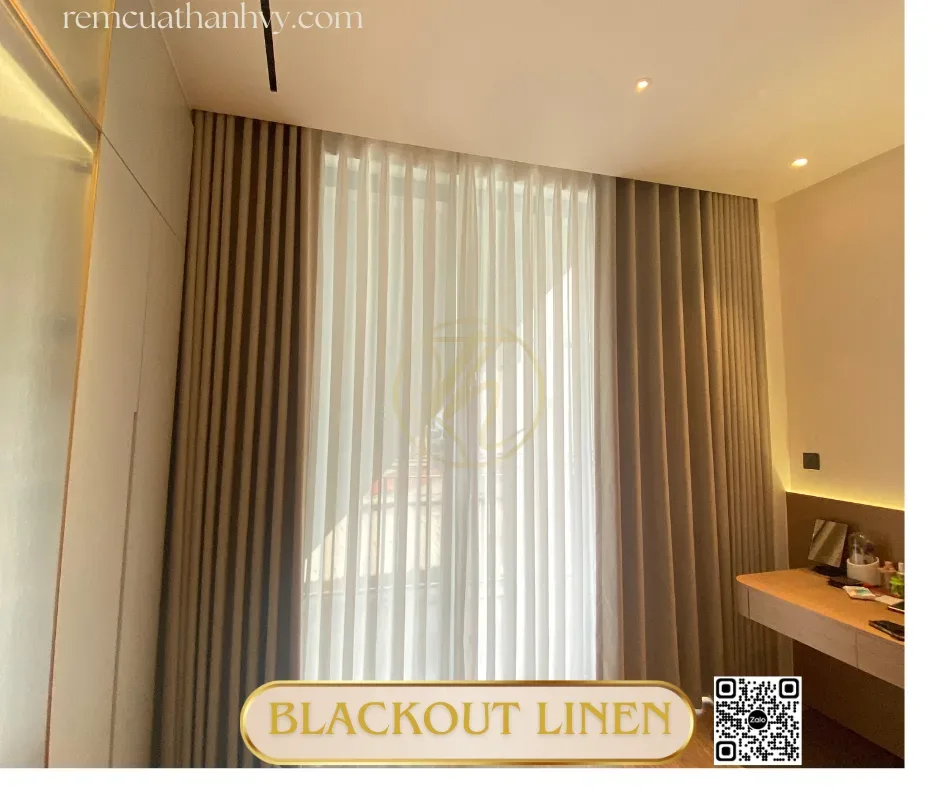
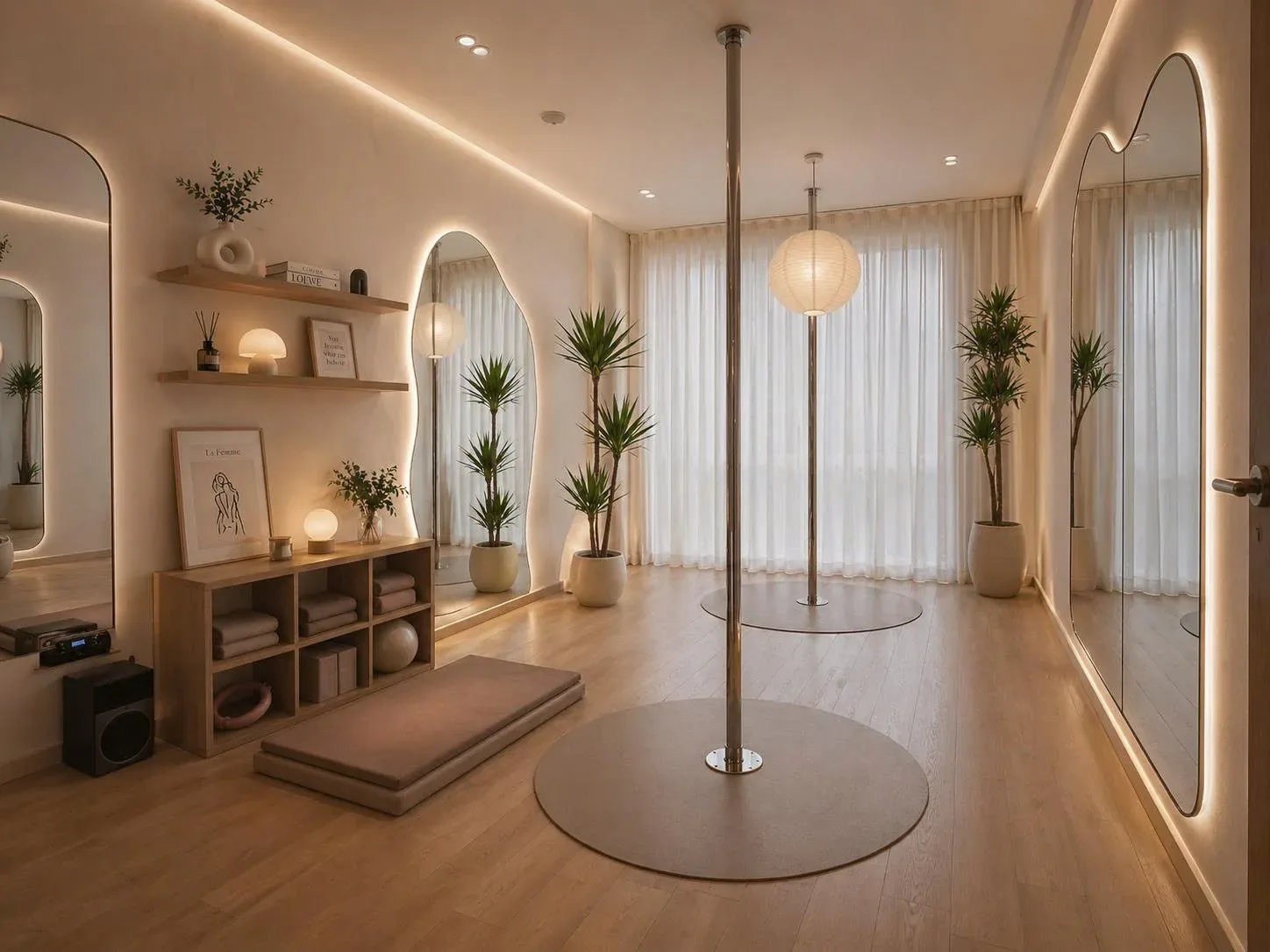
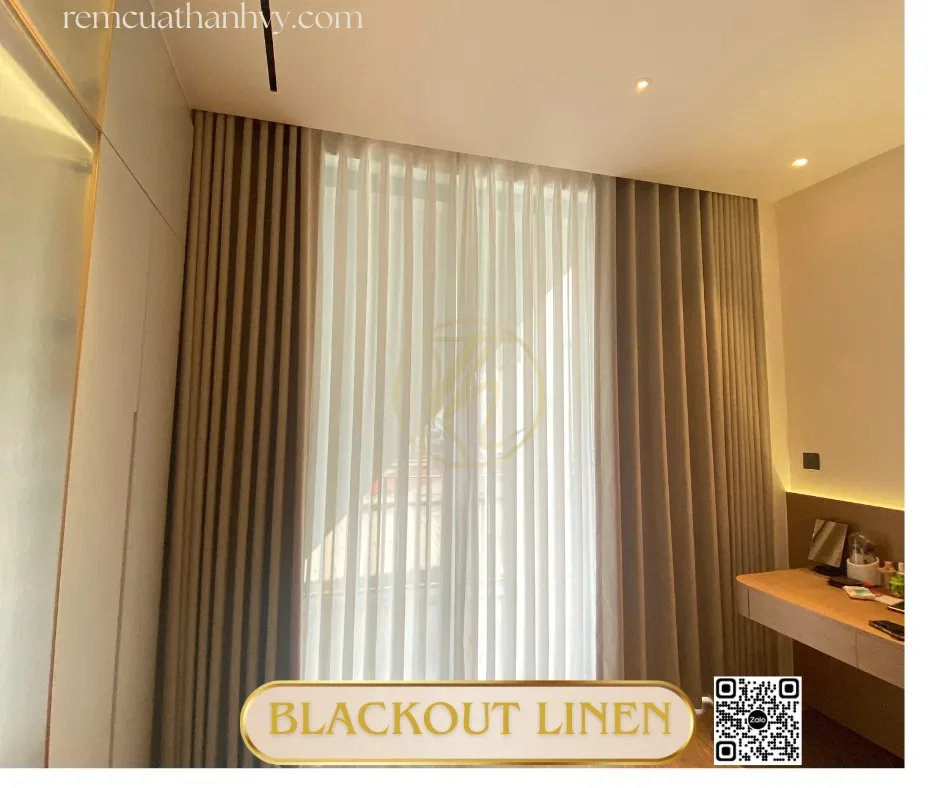
For living rooms that receive direct sunlight during certain hours of the day, the group of Roman blinds combined with an inner thin sheer layer is a worthwhile solution. The sheer layer helps diffuse light, reducing the glare when sunlight shines straight into the room, while the main Roman layer still performs the role of controlling privacy and creating the primary form for the window. The two-layer configuration allows families to be more flexible: during the day, they only need to use the sheer layer to keep the light soft while still seeing the scenery outside, and only pull the main Roman layer in the evening to increase privacy and blackout. Interested readers can view polyester fiber in the textile industry before making a decision.
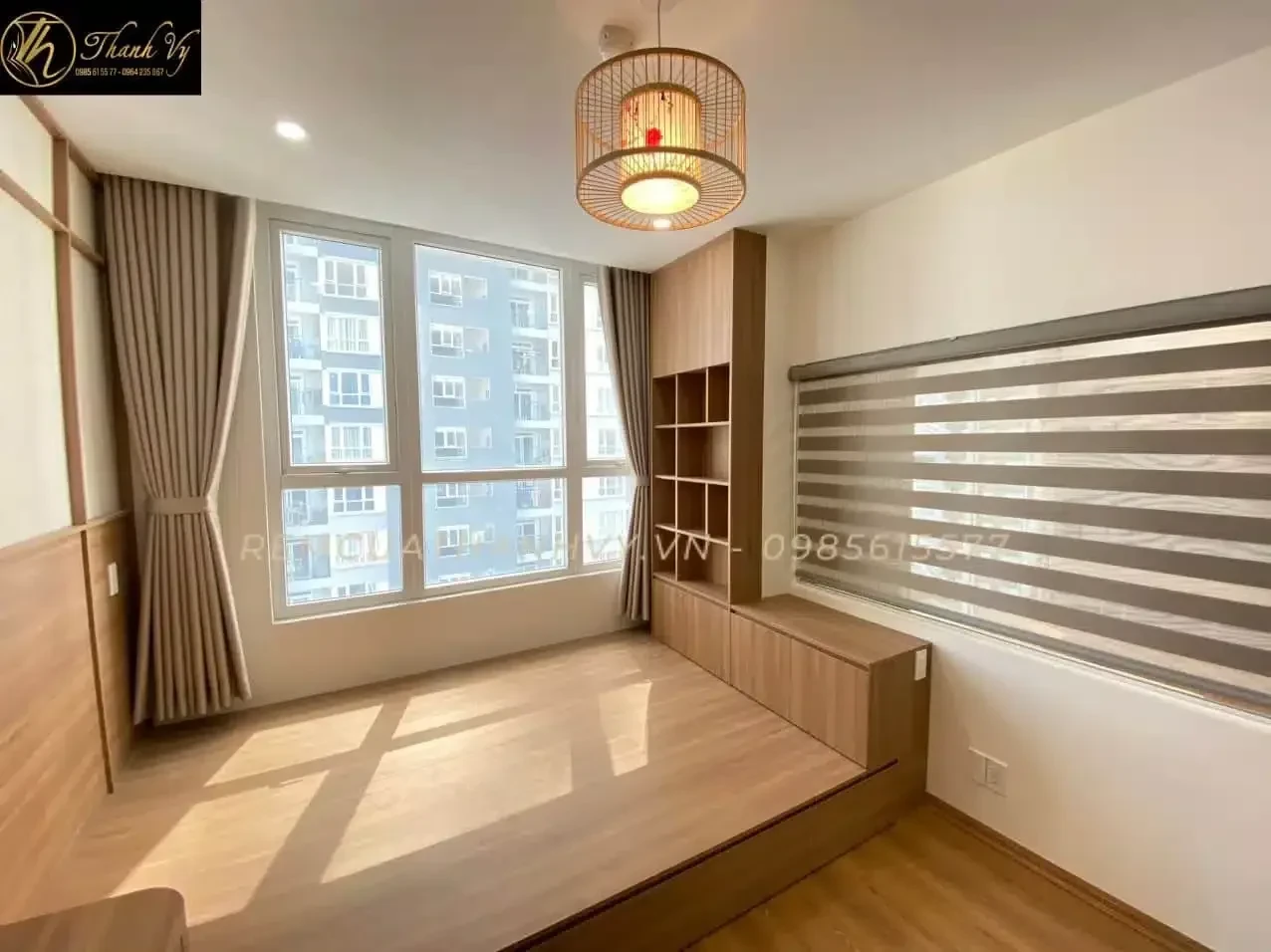
When choosing this group, it is advisable to select sheer and main Roman fabric colors that are close in tone or complementary, avoiding a color mismatch that makes the two blind layers look like separate products. A simple tip is to choose main fabrics that are about one to two tones darker than the sheer, helping the inner sheer layer stand out gently while still maintaining harmony when viewed overall from inside the room toward the window.
Neutral Color Palette Roman Blind Group, Easy to Match with Sofas, Walls, and Floors
Neutral color palettes such as ivory white, beige, light gray, earth brown, or milk cream are always the safest and most aesthetically durable group of colors for living room roman blinds. The simple reason is that these color schemes are less prone to going out of trend, while easily blending with almost all popular sofa tones, wall tones, and floor tones today, from natural wood floors and stone-imitating tile floors to white-painted walls or mild pastel walls.
When matching colors with the sofa, the basic principle is to avoid two overly harsh contrasting colors if the living room already has many other accents like wall paintings, rugs, or patterned throw pillows. If the sofa is dark or striking, a neutral-toned Roman blind will help balance the overall look; conversely, if the sofa is neutral, you can choose a slightly darker tone of blinds to create depth. With walls and floors, the safe matching method is to choose blind tones closer to the floor color than the wall color, because the hanging blind panels typically visually interface with the floor area more.
Subtle-Pattern Roman Blind Group Creating a Delicate Accent for the Space
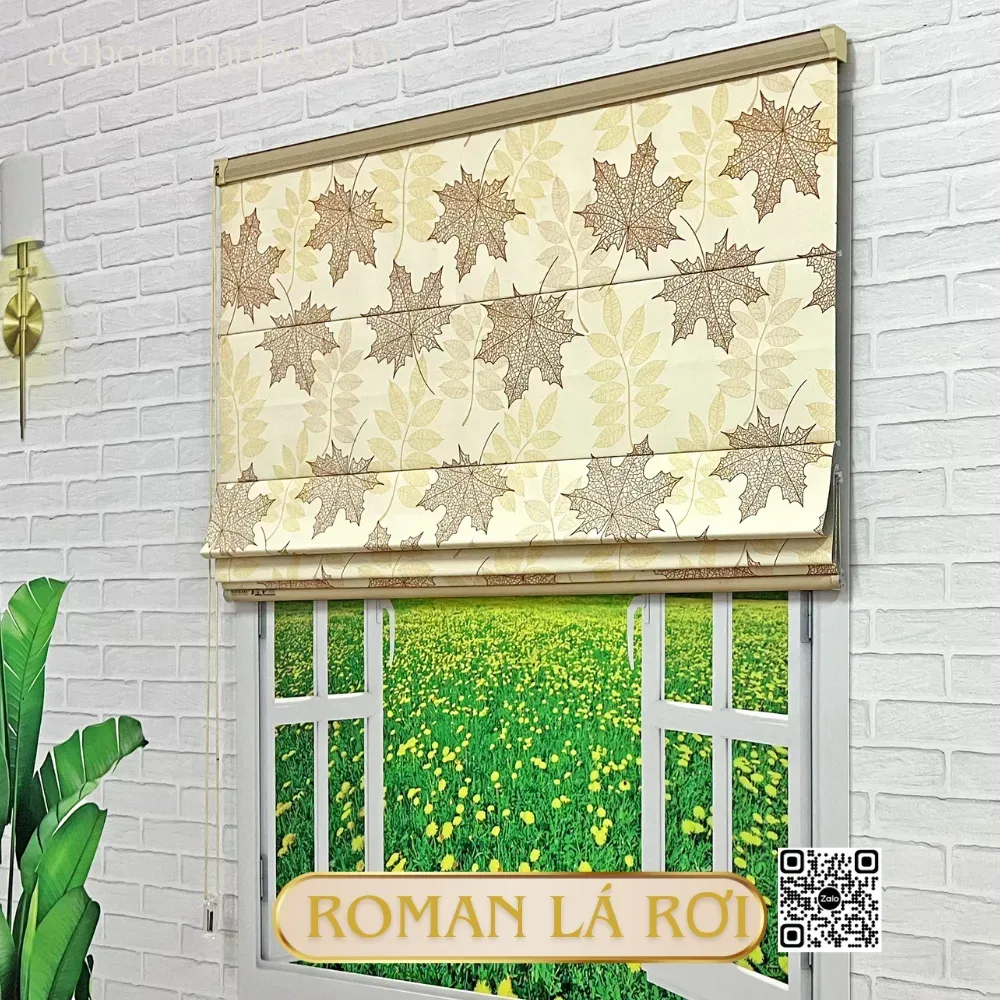
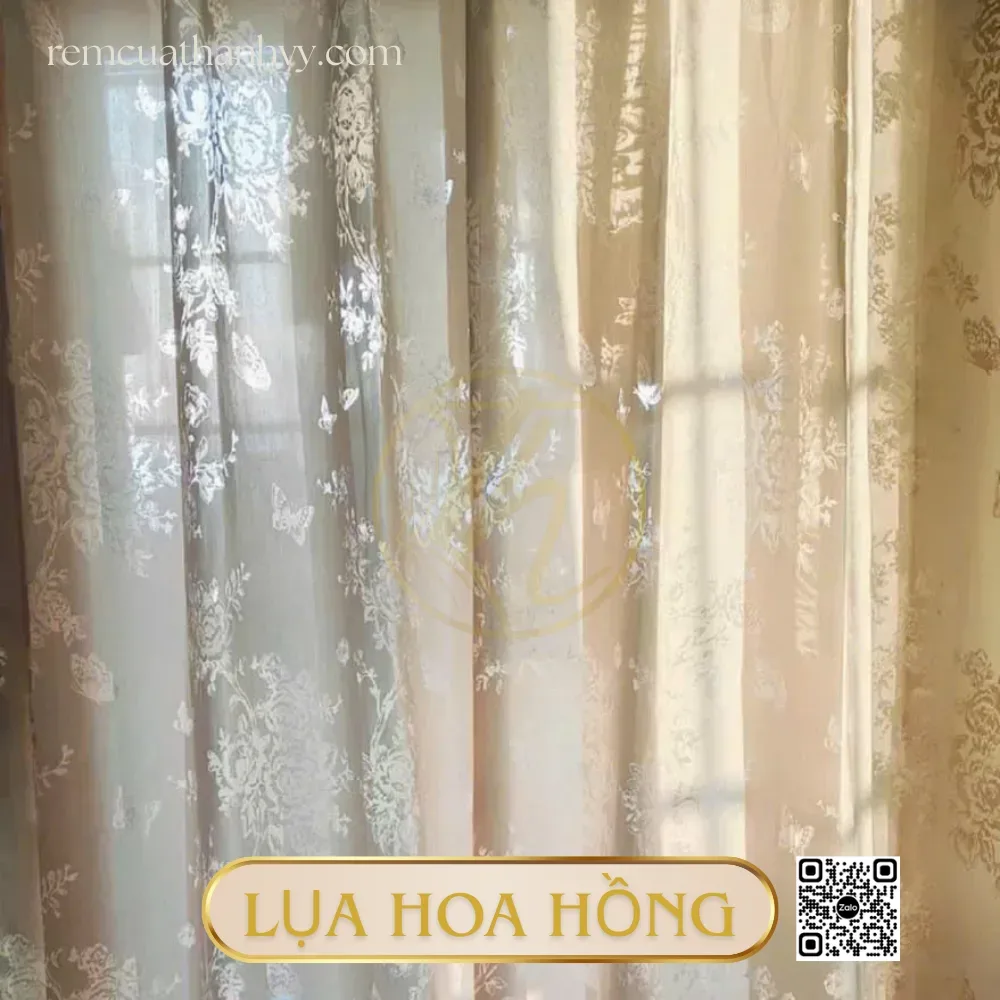
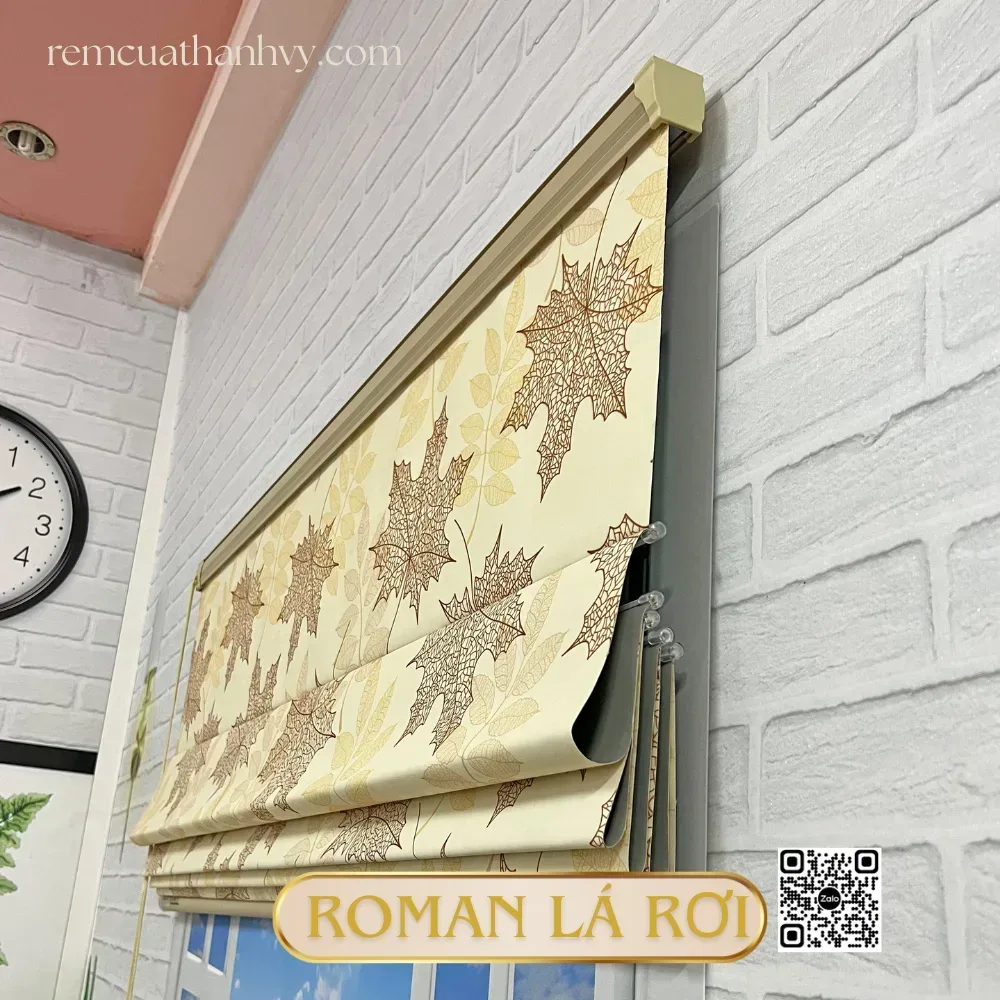
If the living room already features neutral tones on walls, floors, and furniture, a subtle-patterned Roman blind design can be just enough of an accent to make the space less monotonous without disrupting the overall style. Subtle patterns here are typically narrow stripes, small checks, simple geometric motifs, or minimalist floral designs with color schemes that do not deviate too much from the main fabric background. For small windows or modest-sized rooms, small-scale and evenly repeated patterns should be prioritized, avoiding large-scale patterns because they easily make the space look smaller than it actually is.
Once you have chosen patterned Roman blinds, other decorative details in the room such as throw pillows, rugs, or wall art should be dialed back, avoiding the simultaneous use of multiple strong patterns in different positions. The general principle is to have only one or two main pattern accents within the same field of view, giving the viewer’s eyes a place to rest instead of being continuously distracted.
Raw Linen Fabric Roman Blind Group, Suited for Nature-Close Styles
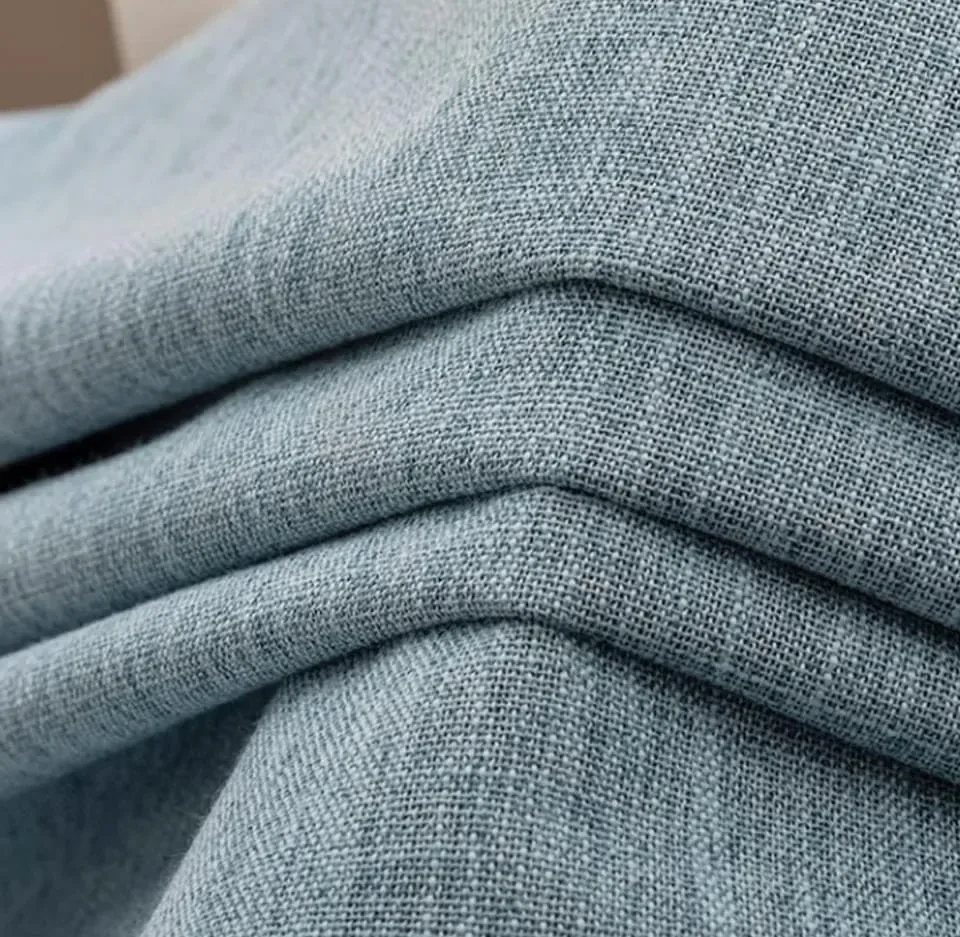
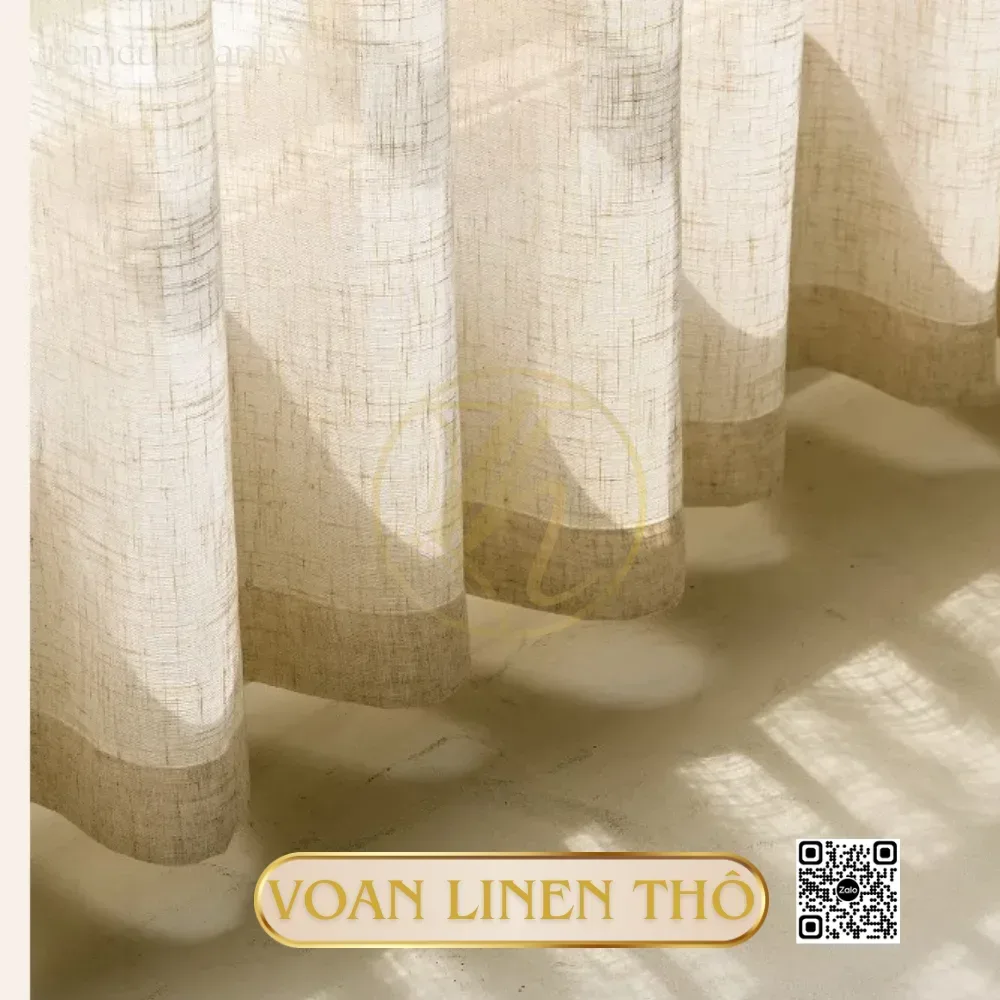
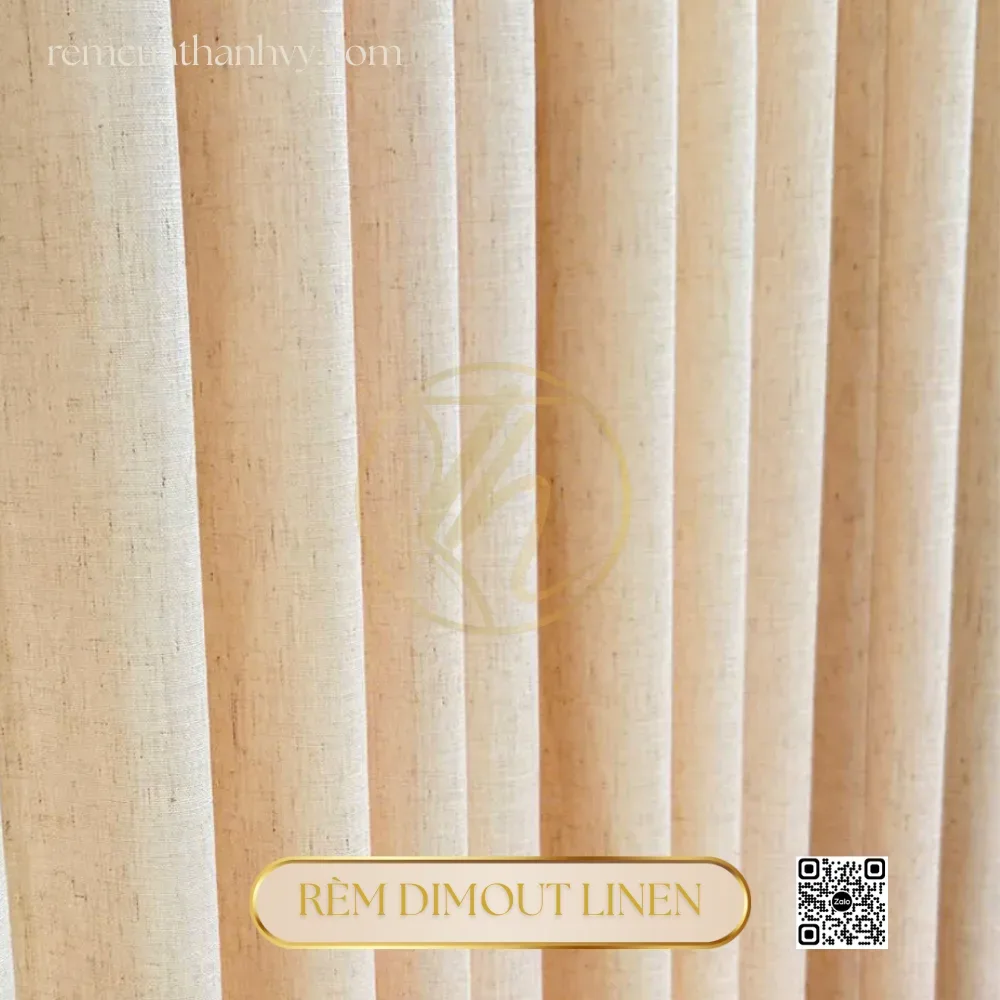
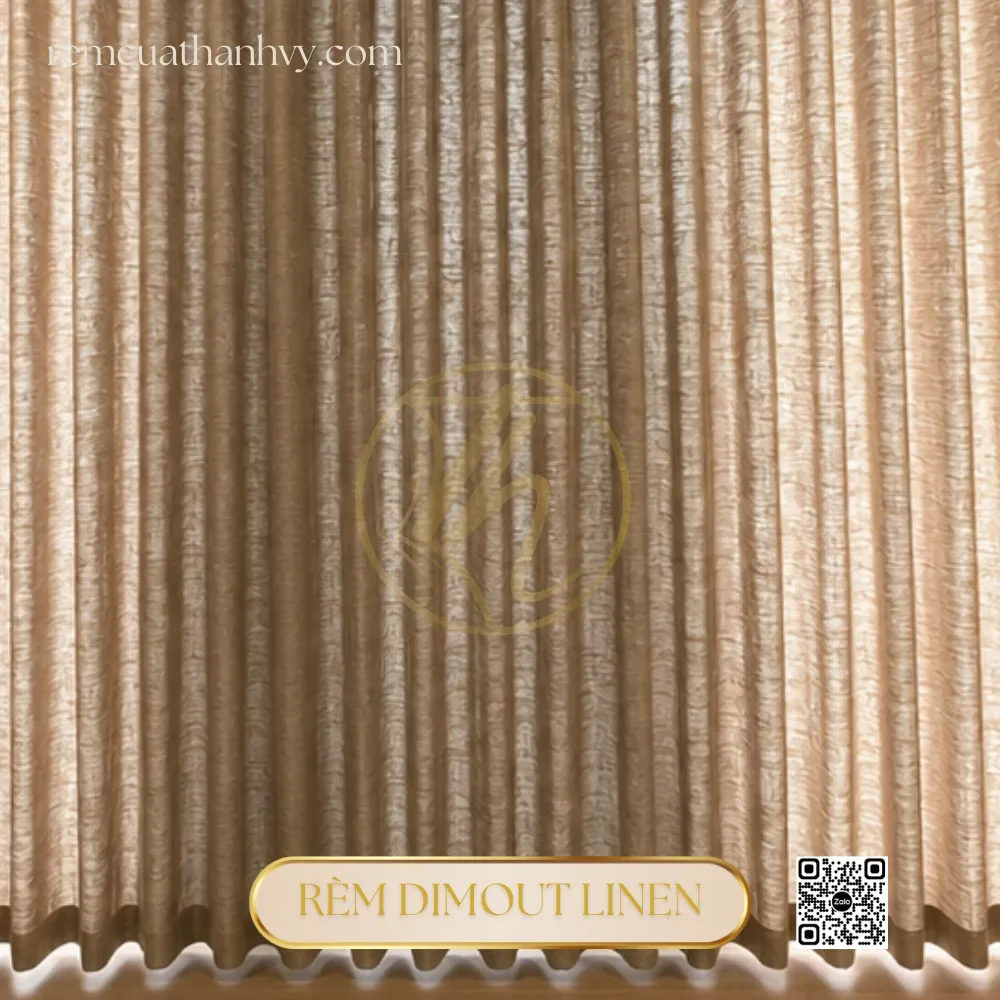
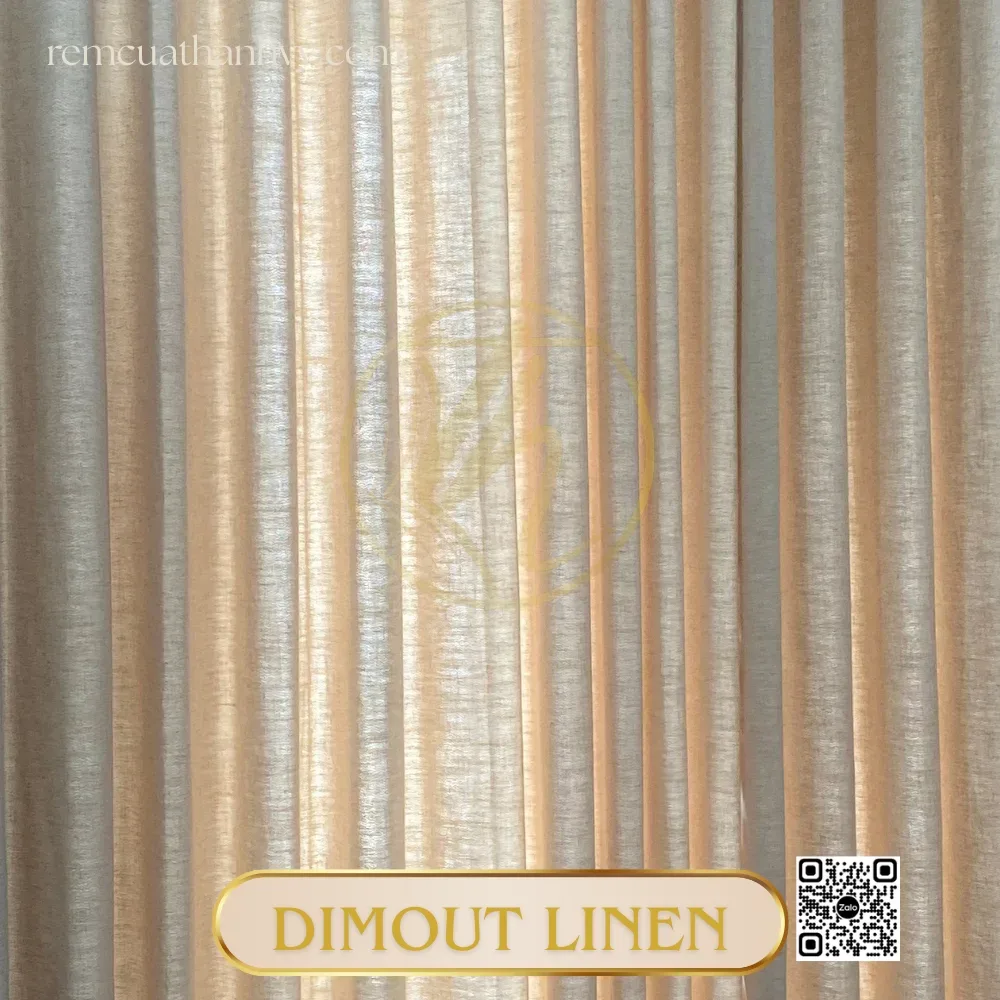
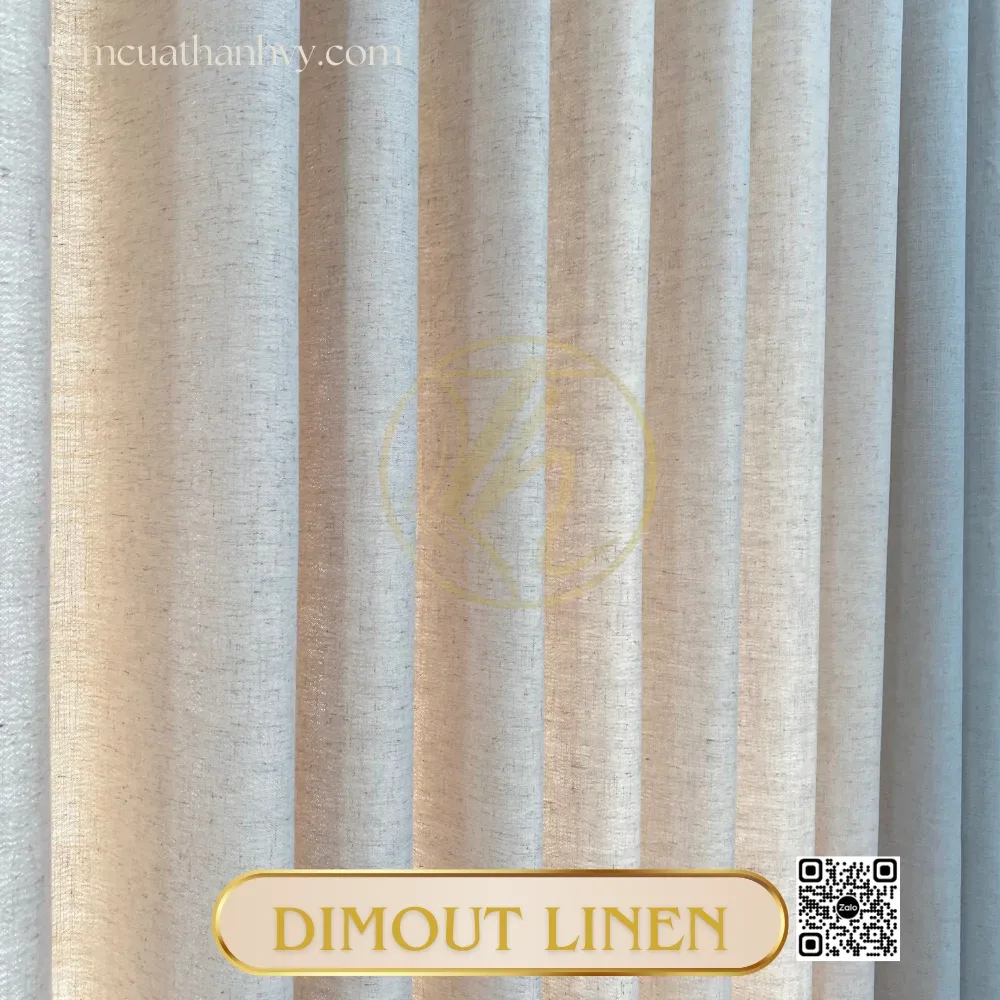
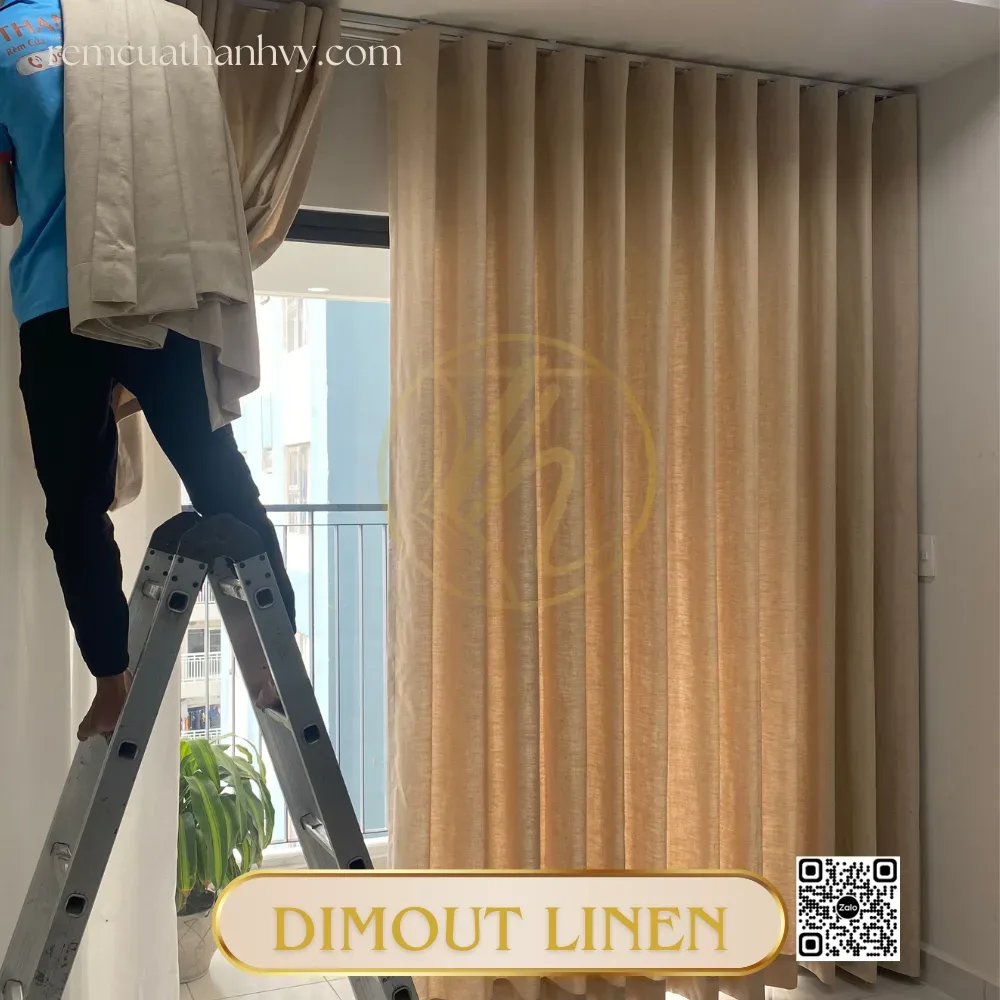
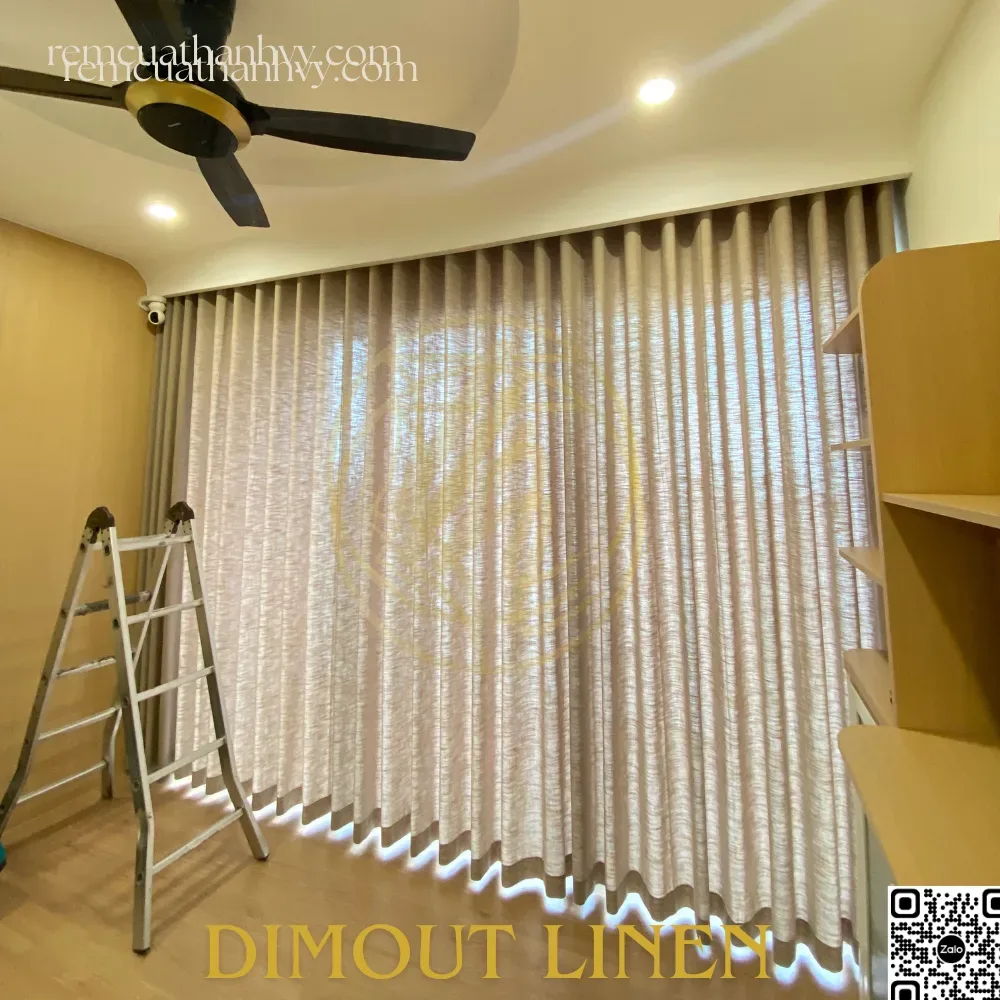
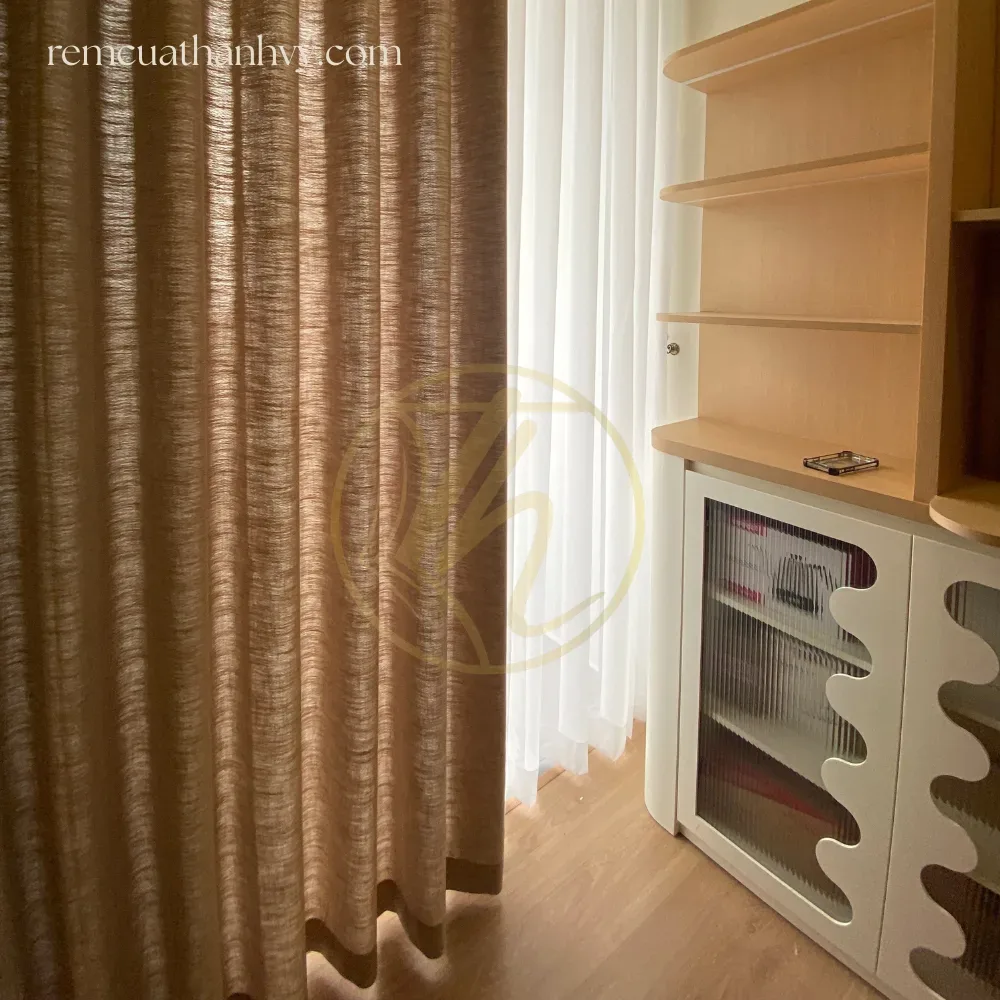
For families who love rustic, warm, and nature-close styles, Roman blinds made from raw linen fabric are a group well worth considering. The easily recognizable characteristic of linen fabric is a surface with a slightly coarse fiber texture, natural colors, and a more authentic feel compared to industrial glossy smooth fabrics. This blind group is especially suited for living rooms with natural wood furniture, rattan and bamboo weaving, or raw materials like encaustic tiles and terrazzo, creating a seamless space feel between the window and the rest of the room.
A practical note is that raw linen fabric often has different elasticity and draping qualities than blended or industrial fabrics, so when tailoring Roman blinds from this material, measuring and shaping must be accurate so that the folds retain their even, flat form after a period of use. This is why you should prioritize a unit with experience in linen materials when deciding to choose this blind group for your living room.
Living Room Window Proportions Strongly Determine the Beauty of Roman Blinds
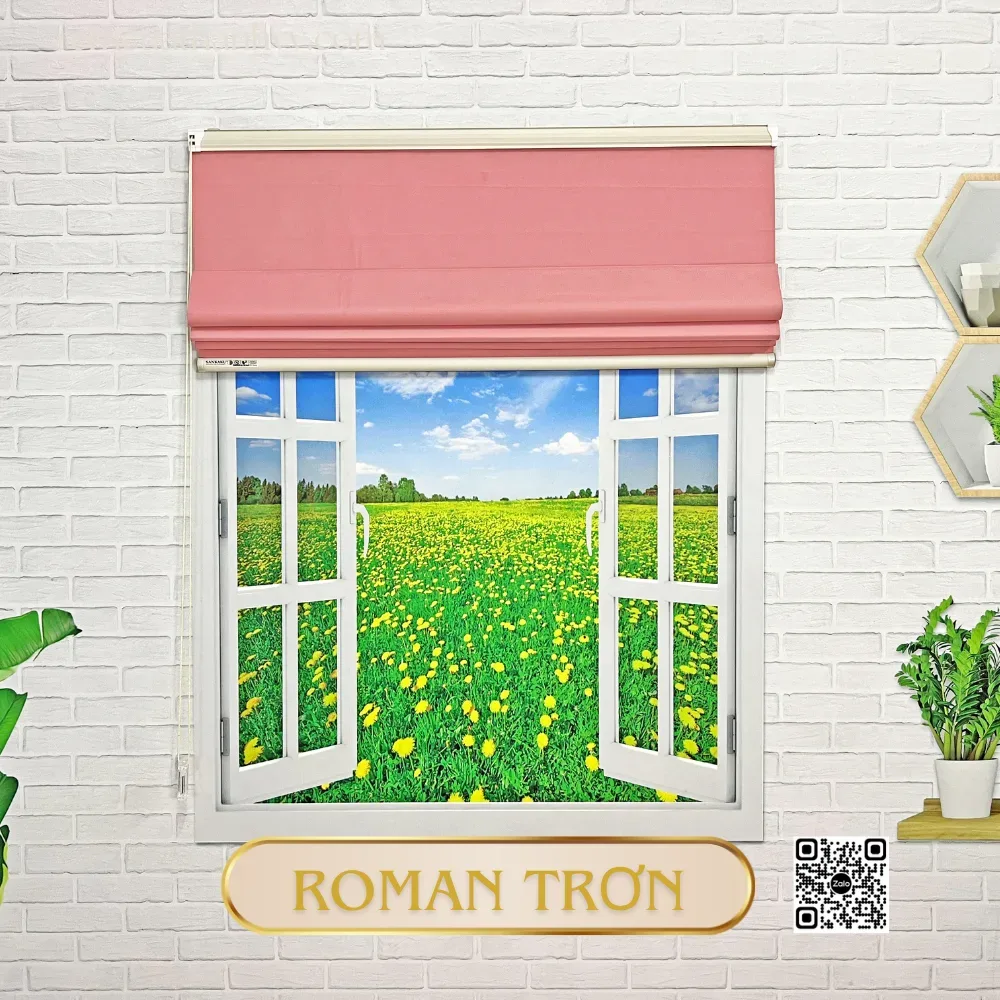
Regardless of which style group above you choose, the ratio between the blind width and the actual window size is still the deciding factor in whether the blinds look good, more important than choosing the right color or material. A characteristic of Roman blinds is that when pulled up, the folds gather into layers at the top of the window frame, so if the window height is too short, the gathered layered section can take up a significant percentage of the visible area, making the window look shorter than it actually is. Therefore, the placement position of the track rail should be carefully considered, usually higher than the top edge of the window frame by a reasonable margin so that the gathered layer sits neatly at the top instead of blocking the glass area.
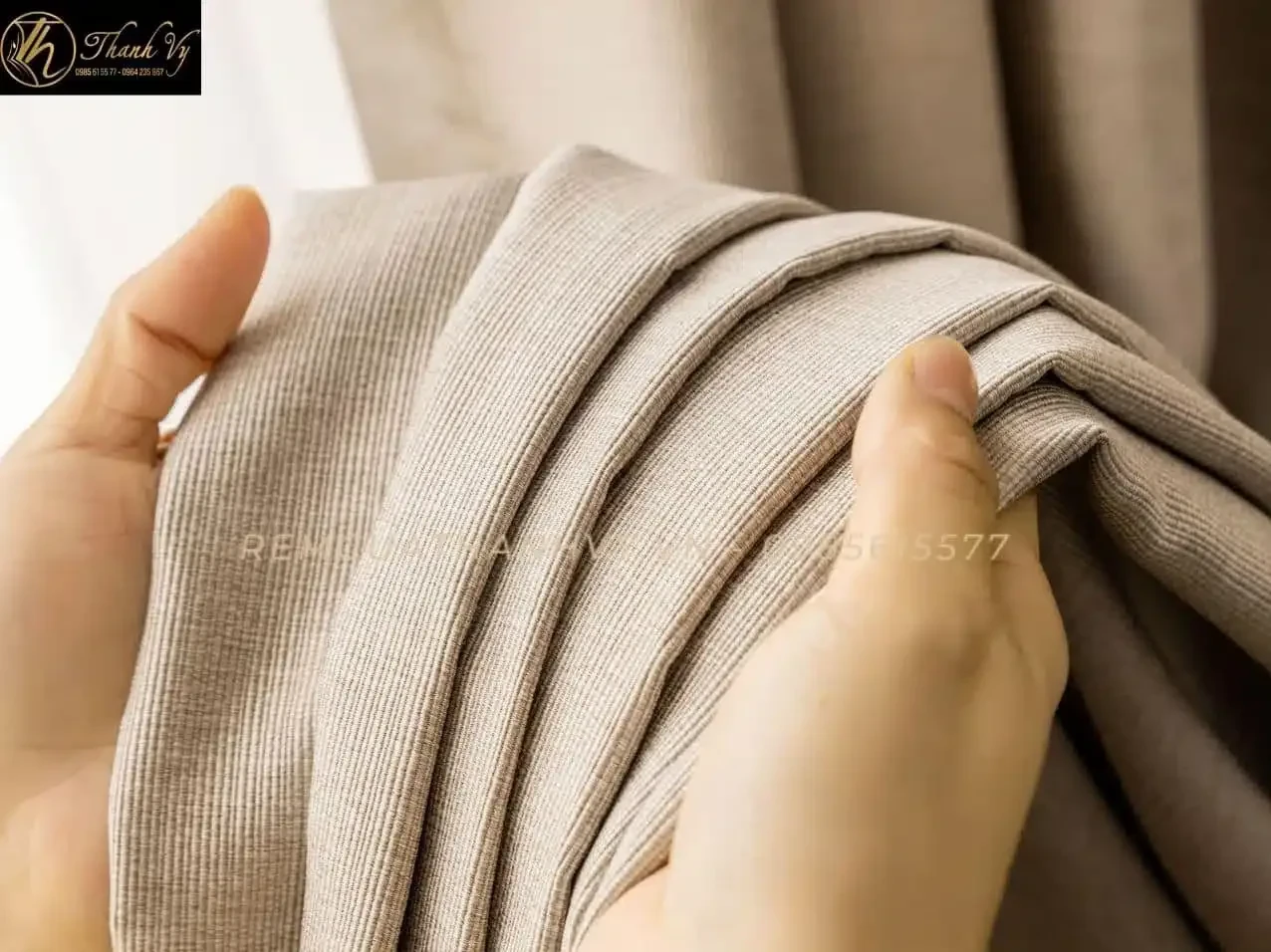
With tall and wide windows, homeowners can divide the Roman blinds into multiple smaller panels instead of one overly large single panel, which is both easier to operate and helps the folds become more even and beautiful. If the living room has multiple windows next to each other, a single pleat style and a consistent color-matching logic should be unified across all windows, avoiding the feeling that each window has its own separate style.
Send your dimensions and needs, and the Thanh Vy Curtains team will advise on options and quote for your actual space.
Notes on Safety Pull Cord Accessories When Choosing Roman Blinds for Living Rooms
Besides aesthetic factors, the operating accessories of Roman blinds, especially pull cords, are details that should not be overlooked when the living room has young children or pets frequently active in this area. The US Consumer Product Safety Commission (CPSC) has repeatedly issued general warnings about risks related to cords on window blinds with pulling mechanisms, emphasizing the importance of managing excess cords and keeping cords out of reach of young children.
With Roman blinds, priority should be given to operating mechanisms that limit exposed excess cords, such as cords gathered neatly inside a tube or featuring a height-locking mechanism when not in use. If the living room is an area where young children frequently play or crawl around, discuss thoroughly with the installation unit regarding the plan to secure cords high out of reach. This is not a decorative detail but relates directly to living safety, so it must be considered a mandatory criterion alongside aesthetics.
How to Choose the Most Suitable Roman Blind Group for Your Living Room
Before finalizing a specific style group, you should start by observing three existing elements in your living room: the actual light orientation of the window, the primary color tone of the sofa and floor, and the level of privacy the family needs at different times of the day. These three factors generally determine whether you should lean toward the large-pleat group, the two-layer sheer combination group, the neutral color group, the subtle pattern group, or the raw linen fabric group. Afterward, you need to accurately measure the window dimensions and determine the mounting position of the track rail to match the room proportions, rather than just looking at reference images and imposing them onto the real space. You can further reference the characteristics of linen fabric to better understand the material component.
Finally, do not forget the safety pull cord element as an inseparable part of your curtain-choosing decision. A set of Roman blinds worth using long-term is one that matches the space style, fits the window proportions, and ensures safety for every family member.
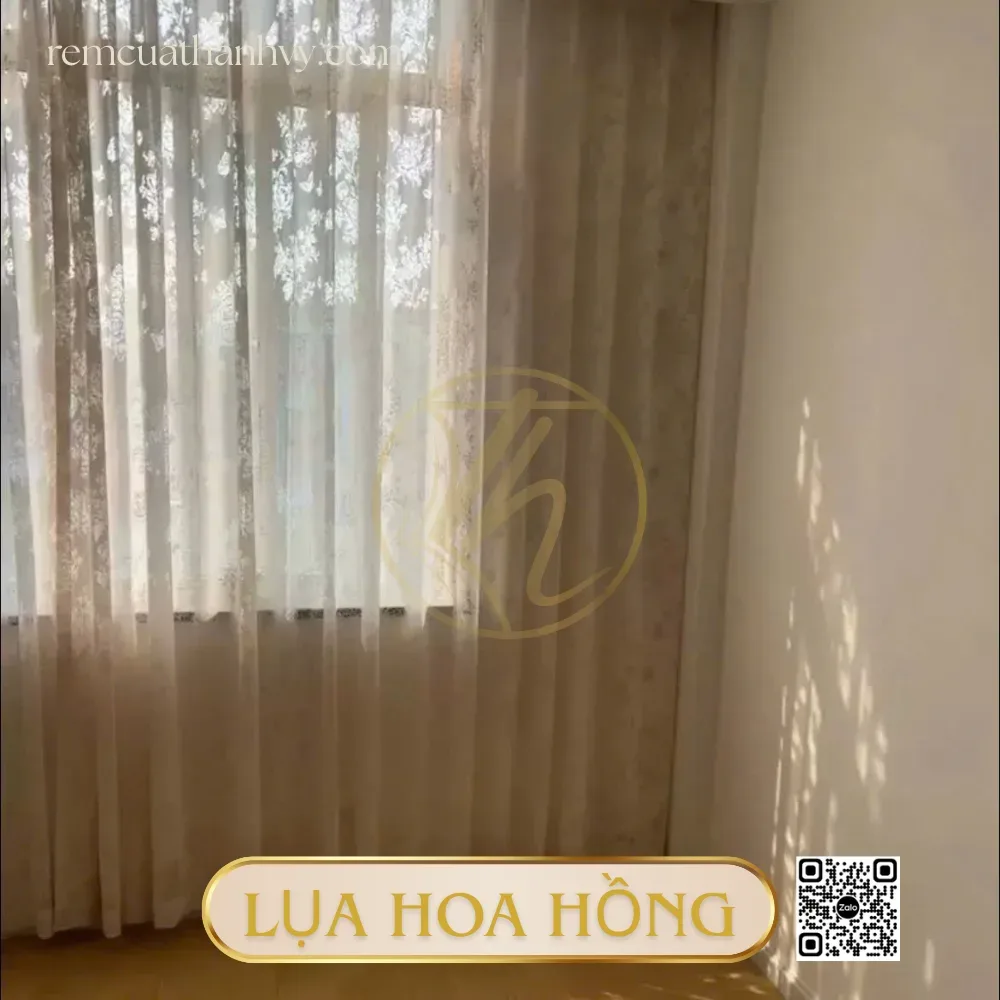
Curtain Designs to Reference
Below are actual product groups currently available at Thanh Vy Curtain, categorized by popular usage needs.
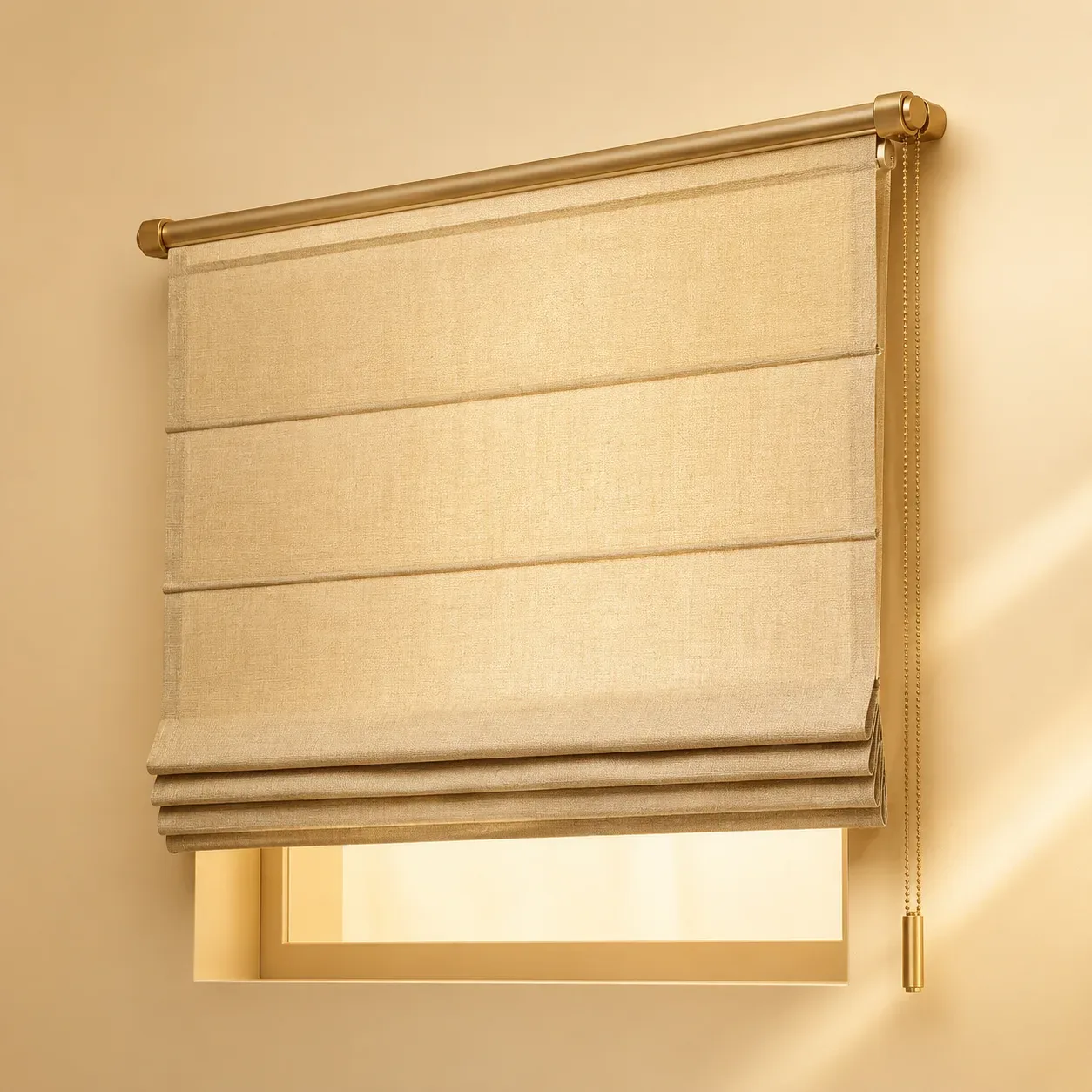
Roman Blinds
Roman’s layered style provides a neat feel, typically used in bedrooms and reading rooms.
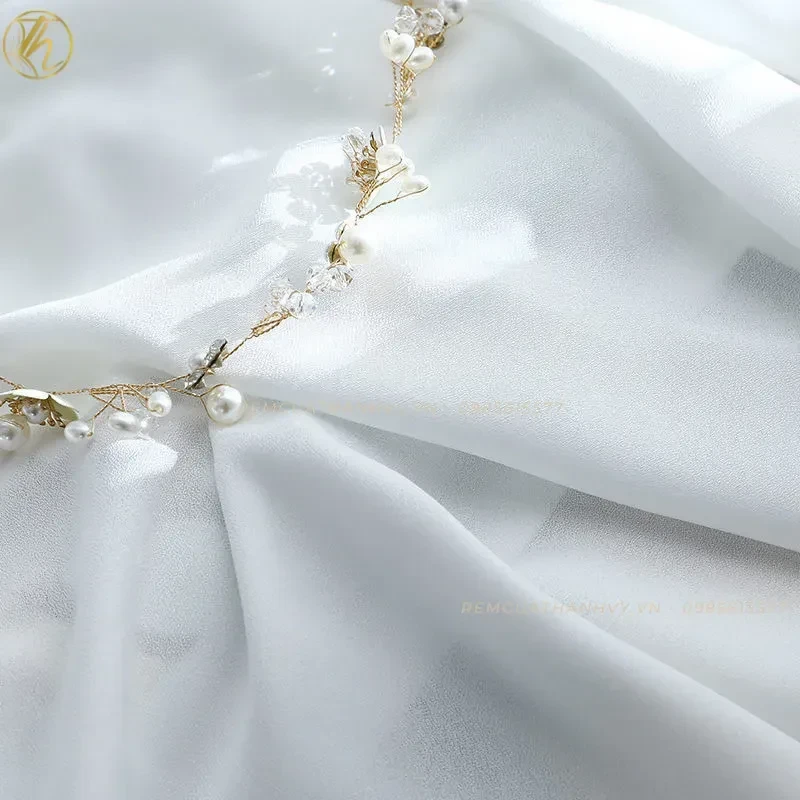
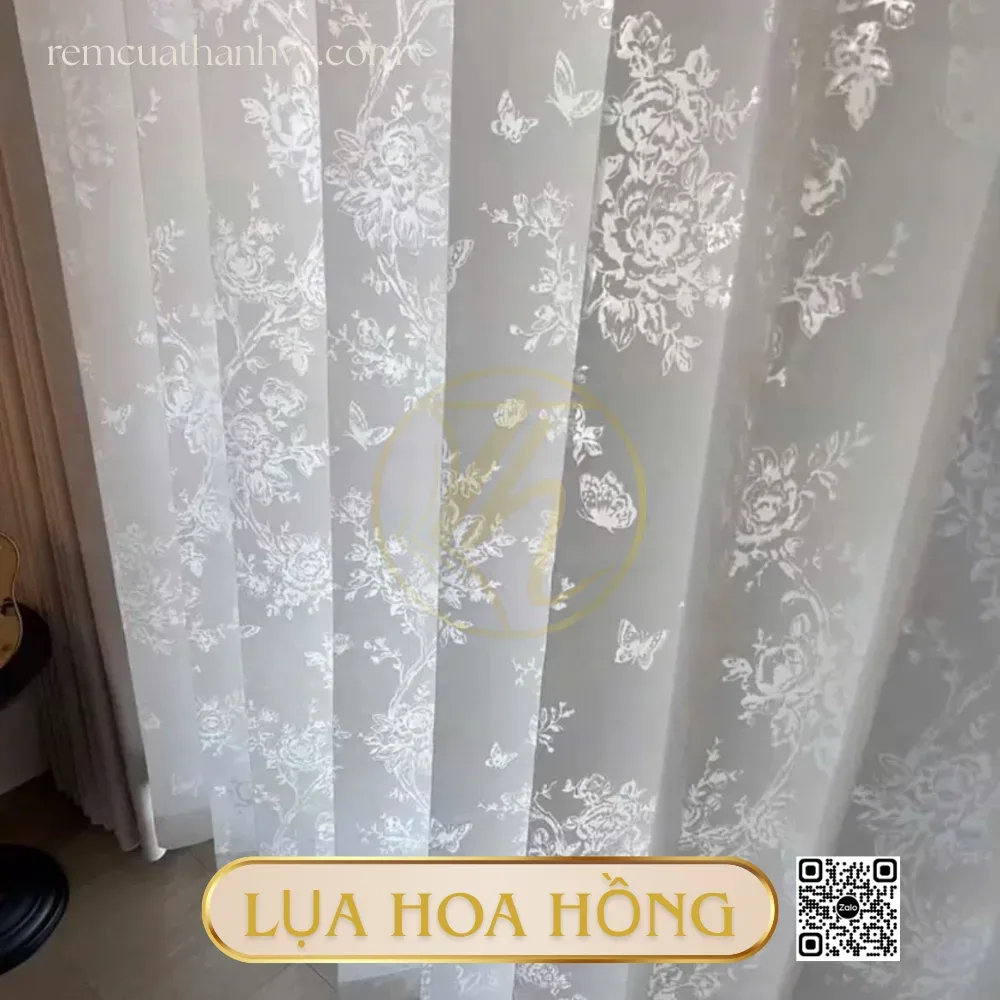
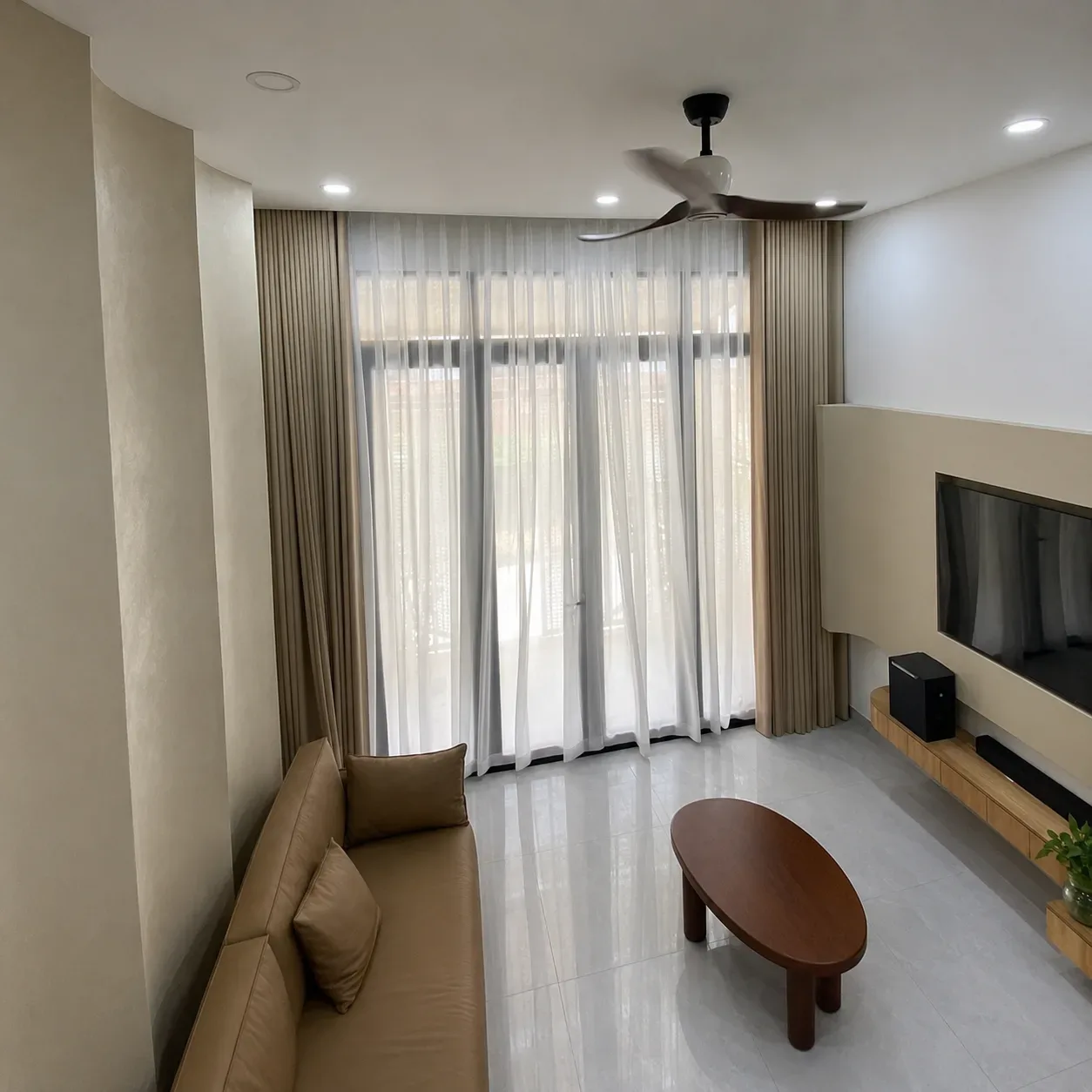
Sheer Blinds
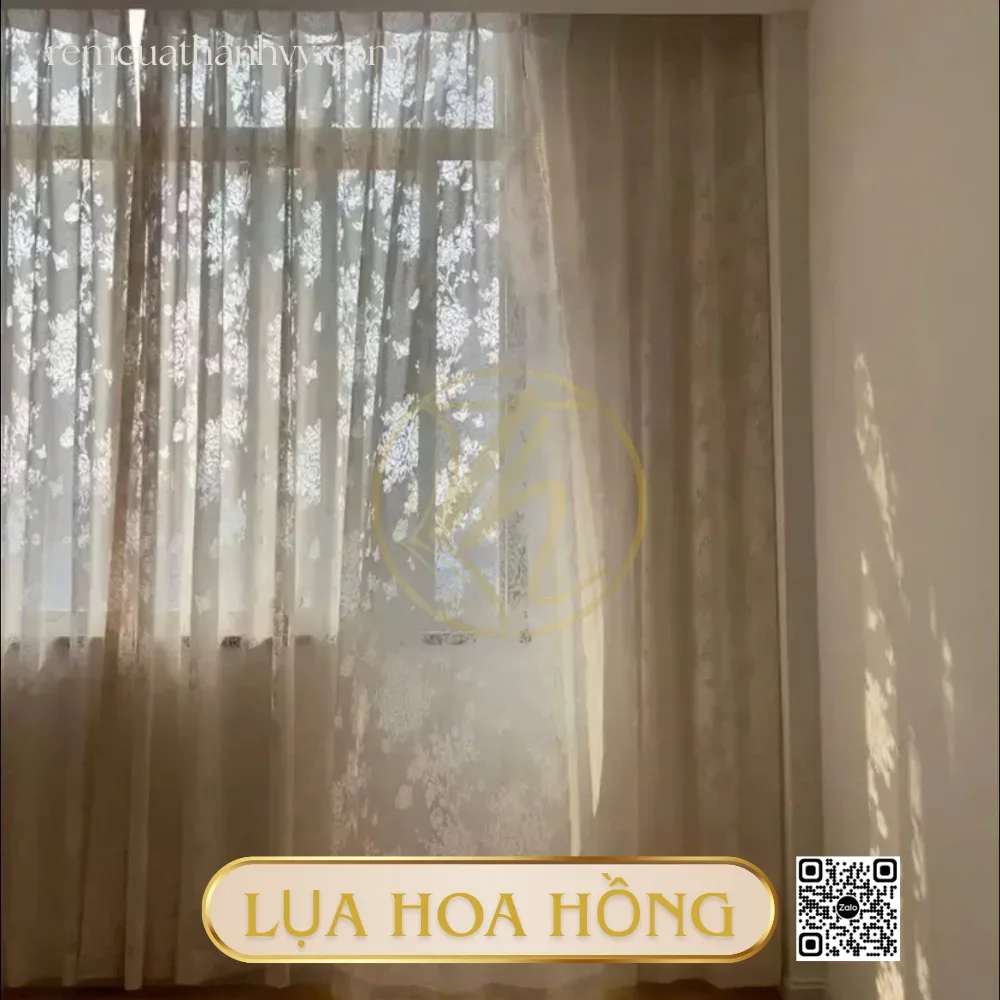
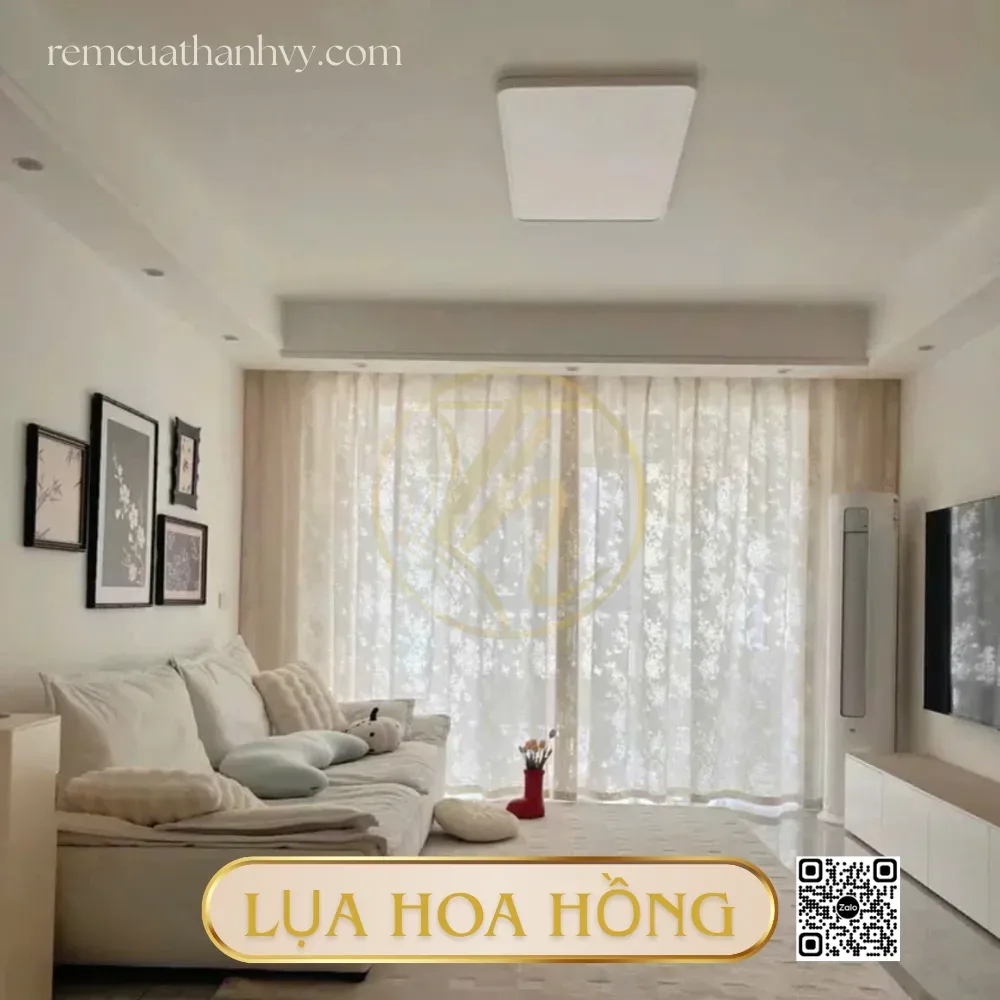
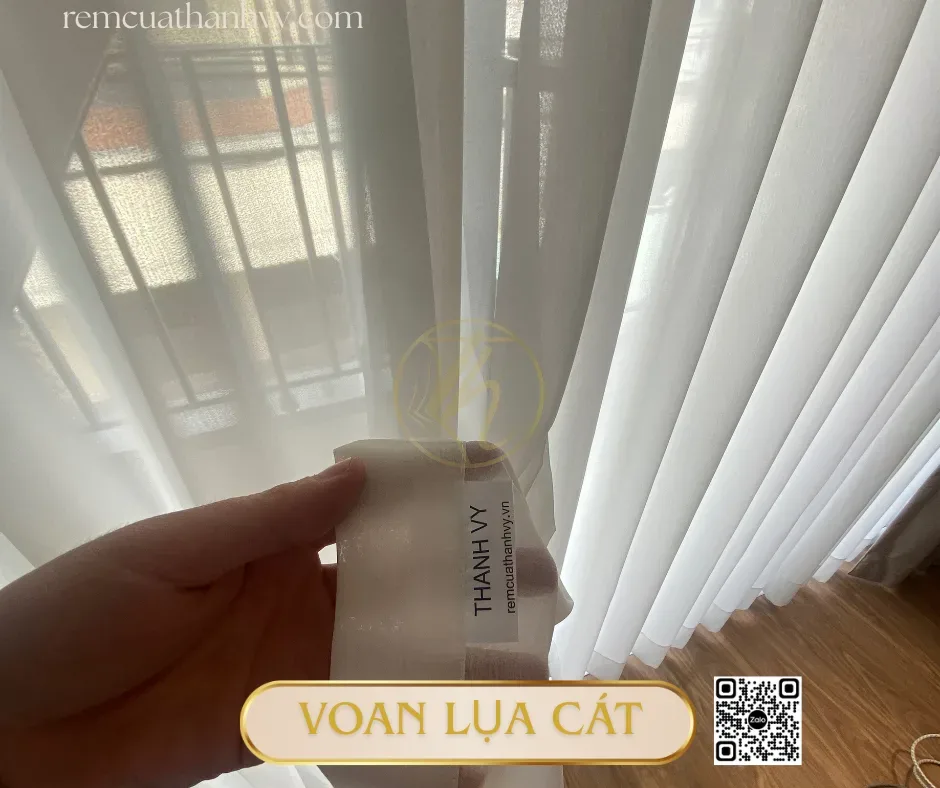
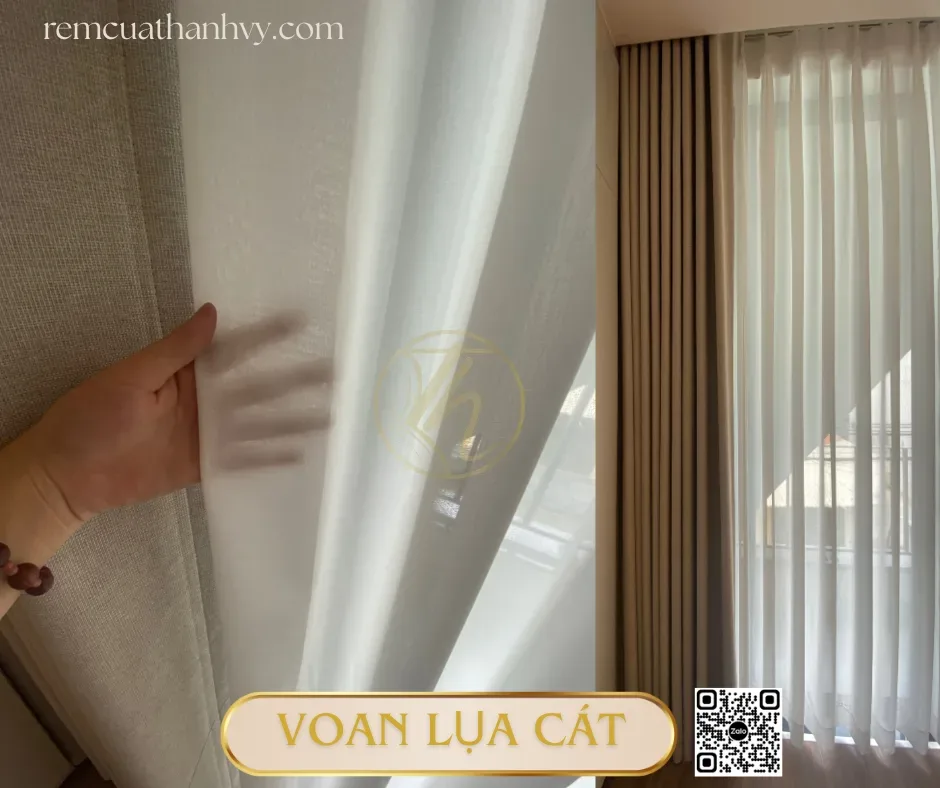
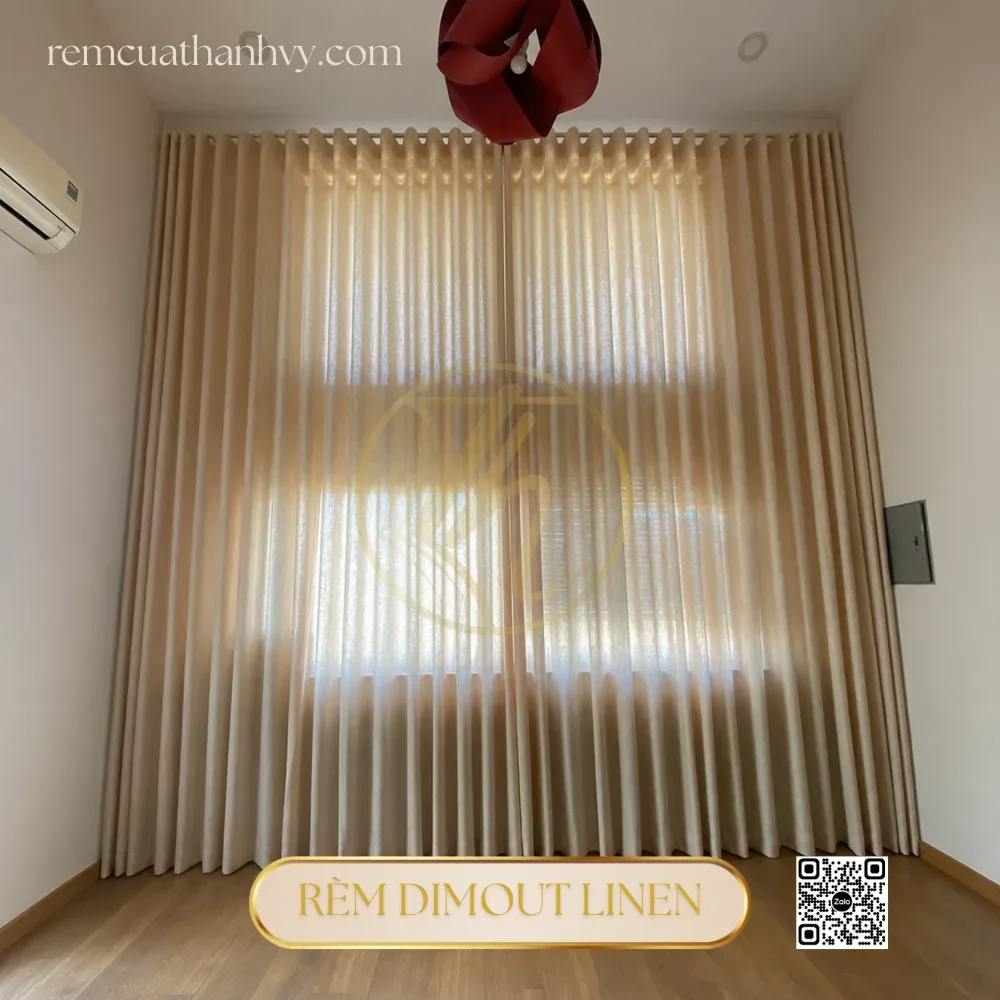
Sheer blinds prioritize gentle light filtering, suited for spaces aiming to utilize daytime natural light.

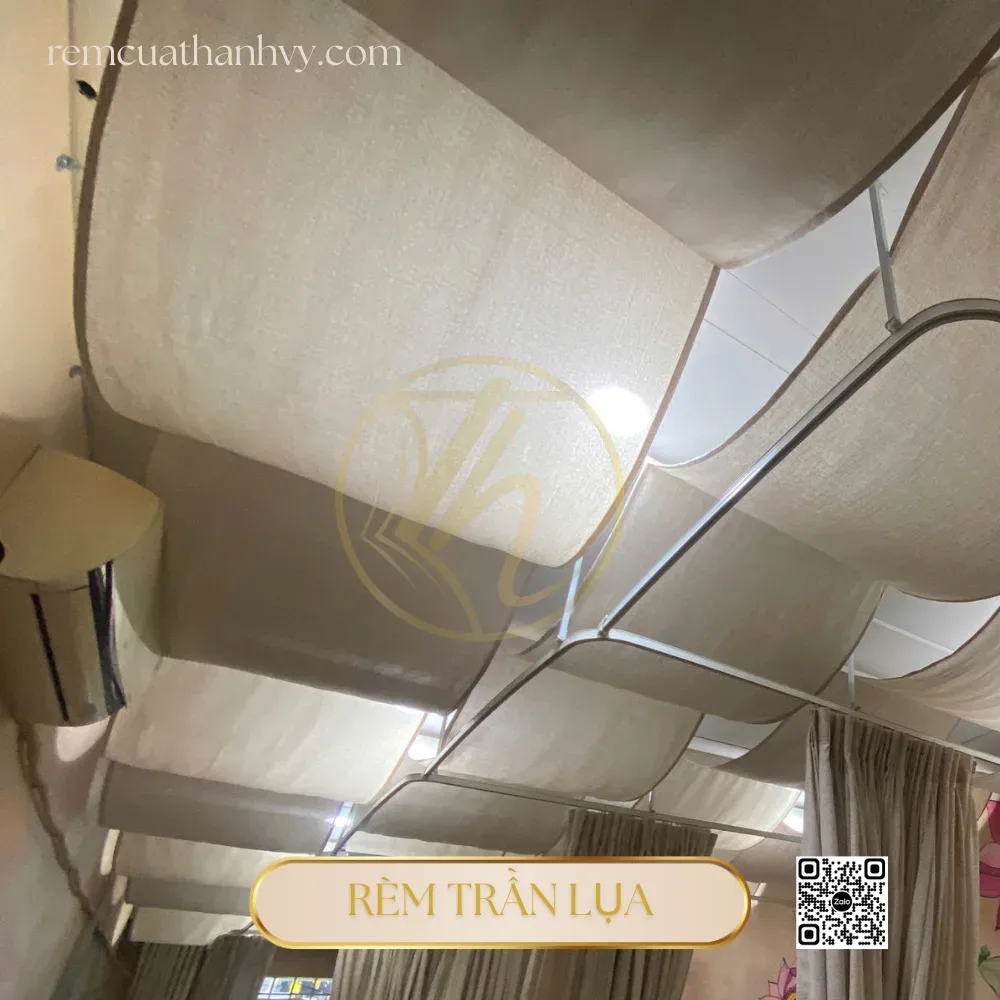
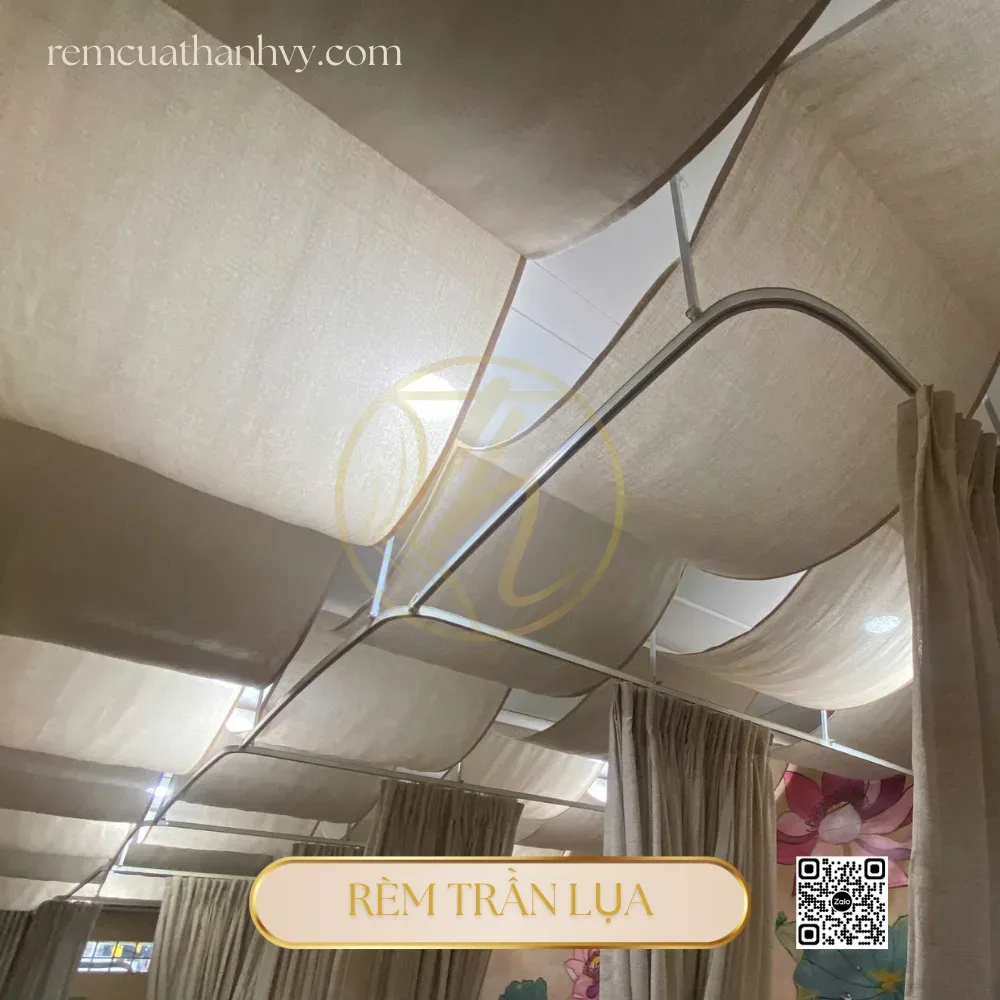
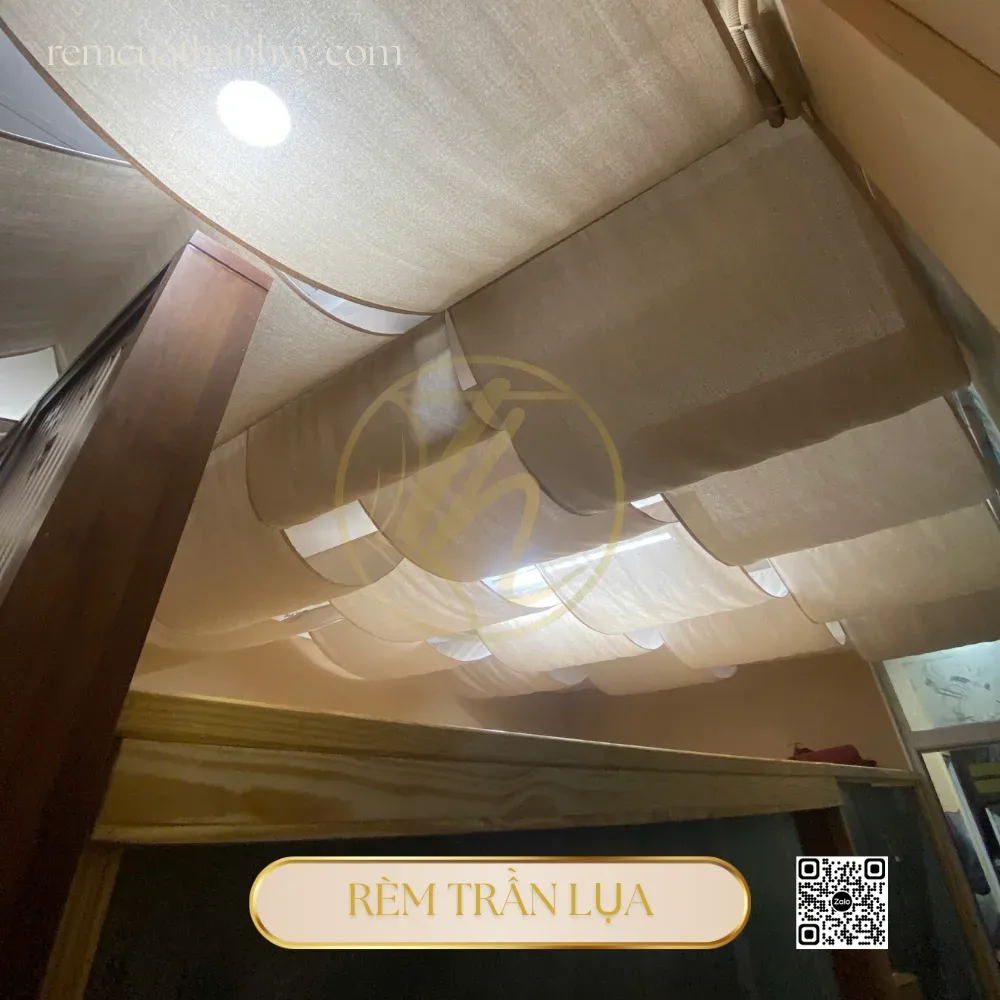
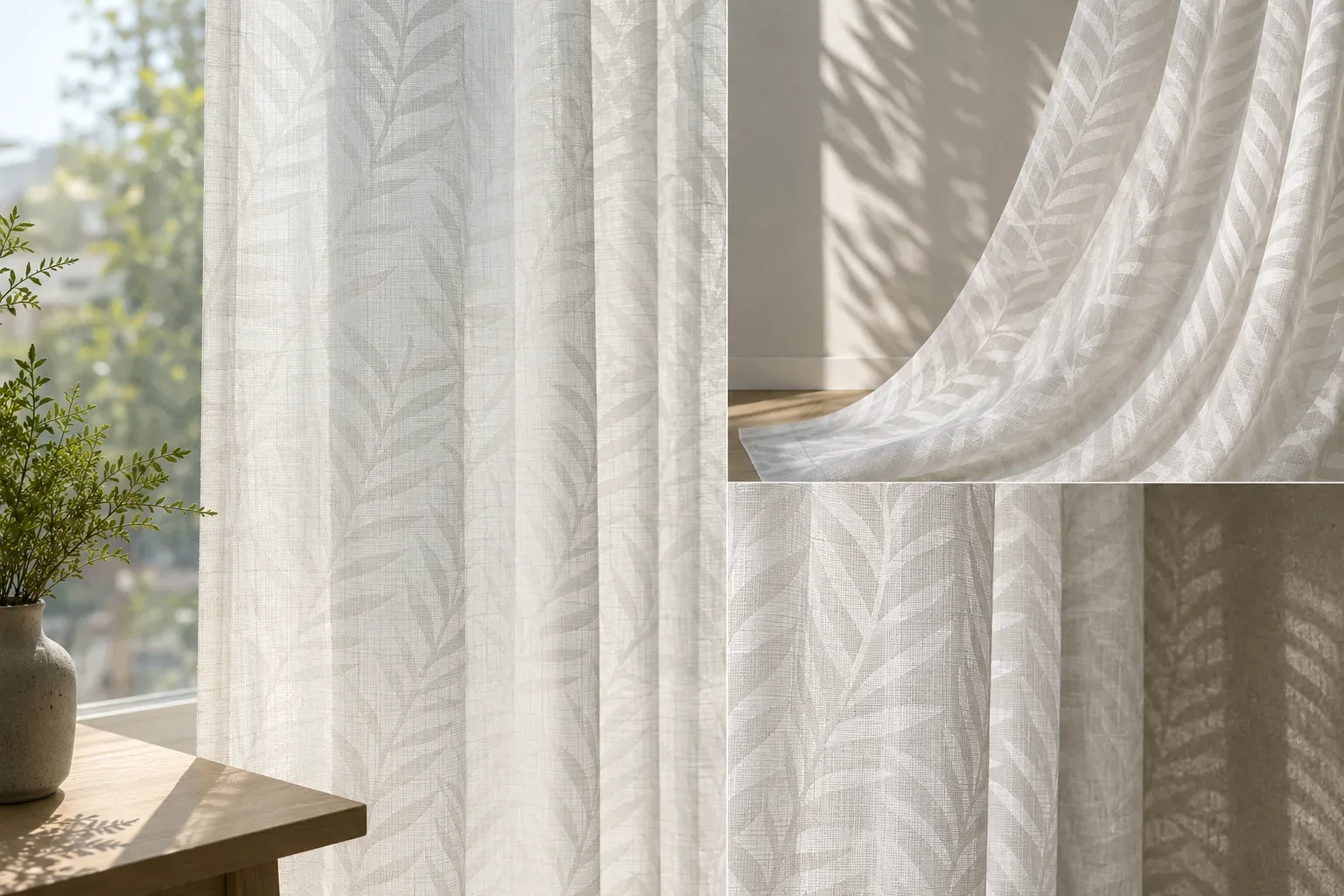
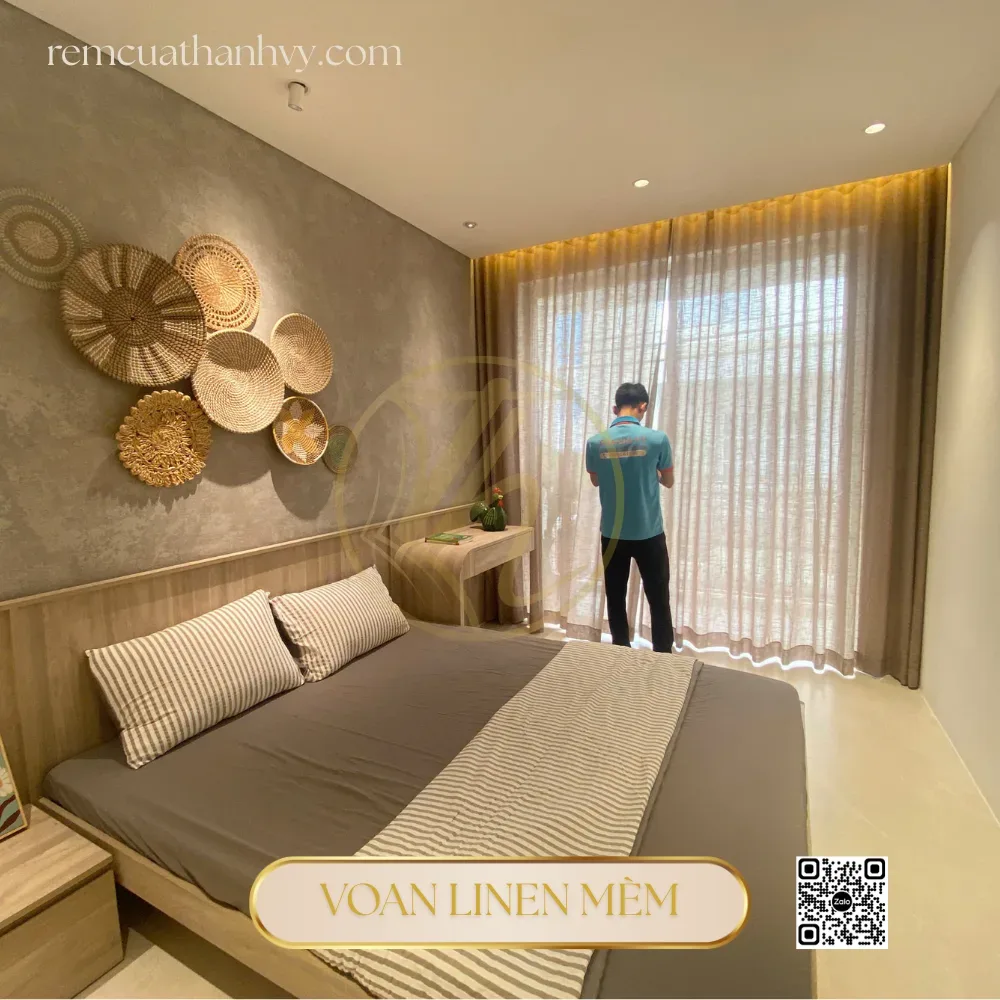
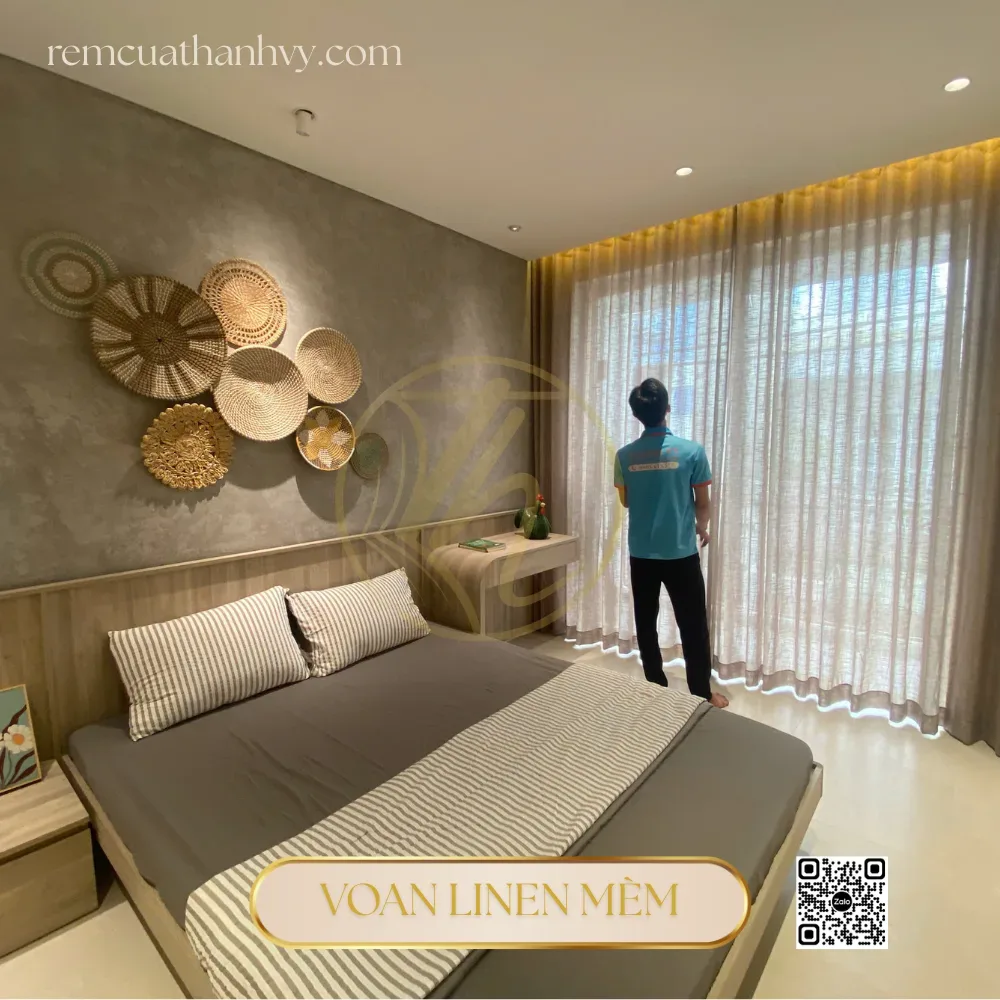
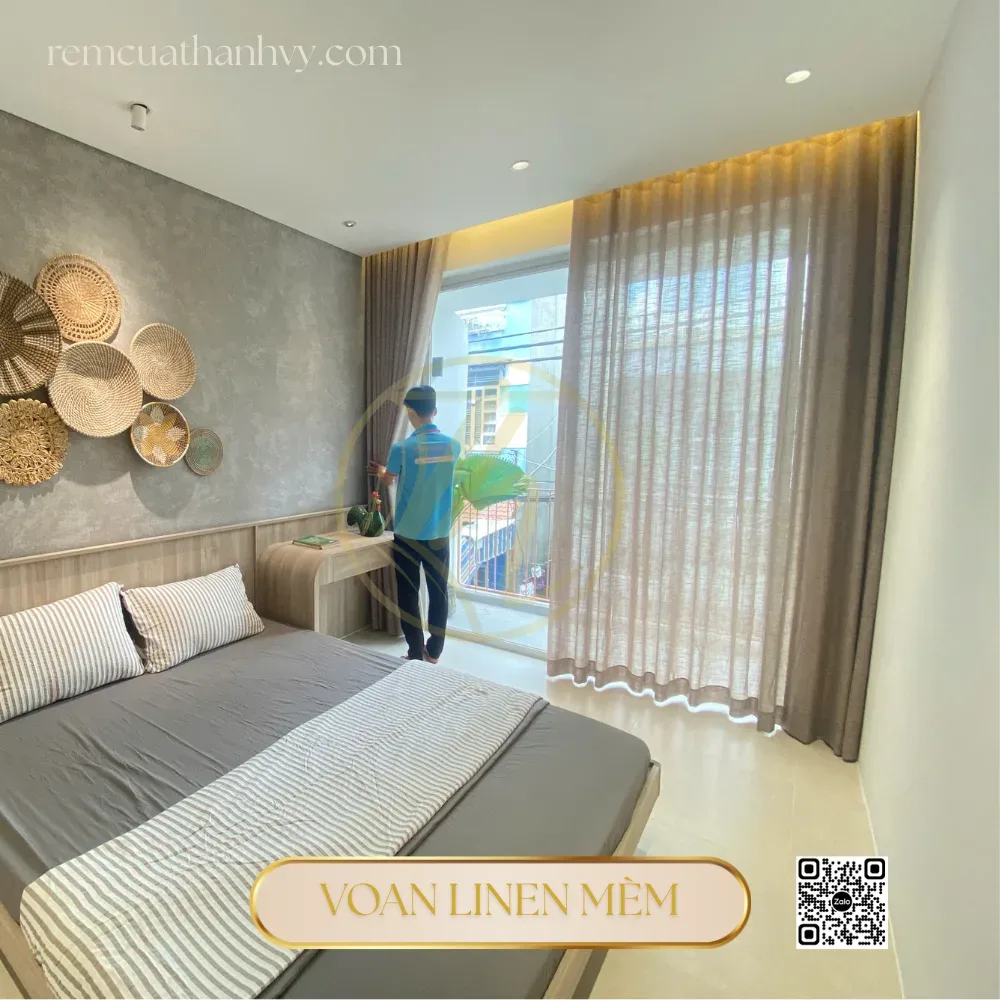
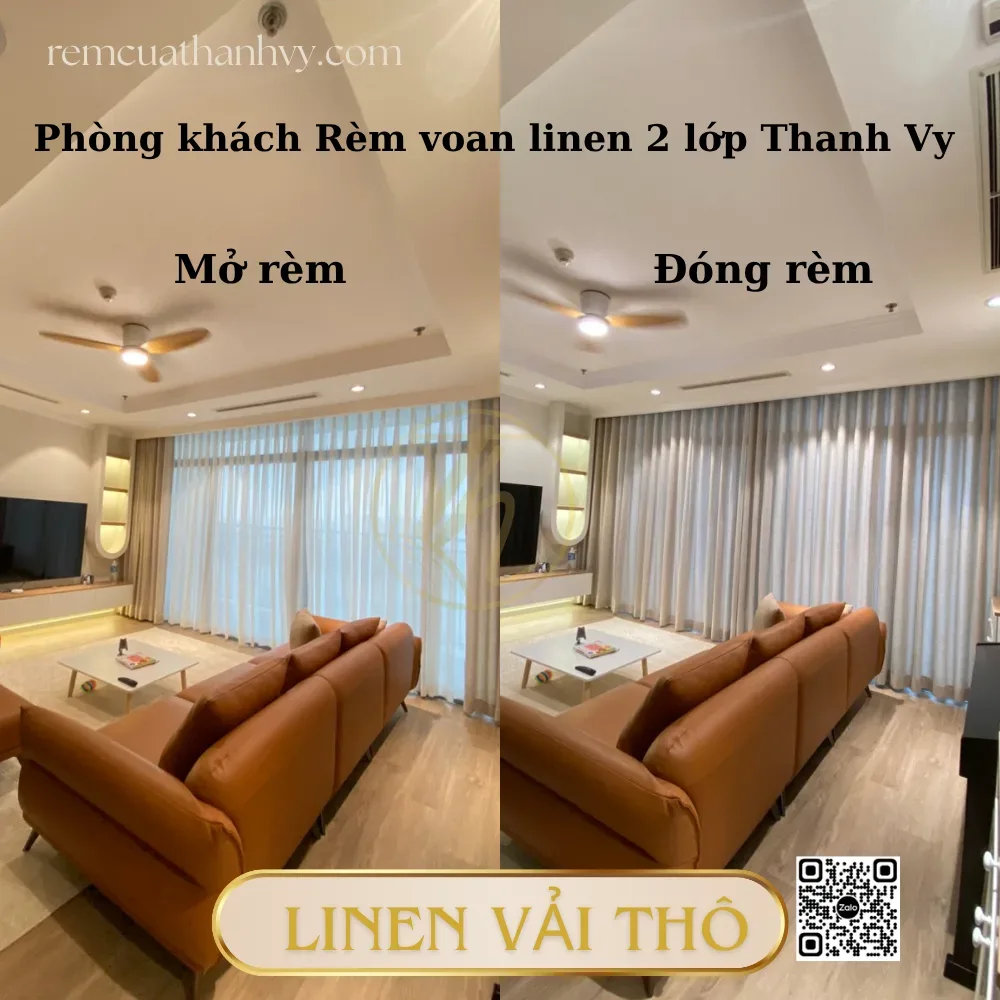
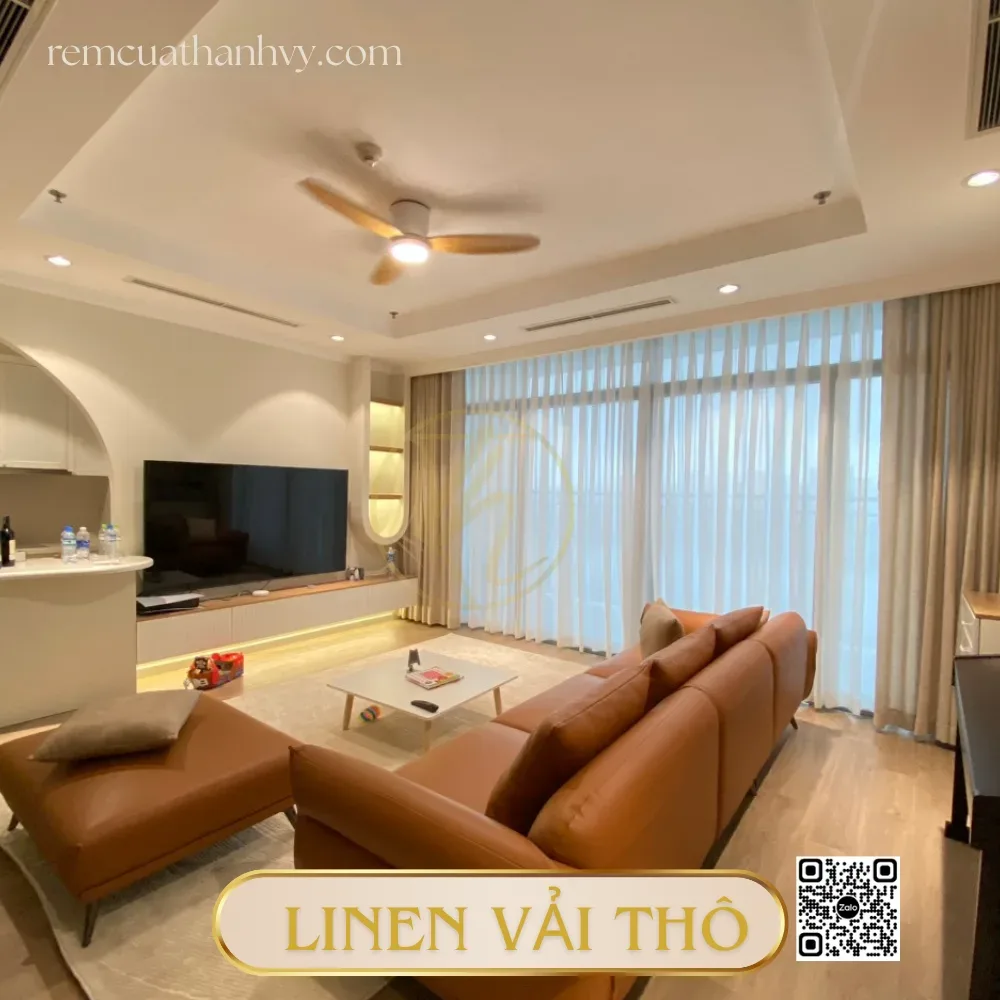
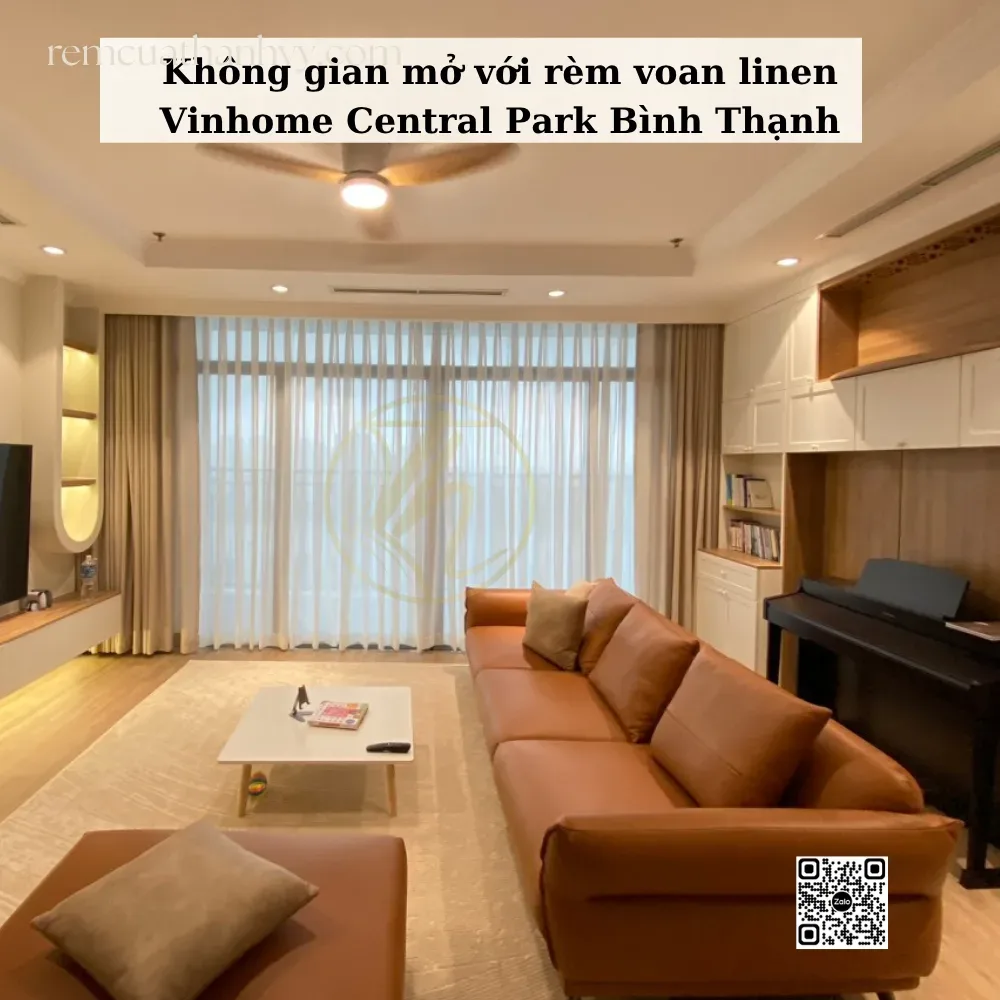
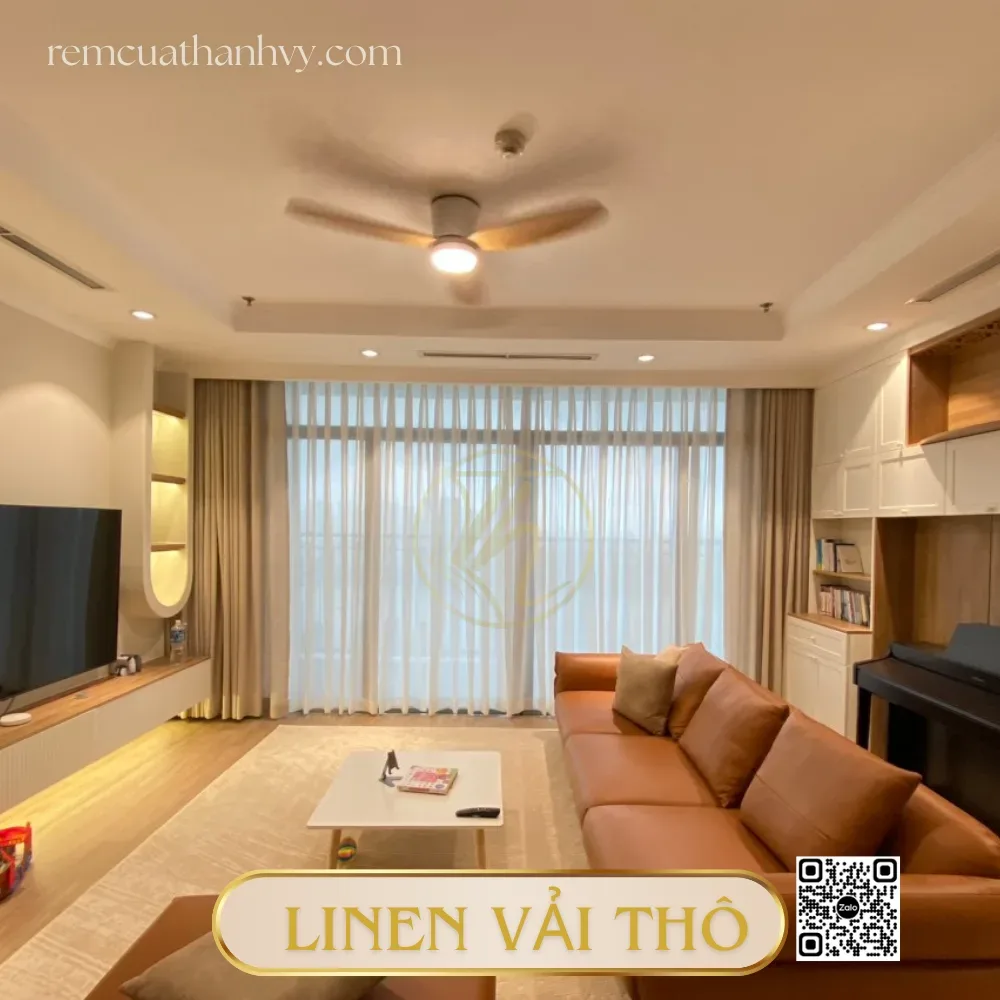
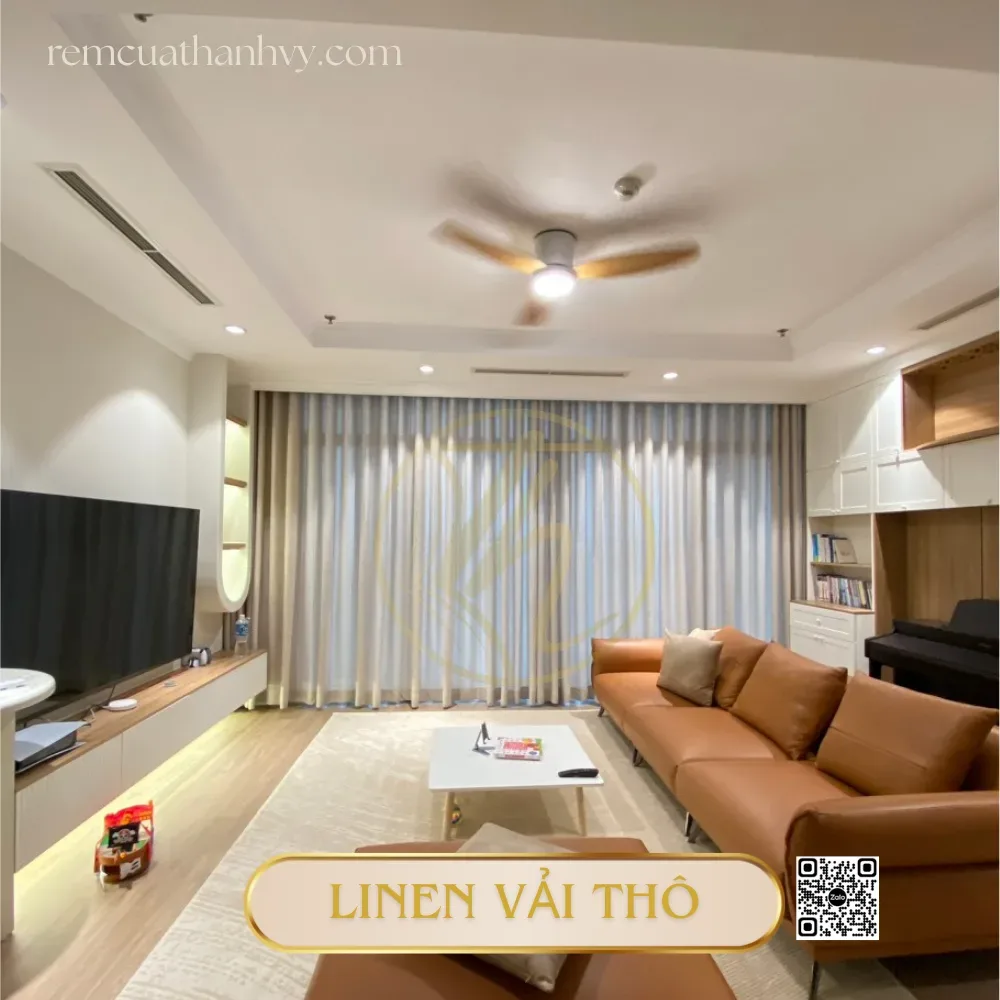
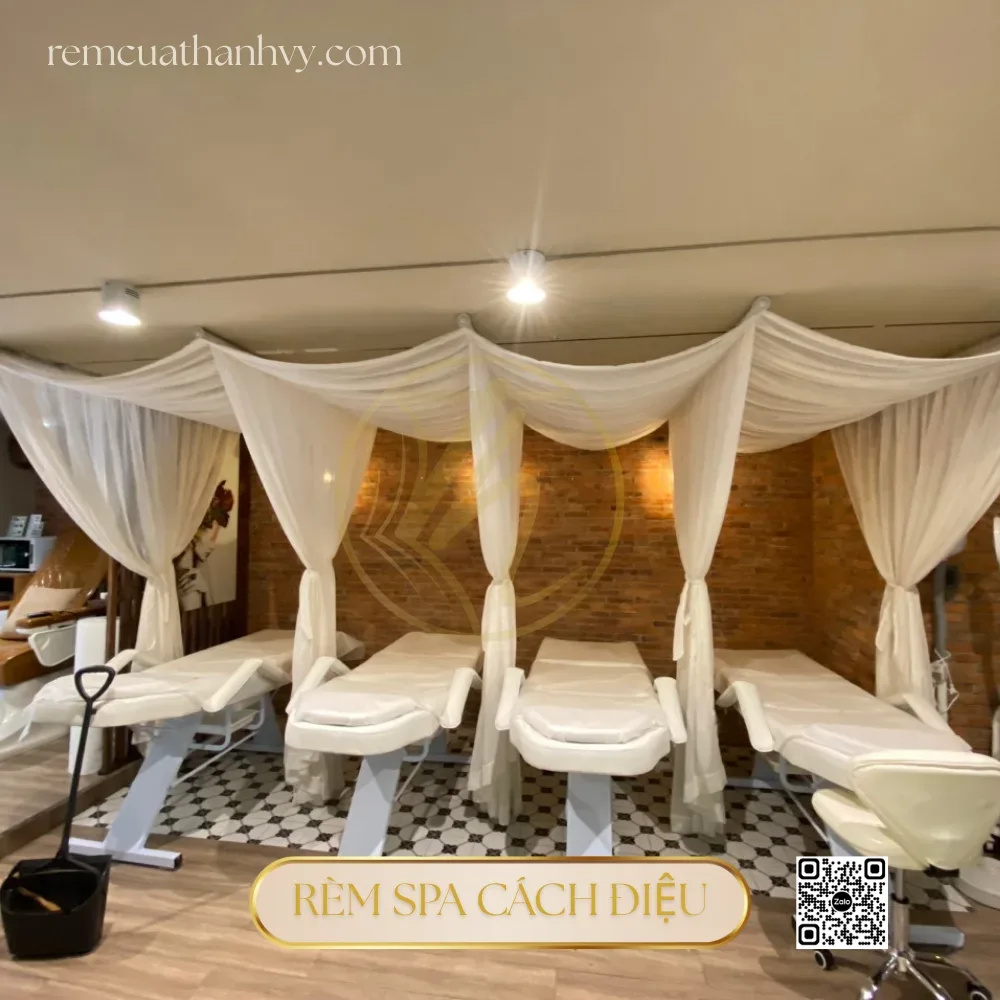
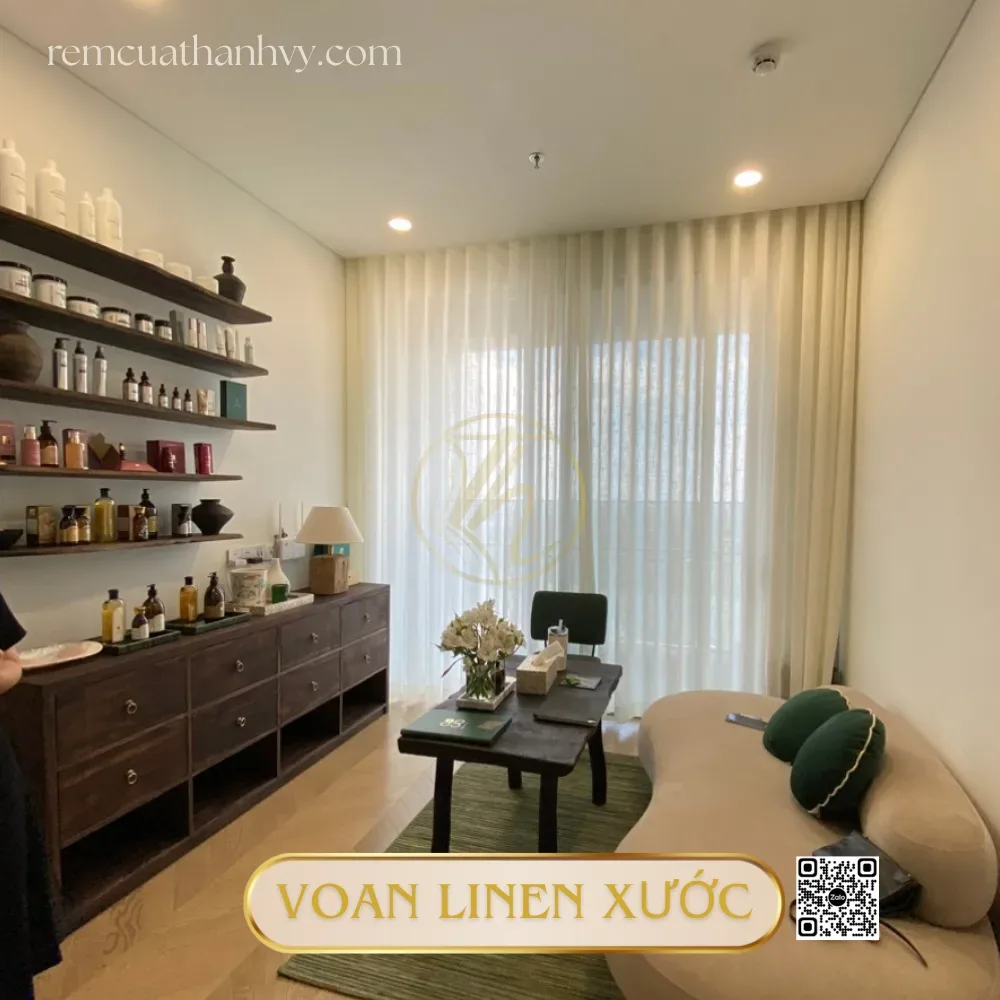
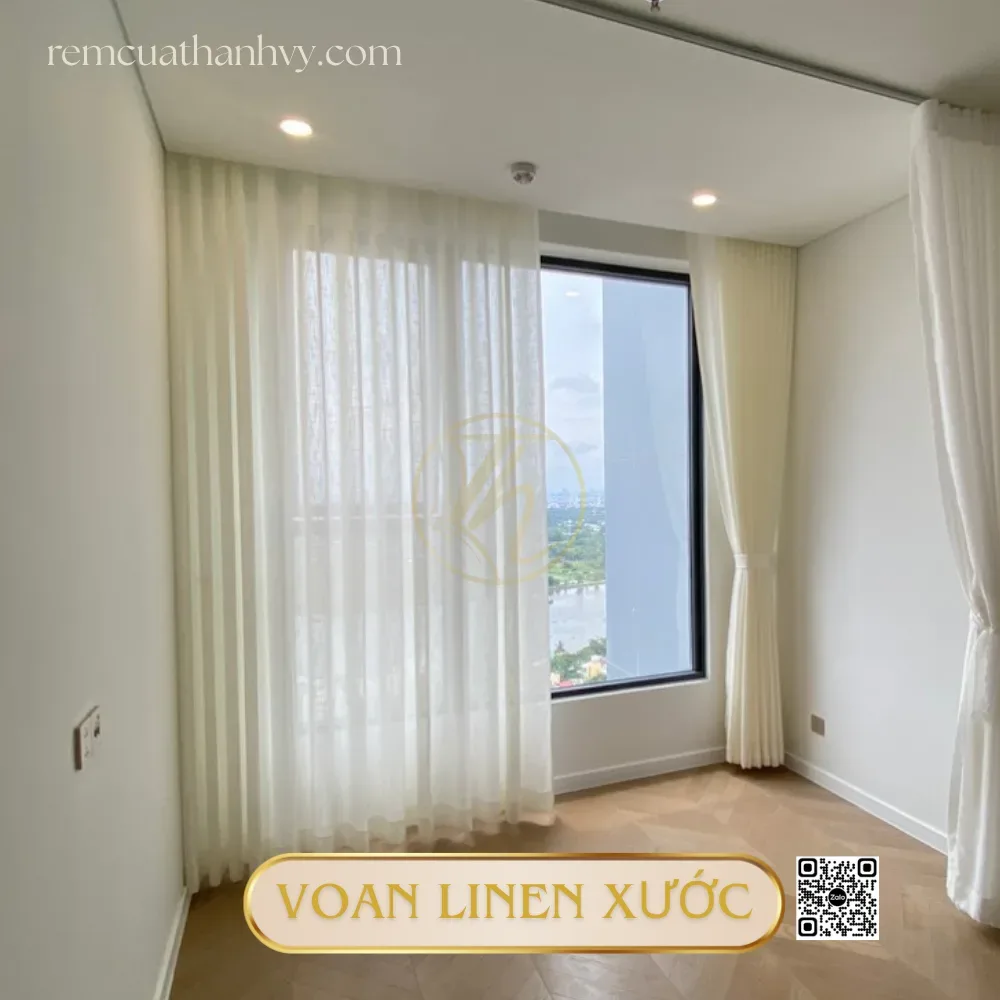
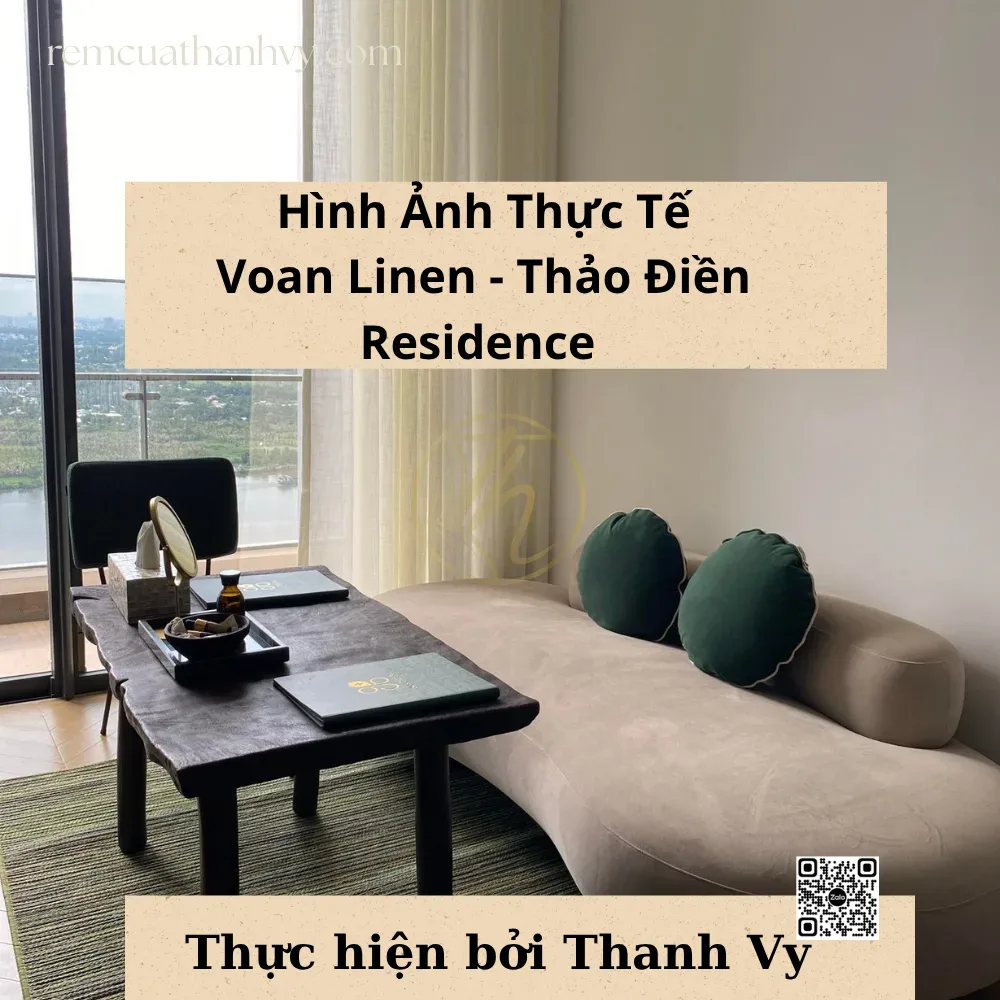
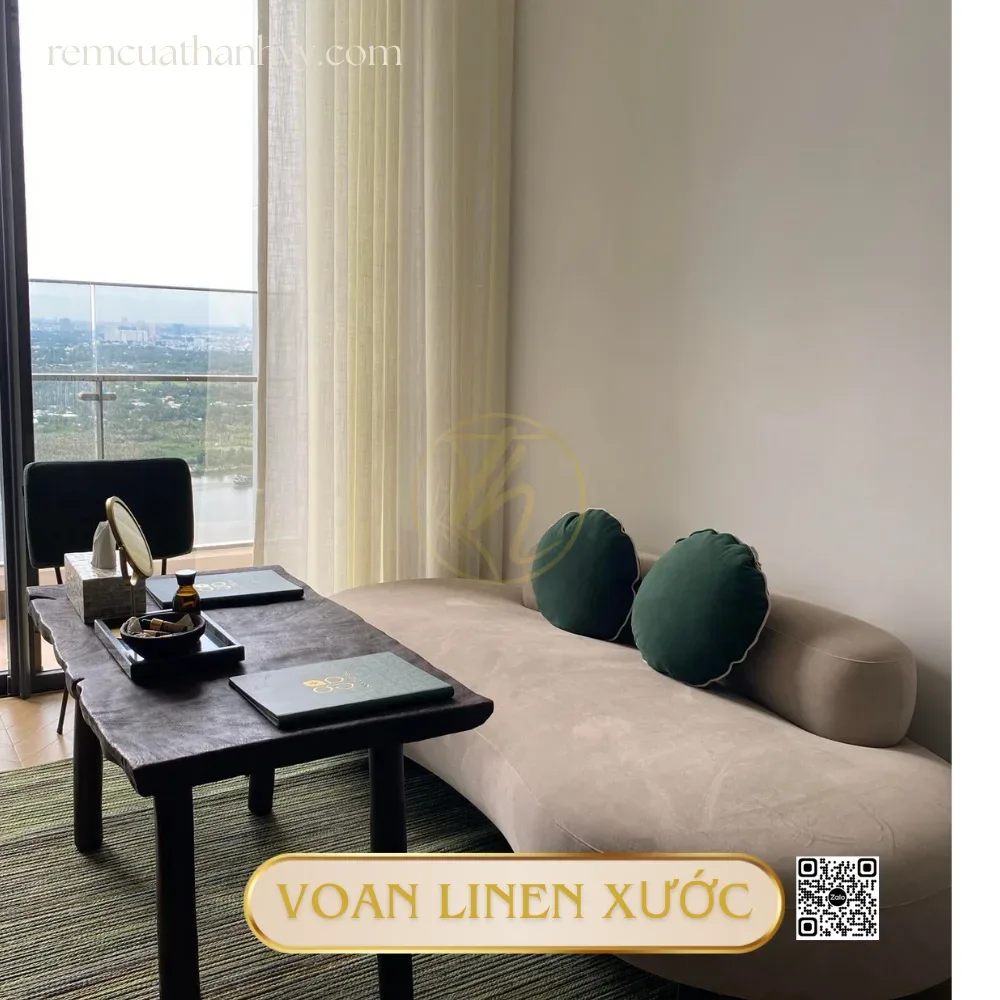

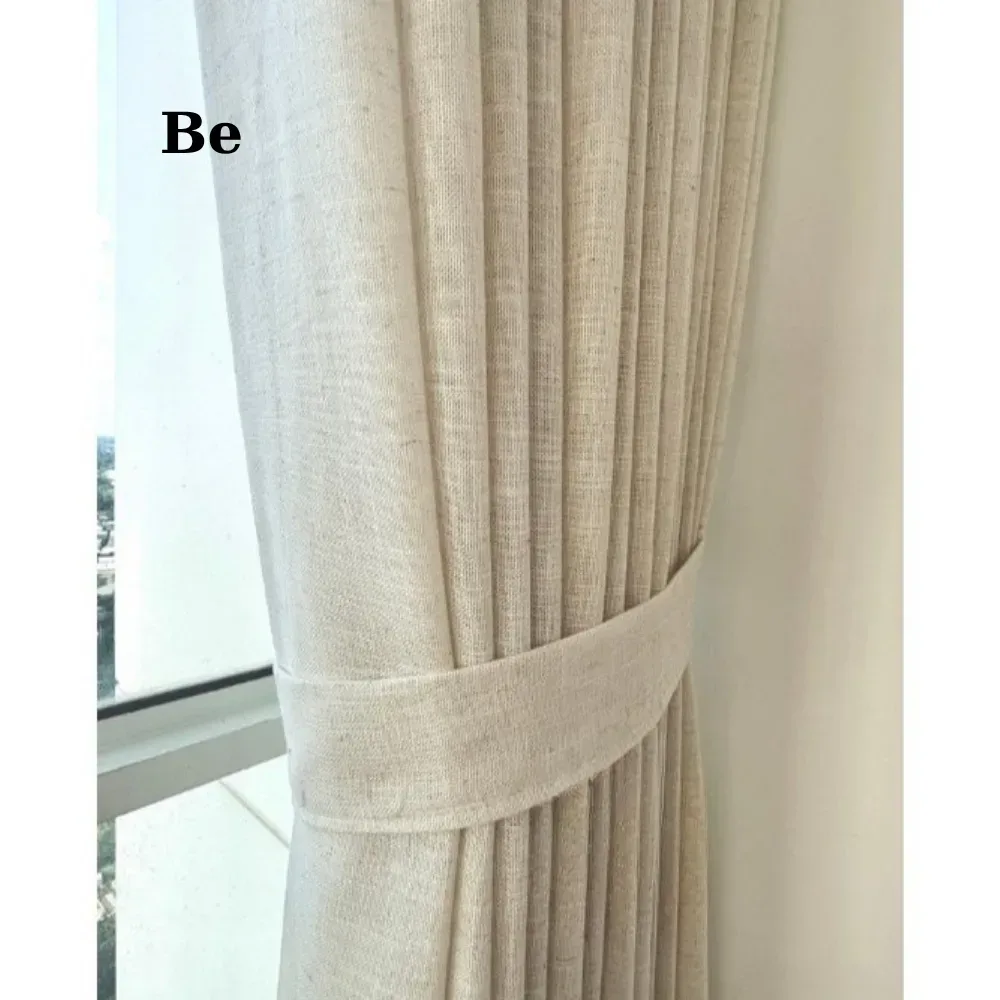
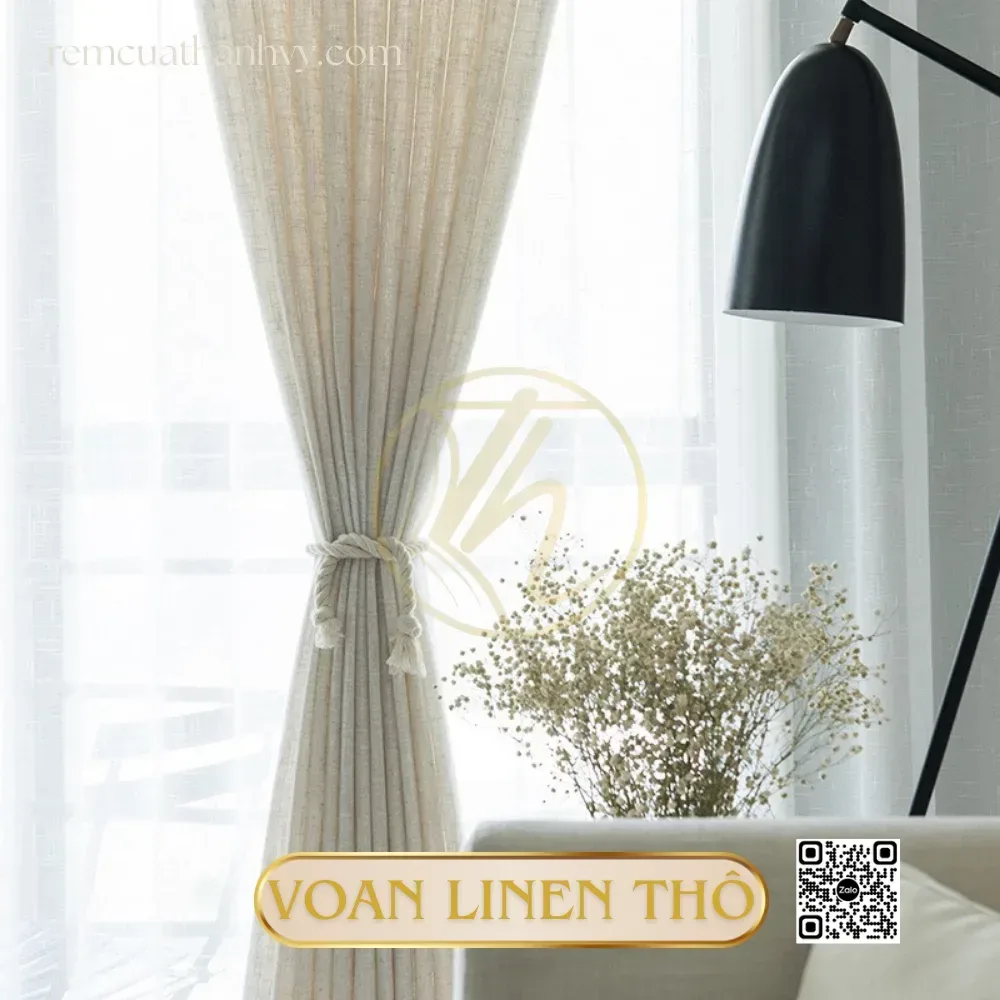
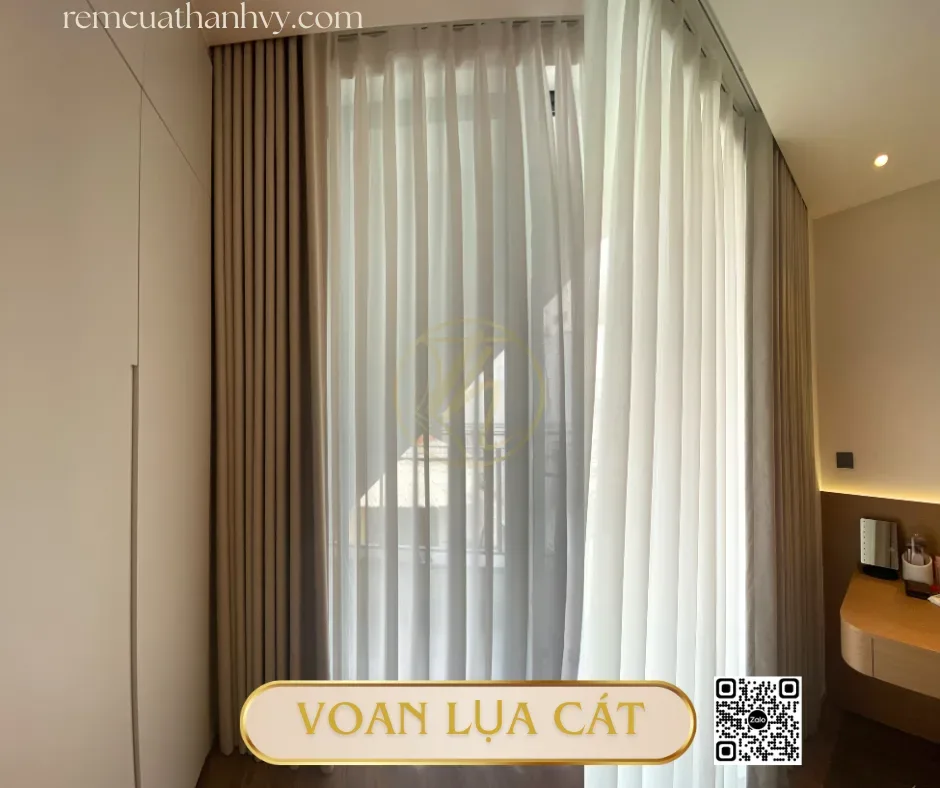
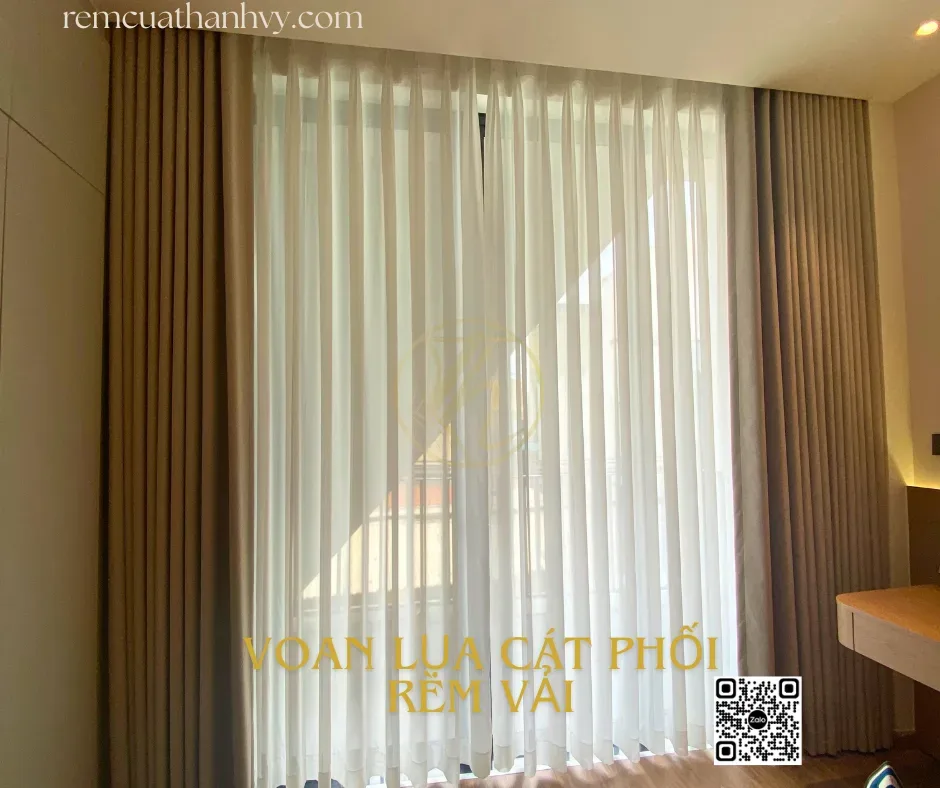
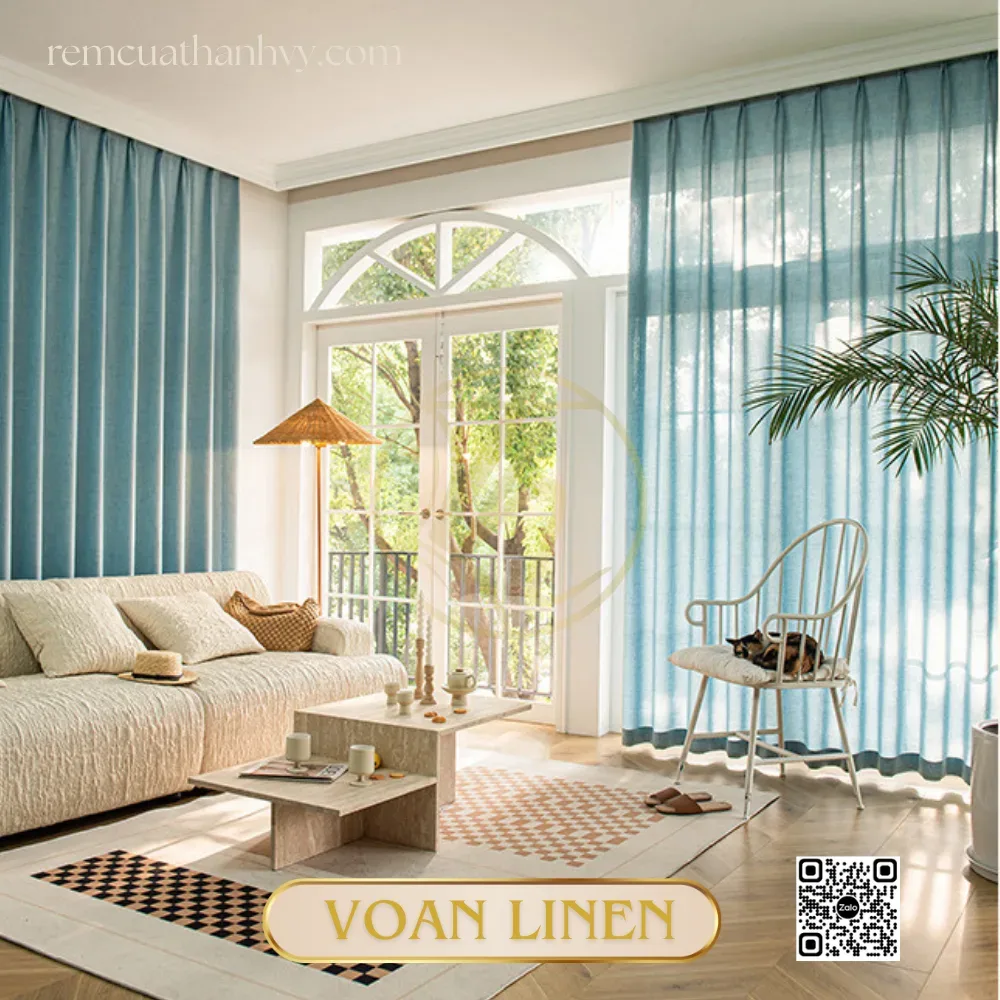
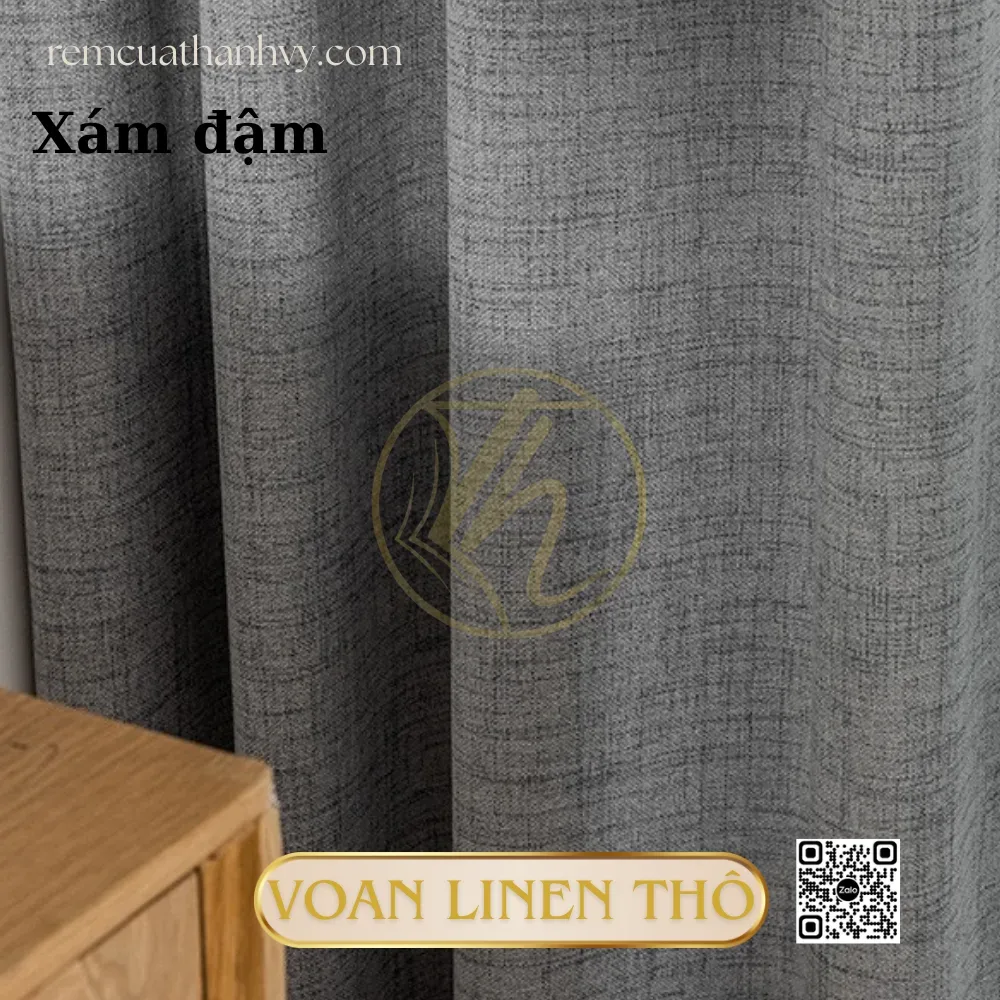
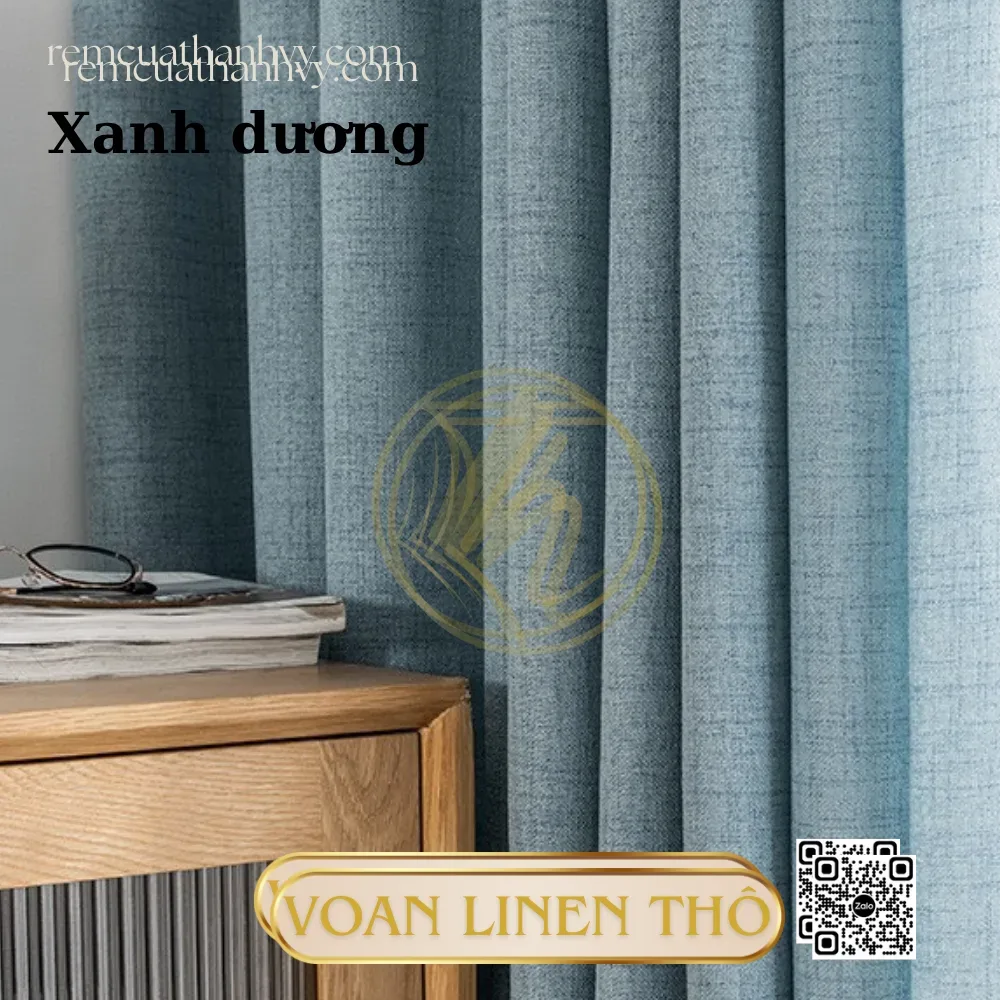
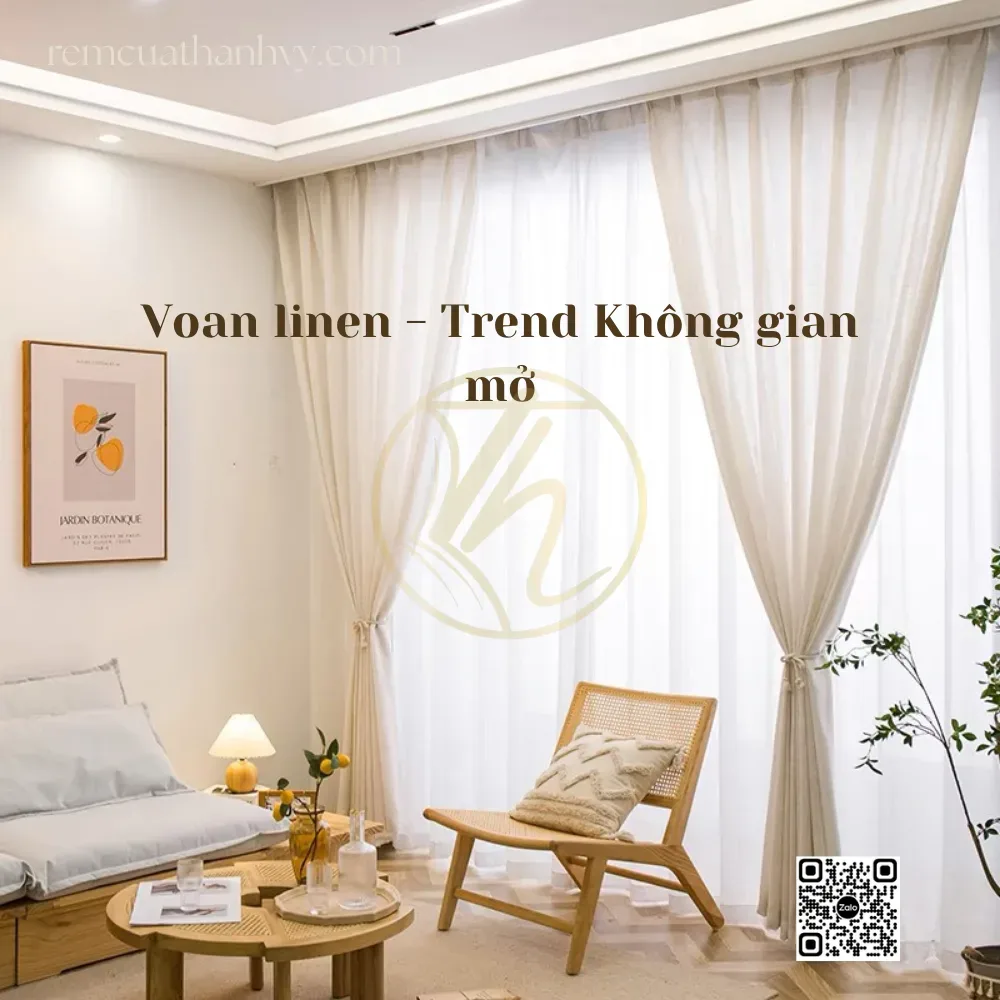
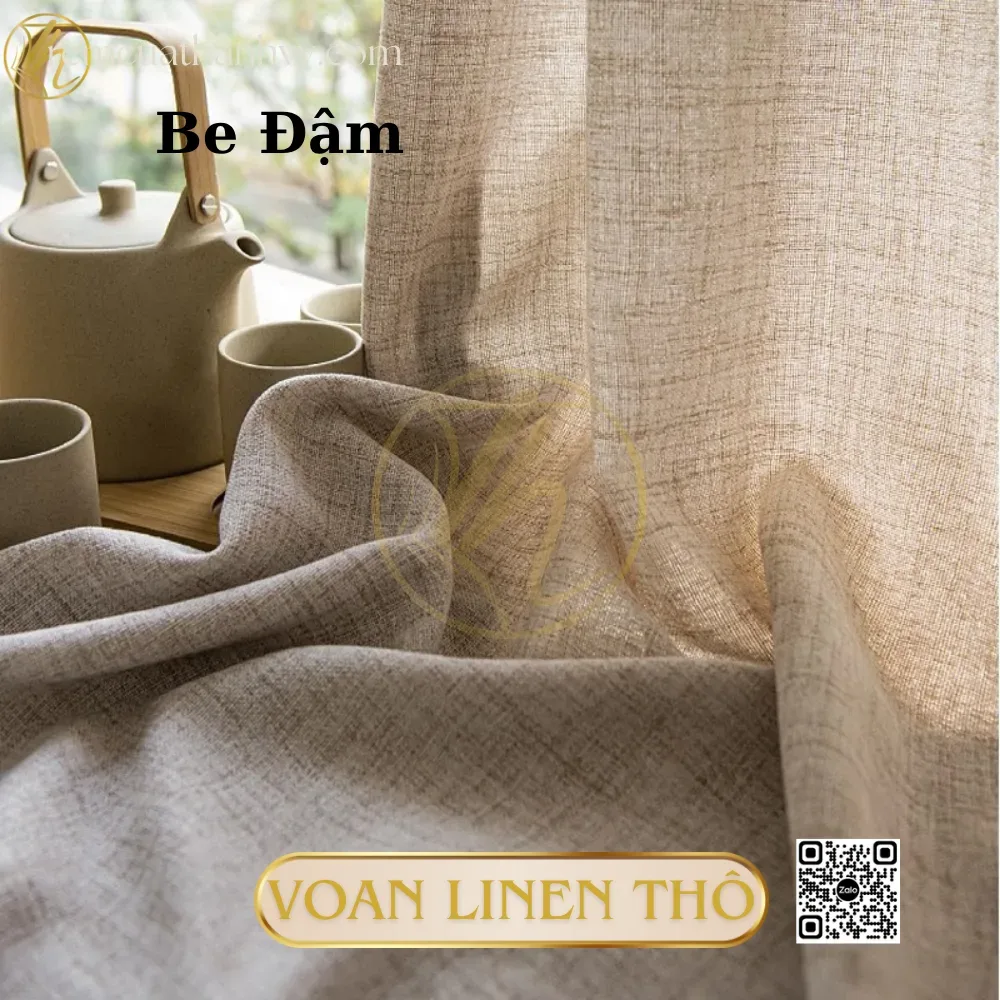
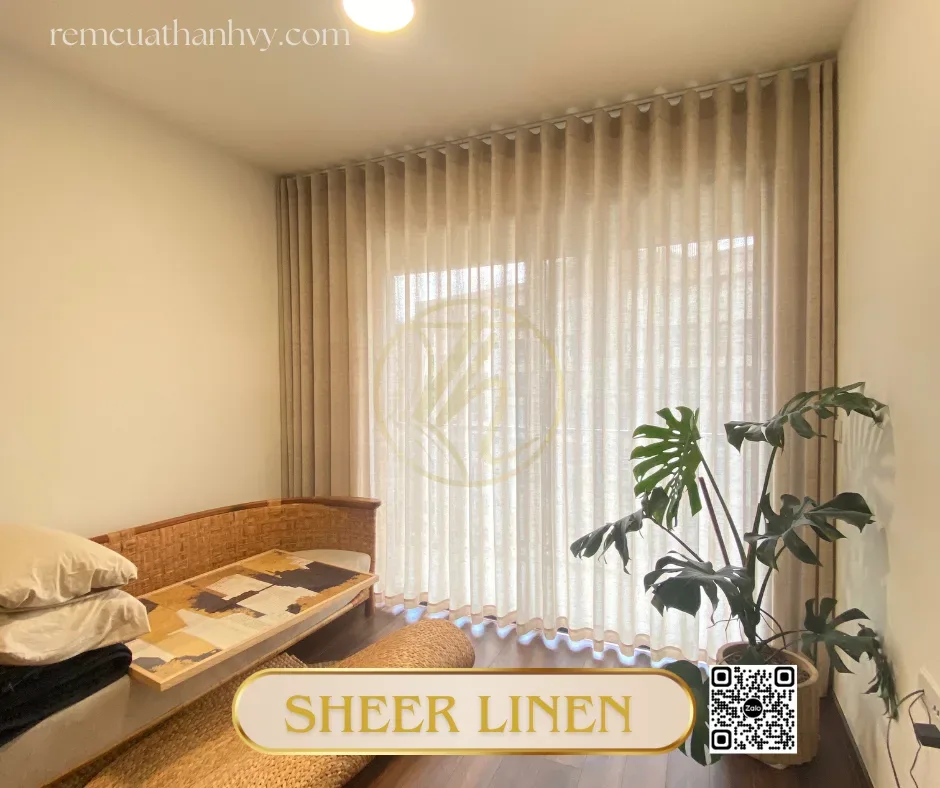
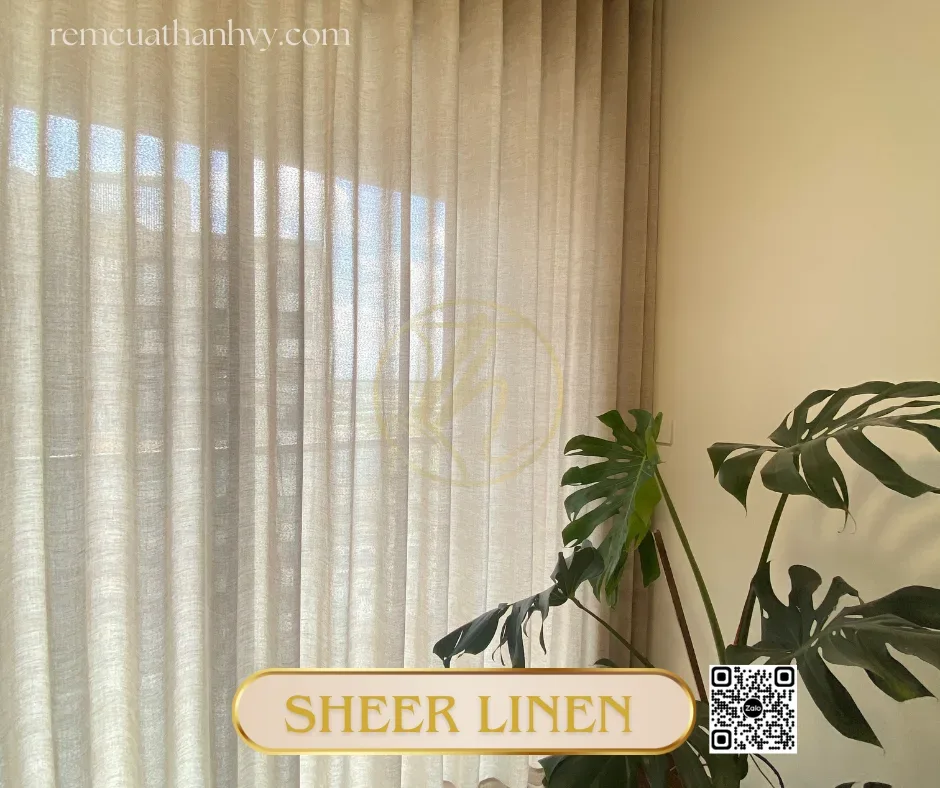
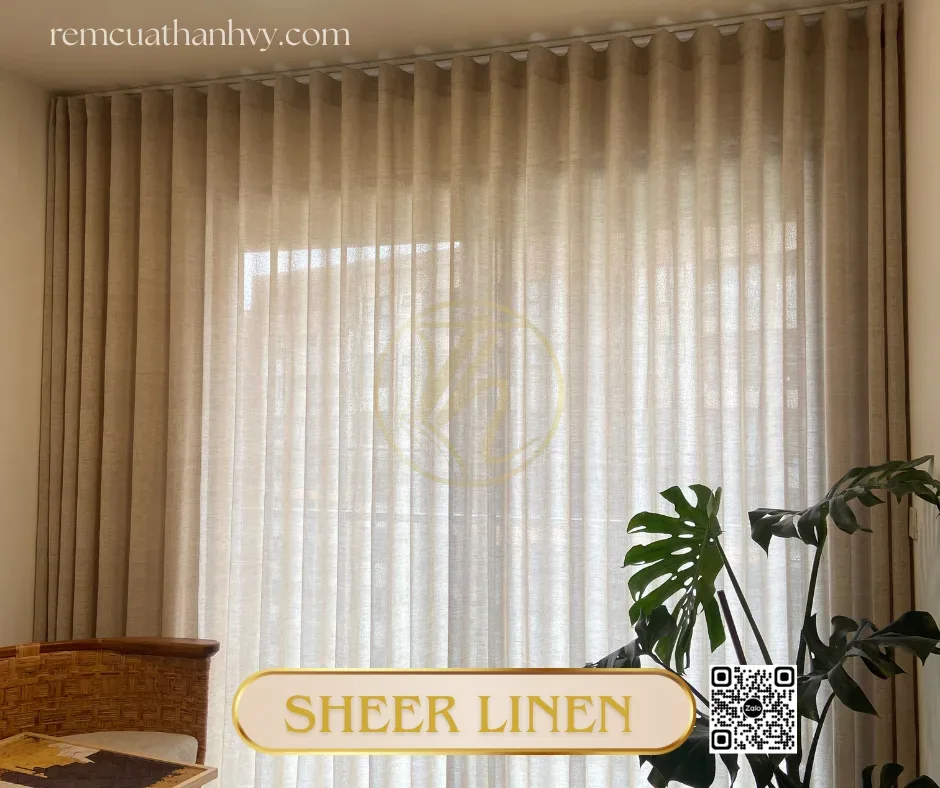
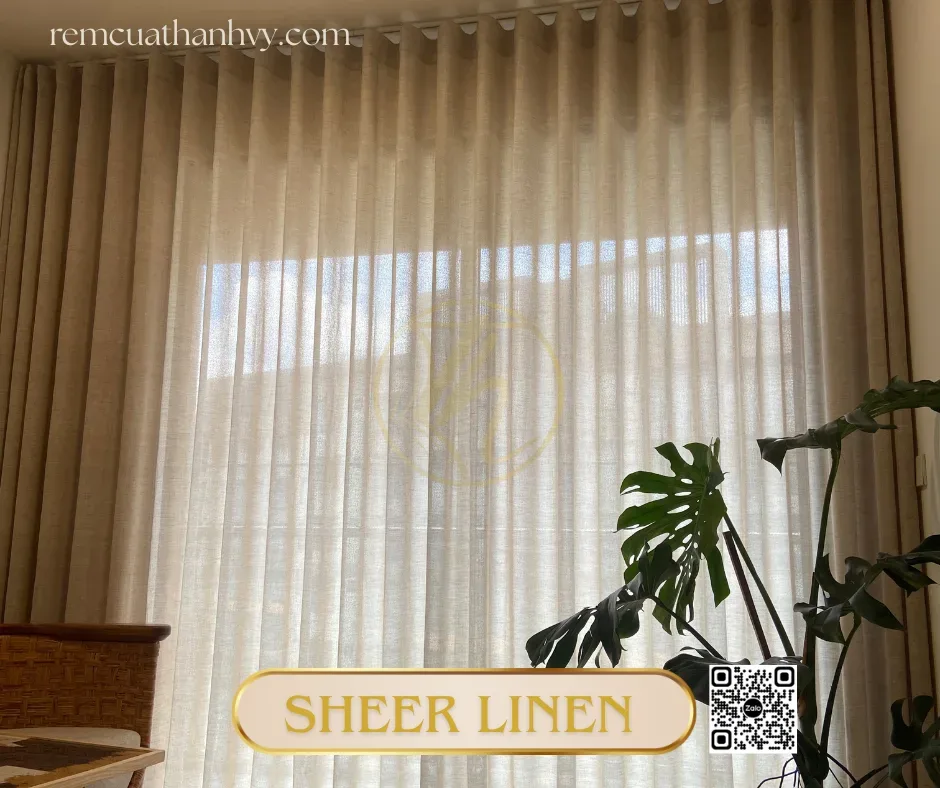
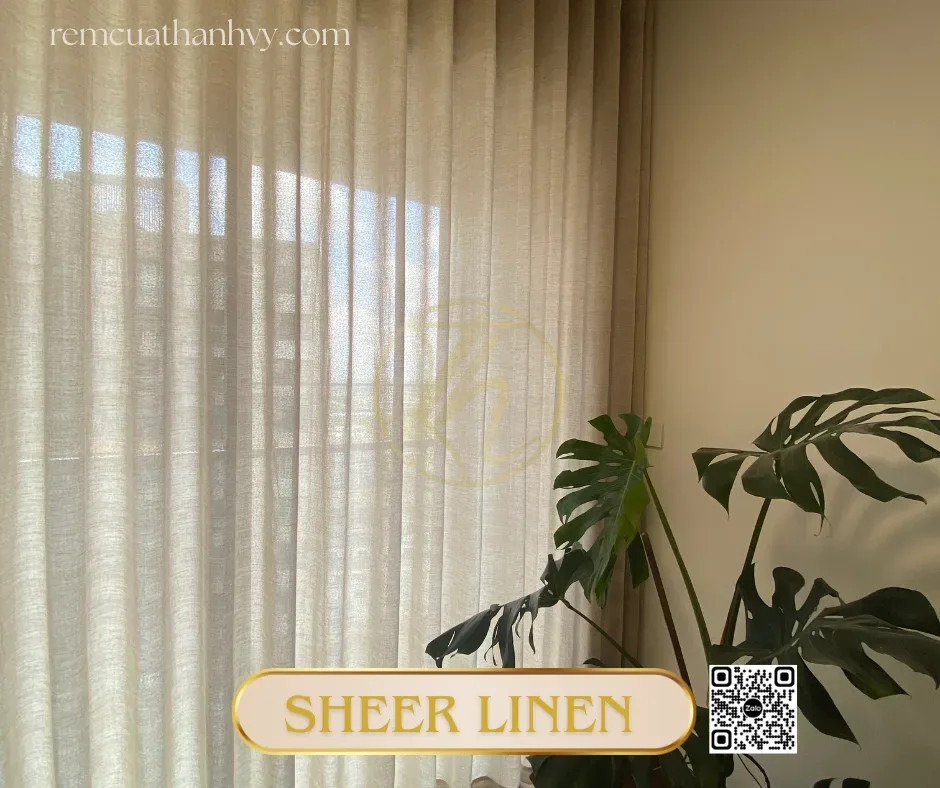
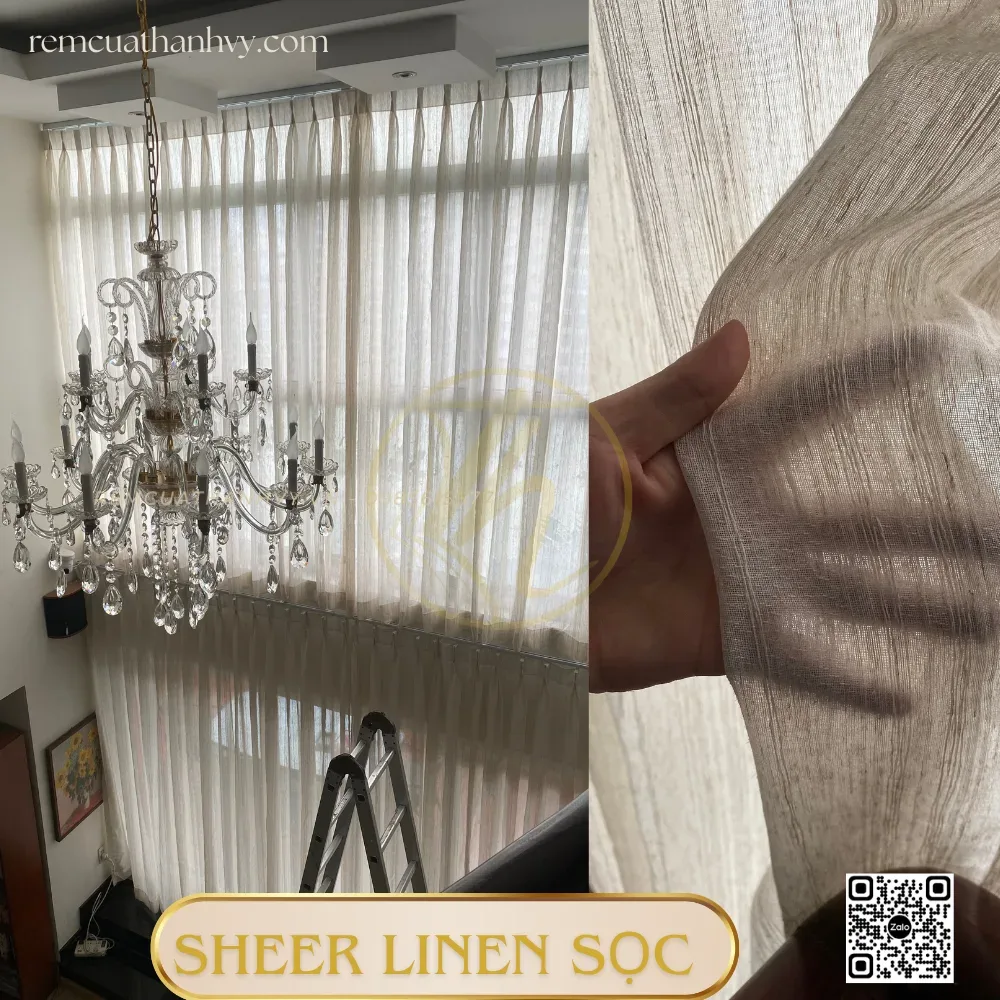
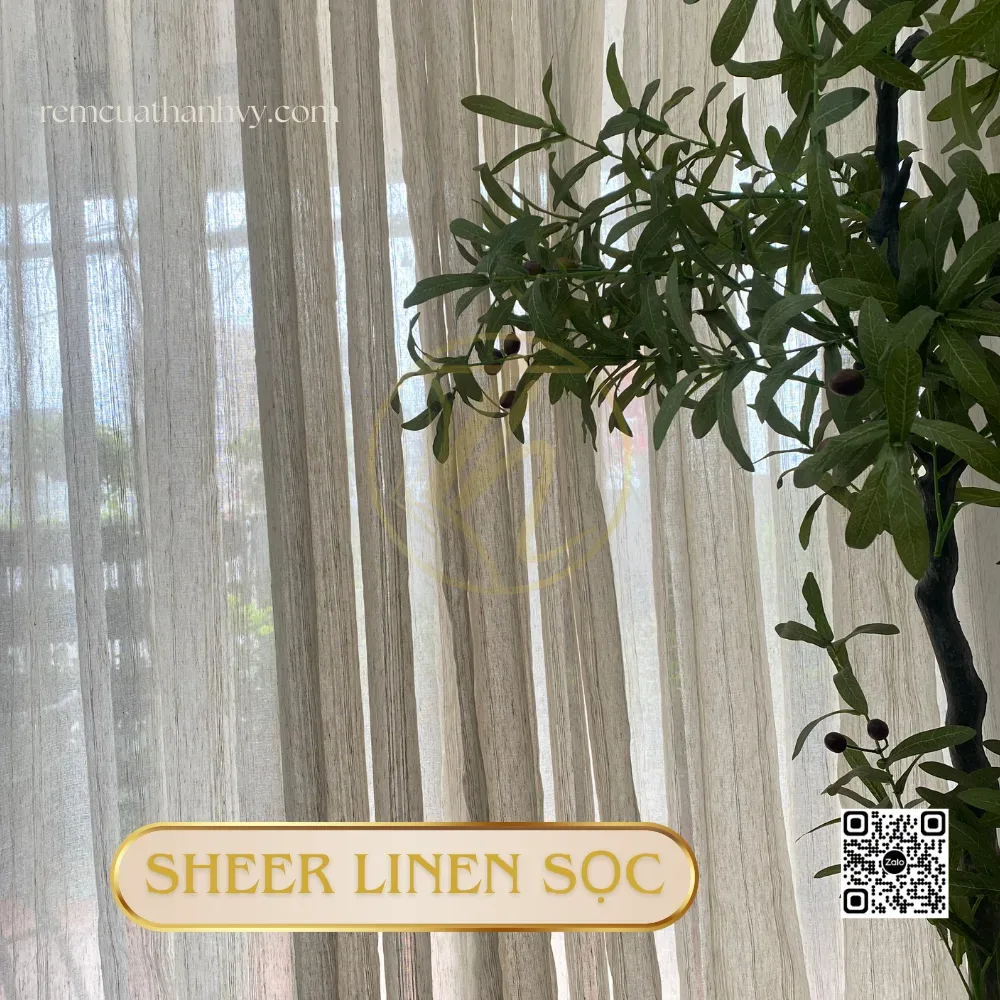
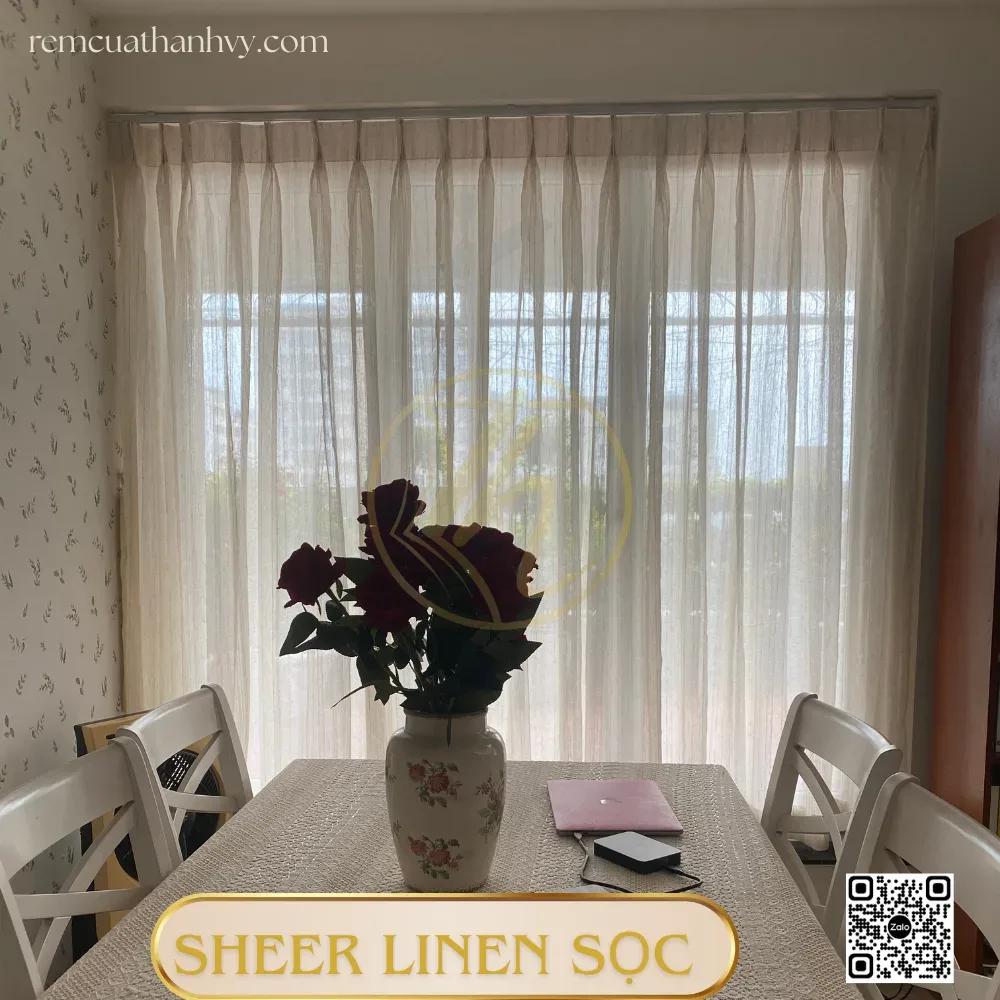
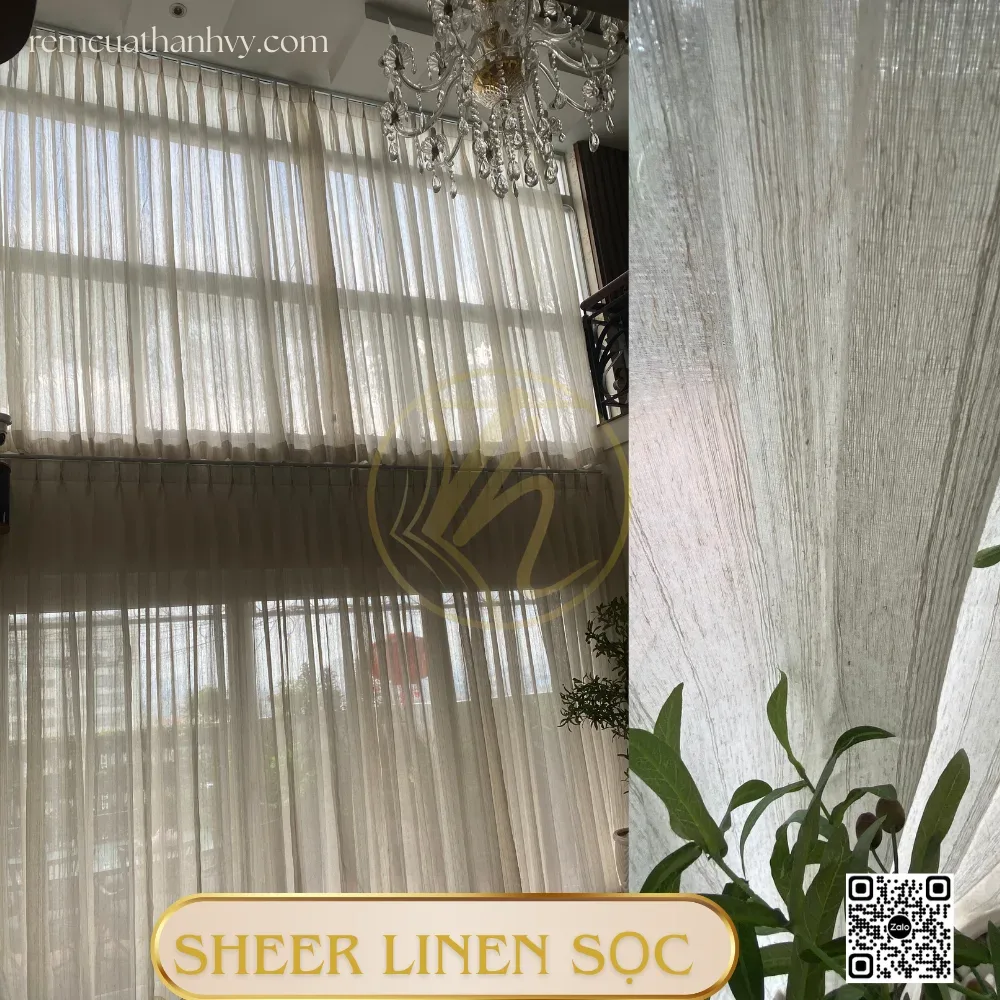
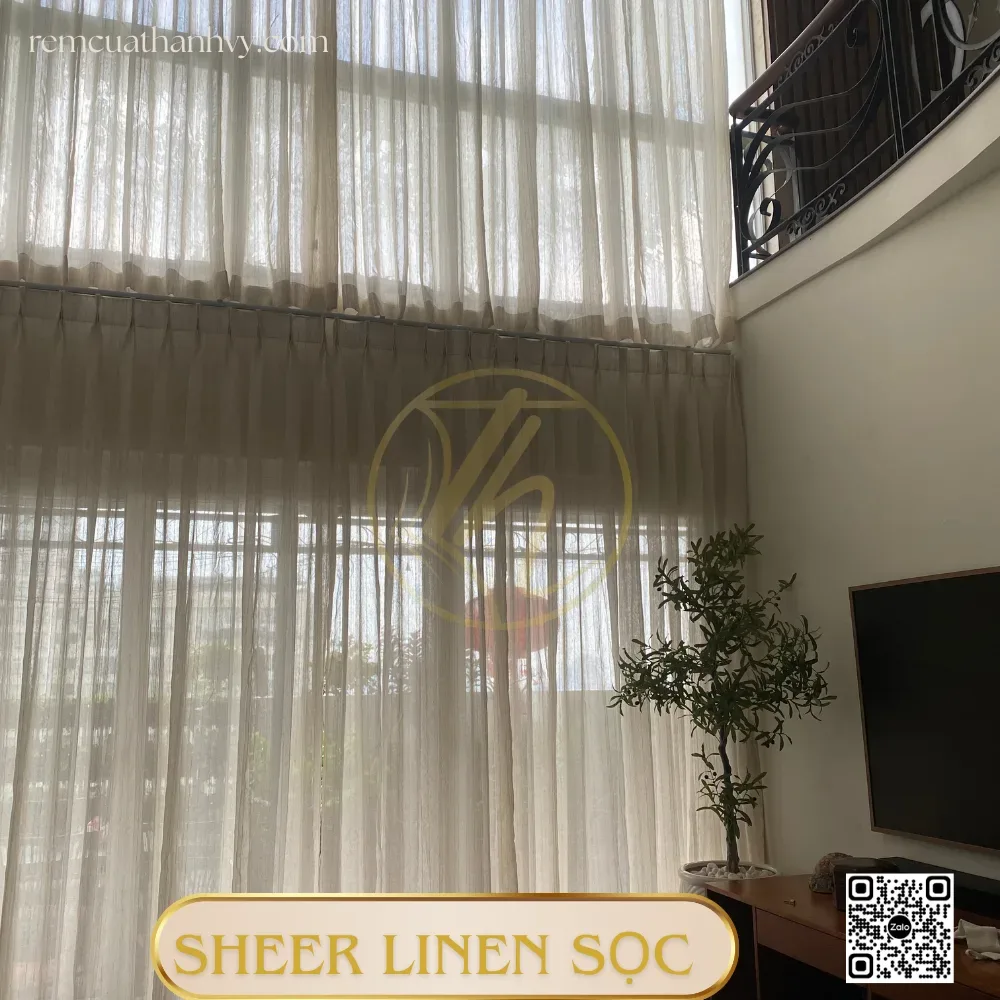
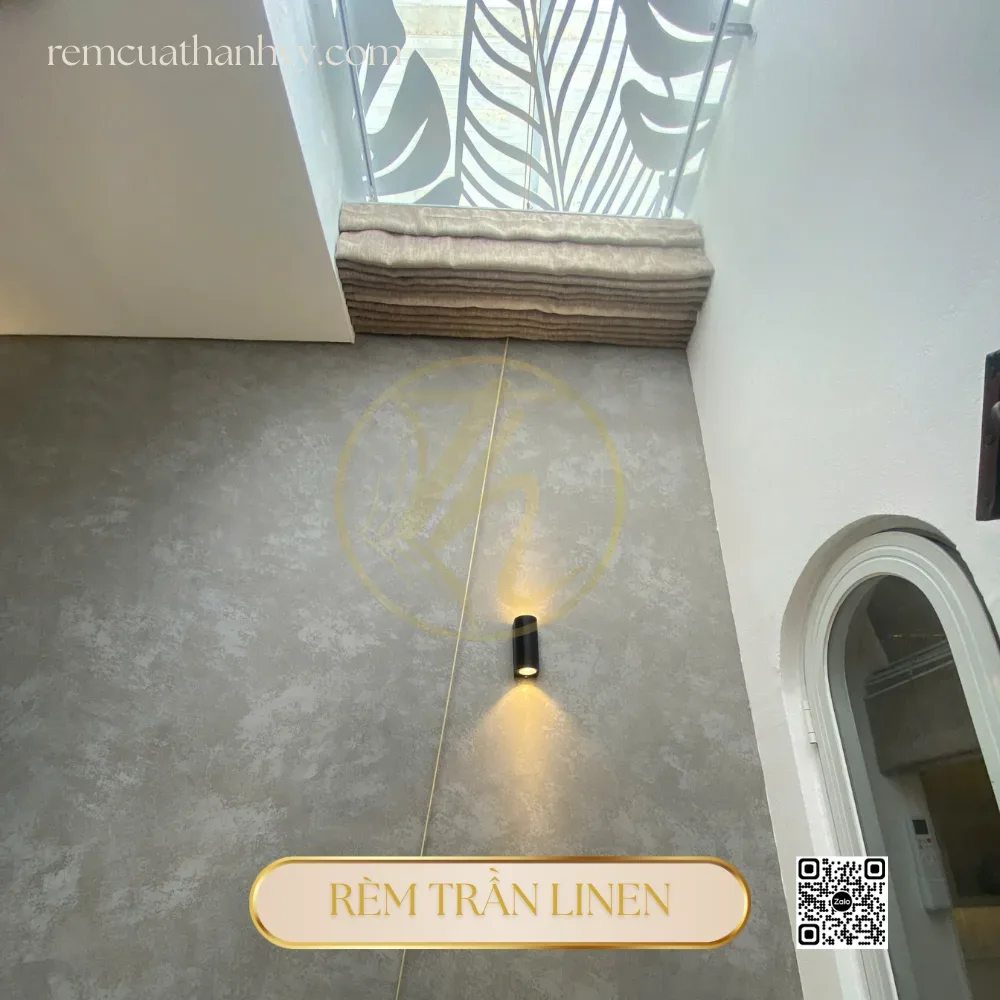
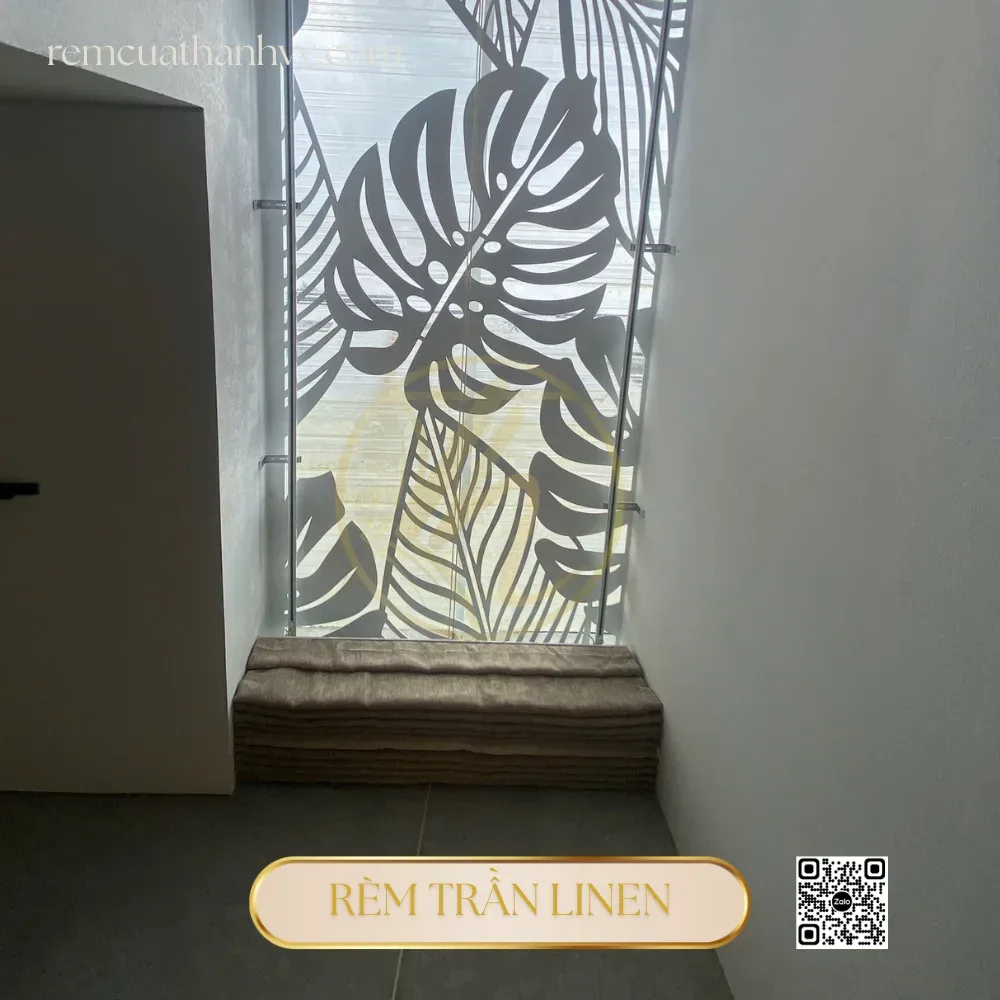
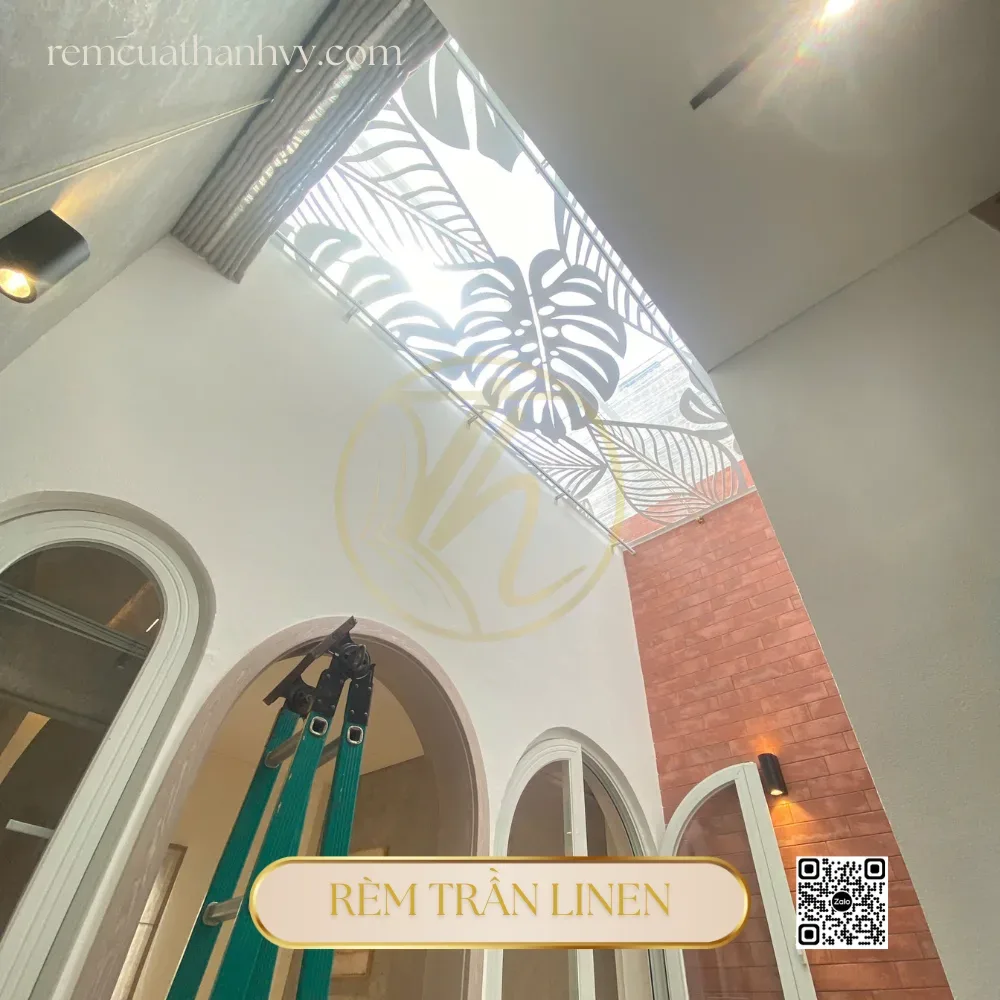
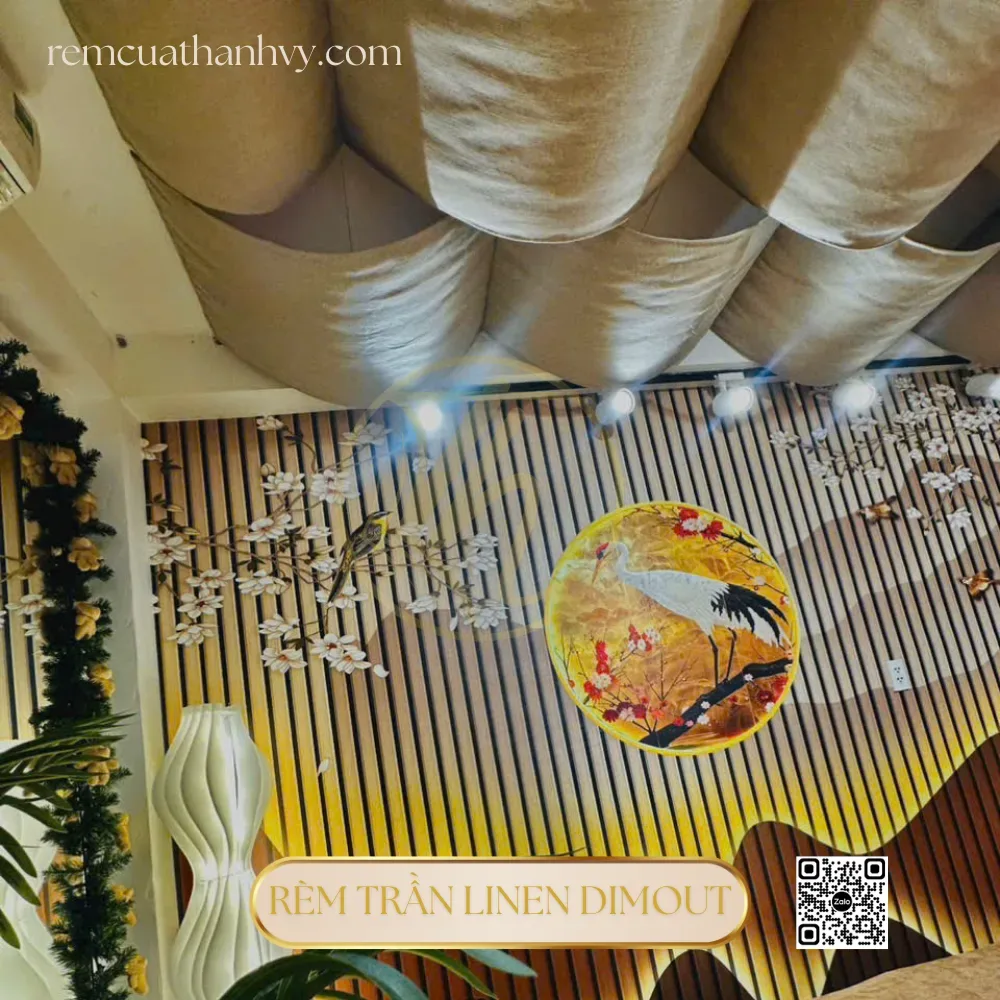
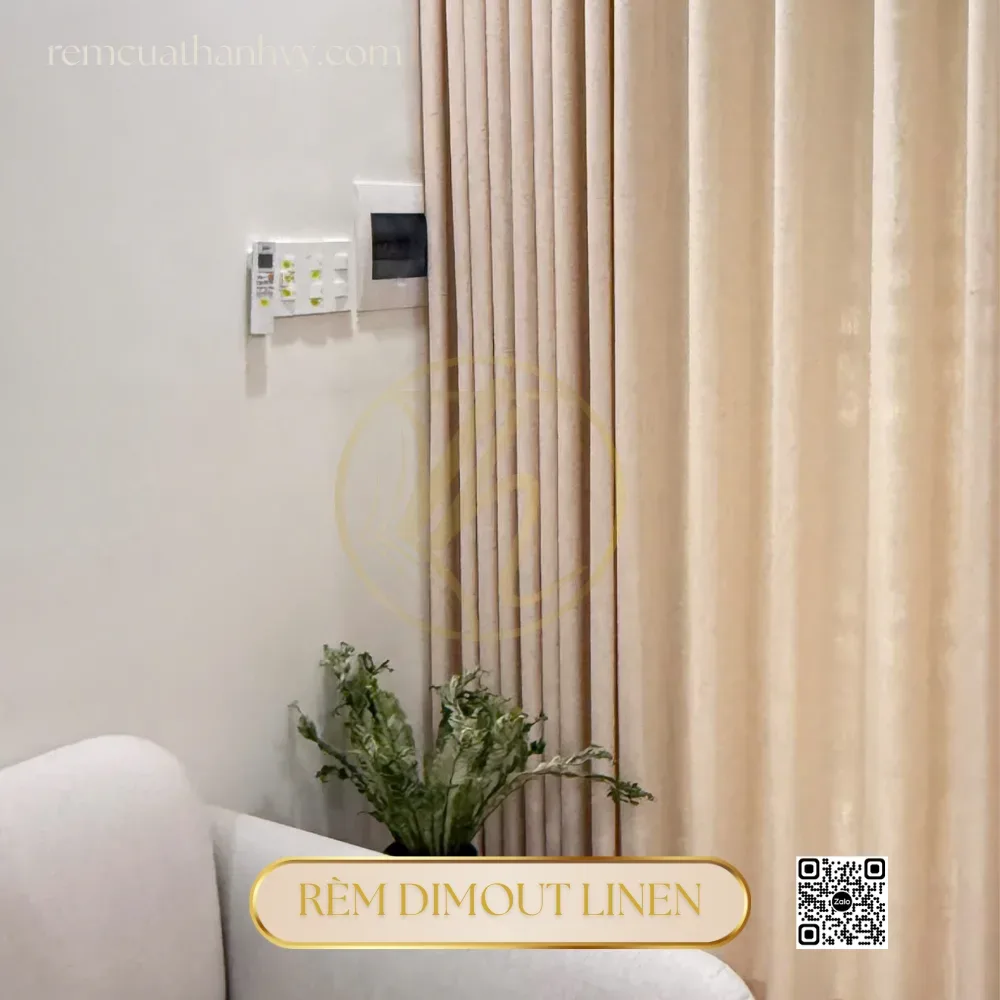
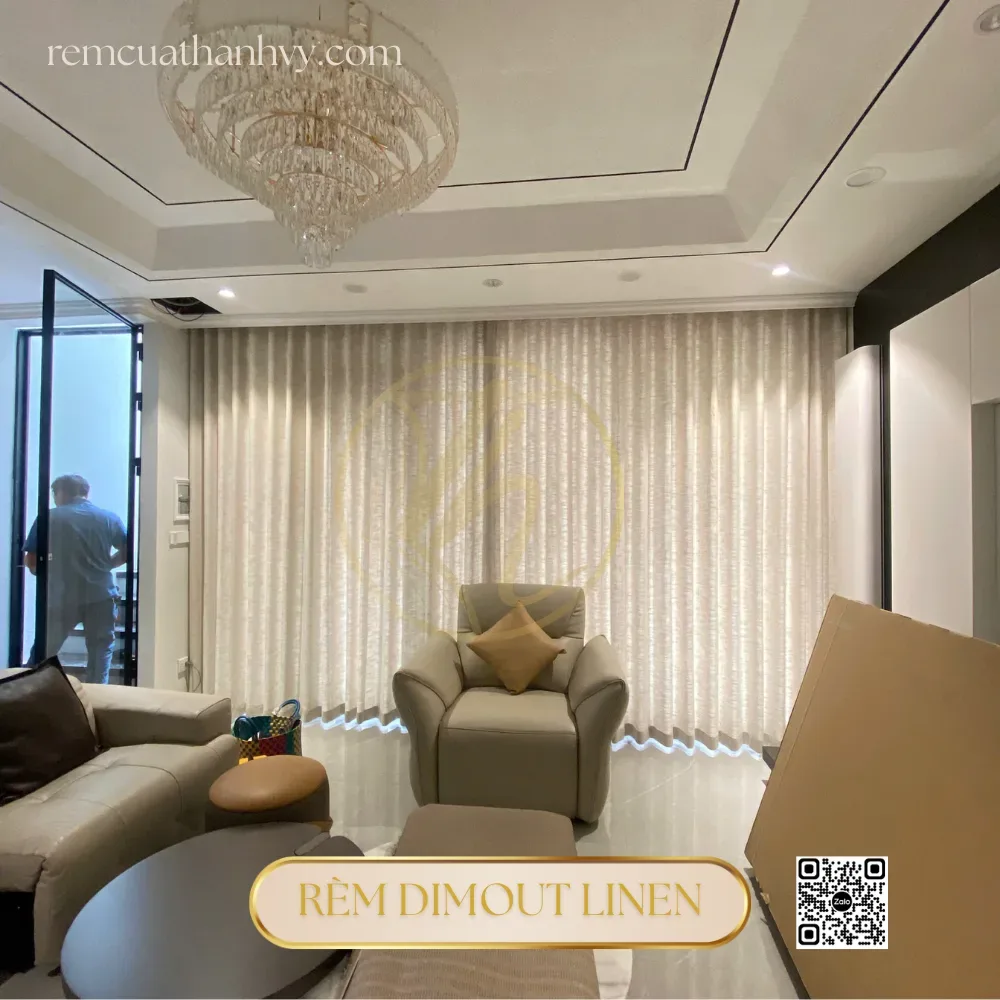
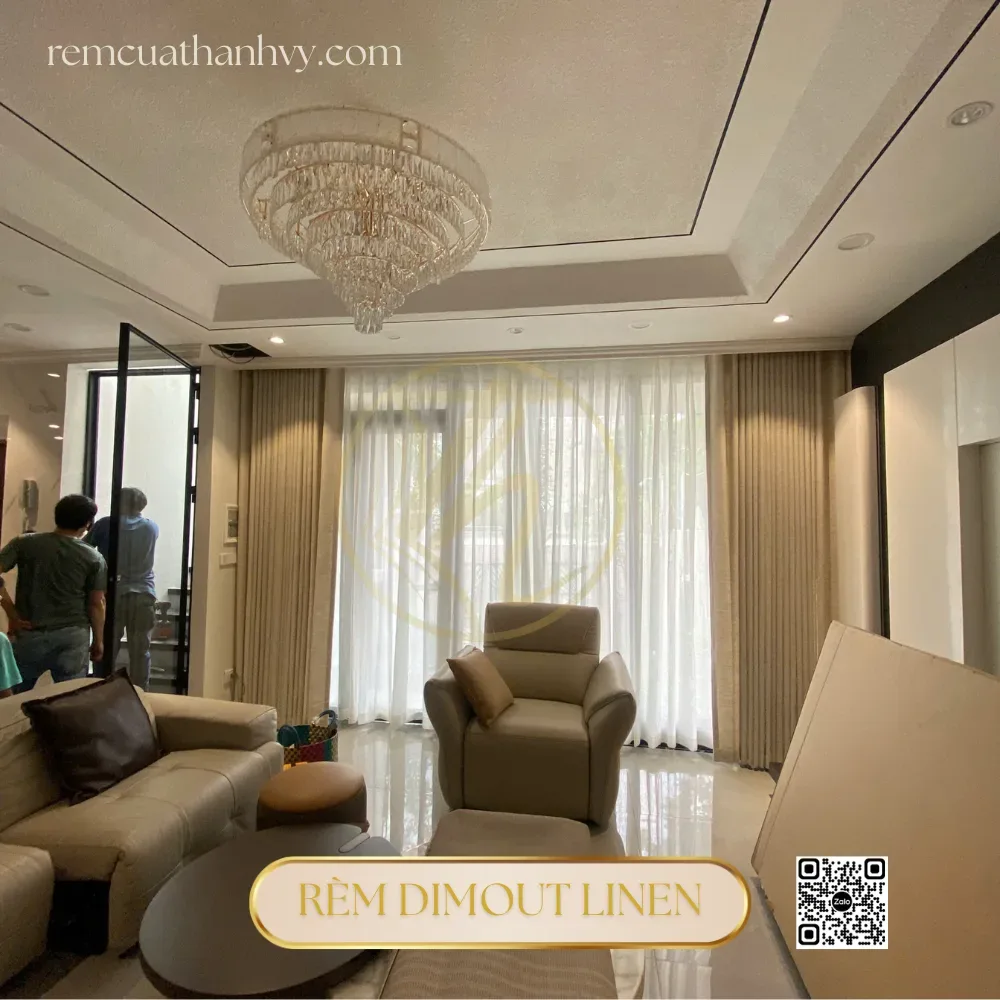
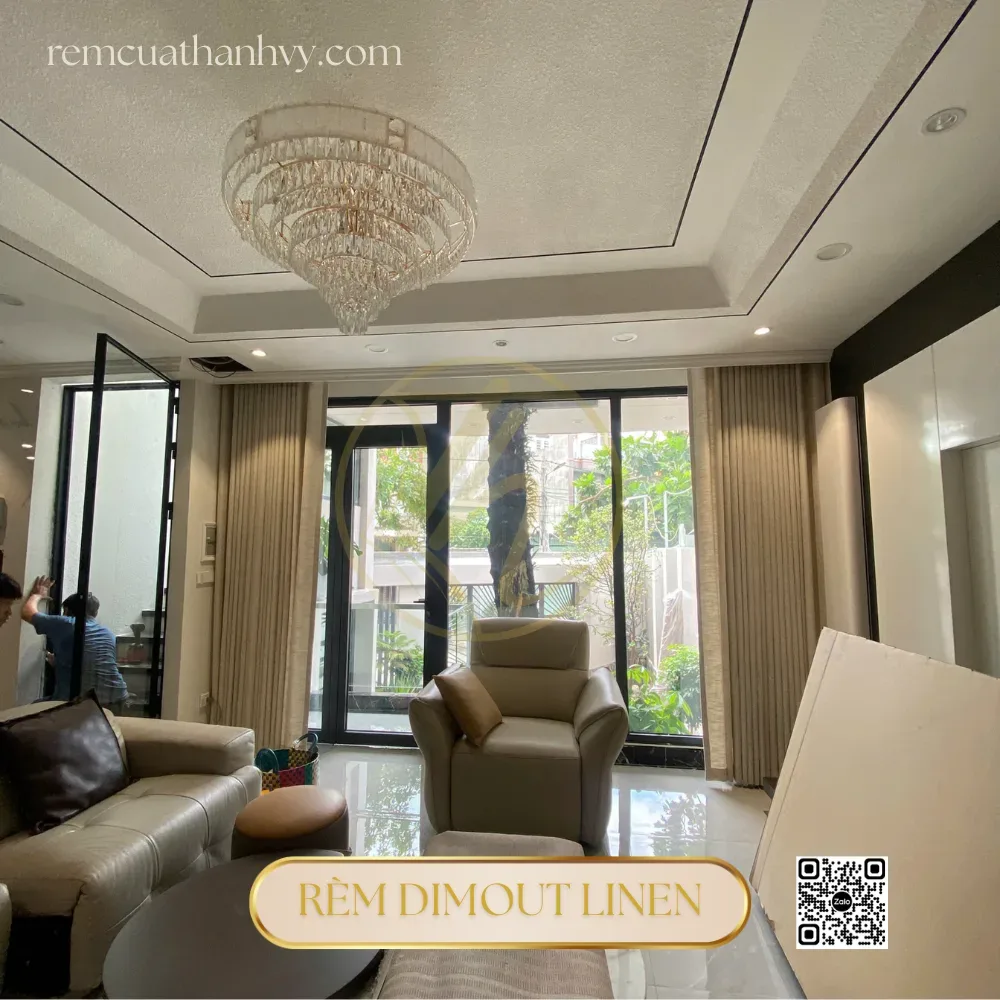
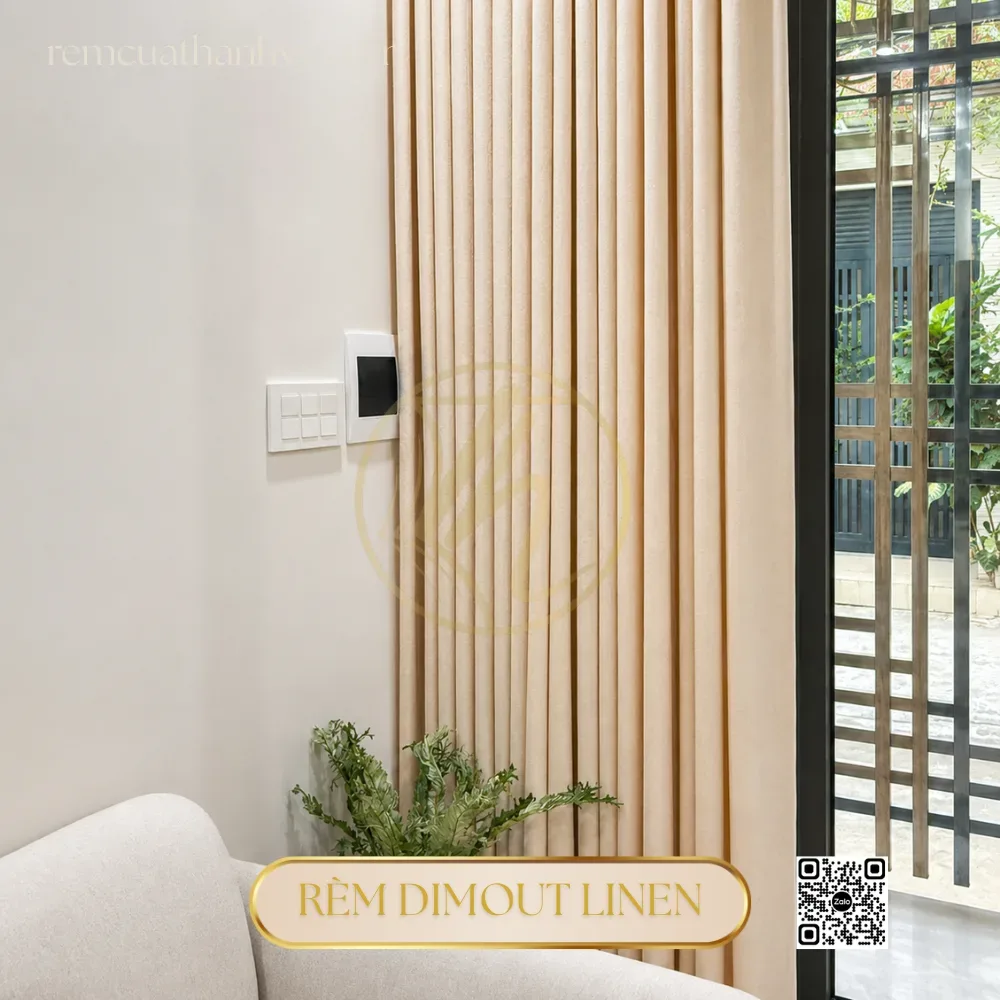
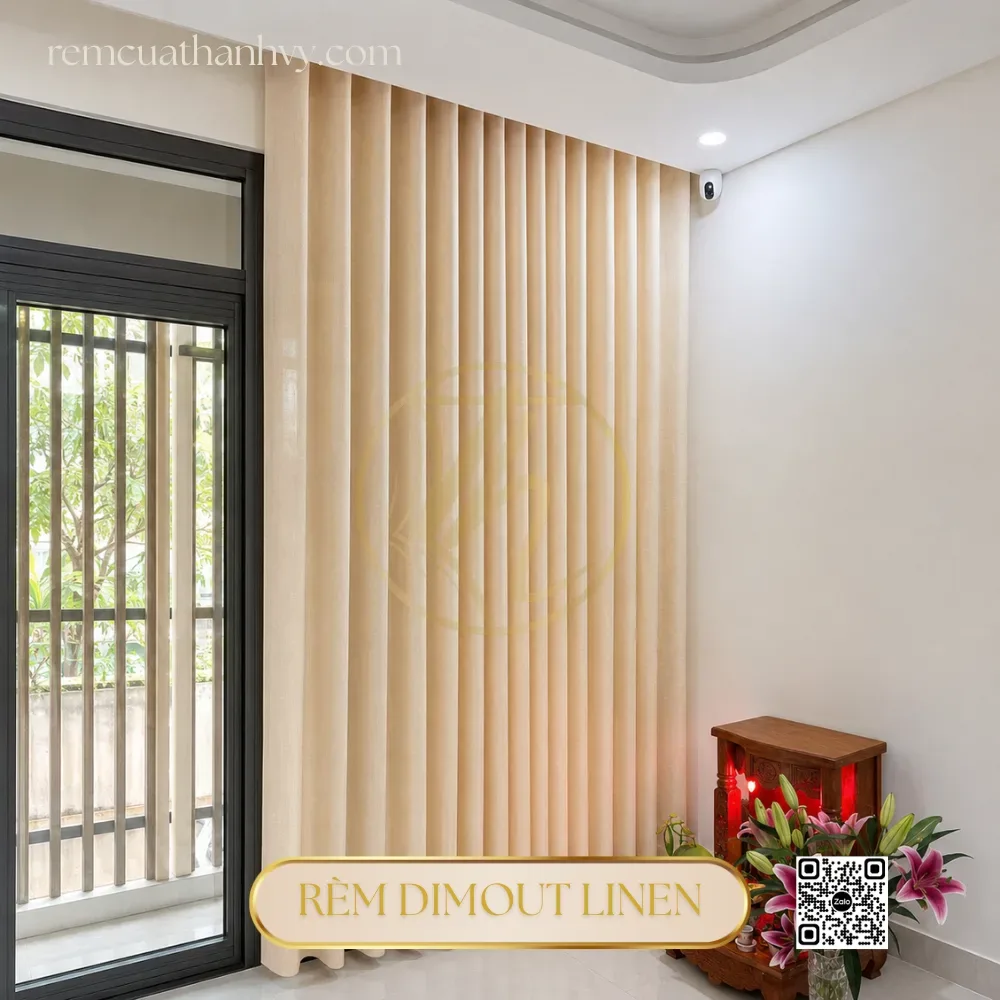
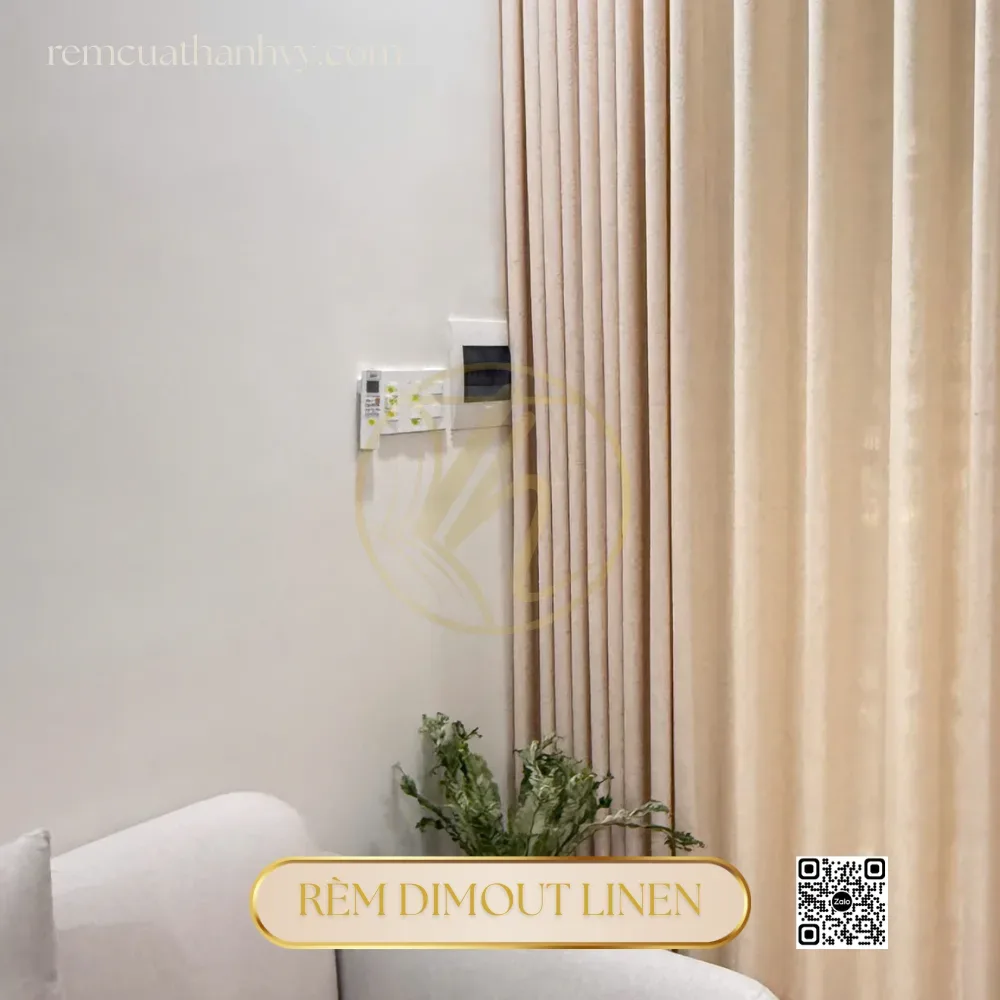
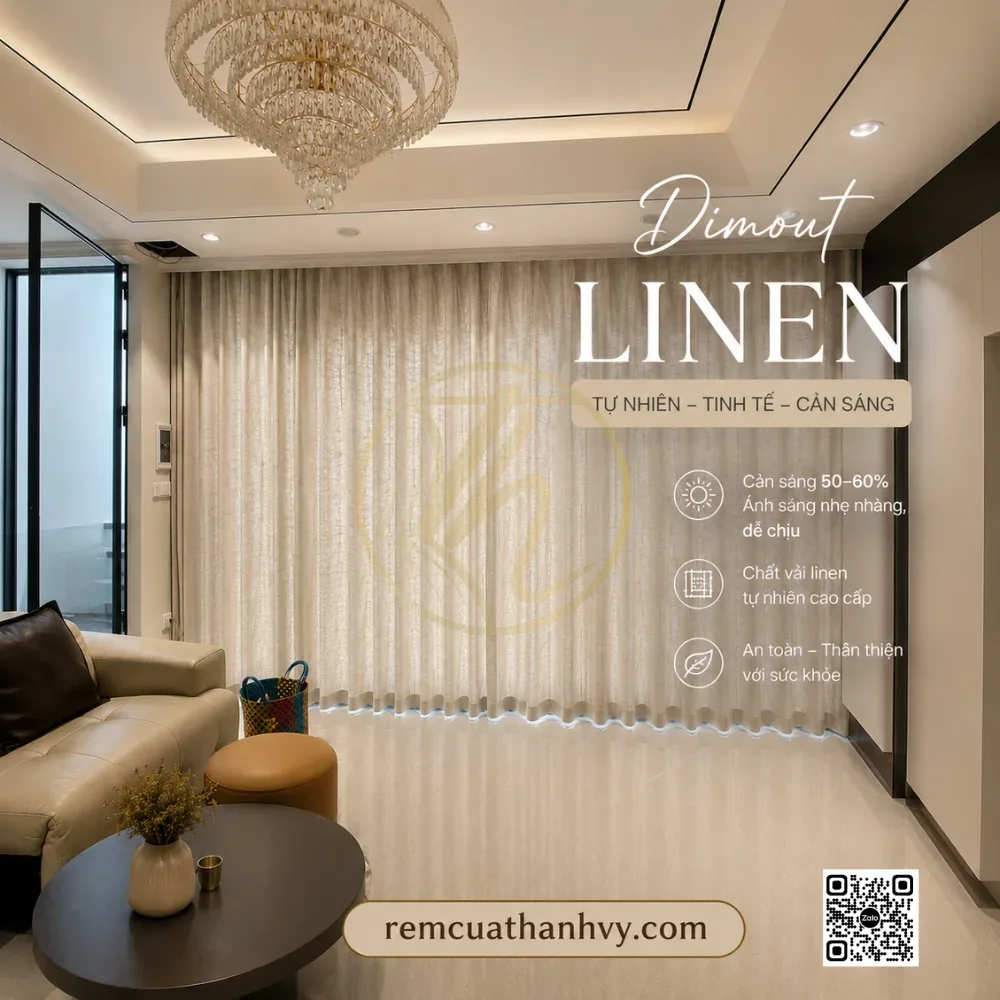
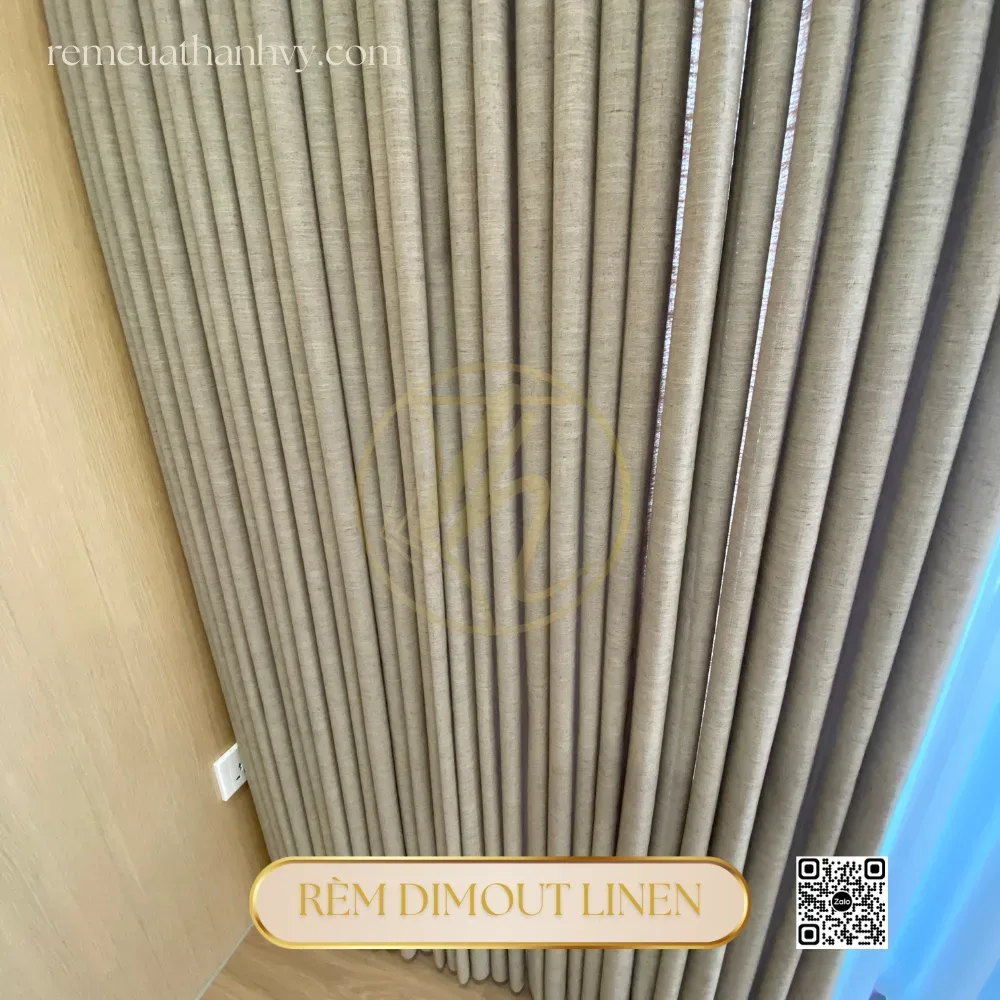
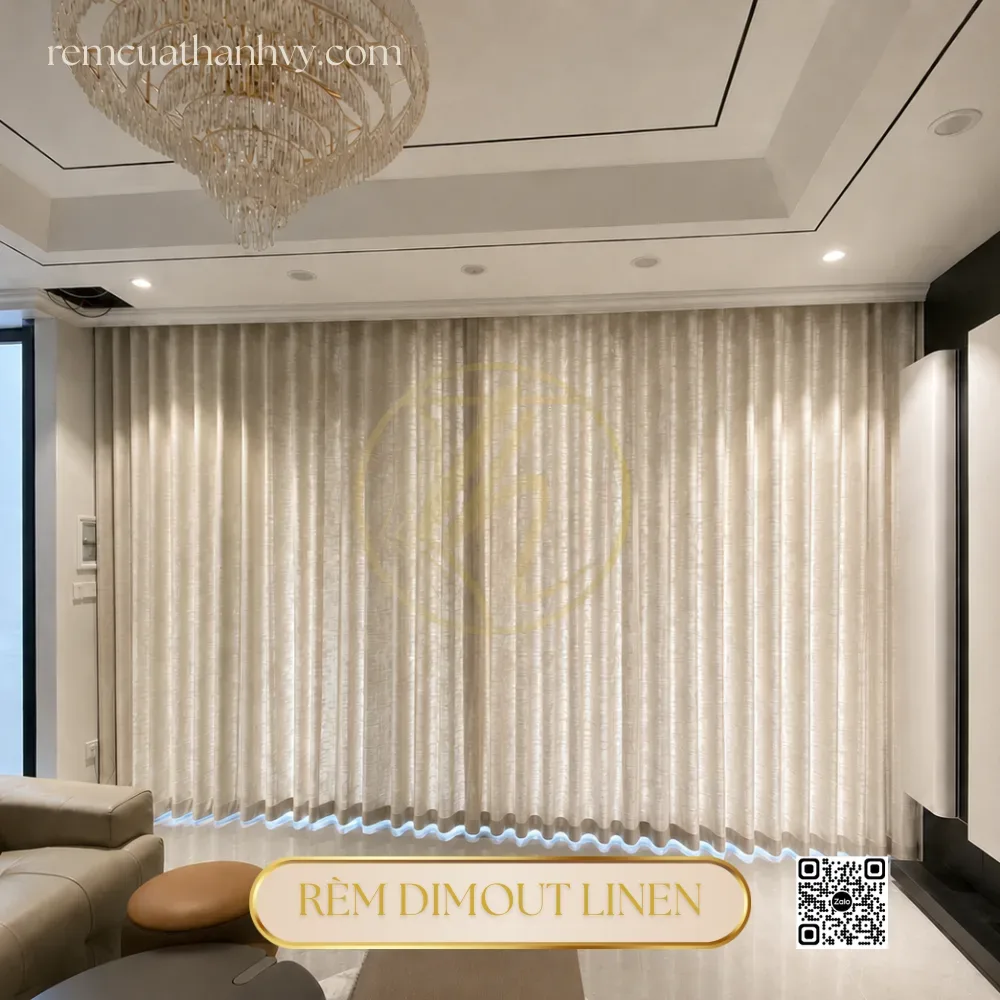
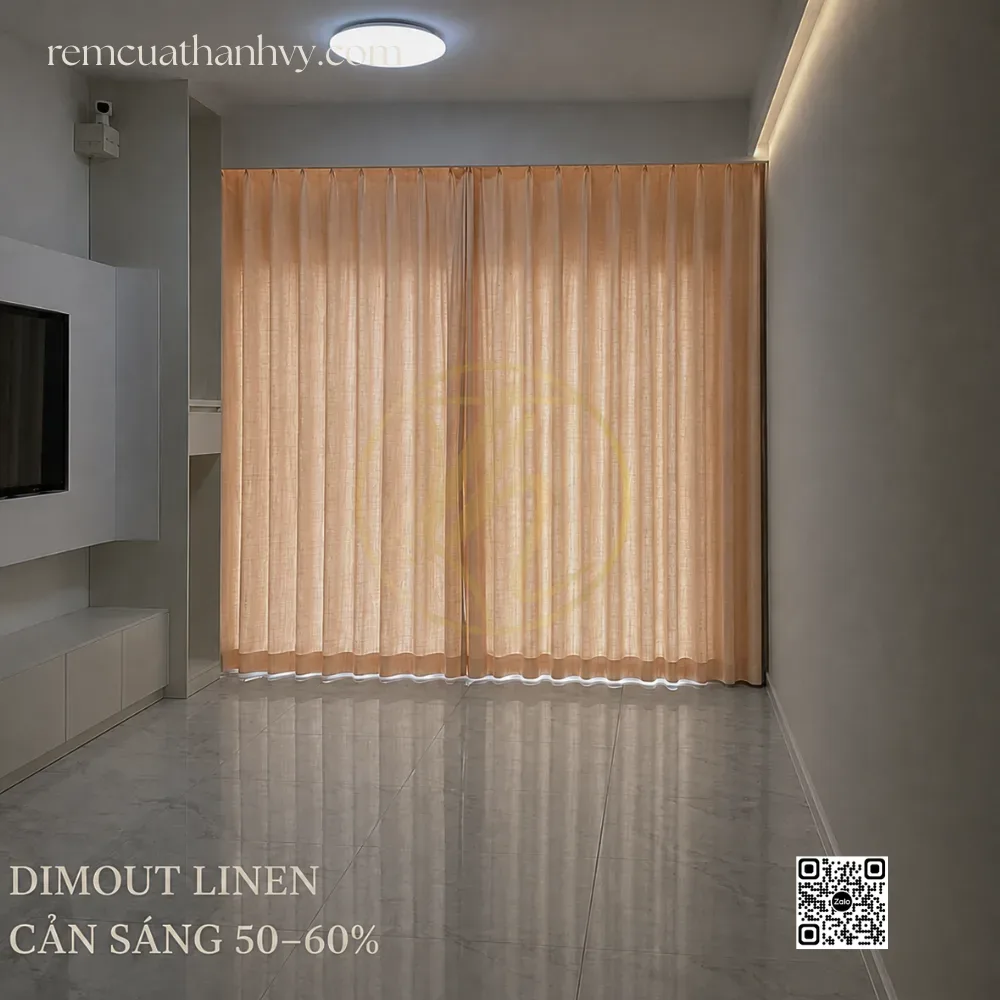
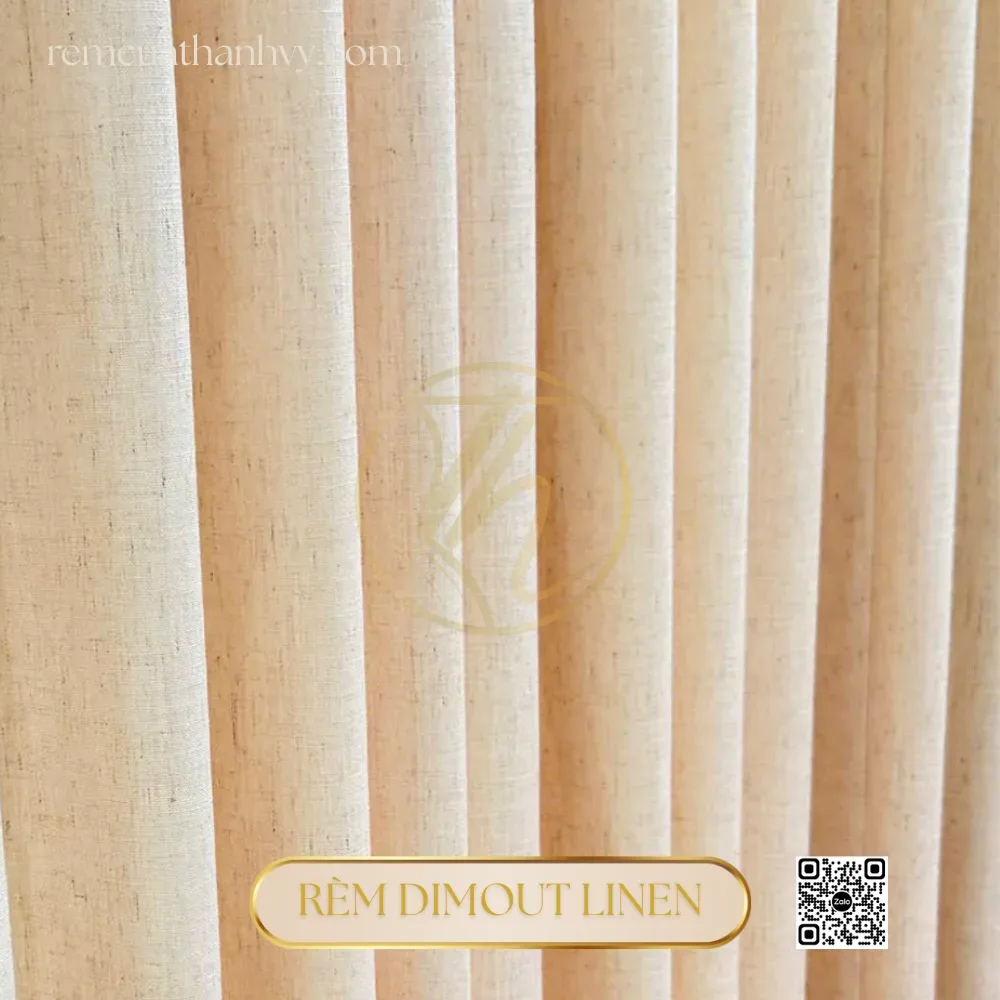
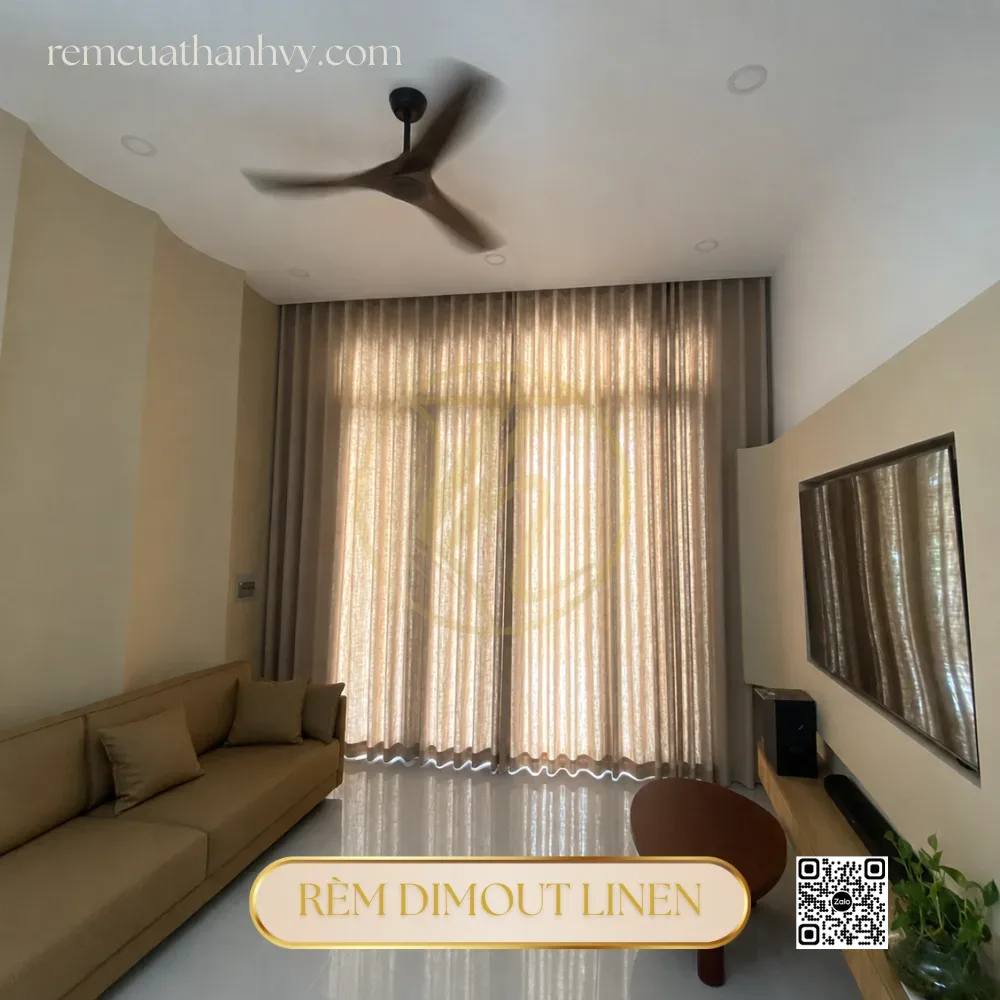
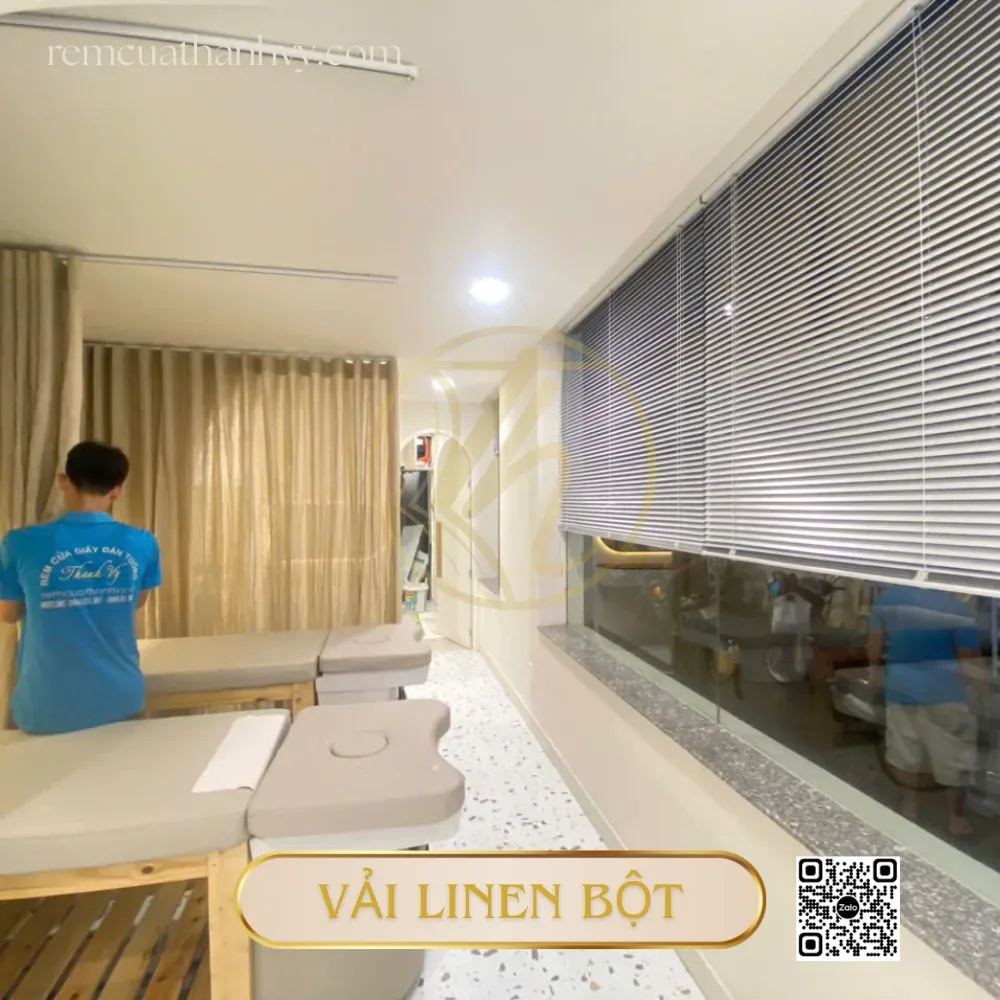
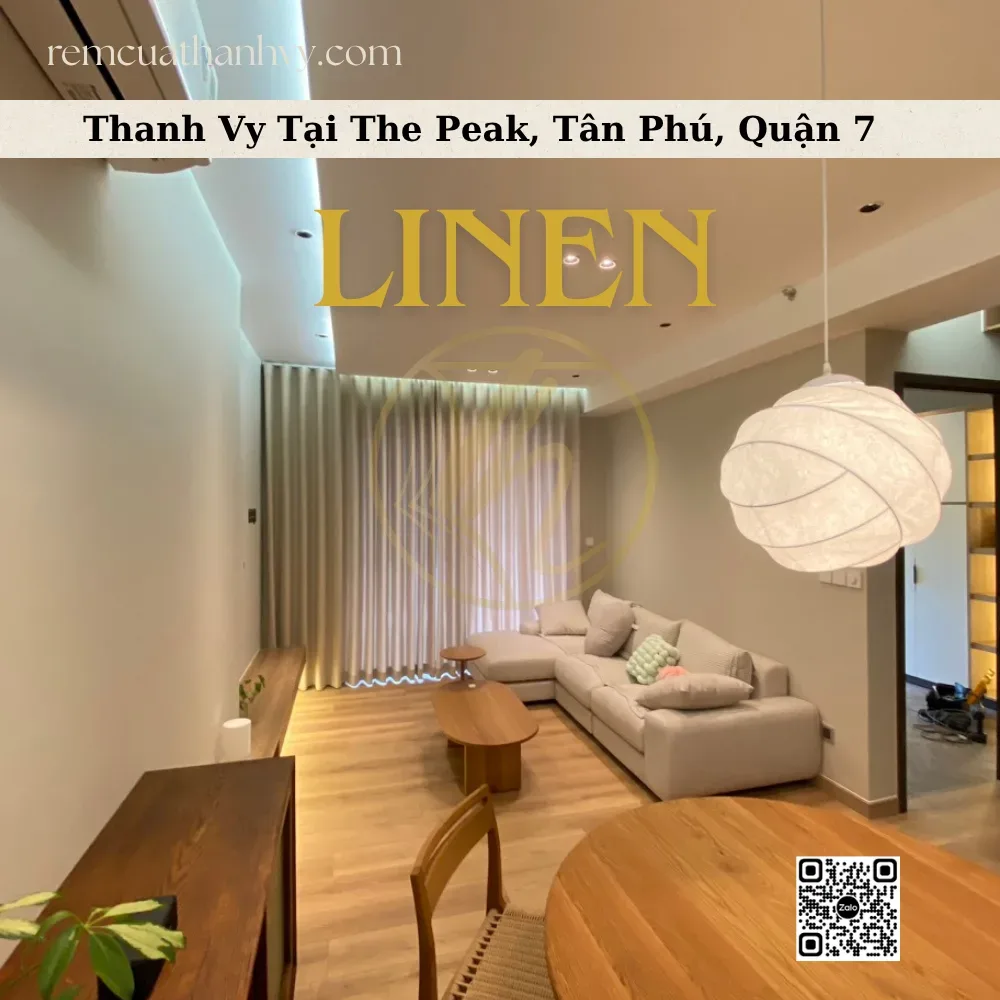
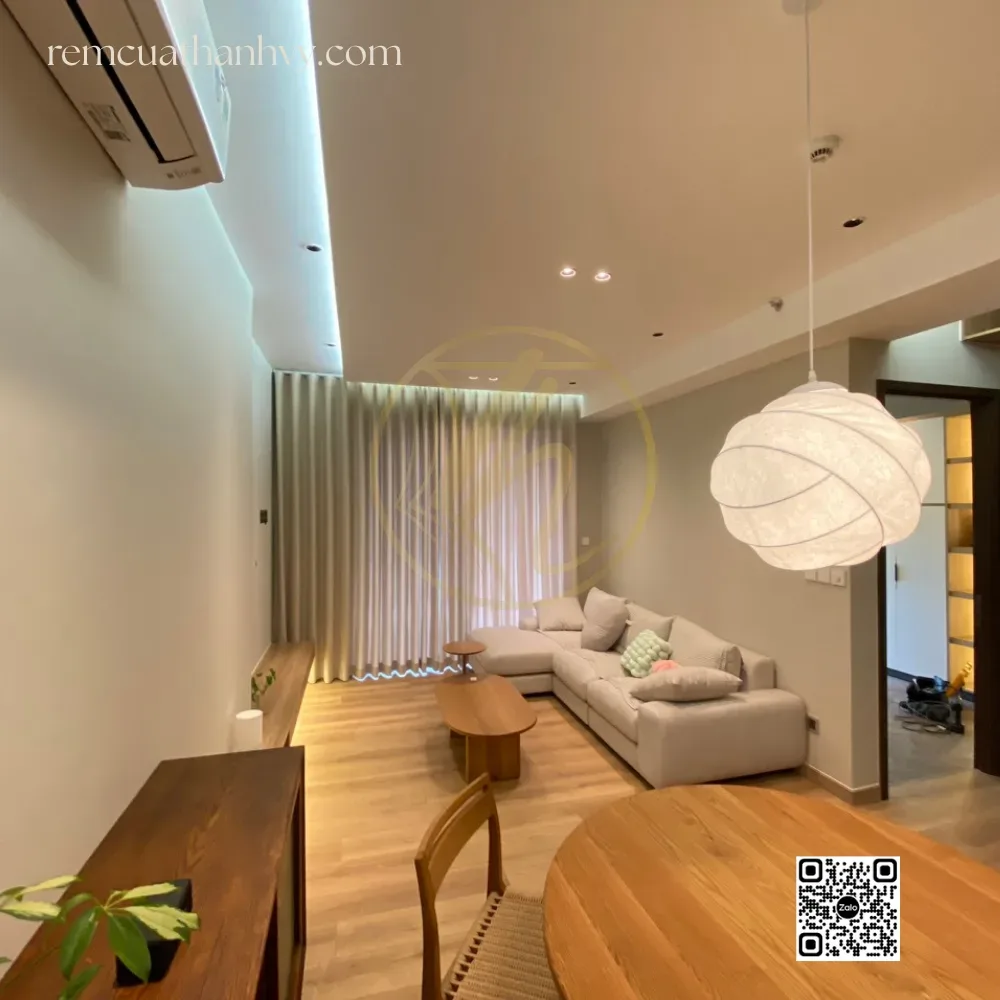
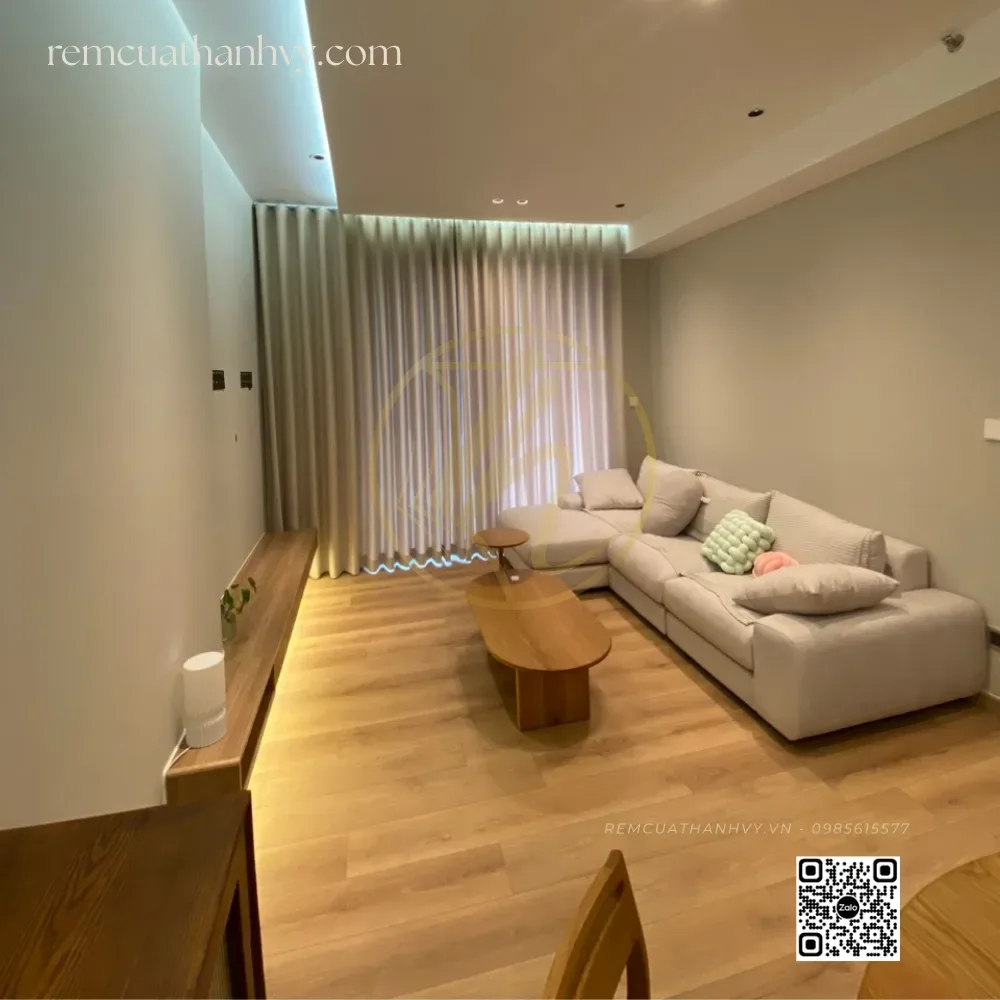
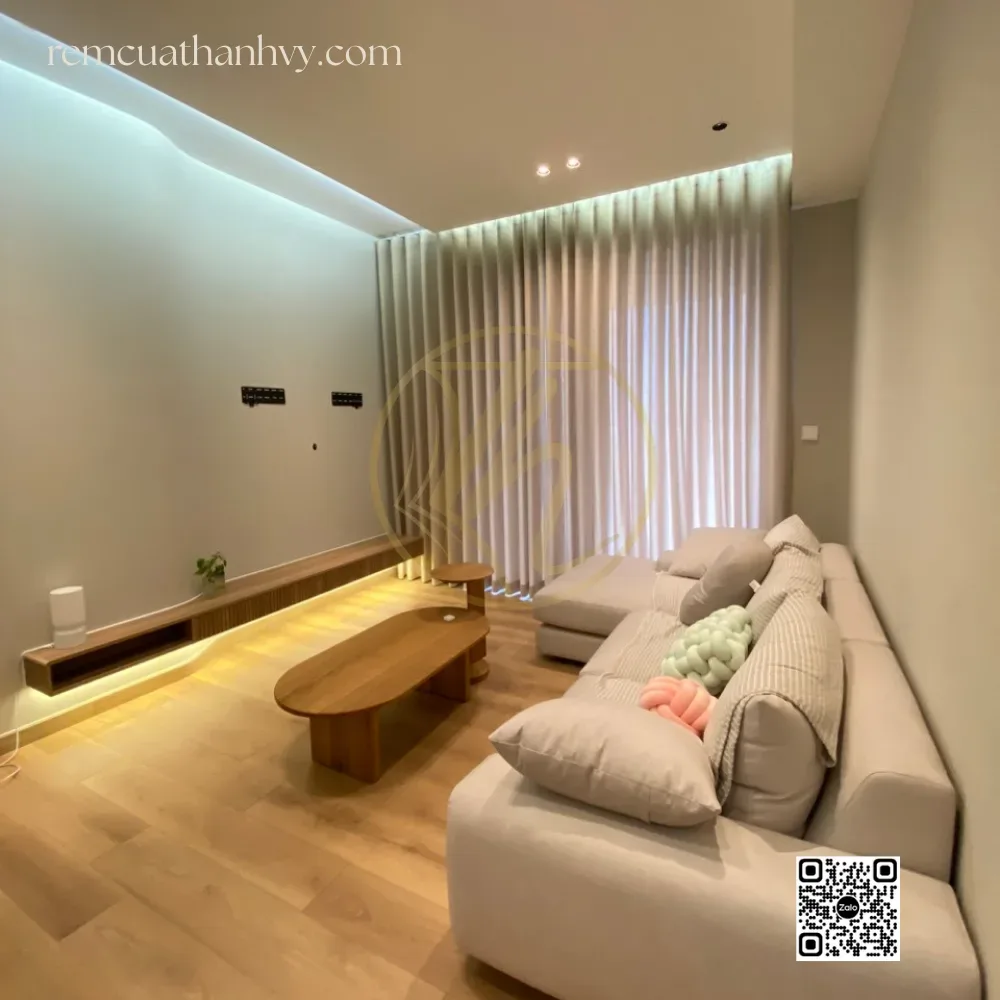
Linen Fabric Blinds
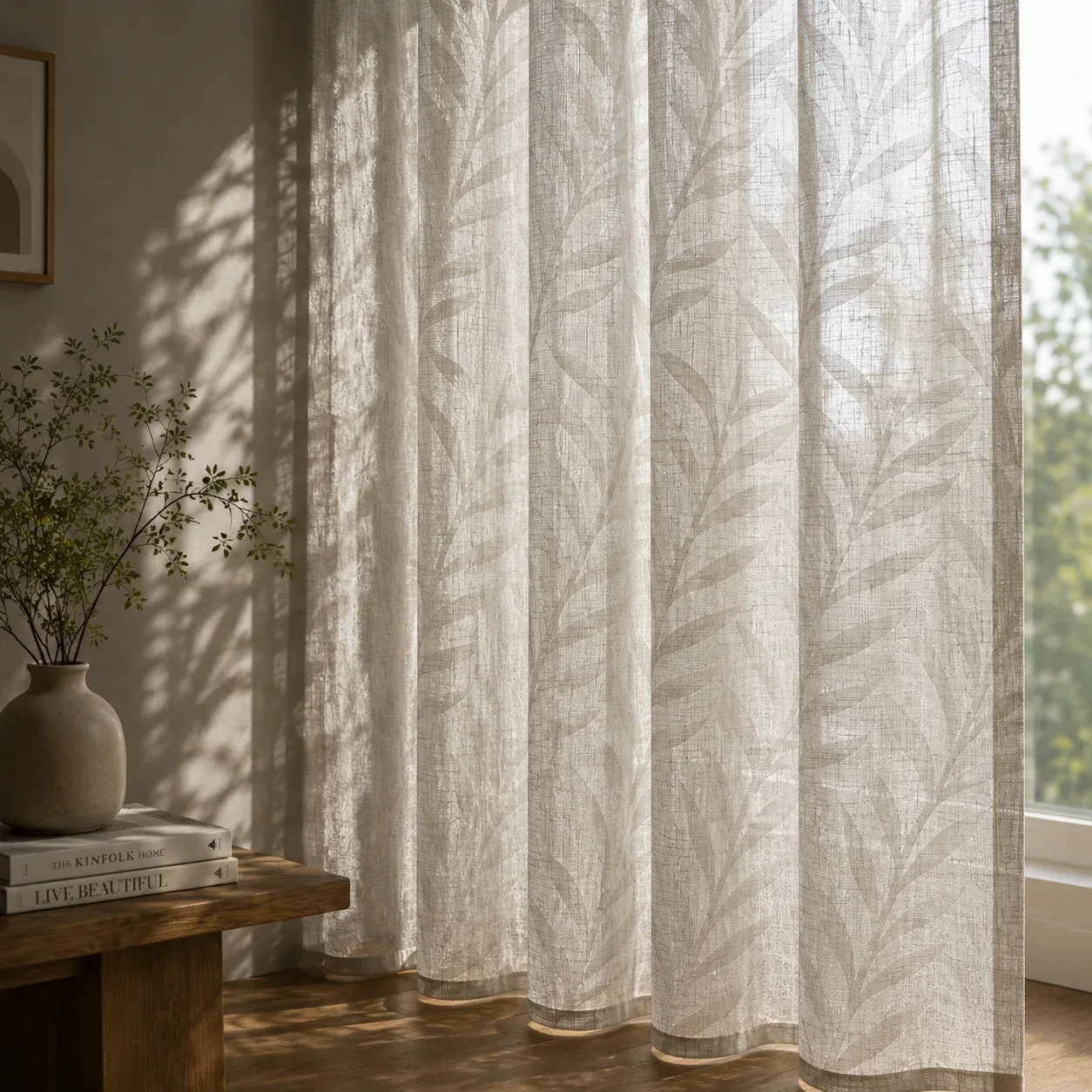
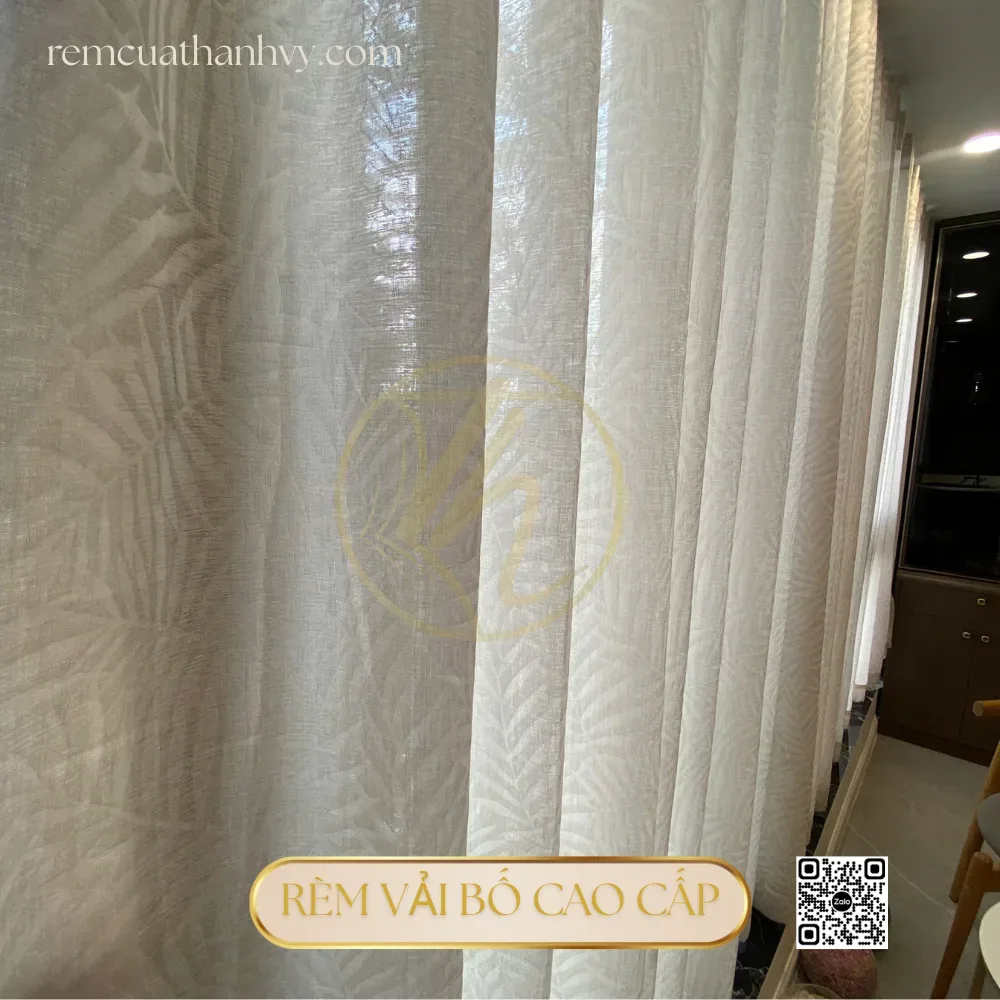
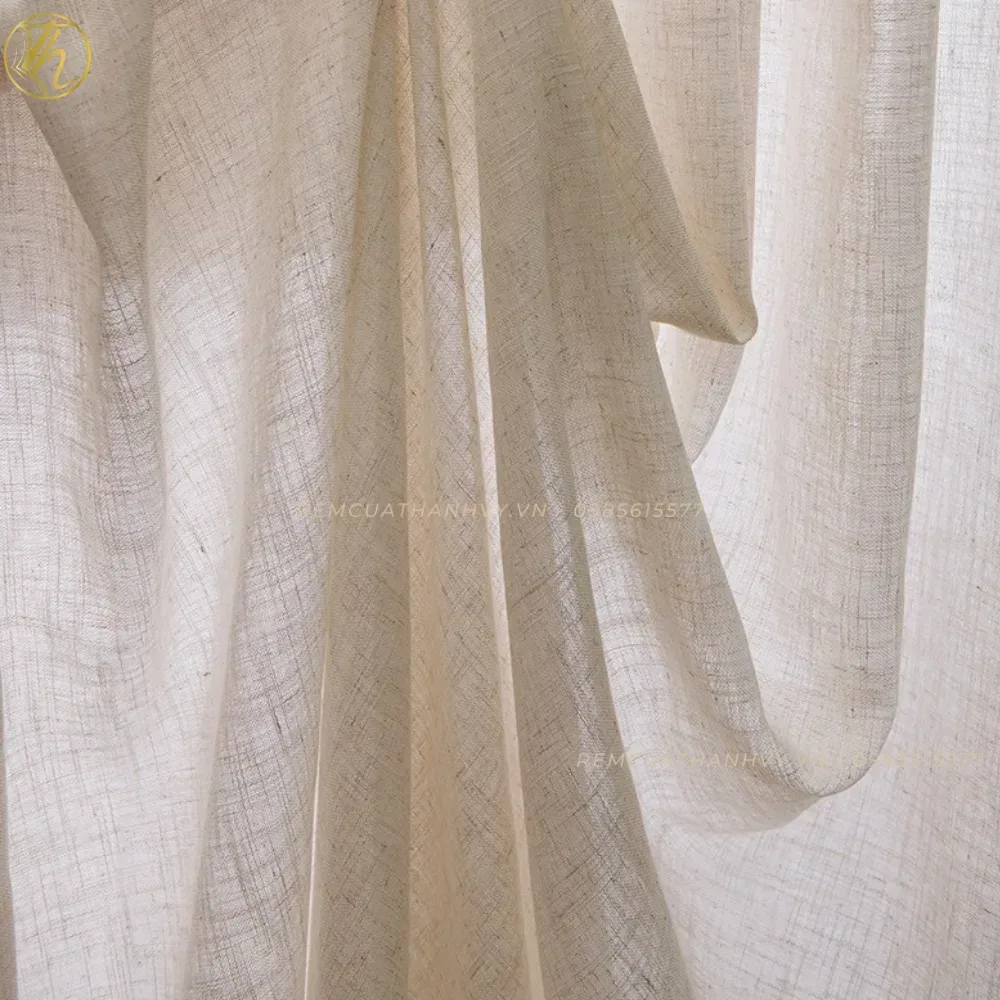
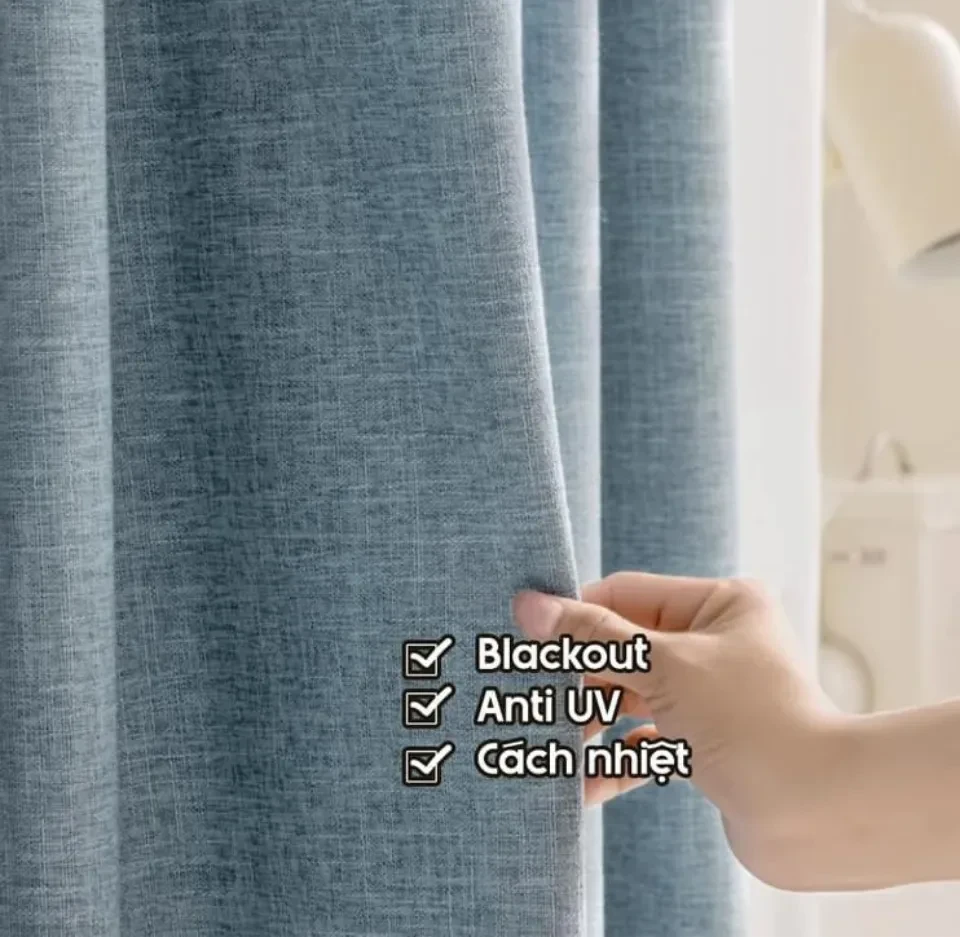
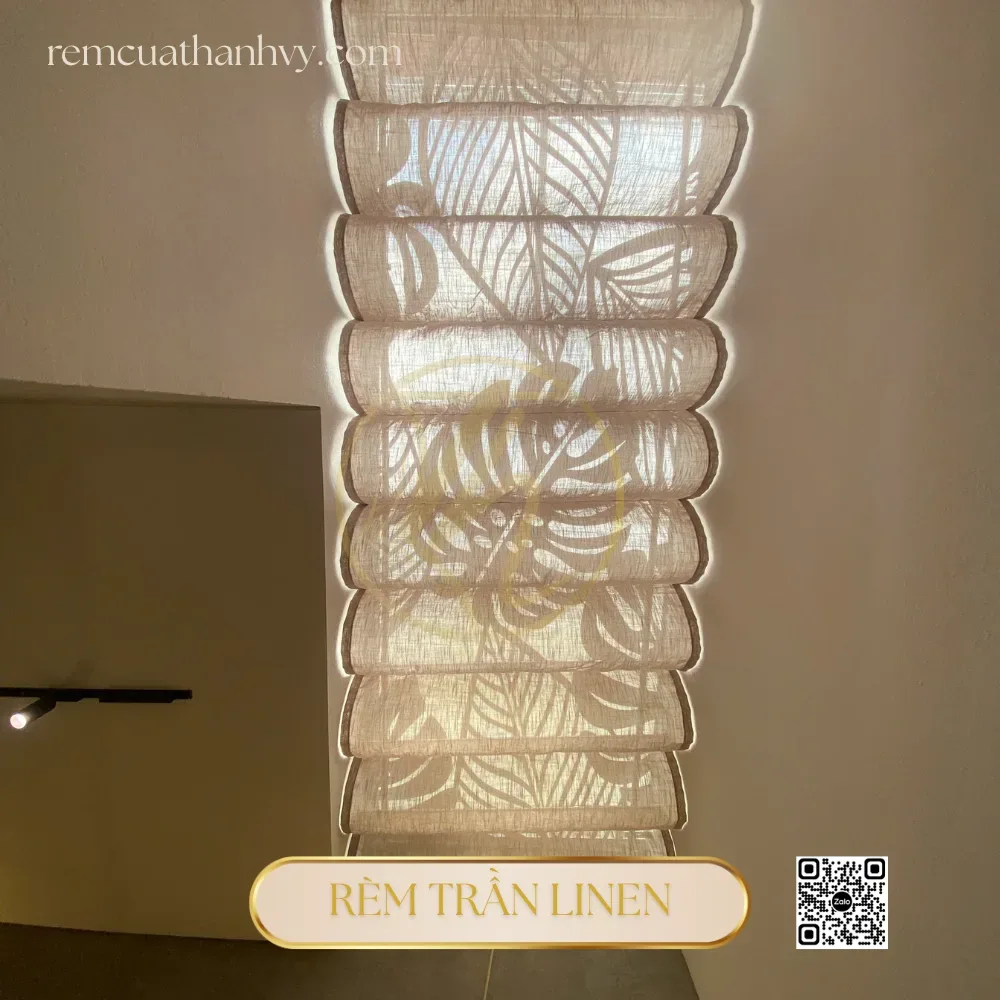
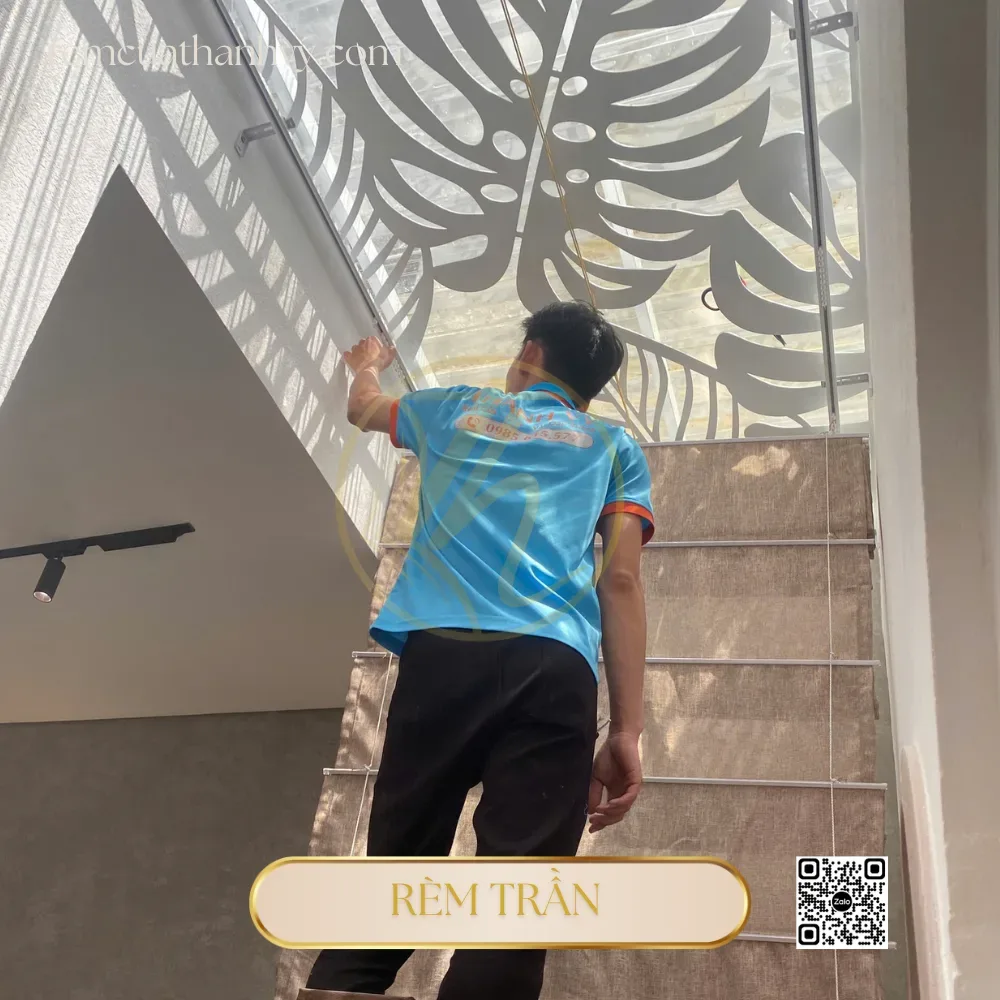
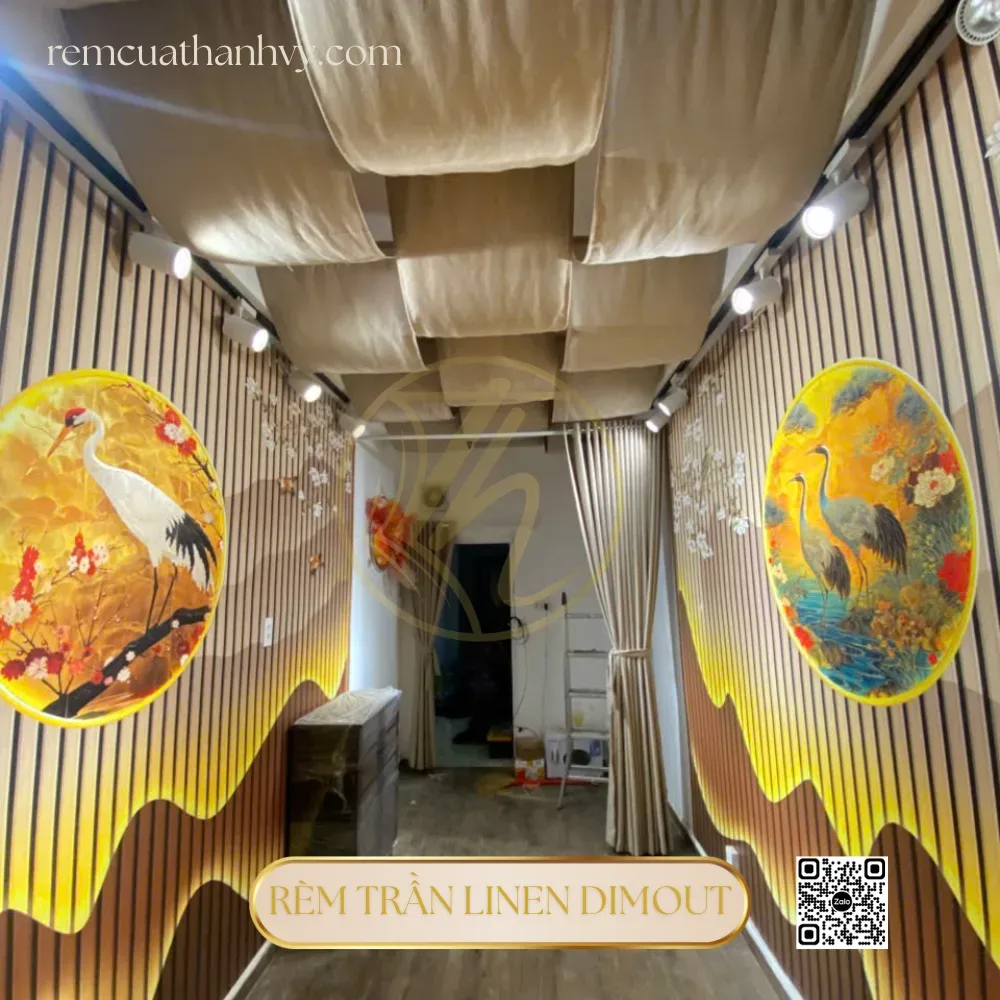
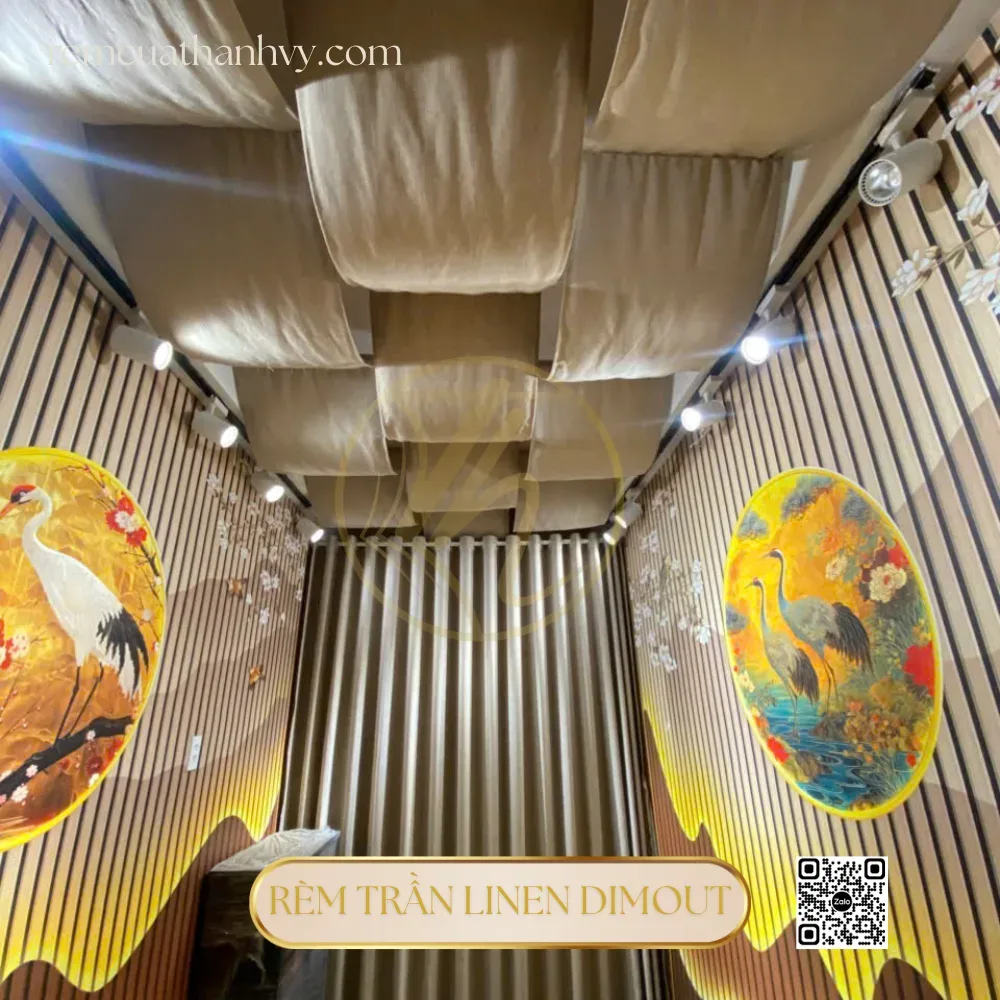
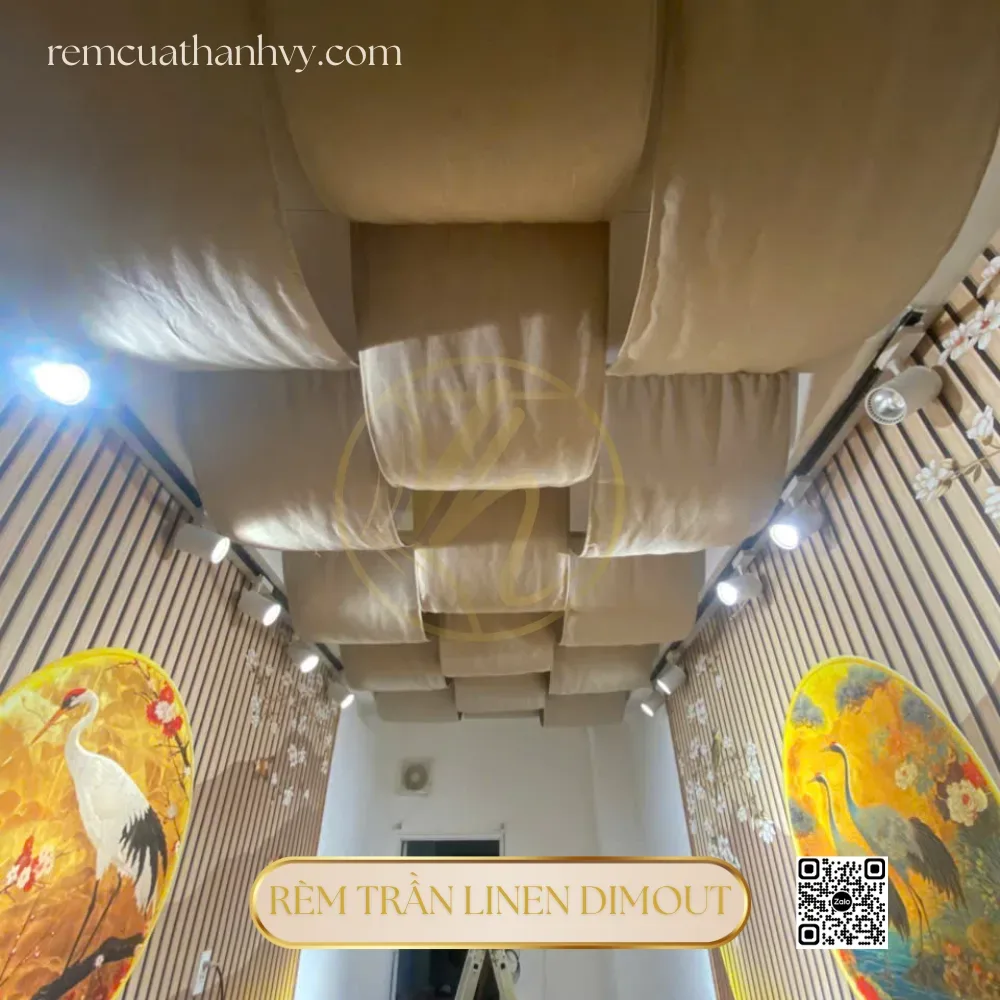
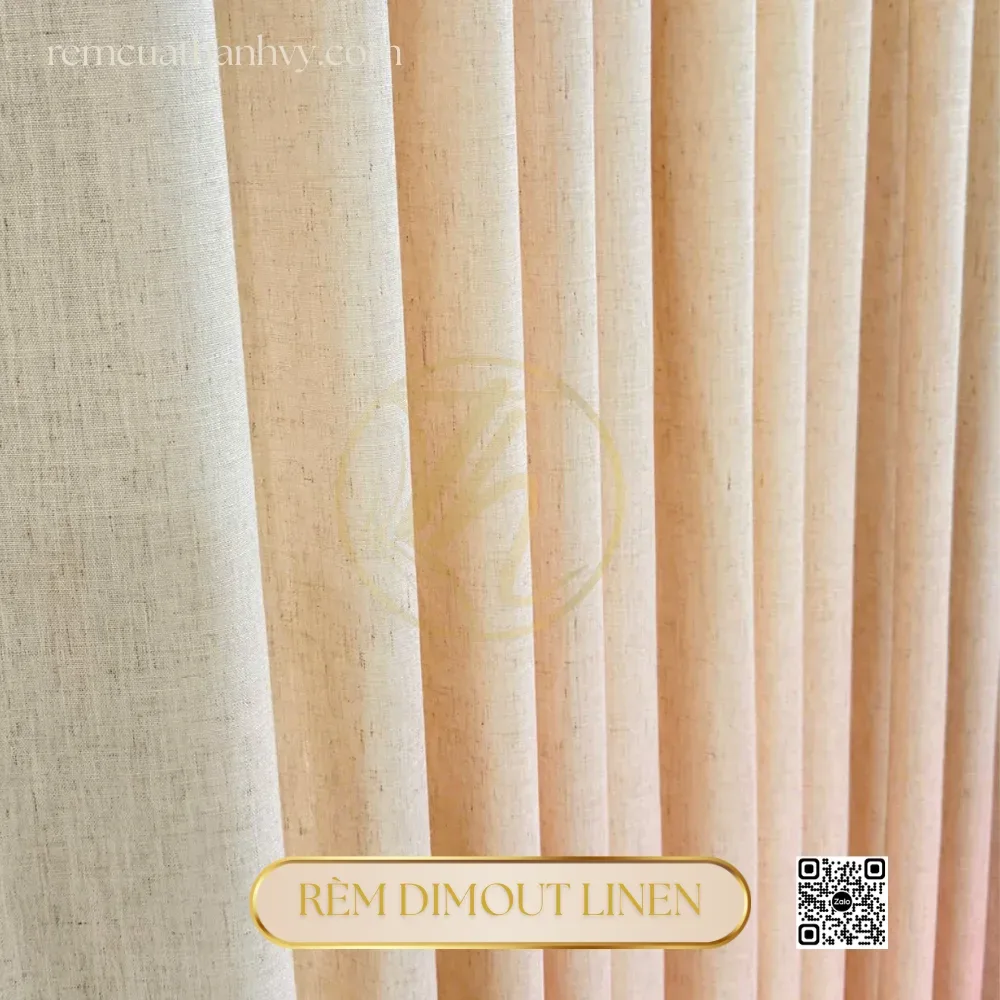
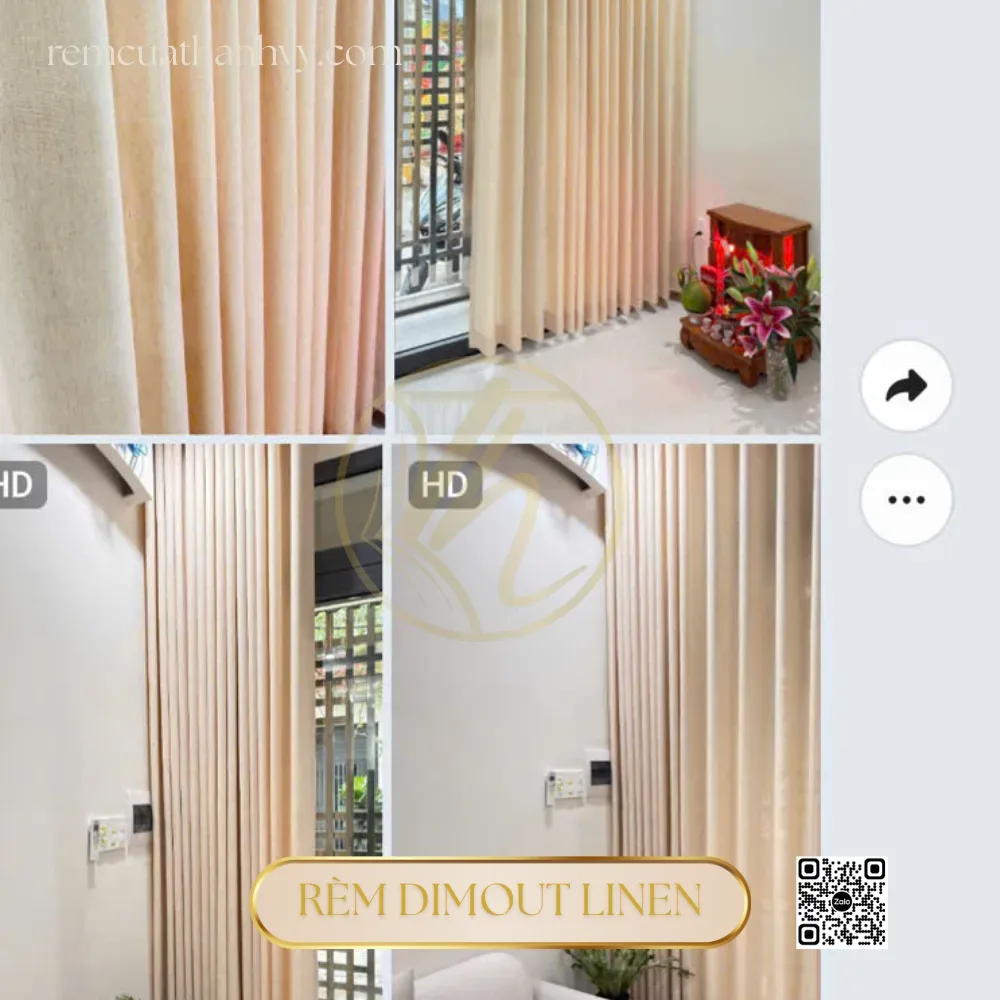
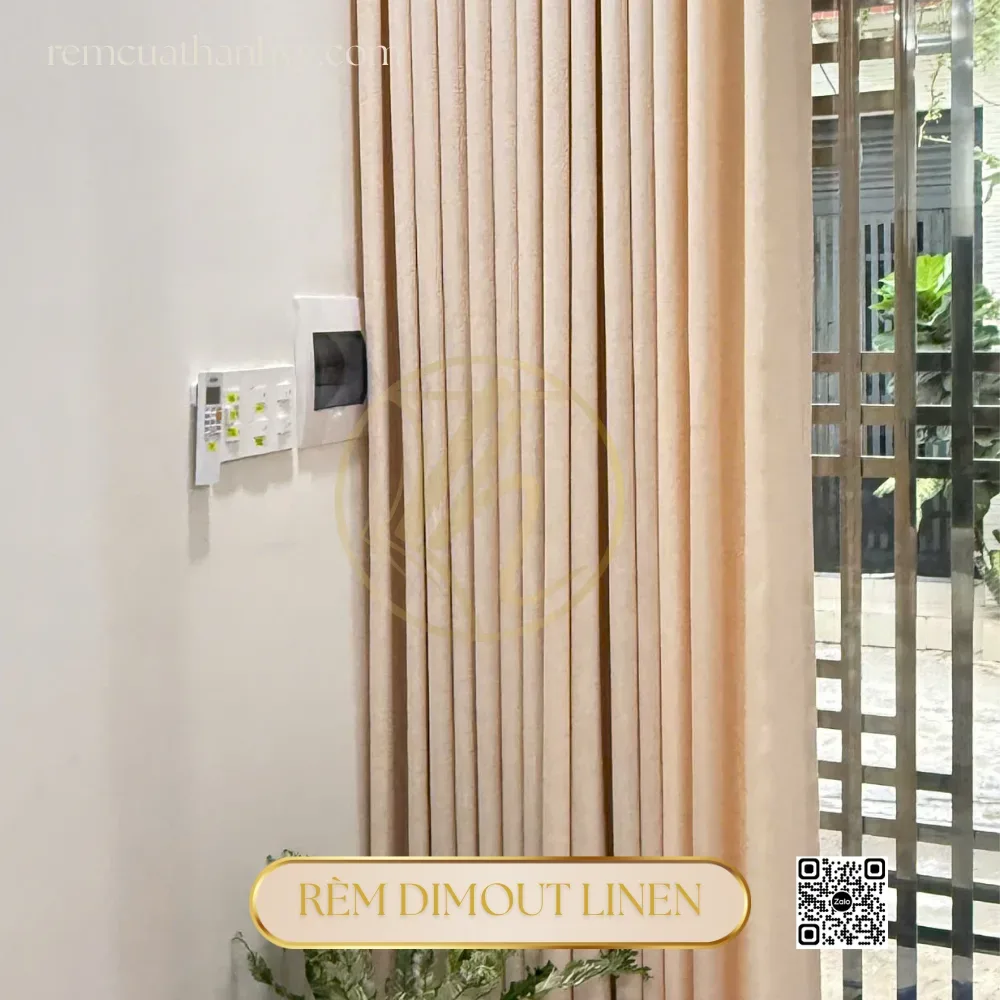
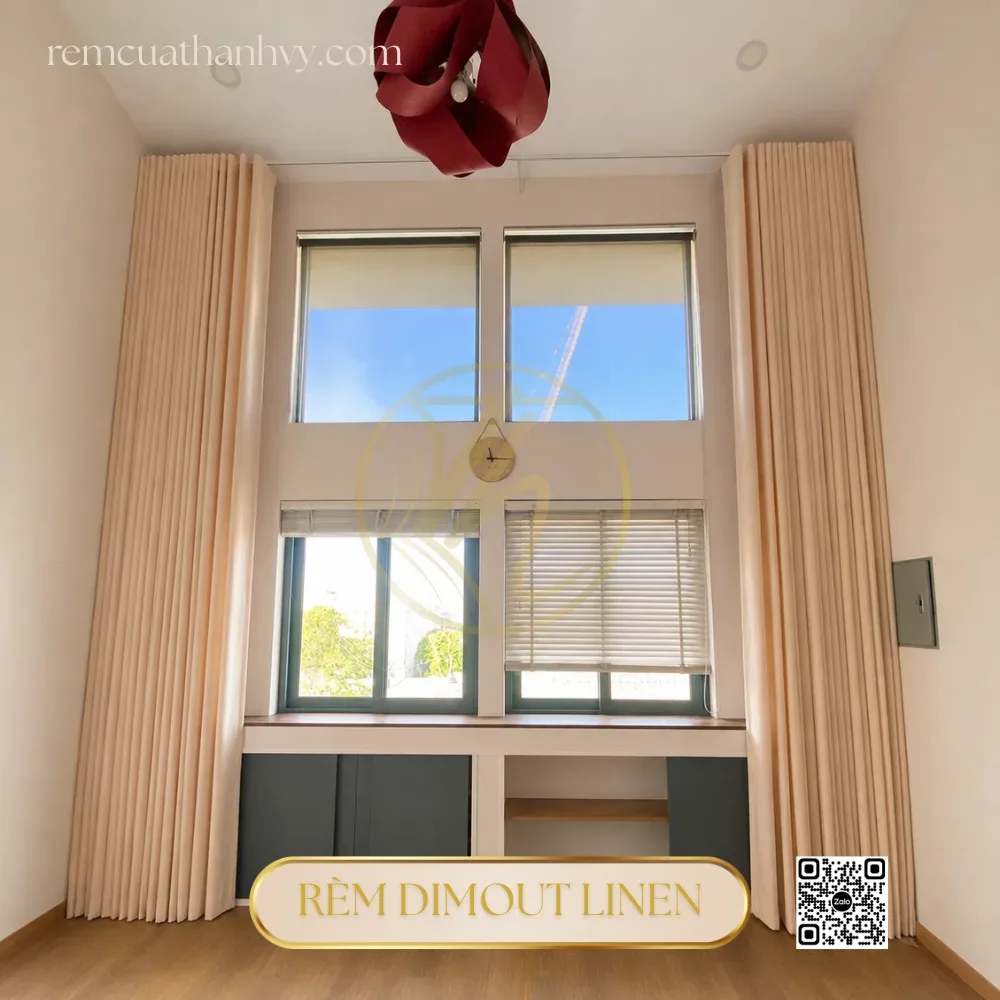
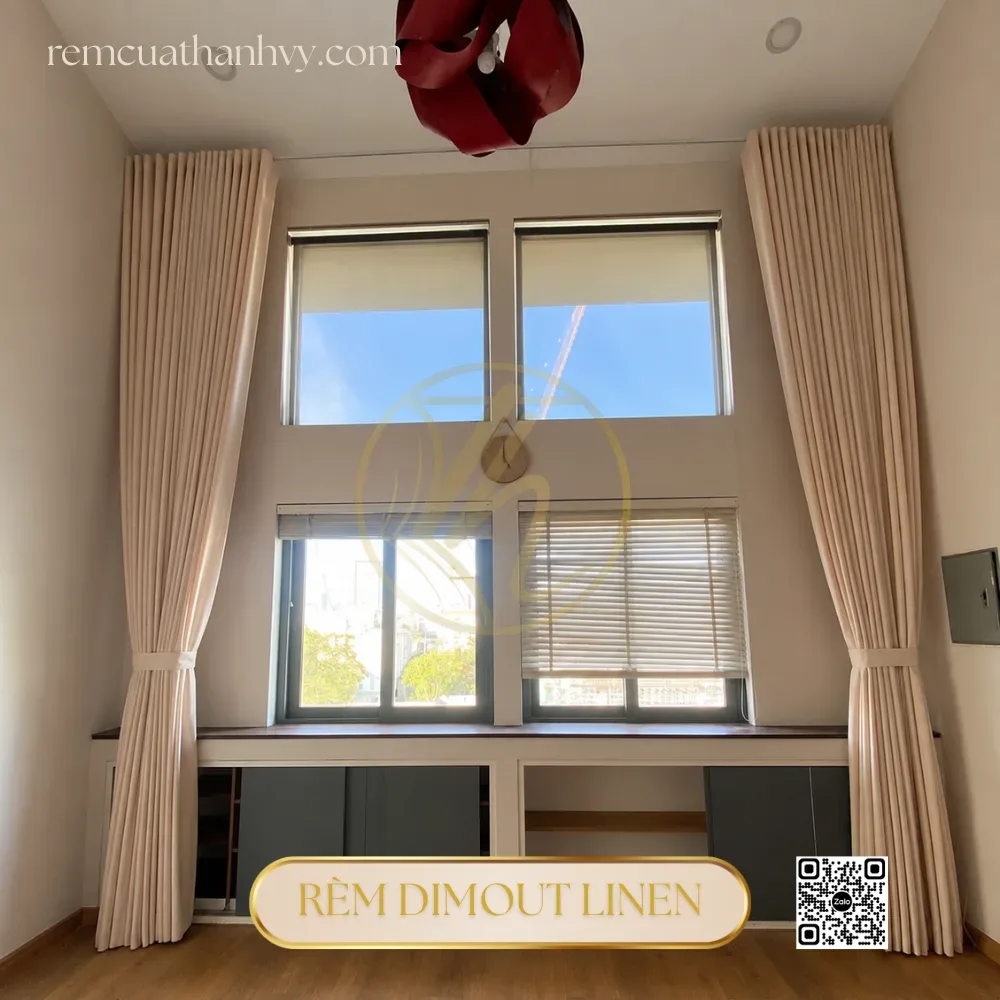
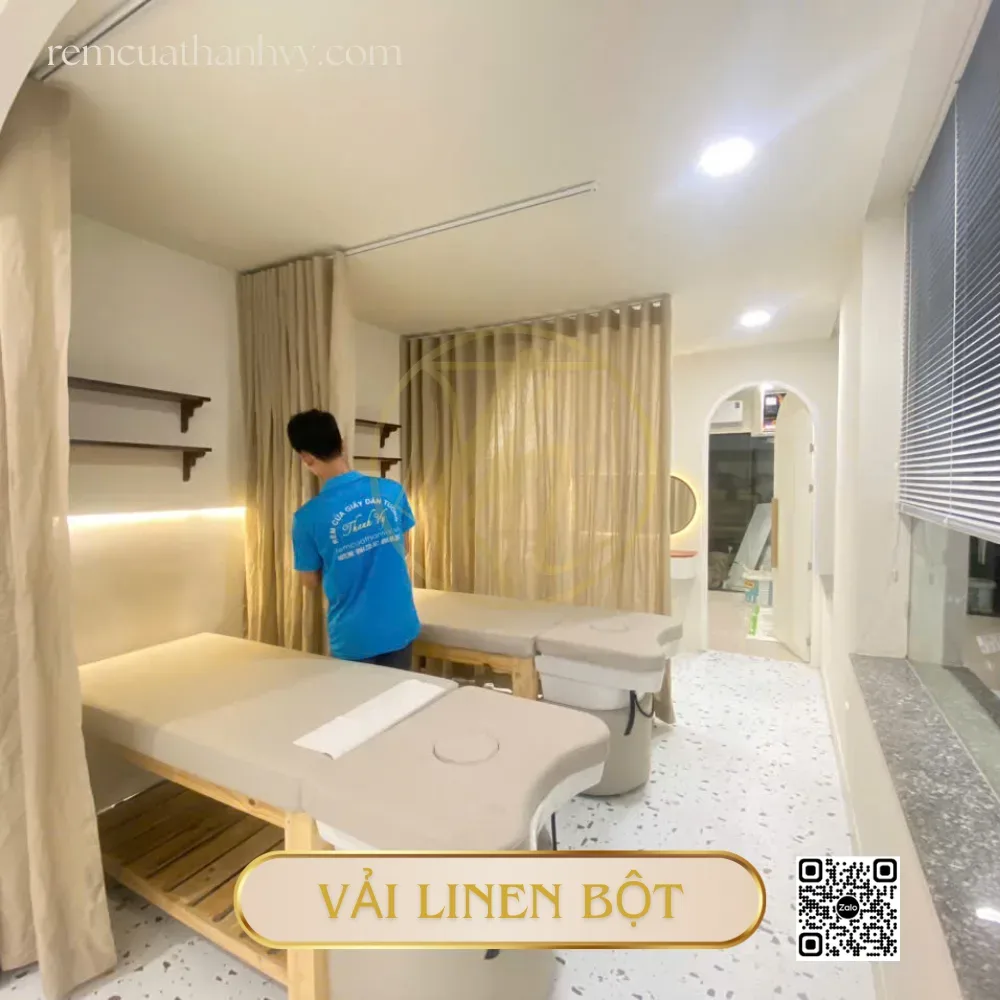
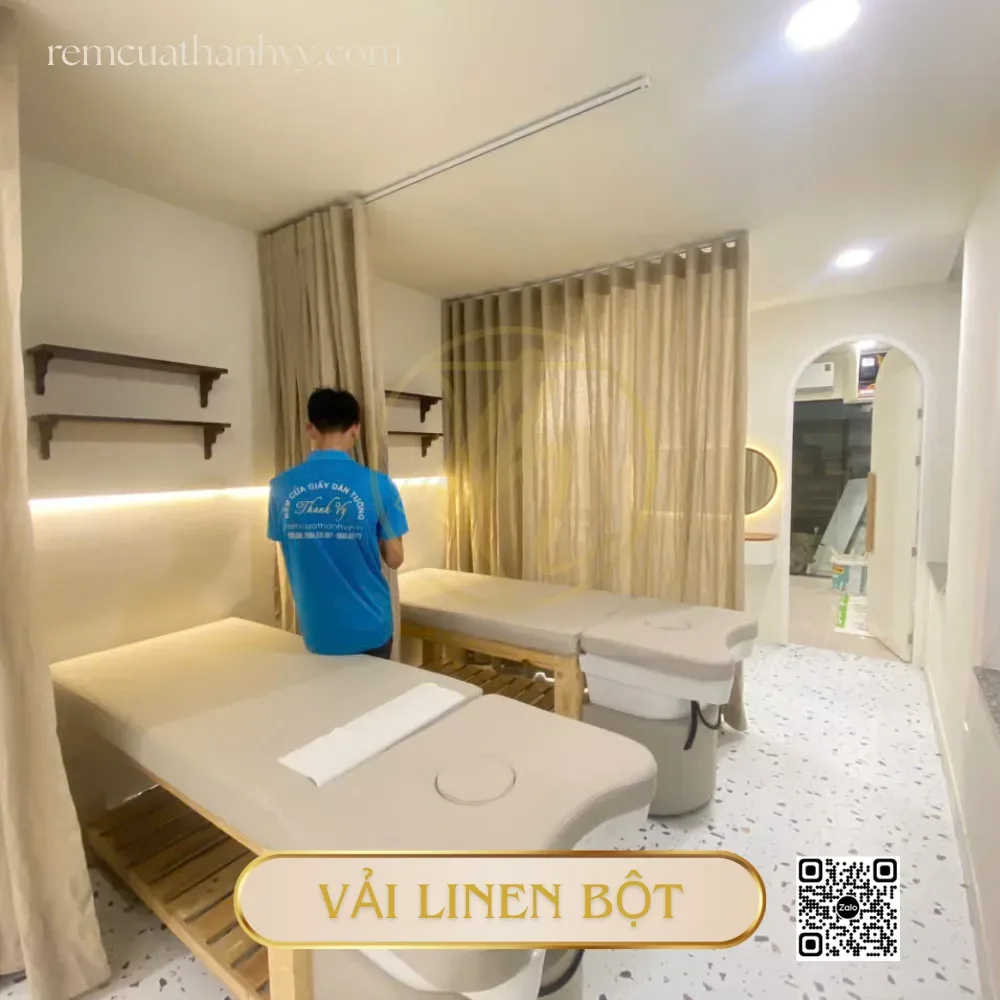
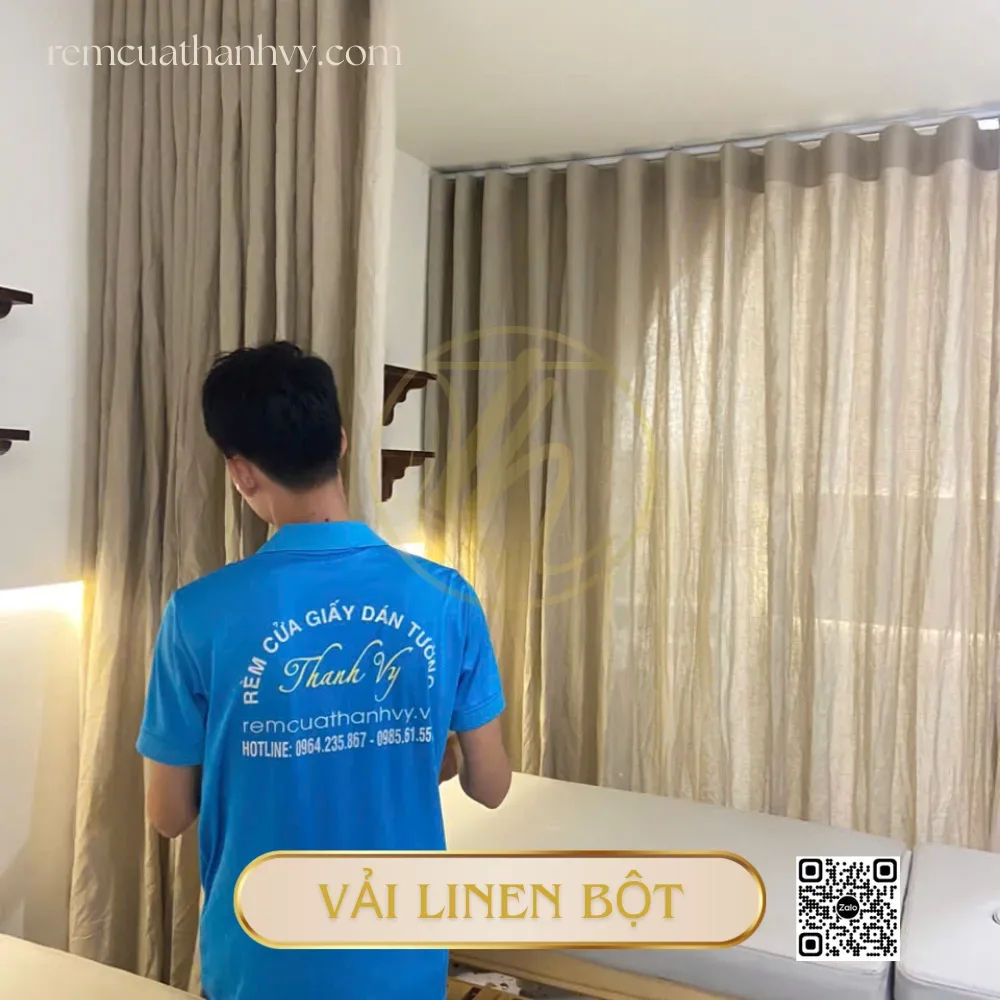
Linen offers a mildly coarse surface with low gloss, making it suitable for wooden interiors and neutral tones.
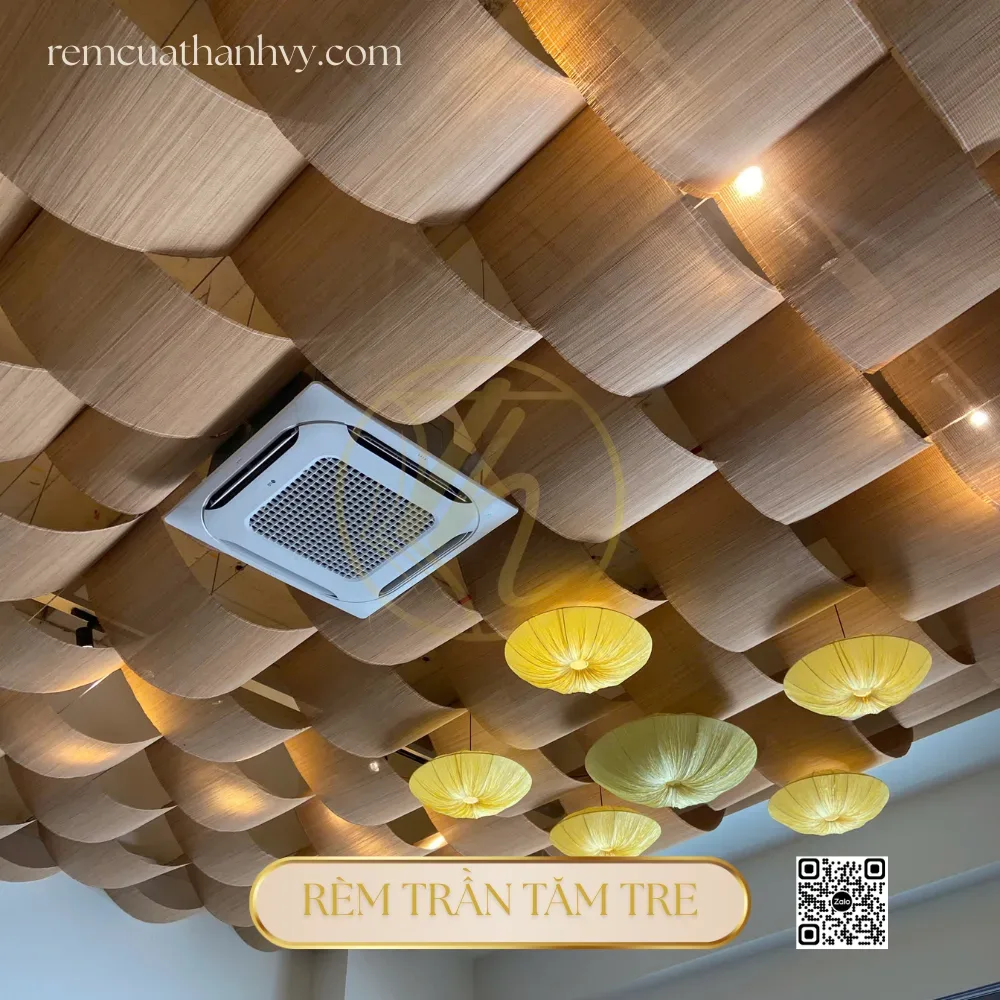
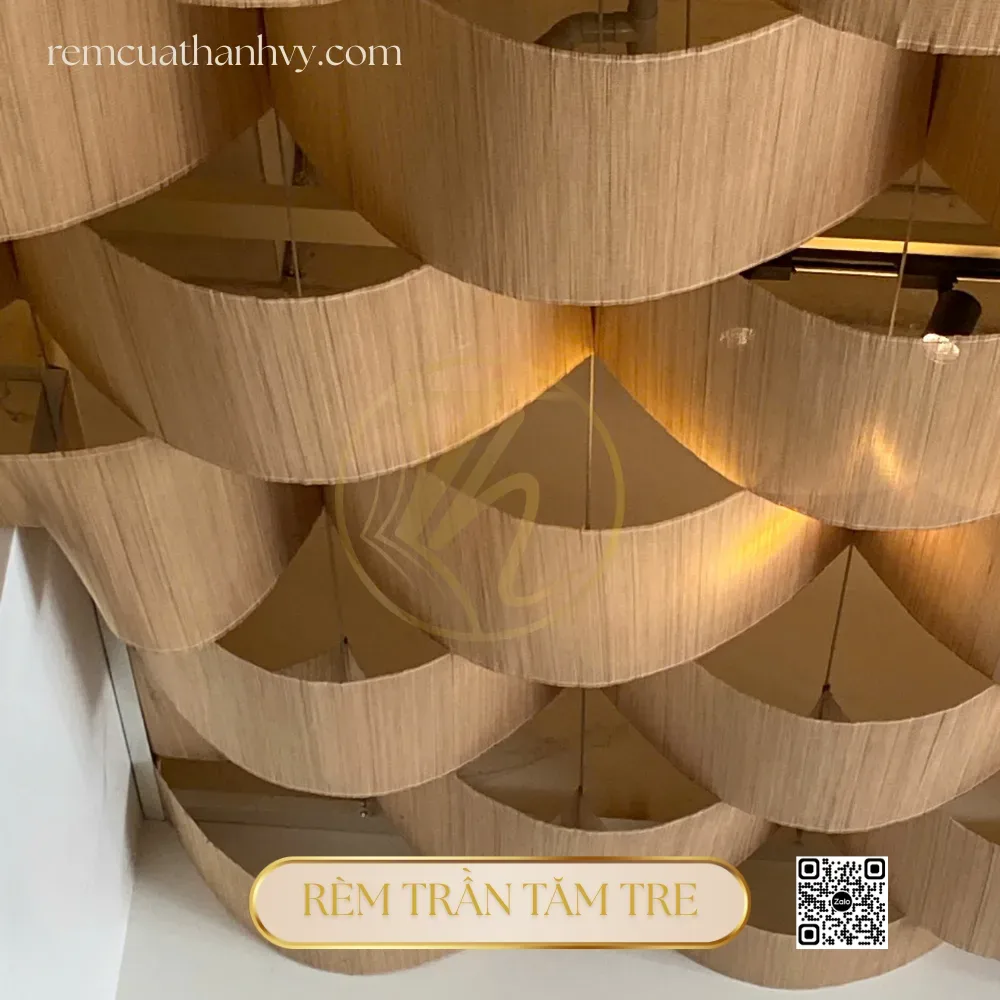
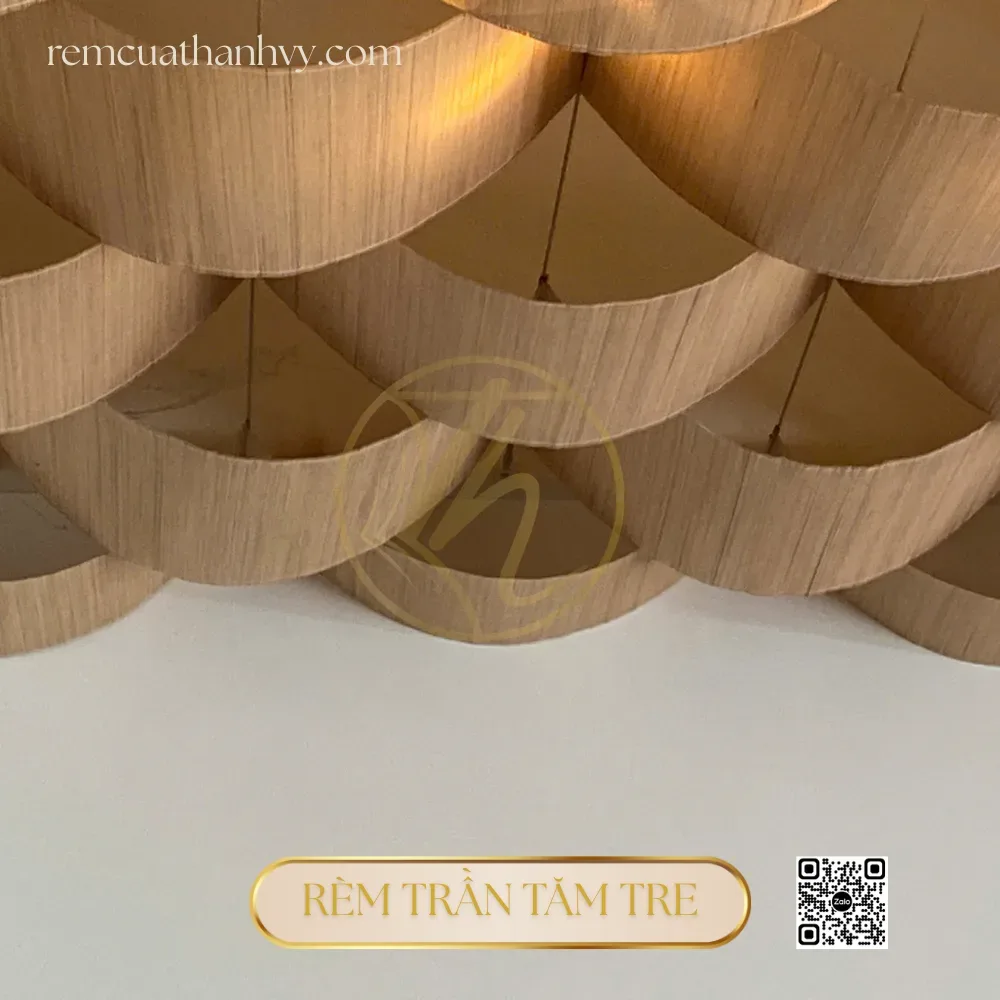
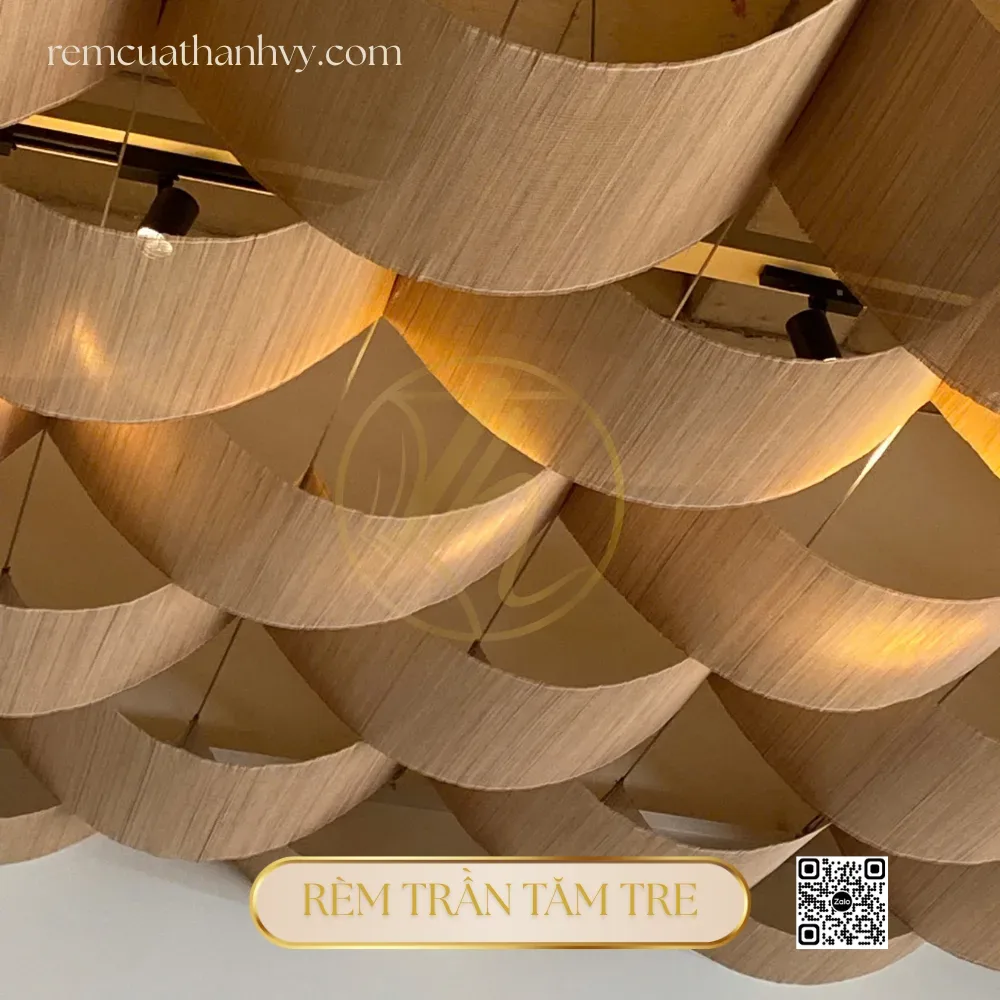
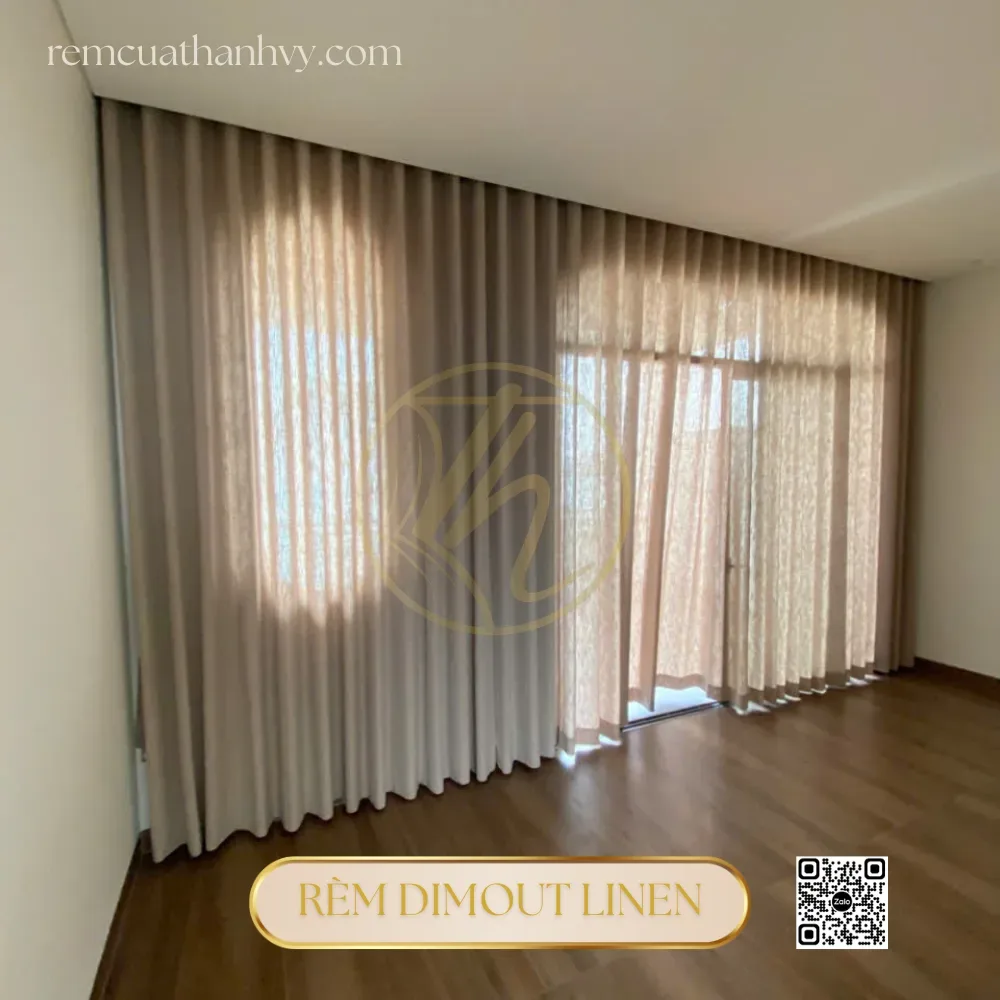
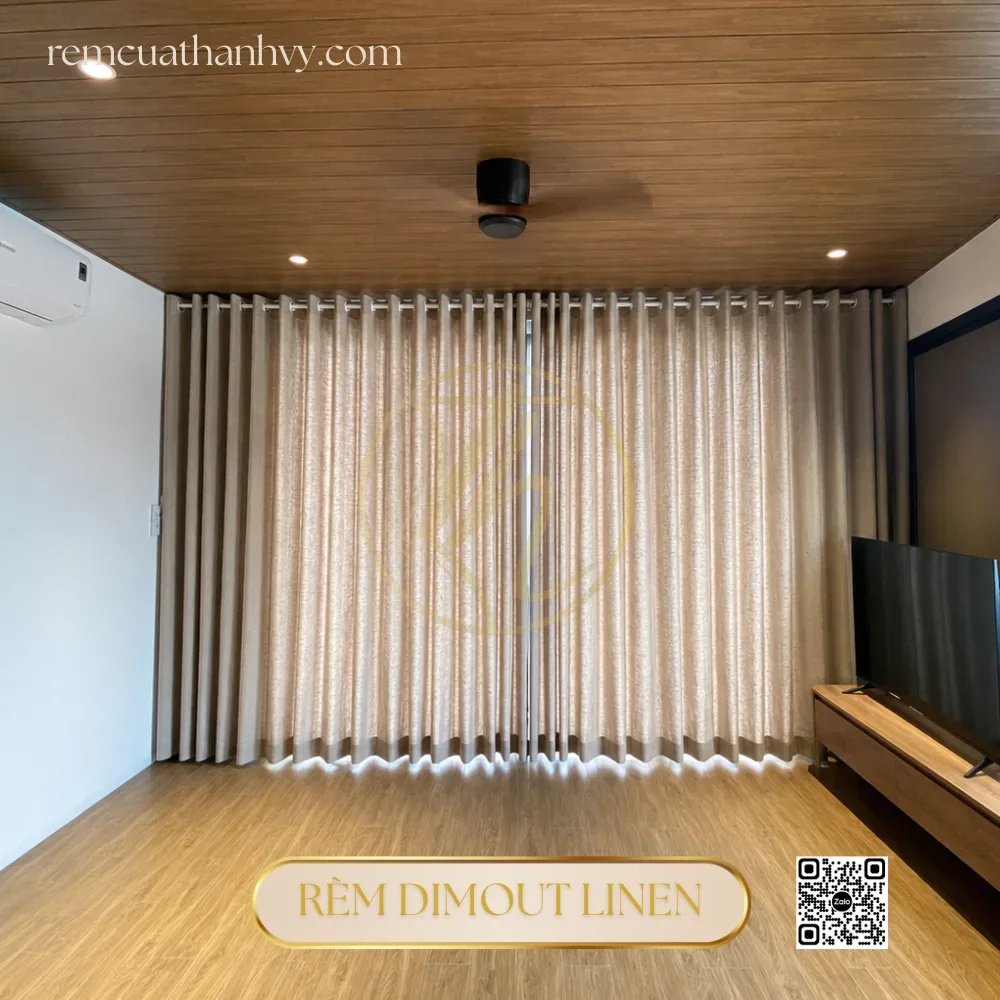
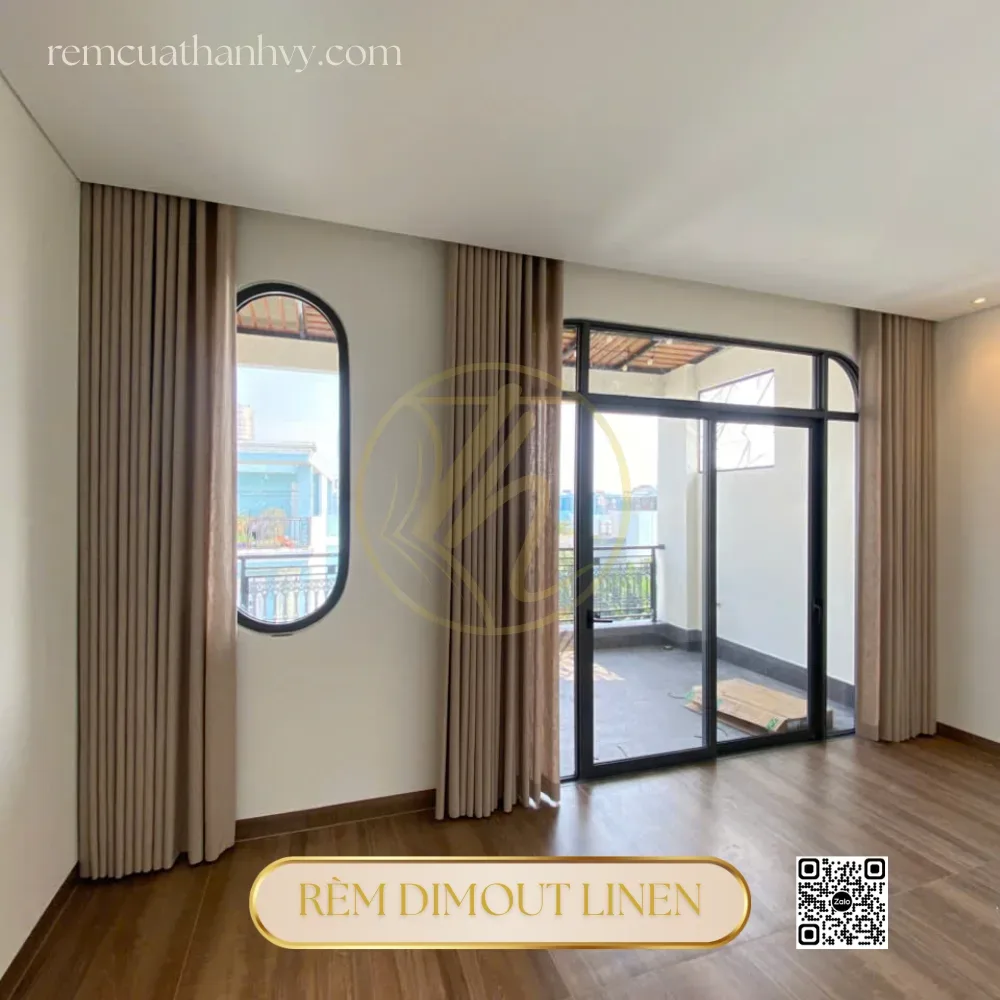
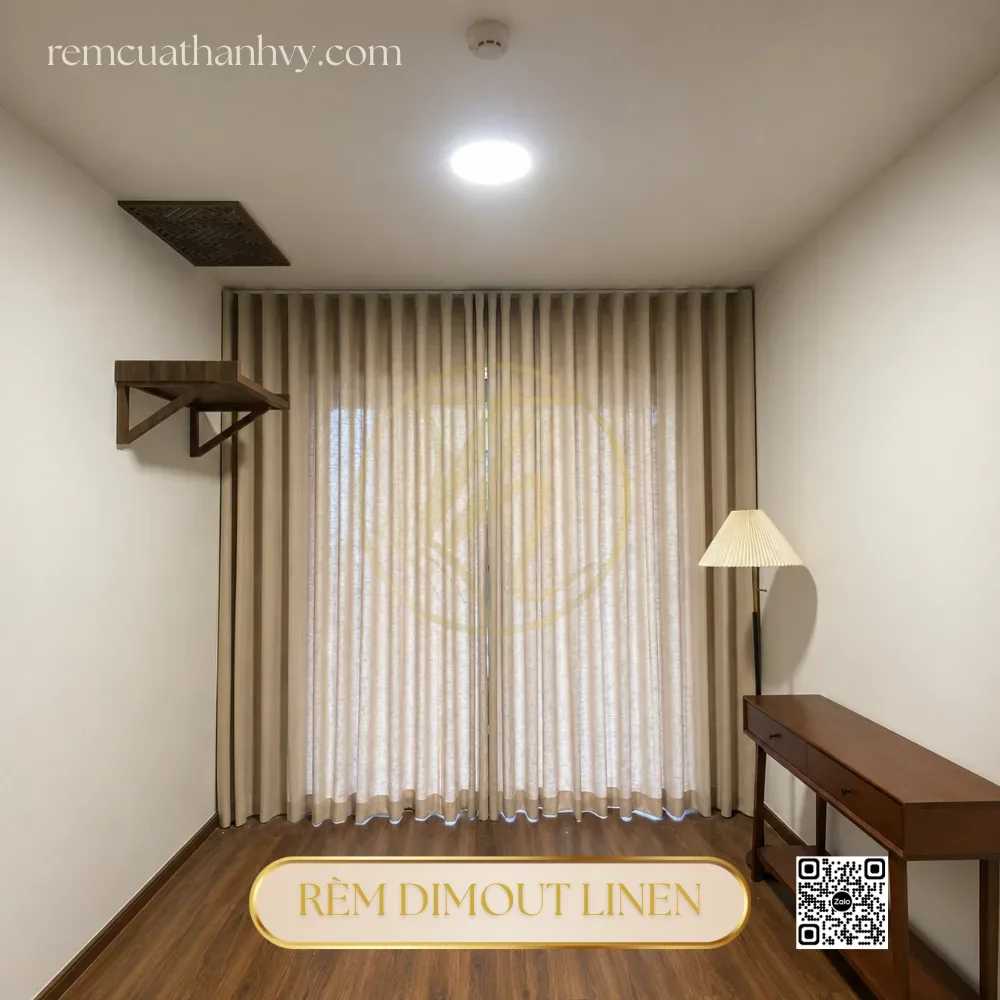
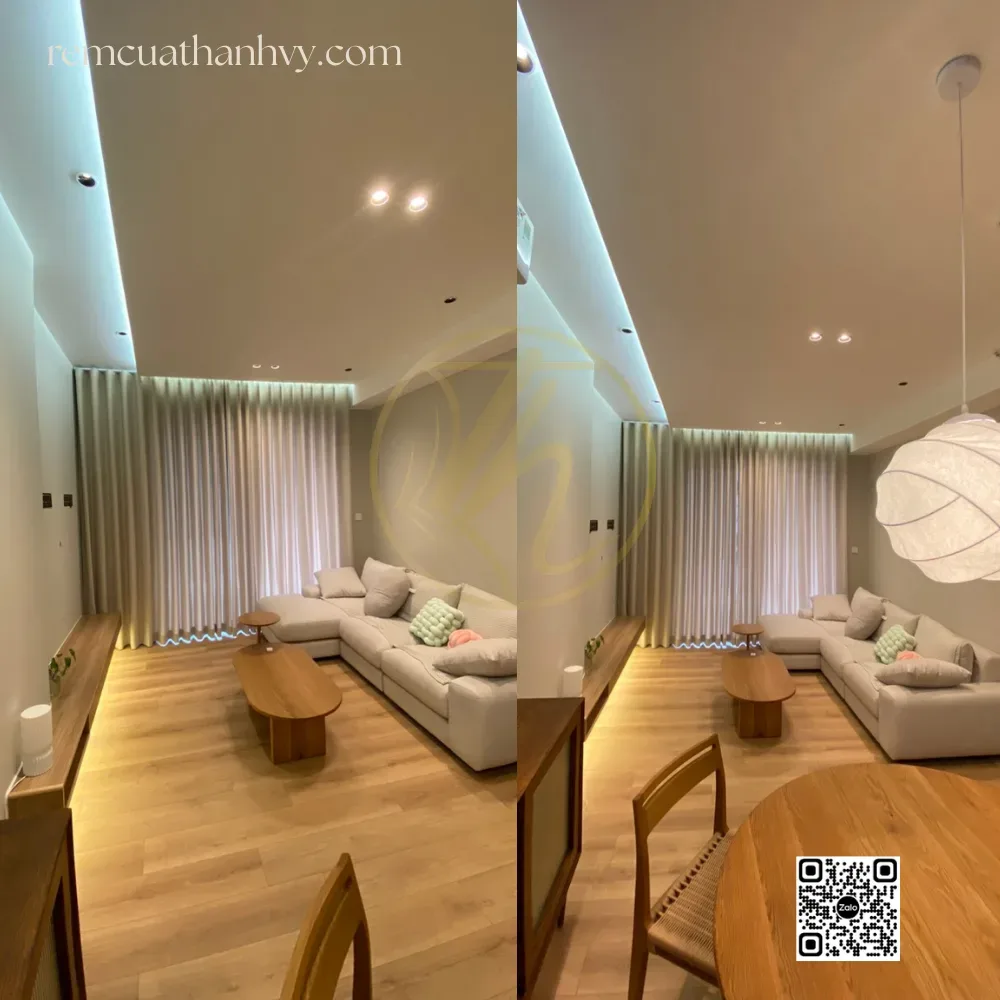
For further information, please contact Thanh Vy Curtains
We provide free consultation and on-site measuring at your home.
Related areas
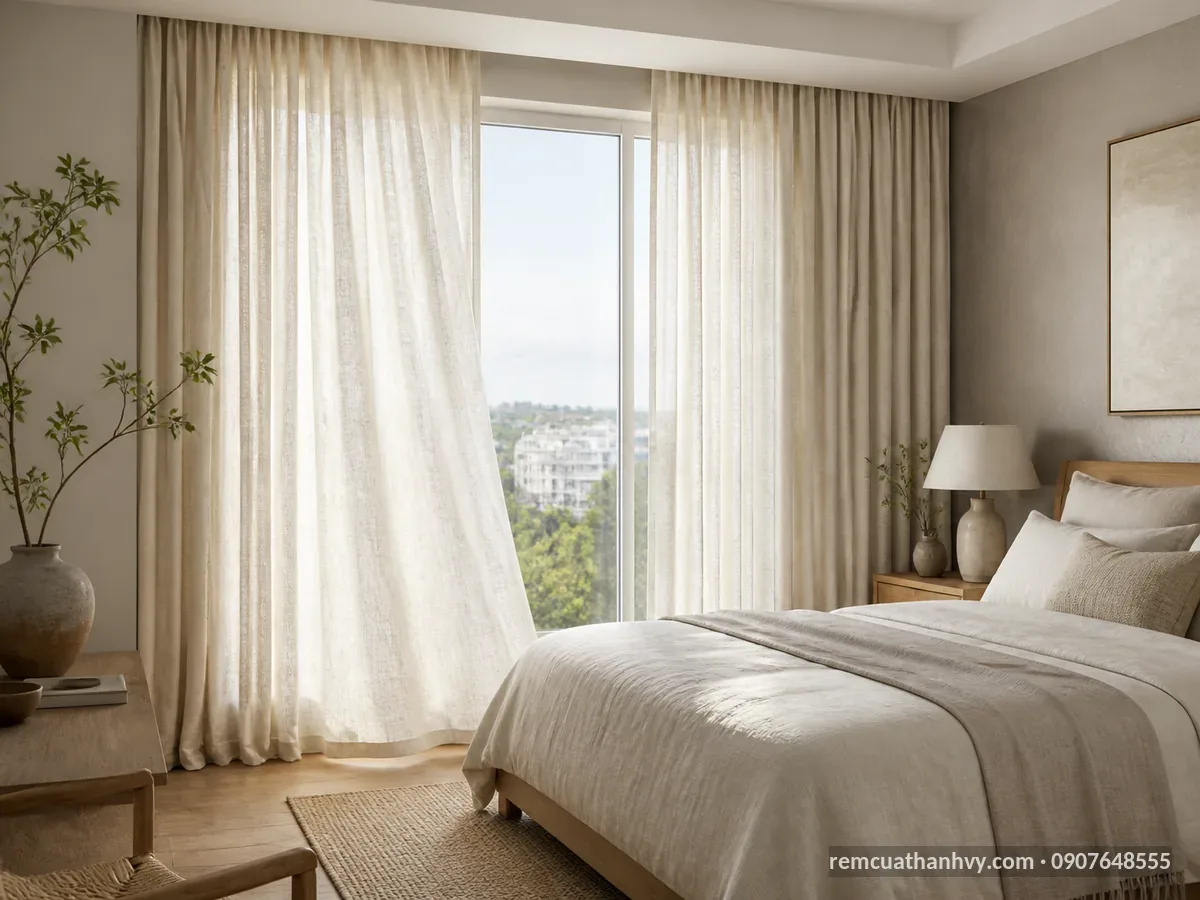
Curtains in Phu Nhuan: Priorities when choosing for each space
Thanh Vy Curtains provides optimal curtain solutions for spaces in Phu Nhuan District, leveraging extensive [...]
Related reviews
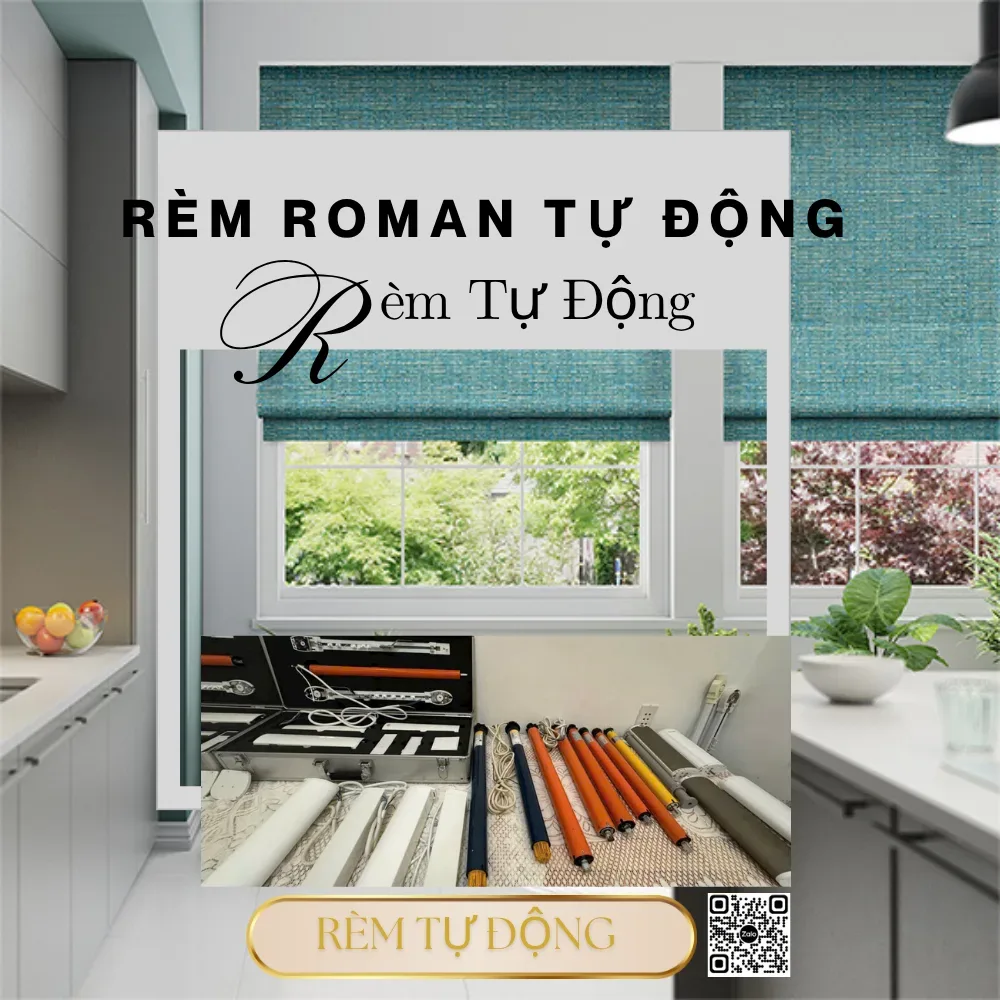
Are Roman Shades Good? A Detailed Review from A to Z
This objective review explores whether Roman shades are a good choice by examining their layered [...]
Related posts
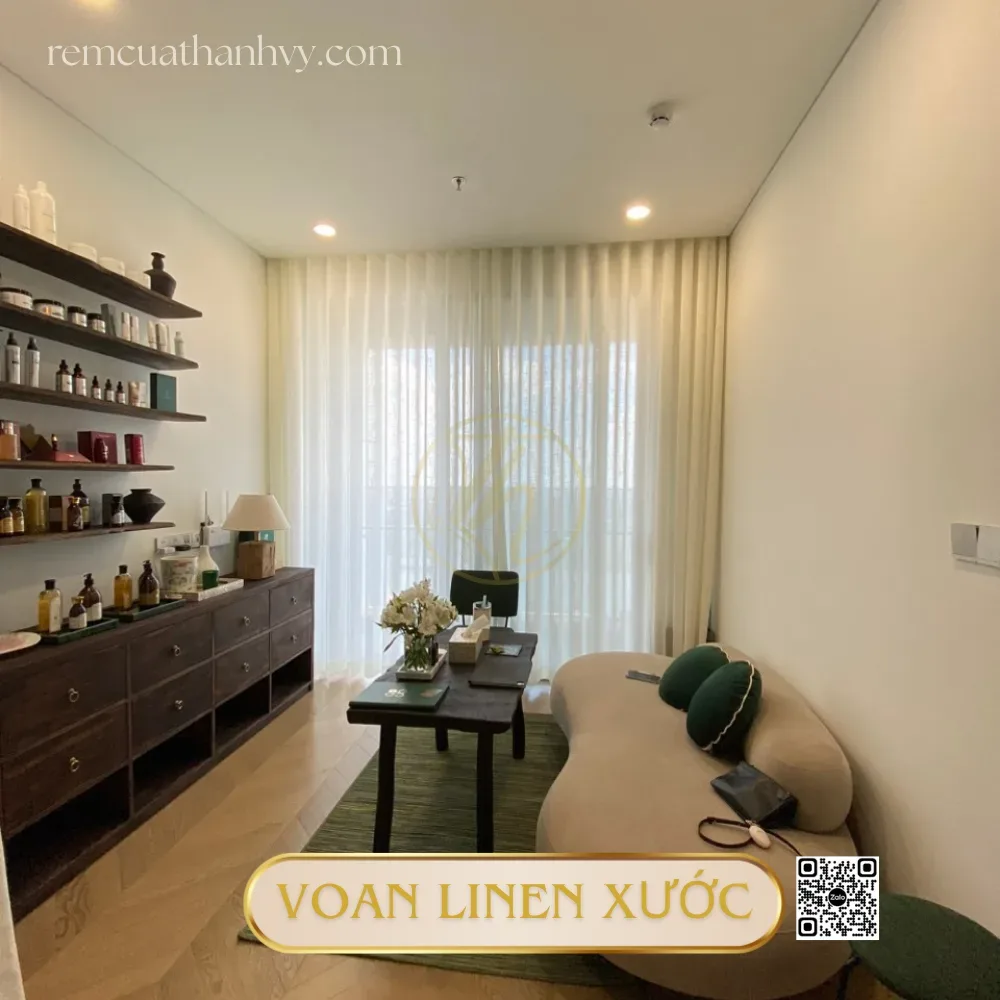
Linen Curtains for North-Facing Houses: Effective Sun Protection
Guide to choosing north-facing linen curtains based on north-facing houses, light, privacy, materials, finishing styles, [...]
Indochine-Style Linen Curtains for a Beautiful Home
A guide to choosing Indochine-style linen curtains based on style, lighting, privacy, materials, finishing, and [...]
Japanese-Style Linen Curtains for a Beautiful Home
A guide to choosing Japanese linen curtains based on style, lighting, privacy, materials, finishing, and [...]
Minimalist Linen Curtains for a Beautiful Home
A guide to choosing minimalist linen curtains based on style, lighting, privacy, materials, finishes, and [...]
Linen Curtains in Go Vap: How to Choose the Right Style for Modern Homes
Linen curtains in Go Vap are perfect for bright, soft, and natural spaces, but you [...]
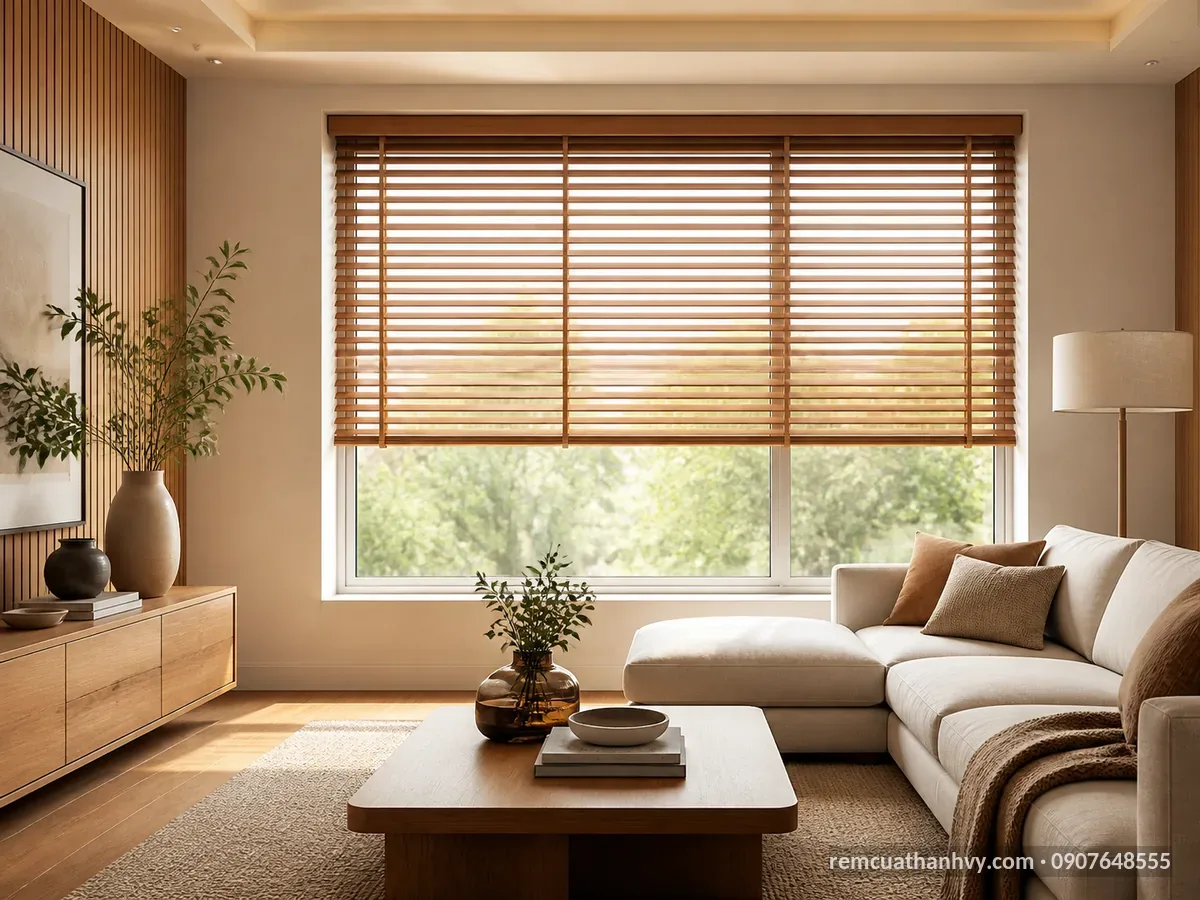
Best Wood Blinds for Kids’ Rooms in 2026
Explore beautiful wood blind styles for kids’ rooms by color, pattern, and safe materials, with [...]

Top Best Roller Blind Designs for Dining Rooms 2026
A guide to choosing beautiful dining room roller blinds based on room layout, lighting, privacy, [...]

Top Best Roller Blind Designs for Prayer Rooms in 2026
A guide to choosing beautiful roller blinds for prayer rooms based on room layout, lighting, [...]

No comments yet!