


District 5 Roman Blinds: Custom-Made On-Site, Great Prices | Thanh Vy
Why Many Families in District 5 Are Switching to Roman Blinds
District 5 Roman blinds are a fitting choice for mixed-use shop-houses around the Cho Lon area, as their neat layered style allows the ground-floor glass facade to receive ample natural light while maintaining privacy for the living quarters inside. For combined residential and commercial shop-houses around Cho Lon, ground-floor windows and glass facades often have to balance two opposing needs: natural light to make retail spaces look airy, and a shield to preserve privacy for the living area behind. This is why District 5 Roman blinds are considered by many households and shop owners as an alternative to traditional fabric curtains.
Roman blinds feature a neat stacking mechanism when pulled up, taking up minimal space on either side of the window compared to traditional pinch-pleat curtains, making them suitable for homes with narrow widths—a rather common trait in the small streets and alleys of District 5. Additionally, for renovated older apartments in the area, Roman blinds help spaces look tidier and provide greater aesthetic depth than standard roller blinds.
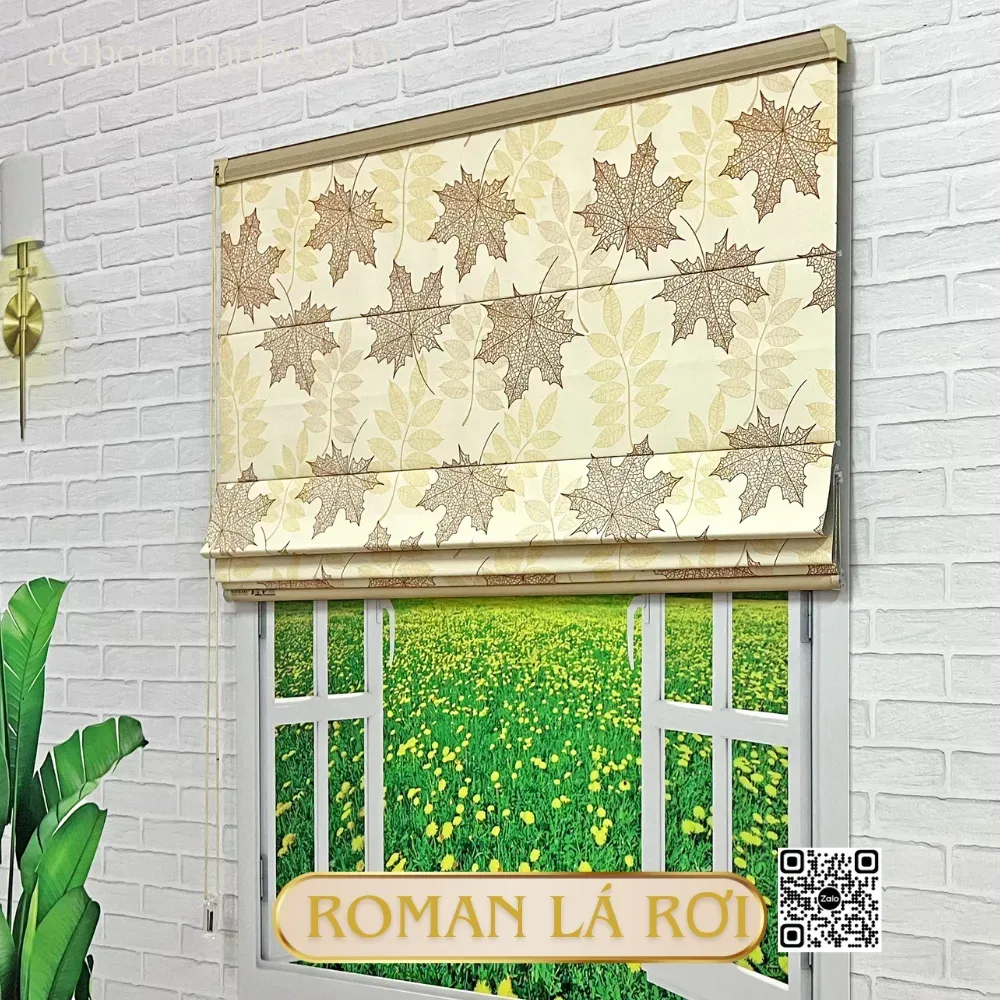
However, choosing the right Roman blind goes beyond just a nice design. Fabric materials, stitching methods, installation dimensions, and placement locations all directly impact long-term durability and effectiveness, especially under the hot, humid, and dusty climate conditions of densely populated areas like District 5.
The Layered Structure Characteristics of Roman Blinds and Their Suitability for District 5 Townhouses
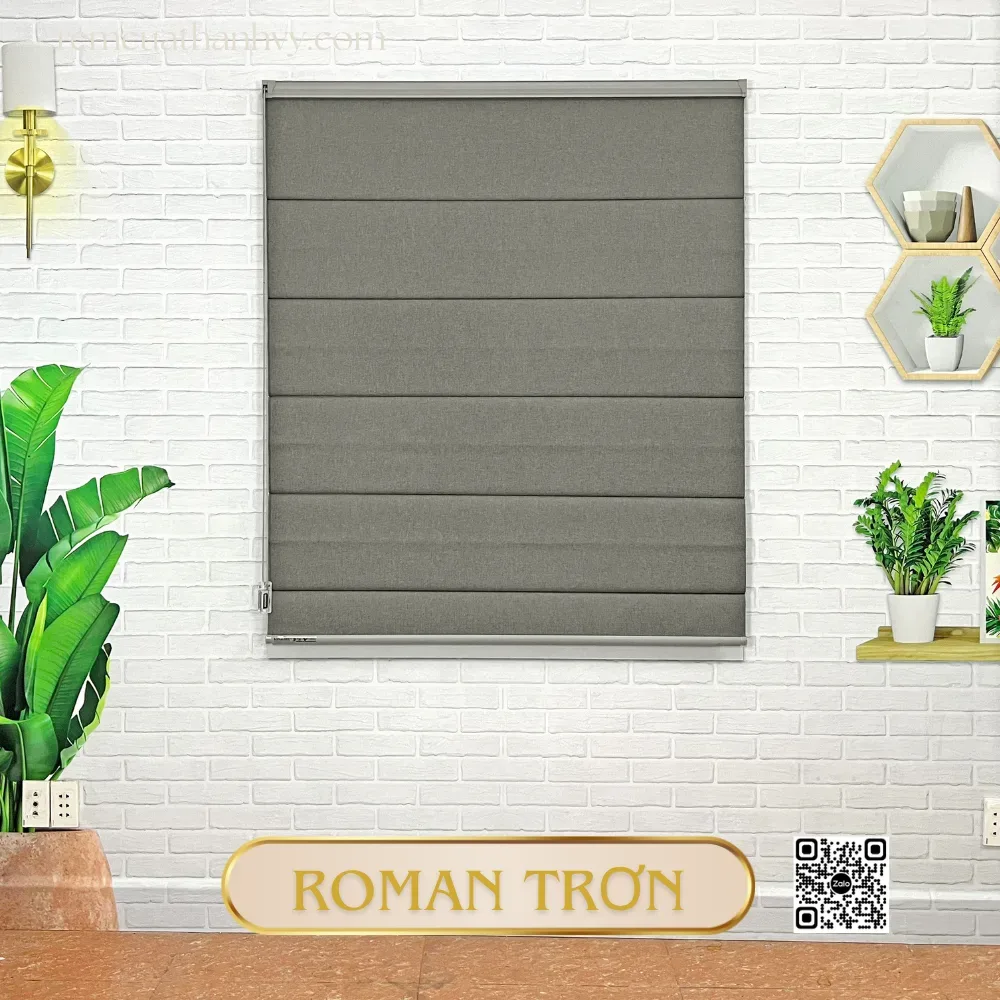
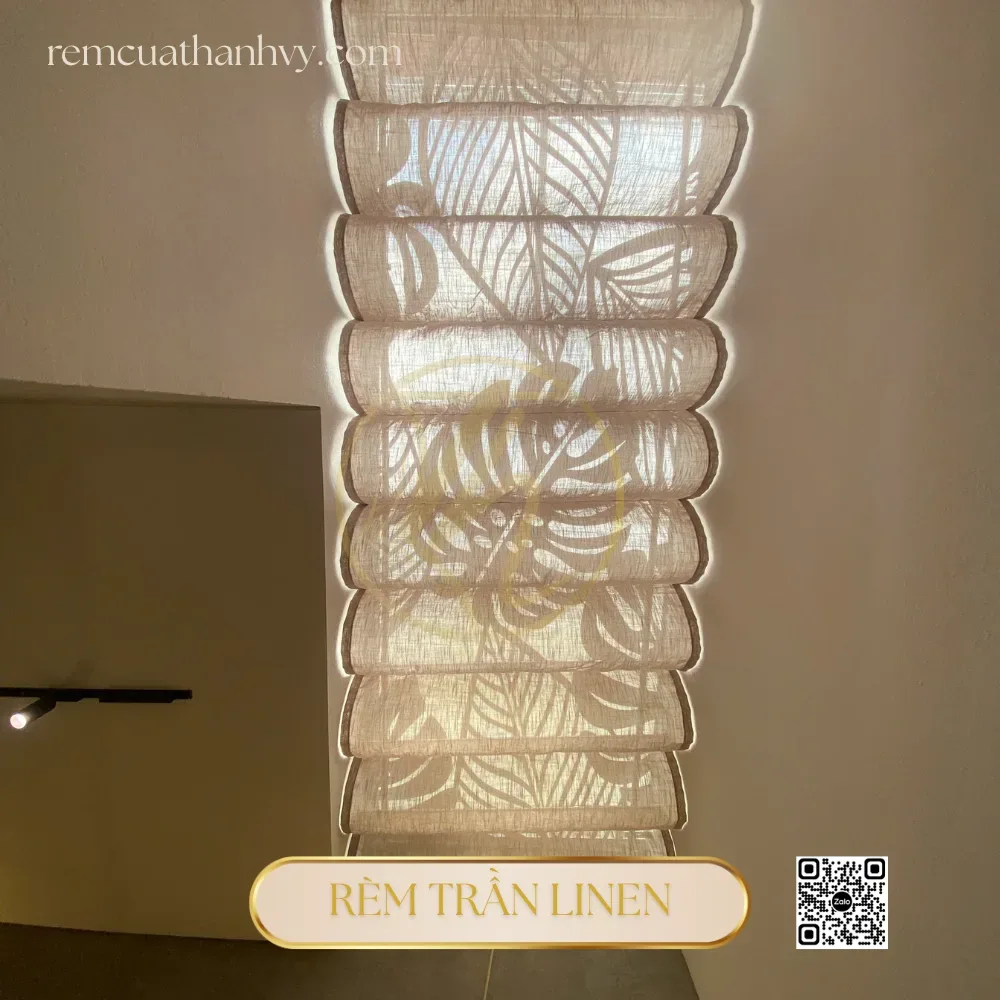
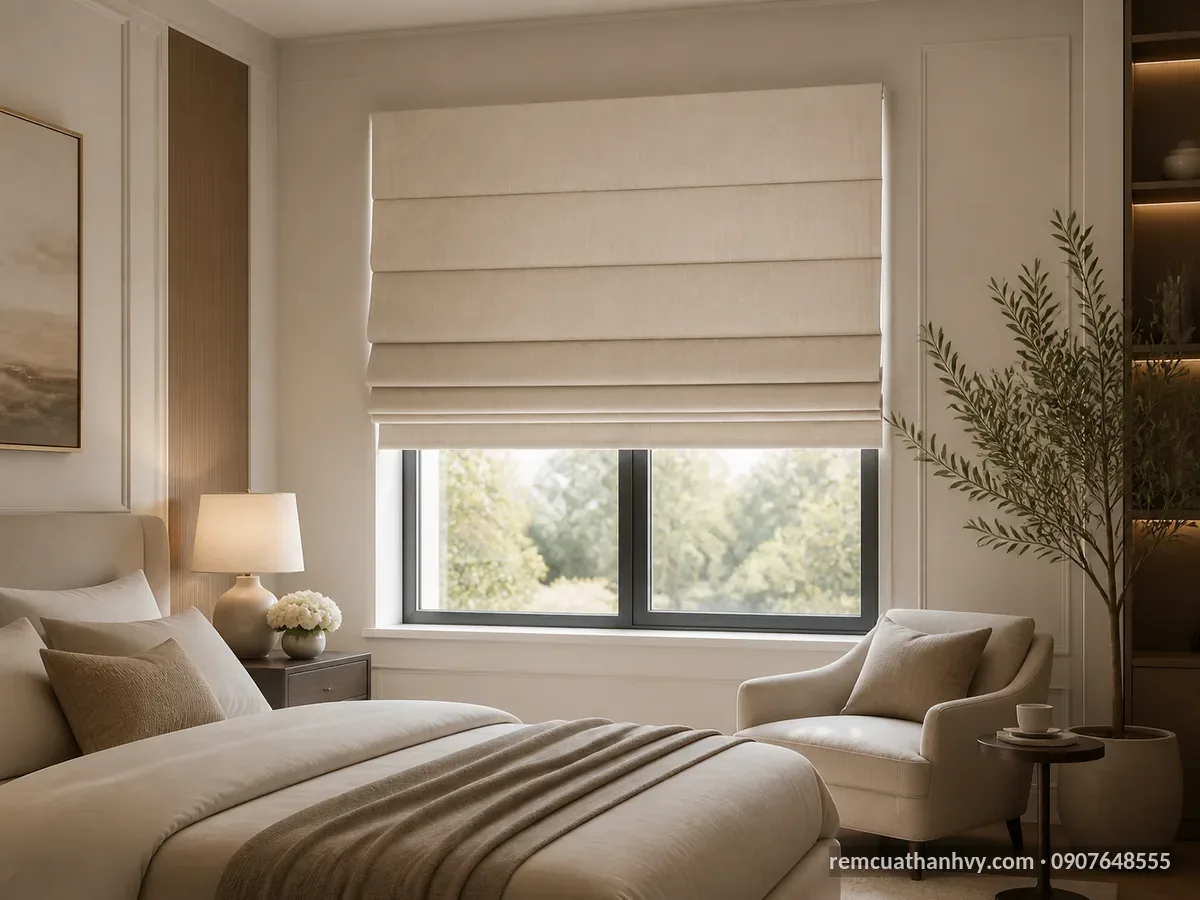
Structurally, Roman blinds are sewn with horizontal slat rods (typically made of thin plastic or metal) inserted into horizontal channels across the fabric, combined with a pull-cord system or a chain-operated up-and-down mechanism. When pulled up, the curtain folds into evenly spaced layers neatly tucked at the top of the window frame; when lowered, the fabric surface lays flat to cover the entire frame. This mechanism differs distinctly from pleated curtains or vertical blinds, creating a neat appearance with a sense of depth in every fold.
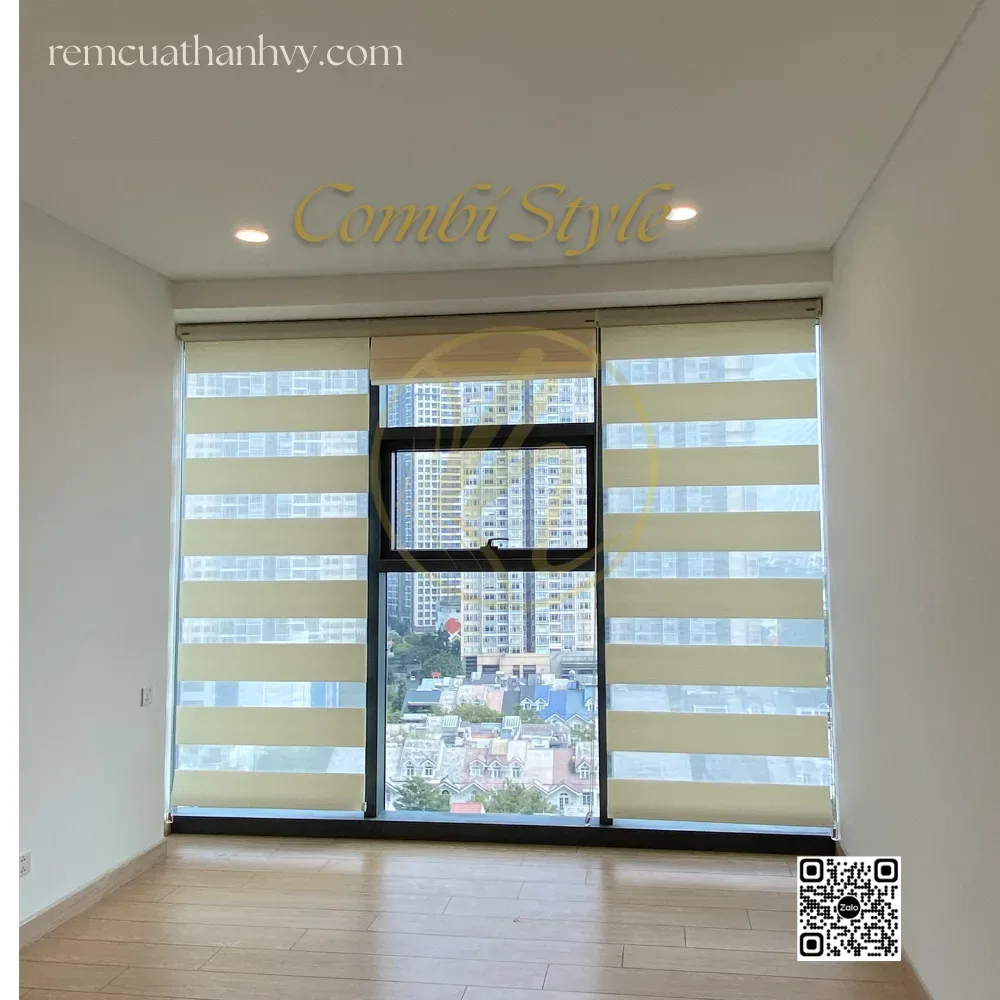
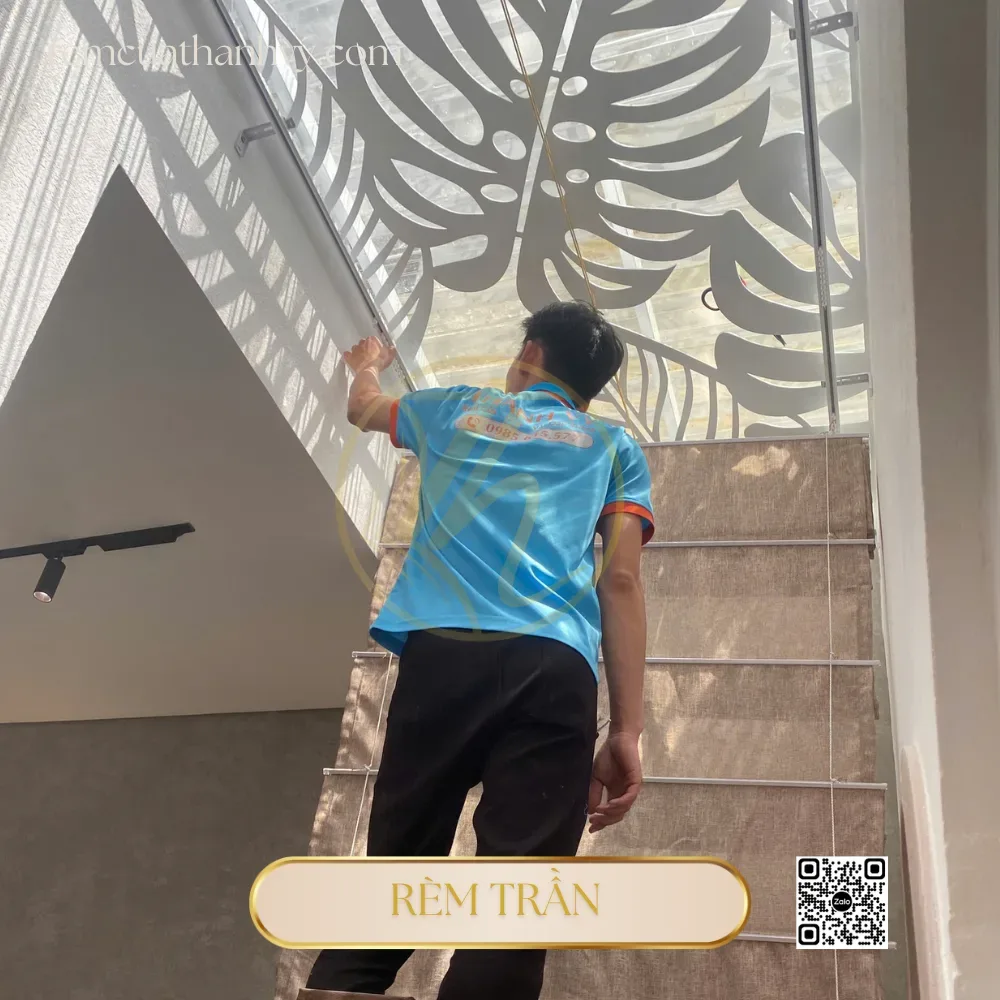
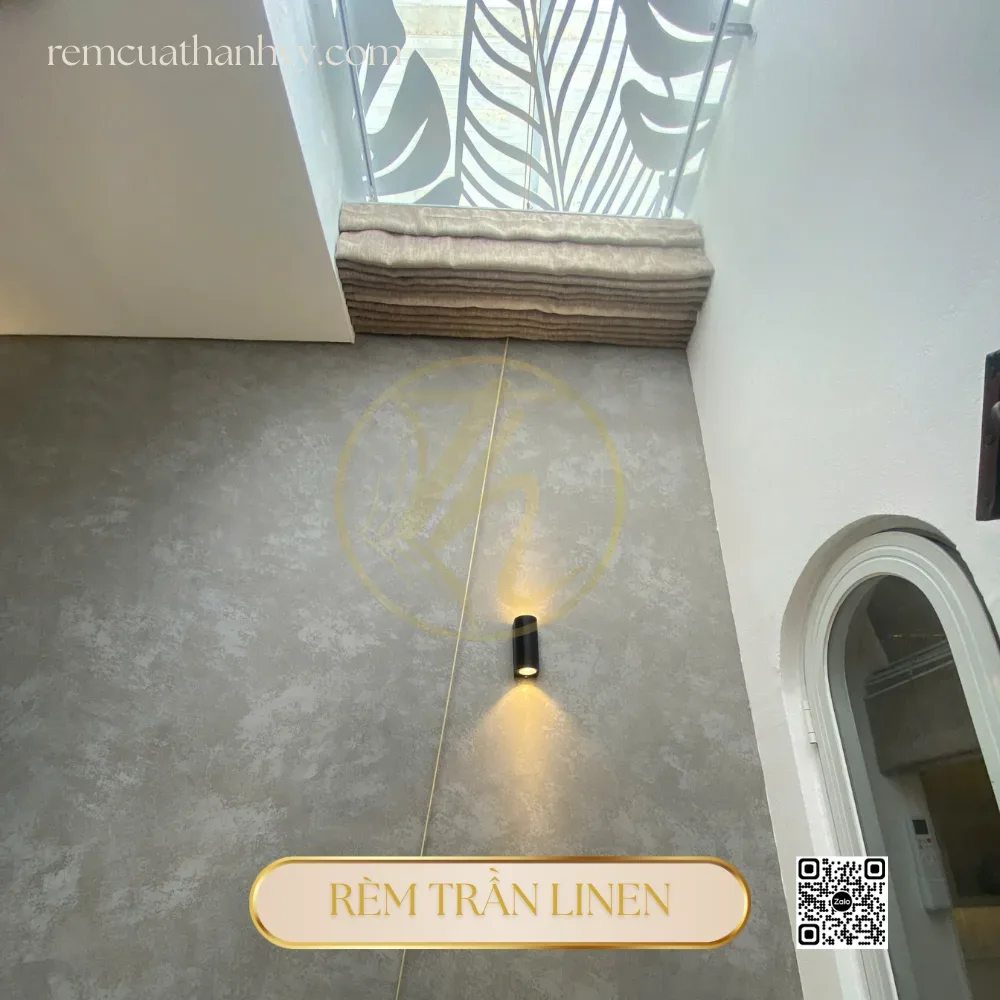
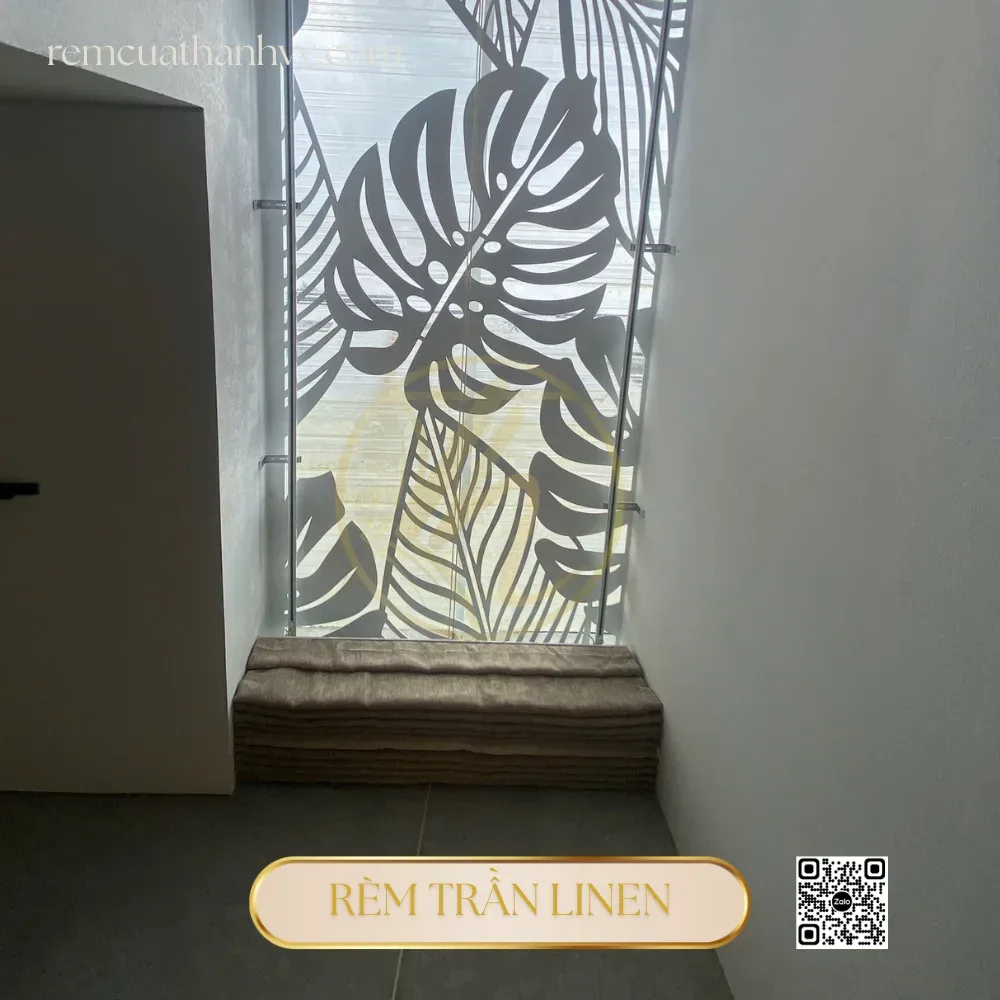
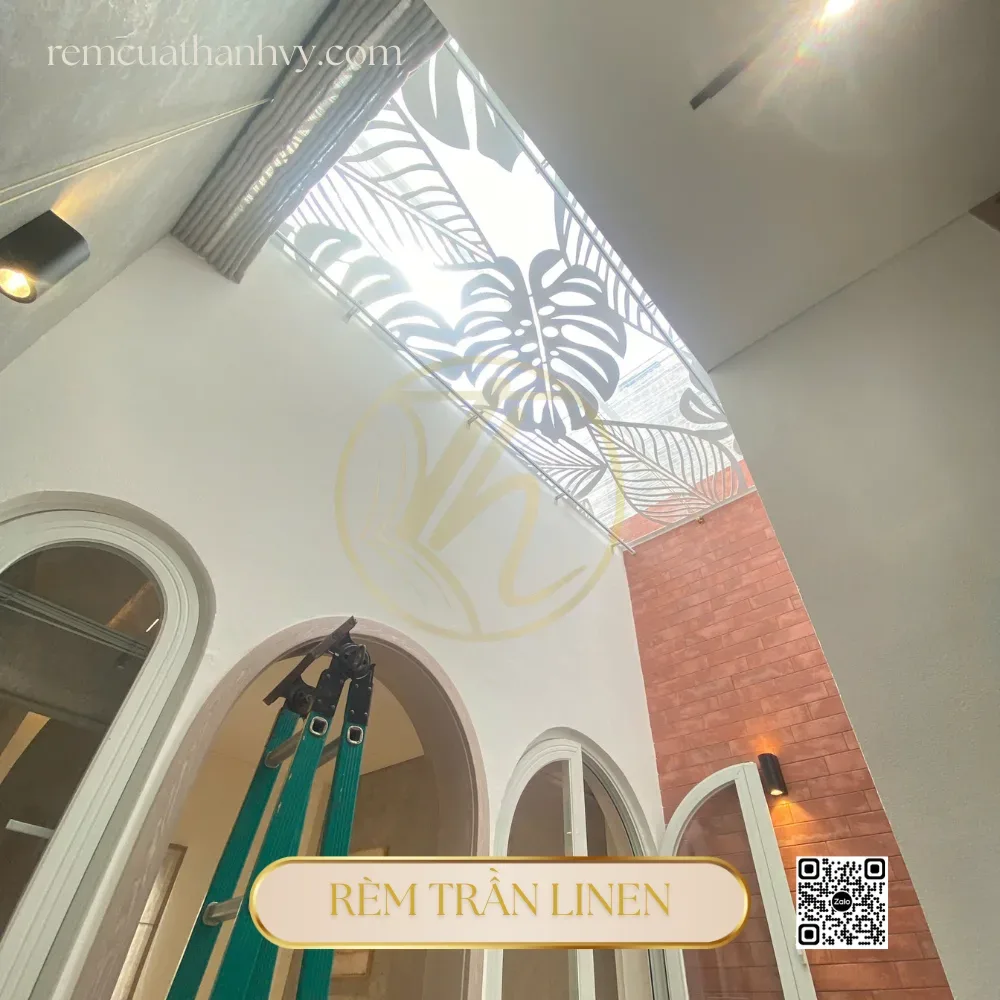
For District 5 townhouses—many of which feature narrow frontages but large floor-to-ceiling heights, particularly in traditional tube houses—Roman blinds leverage the advantage of not requiring side clearance for stacking like side-drawn fabric curtains do. When the blinds are fully pulled up, the stacked layers occupy only a small space at the top edge of the window, allowing maximum light entry without obstructing the view of the facade or balcony.
For apartments in older blocks or townhouses with vertical rectangular windows—a common window style in District 5 tube house architecture—the vertical proportion of Roman blinds often makes windows appear taller and airier than traditional horizontal curtains. This is an aesthetic bonus that many homeowners remodeling older properties in this area greatly appreciate.
How to Choose Roman Blinds Based on the Actual Lighting Needs of Each Room
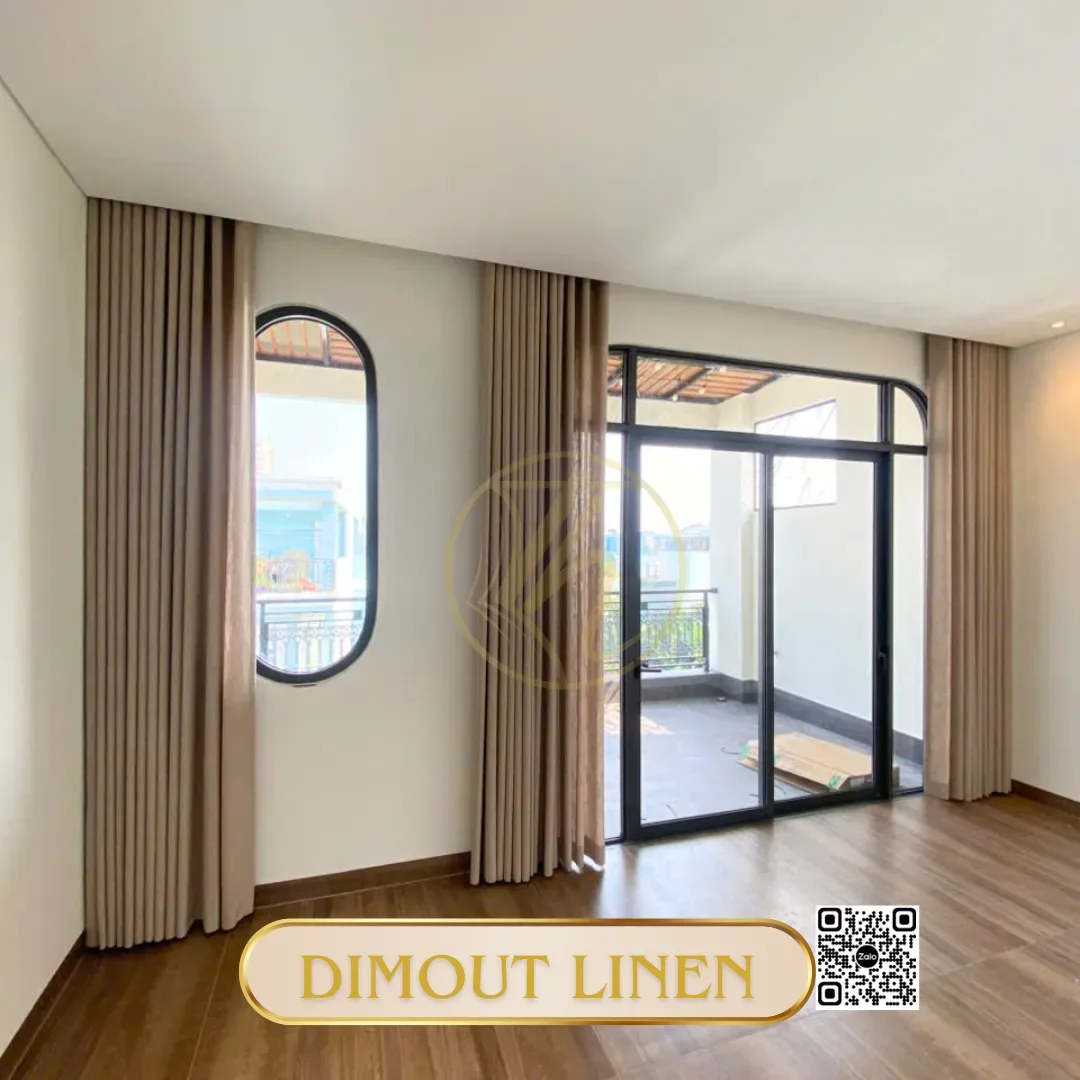
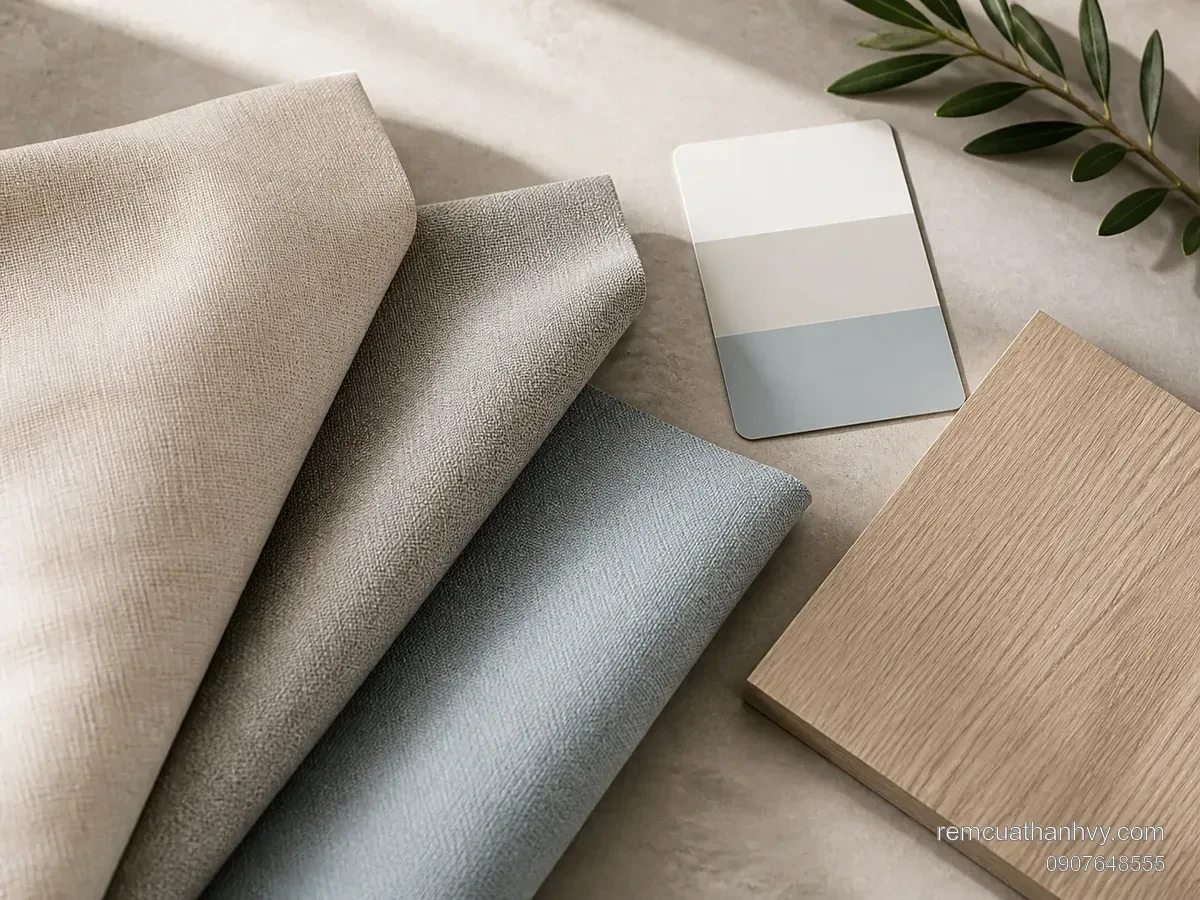
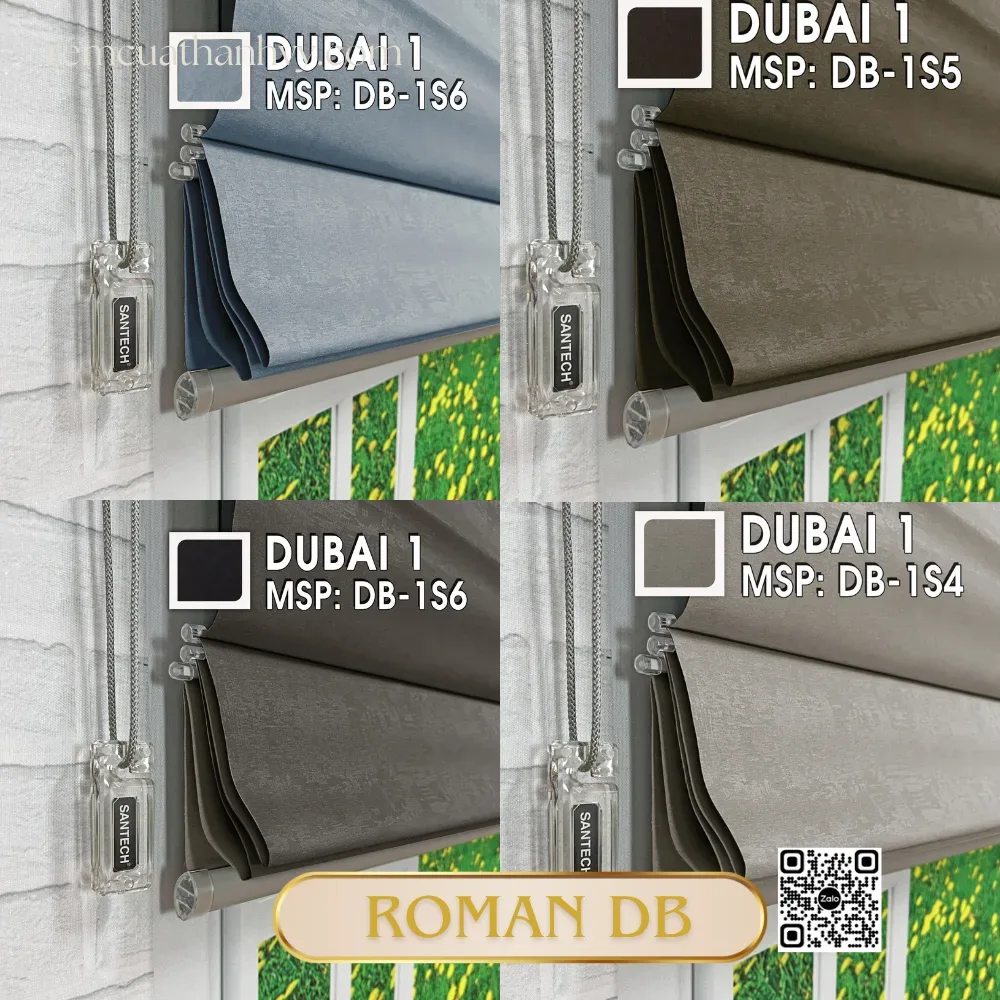
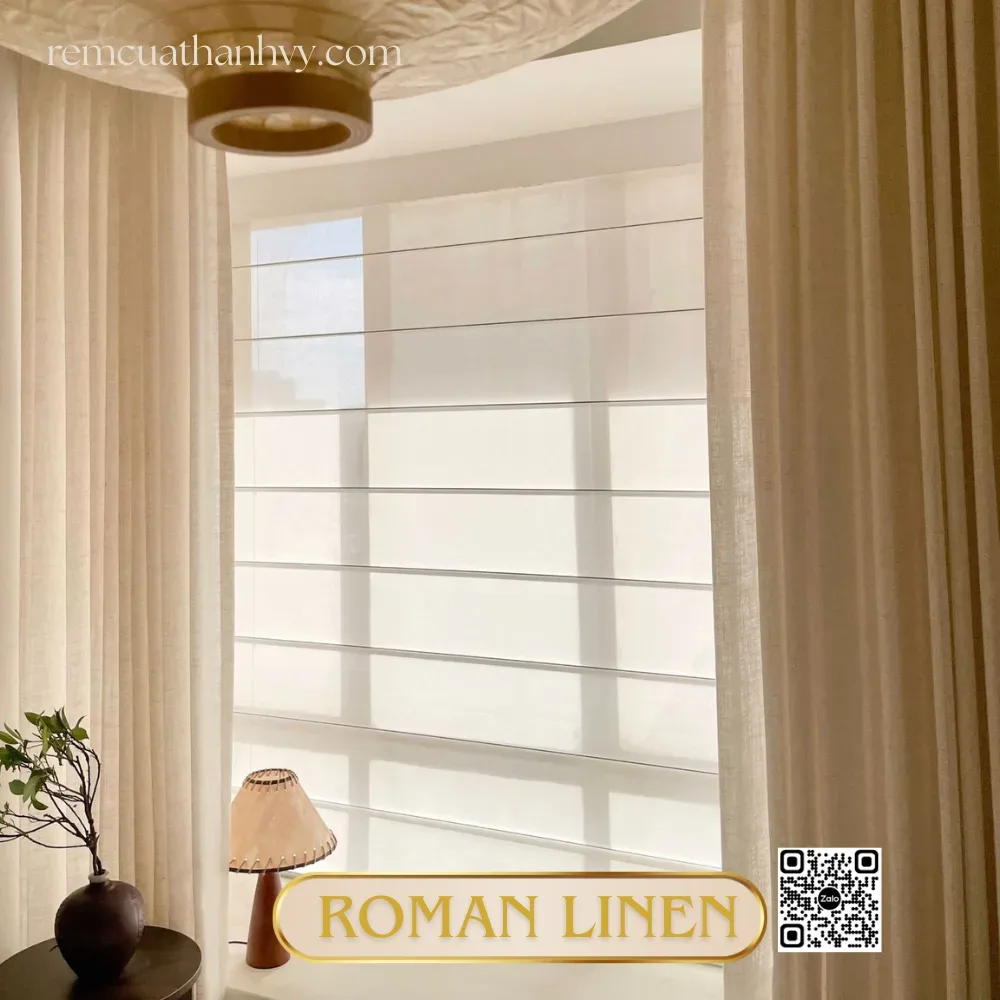
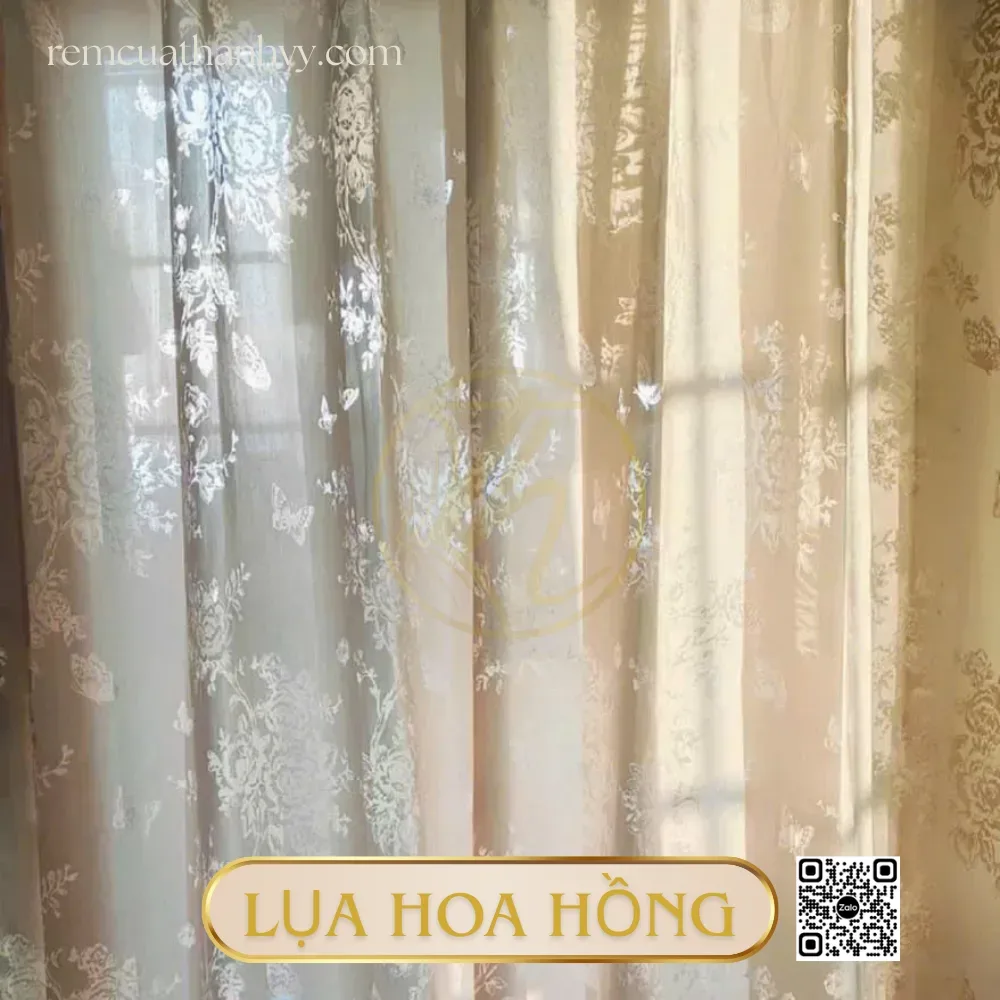
Selecting fabrics and thickness for Roman blinds should be based on the actual usage needs of each space rather than using a single fabric type throughout the house. For living rooms or facade areas that need natural daytime light while cutting down glare from direct sunlight, light or translucent Roman blind fabrics (sheer or thick voile) are a reasonable choice, helping diffuse light rather than blocking it completely. Interested readers can review polyester fibers in the textile industry before making a decision.
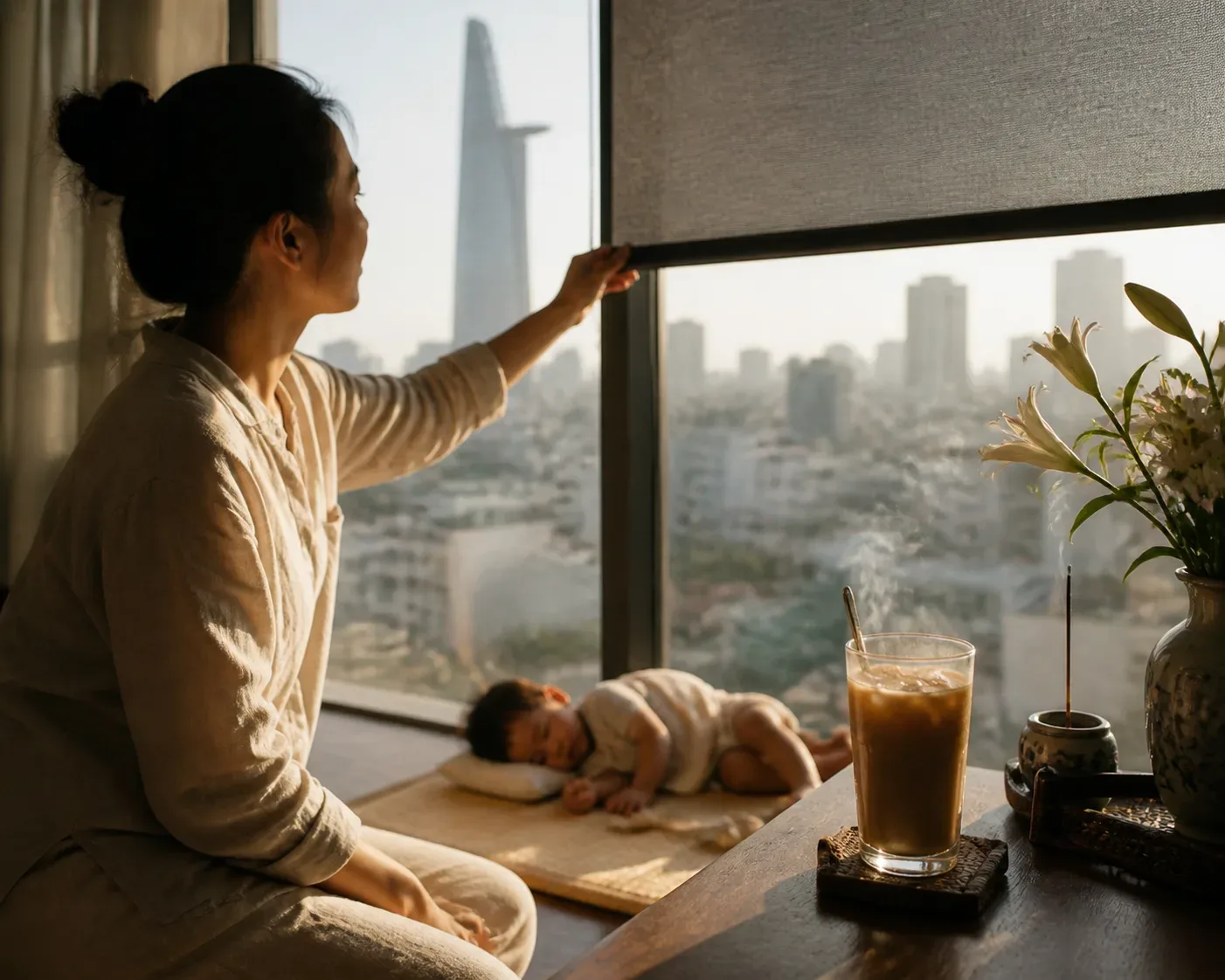
For bedrooms or spaces requiring greater privacy and high light reduction in the morning, thicker Roman blind fabrics or those with a blackout lining on the back are more suitable. It should be noted that even with a blackout lining, Roman blinds still have small gaps along the side edges and the upper stacked roll area, meaning they cannot achieve 100% total darkness like thick roller blinds combined with enclosed frames—something to discuss clearly with the custom tailoring unit before ordering to avoid mismatched expectations.
Before finalizing the plan, you can also check out District 3 Fabric Curtains: How to Choose by Room and Need or District 6 Fabric Curtains: How to Choose Fabrics and Sewing Styles.
Quick Answer: For bedrooms requiring complete darkness, opt for thick Roman blinds with a blackout lining, keeping in mind that the blinds still have minor gaps at the edges and thus won’t be as pitch-black as roller blinds with enclosed frames—this needs to be discussed clearly with the tailoring unit prior to placing an order.
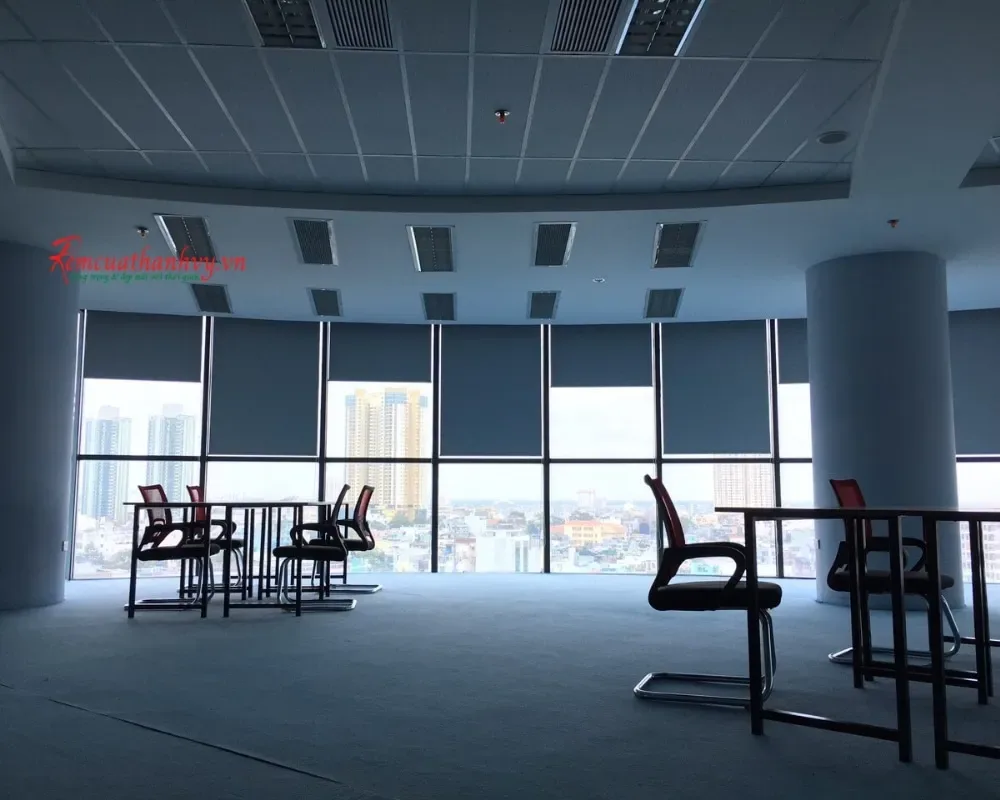
For west-facing windows or those exposed to harsh afternoon sun, combining Roman blinds with window tint films is more effective than relying solely on a layer of curtains. According to general guidelines from the U.S. Department of Energy, window treatments and coverings can help reduce heat gain and direct sunlight entering a room when properly arranged, though this is a general principle rather than a guarantee of a specific temperature drop.
How Sewing Styles, Installation Types, and Window Frame Proportions Affect Aesthetics
The most popular Roman blind style is the flat fold, which creates even and distinct creases when pulled up—fitting modern, minimalist interior styles. There is also the soft fold (or hobbled) style, which creates a gentle wavy effect even when the blinds are lowered, suited for classic or semi-classic spaces.
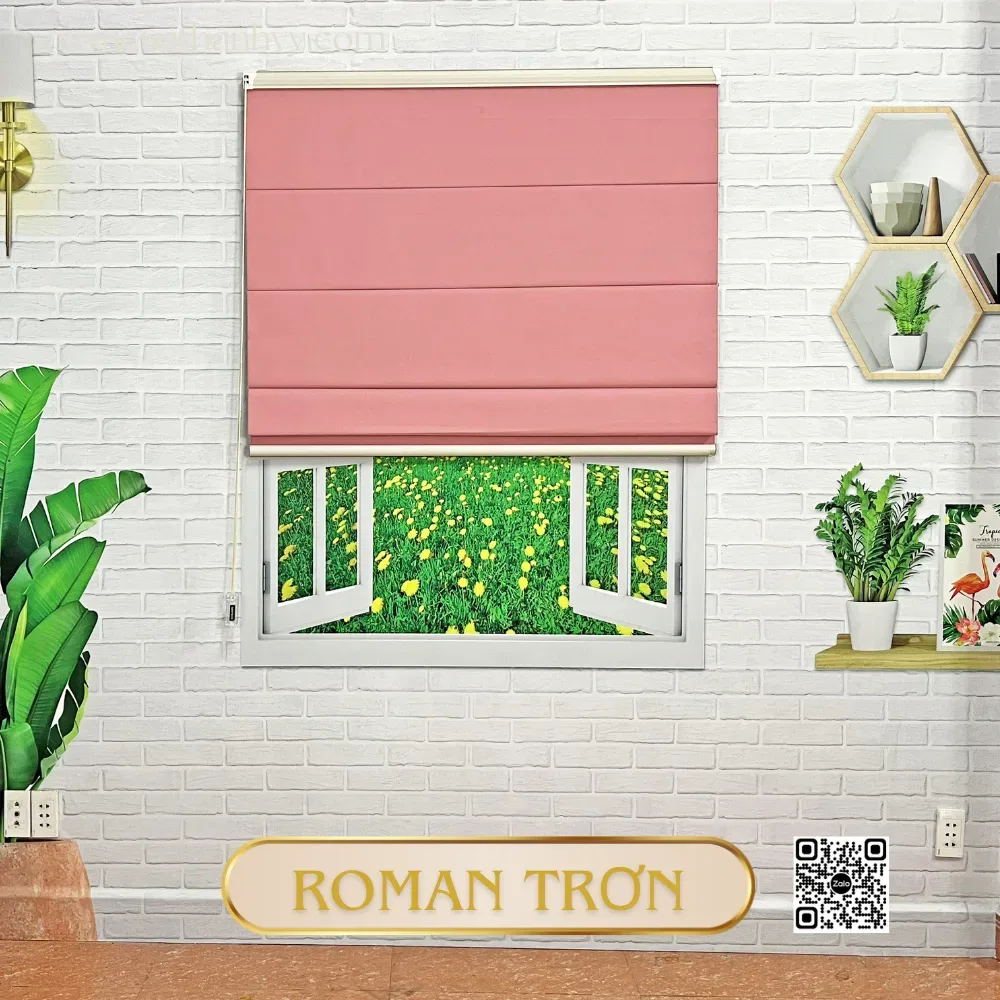
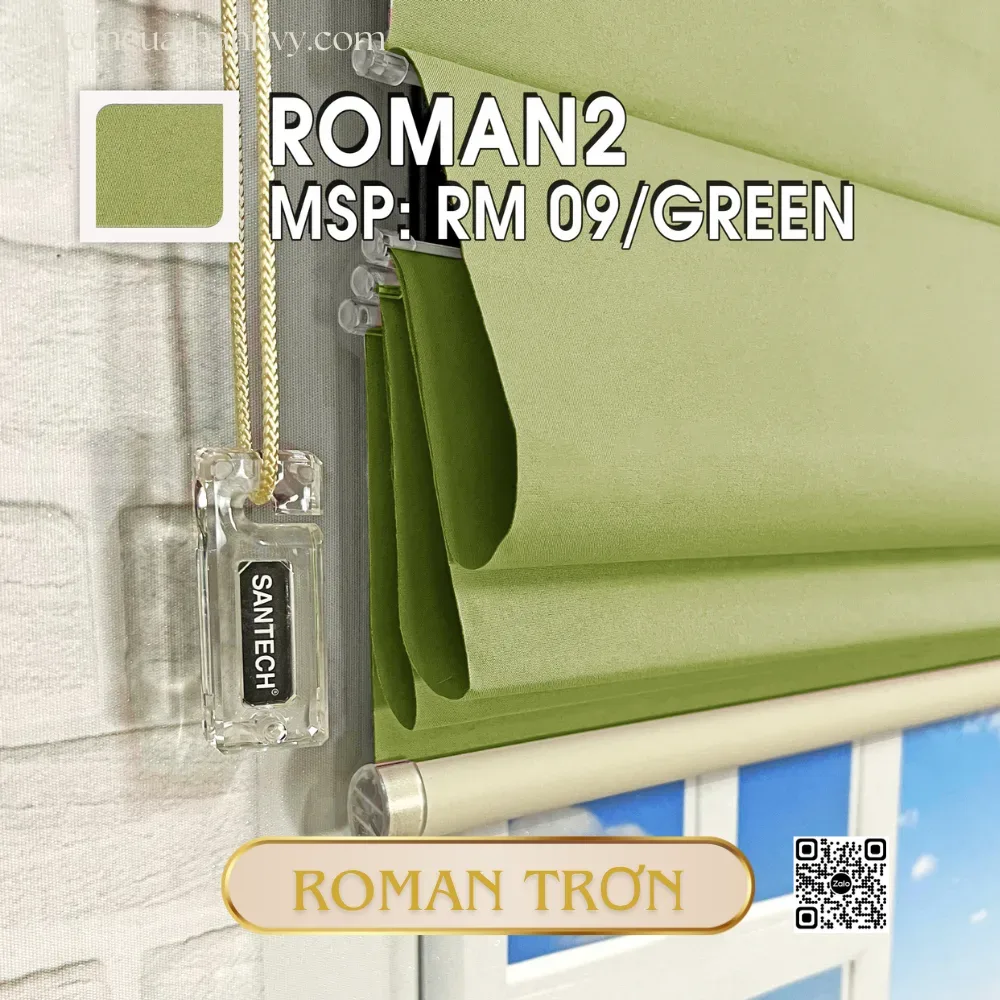
Regarding placement, Roman blinds can be installed inside the frame (inside mount) or outside the frame (outside mount)—with the headrail mounted above and wider than the window frame. For District 5 townhouses with shallow window recesses or uneven frames, outside mounting is usually a safer choice as it conceals imperfections in the walls and frame.
The ratio between the width and height of the window frame also determines how folds are divided during sewing. For wide windows, tailors often need to divide them into two or three separate Roman blinds instead of a single continuous sheet, both to ensure the mechanical durability of the slat system and to prevent excessive weight accumulation at one point—a detail that on-site measuring units must calculate rather than blindly producing based on standard fabric widths.
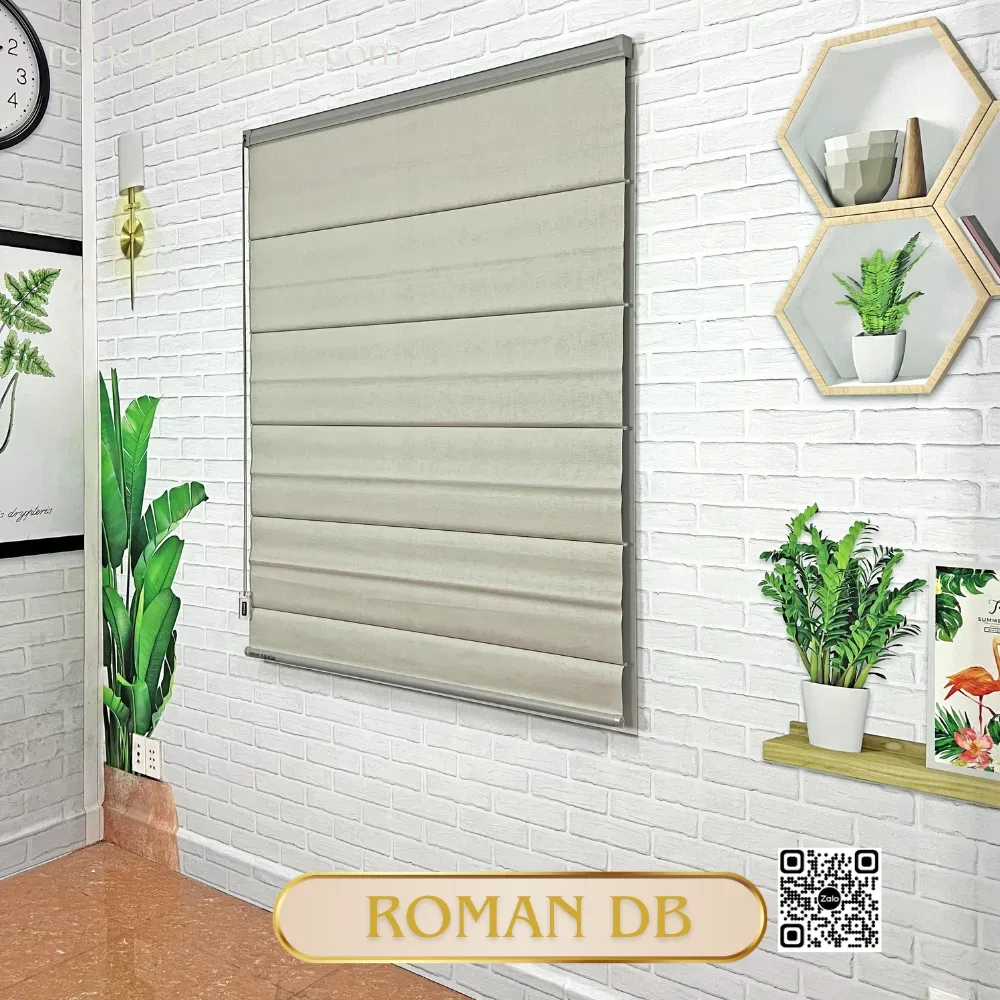
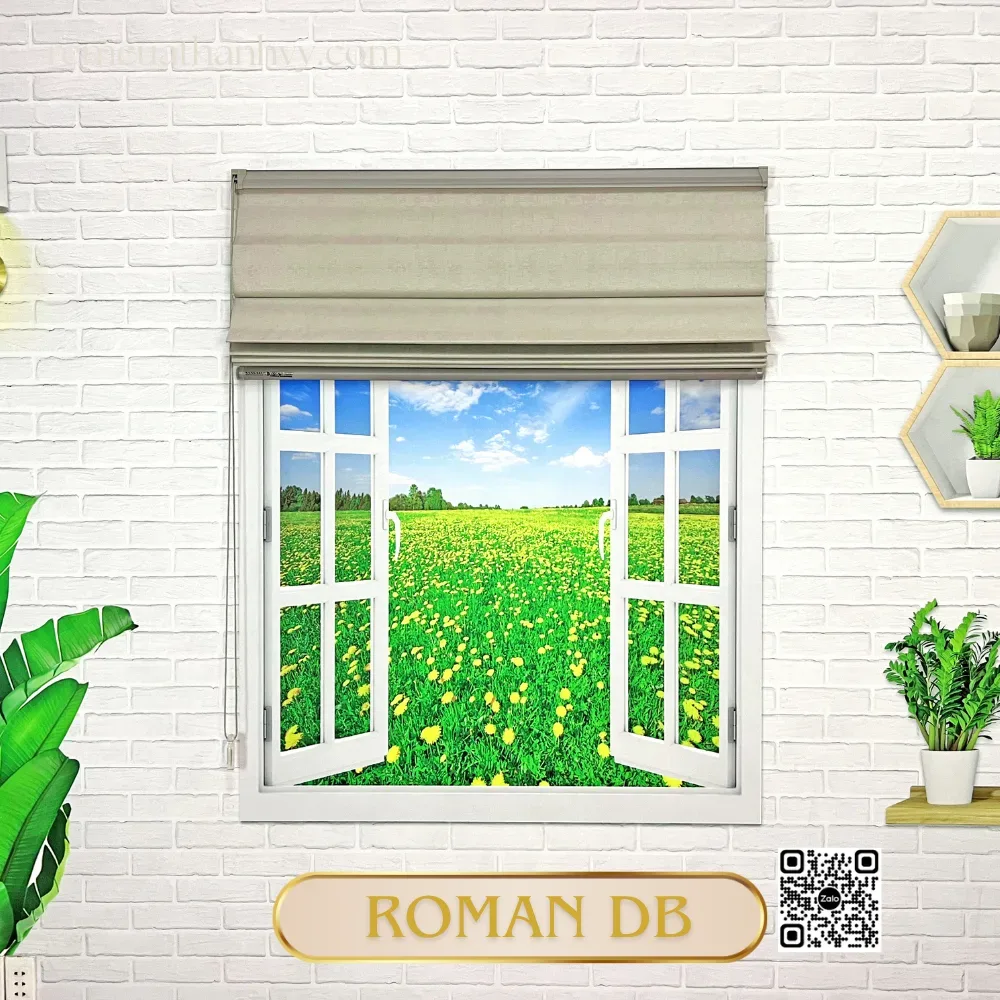
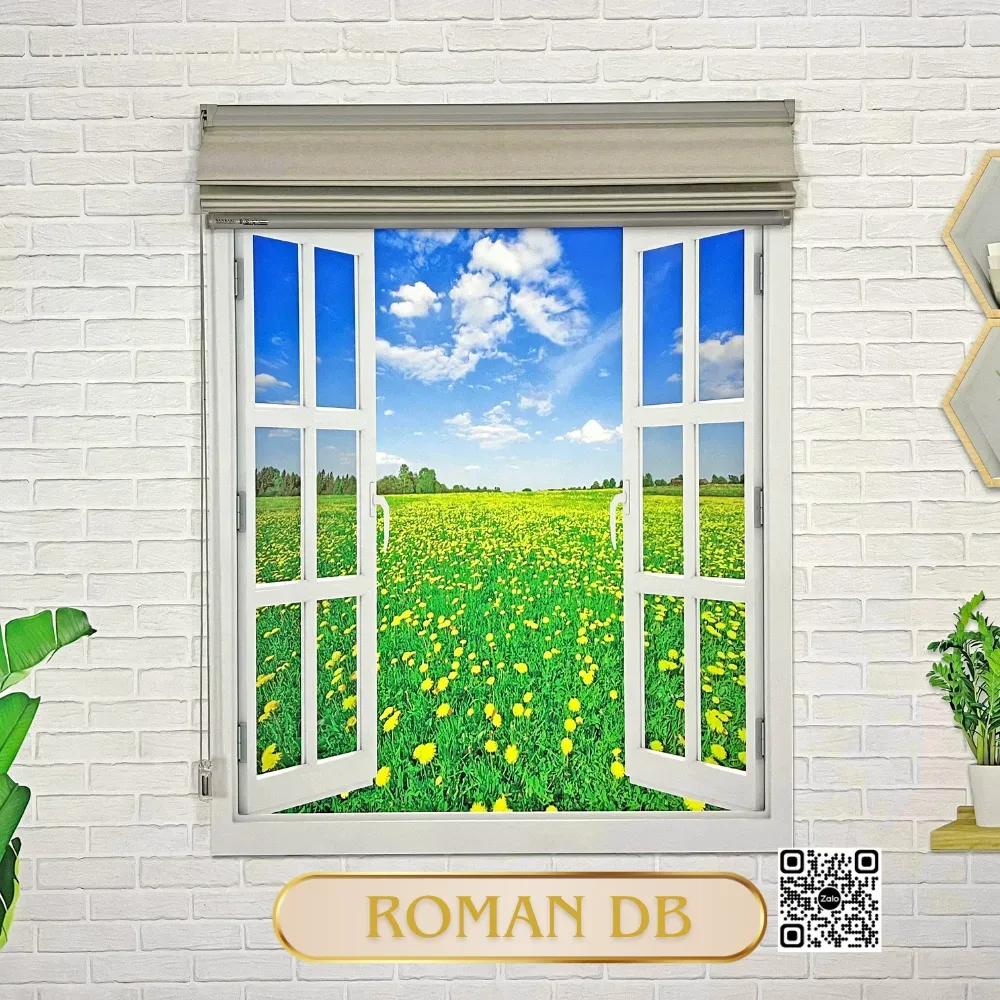
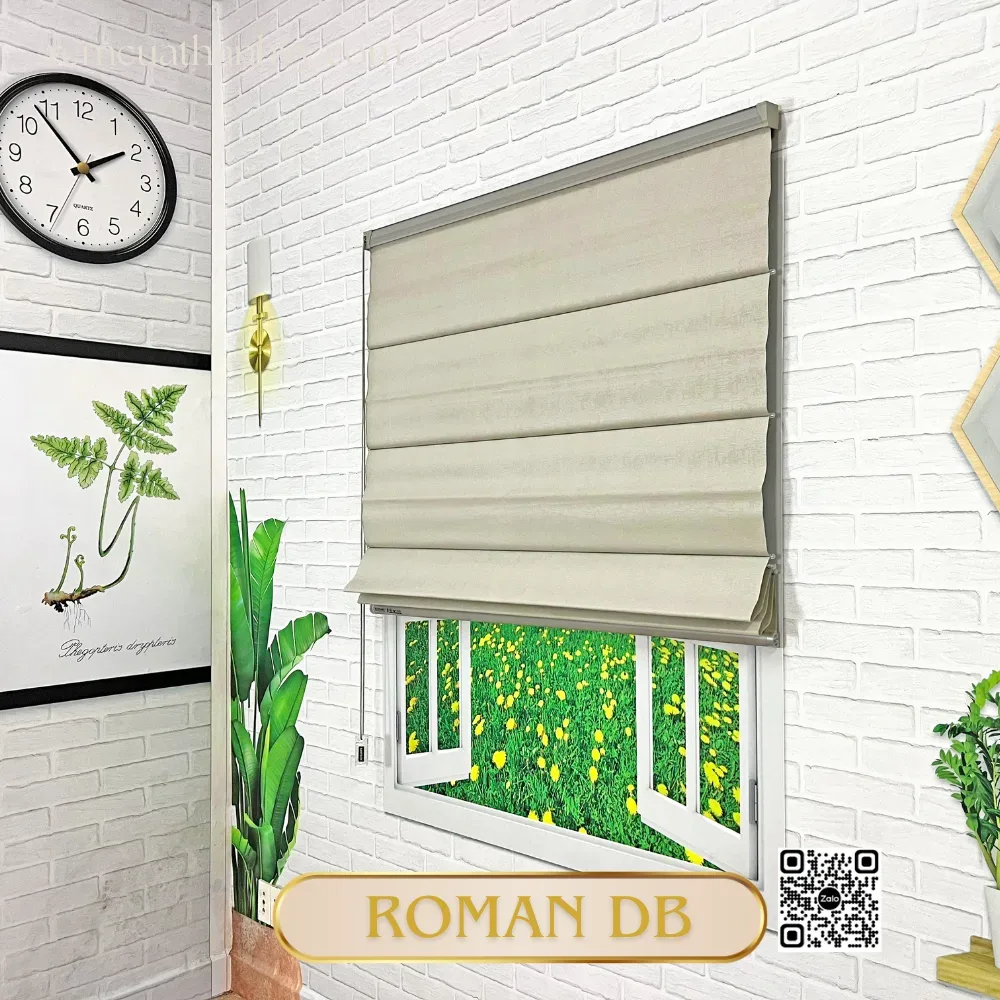
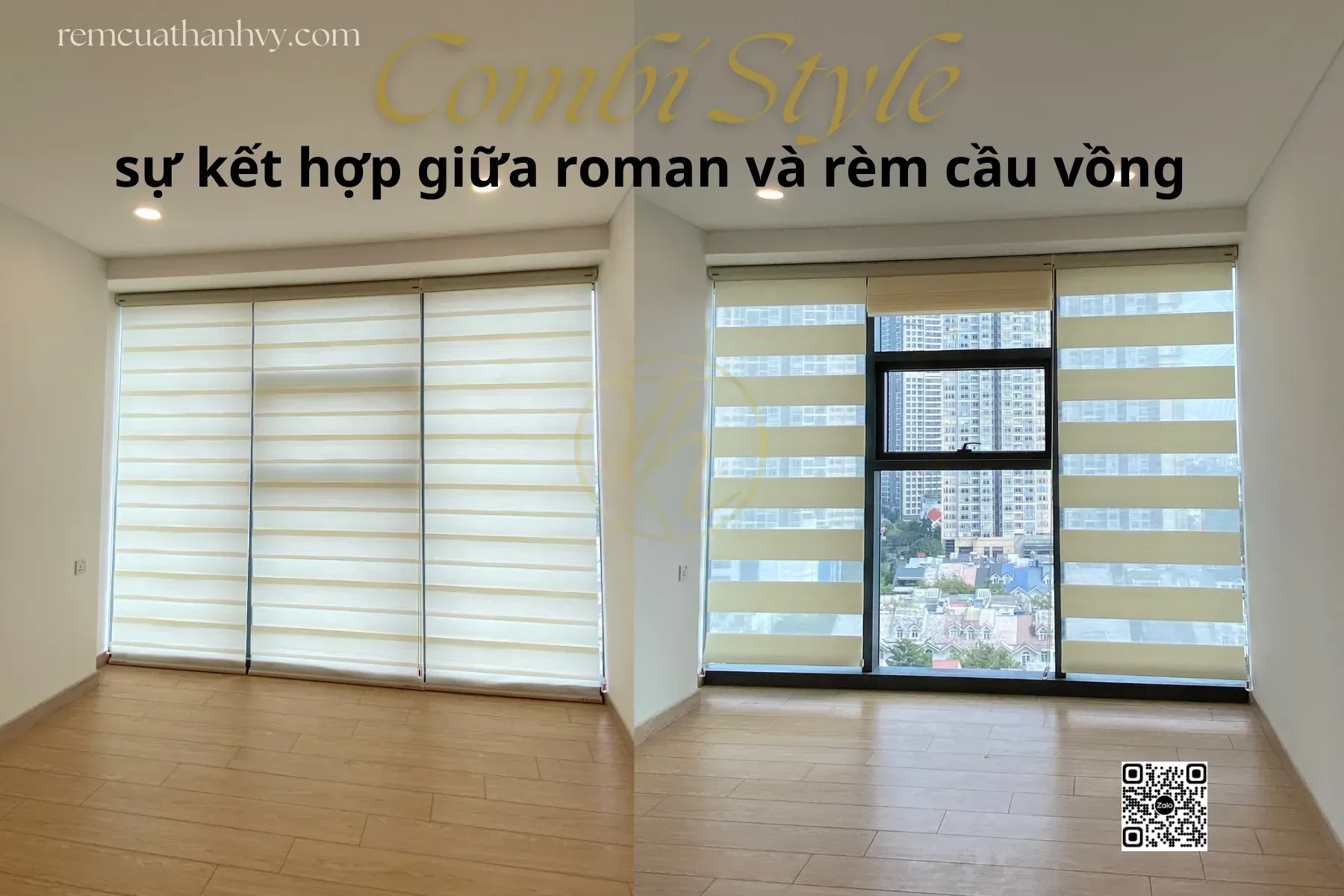
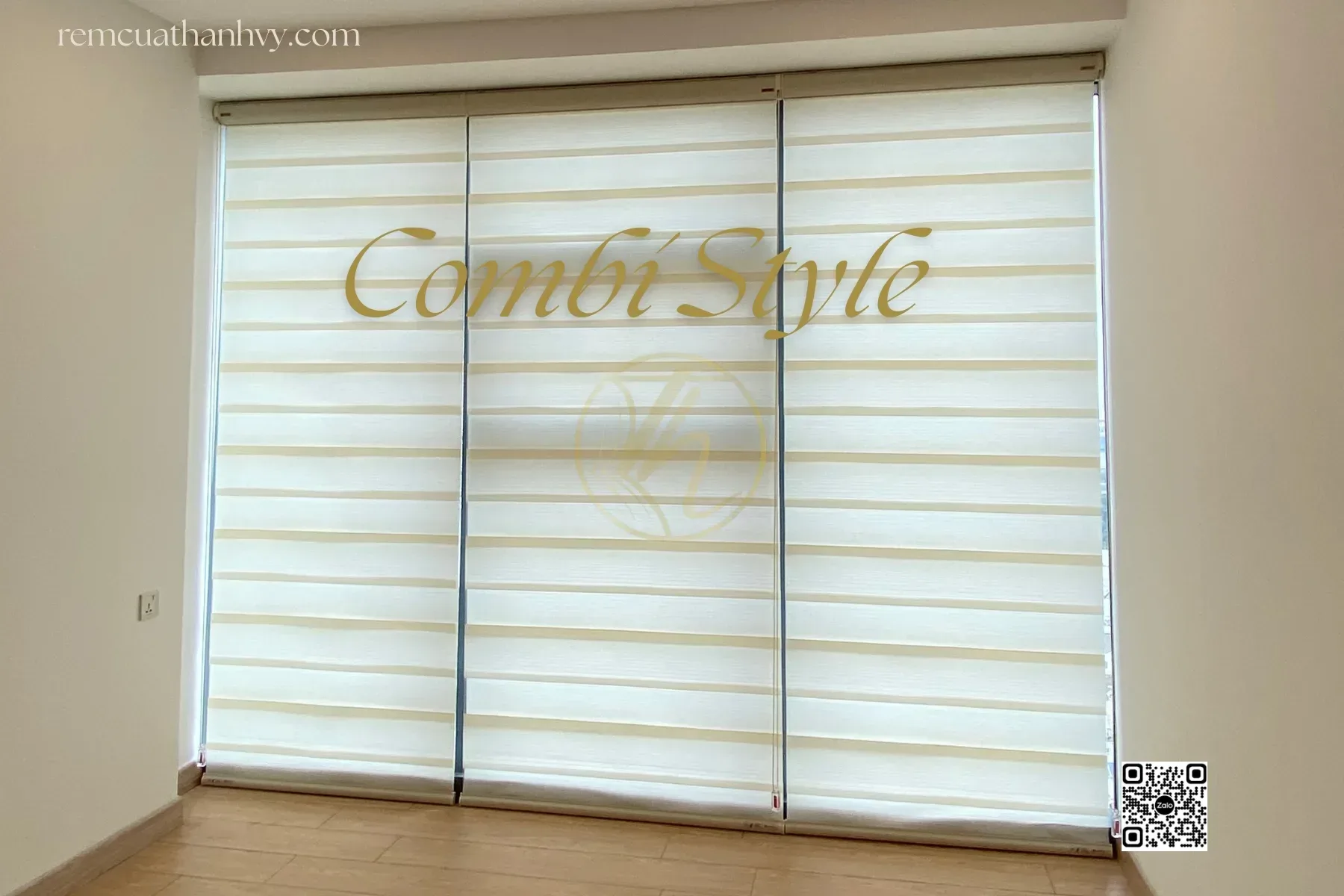
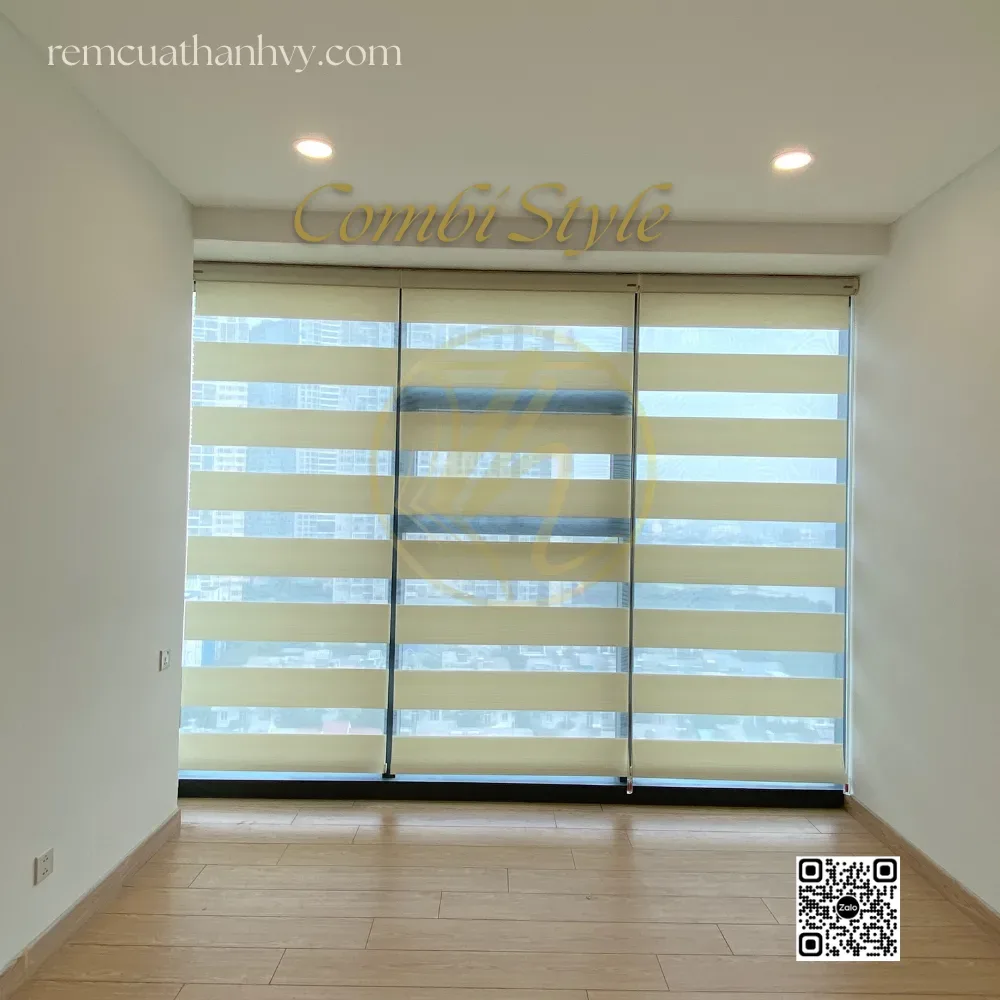
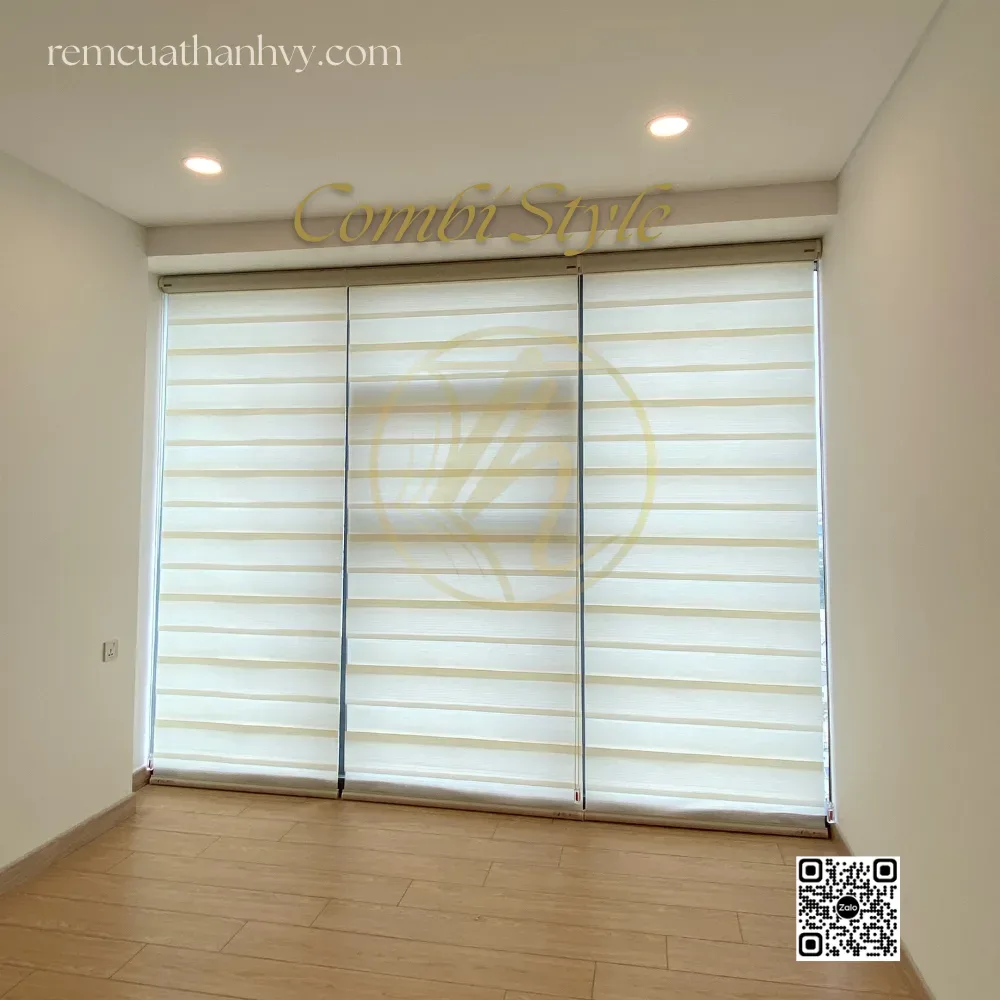
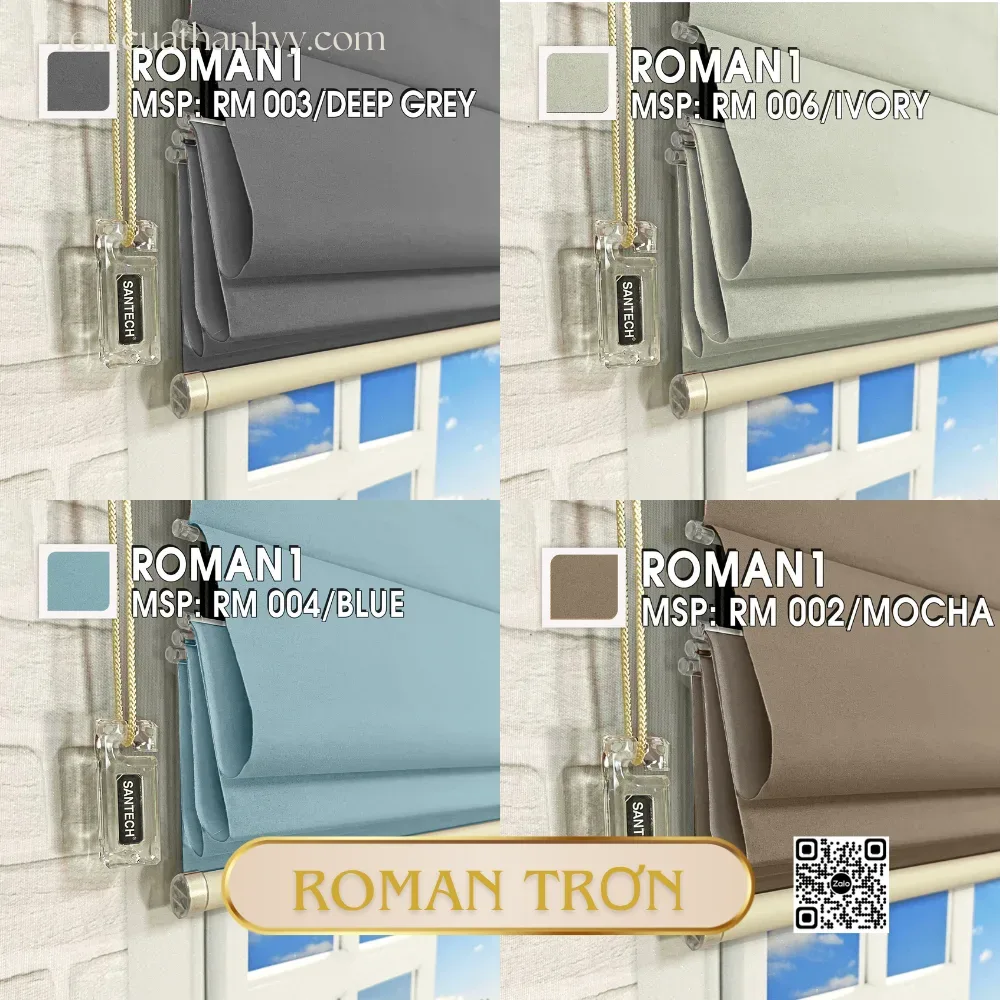
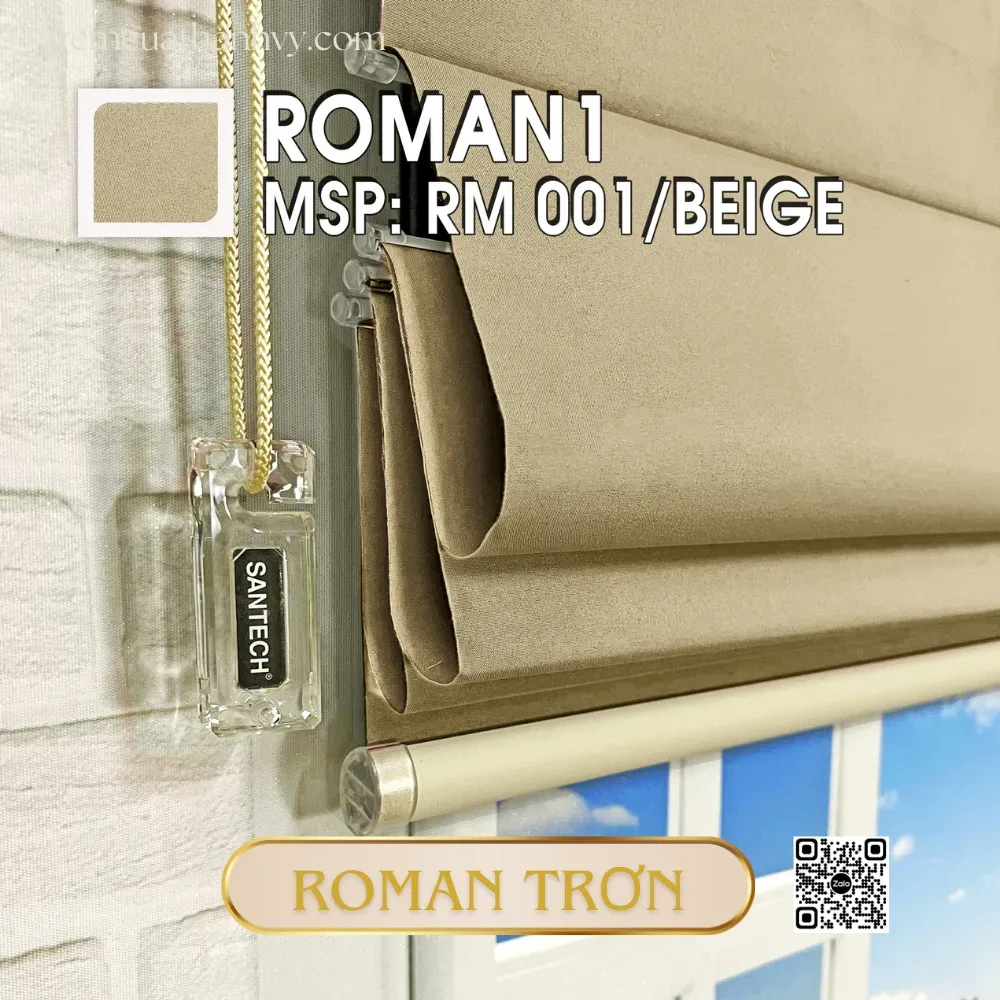
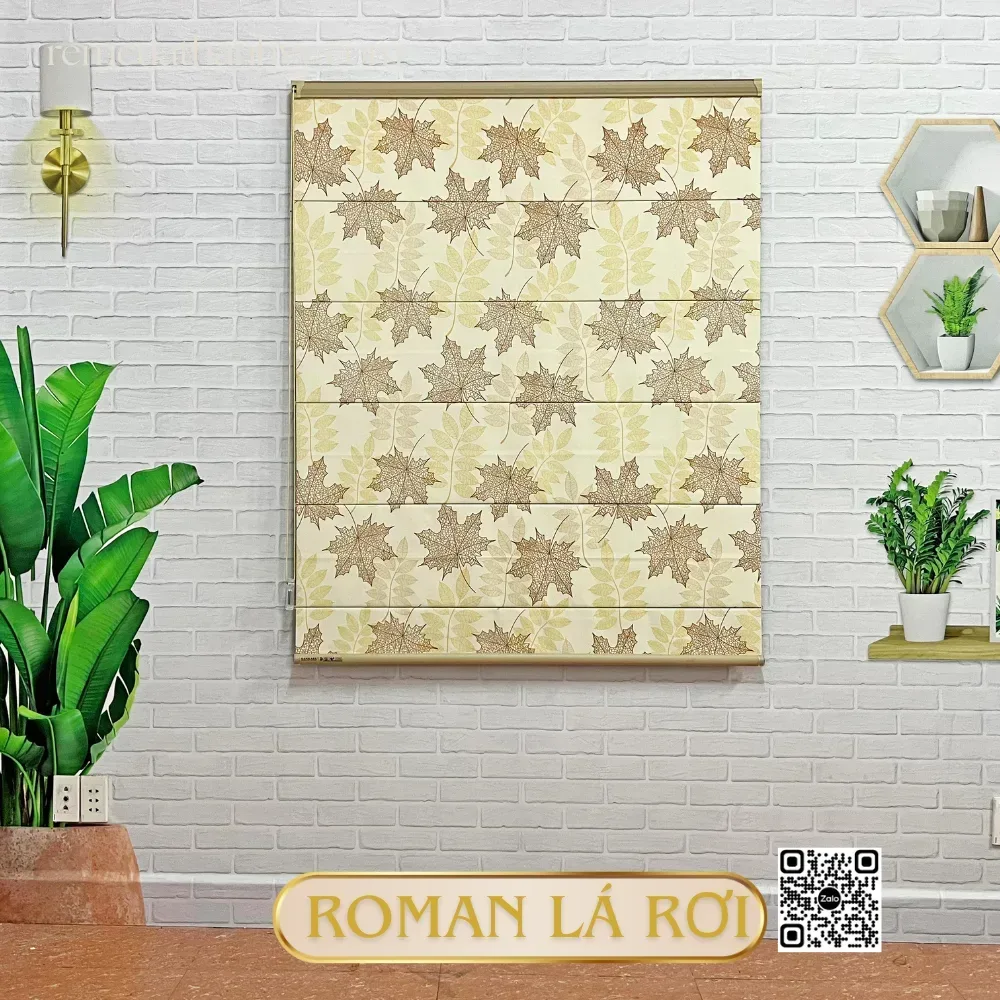
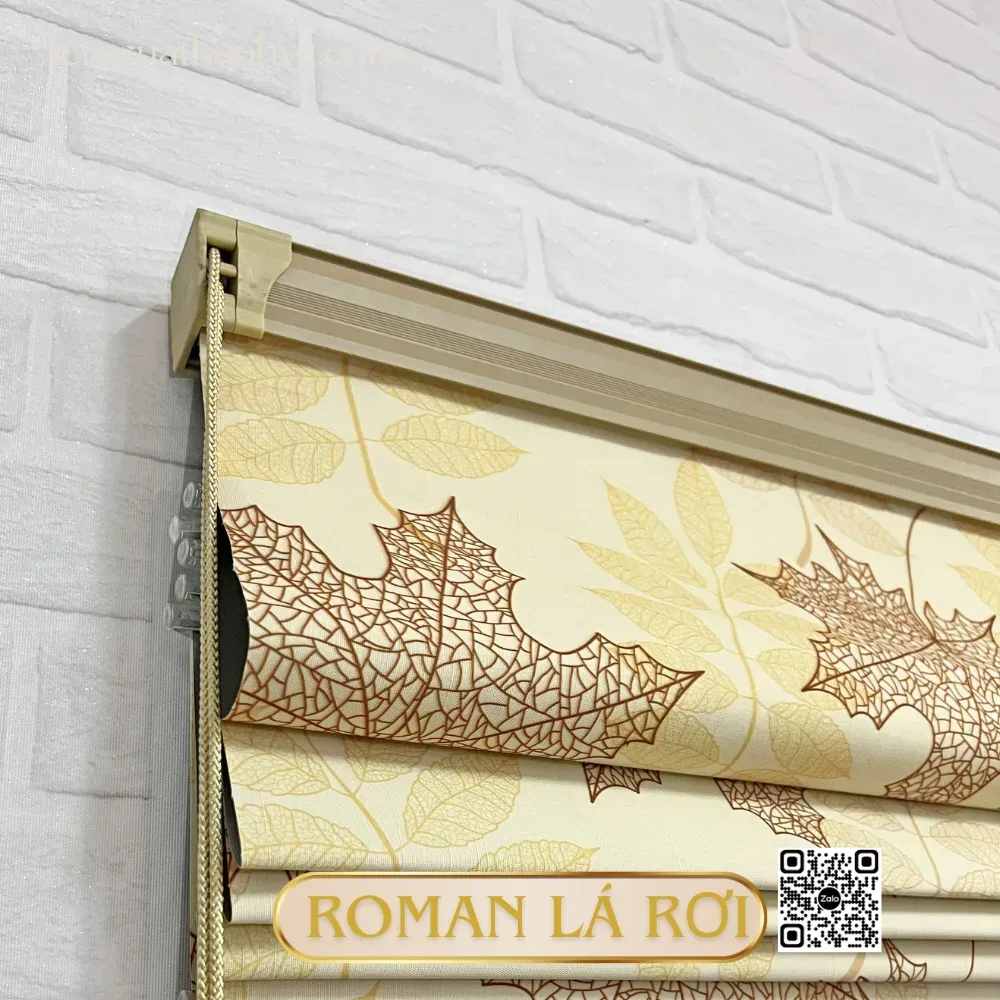
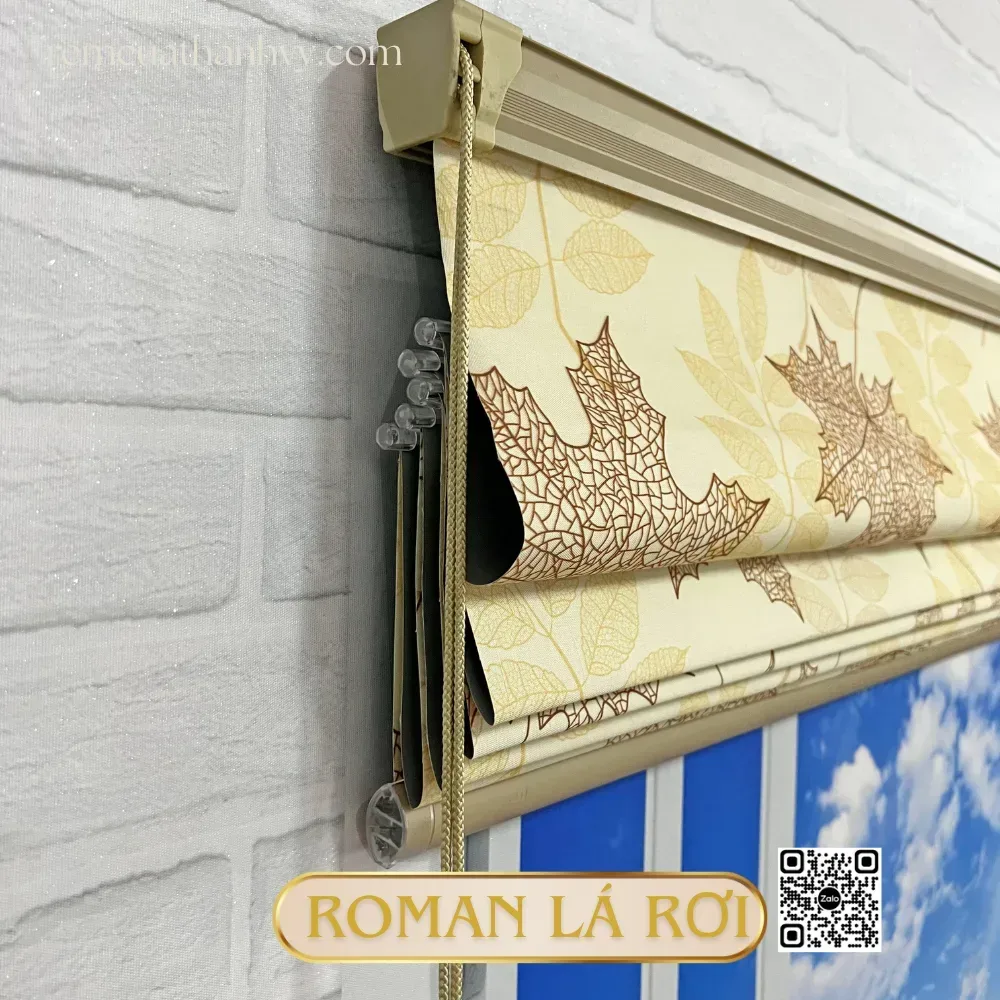
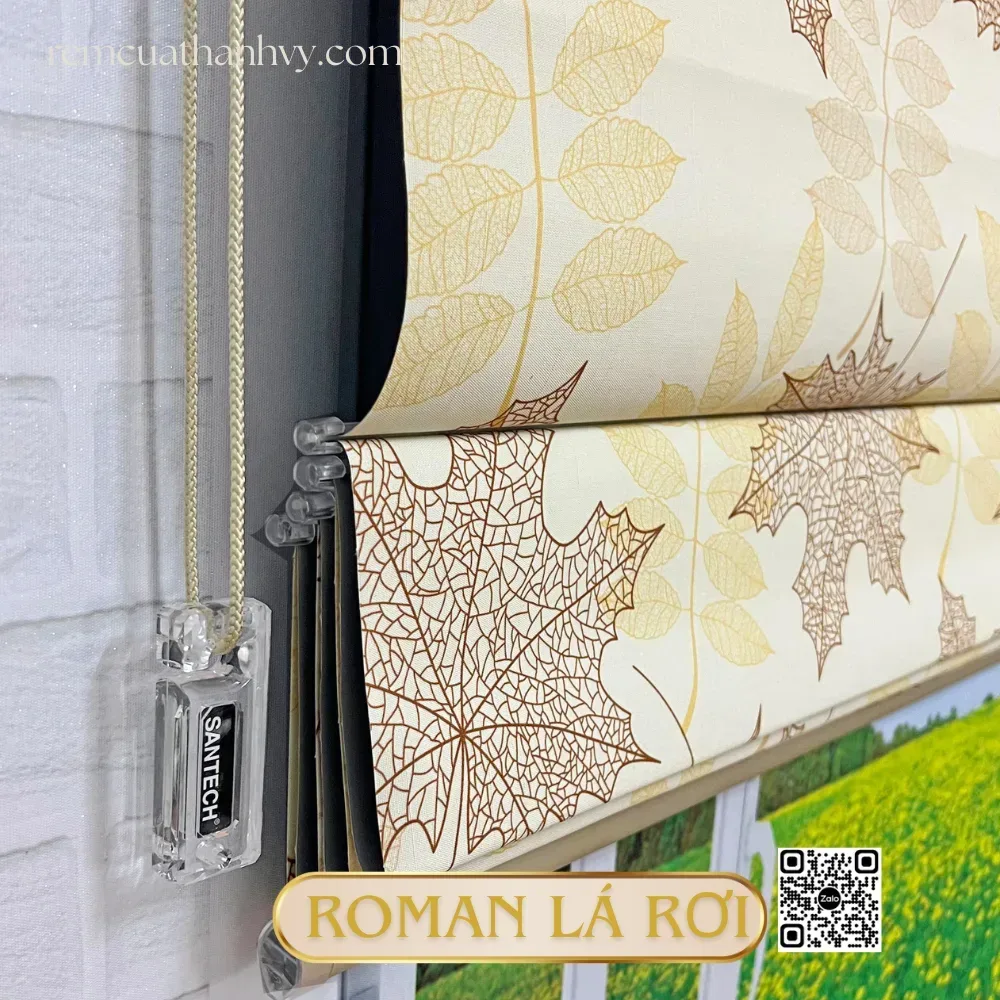
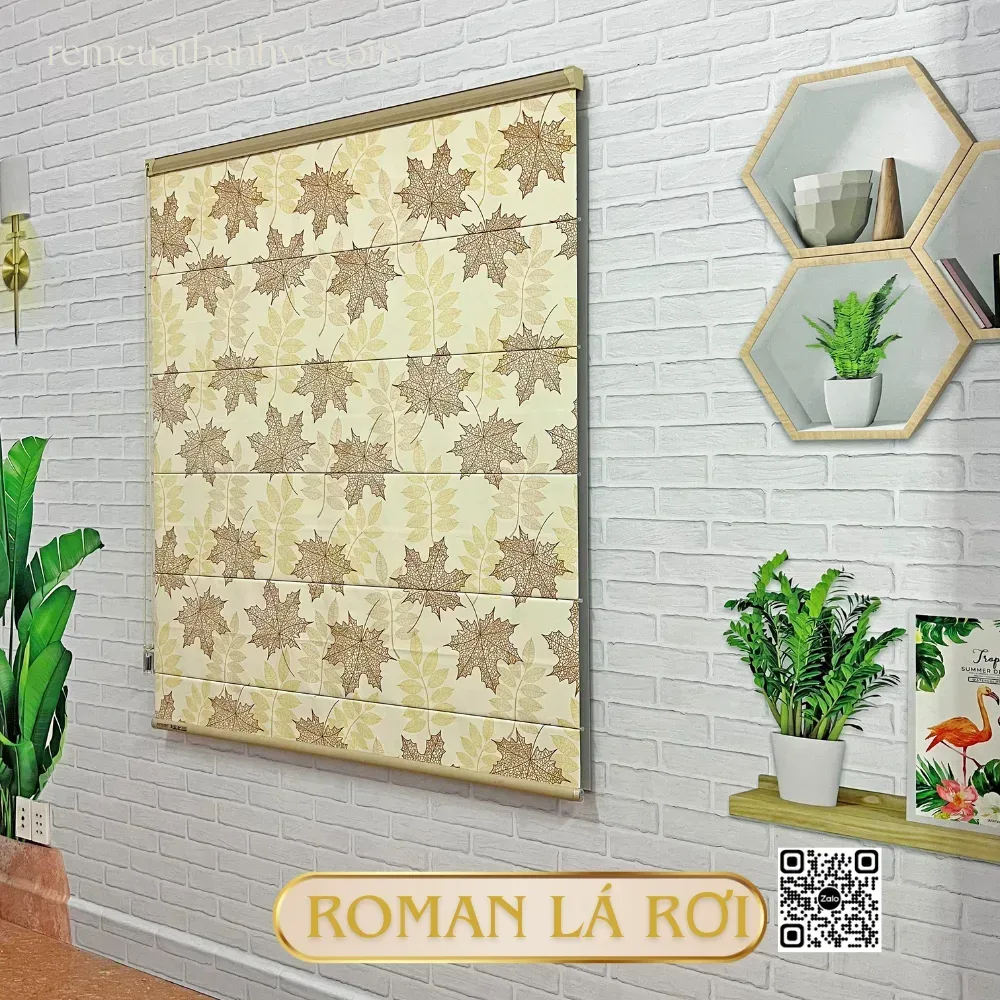
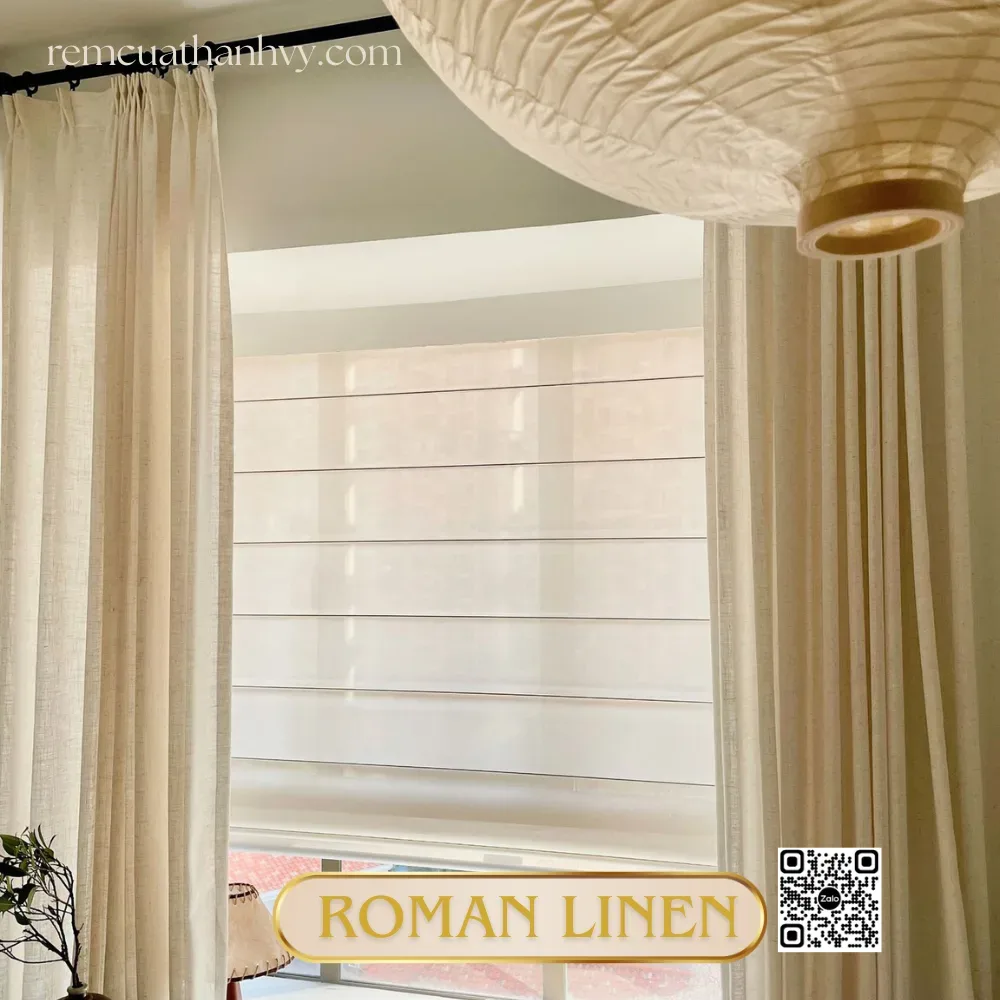
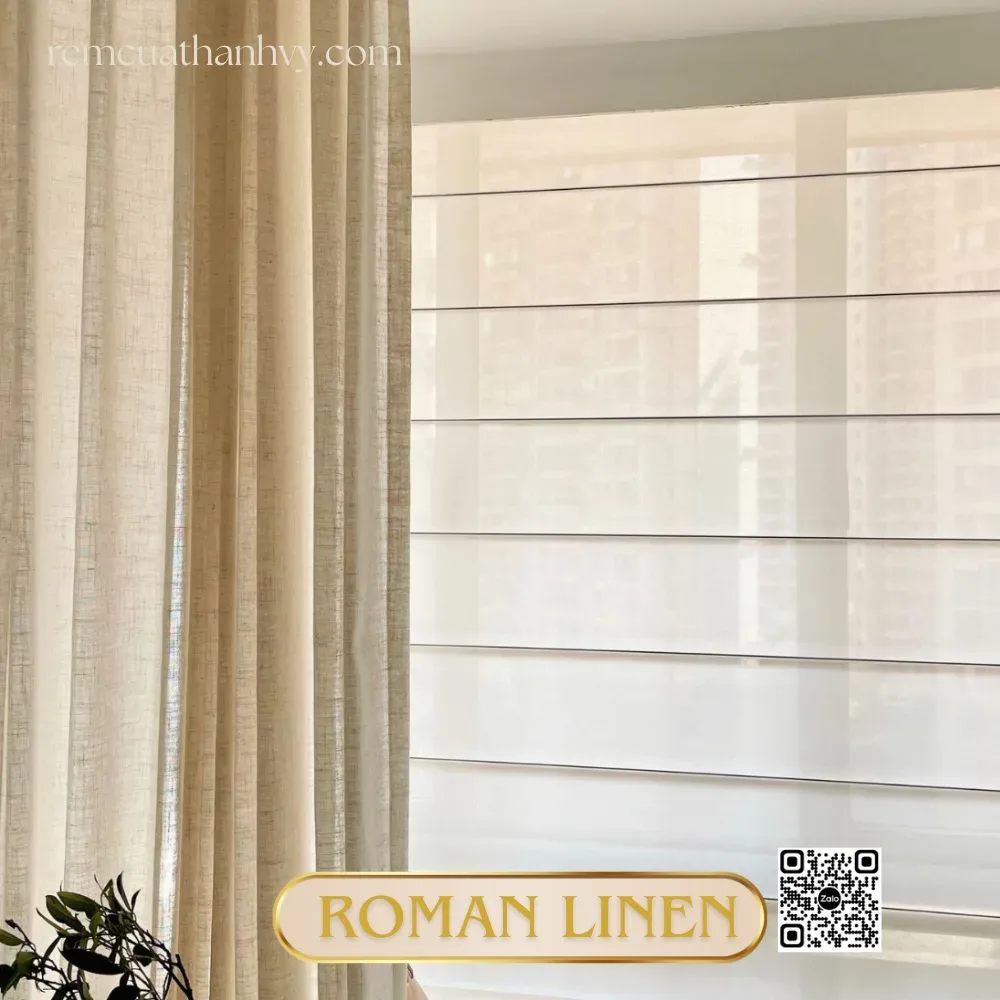
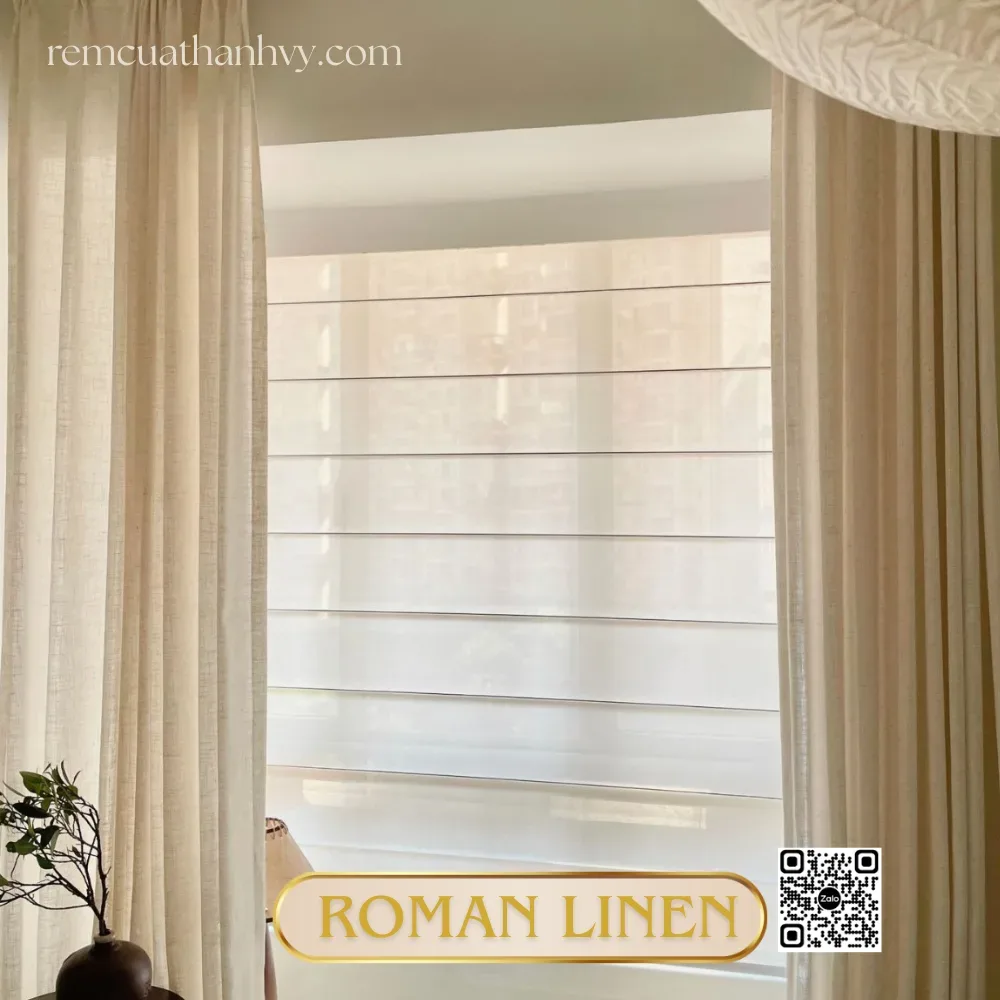
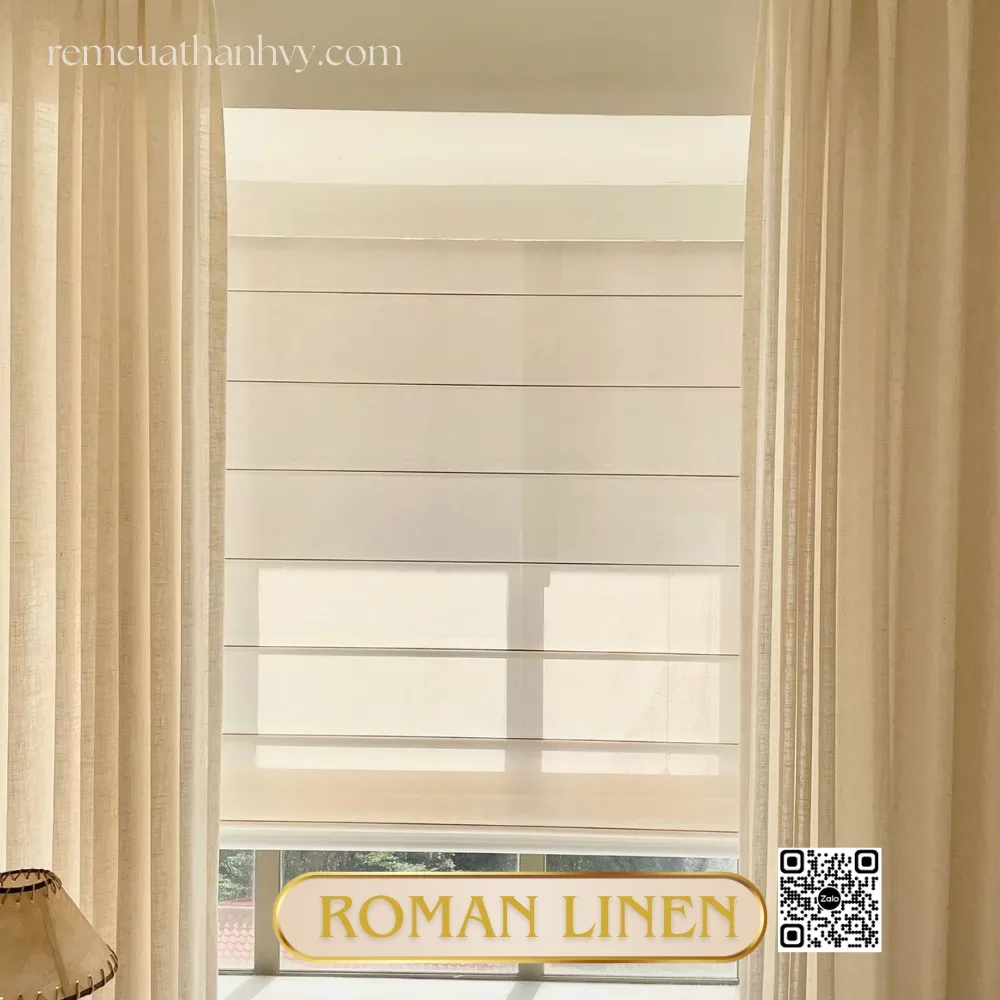
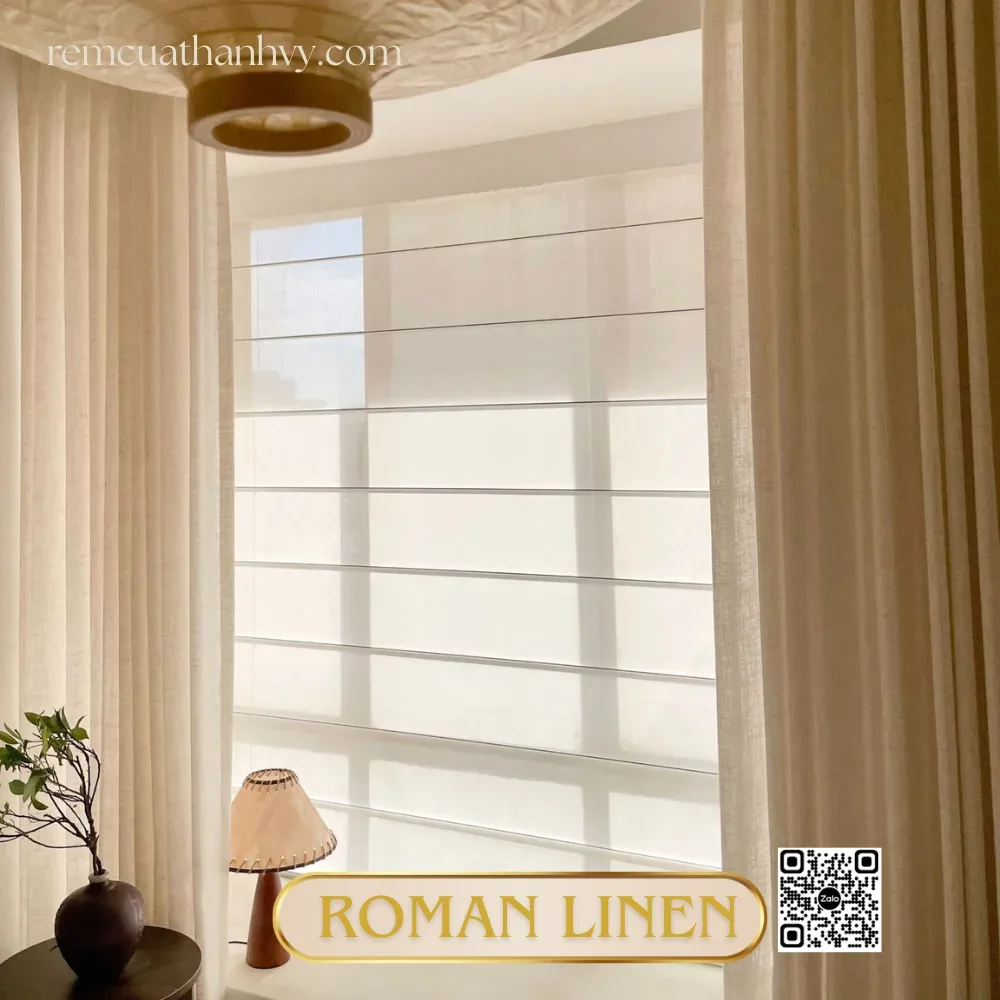
Application of Roman Blinds by Indoor Space: Living Room, Bedroom, Balcony
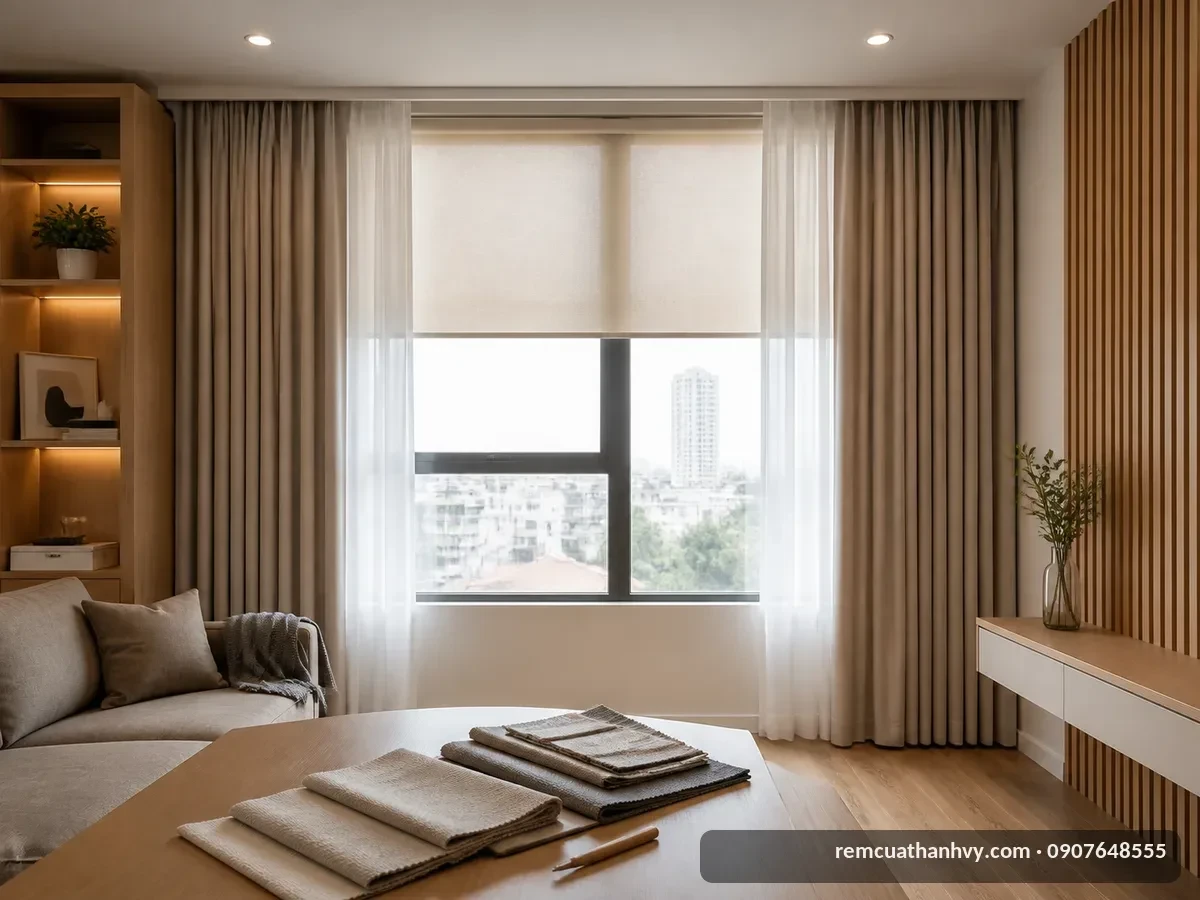
In District 5 townhouse living rooms, Roman blinds in neutral tones with moderate draping help spaces look tidy and bright without requiring too many additional decorative accessories. For homes with windows facing busy streets or alleys, a dual-layer setup can be considered: a thin voile Roman blind for daytime light and a thicker blind for evenings requiring absolute privacy—a flexible combination for mixed-use shop-houses.
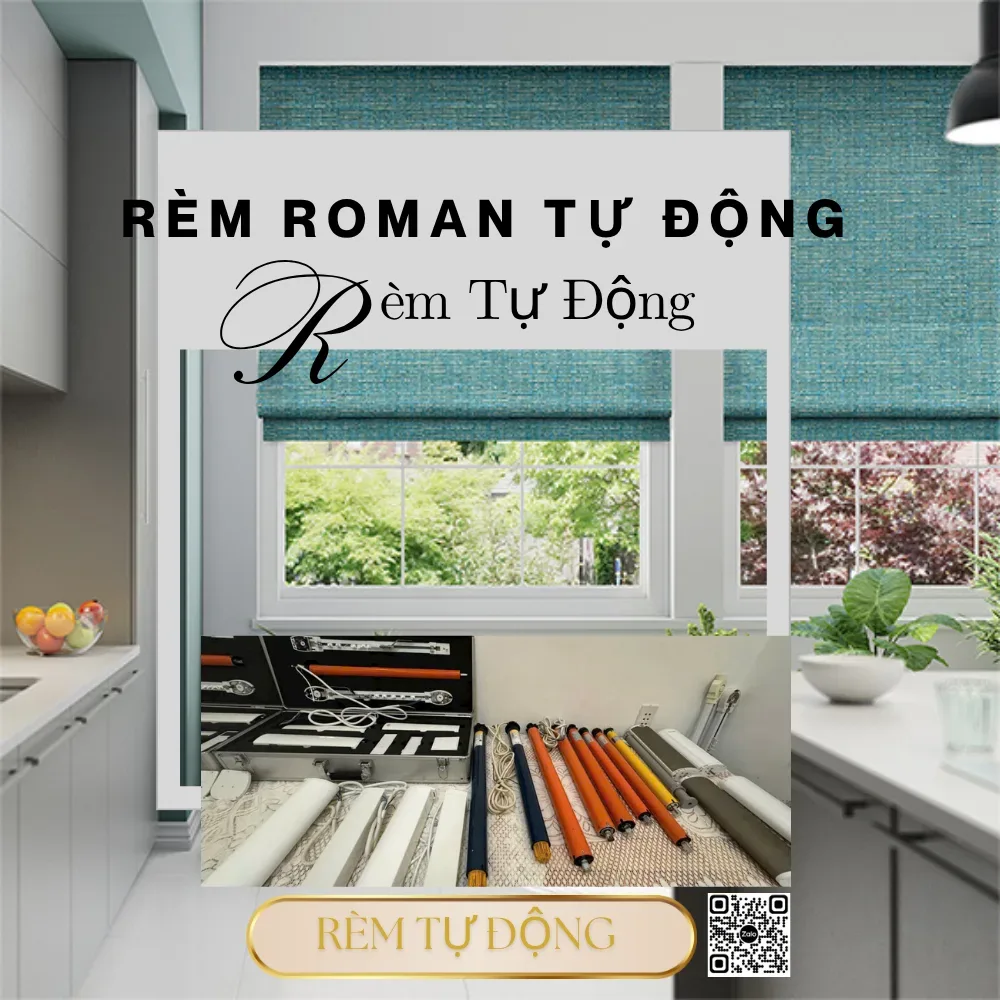
In bedrooms, Roman blinds with blackout linings and warm tones are usually prioritized, helping reduce morning light while creating a cozy feel. For children’s bedrooms, special attention must be paid to the cord system—opt for cordless mechanisms or securely anchored cords. According to recommendations from the U.S. Consumer Product Safety Commission, curtain and window blind cords pose entanglement hazards for young children and pets, so families with young kids should carefully consider operating mechanisms when purchasing.
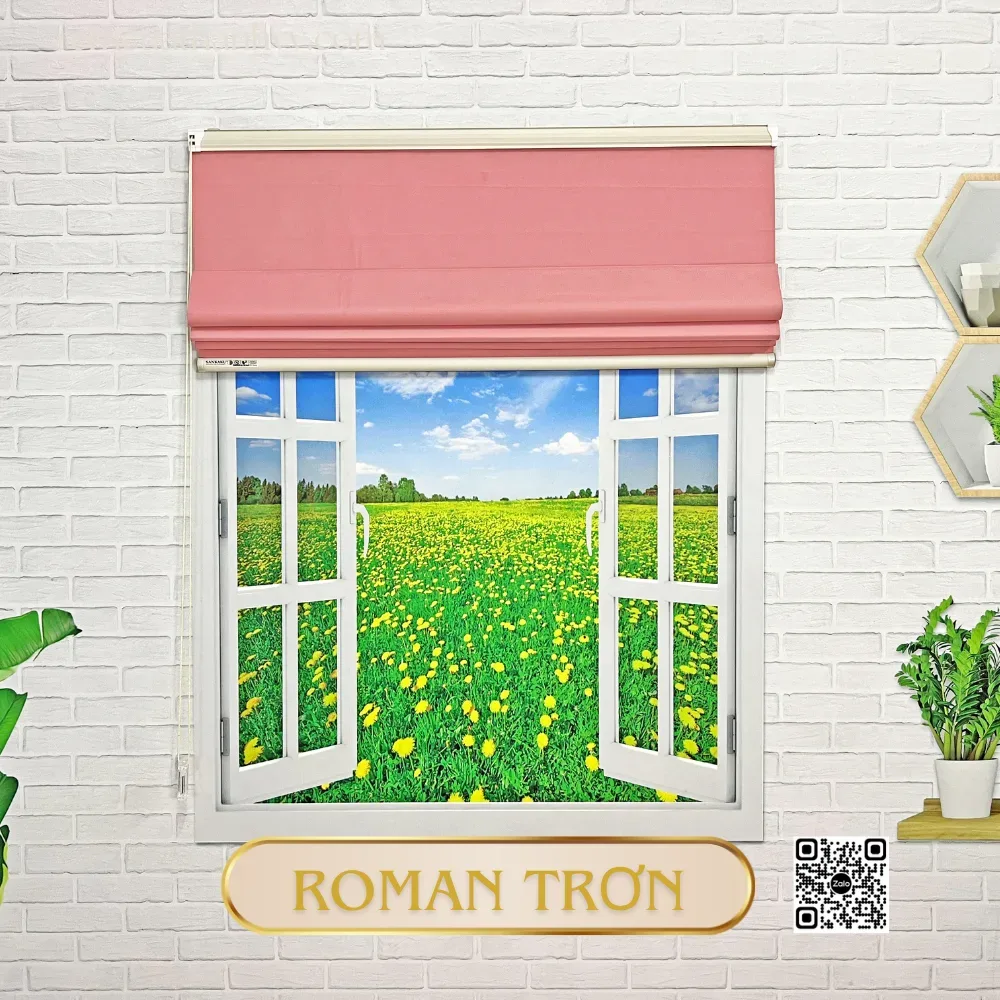
For balconies or small windows facing lightwells—common architectural features in District 5 tube houses—small-sized Roman blinds provide localized sun shading without taking up floor space, while remaining easy to remove and clean periodically since these areas are frequently exposed to outdoor dust and moisture.
Survey and Measurement Process and Checklist Before Finalizing Roman Blind Orders
Prior to making Roman blinds, on-site measurements are a mandatory step, especially in District 5 townhouses where many window frames are not completely square due to age or multiple renovations. Measurers need to check actual widths and heights at multiple points on the same window frame, determine wall recess depths for inside mounts, and check sun exposure directions to recommend suitable fabrics.
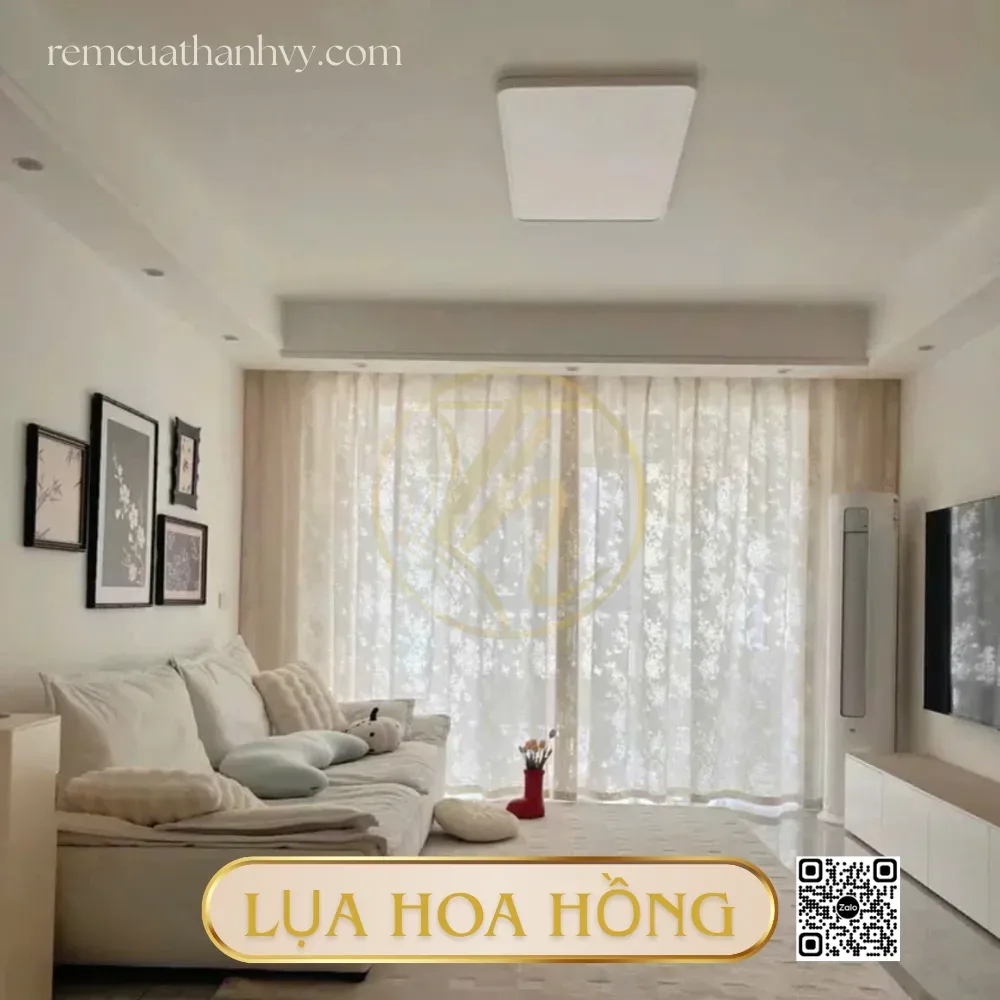
A basic pre-order checklist should include: confirming the mounting style, confirming the pull mechanism (cord, chain, or motor), checking physical fabric samples under home lighting rather than just catalogs, and confirming production timelines along with accessory warranty policies.
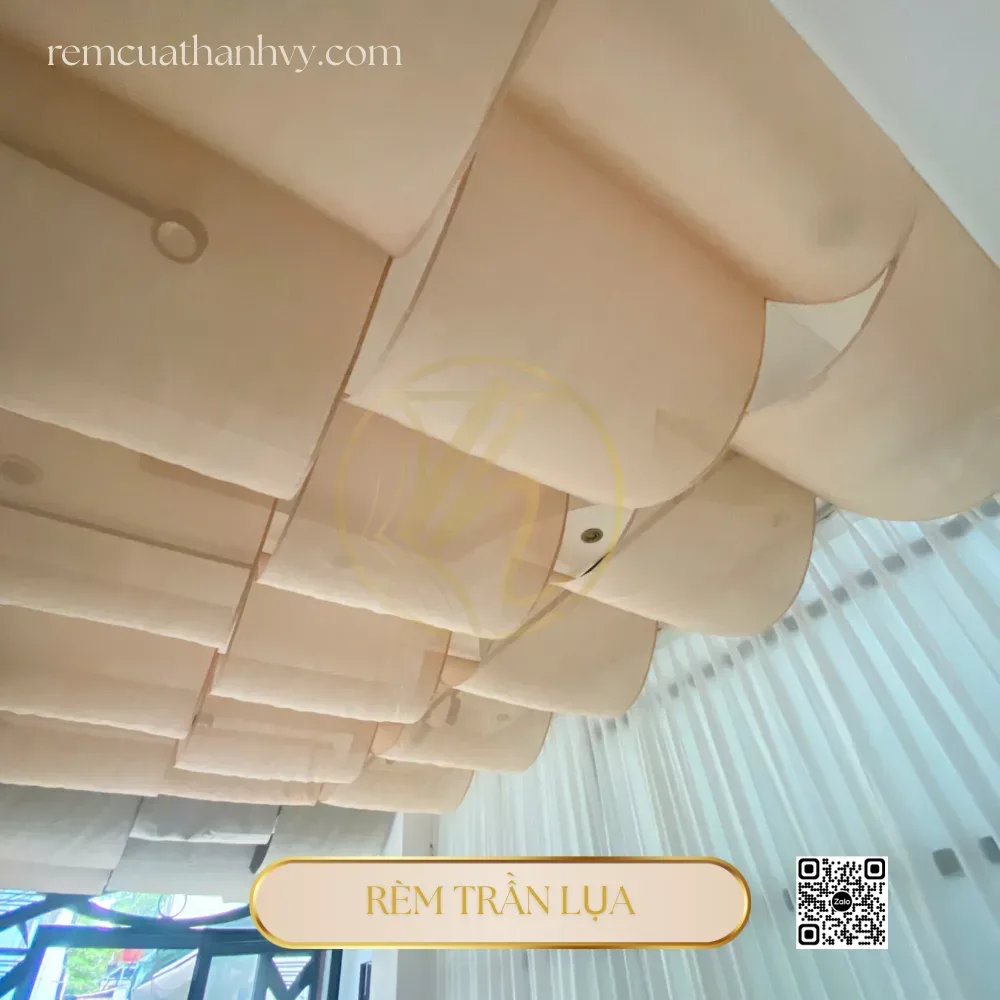
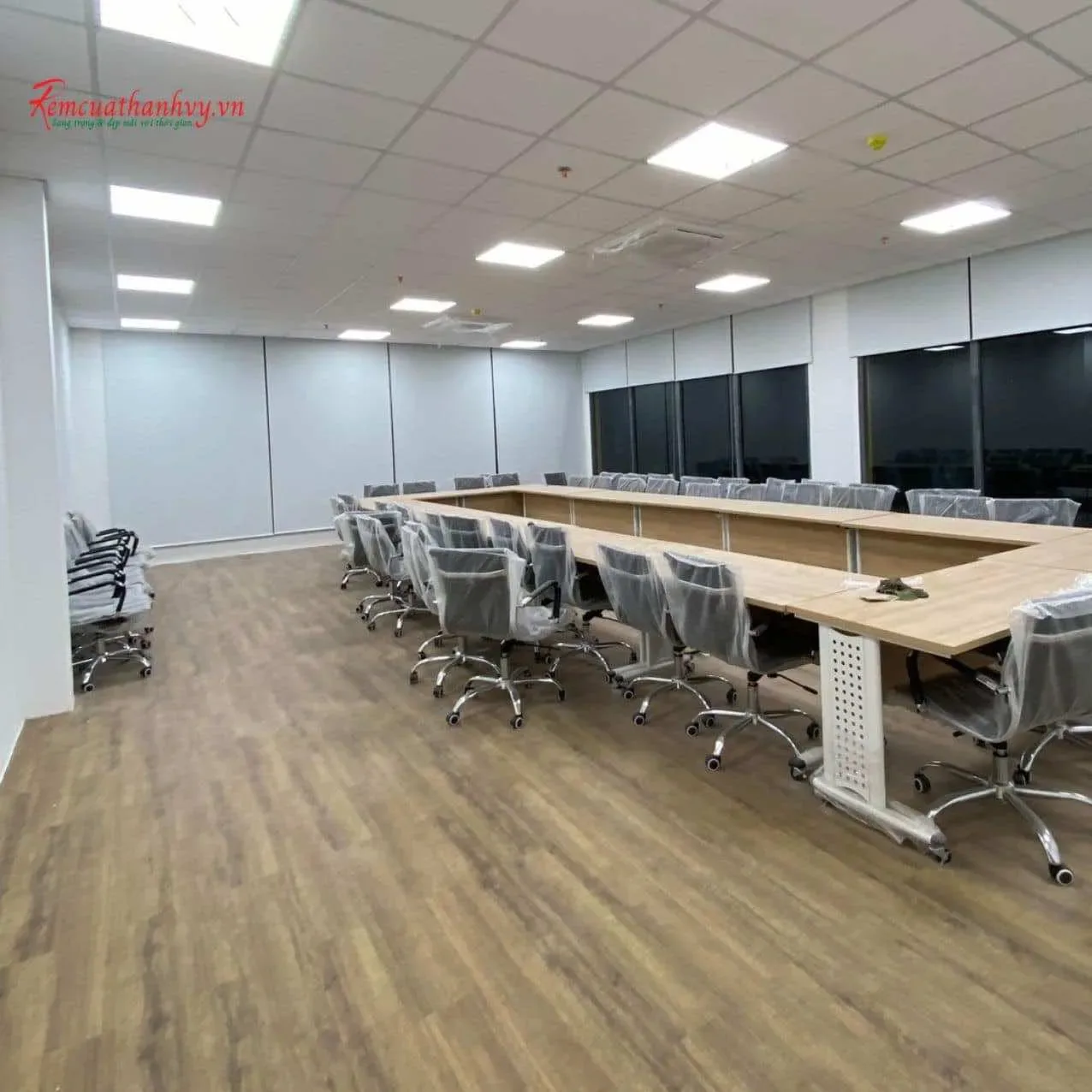
Additionally, for commercial shop-houses in the Cho Lon area or other bustling streets of District 5, discuss dust resistance and cleaning frequencies for each fabric type with the provider in advance. Heavy traffic means street-facing blinds accumulate significantly more dust than those in bedrooms or areas with fewer exterior windows.
Things to Keep in Mind When Choosing a Custom Blind Tailoring and Installation Unit in District 5
Because Roman blinds demand high precision in dividing folds and balancing slat systems, the craftsmanship of the tailor directly affects whether the blinds fold evenly, roll up and down smoothly, and how long the cord system lasts. Homeowners in District 5 should prioritize providers that conduct on-site surveys before quoting prices, rather than giving estimates over the phone or via photos, given the irregular window frames typical of townhouses here. The products of this provider were previously featured in the Thanh Vy luxury curtain segment in Ha Tinh Newspaper.
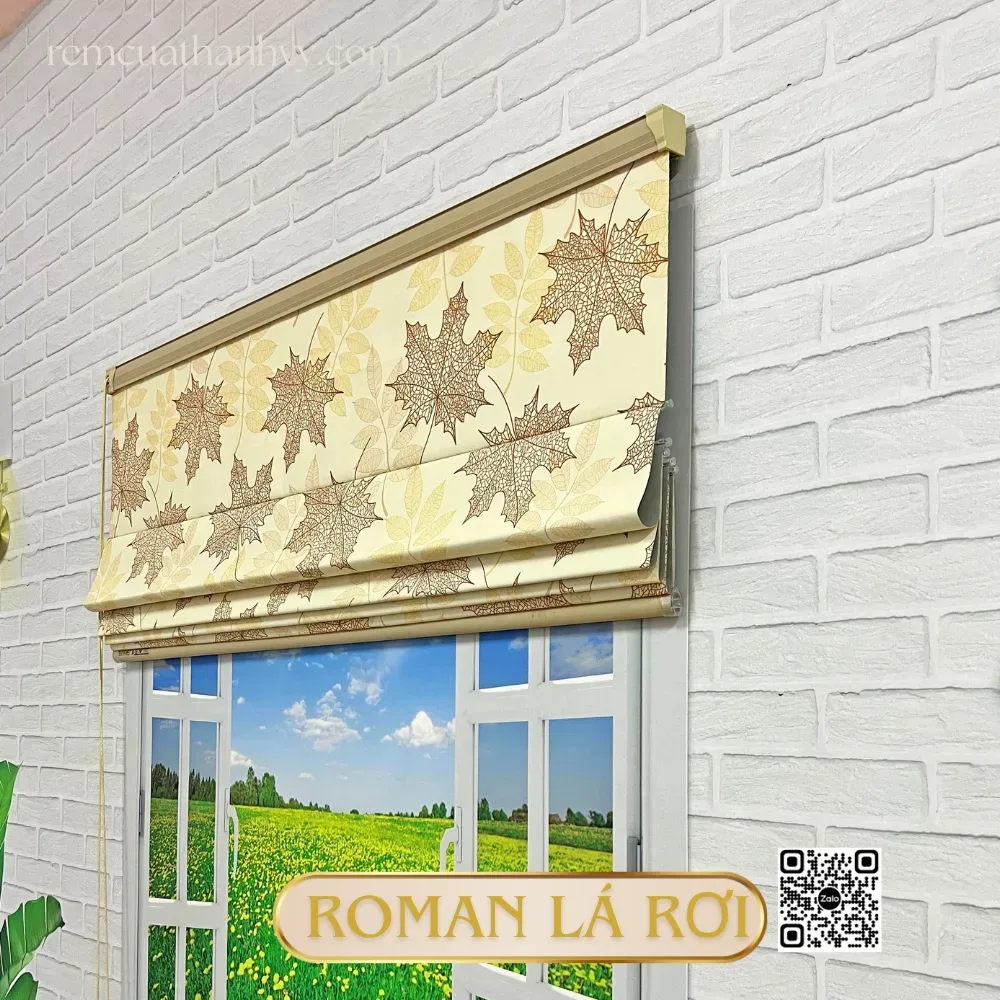
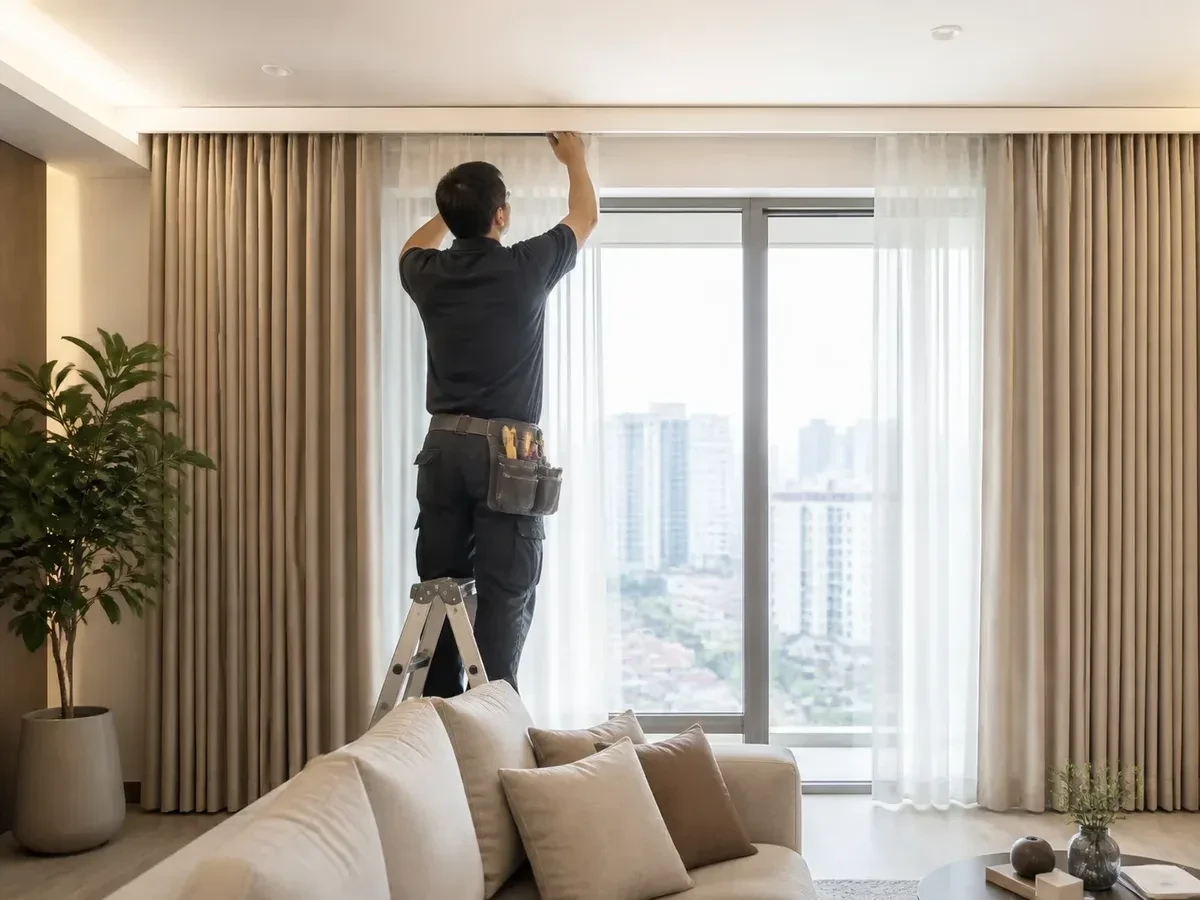
You should also inquire clearly about after-sales policies: Roman blinds may require cord readjustments or bent slat replacements after prolonged use, so a provider offering on-site maintenance services is much more convenient than having to take them down for repairs. For homes tucked deep in small alleys of District 5, the installation crew’s experience with navigation and fitting in tight spaces is another factor worth considering. Overall, a suitable Roman blind for a District 5 townhouse requires a blend of precise measurements, fabric selection matching actual lighting needs, and reliable tailoring expertise, rather than simply chasing attractive visuals in sample photos. Background information on polyester fibers in the textile industry helps as a reference when choosing materials.
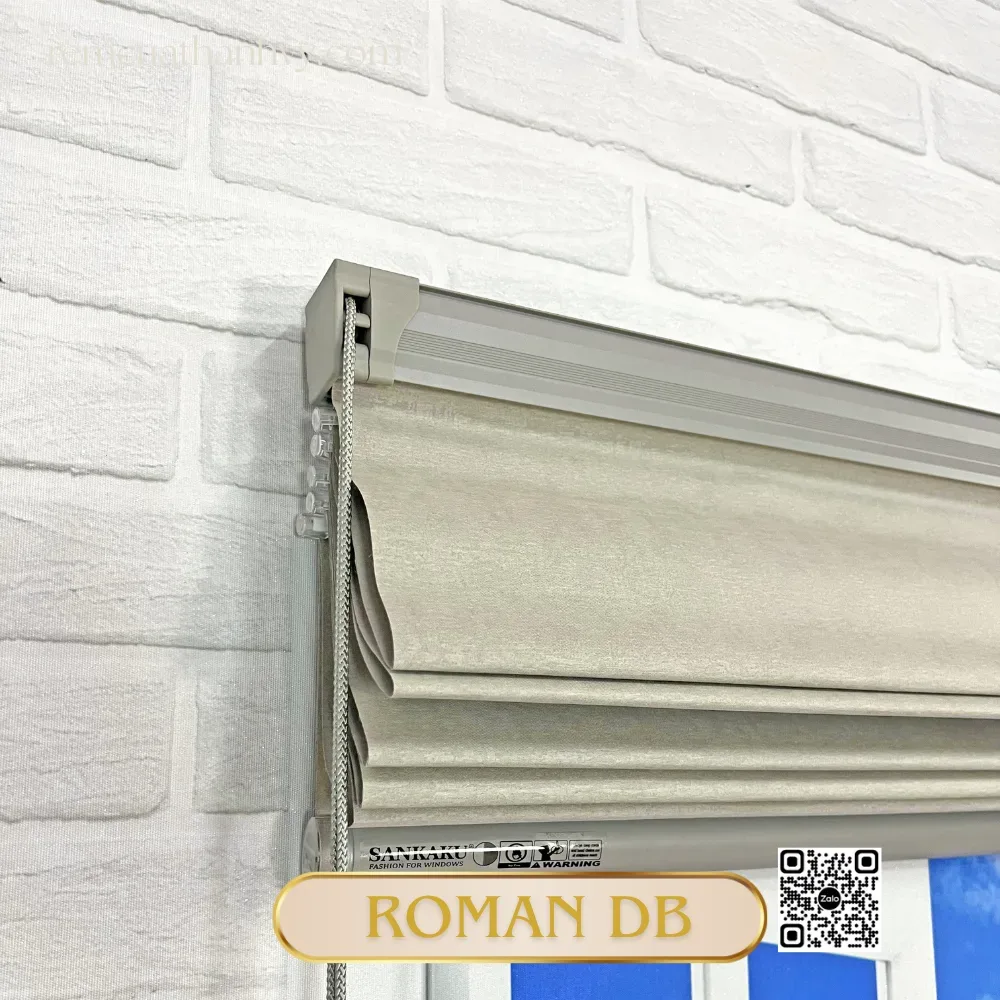
Curtain Models Recommended for Installation in District 5
Below are actual product categories available at Thanh Vy Curtains, sorted by common usage needs in the District 5 area.
Send your dimensions and needs, and the Thanh Vy Curtains team will advise on options and quote for your actual space.
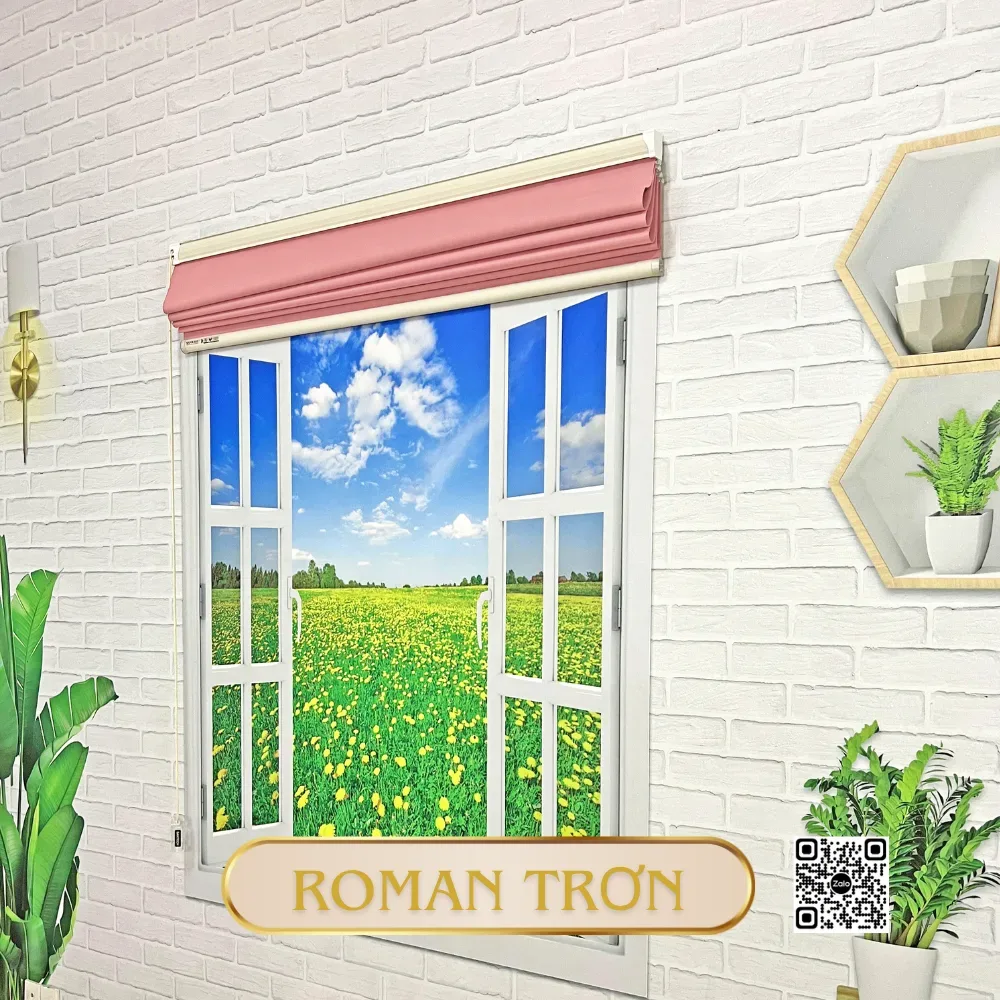
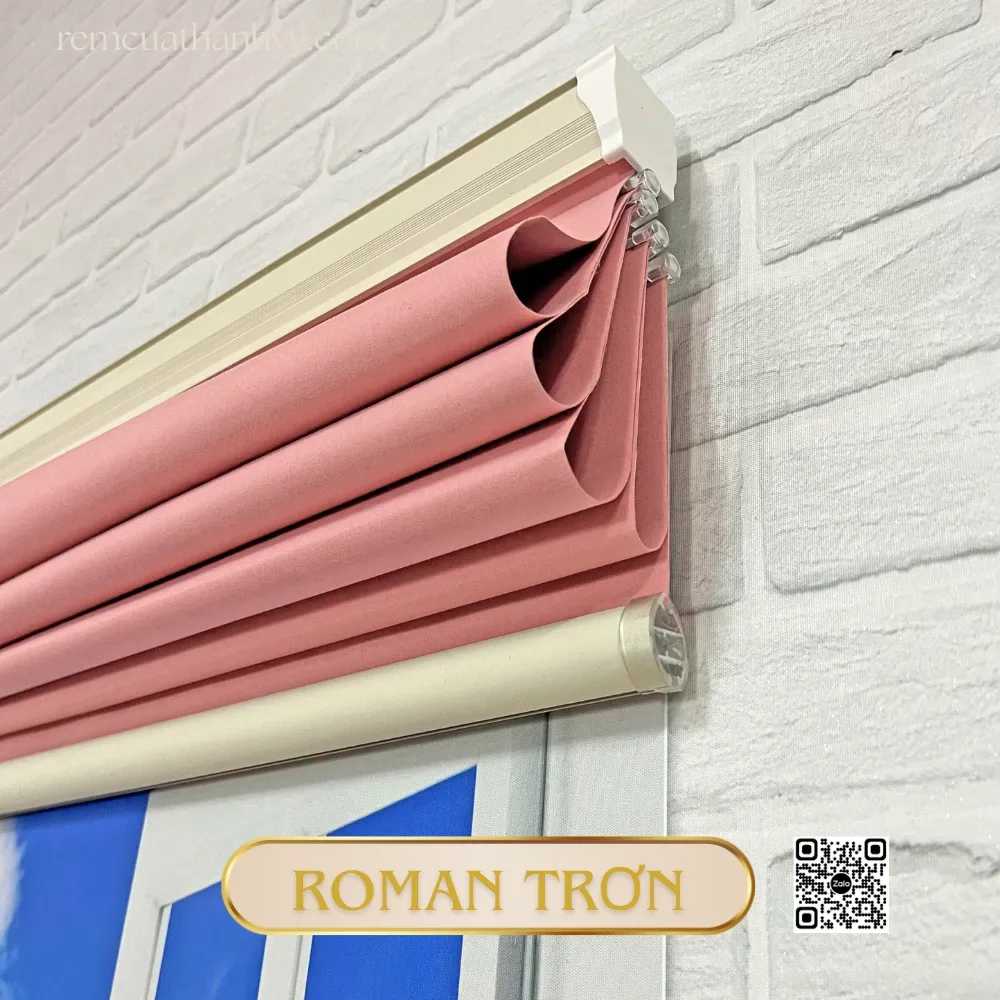
Roman Blinds
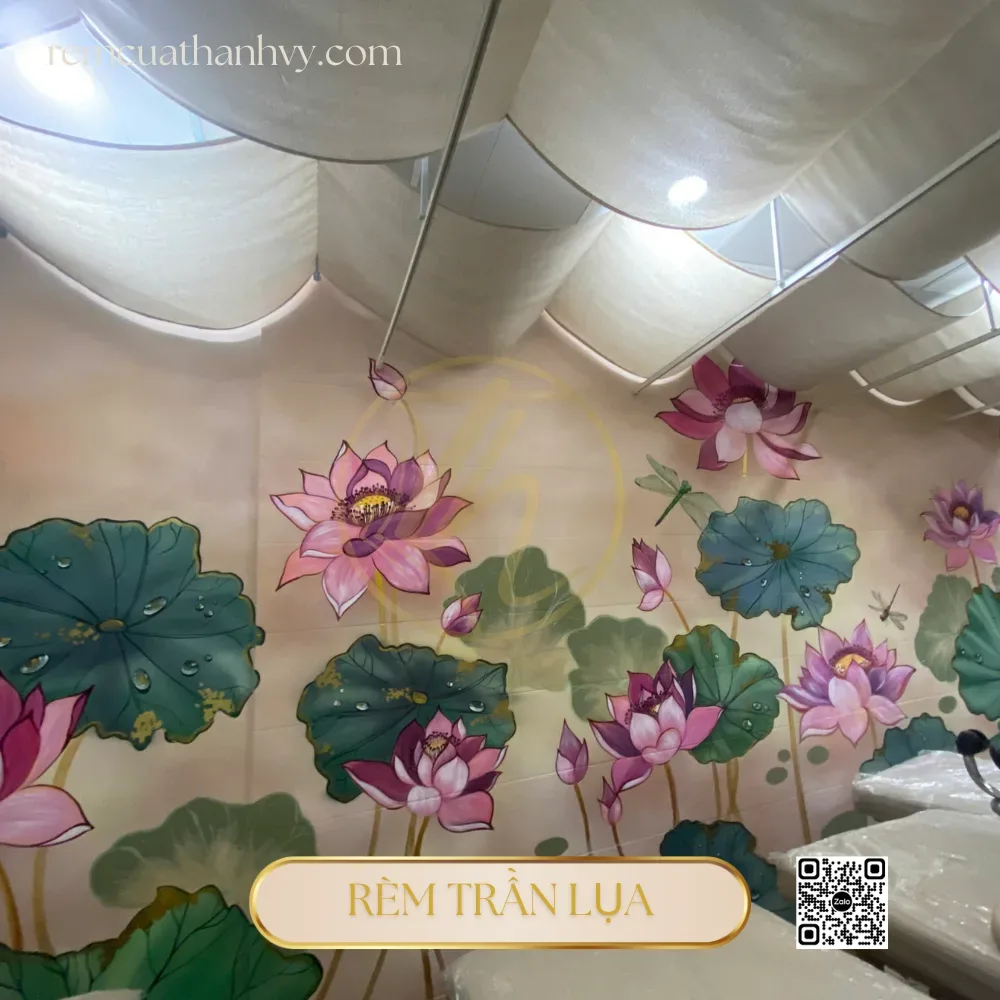
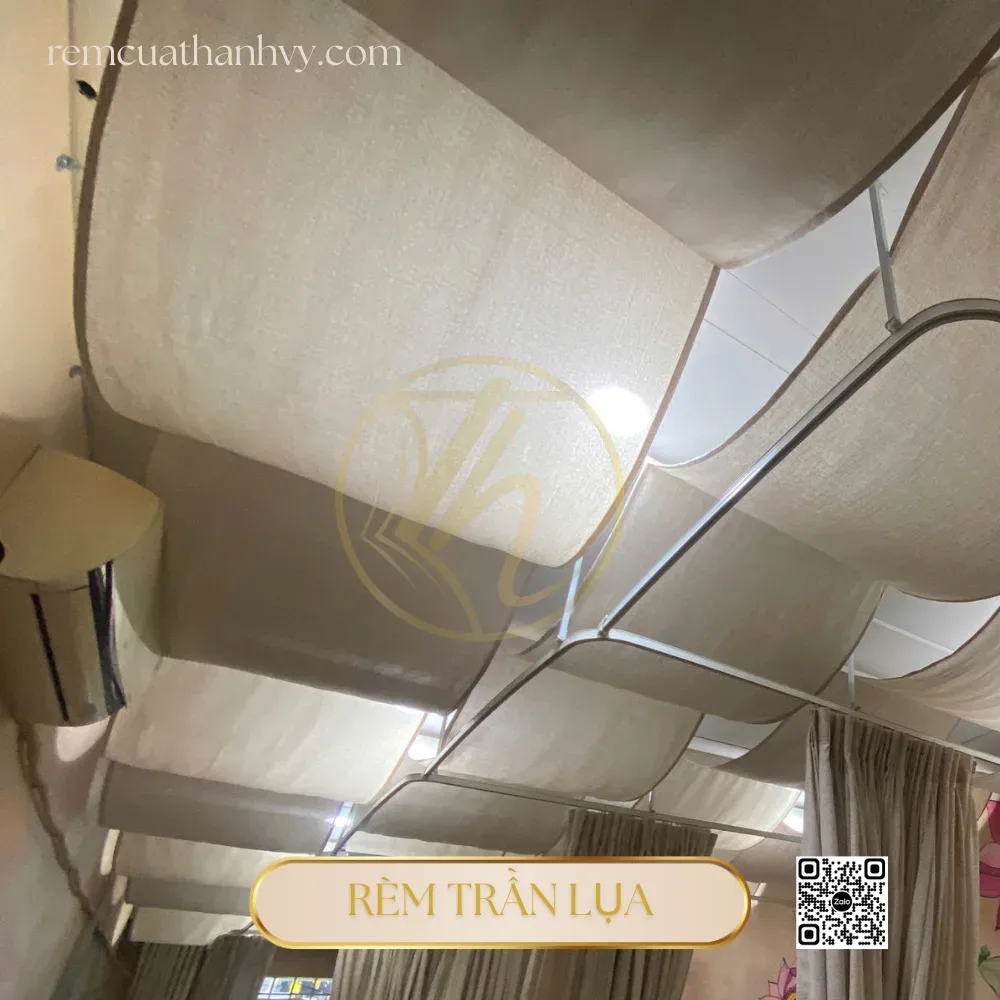
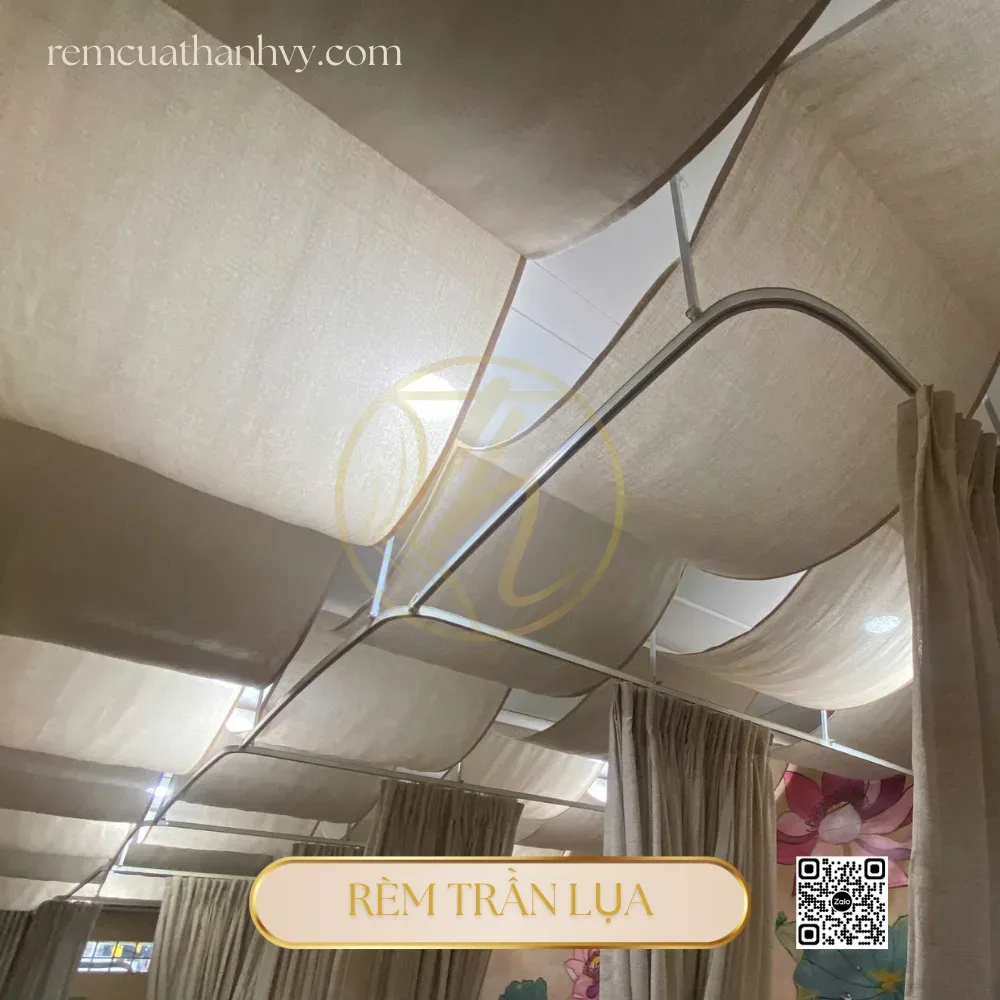
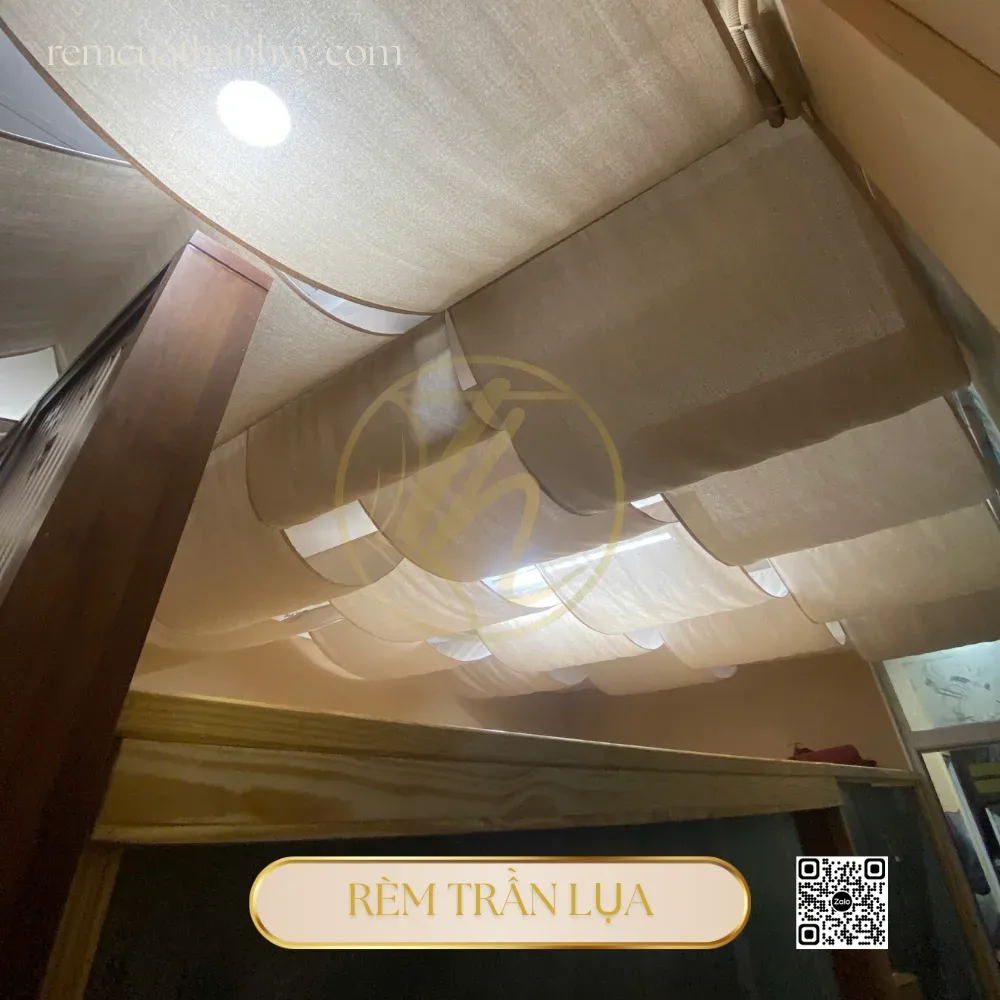
Roman’s layered style offers a neat look, commonly used in bedrooms and reading rooms.
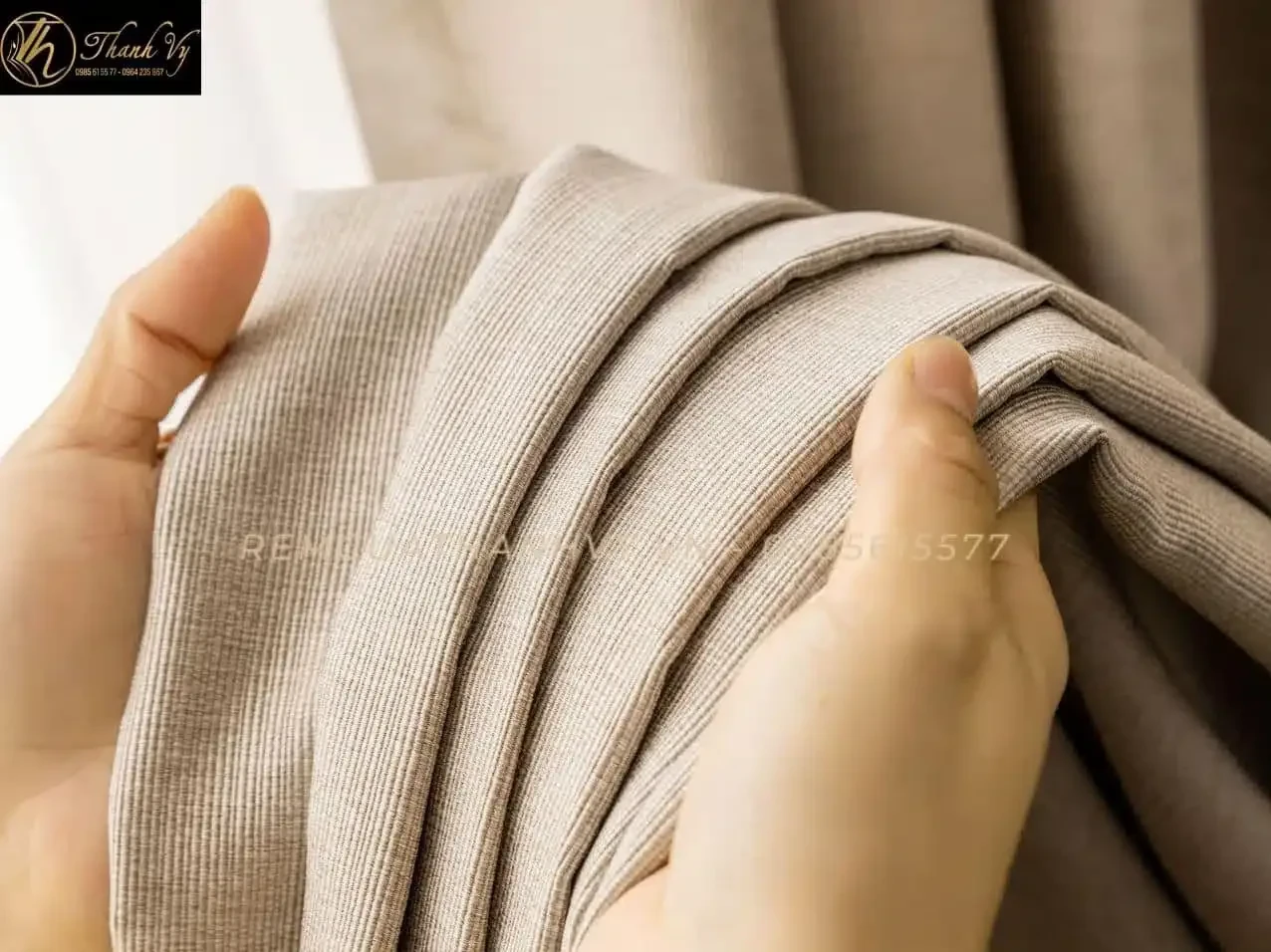
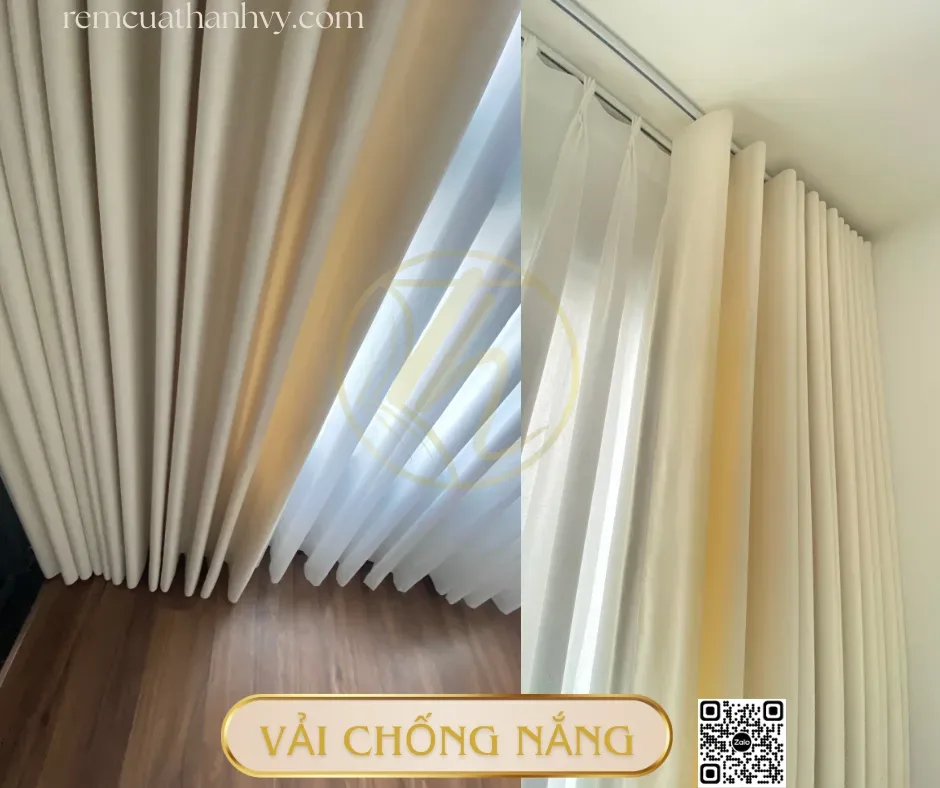
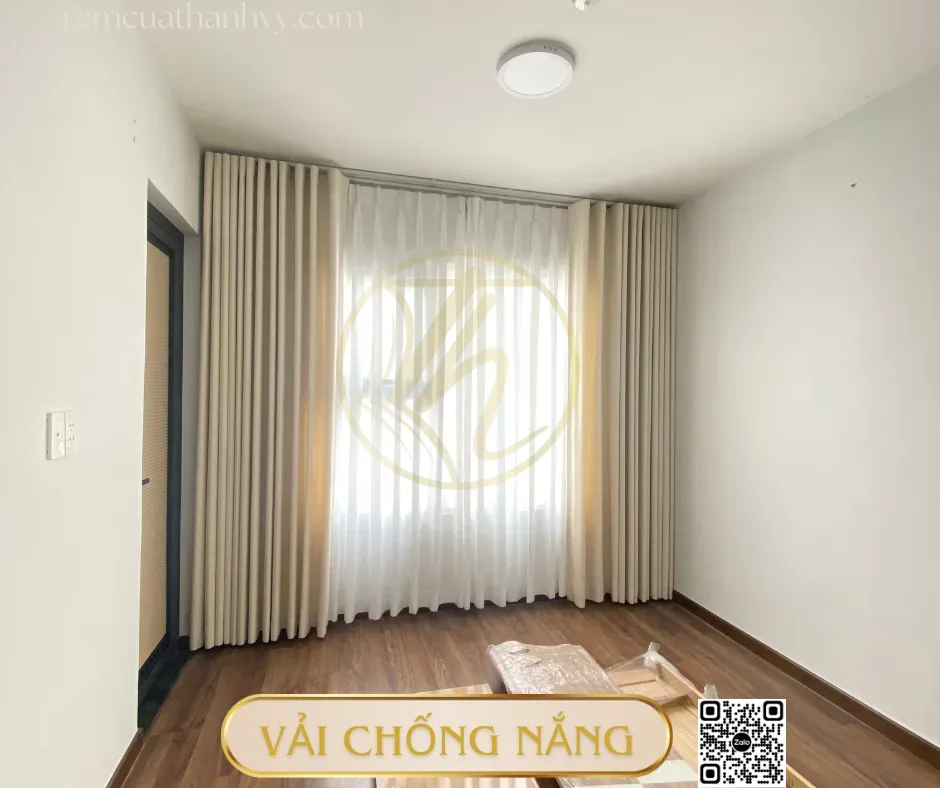
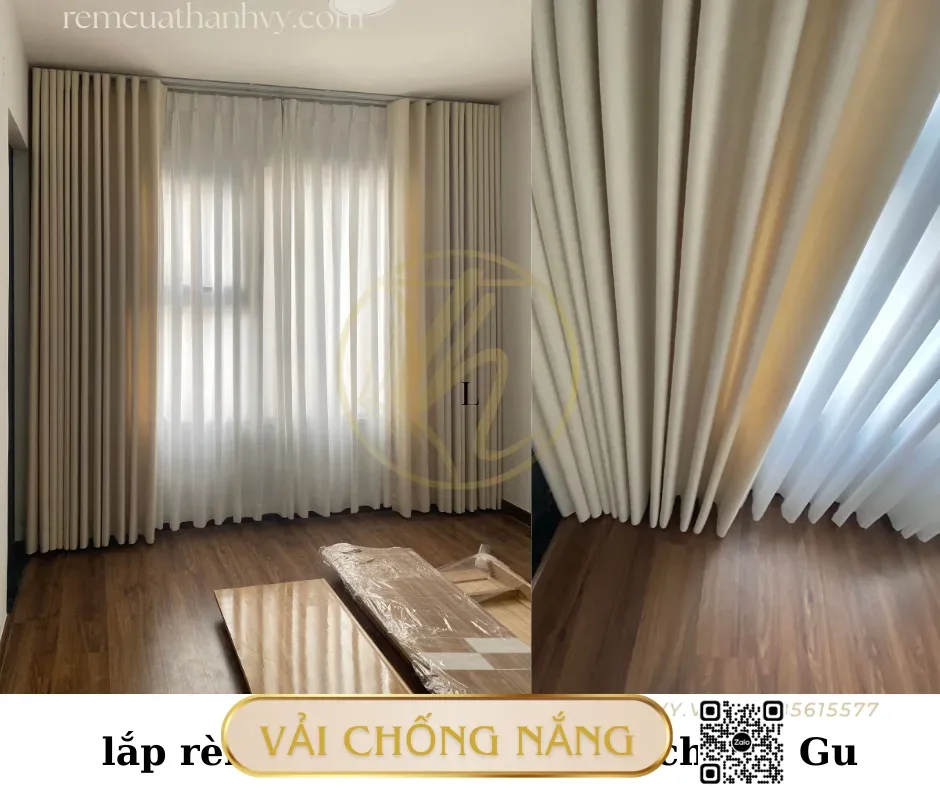
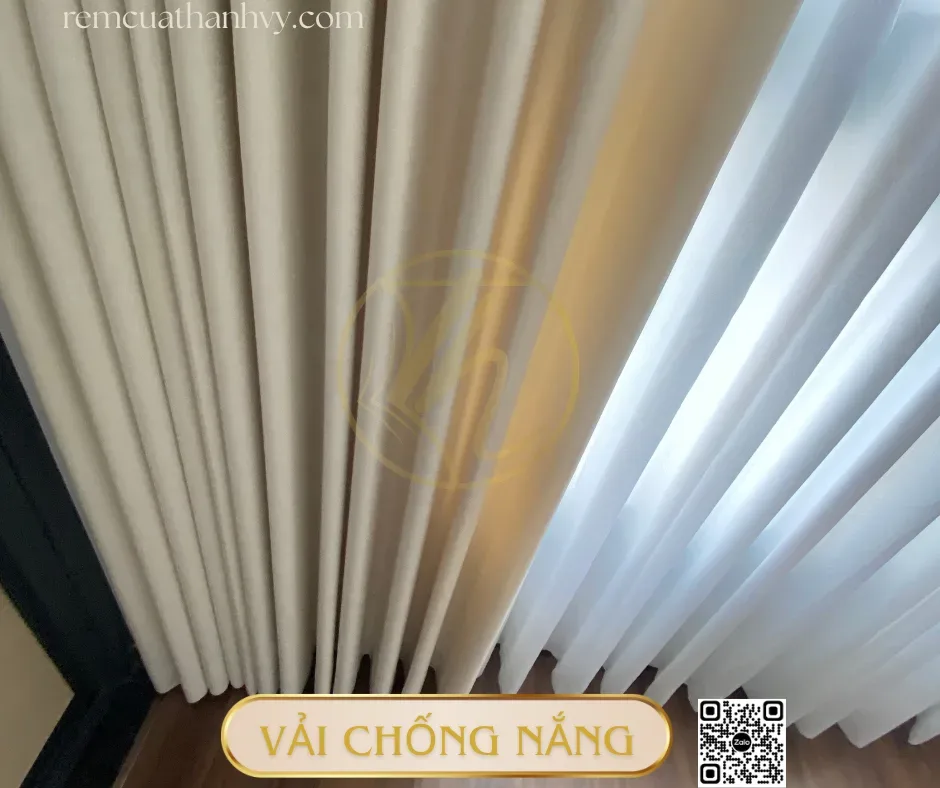
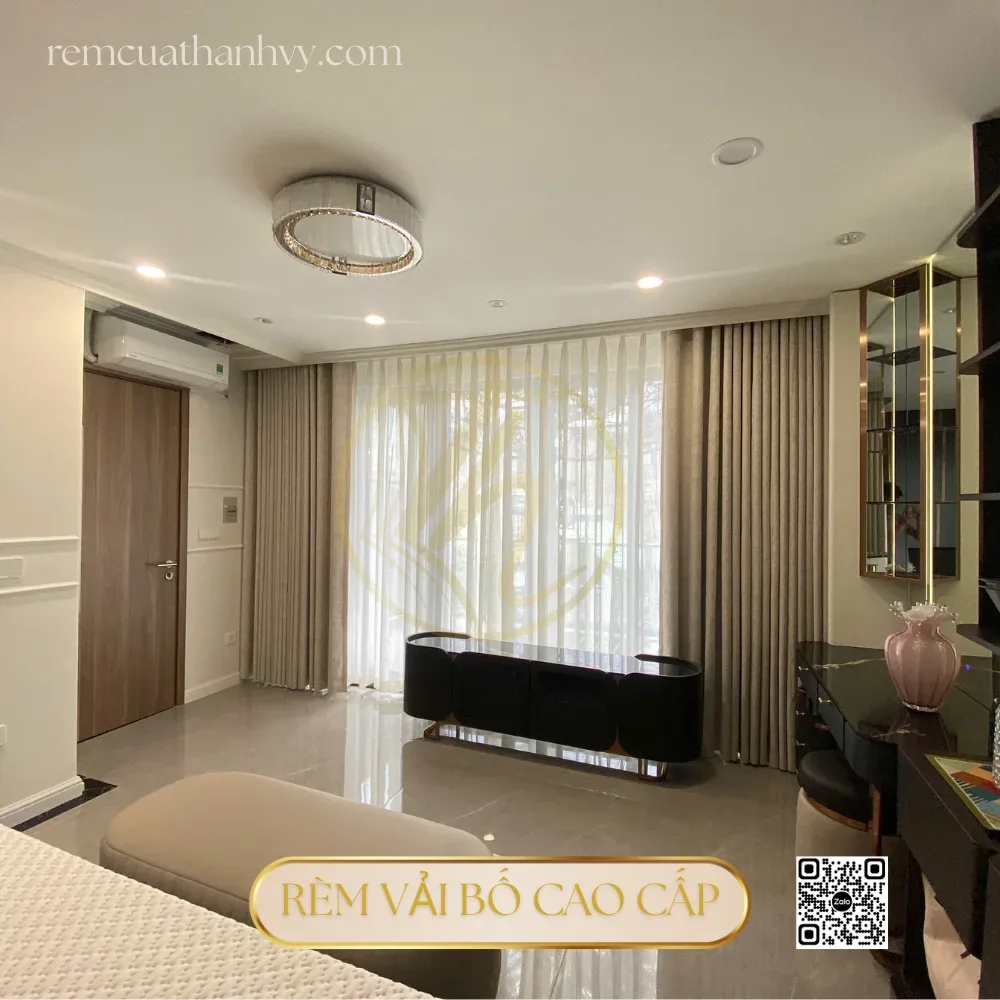
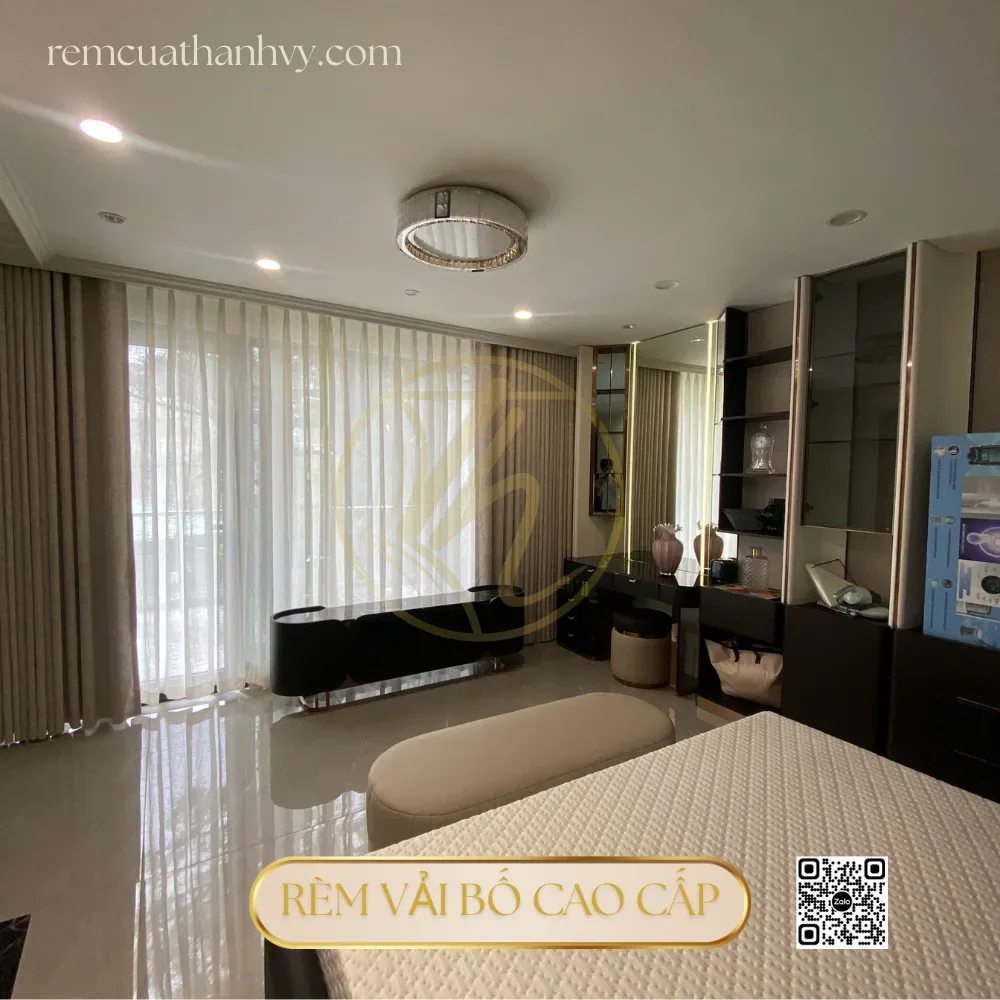
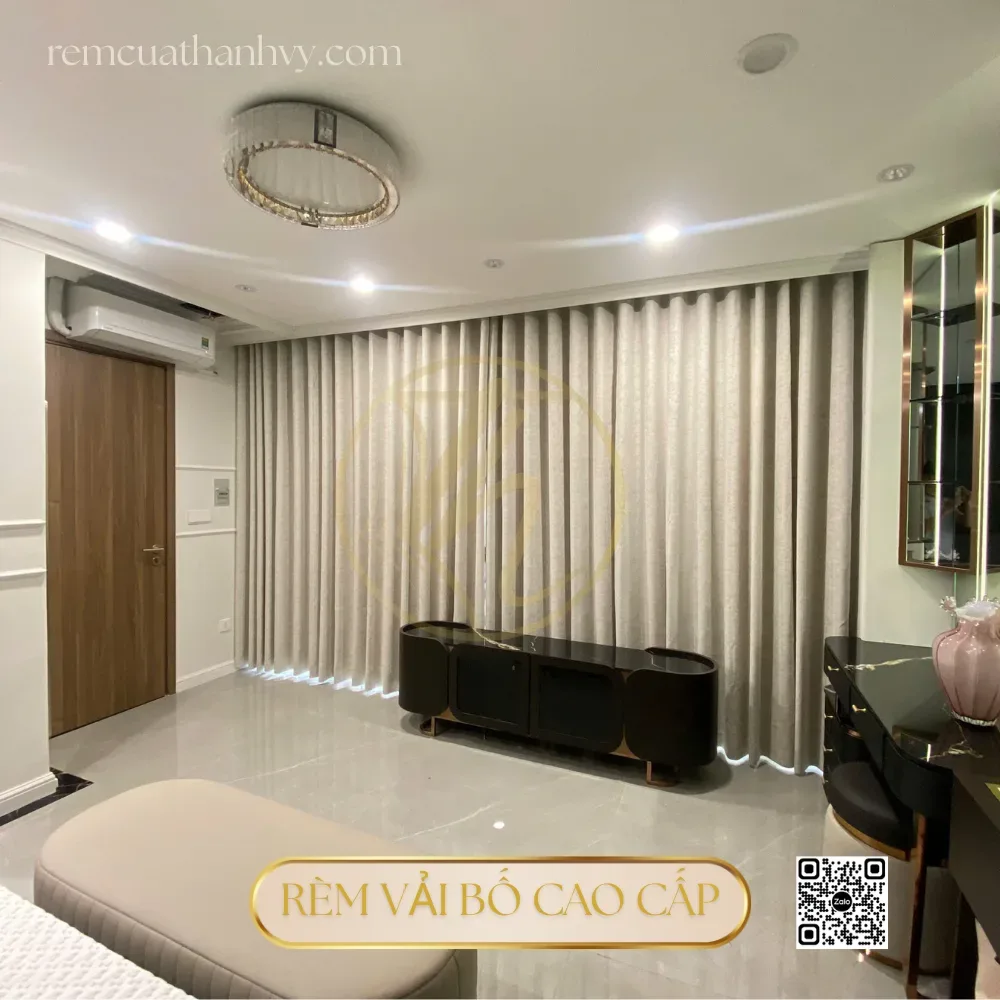
High-End Blackout Fabric Curtains
Heavy blackout fabrics for when significant room darkening is needed, typically for bedrooms or media rooms.
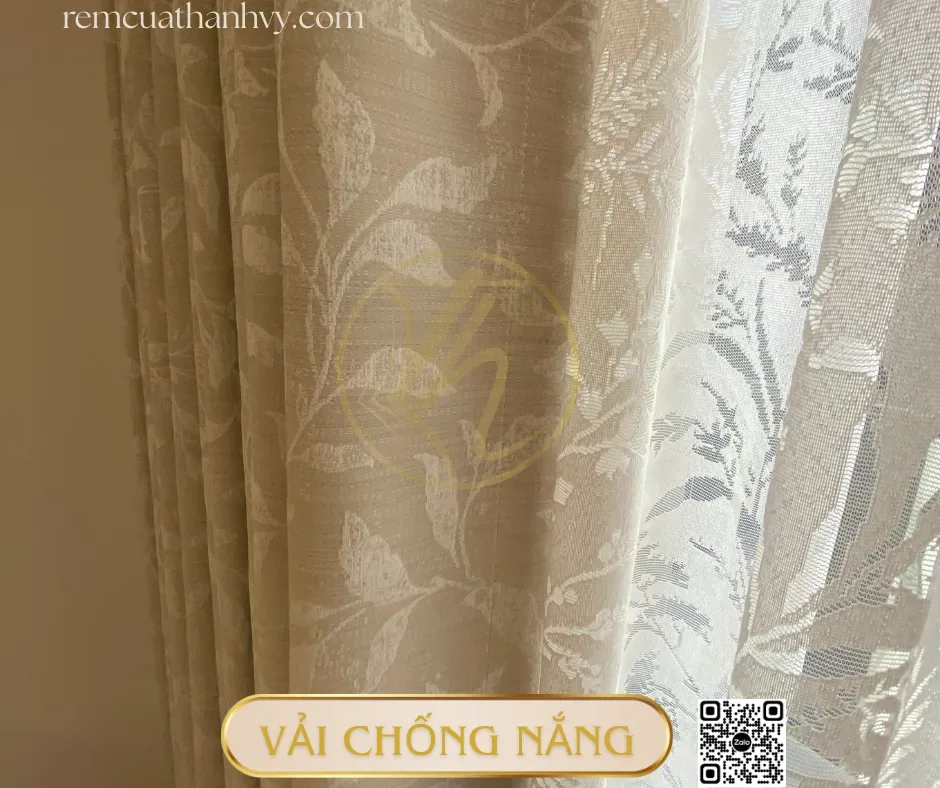
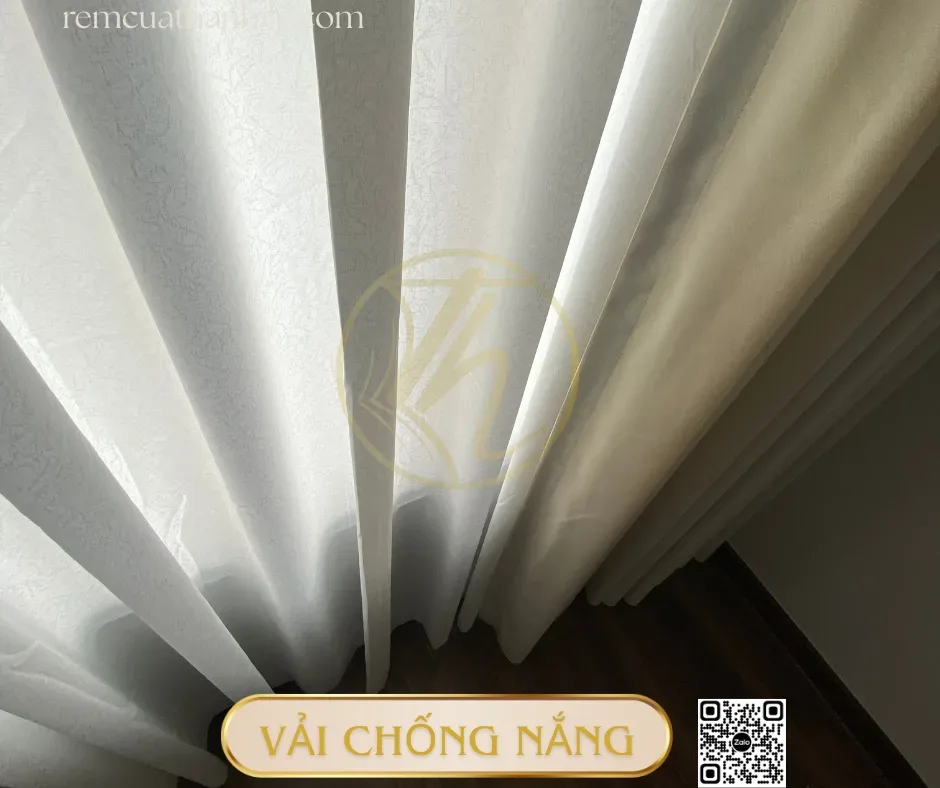
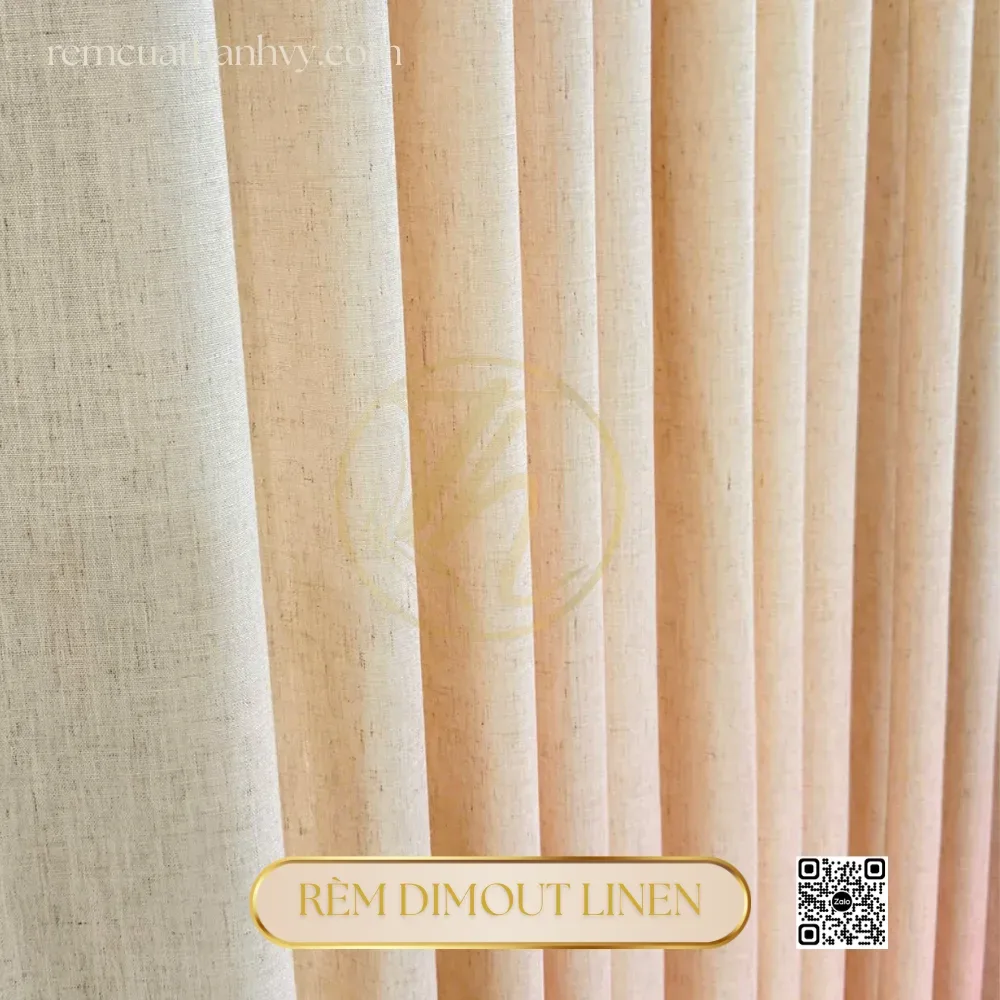
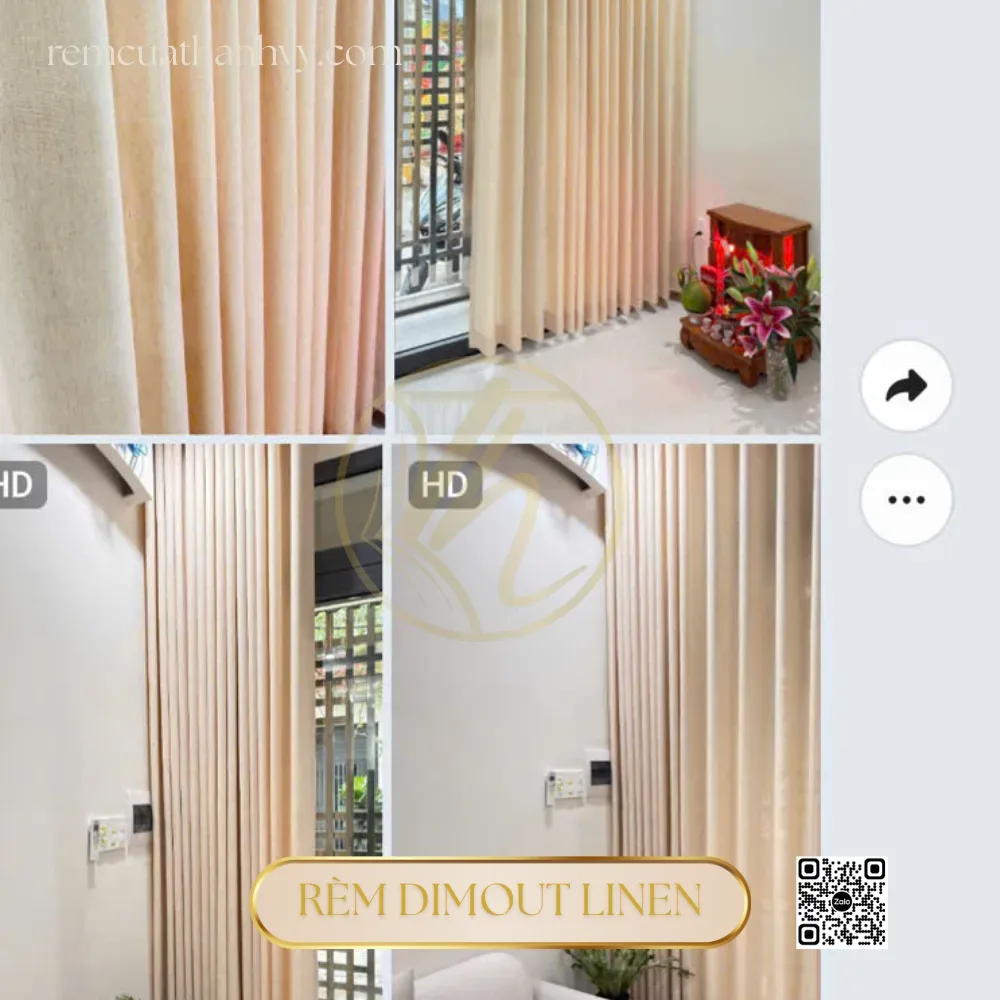
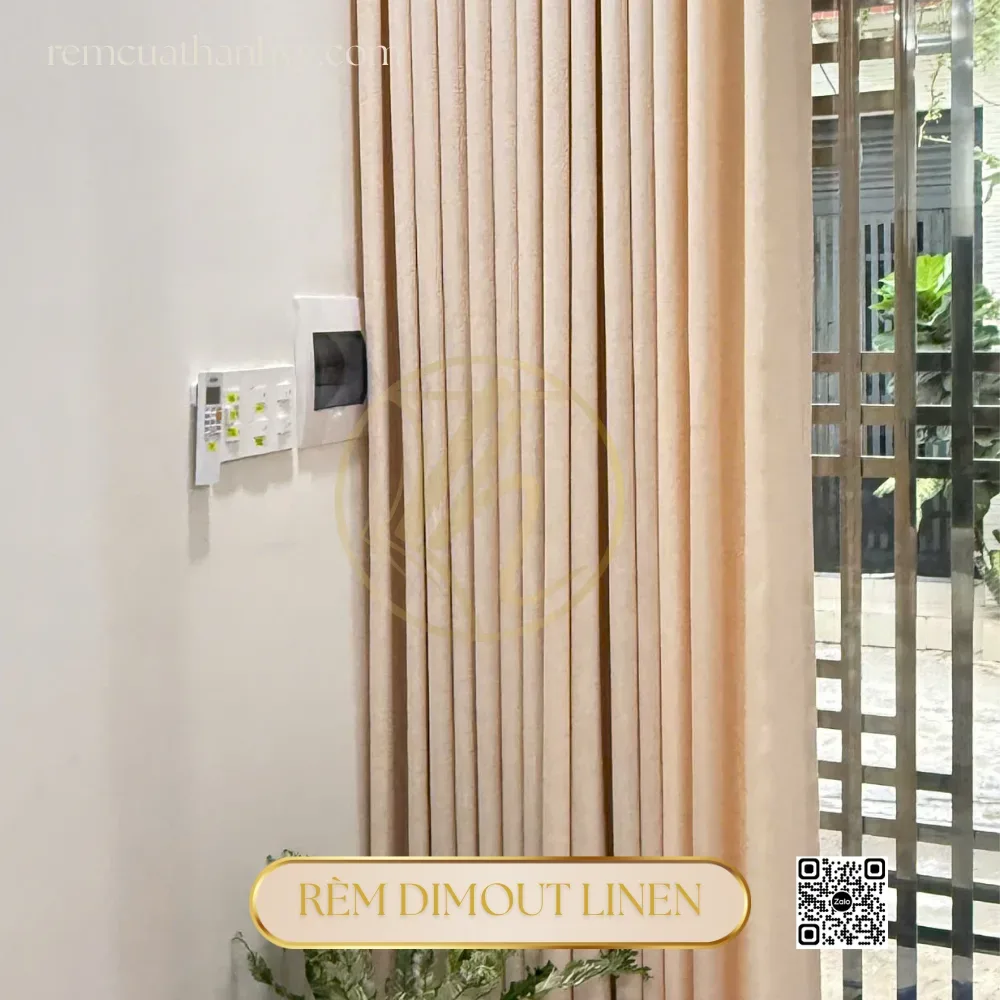
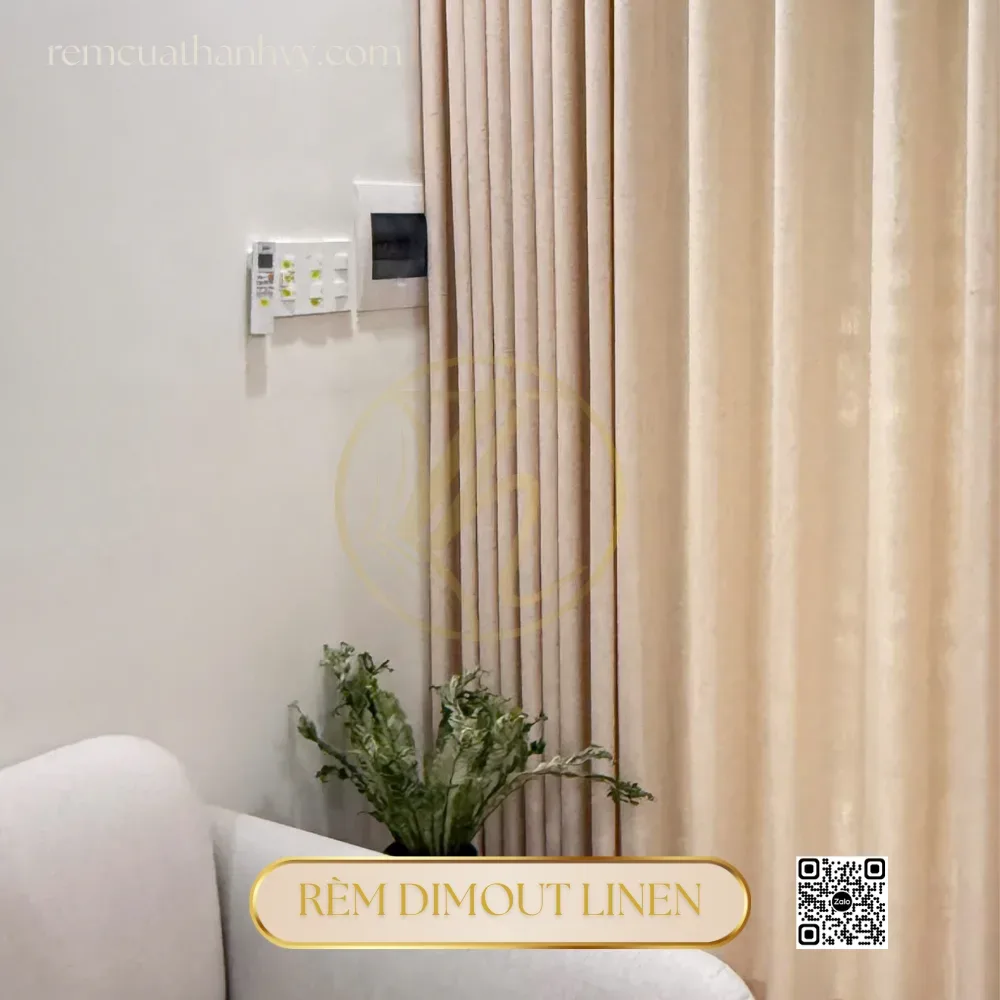
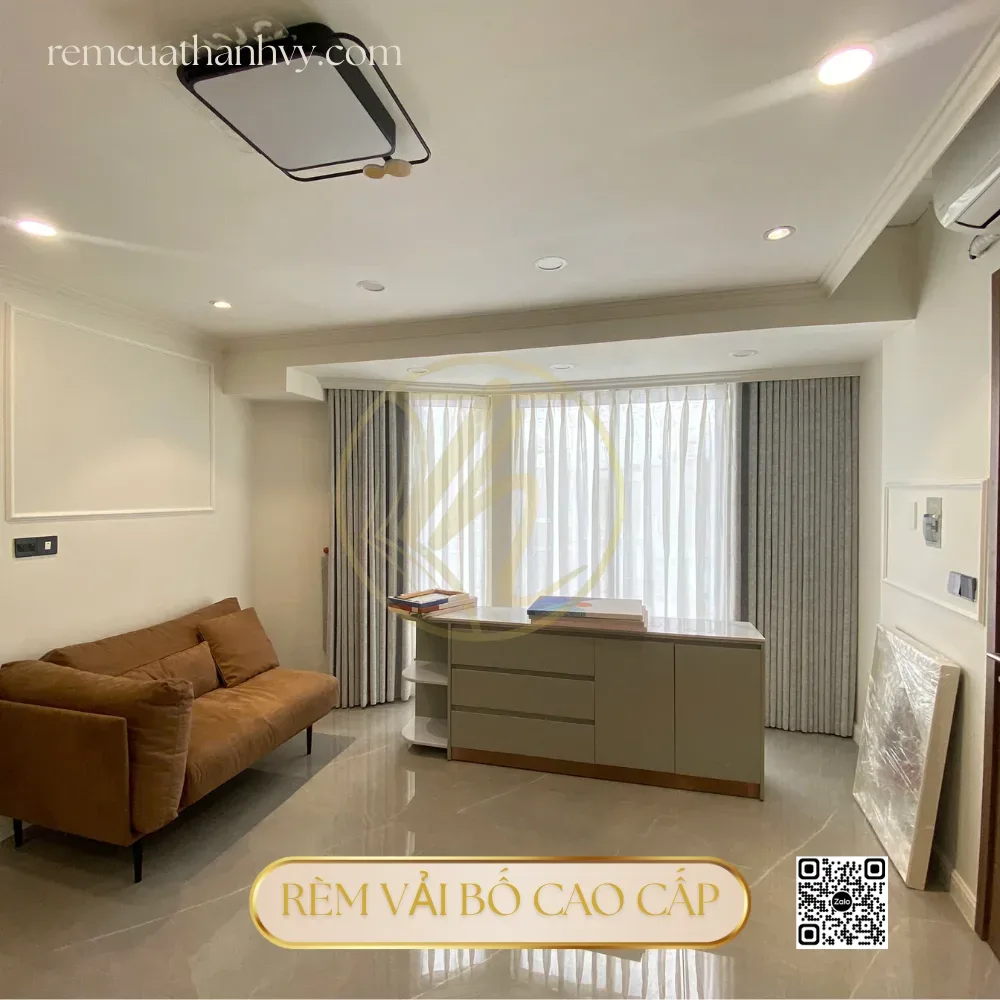
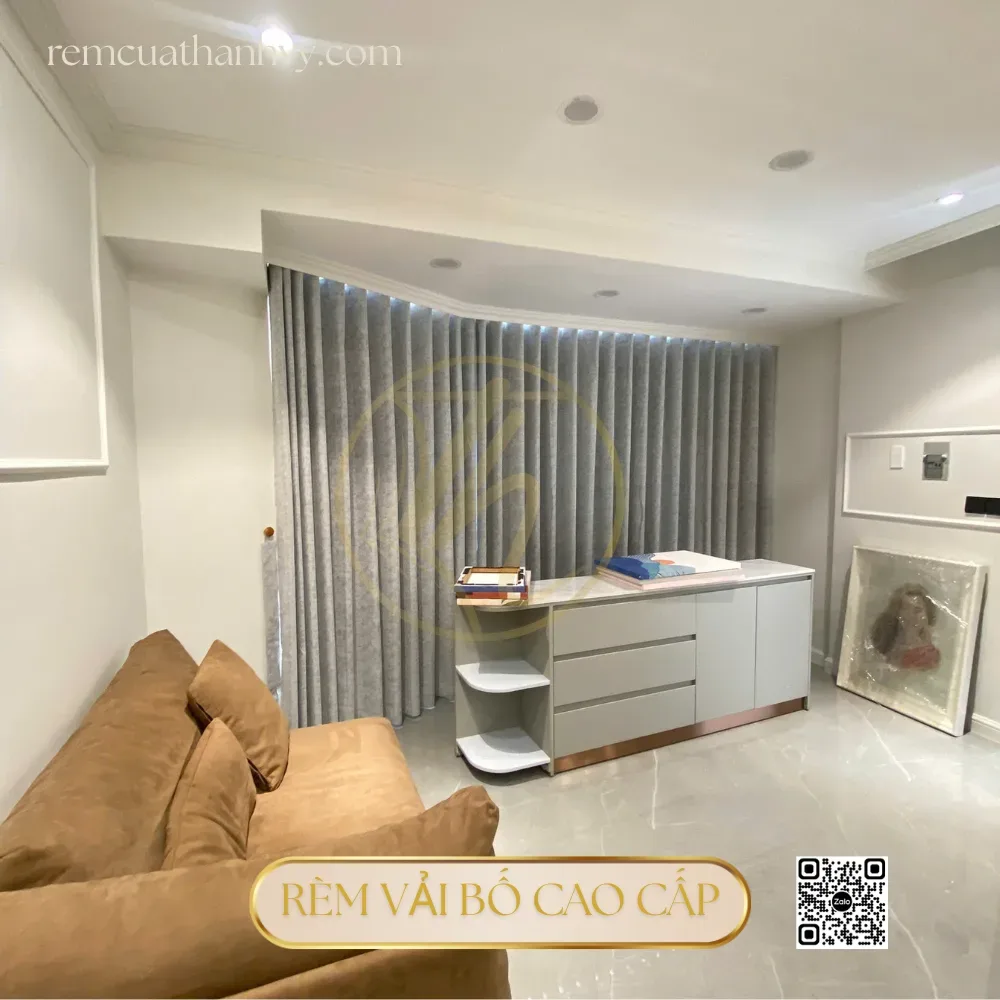
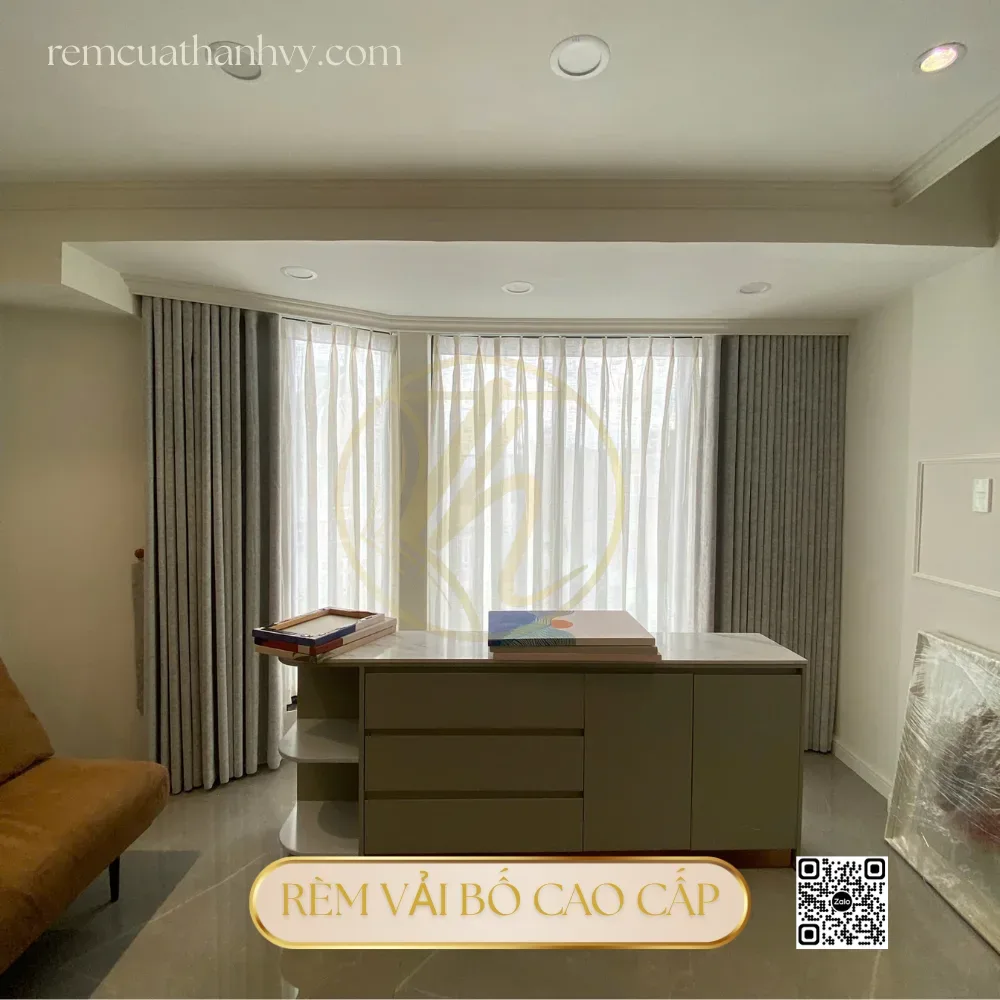
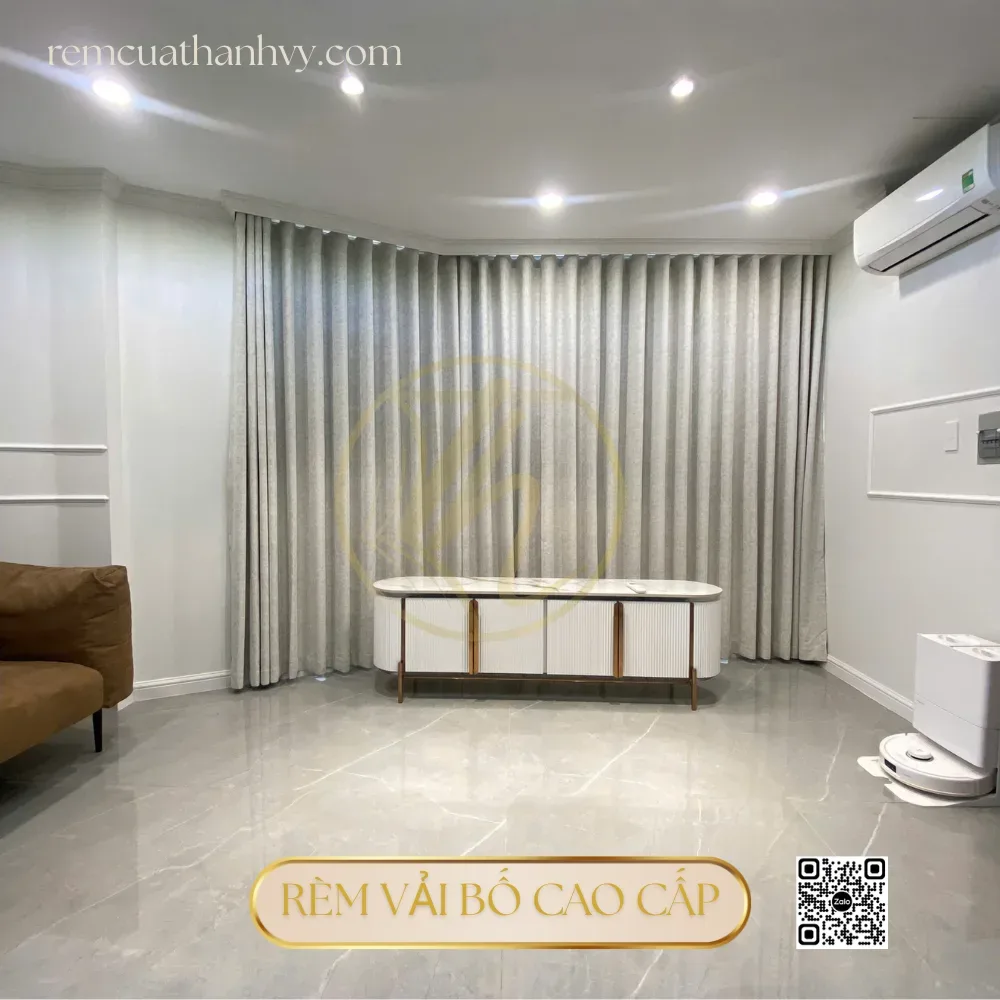
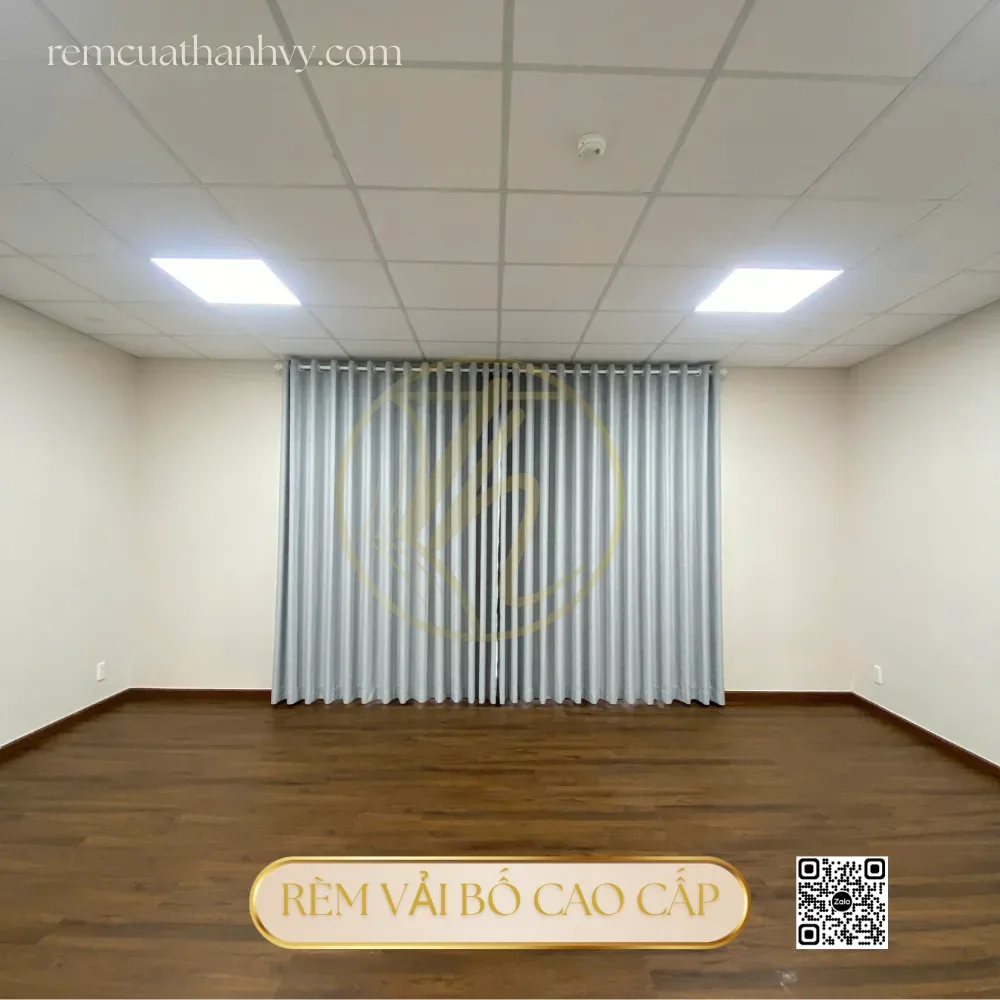
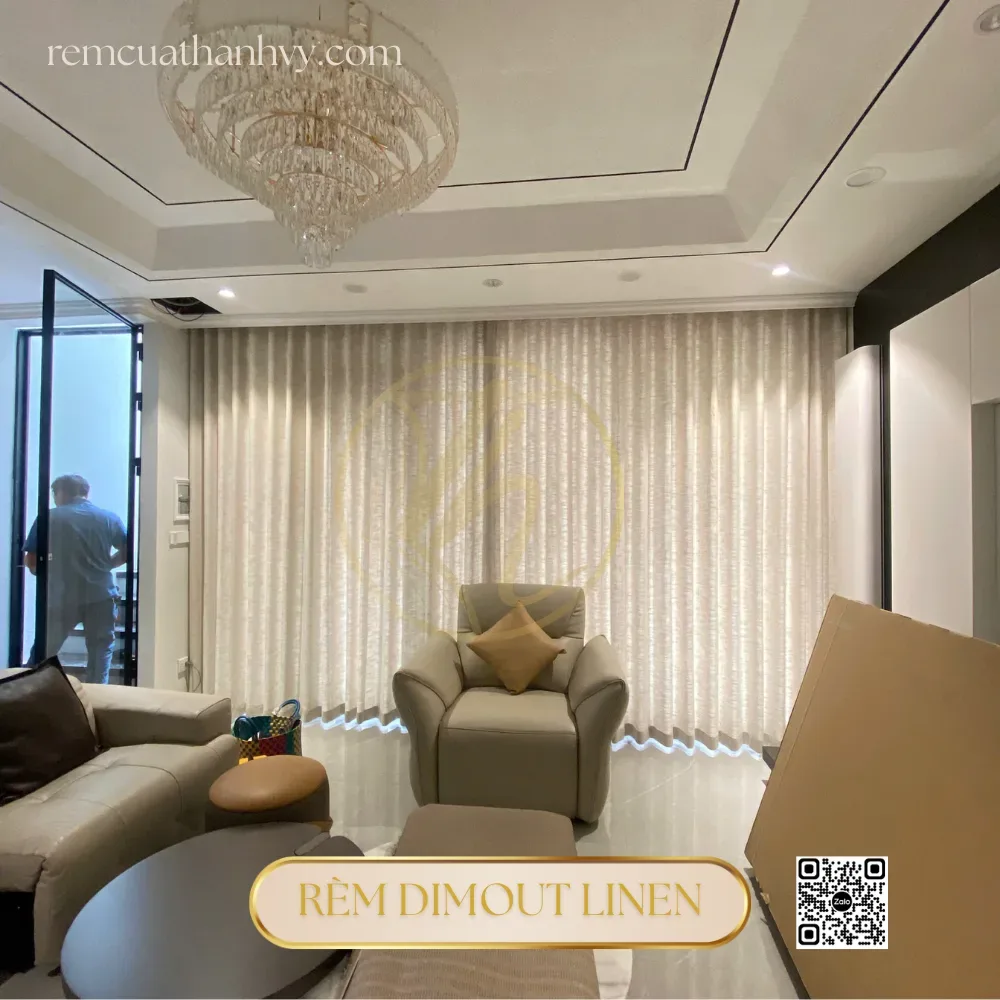
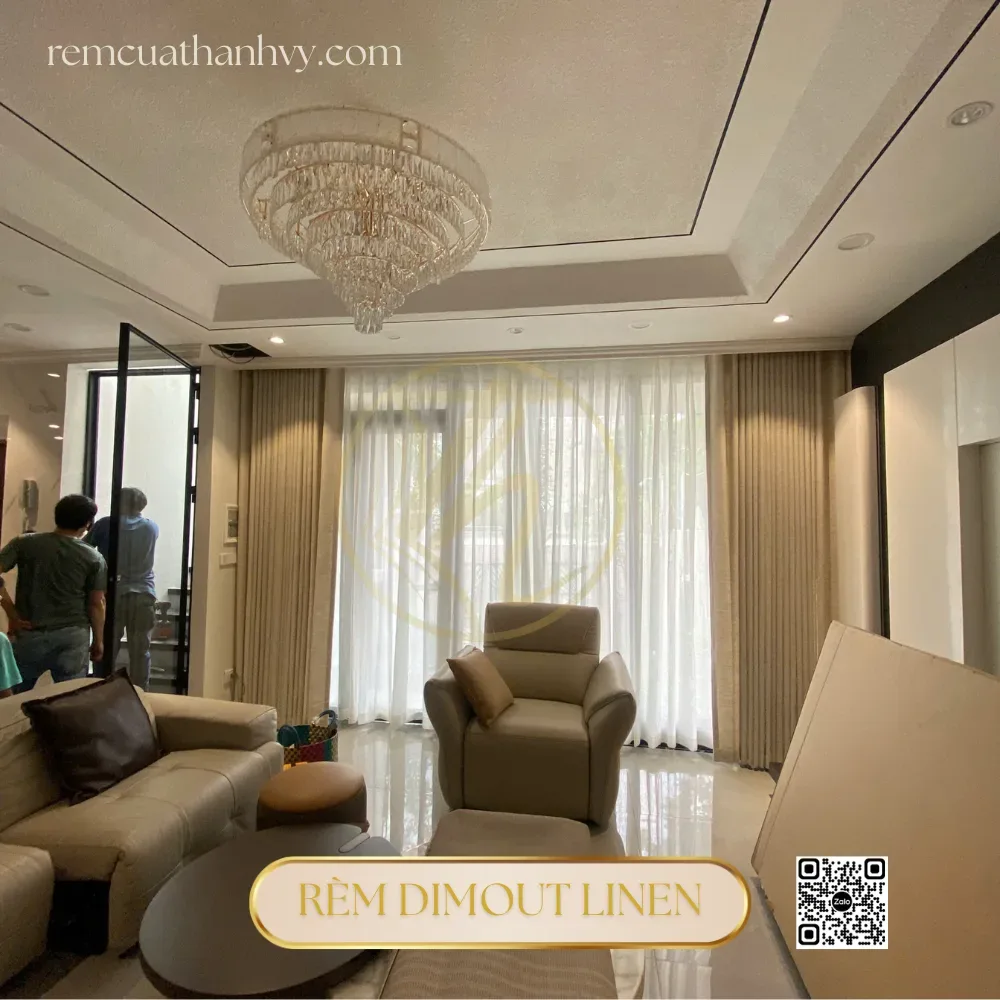
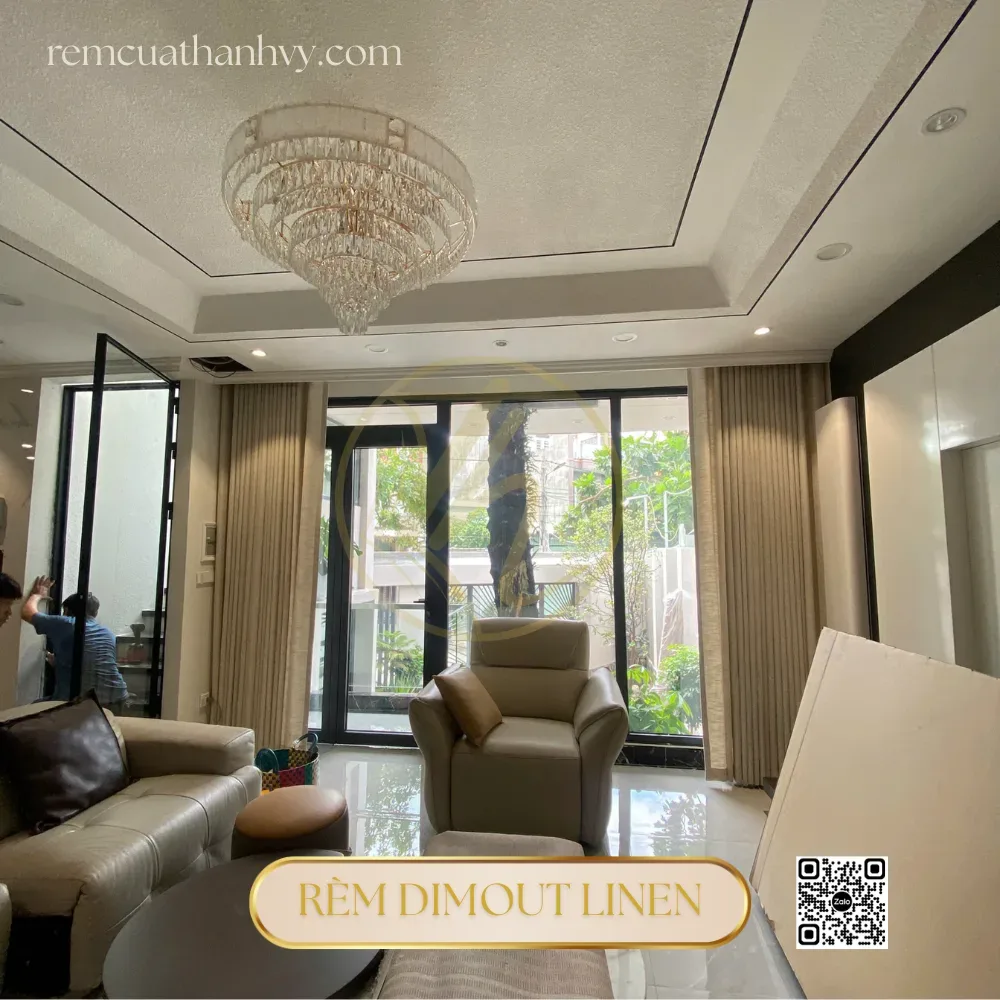
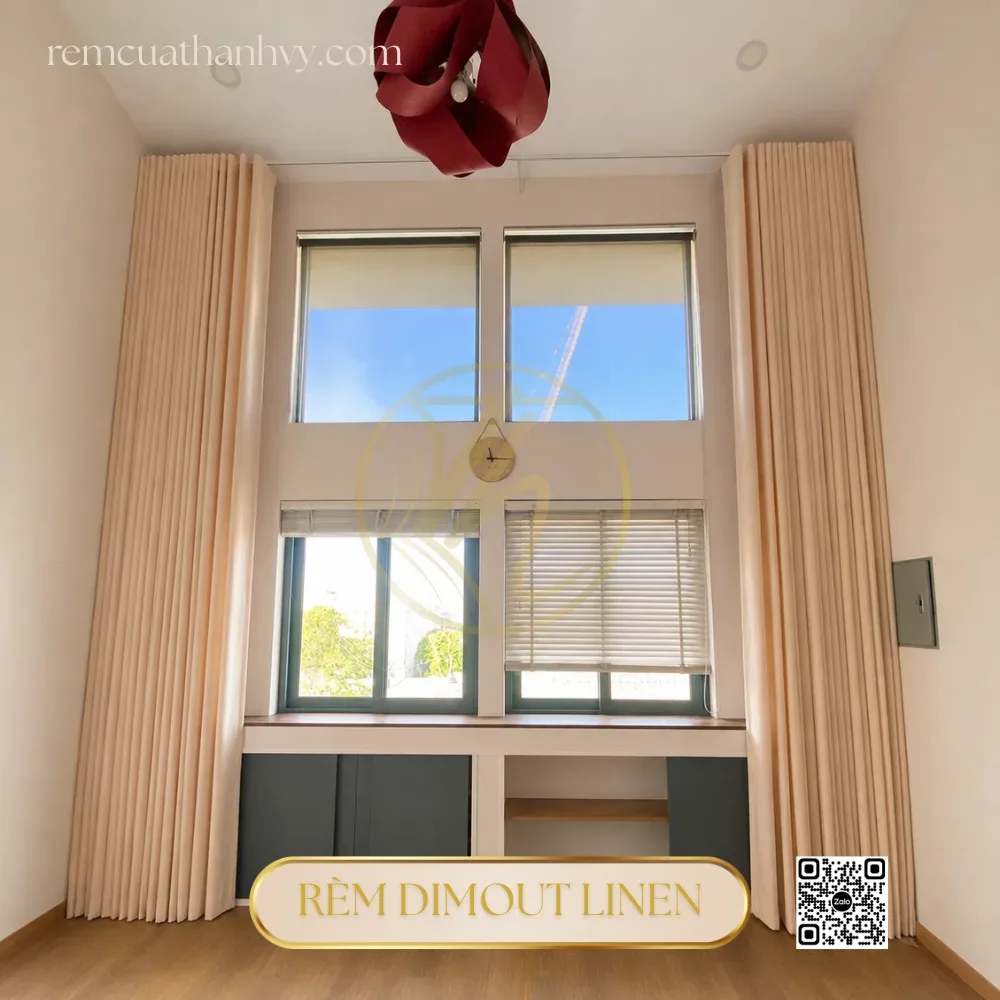
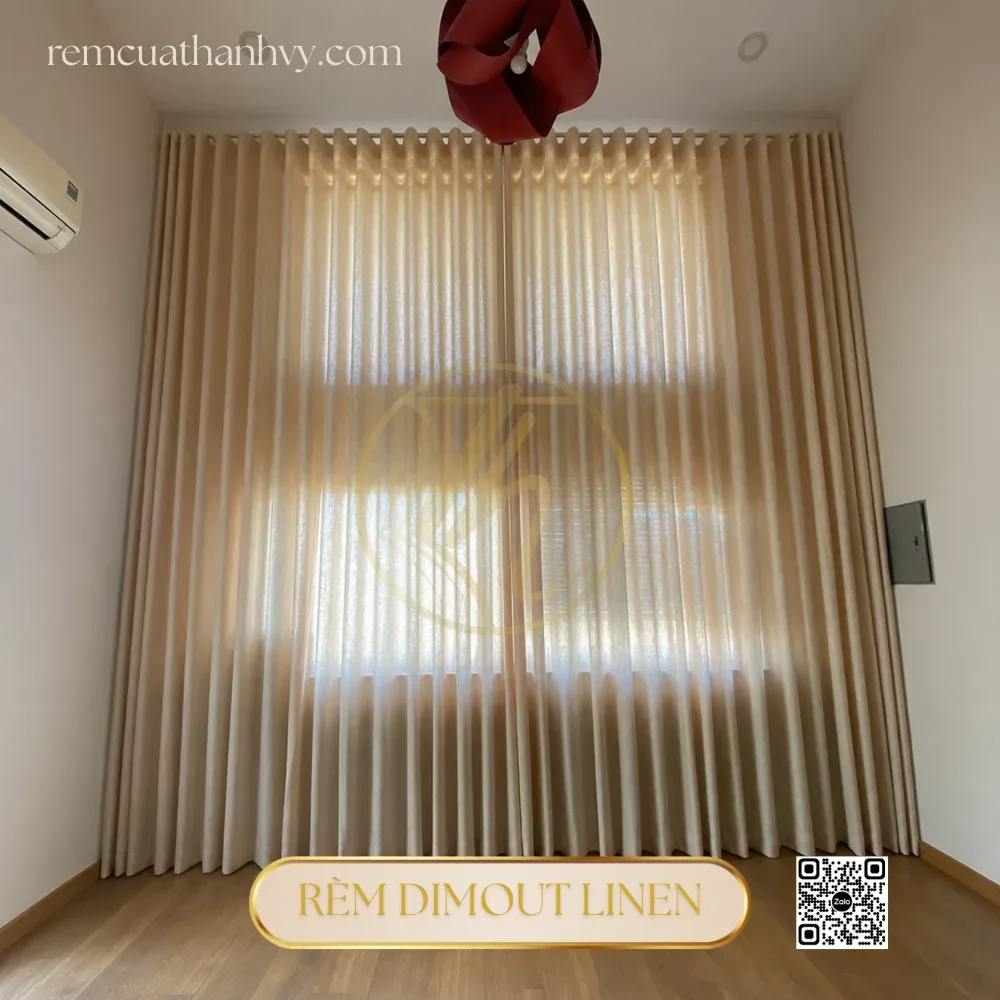
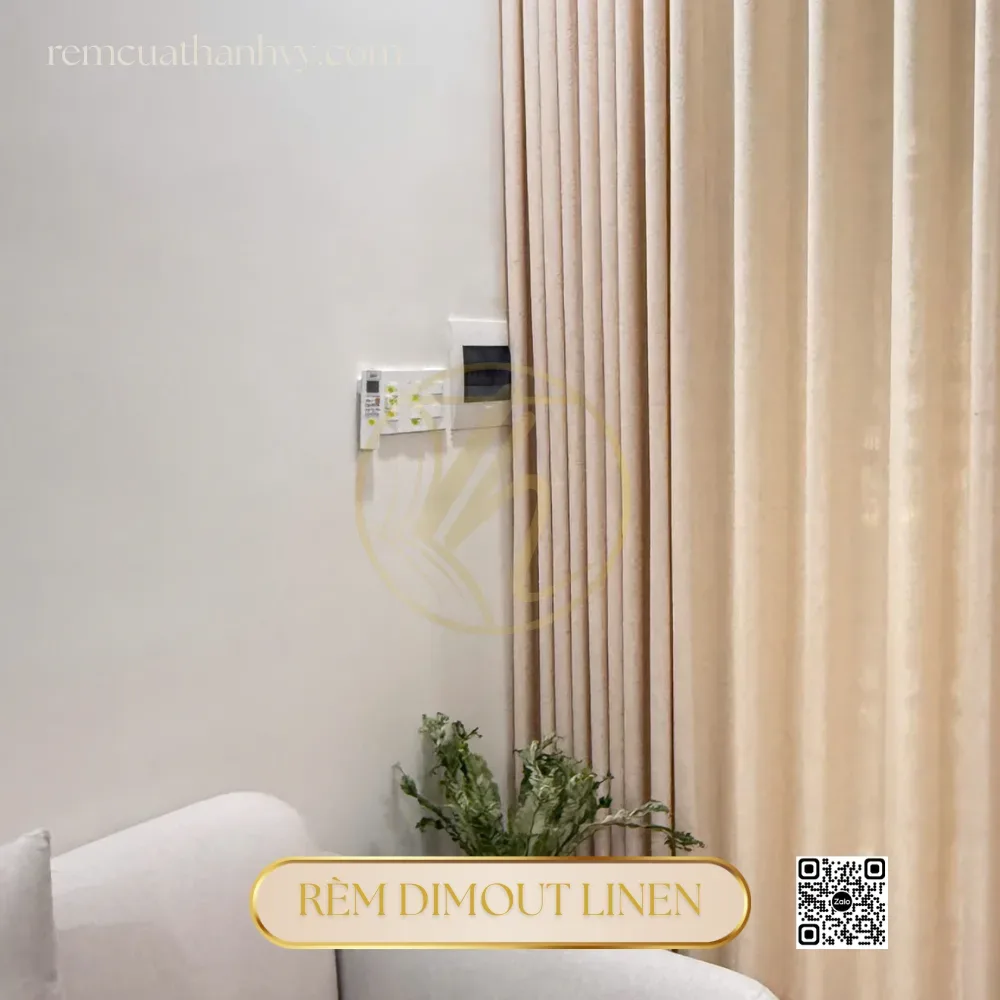
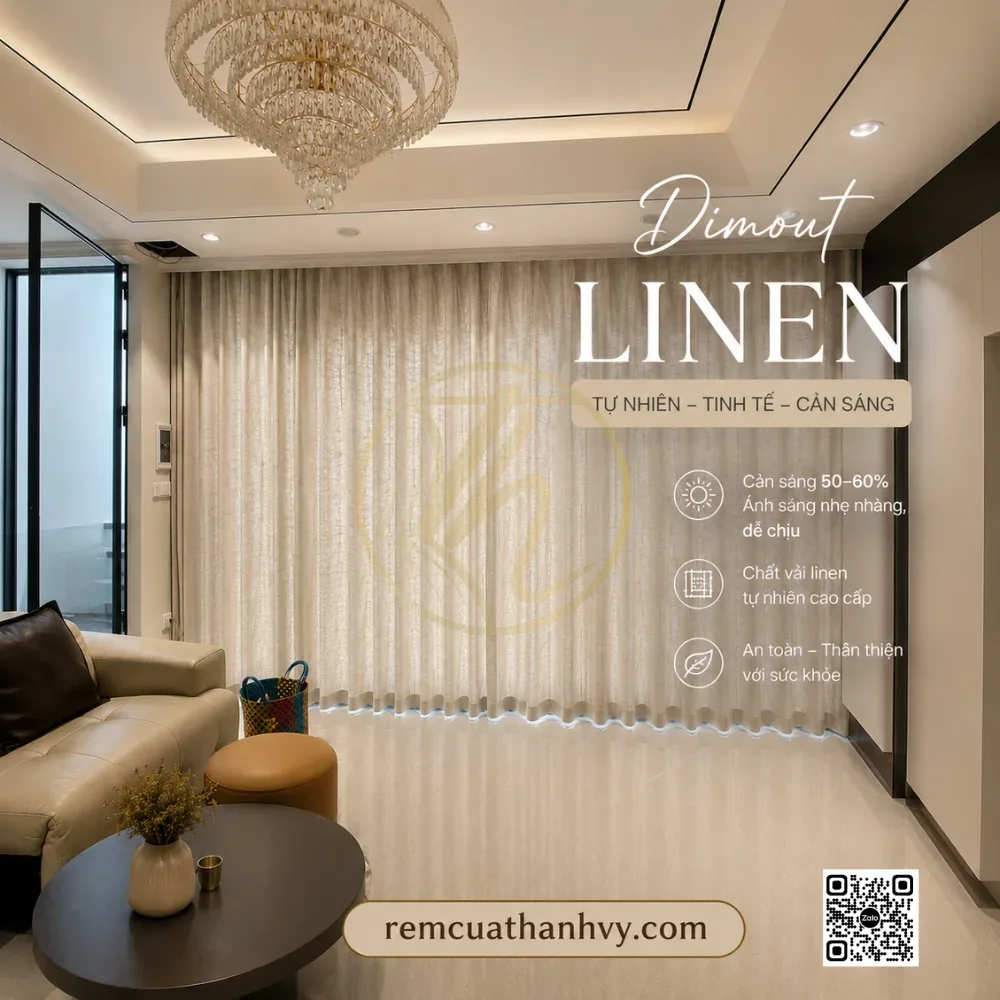
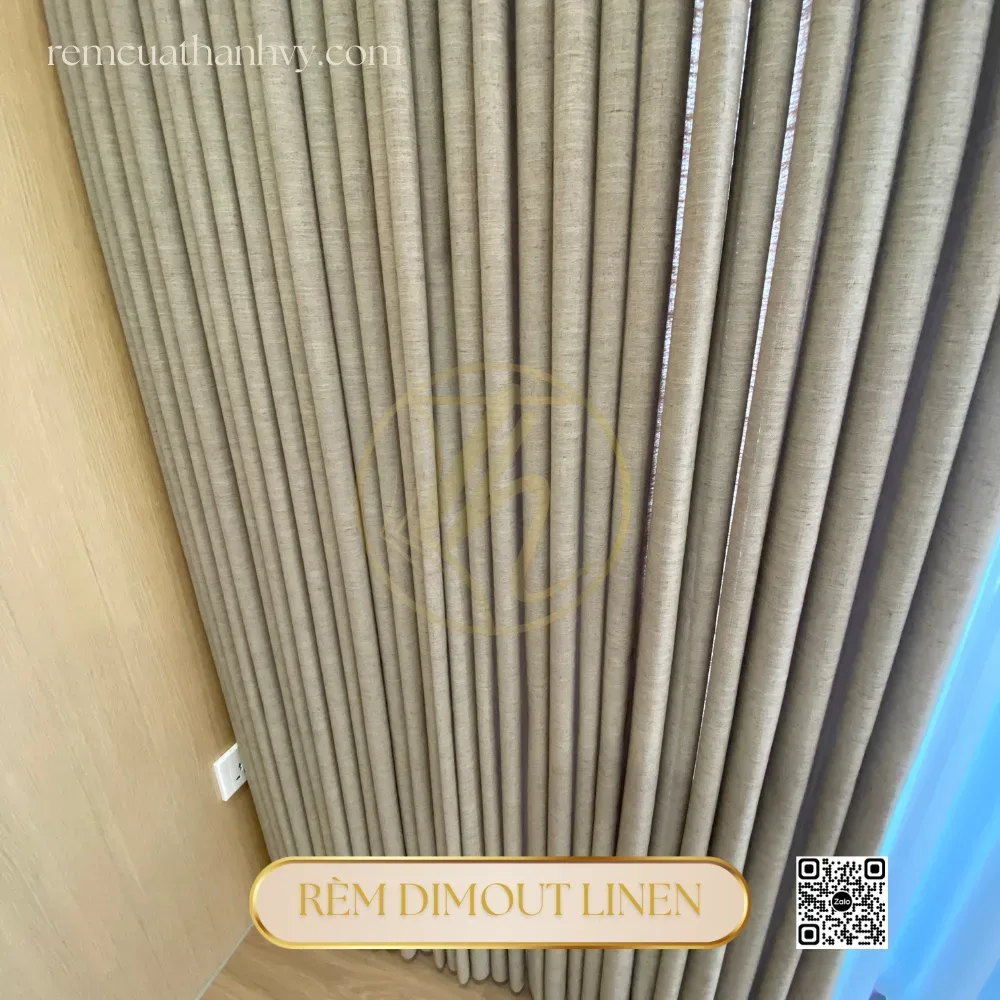
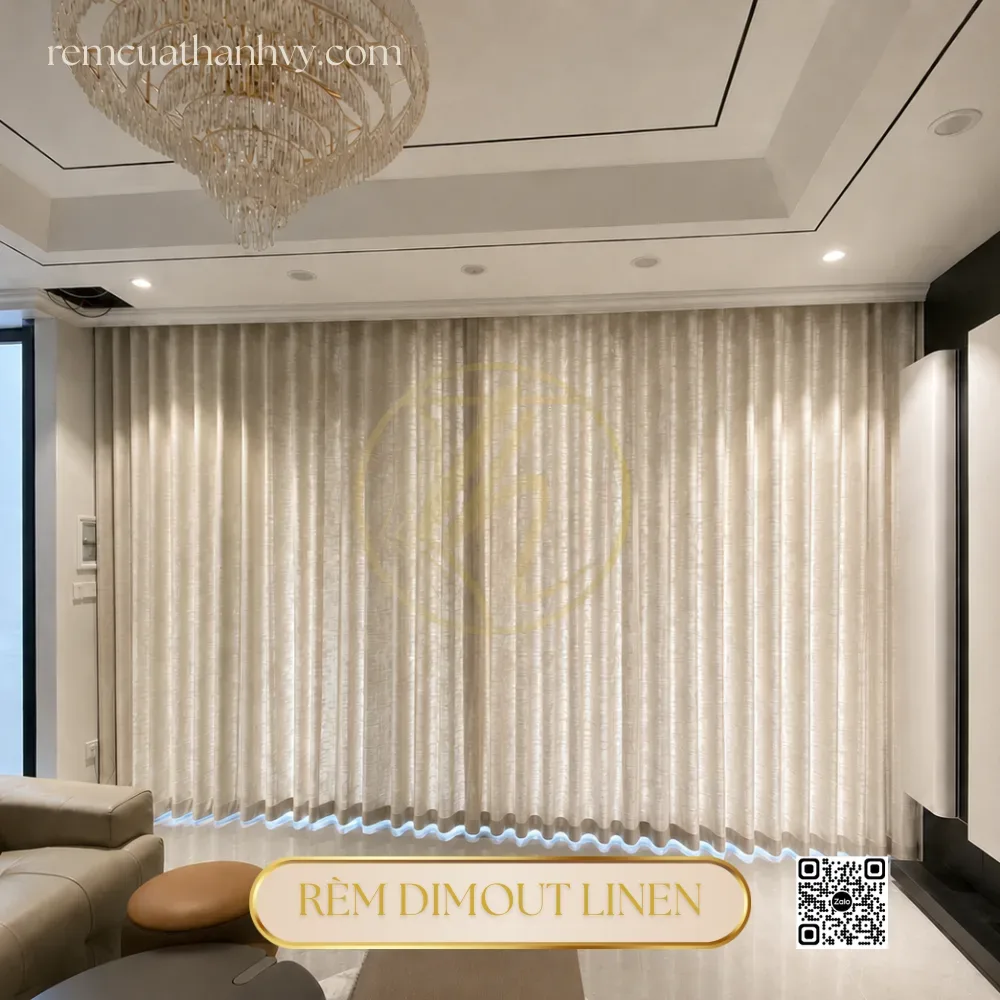
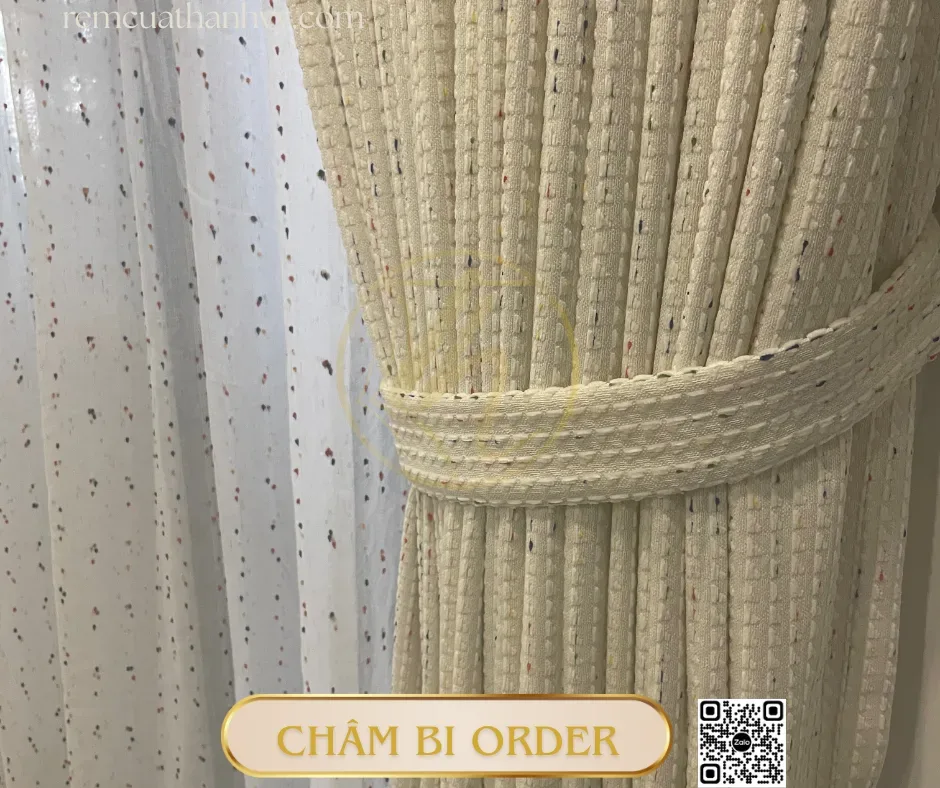
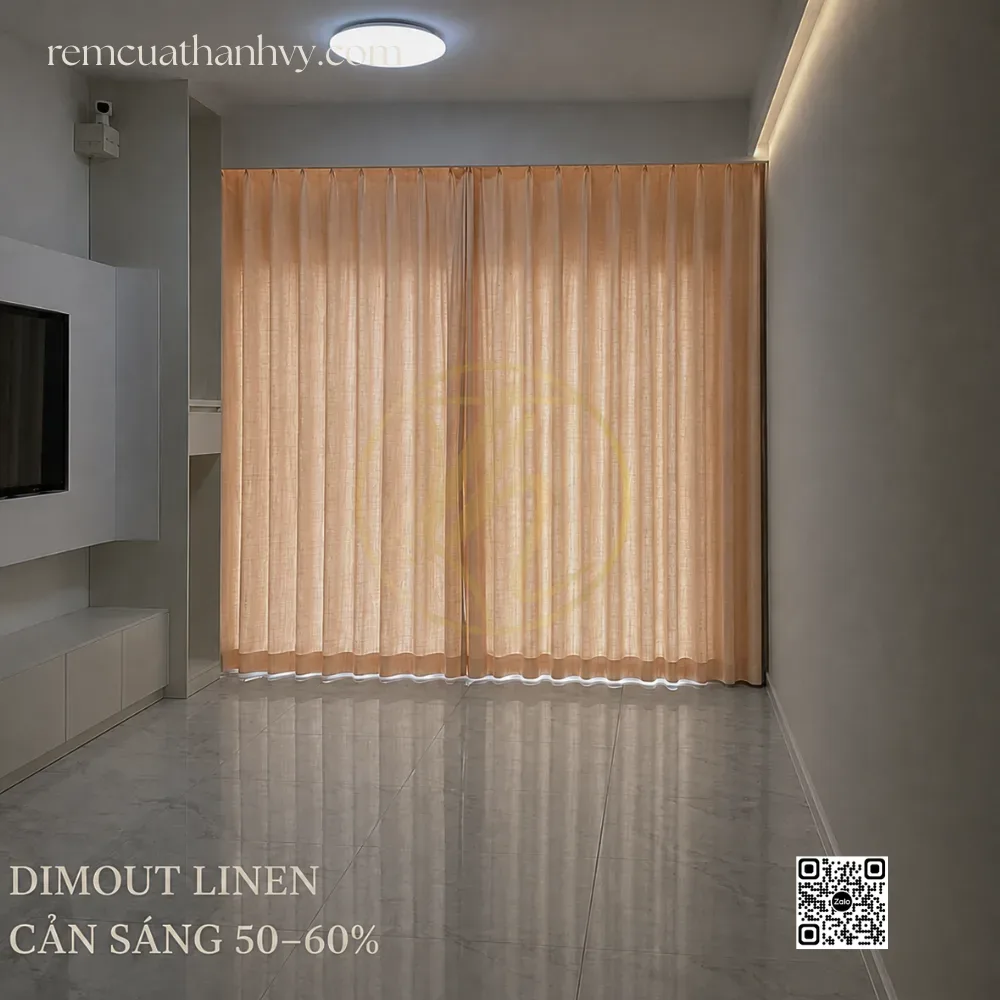
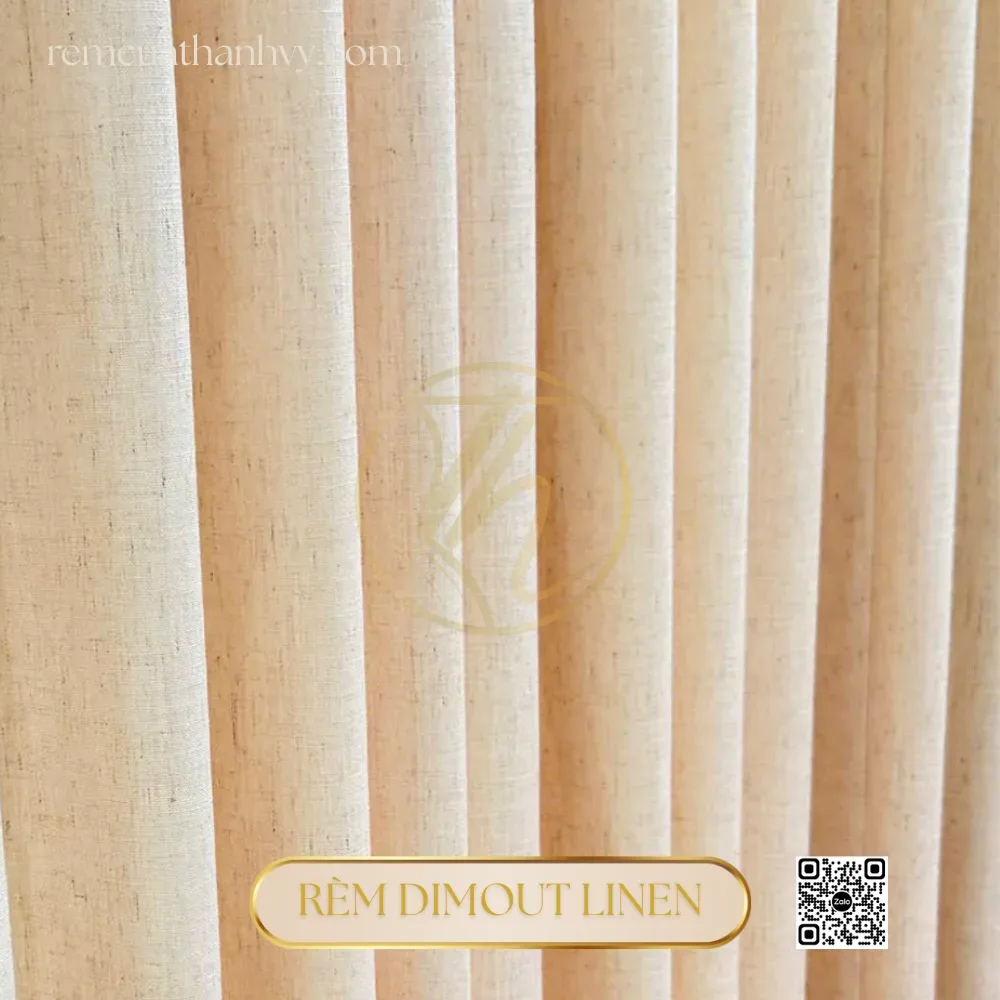
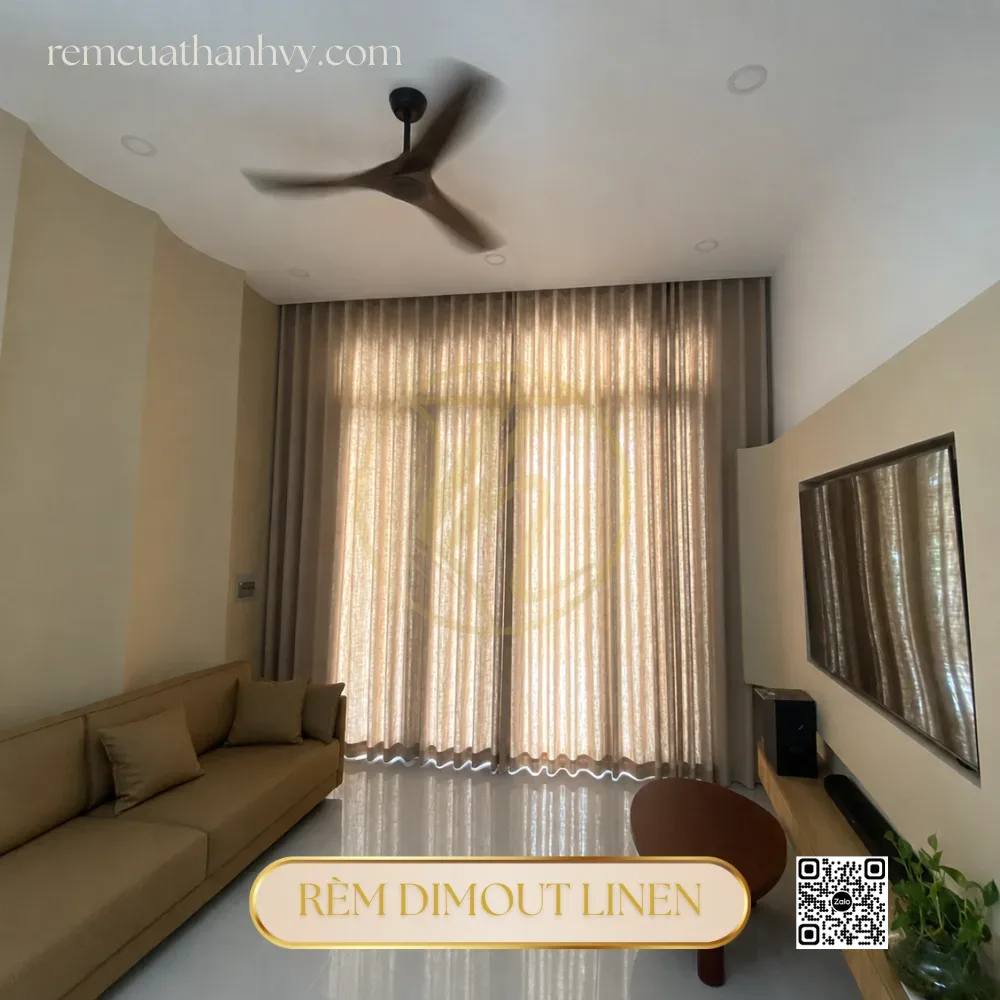
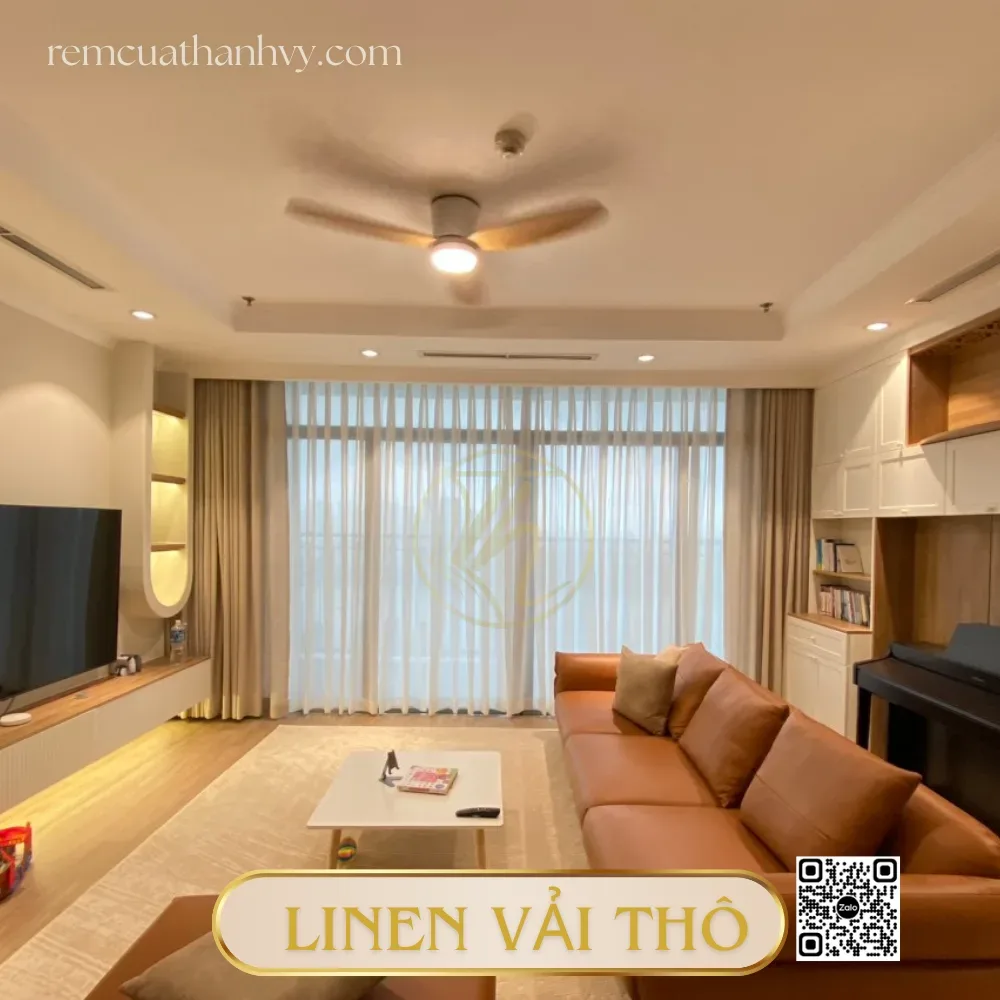
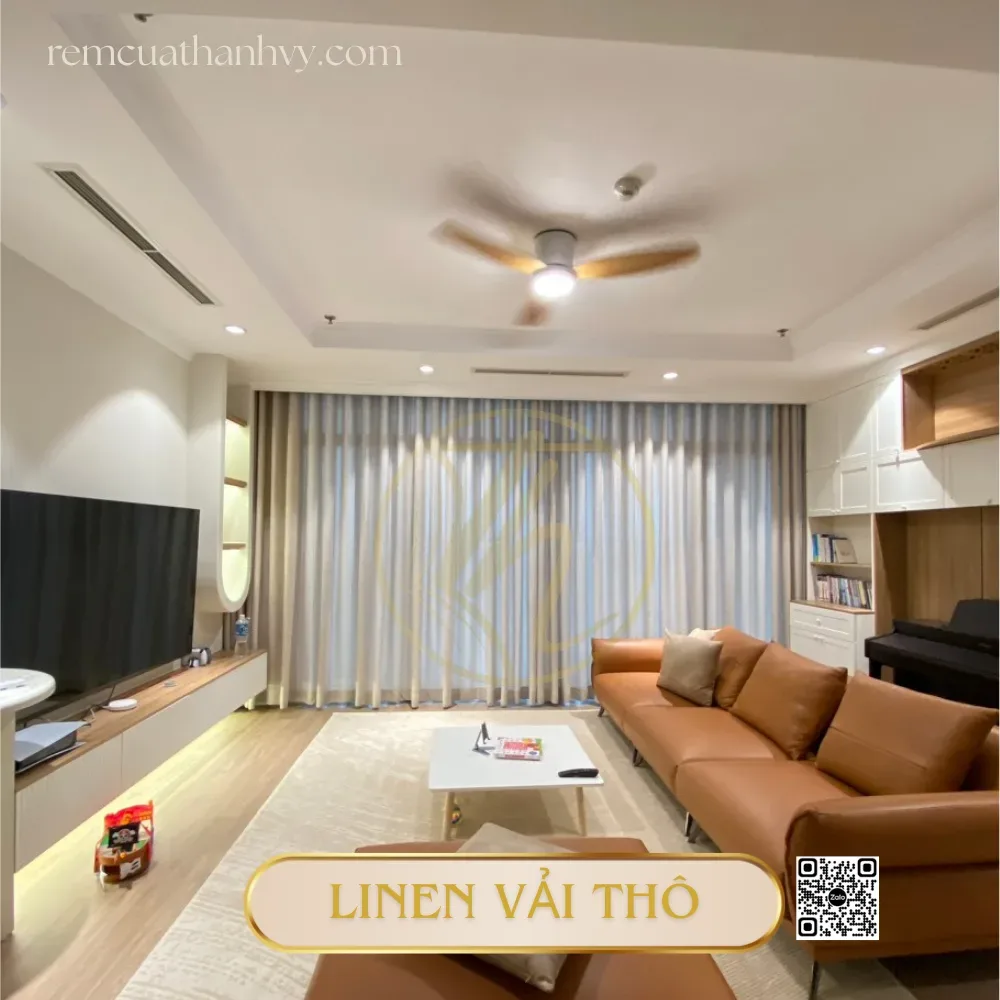
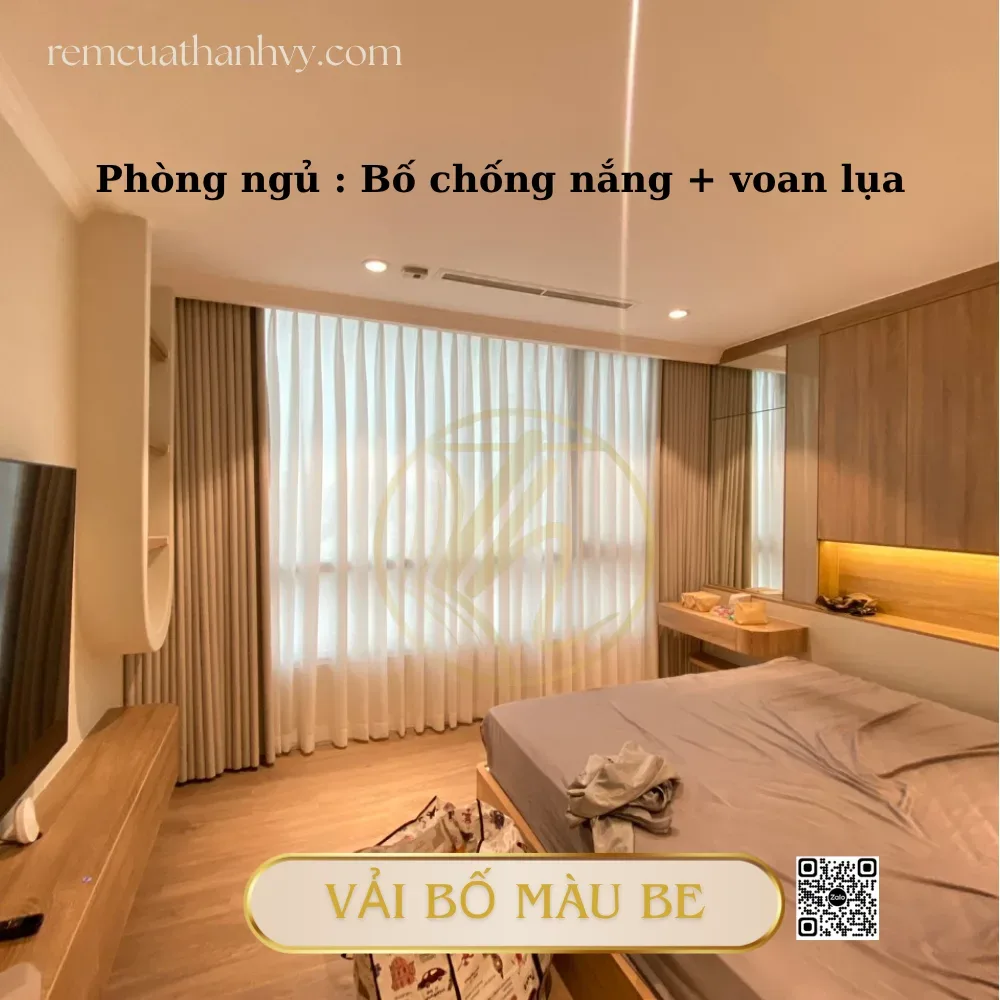
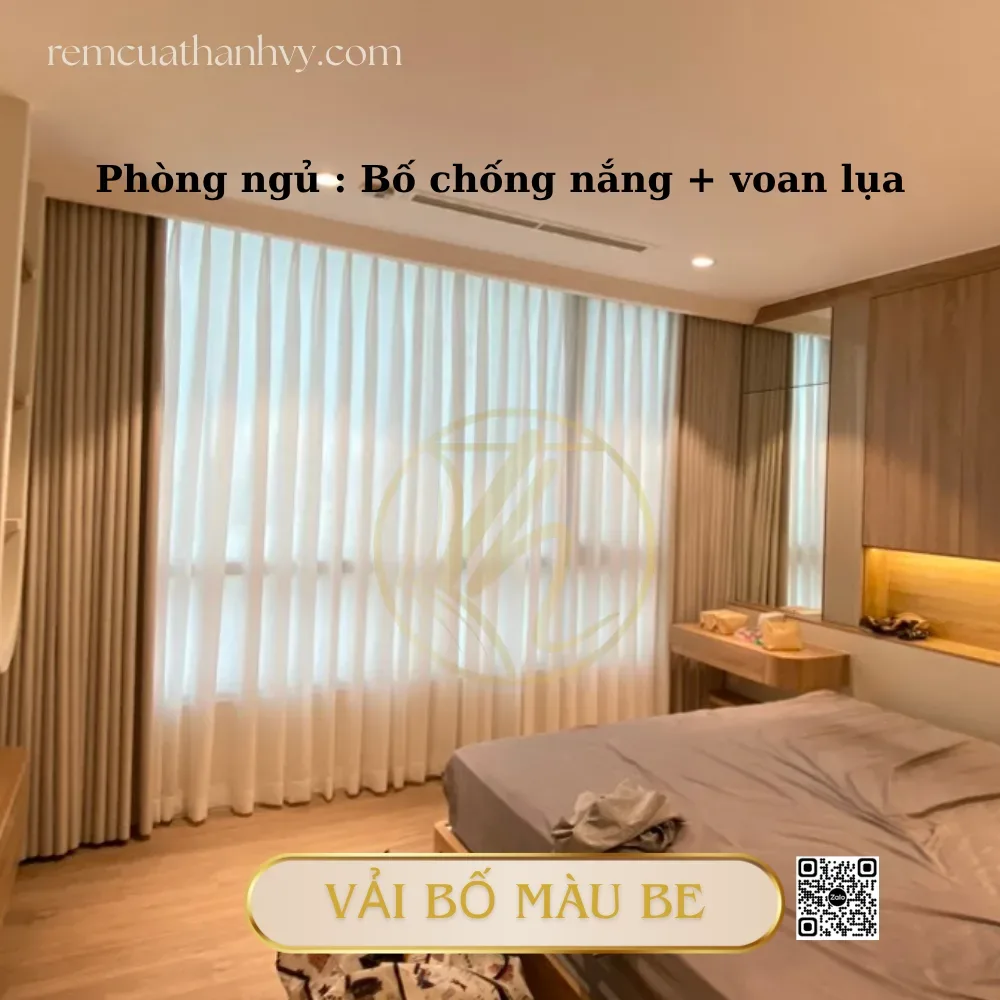
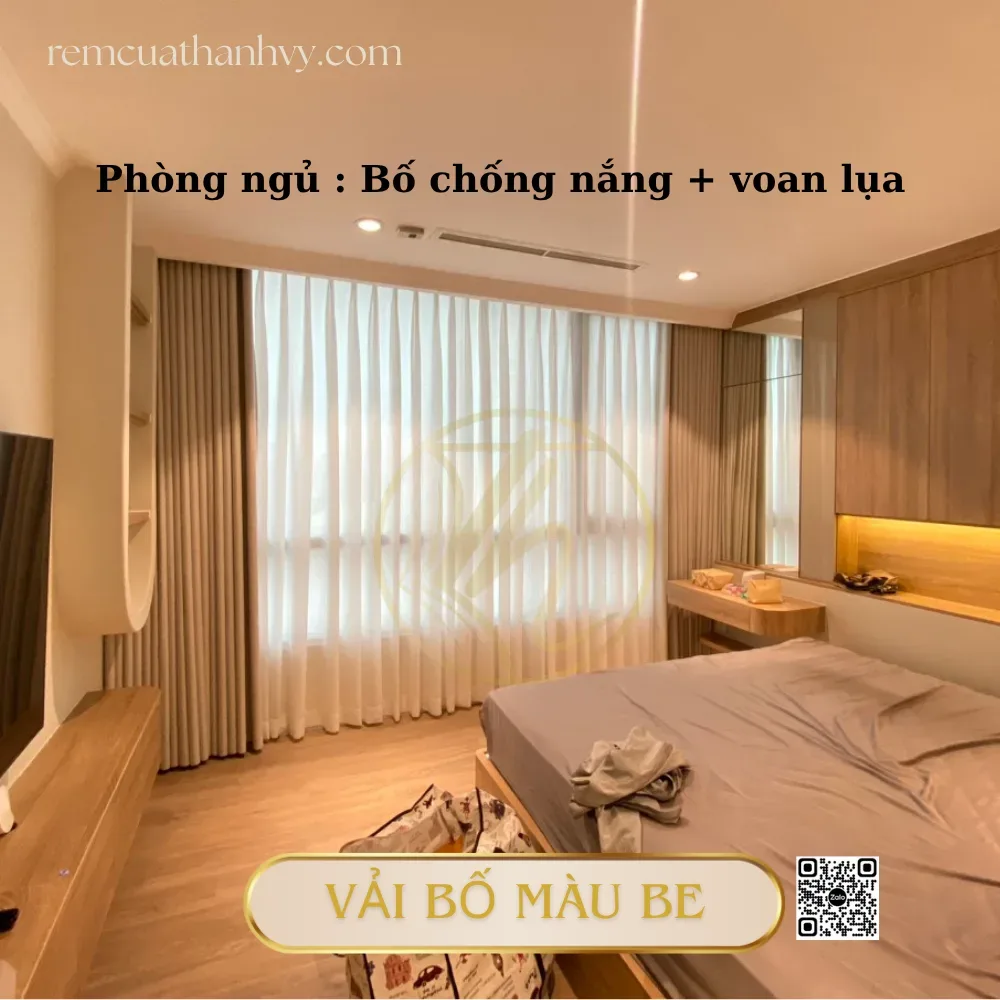
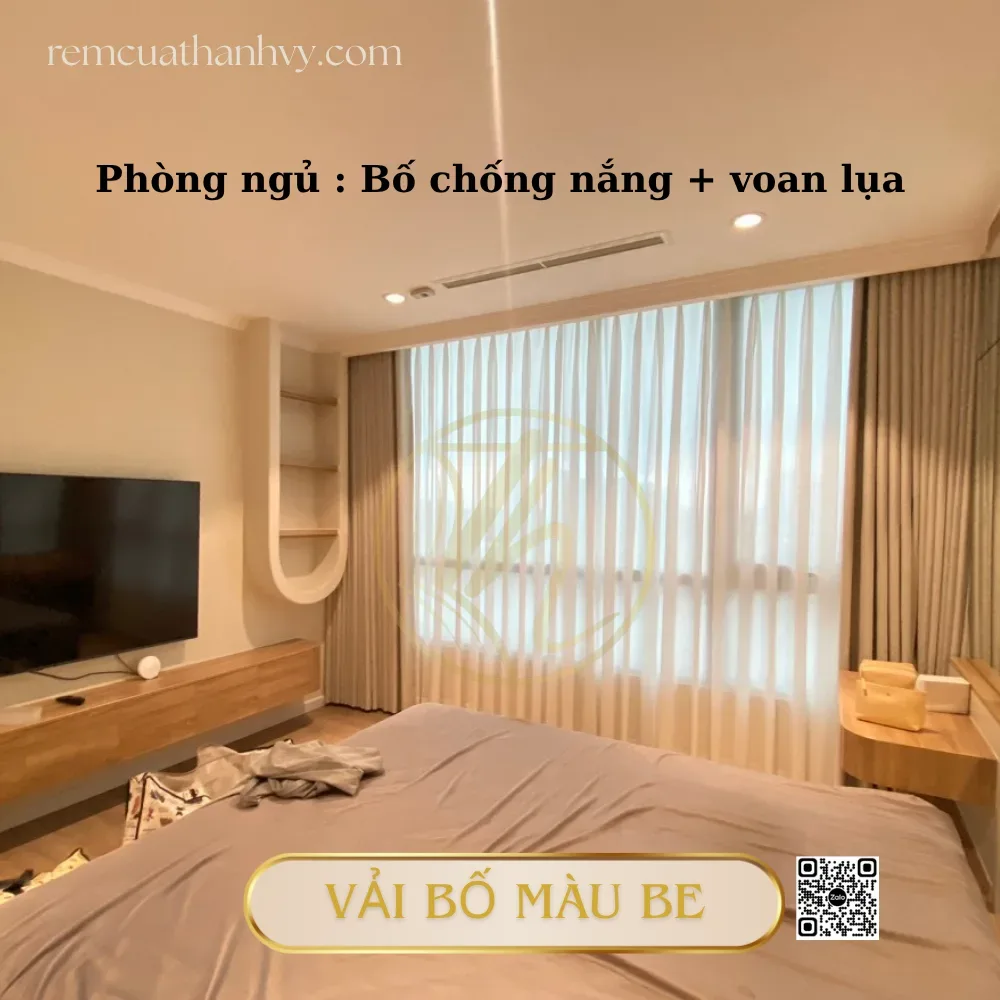
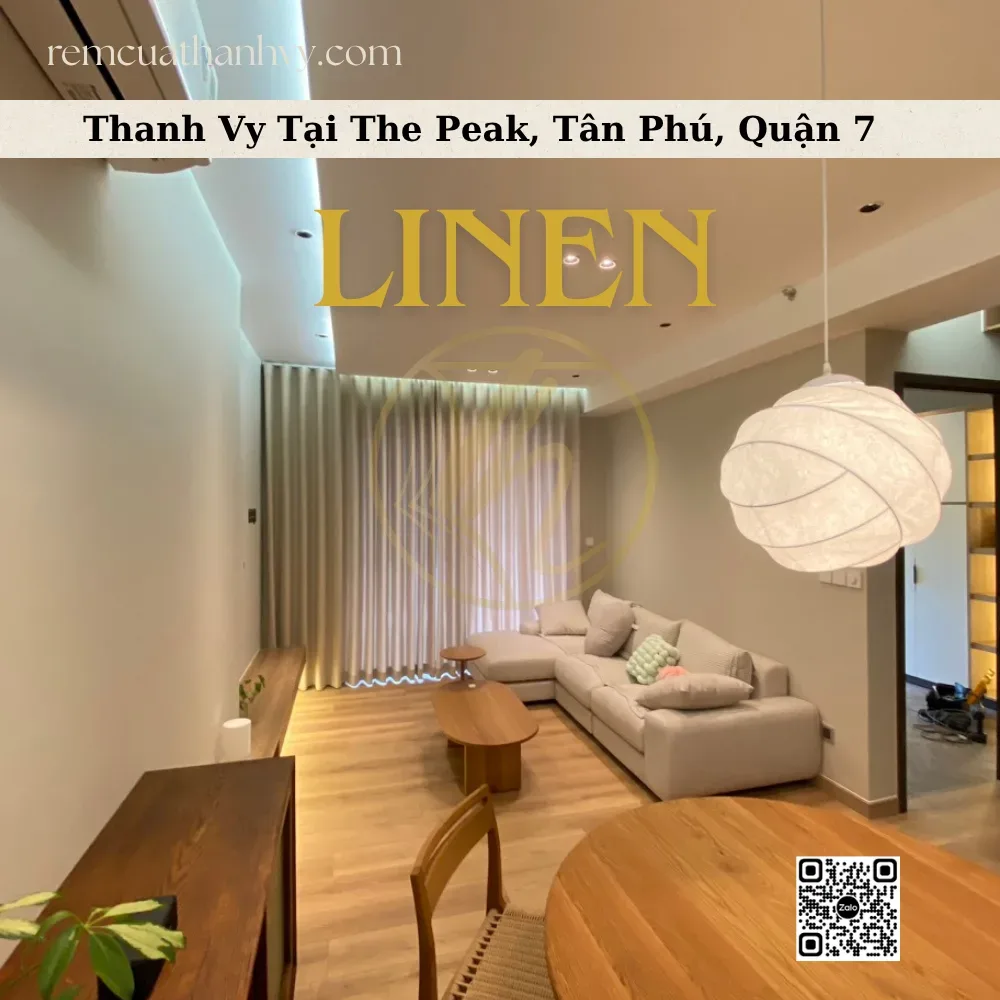
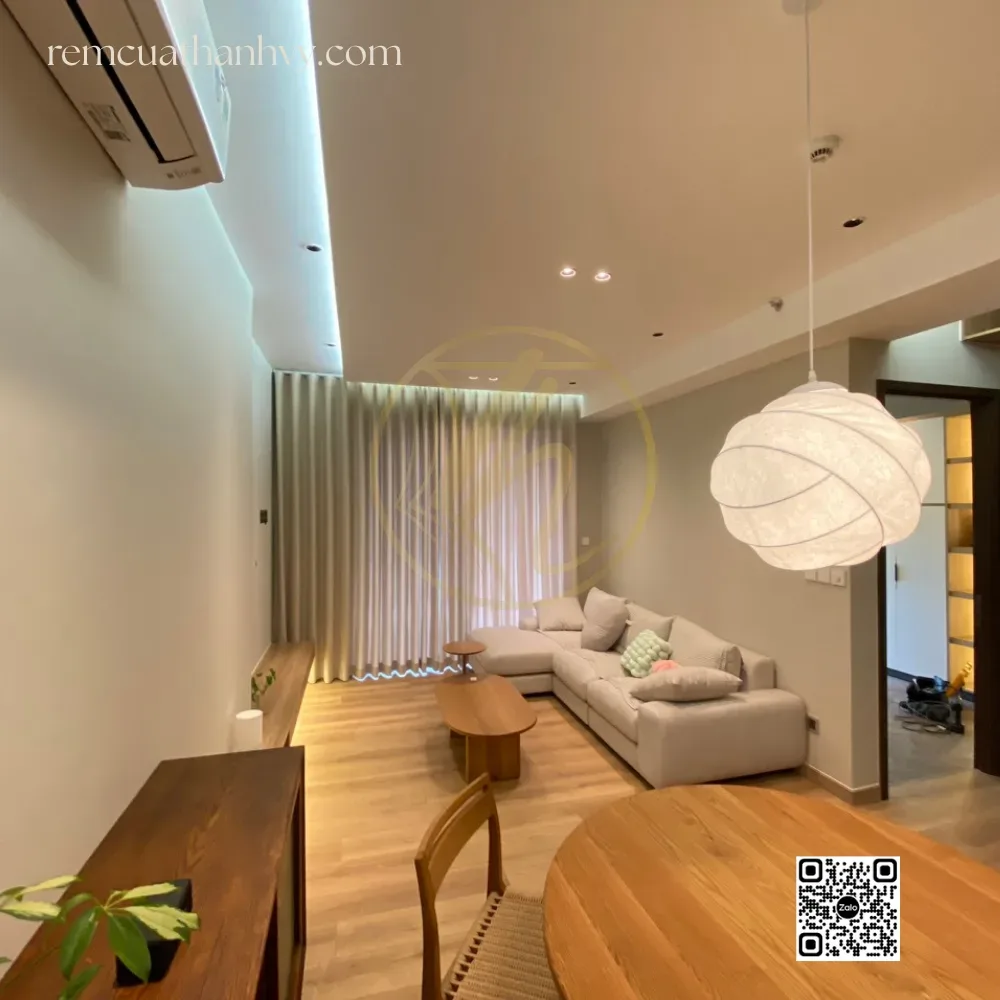
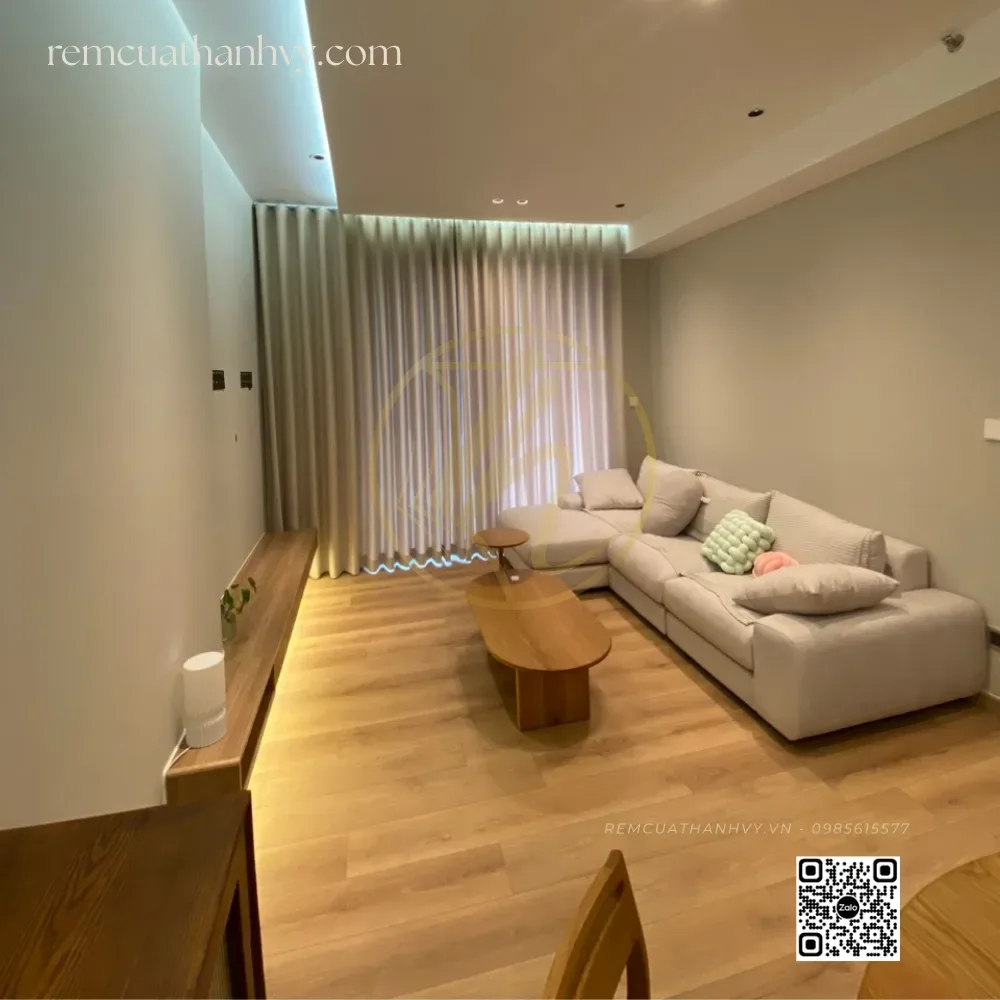
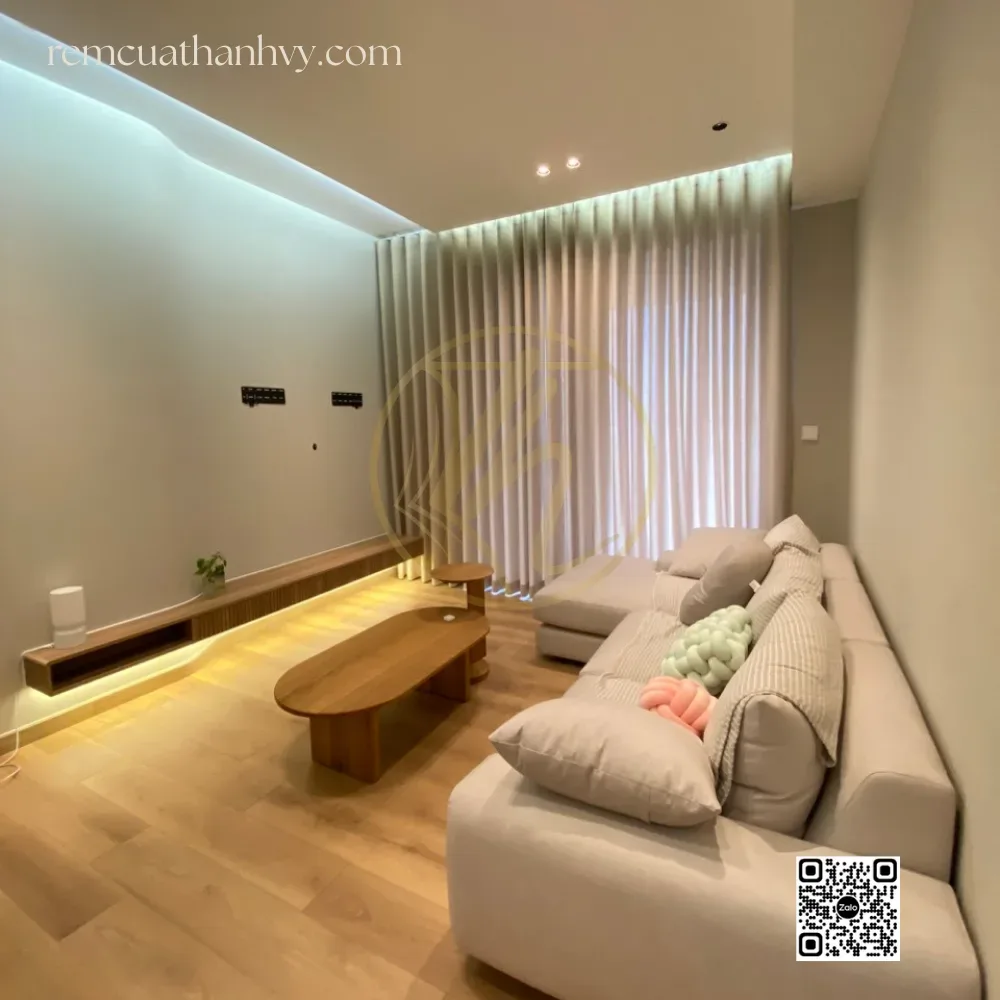
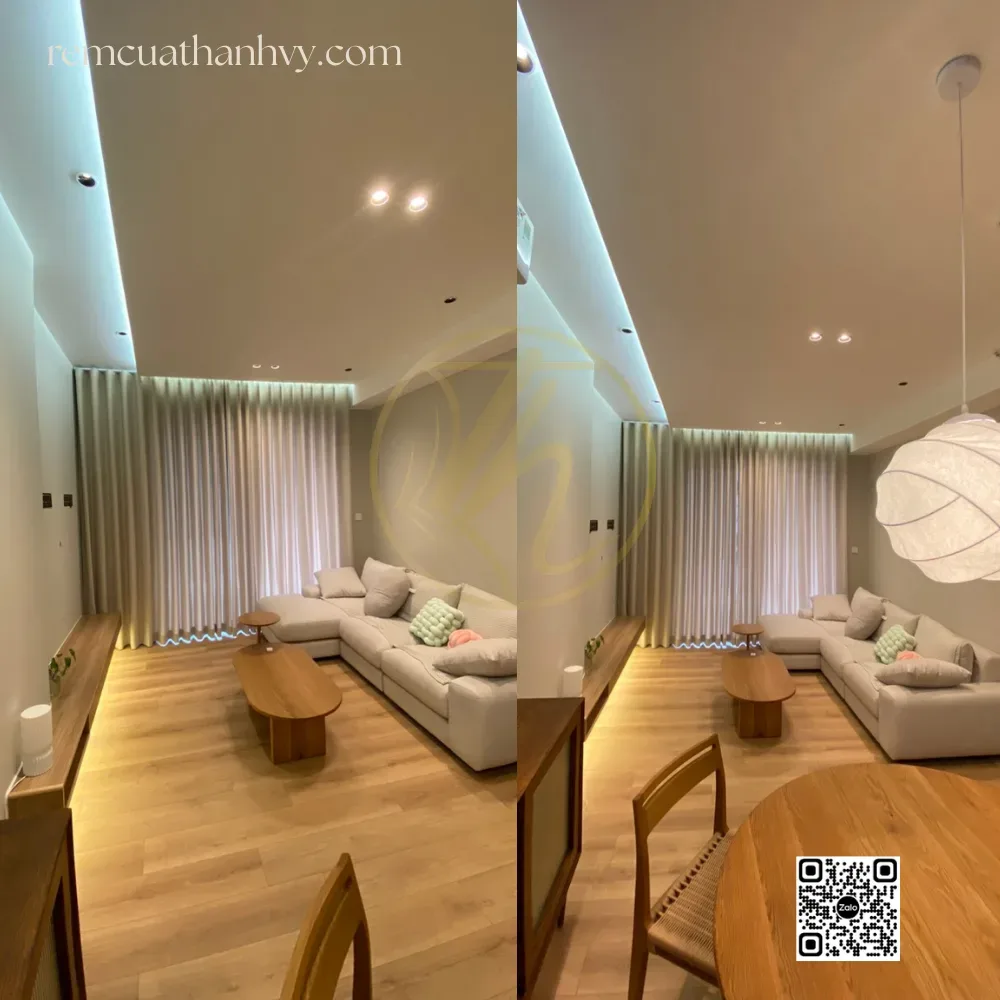
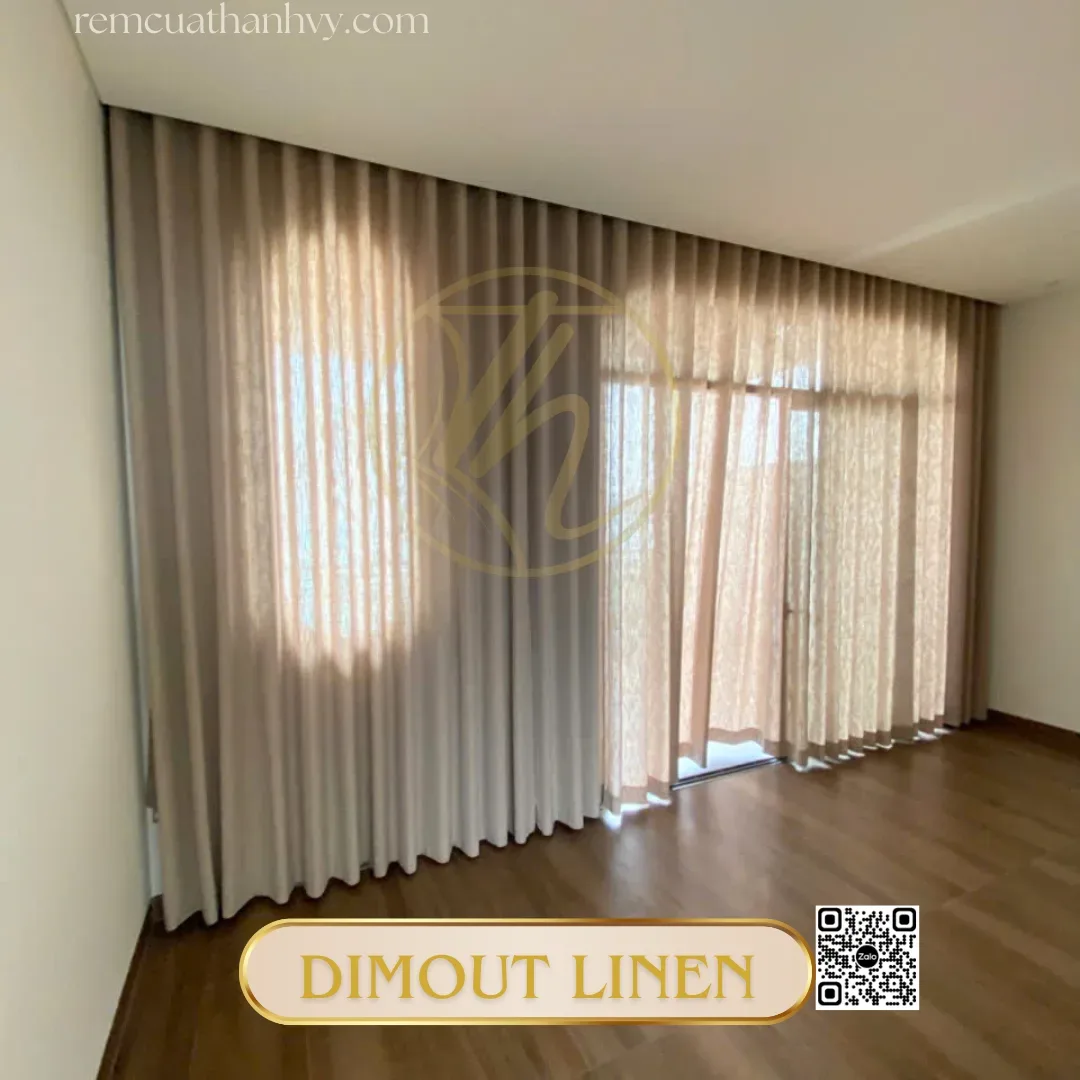
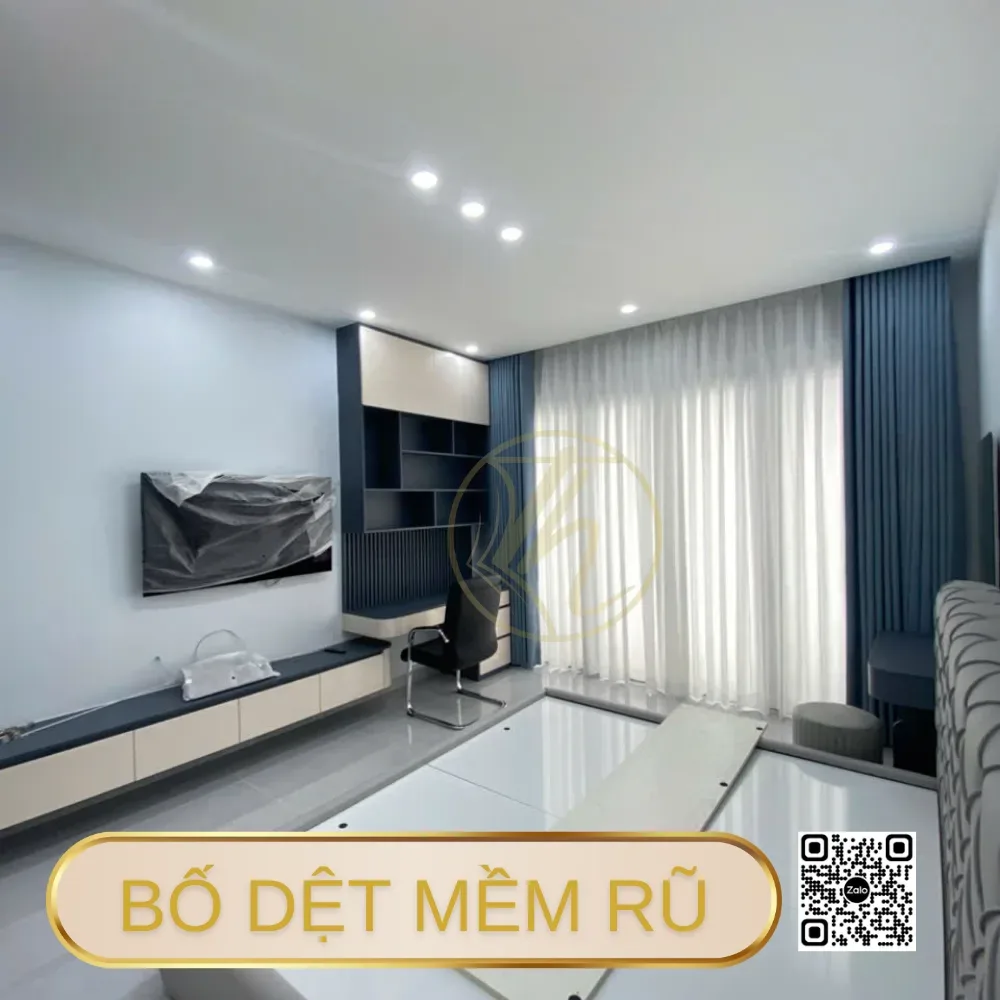
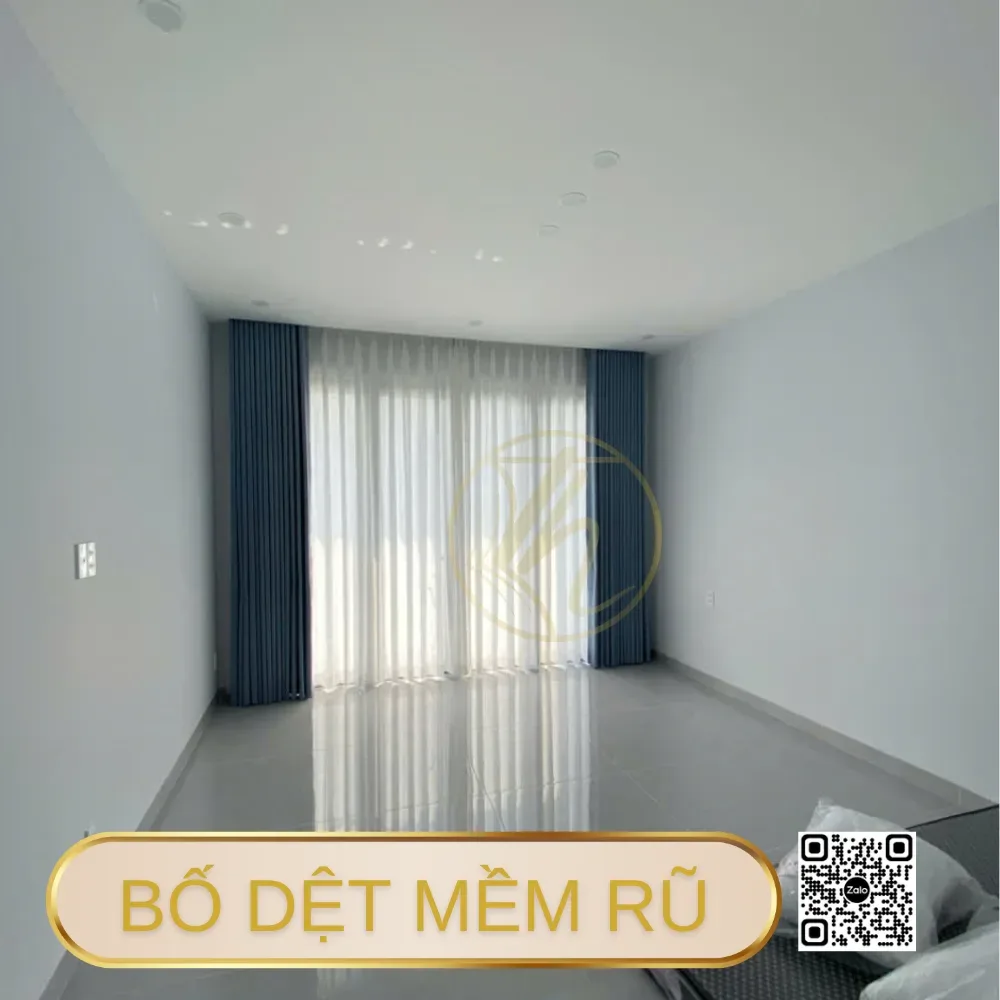
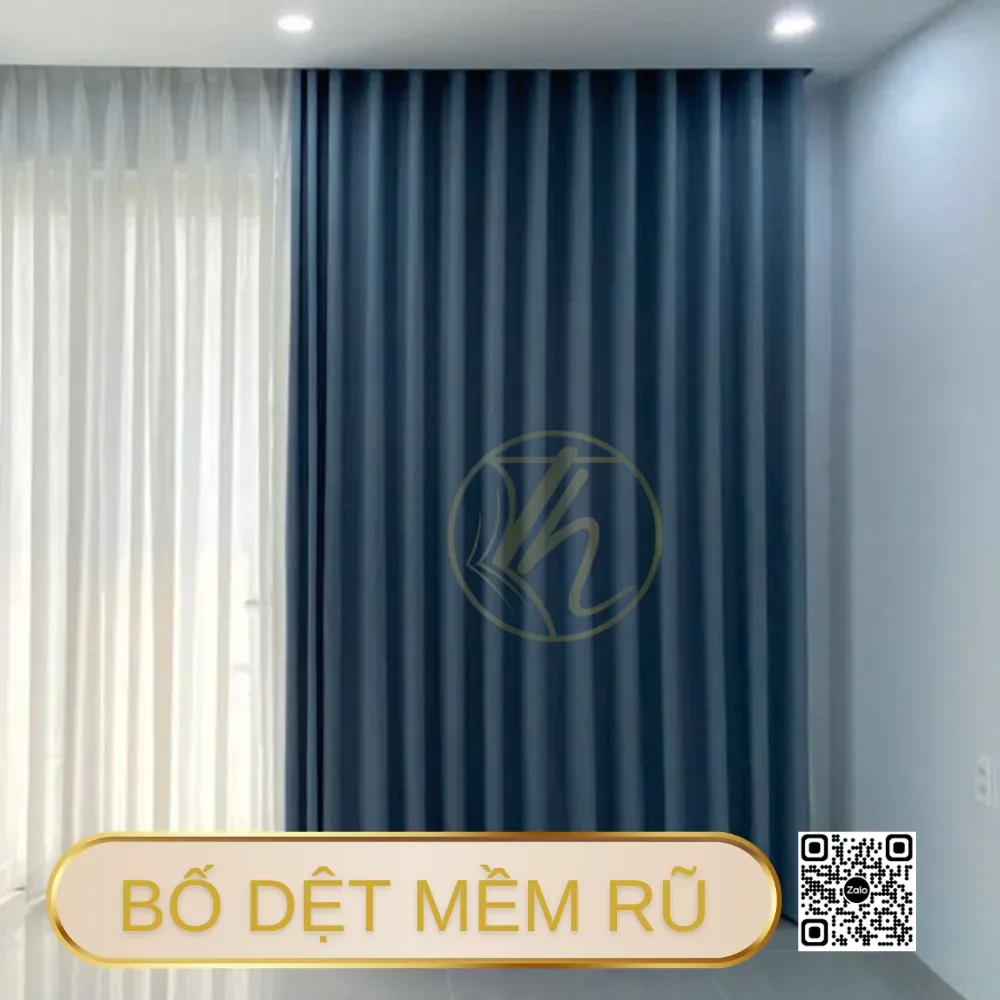
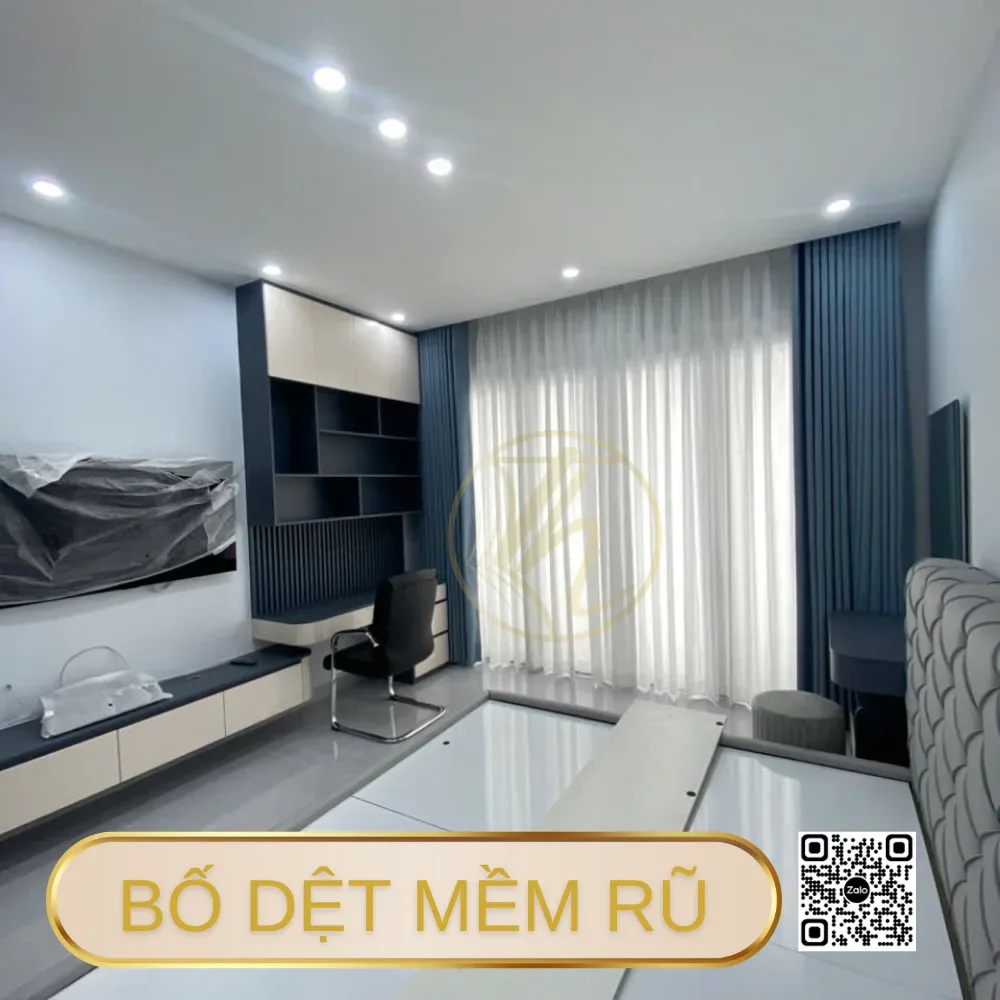
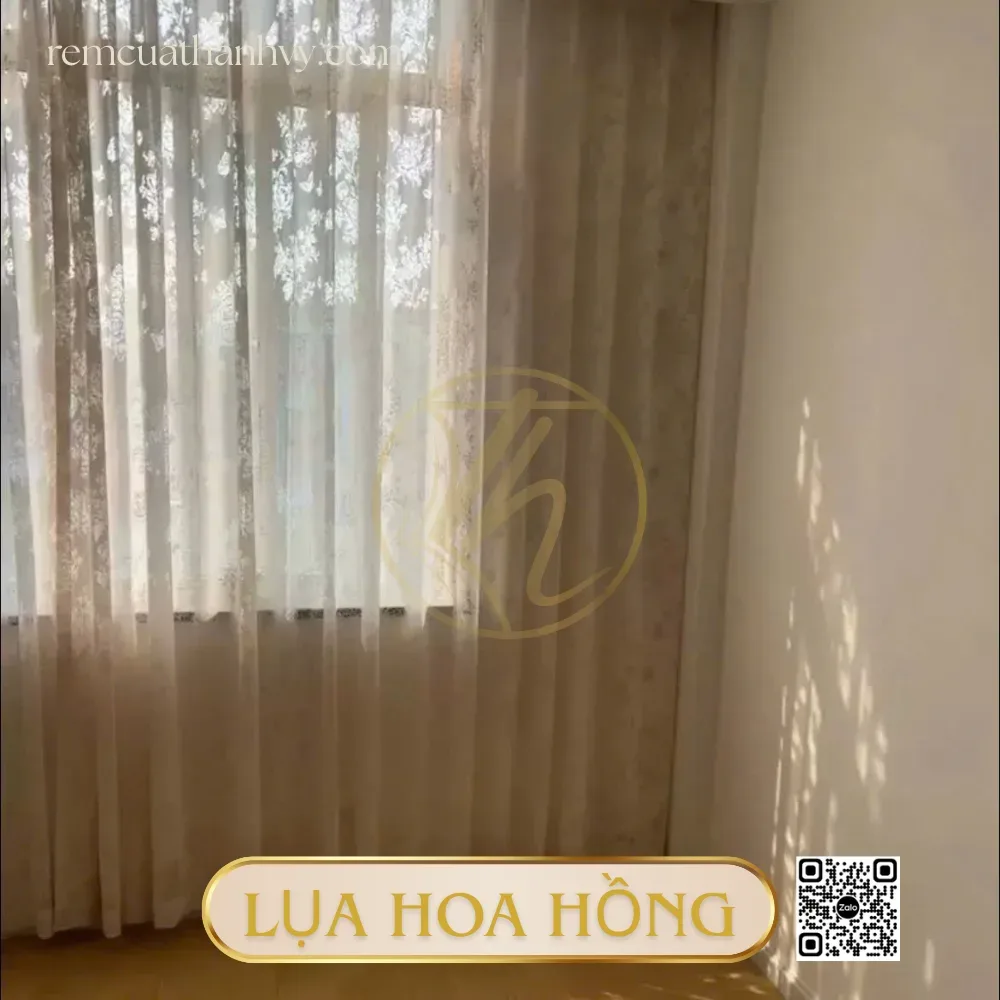
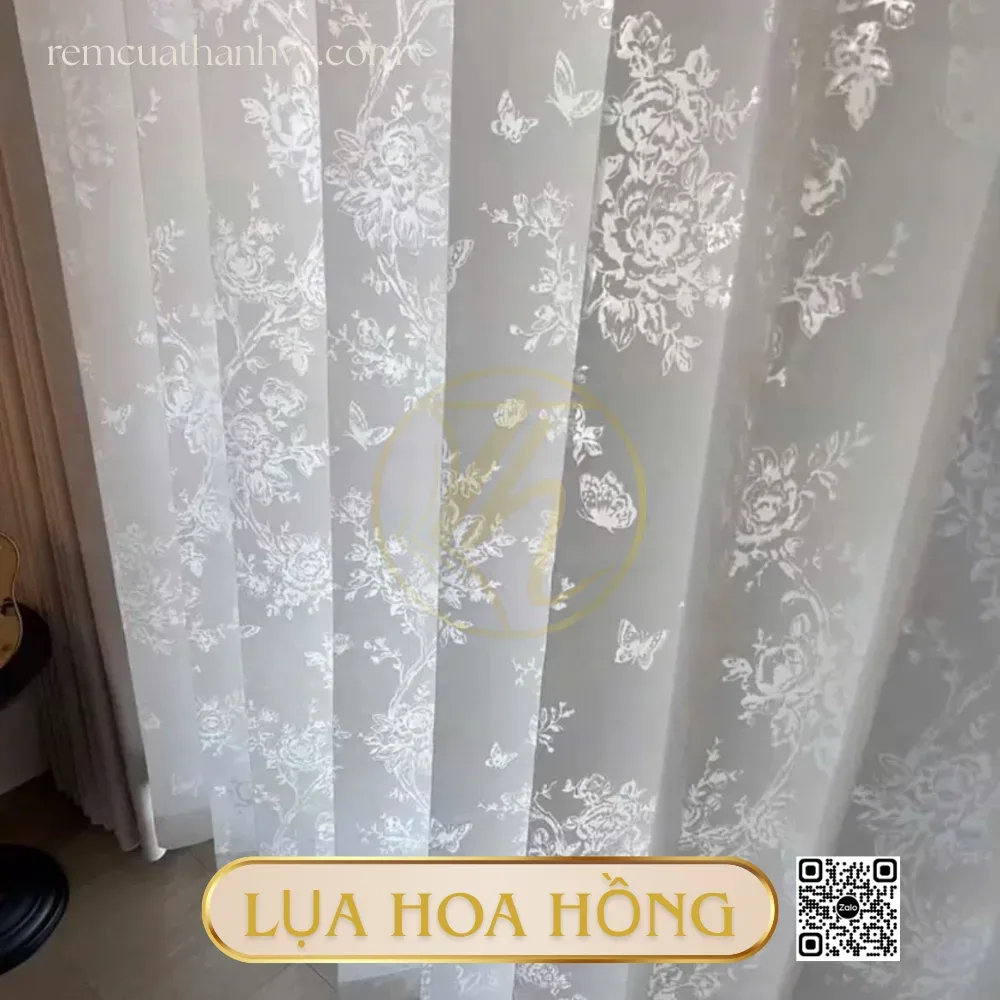
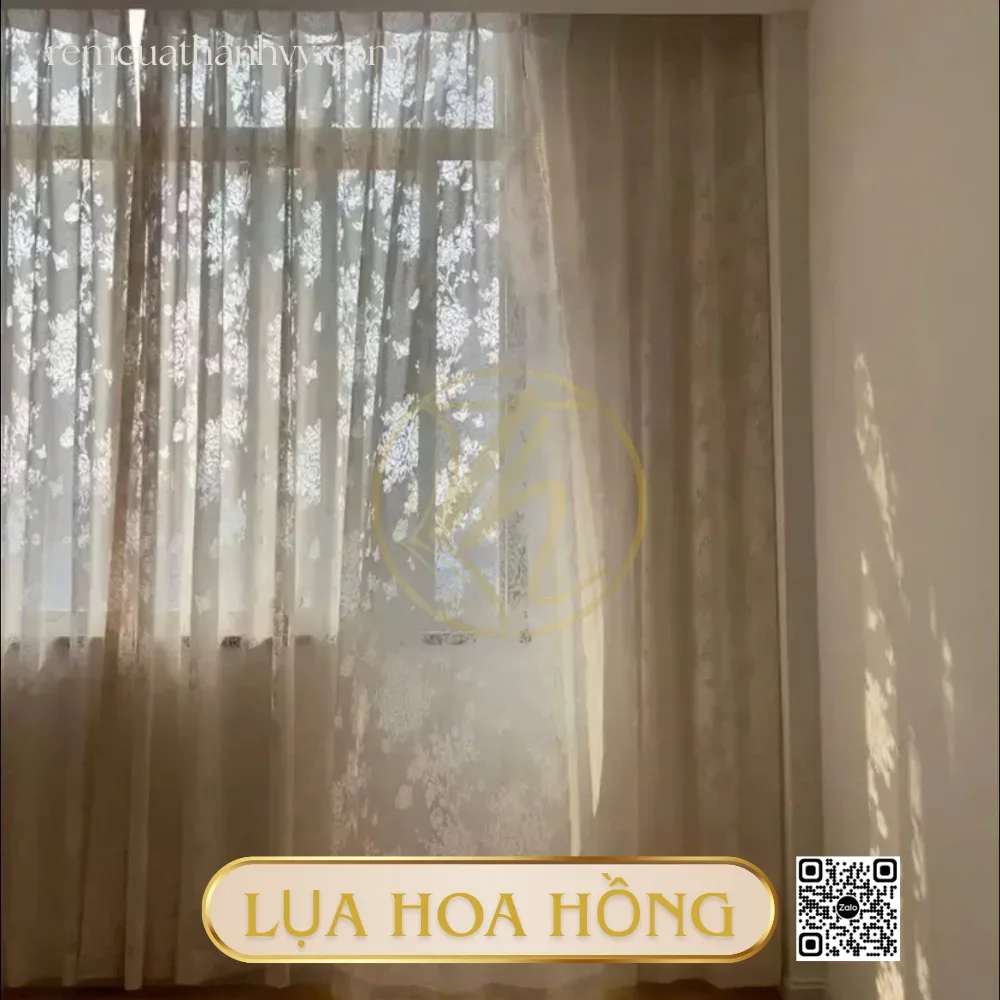
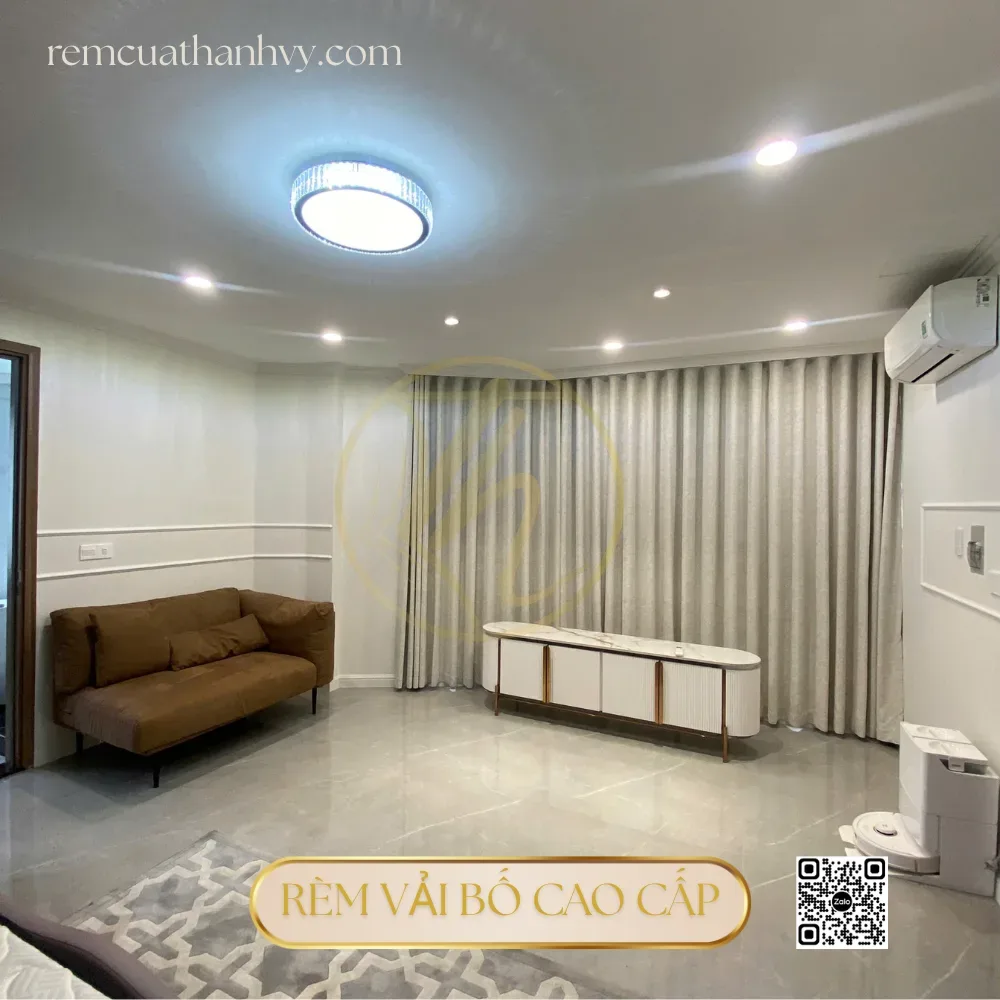
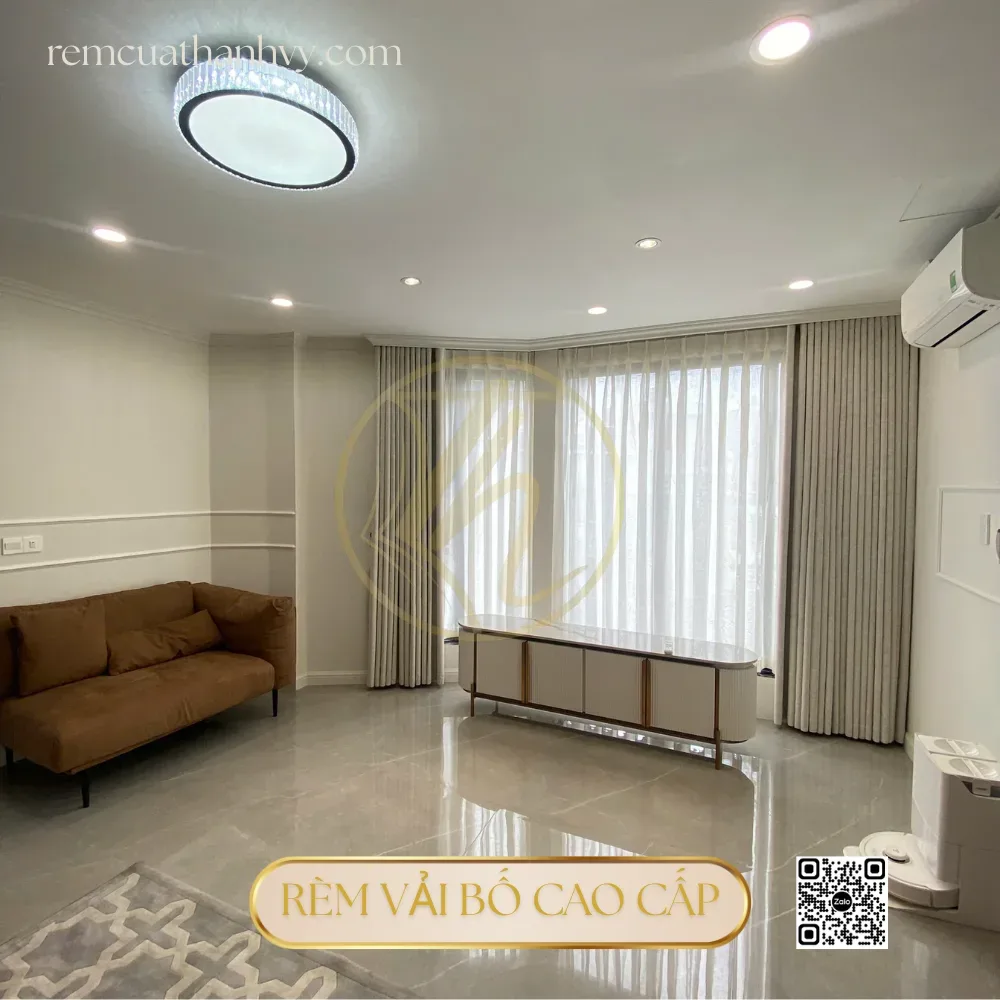
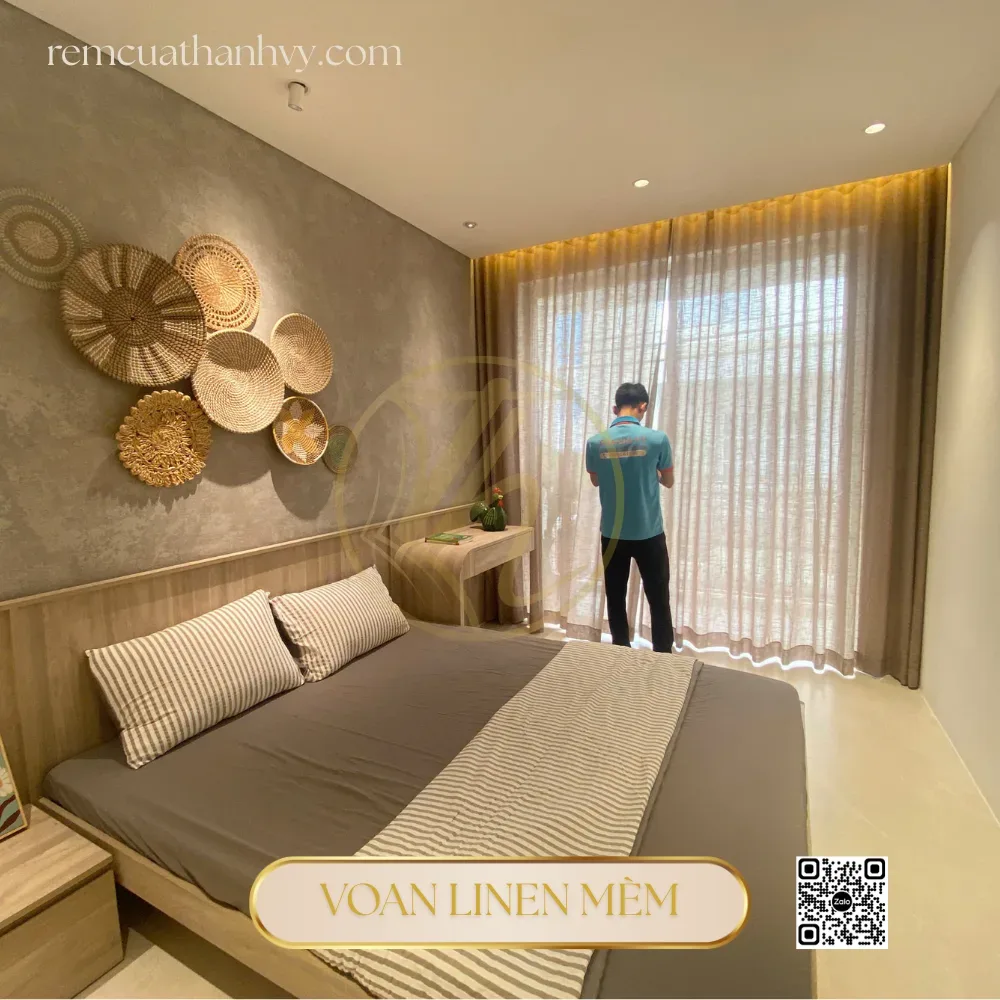
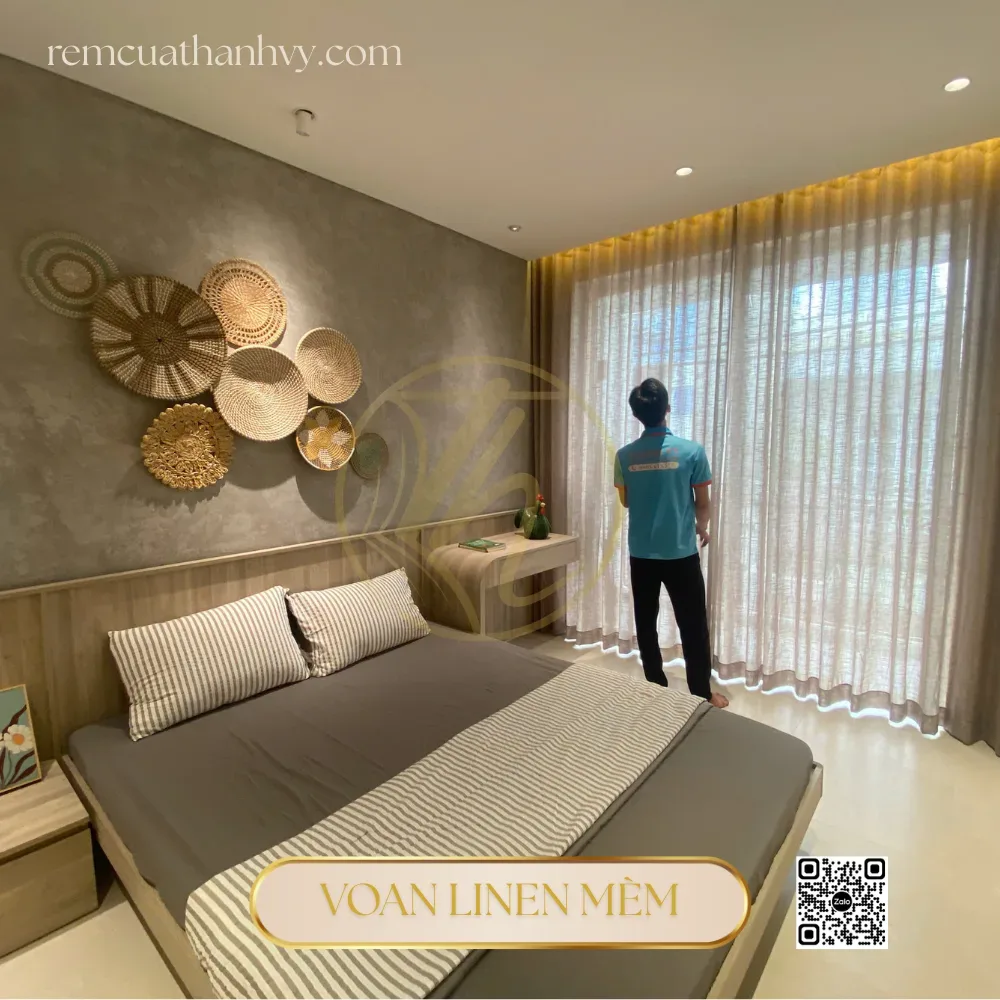
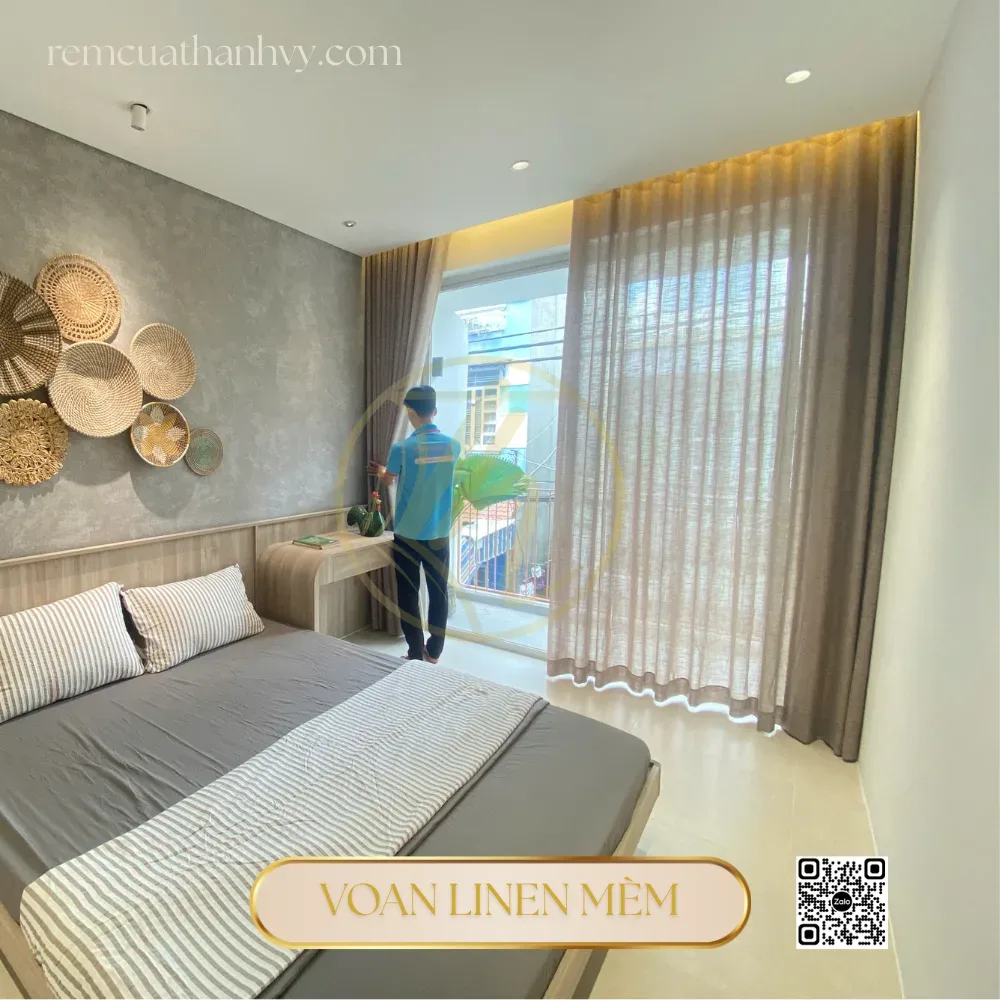
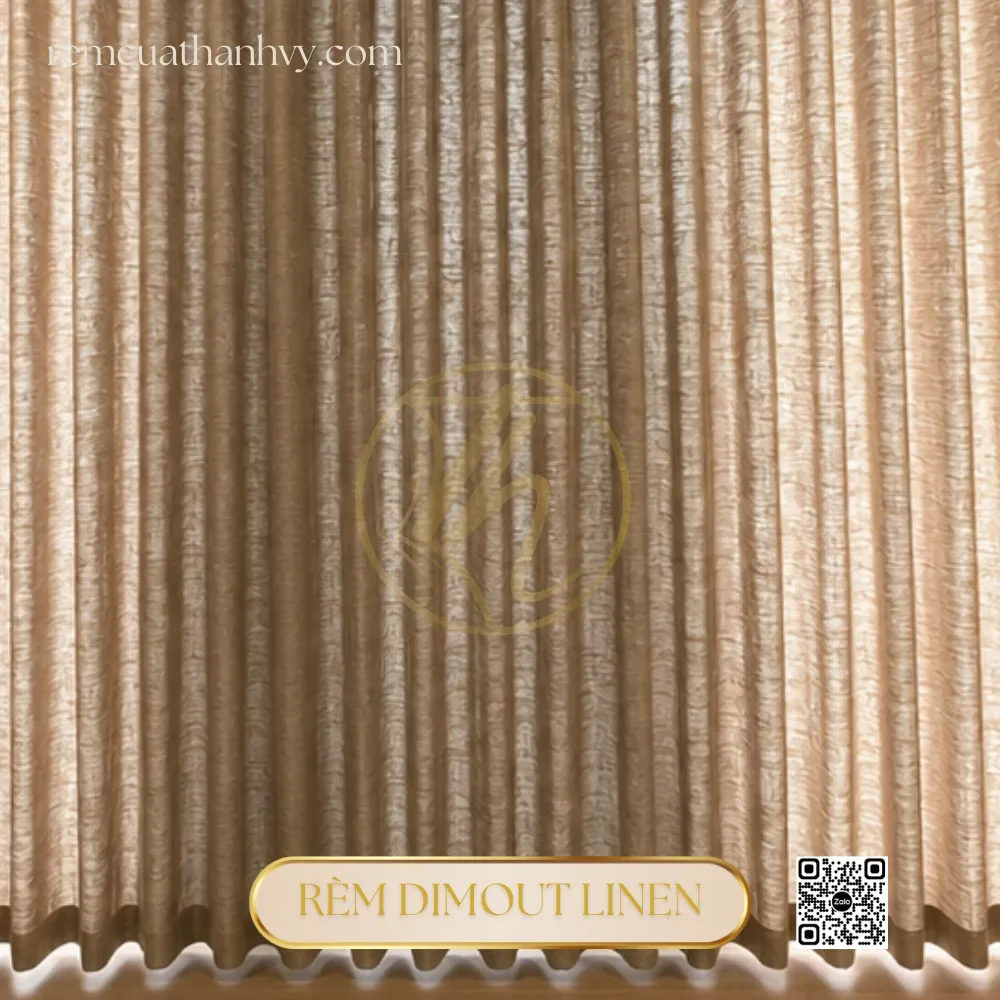
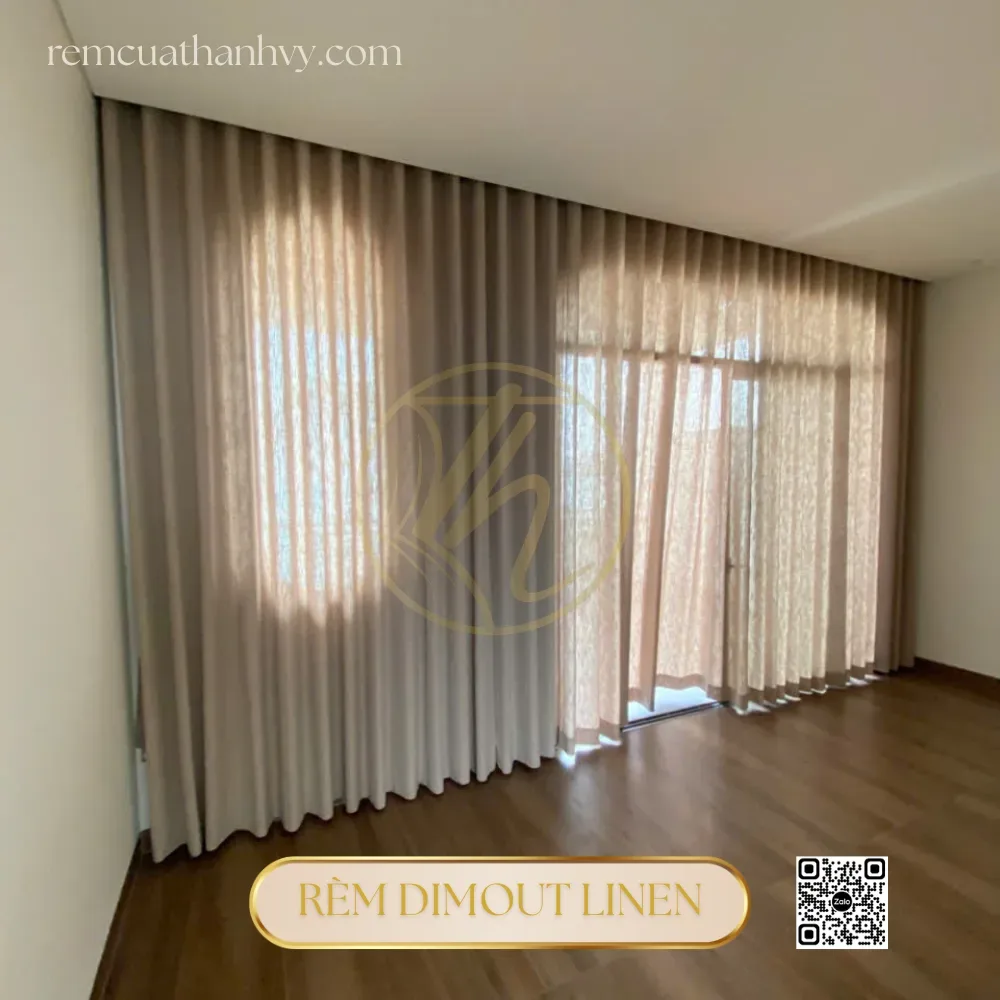
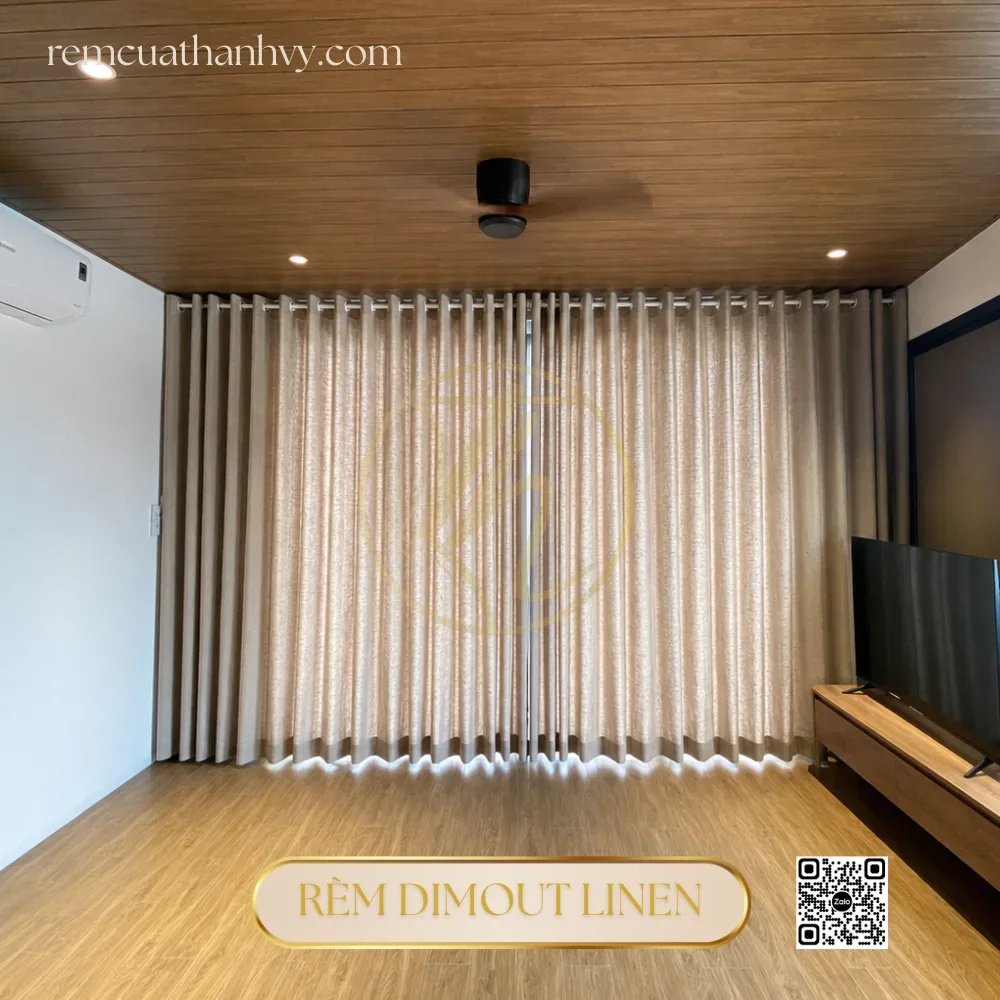
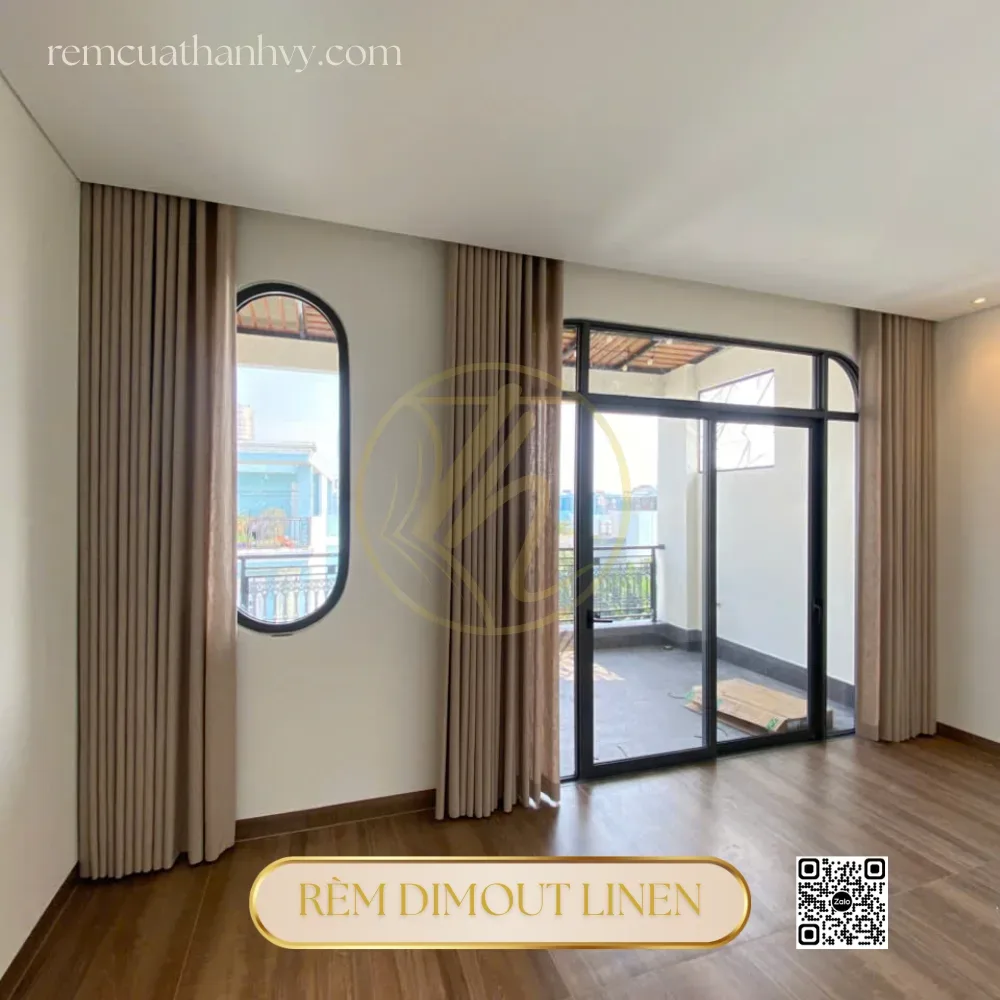
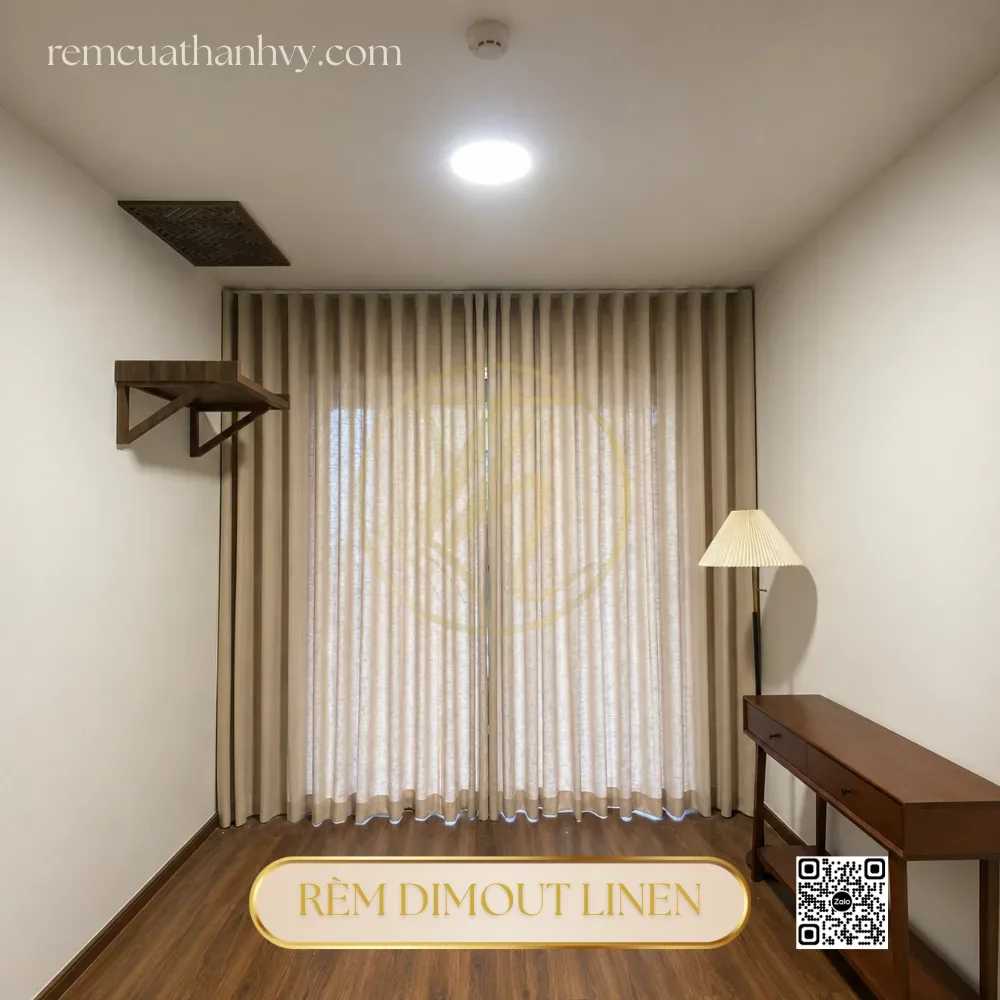
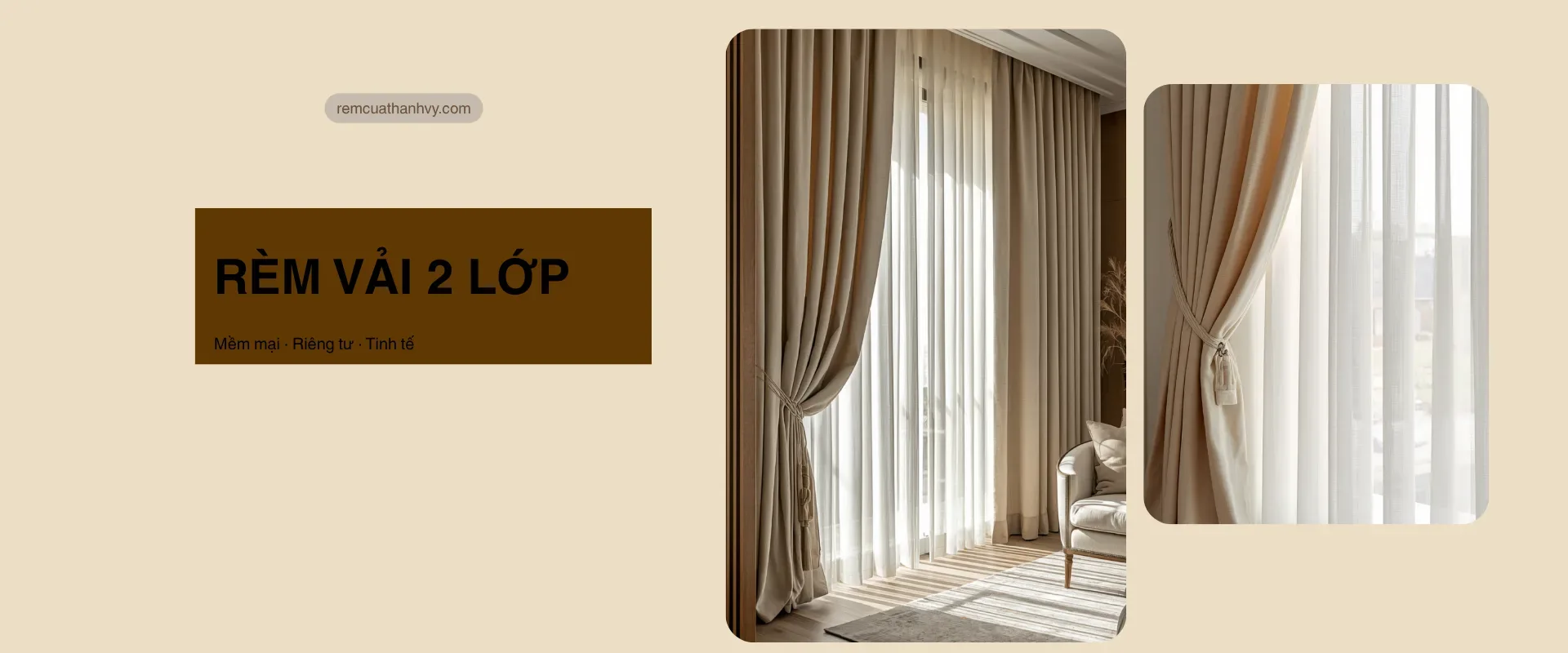
Fabric Curtains
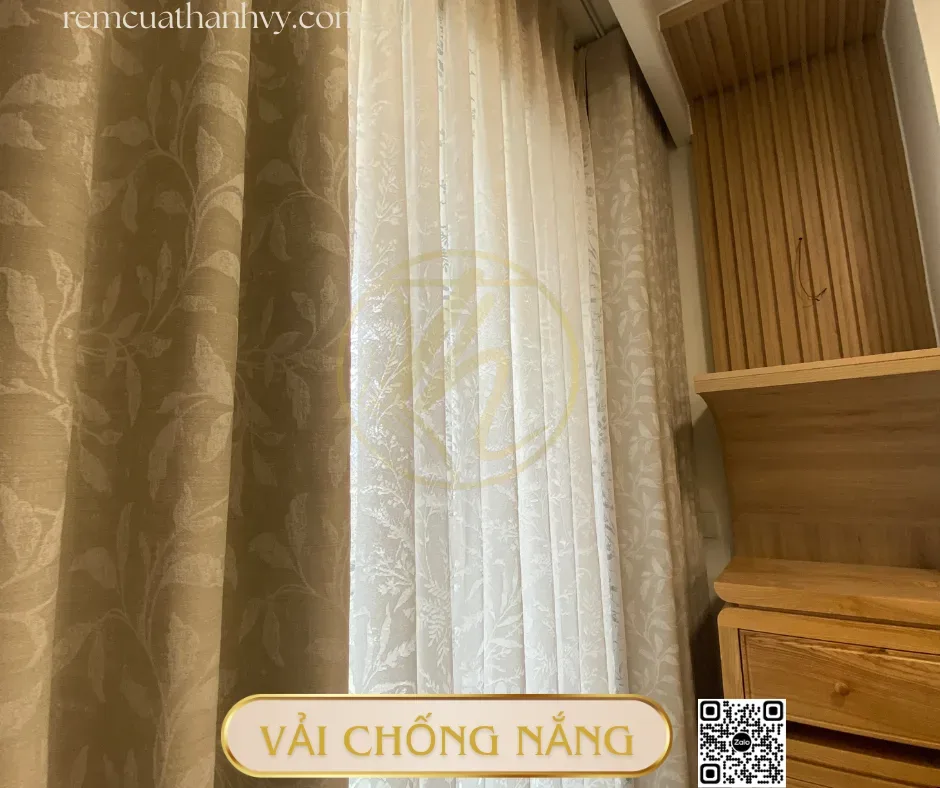
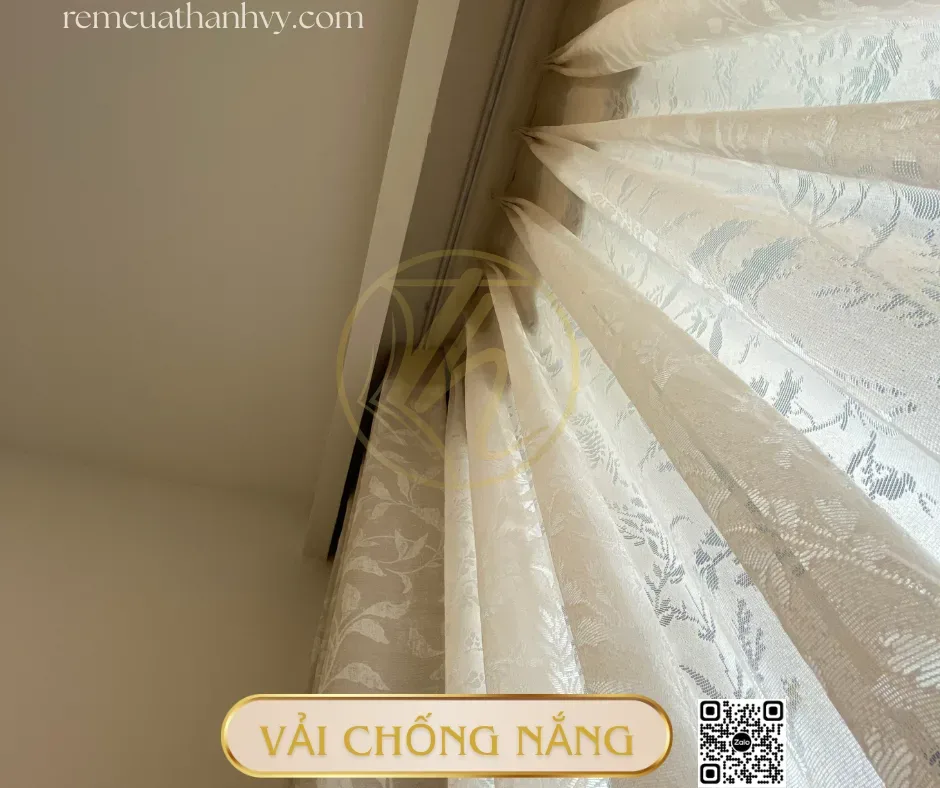
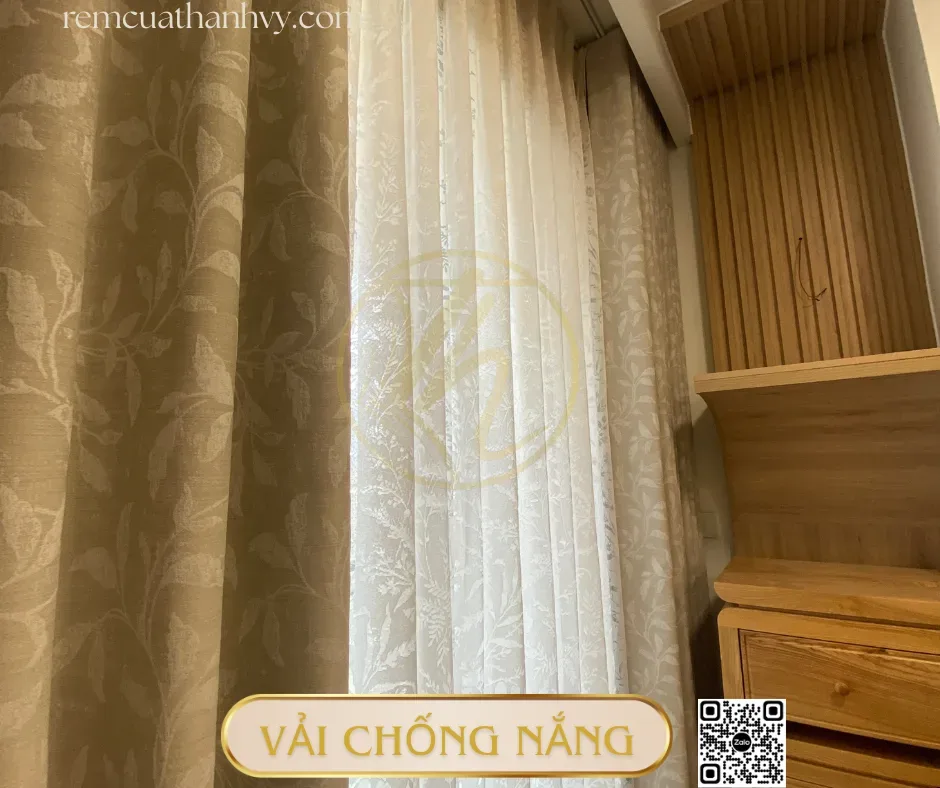
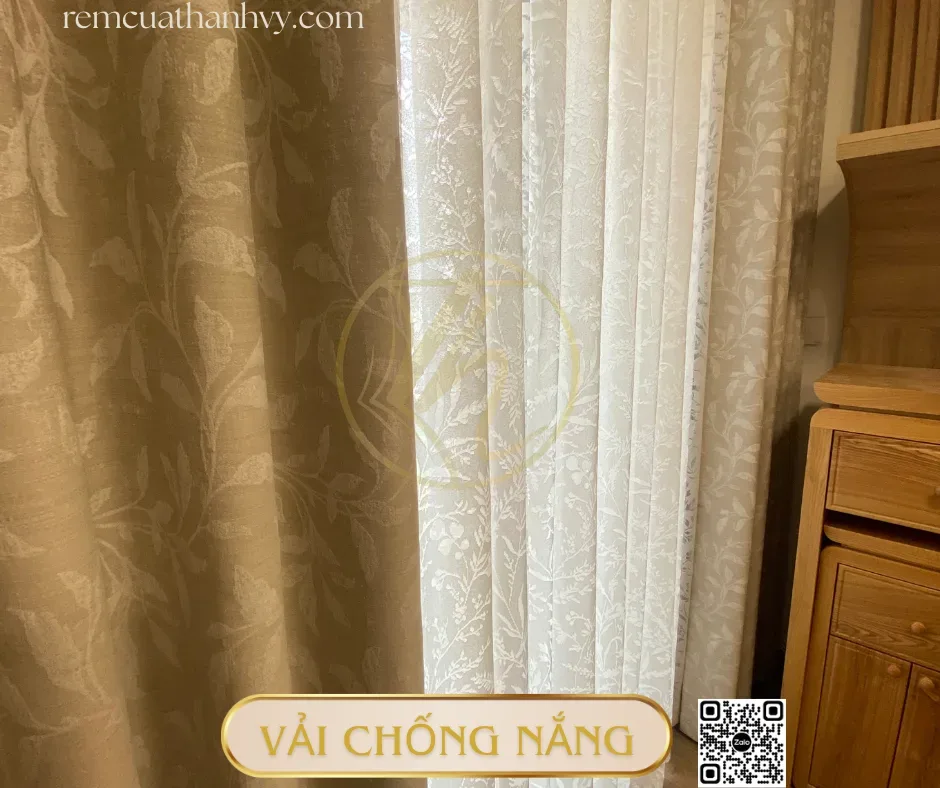
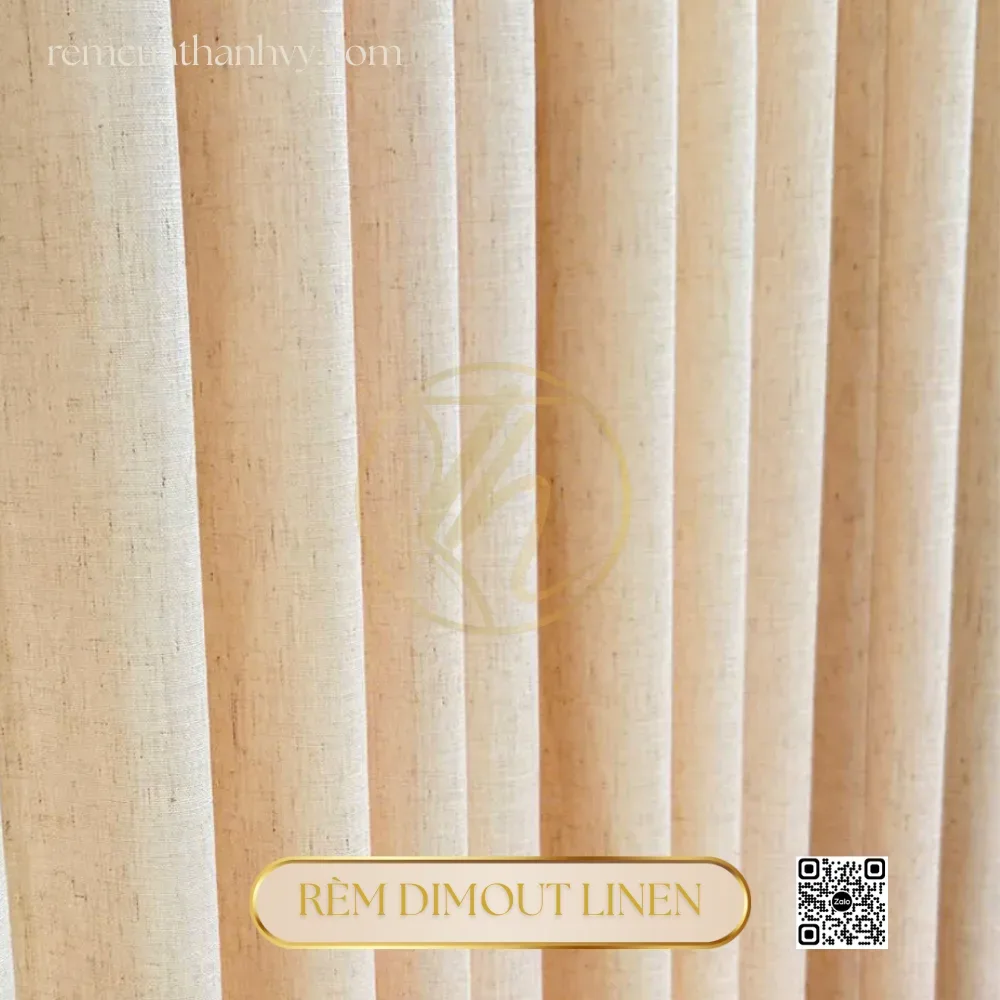
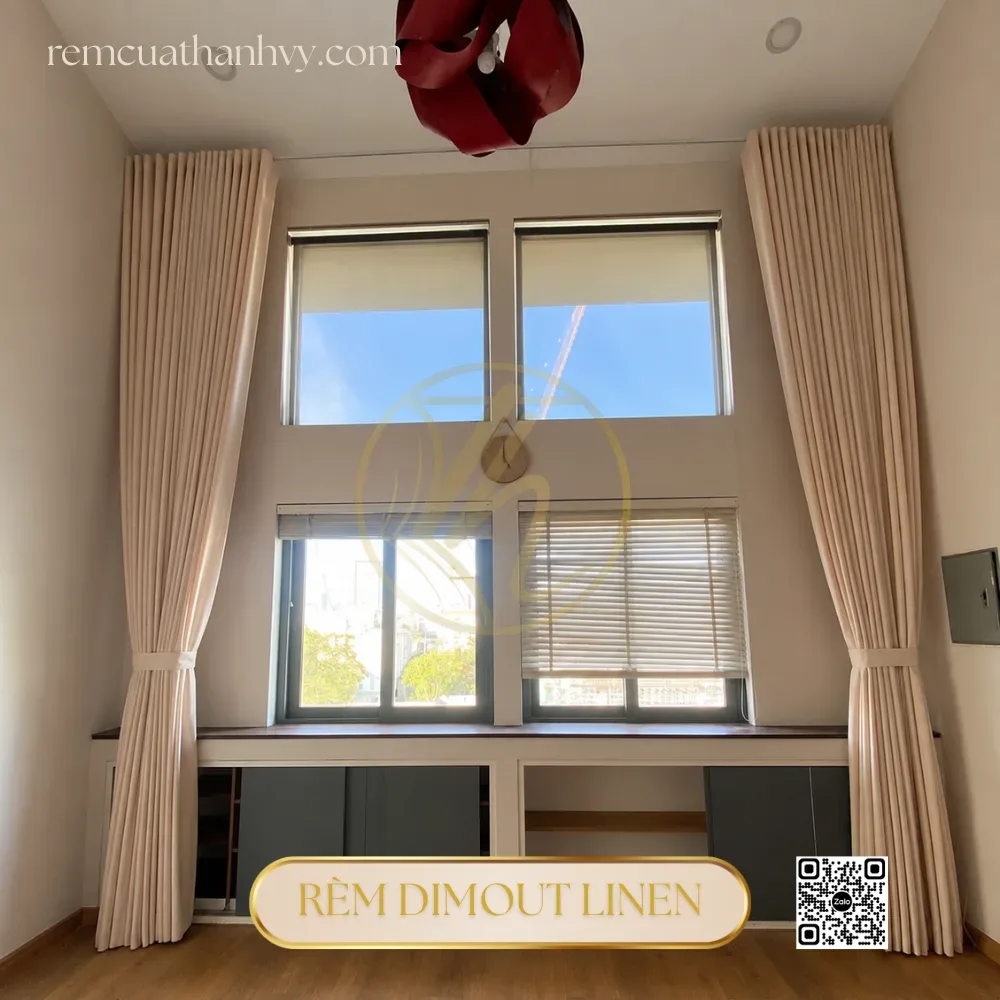
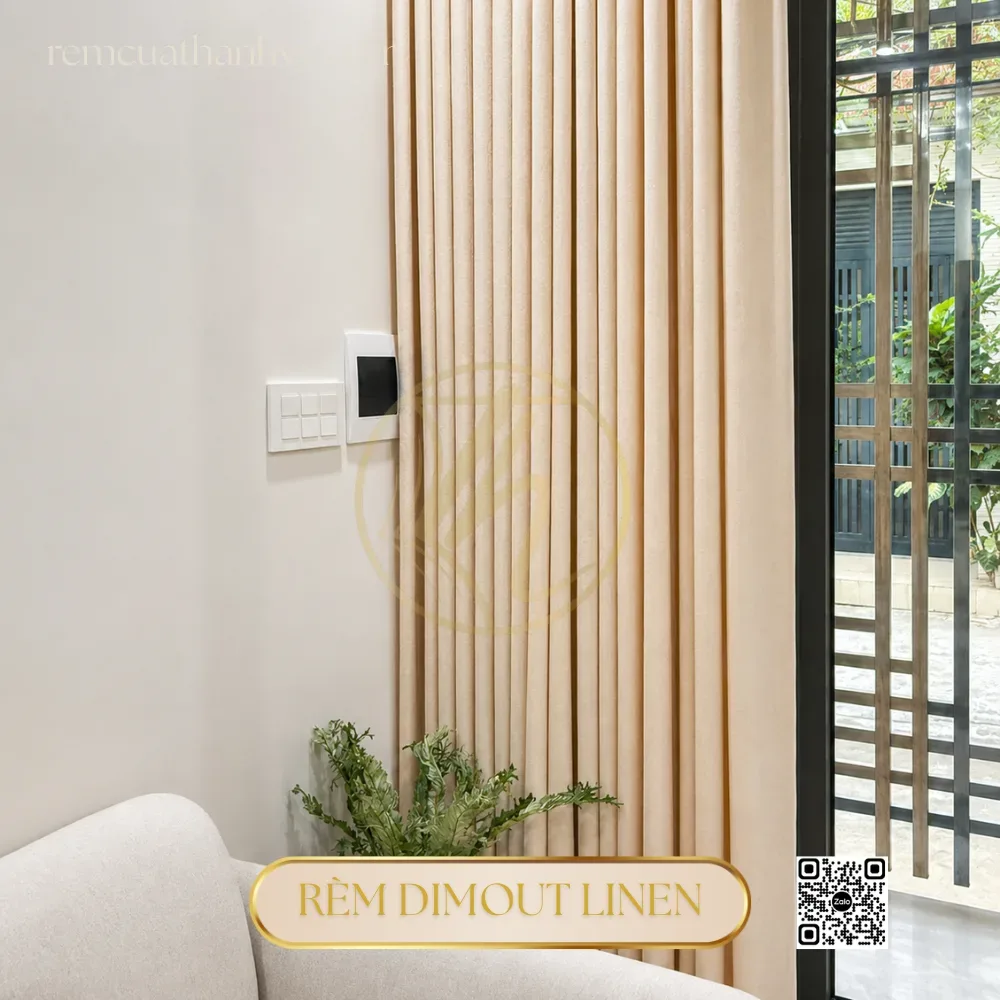
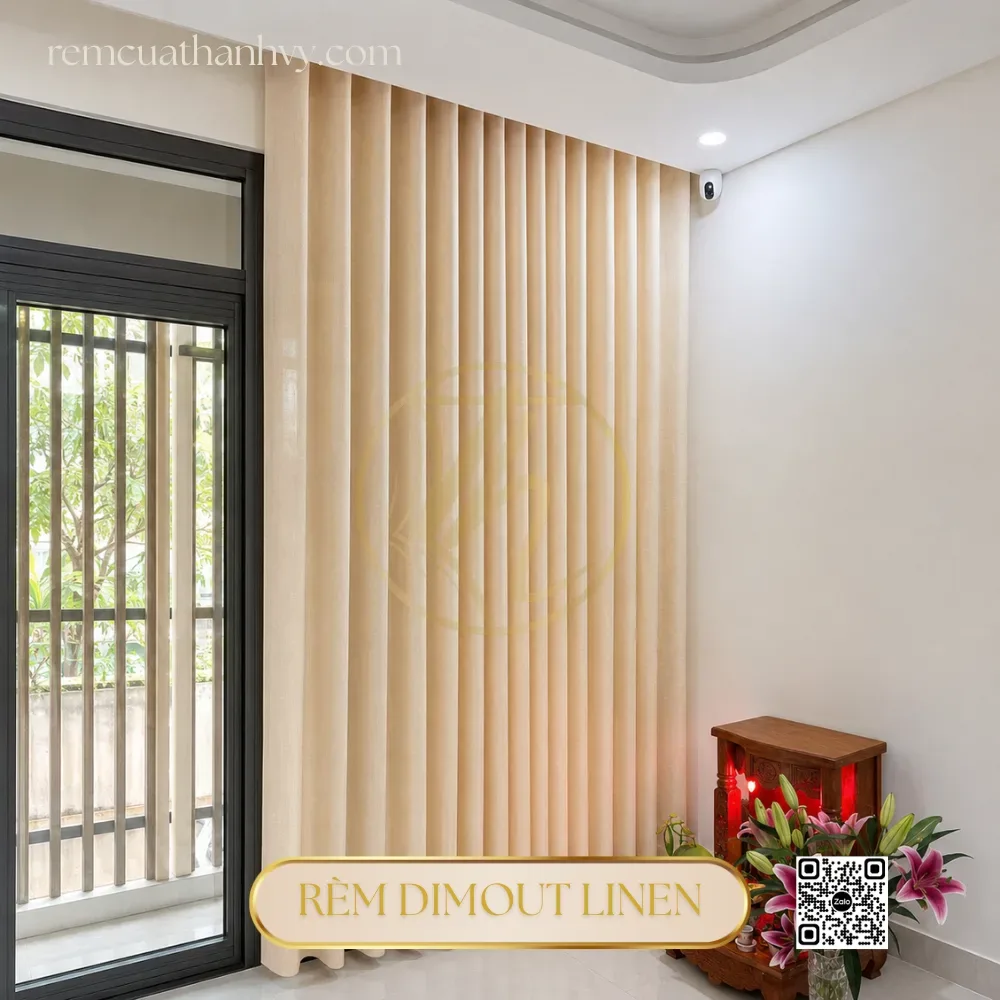
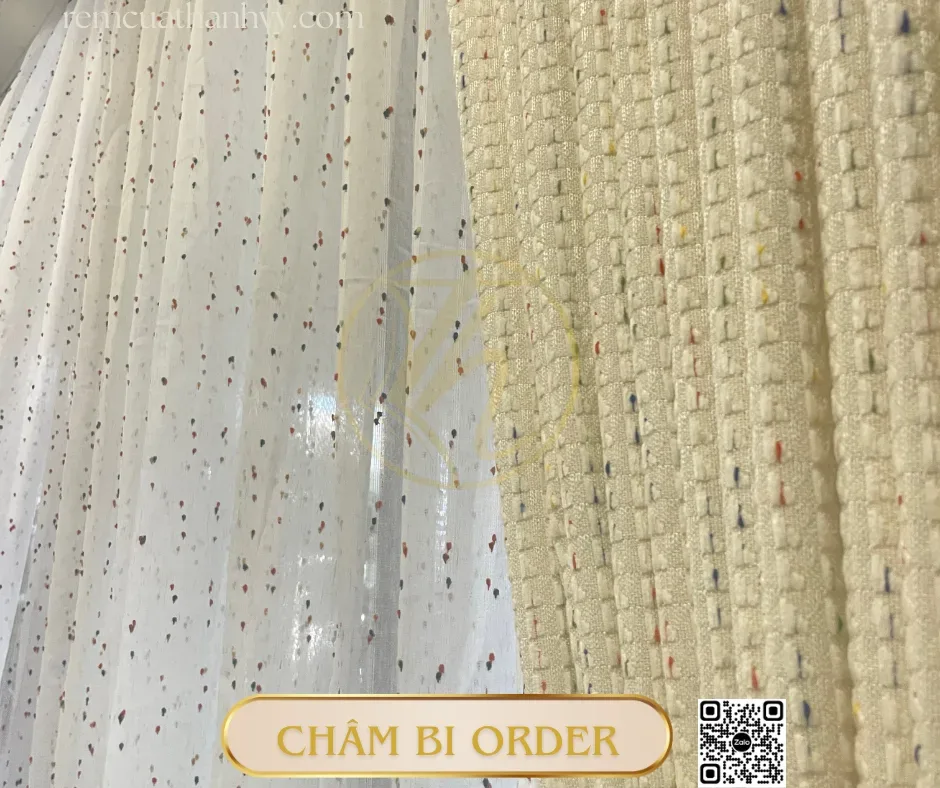
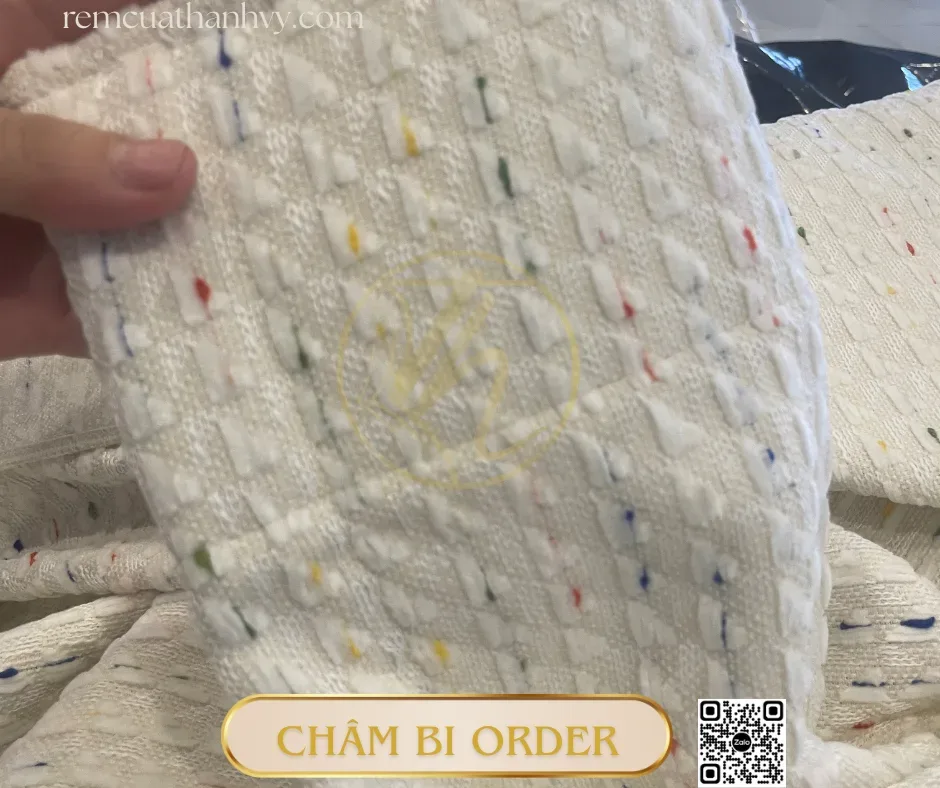
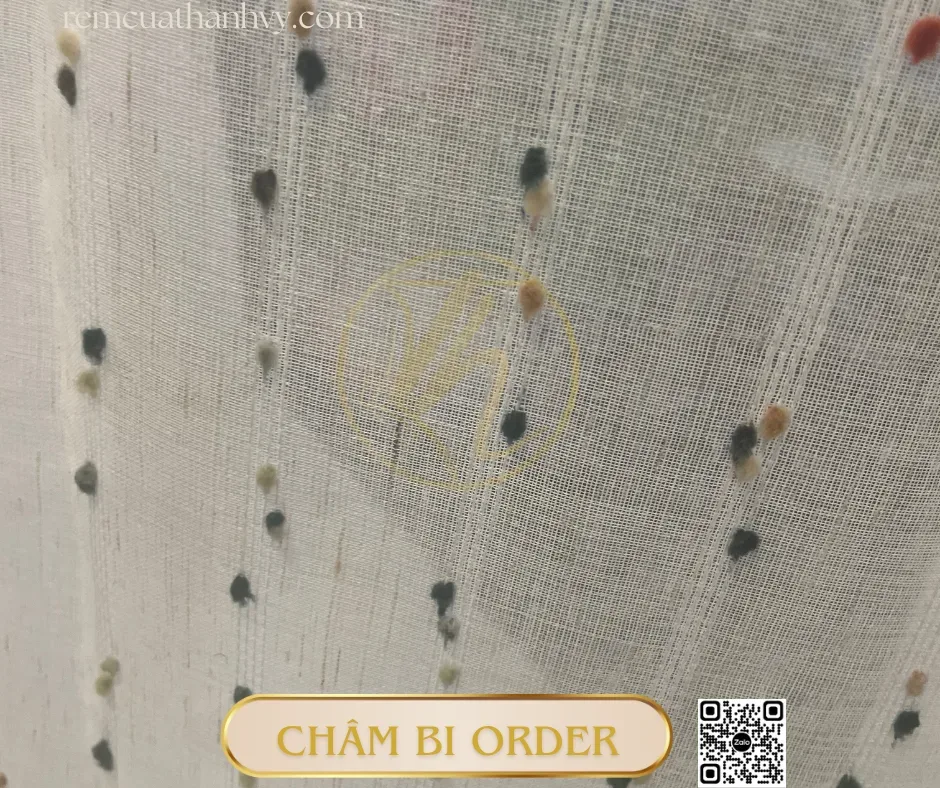
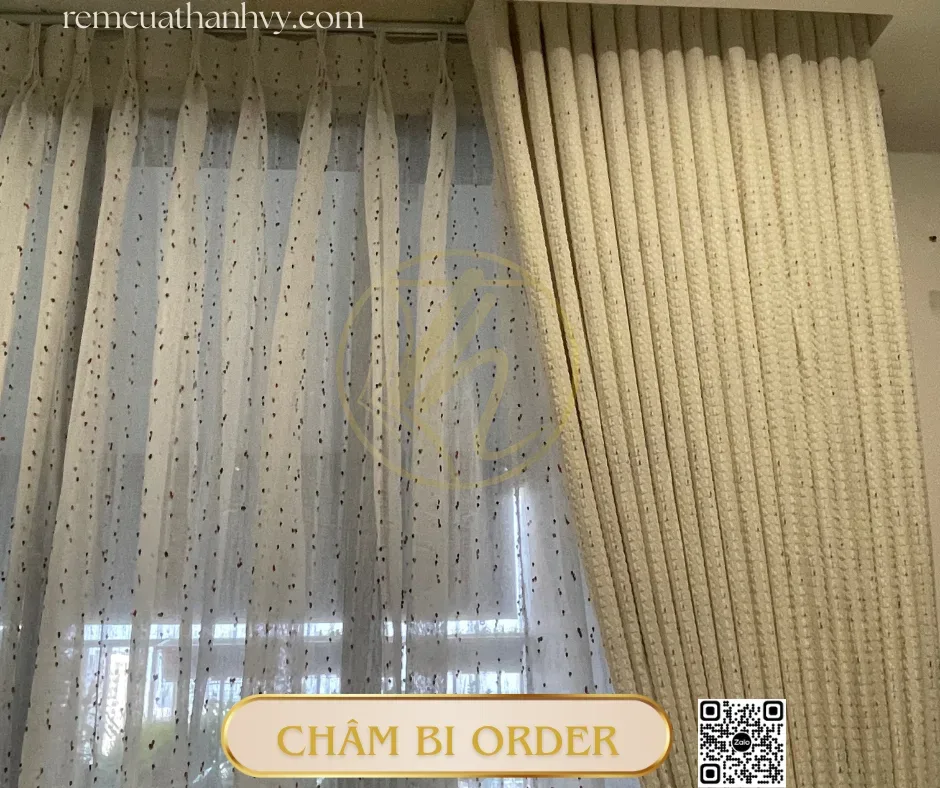
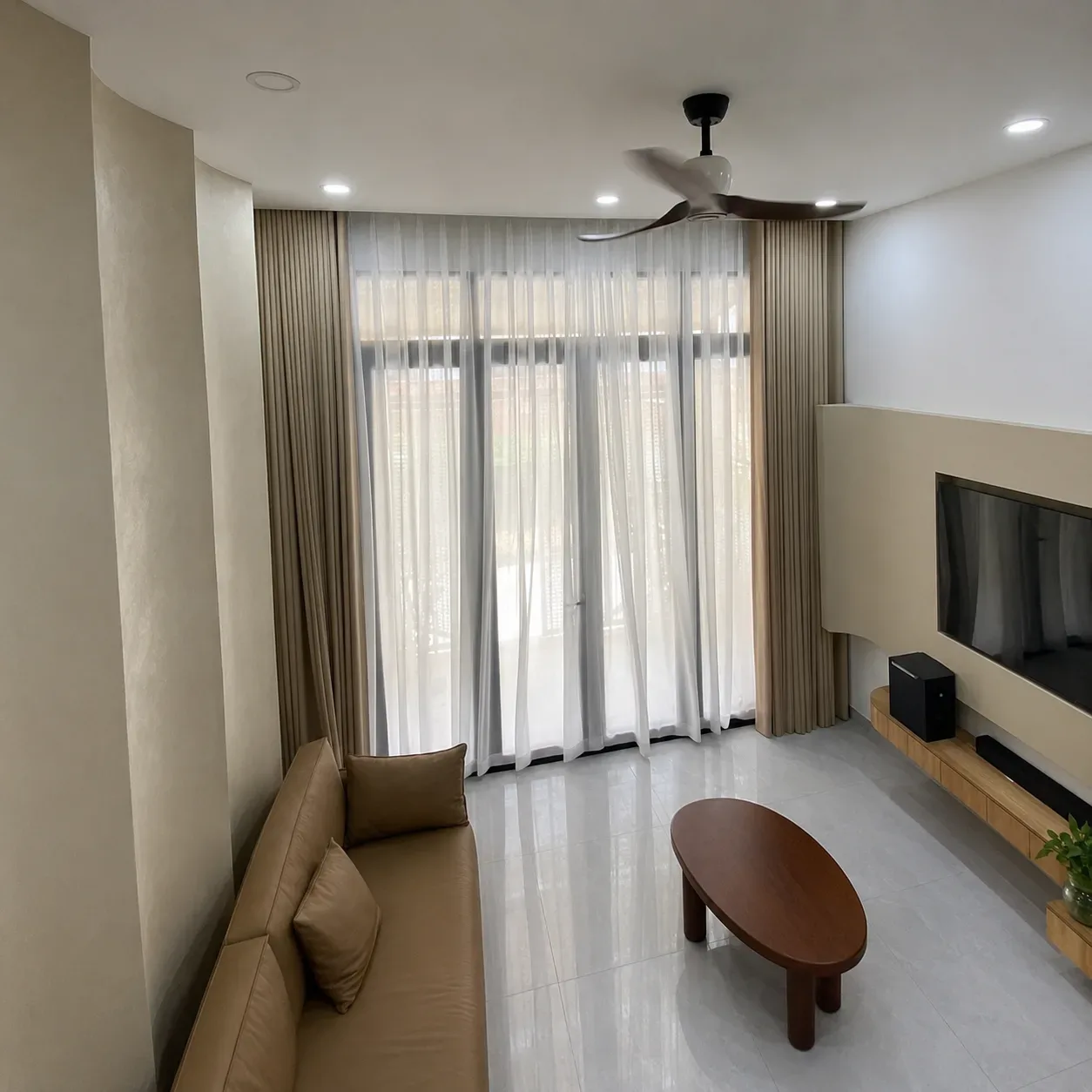
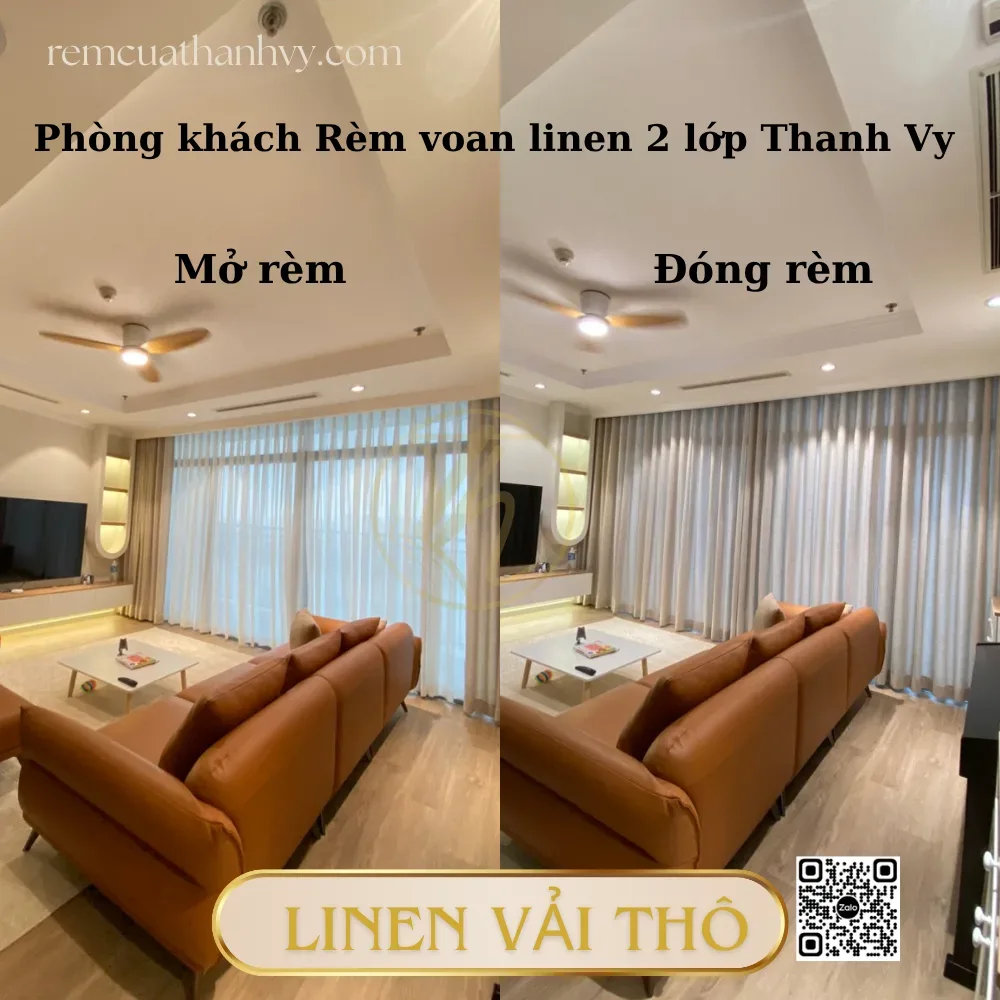
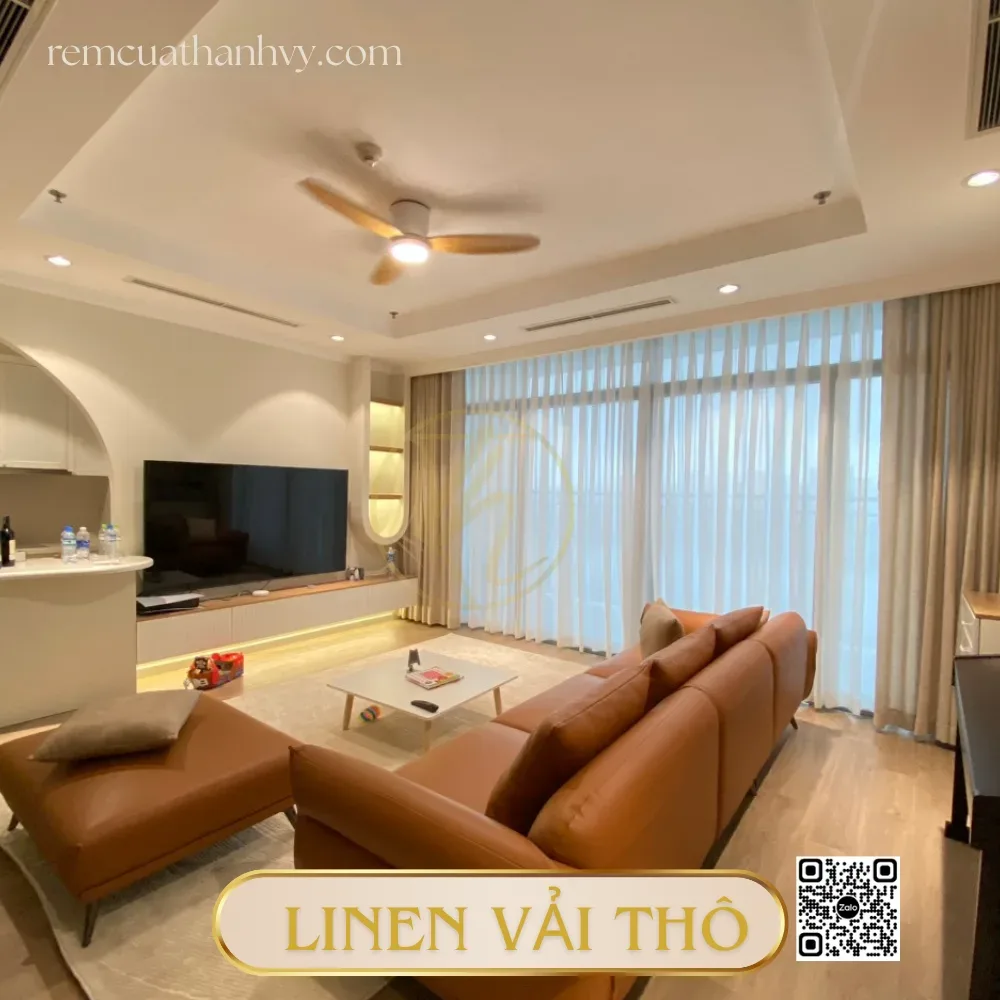
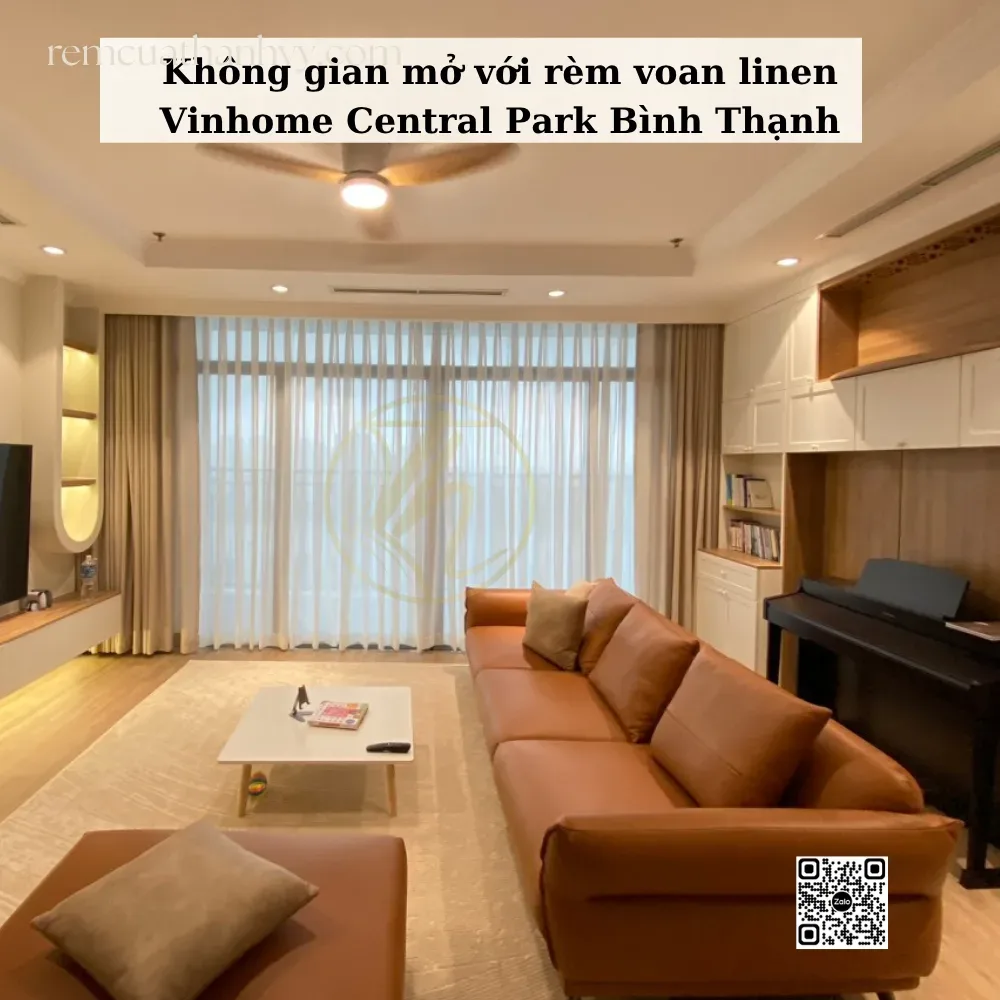
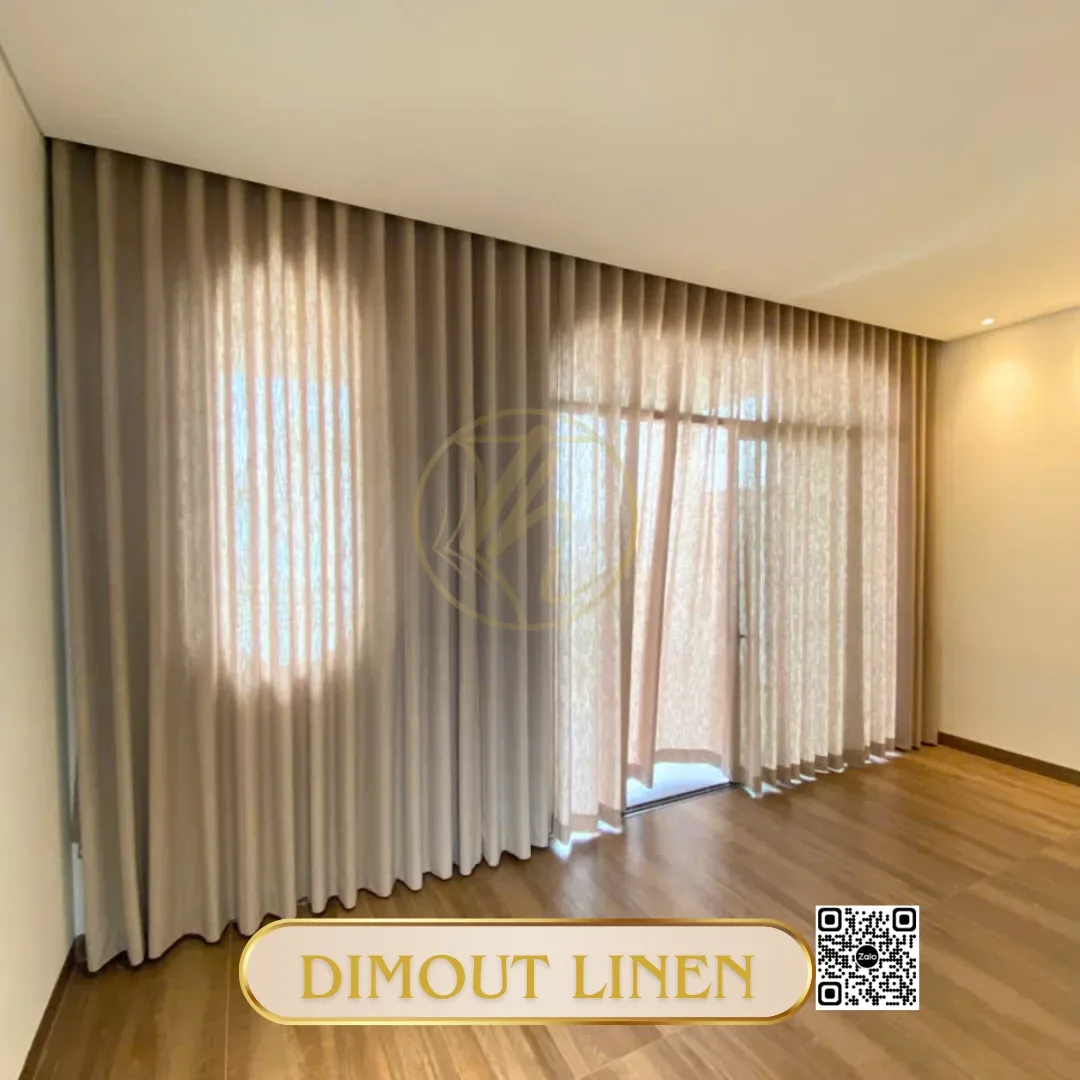
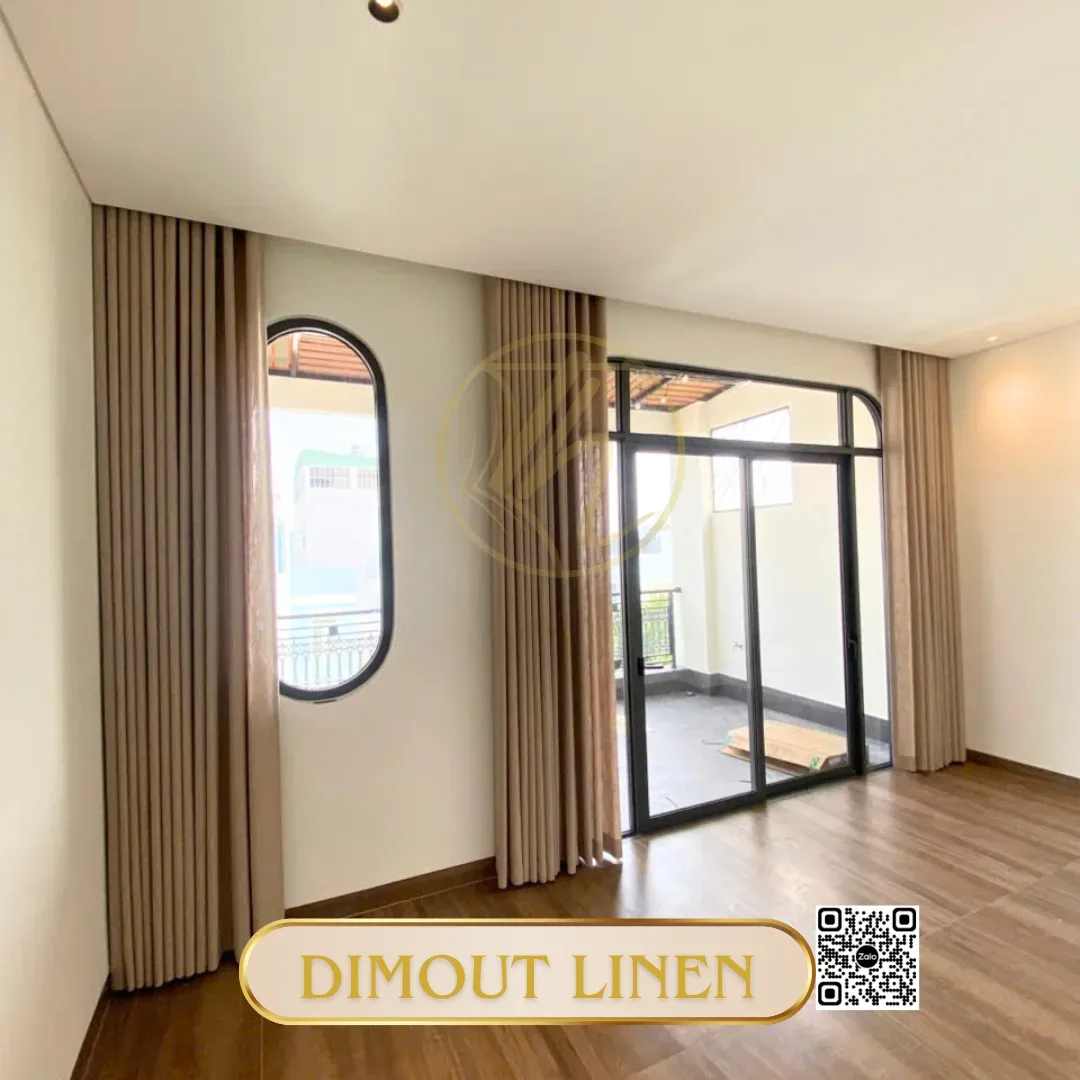
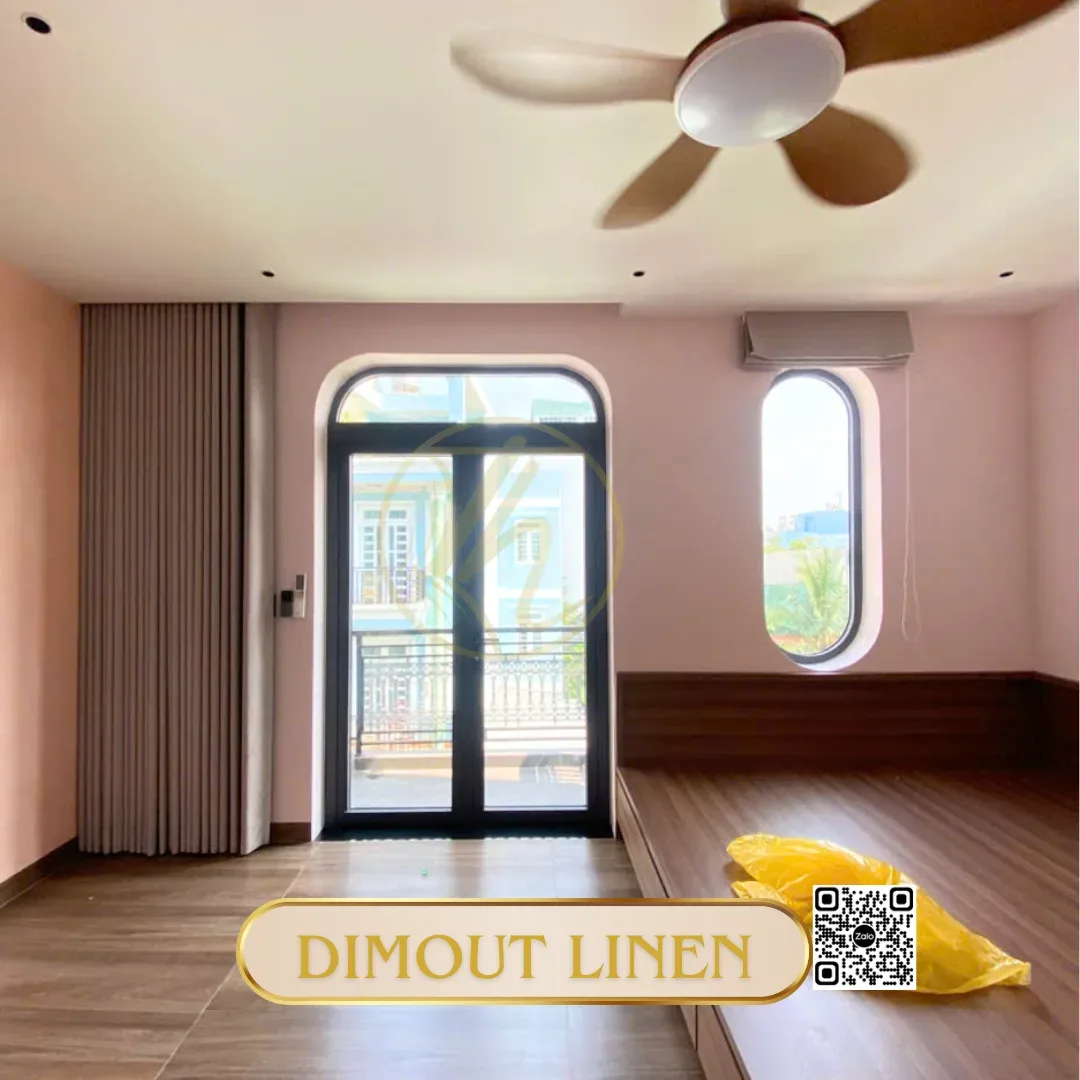
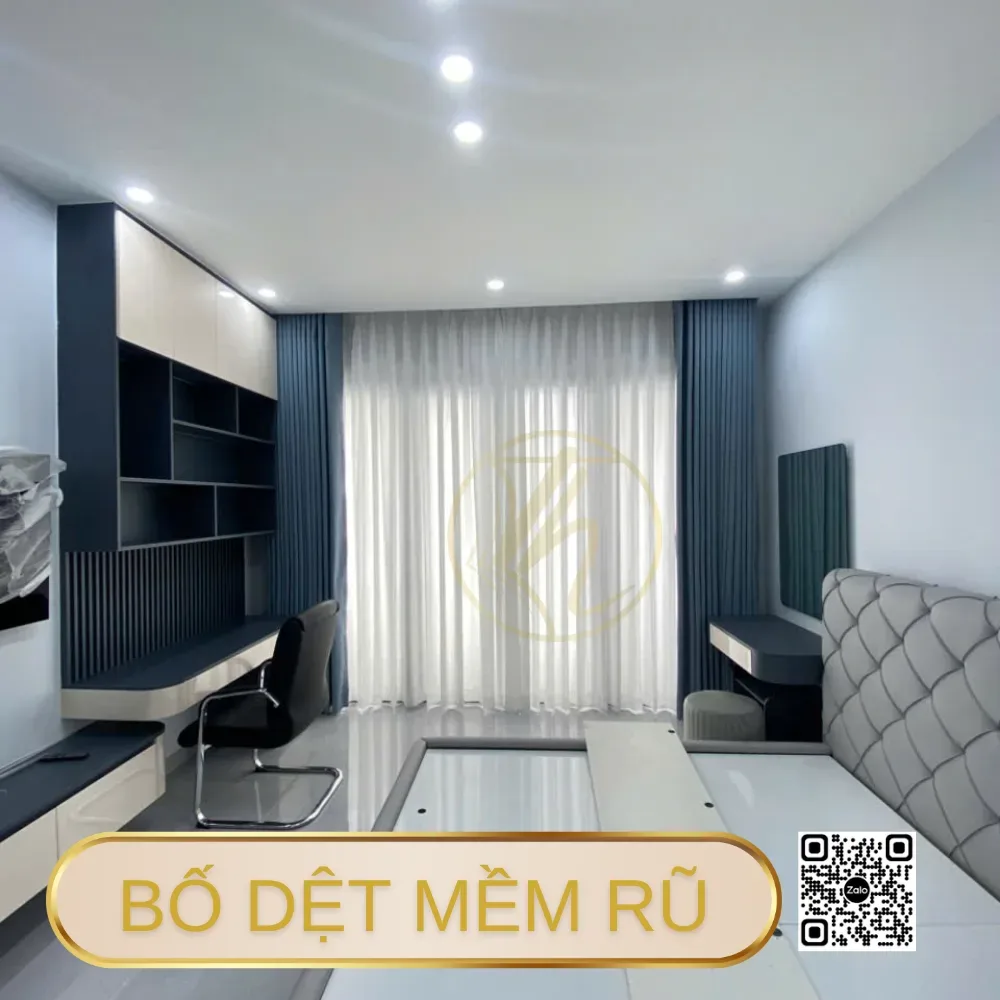
Fabric curtains easily coordinate with interiors and feature a broad price range.
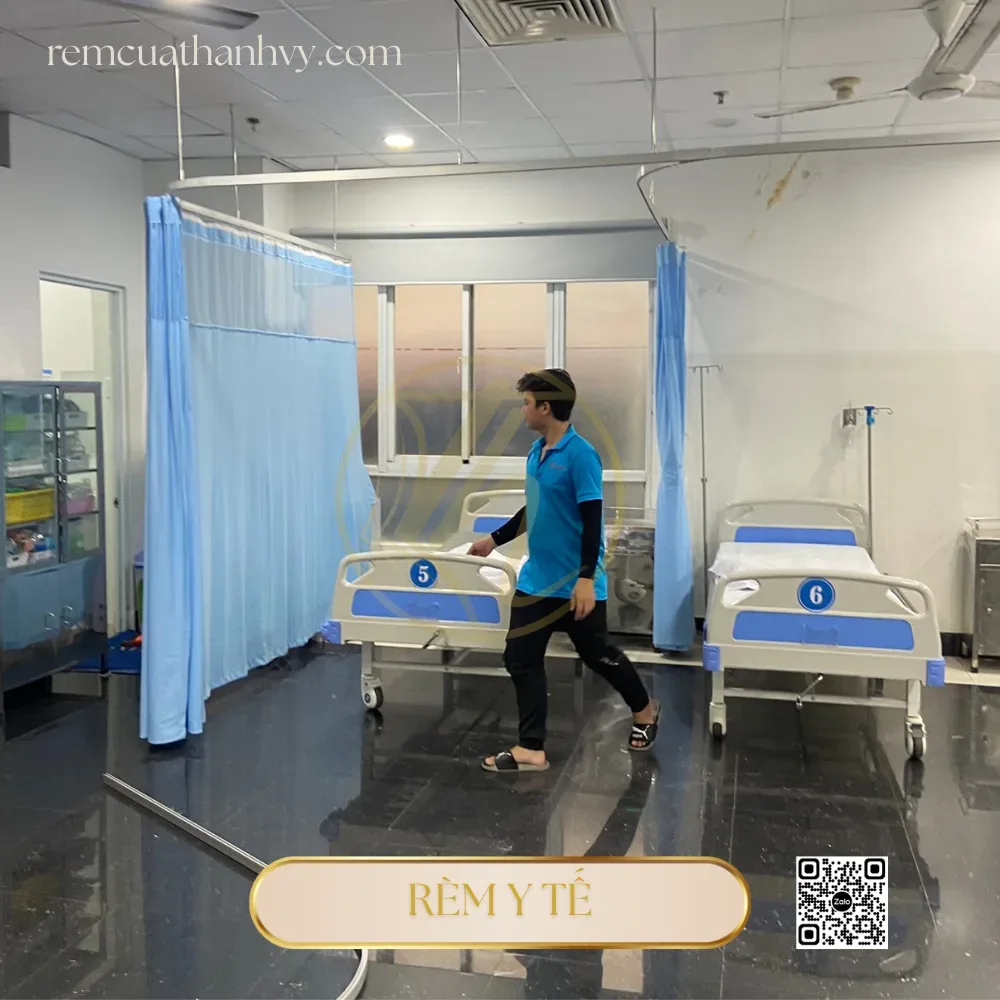
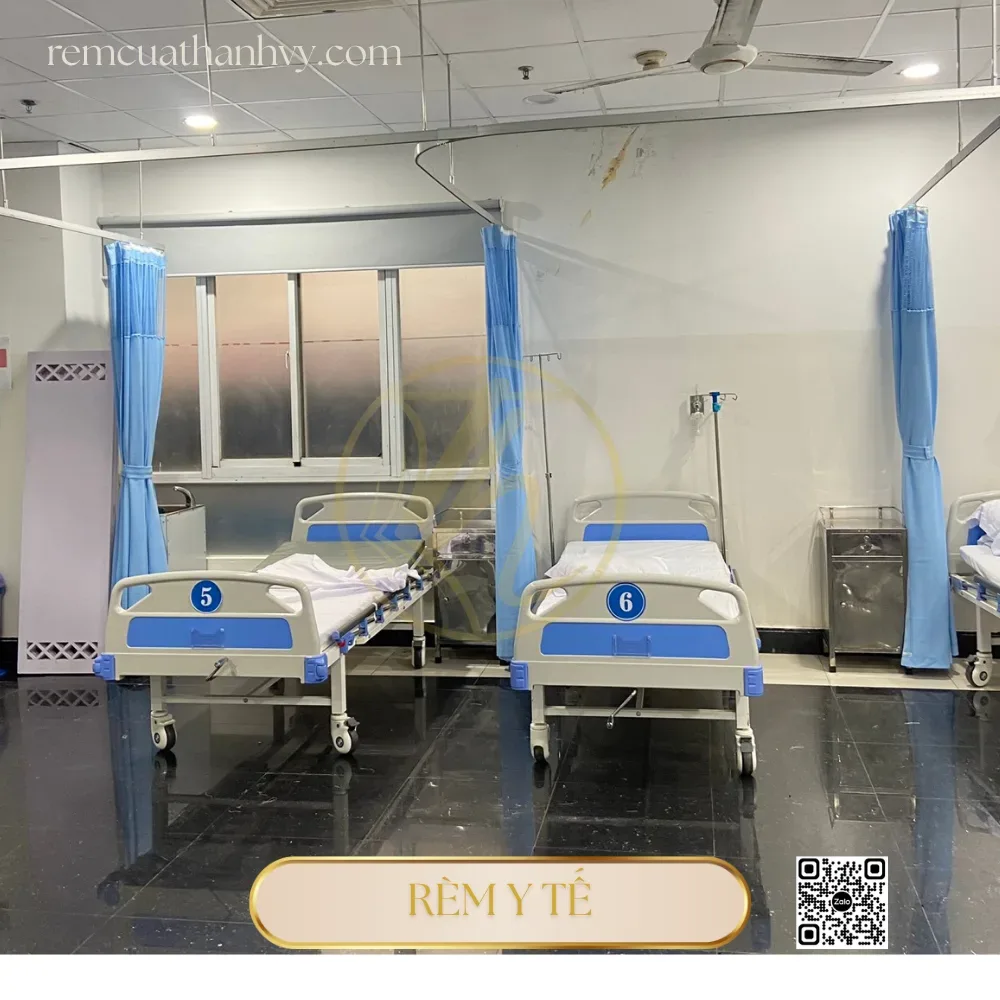
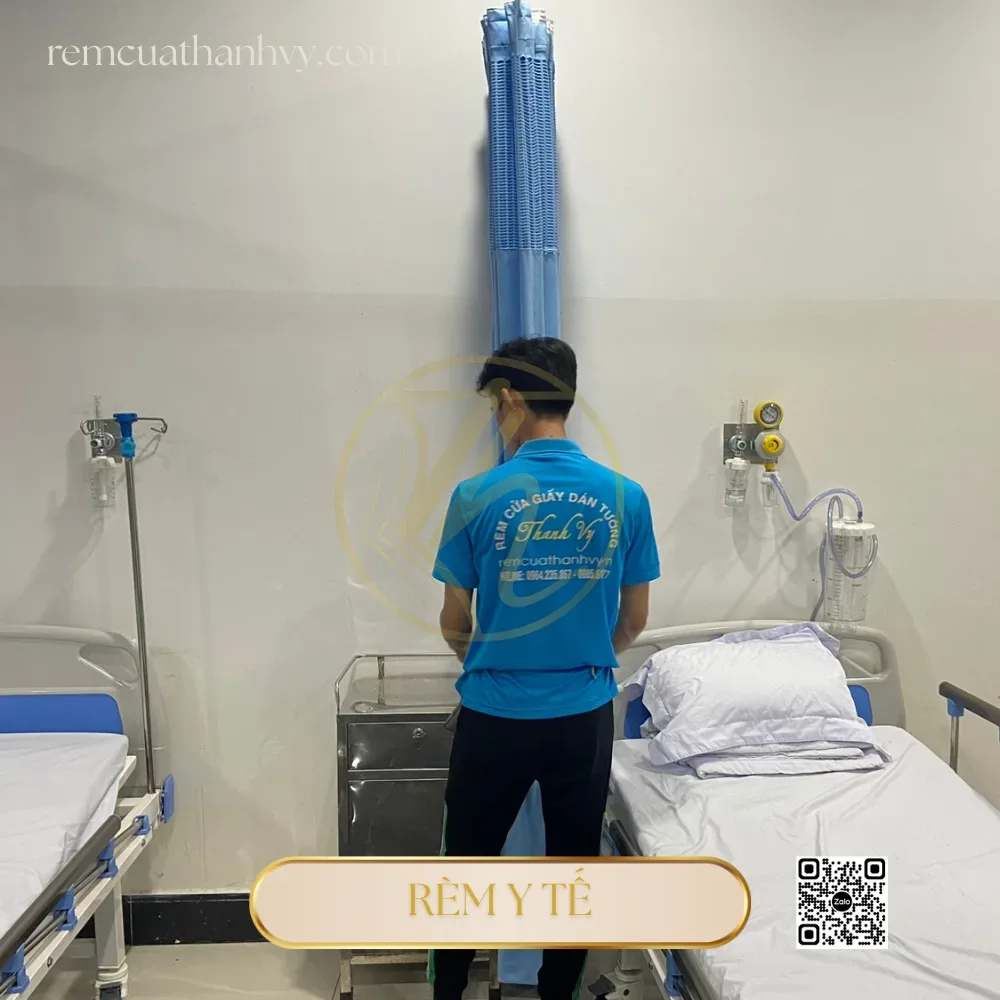
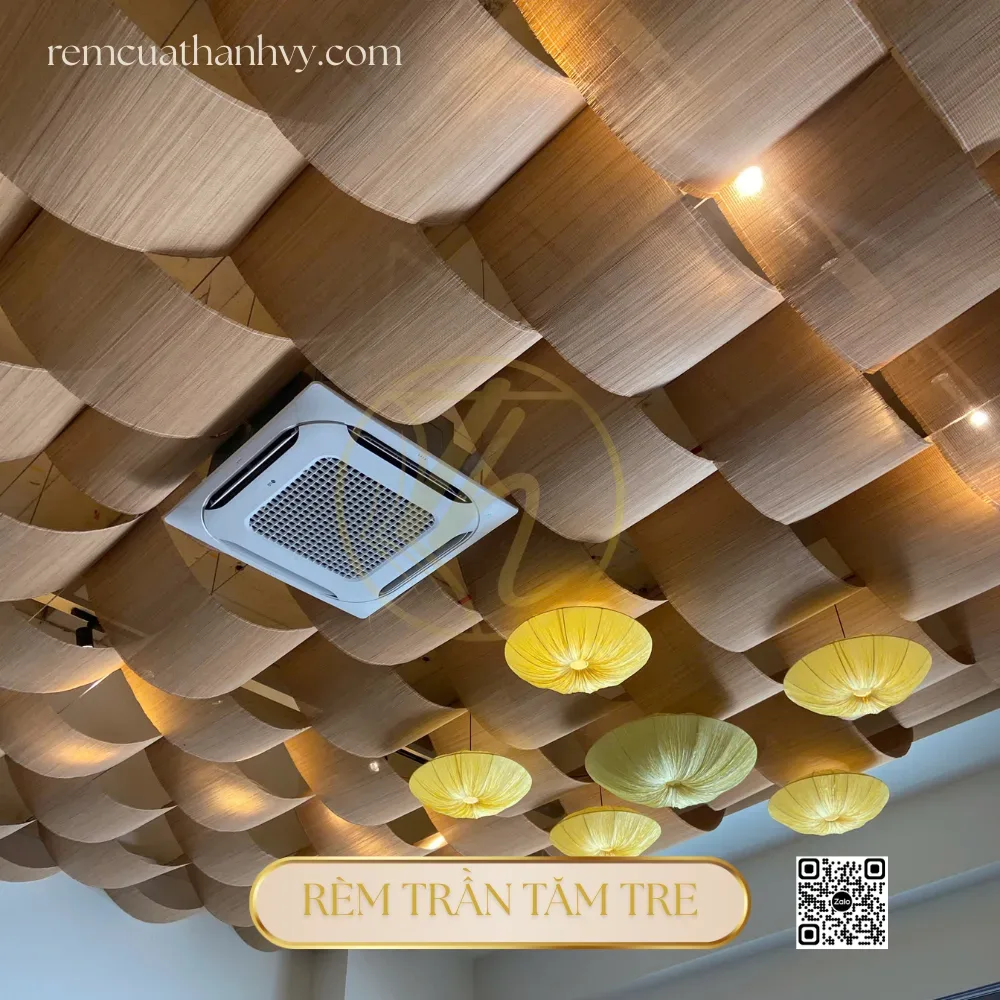
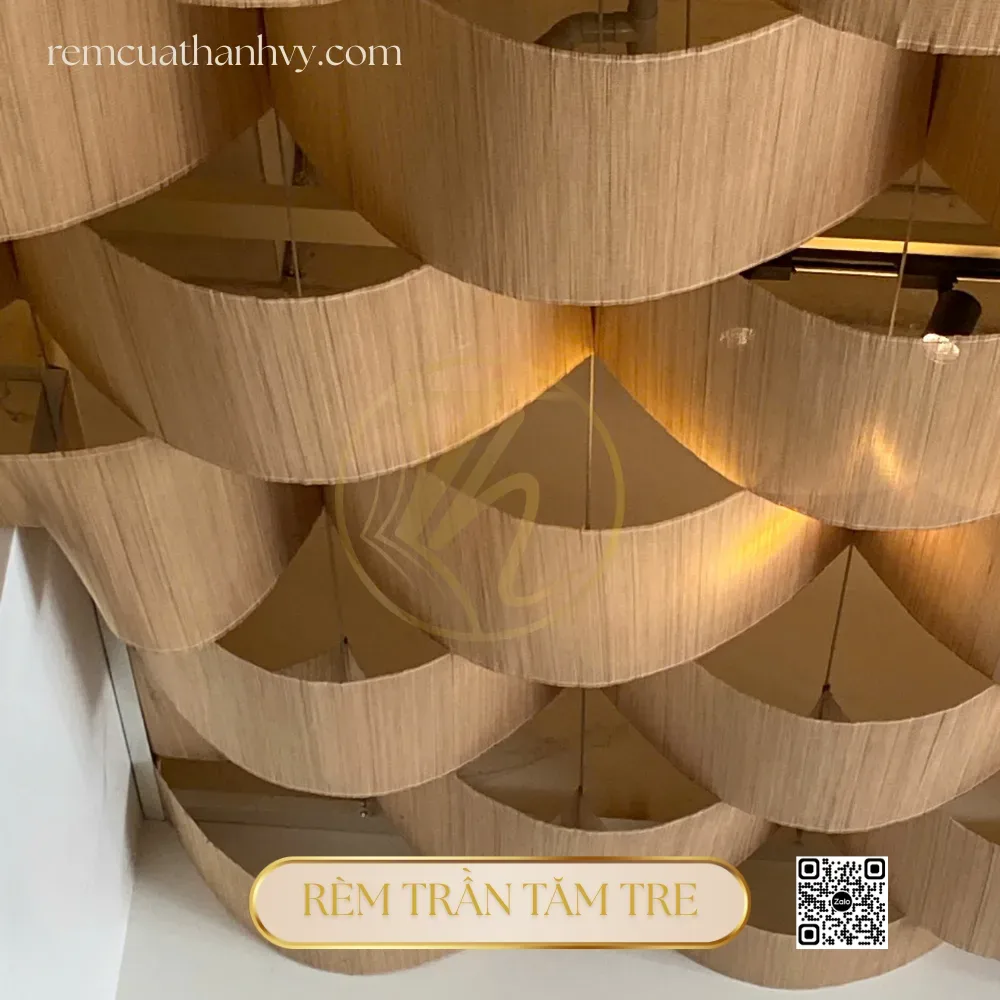
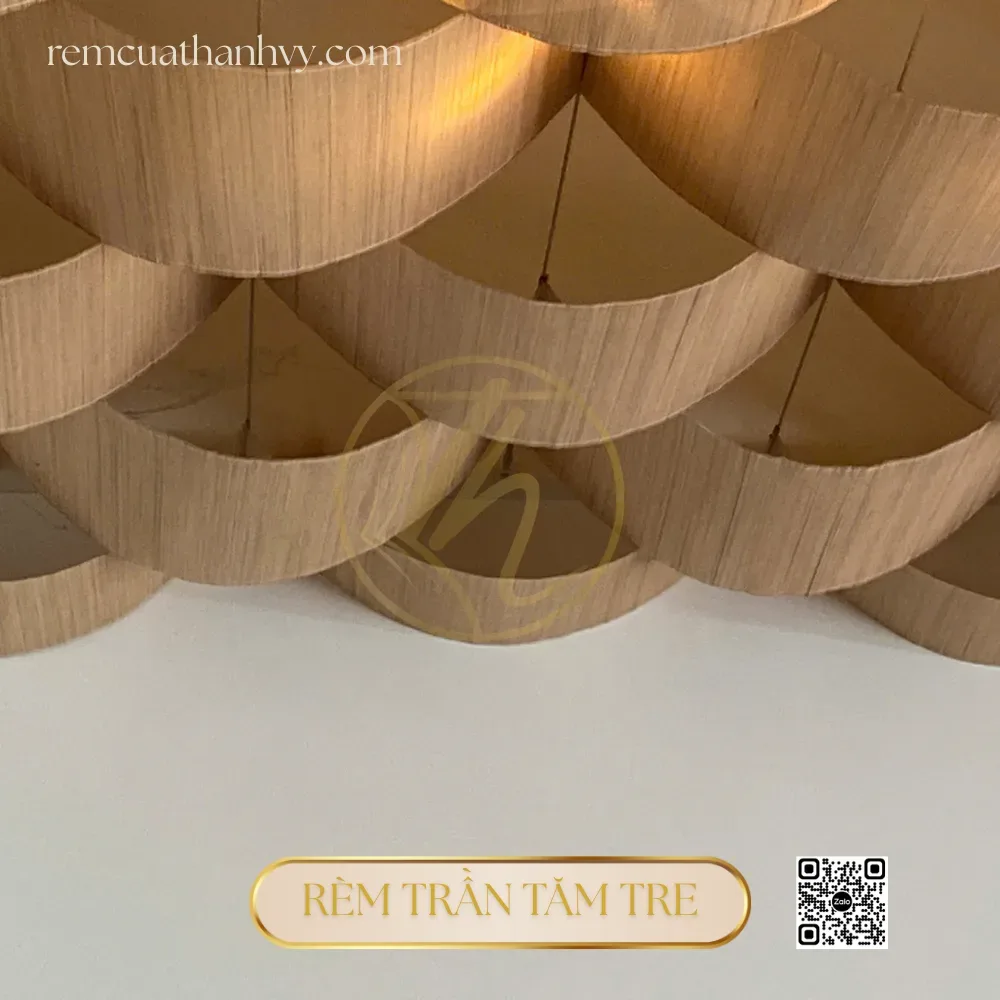
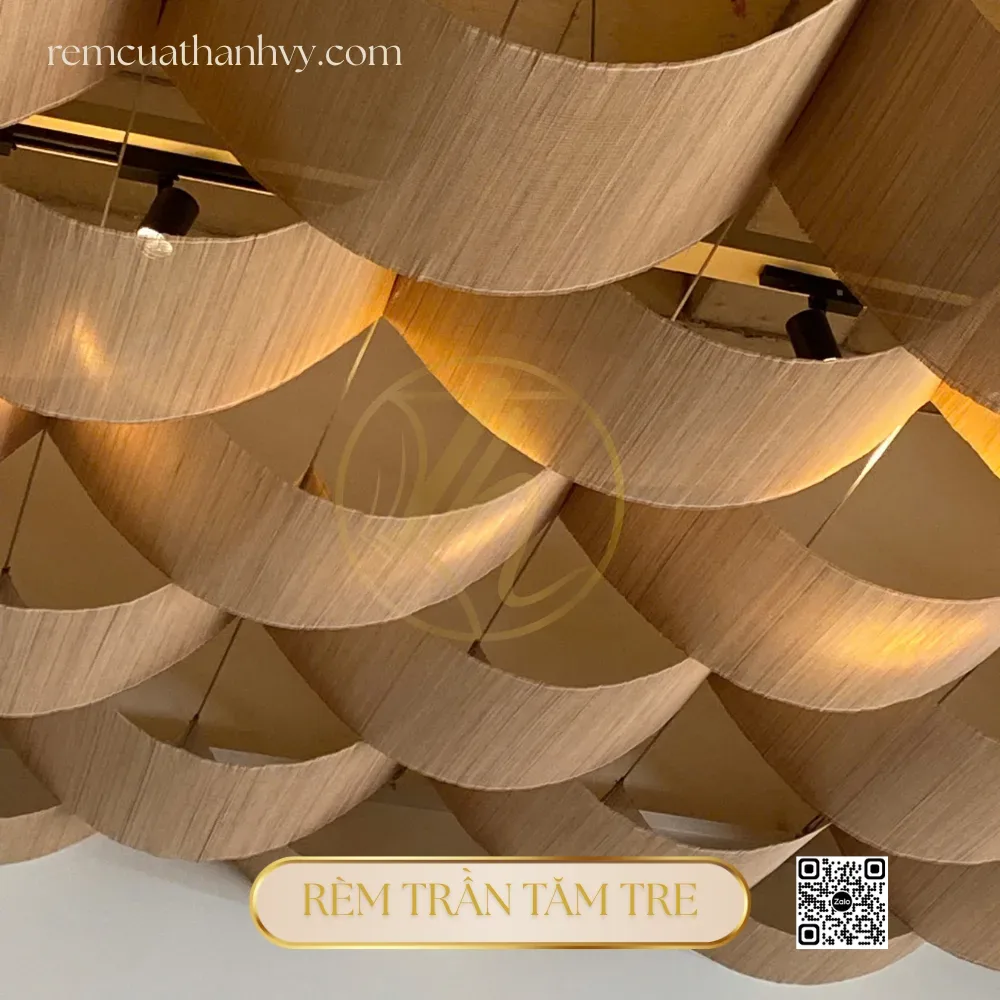
For further information, please contact Thanh Vy Curtains
We provide free consultation and on-site measuring at your home.
Related areas
Curtains in District 5: Priorities when choosing for each space
With extensive experience from a long-standing production workshop, Rem Cua Thanh Vy is ready to [...]

Curtains in District 3: What to prioritize when choosing for each space
**Curtain selection advice:** Customers in District 3 should prioritize two-layer fabric curtains or neat Korean [...]
Curtains in District 6: What to Prioritize for Each Space
To choose the perfect curtains in District 6, contact Rèm Cửa Thanh Vy for dedicated [...]
District 11 Curtains: What to Prioritize for Each Space
Choosing District 11 curtains at Thanh Vy delivers optimal sun-blocking solutions and elevates the aesthetics [...]
Related reviews

Roman Blinds or Honeycomb Blinds? Detailed Comparison to Help You Choose
Compare Roman blinds and honeycomb blinds based on light control, privacy, operation, aesthetics, cleaning, and [...]
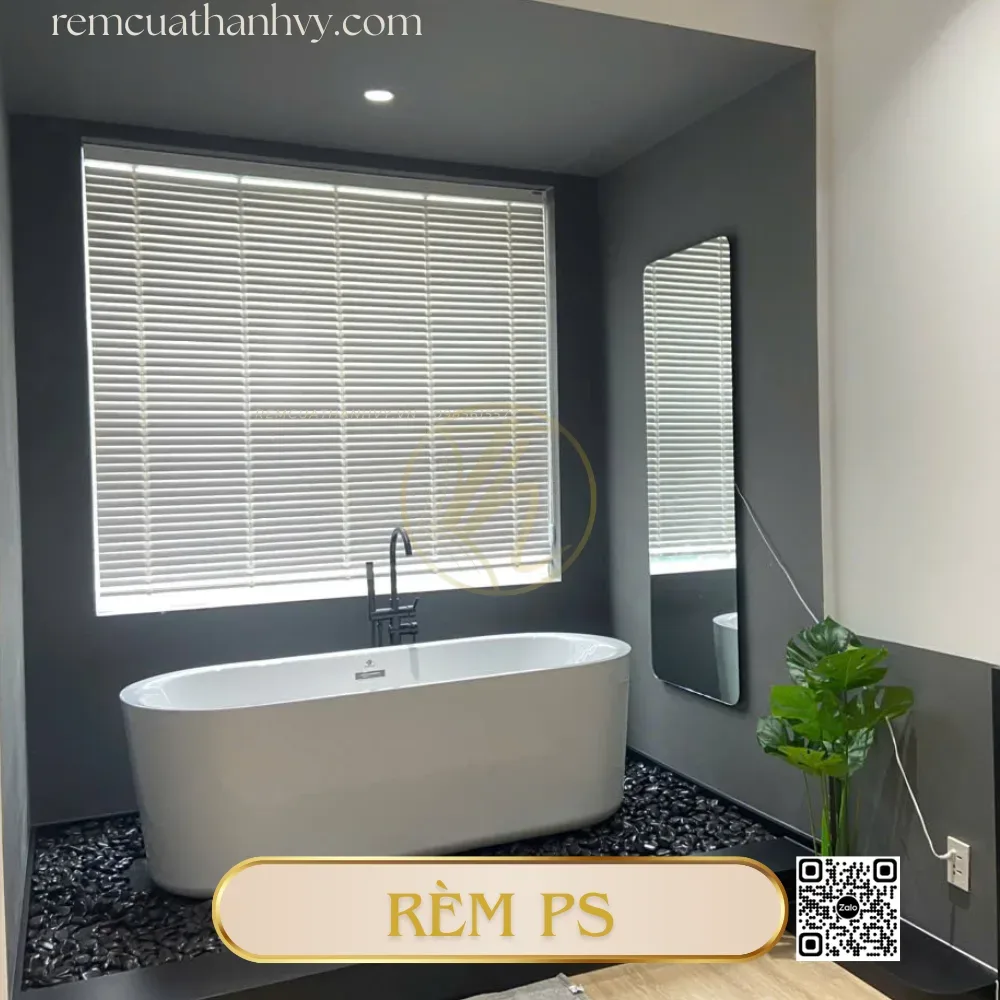
Fabric Curtains or Wooden Blinds? A Detailed Comparison to Help You Choose
Compare fabric curtains and wooden blinds by light control, privacy, operation, aesthetics, cleaning, and running [...]
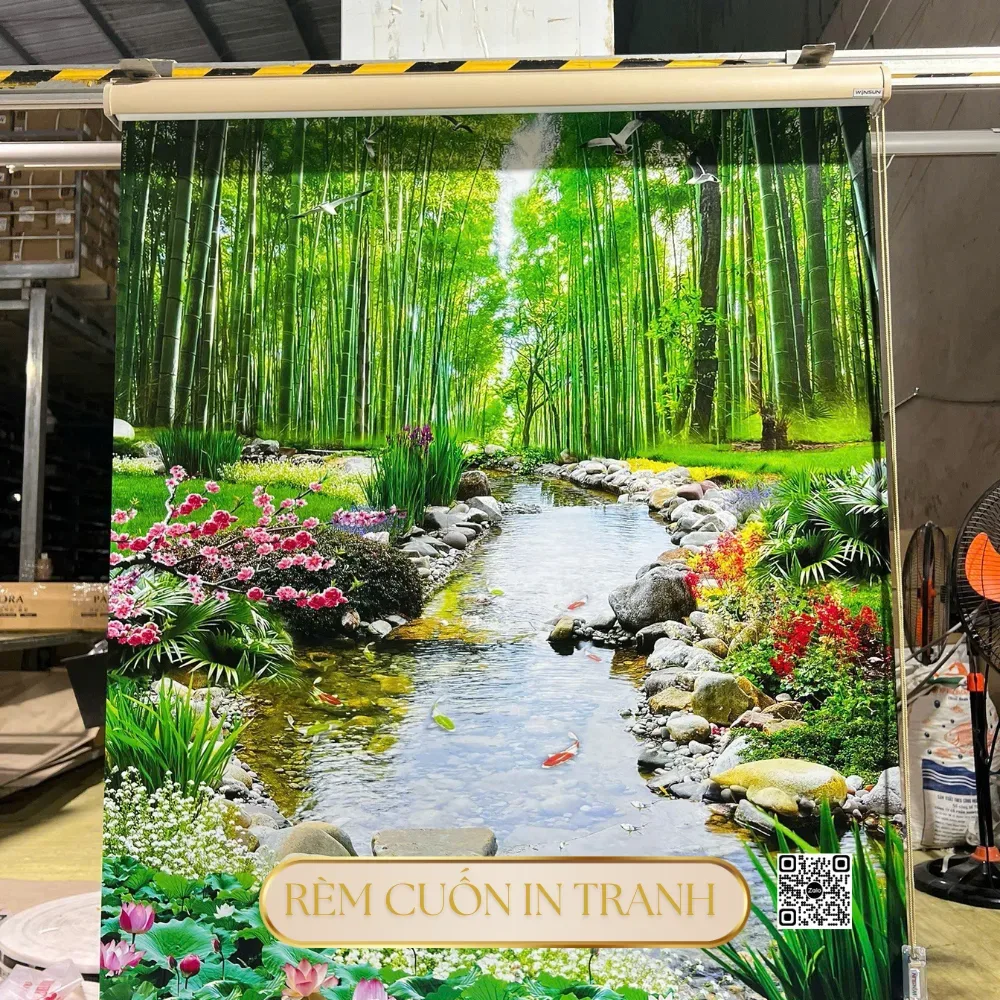
Are Roller Blinds Any Good? A Detailed A-Z Review
A guide on how to choose roller blinds based on your living space, lighting needs, [...]
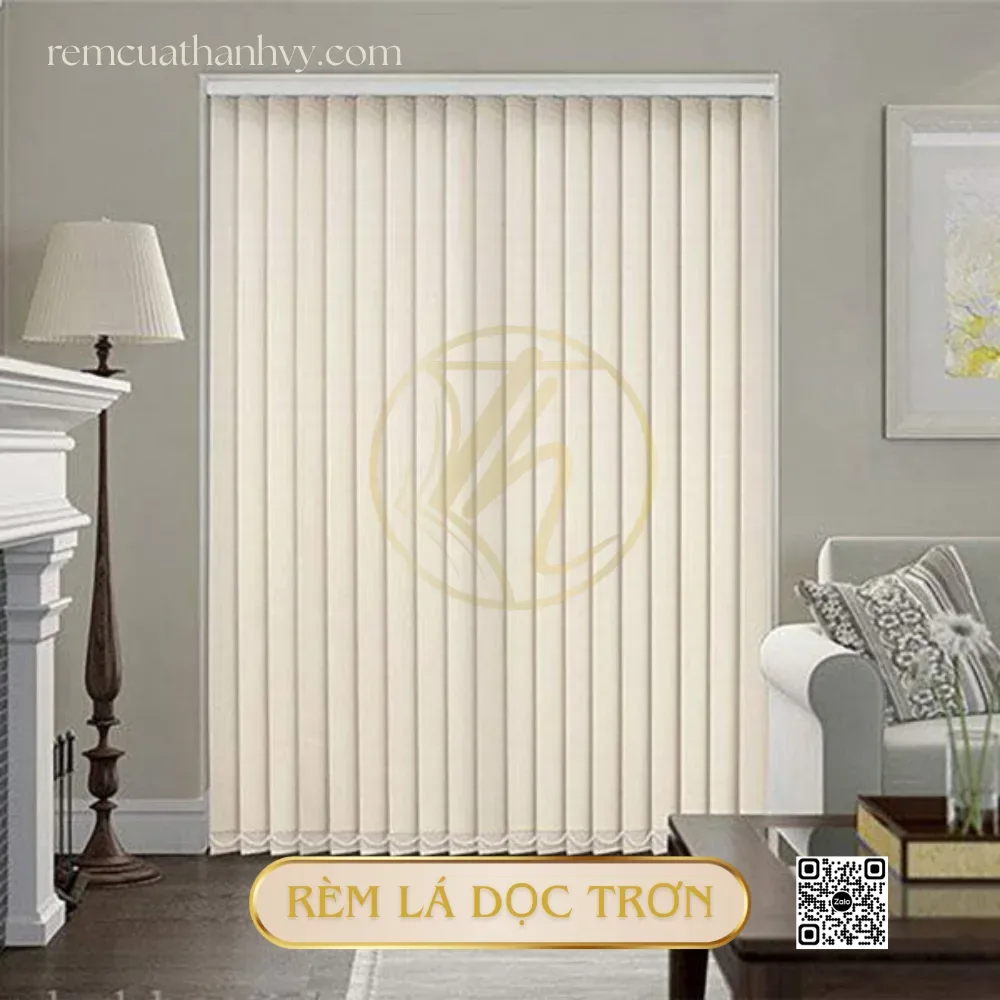
Are Vertical Blinds Good? A Detailed Review from A to Z
A guide on how to determine if vertical blinds are right for your home based [...]
Related posts
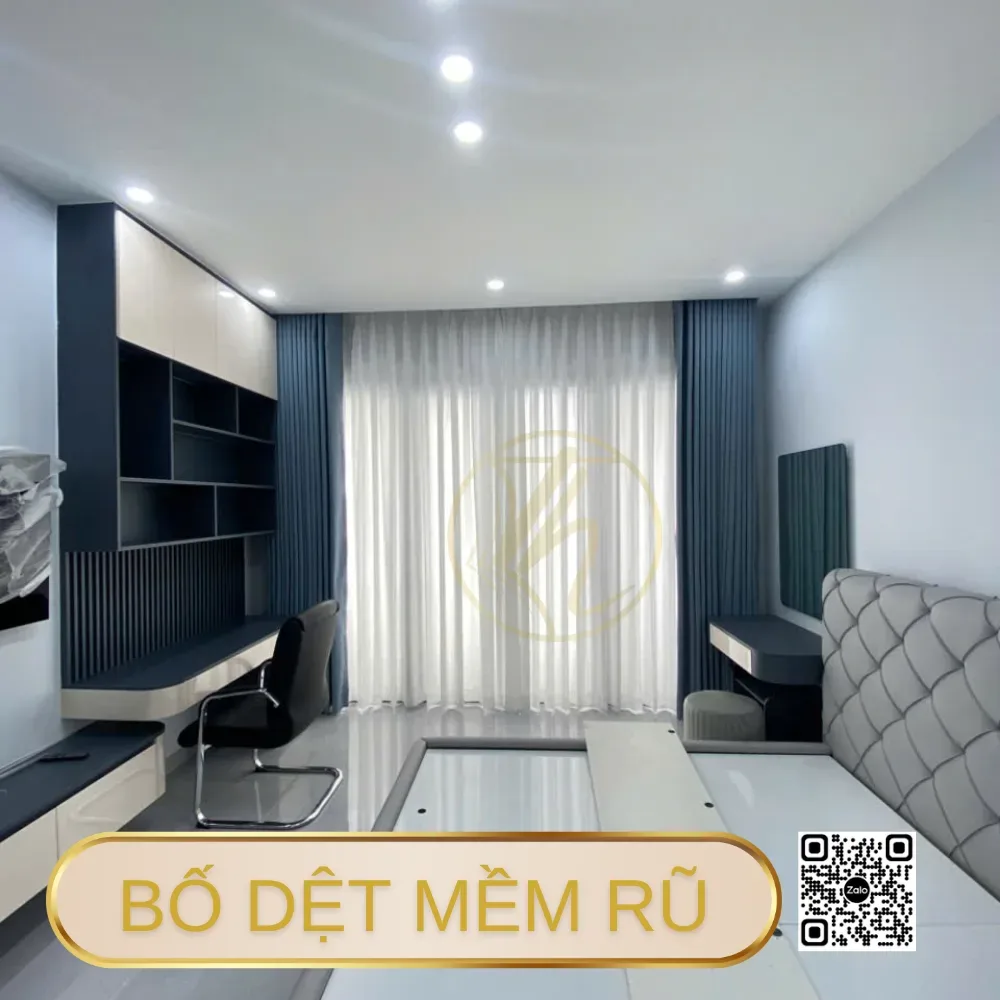
Fabric Curtains in District 3: How to Choose by Room and Need
This article helps readers choose fabric curtains in District 3 based on light blocking needs, [...]
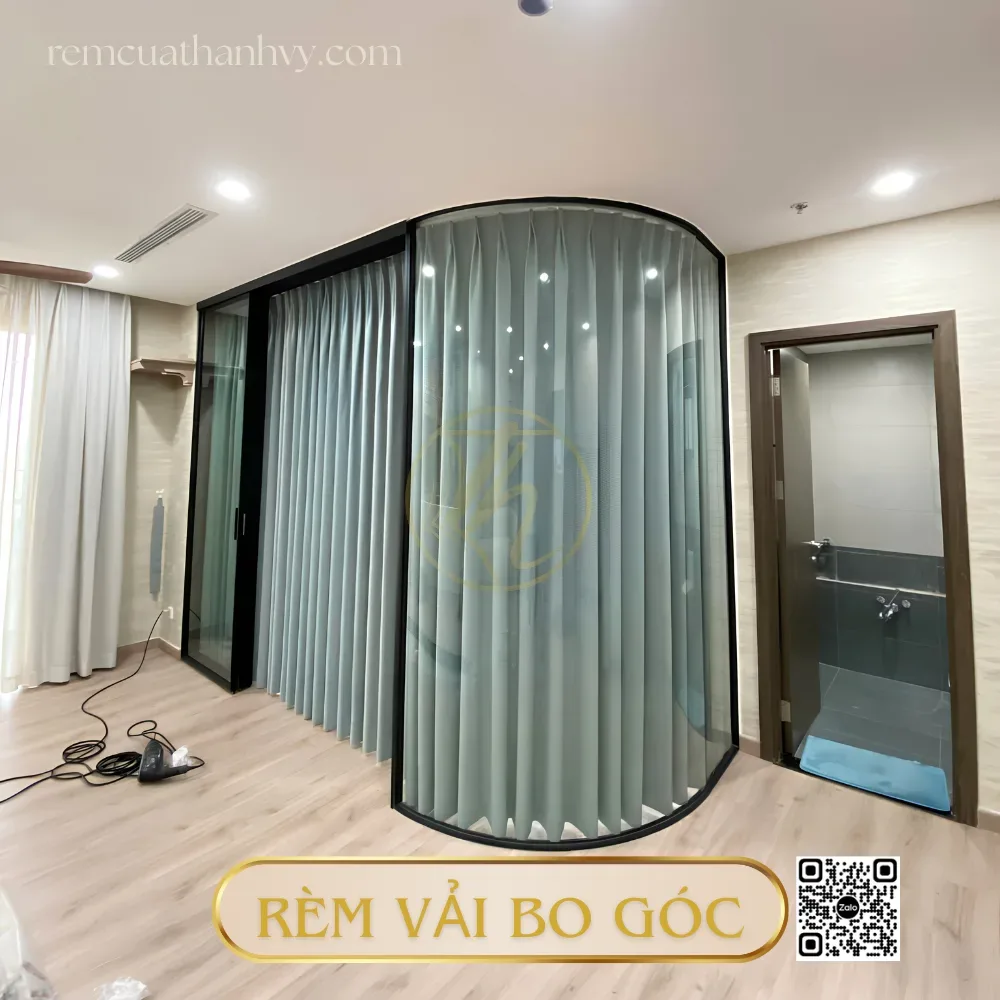
Fabric Curtains in District 6: How to Choose Fabrics and Sewing Styles
A guide to choosing fabric curtains in District 6 for every space, light level, material, [...]
No comments yet!