



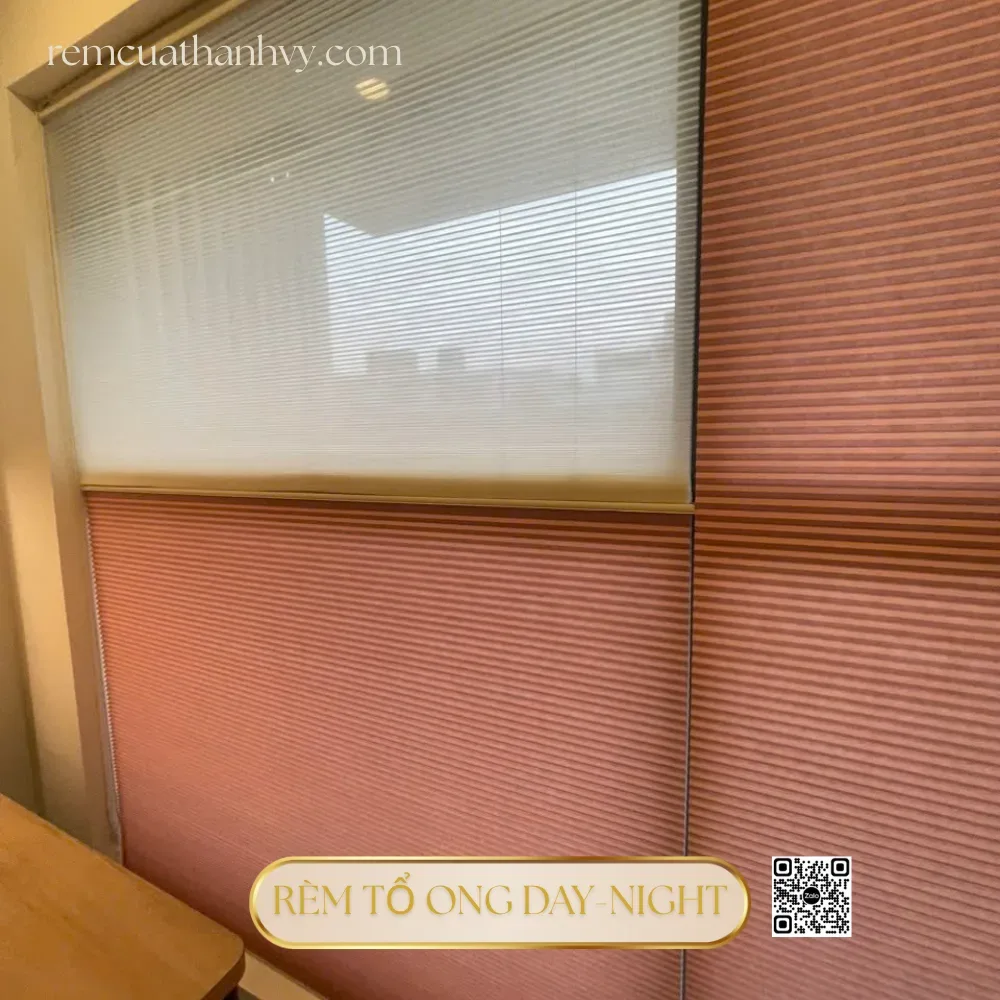
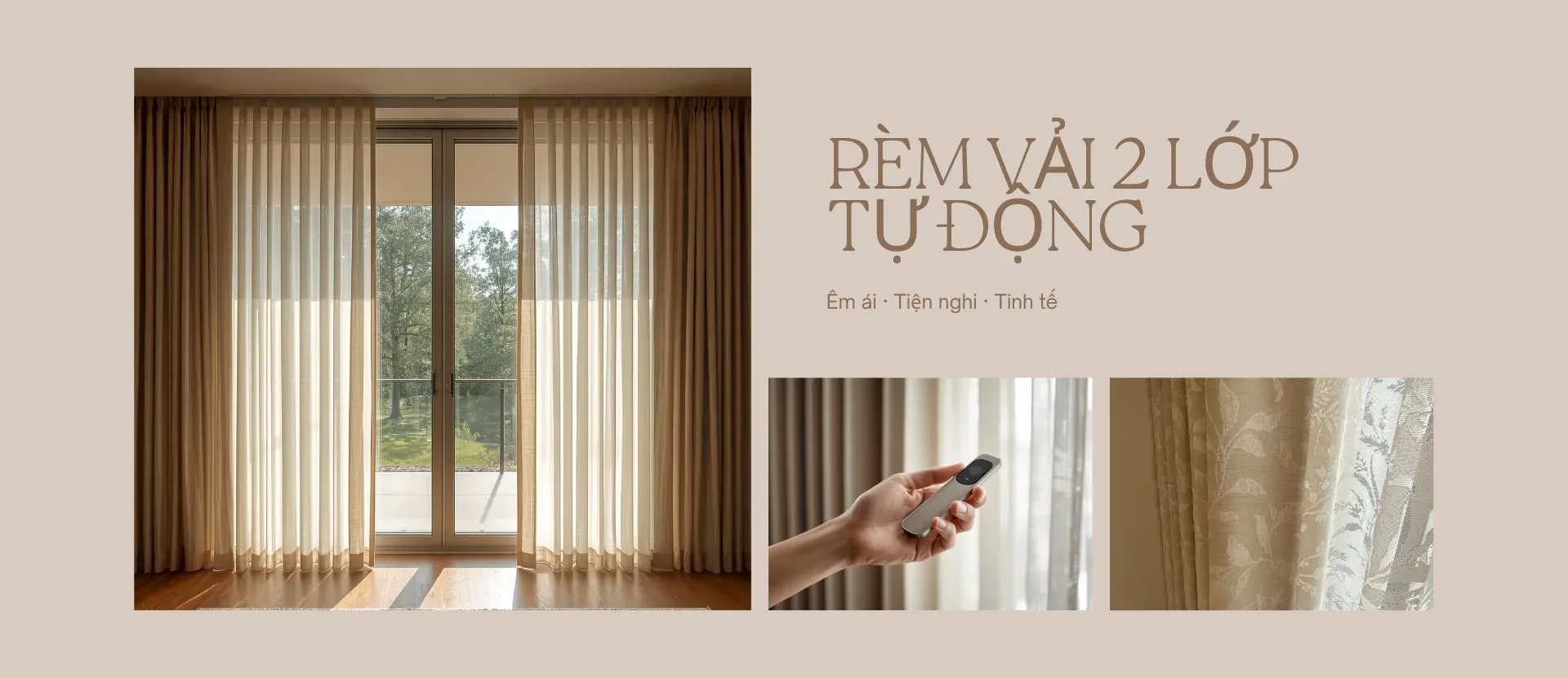
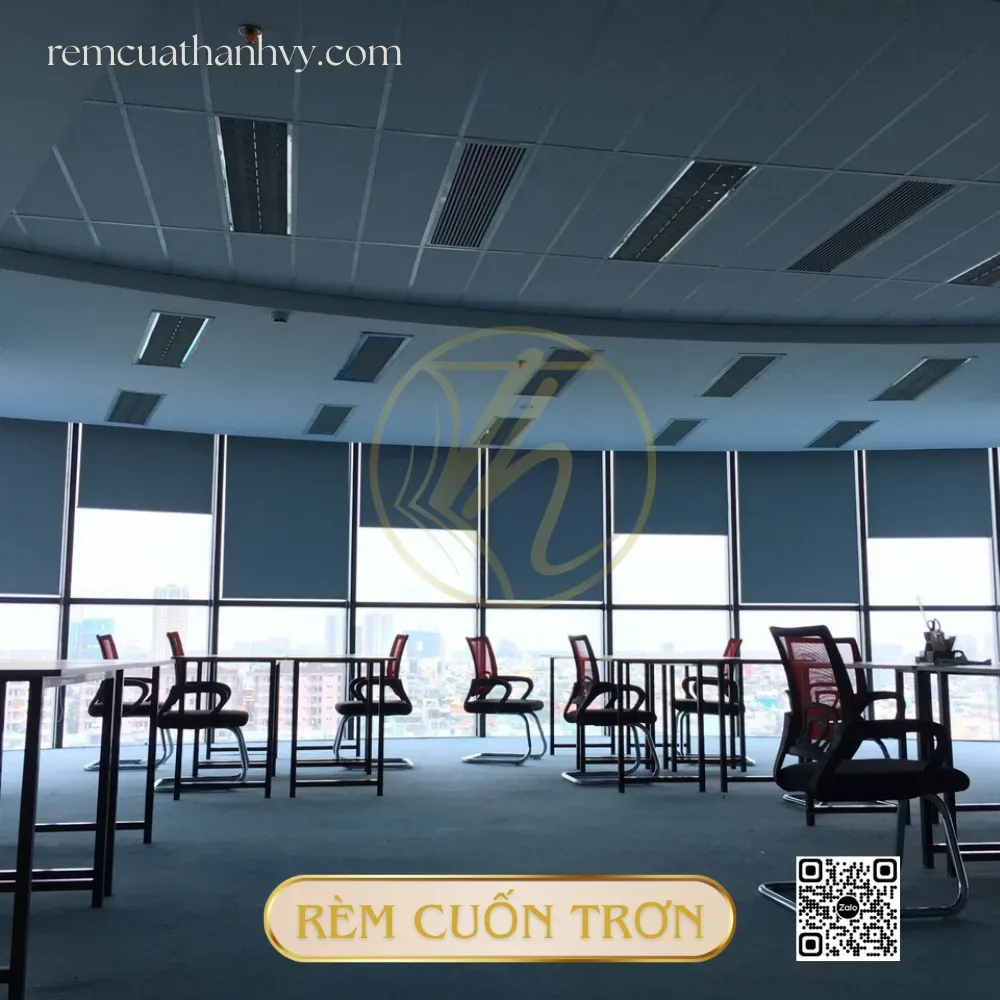
What Are Sheer Curtains? Features, Pros & Cons, and Applications
What are sheer curtains and choosing them based on real needs
What sheer curtains are should be answered through practical functional performance: you should choose based on your actual needs—whether you need neatness, softness, light blocking, easy cleaning, or an interior accent—rather than relying solely on names or pretty pictures. That approach offers initial inspiration, but it is not enough to decide on a curtain set that works well in a real space. A proper choice must clearly answer three questions: how much light control is required for that position, what level of privacy is desired, and whether daily opening and closing are convenient. Background information on polyester fibers in the textile industry provides a helpful reference when selecting materials.
For residential spaces, decisions should stem from the actual state of the windows rather than product names. Hanging height, stack-back width, sun orientation, walls and ceilings, furniture near the windows, and daily habits all affect the final outcome. The content below helps readers view sheer curtains as a long-term living solution, not merely an item of decor.
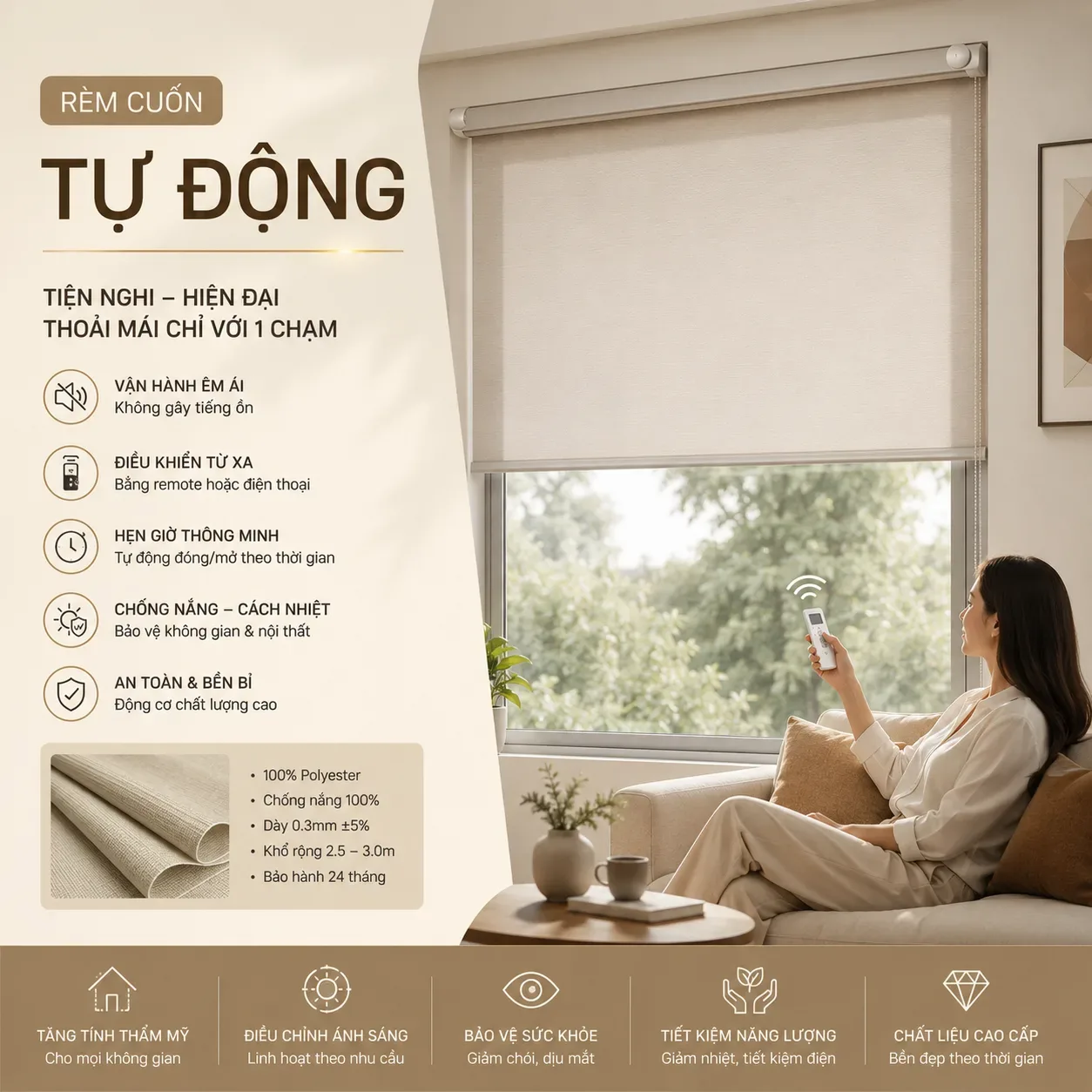
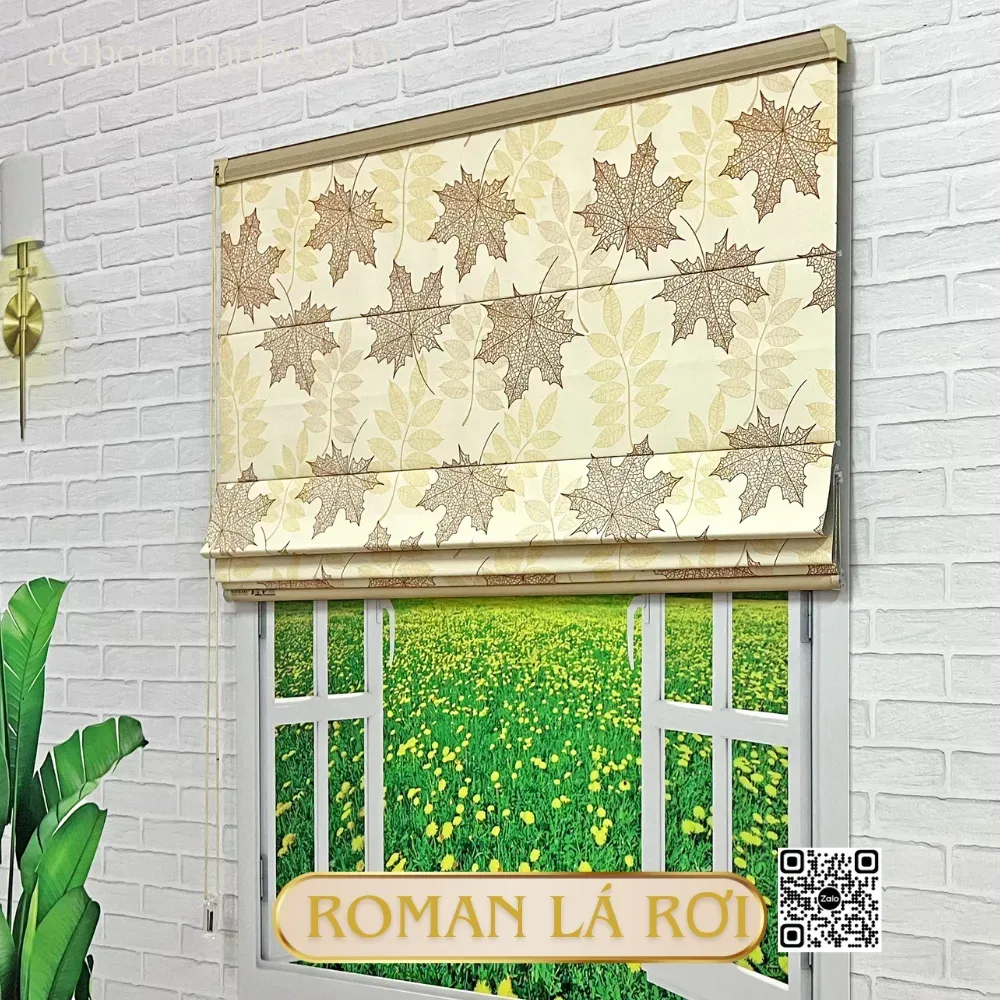
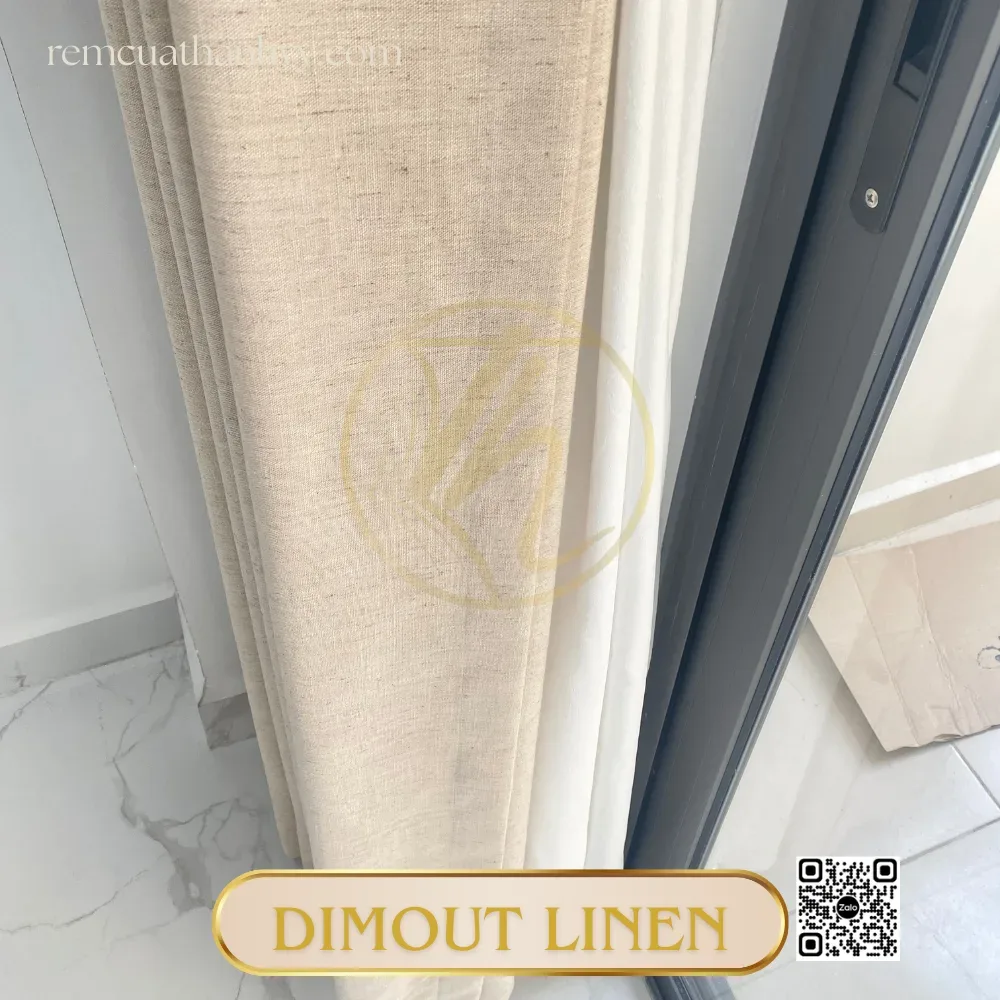
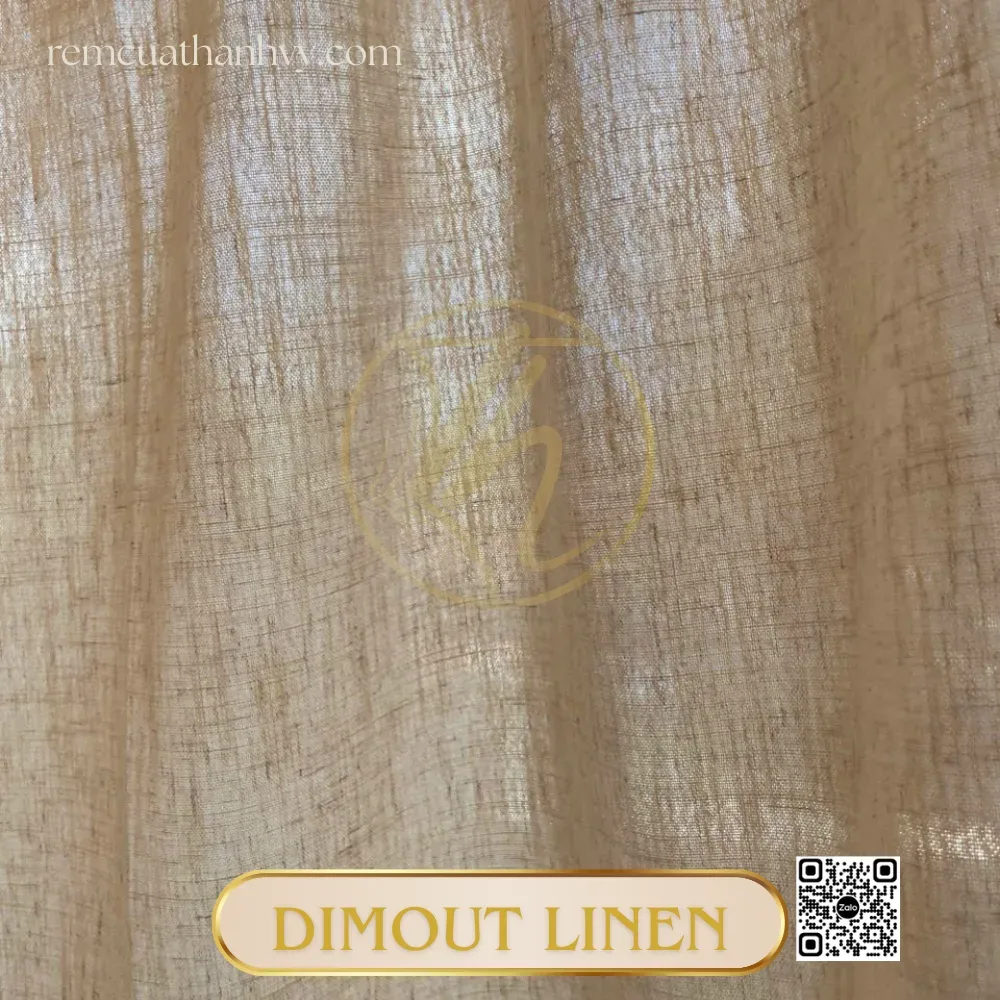
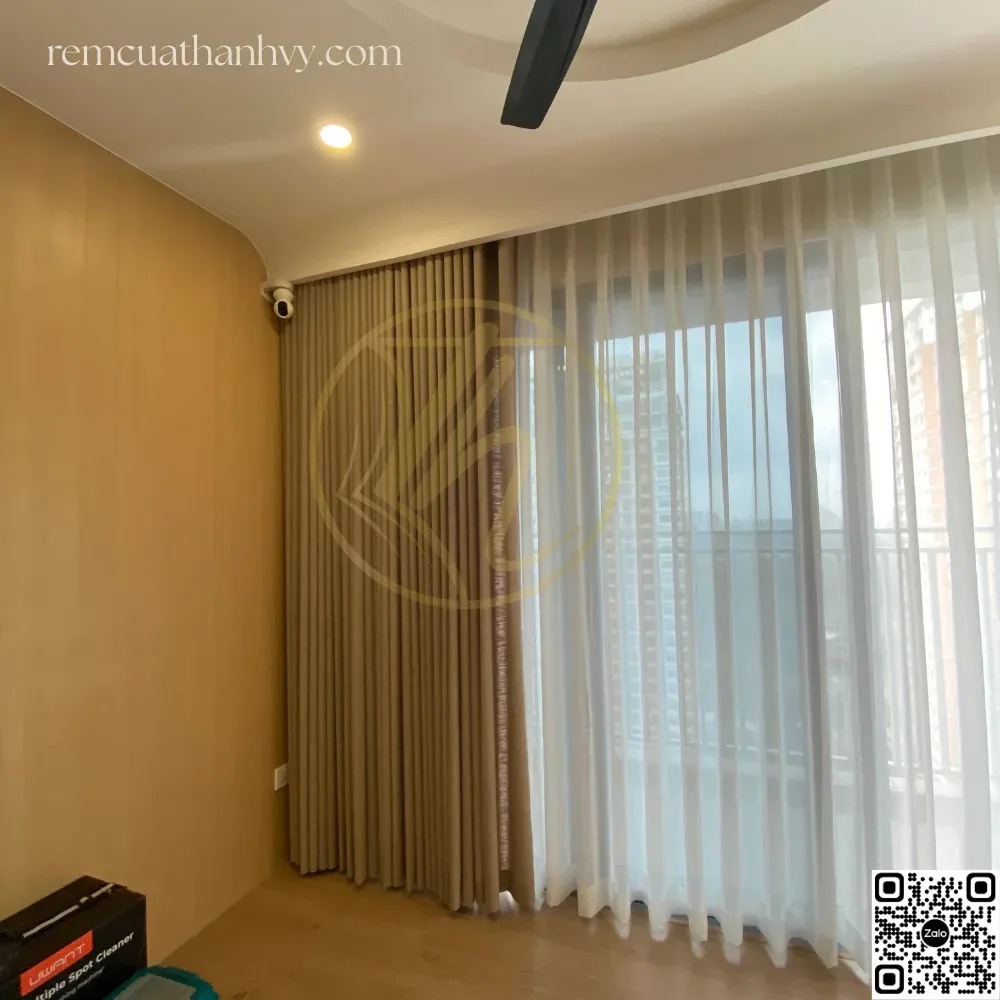
What are sheer curtains in the context of practical use
What sheer curtains are should be understood through functionality and build specifications, not just their name. Readers need to know what window styles this curtain line fits, its strong points, its limitations, and what to keep in mind when installing them in real homes. A useful definition must guide decision-making, not just describe appearances.
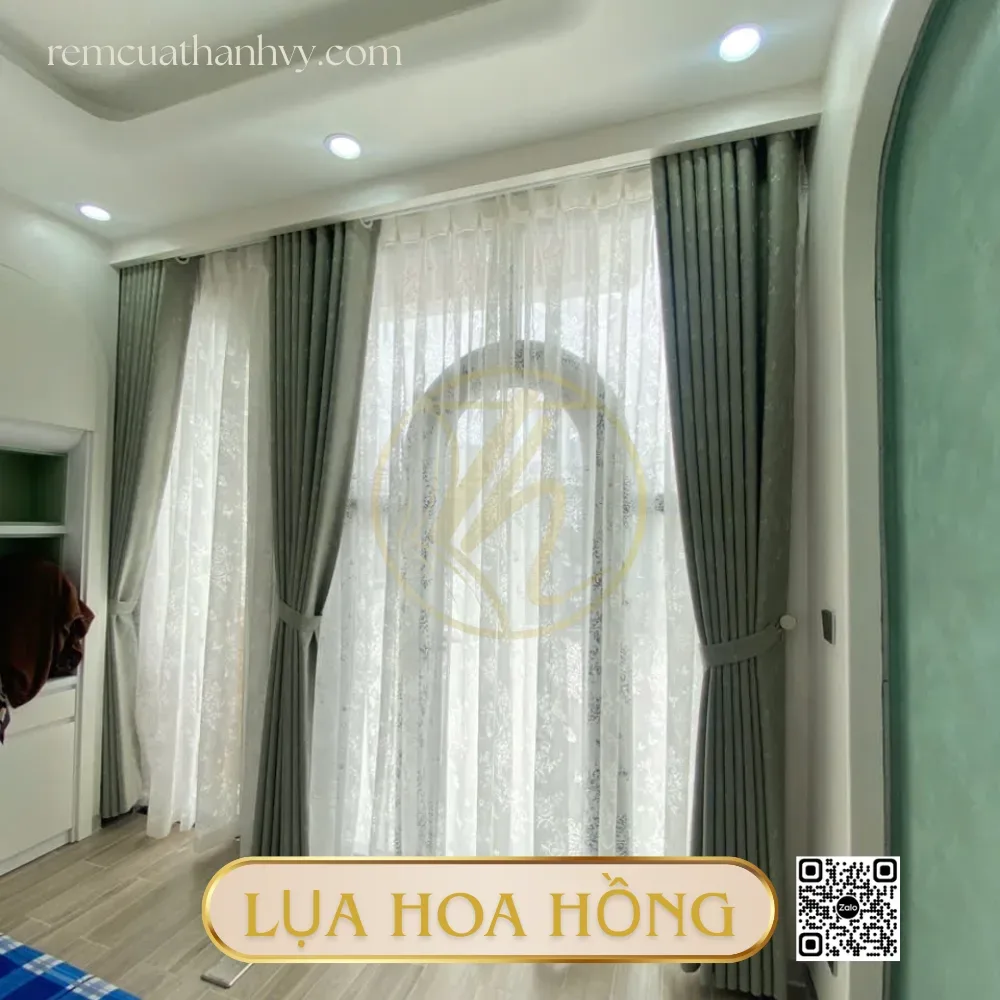
When exploring this concept, relate it directly to your existing needs: needing neatness, softness, light dimming, easy cleaning, or an interior focal point. Each requirement will alter the selection of materials, hardware, and finishing style.
If you are weighing more options, you can consult Are Sheer Curtains Good? A Detailed A-to-Z Review to compare before deciding.
Quick answer: What sheer curtains are should be defined by specific functional needs—whether you need neatness, softness, light control, easy maintenance, or a decorative highlight—because each need leads to different material and hardware choices.
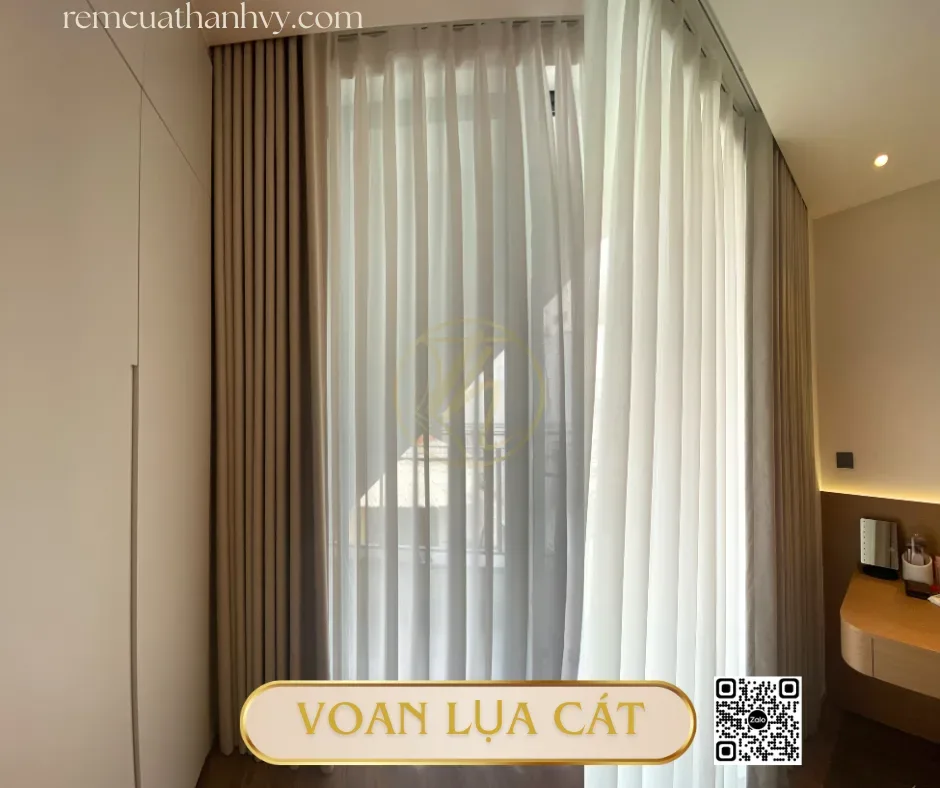
Key criteria to finalize before requesting consultation
Before comparing samples, pin down the main objective of the curtains. If glare reduction is needed, priorities will differ from a scenario requiring full privacy when indoor lights are turned on in the evening. If the window opens frequently, a compact layout and light operation may matter more than fabric thickness. If the room has small children or pets, operating mechanisms and pull cords should also be treated as part of the decision.
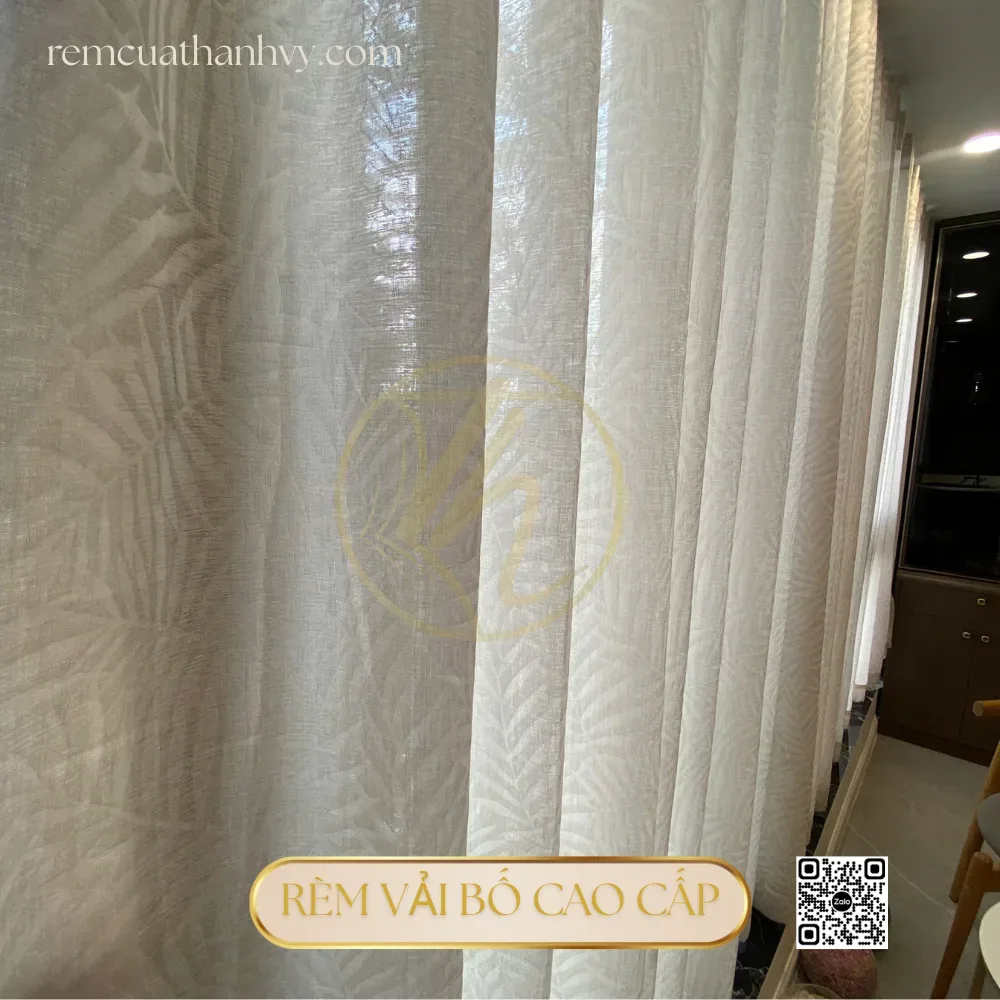
A clear consultation request should include an overall photo of the window opening, photos of both installation edges, rough measurements, the harshest sun orientation, and the desired interior style. With this complete data, a consultant can compare configurations using identical criteria: functionality, aesthetics, durability, maintenance, and projected budget.
Materials, colors, and finishing styles
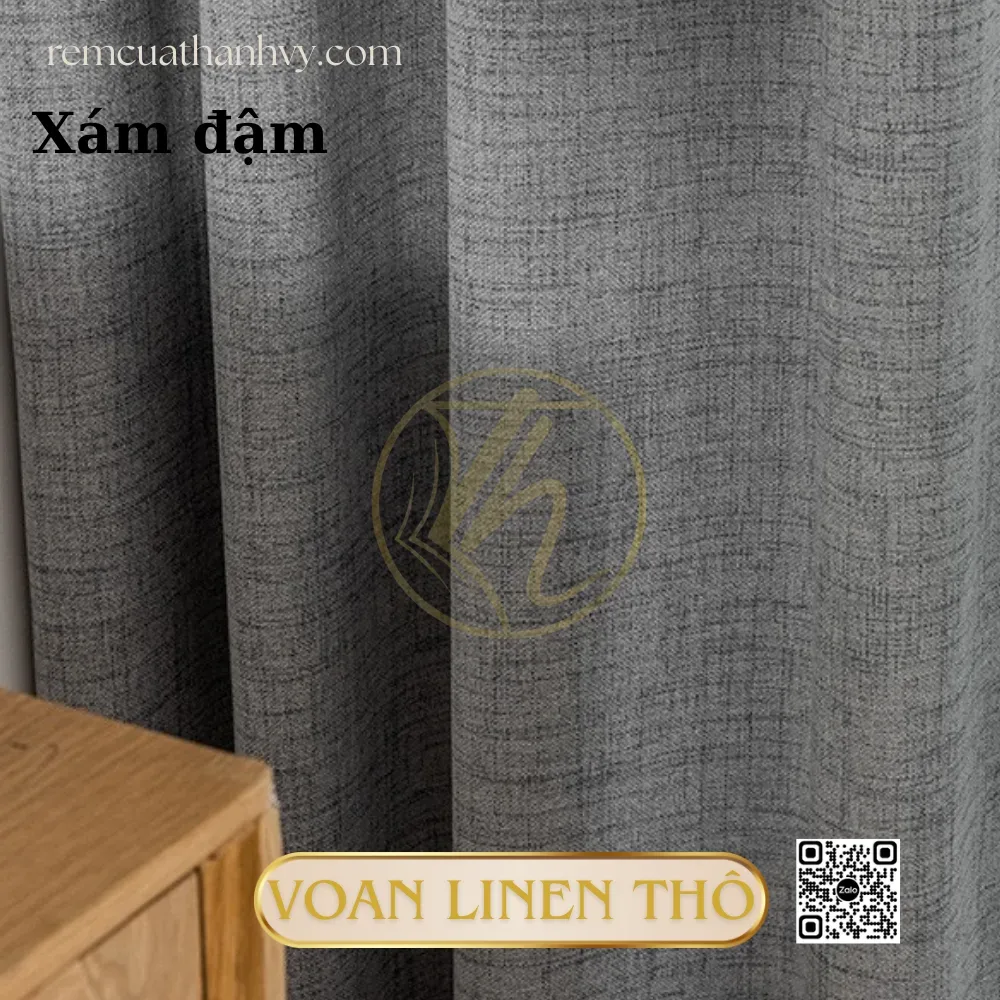
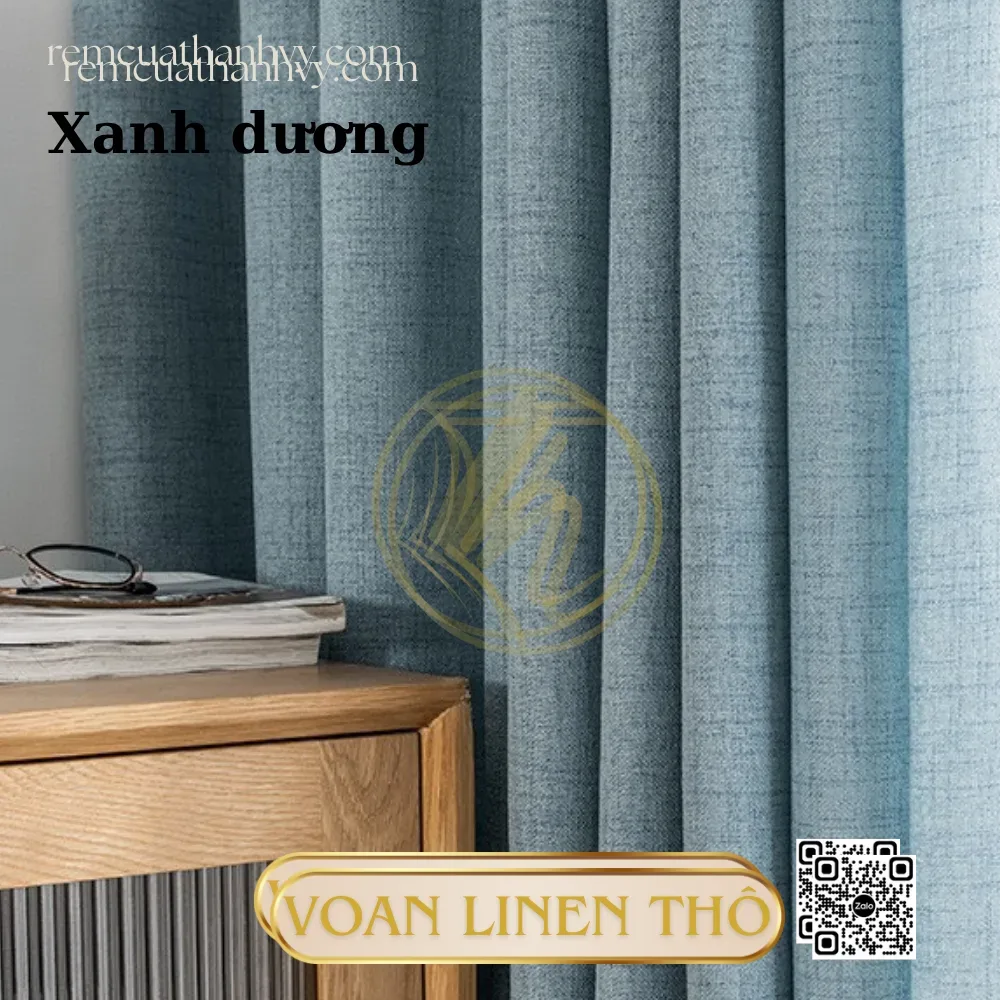
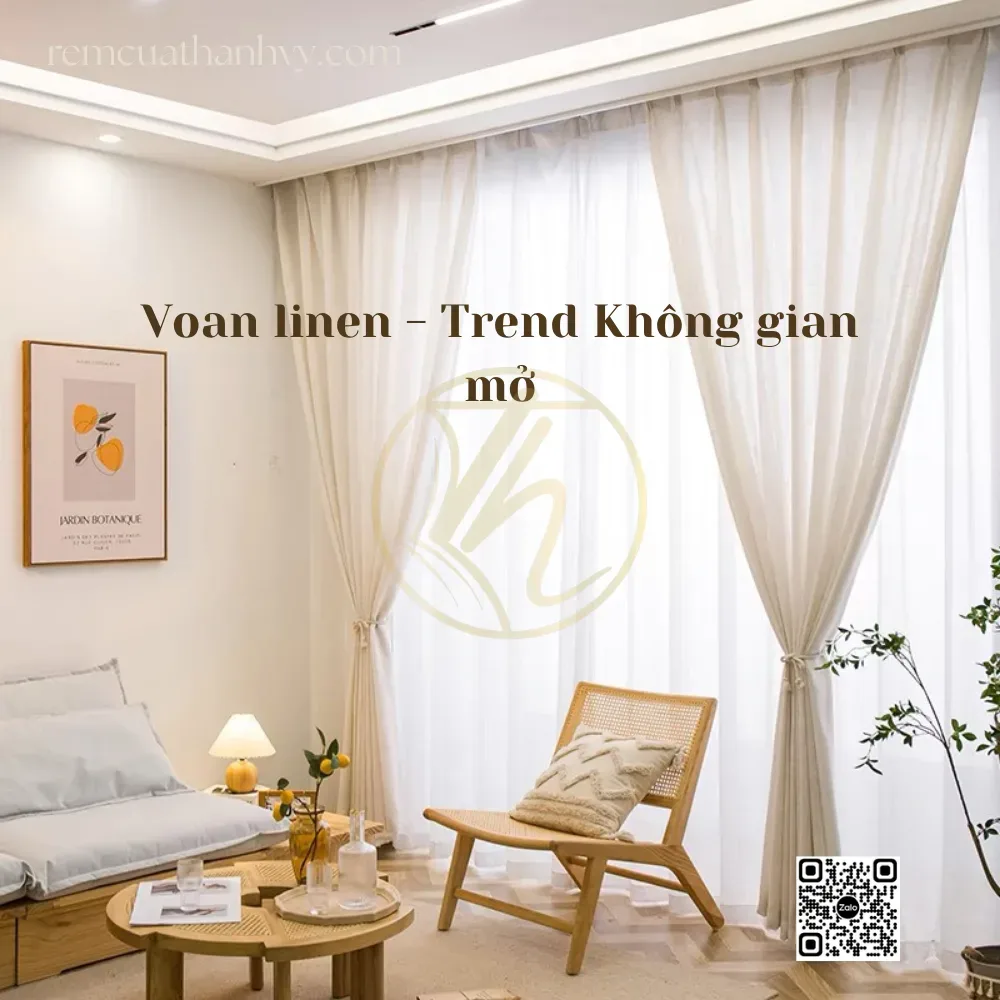
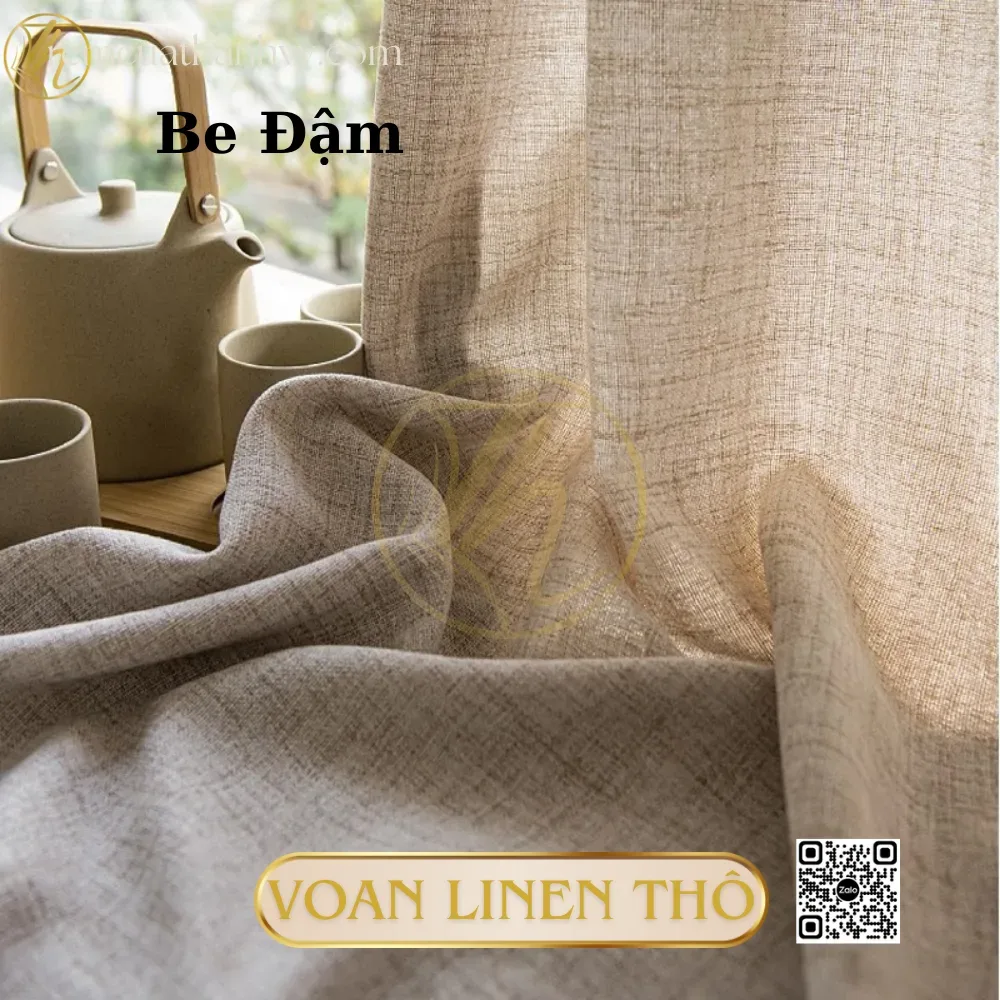
Sheer curtains can convey very different feels depending on materials and finishing methods. Denser textures create a more private and solid feel, while lighter textures keep the space airy. Neutral colors are easy to coordinate for the long run, but not every room requires pale shades. The key is to view the color under the room’s actual lighting conditions, as natural daylight and indoor lighting can alter color tones noticeably.
The finishing style should be chosen according to window proportions. Large openings need adequate coverage, stack-back space, and balance with the walls and ceiling; small windows should avoid overly heavy configurations. If you are torn between two options, ask for a clear explanation of differences in operation, cleaning, light quality, and upkeep costs rather than relying only on sample photos.
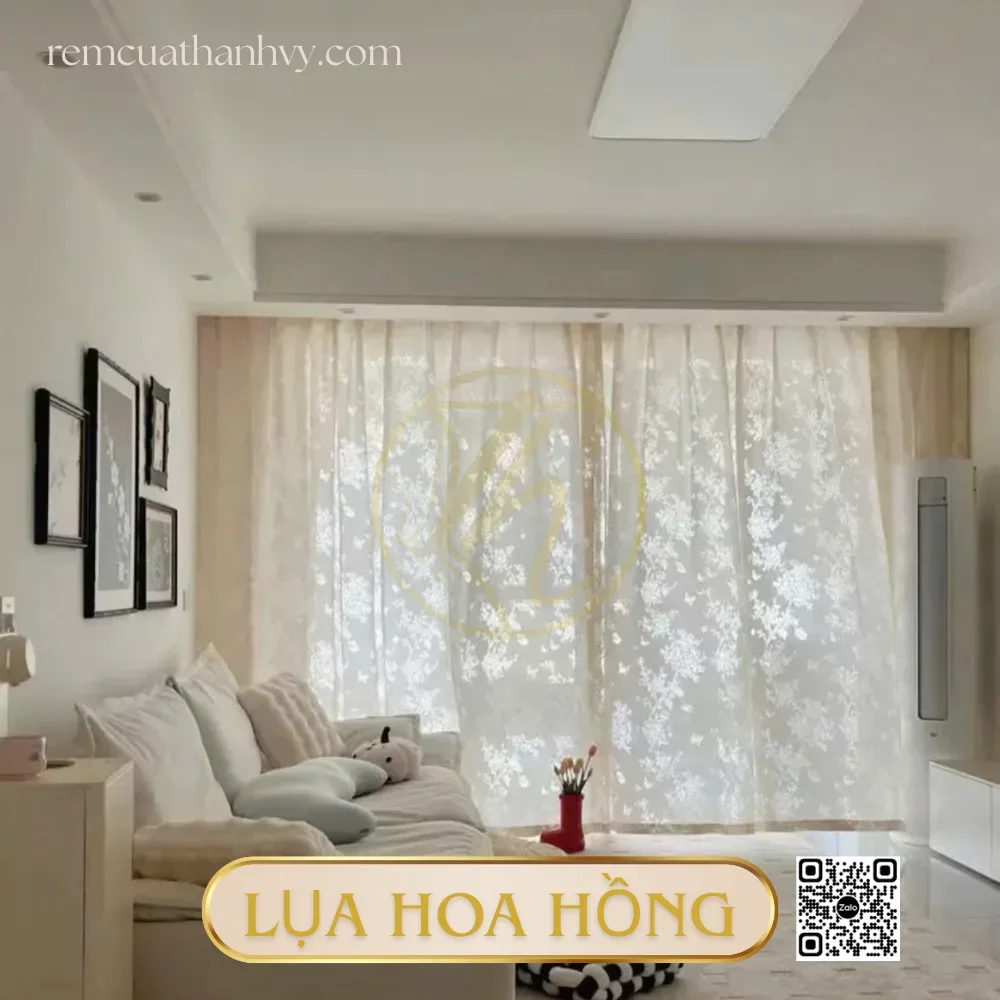
How the workflow should proceed
A sensible workflow usually starts with discussing requirements, reviewing photos of the current setup, and shortlisting preliminary options. Only then comes the step of detailed measurement or an on-site survey if the window involves many variables. Once measurements, fabrics, and hardware are confirmed, the quotation must clearly detail the scope: which materials, which header style, which hardware, lead time, and conditions for potential extras. Information about the provider is also featured in the article introducing stage curtains on Báo Cần Thơ.
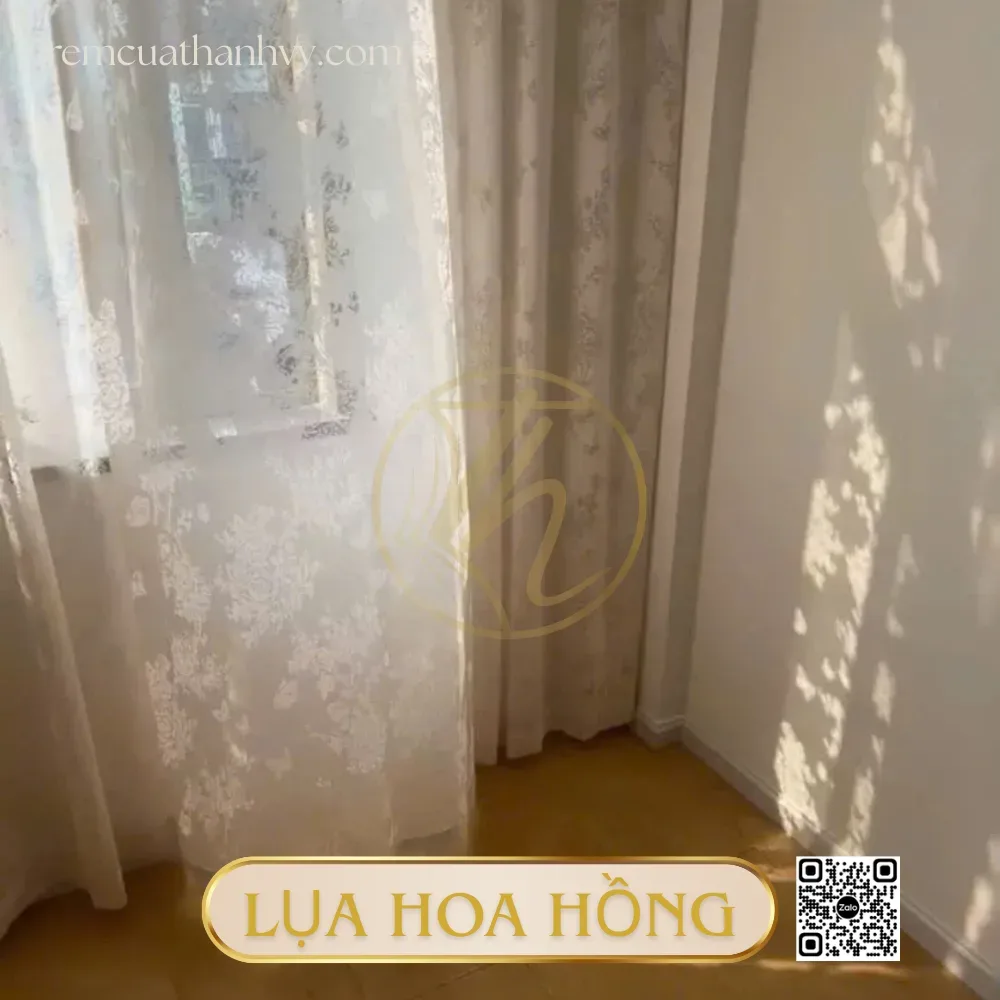
Readers do not need to master technical jargon, but should request that every option be explained in verifiable terms. A good recommendation goes beyond claiming “beautiful” or “premium”; it must explain why it fits the light, usage, and window conditions of the exact room in need of treatment.
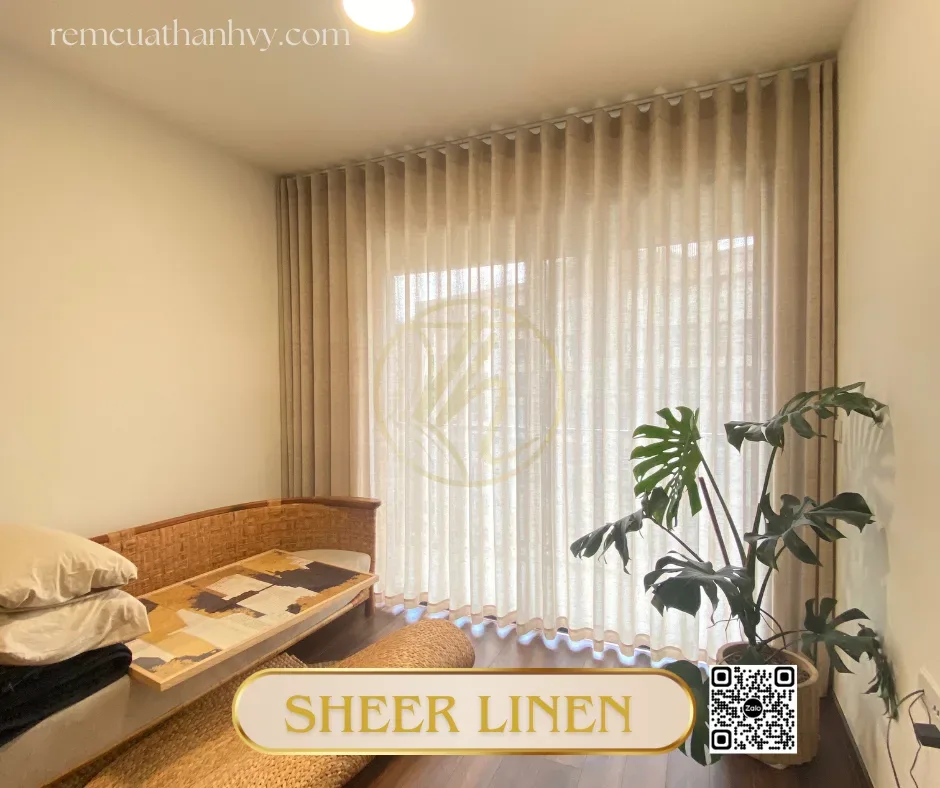
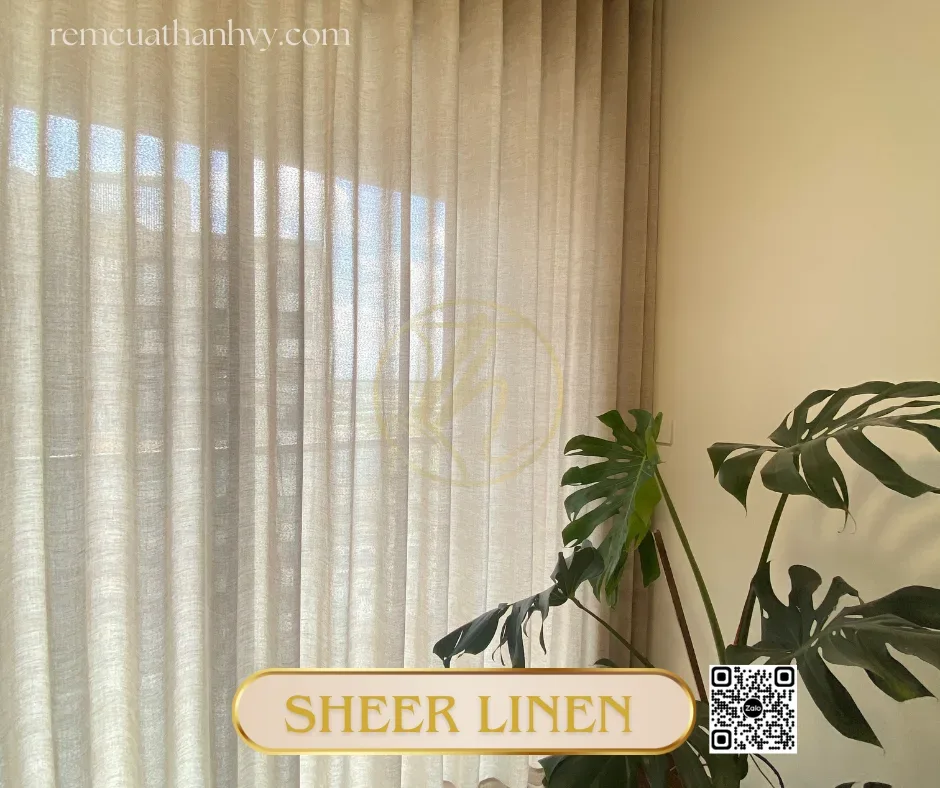

How to compare two options fairly
Comparing sheer curtain options requires placing them on an equal footing. Evaluate them systematically across light-blocking capacity, privacy level, curtain stack width when opened, ease of cleaning, bundled accessories, and the room’s overall feel. A cheaper option may be missing accessories, omitting installation scope, or utilizing a non-equivalent configuration.
For residential projects, do not merely ask which pattern is popular. Ask which option better suits the sun’s direction, frequency of use, and budget. When criteria are stated explicitly, the final decision will depend less on intuition and reduce the need for post-installation adjustments.

Considerations for safety, cleaning, and long-term use
Curtains are touched frequently, so everyday tactile experience matters just as much as how they look on day one. Dusty spots, areas near kitchens, or openings close to balconies require special attention to cleaning ease. Rooms with young children should prioritize compact operating systems, controlled cord systems, or cordless options where suitable.
Curtain lifespan depends on making the right choice from the outset and caring for it properly afterward. Avoid selecting materials that are too difficult to maintain for heavy-traffic spots, and avoid overly sheer configurations where high privacy is essential. A quality set of curtains preserves both its functionality and appealing appearance after months of use, not just on acceptance day.
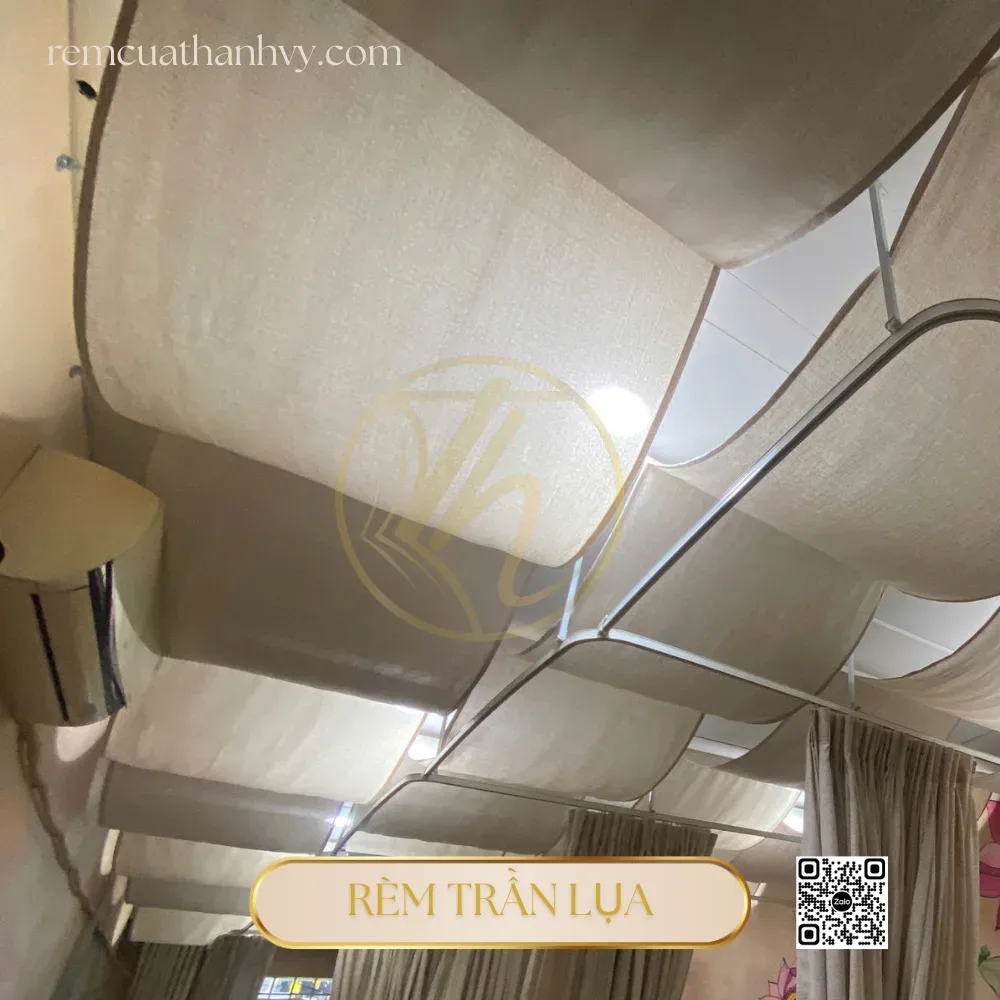
When to reach out for specific consultation
You should reach out once you have window photos, rough measurements, and primary usage objectives in hand. If you are unsure which type to select, provide additional room photos and describe the times of day you face harsh sunlight or privacy concerns. This information allows consultation to zero in on suitable options instead of presenting excessive samples that miss your goals.
When determining what sheer curtains are best for you, the safest approach is to clarify your needs, narrow down to 2–3 options, and make the final call only after thoroughly understanding the scope of fabrics, hardware, installation, and care. In this way, readers can manage their budget better while securing a solution that fits the physical room. You can also consult the concept of curtains in architecture to better understand material choices.
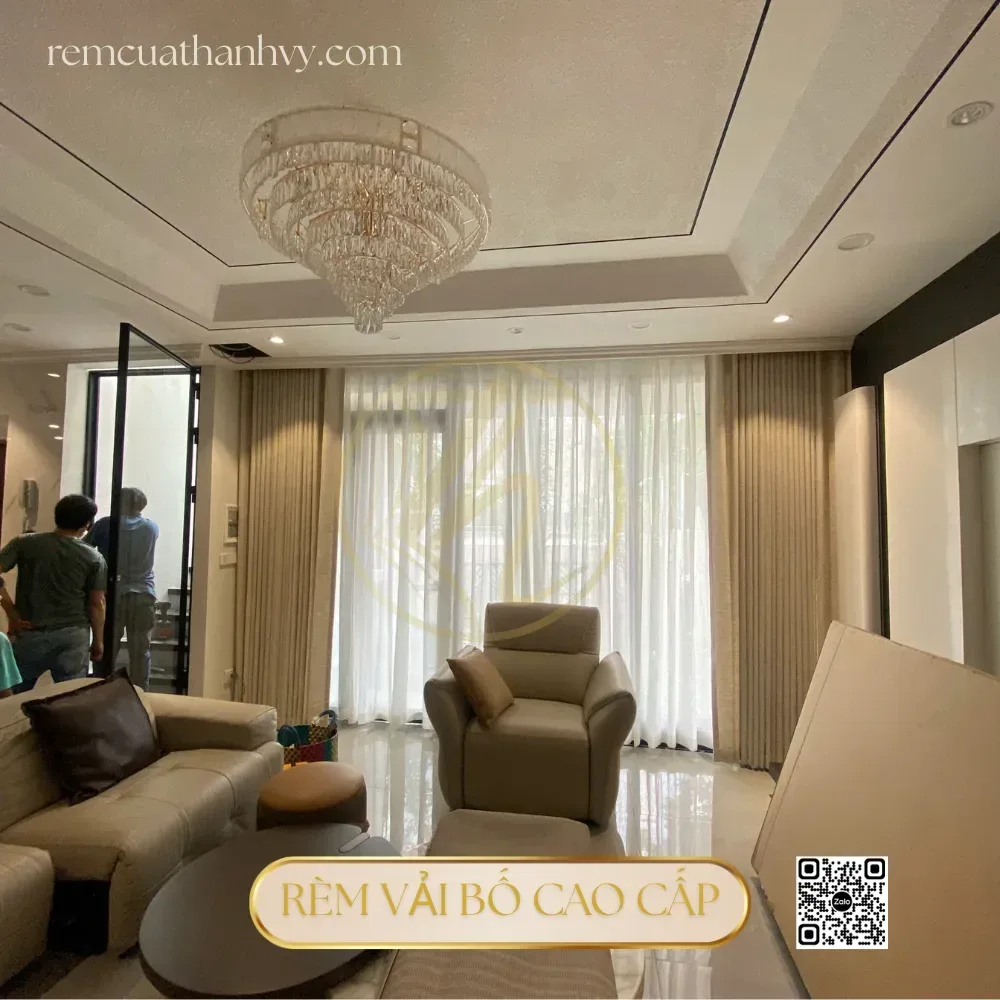
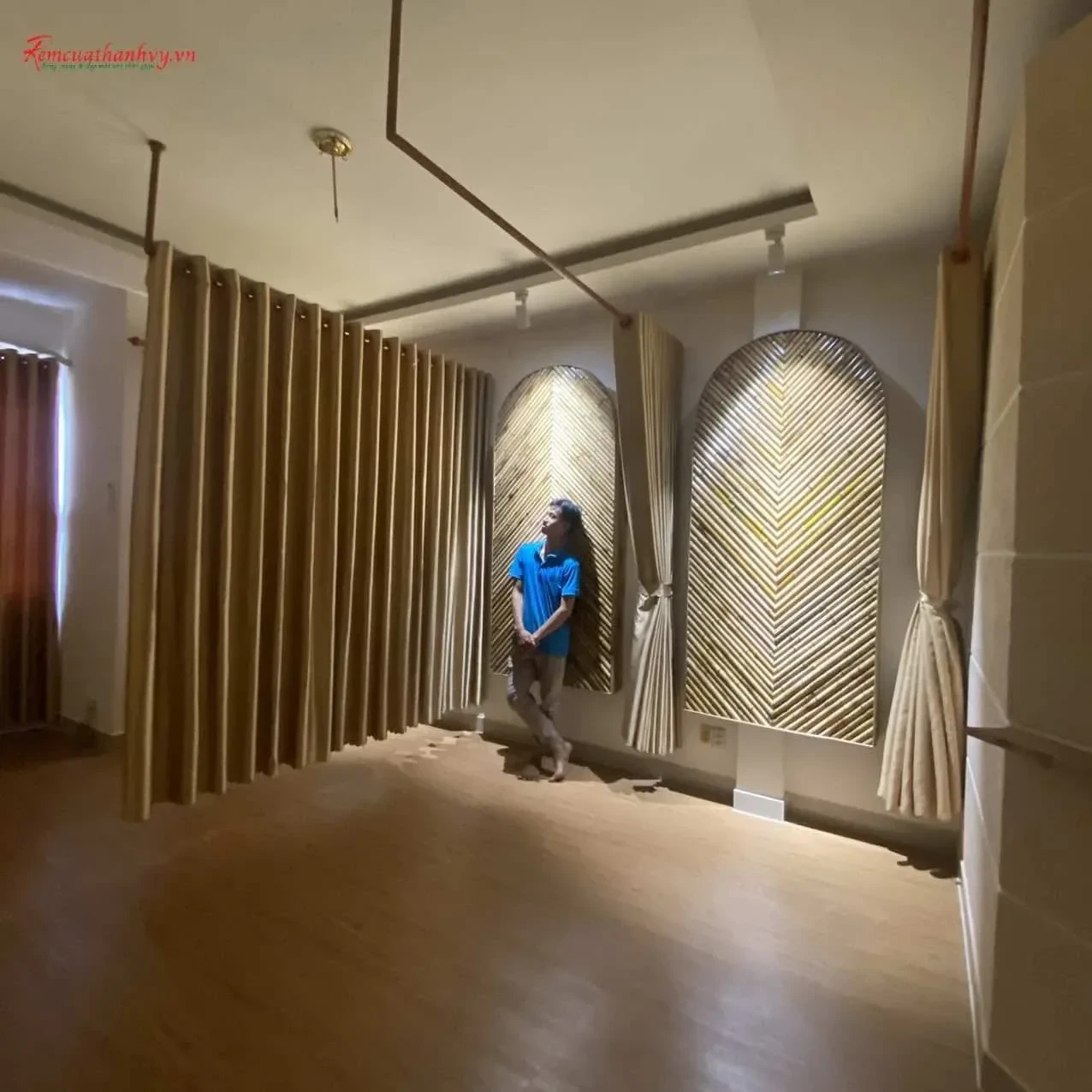
Curtain styles to consider
Below are actual product collections available at Rèm Cửa Thanh Vy, arranged by common application needs.
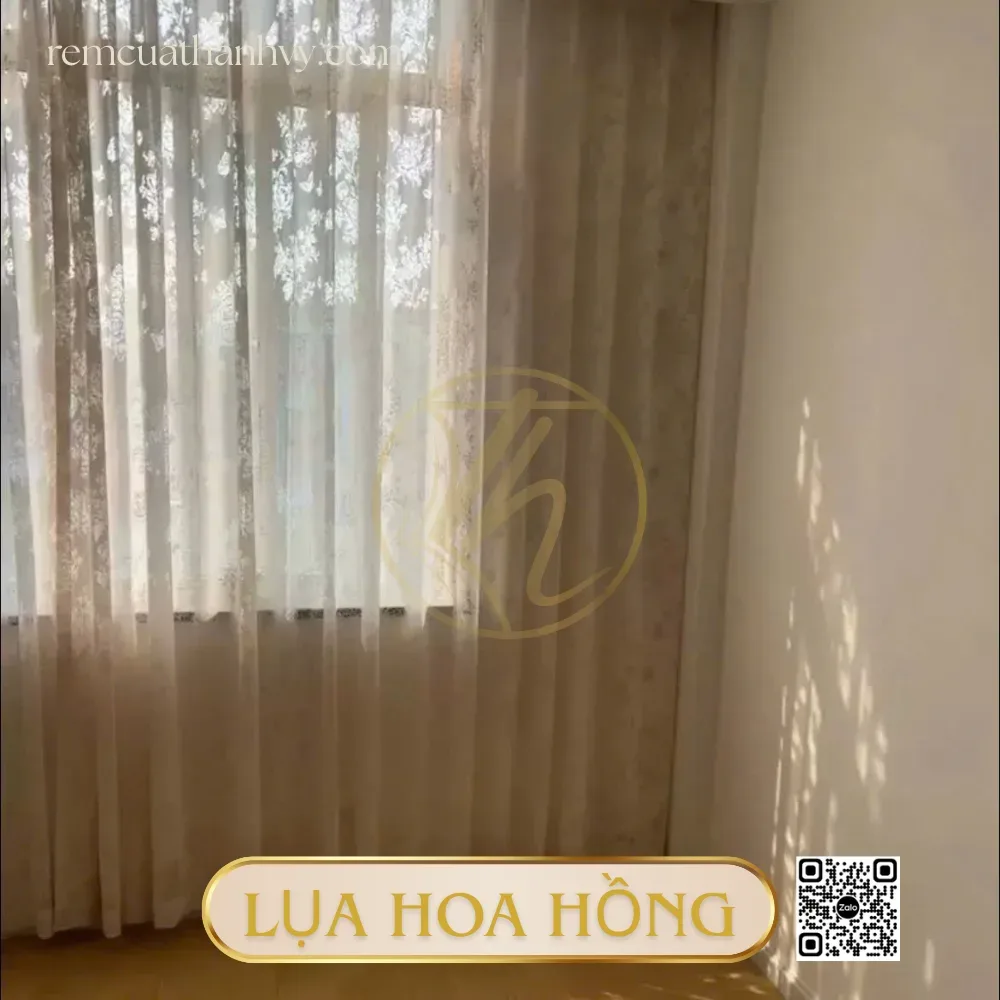
Send your dimensions and needs, and the Thanh Vy Curtains team will advise on options and quote for your actual space.
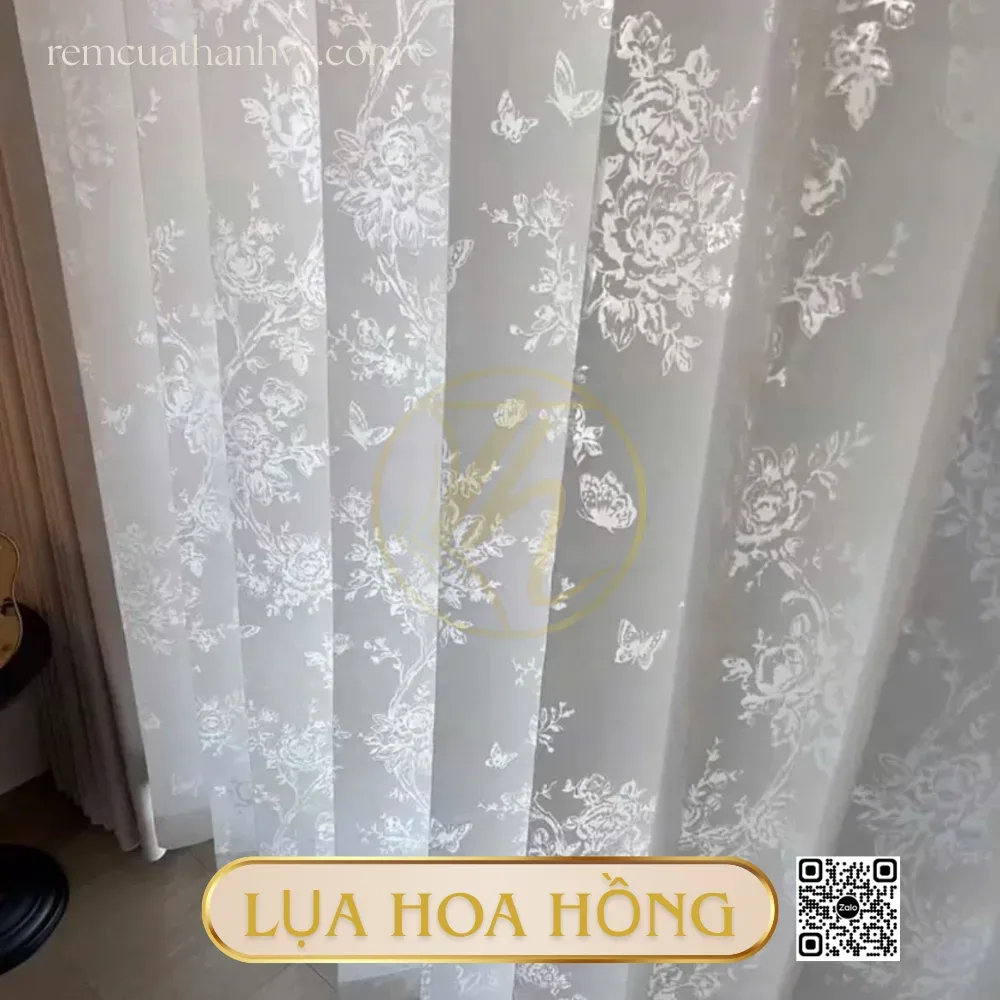
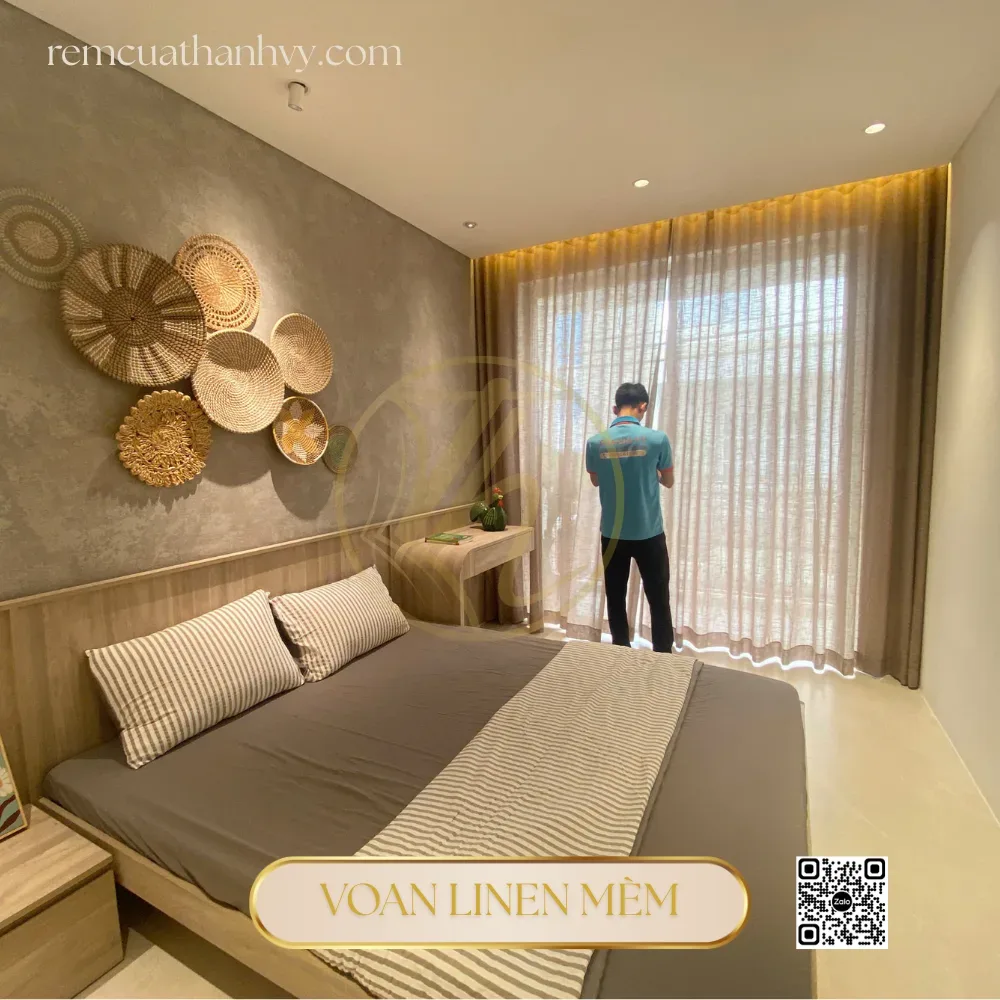
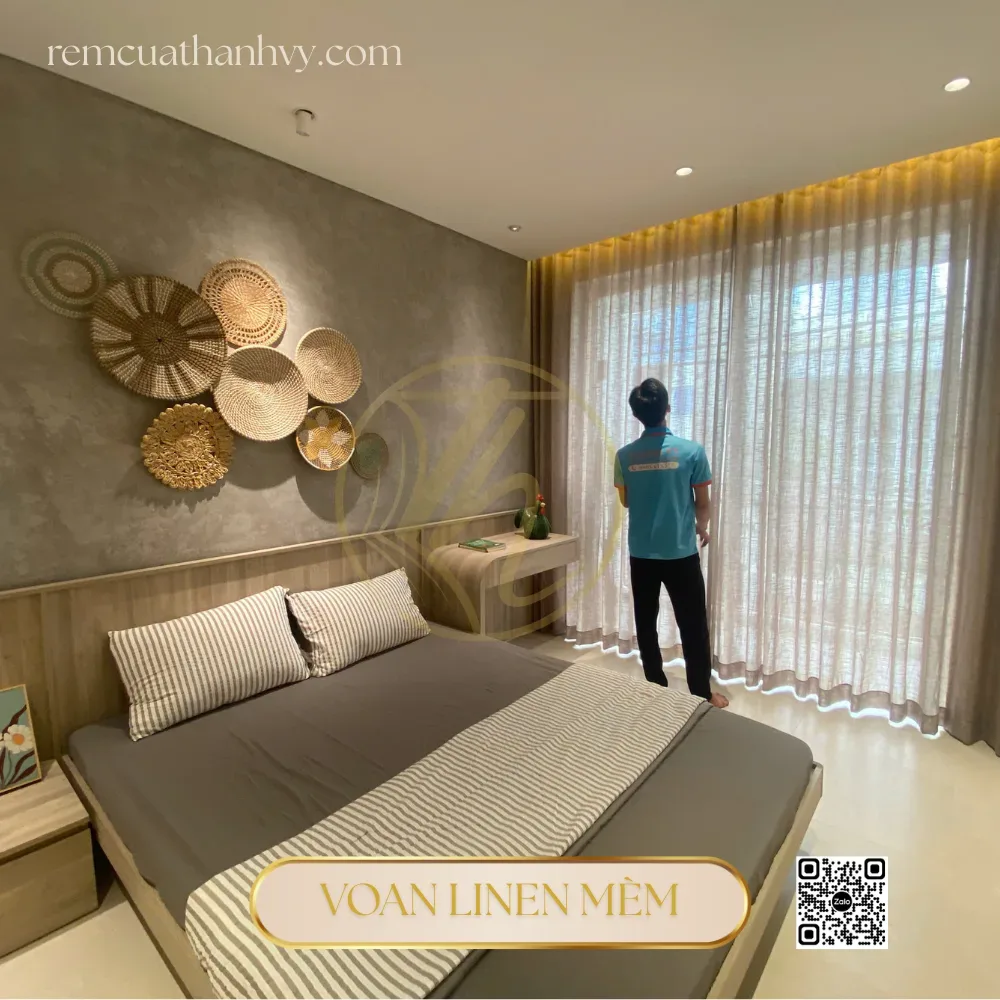
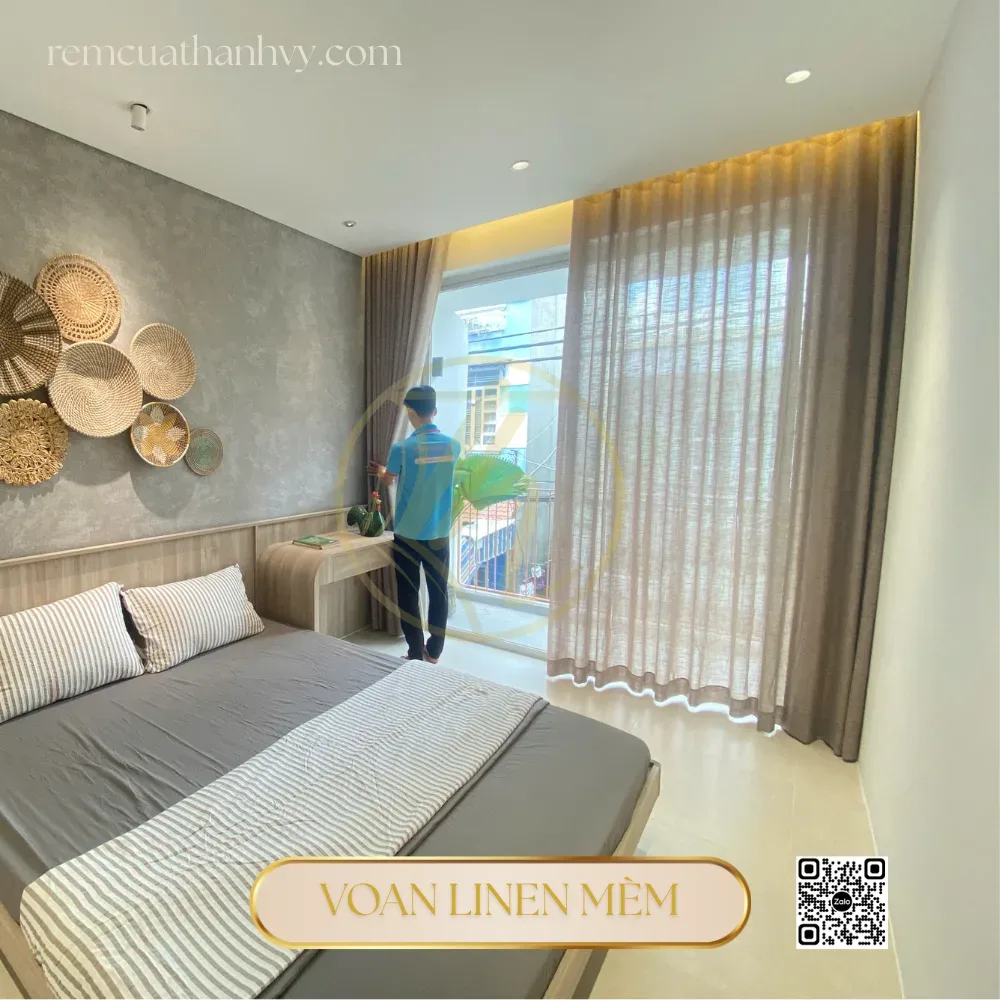
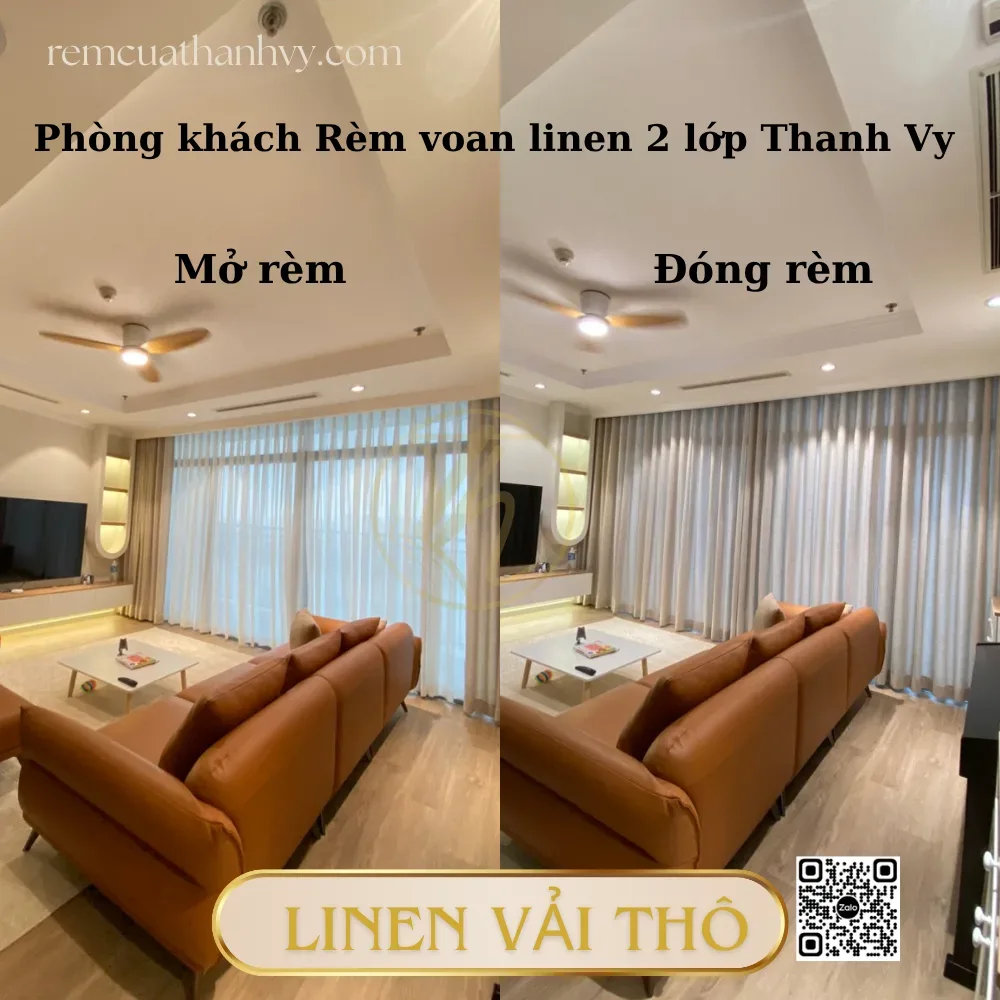
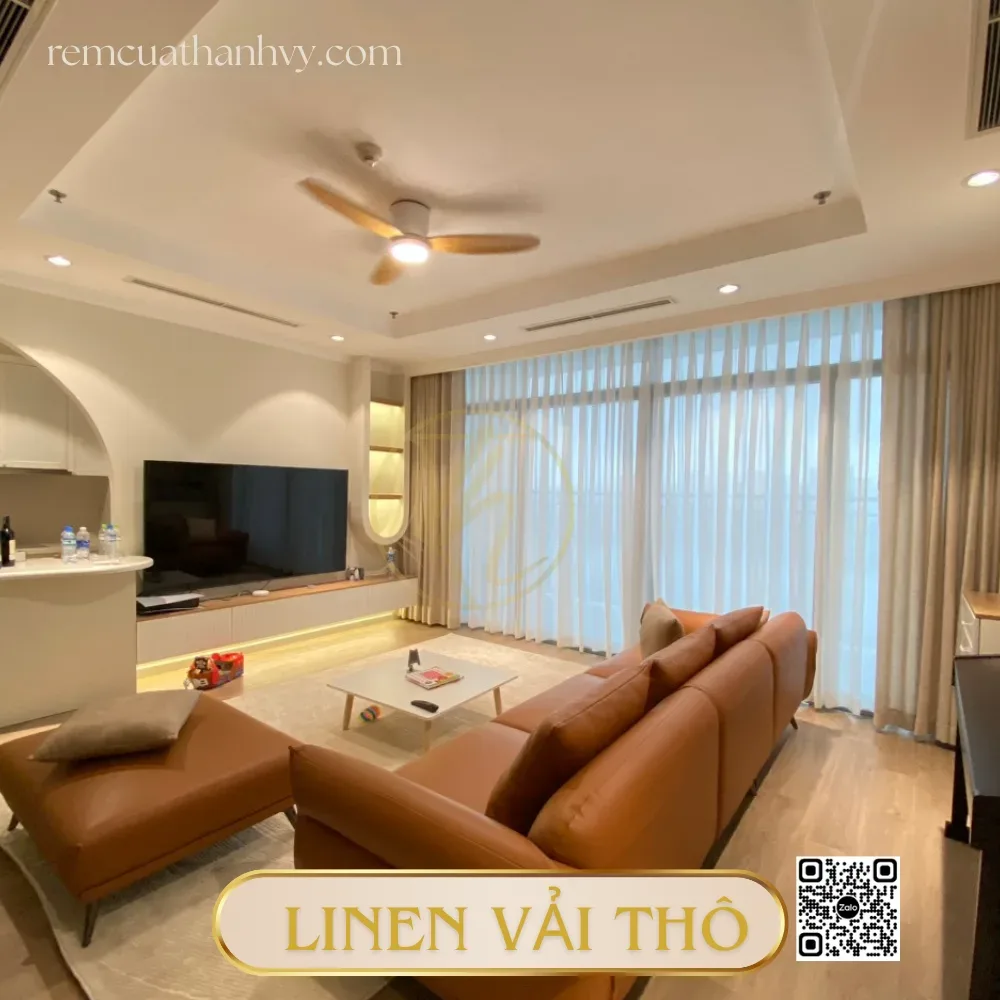
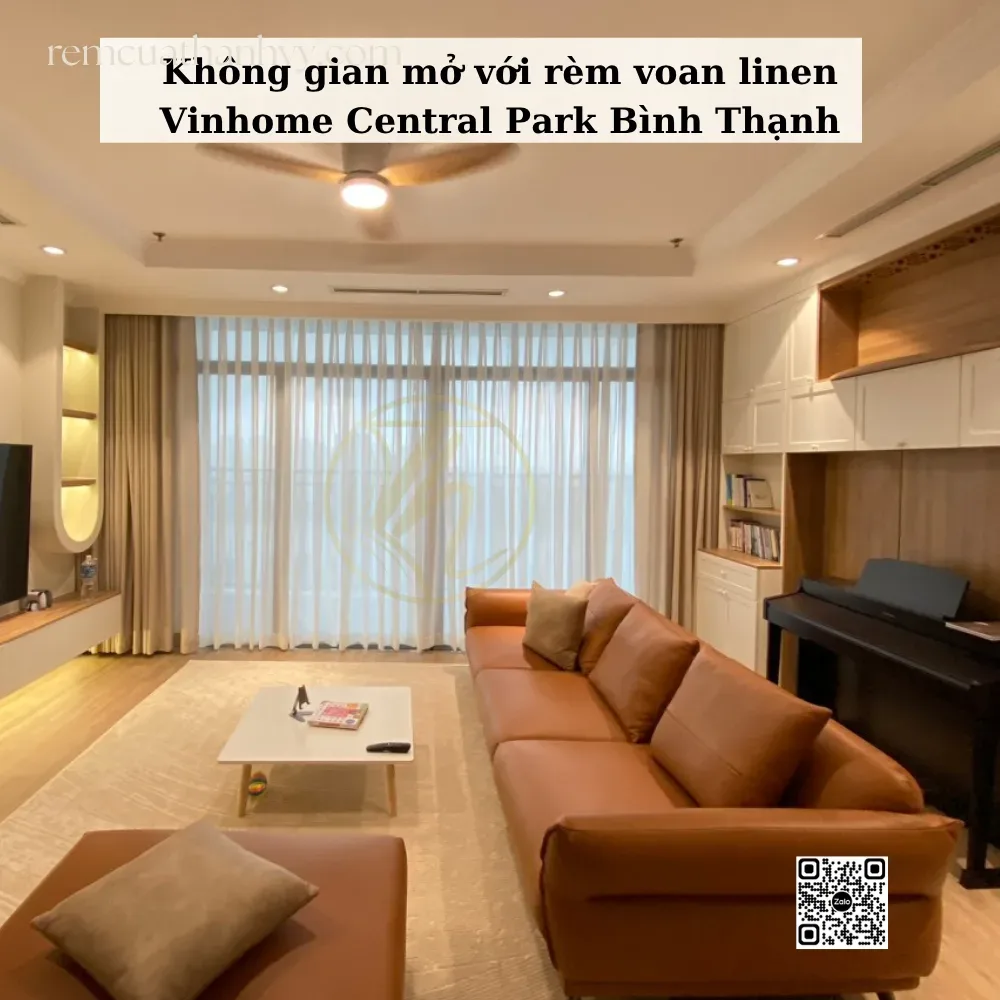
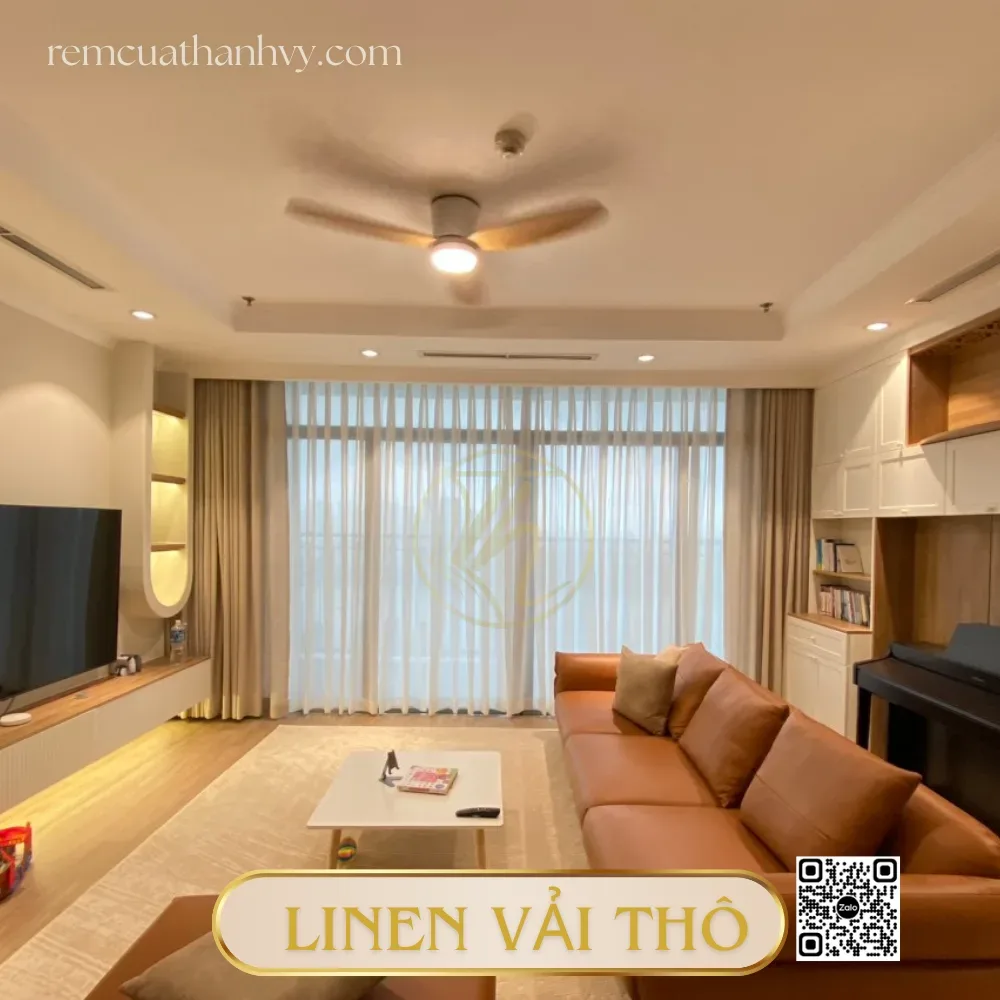
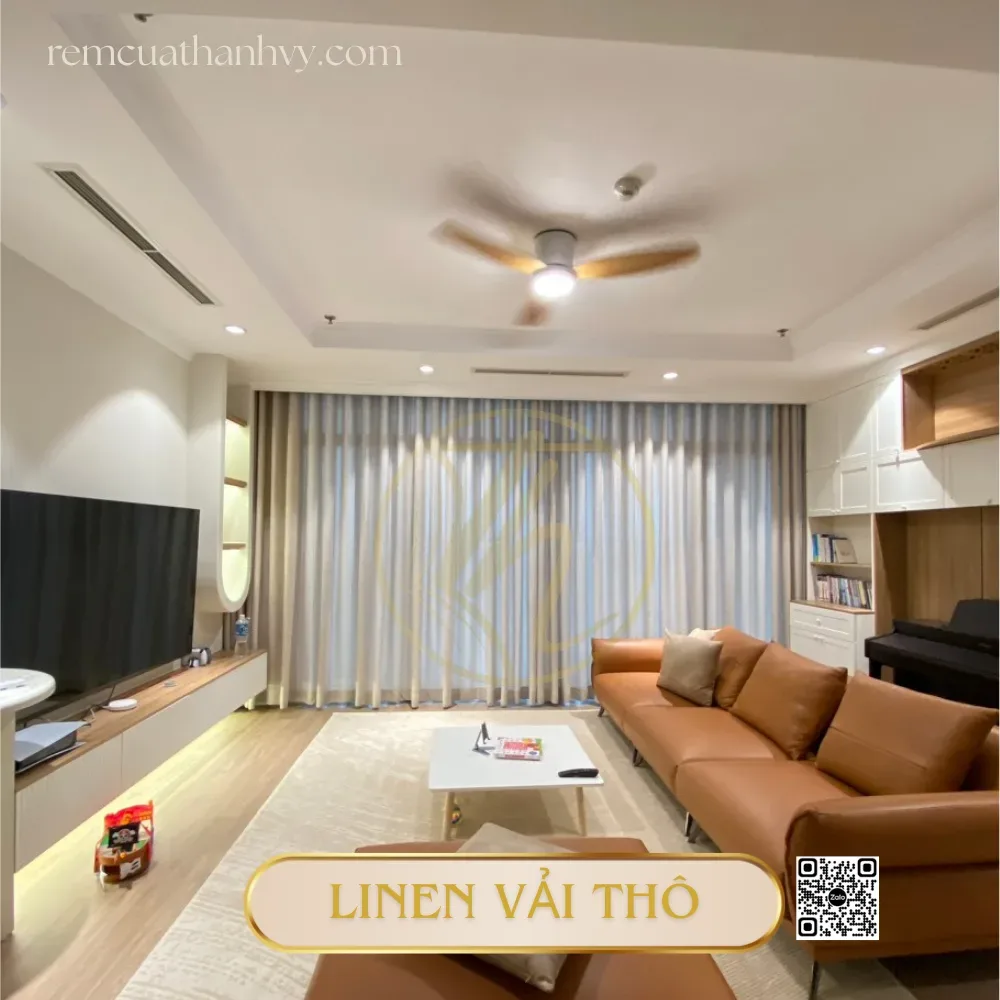
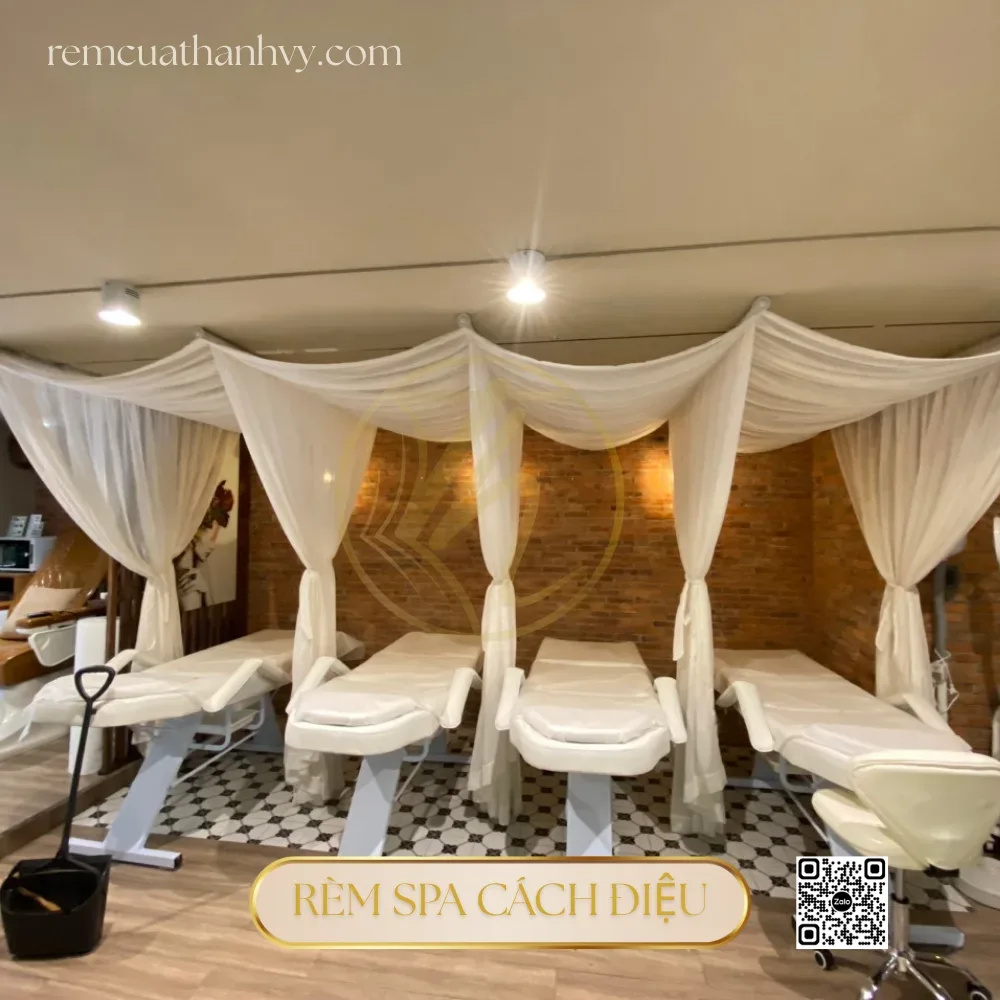
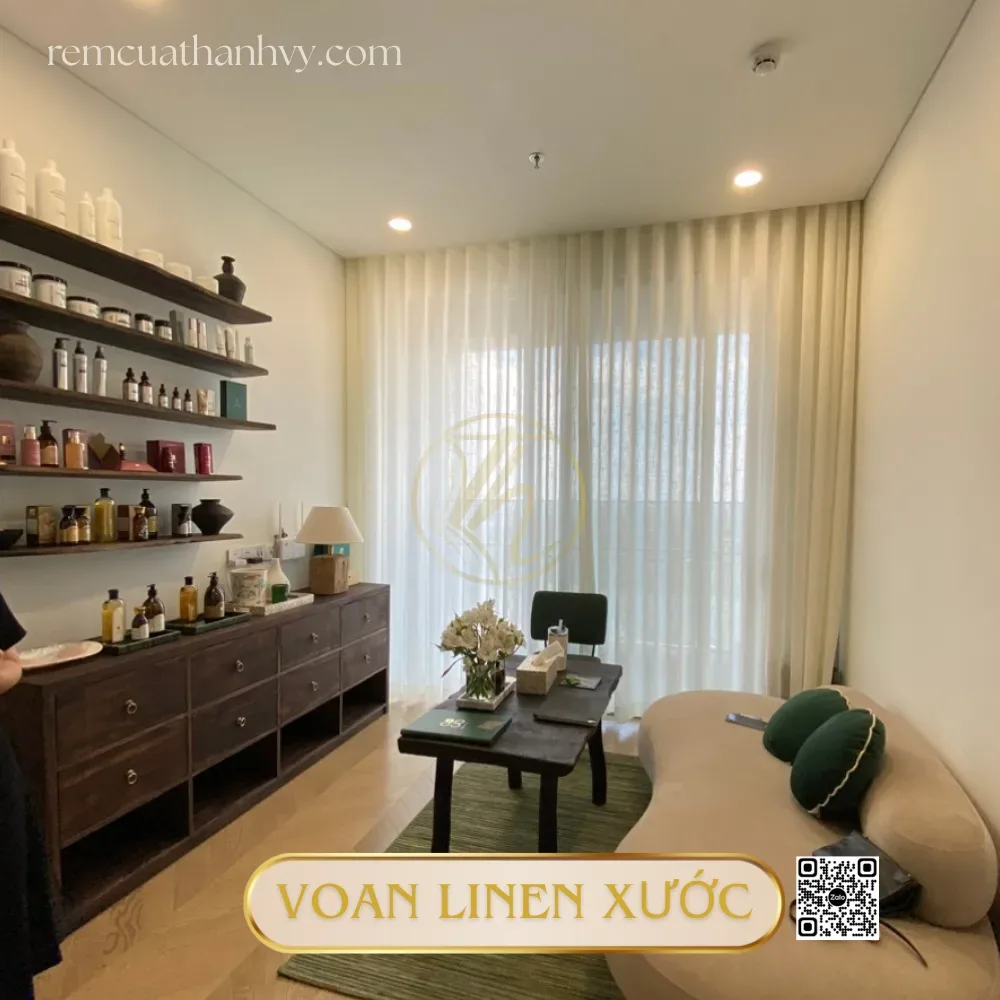
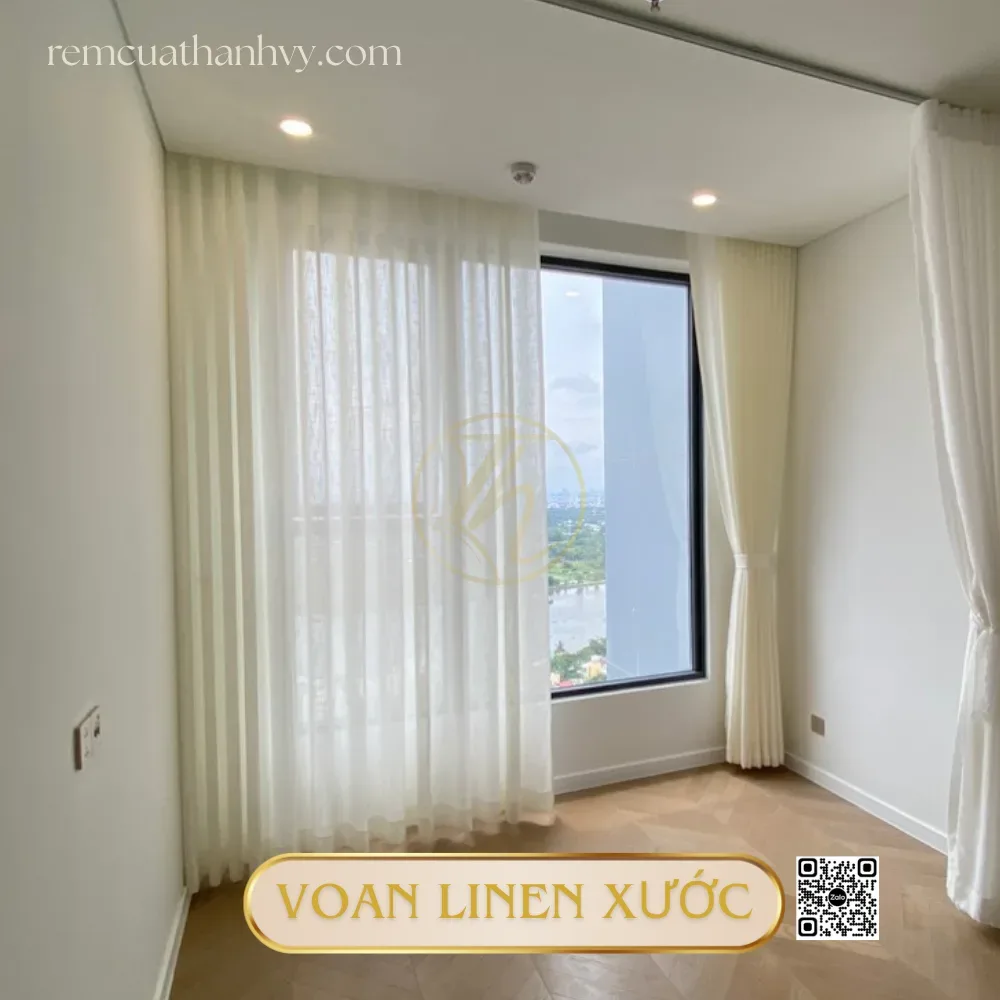
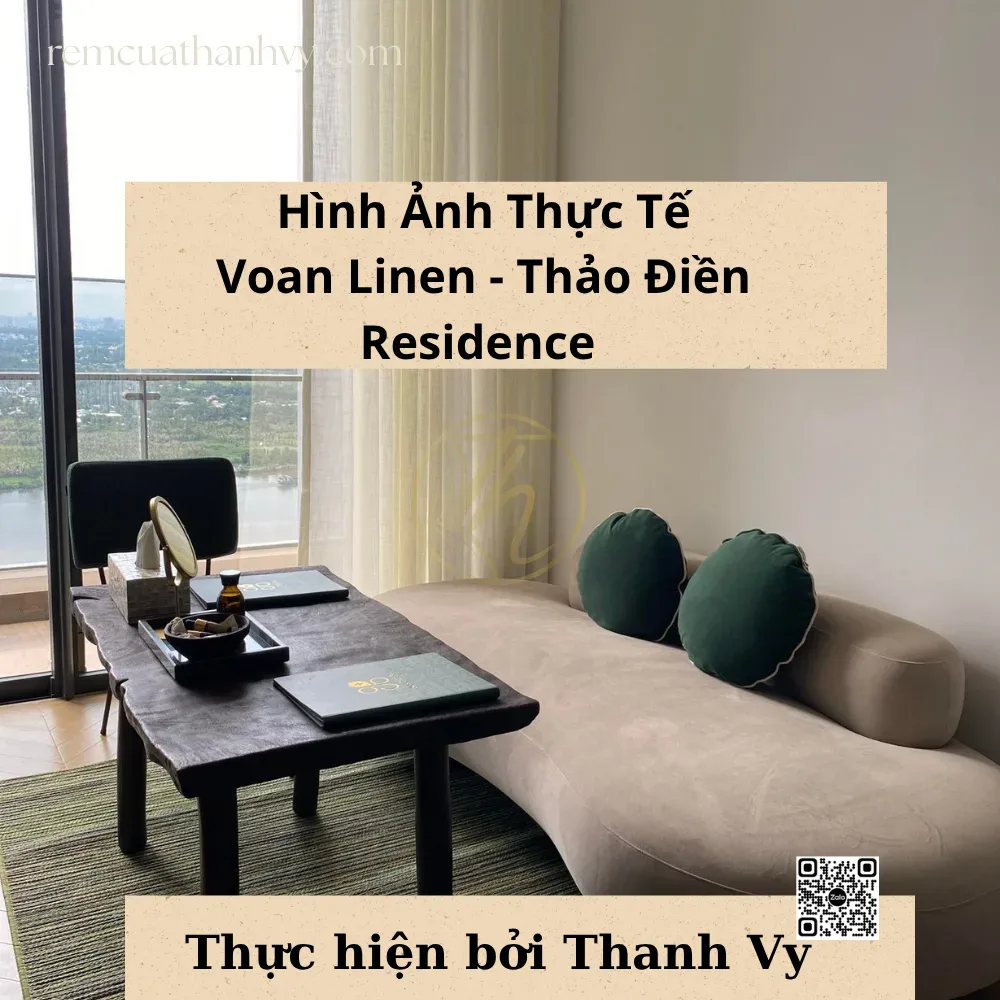
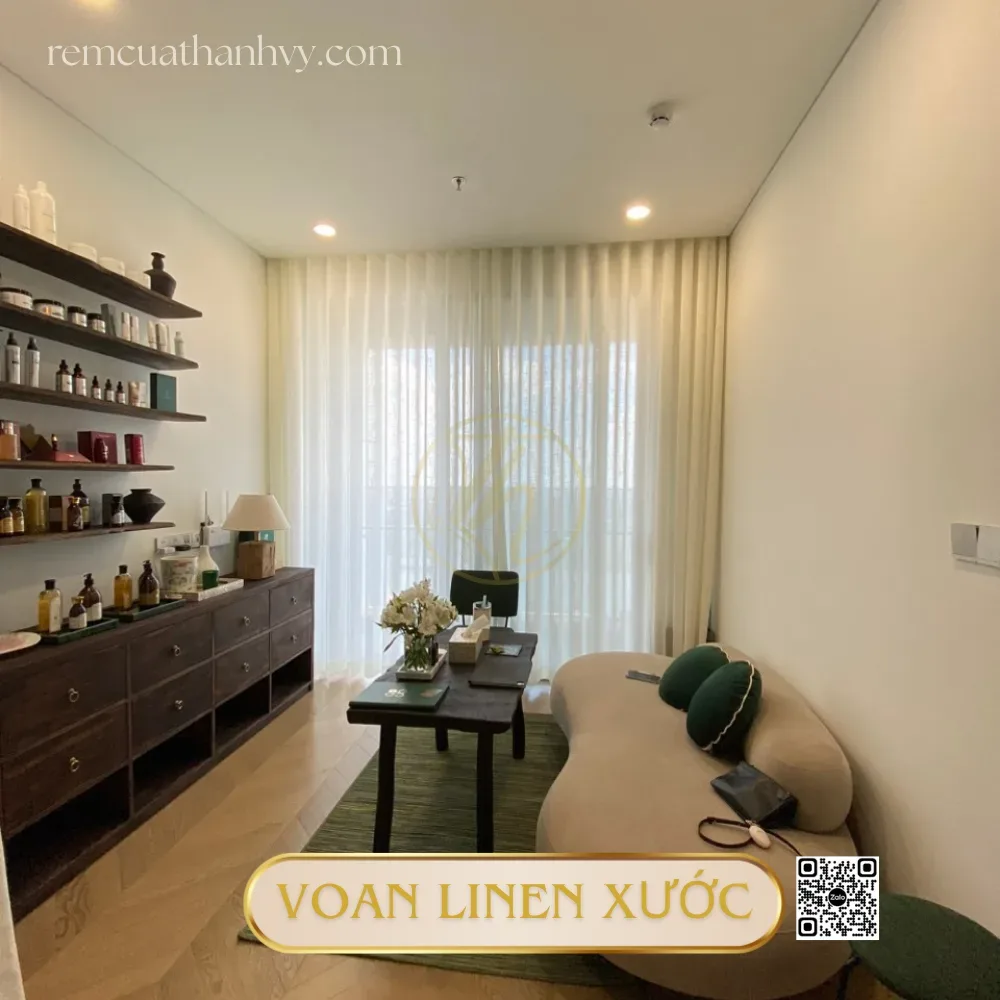
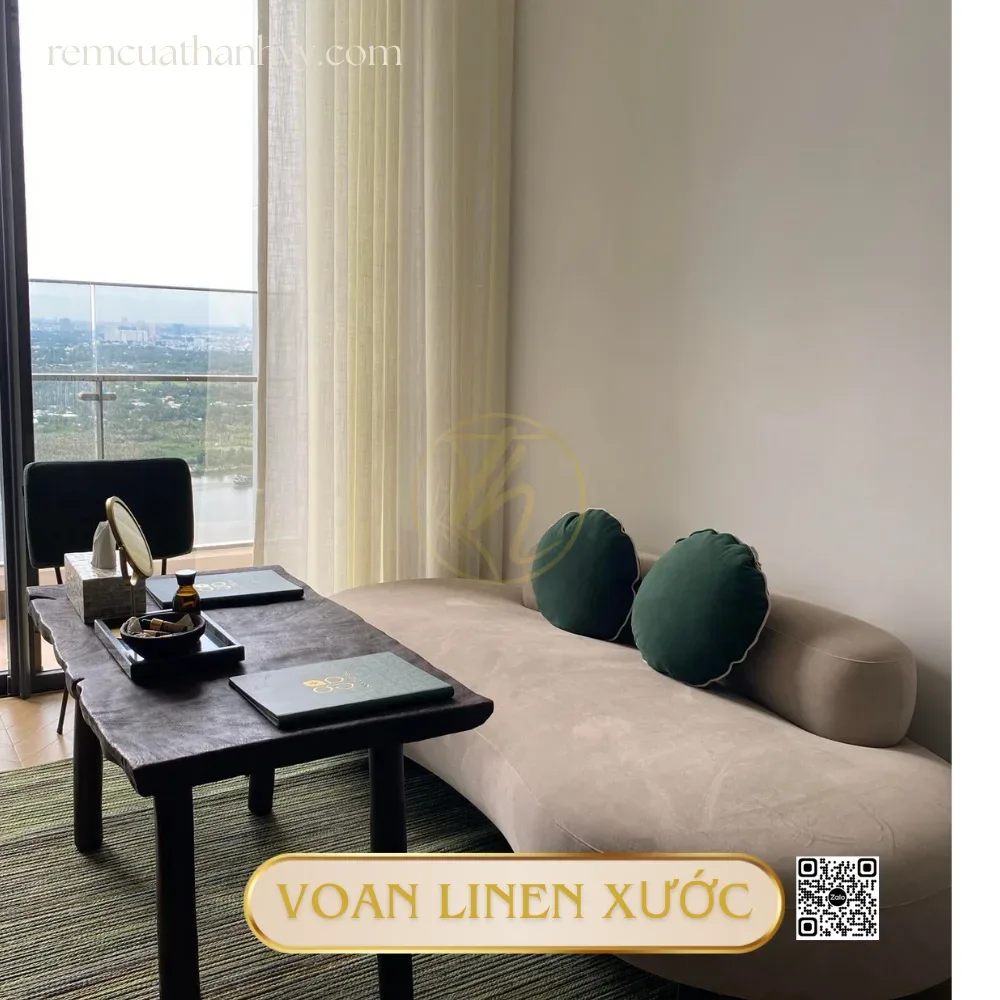
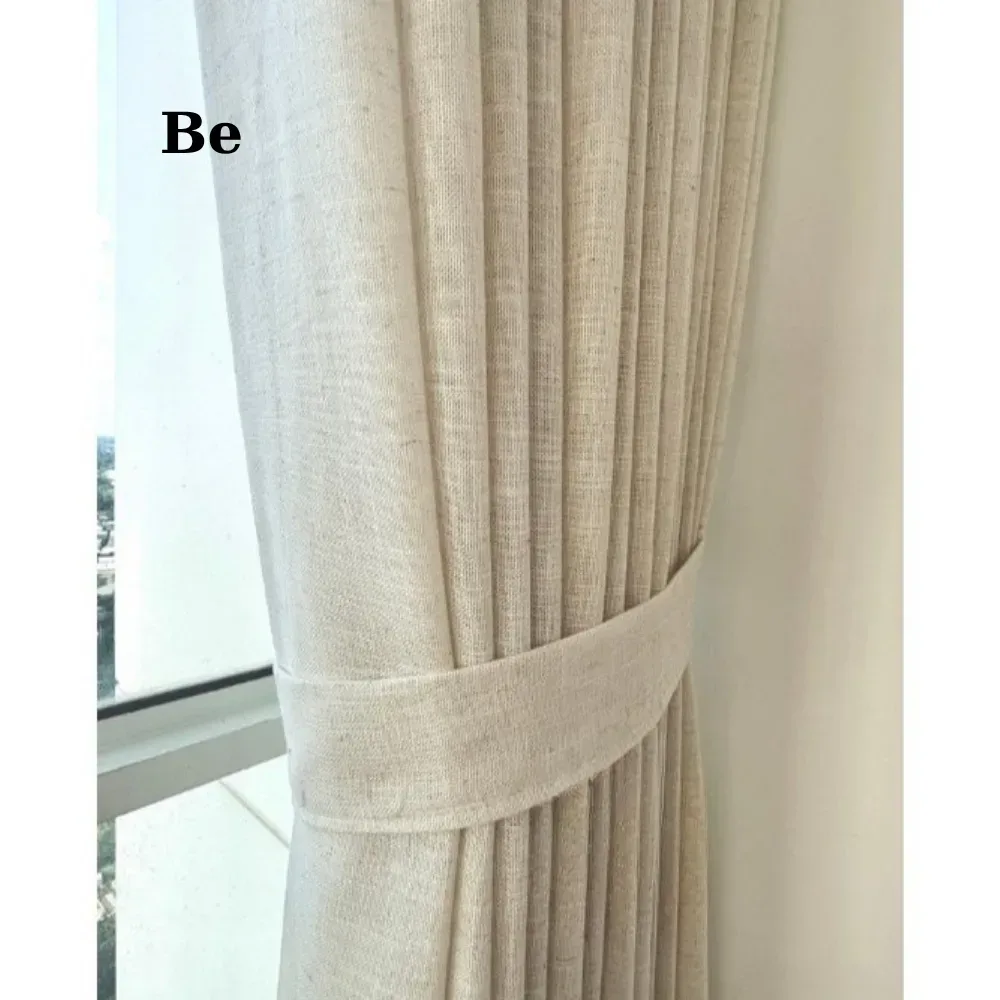
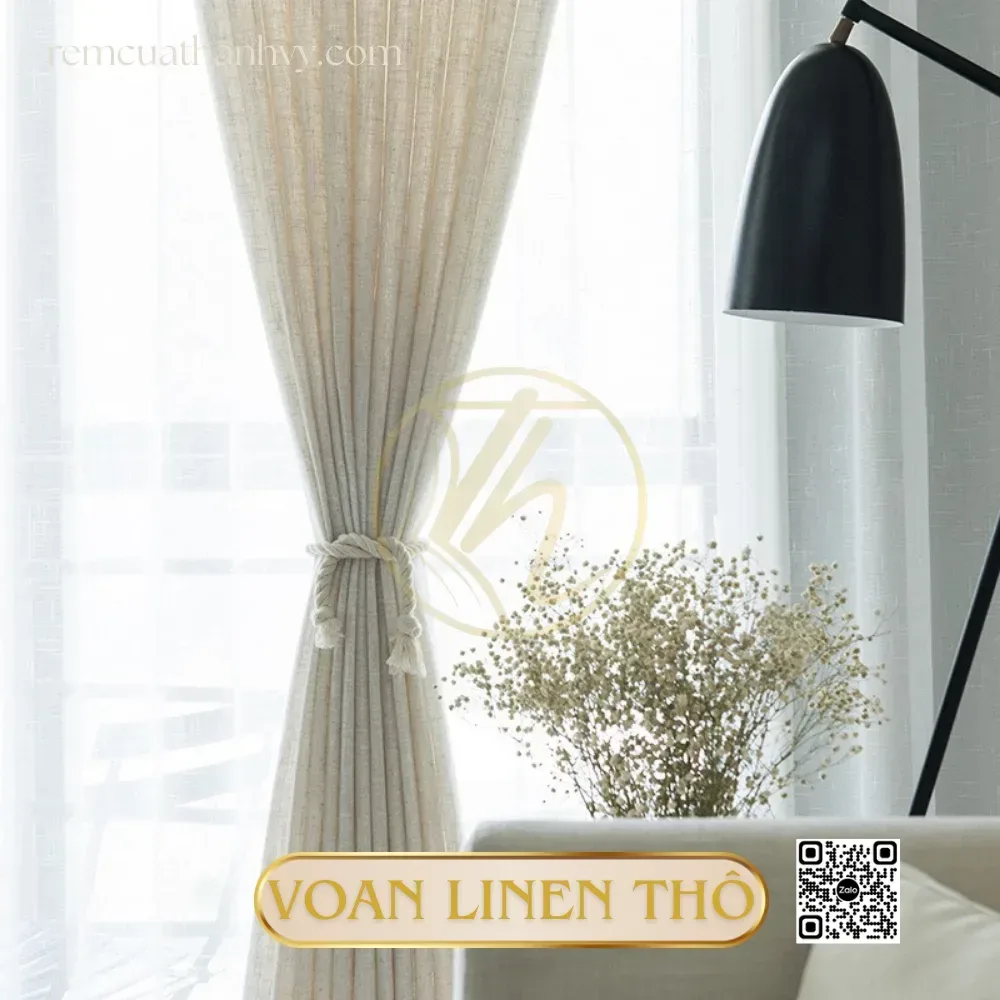
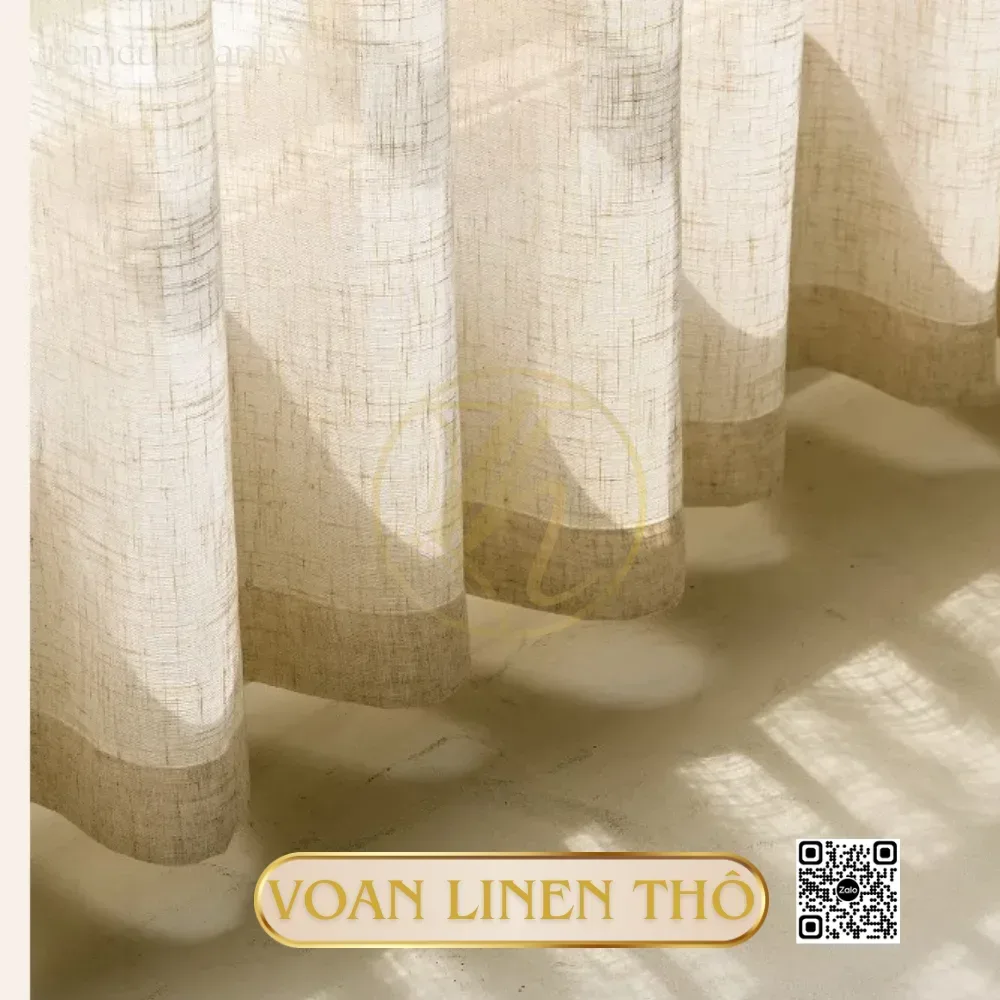
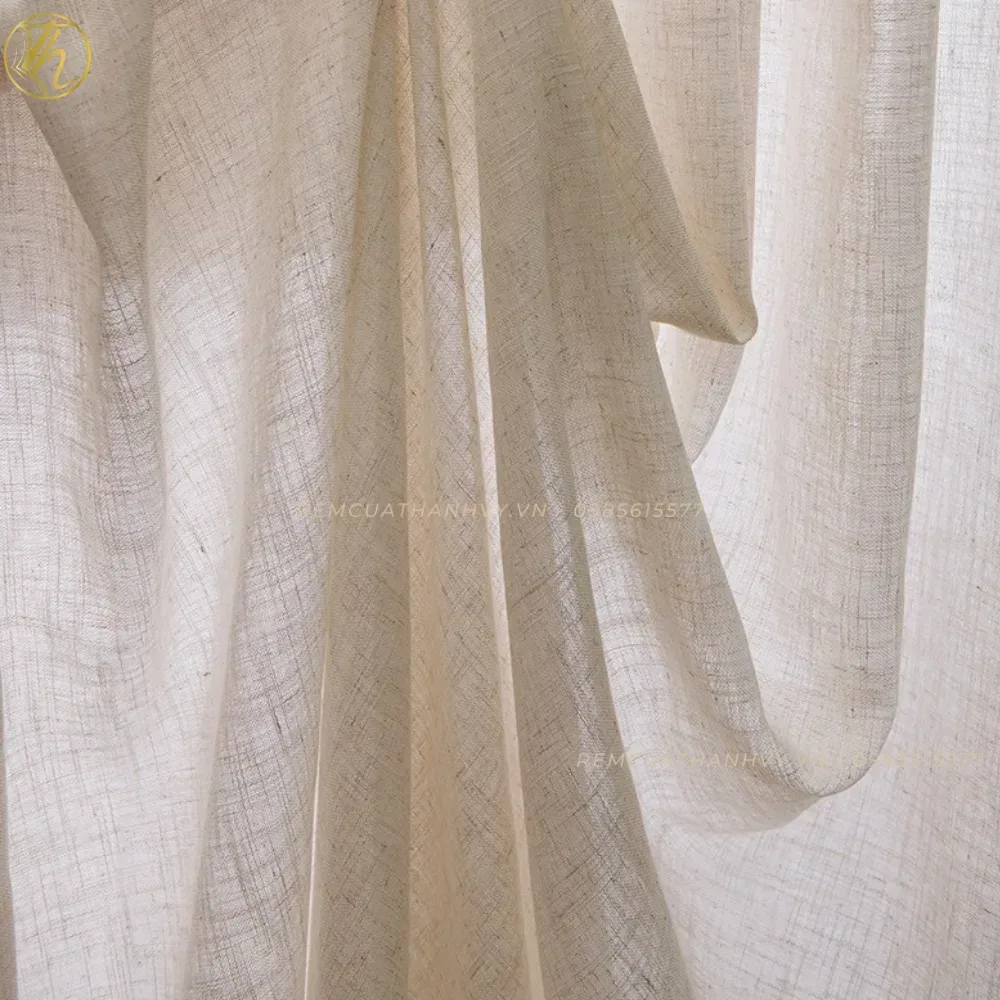
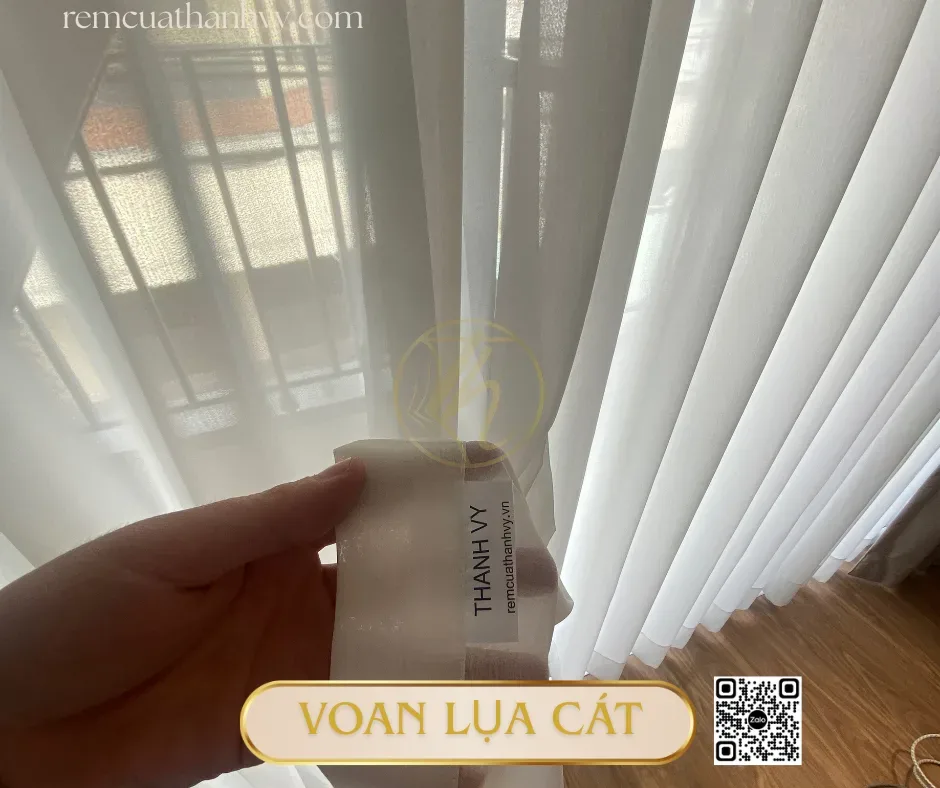
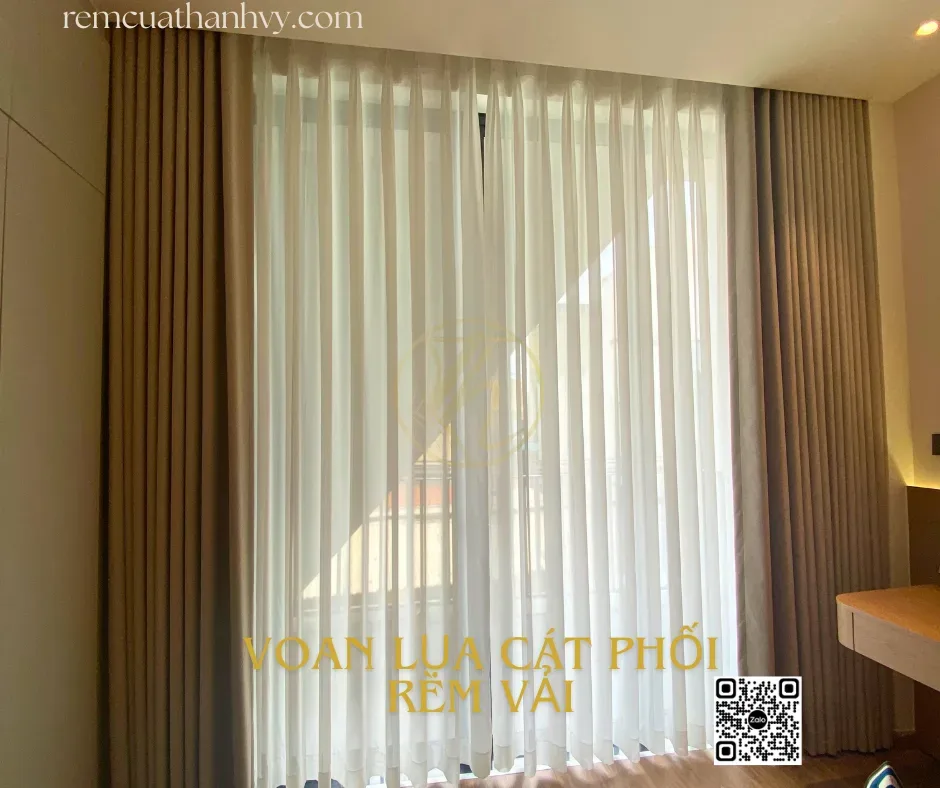
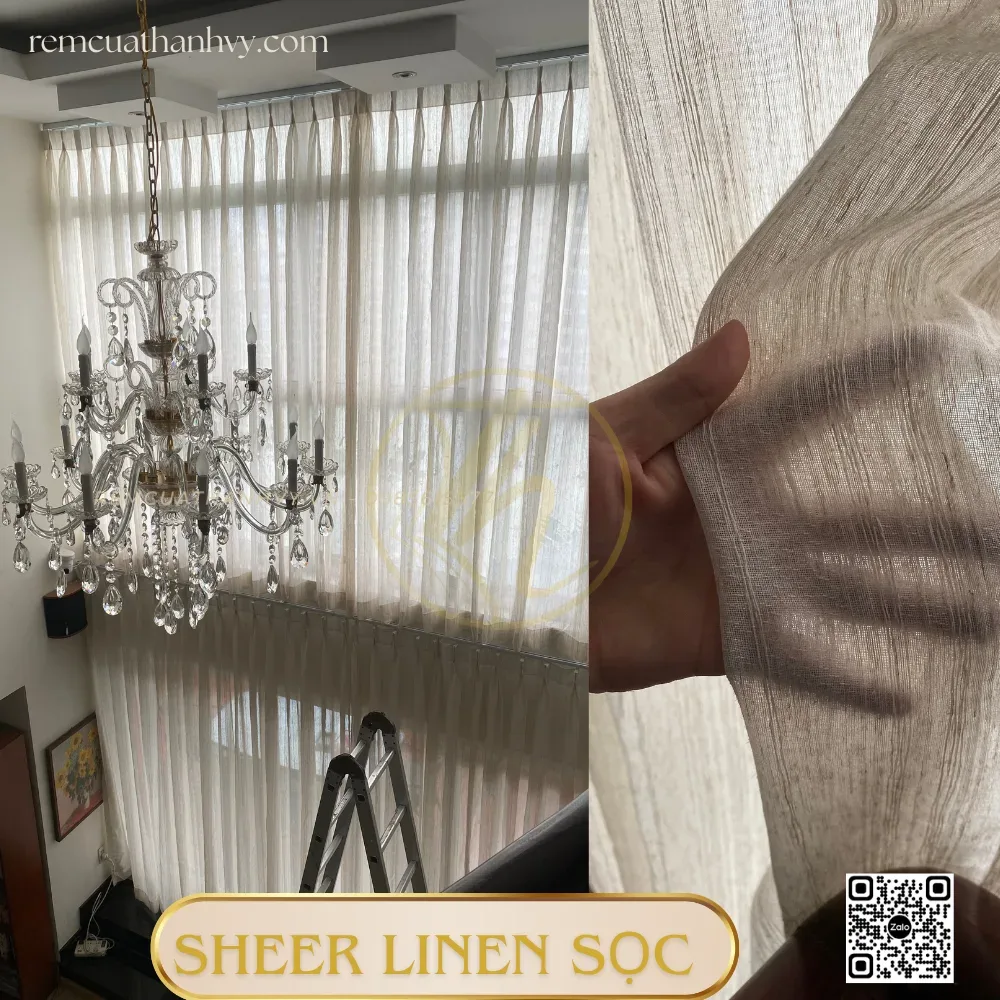
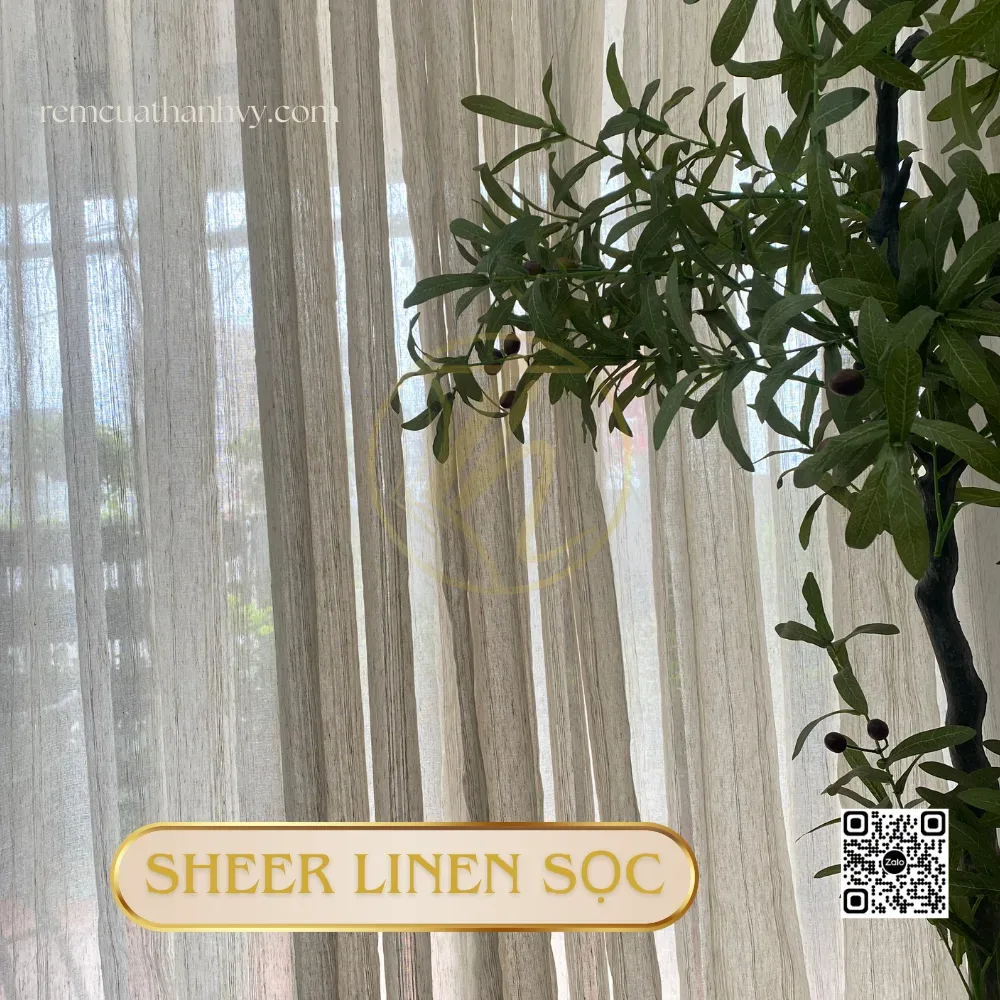
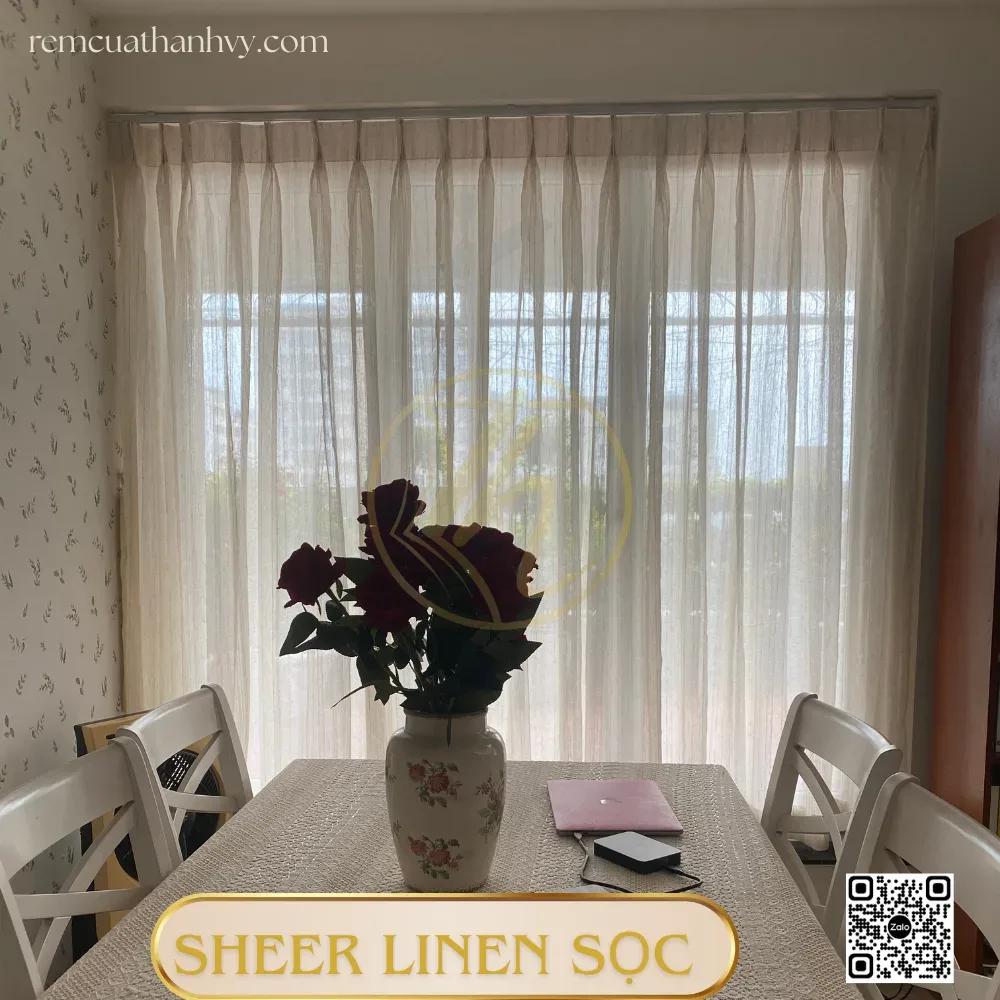
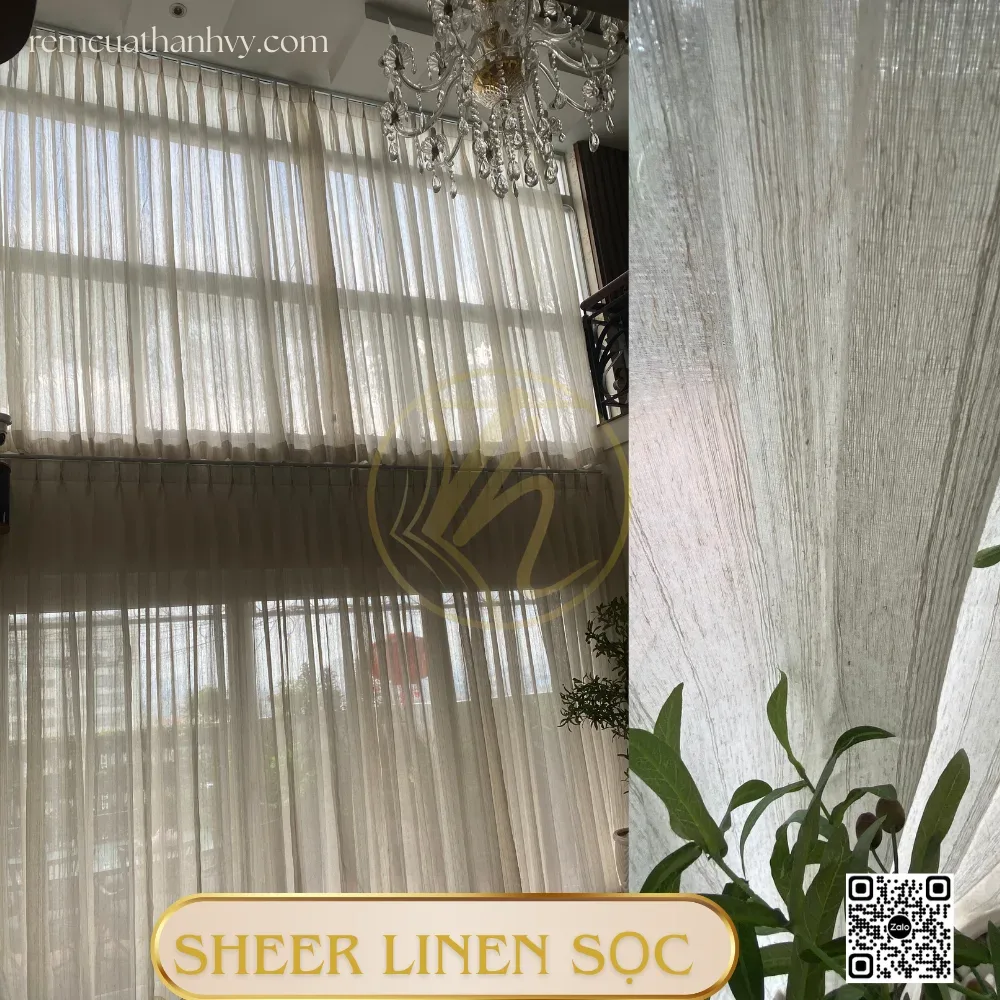
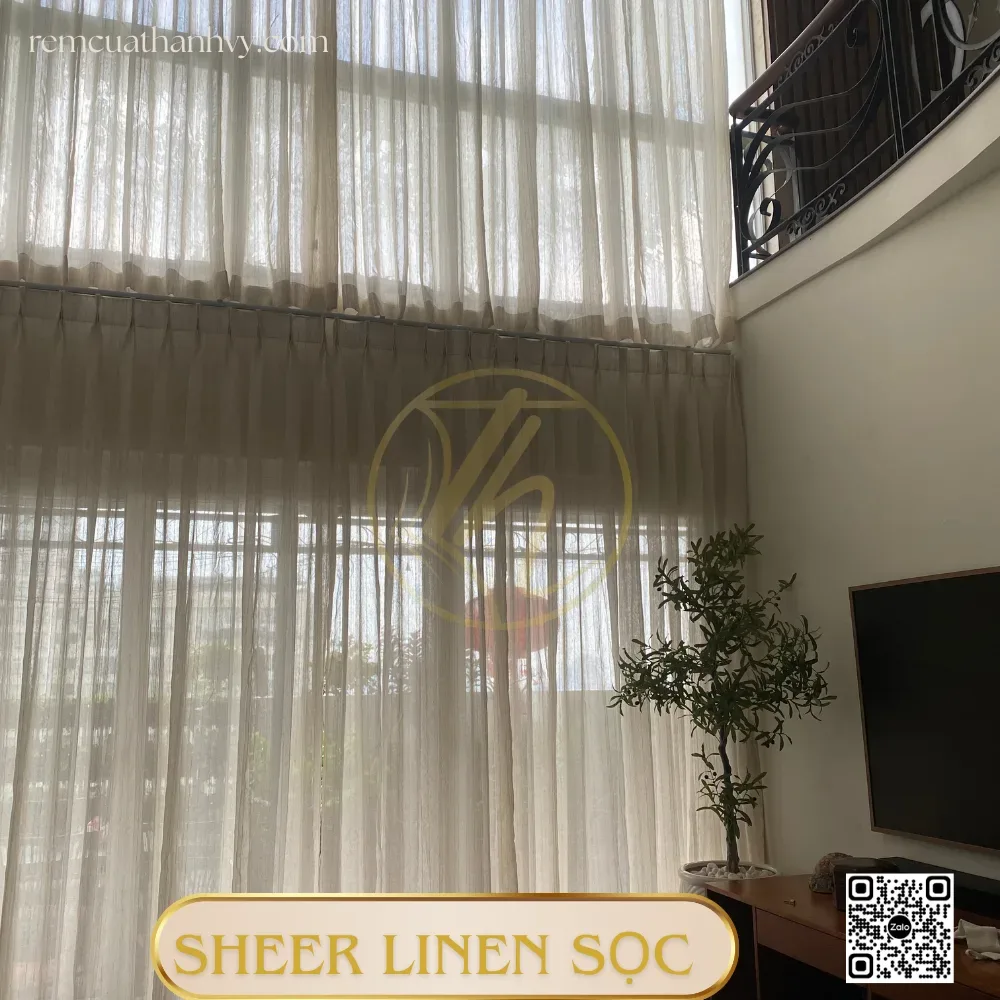
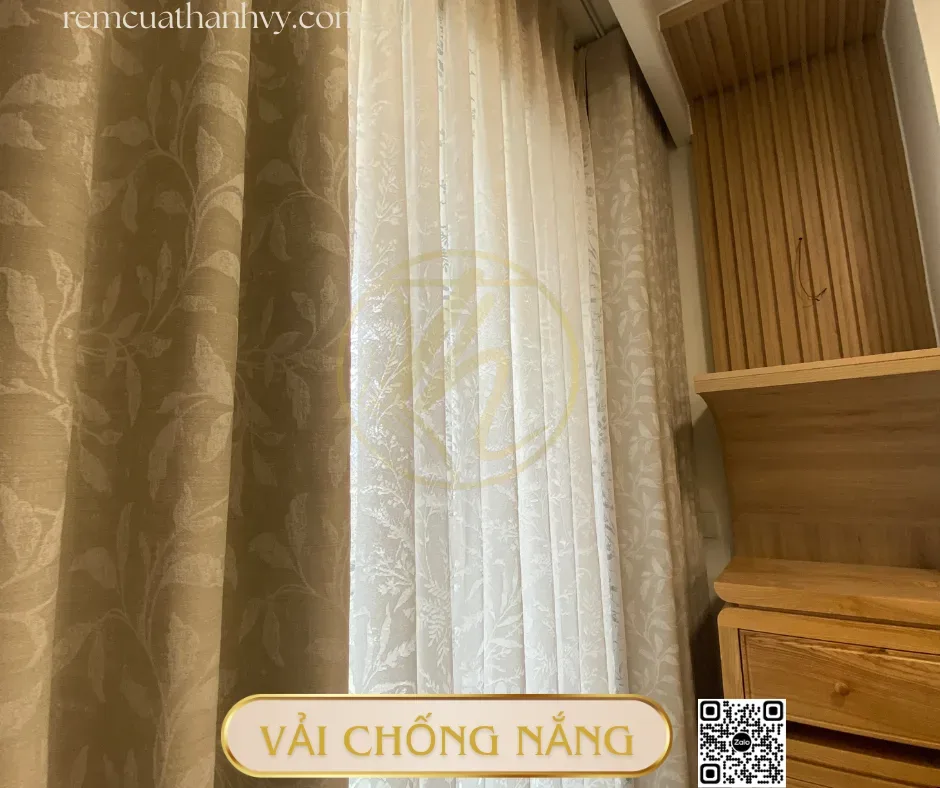
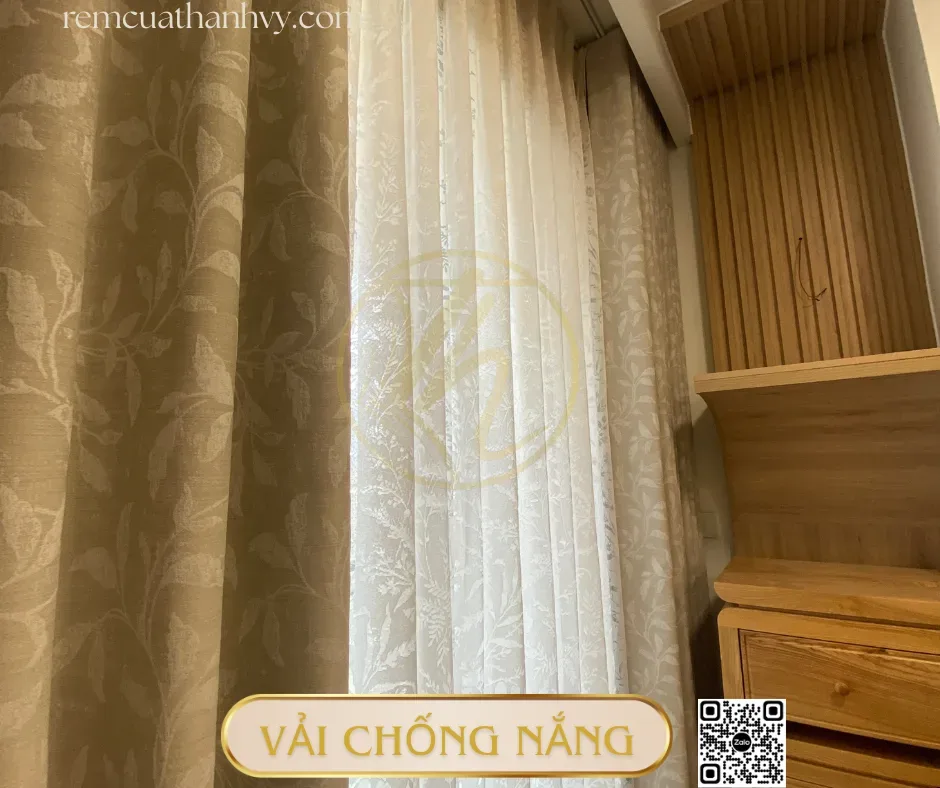
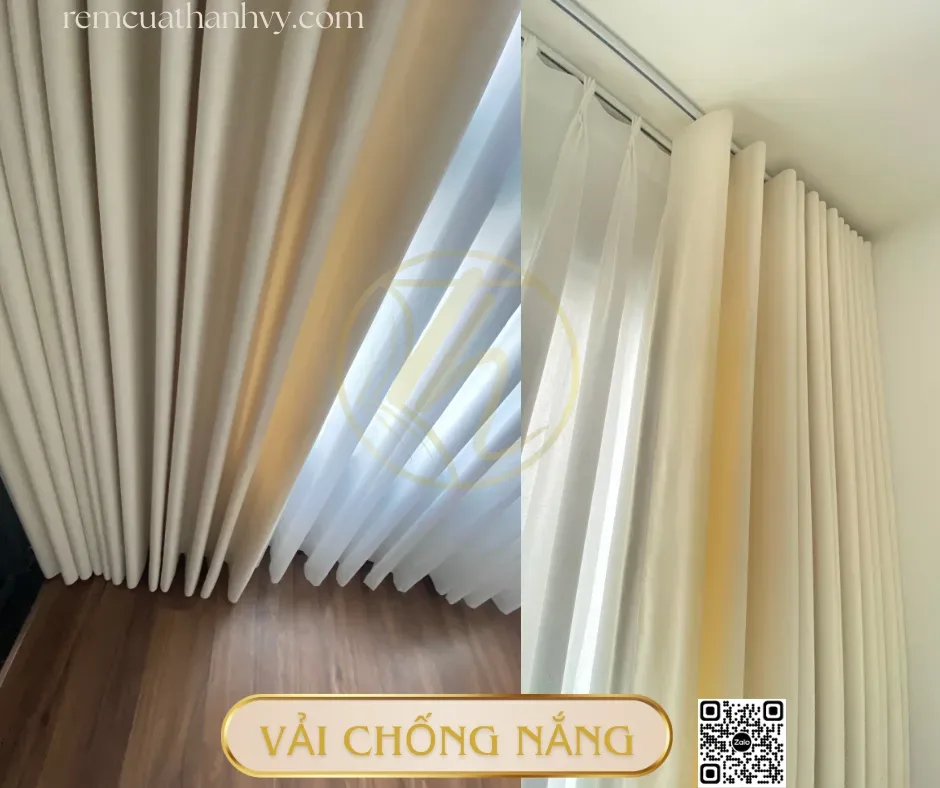
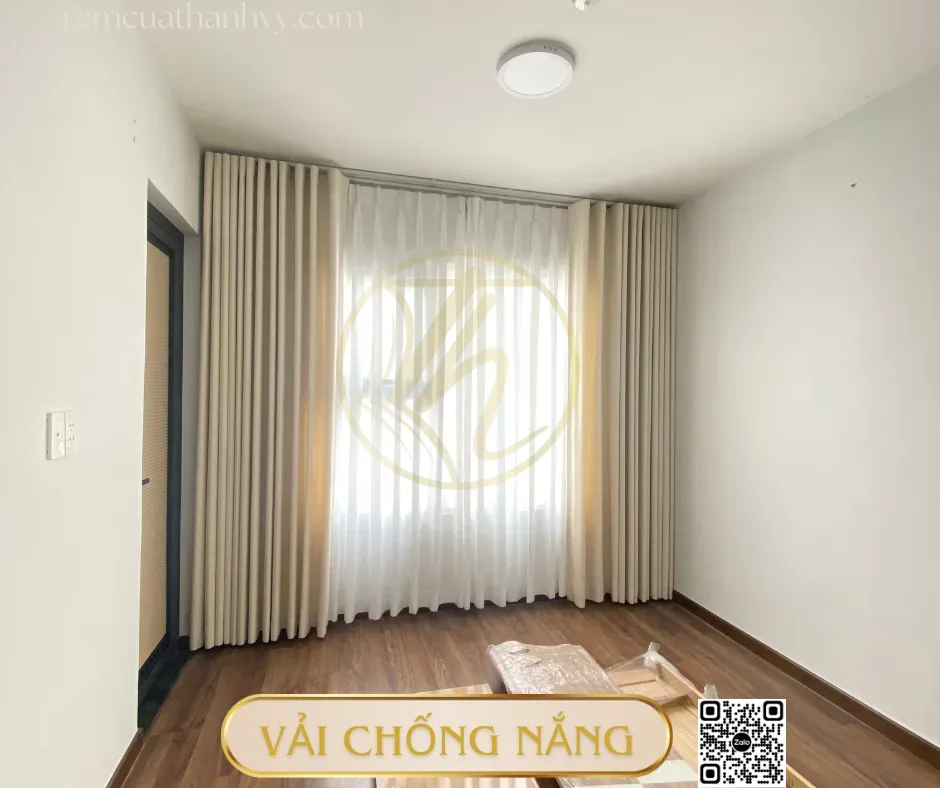
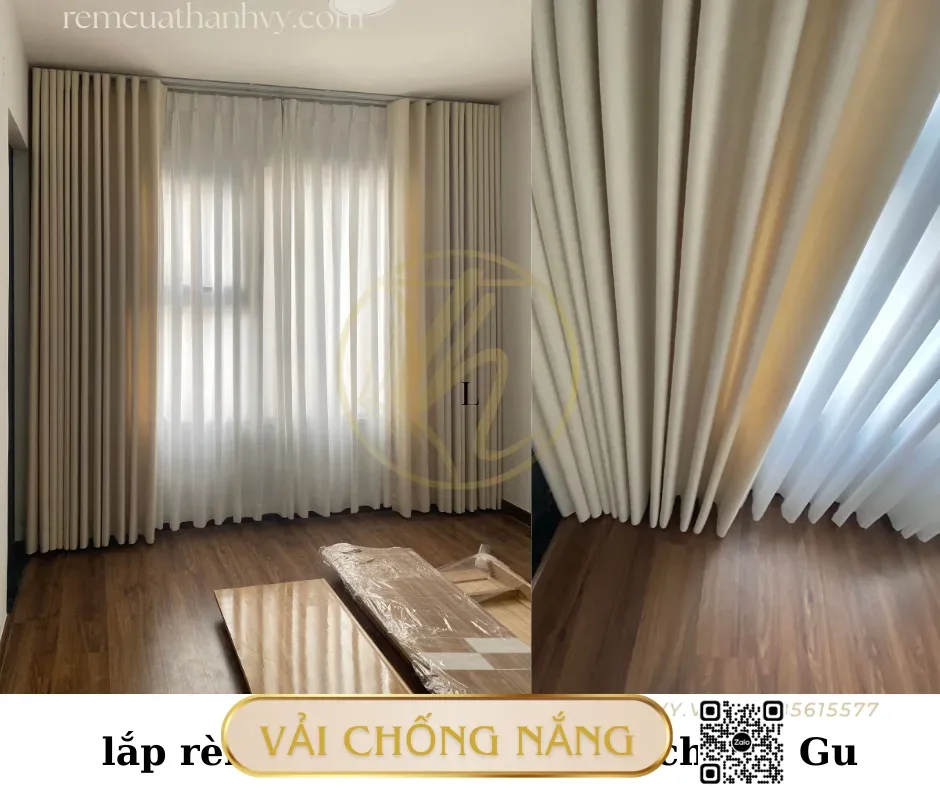
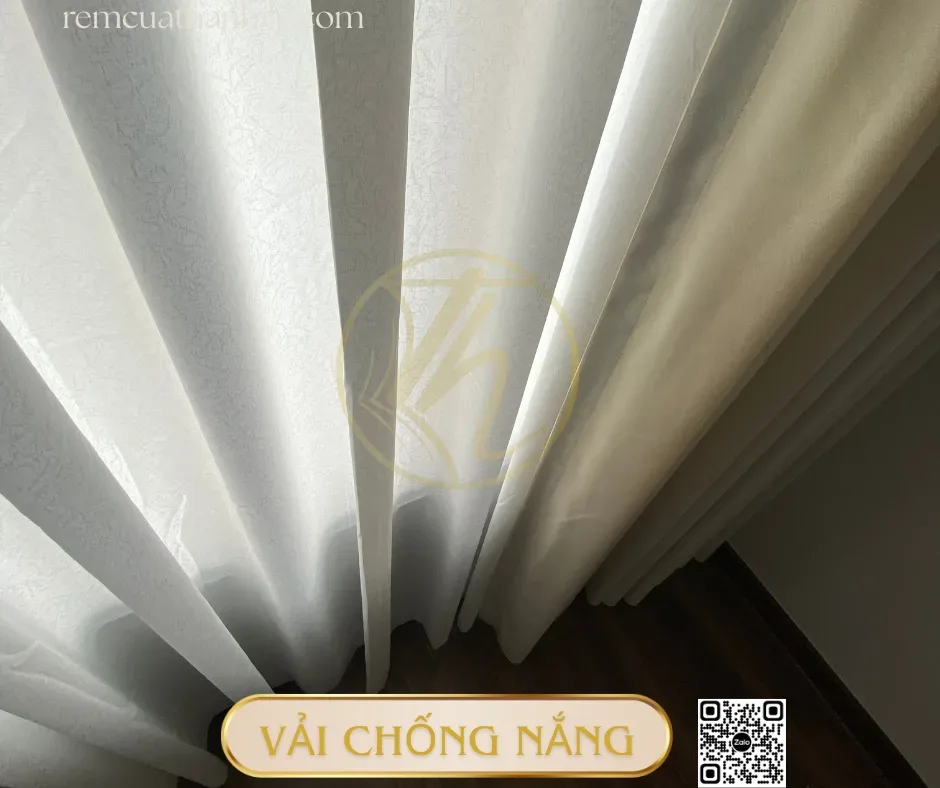
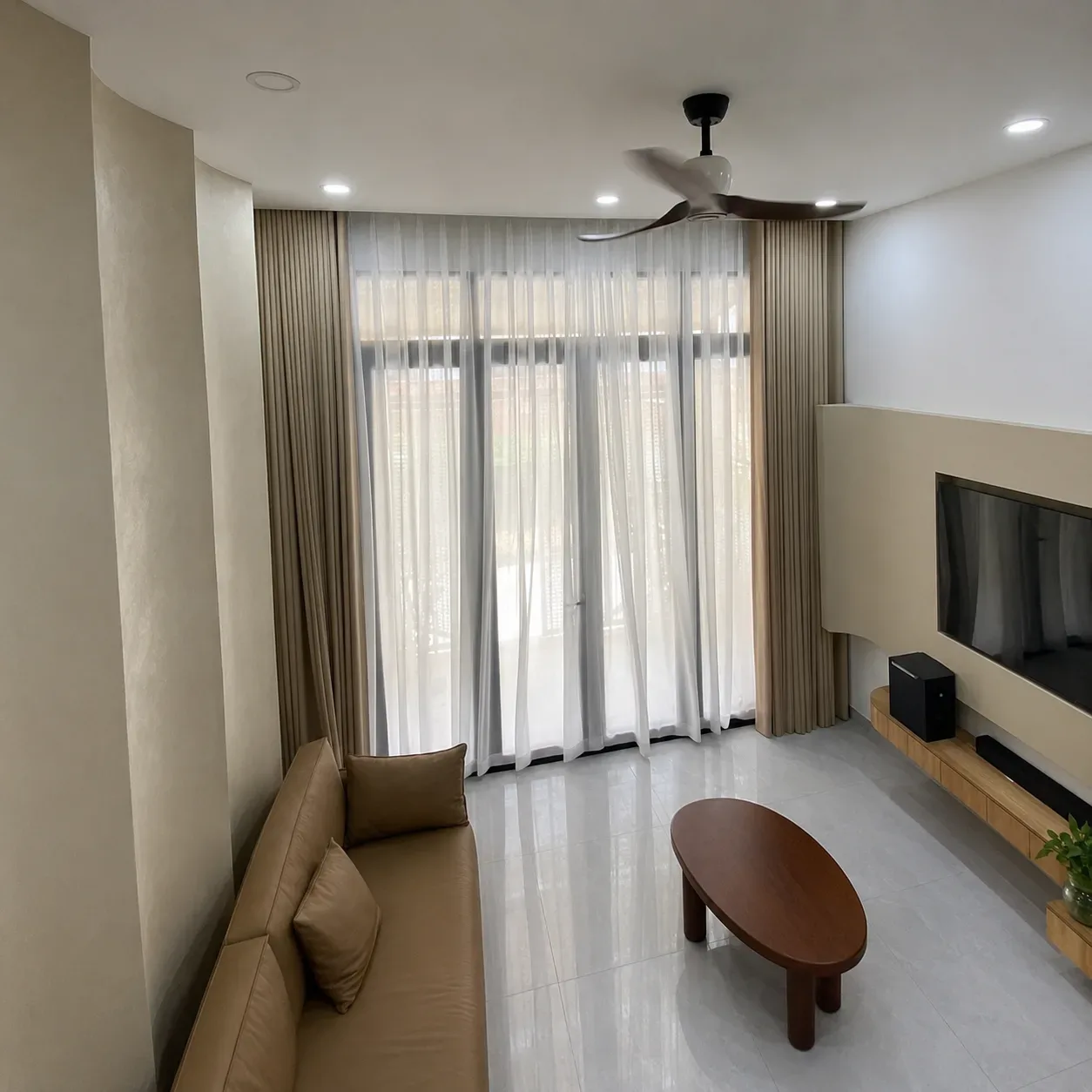
Sheer curtains
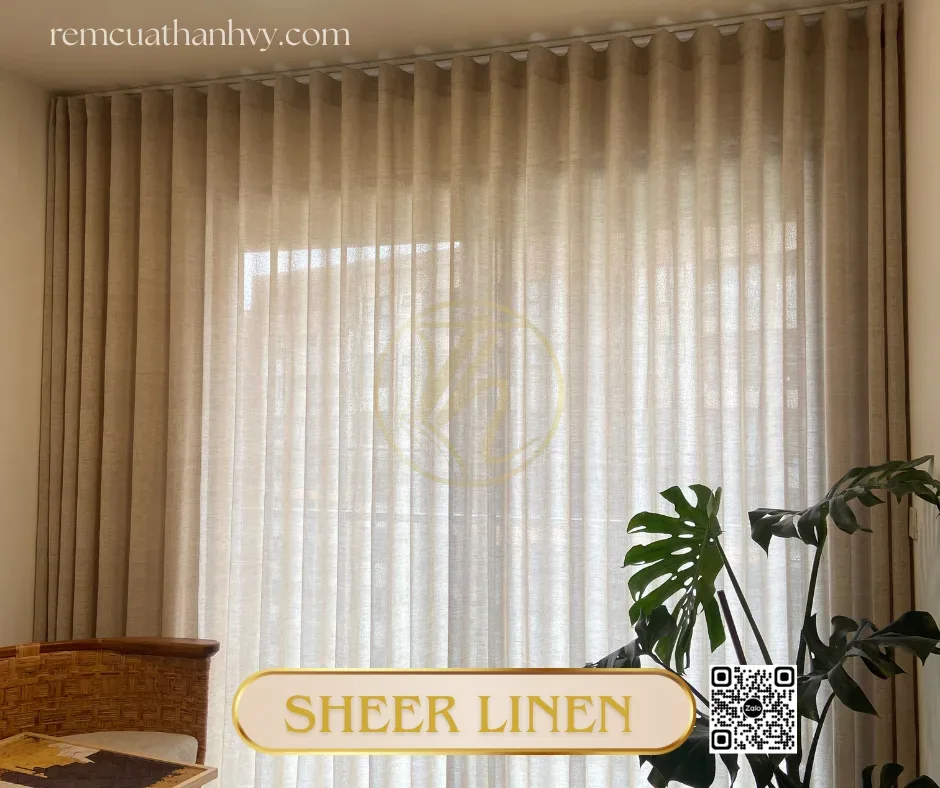
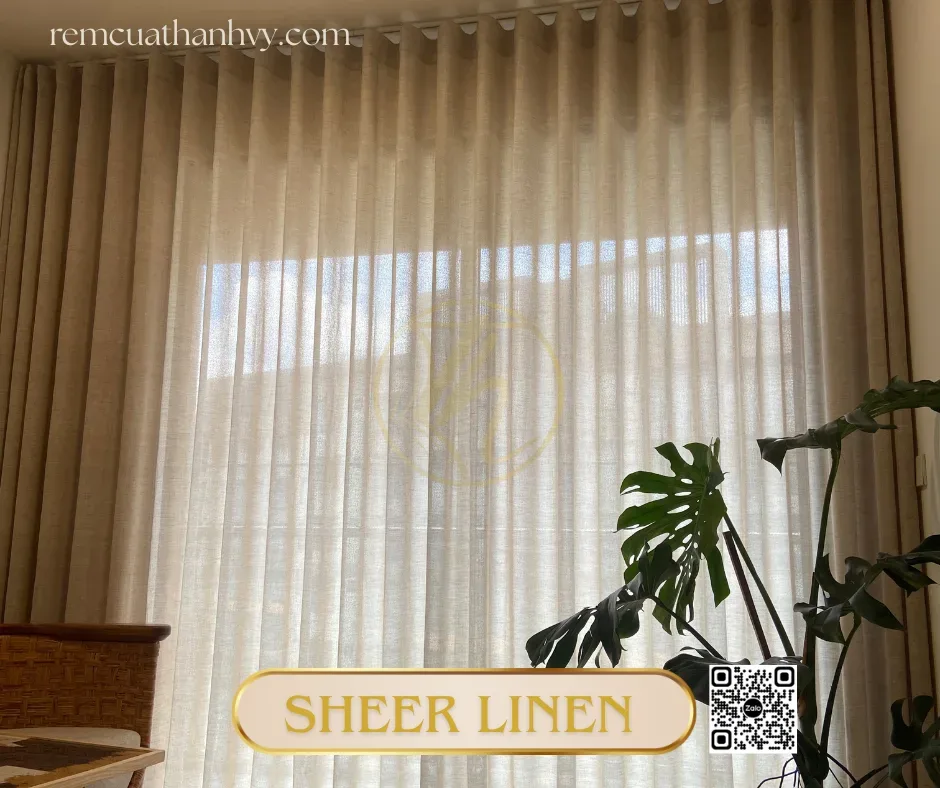
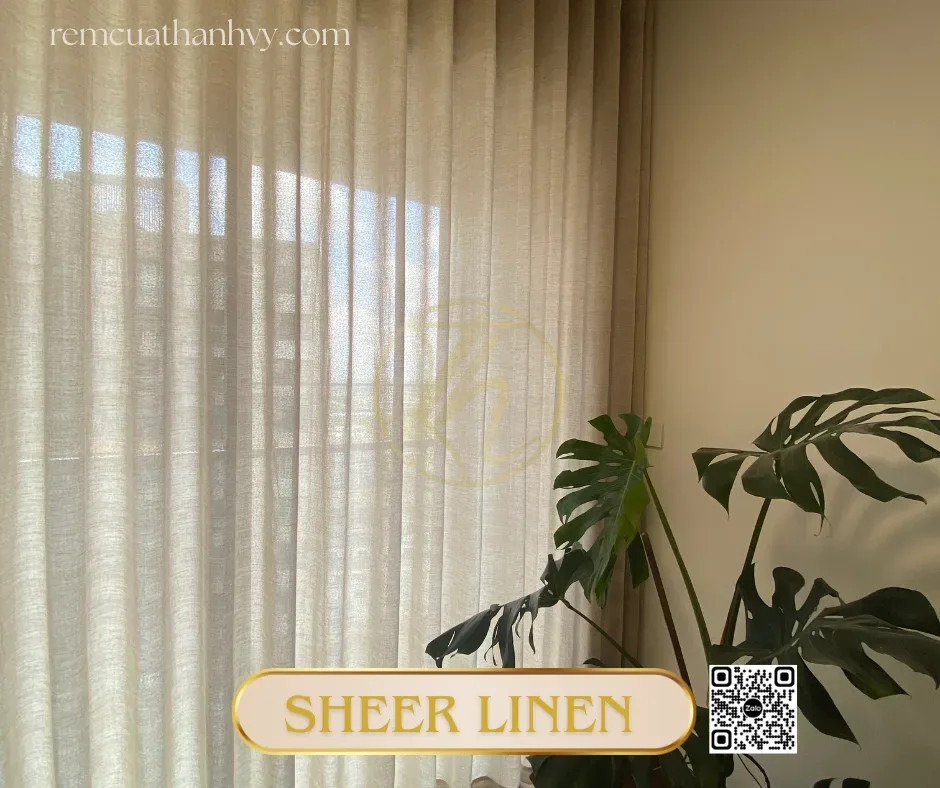
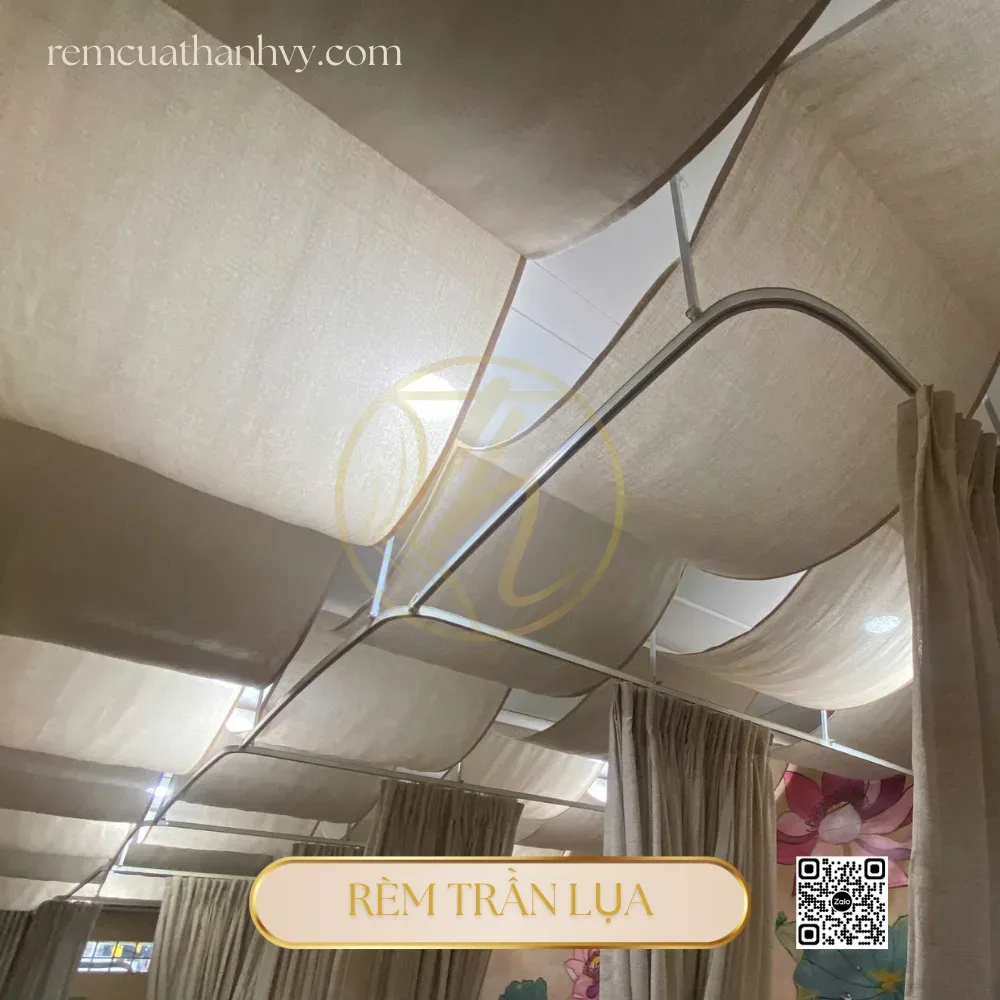
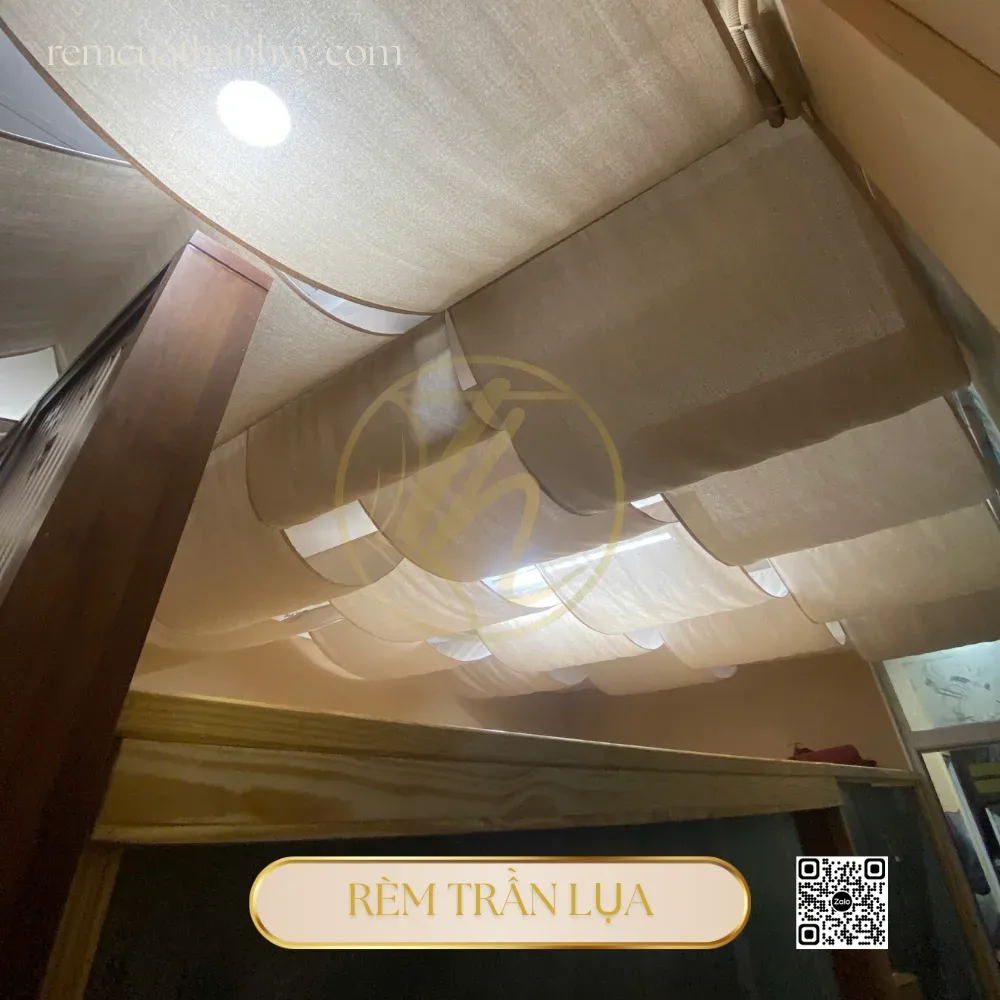
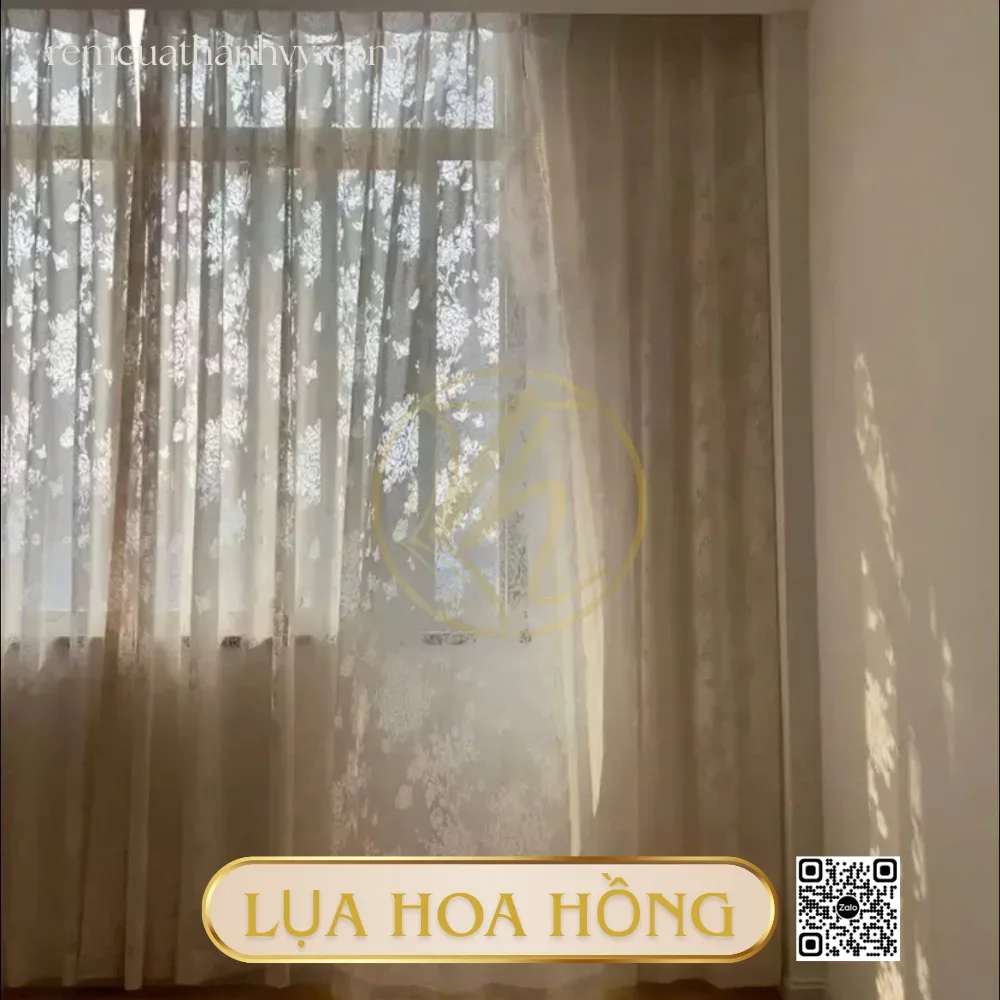
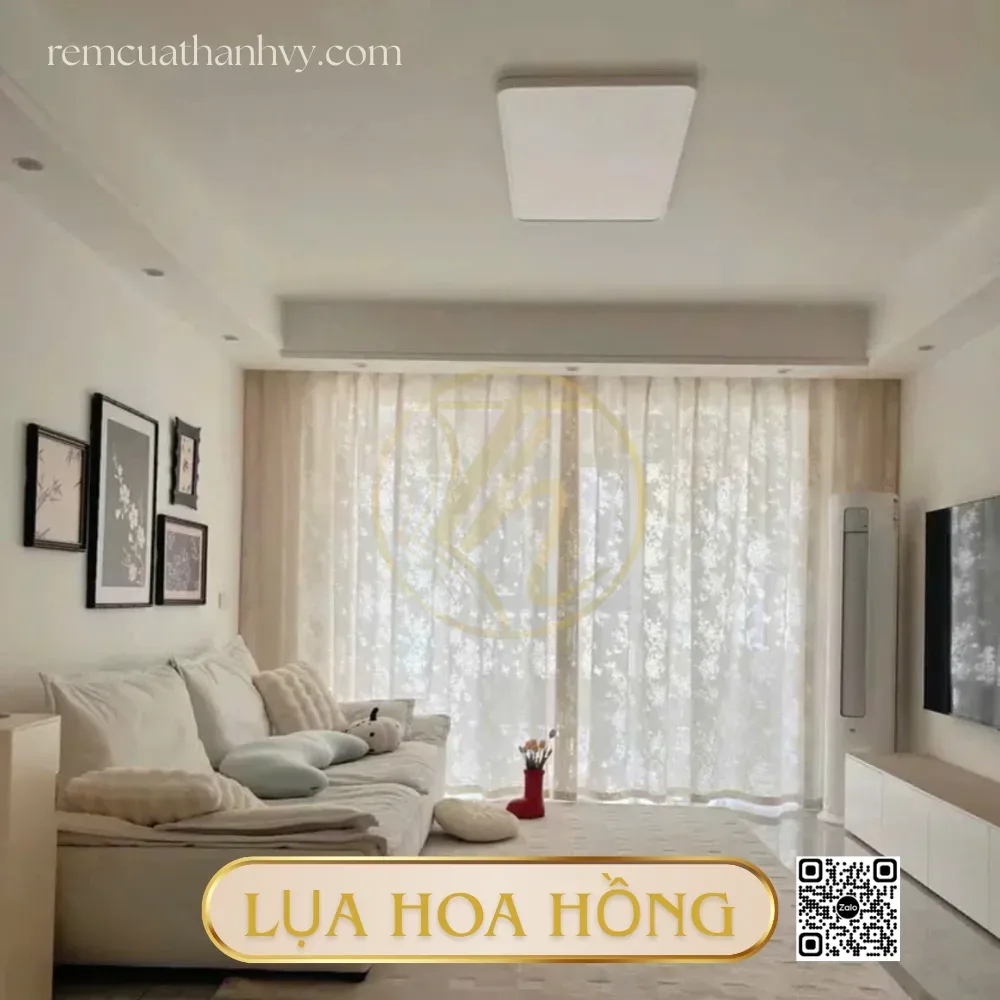
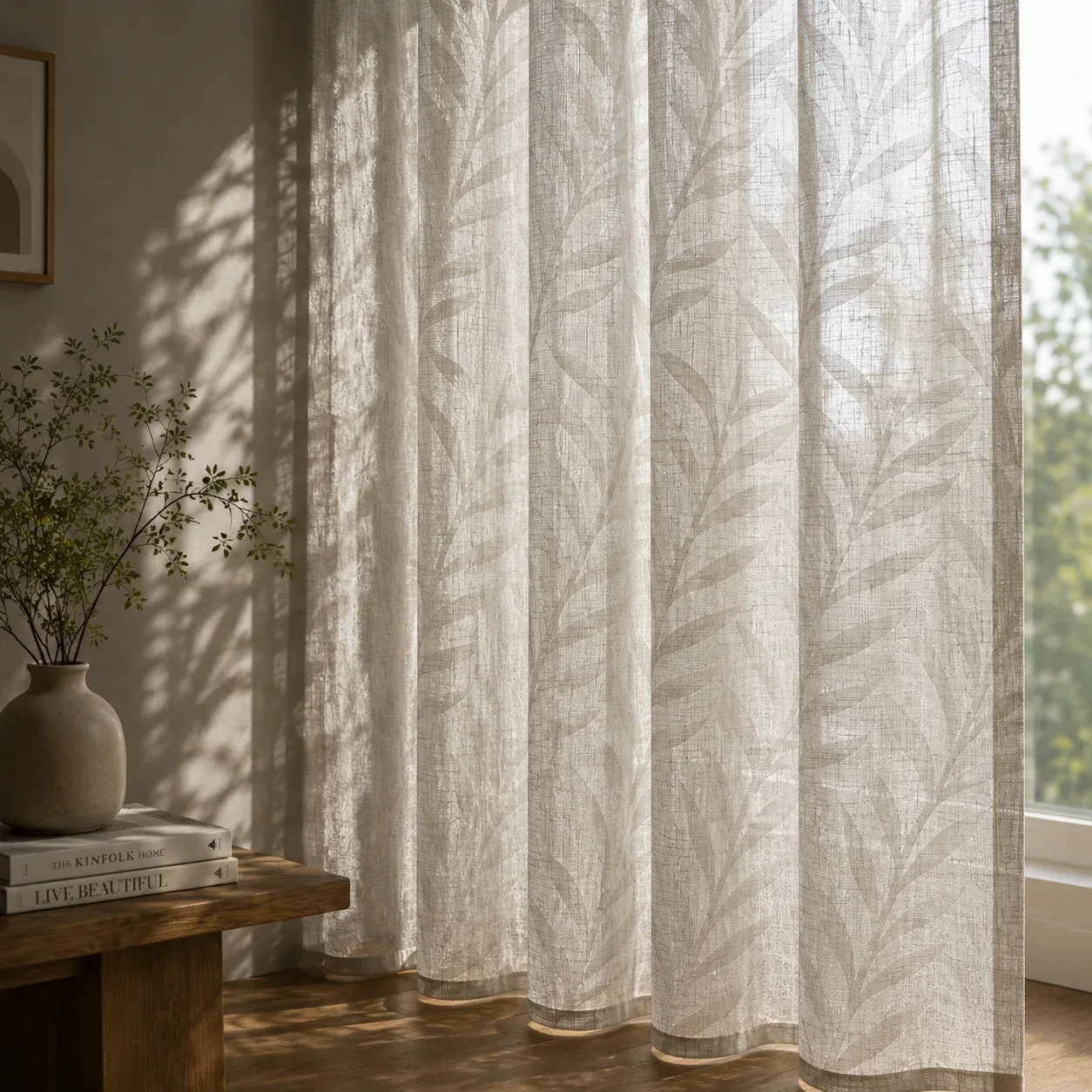
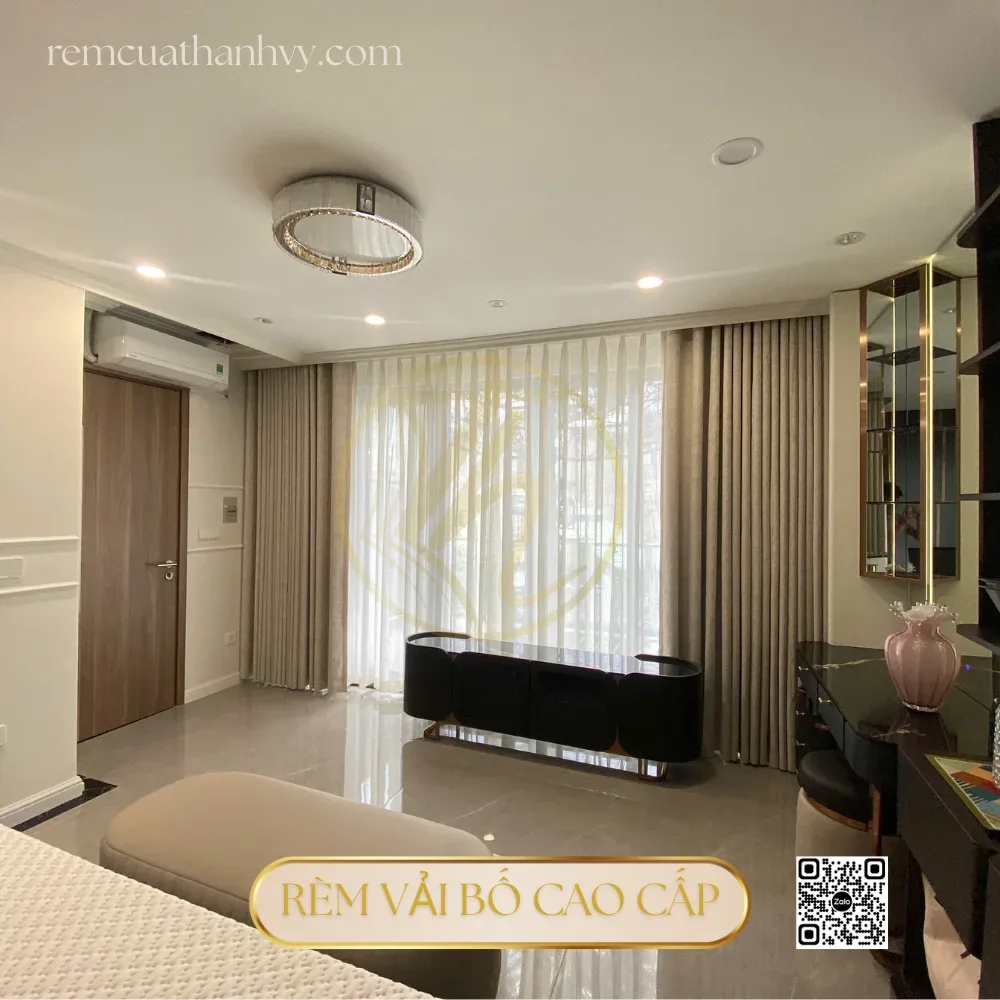
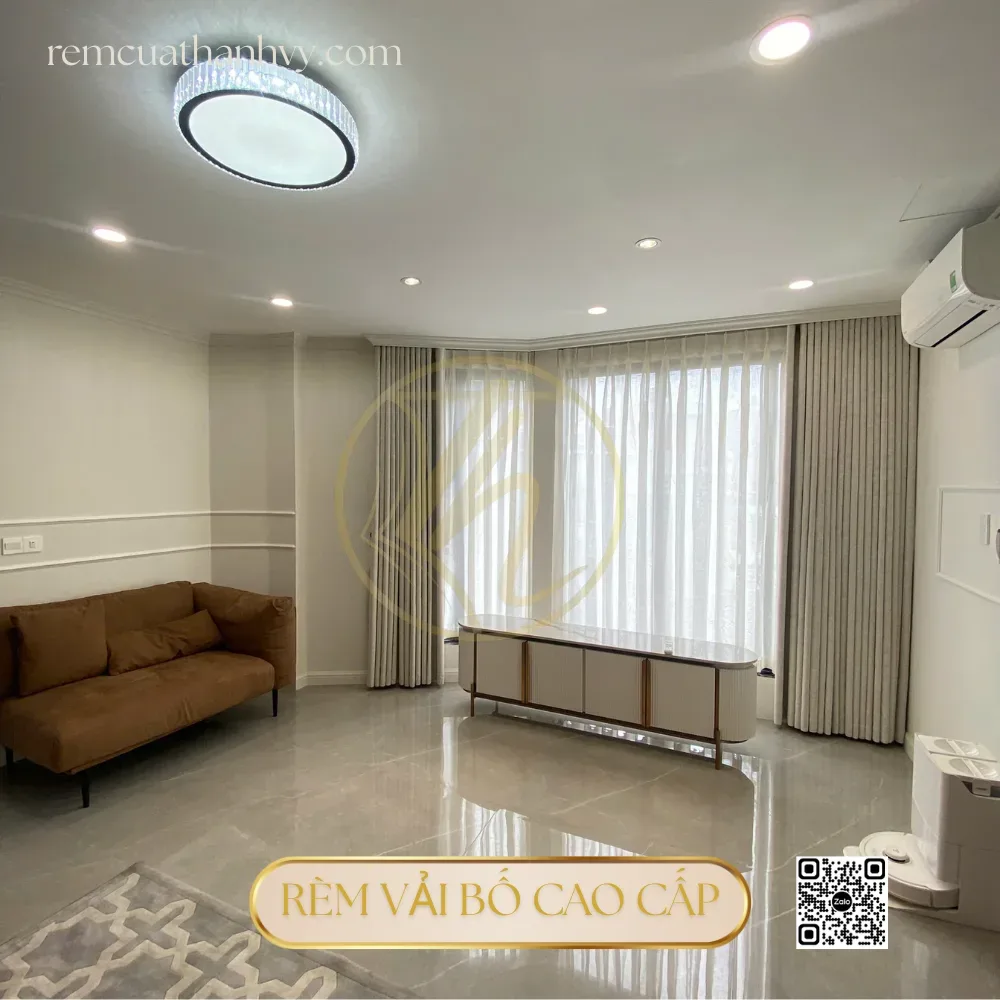
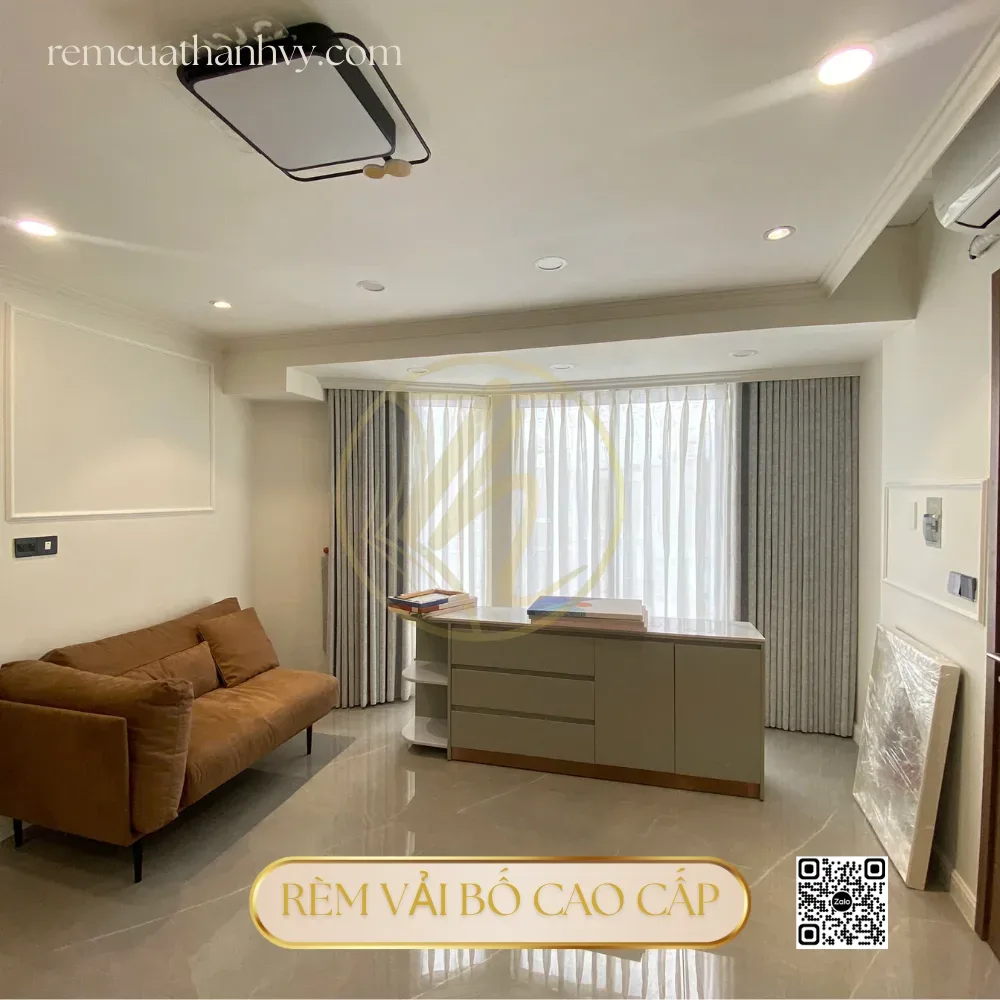
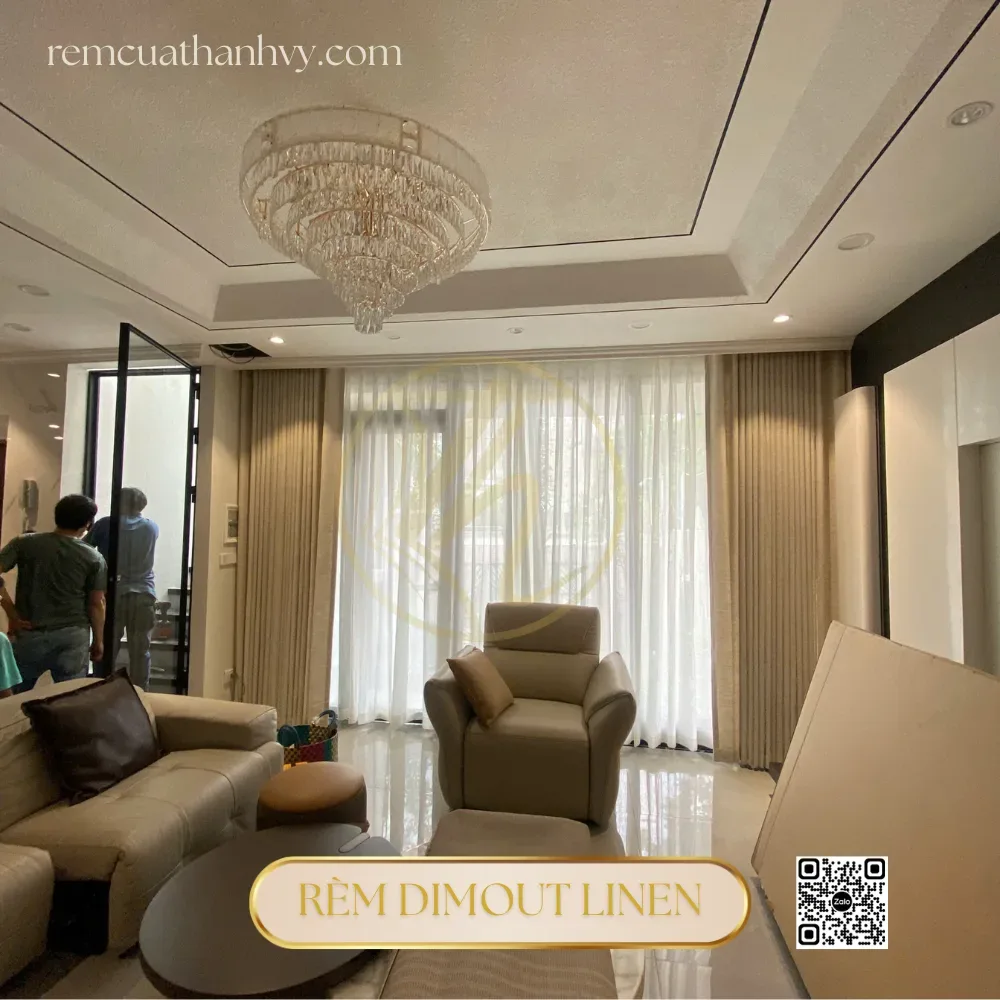
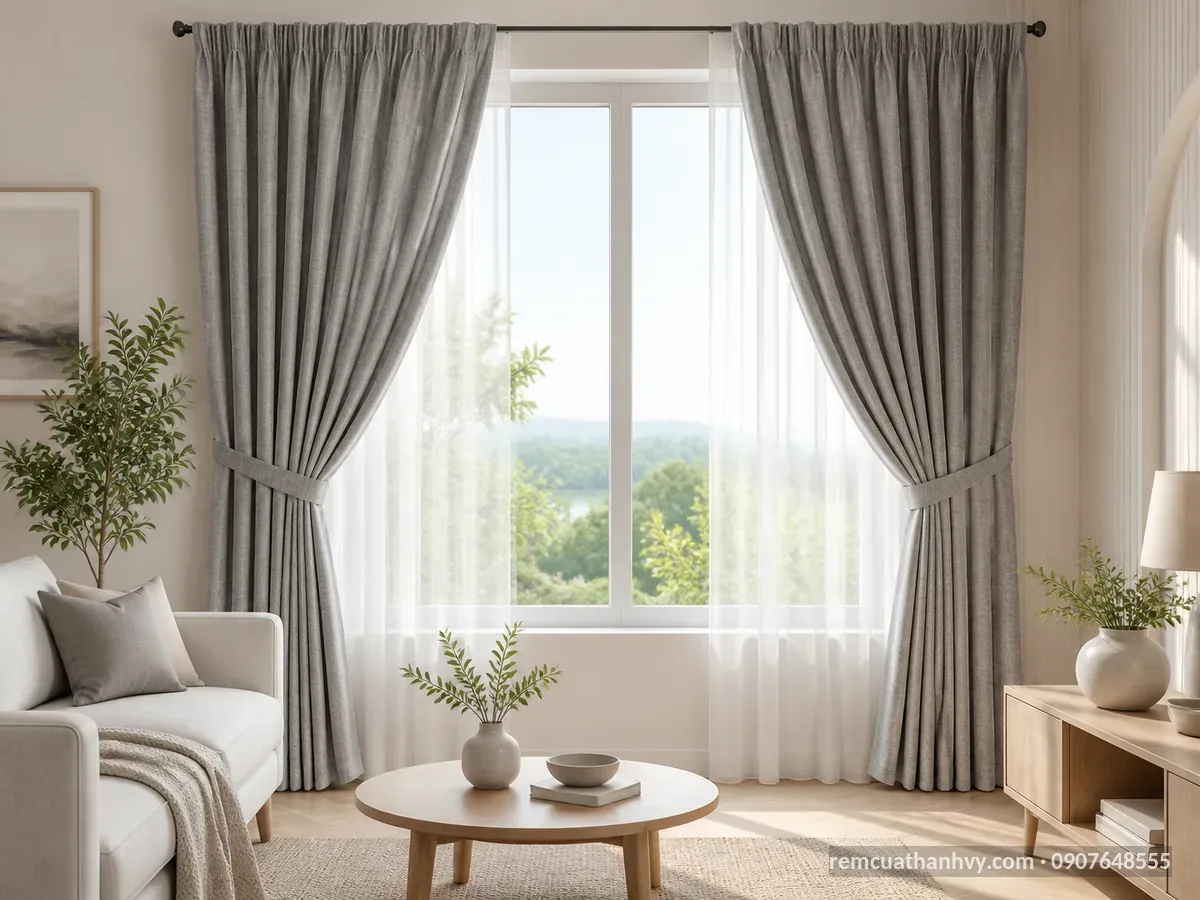
Sheers are often used as an inner layer, paired with a thicker outer drape when blackout capability is needed.


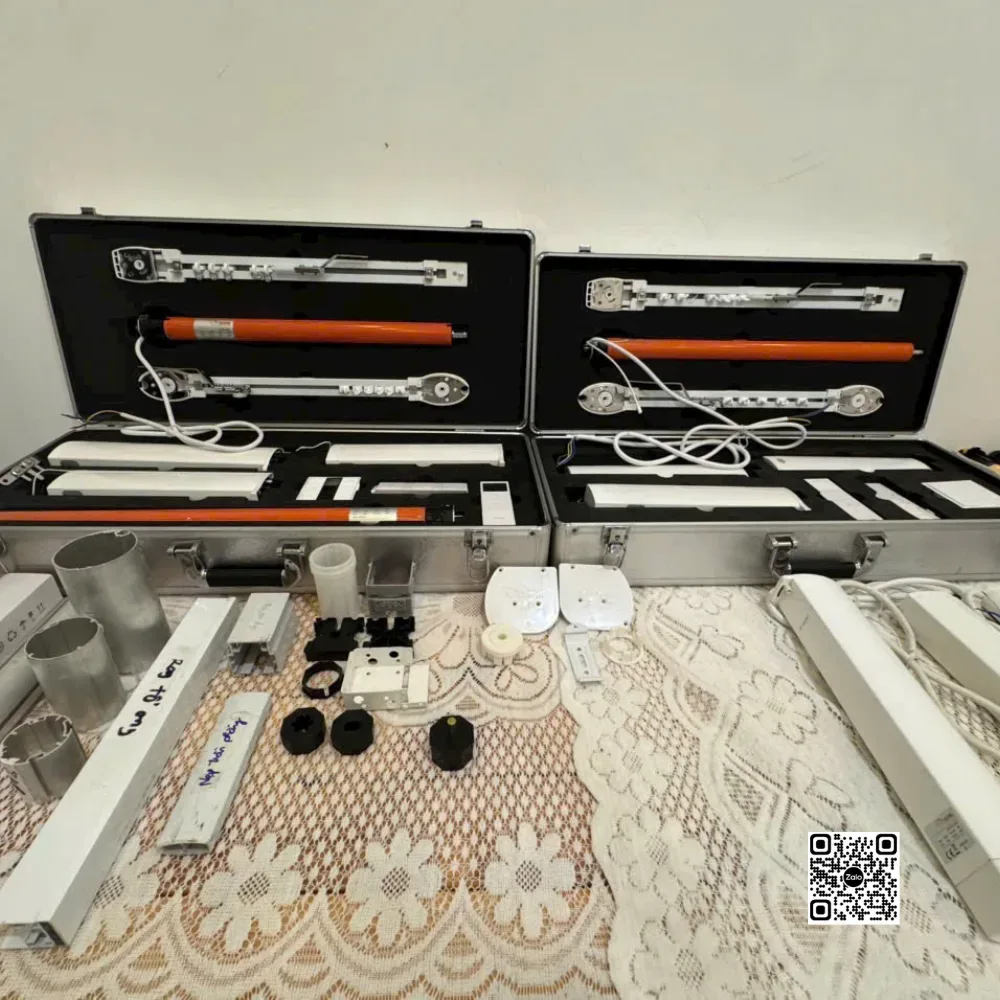
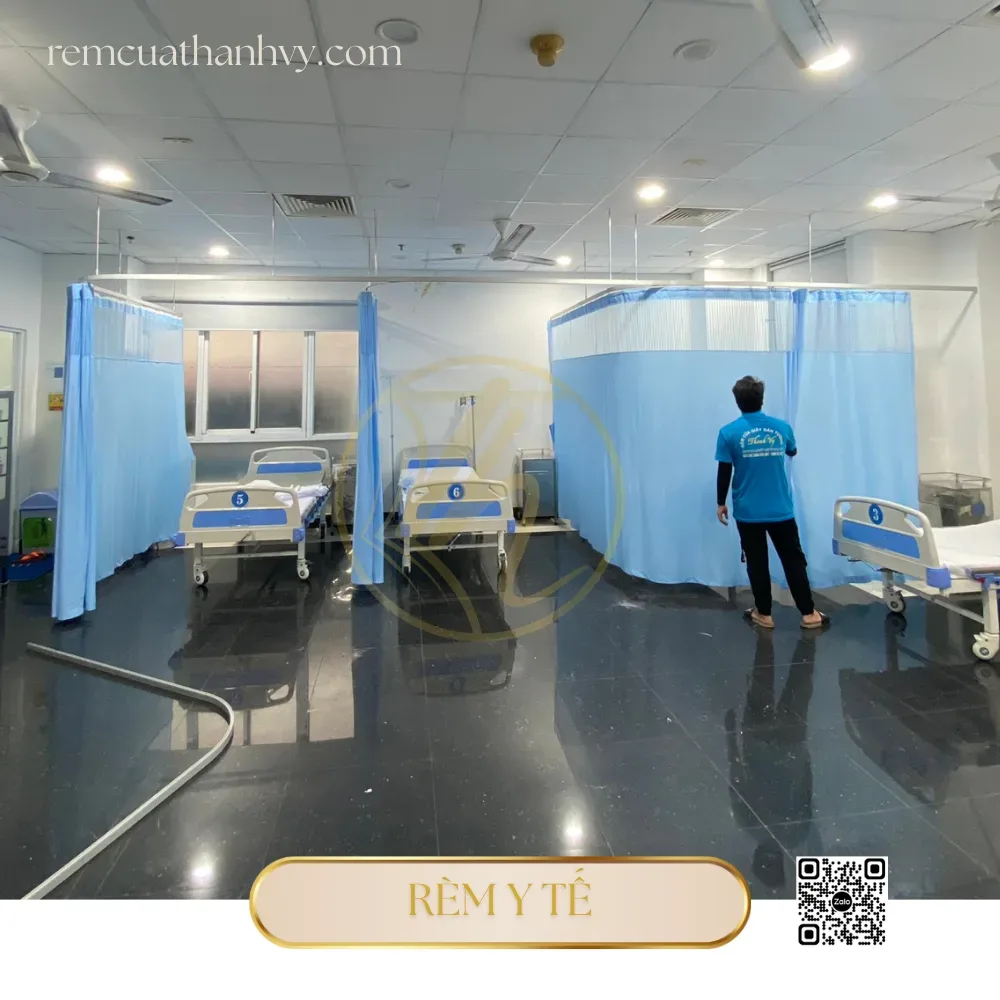
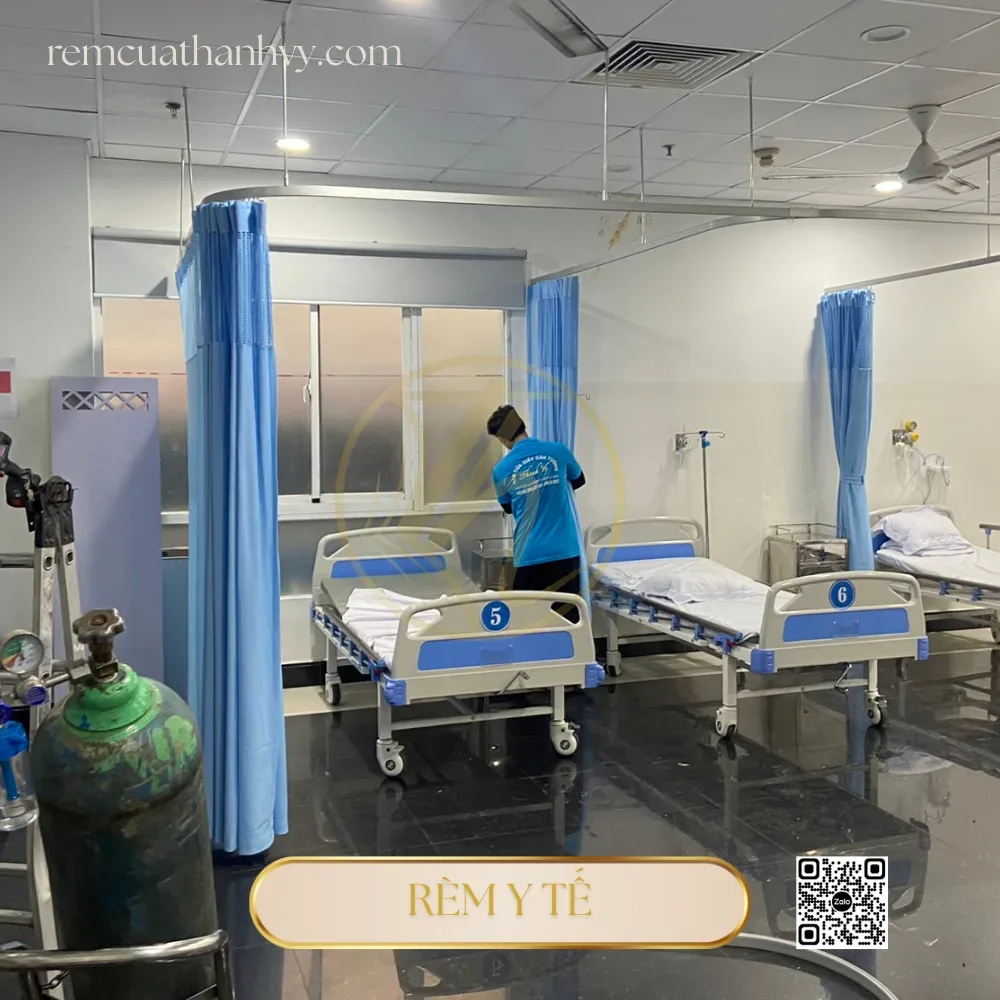
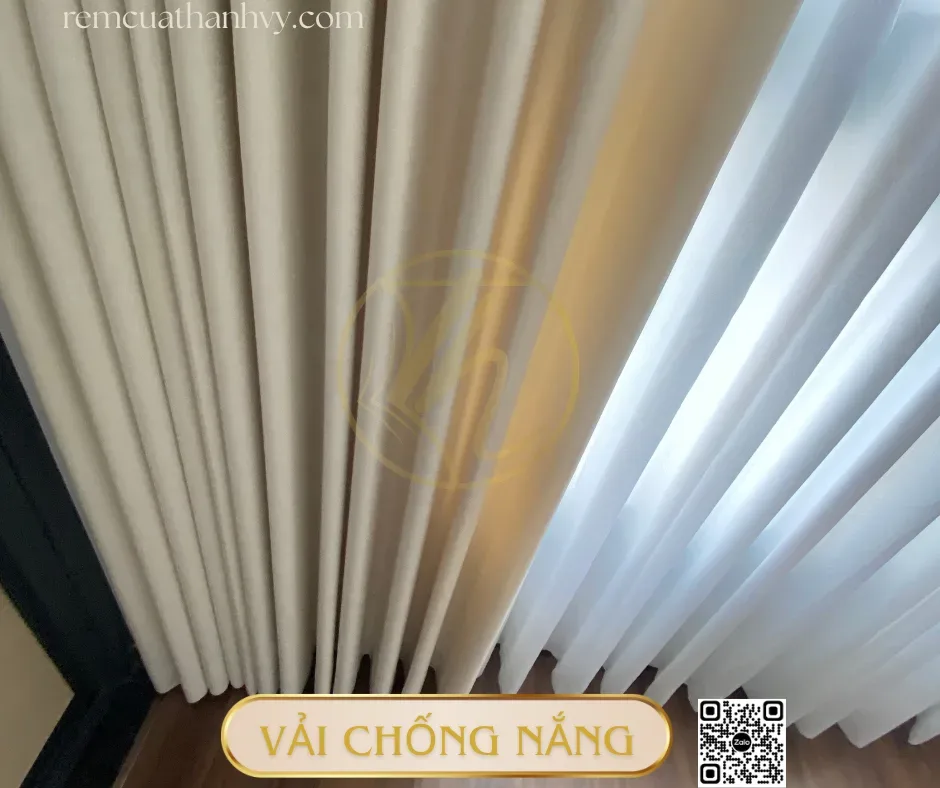
Fabric drapes
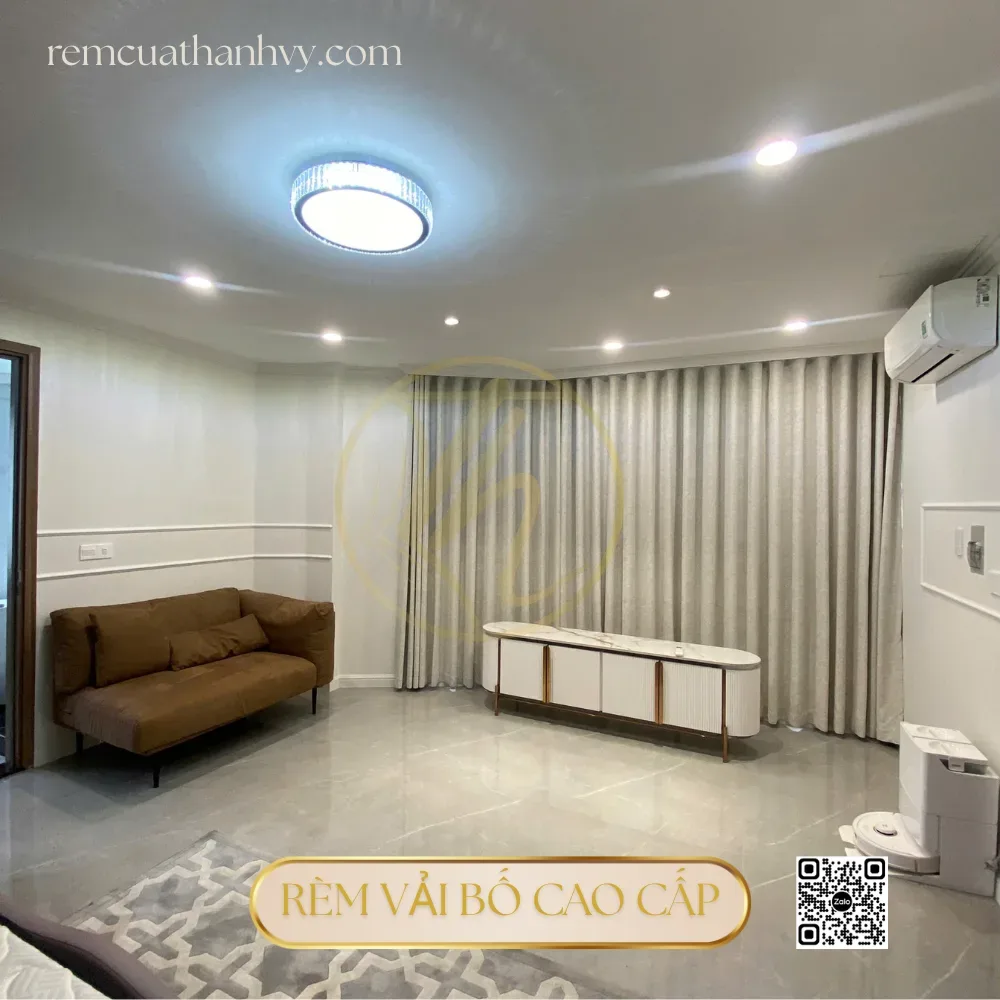
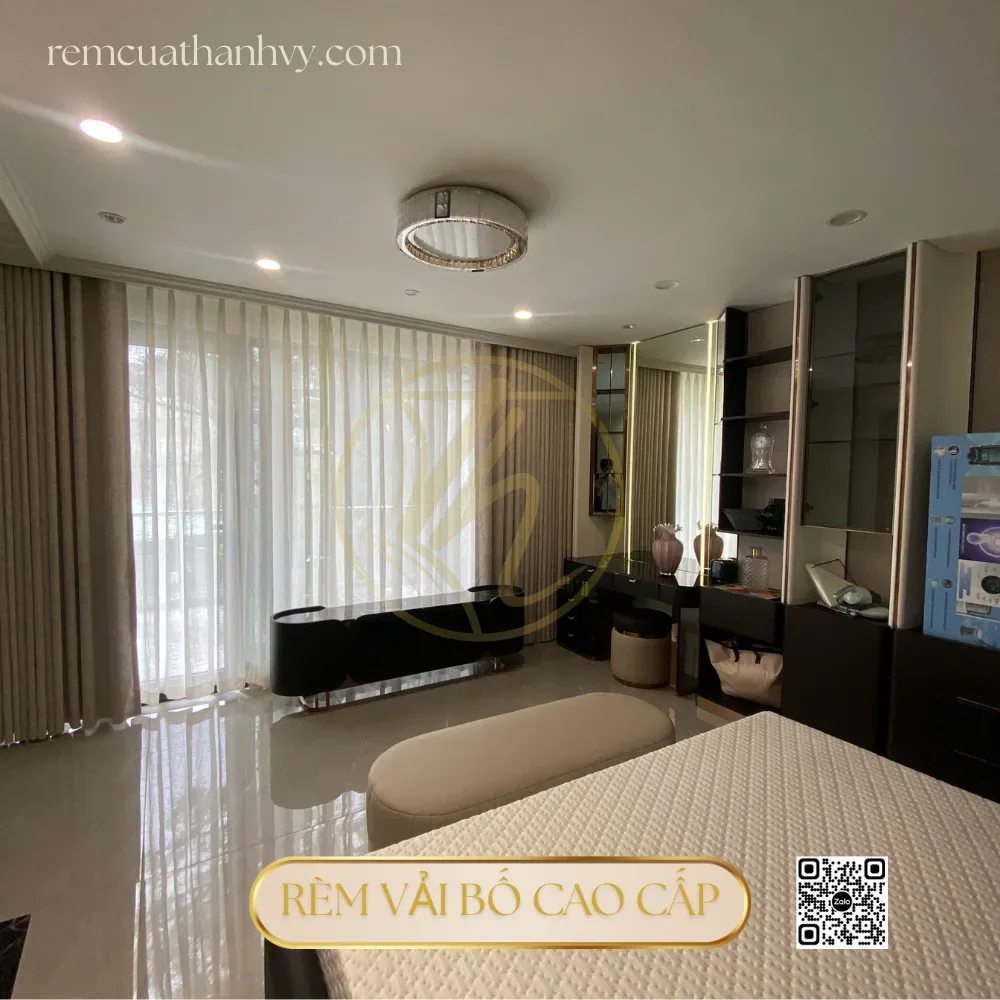
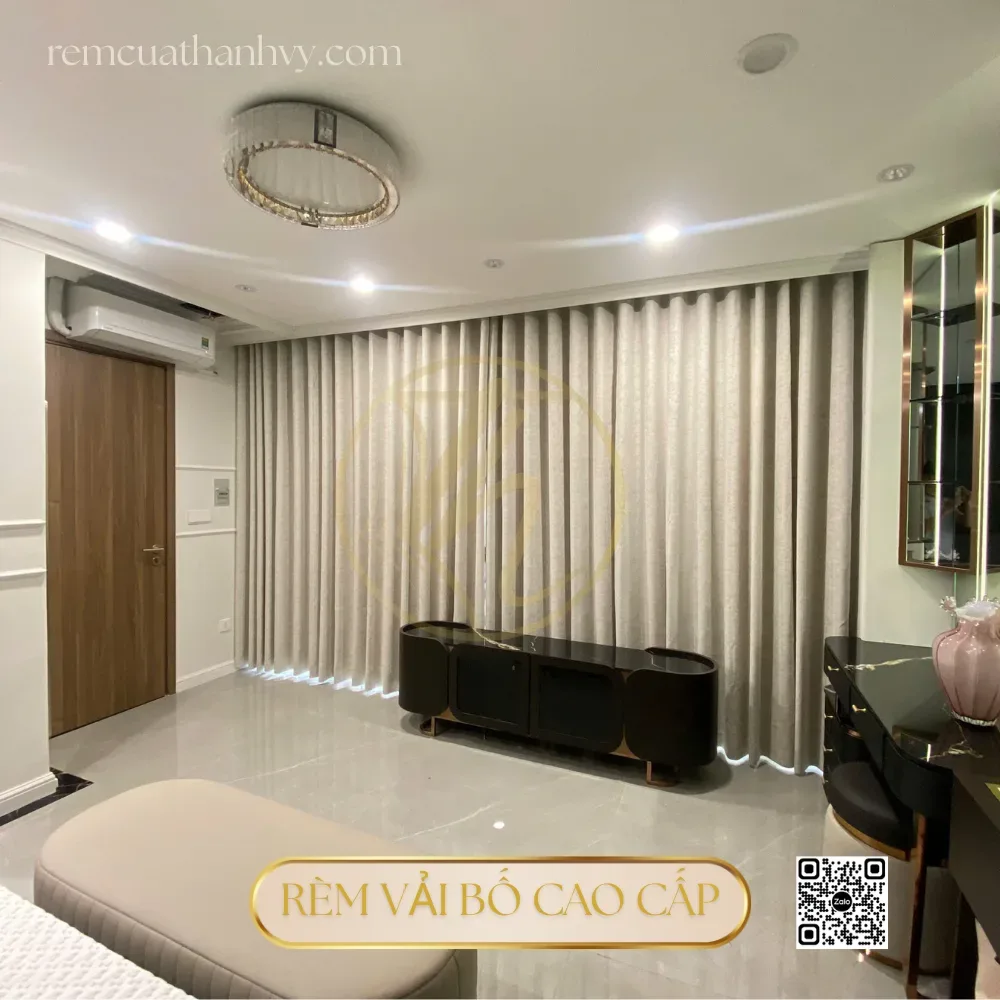
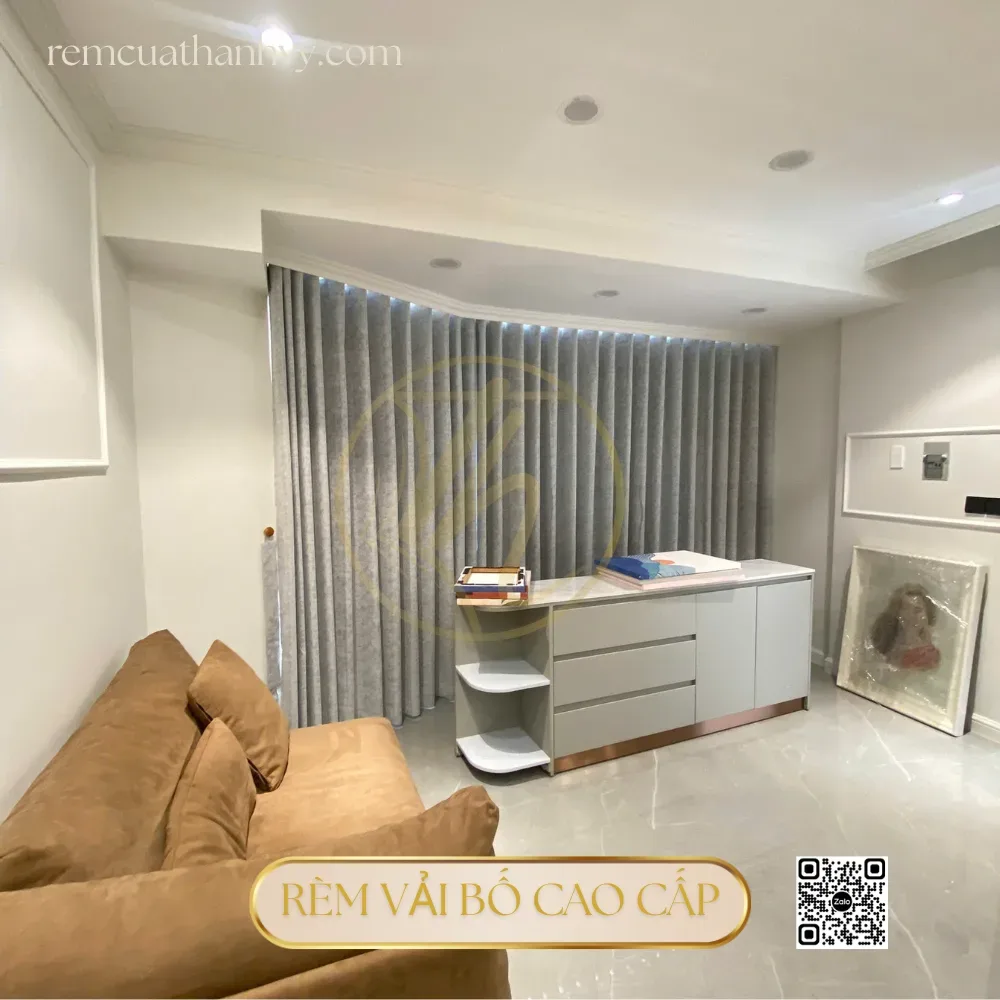
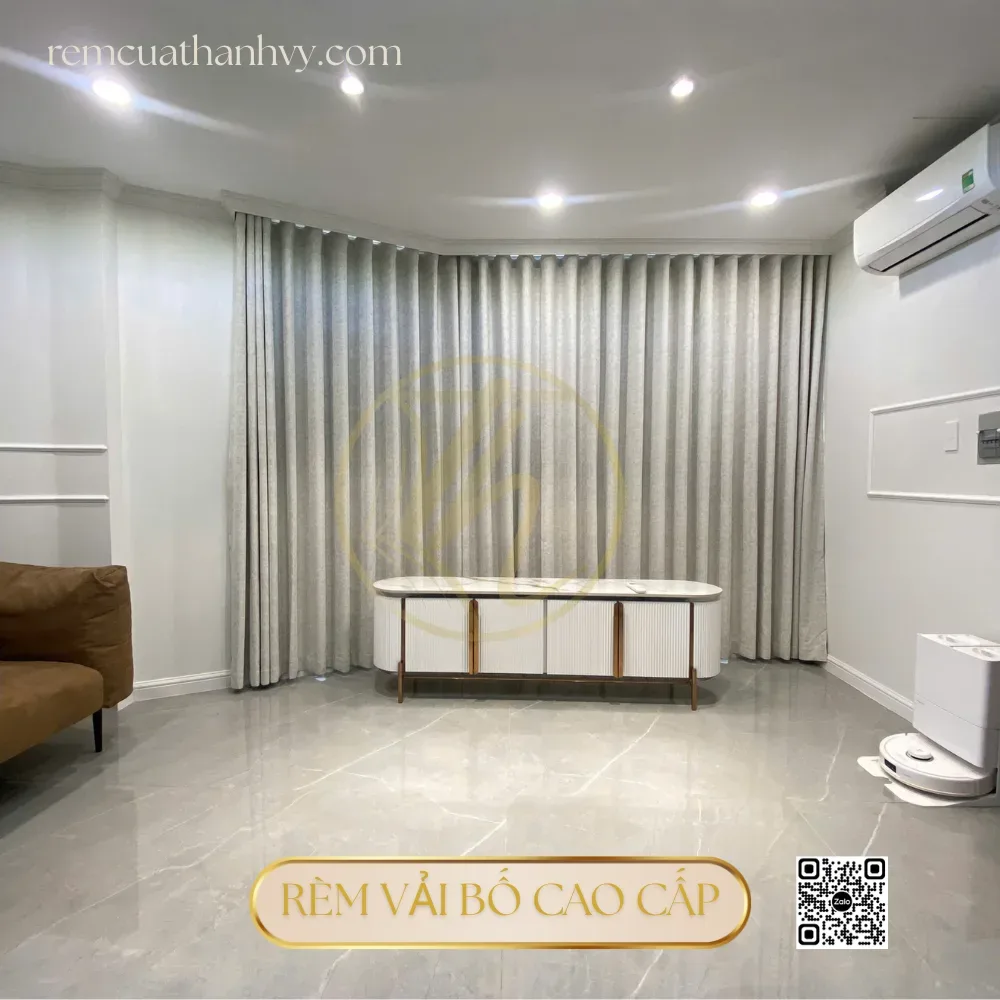
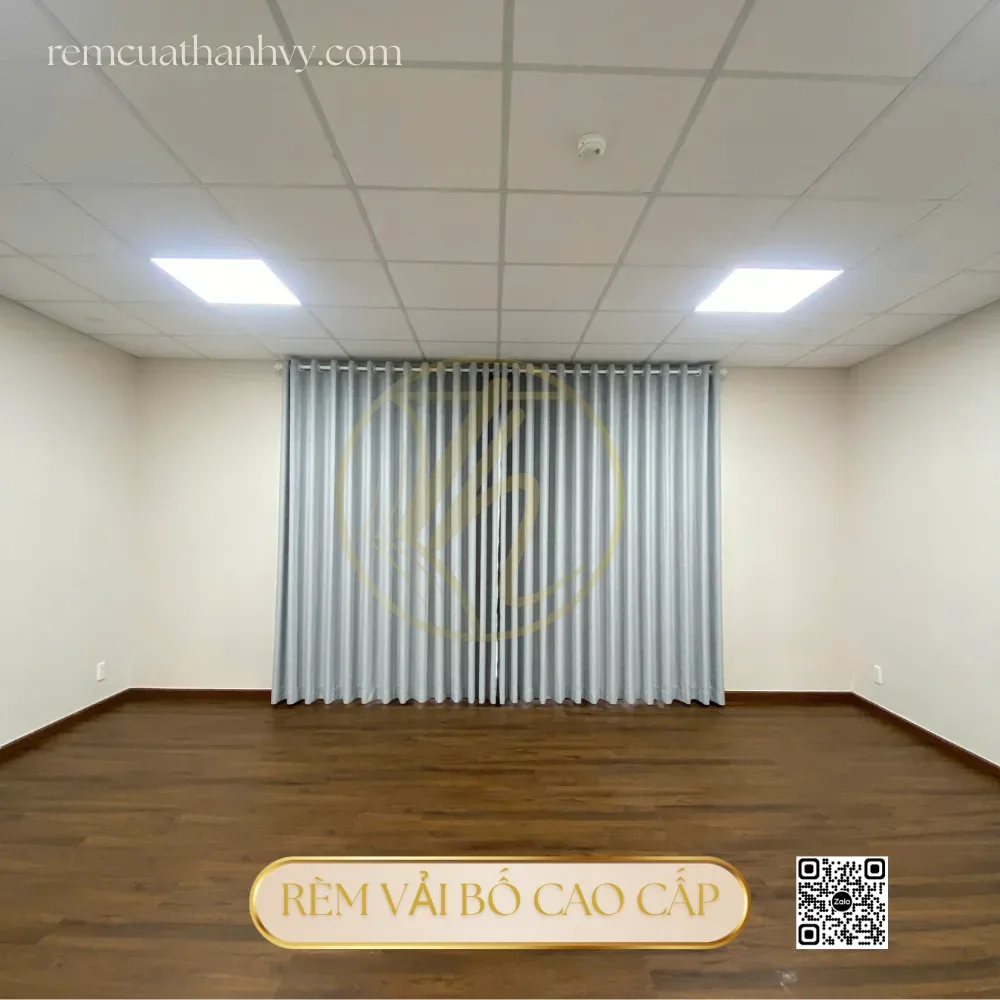
Fabric drapes are the most common category, offering varied thicknesses to accommodate light and privacy requirements.


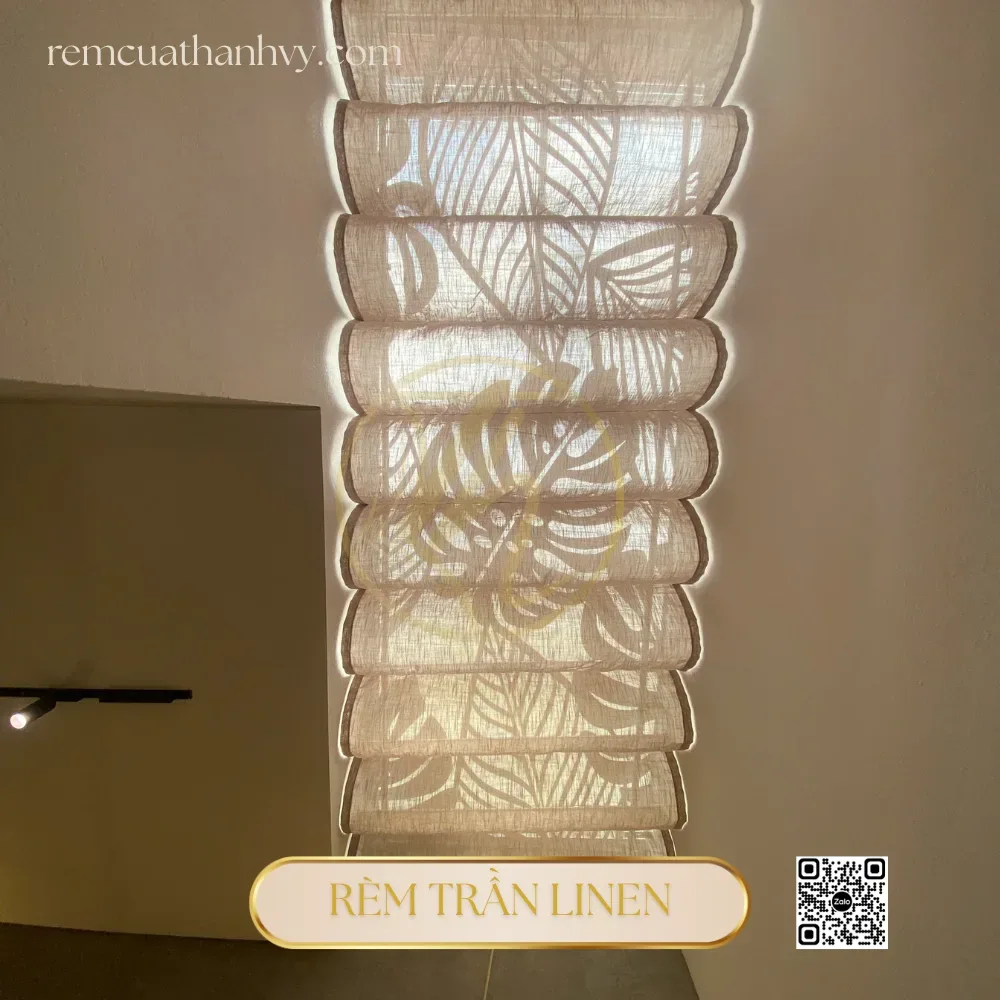
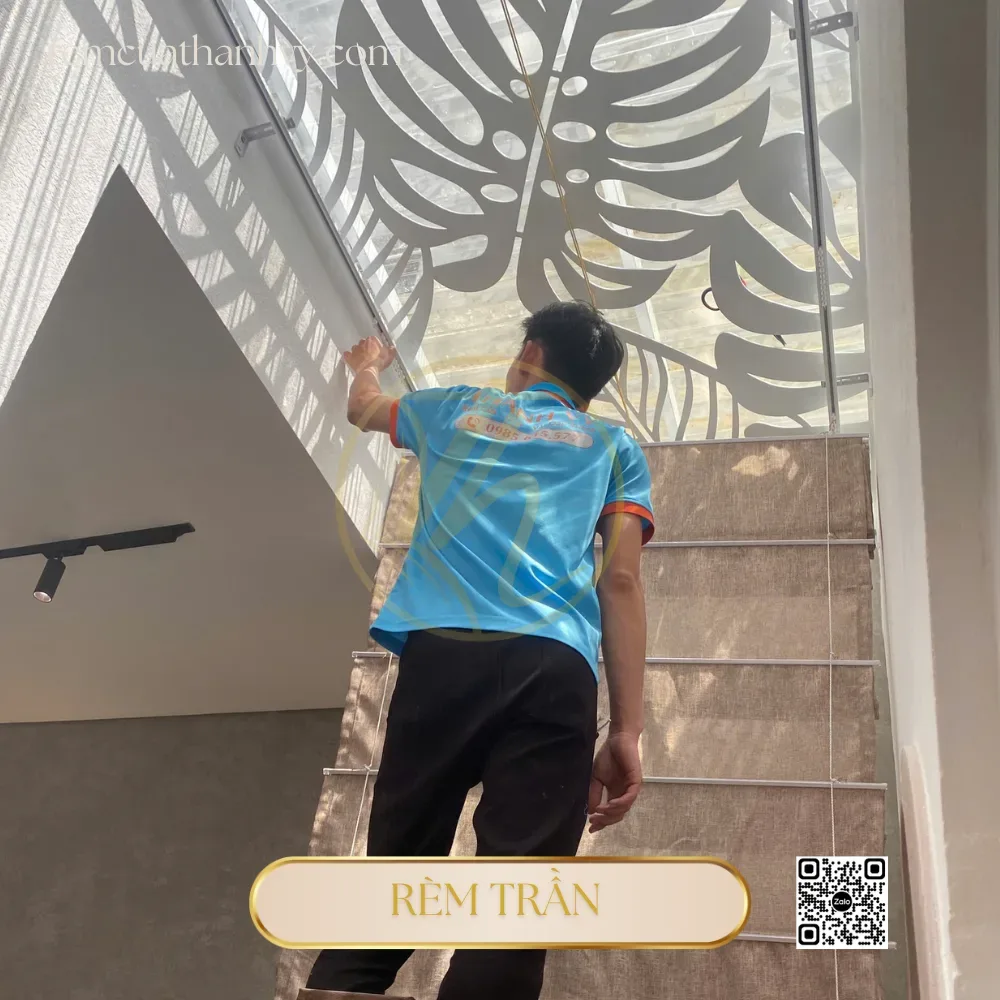
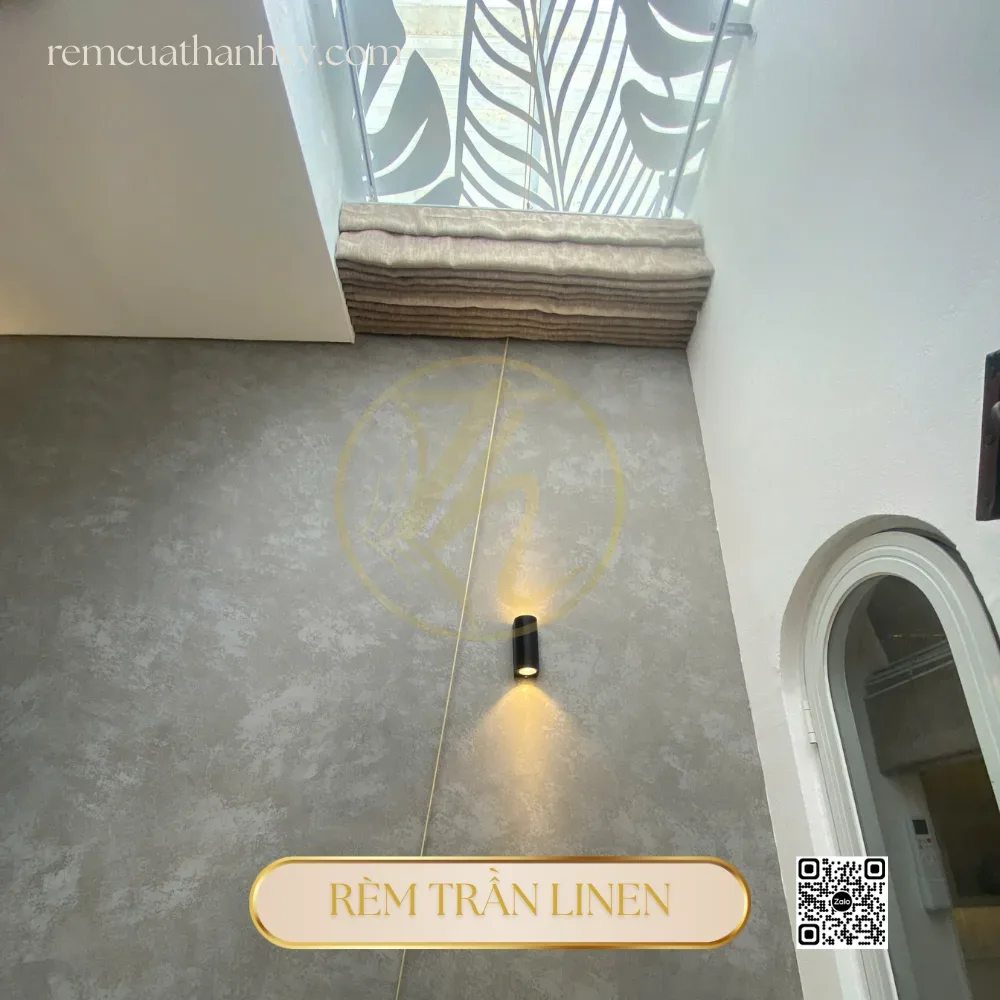
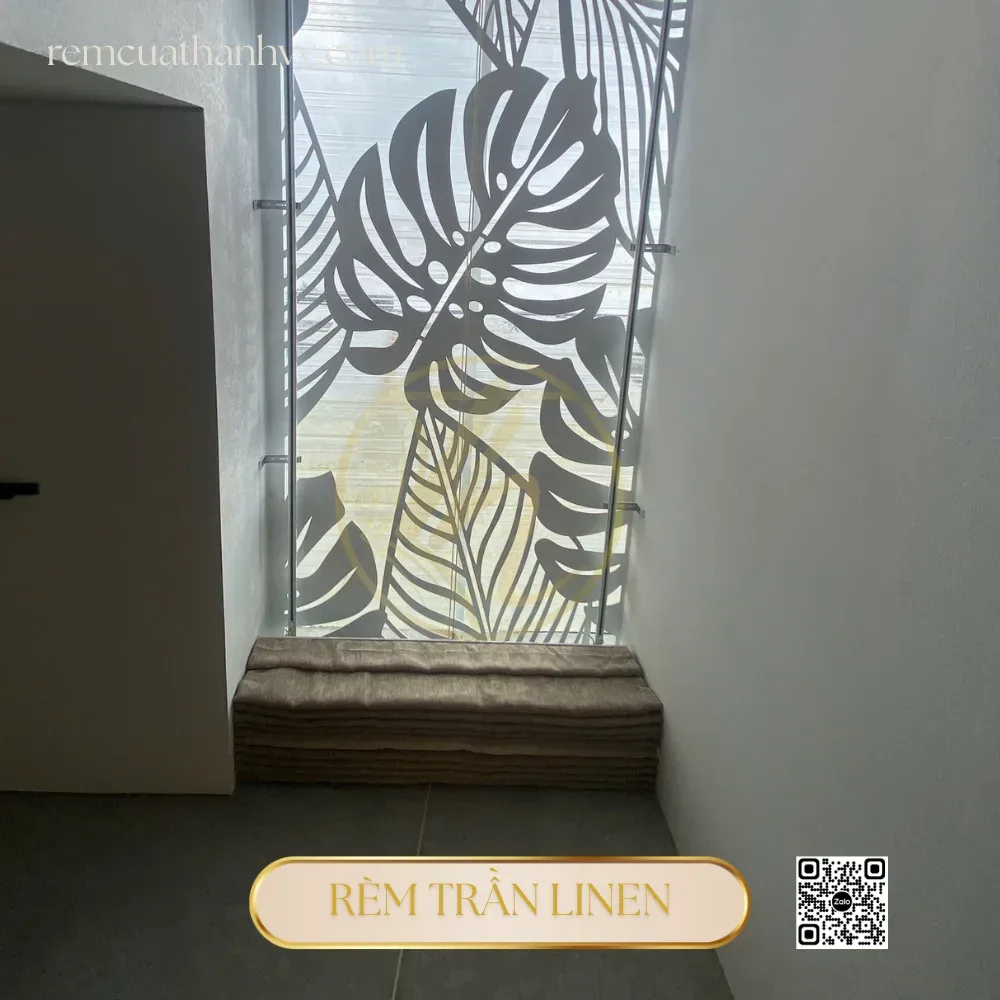
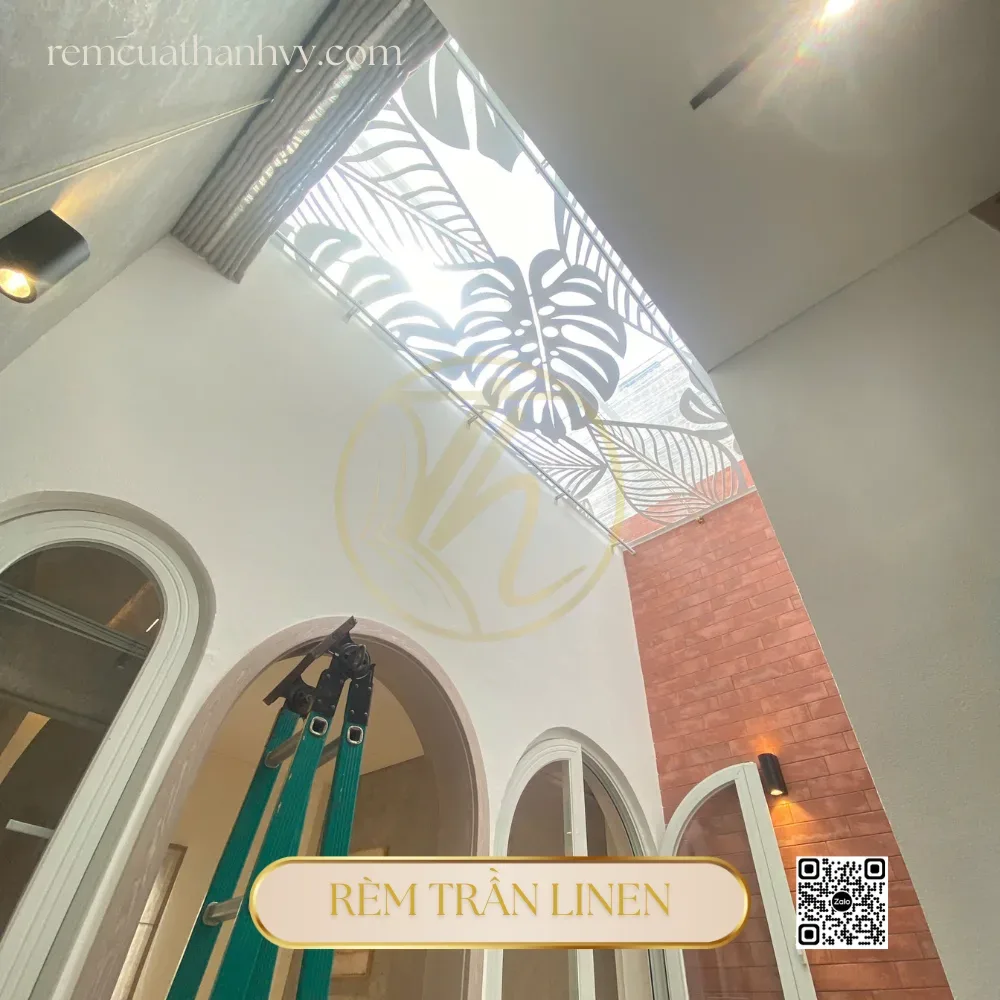
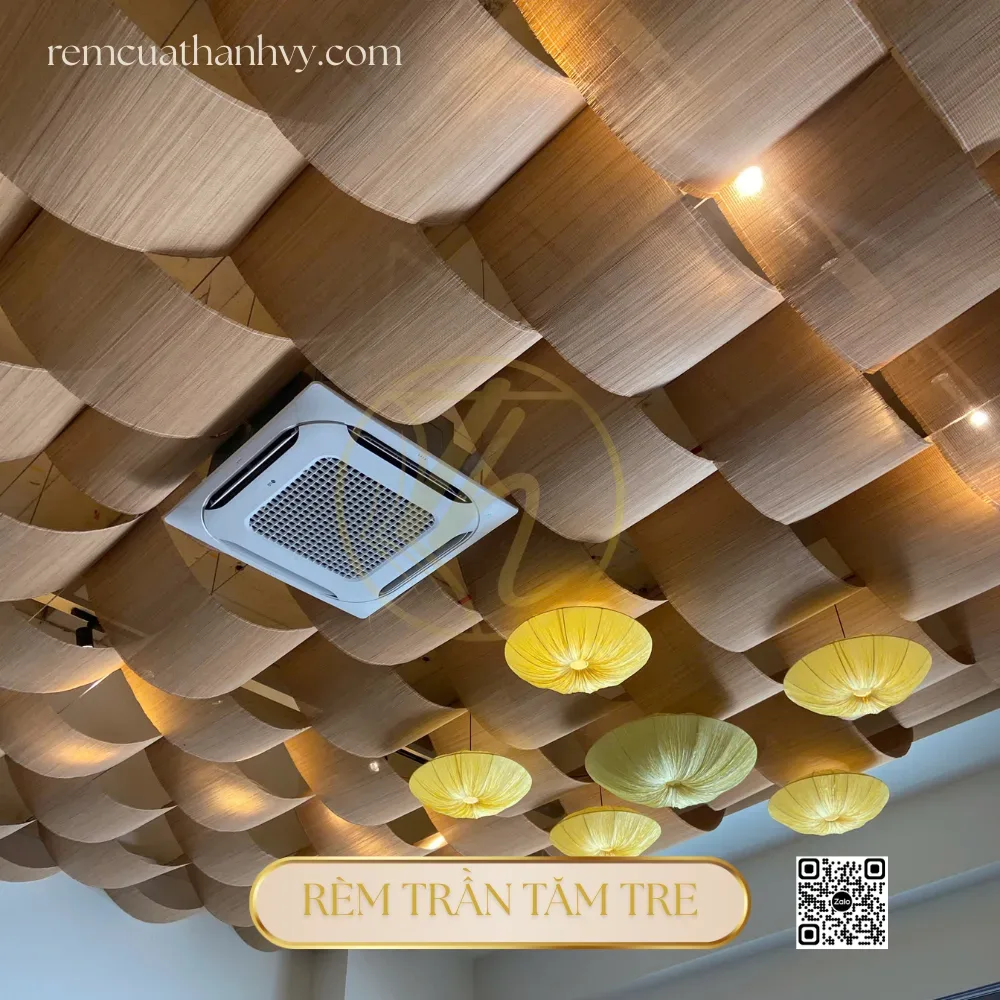
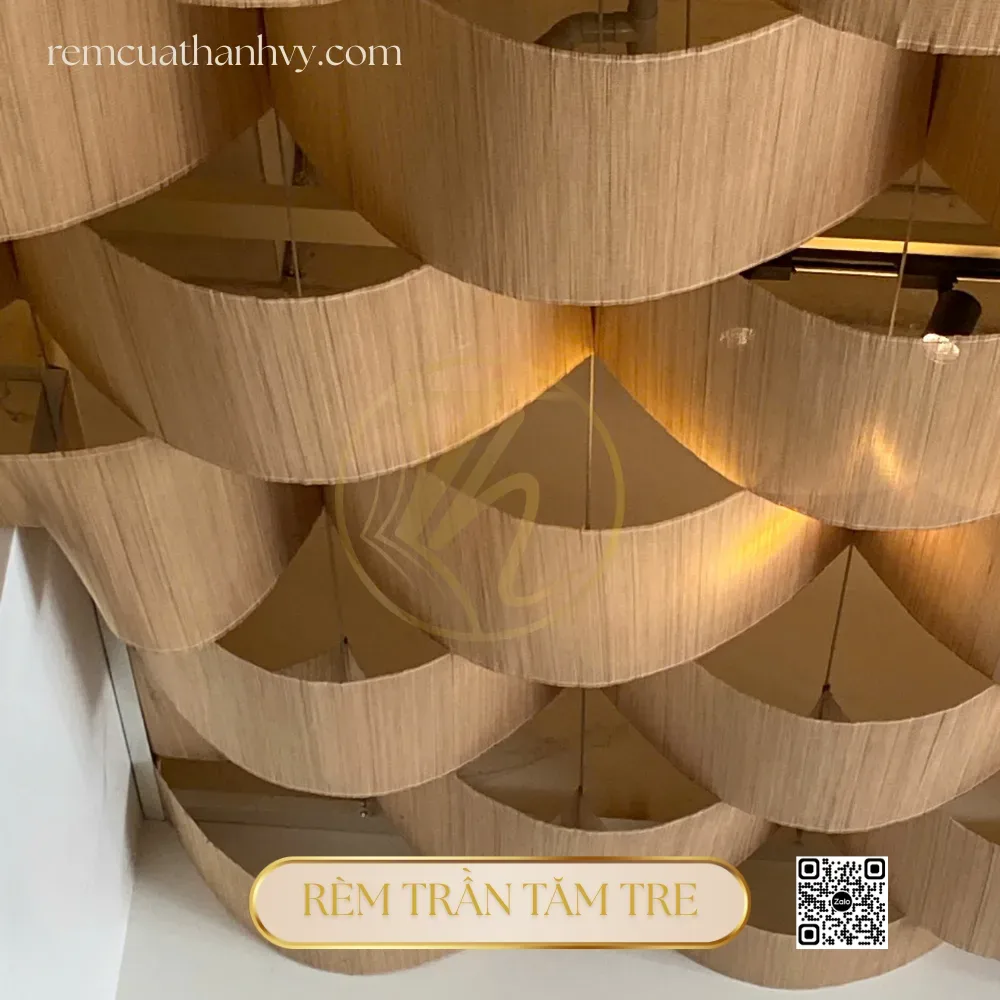
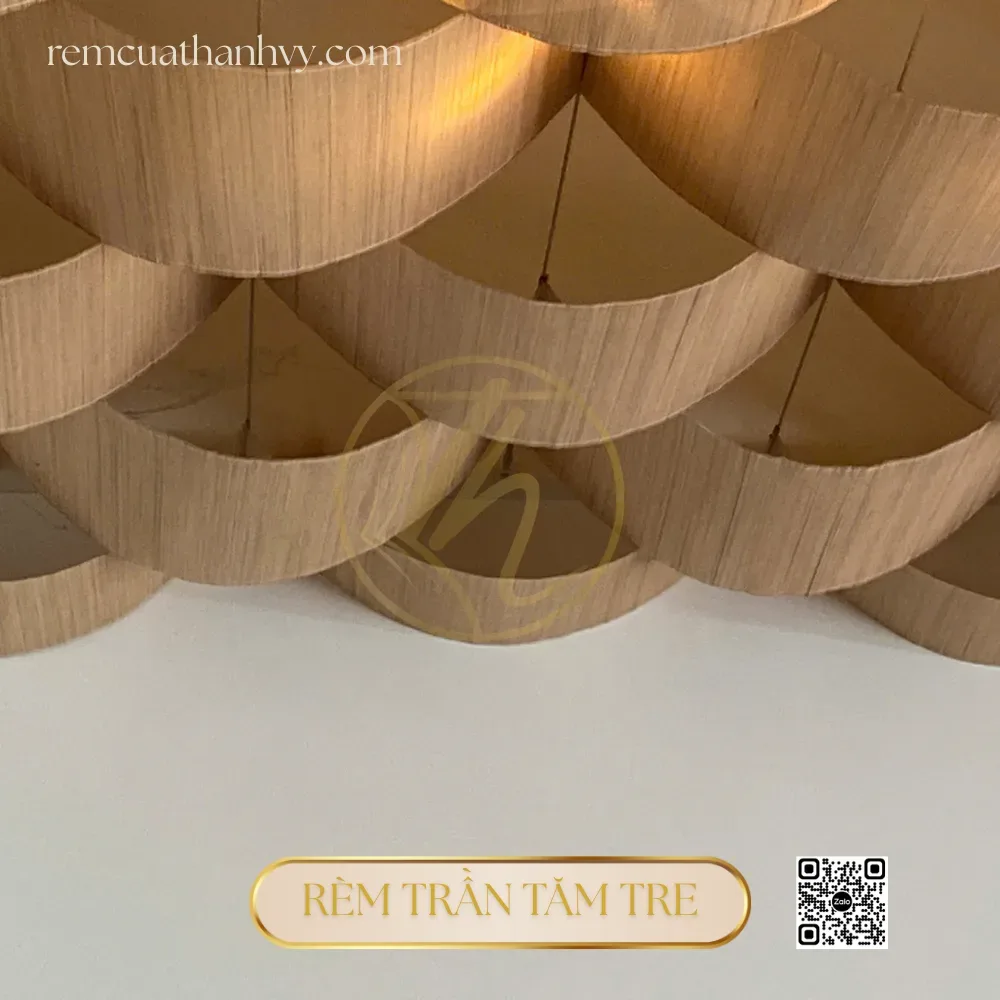
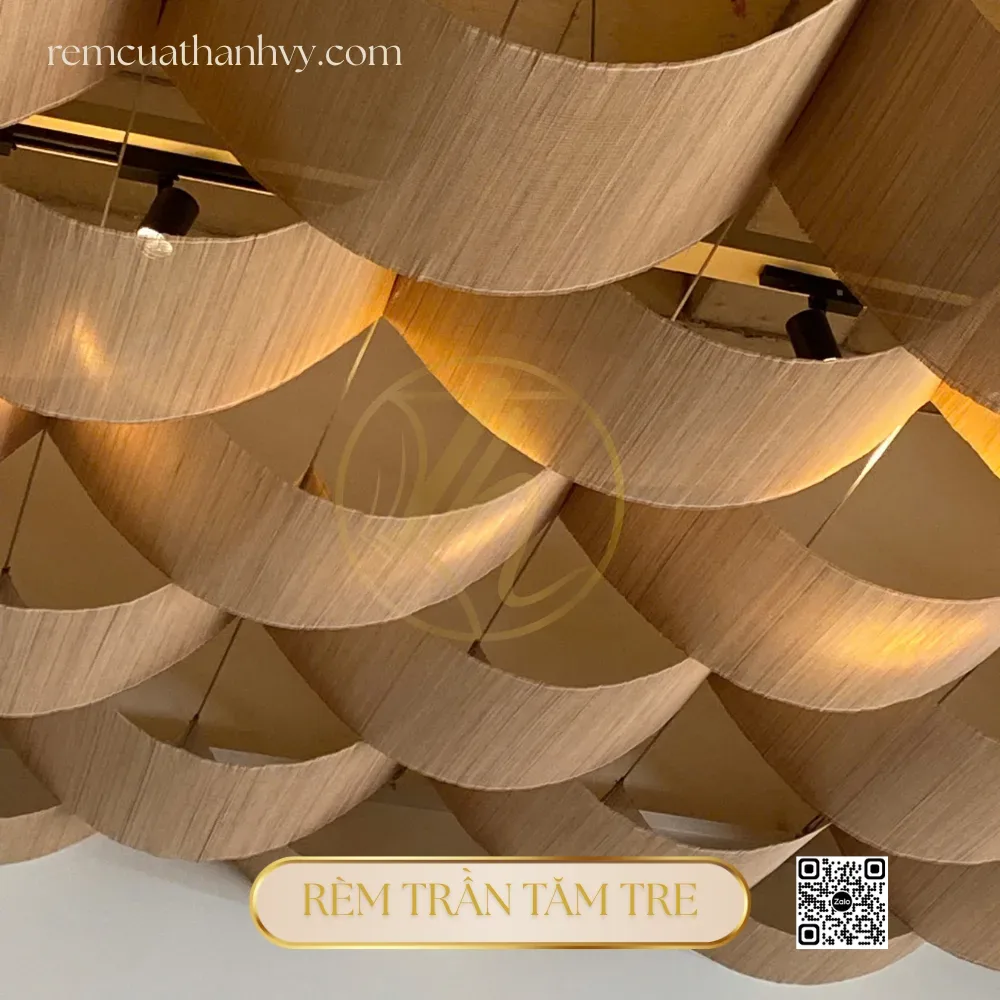



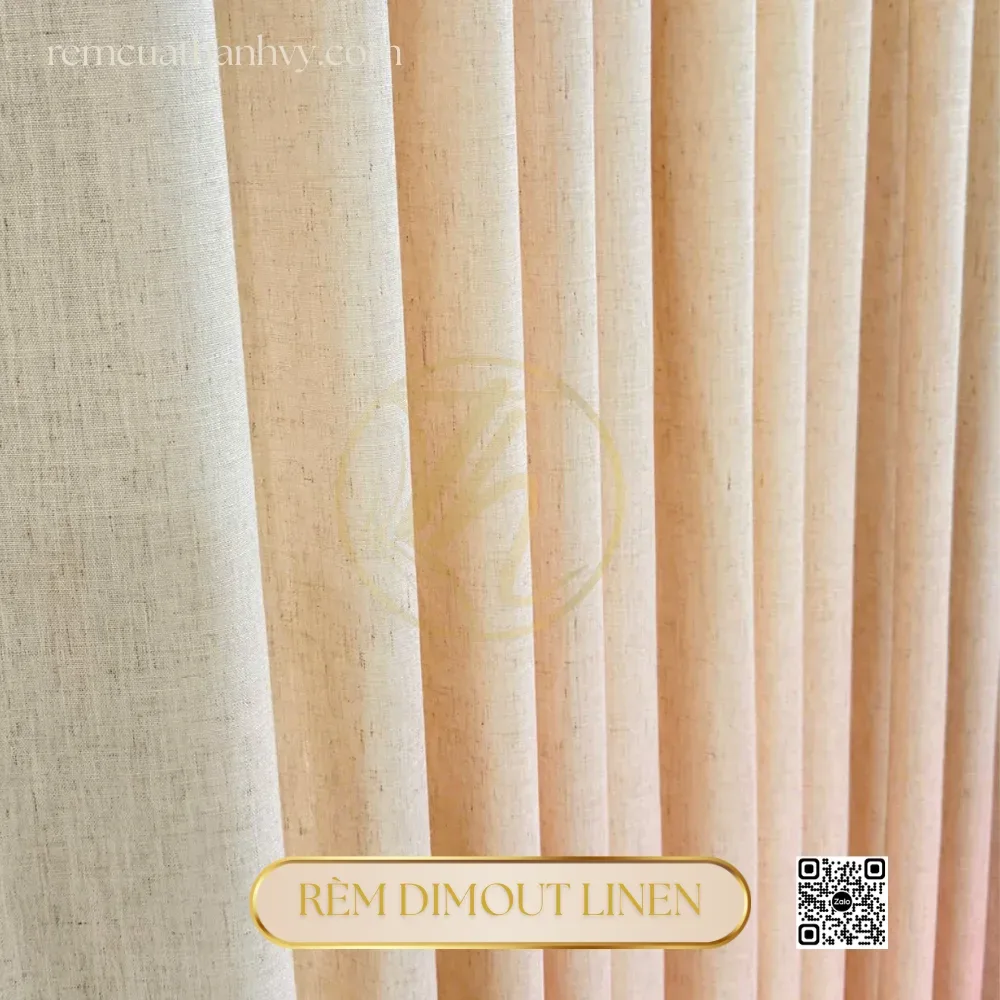
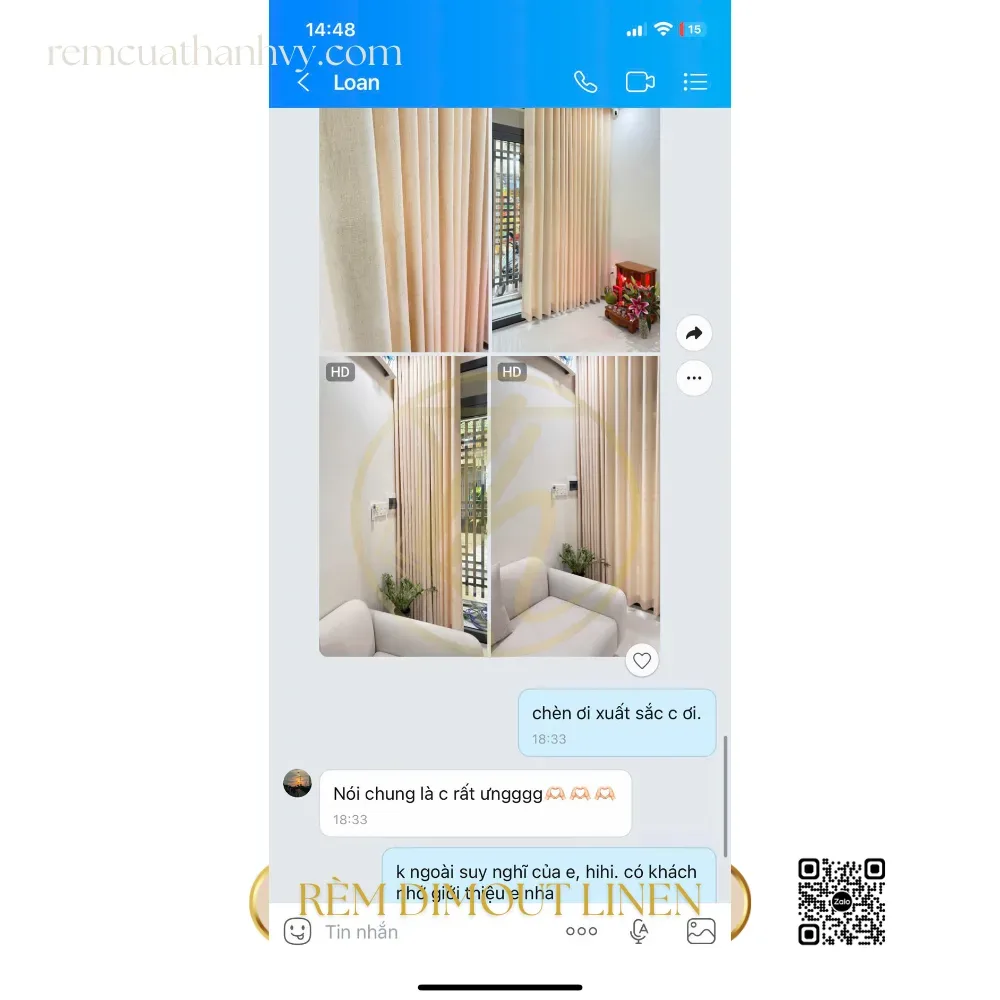
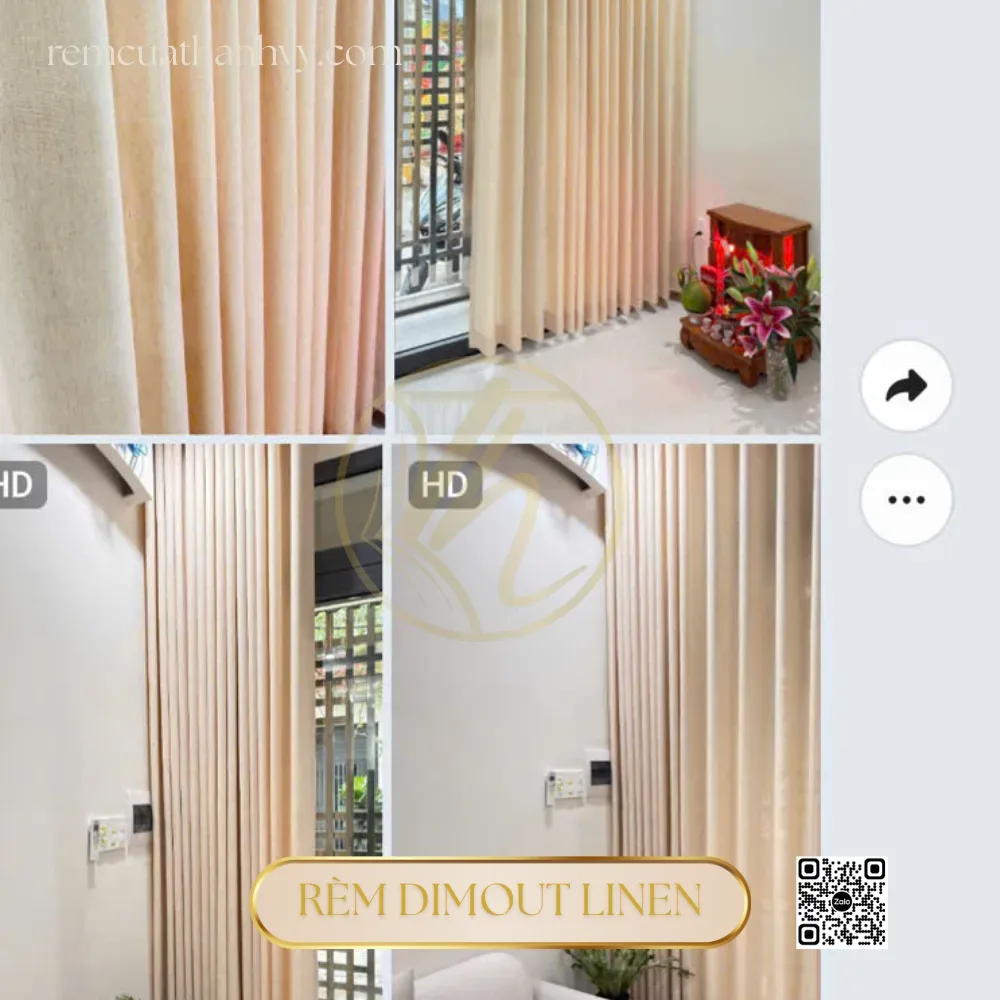
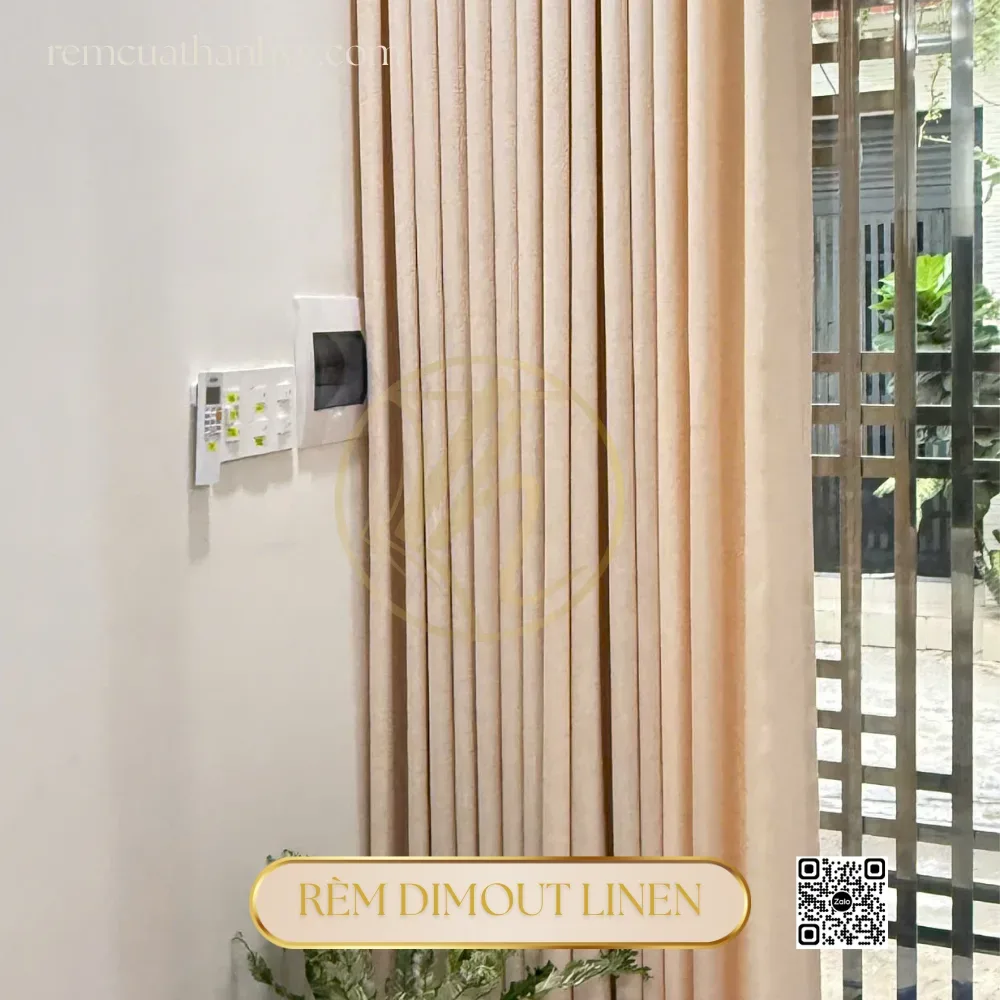
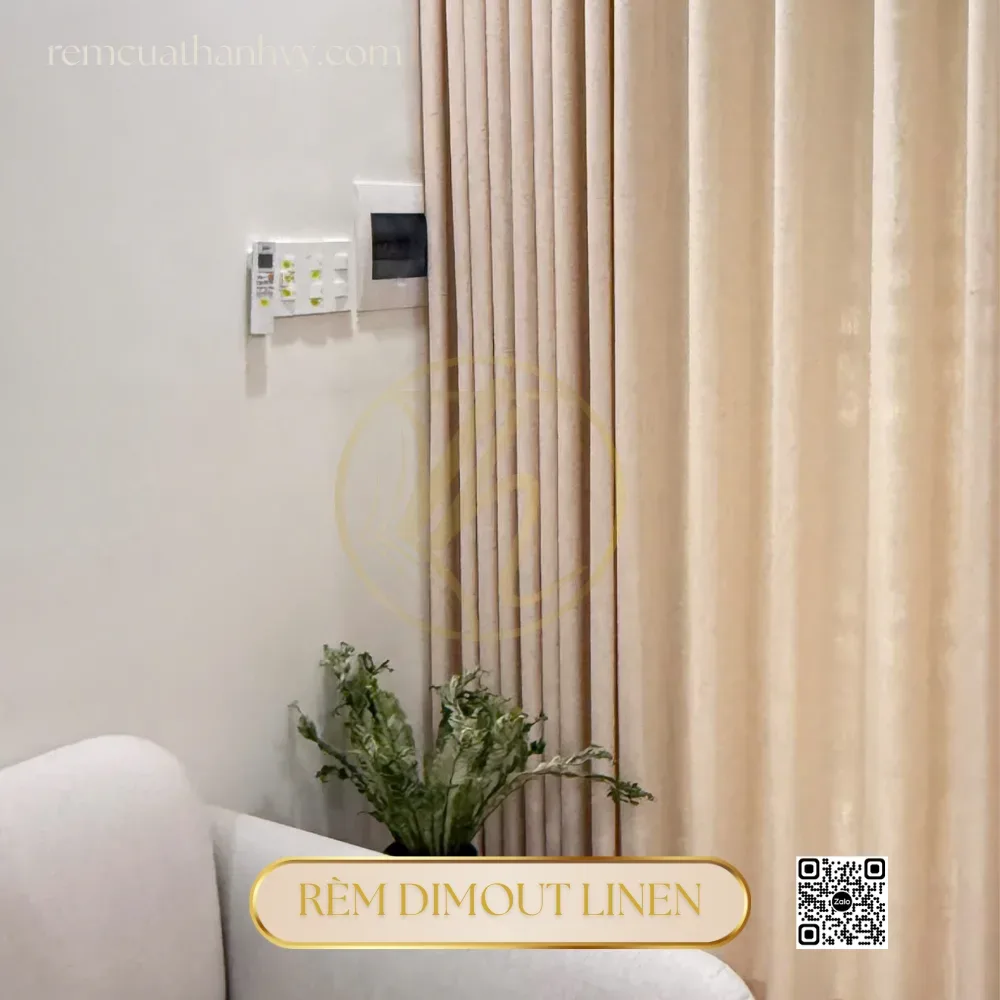

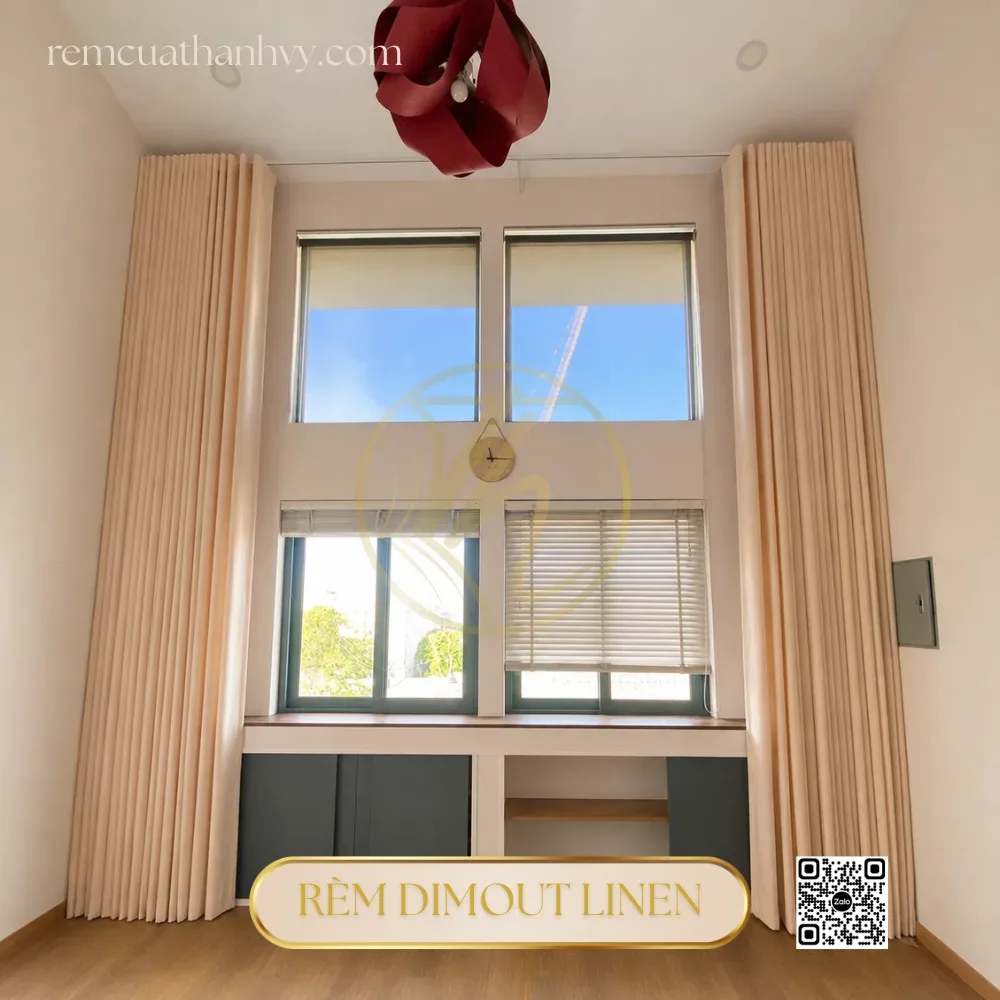
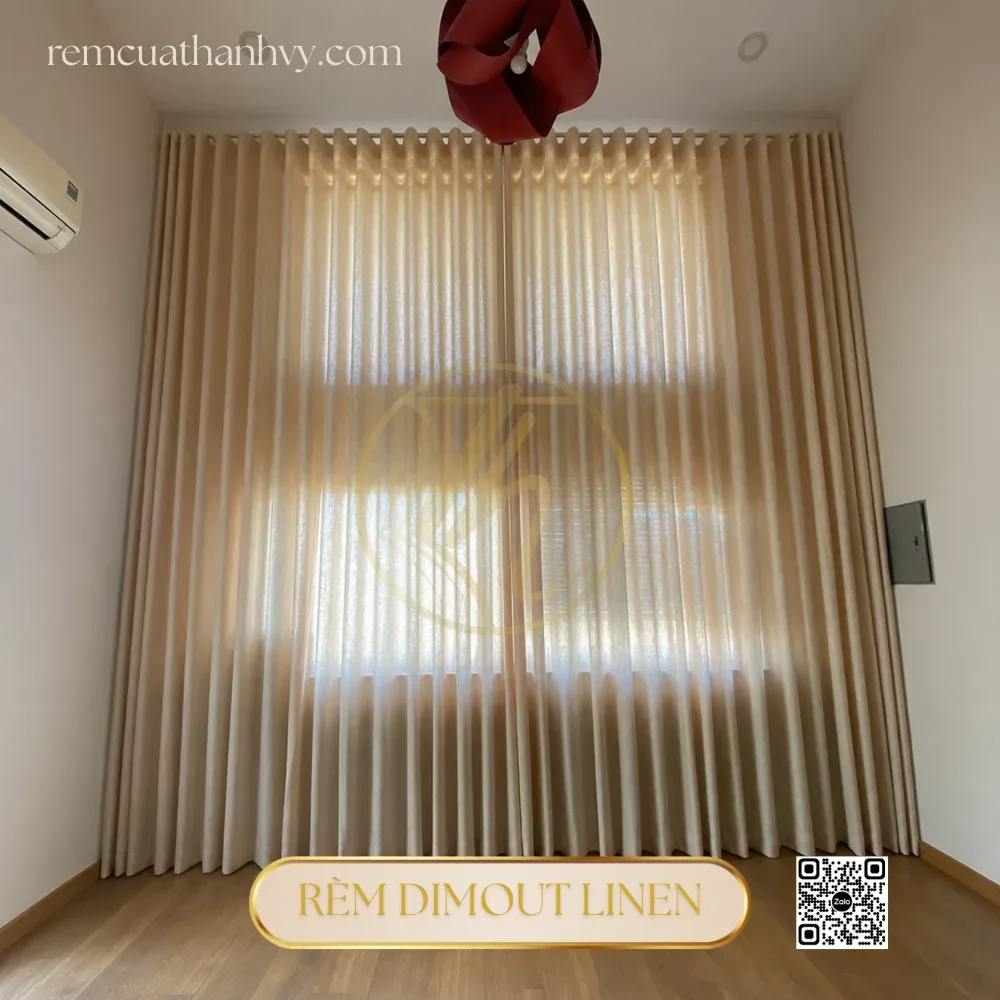
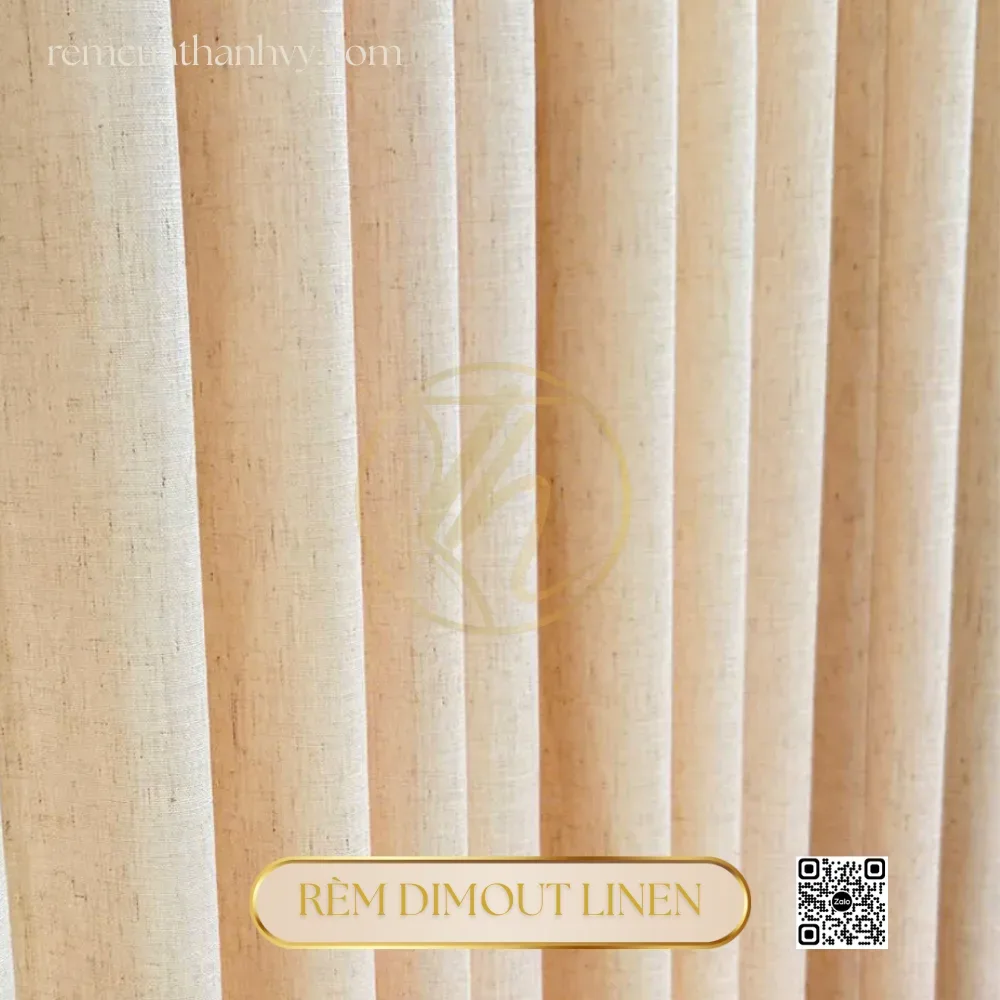
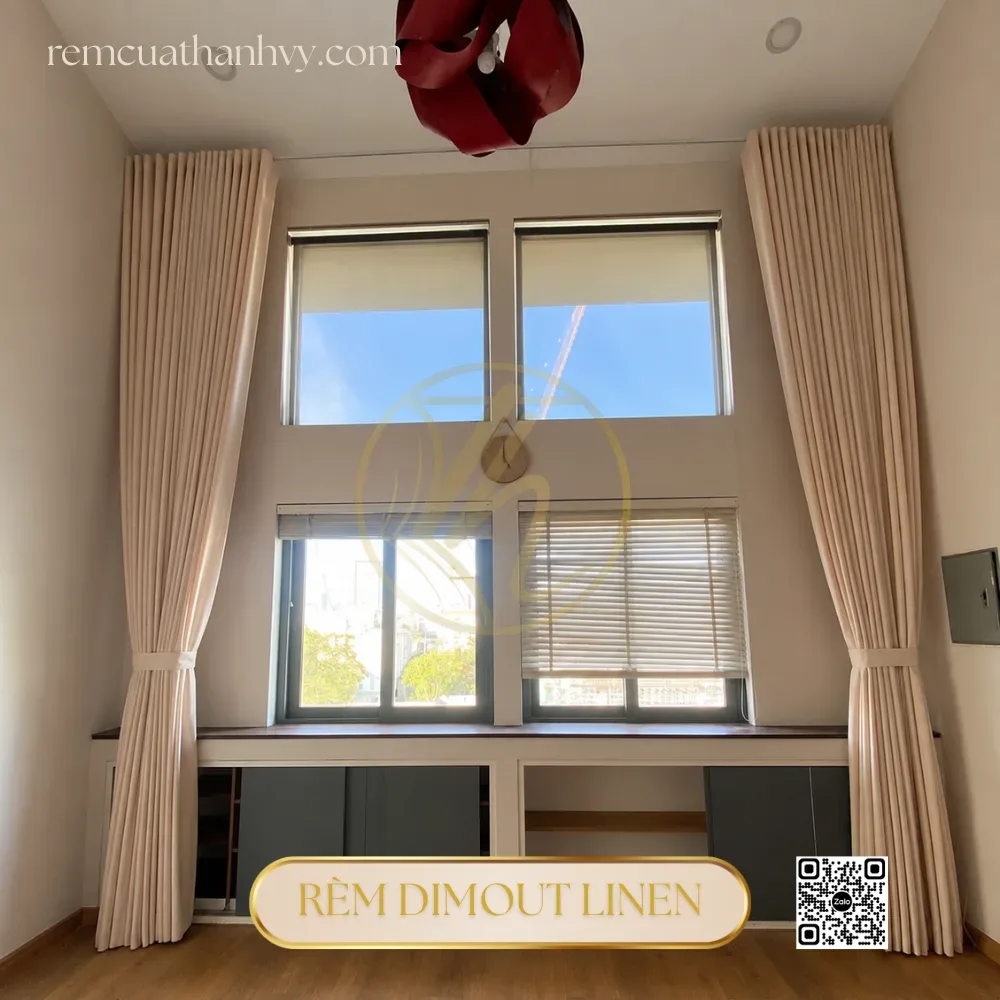
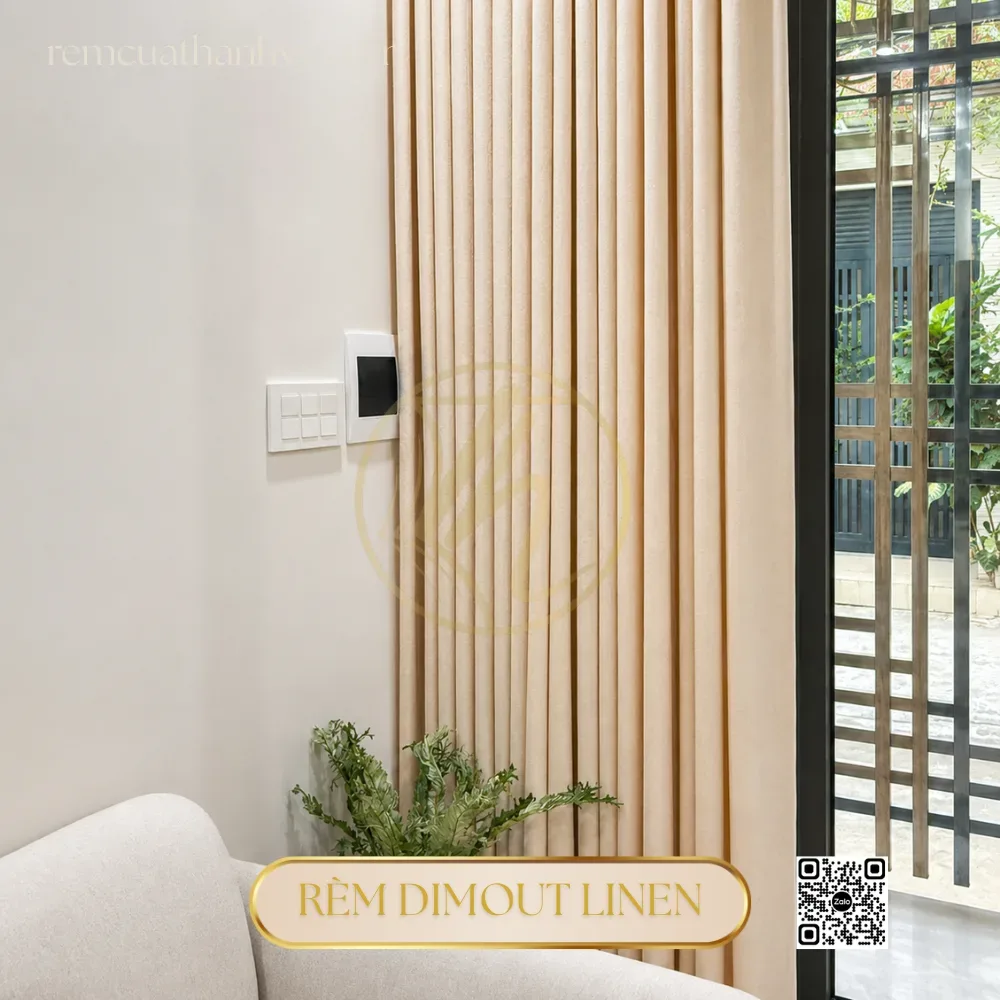
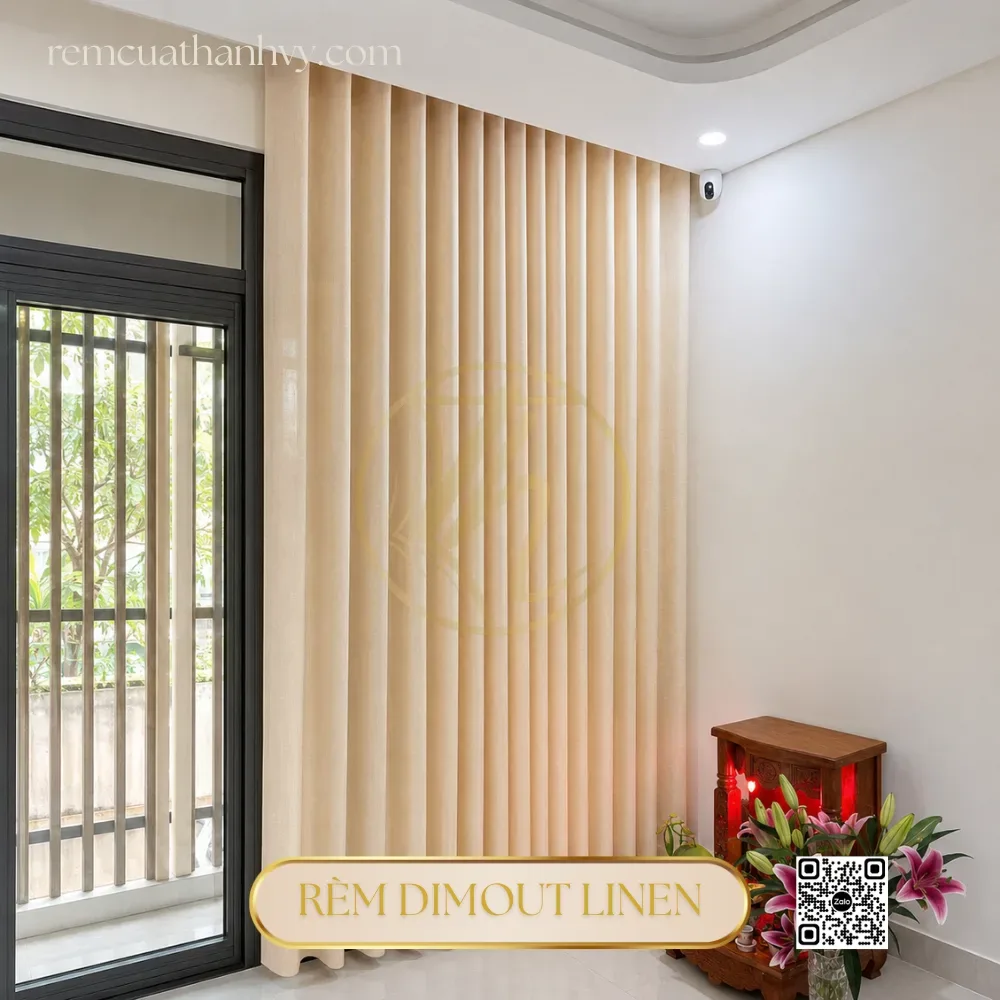
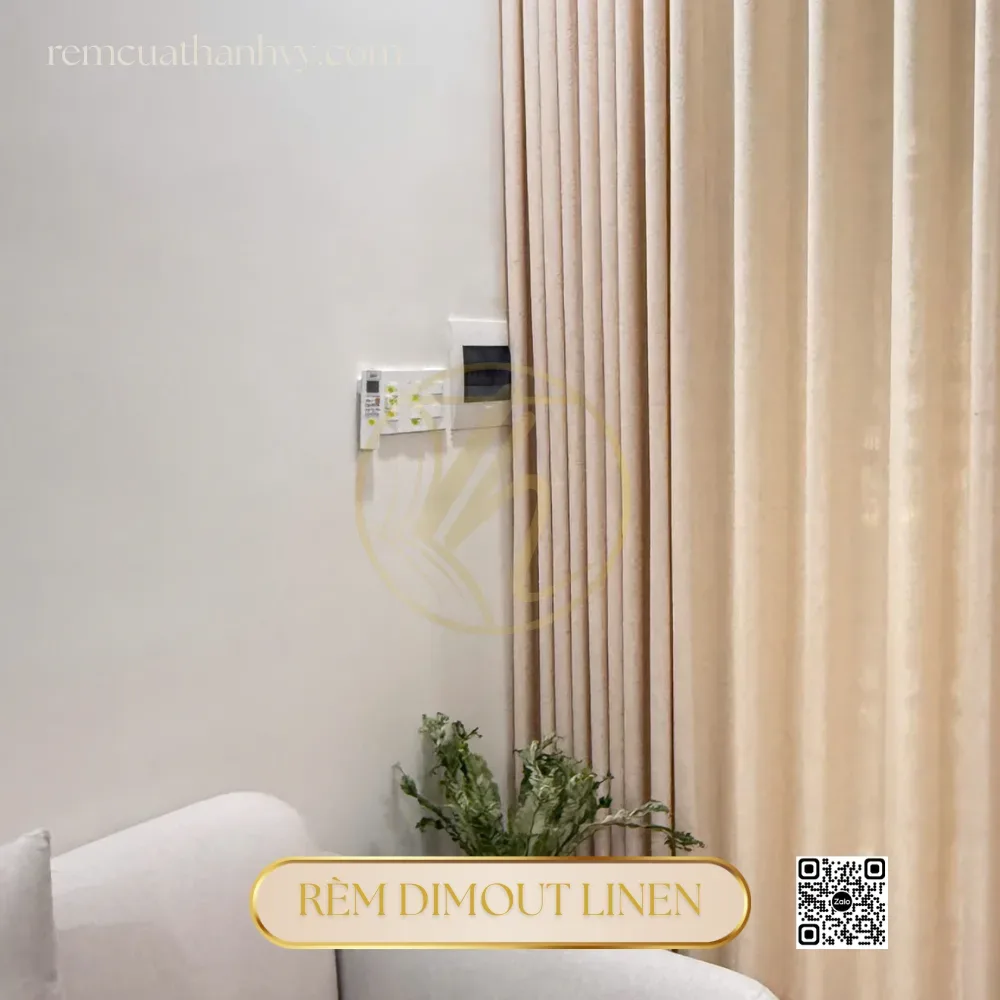
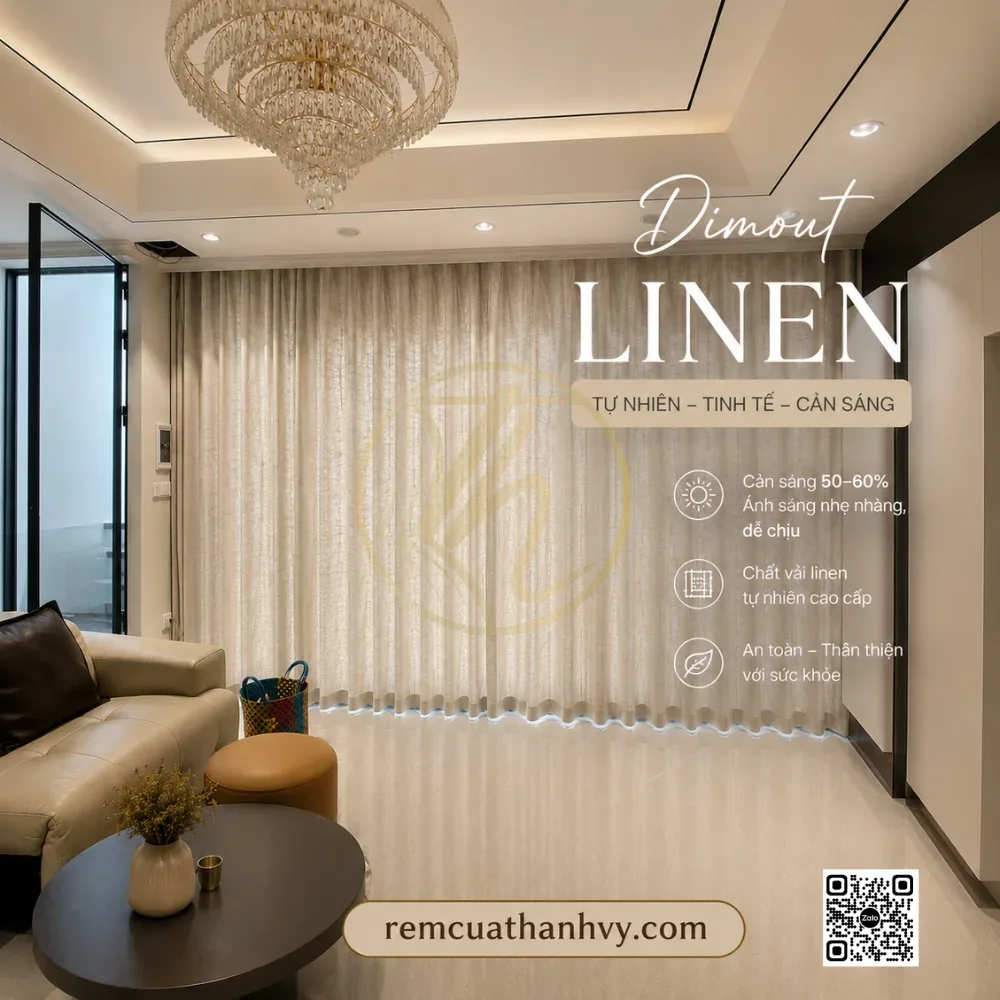
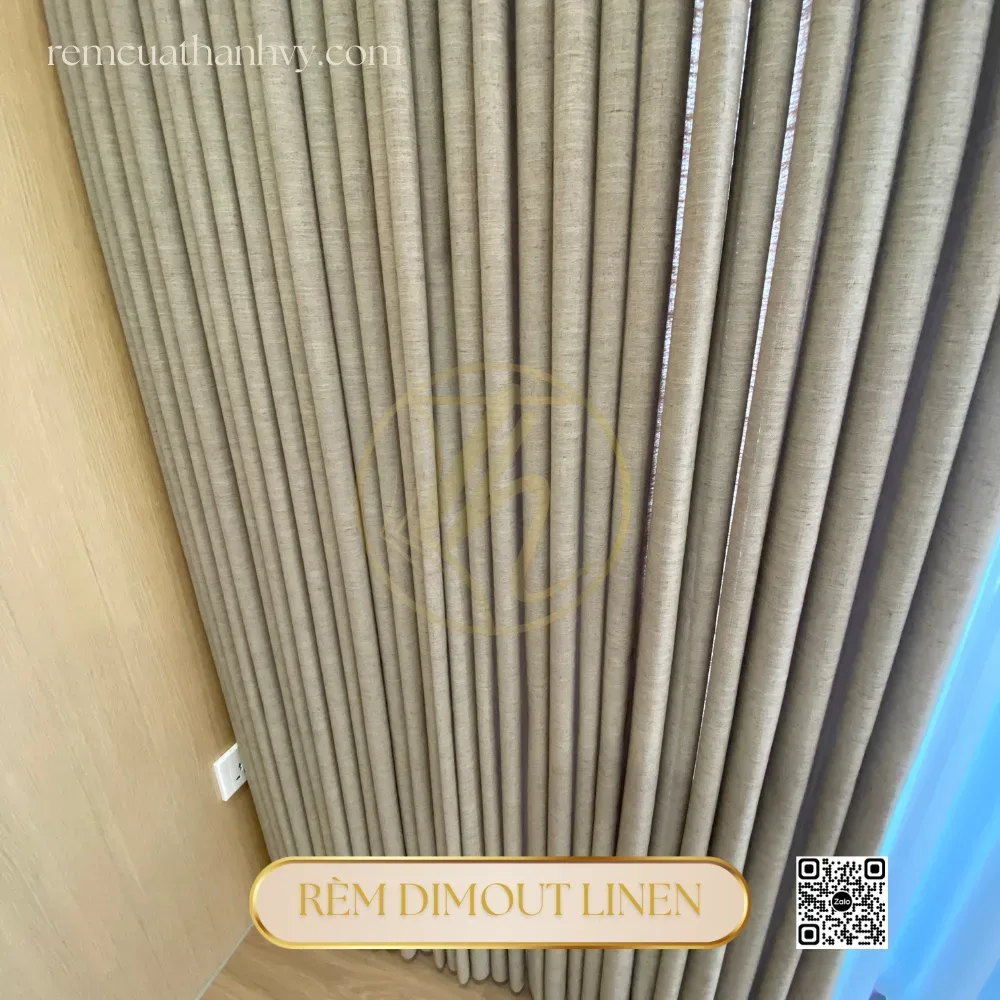
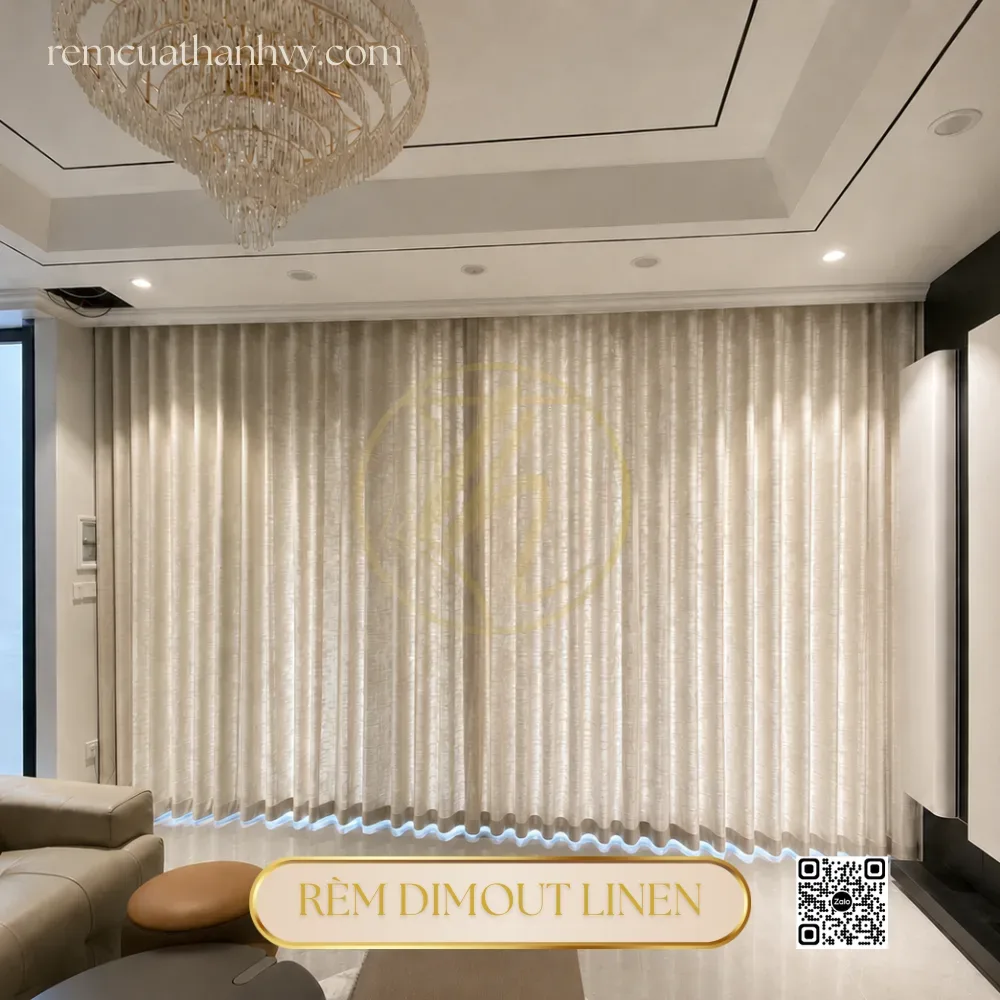
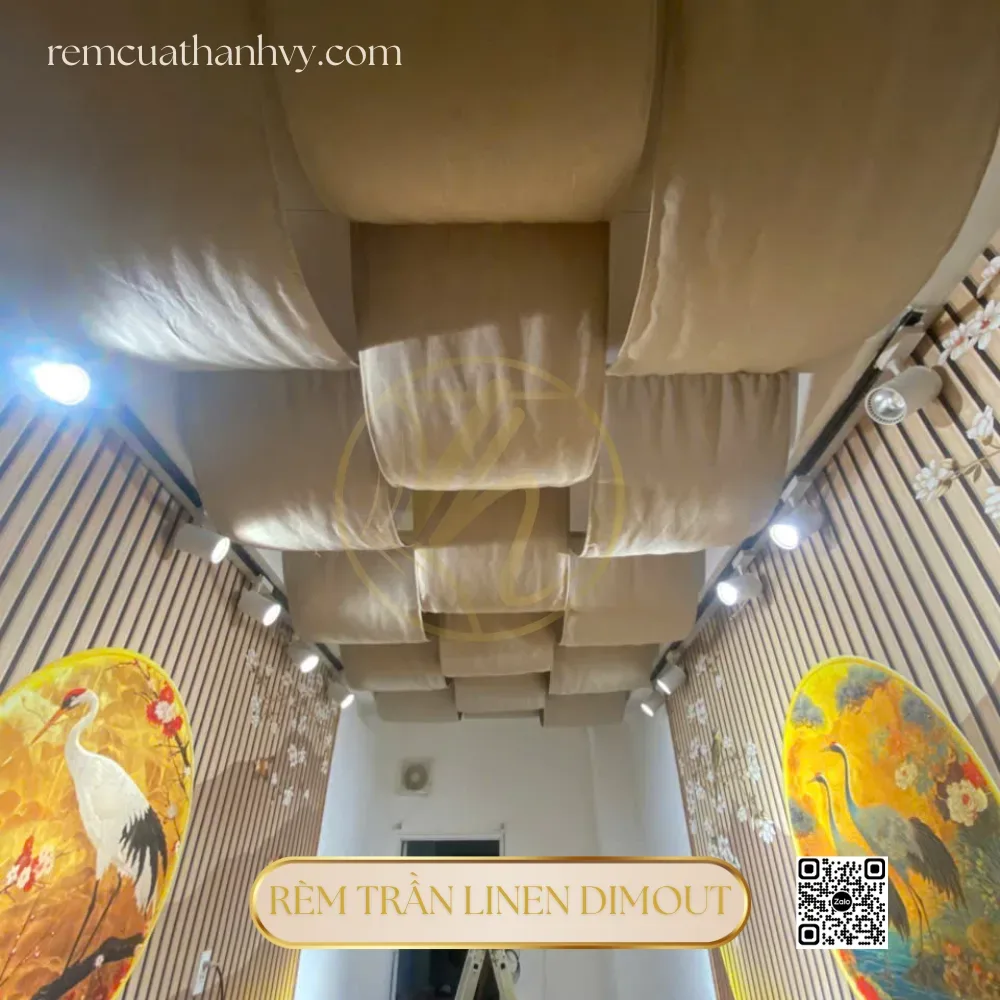
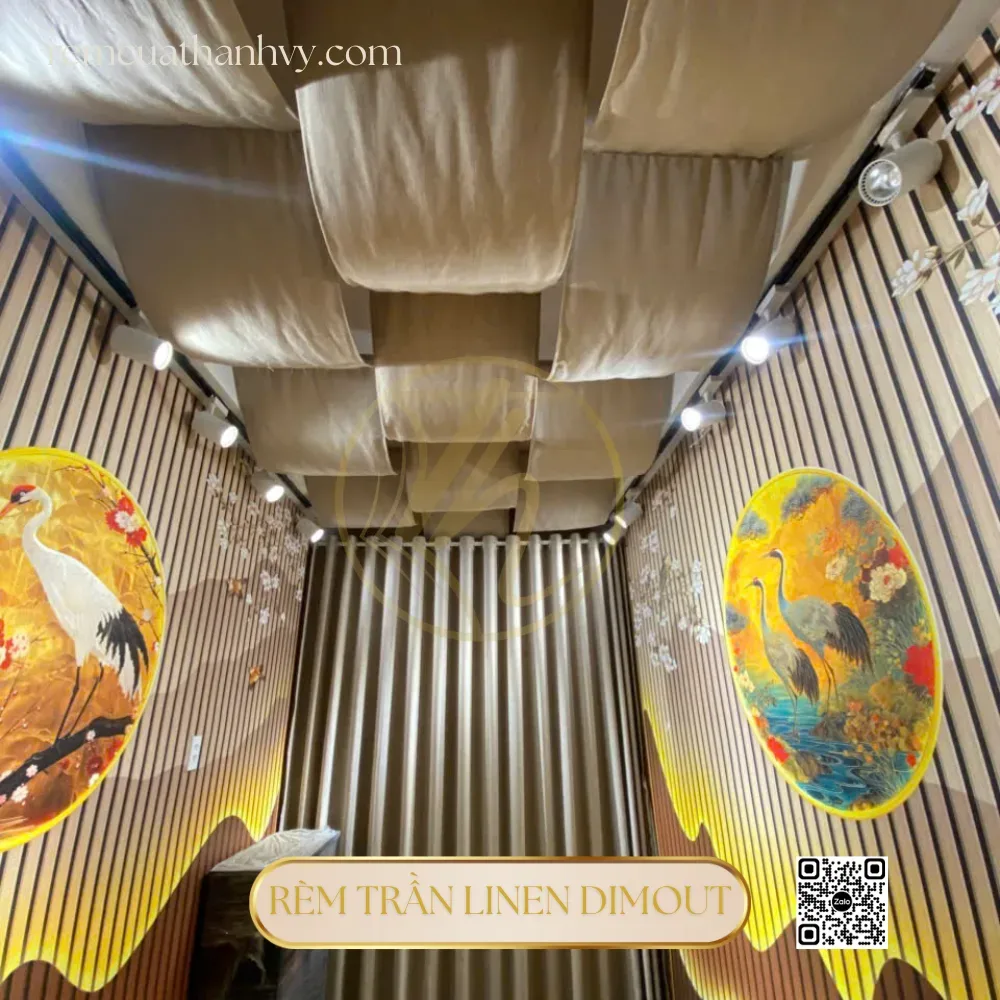
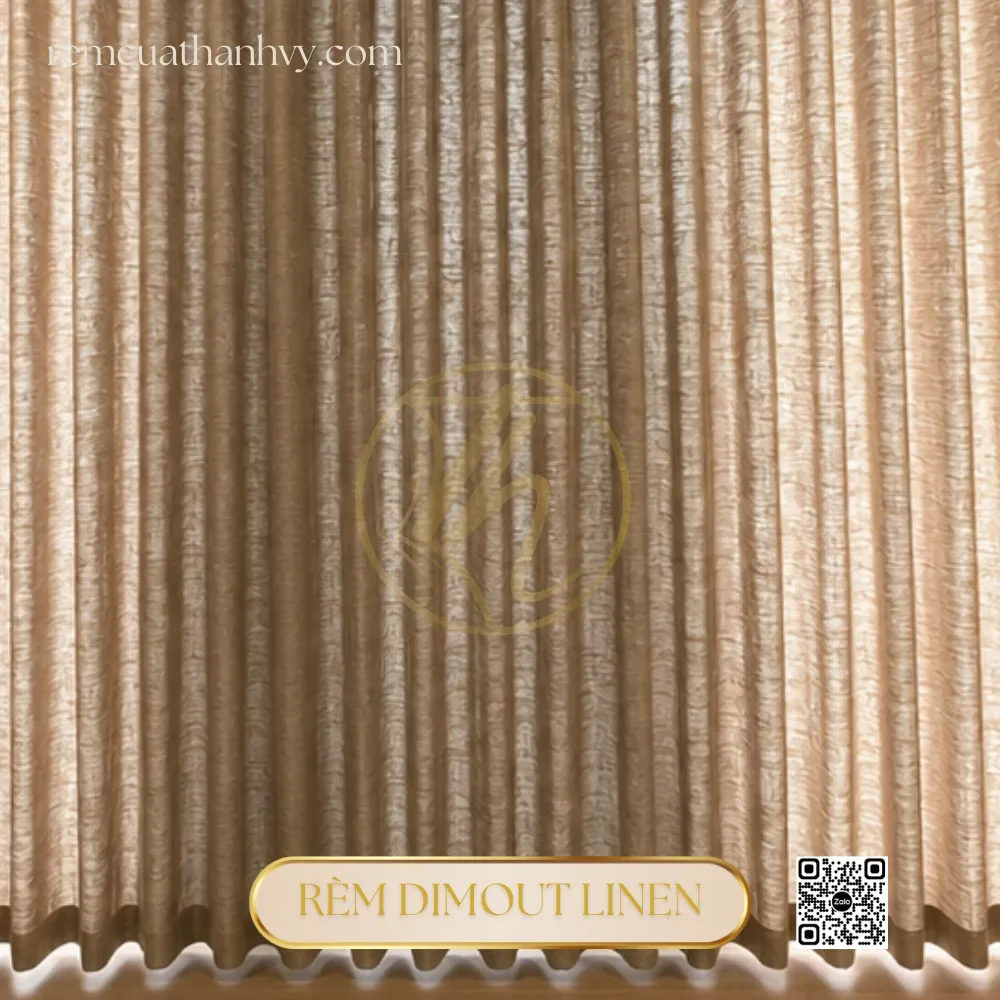
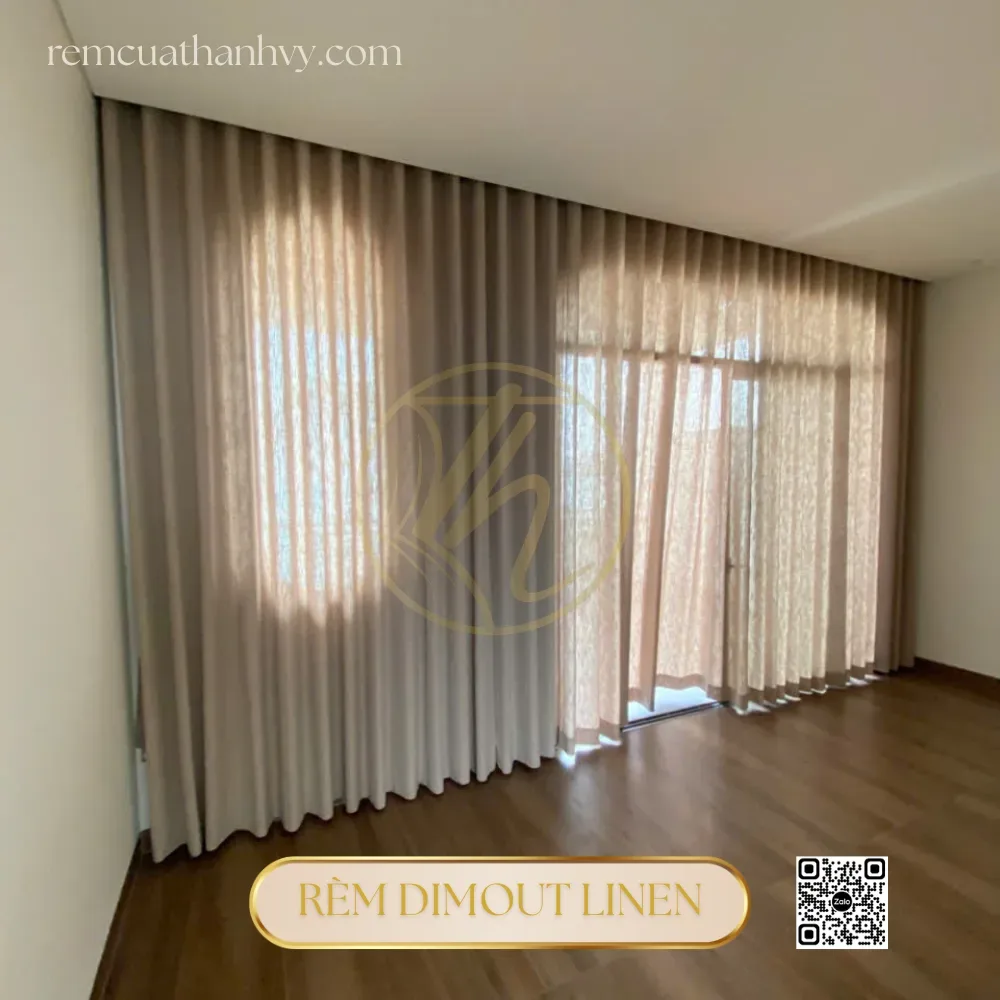
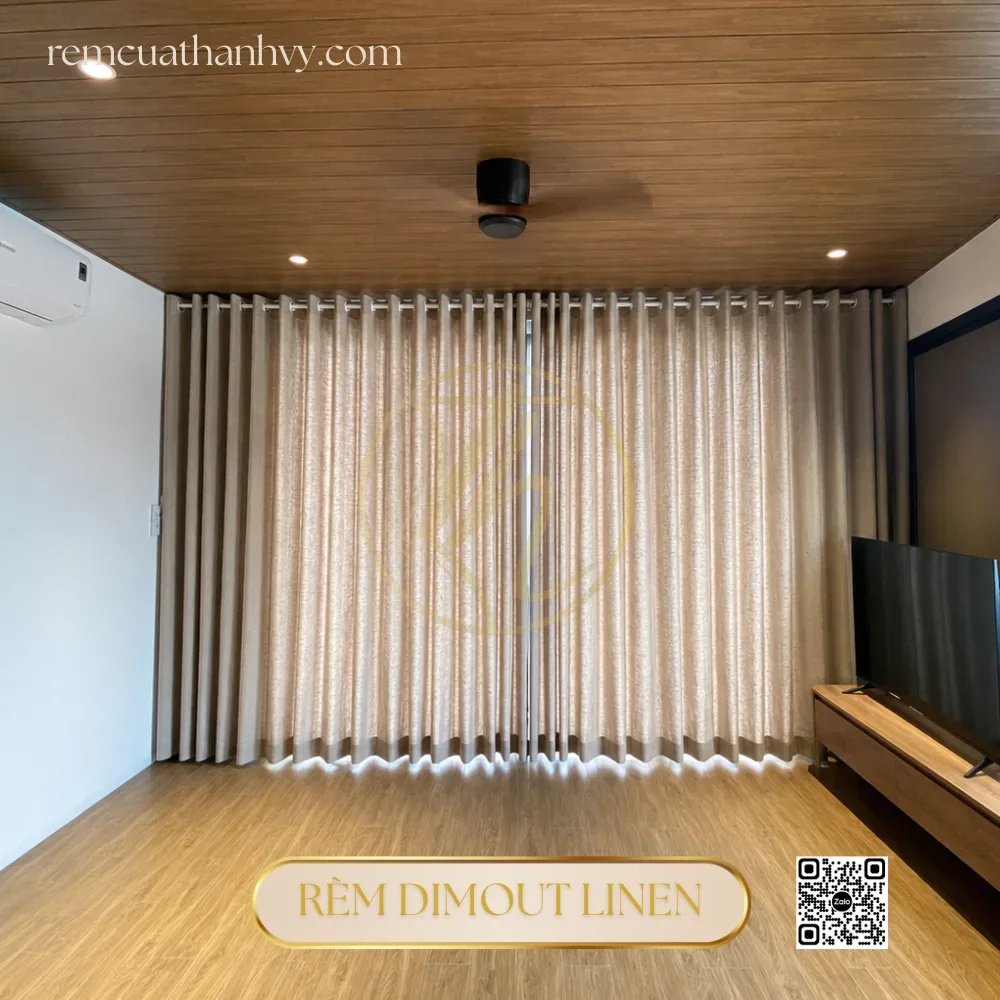
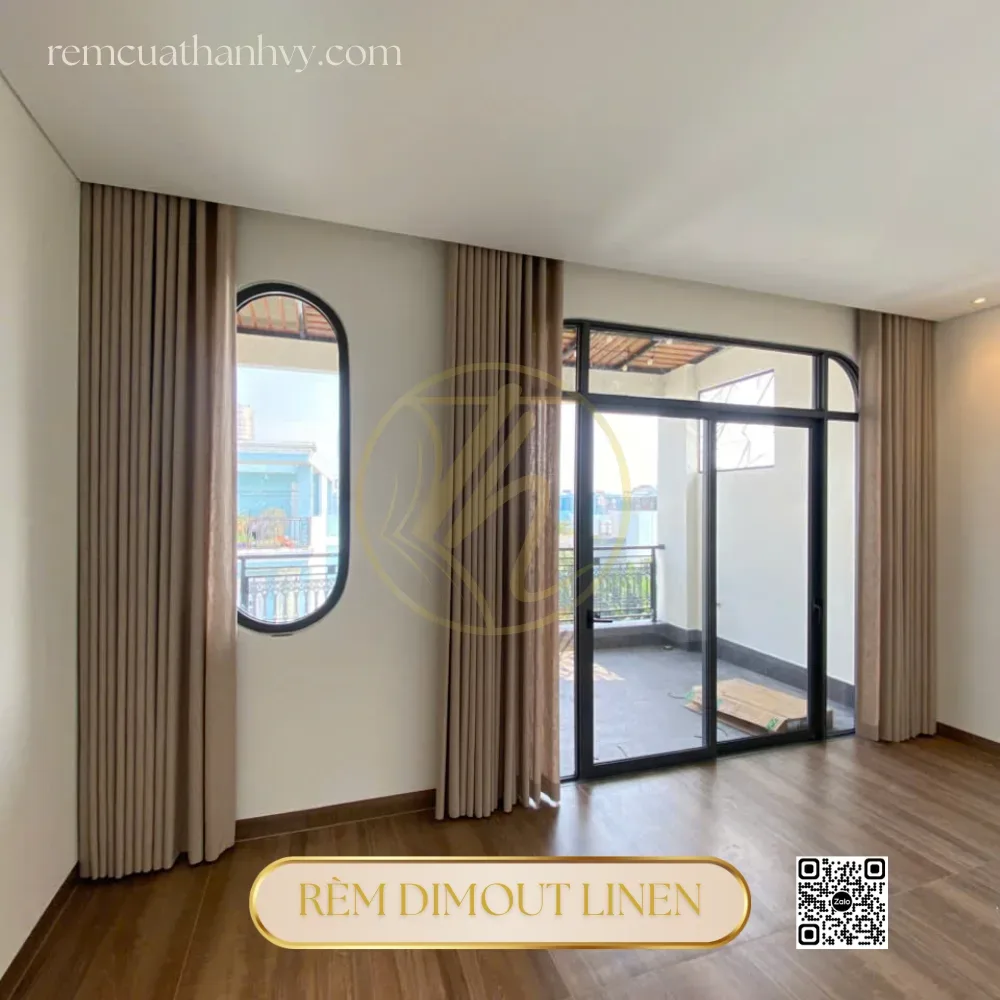
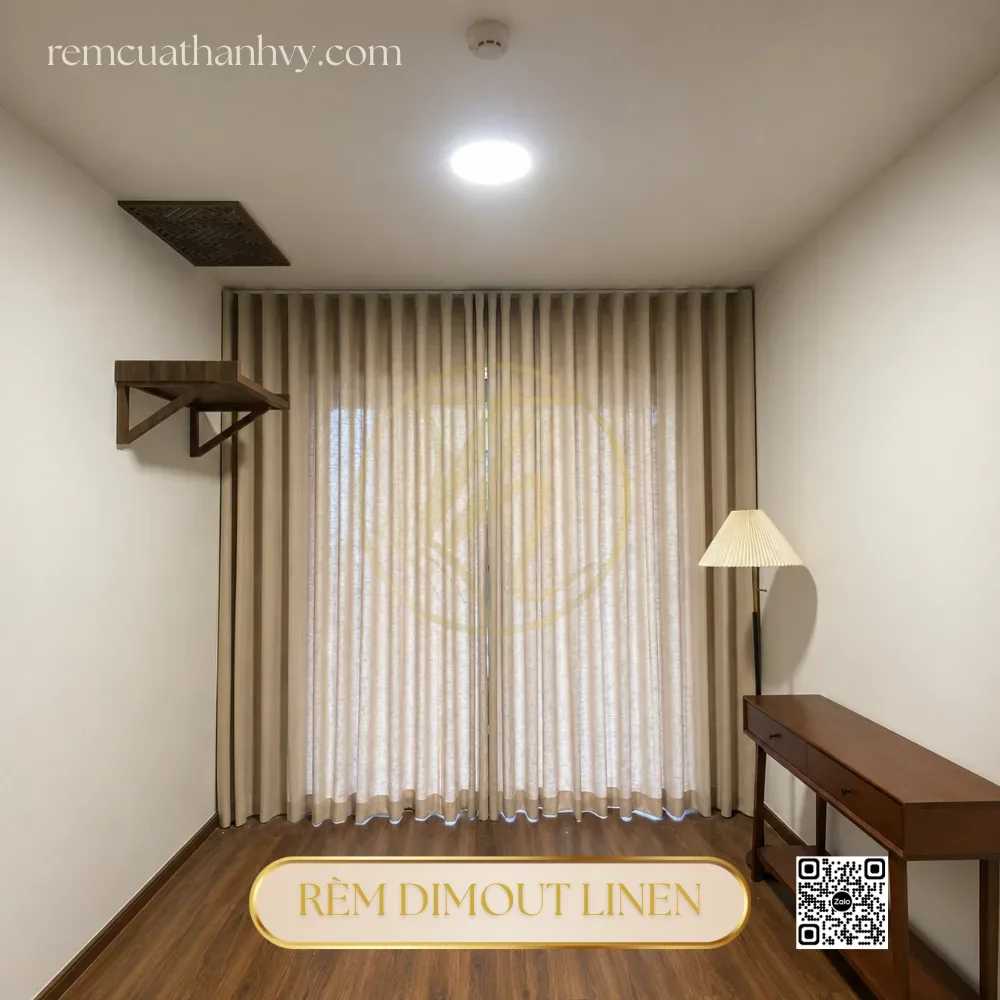
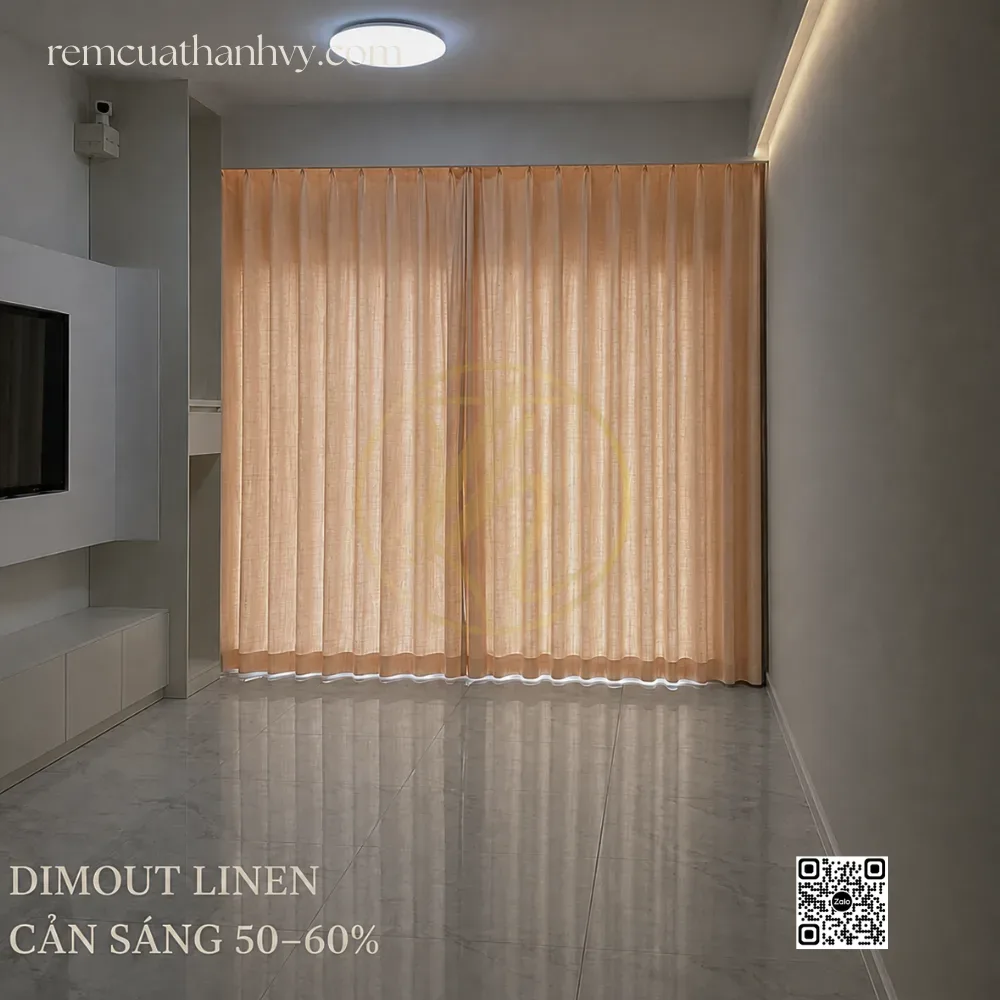
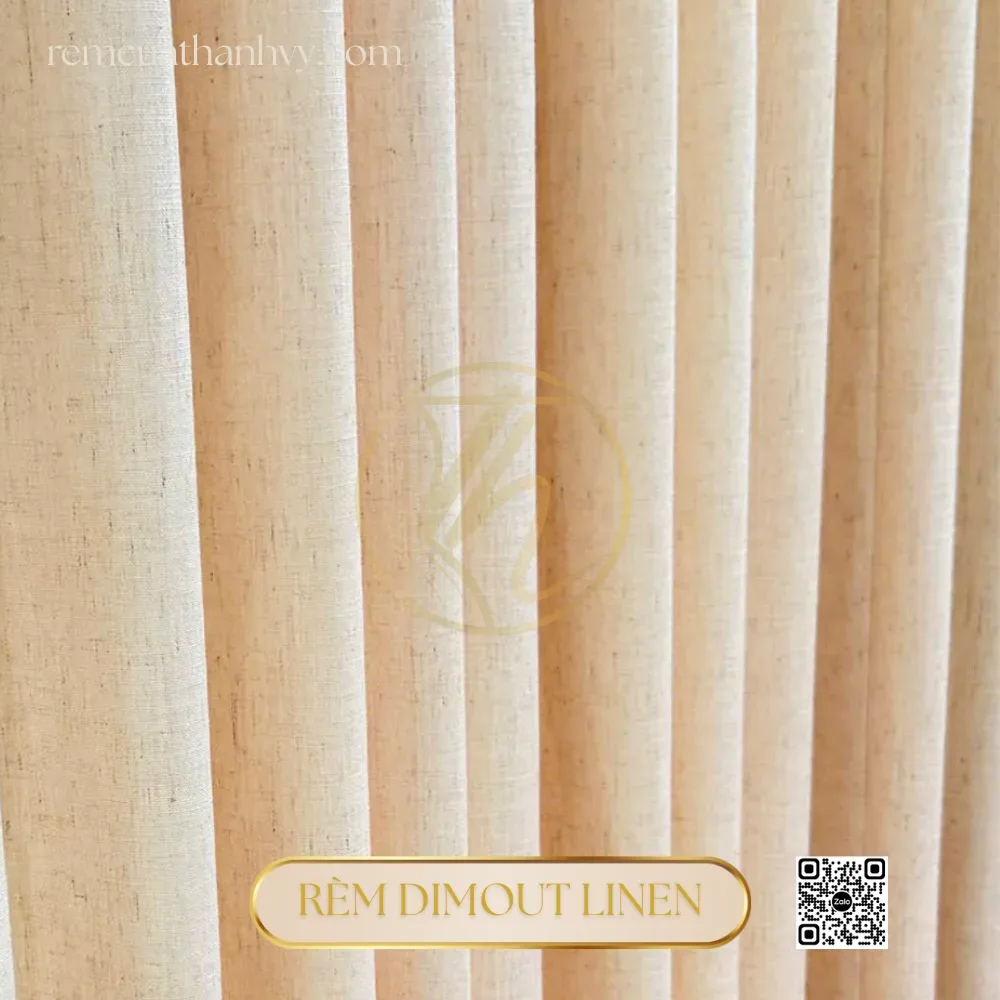
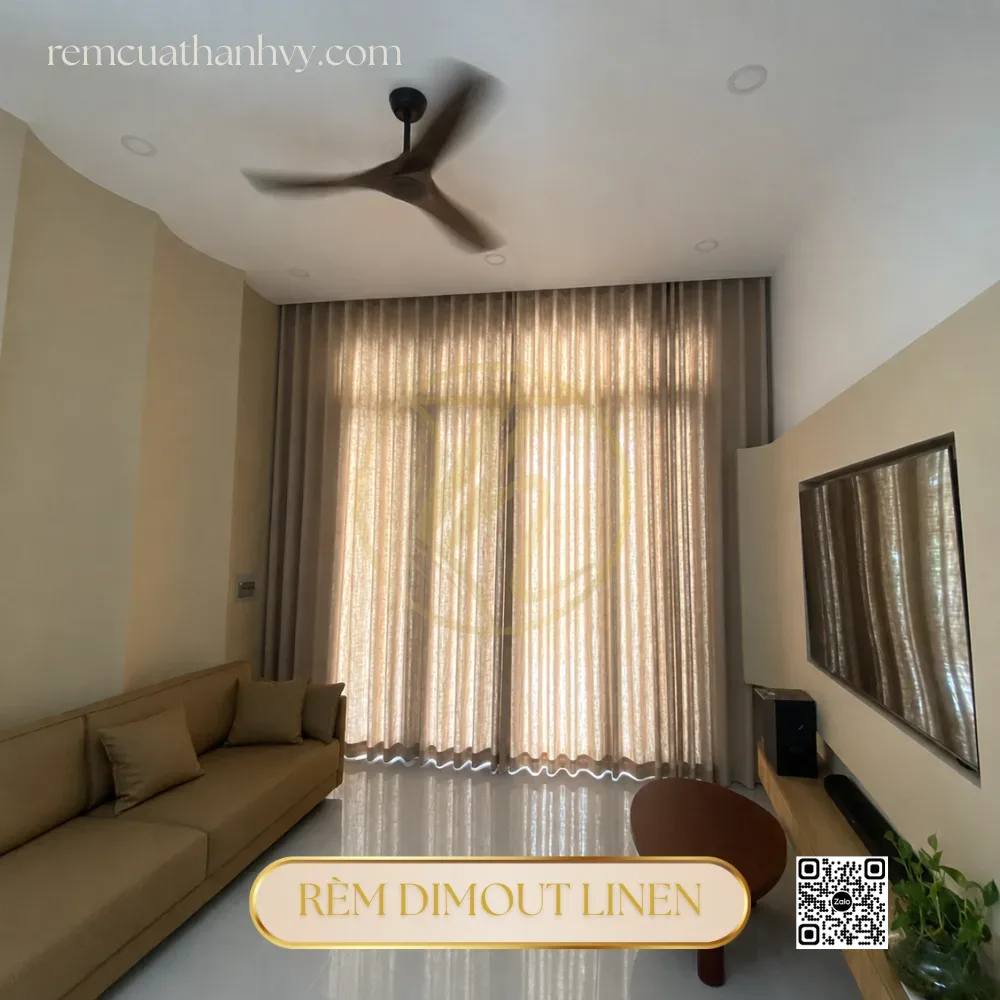
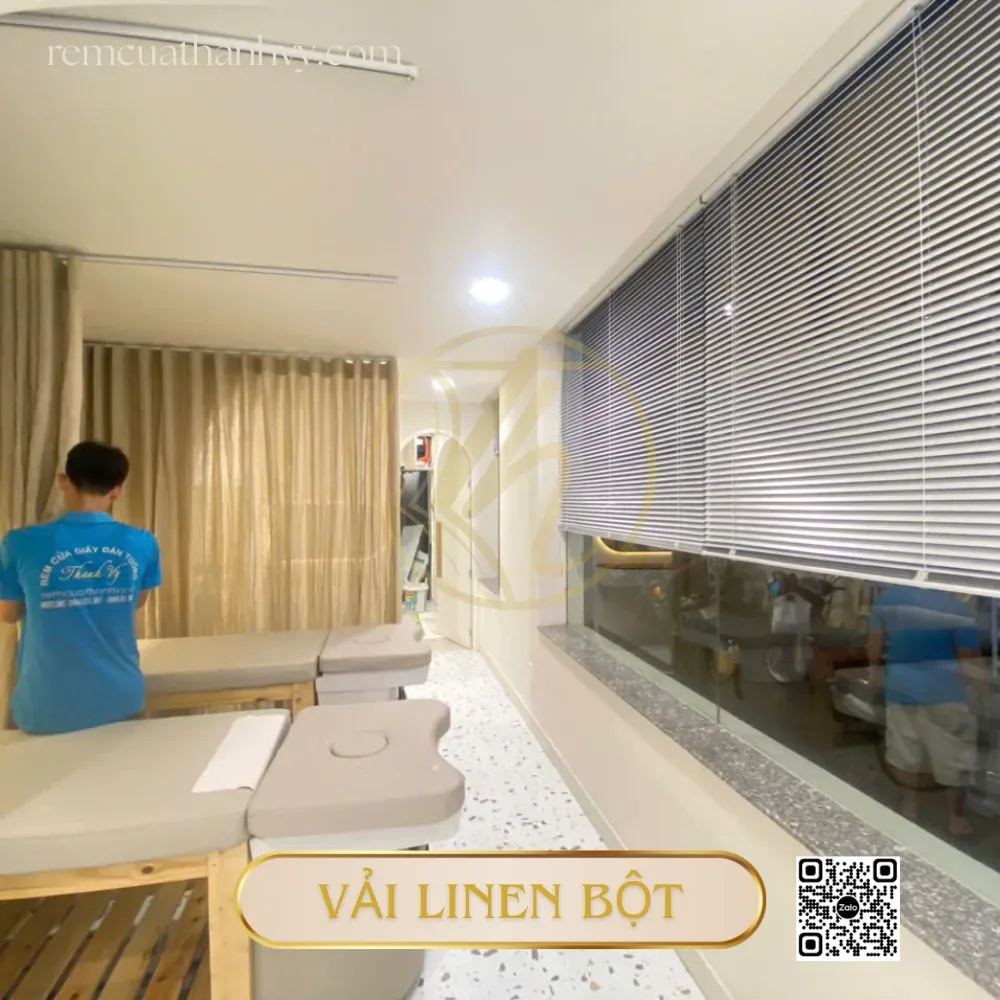
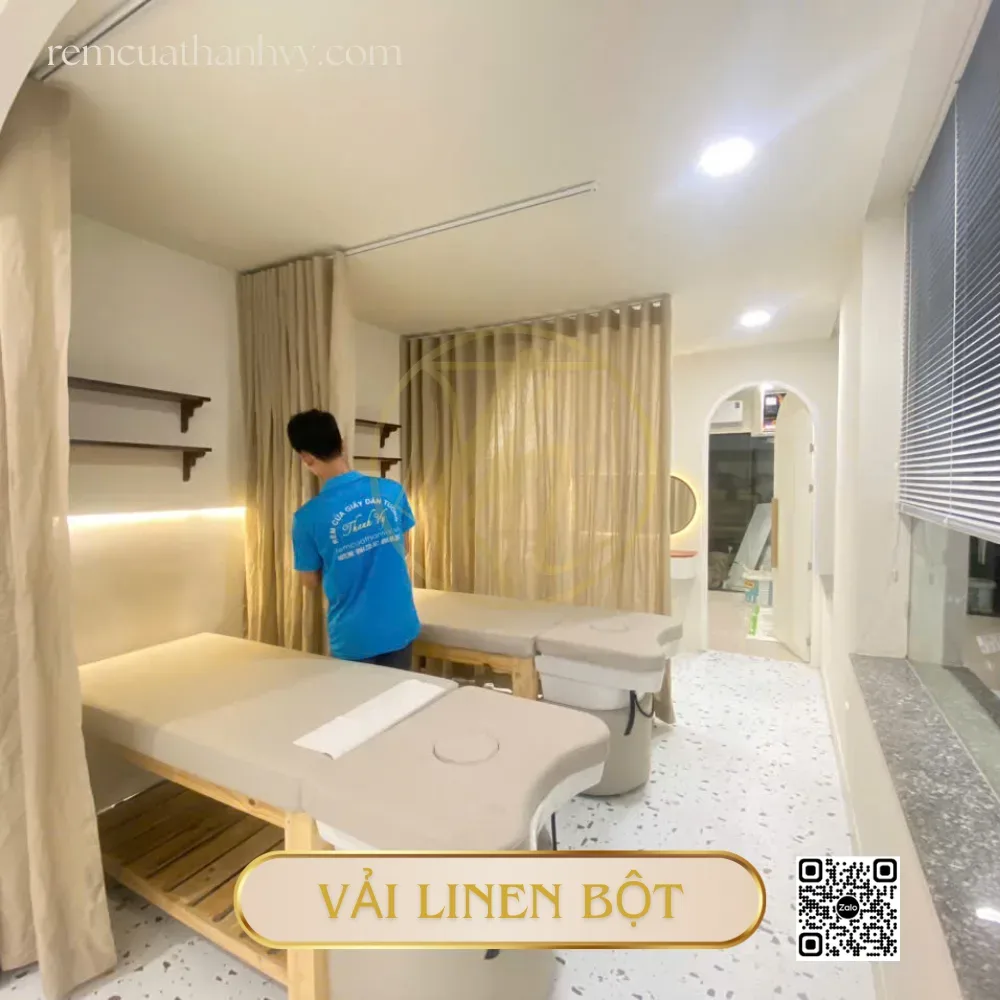
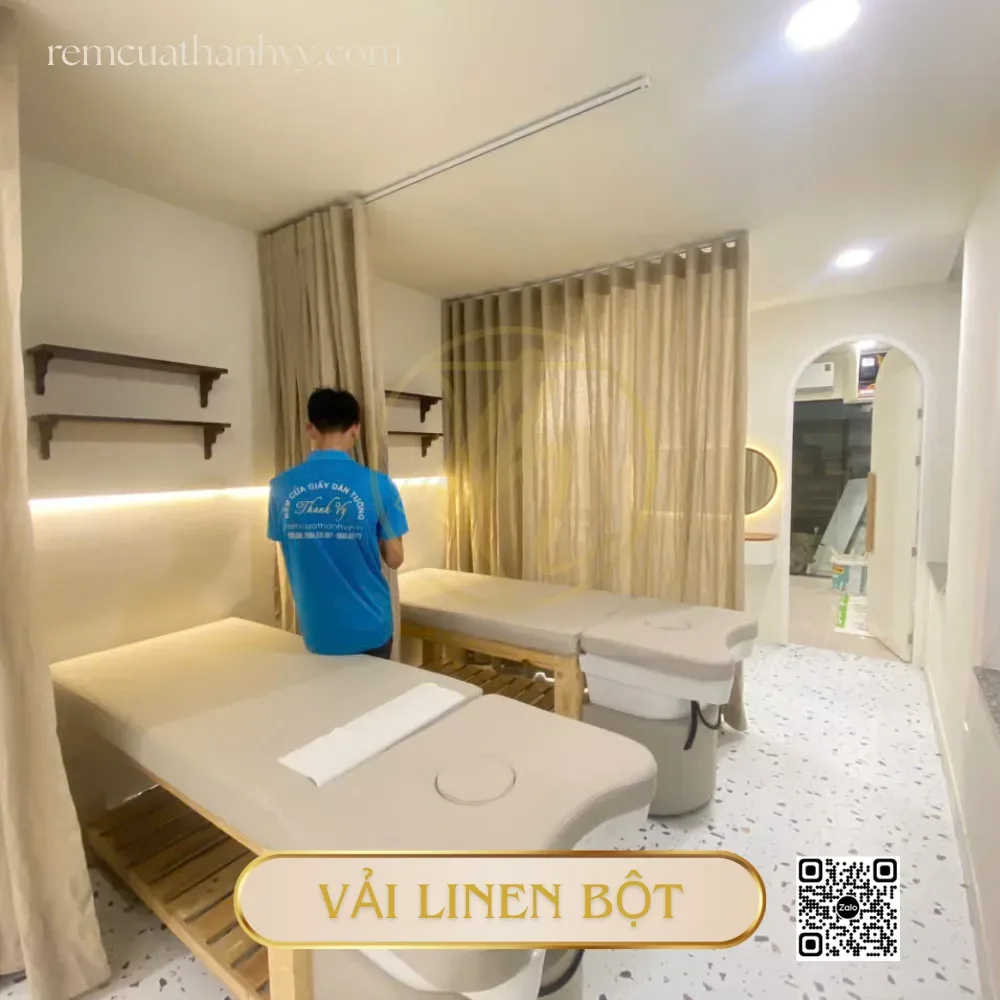
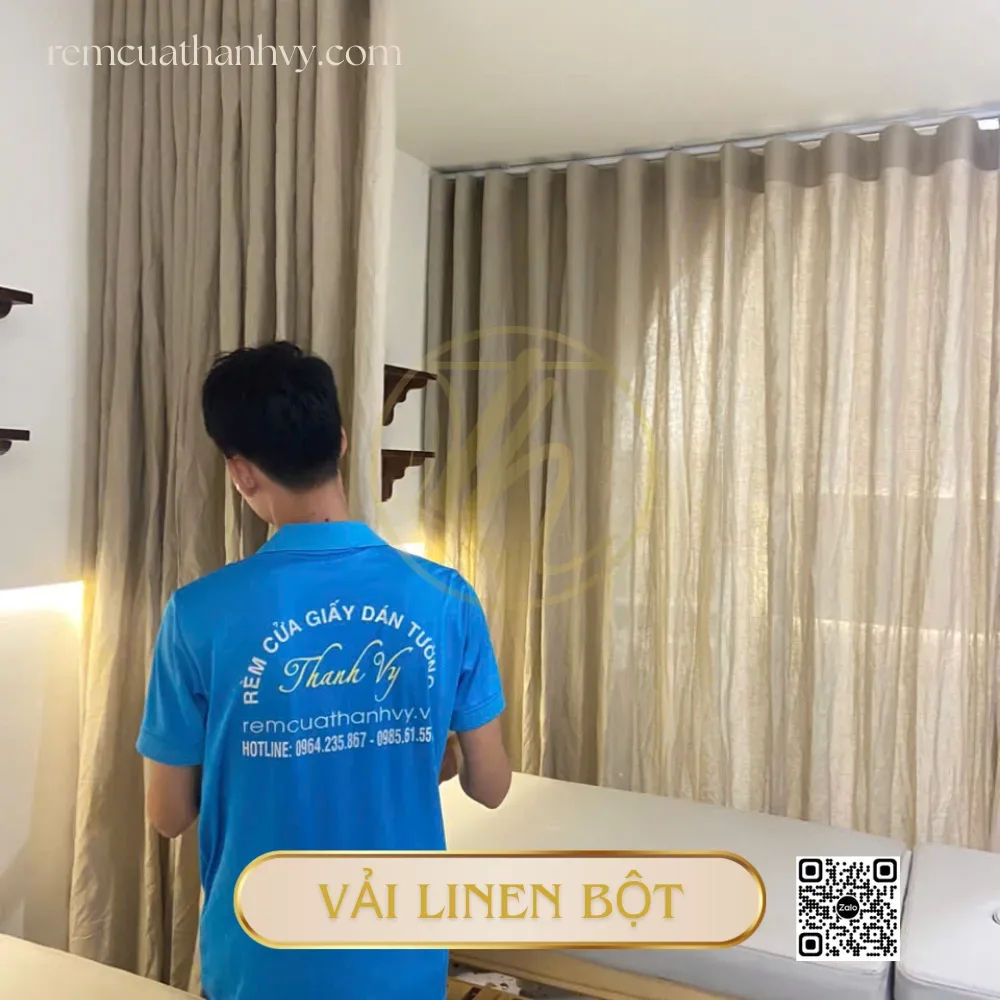
Linen fabric curtains
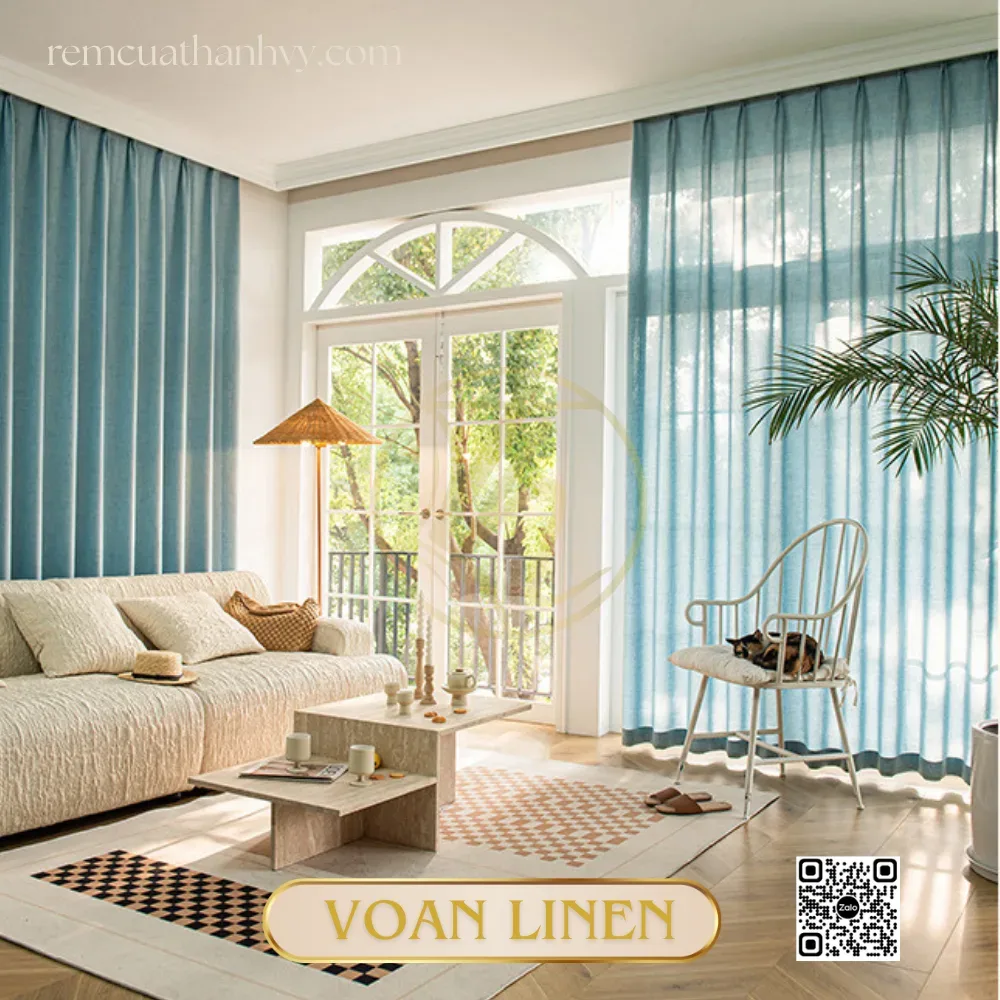
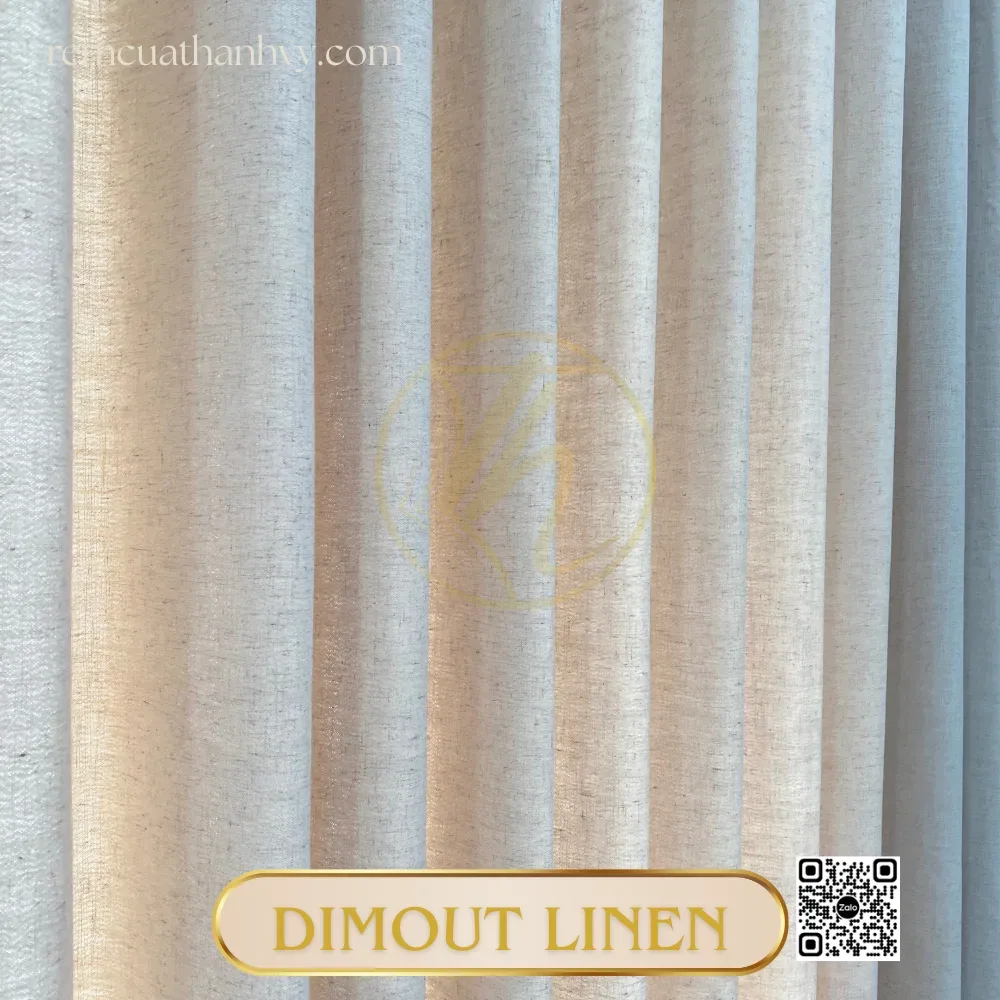
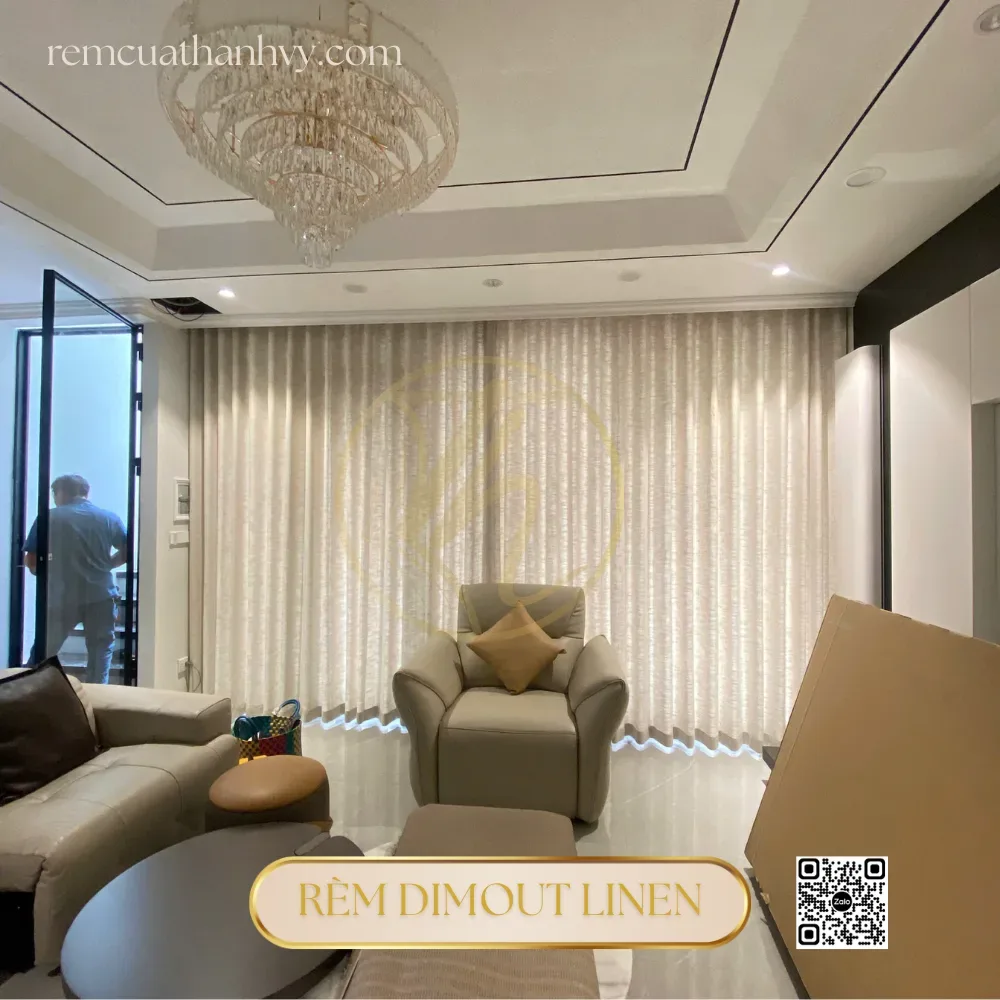
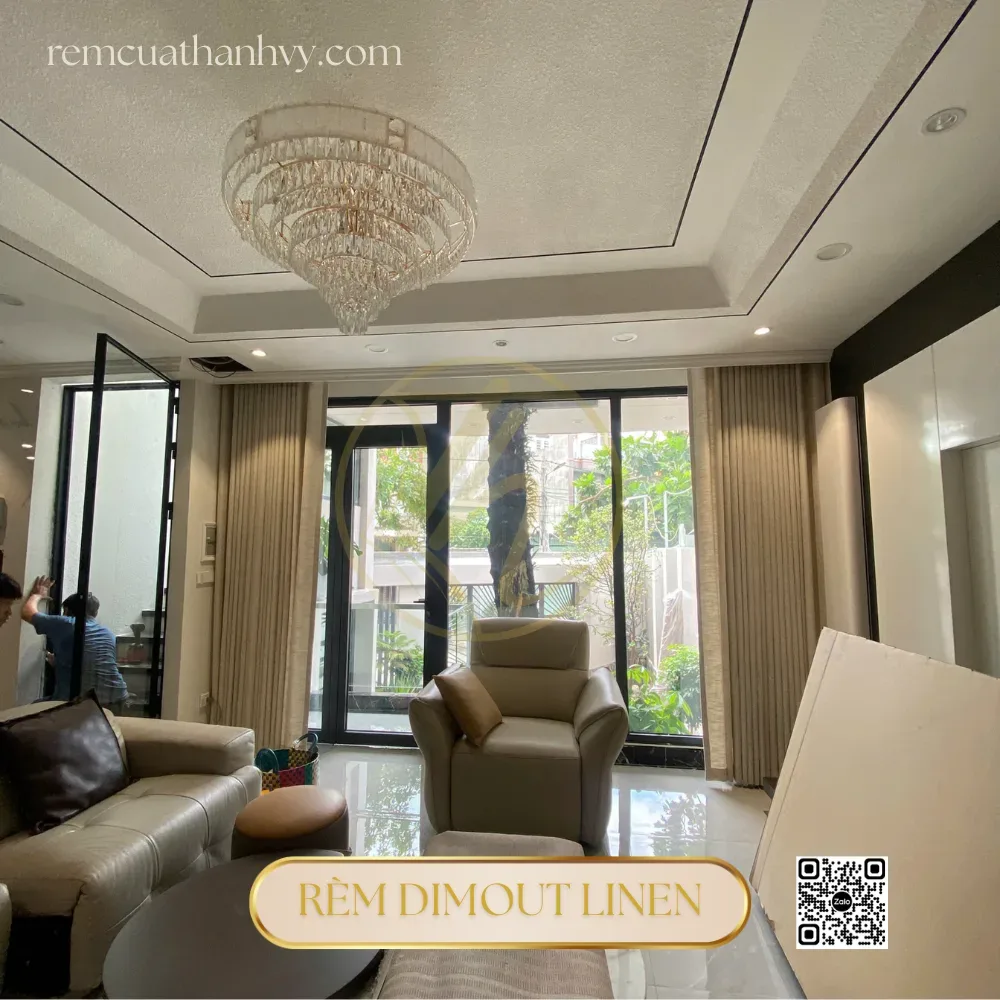
Linen offers a subtle textured, low-sheen surface, making it well suited for wooden furnishings and neutral palettes.

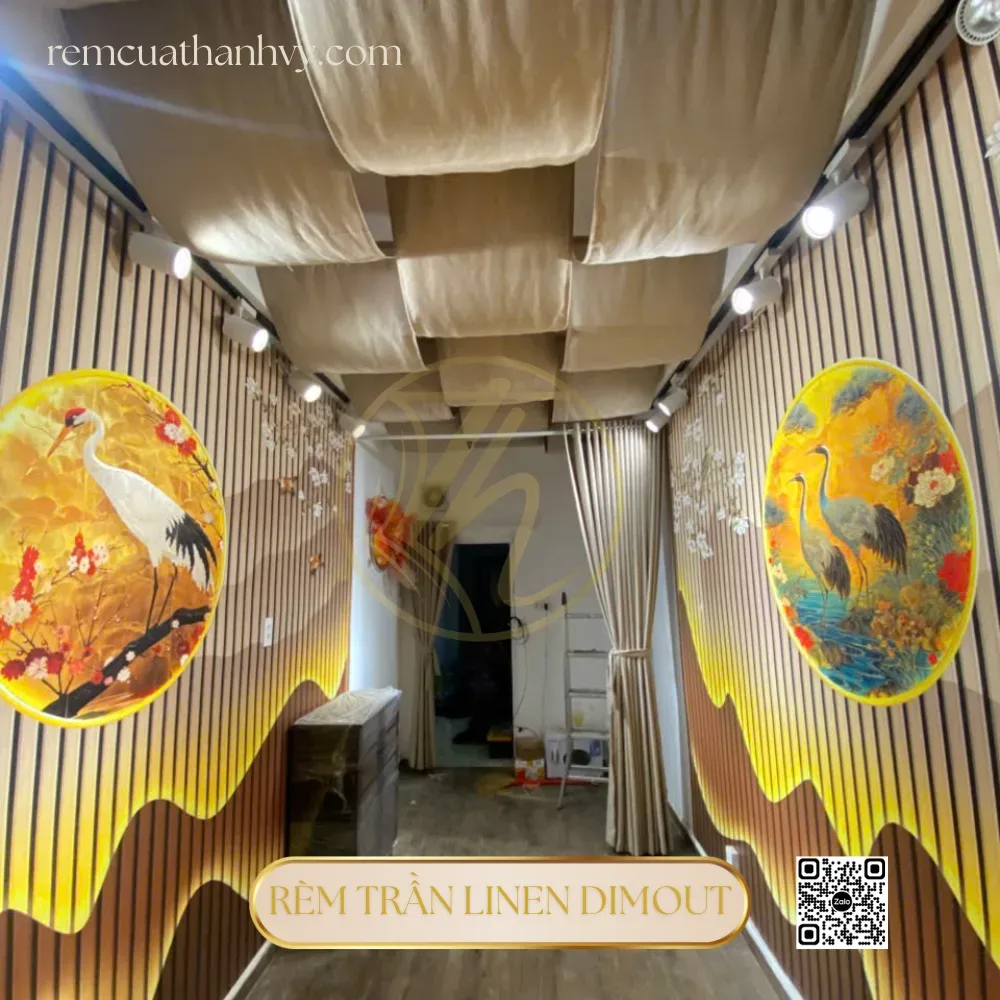
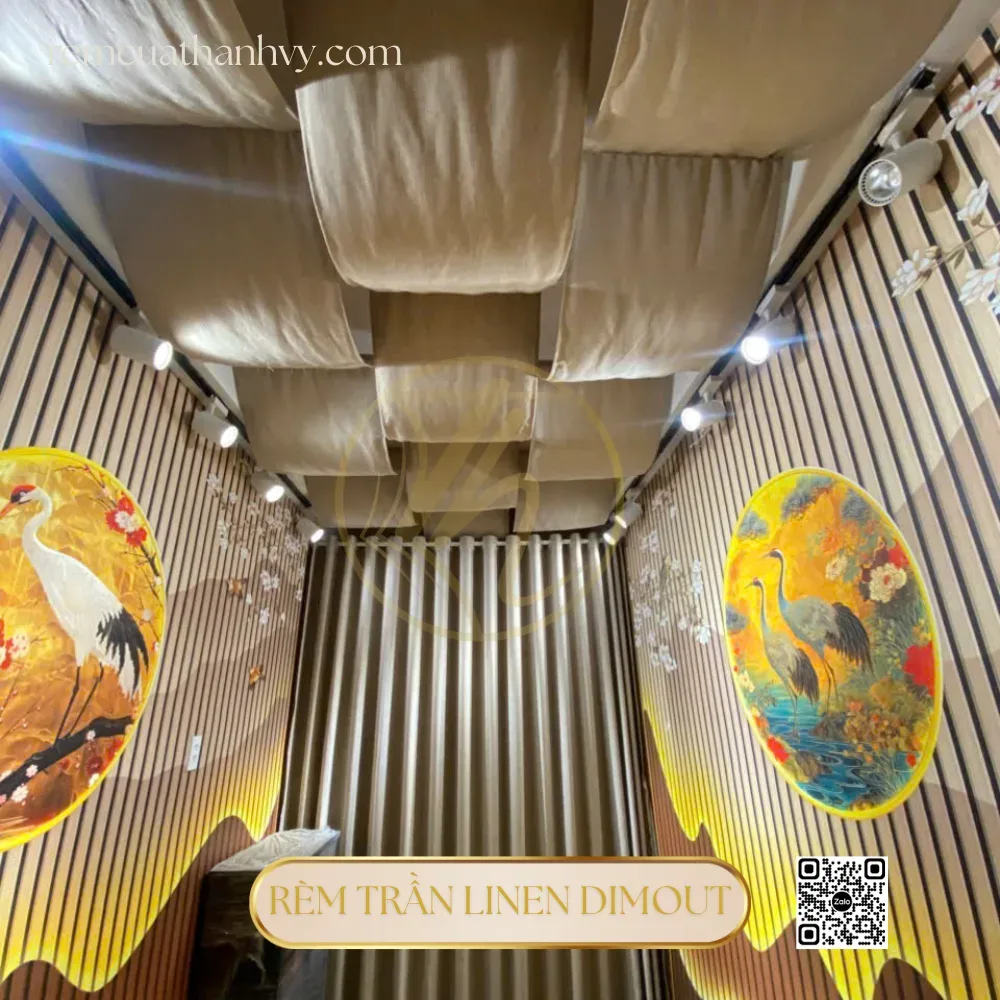
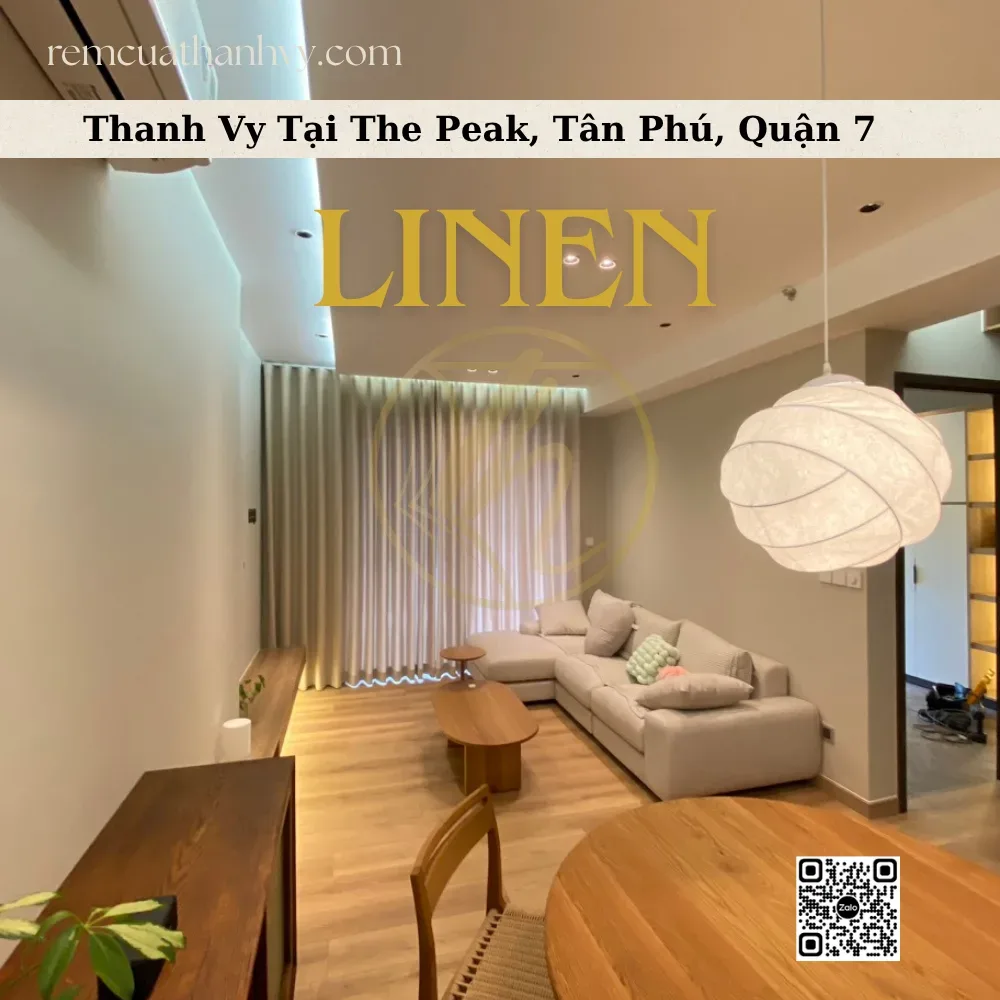
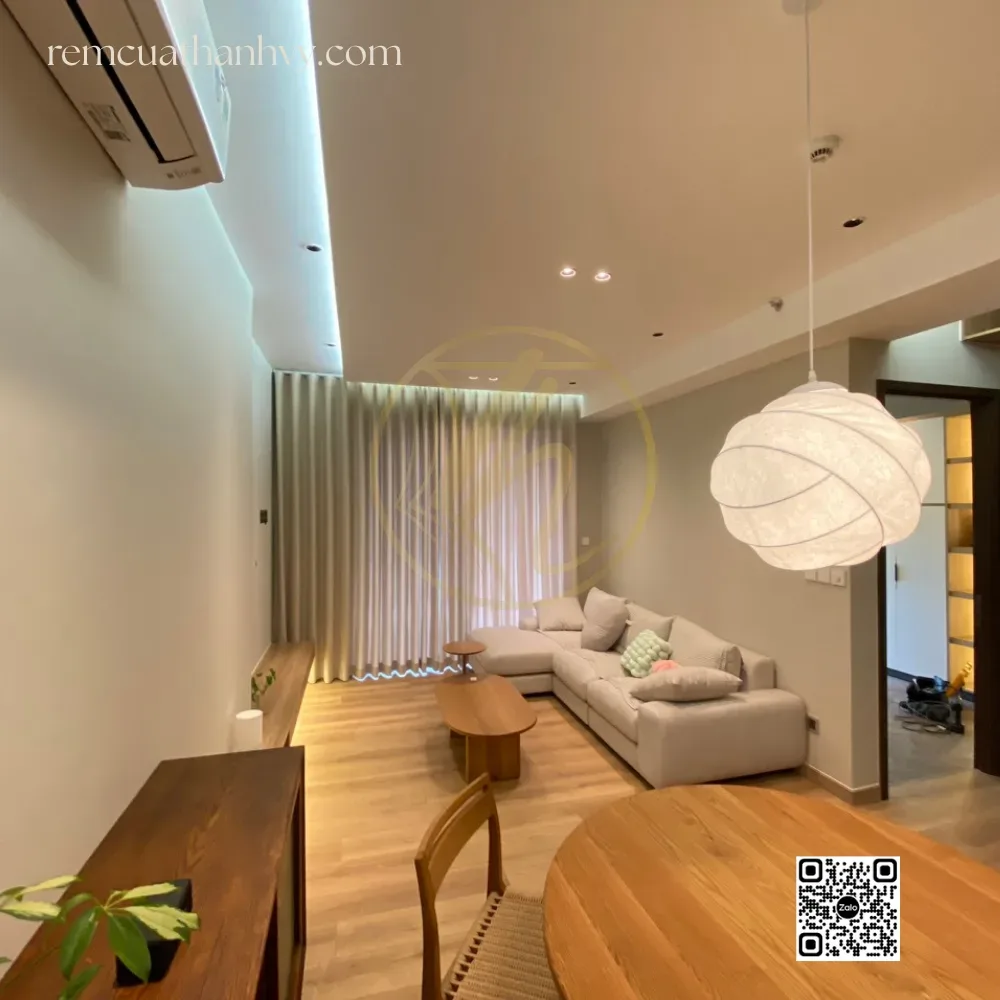
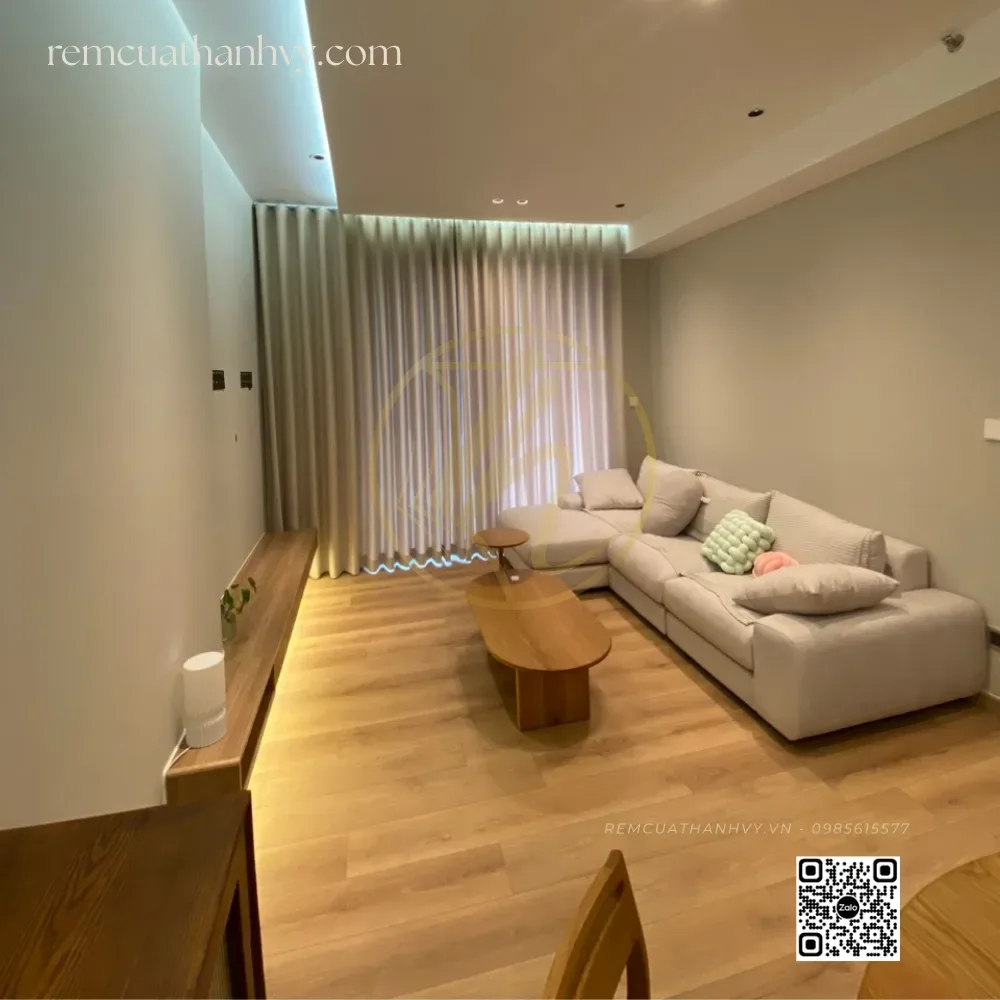
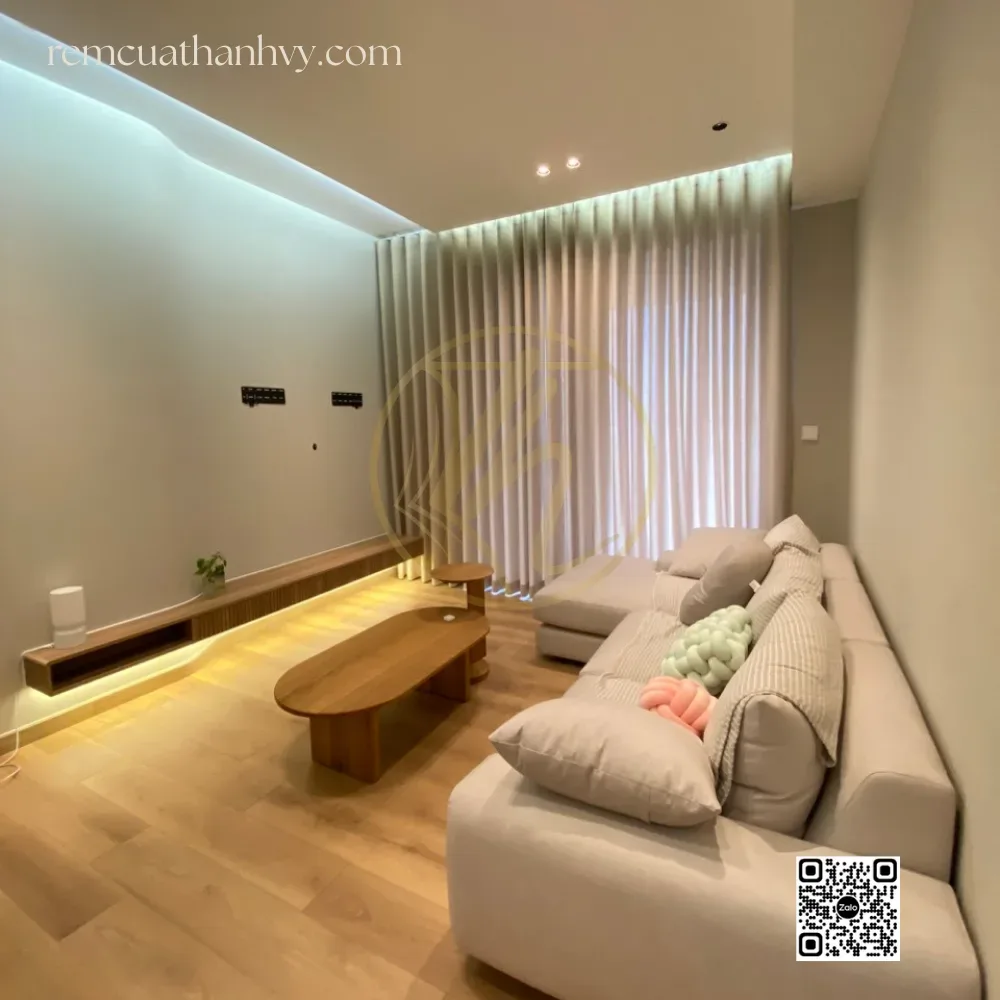
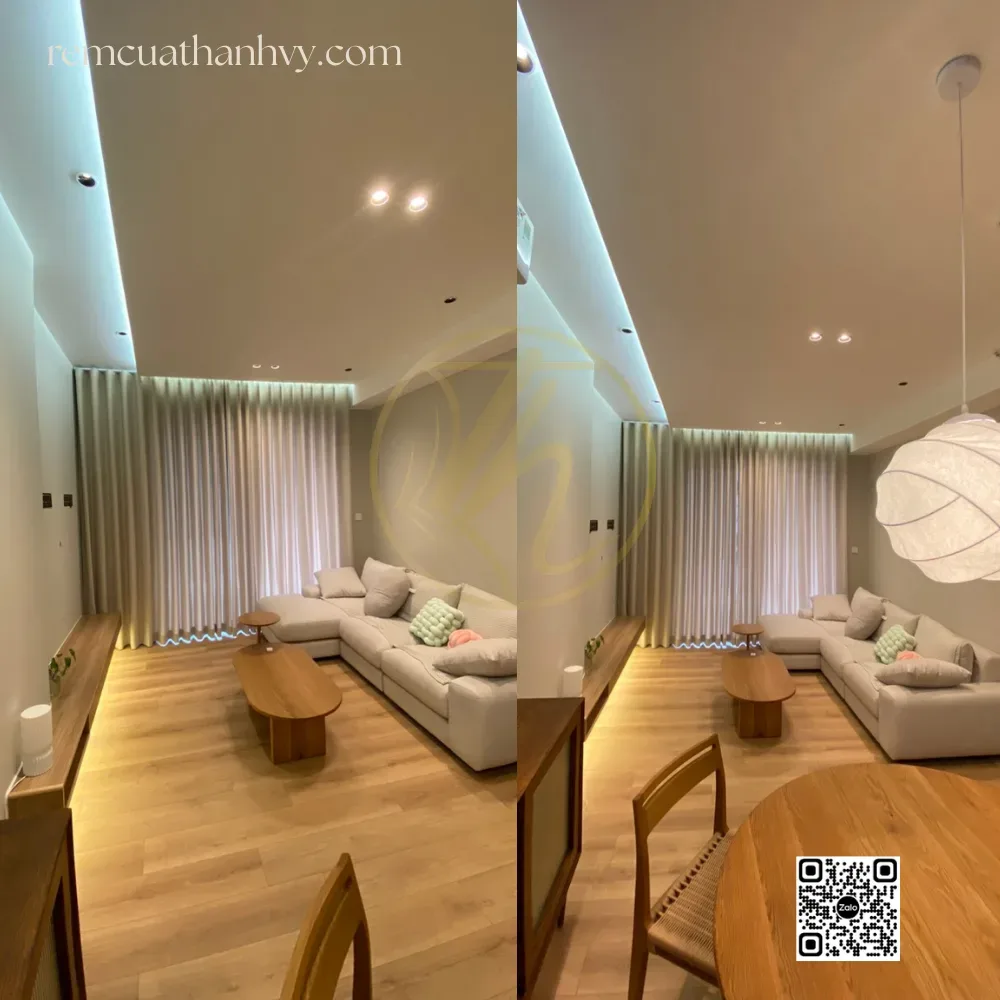
For further information, please contact Thanh Vy Curtains
We provide free consultation and on-site measuring at your home.
Related areas
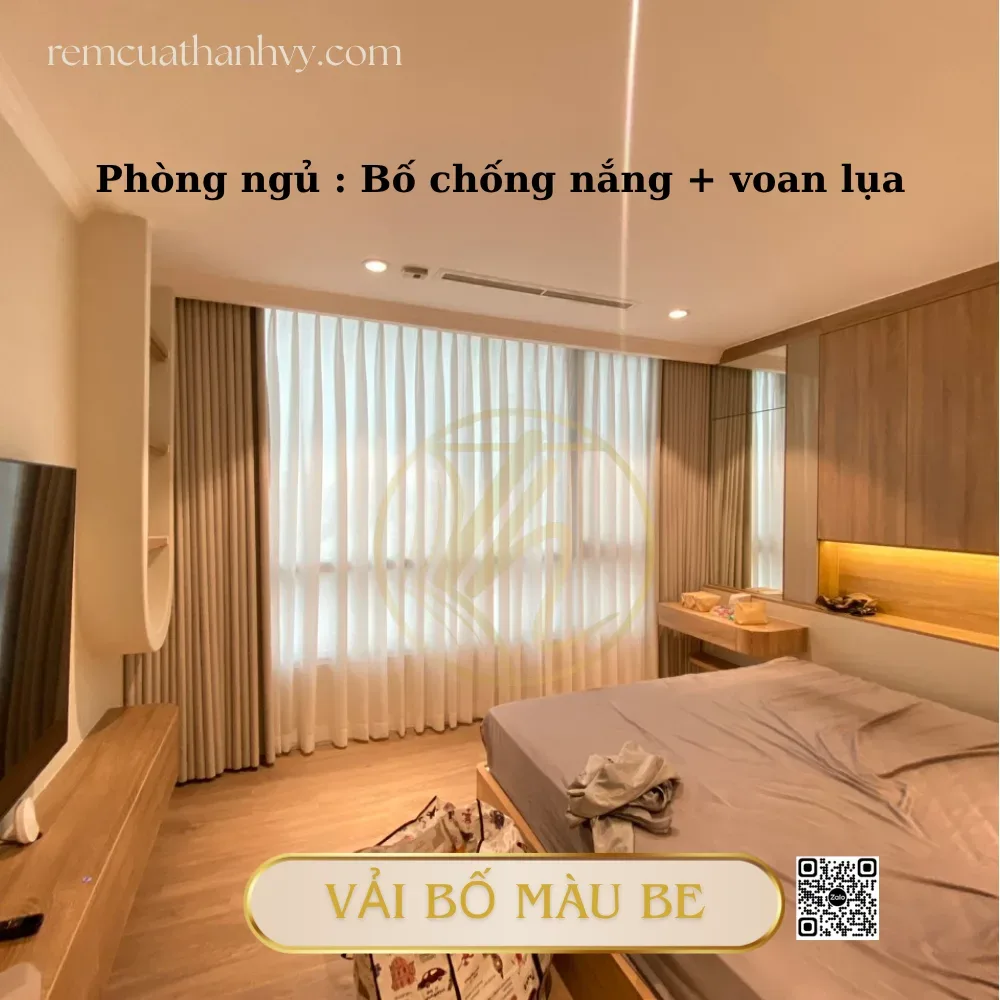
Curtains in Binh Duong: What to prioritize when choosing for each space
When choosing curtains in Binh Duong, prioritize sun-blocking materials that match your interior style and [...]
Related reviews
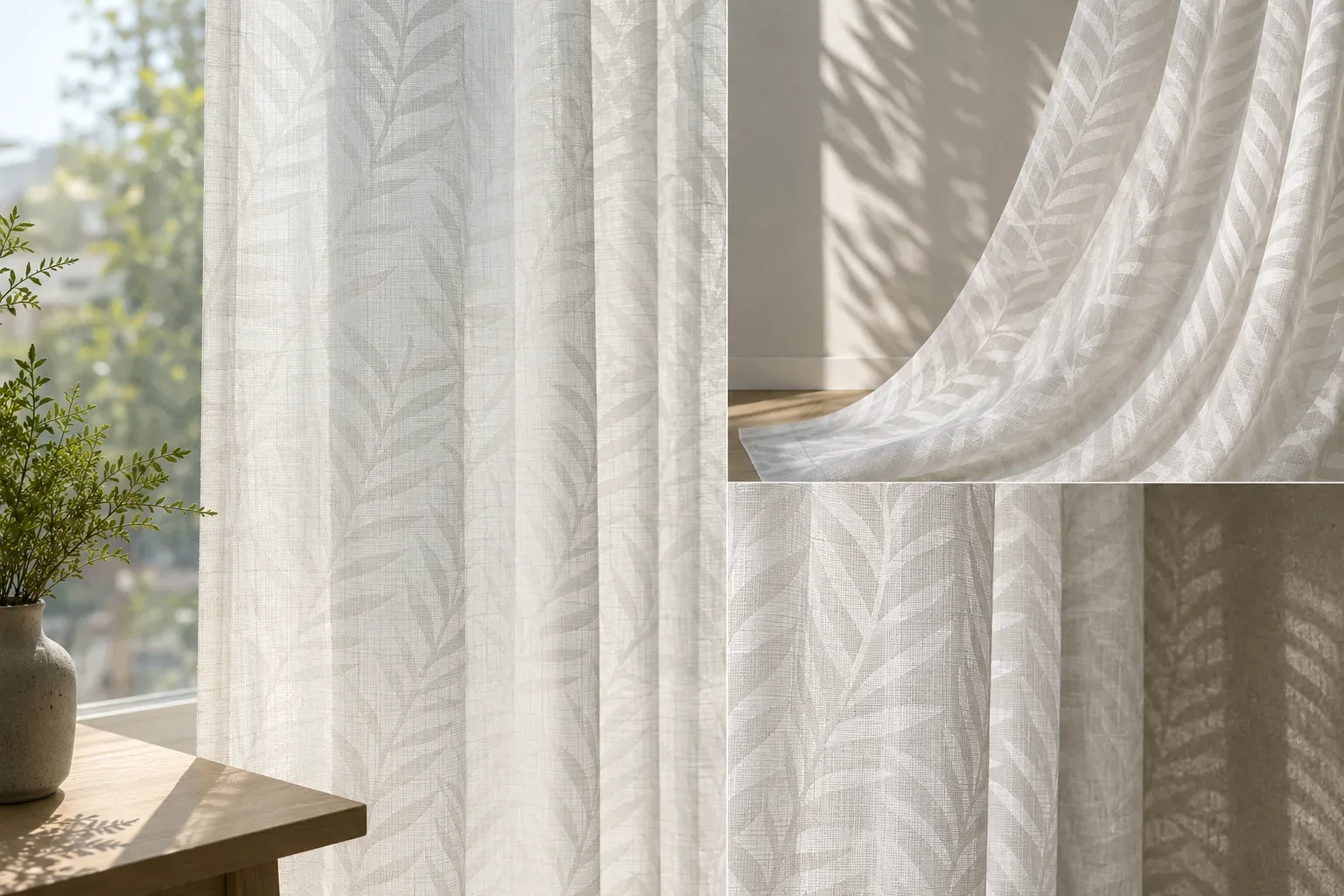
Are Voile Curtains Good? A Detailed A-Z Review
A guide on whether voile curtains are good, based on home space, lighting, privacy, materials, [...]
Related posts

What Are Bamboo Blinds? Features, Pros, Cons & Uses
An explanation of what bamboo blinds are, their pros and cons, when to use them, [...]

What Are Double-Layer Curtains? Features, Pros, Cons & Applications
An explanation of what double-layer curtains are, their pros and cons, when to use them, [...]
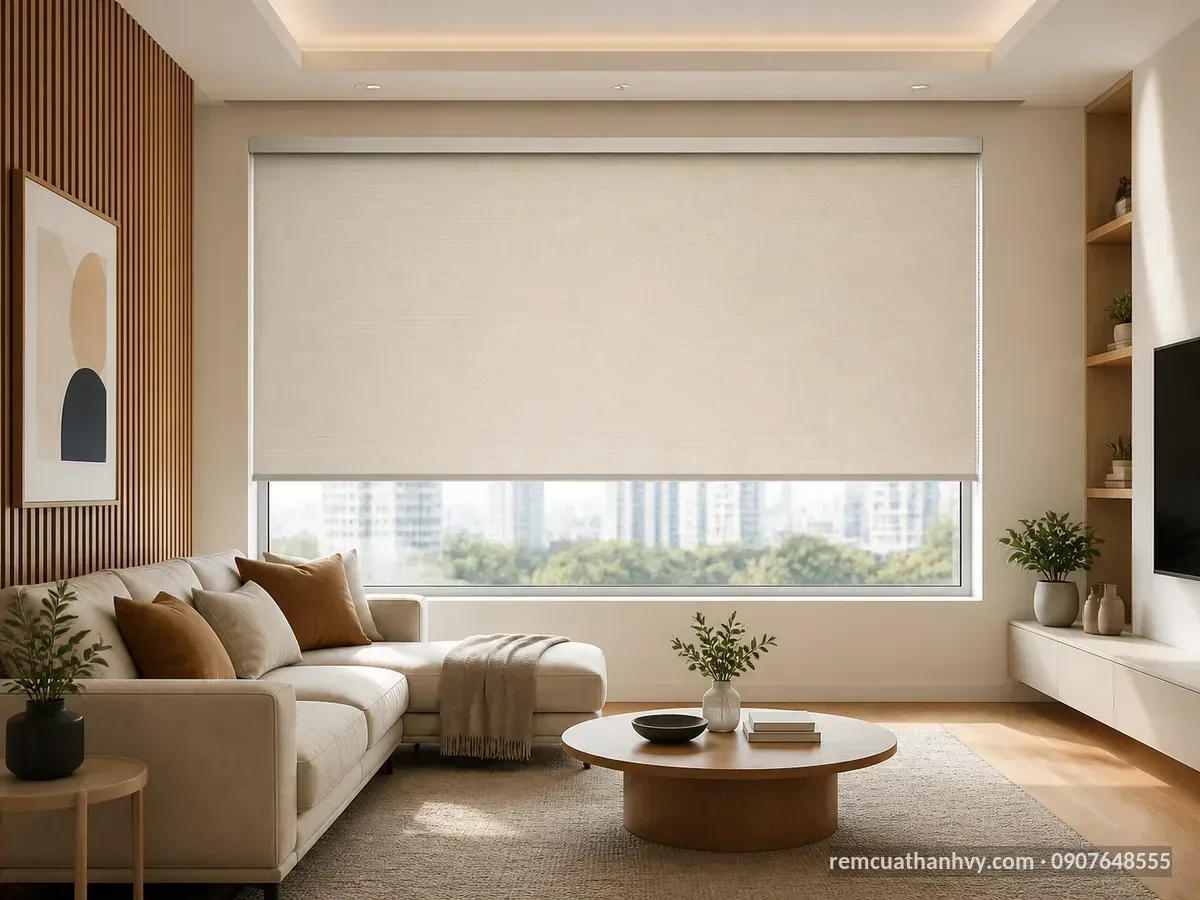
Which ward do the old wards in Thu Duc City now belong to? Lookup table for 34 wards
Lookup table for the 34 old wards in Thu Duc City that have been renamed [...]
Which Ward Does the Former Ward in Tân Phú District Now Belong To? Lookup Table of 11 Wards
Lookup table of the 11 former wards in Tân Phú District and their new ward [...]
Which ward does the former ward in Tân Bình District now belong to? Lookup table for 15 wards
Lookup table for the 15 former wards in Tân Bình District and their new ward [...]

Which wards did the former wards of Phú Nhuận District become? Lookup table of 11 wards
Lookup table of the 11 former wards in Phú Nhuận District and their new ward [...]
Which ward does the former ward in Bình Thạnh District now belong to? Lookup table for 15 wards
Lookup table showing the 15 former wards in Bình Thạnh District and their new ward [...]

Which ward does the former ward in Gò Vấp District now belong to? Lookup table for 12 wards
Lookup table showing the 12 former wards in Gò Vấp District and their new ward [...]

No comments yet!