




Roman Shades in District 7: How to Choose and Measure Your Windows Correctly
Roman blinds in District 7 are suitable when you need a neat look that still feels soft
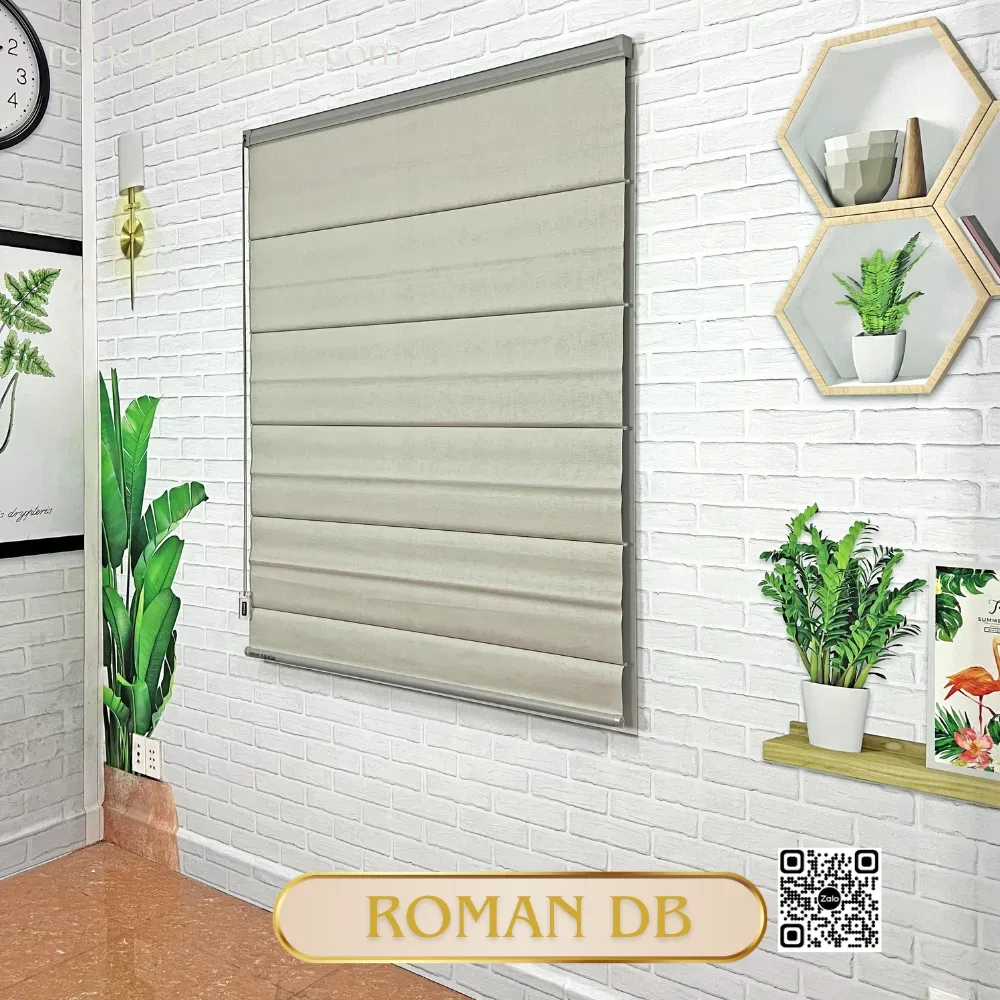
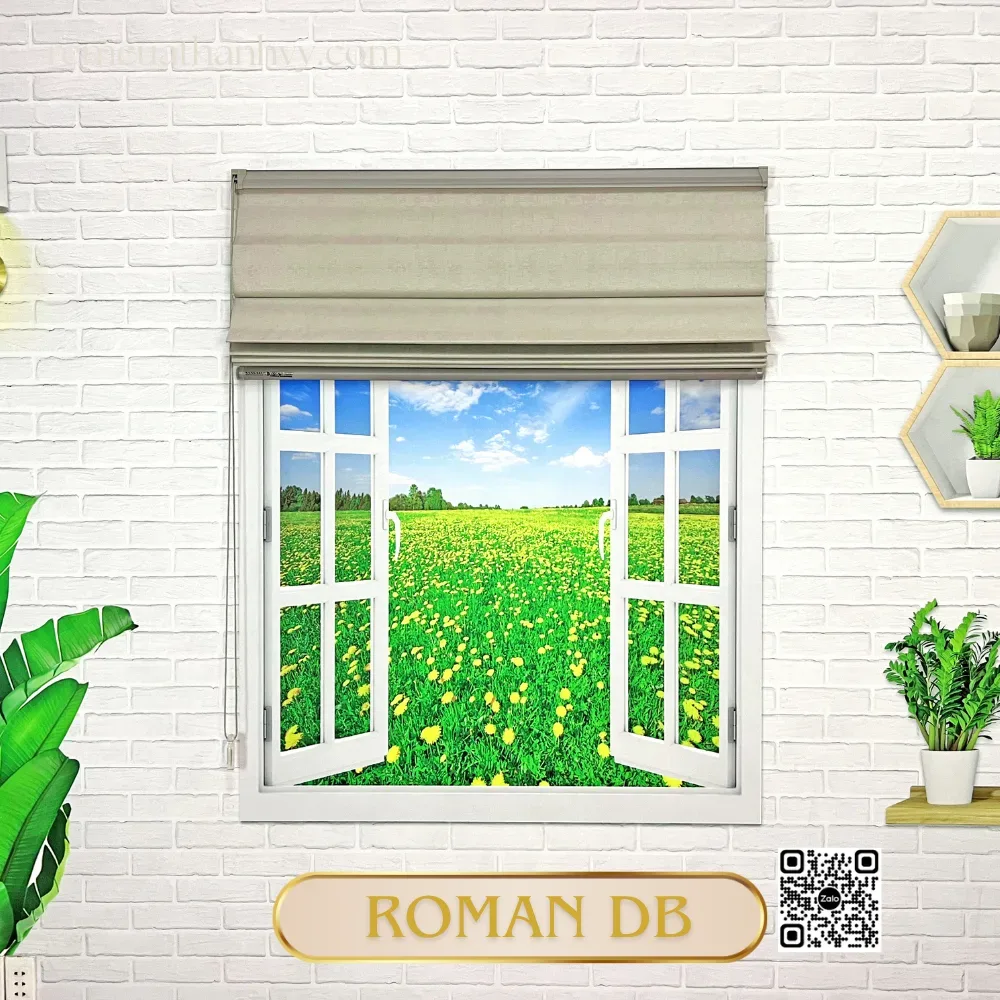
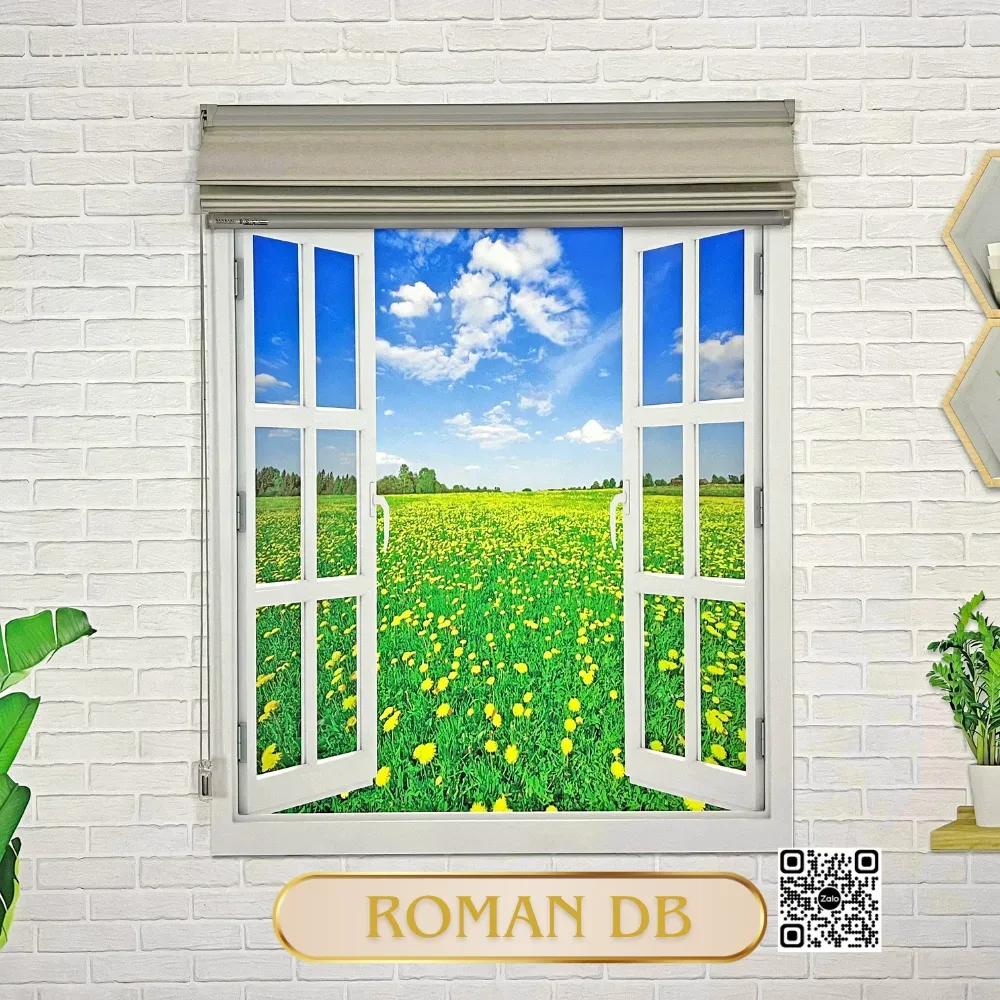
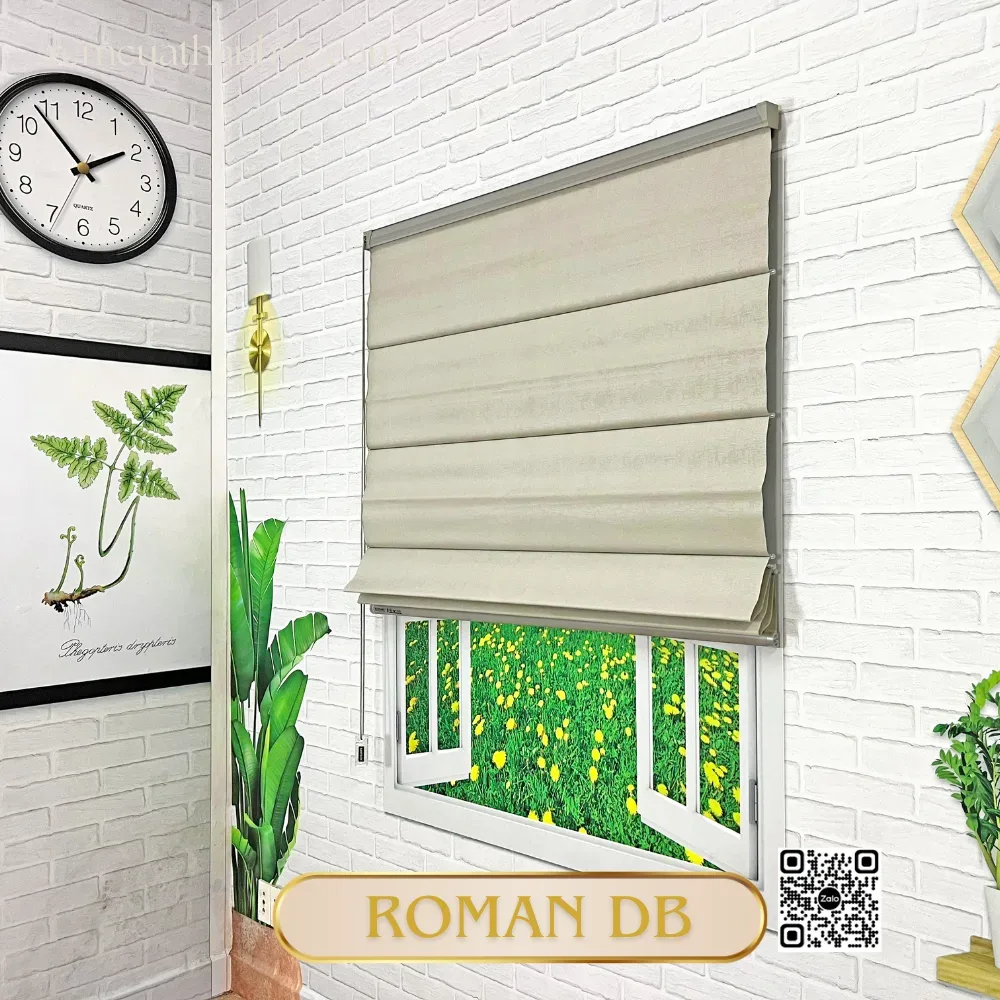
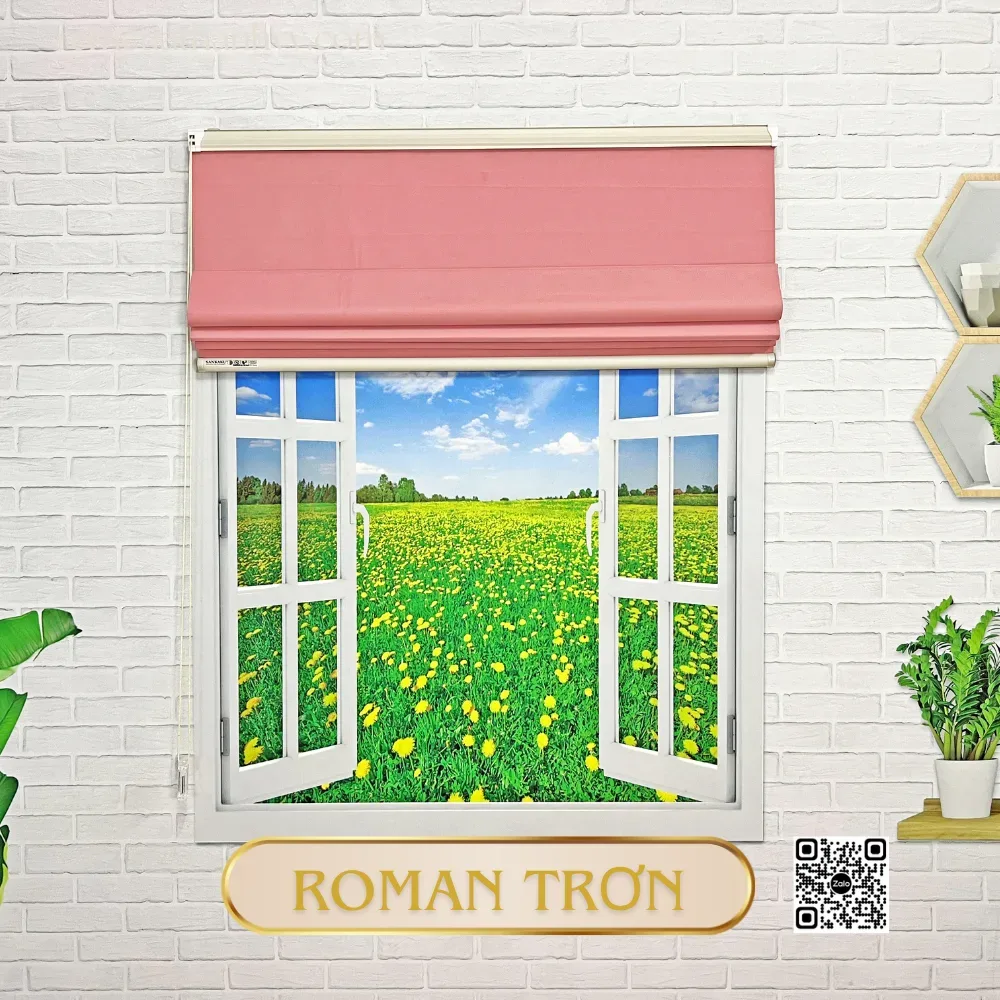
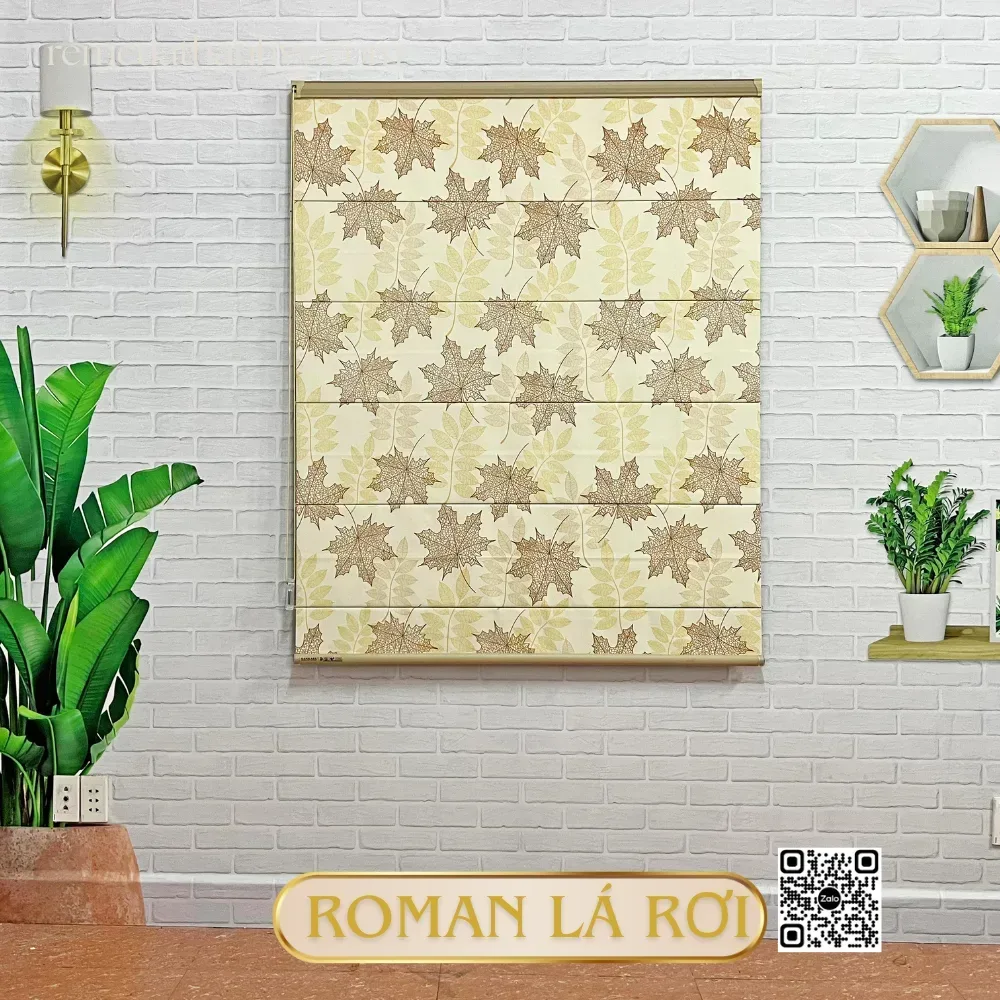
Roman blinds in District 7 are suitable for windows that need a neat yet softer feel than a completely flat solution, thanks to the combination of a tidy layered form and warm fabric. However, roman blinds are not the default choice for every window. Readers should start by considering the window dimensions, opening and closing habits, and how much they accept the blind stacking up when raised. The company’s products were previously mentioned in the Báo An Giang article about Thanh Vy’s premium fabric blinds.
A well-chosen roman blind usually does three things well: maintains balanced window proportions, meets lighting needs, and operates reliably in the actual living space. If any of these three factors is overlooked, users may easily find that the blind looks beautiful when viewed but is inconvenient for daily use. Background information about the concept of blinds in architecture can help with comparisons when choosing materials.
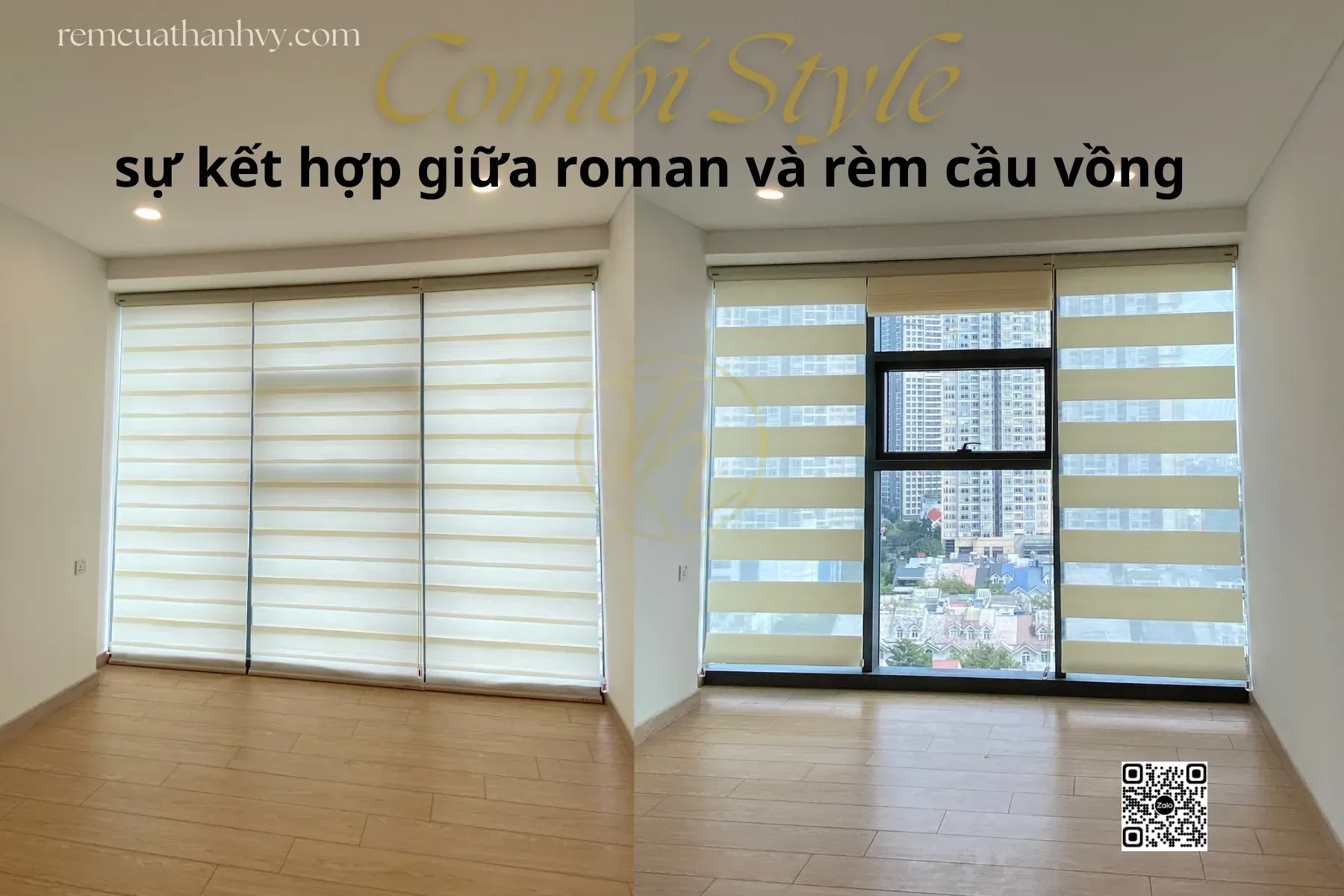
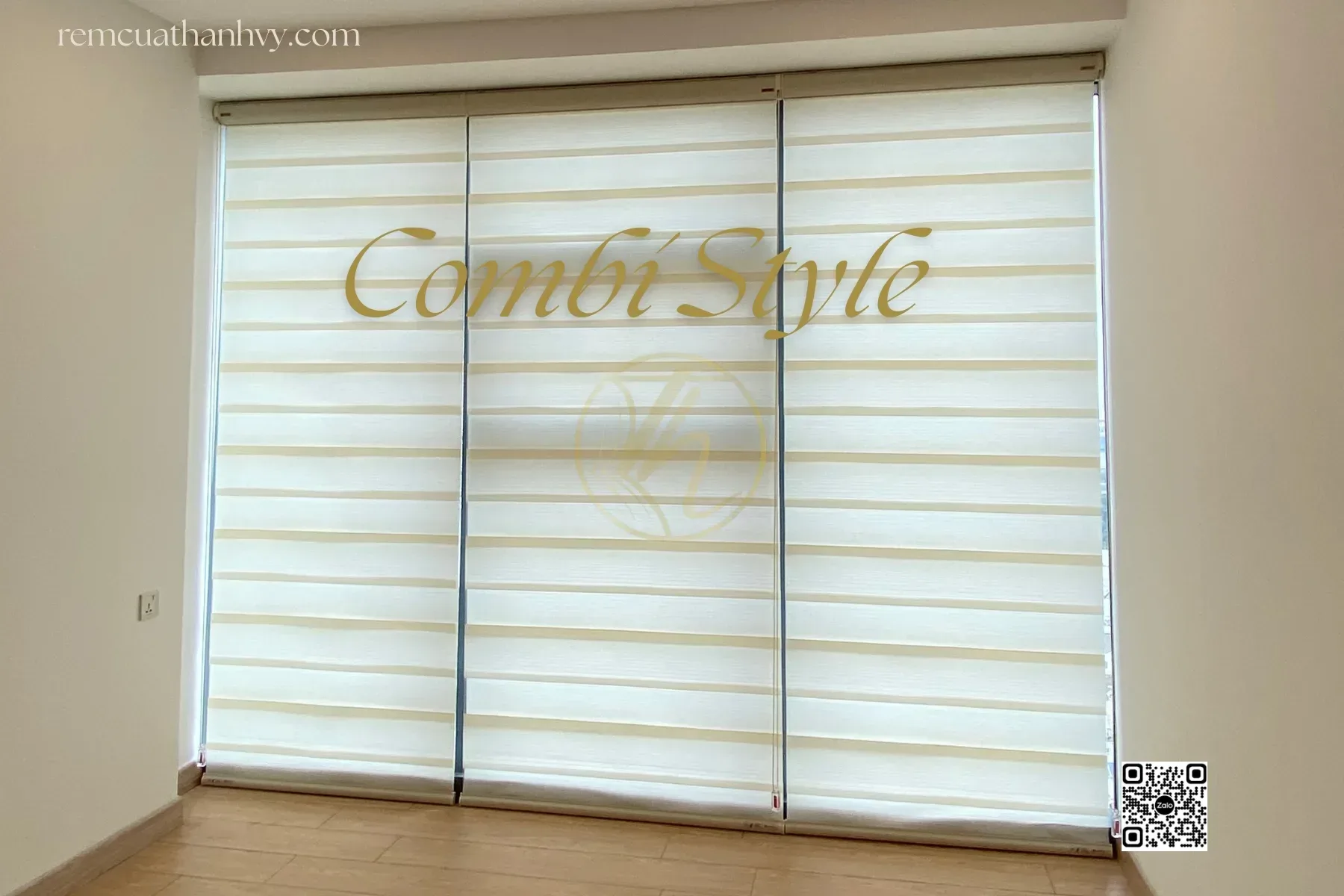
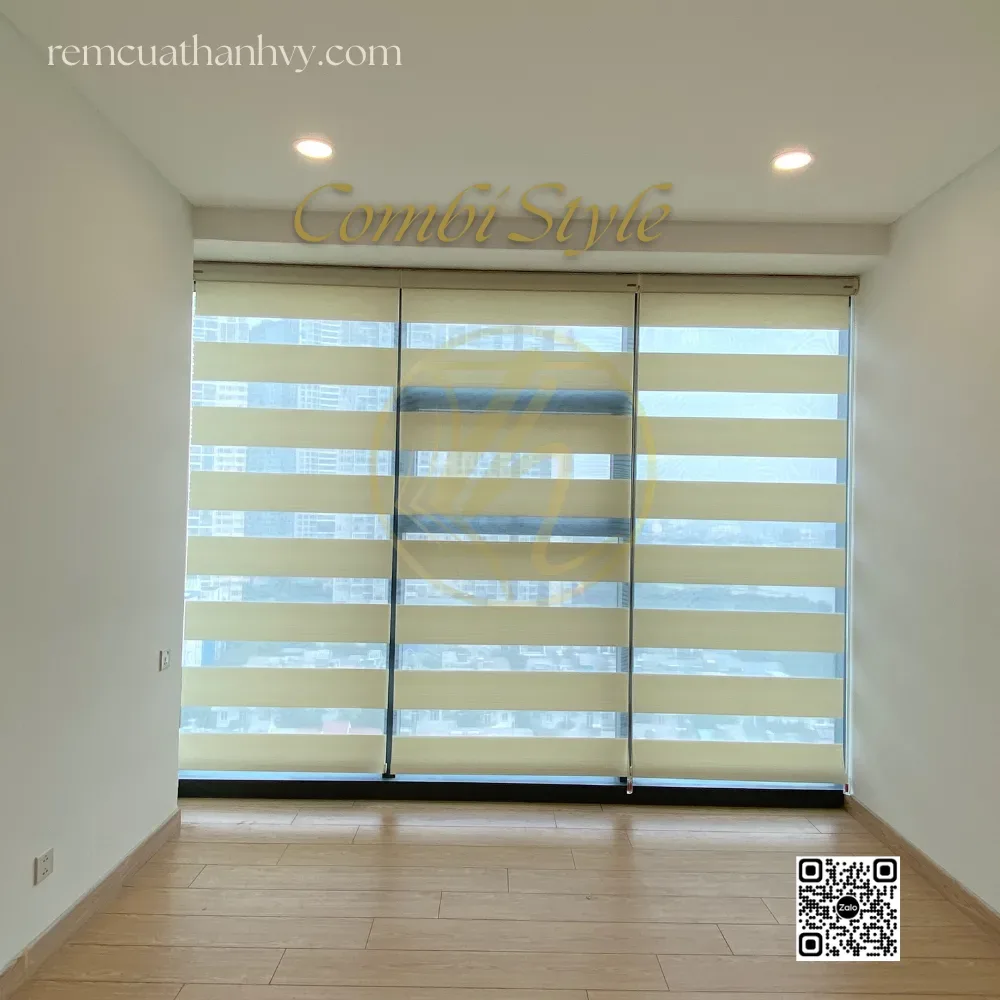
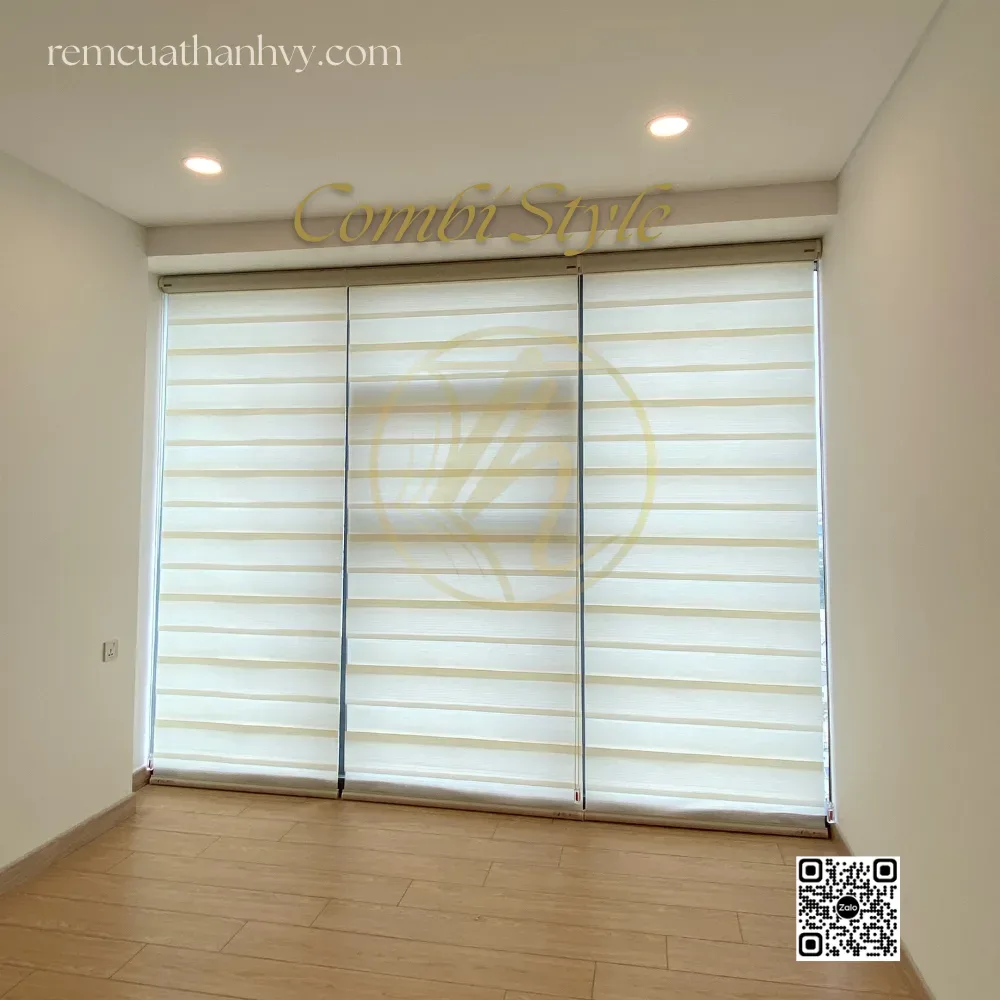
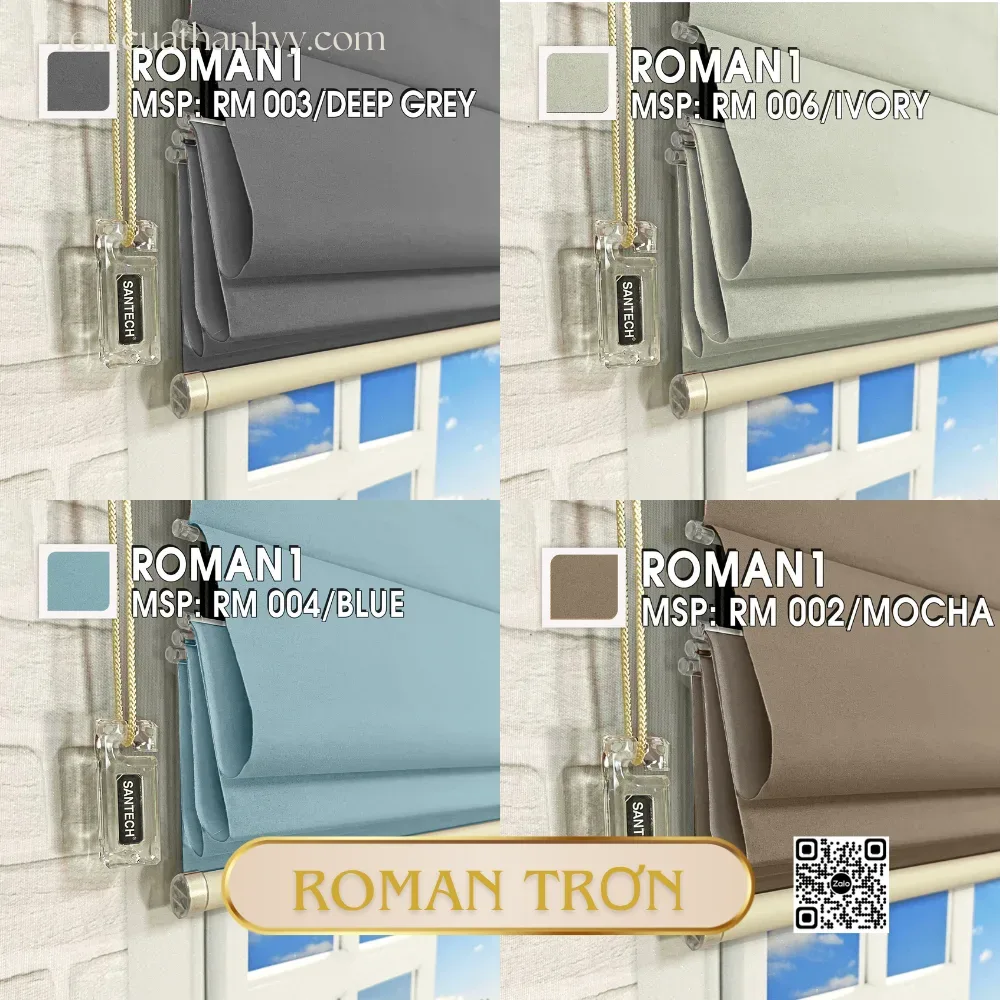
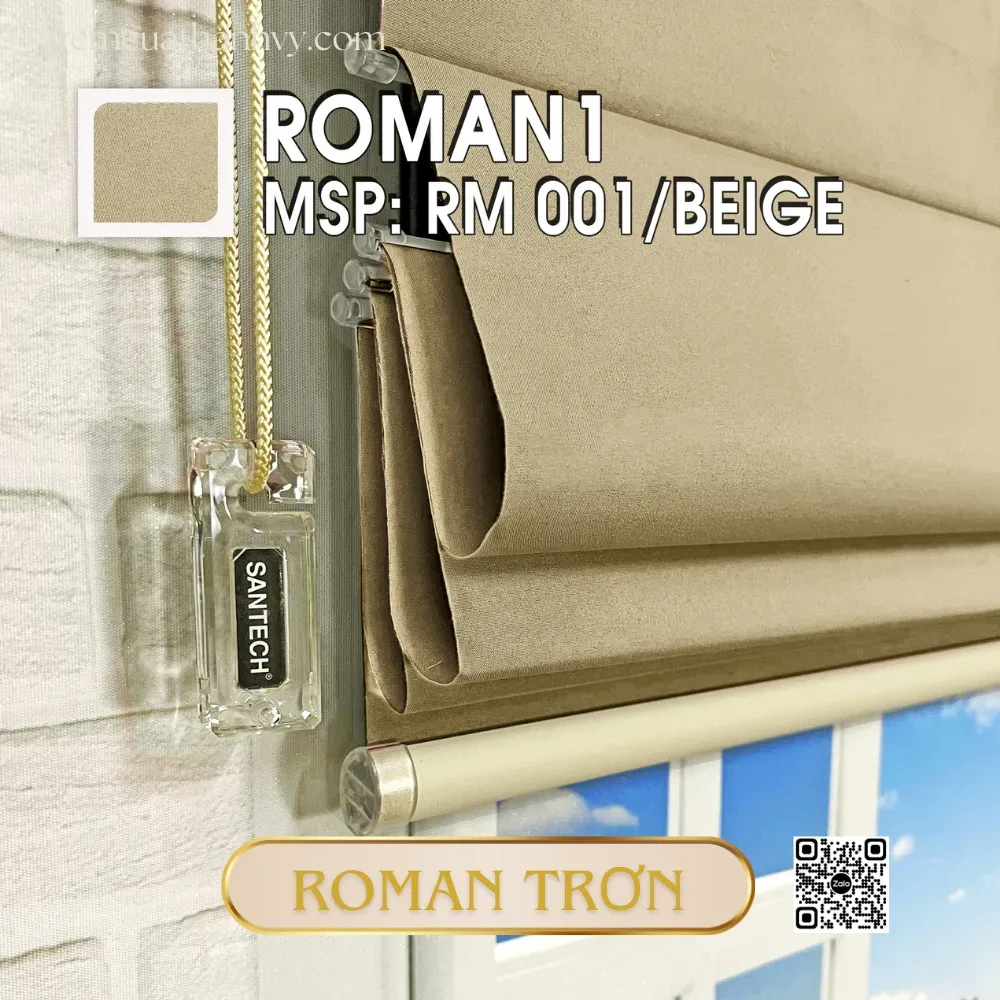
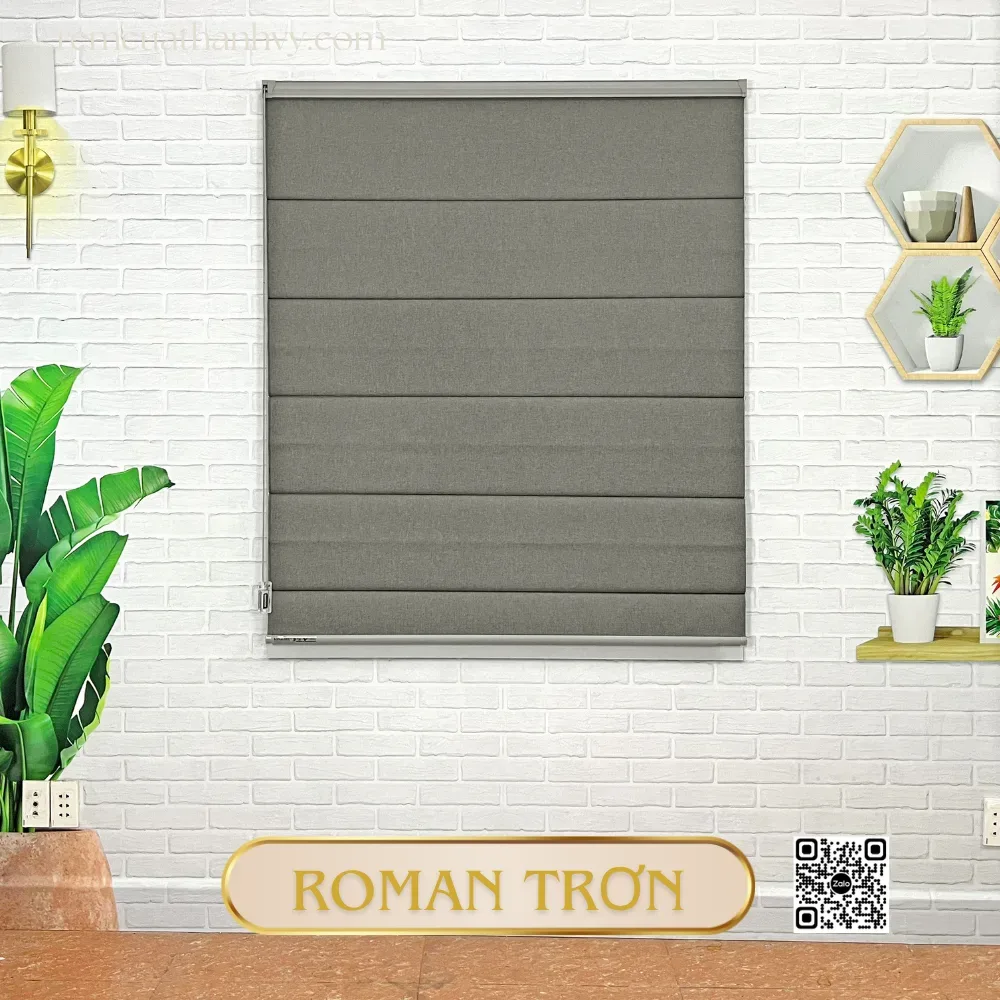
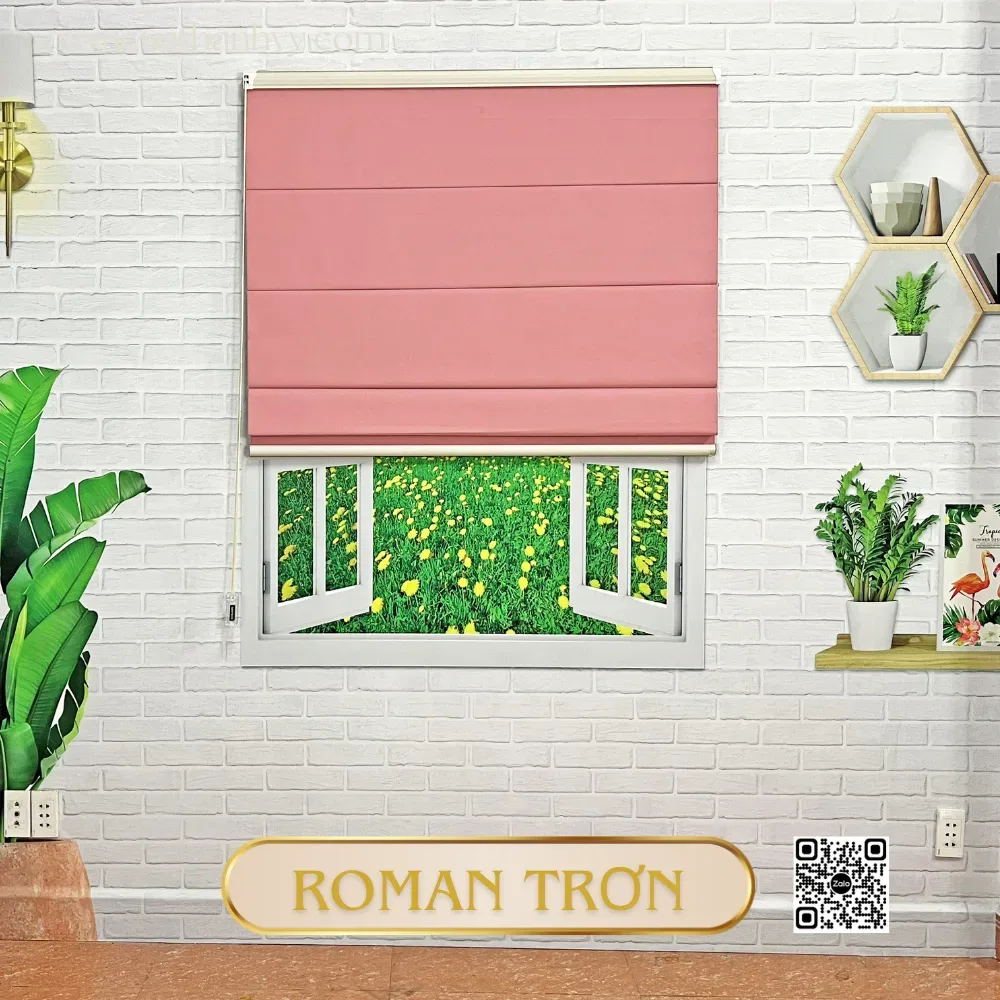
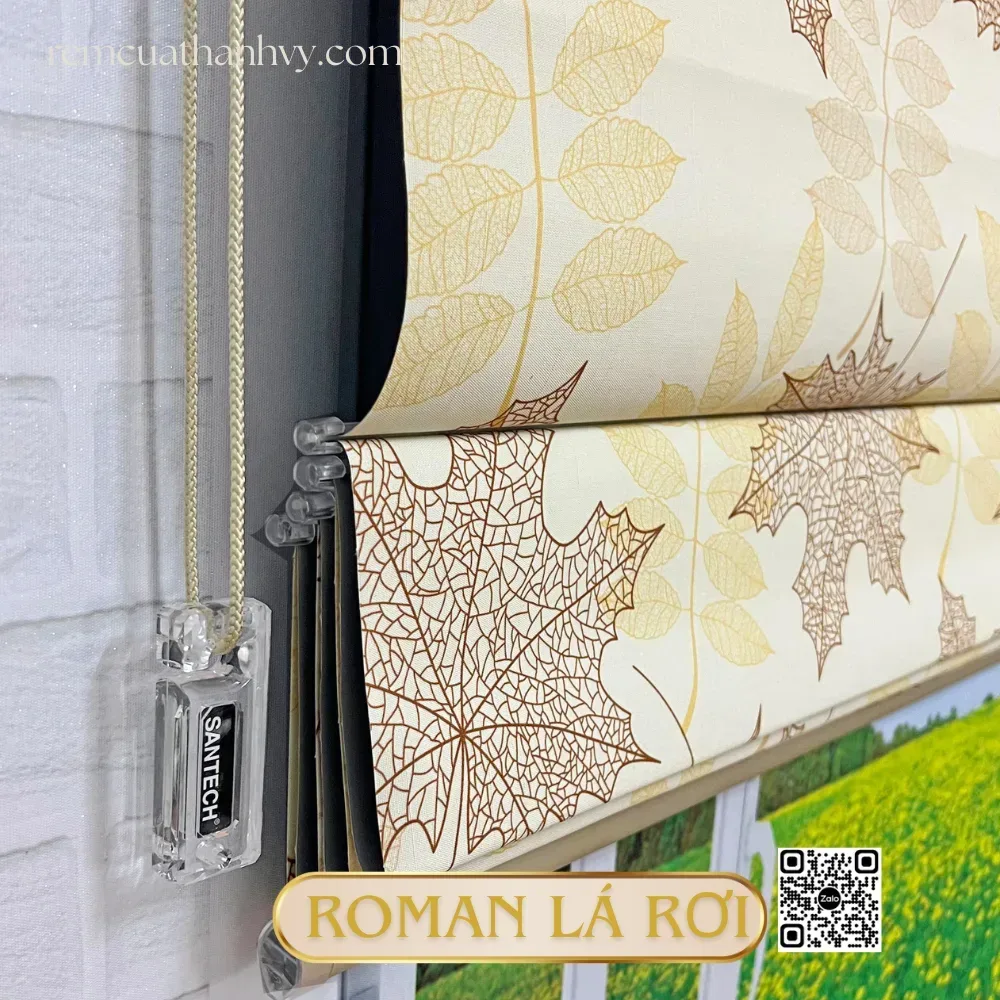
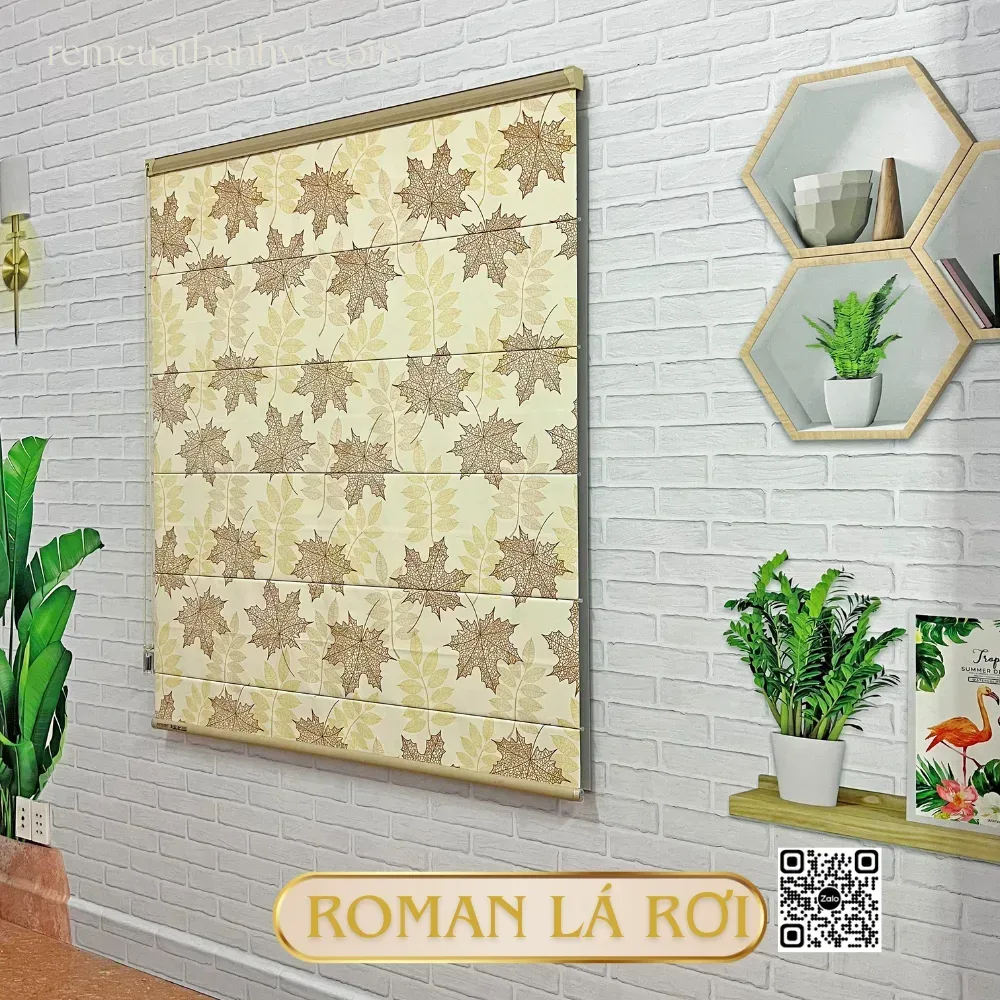
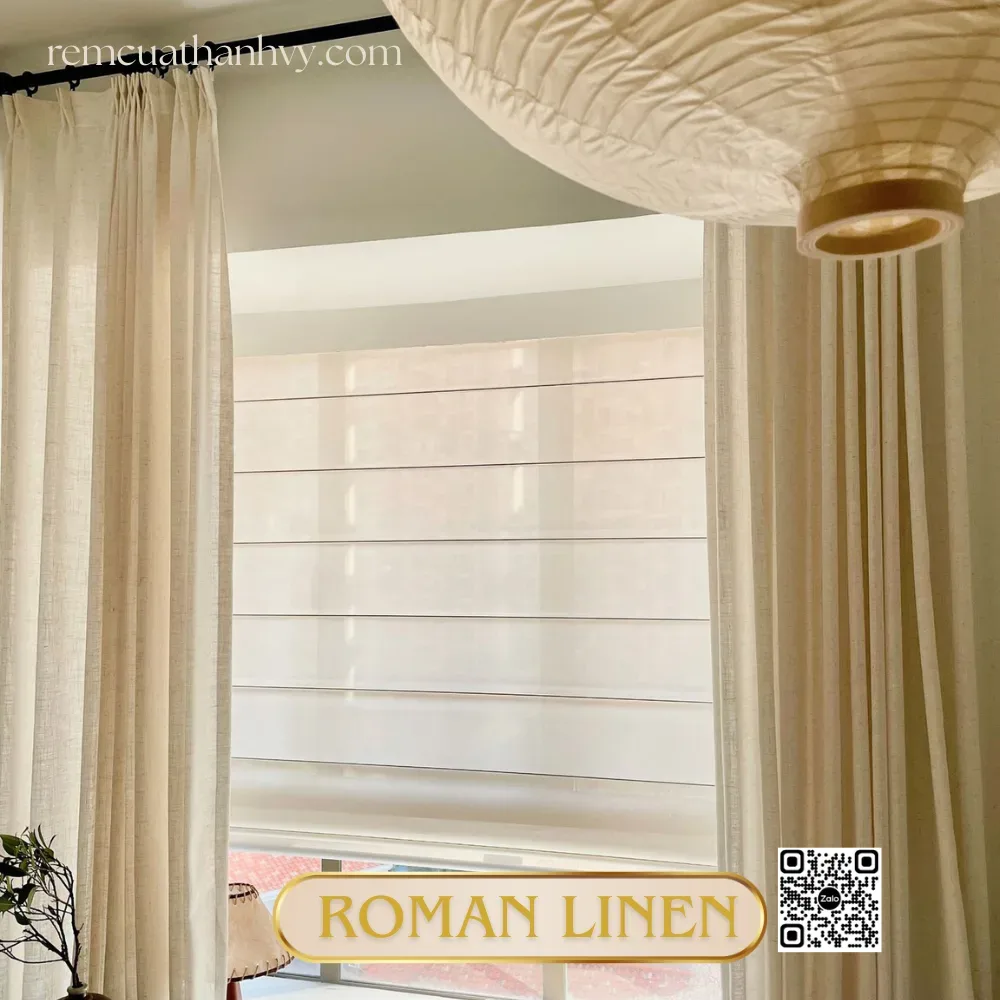
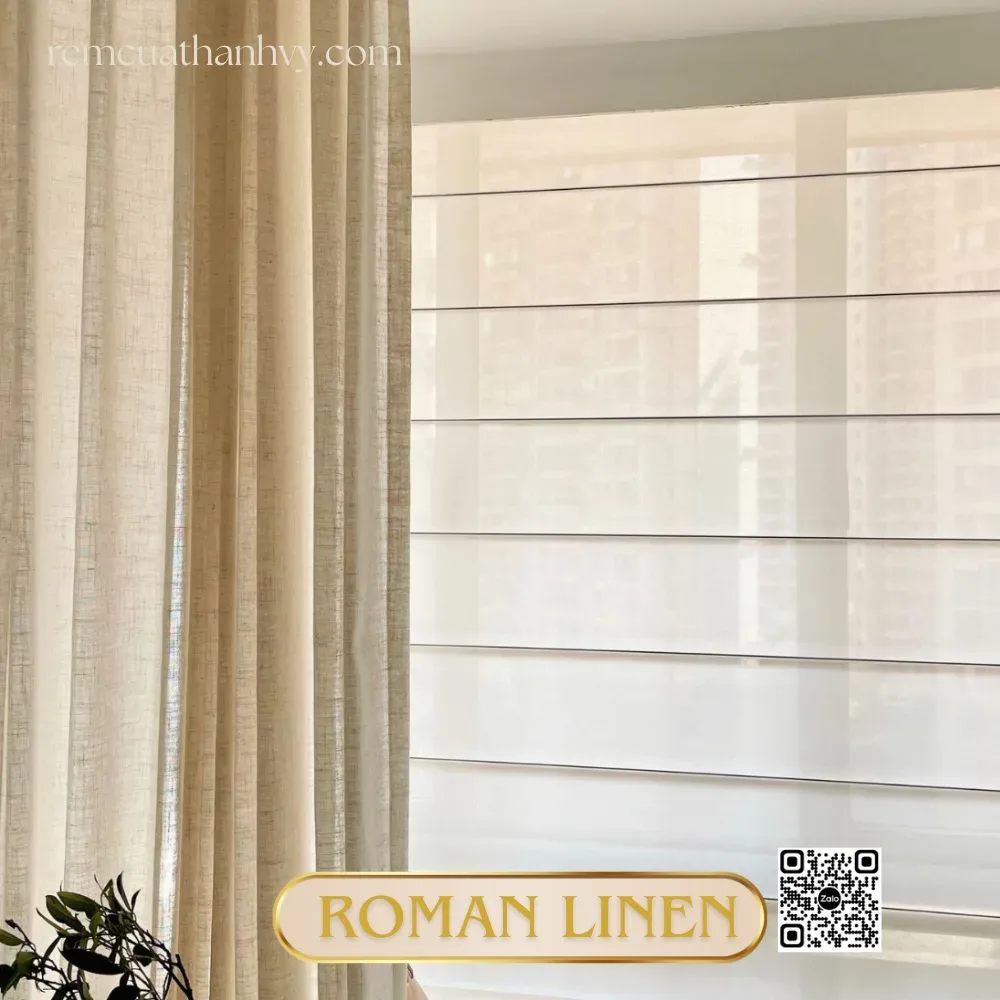
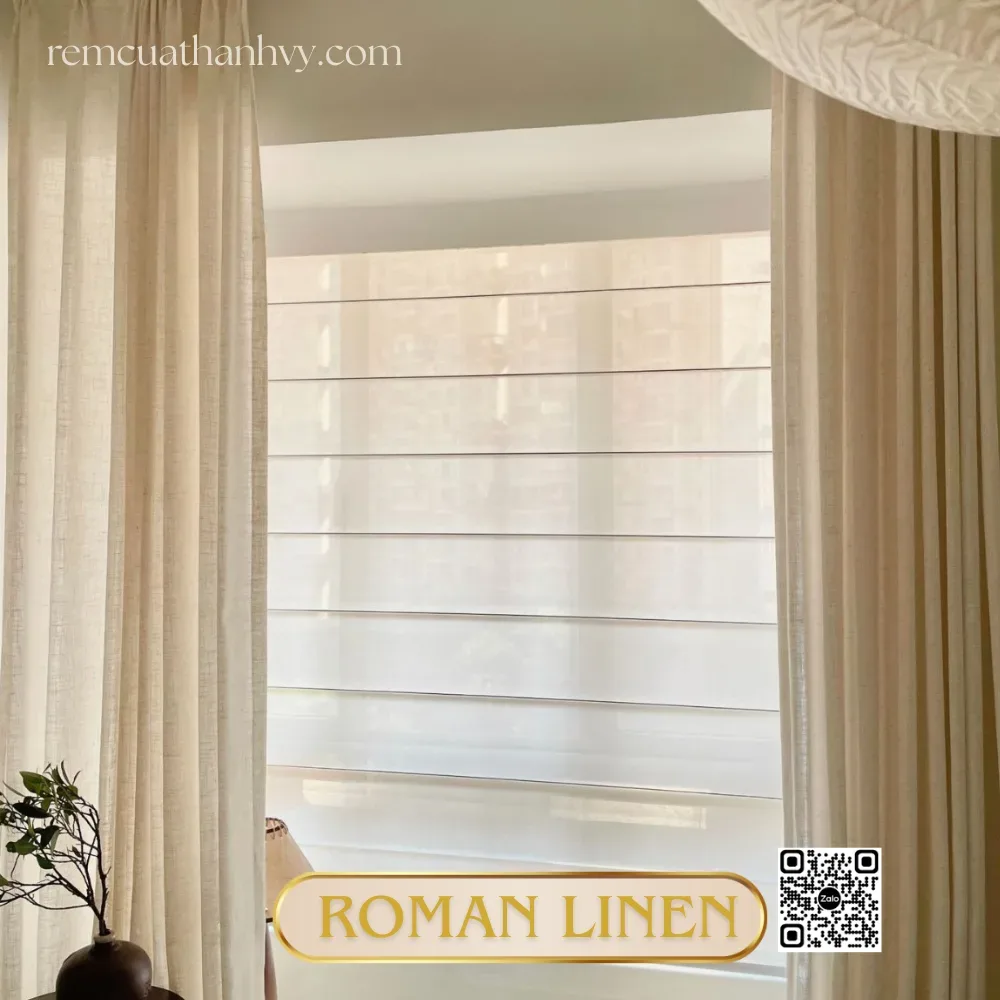
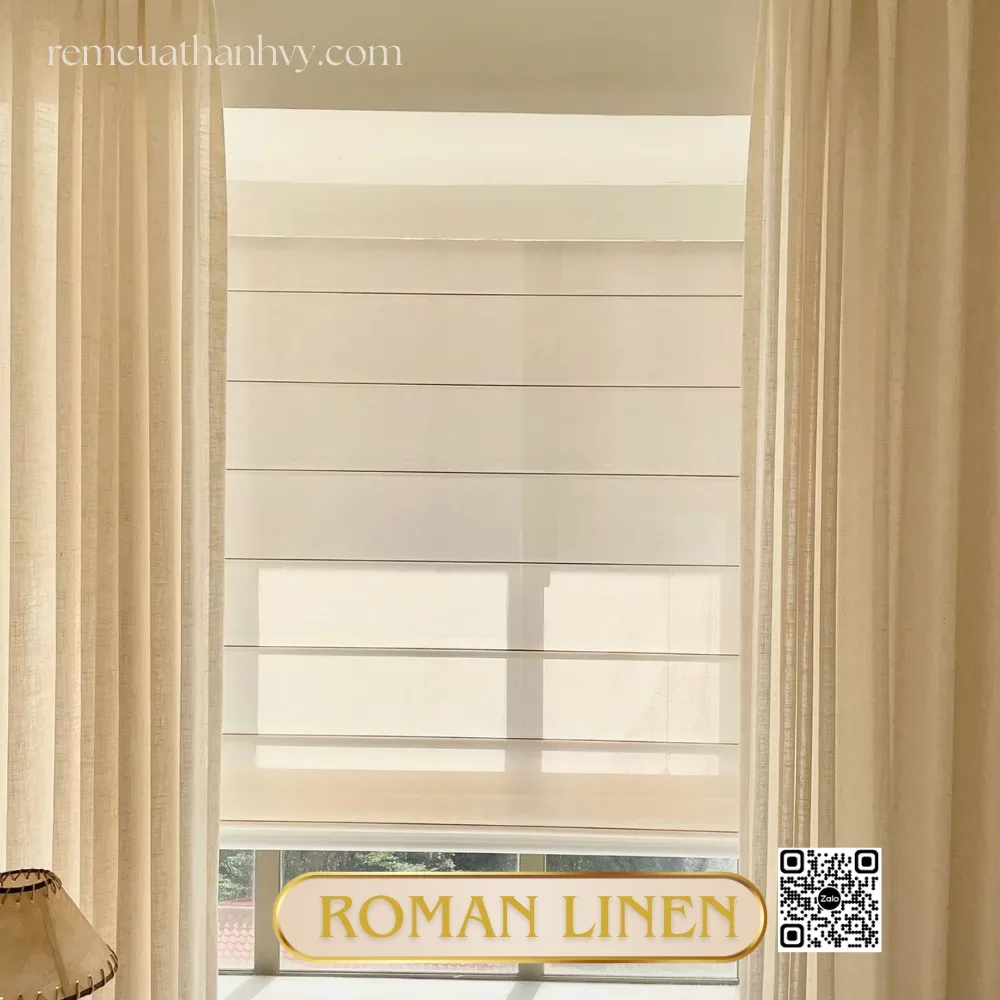
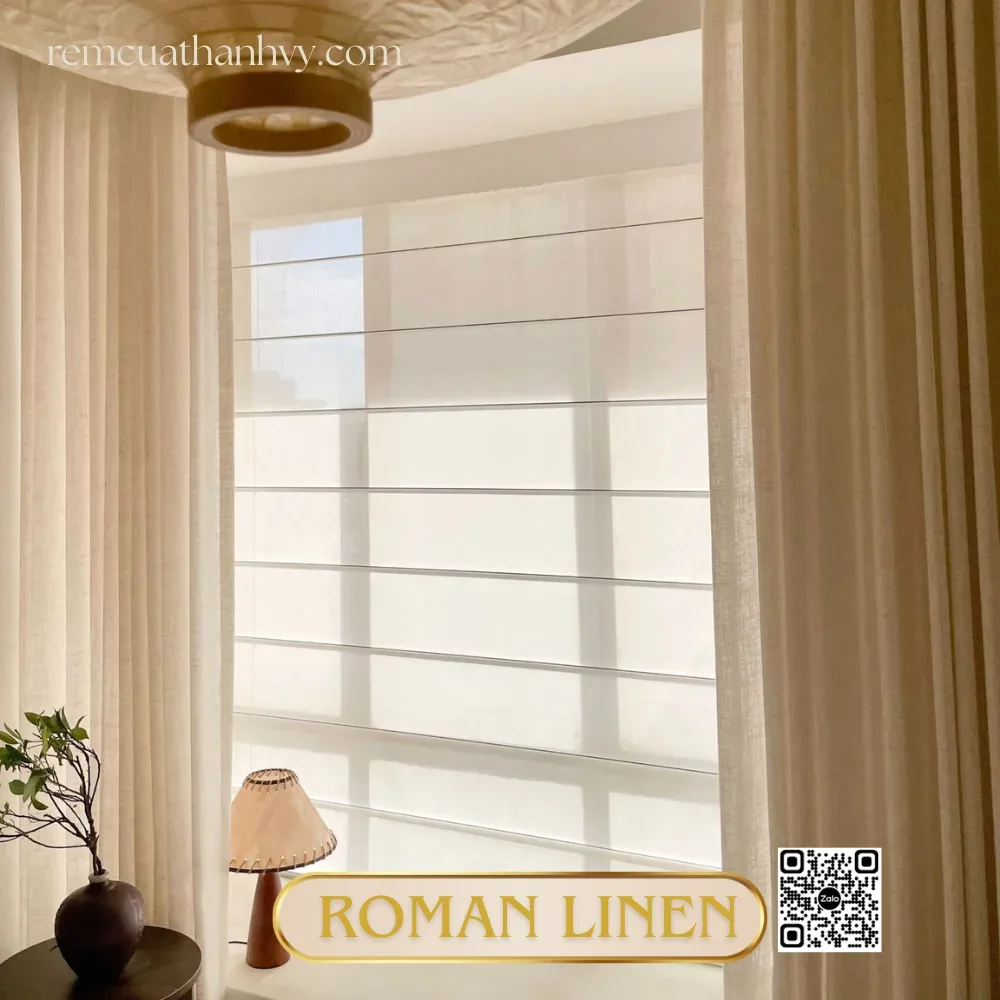
Choose materials according to sun exposure and privacy
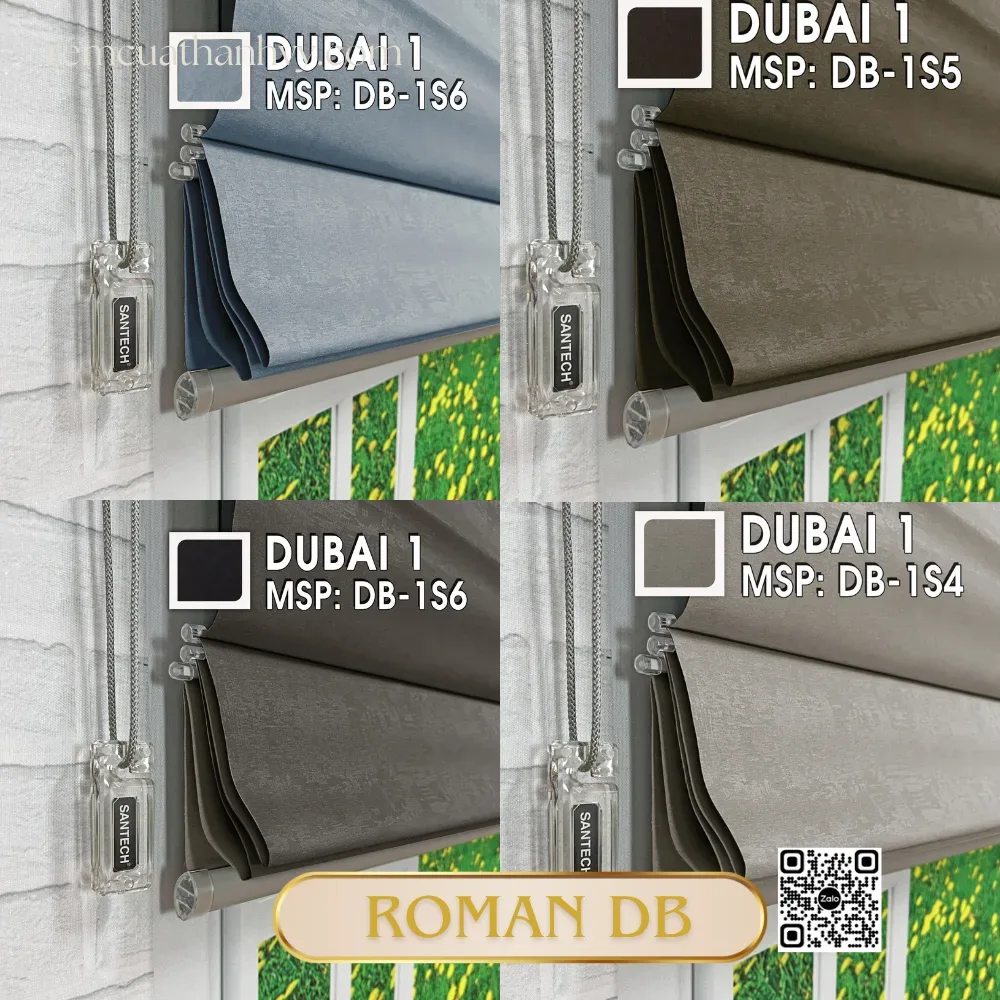
Roman blinds can use many different types of fabric, but the selection should be based on actual needs rather than the name. If the room needs soft light and a light feel, a more breathable configuration may be preferable. If greater privacy or stronger glare reduction is needed, the fabric and structure should be carefully considered from the beginning.
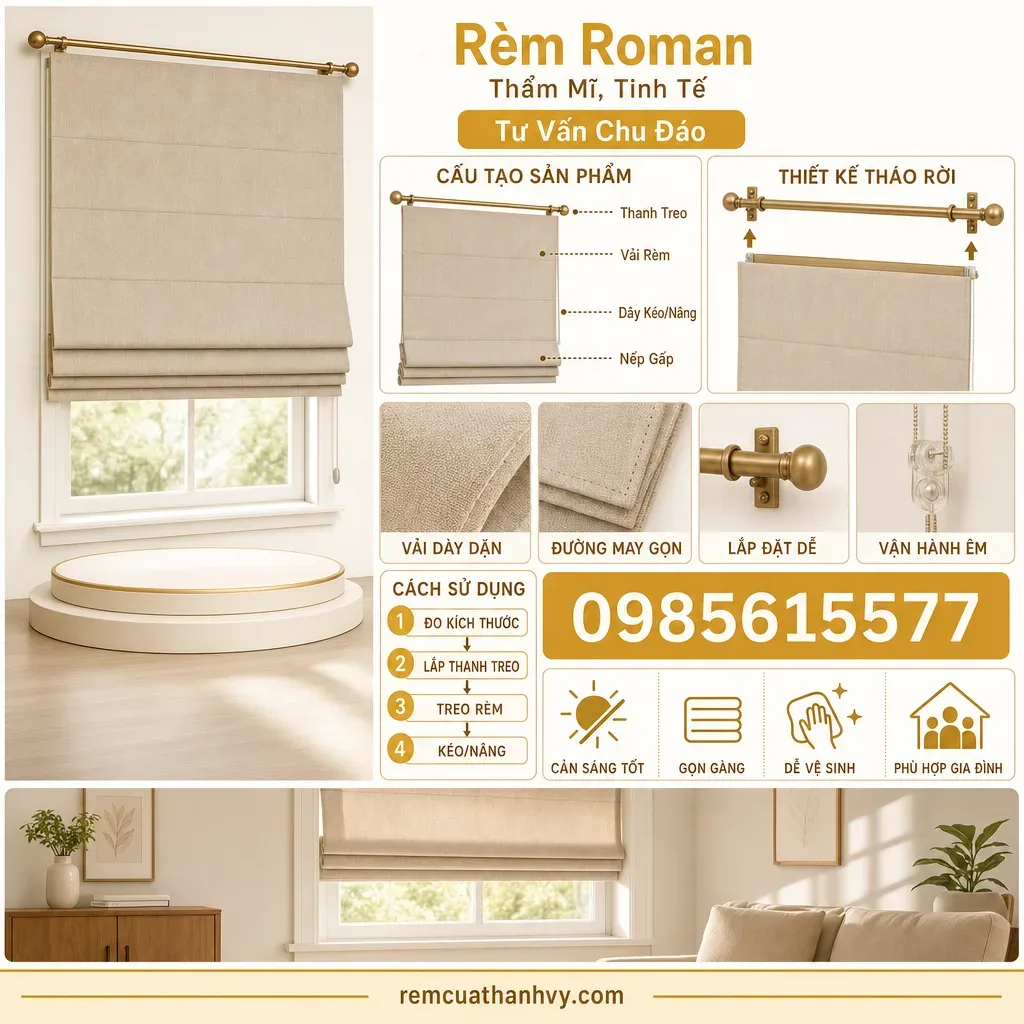
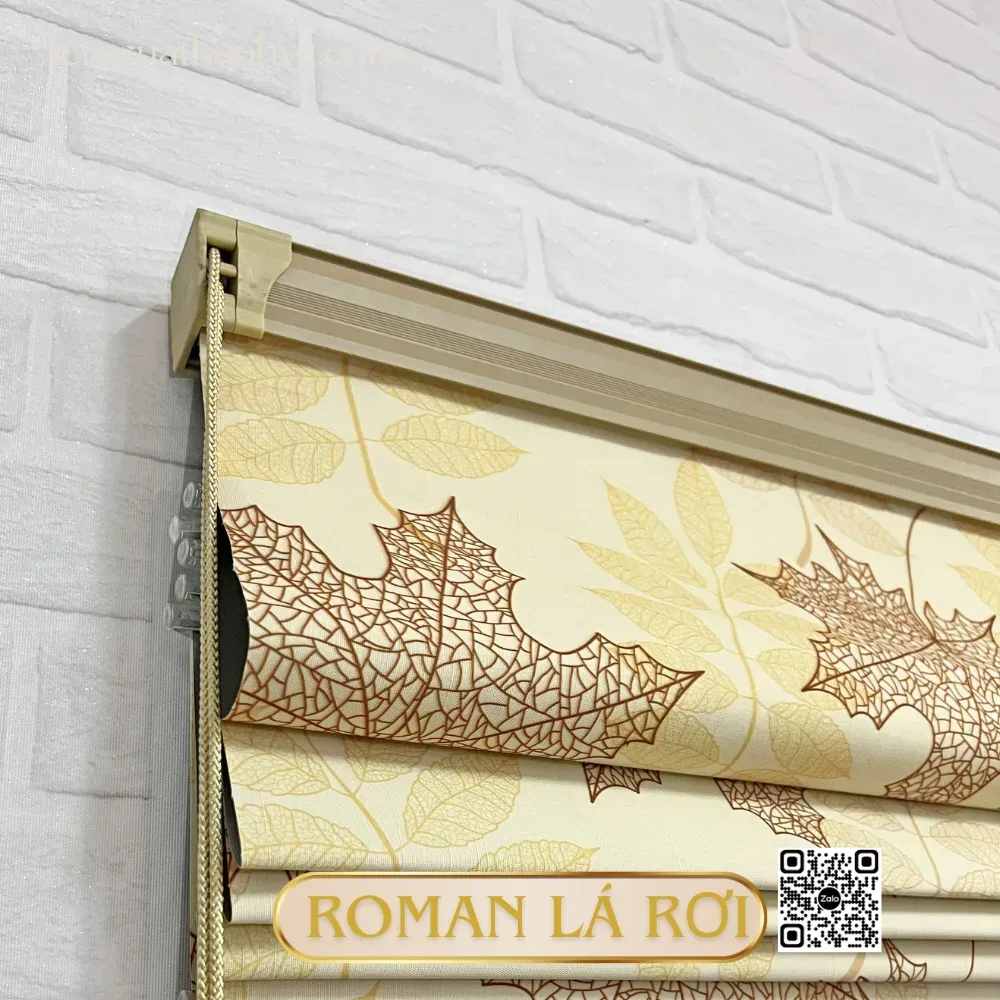
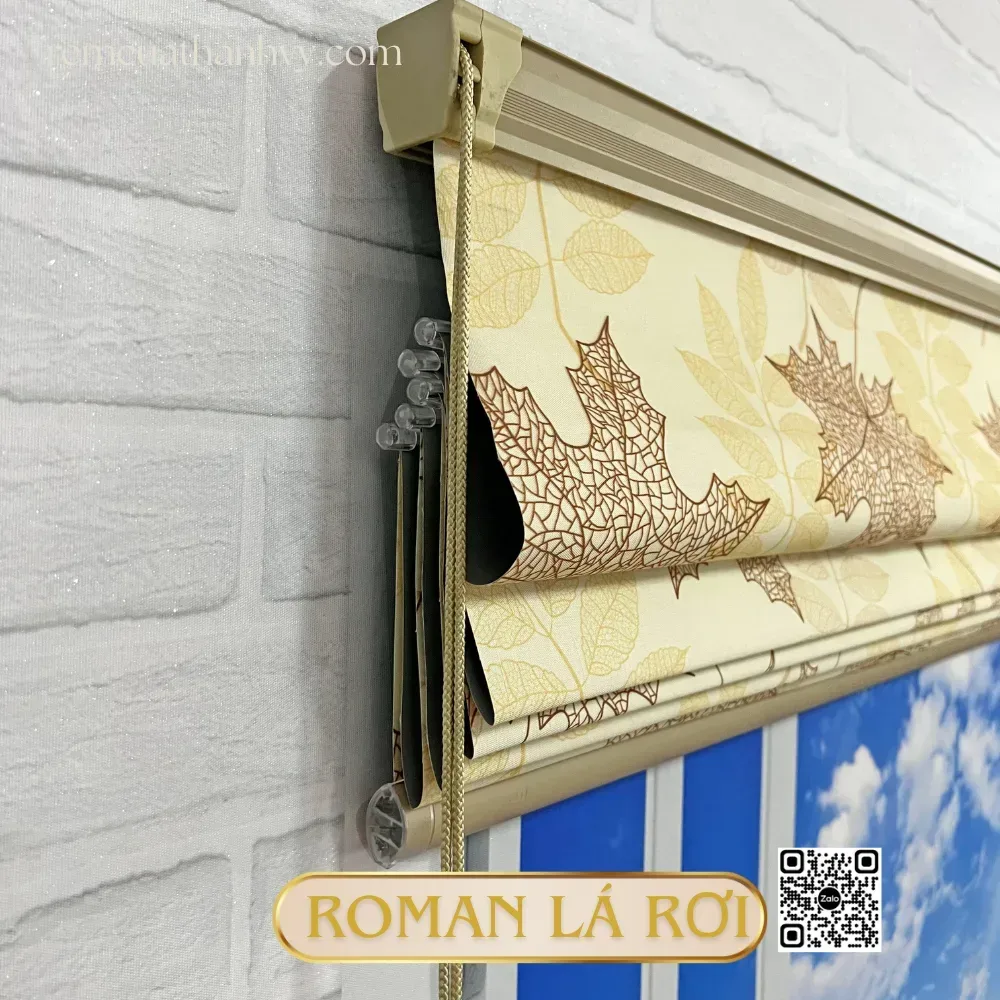
One point readers should note is that the same material, when made into a roman blind, will feel different in terms of thickness, rigidity, and the way its folds fall compared with fabric curtains drawn horizontally. Therefore, ask clearly how the fabric stacks when raised, how the surface looks when lowered, and how privacy changes at different times of day.
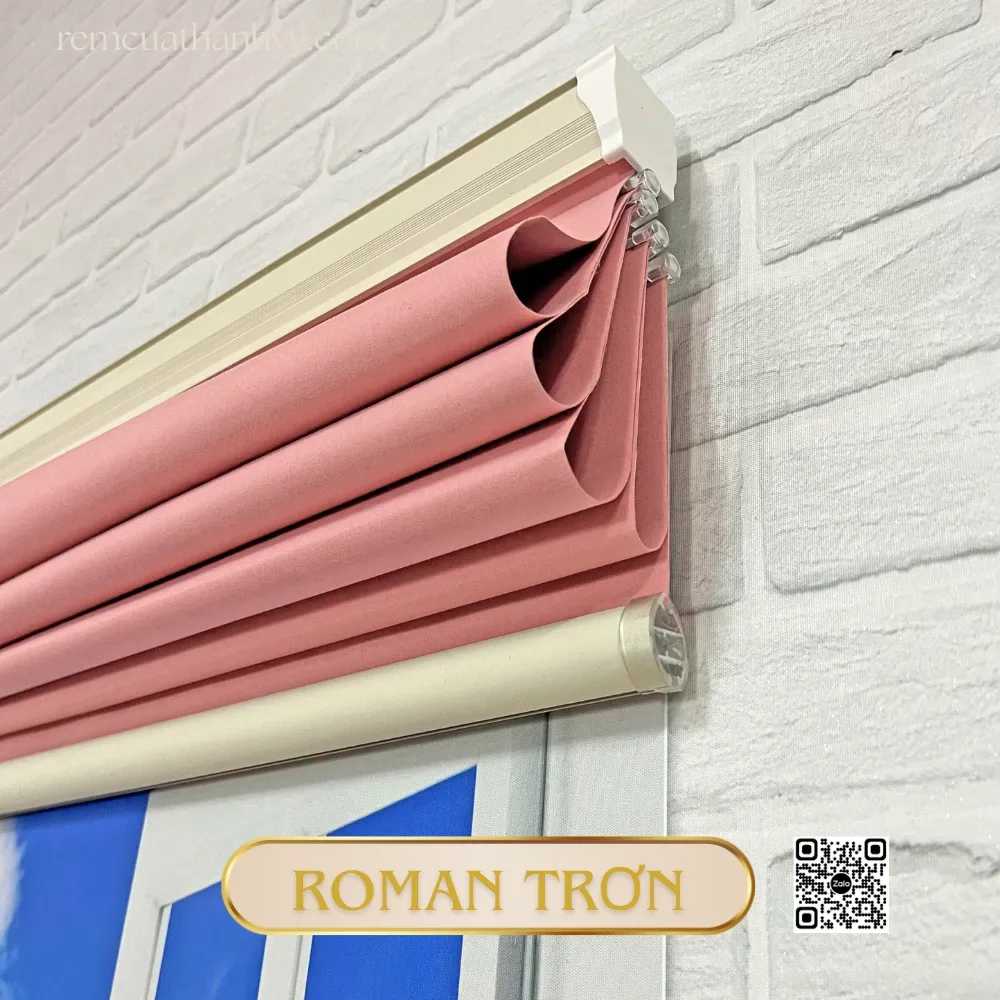
Check the installation type and window proportions before finalizing
Roman blinds are often sensitive to whether they are installed inside or outside the recess. Inside-recess installation keeps the overall appearance neat but requires sufficient depth and a clear check of the window handle, hinges, and opening direction. Outside-recess installation can increase coverage, but it requires a secure mounting surface and suitable coverage proportions so the window does not look too heavy.
For small windows, the thickness of each folded layer when raised can directly affect the sense of openness. For large windows, operation and the proportions of the divided sections should also be considered so the blind does not look too heavy. These questions should be addressed before discussing colors or accessories.
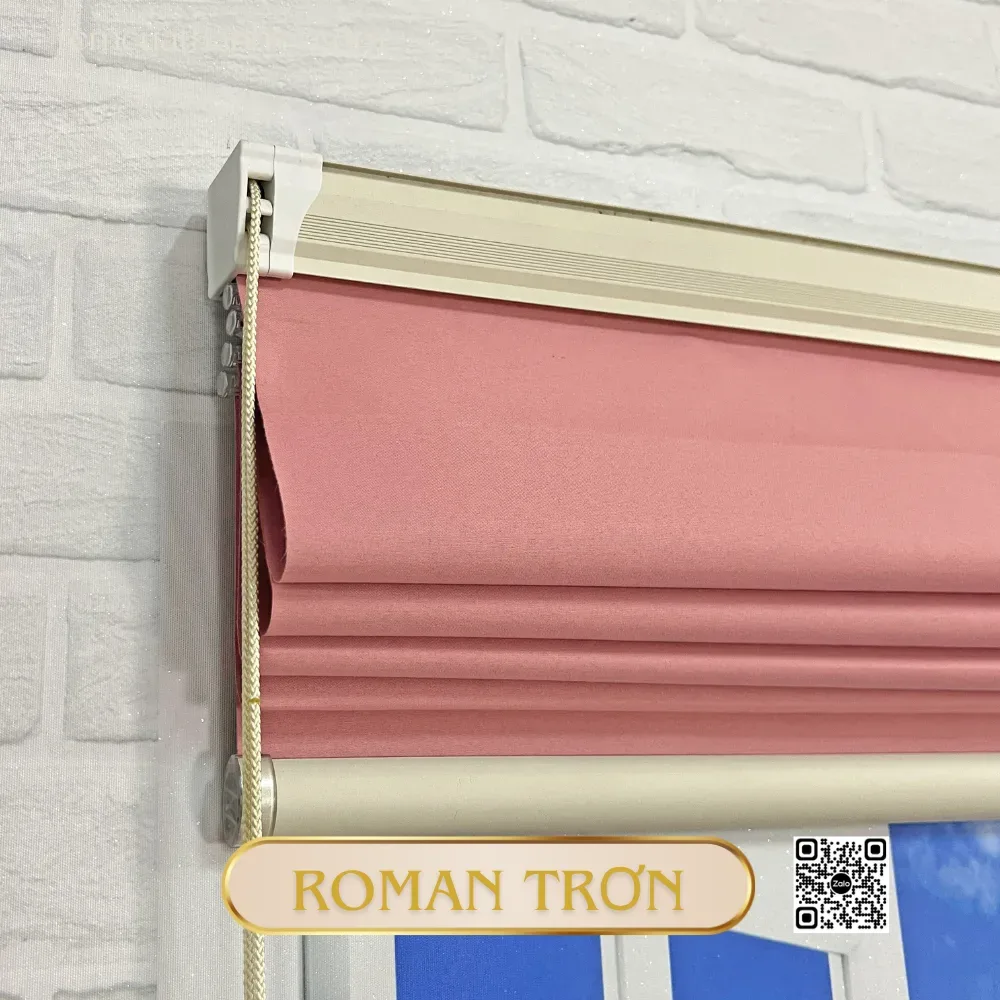
Operation, cleaning, and cases that merit reconsideration
Roman blinds are most suitable when the window does not need to be opened and closed too frequently or when the installation position allows convenient operation. If the area has high humidity, a lot of dust, or requires frequent wiping and washing, readers should ask clearly how suitable the material is and how it should be cleaned.
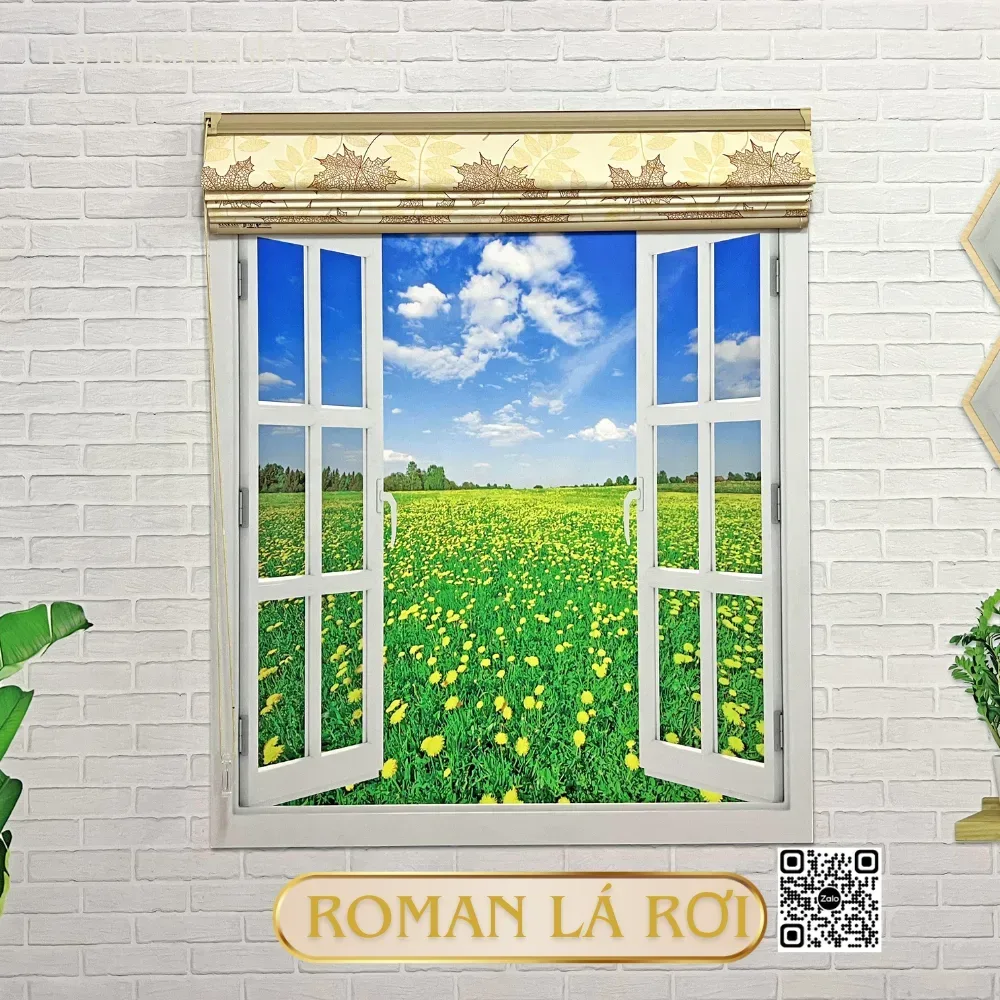
In addition, if the room prioritizes very strong light blocking, or the user wants a solution that changes little in appearance between open and closed, other options may need to be considered. This consideration does not make roman blinds inferior; it simply helps ensure that the final configuration matches actual needs rather than following a style.
Two related options worth exploring are Top 2026 Best Roman Blind Designs for Children’s Rooms and Top 2026 Best Roman Blind Designs for Dining Rooms.
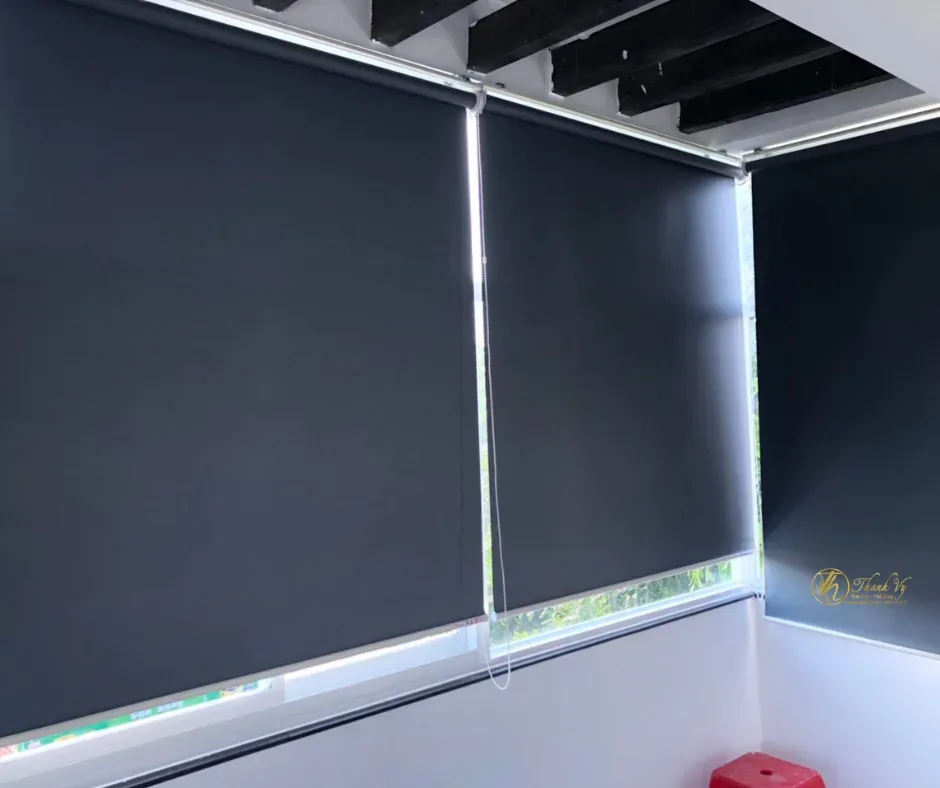
Quick answer: Roman blinds in District 7 are suitable when the window does not need to be opened and closed continuously and does not require absolute light blocking; if the room needs very strong light blocking or extremely quick operation, consider another solution before ordering custom roman blinds.
Checklist before choosing roman blinds
Prepare preliminary measurements of the window opening, an overall photo, information about the opening direction, handle, recess depth, and primary purpose. If comparing two options, ask for a description using the same criteria: light, privacy, installation type, compactness when raised, and cleanability.
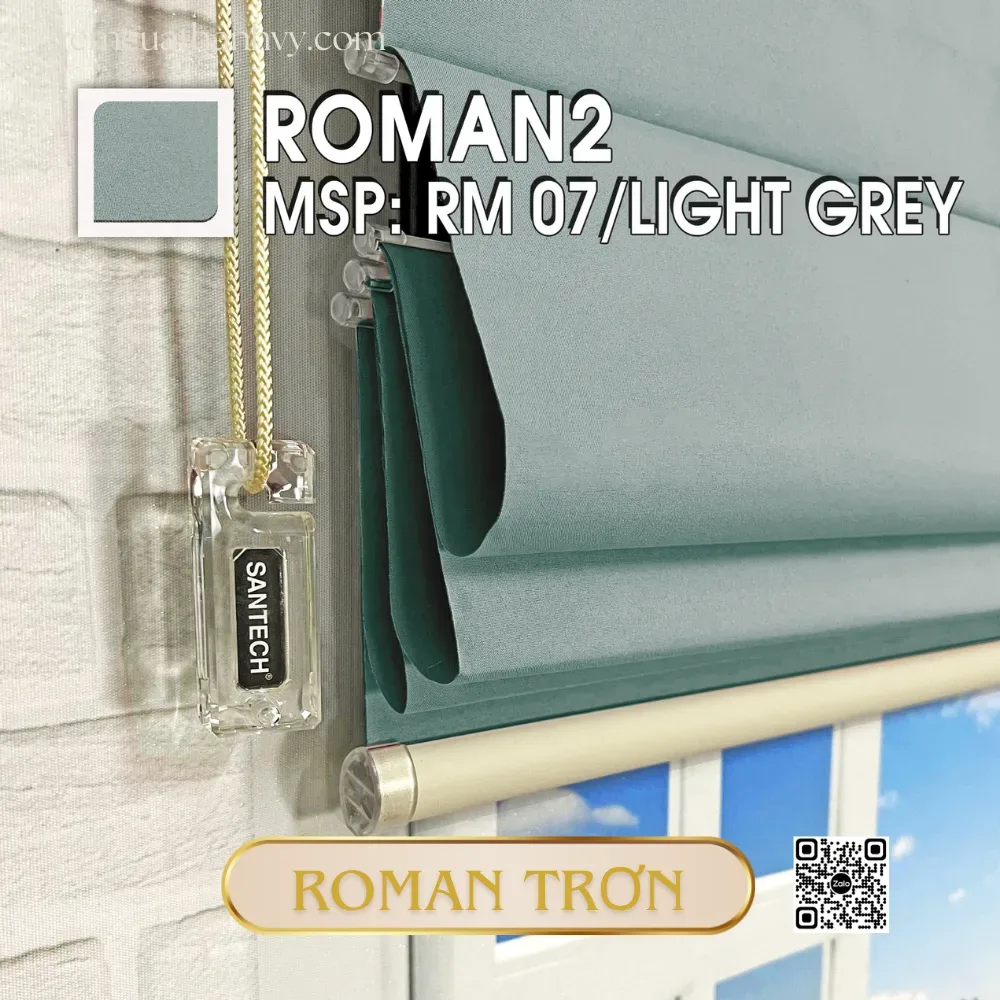
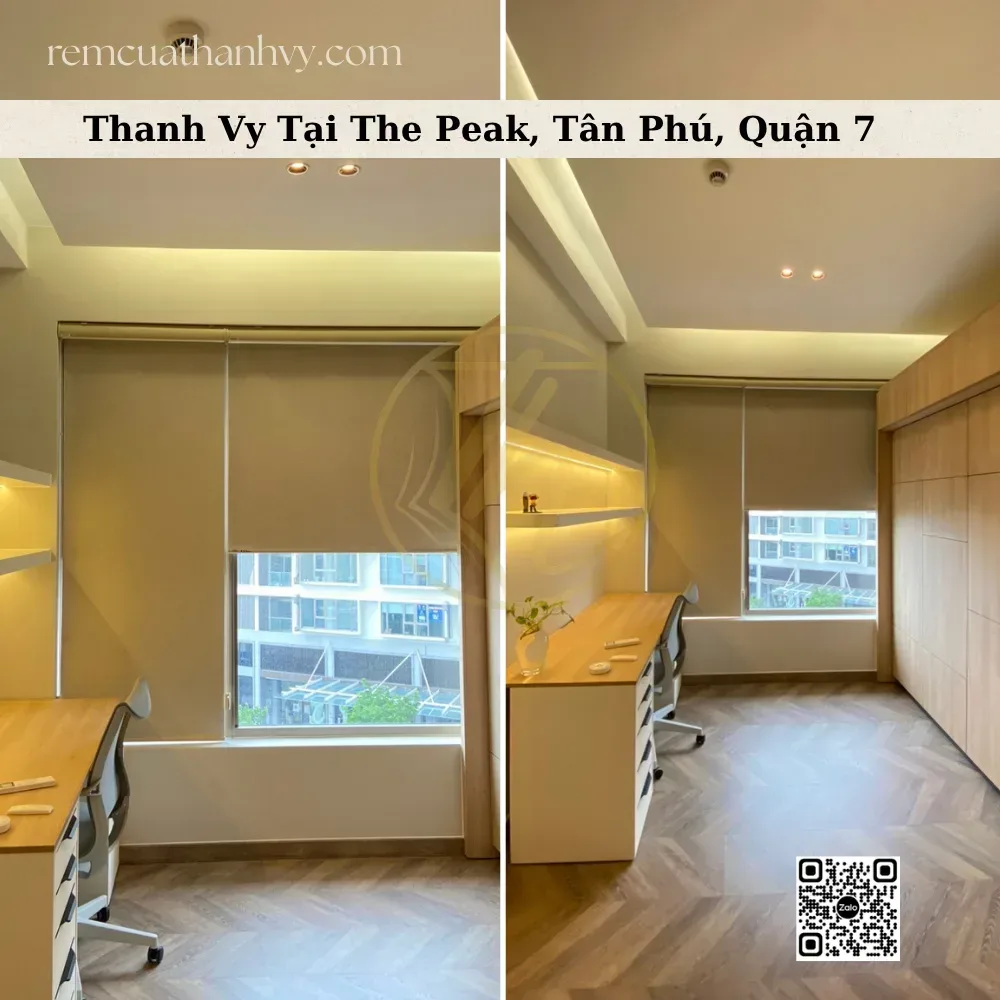
Roman blinds in District 7 perform best when chosen according to the window proportions and usage habits. An option carefully assessed from the beginning will usually provide a neat, balanced feel and require fewer adjustments after completion.
When roman blinds are more suitable than roller blinds or horizontally drawn fabric curtains
People looking for roman blinds in District 7 often find themselves choosing among three familiar options: roman blinds, roller blinds, and horizontally drawn fabric curtains. The differences lie not only in appearance but also in the user experience. Roman blinds are suitable for windows that need a neat-looking surface, clearly defined folds when raised, and still retain the softness of fabric when lowered. If users want a light, uncluttered space with fewer exposed mechanical details but do not like an overly flat appearance, roman blinds are a configuration worth considering over roller blinds.
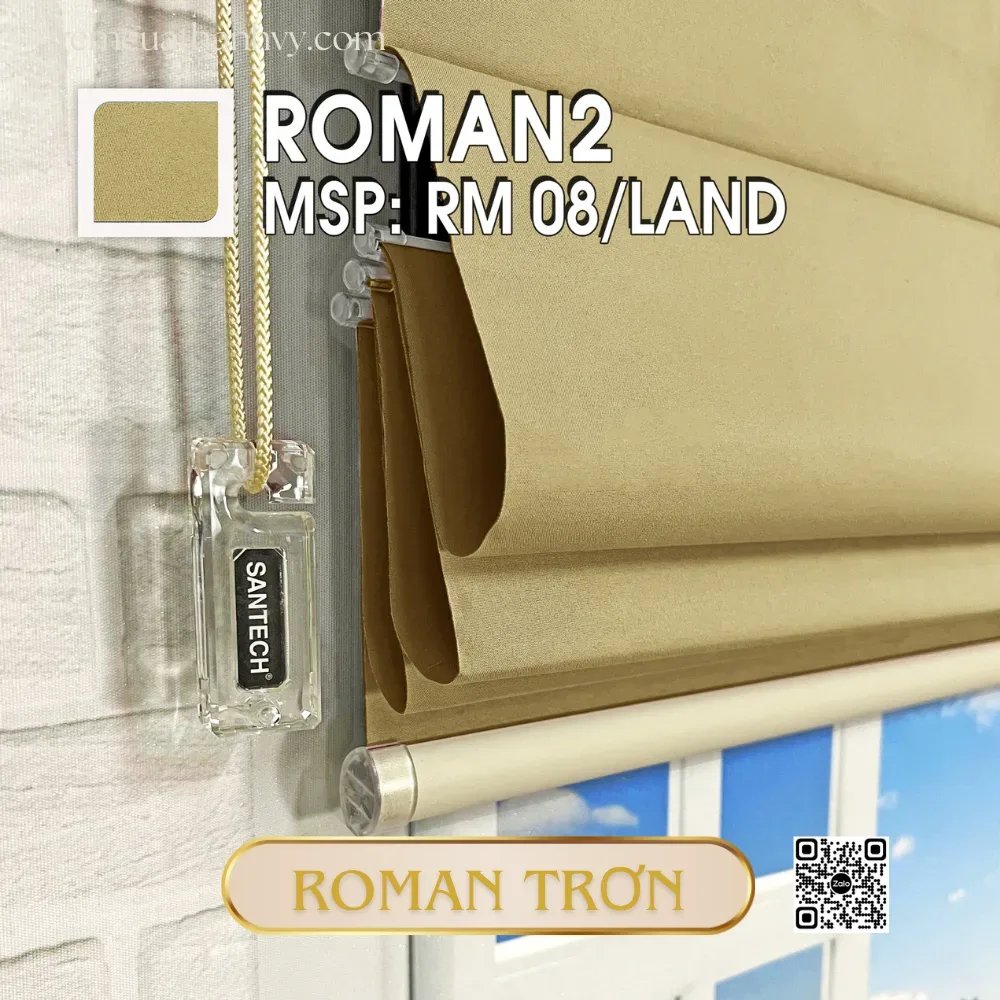
Conversely, if the window is opened and closed continuously throughout the day or requires a truly quick operation for each brief use, readers should carefully check whether roman blinds are still convenient. Compared with horizontally drawn fabric curtains, roman blinds also require users to pay more attention to the thickness of the folded section when raised. Therefore, the most suitable decision is not that “roman blinds look better,” but whether roman blinds match the window proportions, usage habits, and space around the window. When comparing them this way, readers will be less drawn into reference images and focus more on the actual experience after installation.
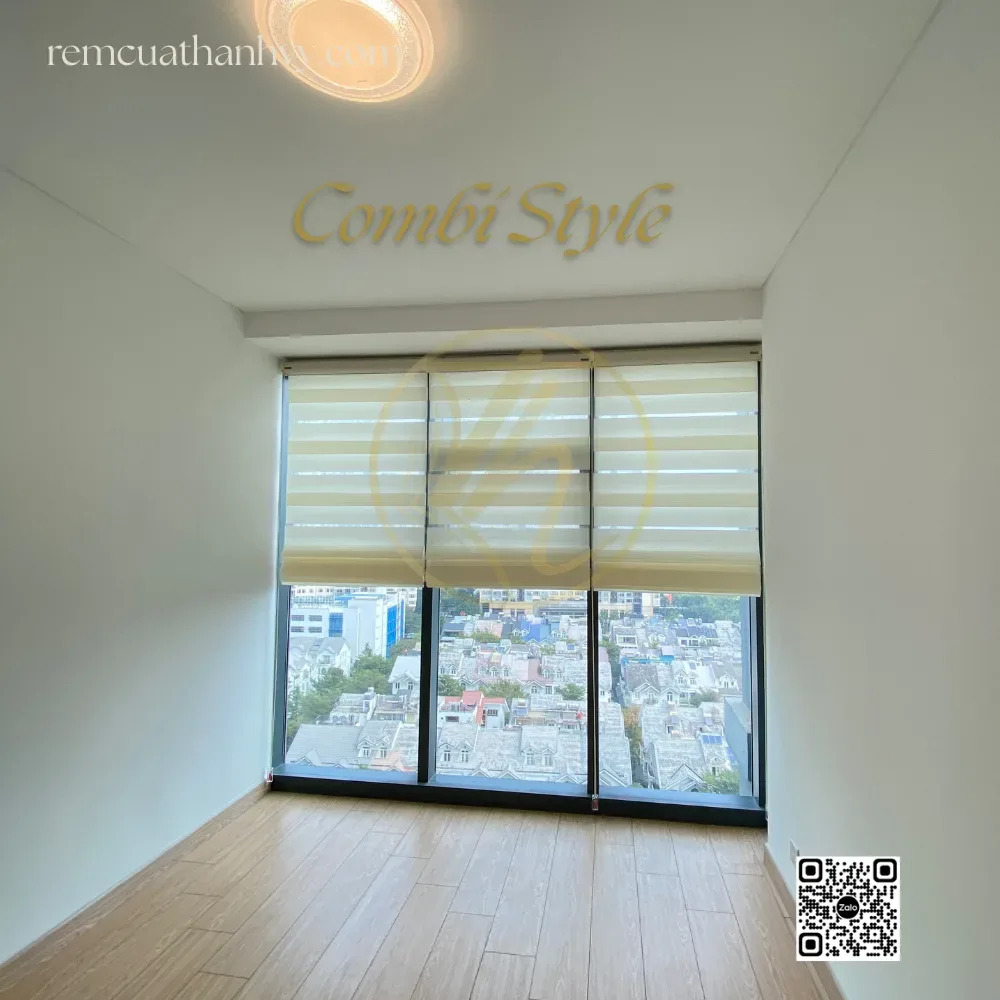
Technical details to ask about before placing a custom order
Before finalizing roman blinds, readers should ask clearly about three groups of details. The first group concerns installation: whether they will be installed inside or outside the recess, whether the mounting surface is sturdy enough, and whether the handle or opening panel will be obstructed when the blinds are lowered. The second group concerns materials: whether the fabric is structured enough to keep the folds neat, whether the surface shows many crease marks under strong light, and how the level of privacy changes between daytime and nighttime. The final group concerns operation: how high the blind stack will be when raised, whether users can easily reach the operating mechanism, and how much disassembly will be required for periodic cleaning.
These questions may sound meticulous, but they determine whether roman blinds will be a neat, attractive solution or a choice that requires users to make constant adjustments after installation. When the consultant can answer with specific descriptions instead of general assurances, readers will find it easier to assess whether the option under consideration is truly suitable for their own windows.
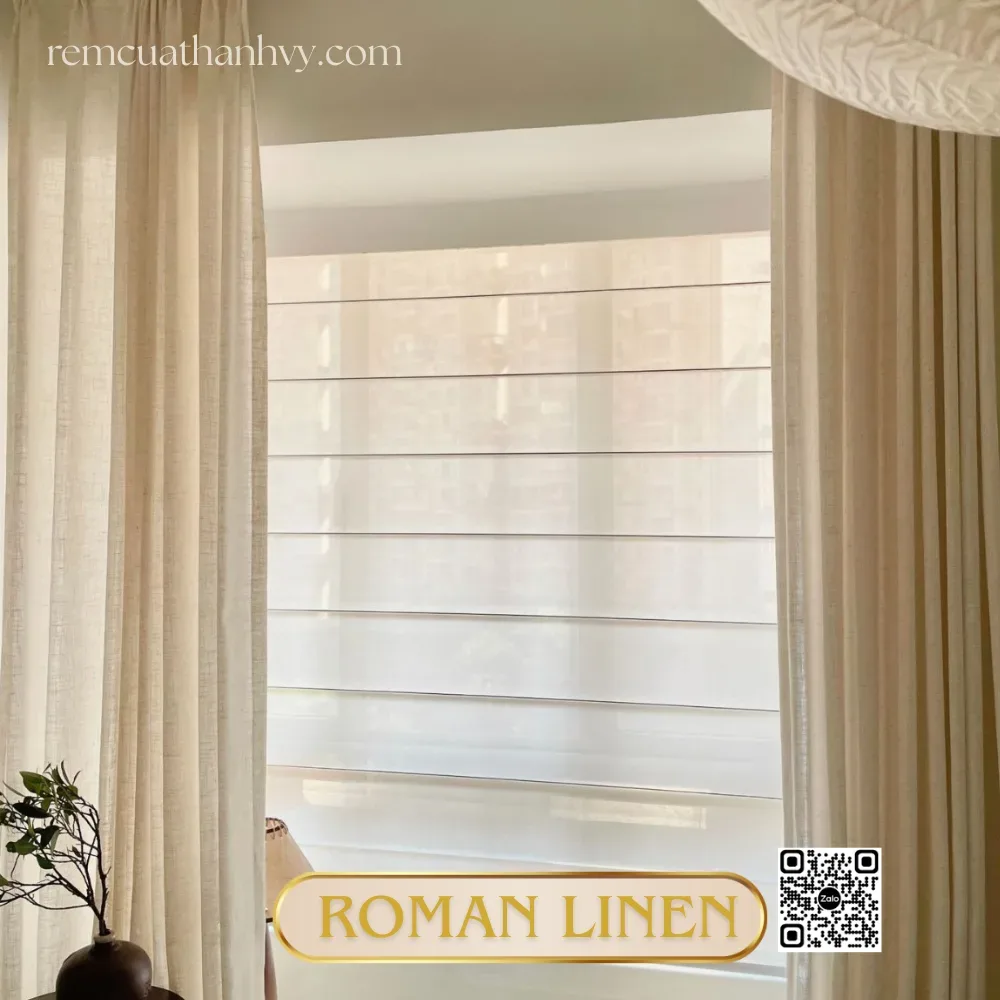
Send your dimensions and needs, and the Thanh Vy Curtains team will advise on options and quote for your actual space.
How to check after installation to avoid repeated repairs
After completing the installation of roman blinds in District 7, readers should immediately check several basic points: when raised, do the folds gather neatly and evenly; when lowered, does the fabric maintain balanced proportions across the window; and does operation interfere with the handle, objects placed near the window, or the opening panel? If the window is in a space used every day, such as a bedroom or work area, try operating it several times in succession to see whether the blind maintains a smooth and stable feel. Checking early with this checklist helps address minor adjustments right from the beginning, rather than discovering only after prolonged use an inconvenience that could have been avoided beforehand. Interested readers can refer to polyester fiber in the textile industry before making a decision.
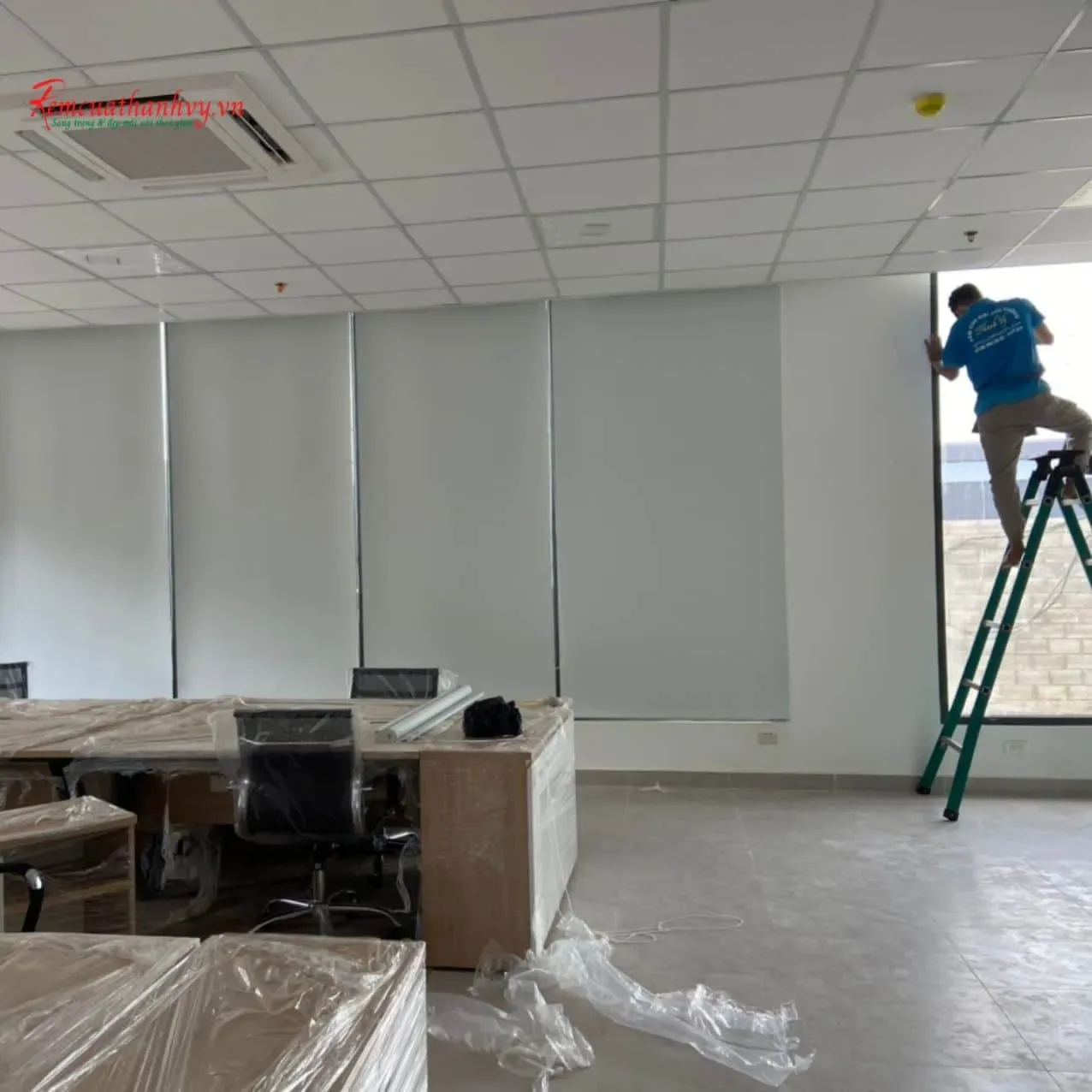
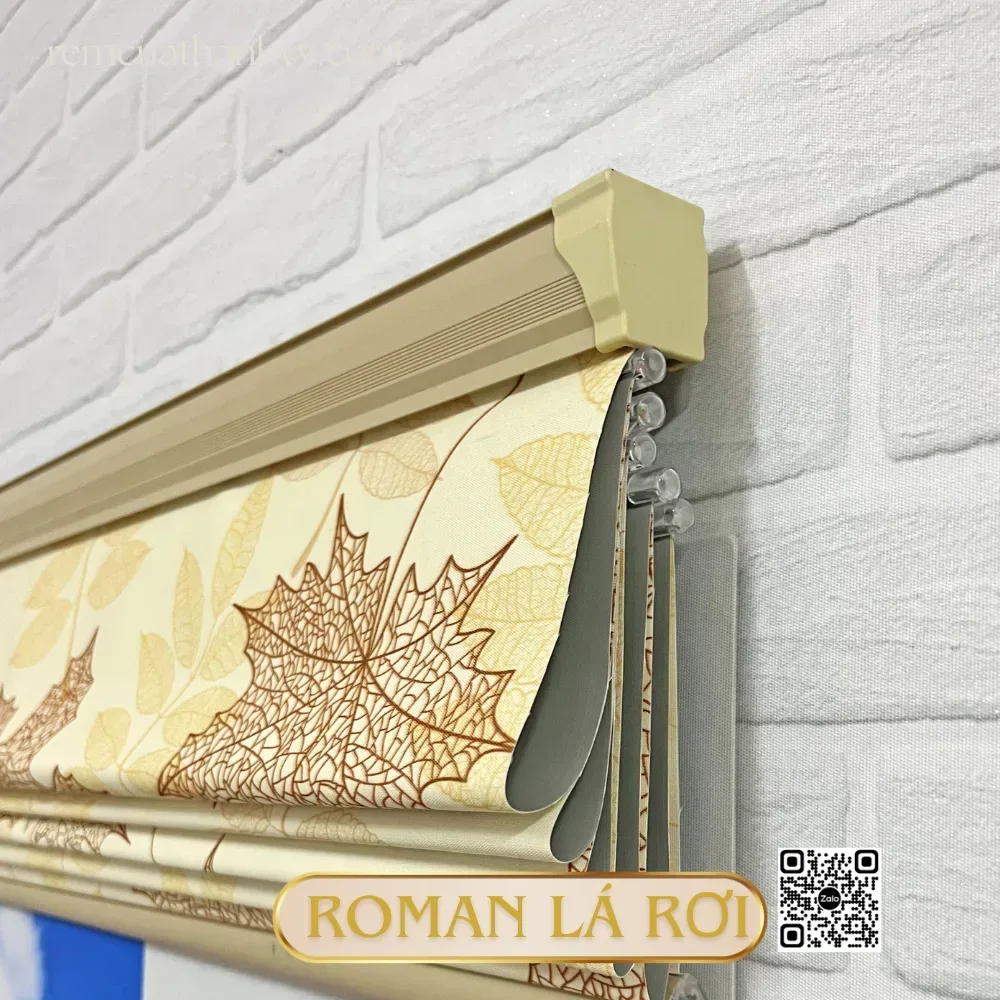
Window blind styles recommended for installation in District 7
Below are the actual product groups currently available at Thanh Vy Window Curtains, arranged according to common usage needs in District 7.
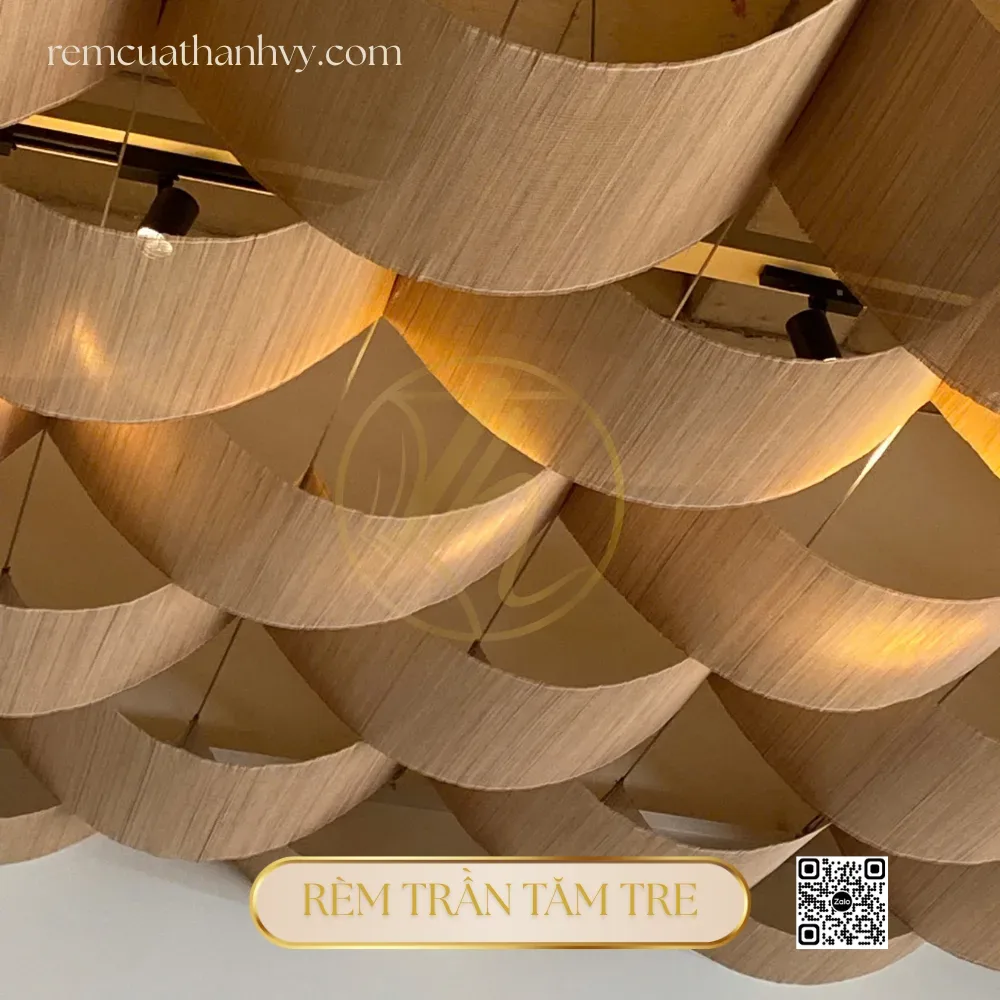
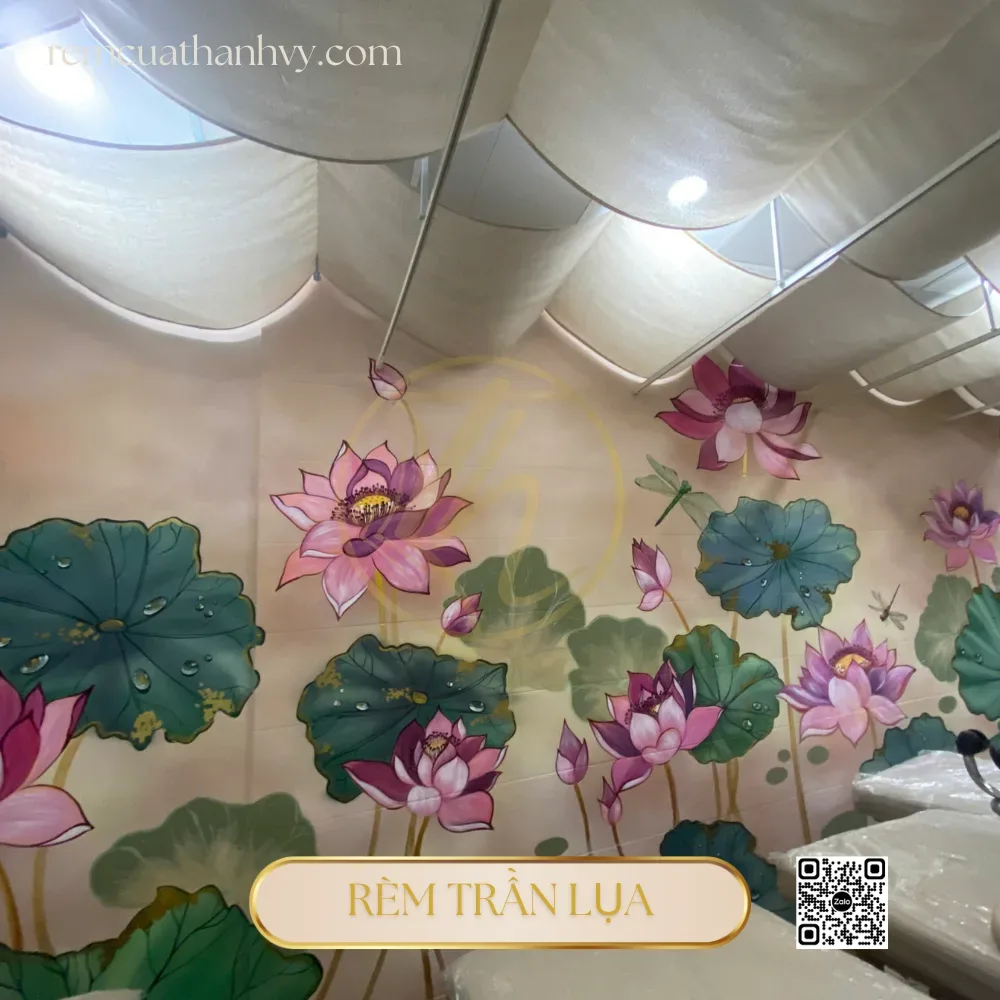
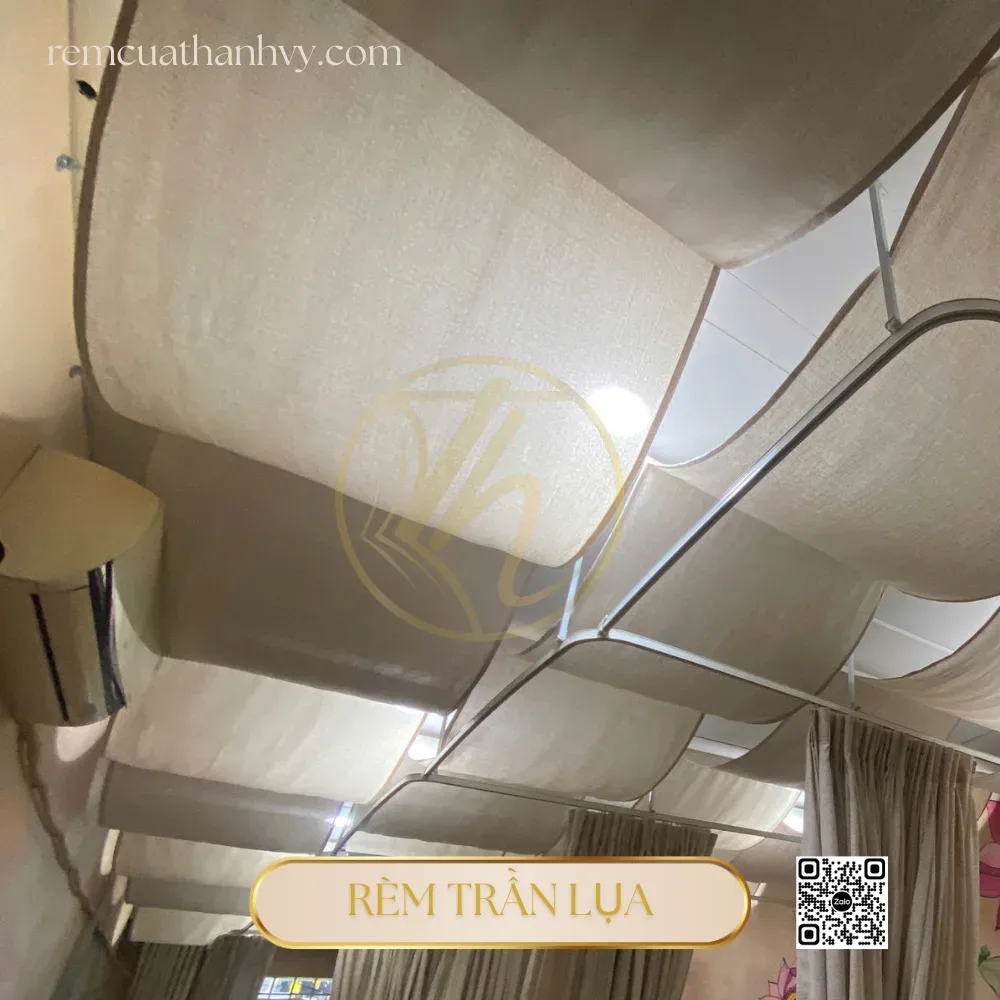
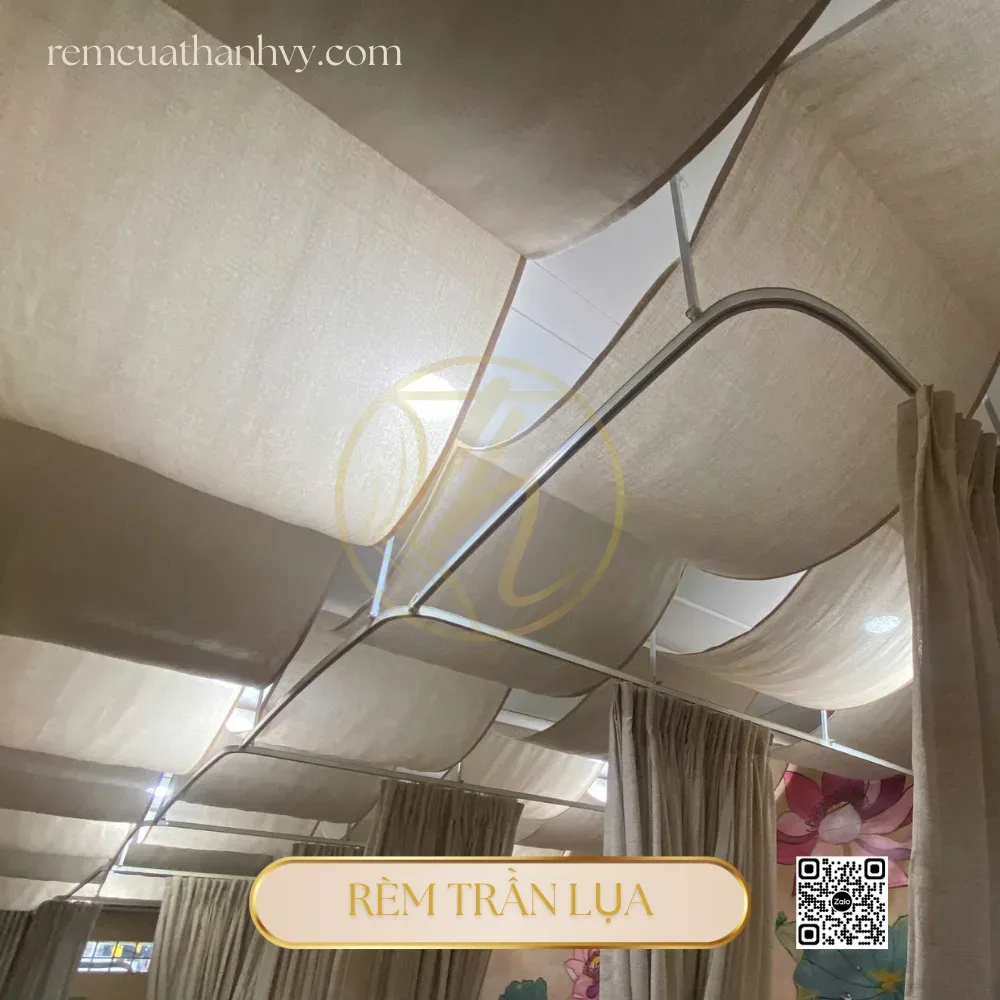
Roman Blinds
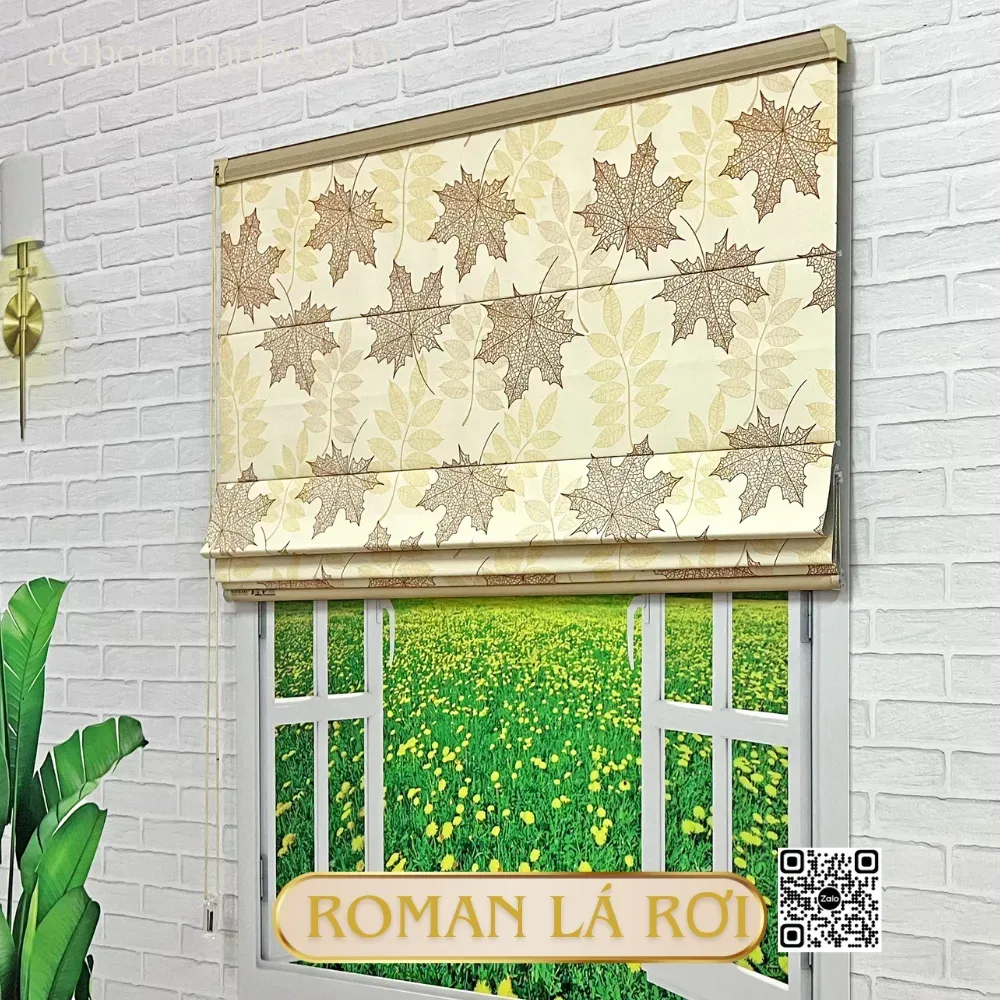
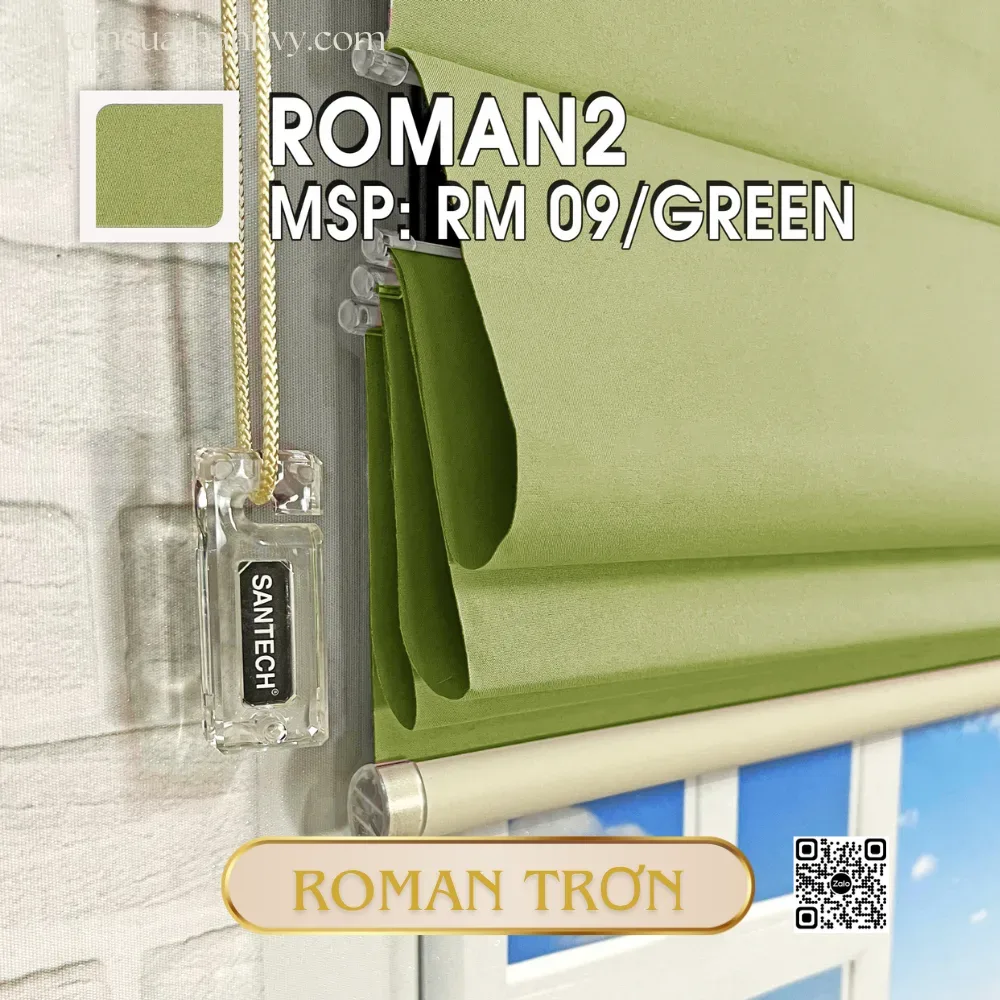
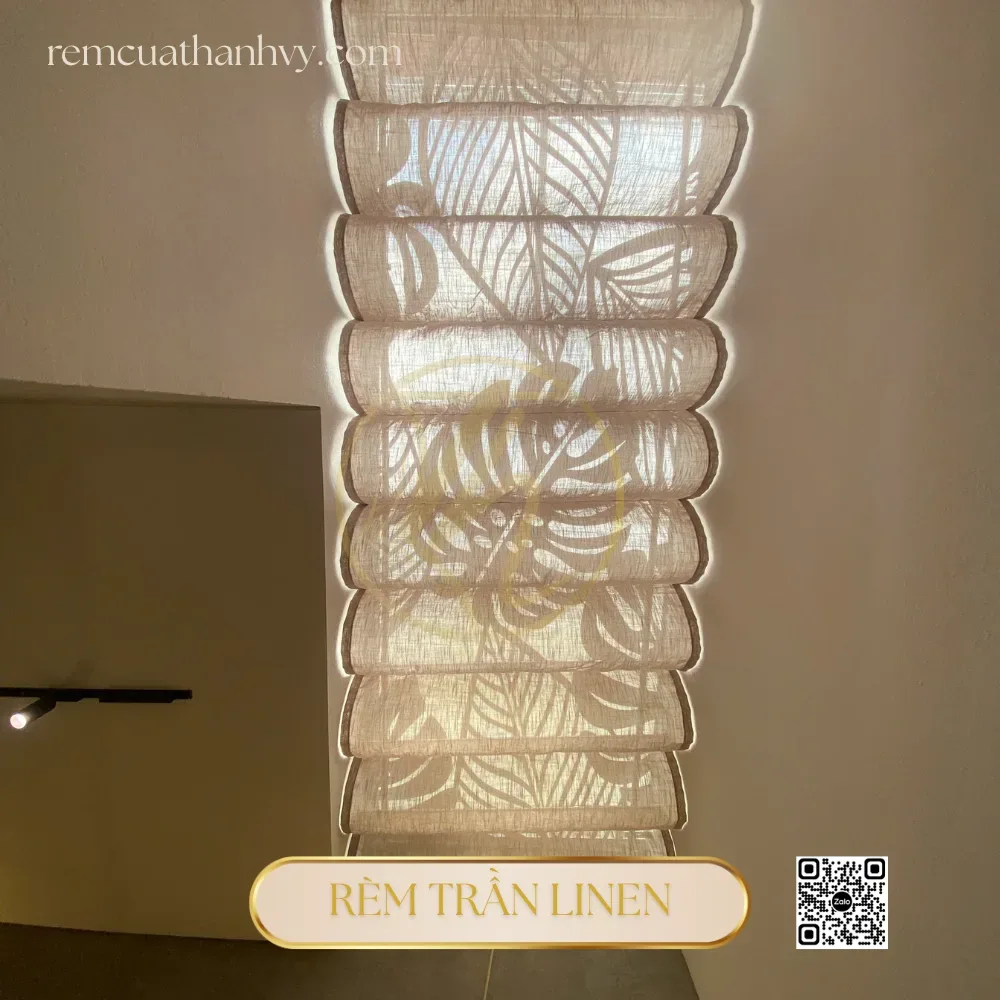
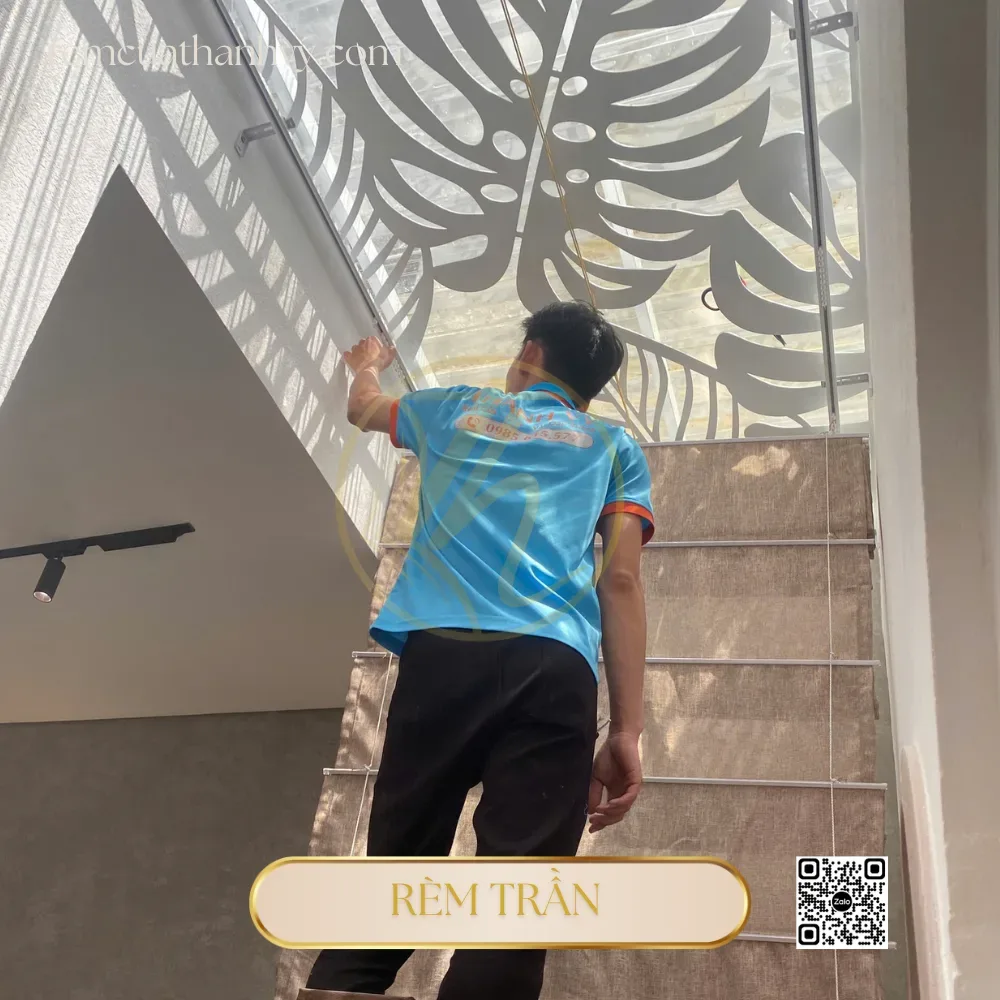
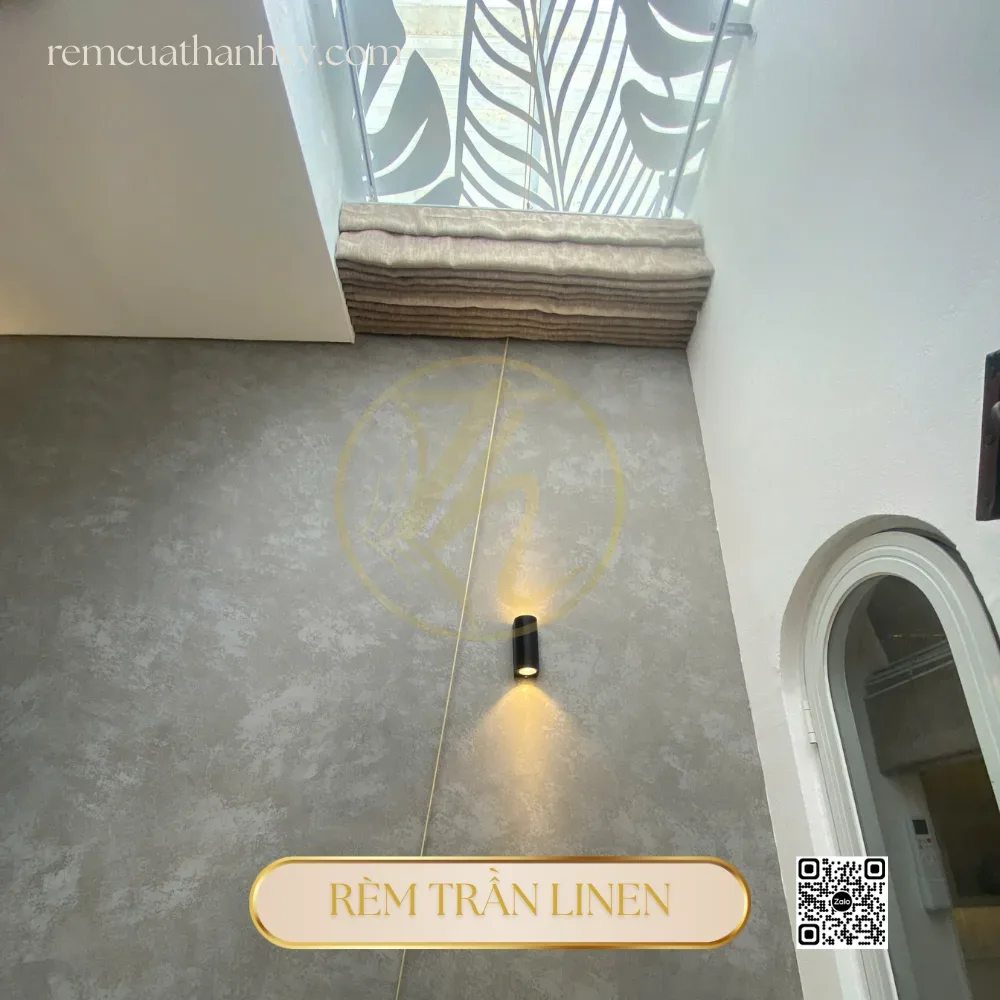
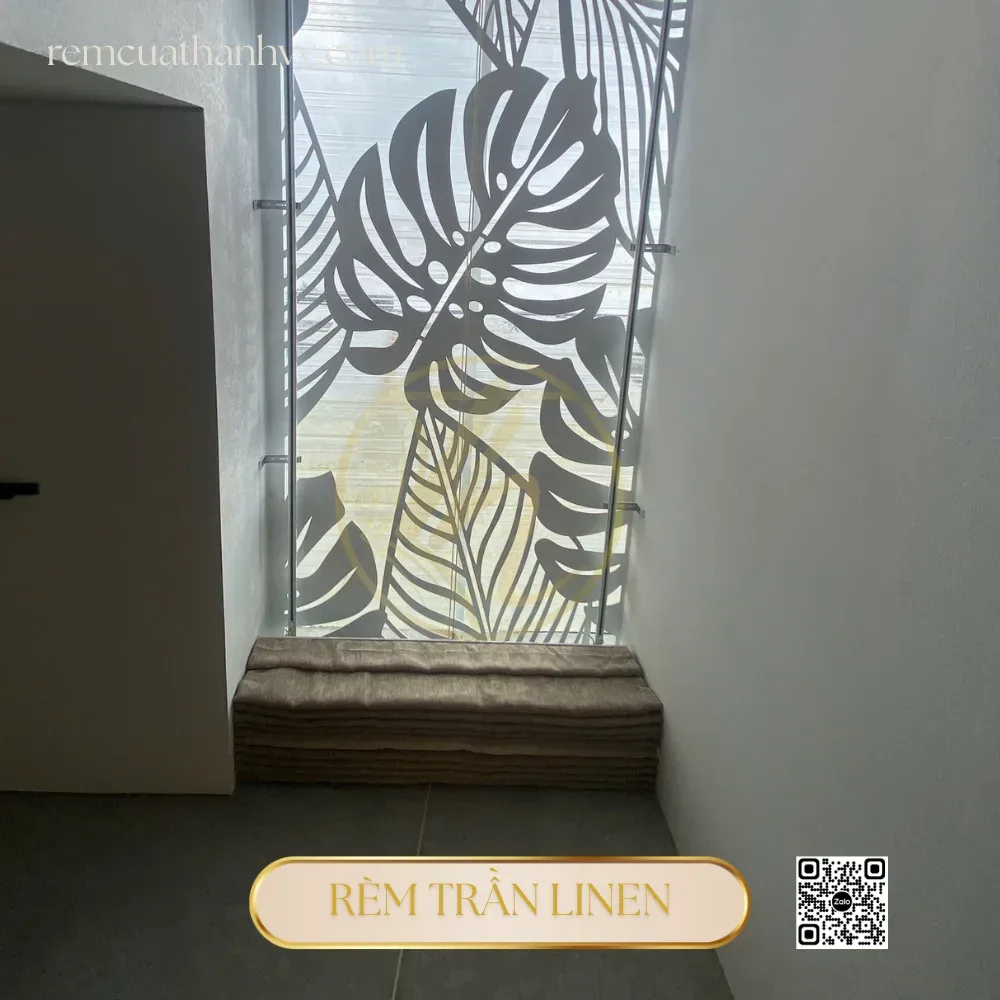
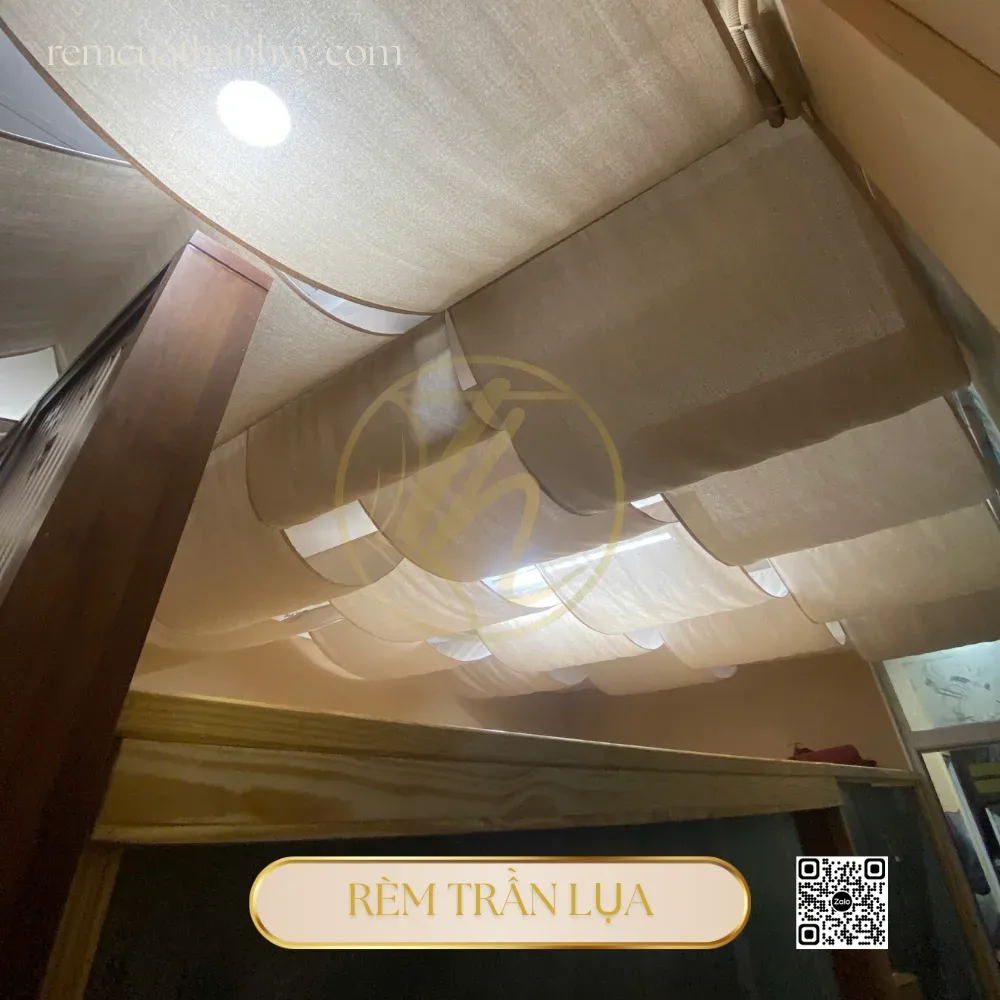
Roman blinds fold into horizontal layers when raised, creating neat pleats and suiting medium-sized windows.
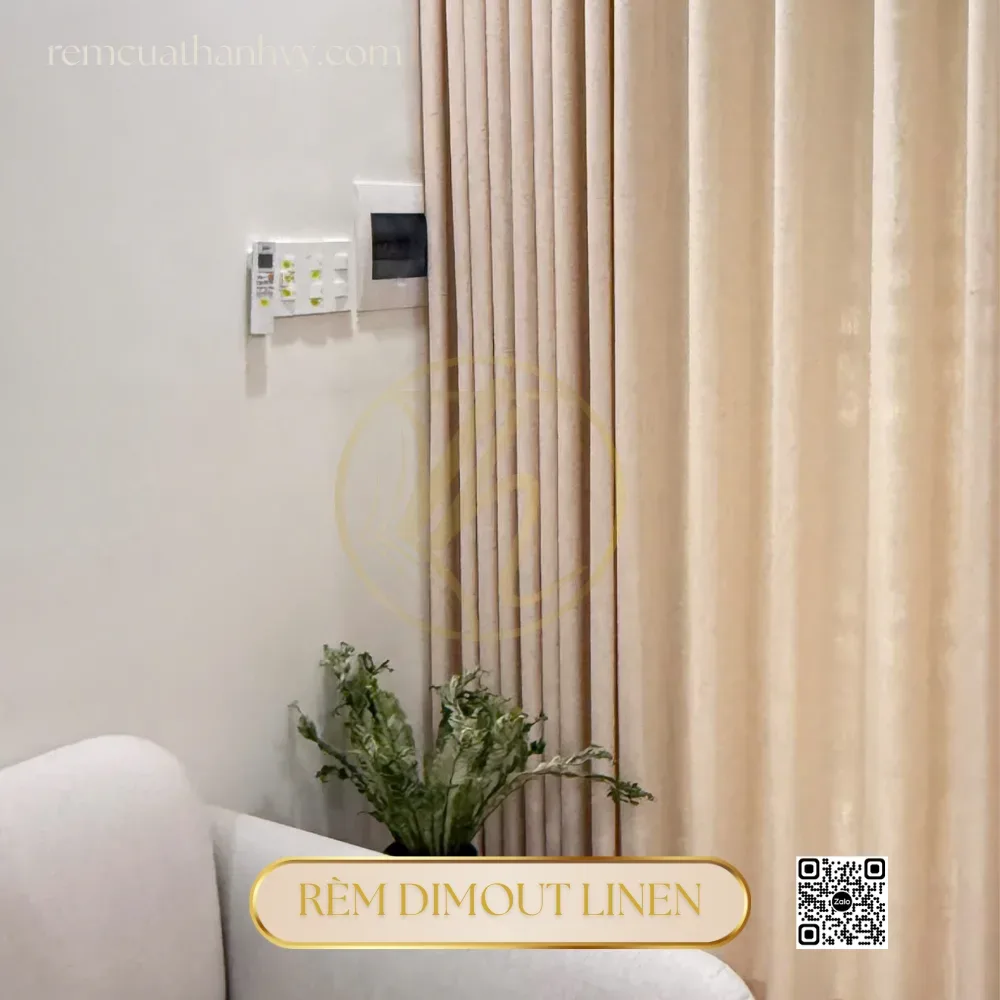
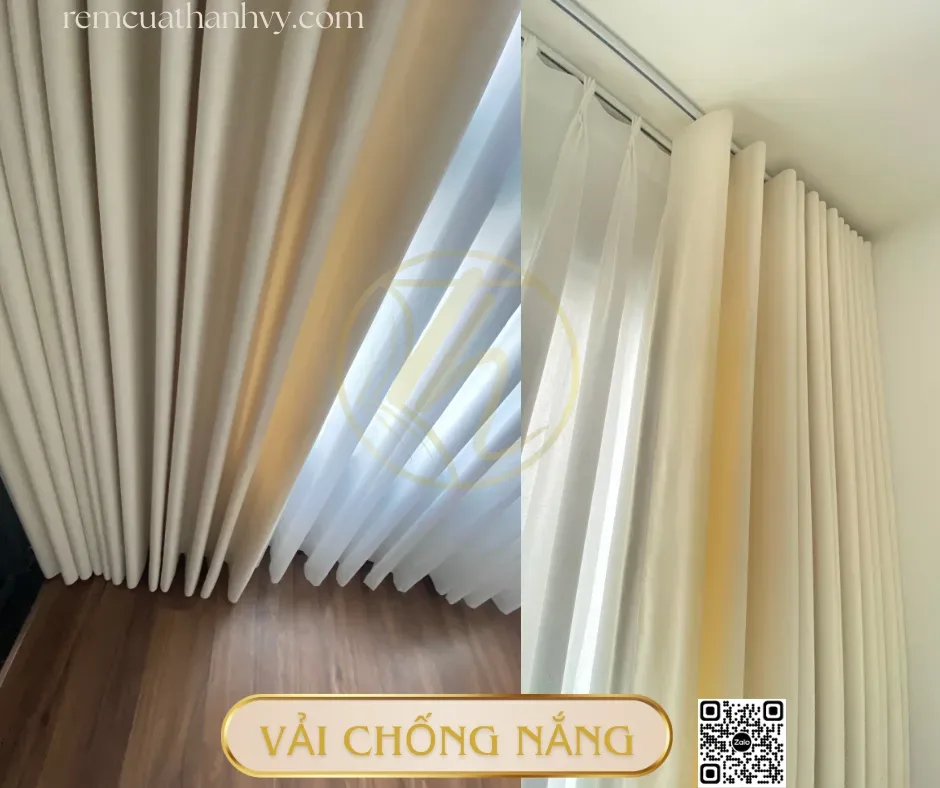
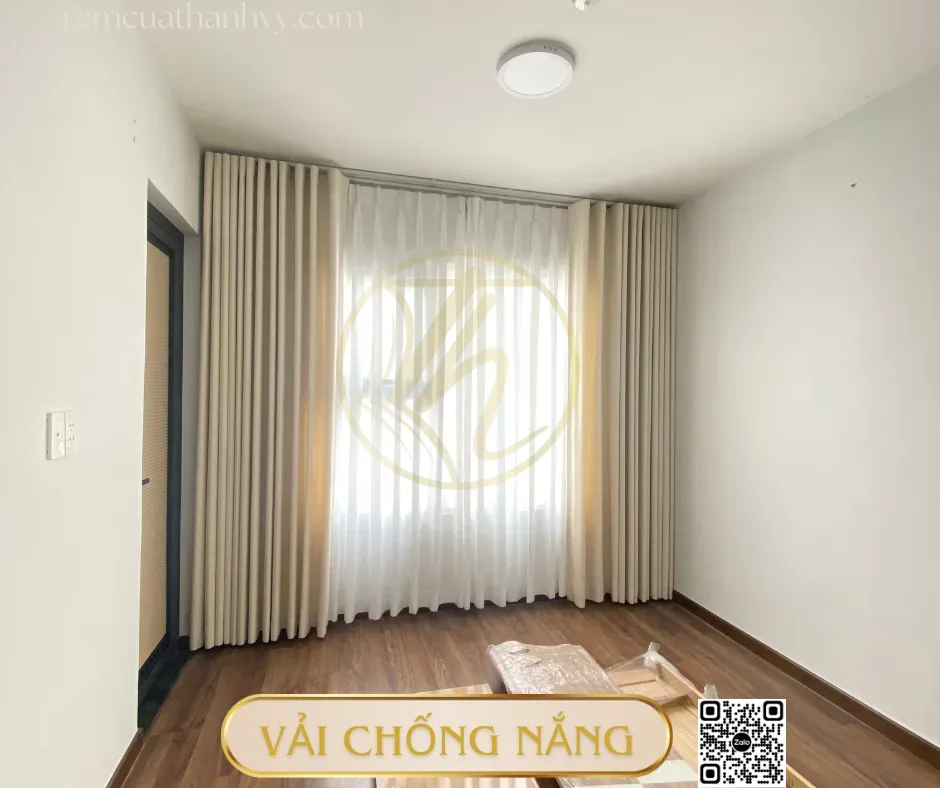
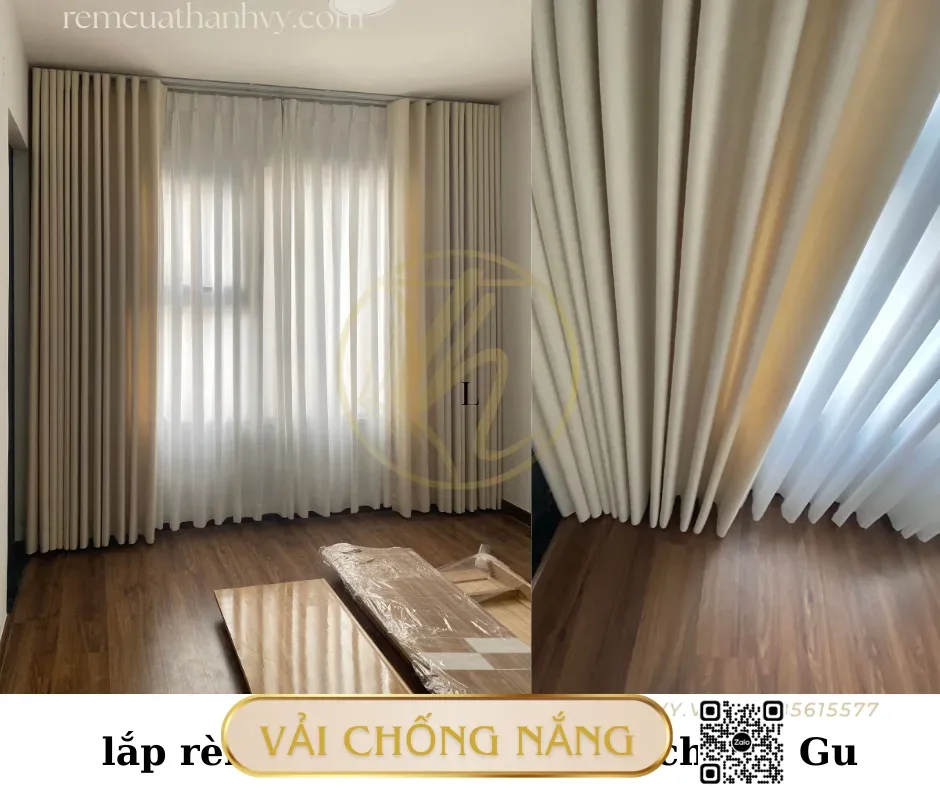
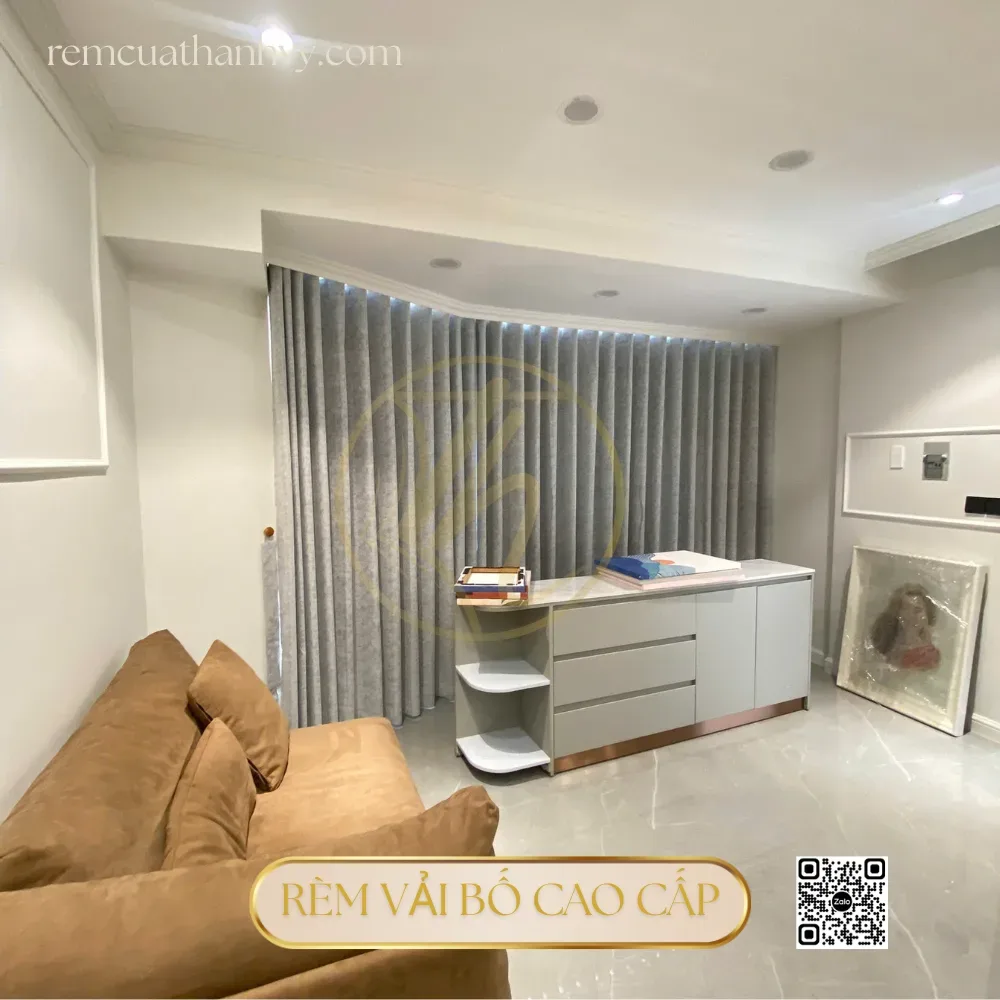
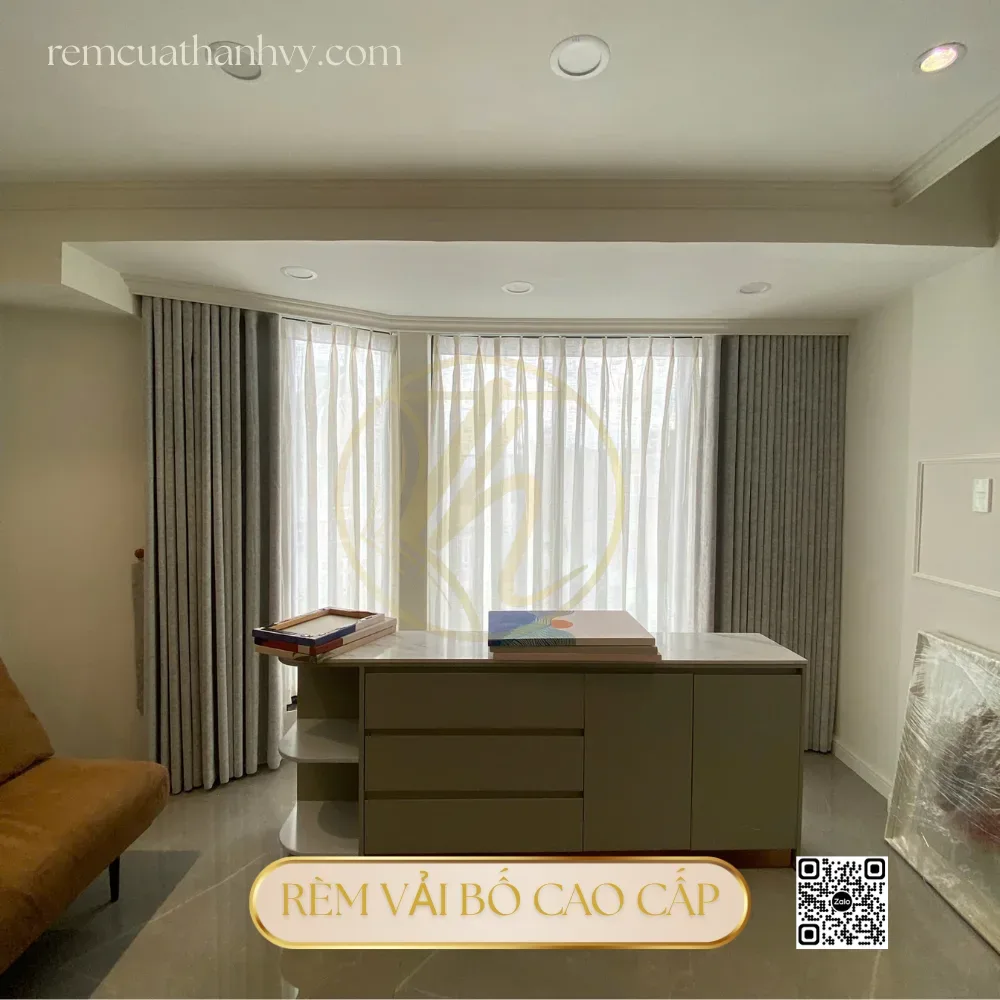
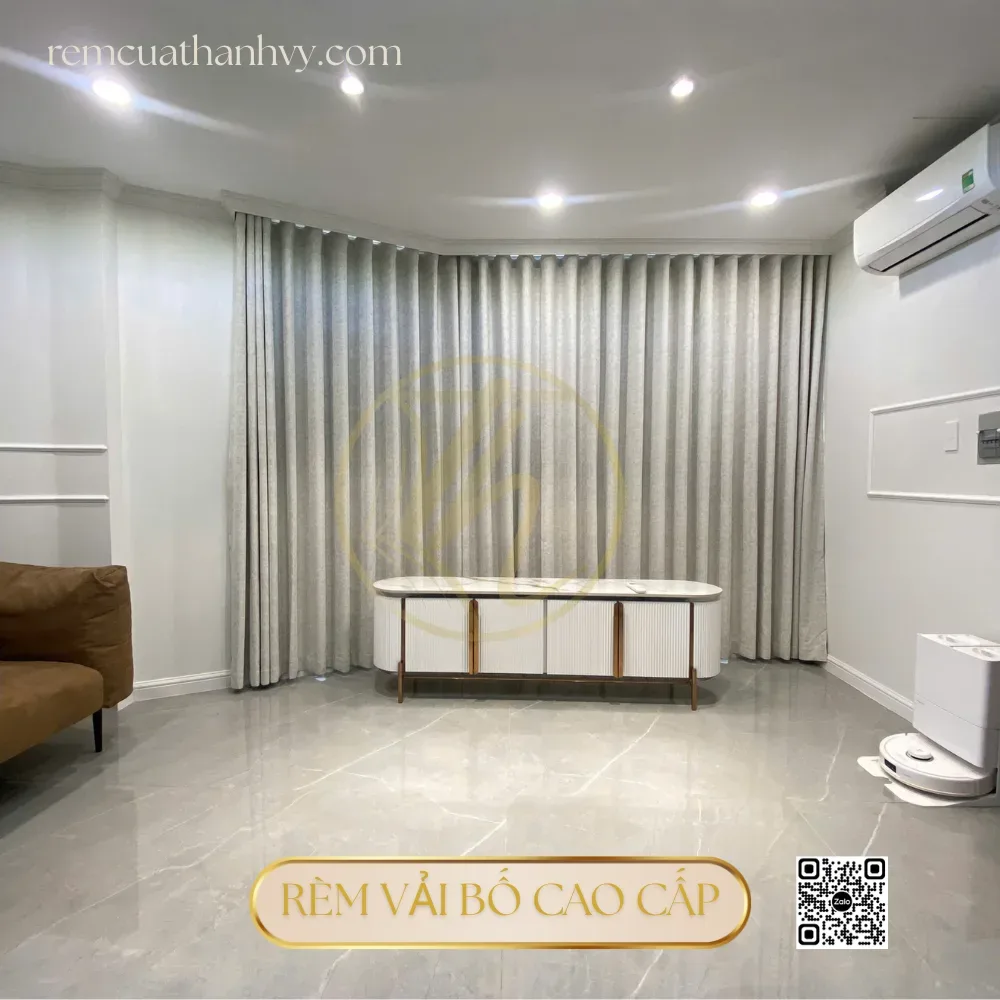
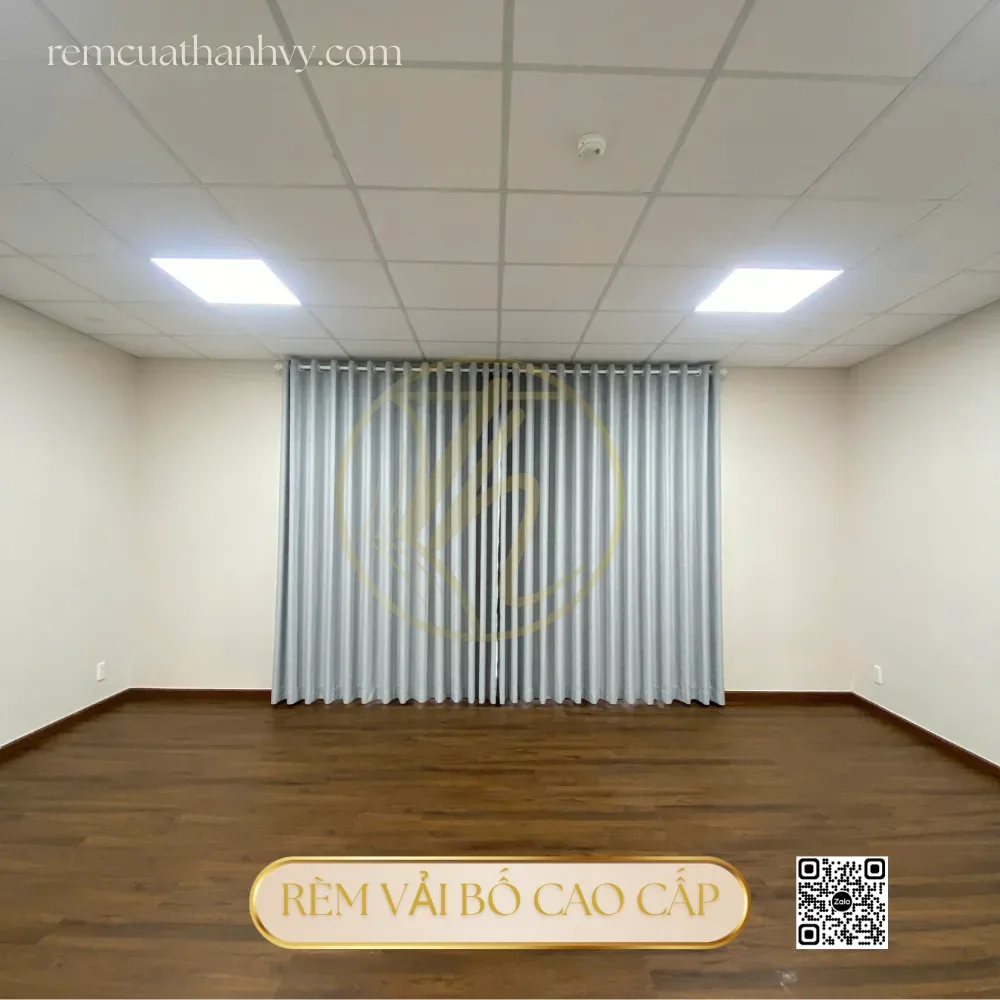
Fabric Curtains
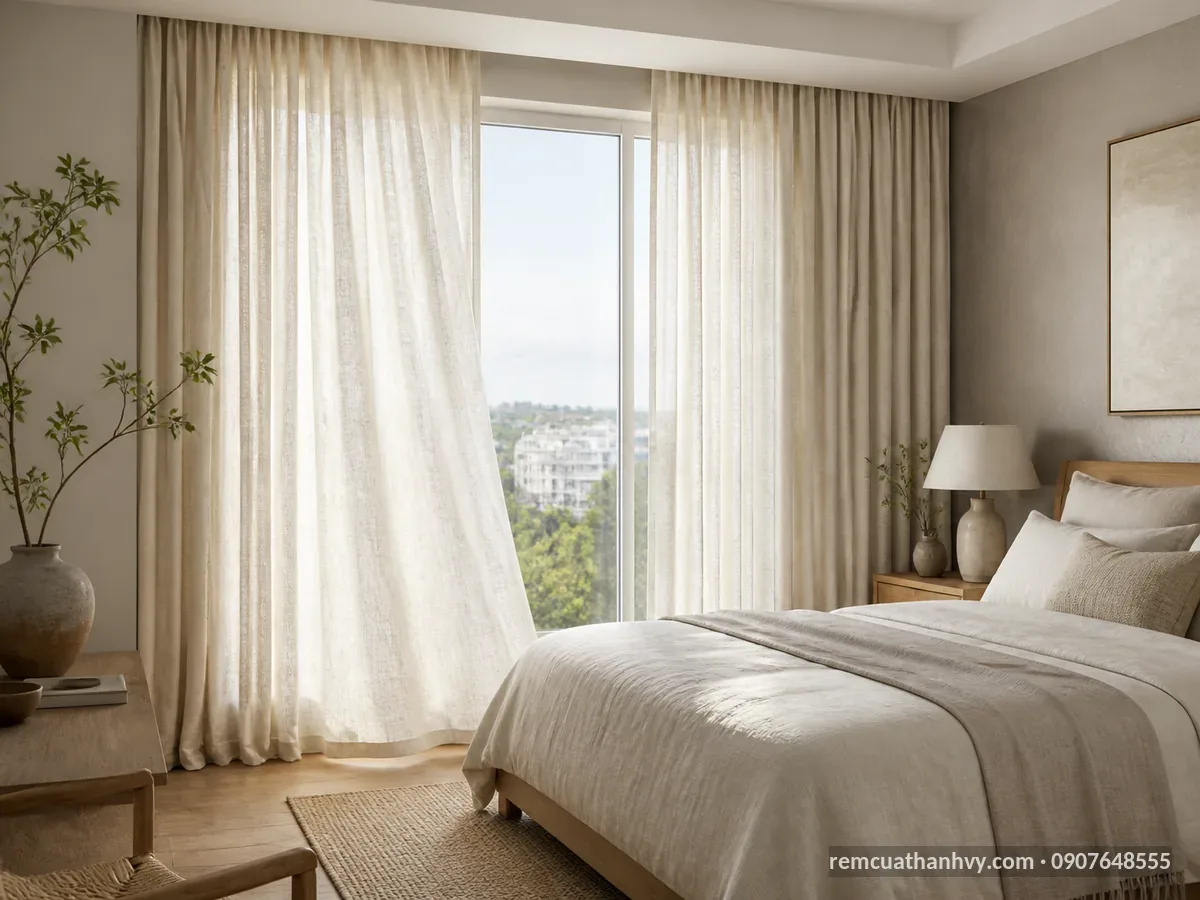
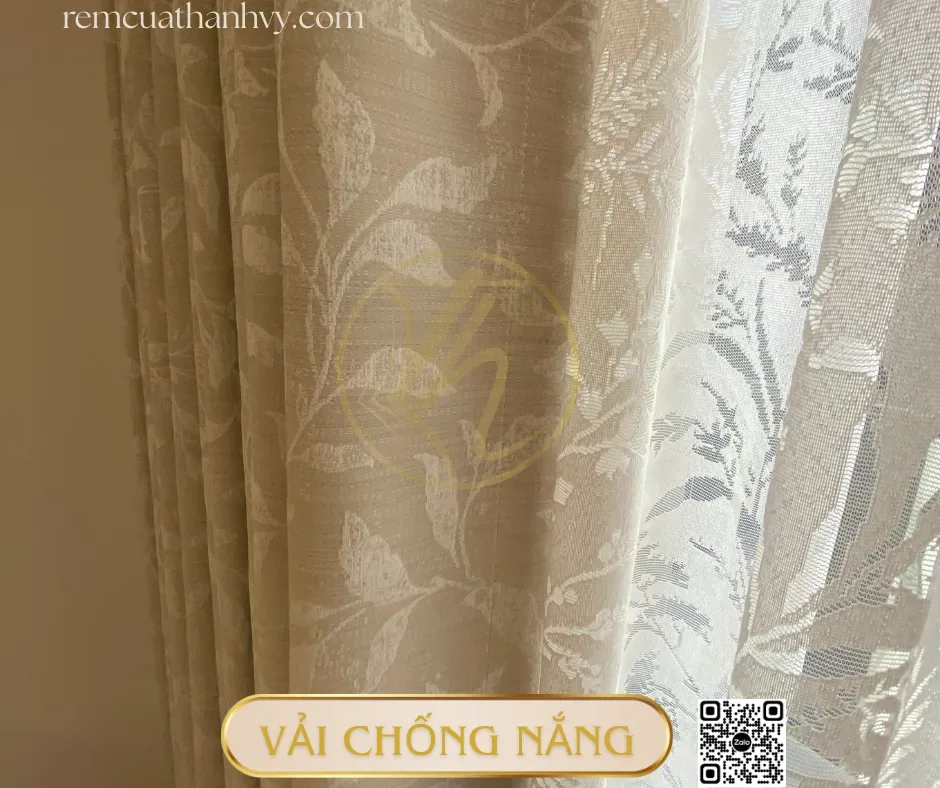
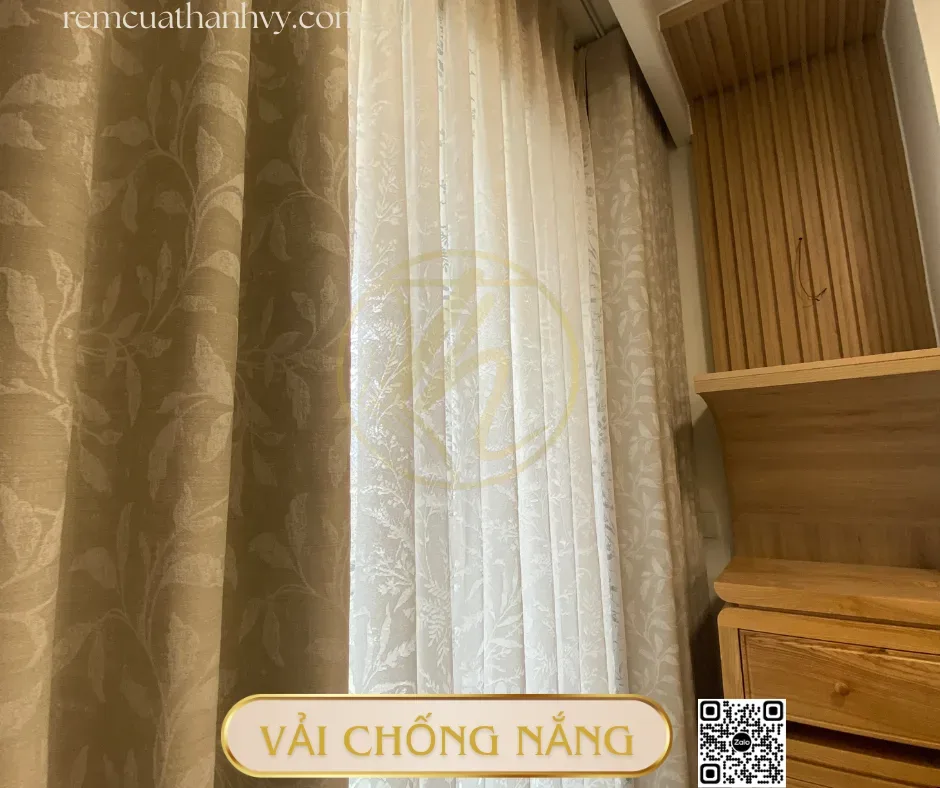
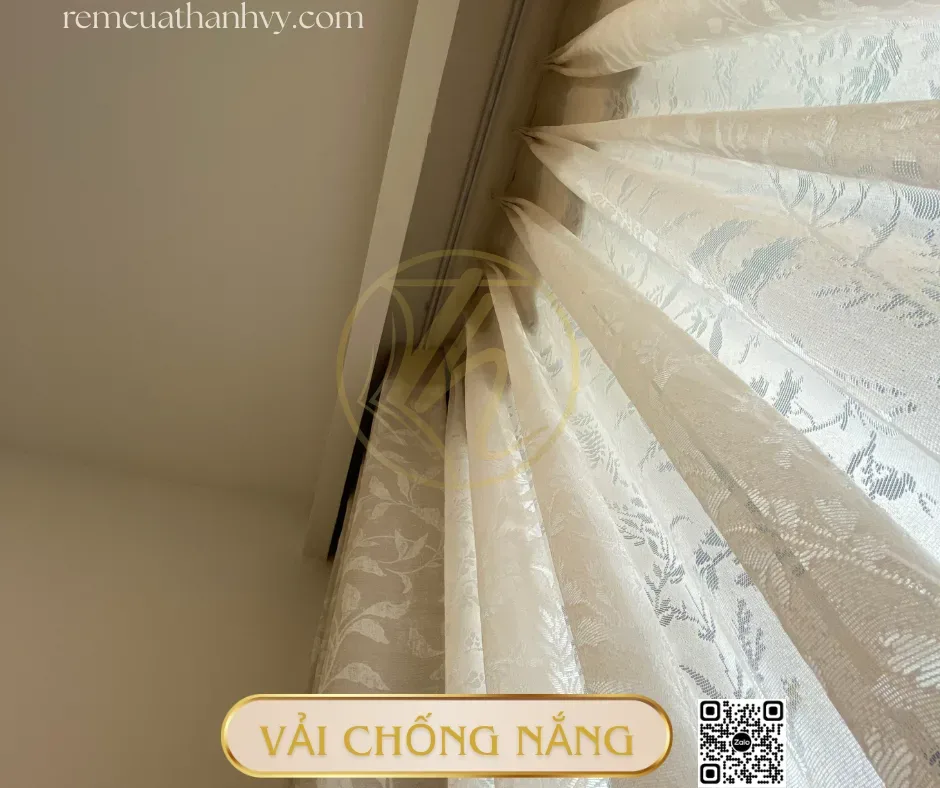
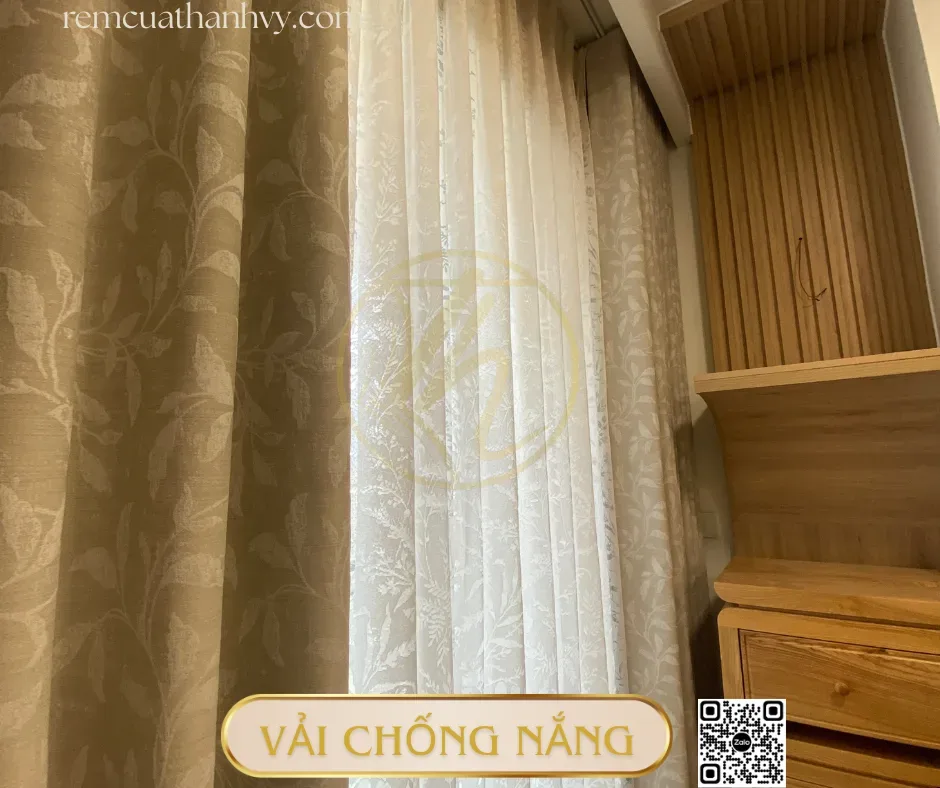
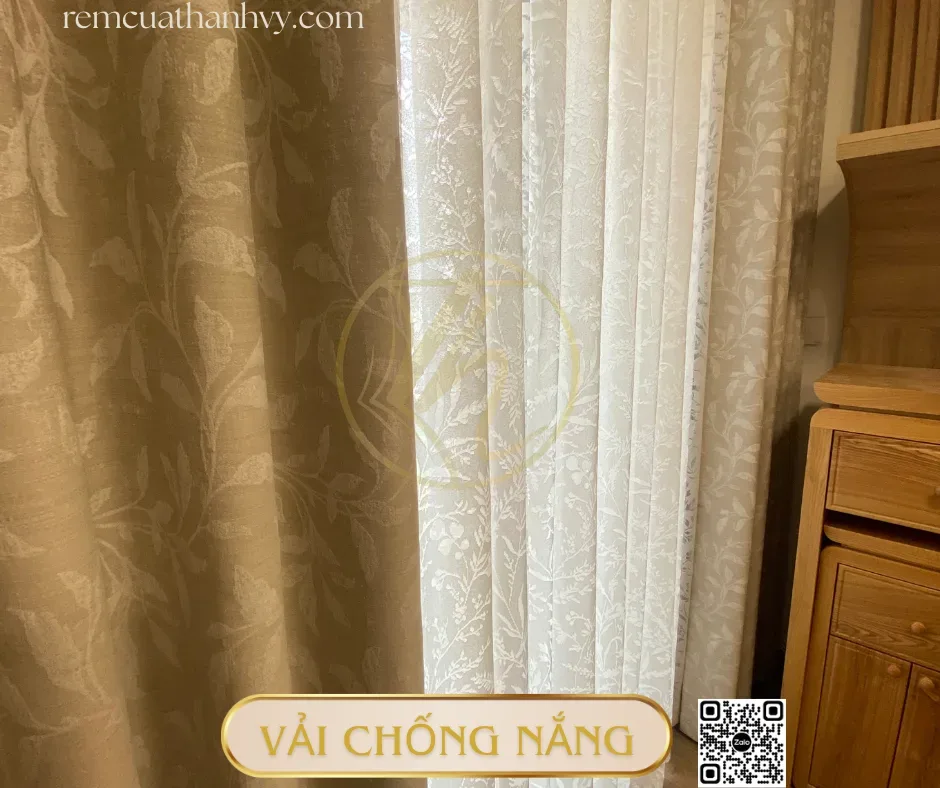
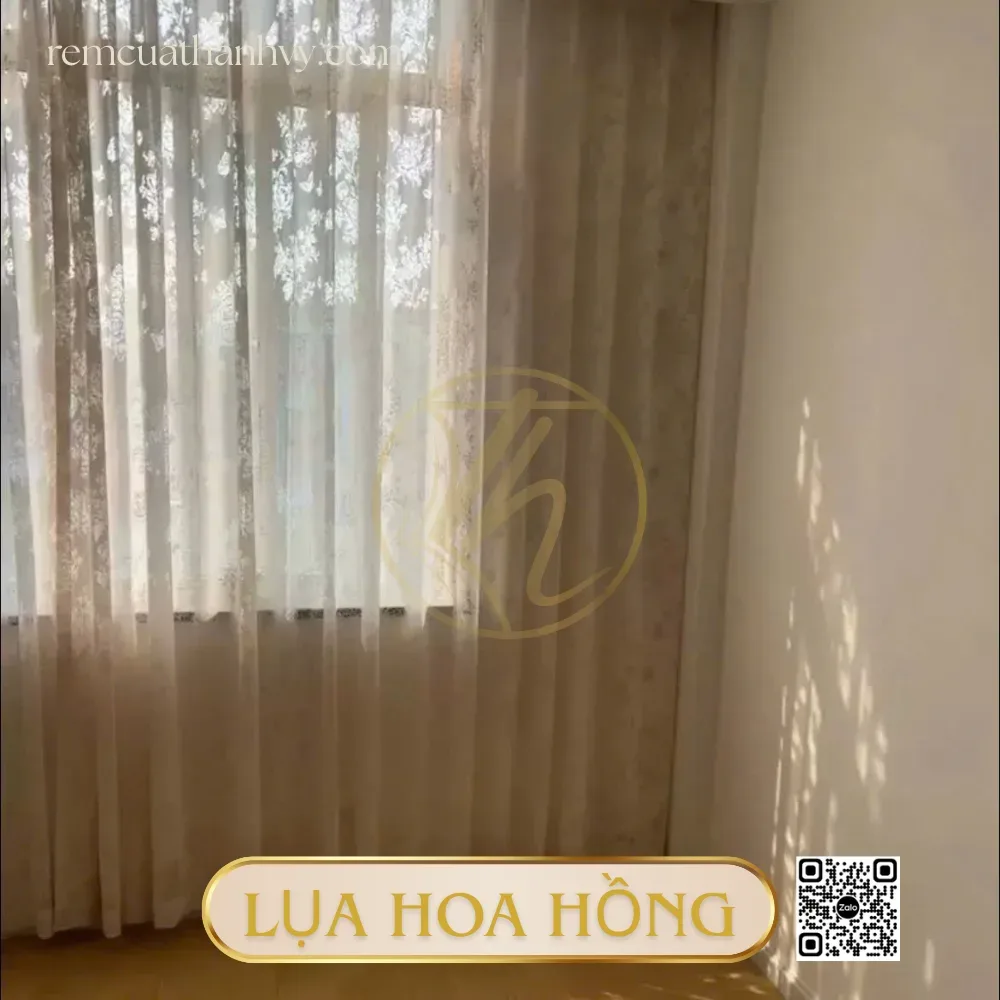
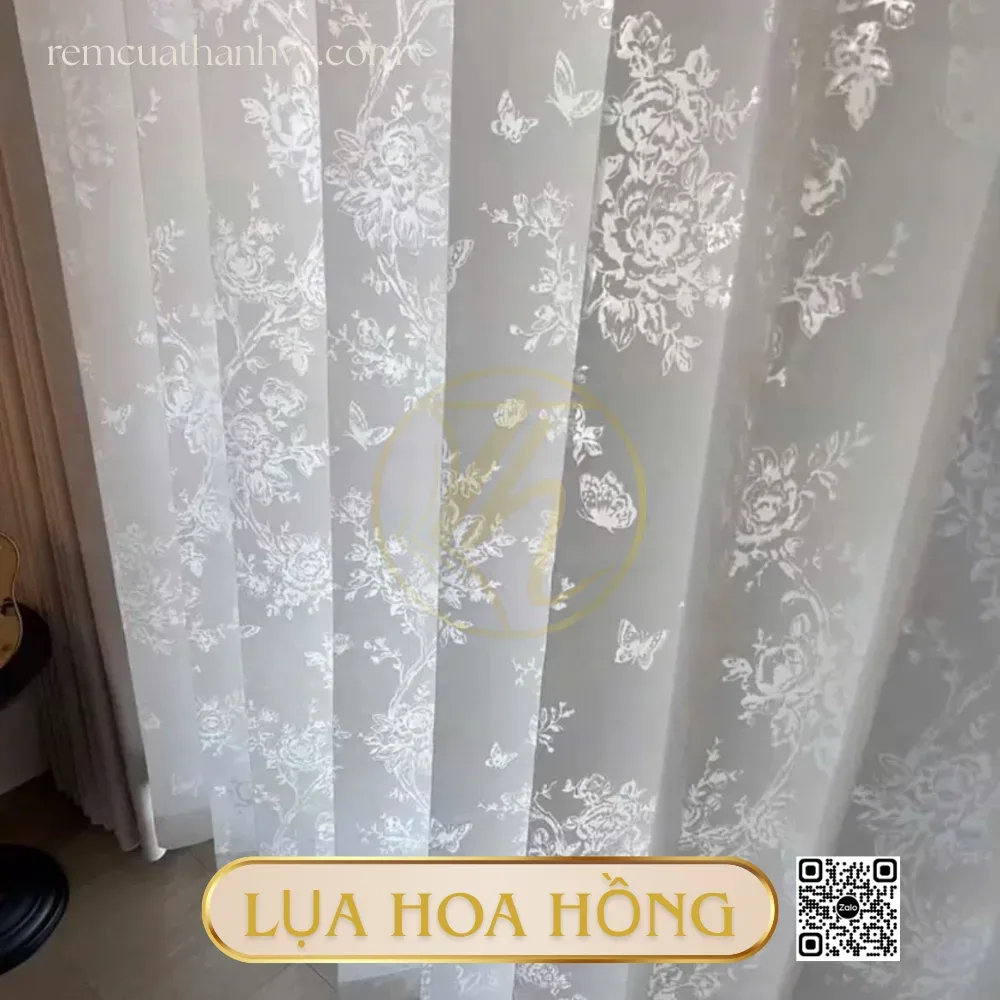
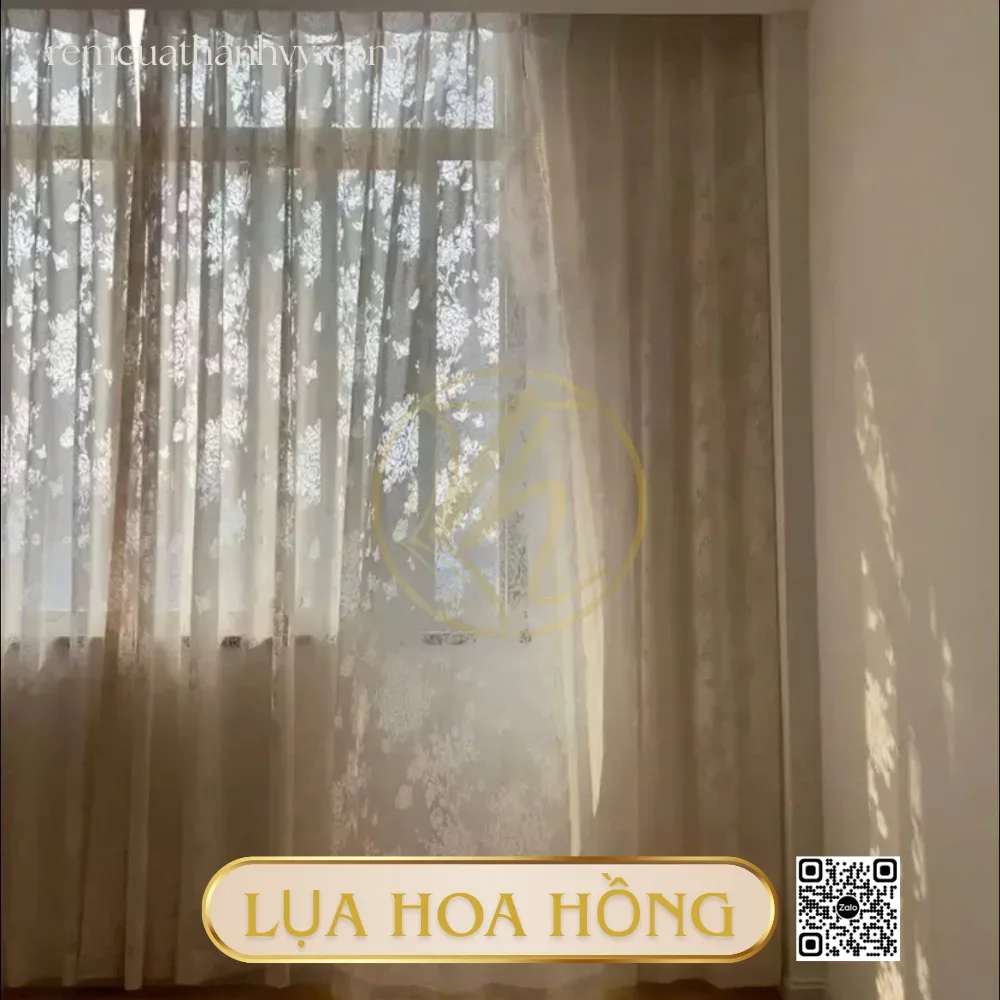
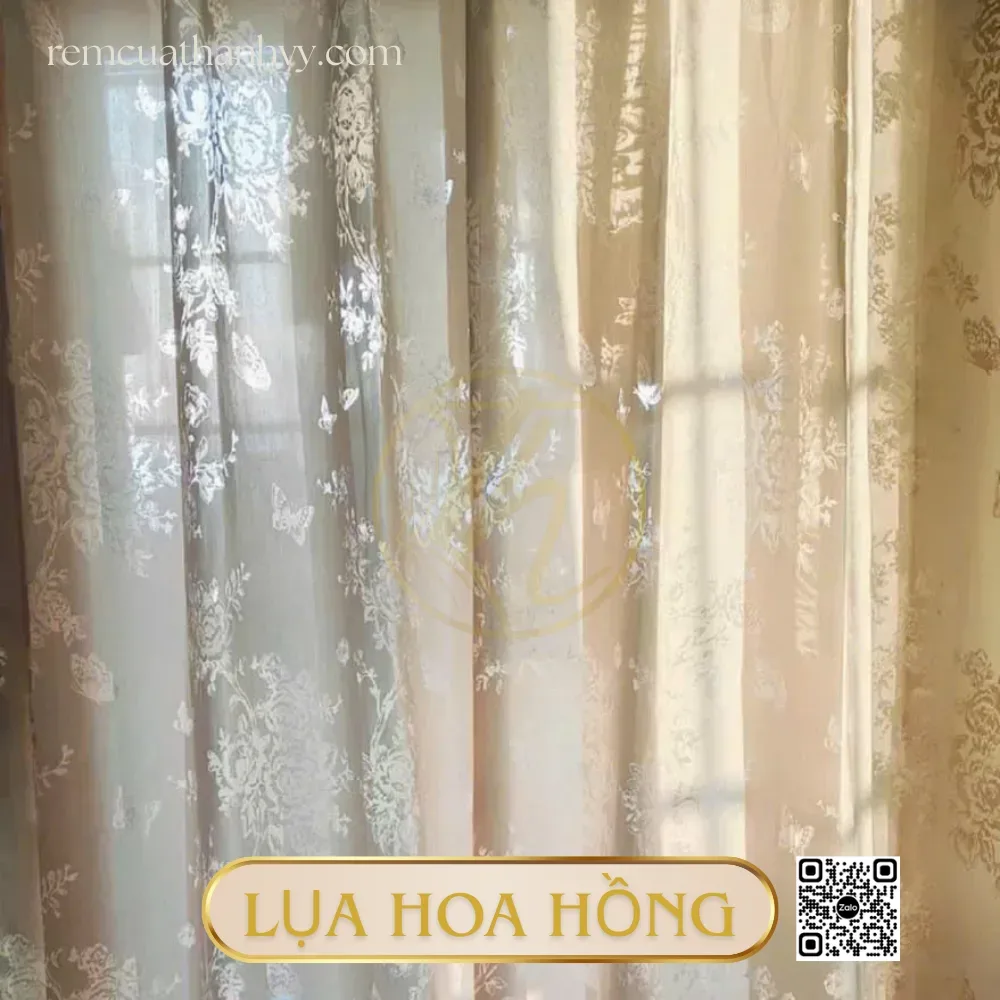
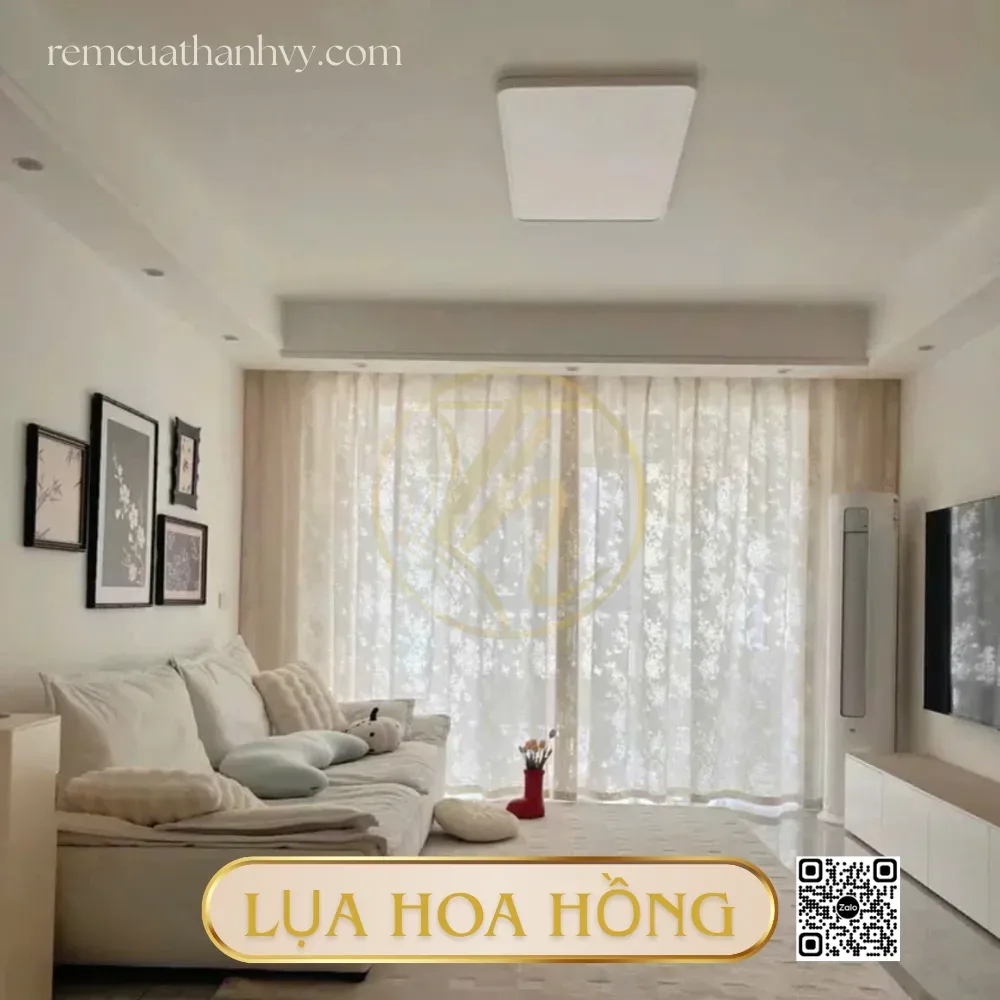
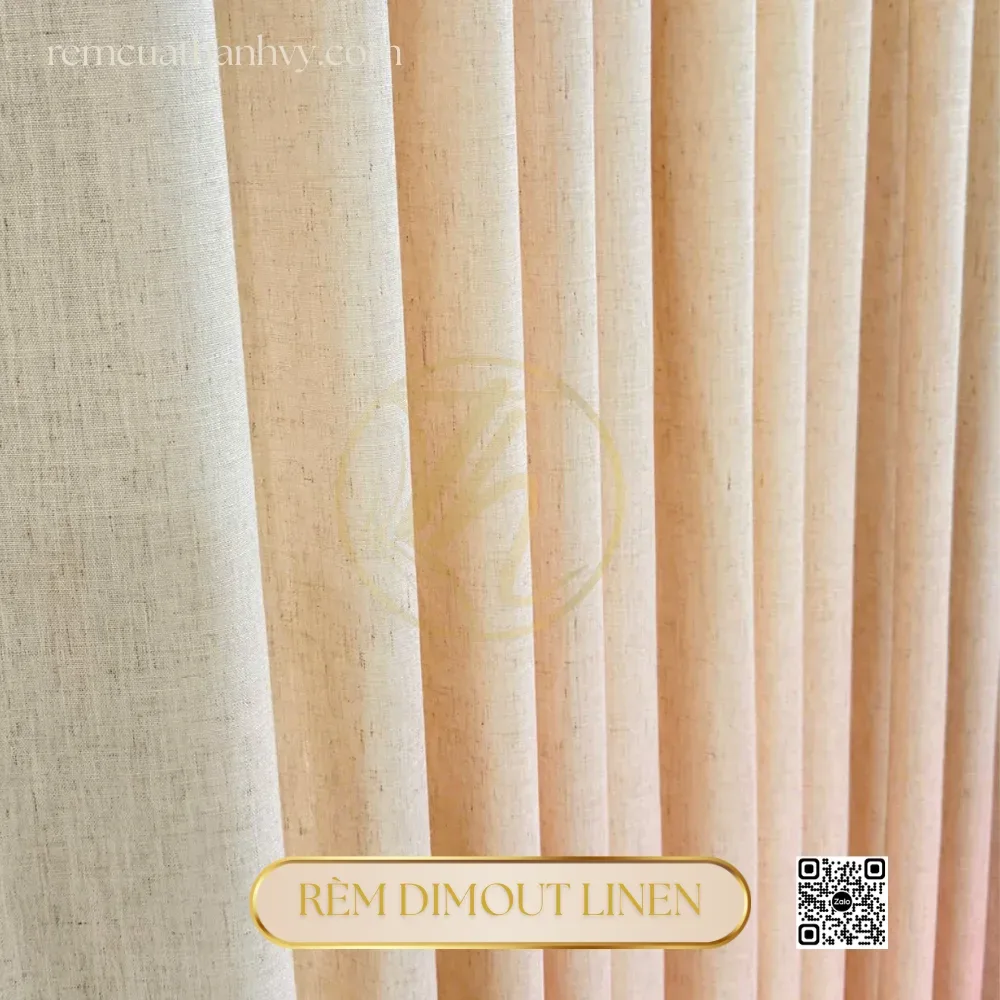
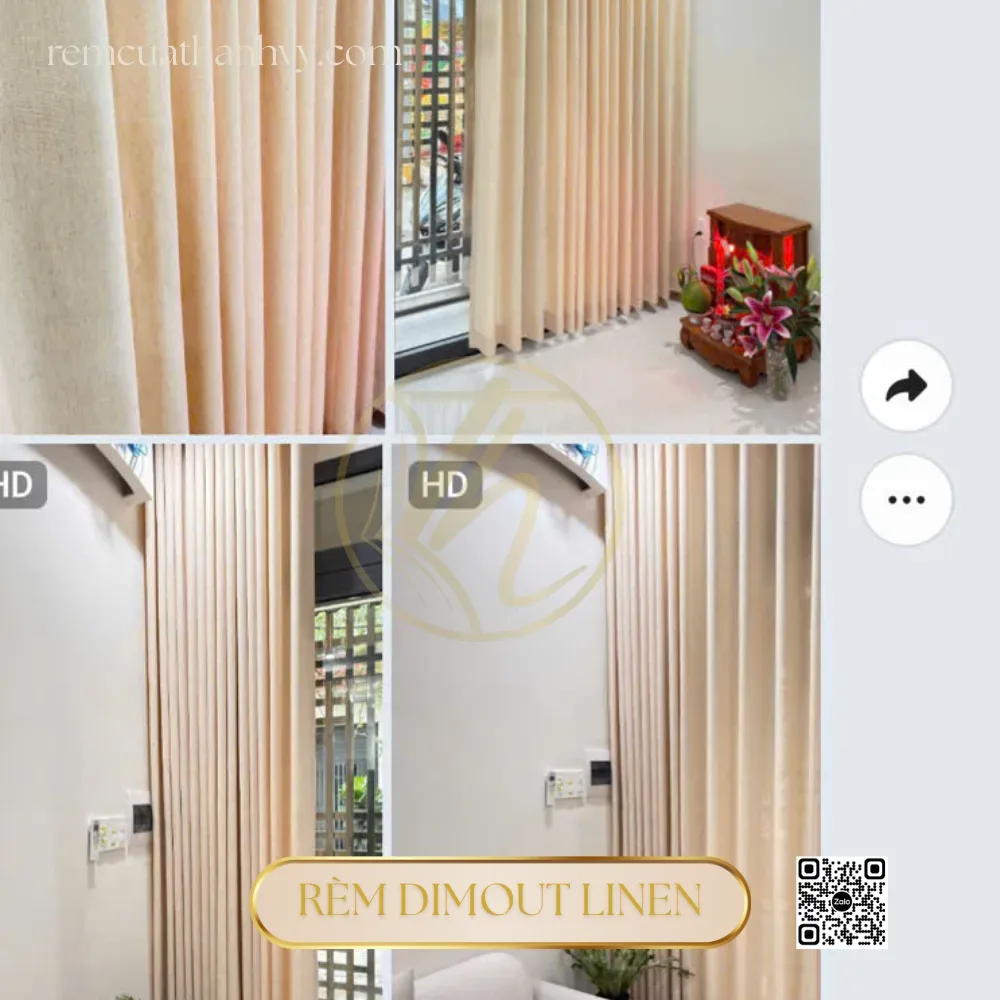
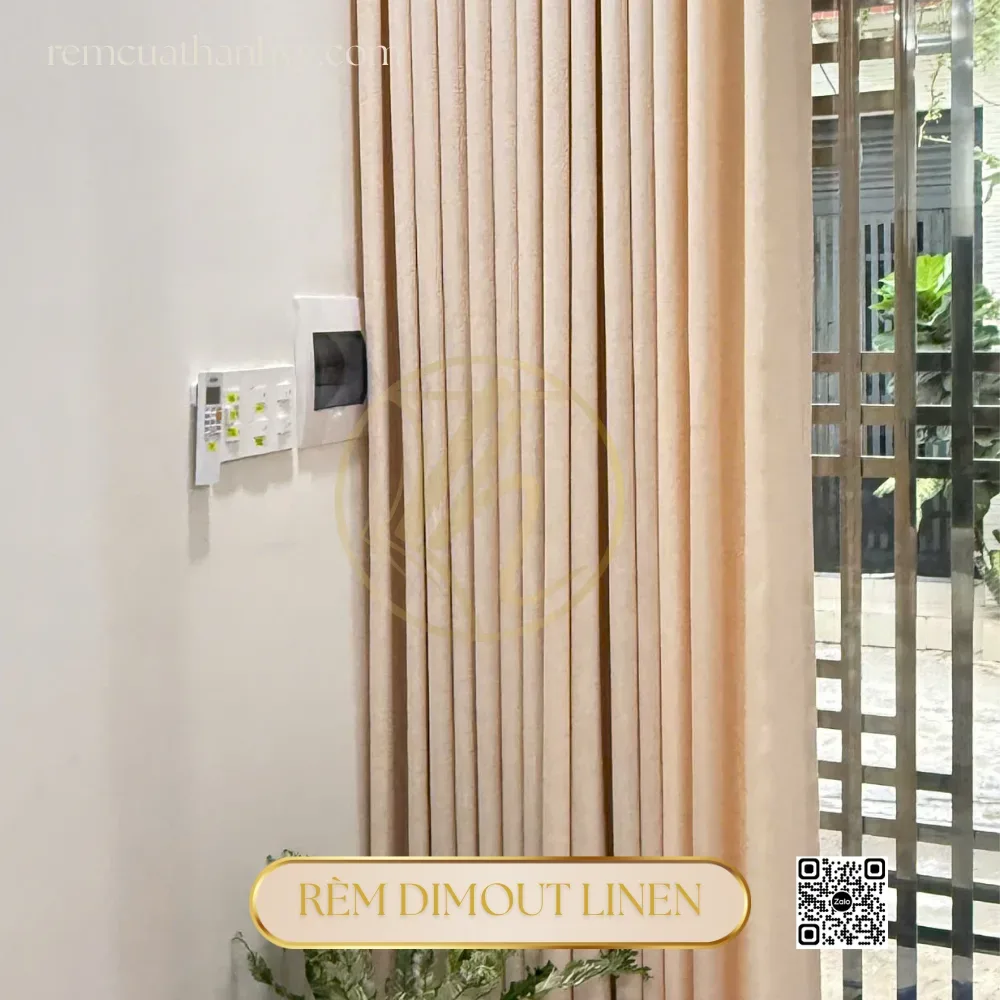
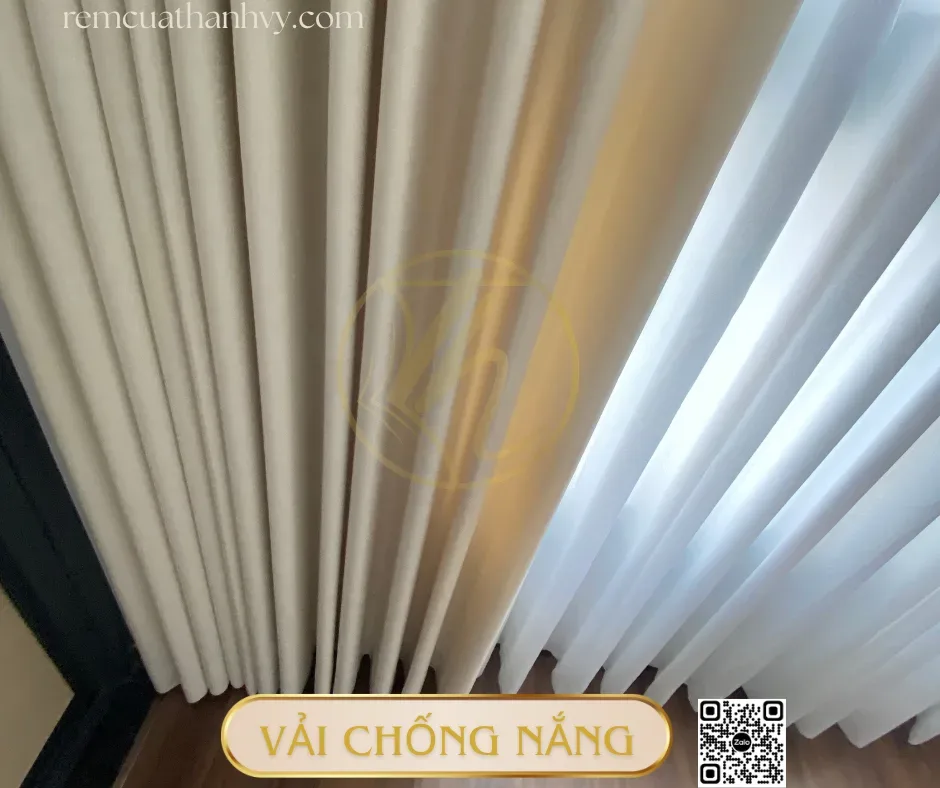
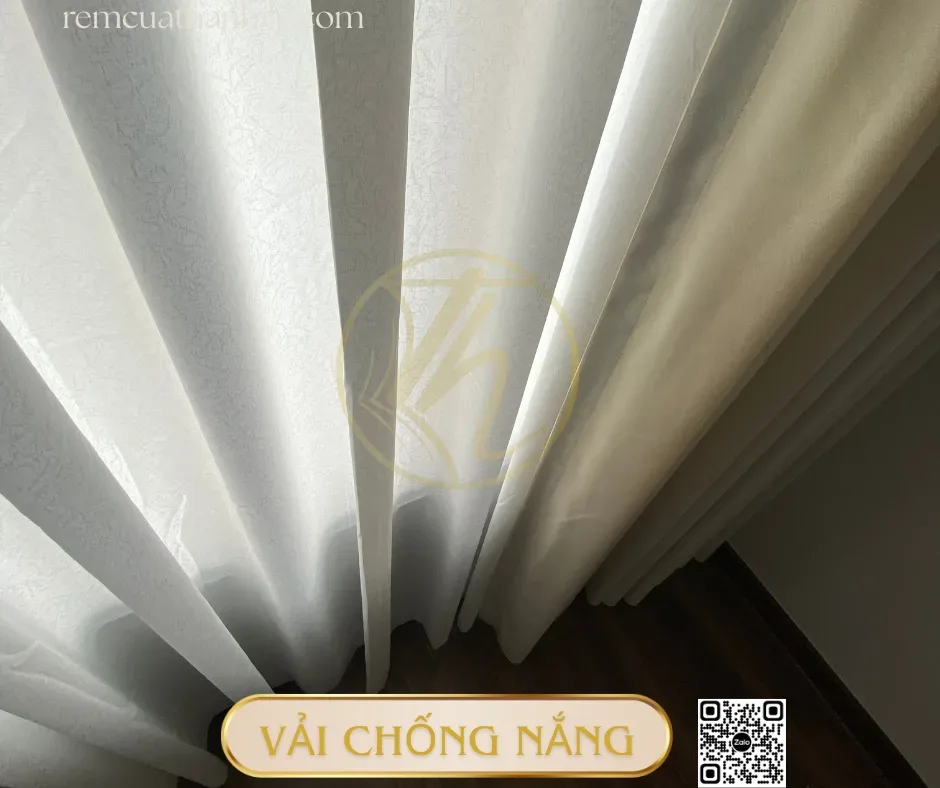
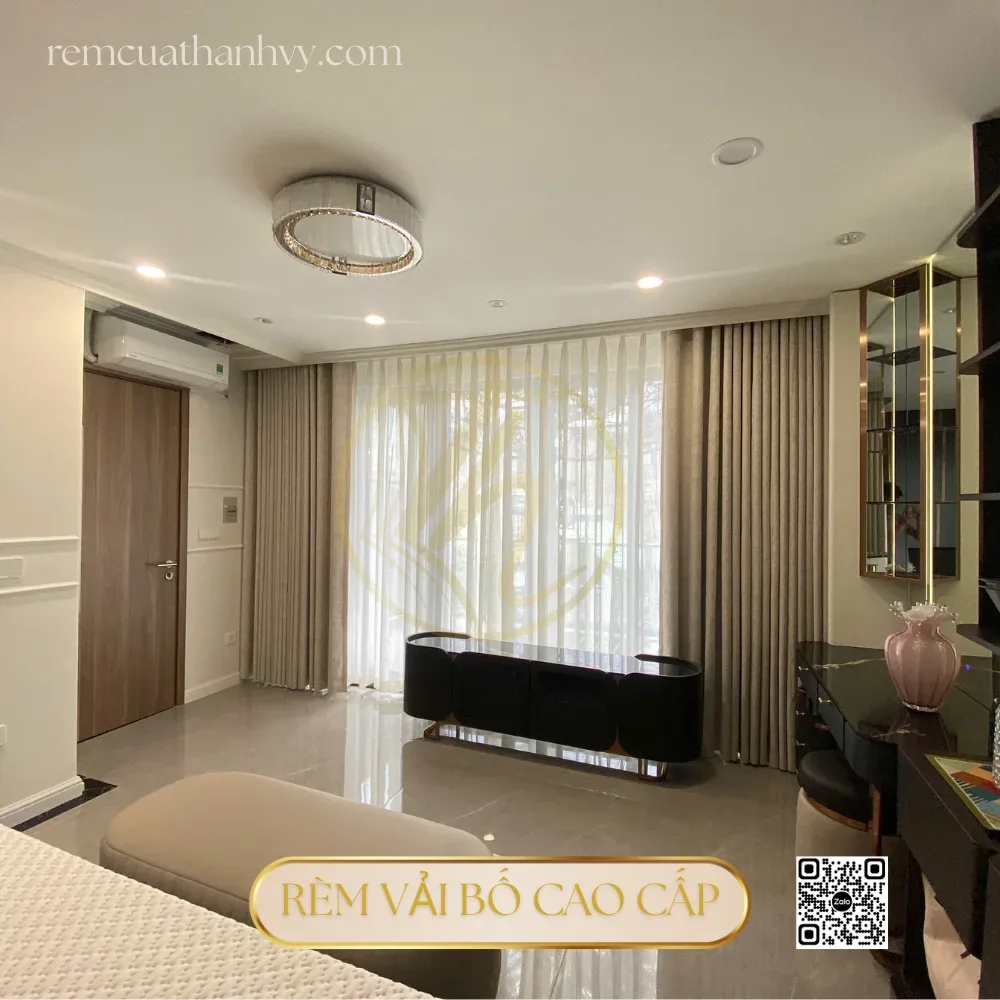
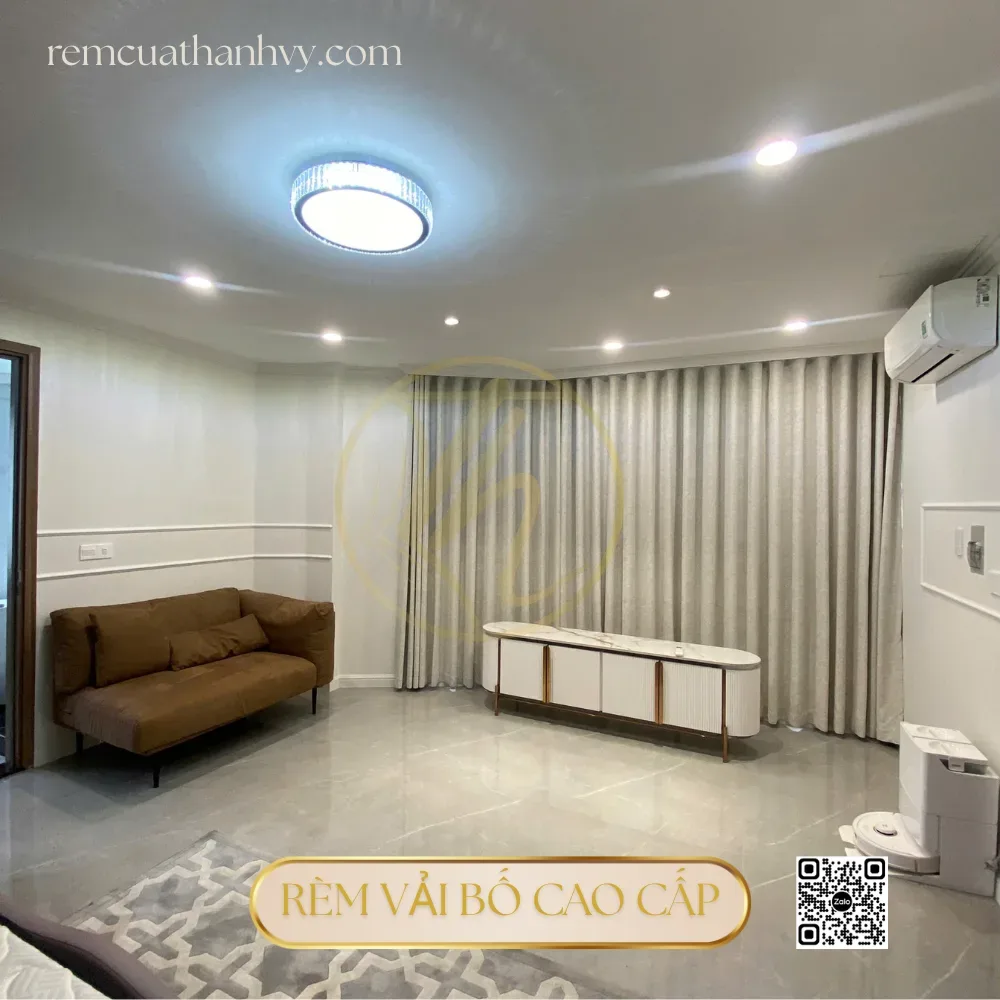
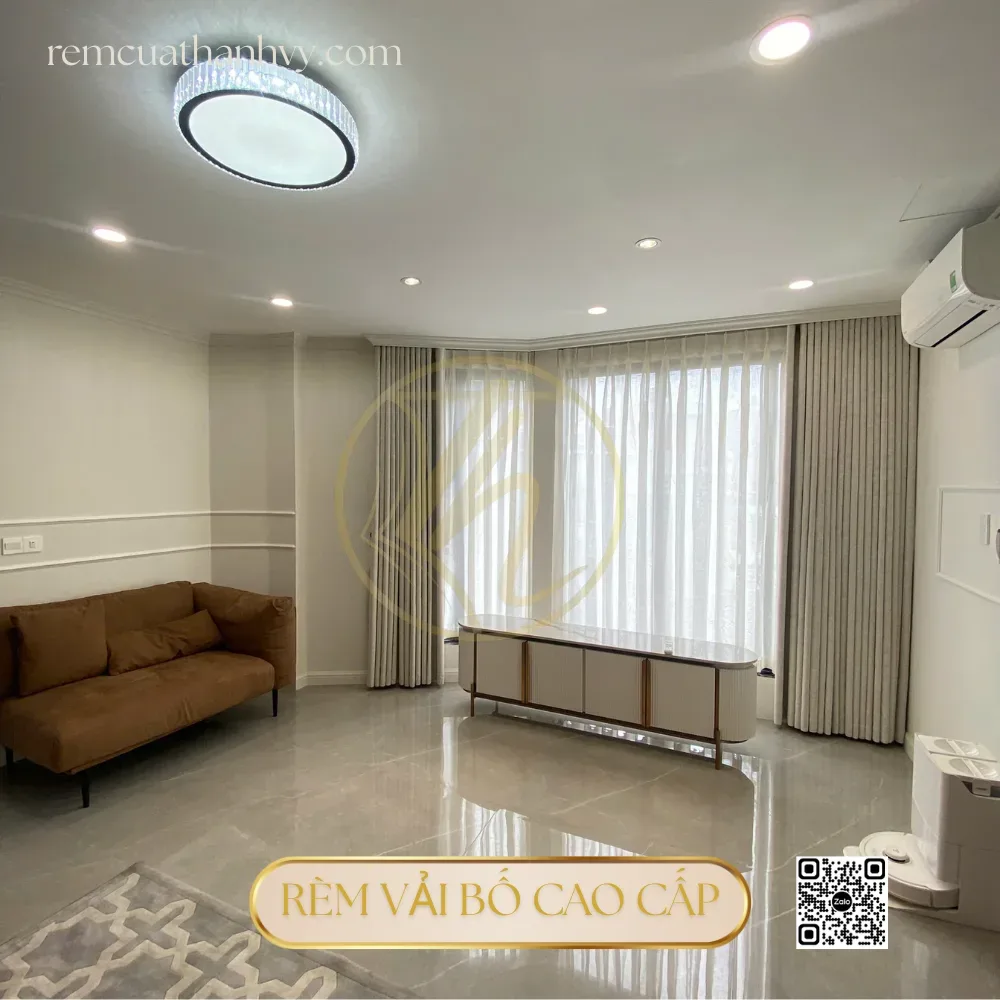
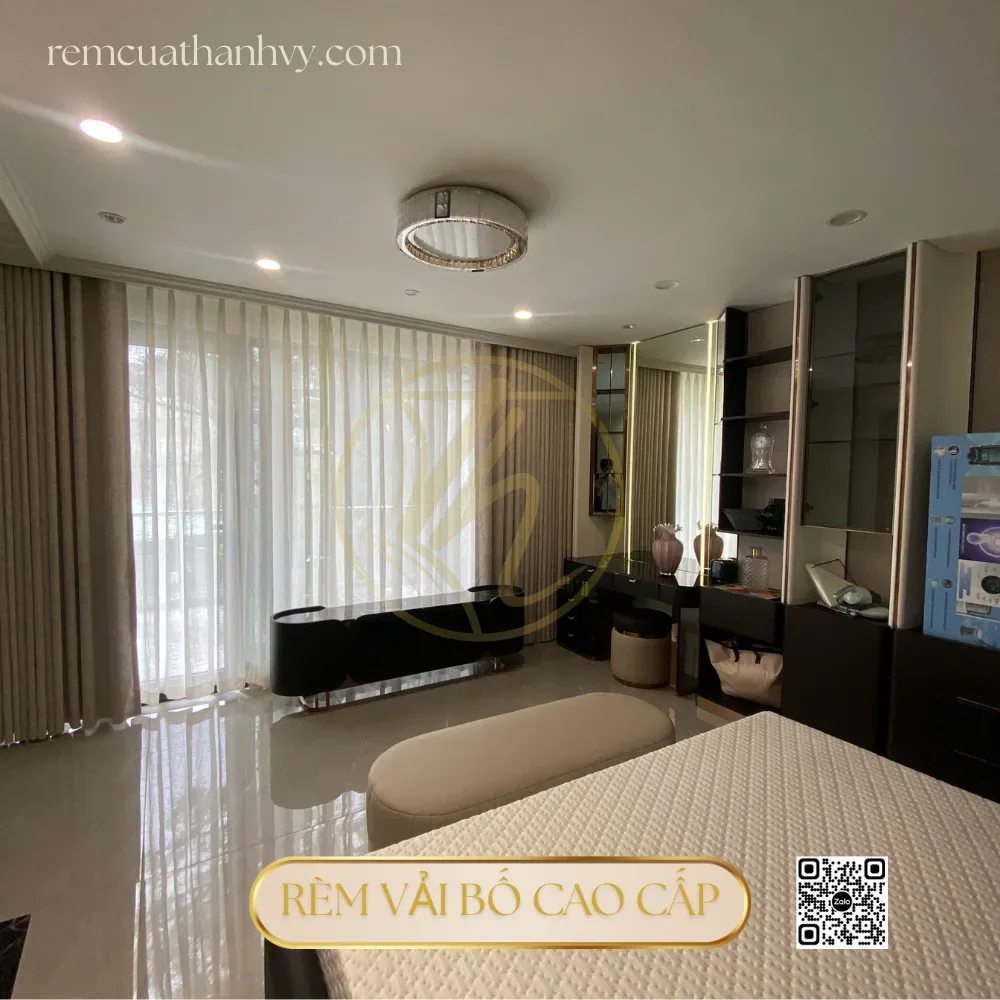
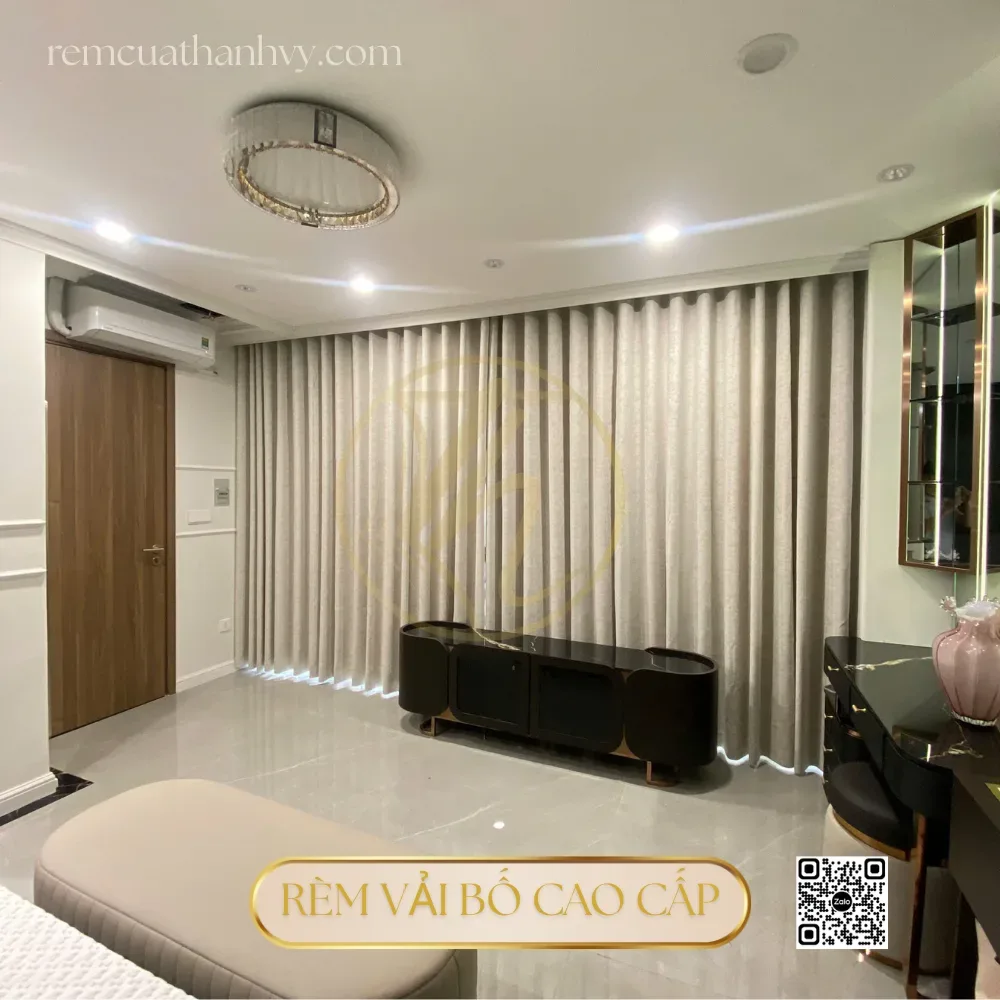
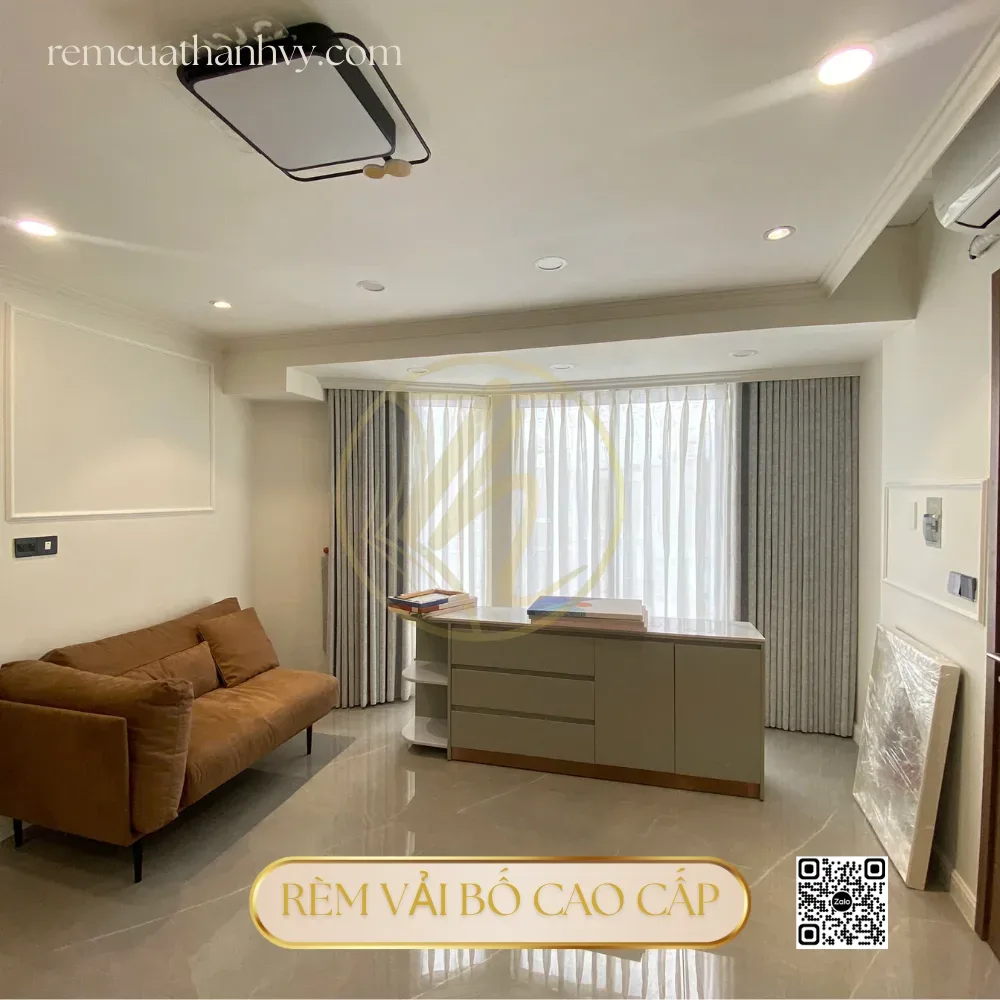
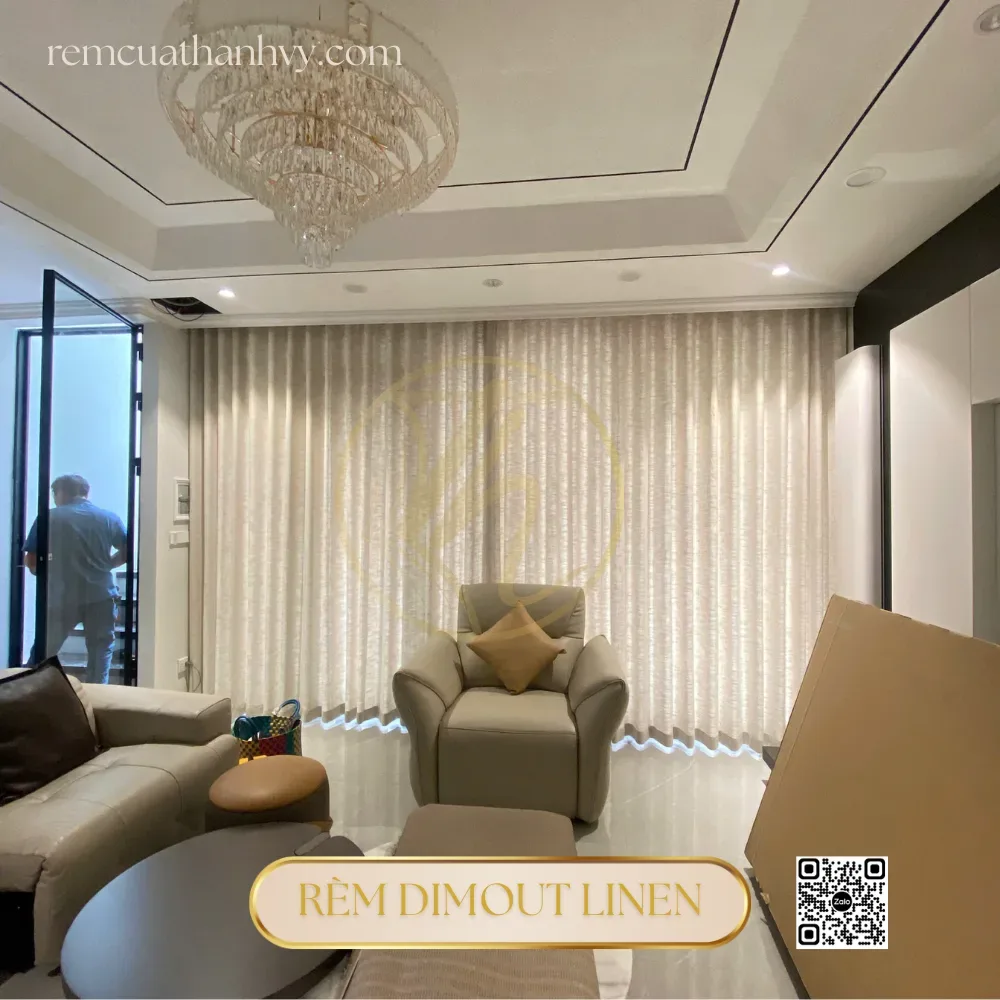
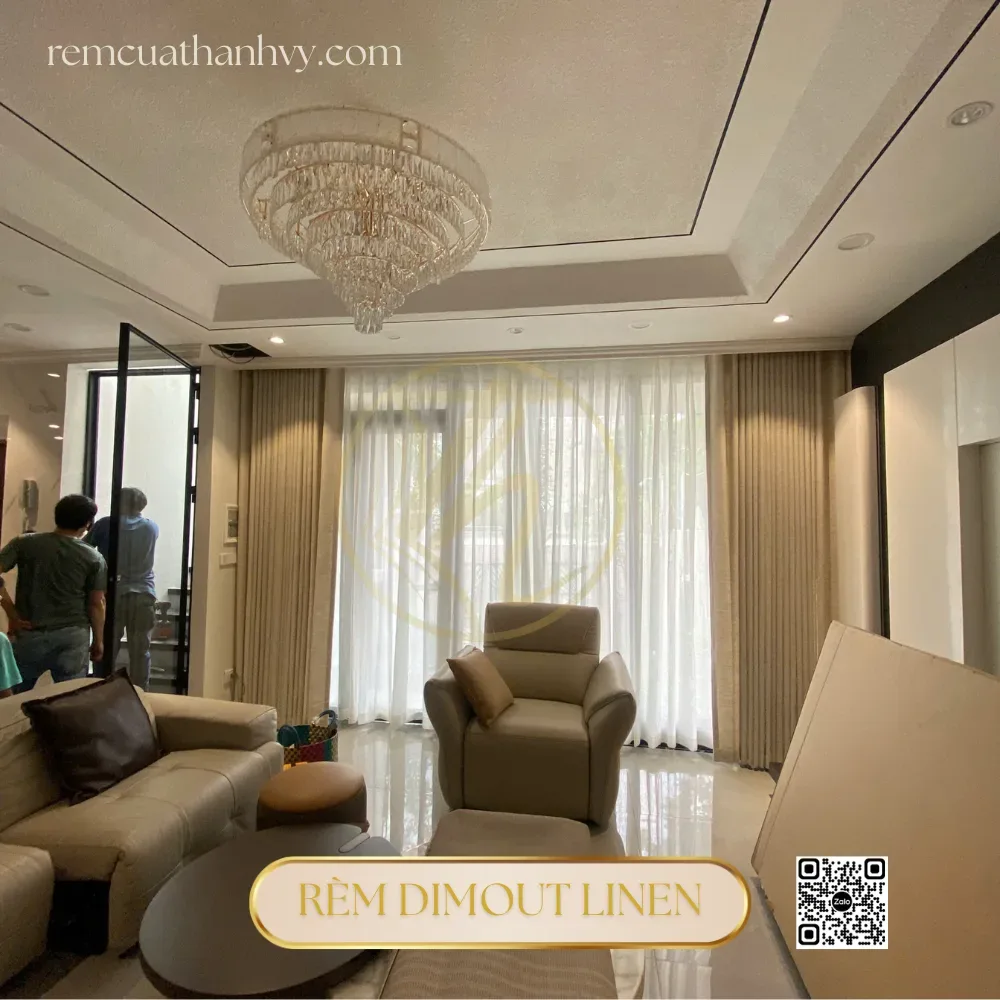
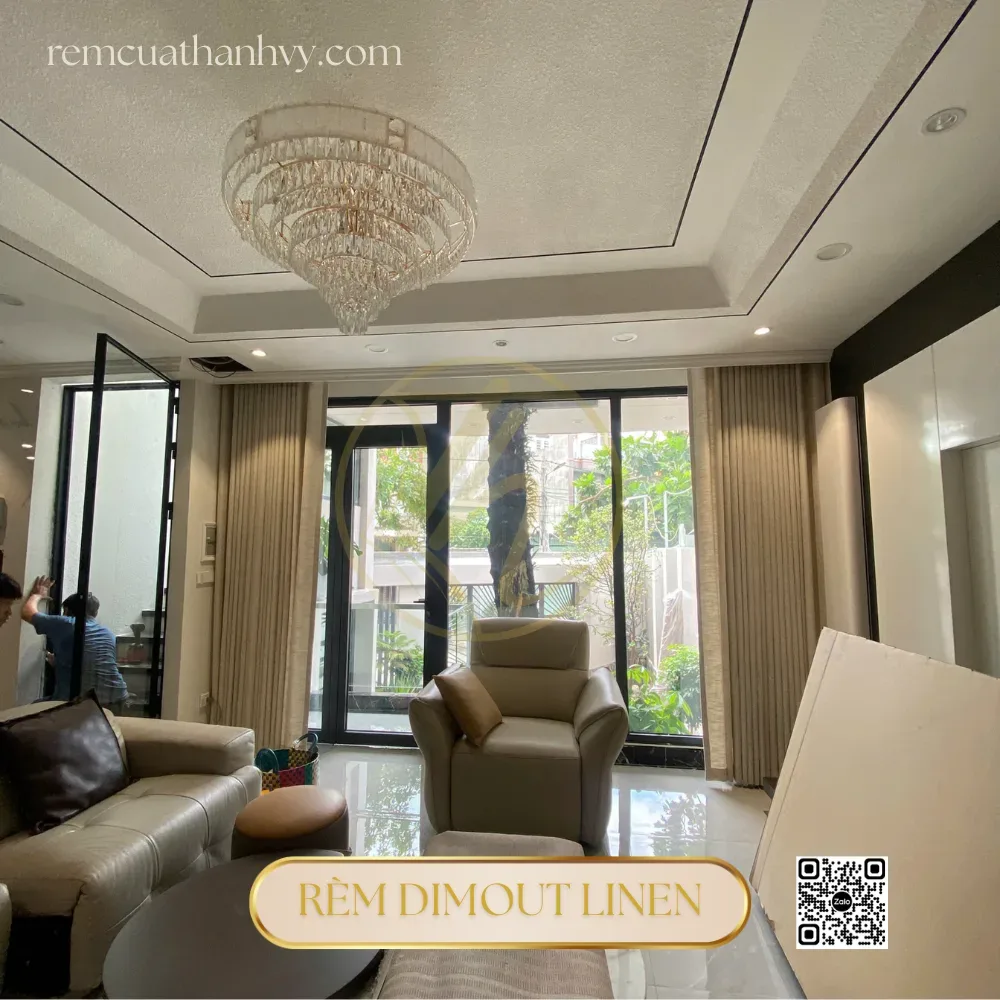
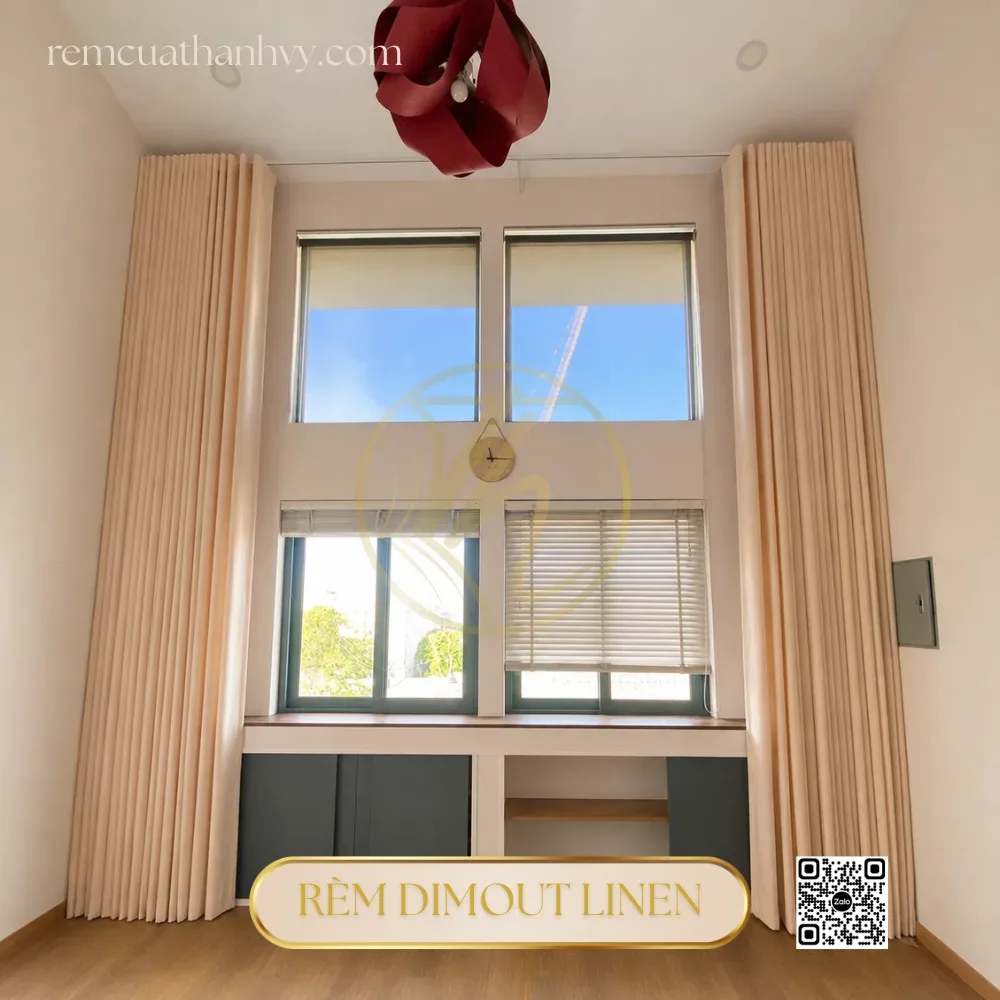
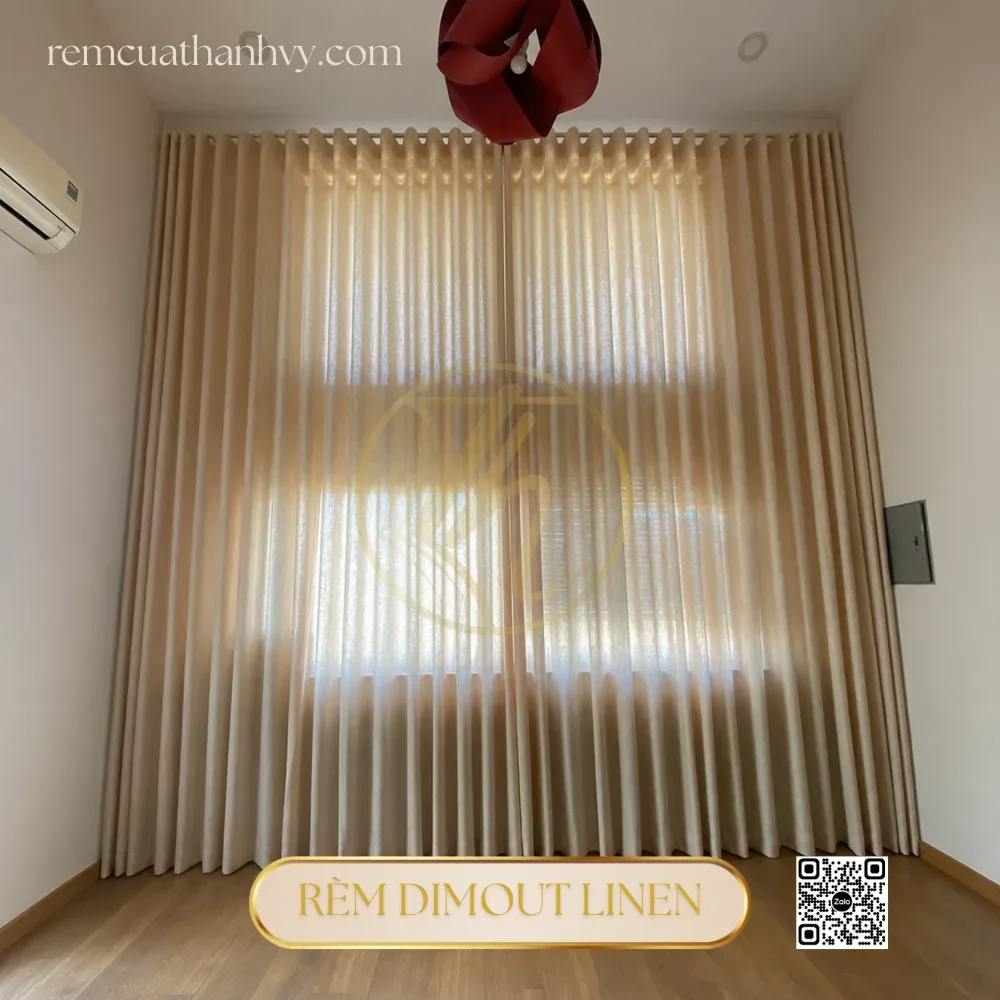
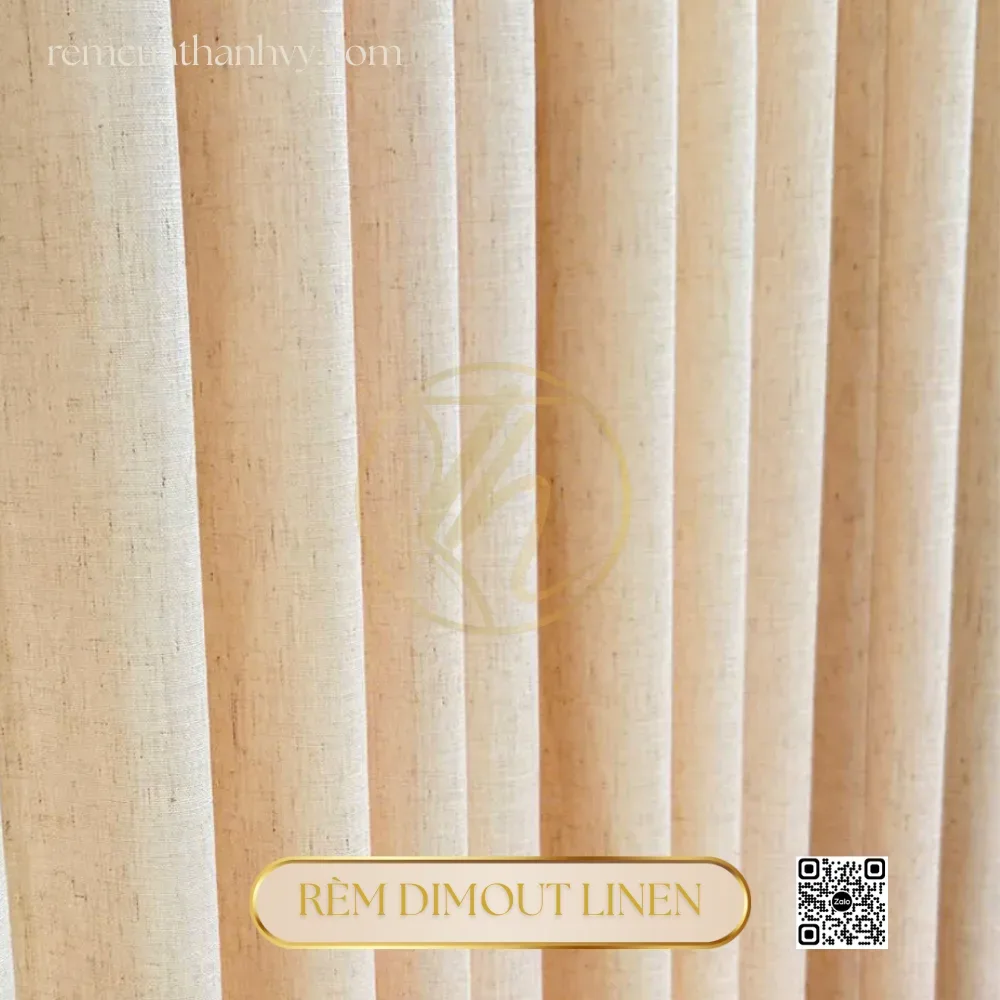
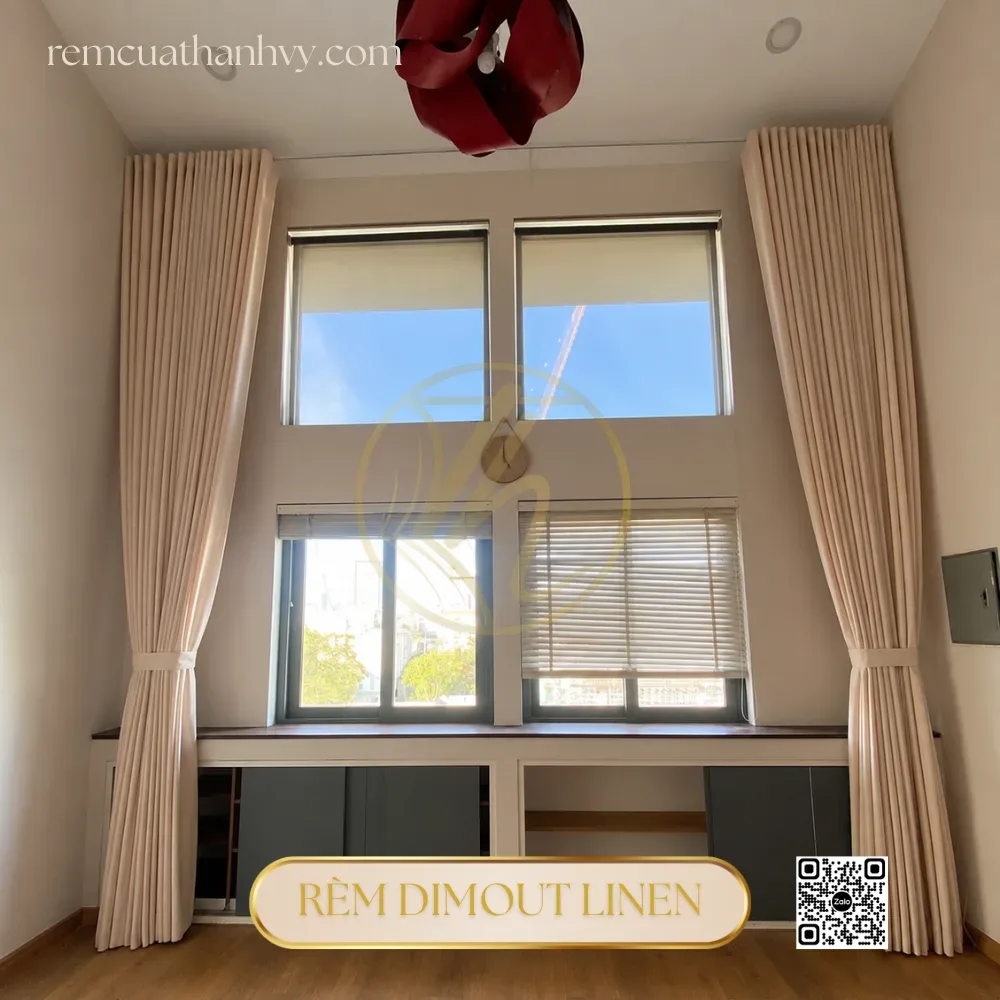
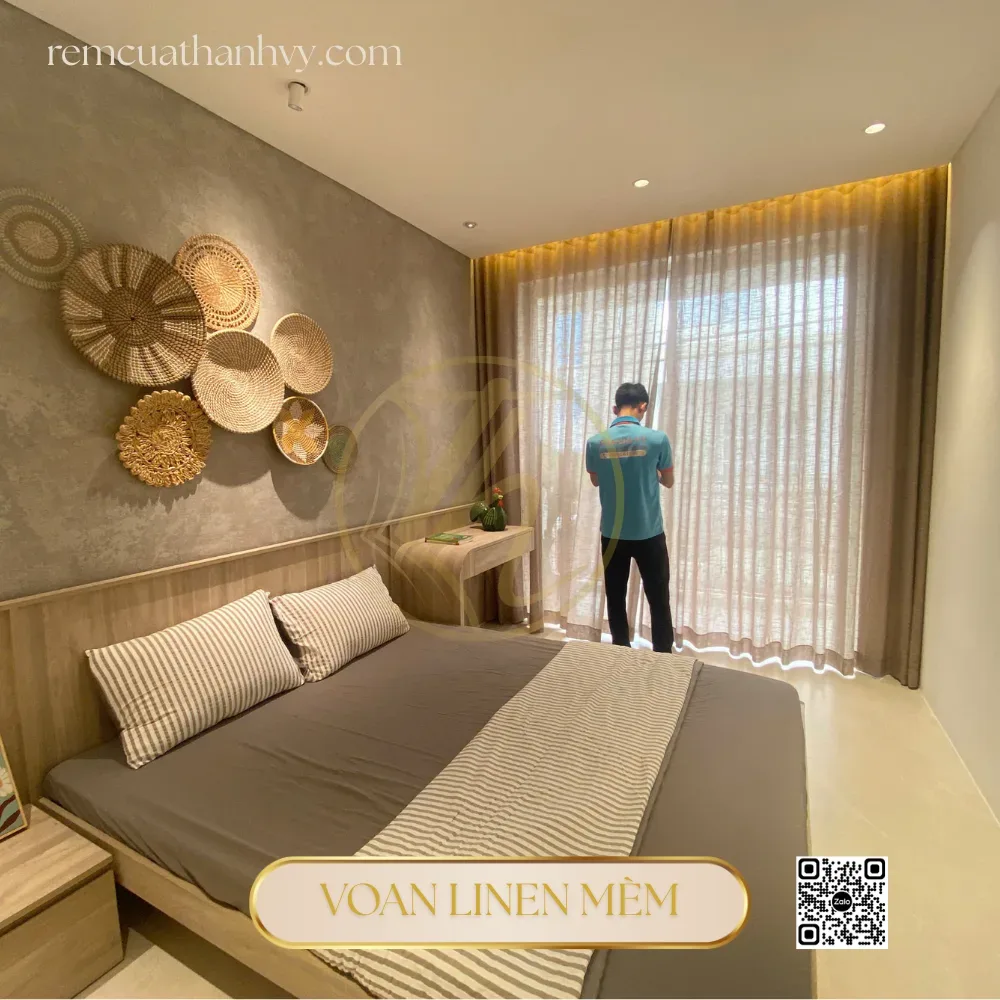
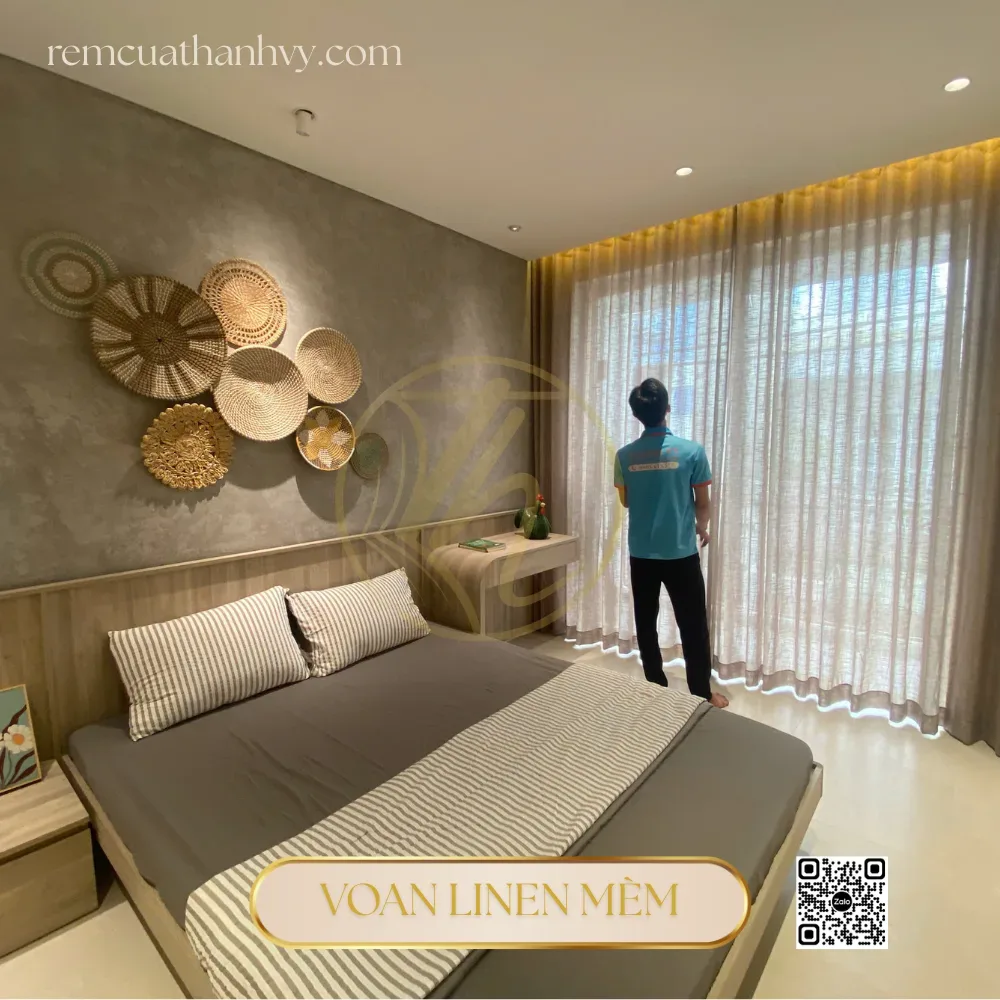
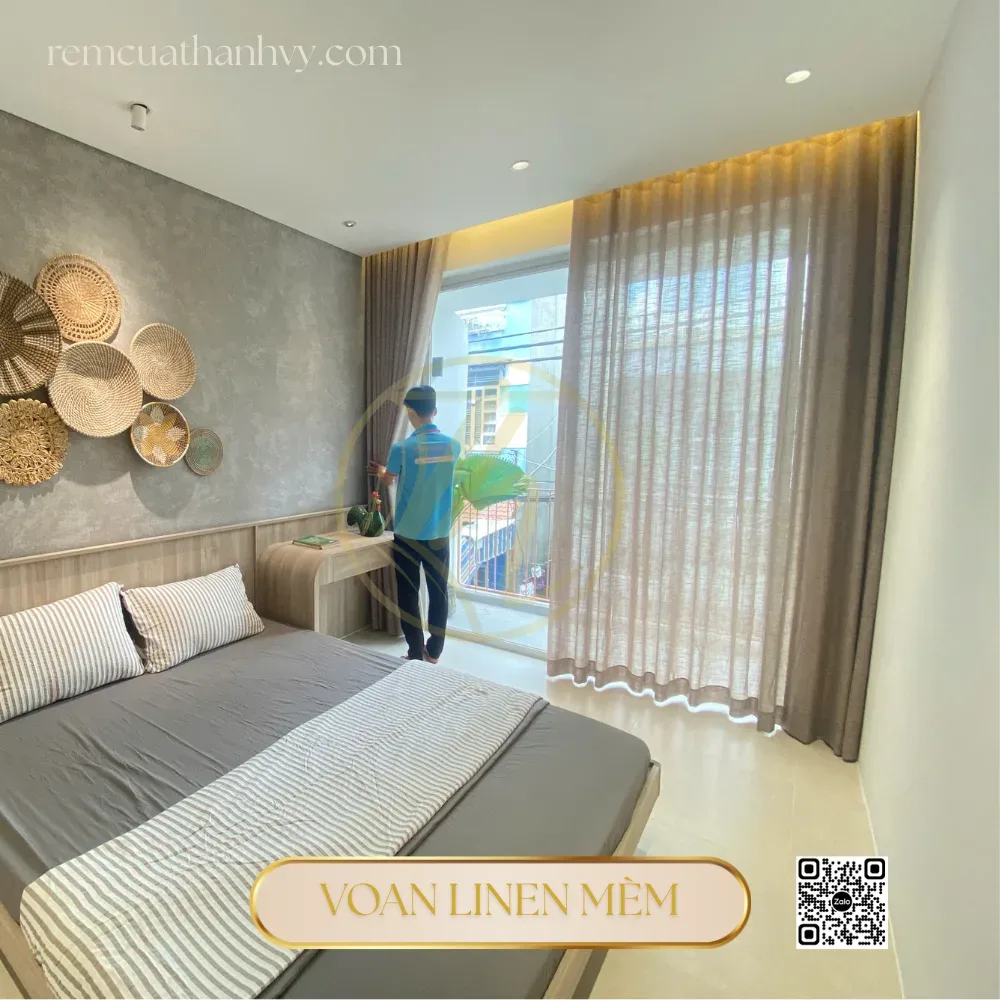
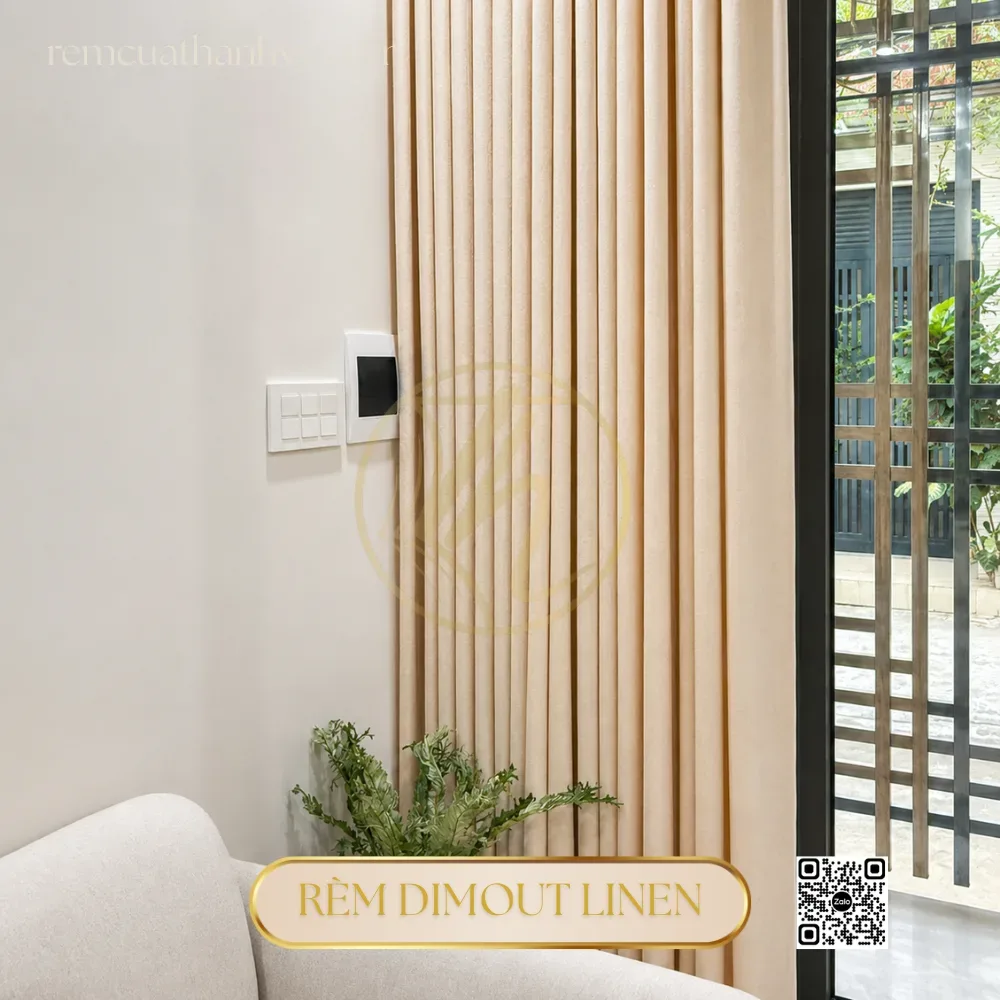
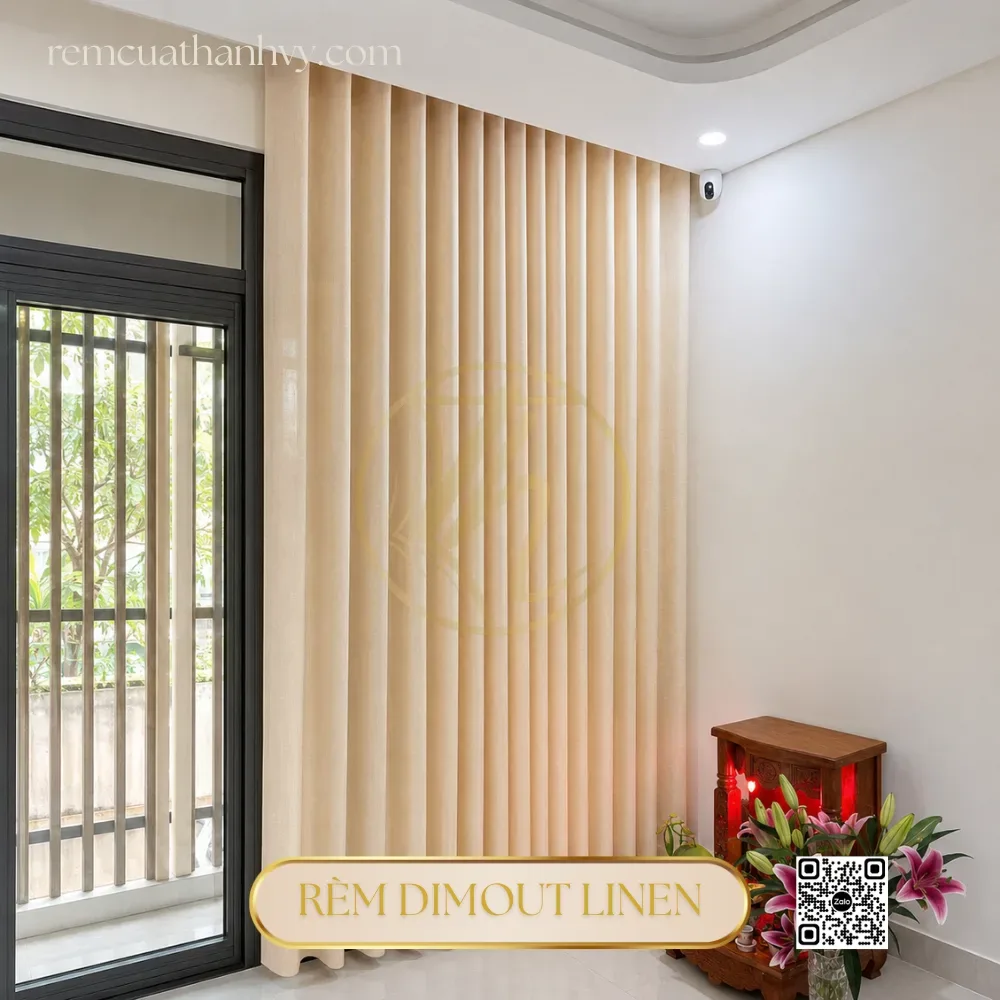
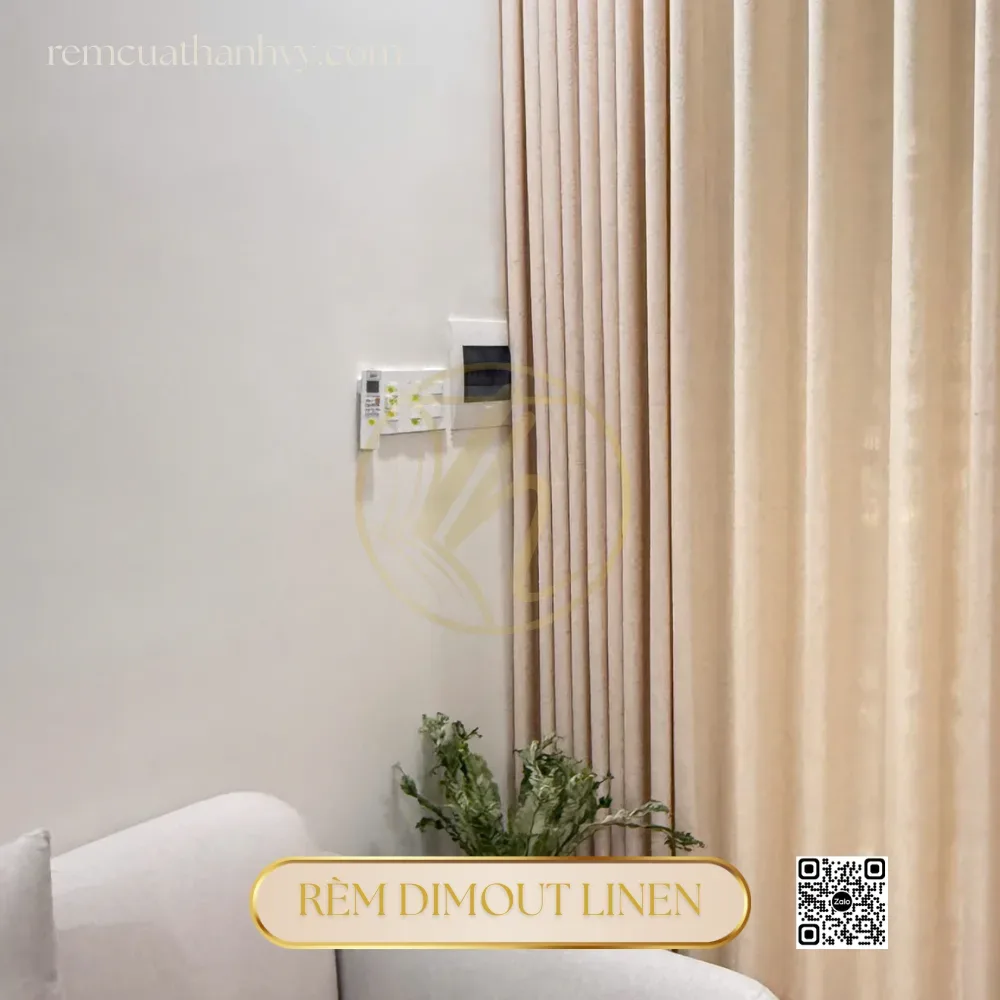
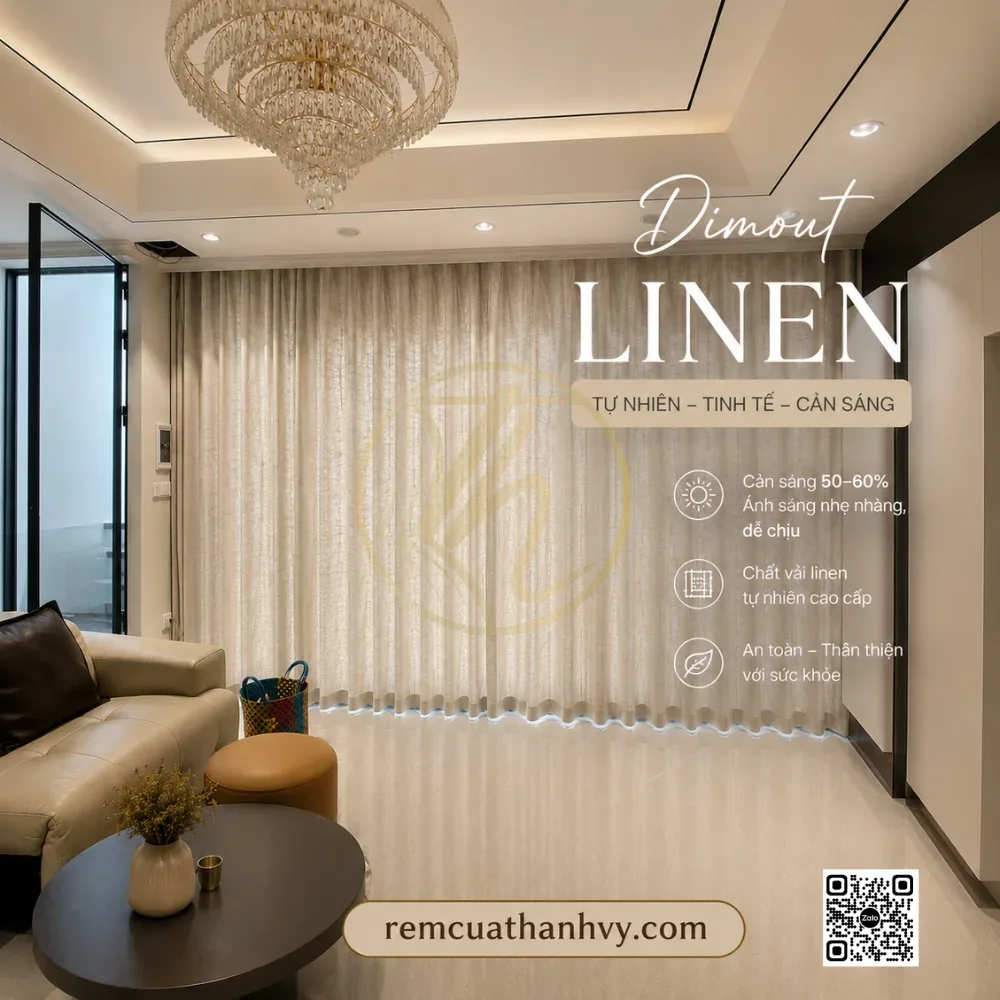
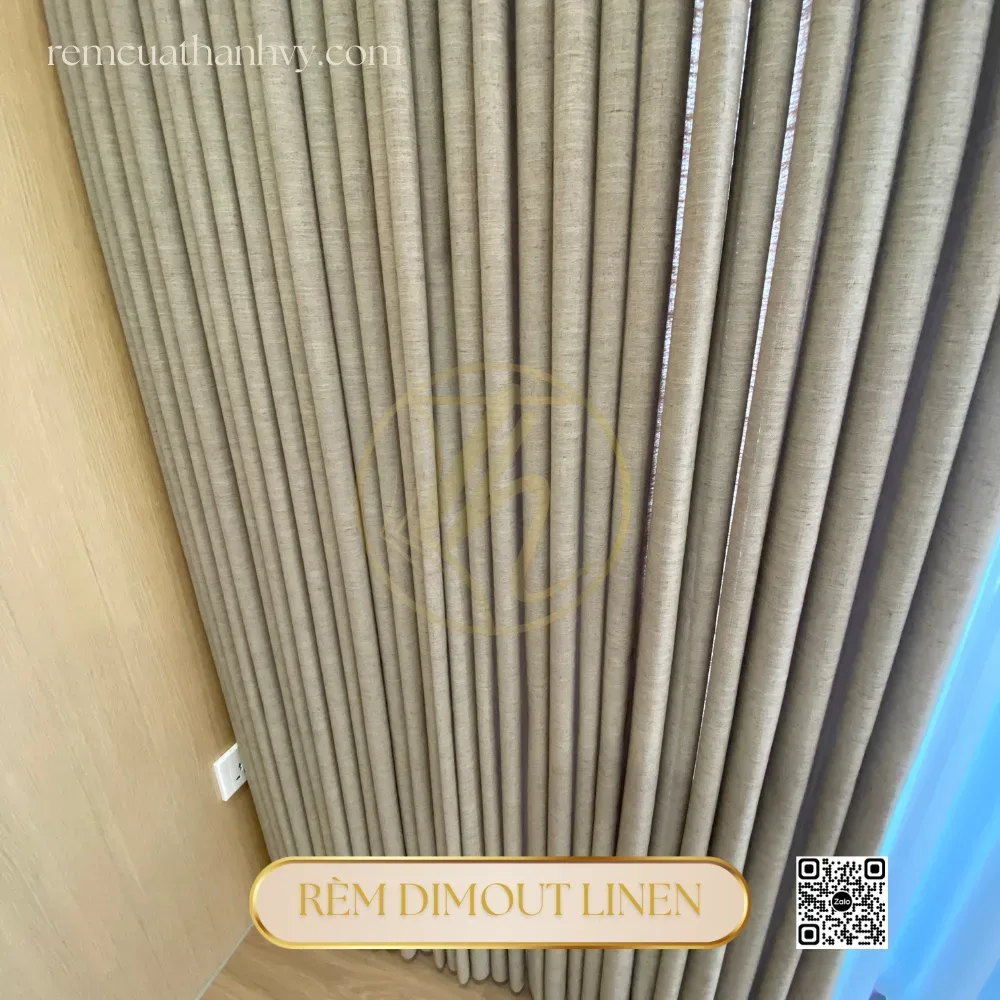
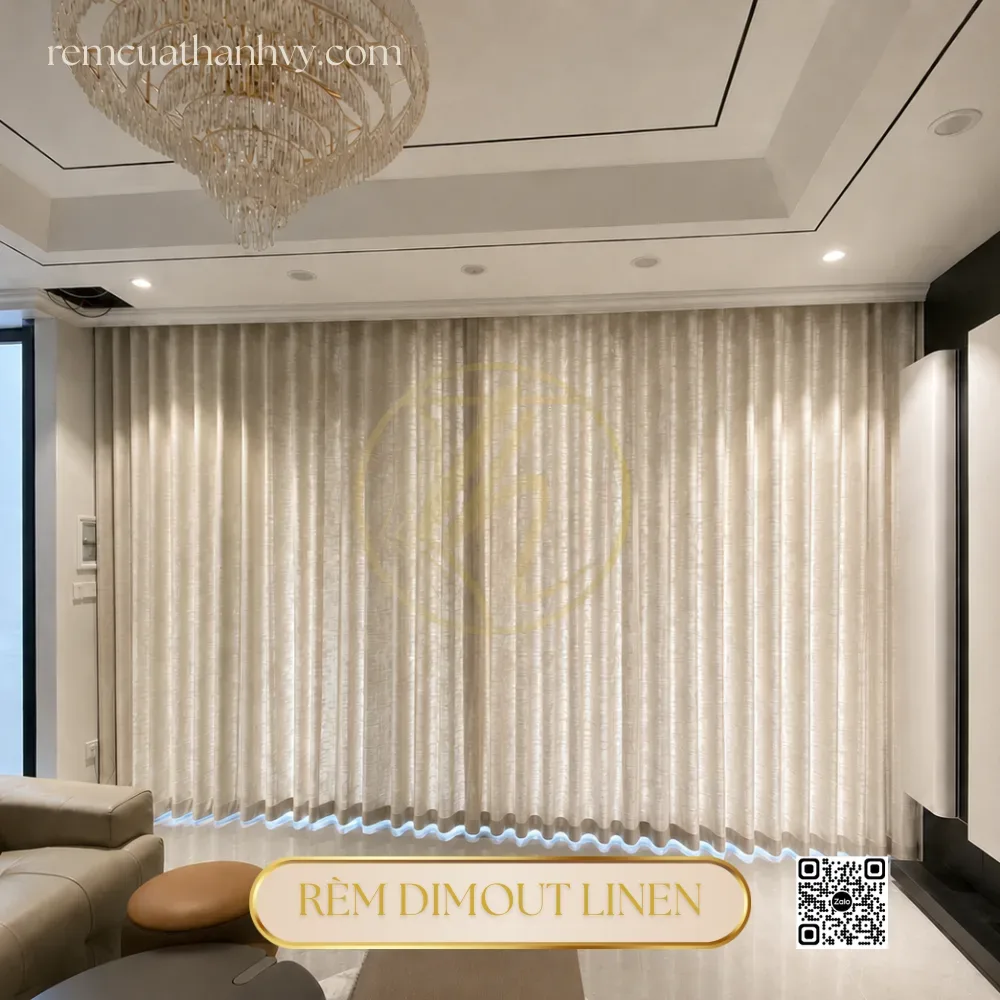
Fabric curtains are easy to coordinate with interior colors and come in a wide price range.
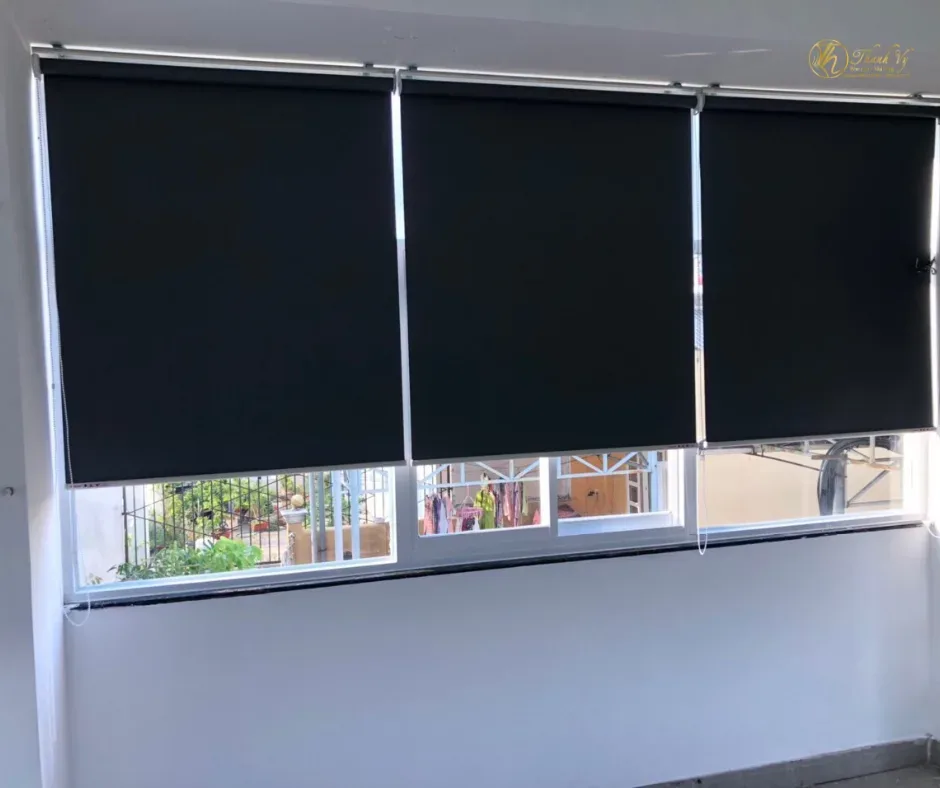
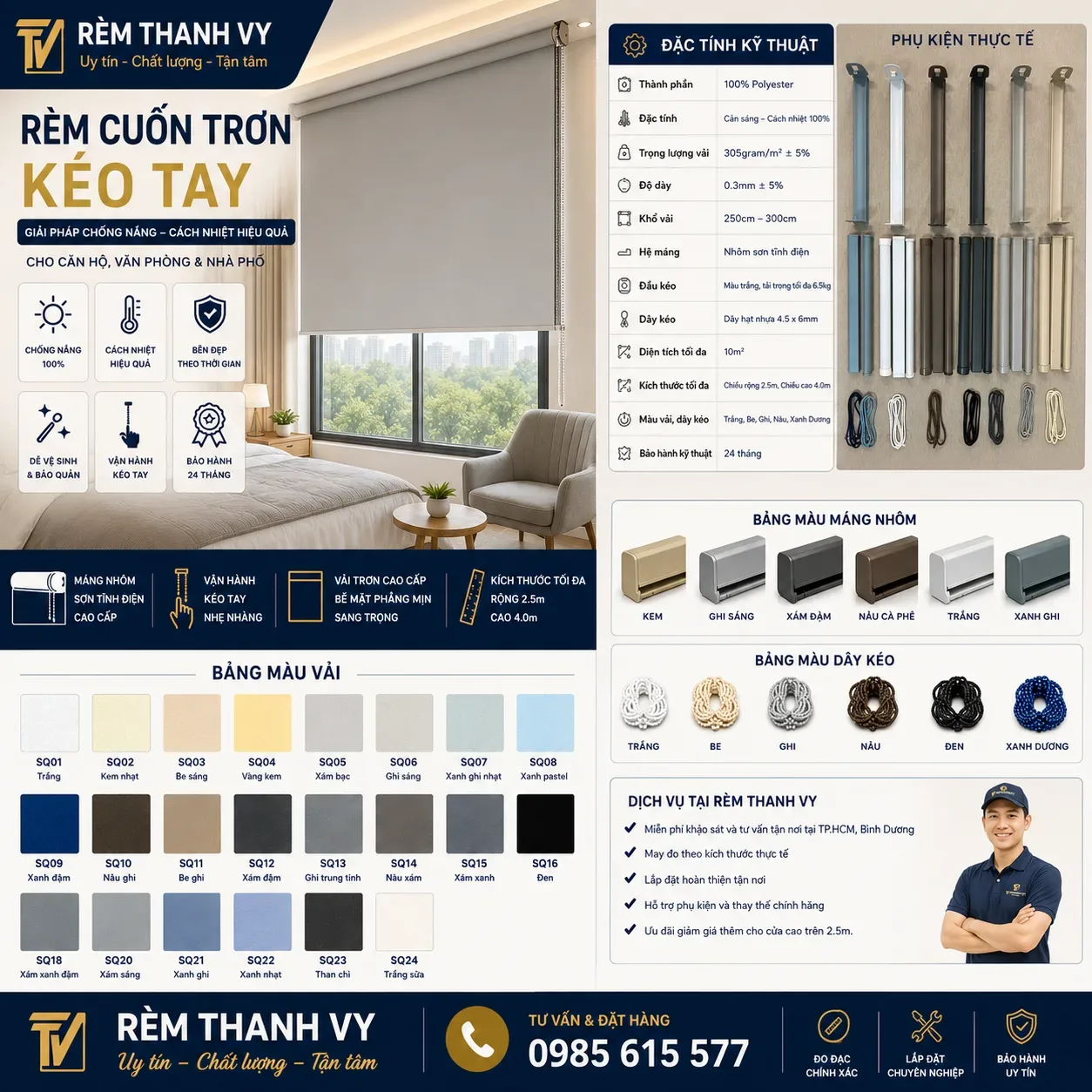
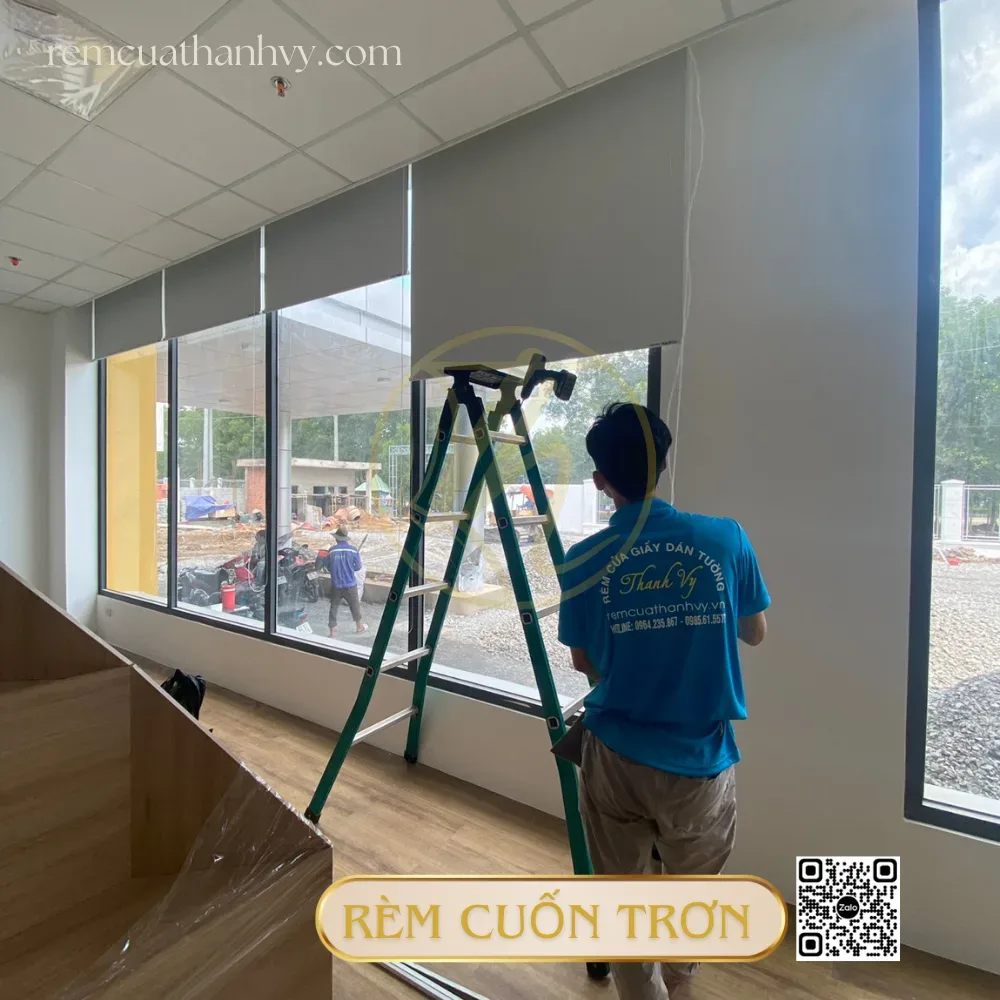
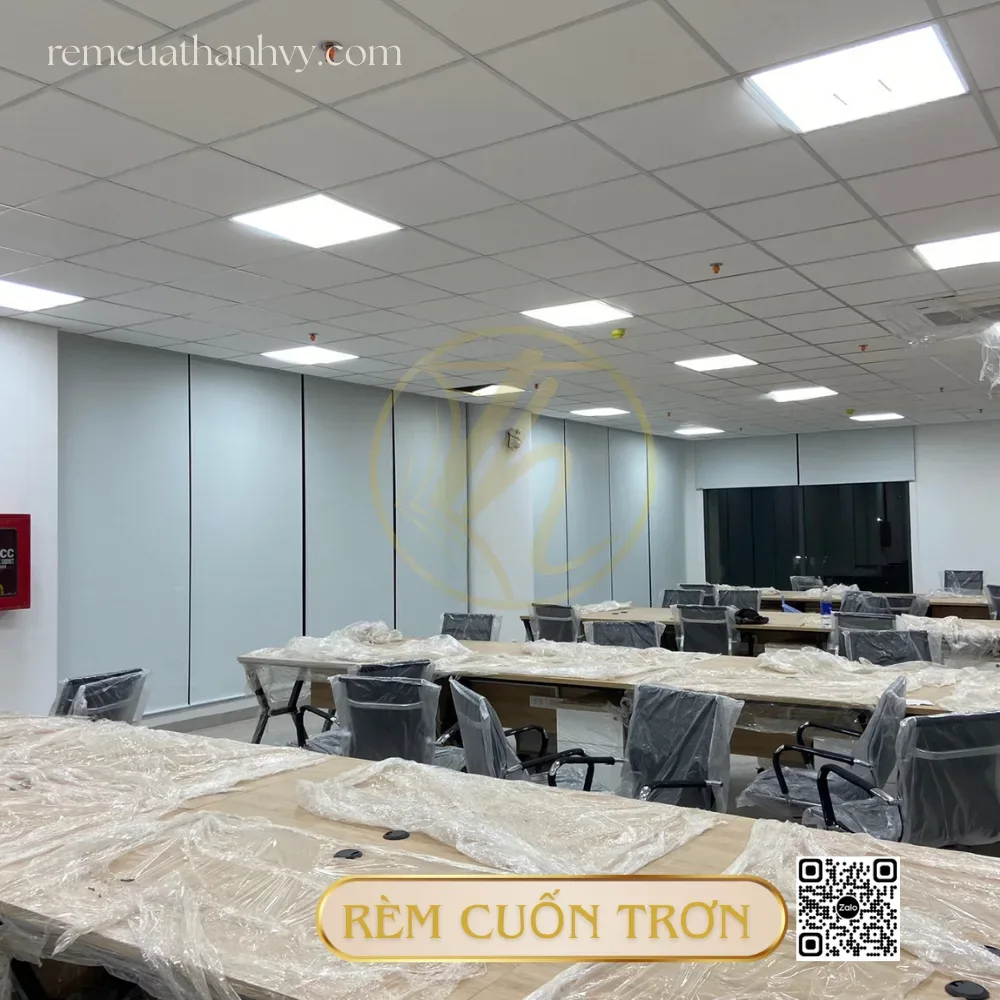
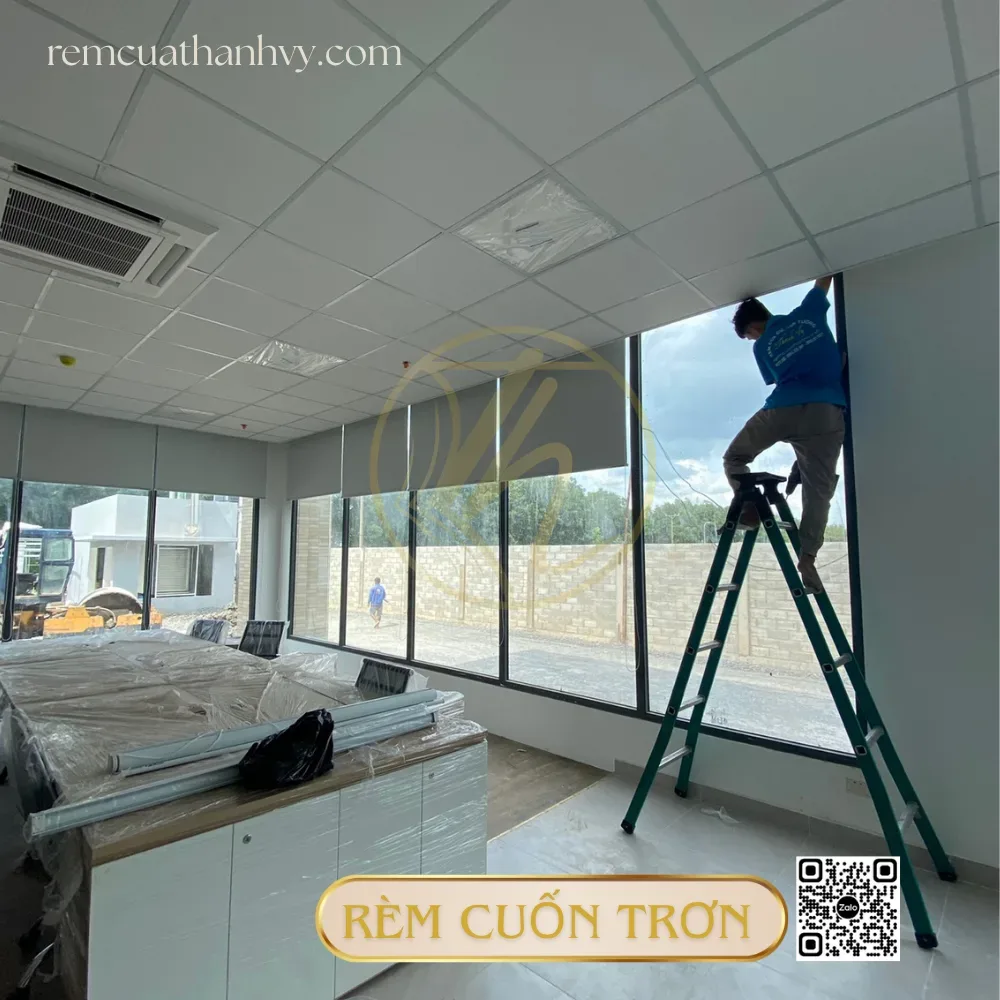
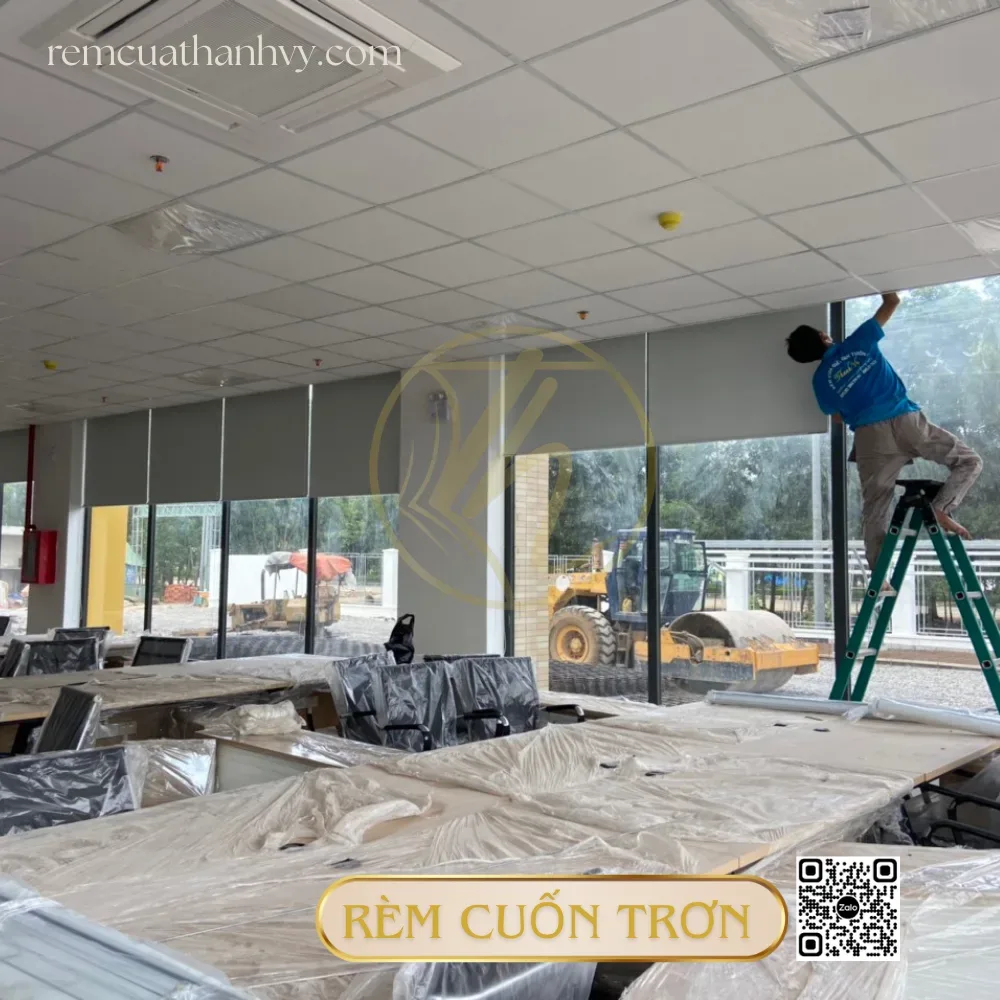
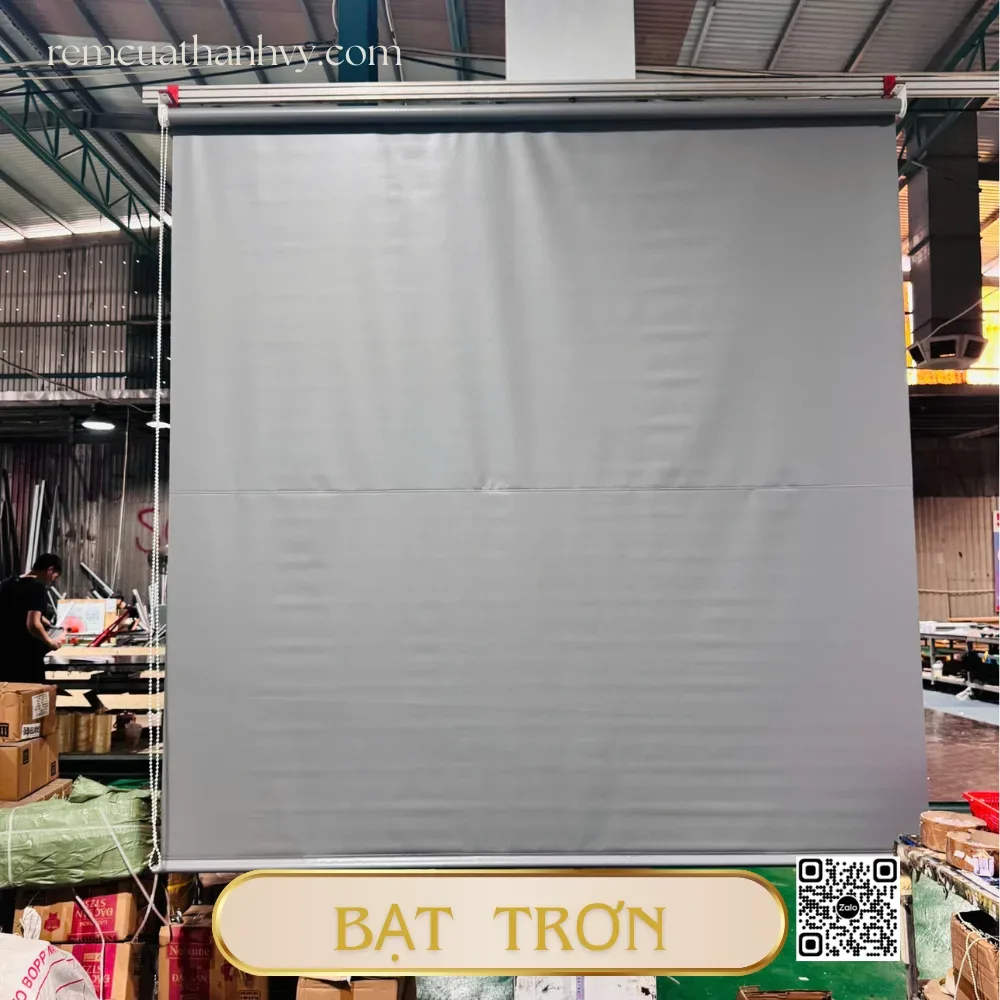
Roller Blinds
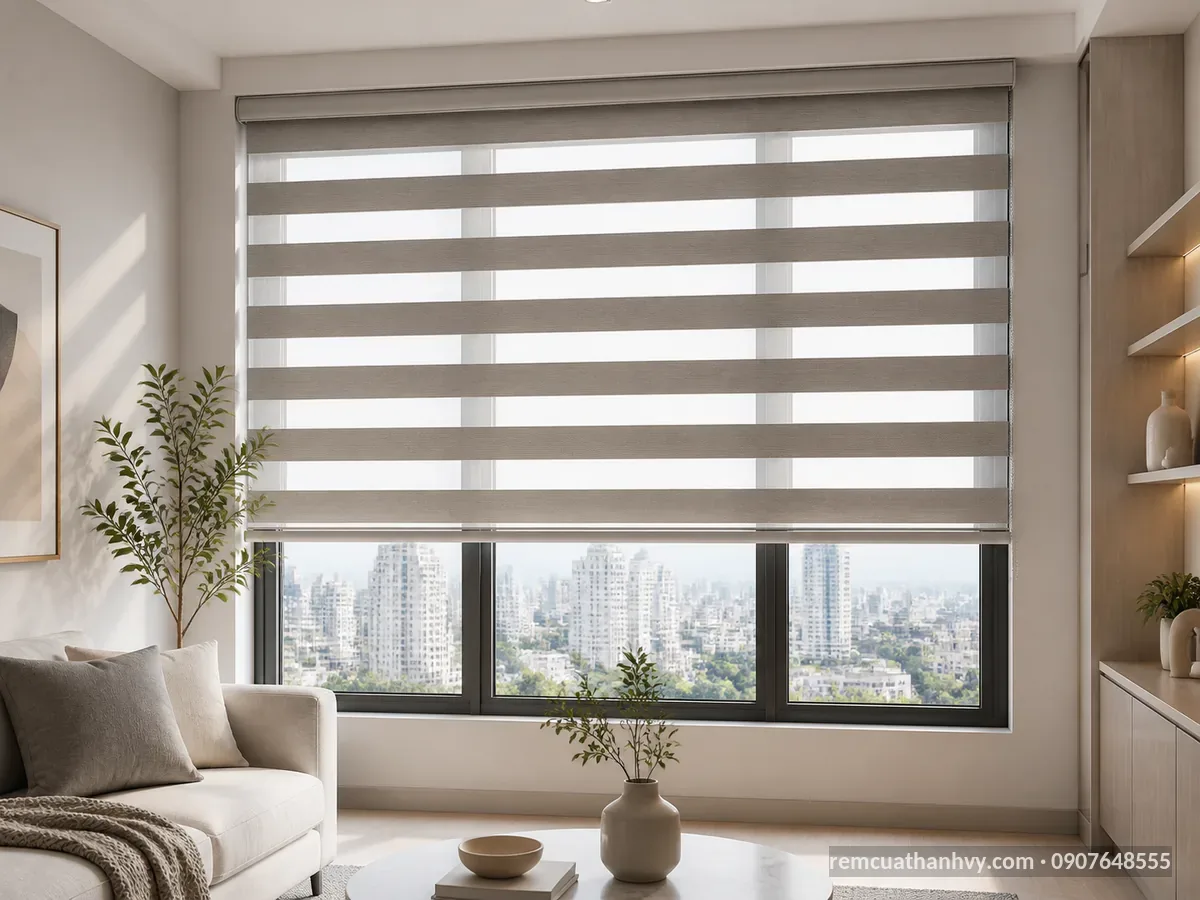
Roller blinds have a compact profile, take up little space beside the window, and are suitable for small windows and areas requiring quick operation.
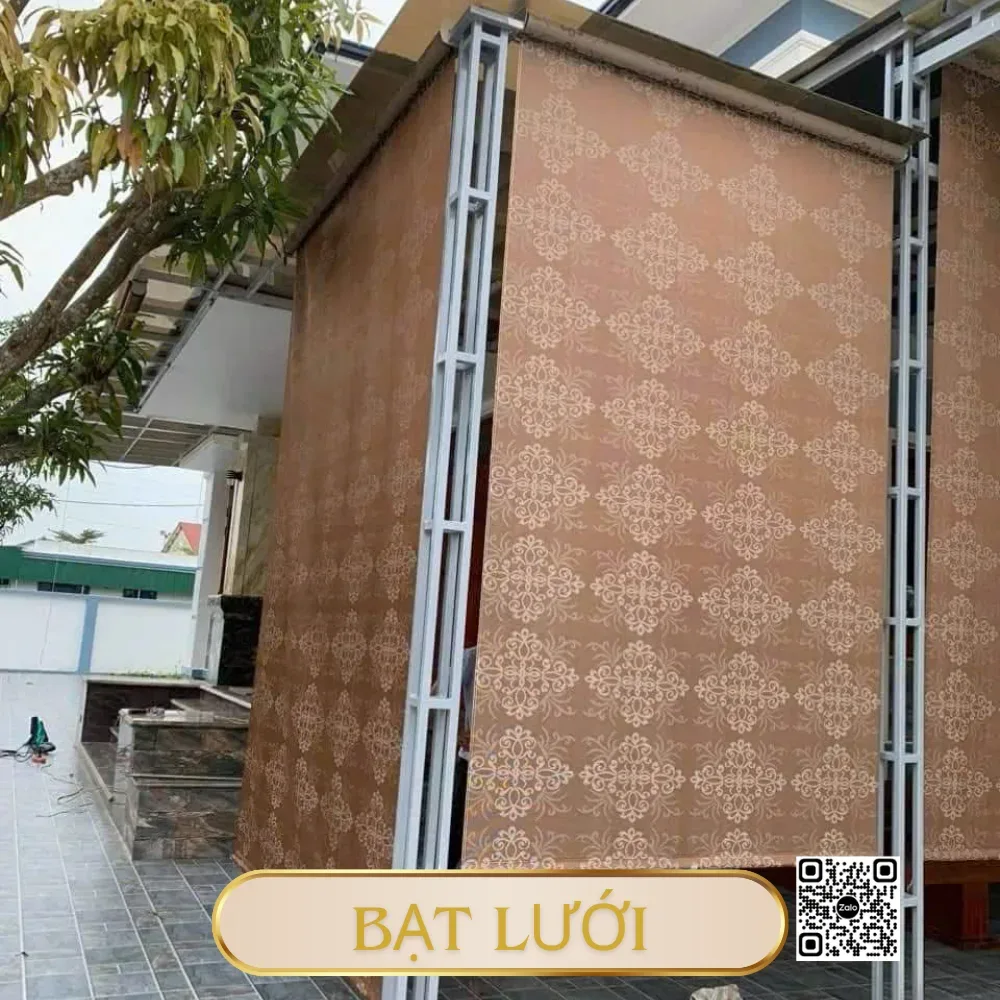

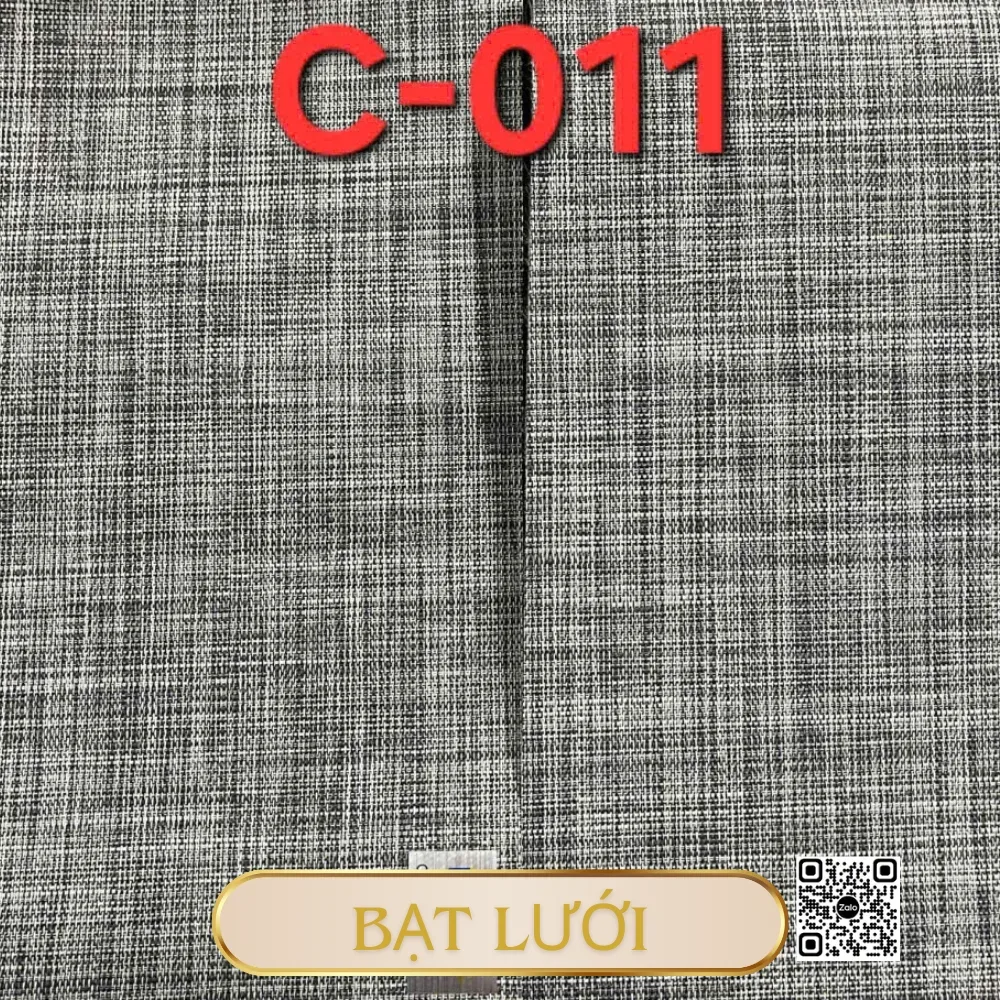
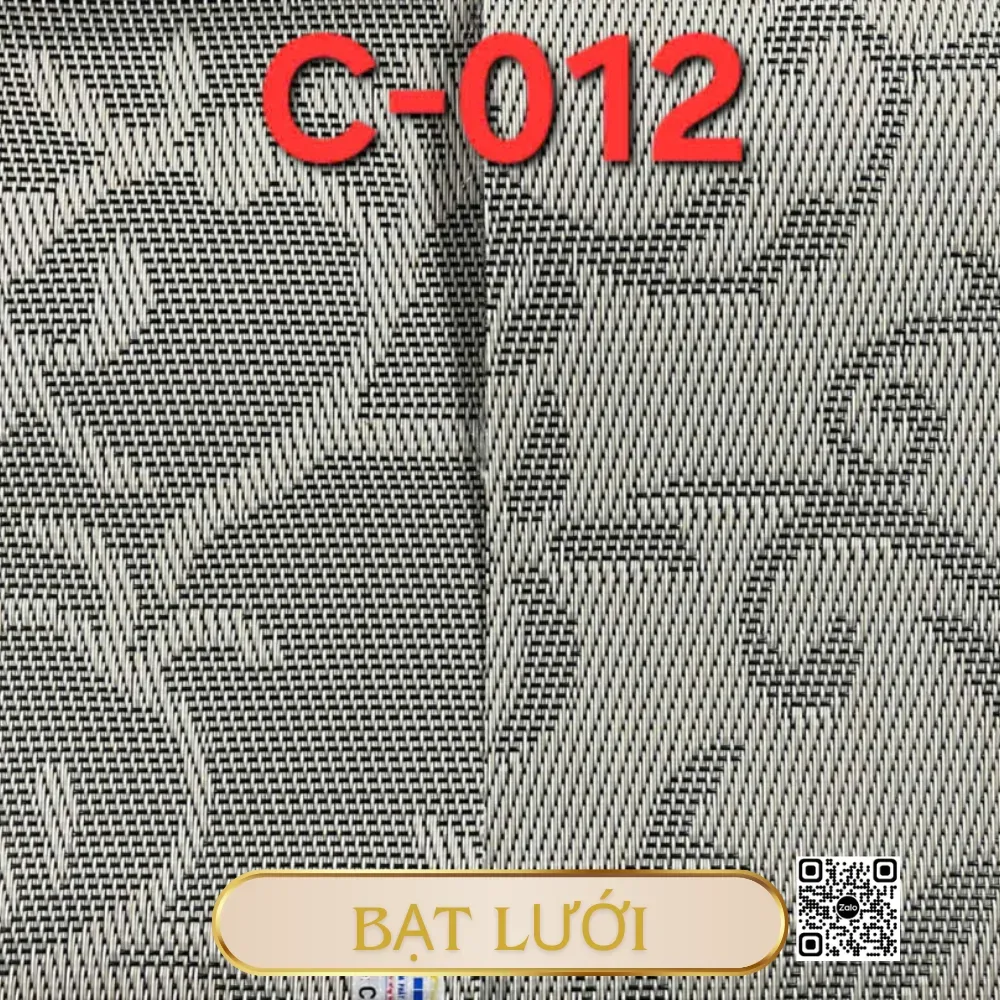
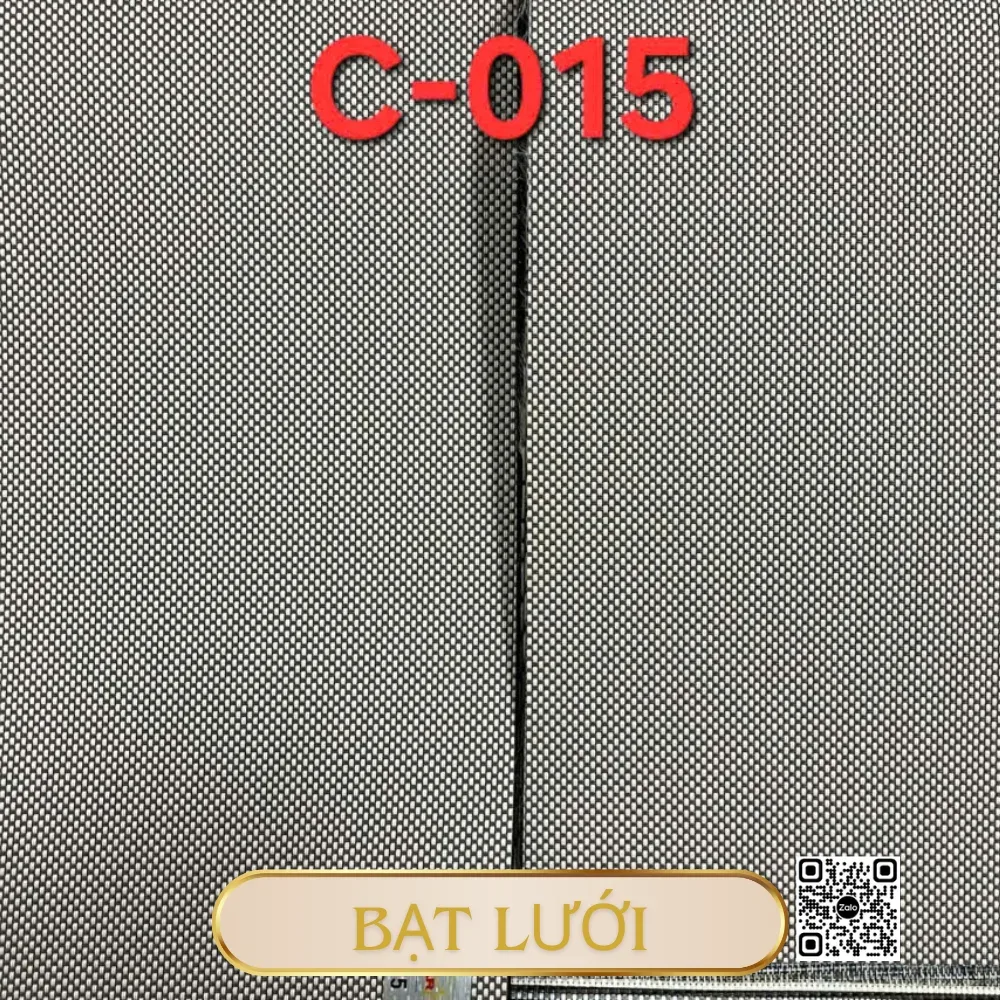
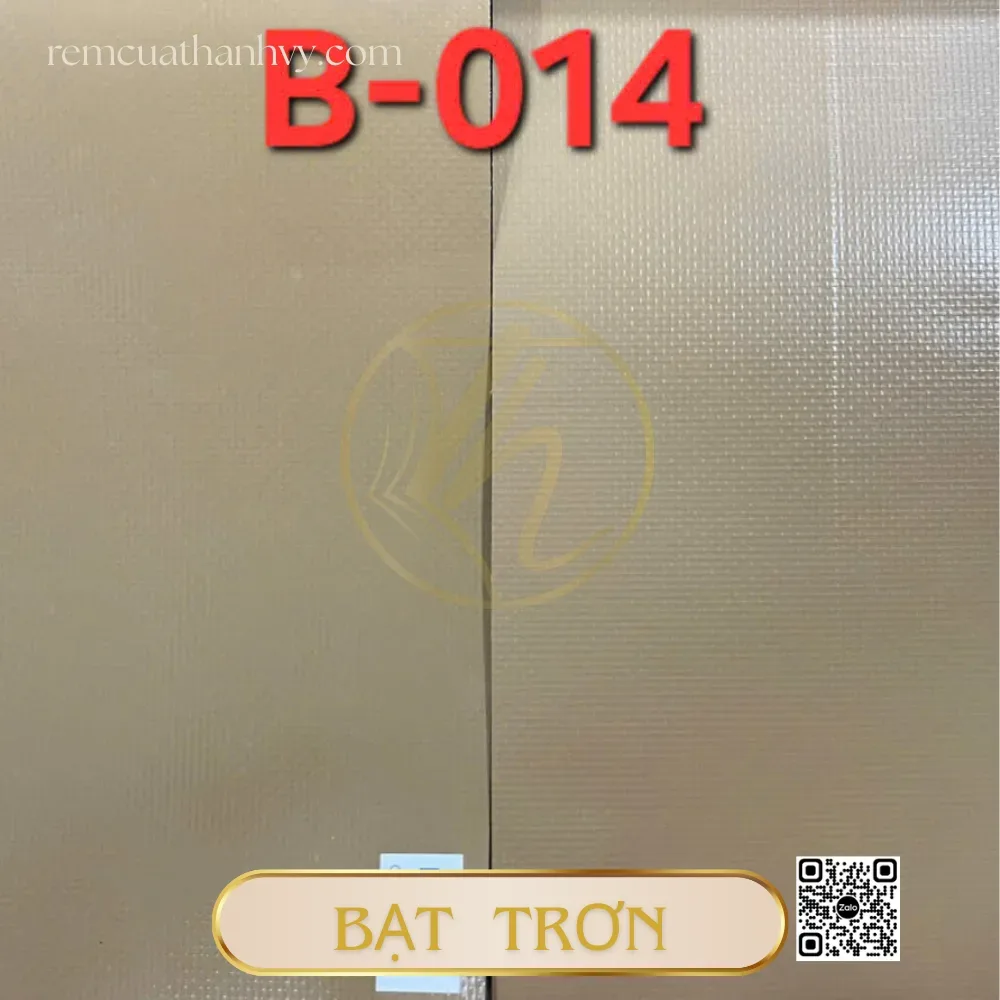
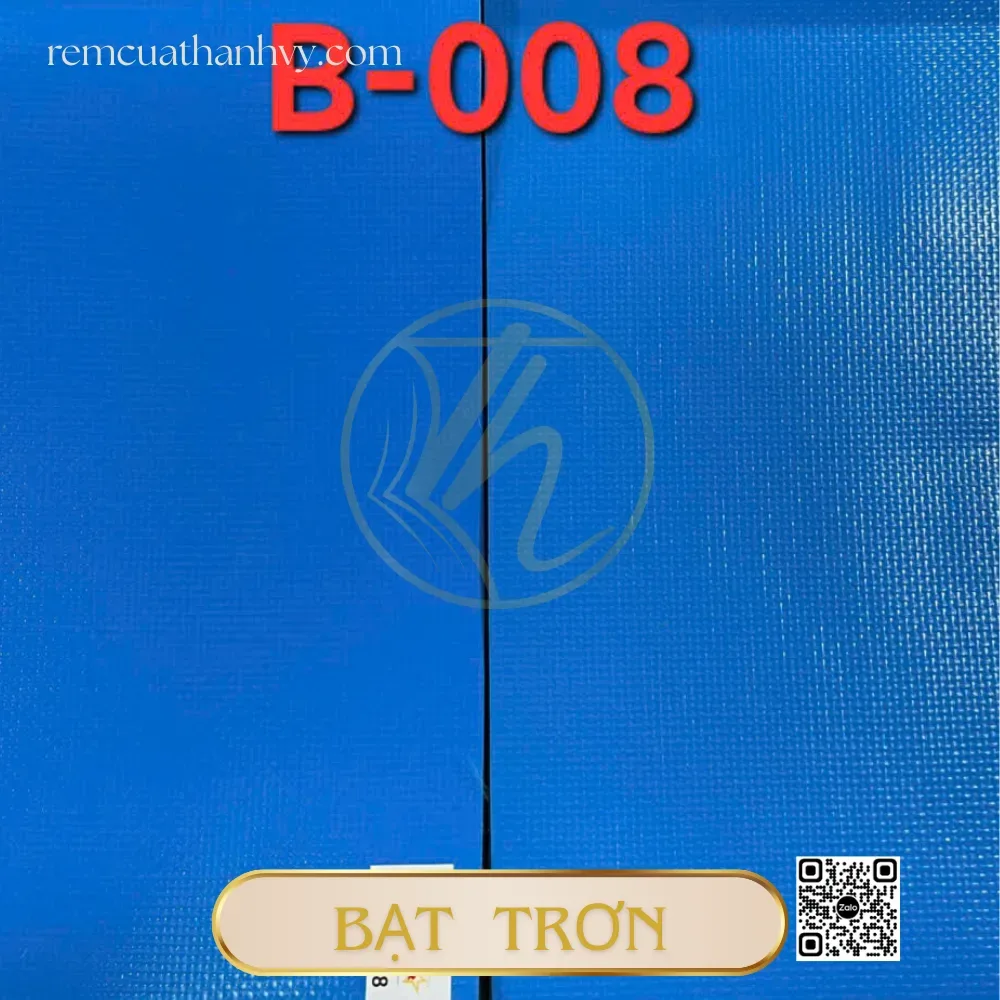
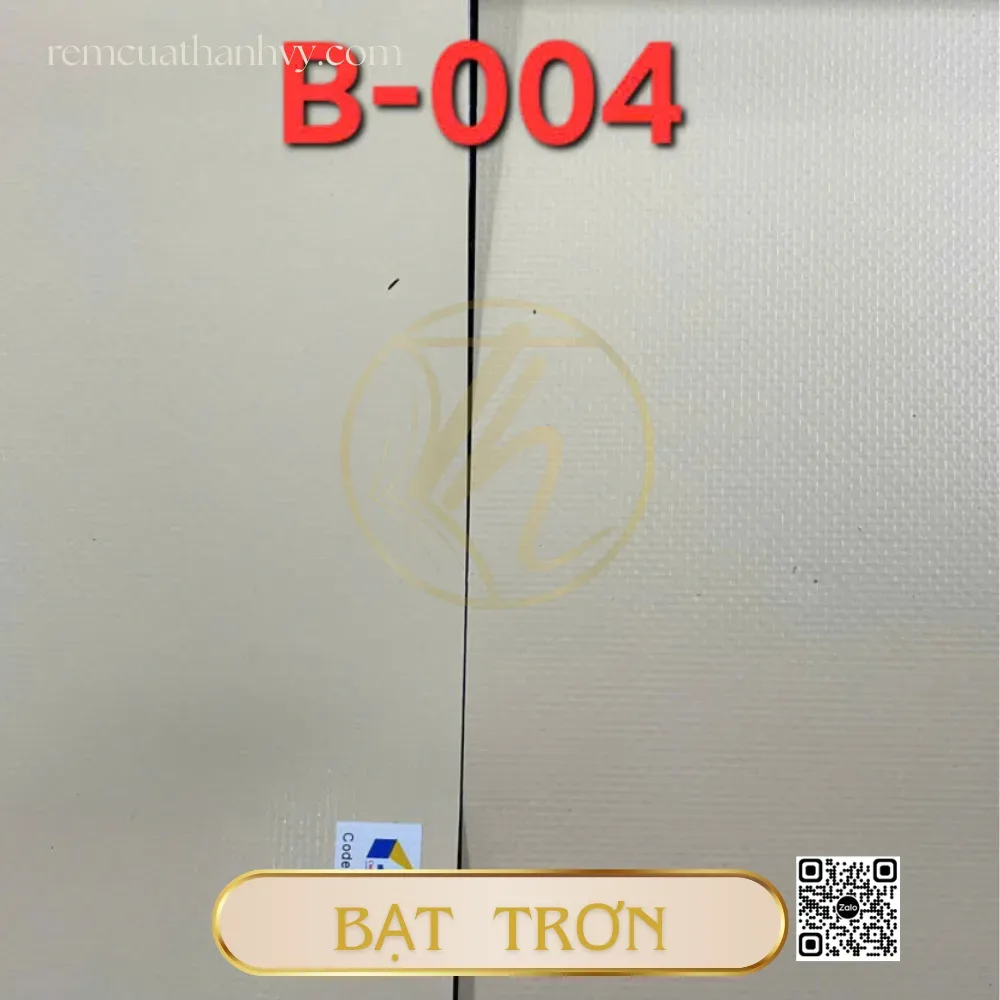
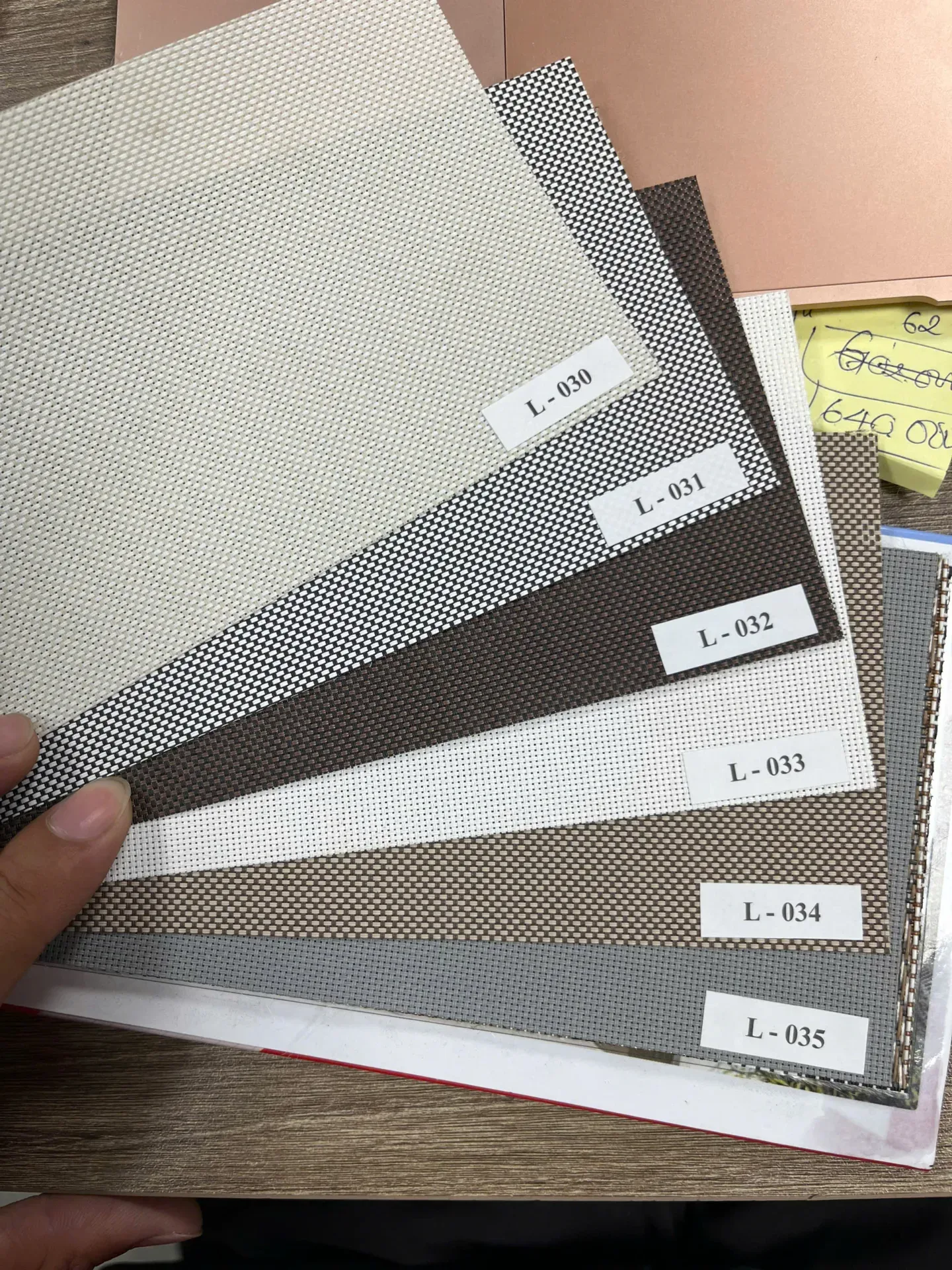
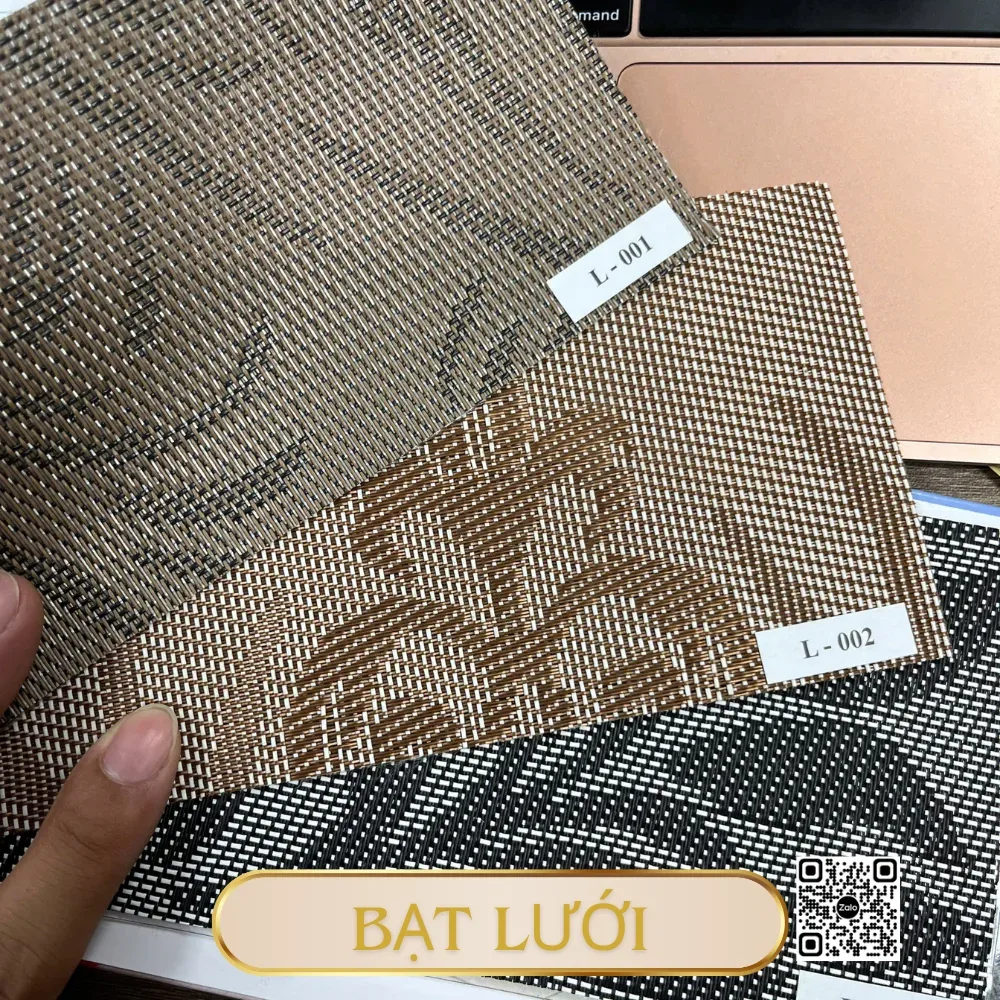
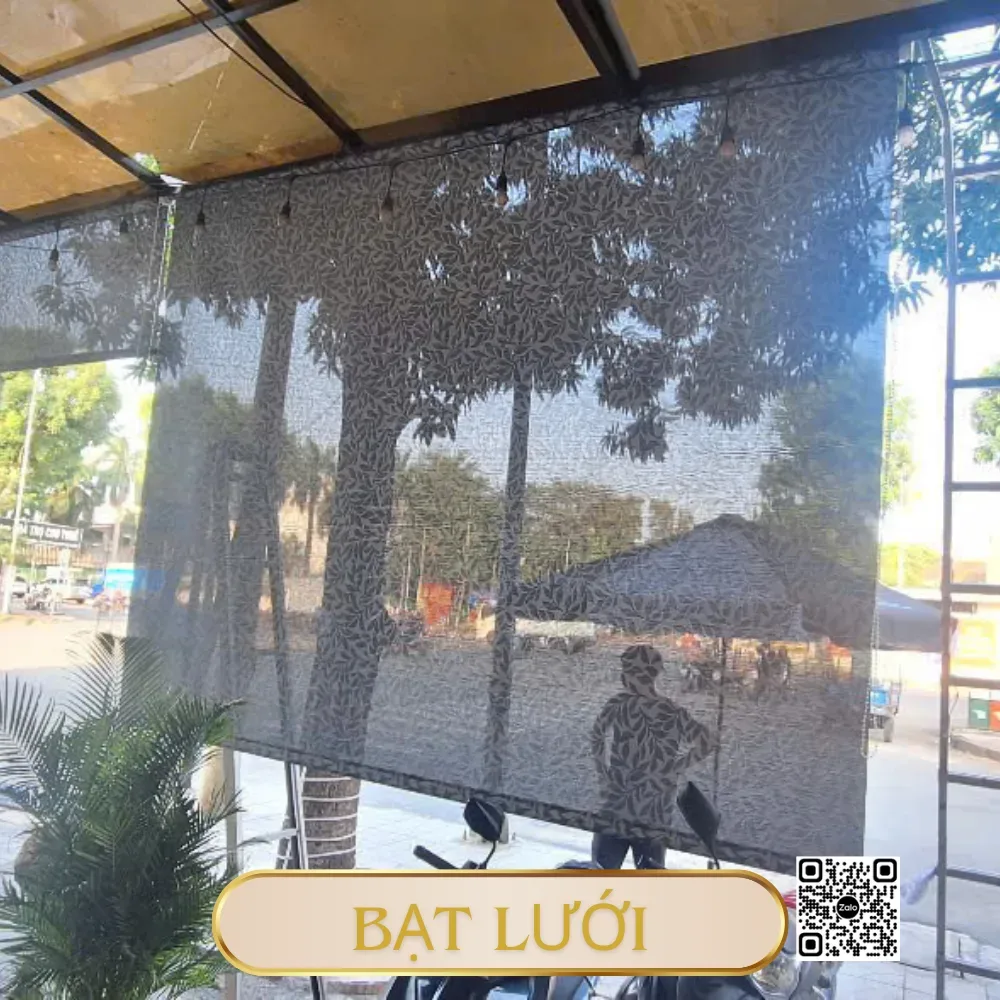
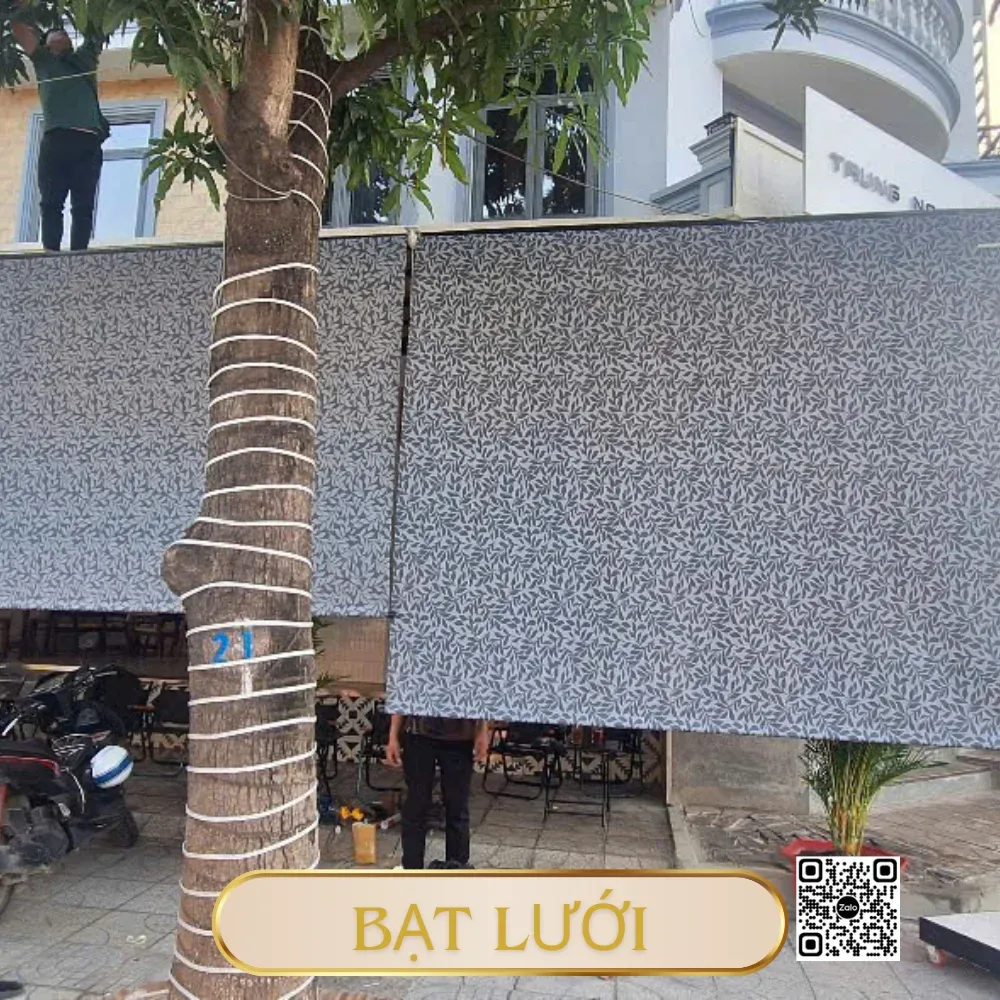
For further information, please contact Thanh Vy Curtains
We provide free consultation and on-site measuring at your home.
Related projects
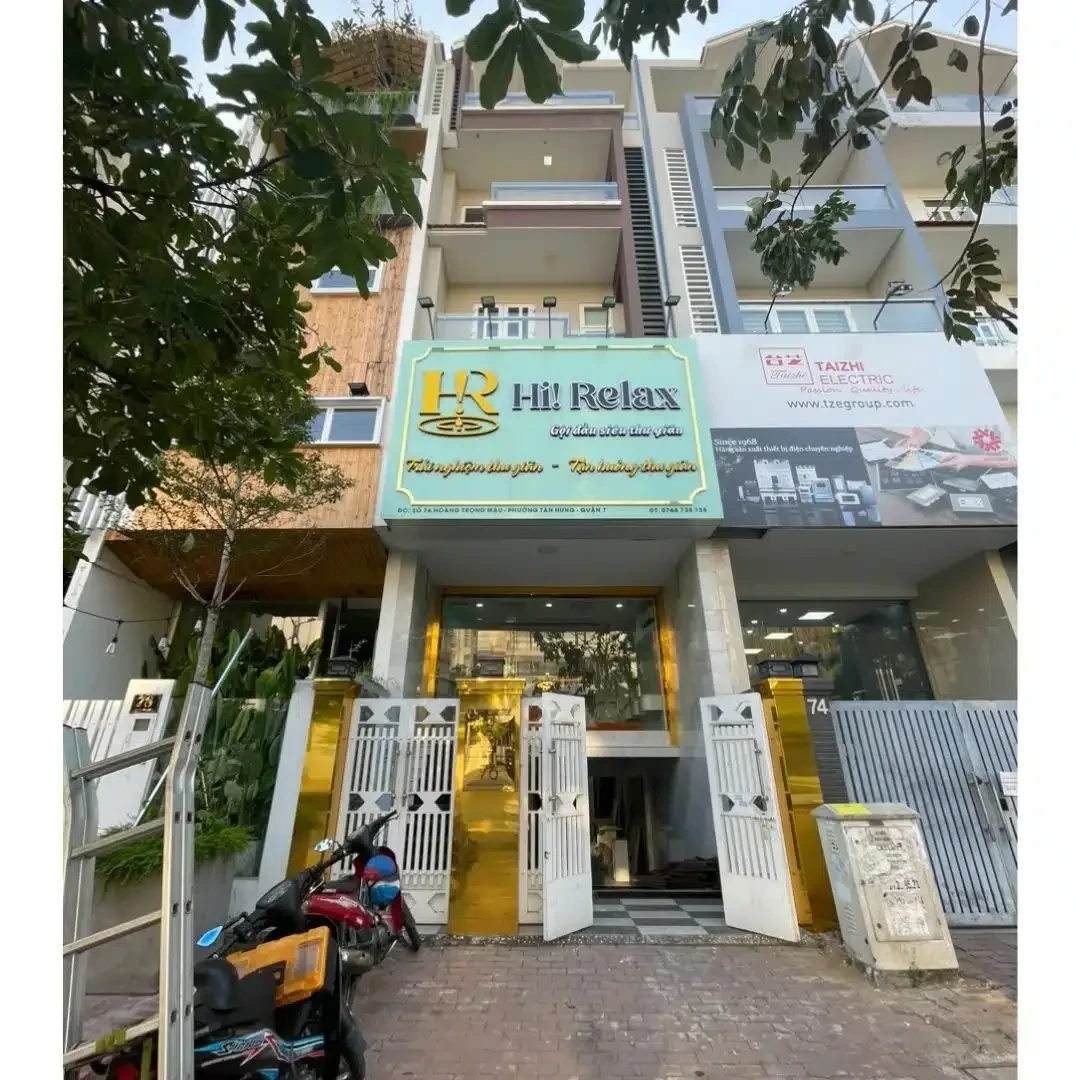
Thermal Insulation Curtains for Hi! Relax Q7 Spa – A Private, Modern Treatment Space
The curtain installation project for Hi! Relax Spa at 74 Hoàng Trọng Mậu, Tân Hưng, [...]

Blackout Fabric Curtains for the Conference Room – Taipei University, District 7
This project was carried out in the multipurpose/conference room of Taipei University, District 7 — [...]
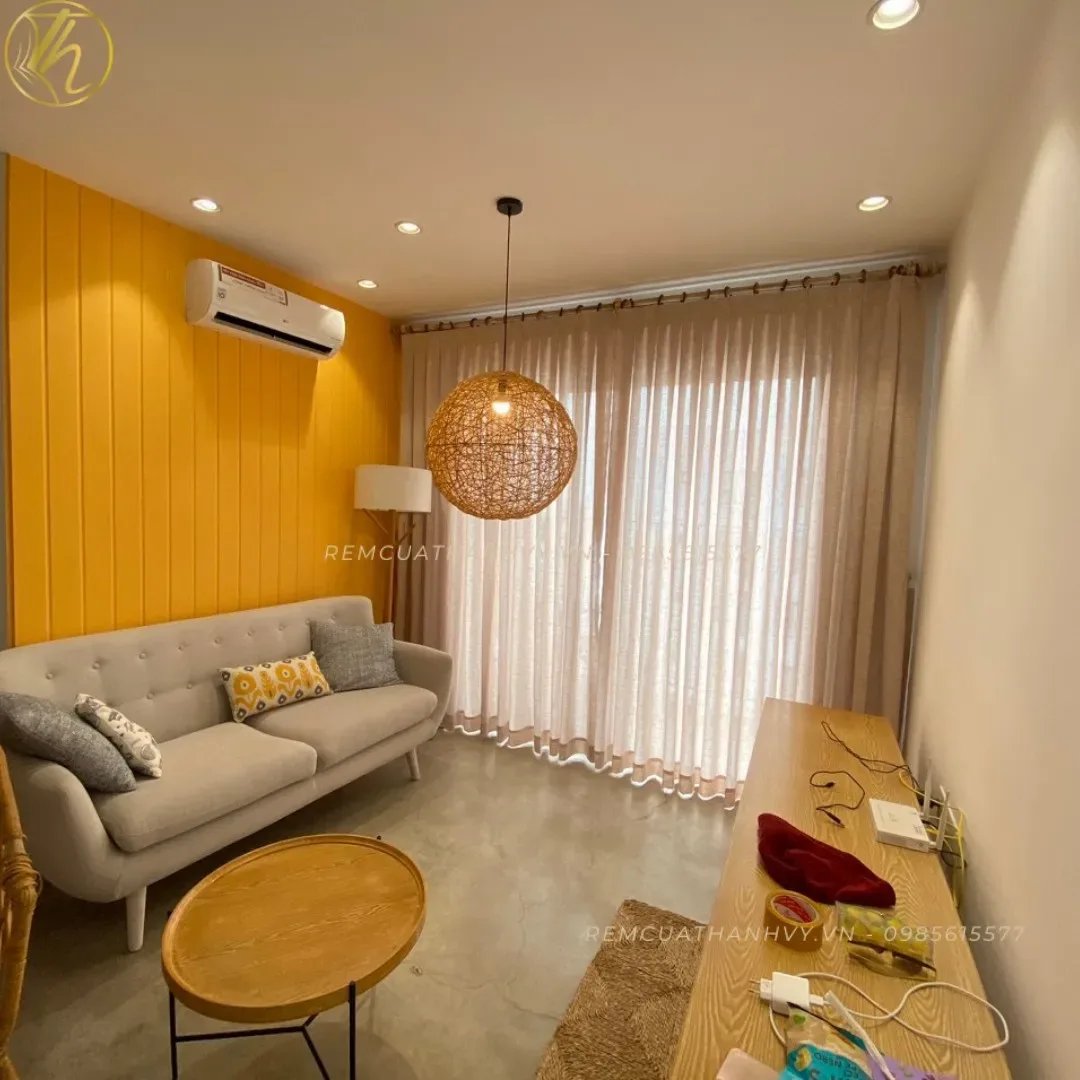
Linen Sheer Curtains Combined with Bamboo Roller Blinds at M-One Nam Sai Gon, District 7
This project at an apartment in M-One on Be Van Cam Street, District 7, is [...]
Related areas
Curtains in District 7: Priorities when choosing for each space
Thanh Vy Curtains provides optimal curtain solutions for living spaces in District 7, using durable [...]
Related reviews
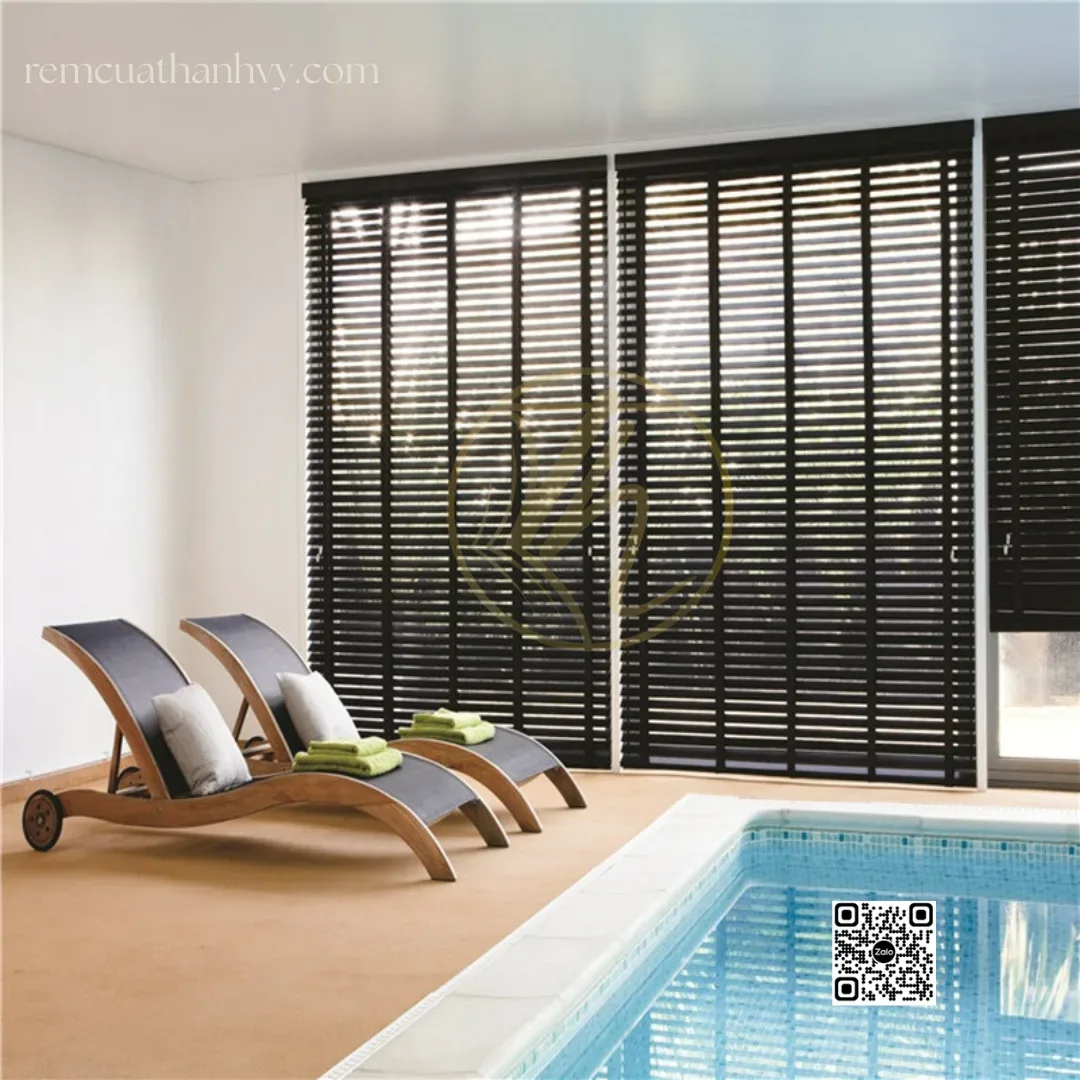
Roman Blinds vs. Wooden Blinds? A Detailed Comparison to Help You Choose
Compare roman blinds and wooden blinds based on light control, privacy, operation, aesthetics, cleaning, and [...]

Fabric Curtains vs. Roman Shades: A Detailed Comparison
Compare fabric curtains and Roman shades based on light control, privacy, operation, aesthetics, maintenance, and [...]
Are Roller Blinds Any Good? A Detailed A-Z Review
A guide on how to choose roller blinds based on your living space, lighting needs, [...]
Related posts
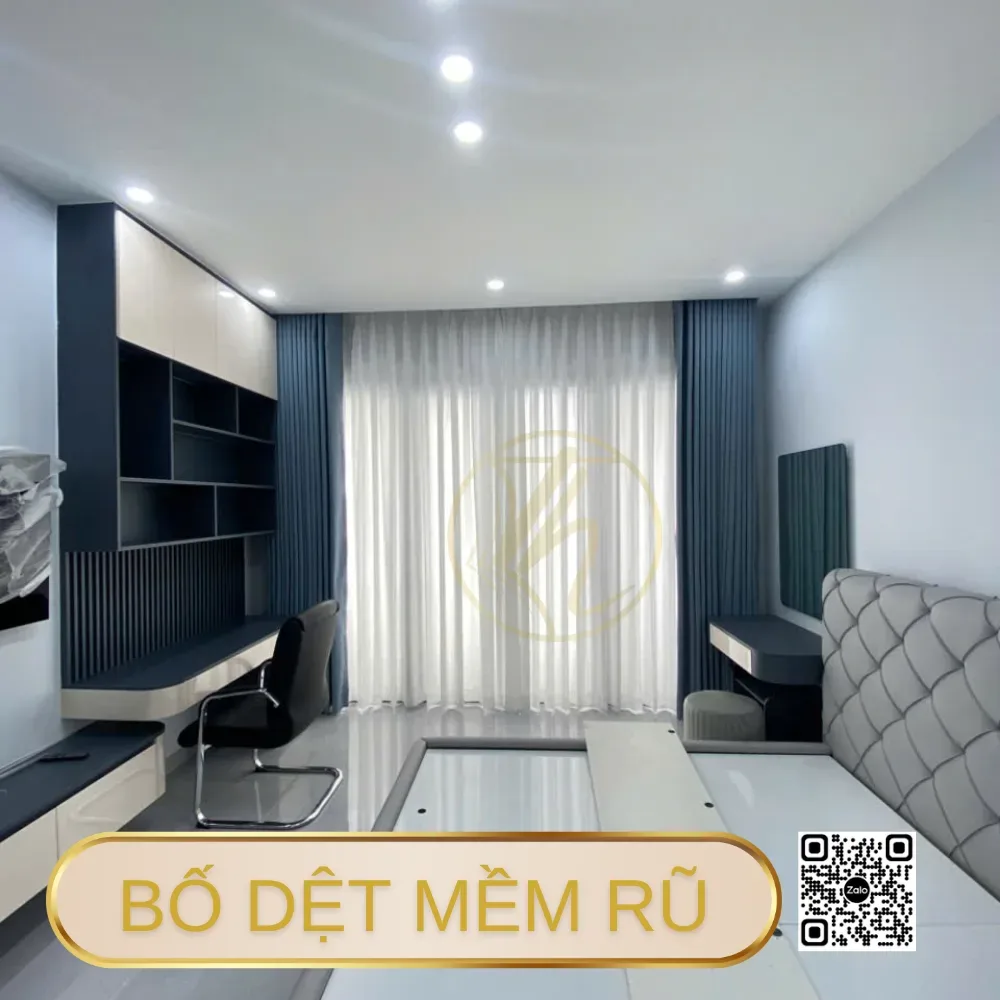
Fabric Curtains in District 3: How to Choose by Room and Need
This article helps readers choose fabric curtains in District 3 based on light blocking needs, [...]
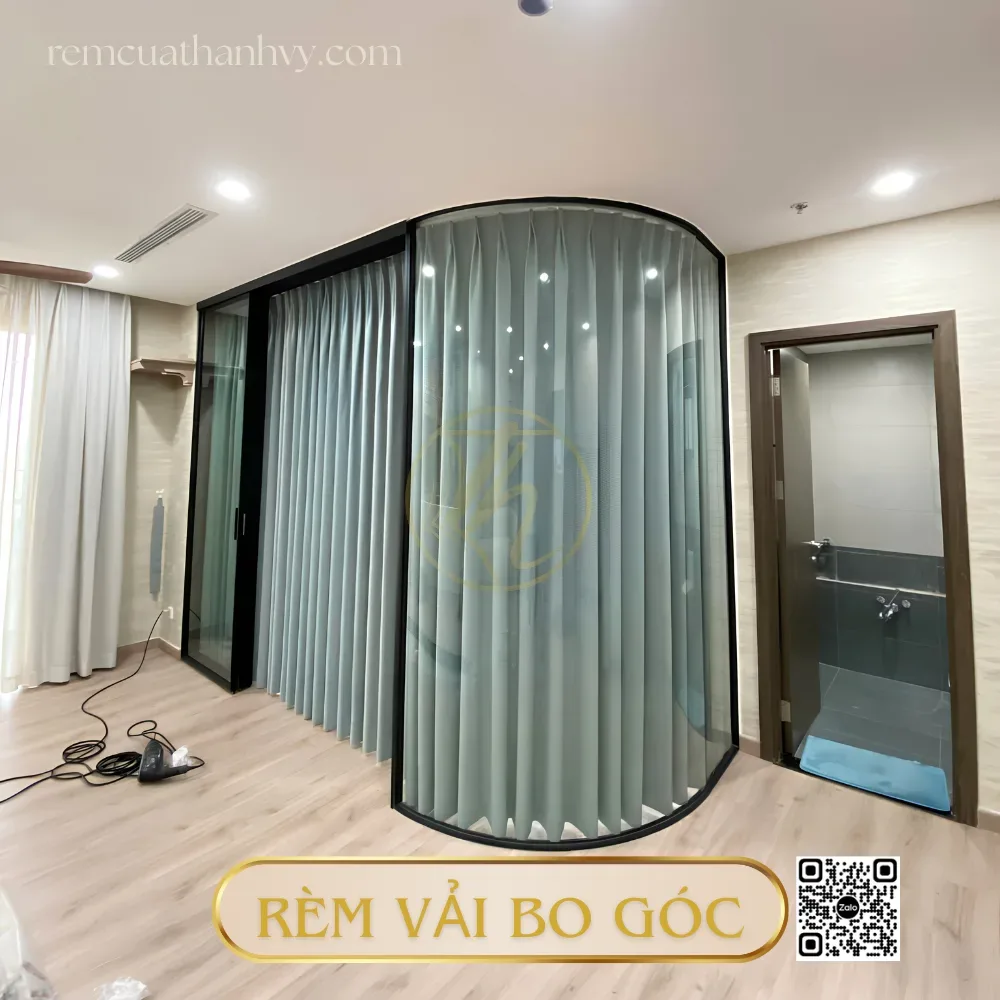
Fabric Curtains in District 6: How to Choose Fabrics and Sewing Styles
A guide to choosing fabric curtains in District 6 for every space, light level, material, [...]
Fabric Curtains in District 10: How to Choose by Room and Need
This guide helps readers compare fabric curtain options in District 10 based on functionality, hanging [...]
Fabric Curtains in Binh Thanh: How to Choose for Every Space
This article summarizes how to choose fabric curtains in Binh Thanh based on lighting, privacy [...]
Tan Binh Fabric Curtains: How to Choose for Every Space
A practical guide to choosing Tan Binh fabric curtains by room, light direction, fabric pattern, [...]
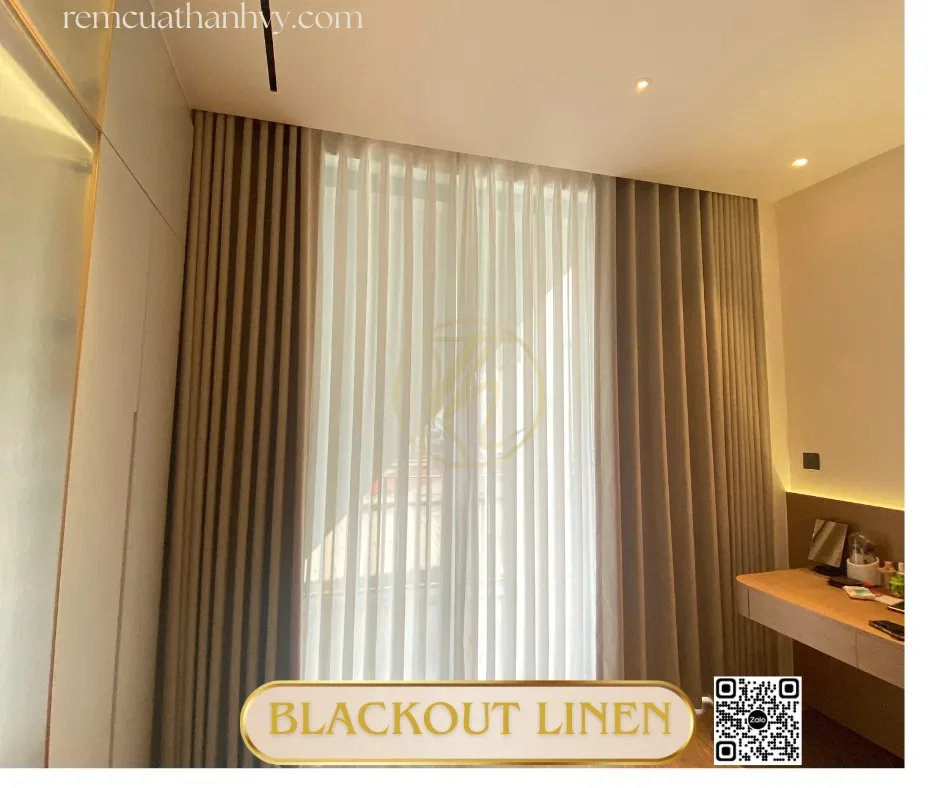
Linen Curtains in District 4: Choosing the Right Fabric and Style
When choosing linen curtains in District 4, consider sun exposure, privacy, and practical sewing styles [...]
Linen Curtains in District 7: How to Choose the Right Fabric and Style
Linen curtains in District 7 are perfect for bright, airy homes, but you should choose [...]
Linen Curtains in District 11: Choosing the Right Fabric and Style
Linen curtains in District 11 are ideal for bright, soft spaces, but should be selected [...]
No comments yet!